Another alphabetic progression for today’s all time XI cricket post, some thoughts on events at the Ageas bowl and England’s 1st test line up and some photographs.
INTRODUCTION
Welcome to today’s all time XIs cricket post, the 12th of our alphabetic progression posts, starting today at I. Tomorrow’s post will have a historical theme, the last of these alphabetic progression posts will appear on Sunday morning, and I have an international post lined up for Monday, which leaves me subject matter to find for Tuesday’s and Wednesday’s posts, and then on Thursday I will have an actual live test match to write about, and my gap-filling mission will have been accomplished. Before getting into the main body of today’s post it is time for an…
UPDATE FROM THE AGEAS BOWL
Yesterday Buttler’s team bowled out Stokes’ team for 233, taking a first innings lead of 54. Bess bowled well, taking two wickets. Oliver Edward Robinson also had two wickets, and was very economical, and there was a cameo appearance from Amar Virdi in which he looked impressive and picked up the wicket of Saqib Mahmood (admittedly one of the more genuine no11s playing today). The Buttler team are now 142-4 in their second innings, with Pope going well. Dan Lawrence has not batted this time round, so I presume that he has already been told he is in the test team (otherwise this is inexcusable since if he gets to the wicket it will be to have a slog before the declaration). Moeen Ali has had a turn at the bowling crease, and Rory Burns got out to him as Team Buttler started trying to force the pace, which they have done moderately effectively, but the evidence from his spell overall was clear – he is the third best off spinner on show at the Ageas bowl behind Bess and Virdi, and the fifth best spinner, with Leach and Parkinson also better practitioners. Curran has gone down ill, and will presumably miss the test match, and with Anderson failing to impress this morning, unless Broad turns on a spectacular new ball spell when the time comes I see Robinson as the one to get the nod, meaning that allowing for the loss of Curran my XI for the test match would be: Burns, Sibley, Crawley, Lawrence, *Stokes, Pope, +Foakes, Robinson, Bess, Wood, Archer.
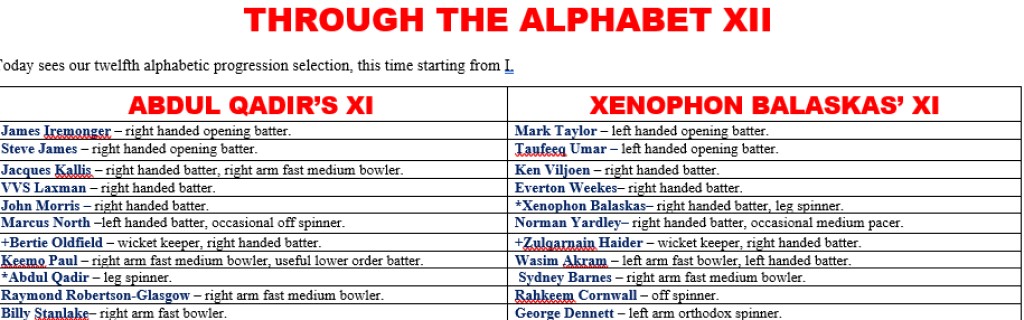
ABDUL QADIR’S XI
- James Iremonger – right handed opening batter. He played for Nottinghamshire, mostly in the years running up to World War 1, and had a first class batting average of 35. Subsequently he became a coach, and numbered Larwood and Voce among his charges.
- Steve James – right handed opening batter. He played for Glamorgan, and was the first batter ever to score a triple century for the county (albeit on a very flat pitch and at a very small ground – Glamorgan topped 700 for the loss of just three wickets). He played very briefly for England, discovering as others before him had that England selectors aren’t good at picking up what happens to their west. After his retirement he became a writer, his books including the excellent “The Plan” and the interesting “The Art of Centuries”.
- Jacques Kallis – right handed batter, right arm fast medium bowler. Only one other test cricketer to have been a regular bowler (Alastair Cook took one test wicket at a cost of 7 runs in his long test career) has had as big a credit balance between their batting and bowling averages as Kallis: Garfield St Aubrun Sobers.
- VVS Laxman – right handed batter. In partnership with Rahul Dravid he turned the Kolkata 2001 test match on its head, so that India, following on 273 runs behind ended up winning by 171 runs, as Harbhajan Singh completed the turn around by spinning through a dispirited Australia in the 4th innings.
- John Morris – right handed batter. A heavy scoring stroke maker for Derbyshire, he never managed to establish himself for England, and his involvement in the ‘Tiger Moth’ incident with David Gower may well have ended his chances of so doing – certainly, even though he had scored 132 in the match in question, he was never heard from again at England level.
- Marcus North – left handed batter, occasional off spinner. He played for a number of counties, and made a good start to his international career before falling away at that level. The axe descended on his international career during the 2010-11 series when an ill-equpped and poorly led Australia were well beaten.
- +Bertie Oldfield – wicket keeper, right handed batter. One of the finest keepers ever to play the game, his 52 test stumpings remains an all-time record.
- Keemo Paul – right arm fast medium bowler, useful lower order batter. He is best known for his performances in limited overs cricket, but he also has a respectable record in long form cricket.
- *Abdul Qadir – leg spinner. In the 1980s the art of leg spin nearly died out, with all due respect to Australians Bob Holland, Trevor Hohns and Peter Sleep, the latter two of whom would never have been picked but for their skills with the bat. The man who kept the embers aglow, to fanned into glorious flame by Shane Warne in the 1990s was Abdul Qadir.
- Raymond Robertson-Glasgow – right arm fast medium bowler. A Scot who was able to short circuit the residential qualification rules of the day because he was related to someone who owned property in Bath, and also because Somerset were past masters at dodging those rules anyway. He regularly opened the Somerset bowling with James Bridges. Both believed they should bat higher than they did, and Bridges could be said to have had the better of that little dispute since it was usually him who got to bat at the lofty heights of no10. He went on to become one of the finest writers on the game.
- Billy Stanlake – right arm fast bowler. He plays mainly short form cricket, especially T20, but a first class bowling average of 31 is a respectable effort for someone who is not a regular at long form cricket (he has played eight first class matches in total as compared to 28 list A games and 64 T20 games). He is often referred to by commentators as ‘big Billy’ because of his great height (2.04 metres, approximatedly 6’8″ in imperial measurements).
This team has a good top six, a top of the range keeper and four varied bowlers. The spin department is a little understocked, with only North’s part time off spin as a back up for Qadir, but Stanlake, Robertson-Glasgow, Paul and 4th seamer Kallis is certainly a respectable pace attack.
XENOPHON BALASKAS’ XI
- Mark Taylor – left handed opening batter. He was one of the stars of the 1989 Ashes, with 839 runs in the series – more than any other Aussie save Bradman has ever tallied in a series. That series saw the end of Australia as whipping boys and the beginning of a rise that would see them reach the top of the cricket world by 1995, and then occupy that position for another decade. The combined impact of mismanagement, Kerry Packer and Ali Bacher had seen Australia flat lining since the mid 1970s, with England winning the Ashes at home in 1977, retaining in 1978-9, retaining again in 1981, surrendering them in 1982-3 when they were themselves weakened by the attentions of Mr Bacher, regaining them in 1985 and retaining them in 1987. Then, when Australia turned the tables in 1989 a combination of English mismanagement and refusal to face the obvious saw Australia retain the urn in 1990-1, 1993, 1994-5, 1997, 1998-9, 2001 and 2002-3, and all of those eight Ashes series from 1989 through to 2002-3 England only once one a game with the series still alive, at Edgbaston in 1997. Taylor, as well as his contributions at the top of the order took on the captaincy after Border retired, eventually handing over to Steve Waugh in turn.
- Taufeeq Umar – left handed opening batter. Played for Pakistan at the start of the 2000s, and averaged just below 39 as an opener in test matches.
- Ken Viljoen – right handed batter. He batted in this position in the infamous timeless test at Durban in 1939.
- Everton Weekes – right handed batter. Averaged 58.62 in test cricket, being the only player ever to score five centuries in successive test innings. He died recently at the age of 95, the last of the ‘three Ws’ (Walcott, Weekes and Worrell, born within a few miles of each other in the space of 18 months) to die.
- *Xenophon Balaskas – right handed batter, leg spinner. He is perhaps a little higher in the order than his batting record warrants, but he was a fine all rounder in his day.
- Norman Yardley – right handed batter, occasional right arm medium pace bowler. When he went on the 1946-7 tour of Australia, which was supposed to be a ‘goodwill tour’, except that Bradman did not get the memo it was as young batter whose bowling was rarely even used by his county, but a combination of injuries and a lack of resources in that department saw him pressed into service as a bowler for his country, and he responded well, bowling economically and picking up the odd useful wicket. He captained England in the 1948 Ashes, but was one of two candidates to refuse the captaincy of the 1950-1 tour (FG Mann of Middlesex being the other).
- +Zulqarnain Haider – wicket keeper, right handed batter. A brief but spectacular appearance in the limelight, during one of Pakistan’s many troubled periods.
- Wasim Akram – left arm fast bowler, left handed batter. He got his break when, at the age of 16, he bowled a spell in the nets that caught the eye of his country’s captain, Imran Khan. That was the launch of a career that saw him become one of the game’s all time greats, a fearsome fast bowler, a dangerous attacking bat in the lower middle order, and at one time captain. In 1992 he and Waqar Younis teamed up to render England’s batting feather legged. That winter in the world cup final he made the key intervention, ripping out two wickets at a crucial stage of the match and enabling his side to lift the trophy. England would spend most of the next 20 years or so after that loss producing one day cricket performances that were uninspired at best and downright incompetent at worst before a humiliating experience in the 2015 world cup would finally act as the kick up the backside they needed.
- Sydney Barnes – right arm fast medium bowler. That official description tells you about on tenth of the story of Barnes the bowler, discovered in the Lancashire nets by Archie MacLaren (England’s own nearest equivalent to the Wasim story), taken on a tour of Australia largely on the strength of that net session. A combination of him being constitutionally incapable of tugging his forelock, disapproval in official circles of his preference for Lancashire League cricket over the county ground and the fact that Lord Hawke, the Lincolnshire born author of the ‘Yorkshire born players only’ policy at that county did not see eye to eye with MacLaren and tended to disapprove of his hunches as a matter of principle led to Barnes playing less than half the number of tests he could, therefore should, have done. In 13 tests in Australia he captured 77 wickets, also taking 29 Aussie wickets in seven home tests against them, while against South Africa he captured 83 wickets in just seven test matches, and had he not quarrelled over terms and conditions with management and pulled out of what turned out to be the last test match before World War 1, he would almost certainly have had 60+ wickets for that series (he was on 49 from four matches) and been the first to 200 test wickets in what would have been his 28th game at that level.
- Rahkeem Cornwall – off spinner. 13 test wickets at 22 after two matches, 303 first class wickets at 25 each. We are likely to see something of the 27 year old off spinner in the upcoming ‘biosecure’ test series. This is a possible head to head contest between someone named Cornwall, and someone who was born in the neighboring county of Devon (there four Devonians in the current England camp, Bess the offspinner, Gregory the seam bowling all rounder and the Overton twins – one a genuinely fast bowler, one a fast medium, while England women’s captain Heather Knight was also born in Devon). I do not particularly expect to Gregory or either Overton in test action, but Bess must surely play.
- George Dennett – left arm orthodox spinner. 2,151 first class wickets at 19.82 each and never a single England cap. In the 1907 season, a very wet one in which in those days of “ooncoovered pitches” spinners flourished, he took over 200 first class wickets. The trouble was that Wilfred Rhodes and Colin Blythe were even greater masters of the art of left arm spin bowling than he was, and Frank Woolley always commanded a place as a batter.
This side has a decent top four, and the presence of Wasim Akram at no 8 means that all the next four are also capable of major innings. The bowling, with Akram and Barnes to take the new ball, Dennett, Cornwall and the skipper as spin options and Yardley’s medium paced nibblers as sixth option is very strong.
THE CONTEST
Abdul Qadir’s XI have the stronger batting line up, but Xenophon Balaskas’ XI have a quartet of front line bowlers that looks seriously formidable, plus the skipper. In keeping with my reckoning that it is the bowlers who win matches I make Xenophon Balaskas’ XI definite favourites. If the pitch turns than Qadir will struggle to match the combined efforts of Cornwall, Dennett and the opposition skipper. Over at the Ageas bowl Team Stokes have been set 255 for victory, and are 46-0 in the 13th, with Sibley and Bairstow opening.
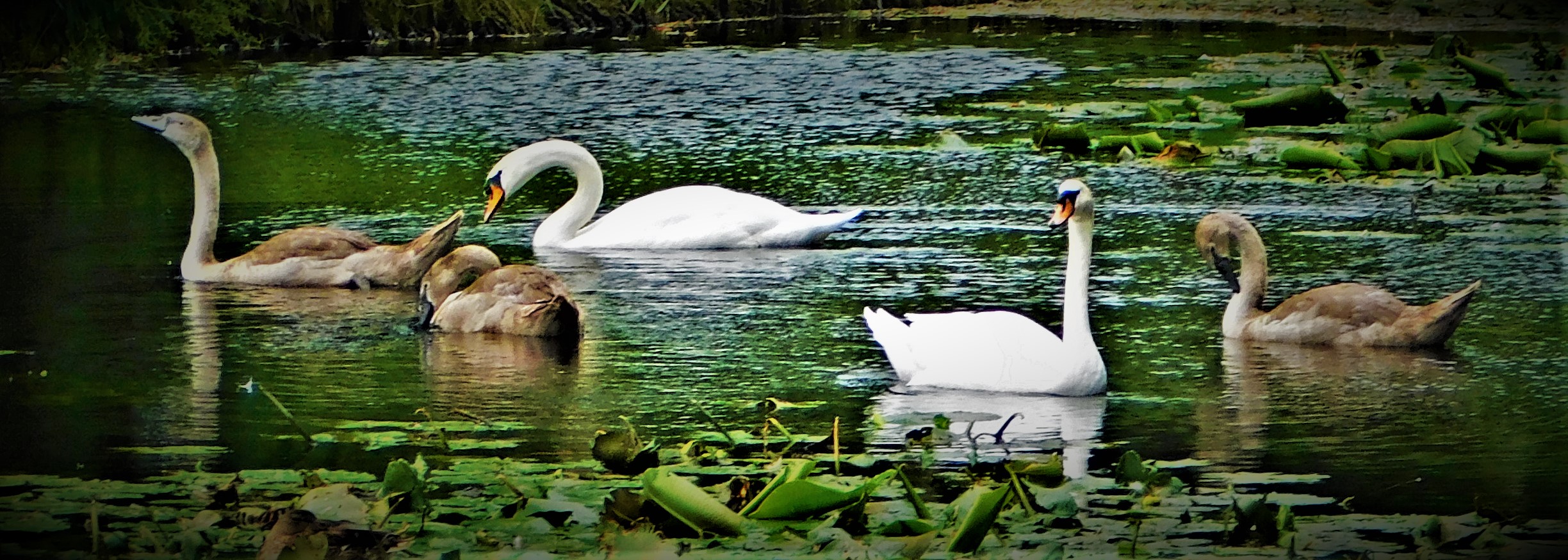
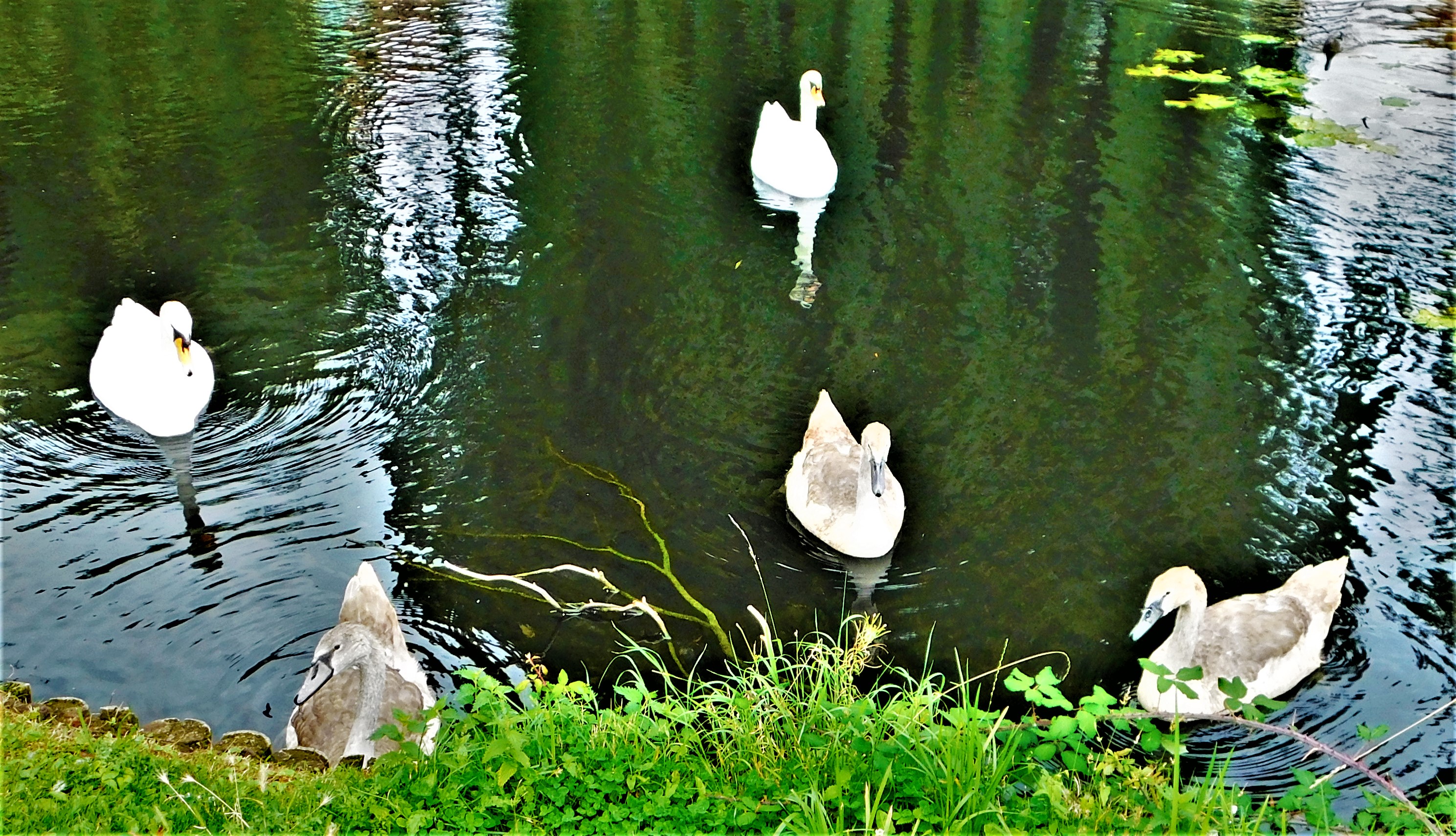
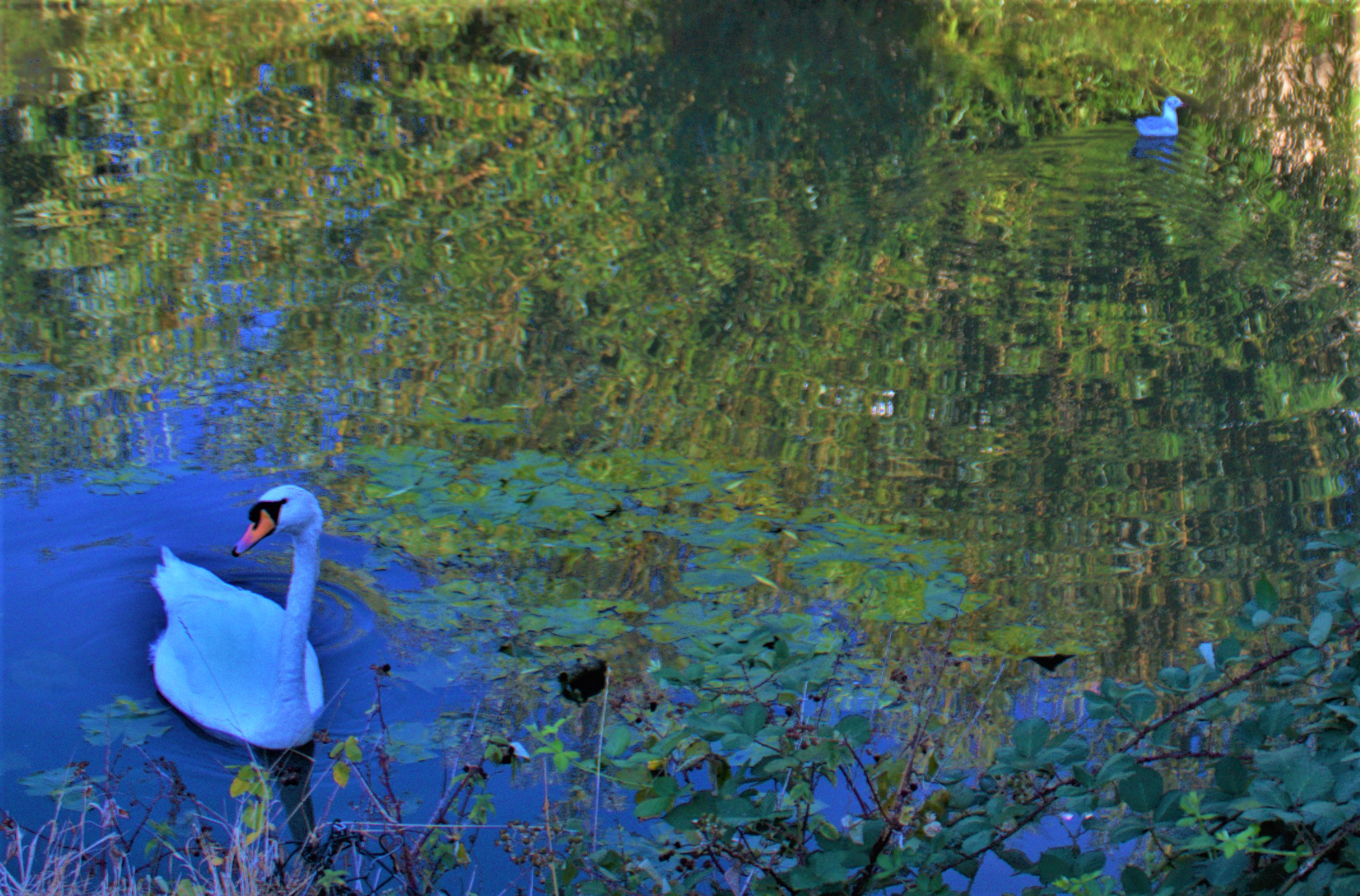
PHOTOGRAPHS
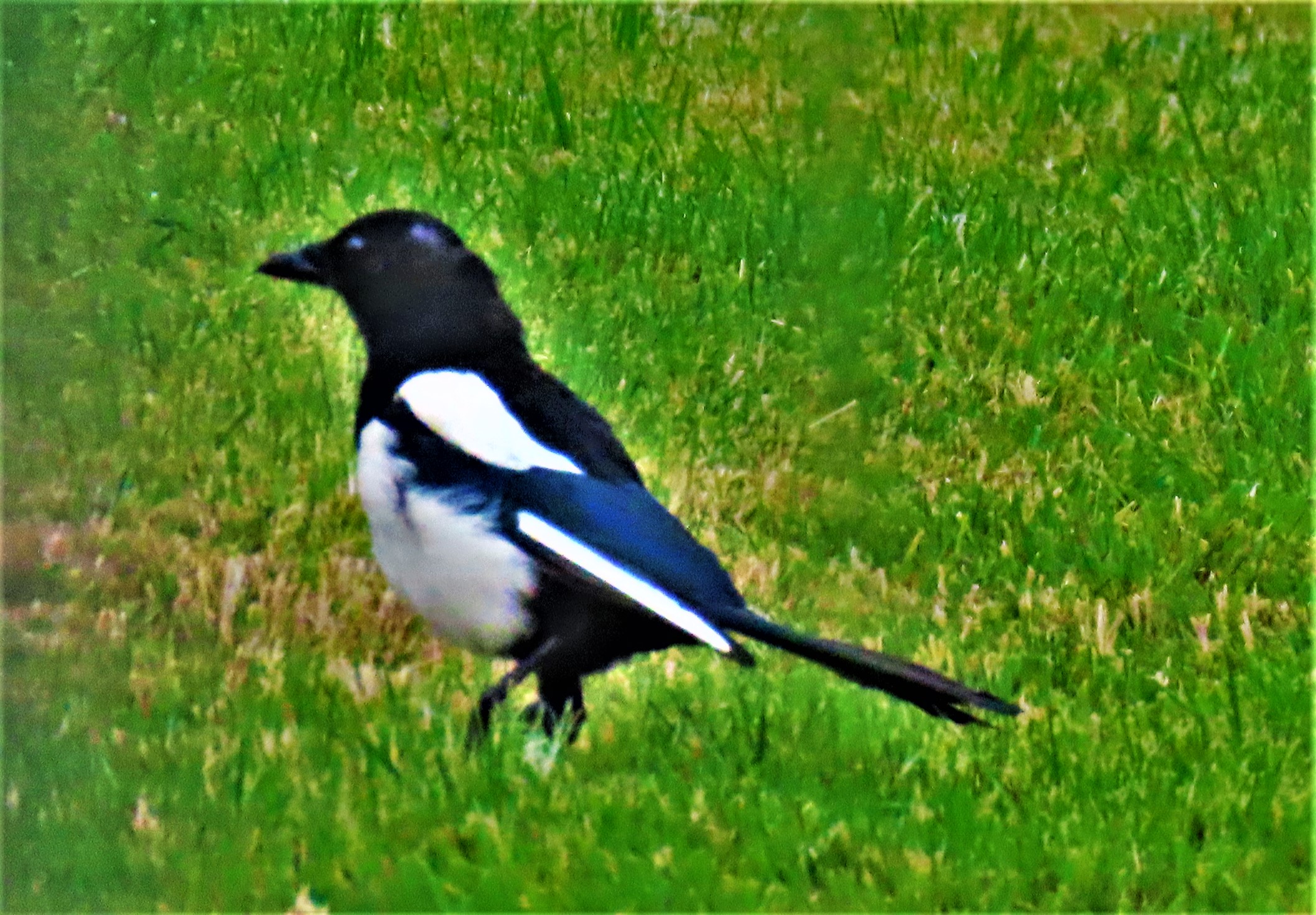
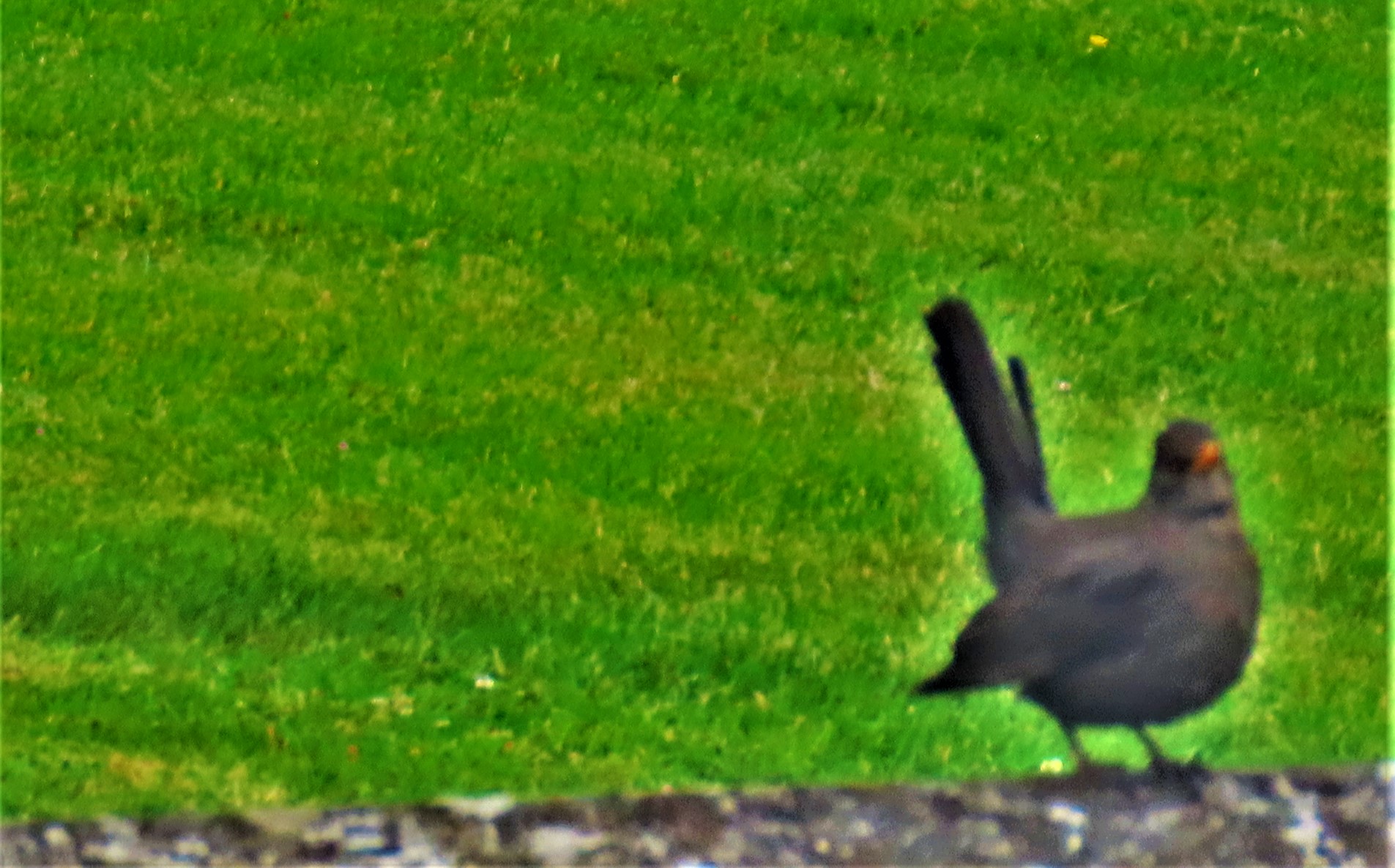
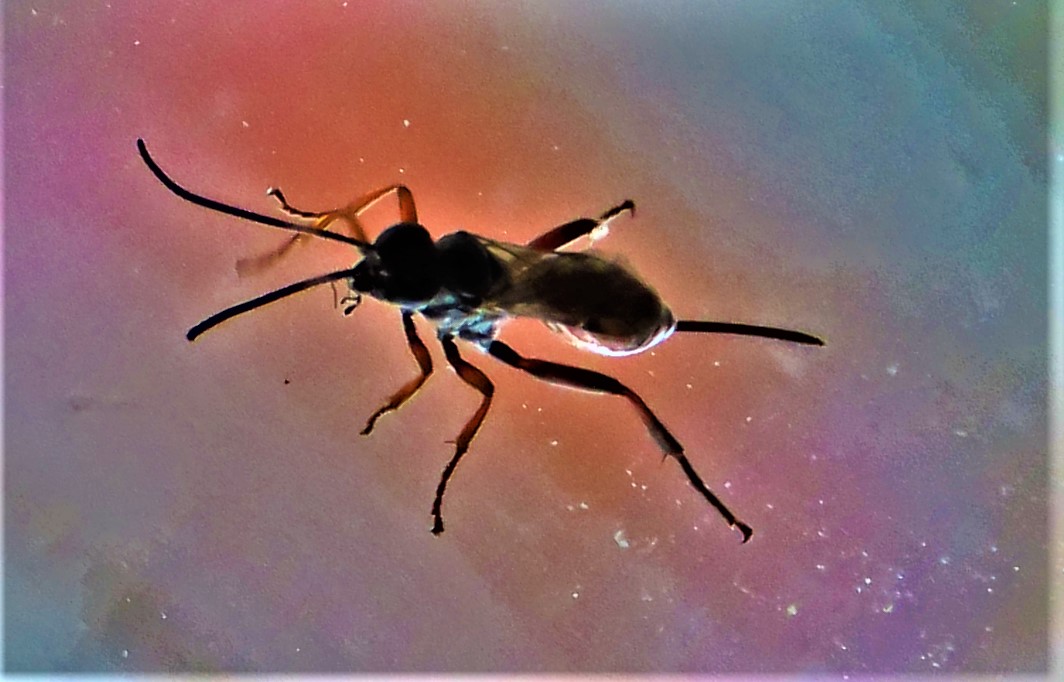
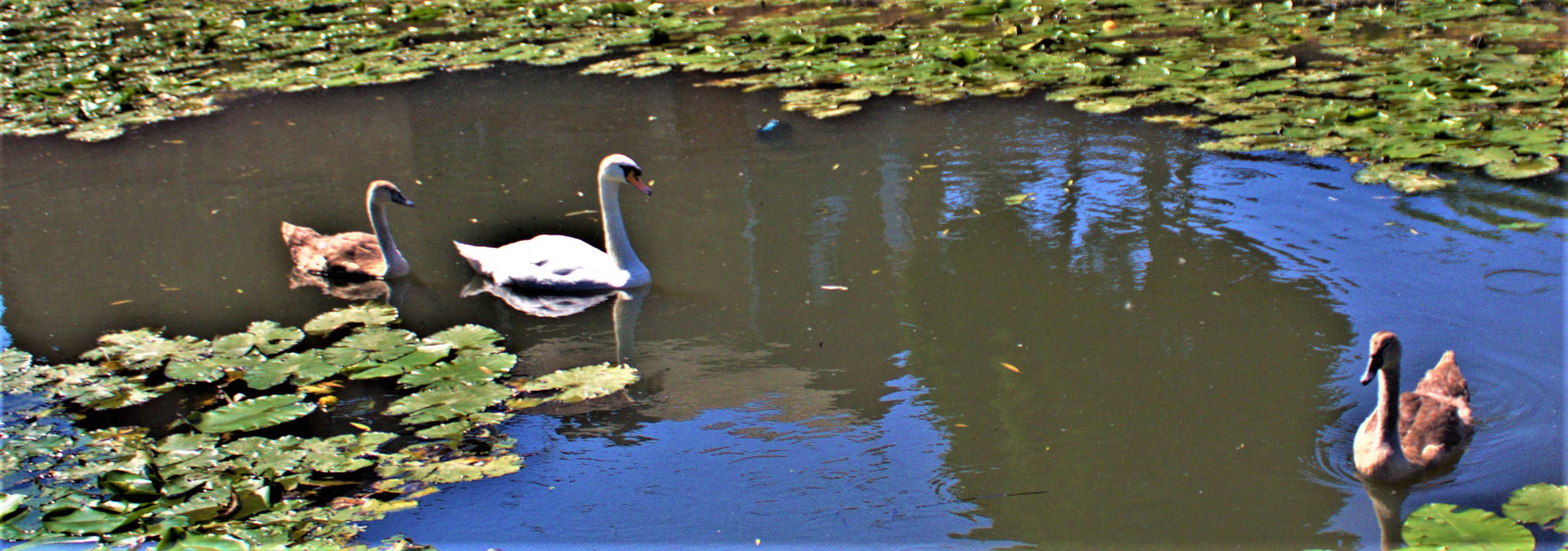
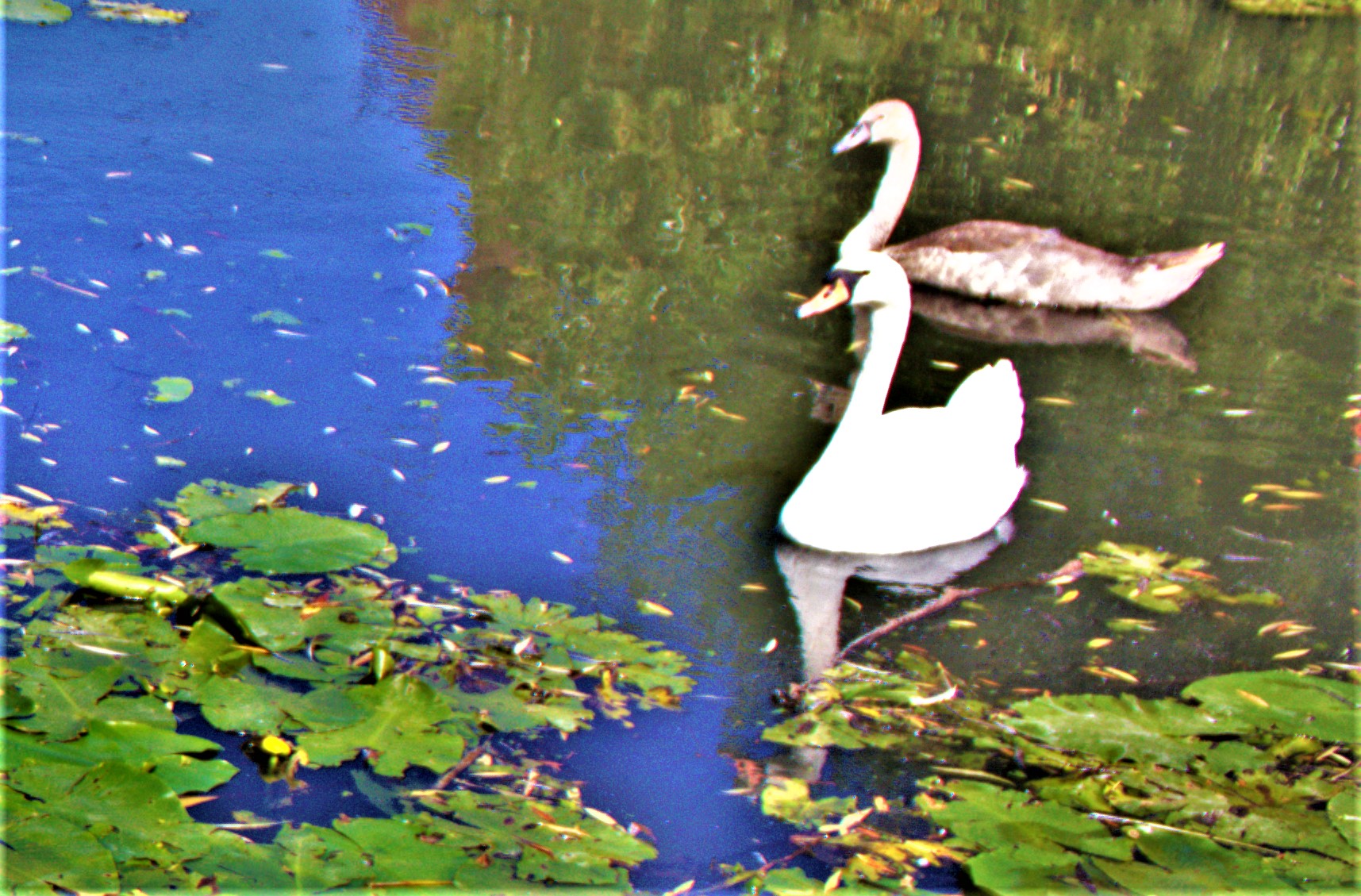
While I have been typing this up Team Stokes have moved to 126-2, needing a further 129 with 19 and a half overs to be bowled. Zak Crawley, no 3 in the test for a certainty (Denly’s score of one for Team Buttler earlier today removed any tiny lingering doubt there) is going well. Now it is time for my usual sign off…




















































 aspiblog