A look back at the Boxing Day activities of my Christmas in Cornwall, with a video and lots of photographs.
On Boxing Day we went out walking. Our original plan was to do a circular walk beginning with the Golitha falls Nature Reserve and continuing with a circular walk. This was later modified.
GOLITHA FALLS
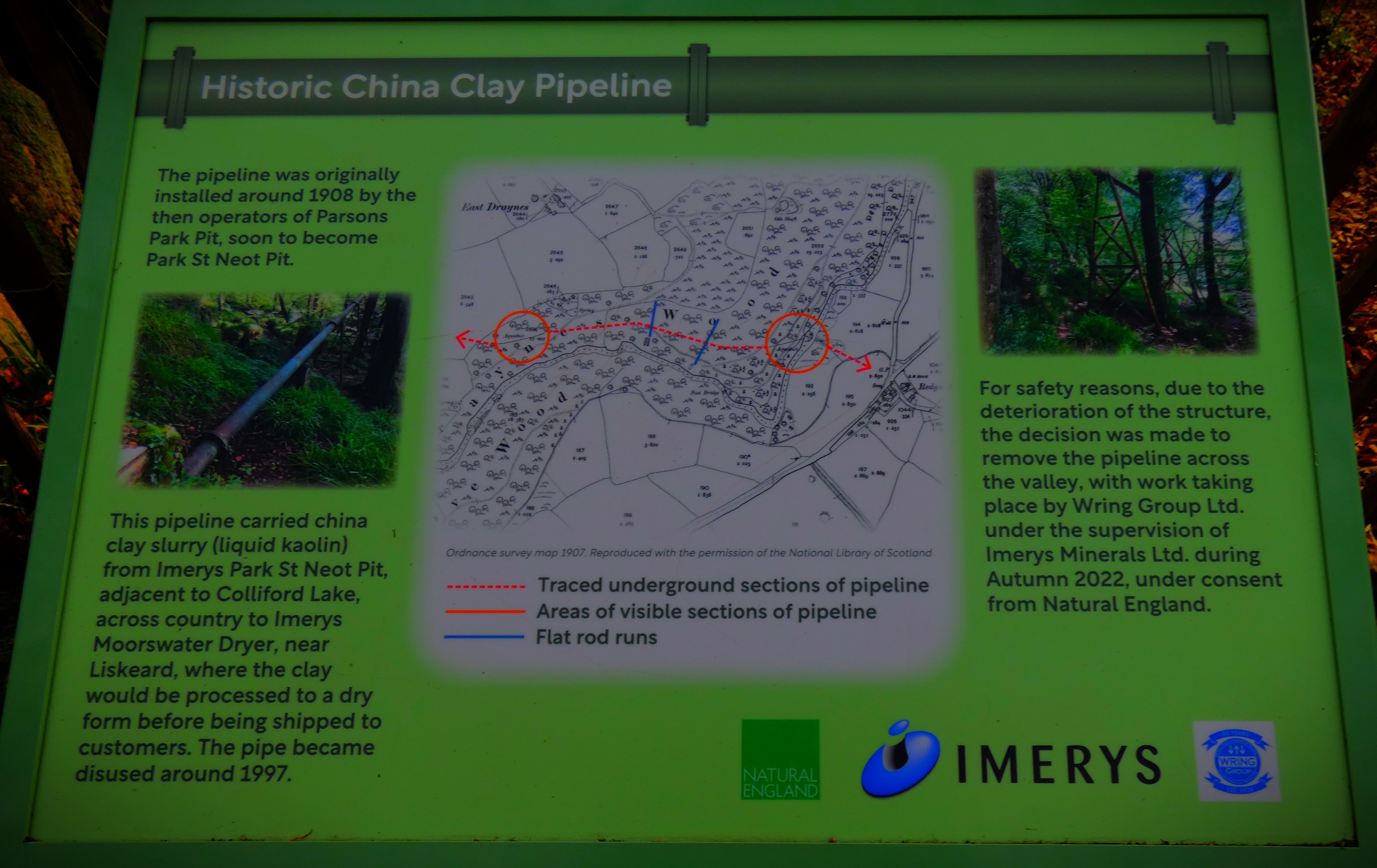
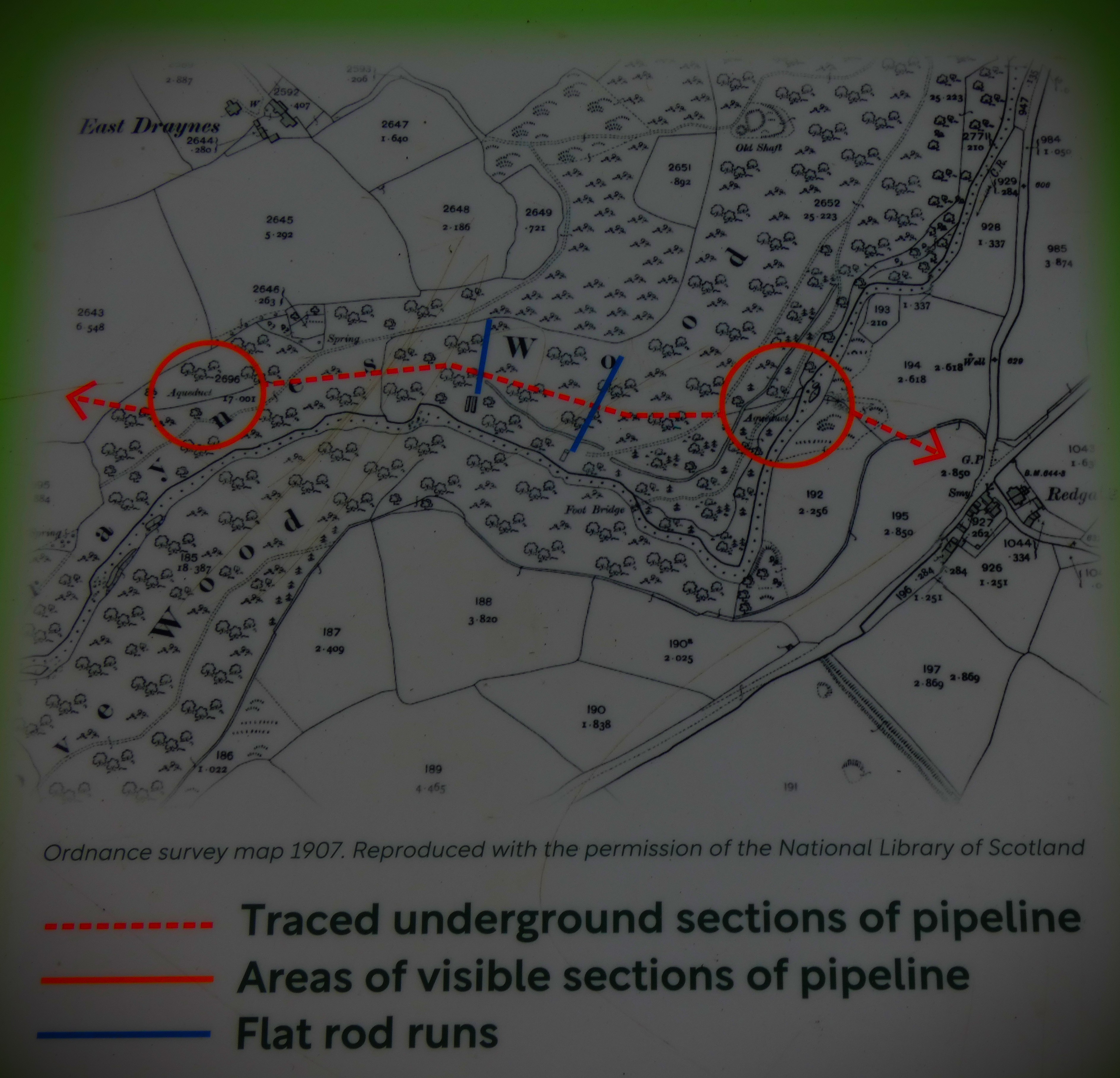
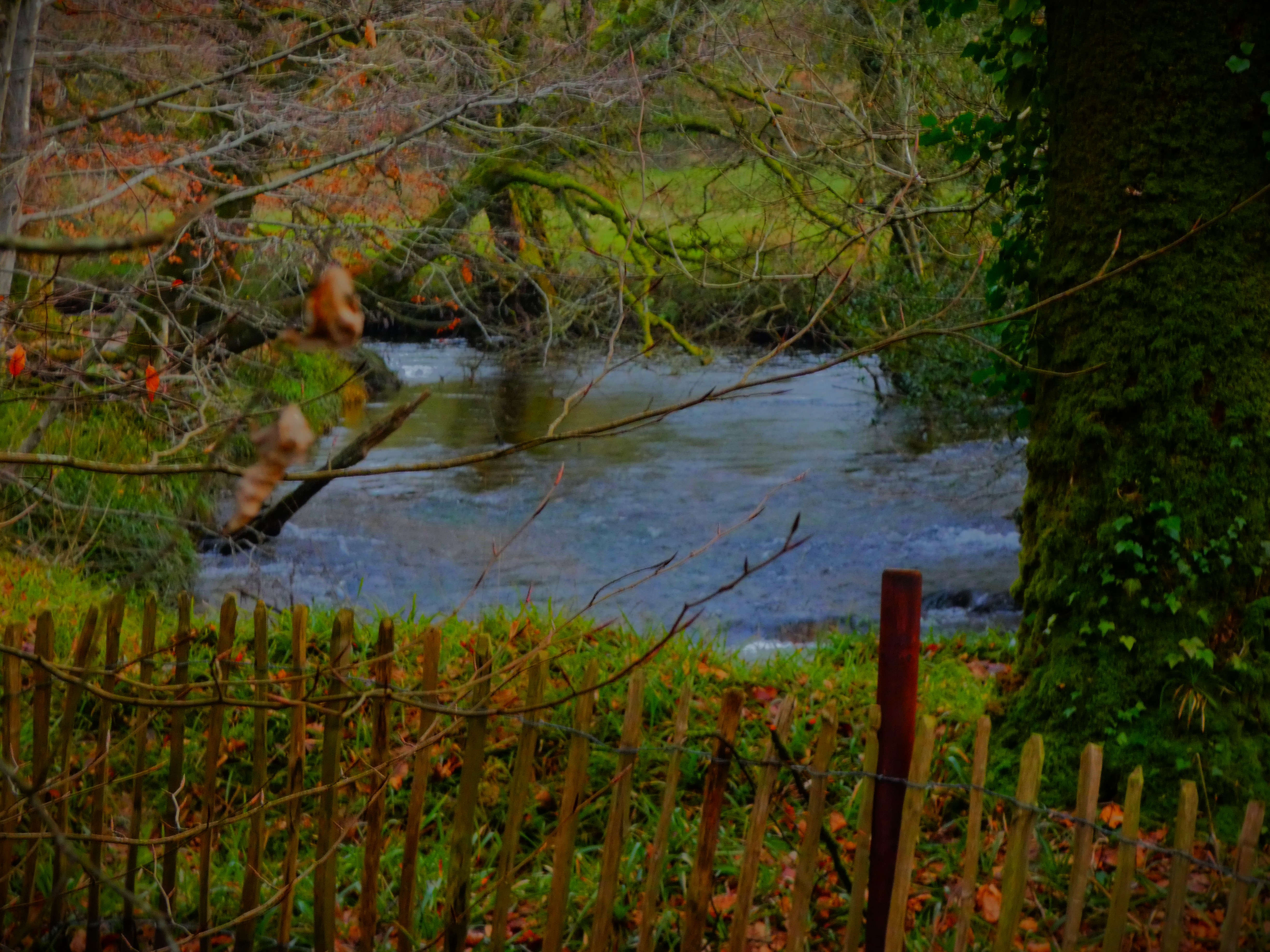
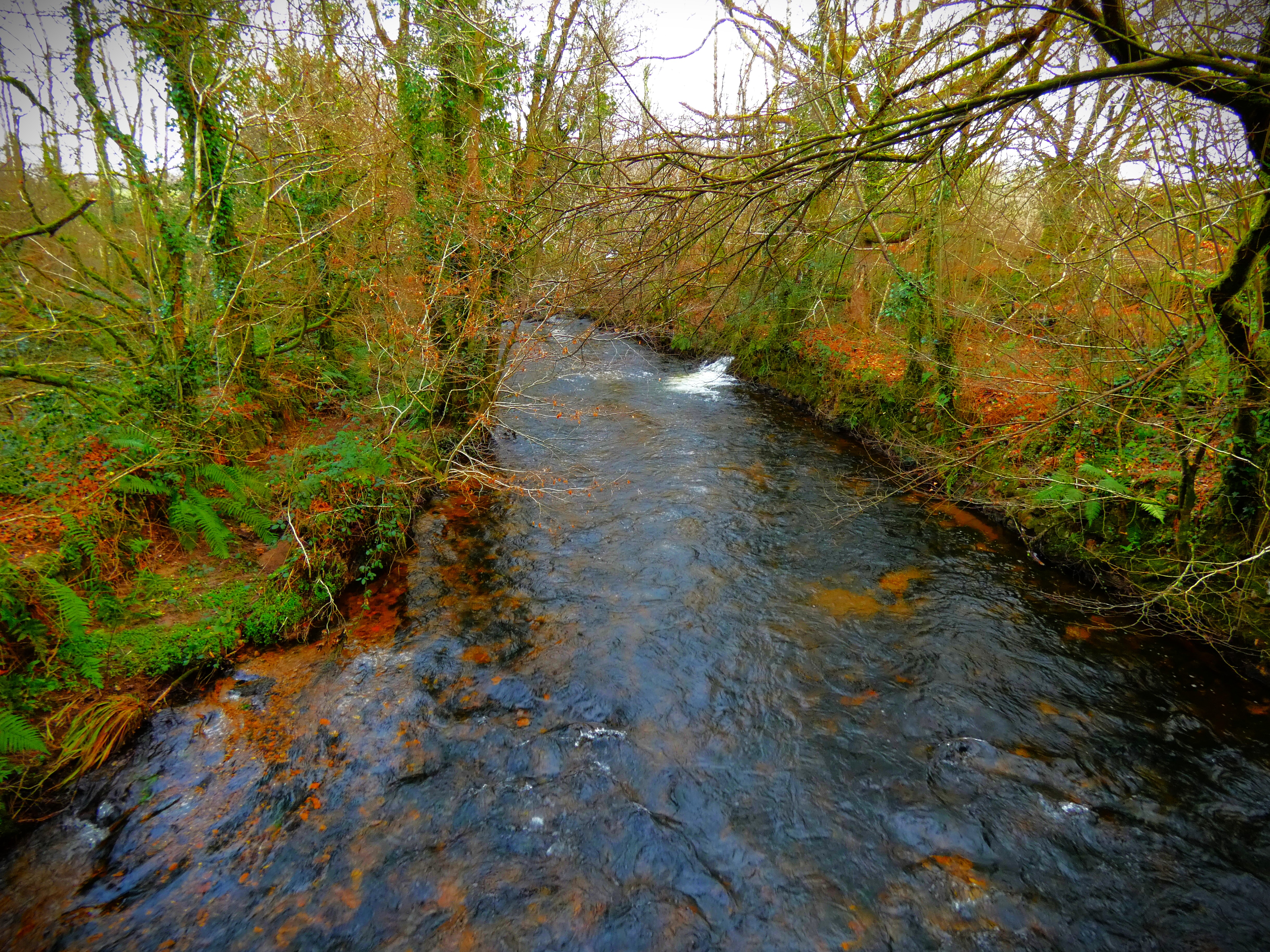
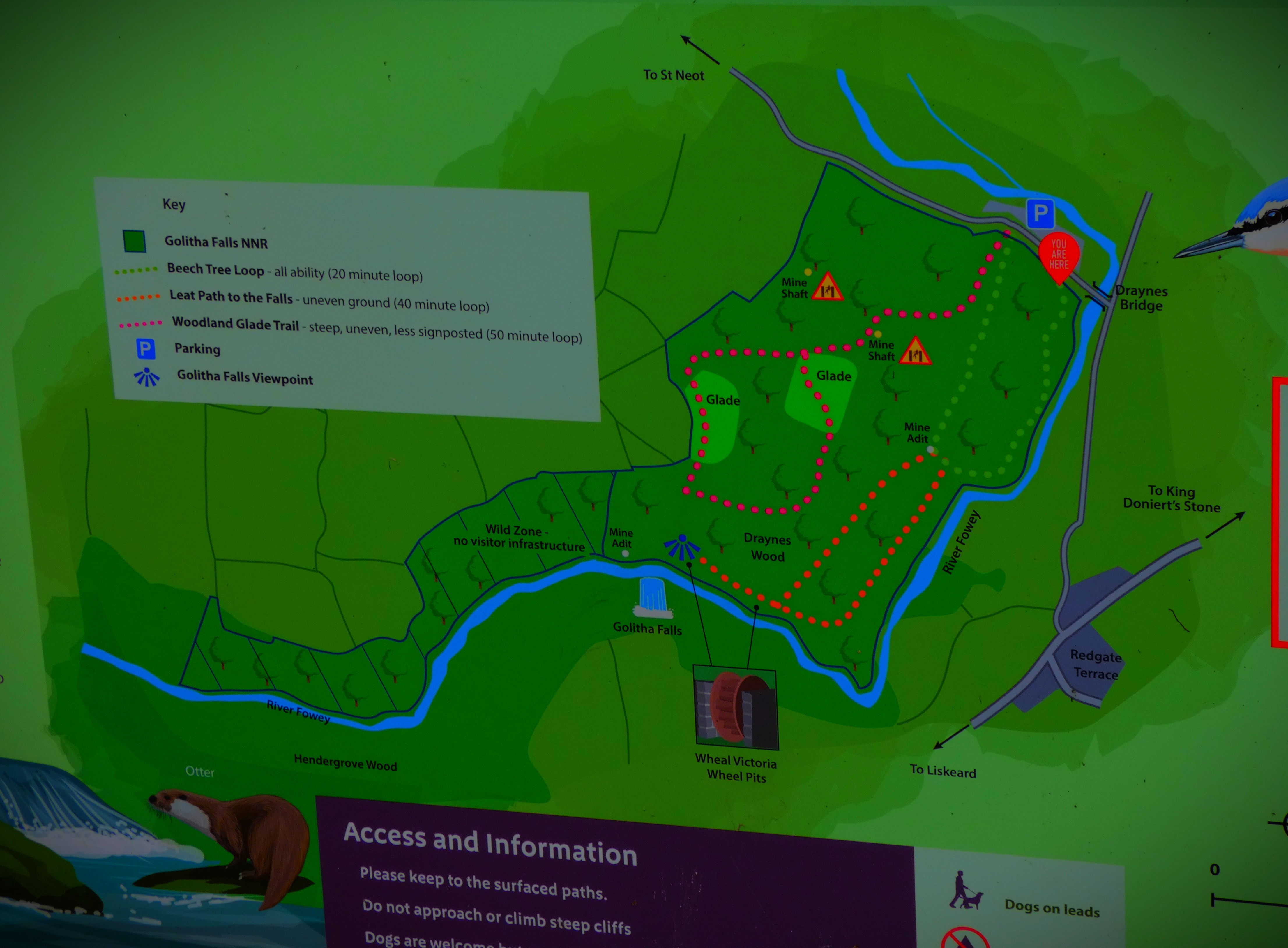
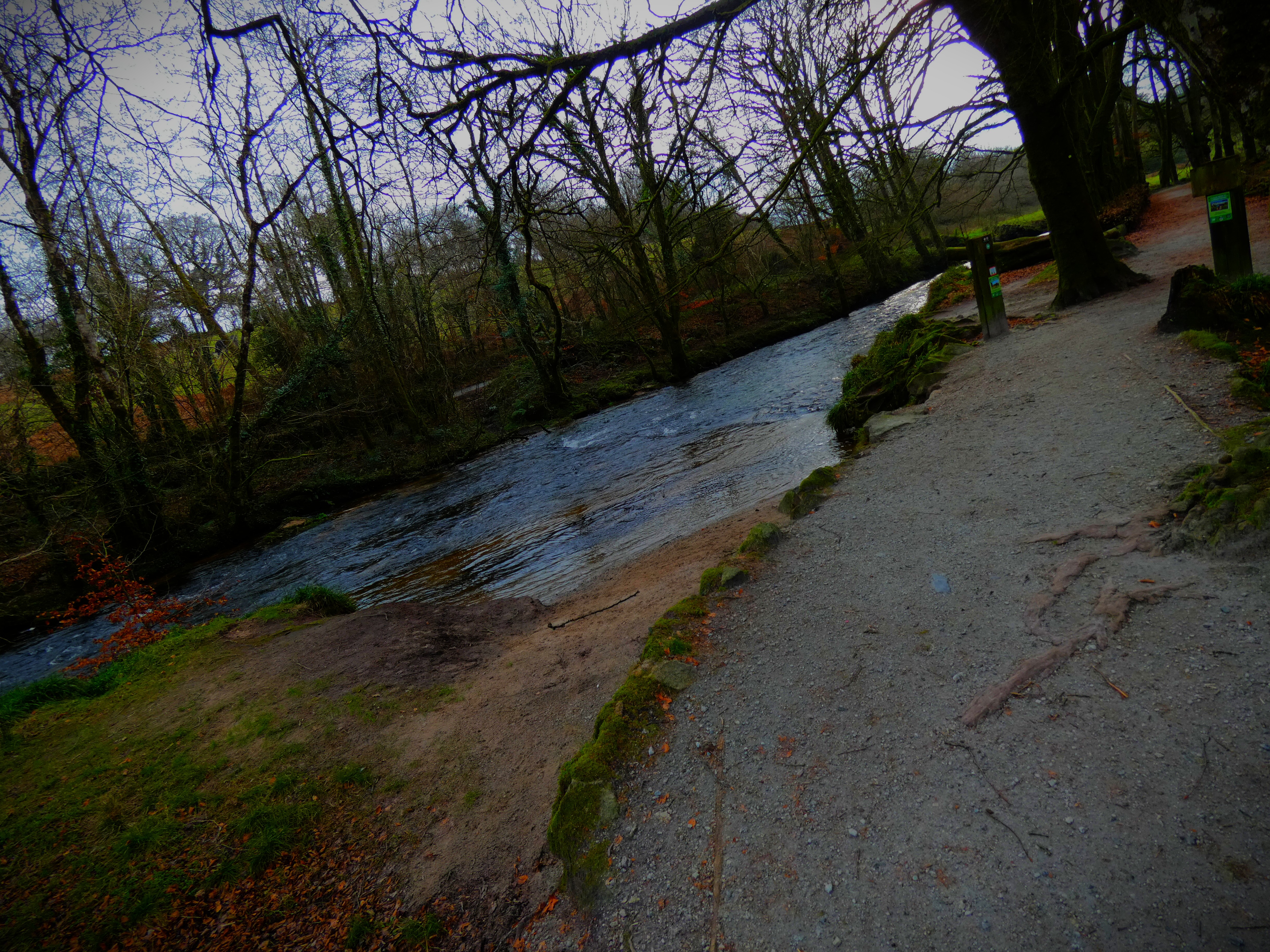
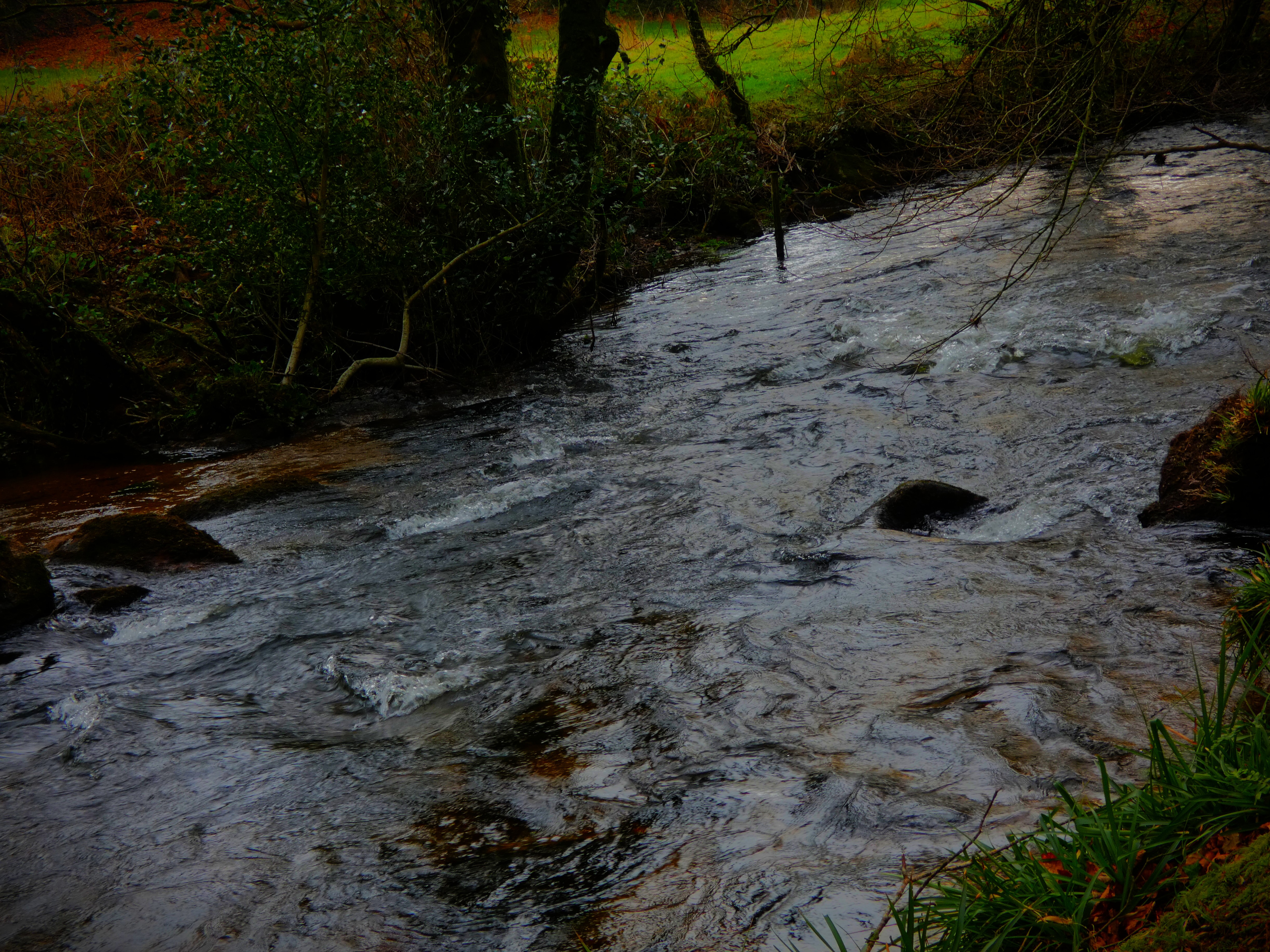
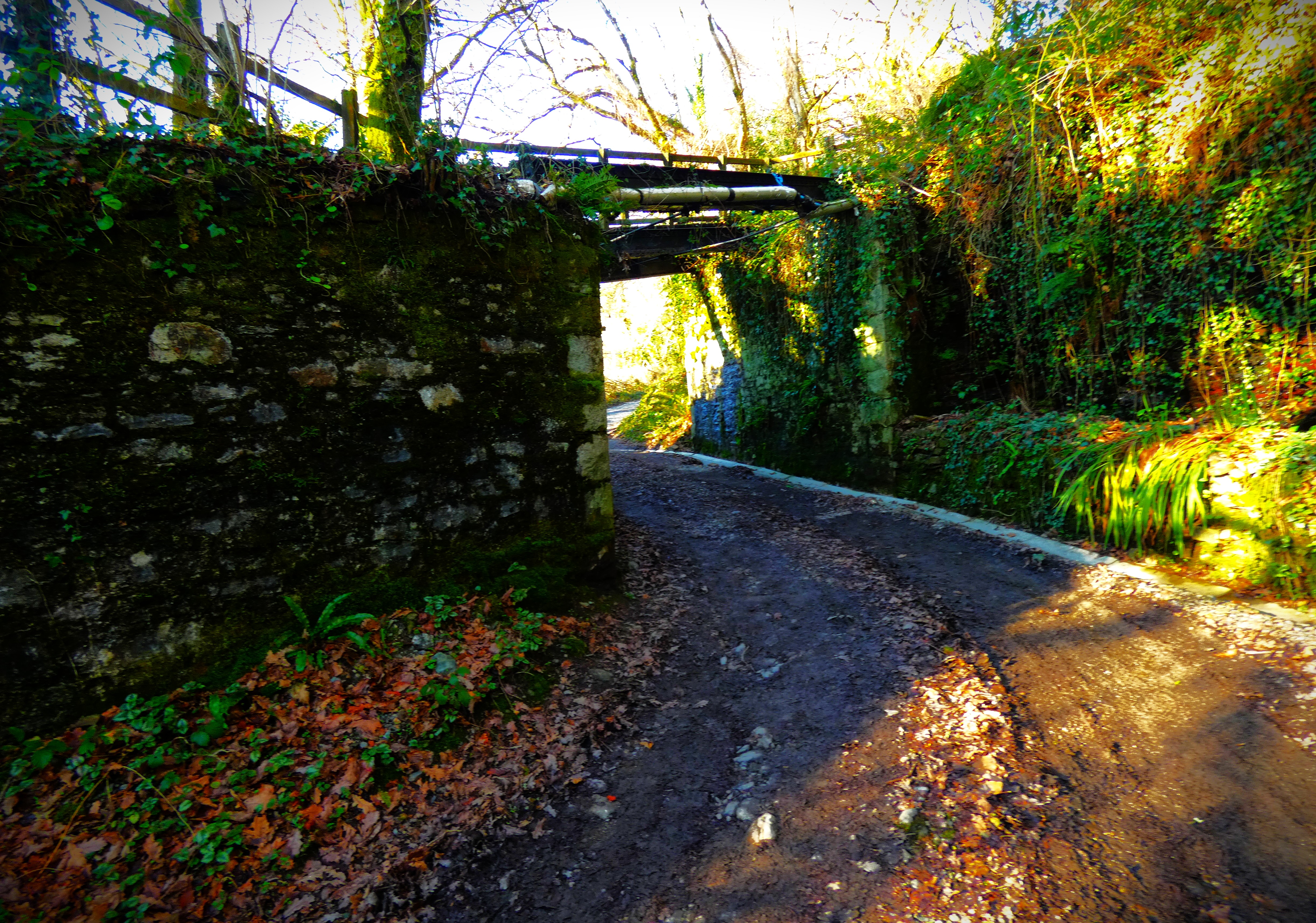
Golitha falls are actually more a series of rapids on the river Fowey than falls as such. The nature reserve is very beautiful and has some interesting historic connections – the town of Fowey, at the estuary of the river Fowey used to be important in the pottery trade, and the clay from which the china was made passed through this region. In the course of our explorations we saw details of a pipeline that had once carried liquid kaolin.
THE DONIERT STONE
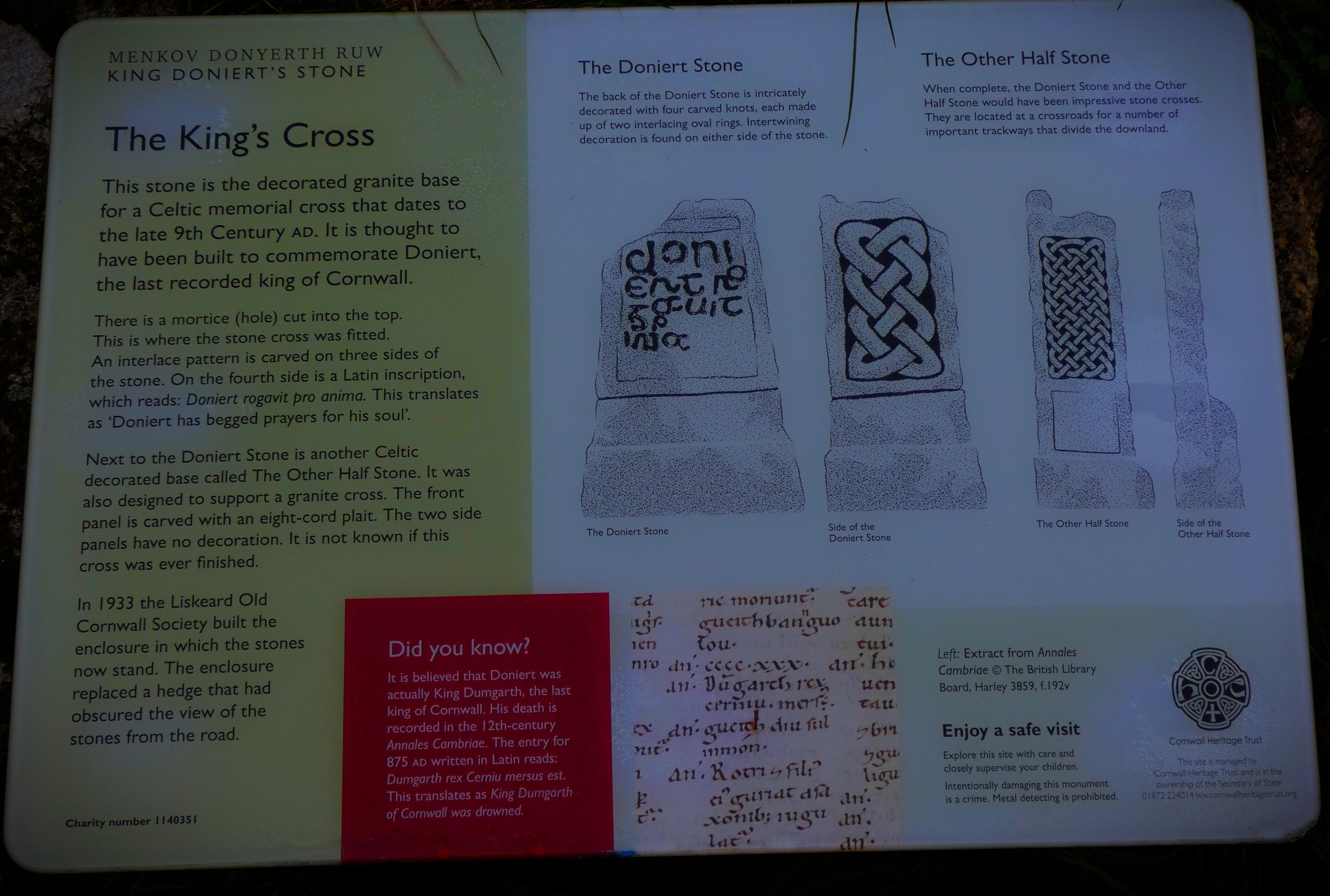
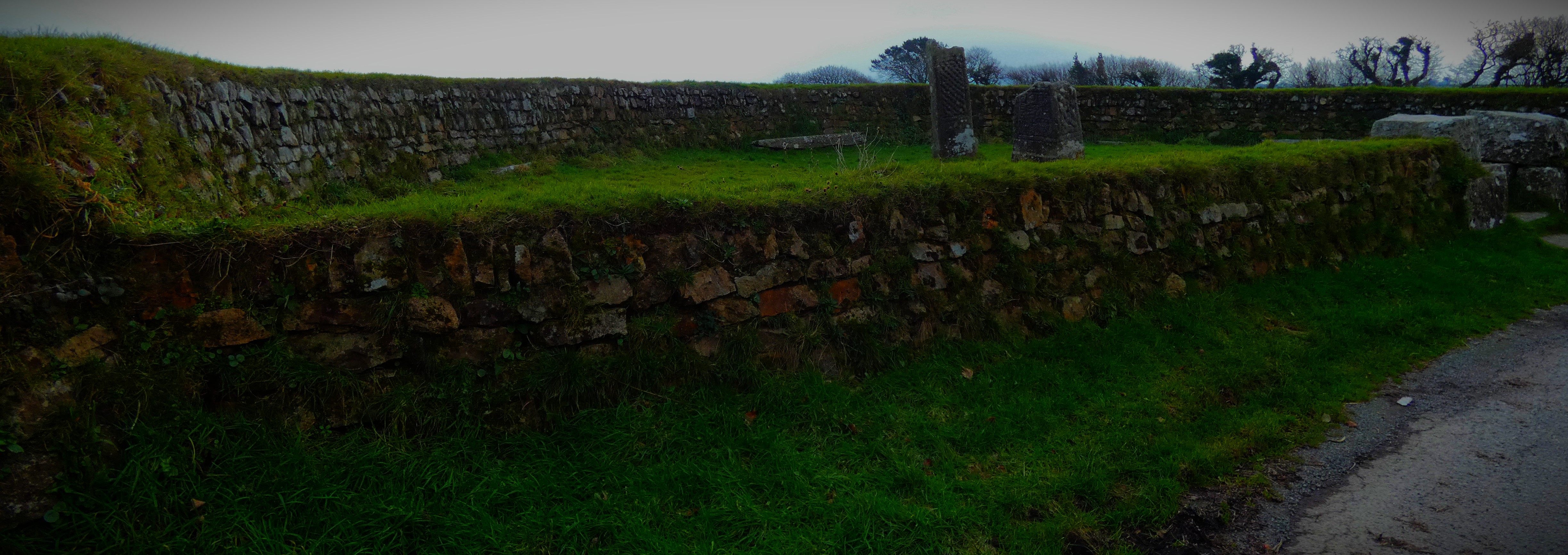
Doniert was the last recorded King of Cornwall back in the ninth century. His stone and an accompanying half stone sit in a semicircular enclosure just off a road. Although our original walk plan had to be abandoned to a stretch that was too muddy to be passed – I had a shoe sucked off before we abandoned our original plan – we were able to find an alternative route to the Doniert Stone and see this very interesting historical relic.
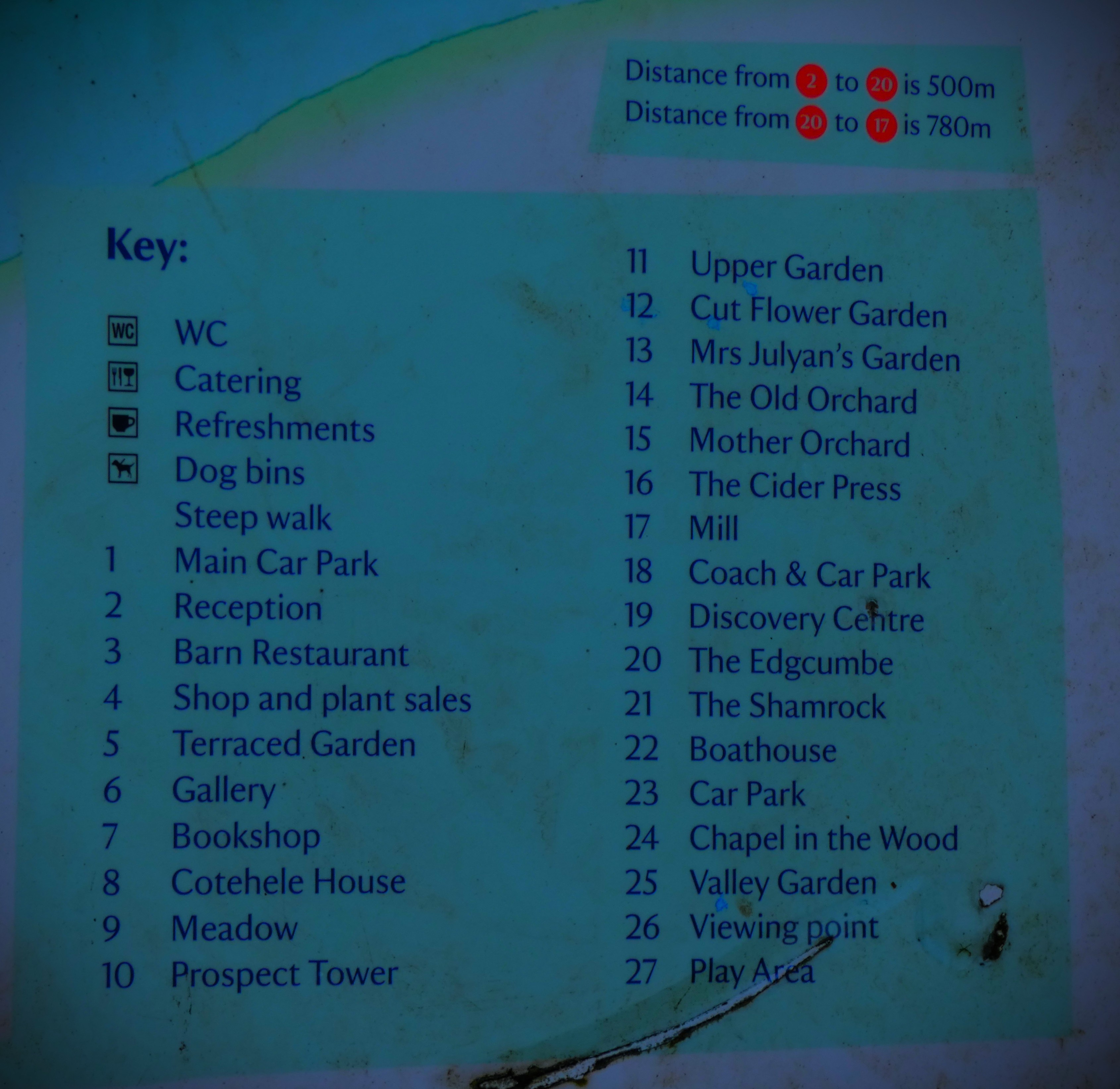
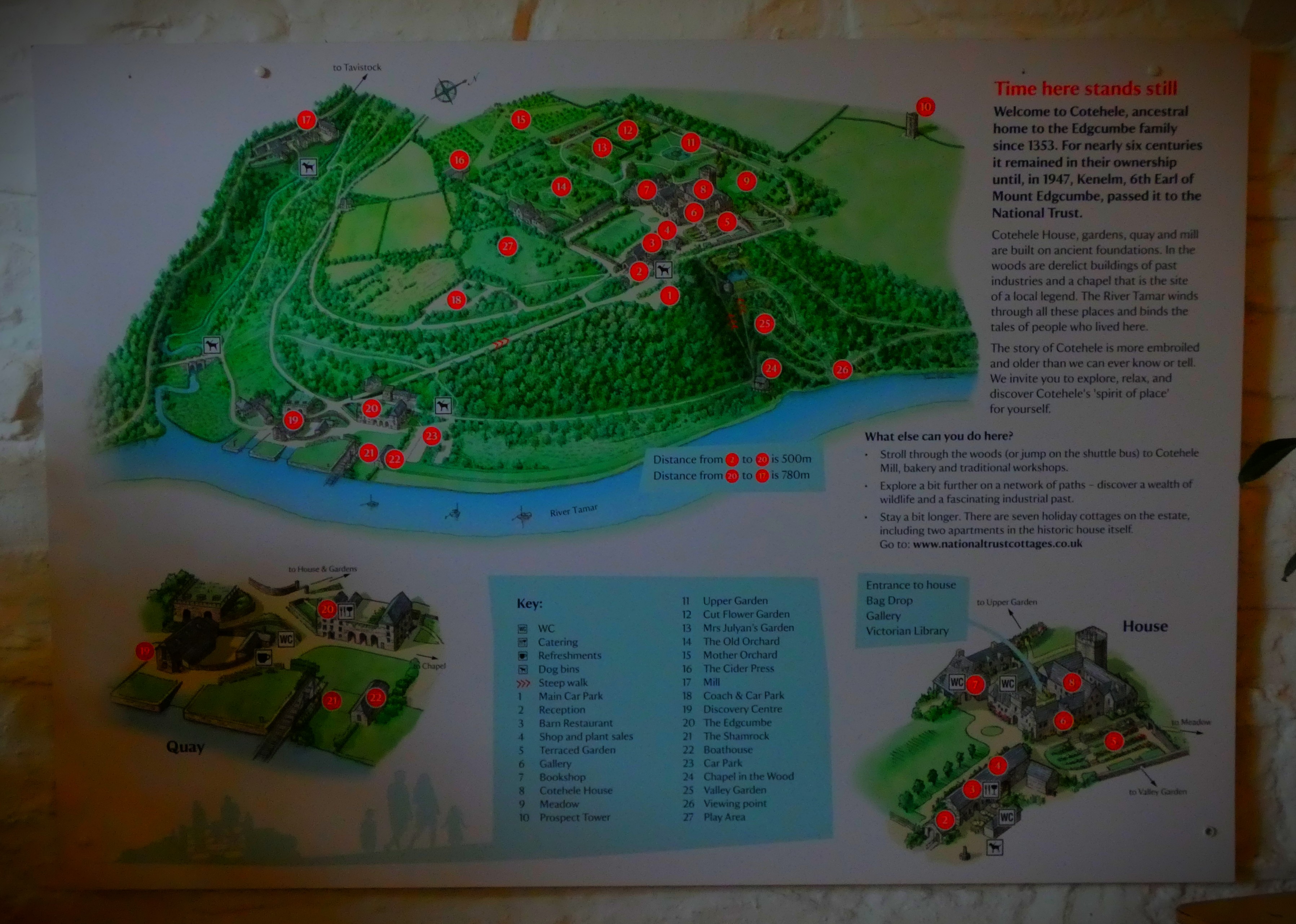
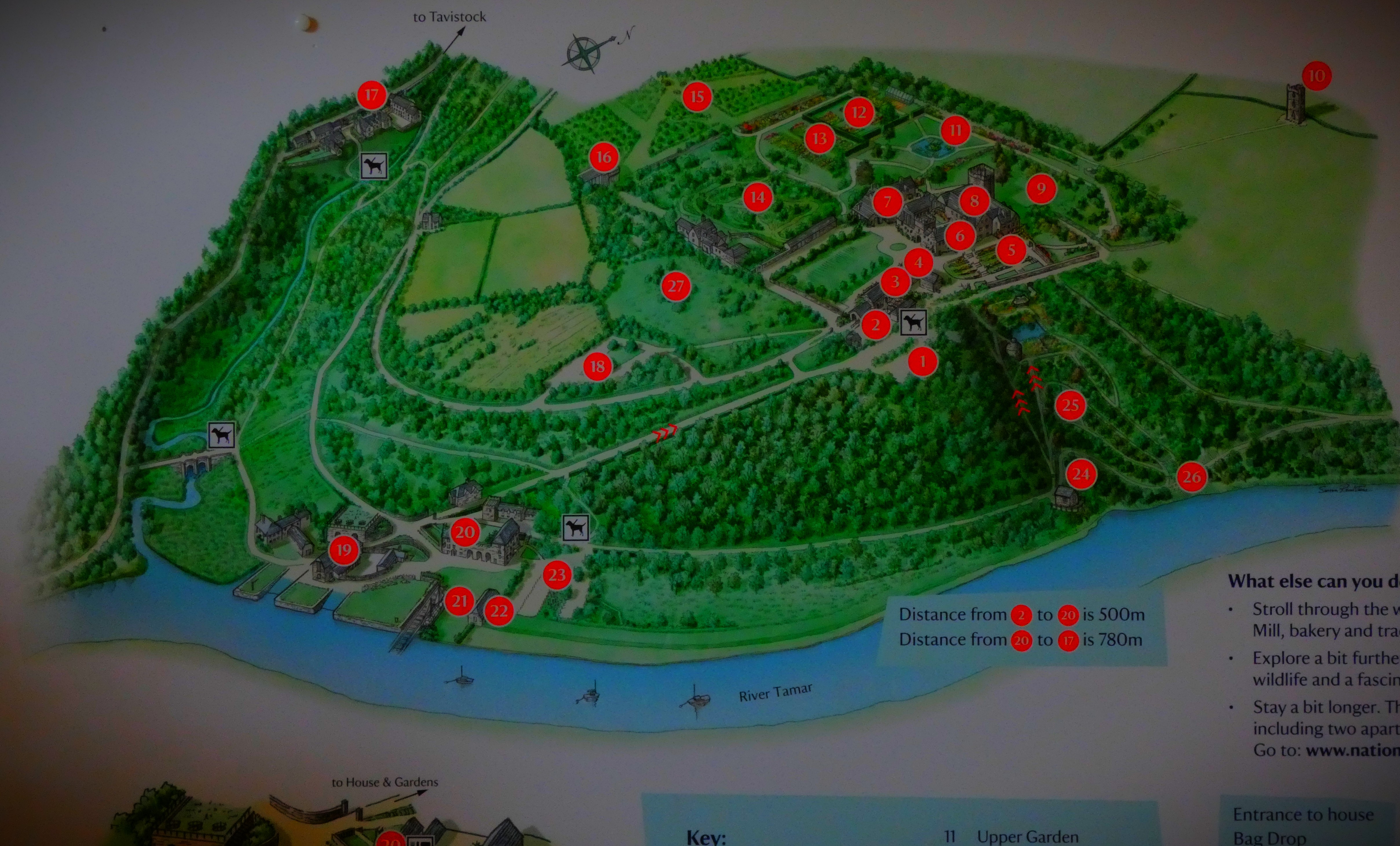
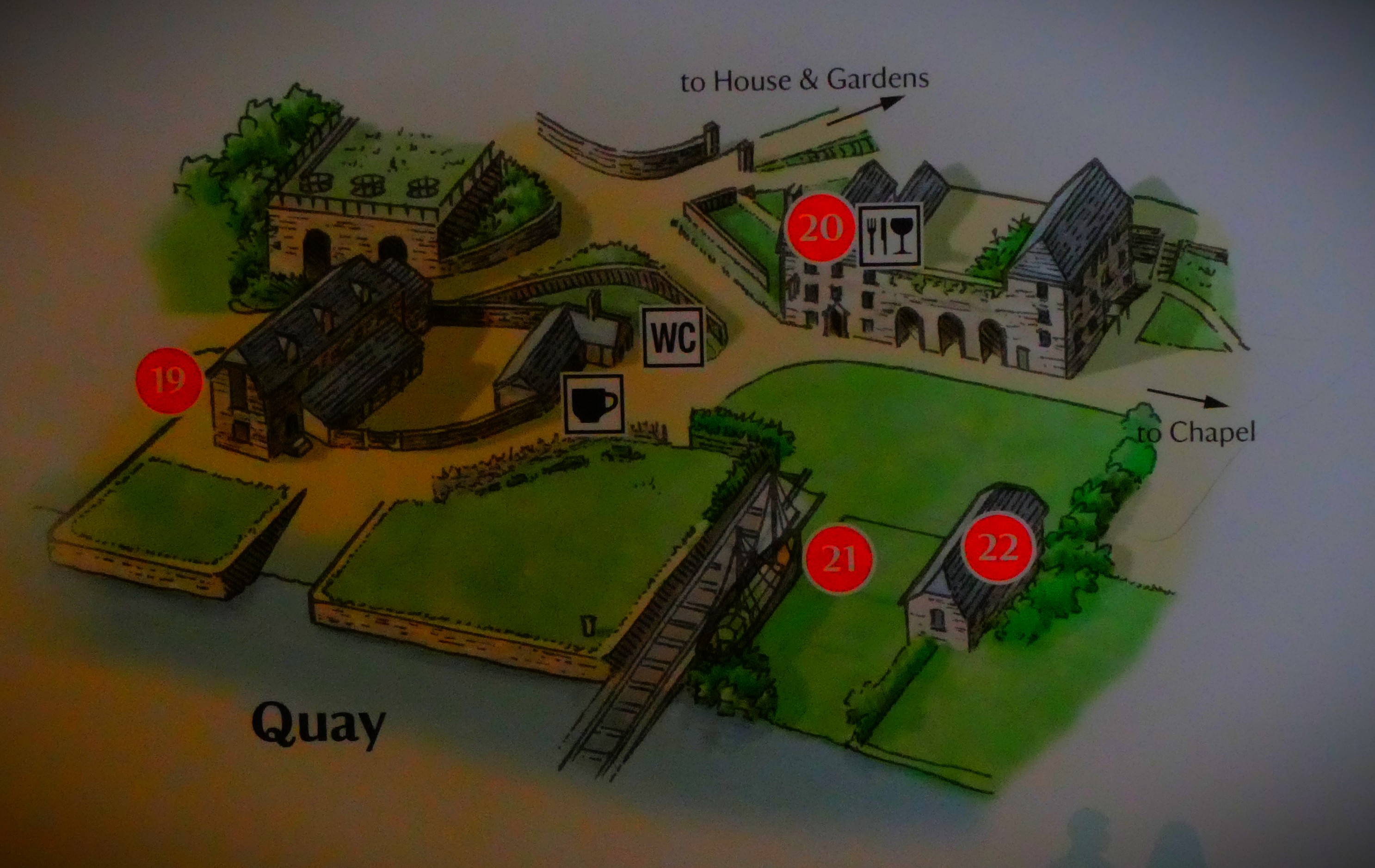
An account of a visit to Cotehele House and a scenic walk thereafter.
I begin this third post in my series about my holiday in Cornwall with an apology. The photo gallery is incomplete due to a mishap in the course of this walk. I lost my tote bag, which contained among other things spare batteries for my camera, which meant that when the battery I was using ran out part way through I could not replace it. Fortunately someone had handed it in at reception at Cotehele House and I was able to retrieve it.
A STATELY HOME AND A SCENIC WALK
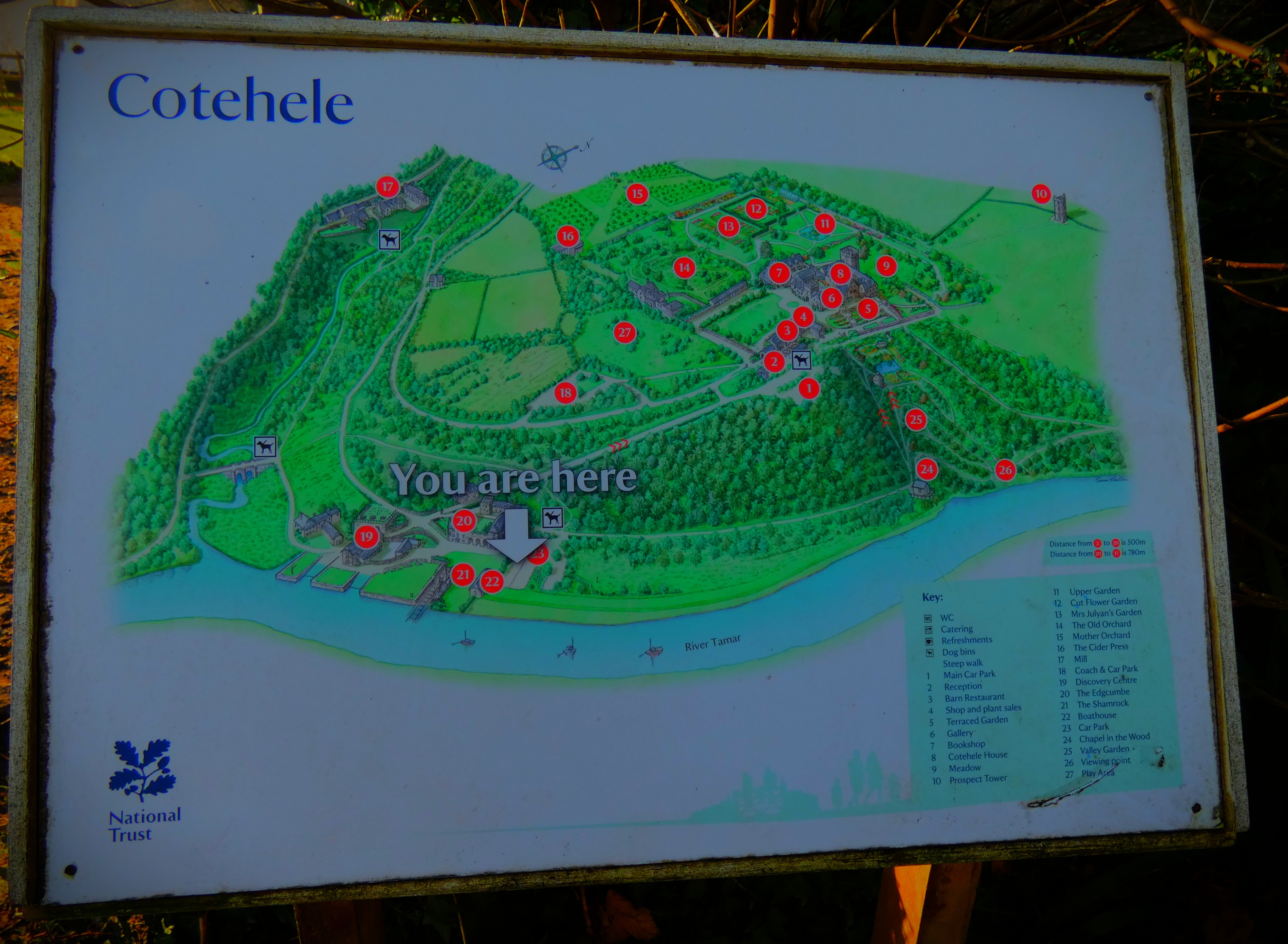
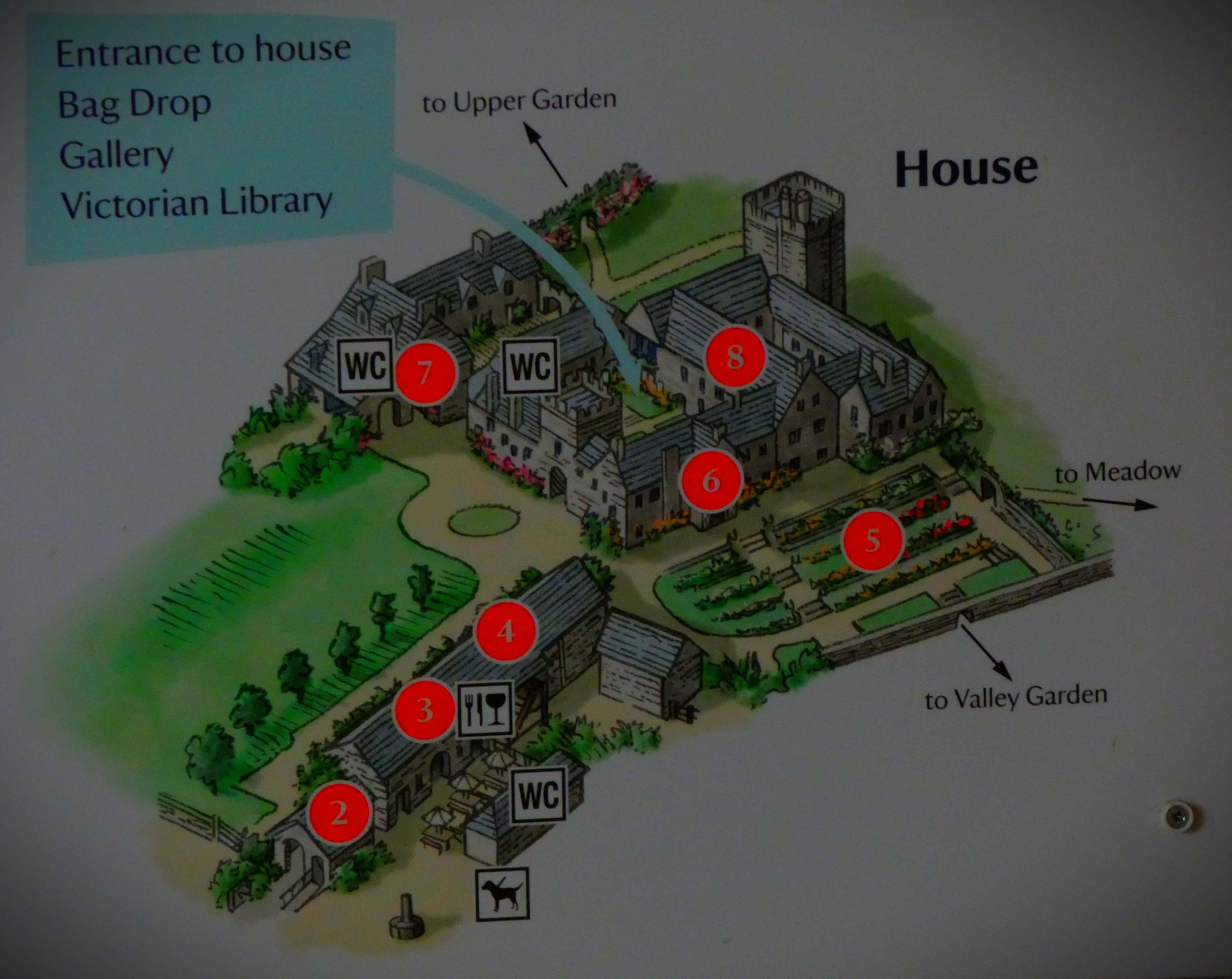
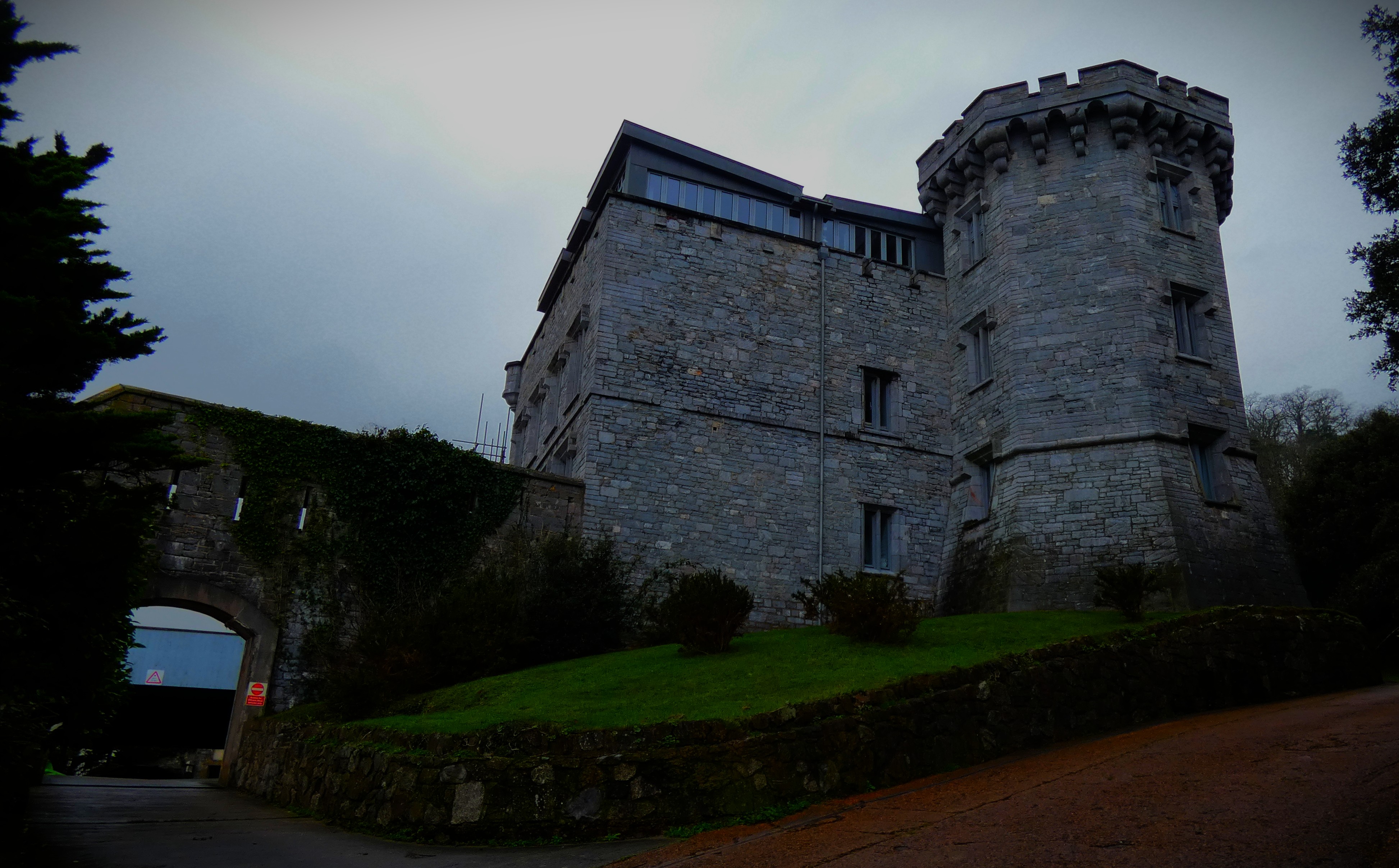
On Christmas Eve we visited Cotehele House, for six centuries home to the Edgecumbe family, until the then Earl of Edgecumbe passed it to the National Trust in 1965, and then went for a scenic walk, which began with a wander through the hills and ended with a walk back along the Tamar Valley. We passed Calstock Church, quite separate from Calstock itself (I got no pictures of the church as my camera was out of battery by then), got some glorious views of the Calstock Viaduct, which carries the Tamar Valley line over the river of the same name (I managed to capture some before my camera ran out), and visited a pub on the way back along the Tamar Valley. Surprisingly for a pub on a popular walking route in a scenic location the prices were not by British standards extortionate – I produced a £20 note to purchase three drinks, fully expecting only shrapnel back by way of change, and my change included a £5 note as well as a few coins. We got back to the fort just as darkness was falling.
PHOTOGRAPHS
Here is my incomplete but hopefully still impressive photo gallery from this day…
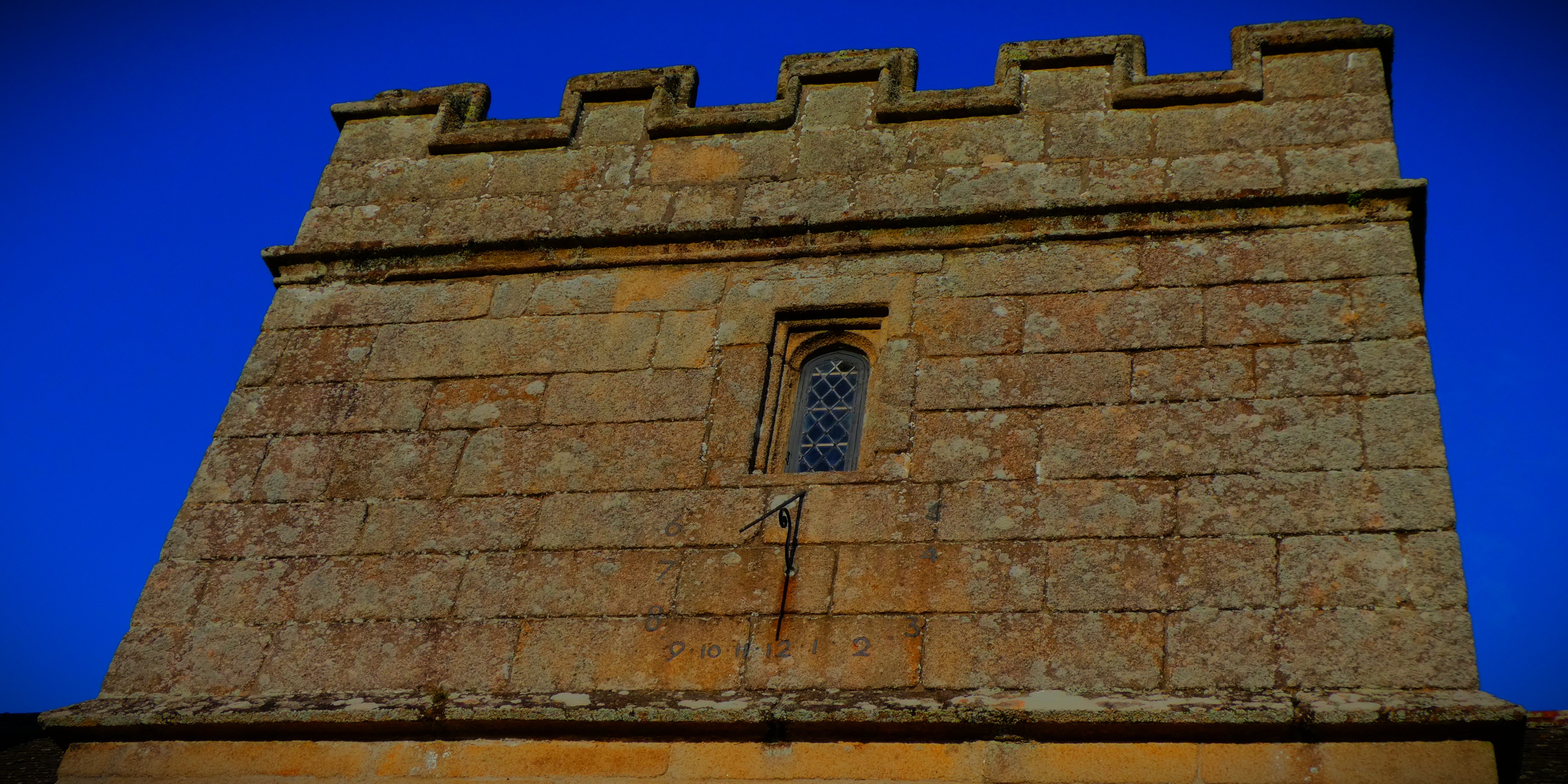
The Cotehele/ Calstock pictures begin here.A view of the house from the rear.A distant view of the Calstock viaduct.It was at this point that my camera battery failed.A couple of late pictures after my bag was restored to me.A boat we saw from the car on the journey back and that I was able to photograph after our return.
Continuing my account of my Christmas in Cornwall with a brief post about Tuesday’s activities.
In the last post on this site I detailed my journey from Norfolk to Cornwall. Here I pick up the story with a brief account of the first full day of the holiday.
A WALK TO GET INTO THE SWING OF THINGS
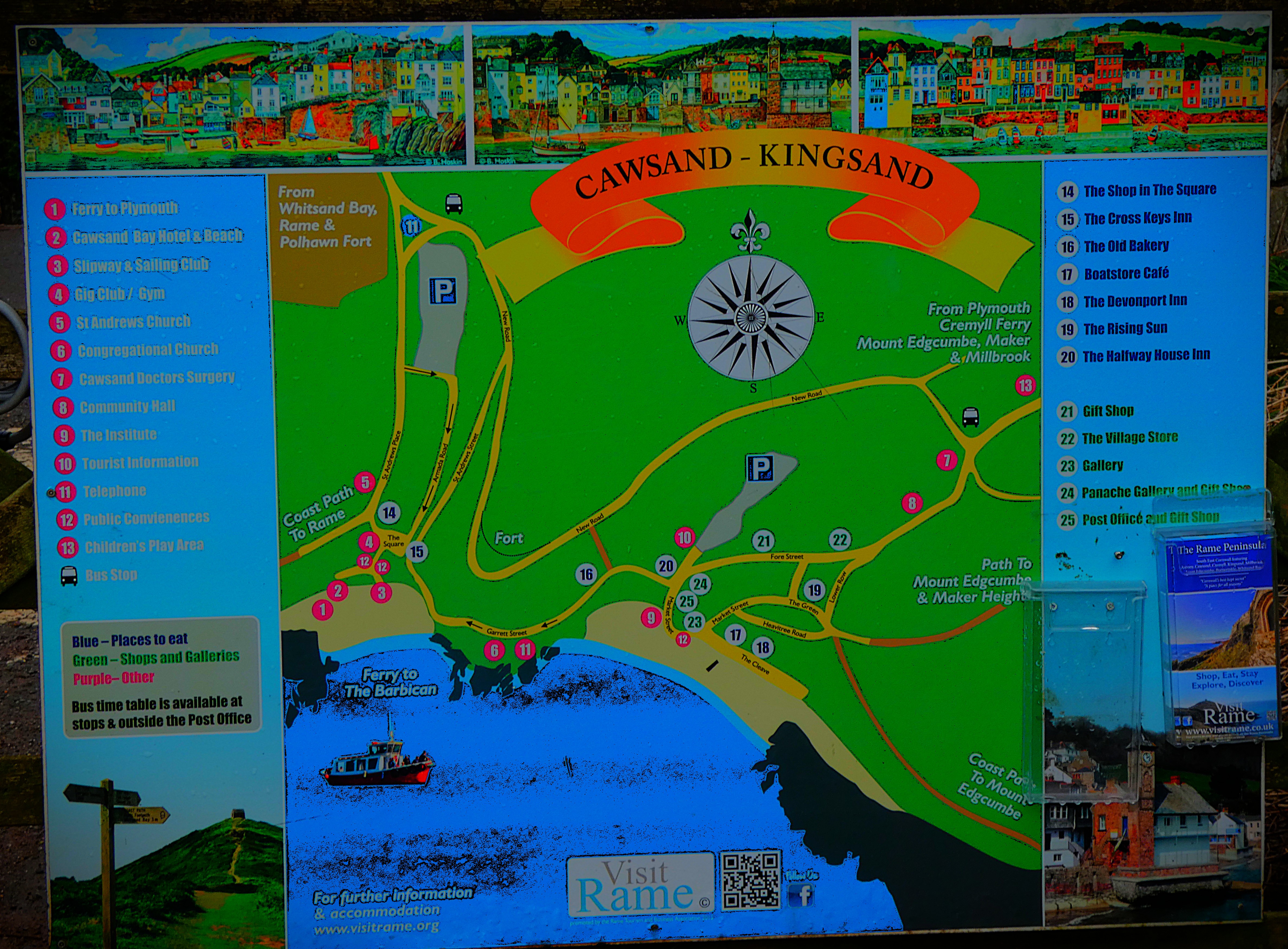
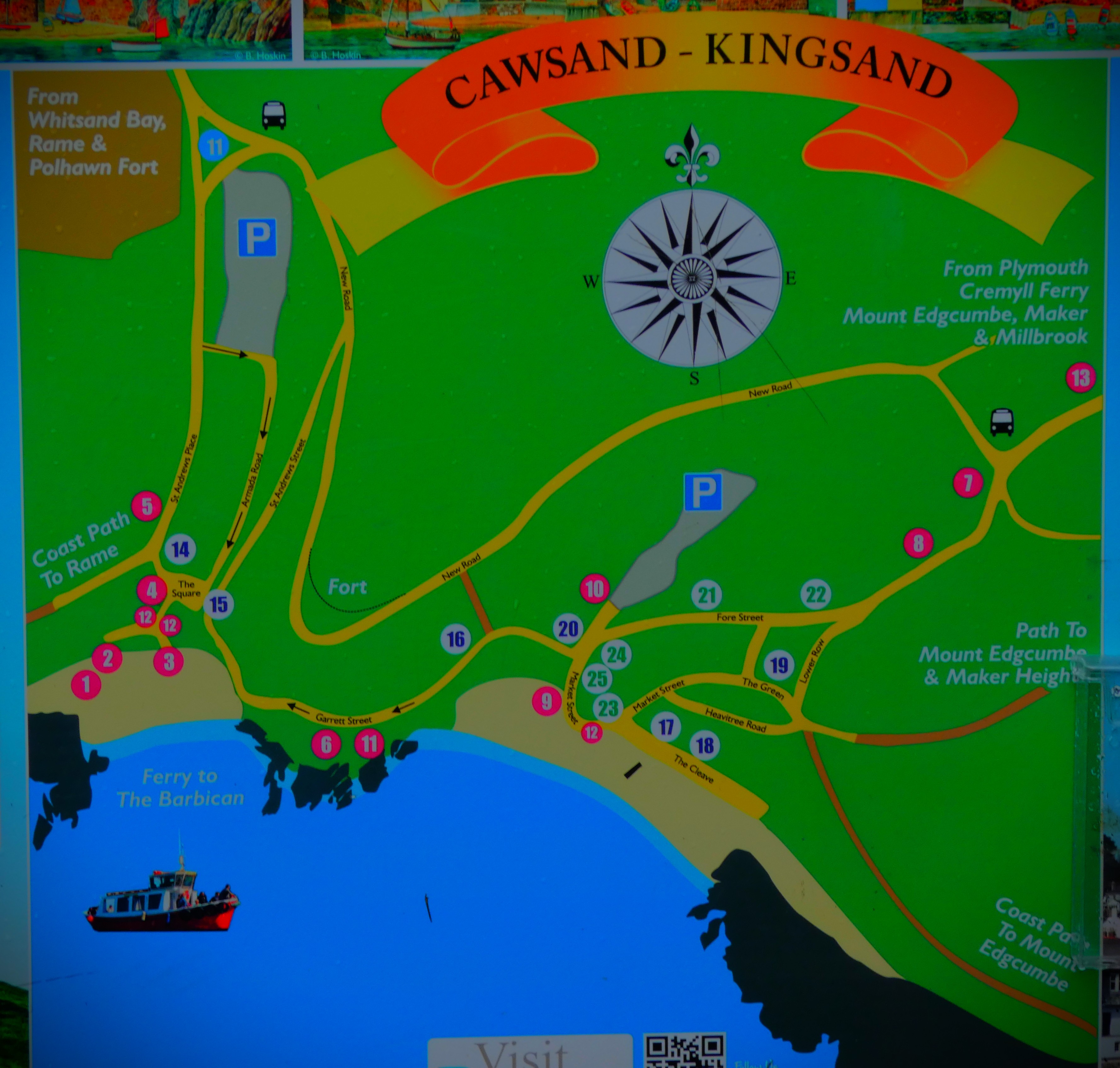
The only thing I did of note on the Tuesday was to walk to and from Kingsand, which provided some photos. The walk is a pleasant one, featuring a stretch of the coast path, with some splendid views. There was some more serious walking to follow, as you will read.
PHOTOGRAPHS
My gallery in naturally dominated by the pictures I took while walking…
The walk pictures start here (this ius a covered walkway from the third floor of the apartment bit of the castle up the road out, near the officer’s mess.Fort Pickelcome as seen looking back from the edge of Kingsand.…and end here.
An account of a “curate’s egg’ journey from King’s Lynn to Fort Picklecombe. Parts of the journey were indeed excellent, and I got some good photos along the way.
I am in Cornwall for Christmas. I travelled down yesterday, which journey I shall be covering in this post, and will staying until Sunday.
THE GOOD: KING’S LYNN TO PADDINGTON
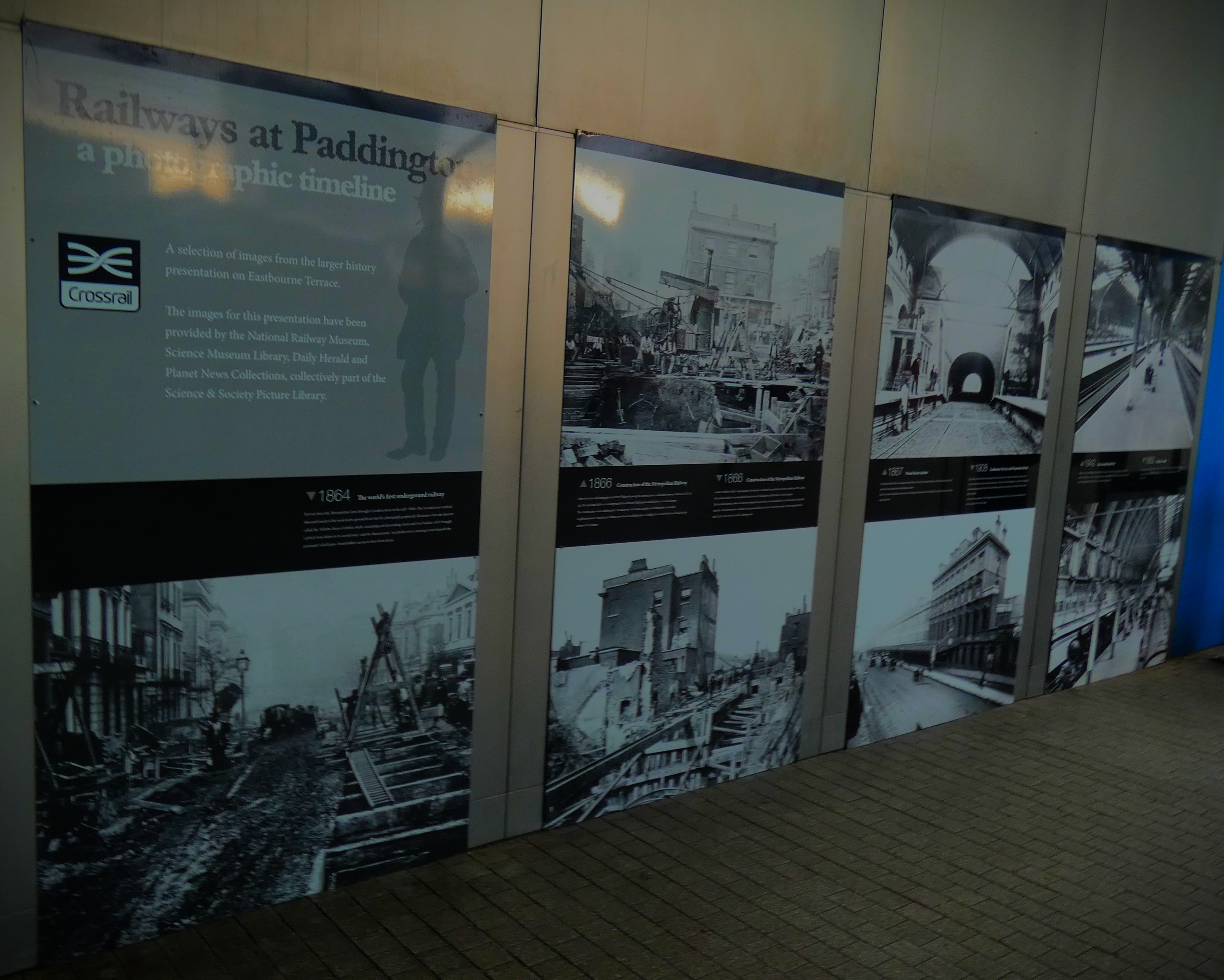
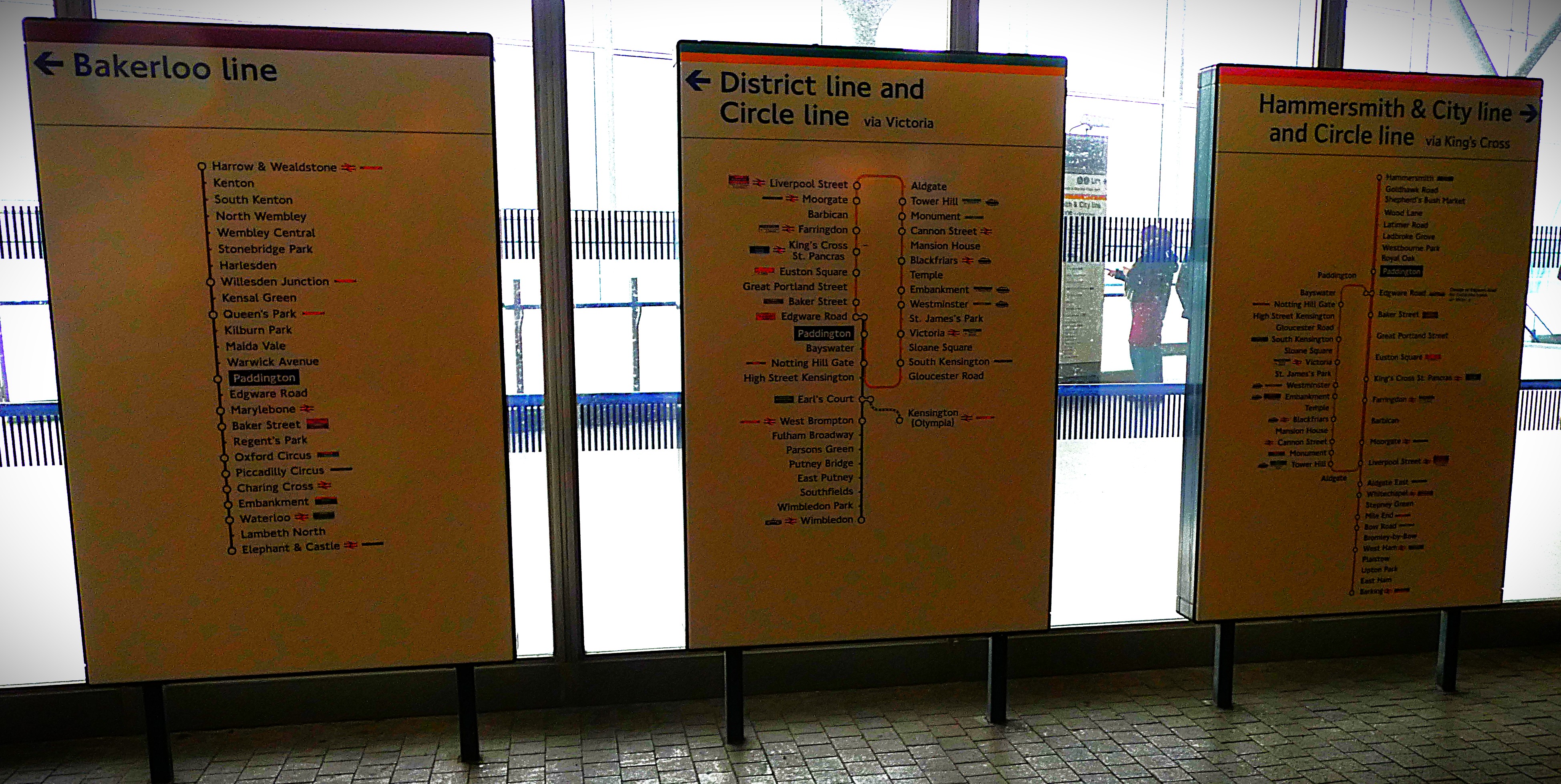
My itinerary for this journey started with catching the 10:45 from King’s Lynn to Kings Cross, so I set off at 10 o’clock sharp to make sure I got to the station in good time. The train ran precisely as per schedule, and at 12:33 I alighted on to Platform 9 of Kings Cross station. The Hammersmith and City line journey from Kings Cross to Paddington, following the original route of the world’s first passenger carrying underground railway was also uneventful. I consumed a light meal courtesy of a branch of Costa that is structurally part of the station, and then it was necessary to be ready for the next and longest phase of the journey…
THE BAD – A GWR HORROR SHOW
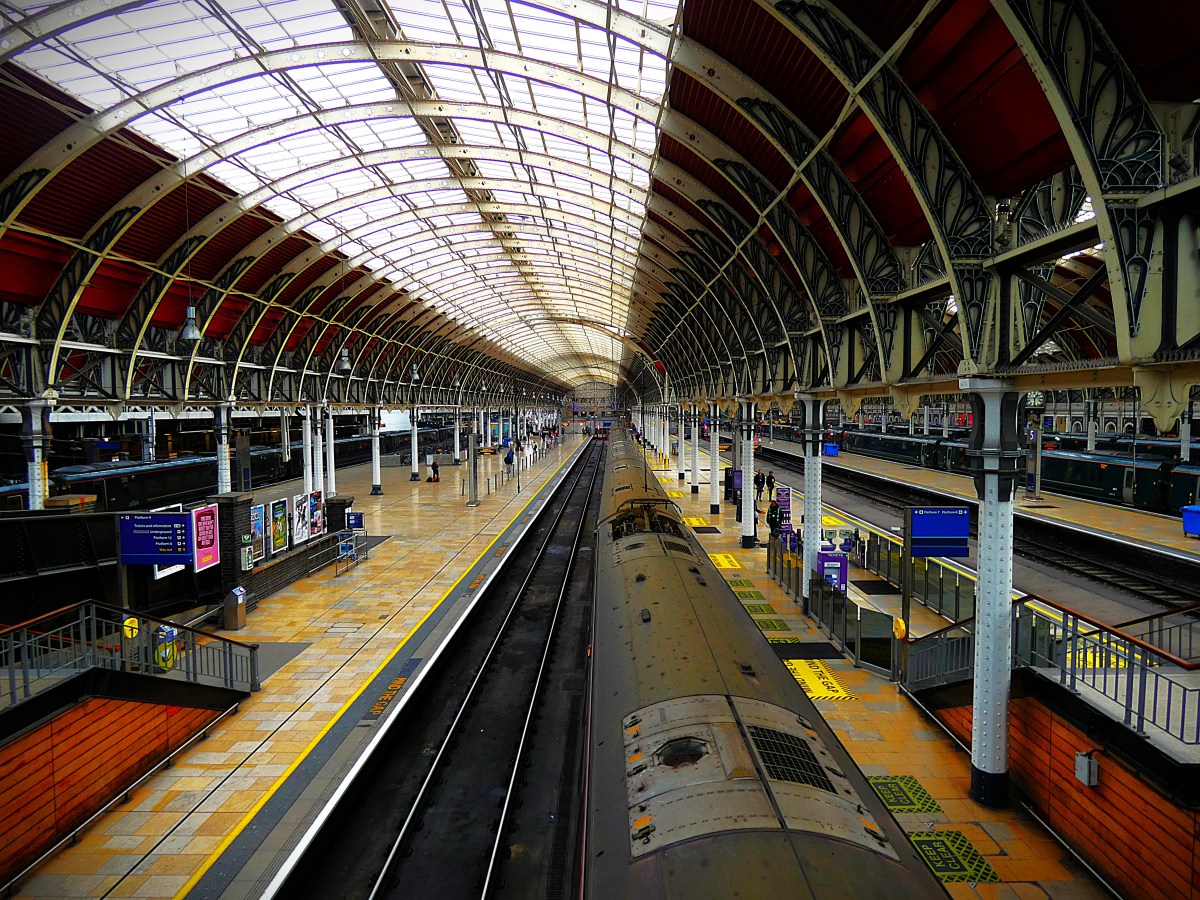
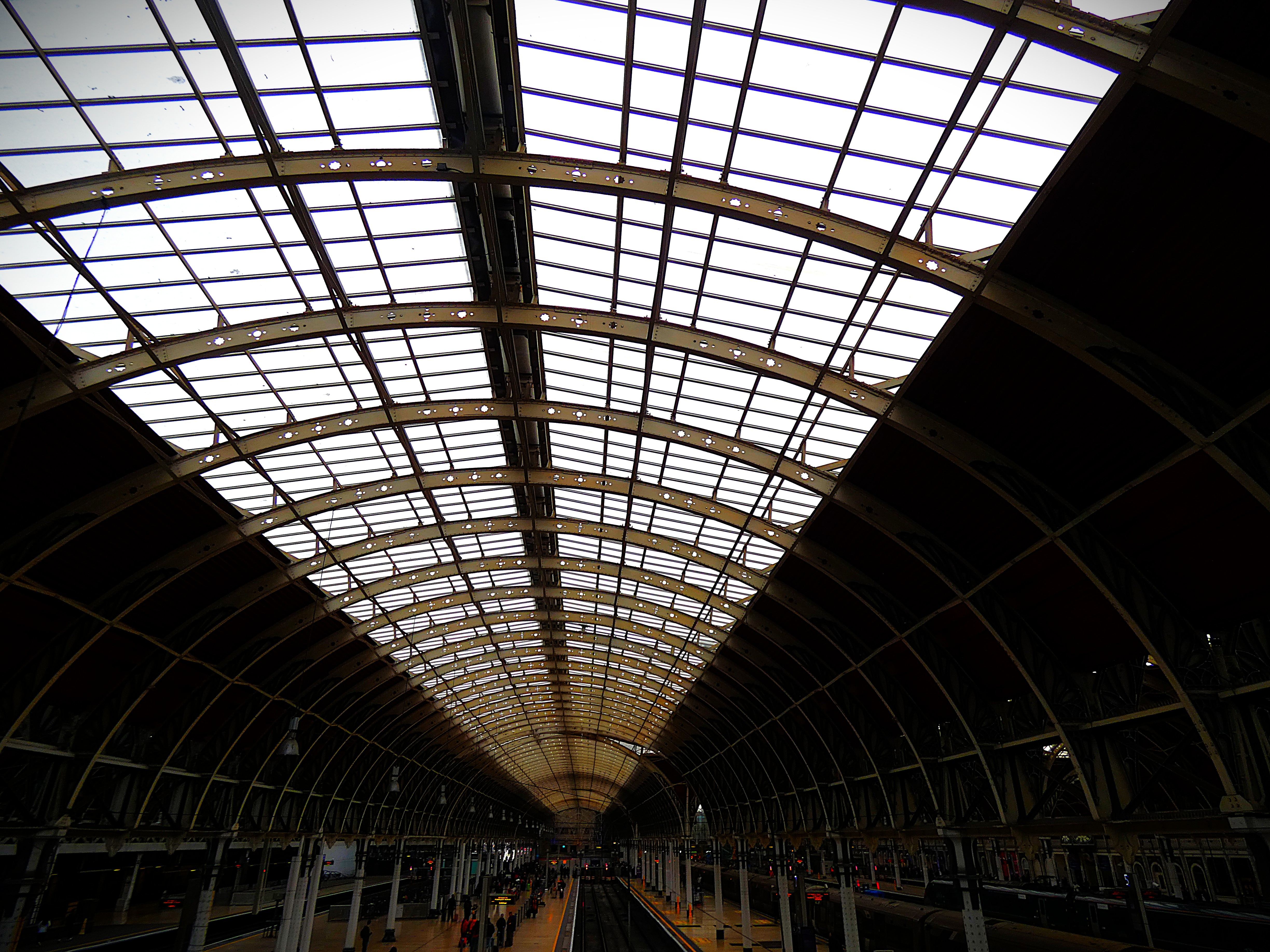
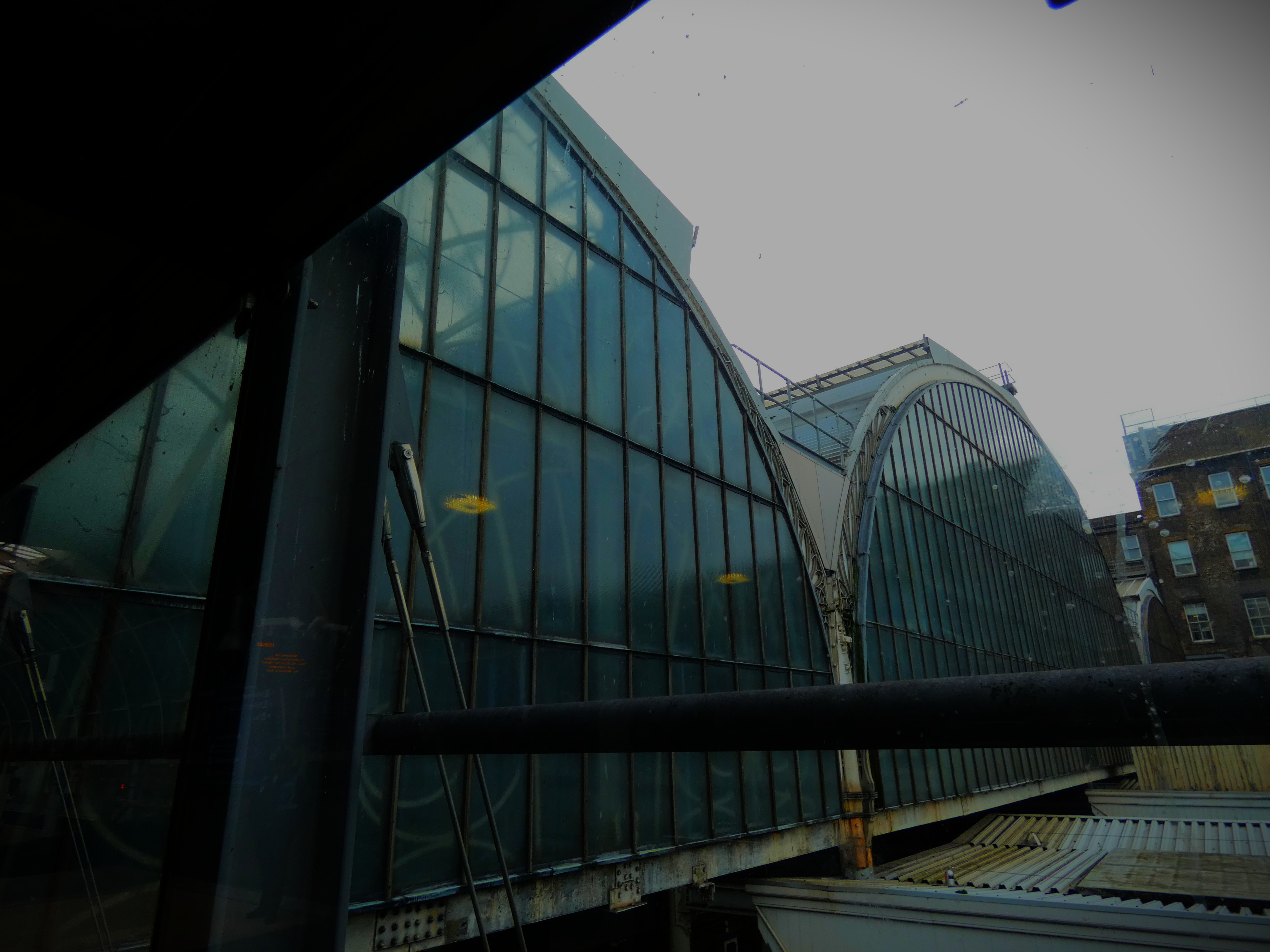
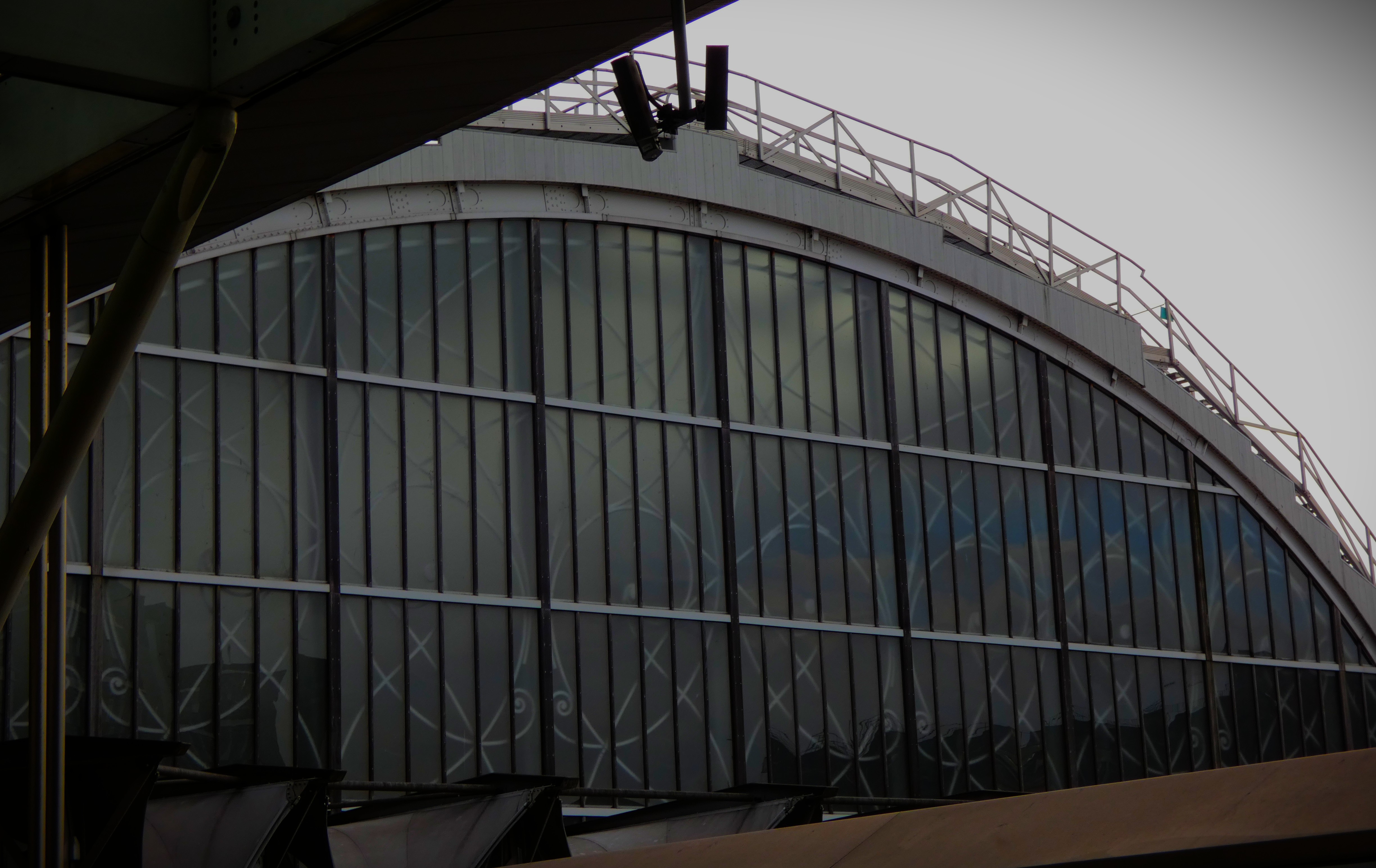
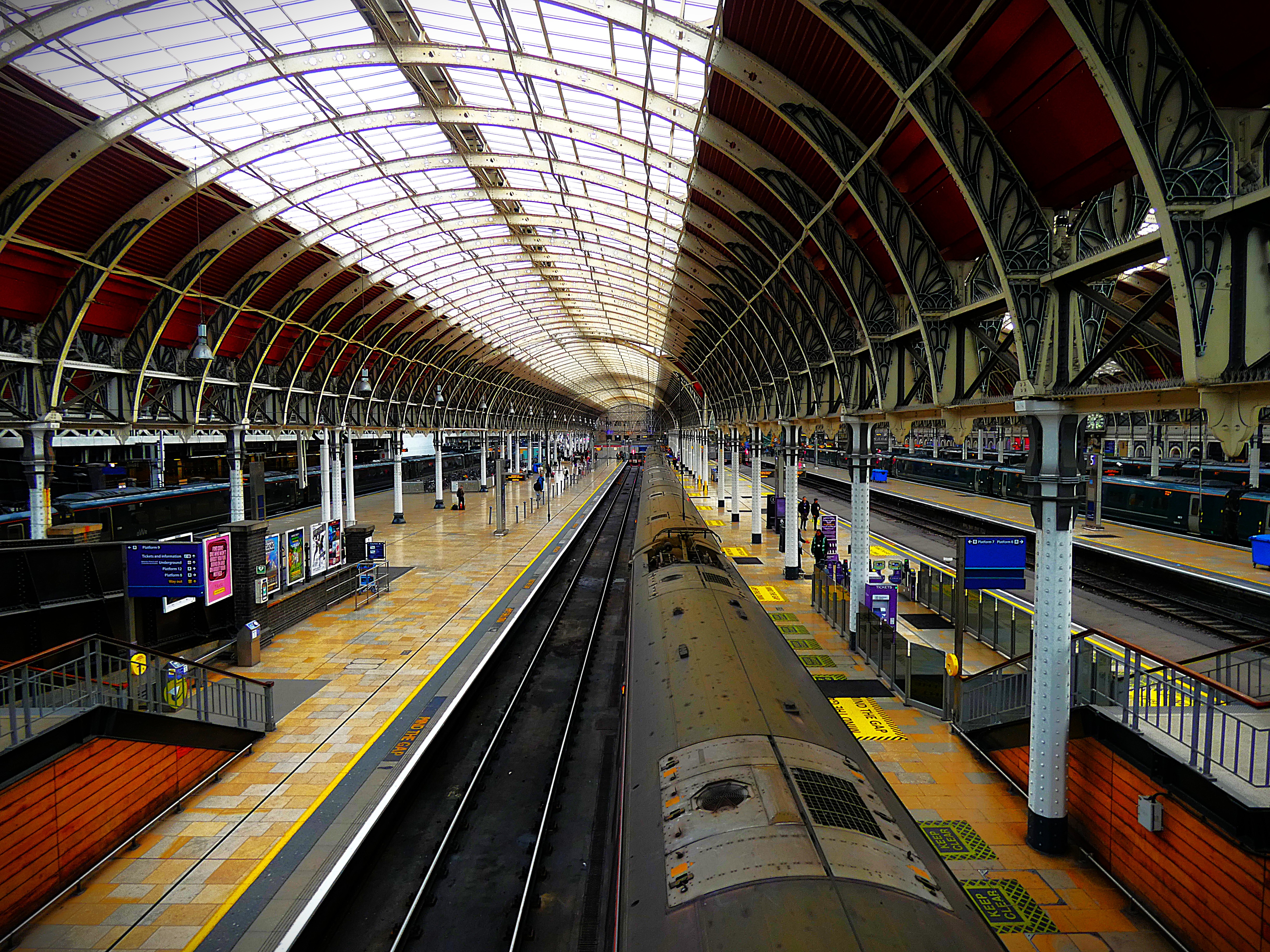
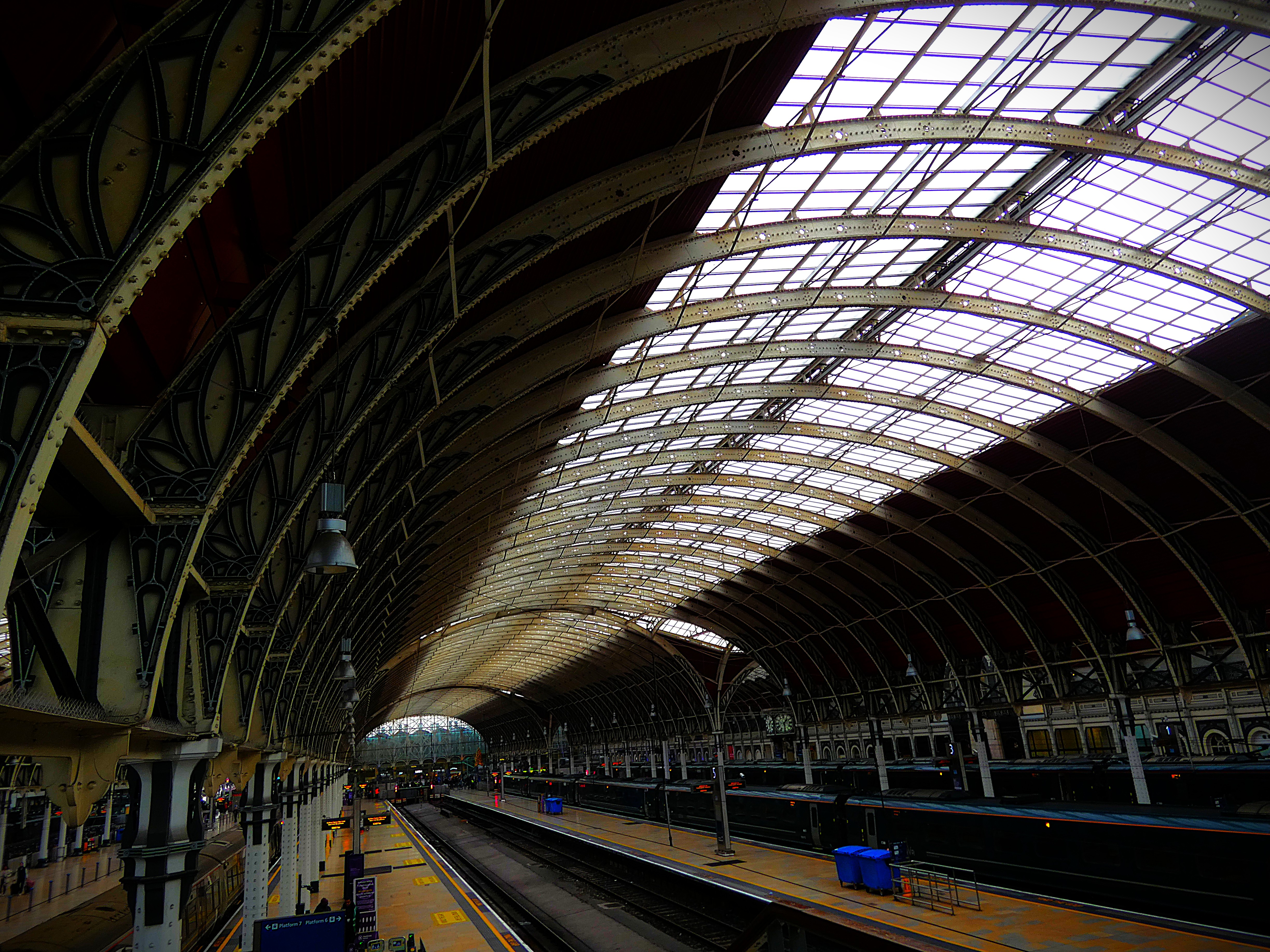
Although today’s Great Western Railway has the same name as the company founded by the legendary Isambard Kingdom Brunel, and serves most of the same routes, I do not think that Brunel would be impressed with his company’s modern day namesake. Actually the current GWR should probably be glad that the dead cannot sue under UK law. As I scanned the departure screen on the bridge linking the various platforms at this iconic station (the photo gallery at the end of this post contains some pictures that should go some way to showing you why this station is rated as one of Europe’s finest) I noticed there were some cancellations, and some delays. My own train was among the delayed, and the estimated time was being pushed back in small increments. Eventually at 2:15, 12 minutes after the scheduled departure time we were finally given the platform information. I managed to get to my booked seat, and a few moments later we were finally underway. However the late departure caused us to end up behind a couple of stopping services between Exeter and Plymouth, so the train arrived very late at Plymouth (once I am back in Lynn the company will be hearing from me as I expect compensation from them for both the stress experienced at Paddington and the very late arrival in Plymouth).
THE FINAL STAGE
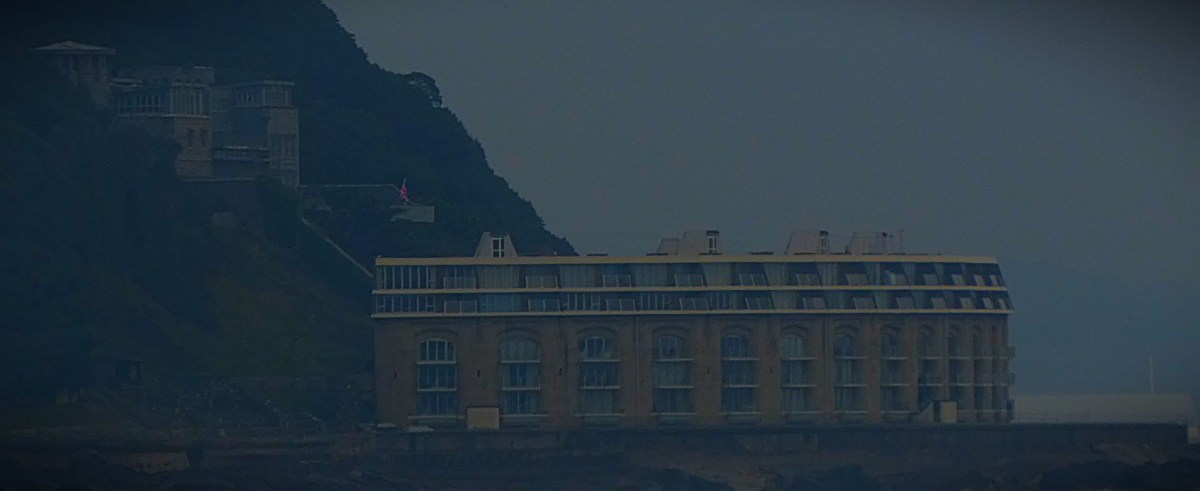
My sister met myself and my nephew at Plymouth station (he, due to mishaps associated with another train company, South Western, had ended up on the same train as me), and drove us to our final destination, Fort Picklecombe in Cornwall. Apart from the satnav making a few daft mistakes (at one point telling us to make a u-turn when we actually on the Torpoint ferry!) this part of the journey was thankfully uneventful.
PHOTOGRAPHS
Here are the photographs I took yesterday, plus a couple from this morning:
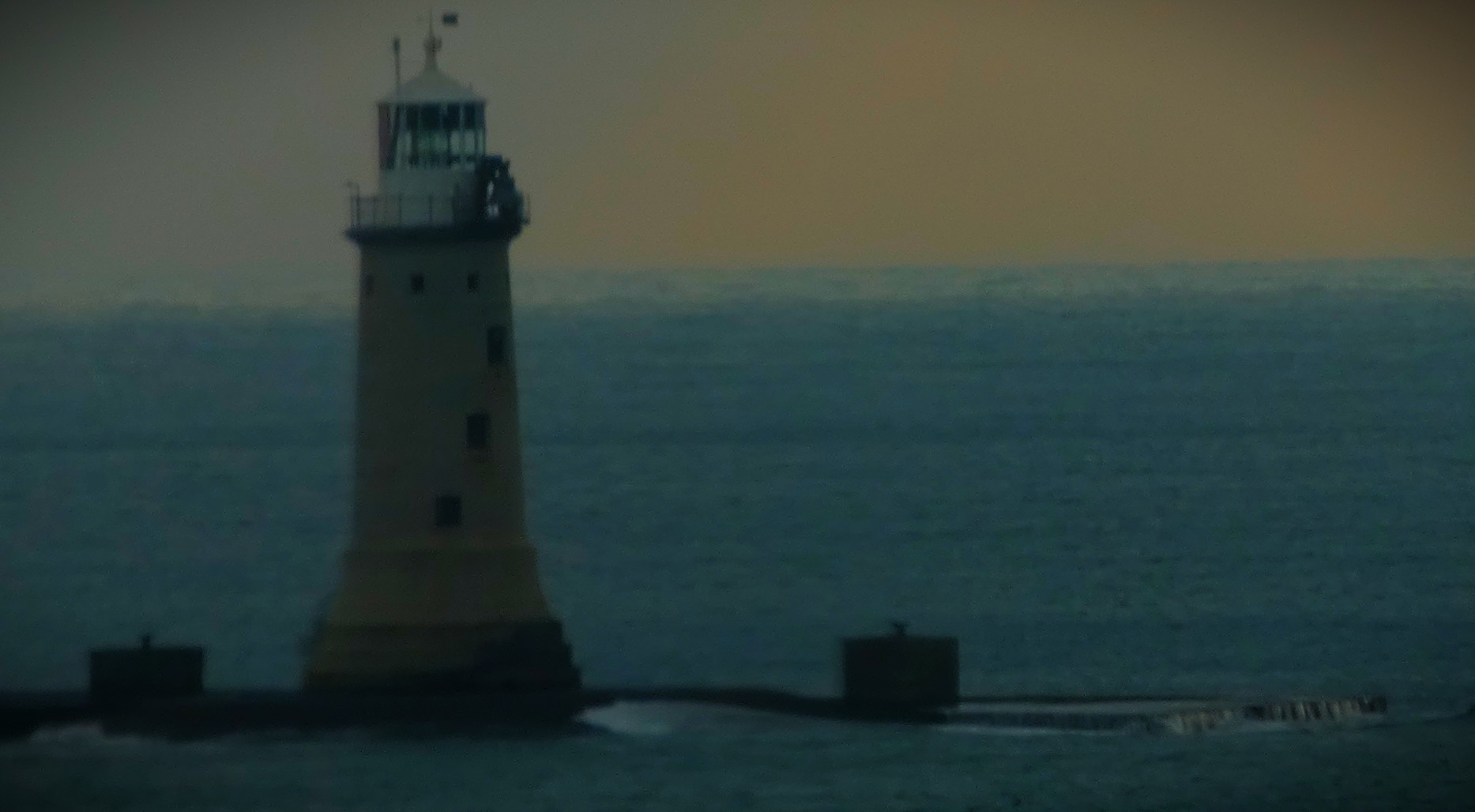
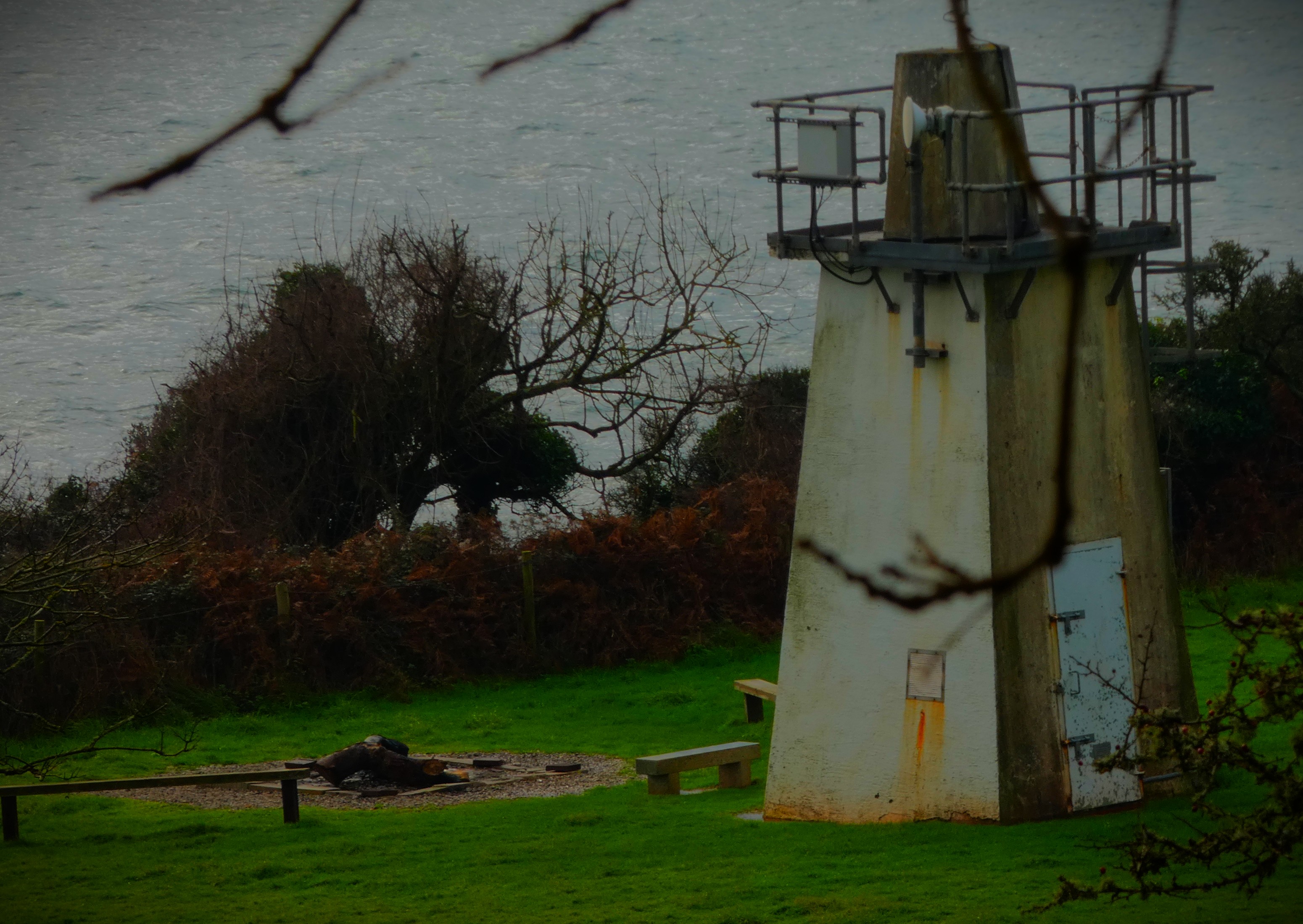
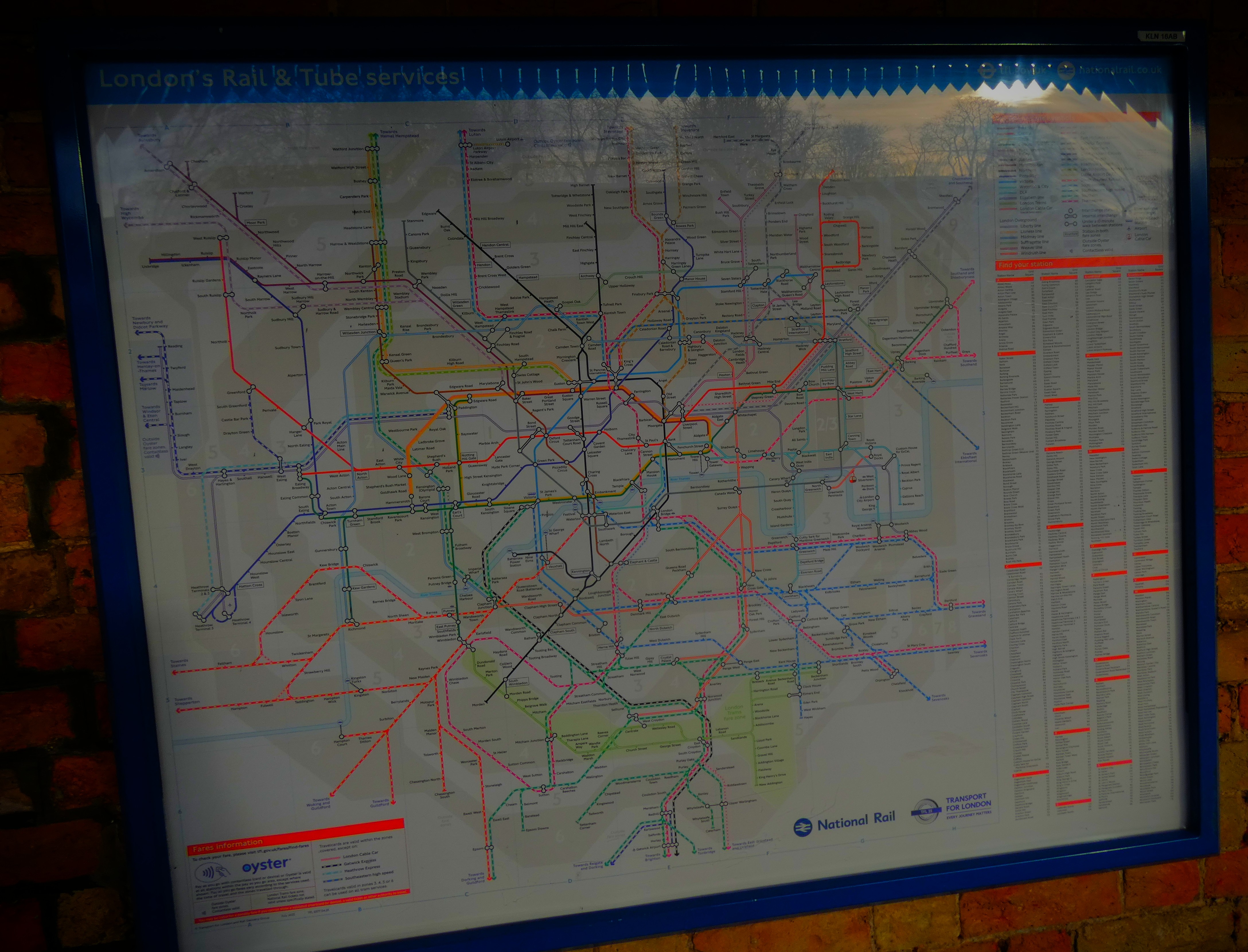
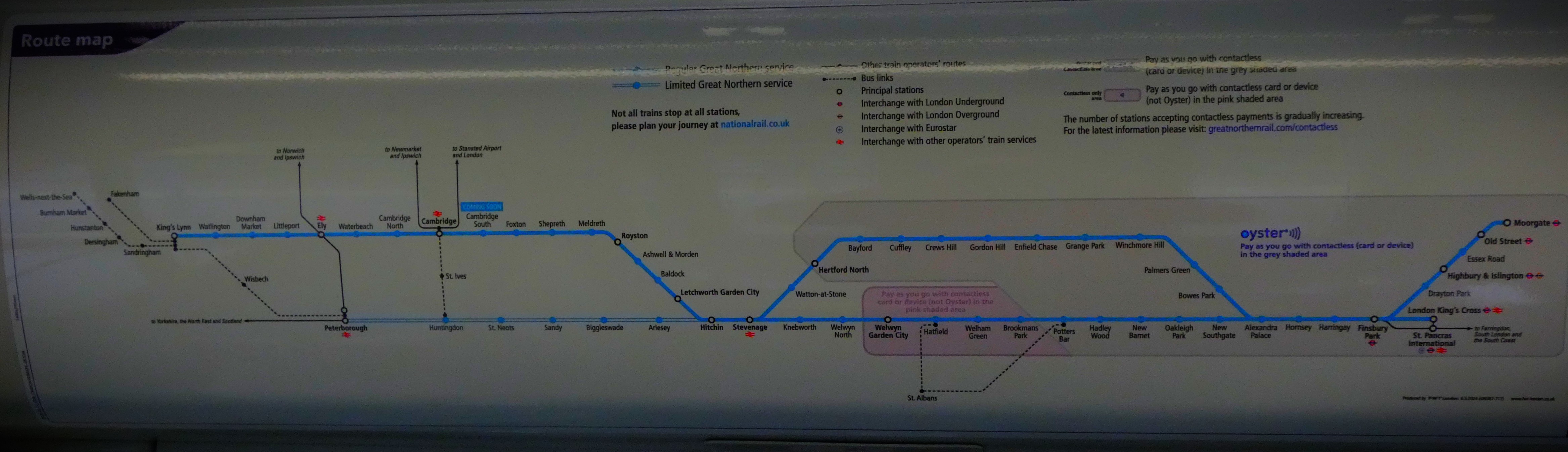
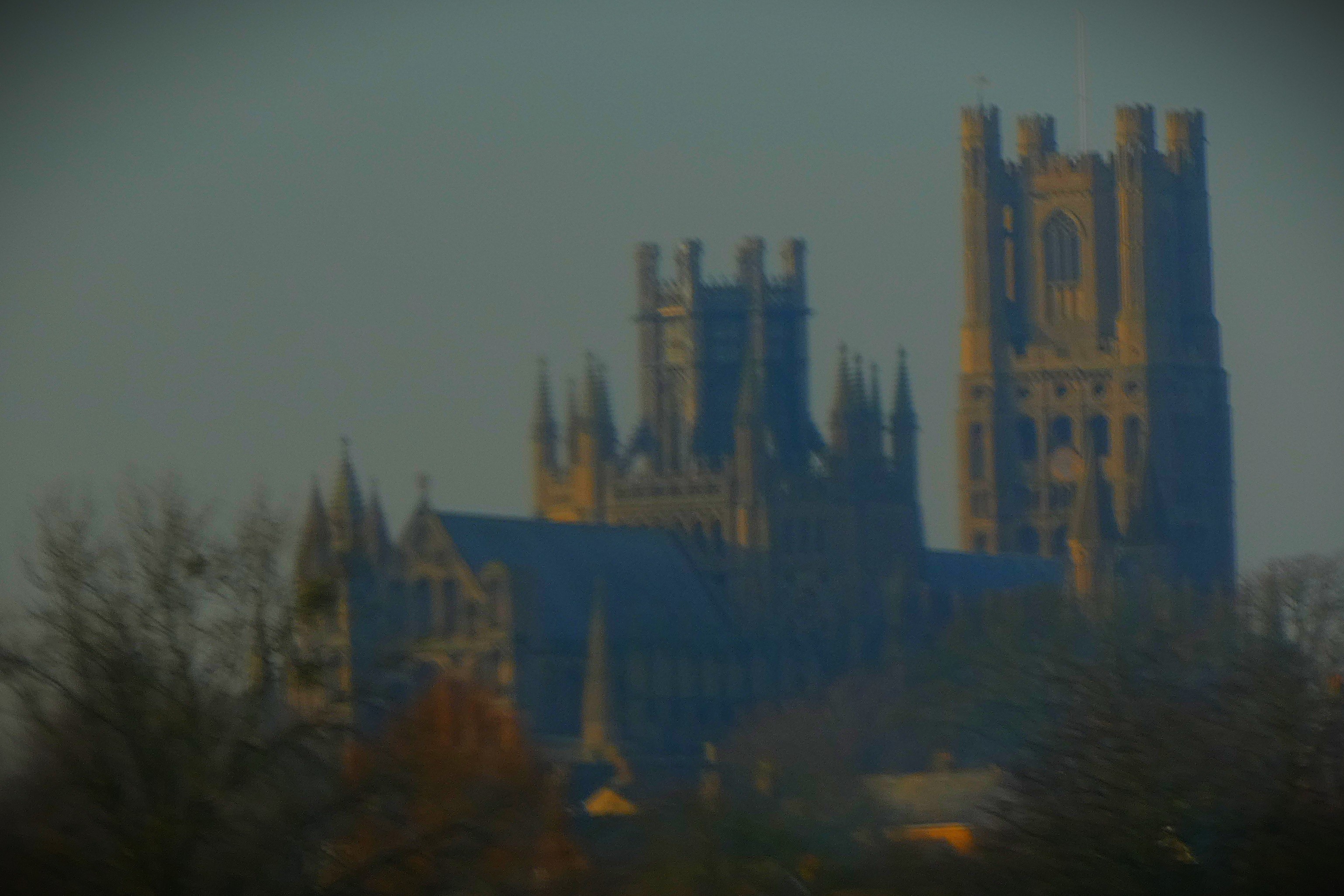
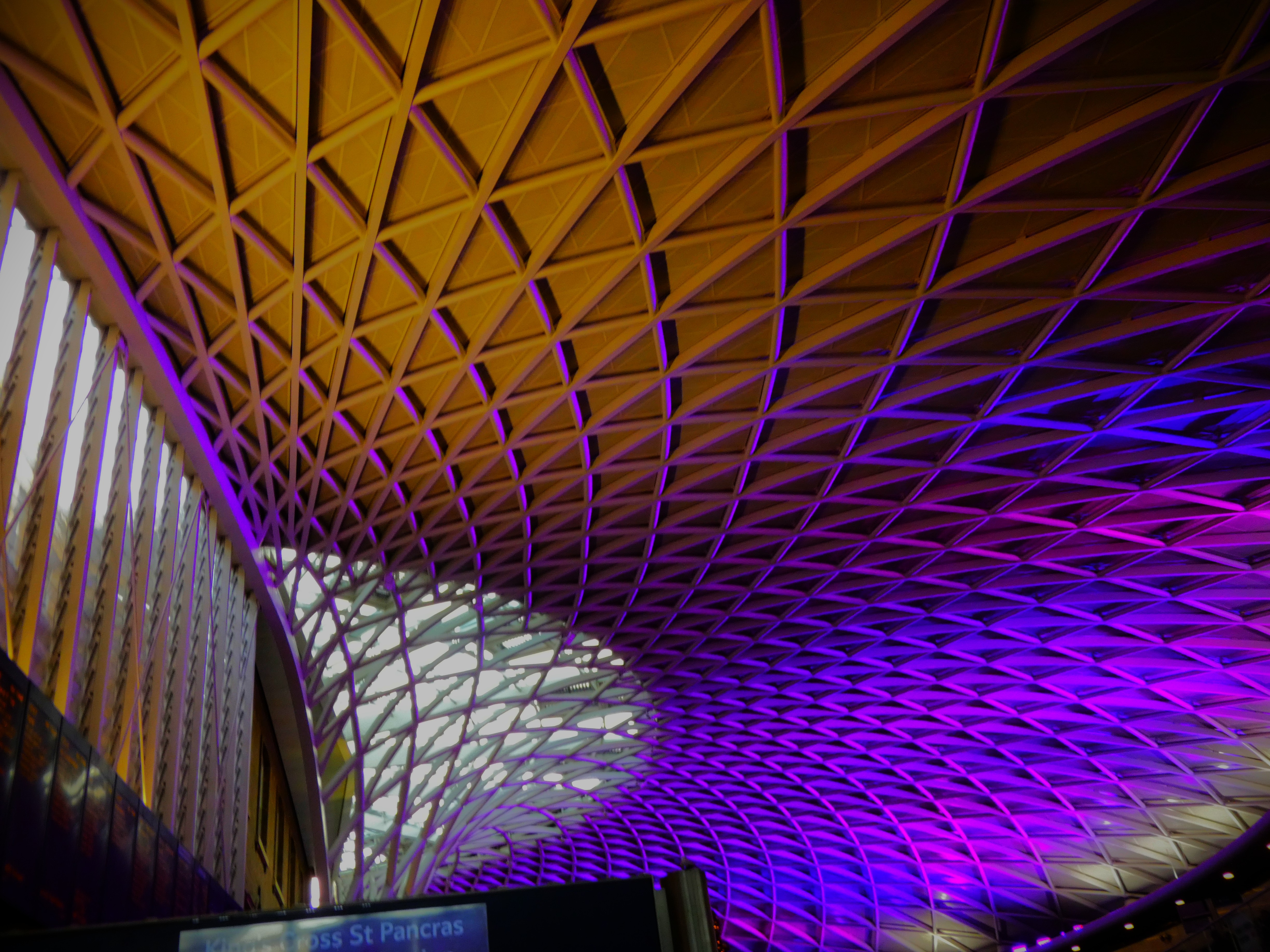
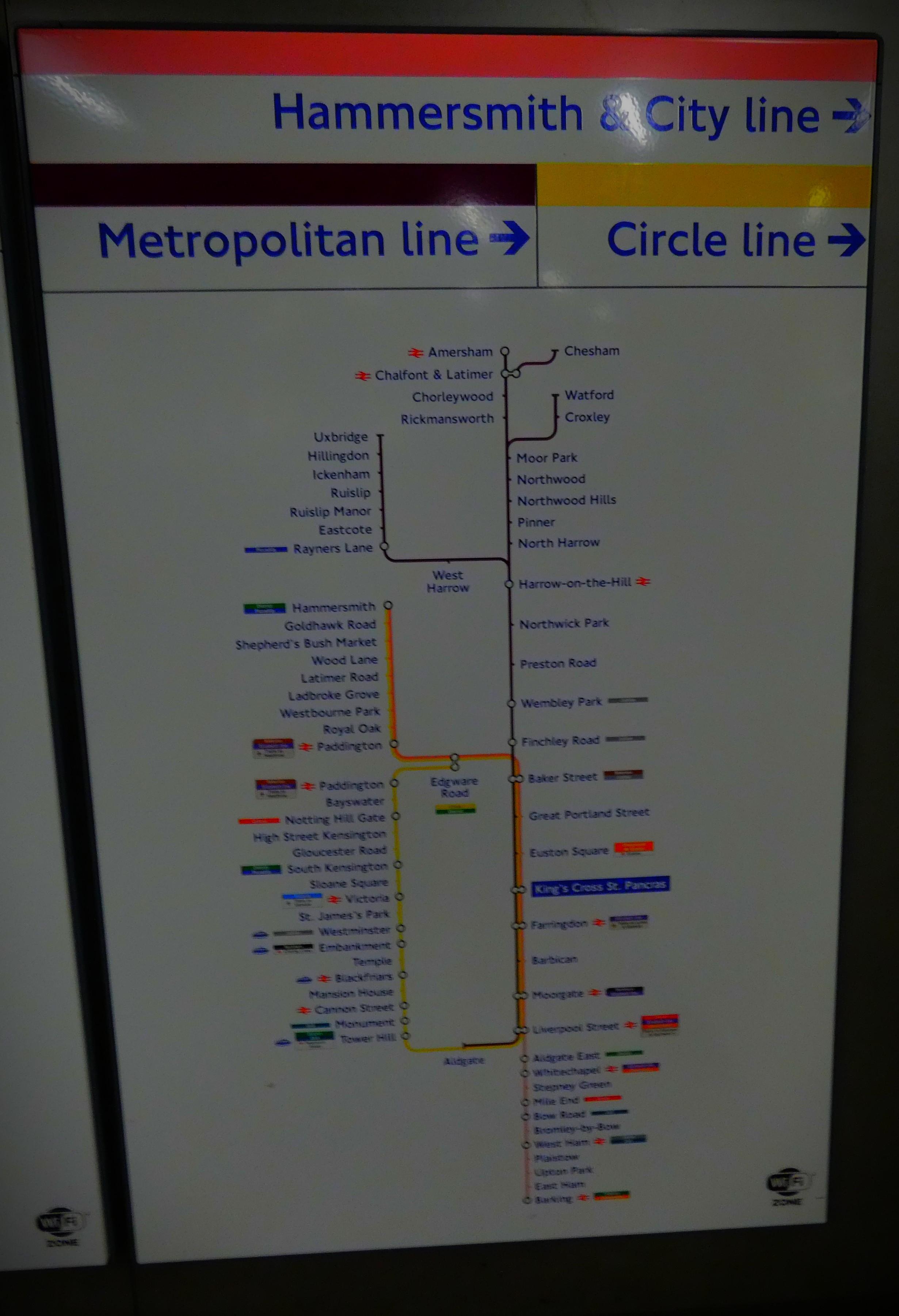
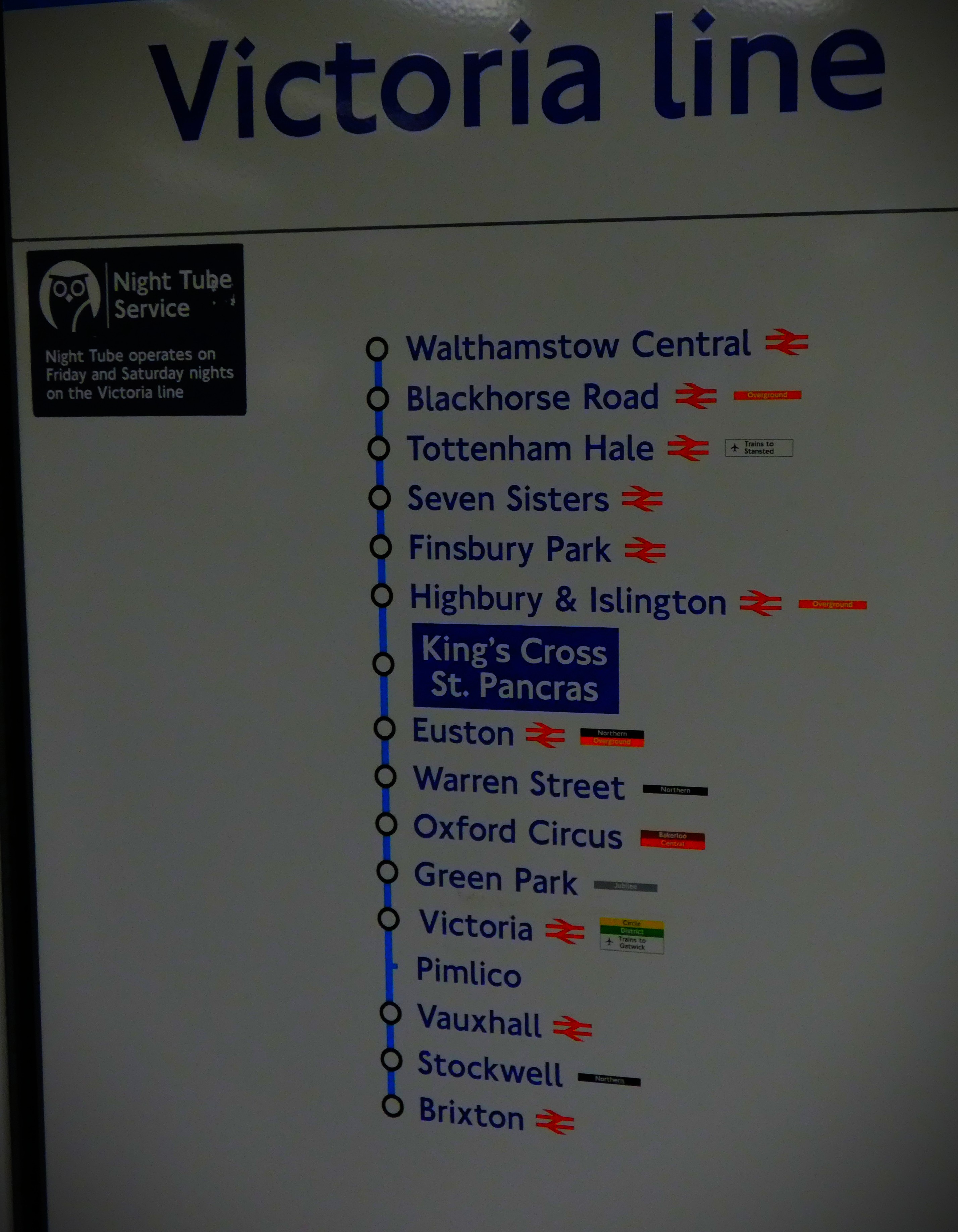
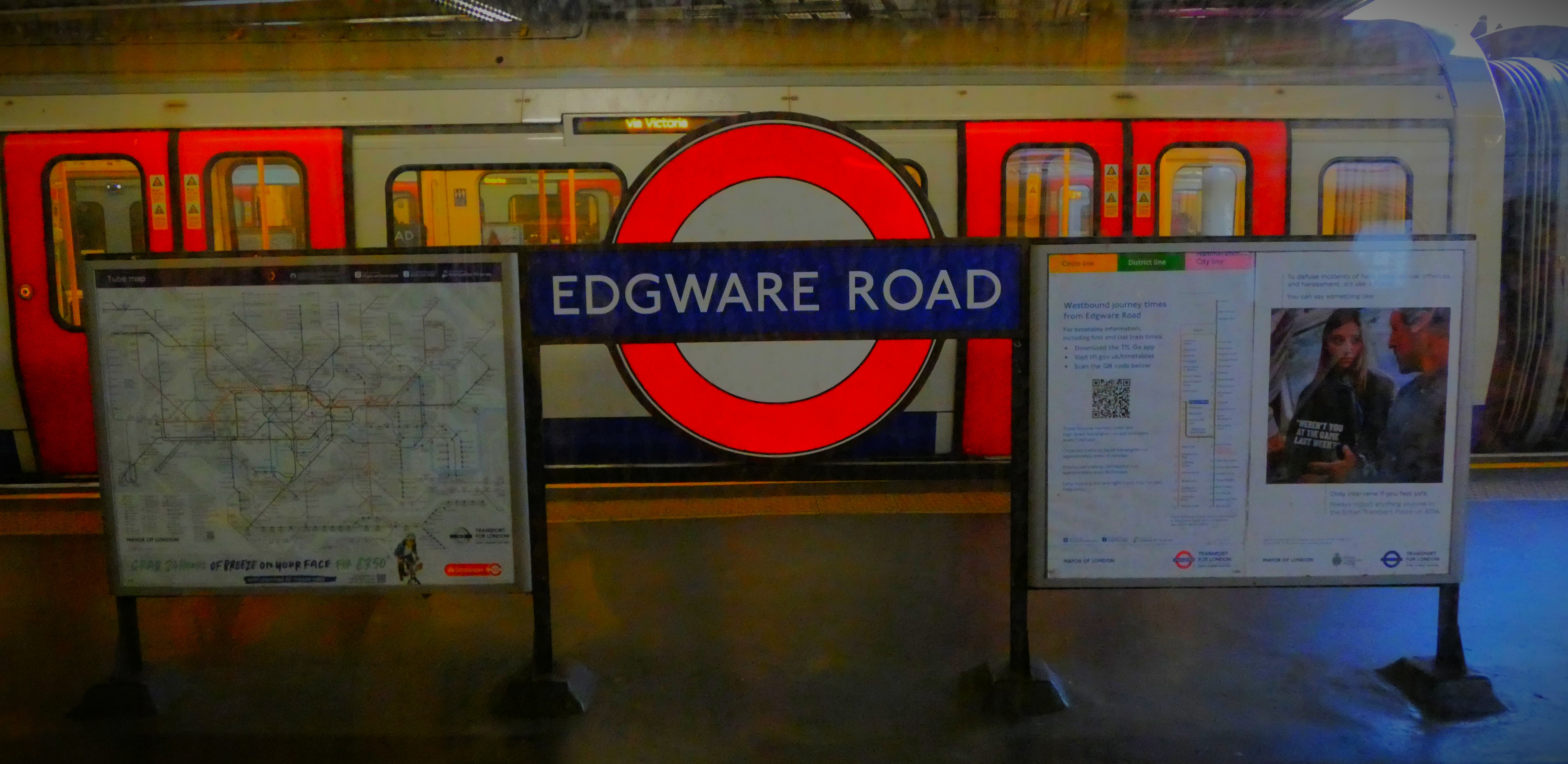
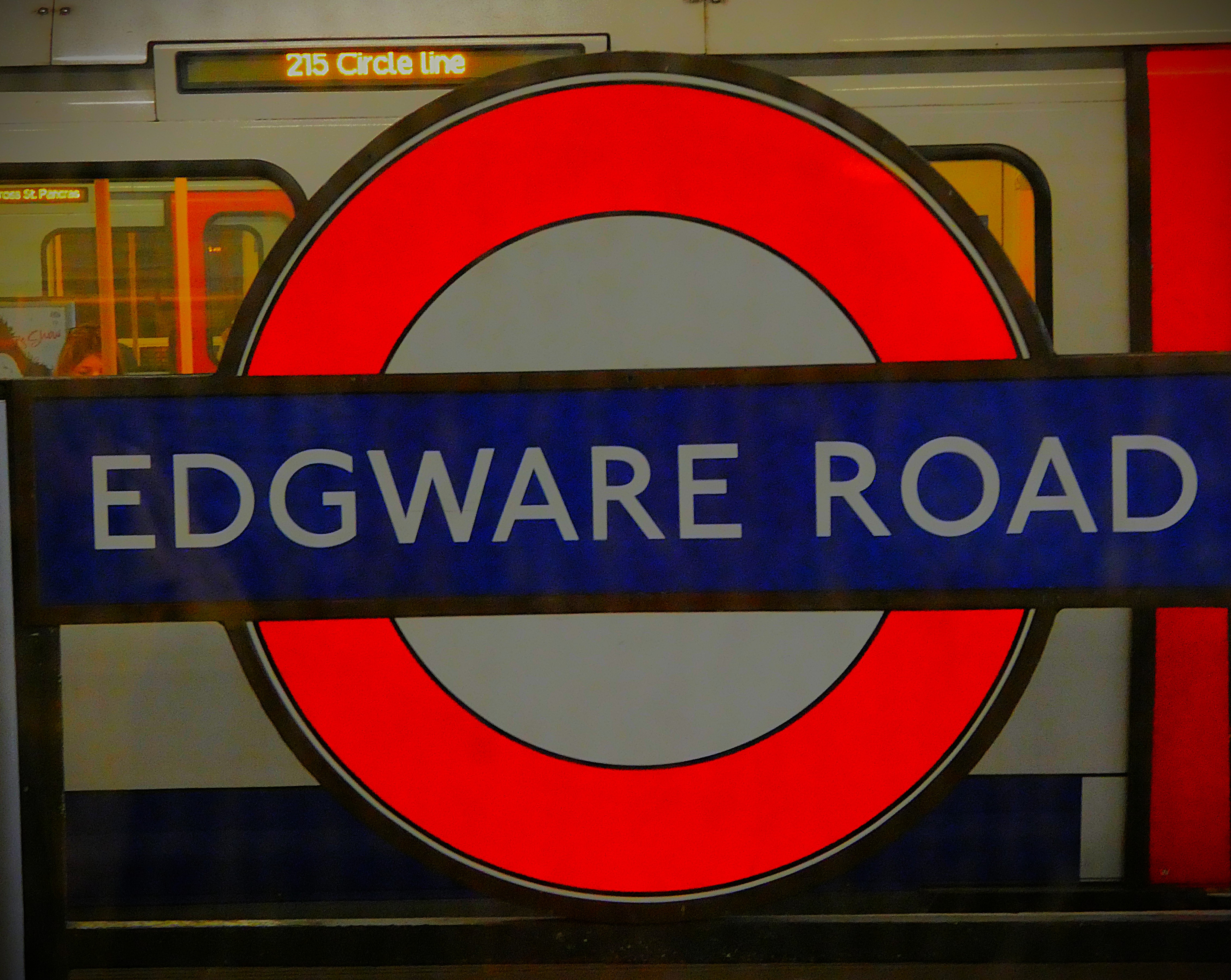
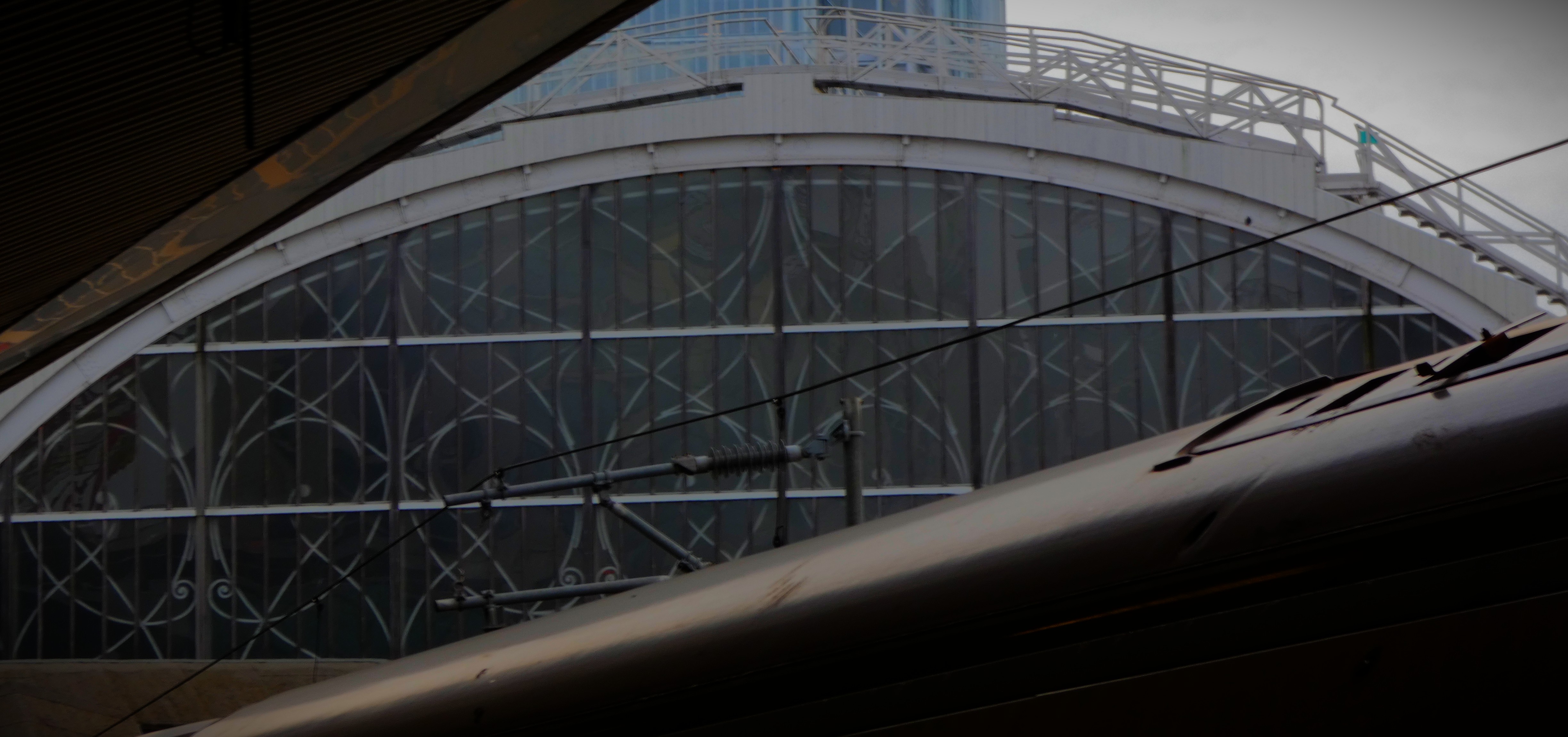
Ely Cathedral, through a train window approaching the station from the north.An inspection train, near Ely.The roof at Kings Cross.A fine combination of central roundel, map to the left and information poster to the right, with a train on the other platform providing the backdroop.A close up of the roundel.This was probably the best picture I got of a roof arch at Paddington station.A reasonably close picture of a Central line train approaching Ealing Broadway and a much more distant one of another train on the same line leaving that station.A District line train at Ealing Broadway. It has steeper sides than the rounded Central line stock, and is also larger, the District having been built to mainline spec, while the deep level tube lines are smaller.This yellow train (see also next picture) is I believe an engineering train.Newton Abbot station features a standard-issue post box at platform level.Two pictures of the lighthouse taken through the window of the living room at Fort Picklecombe.
A look back at todays BBL game between Melbourne Renegades and Hobart Hurricanes and a photo gallery.
This morning UK time saw Melbourne Renegades entertain Hobart Hurricanes at Geelong. This post looks back at the match.
THE RENEGADES INNINGS
The match started strangely, with Josh Brown allowing Chris Jordan to bowl a maiden in the first over of the match. Maidens are rare birds in T20s, and I cannot recall a previous example of a match in this format starting with such an over. Tim Seifert got a single early in the second over, but off the fourth ball thereof Brown fell to a catch by Nikhil Chaudhary off Riley Meredith for an eight ball duck, an absurd innings in a T20. The third and fourth overs, bowled by Nathan Ellis and then Meredith bowling his second were taken for 17 runs each, and a Power Play score of 36-1 looked respectable. However, Hurricanes immediately tightened things up. In the ninth over Jordan bowled Seifert for 34 to make it 63-2. With the penultimate ball of the 10th over English leg spinner Rehan Ahmed bowled Mohammad Rizwan for 32, which brought about the mid-innings drinks break at 69-3. Two overs later Jake Fraser-McGurk and Ollie Peake were still together, and there was an obvious case for activating the Power Surge. However Renegades did the cowardly thing and held back in the hope of getting a better opportunity. Five balls into the 13th over Peake was well caught by Matthew Wade off Nathan Ellis to make it 86-4, and a chance to use the Surge with two batters who have both already faced a few balls had been squandered. Three balls into the 14th over and Hurricanes other leg spinner, Bangladeshi Rishad Hossain, bowled Fraser-McGurk to make it 88-5. Hassan Khan and Will Sutherland revived things for Renegades, and they eventually activated the Surge for overs 17 and 18. The first of these overs was beneficial to their cause, but the second, bowled by Jordan, was ruinous. Hassan Khan was out to the first ball of it, and Sutherland to the fourth, to make it 126-7. Jordan conceded one more run in the over, but still at that point had 3-9 from three overs. The last ball of the 19th over saw Gurinder Sandhu fall to a catch by Hossain off Ellis to make it 133-8. The final over was Jordan’s fourth and last as well, and with the second ball of it he accounted for Fergus O’Neill to make it 135-9. Jordan did not manage to complete his five-for, and ten runs accrued from the last four balls of the innings. However, 145-9 still looked a hopelessly inadequate score, and 4-1-19-4 was still an excellent set of bowling figures. Jordan has played over 400 T20s in his long career, and has never yet taken a five-for, though todays figures were not quite a career best – he has recorded 4-6 in the past. Rishad Hossain had 1-21 from his four overs and Rehan Ahmed 1-25 from his. If Stokes is still worried about Bashir’s lack of skill with the bat (see here) then perhaps Ahmed, a genuinely front line bowler could come into the side. It would be far from the first time that an English player in Australia not as part of a tour party has been drafted in in an emergency – George Gunn, in Australia for health reasons, was called in to the 1907-8 touring party and proceeded to top score in both innings on test debut, while in the 1990s Gus Fraser, omitted by Illingworth, was clever enough to arrange to be in Australia playing grade cricket, and soon found himself back in the side.
THE HURRICANES CHASE
Mitchell Owen fell to the first ball of the chase, caught behind by Rizwan off Jason Behrendorff. However Nikhil Chaudhary, recently demoted from opening to number three, then hit the second, third and fourth balls of that opening over for fours and Hurricanes were on their way, and never really looked back. The other opener, Tim Ward, was also dismissed in the Power Play, for 8, but Hurricanes already had 38 on the board by then. It was the third wicket stand between Chaudhury and Ben McDermott that killed the game stone dead. At the halfway mark Hurricanes were 95-2, with these two still together, and activating the Power Surge at the earliest possible opportunity was a blatantly obvious thing to do, and Hurricanes duly did so. Although they lost Chaudhury to the last ball of the Surge, caught by Fraser-McGurk off Sandhu for 79 (38) the two overs had also yielded 36 runs (18 each), and a mere 15 were needed for victory by then. It took 1.5 overs to knock those runs off, with no further wickets falling. McDermott ended on 49 not out (33). Hurricanes had won by seven wickets with 6.1 overs to spare and went top of the table. Jordan was named Player of the Match for his great bowling. Scorecard here.
A look back at the final stages of the test match in Adelaide, some suggestions for Melbourne and a photo gallery.
Early this morning UK time England lost the test match in Adelaide by 82 runs and with it both The Ashes and the series. Australia are now 3-0 up with two matches left to play.
DAY FOUR
England had their best period of the test match when they took the last six Australian wickets for 38 runs. Unfortunately that still left them needing 435 to win, more than has ever been successfully chased in a test match before. By the close they had lost six of their second wickets and such hope as they still retained rested with Jamie Smith and Will Jacks.
DAY FIVE
Jamie Smith made 60, but his dismissal was a poor one. Jacks found further support from Brydon Carse, as England extended the match into the afternoon session of the final day. Jacks was eventually dismissed for 47 having held out for almost three hours. This was a particularly impressive effort since he is by nature a stroke maker but put that aside in the interests of the team. Thereafter the end was not long delayed.
LOOKING AHEAD TO MELBOURNE
There is no way Ollie Pope can retain his place for the fourth test match in Melbourne. It is also clear that England need a spinner, not a batter cosplaying as a front line spinner (I do not blame Jacks for the embarrassing results of this bowling figures wise, I blame England for trying to have him play a role he does not play even in domestic cricket). Jacks bats high in the order for Surrey, and with England having a vacancy at number three there is an obvious solution there – Jacks moves up and plays as the batter he is, Pope goes out, Bashir comes in. Also for Melbourne I want Matthew Potts in for Brydon Carse, who did get some wickets here but also bowled a lot of dross. While the series is over there is a huge difference between 5-0 and 4-1 or 3-2, and England should be looking to restore some pride in these final matches. In 1950-1 Freddie Brown’s side had a horror time for much of their tour, with a lot of ill luck along the way, but they never lost heart, and in the final test match they saved some face with a victory, England’s first over Australia since before WWII, and in England in 1953 Len Hutton’s England regained The Ashes, which had been in Aussie hands for almost 19 years at the time.
A look back at days two and three of the test match in Brisbane, some comments regarding the makeup of the England side, and a photo gallery.
This post looks back at days two and three of the test match in Adelaide that is currently in progress.
DAY 2
England took far too long to dispose of the last two Australian wickets, allowing them to boost the total to 371. Australia then did what England had signally failed to do: bowl properly. The best one can say about England’s efforts in the face of a very good bowling performance from Australia is that at least on this occasion they were in general got out rather than giving their wickets away. The chief exception was Ollie Pope, whose shot against Nathan Lyon was gruesomeness personified. The bowler, returning after missing Brisbane, an omission about which he was in his own words “filthy” could not be sure how things would go for him. Pope hit the veteran off spinner’s very first ball straight to midwicket to depart for 3. That brought Lyon level with McGrath on 563 scalps, and a few moments later he was alone as Australia’s second most prolific test wicket taker ever behind Warne when he bowled Ben Duckett. Brook batted with greater responsibility than he had shown in the first two matches (it would have been hard for him to show less) to accrue 45, at a still reasonable speed. Stoked dug in for the long haul, and before the close of this day, Archer, a five-for already to his name found himself in action with the bat. England ended on 213-8, 158 adrift.
DAY THREE
England began well, staging a significant batting revival of their own, with Archer clocking up a maiden test 50 and Stokes battling on to 83. They managed 286, a deficit of 85. Sadly that was the last good news for England. The rest of the day was dominated by Travis Head, scoring his second ton of the series (England have one such score between them, from Root in Brisbane, for this series). Australia soon realized that other than Archer the England bowling contained zero threat. Will Jacks, again used as a stock spinner, ended the day with 1-107 from 19 overs (for comparison Lyon, a genuine bowler, had 2-70 from 28 overs in England’s innings, which is what proper stock bowling looks like). This is not an attack on Jacks, a fine cricketer but not, repeat not, a front line spinner. He is a good batter and an occasional bowler, and England sticking him in at number eight as a supposed front line bowler was a poor call – and it is England against whom my ire is directed. In the first innings Jacks had 2-105 from 20 overs. The last bowler to concede 100 or more in each innings of an Ashes match before this was Shane Warne, in a game in which he captured 12 wickets, and the last English bowler to do so was Ian Botham at The Oval in 1981, when he took 11 wickets. Jacks at the moment has 3-212 for the match. Usman Khawaja scored 40, but Head’s best support came from Alex Carey who followed his first century by reaching 52 not out. Australia were 271-4 at the close, 356 ahead, with Head 142 not out.
LOOKING AHEAD
After the close of play England’s spin bowling coach Jeetan Patel acted as spokesperson for the team. In a moment that brought to mind (at least to my mind) the ‘many worlds‘ view espoused by certain cosmologists Patel told those listening that Jacks had not bowled badly today. There may indeed be an alternate universe in which Jacks did not bowl badly (possibly even one in which he actually bowled well), but in the universe in which this match was played and in which I was listening his 1-107 from 19 overs was not an unfair reflection on his bowling. It is not Jacks’ fault – he was put in to a job that he does not do even at domestic level, which is the fault of those making that call, but Jeetan Patel did himself no favours by producing such a blatant porky. Unless miracles happen on days four and five England will move on to the Boxing Day test having already surrendered both Ashes and series. Two players who cannot be allowed to keep their places based on the evidence so far available are Pope and Carse. I would replace Carse with Matt Potts, a crafty fast-medium in place of a brainless pacer. As for Pope I would use the necessity of dropping him to change the balance of the side, by bringing in Bashir. The number three slot could go either to Jacks, a top order batter for Surrey, or Stokes could move up and take on that crucial position himself. To win a test match in general you need to take 20 wickets. At Perth and Brisbane England managed 12 wickets each time. They have taken 14 so far here, but the only way they will make it to all 20 is if Australia decide that there is so much time left in the match they need not bother to declare.
PHOTOGRAPHS
My usual sign off…
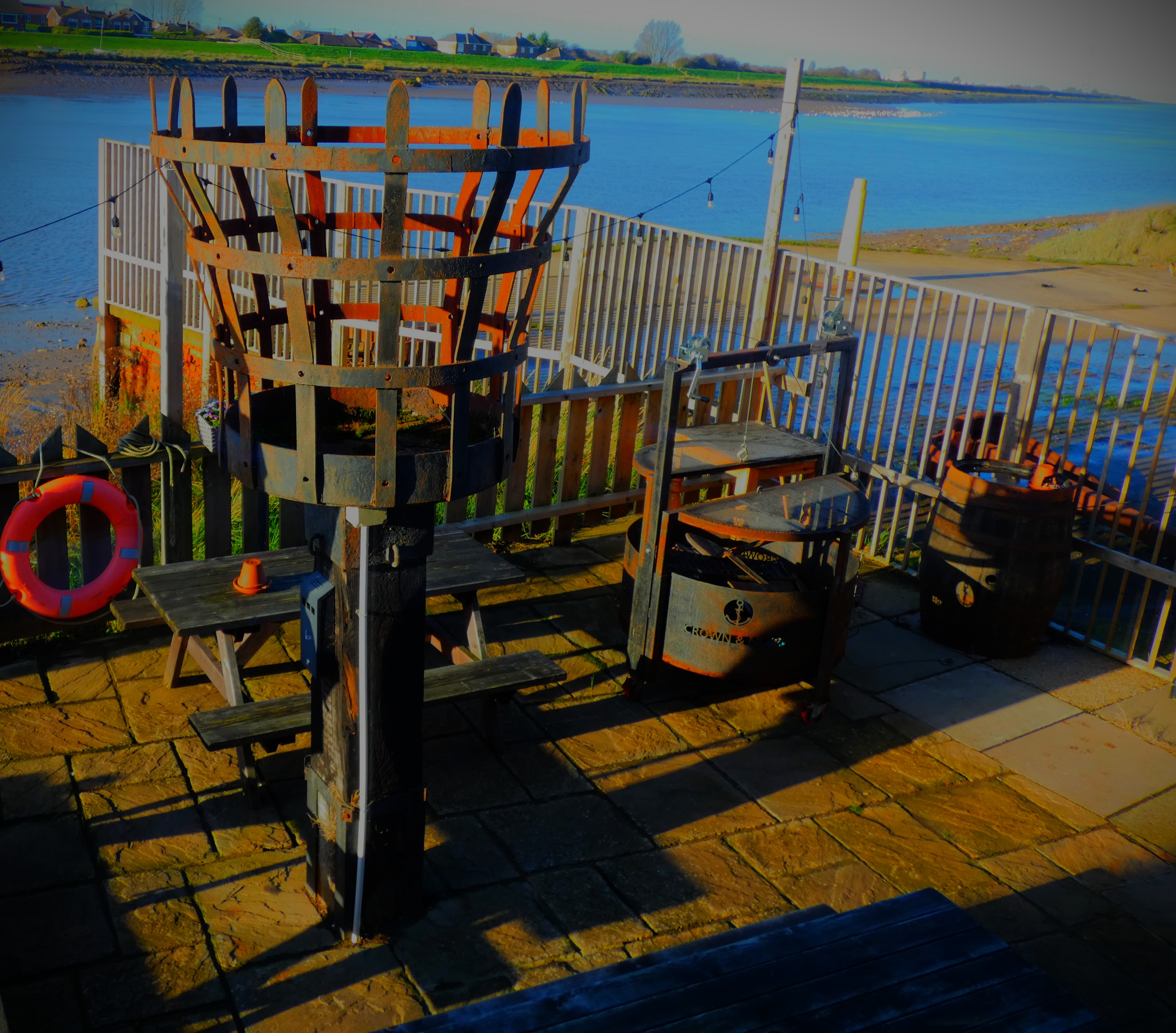
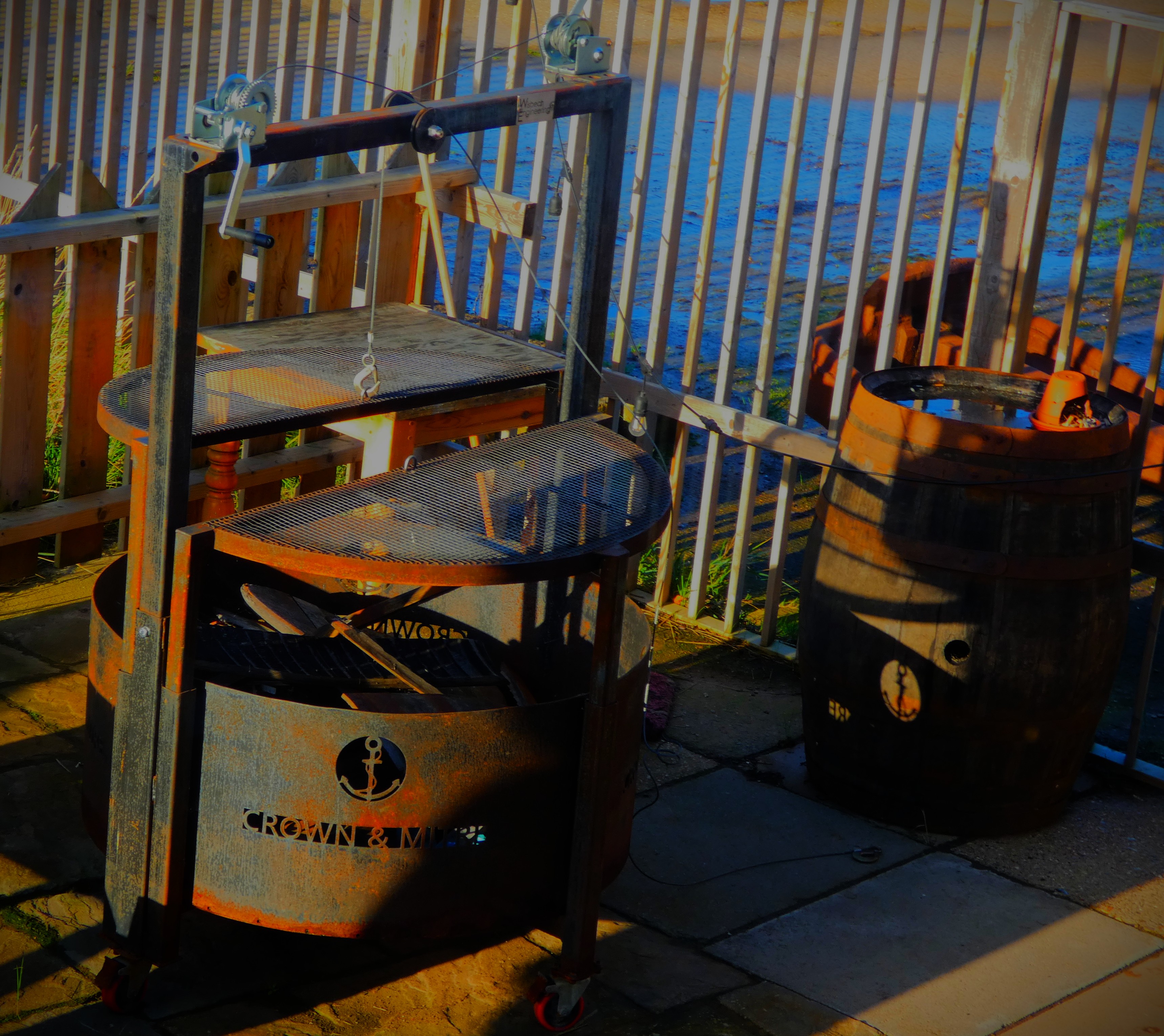
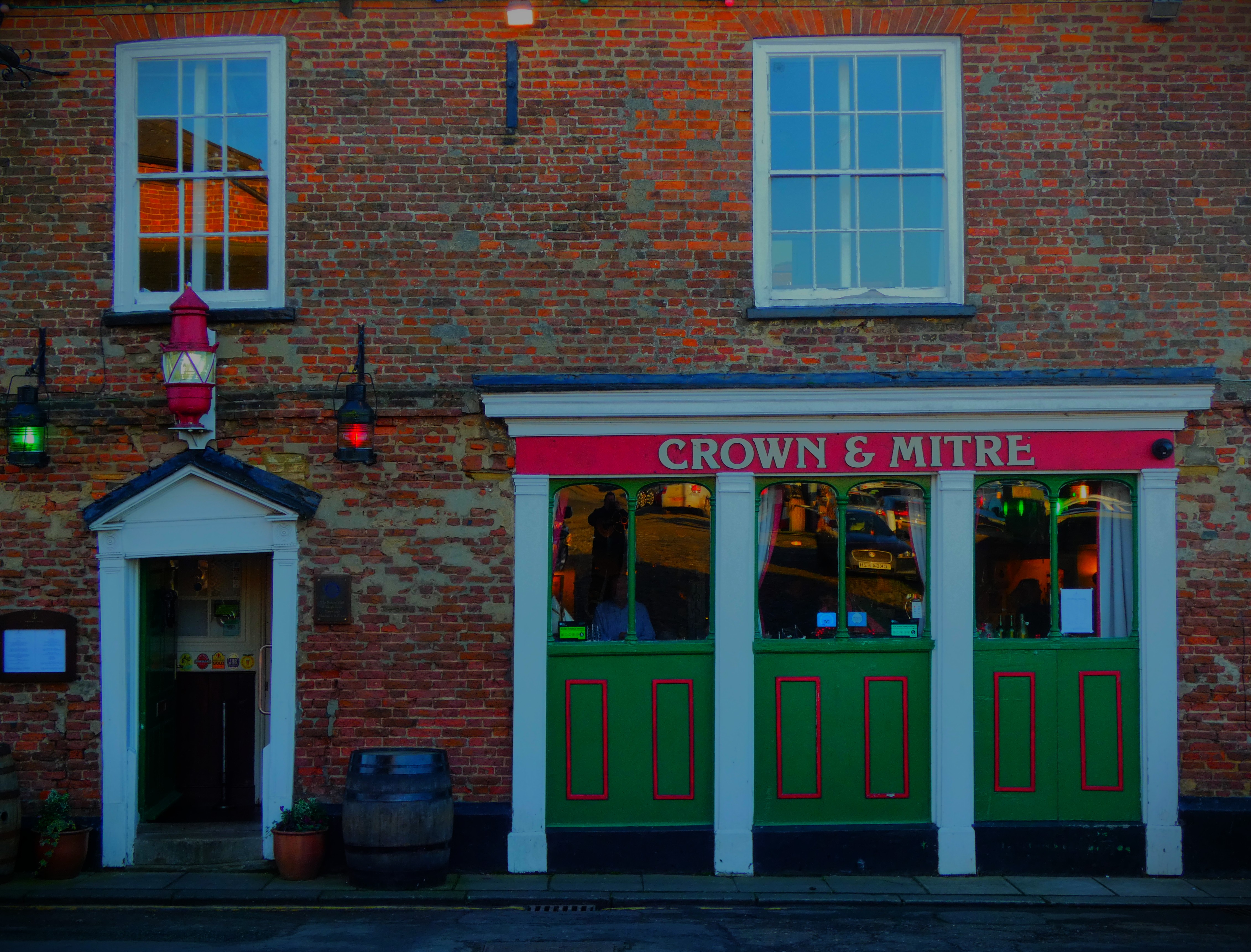
An unusual £2 coin I got in change recently. Given who it is commemorating the skull is obviously that of Yorick.The West Norfolk Autism Group committee Christmas lunch took place at the Crown & Mitre today.We were in the room (effectively a large lean-to greenhouse) overlooking the Great Ouse. There is an outside seating area beyond this room if you are there in summer.This picture of the outside of the Crown & Mitre shows the room we were in – the white structure bottom right.The street frontage.
A look back at day one of the third Ashes test in Adelaide and a photo gallery.
The third test match of the ongoing series between Australia and England’s men’s teams got underway overnight UK time. This post looks back at a curious day’s play.
THE PRELIMINARIES
England had announced their team early, in keeping with their recent methods in this department. The fact that Shoaib Bashir missed out for a third straight match, creating the possibility that series will be decided before he plays a game, raised eyebrows. The problem with this selection from England is that they fast tracked him into the test side with this specific series most in mind, which makes then sidelining him for each of the first three matches look bizarre. Australia had intended to drop Usman Khawaja, which could well have ended his test career, but then Steve Smith experienced giddiness and nausea while batting in the nets and it was deemed serious enough to put him out of the match, so Khawaja was back in the side. Australia won the toss, and there was never much doubt about the decision, so it was over to England’s bowlers to see what they could do.
A CURATE’S EGG PERFORMANCE
England did not bowl very well overall, but they had some assistance from the Australian batting, who seemed somewhat infected by their opponents freneticism at the crease. Immediately after lunch, when Marnus Labuschagne and Cameron Green suffered almost identical ultra-soft dismissals in the space of three balls, each hitting deliveries from Archer straight to midwicket and suddenly the score was 94-4 it looked very good for England. Khawaja and Alex Carey regained the initiative for Australia, but then Khawaja tried to go big against the part time spin of WG Jacks and succeeded in holing out Josh Tongue for 82. Carey, supported in turn by Josh Inglis, Pat Cummins and Mitchell Starc proceeded to a splendid maiden Ashes ton. However Jacks showed something of the original WG’s knack for inducing batters to get themselves out, drawing an injudicious shot from Carey which resulted in a catch to Jamie Smith. The day ended with Australia on 326-8. With temperatures in Adelaide forecast to reach 39 degrees on day two (two degrees above the cut off point for an abandonment during my brief career as an umpire in Under 14s Whites matches there) what happens then will have a big influence on the outcome of the match and thus whether England can get back into the series. If they can get the last two wickets quickly and then bat for the rest of the day, forcing Australia to labour in the field through the fiercest heat they will have a good chance. Cummins has just returned earlier than expected from an injury, and a long, hot innings in the field would be a big early test of just how ready he was to make that comeback. A concern for England, given their controversial decision to overlook the specialist spinner is the fact that it was Will Jacks, definitely a batter who bowls off spin, who ended bowling the most overs for them on day one.
PHOTOGRAPHS
My usual sign off…
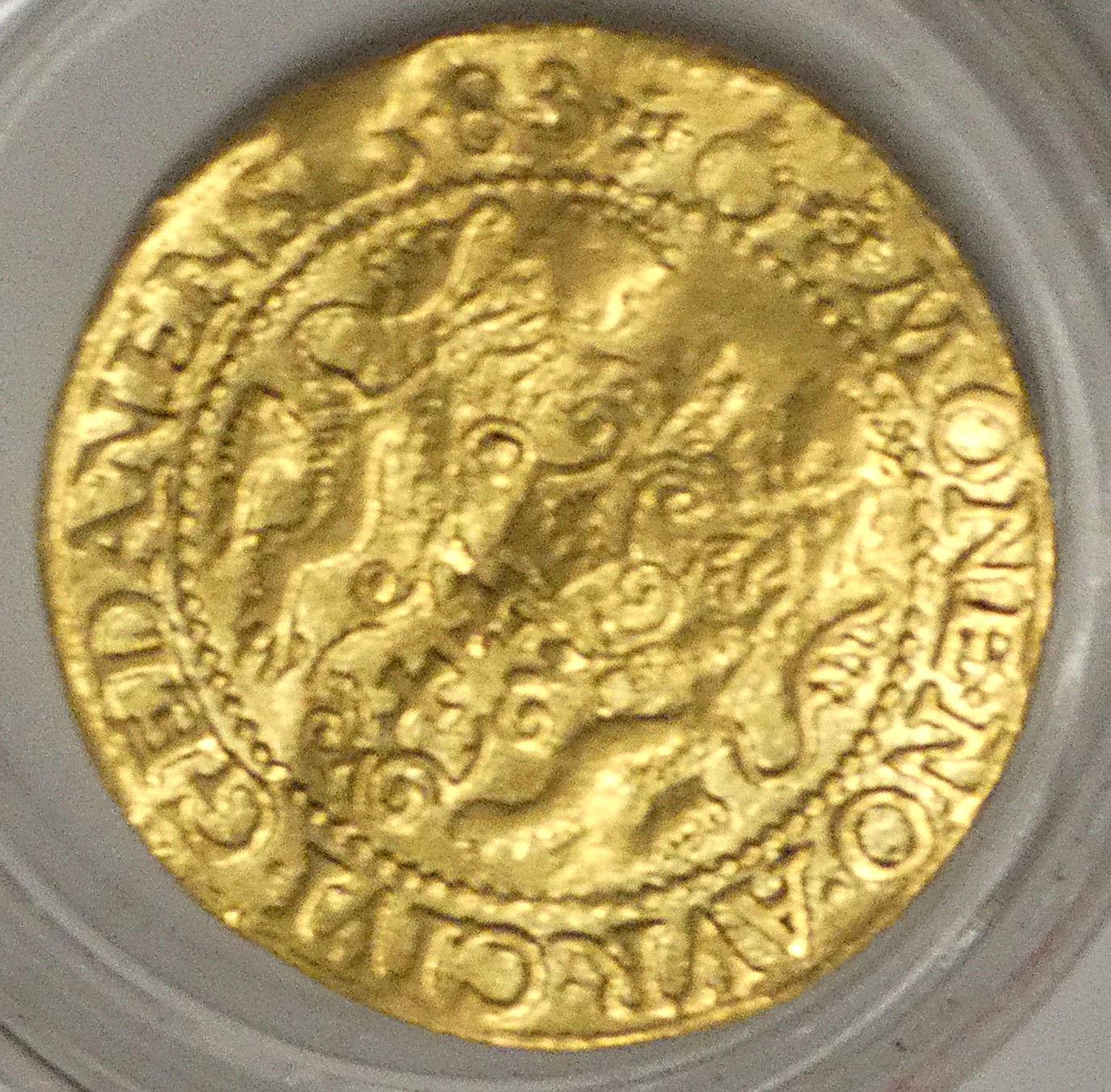
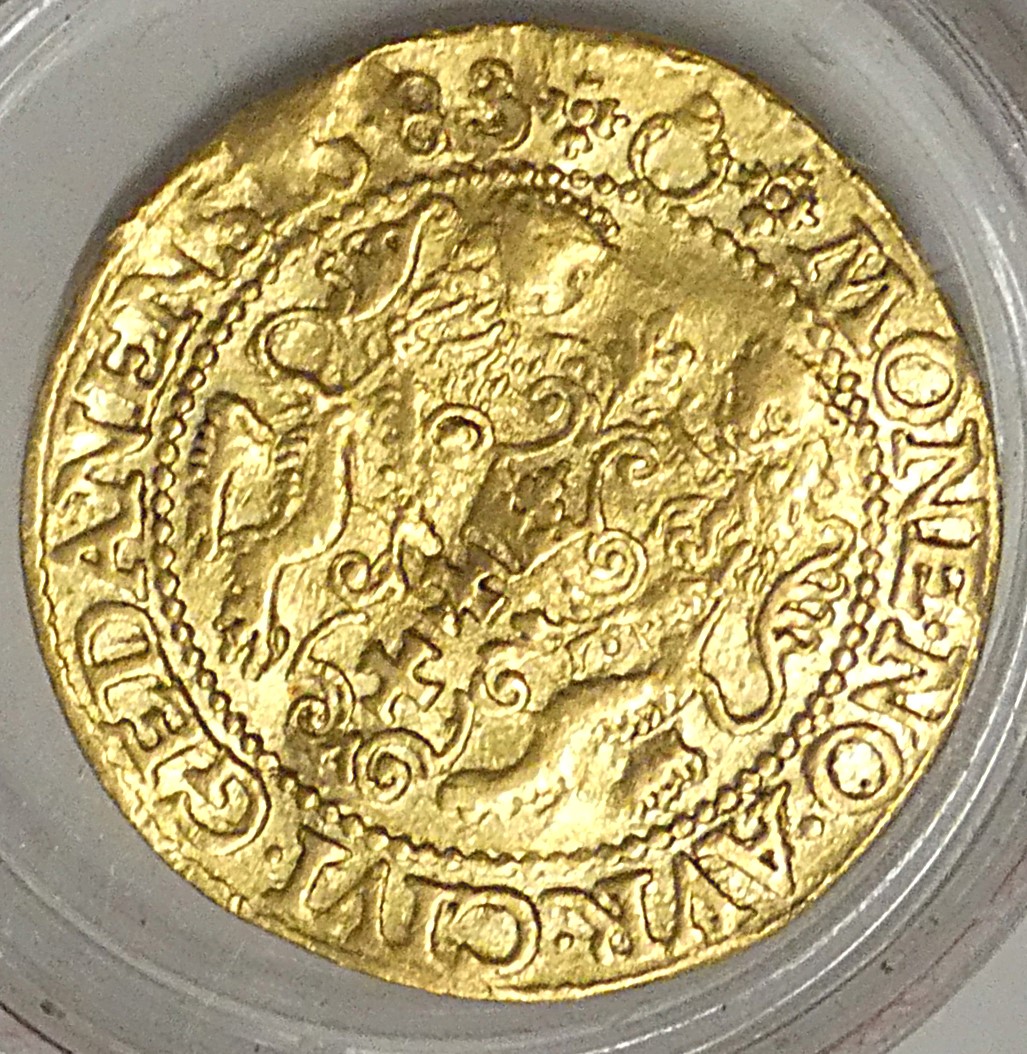
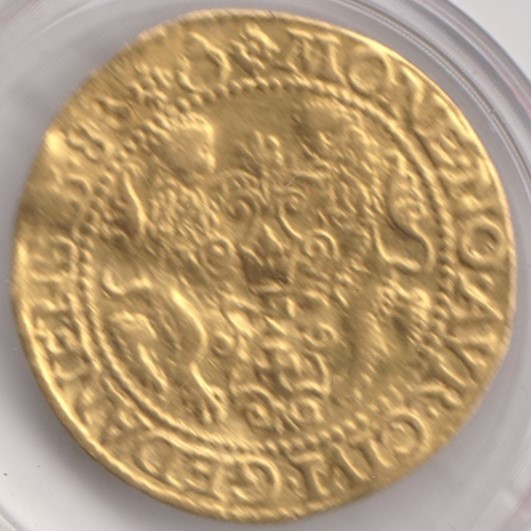
The first five images are of a gold ducat that has been manipulated in some way – the 1583 date, clearly visible, does not match with the style of portrait. These images did their job, and the coin has been sold for a negotiated price not hugely much less than the original sale price.This style of portrait was used only in 1585, 1586 and 1587,, not 1583.This image comes from our upcoming two-day sale on January 13th and 14th. A full catalogue can be viewed on the-saleroom or easyliveauction.A cormorant right at the topmost point of a willow tree. This willow overlooks the Townshend Terrace pond in North Lynn.
An account of todays match in the men’s Big Bash League, a pungent comment re England’s chosen XI for Adelaide tomorrow and a photo gallery.
The Women’s Big Bash League 11th edition finished on Saturday, and the 15th edition of the men’s tournament started yesterday. Today Melbourne Renegades faced Brisbane Heat in a night match in Geelong. This post looks back at that match.
RENEGADES RUNFEST
Things initially did not look overly bright for Renegades, with only Tim Seifert of the early batters looking good. Josh Brown managed 15 (13), which looked positively explosive compared to number three Mohammad Rizwan’s 3 (10). Jake Fraser-McGurk had just started to look like he might provide Seifert some decent support when he suffered a stupid dismissal, walking across his stumps against seamer Jack Wildermuth, missing and being bowled. This attempt to open up the leg side was particularly ill-judged given that Heat had stocked that side with plenty of fielders. Oliver Peake, 19 years old, came in at number five, and batted magnificently. He and Seifert put on 121 together in precisely nine overs (9.3 to 18.3) of the innings, Seifert reaching three figures. Wildermuth got them both in the space of three balls, 203-3 becoming 204-5. Shaheen Shah Afridi had a nightmare with the ball, which ended in bizarre fashion, when he was ordered away from the bowling crease after producing two dangerously high full tosses in a single over, the 18th over of the innings. His figures when his spell was compulsorily halted were 2.4.-0-43-0. Nathan McSweeney completed that 18th over. The 20th over was bowled by Xavier Bartlett, and in the circumstances he did well to only concede a further eight.
THE HEAT RESPONSE
At no stage were Heat close to being up with the rate, and as can happen in such circumstances that required rate climbed alarmingly in the second half of their innings. Only a late flourish between youngster Hugh Weibgen and veteran Jimmy Peirson, which produced 78 runs from 5.5 overs enabled them to keep the margin respectable. There was time in the dying embers of the game for Afridi to add a duck with the bat to his disaster class with the ball. Afridi’s dismissal, clean bowled by Gurinder Singh Sandhu, left Heat needing 17 from one ball, and they managed two off that final ball. Melbourne Renegades had won by 14 runs. Their best bowler on the day was Will Sutherland who took 3-33 from his four overs, while Jason Behrendorff had 2-34 from his four and Sandhu 2-35 from his four.
PHOTOGRAPHS
Tomorrow night UK time the third match of the Ashes series gets underway in Adelaide. England have confirmed their playing XI, with the only change from Brisbane being Tongue coming in for Atkinson. That means that Shoaib Bashir, fast tracked into the England team and kept there in spite of some less than convincing returns at test level with this specific series in mind may end up not participating until it has already been lost. However England’s actual selections work out they have made themselves look fools over Bashir. Now for my usual sign off…
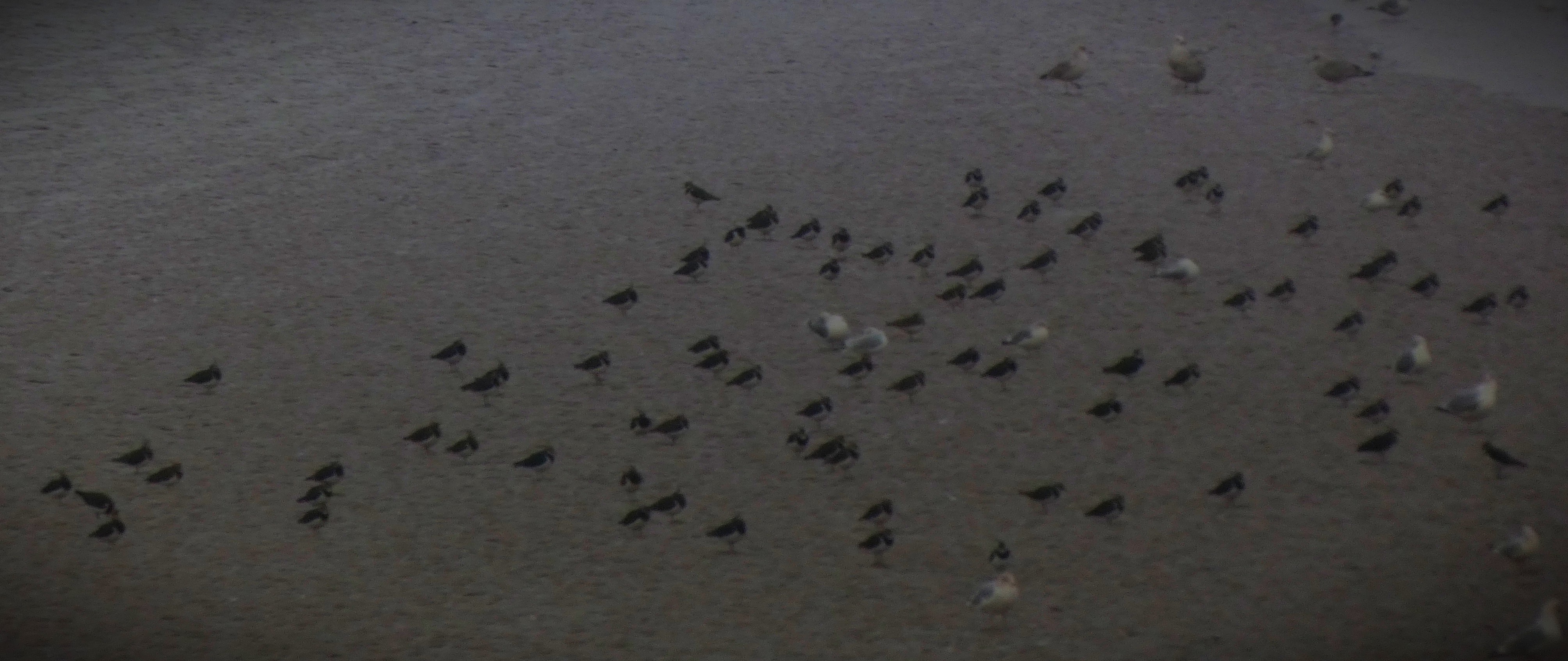
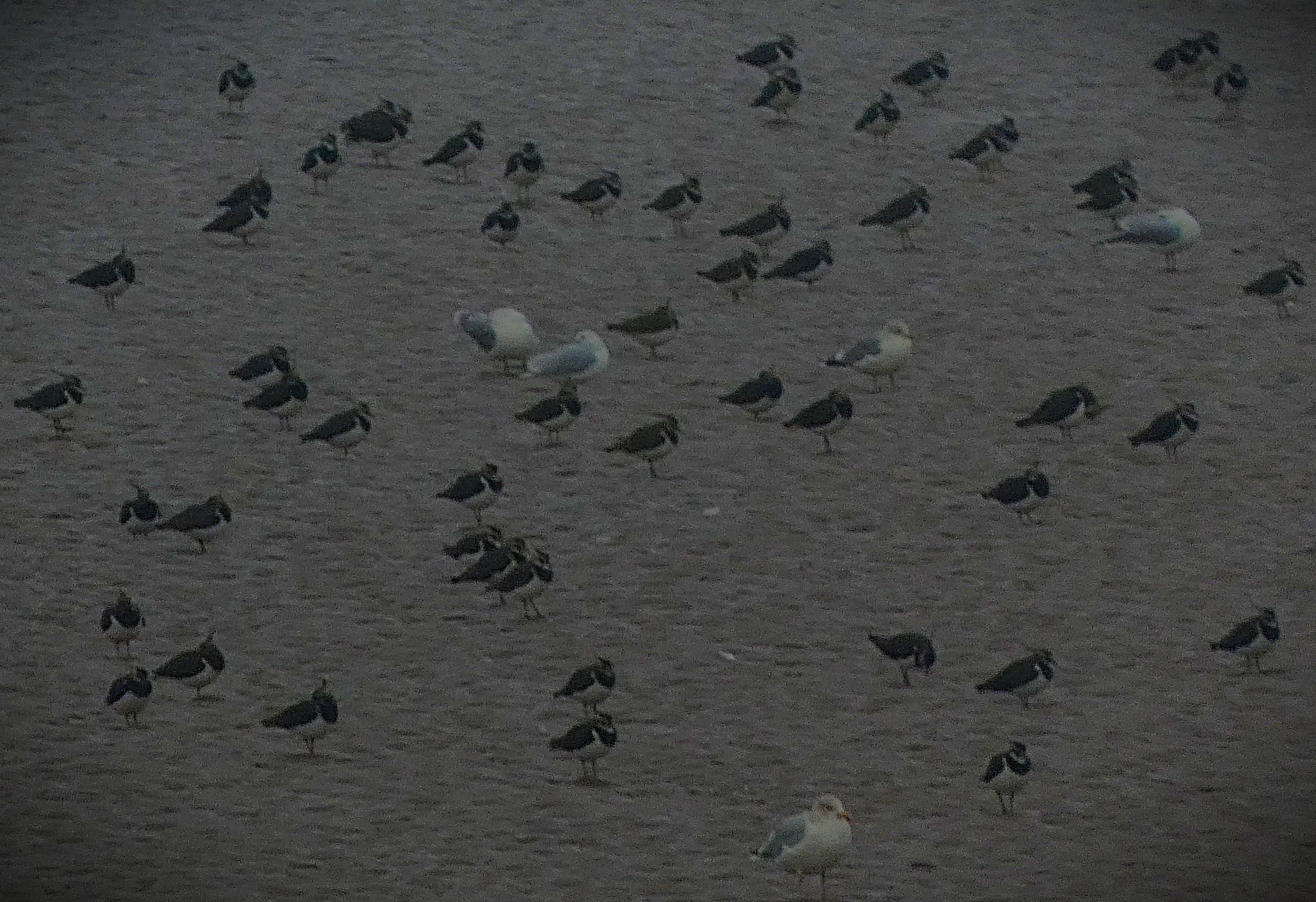
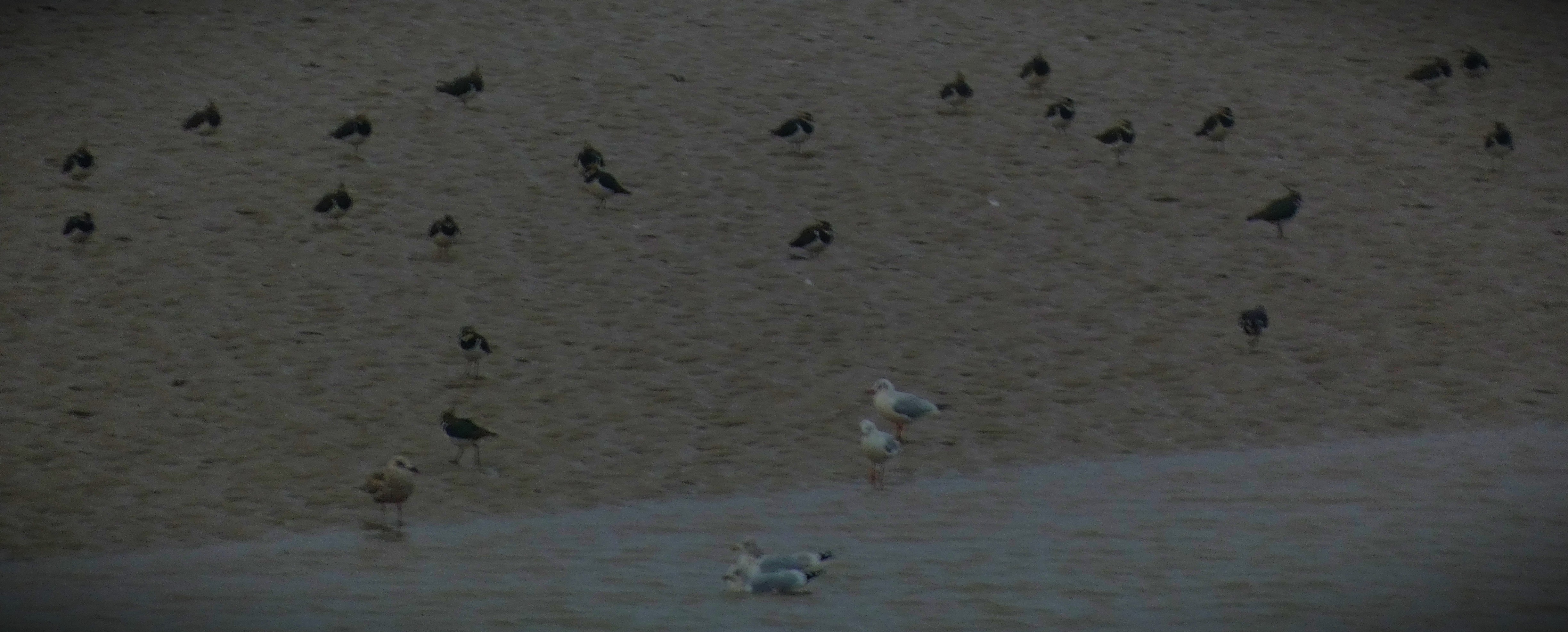
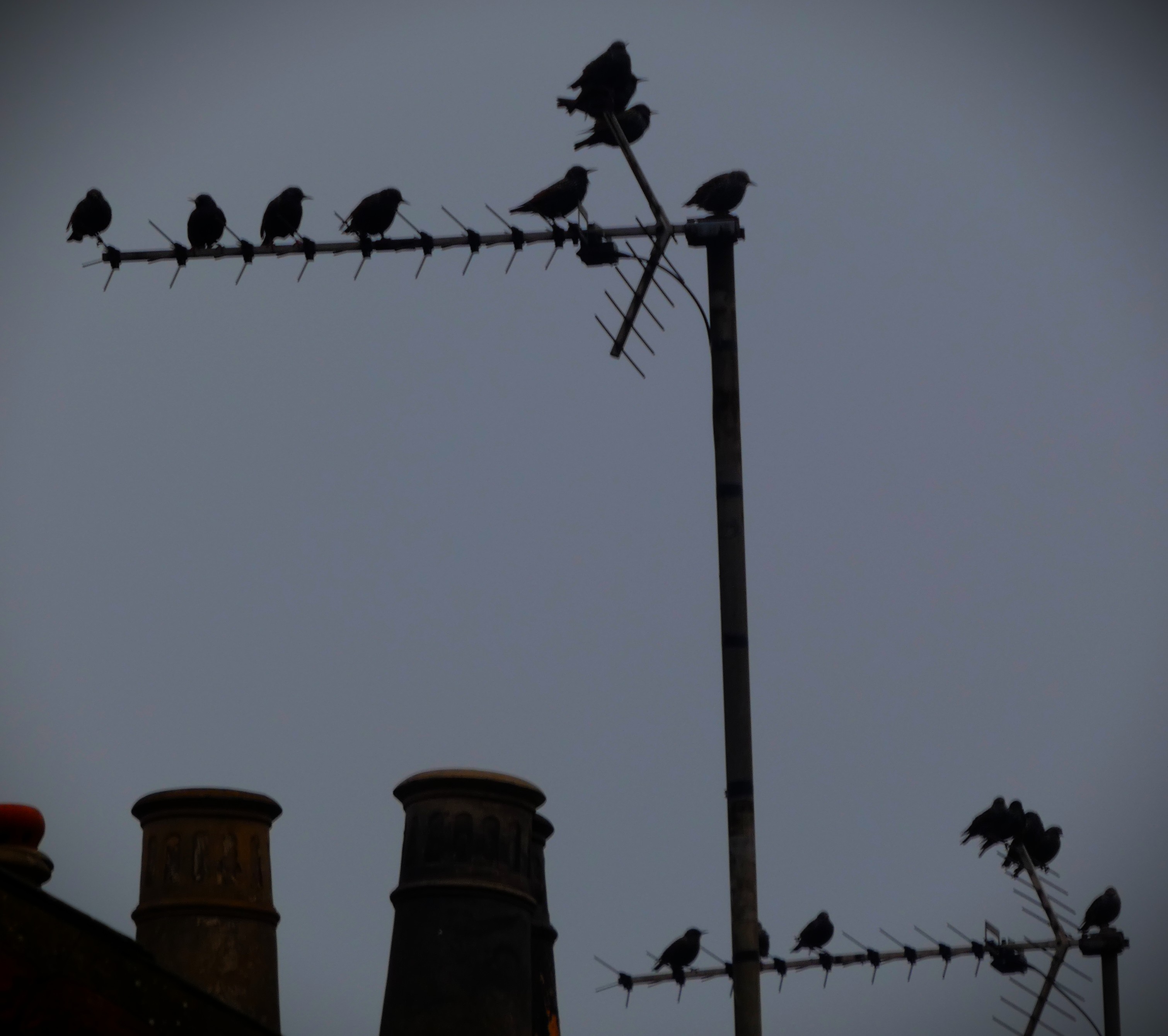
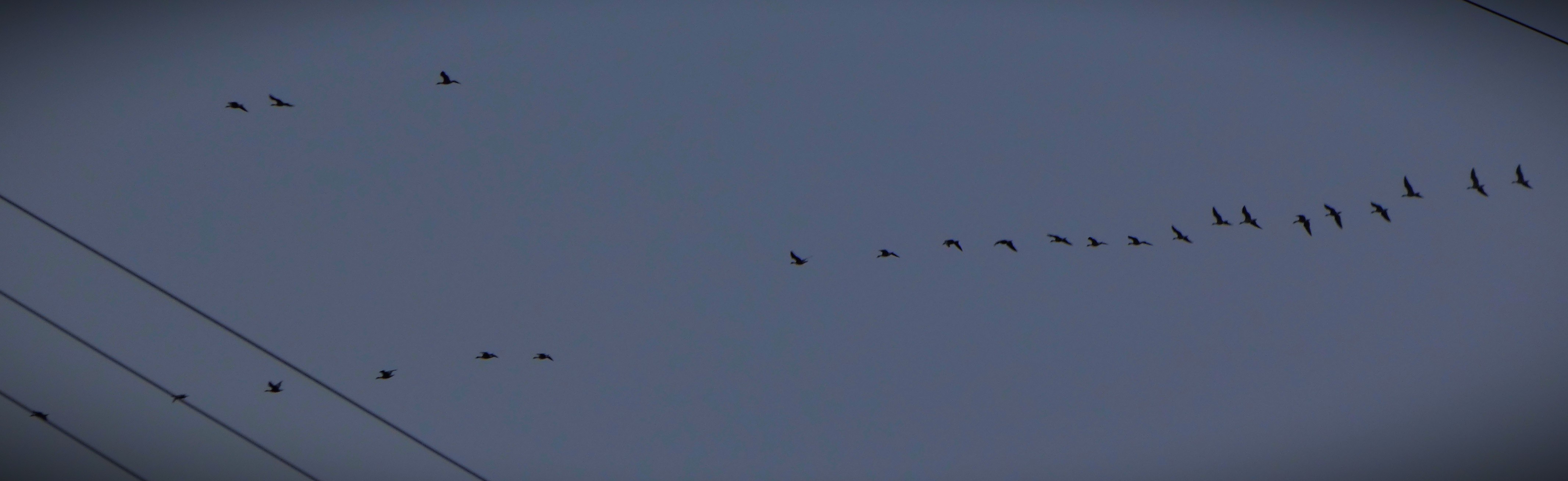
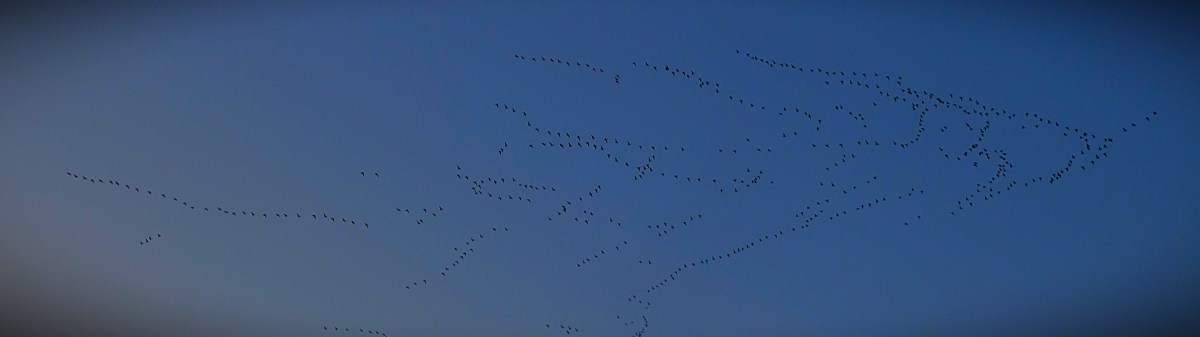
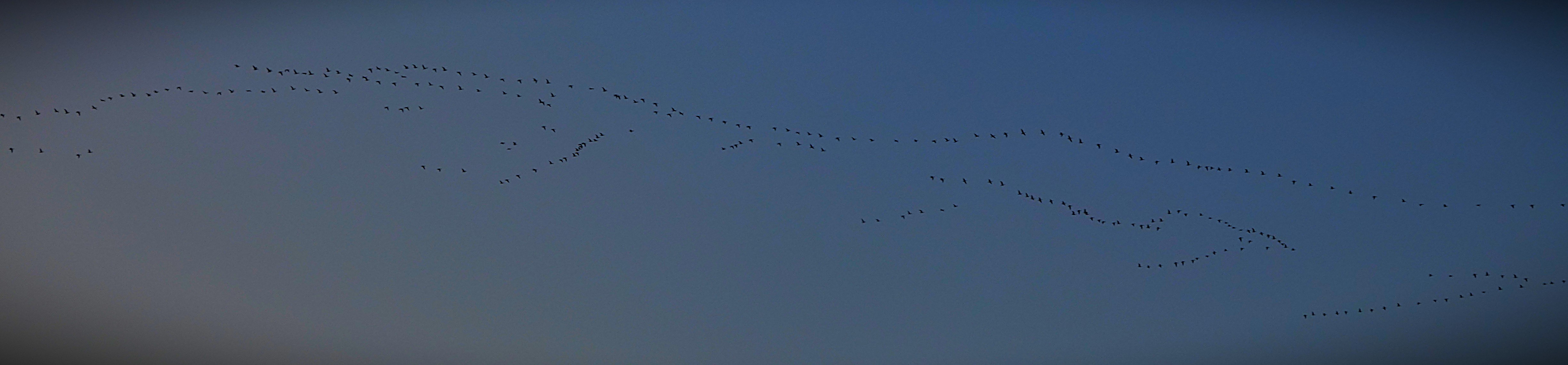
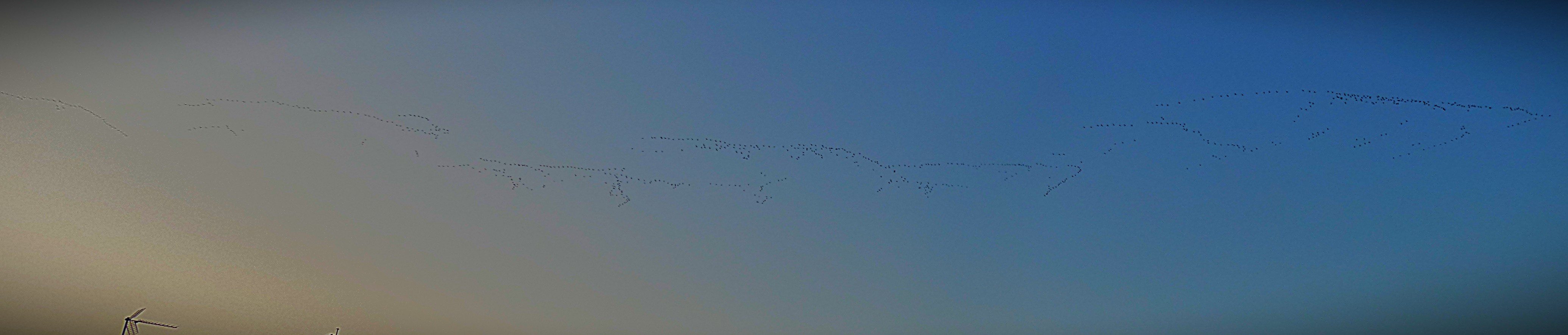
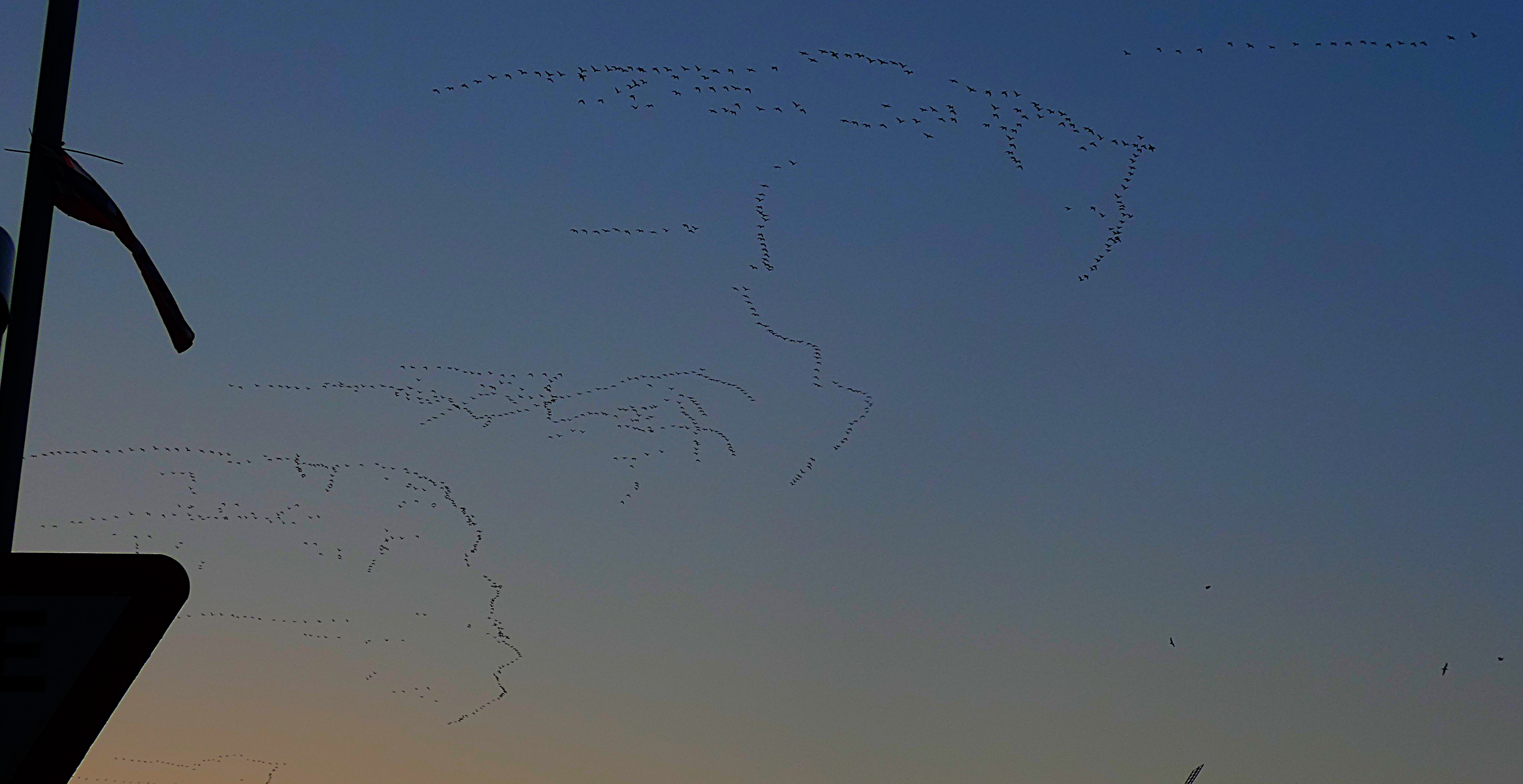
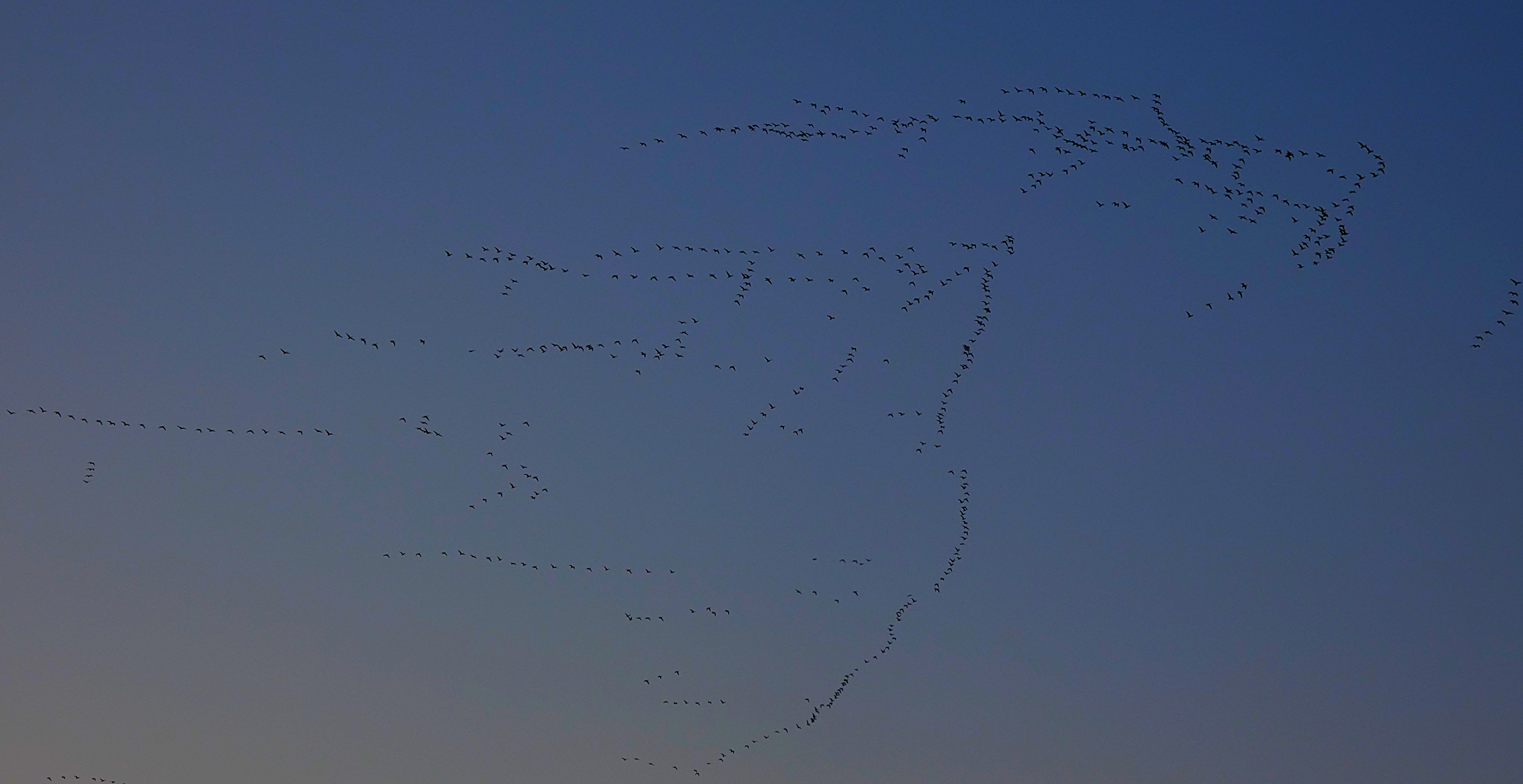
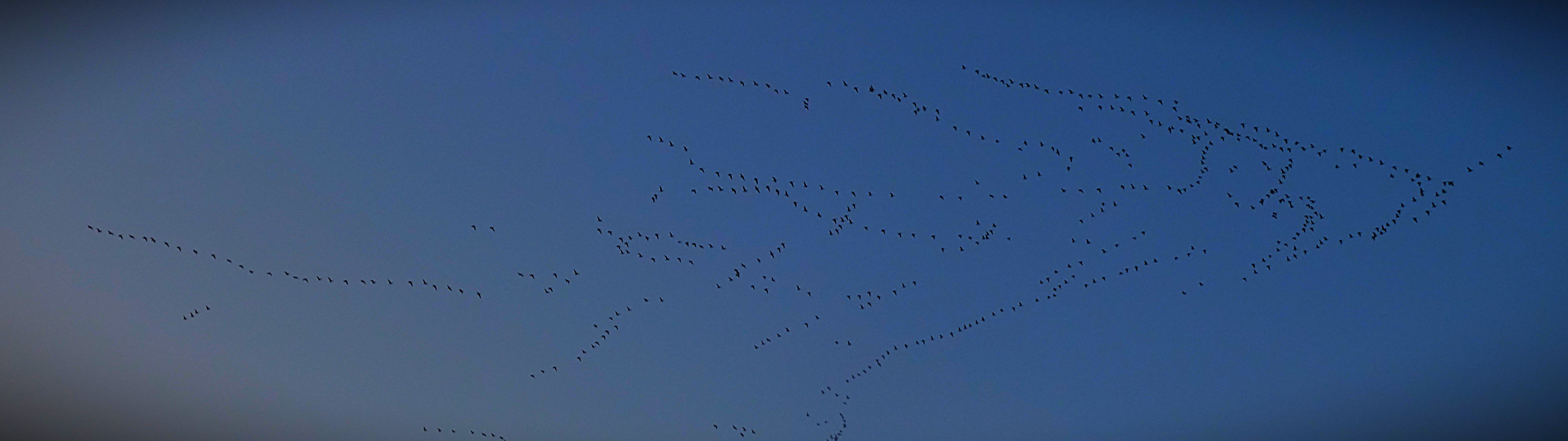
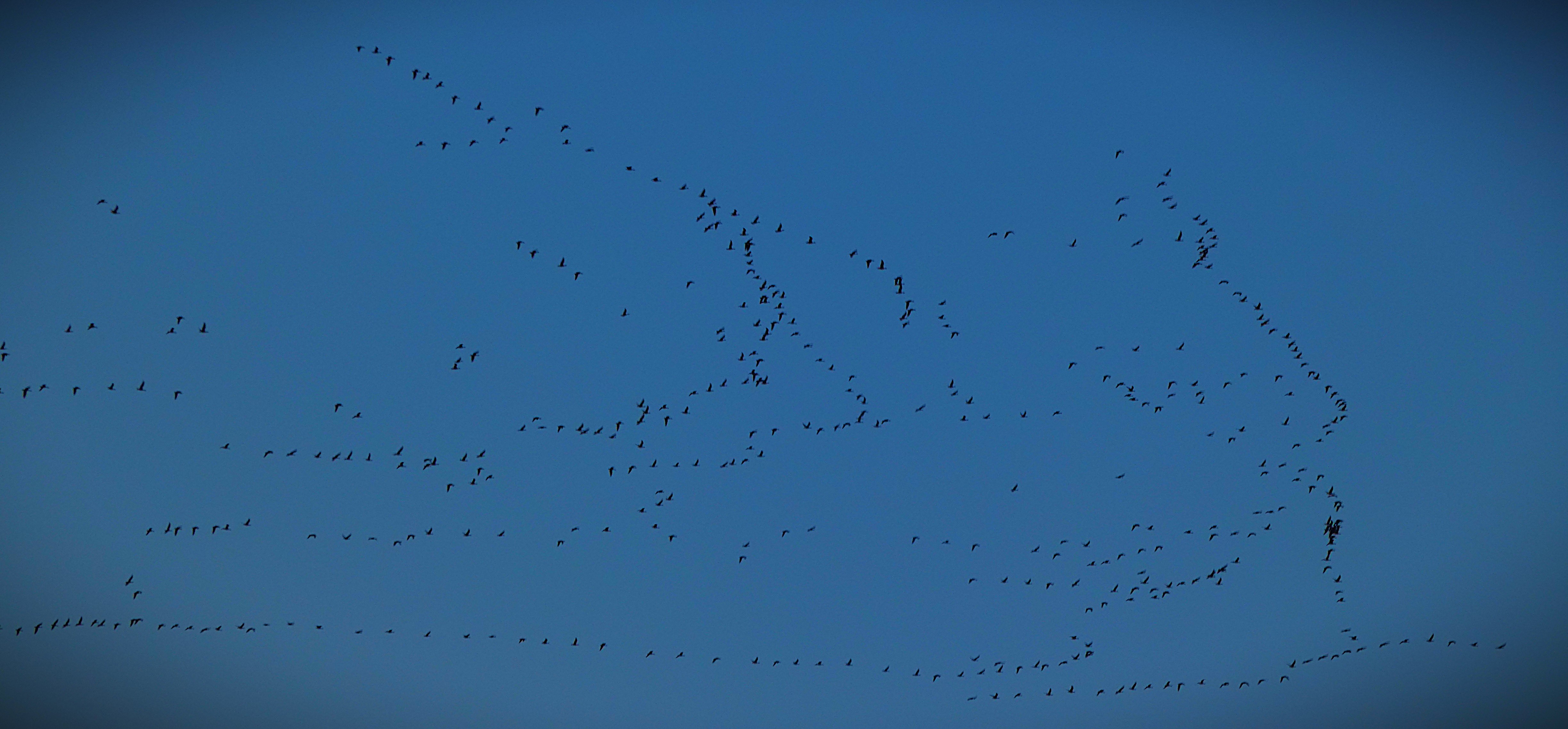
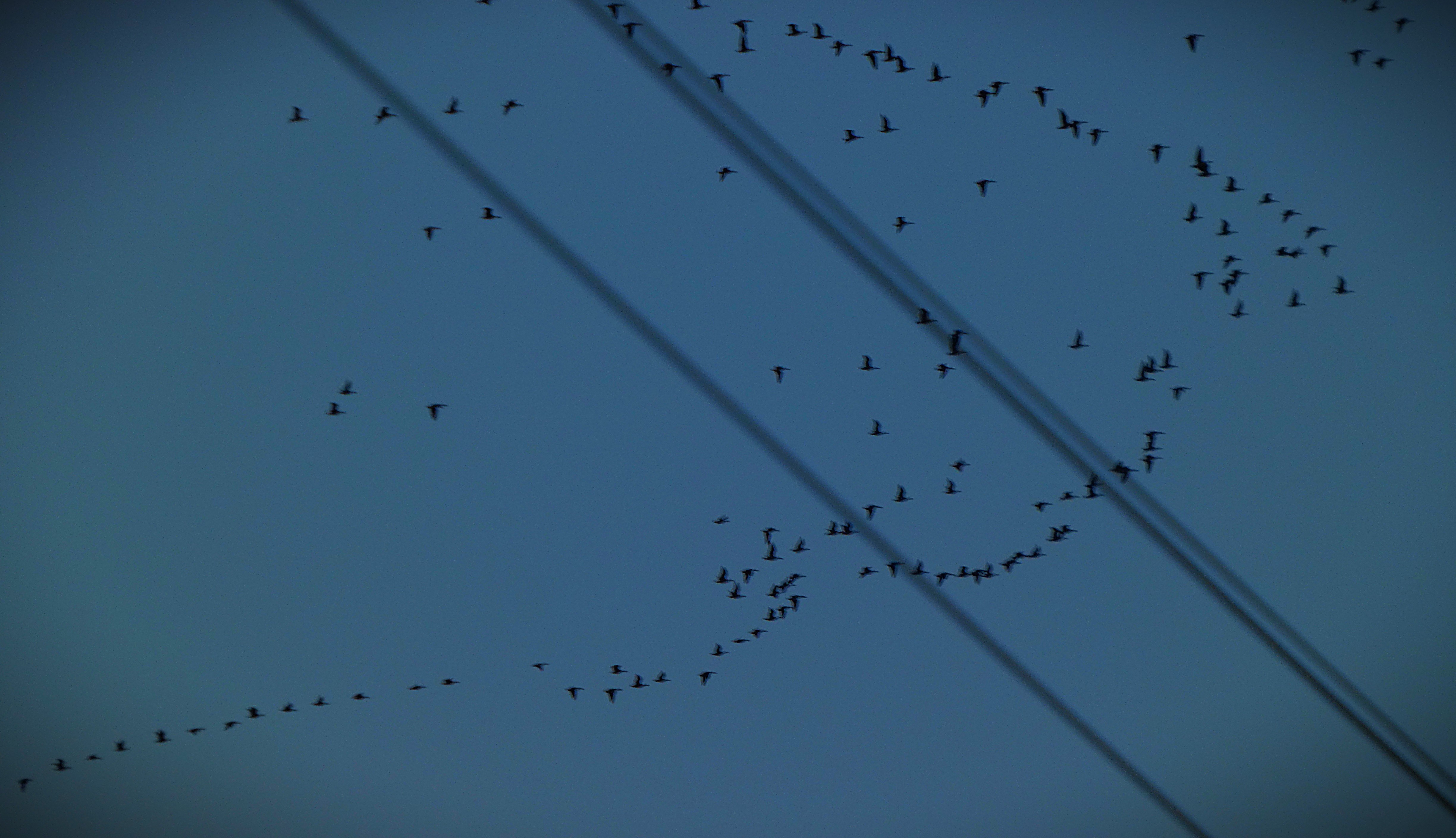
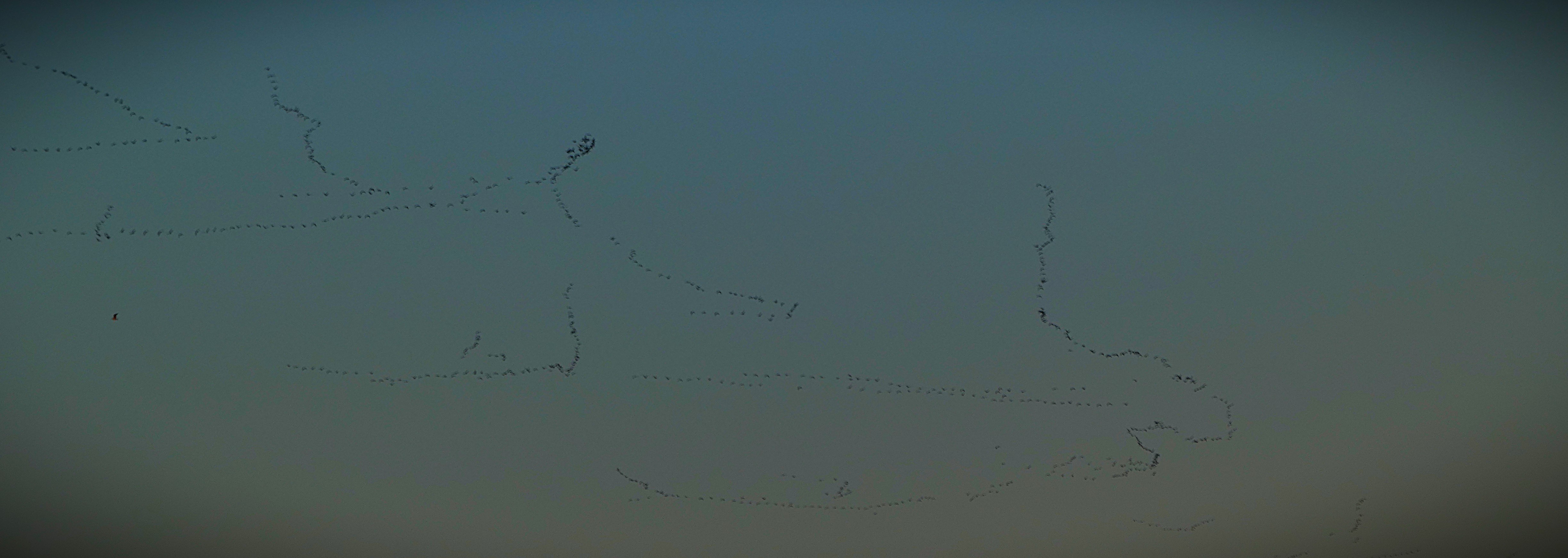
These last few photos are of a massive fly past of migrating birds. There is virtually no overlap between the birds being photographed here. The pictures were taken on Columbia Way at about 3:30PM, as I returned from my post-lunch walk.
A look back at today’s WBBL11 final, between Perth Scorchers and Hobart Hurricanes, and a photo gallery.
This morning (UK time) saw the final of the Women’s Big Bash League 11th edition. The contending sides were Hobart Hurricanes, who had won the league stage and thus gone straight into the final and Perth Scorchers who had had to win two extra matches in order to get there. The other benefit besides going straight through to the final that the Hurricanes got was that the match was played in Hobart.
THE PRELIMINARIES
The bat flip was won by Perth Scorchers. Sophie Devine chose to bat first, believing that runs on the board would give her side the opportunity to impose scoreboard pressure on the opposition. Both sides were unchanged from their previous matches (in Hurricanes’ case quite a while back, and it was one that was only half finished in bizarre circumstances – in the break between innings a ball got rolled into the pitch surface creating a dangerously large hole therein and resulting in an abandonment).
THE SCORCHERS INNINGS
Katie Mack and Beth Mooney have been a formidable opening pair for the Scorchers this season, but neither were at their best today. Mack in particular struggled to get going, and Mooney did so only because she was reprieved multiple times. Finally in the sixth a cover a catch did go to hand, Linsey Smith pouching one off Lauren Smith to send Mack back for 17 and make it 36-1. Maddy Darke, in at number three for the Scorchers never got going at all, and it was Linsey Smith as bowler who got her, with the aid of a catch by Natalie Sciver-Brunt, to make it 48-2 in the eighth over. The innings was just into its second half when Heather Graham rattled Mooney’s stumps, getting the left hander for 33 and making it 64-3. Freya Kemp hit a six, but then gave Sciver-Brunt a catch off Linsey Smith to go for 10 and make it 79-4 in the 13th over. Paige Scholfield batted well, but the last serious hope of a big Scorchers total disappeared when Lizelle Lee stumped Devine off Graham to make it 112-5 in the 17th over. Scholfield and Alana King stayed together for the rest of the innings. The most remarkable happening was Nicola Carey contriving to concede just three runs in the final over of the innings, two of them off the final ball. Carey had figures overall of 4-0-23-0, and two of those overs were in the opening Power Play, and another was that 20th over. The final score was 137-5, which did not look like enough, although if Hurricanes had taken all the chances they were offered Scorchers would probably have been all out for about 90.
THE HURRICANES CHASE
Lizelle Lee struck form from the outset. The four over opening Power Play yielded 39-0. In the sixth over Amy Edgar clean bowled Danni Wyatt-Hodge for 16 to make it 49-1. That brought Sciver-Brunt in to join Lee, and the pair made hay. At the halfway stage the score was 81-1. Hurricanes activated the Power Surge at the first permitted opportunity, namely for overs 11 and 12, quite rightly going for the quick kill (and even without that motivation, would they ever have a better time to take it than with Lizelle Lee and Natalie Sciver-Brunt both well set?) rather than waiting on further developments. Lee hit the fourth ball of the 11th over for a six, the third such blow of her innings, to pass 50 off 32 balls, and followed up by hitting four more off the fifth and another half dozen off the sixth. Sciver-Brunt joined the party by putting the first ball of the 12th over into the stands. In total the two overs of Power Surge produced 31-0, , and Hurricanes were 112-1 after 12 overs, needing a mere 26 off the last eight. Sciver-Brunt fell with victory in sight, but Lee went to a new record score for a WBBL final of 77 not out (44 balls, 10 fours, four sixes), while Nicola Carey made the winning hit, a four off the final ball of the 15th over. The margin was eight wickets, with five overs to spare. Lizelle Lee after that stunning blitz with the bat was named Player of the Match. This means that the Hurricanes currently hold both the men’s and women’s BBL titles, and that the only franchise never to have won a WBBL title is now the Melbourne Stars.
ON POWER SURGES
The Power Surge can be activated at any stage in the last ten overs of an innings. In this match it was one of many areas in which Hurricanes were superb. Scorchers by contrast took their surge for overs 15 and 16, and amassed 15-0 from those two overs, little if any better than they would have done in regular play. It is that last point, that the key is not just how many runs those overs yield, but how many more they yield than would have been scored anyway that informs my thinking on this subject. Taking it for overs 15 and 16 as Scorchers did today makes some sort of sense, effectively extending ‘the death’ from four overs to six. Leaving it any later would to me rank as folly. The Hurricanes had an easy choice today, as they had two well set batters both ideally suited to making use of a Power Surge when they took it. In general I think sides, influenced by the worry that taking it can lead to the loss of wickets are overcautious about doing so and tend it leave it later than they should.
PHOTOGRAPHS
My usual sign off…
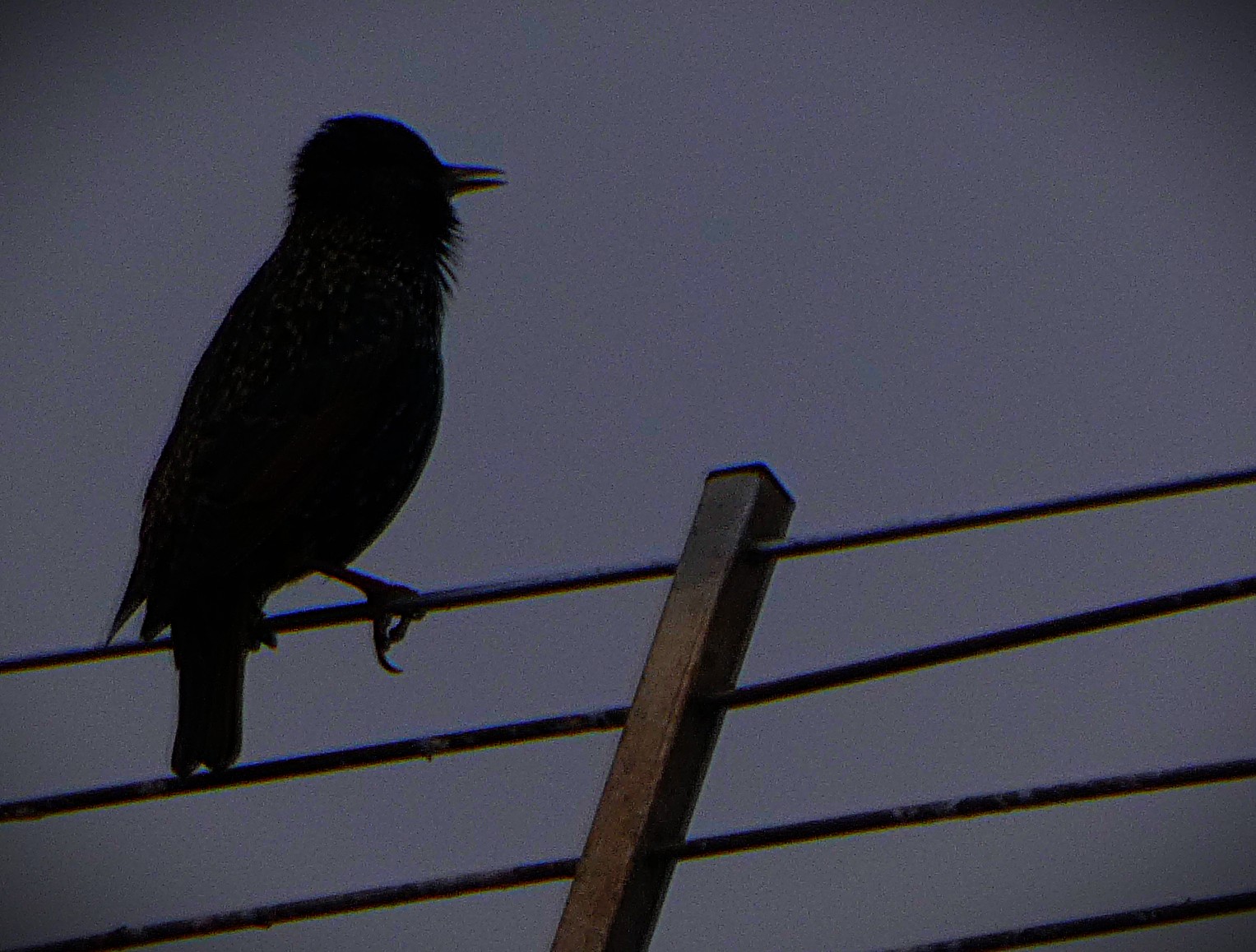
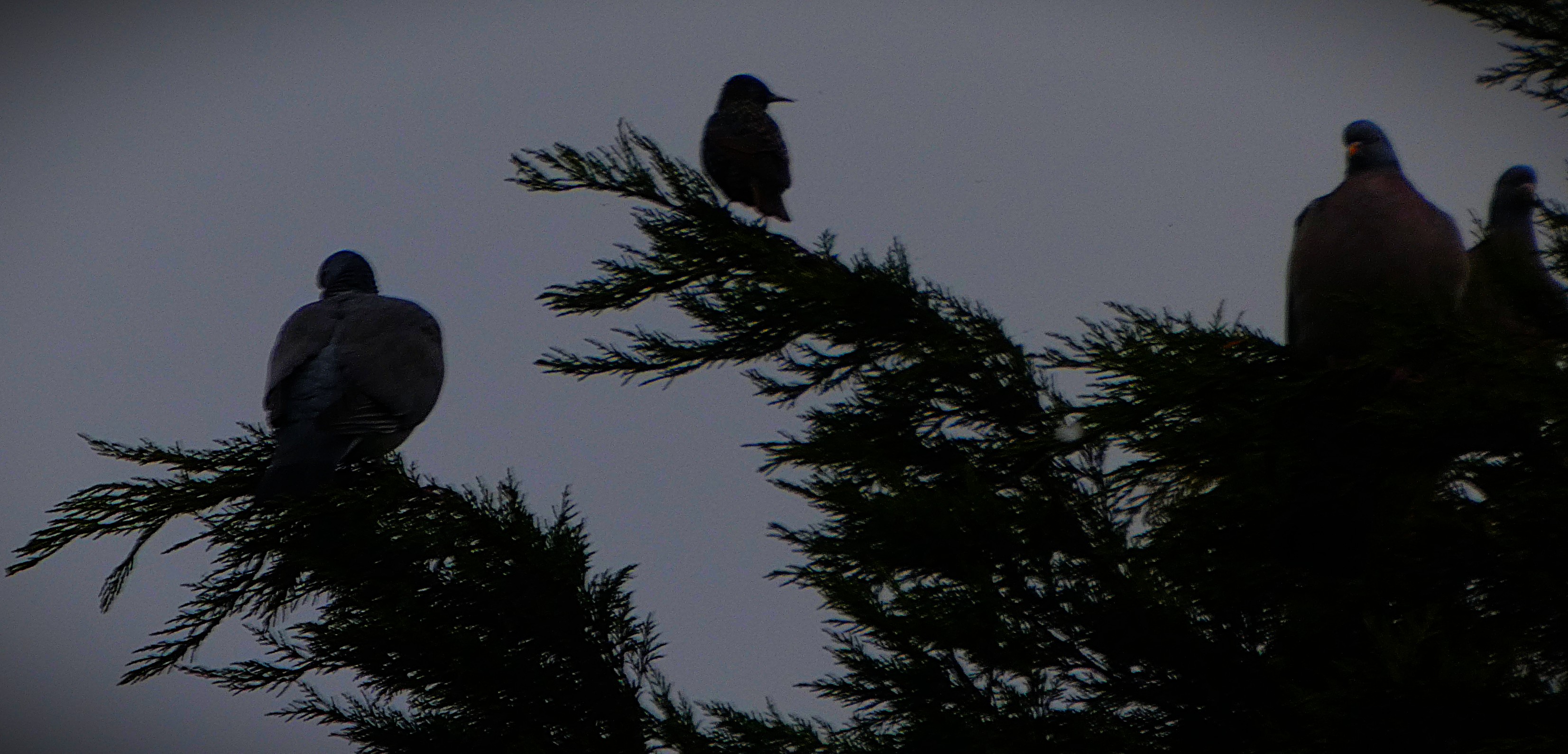
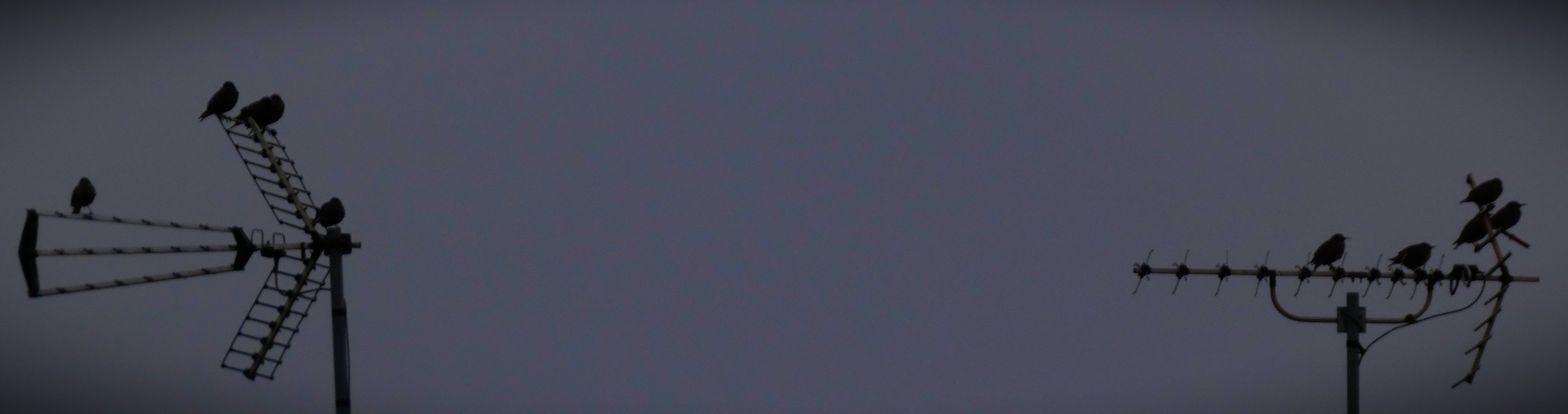
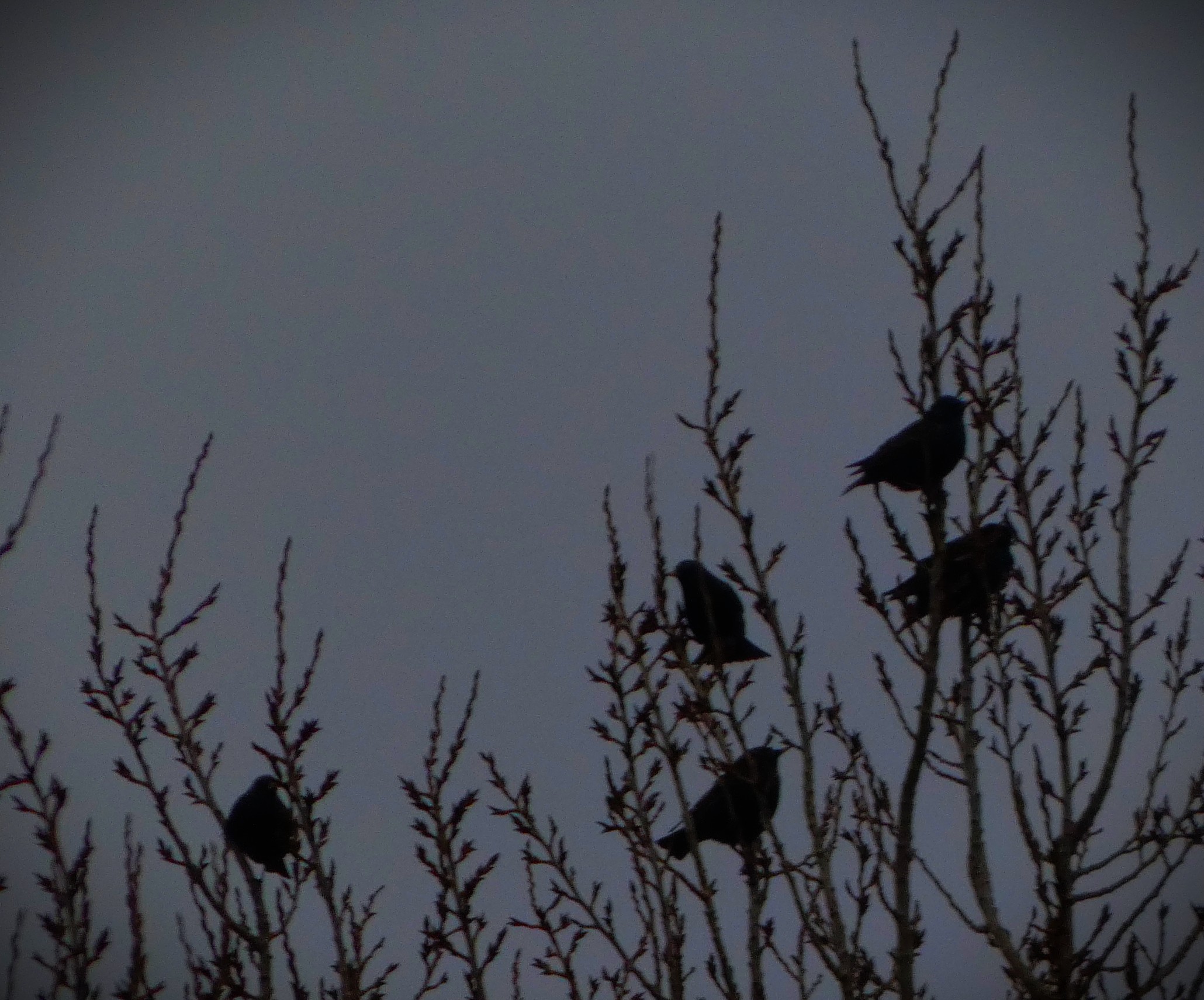
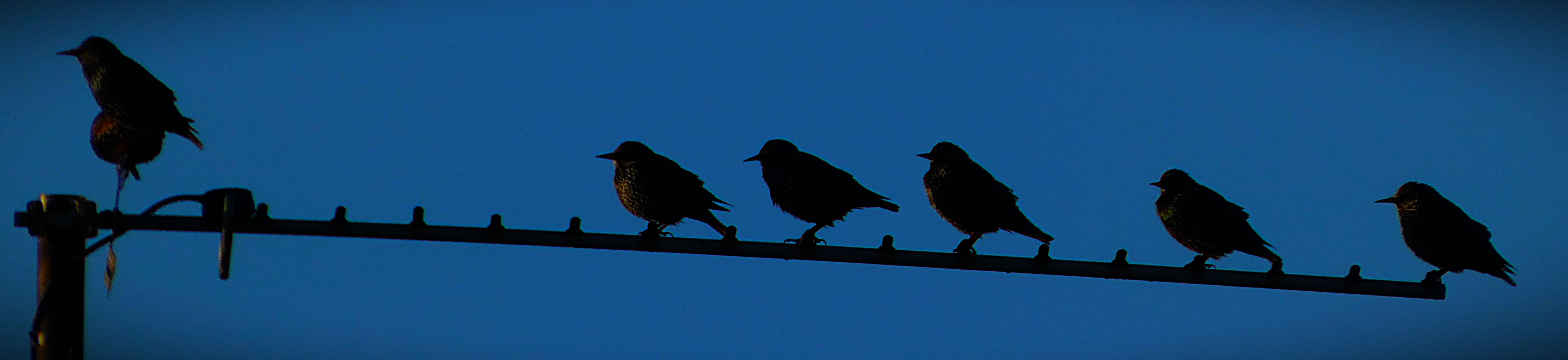
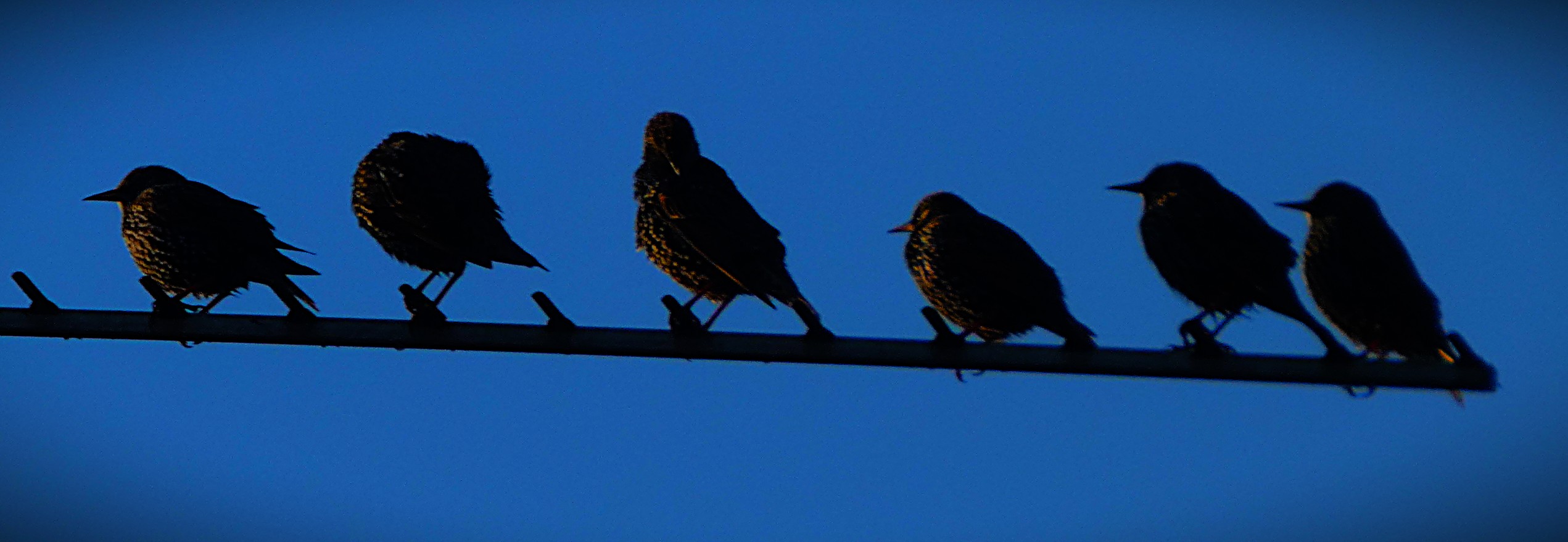
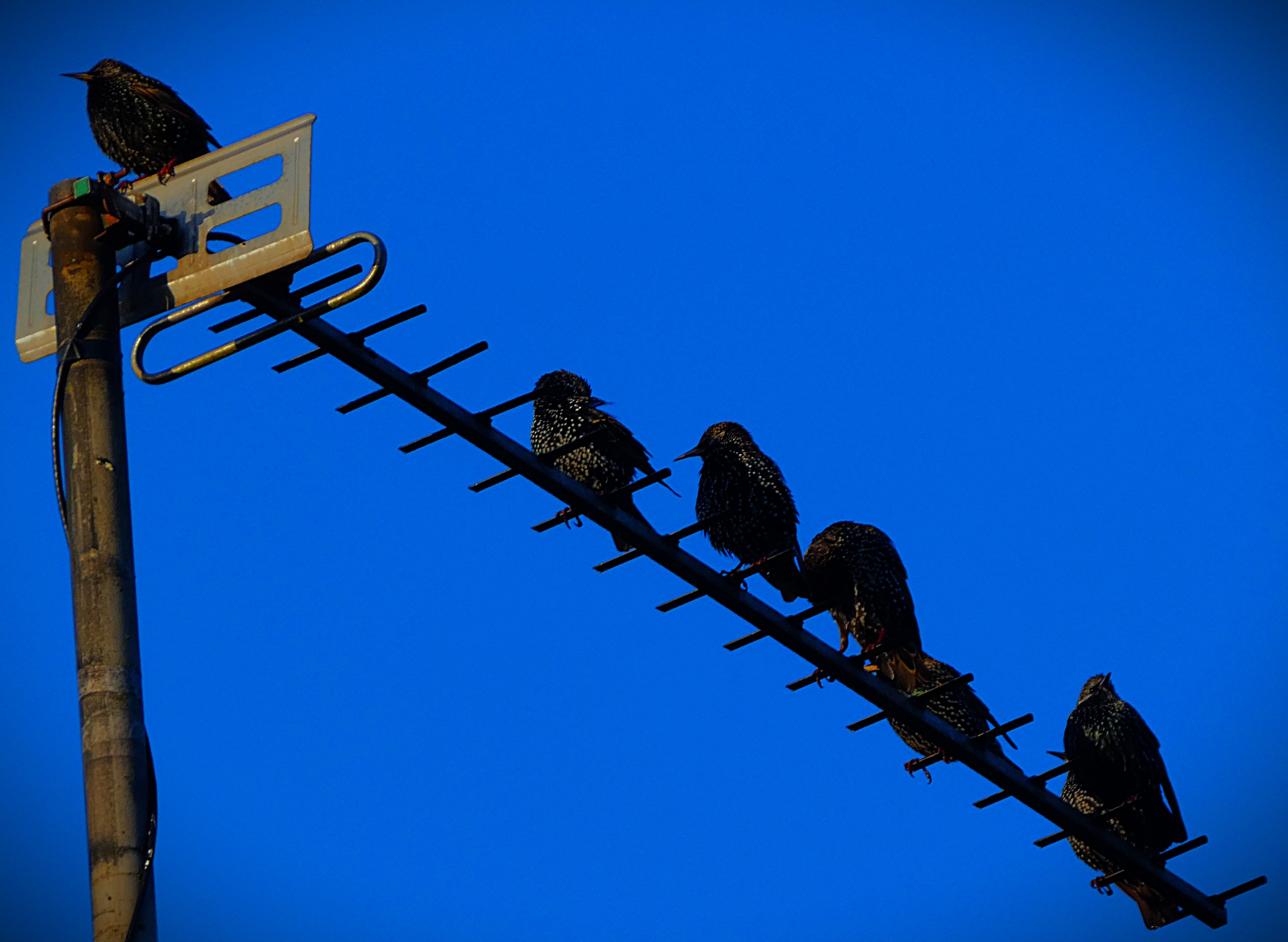
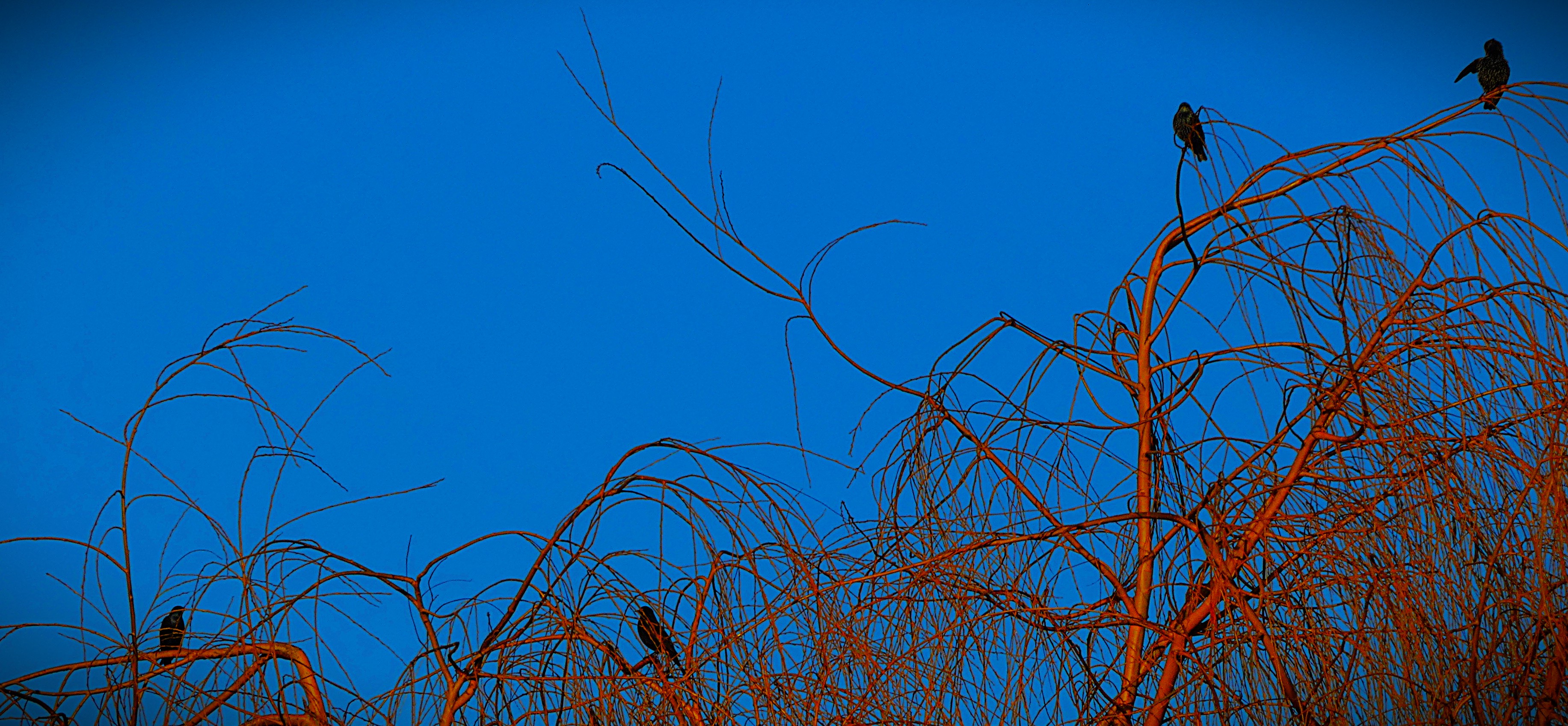
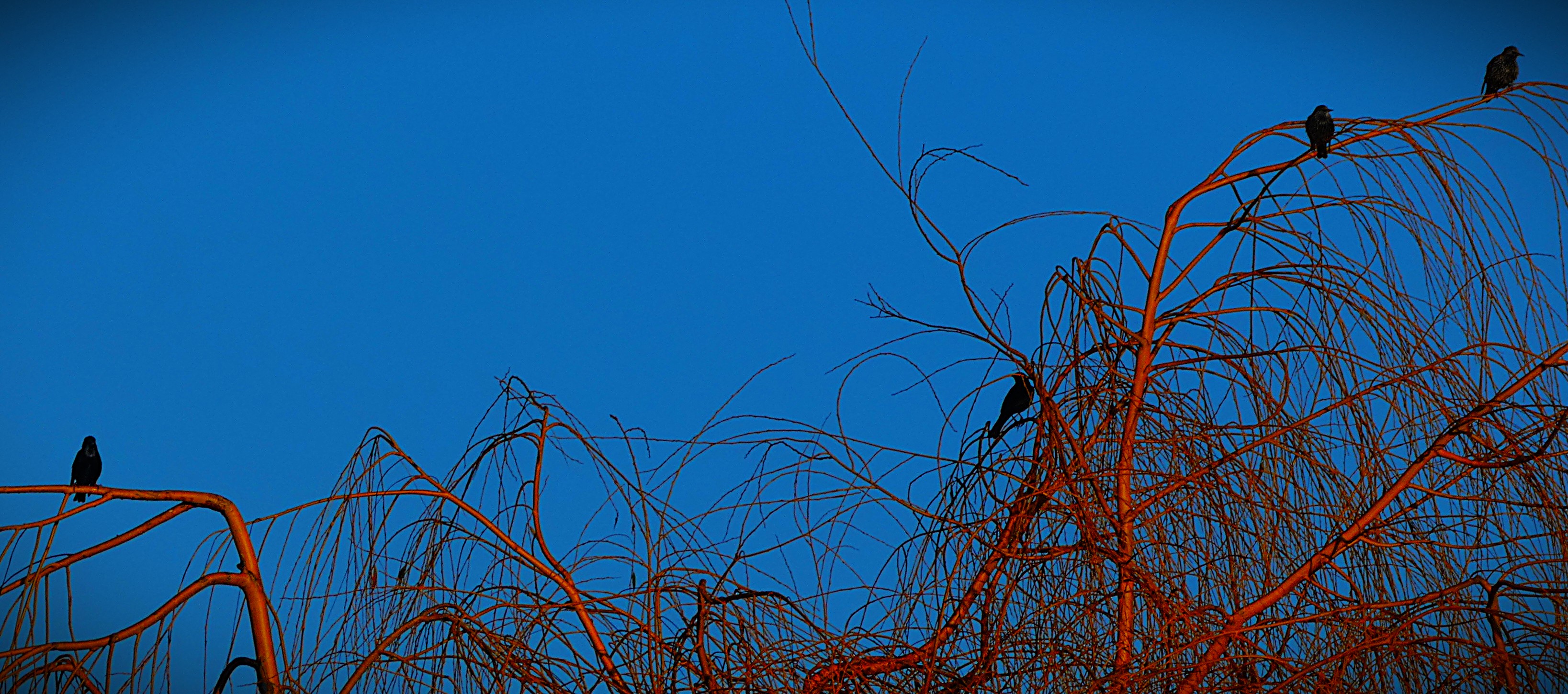
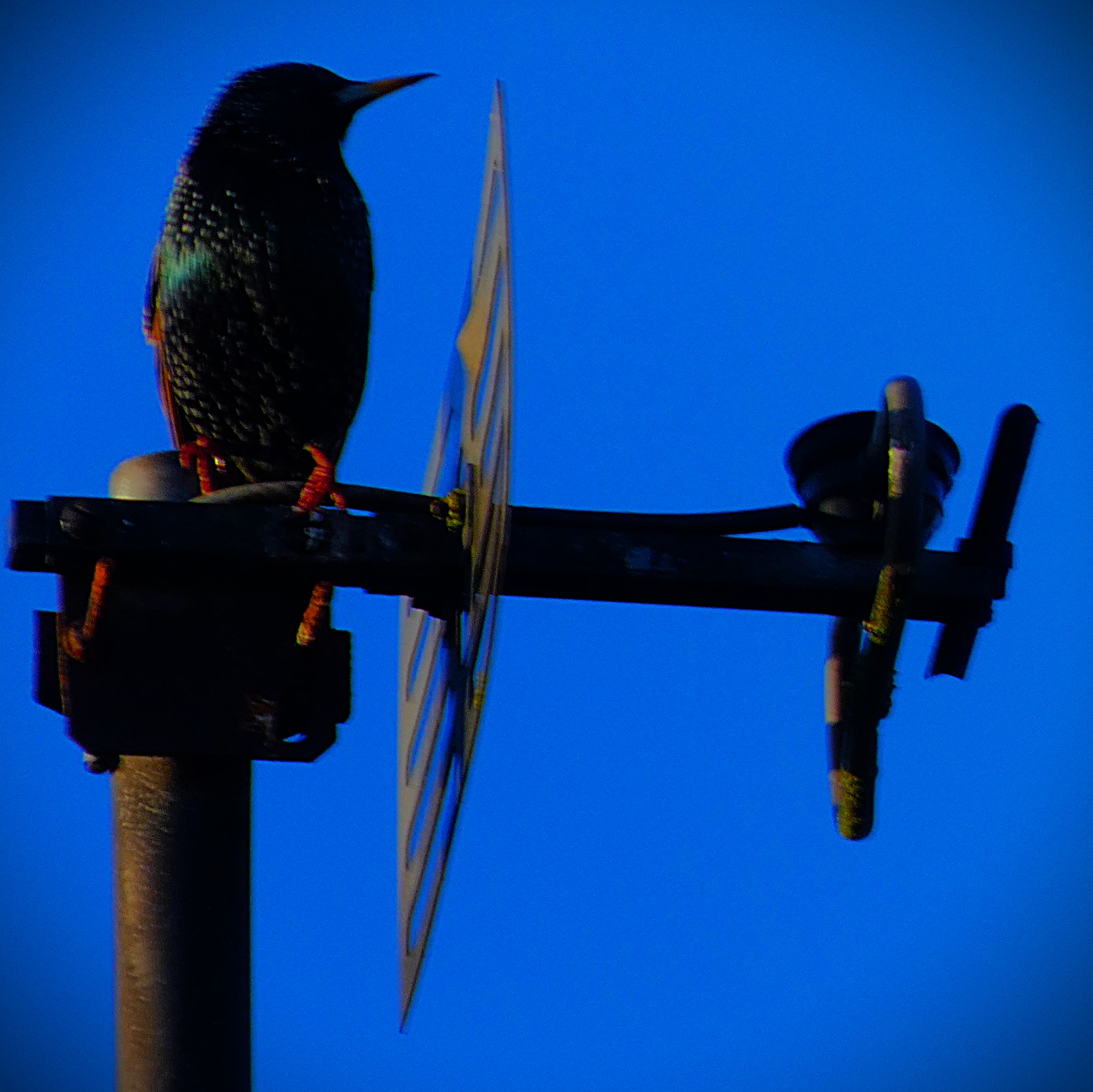
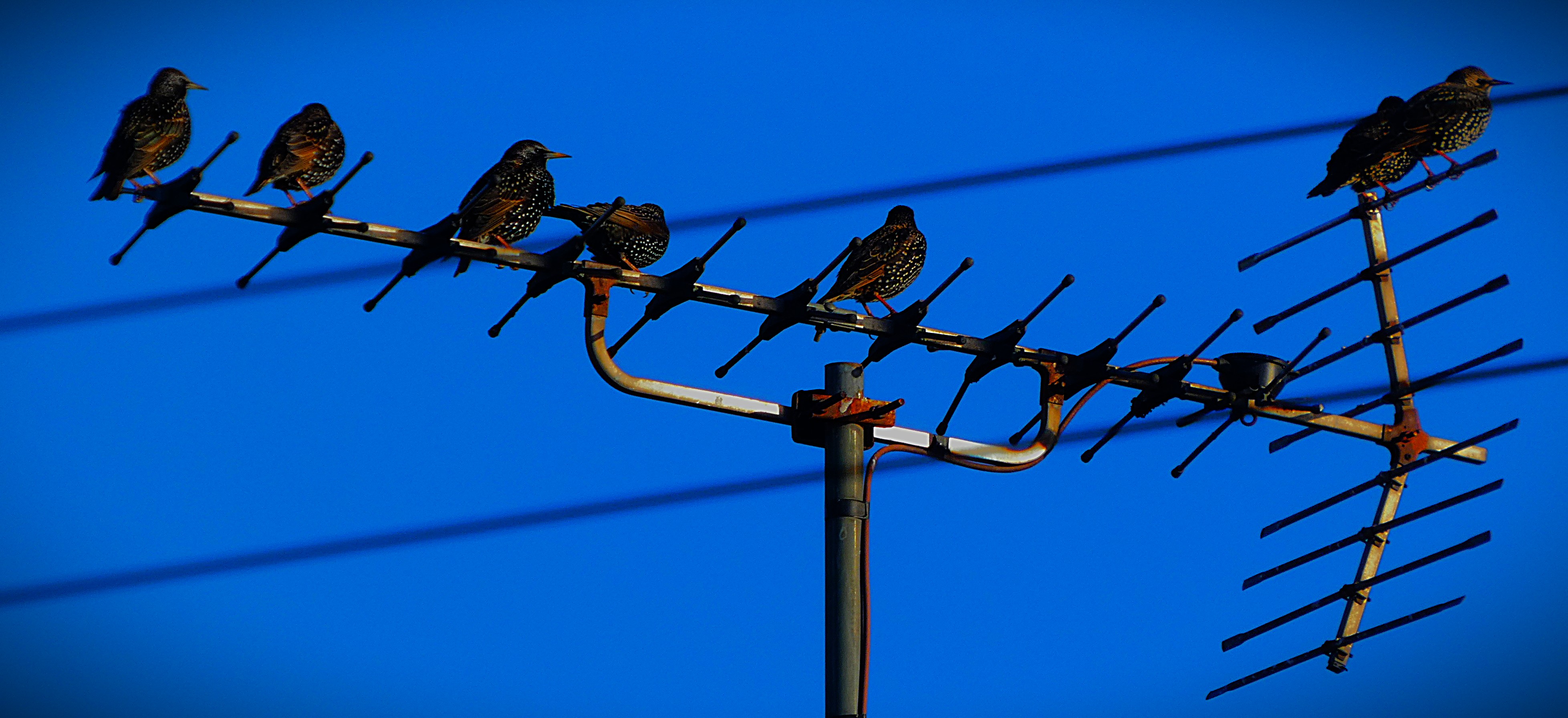
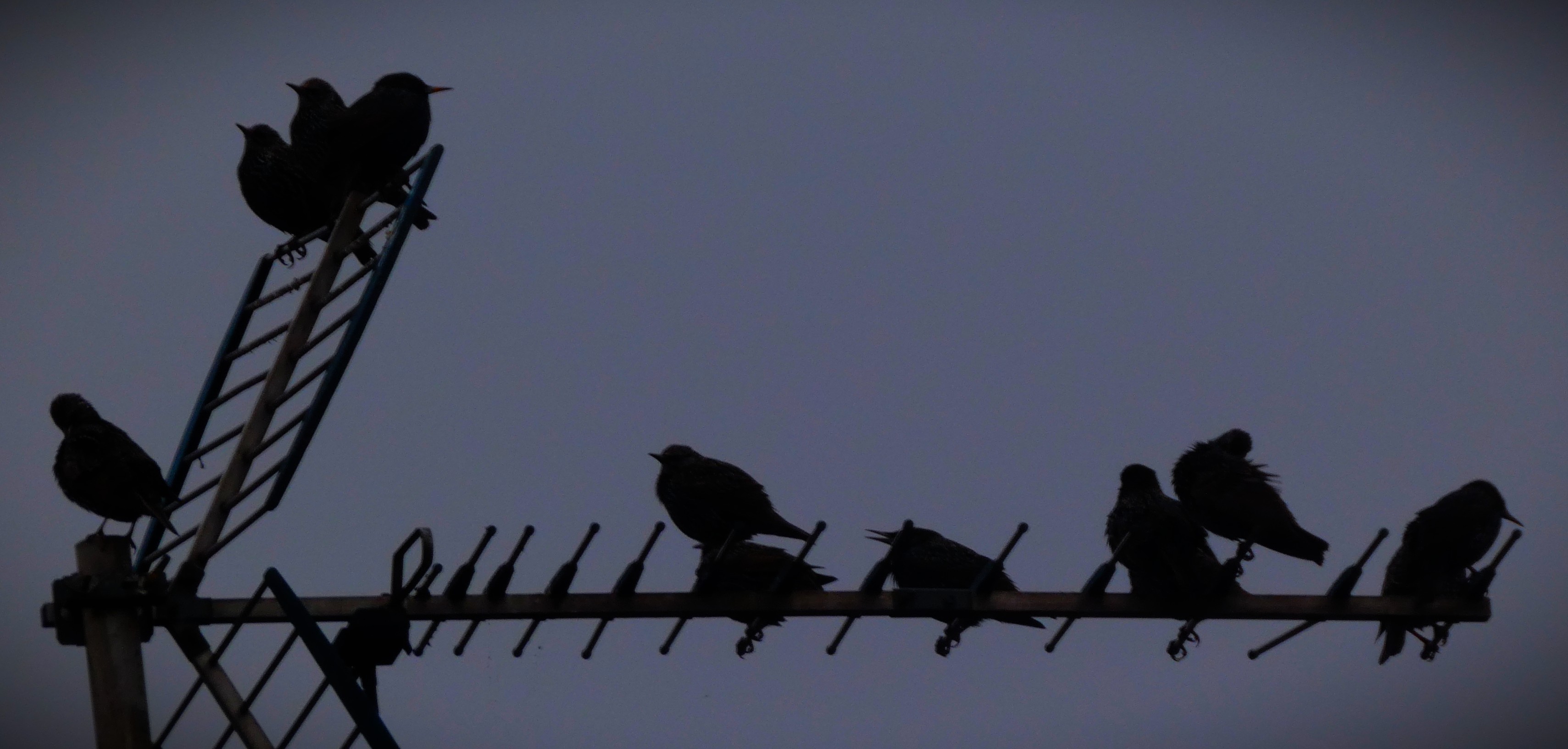
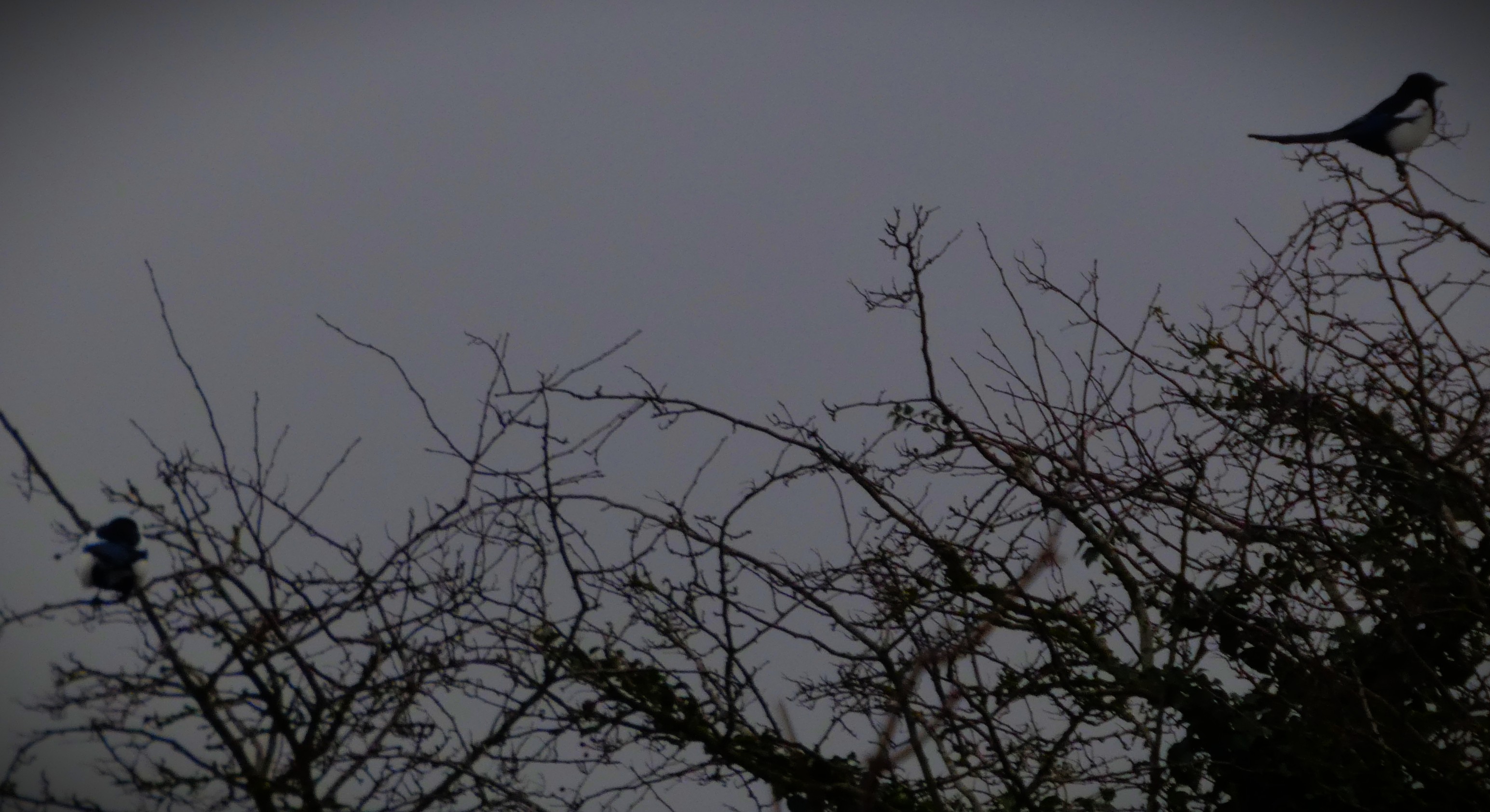
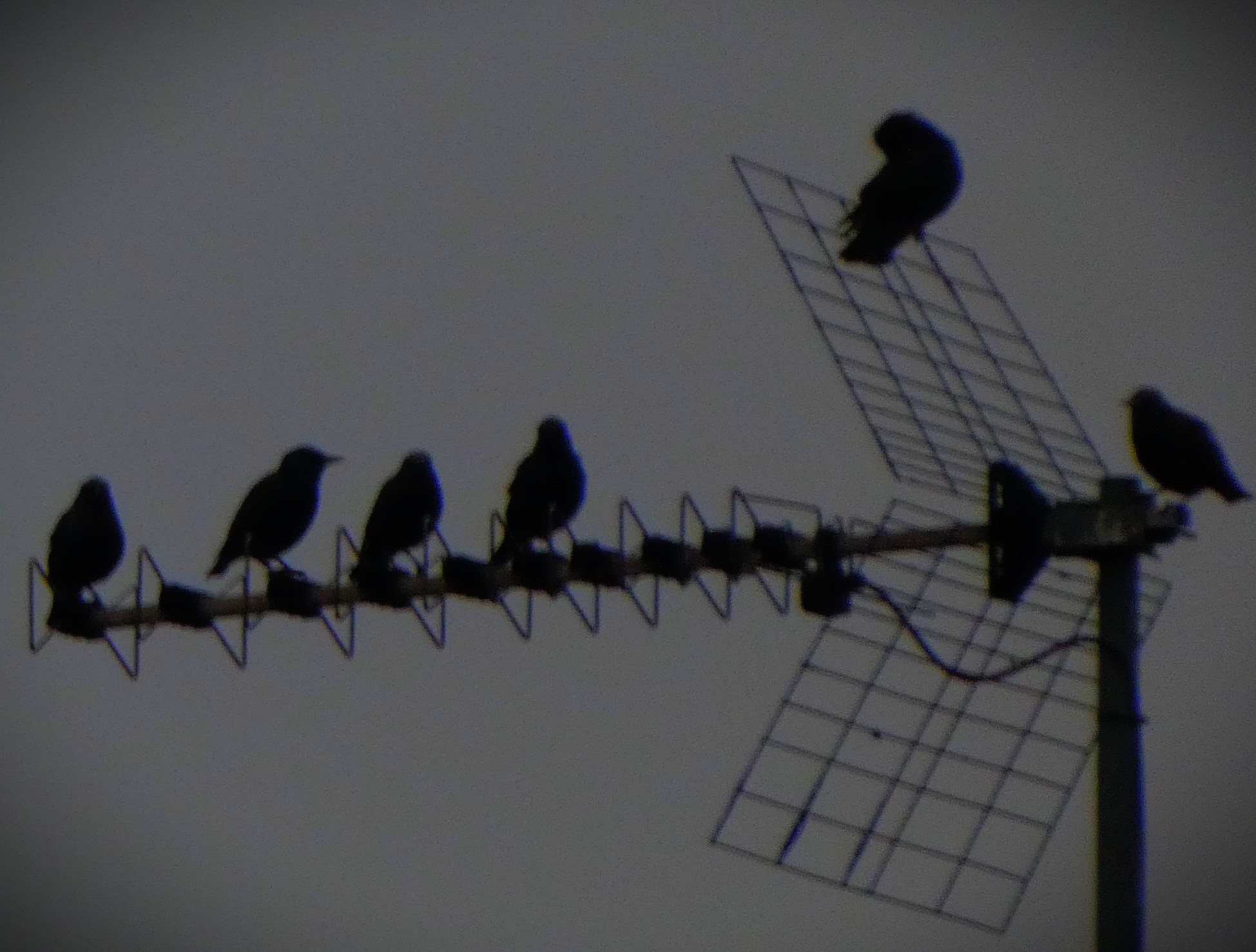
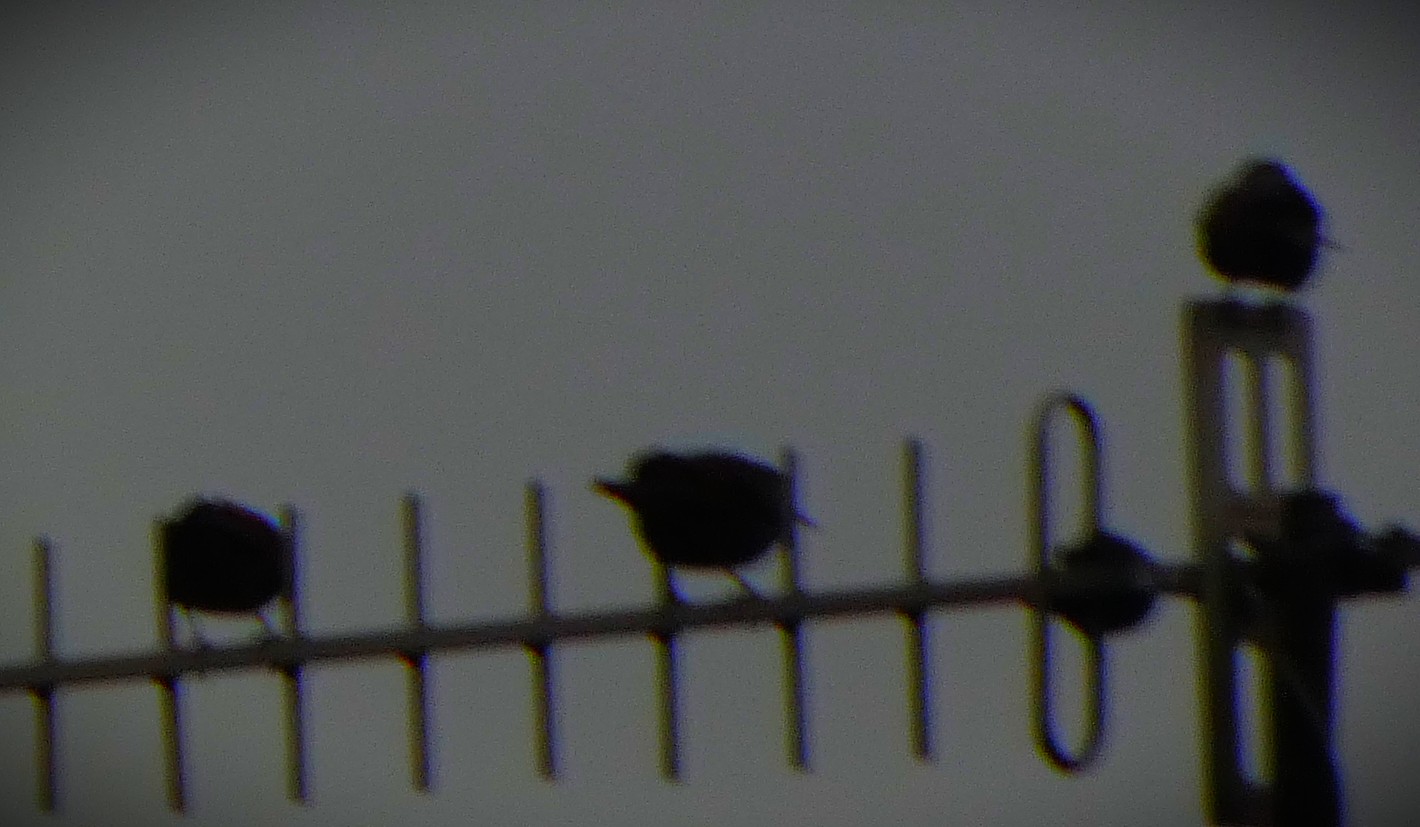
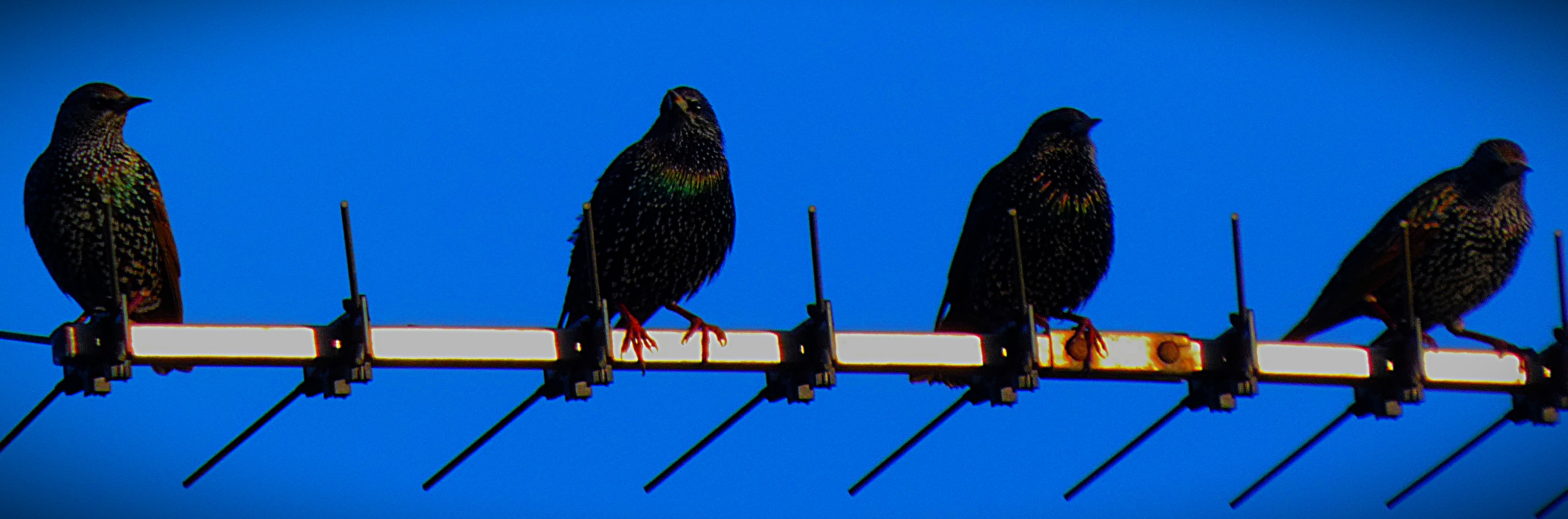
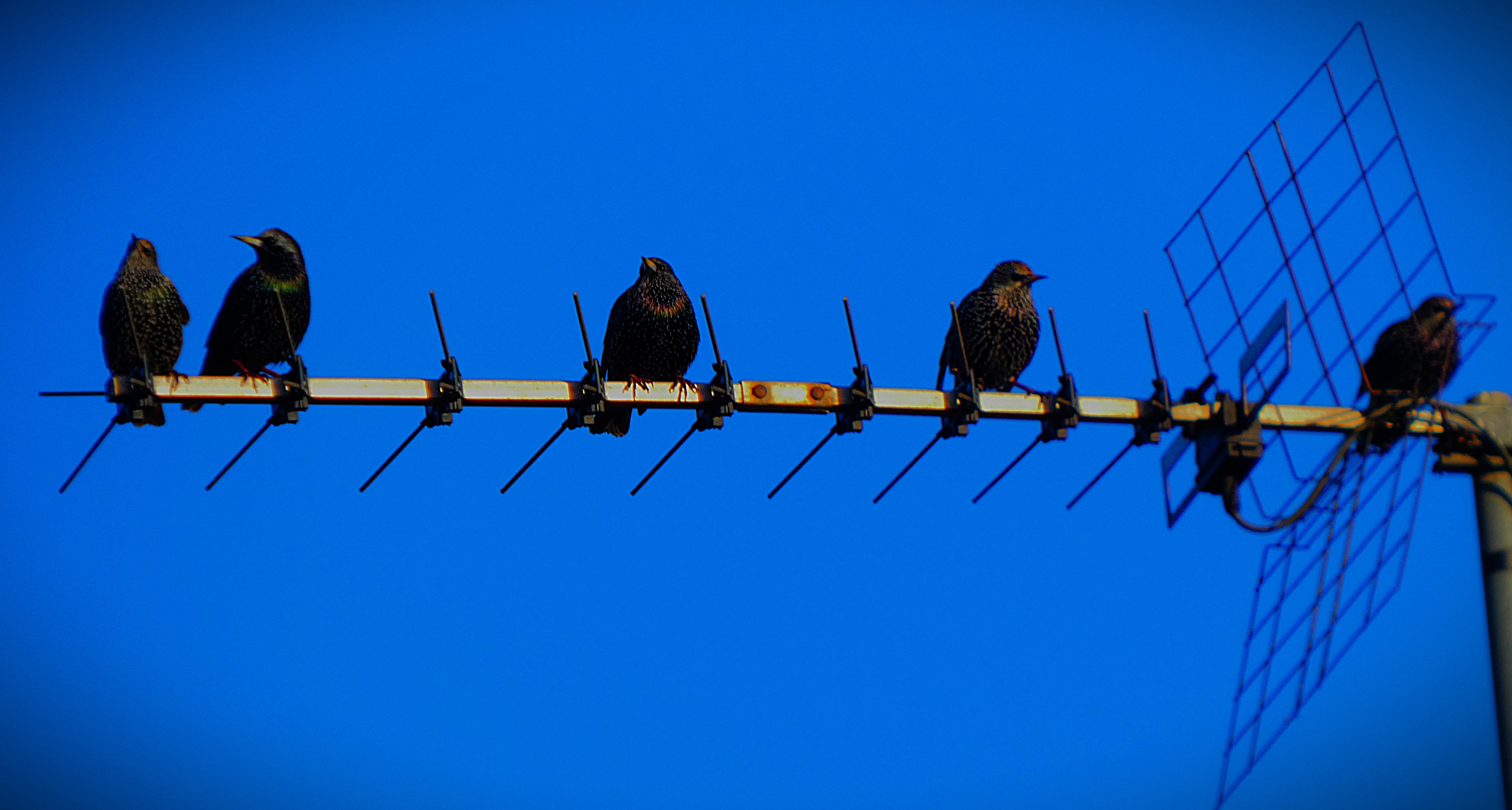
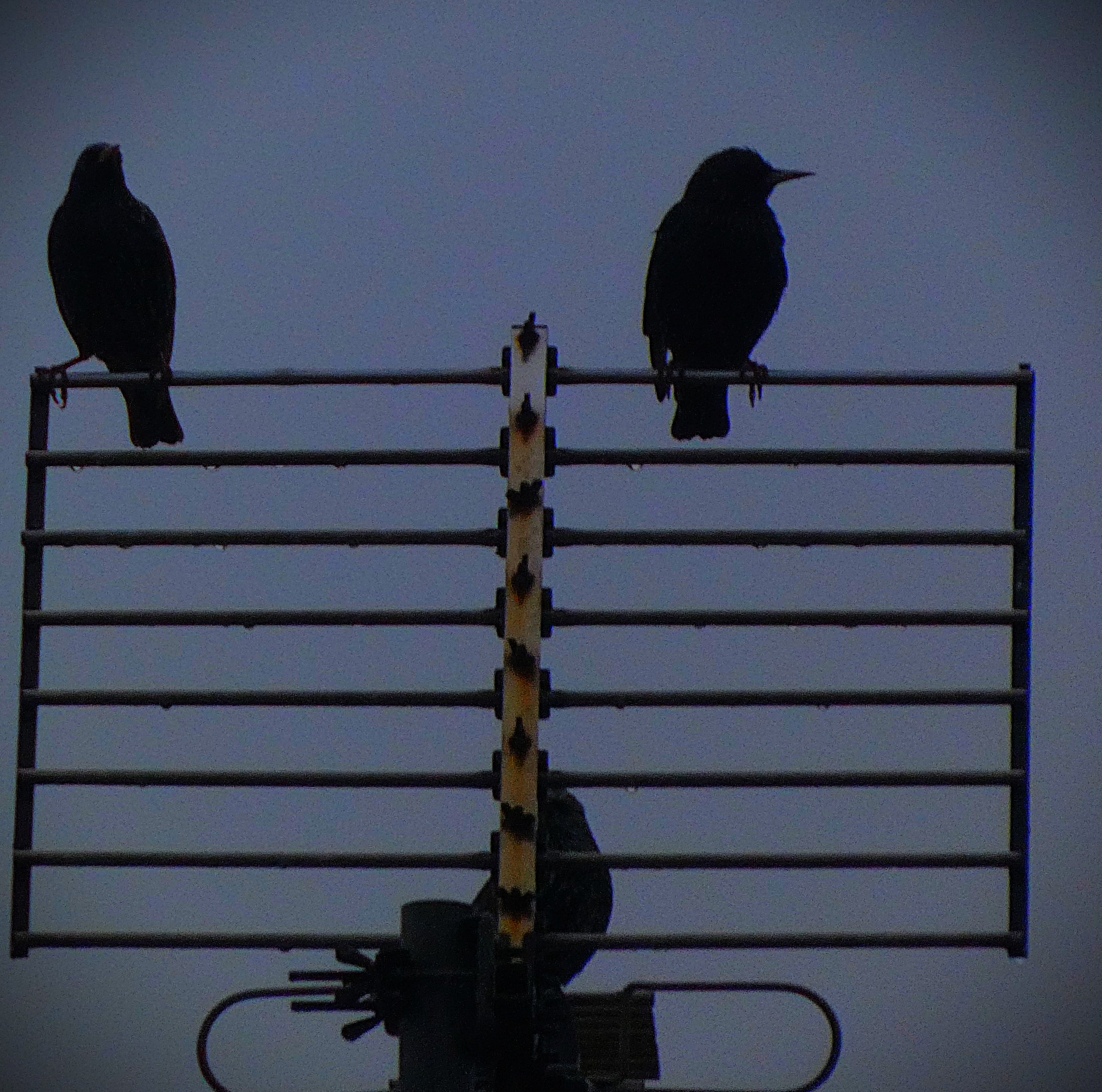
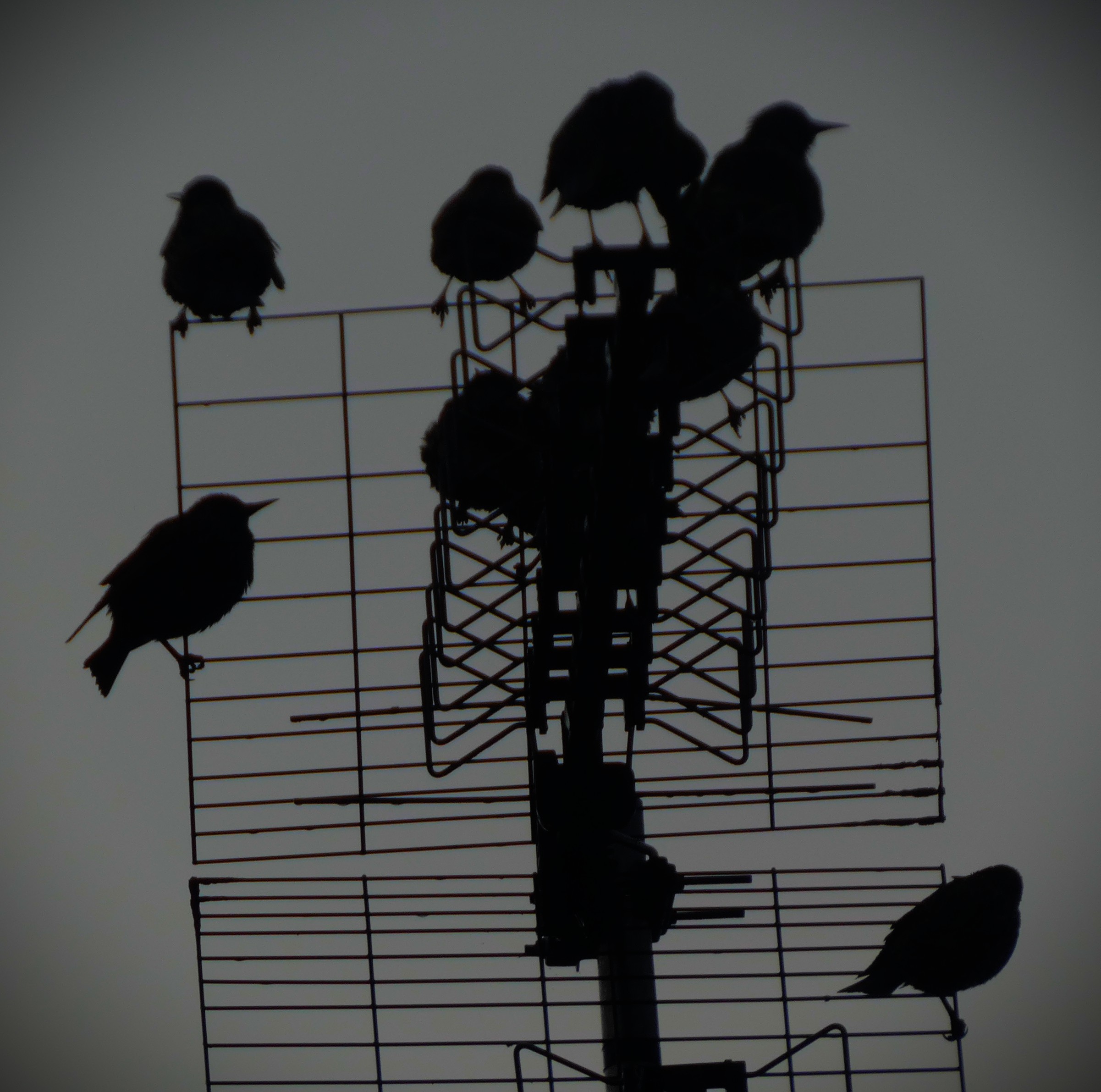
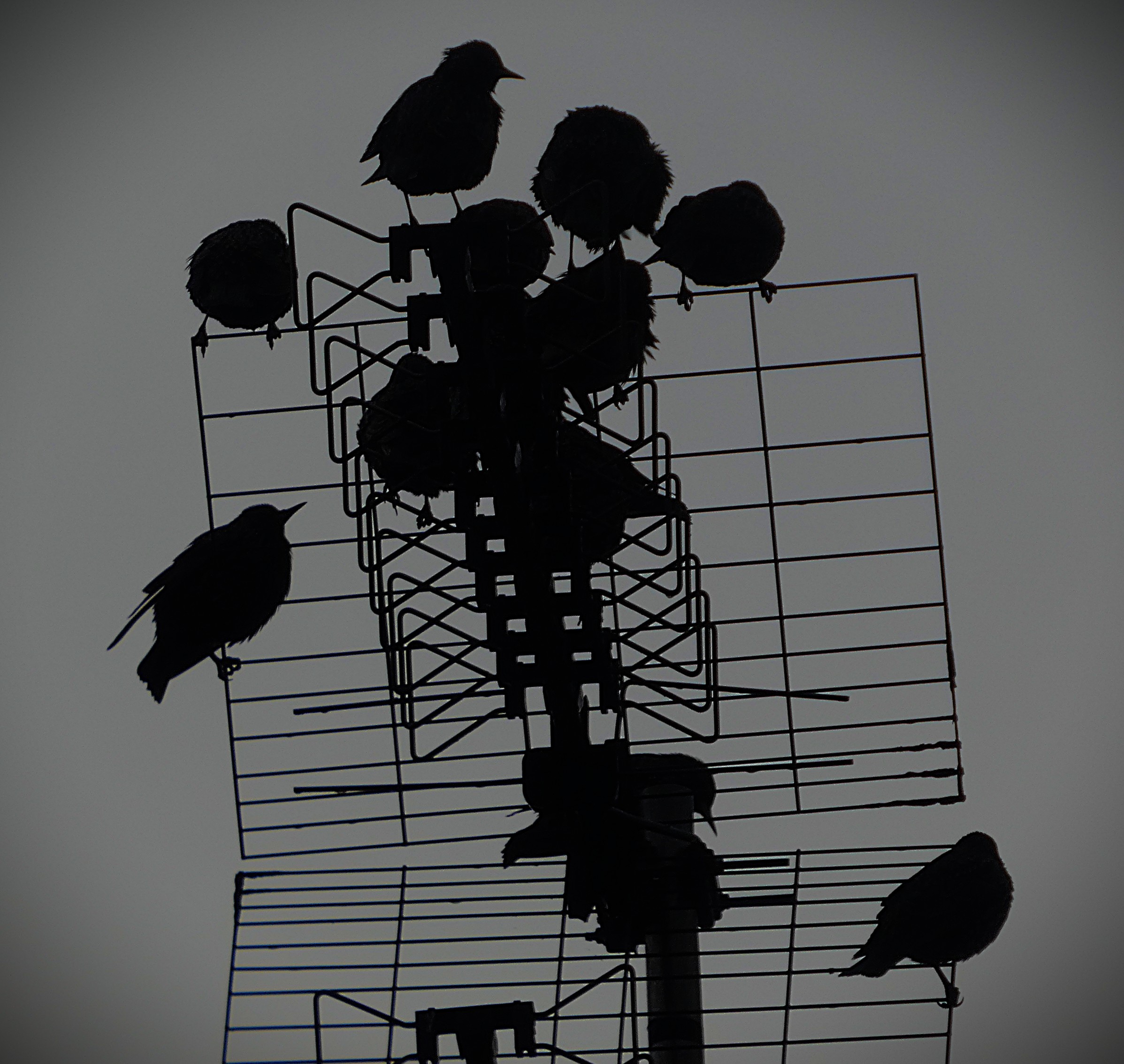
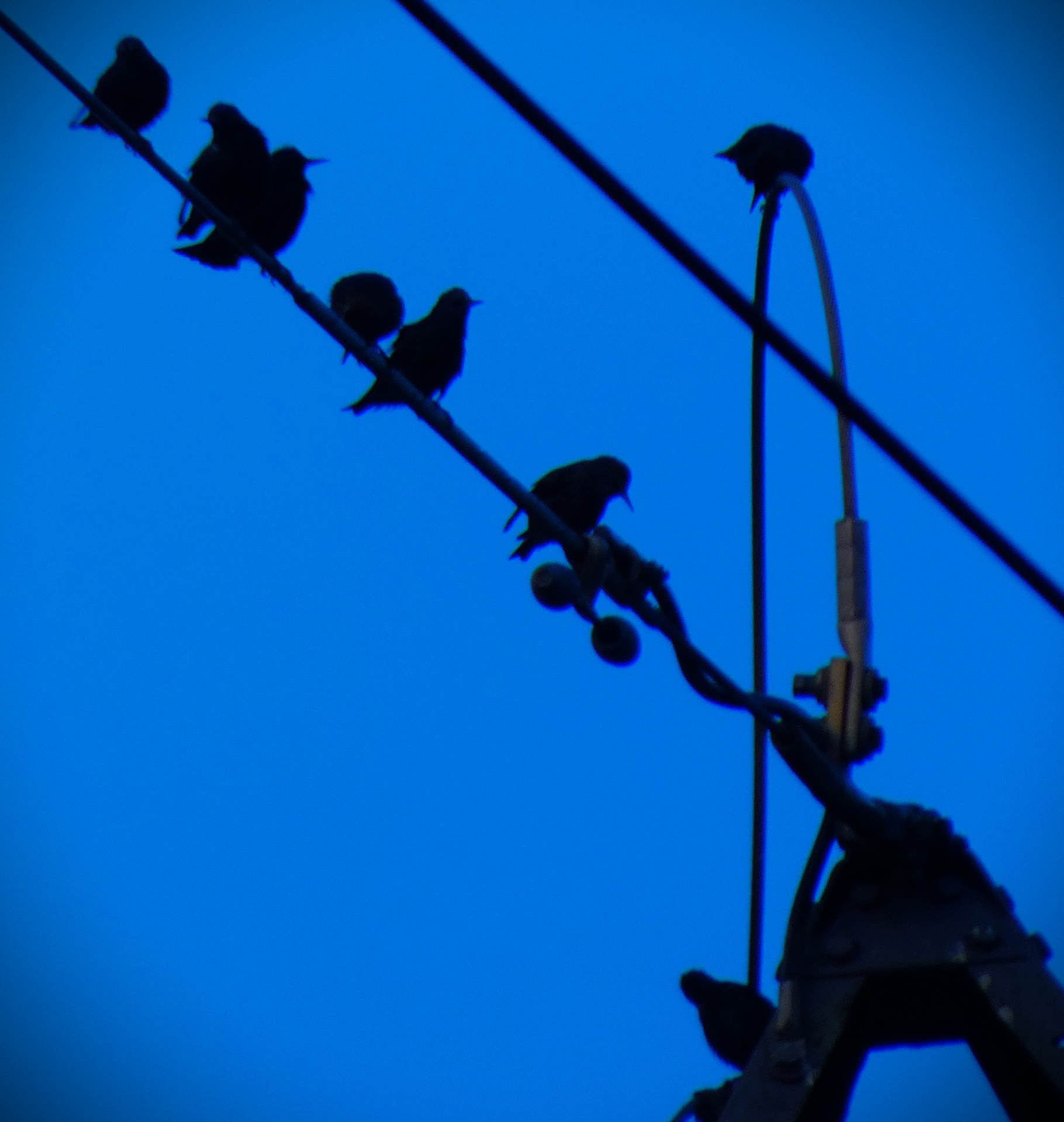
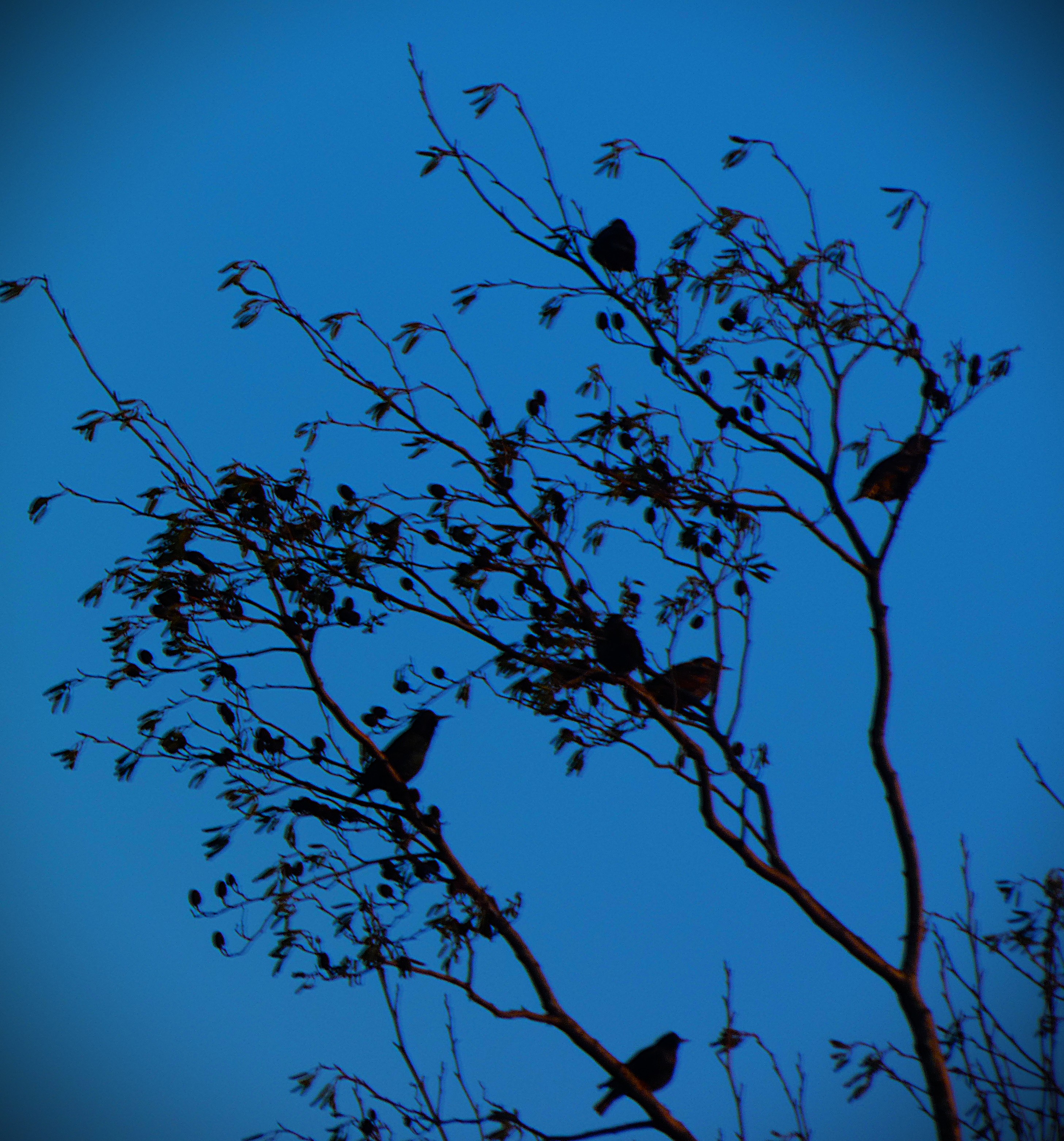
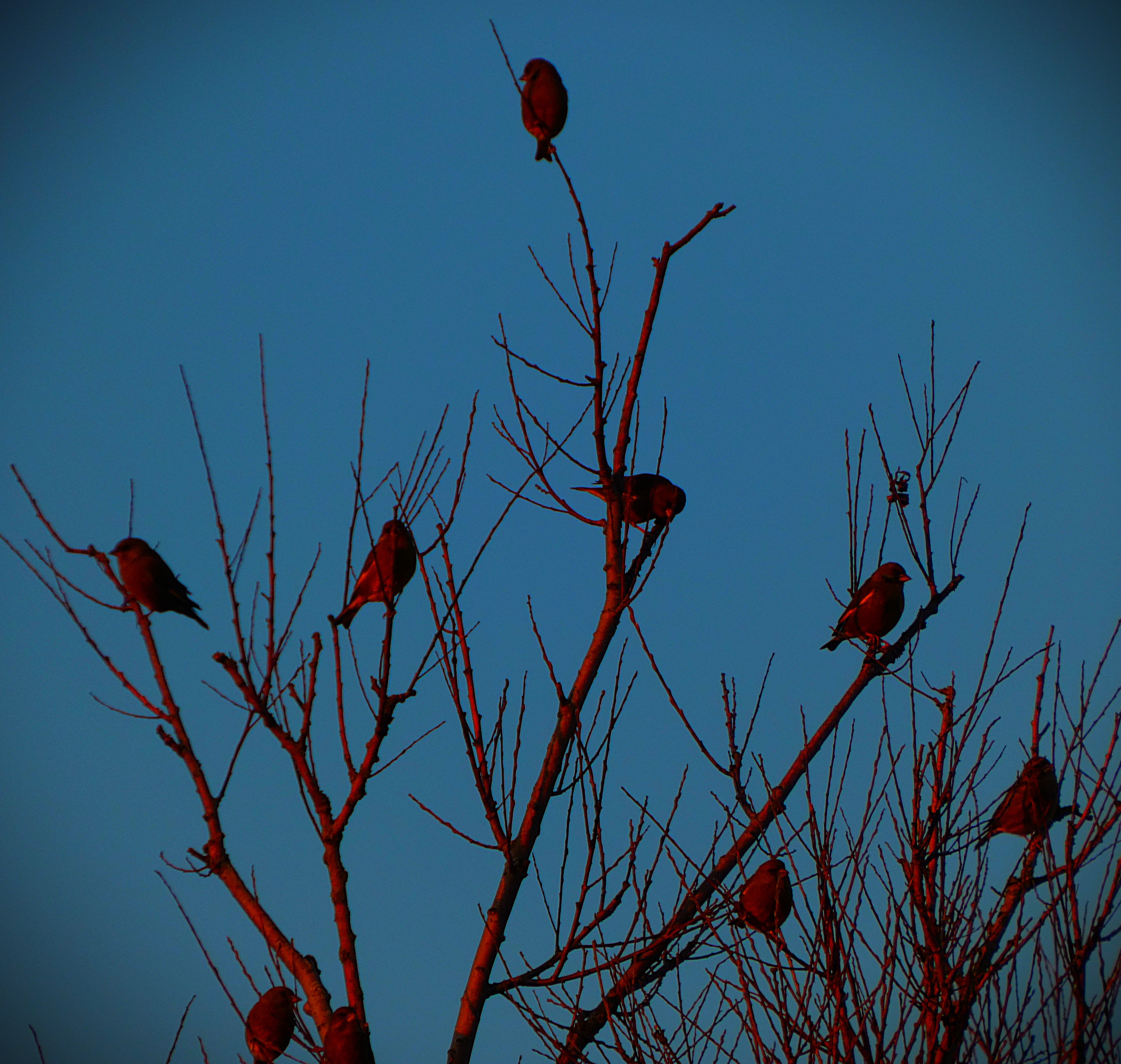
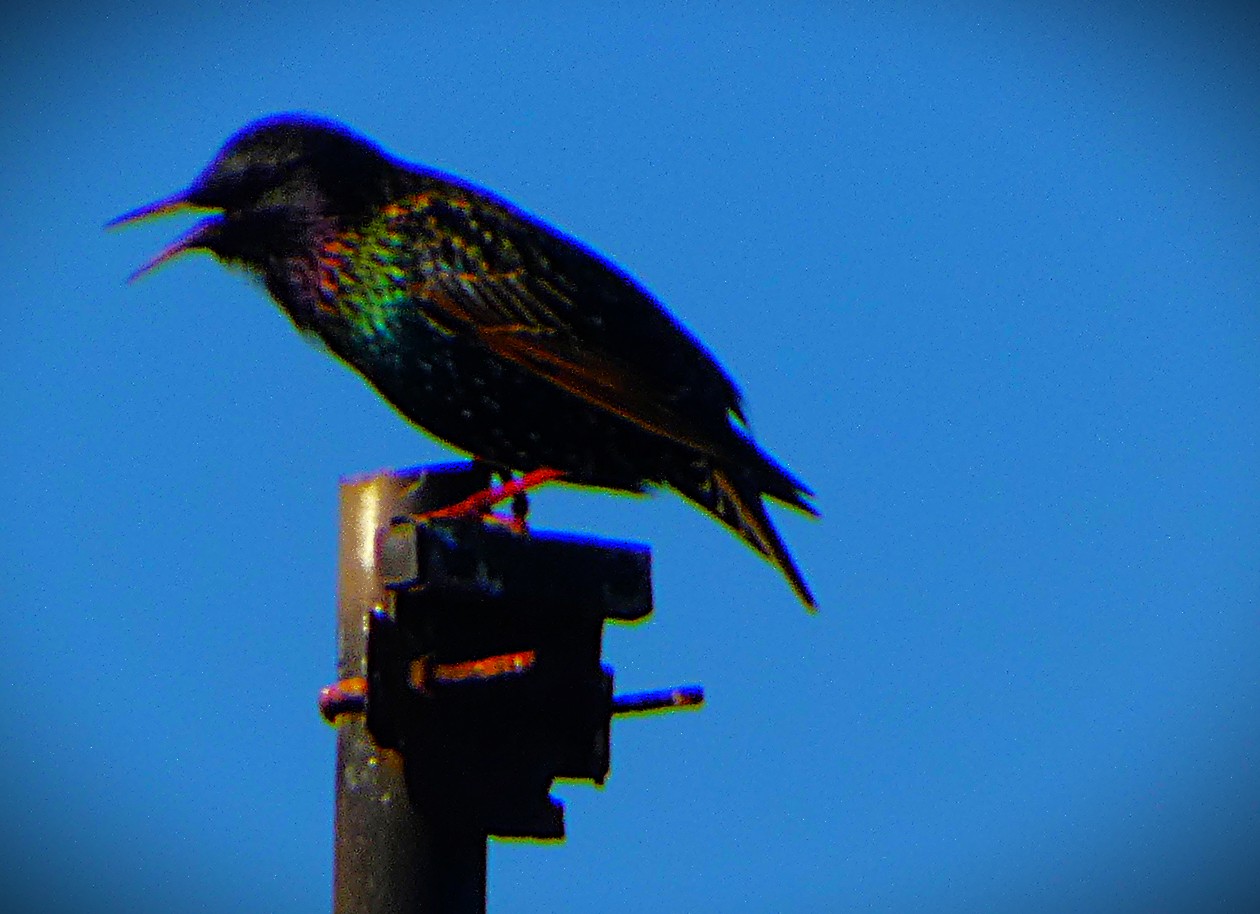
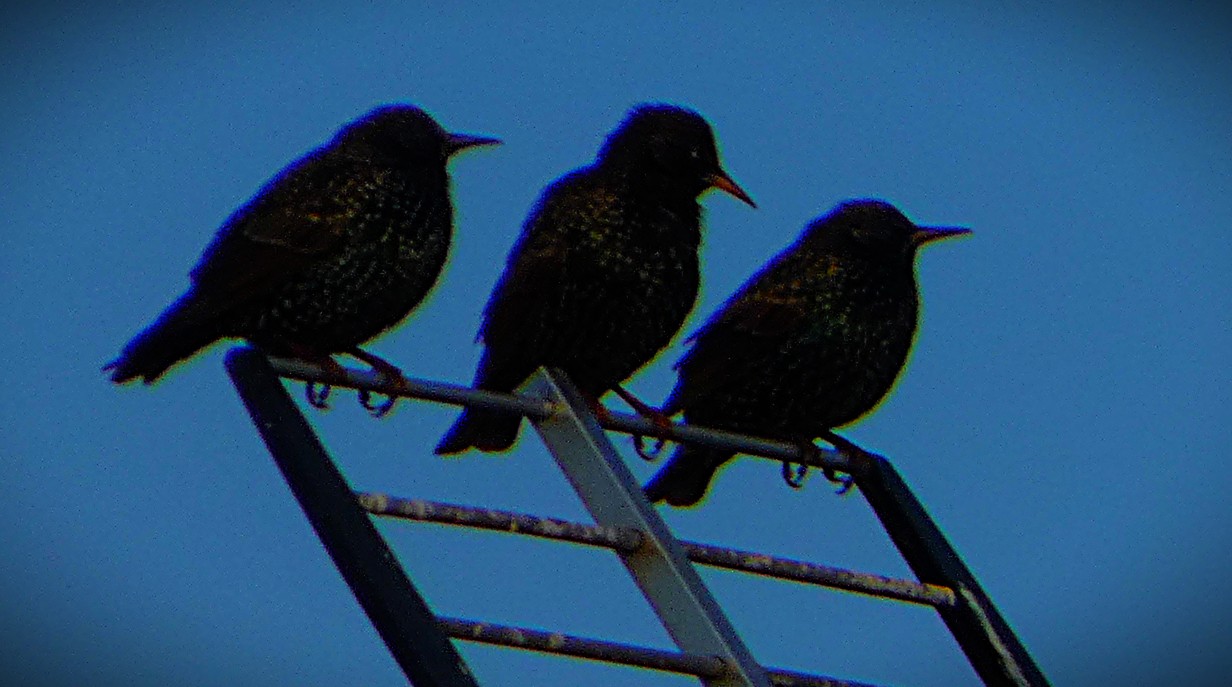
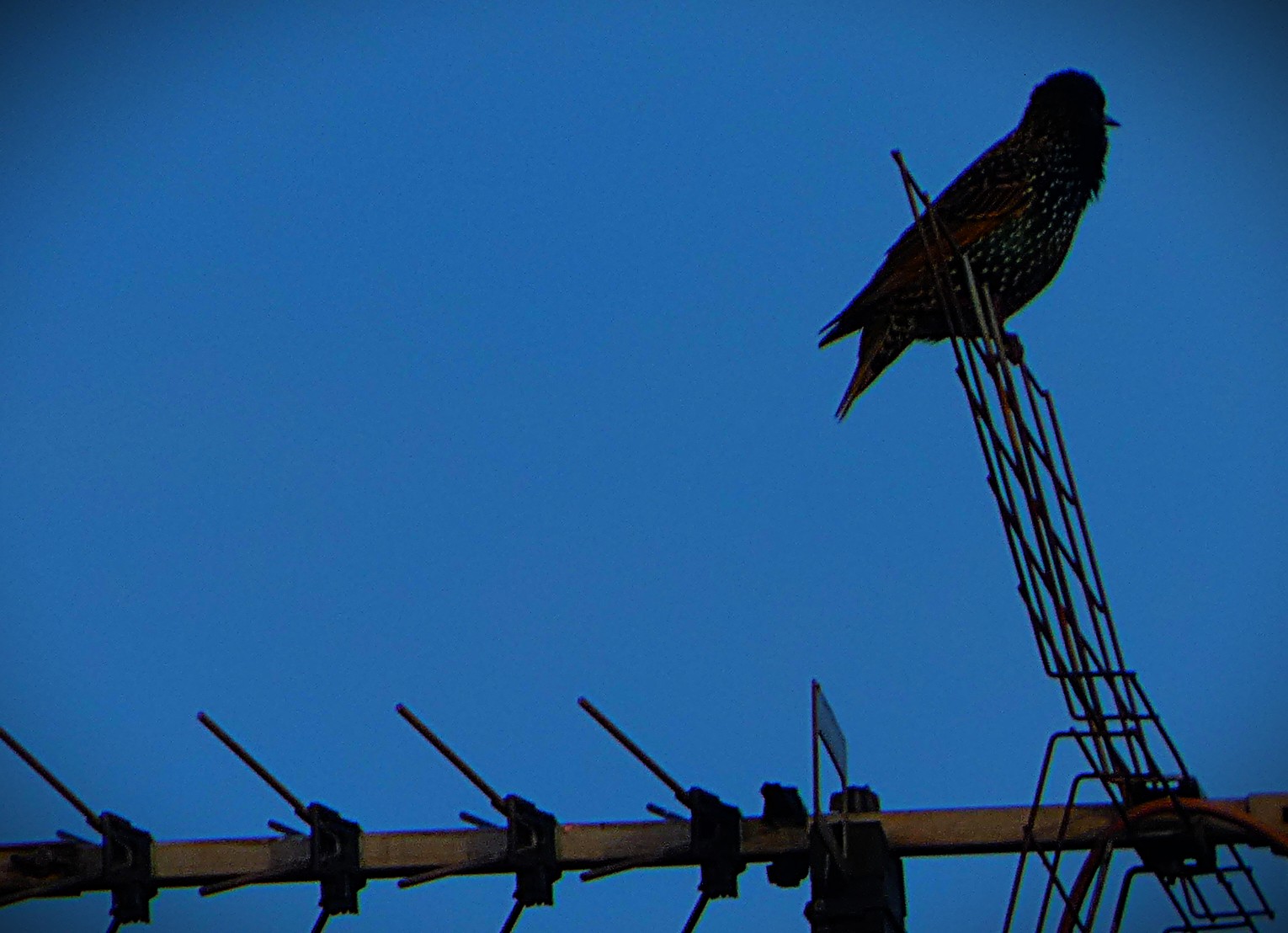
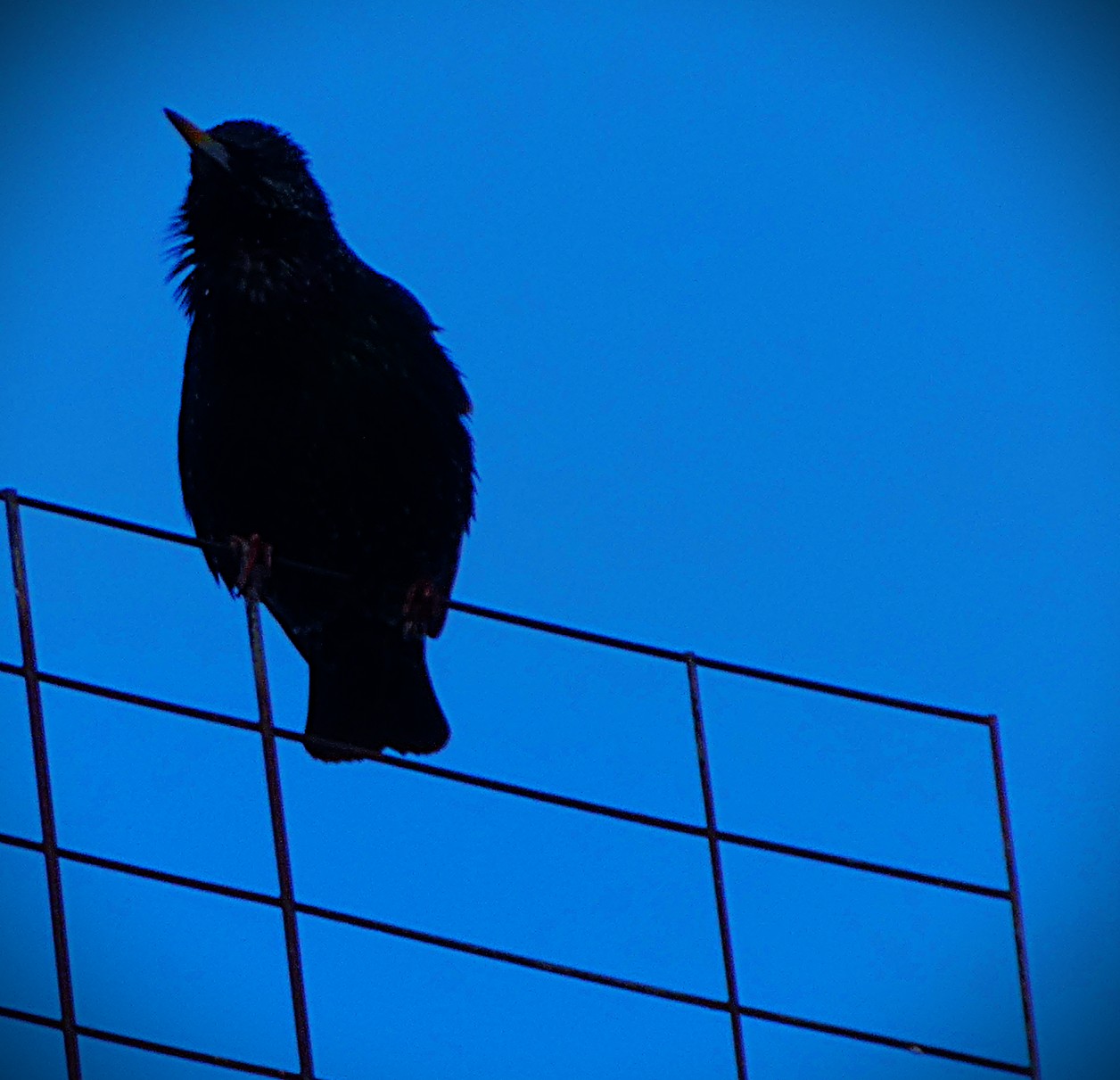
This picture and the next show mute swans demonstrating that their huge size does not prevent them getting airborne.These starlings are not nesting in a particularly elaborate set of antlers! This is the topmost part of a tree canopy that at this time of year is devoid of any foliage.








































































































































































































































































































































































































































































































































































































































 aspiblog