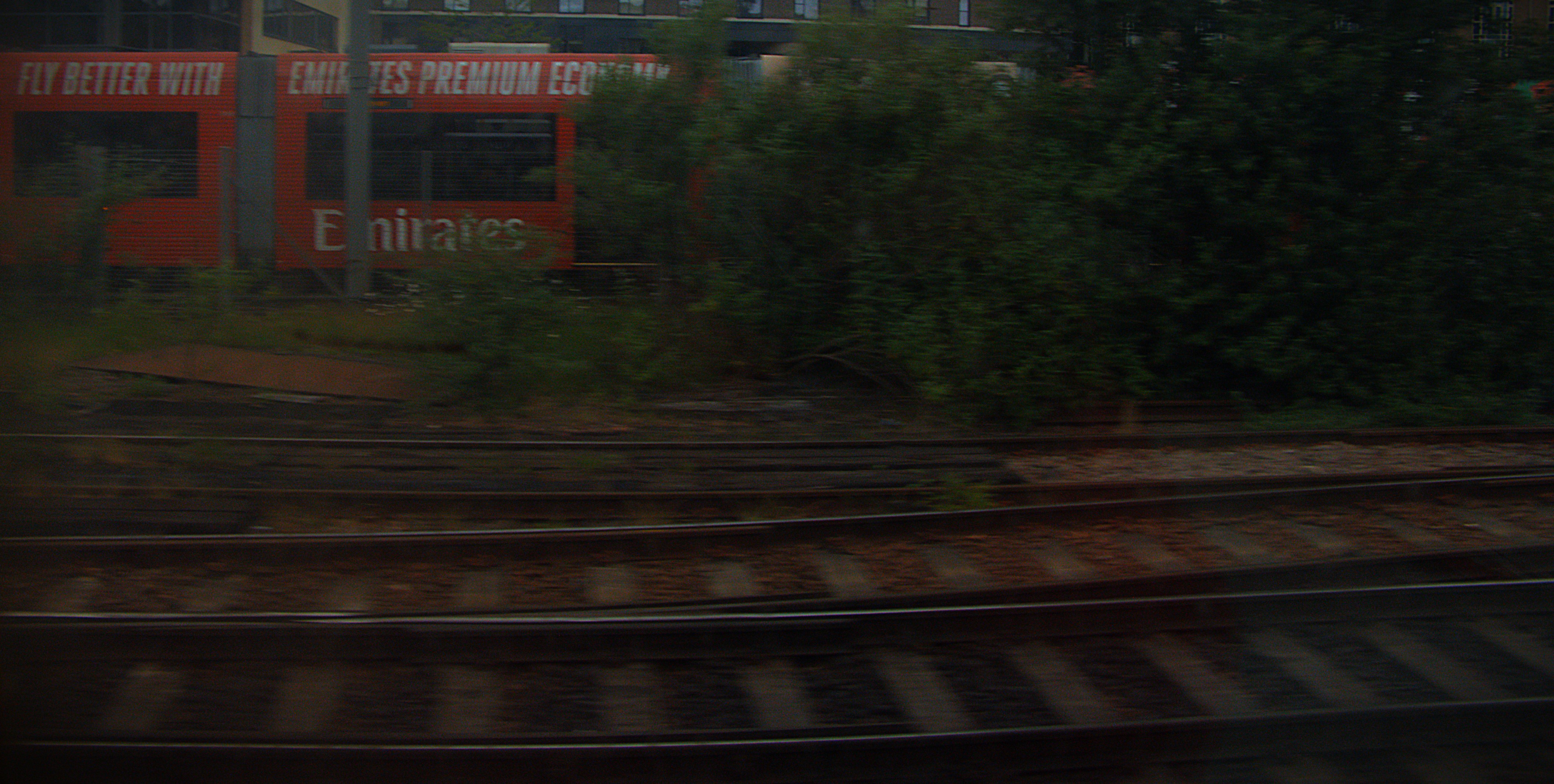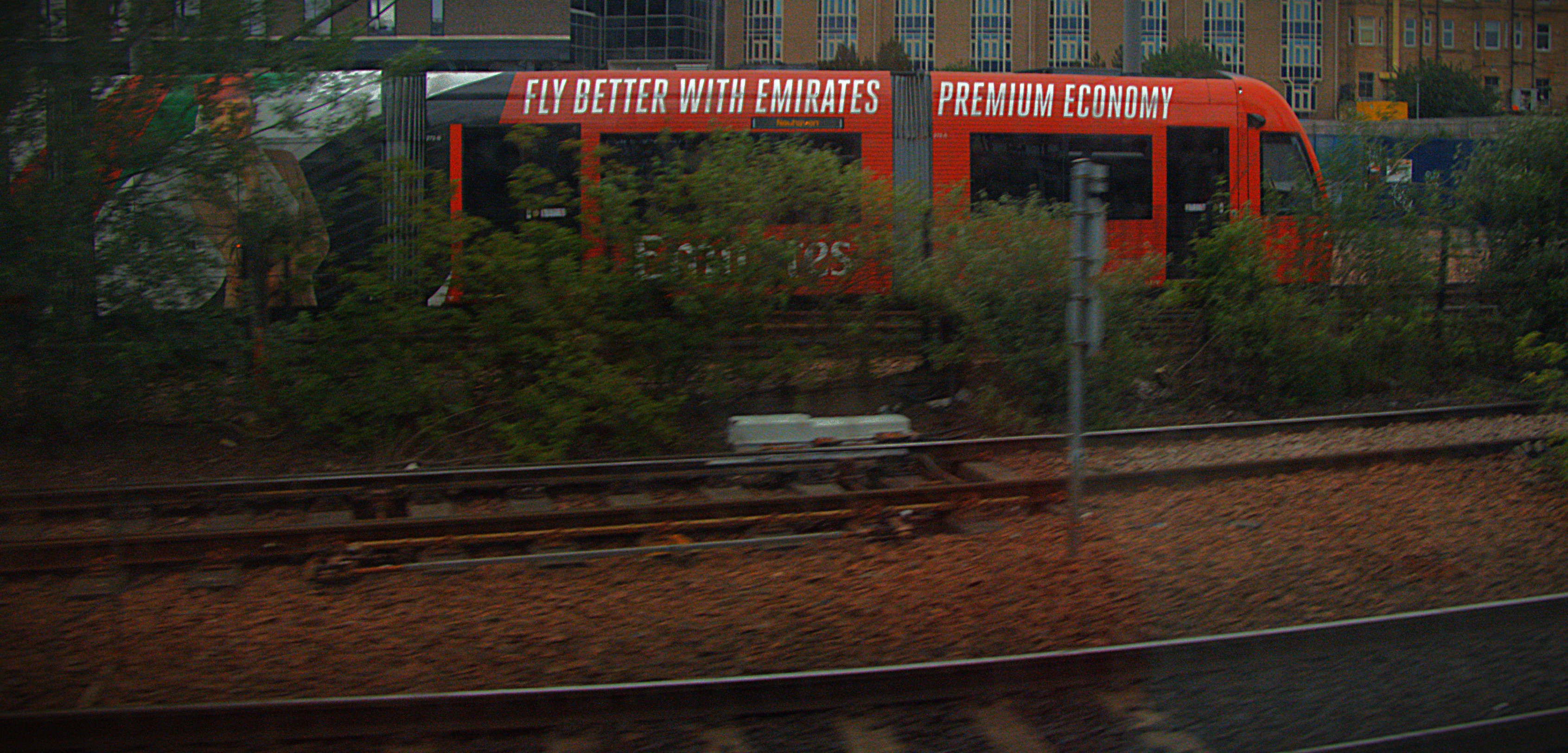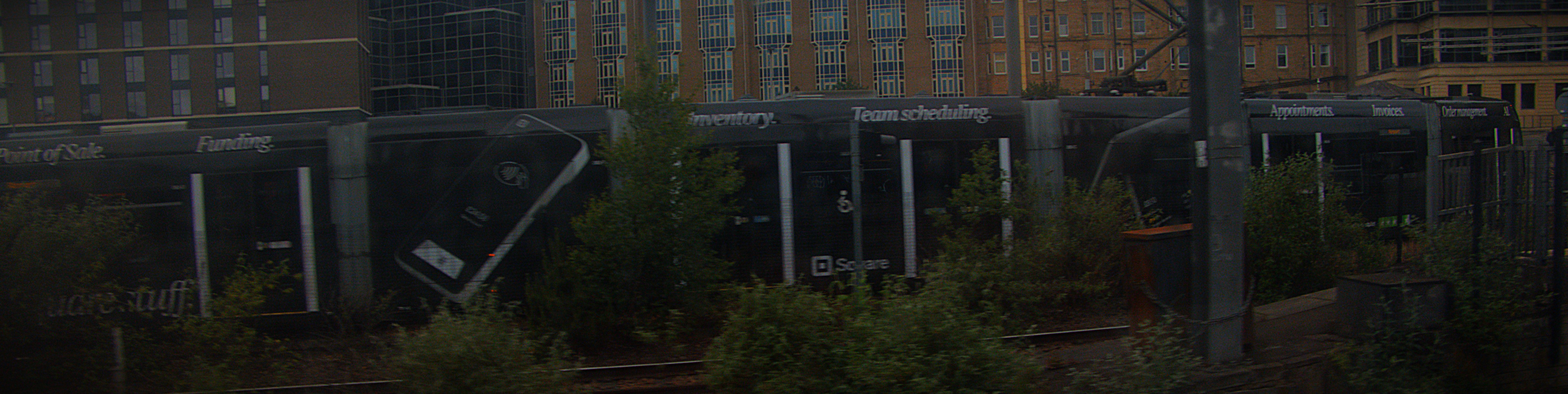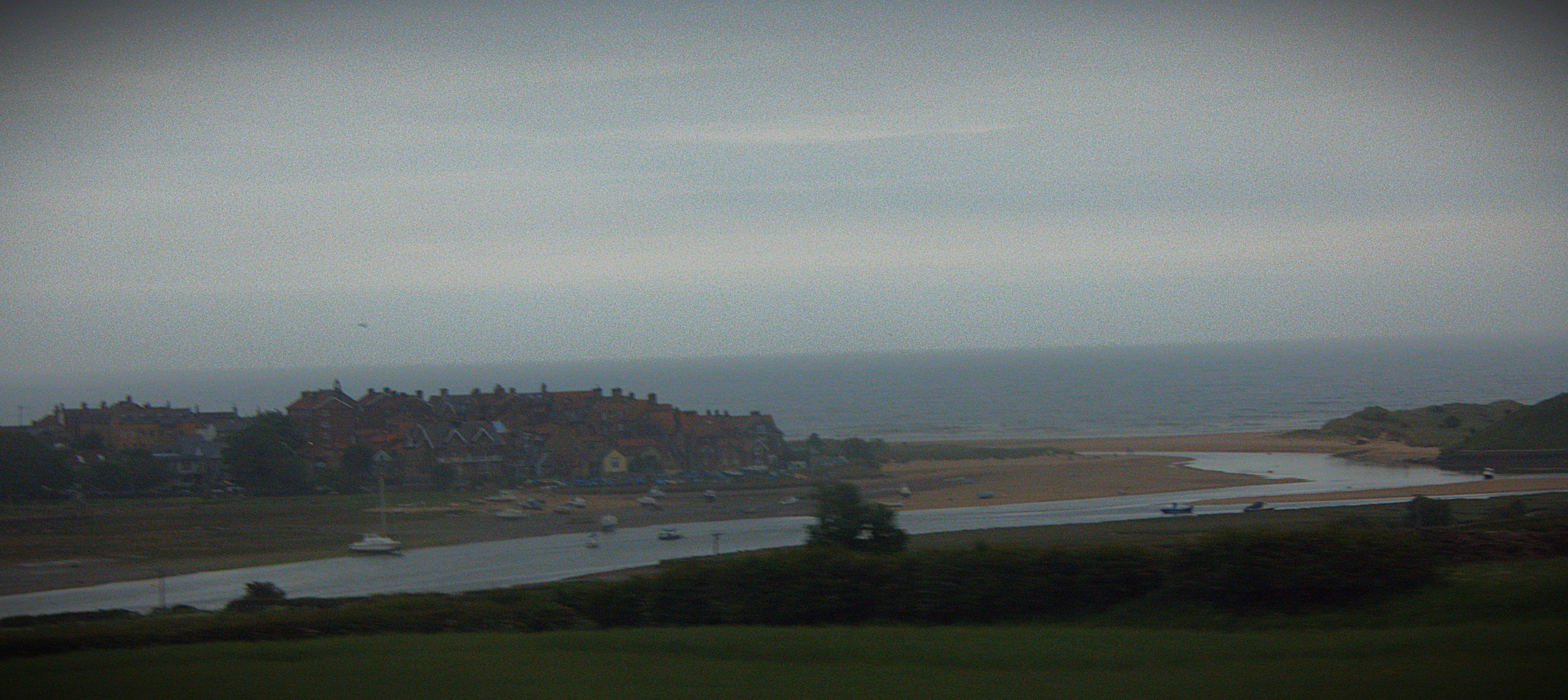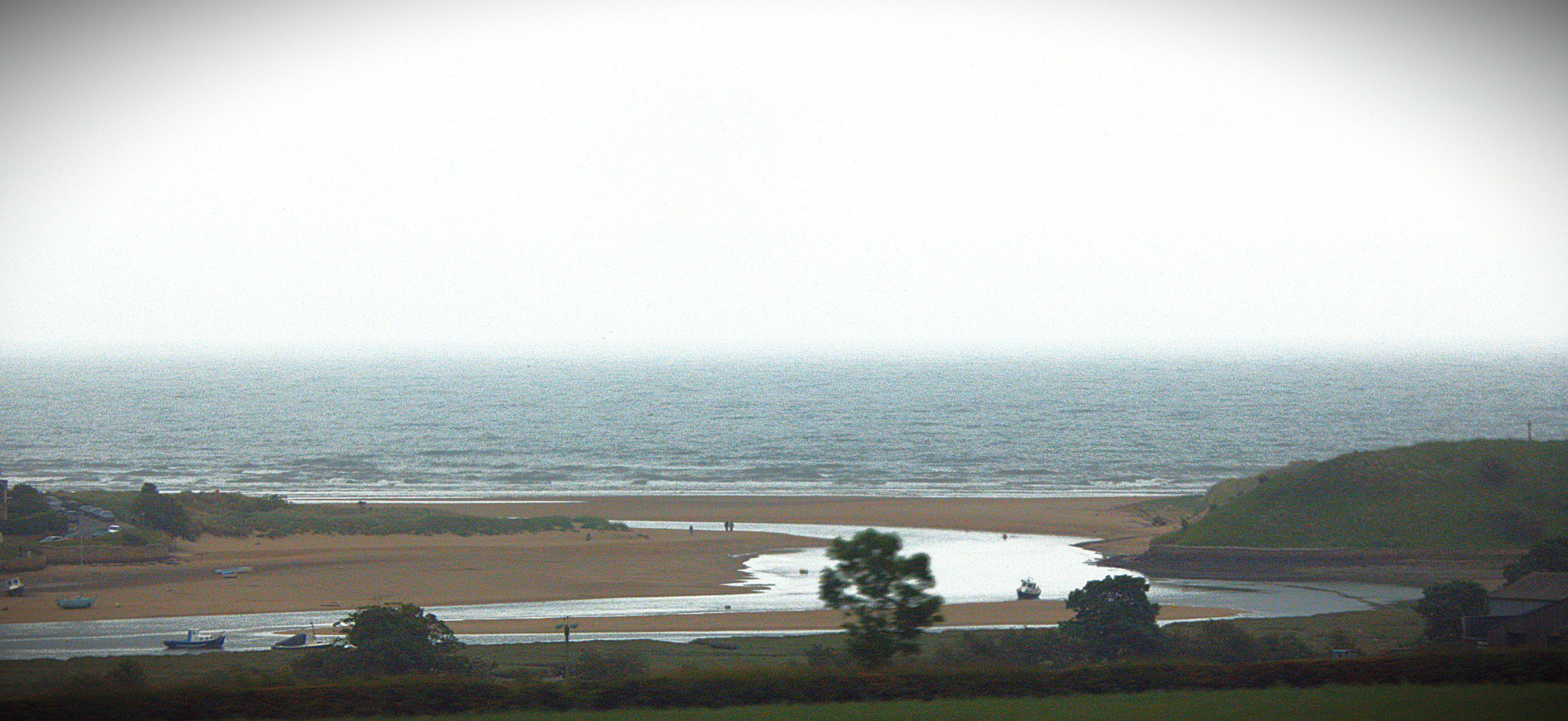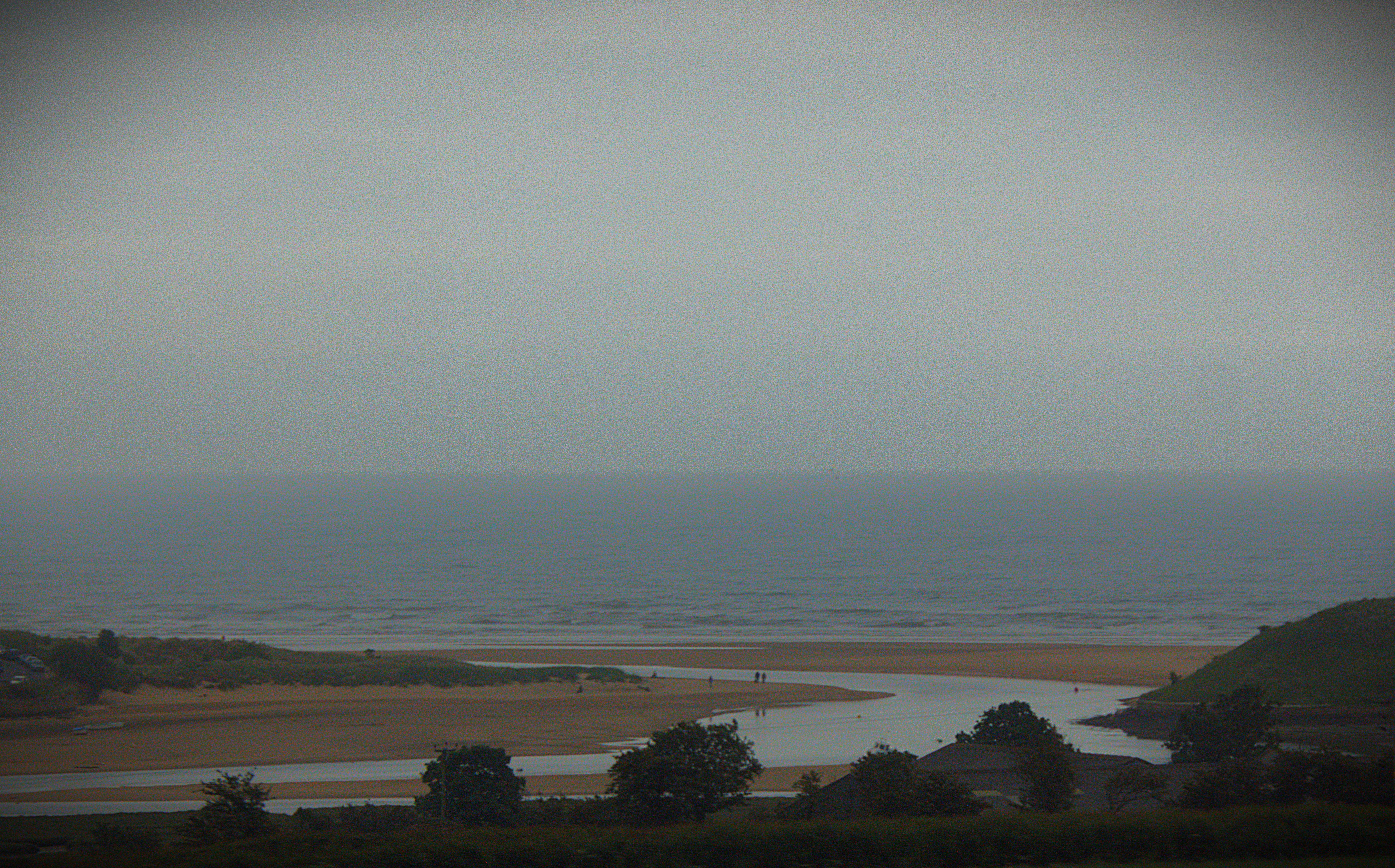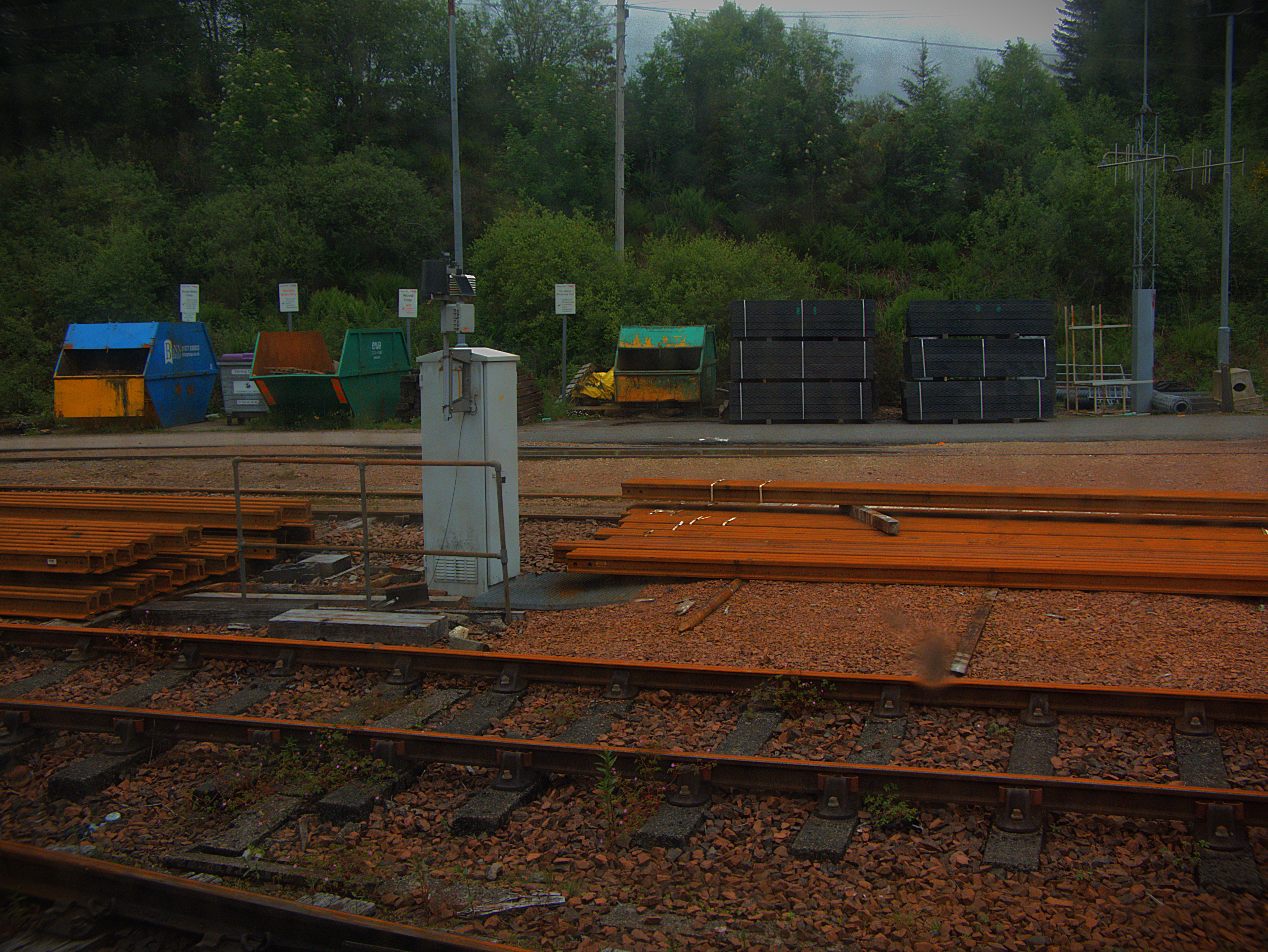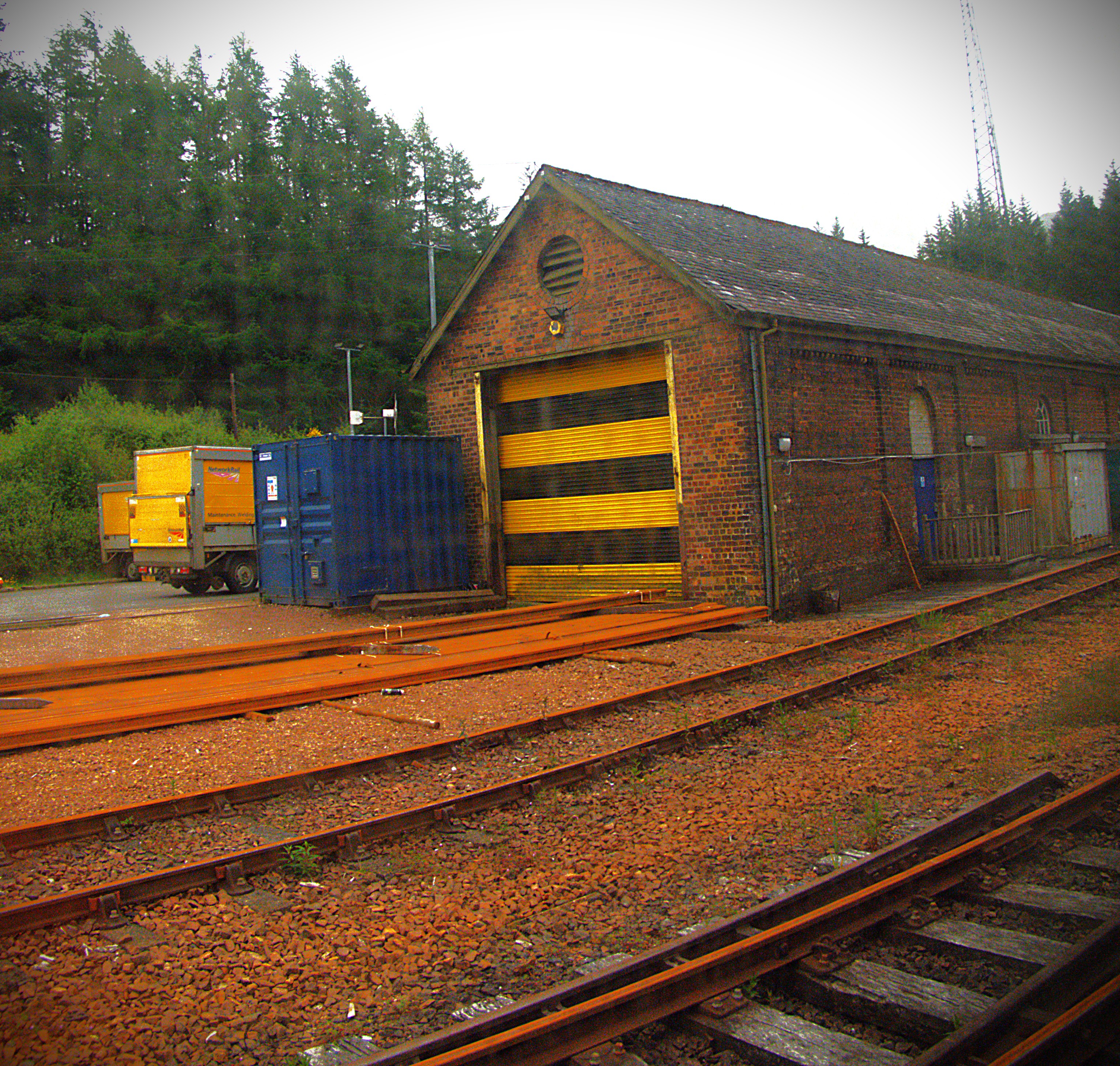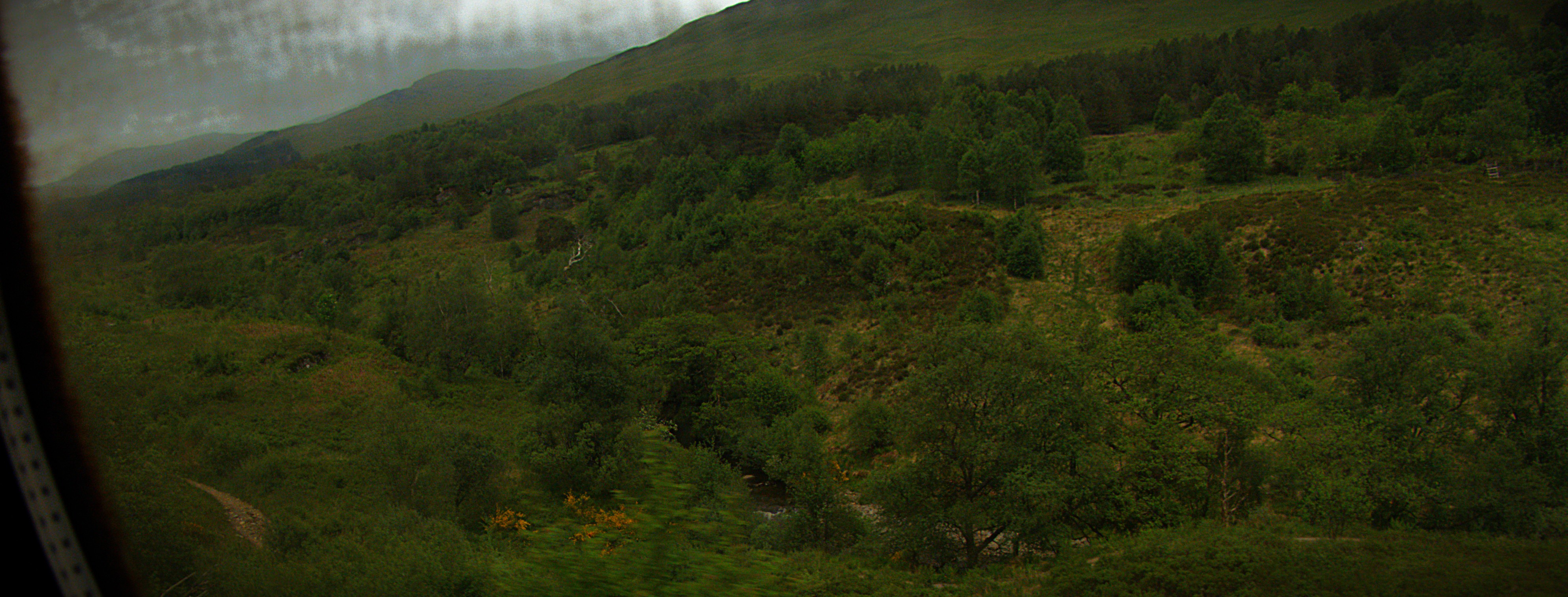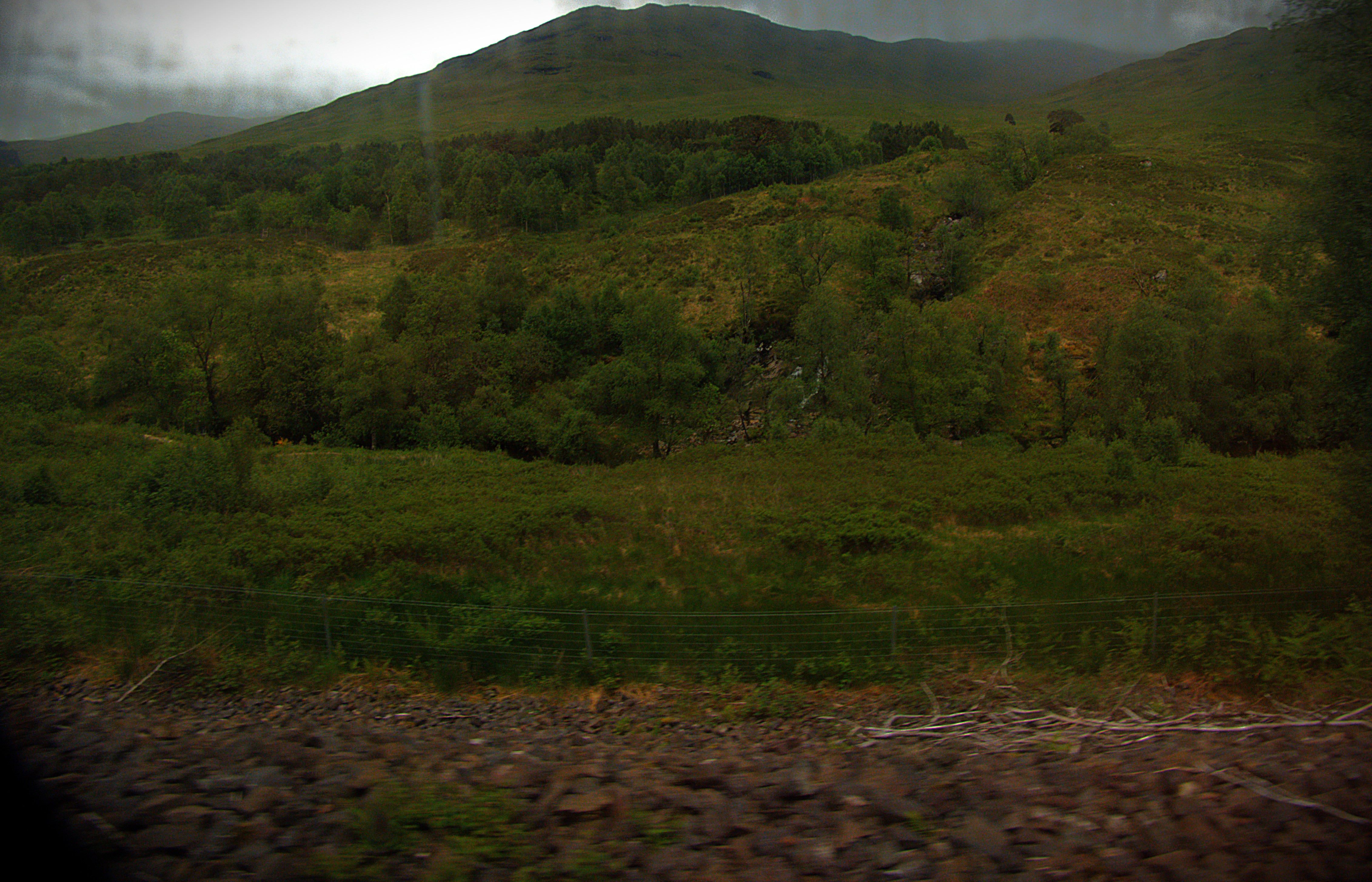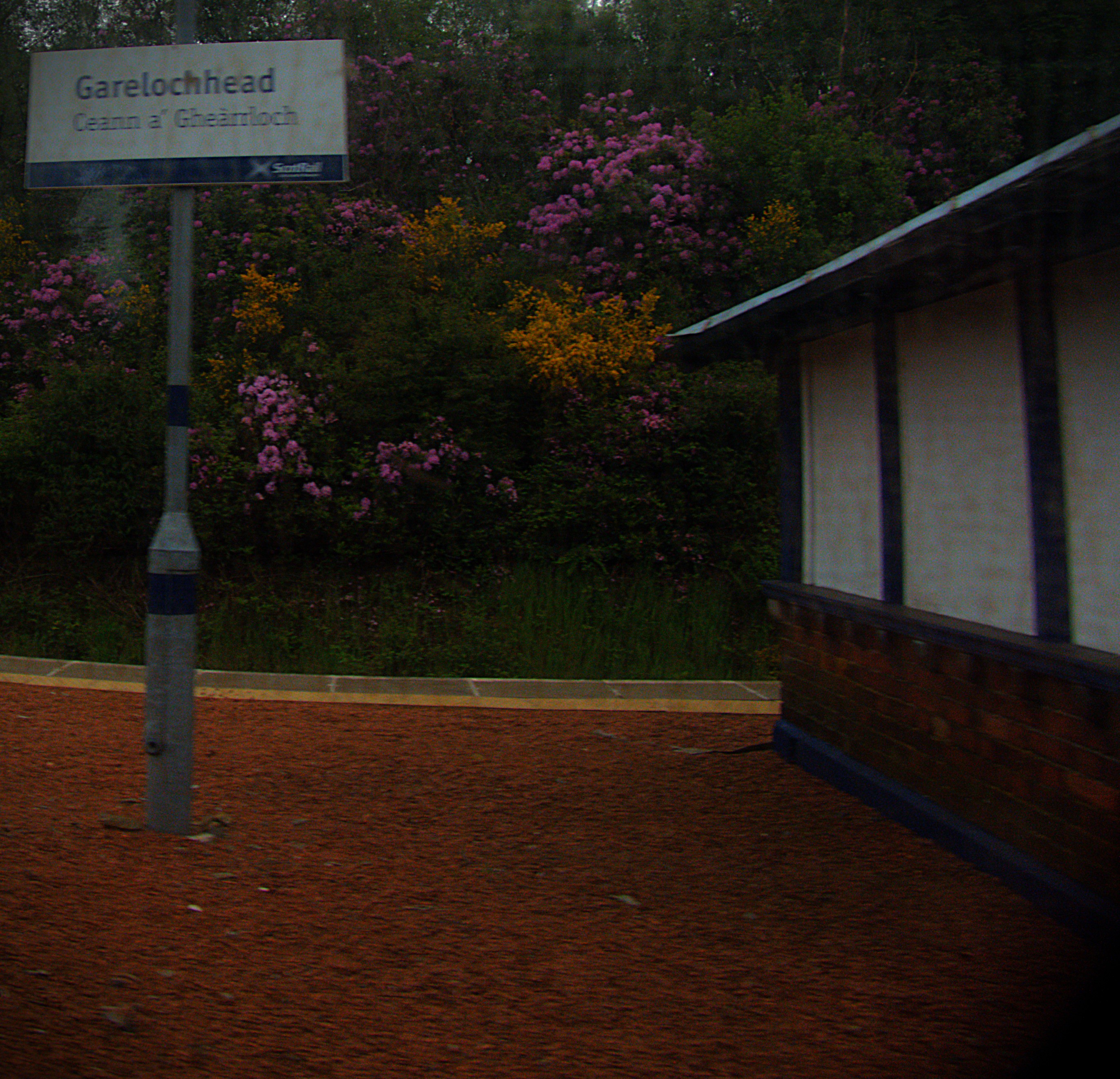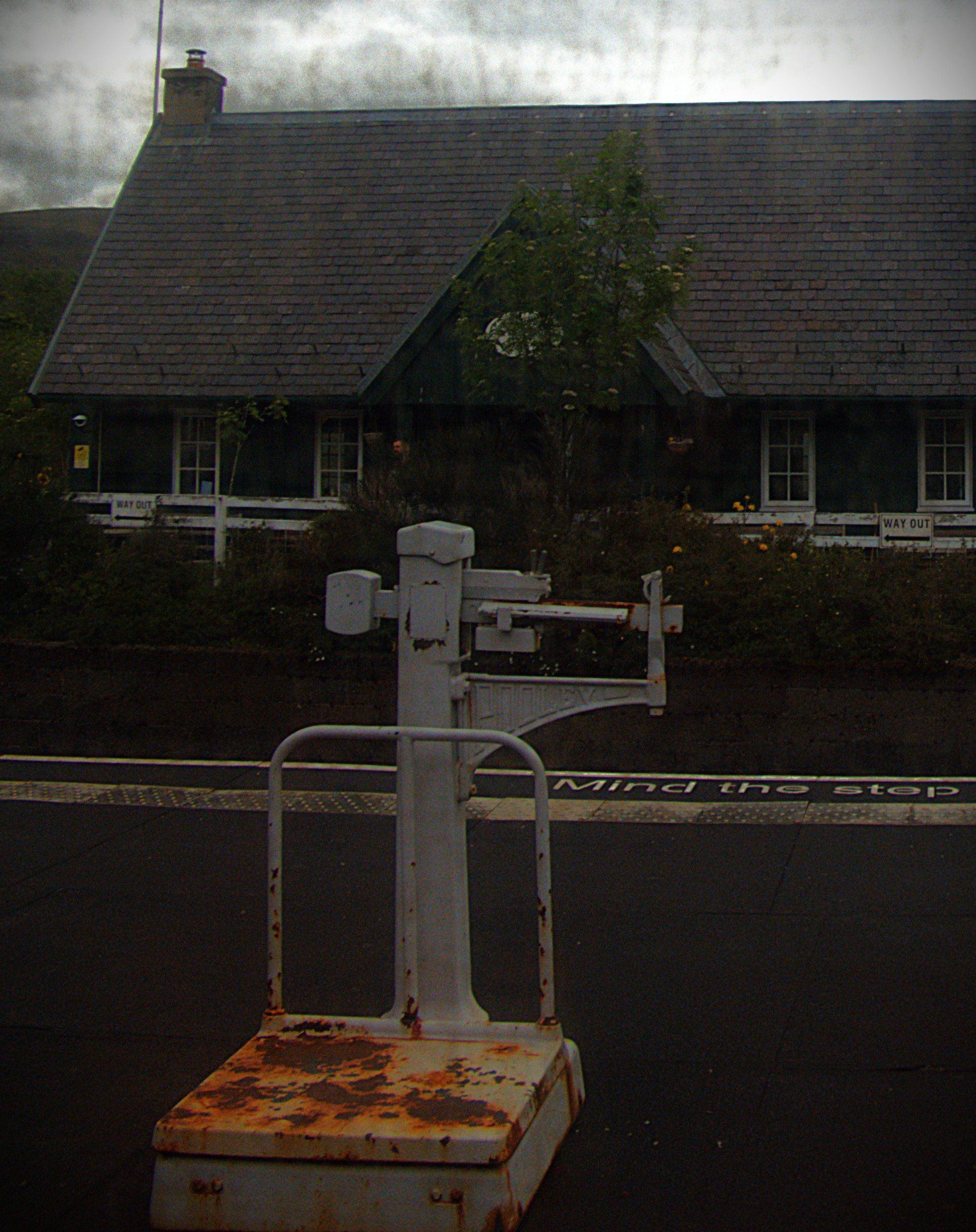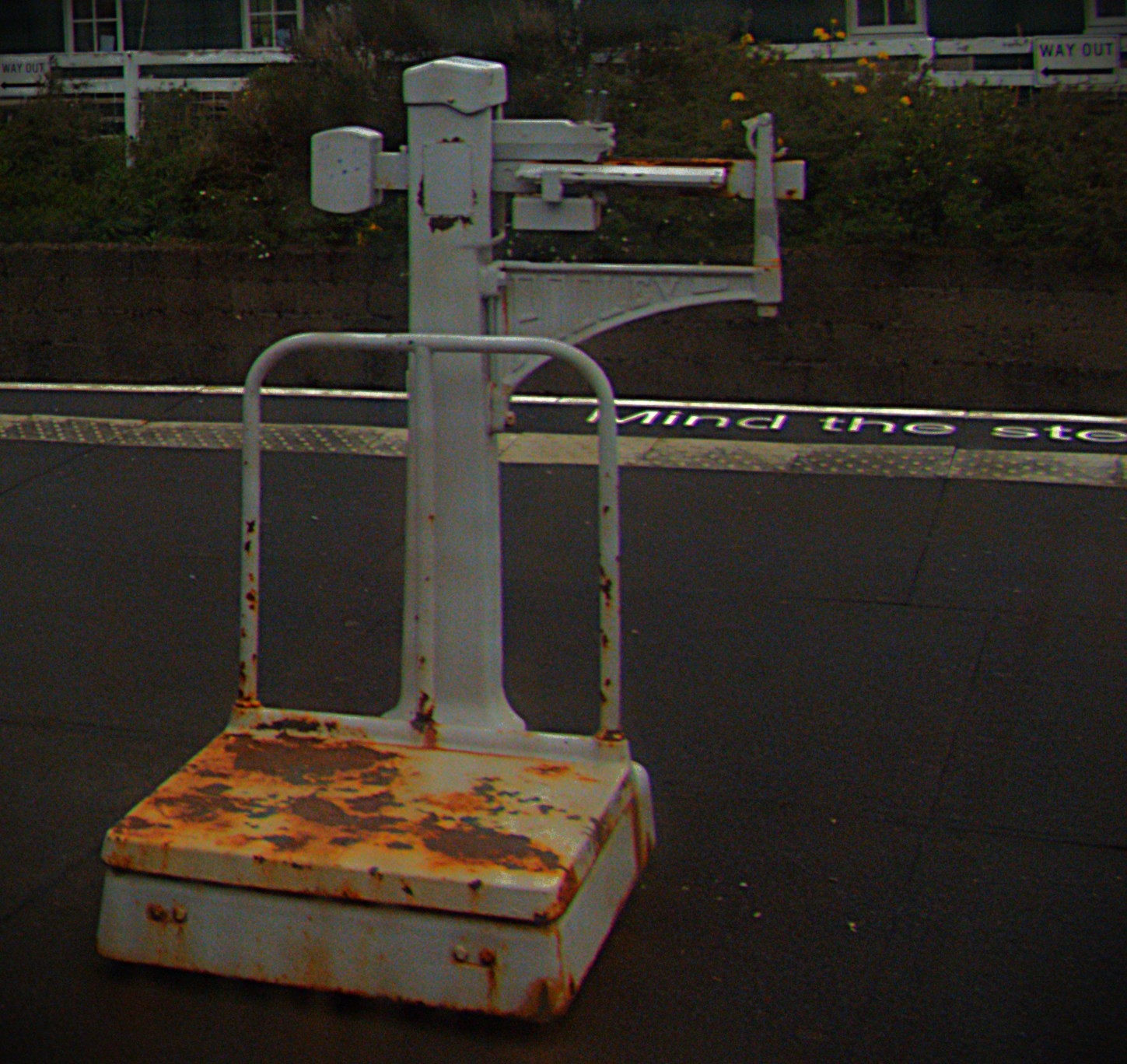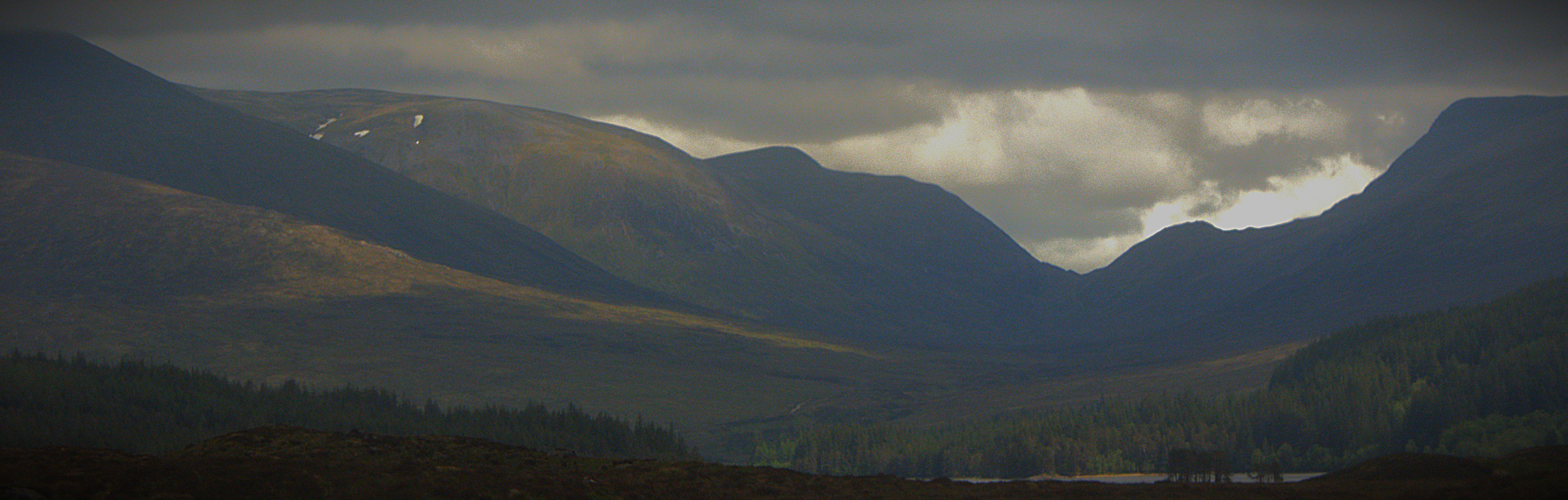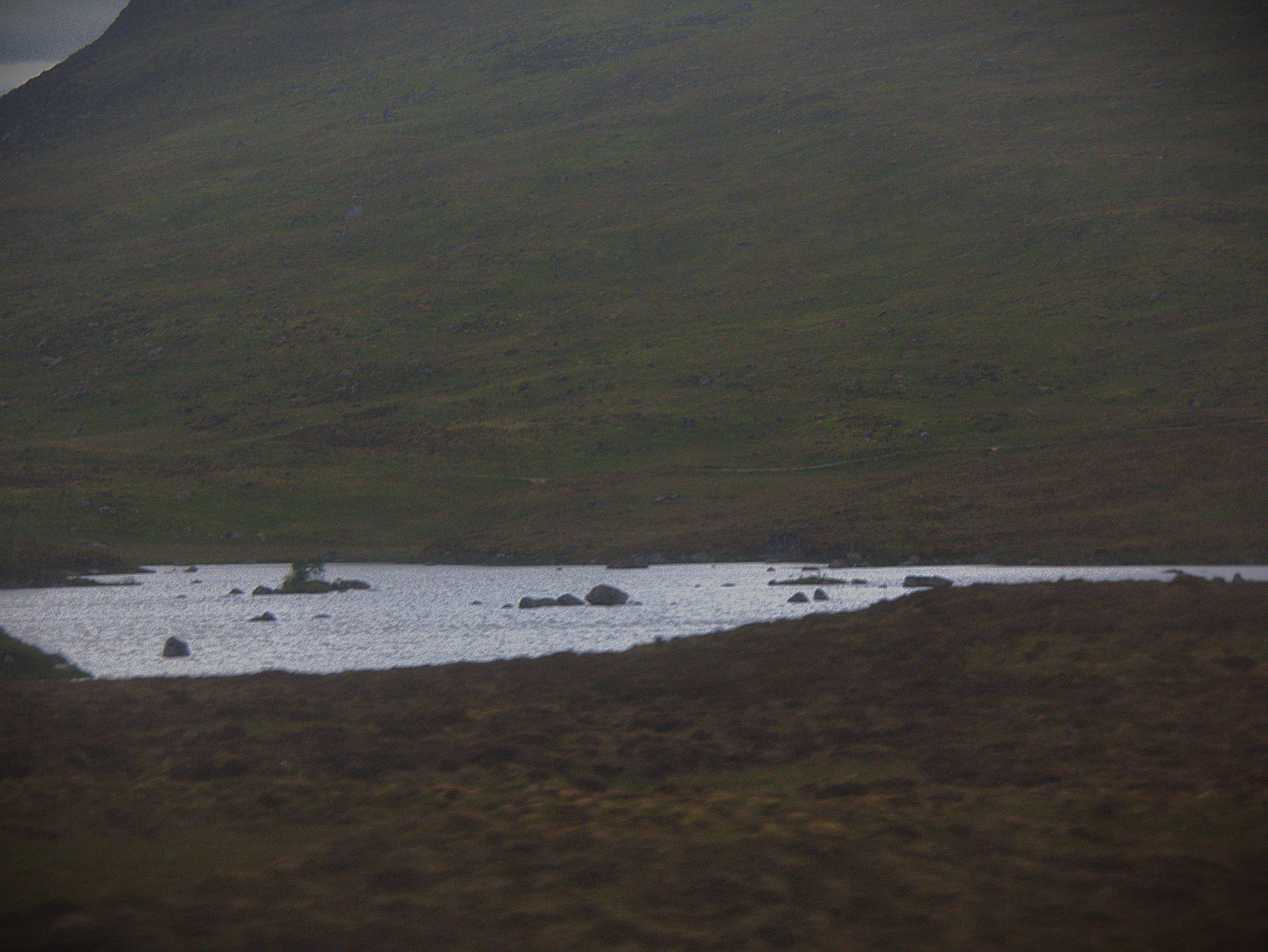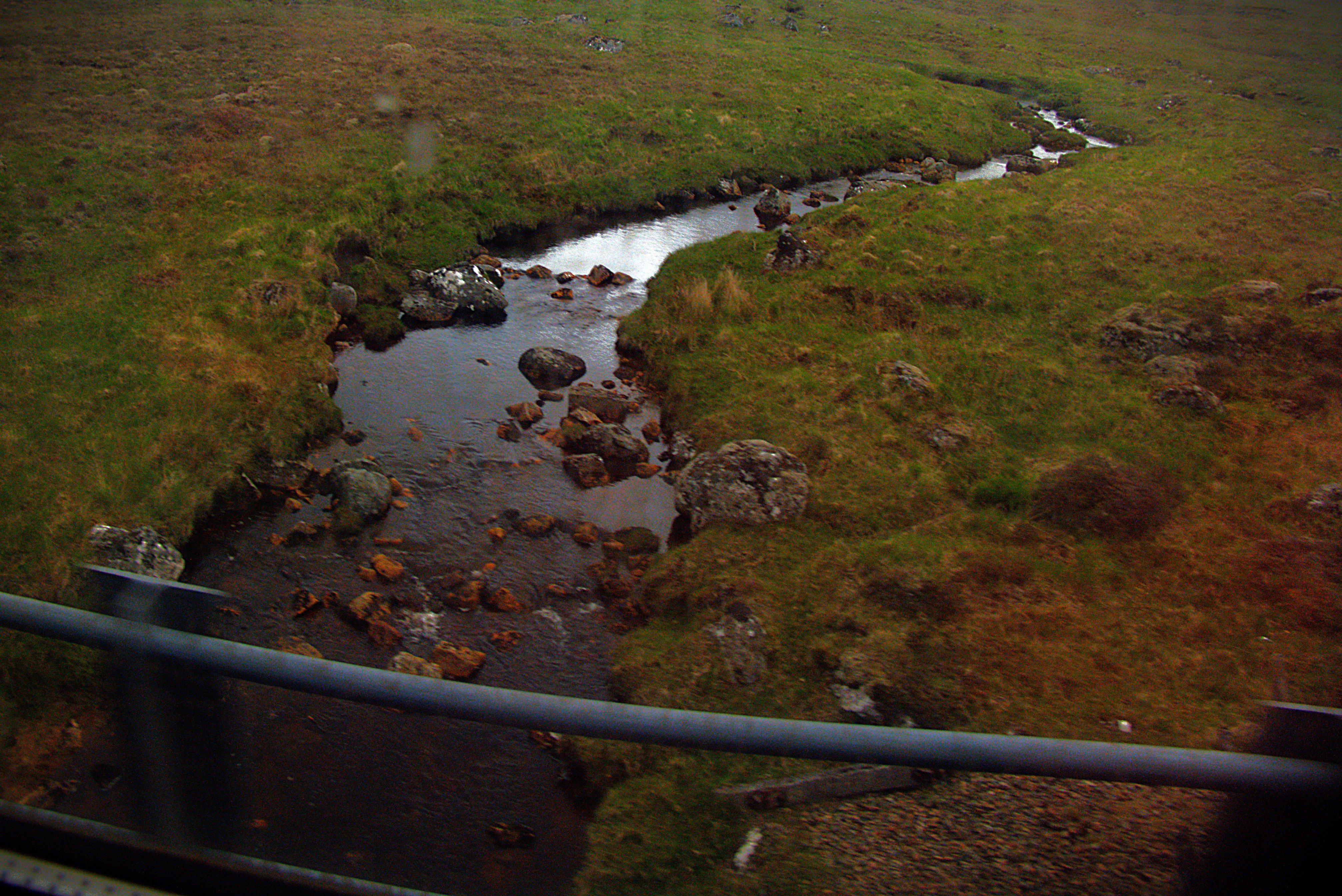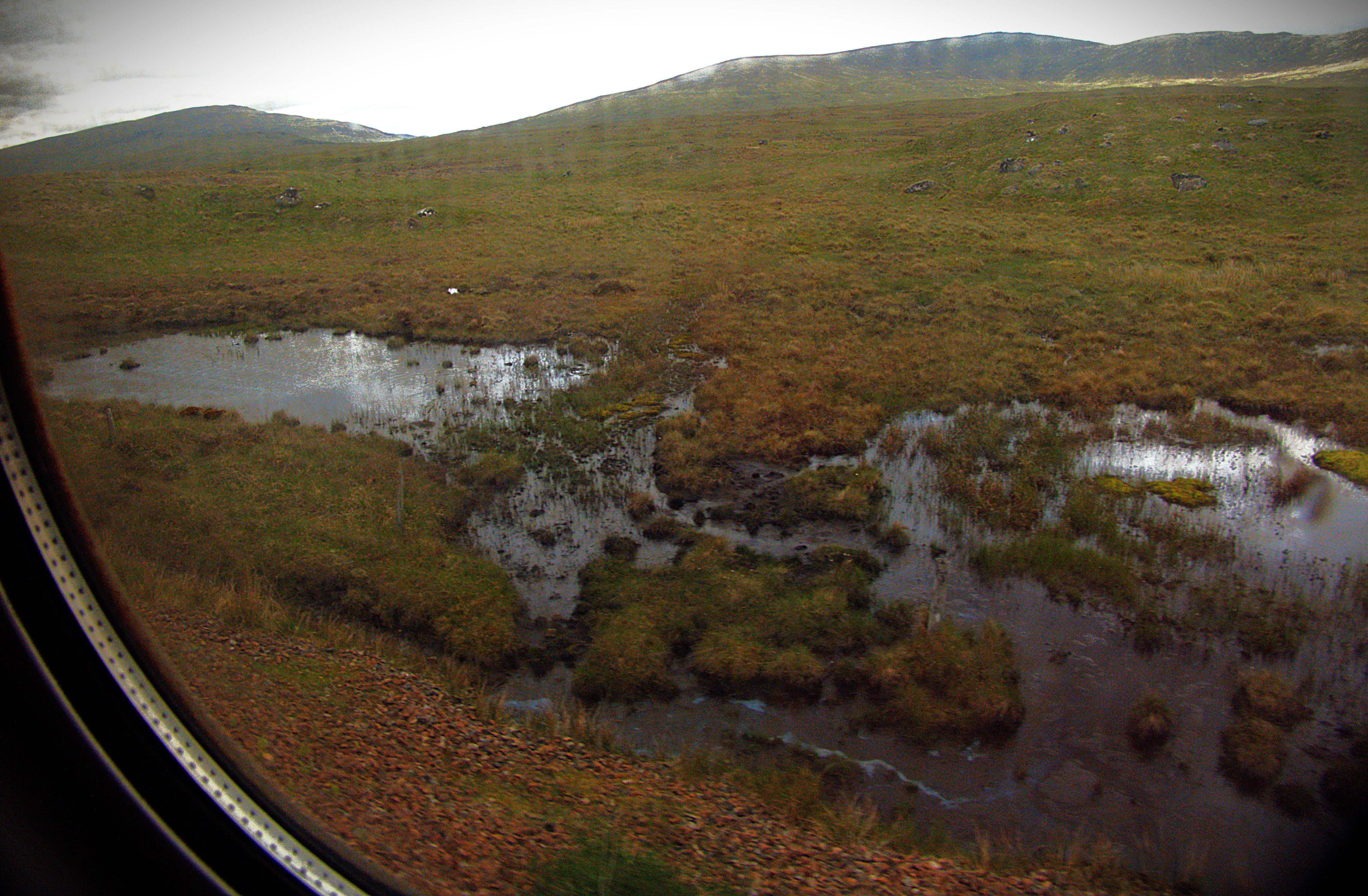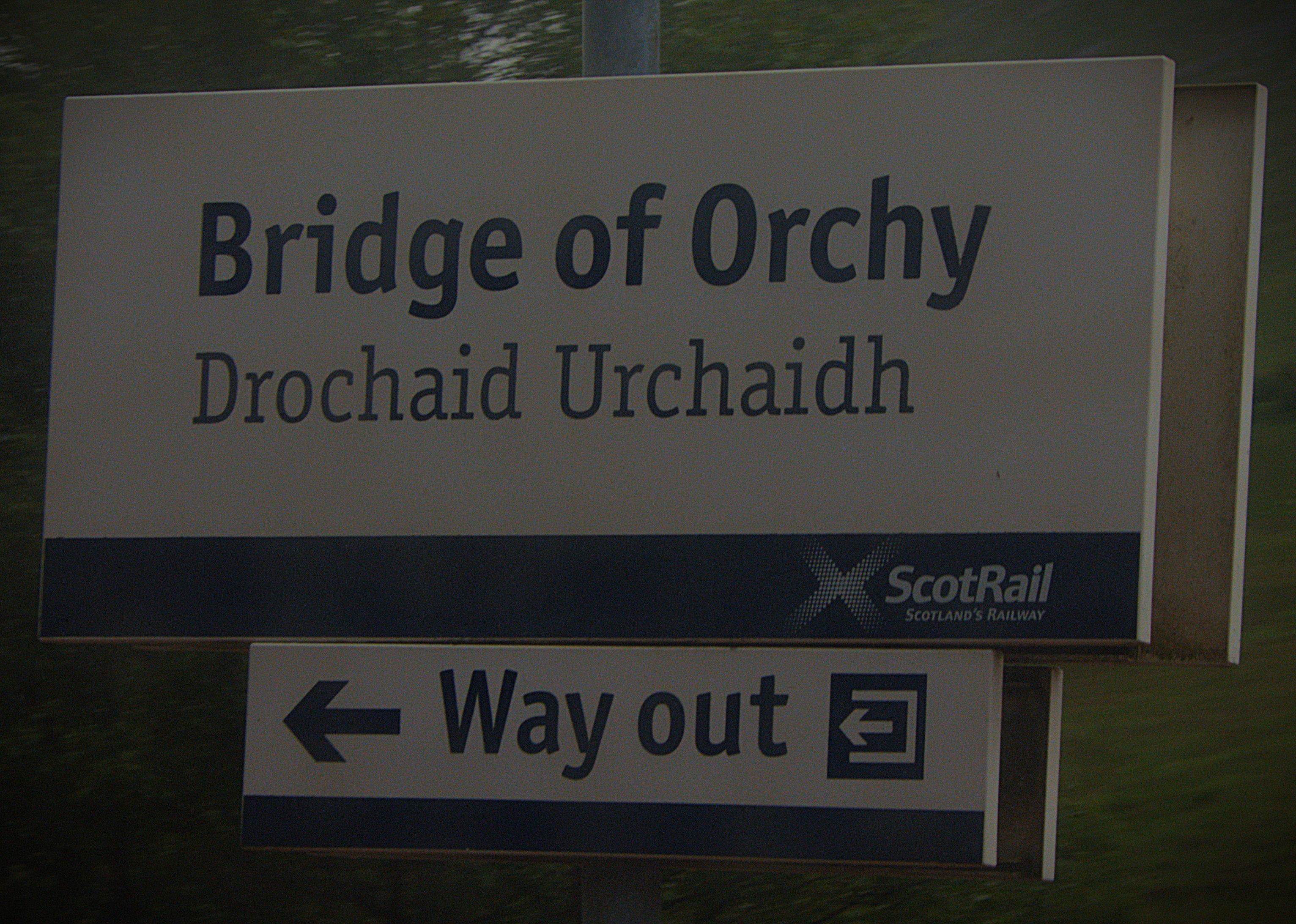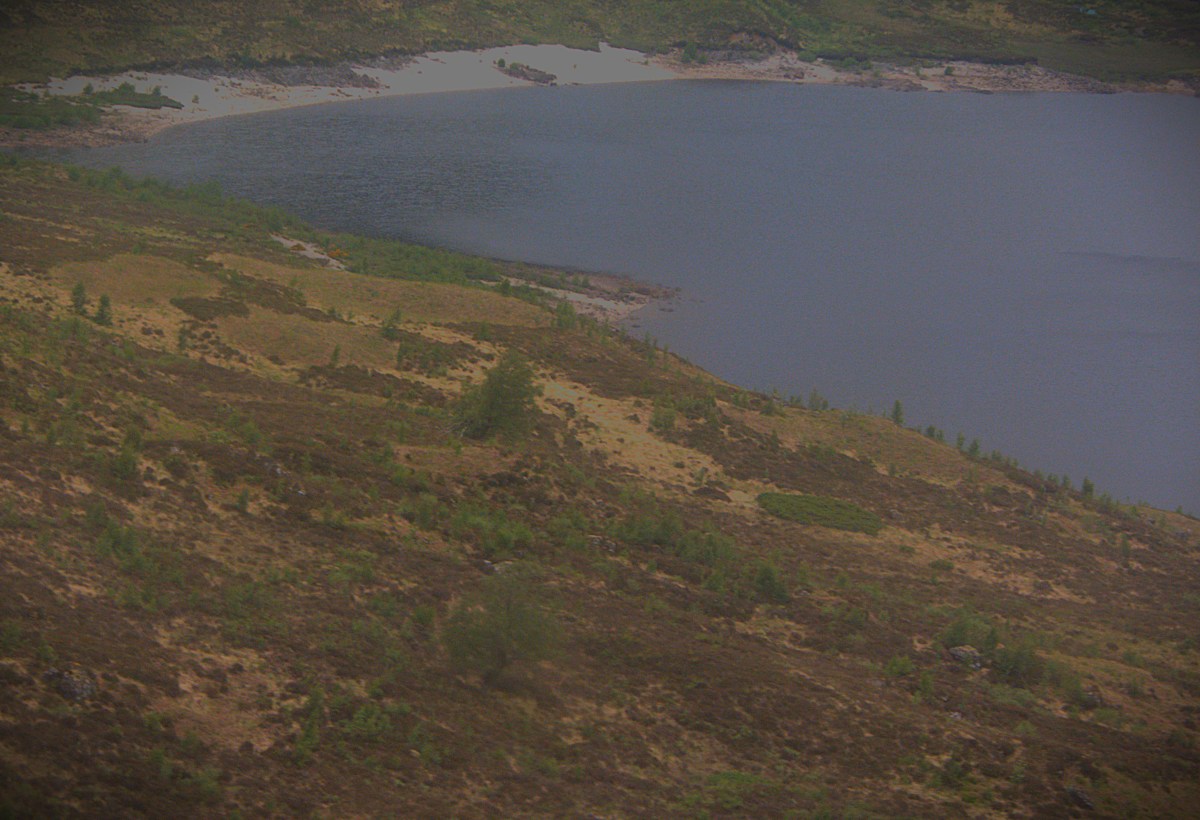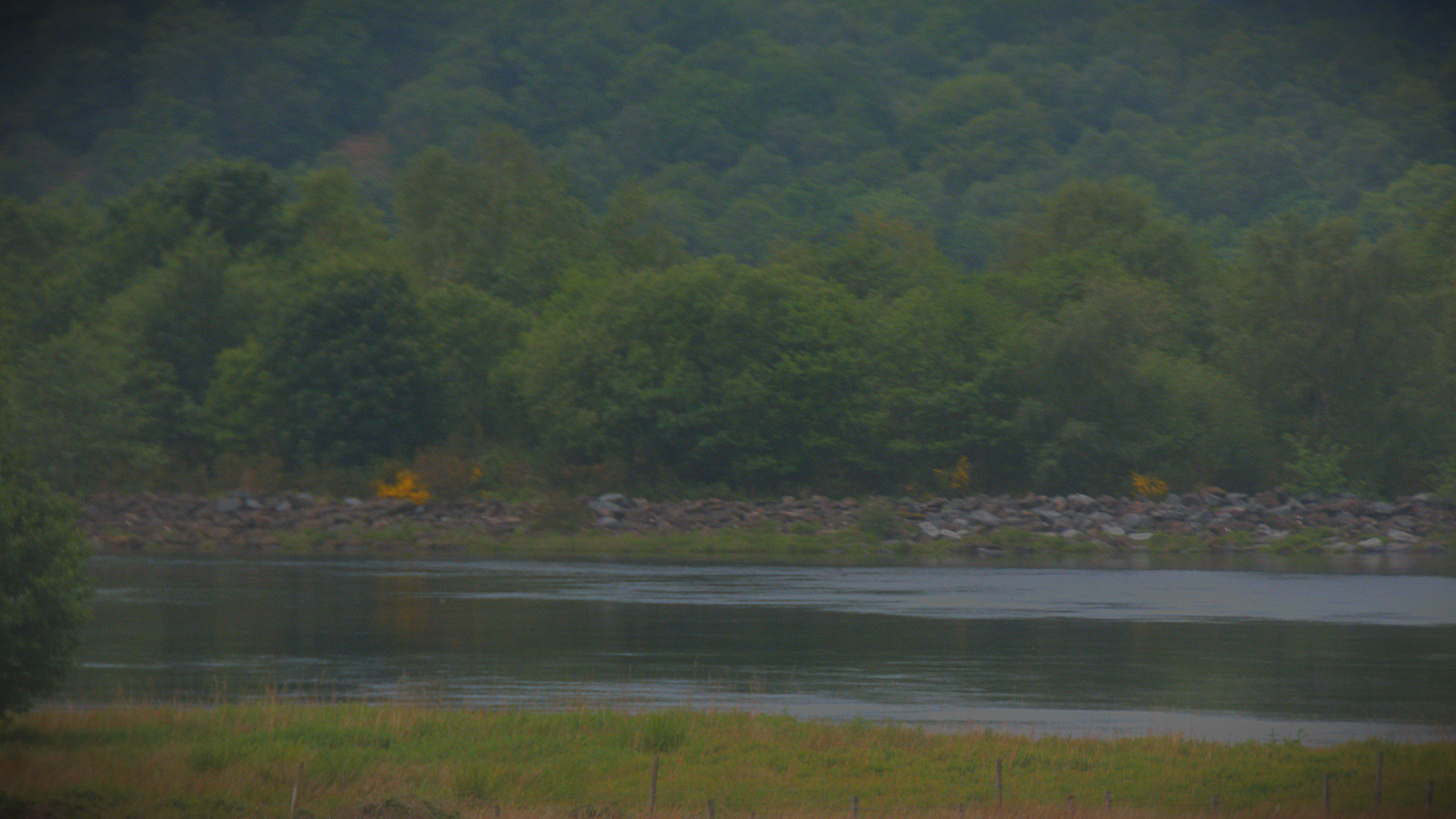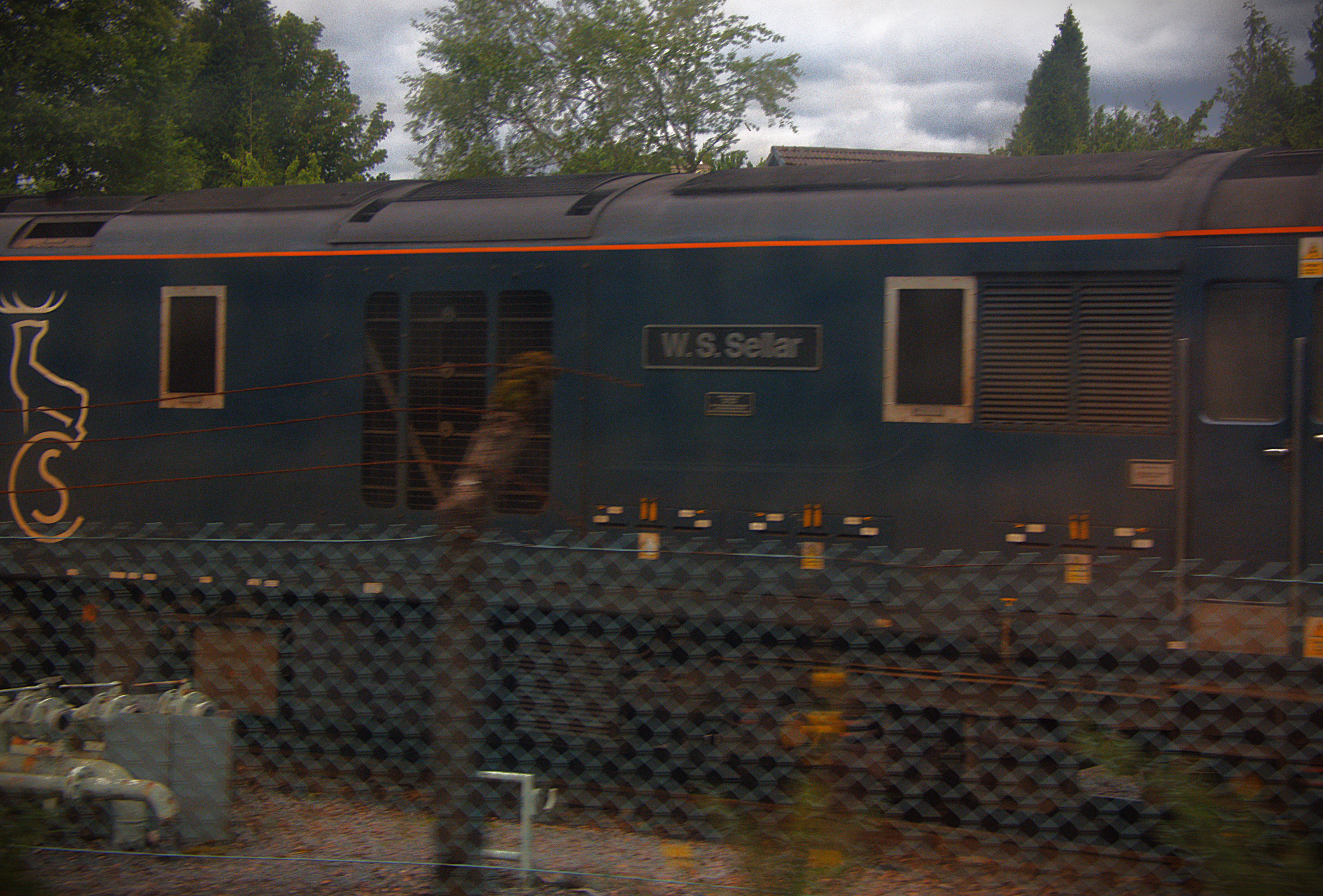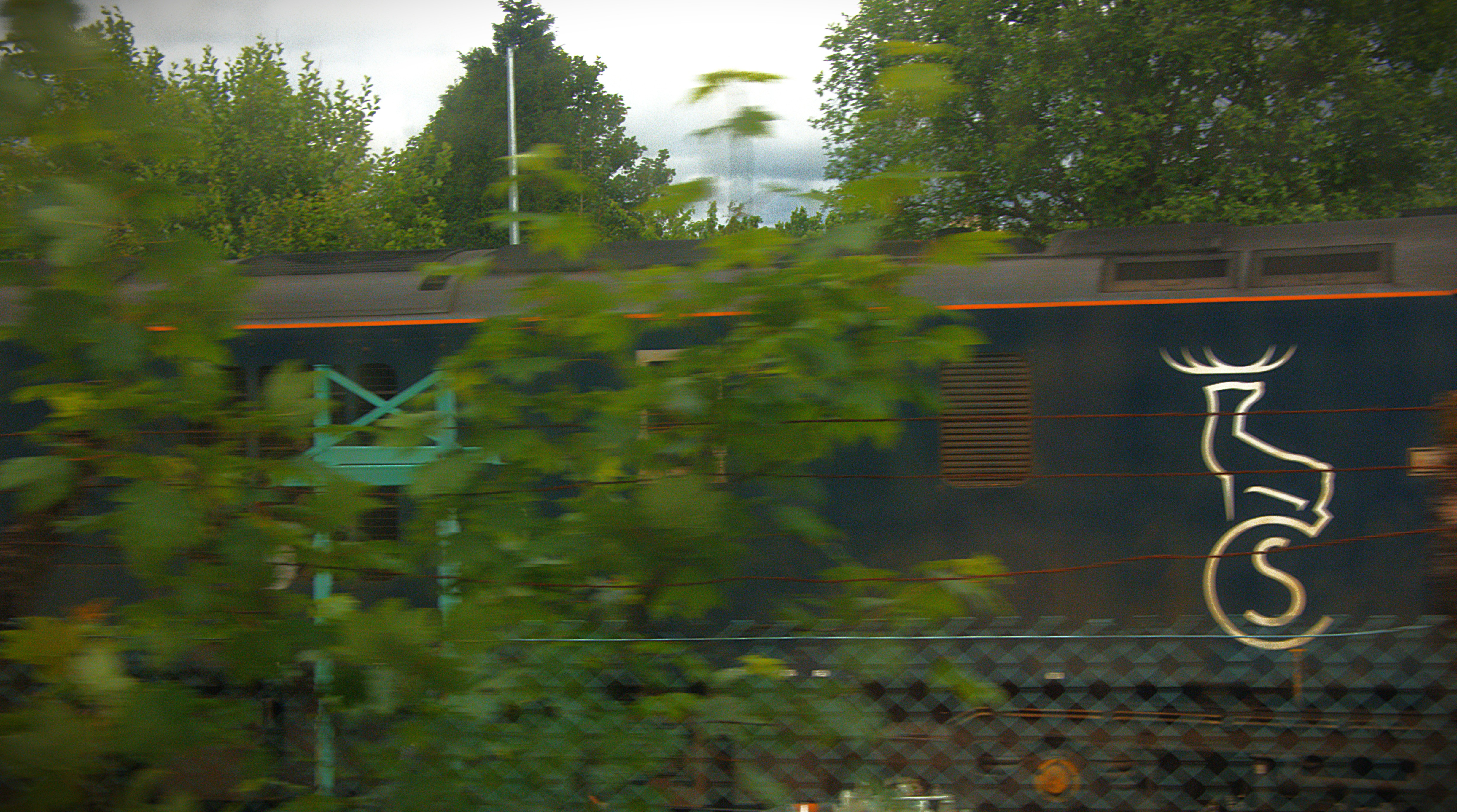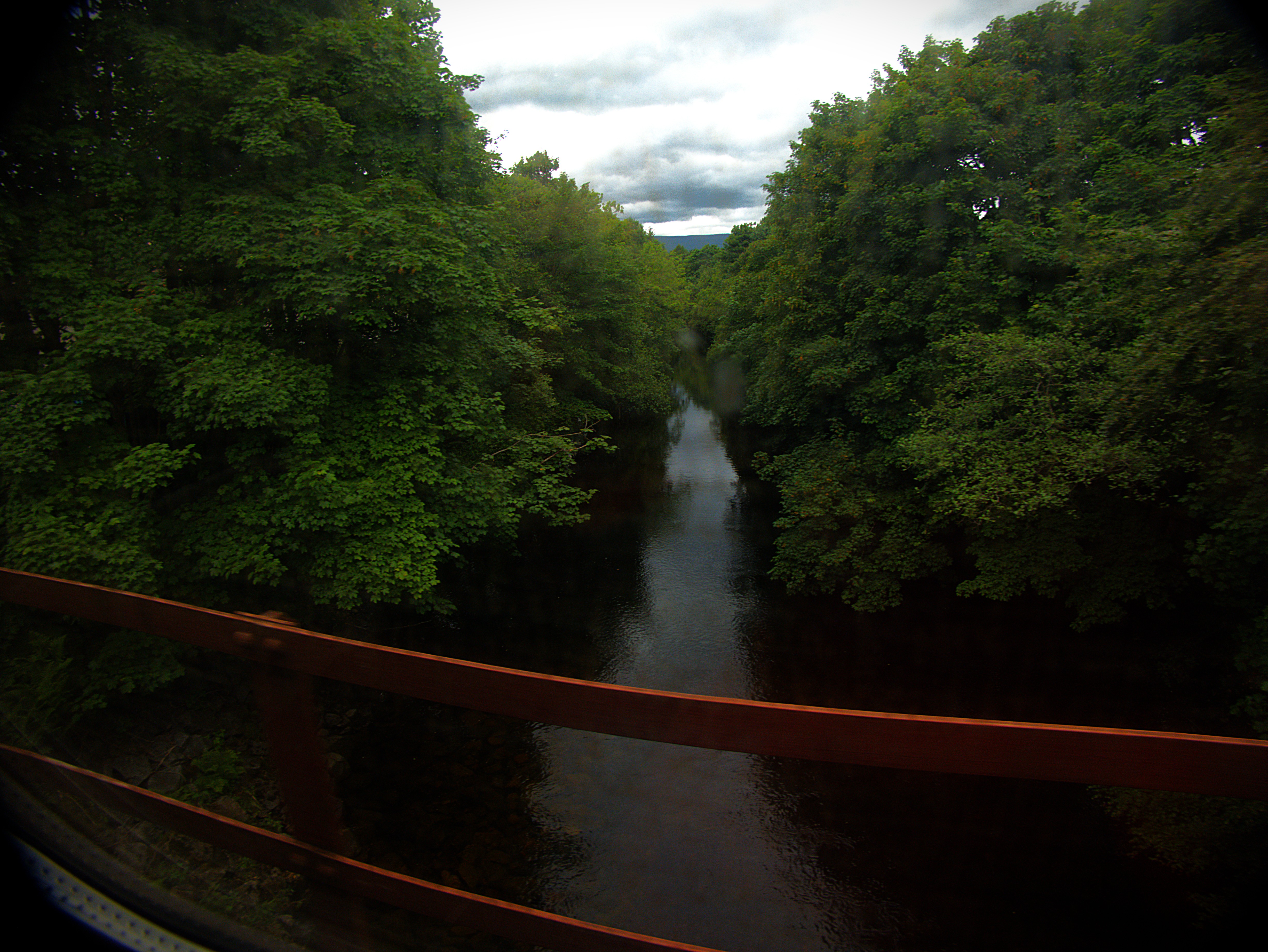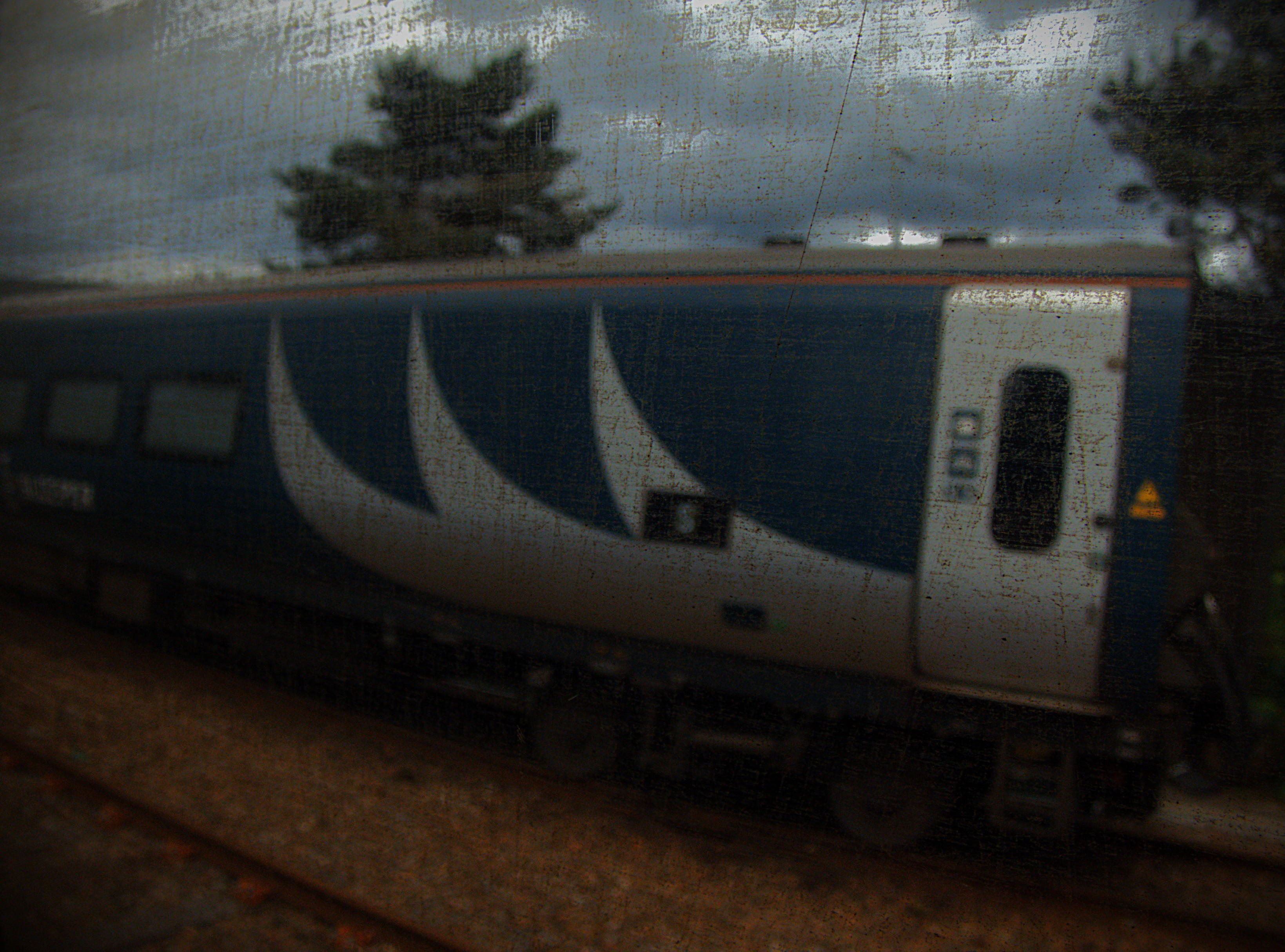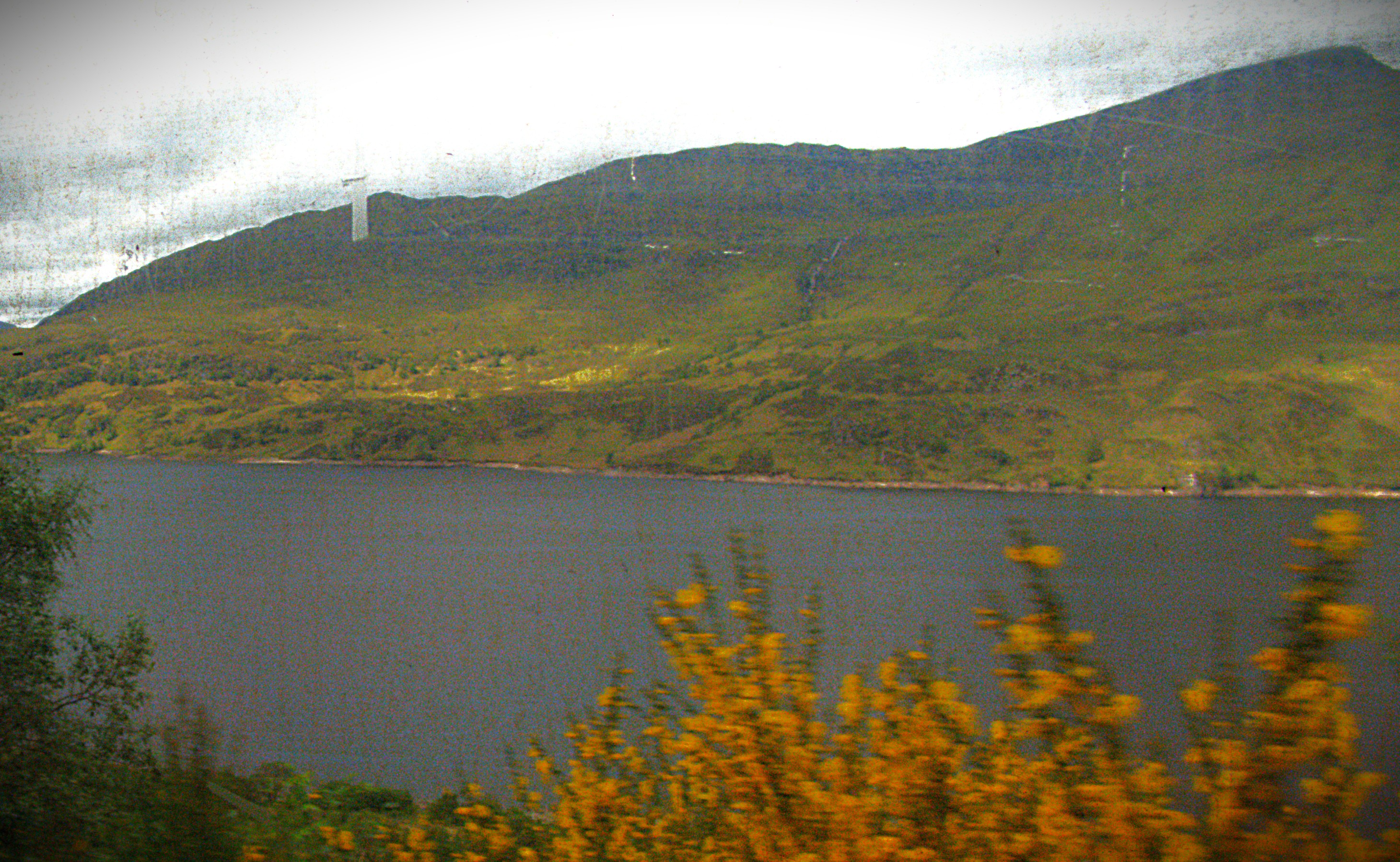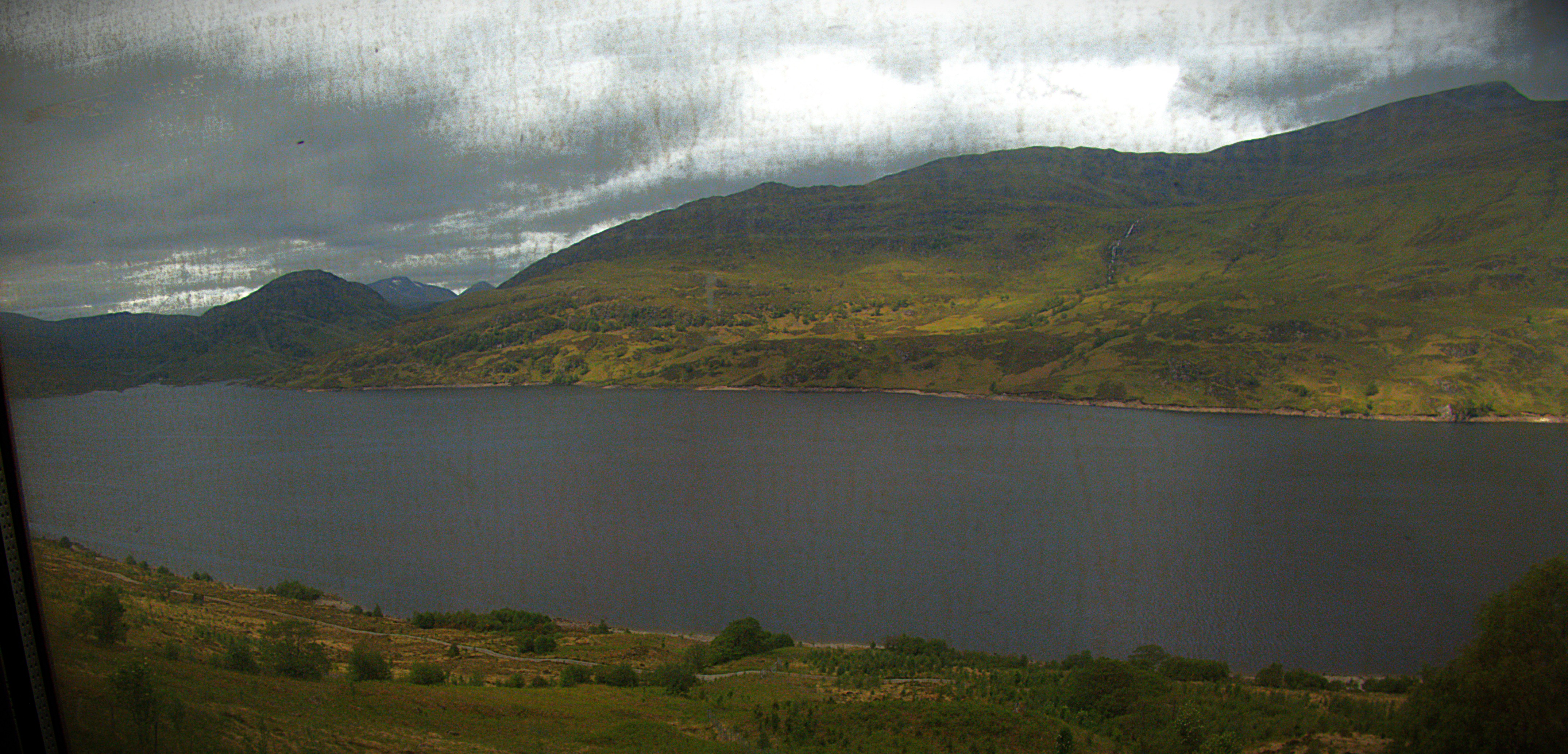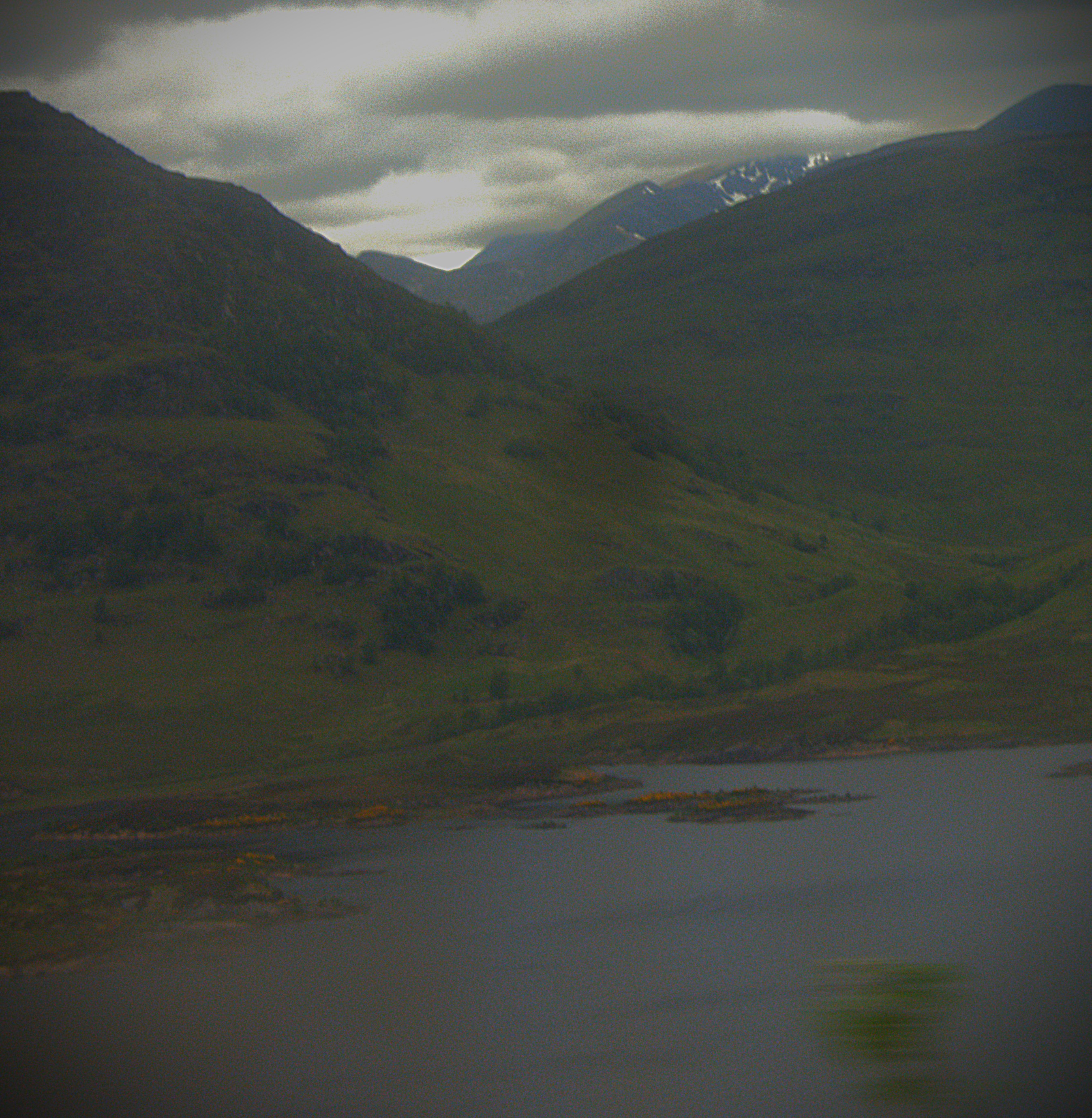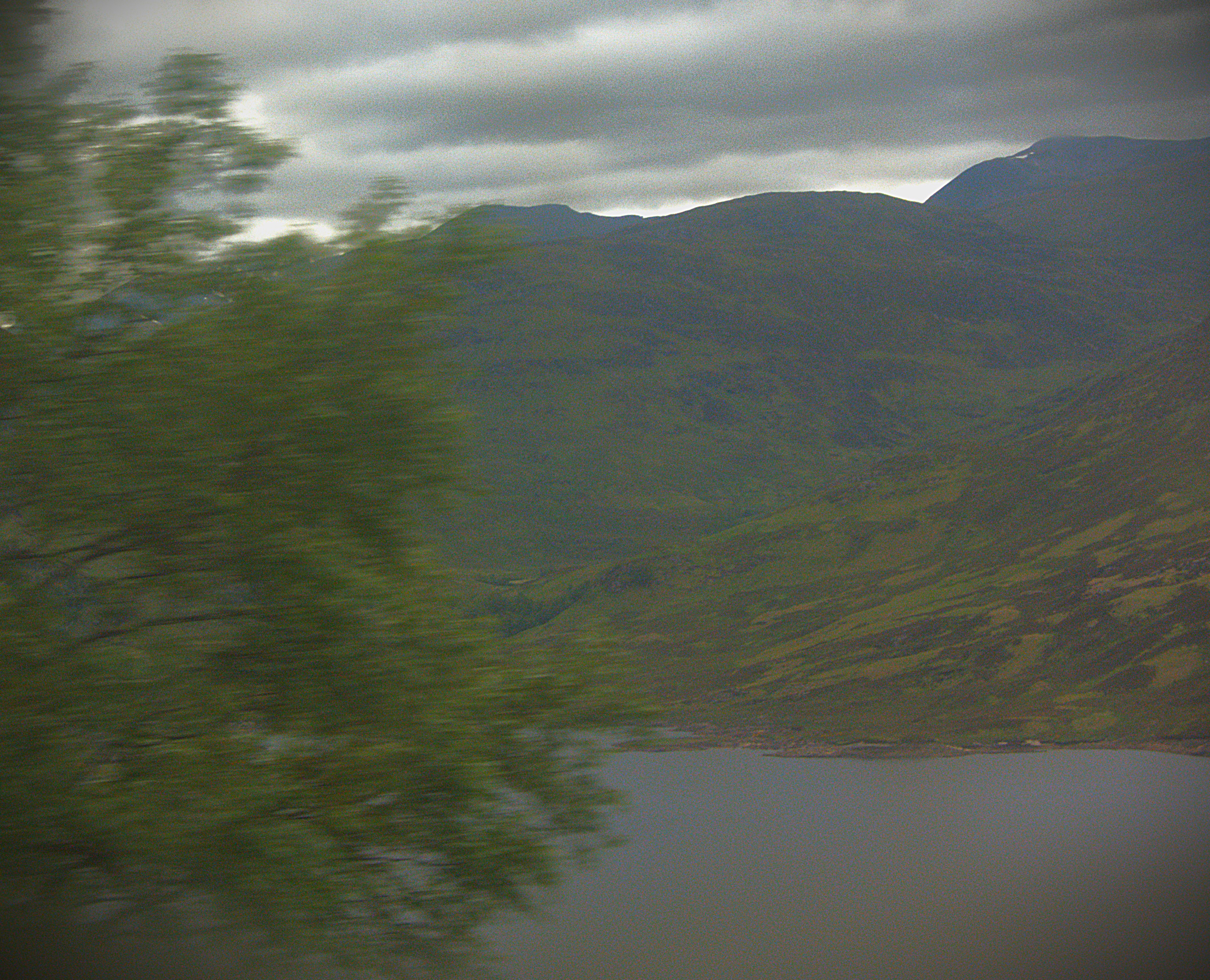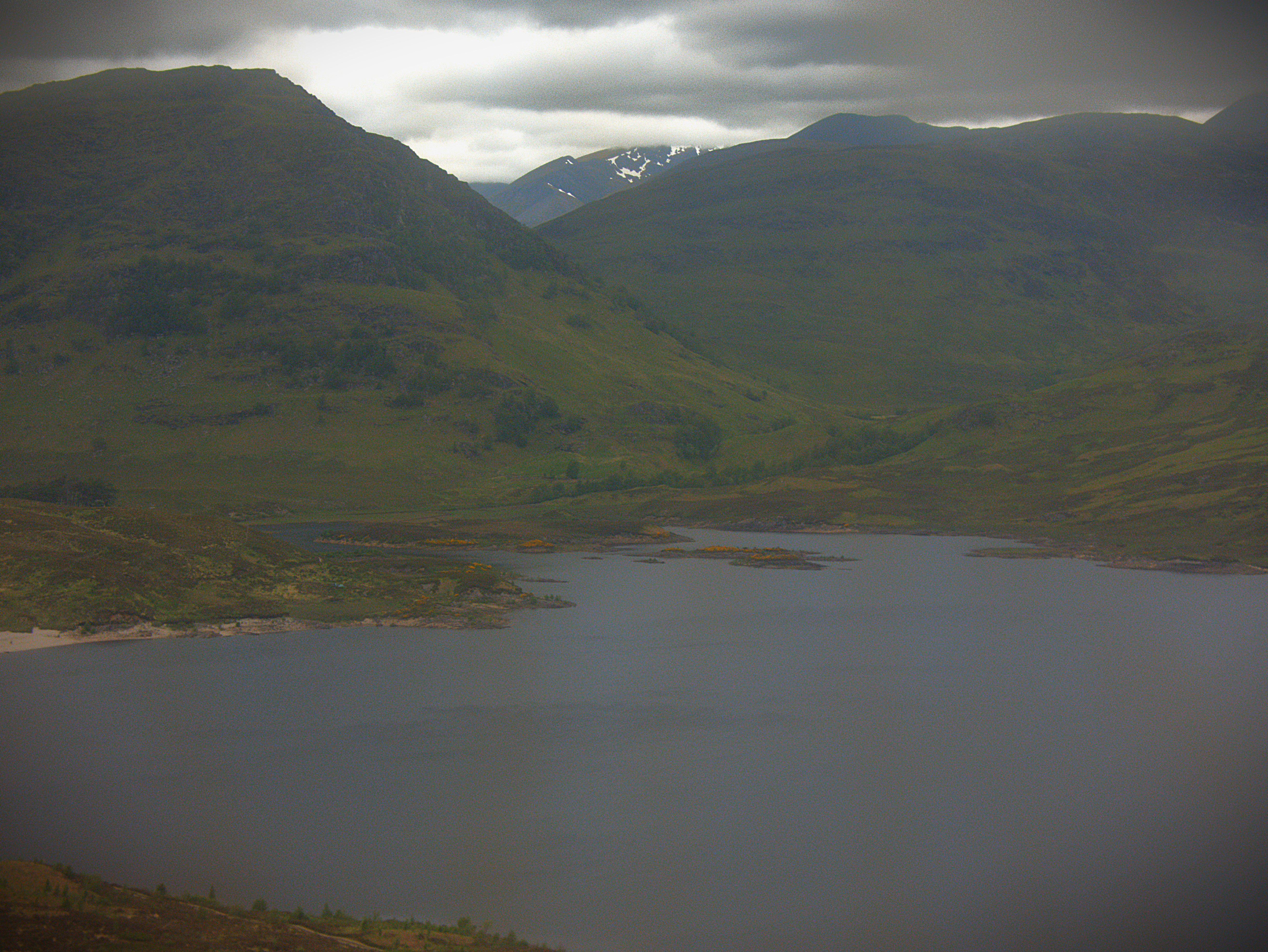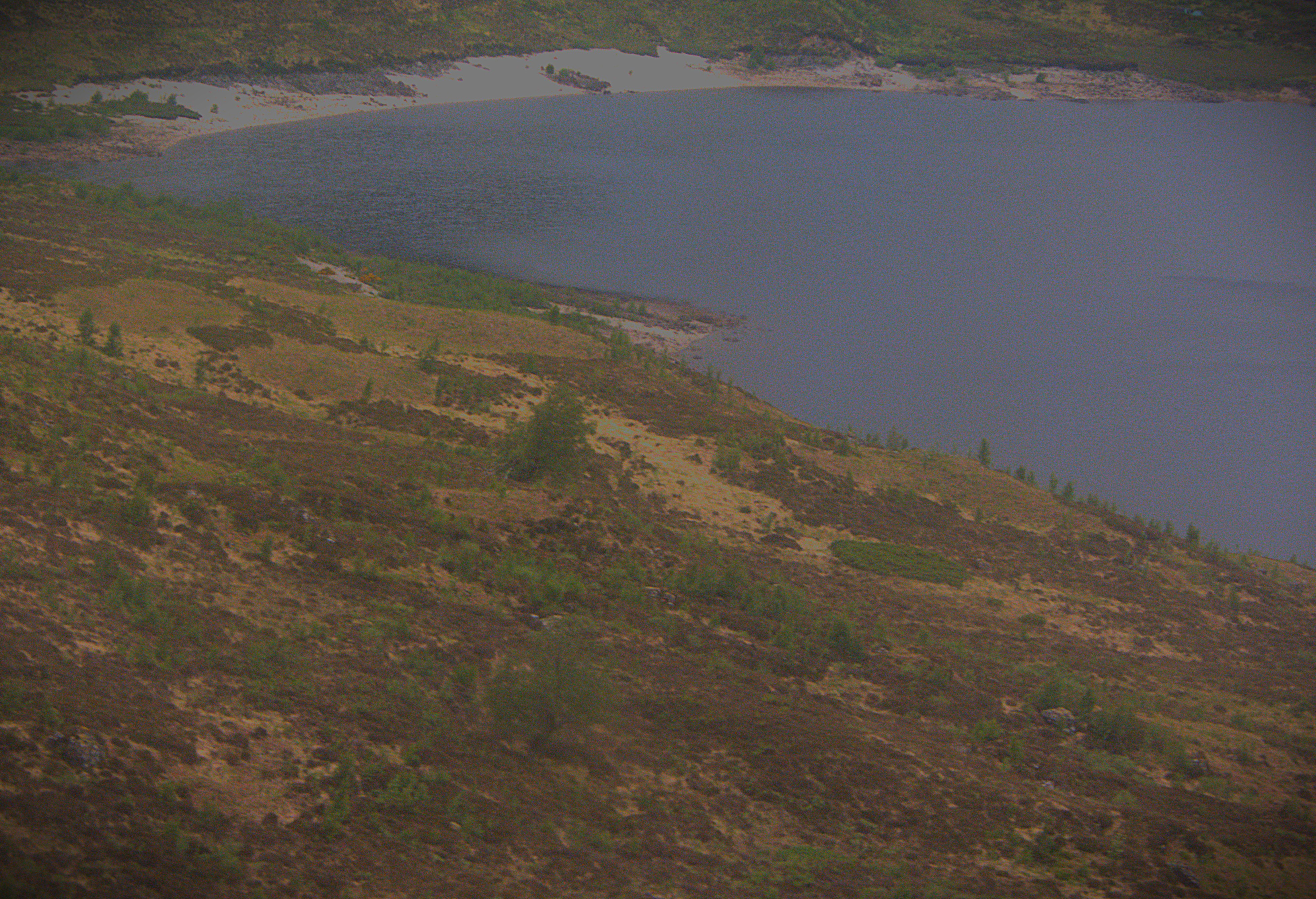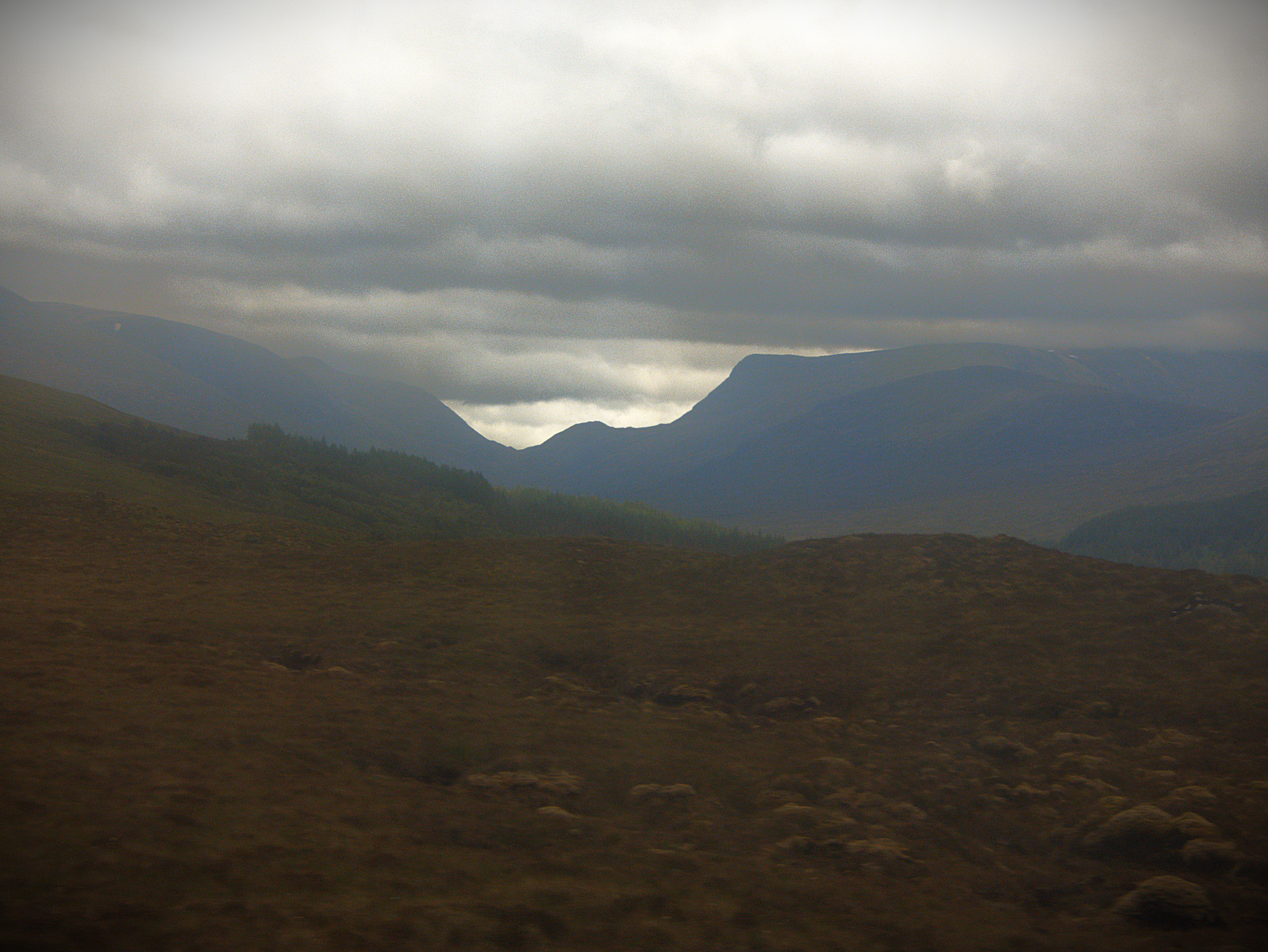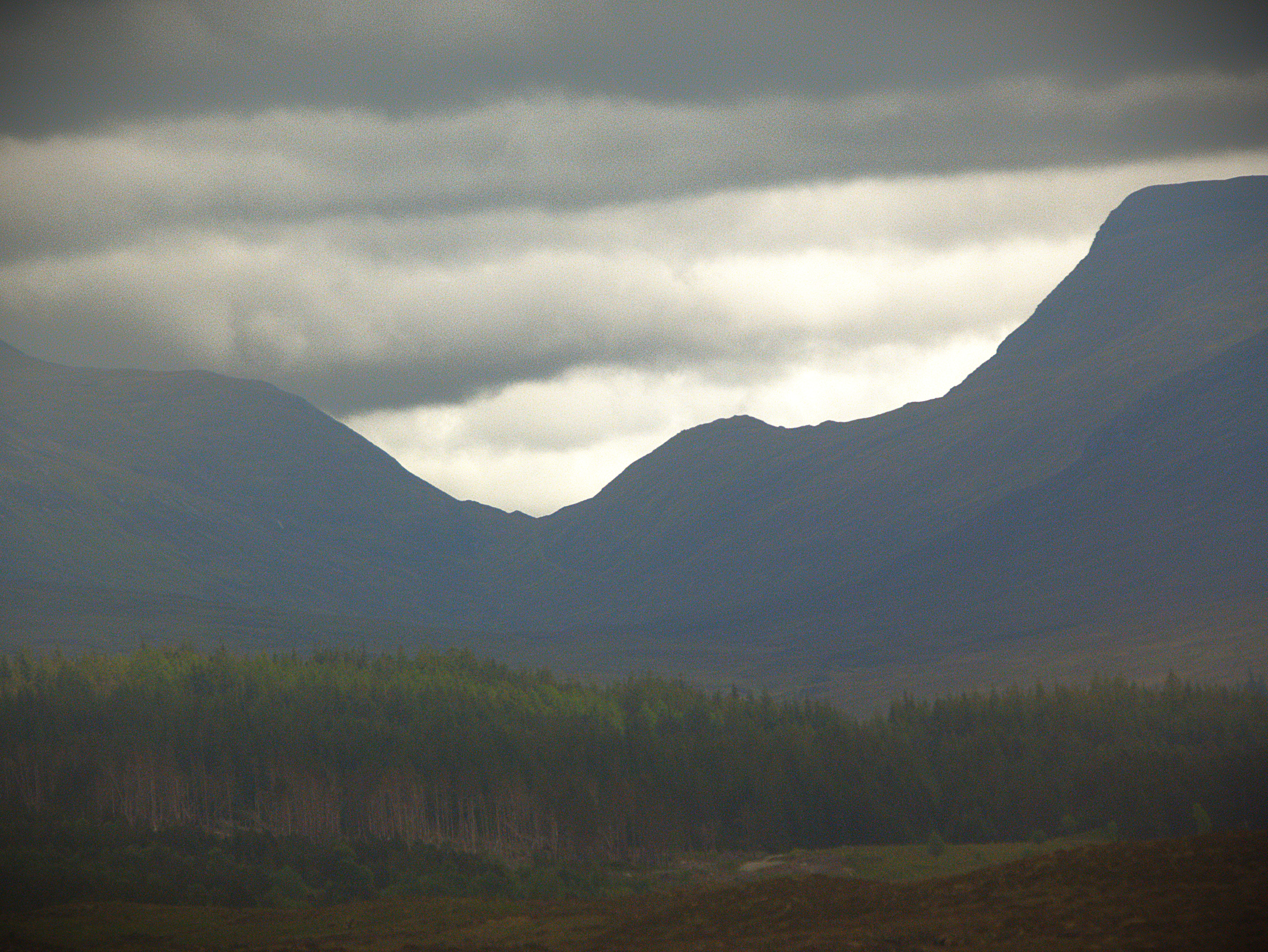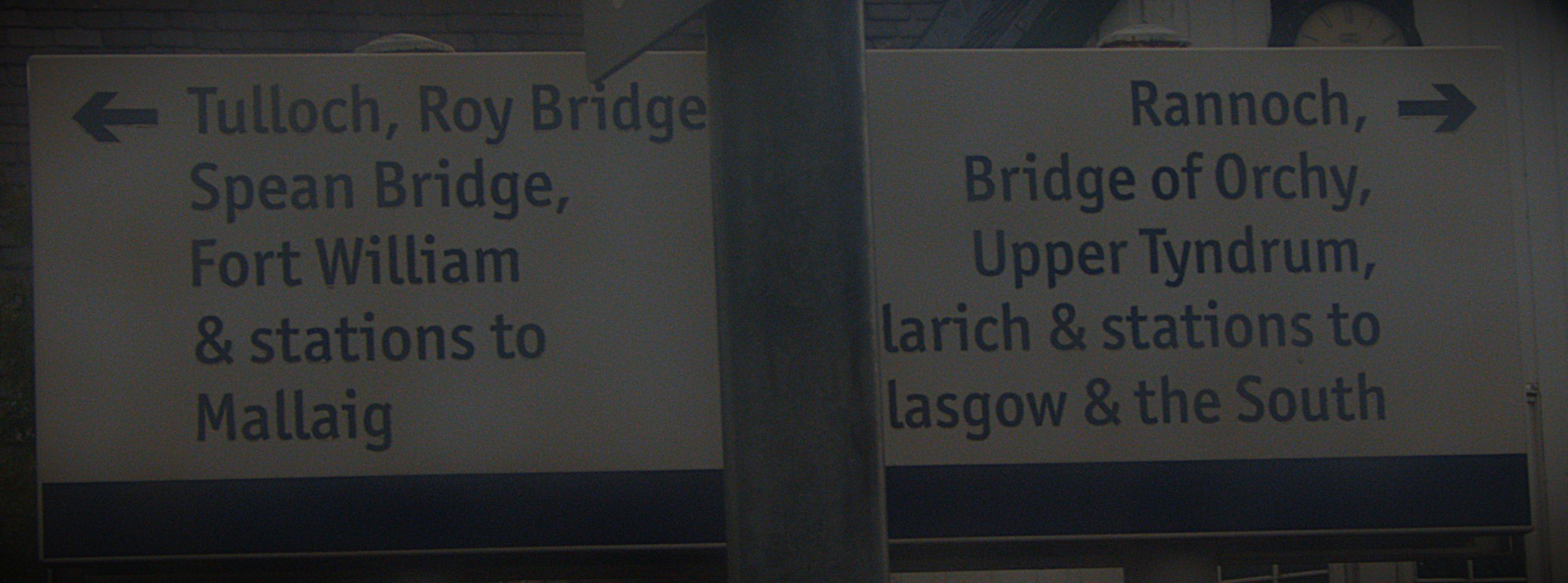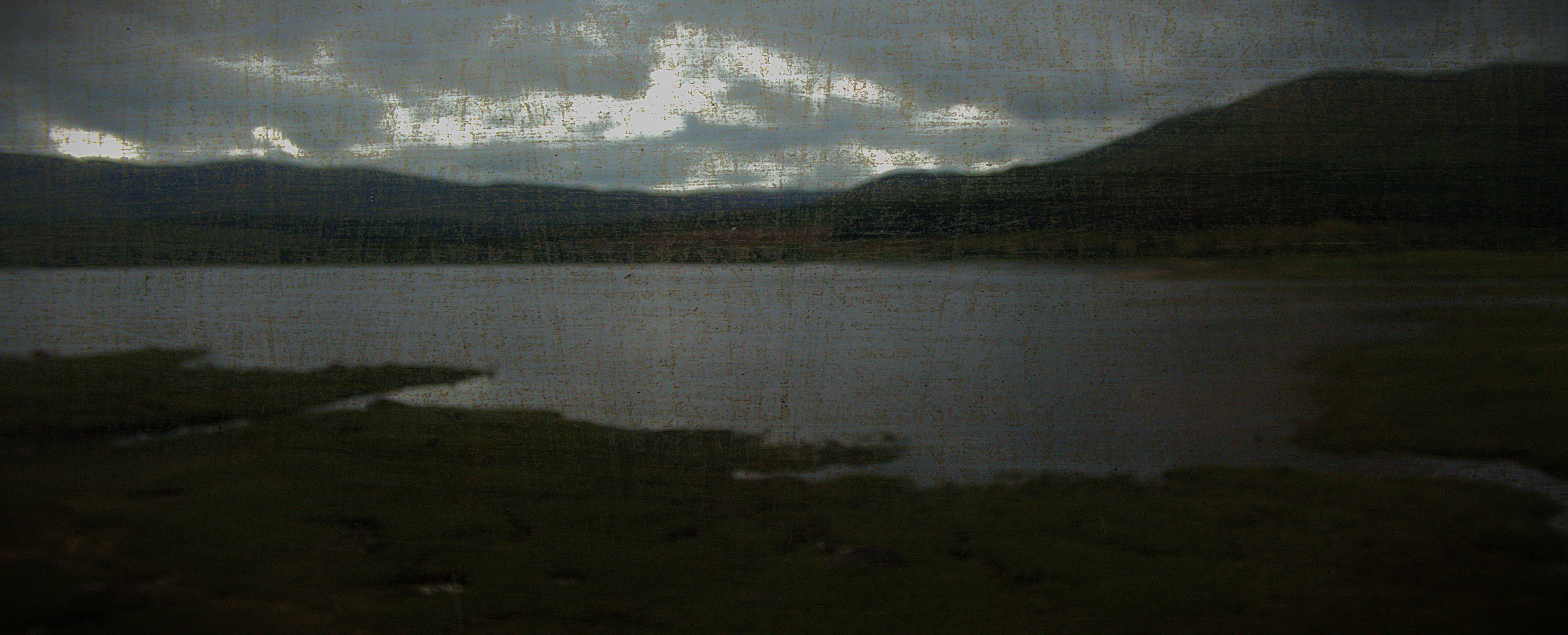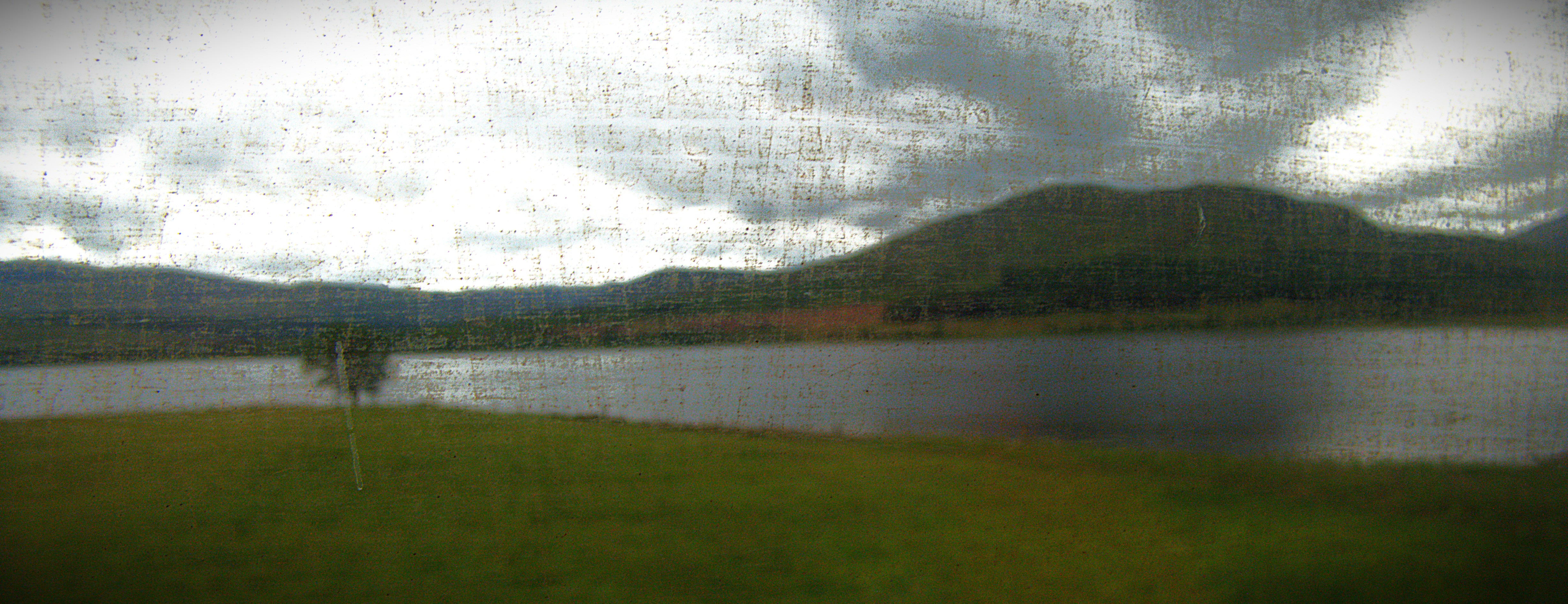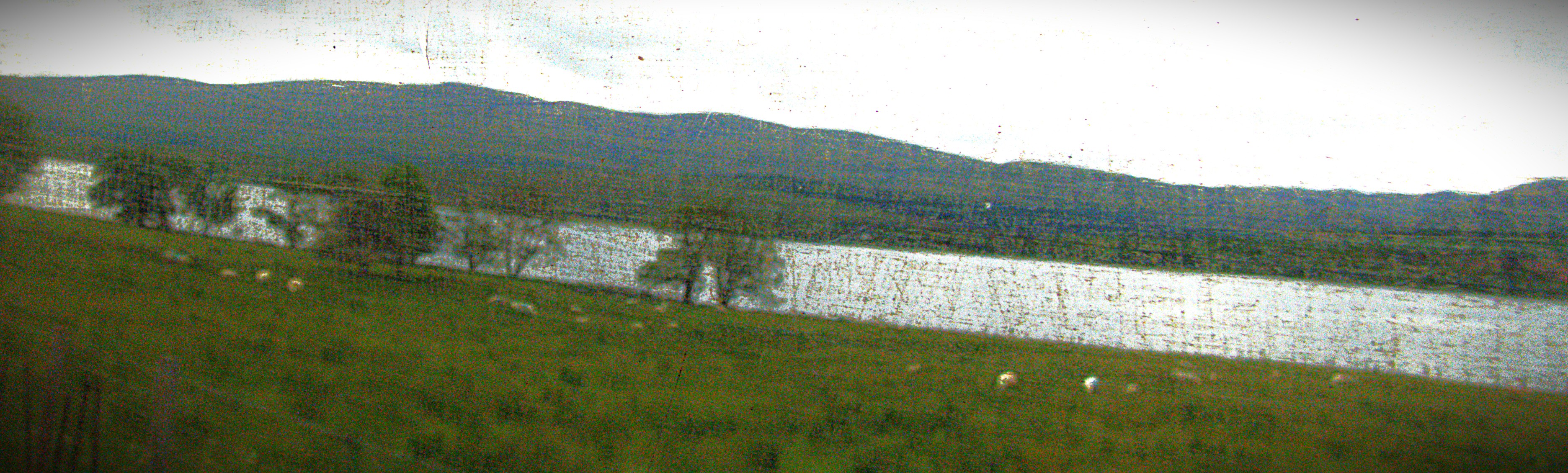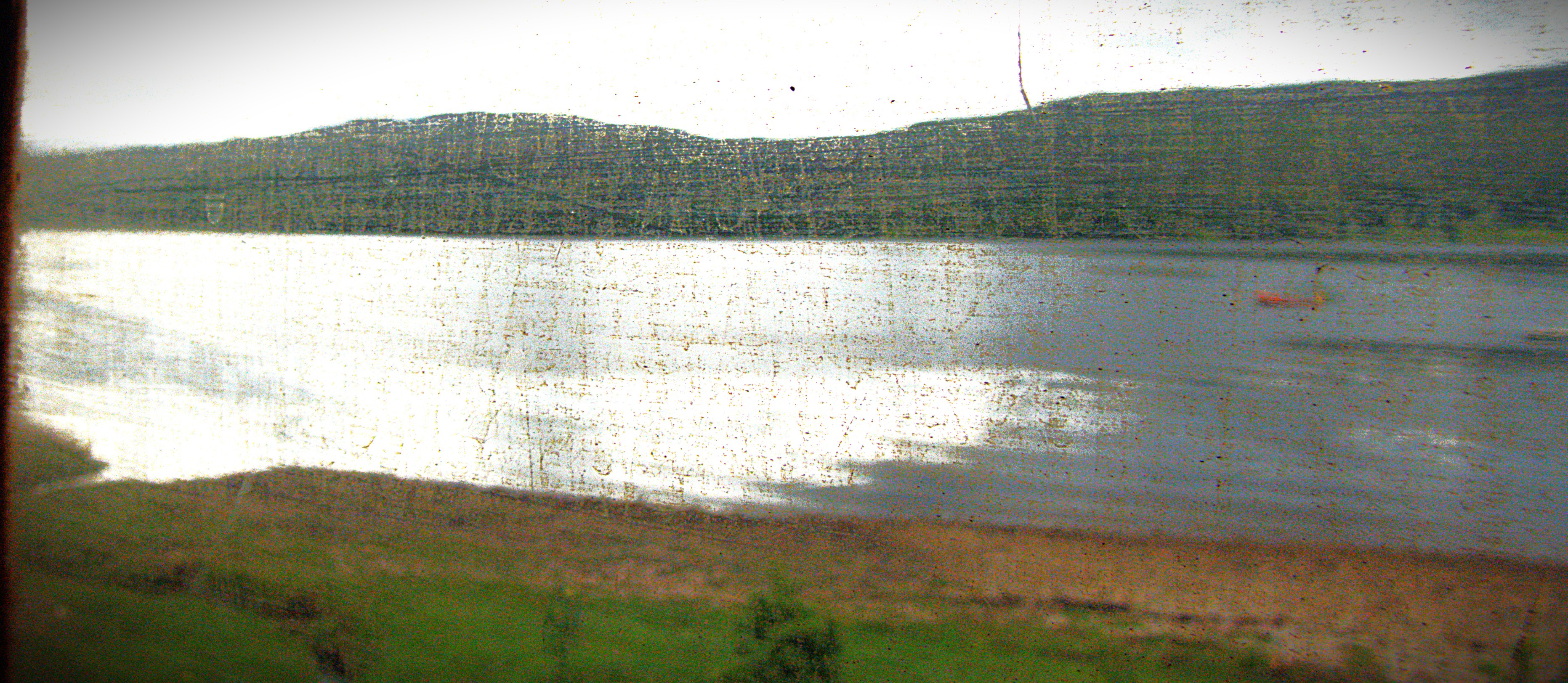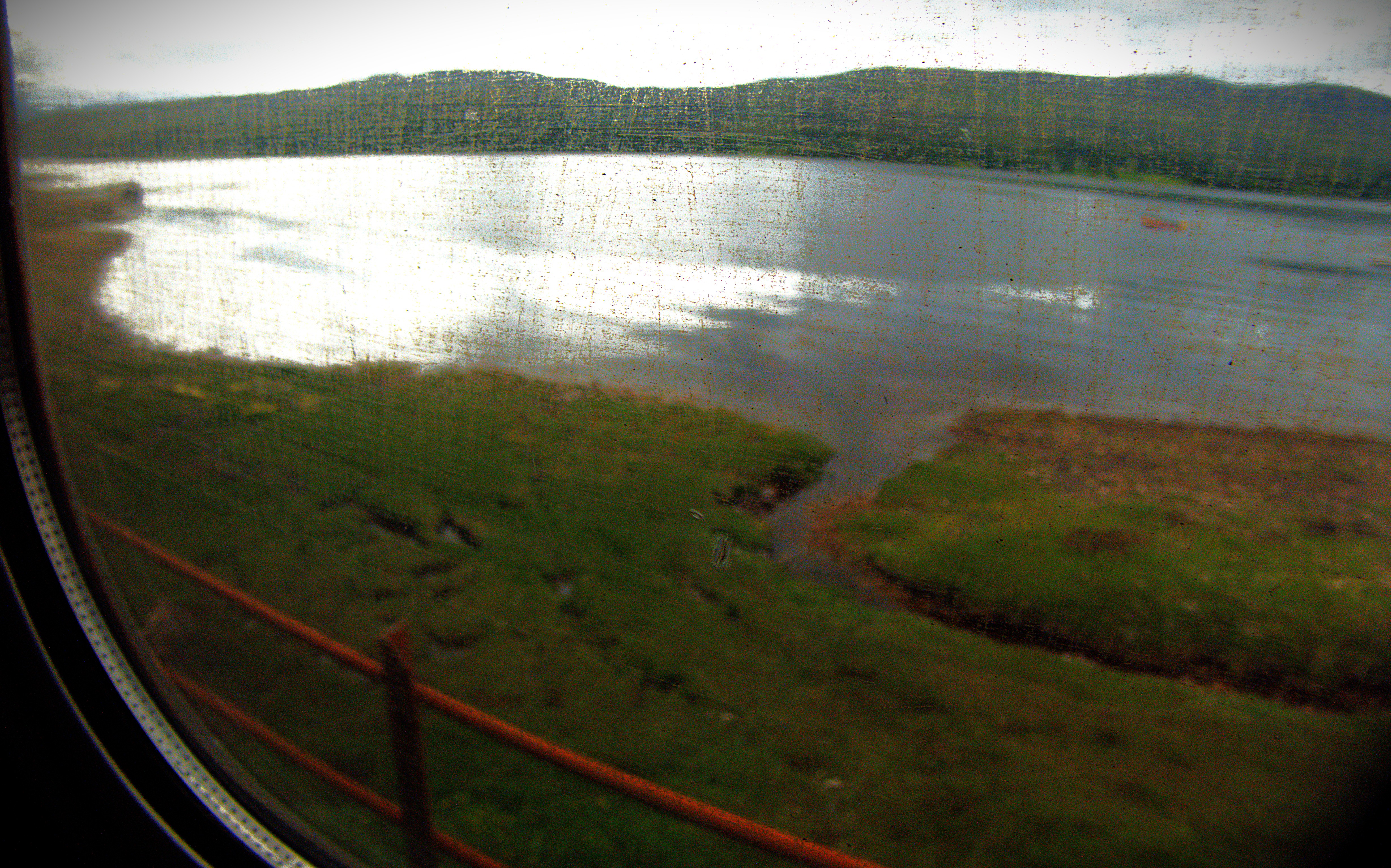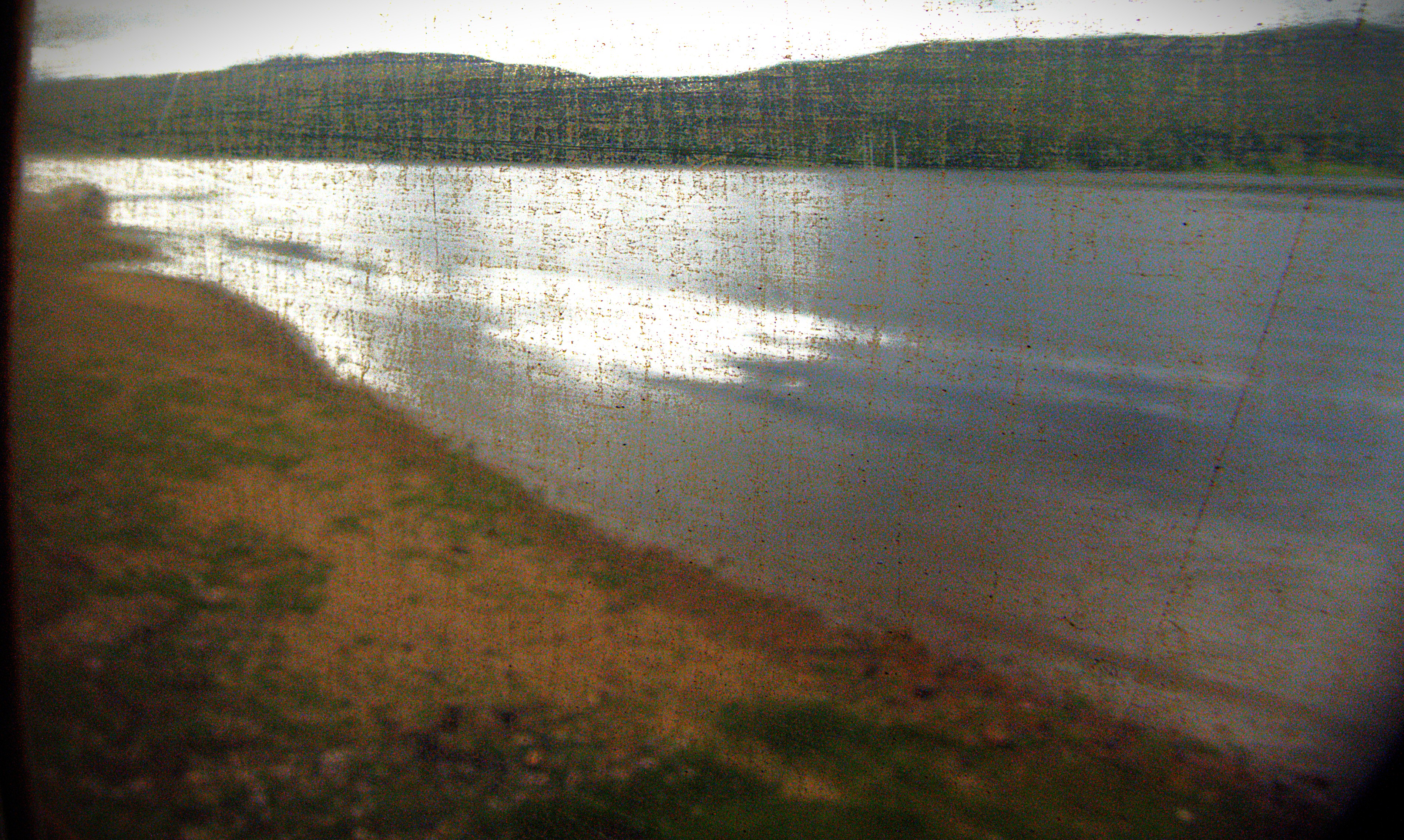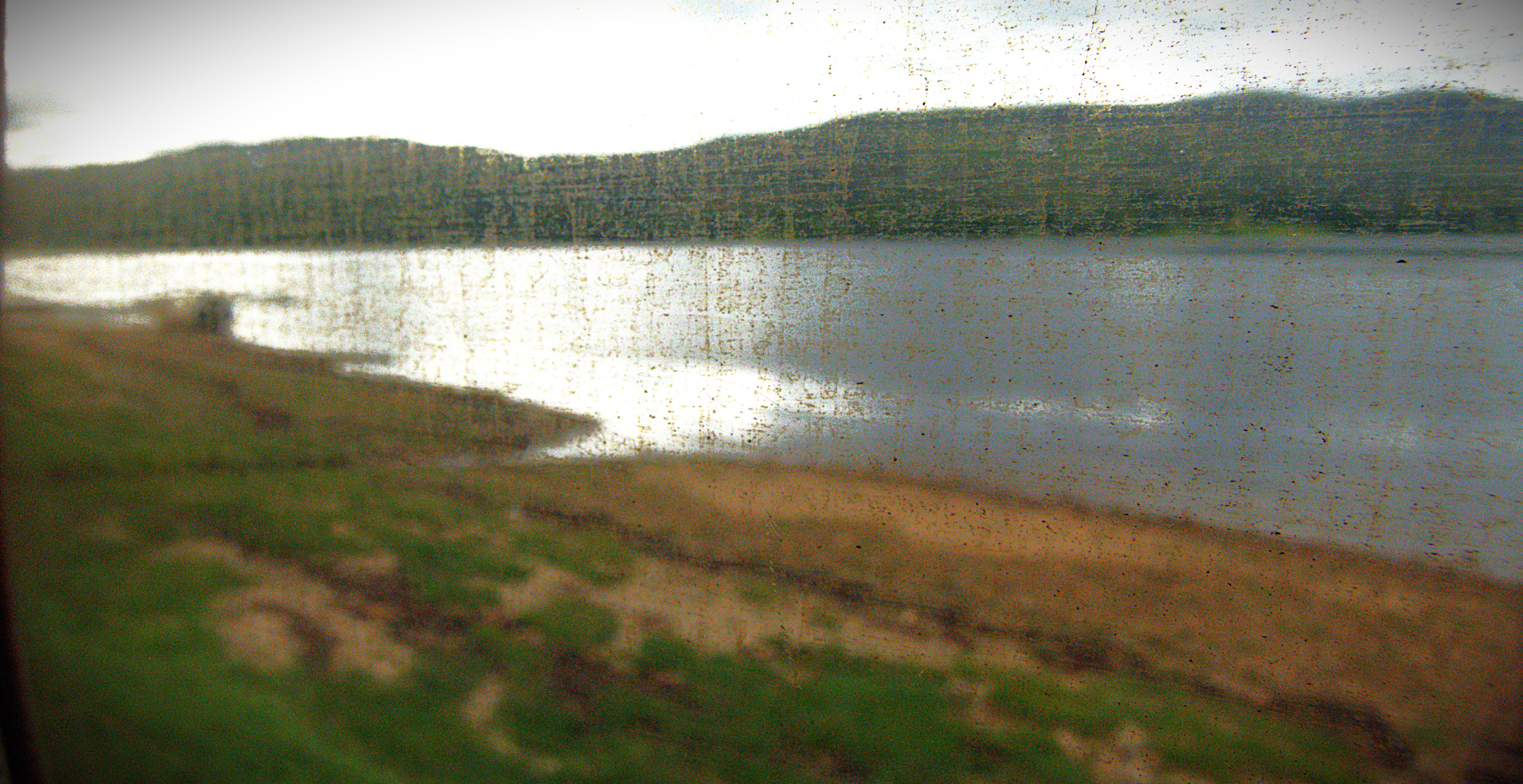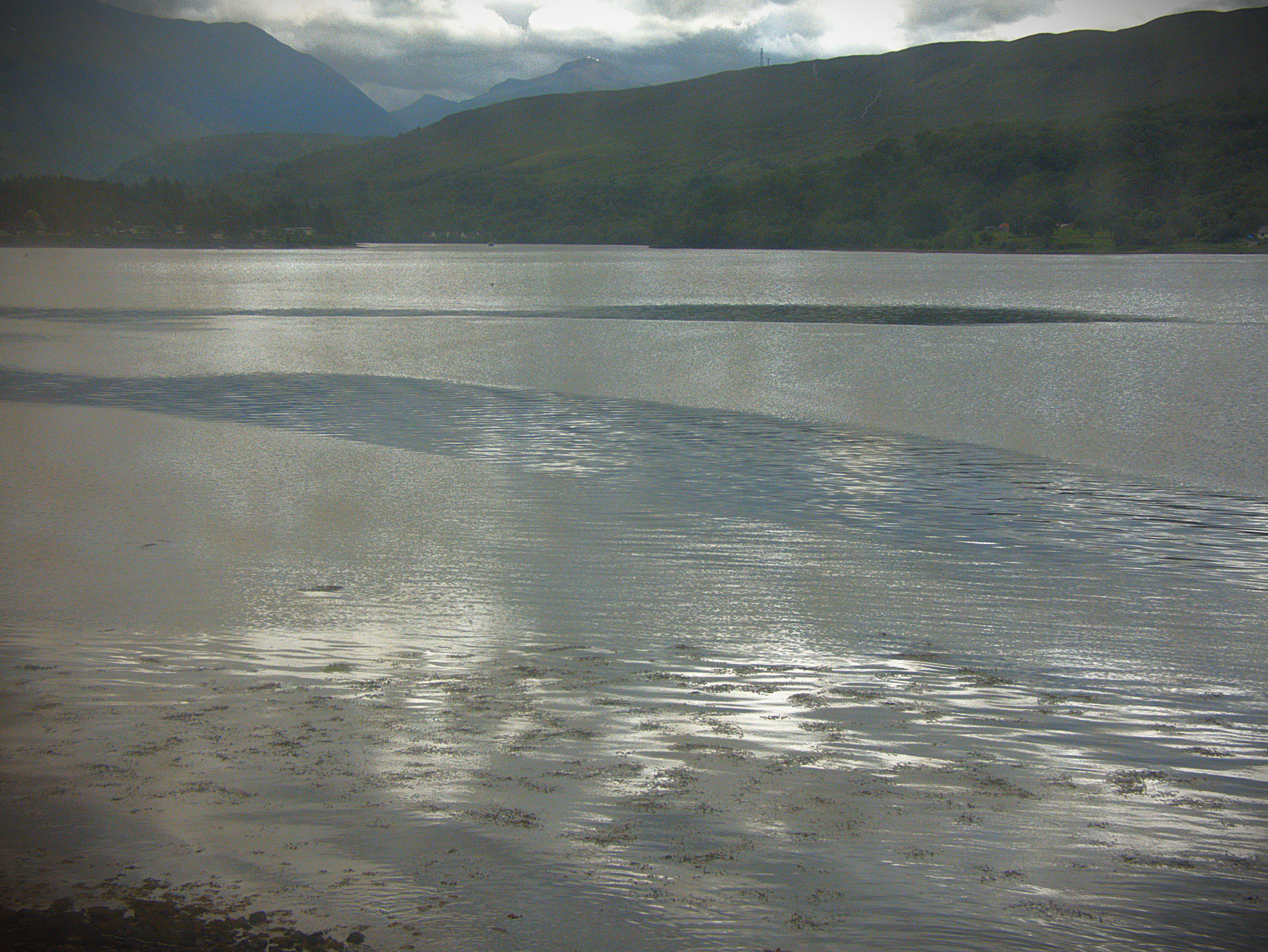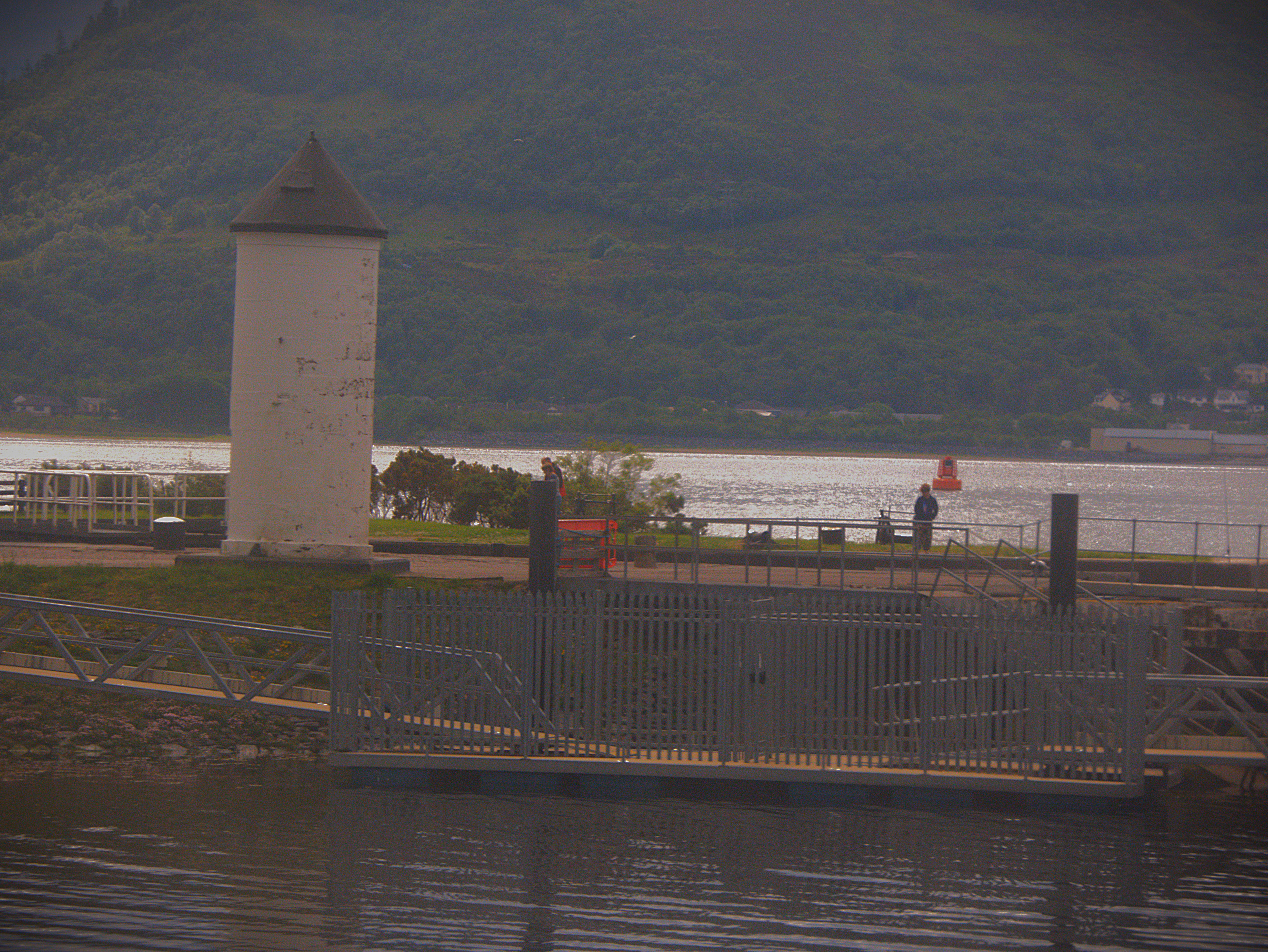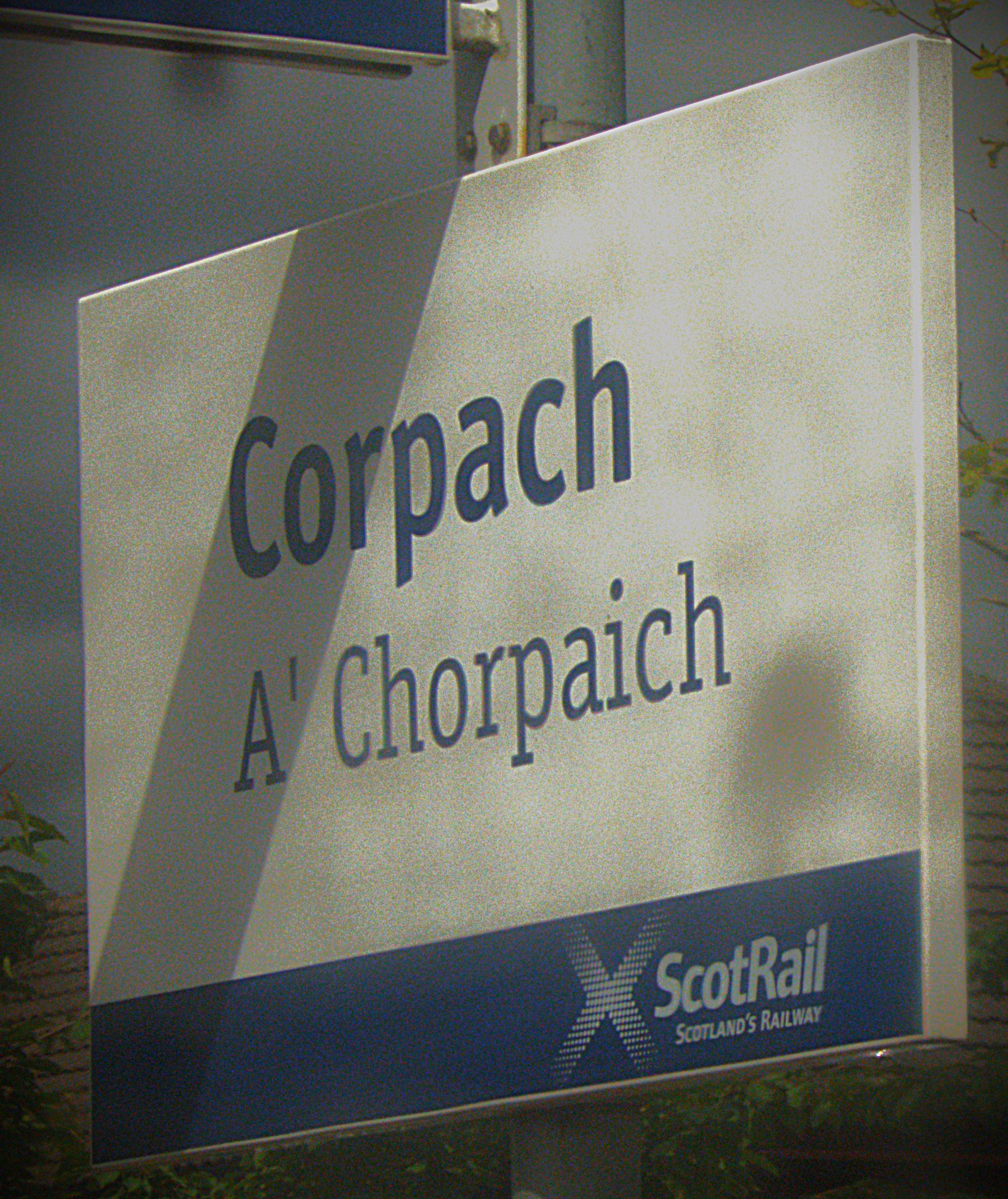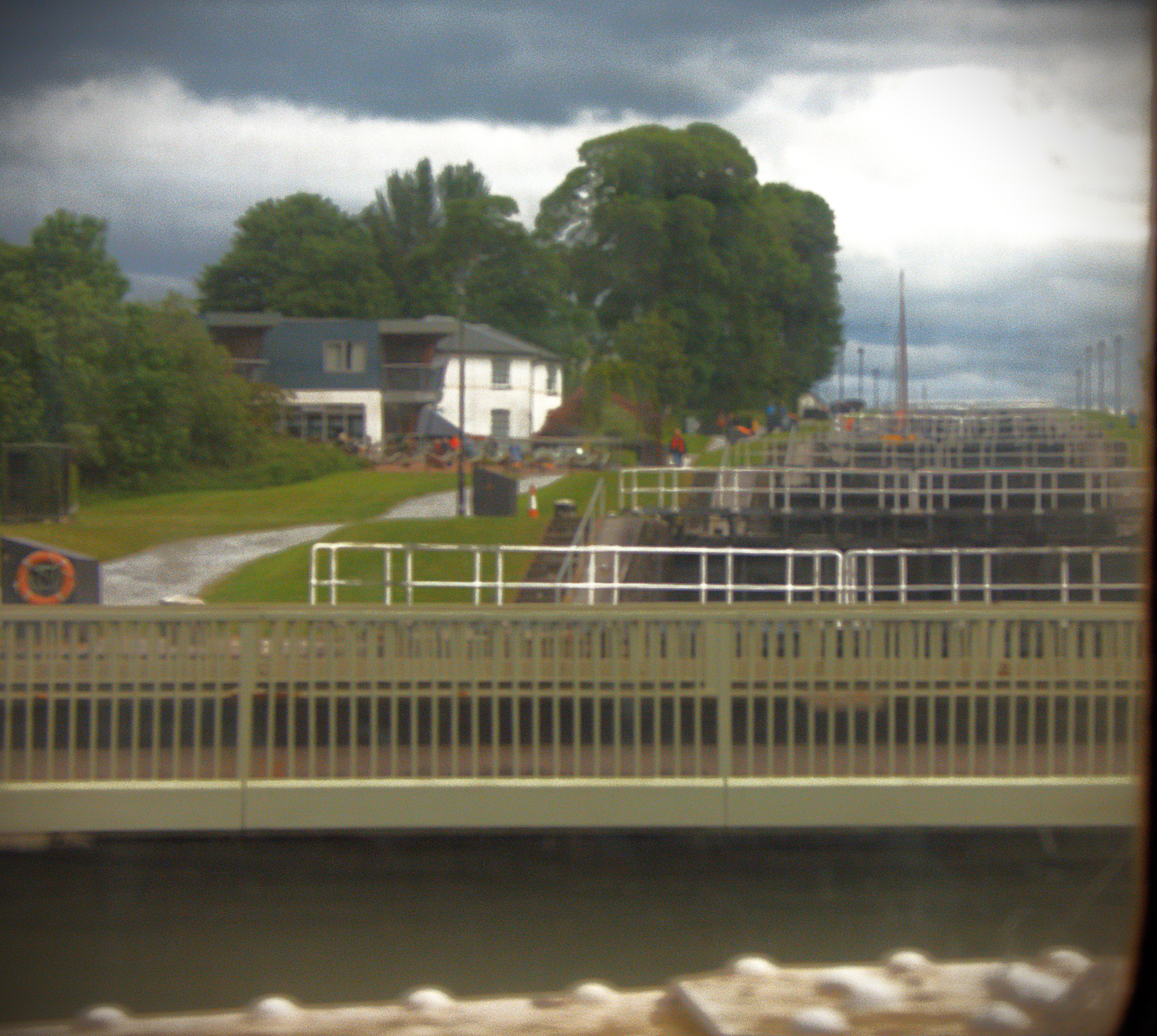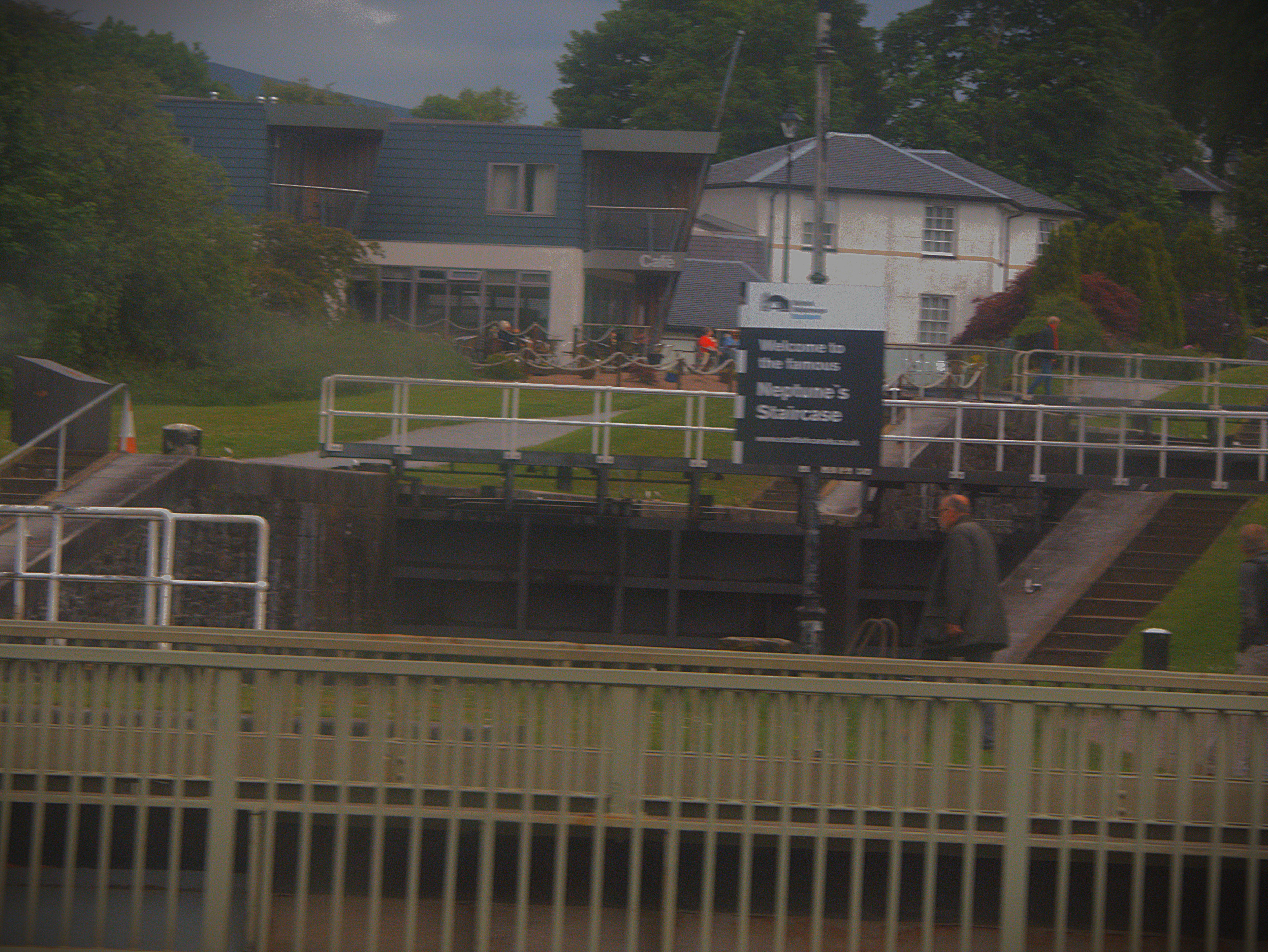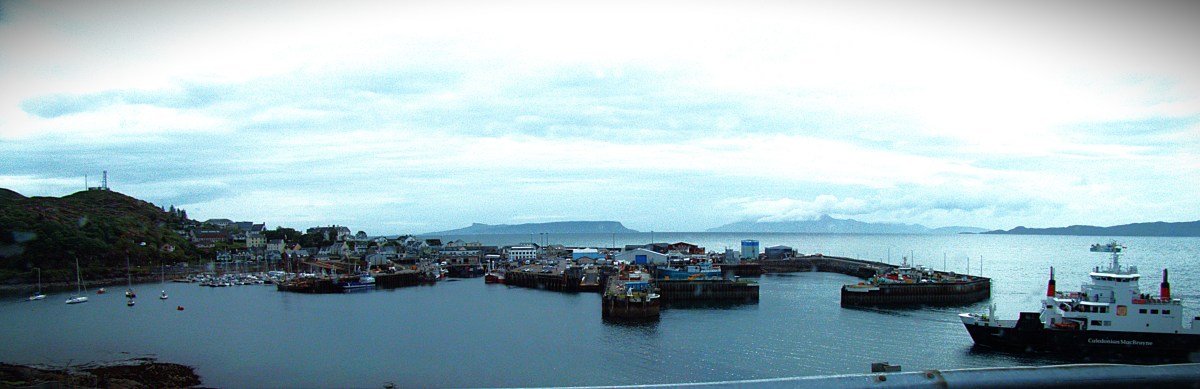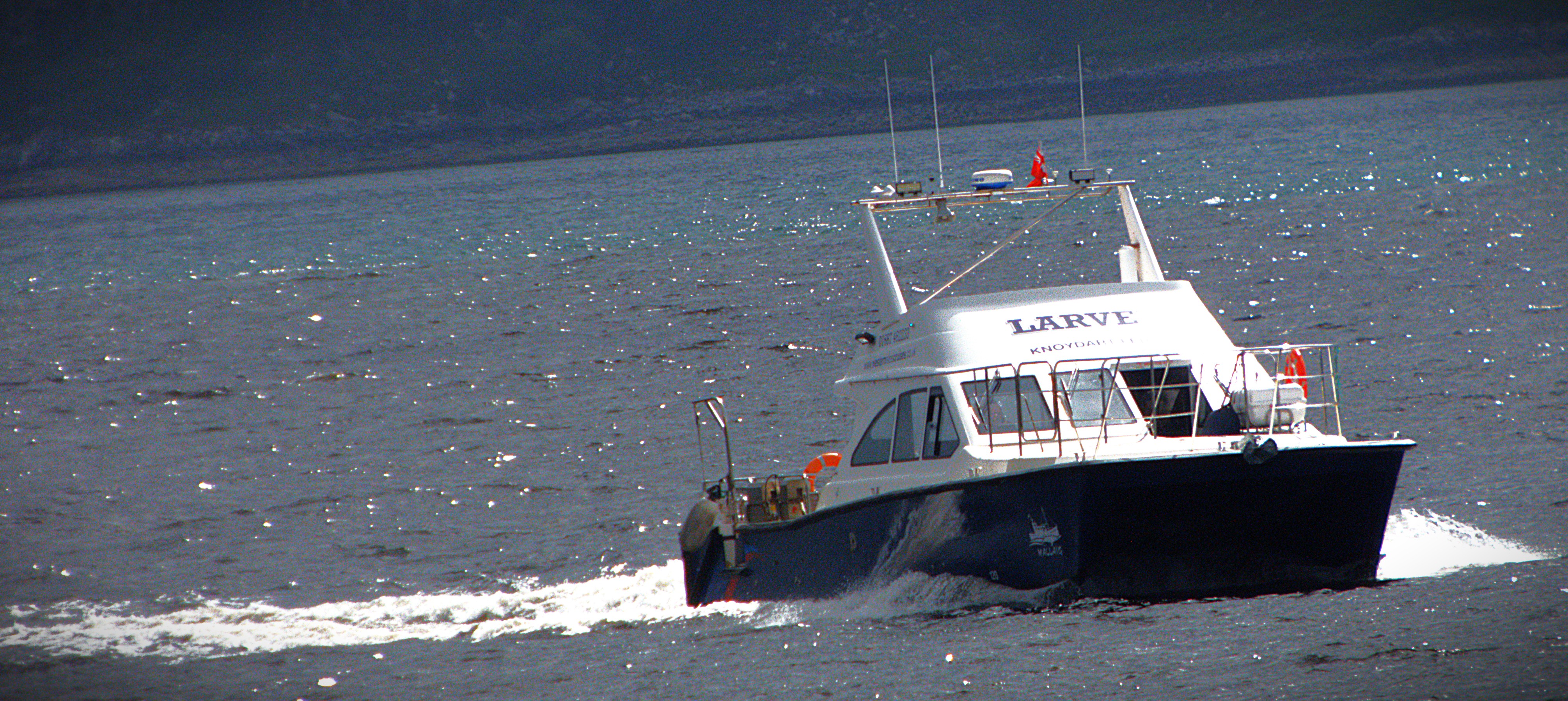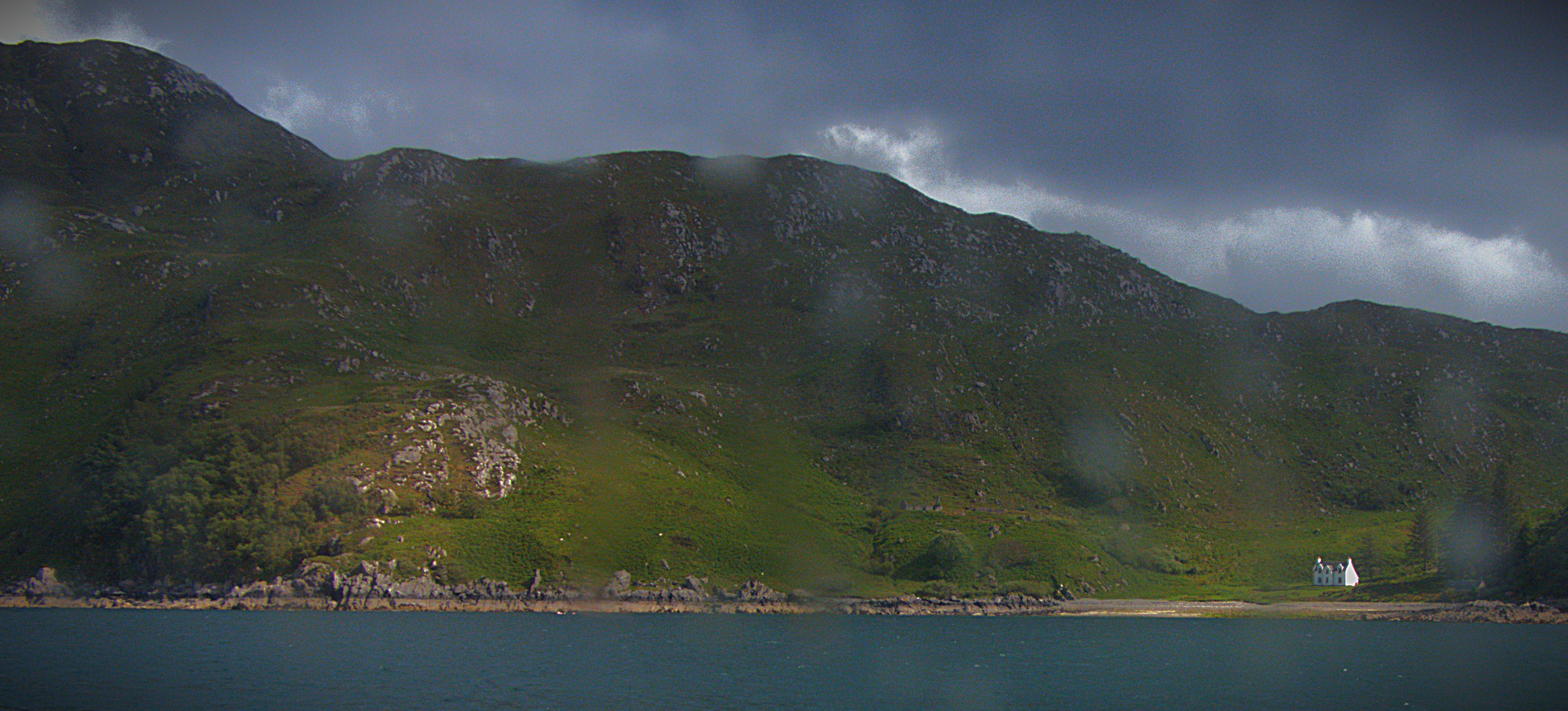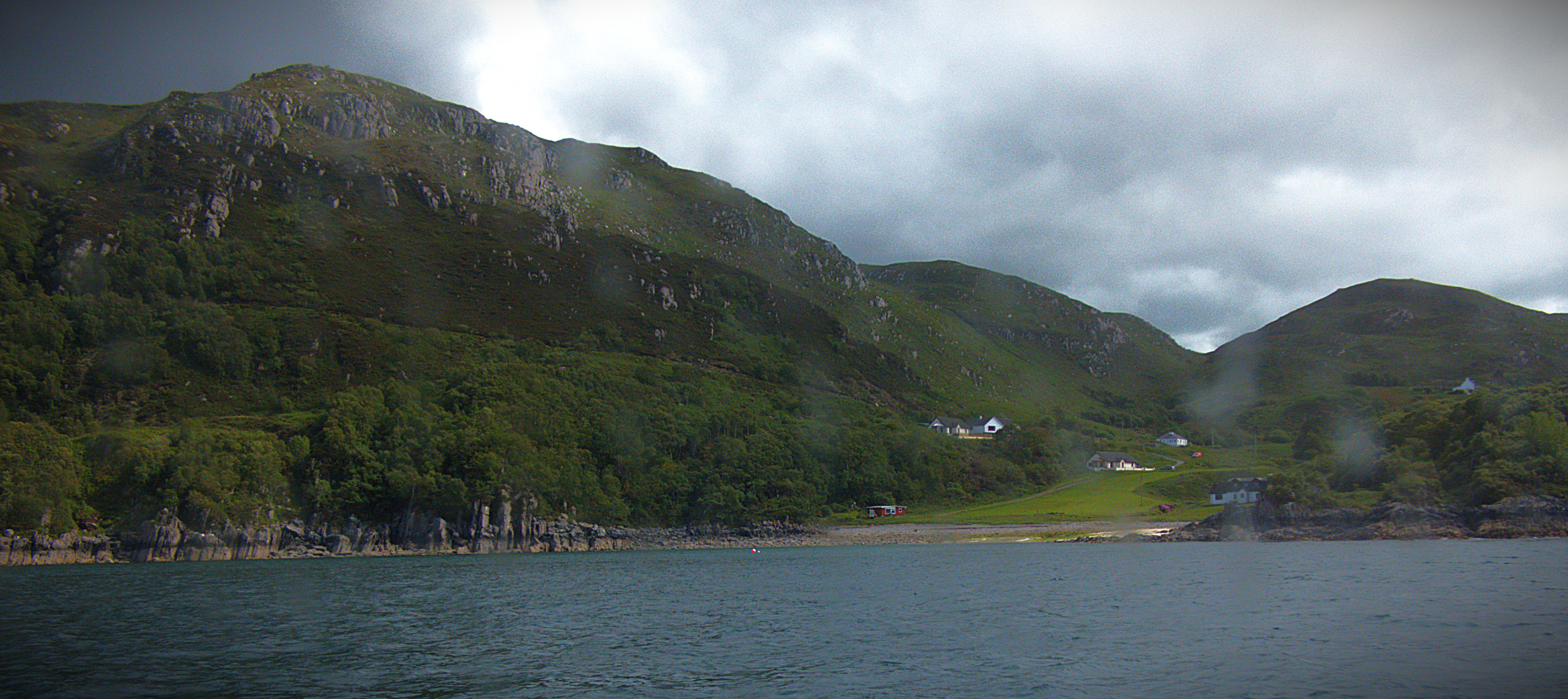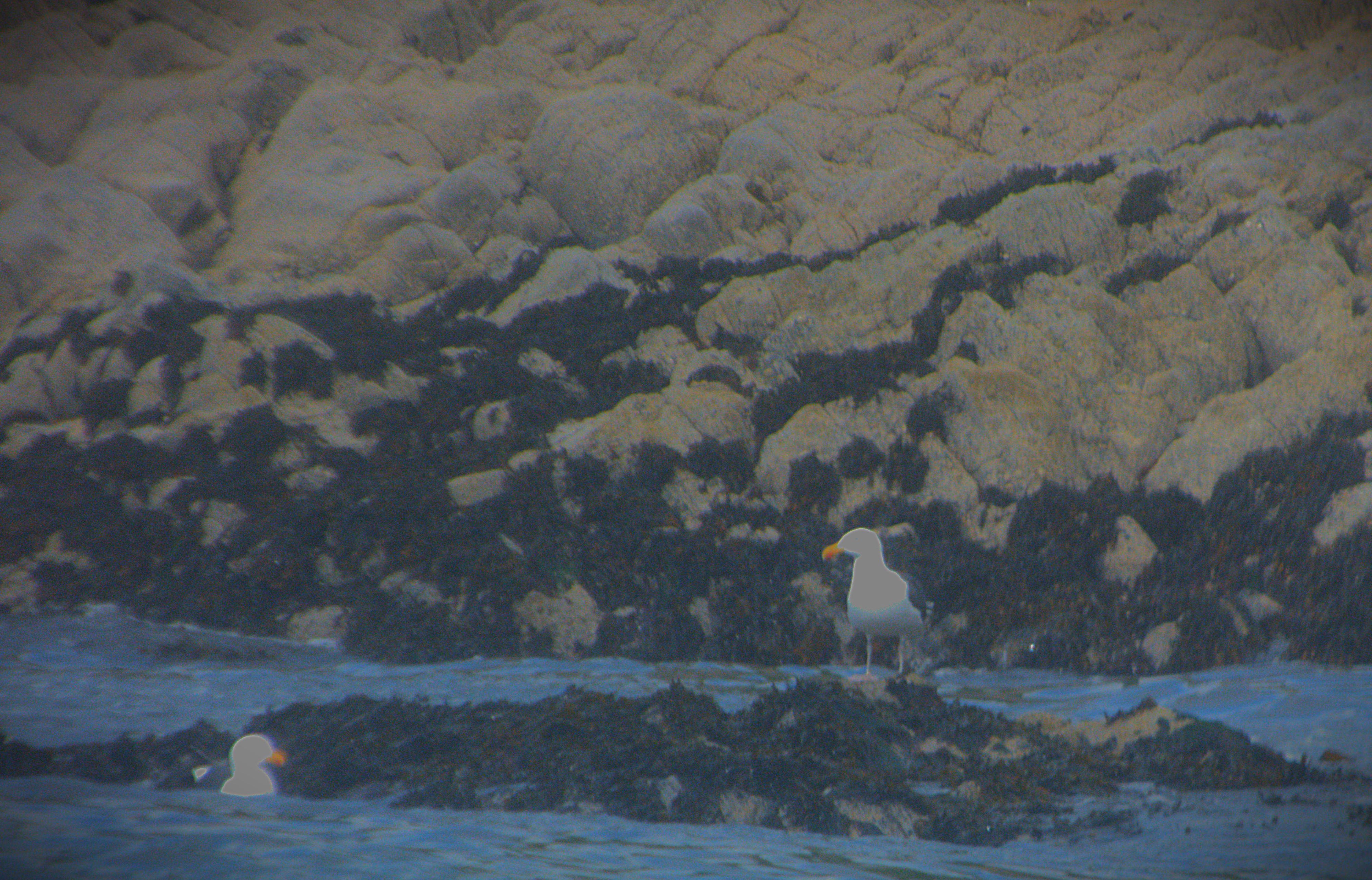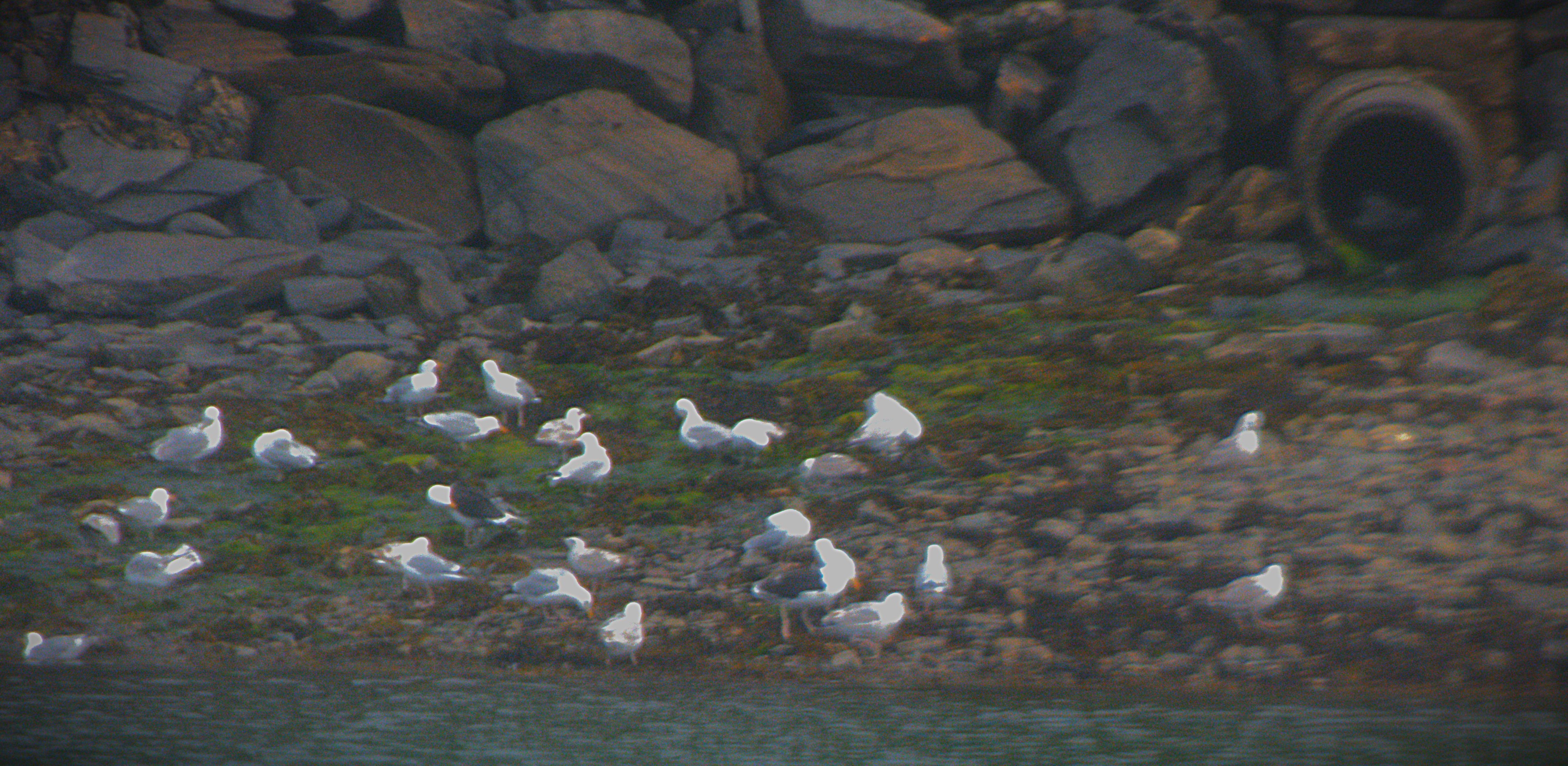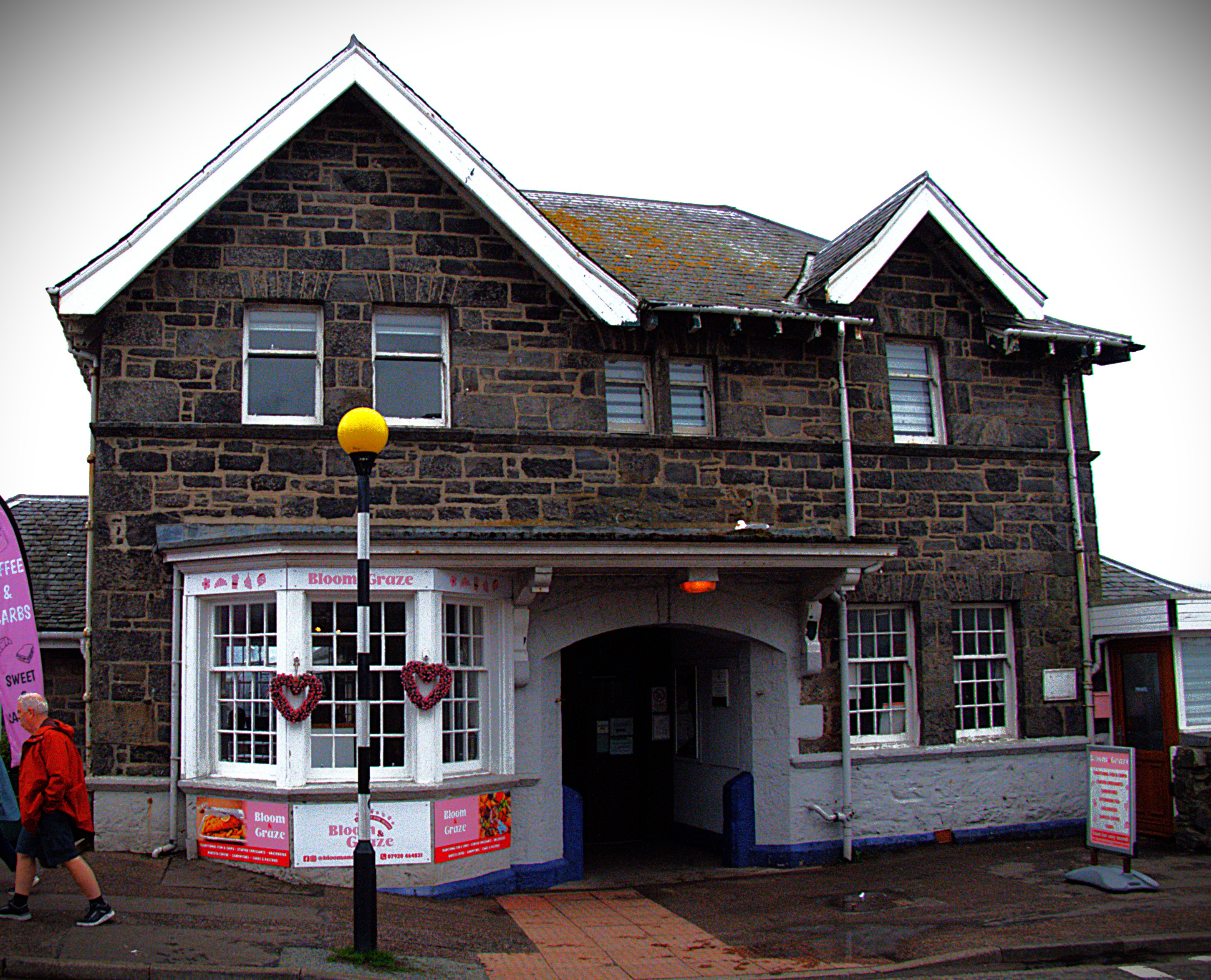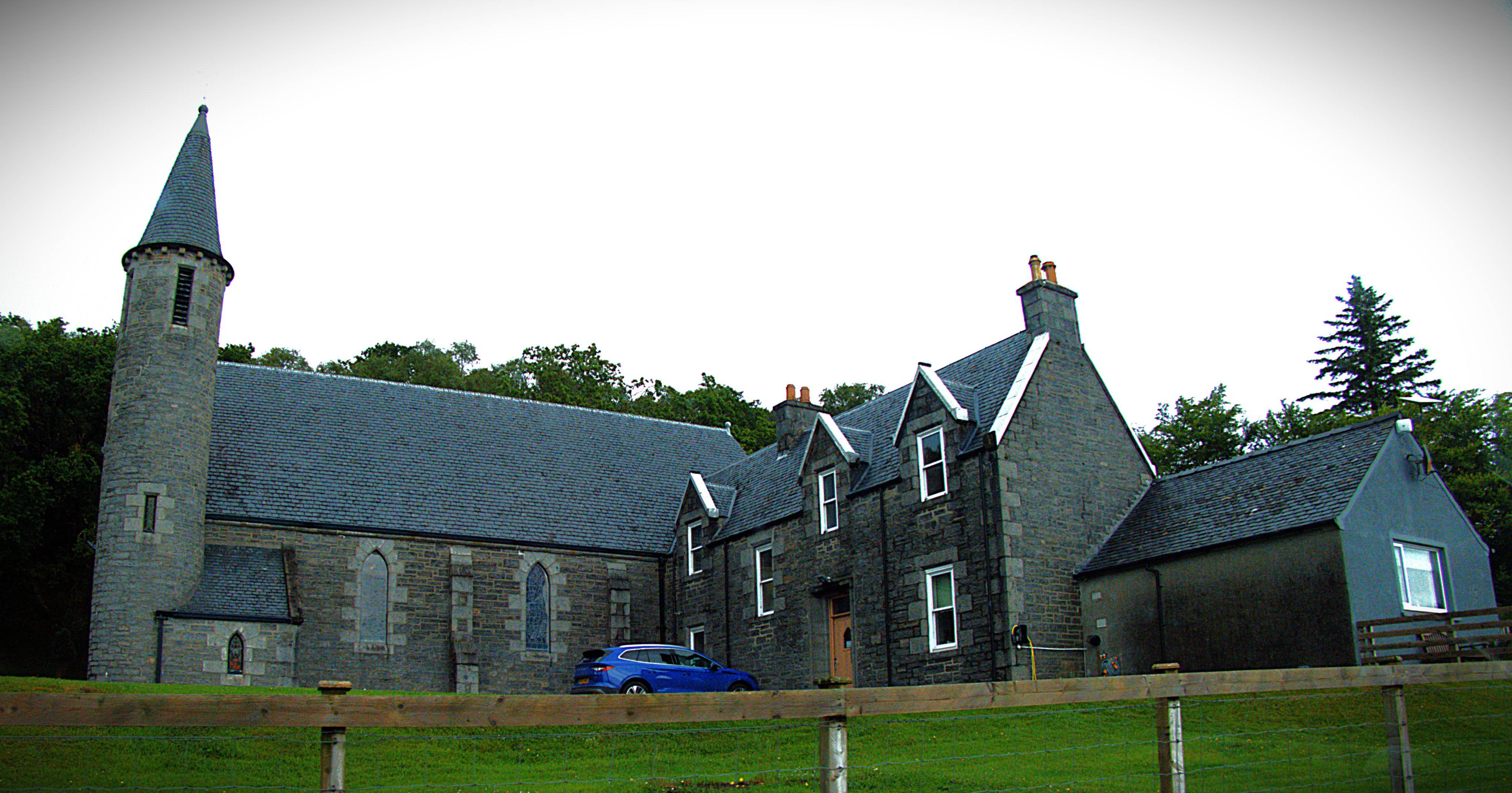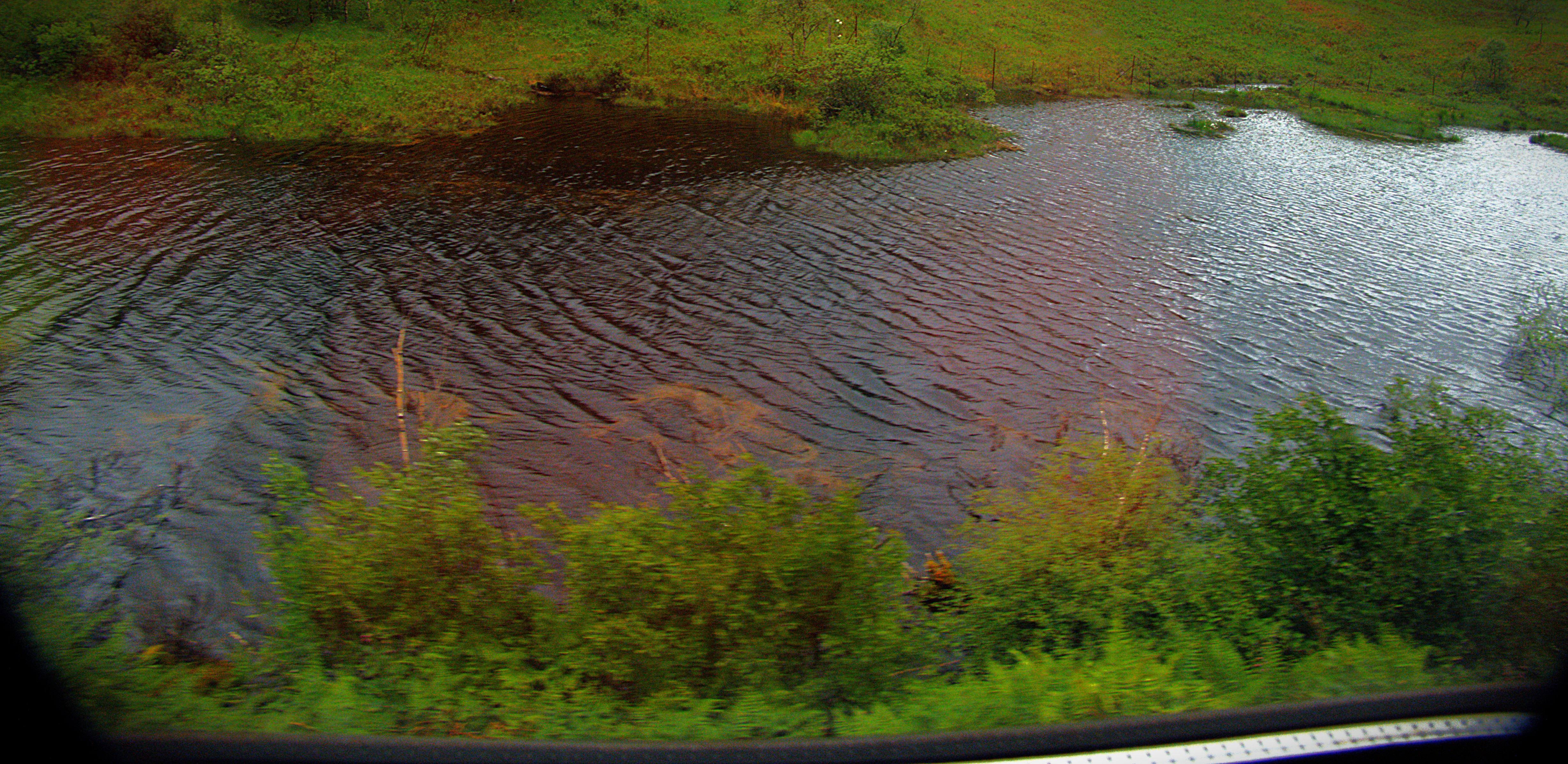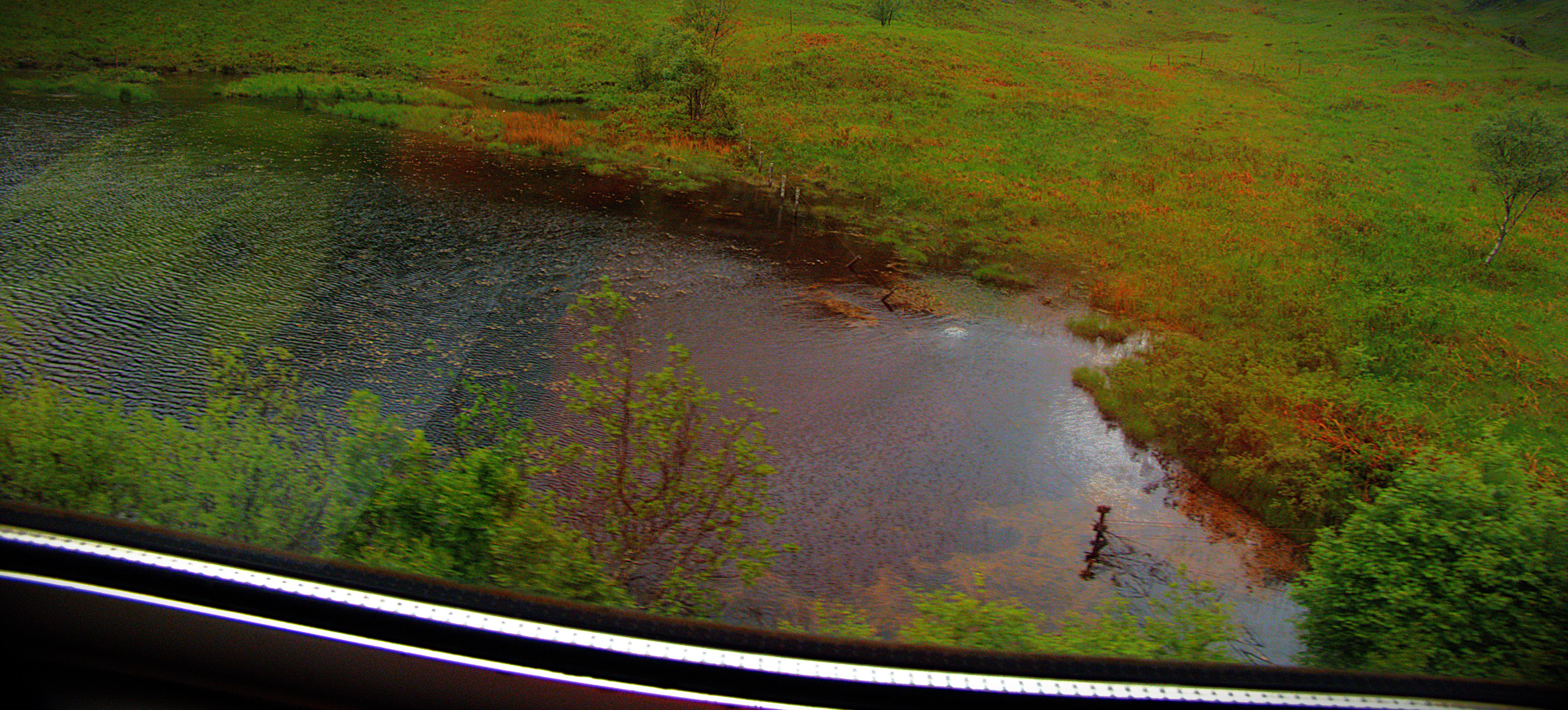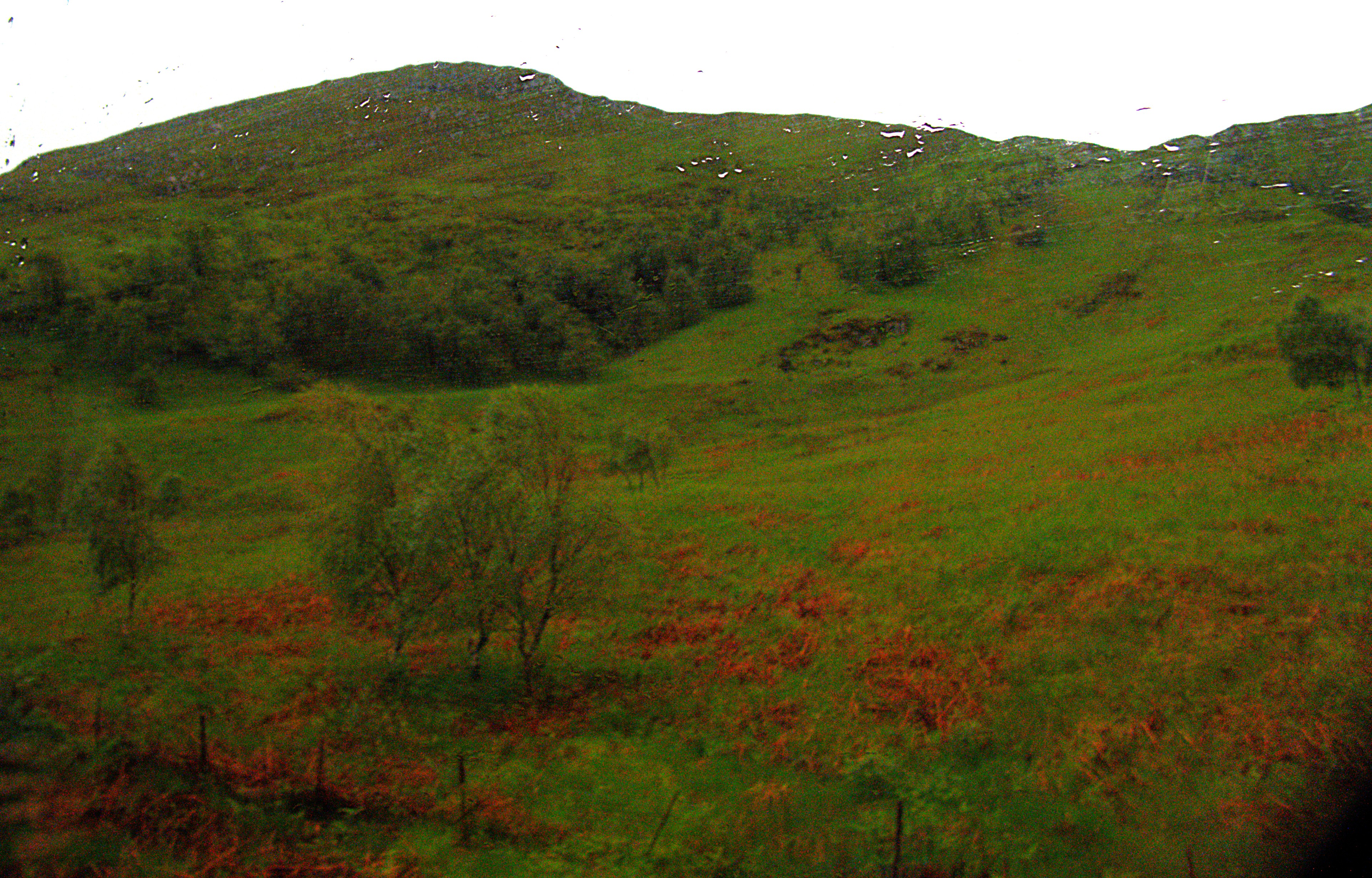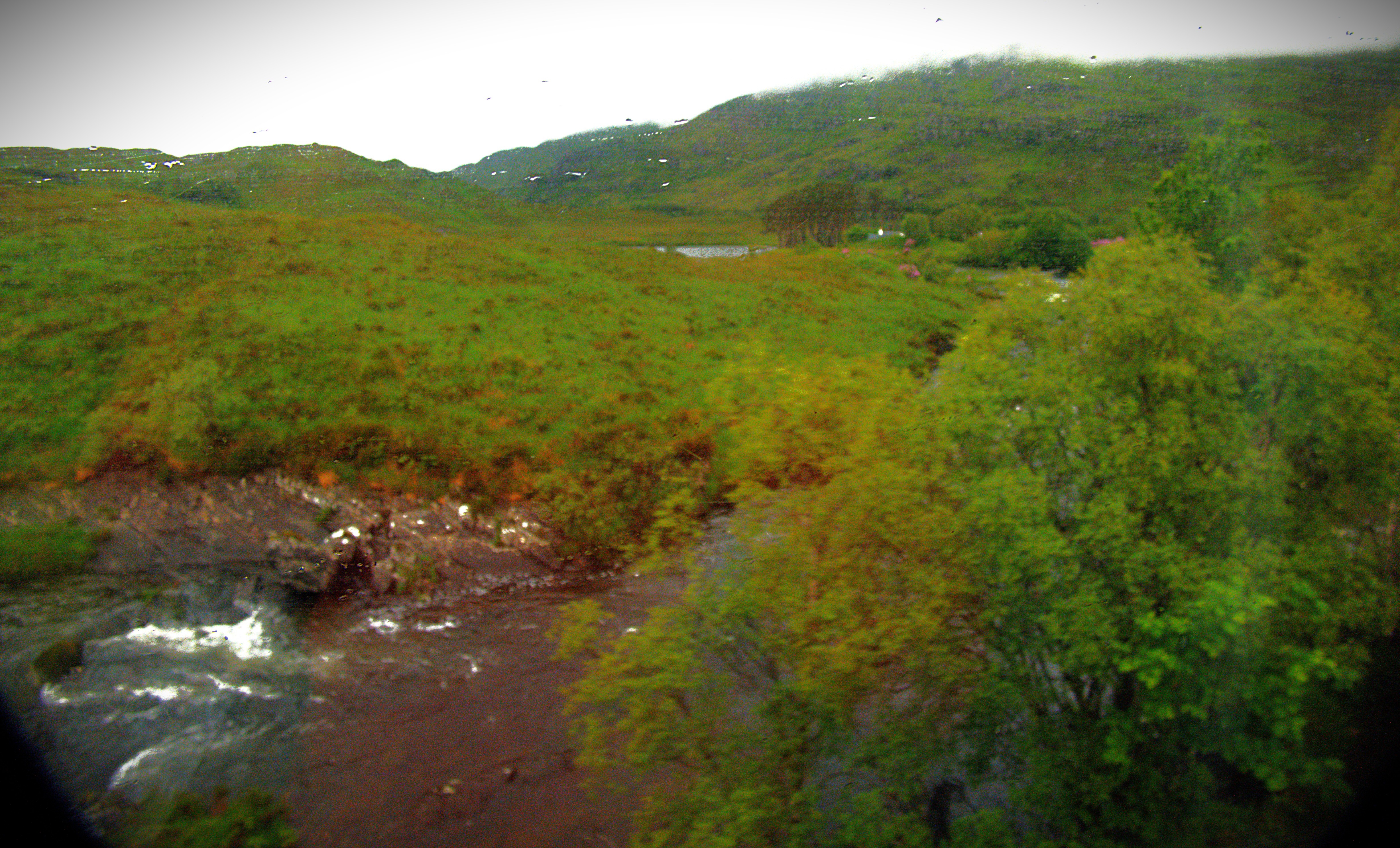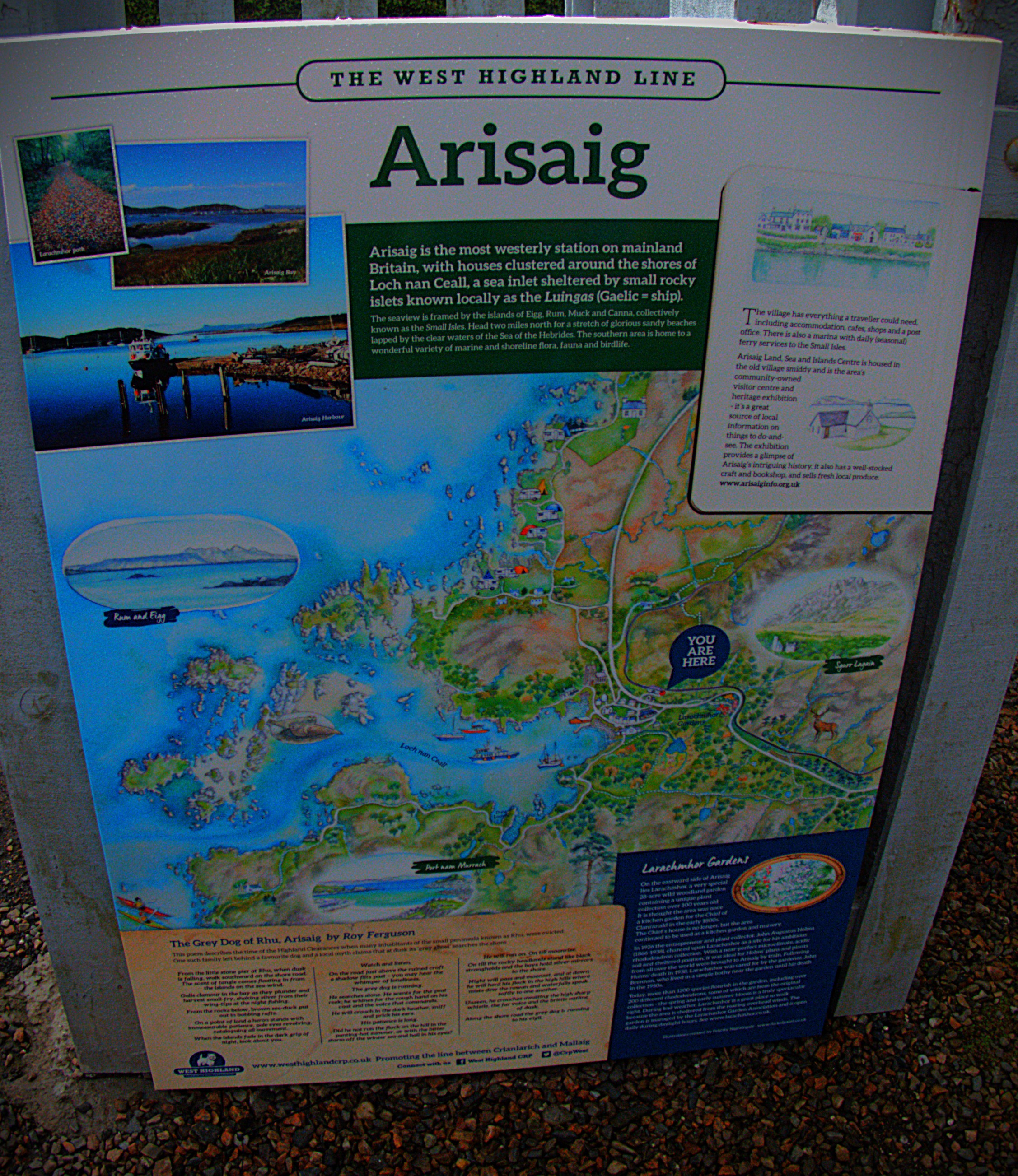
Arisaig 2026 14: Glenfinnan to Arisaig

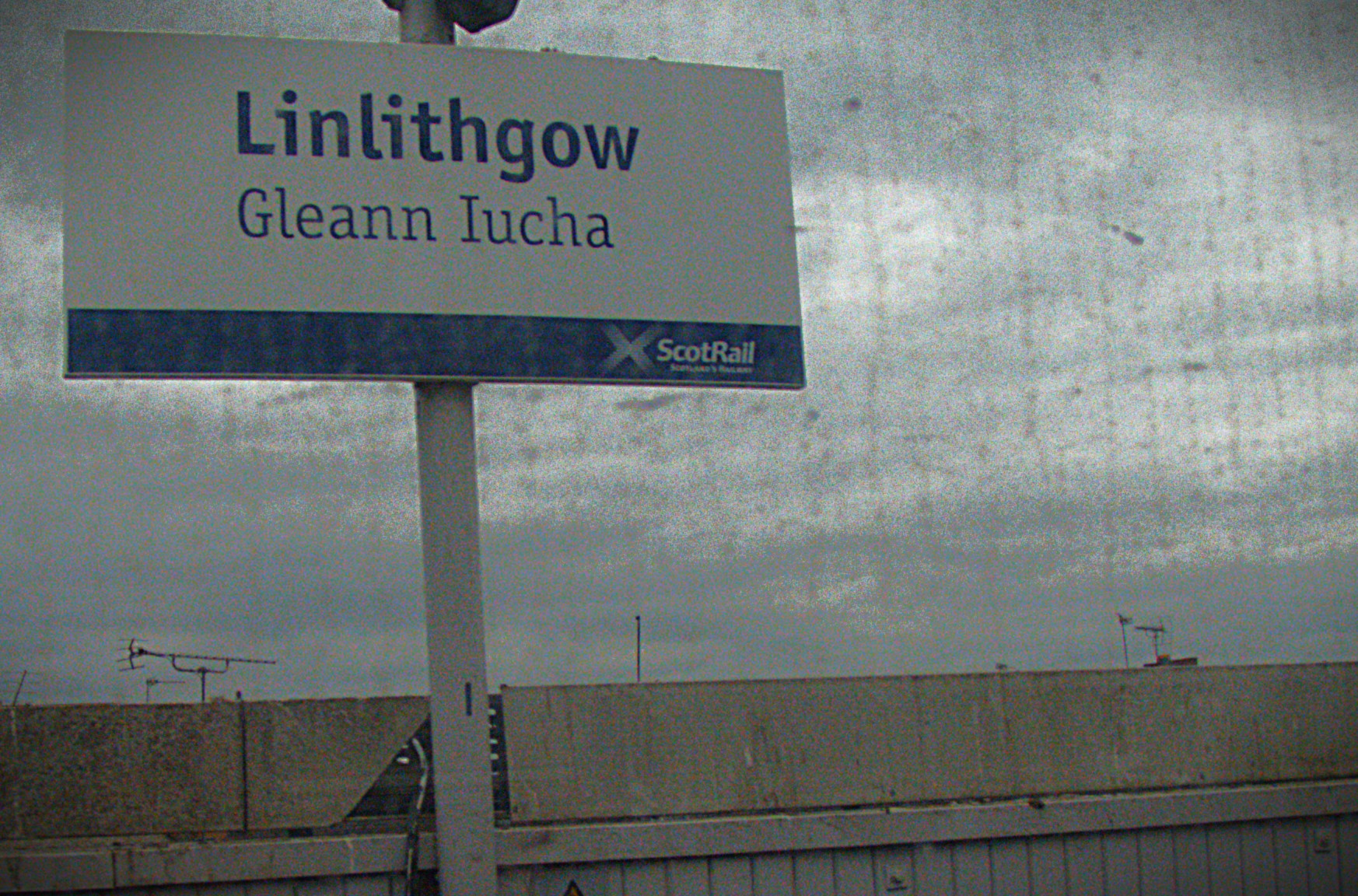
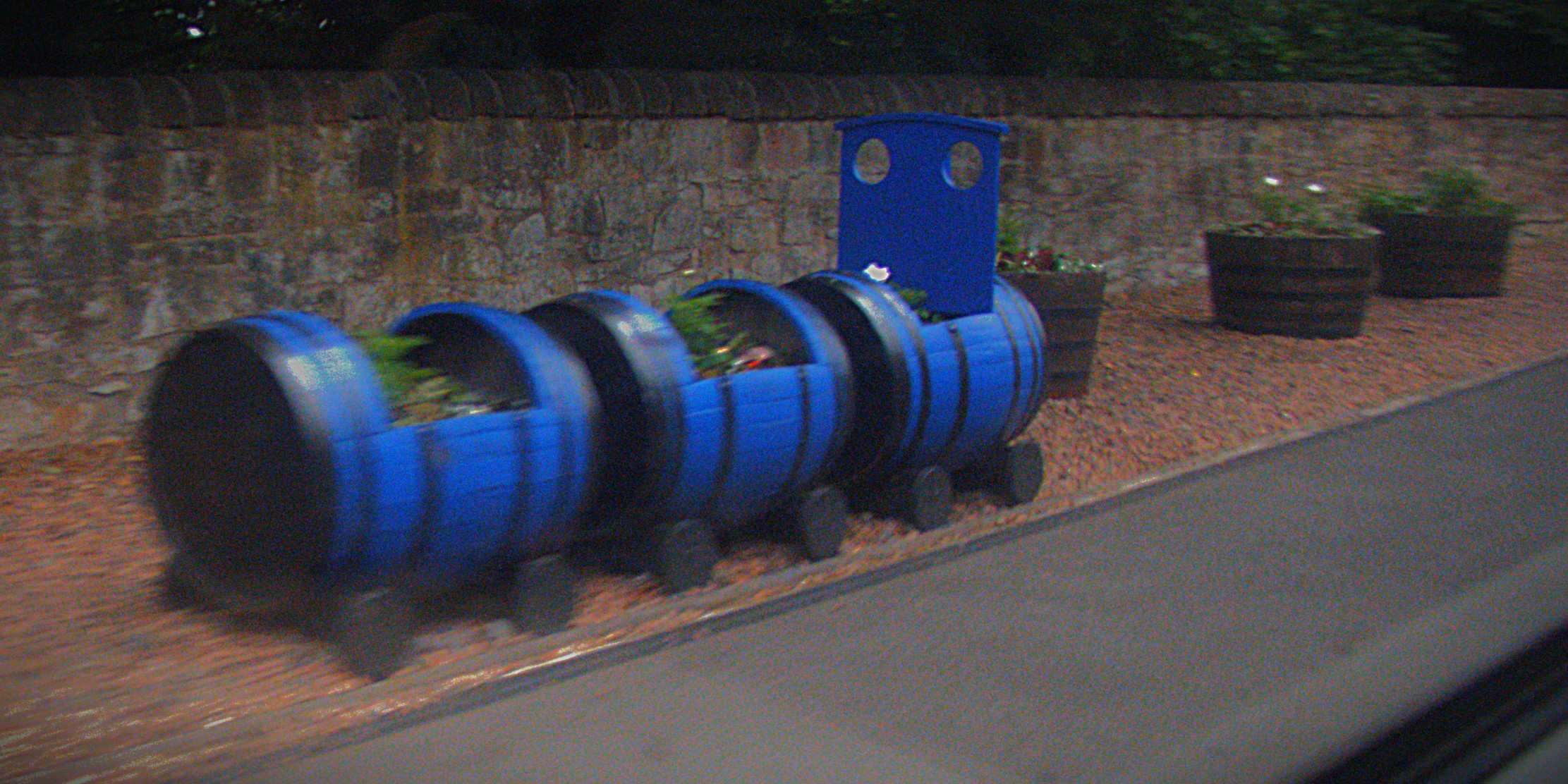
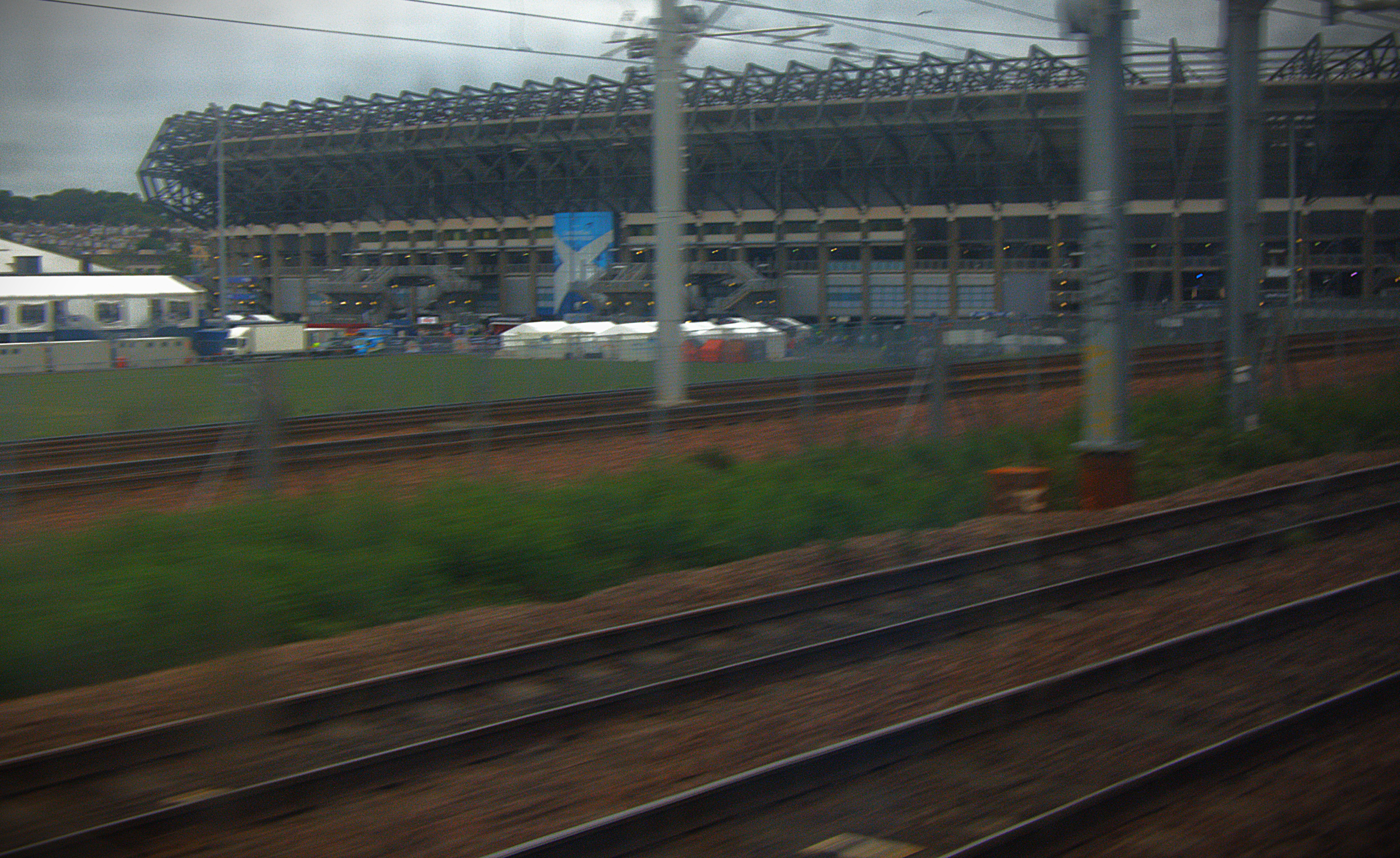
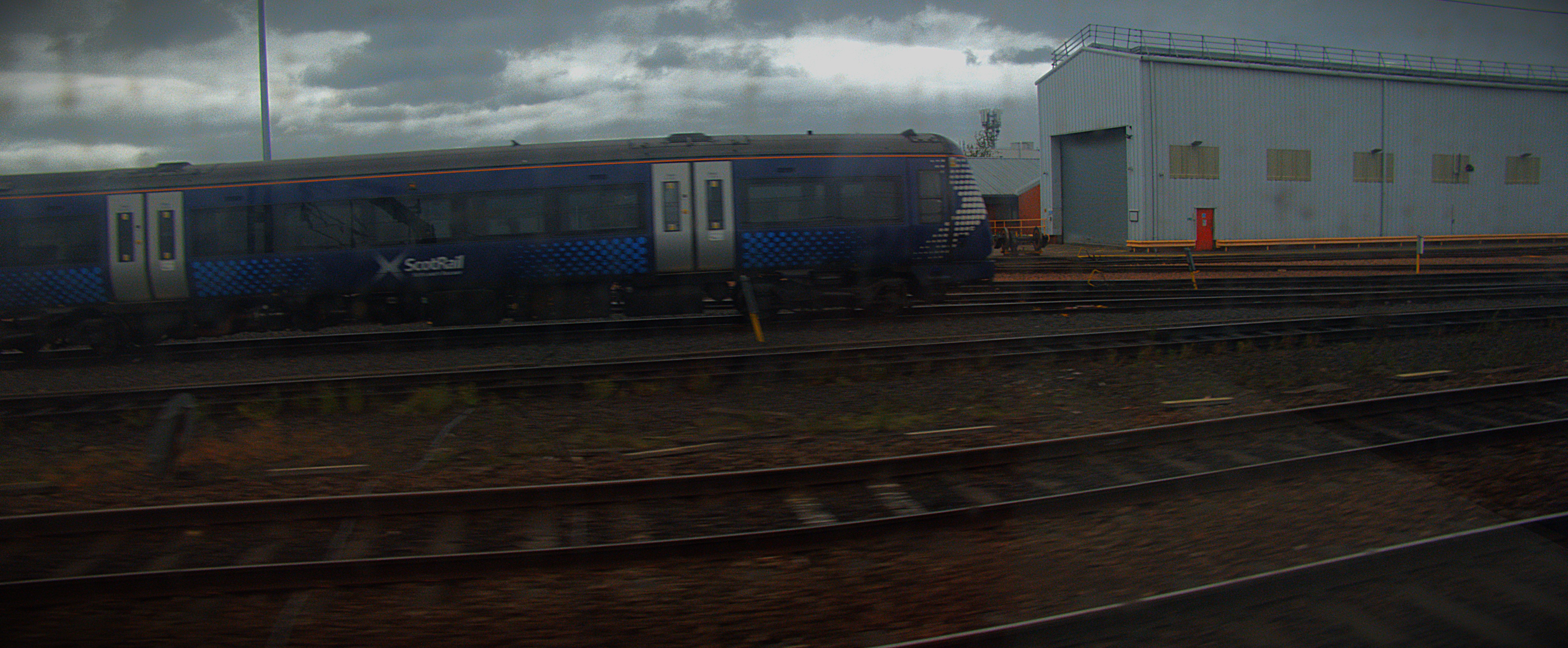
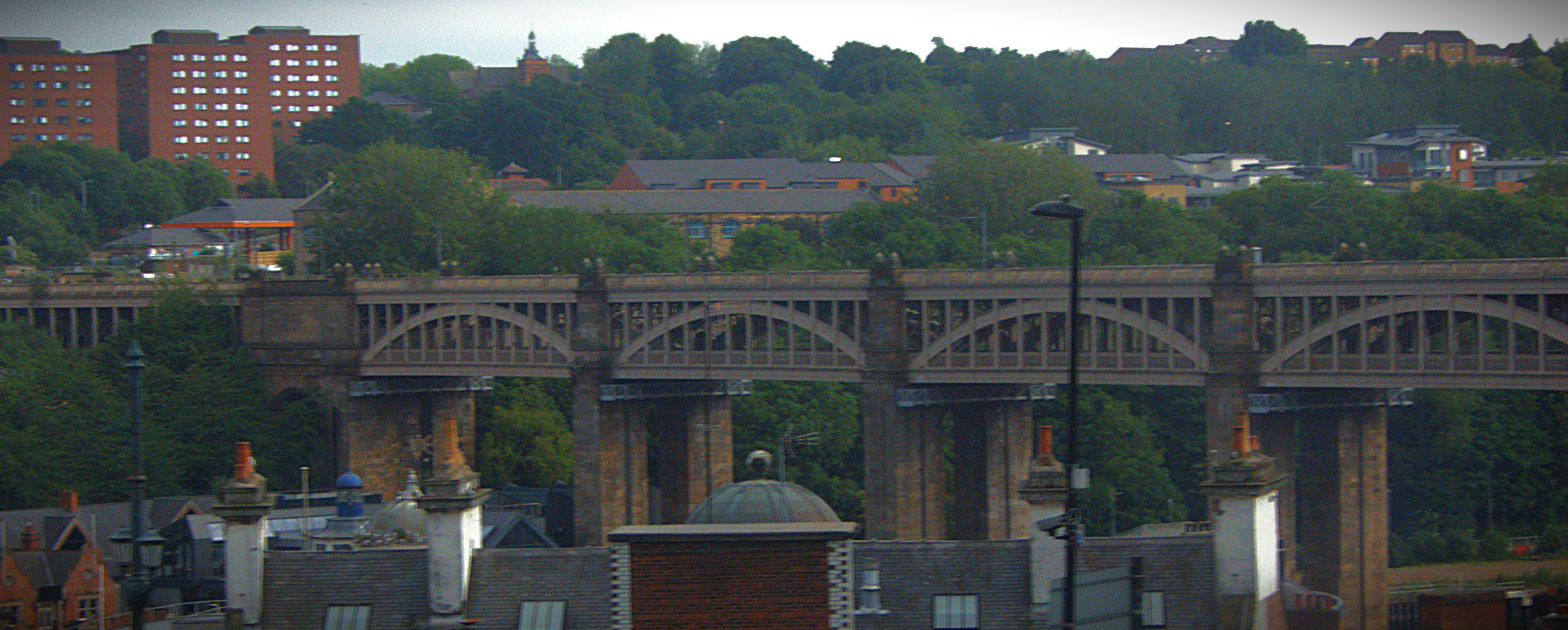
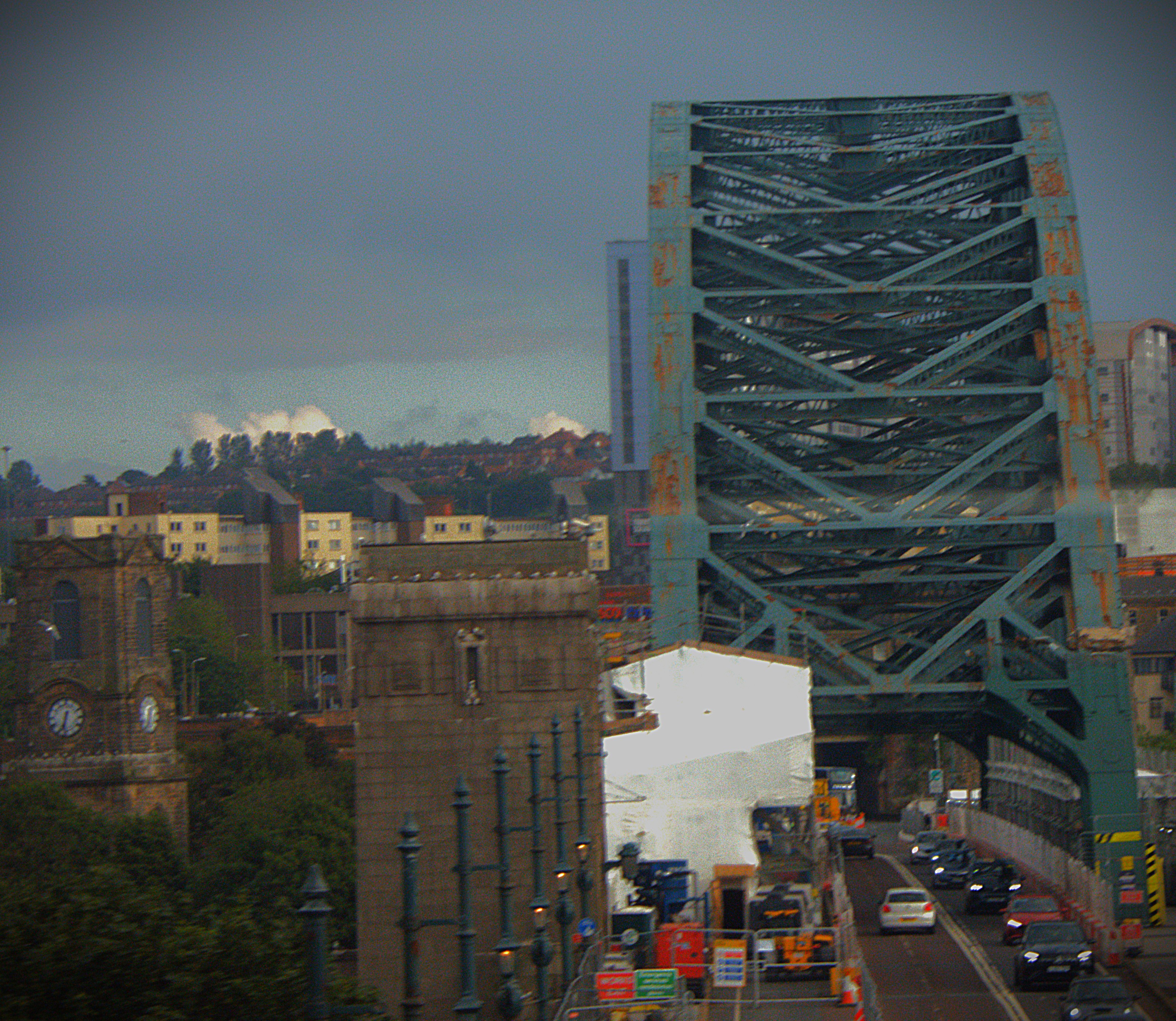
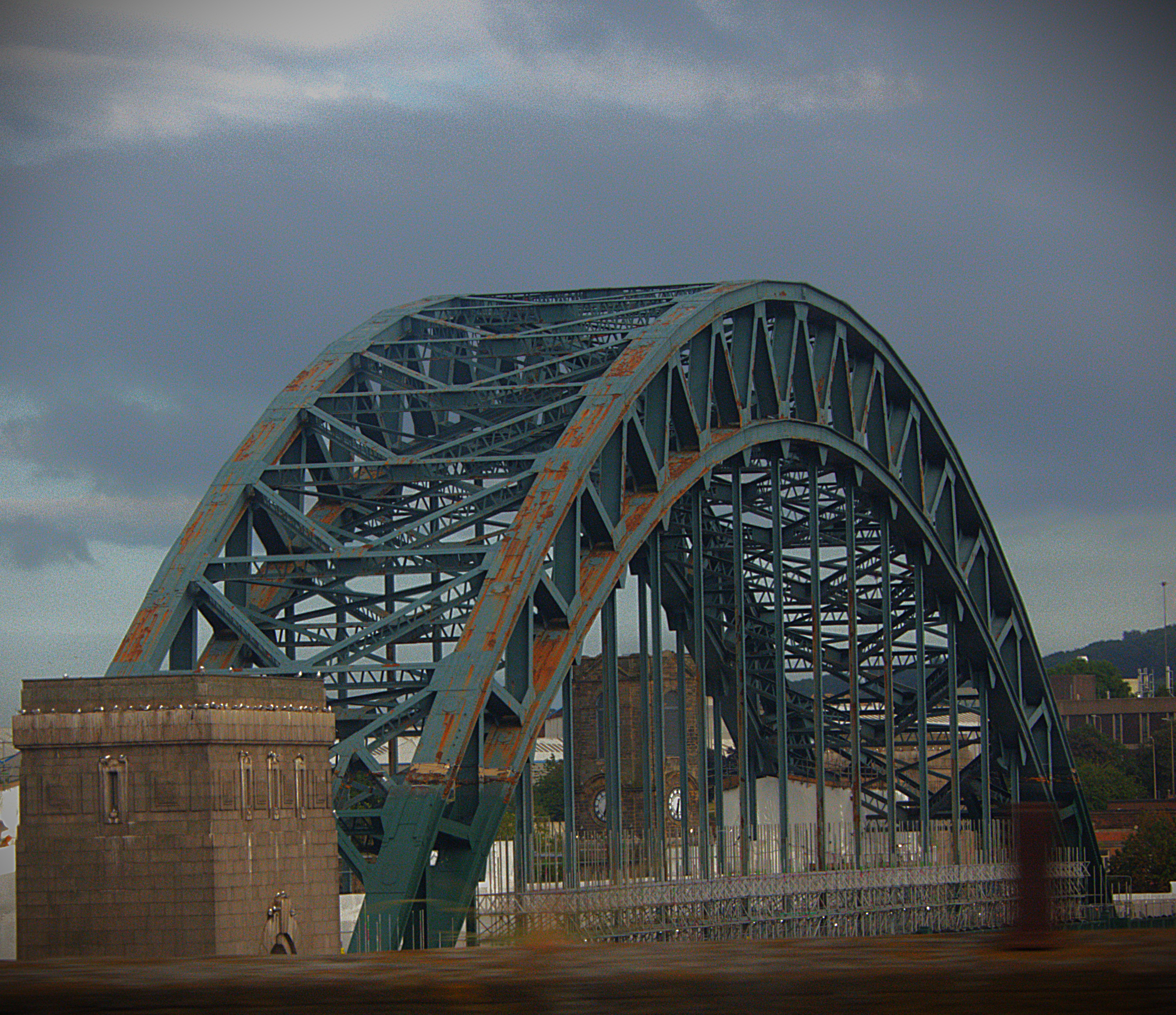
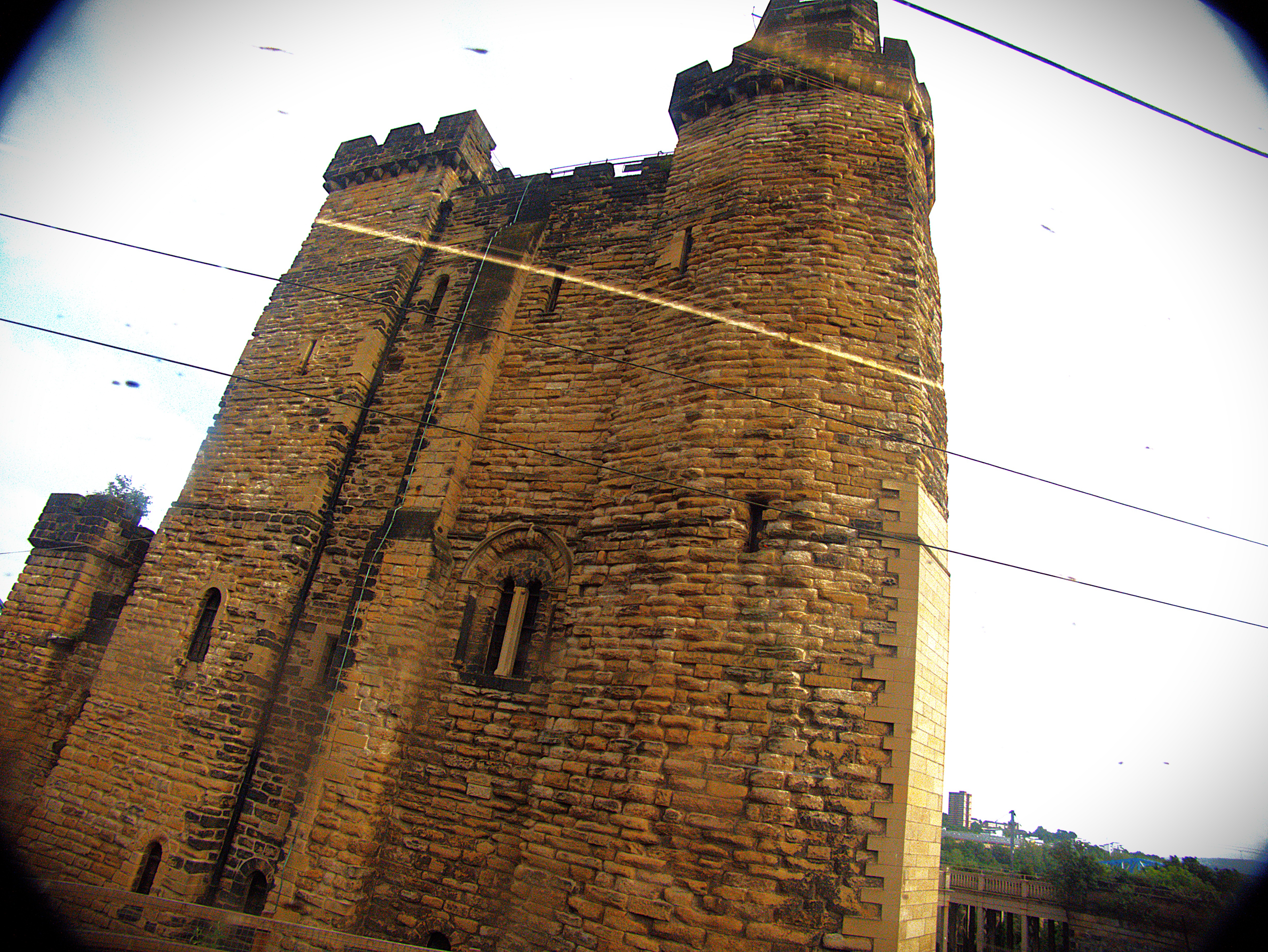
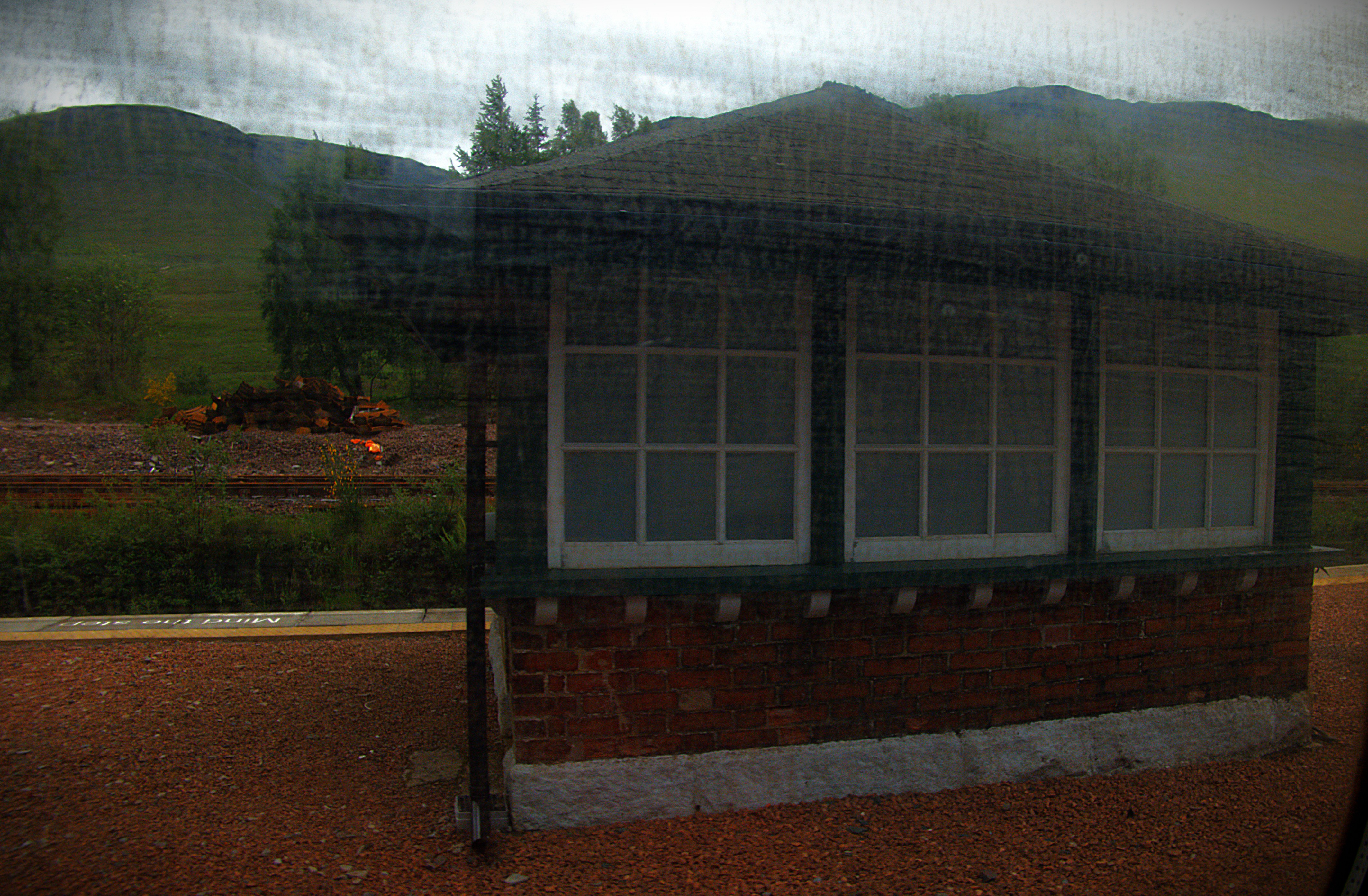
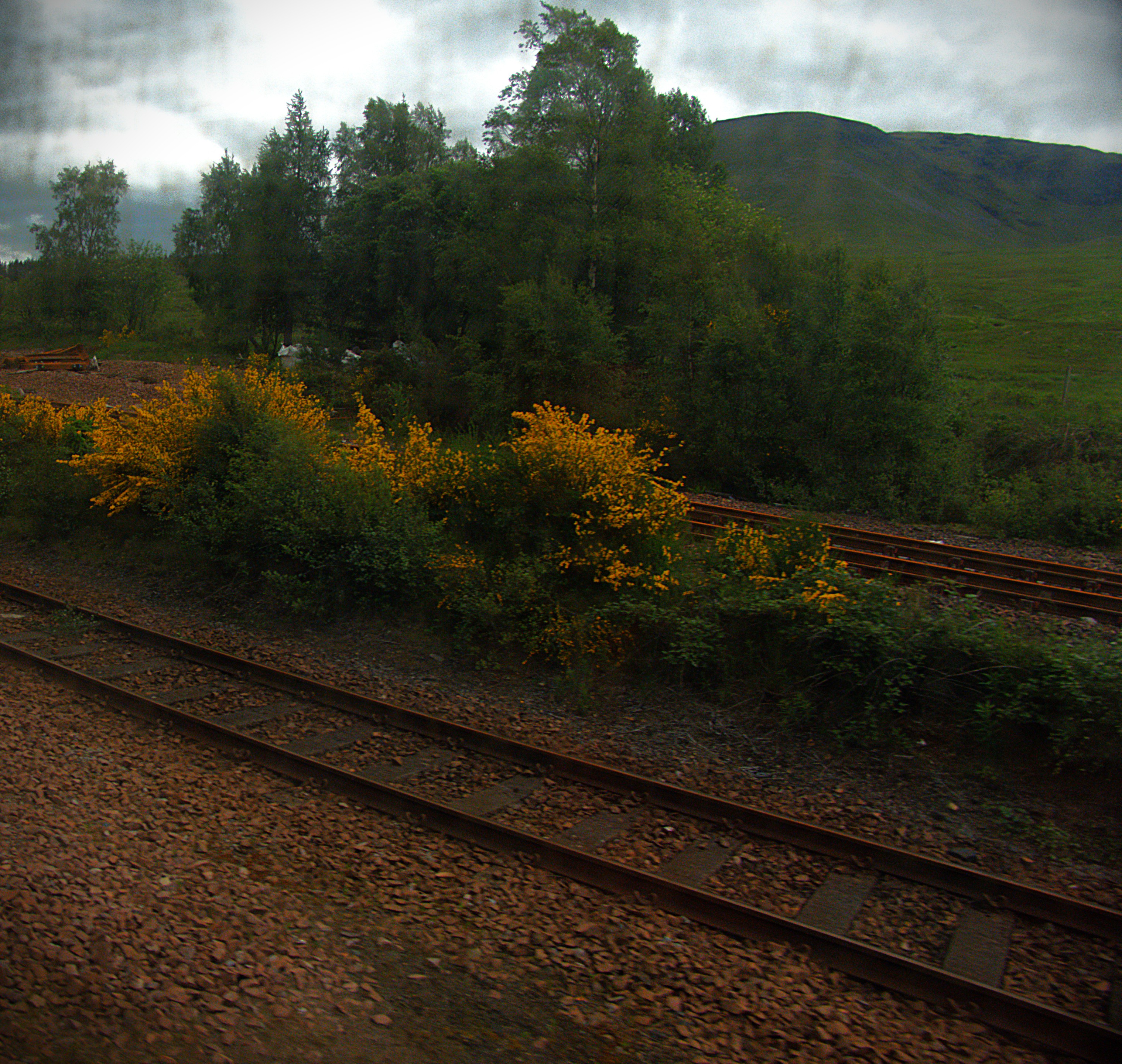
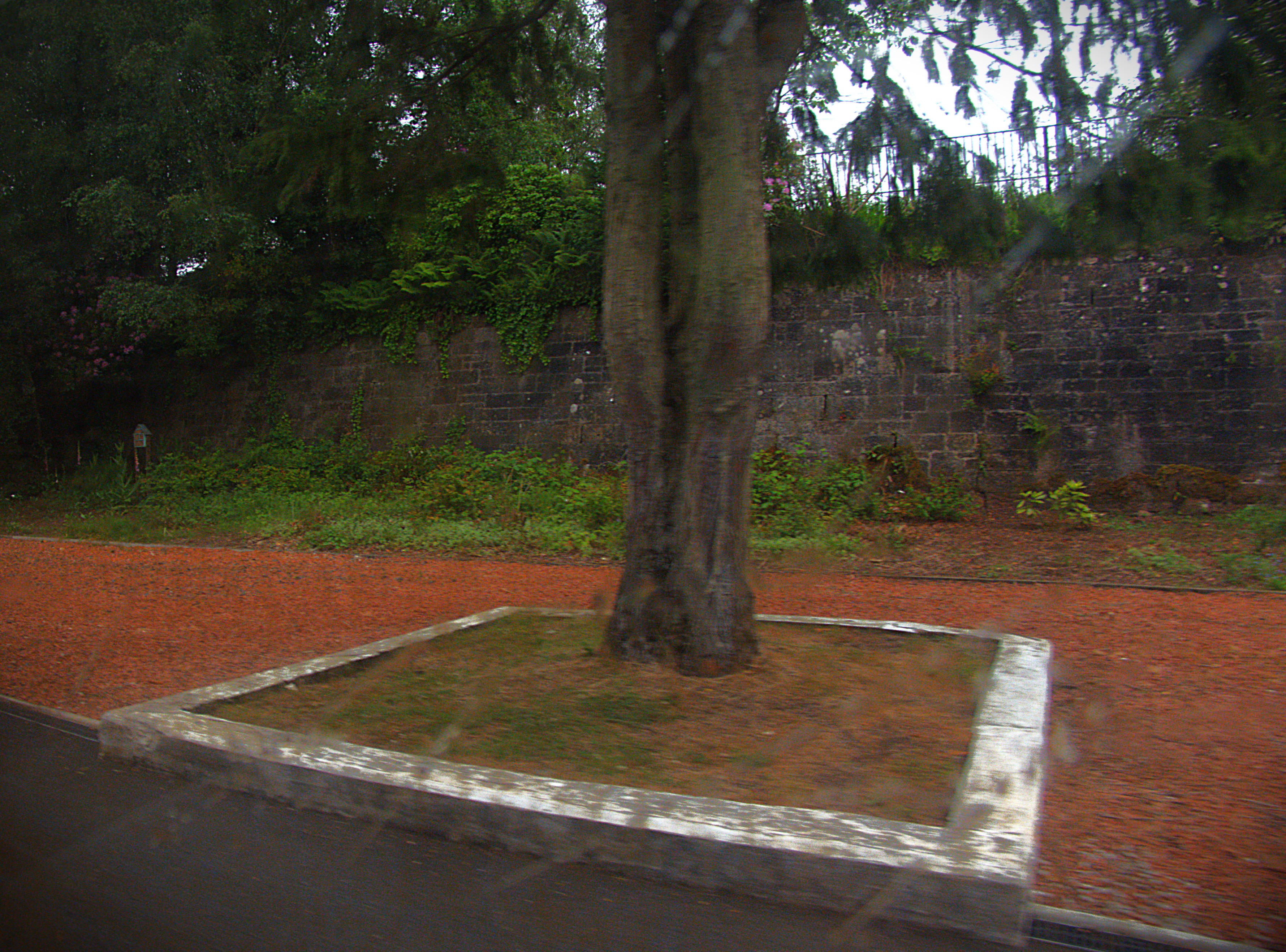
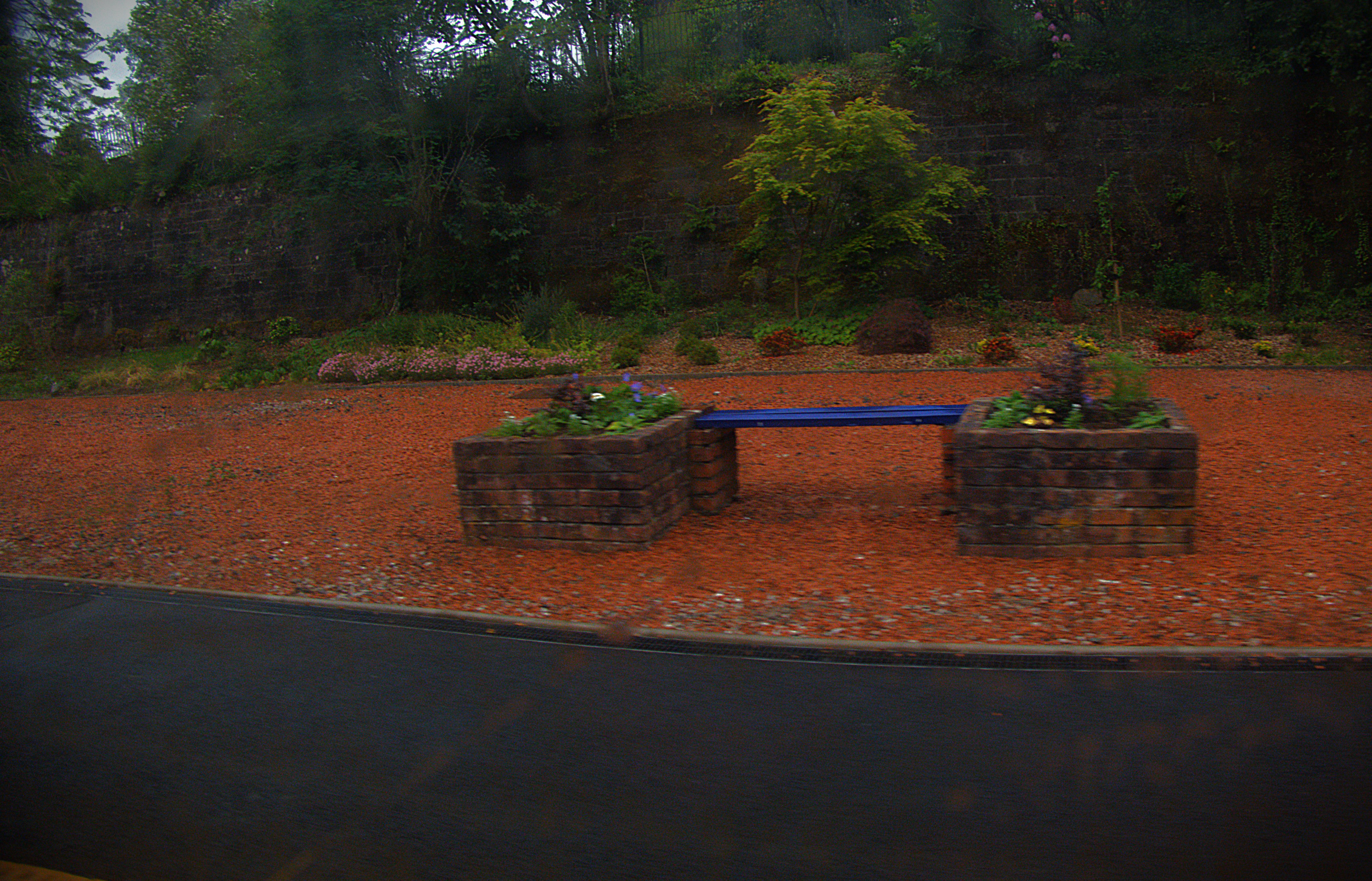
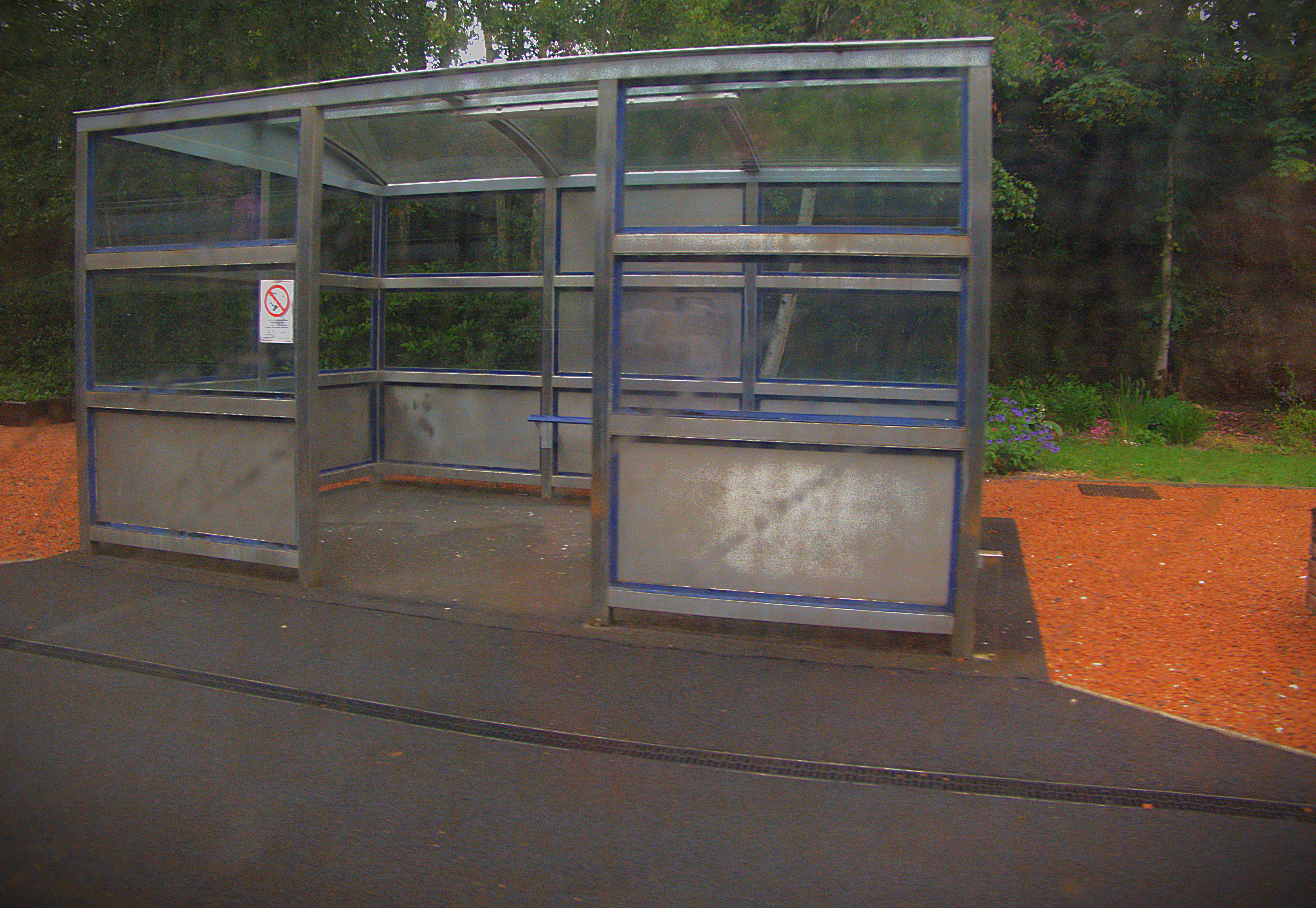
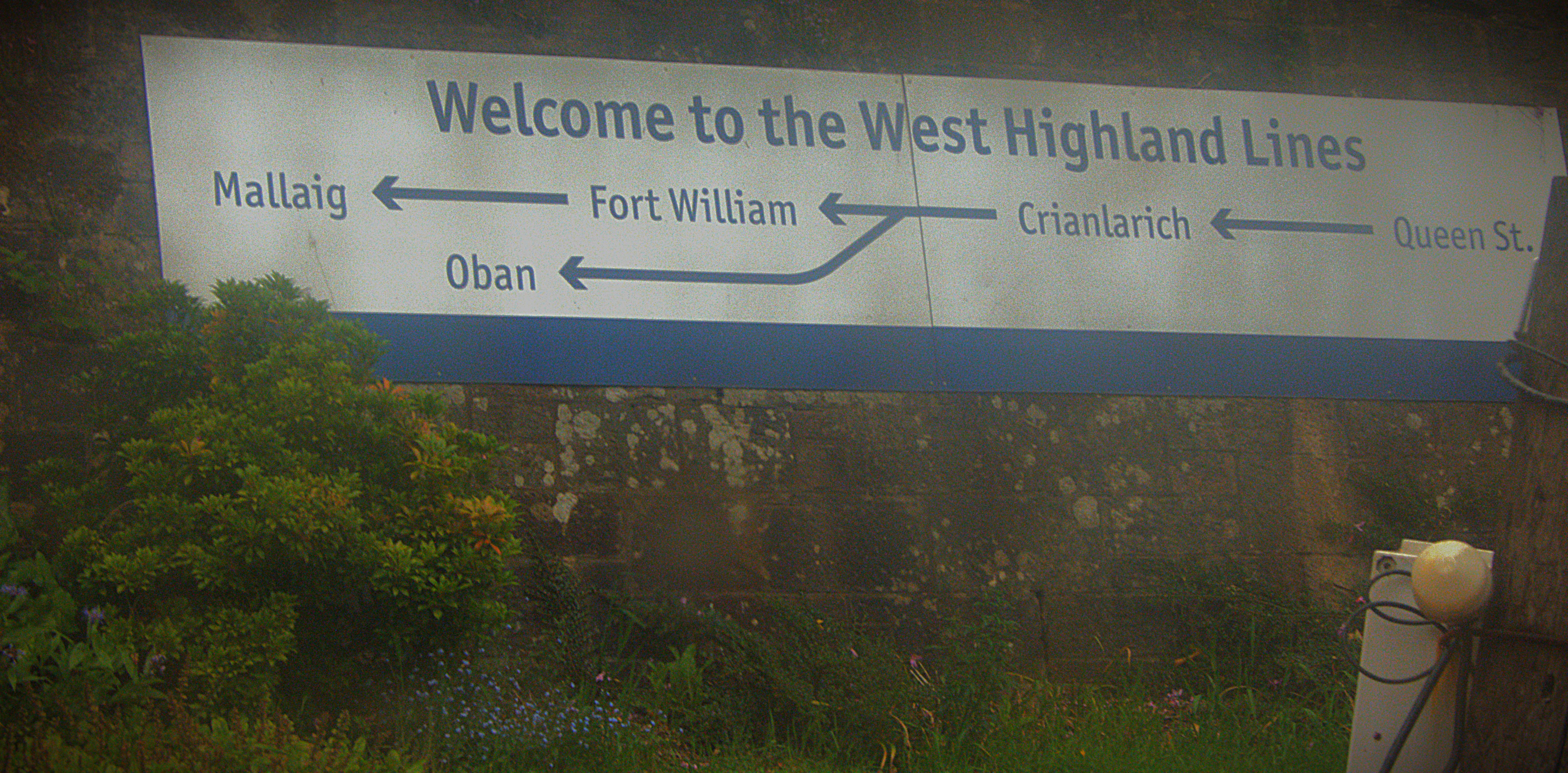
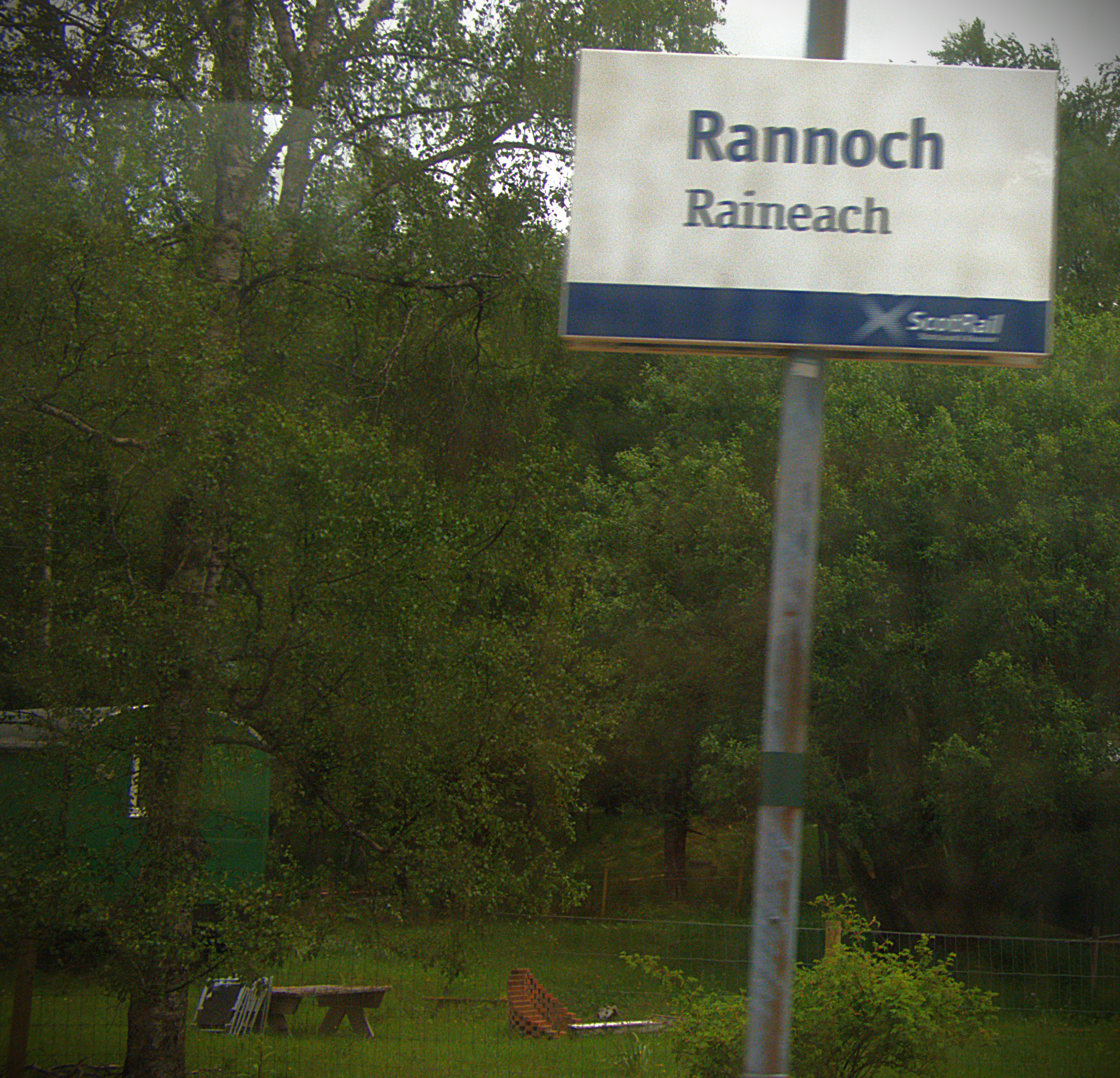
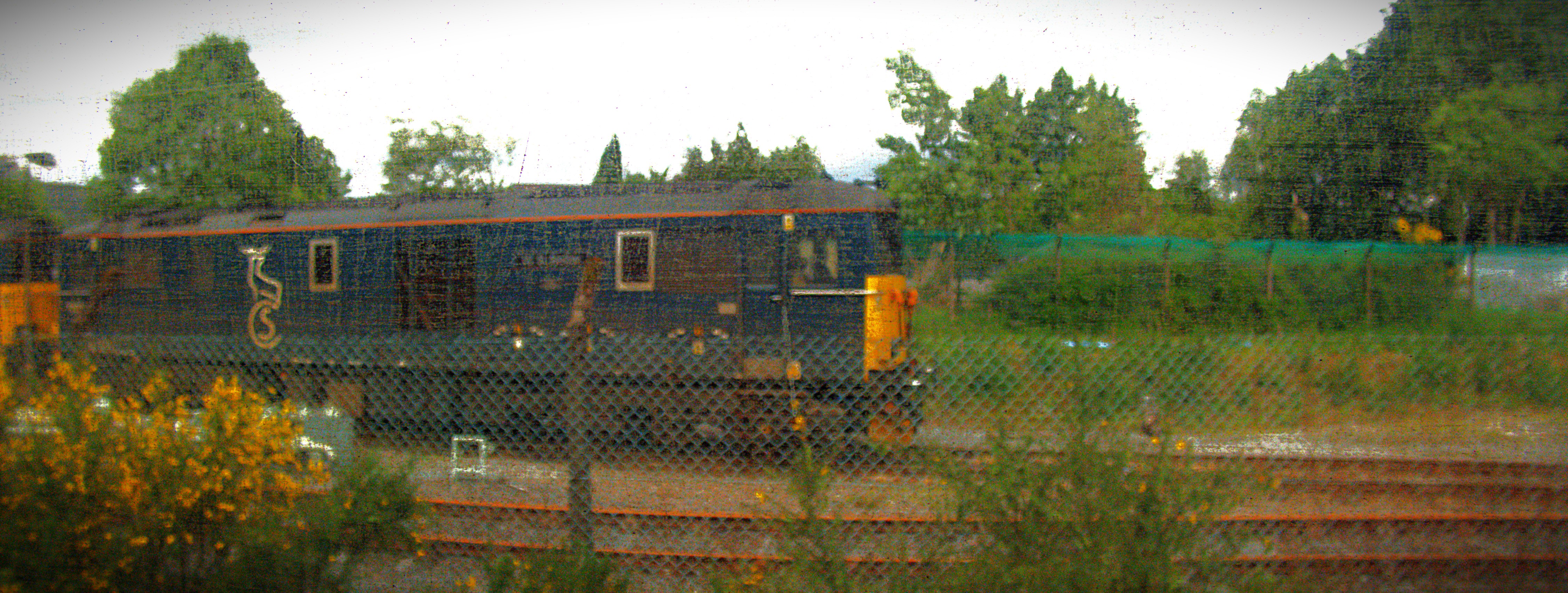
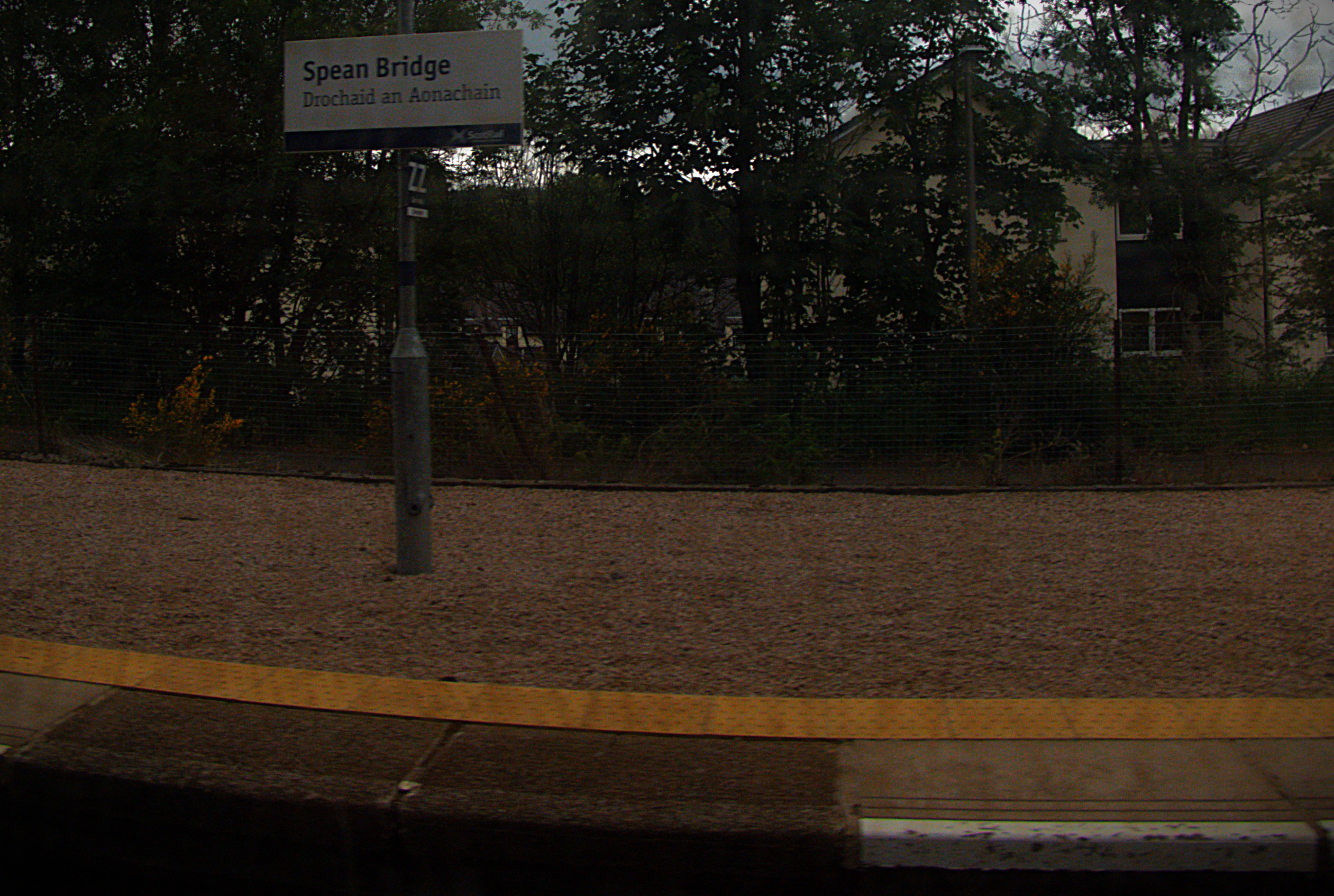
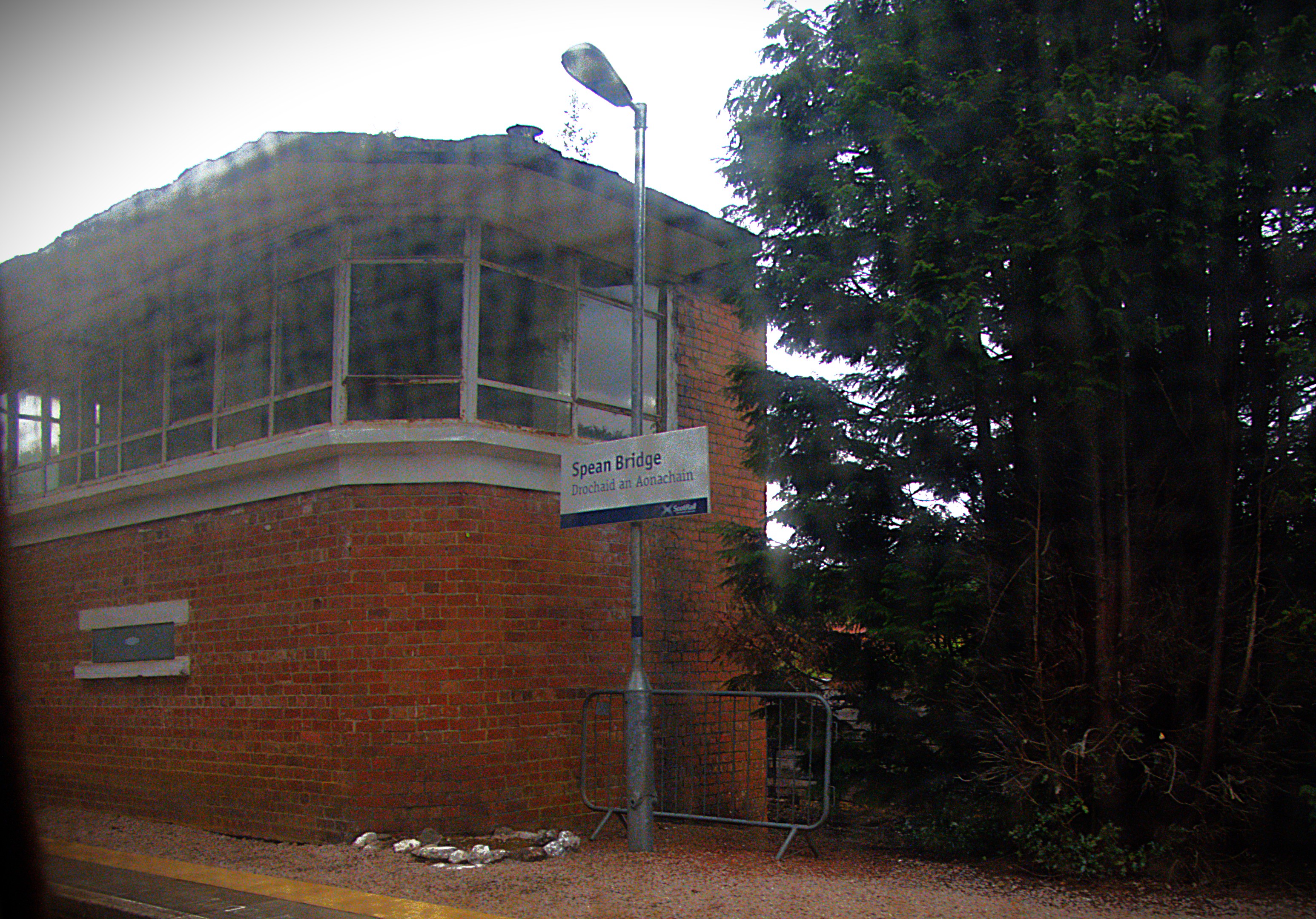
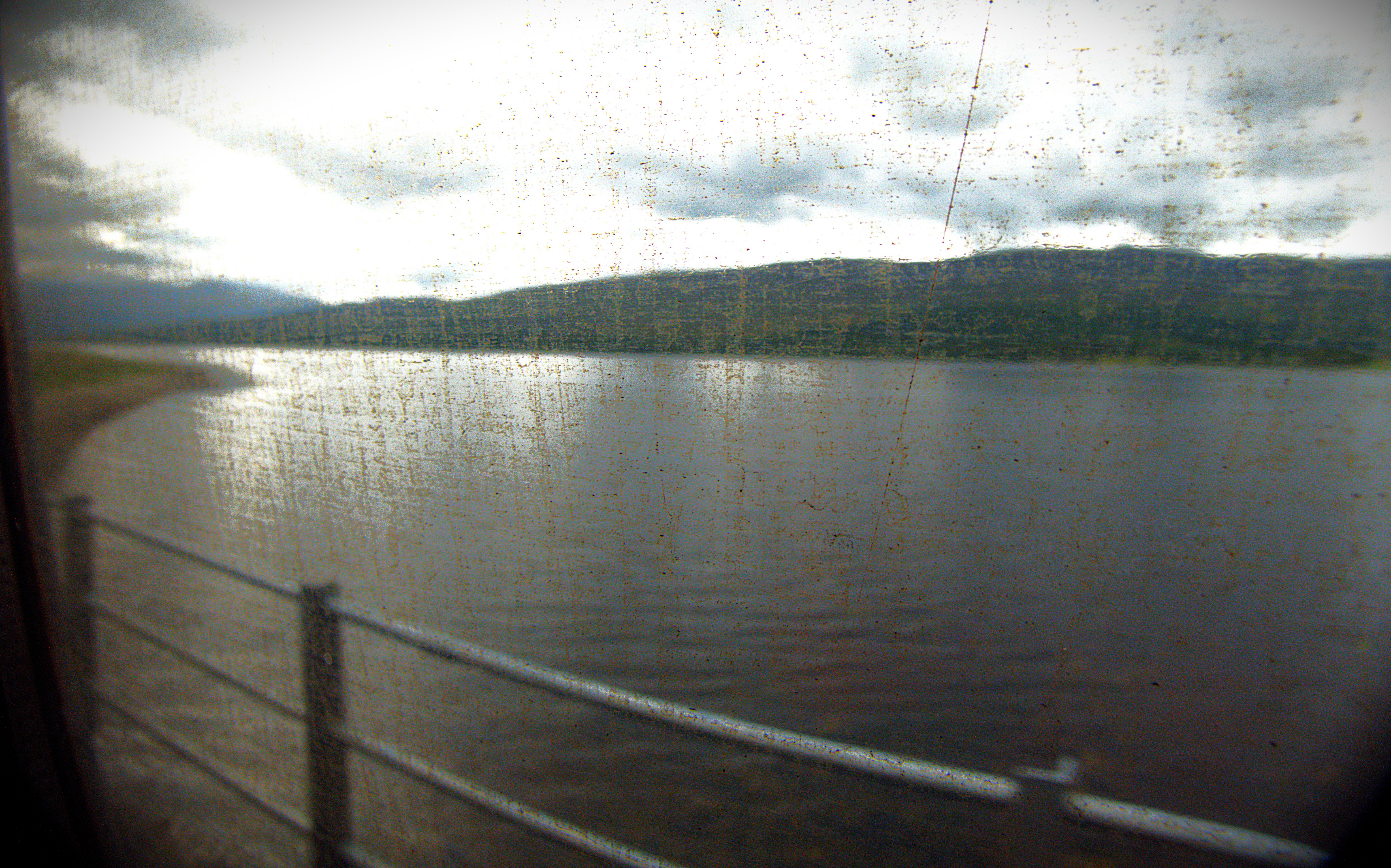
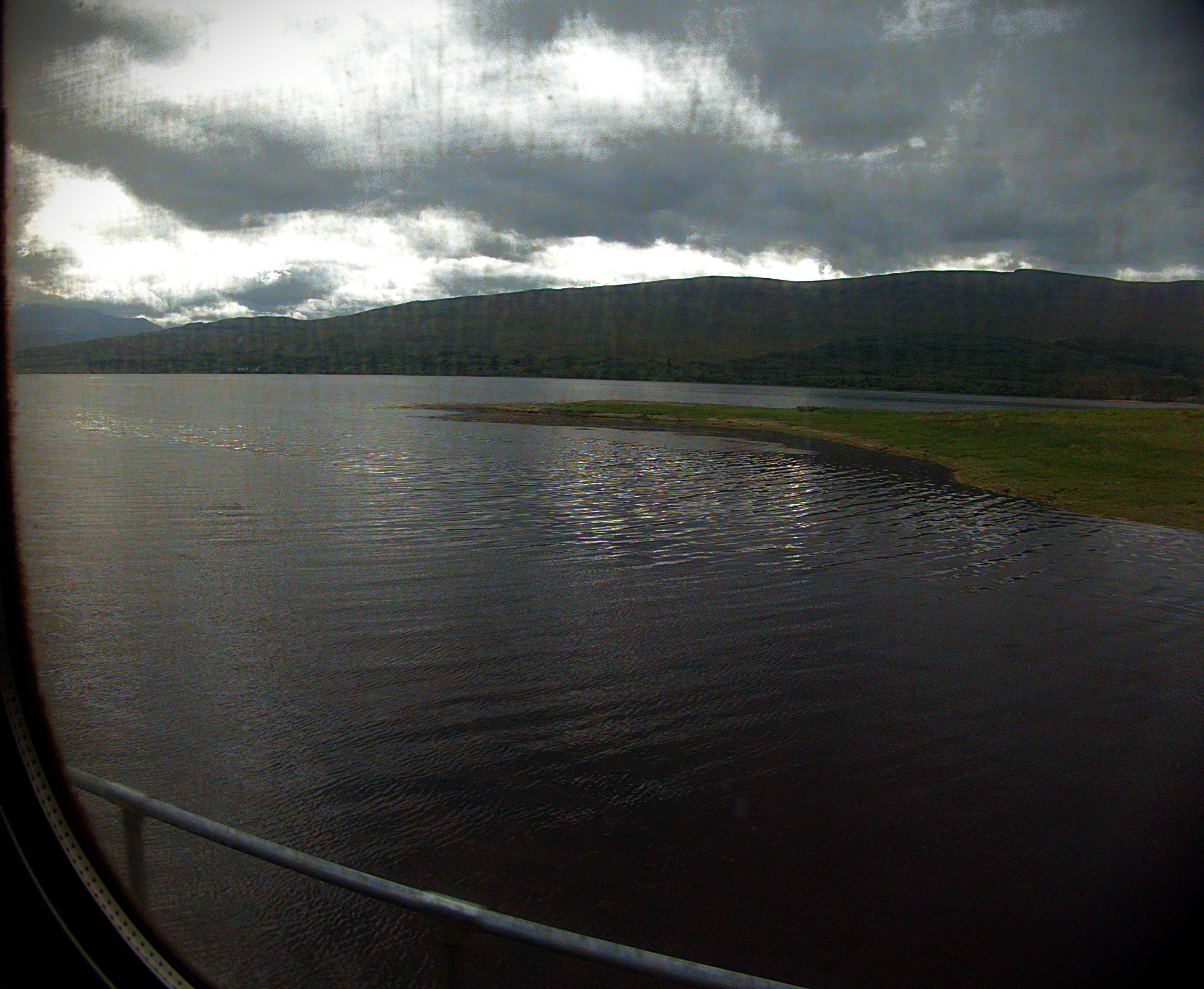
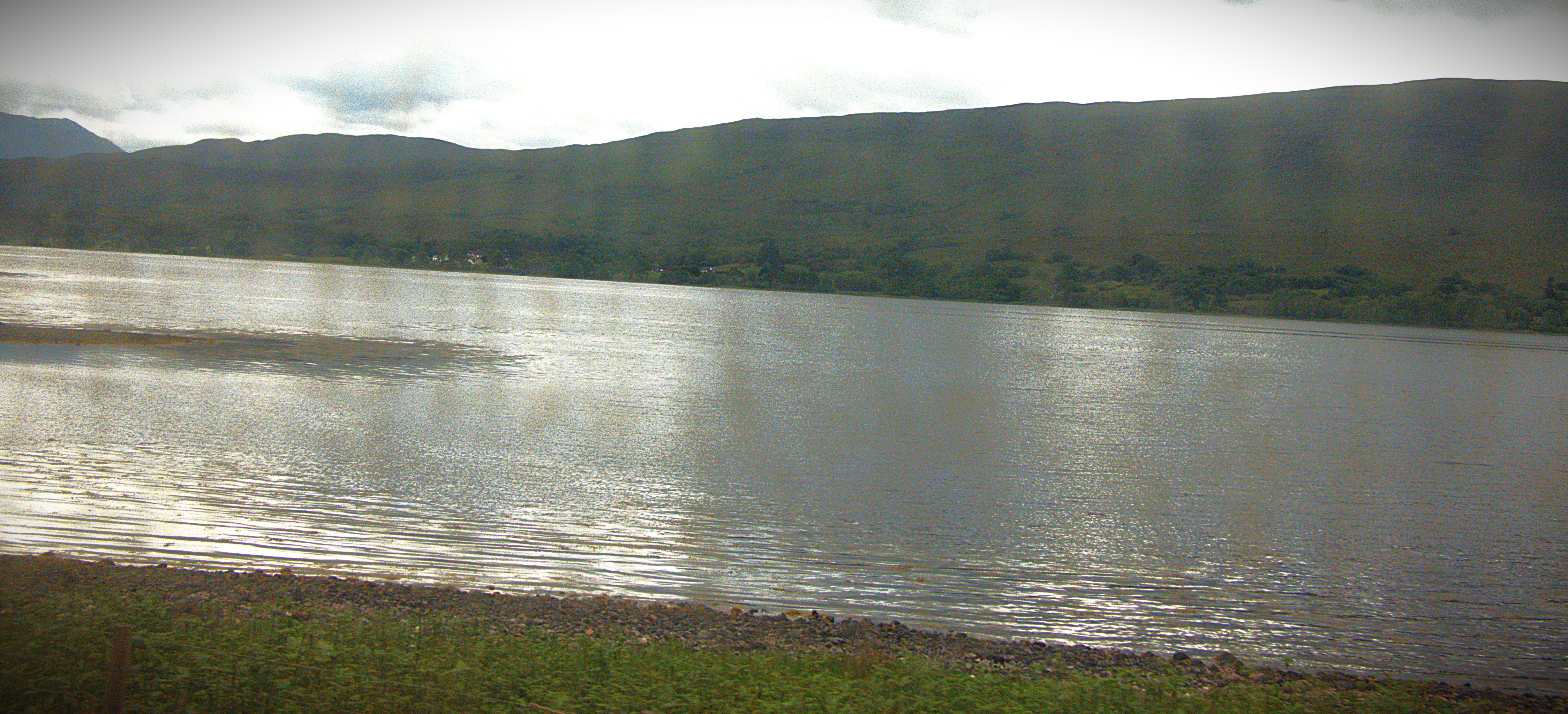
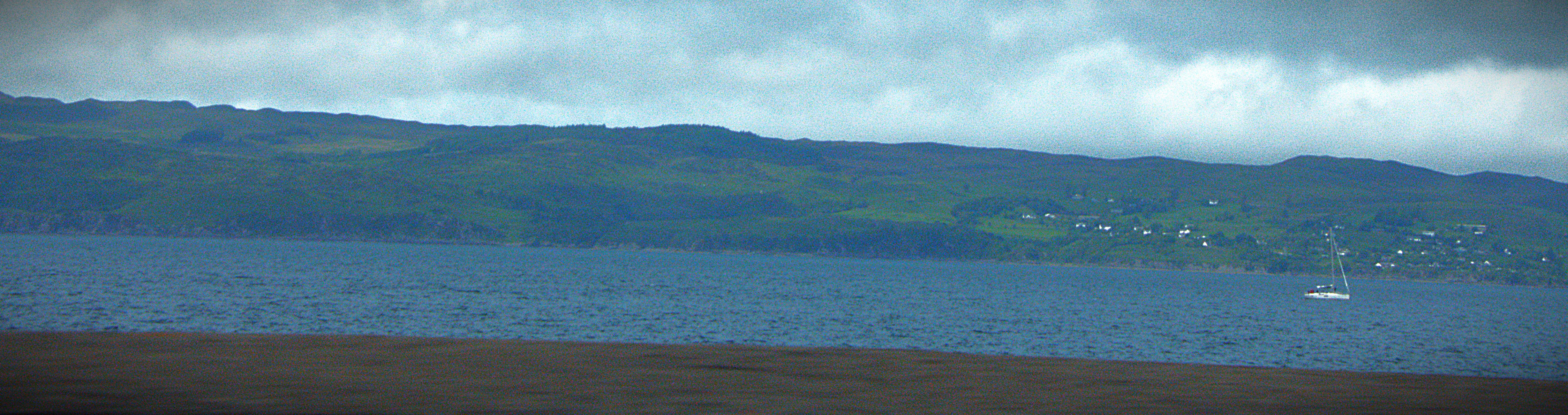
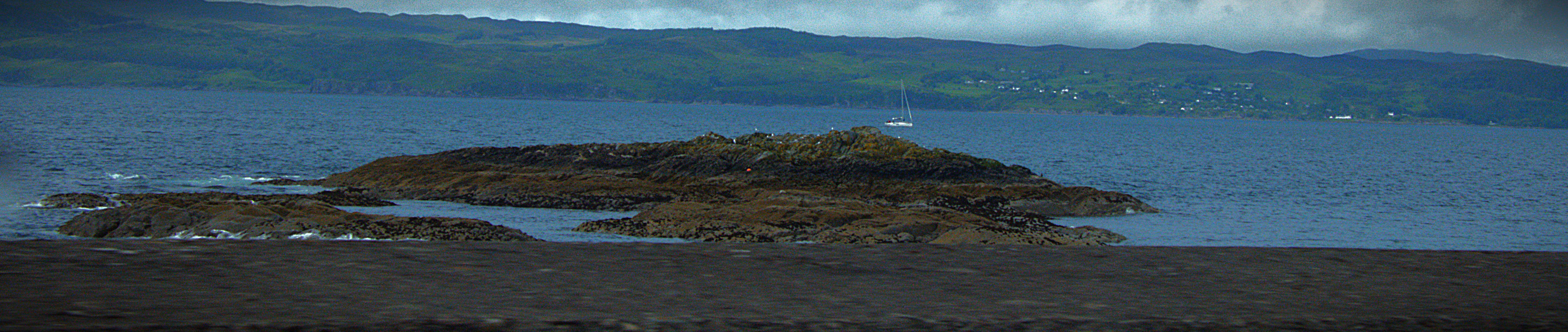
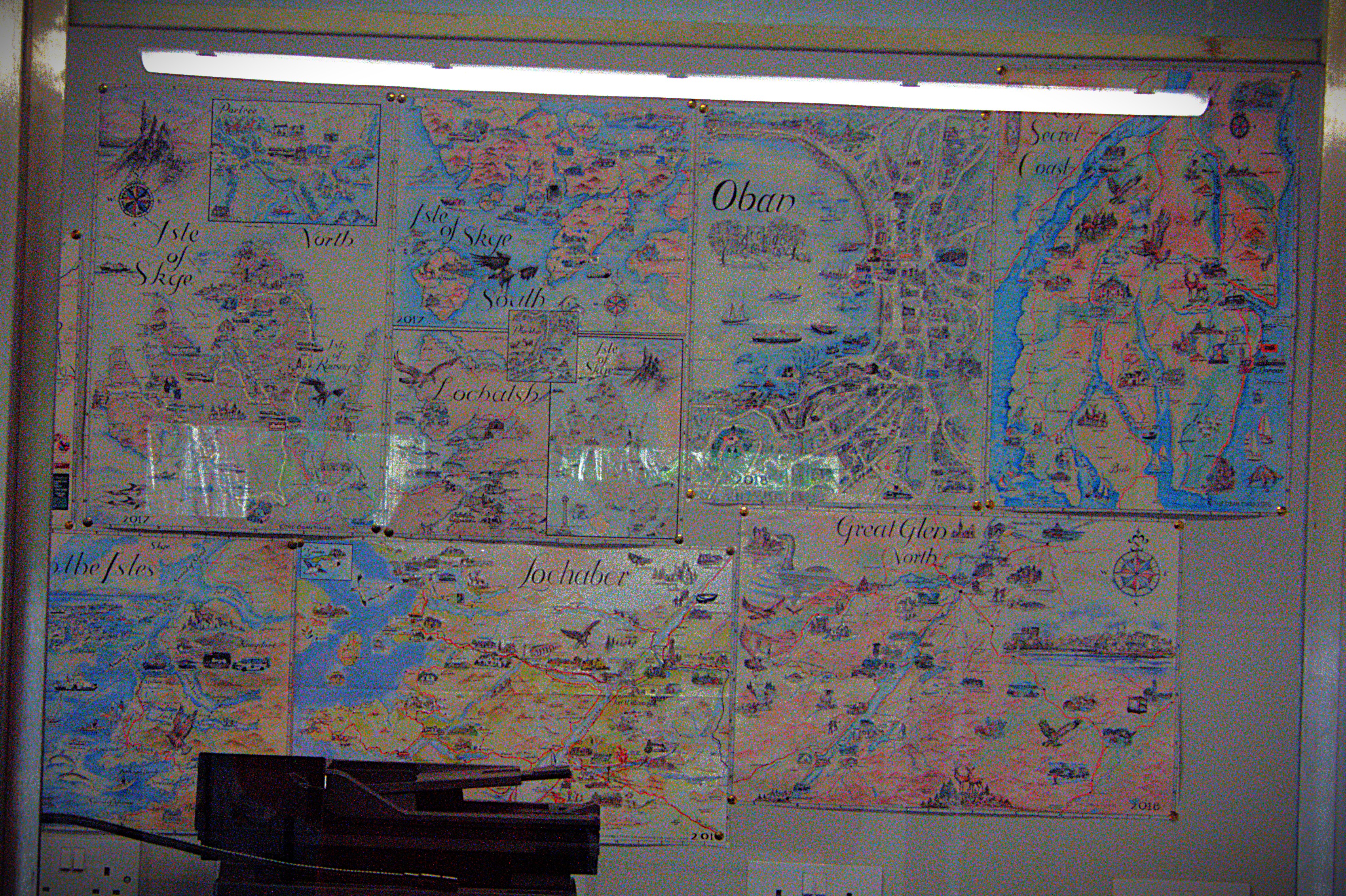
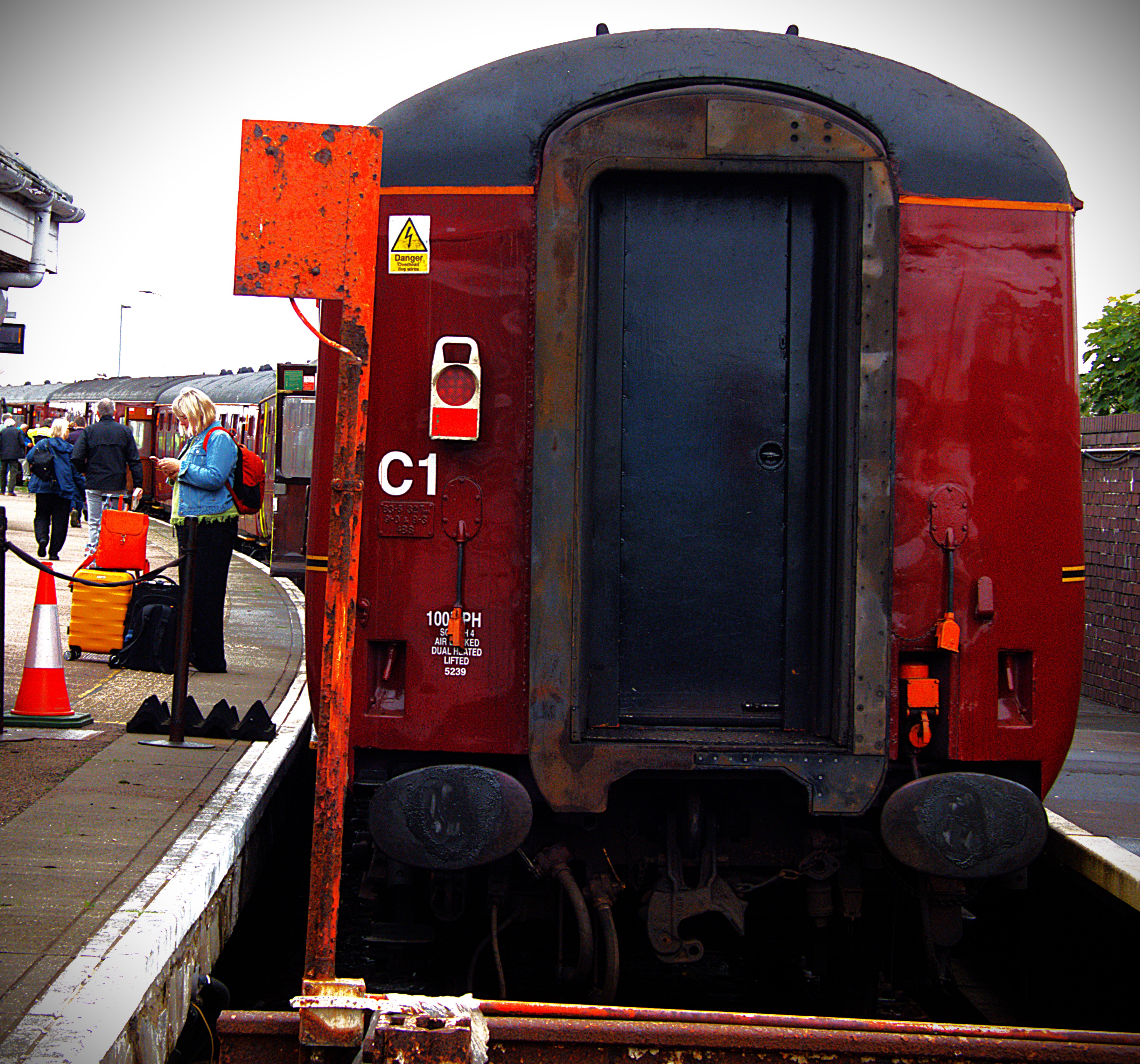
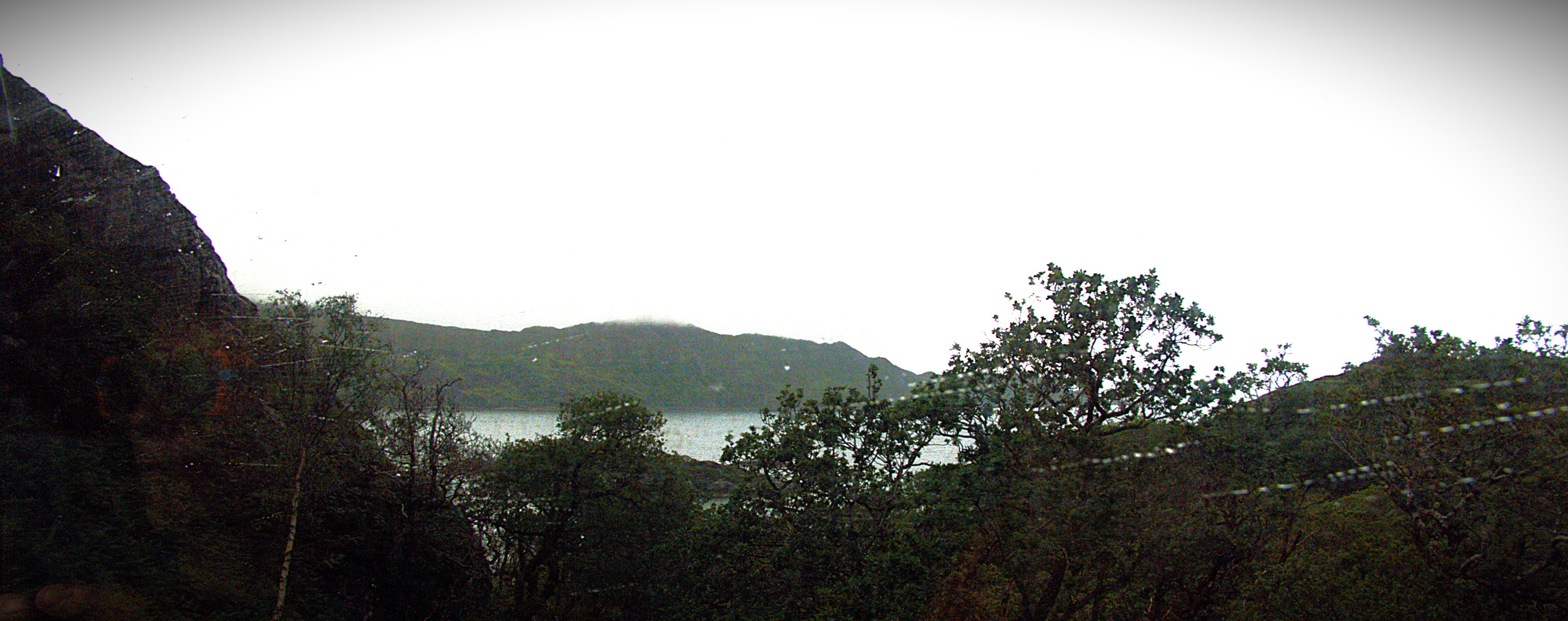
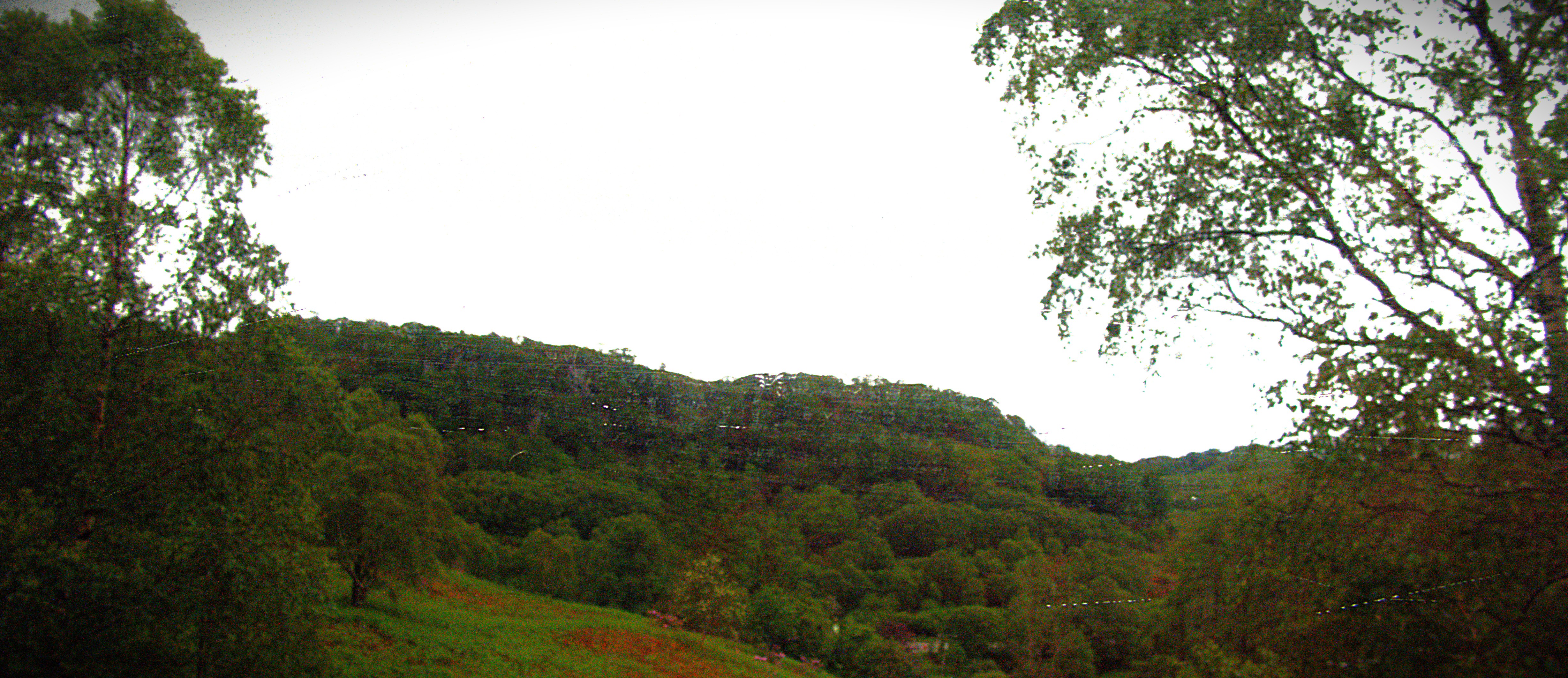
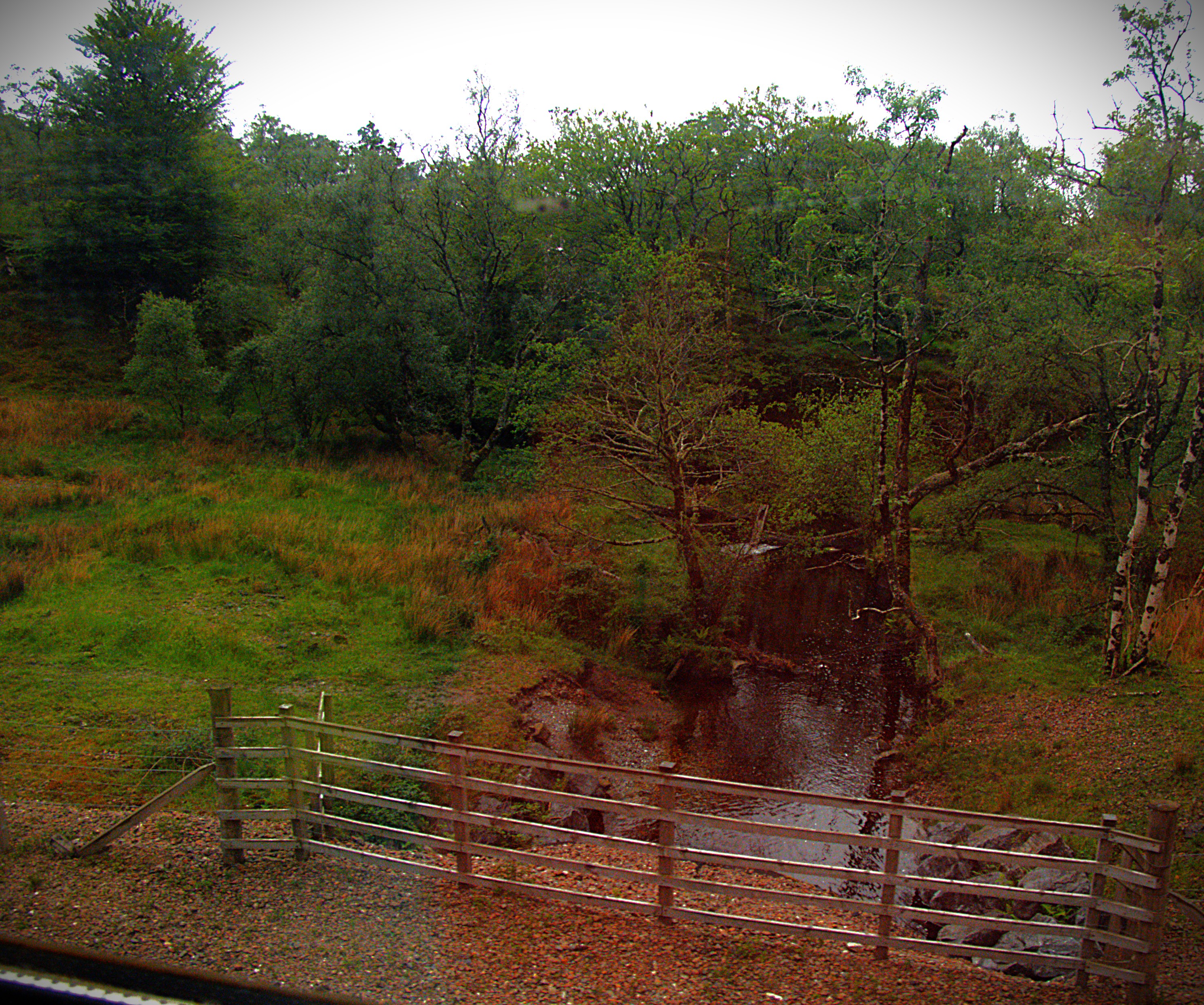
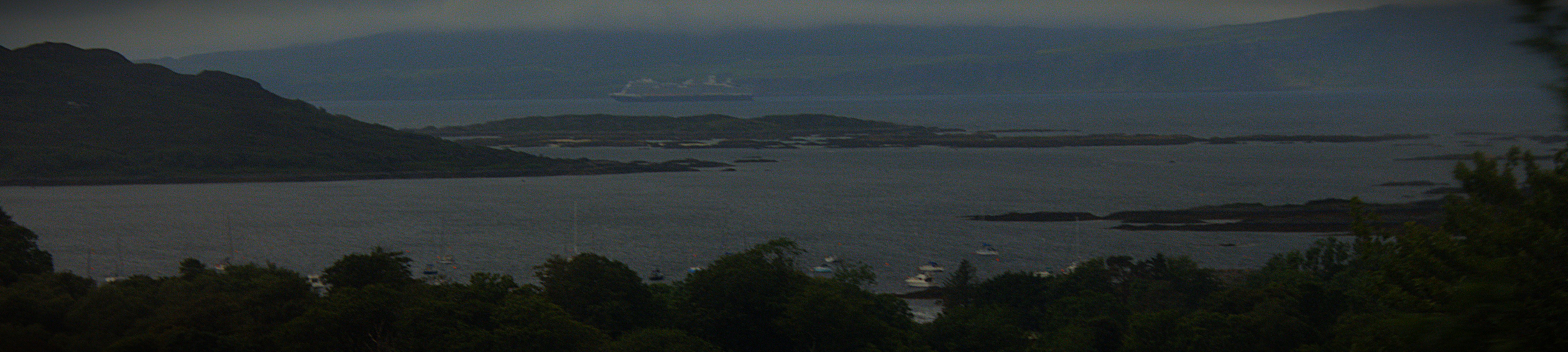
Continuing my account of my Scottish holiday with a look at the journey back from Glenfinnan to Arisaig on the Thursday.

Welcome to the latest instalment in my account of my Scottish holiday (May 30th to June 6th). This is the final post about the excursion to Glenfinnan.

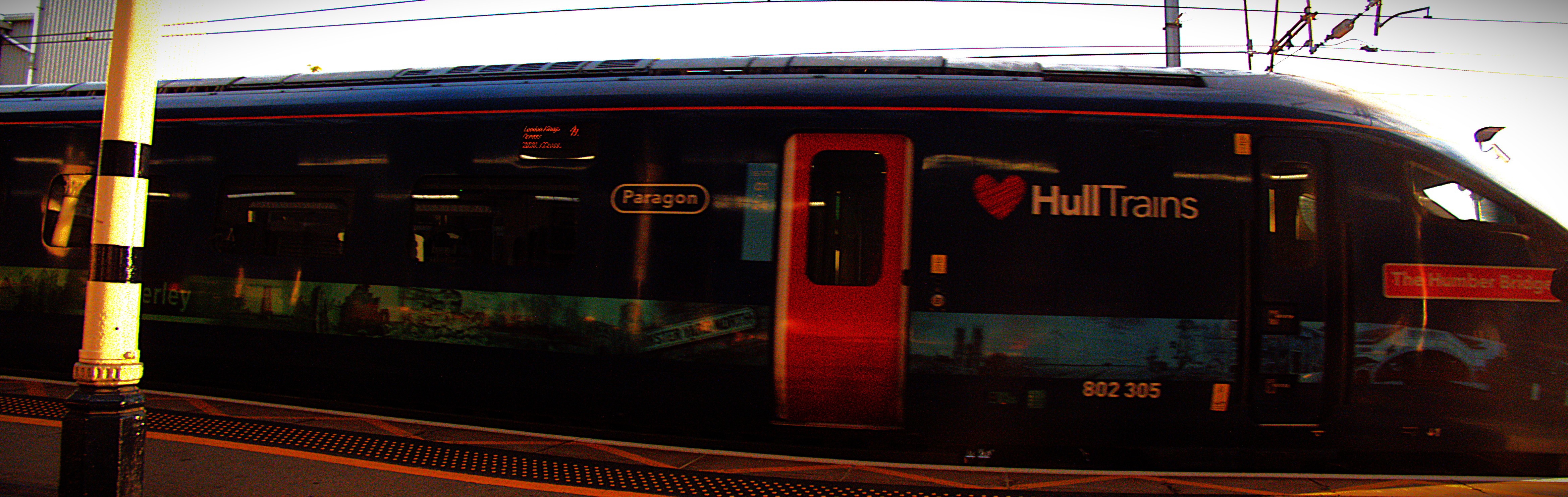
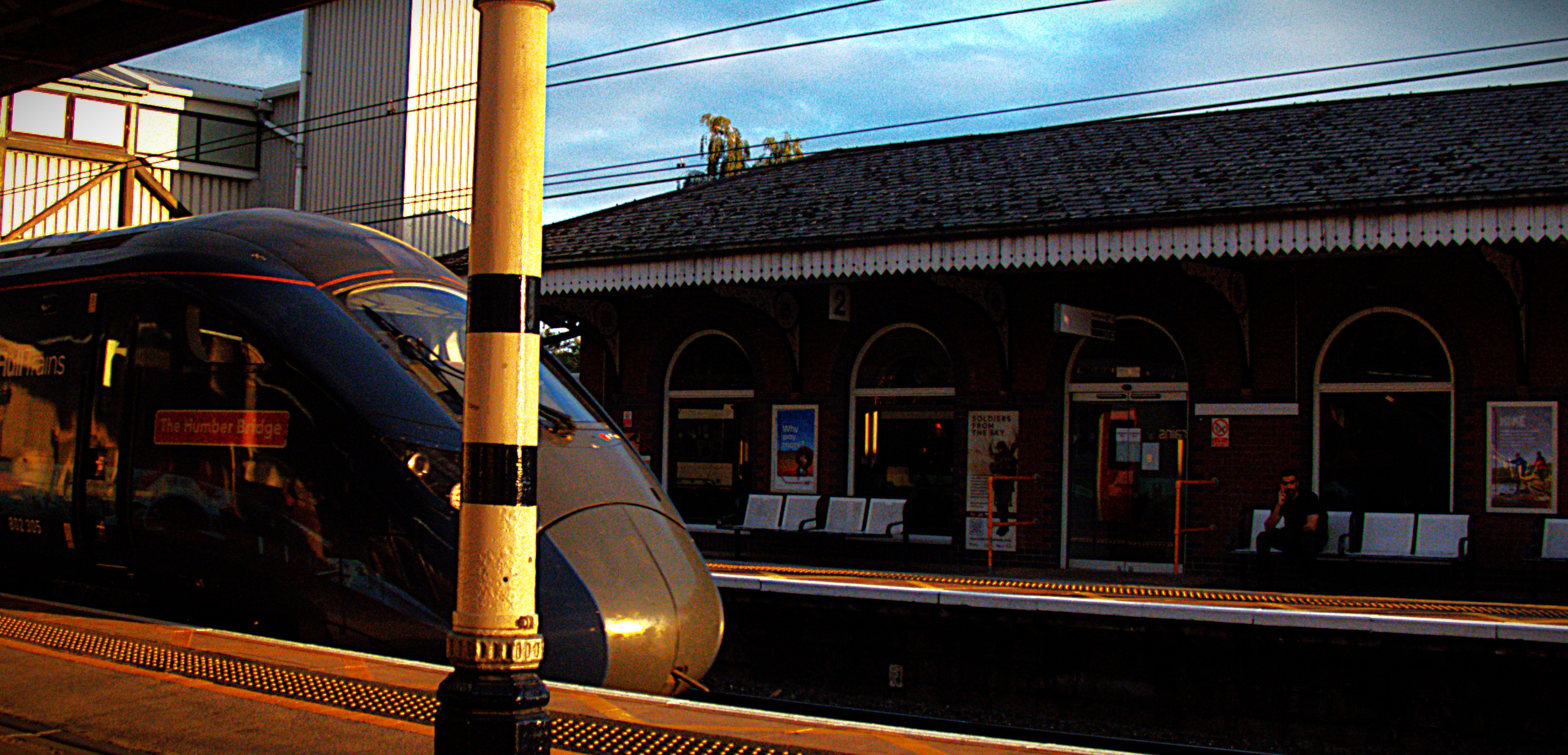
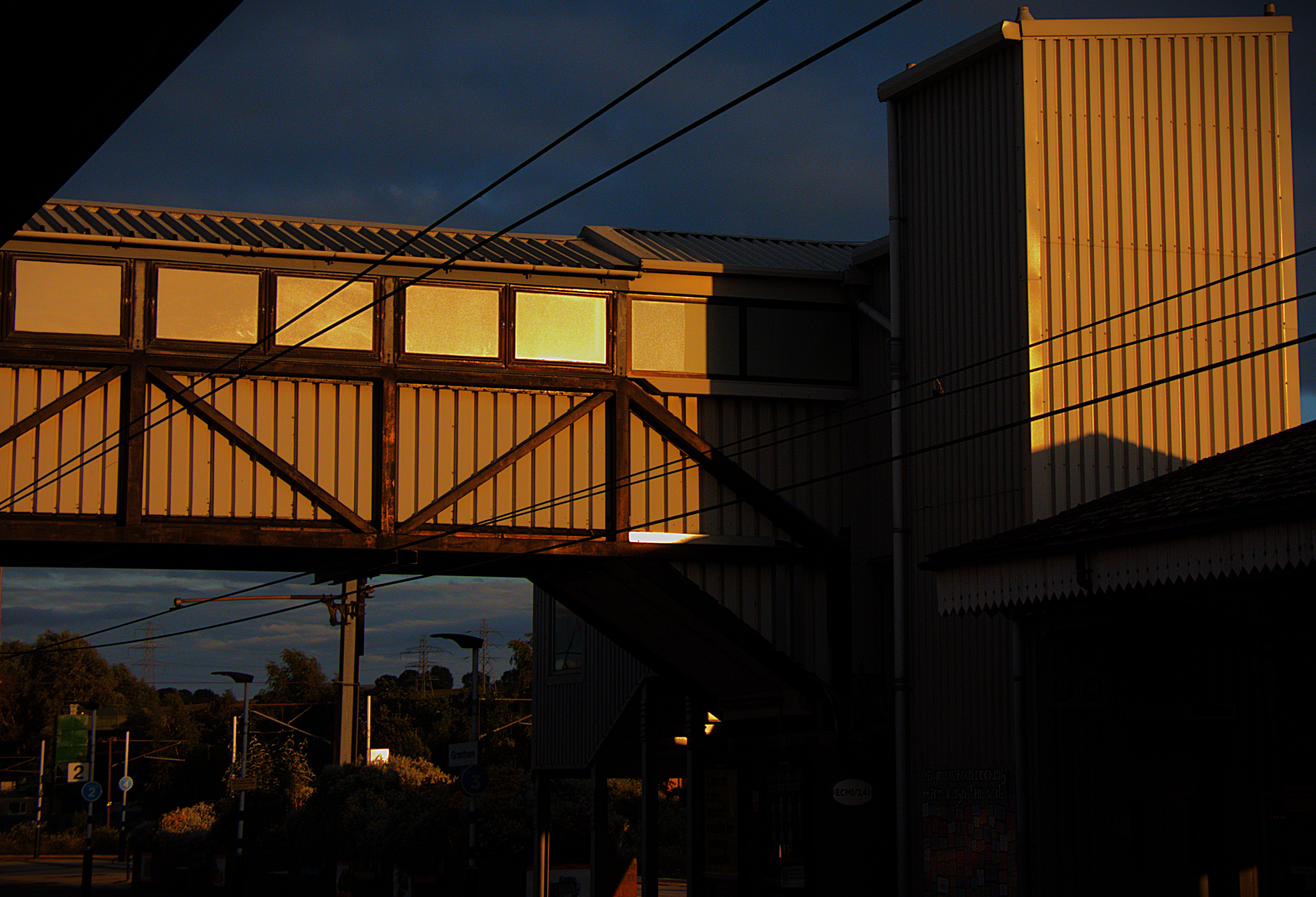
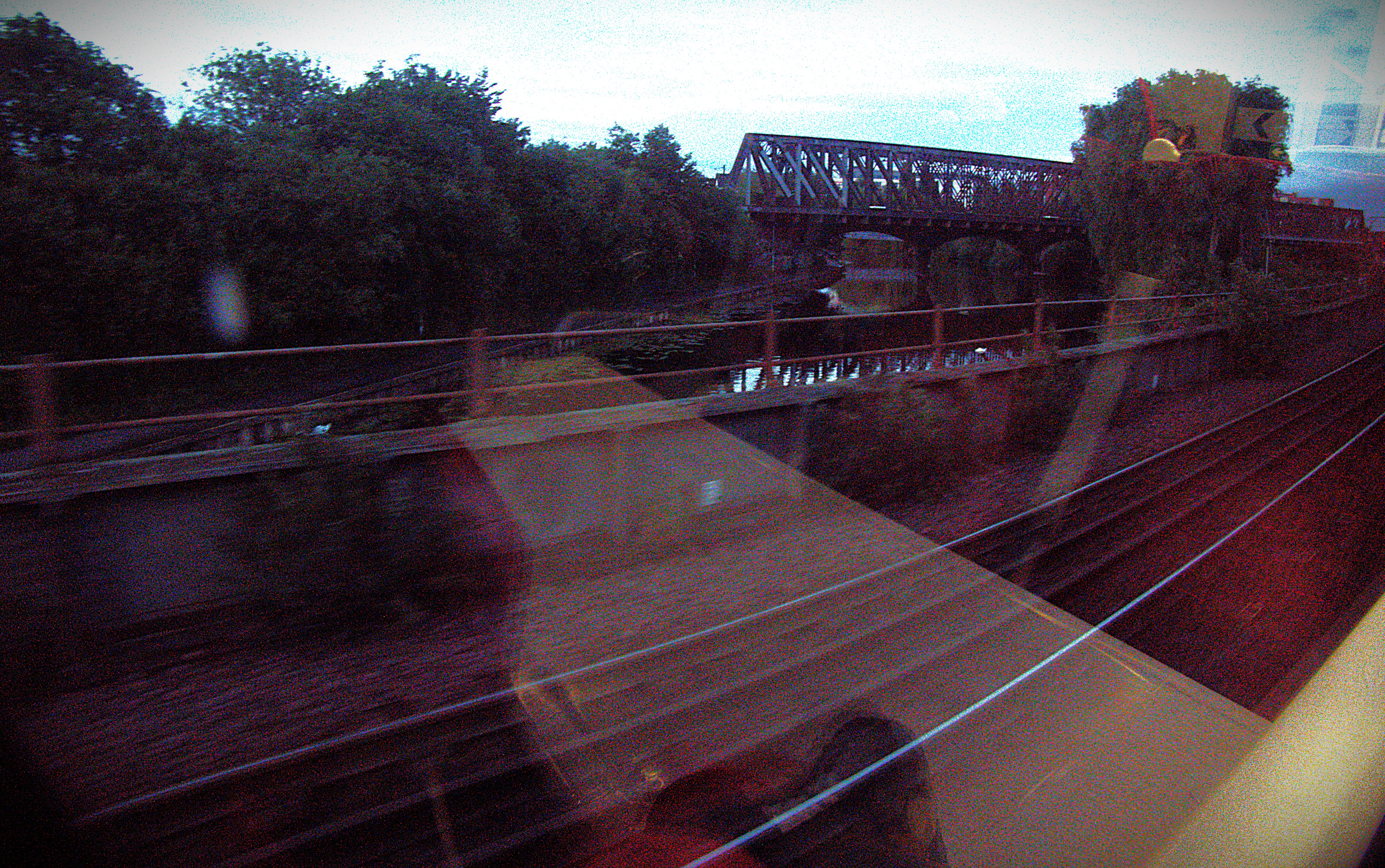
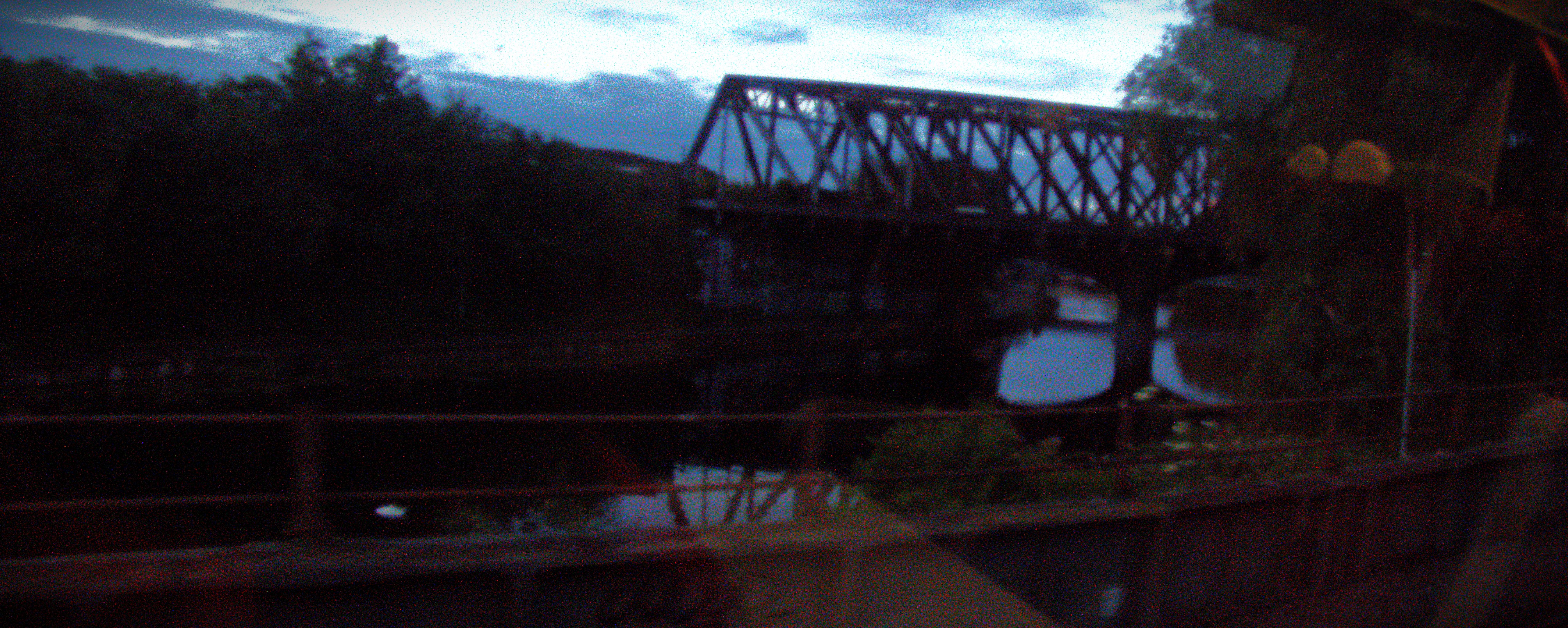
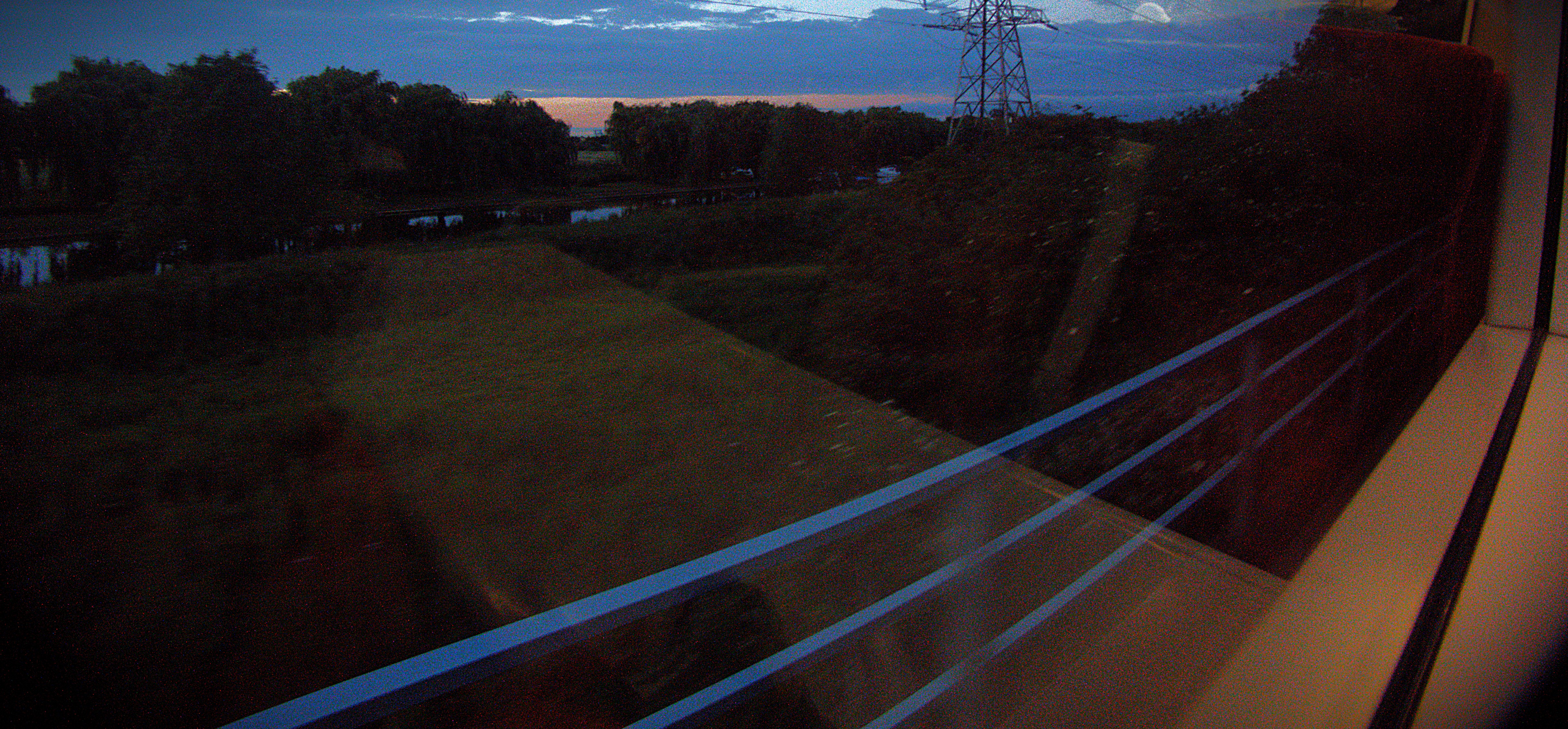
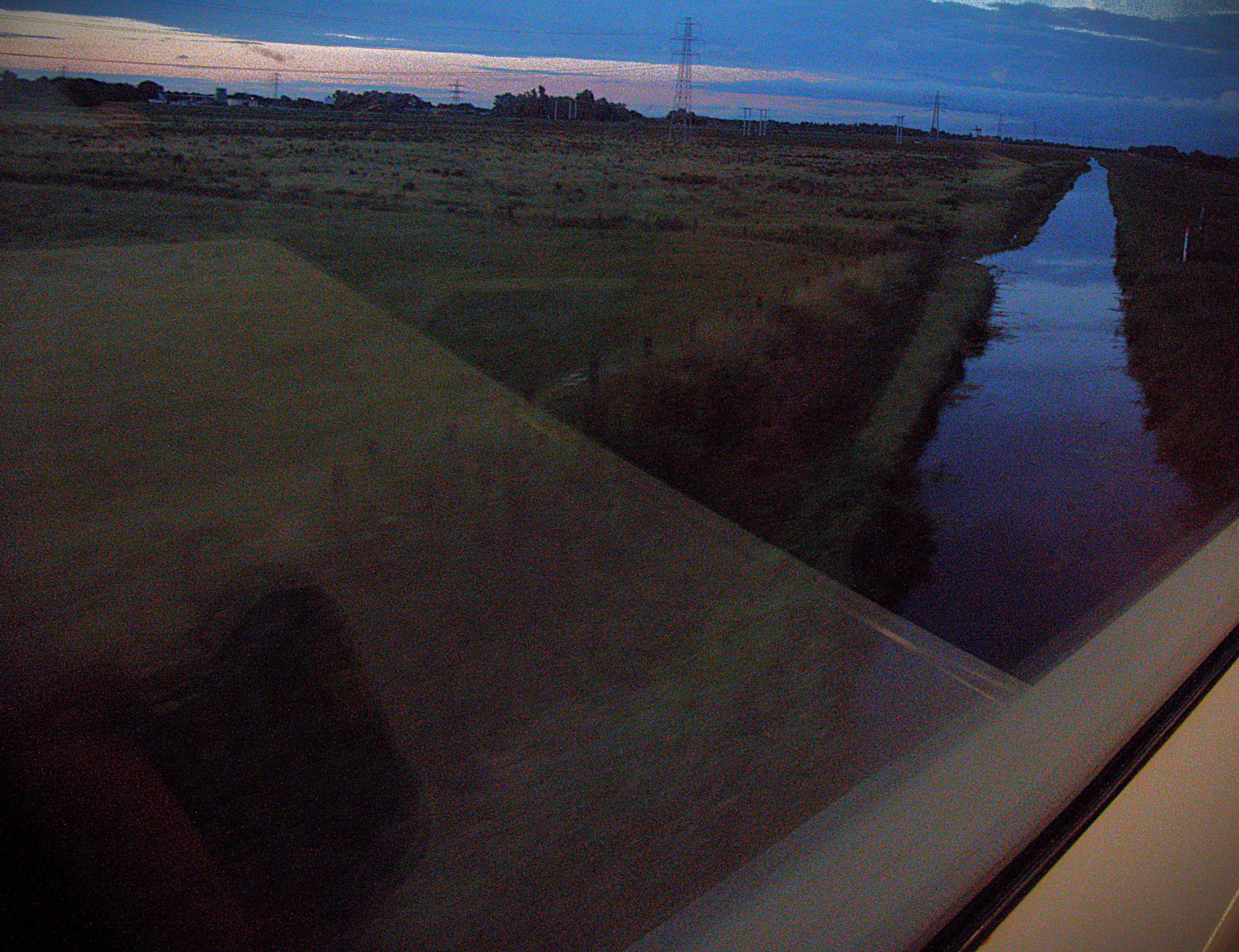
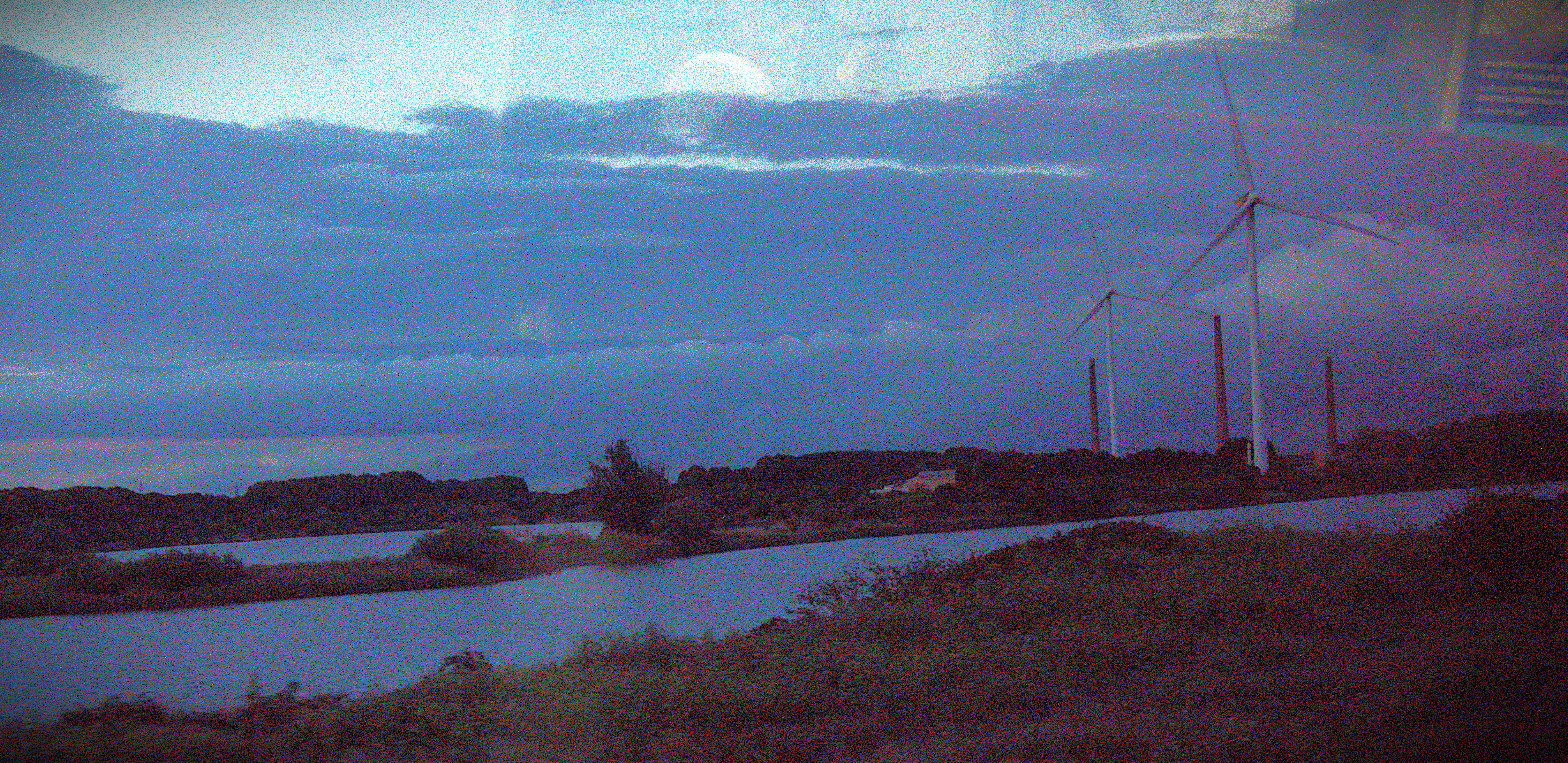
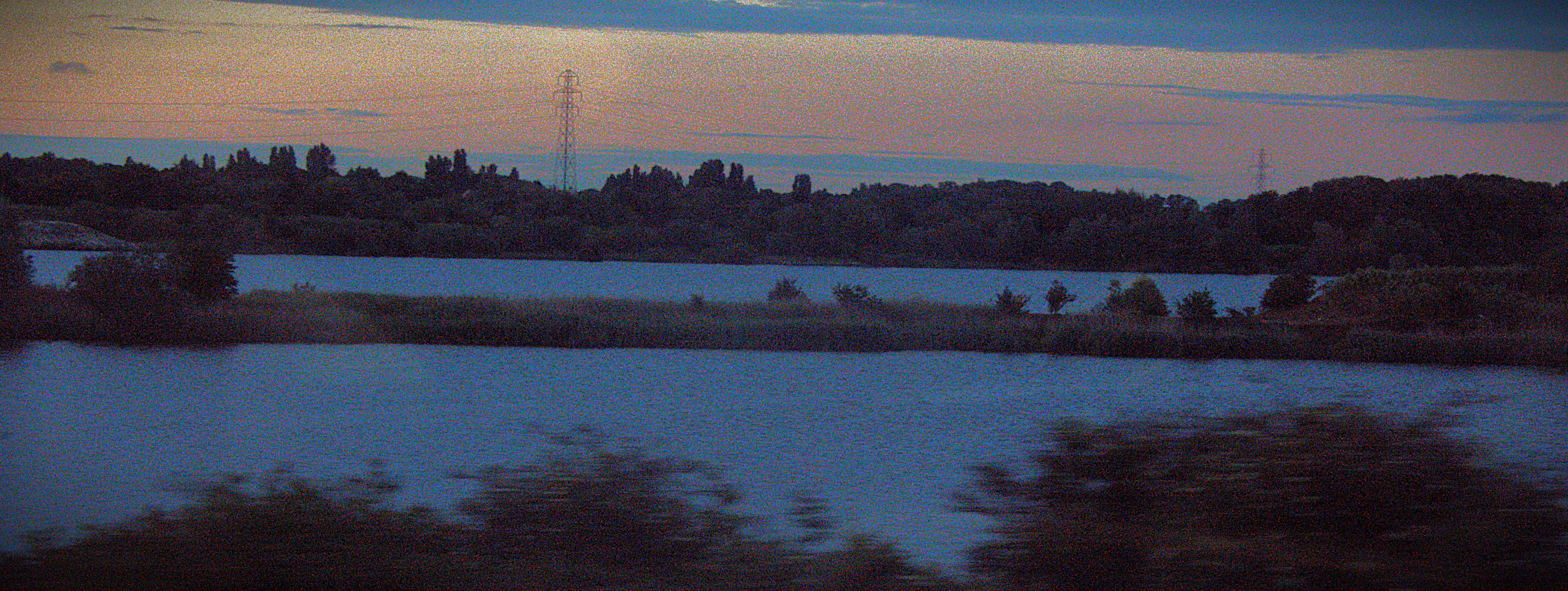
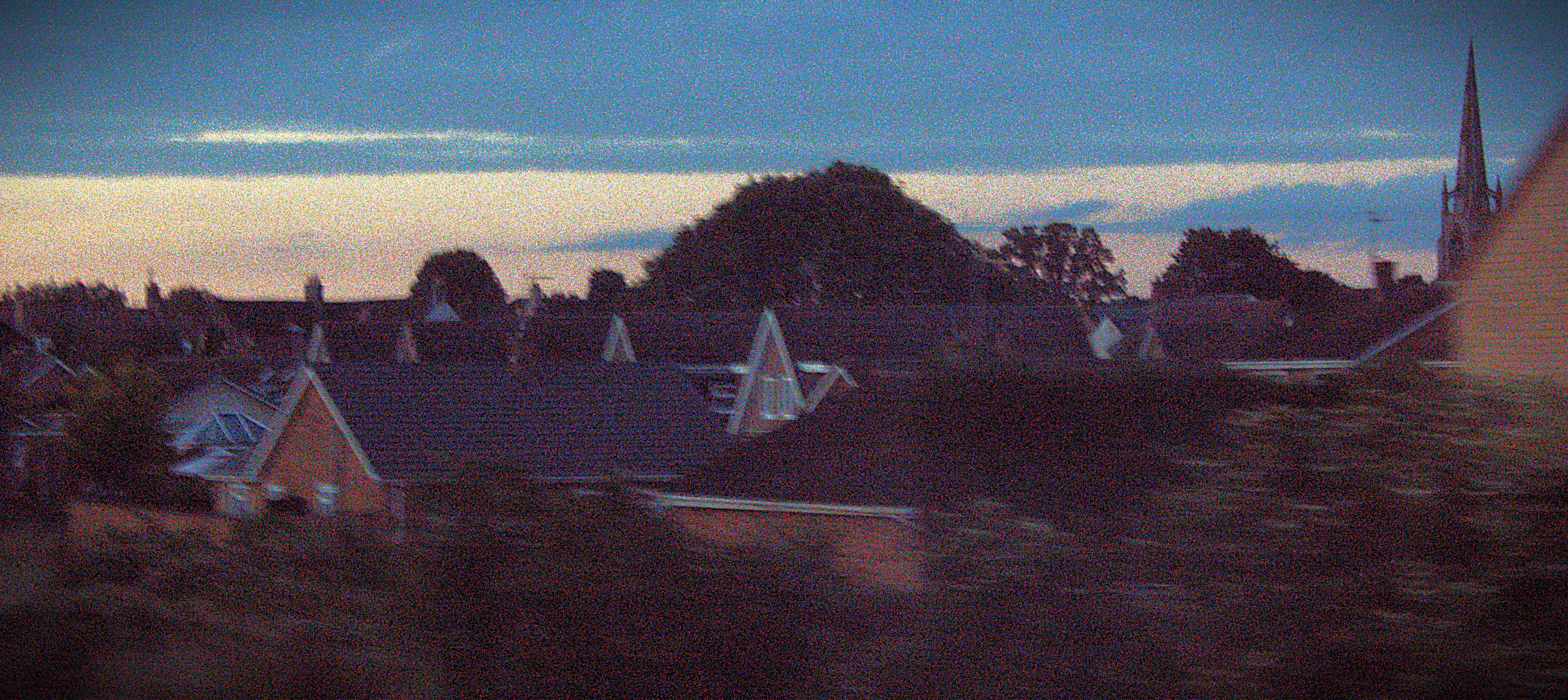
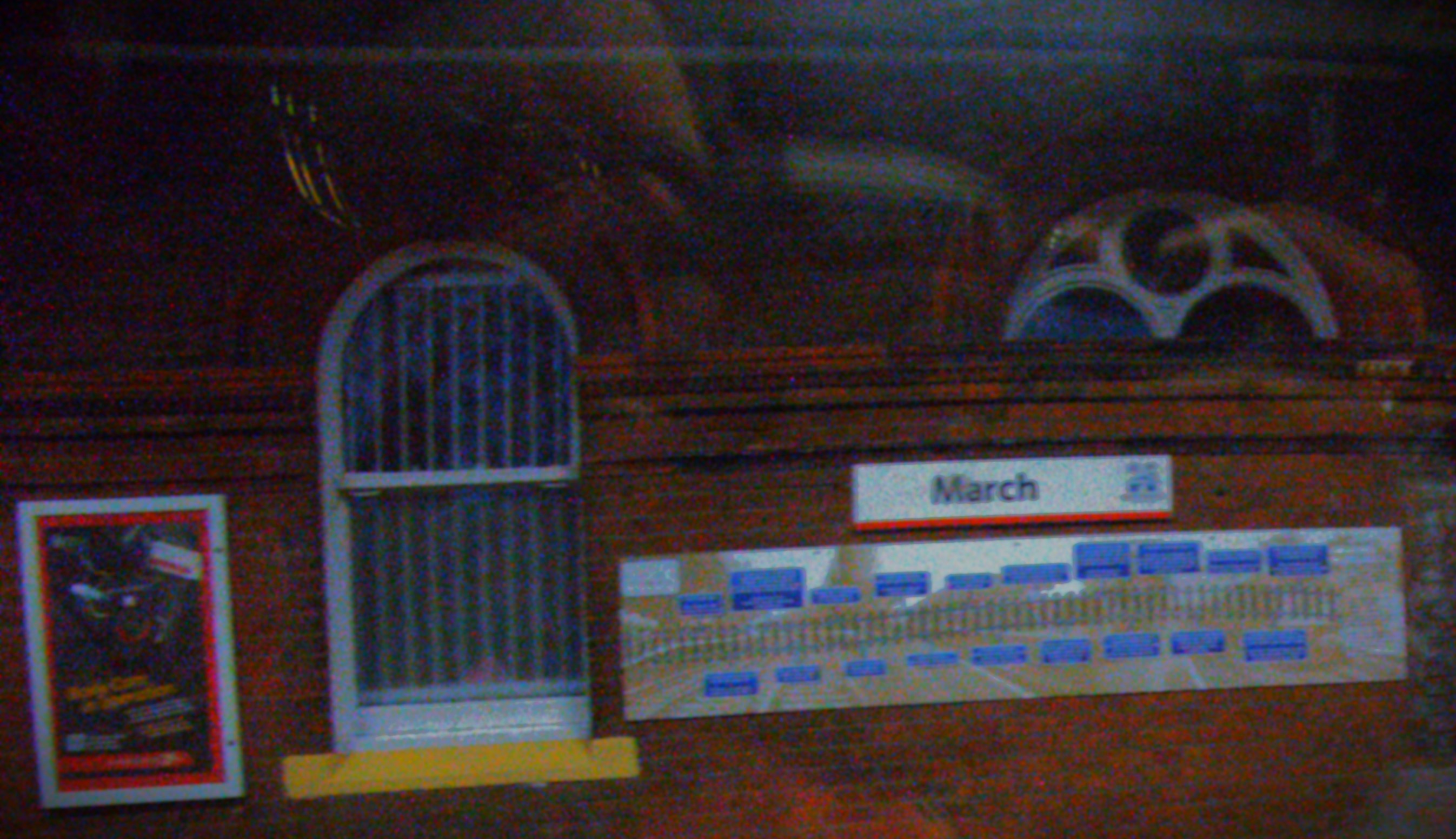
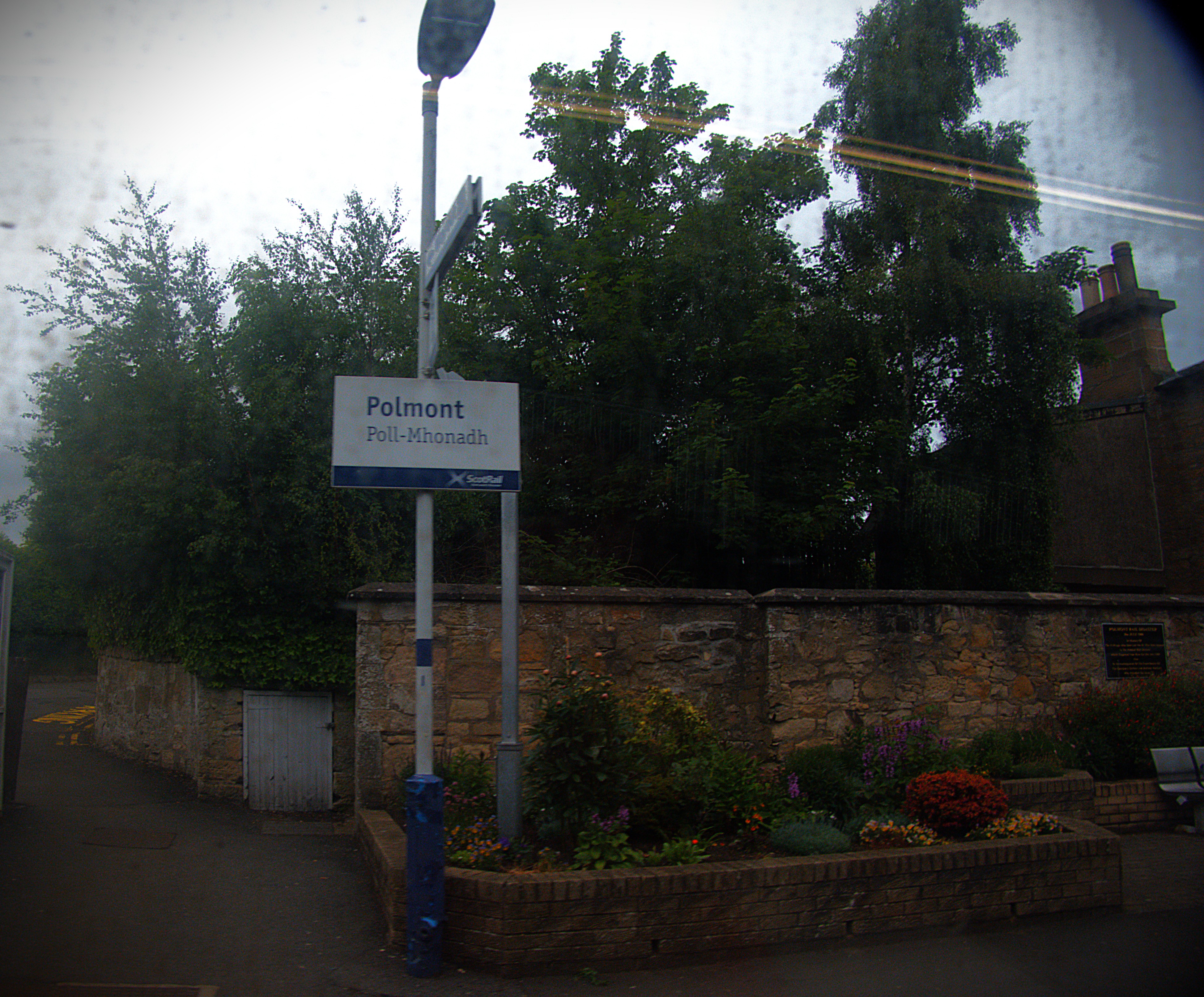
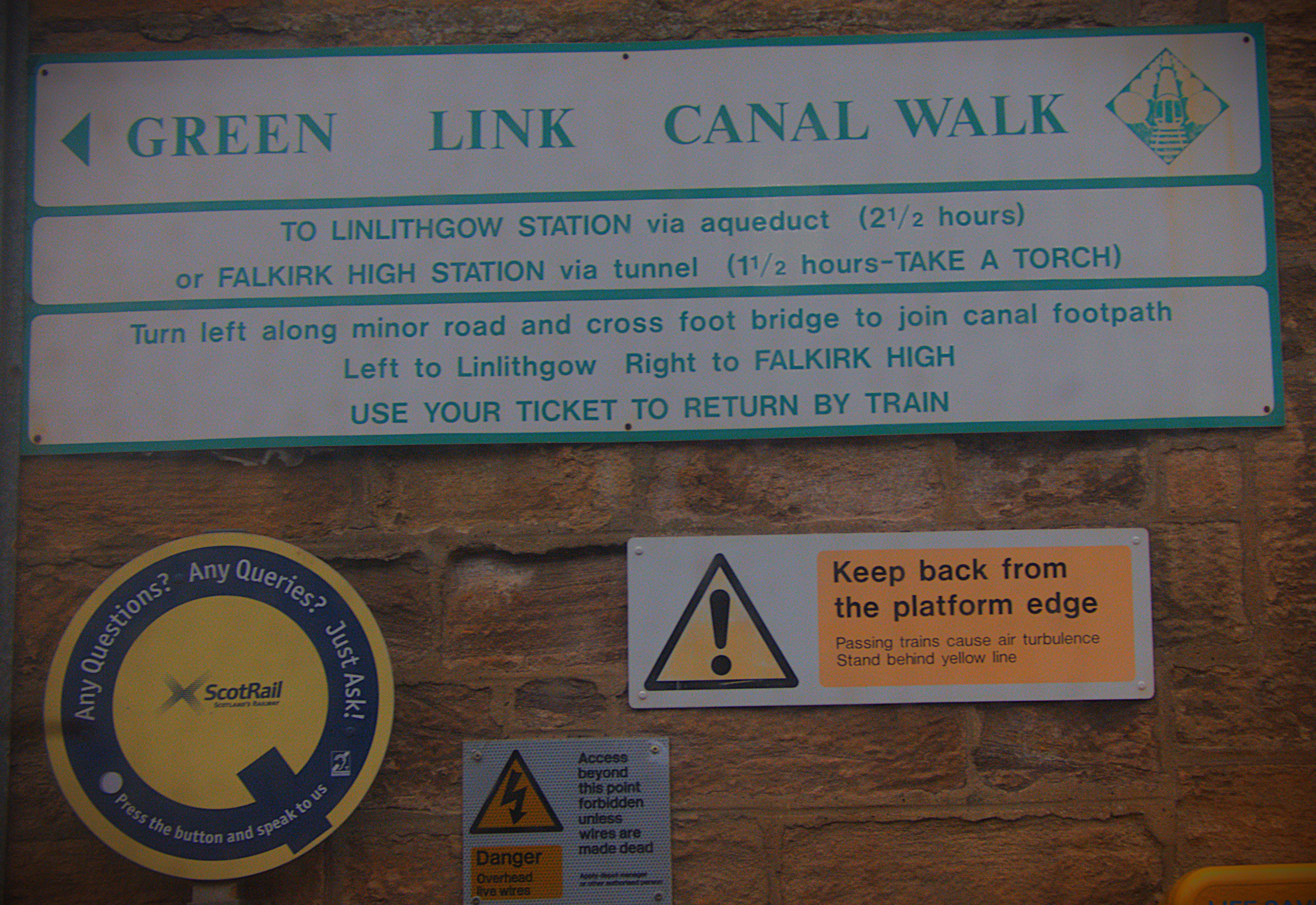
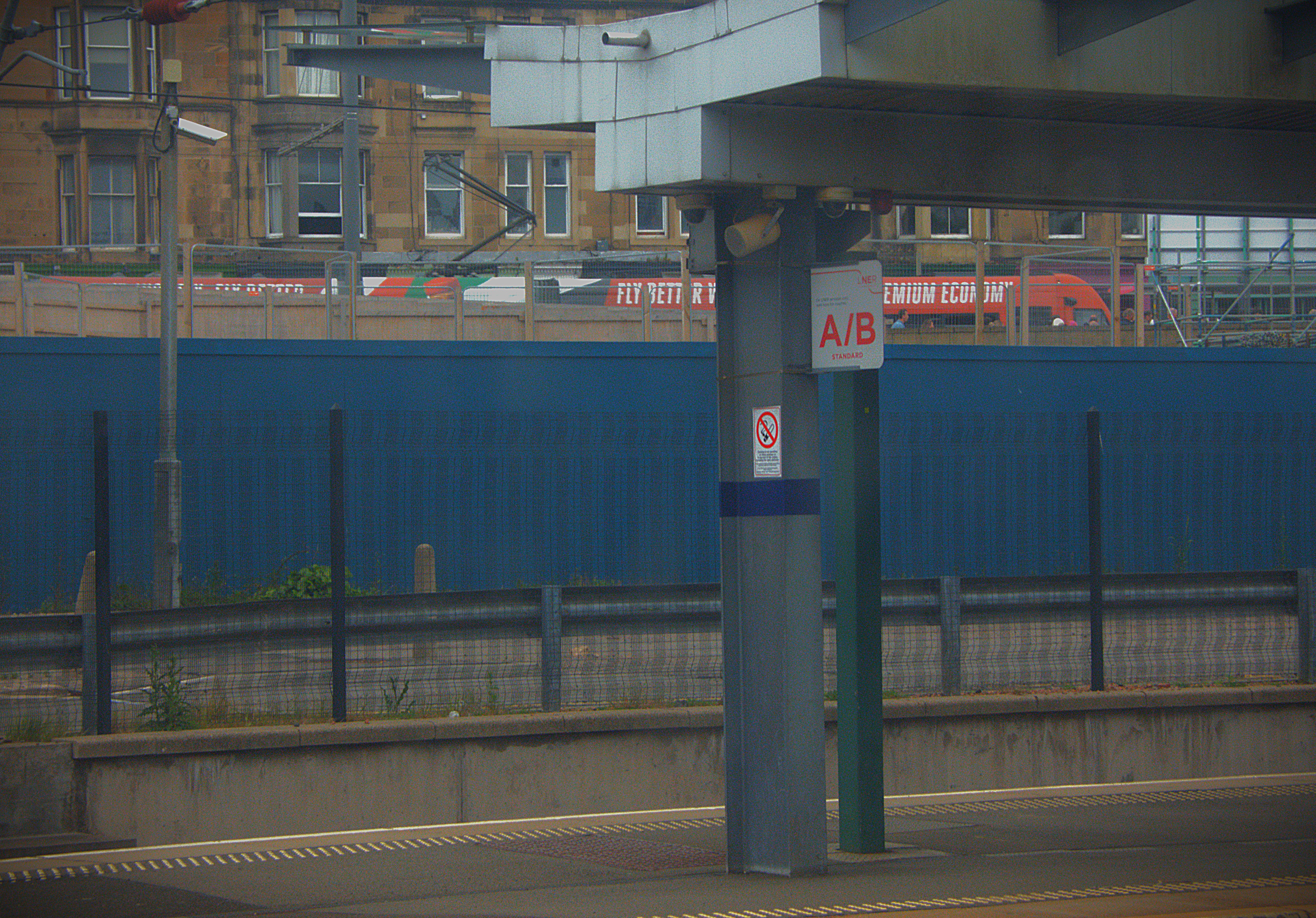
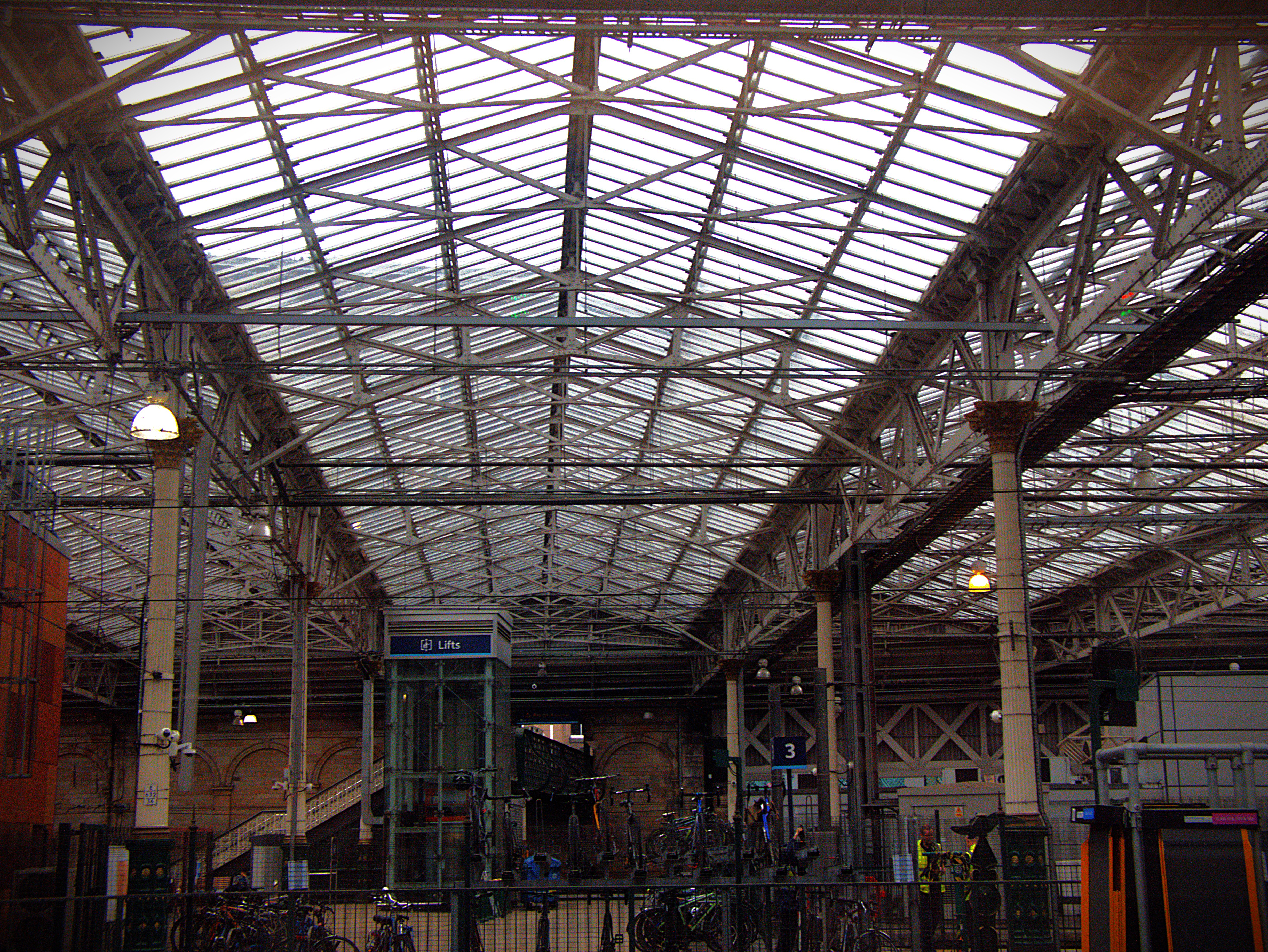
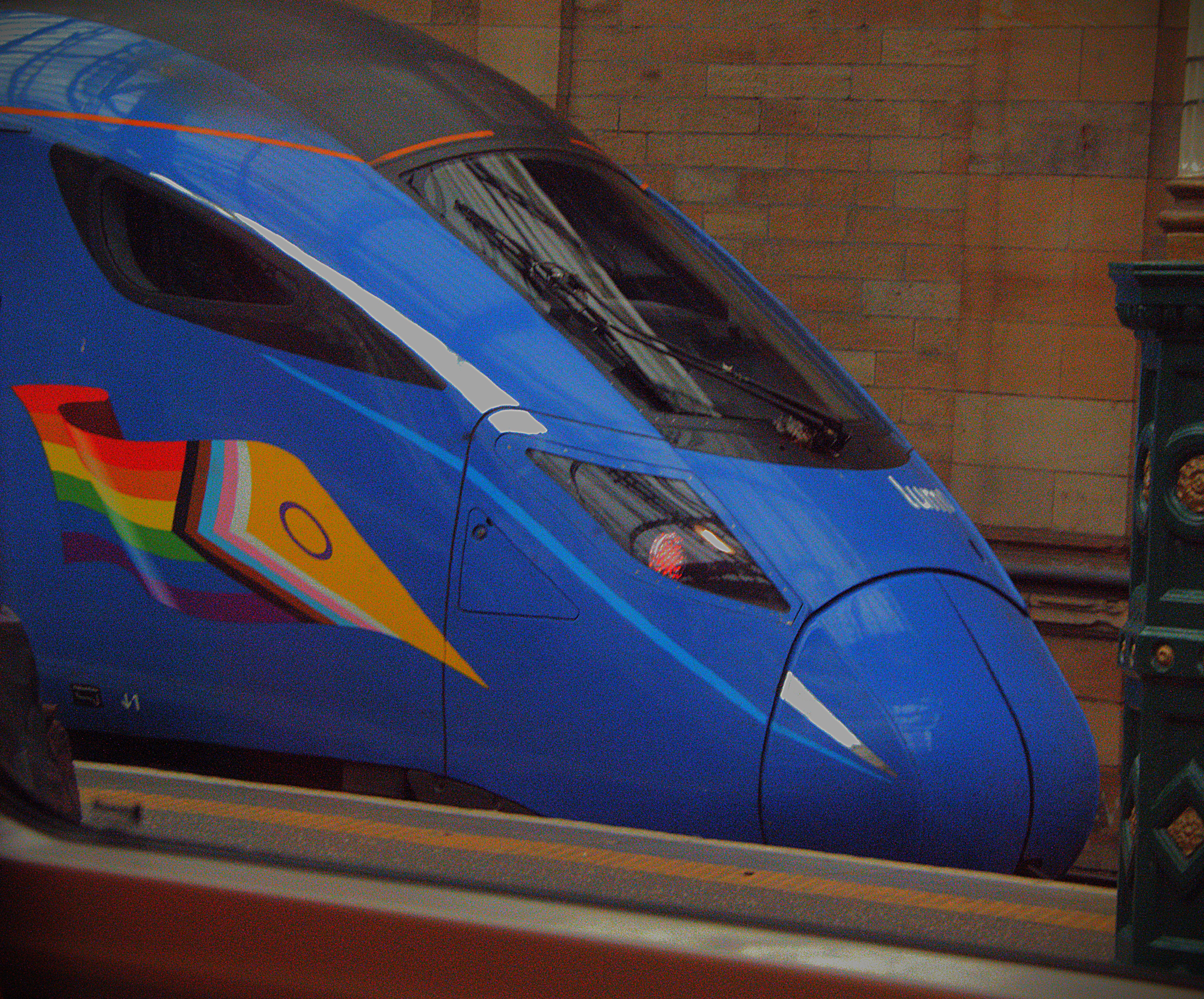
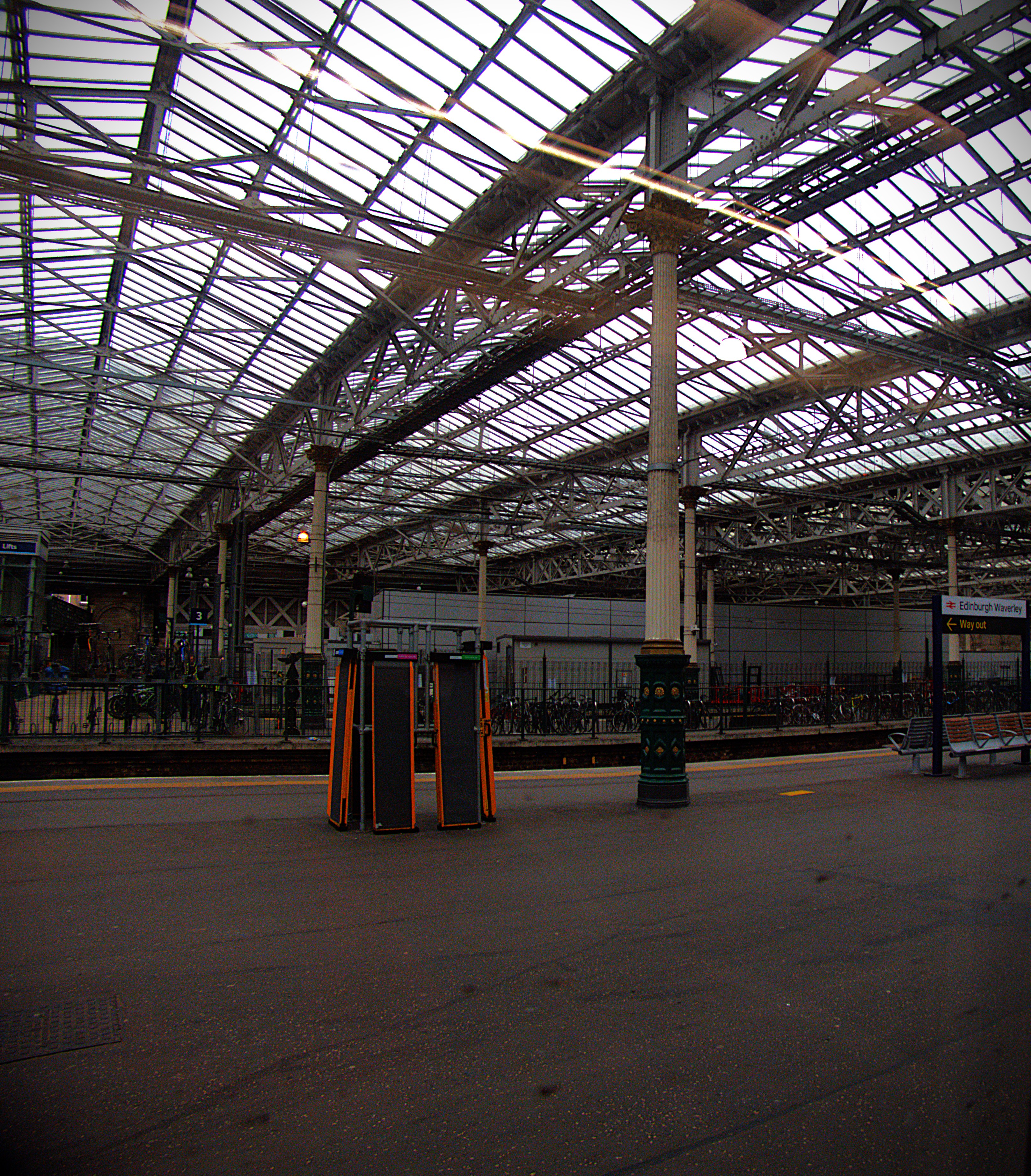
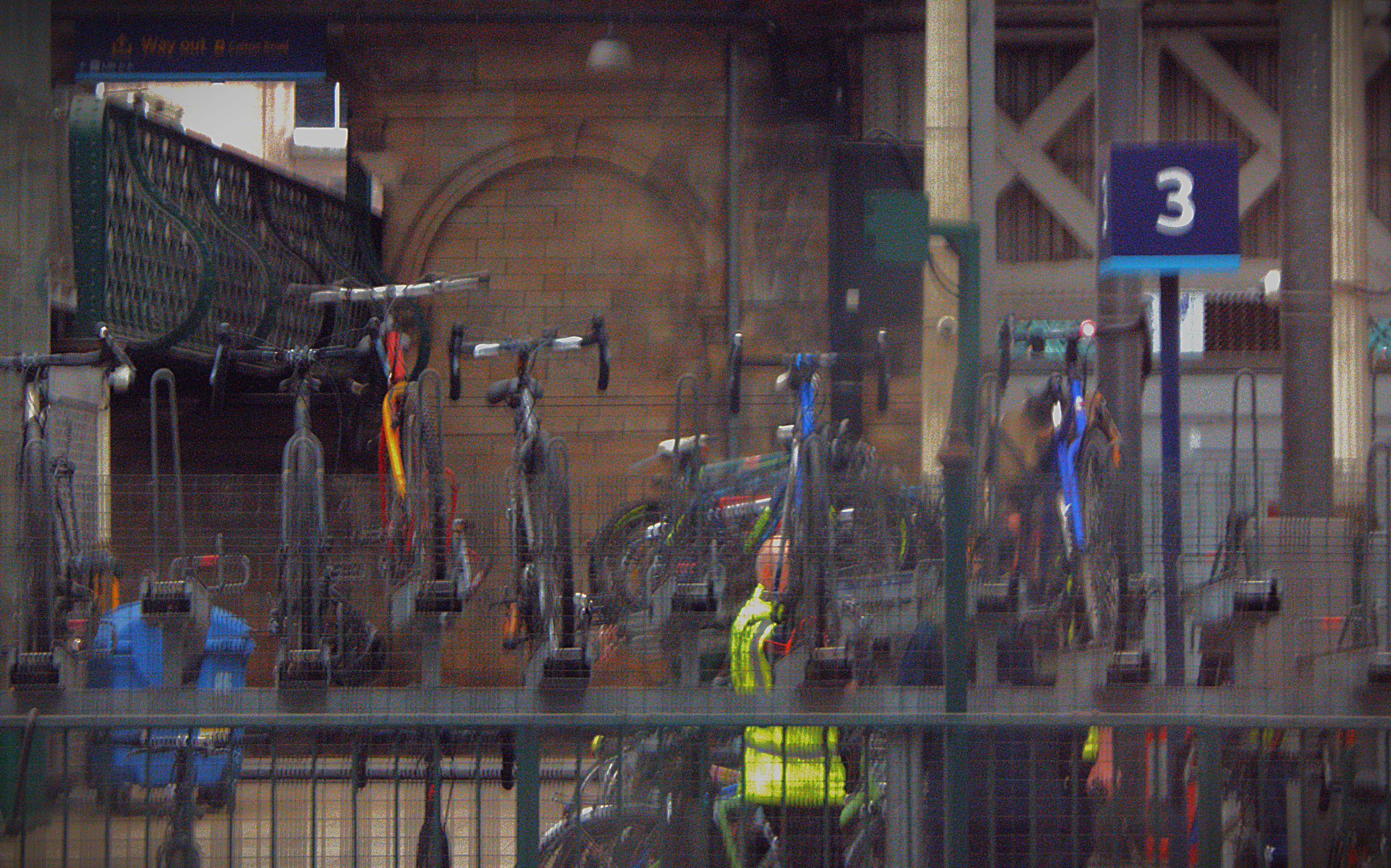
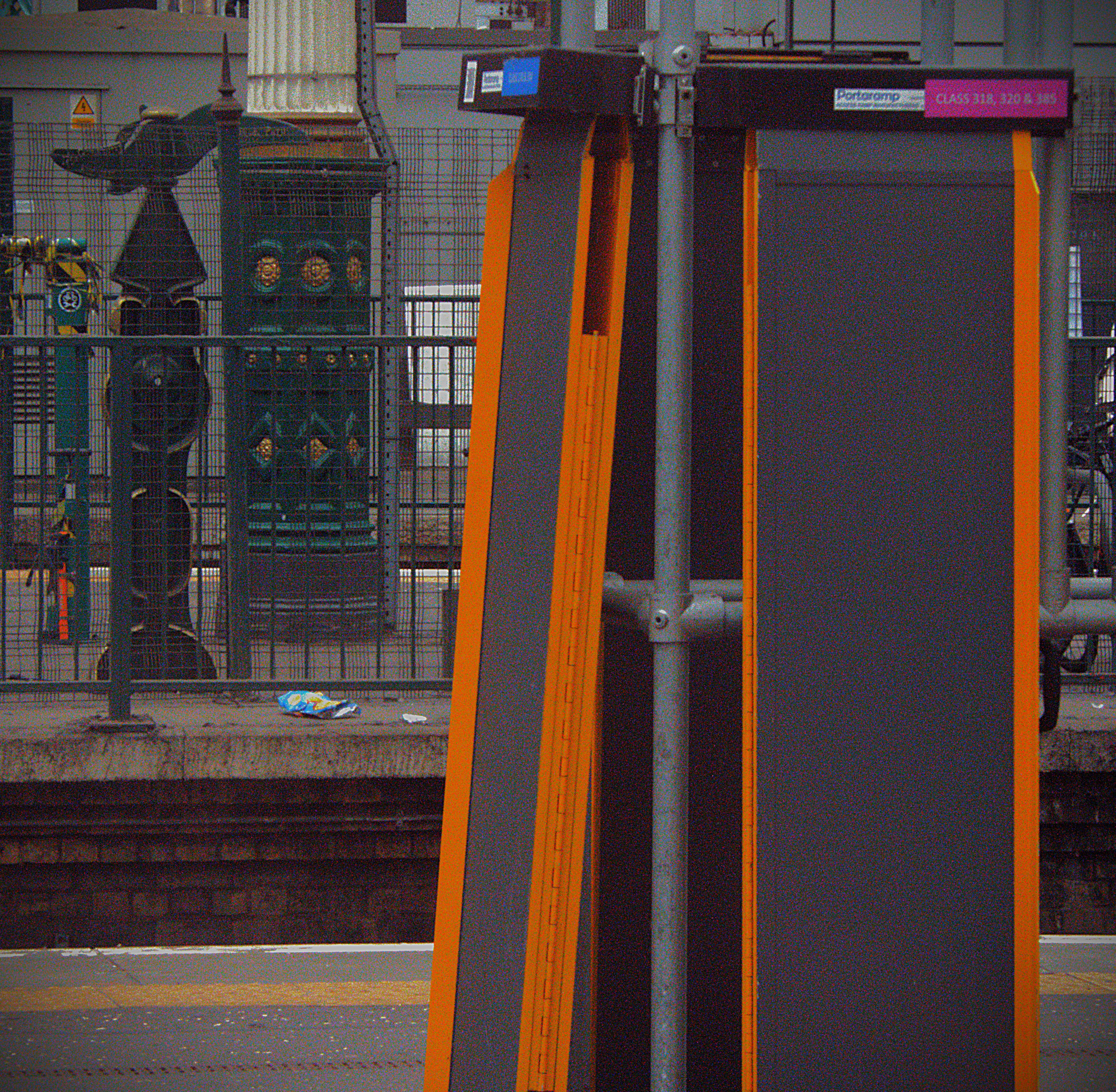
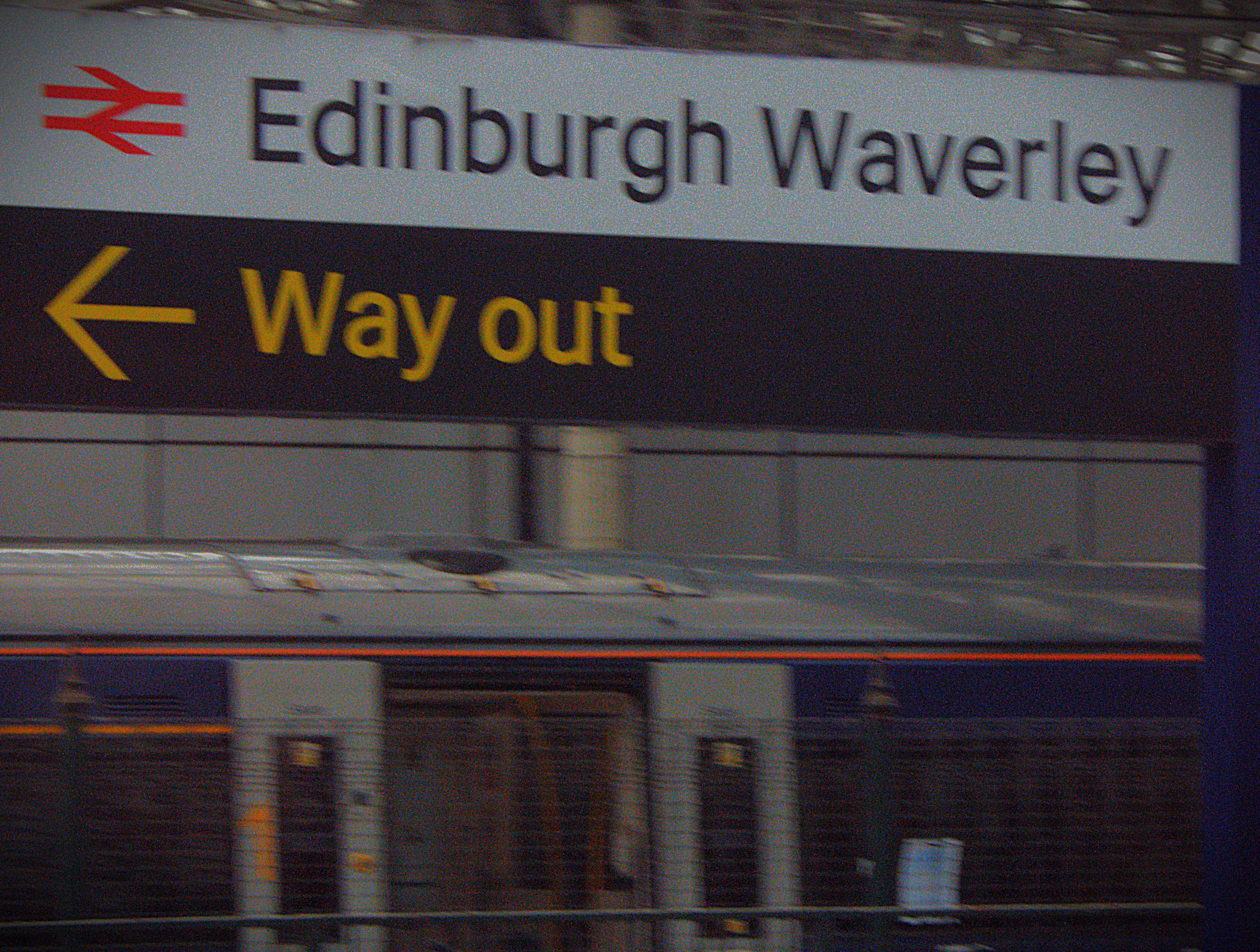
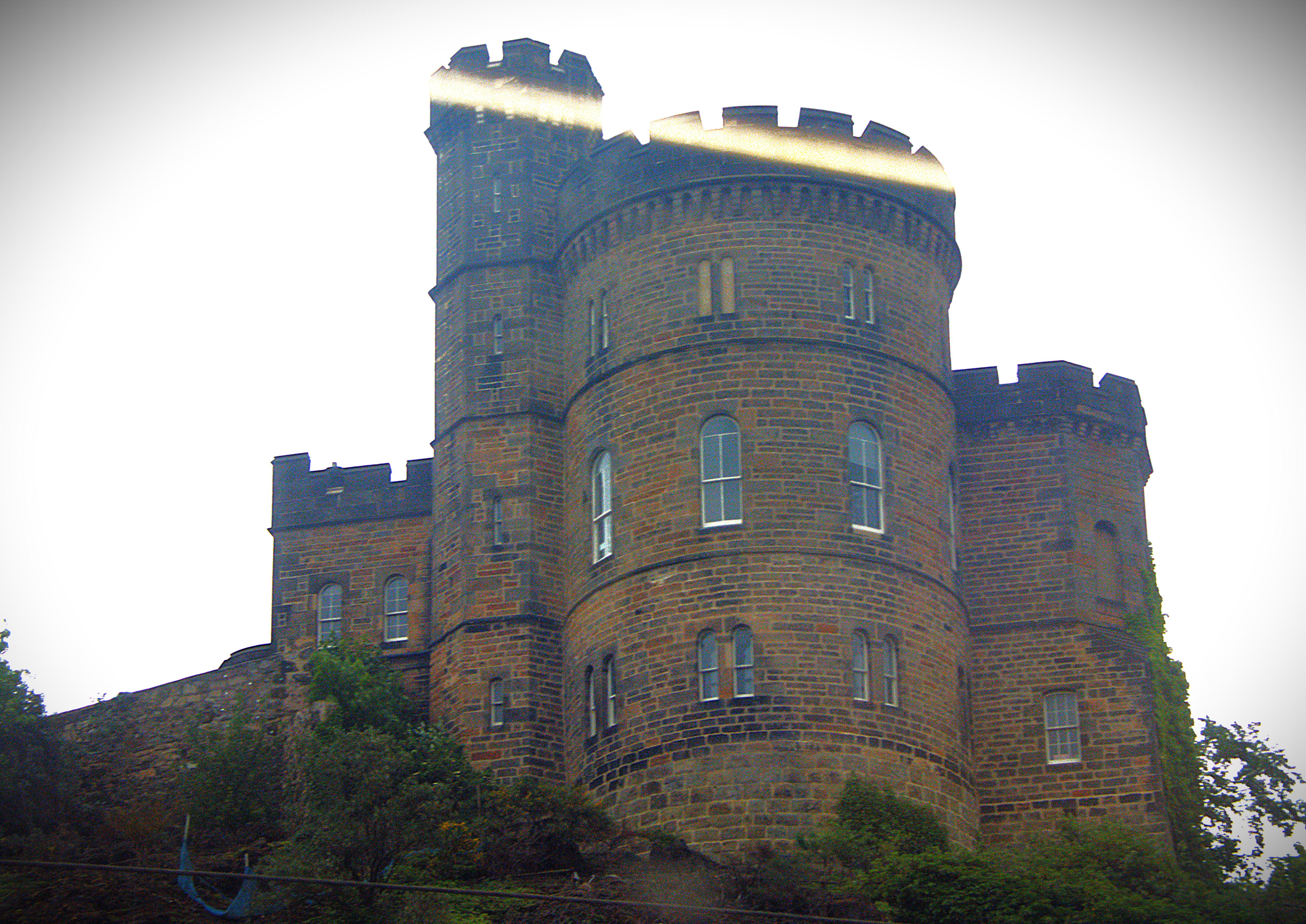
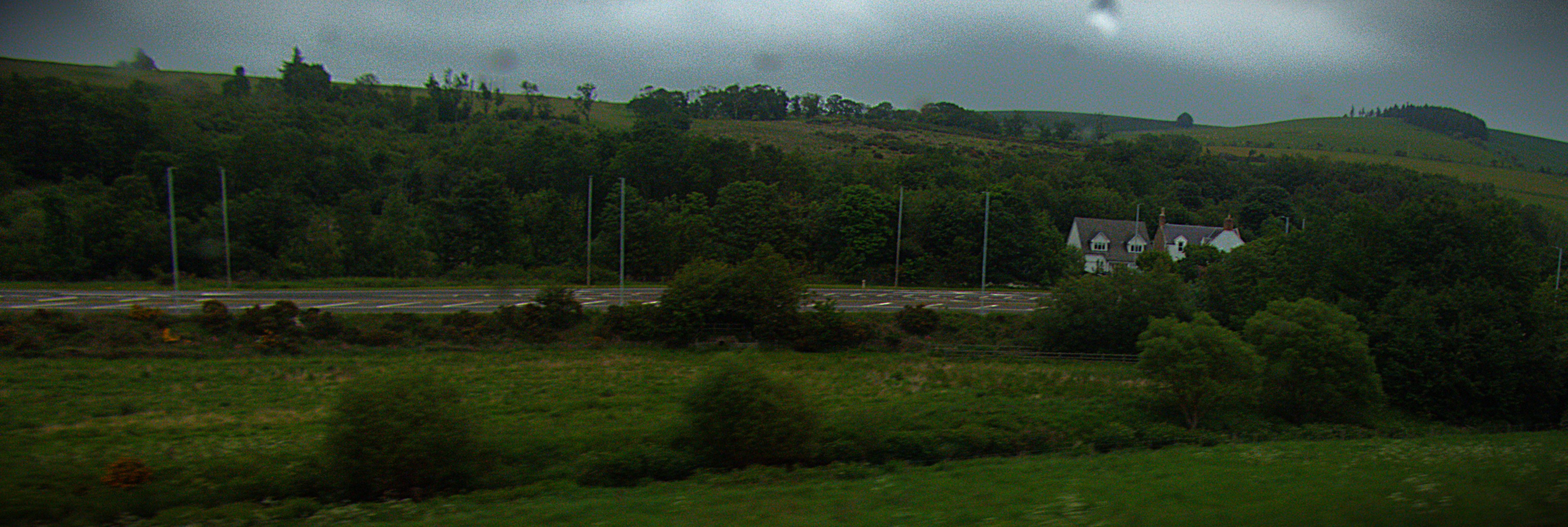
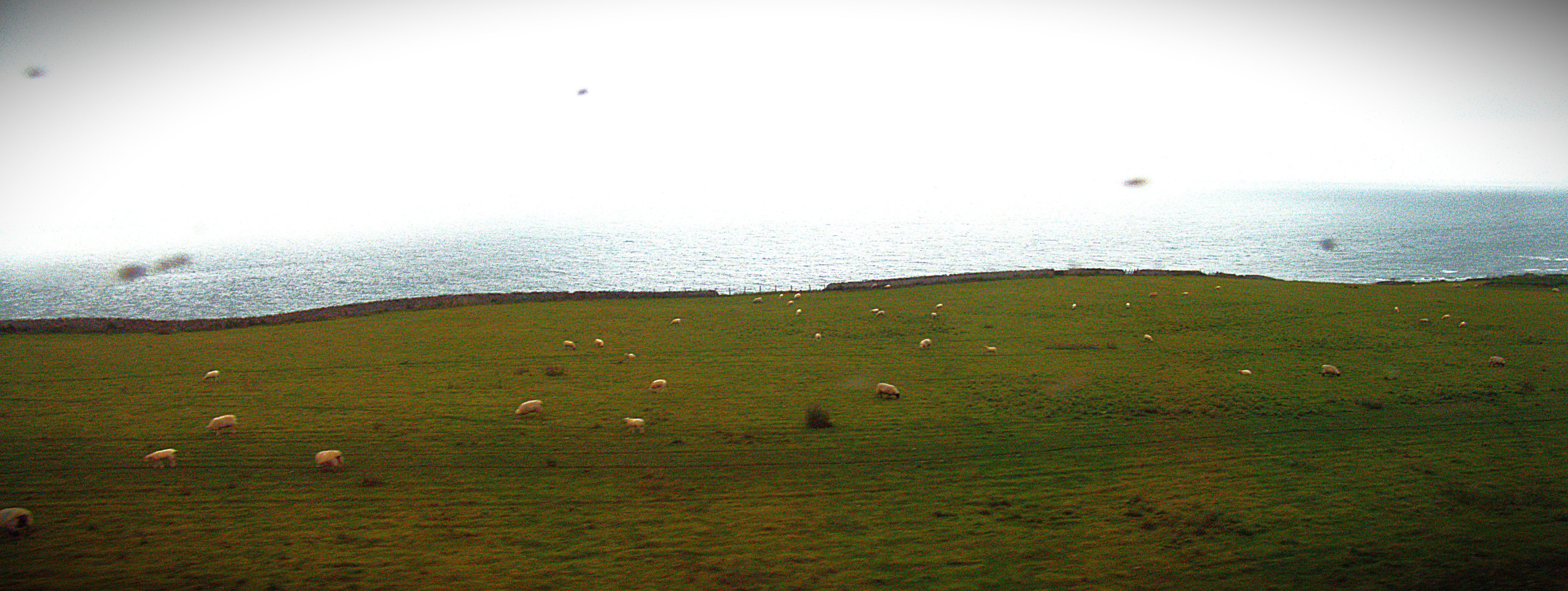
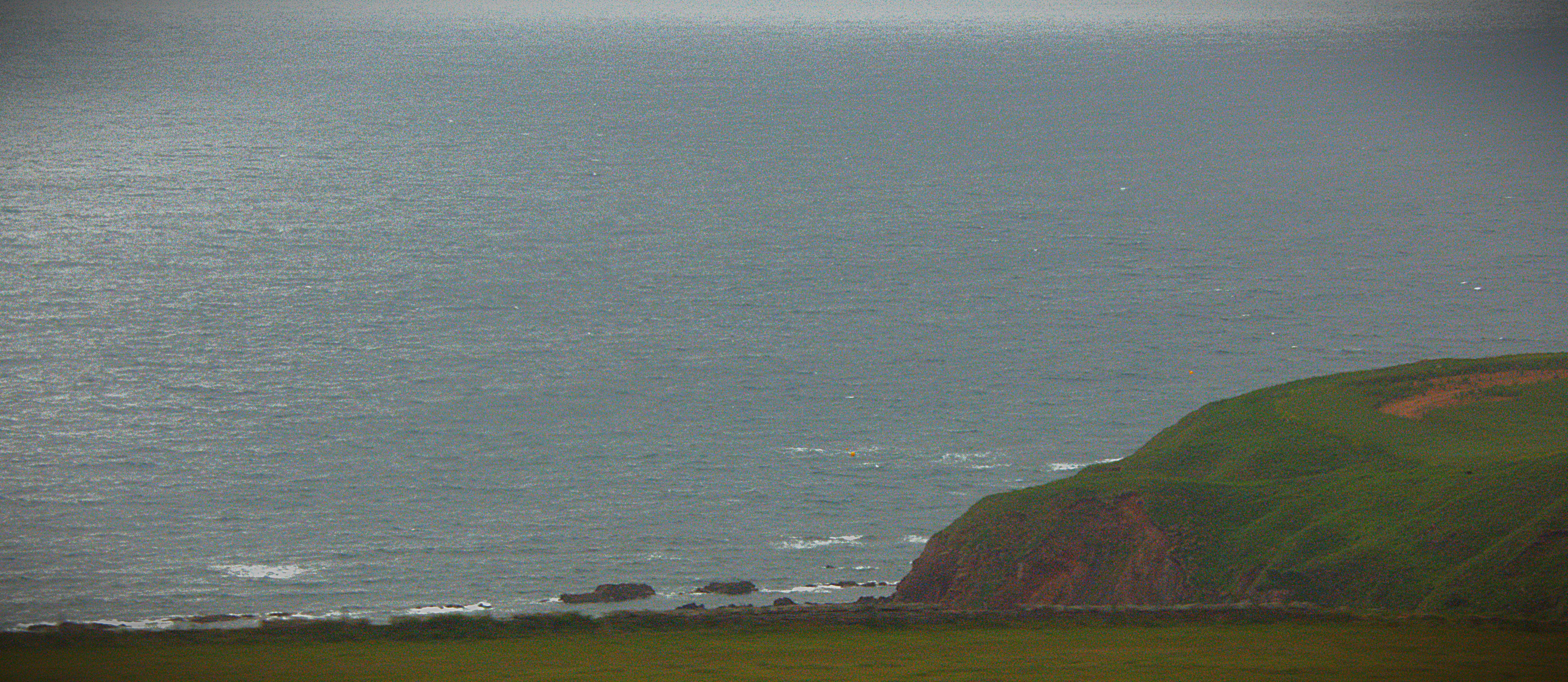
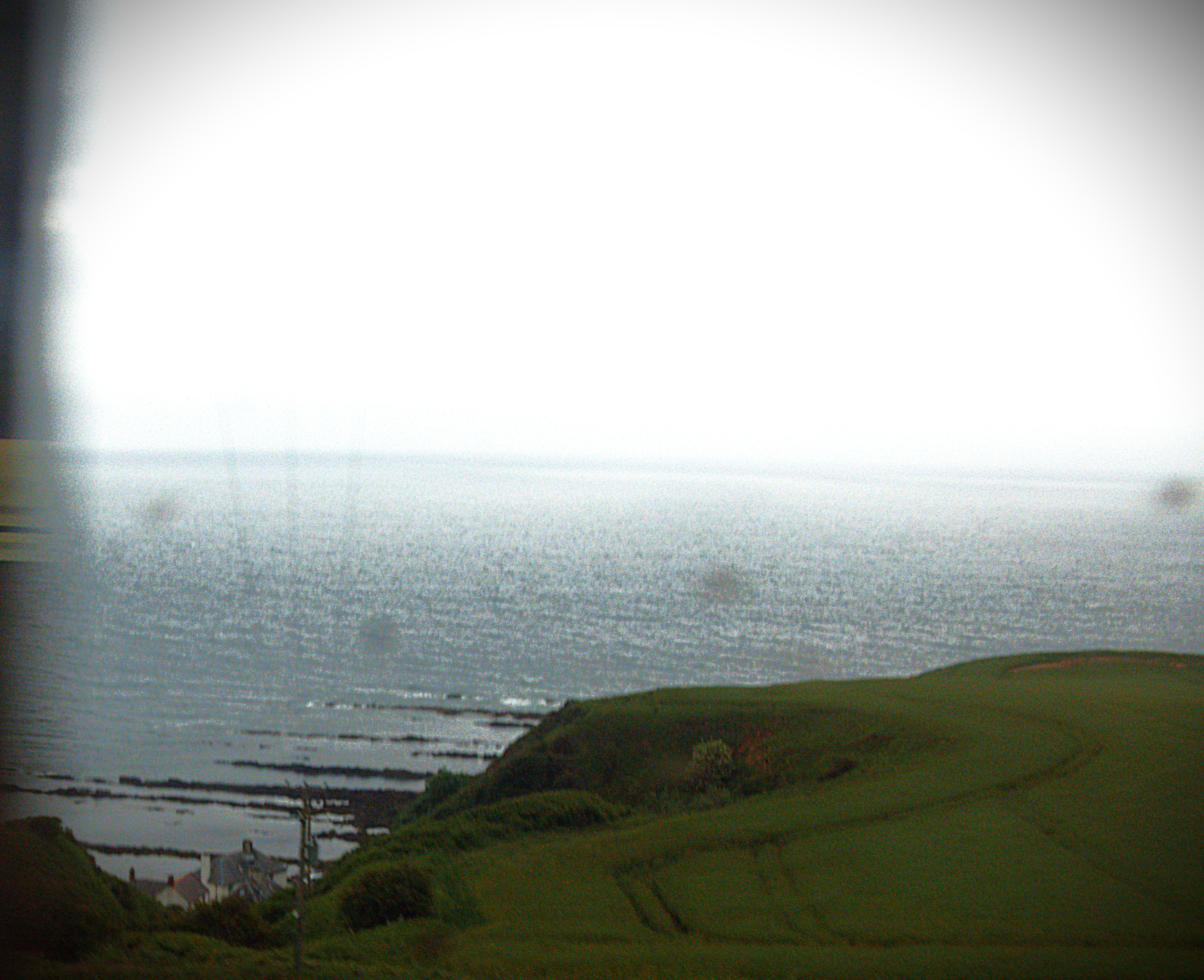
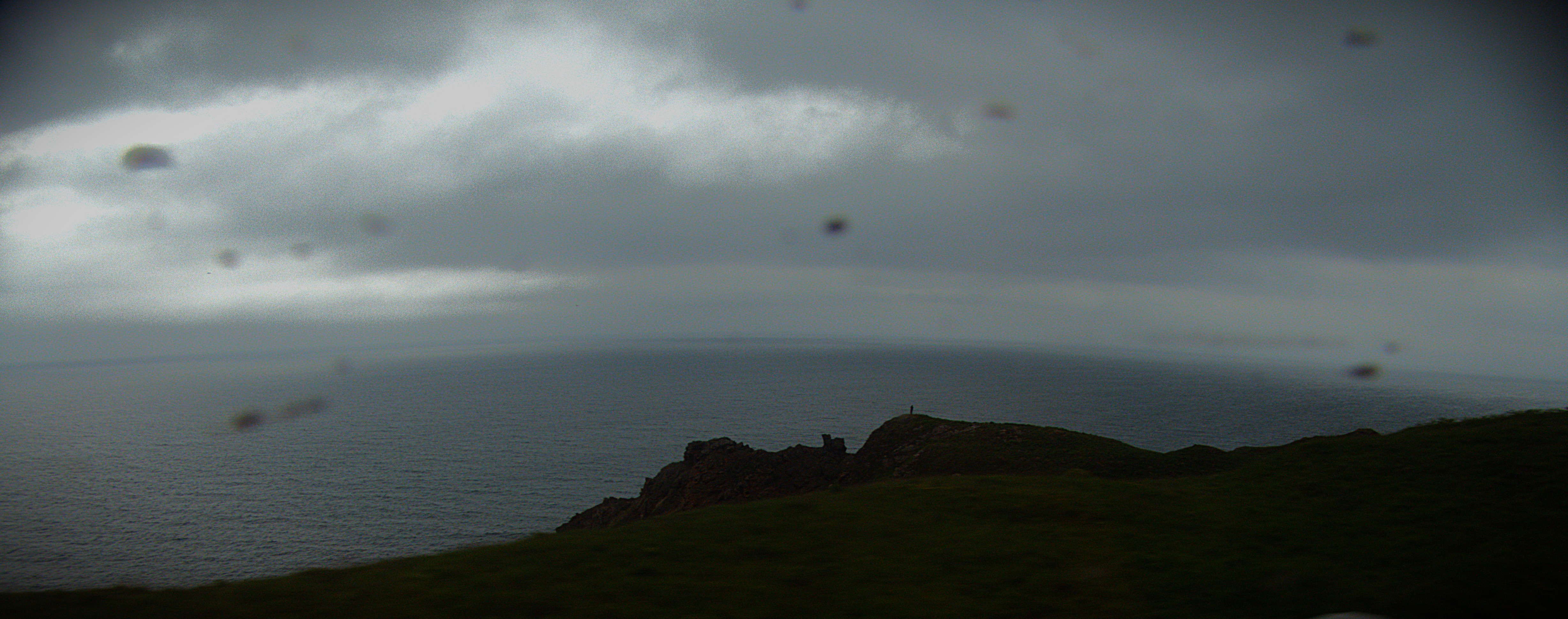
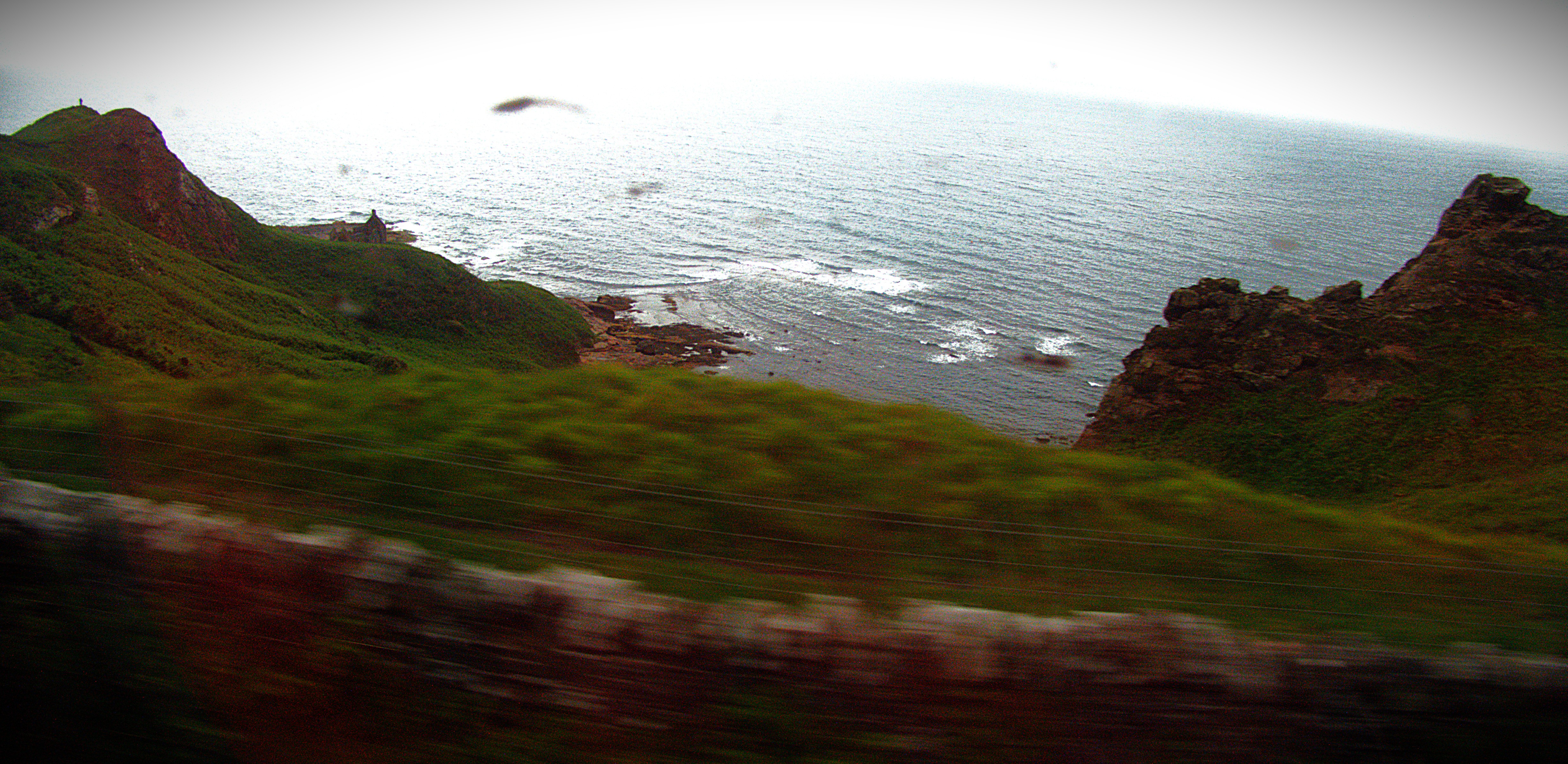
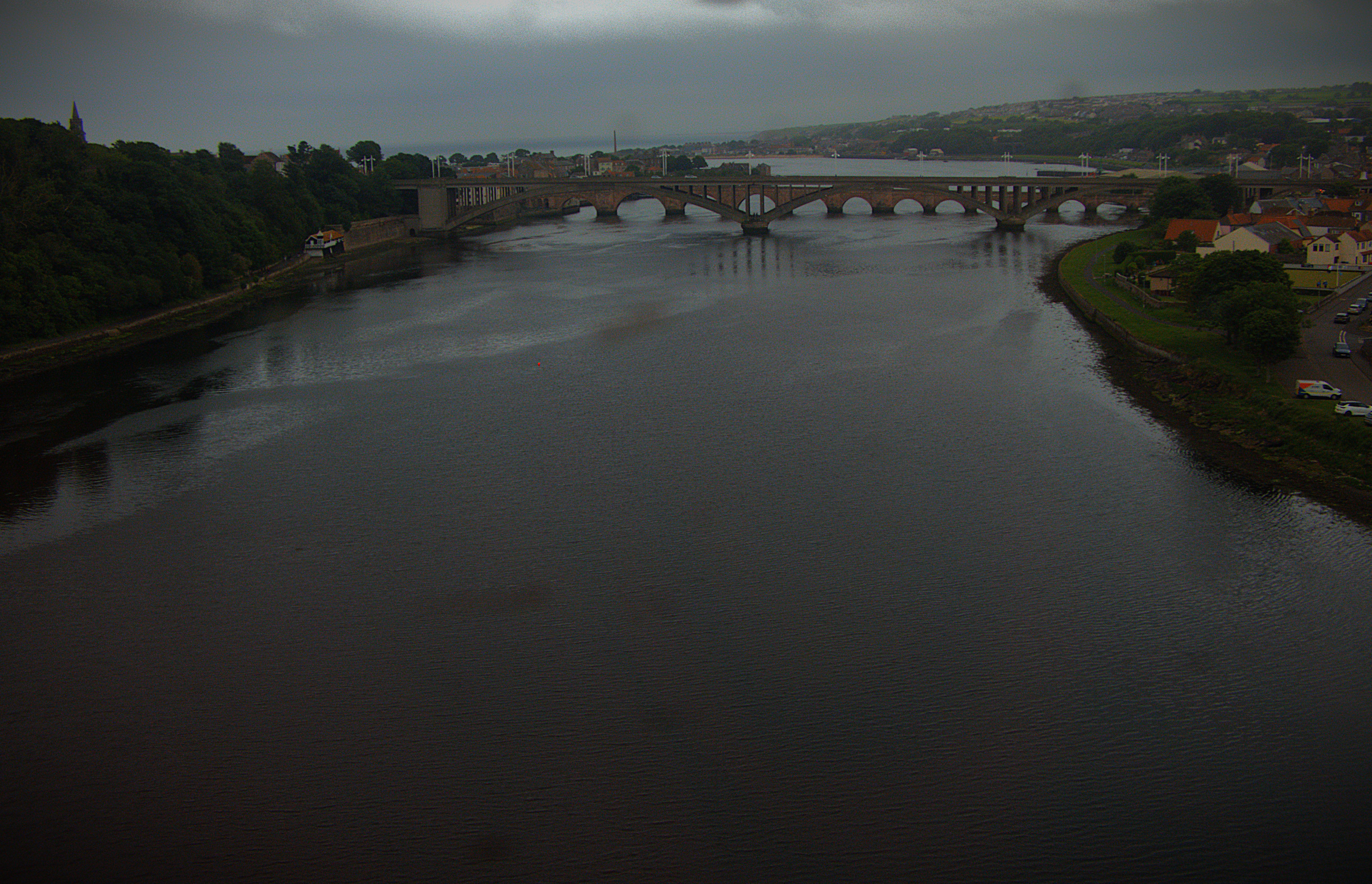
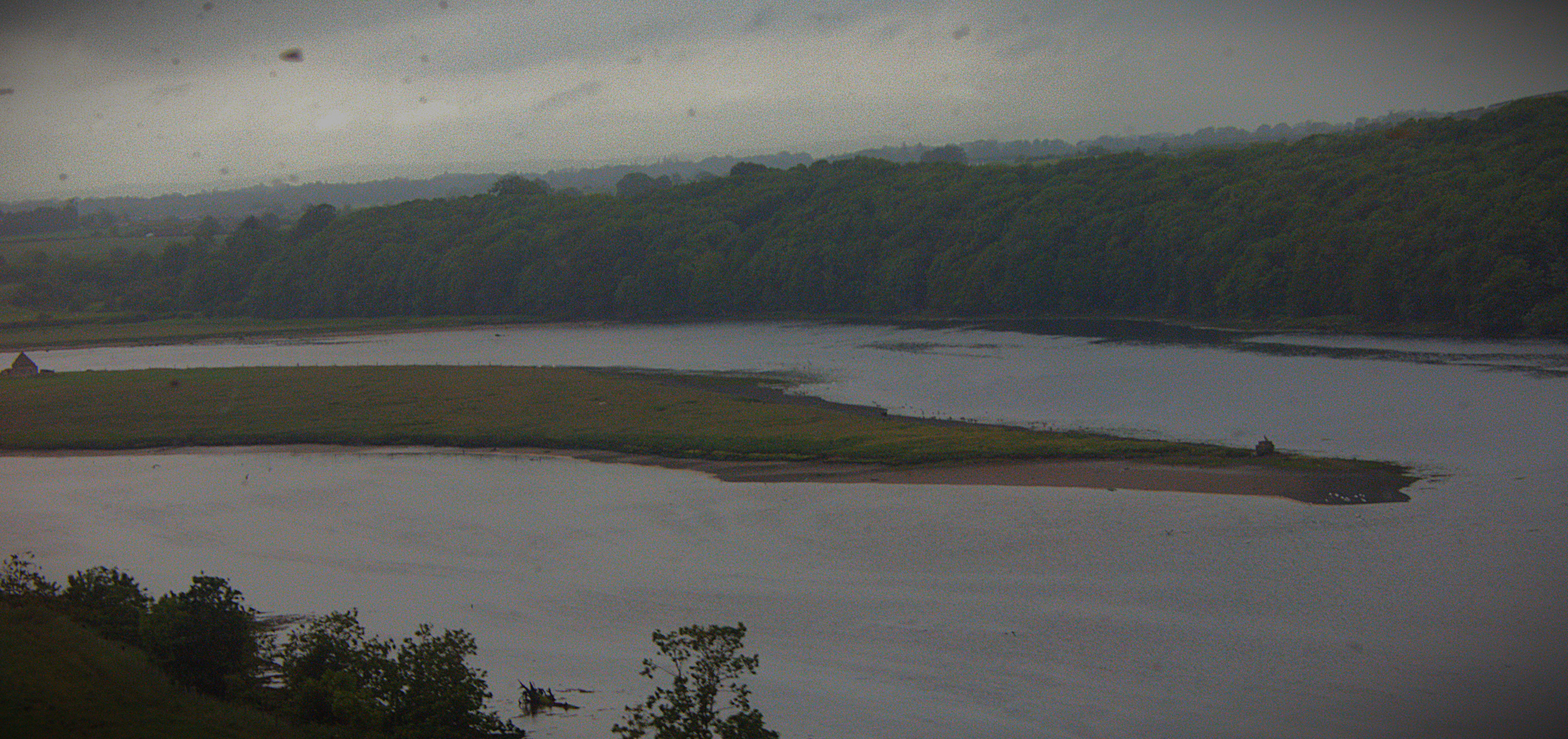
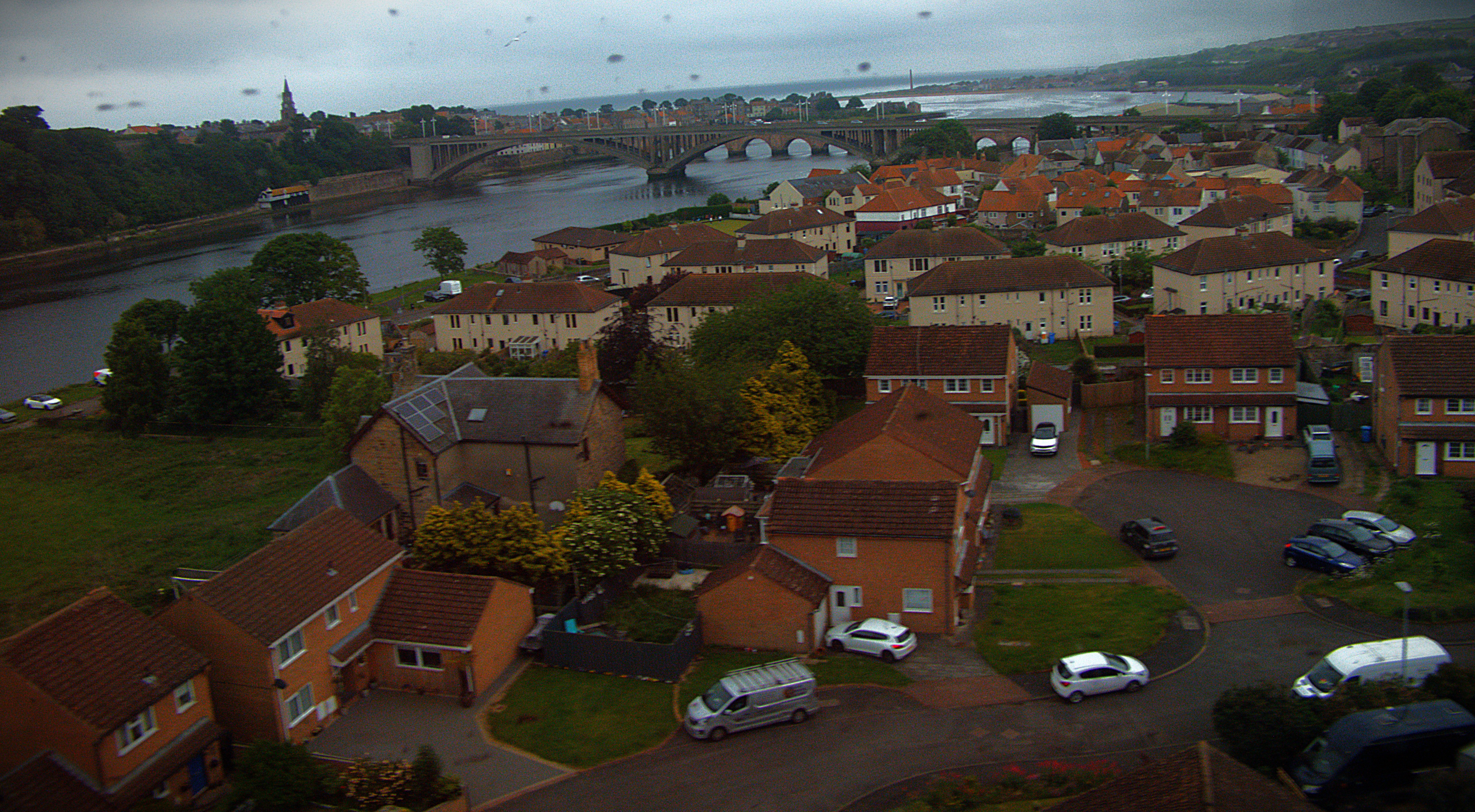
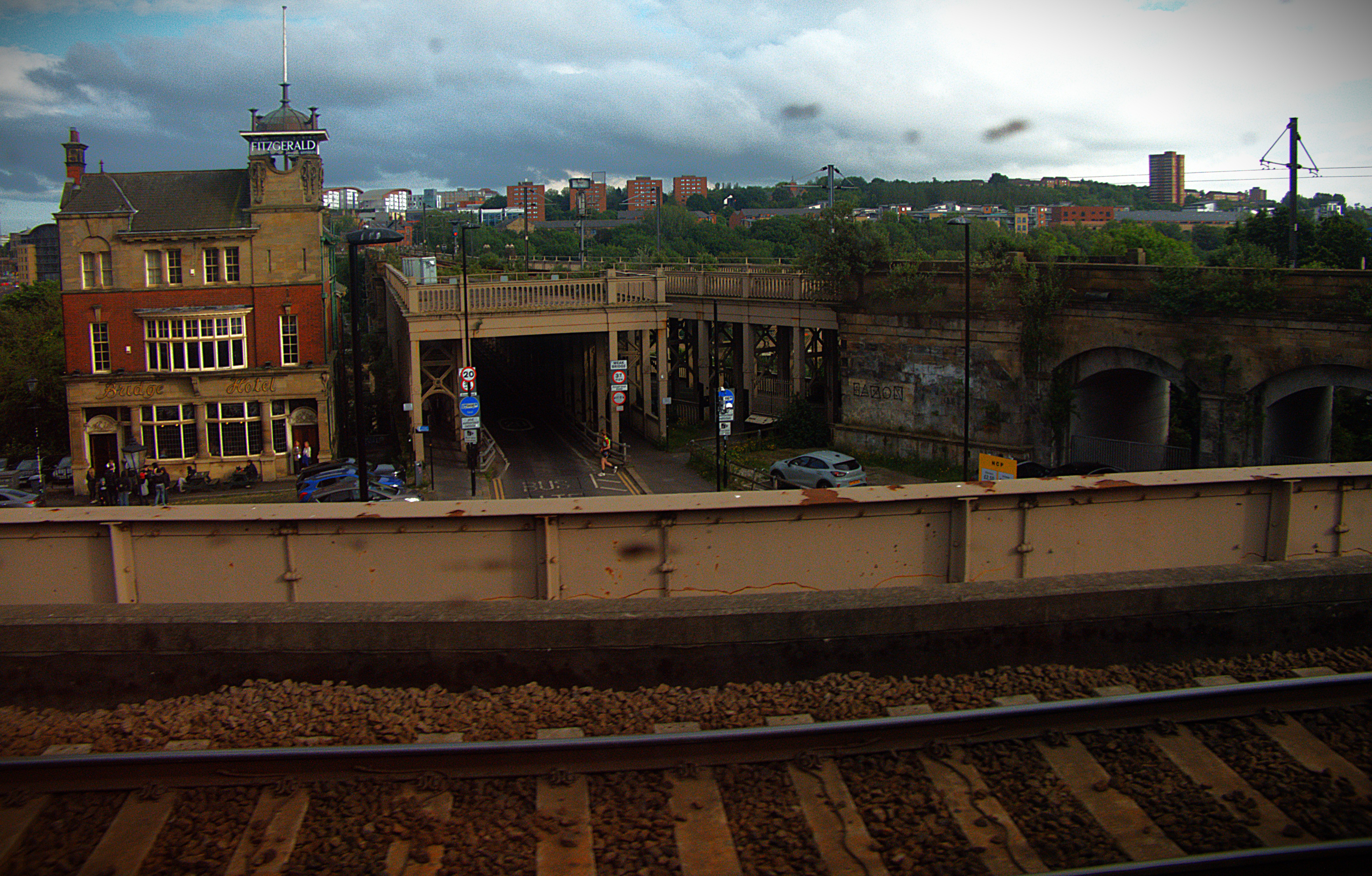
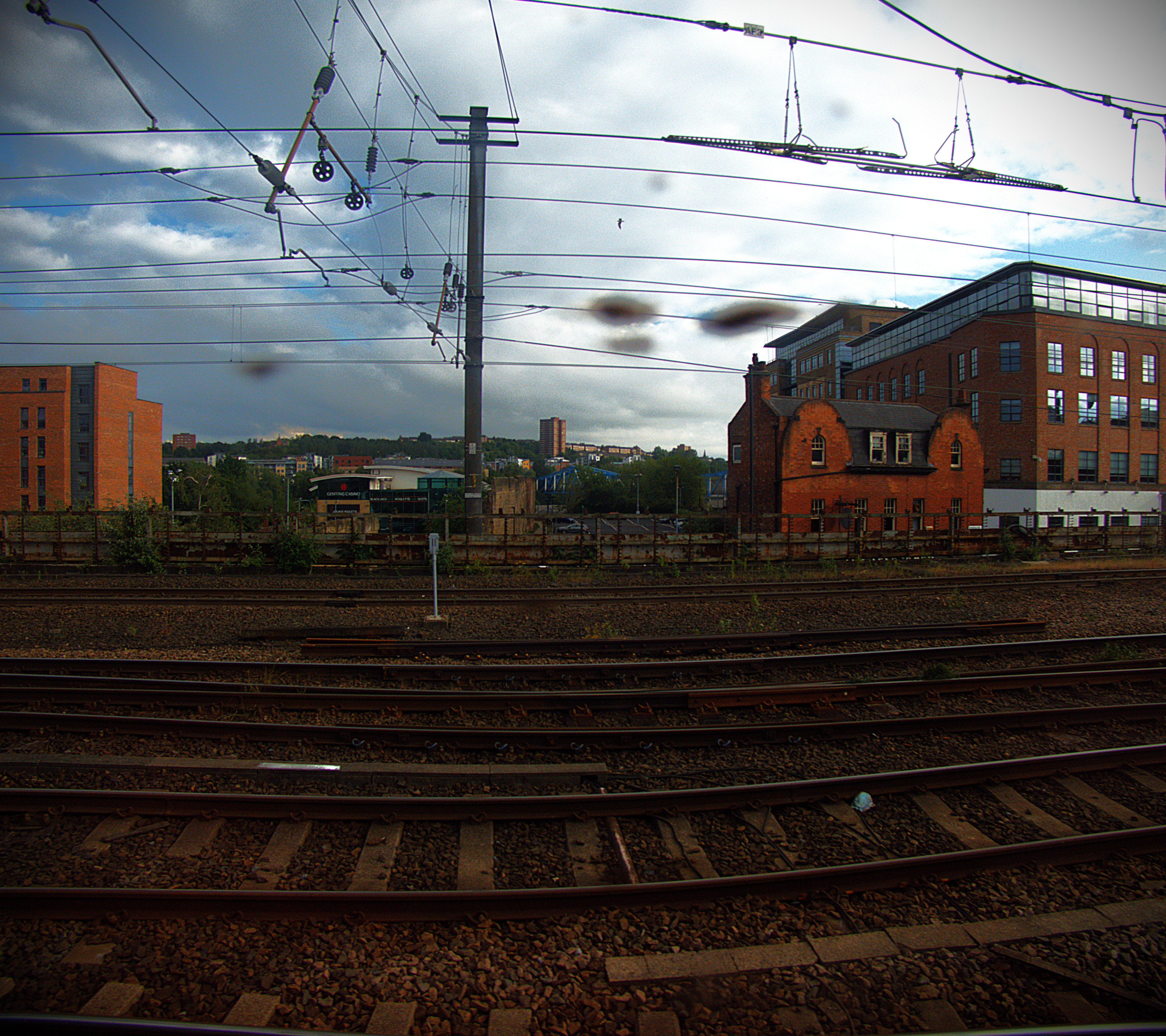
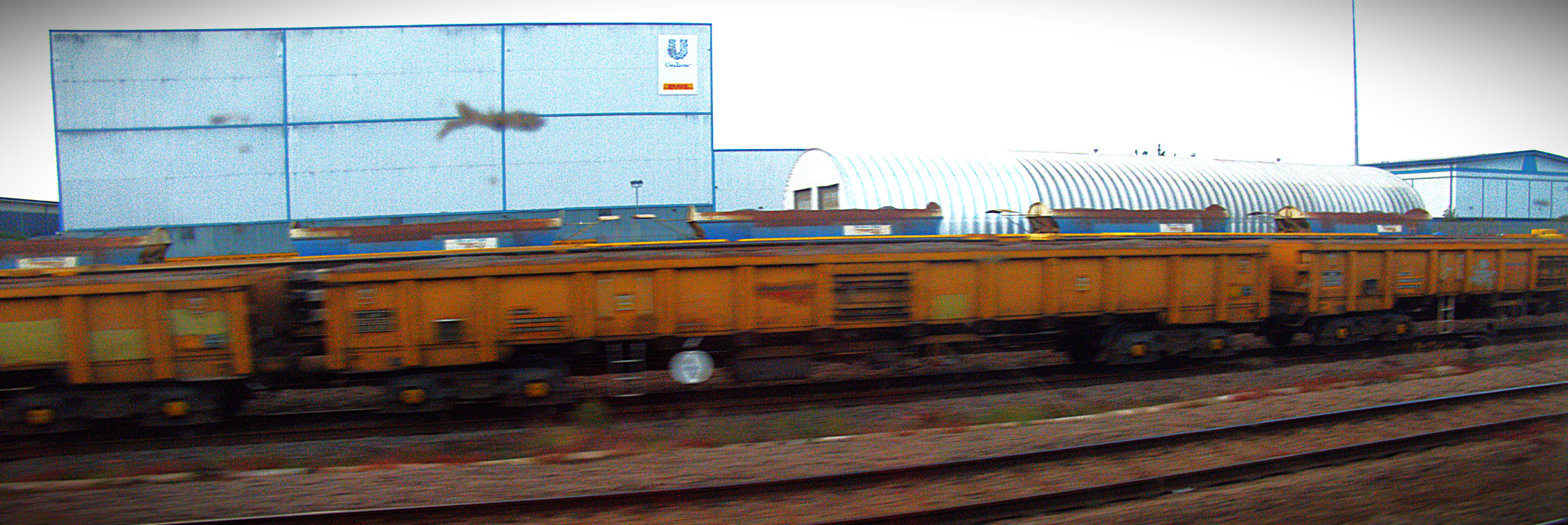
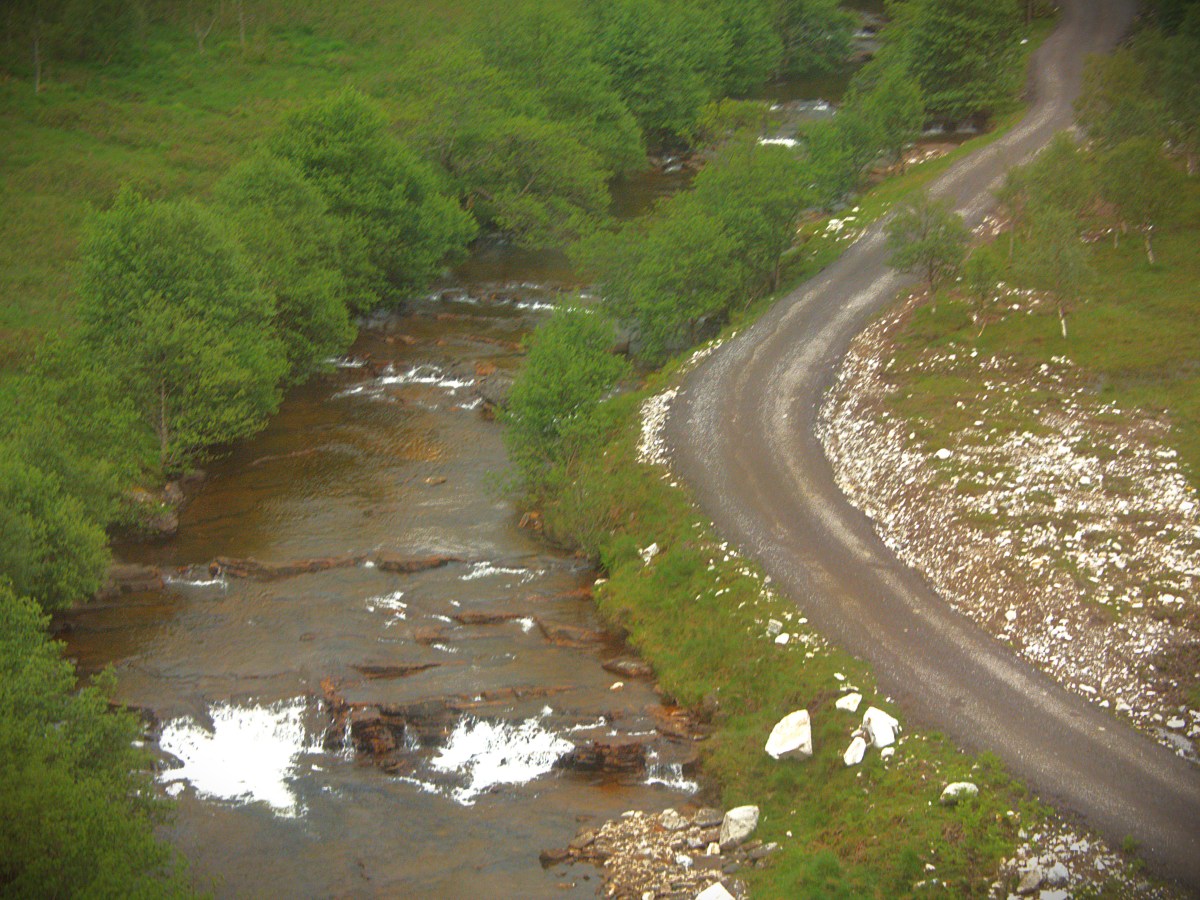
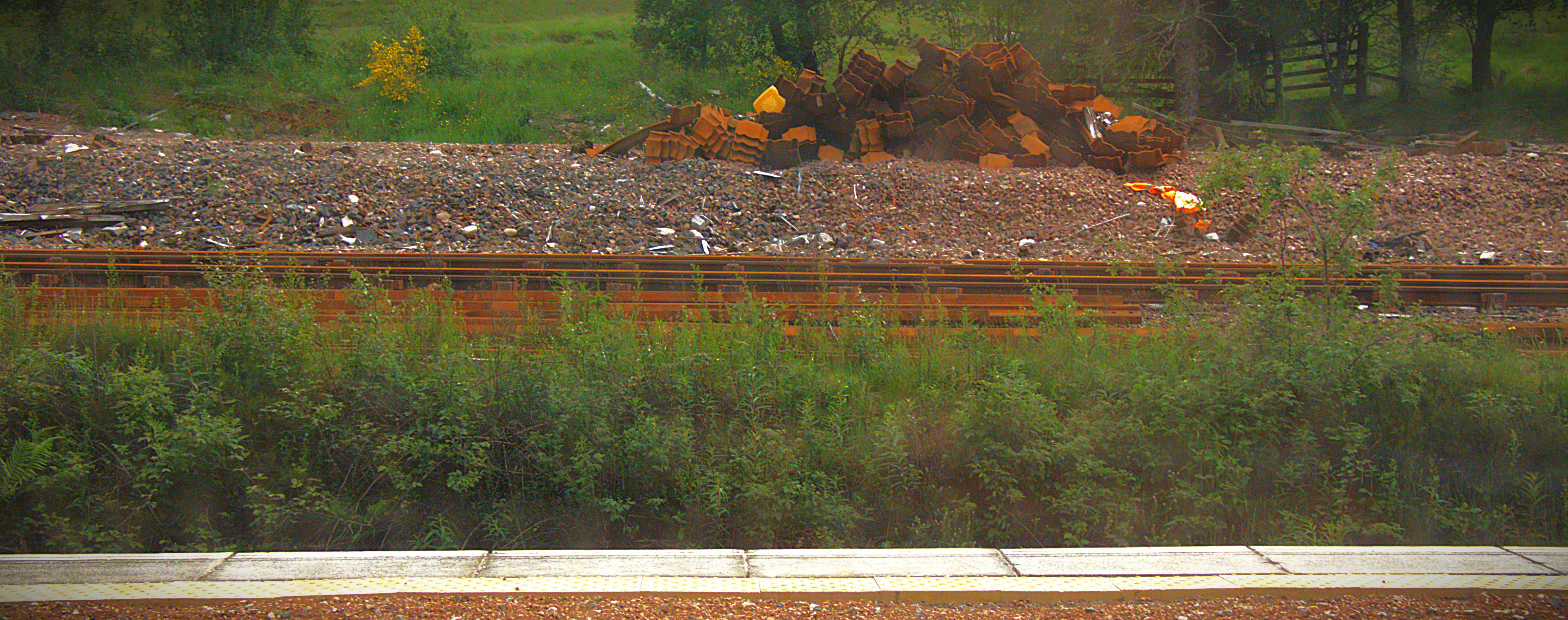
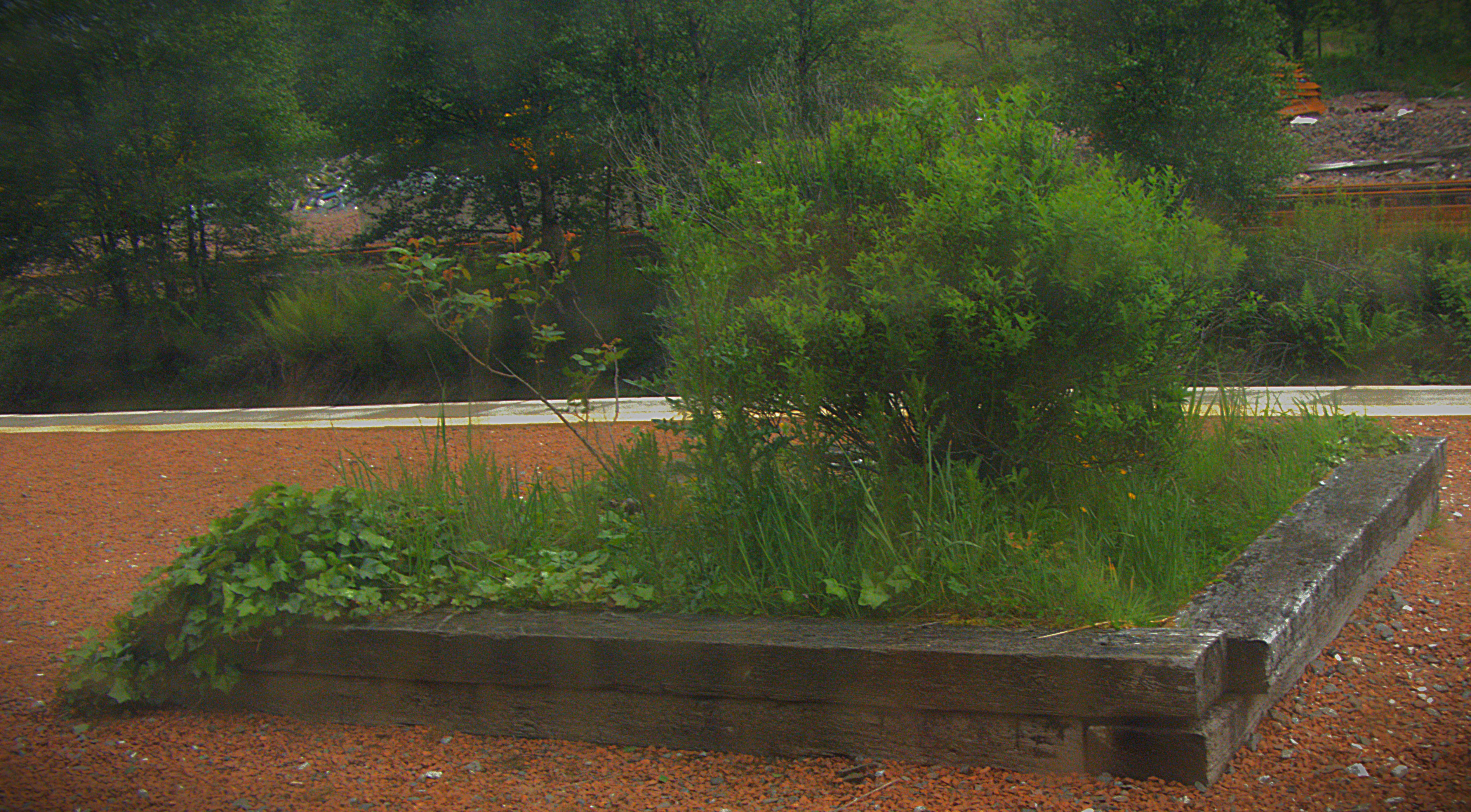
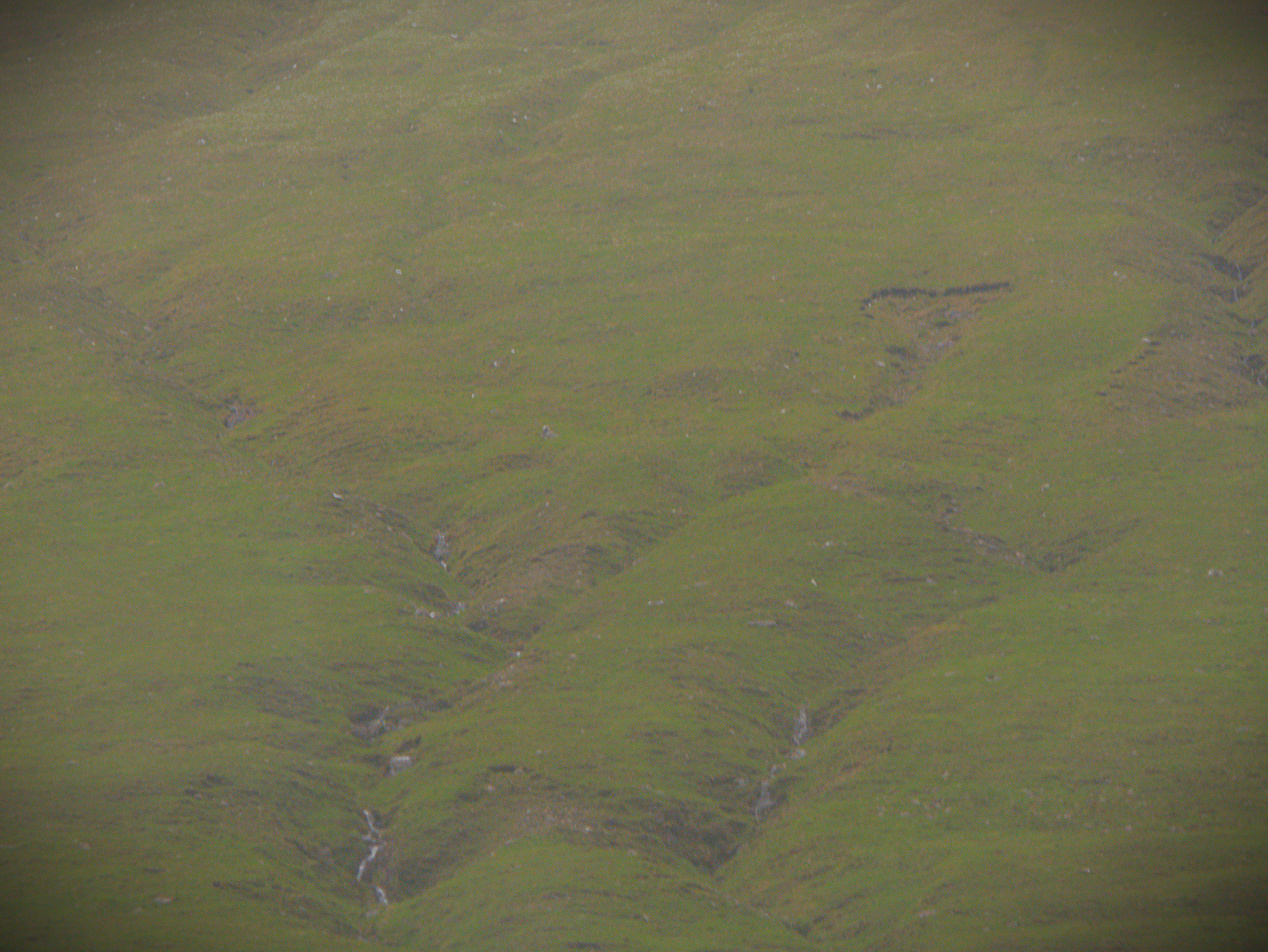
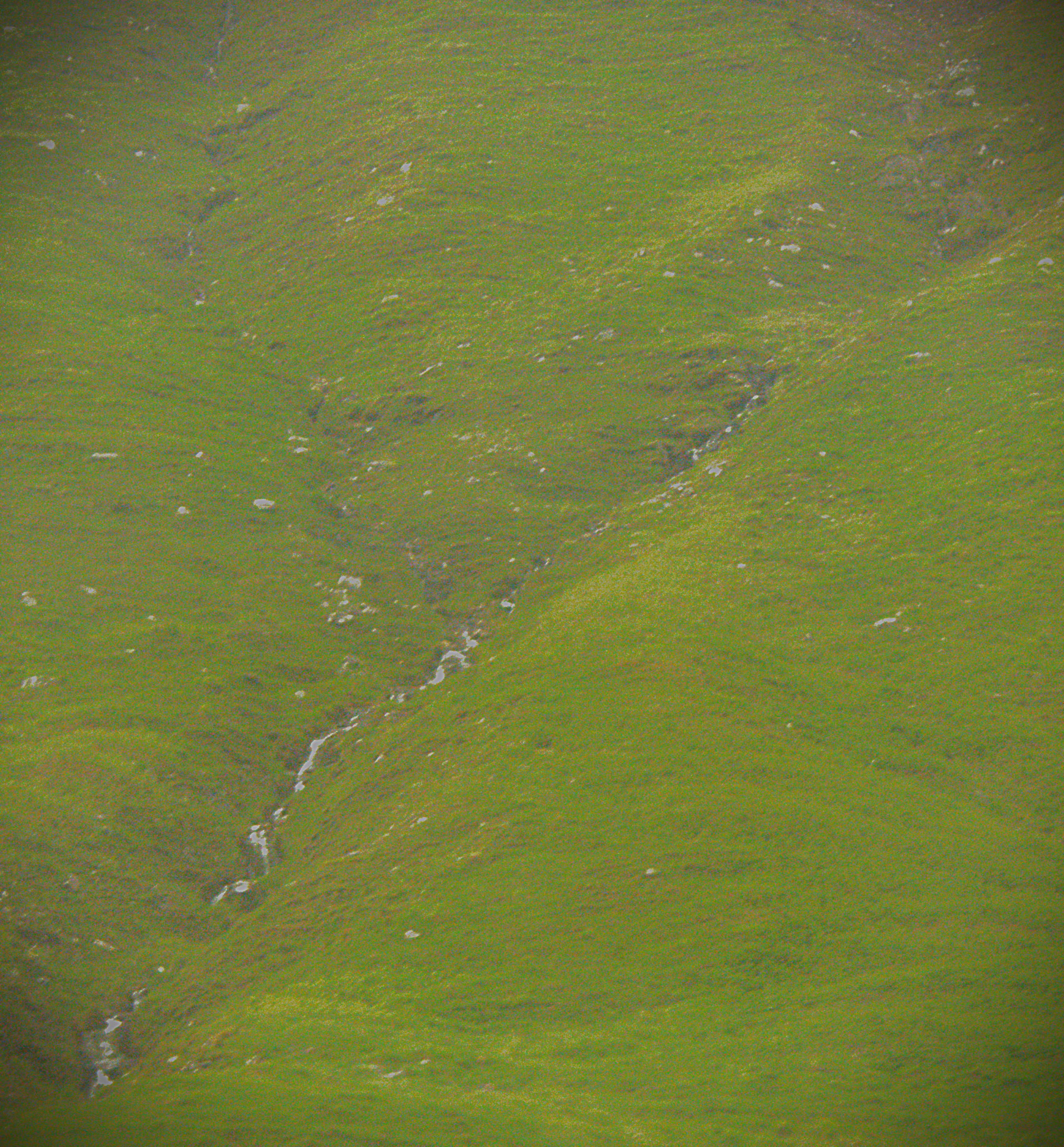
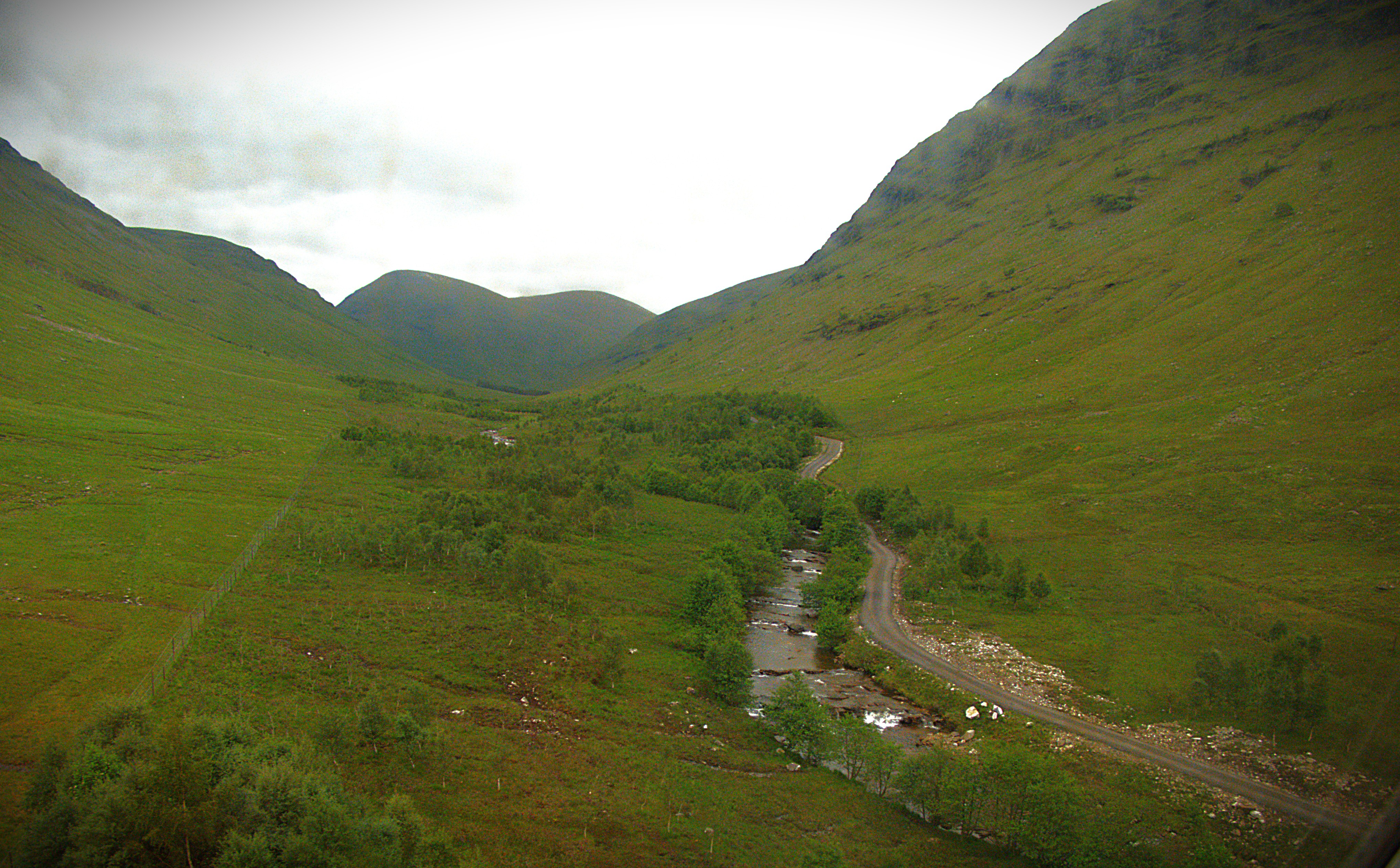
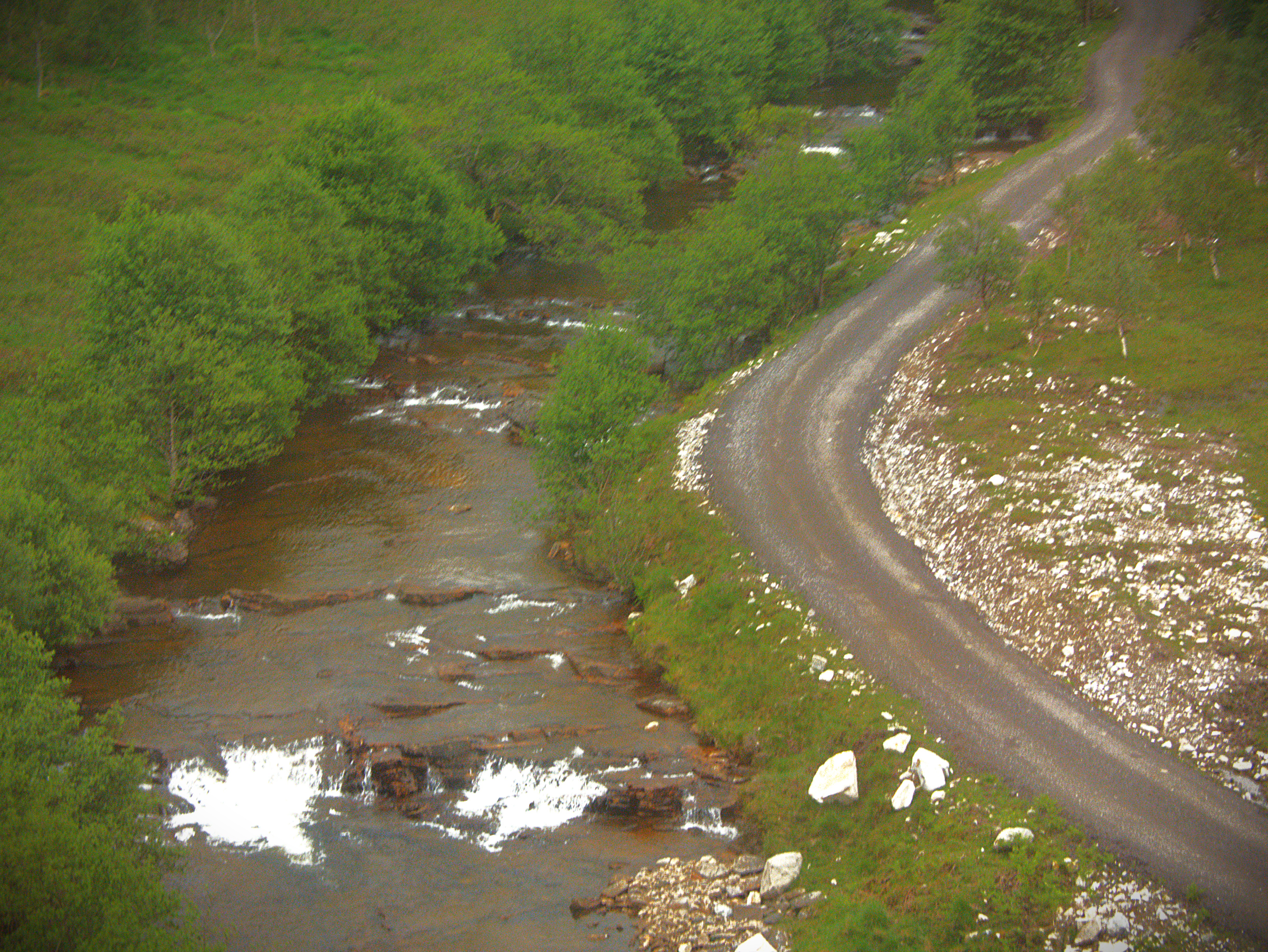
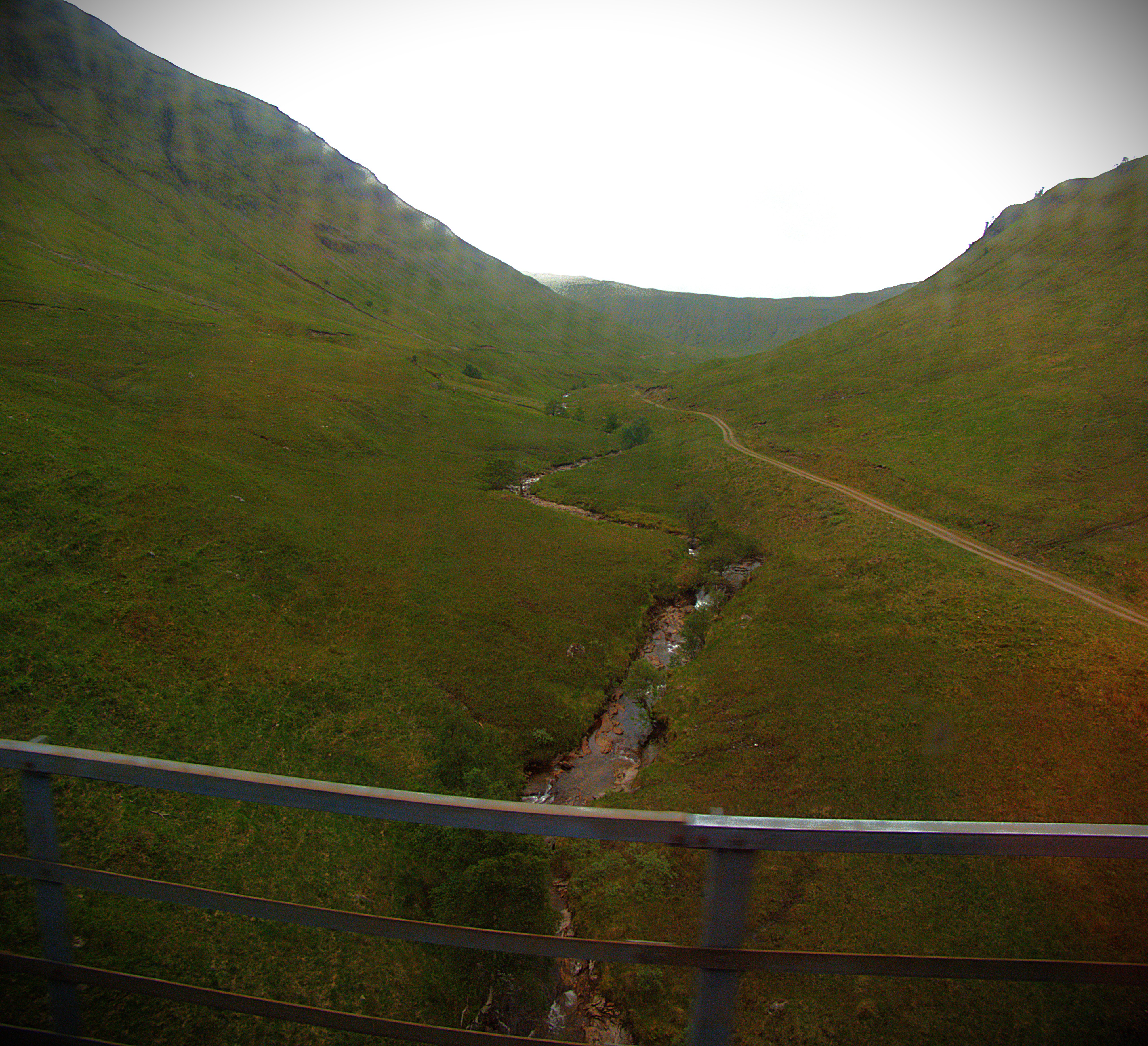
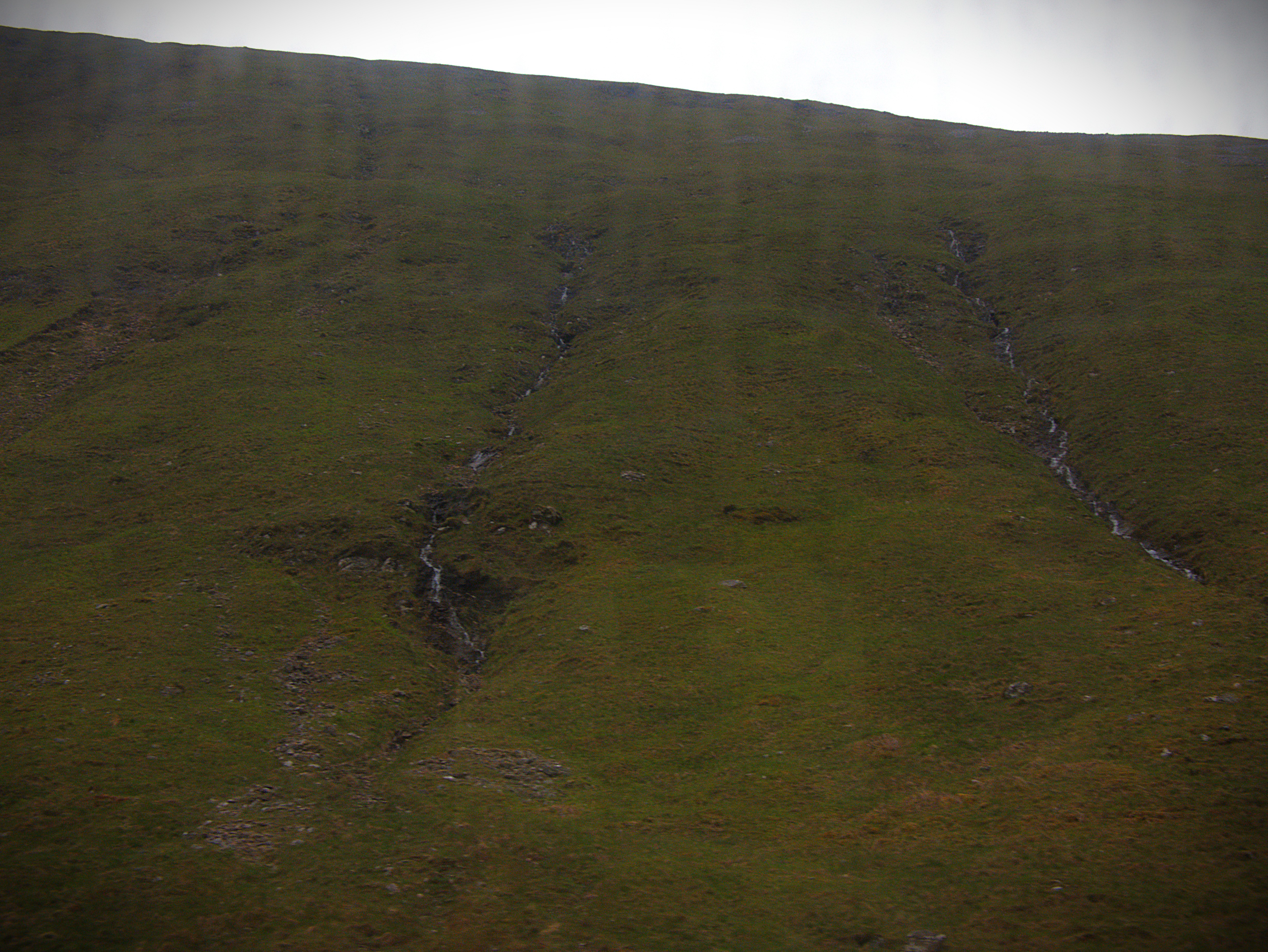
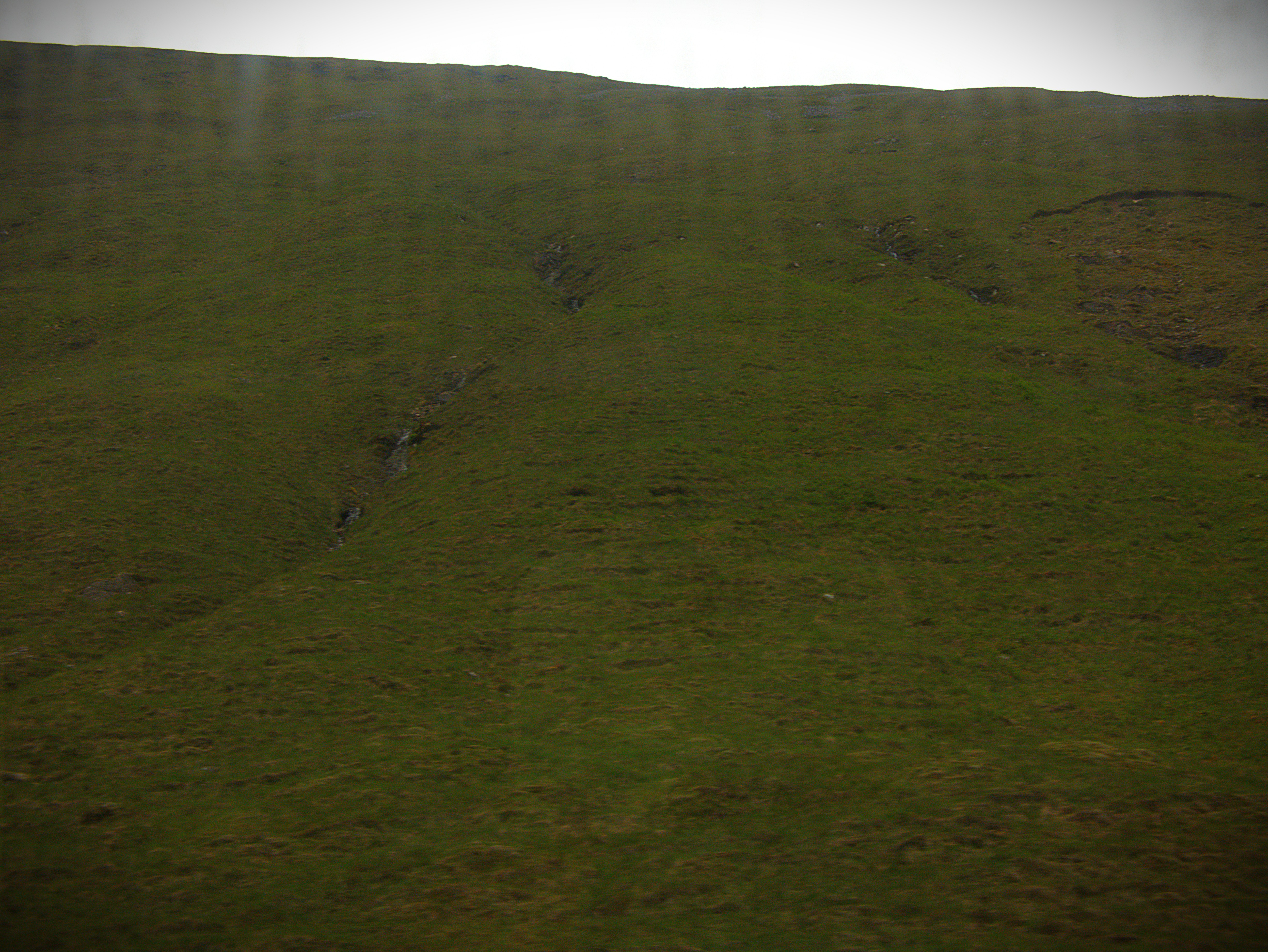
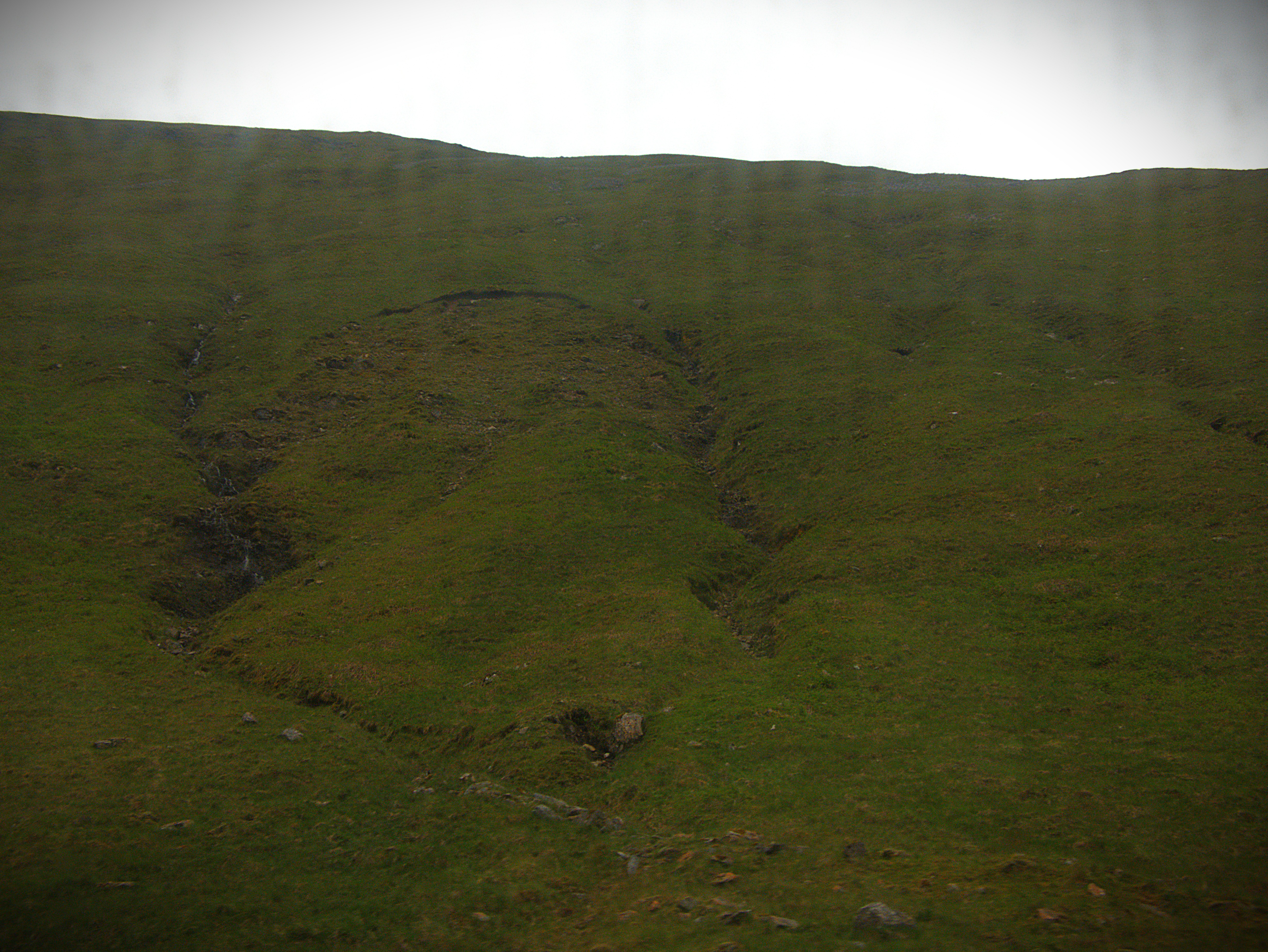
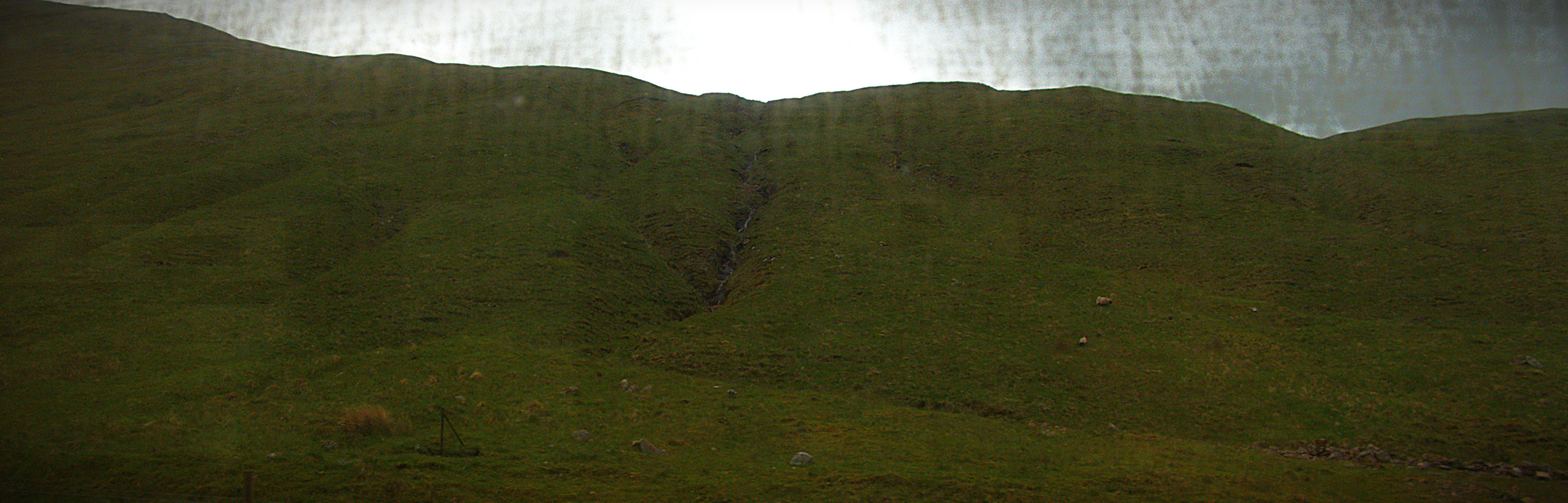
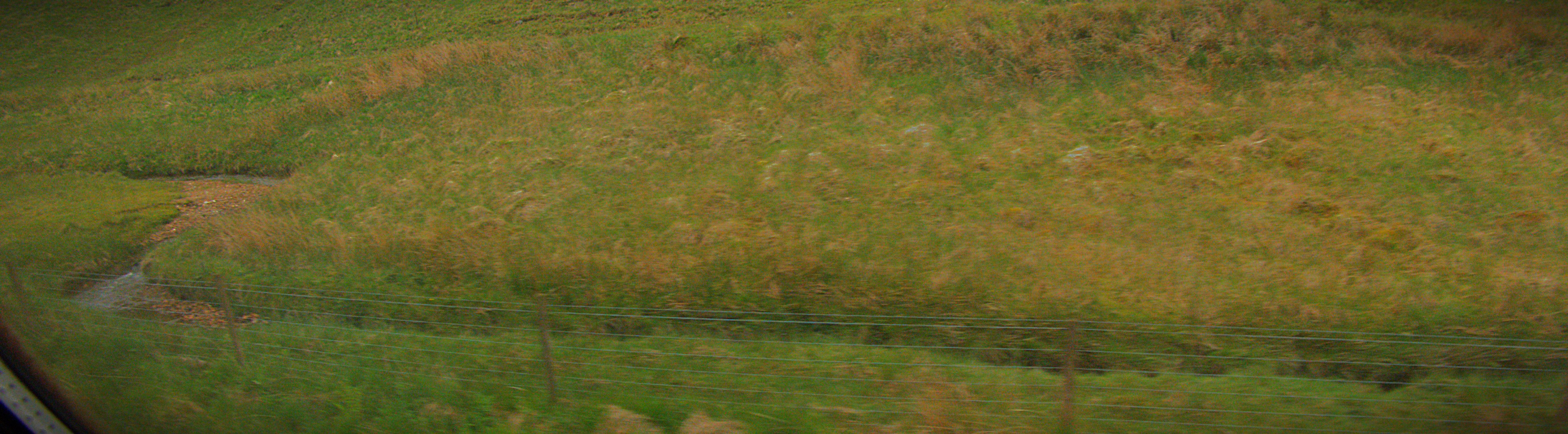
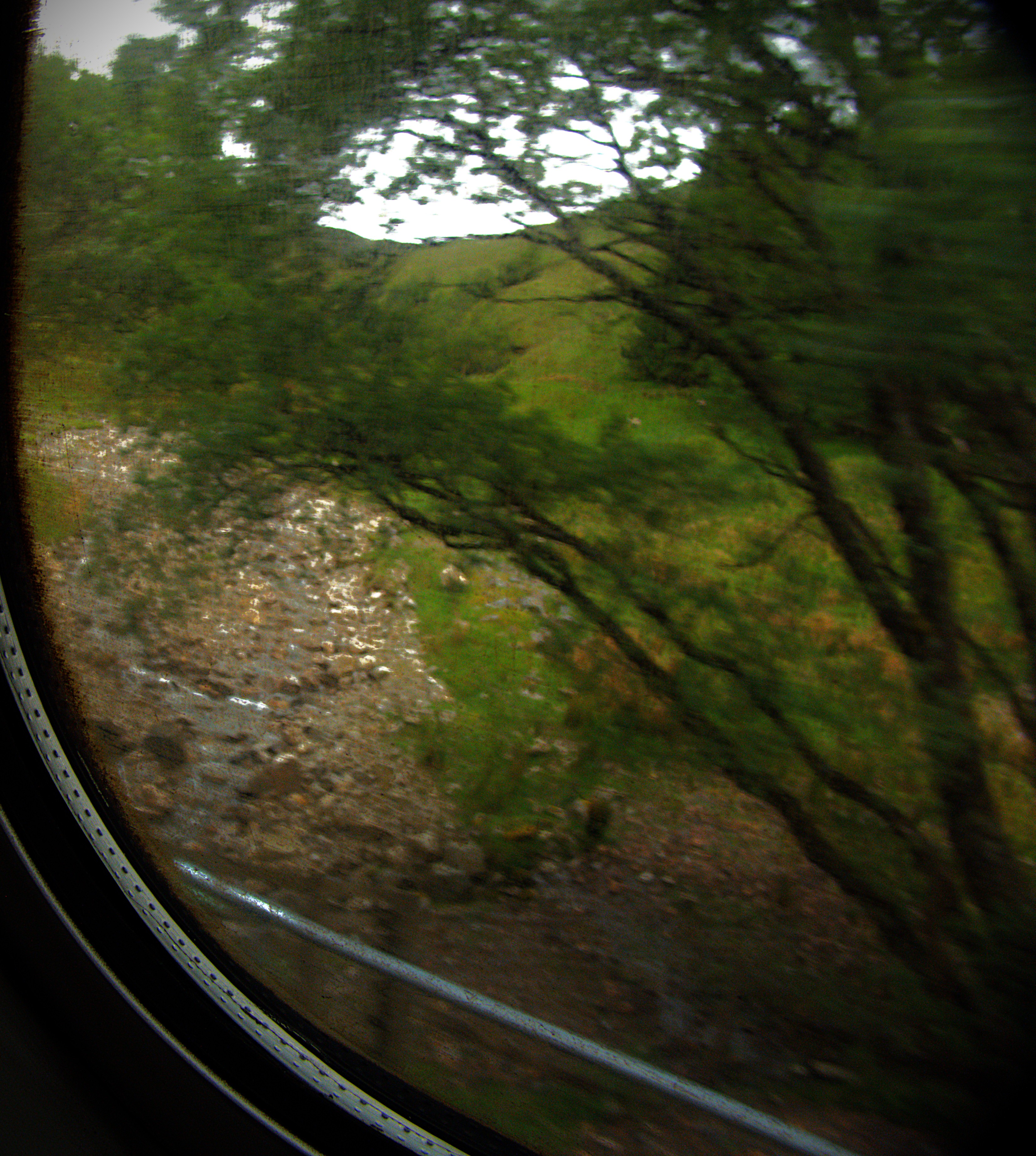
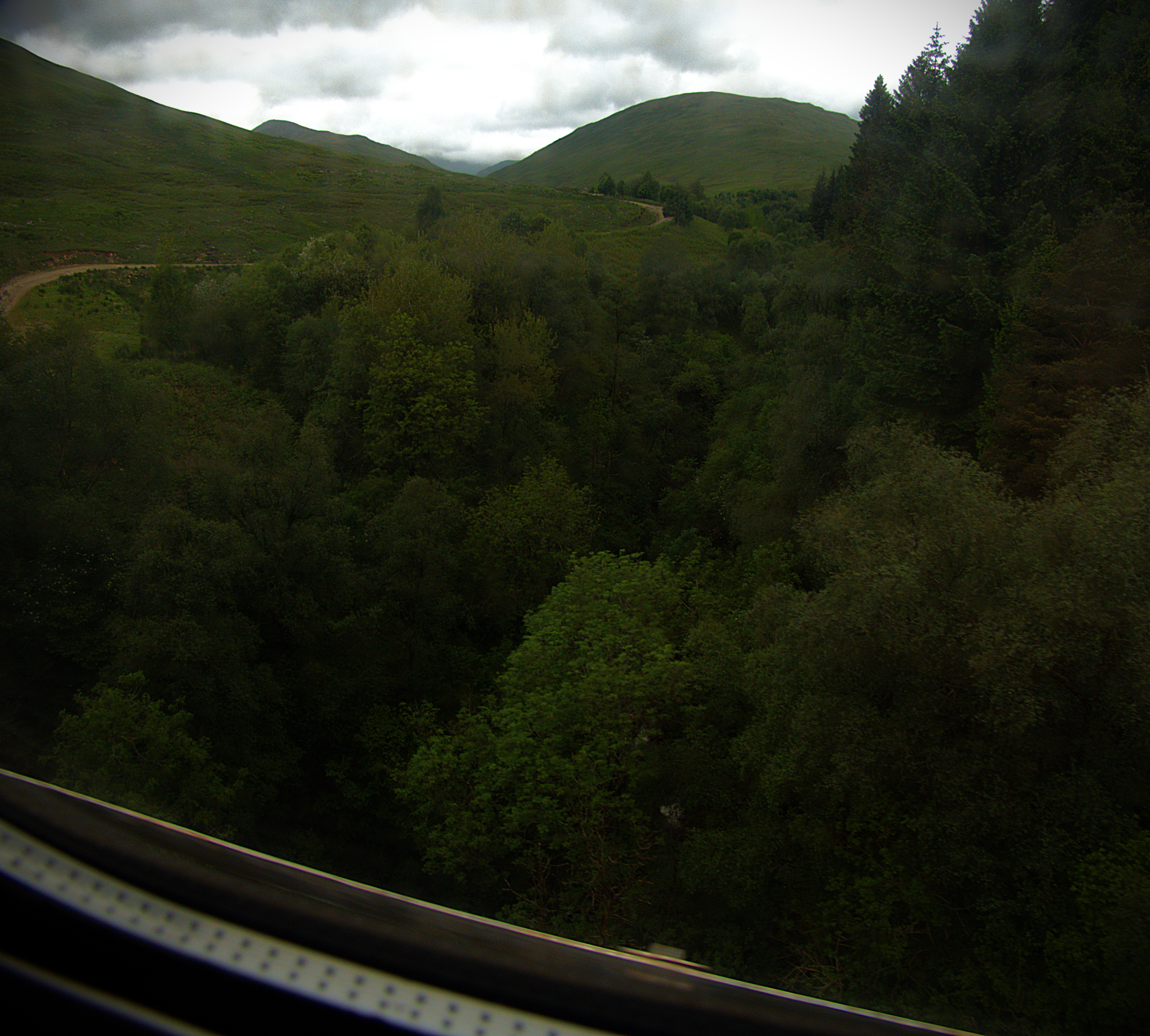
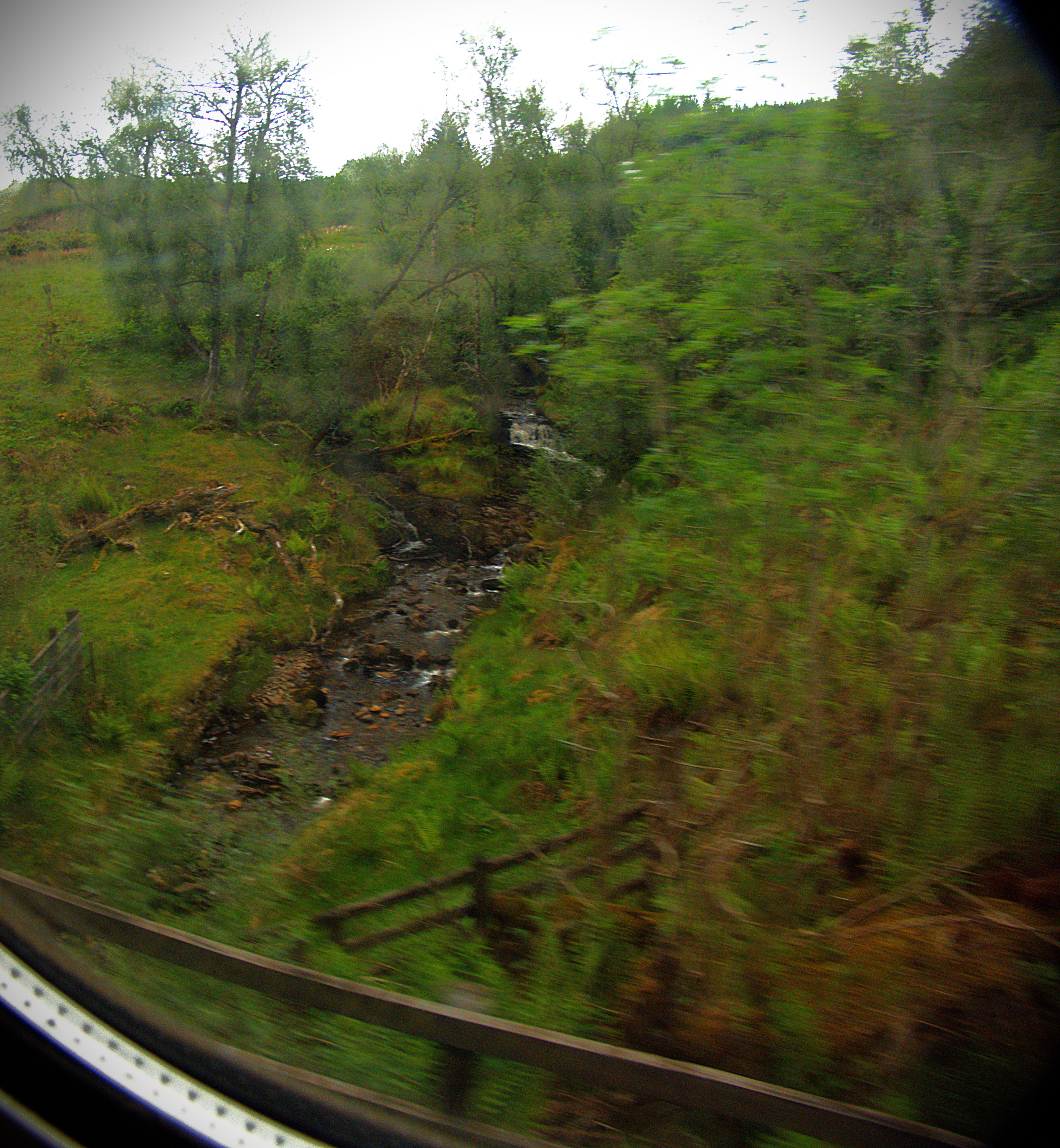
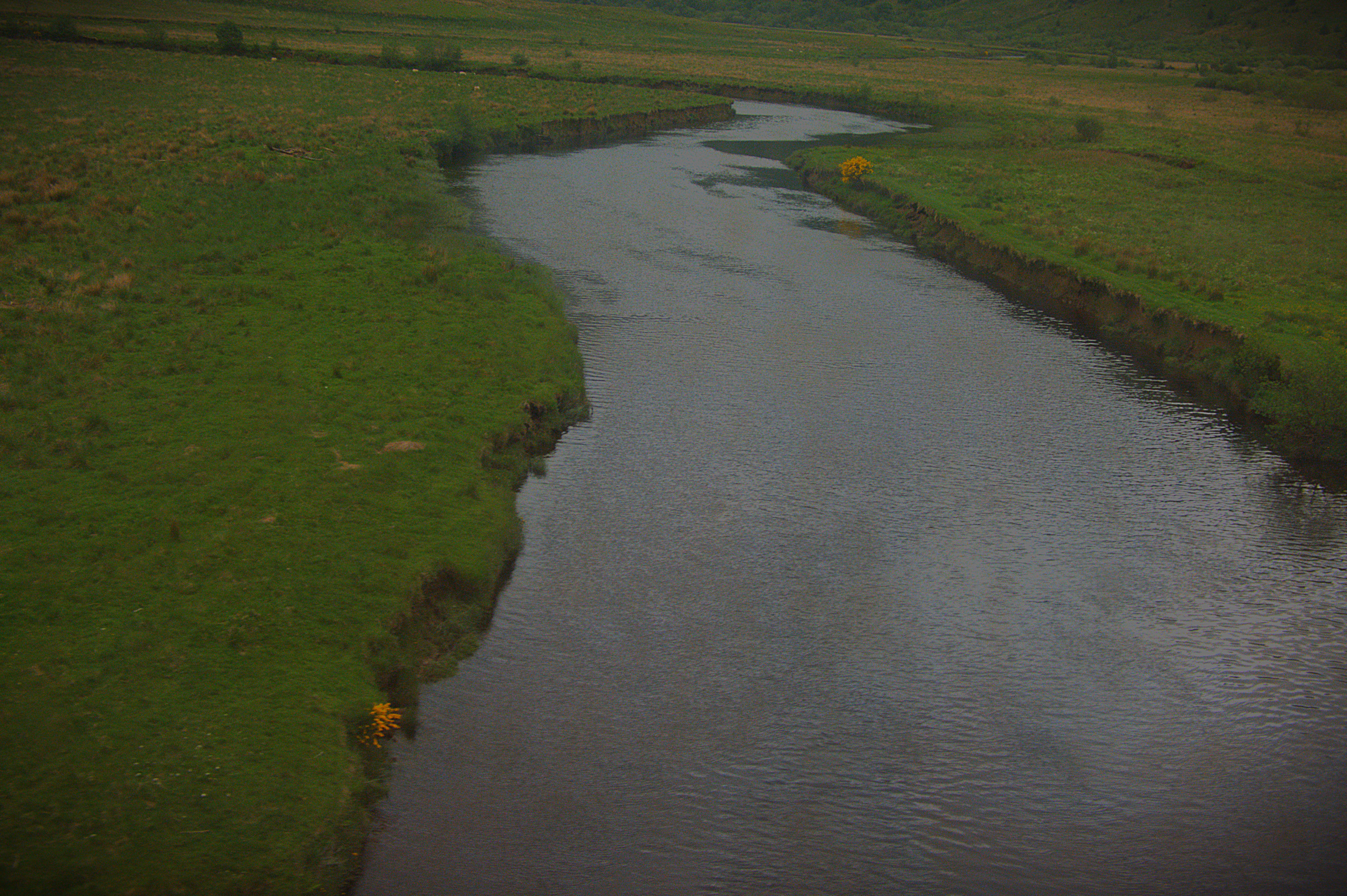
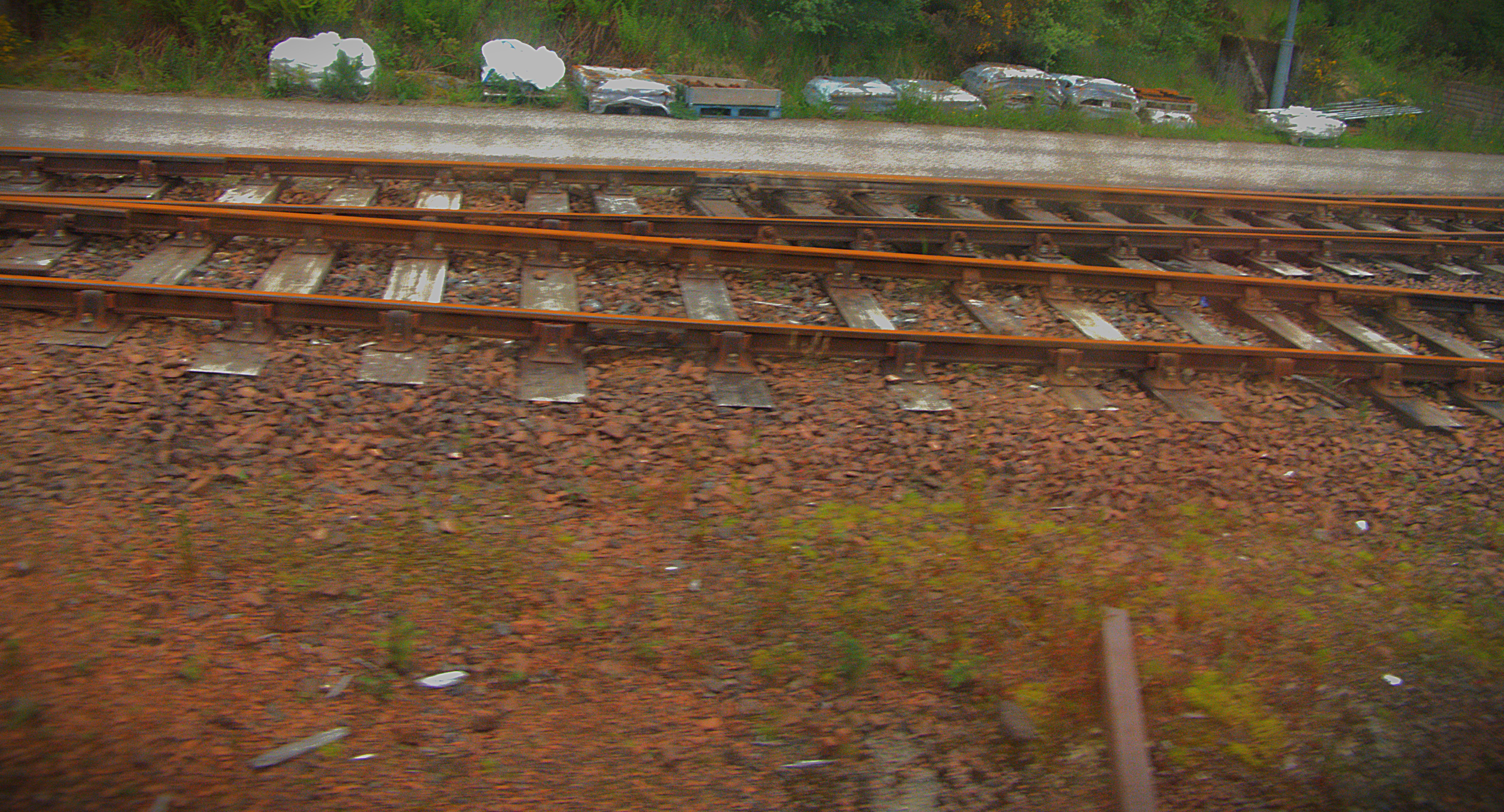
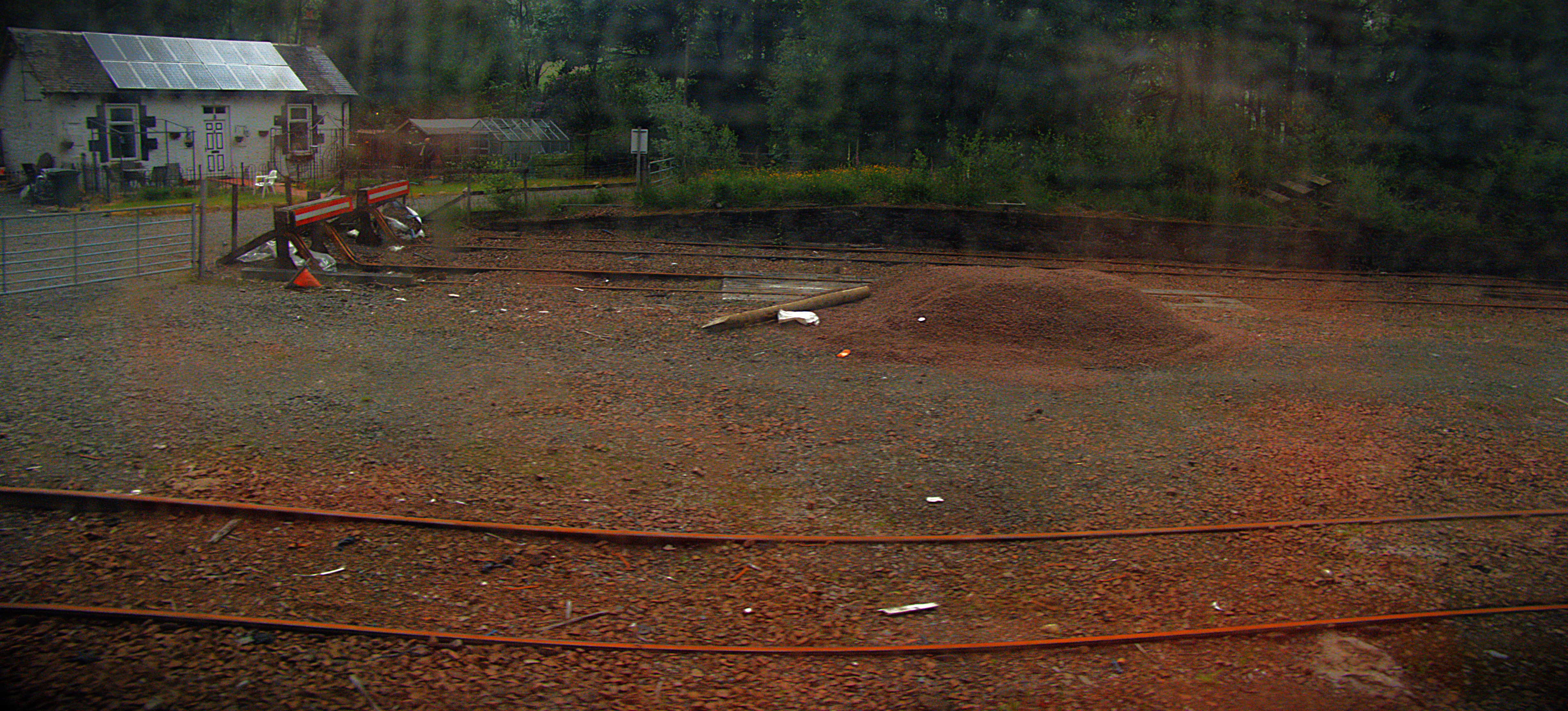
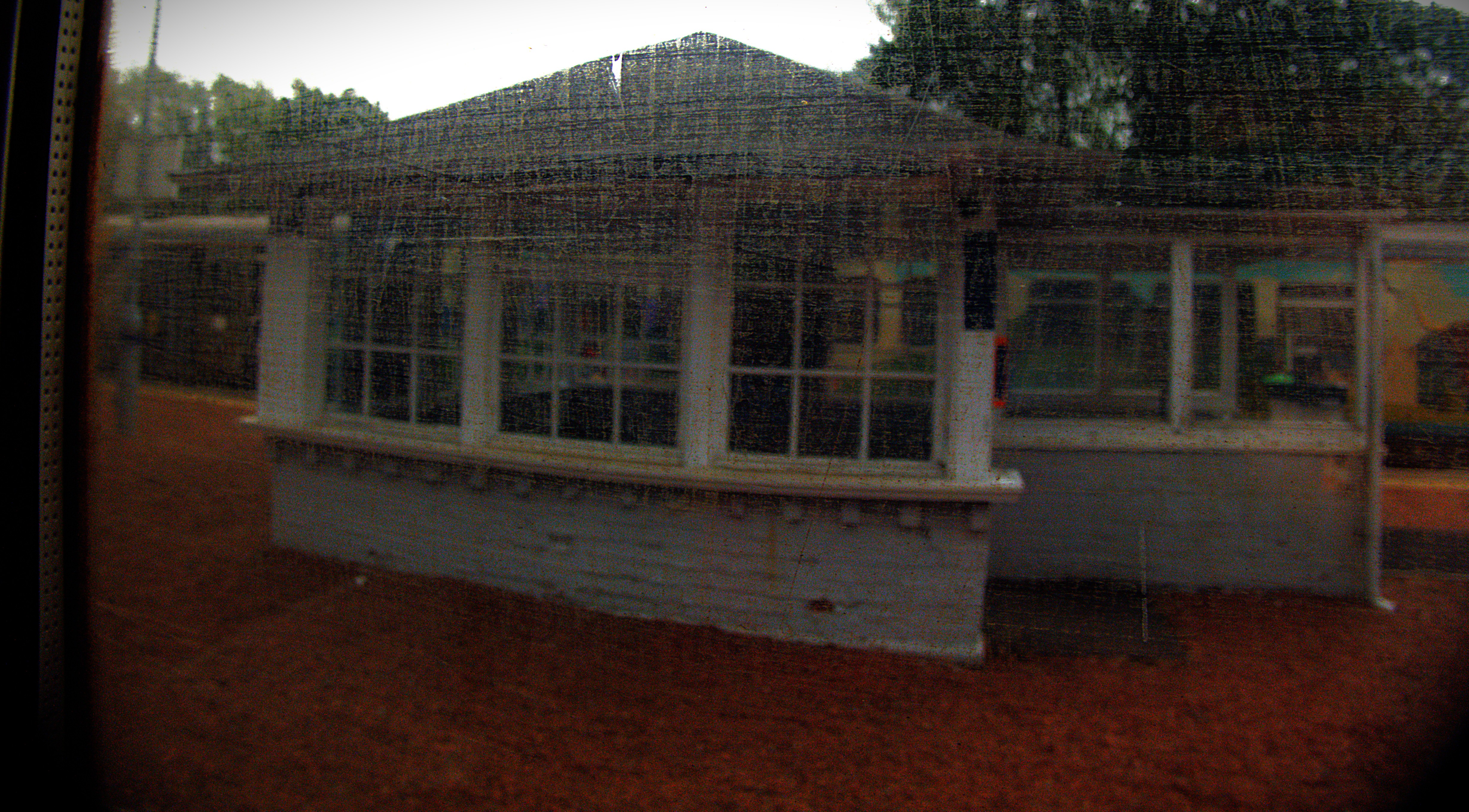
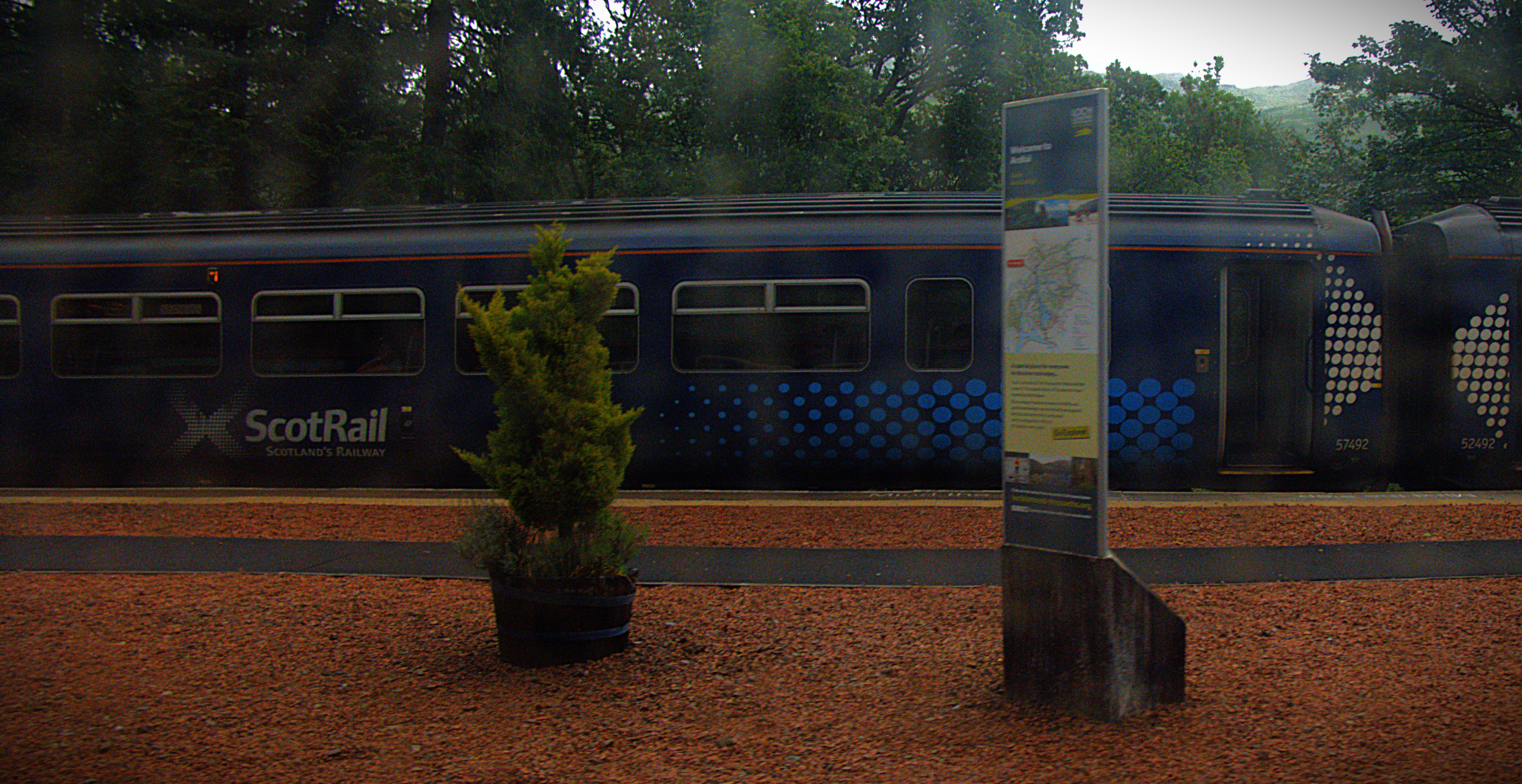
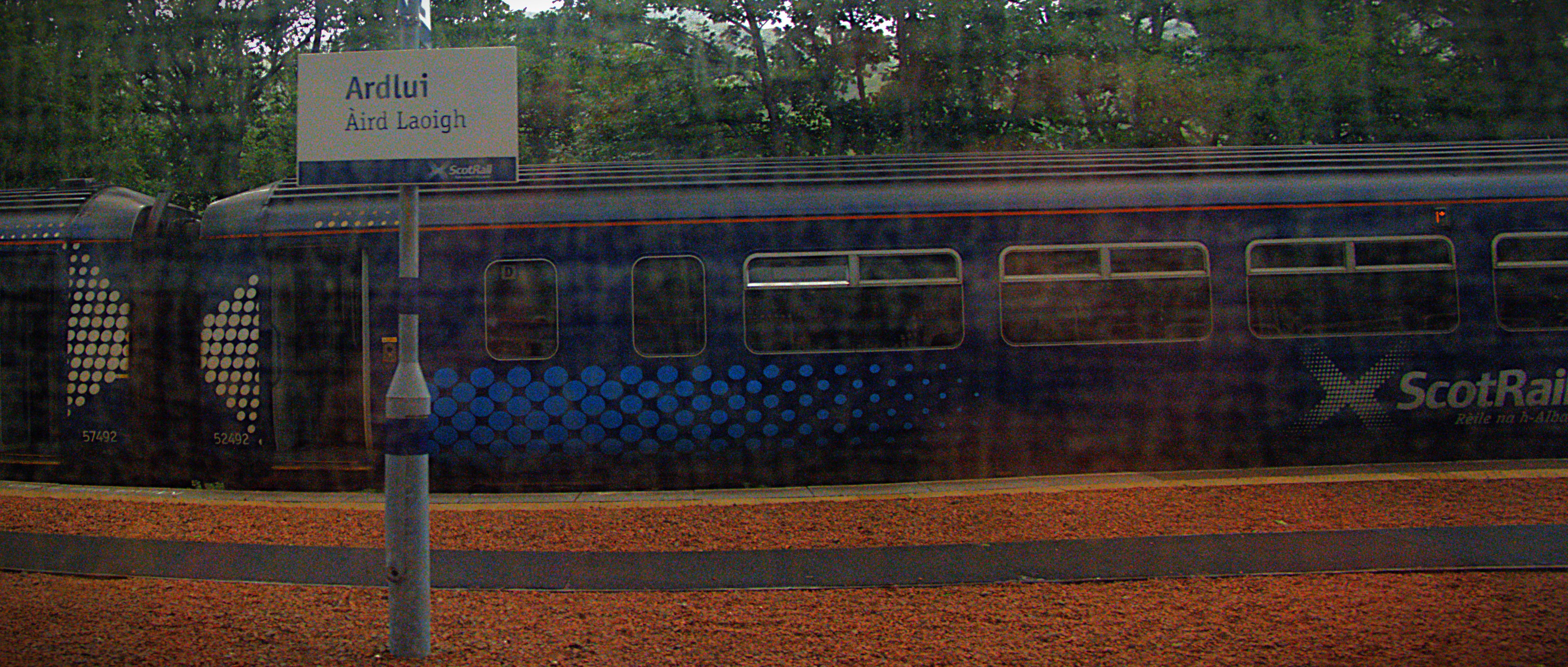
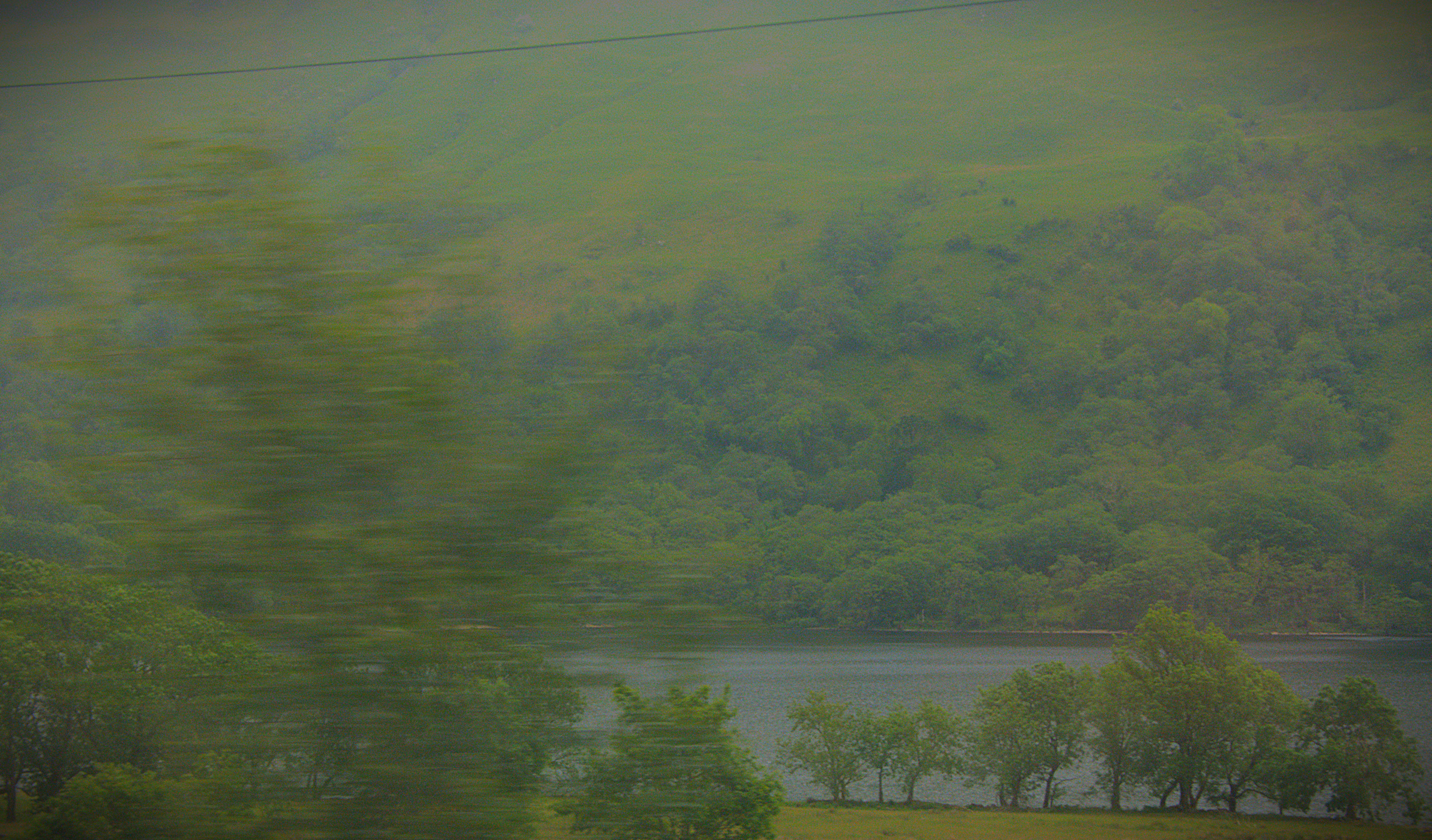
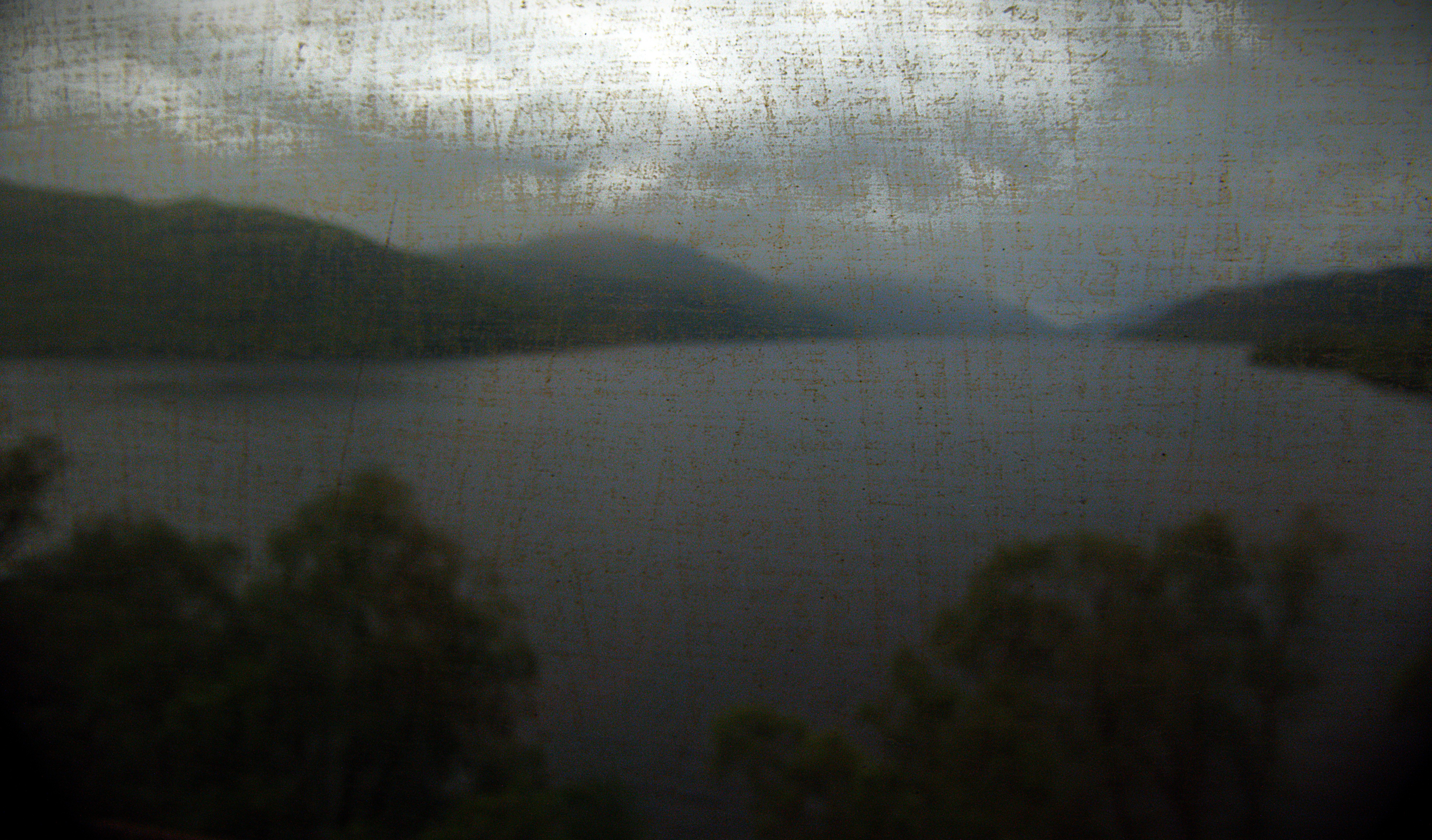
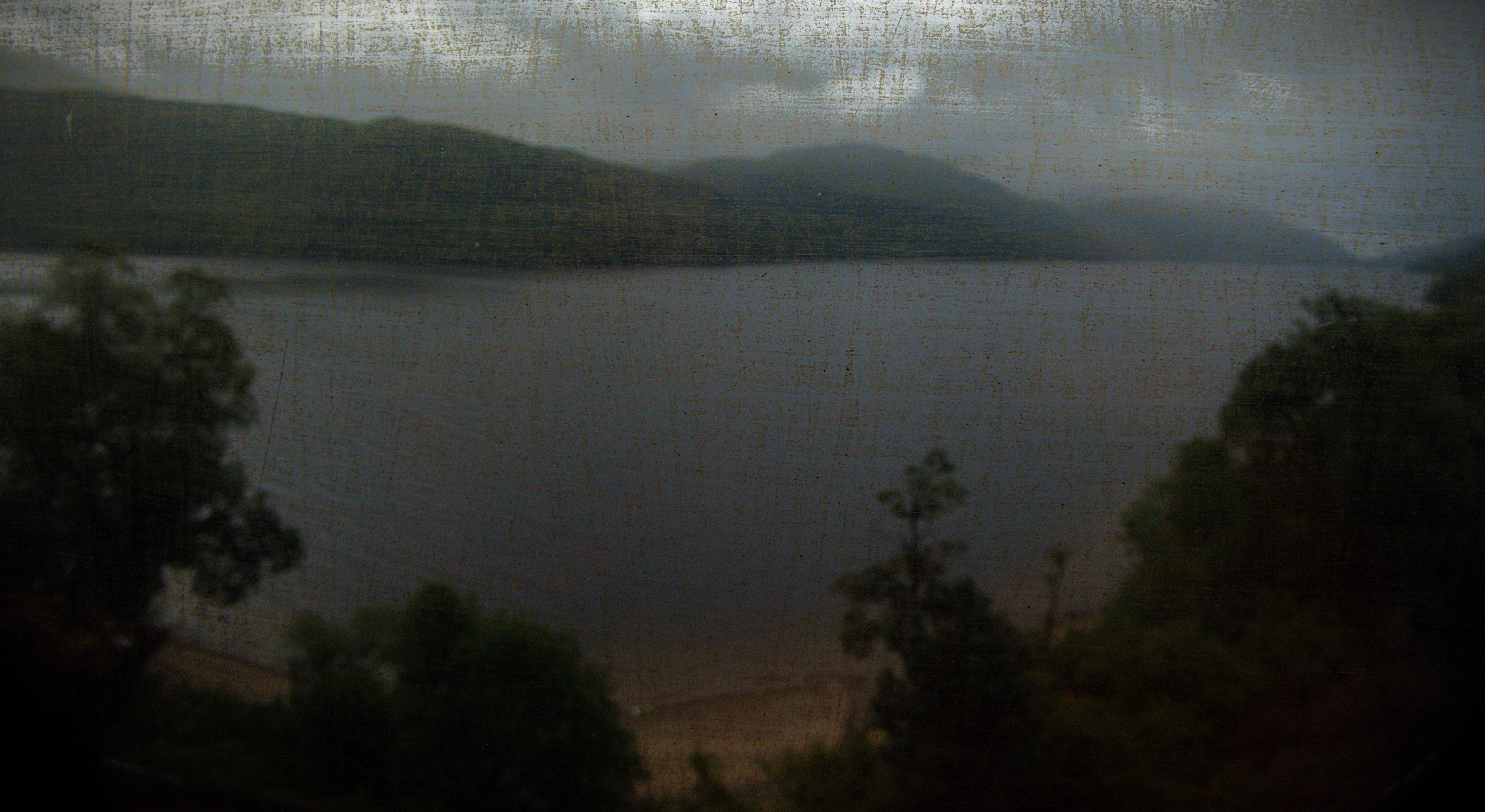
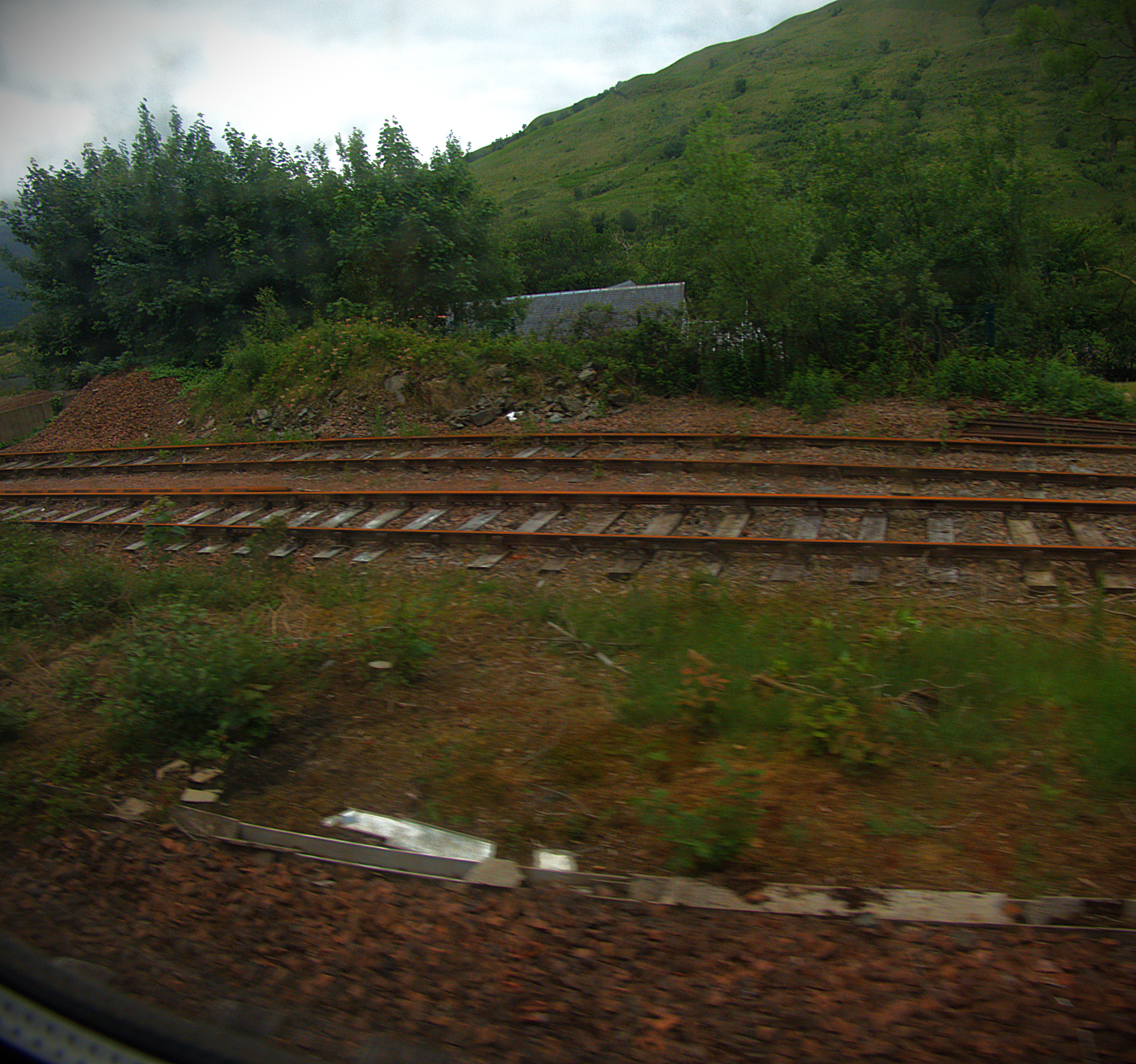
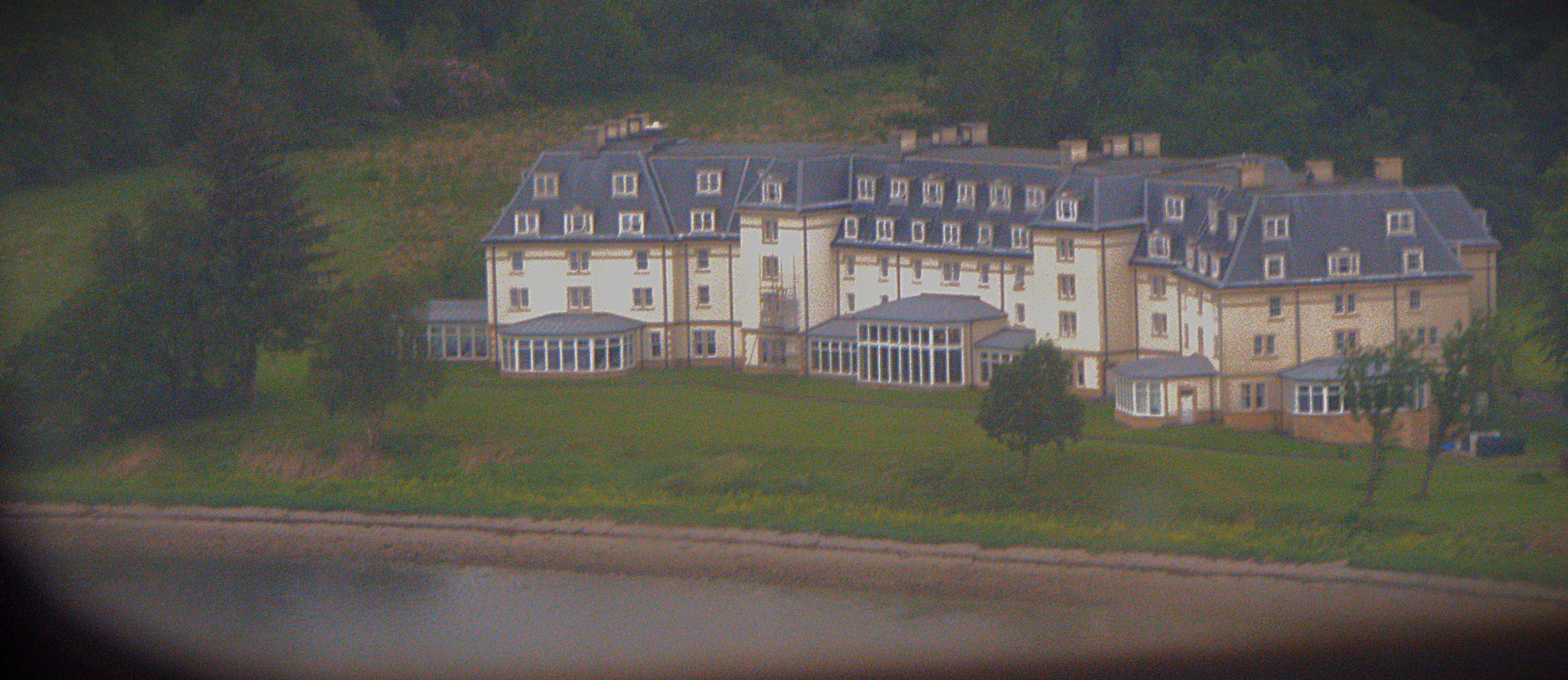
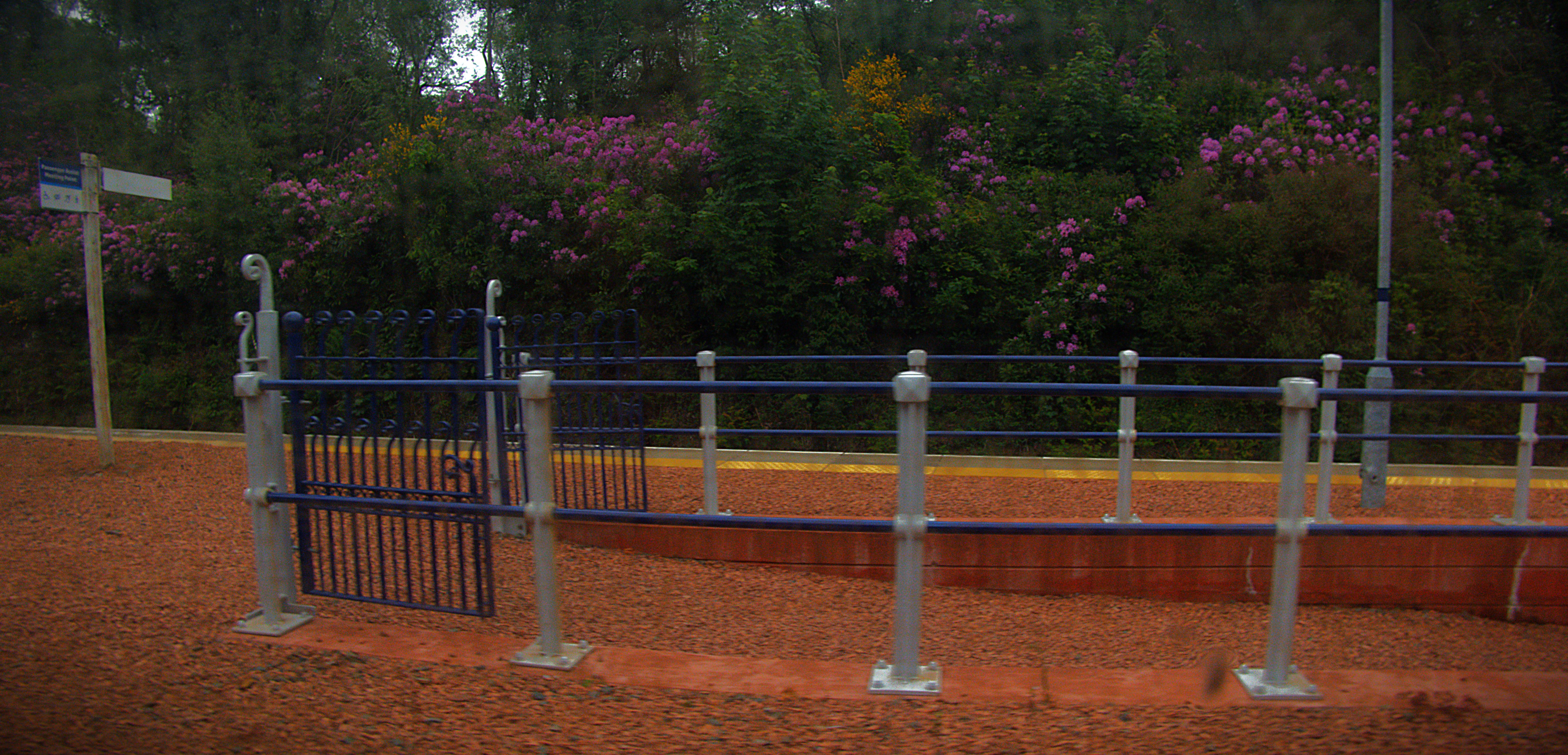
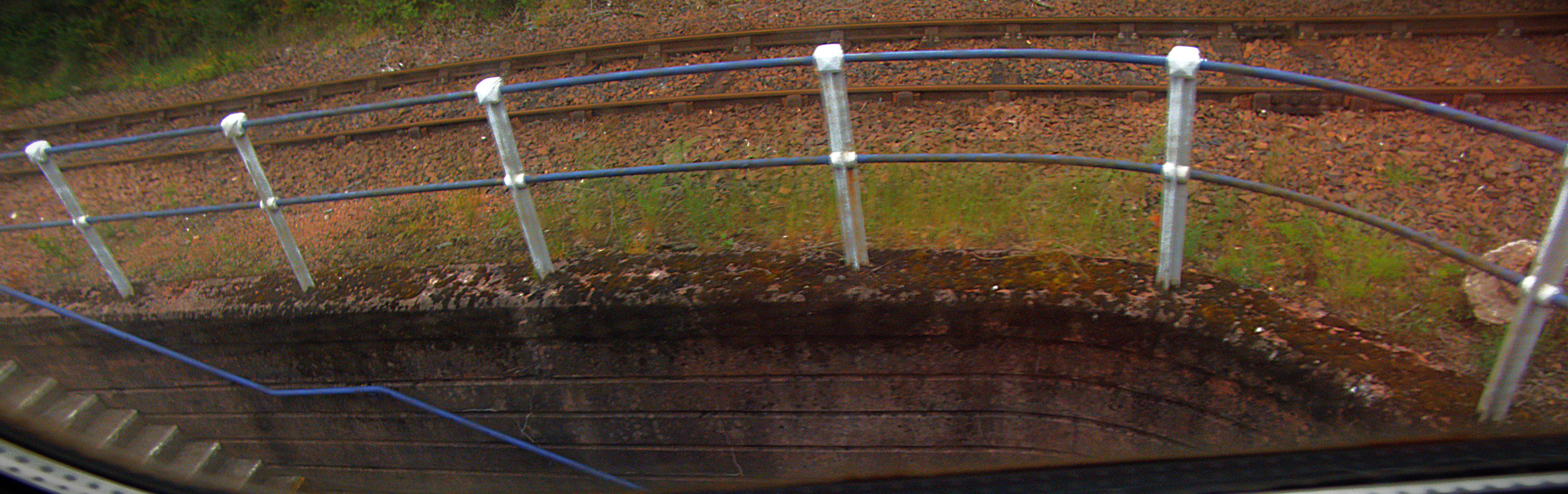
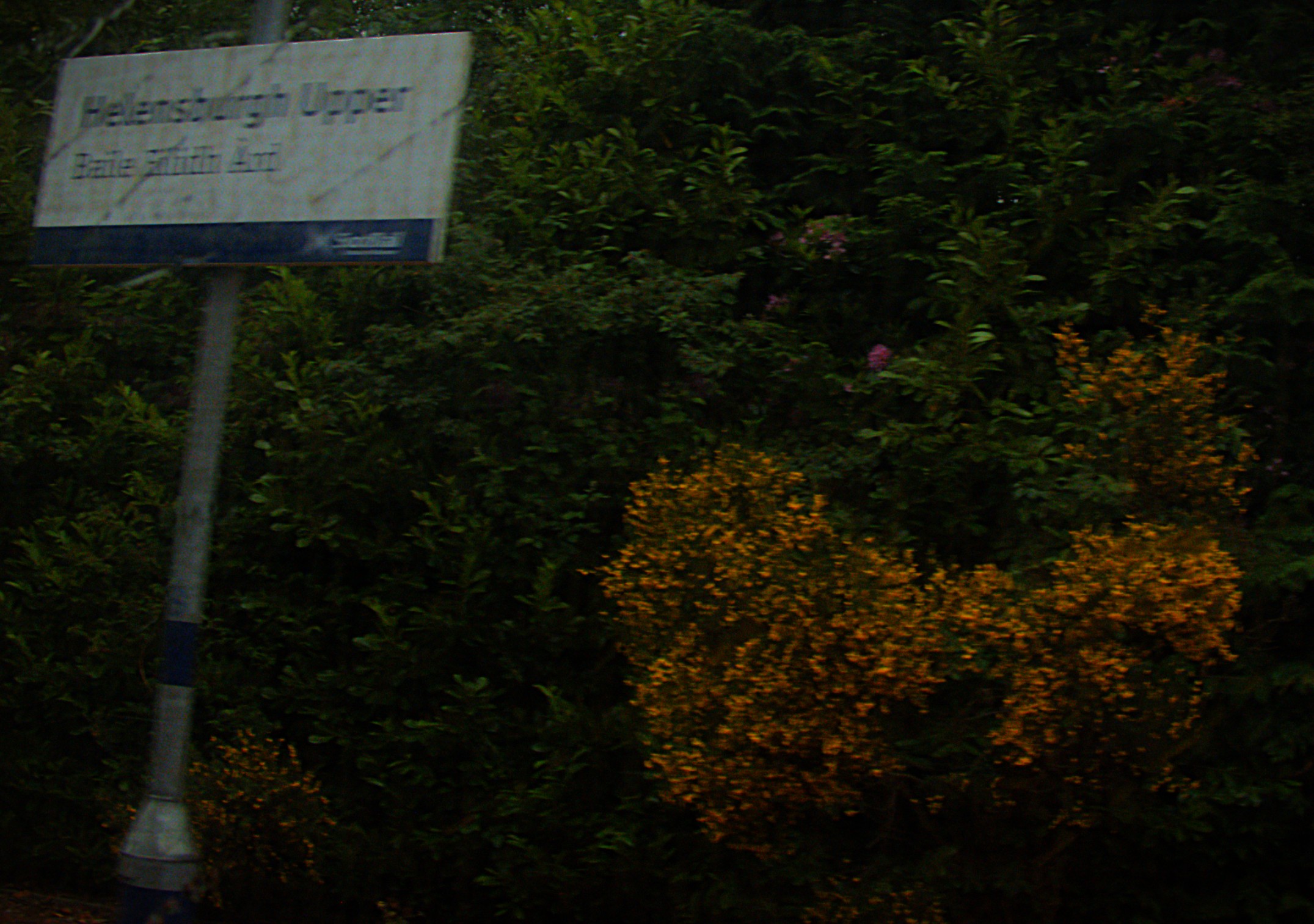
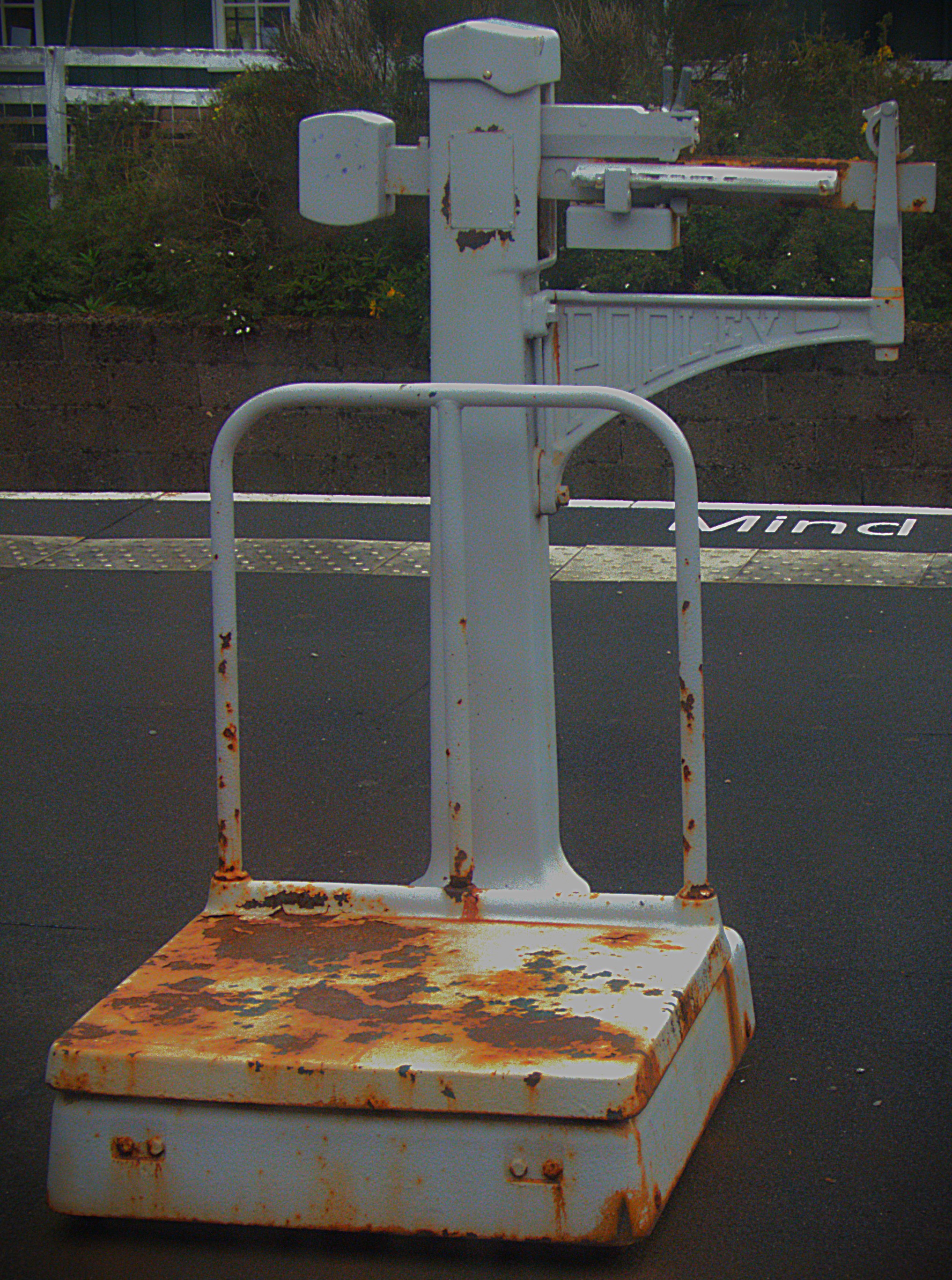
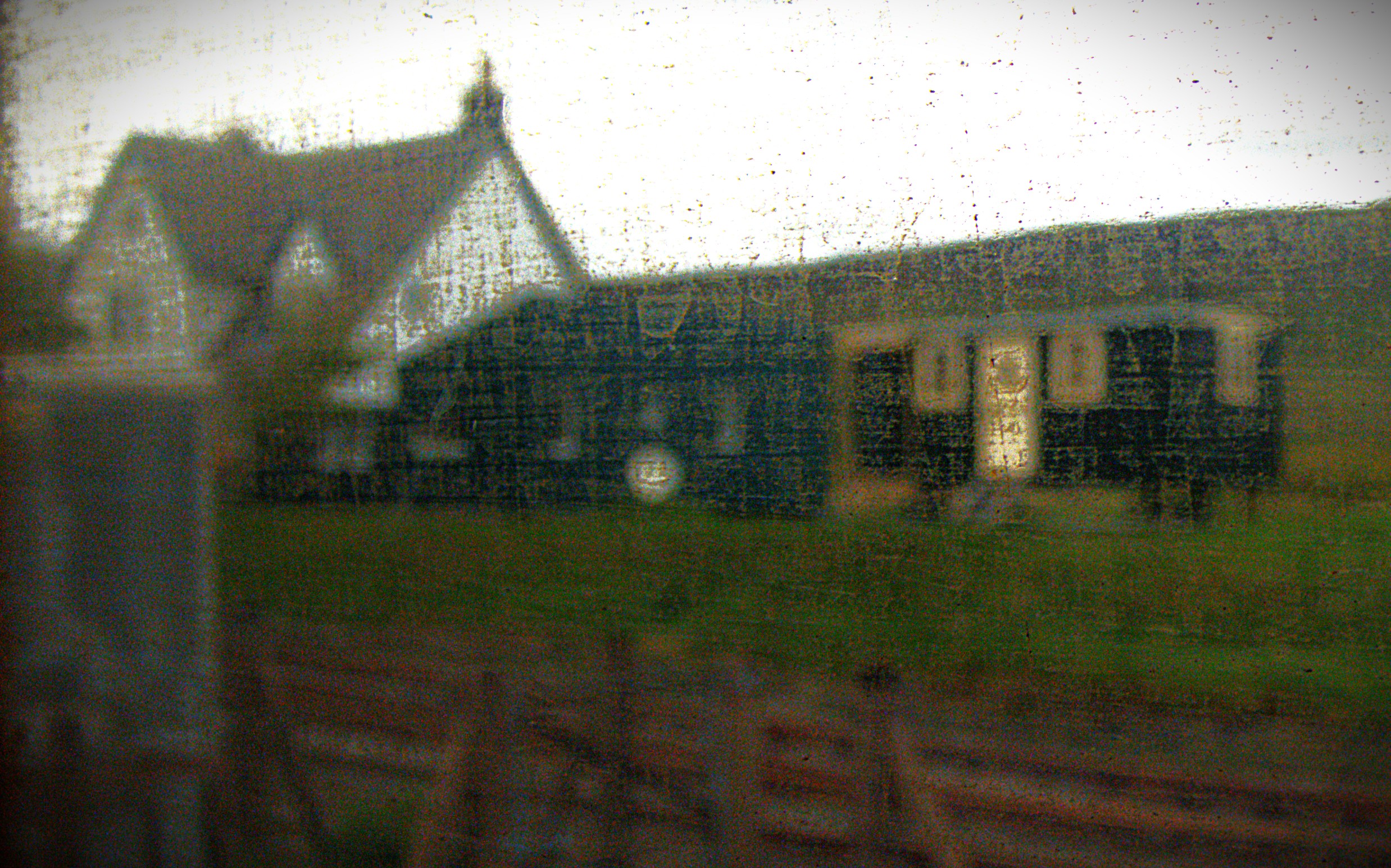
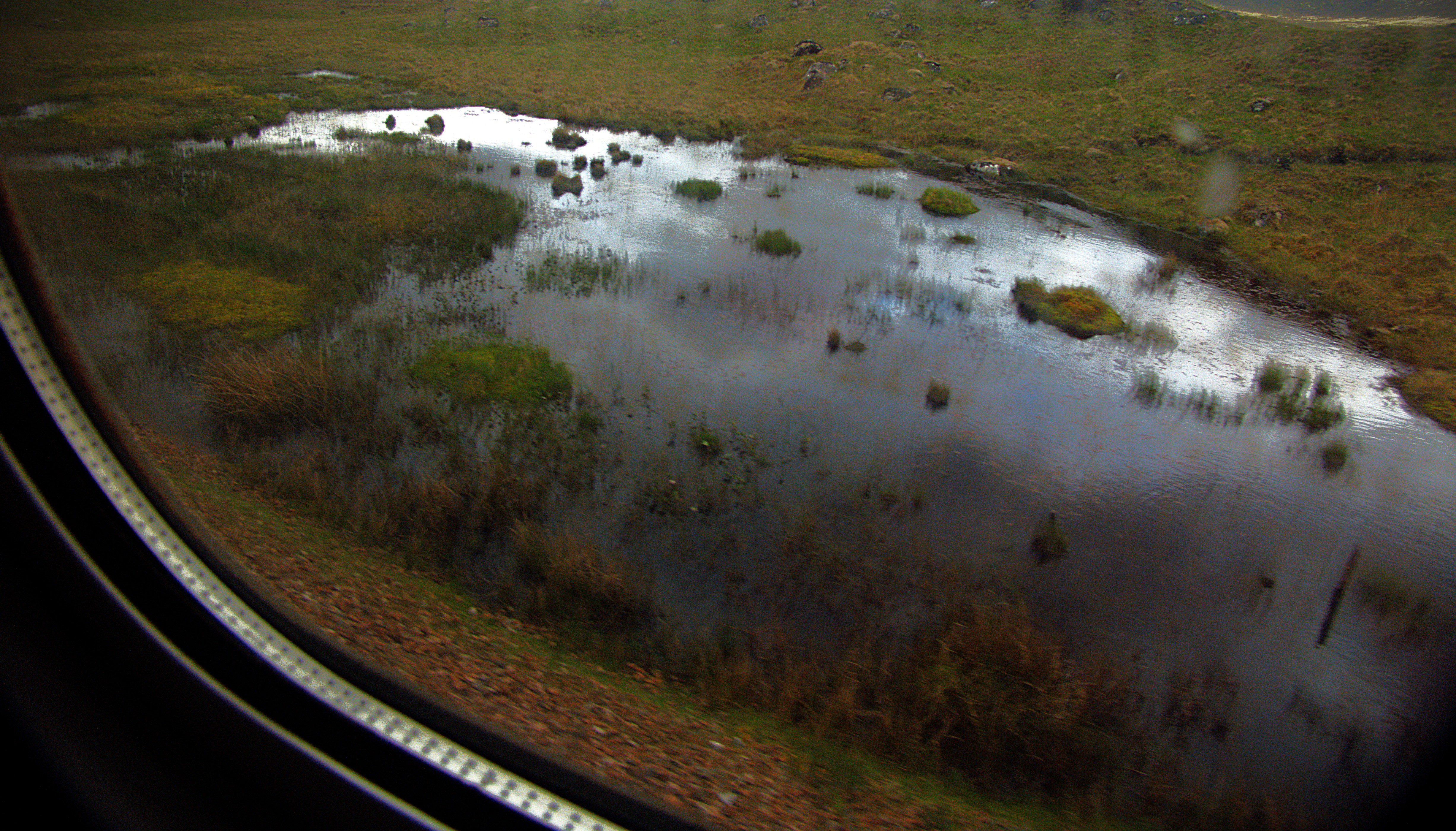
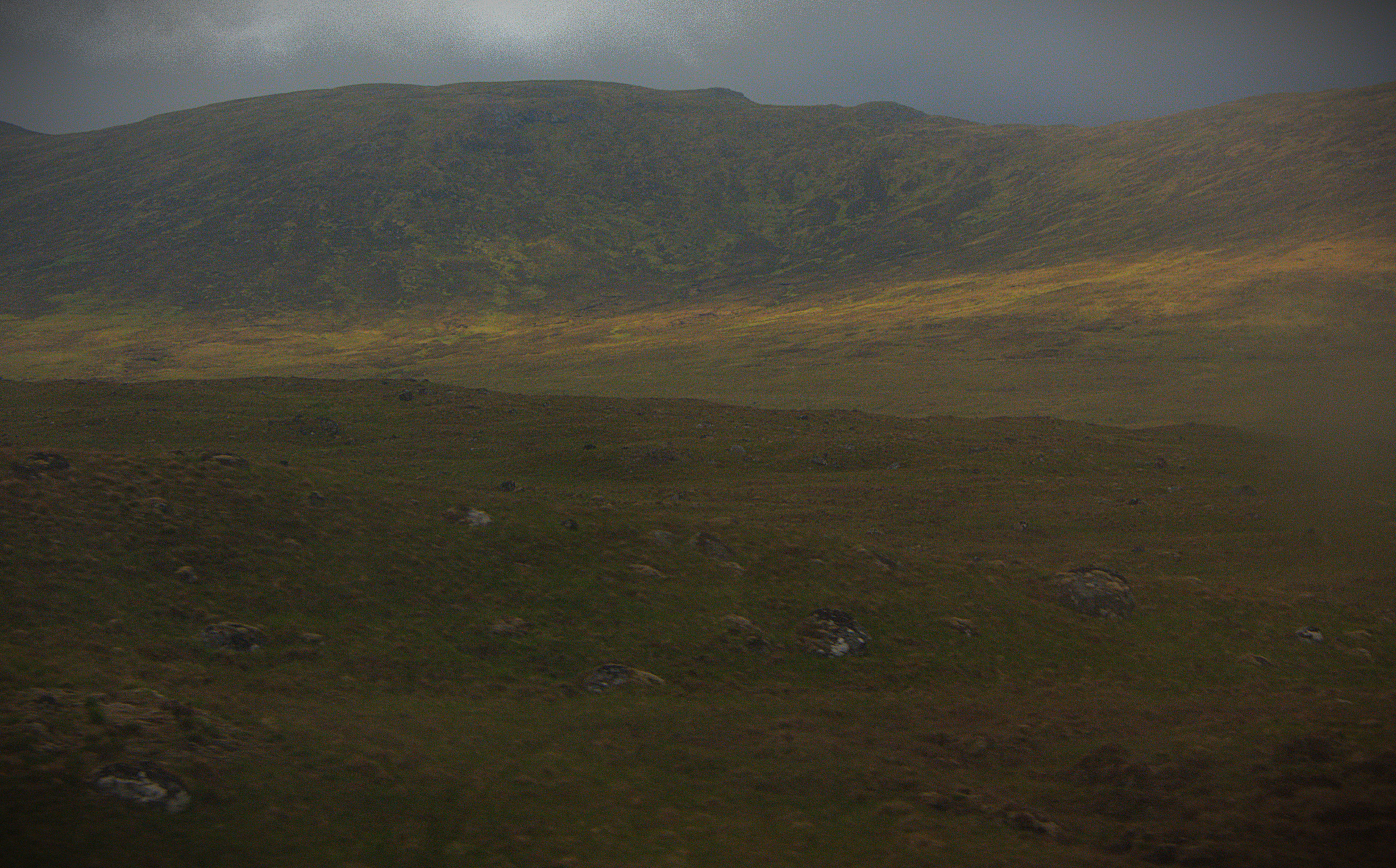
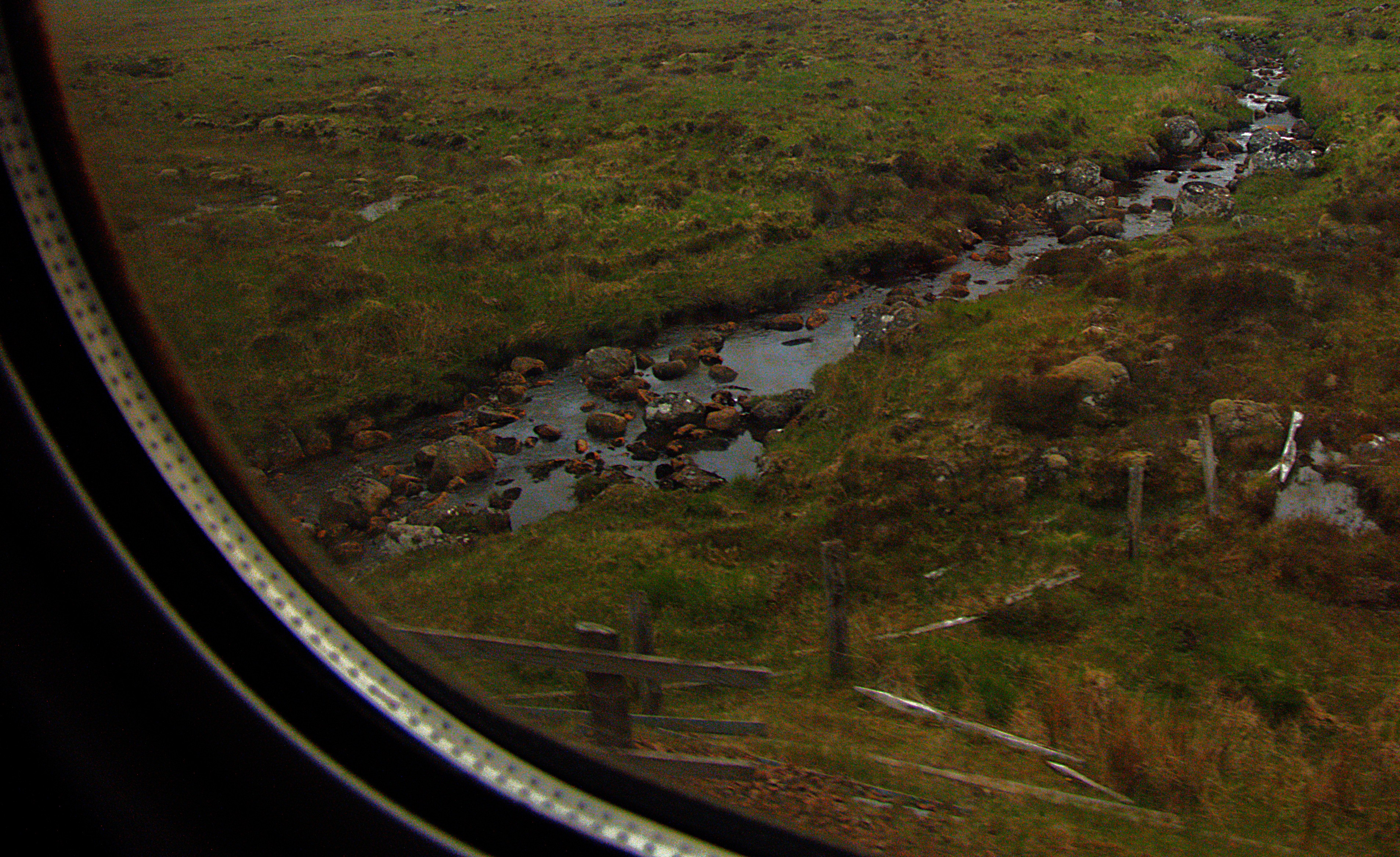
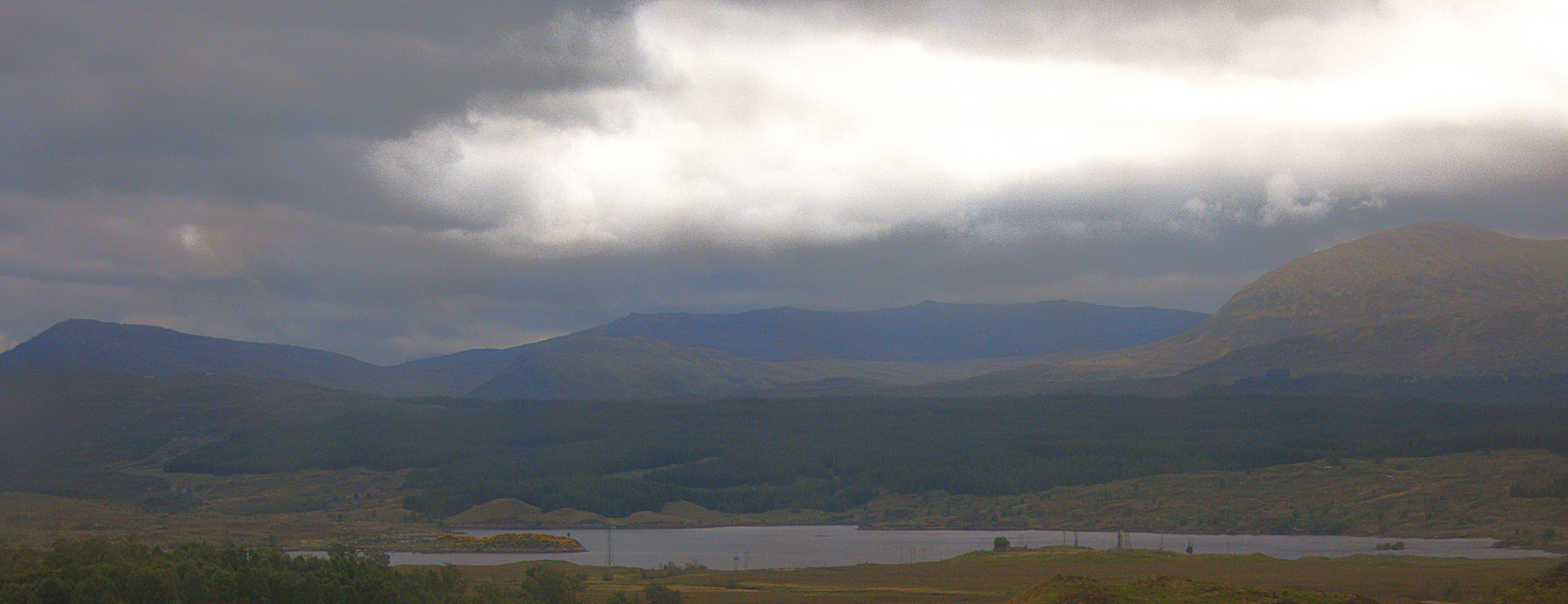
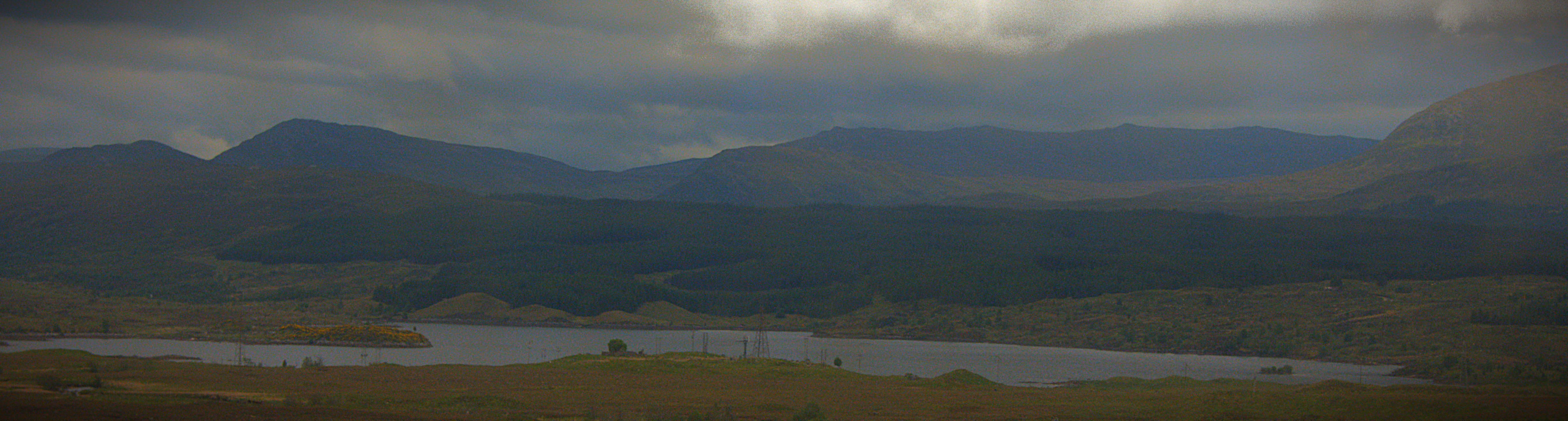
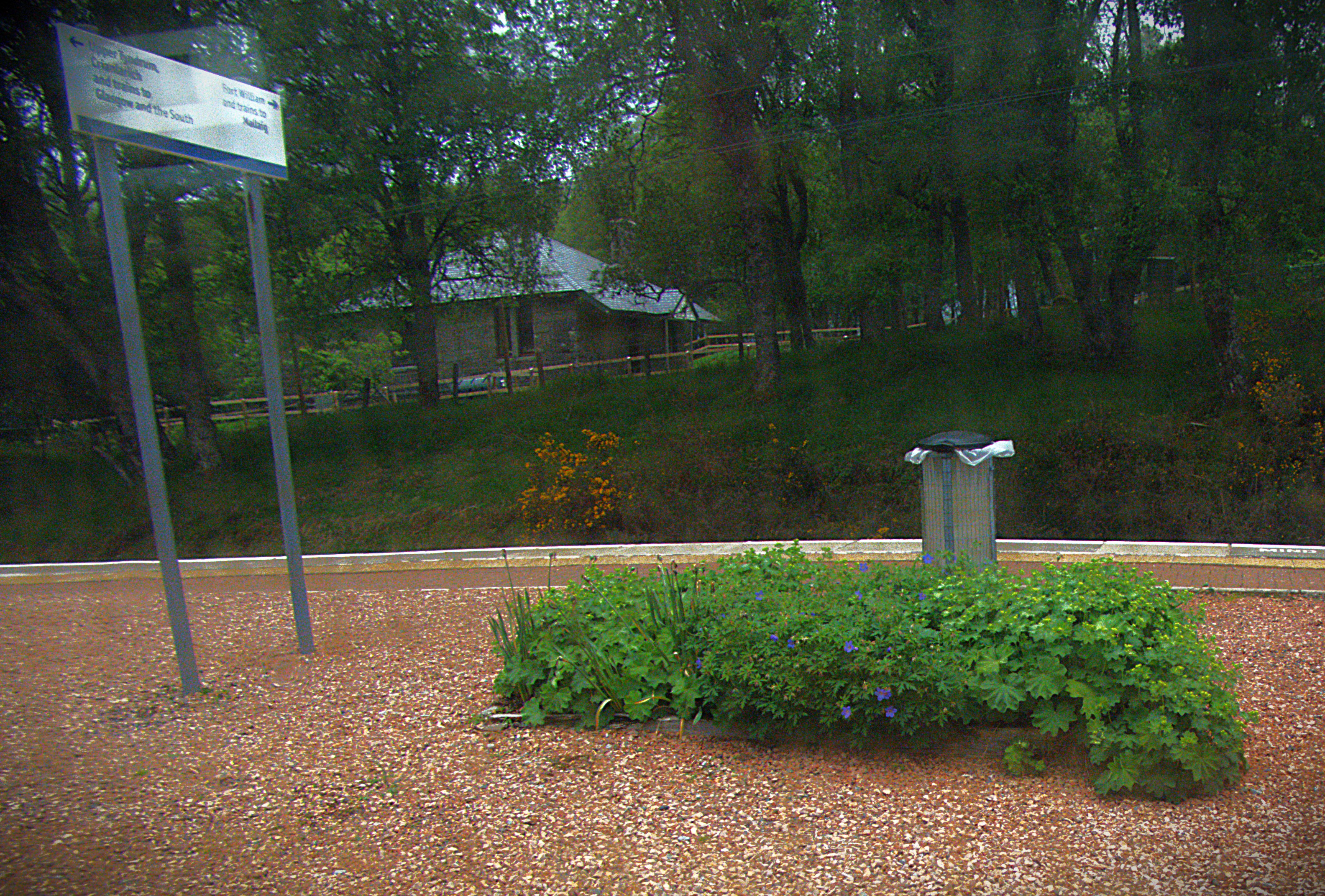
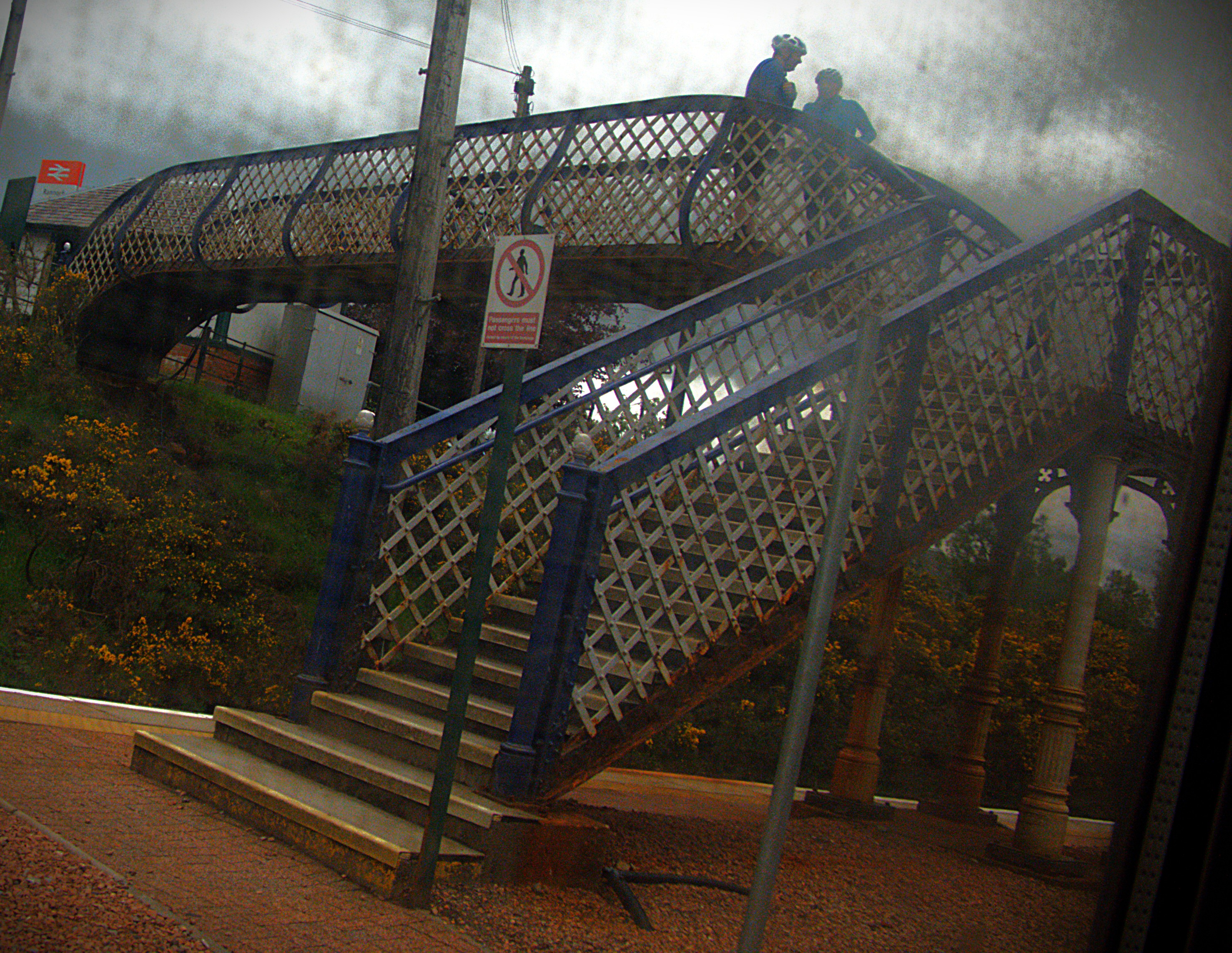
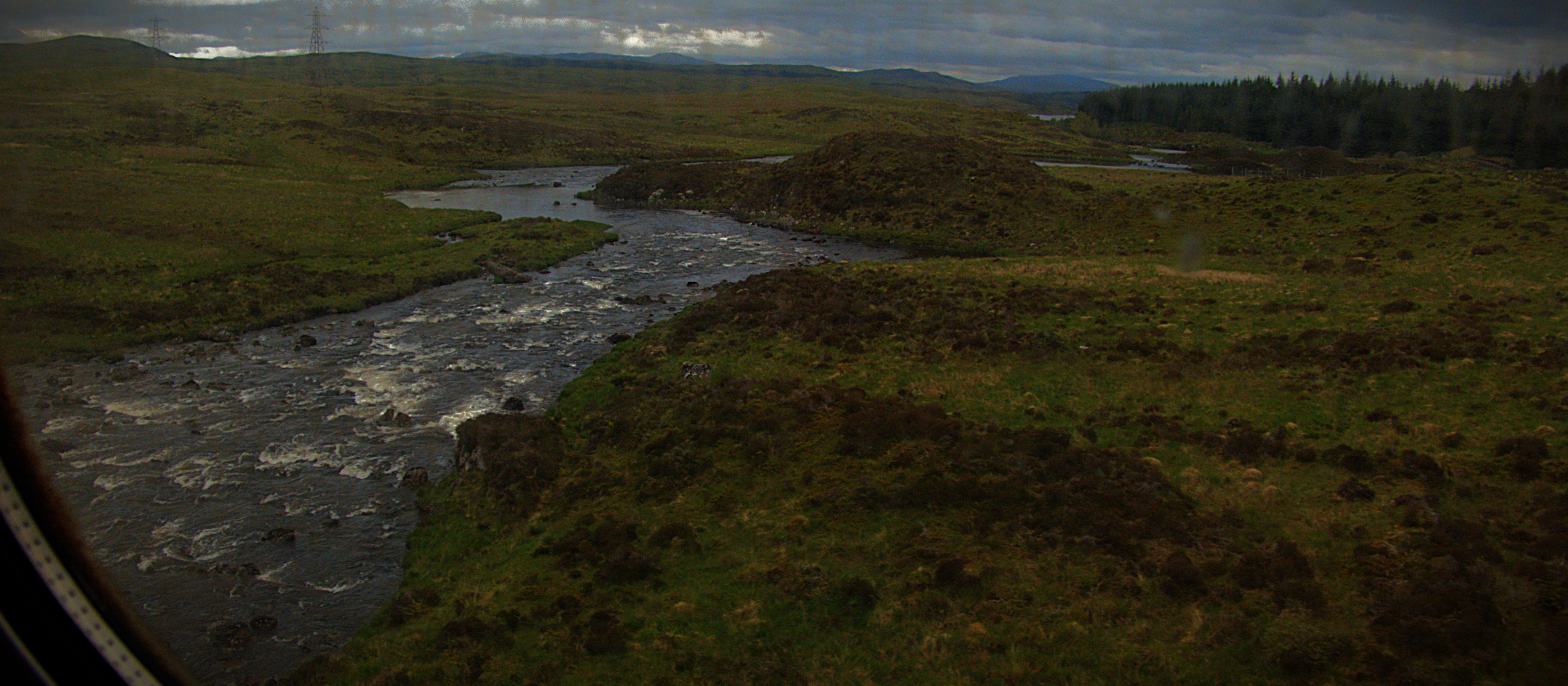
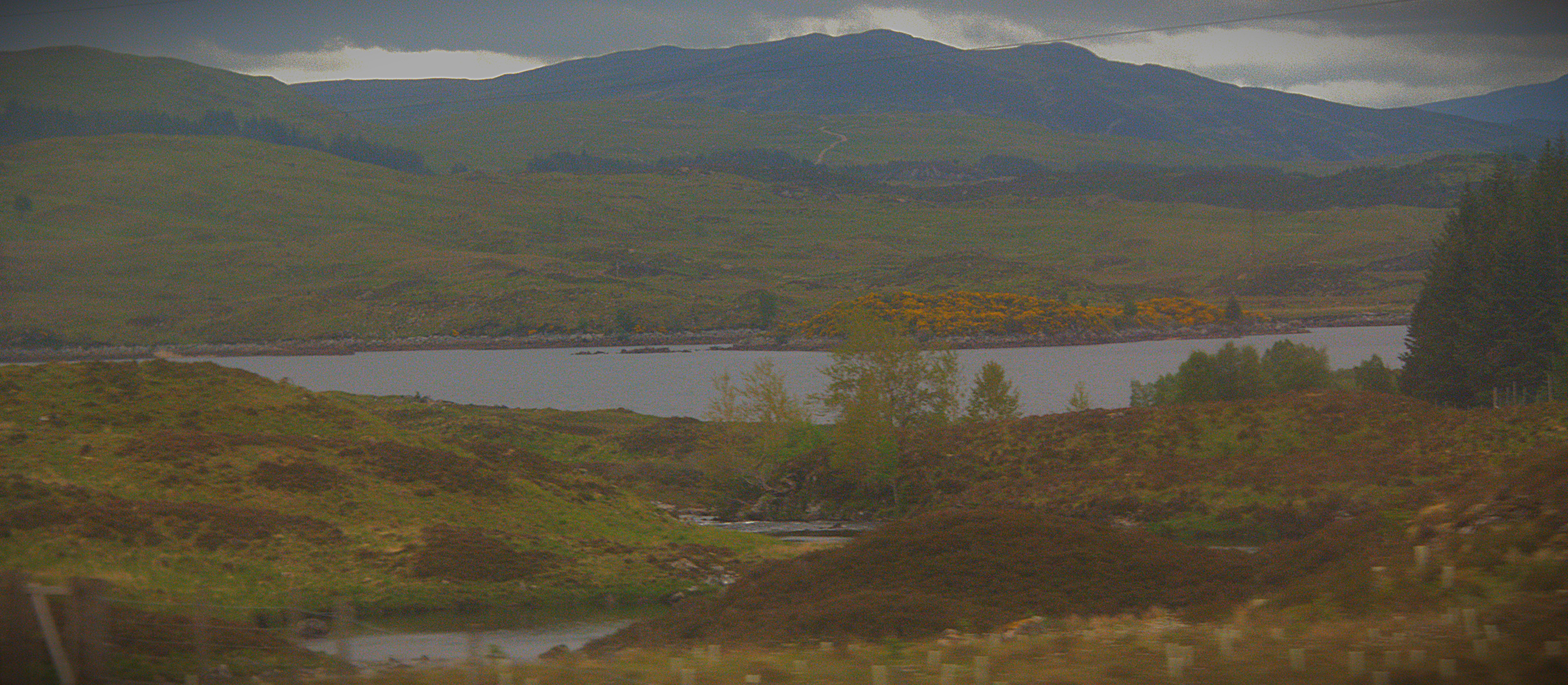
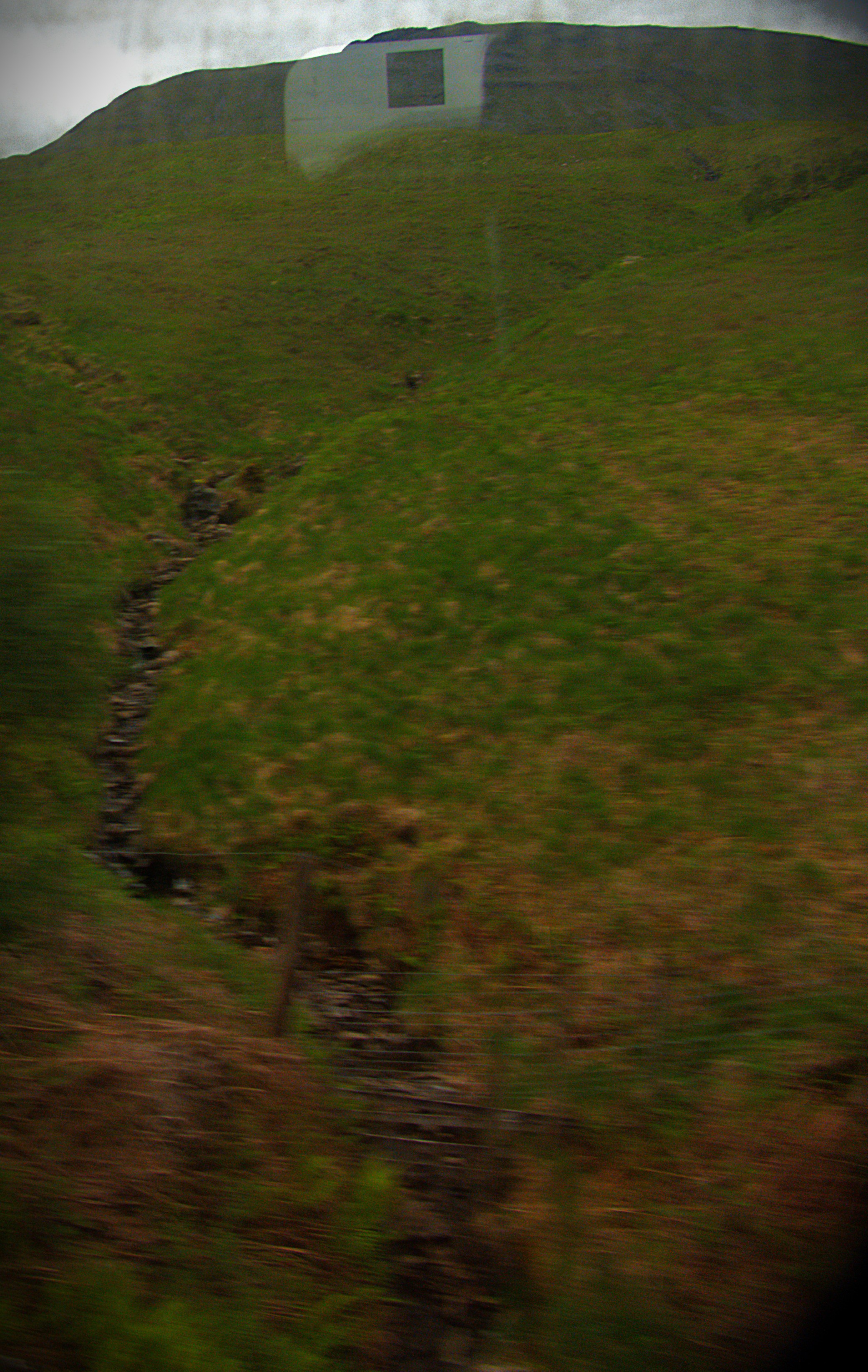
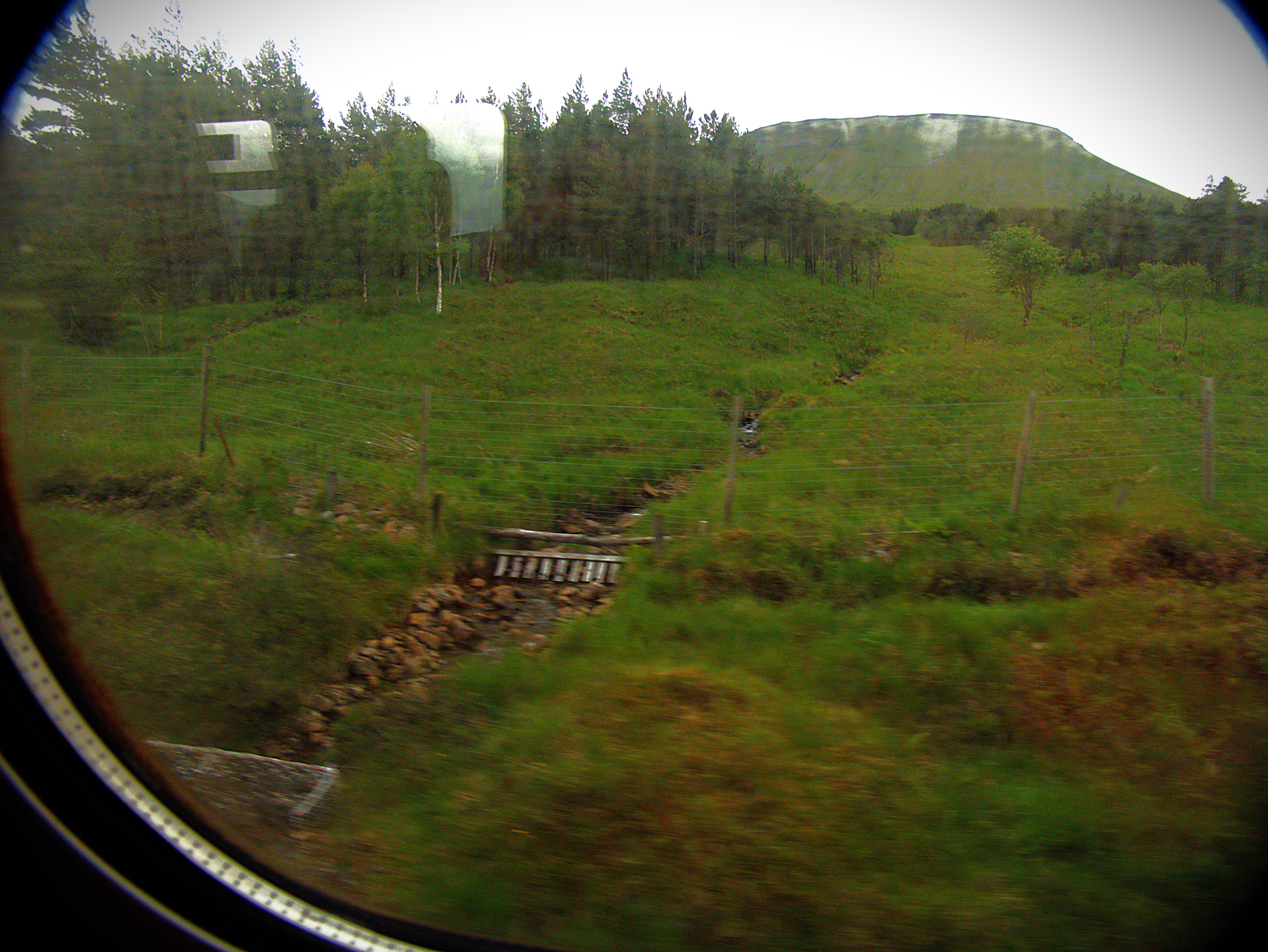
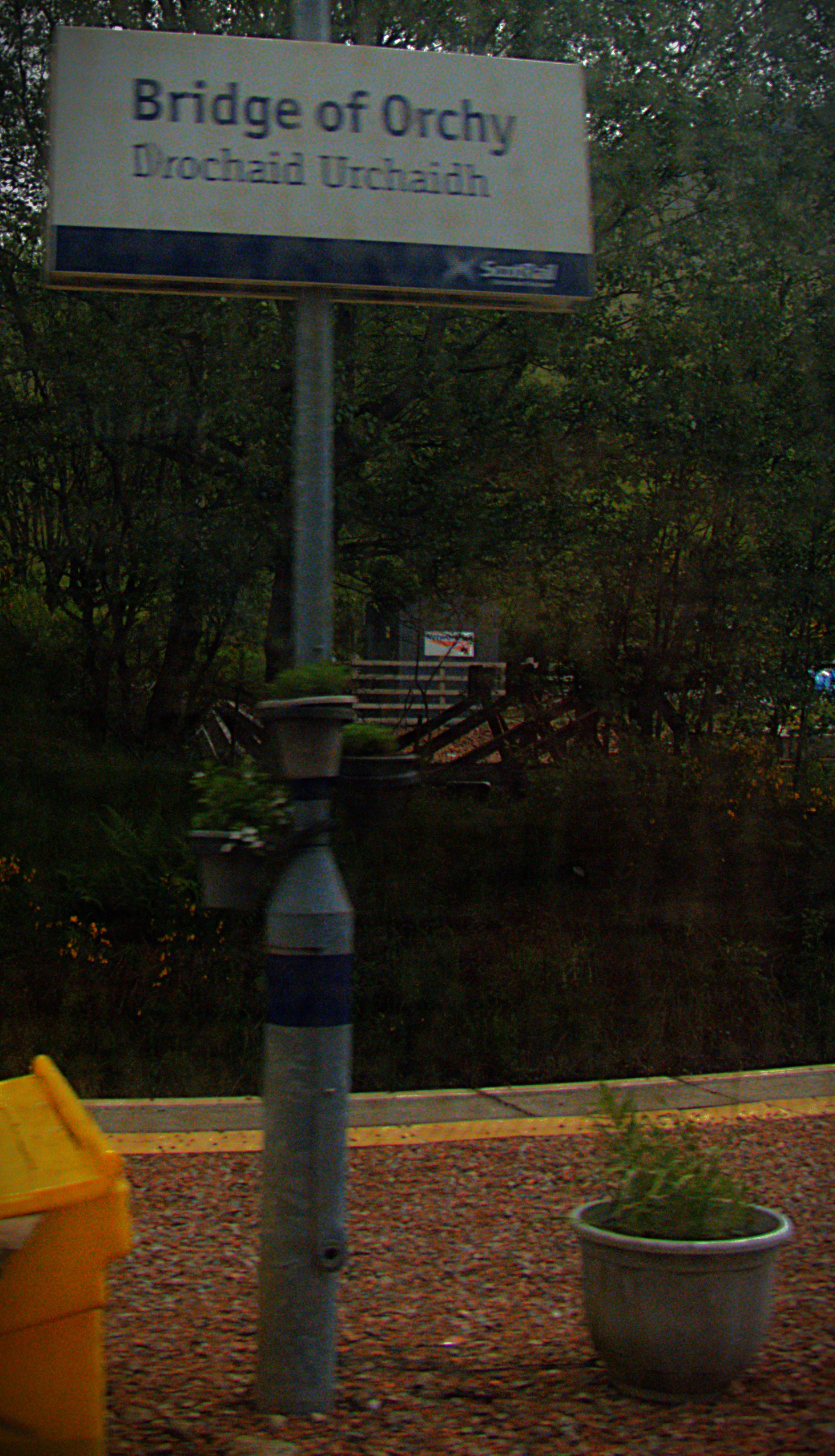
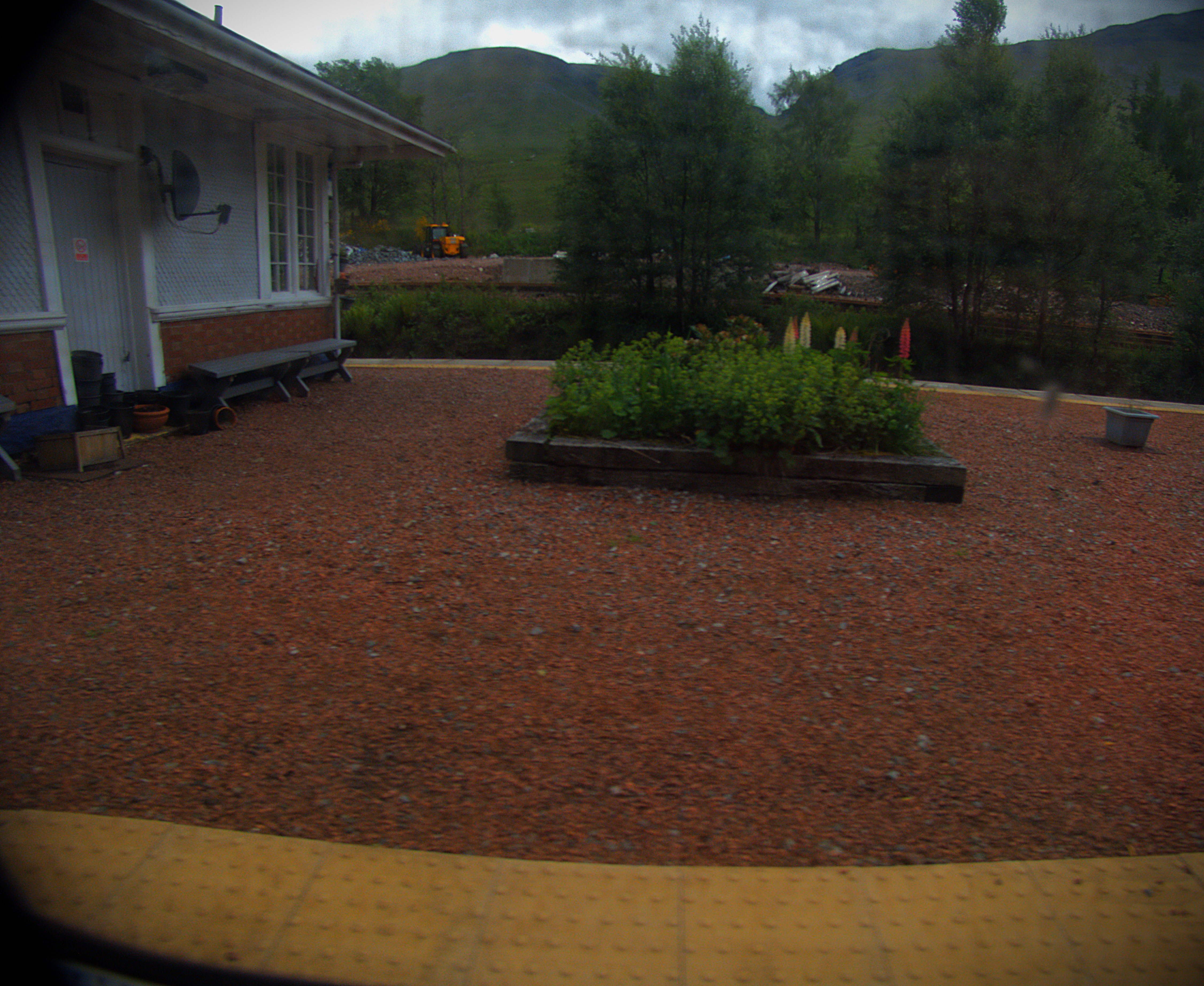
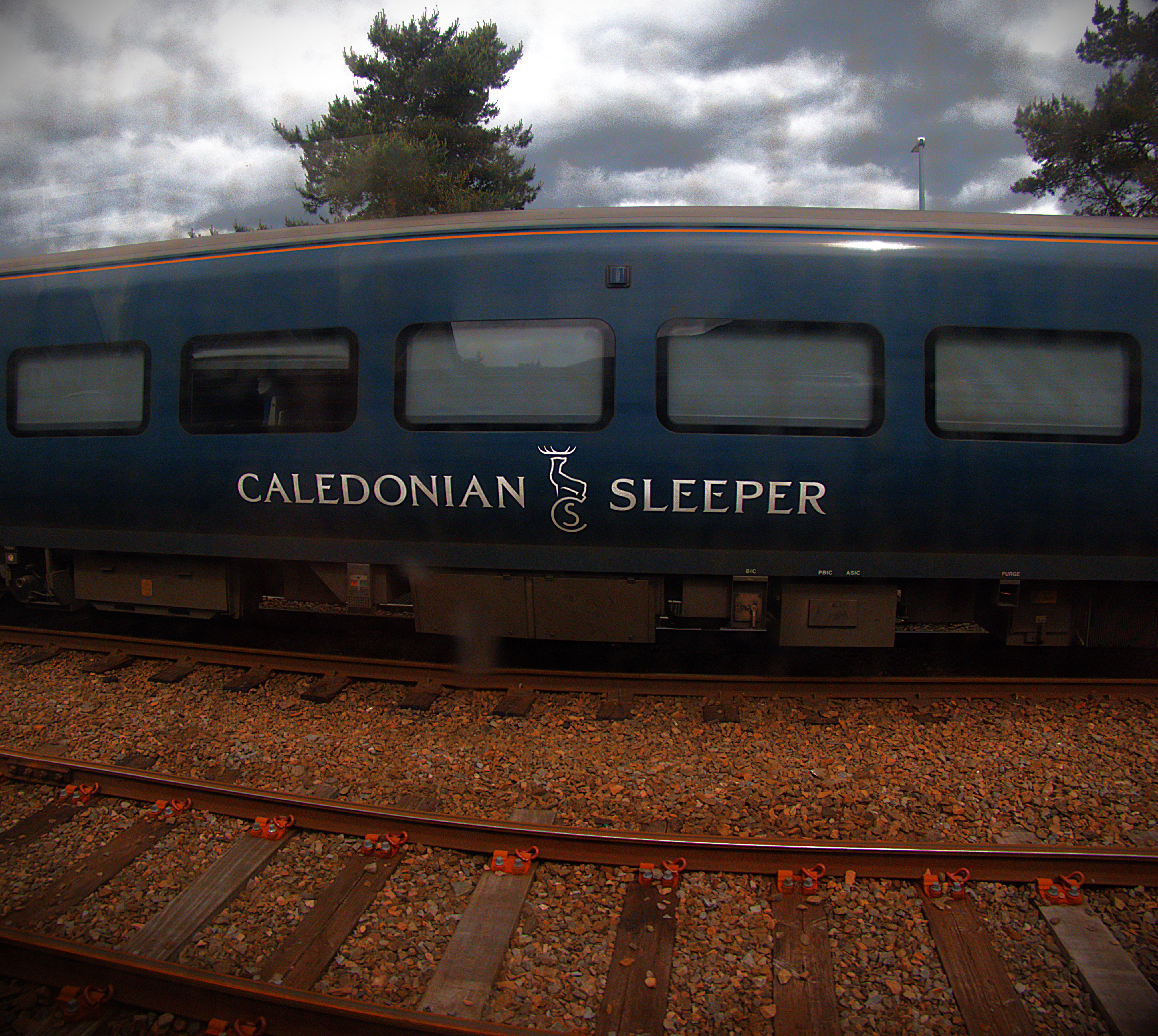
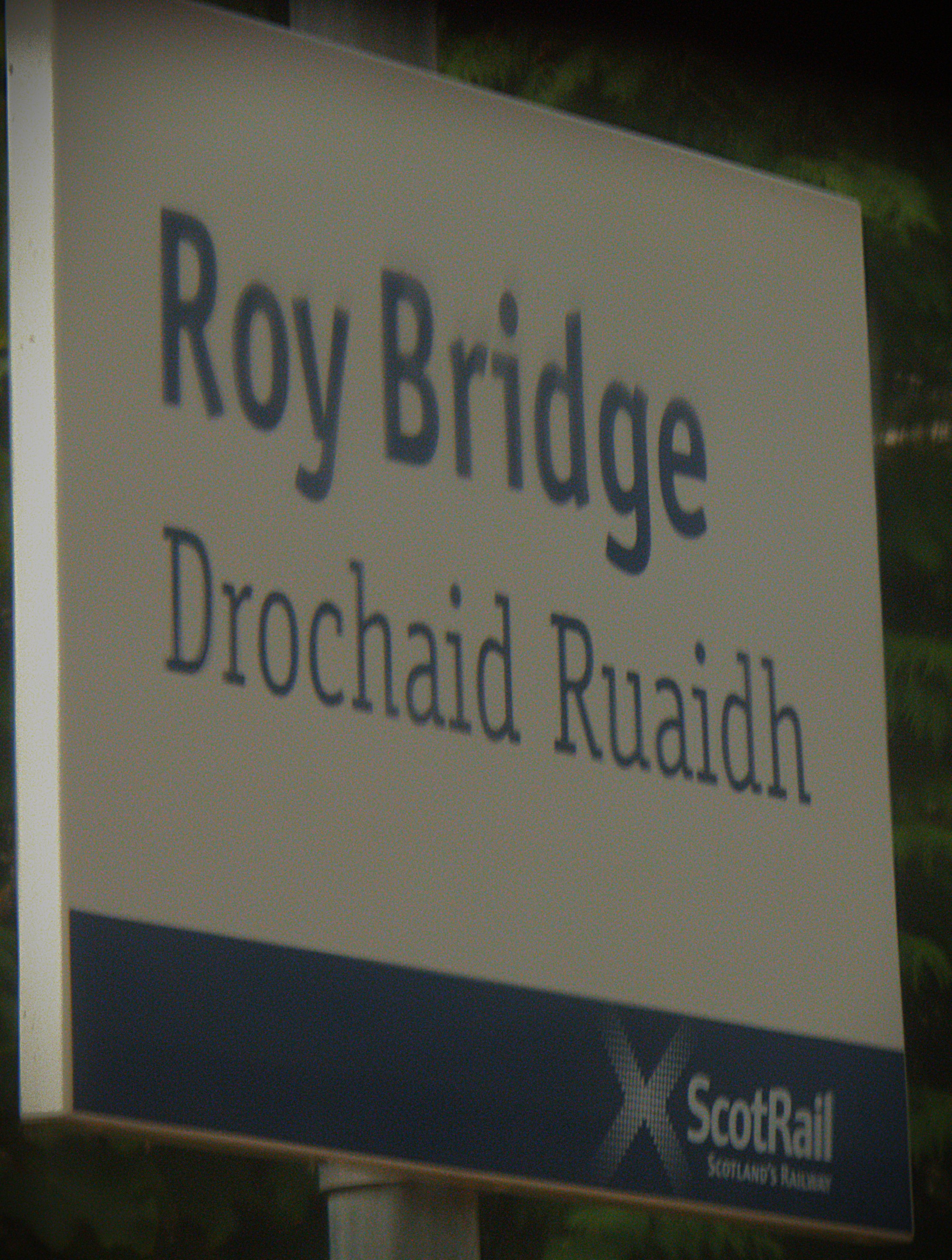
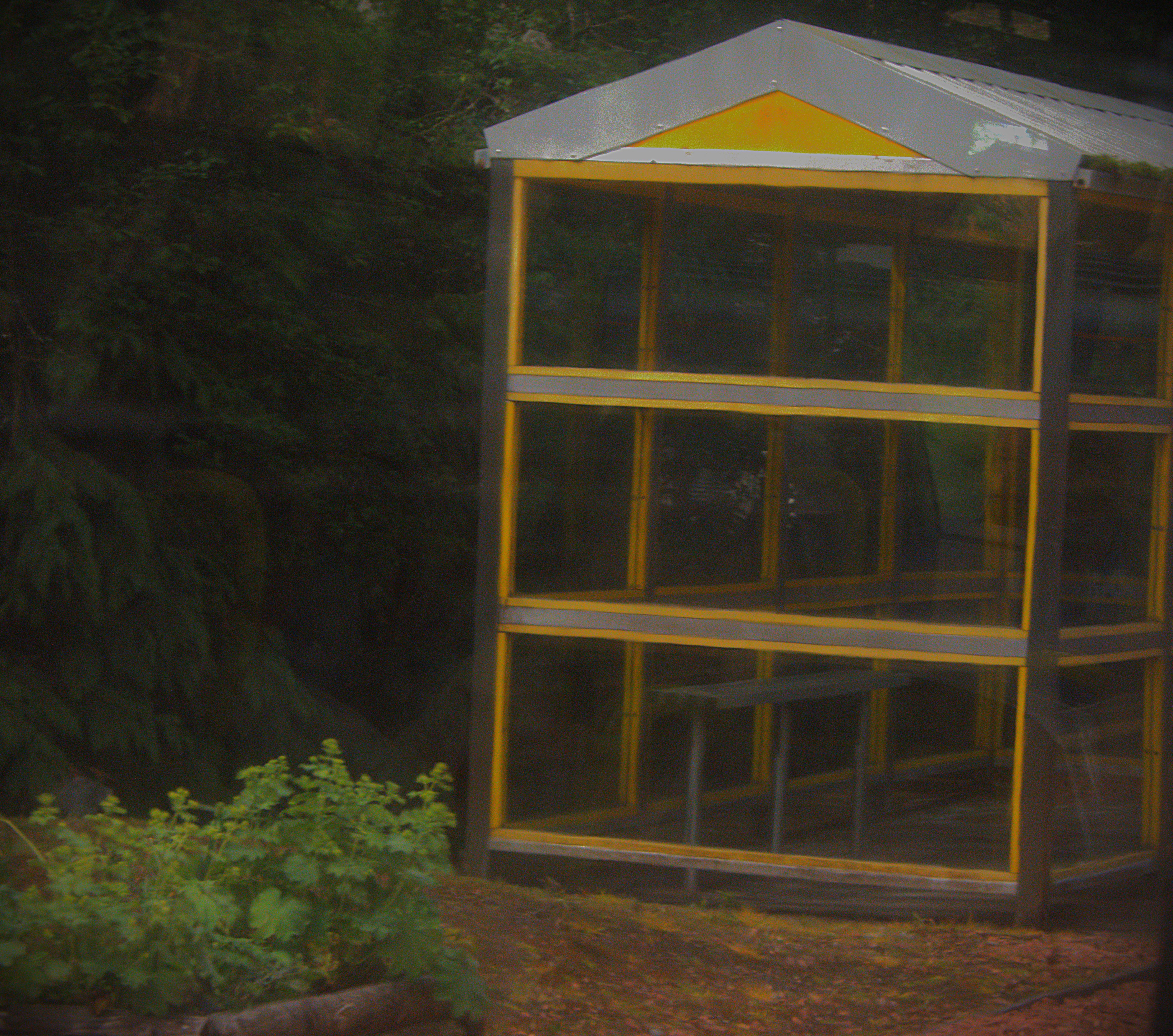
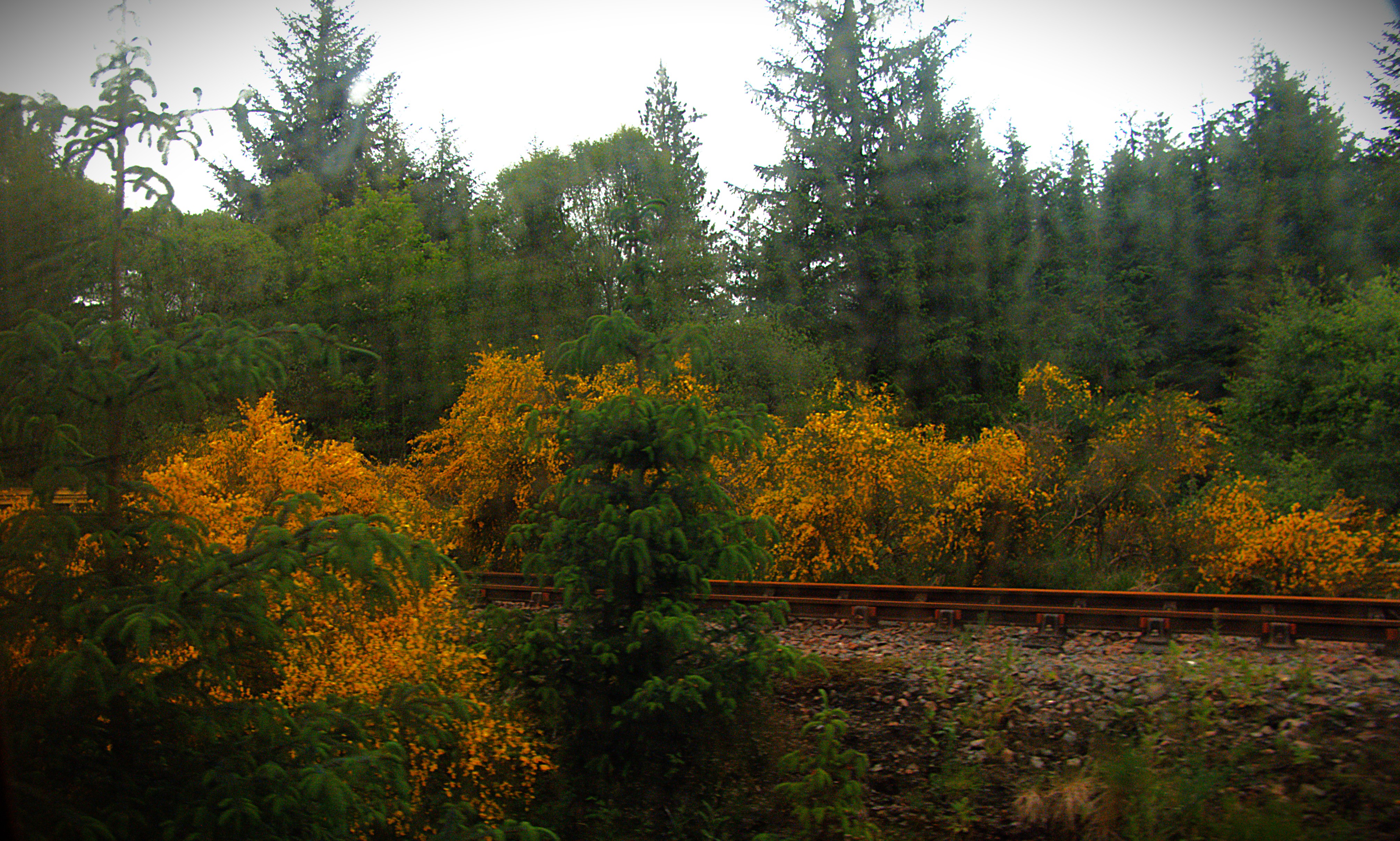
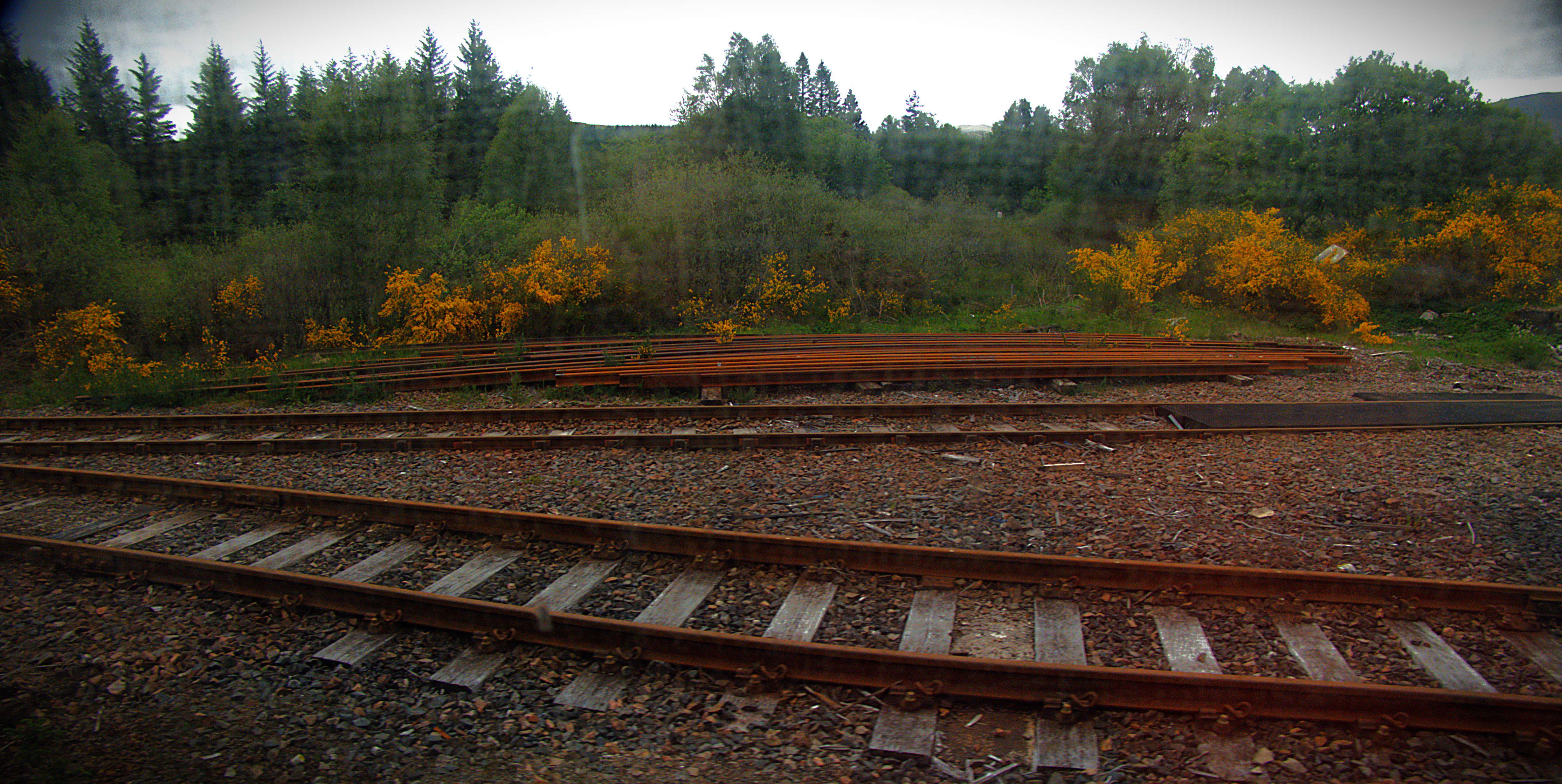
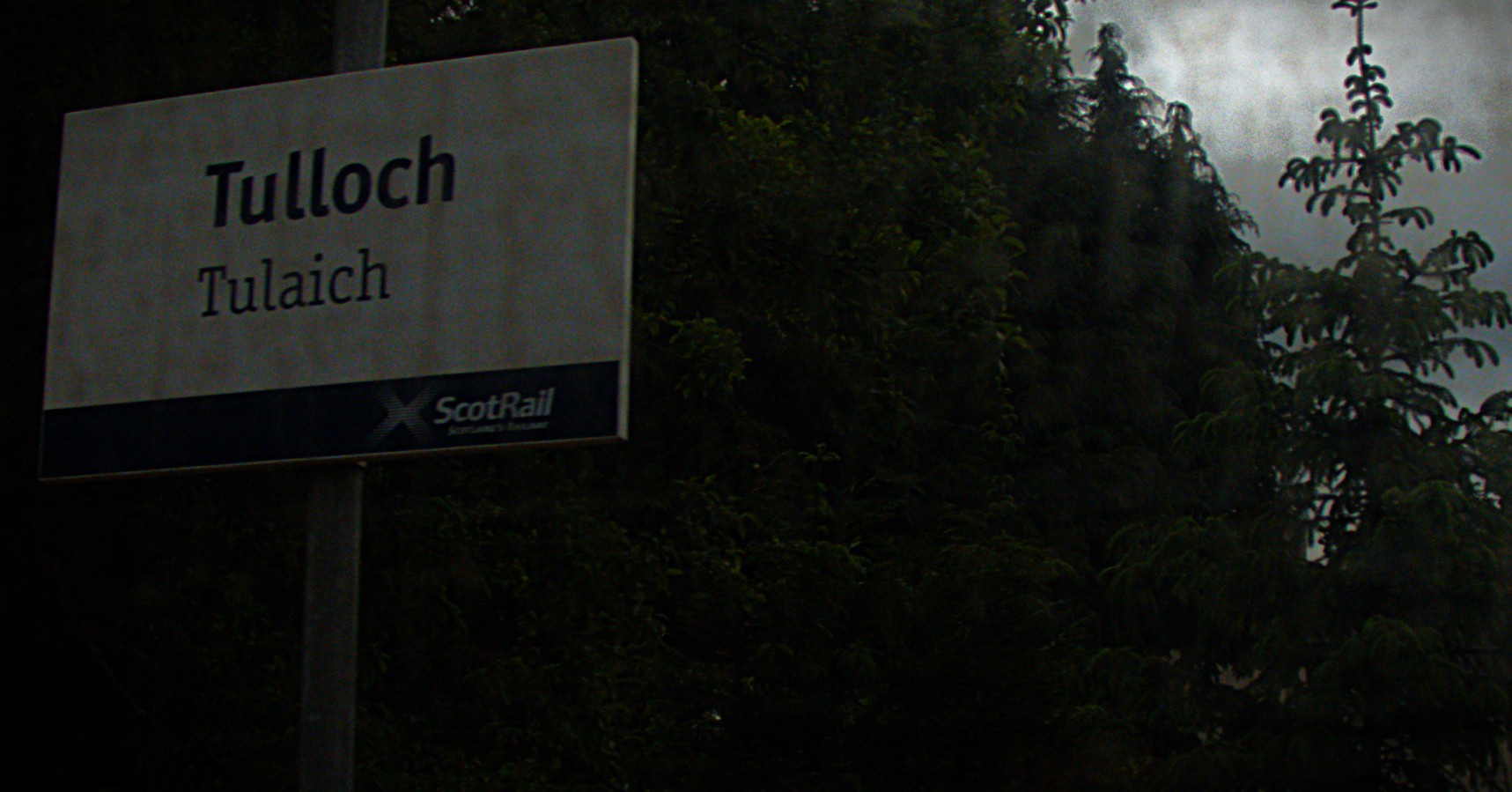
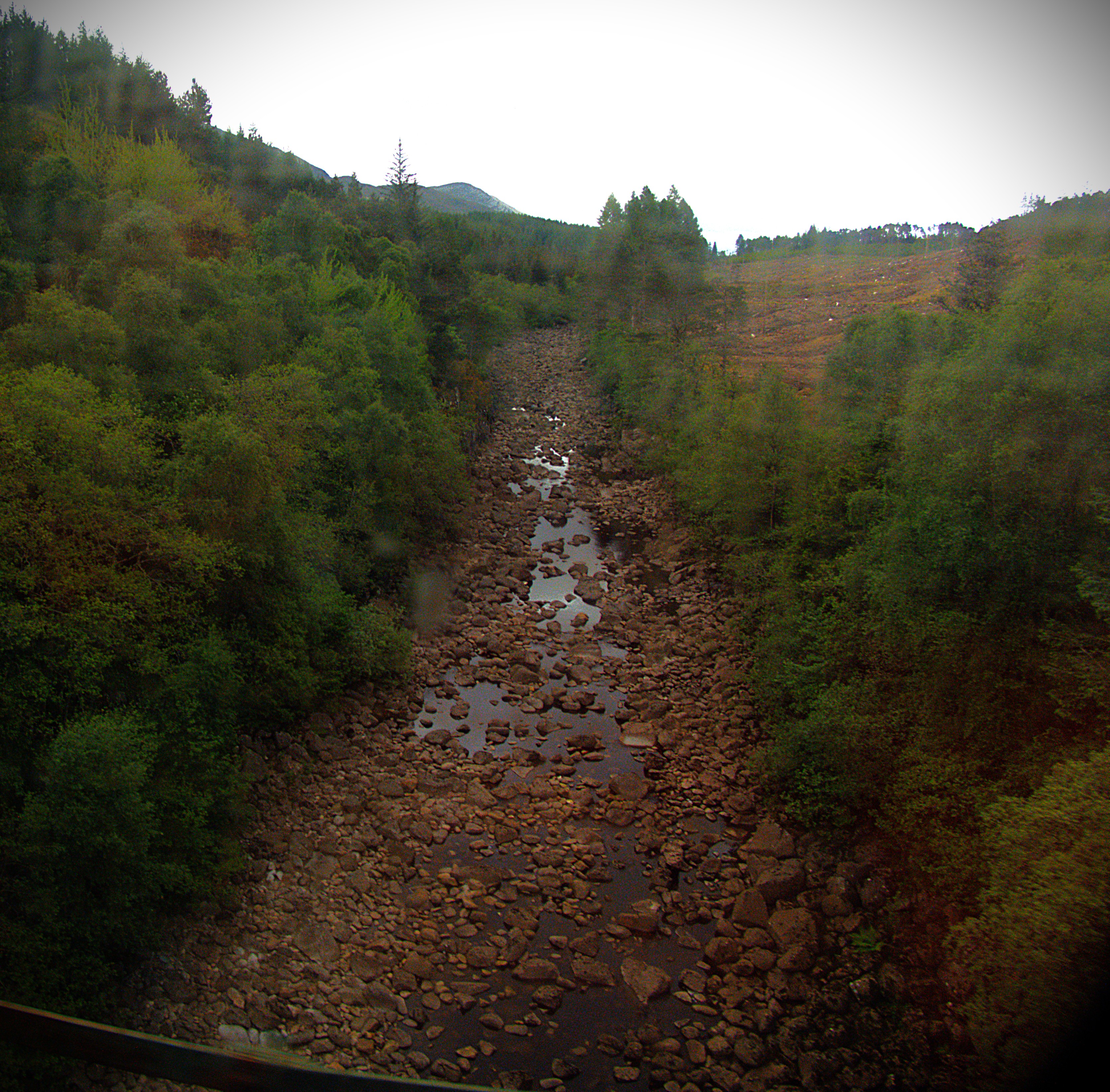
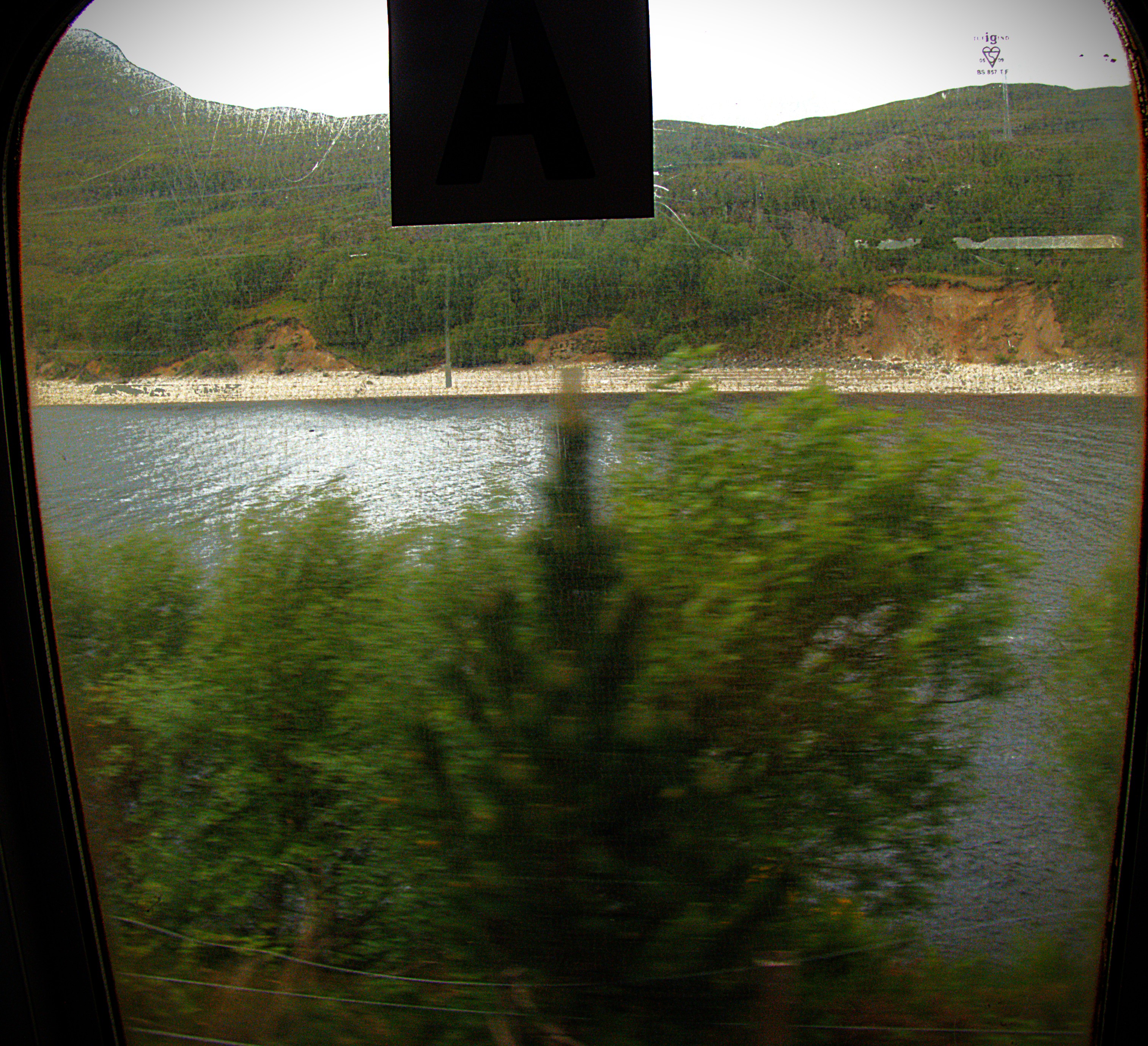
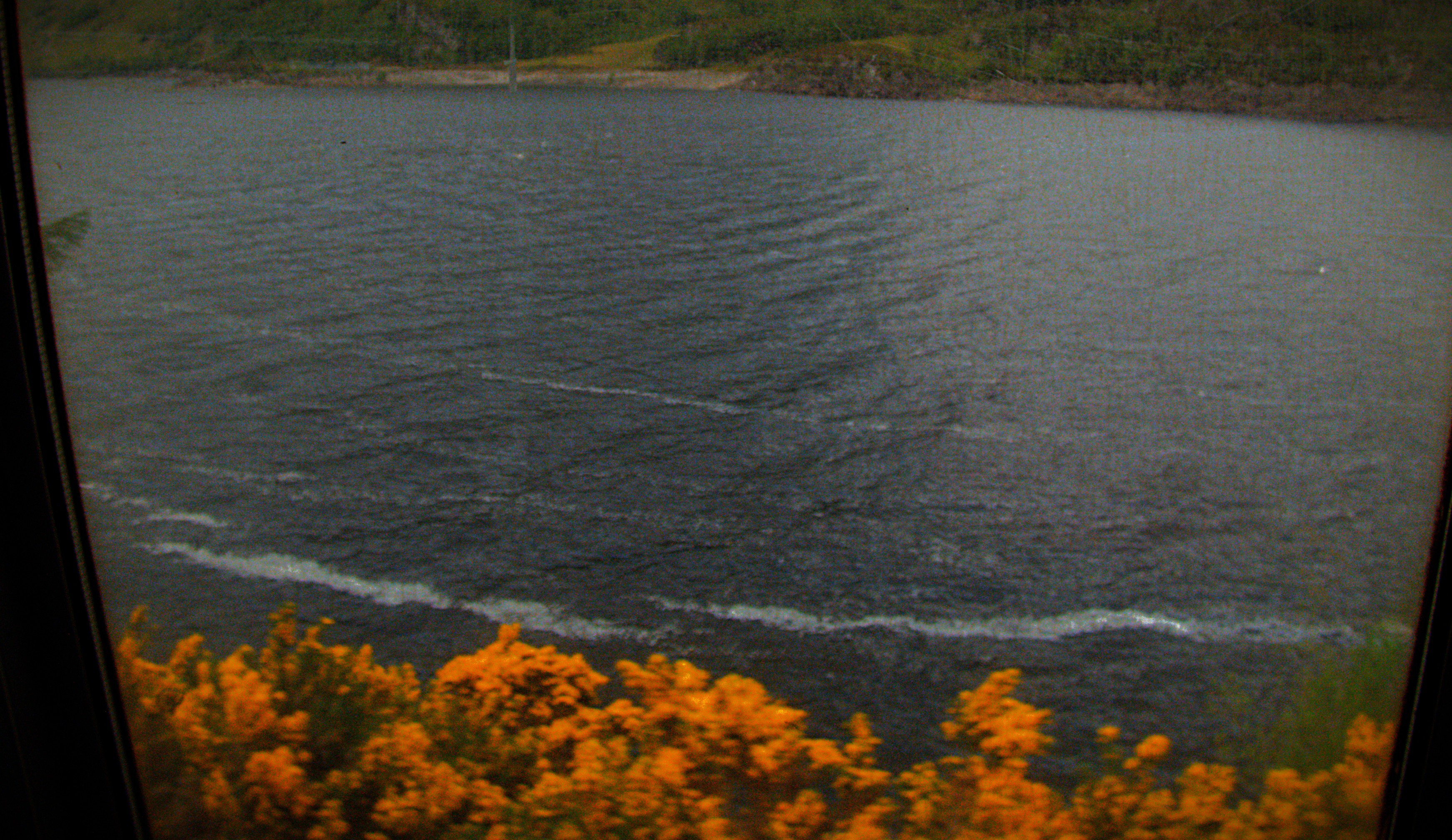
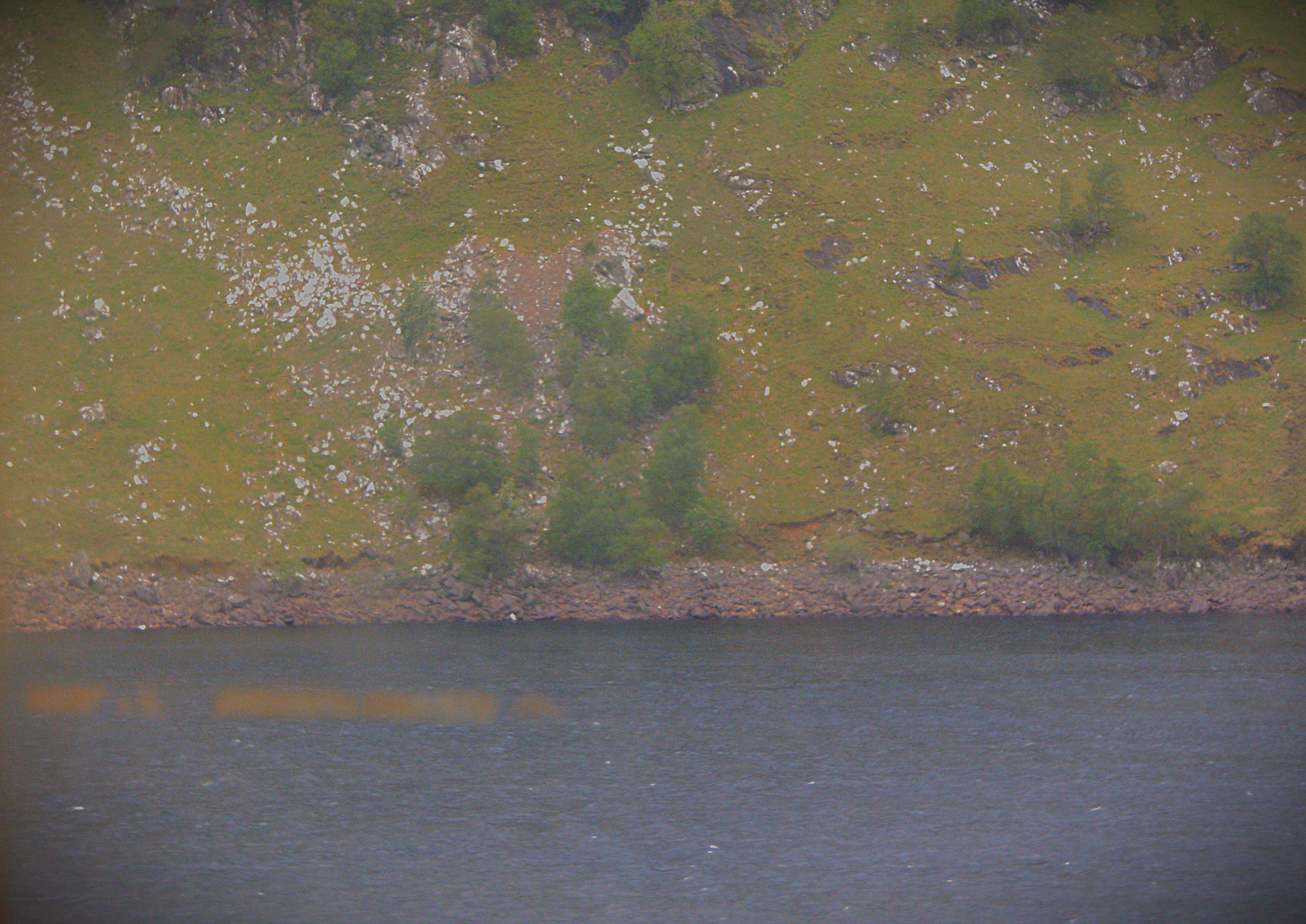
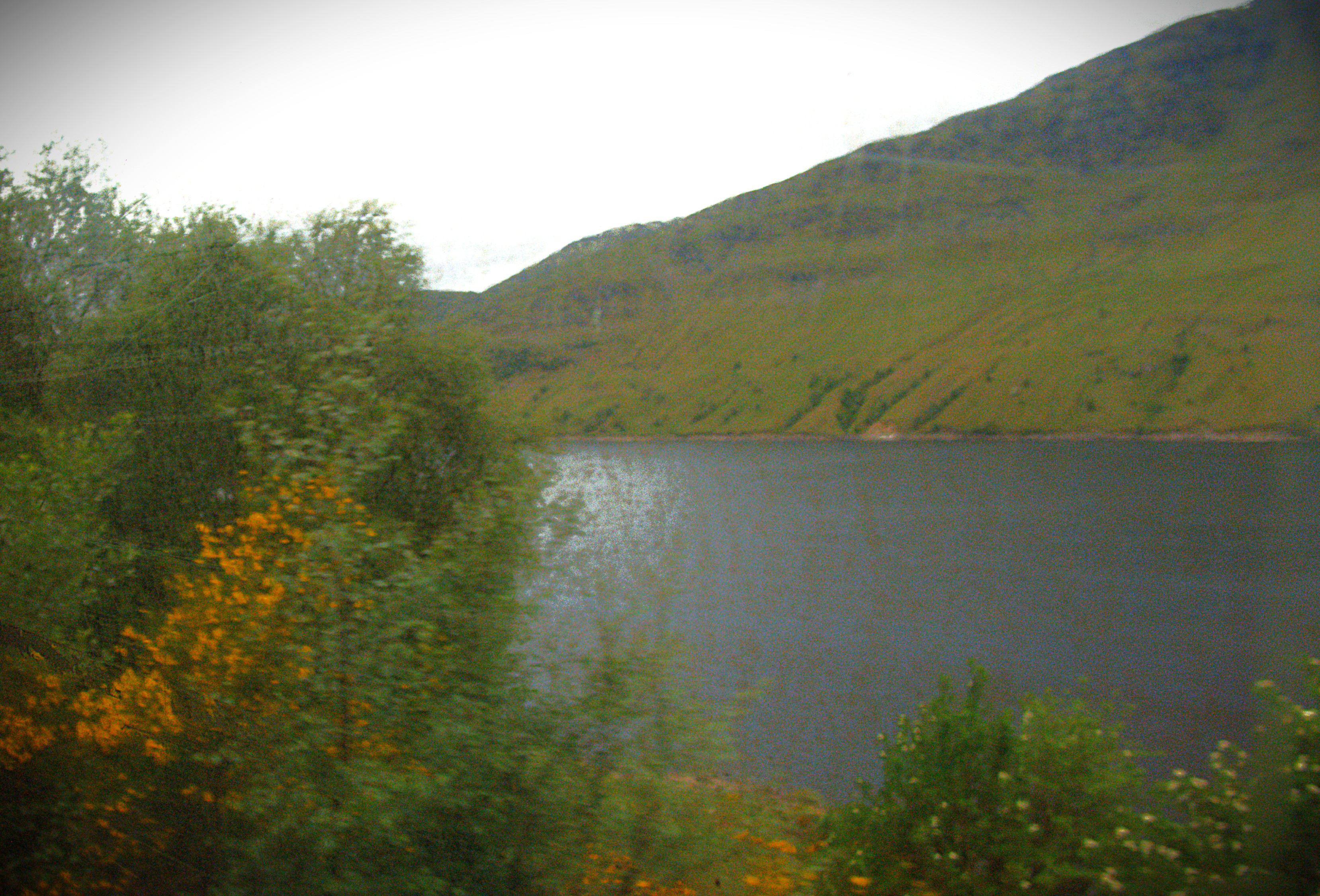
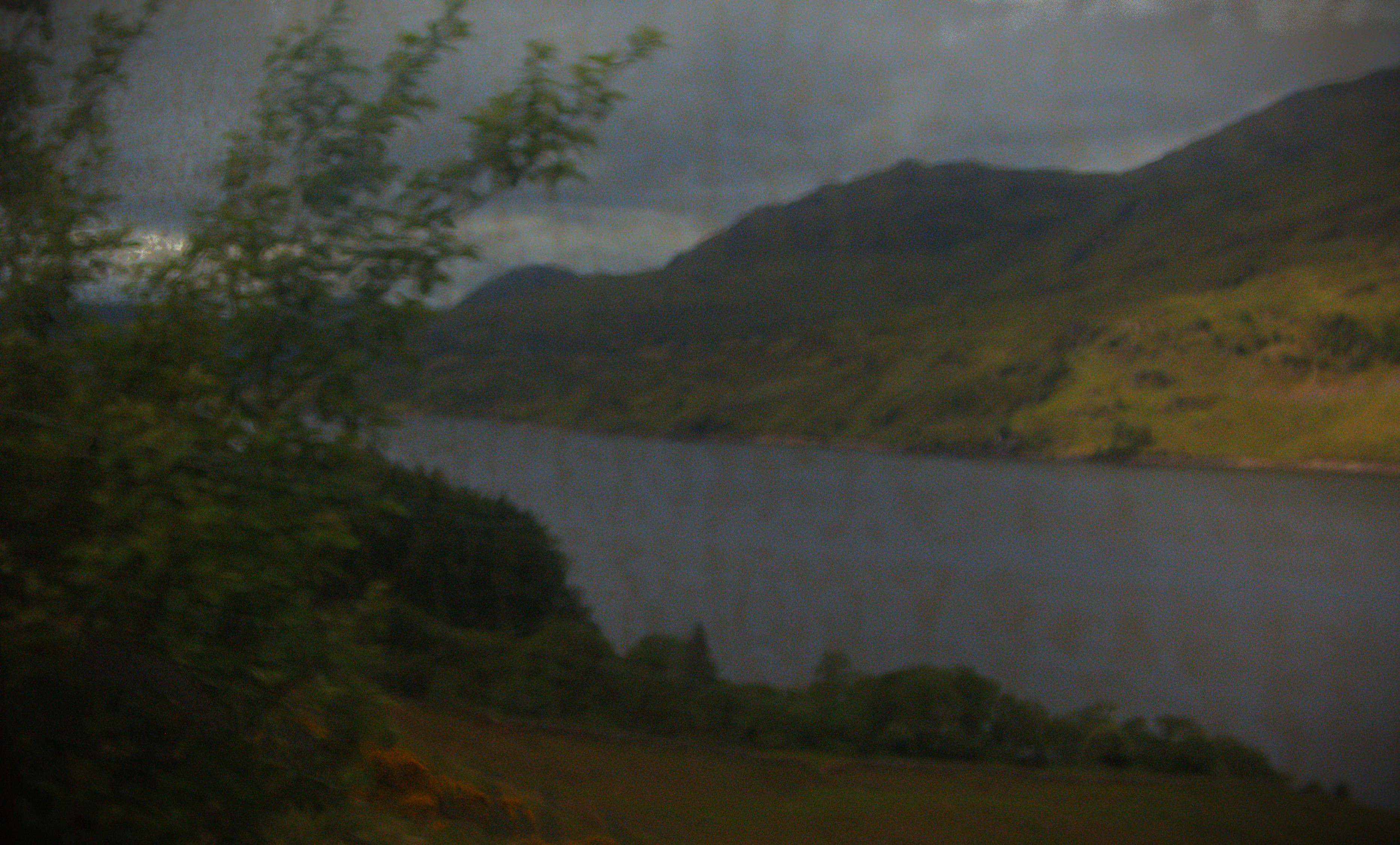
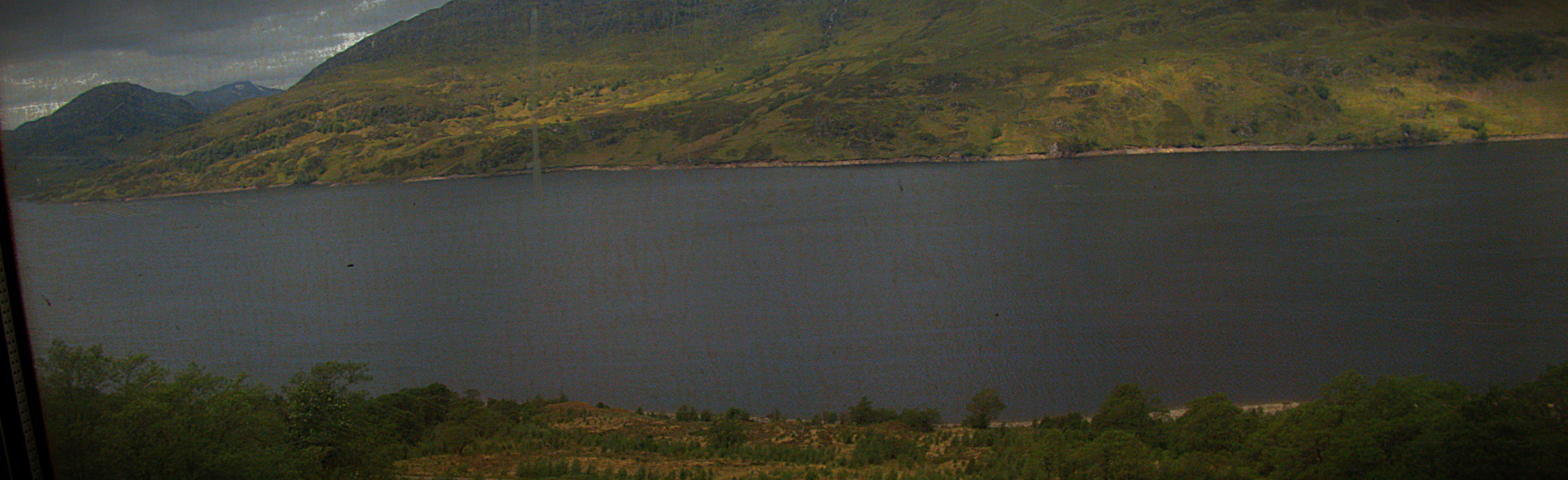
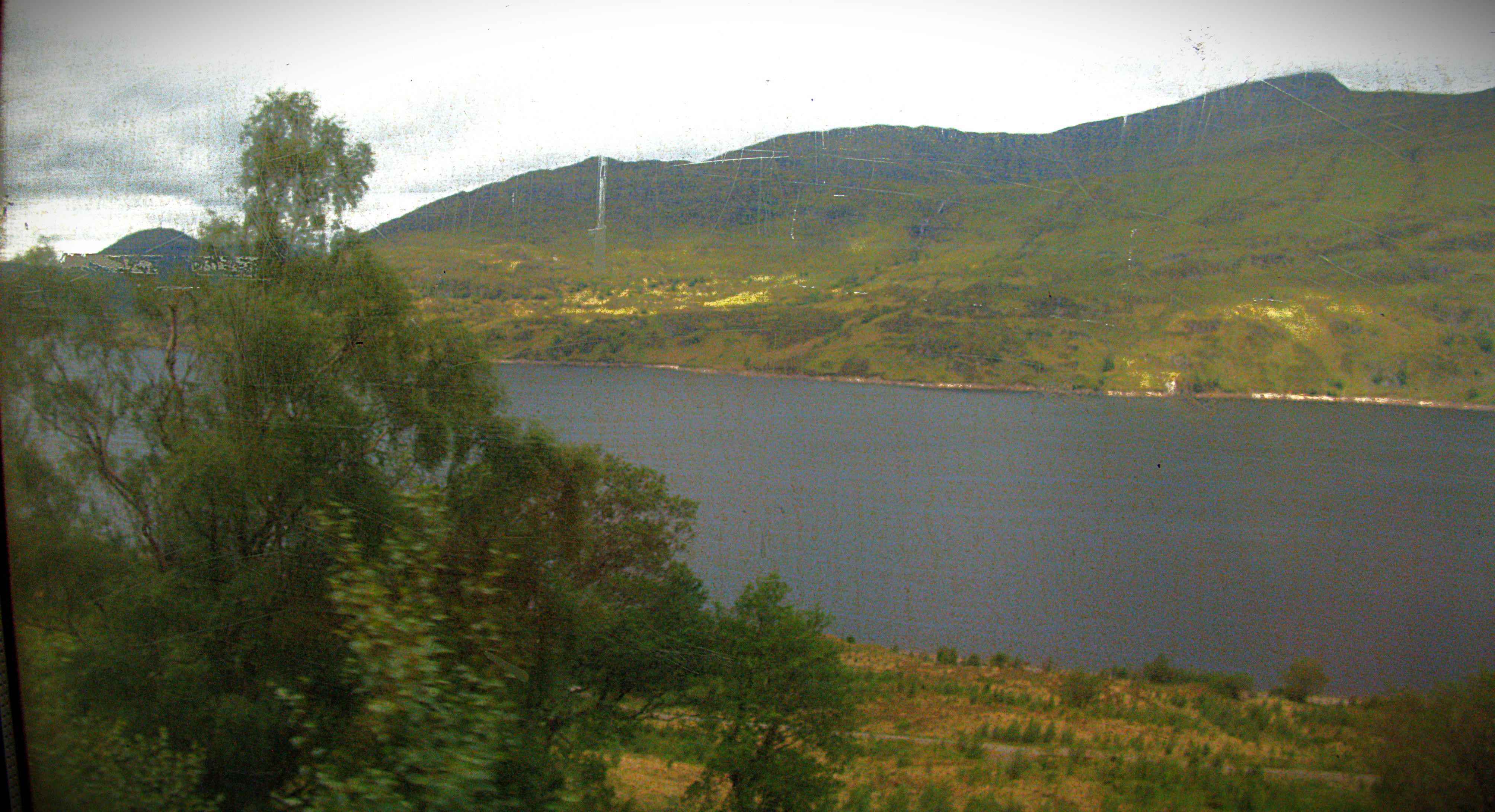
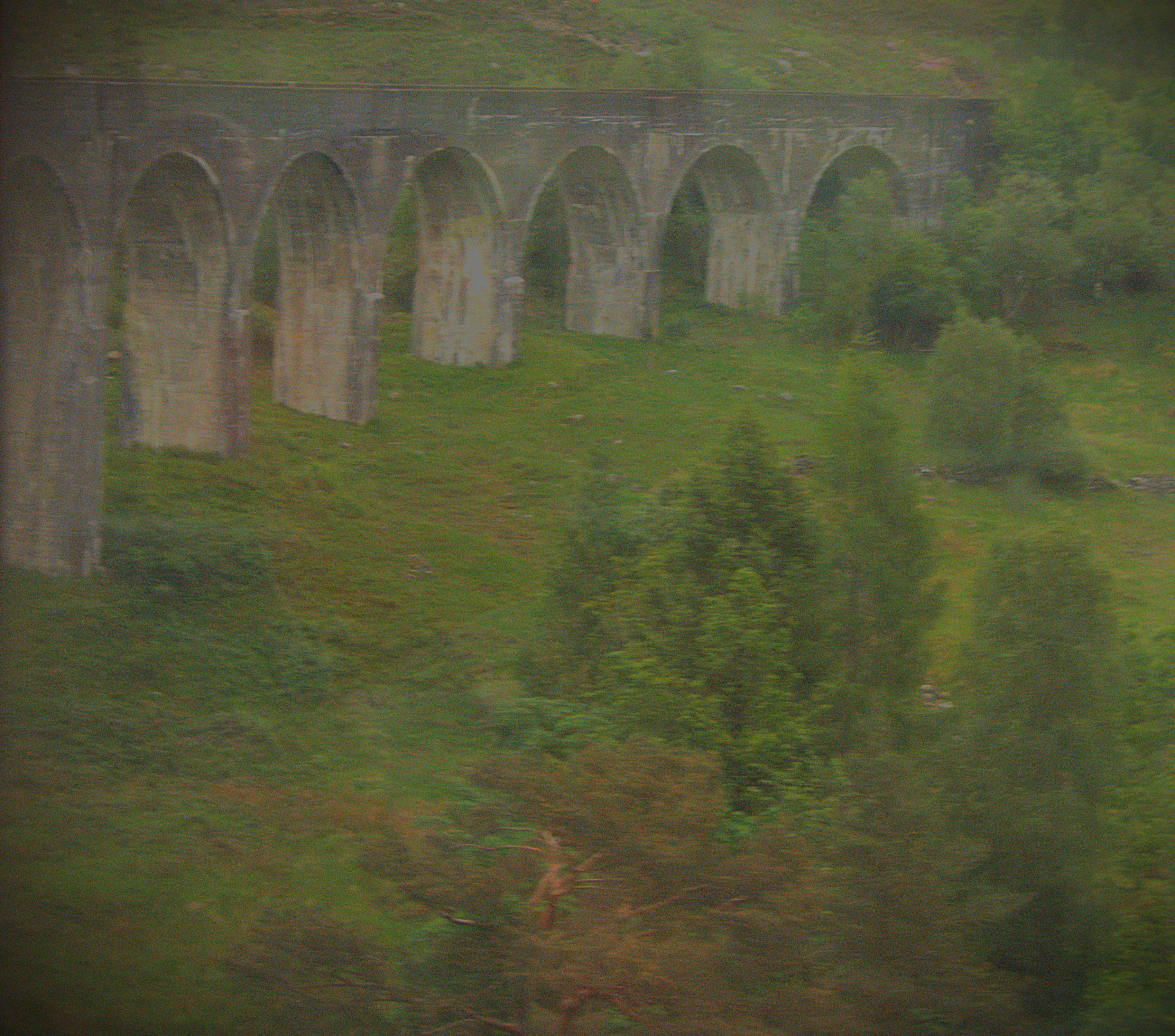
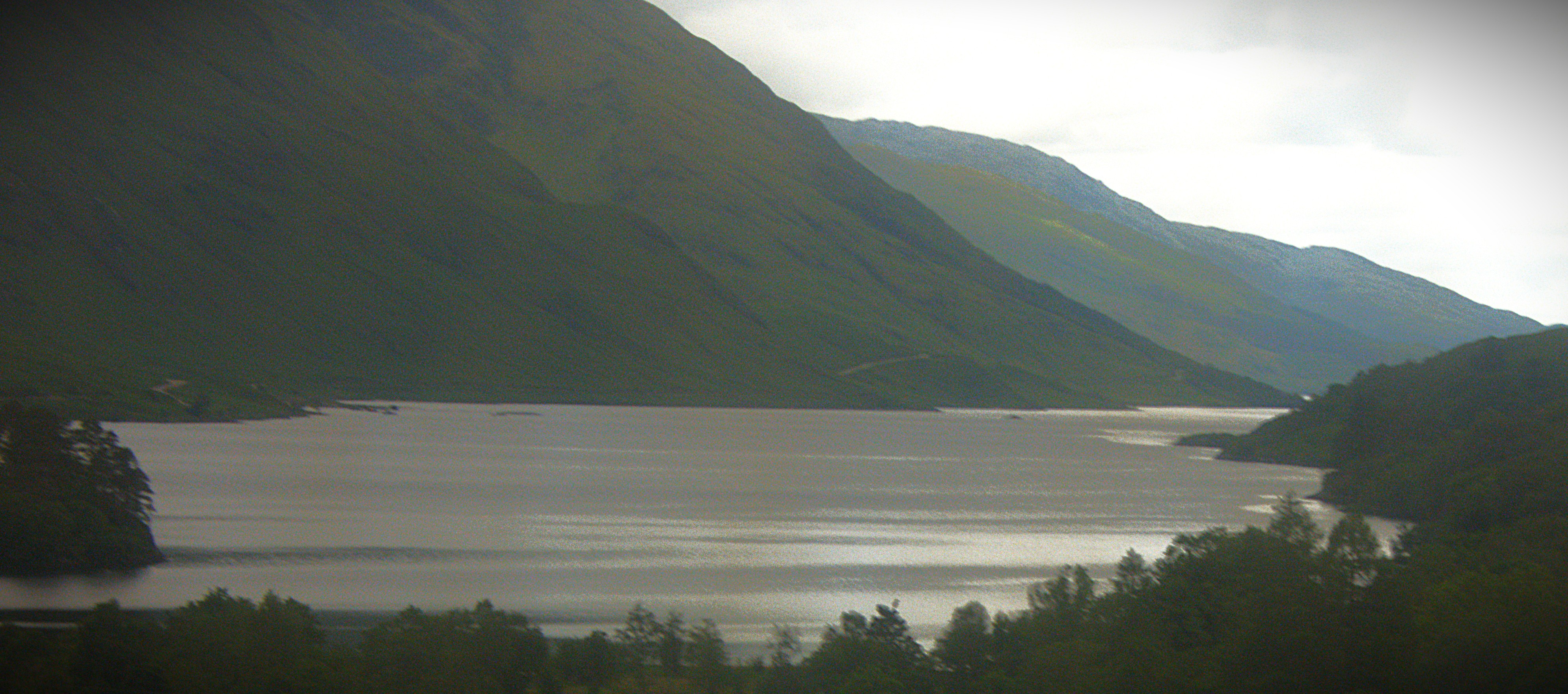
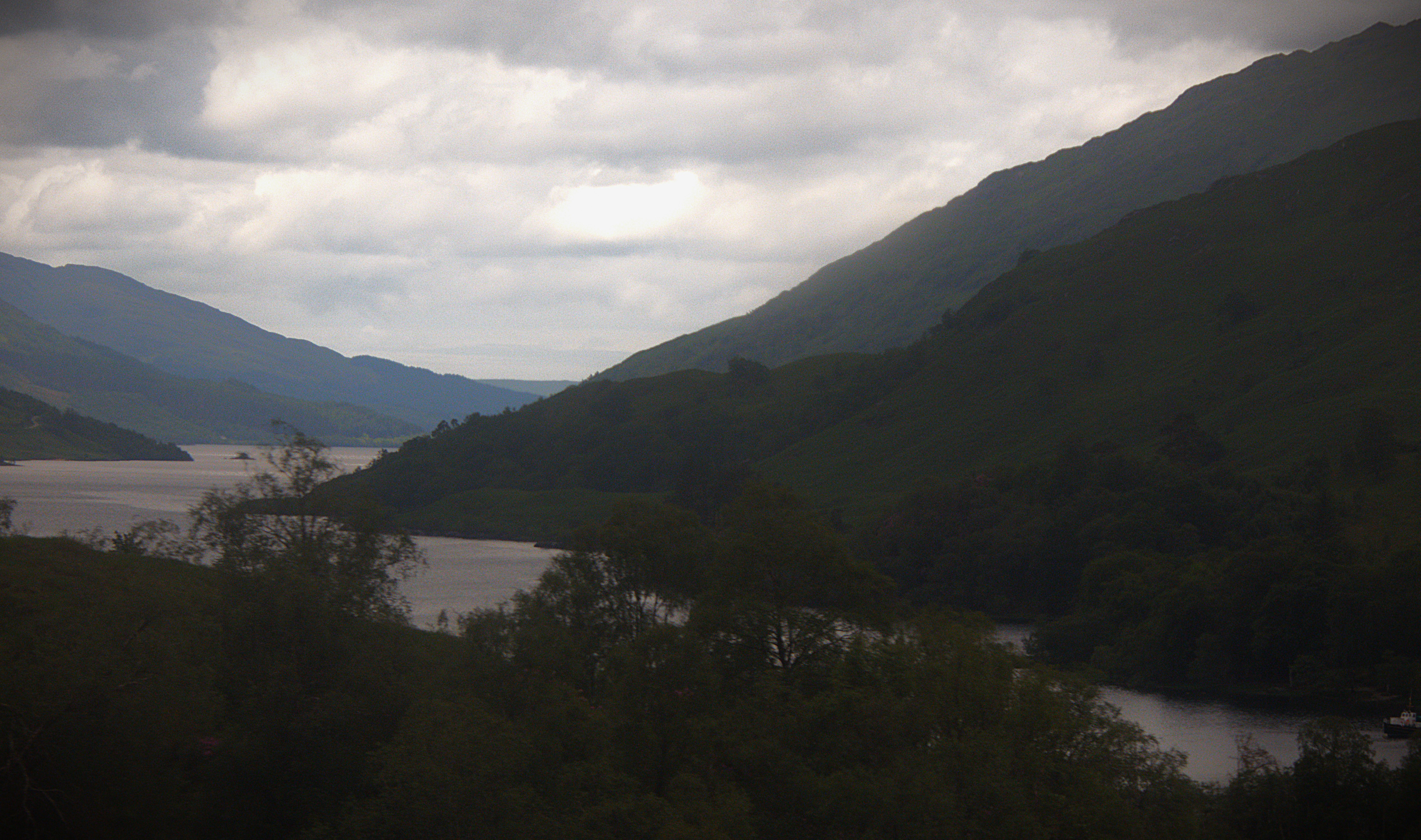
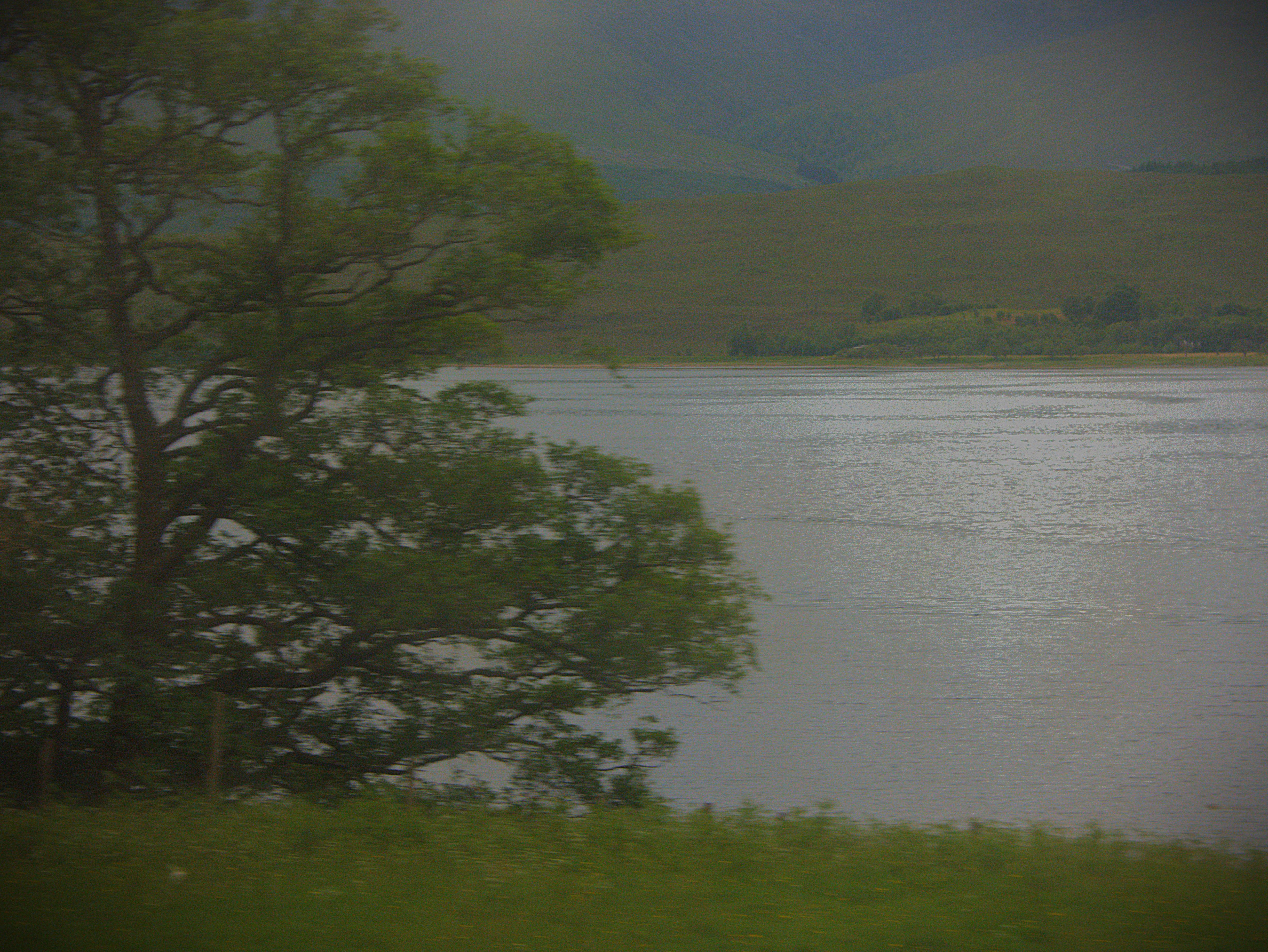
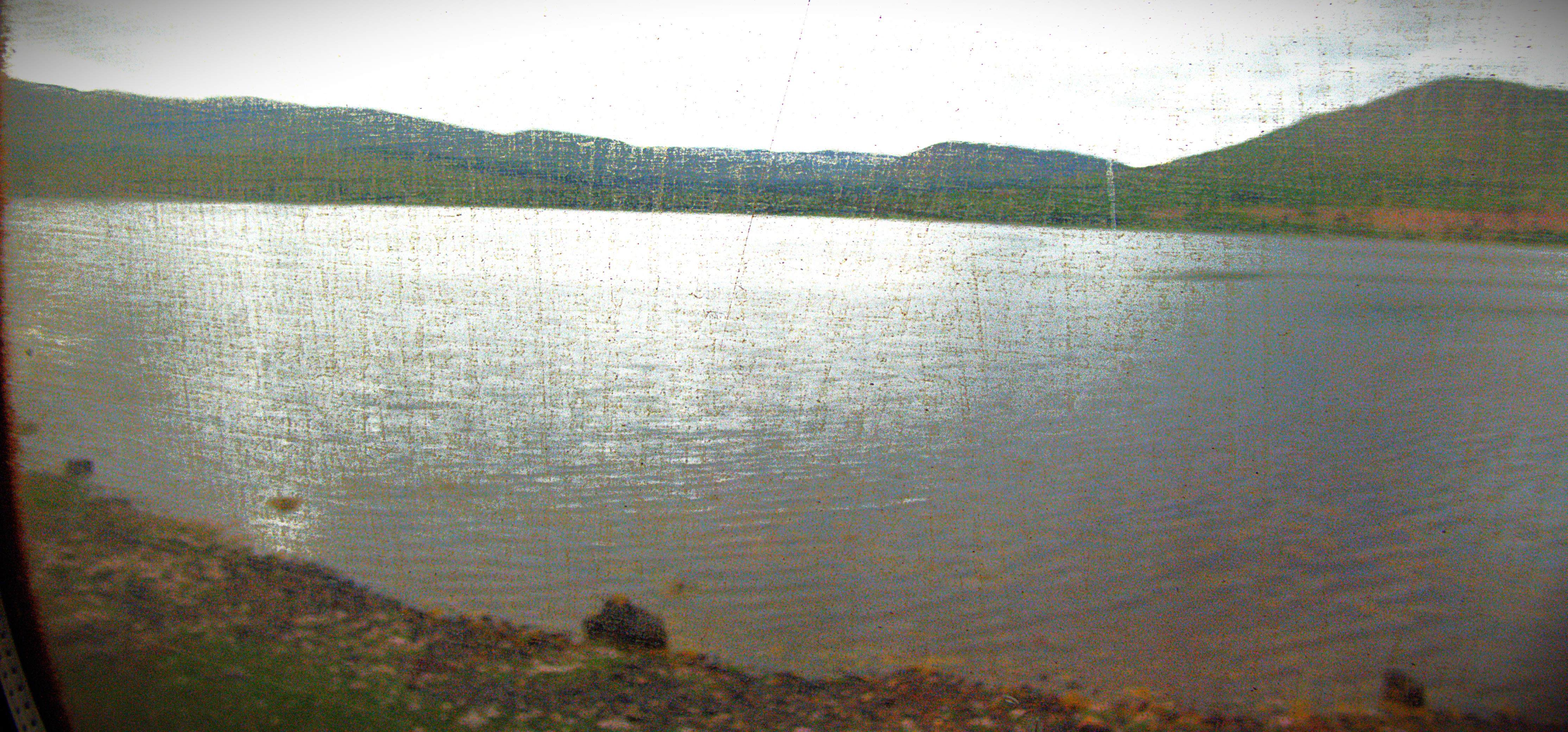
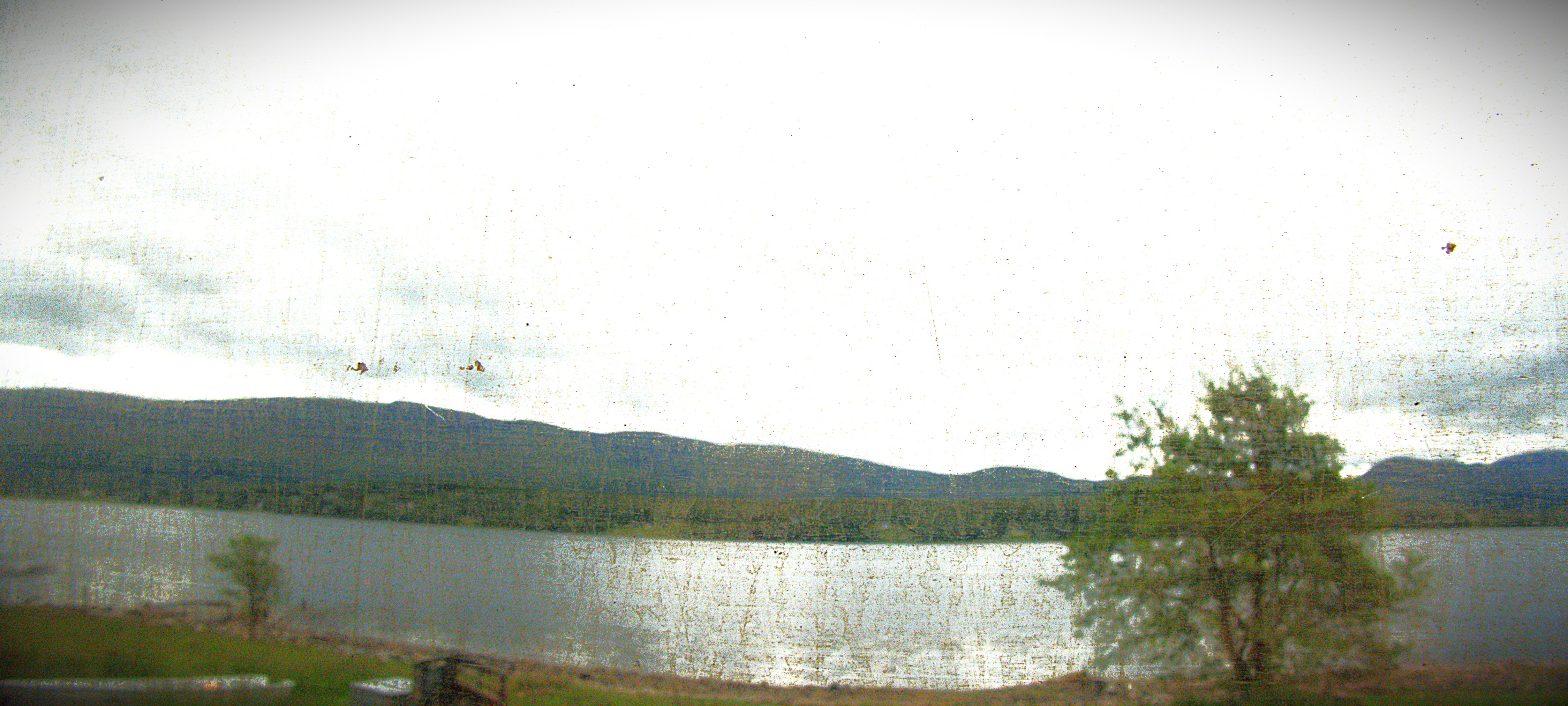
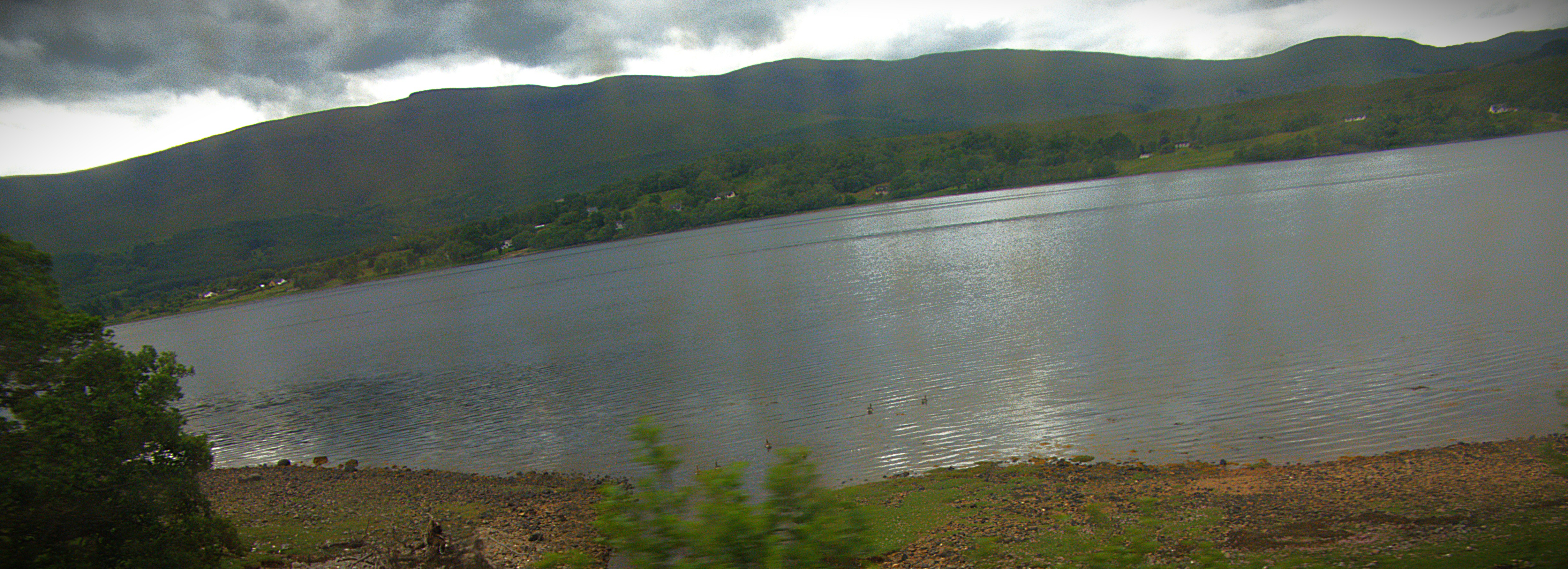
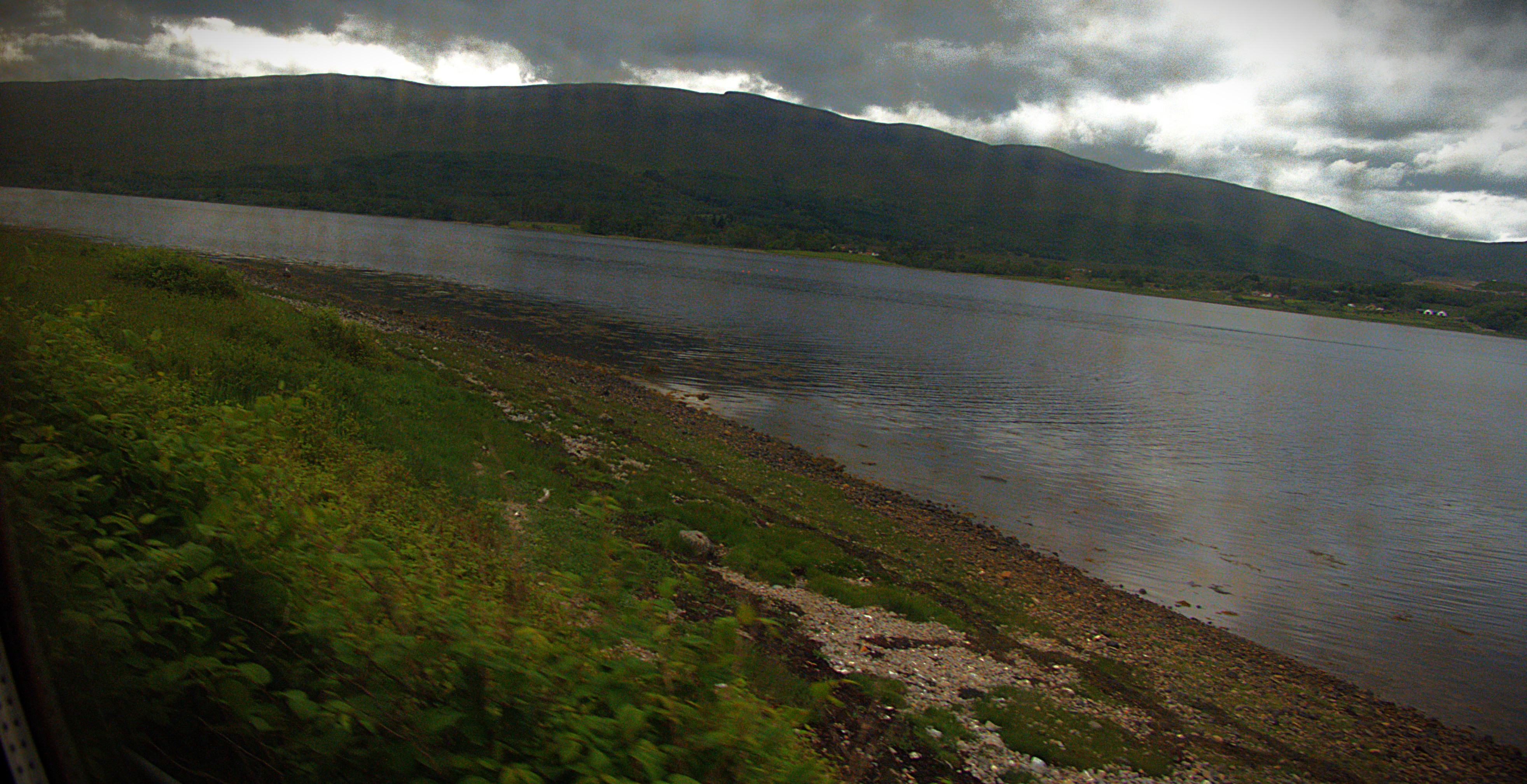
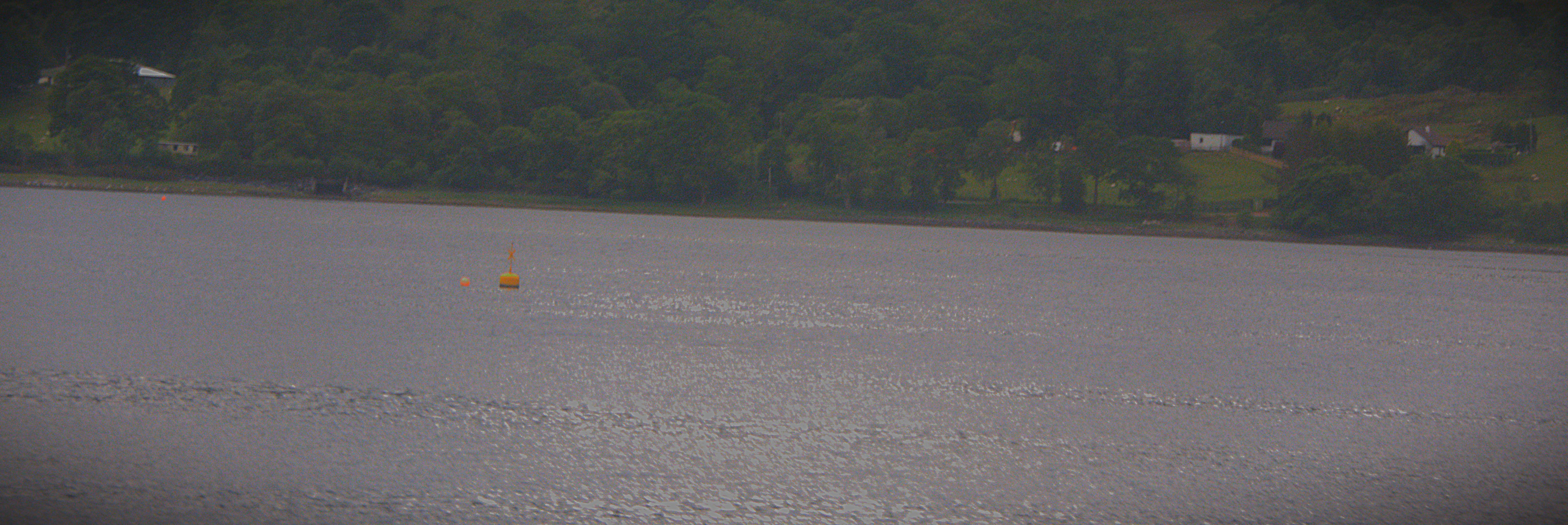
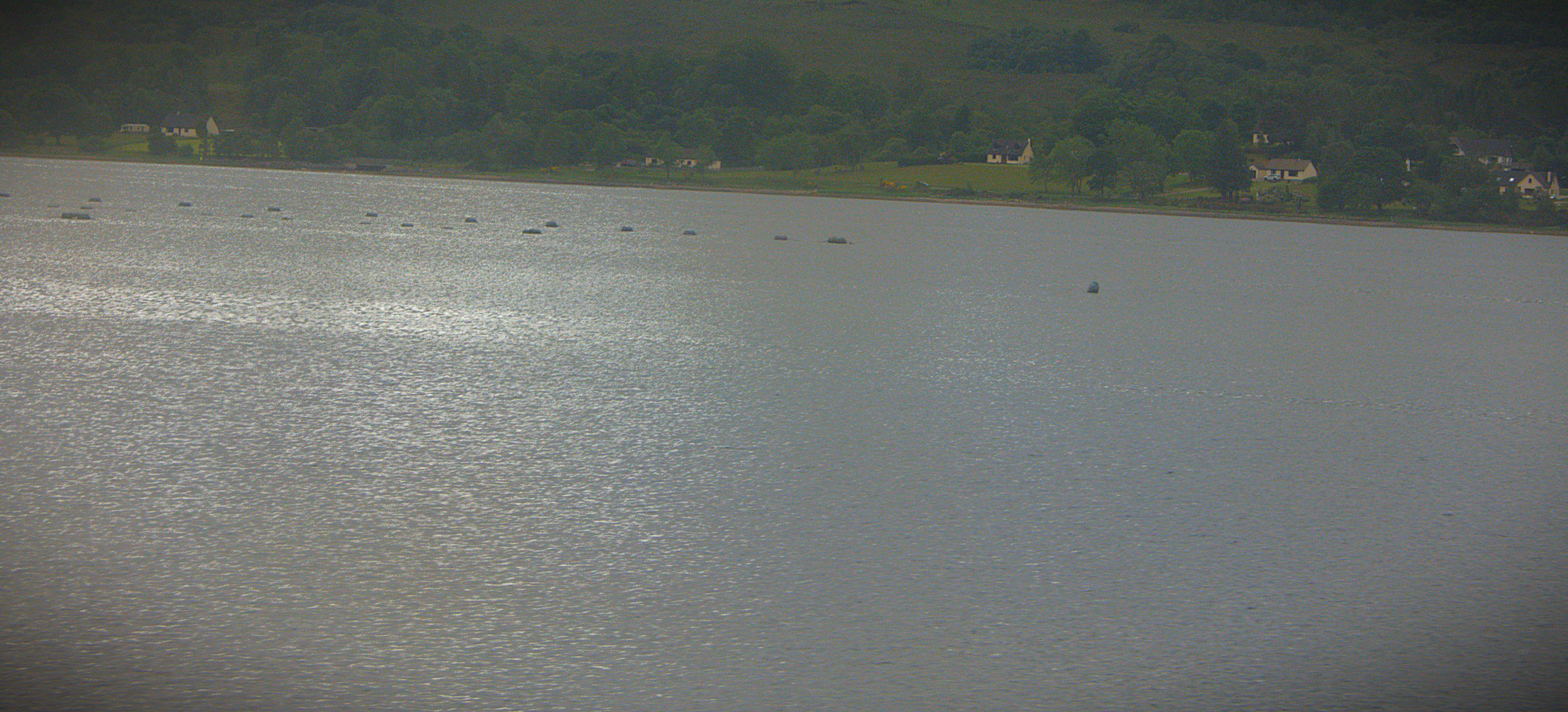
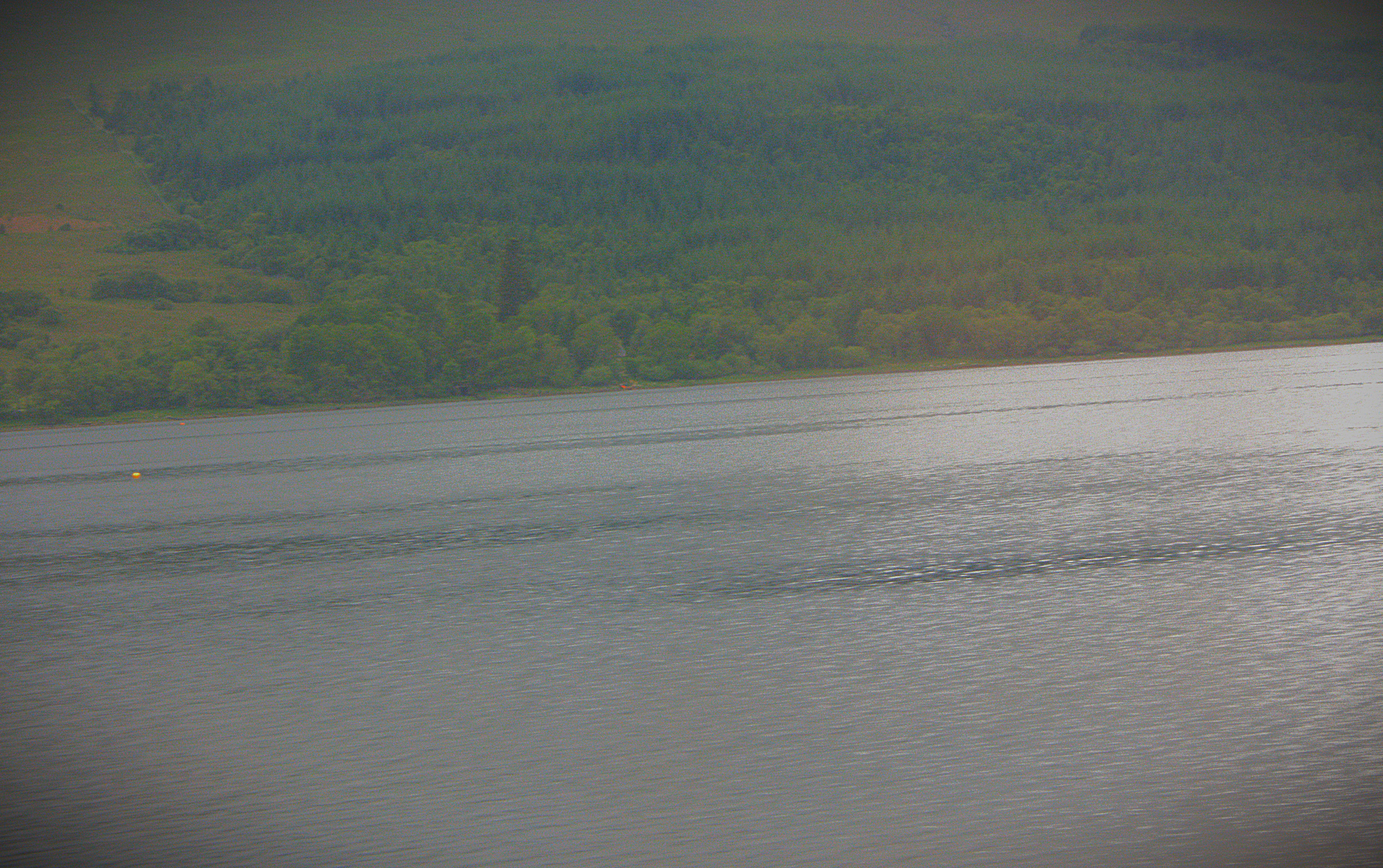
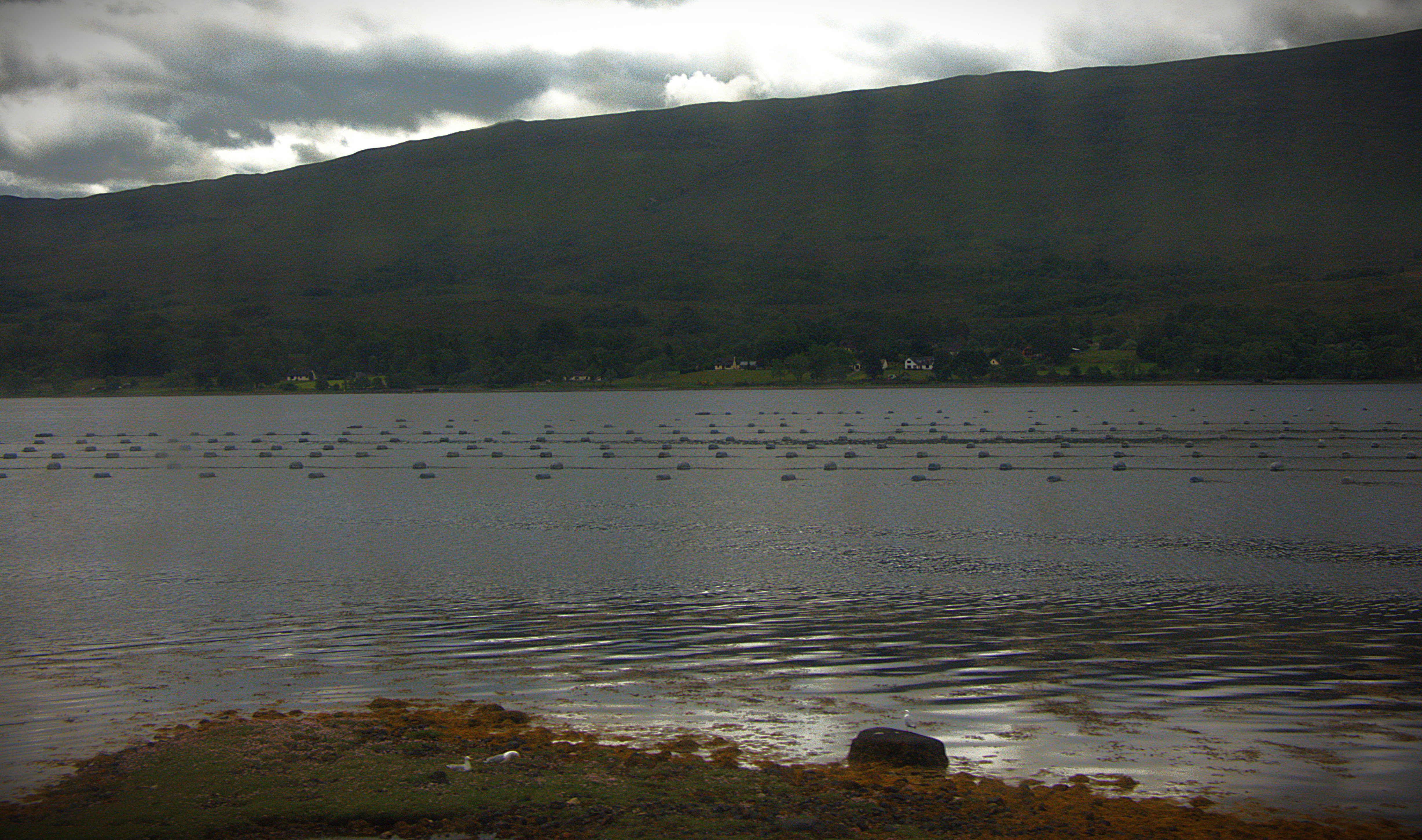
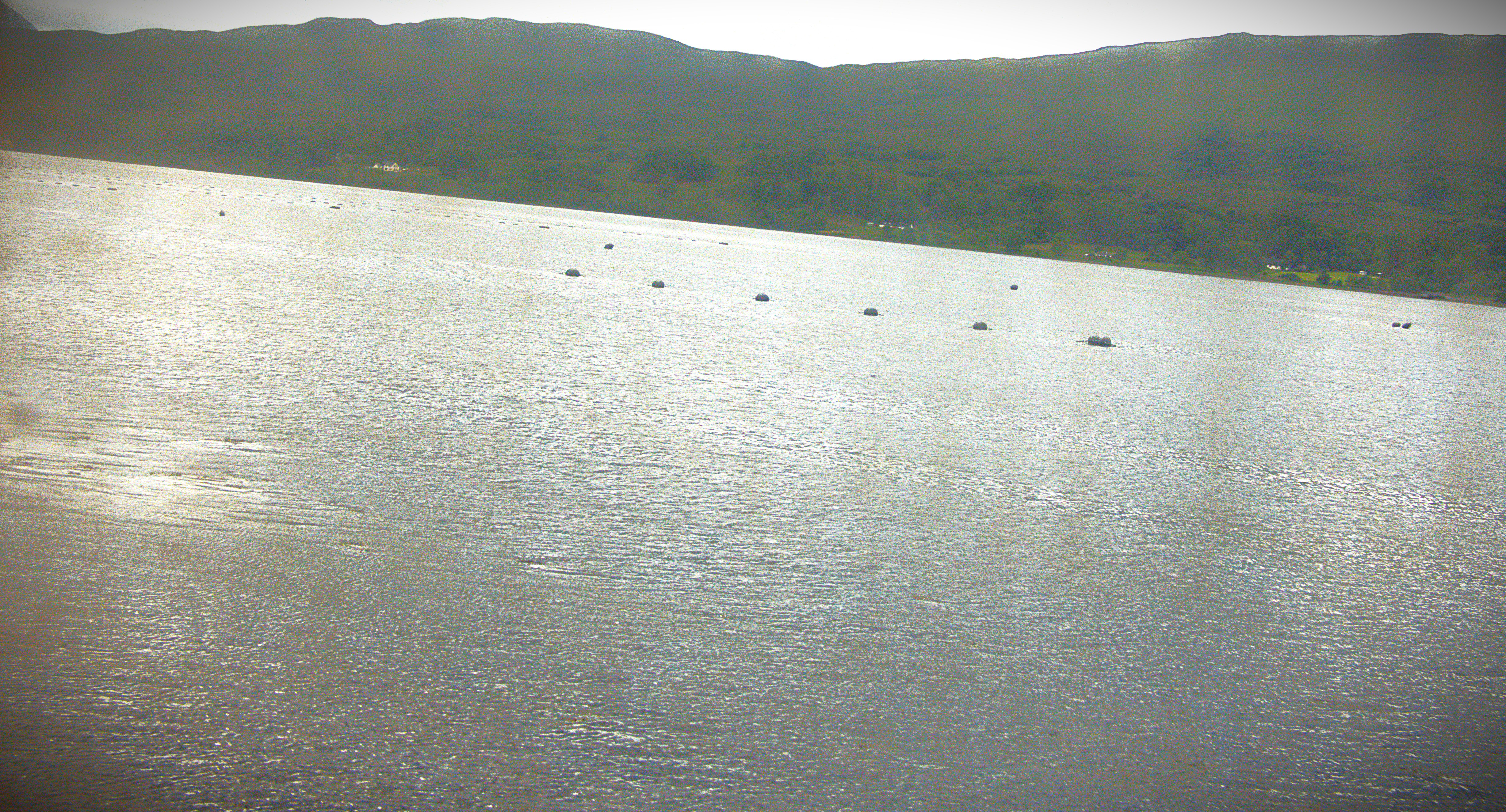
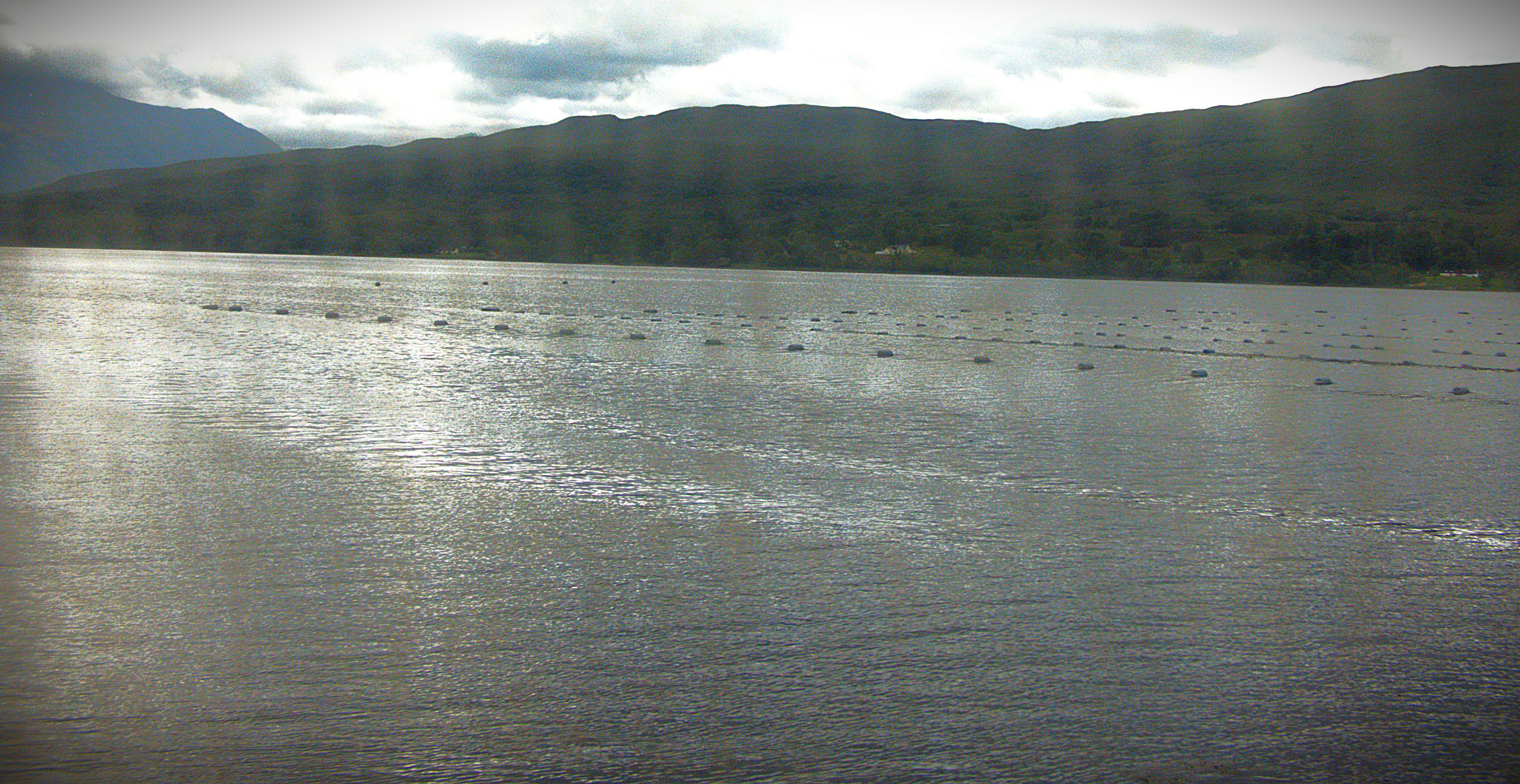
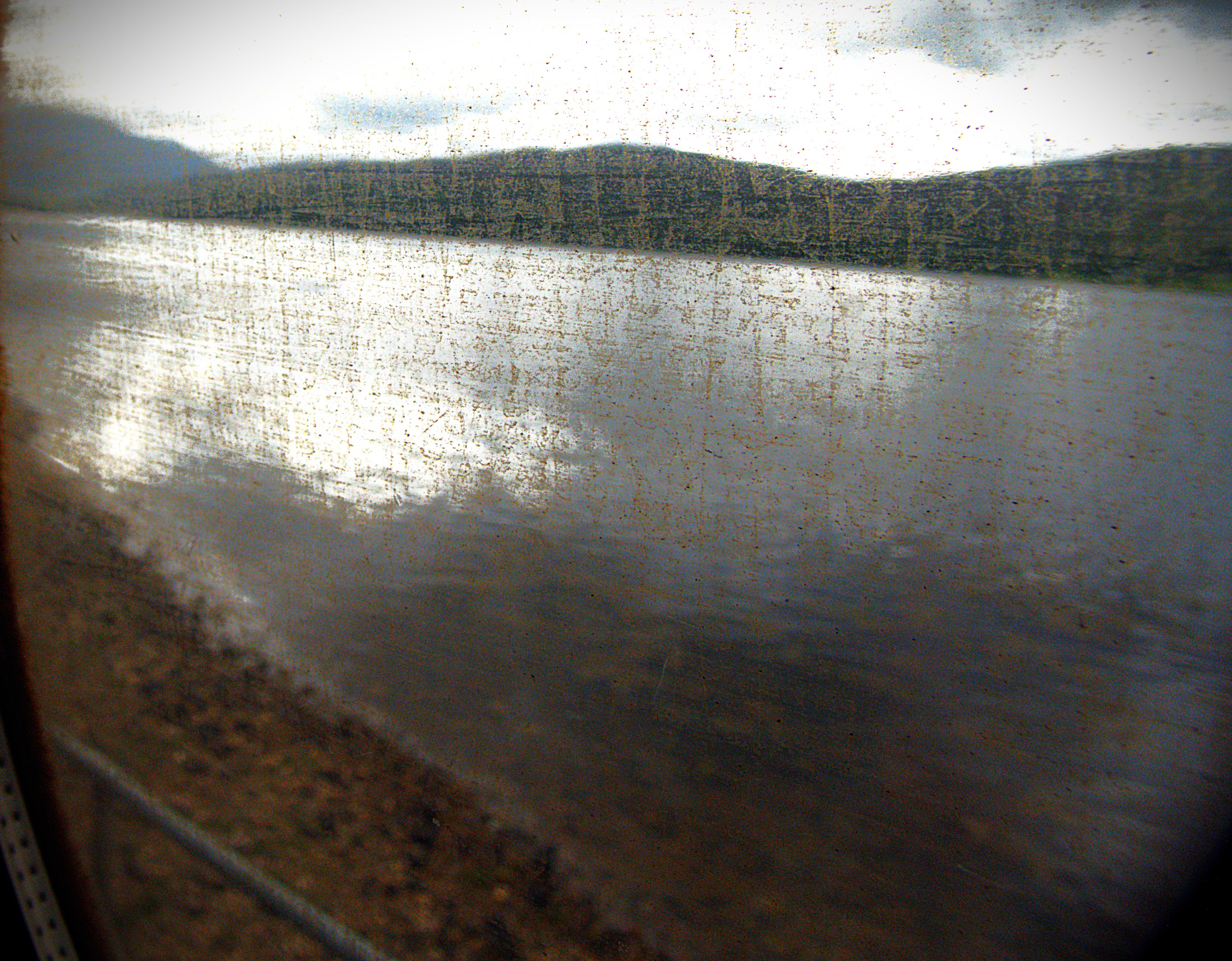
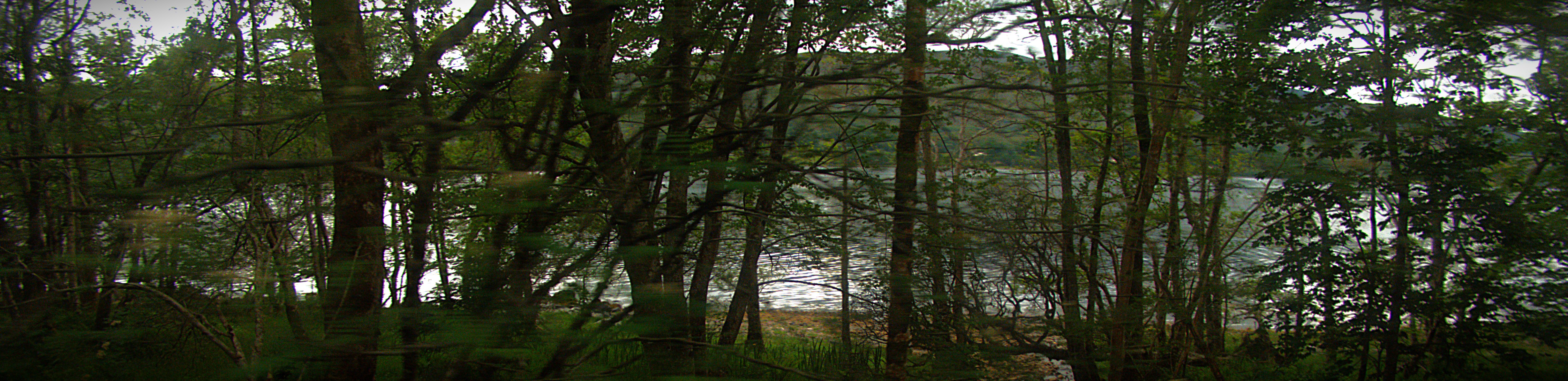
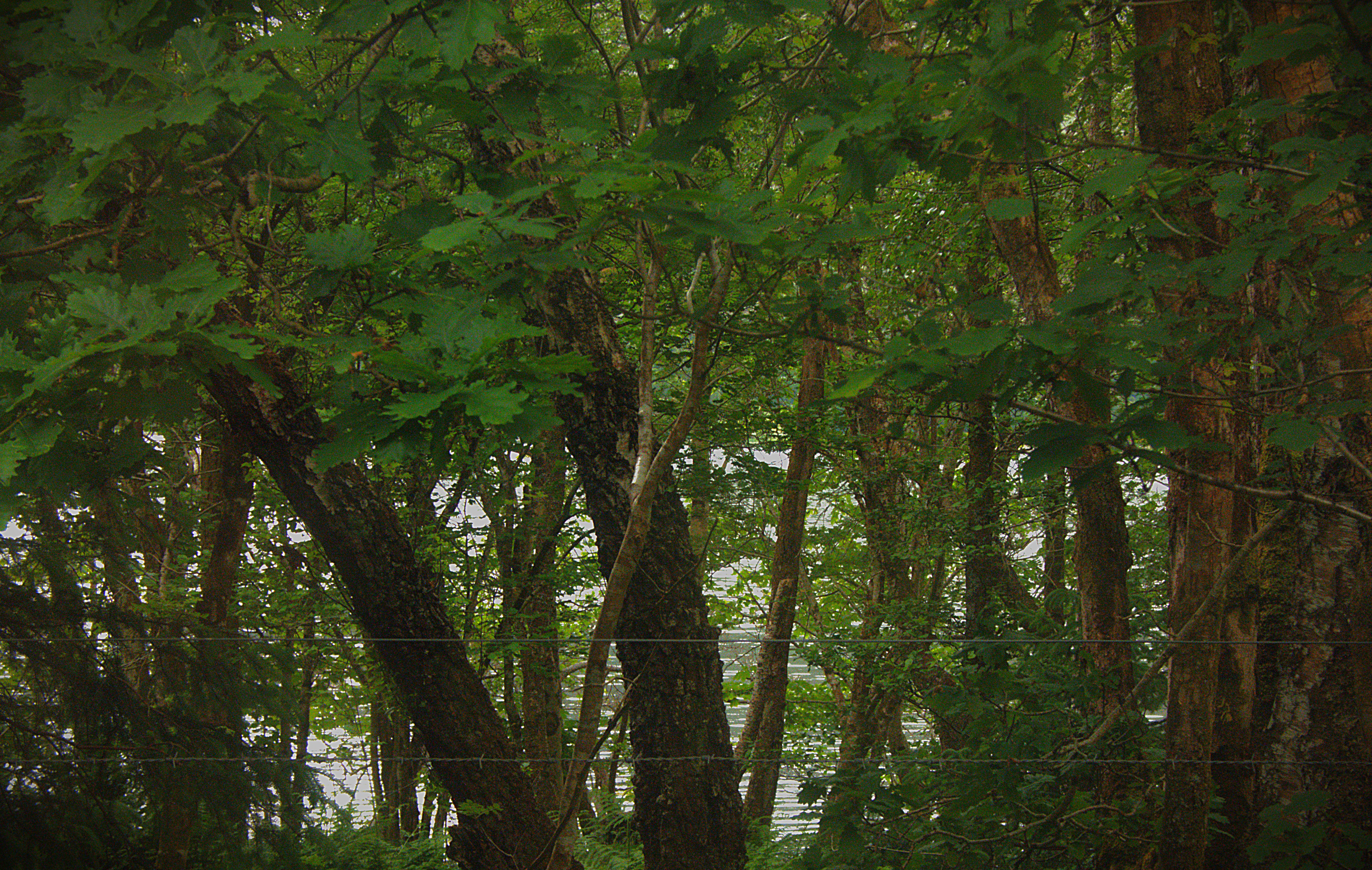
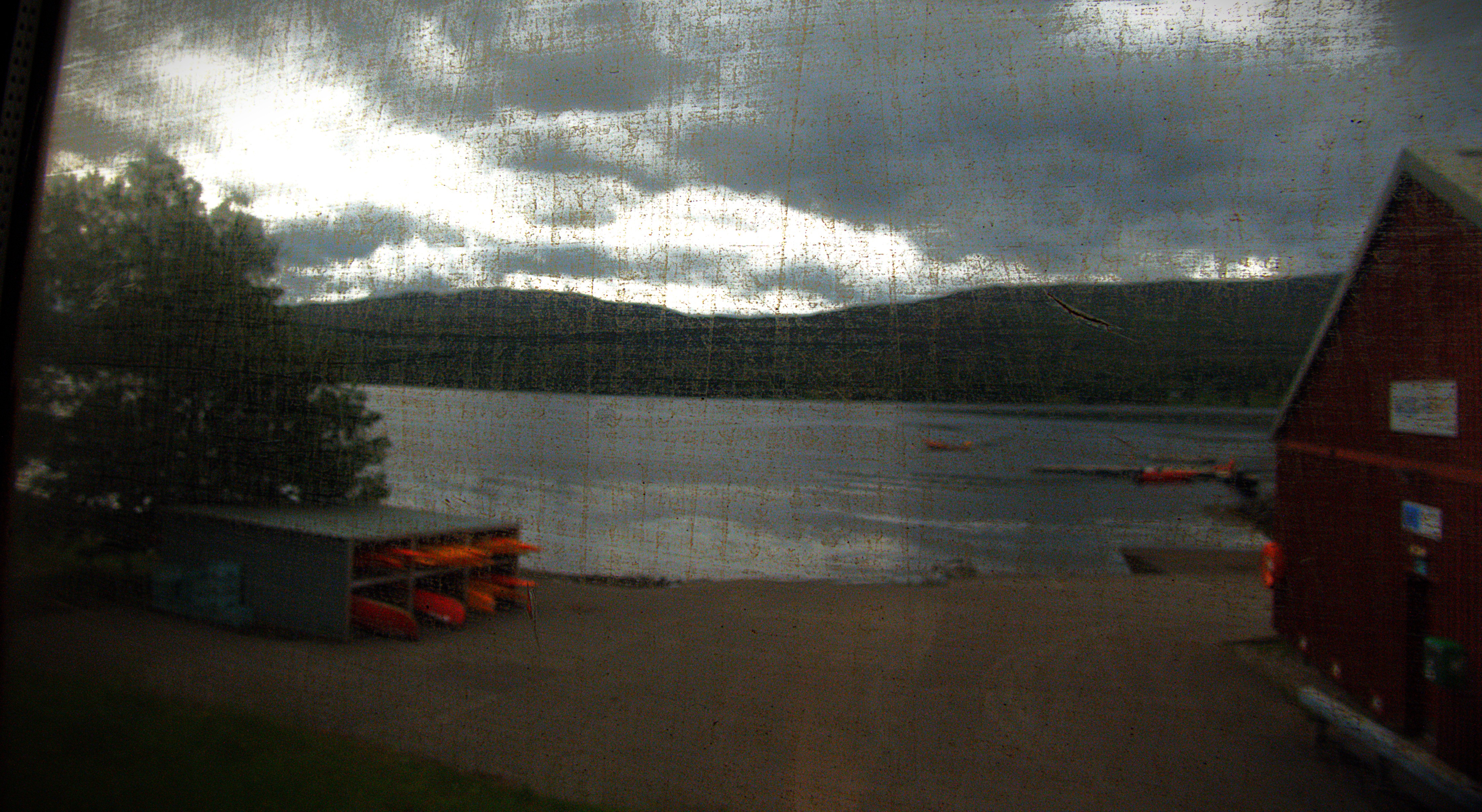
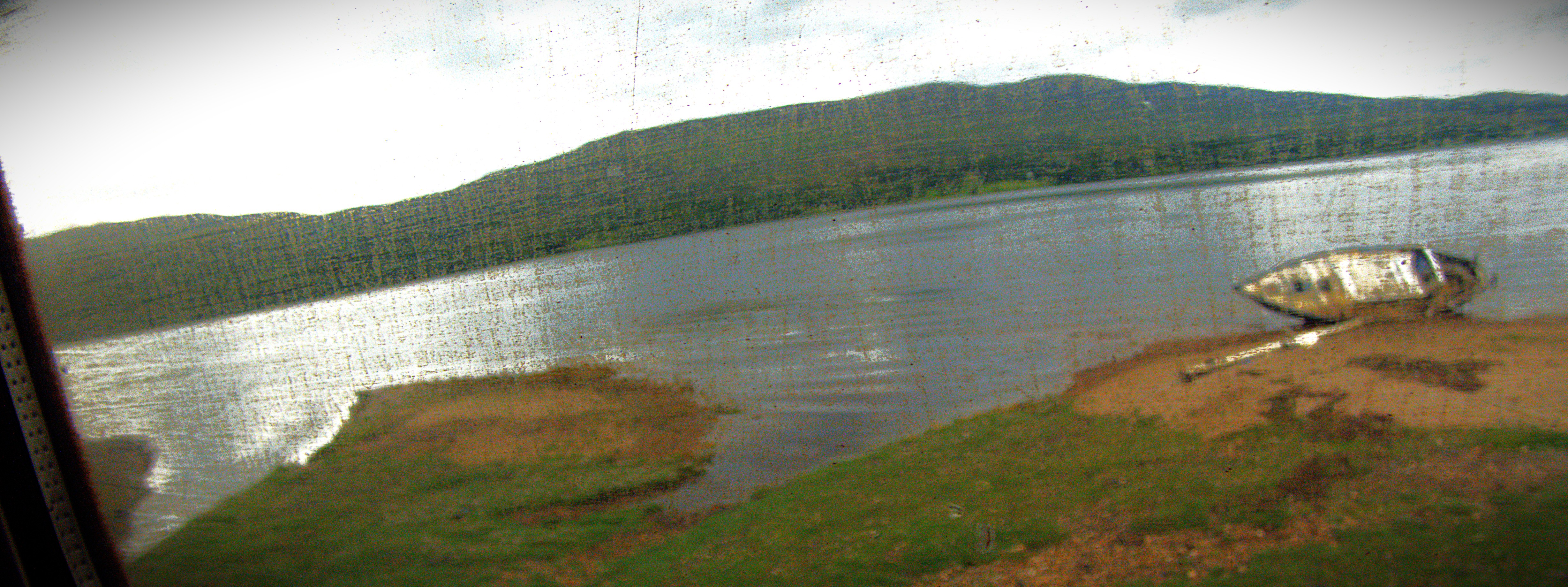
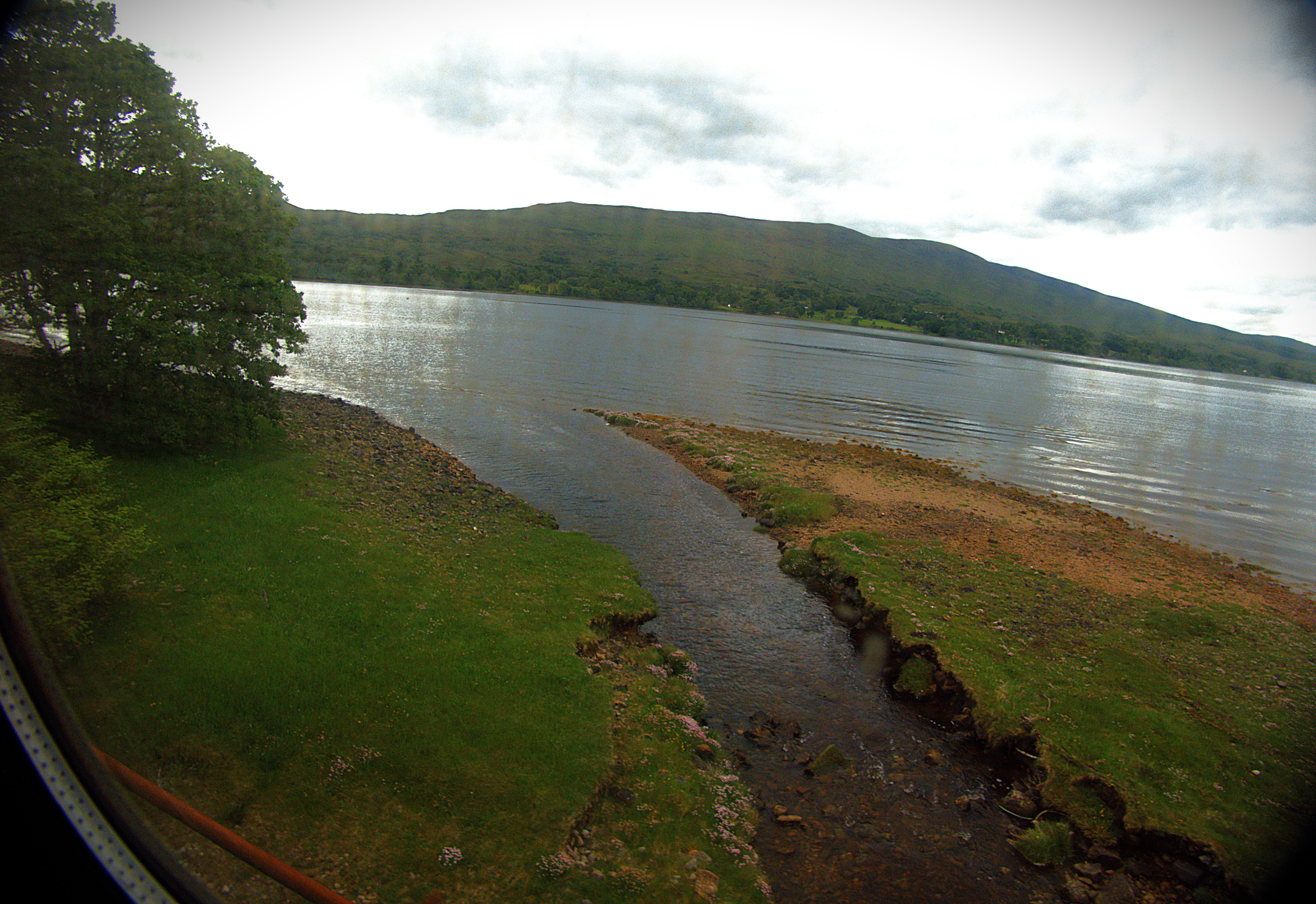
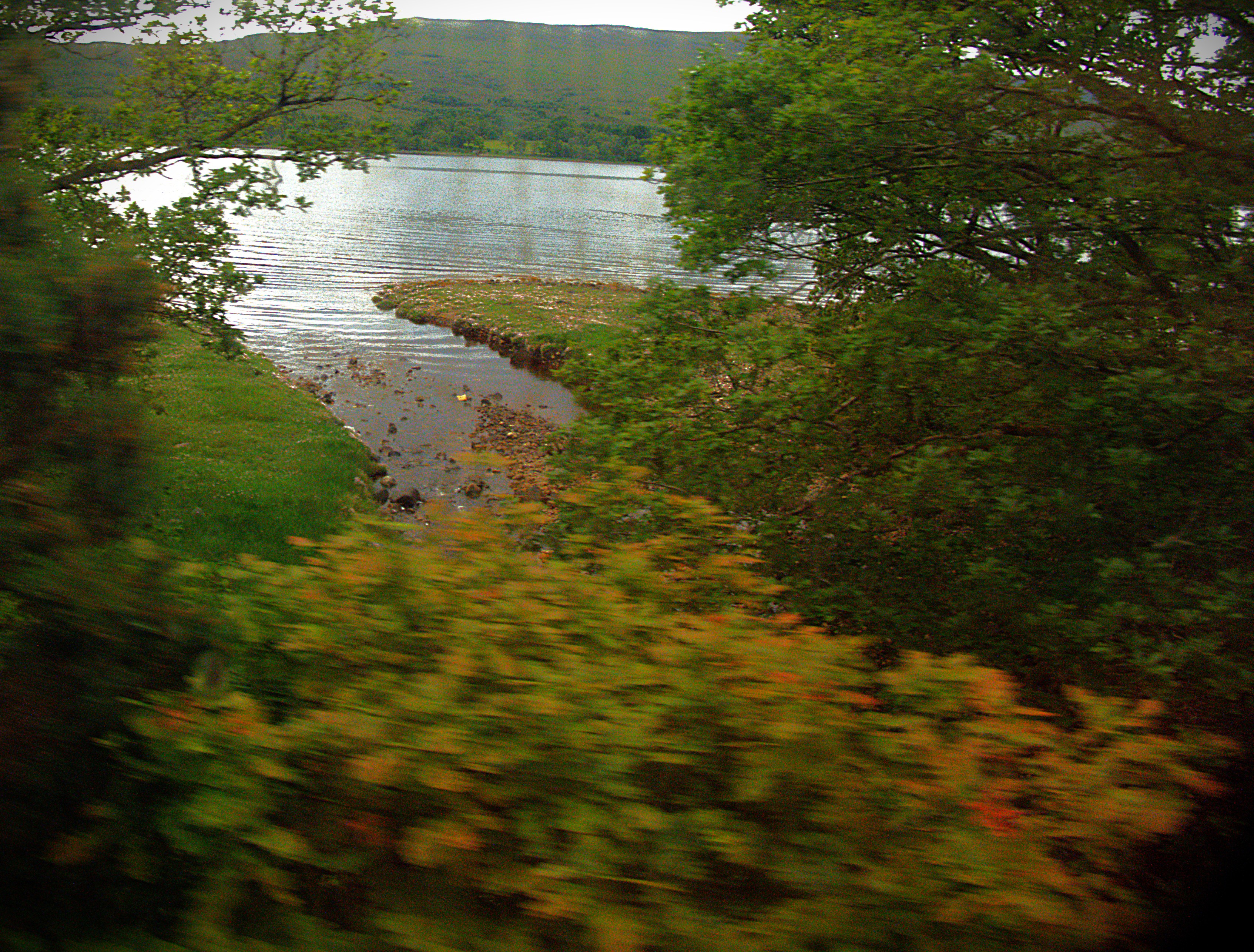
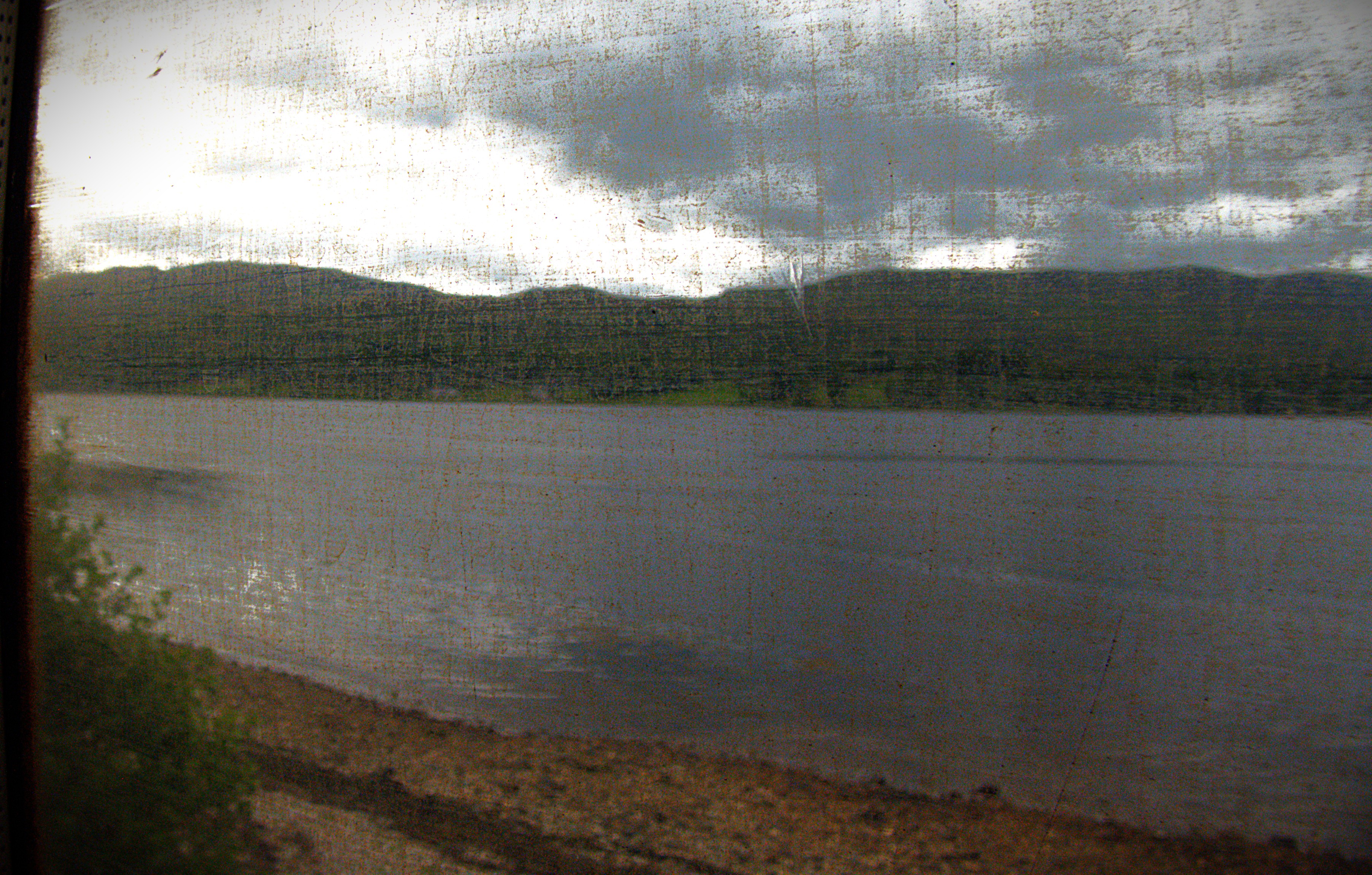
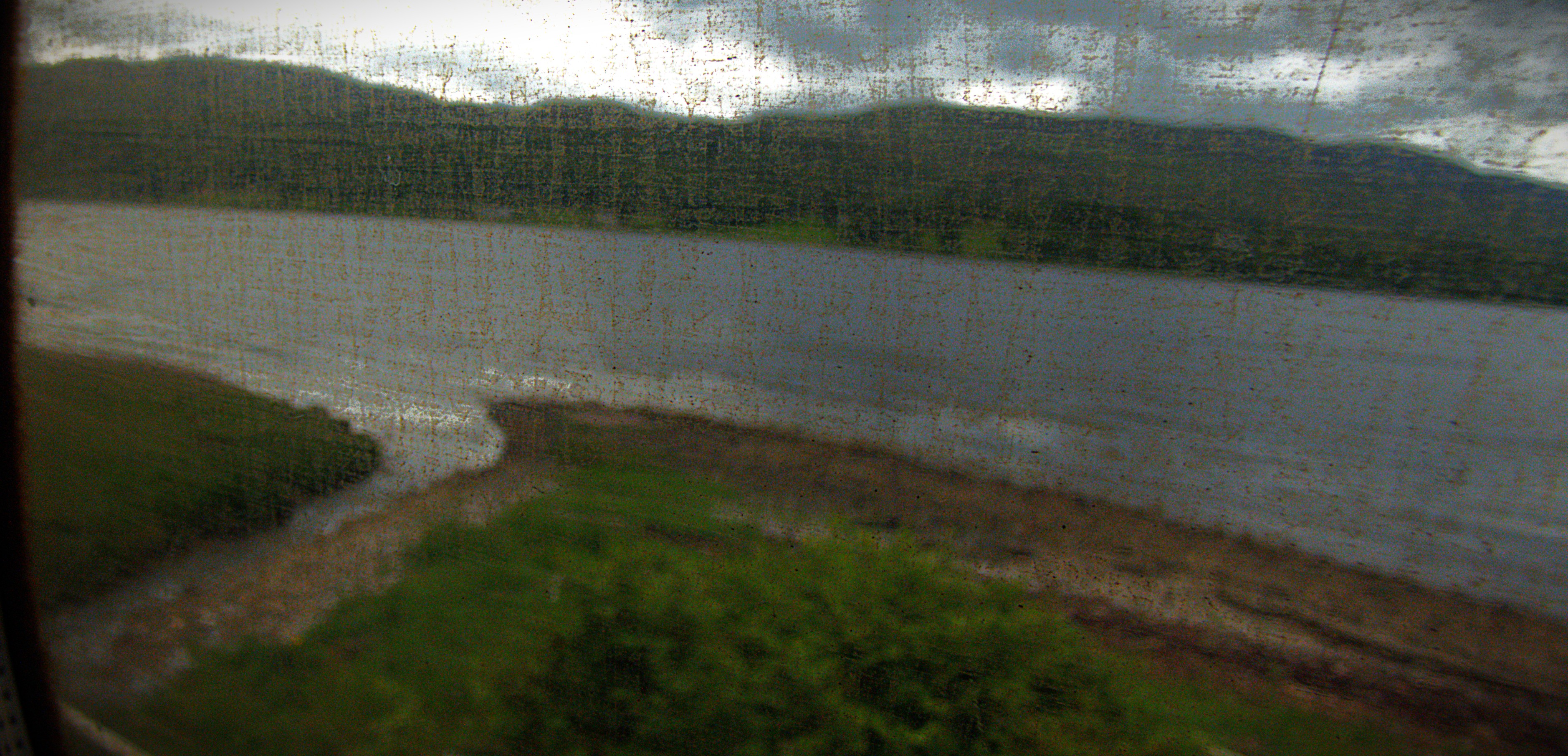
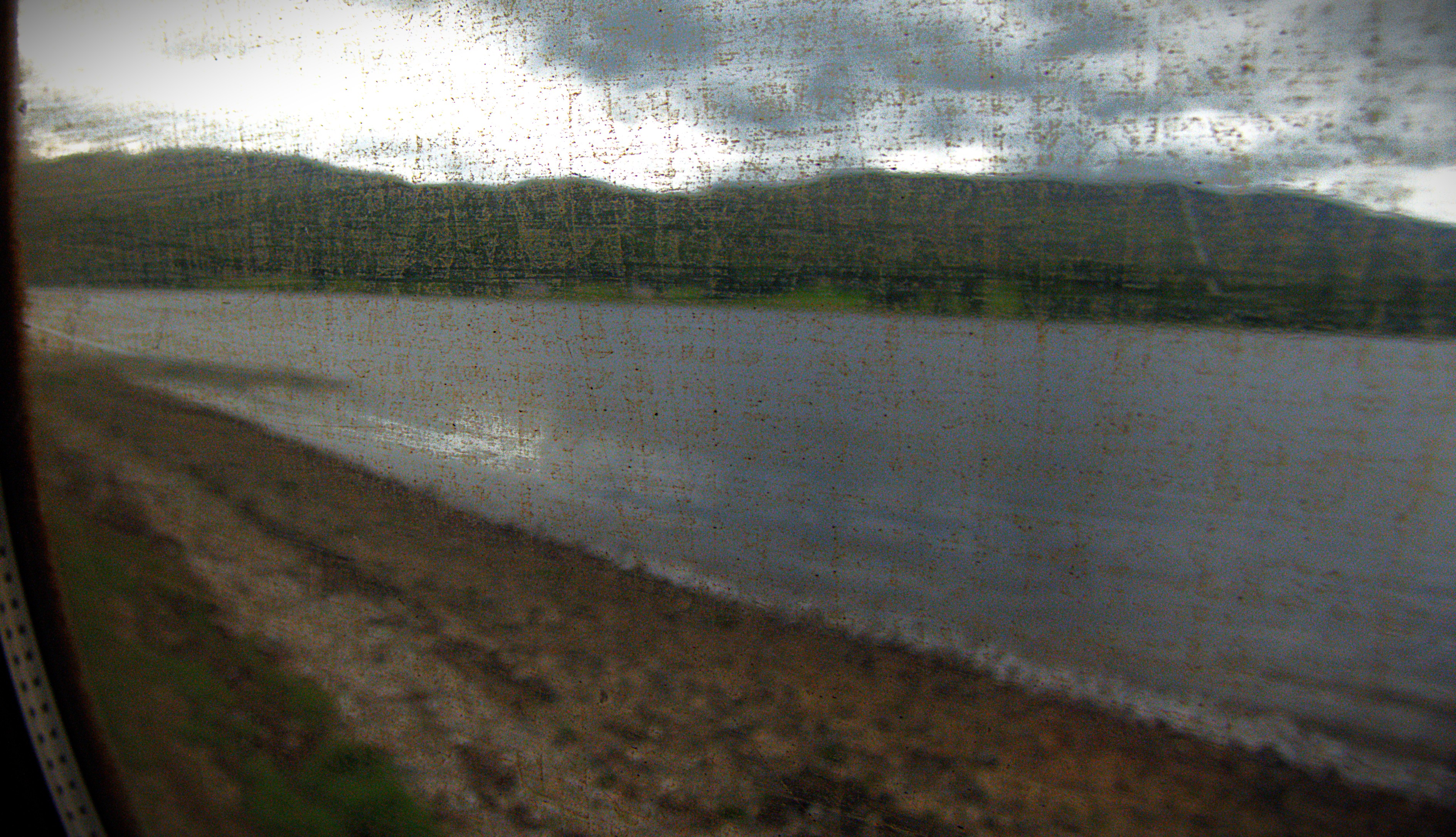
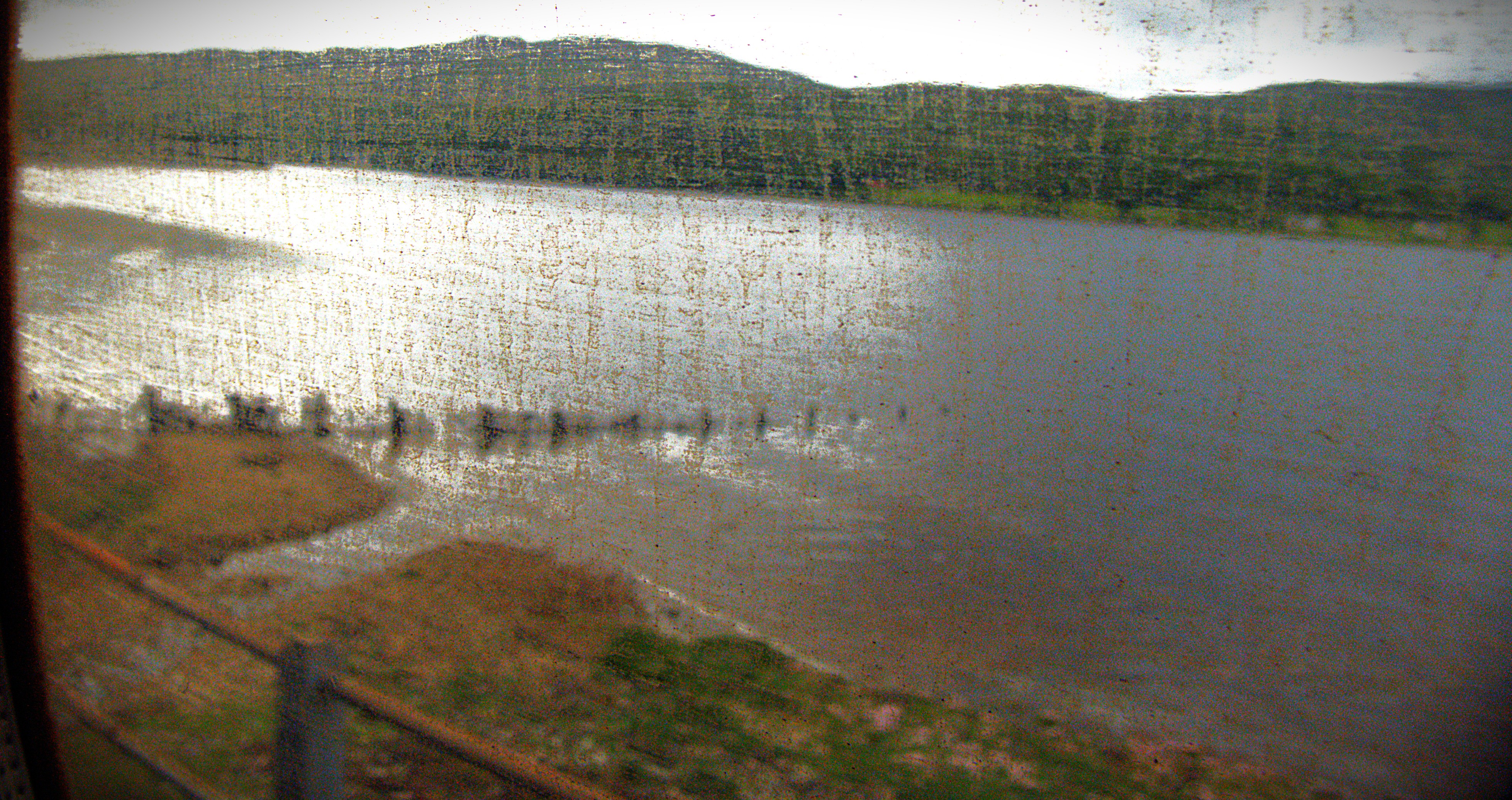
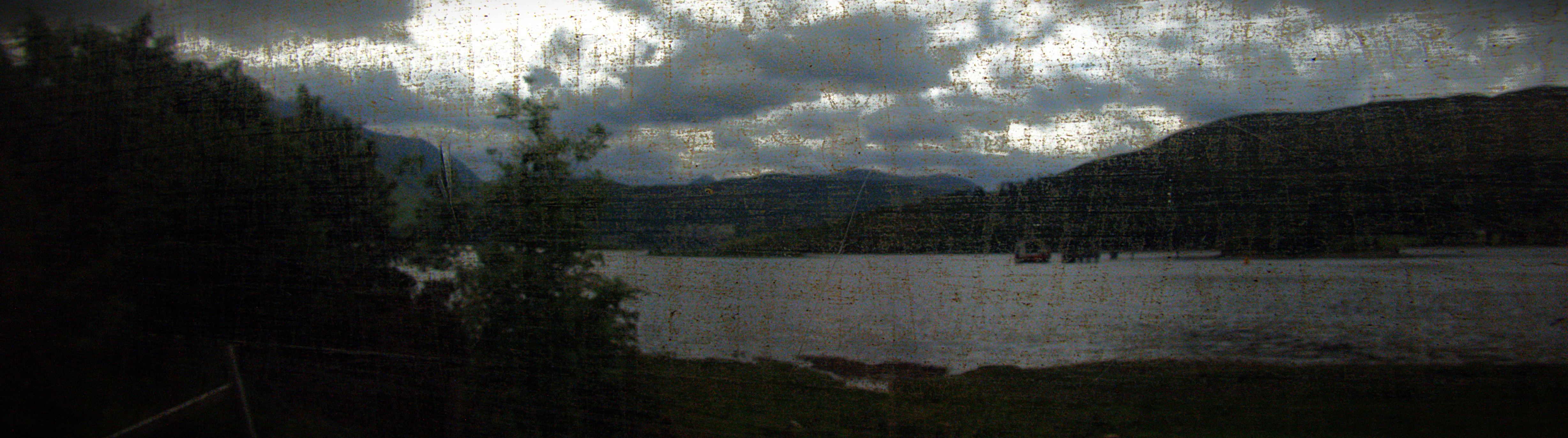
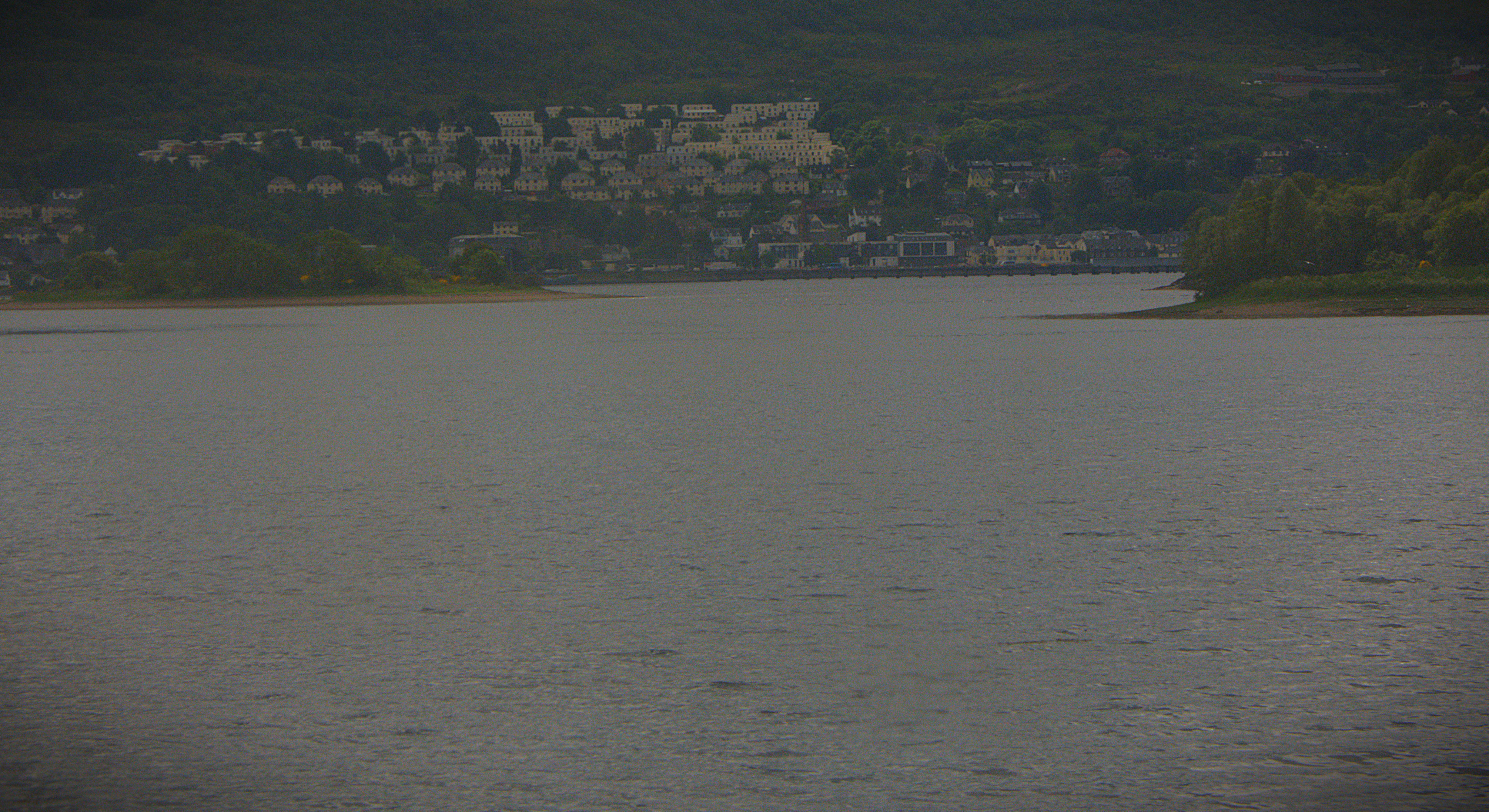
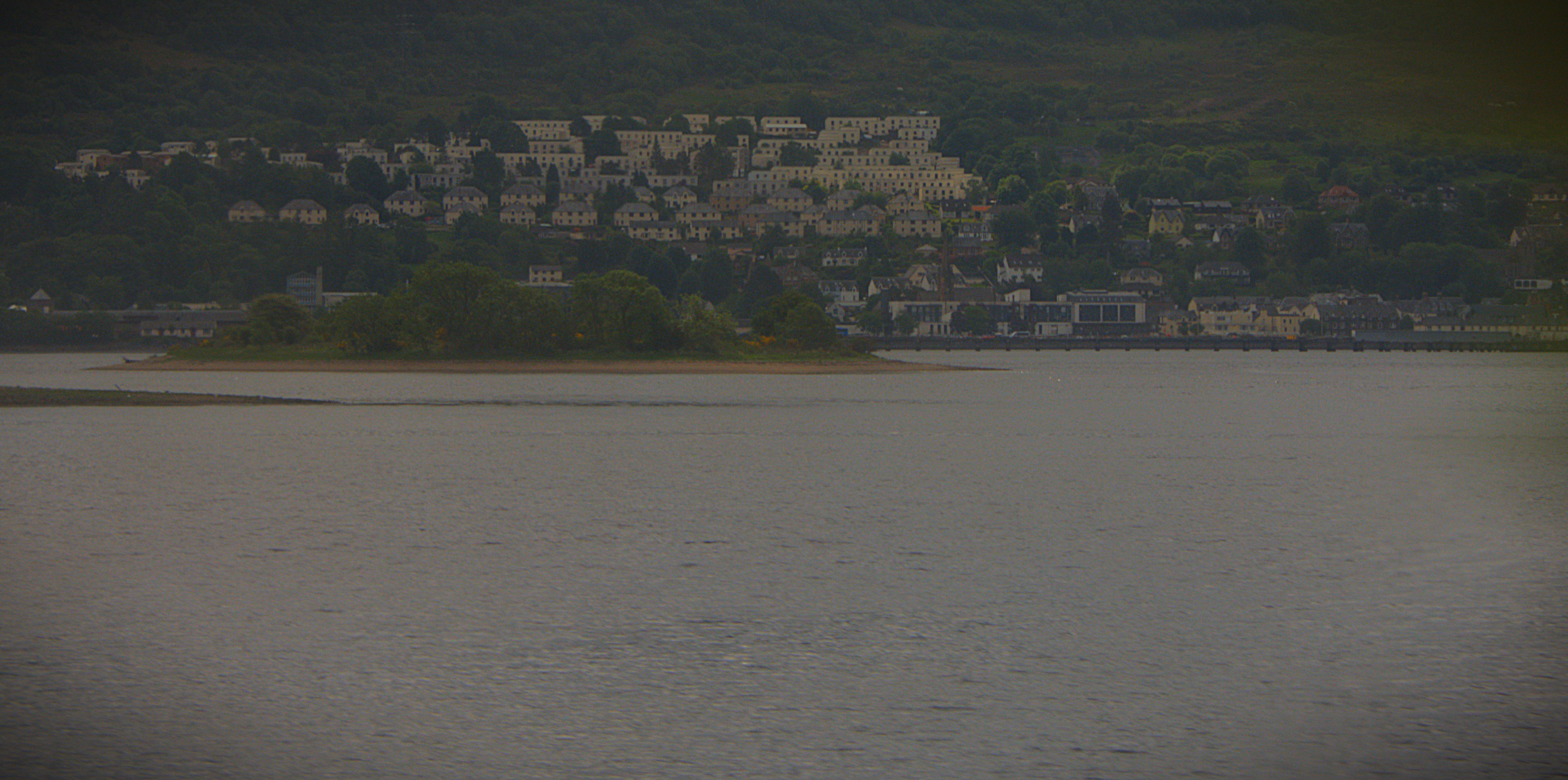
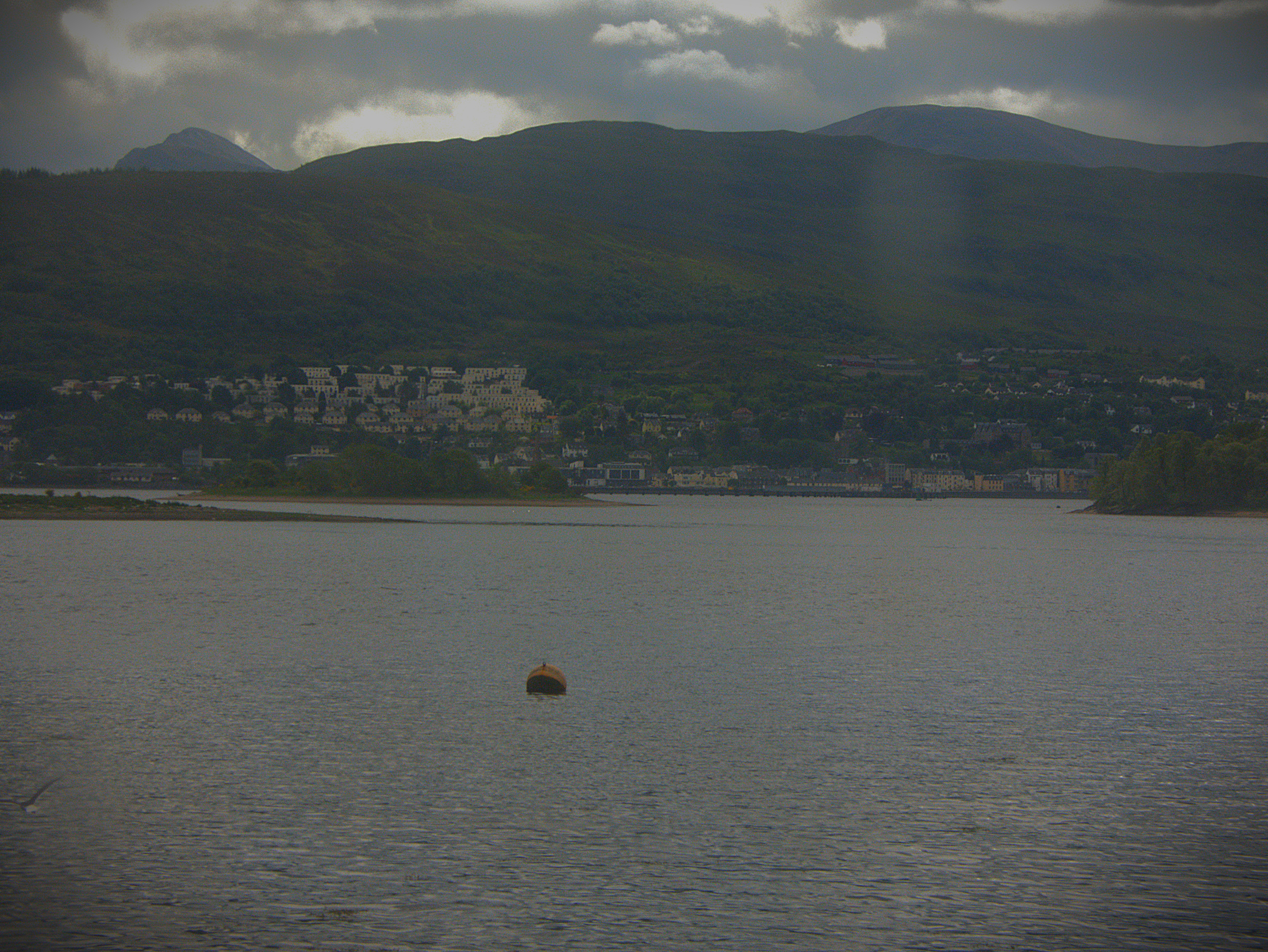
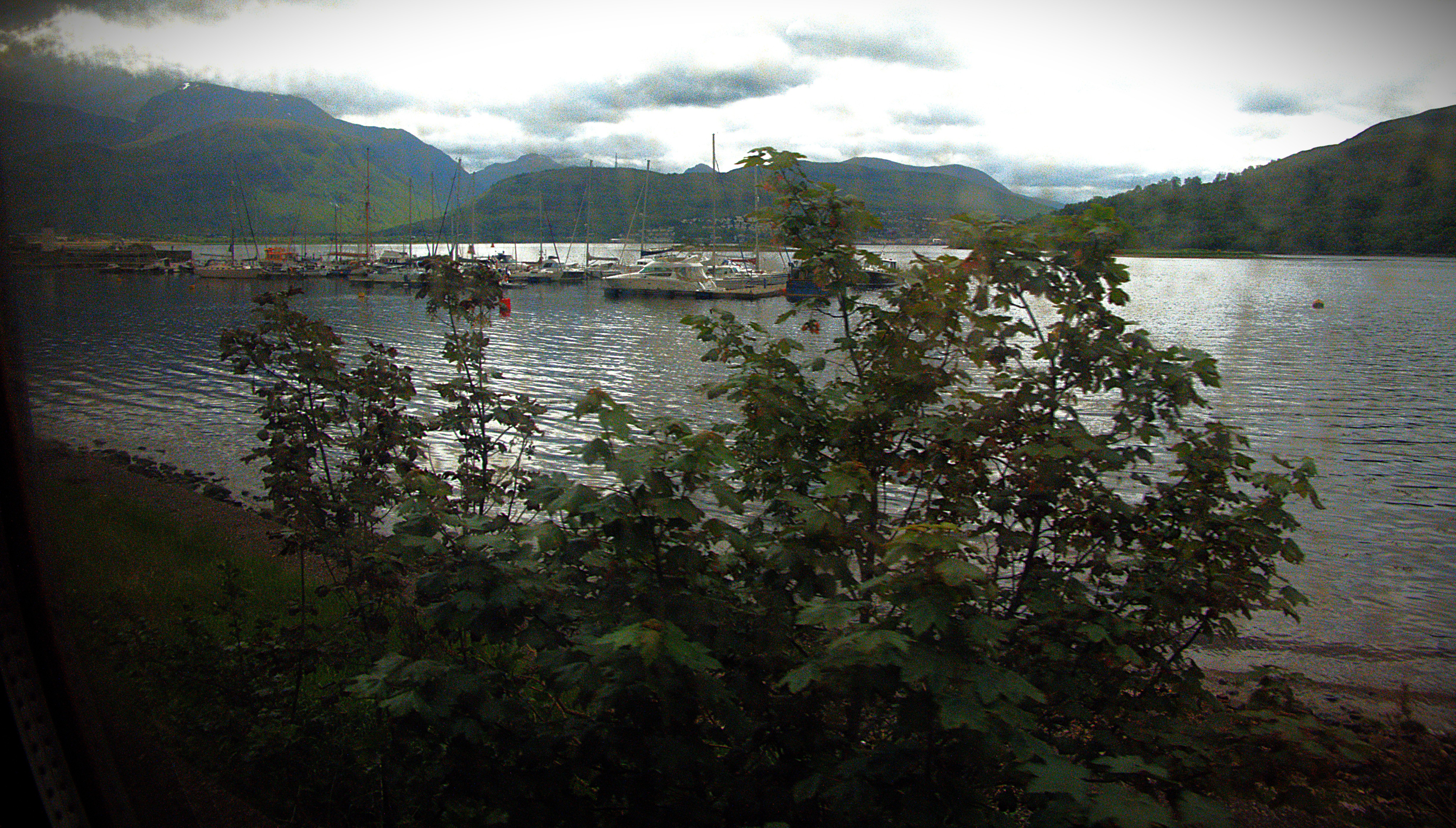
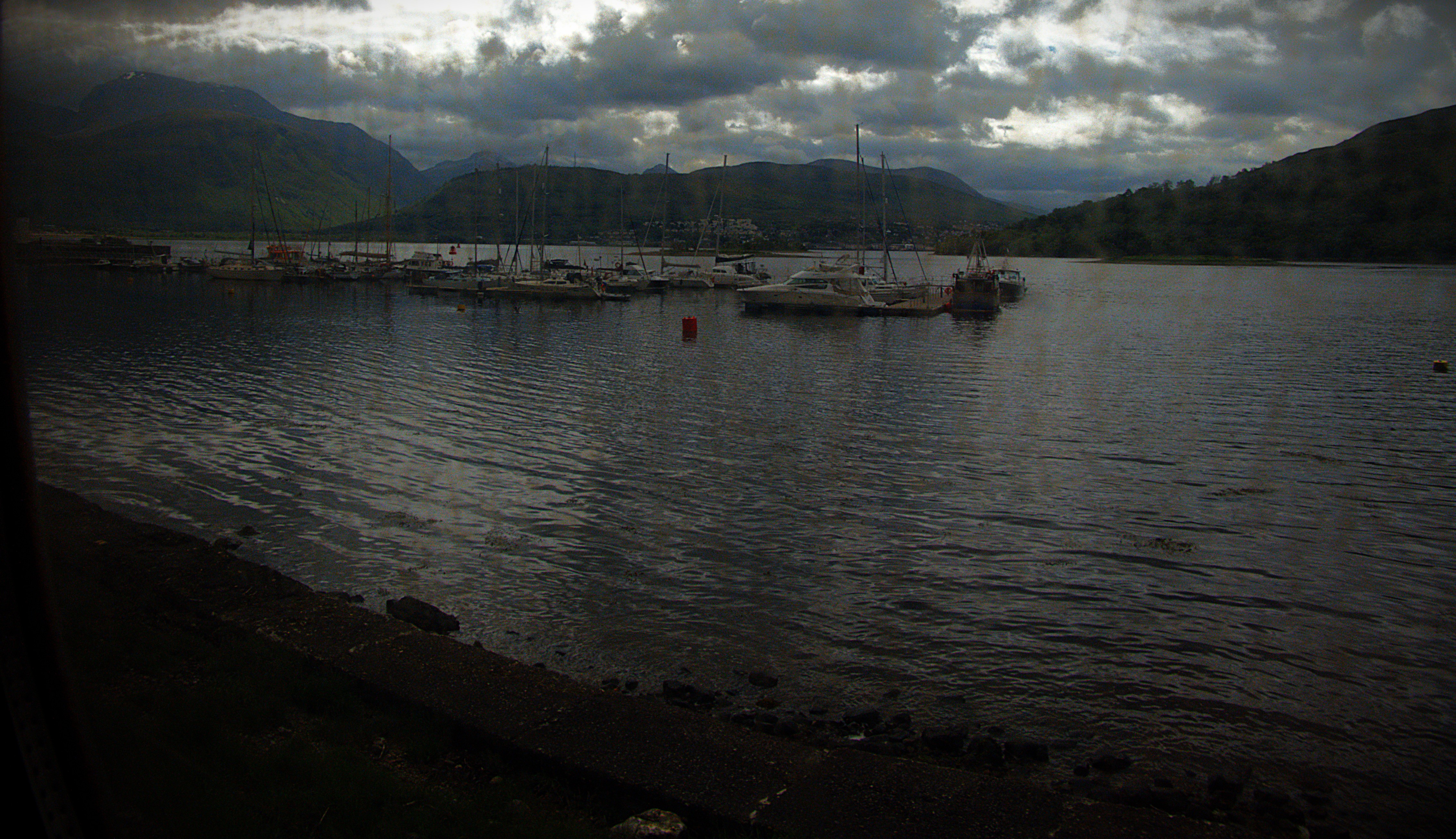
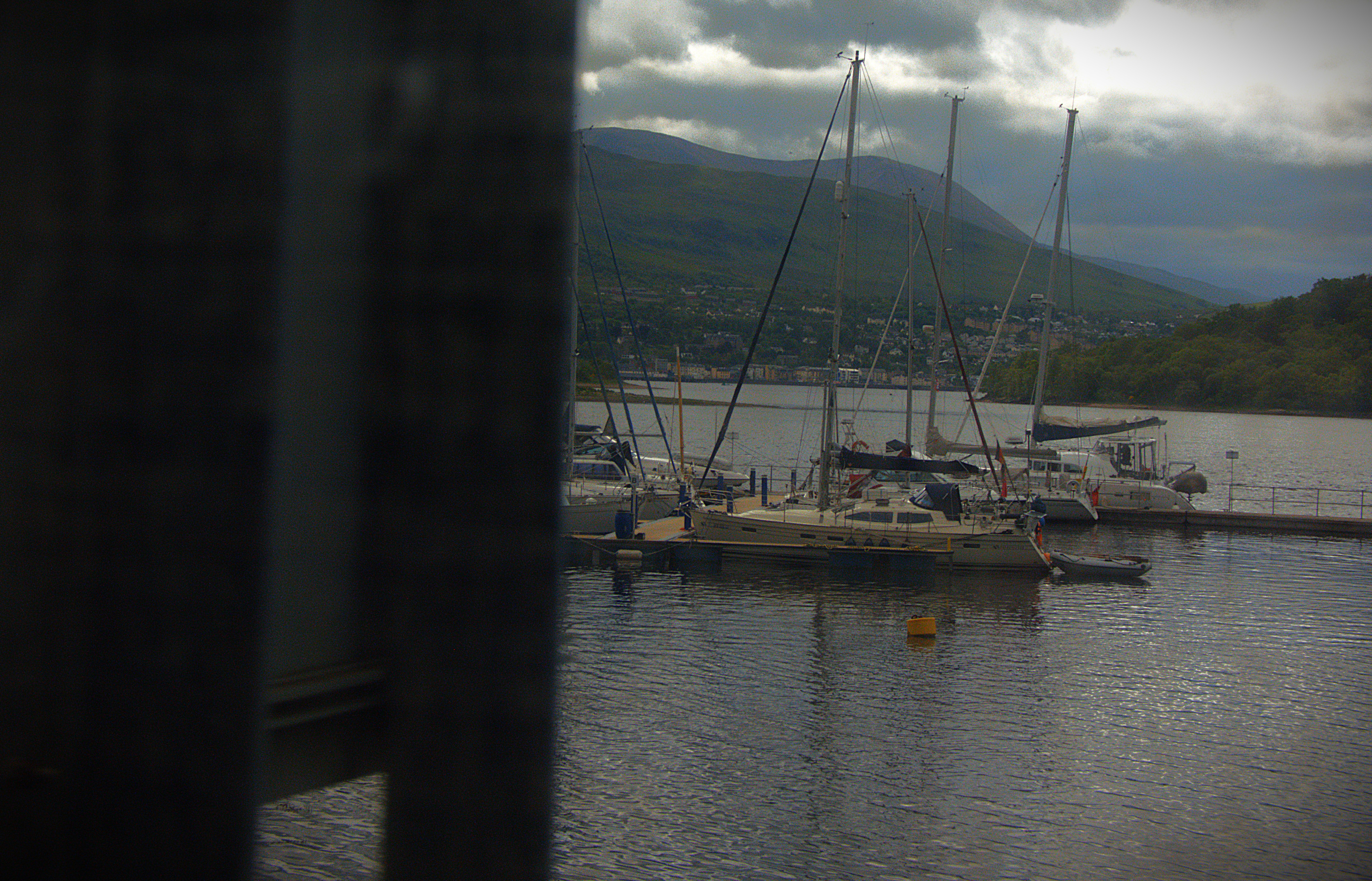
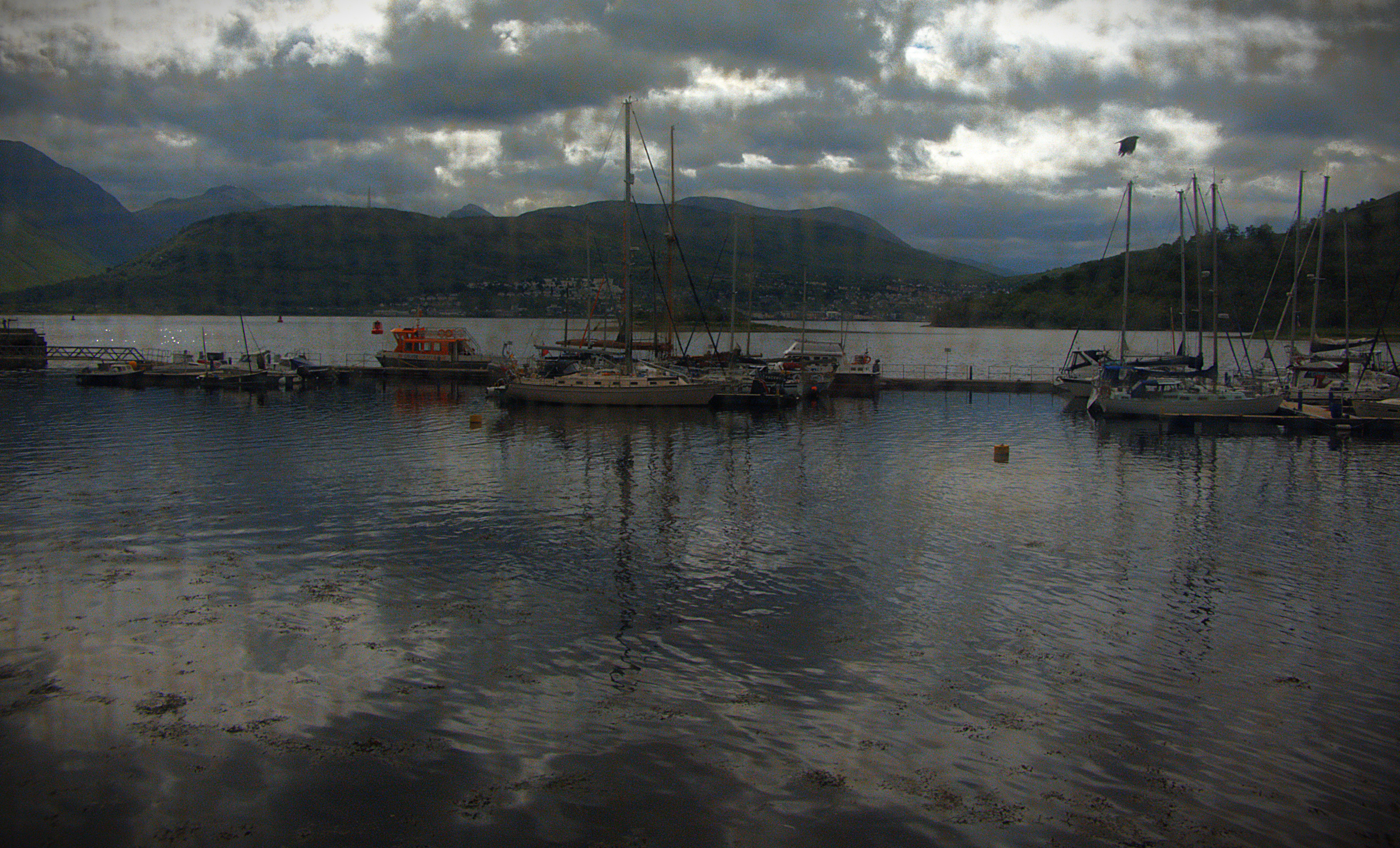
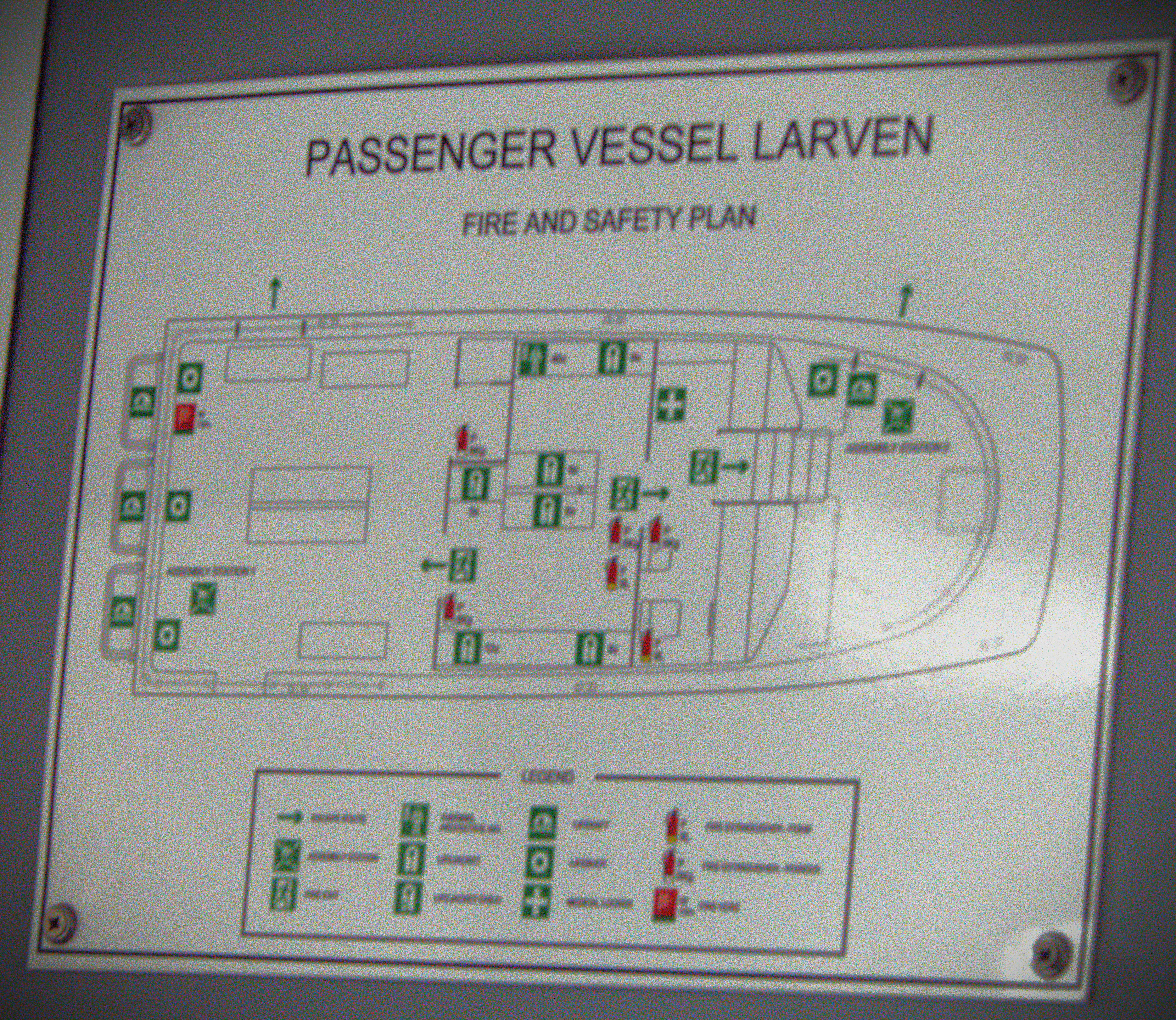
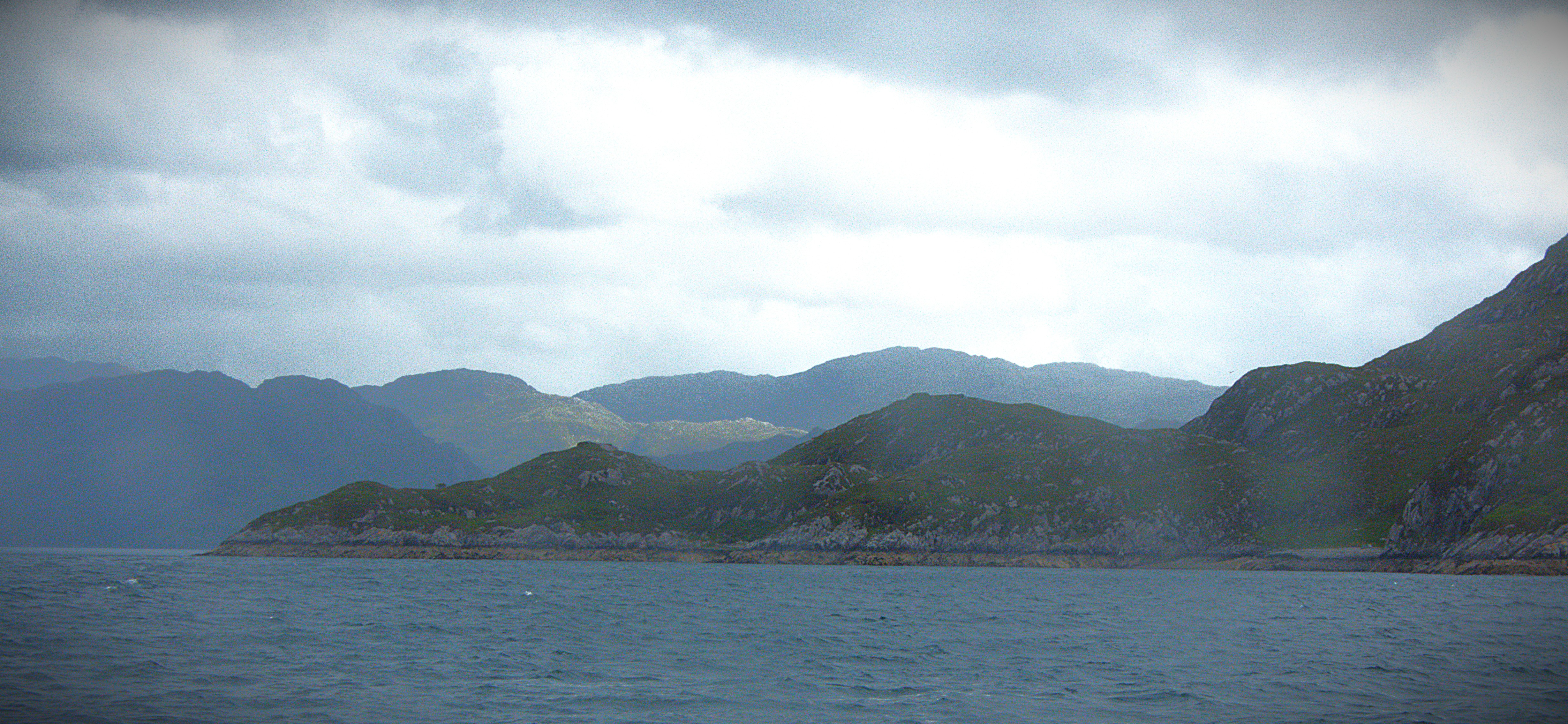
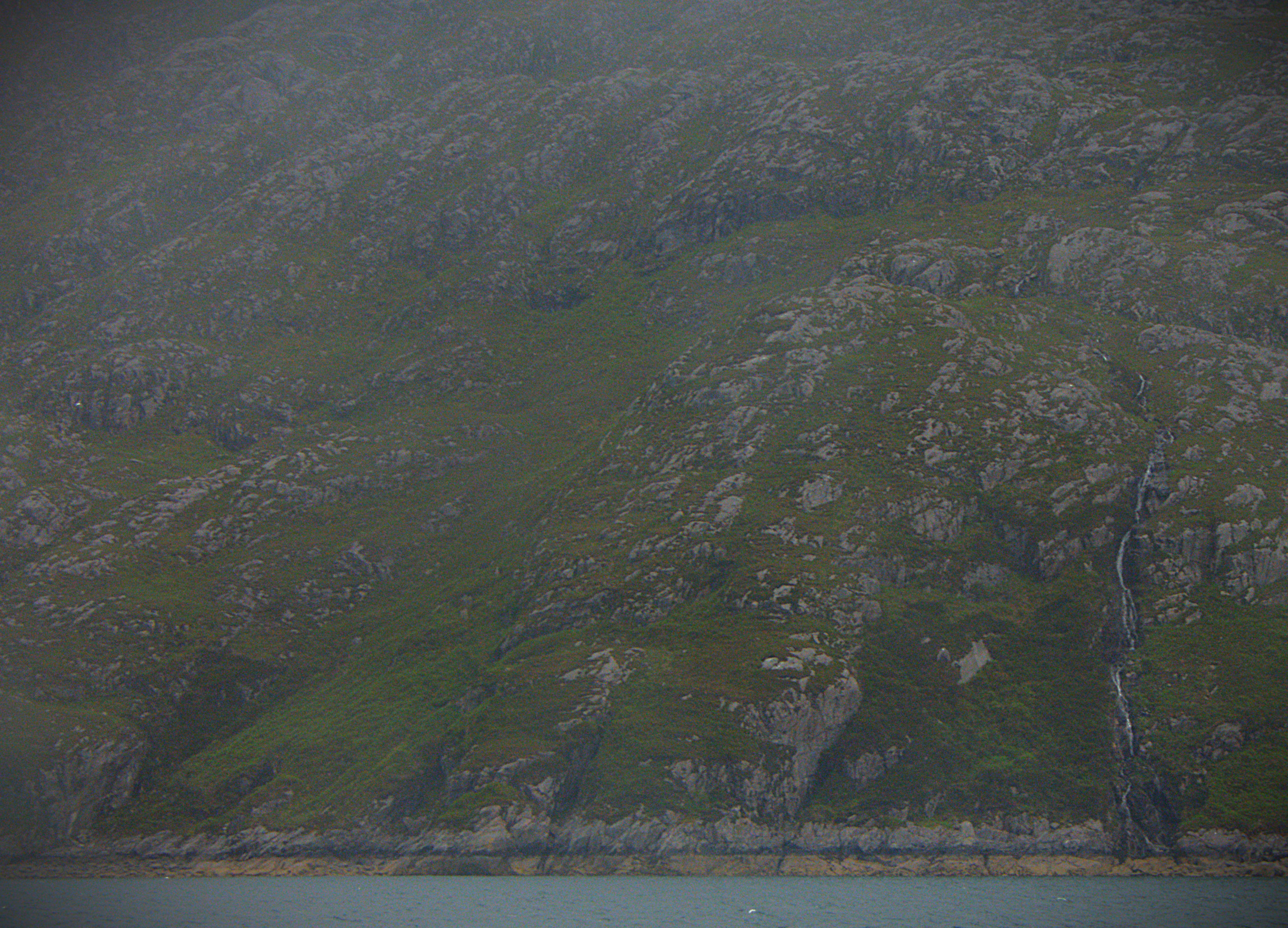
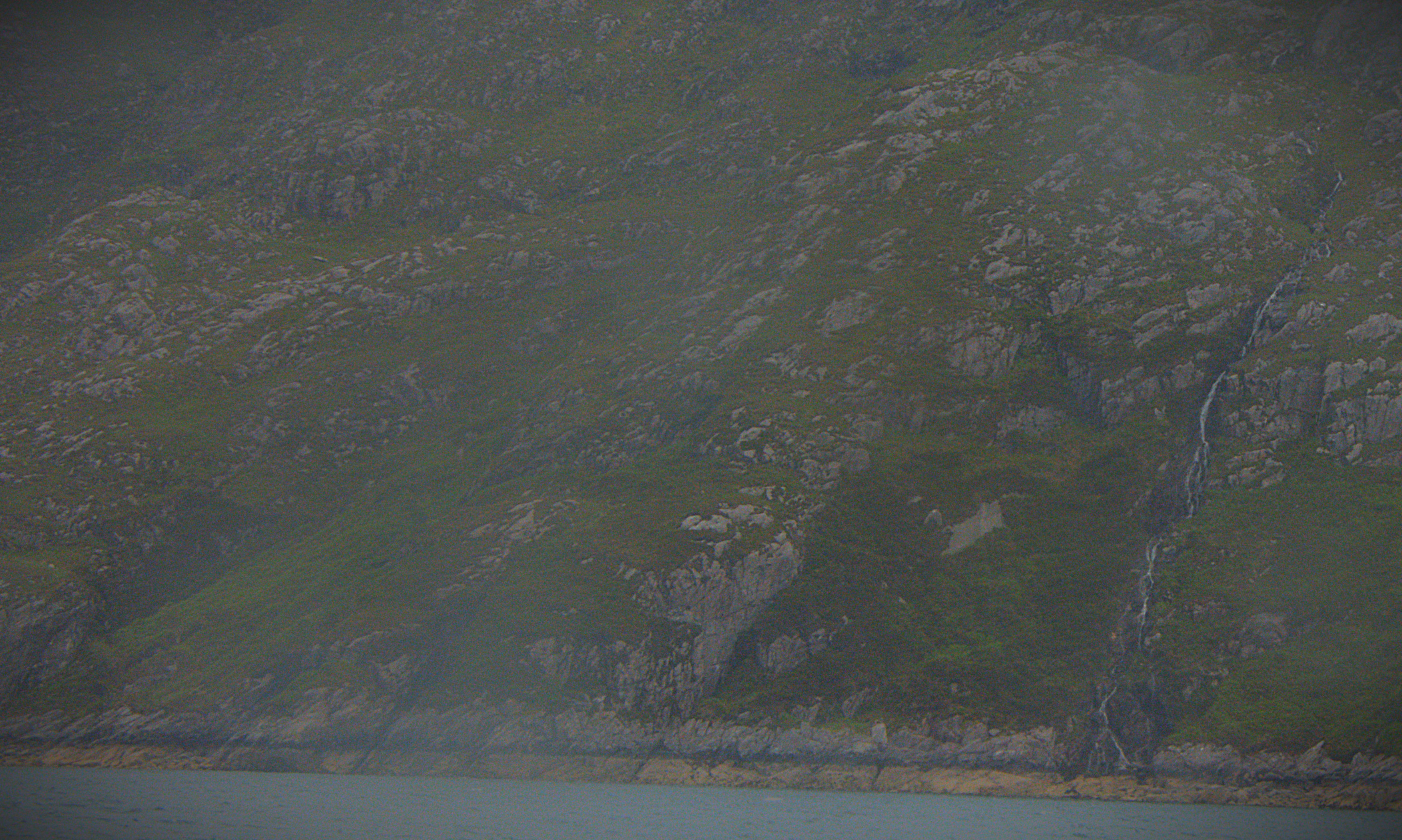
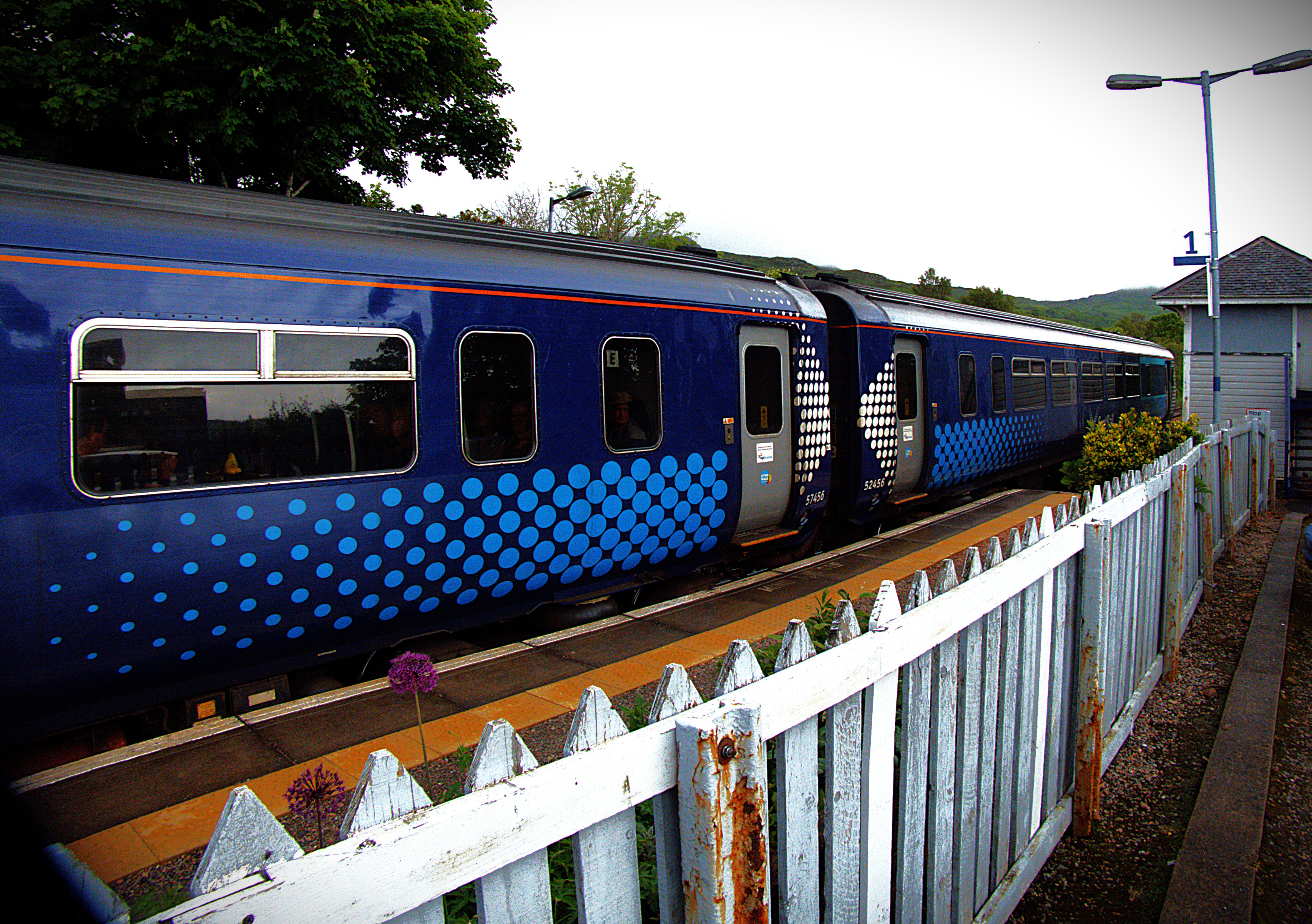
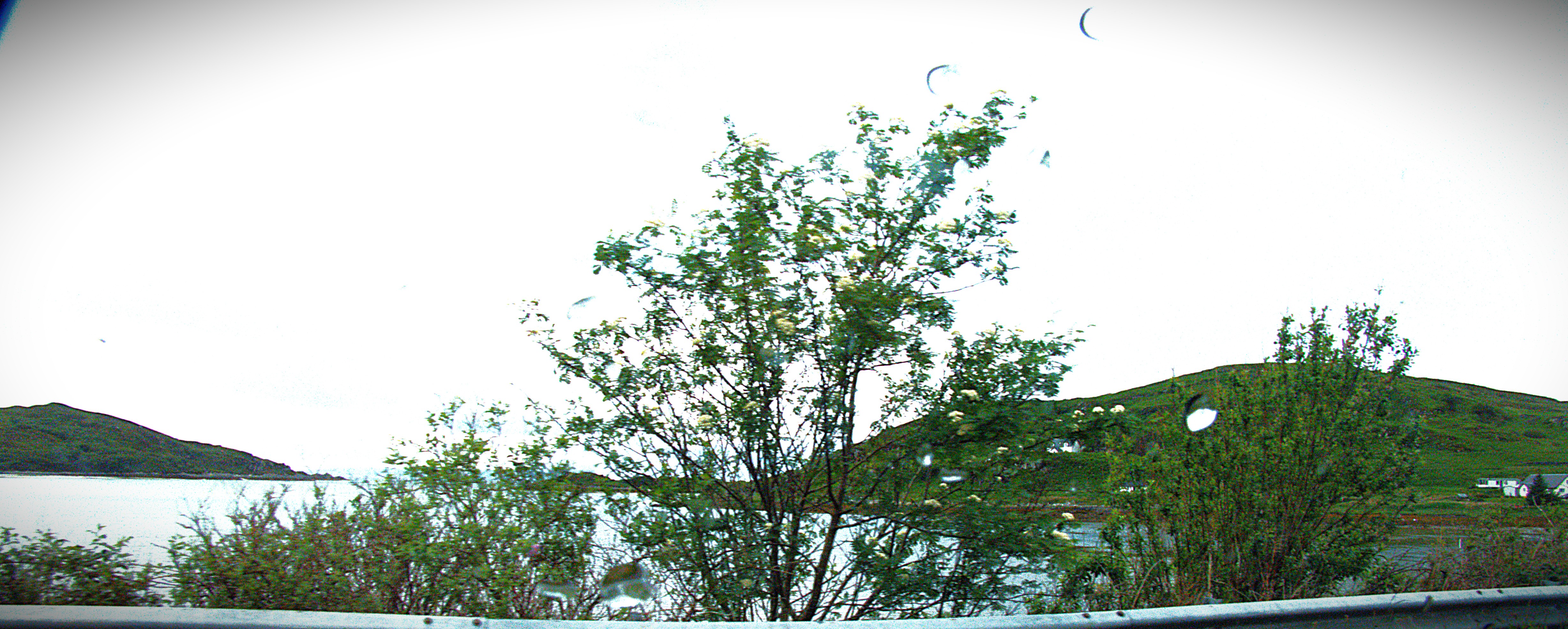
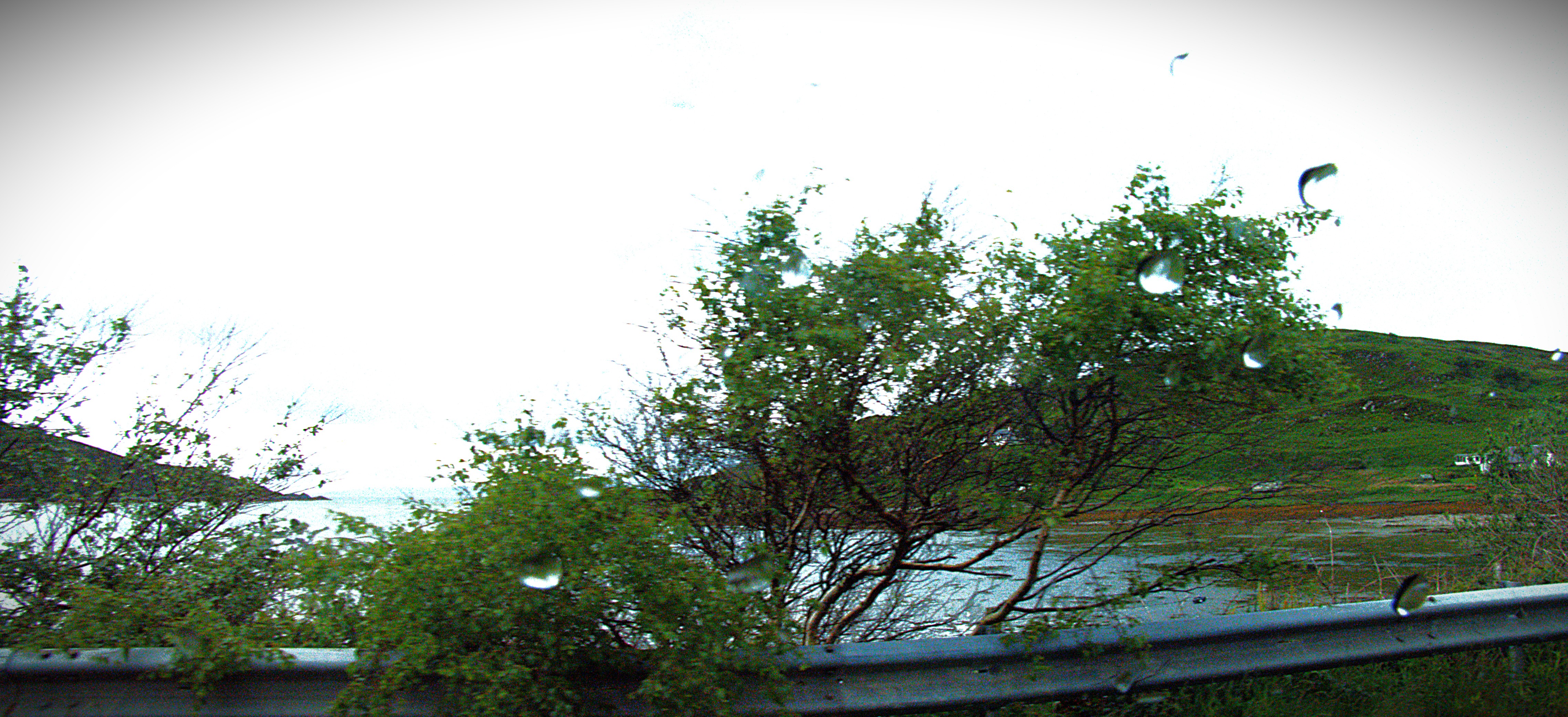
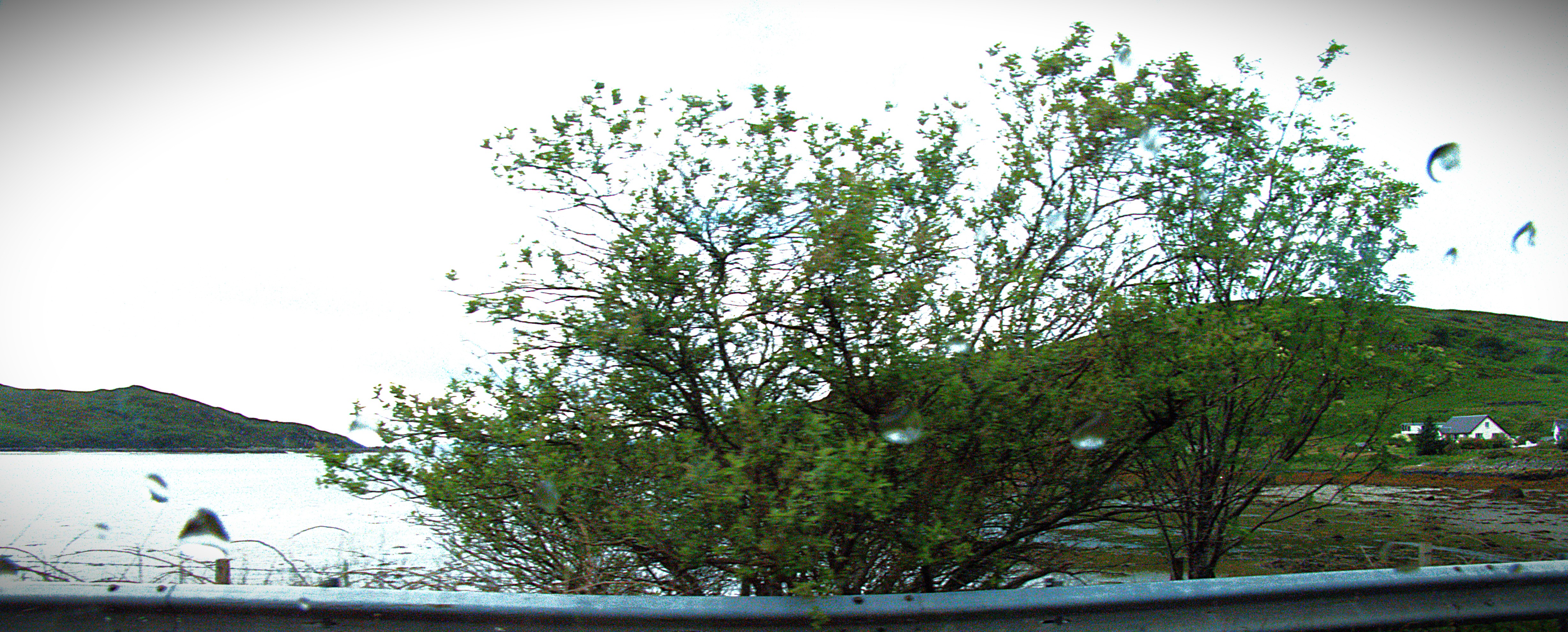
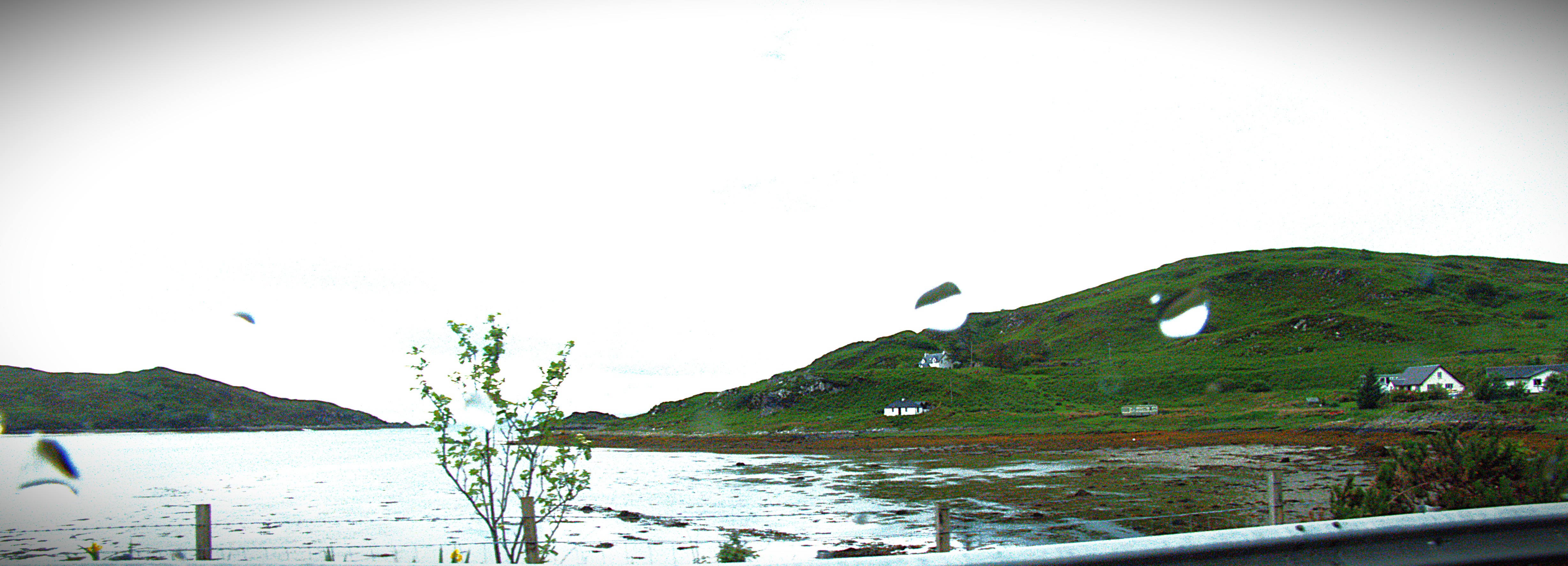
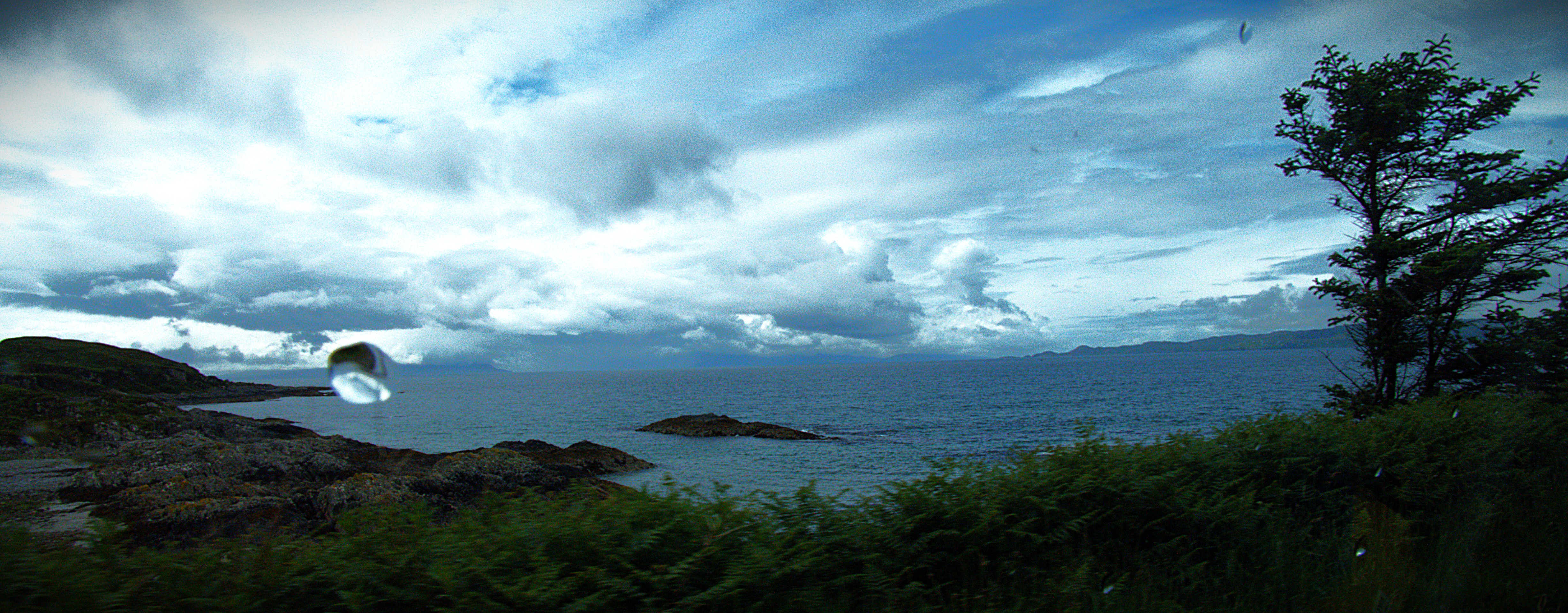
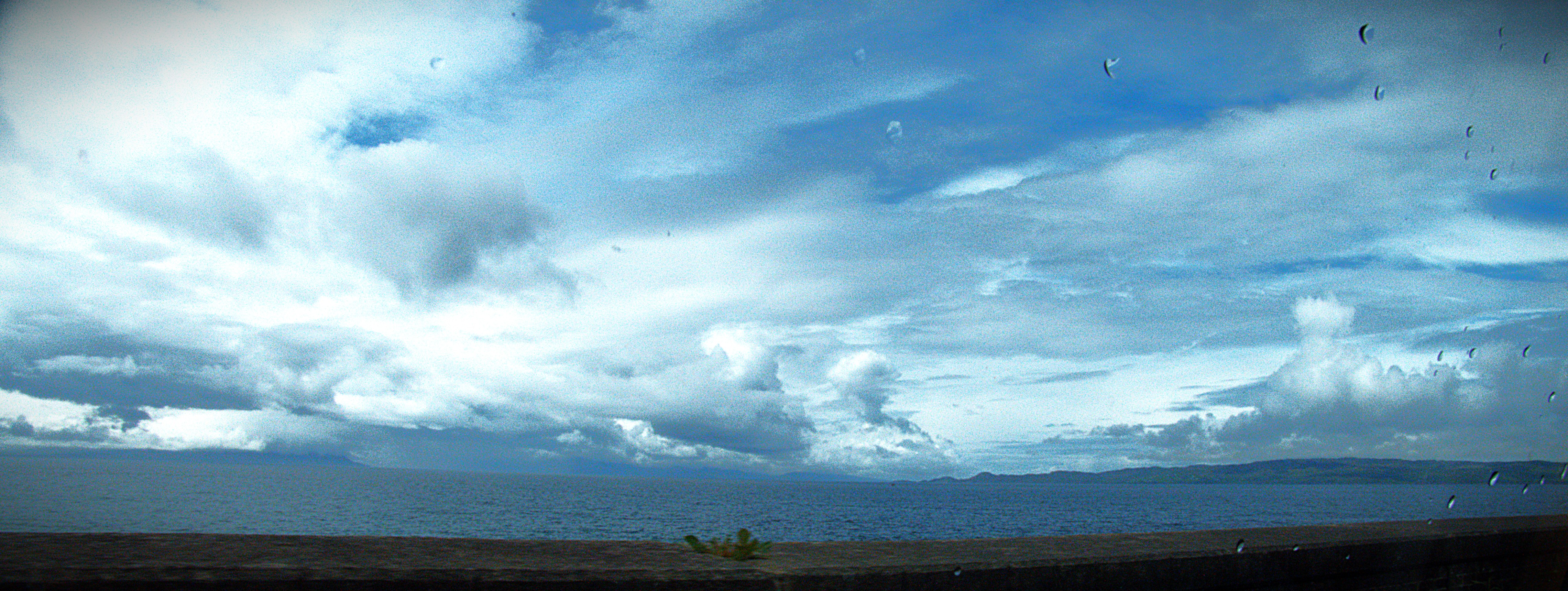
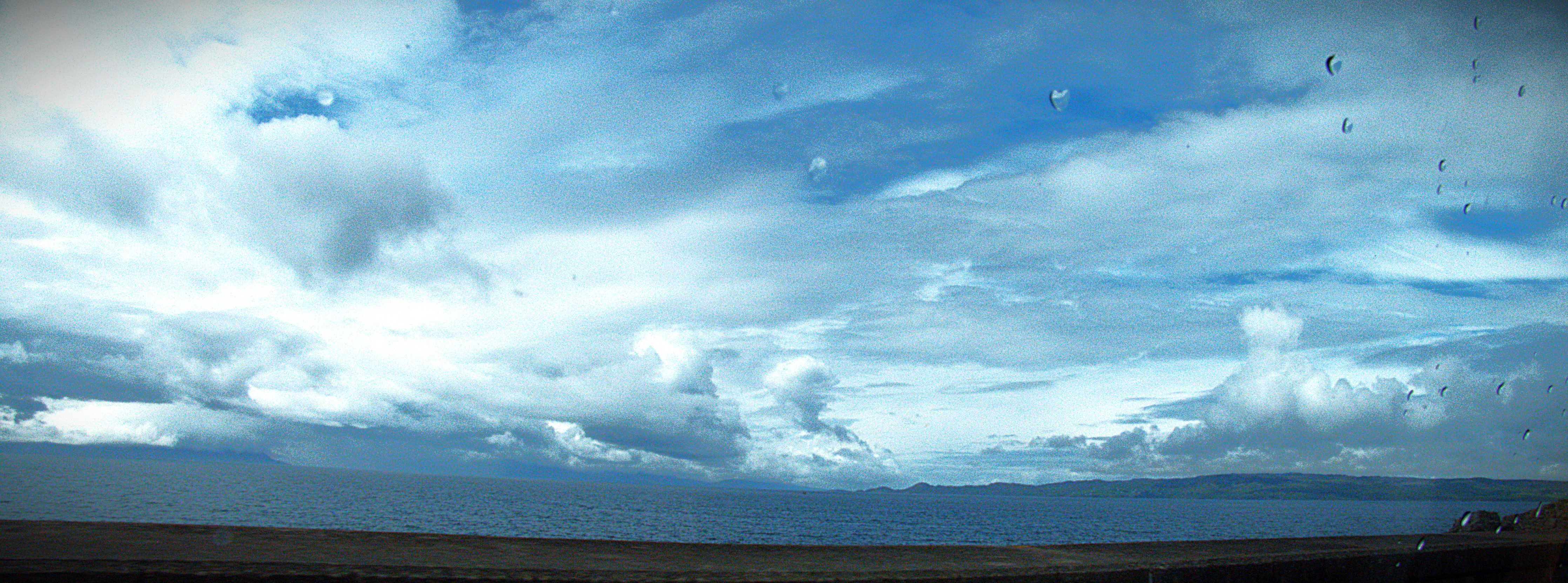
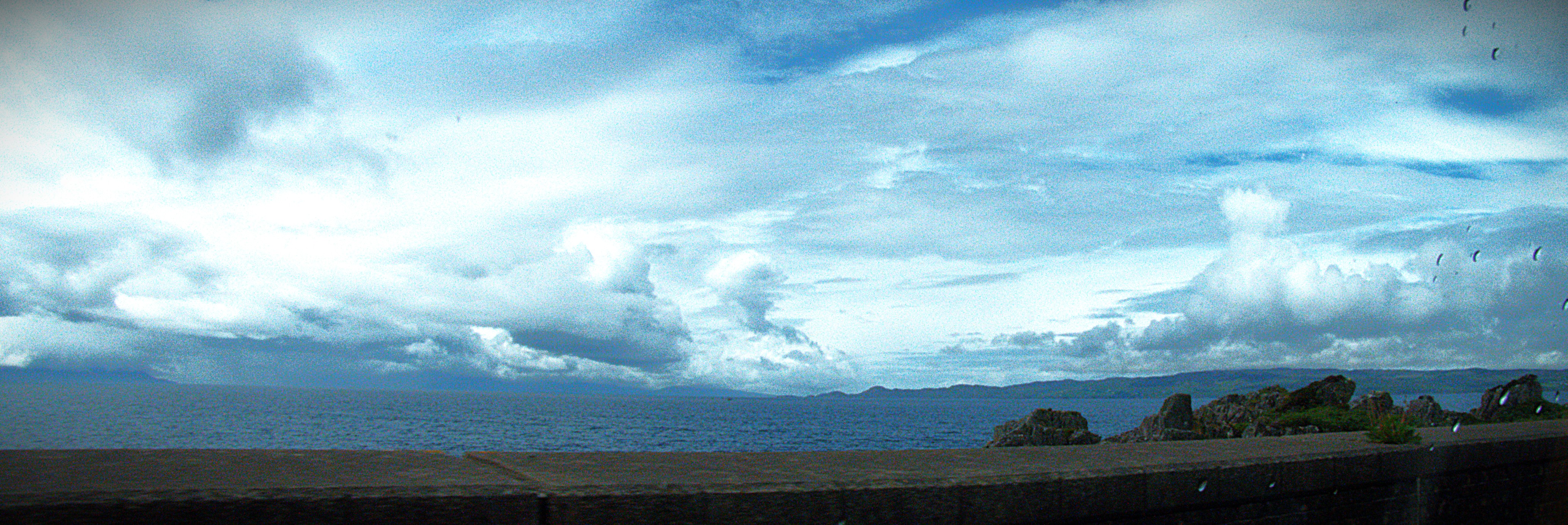
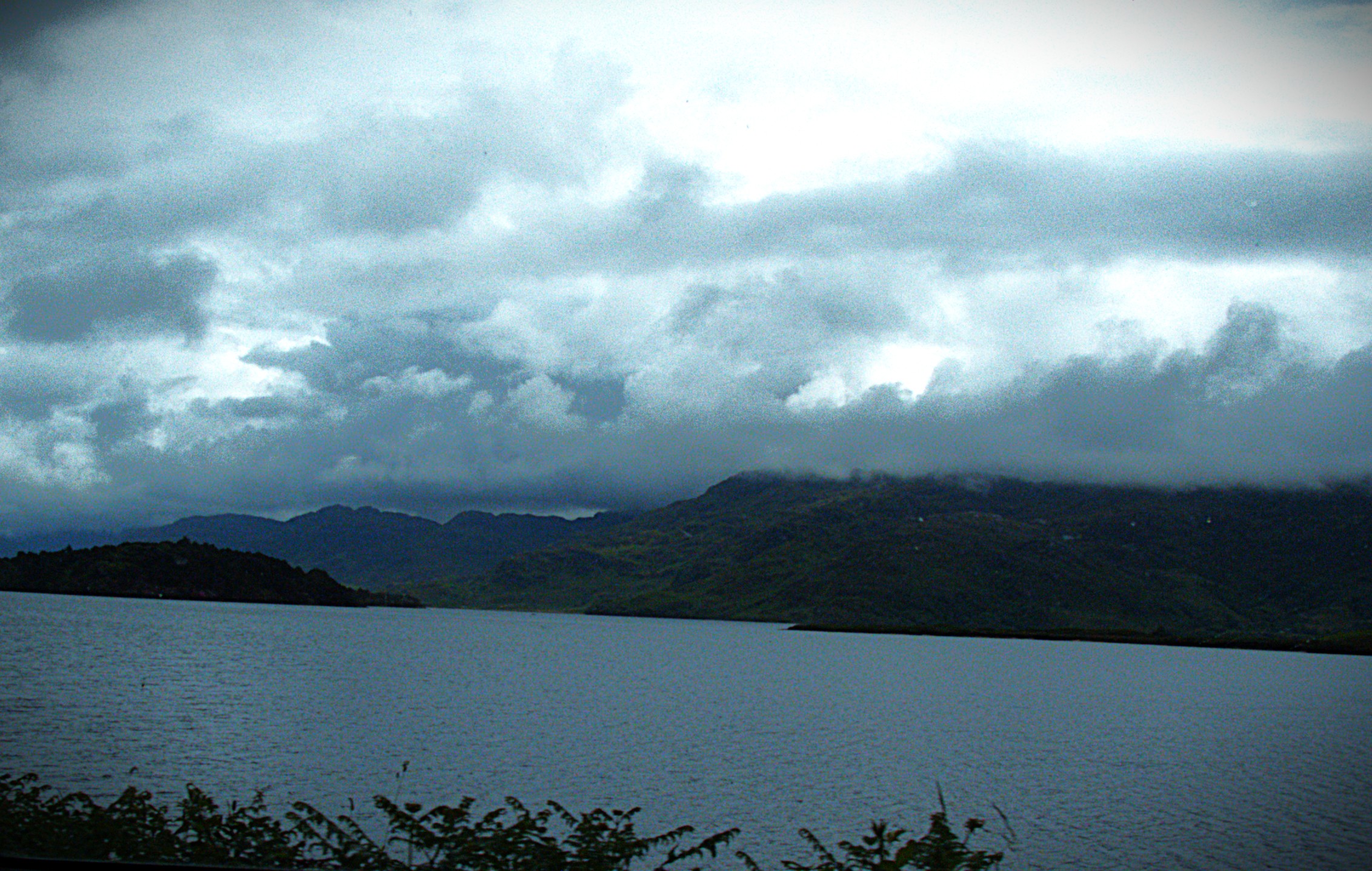
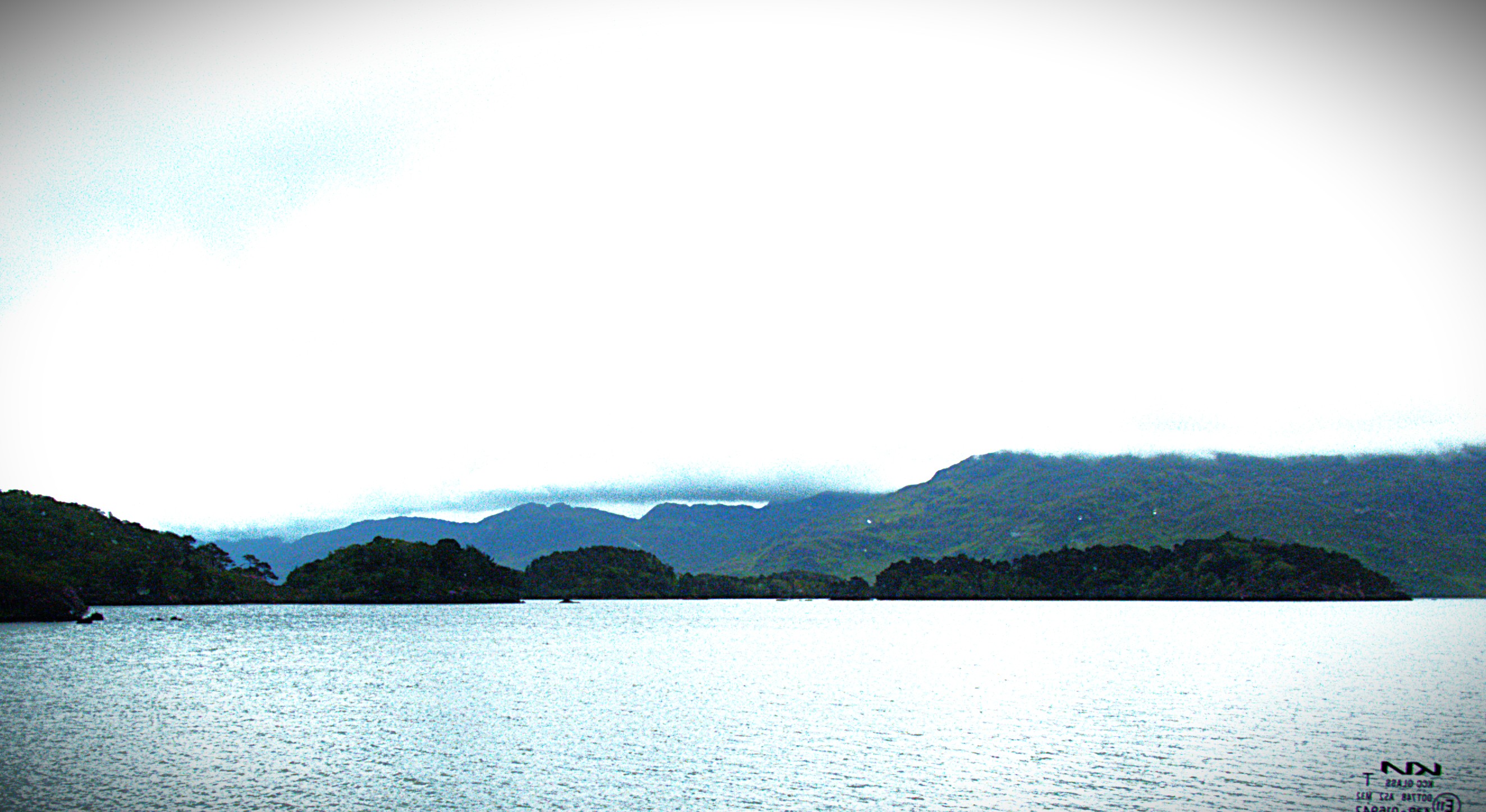
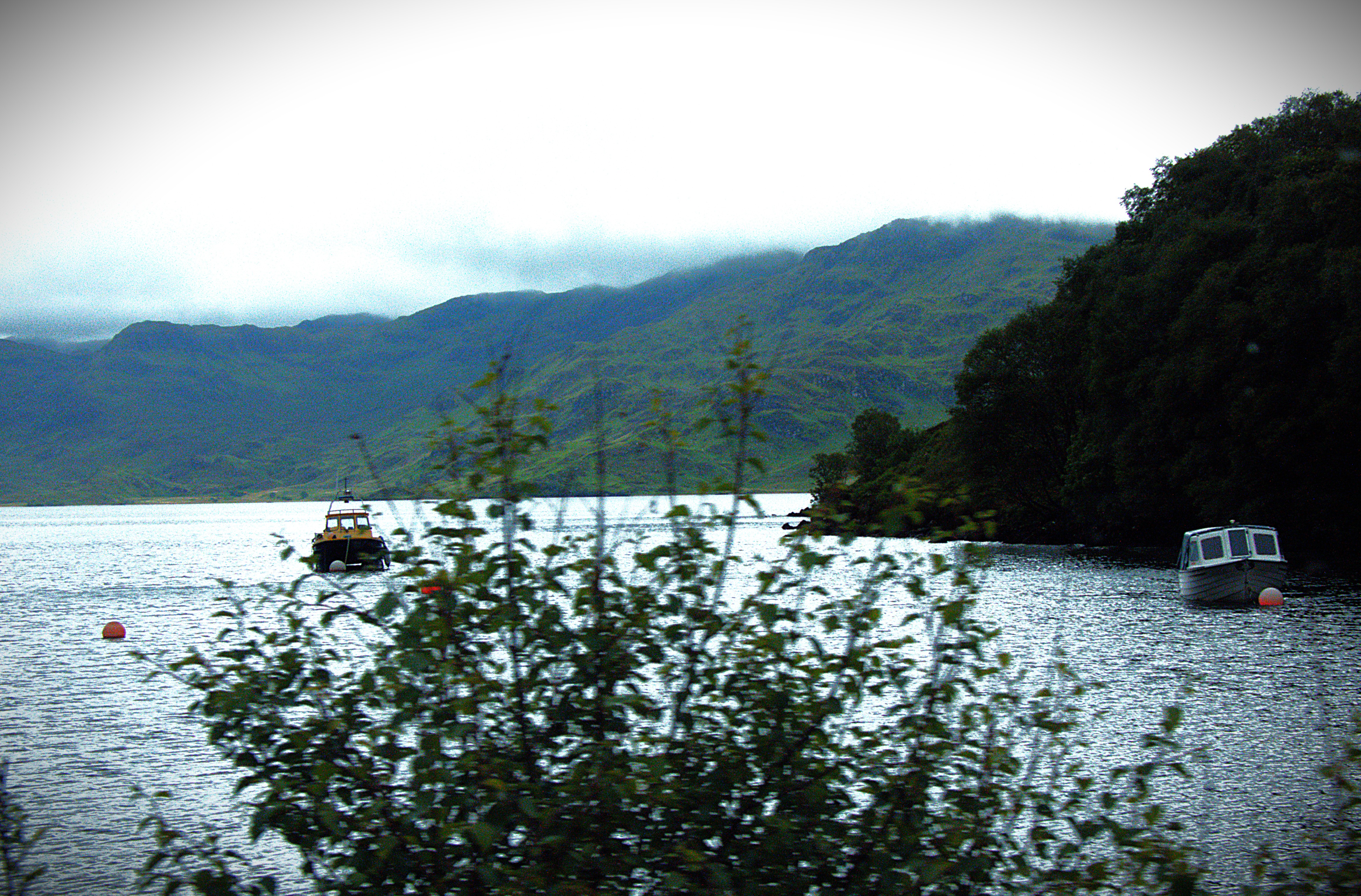
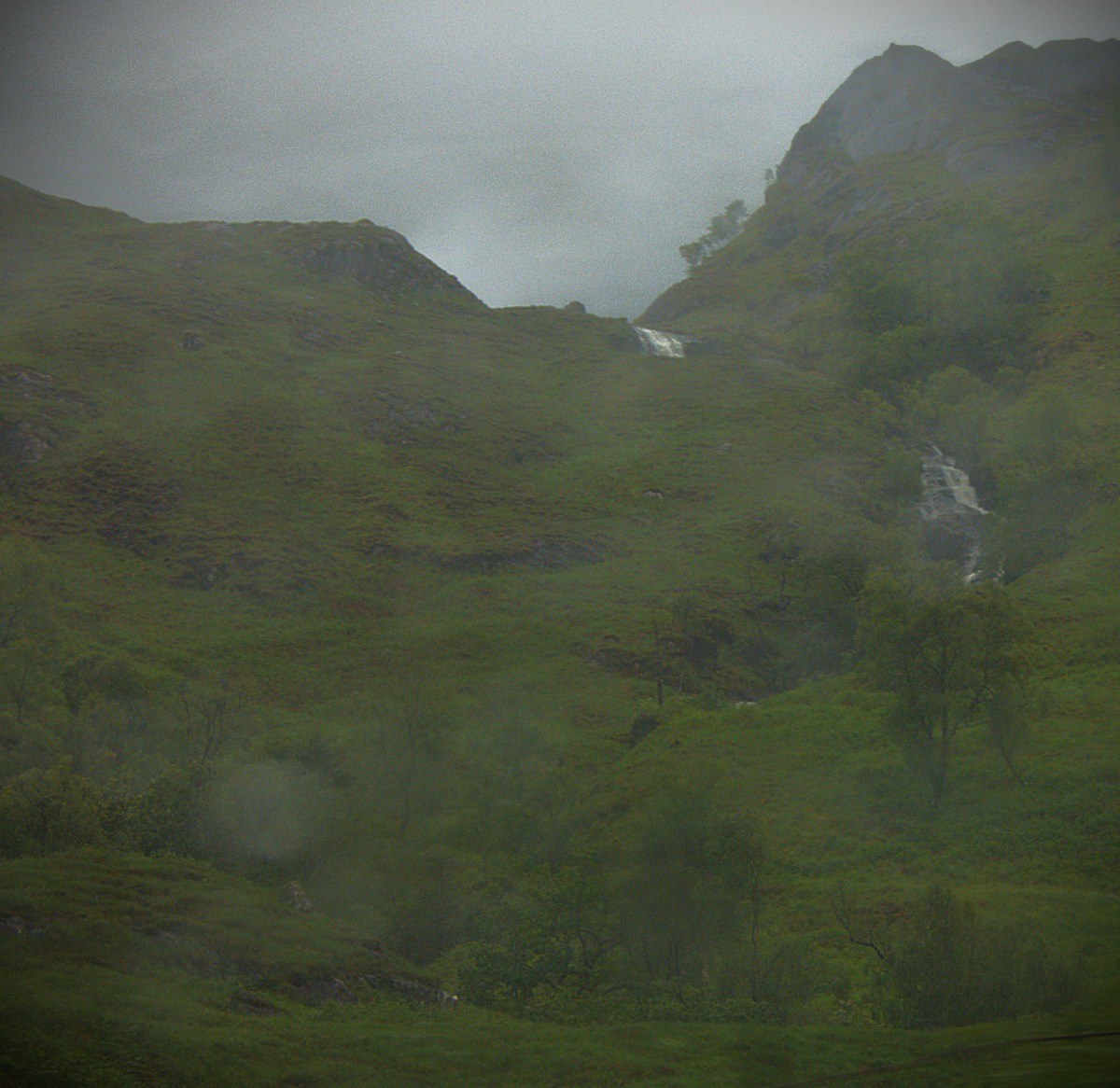
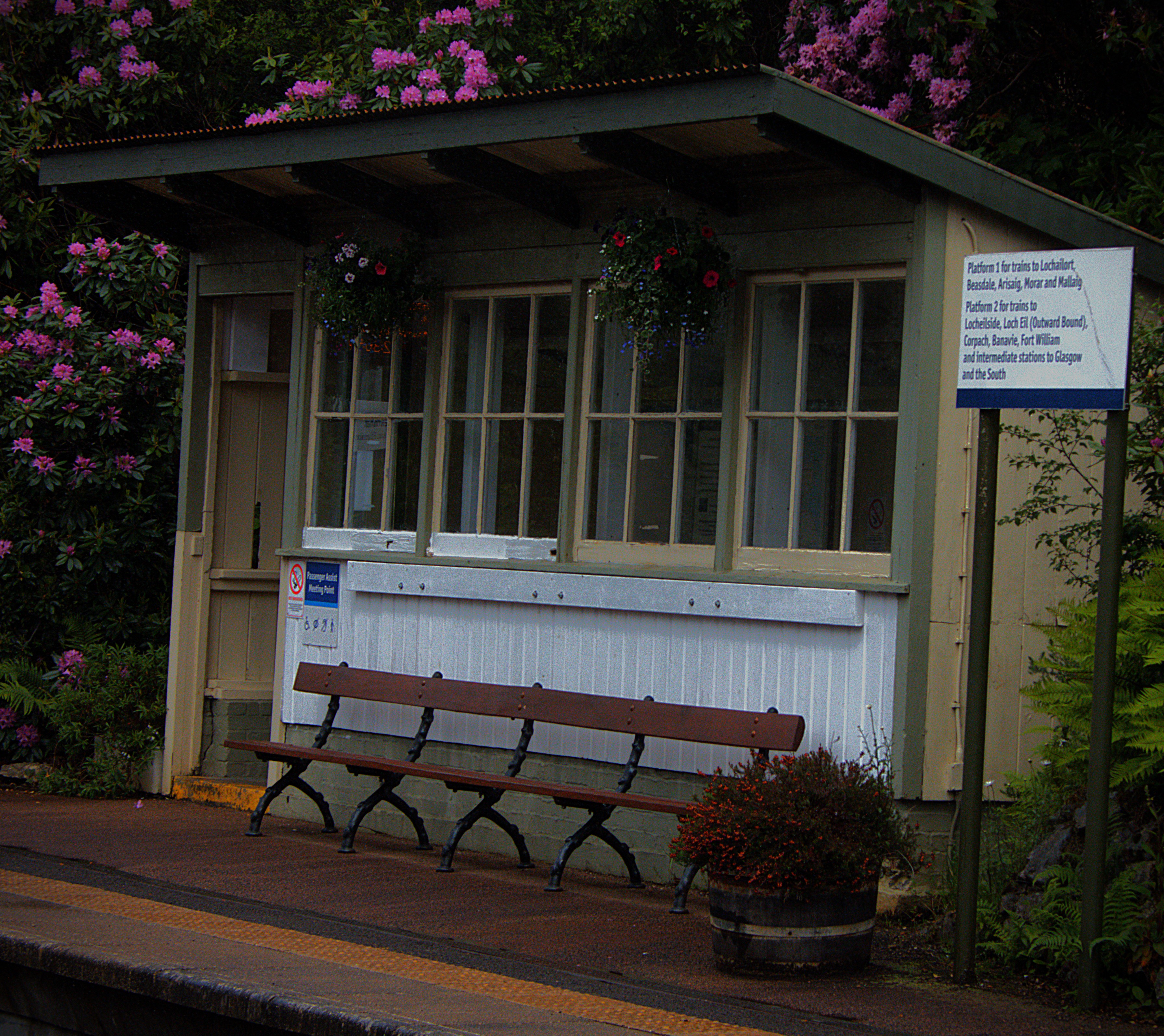
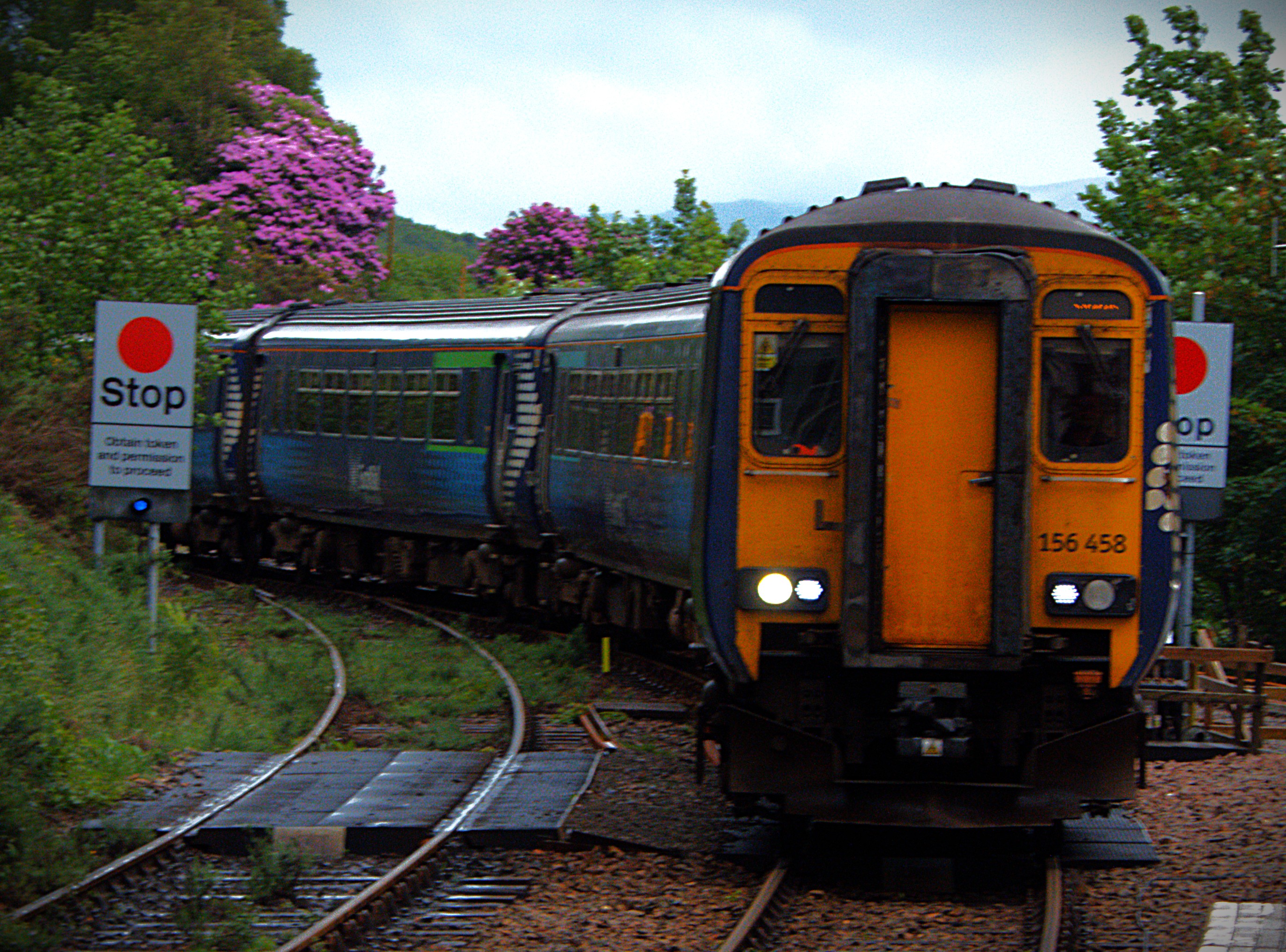
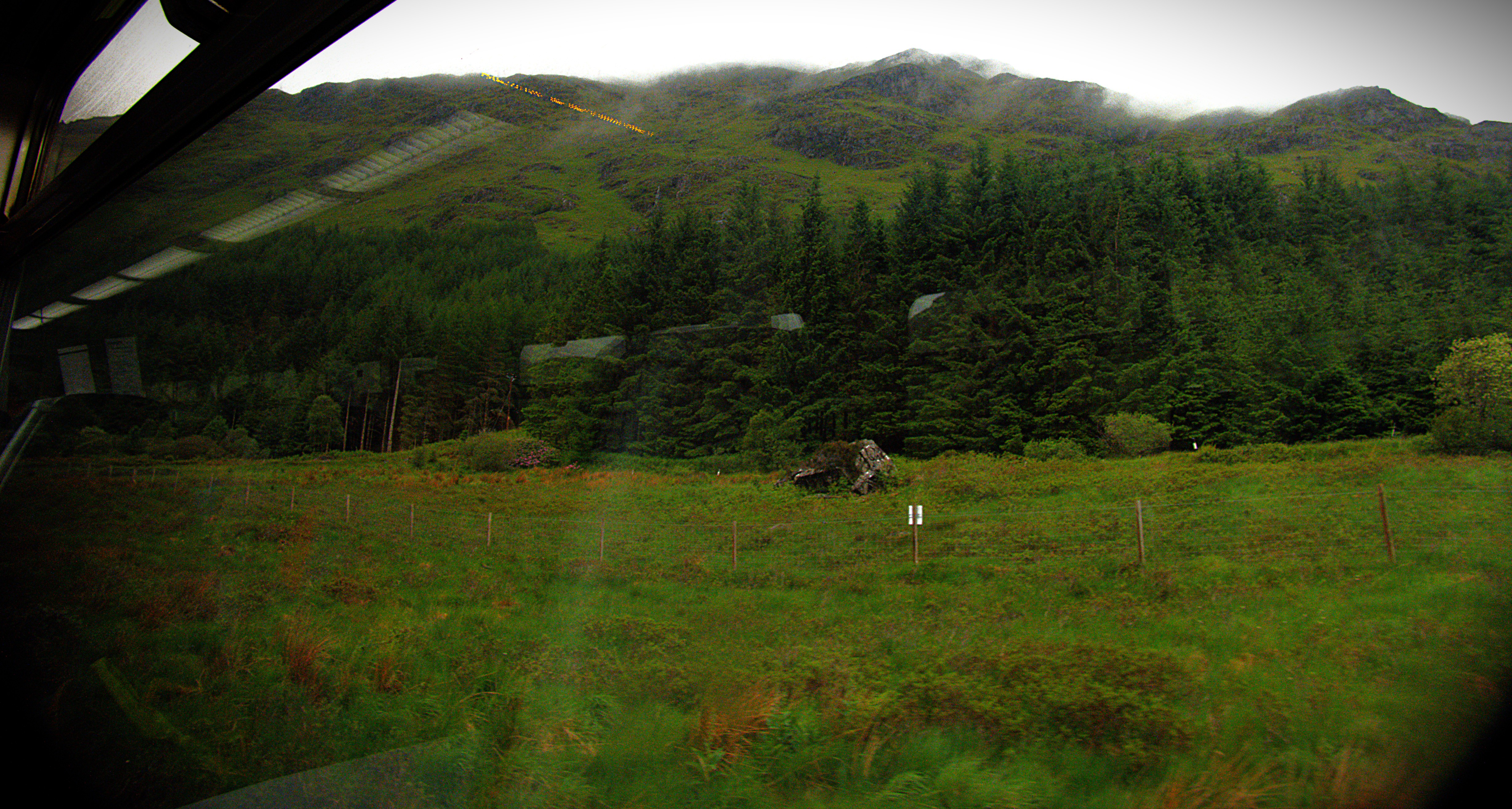
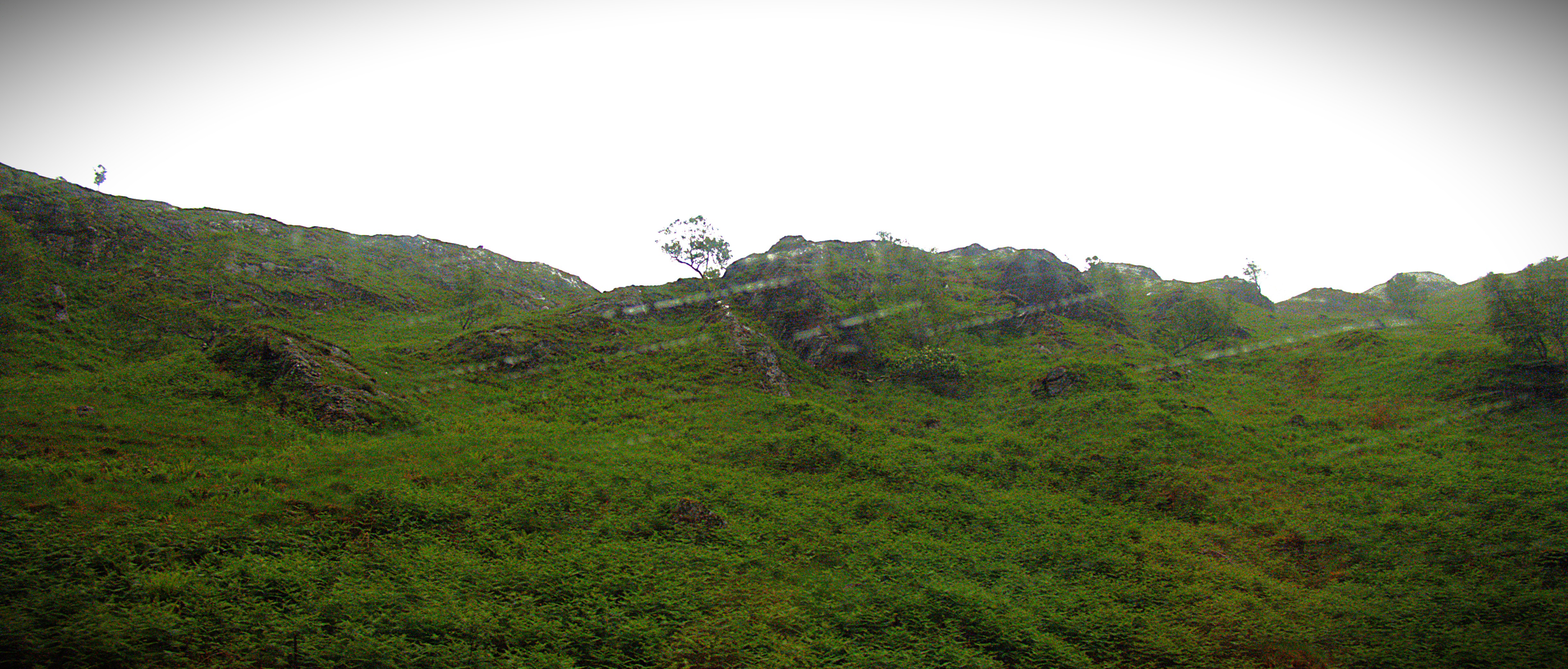
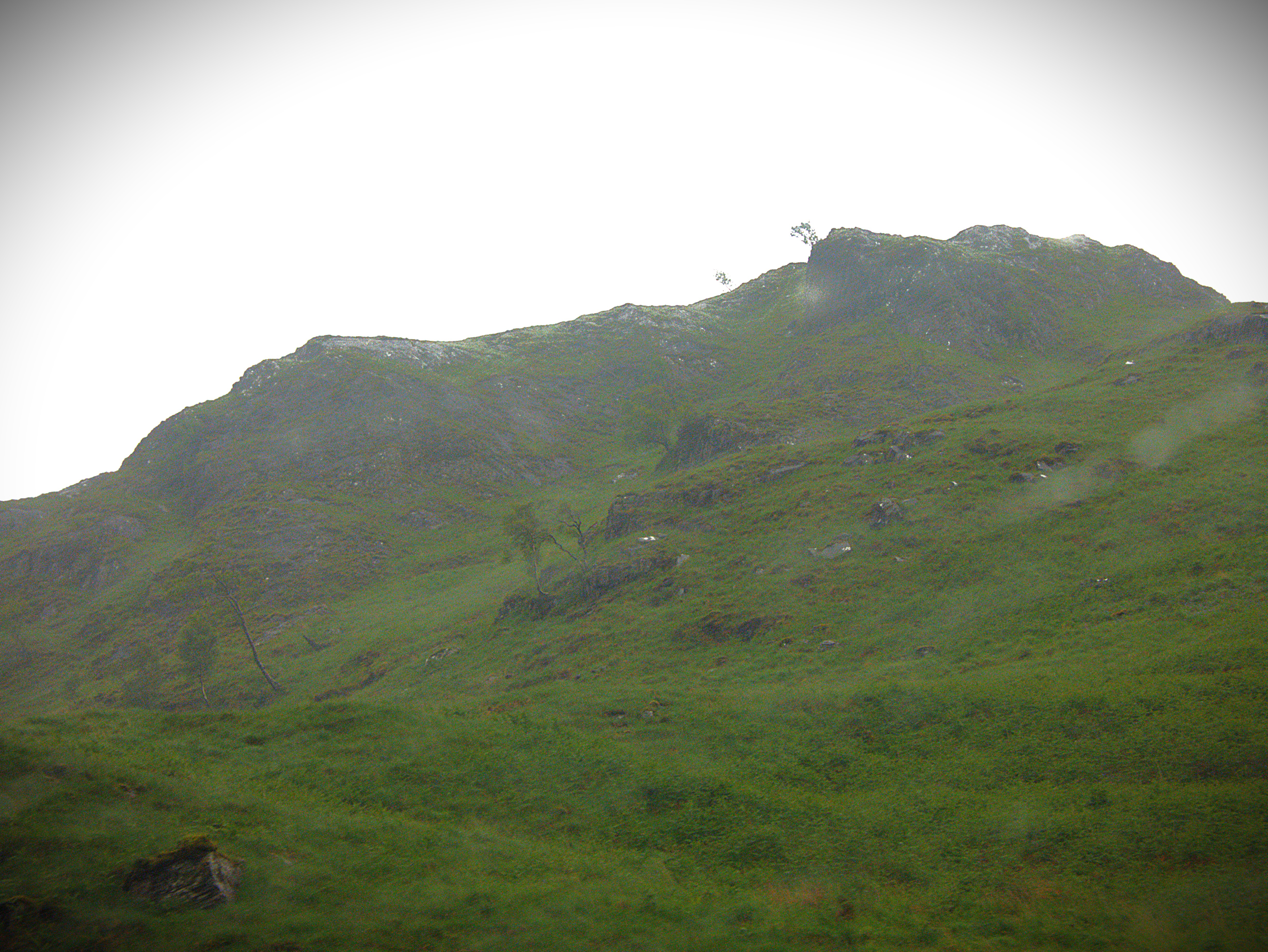
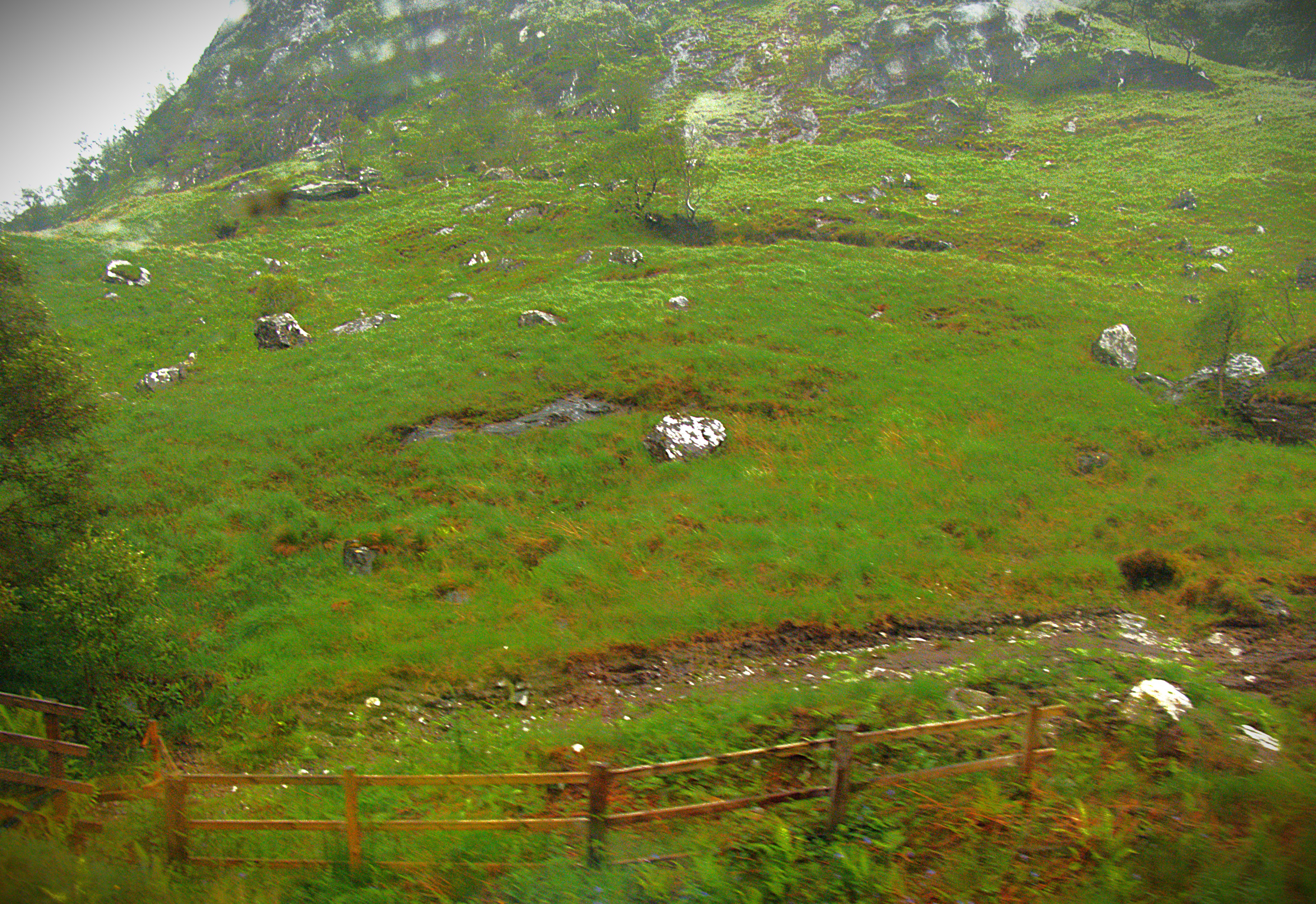
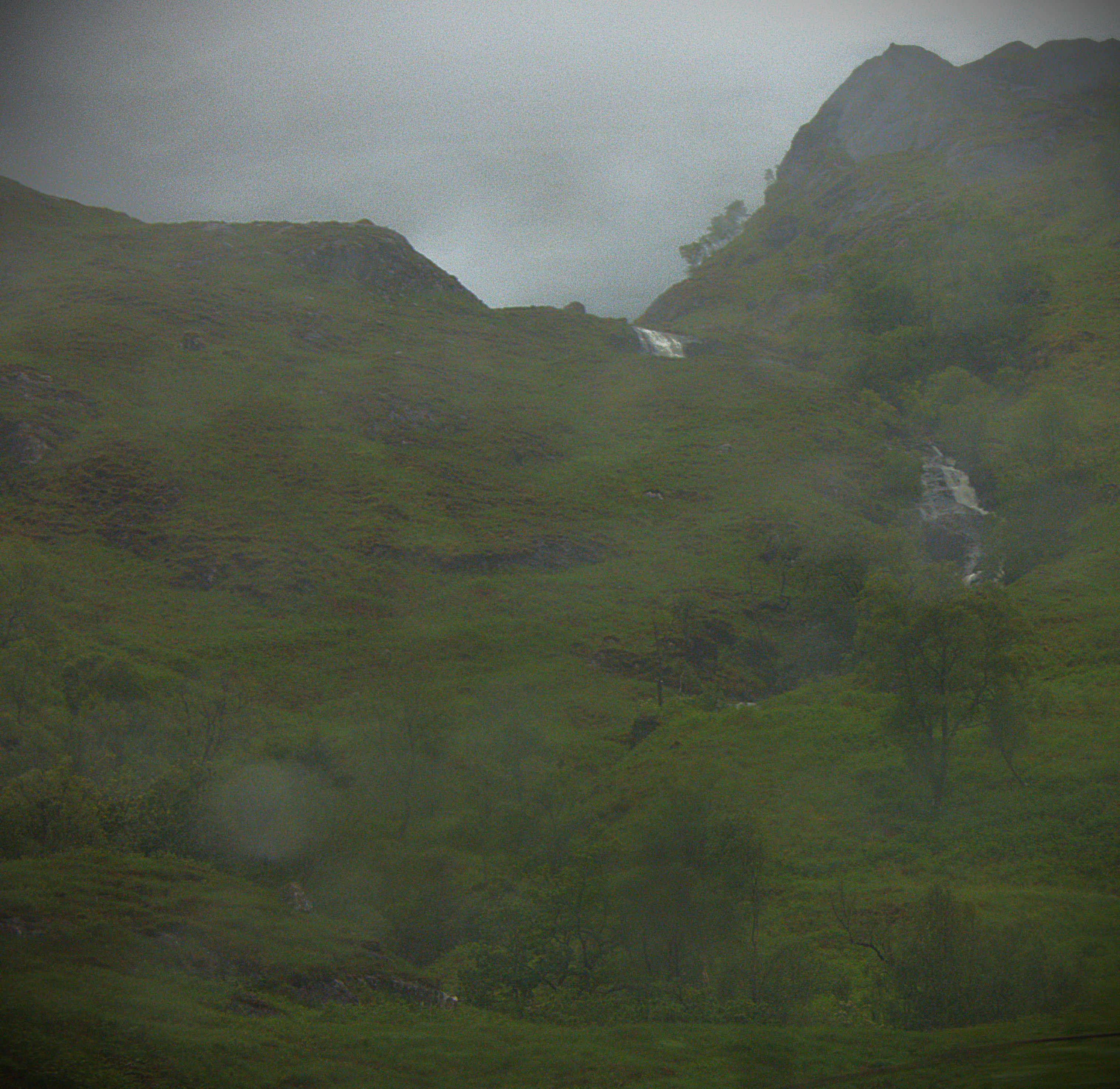
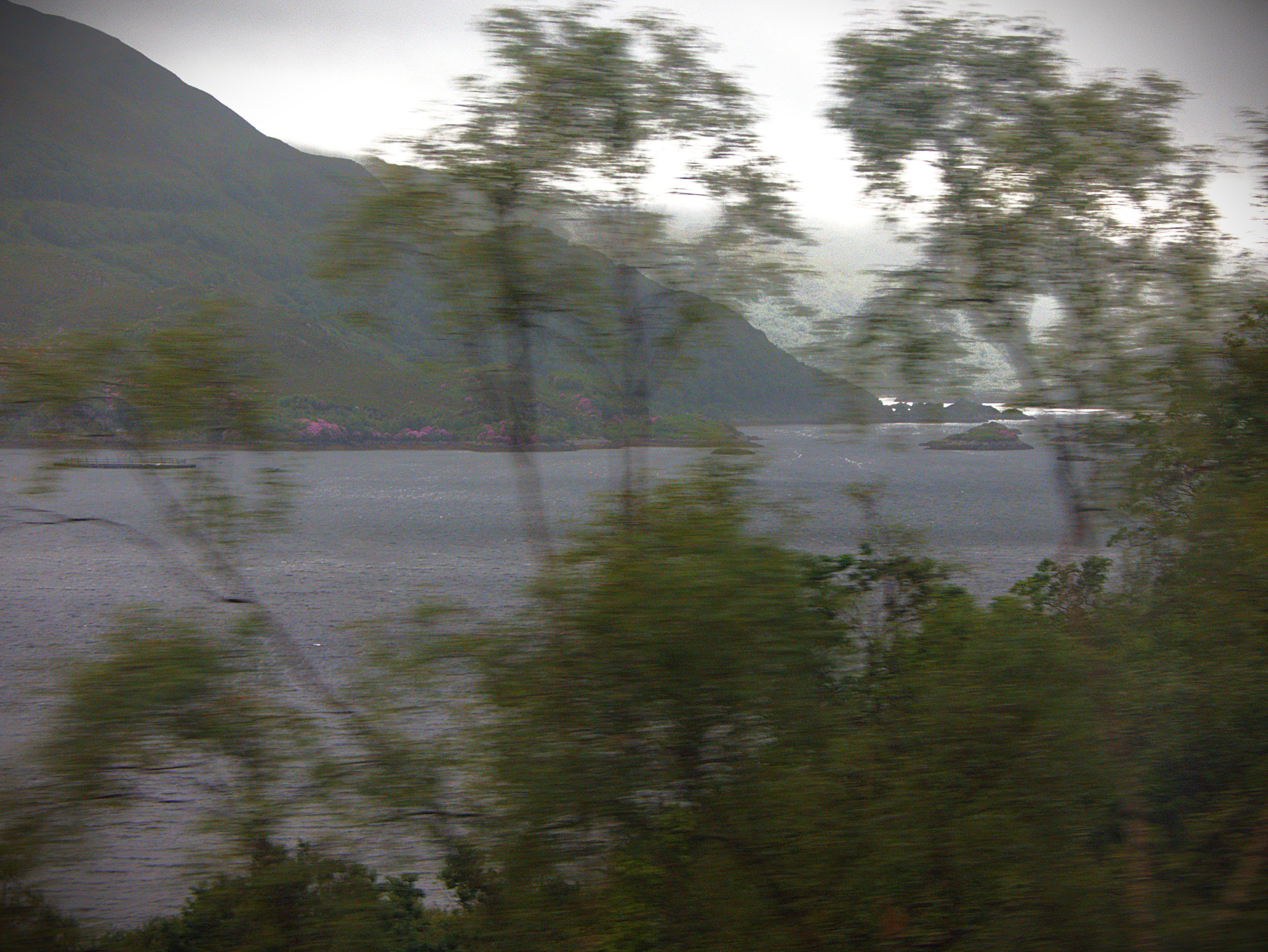
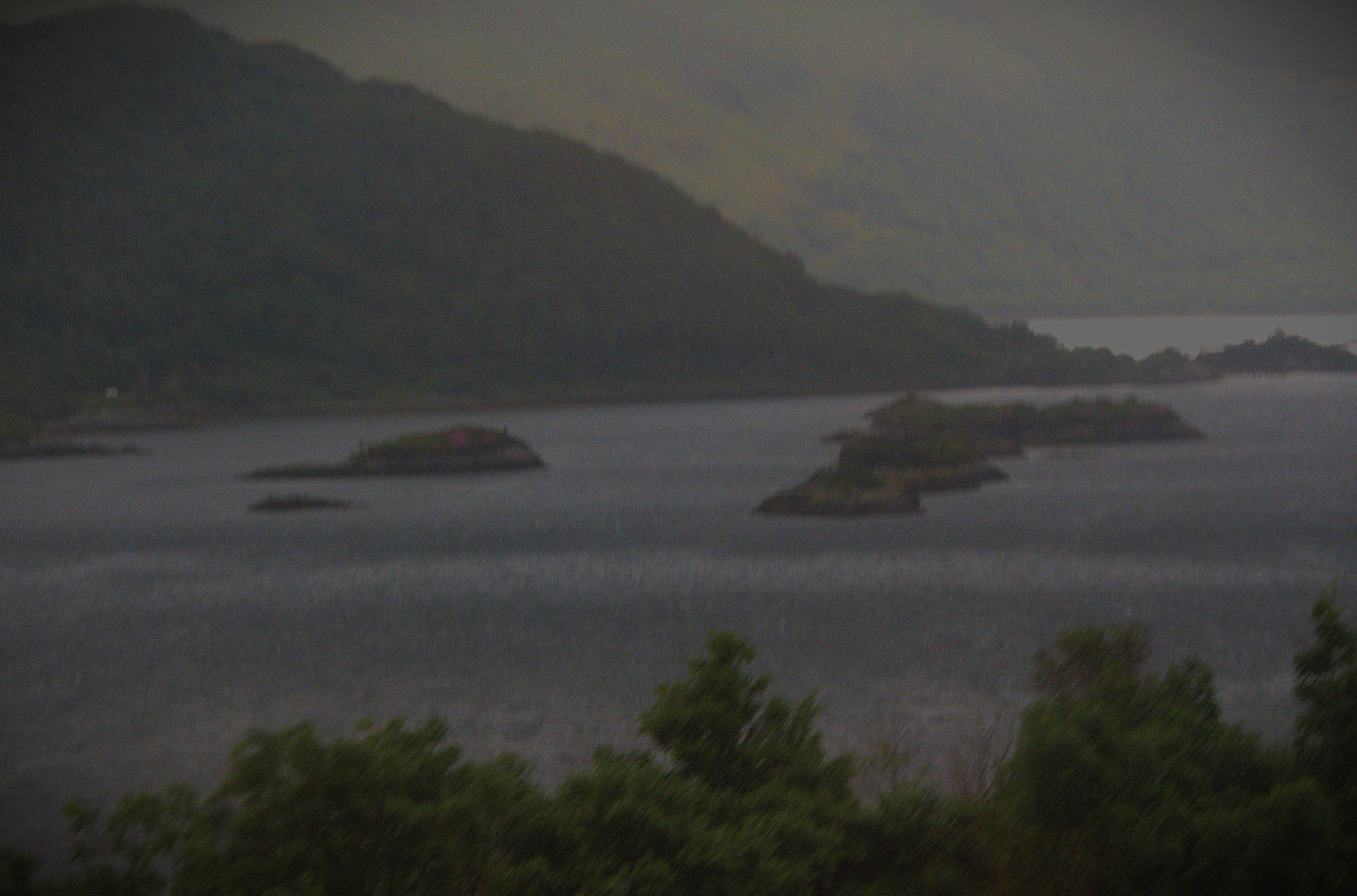
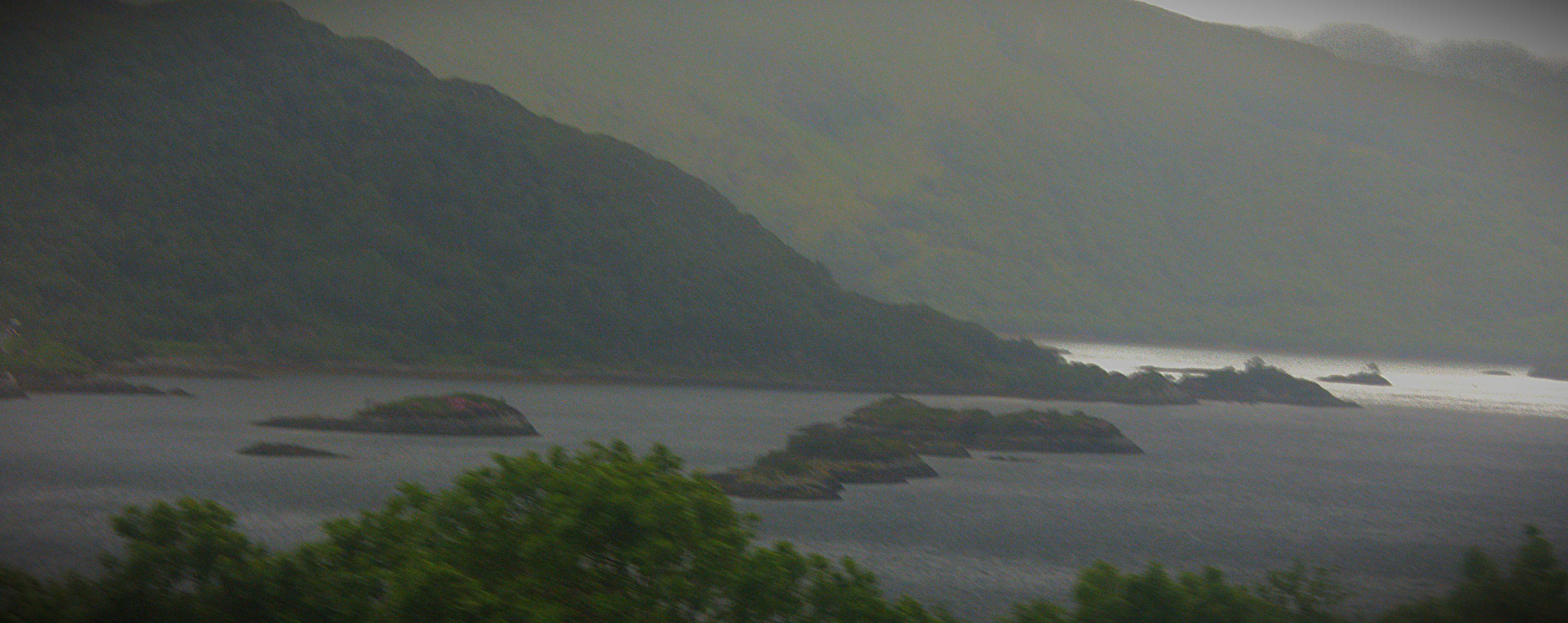
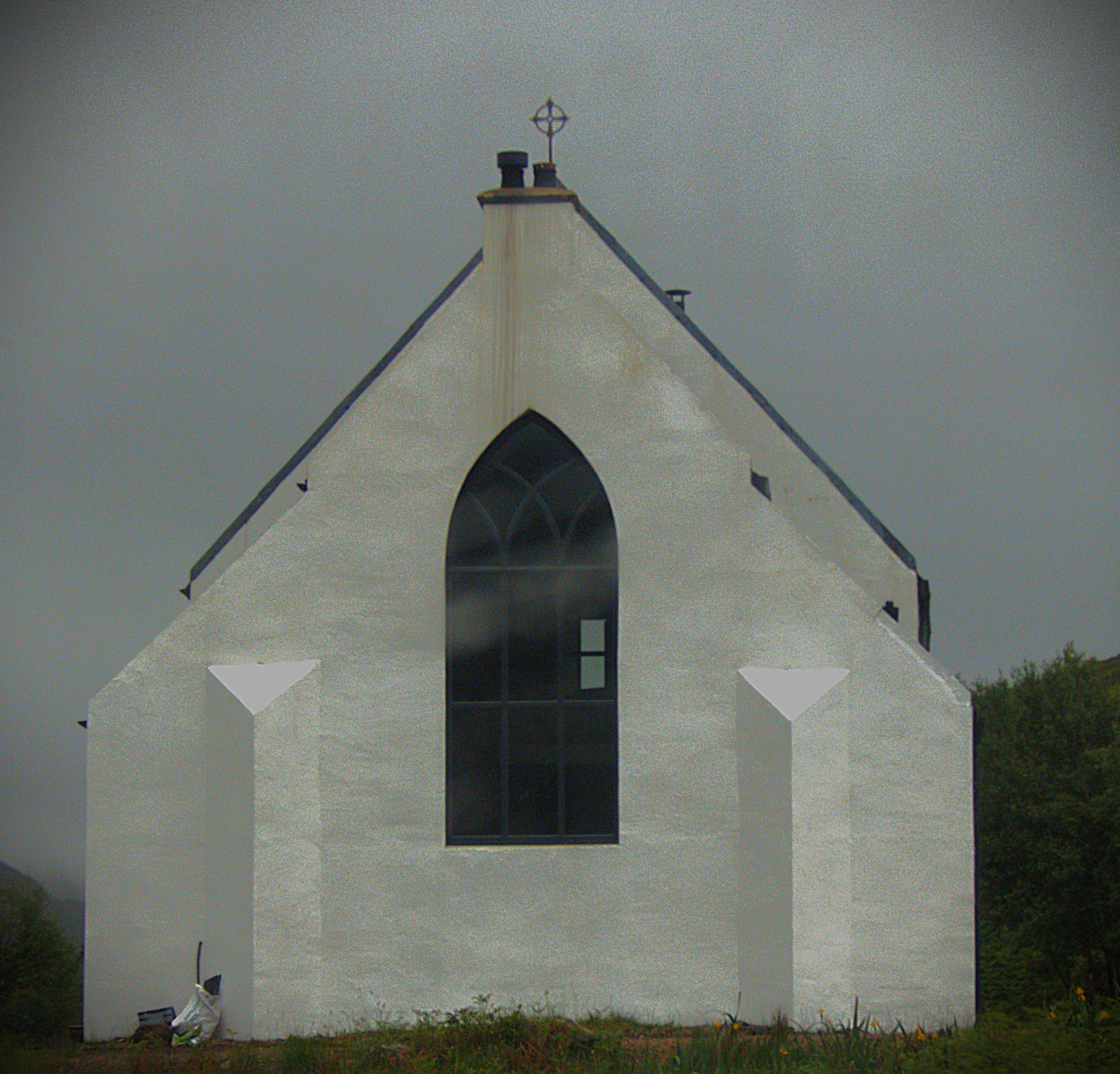
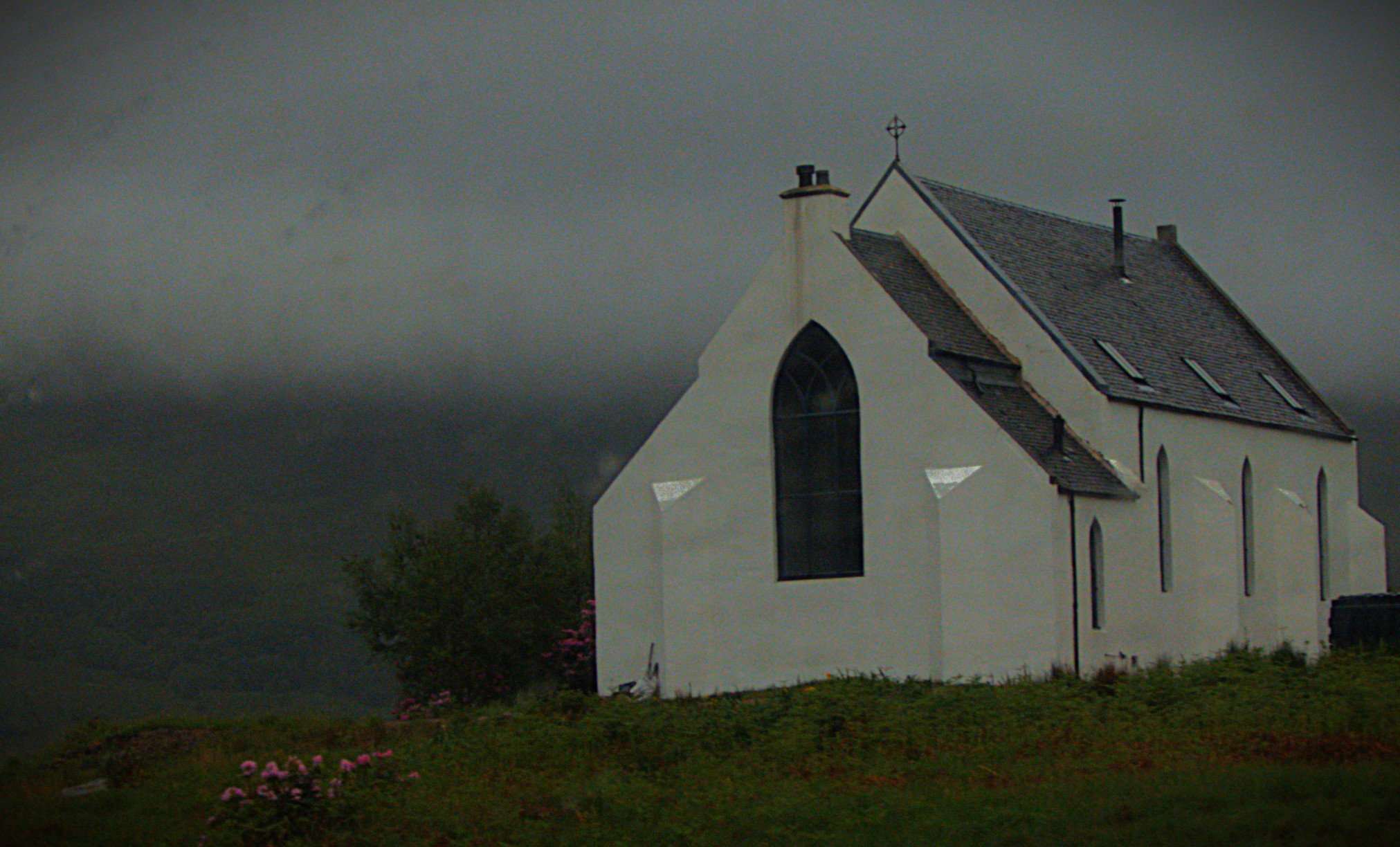
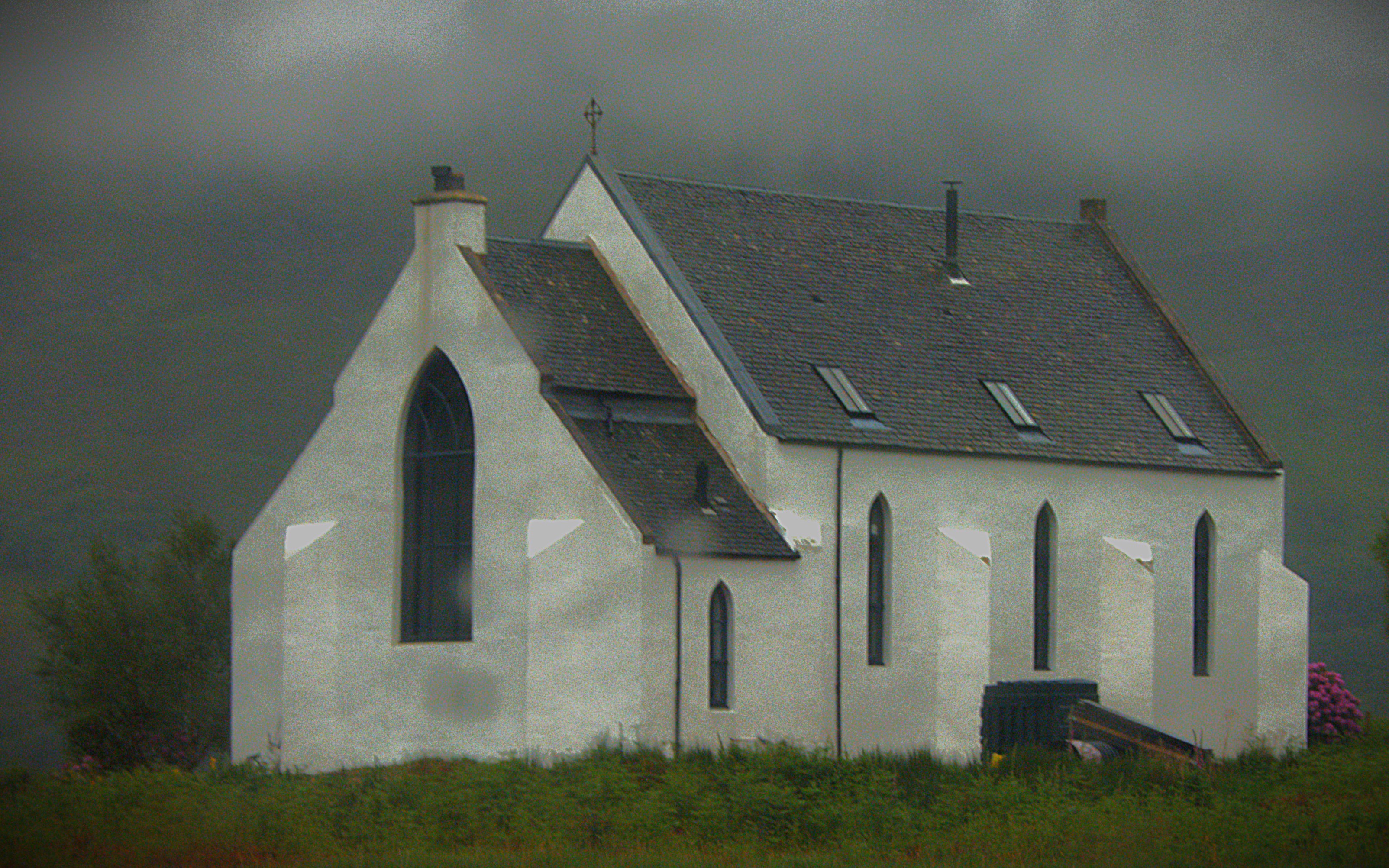
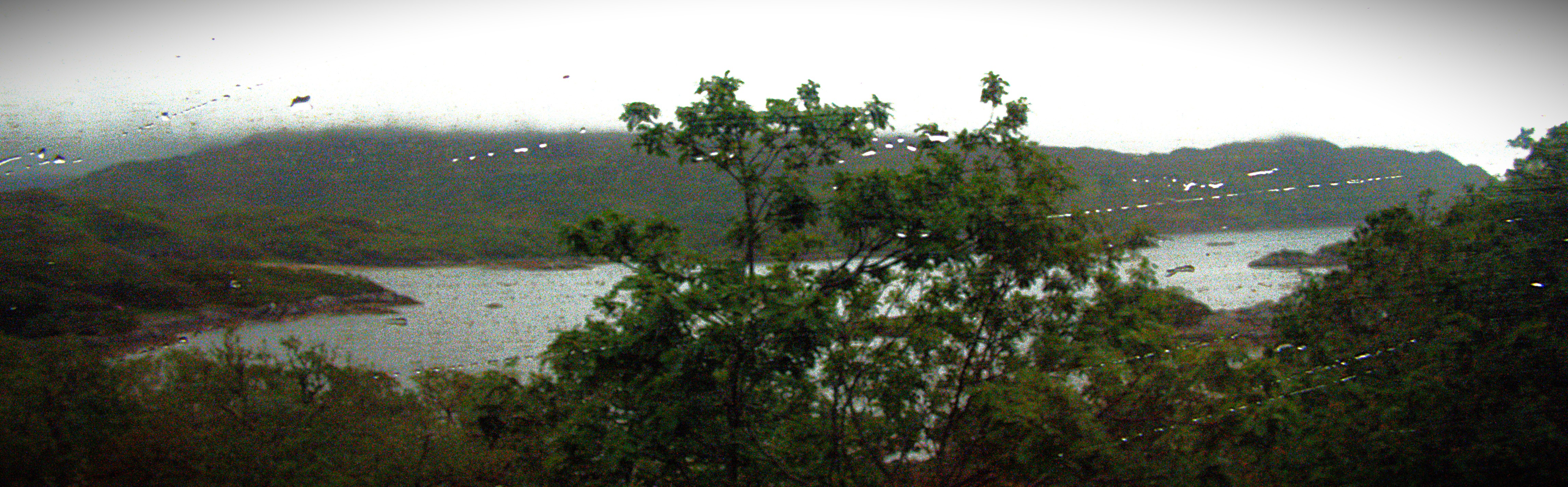
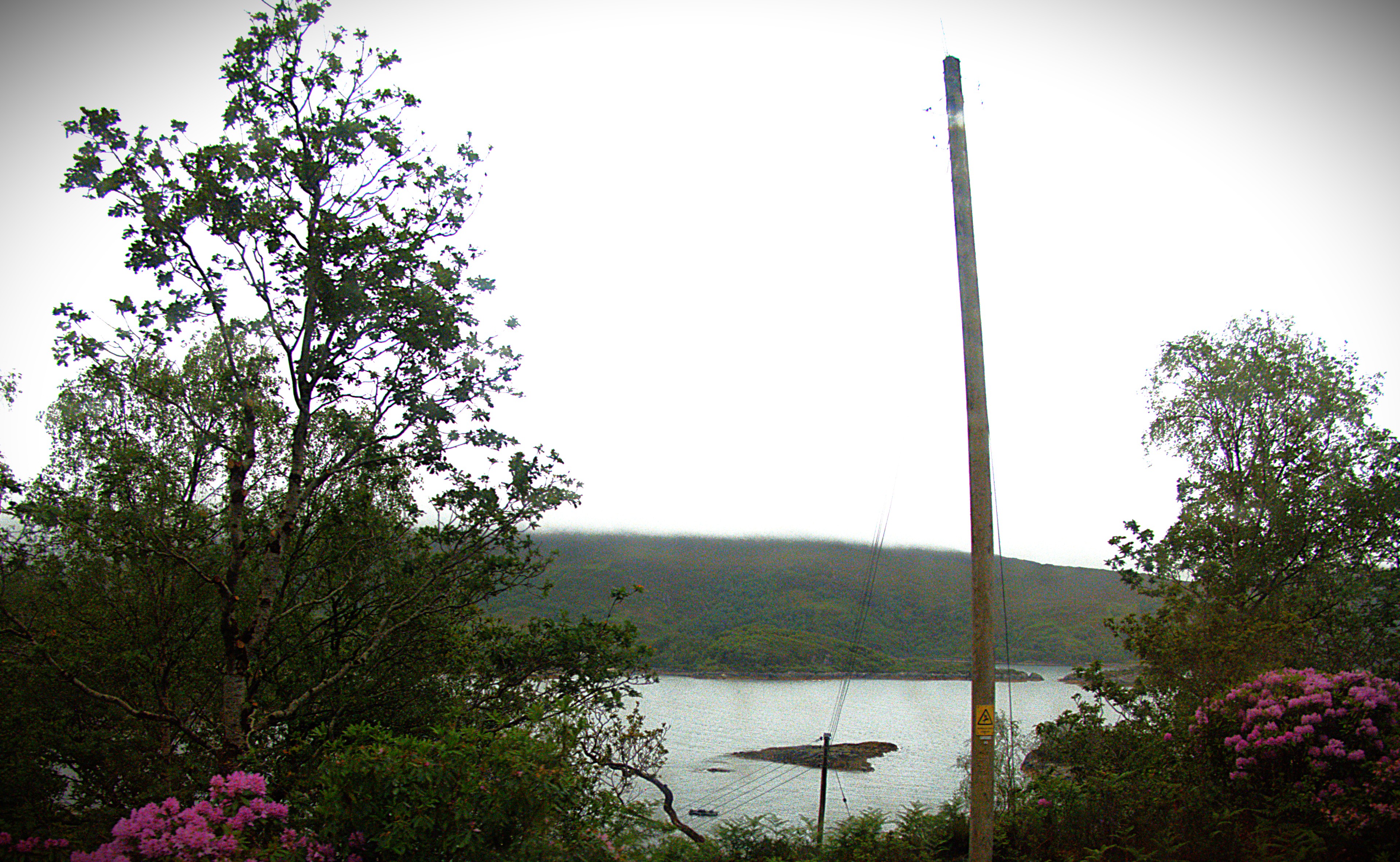
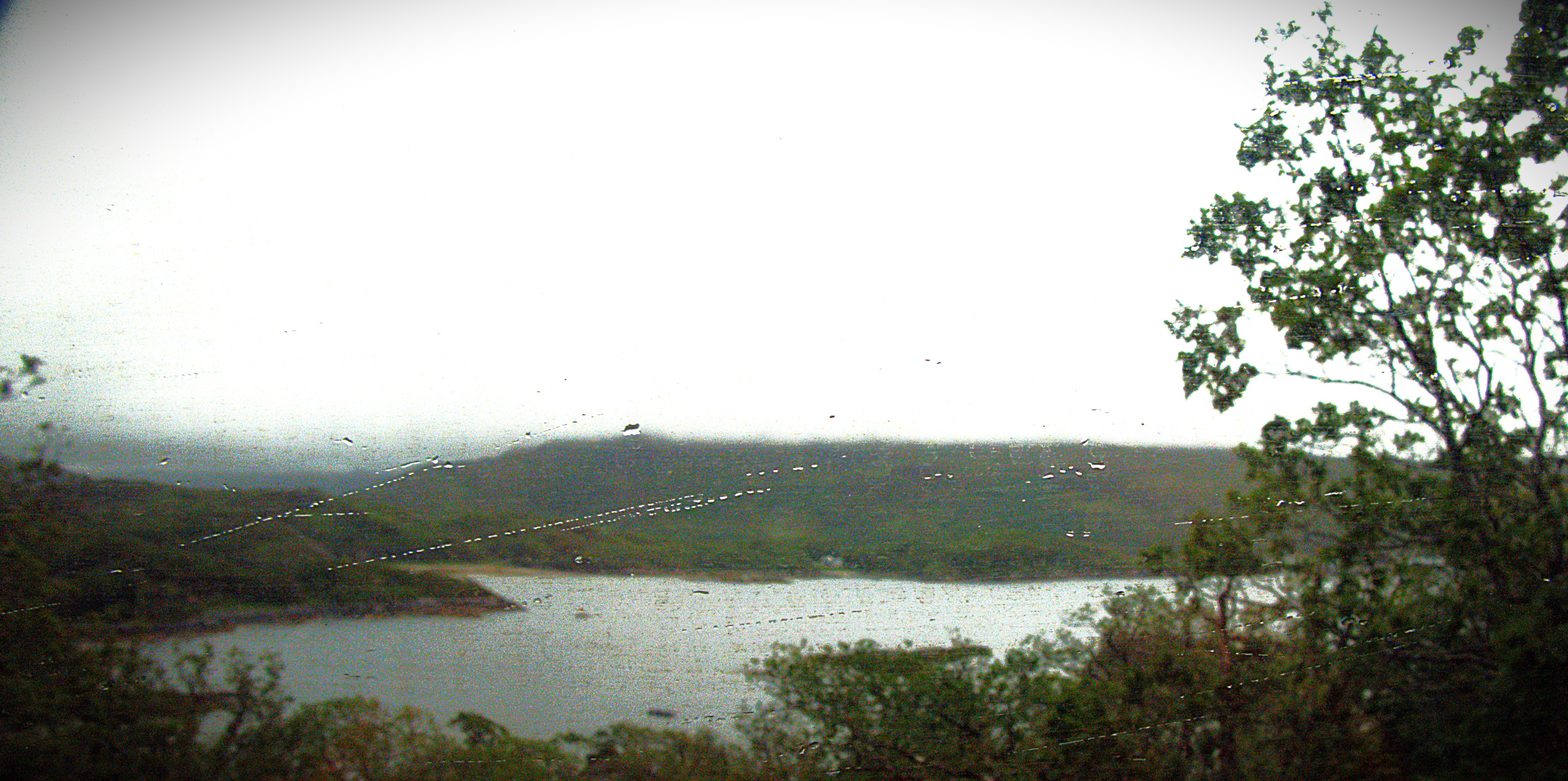
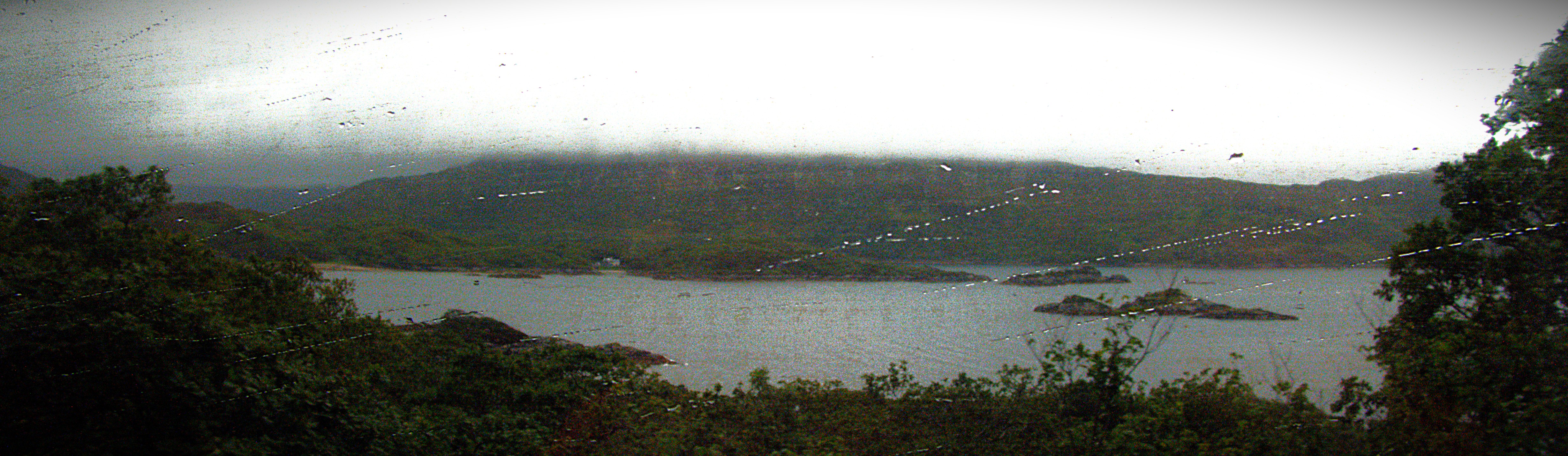
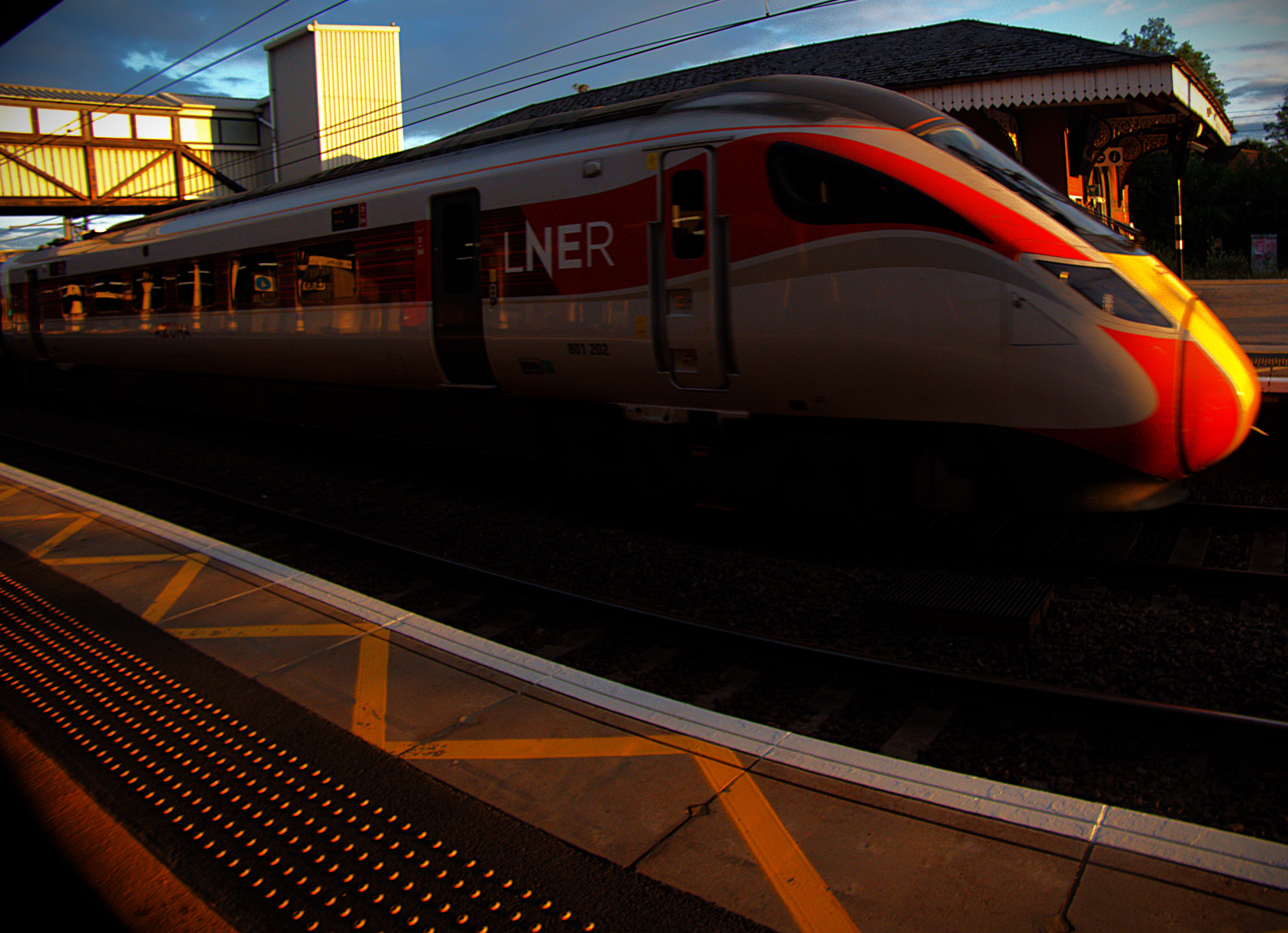
After finishing in the museum we had a few minutes on the platform before catching the train back to Arisaig. We managed to find seats well placed to capture the best sights of the return journey, and the service ran according to schedule.

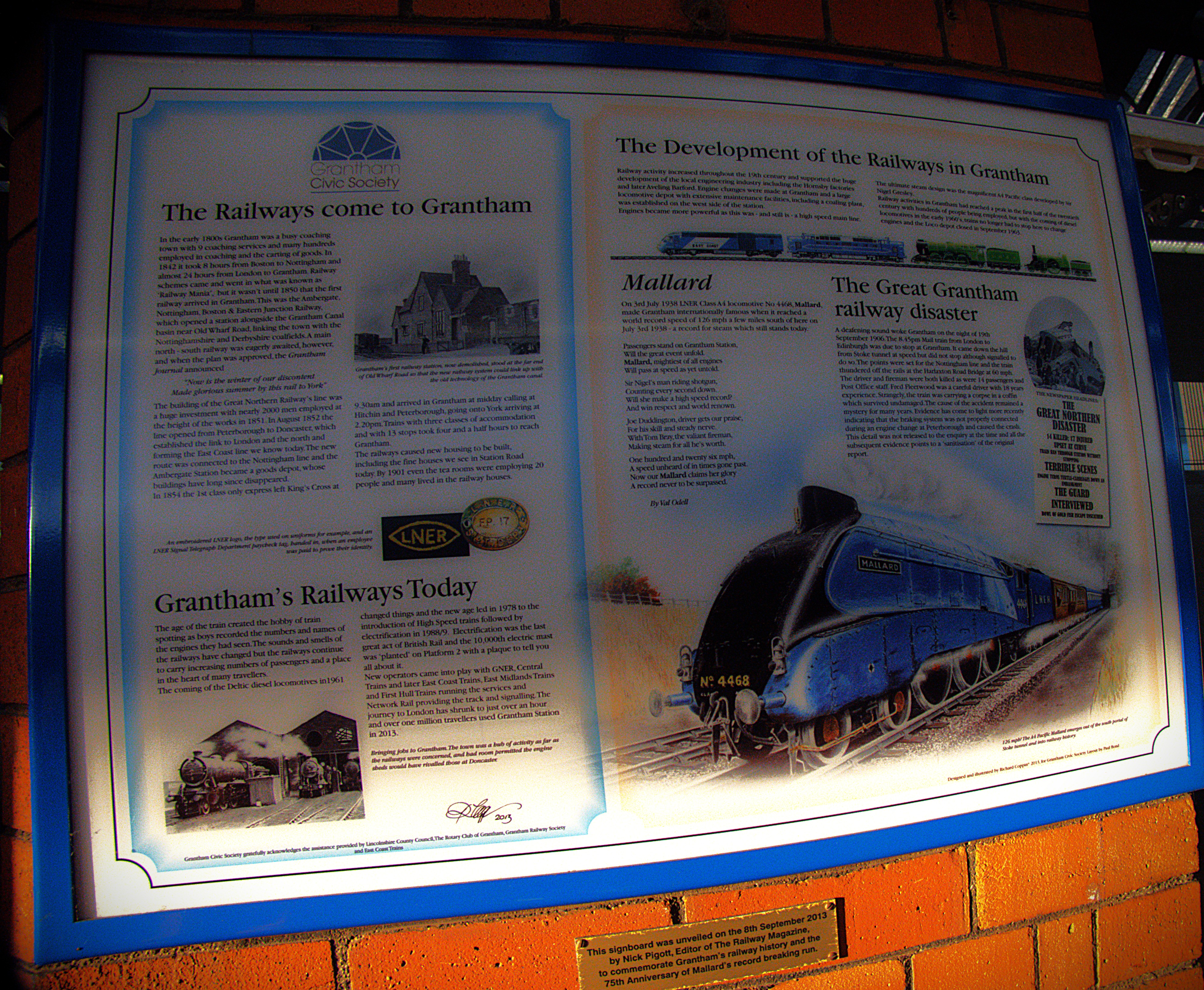
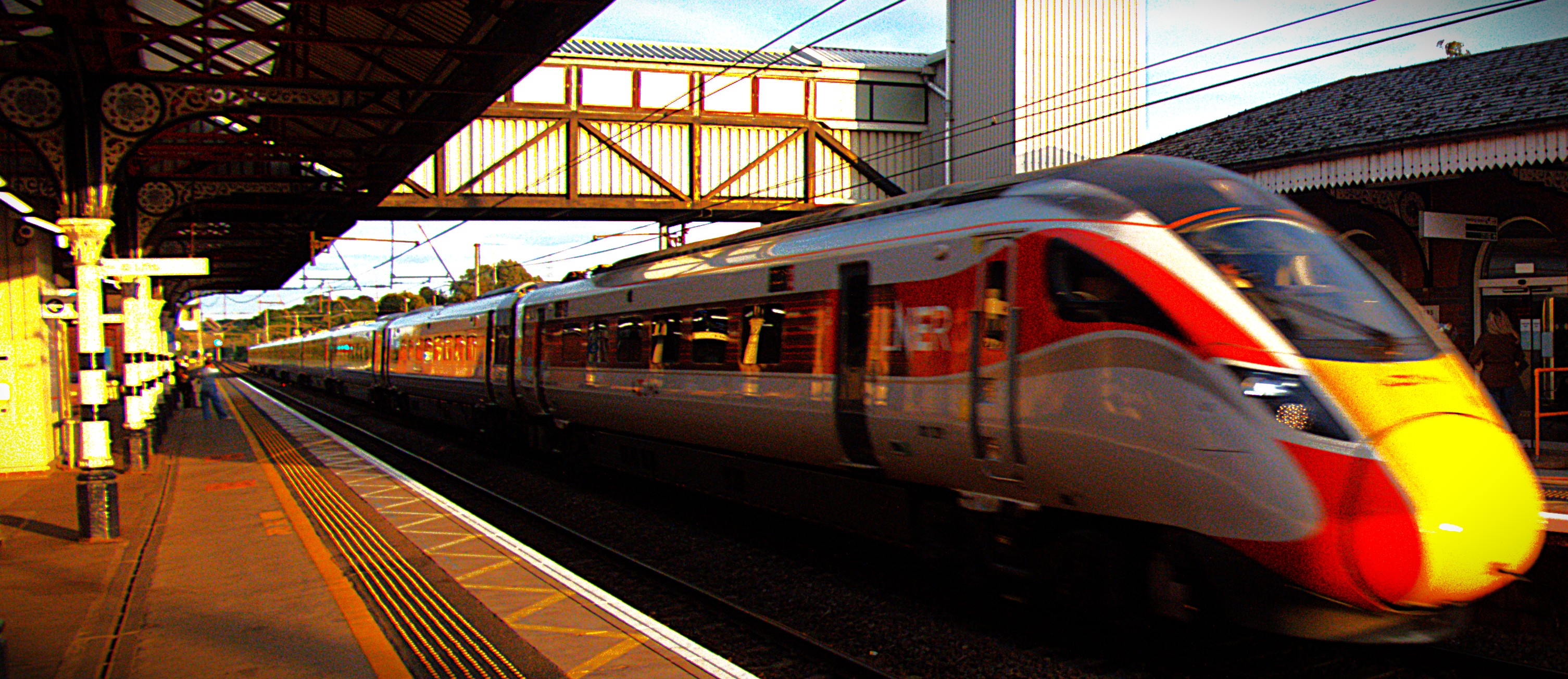
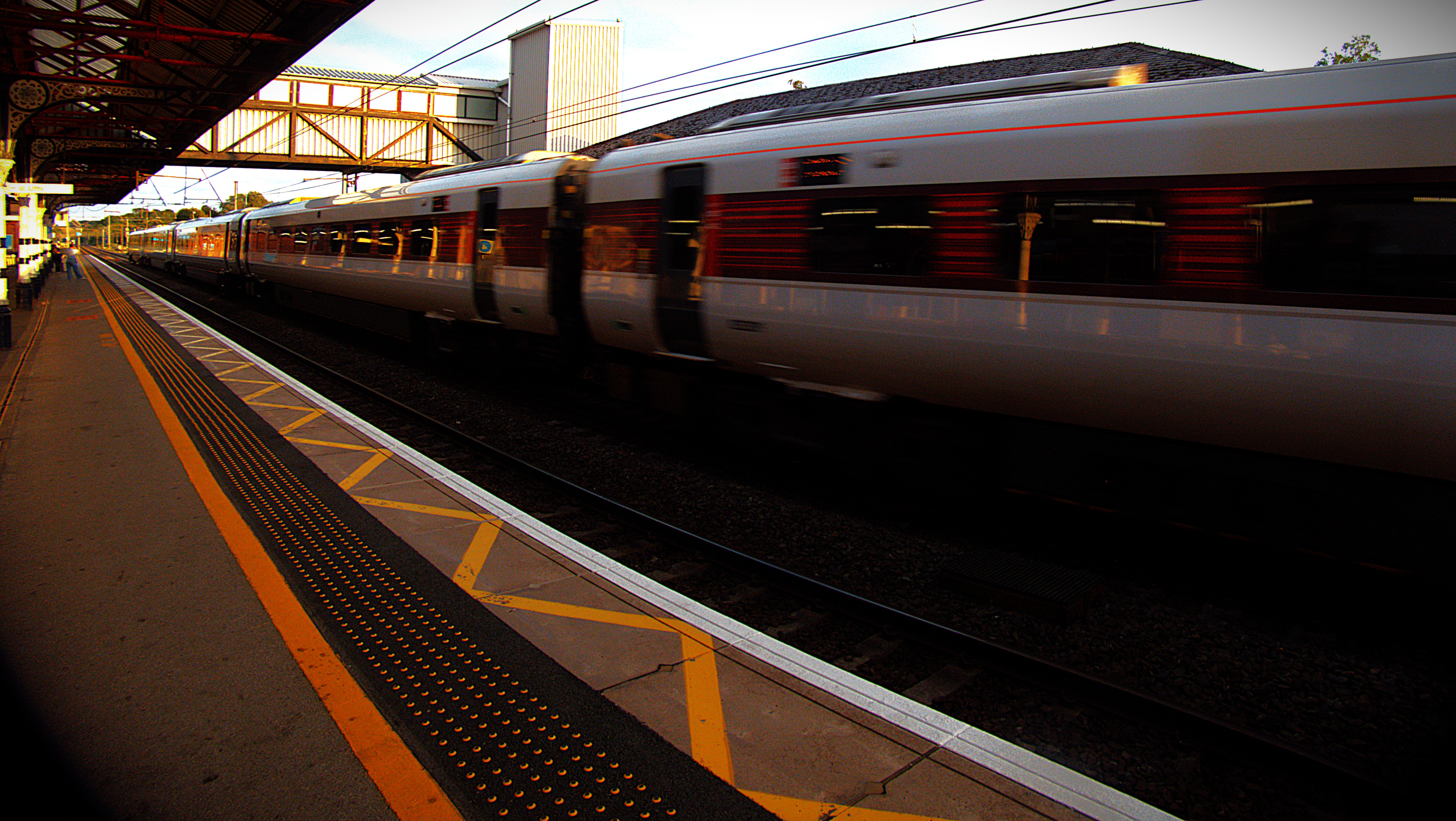
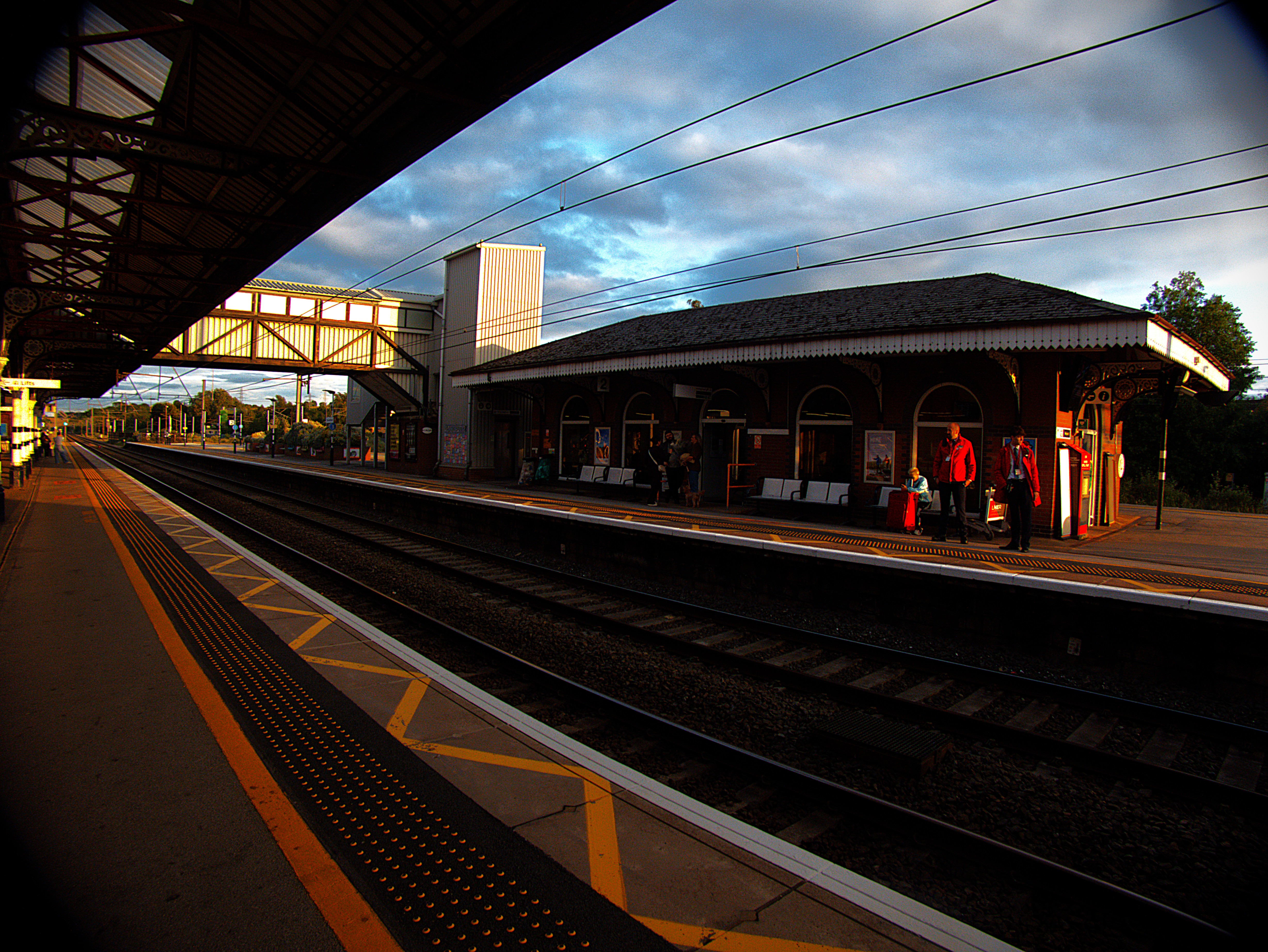
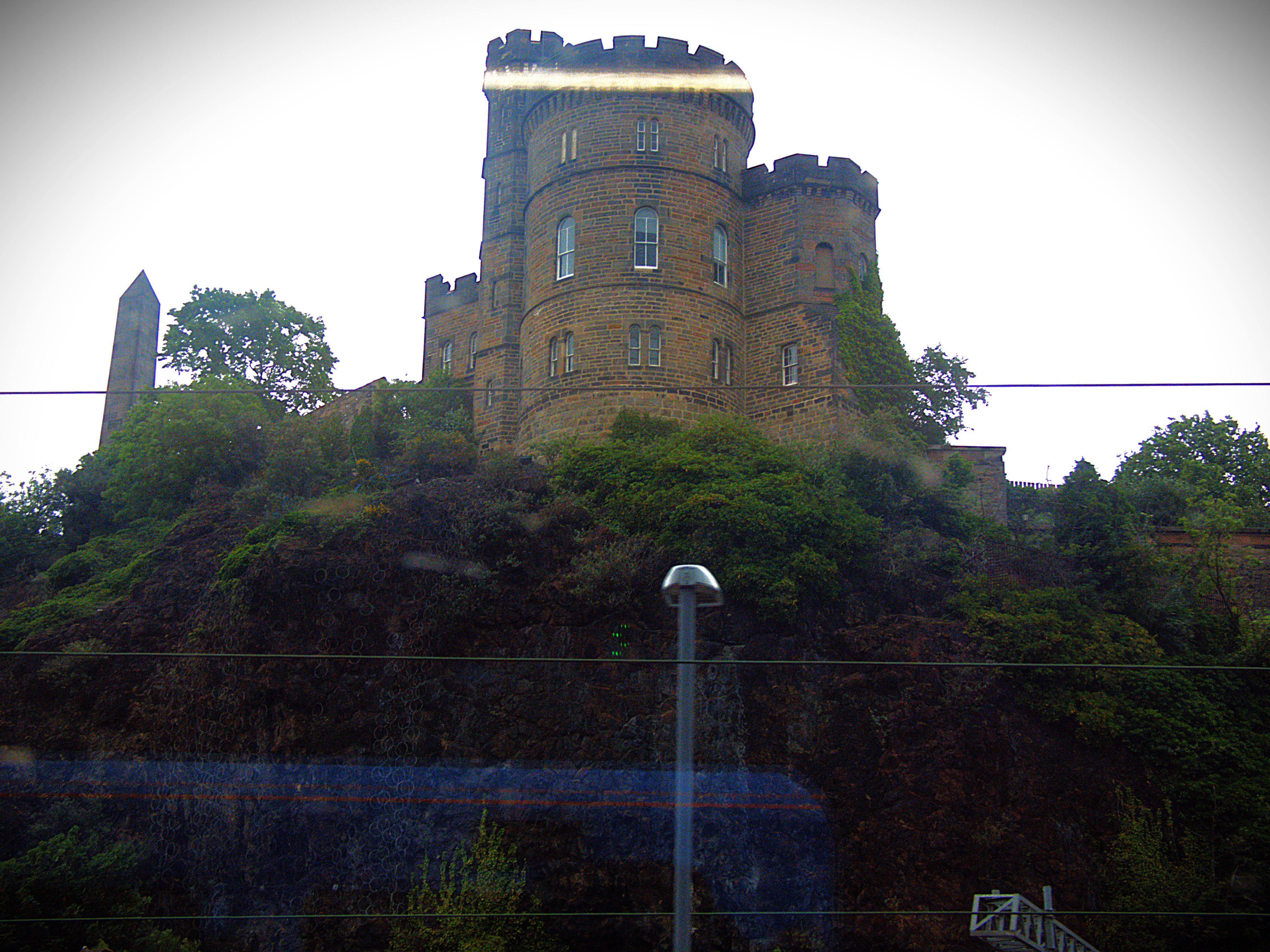
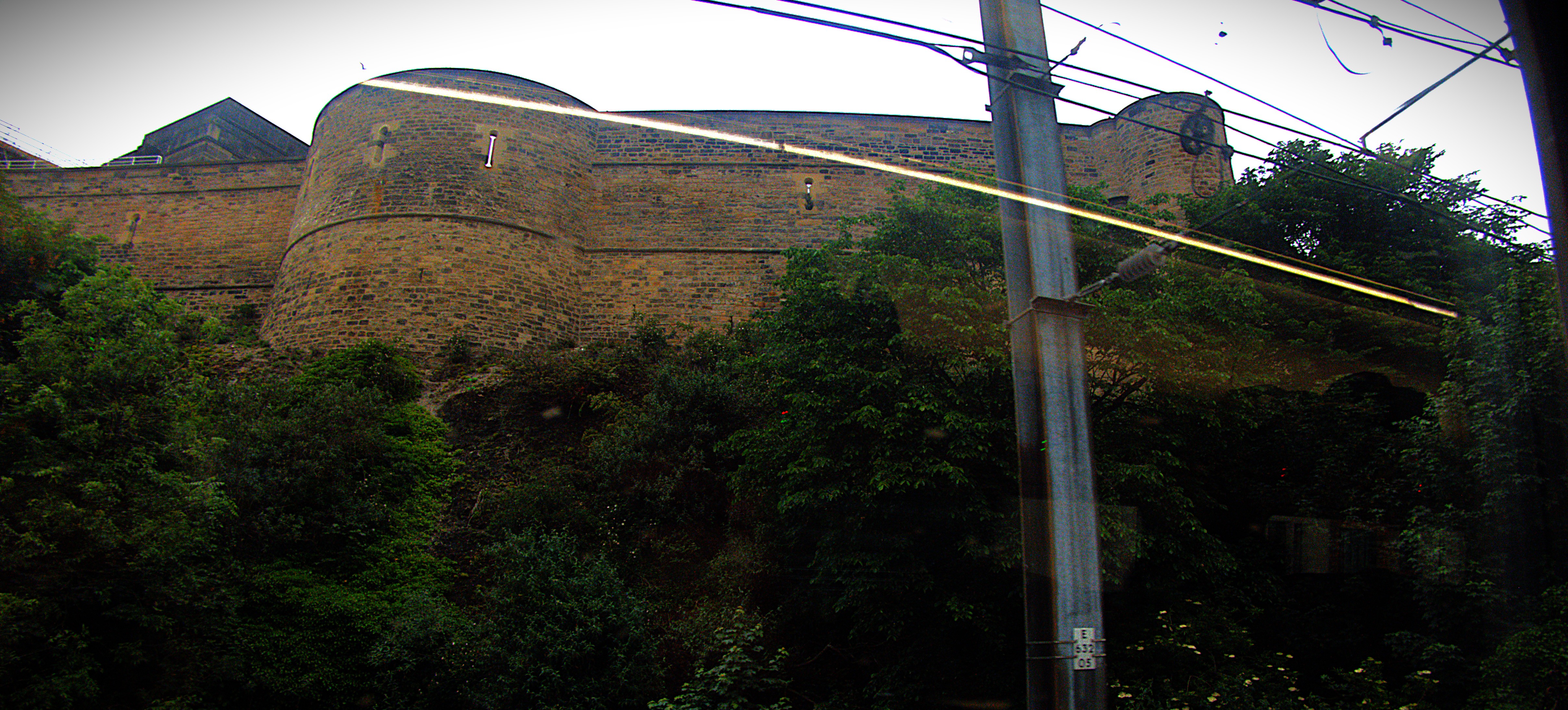
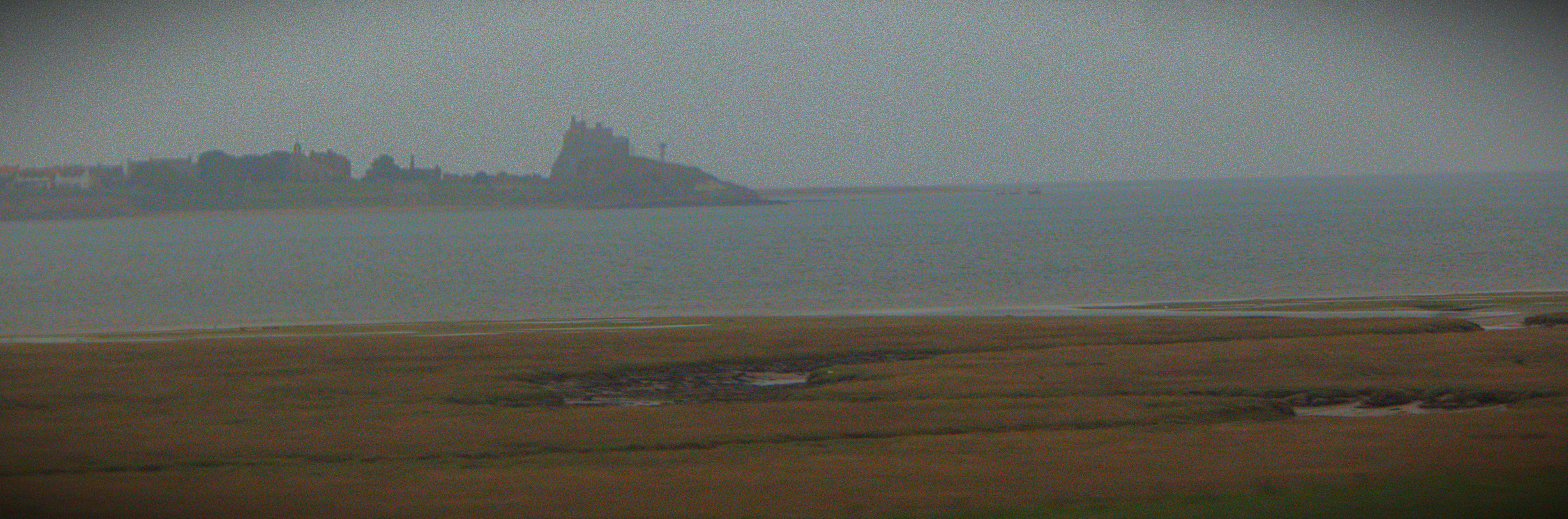
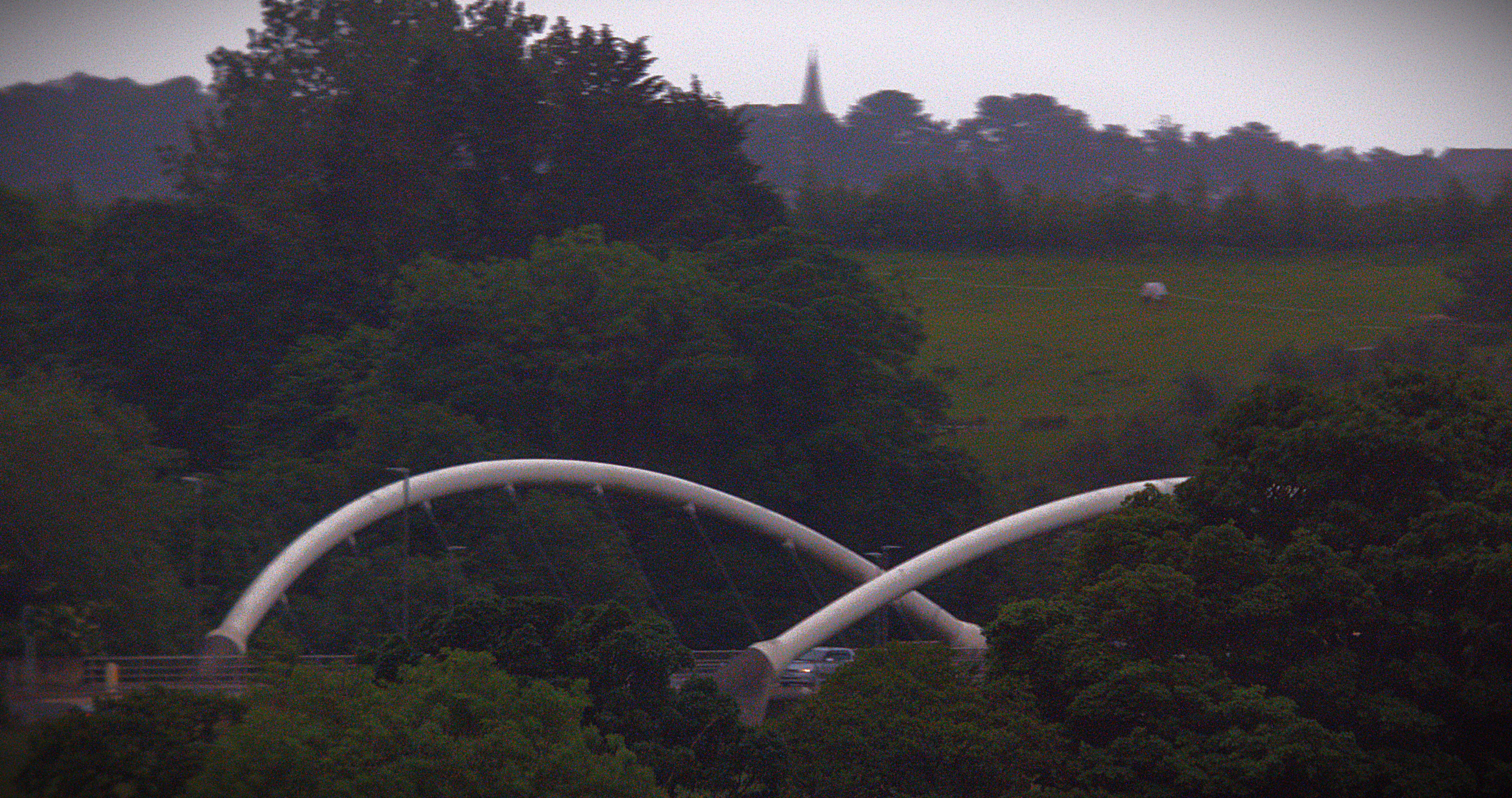
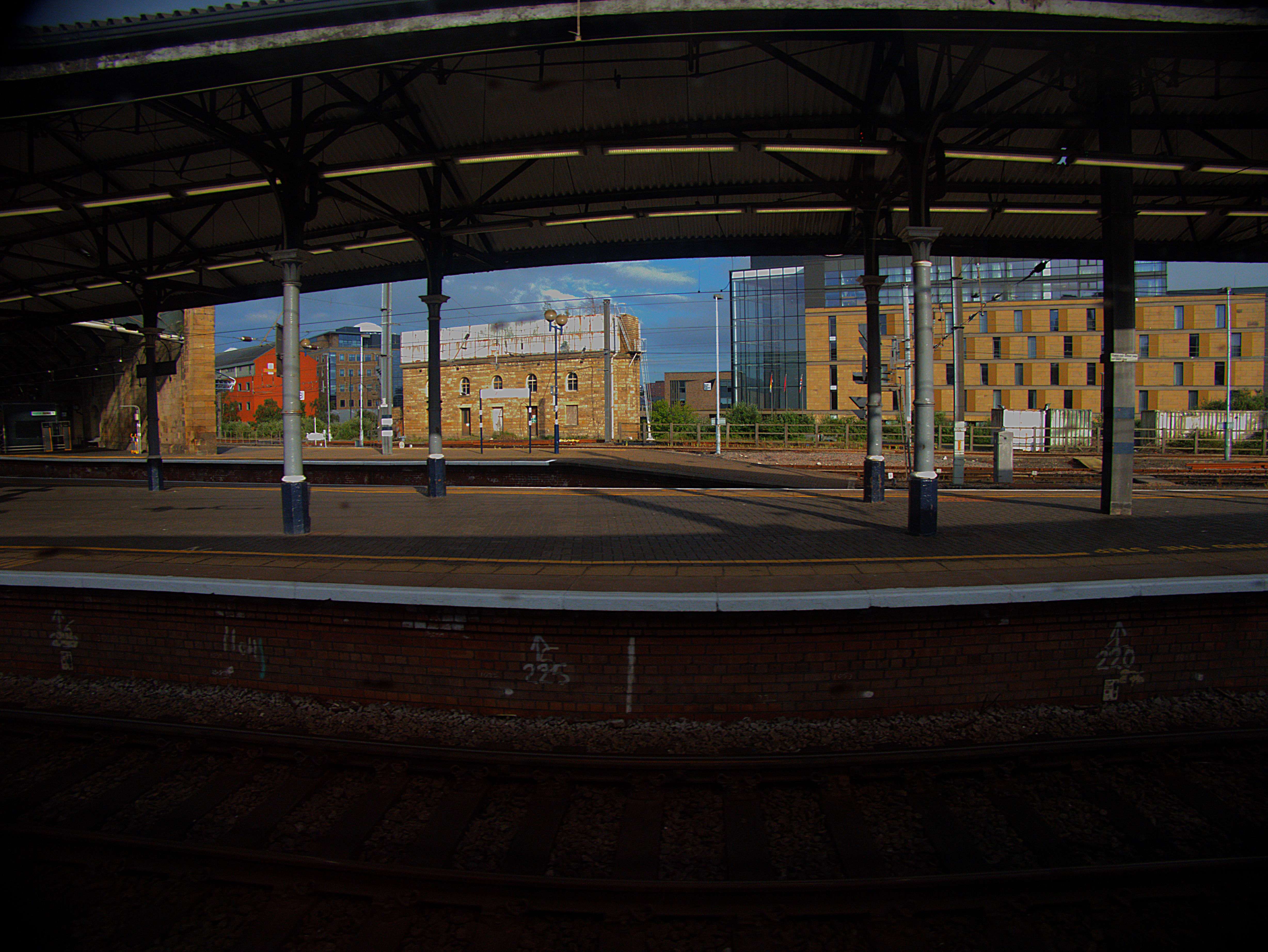
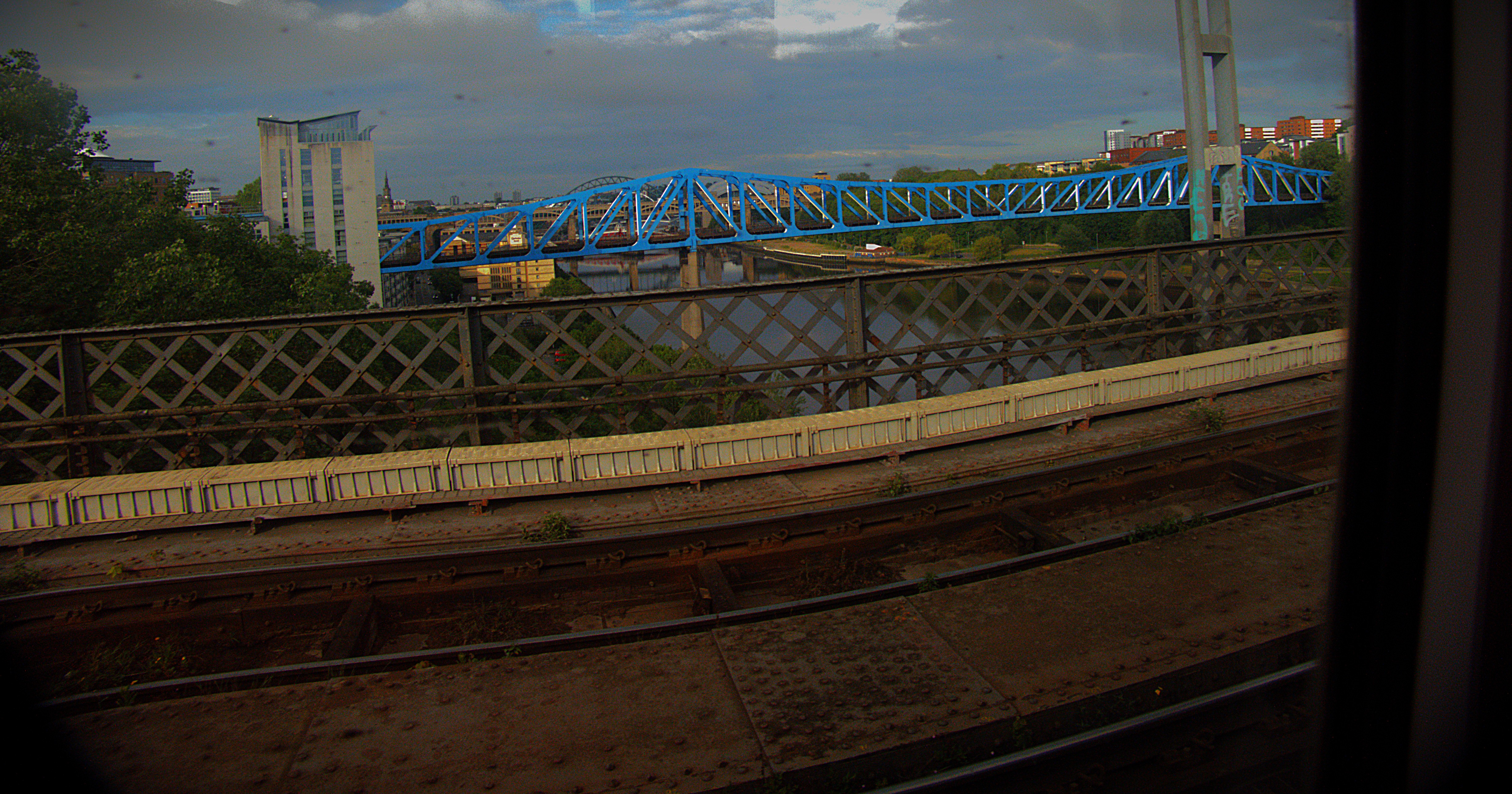
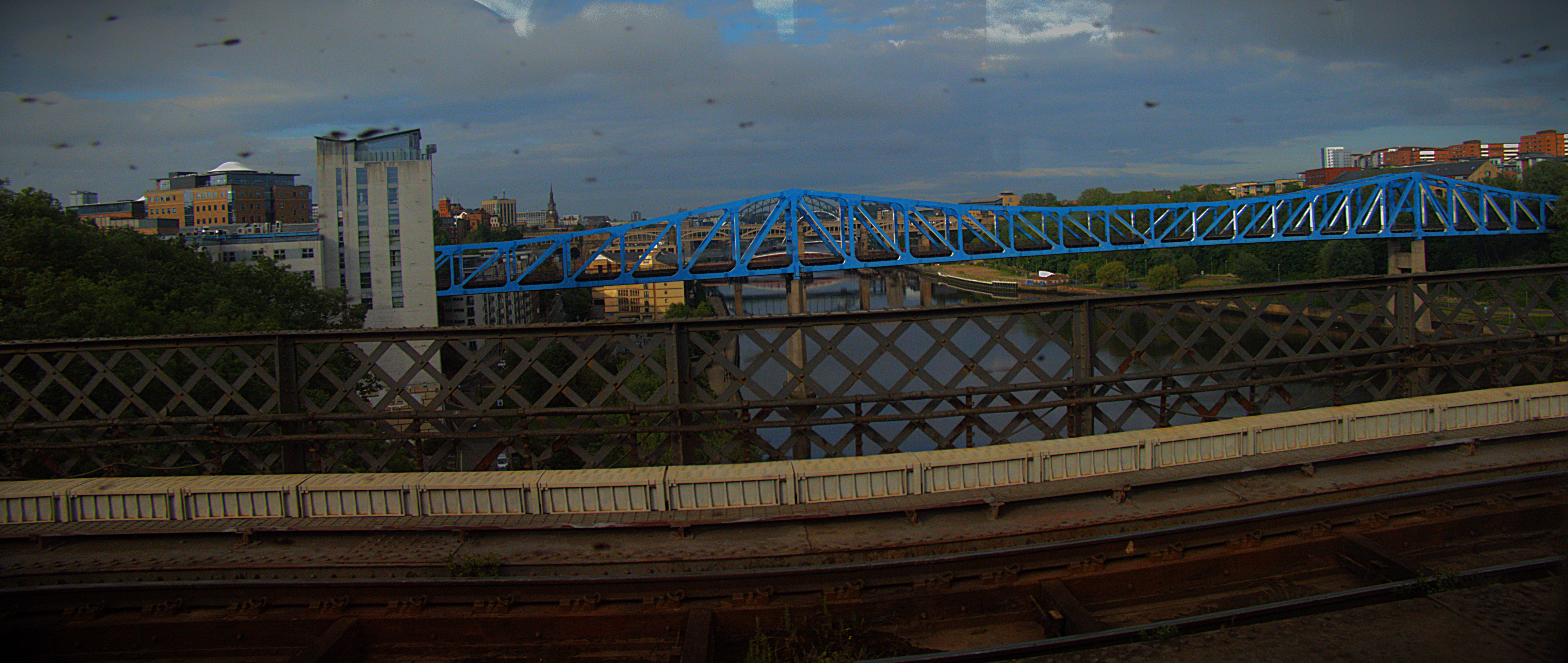
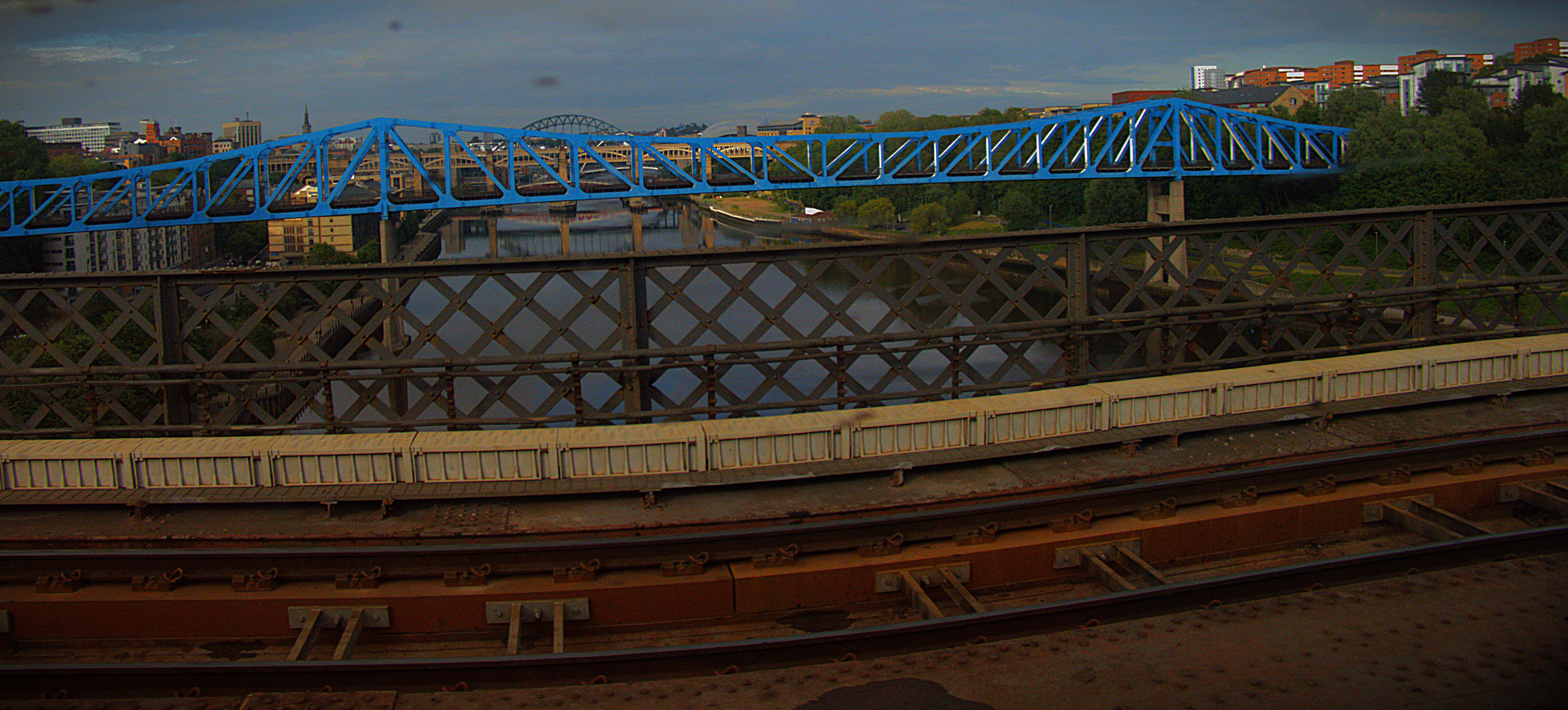
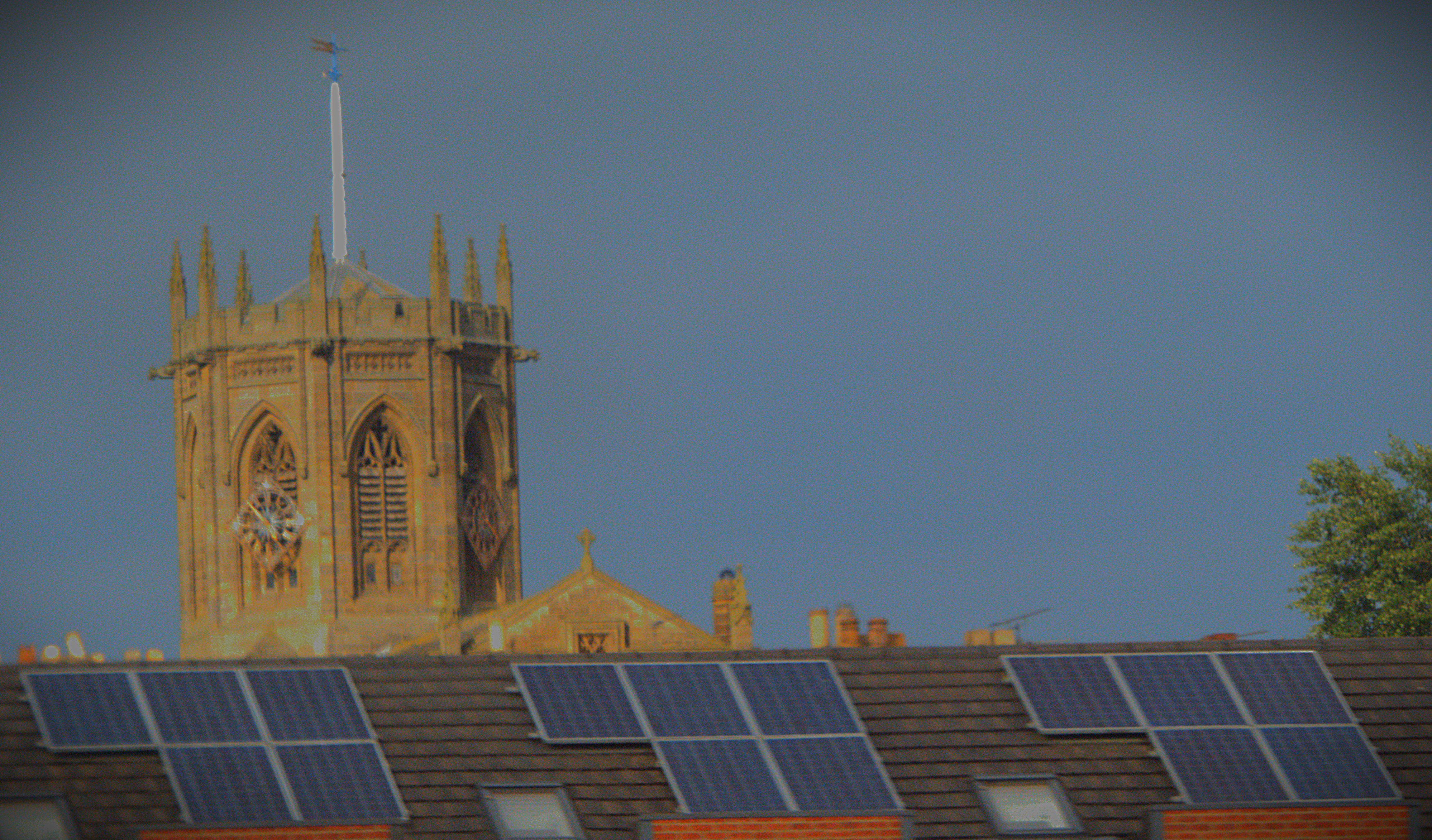
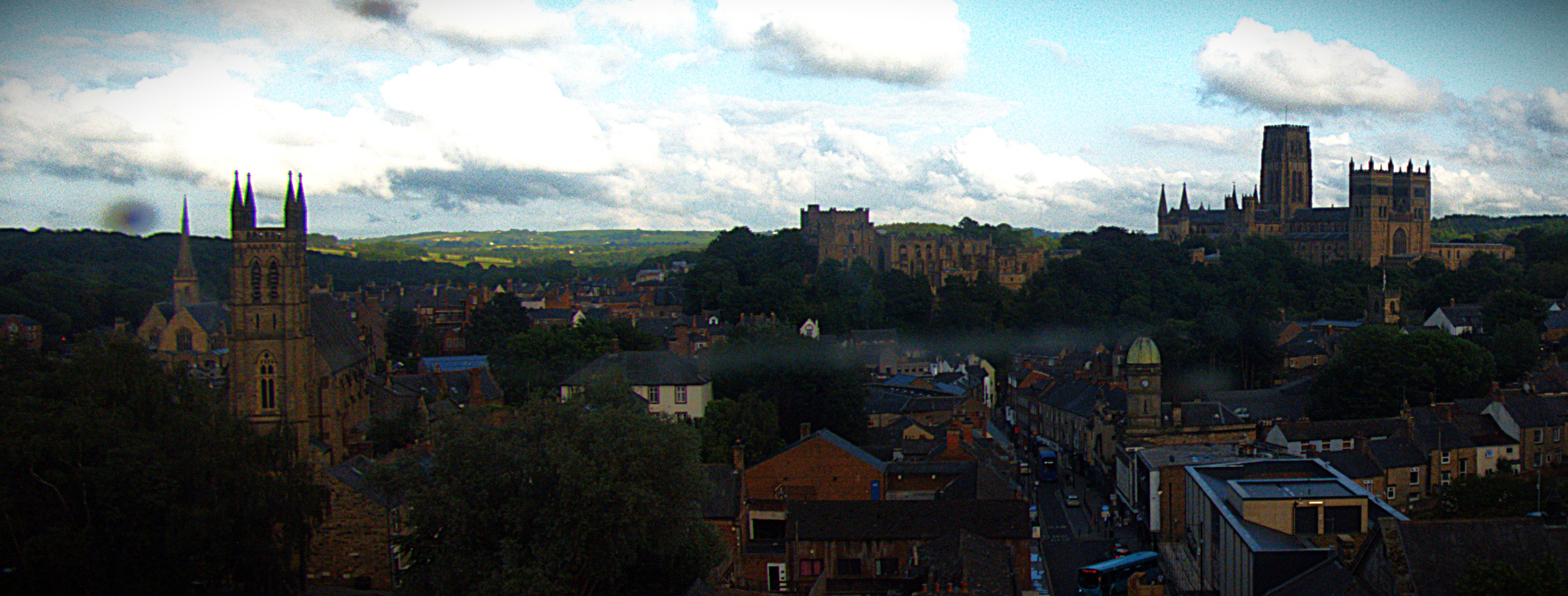
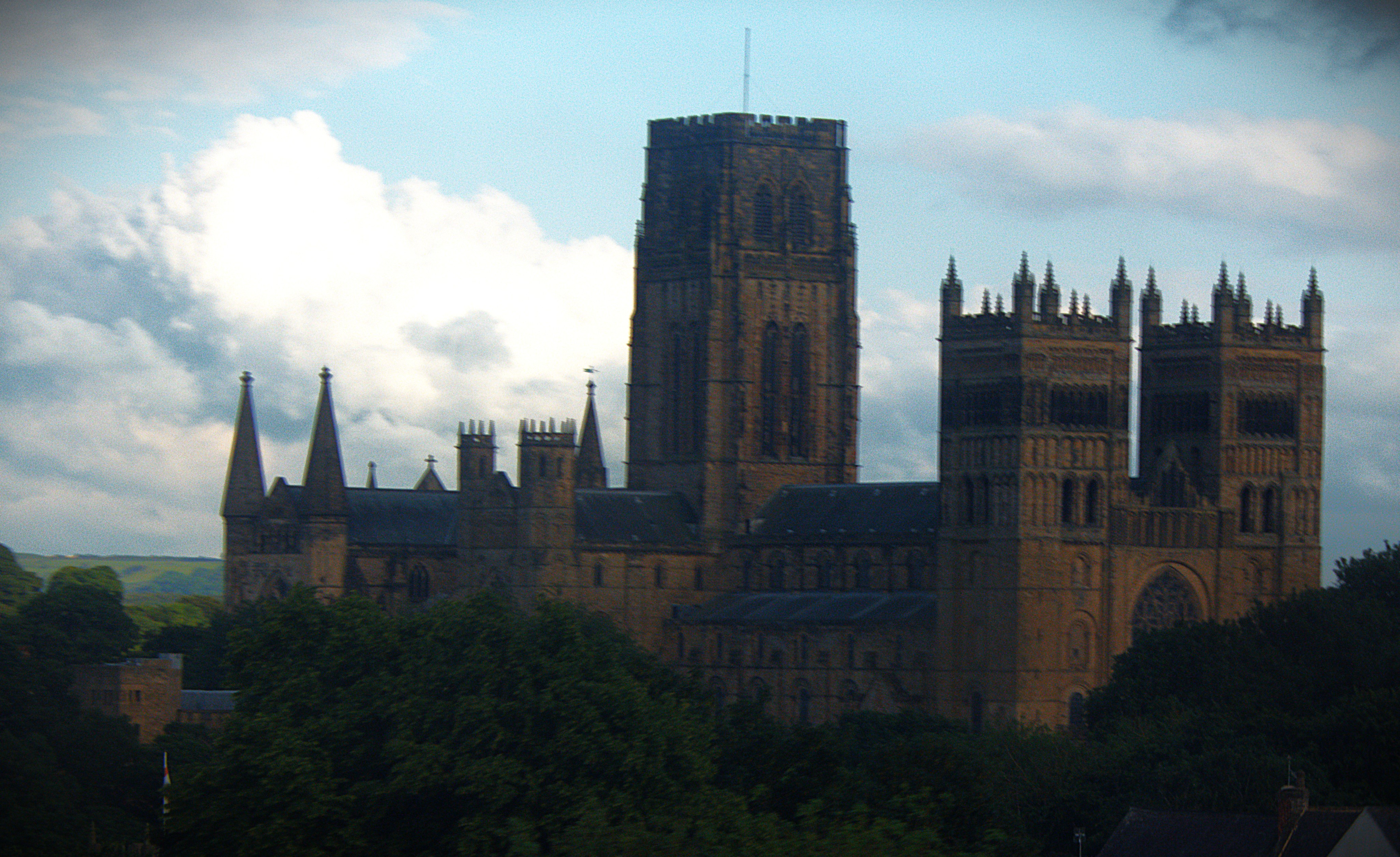
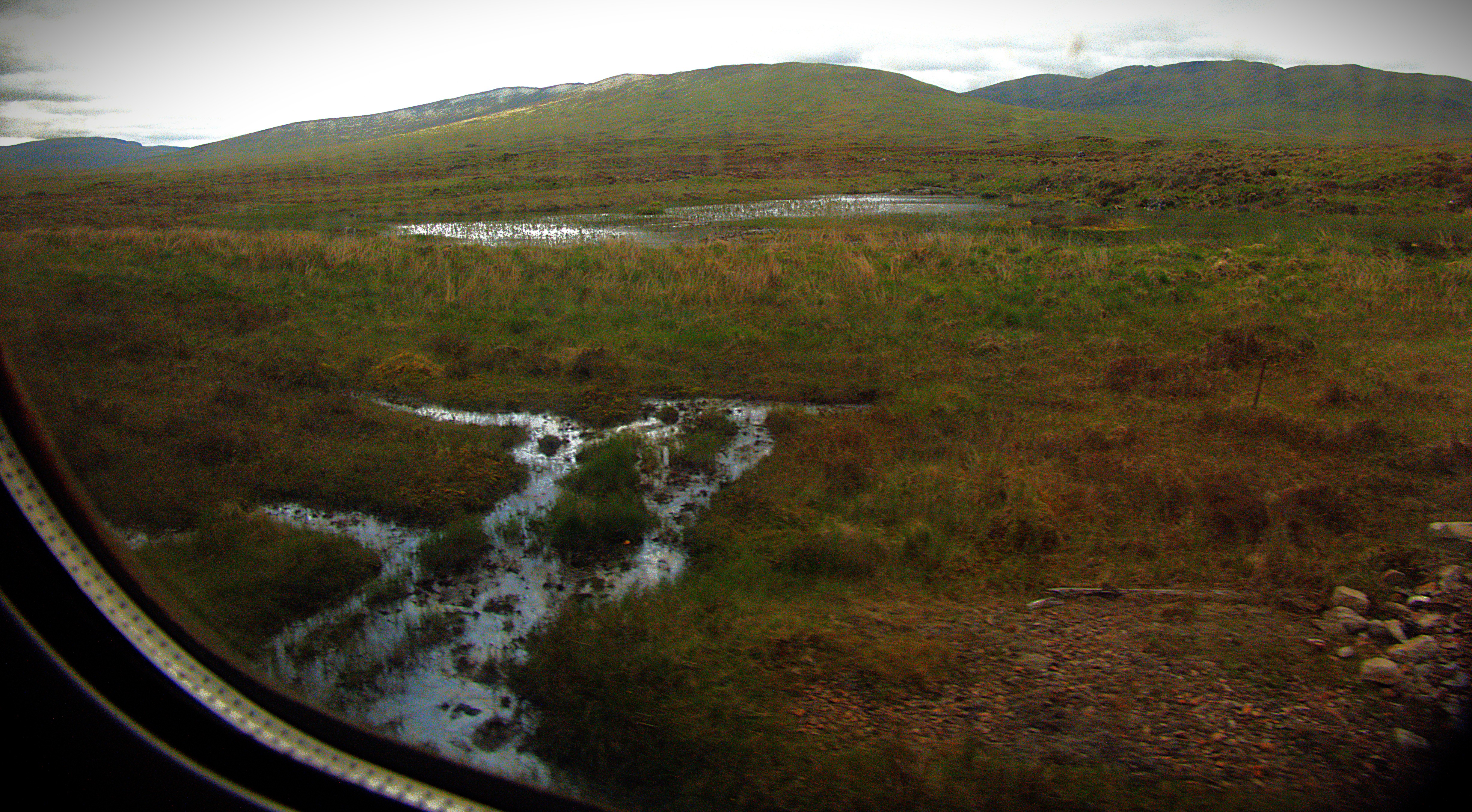
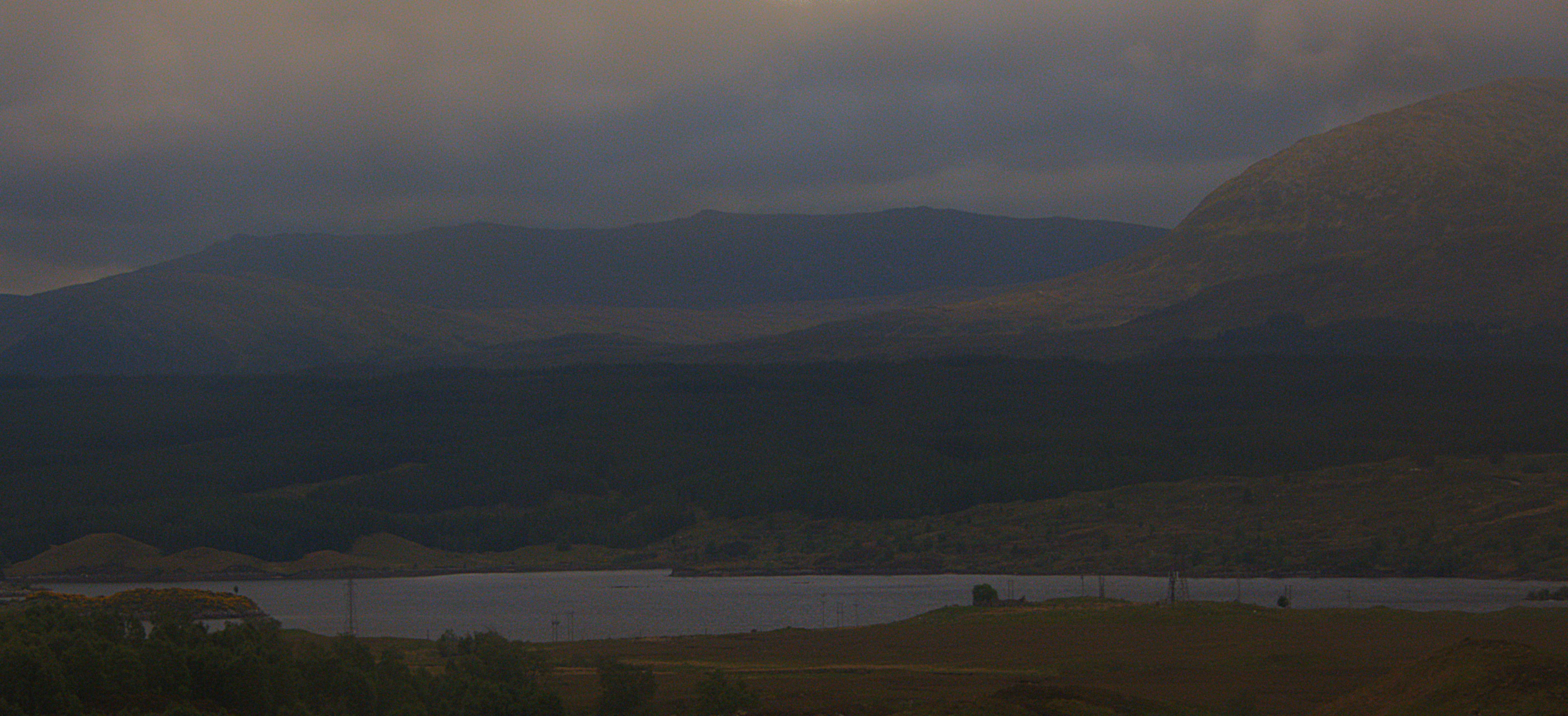
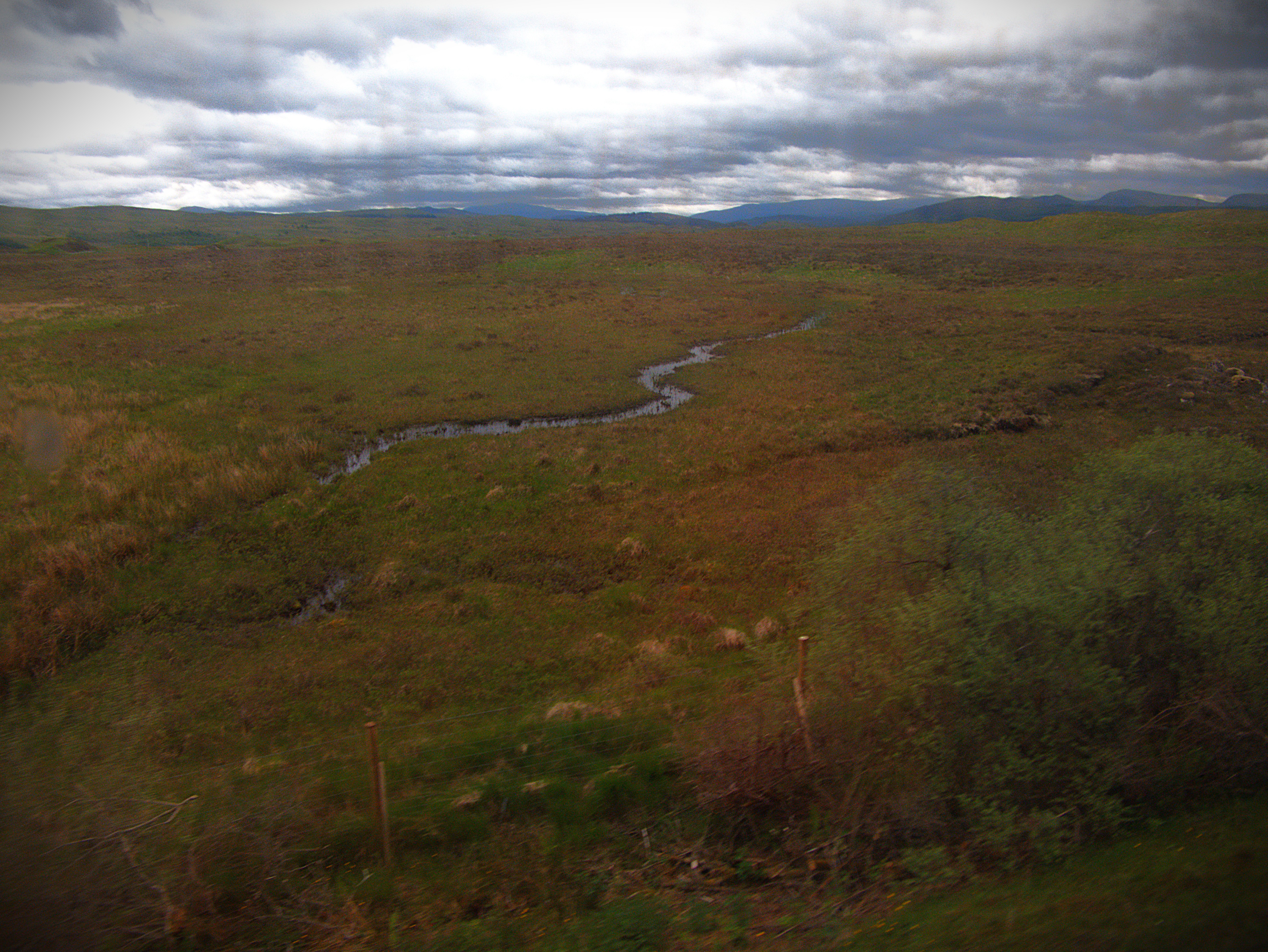
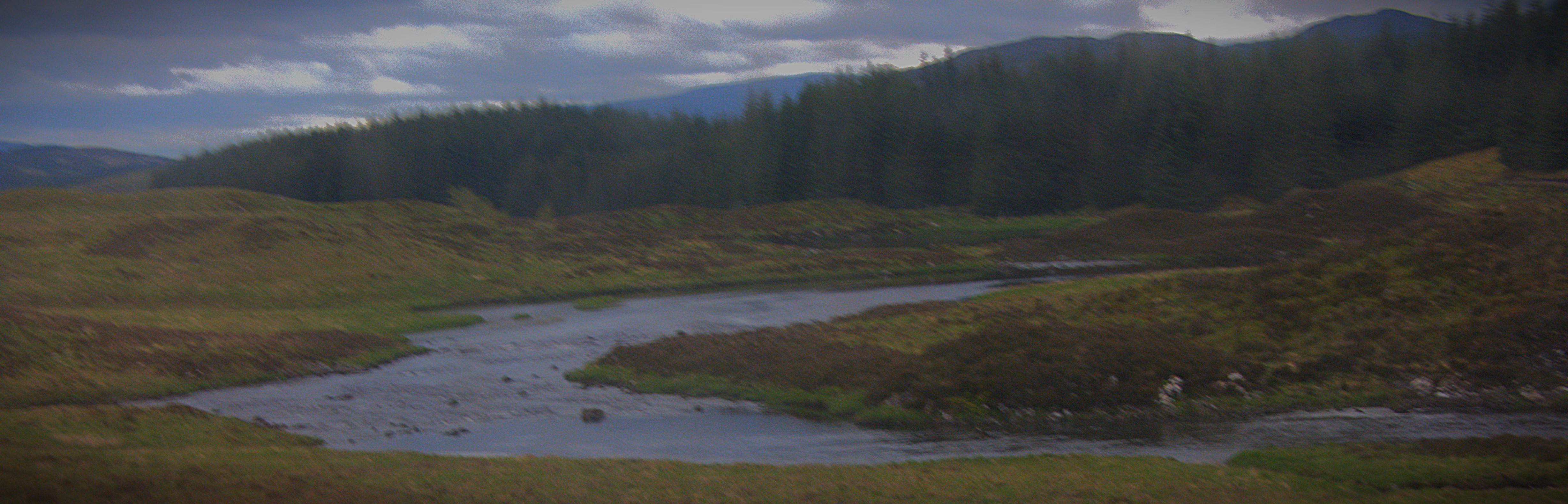
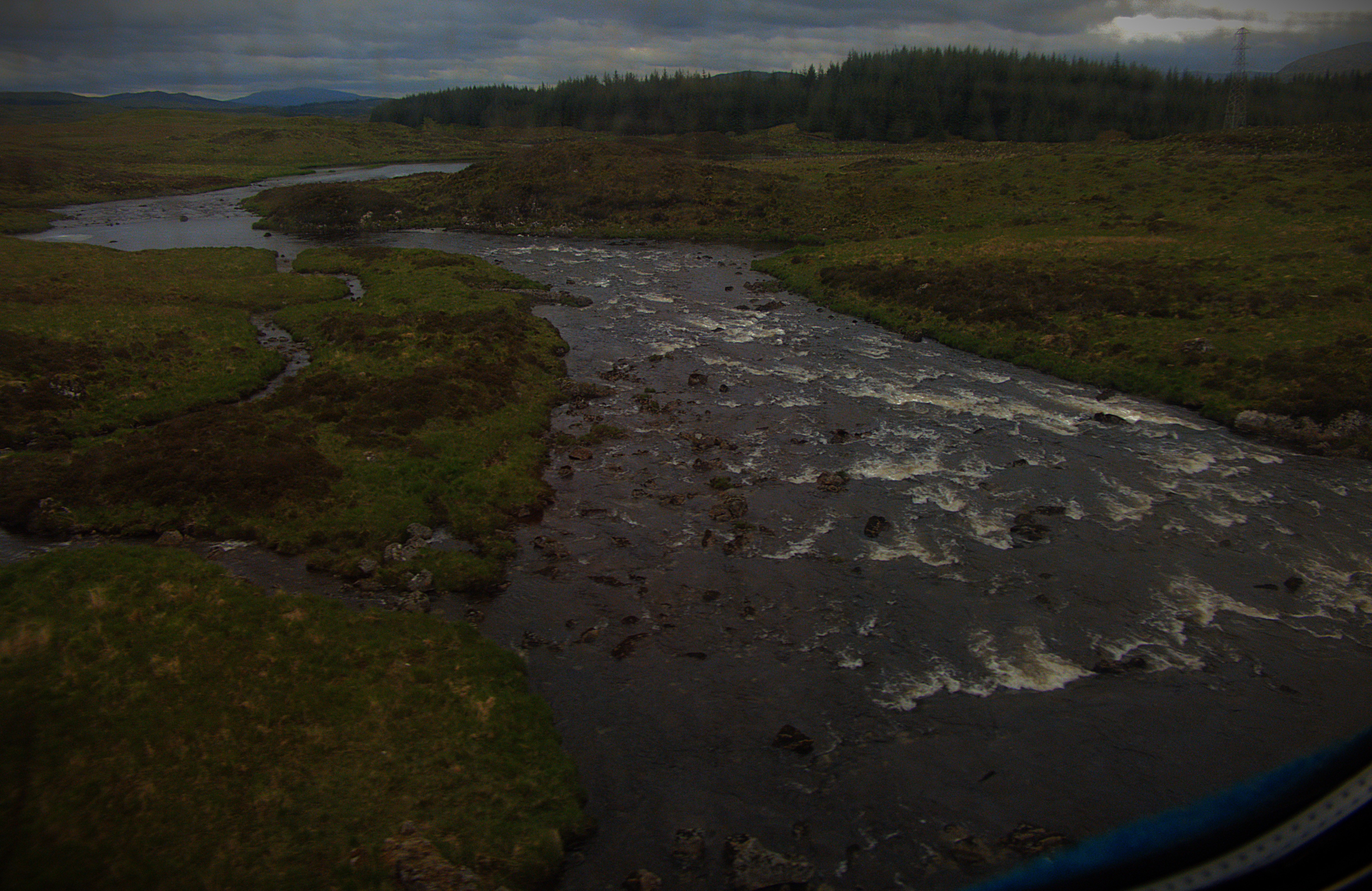
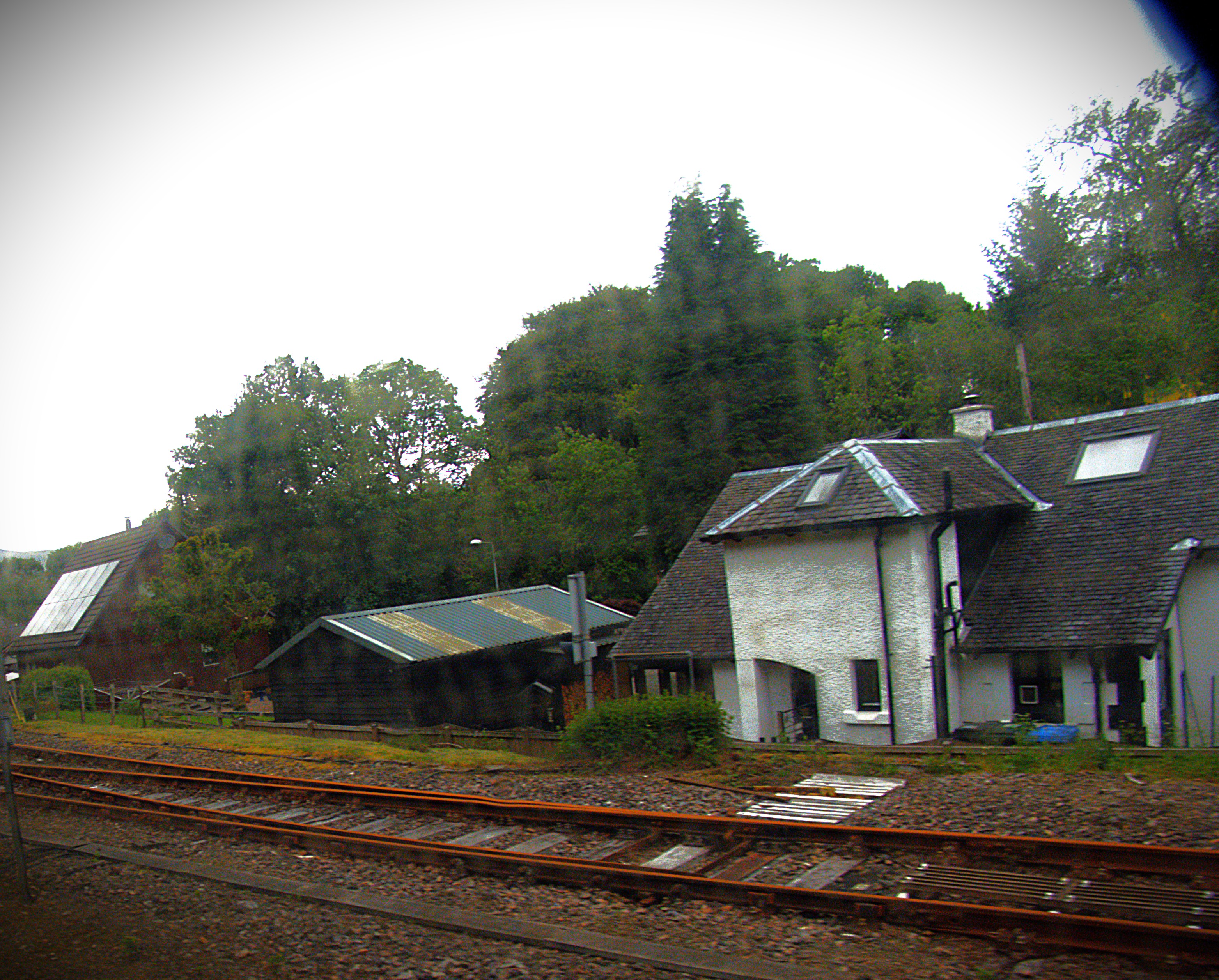
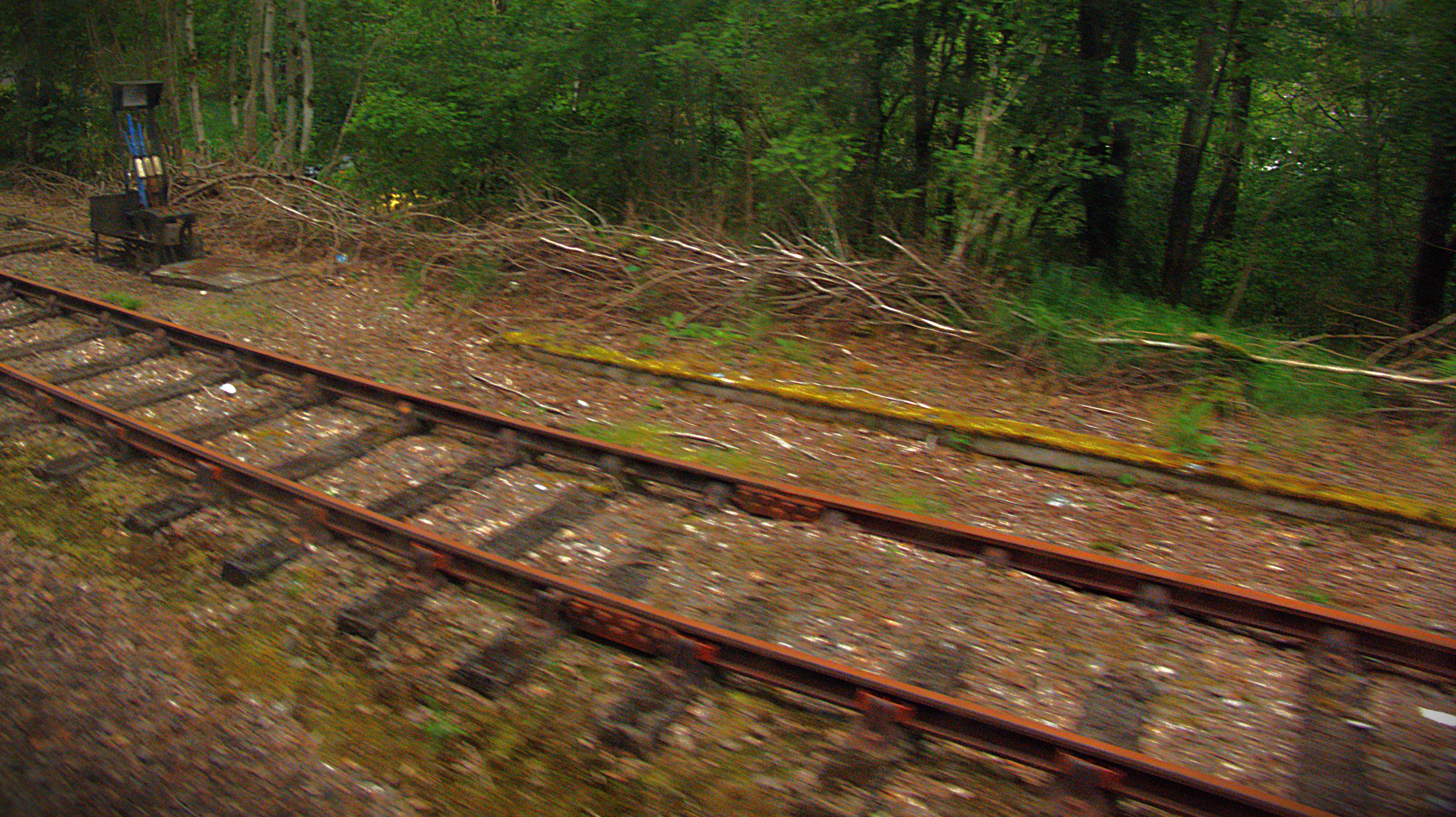
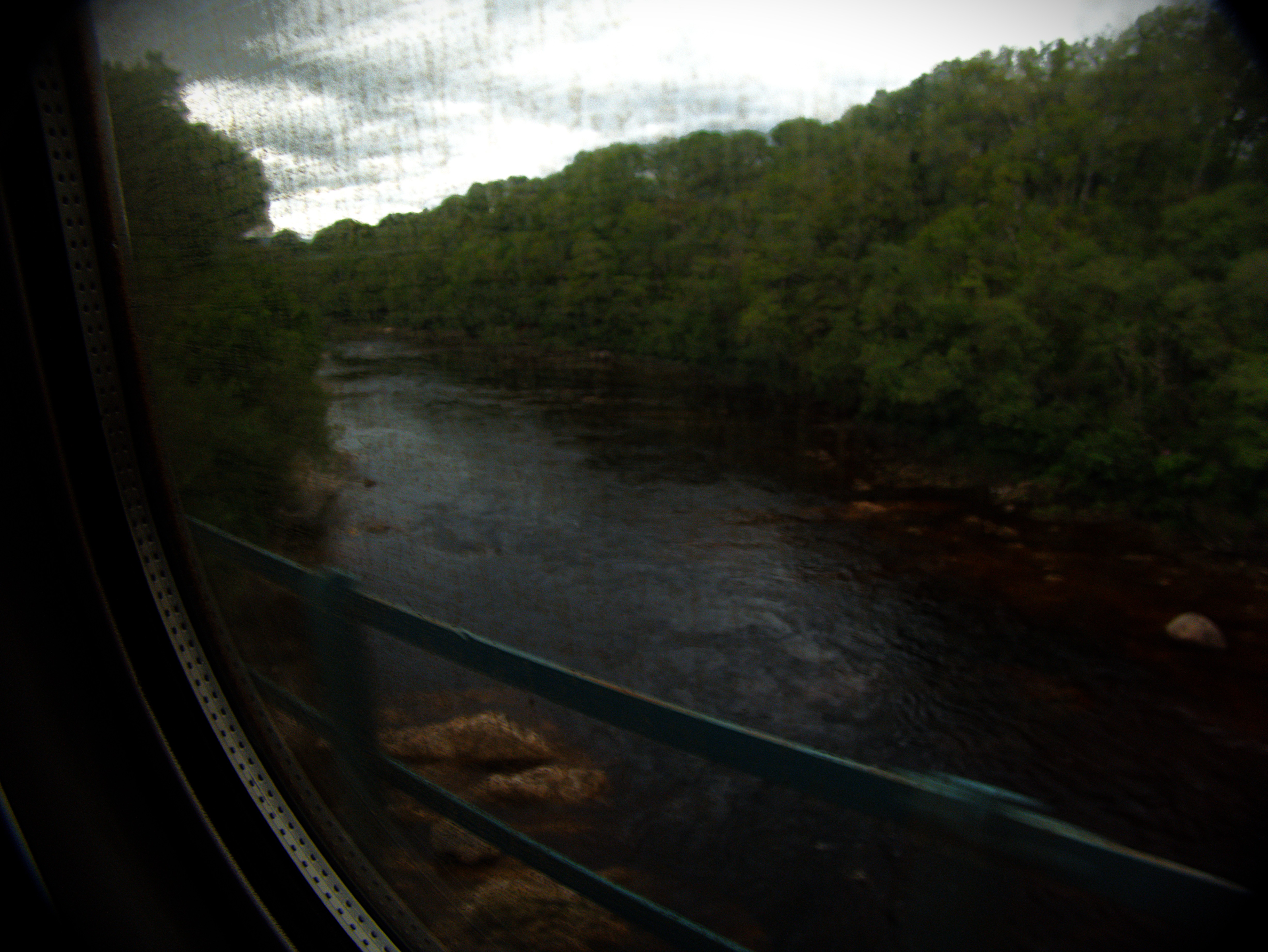
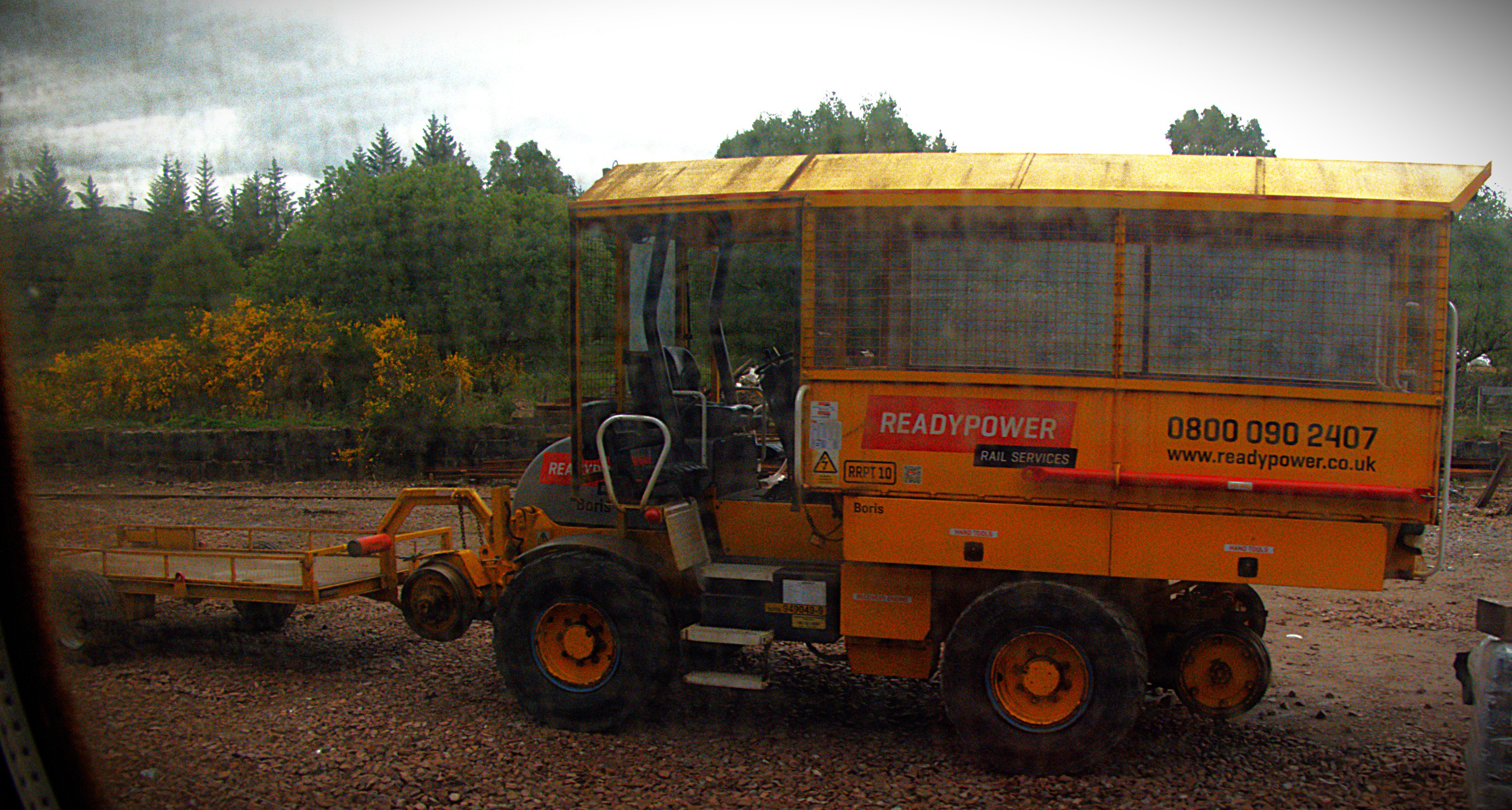
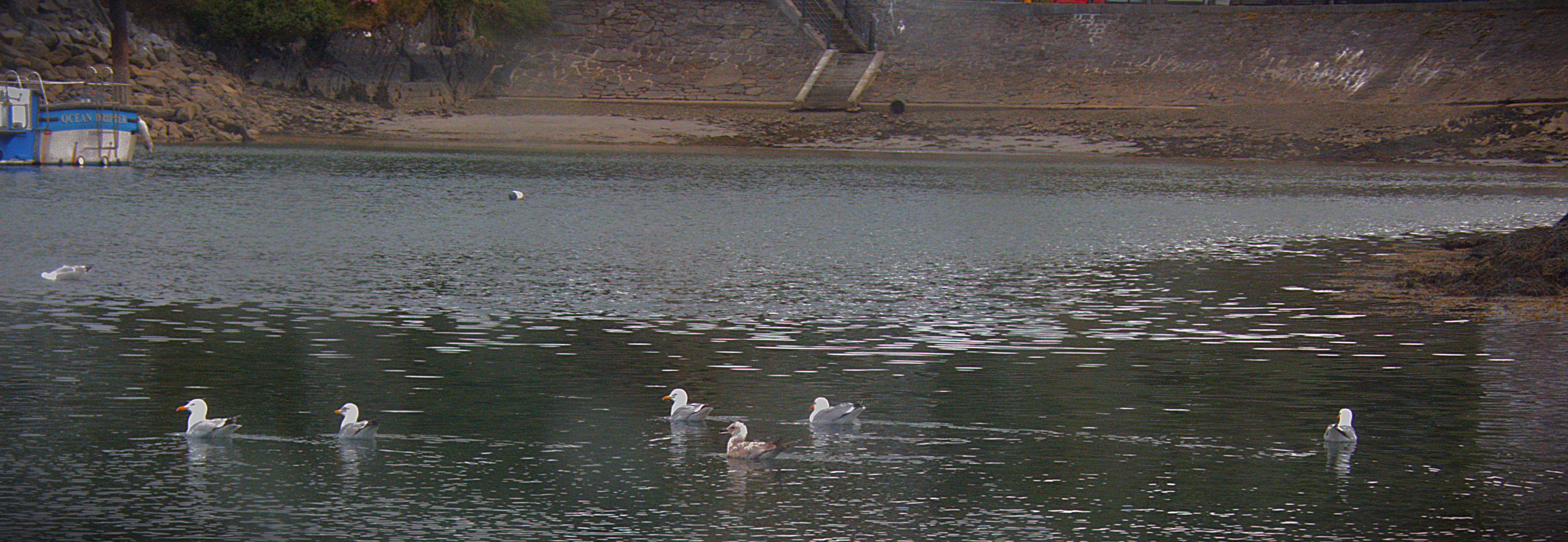
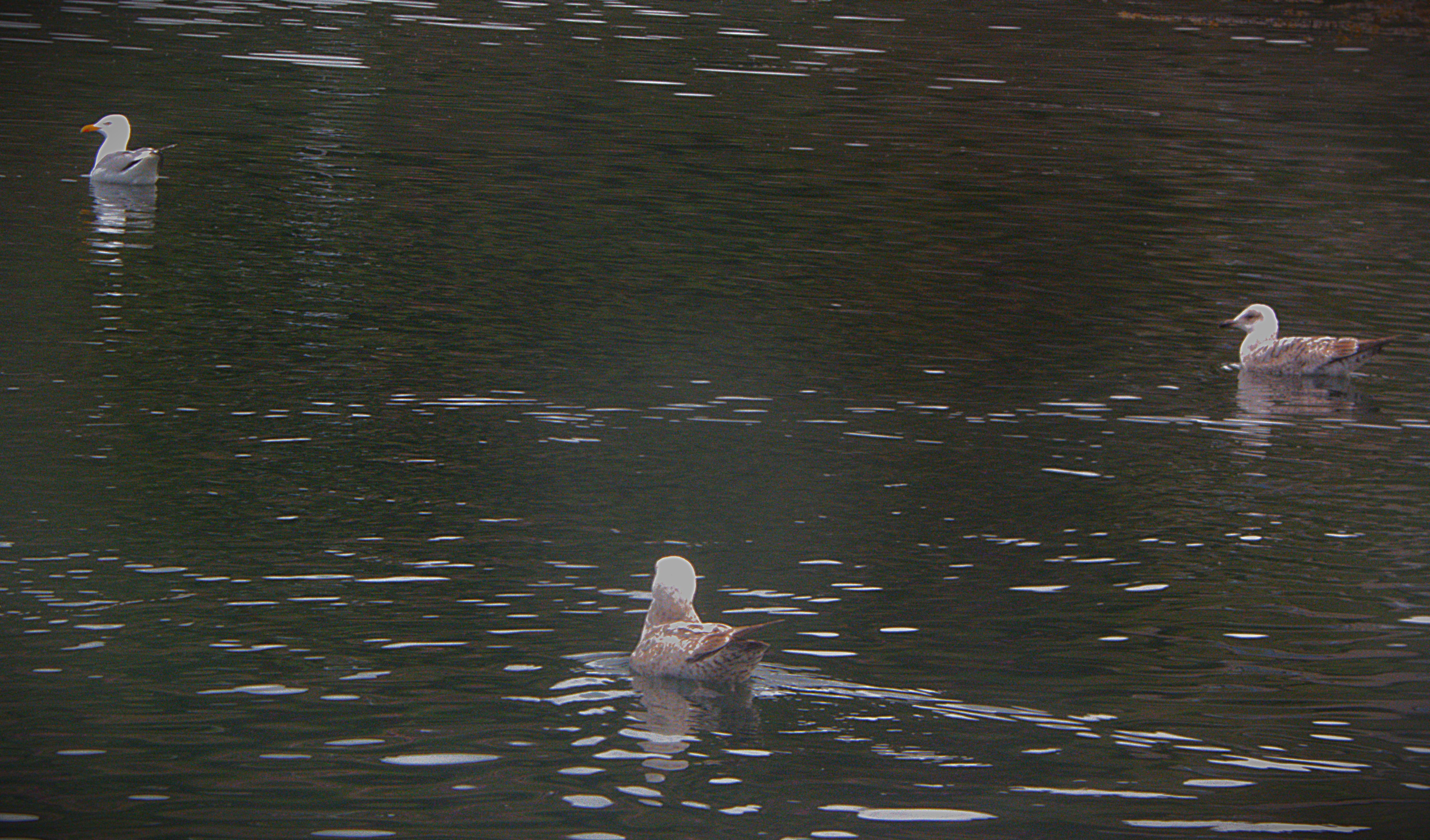
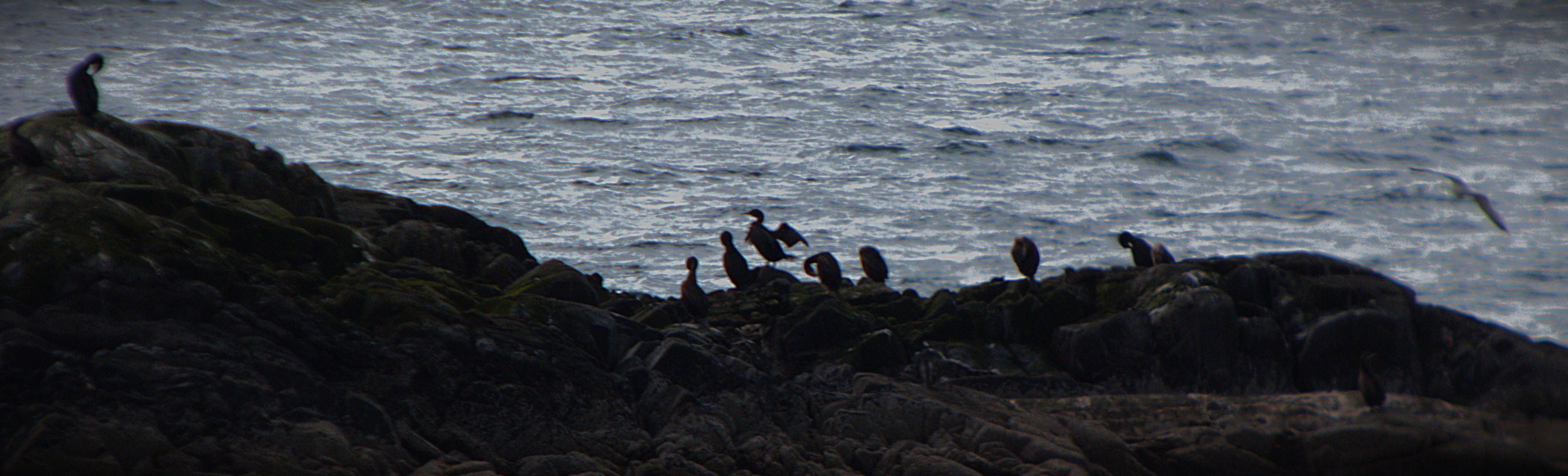
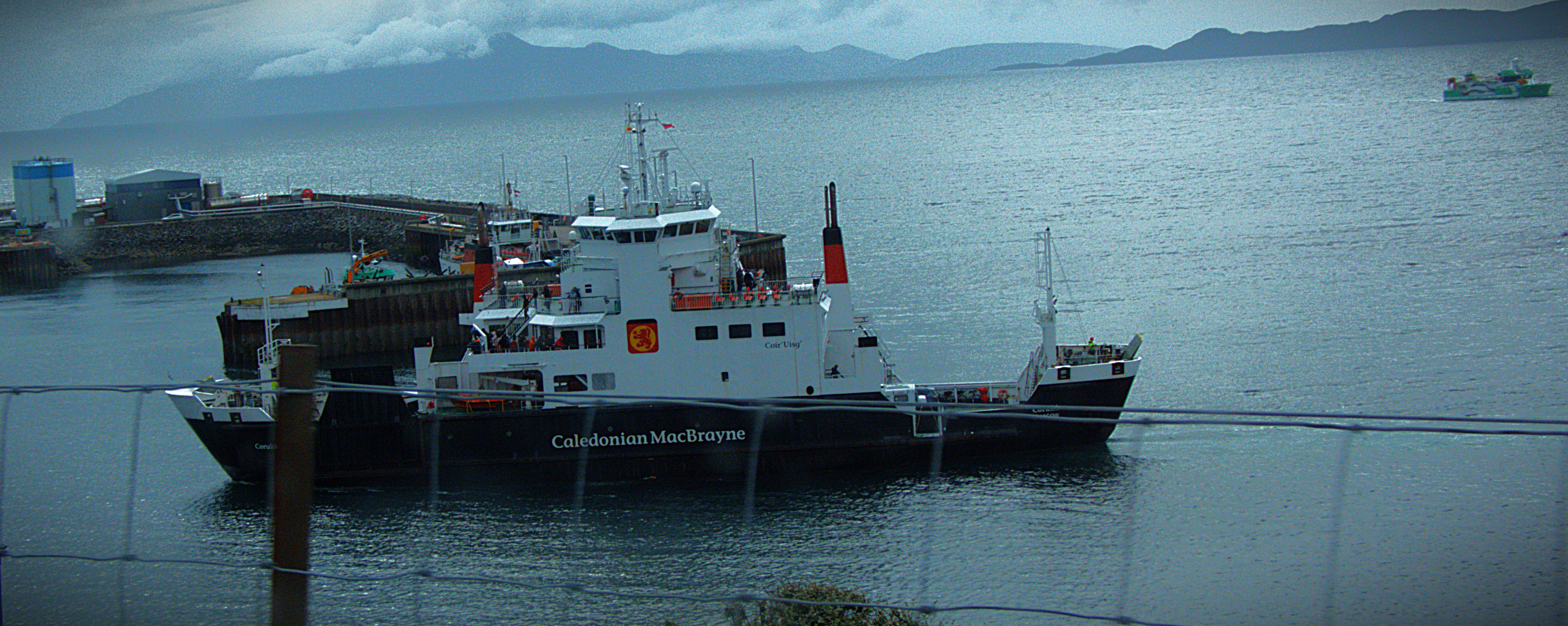
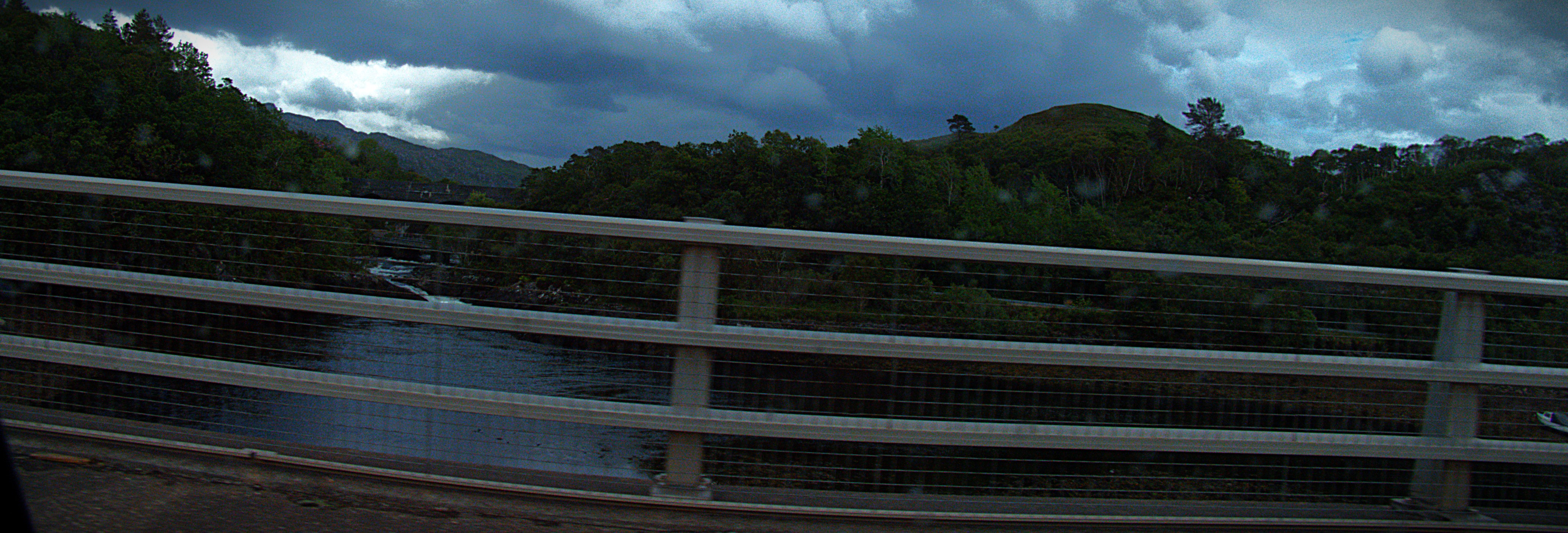
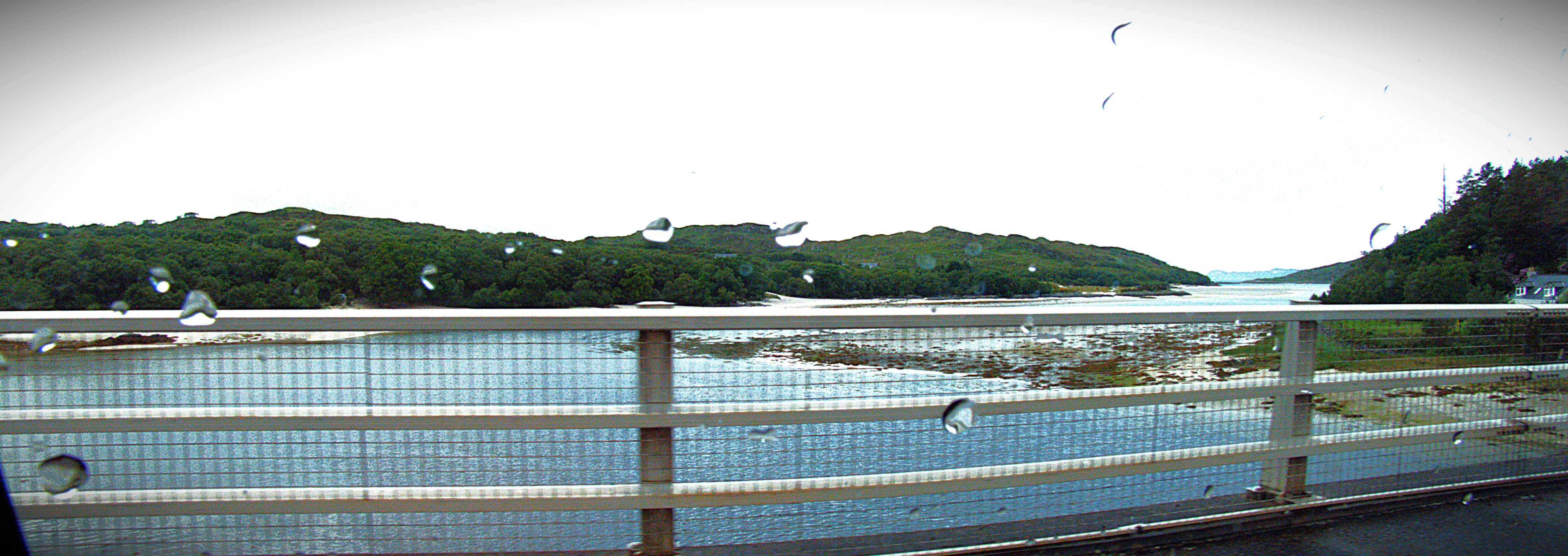
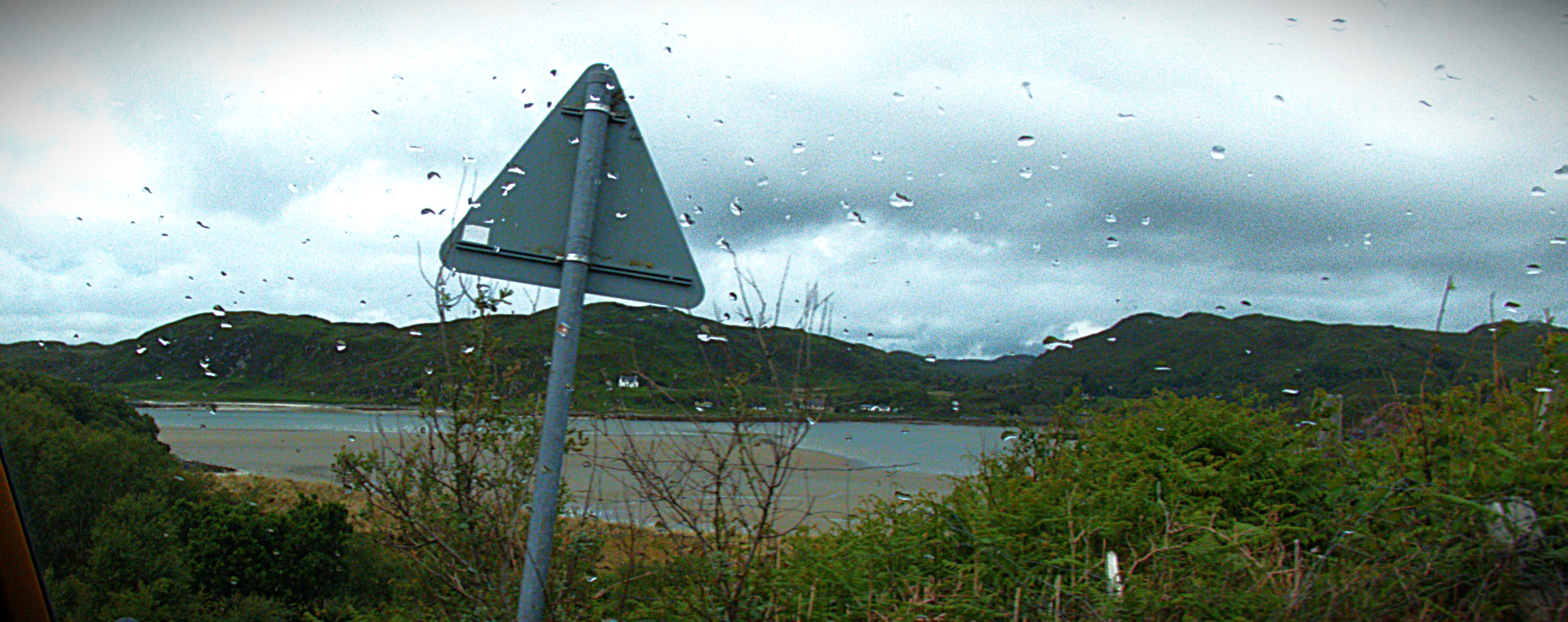
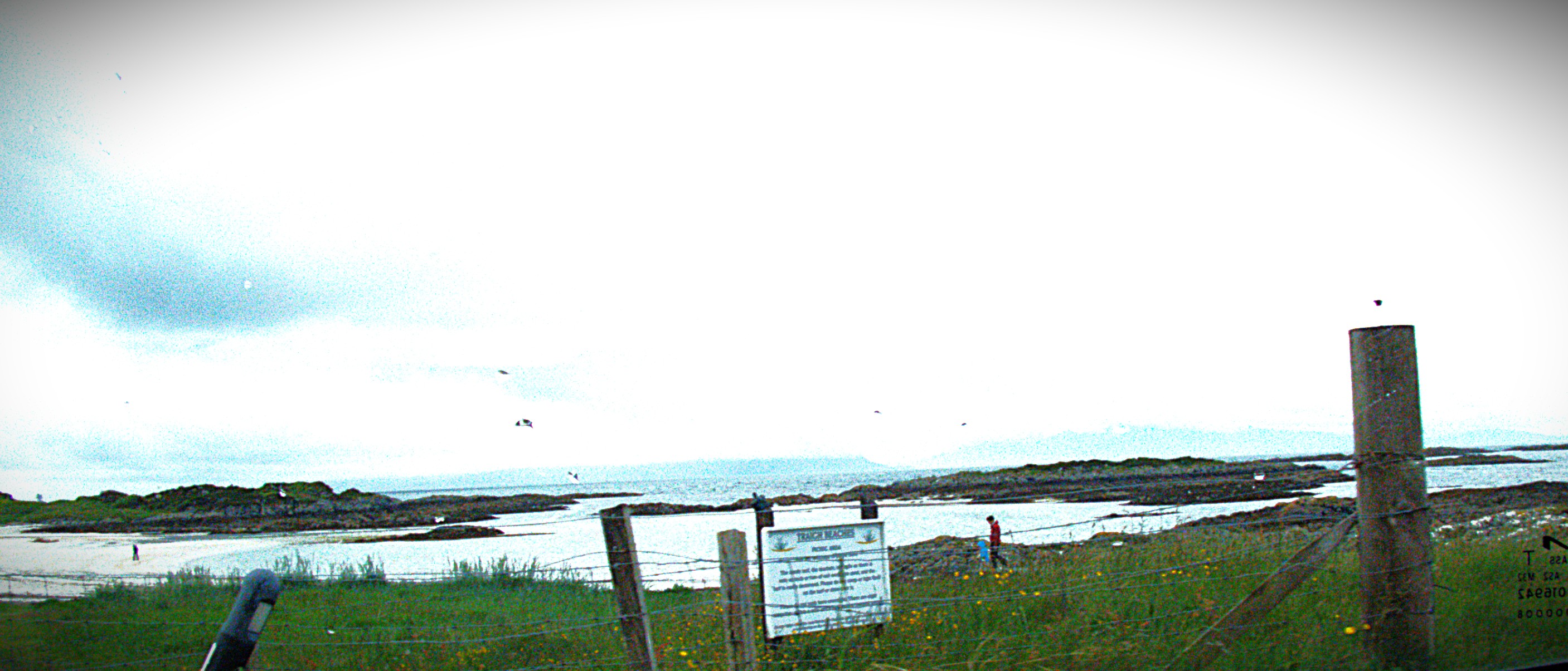
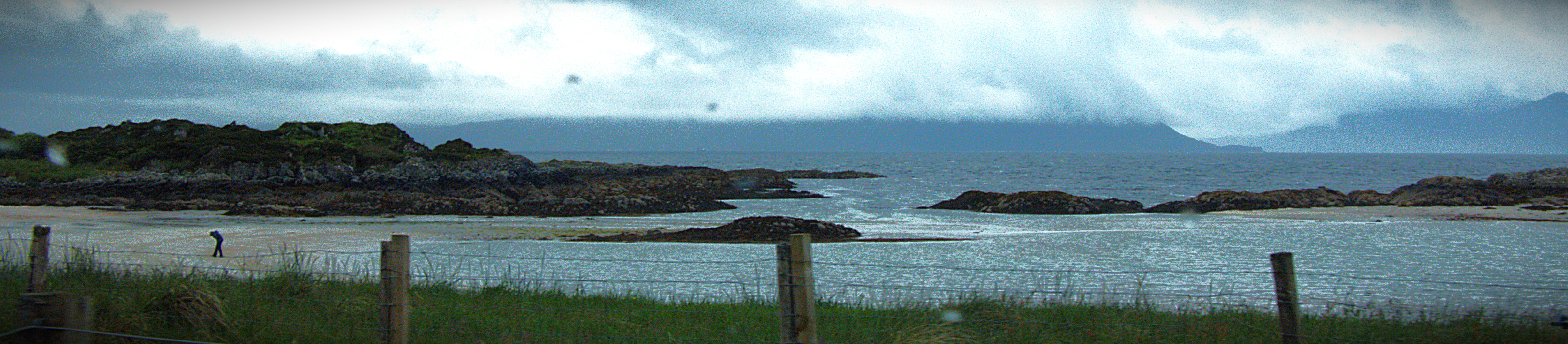
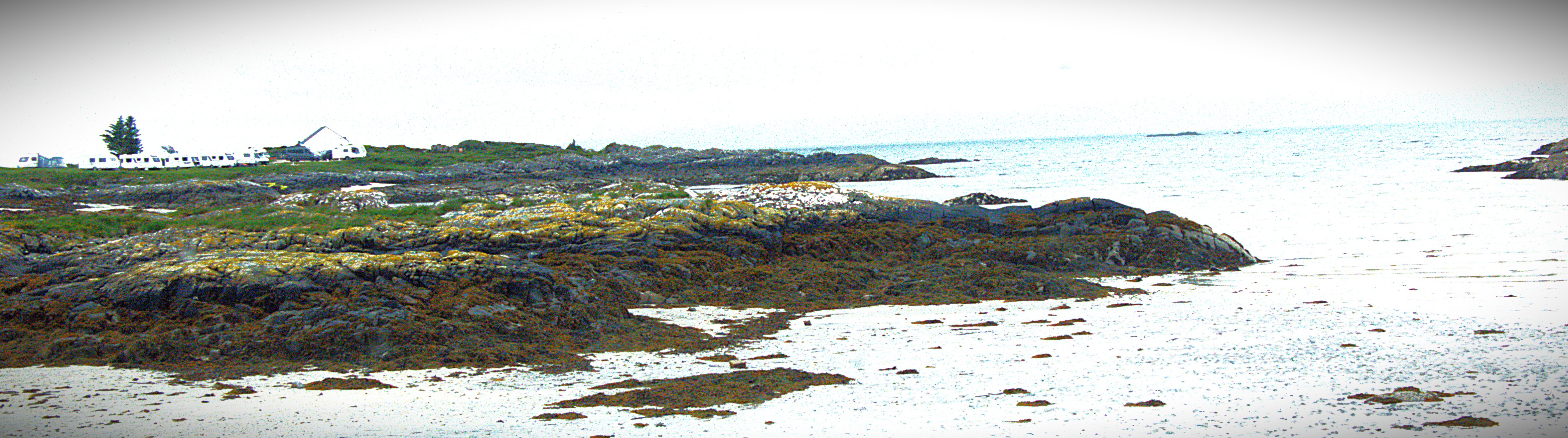
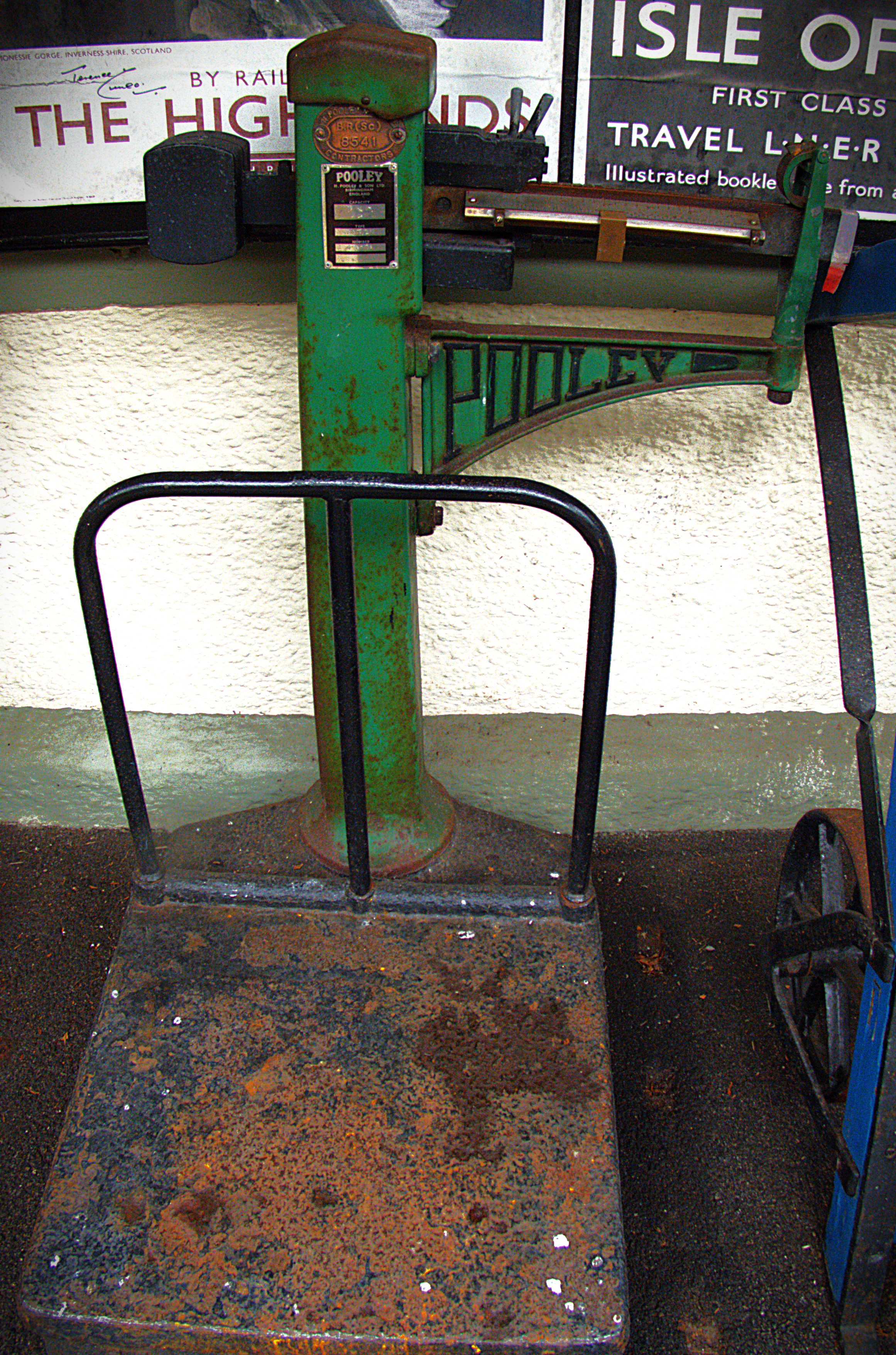
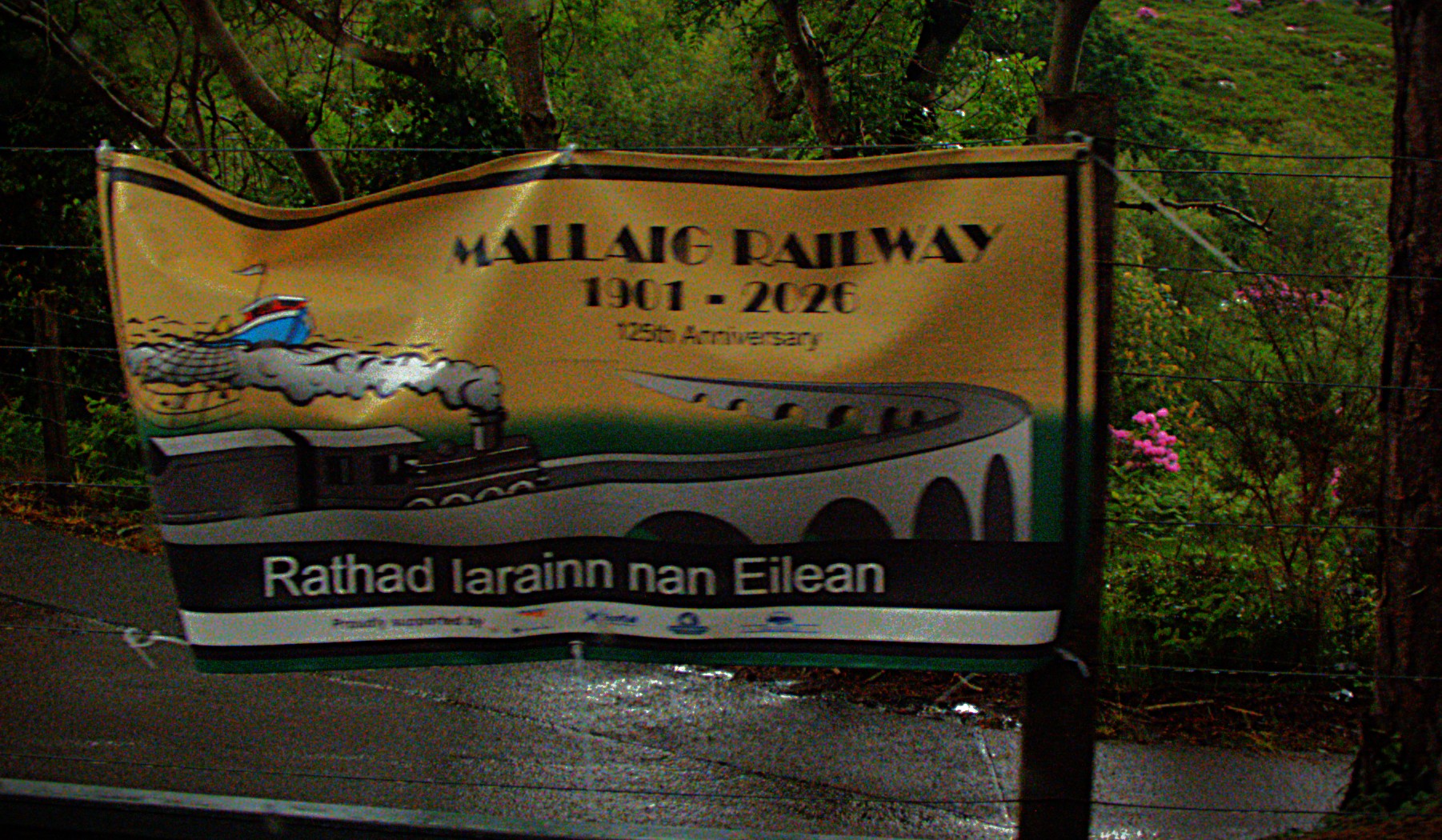
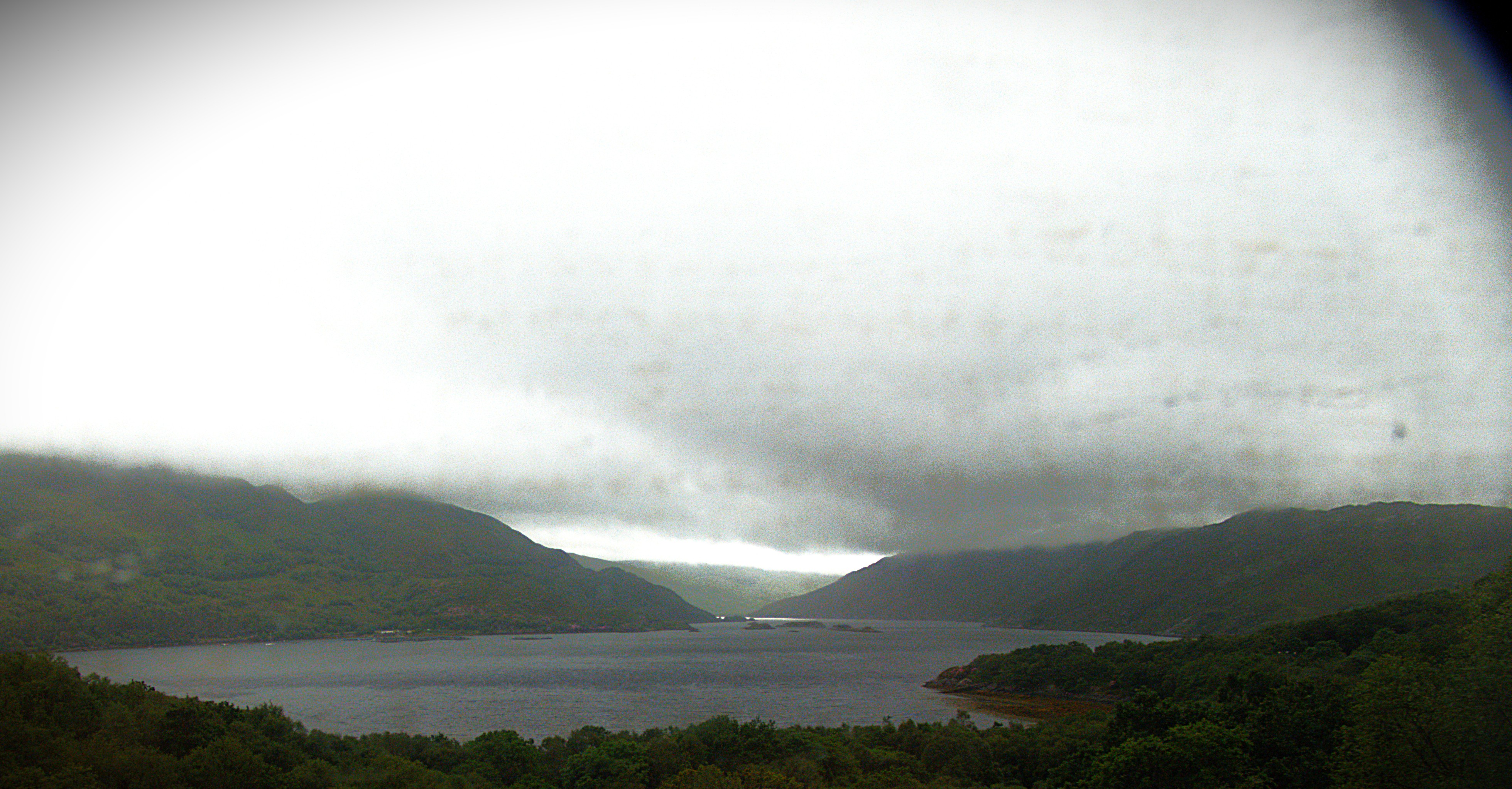
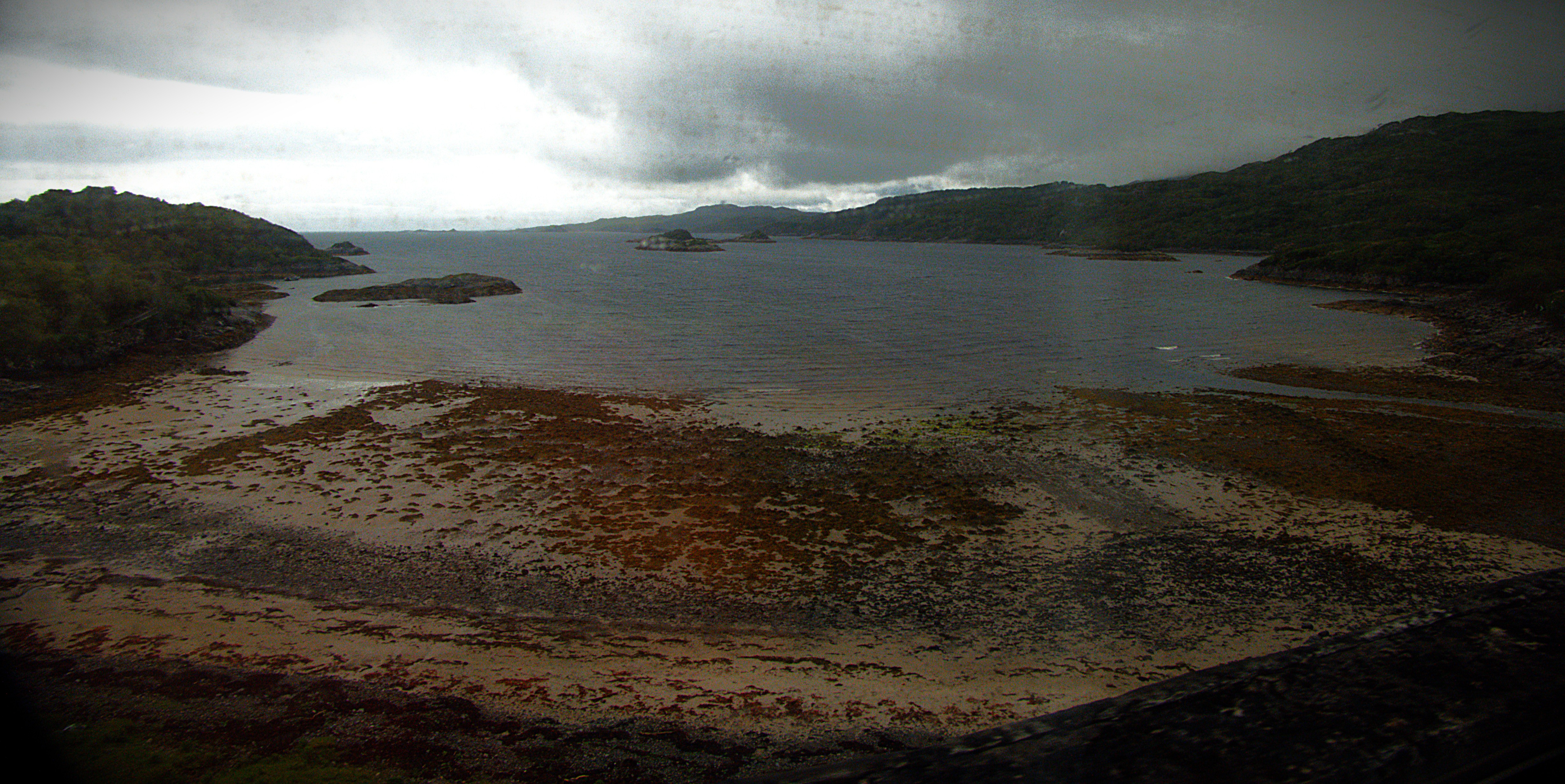
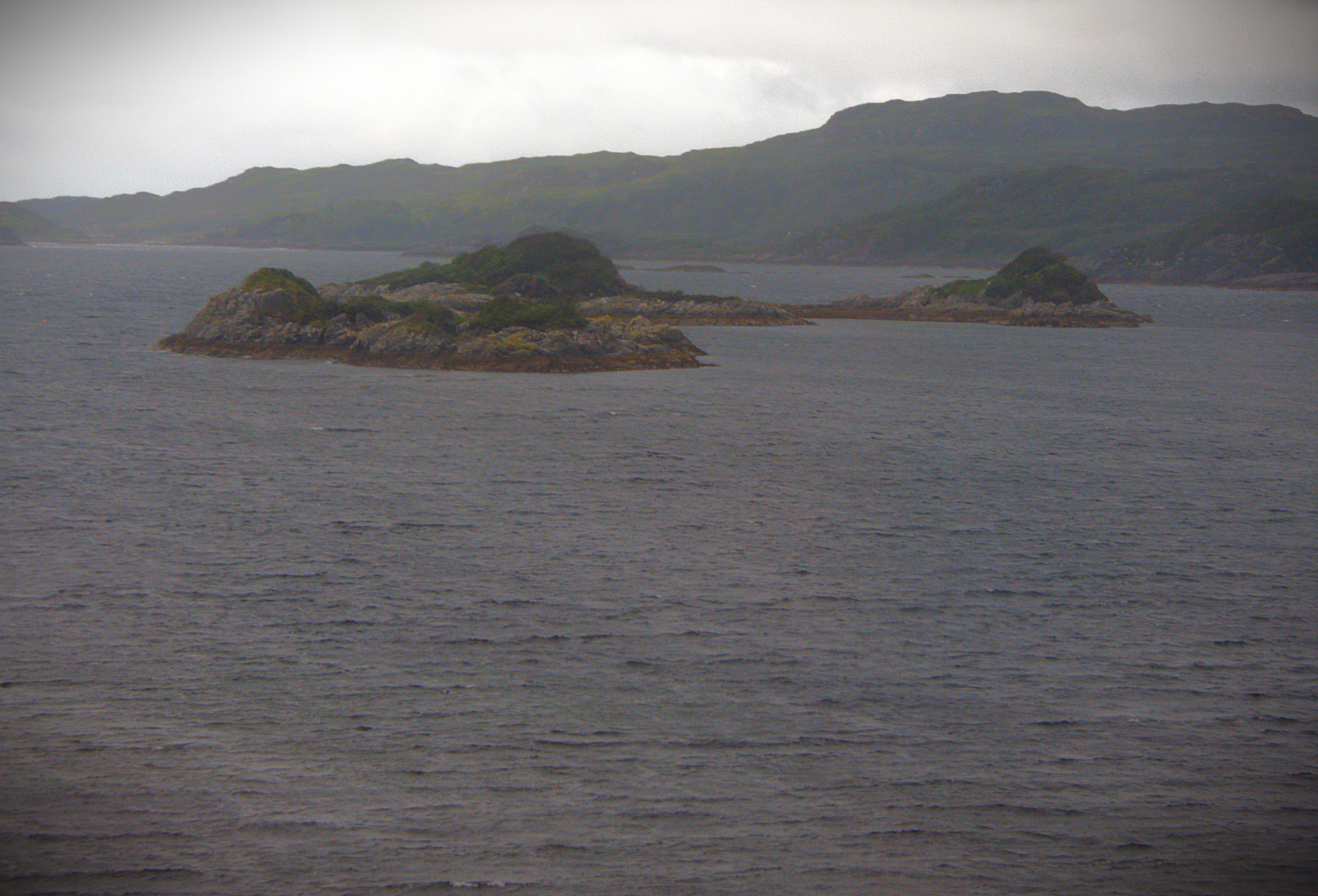
Here are the pictures from the journey back to Arisaig…

Arisaig 2026 13: The Glenfinnan Station Museum

Continuing my account of my Scottish holiday with a look at the Glenfinnan Station Museum, with plenty of photographs.

Welcome to the latest post in my series about my Scottish holiday (May 30th to June 6th). This is my third post about the Thursday.

There is a small museum at Glenfinnan station, around the history of the line and the station. For all its small size they have managed to cram a lot of interesting stuff in there. We visited it after the weather intervened sufficiently to prevent as from doing a walk that would have taken in a view of the viaduct. It is well worth a visit.

Arisaig 2026 12: Glenfinnan Station

A look at Glenfinnan Station, as I continue the account of my Scottish holiday.

Welcome to the latest instalment in my series about my Scottish holiday (May 30th to June 6th). I started my coverage of the Thursday with a look at the journey from Arisaig to Glenfinnan. This post picks up where the previous one left off.

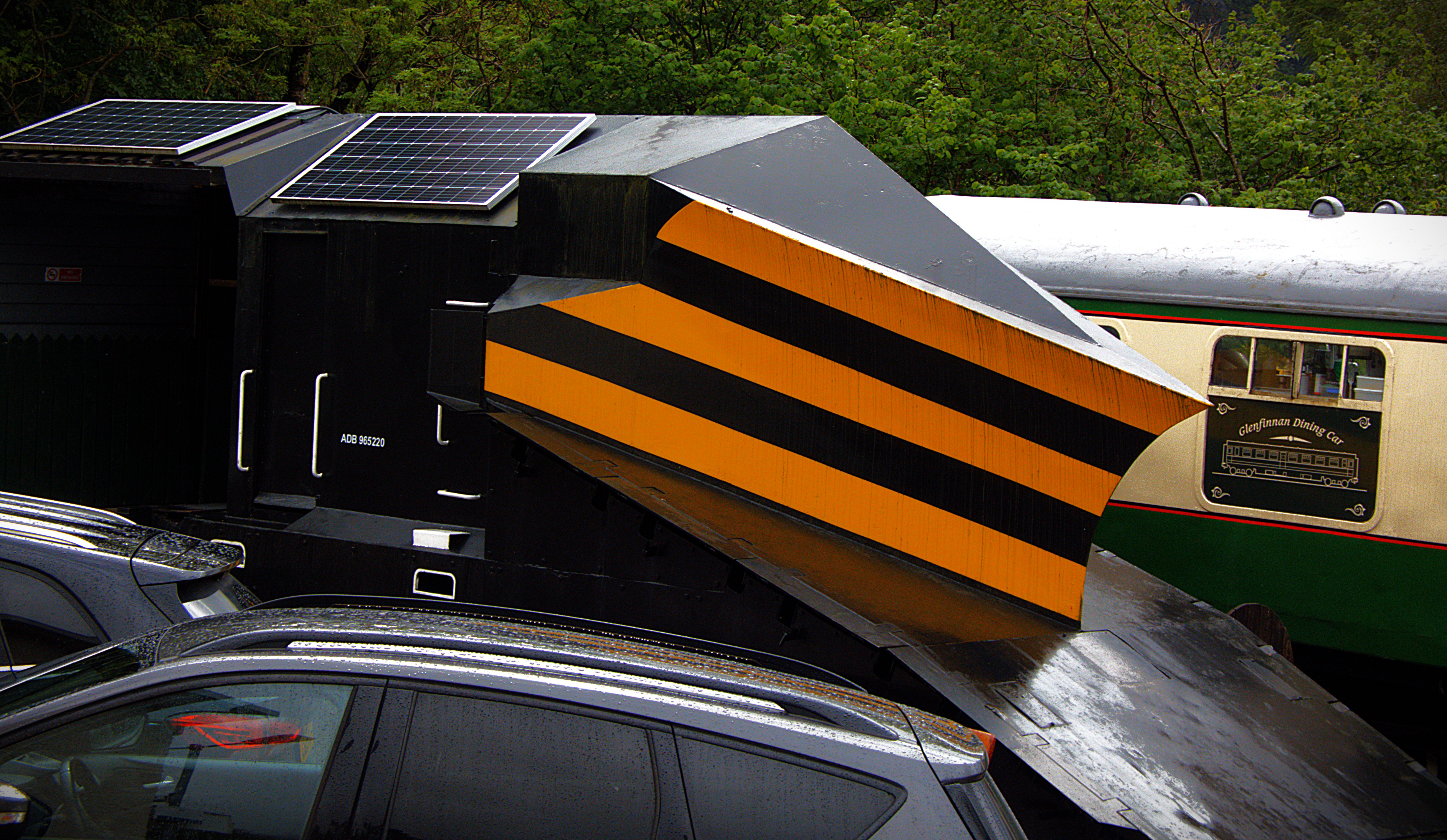
As you will see in the next post in this series Glenfinnan Station is home to a small museum that well repays a visit. It also boasts two old railway carriages, one a sleeper, which you can arrange to stay in for a price, and one a pullman style restaurant carriage in which you can get a splendid meal, as we did. There is also an old oil store, a solar powered snow plough, which saw serious action the winter of 1962-63, an old signal box which you can look at, and a crane. There are also various walks which take in the Glenfinnan Viaduct, though the weather stopped us from doing that. We also overlapped with the westbound Jacobite Express.

Here is the photo gallery for this post…
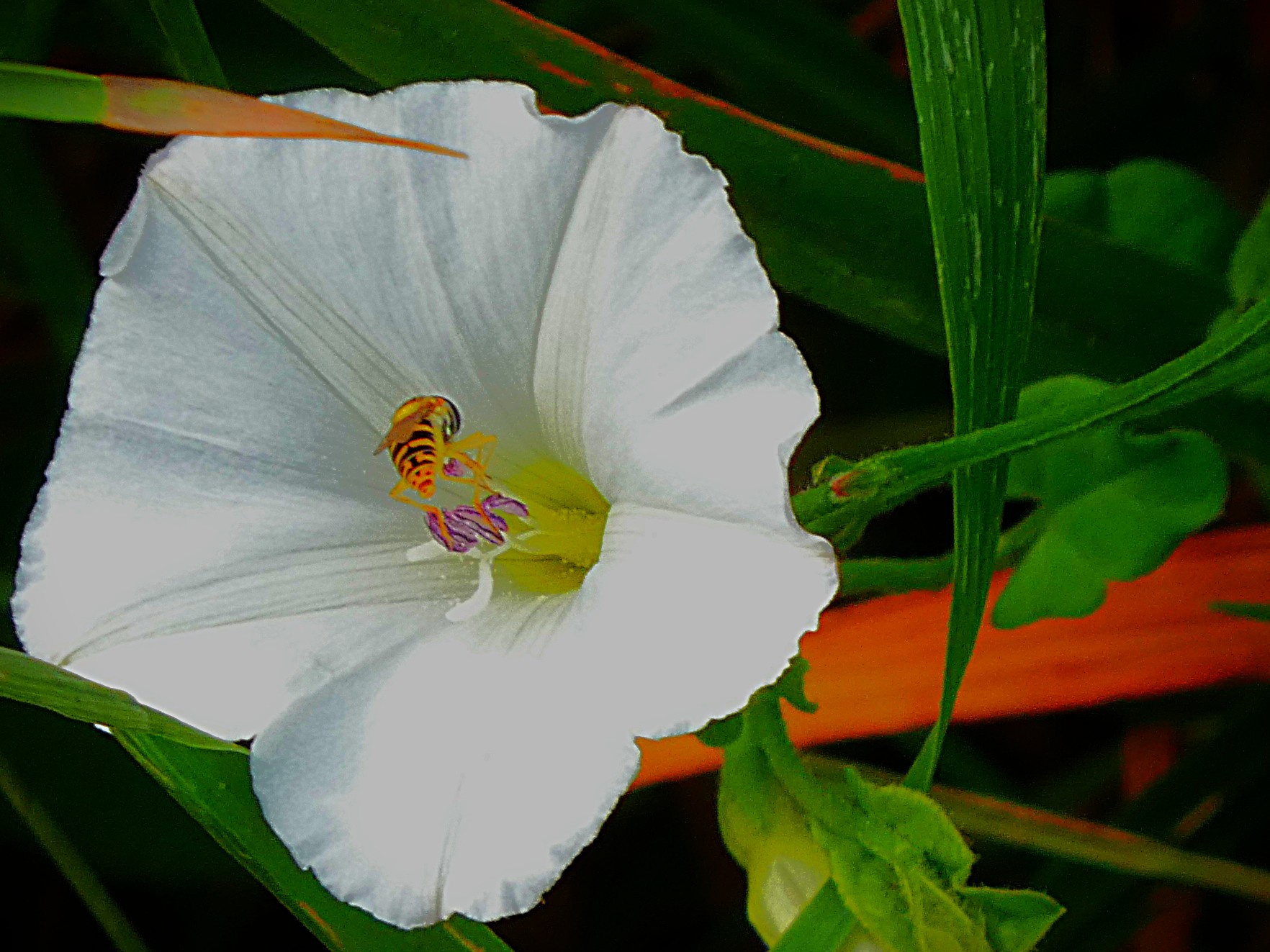
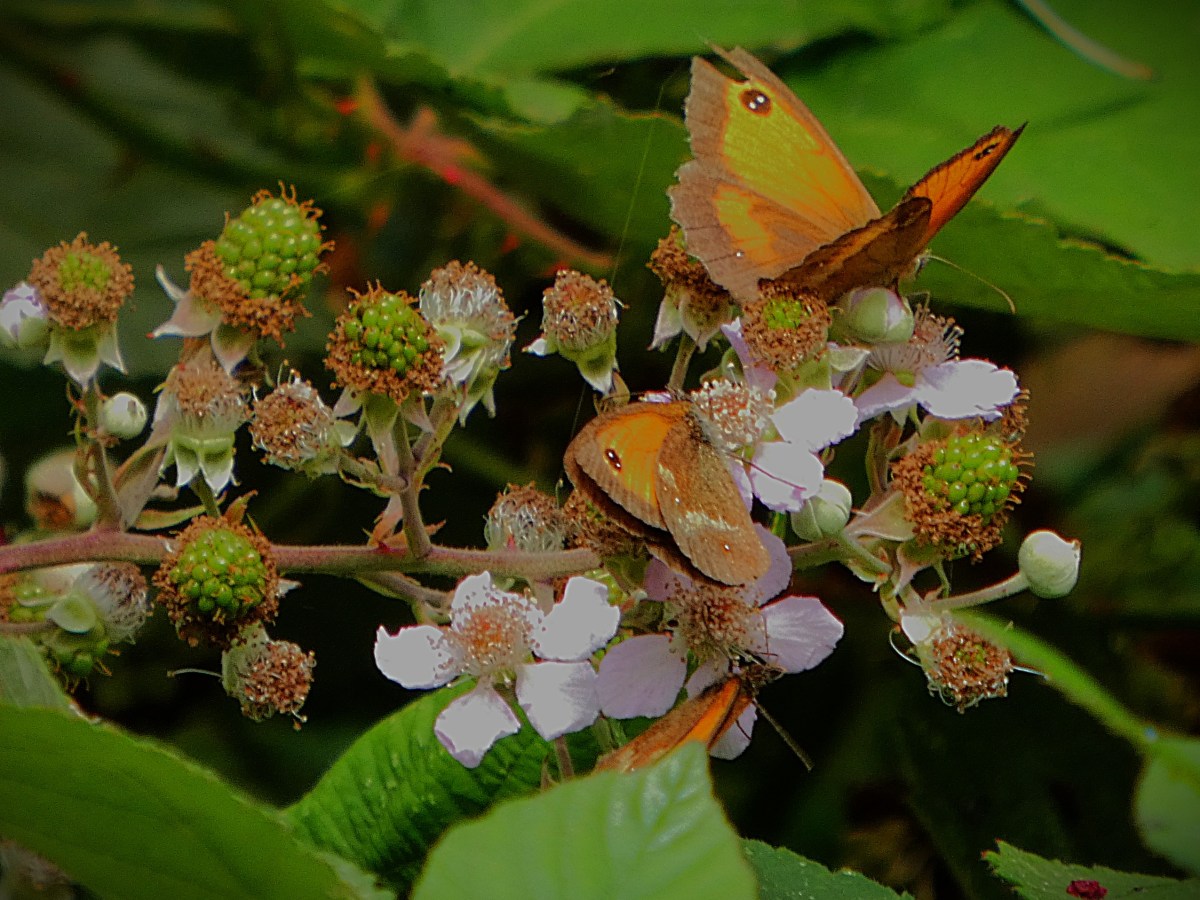
Arisaig 2026 11: Arisaig to Glenfinnan

Moving on to the Thursday of my Scottish holiday, with an account of a train journey from Arisaig to Glenfinnan.

My account of Scottish holiday (May 30th to June 6th) moves on to the Thursday. This is the first of a number of posts about was originally the only day for which we had nothing planned.

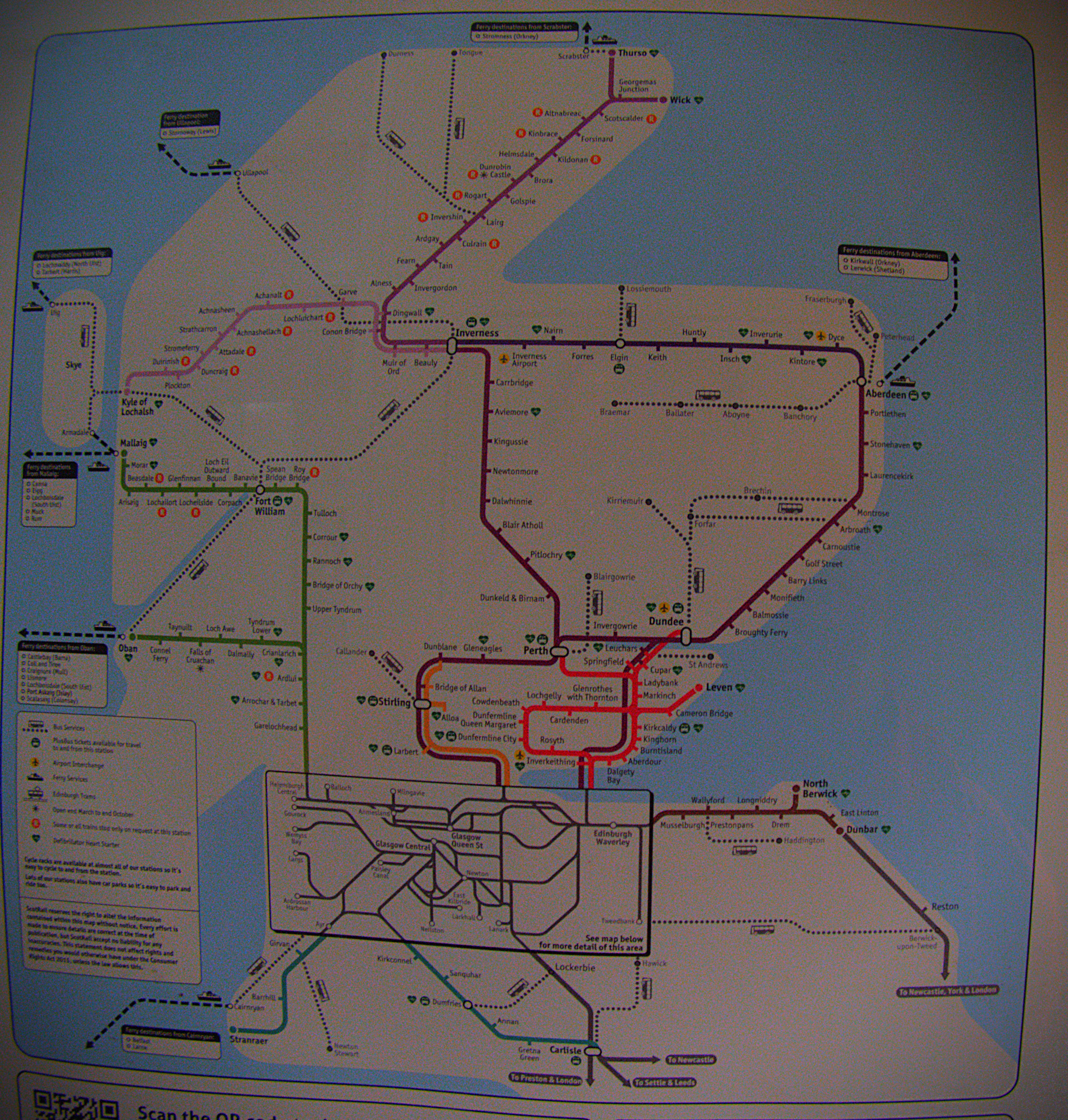
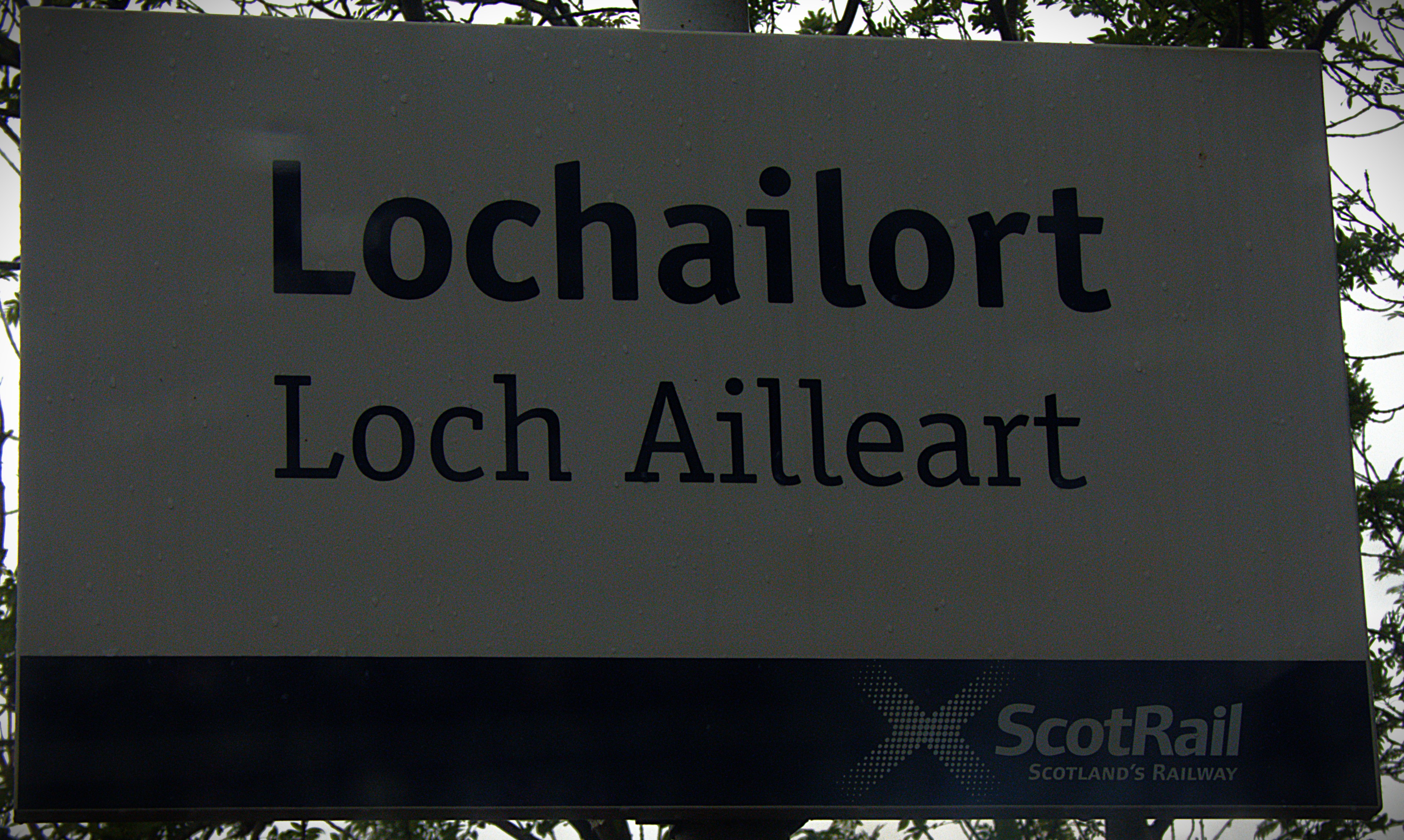
As I mentioned in yesterday’s post, the weather that we had been led to believe was going to blight the Thursday actually showed up a day early. The Thursday by contrast was comparatively benign, so we decided to go out after all. We opted to make the train journey from Arisaig to Glenfinnan and back and do some exploring at Glenfinnan. There was a train heading east from Arisaig at 10:27 (the same train that my return journey from holiday would begin on two days later). It is policy at Arisaig that although all doors could safely be opened they only have one set operational, but we were able to board without too much difficulty. There are two stations between Arisaig and Glenfinnan, but Beasdale and Loch Ailort are both request stops, so we might very well have had an unbroken run. We arrived into Glenfinnan just in time to overlap with the westbound Jacobite Express.

Here is the gallery:

Arisaig 2026 1: Getting There

An account of an epic journey from King’s Lynn in eastern England to Arisaig in the far west of Scotland, 14 hours door to door, with three photo galleries.

This is the first post in what will be a series about my annual holiday around the time of my birthday, which this year is in Arisaig, reachable by travelling to the westernmost railway station in mainland Britain. This post looks back at a long day’s travelling.

I was faced when I started looking at travel options with a choice between either leaving King’s Lynn on the 4:49AM train which would see me arrive in Arisaig at 5:28PM or a later train which would see me arrive at 11:30PM if all went well. Given that I was being met at Arisaig by my parents this was not really a choice at all and I duly accepted the necessity of a hyper-early start to the start.

I left my flat just a tick after 4AM to walk to the station to catch my first train. I was there good and early and able to take a seat without fuss. My first change was at Ely, and although I had the longer interchange to make, using the curved subway from platform two to platform one I was never in danger of missing my next connection to Peterborough. At Peterborough I had a bit of a wait (it was full daylight and very sunny by then so this was no hardship). My train for the long northward haul to Edinburgh arrived more or less bang on time, and I found my seat without difficulty, and it was unoccupied, so I did not even have to get someone to move (there are people who ignore reservation signs and take prebooked seats, and I will make them move if they have taken mine). The train progressed smoothly through the east midlands and north east England to the Border Bridge at Berwick (the best way to enter Scotland) and then on to Edinburgh without any hitches, and I had enough time at the interchange to be waiting at the platform for my next connection. The run to Glasgow was also clear (Glasgow is Scotland’s largest city and Edinburgh, though smaller, is the capital, so services between the two are fast and frequent).

The journey from Glasgow to Arisaig, a run of just over five hours, covers some of the most scenic railway in Britain. Between Glasgow and Fort William there is a splendid section travelling across Rannoch Moor, which features Corrour, seven miles from the nearest road among others. This section would be THE highlight of most routes of which it was part, but places second to the route beyond Fort William in this case.

Unfortunately this, the most scenic section of the entire day, also saw the worst weather, and rain spattered windows are not the best medium through which to take photographs. However barring a minor delay at Glenfinnan, where we had to wait for the outgoing train from Mallaig before we could continue the run was smooth, and the scenery was still splendid. We arrived more or less on schedule at Arisaig, and I was met by parents for the last short part of the journey to our accommodation. In all, from my door in King’s Lynn to that of the cottage we are staying in took almost precisely 14 hours.

The final tranche of photos from this epic day…
London Underground to King’s Lynn?!

A whimsical exercise inspired by a fairly newly constructed path in King’s Lynn, assessing how the real roundel might be brought here.

This is an exercise in purest whimsy, provoked by a recently constructed set of paths in Hardings Pits near King’s Lynn that I have dubbed ‘Roundel Path’ for their collective resemblance to London Underground’s classic symbol. Here is a photograph:

Roundel Path – I hope this photo, taken this morning illustrates the reason I have so named it.

Before moving in to the main body of this post I re-emphasise that this a purely whimsical exercise, and not even I would actually recommend the adoption of these schemes.

These suggestions are listed from most to least fanciful with even the least fanciful still fairly so.

  1. Over a decade ago I did a personal survey of the Piccadilly line, which among other things recommended a northwards extension from Cockfosters to Welwyn Garden City. Welwyn Garden City is a station that trains from London to King’s Lynn pass but do not stop at en route. Extending all the way to Lynn would require a lot of adjustments at every station that the line would stop at – ideal platform heights are very different for surface and tube stocks which is why I consider this possibility even more unrealistic than the other.
  2. The slightly less ridiculous possibility makes use of the fact that the older subsurface London Underground lines are built to standard railway specifications and would at least not require any platform adaptations. It would require one completely new section of track, from King’s Cross St Pancras (Circle, Hammersmith&City and Metropolitan line shared platforms) to Finsbury Park or some point further north, with an intermediate station at Highbury& Islington, giving some useful connections, joining the existing tracks as soon as it is practical for it to come to the surface. That leaves one further question…
There are three possibilities:

  1. The Metropolitan line once extended over 50 miles out into the countryside, and is still much more like a mainline railway than other lines. The disadvantage of the Metropolitan getting this route is that from Baker Street onward trains would heading northwest, having come from basically due north (with a tiny fraction of east).
  2. The Hammersmith and City line, which could abandon the Farringdon to Barking part of its route, all of which is served by other lines.
  3. The Wimbledon-Edgware Road section of the District line could add the stations as far as King’s Cross to its existing route and take over the new route.

I state once again that the foregoing has been a piece of whimsy, not anything serious, before applying my usual sign off…

The Museum Detectives

A brief look at the Museum Detective novels of Jim Eldridge and a photo gallery.

This is a series of novels by Jim Eldridge. There are ten books so far in the series.

Daniel Wilson is a former Scotland Yard detective, sergeant under inspector Abberline during the investigation into the ripper murders. Abigail Fenton (later in the series Mrs Wilson) is a Cambridge educated archaelogist specialising in ancient Egypt. This partnership investigate crimes at various museums, hence their and the series’ title. Often, though not always, they are working in parallel with Scotland Yard. Superintendent Armstrong, a bully of such unpleasantness as to make Edward Marston’s superintendent Tallis look saintly by comparison (and lacking Tallis’ great virtue of actually being good at the job), does not like the pair at all, though inspector John Feather gets on well with them, recognising unlike Armstrong that they have a common goal.

Daniel and Abigail first overlap at the Fitzwilliam Museum in Cambridge, and other non-London venues to feature are The Ashmolean, The Manchester Museum and the Louvre, in which last case Abigail finds herself a suspect at first. The London museums to feature are in chronological order The British Museum, The Natural History Museum, Madame Tussauds, The Victoria and Albert Museum, The National Gallery and the Tower of London (yes, among its many guises the Tower is London’s oldest museum). Sometimes the crimes involve museum personnel and sometimes not, but invariably the scope of the investigation widens beyond just the museum. Abigail is a fan of the then fledgling underground system, and they often use the Inner Circle (we are talking about the 1890s, so only the Metropolitan, District and their central combination, then known as the Inner Circle, and the City and South London Railway, then serving a mere six stations and unconnected to the others, are in existence, though the Metropolitan has already reached the furthest from Central London that any of the lines that became London Underground ever will -Brill in Buckinghamshire, 51 miles from Baker Street). Nevertheless, with the Wilson’s living within walking distance of Euston Square, Scotland Yard being near Embankment and one or too other useful locations appearing opportunities arise. In “Murder at The Tower of London” they have to chase up a witness in Loughton, then served by the Great Eastern Railway (this branch is now the eastern end of the Central line, but that development was almost half a century away when the action in the book was happening). The books are all splendid reads.

My usual sign off…

A Cornish Christmas 3: Cotehele and Calstock

An account of a visit to Cotehele House and a scenic walk thereafter.

I begin this third post in my series about my holiday in Cornwall with an apology. The photo gallery is incomplete due to a mishap in the course of this walk. I lost my tote bag, which contained among other things spare batteries for my camera, which meant that when the battery I was using ran out part way through I could not replace it. Fortunately someone had handed it in at reception at Cotehele House and I was able to retrieve it.

On Christmas Eve we visited Cotehele House, for six centuries home to the Edgecumbe family, until the then Earl of Edgecumbe passed it to the National Trust in 1965, and then went for a scenic walk, which began with a wander through the hills and ended with a walk back along the Tamar Valley. We passed Calstock Church, quite separate from Calstock itself (I got no pictures of the church as my camera was out of battery by then), got some glorious views of the Calstock Viaduct, which carries the Tamar Valley line over the river of the same name (I managed to capture some before my camera ran out), and visited a pub on the way back along the Tamar Valley. Surprisingly for a pub on a popular walking route in a scenic location the prices were not by British standards extortionate – I produced a £20 note to purchase three drinks, fully expecting only shrapnel back by way of change, and my change included a £5 note as well as a few coins. We got back to the fort just as darkness was falling.

Here is my incomplete but hopefully still impressive photo gallery from this day…

A Cornish Christmas 1: A Curate’s Egg Journey Down

An account of a “curate’s egg’ journey from King’s Lynn to Fort Picklecombe. Parts of the journey were indeed excellent, and I got some good photos along the way.

I am in Cornwall for Christmas. I travelled down yesterday, which journey I shall be covering in this post, and will staying until Sunday.

My itinerary for this journey started with catching the 10:45 from King’s Lynn to Kings Cross, so I set off at 10 o’clock sharp to make sure I got to the station in good time. The train ran precisely as per schedule, and at 12:33 I alighted on to Platform 9 of Kings Cross station. The Hammersmith and City line journey from Kings Cross to Paddington, following the original route of the world’s first passenger carrying underground railway was also uneventful. I consumed a light meal courtesy of a branch of Costa that is structurally part of the station, and then it was necessary to be ready for the next and longest phase of the journey…

Although today’s Great Western Railway has the same name as the company founded by the legendary Isambard Kingdom Brunel, and serves most of the same routes, I do not think that Brunel would be impressed with his company’s modern day namesake. Actually the current GWR should probably be glad that the dead cannot sue under UK law. As I scanned the departure screen on the bridge linking the various platforms at this iconic station (the photo gallery at the end of this post contains some pictures that should go some way to showing you why this station is rated as one of Europe’s finest) I noticed there were some cancellations, and some delays. My own train was among the delayed, and the estimated time was being pushed back in small increments. Eventually at 2:15, 12 minutes after the scheduled departure time we were finally given the platform information. I managed to get to my booked seat, and a few moments later we were finally underway. However the late departure caused us to end up behind a couple of stopping services between Exeter and Plymouth, so the train arrived very late at Plymouth (once I am back in Lynn the company will be hearing from me as I expect compensation from them for both the stress experienced at Paddington and the very late arrival in Plymouth).

My sister met myself and my nephew at Plymouth station (he, due to mishaps associated with another train company, South Western, had ended up on the same train as me), and drove us to our final destination, Fort Picklecombe in Cornwall. Apart from the satnav making a few daft mistakes (at one point telling us to make a u-turn when we actually on the Torpoint ferry!) this part of the journey was thankfully uneventful.

Here are the photographs I took yesterday, plus a couple from this morning:

Unhappy Birthday Elon

An account of my involvement in an ‘Unhappy birthday, Elon’ event yesterday, complete with photos.

Yesterday was Elon Musk’s birthday, and activities had been organized in various places to make it an unhappy one for him. I took part in the event in London, outside the Tesla dealership in Park Royal.

I caught the 7:42 train from King’s Lynn to London King’s Cross. I had been speculating over the possibility of travelling on the Metropolitan line to Rayner’s Lane and then going back down the Piccadilly line to Park Royal, but an announcement to the effect that the Metropolitan was experiencing delays saw me change plans and go the direct route along the Piccadilly. I arrived early, and did my best to assist with the setup. I did not stay hugely long, and was back home in time to catch most of the T20I between the England and India women’s teams. Most of the time I was there was spent with a sign urging passing motorists to “HONK IF YOU HATE ELON” – and quite a few did so.

Here are my photographs starting at King’s Lynn Station and ending with a distant view of Ely Cathedral on the return train journey…