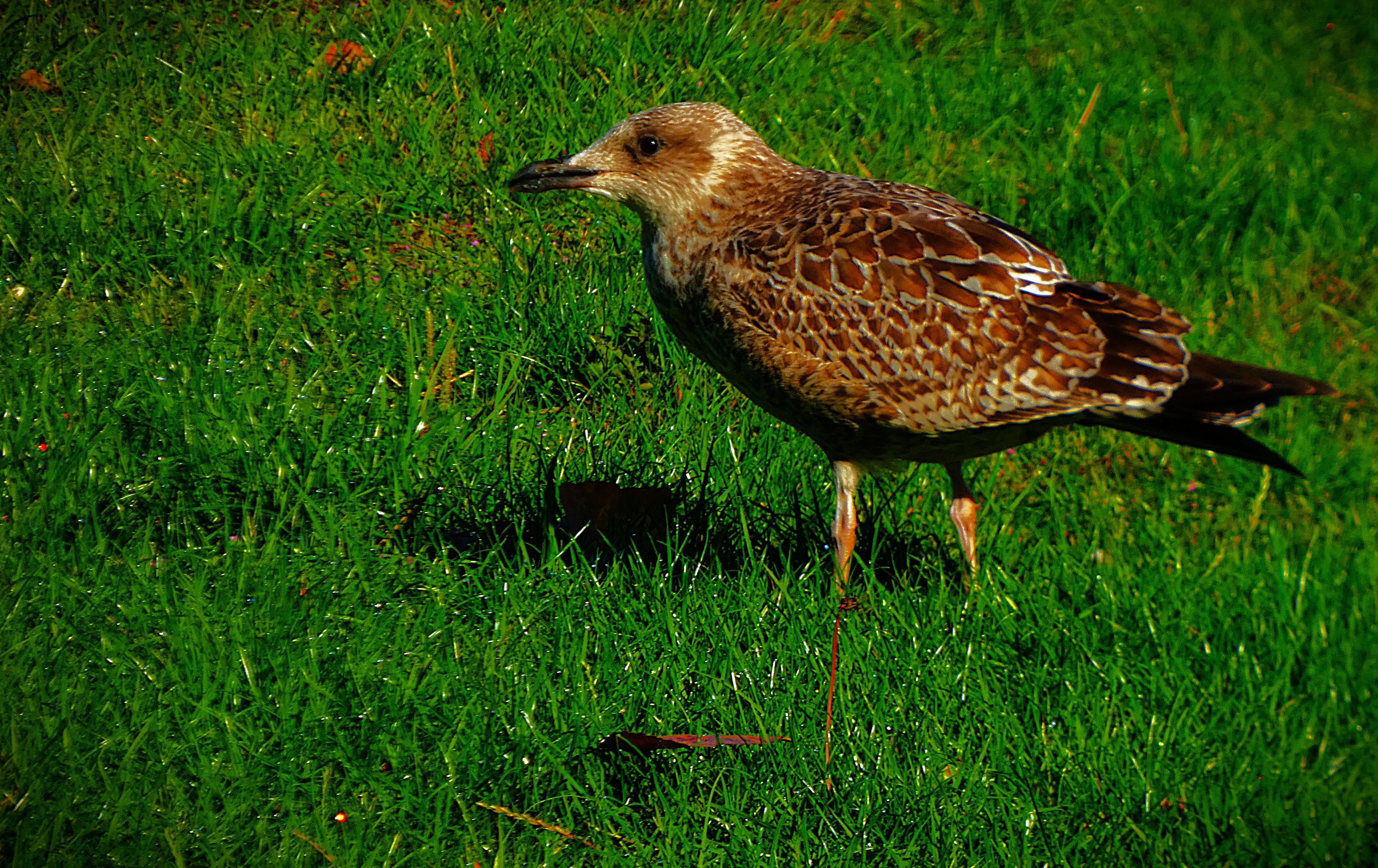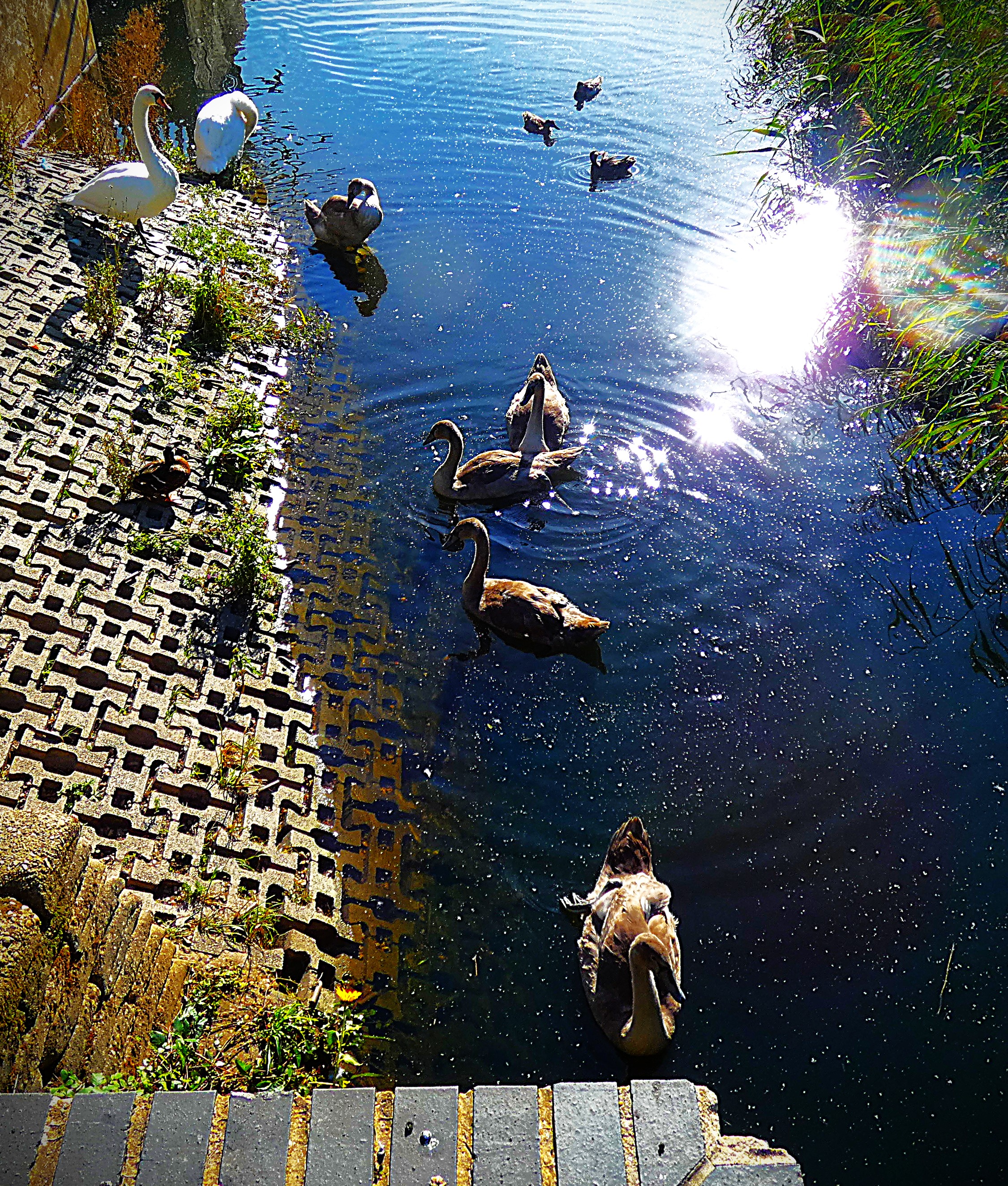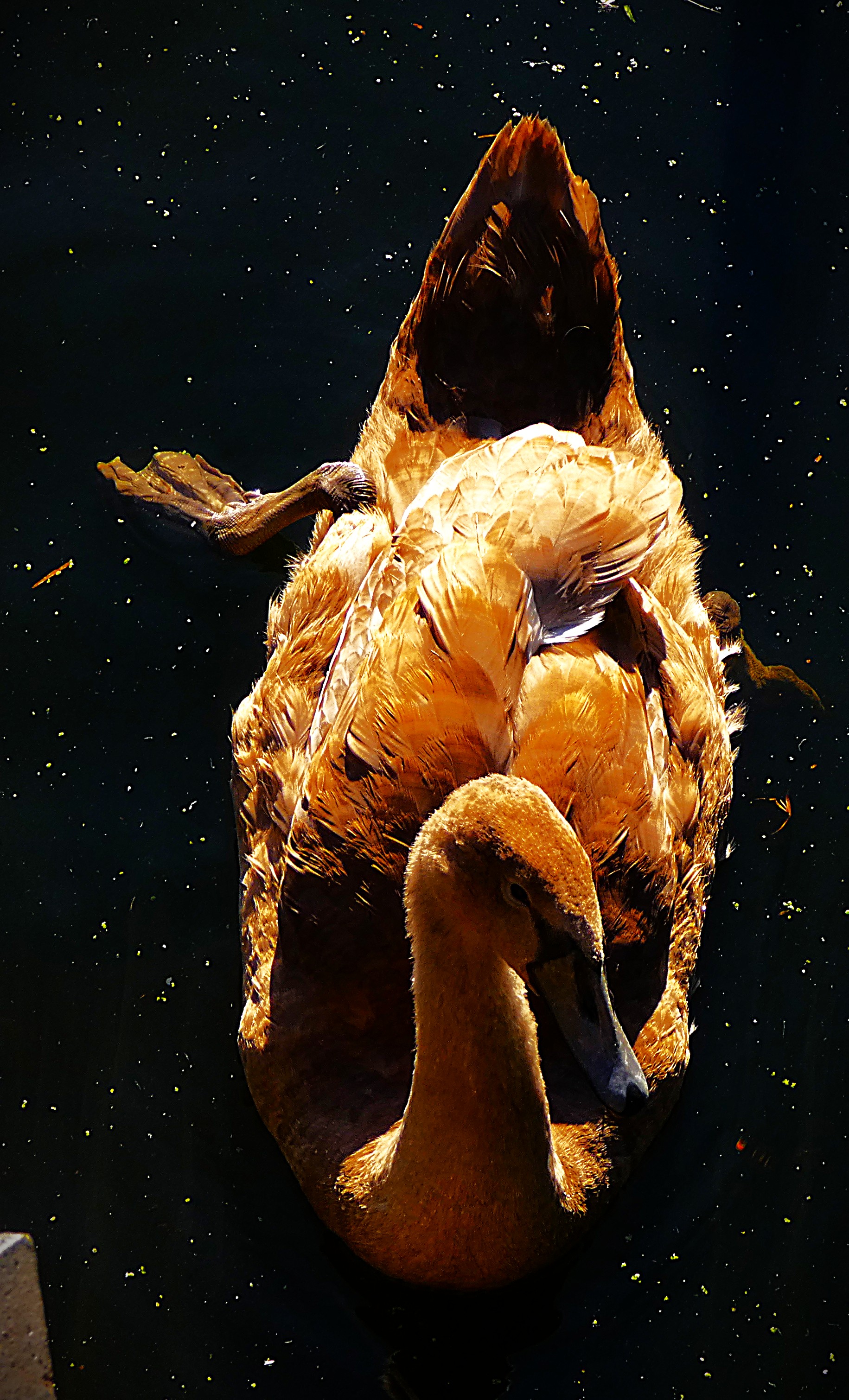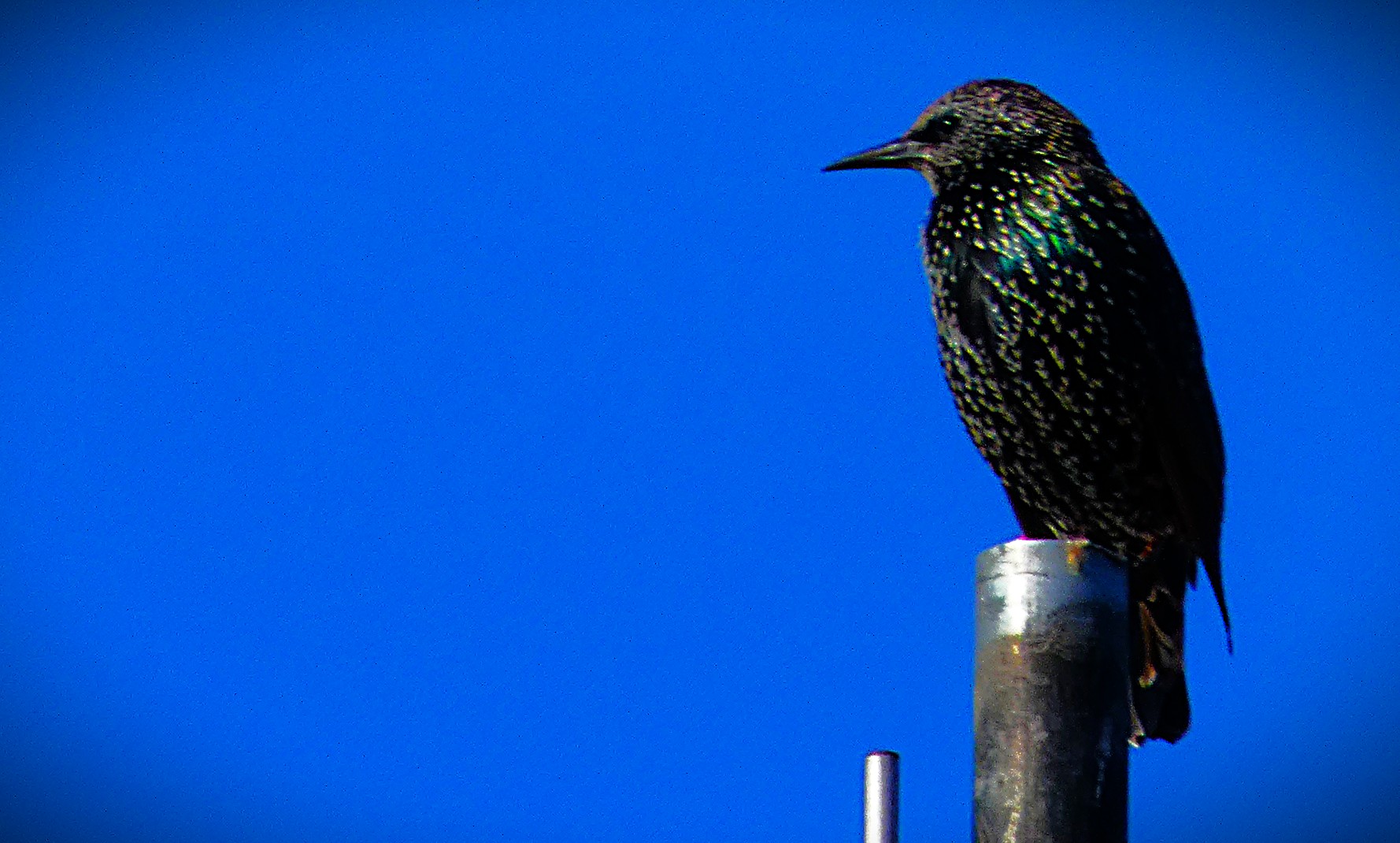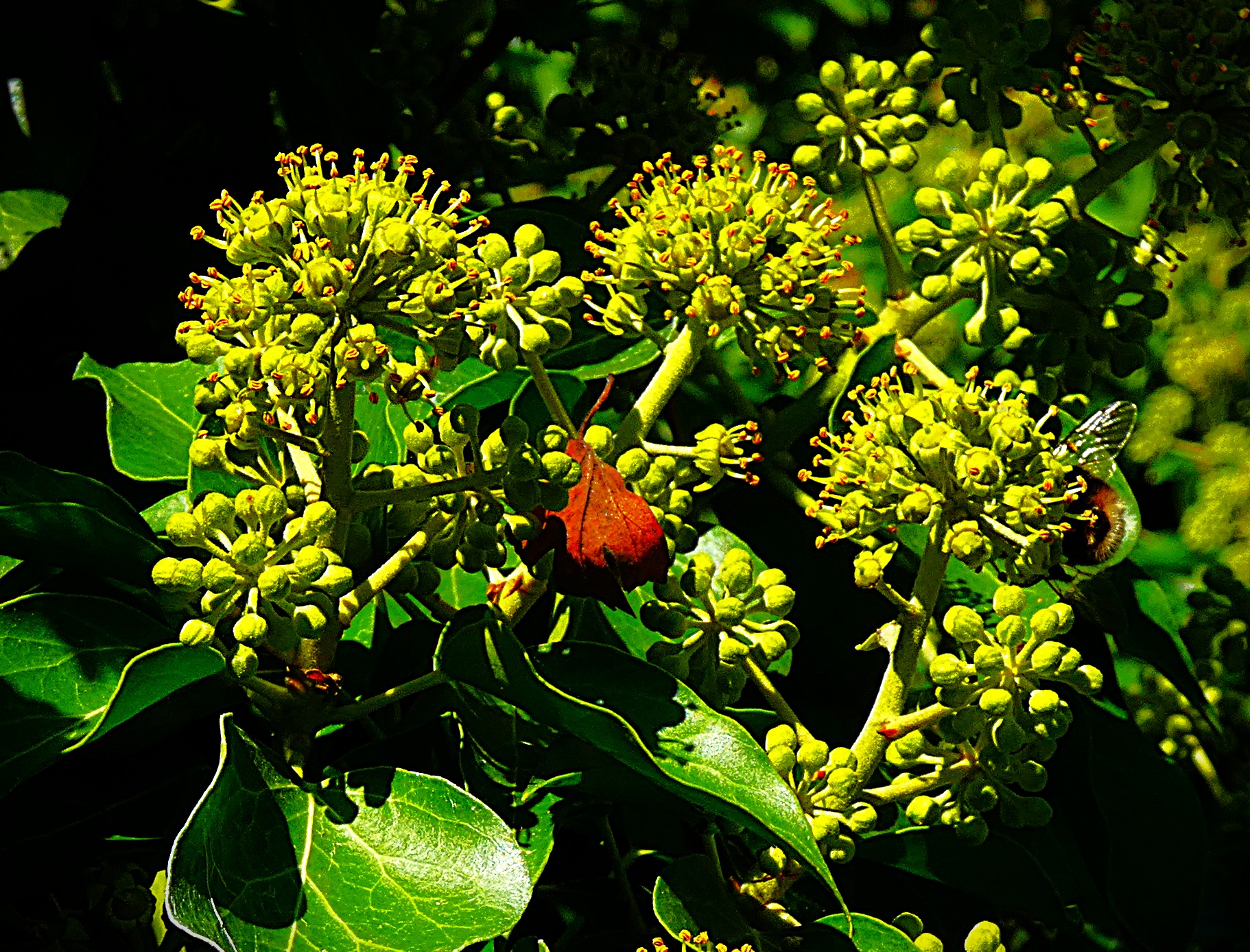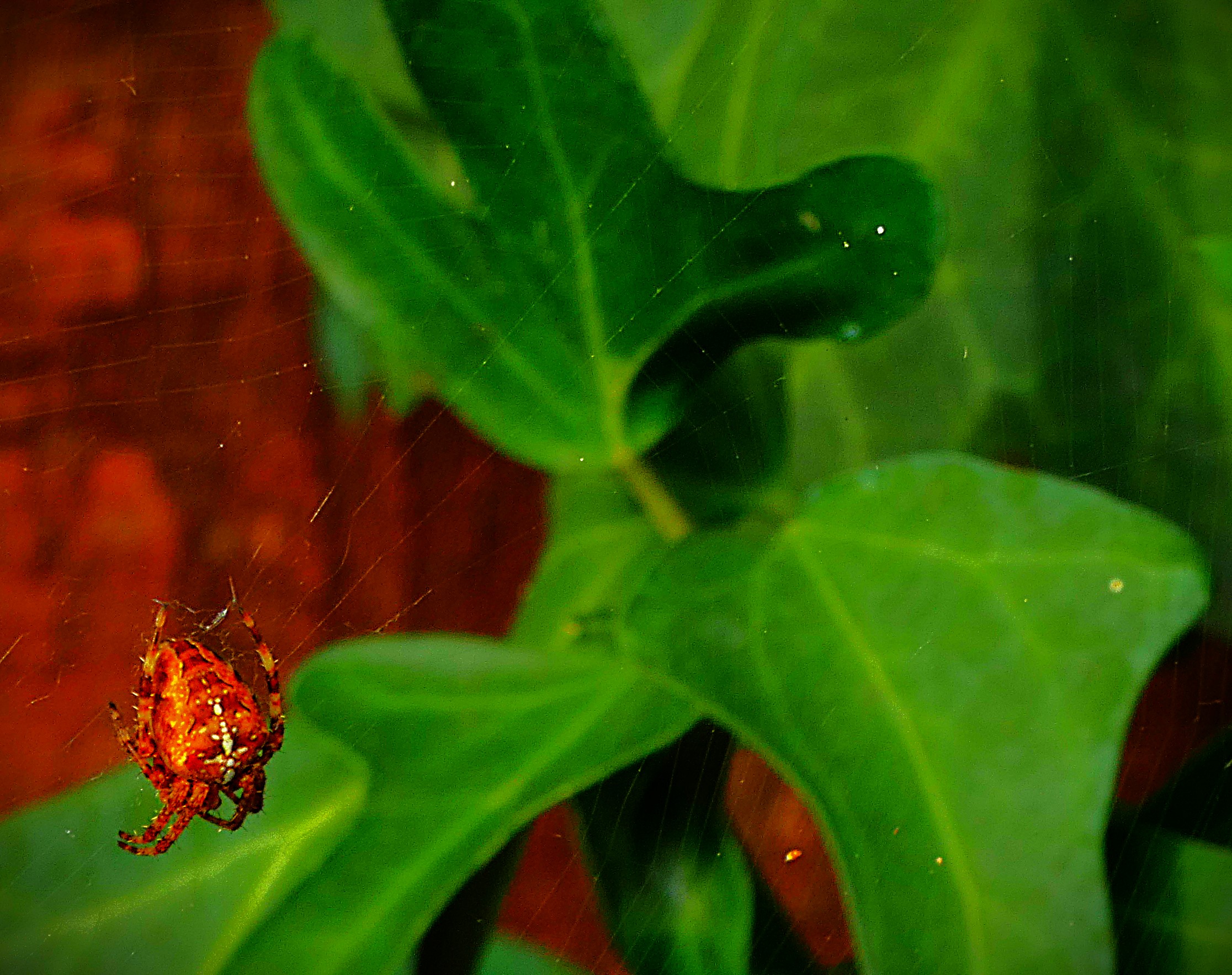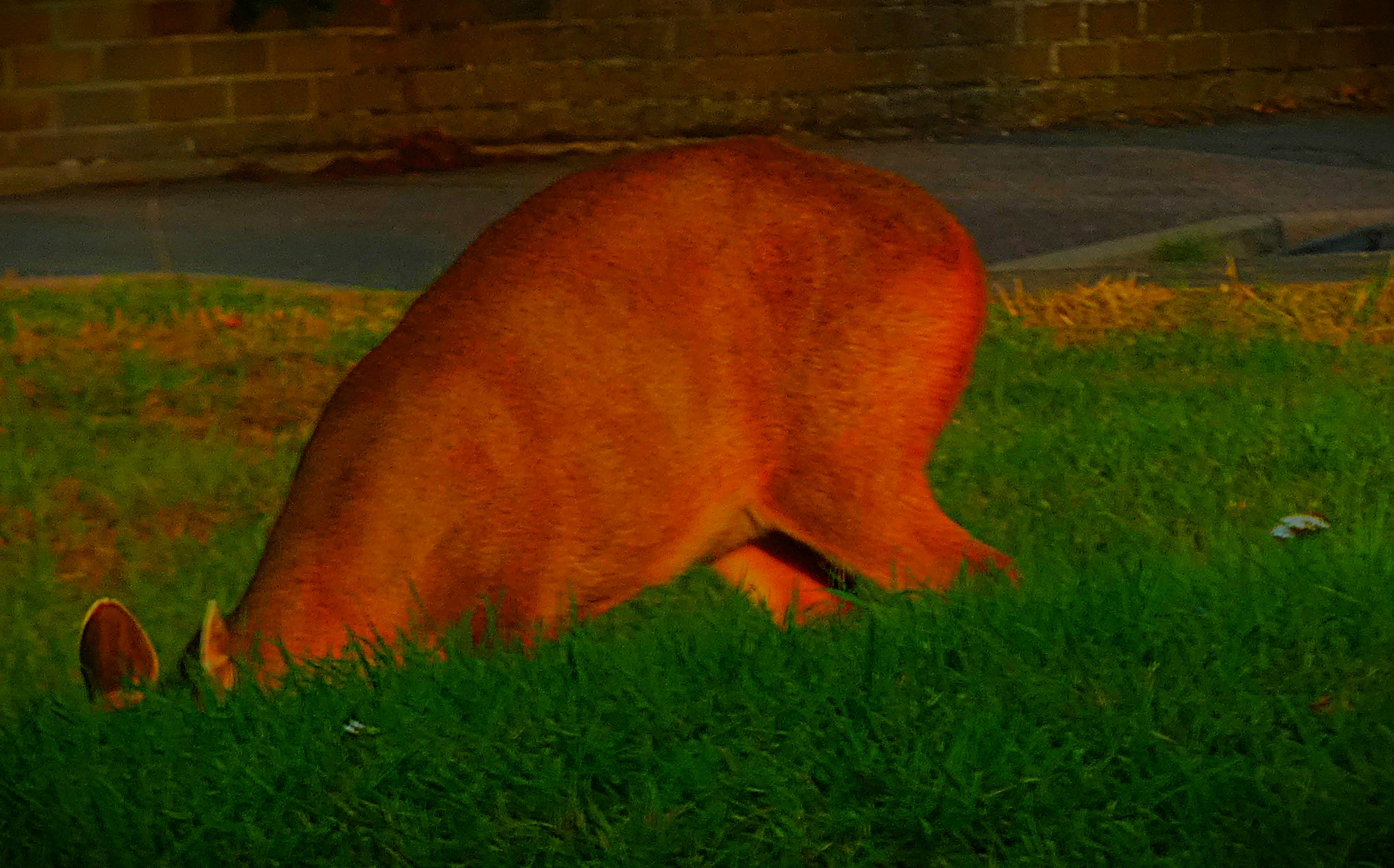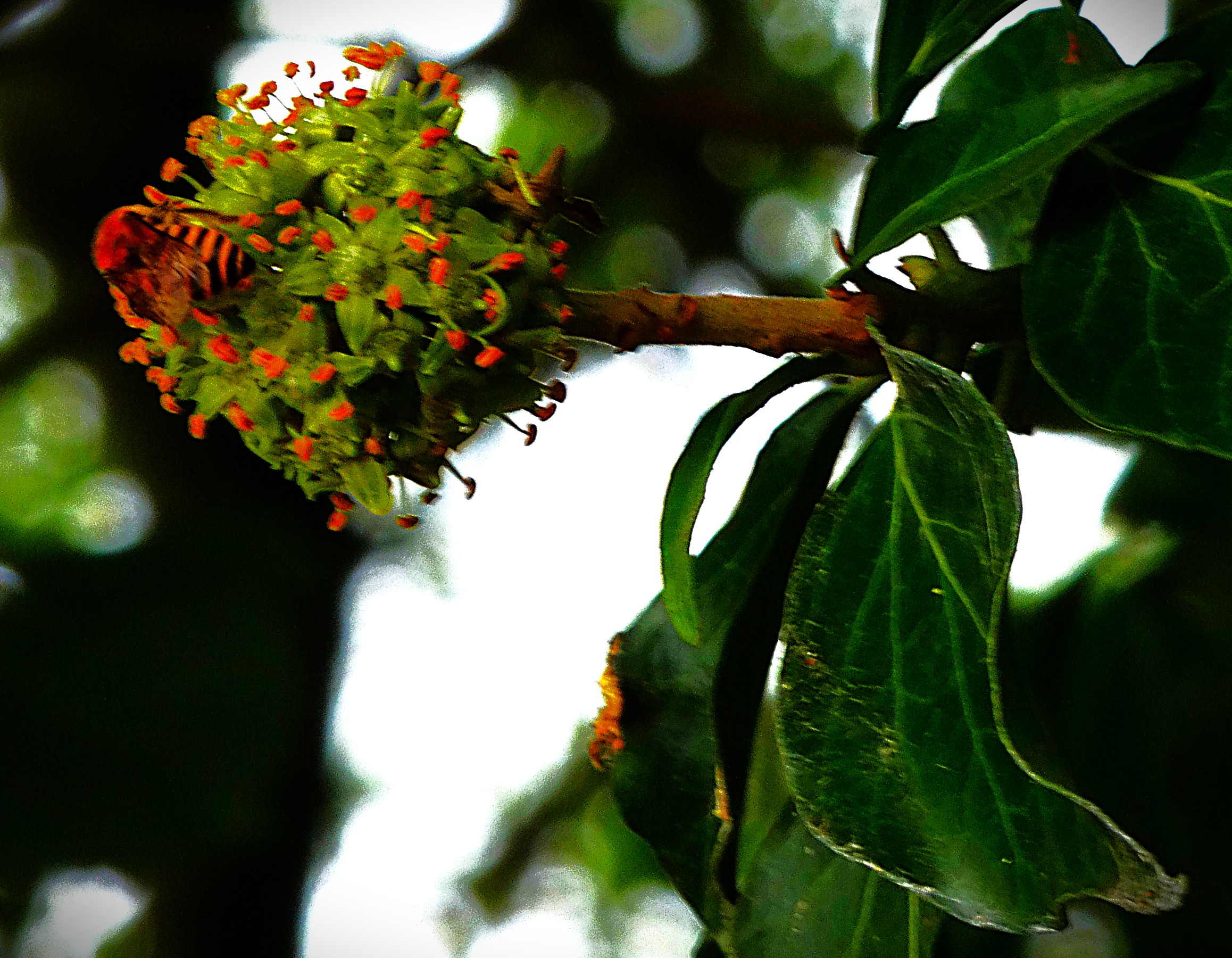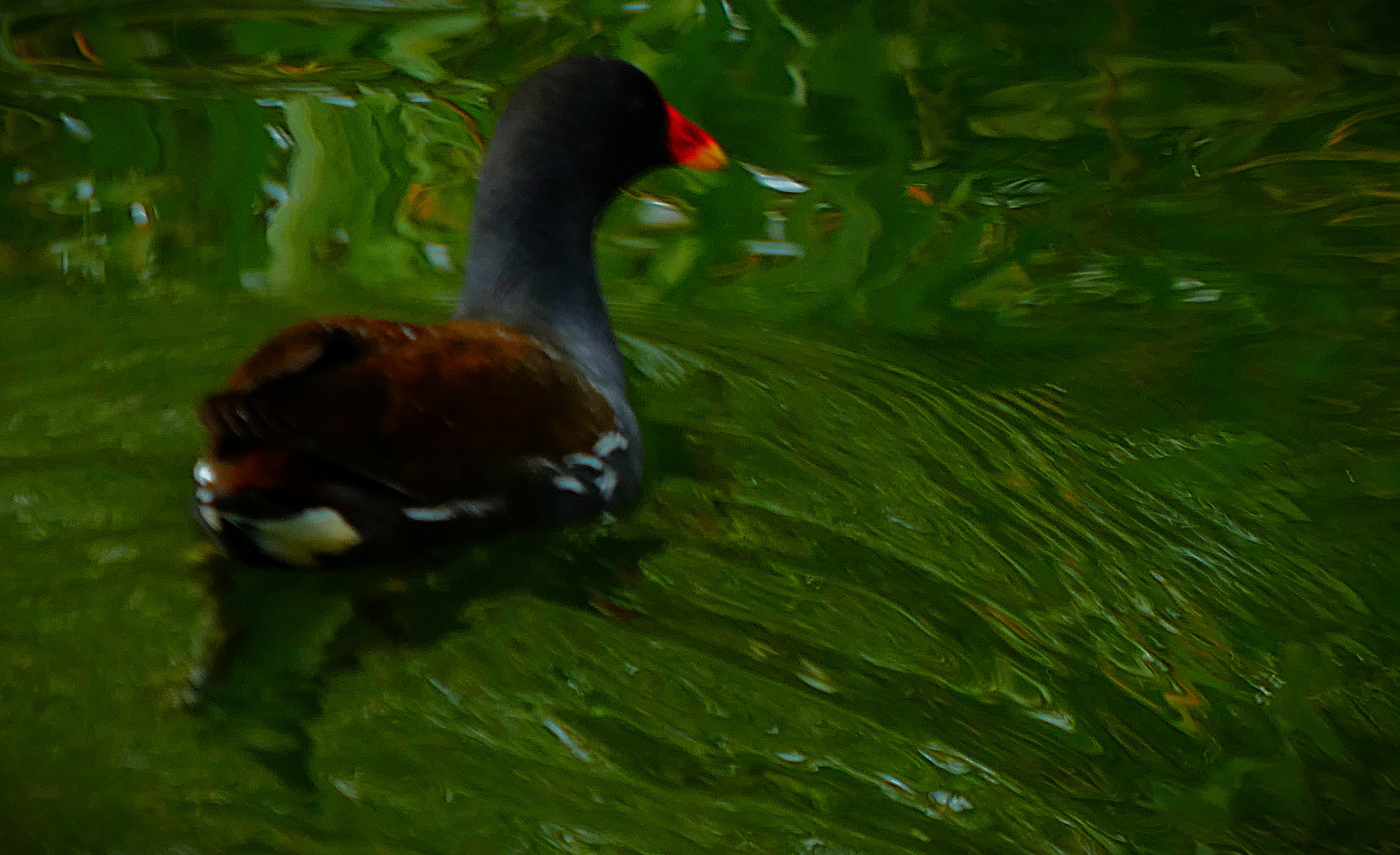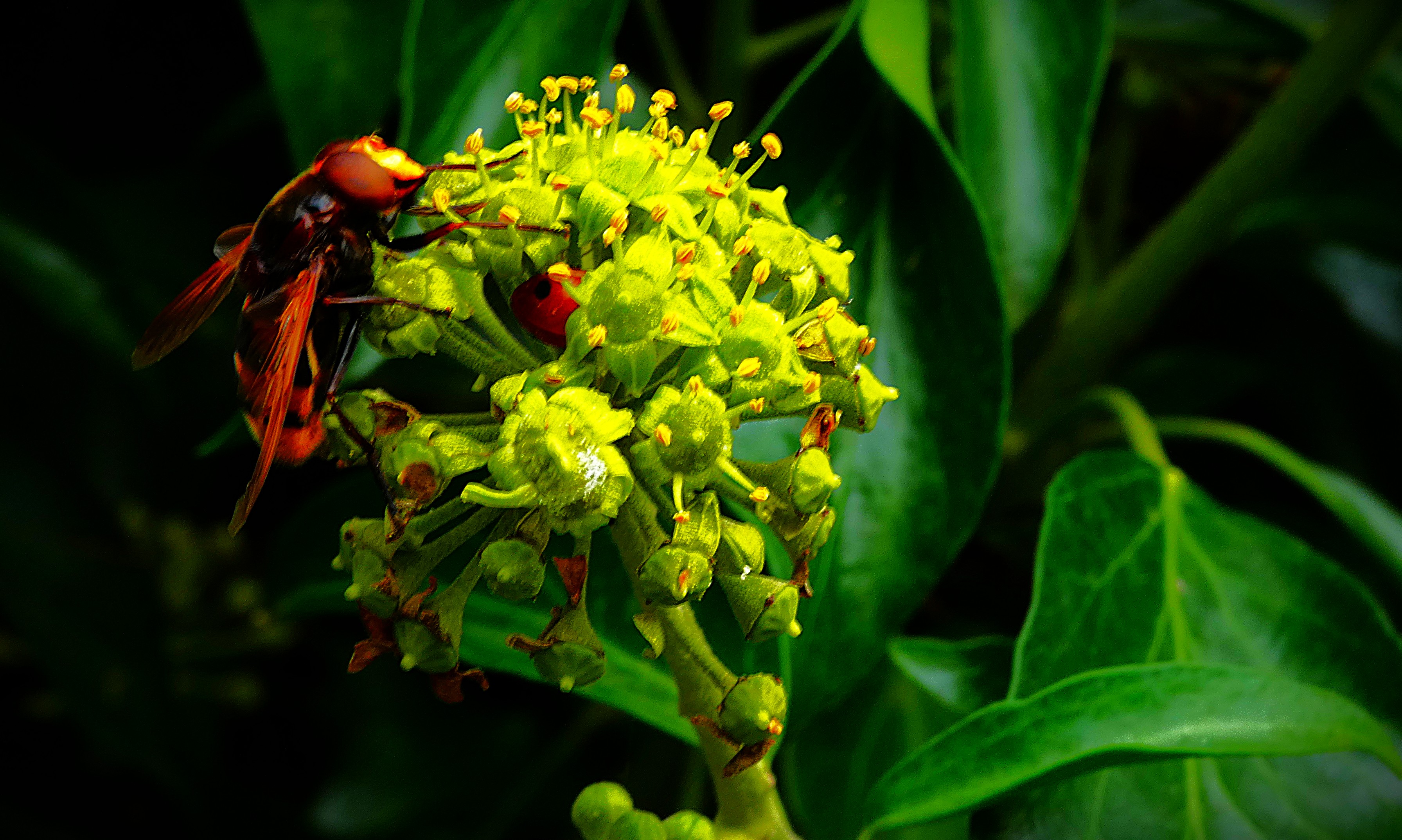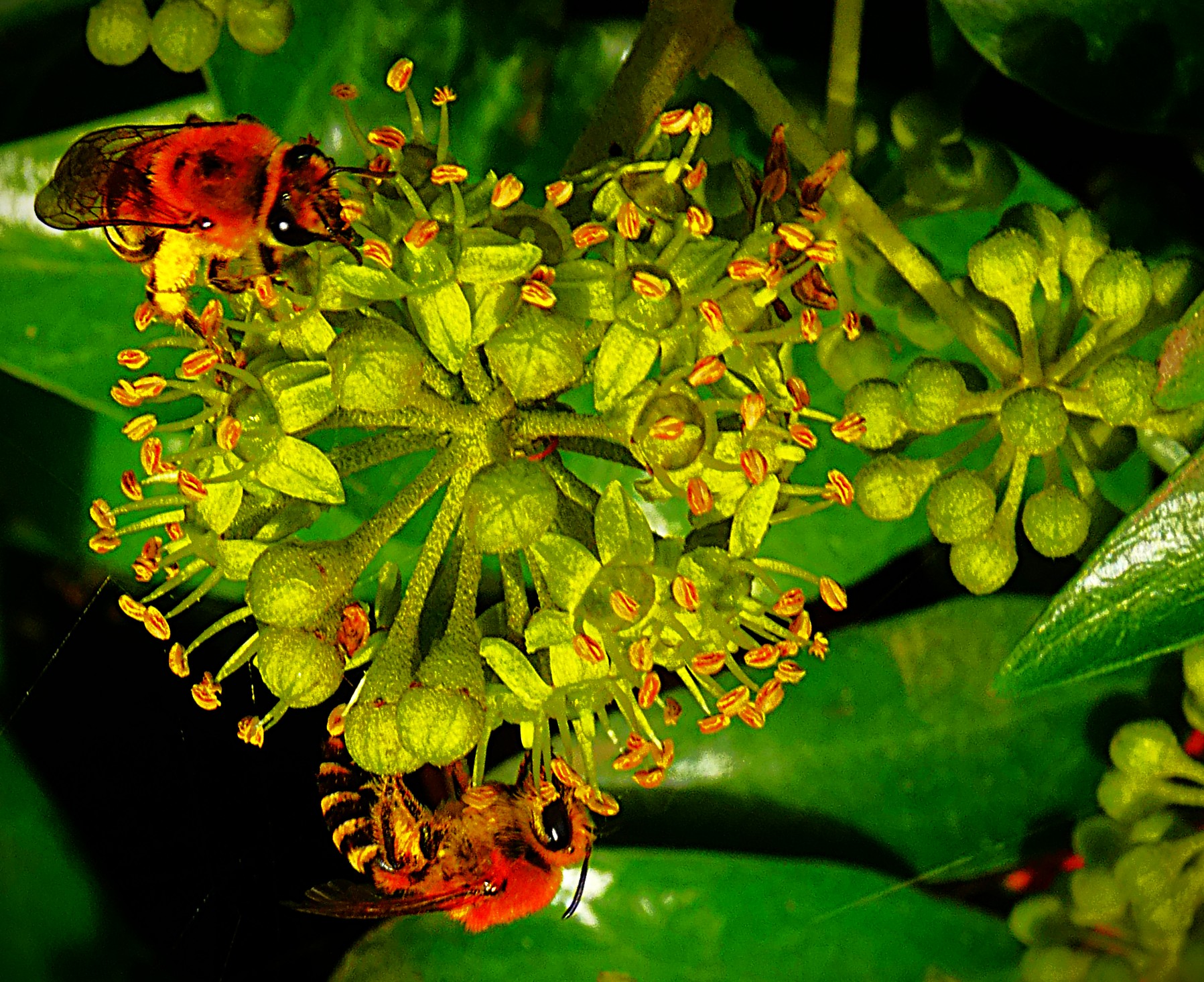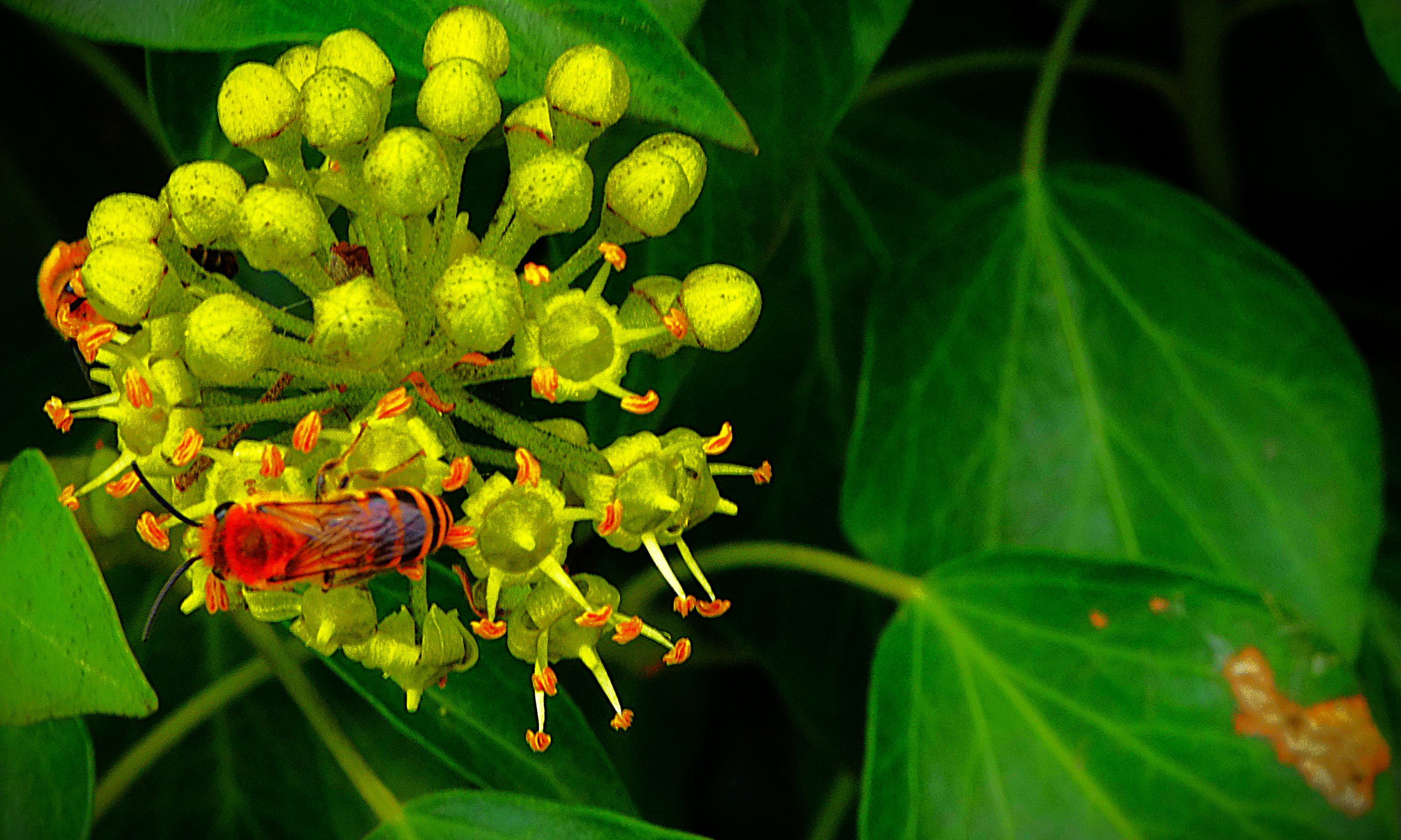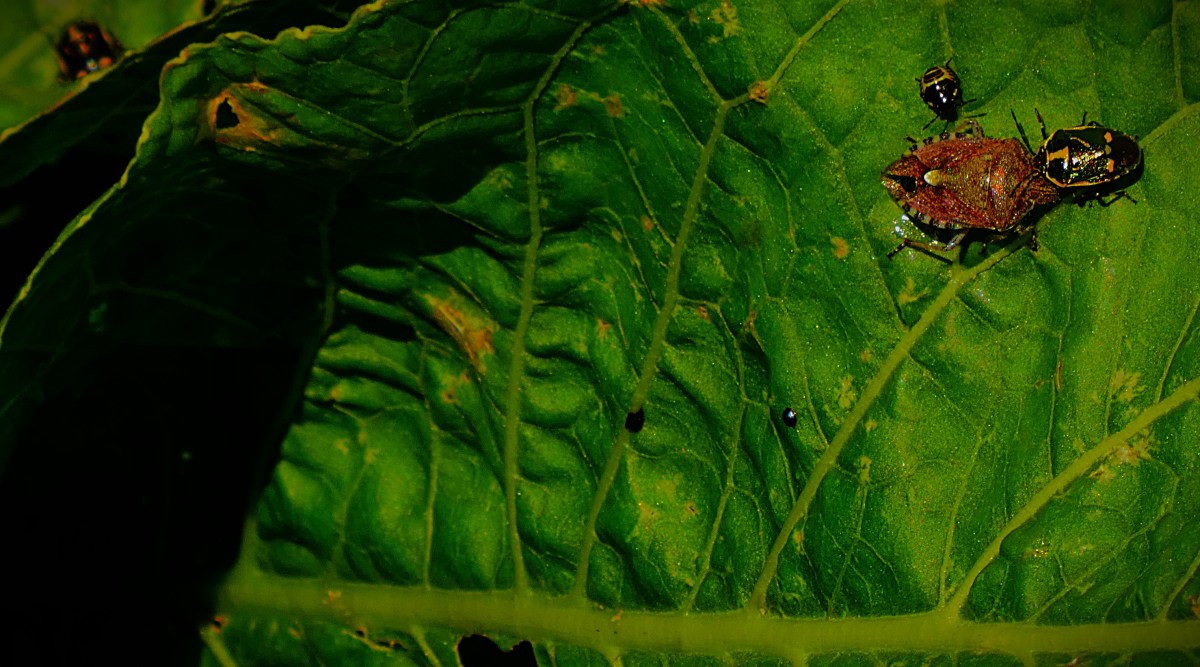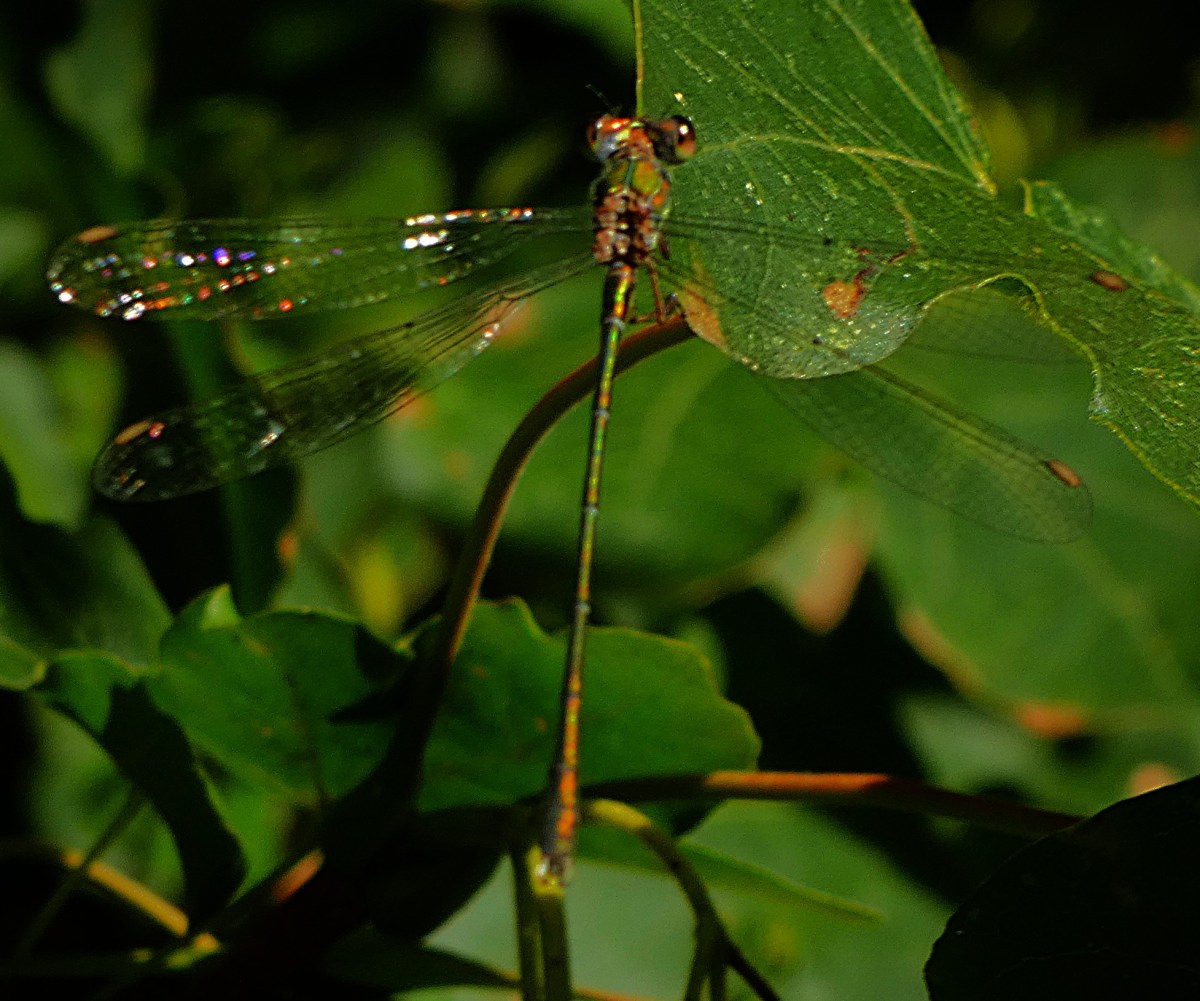
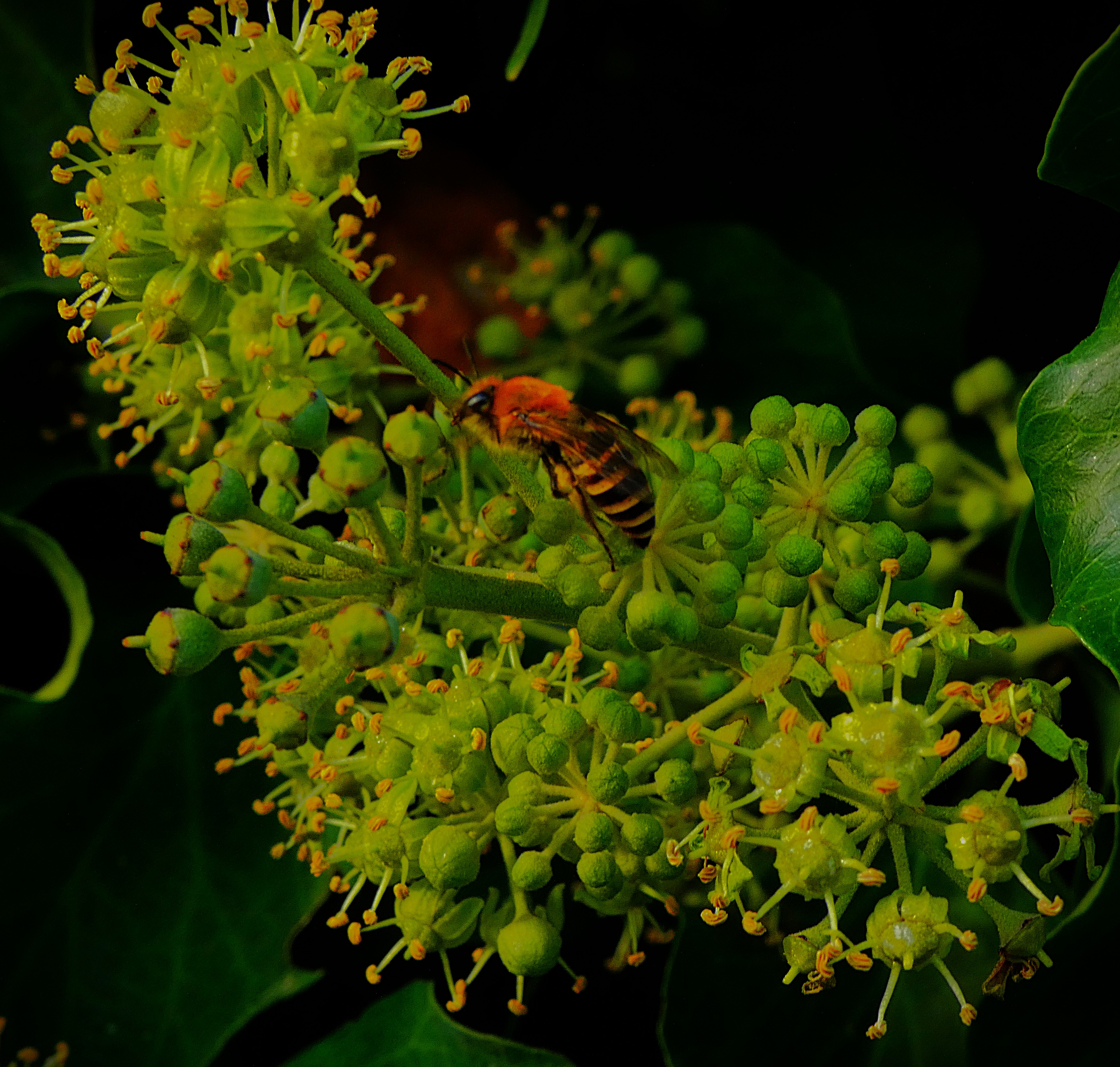
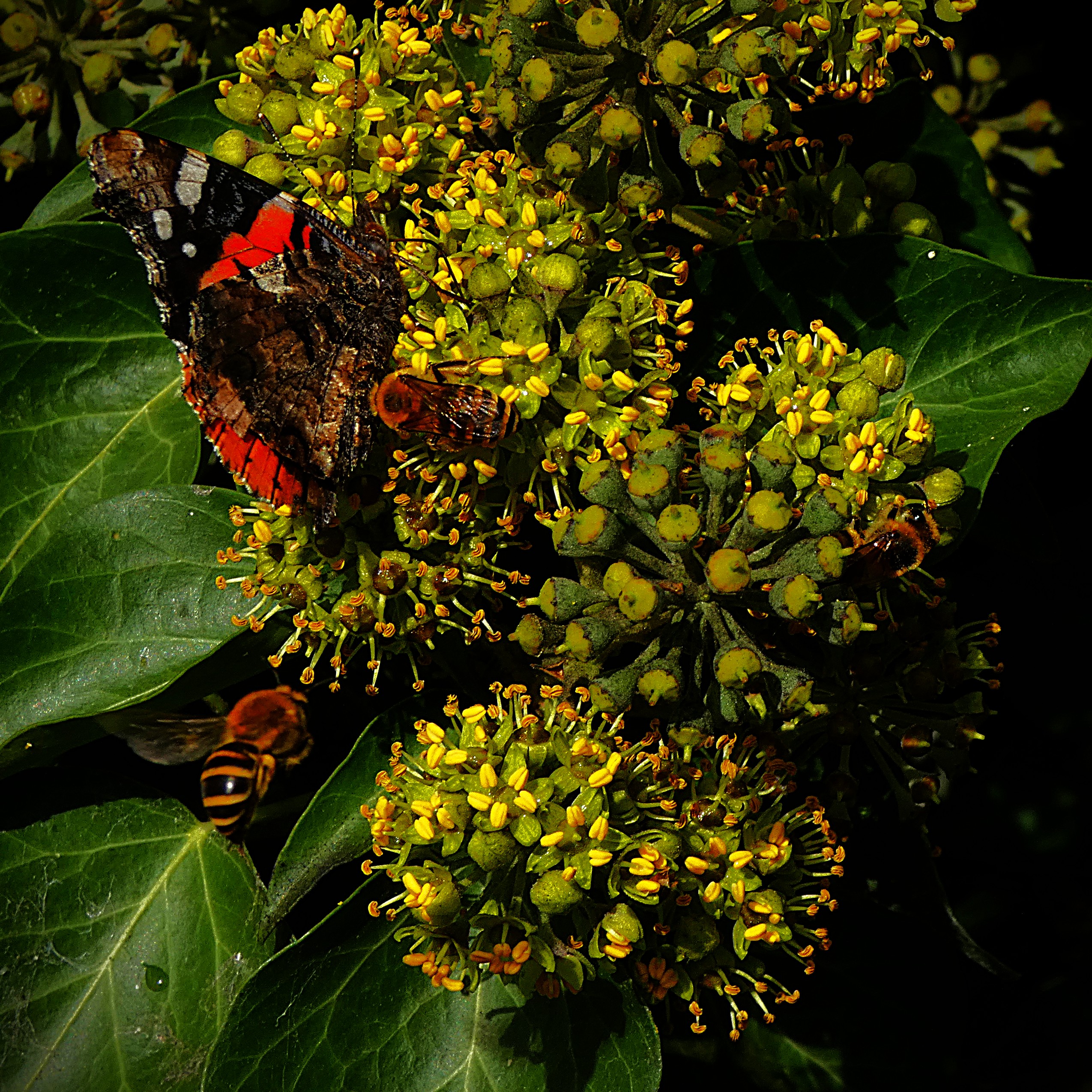
Here is my latest gallery (late yesterday and today) featuring among other things three different species of Butterfly…




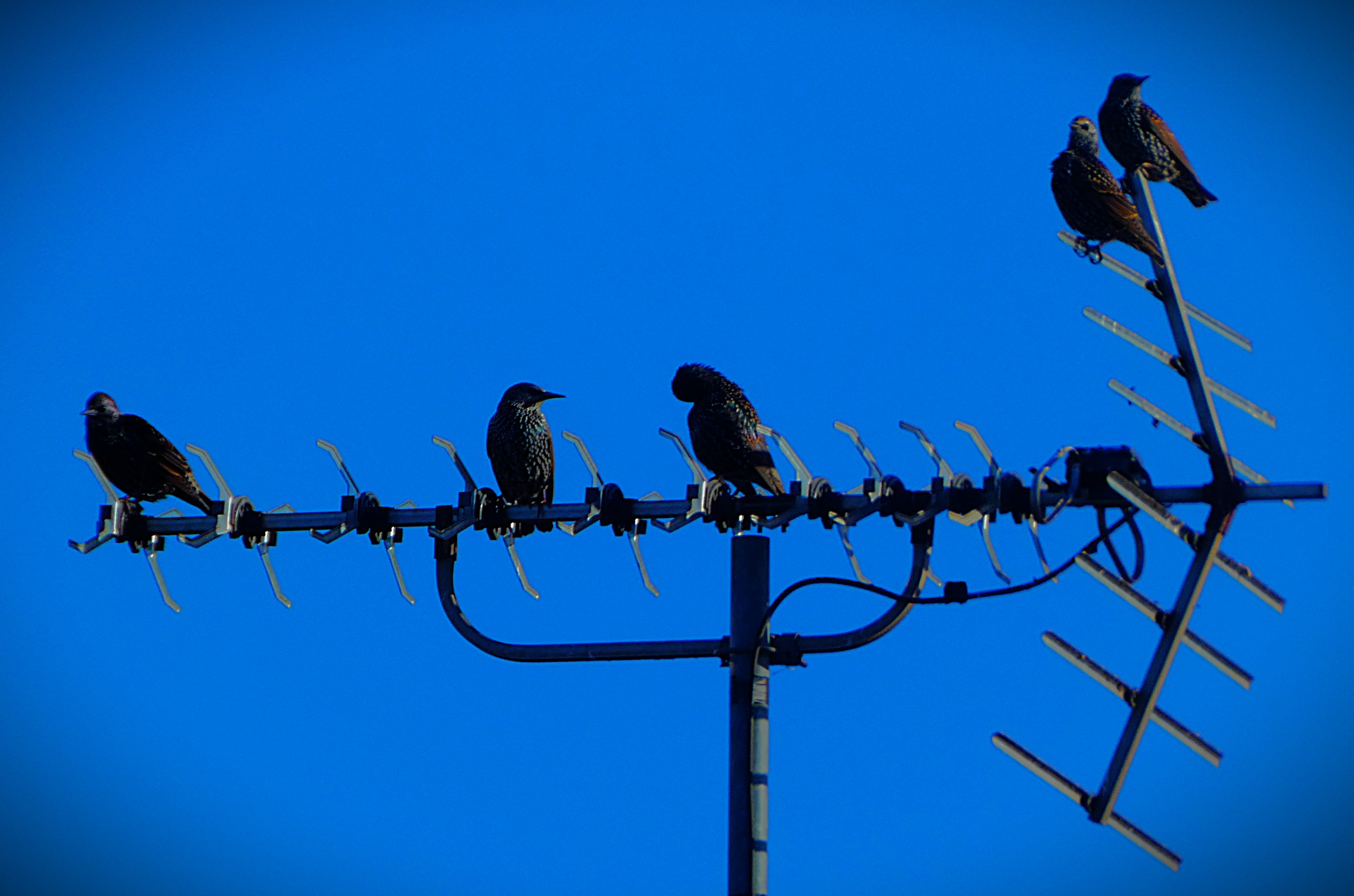
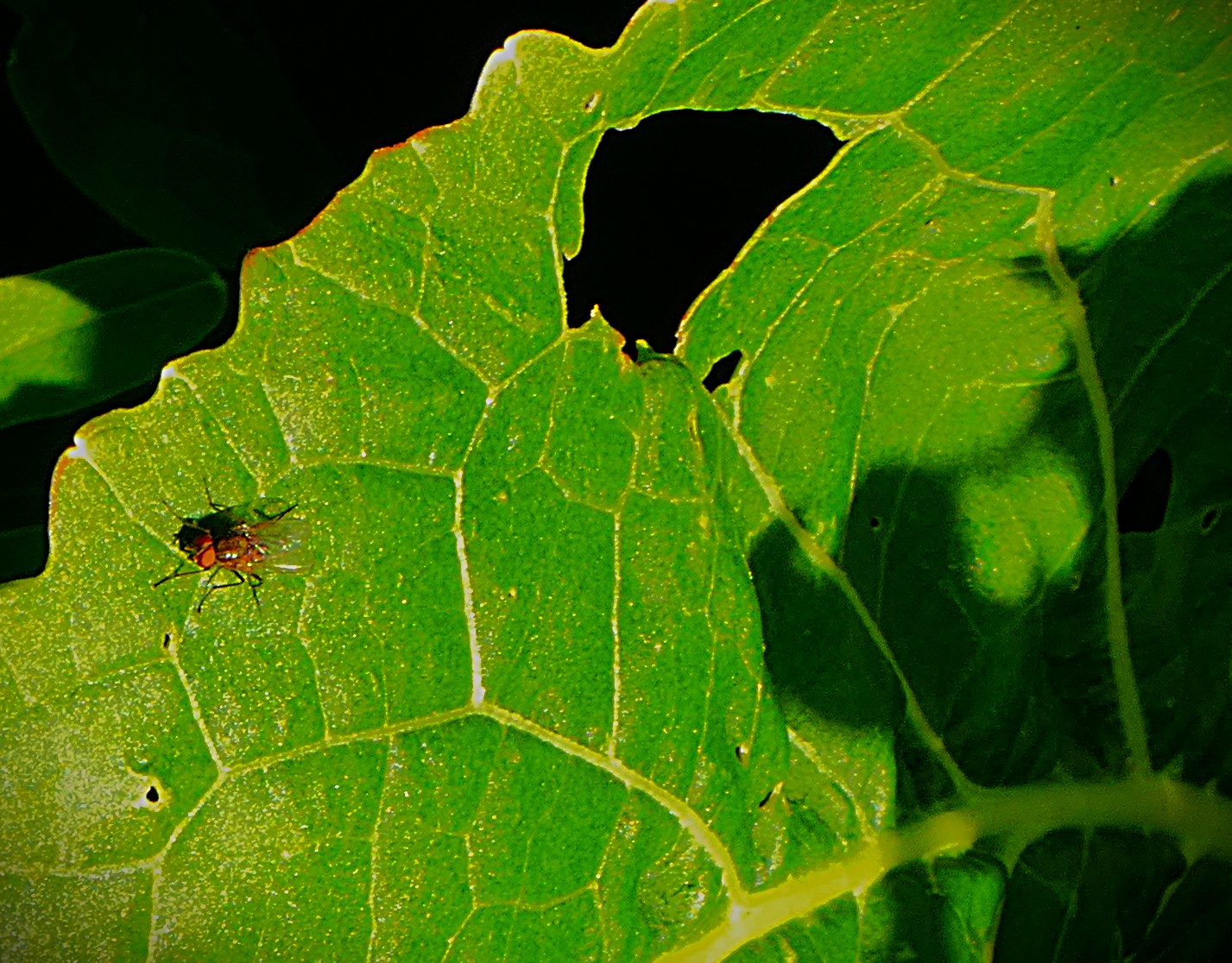







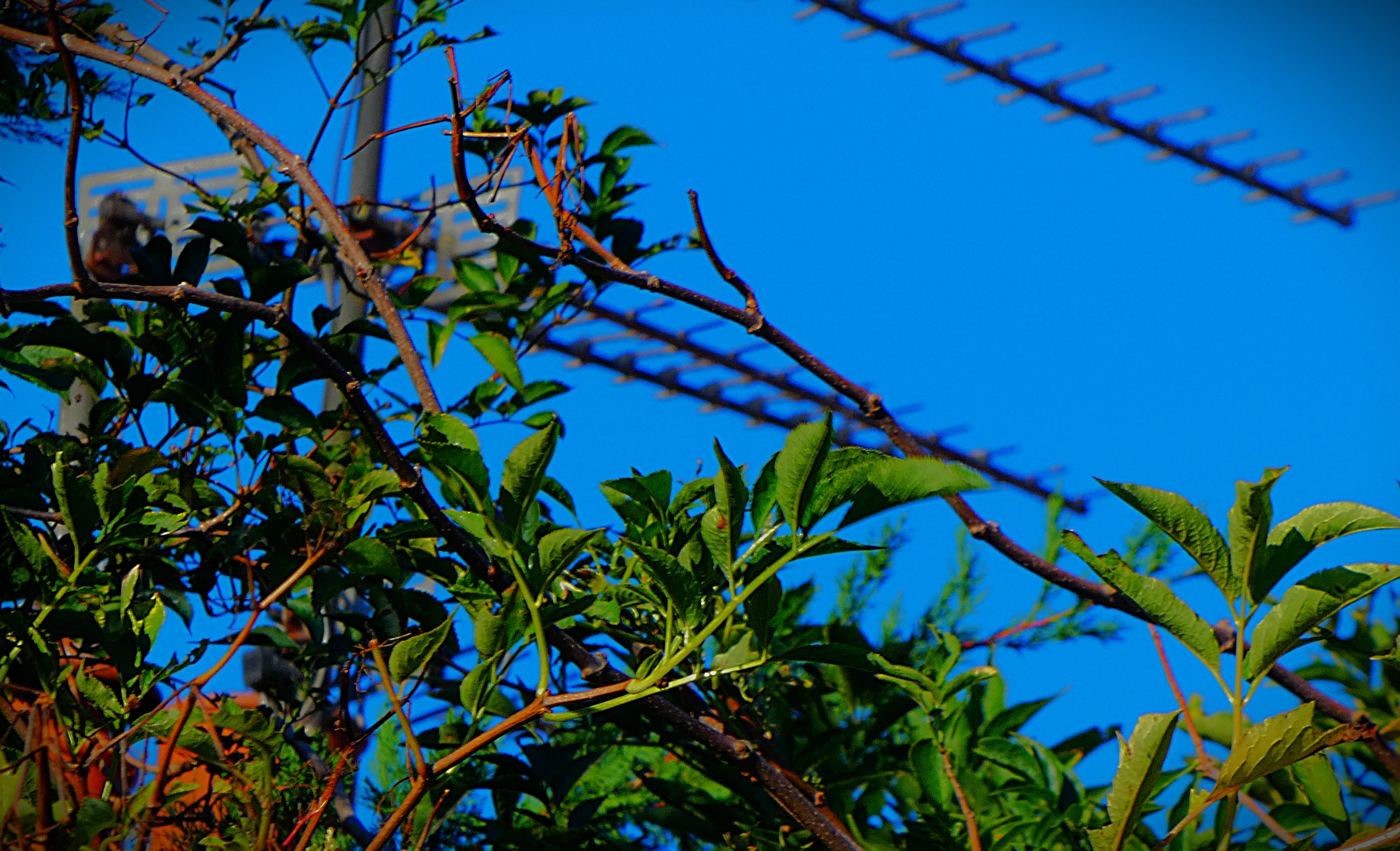


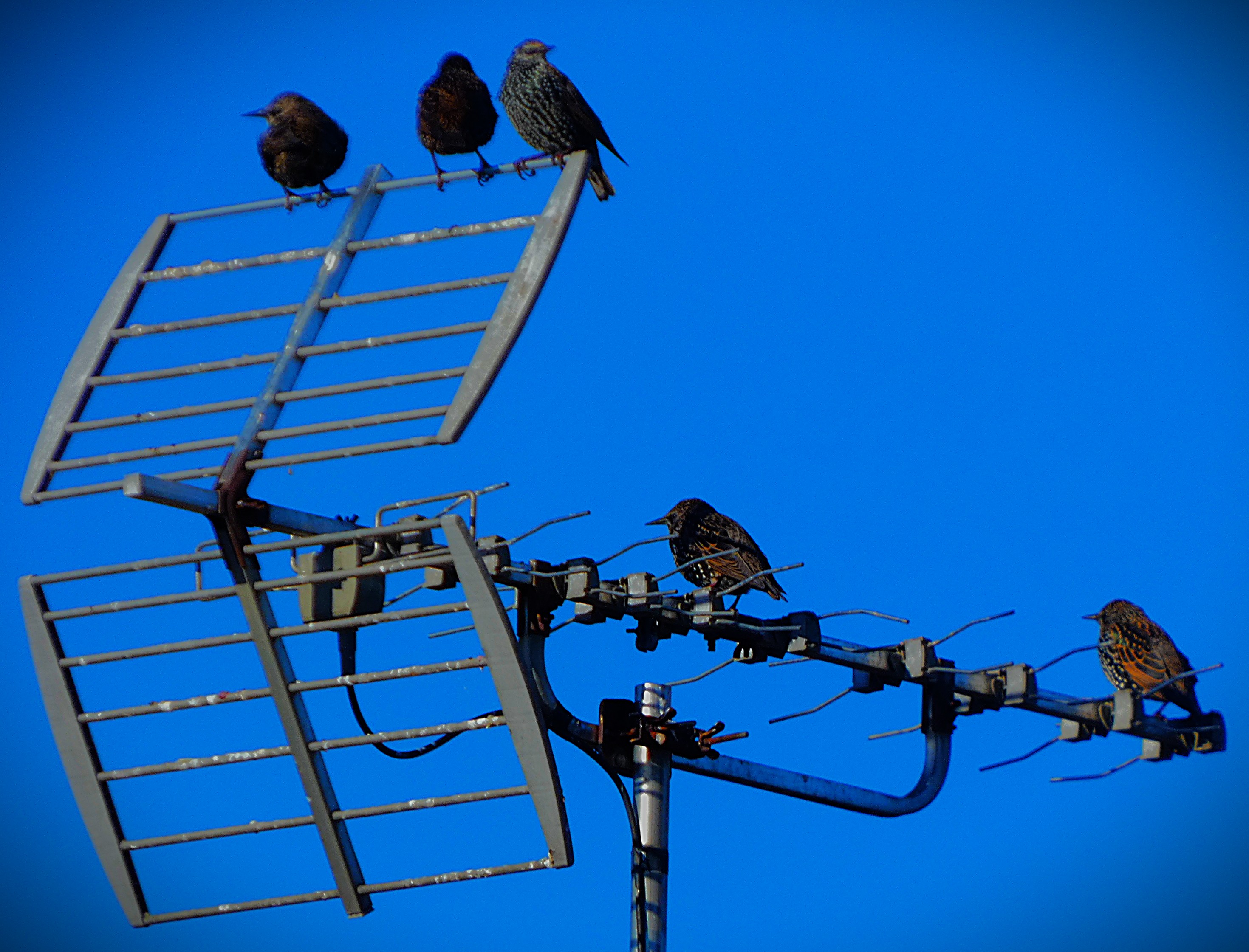
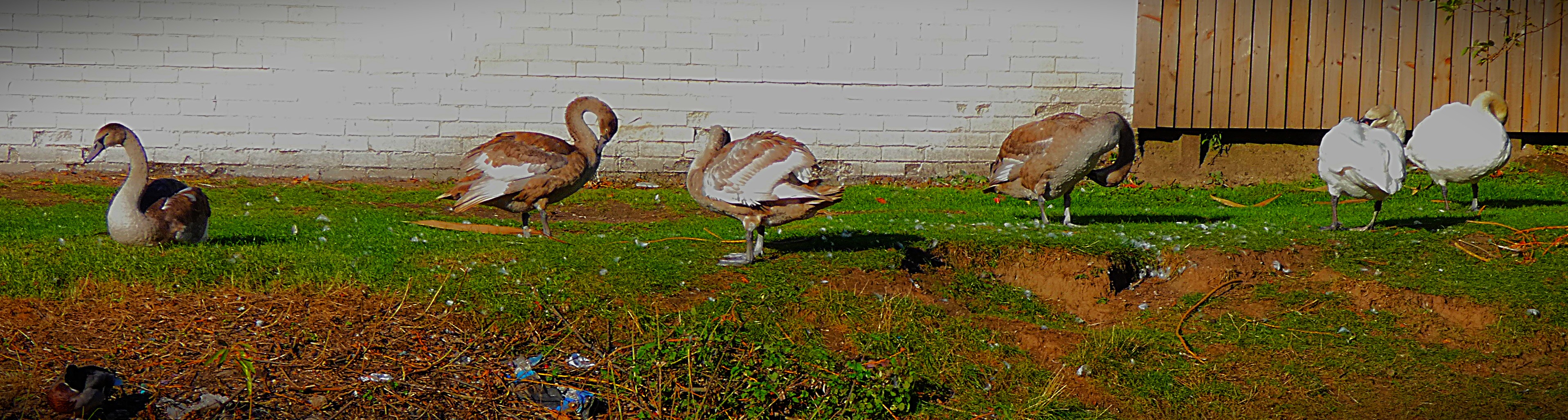
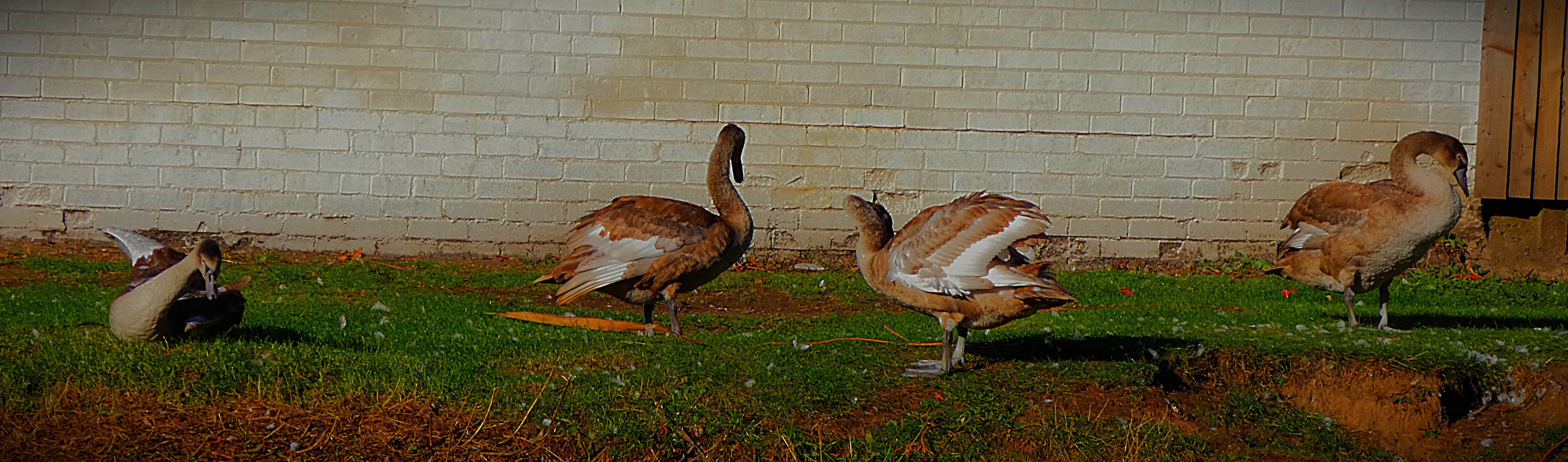
























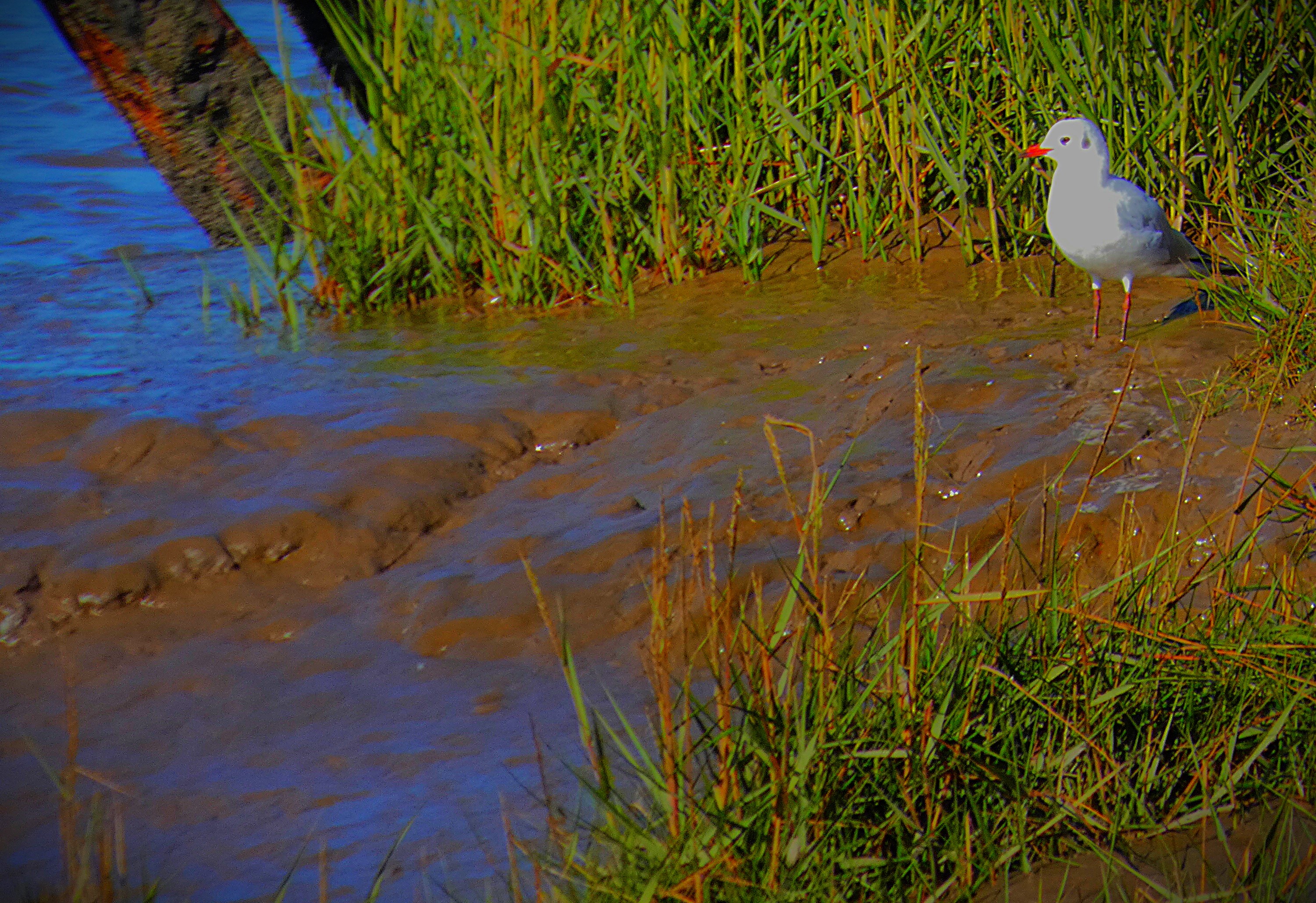





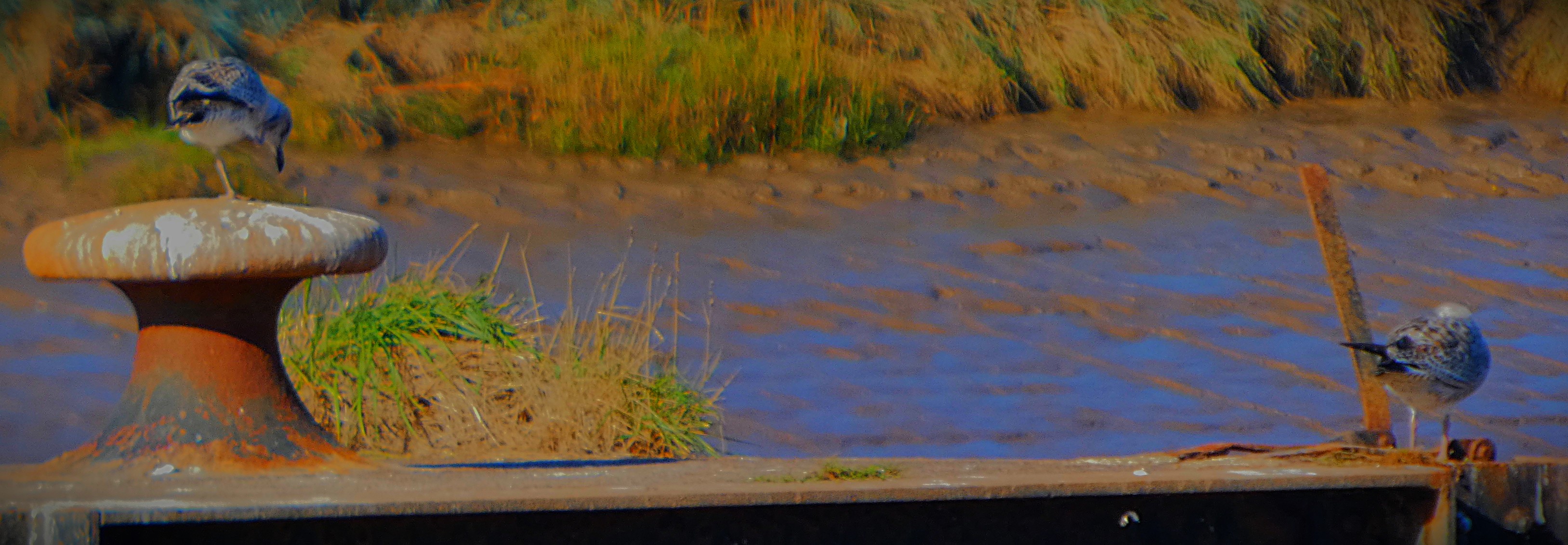




















A photo gallery featuring many birds and insects, including three species of butterfly.
Here is my latest gallery (late yesterday and today) featuring among other things three different species of Butterfly…
A look at a series of books I have just discovered, by Steve Higgs. Also an autumnal photo gallery featuring animals, plants and fungi.
I have recently found a highly readable series of detective novels by Steve Higgs (I have read a number of them, and will be on the lookout for more). This post looks at this series.
THE BASIC STORY
A long retired detective superintendent, Albert Smith, sets out on a round Britain trip with the intention of learning how to cook all his favourite foods. His constant companion is a former police dog, who has allegedly been disposed of because of his bad attitude, but another hypothesis emerges as the series progresses: he has been got rid of because he makes his handlers look bad.
Smith’s visits are invariably interrupted by crimes which he and his dog then help to investigate. As the series progresses it becomes clear that the crimes are all linked, and in the some of the later volumes we see things from the side of the perpetrator, moving the books on from simple whodunnits to questions of will he get away with it? Smith’s three children are all themselves serving police officers, and they reluctantly come to see that he is on to something, and discreetly provide him with assistance.
I highly recommend these books.
PHOTOGRAPHS
My usual sign off…
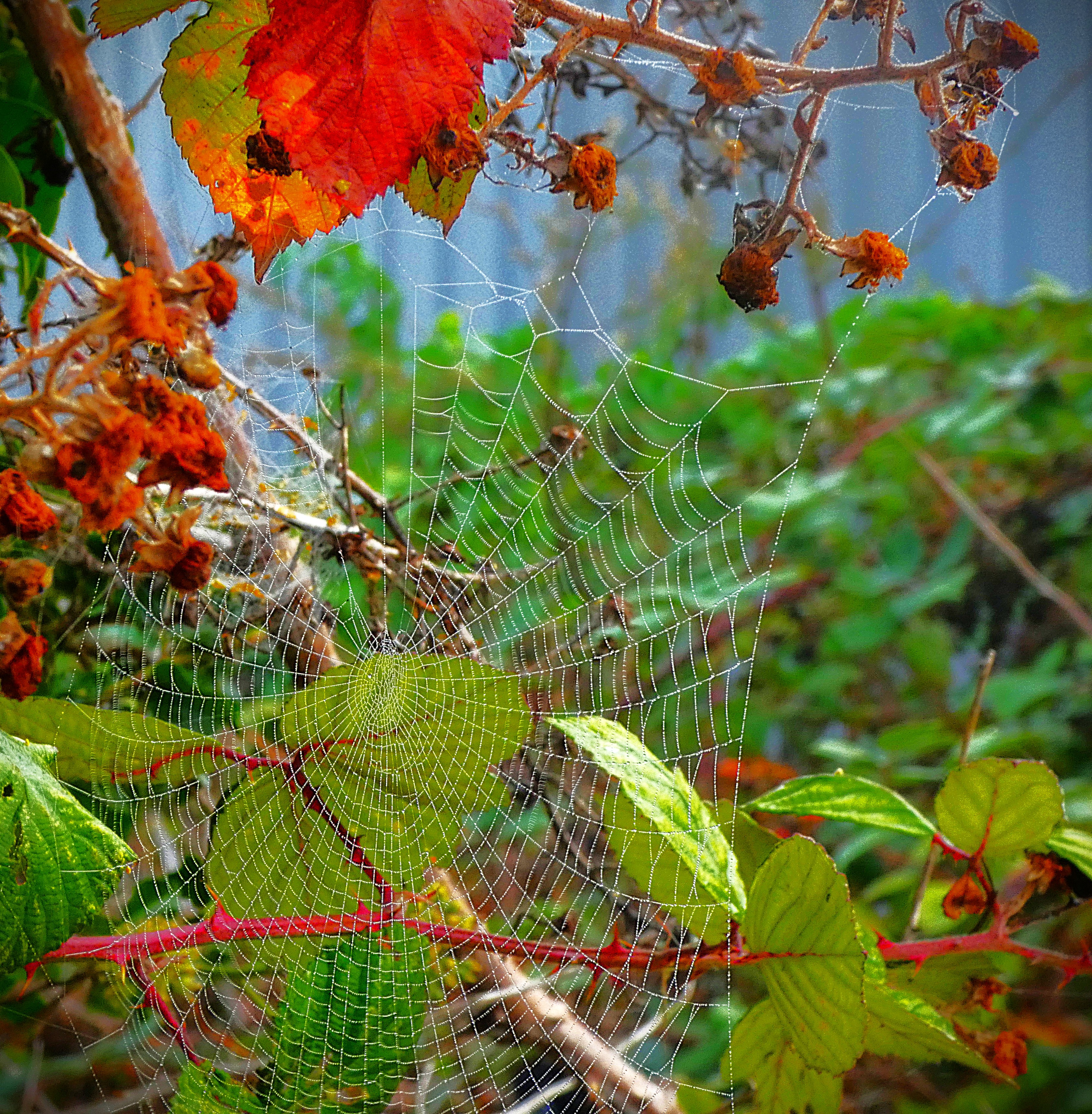
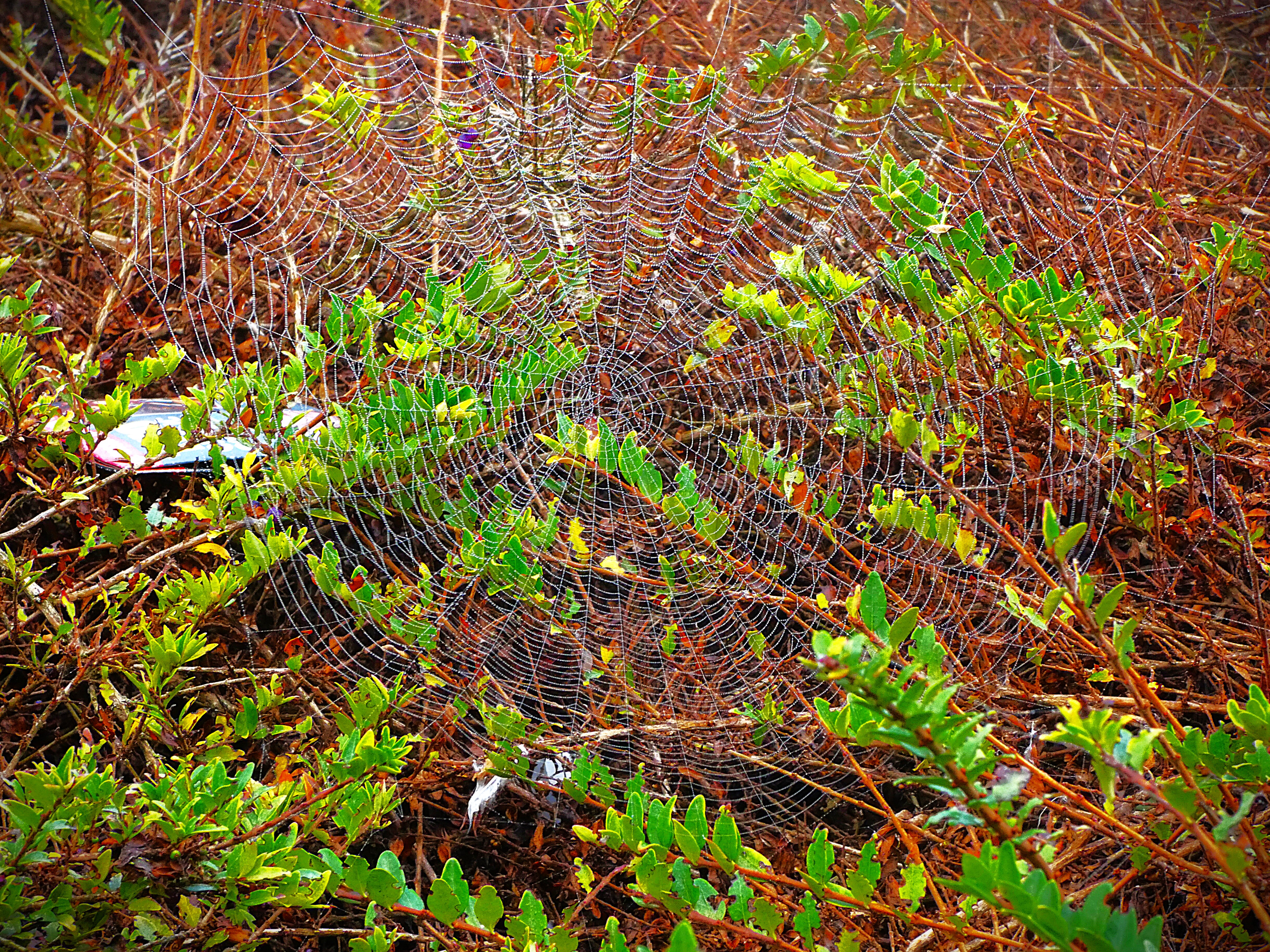


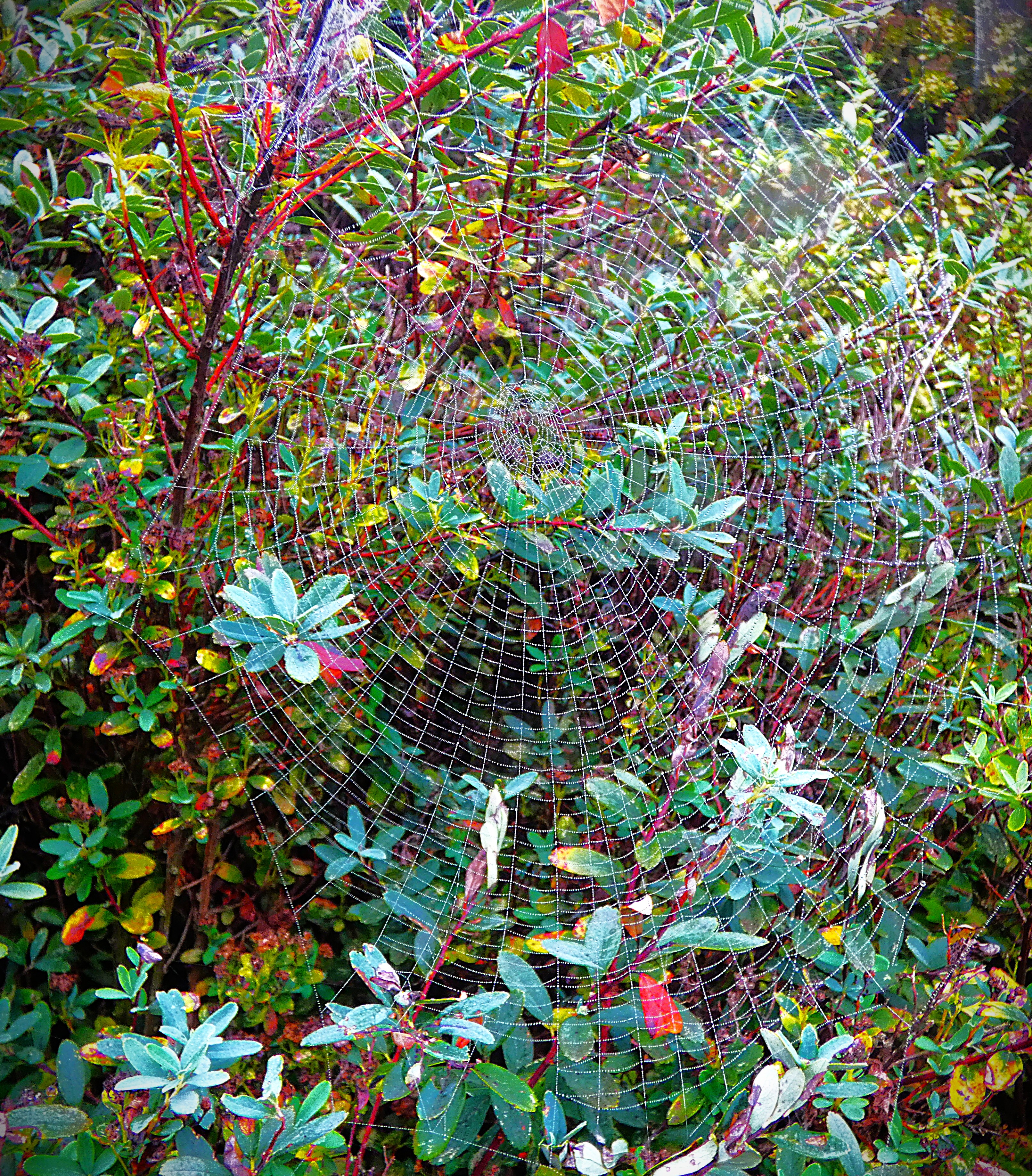

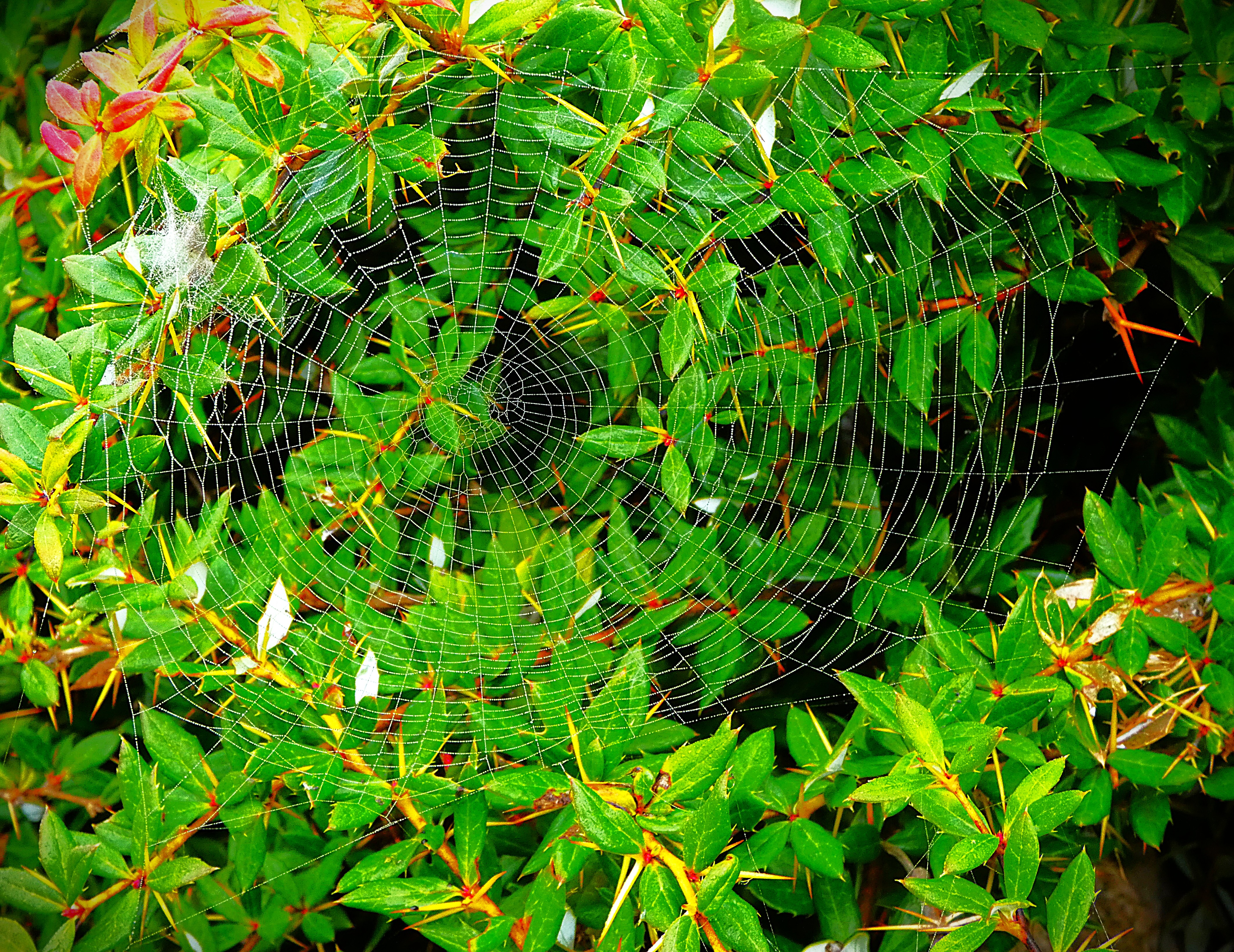

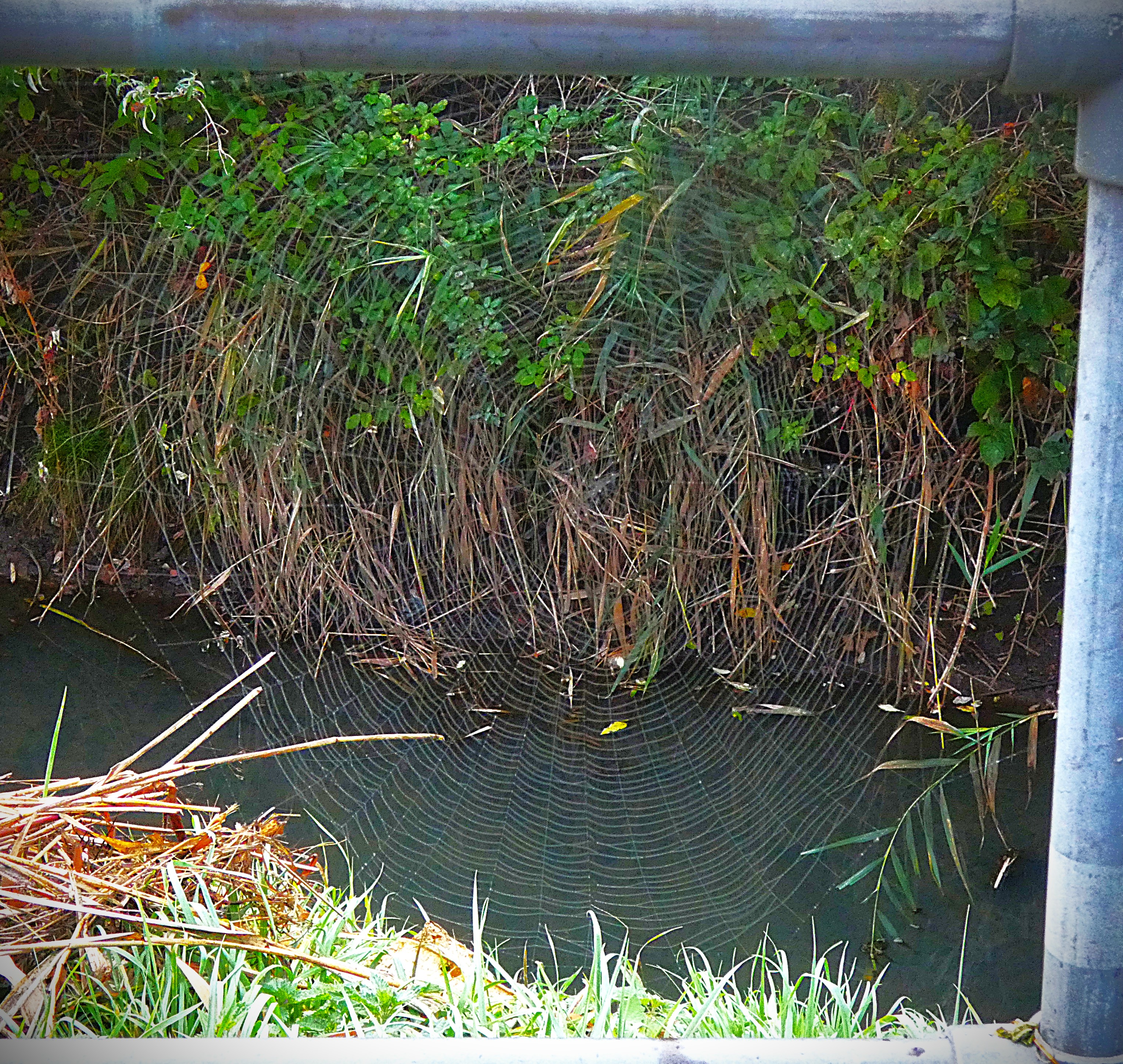







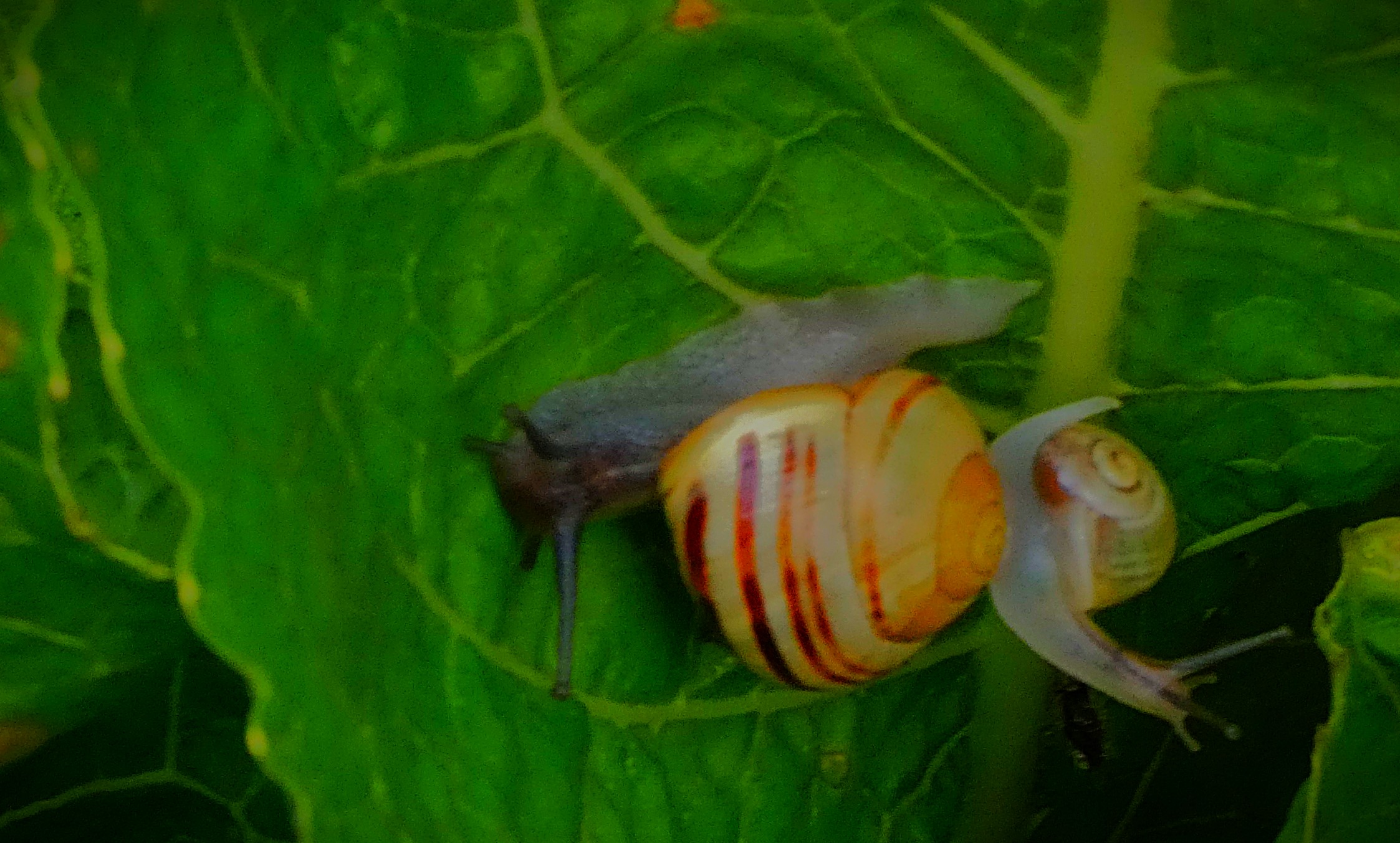






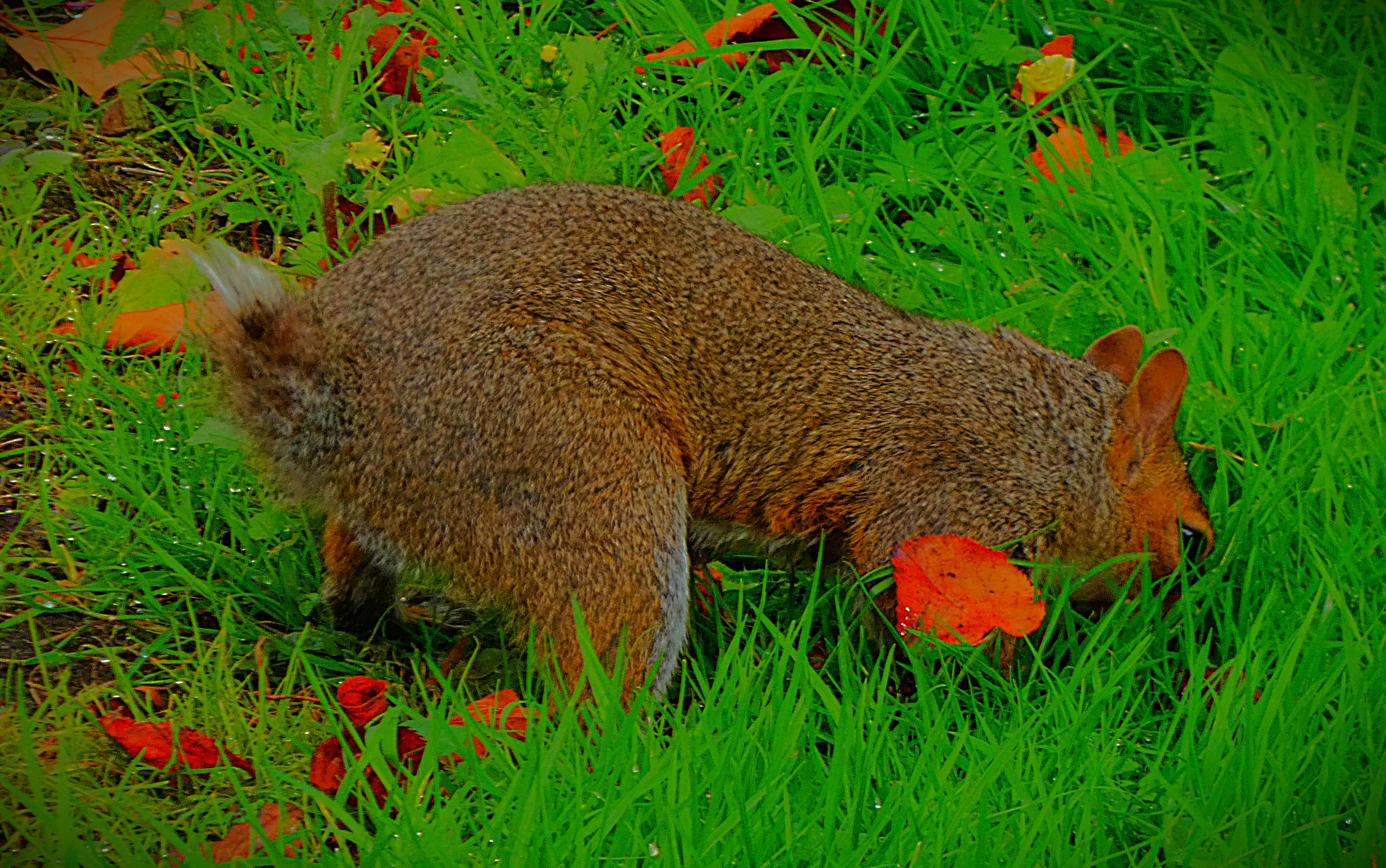


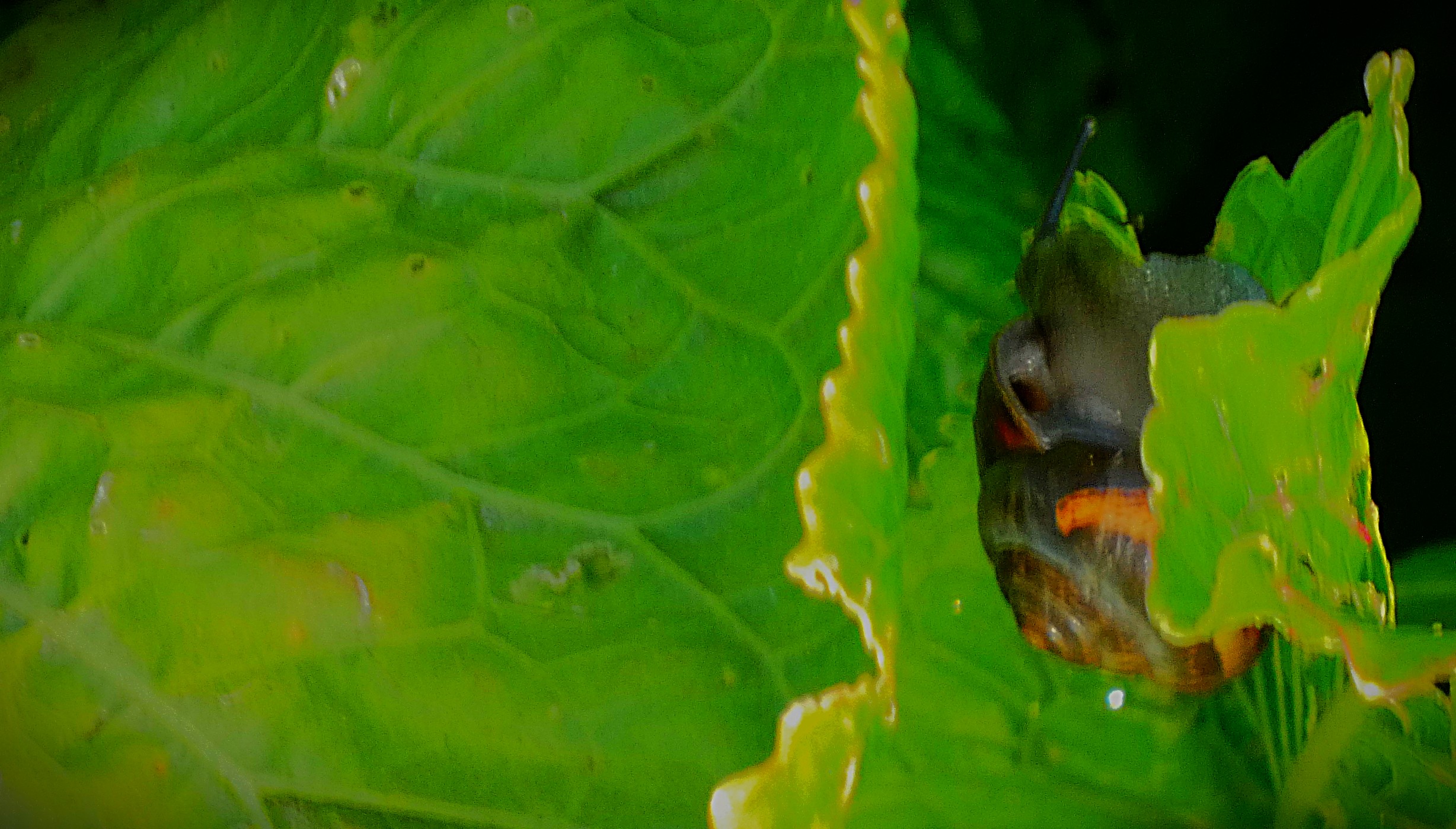



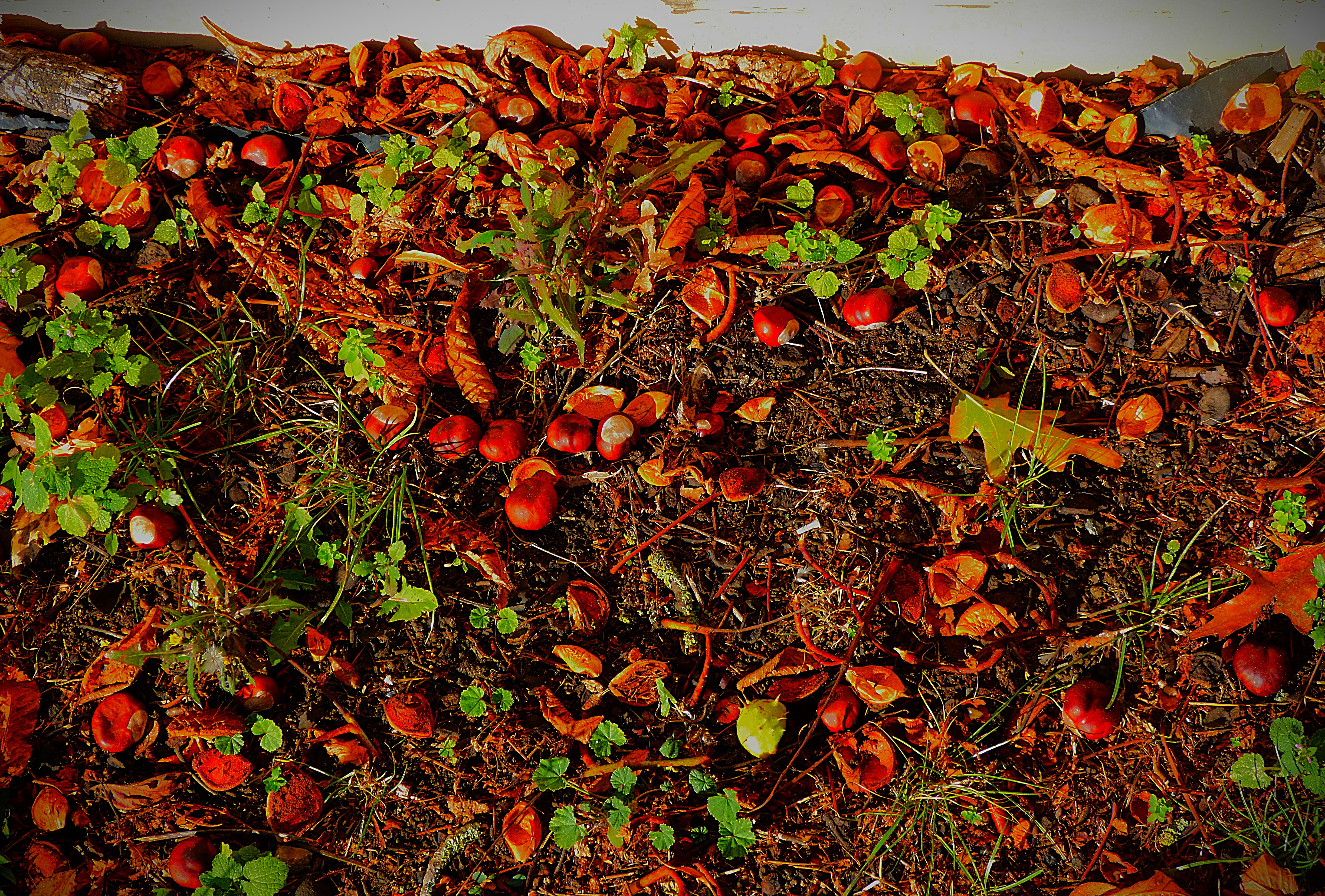















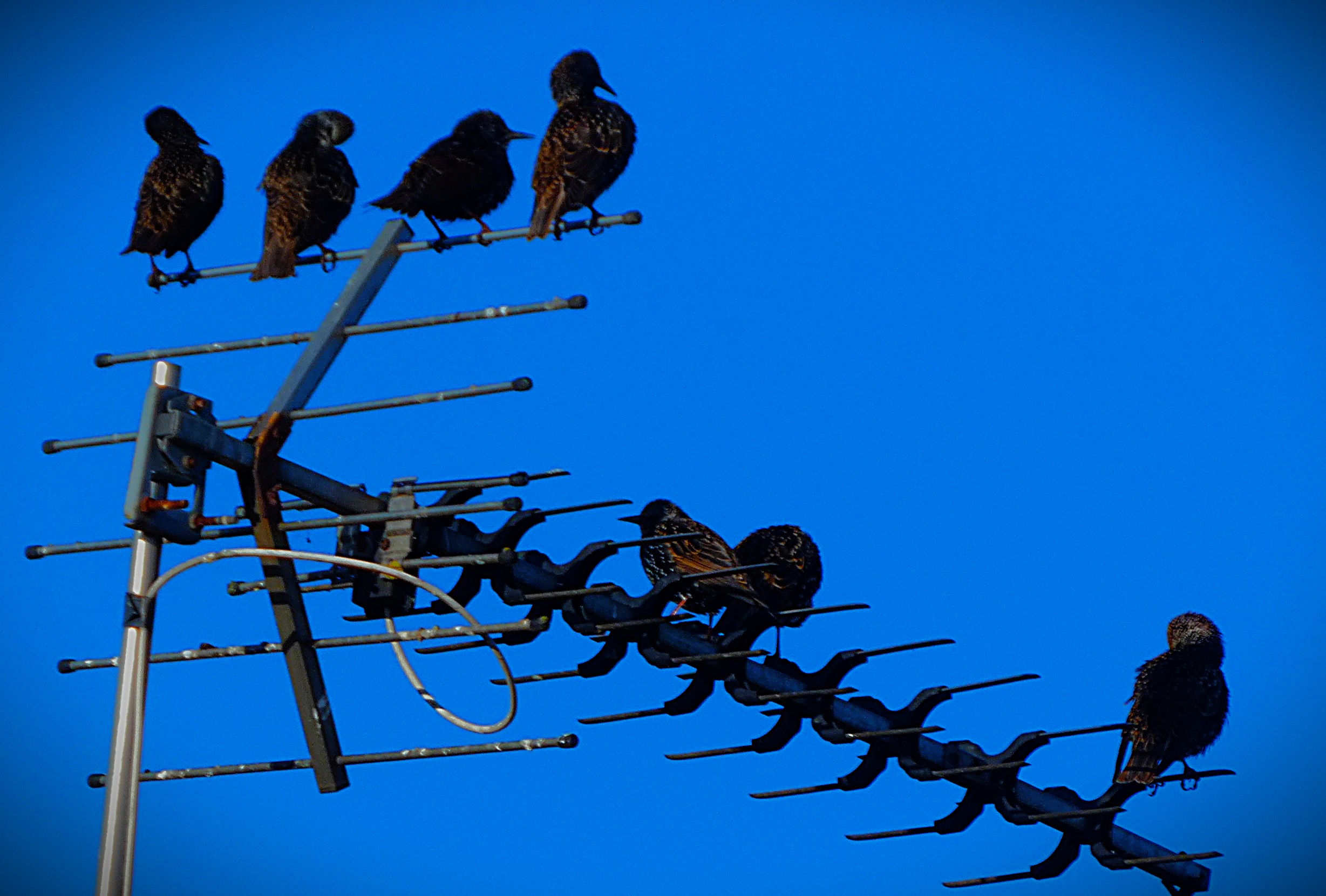
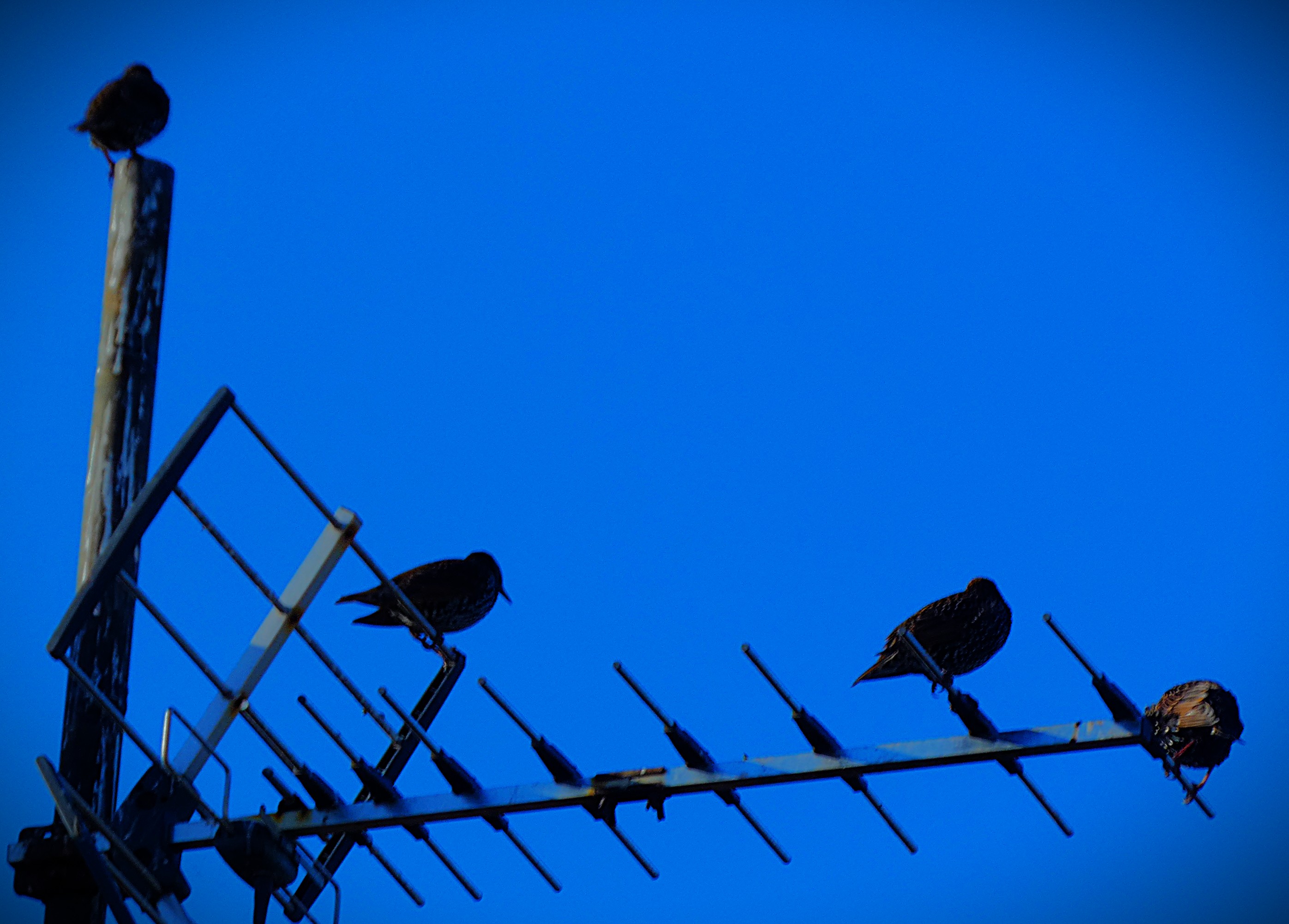
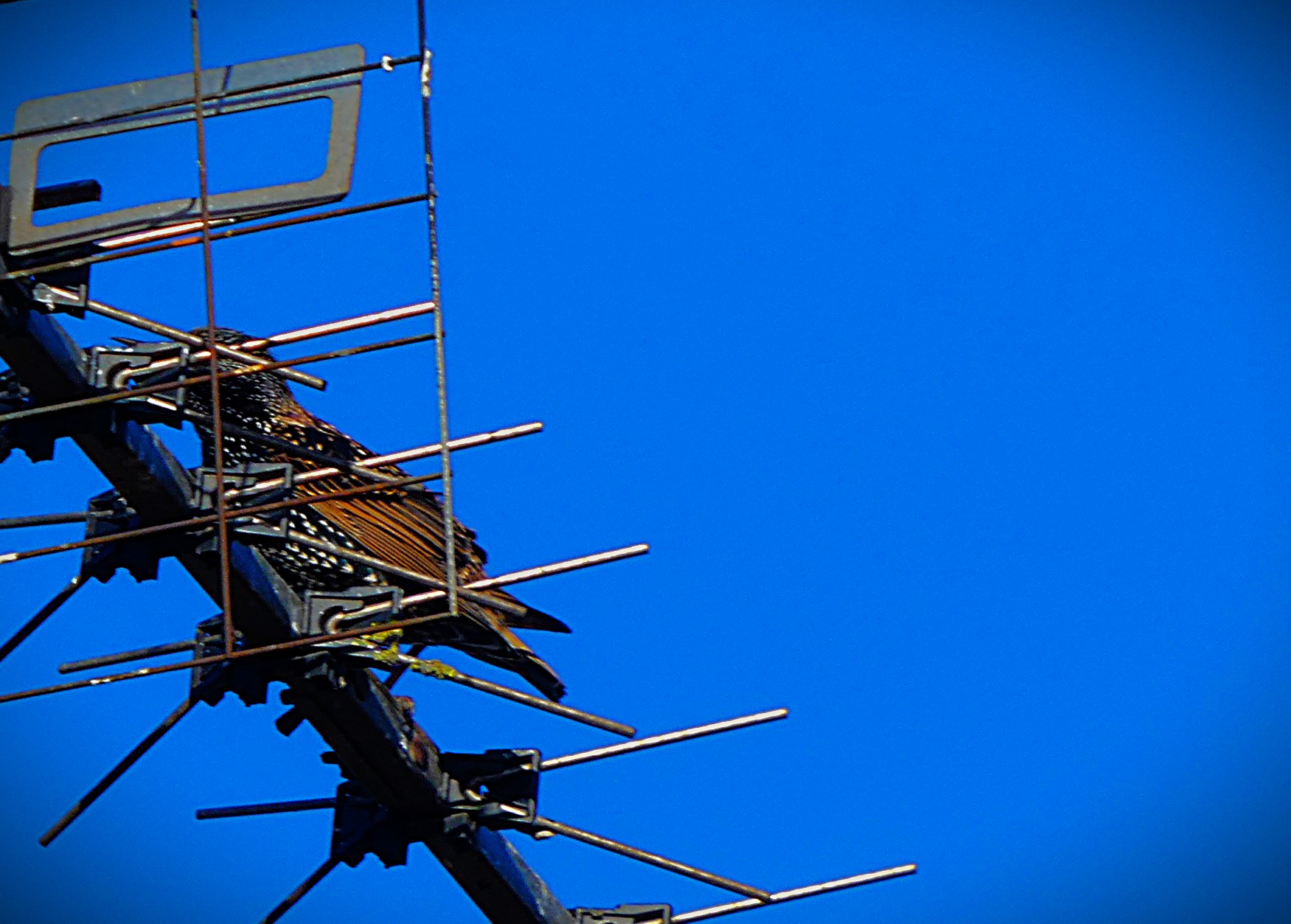
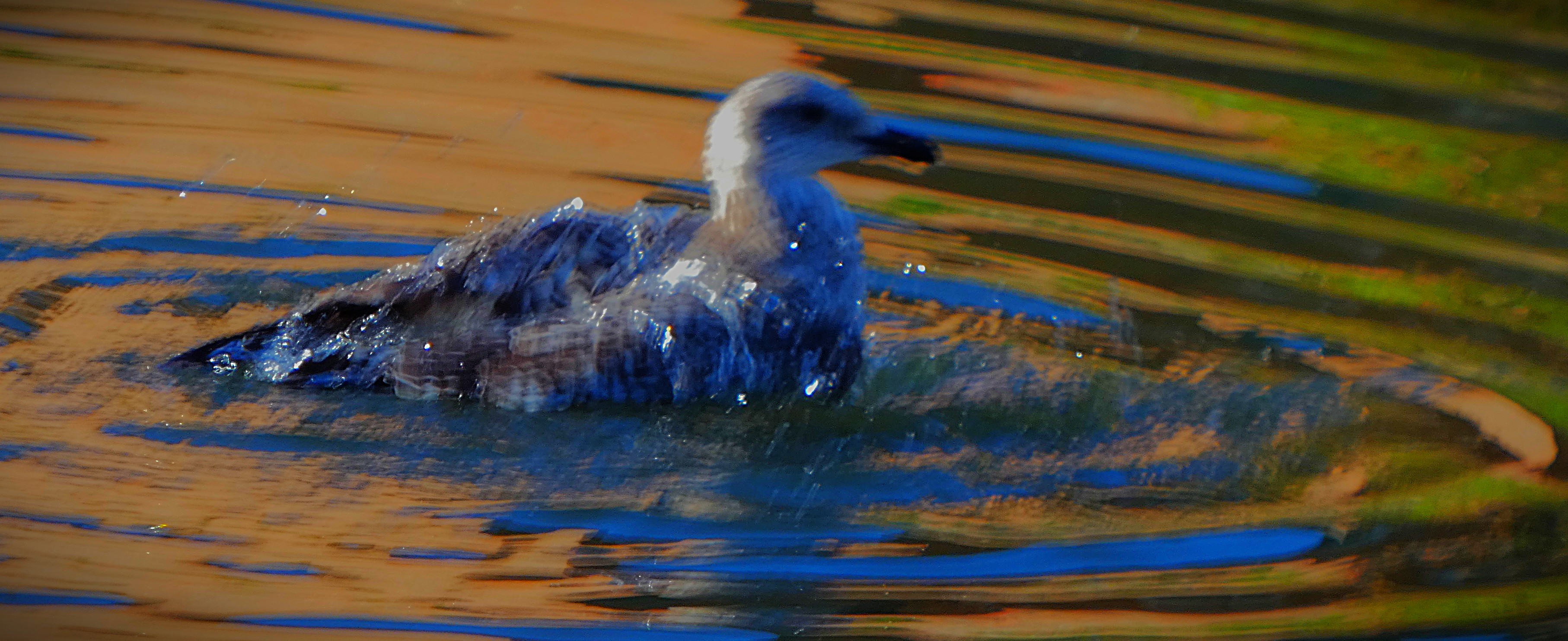
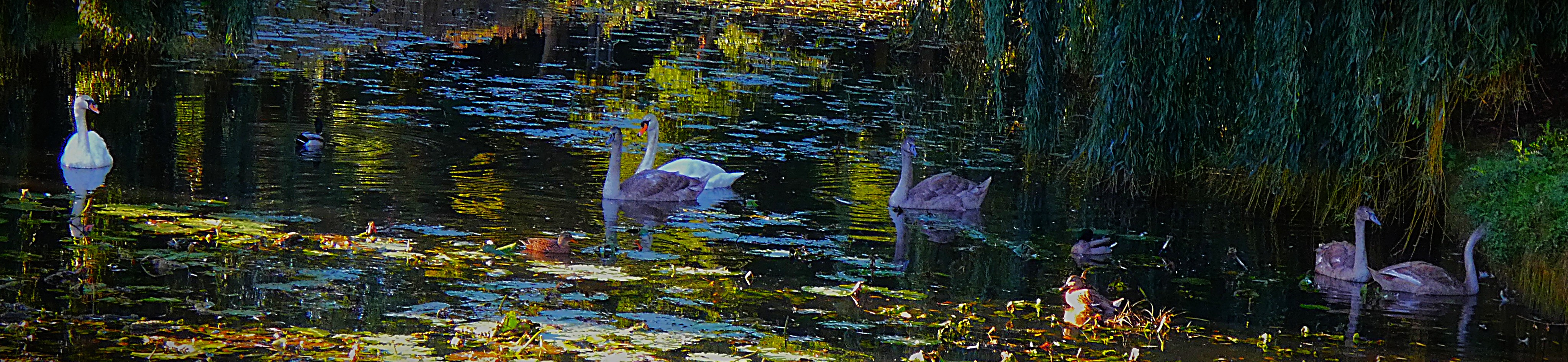

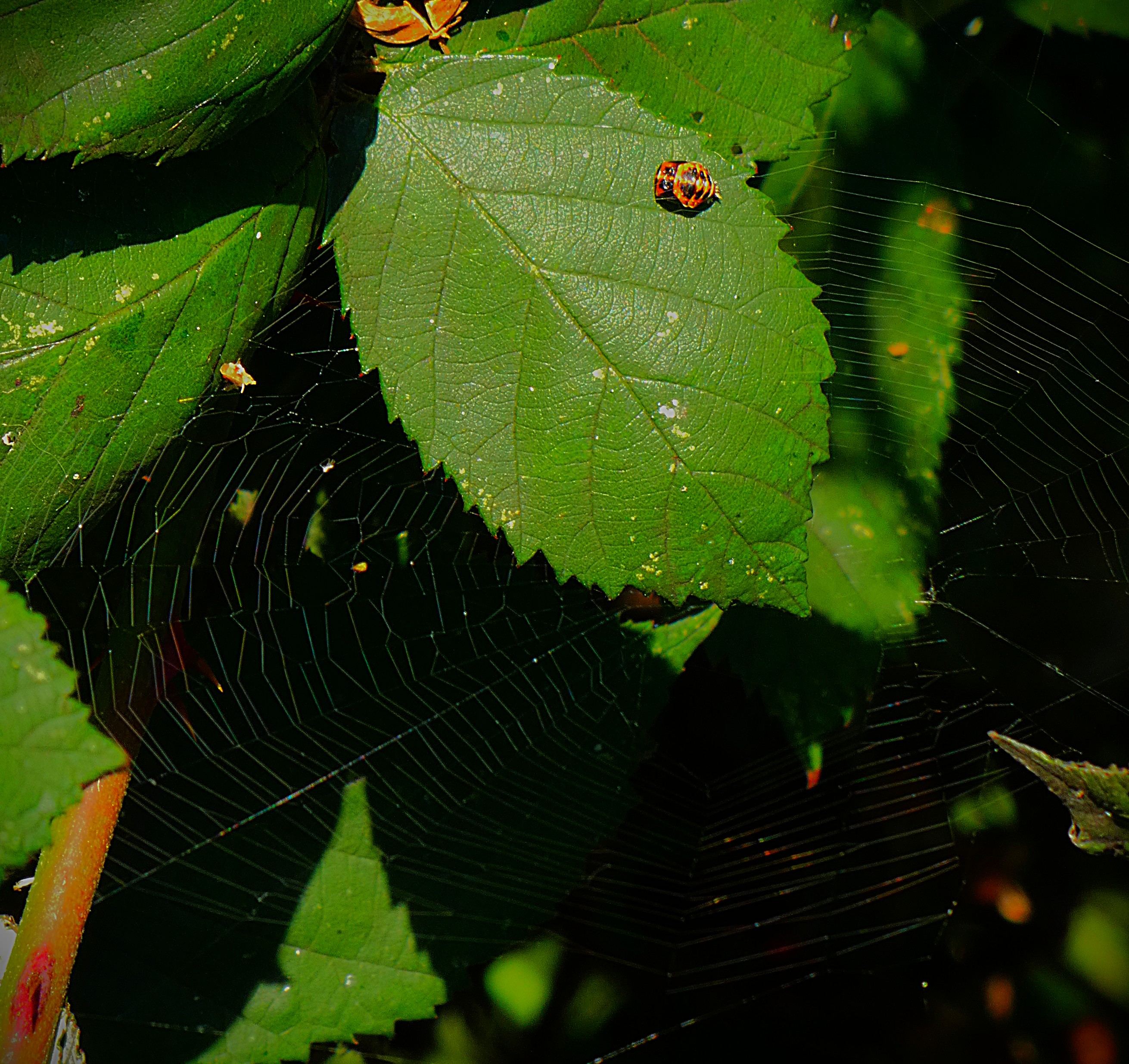






























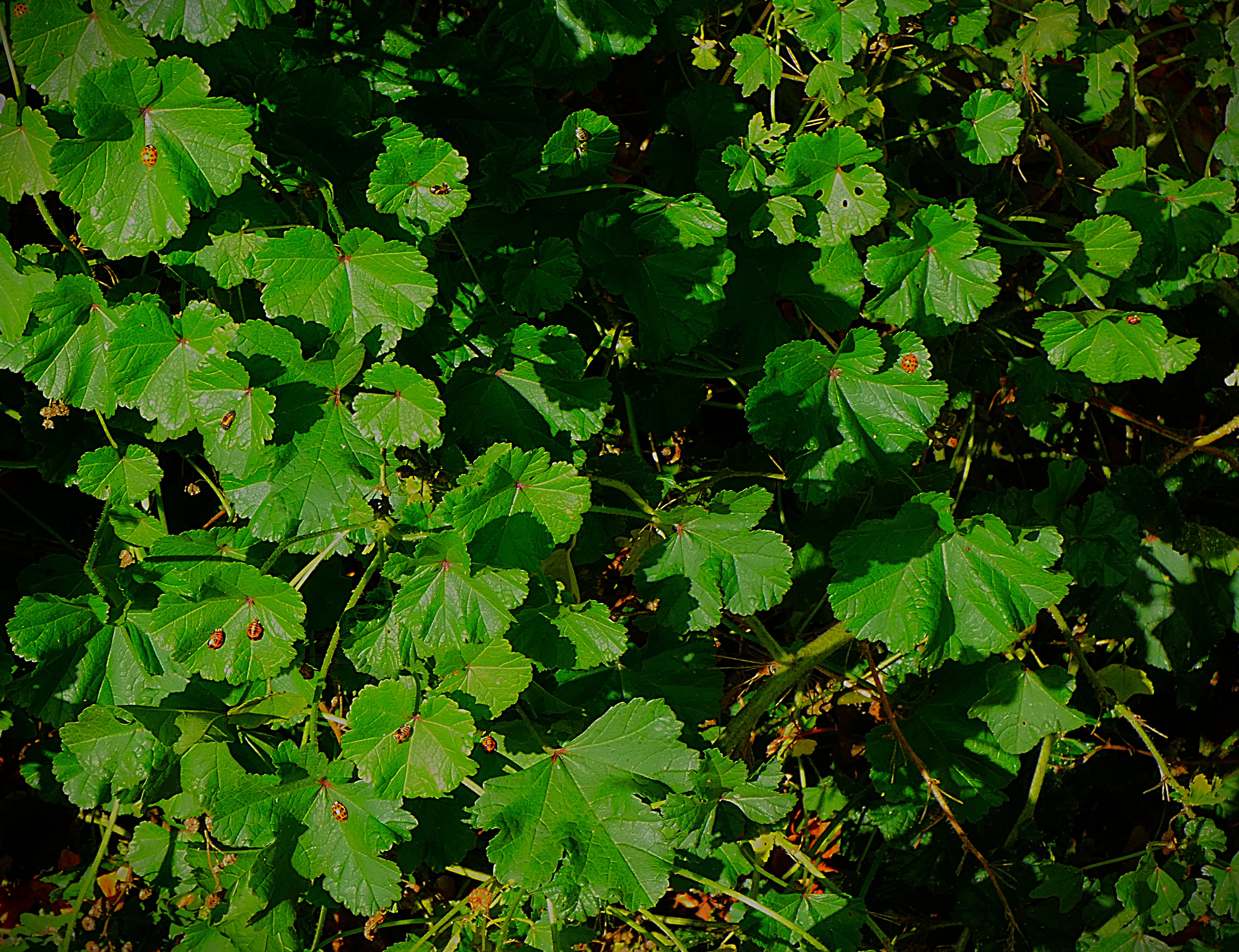






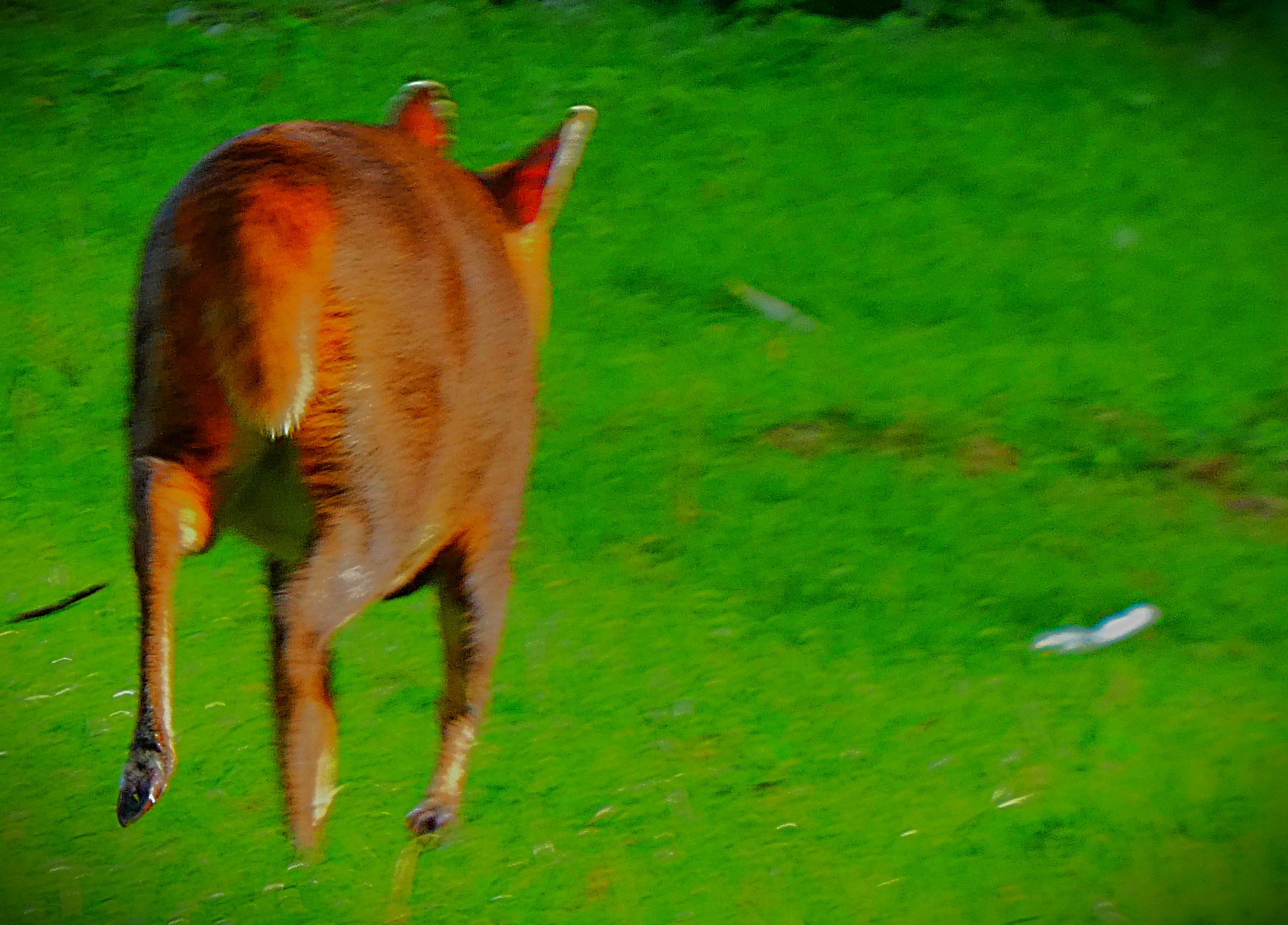


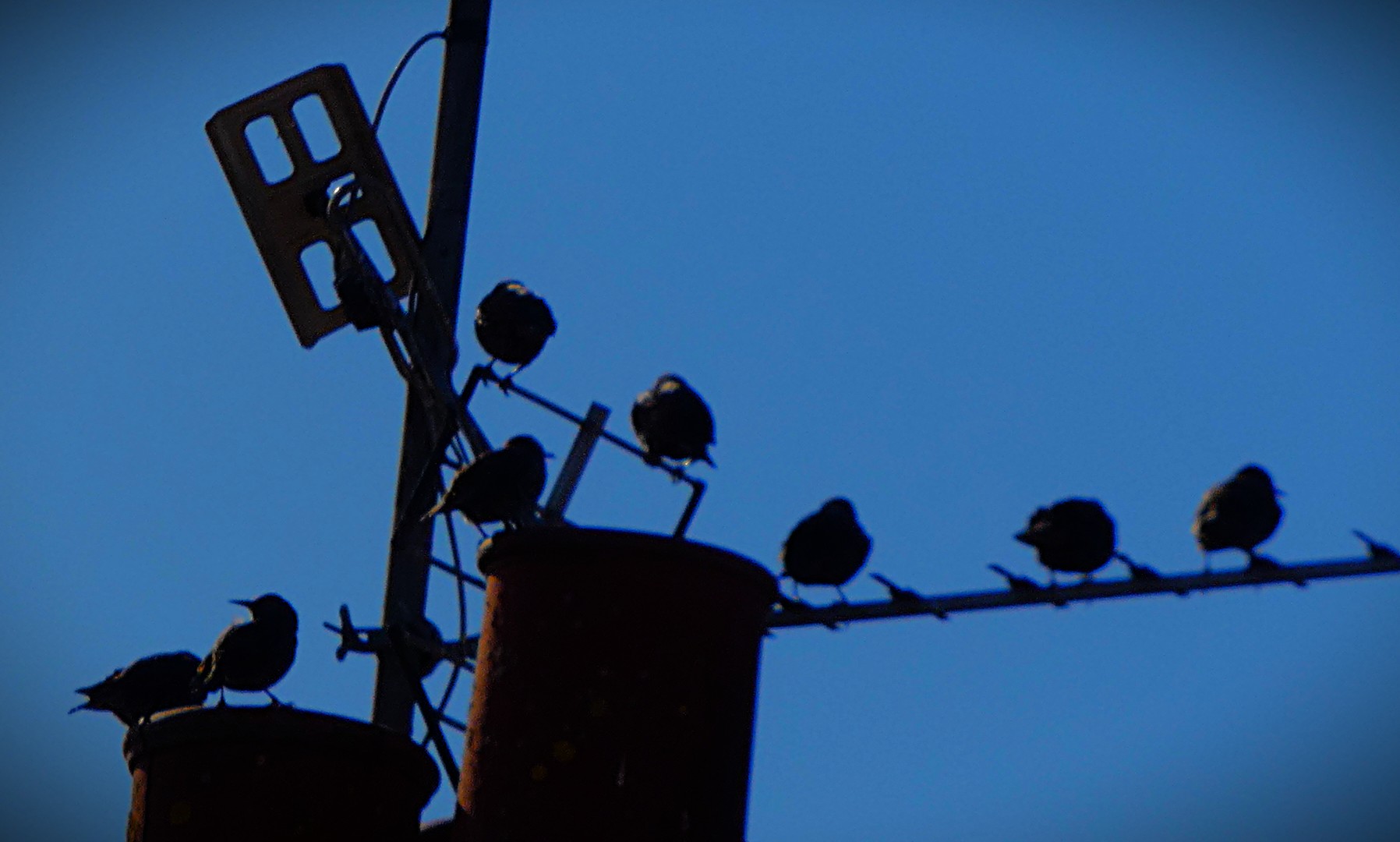
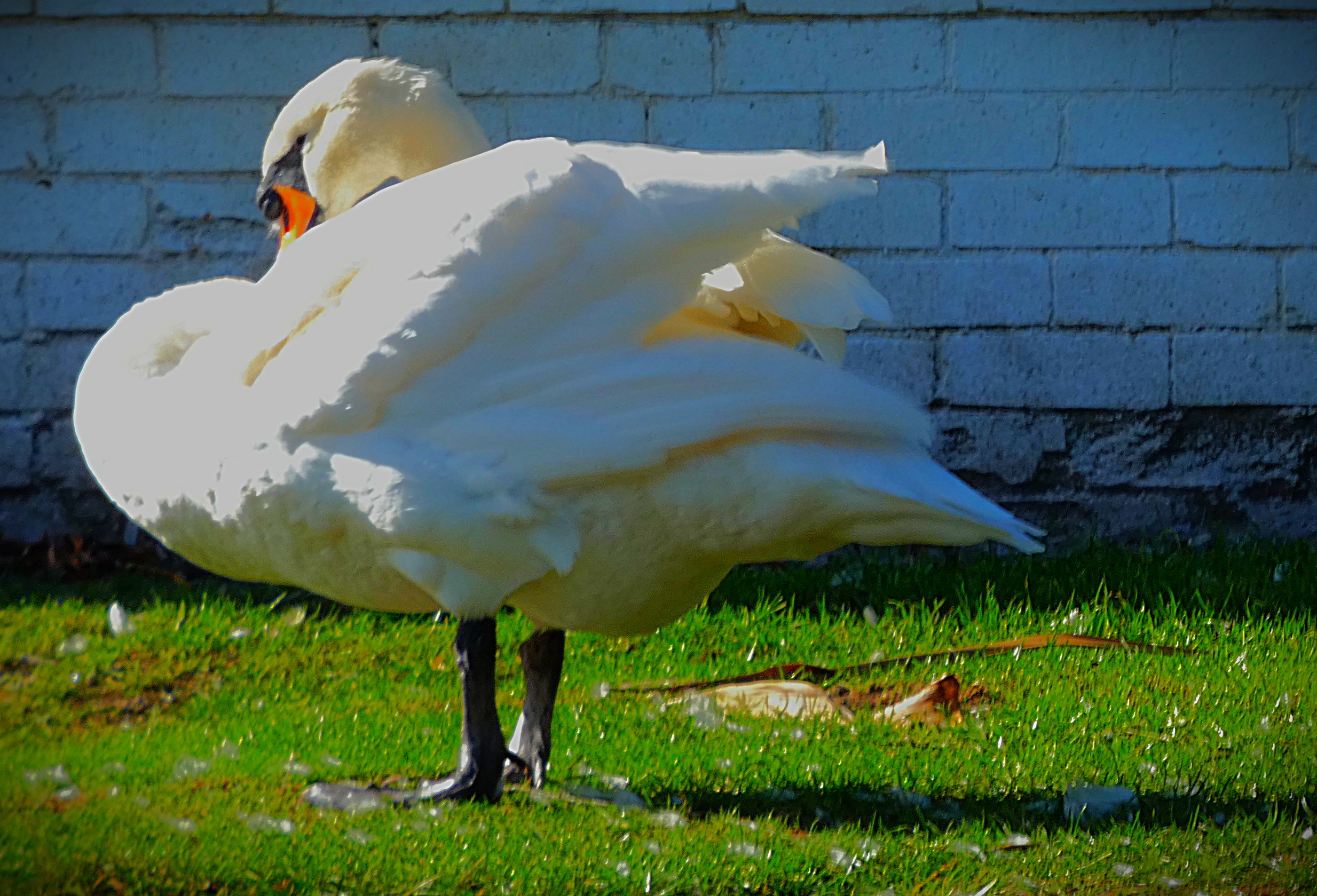
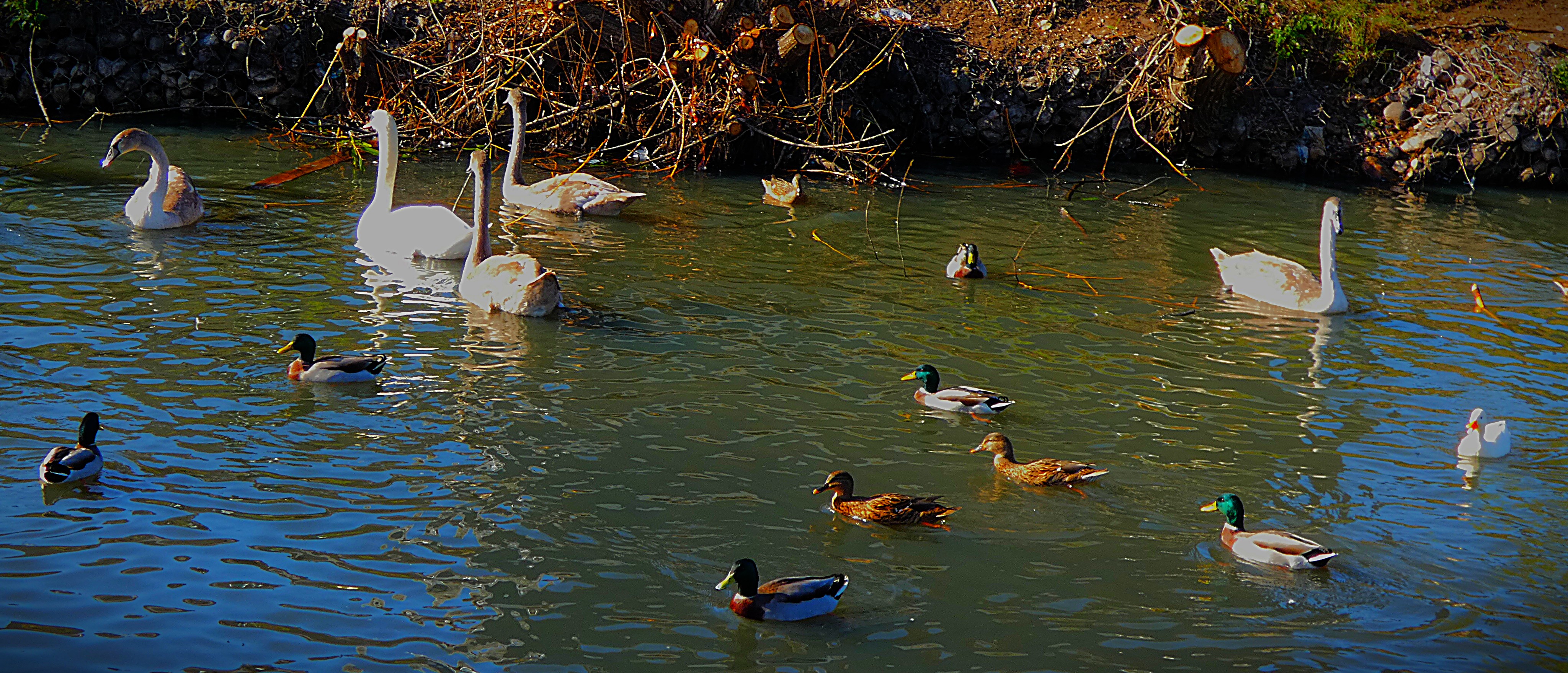








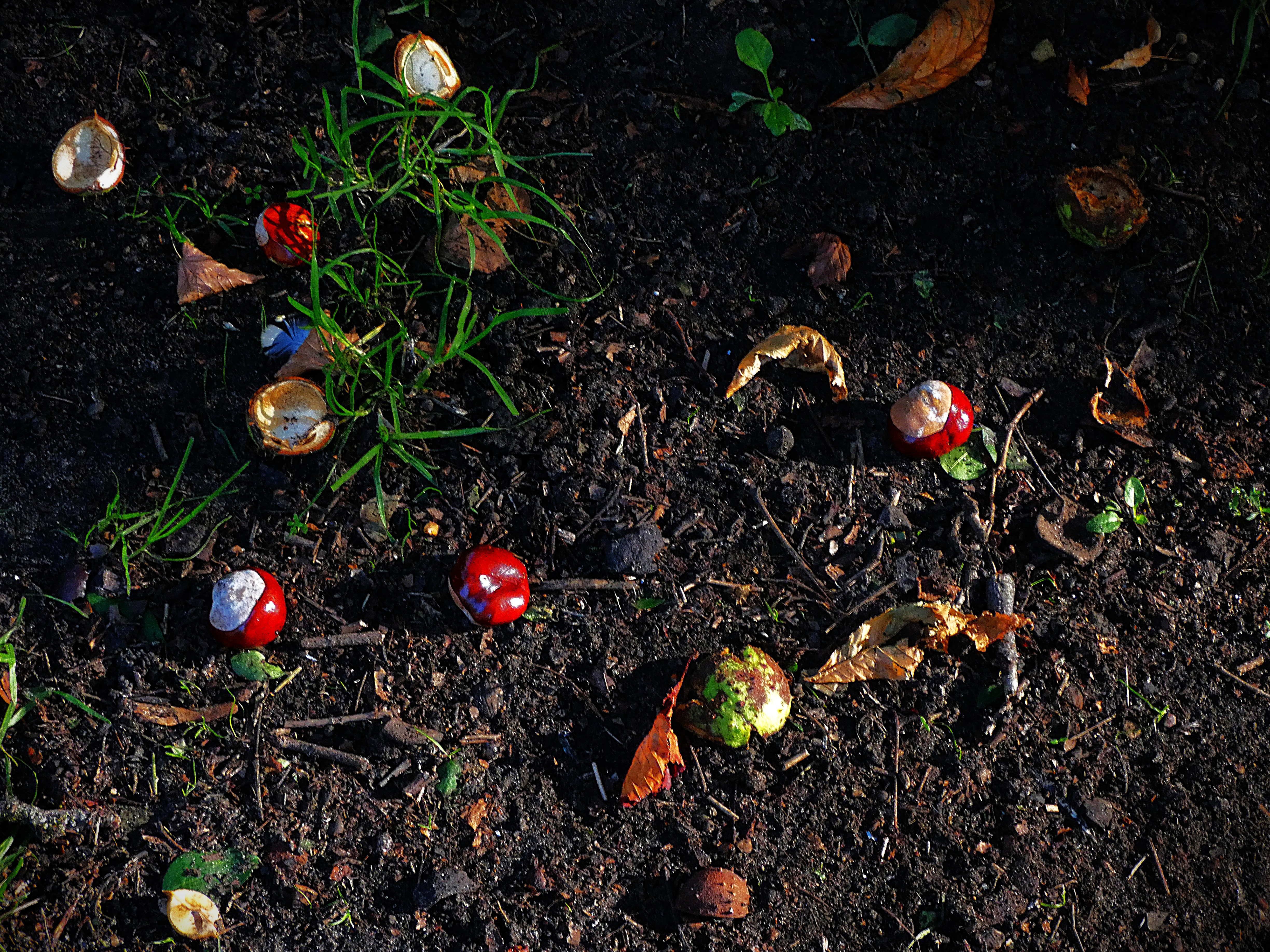
An autumnal photo gallery for you to enjoy.
I am a little short on inspiration right now, so just to keep the blog active I am producing a gallery of my latest hobby photos. To view photos at large size just click on one.
PHOTOGRAPHS
Here we are…













































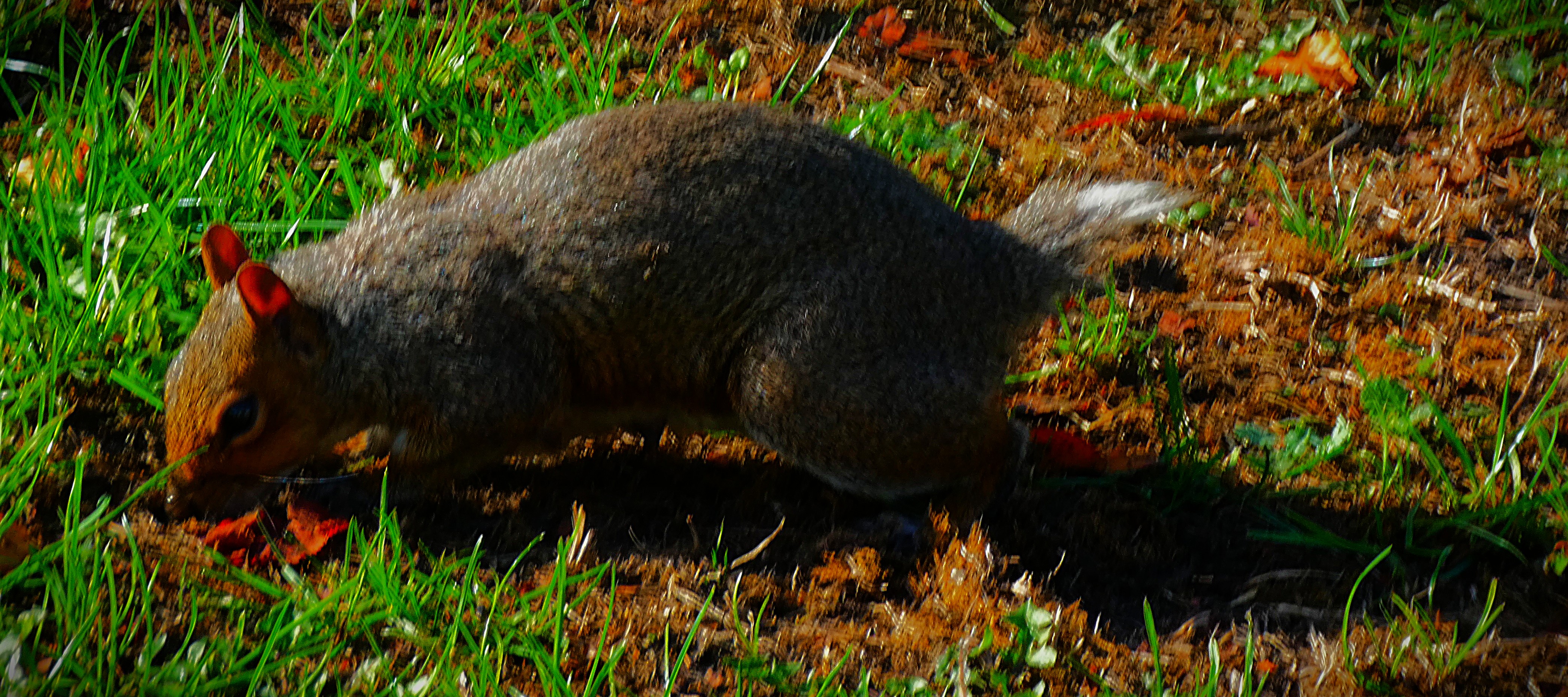
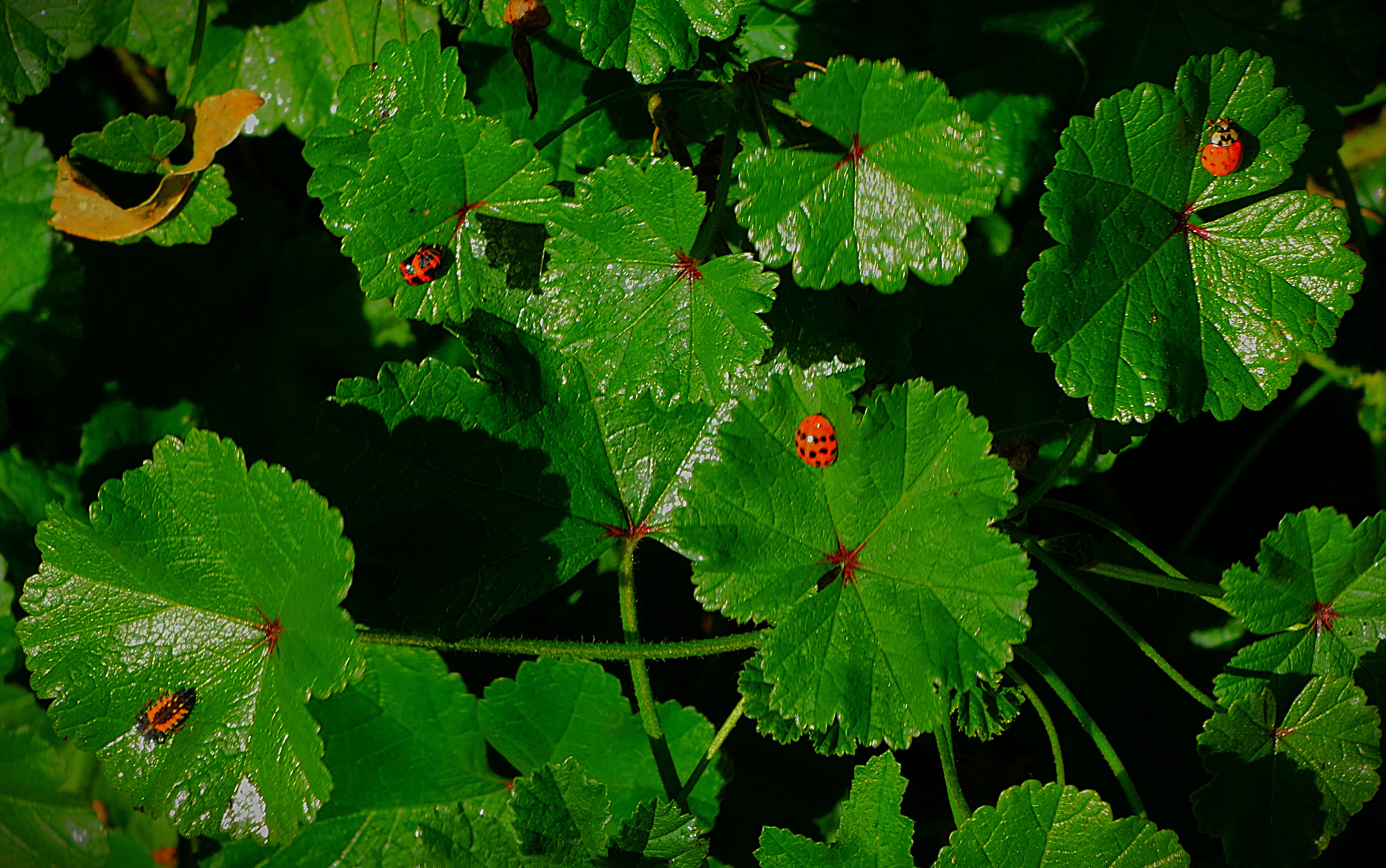






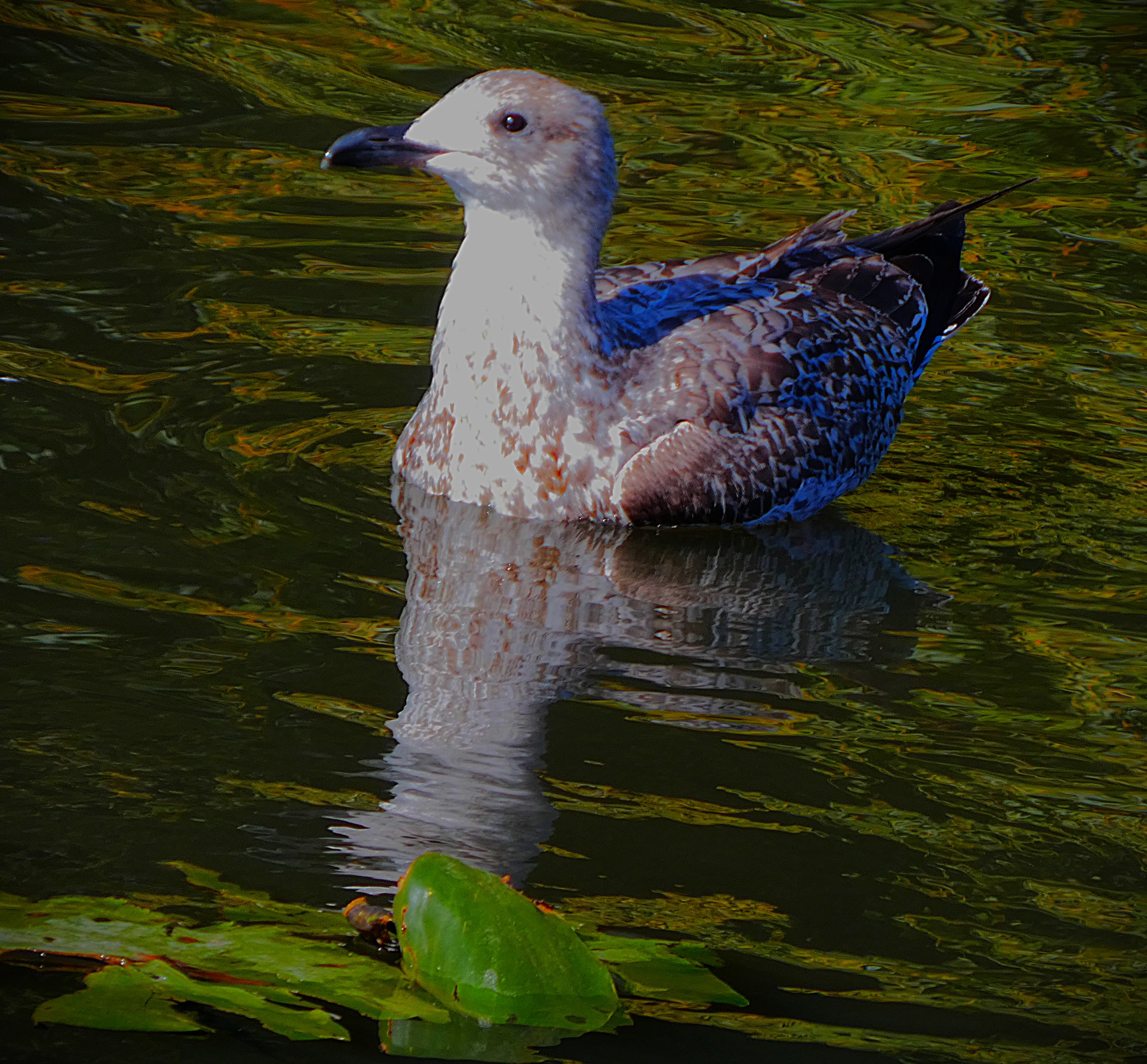

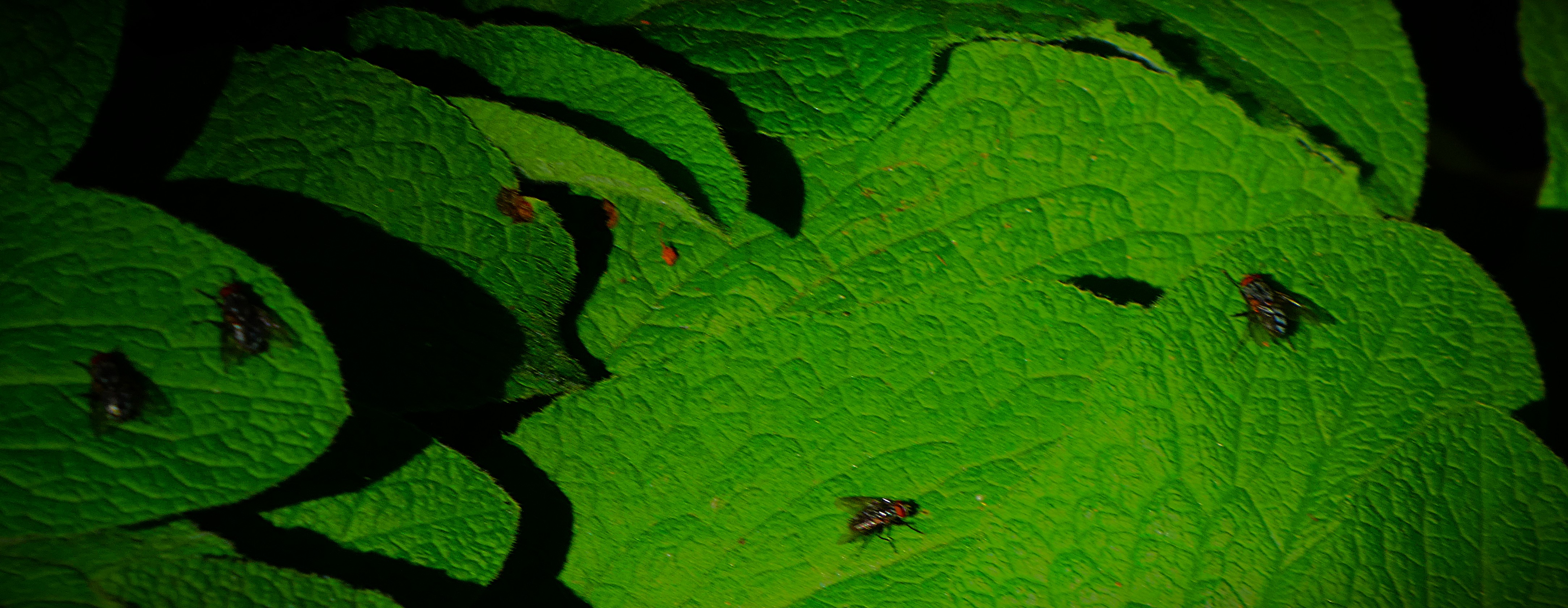




A look back at the last day of the 2026 English cricket season, headlined by an ODI series decider between England and Sri Lanka. Also a large photo gallery.
Yesterday saw the last knockings of the 2026 English cricket season, including the third and final ODI of a series between the England and Sri Lankan men’s sides, which this post looks back at.
THE PRELIMINARIES
Sri Lanka had levelled the series by winning the second match back on Thursday. Also in that match Jos Buttler had picked up an injury while batting and retired hurt, and he was absent from this match, his place as keeper being taken by Jordan Cox. England had a slightly less deep batting order than sometimes, but the presence of Gus Atkinson, with an international century to his name, at number nine is hardly indicative of a long tail. England won the toss and although the pitch was fairly green they opted to bat first, having realized that the layer of grass had been left in place because it was a fundamentally very dry surface and needed the presence of the grass to keep it together…
THE ENGLAND INNINGS
Ben Duckett floundered to a five ball duck, finally being beaten all ends up and bowled by a superb ball from Madushanka (it was also a poor shot by Duckett but that should not detract from a fine piece of bowling). Joe Root was never in great form either, but he hung around for a time in support of Tom Banton who was batting magnificently. Harry Brook came in at number four, and now England had in form batters together at the crease. Banton reached his first international hundred. Brook fell at 218, having scored a fluent 77, which brought Jordan Cox to the crease. Banton was fourth out at 242, having scored 126 from 105 balls. Will Jacks and Jamie Overton each provided useful support to Cox who batted brilliantly. Asitha Fernando ended the innings on a personal high, bowling Cox for 76 (52) and then Dawson for a first ball duck with the last two balls of the innings, but the damage was well and truly done by then, with England posting 355-7 from their 50 overs.
THE SRI LANKA INNINGS
Sri Lanka never looked like getting anywhere near the huge total they had been set. Kusal Mendis, century maker in the second match of the series, produced a fluent 35, but once he was out to the last ball of the ninth over to make it 53-3 no one did a great deal. The run out of Rathnayake by Archer, which caused a deal of confusion because Cox had actually dislodged a bail before the ball arrived, stood because Archer’s throw actually removed a stump from the ground. That was 77-4, and with Charith Asalanka and Dunith Wellalage following in short order it was soon 82-6. Sachindu Colombage and Janith Liyanage also one after the other, 104-6 becoming 106-8. None of Eshan Malinga, Asitha Fernando or Dilshan Madushanka, the three remaining Sri Lankan batters, have any batting pedigree whatsoever, and imagining that they might some score 250 between the three of them would have been fanciful to say the least. Malinga actually did reach double figures, a feat beyond the other two, who managed 8 between them. The match ended when Eshan Malinga swept at Will Jacks and Joe Root, soon to be named as England’s ODI player of the season, pouched a sharp catch at leg slip. The margin was 232 runs. Scorecard here.
Shortly before that Somerset and Surrey had shaken hands on a draw at Taunton, with Surrey five down in their second innings and almost 200 adrift. Somerset had built a first innings of 309 – 731 against 422, and had hoped that Leach and Vaughan could spin through Surrey’s second innings, but a couple of interruptions put paid to that. Tom Abell had scored 307 for Somerset, beaten among Somerset natives only by a 310 from Harold Gimblett many decades ago, although overseas stars Justin Langer and Viv Richards have also recorded higher scores for the county.
PHOTOGRAPHS
My usual sign off…






























































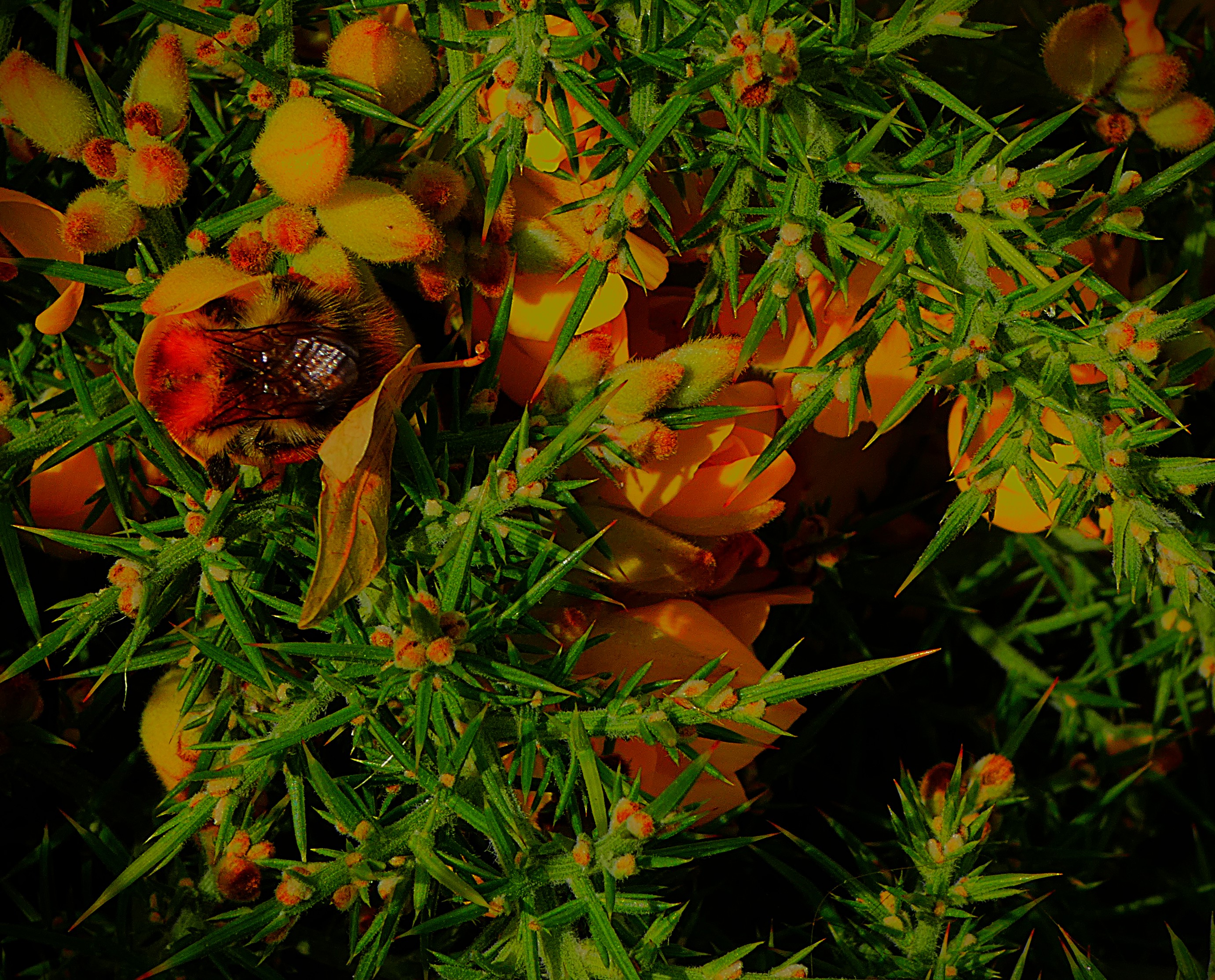









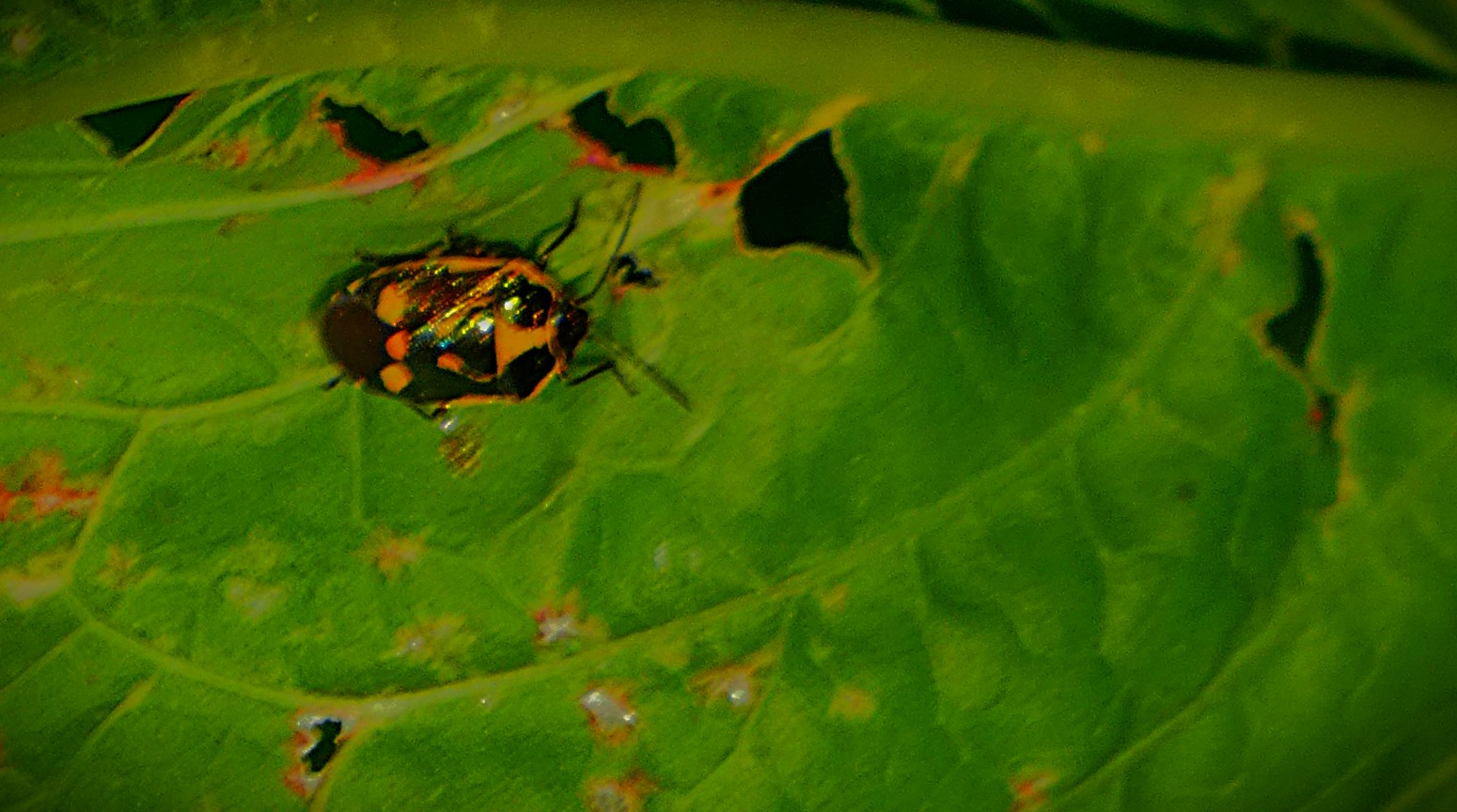




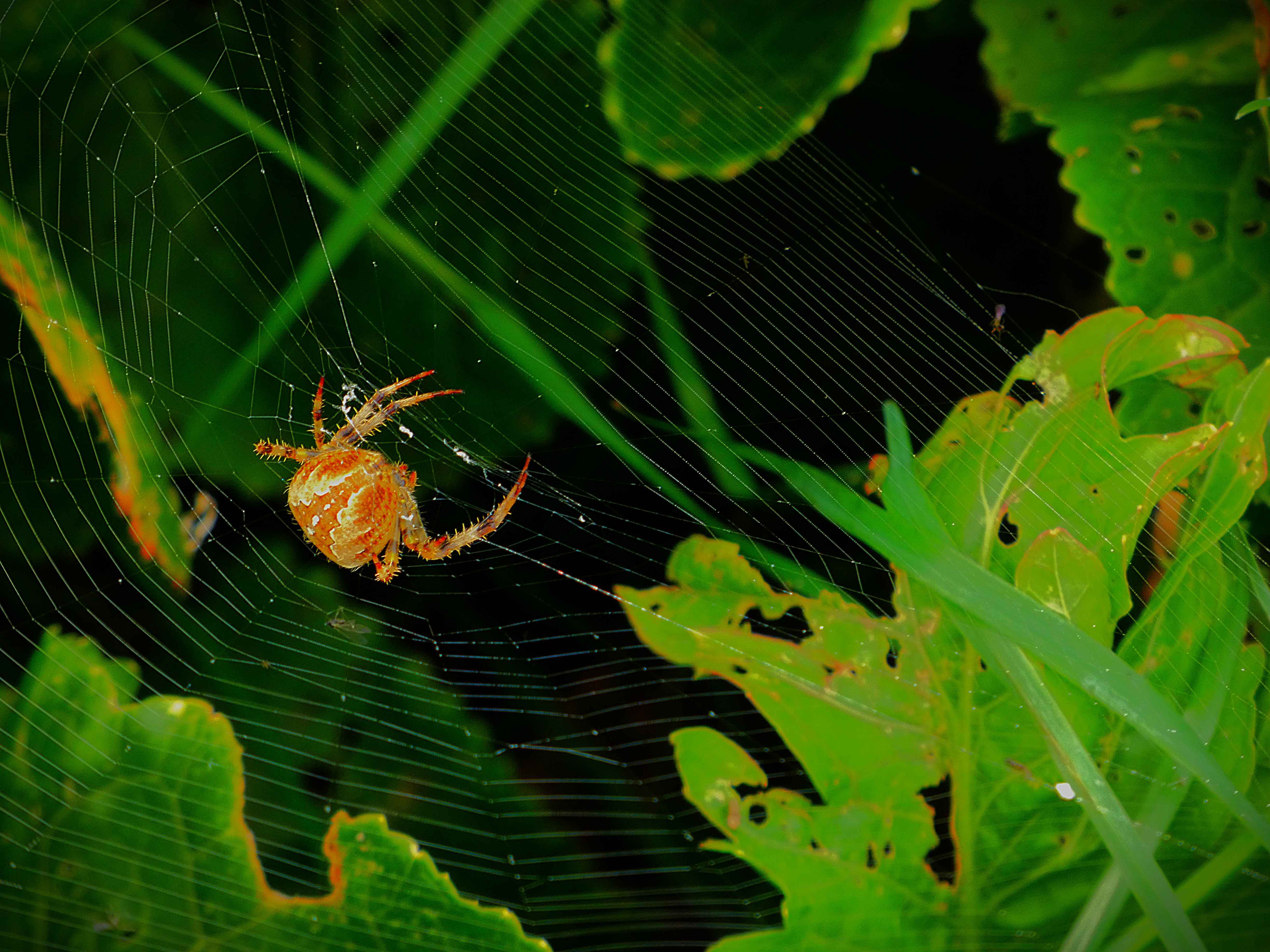





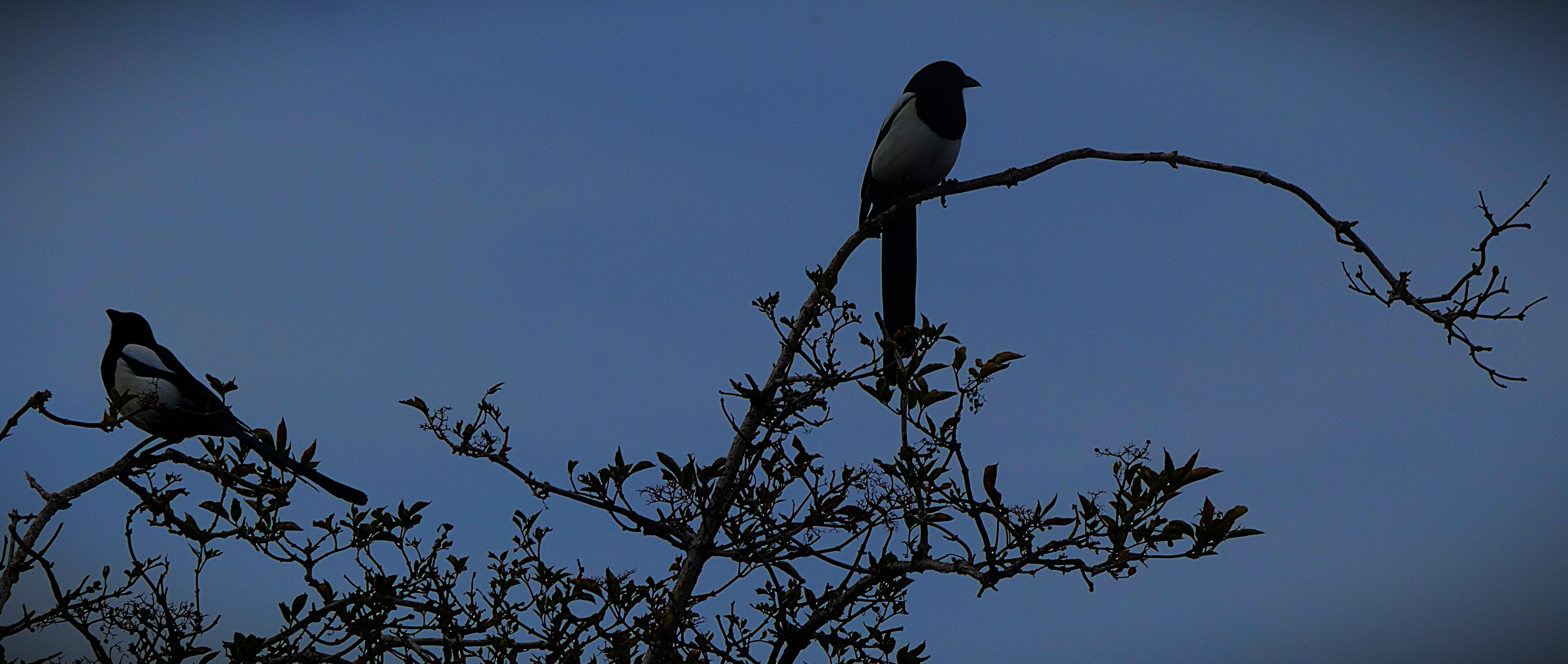














A look at how Warwickshire became county champions for the ninth time in their history and a large photo gallery.
The last round of county championship fixtures for the 2o26 season is going on. Although some matches will be going in to tomorrow we know where the county championship is going, and this post looks back at how that happened.
WARWICKSHIRE WITH THE STRONGEST FINISH
Going into the penultimate round of fixtures there were three teams seemingly duking it out for the title, Warwiwckshire, Nottinghamshire and Somerset. Both Nottinghamshire and Somerset slipped up in that round while Warwickshire won to take a 12 point lead into the final round.
In the final round Nottinghamshire faced Yorkshire, Somerset entertained Surrey and Warwickshire were at home to Leicestershire. It was obvious by the afternoon of day one (Thursday) that Warwickshire were faring better than the other two, and by the time day two ended Nottinghamshire’s challenge was also officially over, but Somerset were still theoretically in contention, though they would need to win and for Warwickshire to lose, and Warwickshire were in almost complete control of their match, having built a first innings advantage of 247 and already claimed three Leicestershire second innings wickets before the end of day two.
This morning belonged to Warwickshire, and by lunch time Leicestershire were eight down, a long way in arrears, and the title was as good as secure. Tom Scriven, the Leicestershire number nine, fought his way to 49, comfortably their highest individual score of the match, but then Ethan Bamber bowled him to claim his fifth scalp of the innings and ninth of the match and give Warwickshire the match by an innings and 79 runs and with it the county championship for the ninth time in their history. It was an appropriate way for the championship to be officially settled since Bamber, released by Middlesex in a ‘Decca Records’ like move by someone who questioned his temperament, has been superb as the spearhead of a very impressive Warwickshire bowling unit this season.
Just moments ago Yorkshire completed a one wicket win over Nottinghamshire. At Taunton the match is still ongoing, and Tom Abell for Somerset has reached a new career best of 228 not out, with Somerset now 174 ahead on first innings, which brings a win for them in to the picture should Surrey collapse in their second innings.
PHOTOGRAPHS
My usual sign off (reminder – click on an image to view it at larger size)…













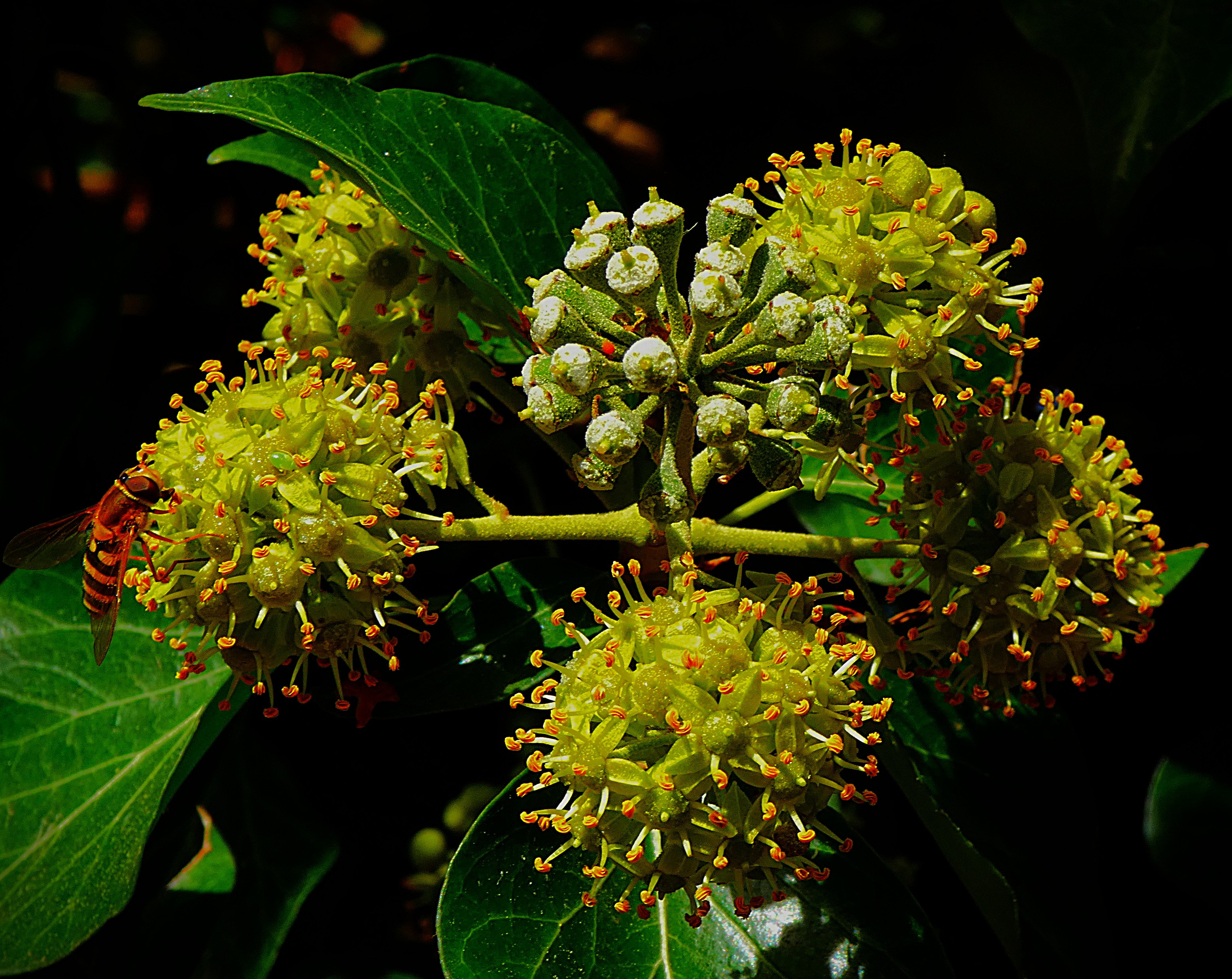































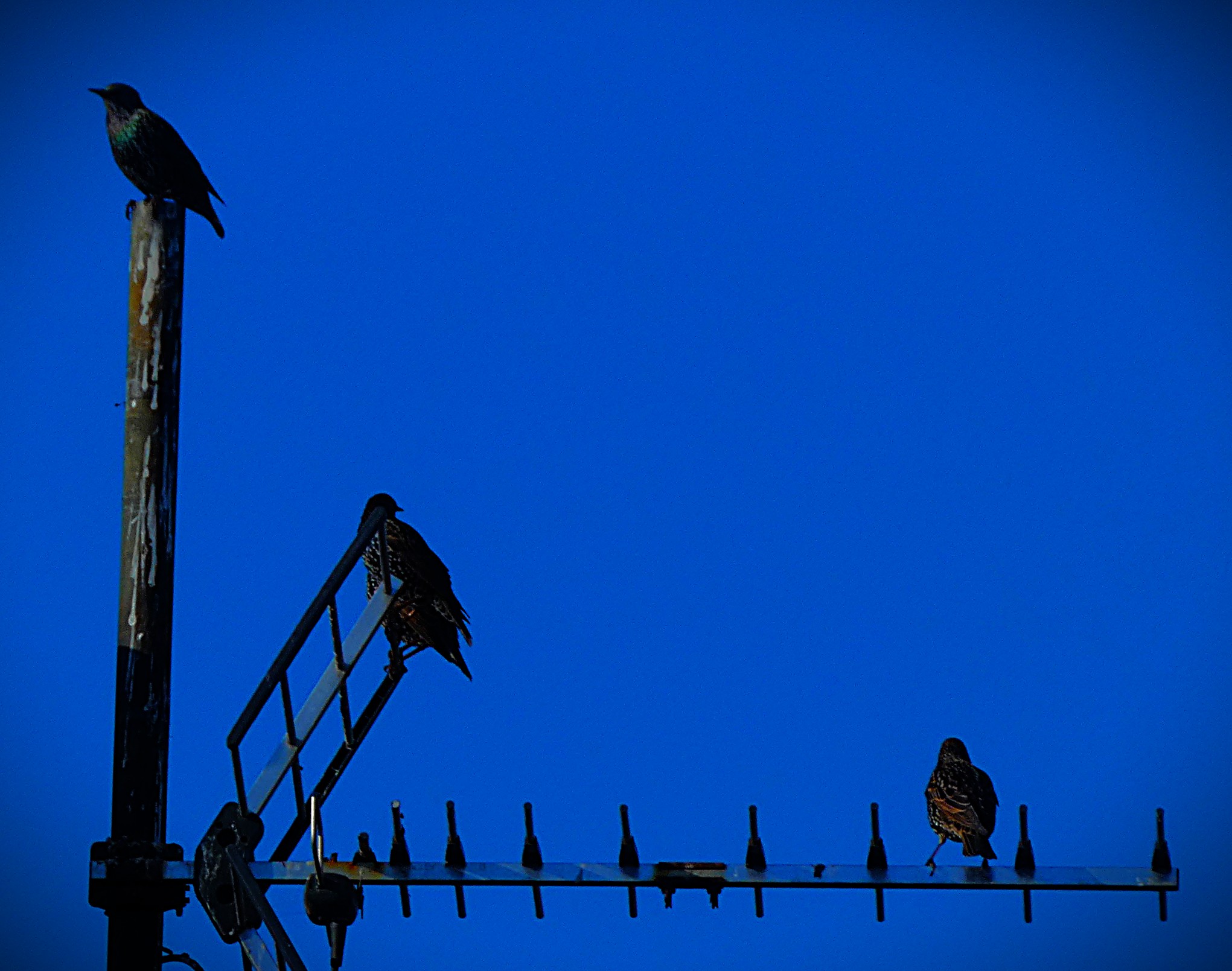












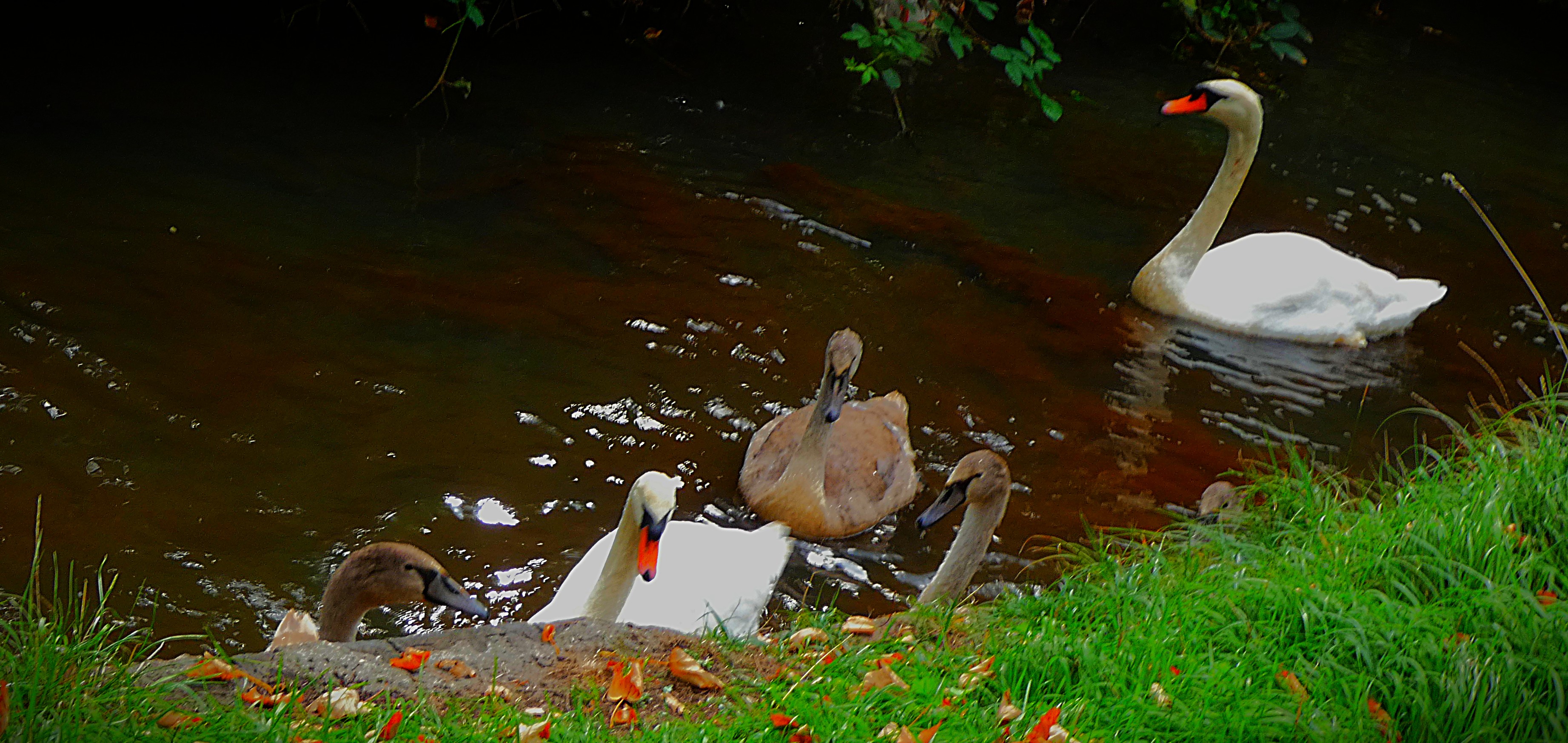













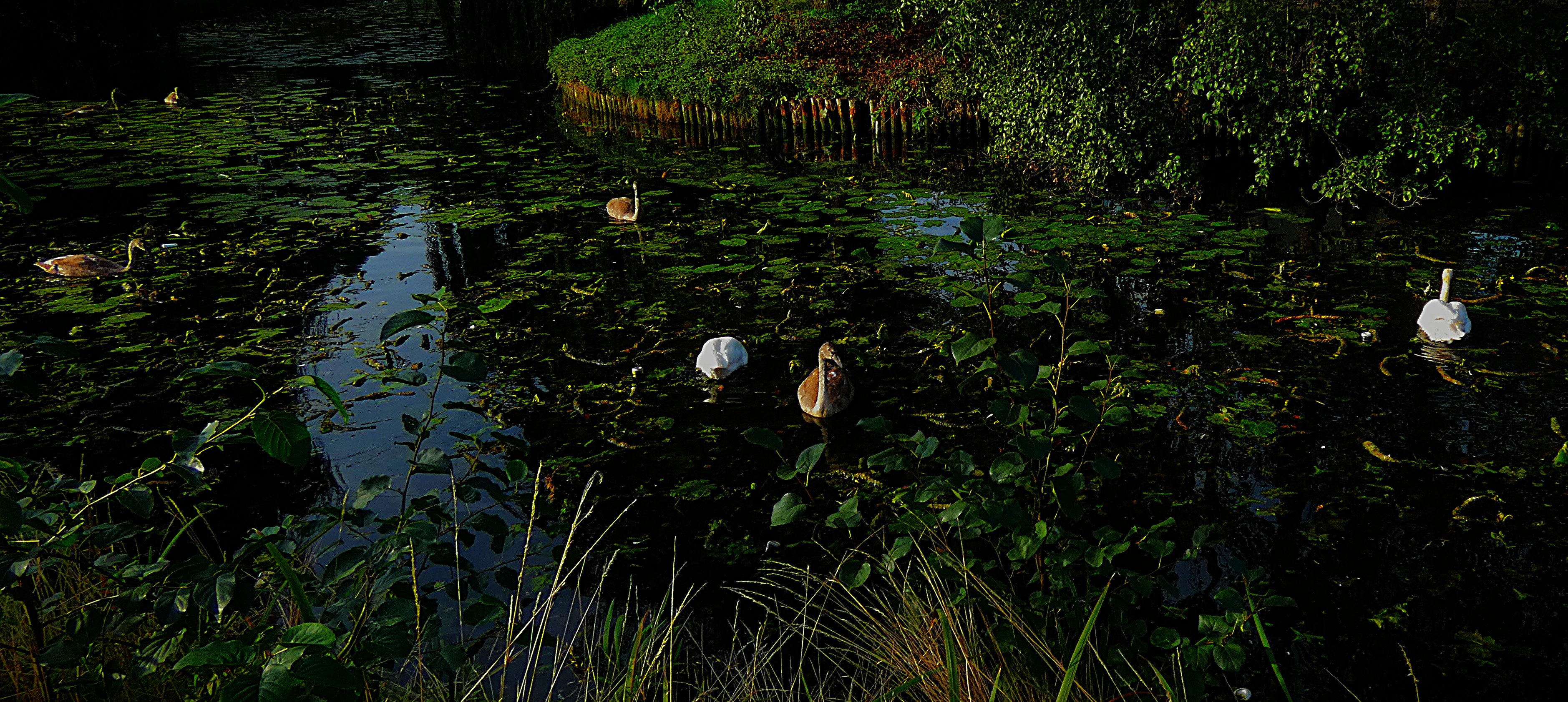
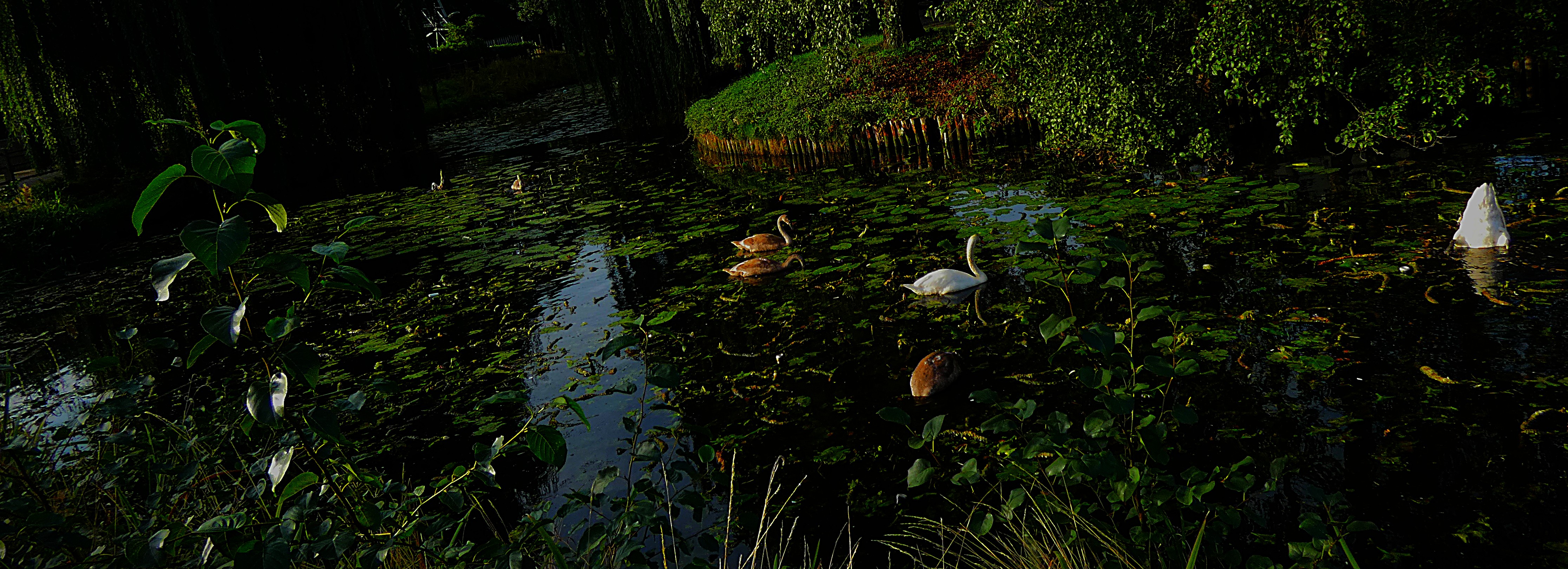
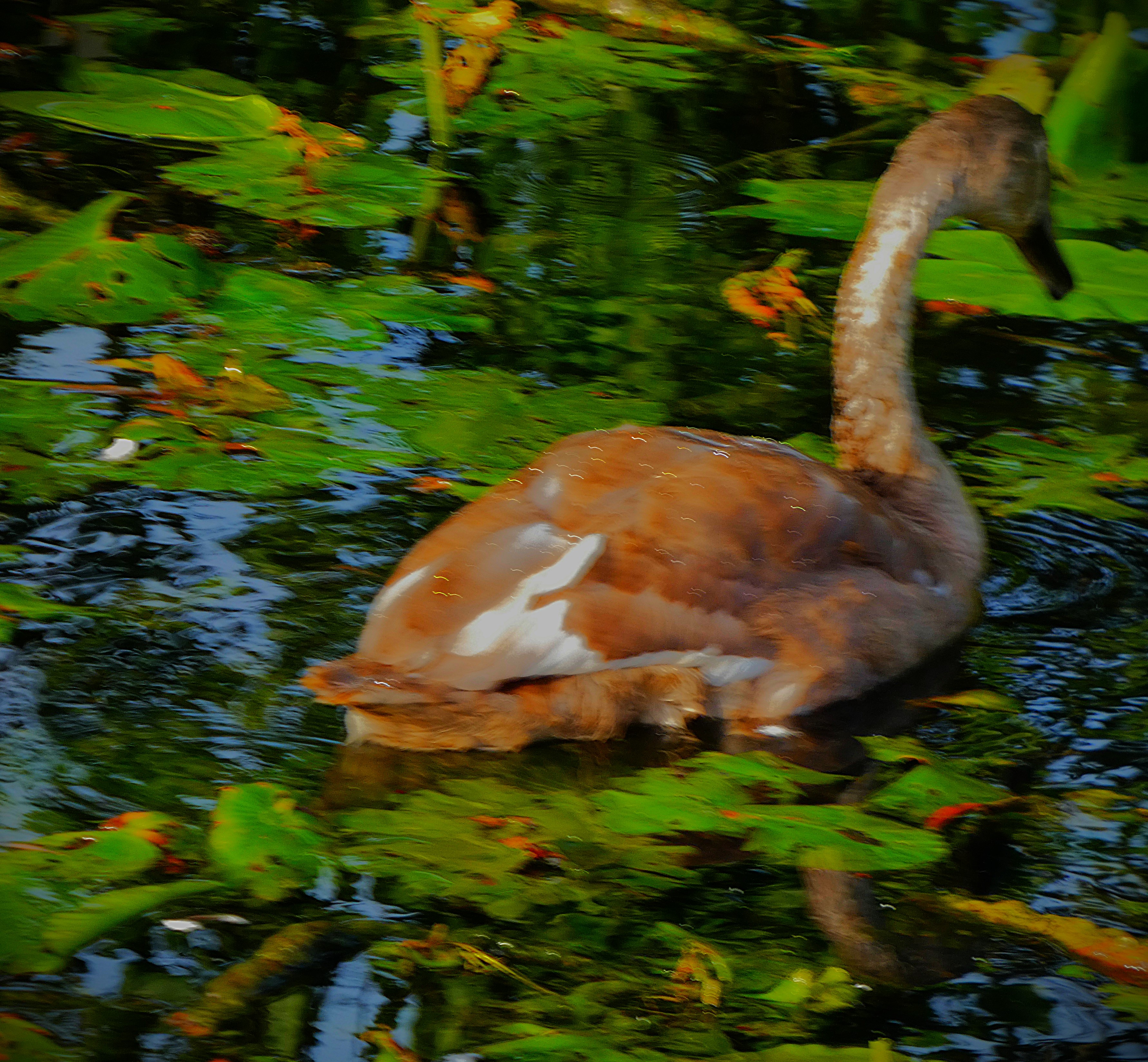






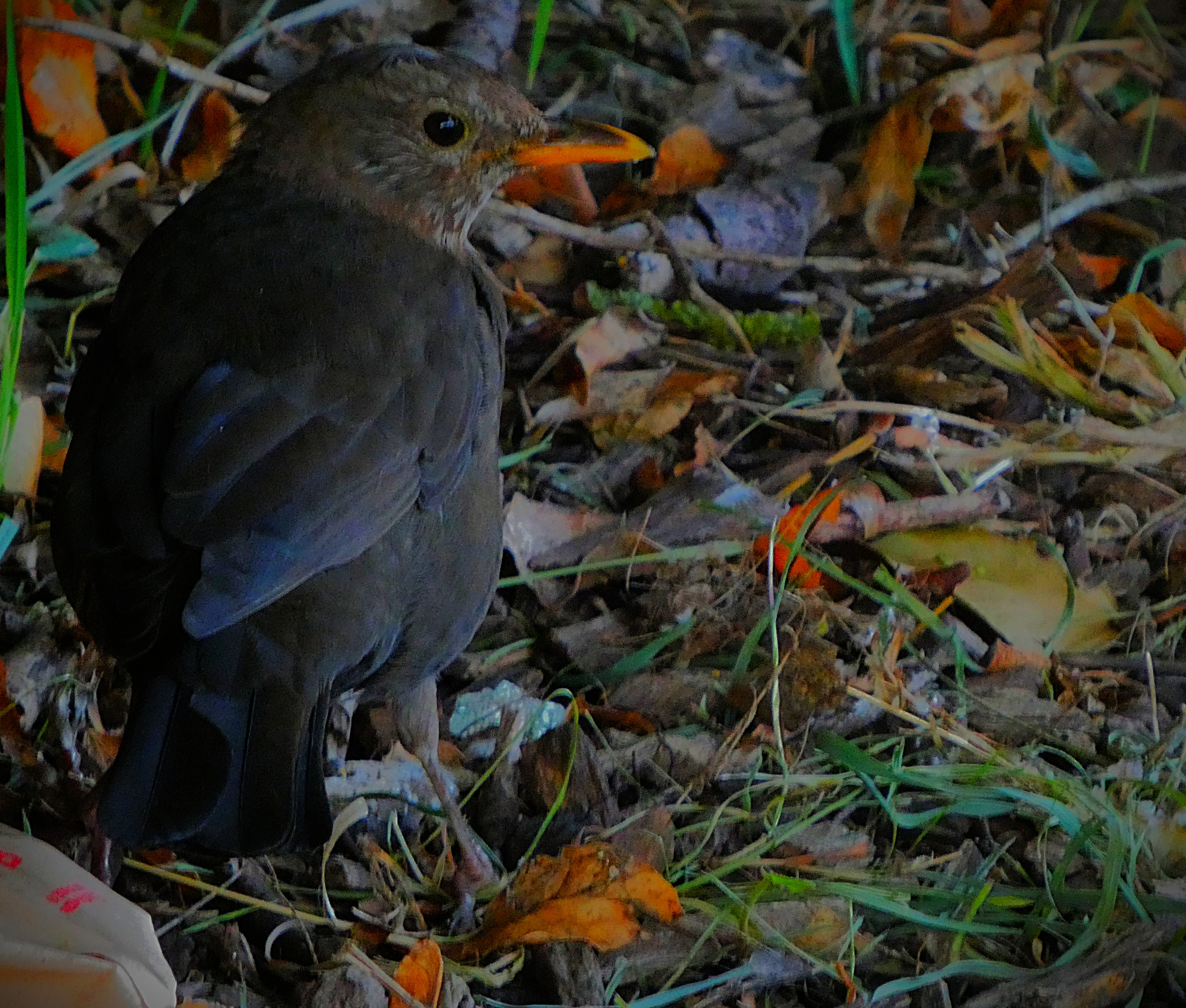












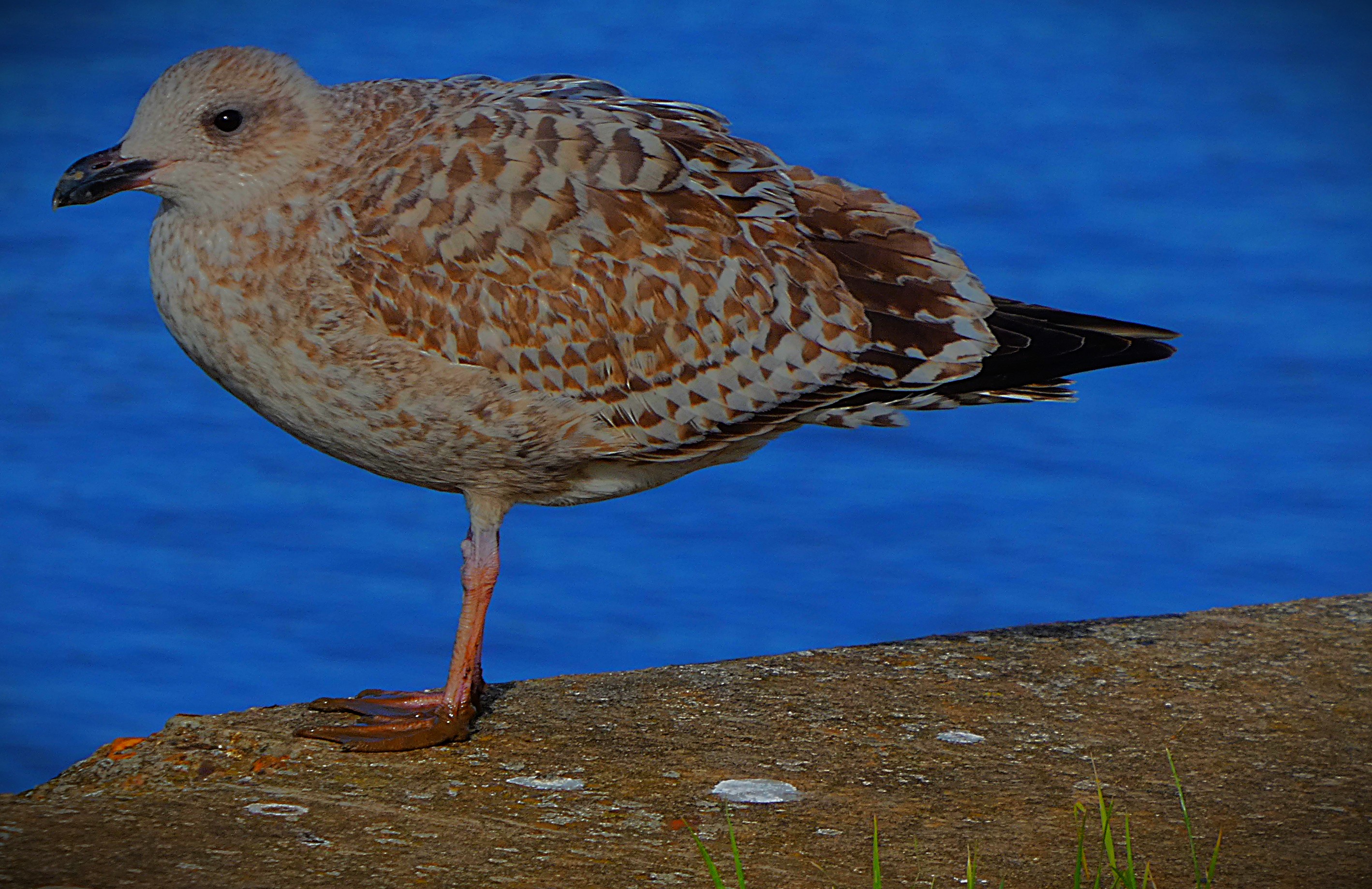




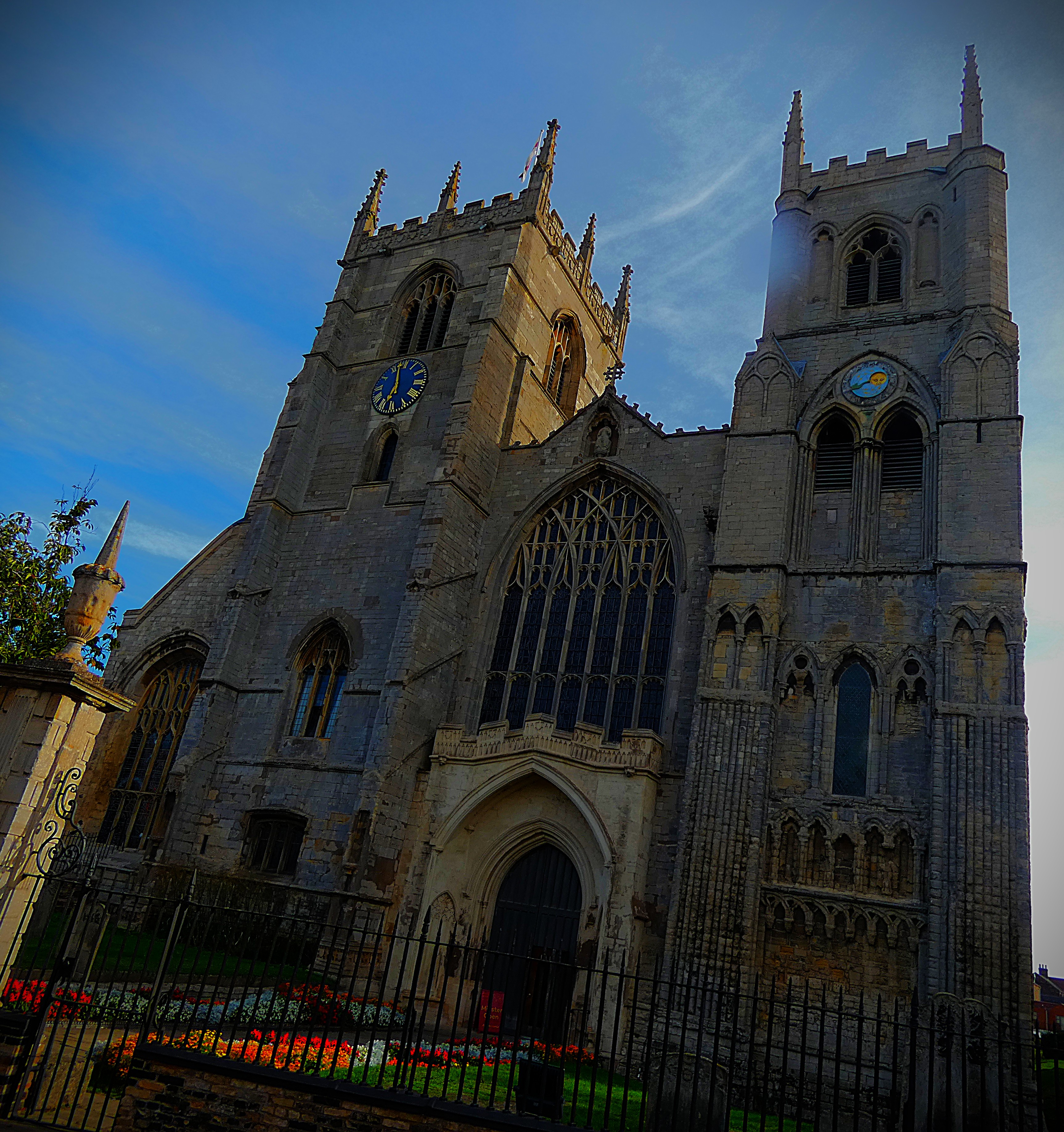
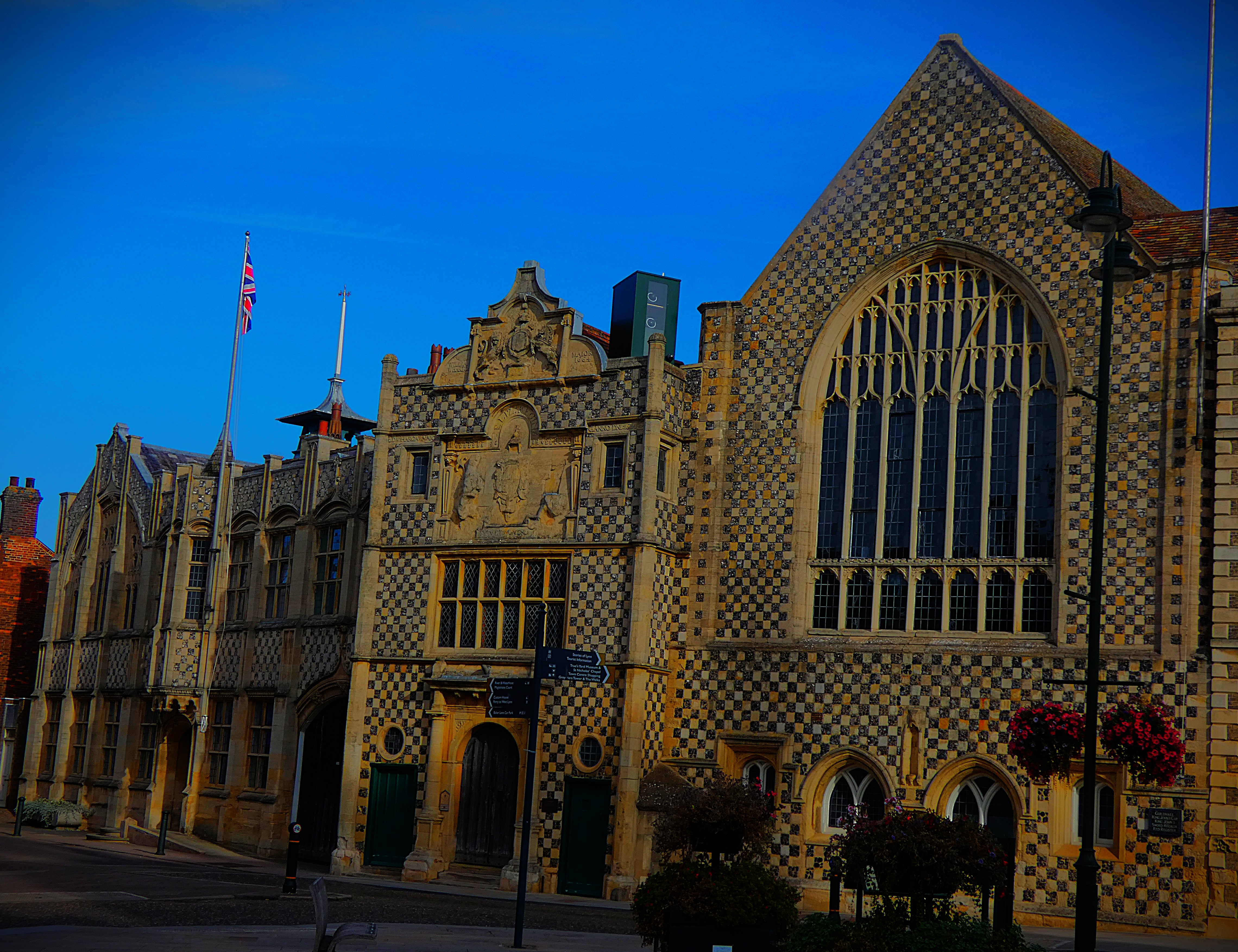

















A look back at yesterday’s Metro Bank One Day Cup final between Middlesex and Leicestershire and a photo gallery.
Yesterday saw the final of the Metro Bank One Day Cup at Trent Bridge. The two sides contesting the trophy were Middlesex and Leicestershire. This post looks back at a splendid match.
THE MIDDLESEX INNINGS
Leicestershire began well, reducing Middlesex to 71-5, with all five batters falling to catches by wicket keeper Ben Cox. At that juncture Harry Duke, once of Yorkshire, joined Ryan Higgins, in his second spell at Middlesex after a few years at Gloucestershire in the middle. The pair added 135 together before Duke fell to a catch by Stevie Eskinazi off Ian Holland. Tom Helm managed seven before being pinned LBW by Rehan Ahmed, the first and as it turned out only batter to be out other than caught in the entire innings. This was Ahmed’s second scalp, the first coming when Luke Hollman edged a googly through to Cox, one of the five early dismissals referred to above. Higgins completed an excellent century, and was then immediately out, caught by Nick Kelly off Holland to make it 224-8. That was Holland’s fourth scalp, and not long later he made it a five-for when he had Toby Roland-Jones caught by Ben Green. Holland incidentally is one of the few USians to be involved in high level professional cricket (Tara Norris in the women’s game is another). GThe innings ended at 231 when number 11 Naavya Sharma, unlikely to be moving up the order any time soon, gave Eskinazi a catch off Ahmed for the leg spinner’s third scalp of the innings. Ian Holland had 10-1-36-5, Rehan Ahmed 9.5.-1-55-3 and Tom Scriven 9-0-39-2. While not a huge total 231 was lot better than had seemed likely at 71-5, and it was clear that Leicestershire would need their wits about them to succeed in the chase.
THE LEICESTERSHIRE INNINGS
Leicestershire needed 232 to win, Middlesex needed 10 wickets, since there was no way Leicestershire would be short of the target if they batted for 50 overs. This innings soon boiled down to a contest between the Middlesex bowlers and Nick Kelly, who played a superb innings but did not get anything like sufficient support from the rest of the order. Veteran medium pacer Toby Roland-Jones bowled his full 10 over allocation early in the innings and captured 3-27. At 175-6 with Ben Green, who has a List A 150 to his name providing Kelly with staunch support Leicestershire were still in contention. It was at that point that Tom Helm, who would surely have played for England but for a miserable history of injuries, made his considerable presence felt. First he had Green caught by Josh de Caires to make it 175-7, and then after Nick Kelly and Tom Scriven had advanced the score by a further 13 he virtually settled the issue by having Nick Kelly caught by fellow centurion Higgins for 103. That left Leicestershire needing 44 to win and only bowlers to get them (Scriven is a capable lower order batter when he has someone to support but it would have been asking a lot for him to mastermind this chase on a tough pitch). Ajaz Patel got to 7, including one four, before he became the third victim of an immaculate display of death bowling by Helm, going to a catch by Zafar Gohar. Three balls later, with the score at 200, Scriven was last out, caught by Surrey reject and now Middlesex skipper Ben Geddes off Sharma for 10. Middlesex had won by 31 runs, and the difference had been that Higgins (whose 100, 0-41 from eight overs of medium pace and two catches got him Player of the Match) had real support from Harry Duke, whereas Leicestershire’s centurion, Kelly, was playing a lone hand – the next highest score of the innings was 16 by Rishi Patel, while the most balls negotiated by anyone save Kelly (107) was the 25 faced by Ben Green. Scorecard here.
PHOTOGRAPHS
My usual sign off…










































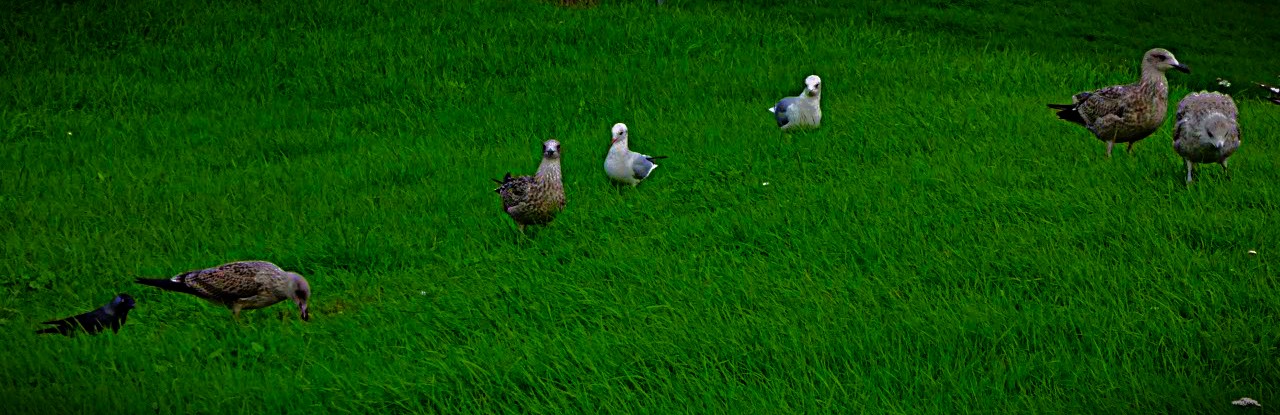
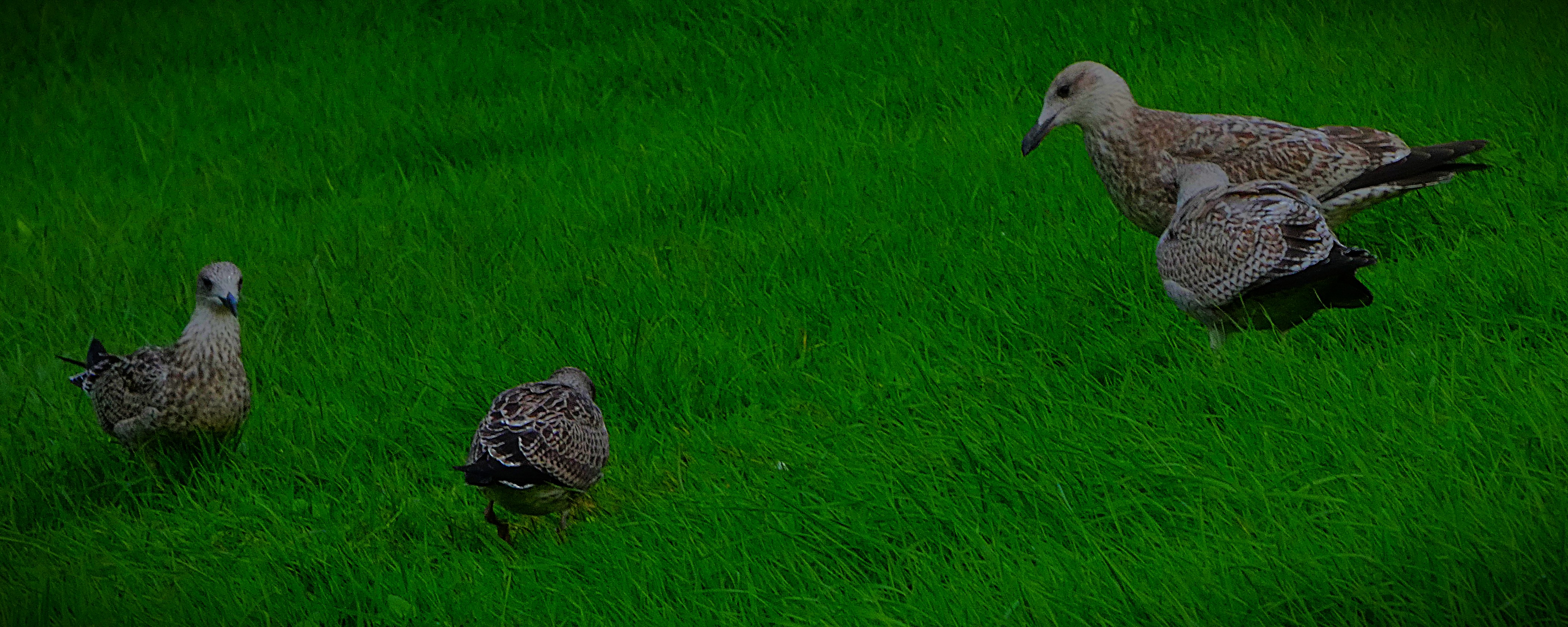

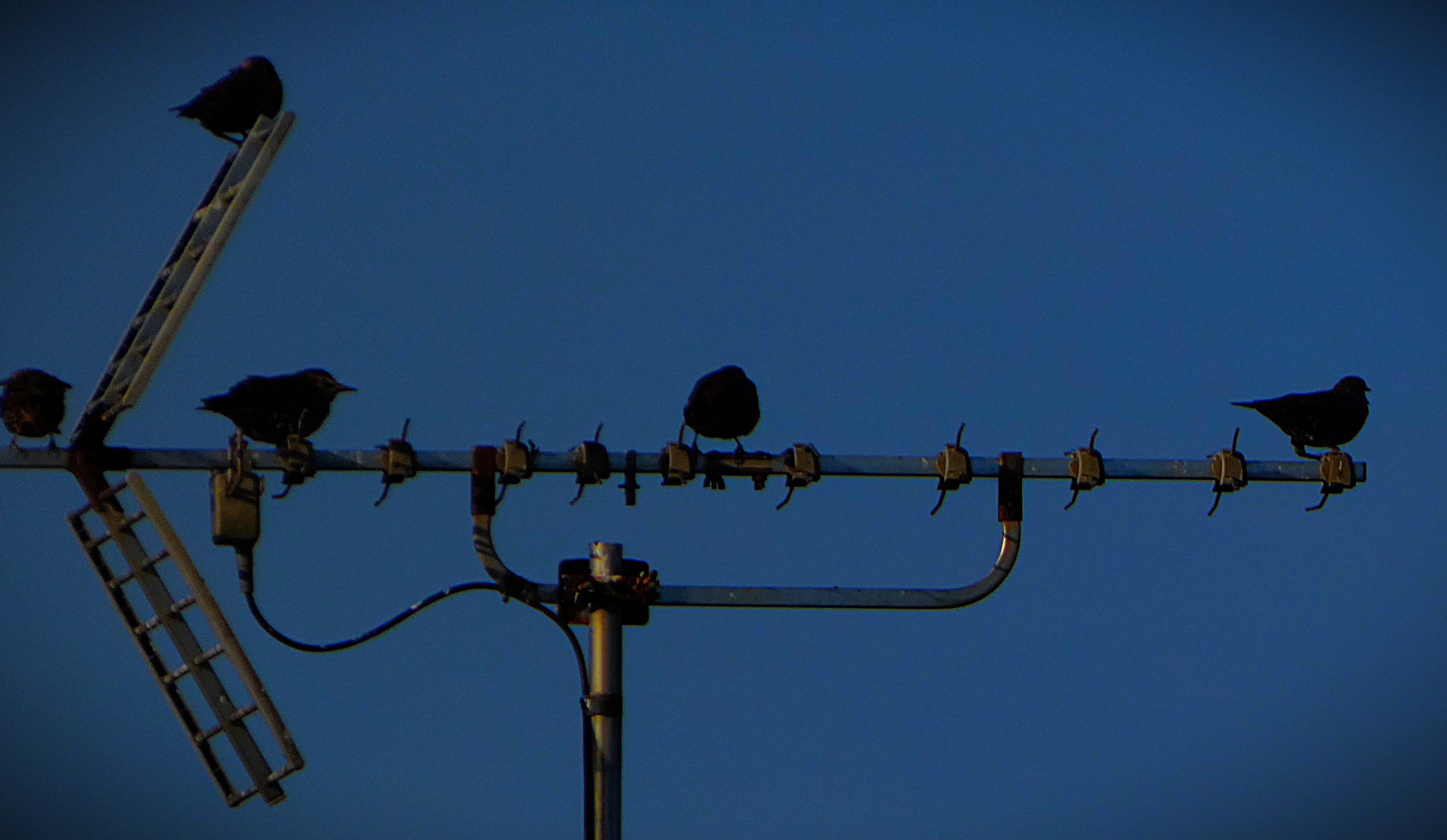
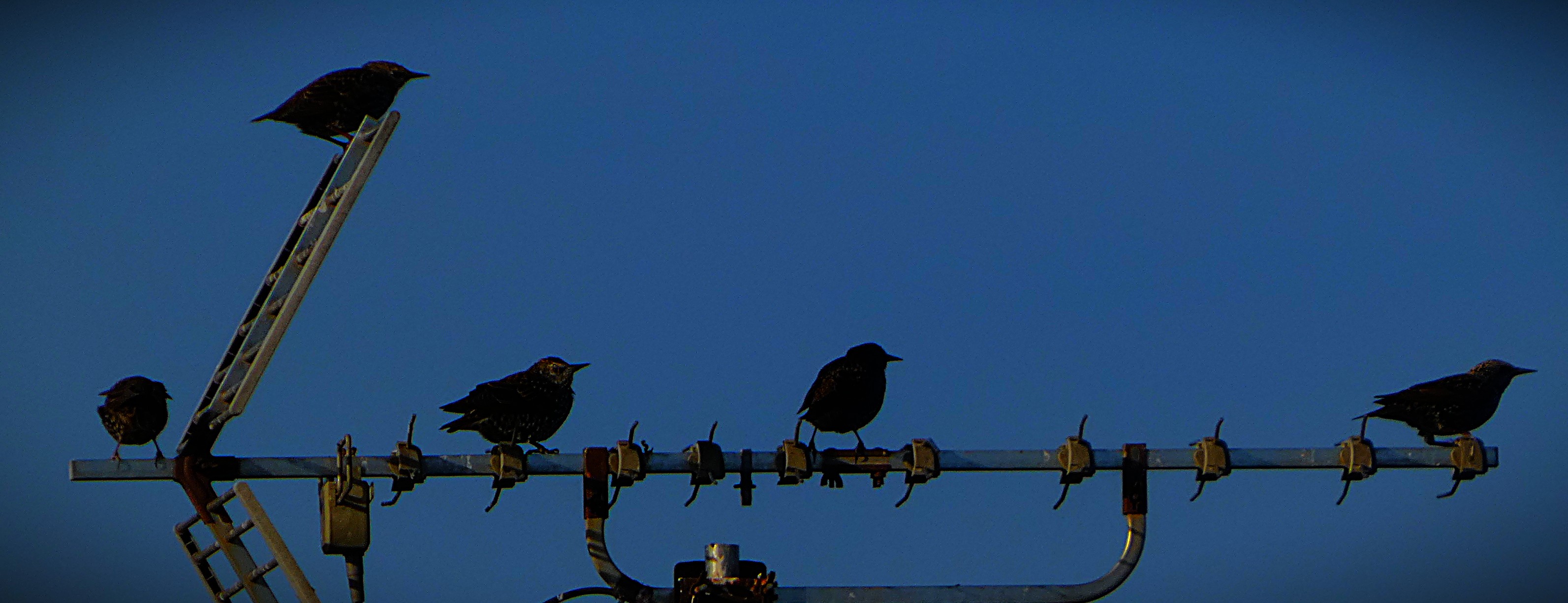








































A look at the T20I series that has been going on between the England and Sri Lanka men’s teams and a photo gallery.
The England and Sri Lanka men’s sides have been playing a T20I series. The third and final match is in progress as I type, and it is an indication of the way things are going that I am already calling it a 3-0 series sweep for England, even with 14 overs left in the match.
MATCH ONE ON TUESDAY
Sri Lanka won the toss and inserted England. That was the only thing that went right for them all evening. England piled up 254 from their 20 overs, Harry Brook helping himself to a century. Faced with a total like that Sri Lanka were unlikely to get anywhere close, and in the end the margin was 119 runs. Sonny Baker distinguished himself by taking 3-12 from his four overs.
MATCH TWO ON THURSDAY
England won the toss and put Sri Lanka in. There were moments when Sri Lanka looked capable of posting a respectable total, but the second half of their innings was a sad tale, going from a relative high of 84-1 at half distance to an inadequate 145-9 at the end of the 20th over. England knocked off this target with almost eight overs to spare to settle the series with a match to spare.
MATCH THREE TODAY
England won the toss and again chose to bat, and it was deja vu. Sri Lanka reached 83-3 at the high water mark of their innings, but once again floundered badly in the closing stages. On this occasion they were all out for 124 with seven balls left unused. Wanindu Hasaranga suffered a bizarre dismissal, dislodging a bail with the toe end of his bat while facing Jofra Archer. Kamindu Mendis played the best innings for Sri Lanka, but it ended horribly when he ignored the fact that Old Trafford is wider than it is long and took on a pull against Archer, succeeding only in sending the ball directly to Jacks, carefully positioned a good few yards in from the boundary for this precise eventuality. Harry Brook and Jos Buttler are enjoying themselves at the moment, and already, with over 12 overs still available, England need less than 30 more to win. The hapless Madushanka has just given away five wides to move England past 100. It was his fourth separate infraction of the over to boot. With 23 now needed I suspect that the usual mid-innings drinks break will be superfluous. The previous sentence was prophetic – England reached the target in just 9.4 overs to seal the 3-0 sweep.
PHOTOGRAPHS
My usual sign off…




















































































































A look at goings on in the test match at Edgbaston, and a photo gallery in two parts – A St Nicholas special and a general gallery.
It is now tea on day three of the third and final test match of a series between the England and Pakistan men’s teams. This post looks at what has happened so far.
DAY ONE
England, 2-0 up in the series, were unchanged, while Pakistan had a number of changes. England won the toss and opted to bowl first. The only Pakistan batter to fare well in the first innings was Saud Shakeel, who got in to the 40s before he was dismissed. Pakistan managed a mere 133 all out. England were going well in response by the close.
DAY TWO
I did not get to witness any of this day’s play due to work commitments. England took a first innings lead of 320 and Pakistan two wickets down in their second innings by the close.
TODAY
I had another commitment which caused me to miss the first session of today’s play, which was Pakistan’s best batting session of the series. They continued to bat well in the afternoon session, but a superb catch by Lawrence off Atkinson sent Shan Masood back for 95. Babar Azam was also dismissed this session, caught by Jordan Cox, keeping wicket in place of the injured Jamie Smith for 76. These two dismissals mean that as yet there has not been an individual century in this series. Saud Shakeel and new wicket keeper Ghazi Ghori batted through to tea at 297-5, 23 short of making England batting again. At the moment it looks very likely that England are still going to win, but bigger turnarounds have happened – Headingley 1981, when England were 92 short of making Australia bat with just three second innings wickets standing and ended up winning by 18 runs being one such.
THE COUNTY CHAMPIONSHIP
Warwickshire, Somerset and Nottinghamshire all won their games. With two rounds of matches to play Somerset are four points clear of Nottinghamshire, with Warwickshire a point further back, and everyone else well behind this trio.
PHOTOGRAPHS
On Wednesday morning St Nicholas Chapel was open as I walked past, and I went in. Before my main gallery I have a…
ST NICHOLAS SPECIAL
I start with a composite picture juxtaposing the organ with an information board about that instrument:

The rest of the gallery…


GENERAL PHOTOS
Now for my usual sign off…


Early yesterday evening Oliver Price claimed the final Derbyshire wicket to give his side victory by 213 runs with 6.3 overs left to be bowled. That brought an end to the latest round of championship fixtures. This post looks back at the main events of yesterday (see here for details of the two matches that ended on Friday).
KENT v WORCESTERSHIRE
This match was threatening to get interesting win the visitors needed just over 100 with five wickets left, and Brett D’Oliveira closing in on three figures. While not being anywhere close to the standards of his grandfather Basil this D’Oliveira is a solid county batter, and given proper support by the later Worcestershire batters he could have made it very tense indeed. In the end Kent had 84 runs to spare, and D’Oliveira was left stranded with a century to his name.
GLOUCESTERSHIRE v DERBYSHIRE
The county of my birth have been having a rotten season in the county championship, coming into this round with only one win to their name. It did not look like changing when they batted on and on in their second innings against Derbyshire, finally declaring to set the visitors 318 in 45 overs. Batting out for the draw should have been straightforward, but Derbyshire had a horrible collapse at the start of the innings, plunging to 41-6. The only batter of substance left was Martin Andersson, who dug in grittily. The fact that it took 24 overs for the last four wickets to fall underlines how atrociously the early Derbyshire batting failed, with six of them falling in the first 14.4 overs of the innings.
NORTHAMPTONSHIRE HOIST ON OWN PETARD
Northamptonshire might have thought they were doing OK when they needed 205 to win the fourth innings. However their own pitch preparation came back to bite them. They had prepared a spinning surface hoping for their bowlers to benefit, but it was Durham left arm spinner Callum Parkinson who reaped the rewards, with six cheap wickets are Northamptonshire crashed for 50 in the final innings.
THE STALEST OF STALEMATES
A combination of a flawed points system (on which I have animadverted before) and lack of enterprise by both counties consigned Nottinghamshire v Leicestershire to an early grave, awaiting only the formality of handshakes at the first legal opportunity. Once Leicestershire had avoided the possibility of being made to follow on, partly with the assistance of Josh Davey, who also helped his former county Somerset in the process neither side showed any interest in making a game of things. Leicestershire could have challenged Nottinghamshire by declaring as soon as the follow-on was avoided, effectively daring them to set a target if they were game. Nottinghamshire once they finally got the elusive wicket could have decided: OK, we still have a decent lead, and we are going to throw the bat for 20 overs and see where we end up, and if Leicestershire fancy attempting the chase good luck to them. In the event as indicated Leicestershire batted on until that last wicket fell, and Nottinghamshire showed no interest in anything other than a polishing up of batting averages. This is precisely the sort of event that underlines the folly of assessing a draw as worth half as much of a win. One result of this is that Somerset sit on top of the table, four points ahead of Nottinghamshire.
PHOTOGRAPHS
My usual sign off…




















































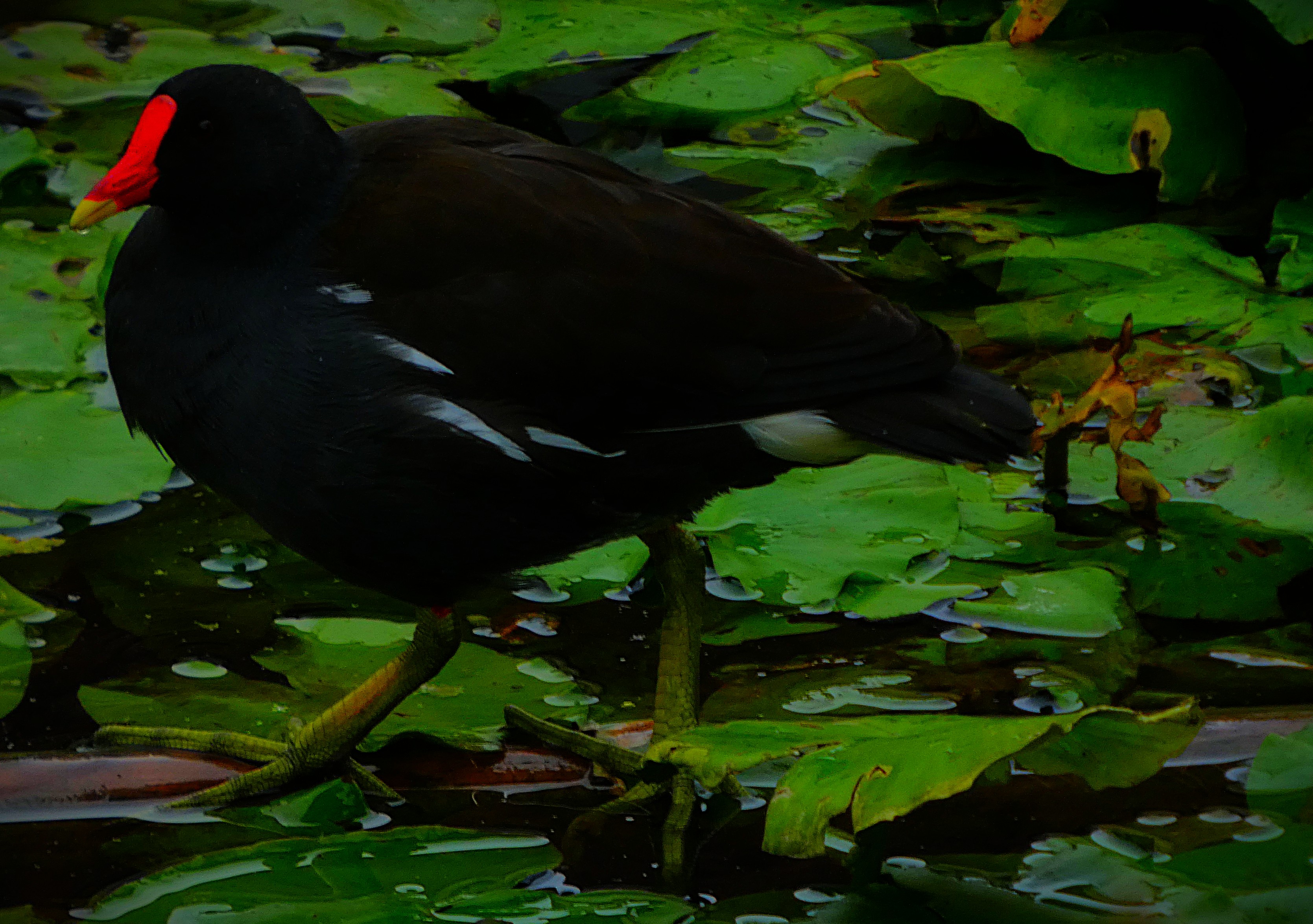








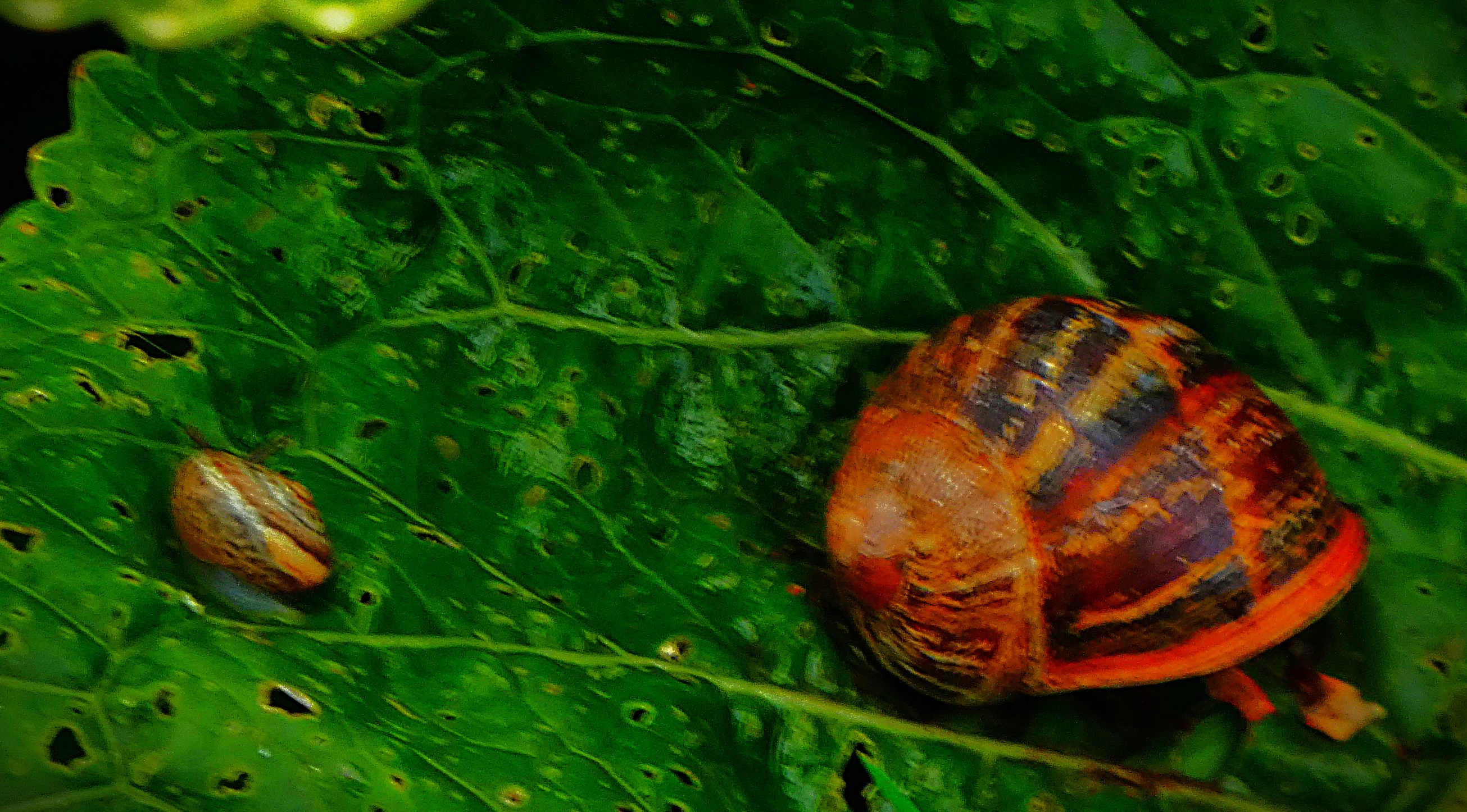

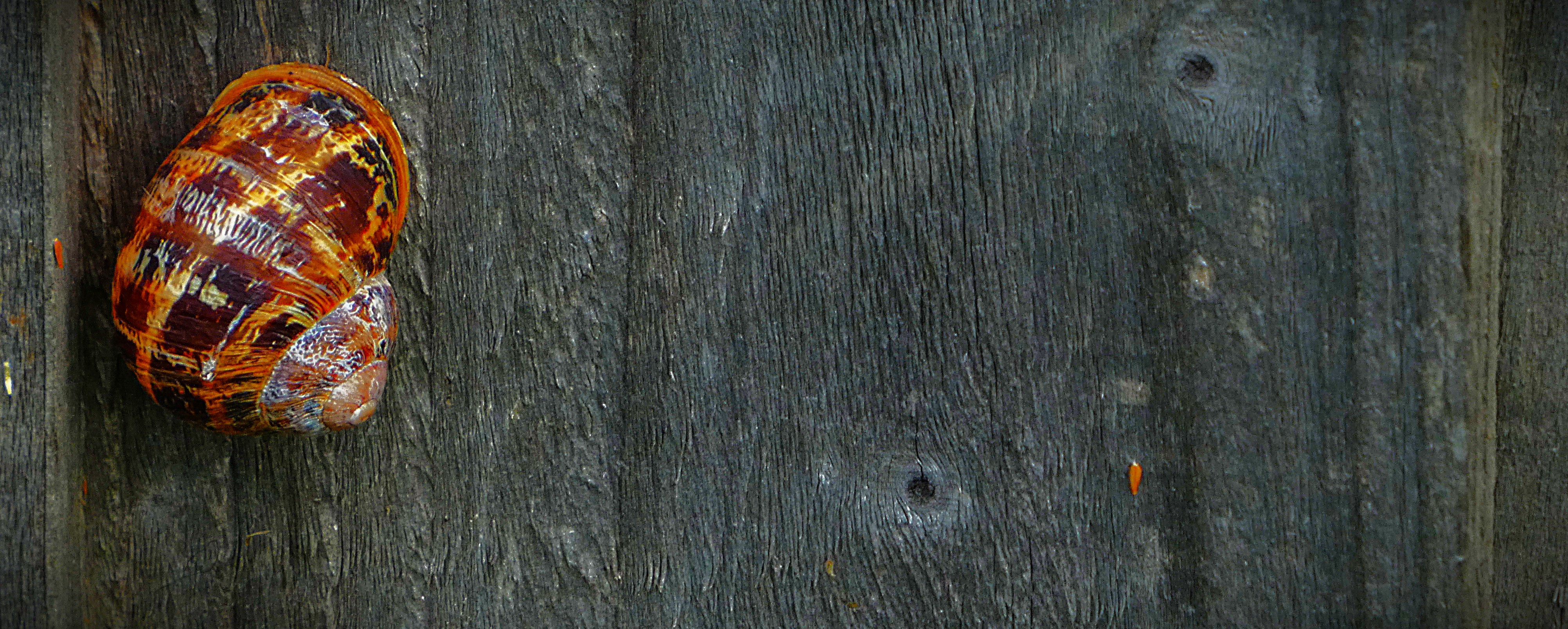
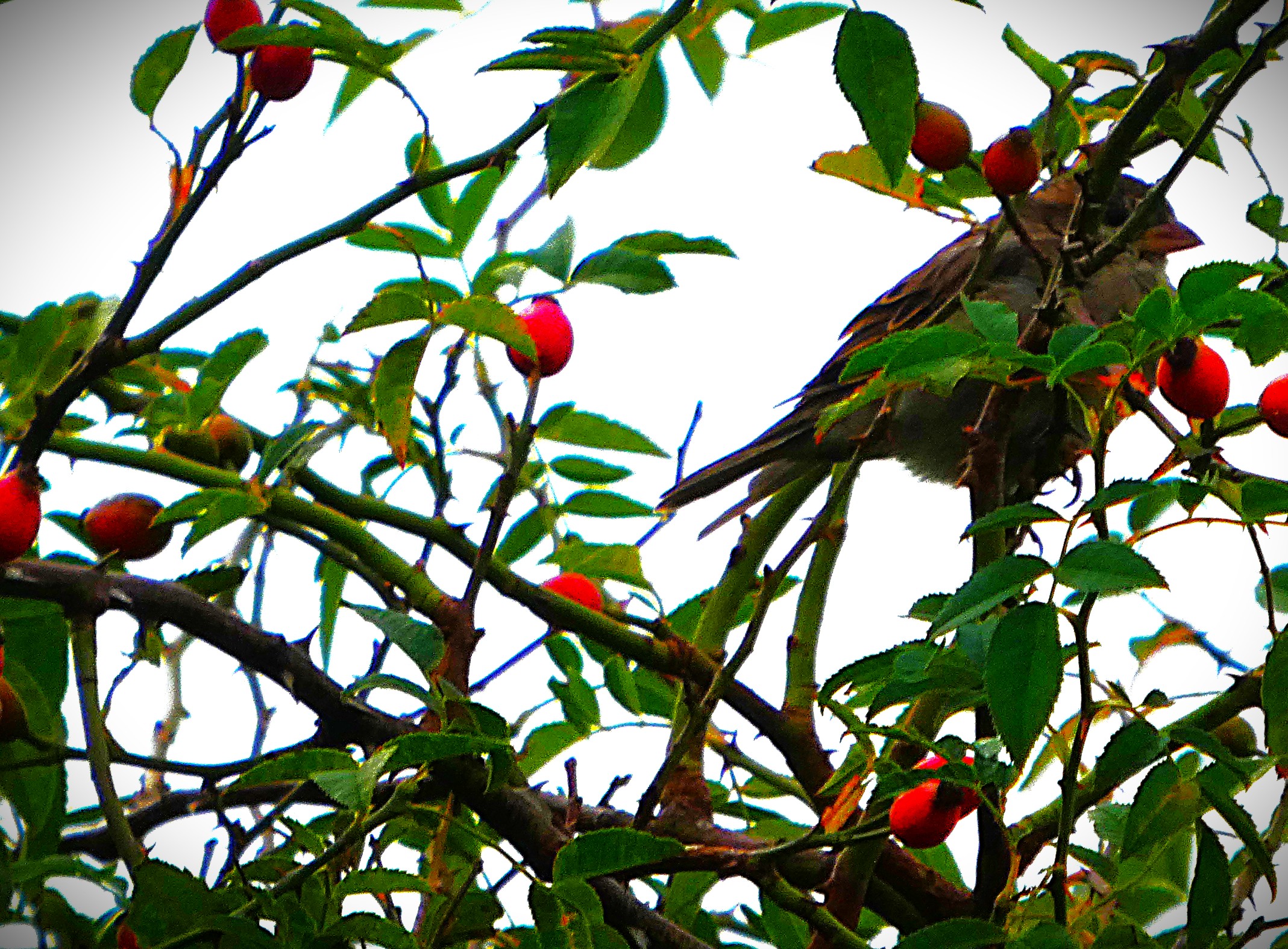













A look at two of the matches in this round of championship fixtures that have already finished and their implications for the table, plus a photo gallery.
There is a round of county championship matches in progress with today officially day three of four. The two matches in which I had most interest, Surrey v Yorkshire and Somerset v Glamorgan are both now finished. This post looks at what has been going on.
AN INNINGS WIN
This morning at decision time I opted to listen to Surrey v Yorkshire, since I thought that one was probably going to end before Somerset v Glamorgan. I had failed to account for just how spineless Glamorgan would prove to be. They slumped to 183 all out in their second innings, which gave Somerset a win by an innings and 64. The scores there were Glamorgan 194, Somerset 441, Glamorgan 183. This puts Somerset at the top of the championship table, and although they were one of the eight sides involved in the first properly organized county championship in 1891 they have never won it. Scorecard here.
A LOW SCORING THRILLER
Surrey won the toss and opted to bowl. When they had Yorkshire all out for 185 they would have felt reasonably good about that. They themselves then sank for 83, conceding a first innings deficit of 102. They then rebounded by bowling Yorkshire out for 82, leaving themselves to match Yorkshire’s first innings score in the final innings of the match to win it. When Burns and Sibley reached 40 still together it looked on. Then Jack White pinned Sibley LBW. Surrey now gambled, sending Rahul Chahar in at number three. The gamble failed, the Indian being bowled for a five ball duck. Not long after that Burns was also out, caught by Dom Bess off George Hill and it was 52-3. Wickets continued to fall regularly by Josh Blake dug in and held firm. Even so, when Tom Lawes was seventh out a further 70 runs were still needed to win, which looked a tall order on that surface. However Matthew Fisher, who had already claimed eight wickets in the match, including 6-25 in the 82 all out, now provided Josh Blake with excellent support and the pair clawed their way towards the target. They had got to 170, 15 short of winning, when Fisher edged a ball from Hill to Will Luxton to fall for 33. Auqib Nabi, an Indian seamer who can bat a bit – he has a List A century in his native land – now joined Blake. Nabi had just hit a six to move Surrey to within two of the target when he tried to go big again and sent the ball pretty much straight upwards and James Wharton got underneath it to make it 183-9. Dan Worrall, the sort of old style tail ender who does not bother to take guard when he arrives at the crease, now joined the fray. He survived the last two balls of Ben Coad’s over, and then Blake negotiated a very good over from George Hill, but could do no more than survive it. The next over started with another dot, but then Worrall got the second away for four and Surrey had sneaked home by one wicket. The match had seen an aggregate of 537 runs for 39 wickets. This is not even close to a record – in 1878 when The MCC faced off against An Australian XI at Lord’s the match aggregate was 105 runs for 31 wickets (MCC 33 and 19, Australians 41 and 12-1). Josh Blake in the final innings had scored 43 not out from 183 balls. It is a result that somewhat eases Surrey’s relegation worries, but everyone from fourth place downwards is under threat, so tight is it at the bottom. Scorecard here.
PHOTOGRAPHS
My usual sign off (periodic reminder, you can view images at larger size by clicking on them)…