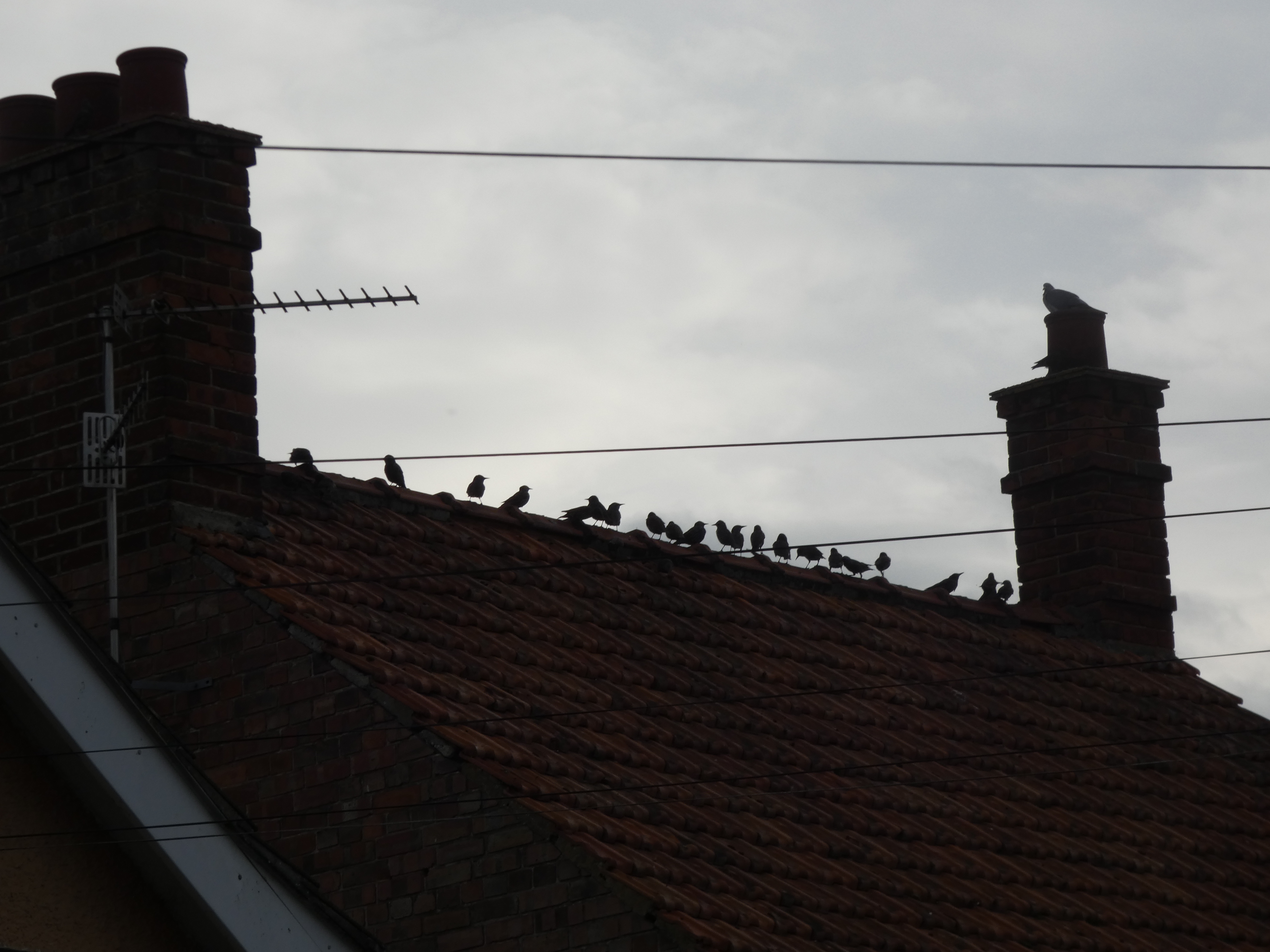
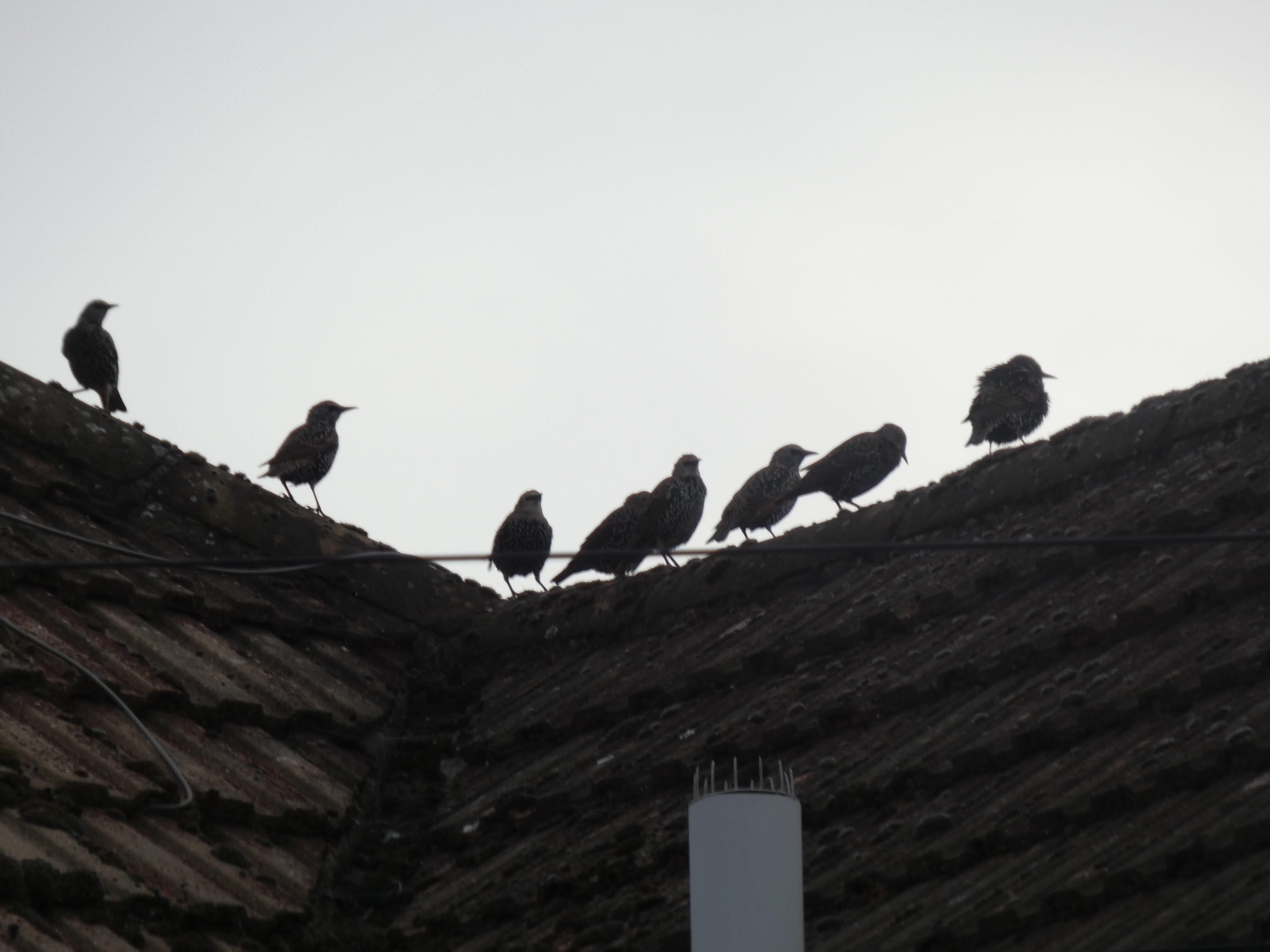
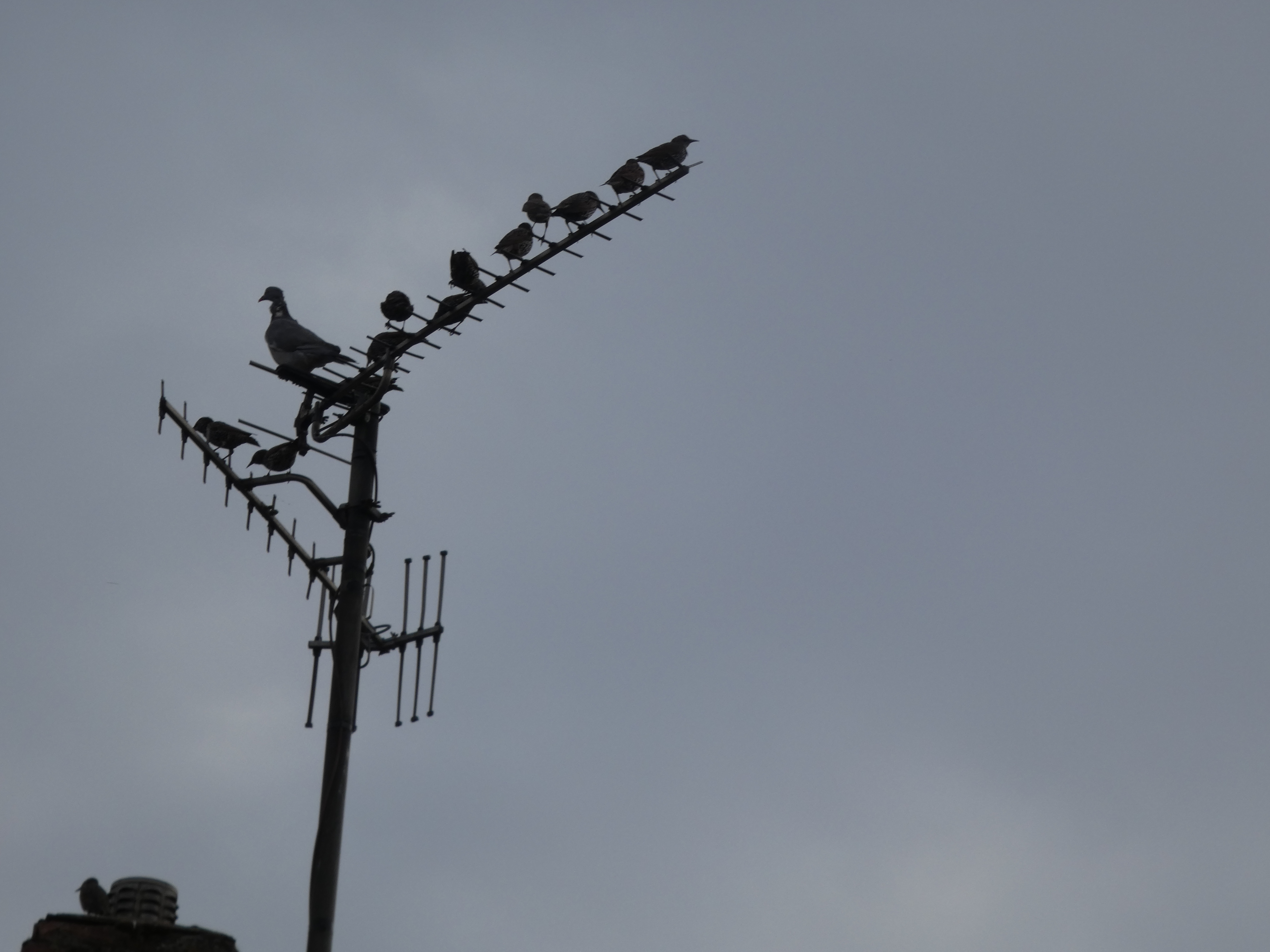
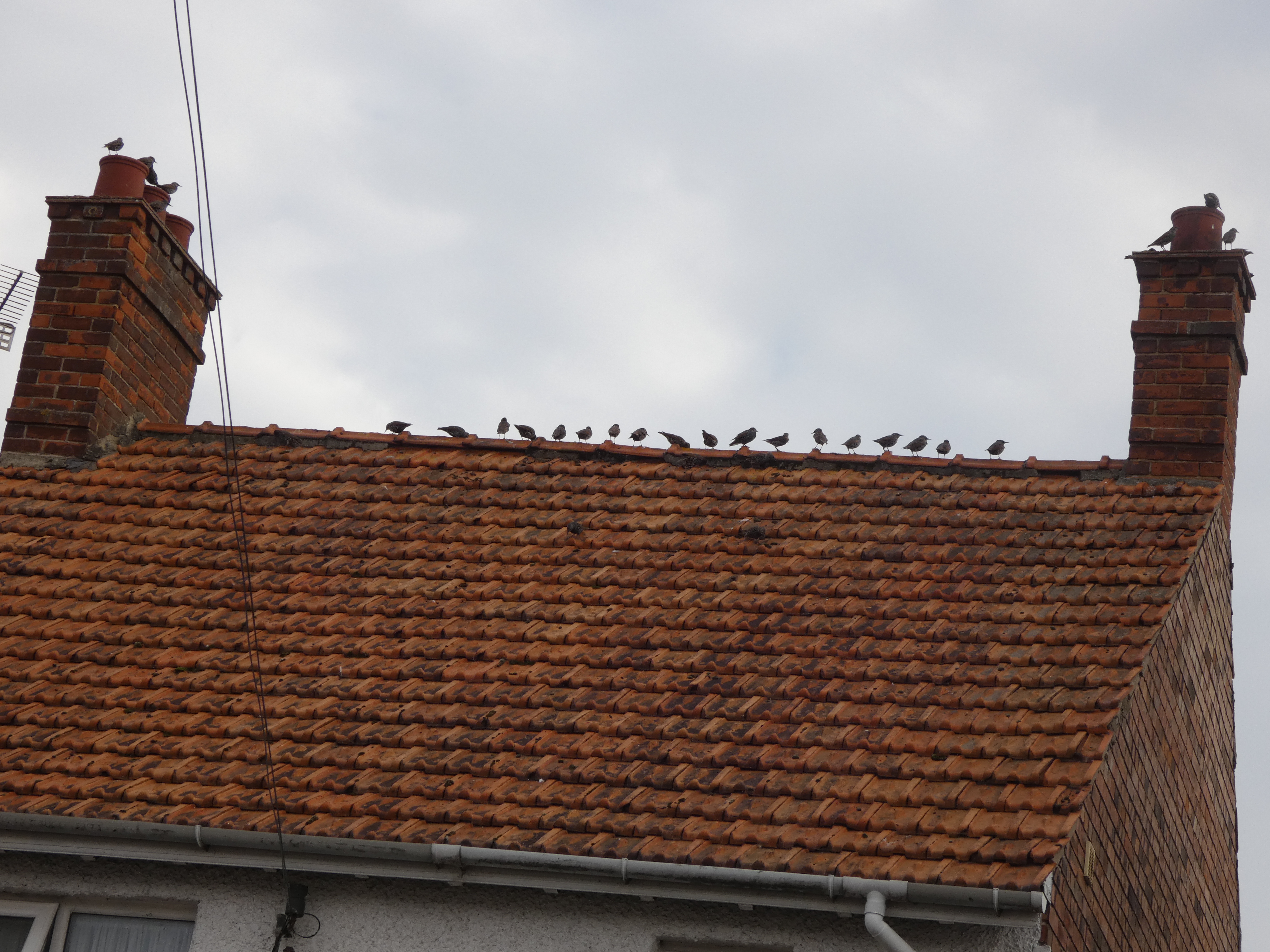
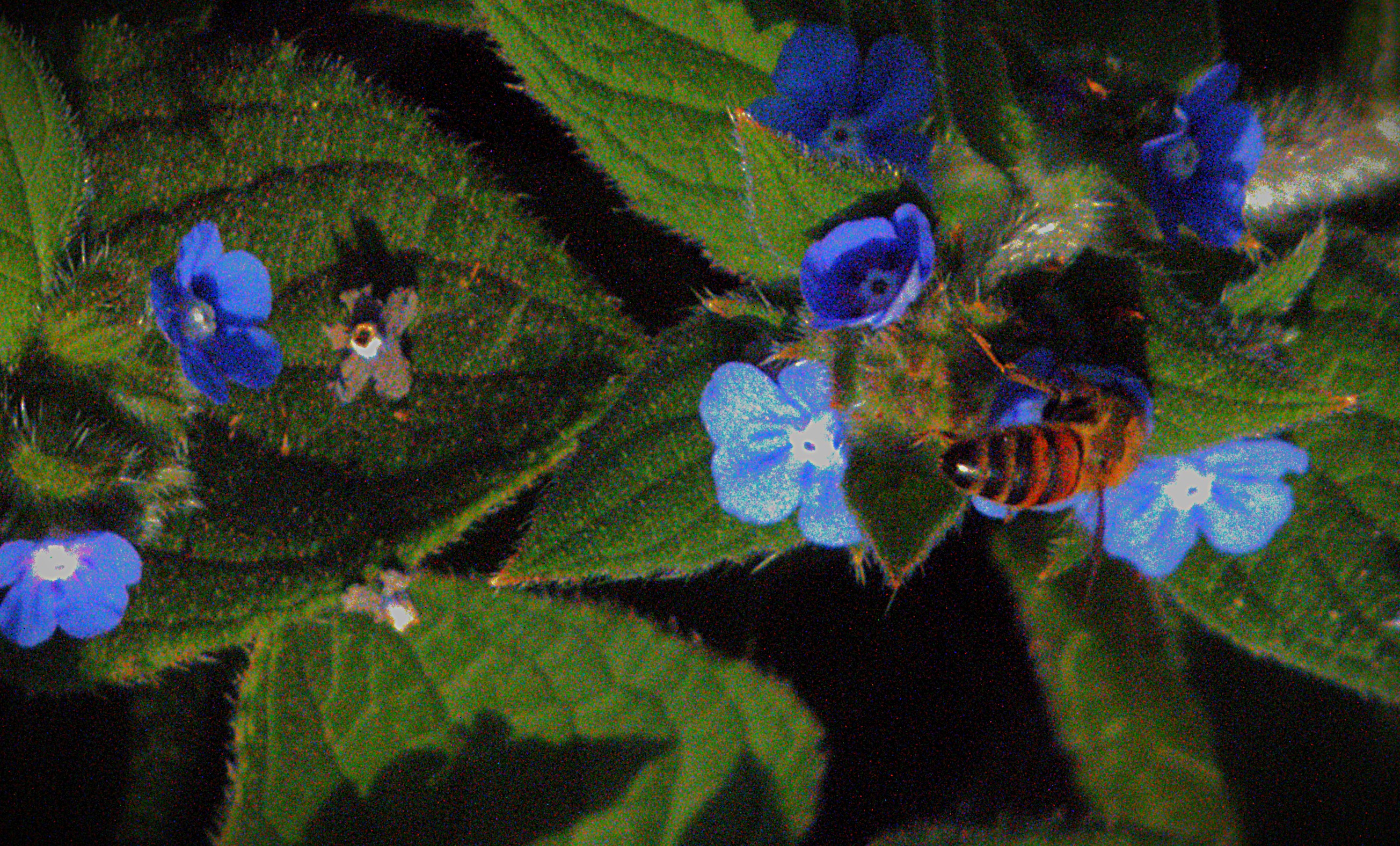
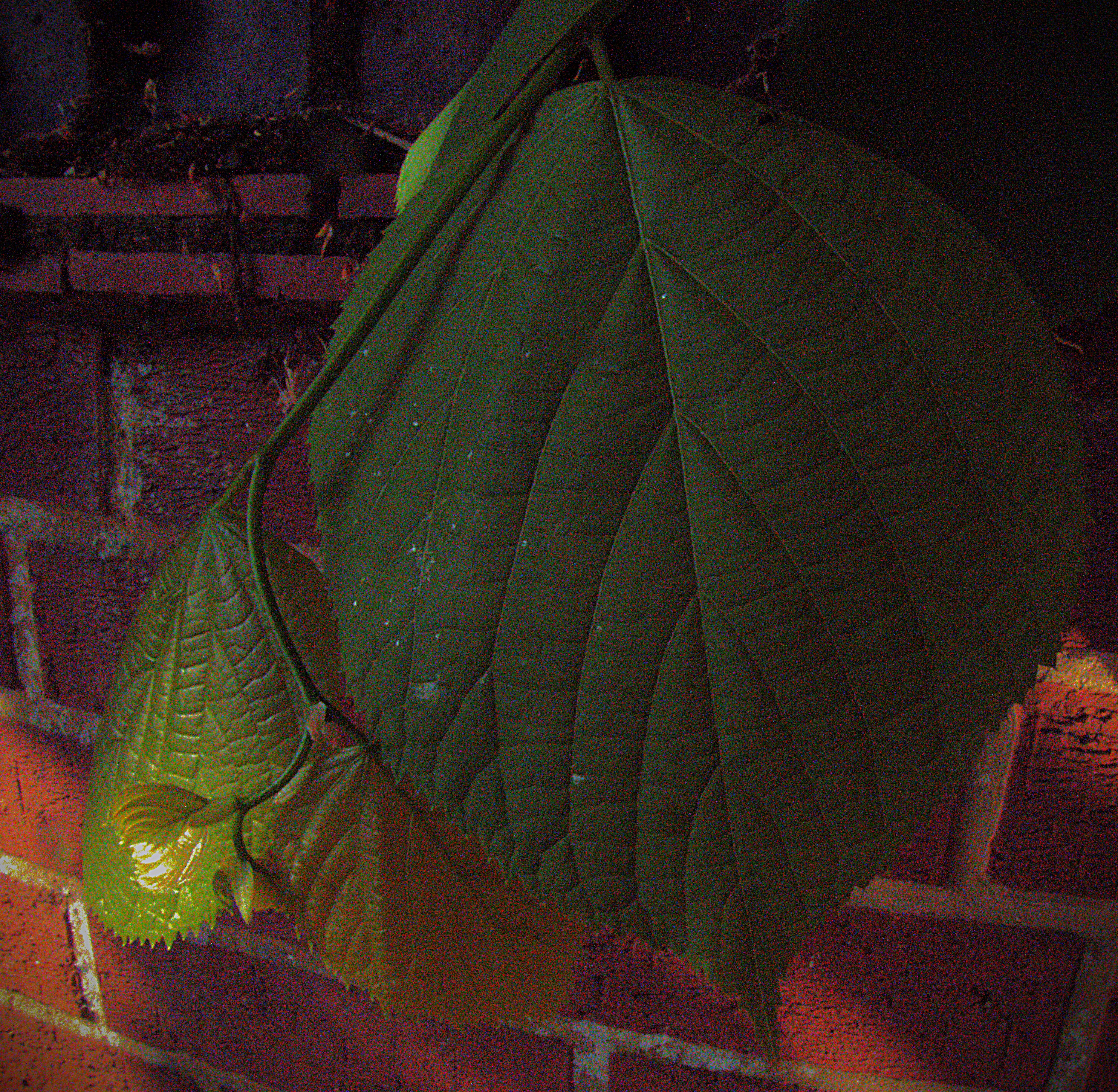
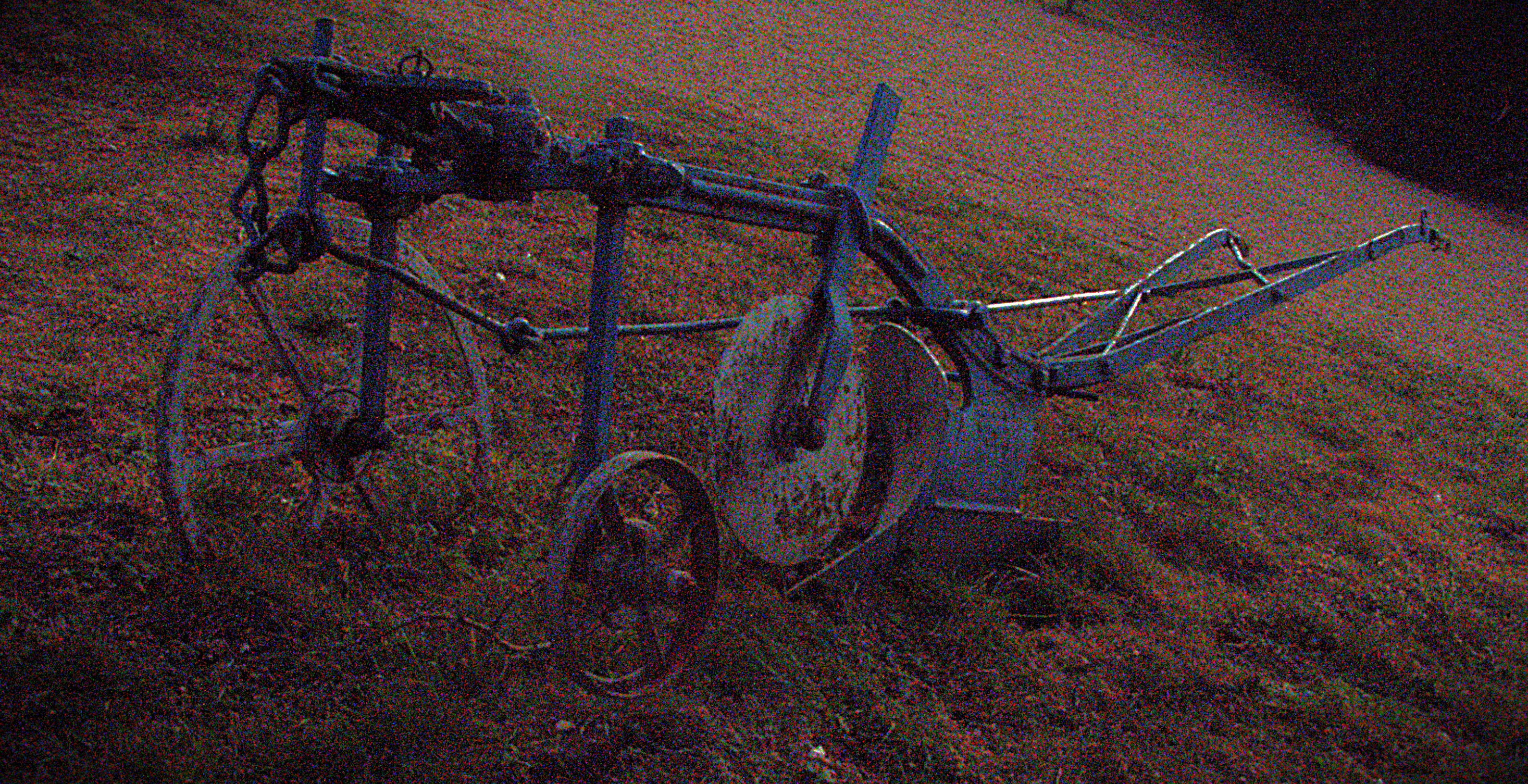
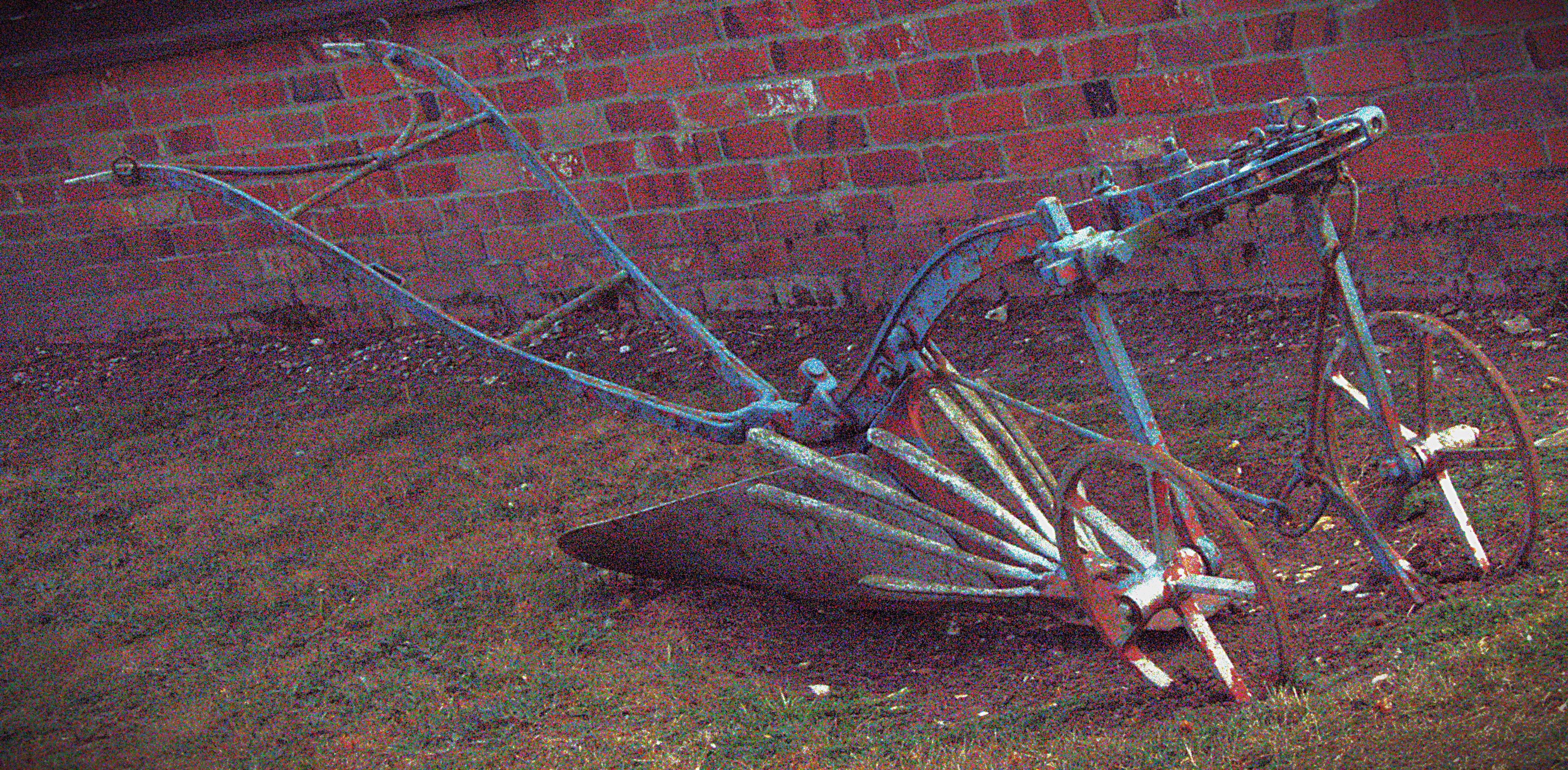
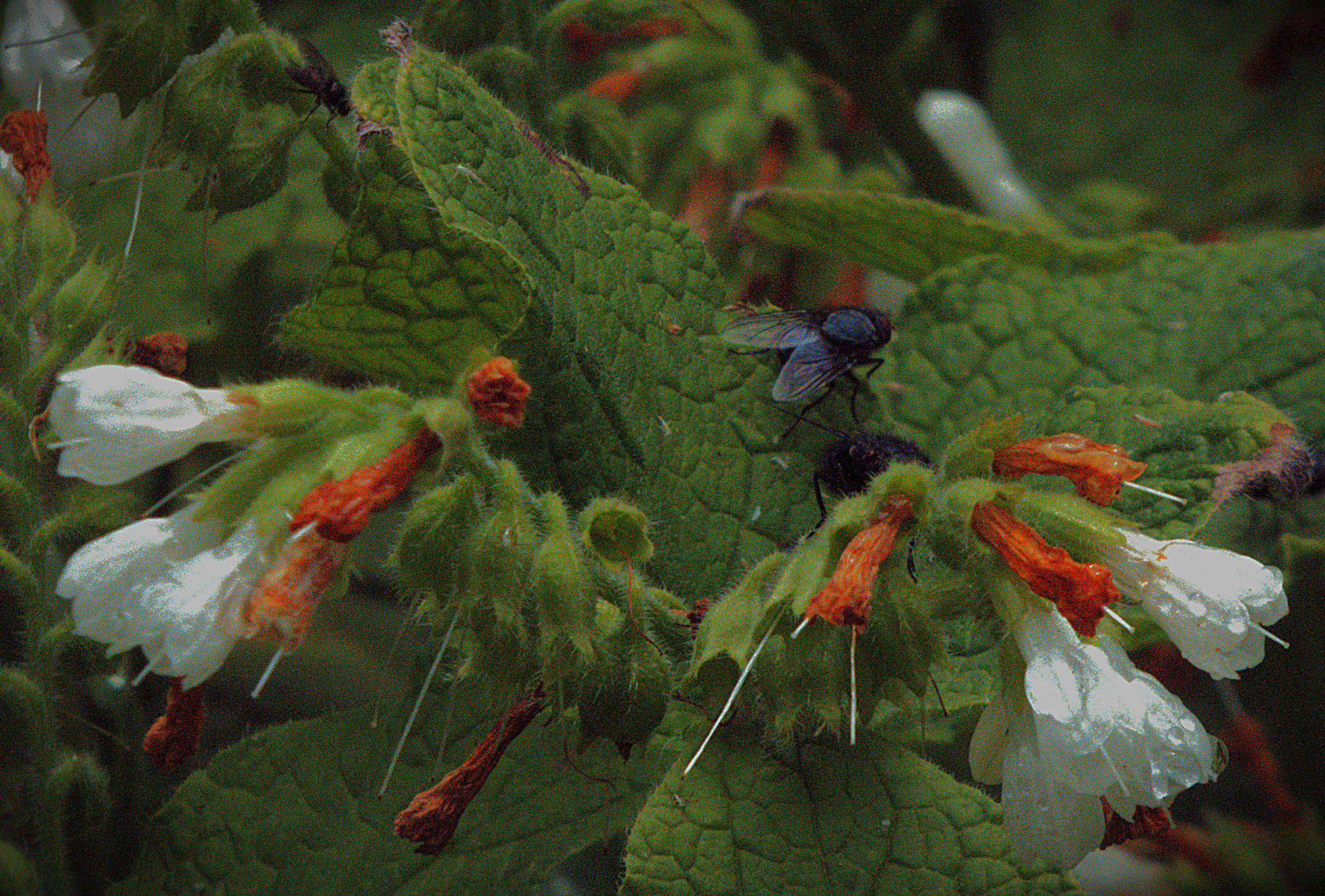
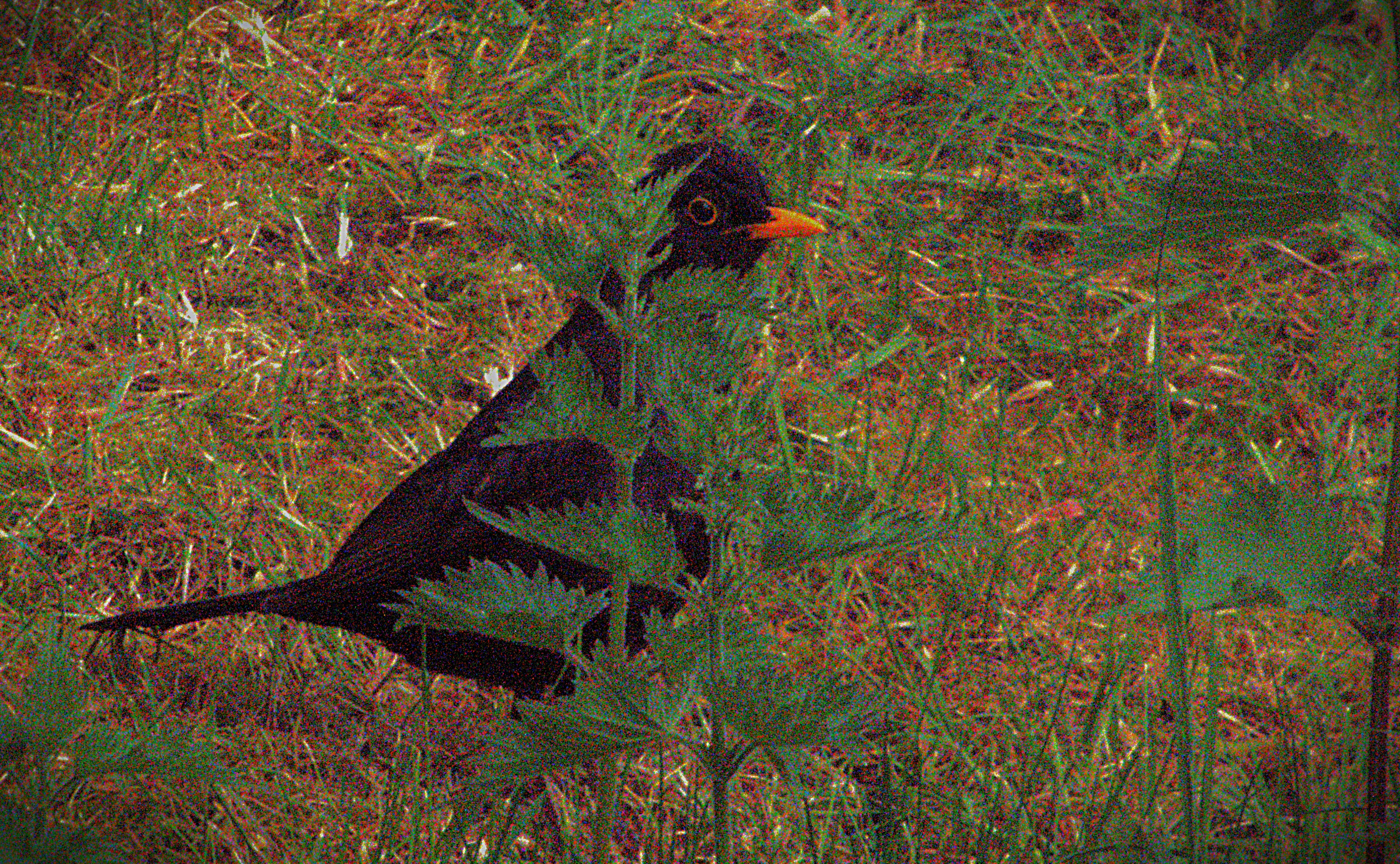
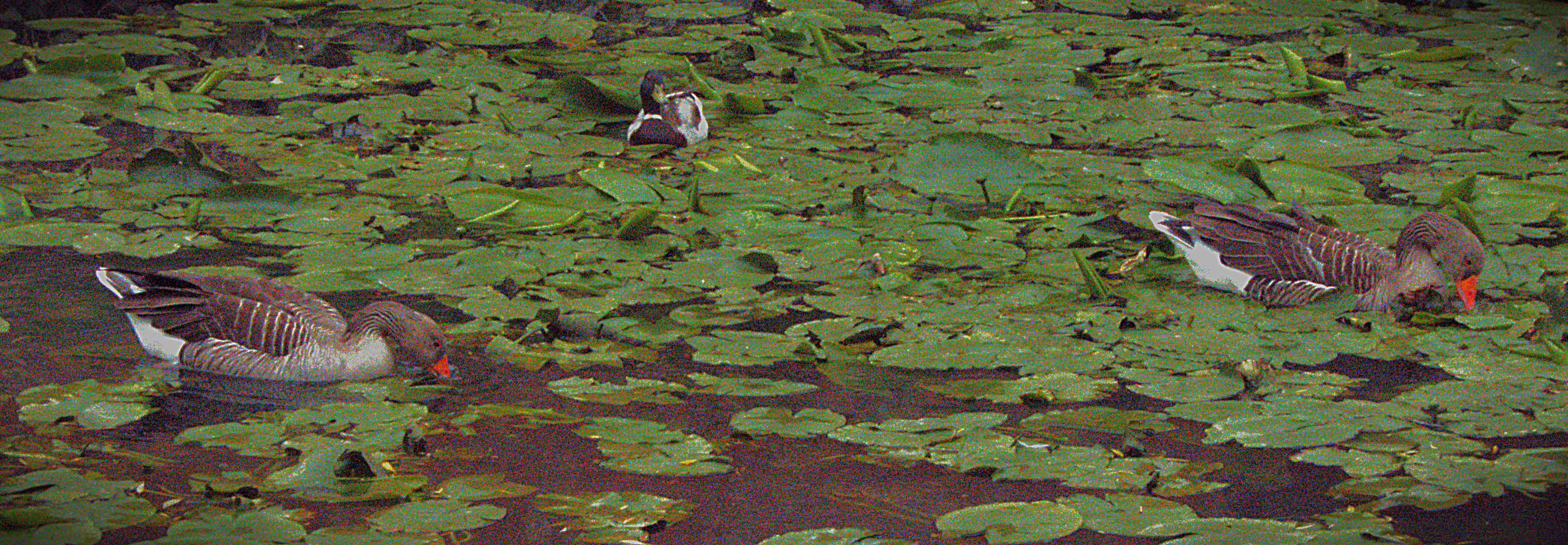
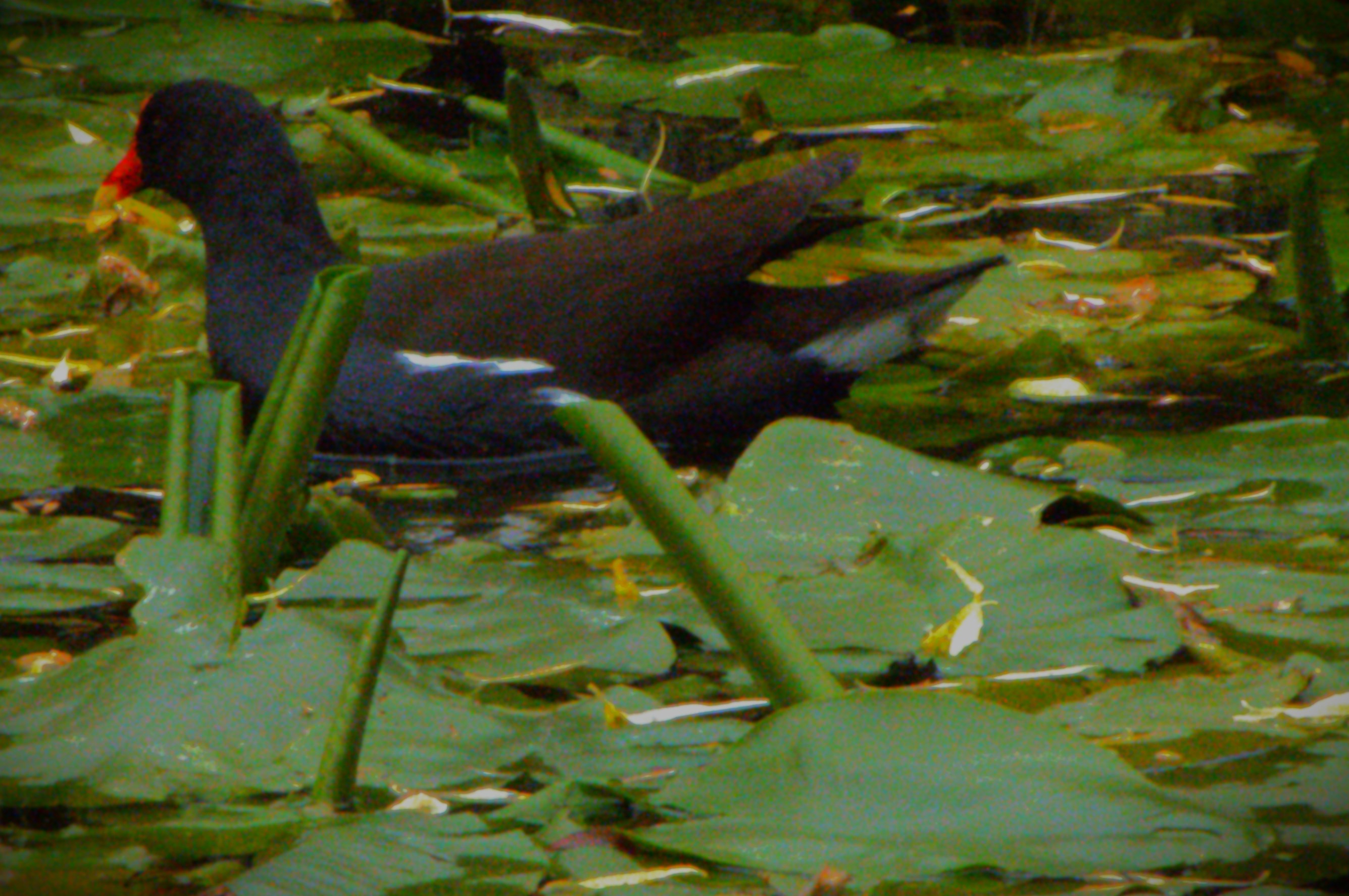
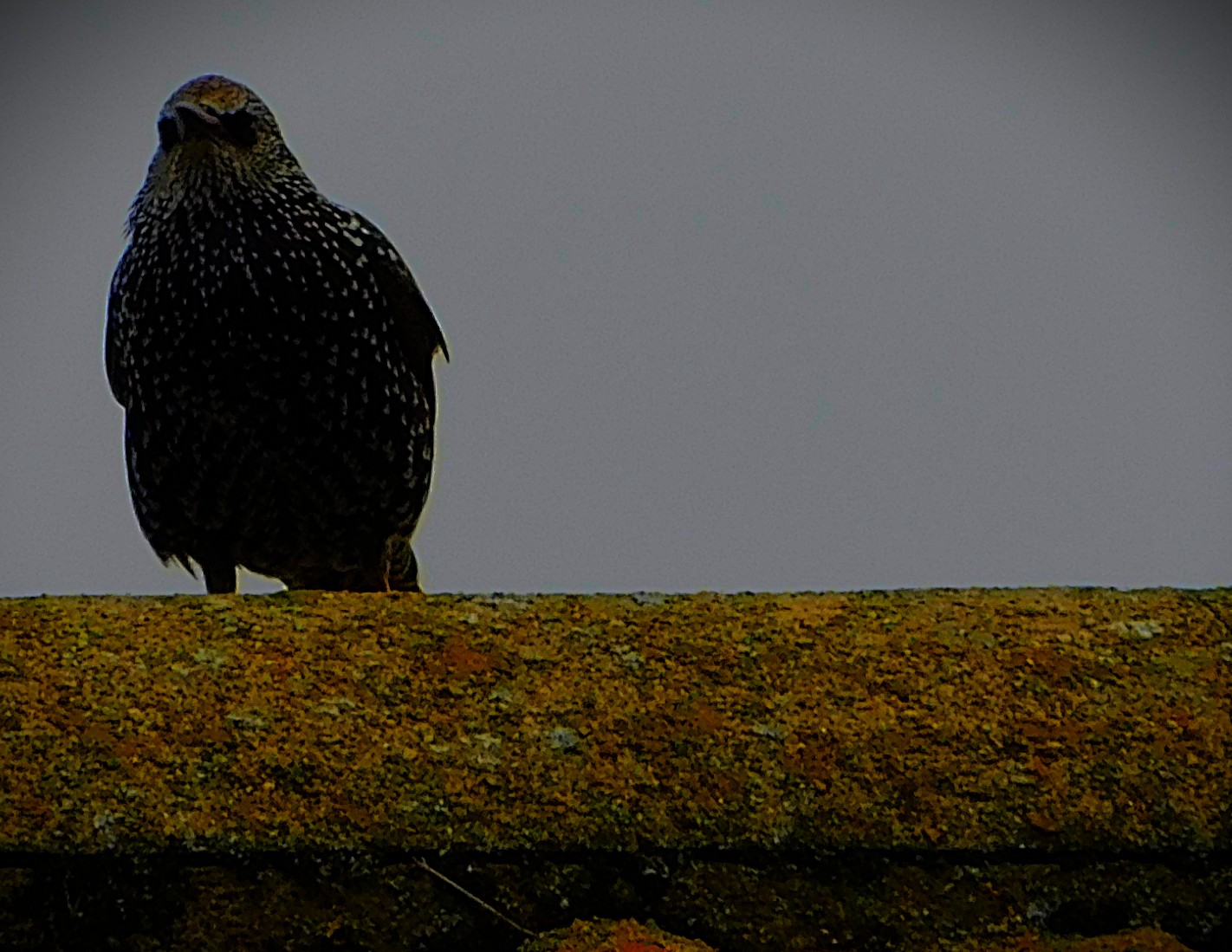
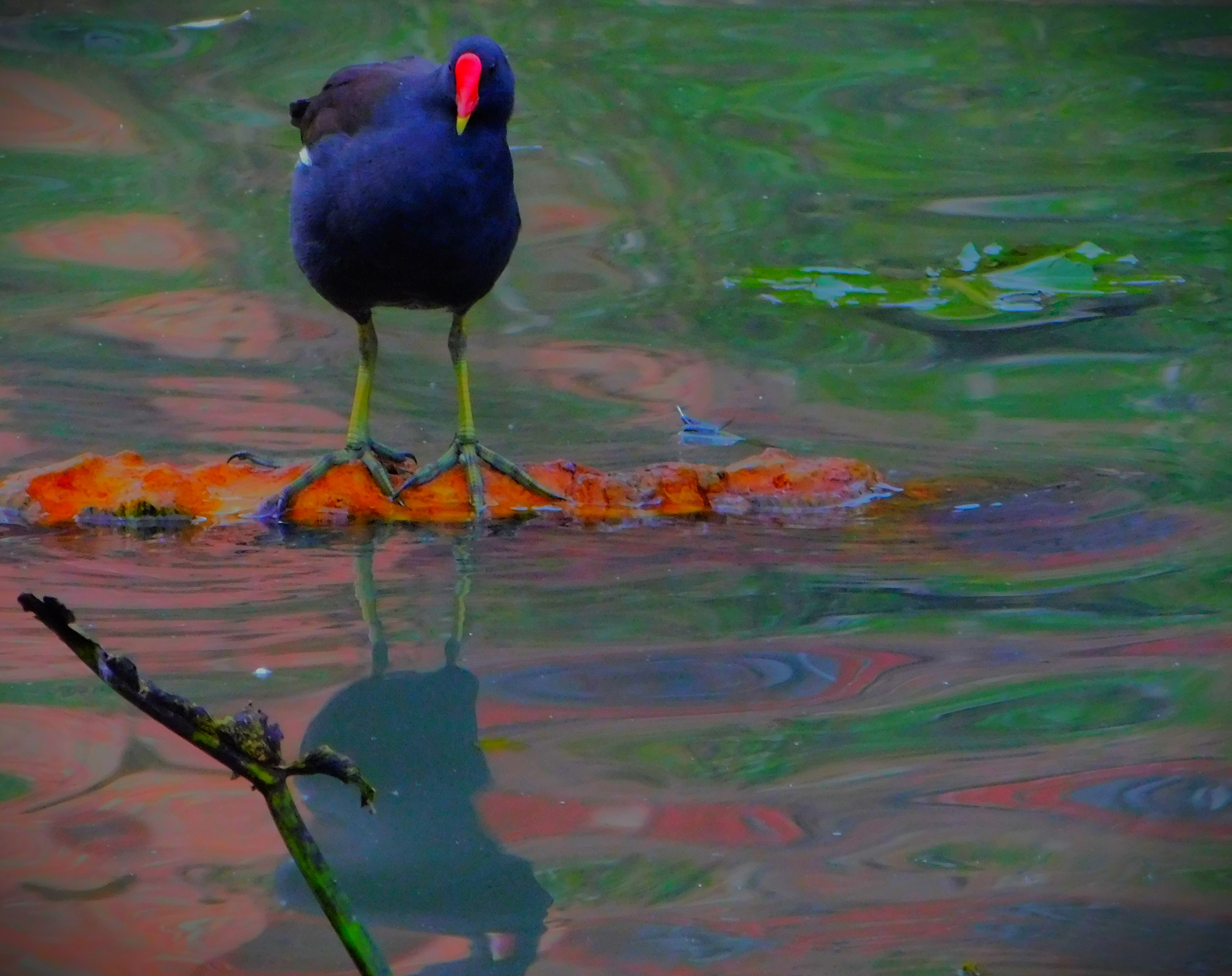
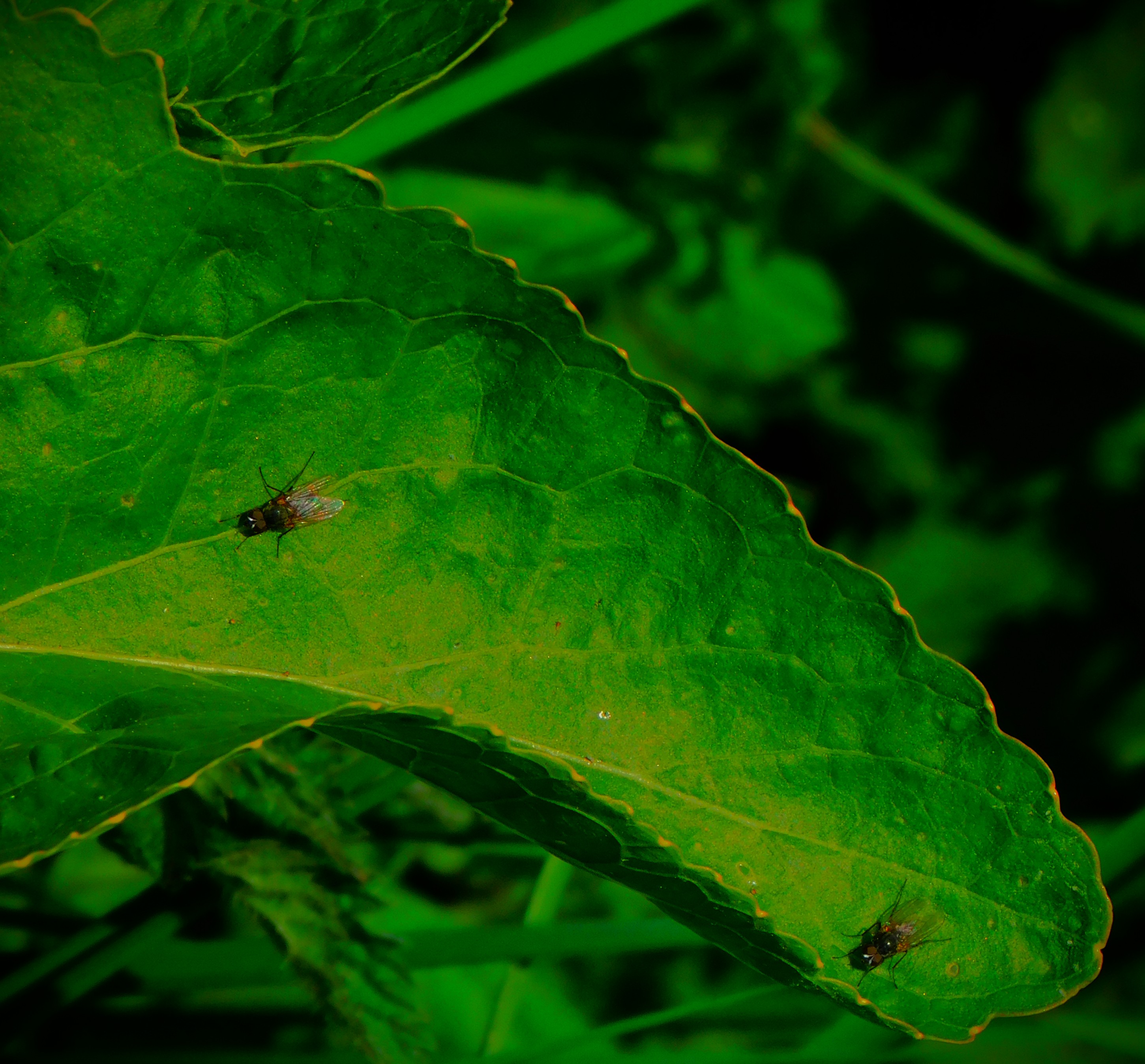
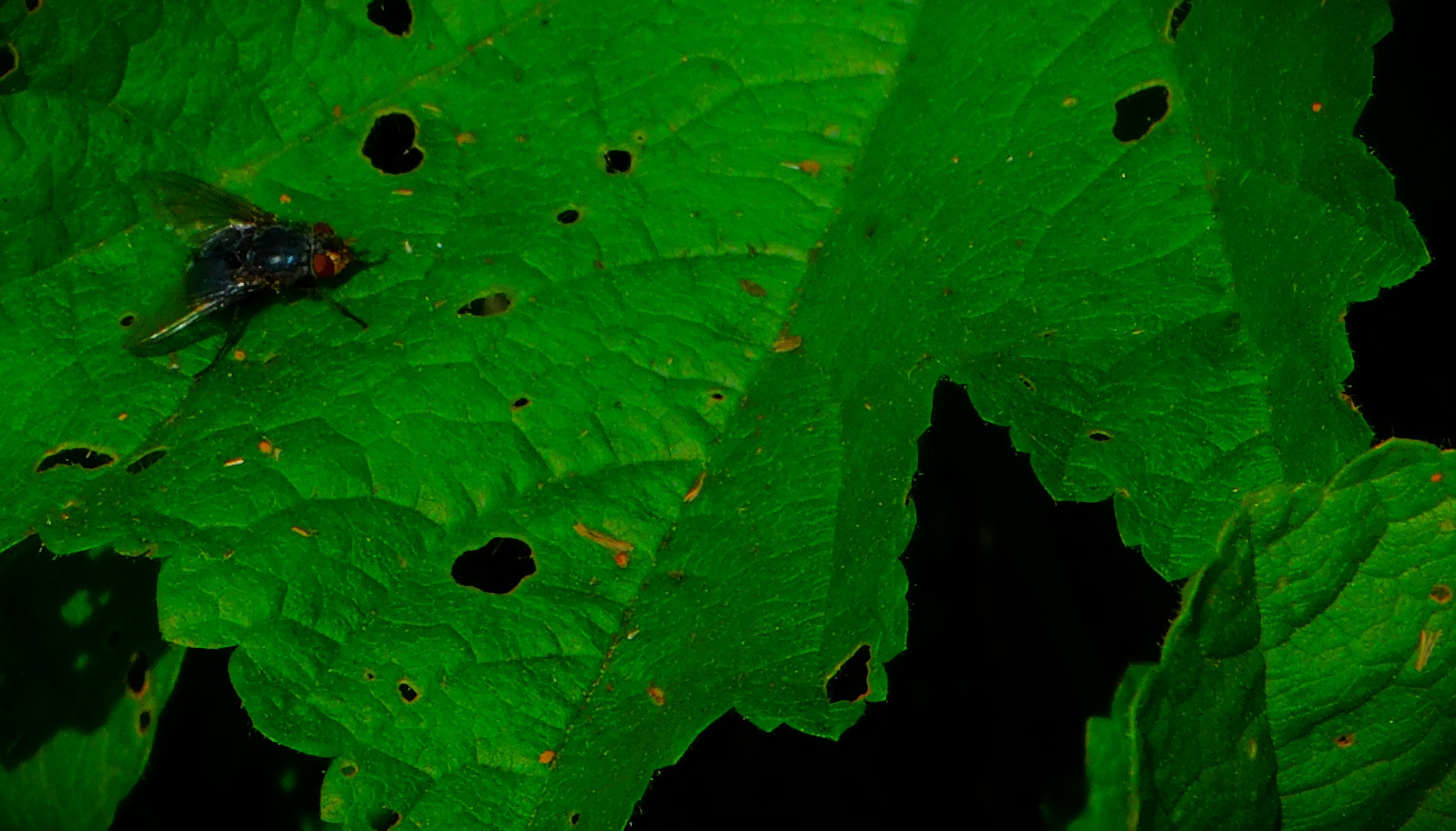
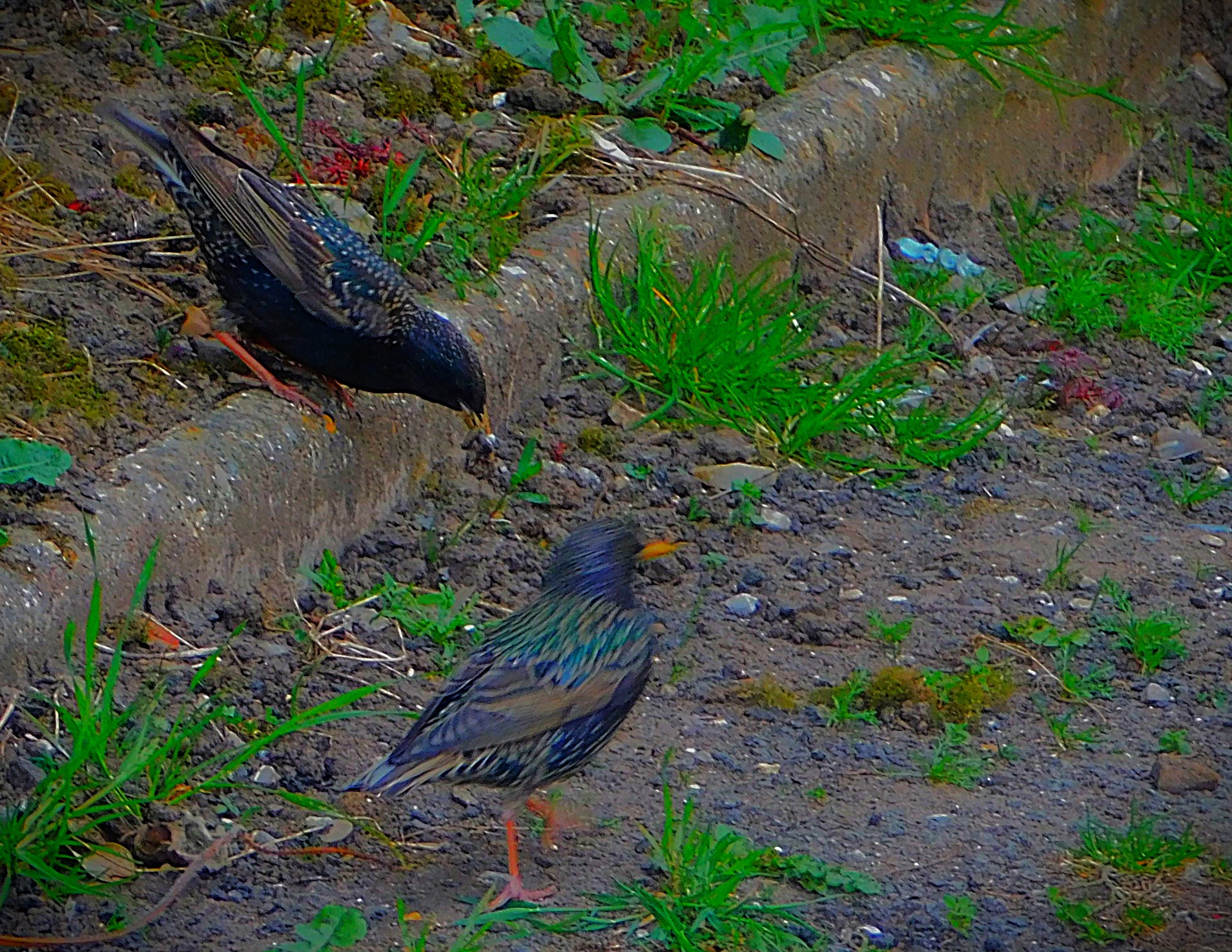
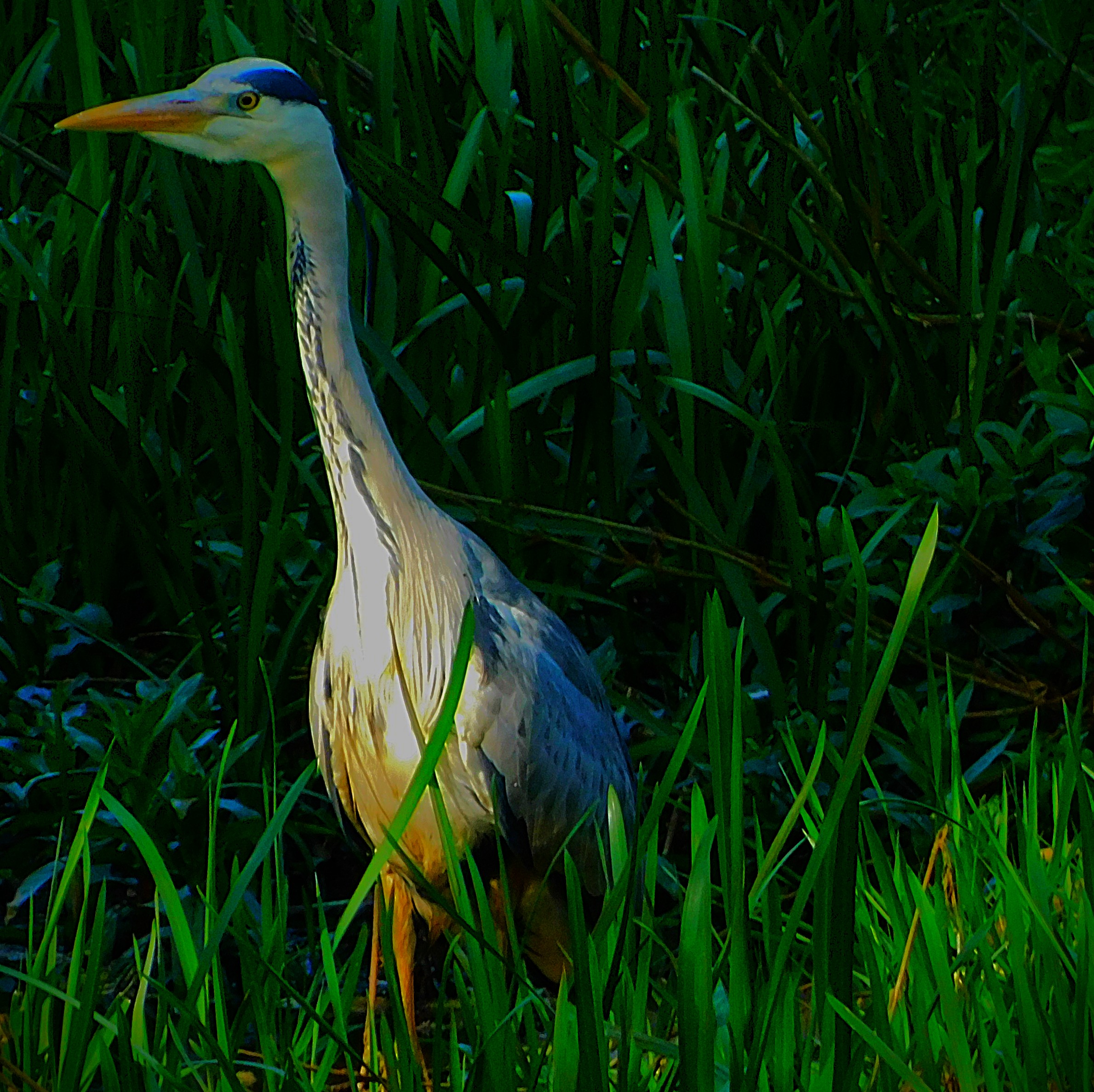
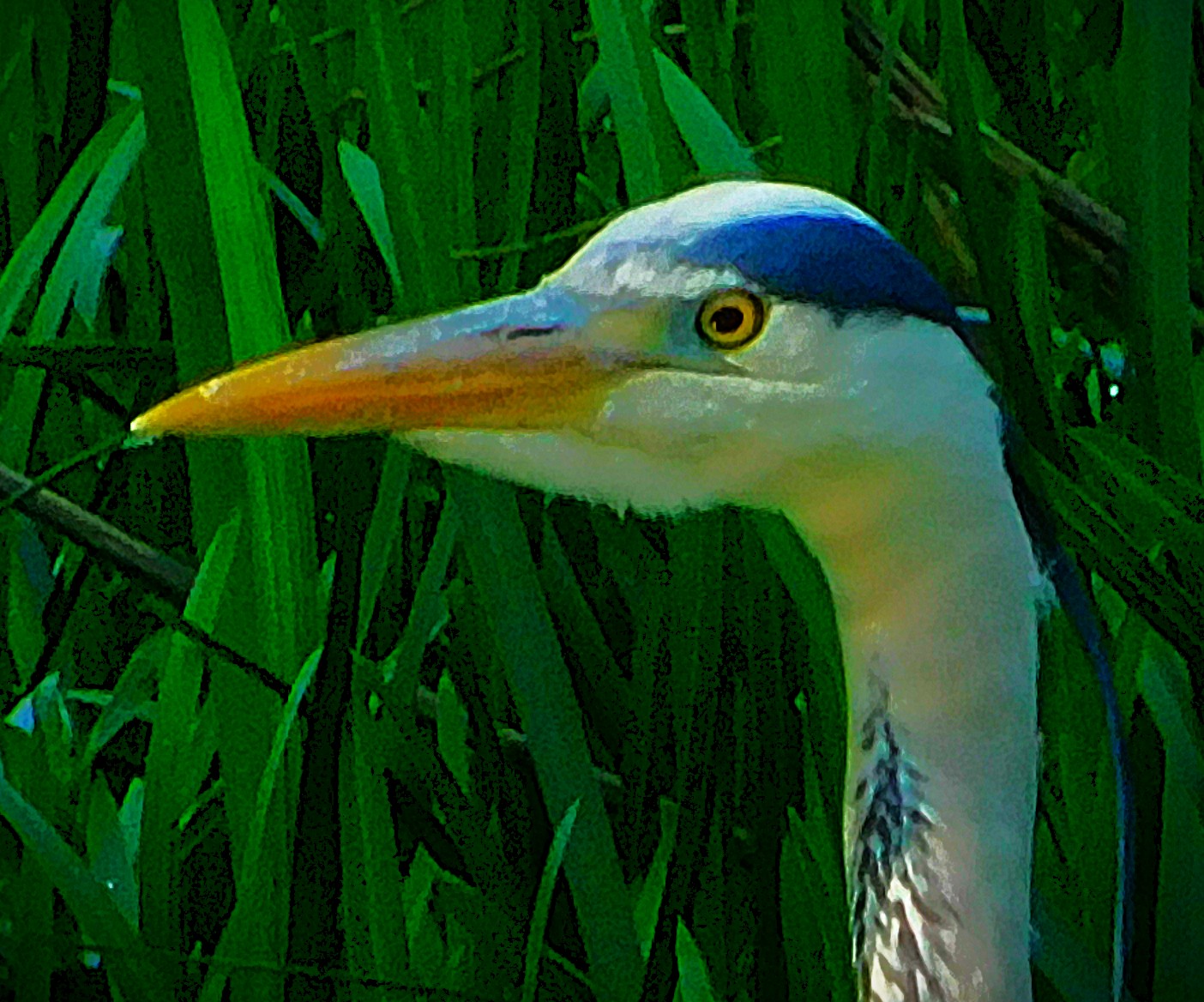
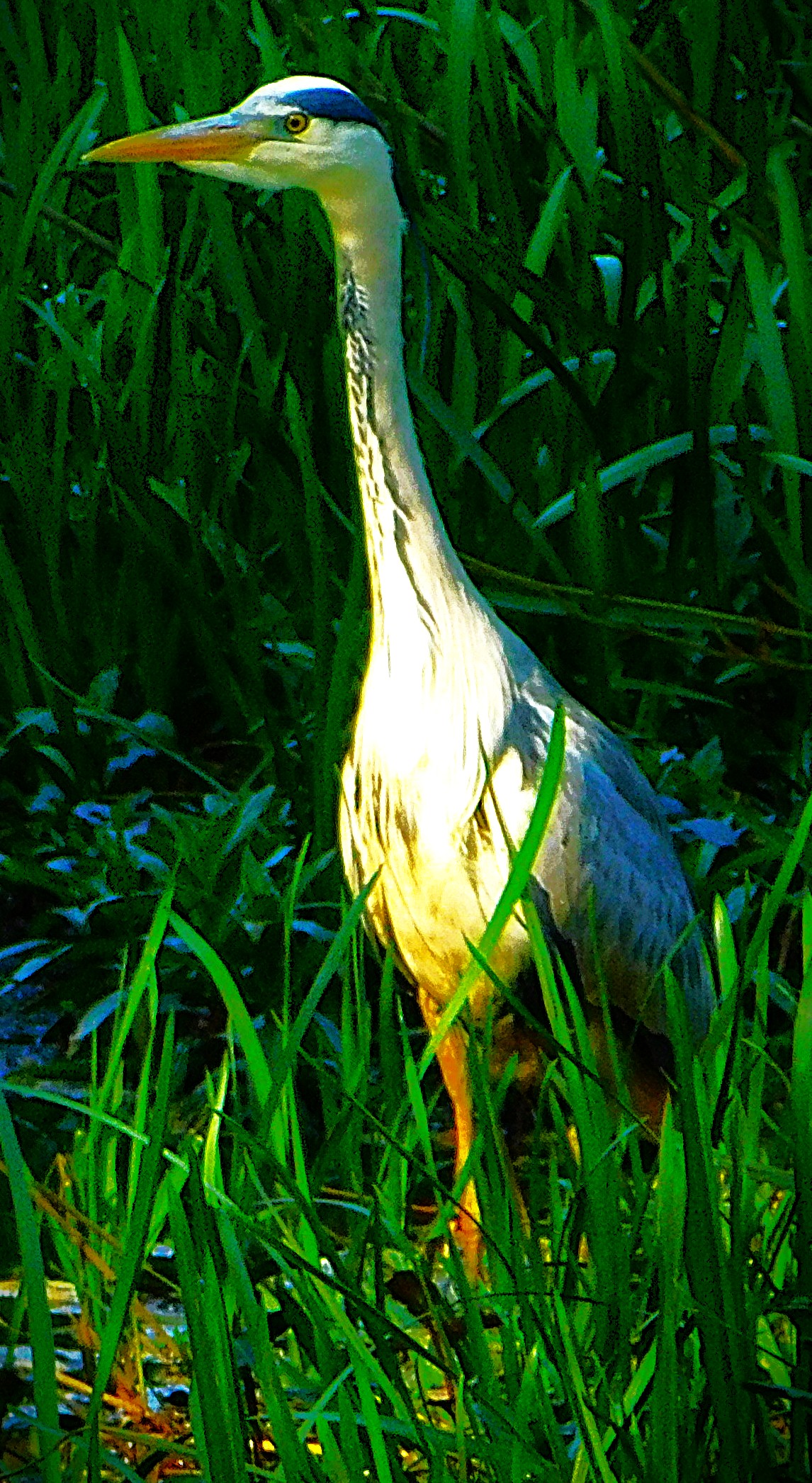
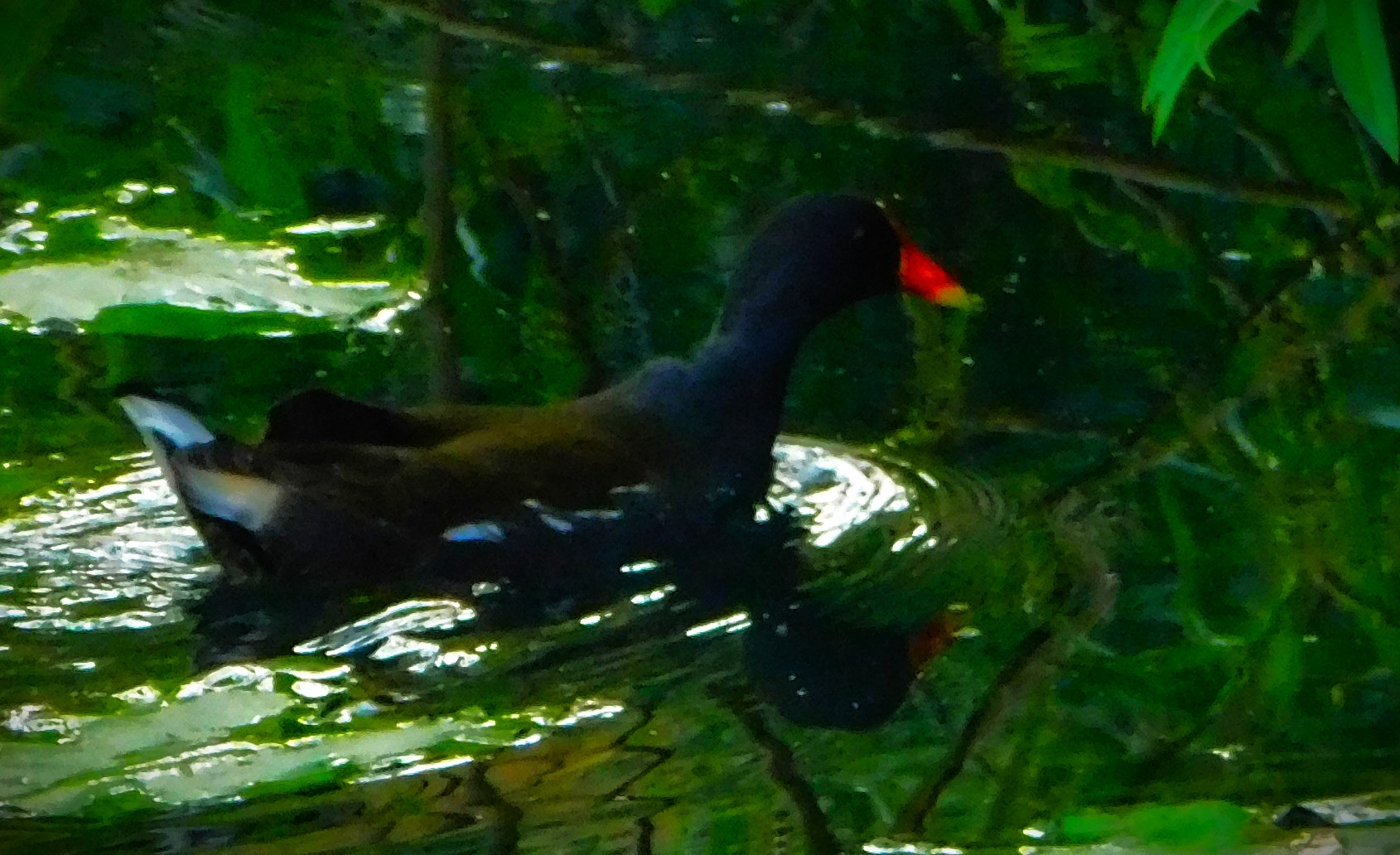
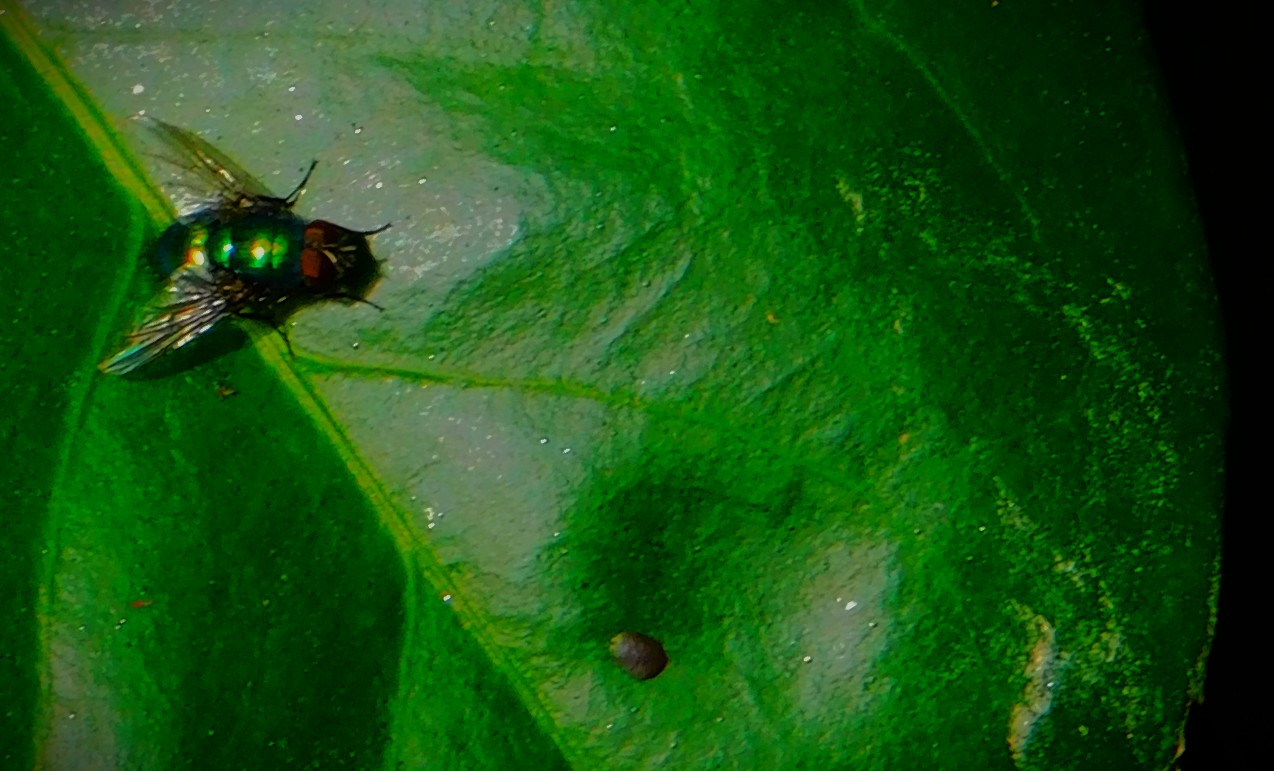
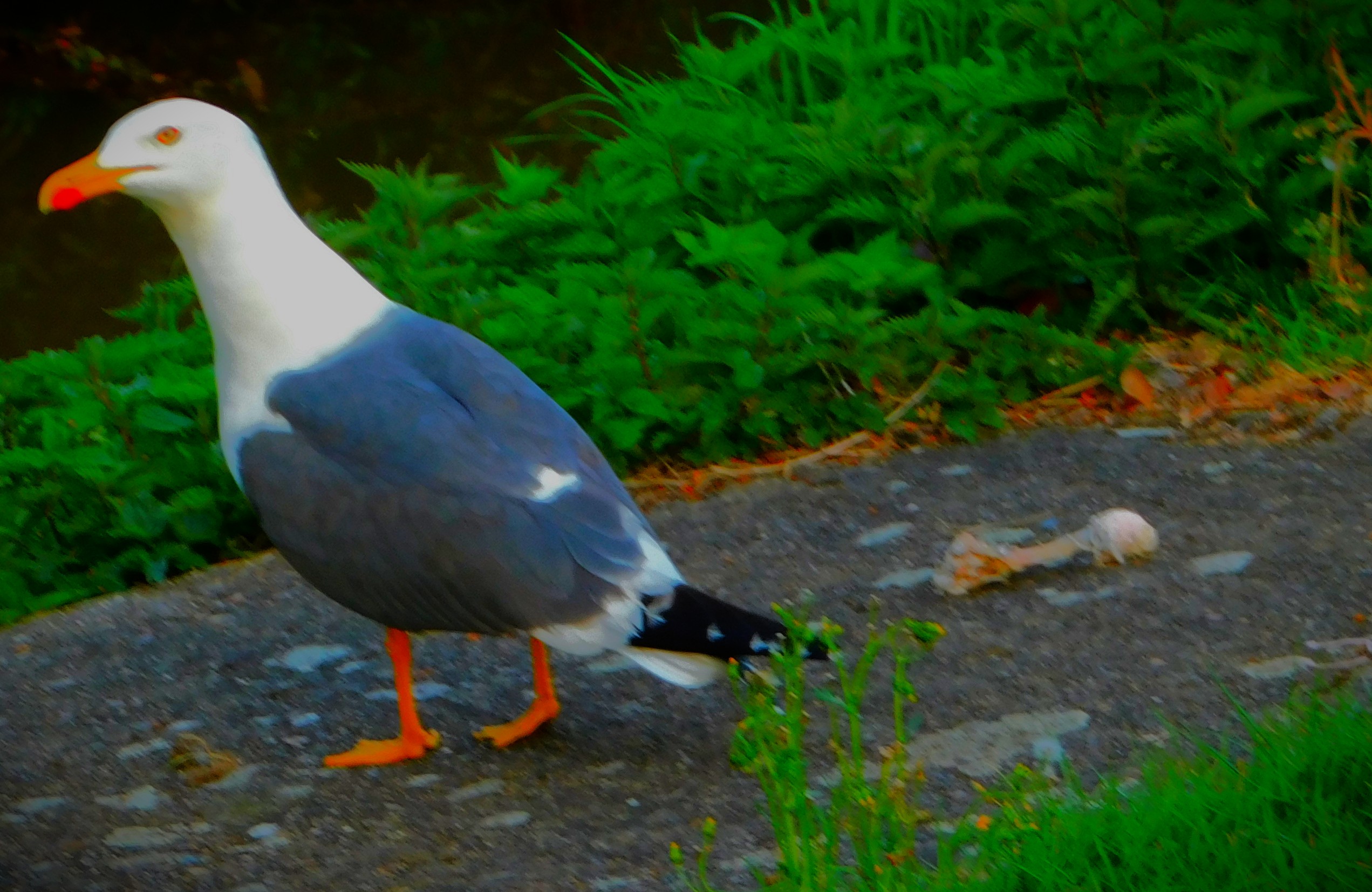
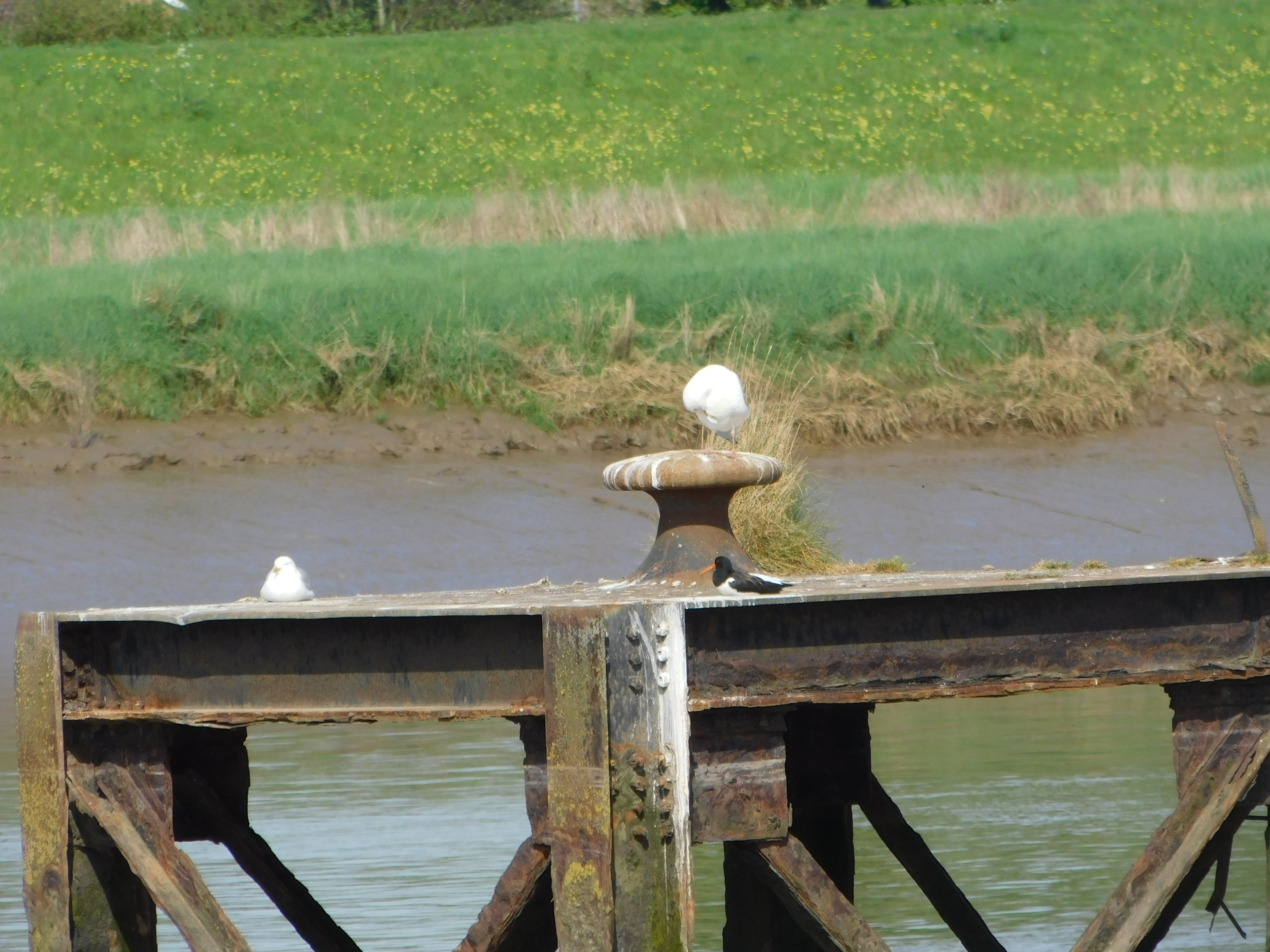
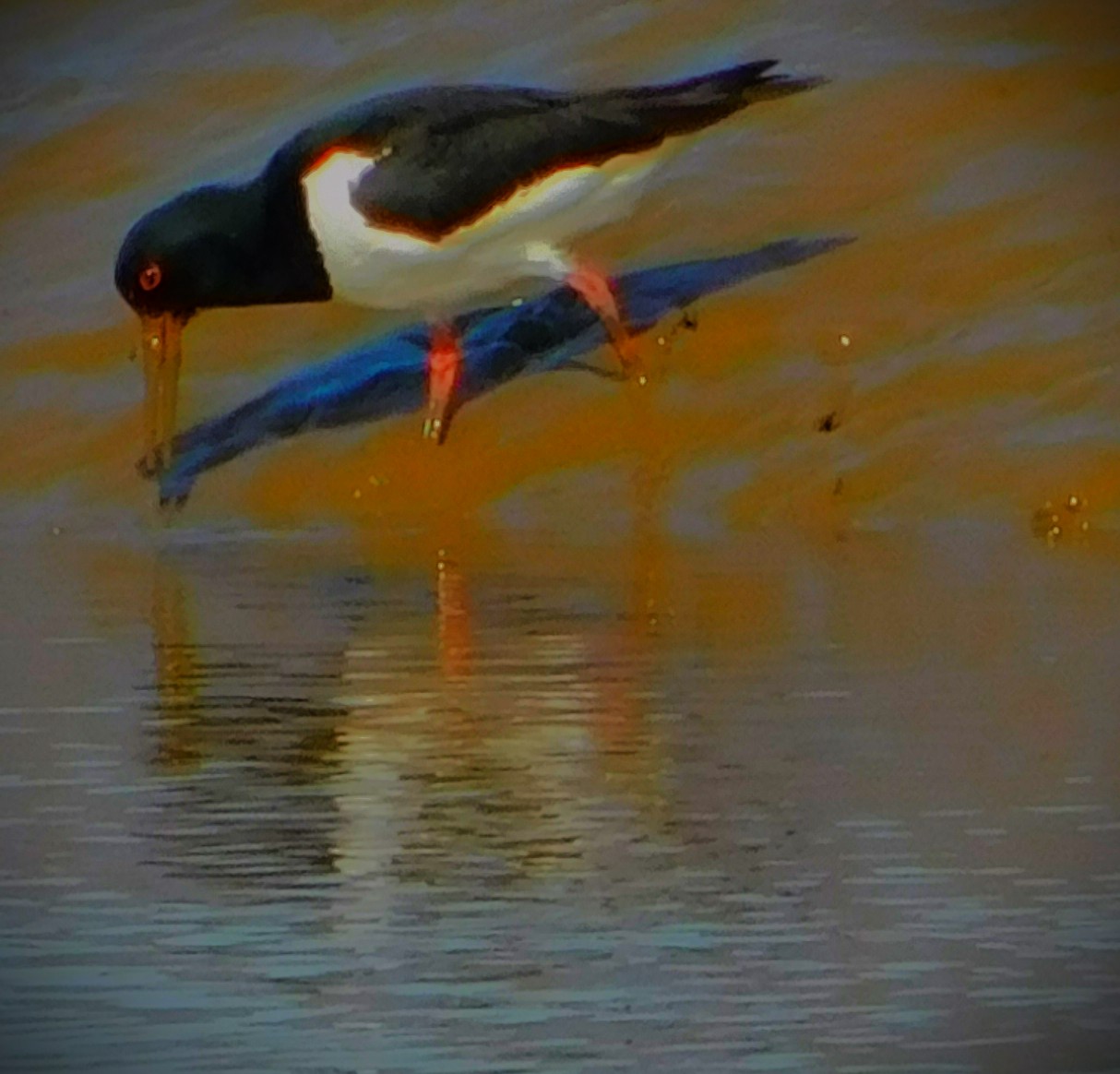
A link to a petition against the building of a monster data centre in rural west Norfolk and a photo gallery.
Just a brief post today…
PETITION AGAINST THE BUILDING OF A GIANT DATA CENTRE IN NORFOLK
Longmarsh Green Energy are planning to build a behemoth of a data centre in rural west Norfolk. To give you an idea of just how vast this data centre will be if its allowed to be built, it would occupy an area not just larger than entire village of Watlington which it would adjoin, but a larger area than the nearest town to Watlington, Downham Market. I cannot imagine anywhere that would actually be improved by the construction of something like this, but rural west Norfolk would suffer even more from this than many locations. A petition is running against this, which you can sign and share by clicking here.
PHOTOGRAPHS
As always I include a photo gallery…
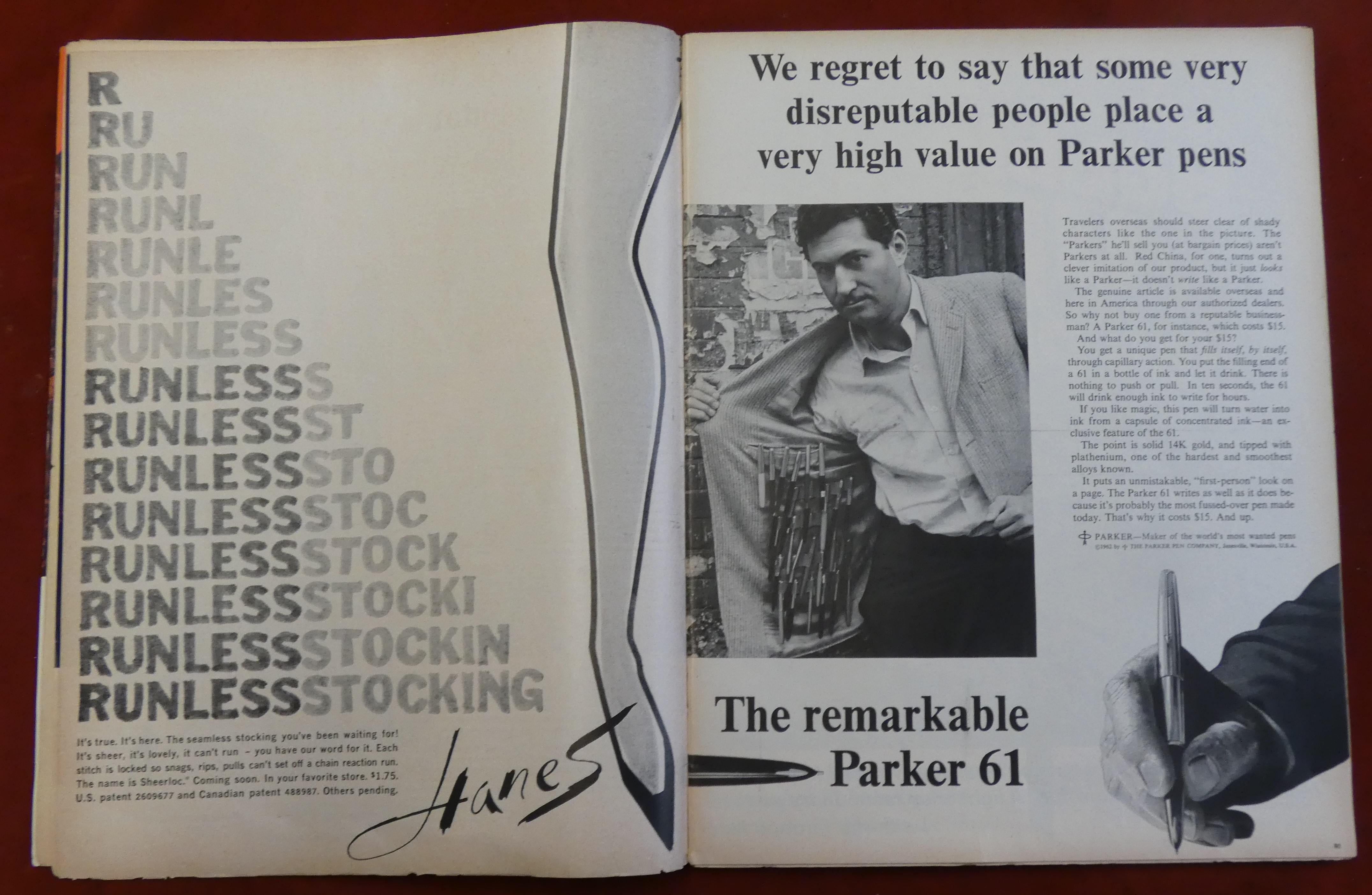
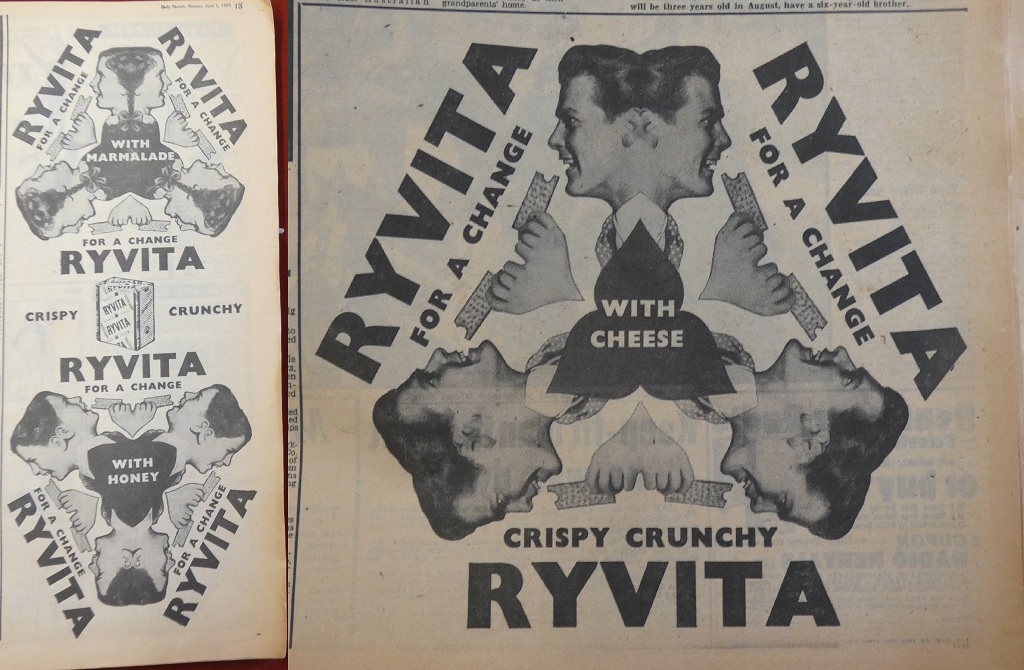
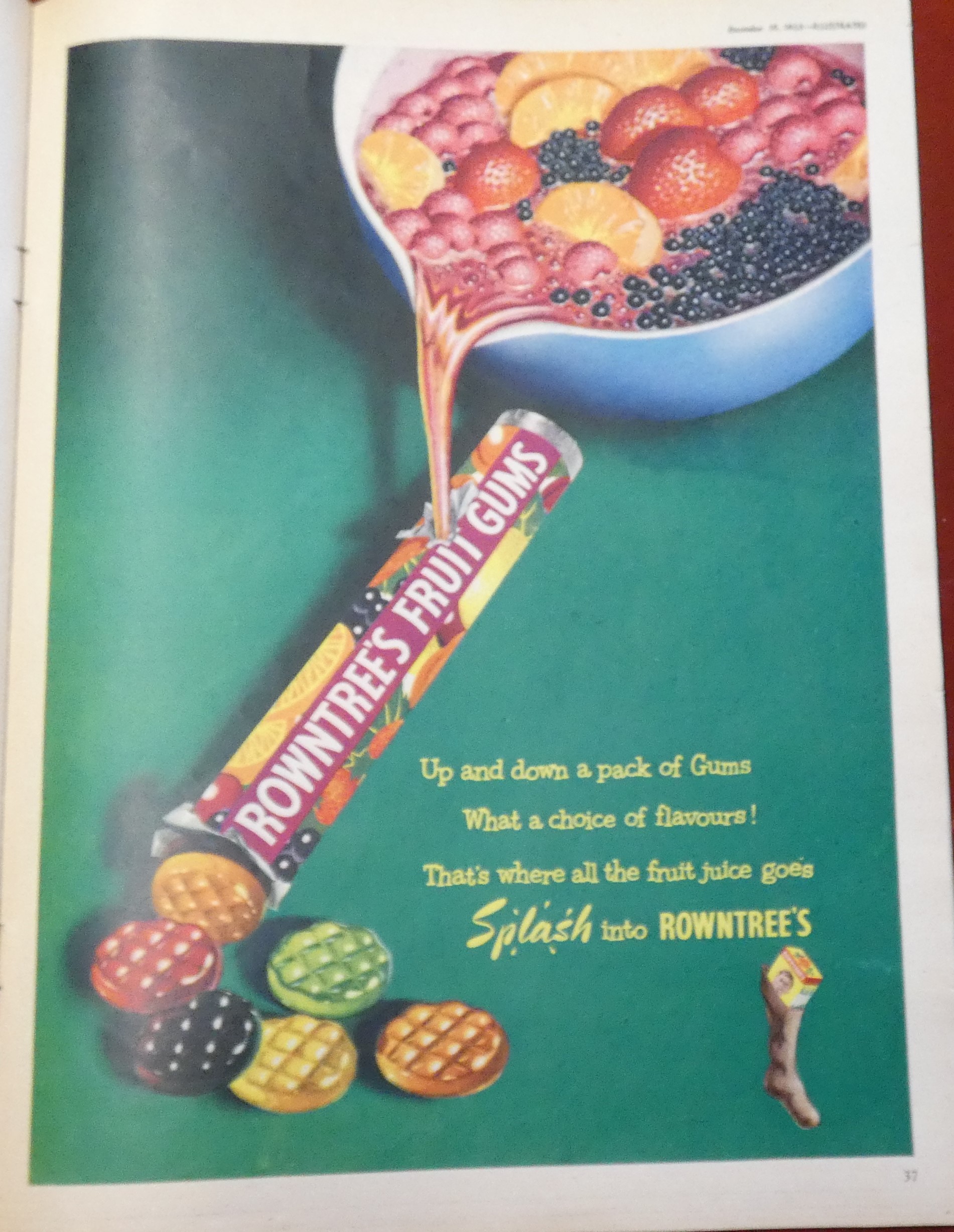
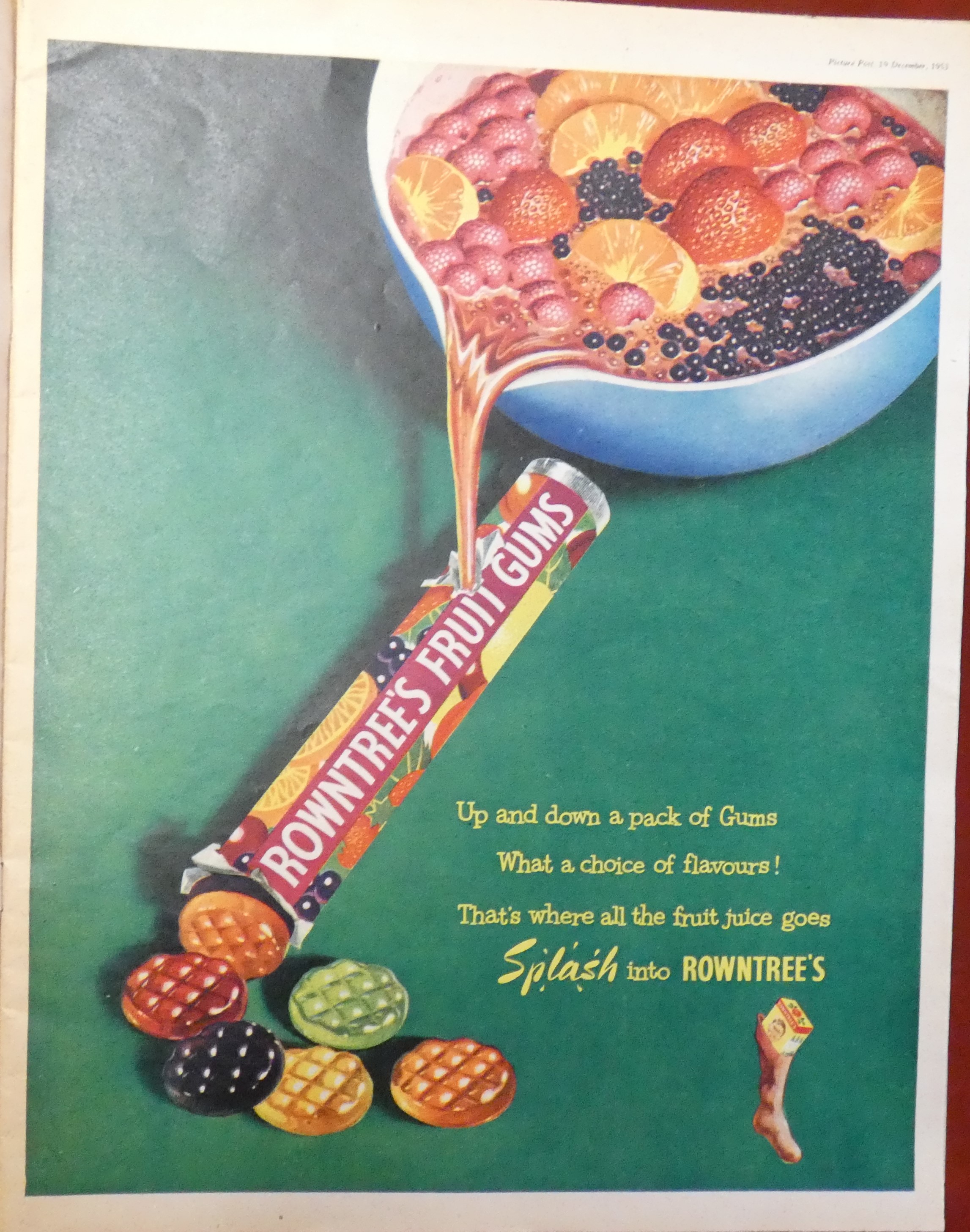
The first 13 images of this gallery are an entire gallery for one lot, featuring ads and general content.On the left side of this composite is an advert that was a vertical half page, while on the right was a square advert that occupied about two-thirds of the page on which it appeared. This is a standalone selection from another lot.
A brief look at some of my recent work at James and Sons, including photos, and a regular photo gallery.
One of the things I have been doing recently at James and Sons is describing an imaging a large collection of old newspapers and magazines. This post looks at that process.
WHAT TO LOOK FOR
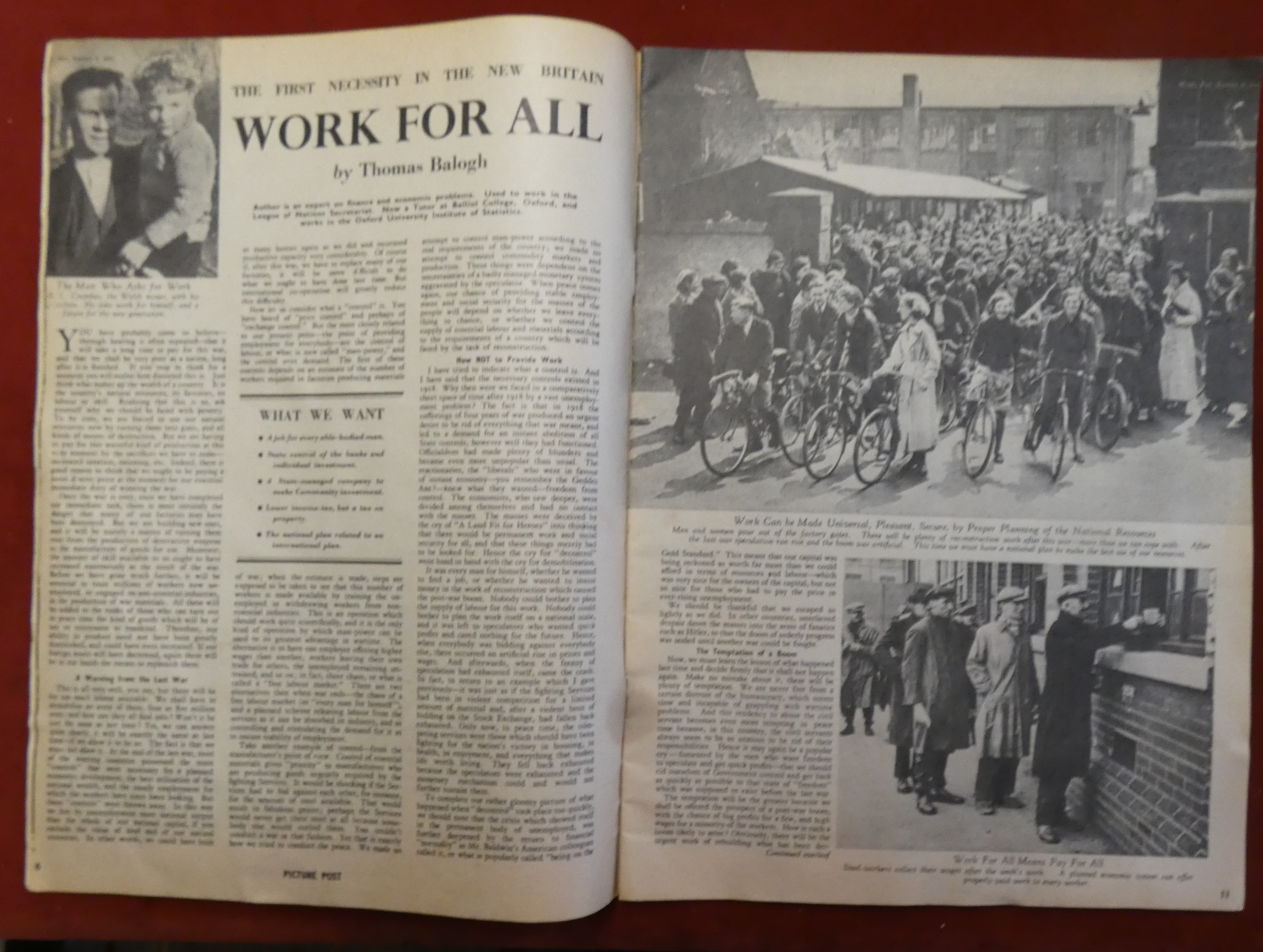
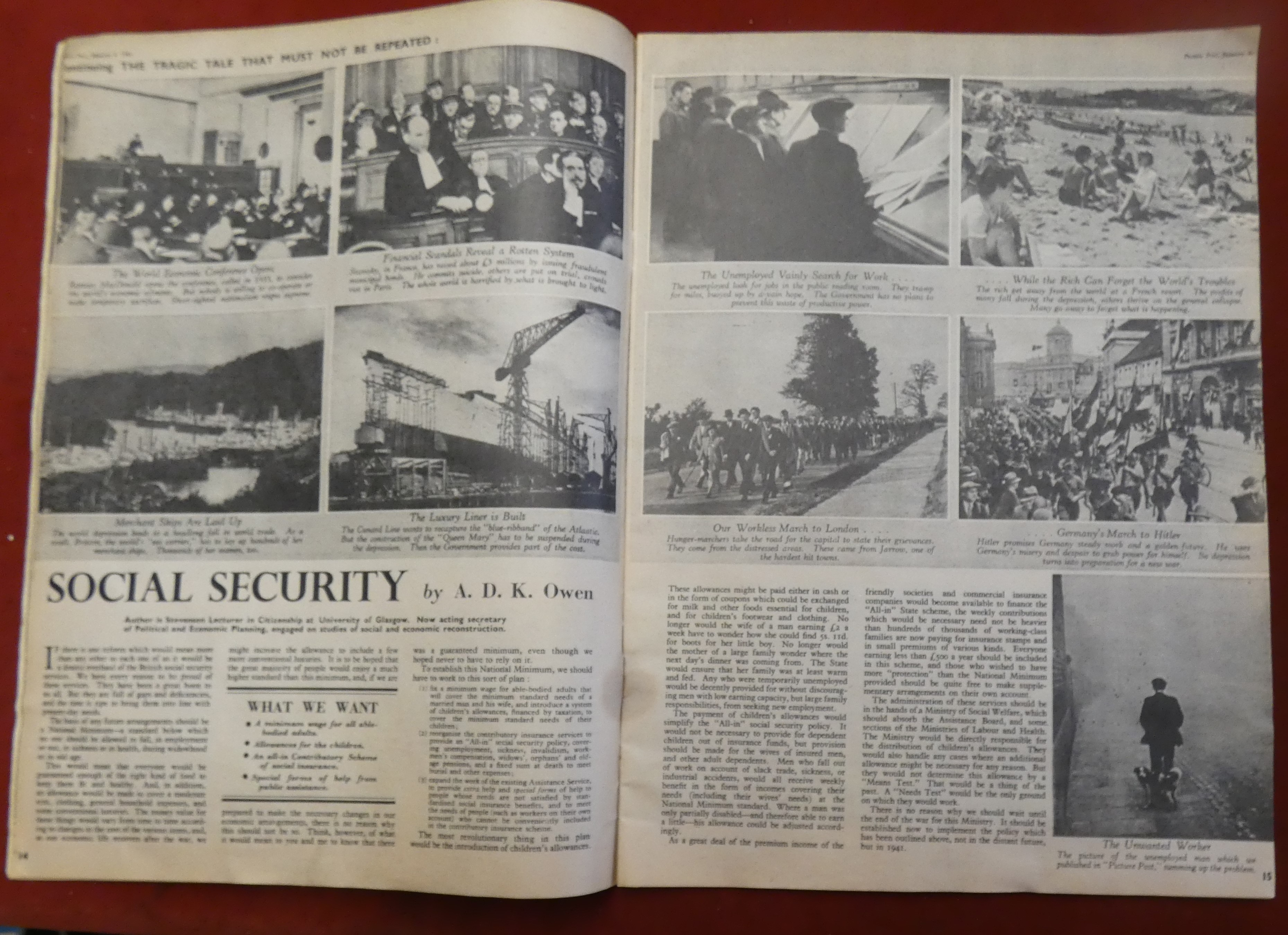
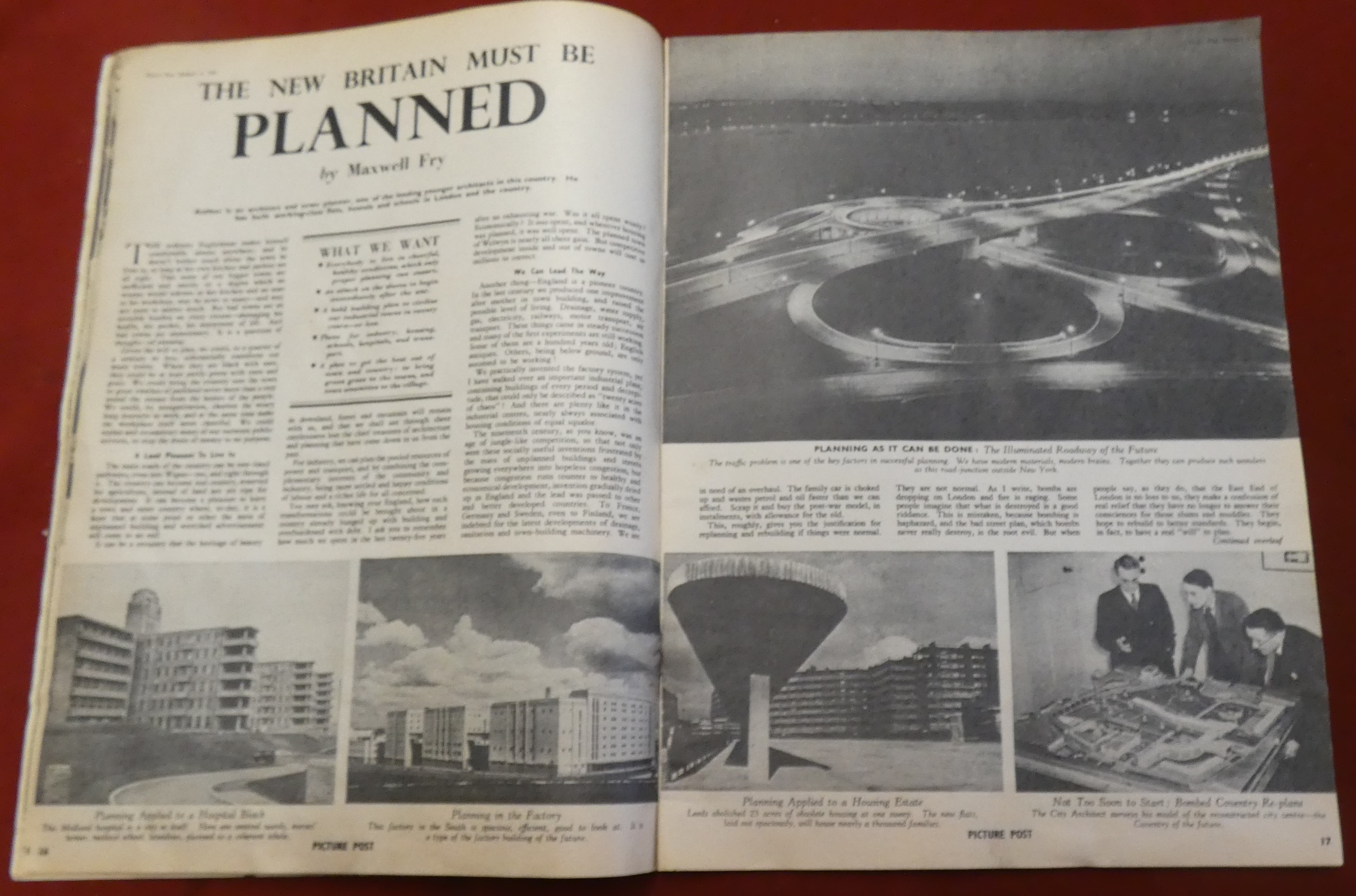
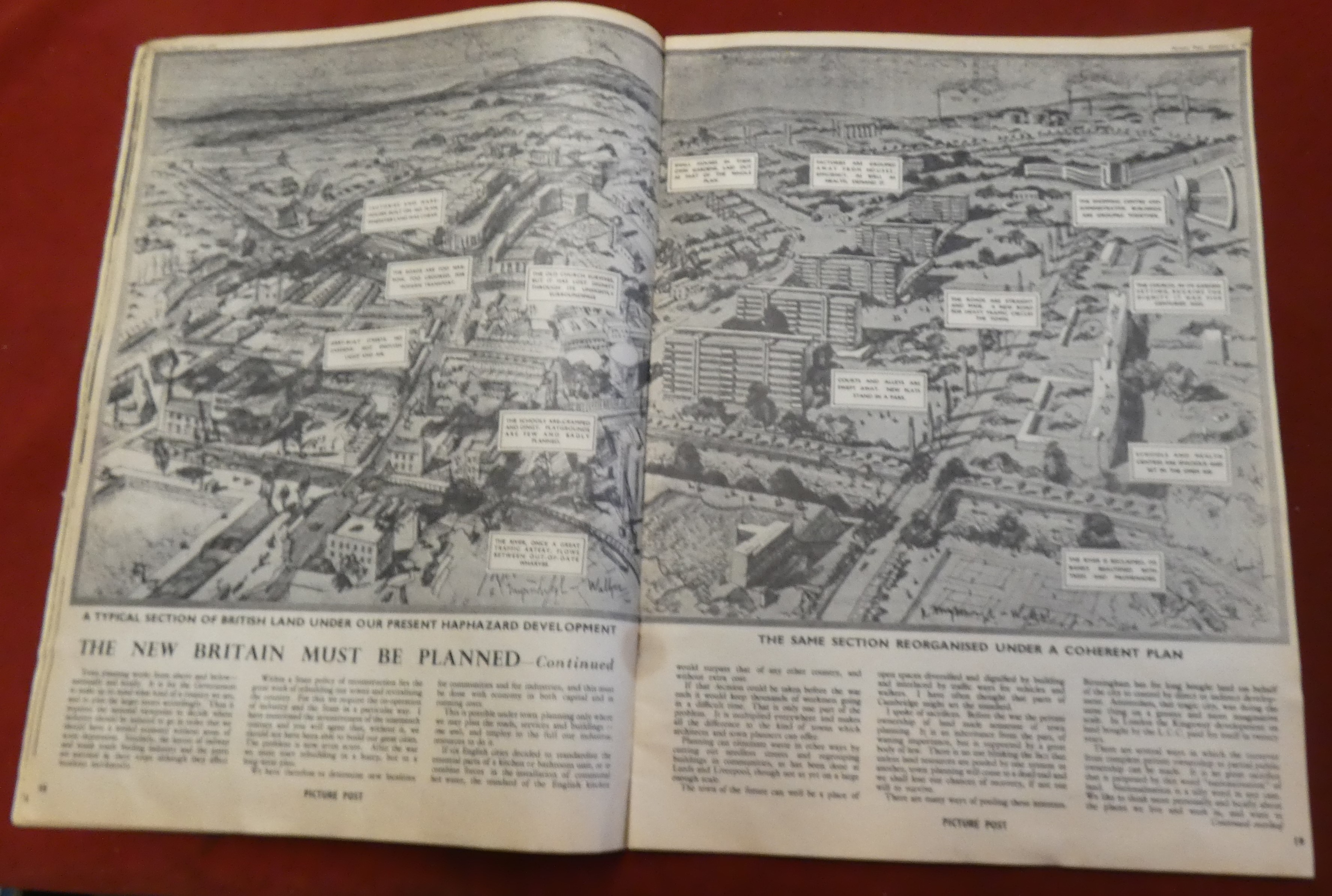
The condition has to be assessed – even if the item is very old one cannot expect imperfections to be overlooked. In the oldest stuff (1850s-1870s in this context) there are rarely any adverts, so it is purely about general content. From the tail-end of the Victorian era onwards ads play a much bigger role, and while genuinely interesting content should be noted it is often the ads that are the main selling point. Once the descriptions have been typed in the image gallery then has to back them up. I have some sample images to show to end this section.
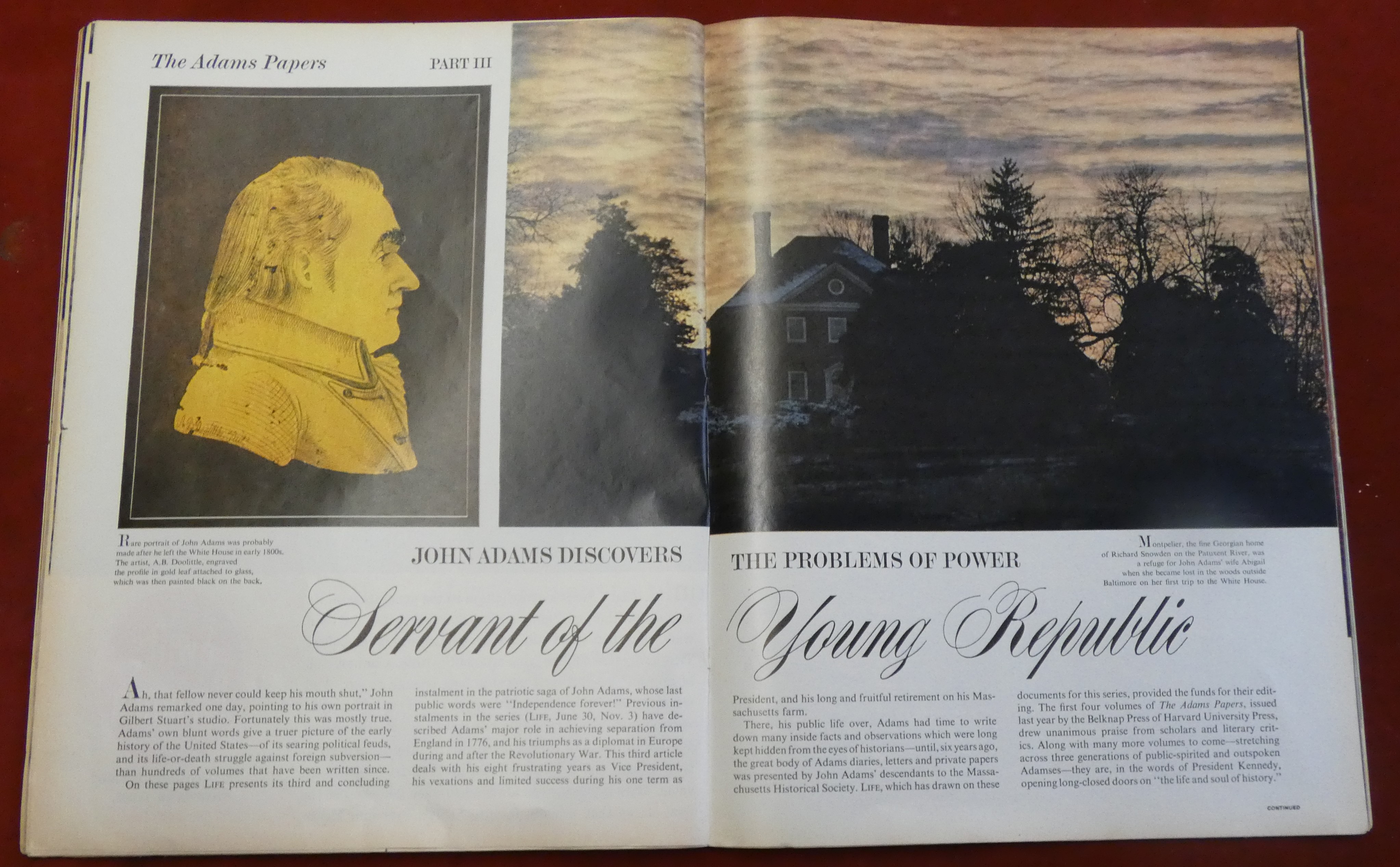
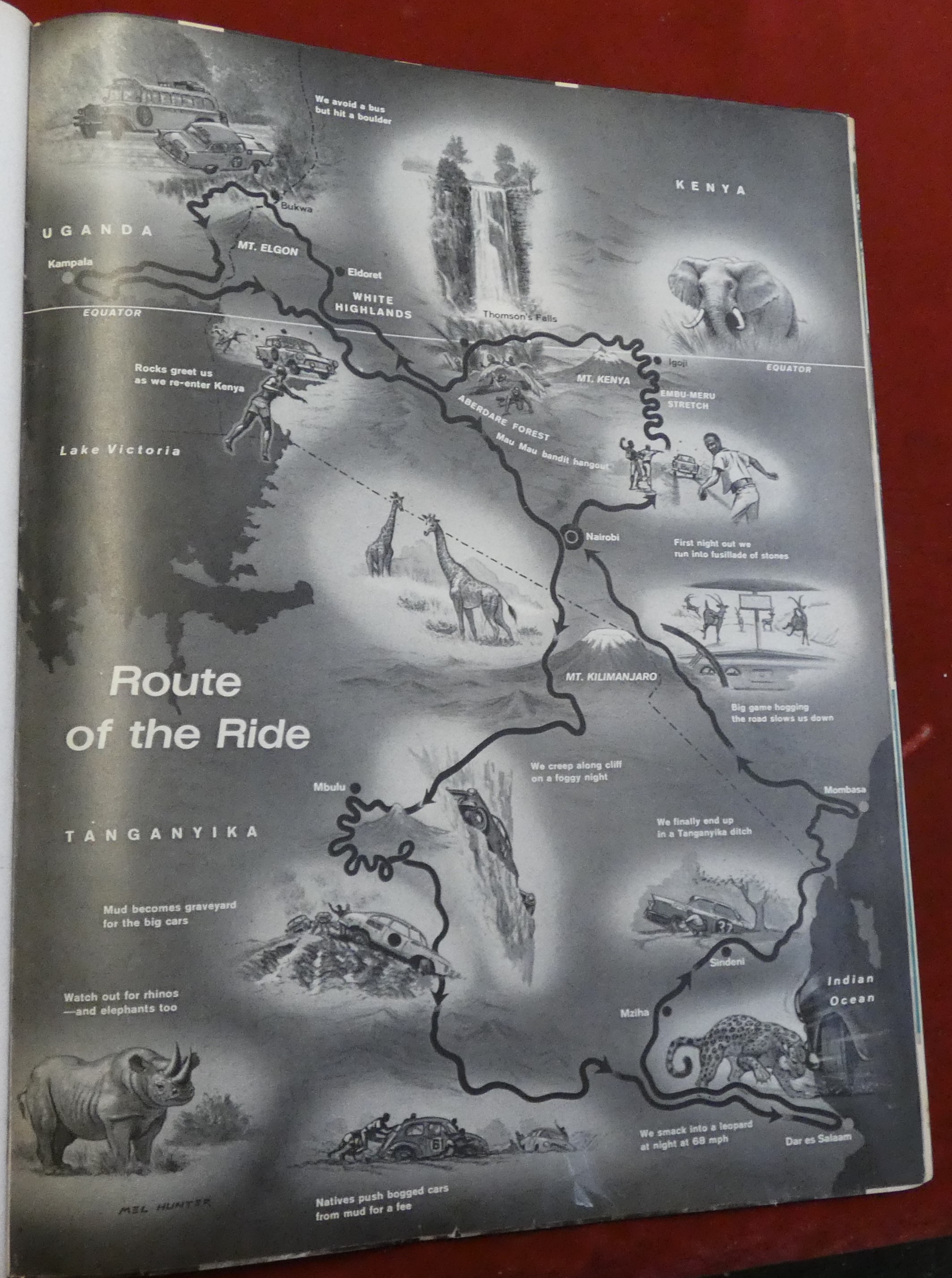
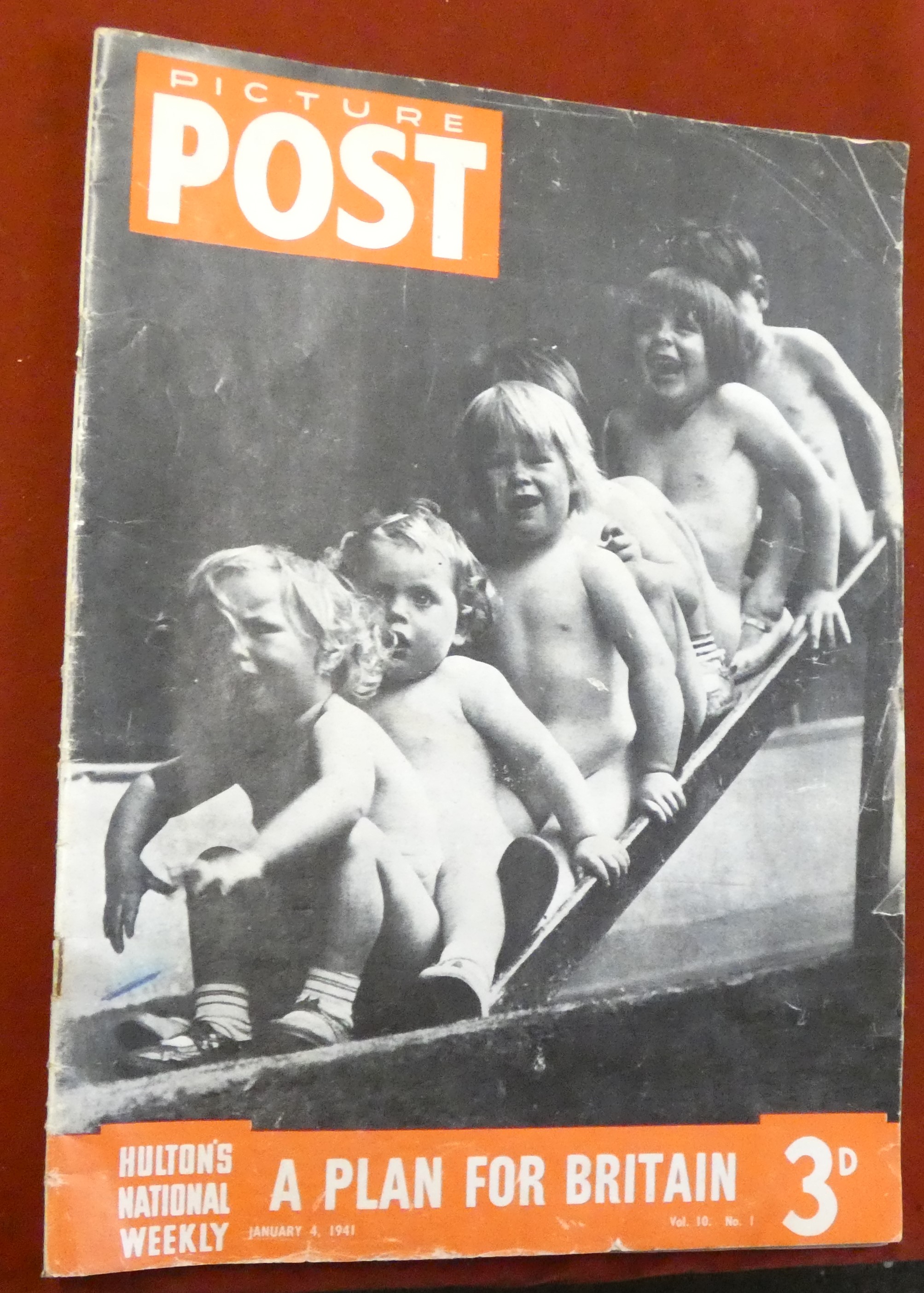
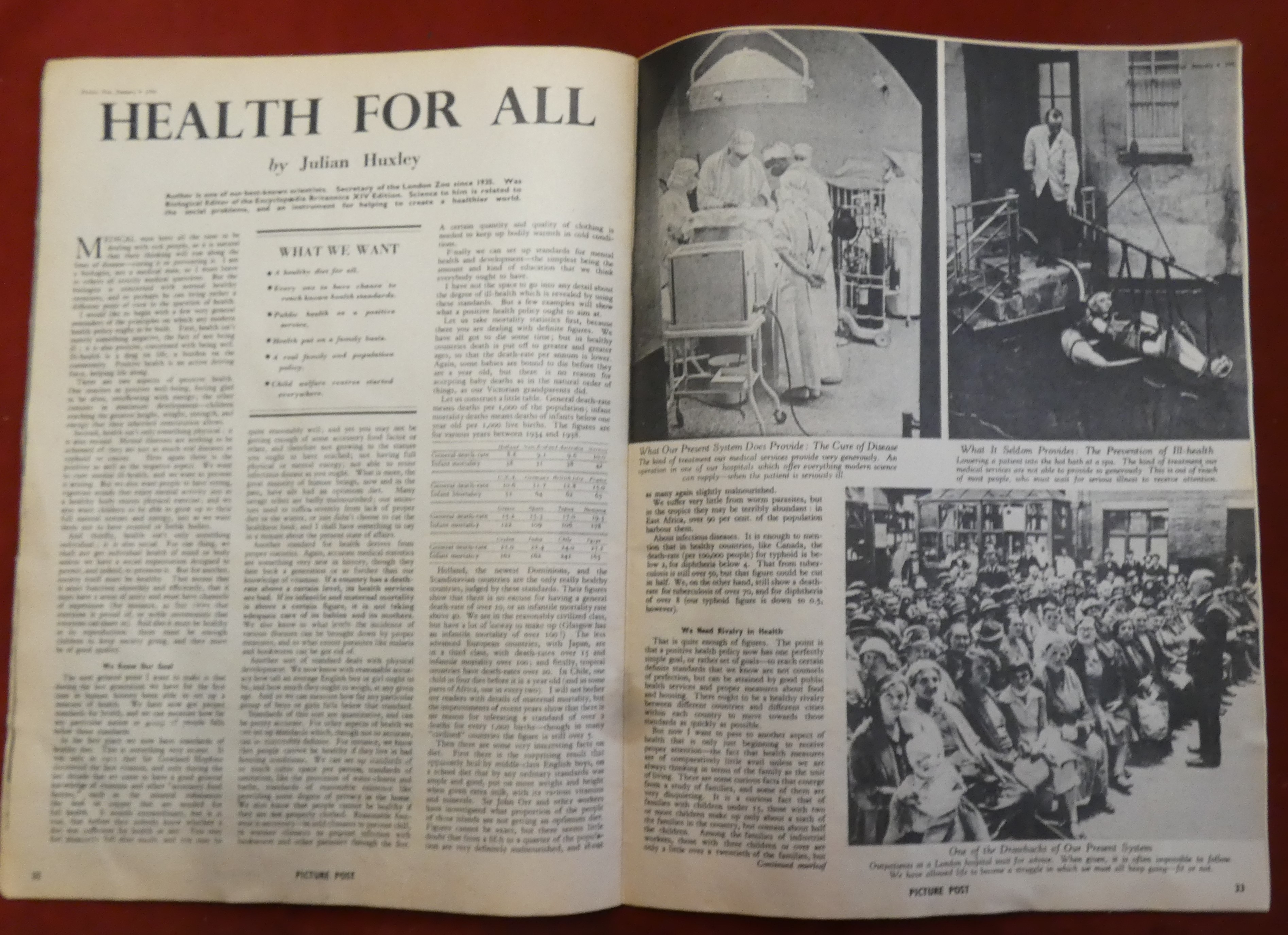
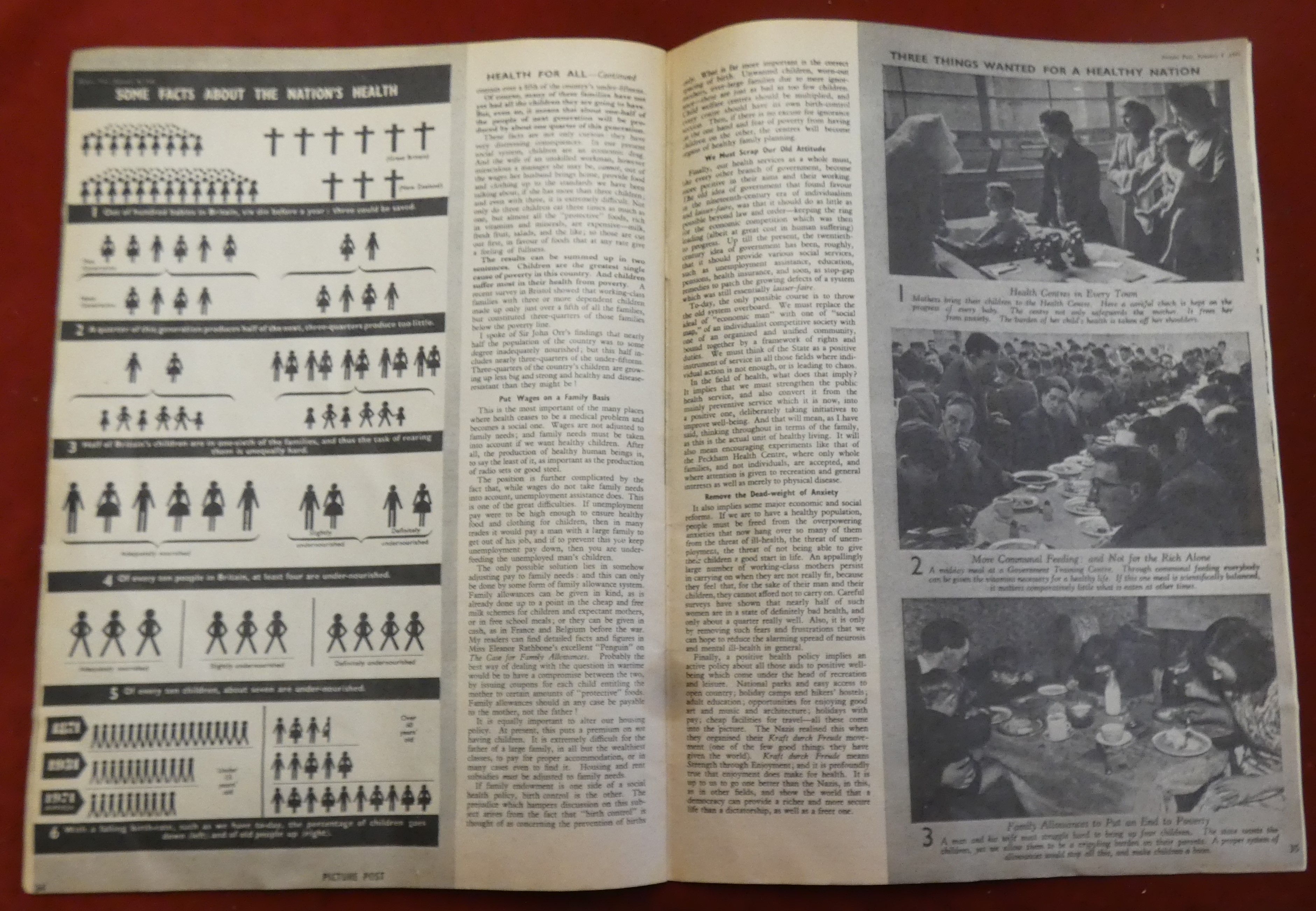
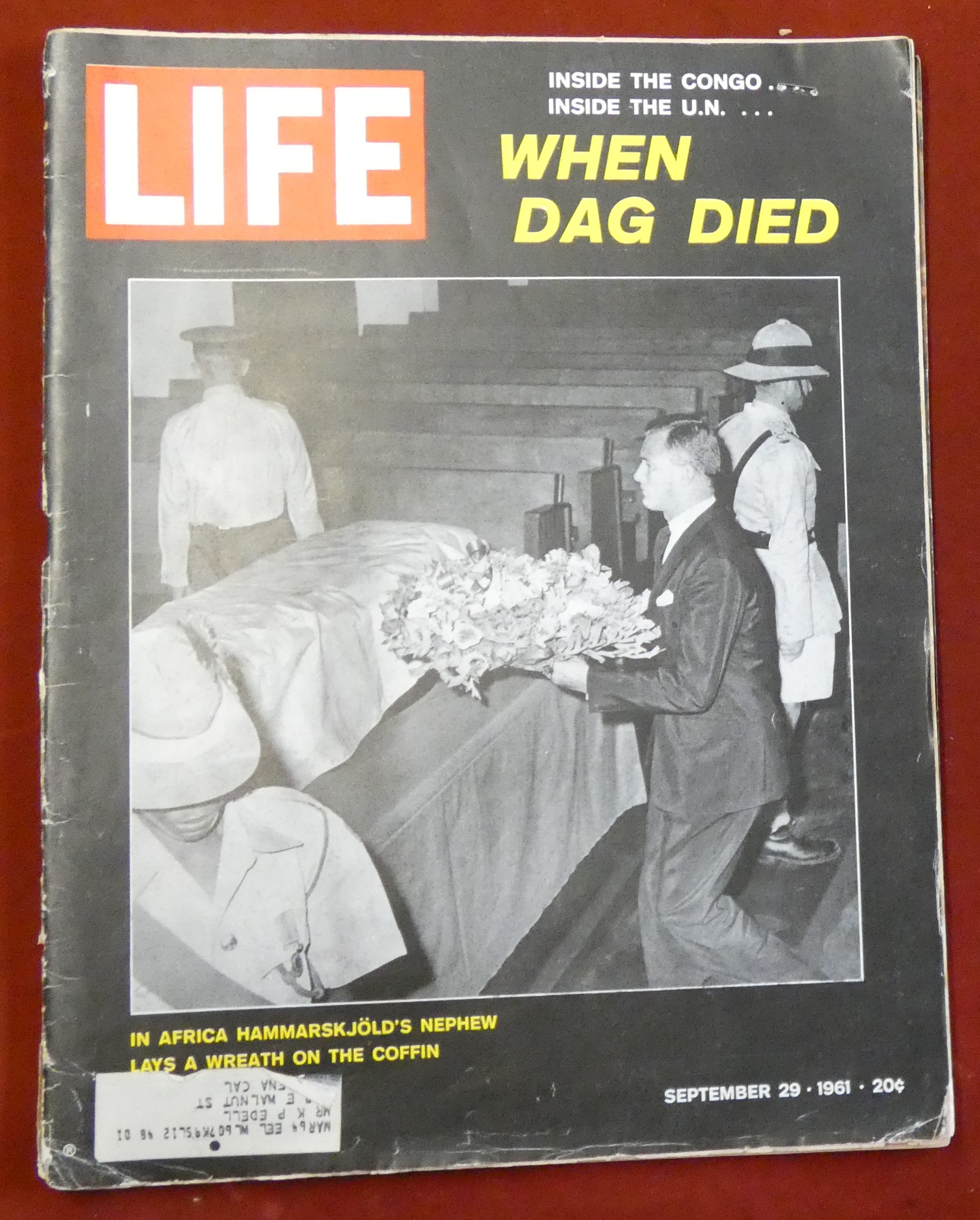
We start with three full page ads from different lots.With this one there were few ads because it was wartime, but there was an abundance of very interesting general content, themed on looking to the future.A full page ad from another lot.This item had some incredible advertisements.The 1962 Chevrolet got not just an advert, but a multipage advertising feature – one full page and two double page spreads.There were three double page spreads advertising Ford products in various parts of the magazine.This was a double page plus a mini booklet.The feature article was beautifully presented.This was just the start of a superb historical feature.
PHOTOGRAPHS
I end with one of my regular galleries…
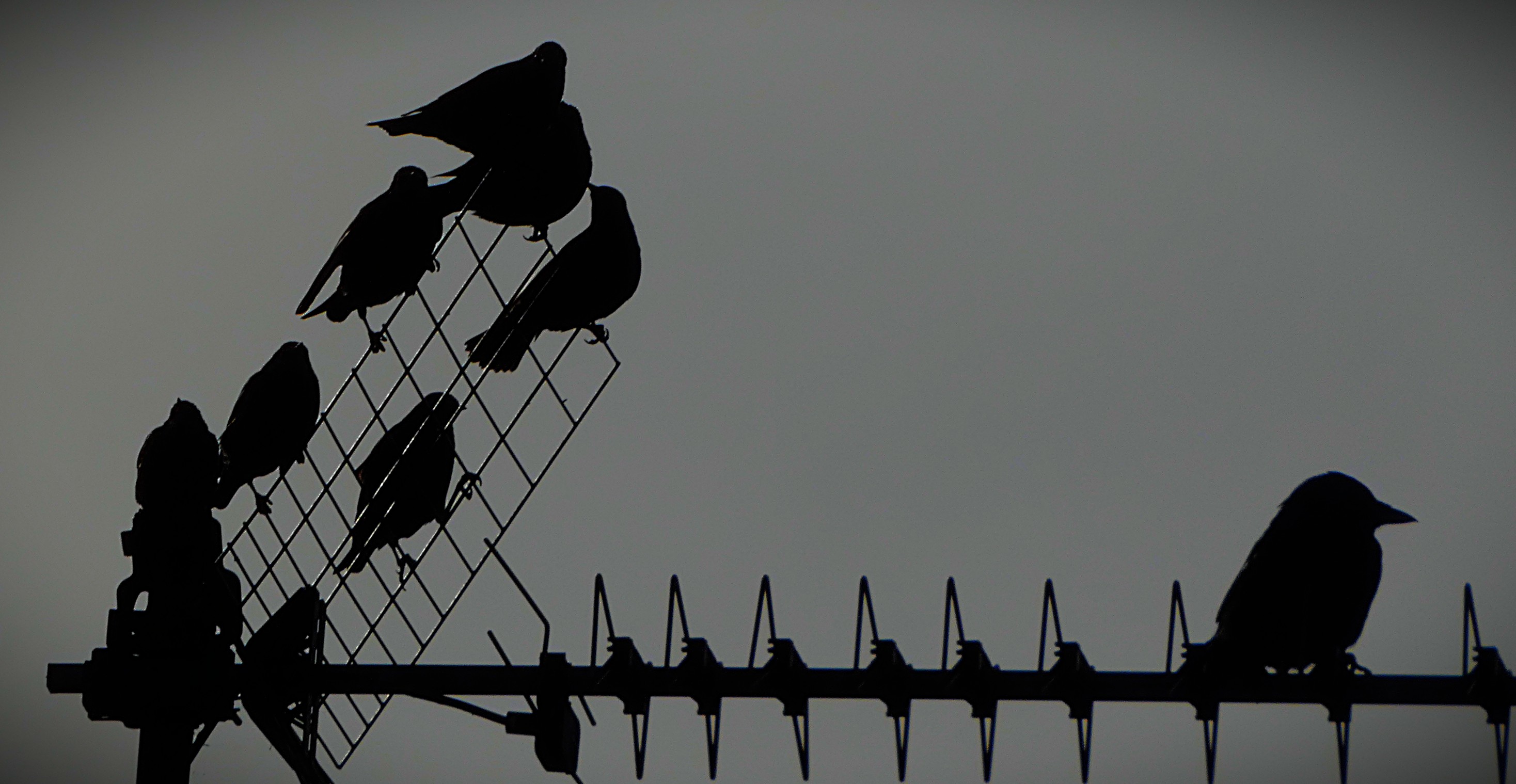
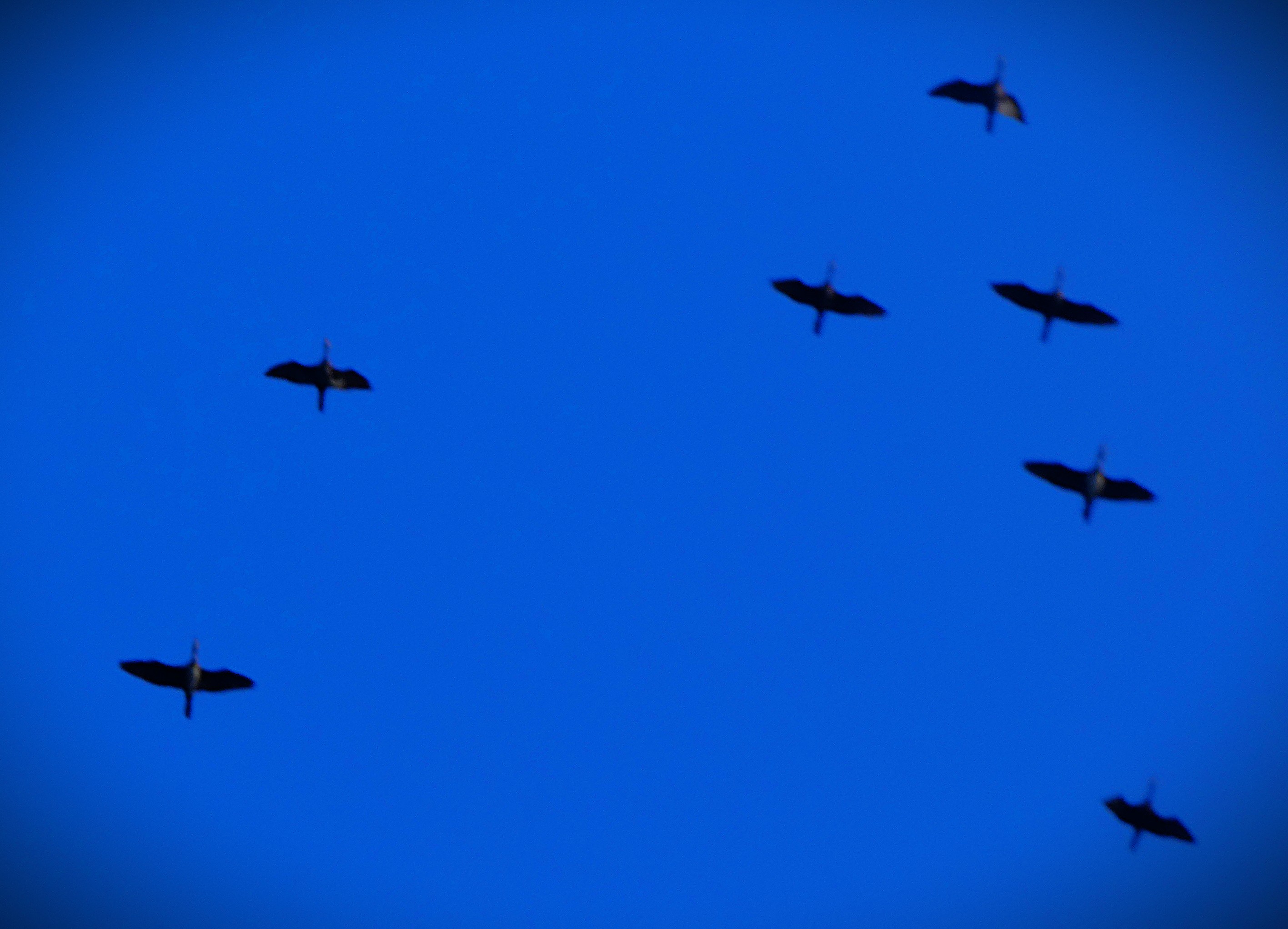
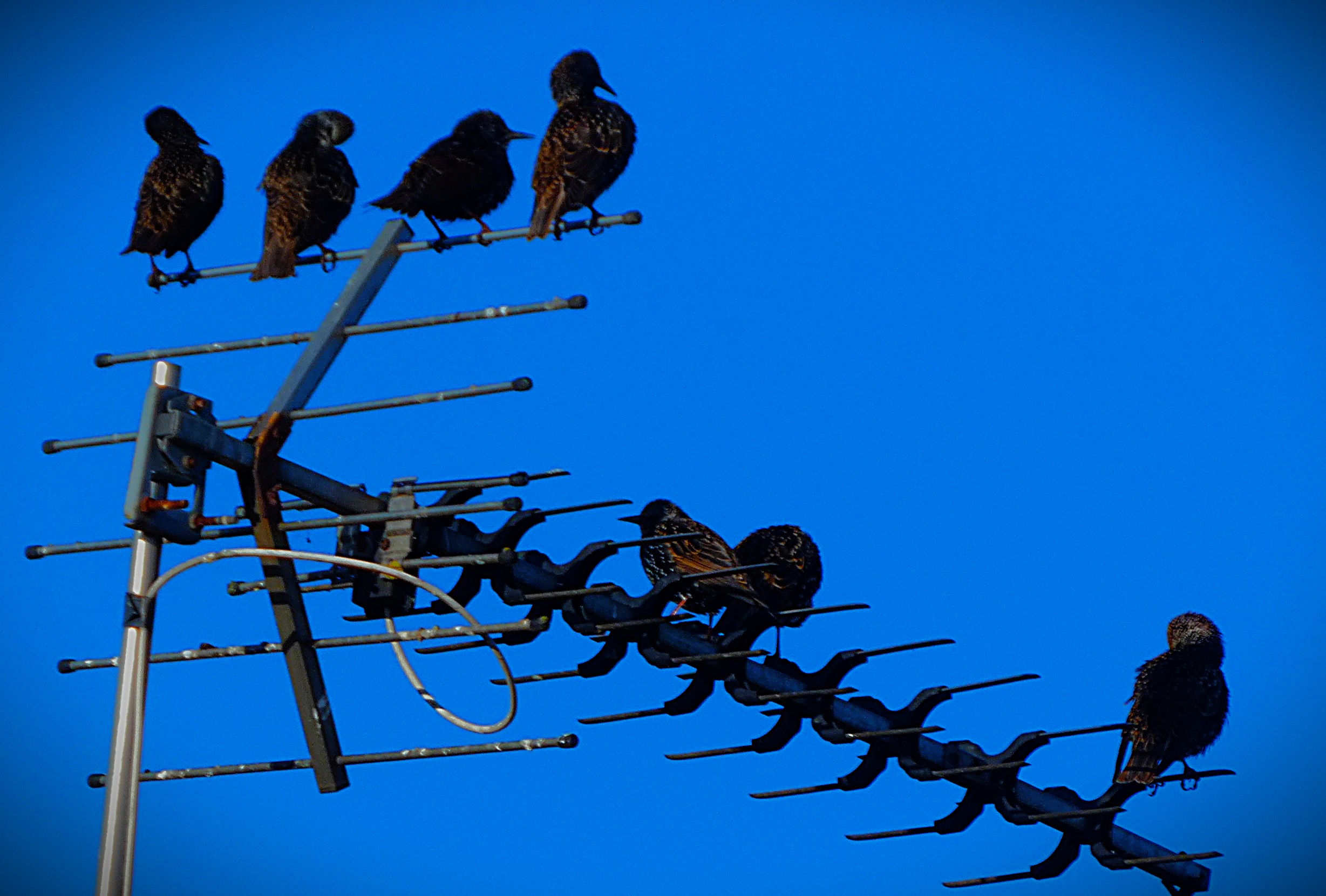
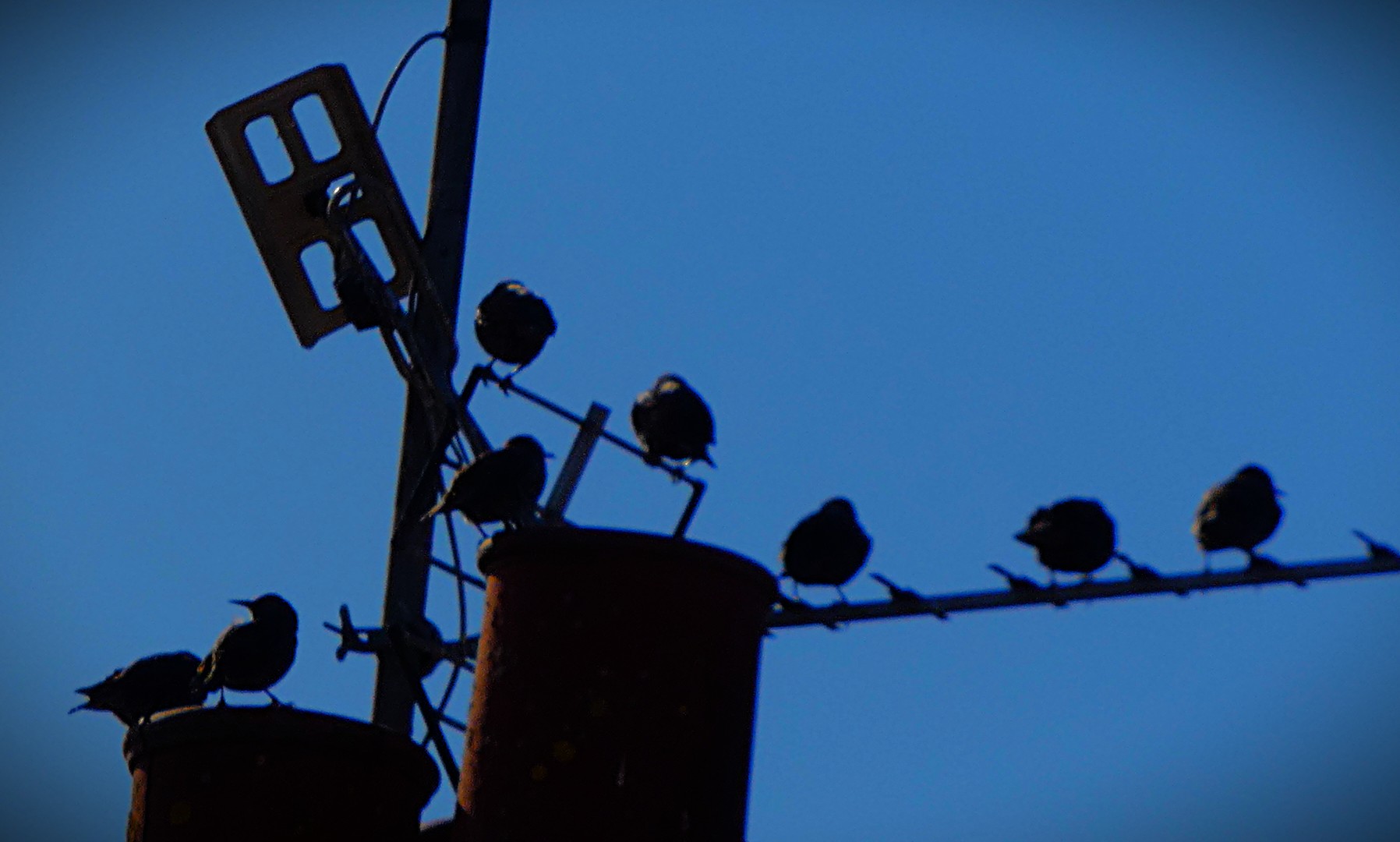
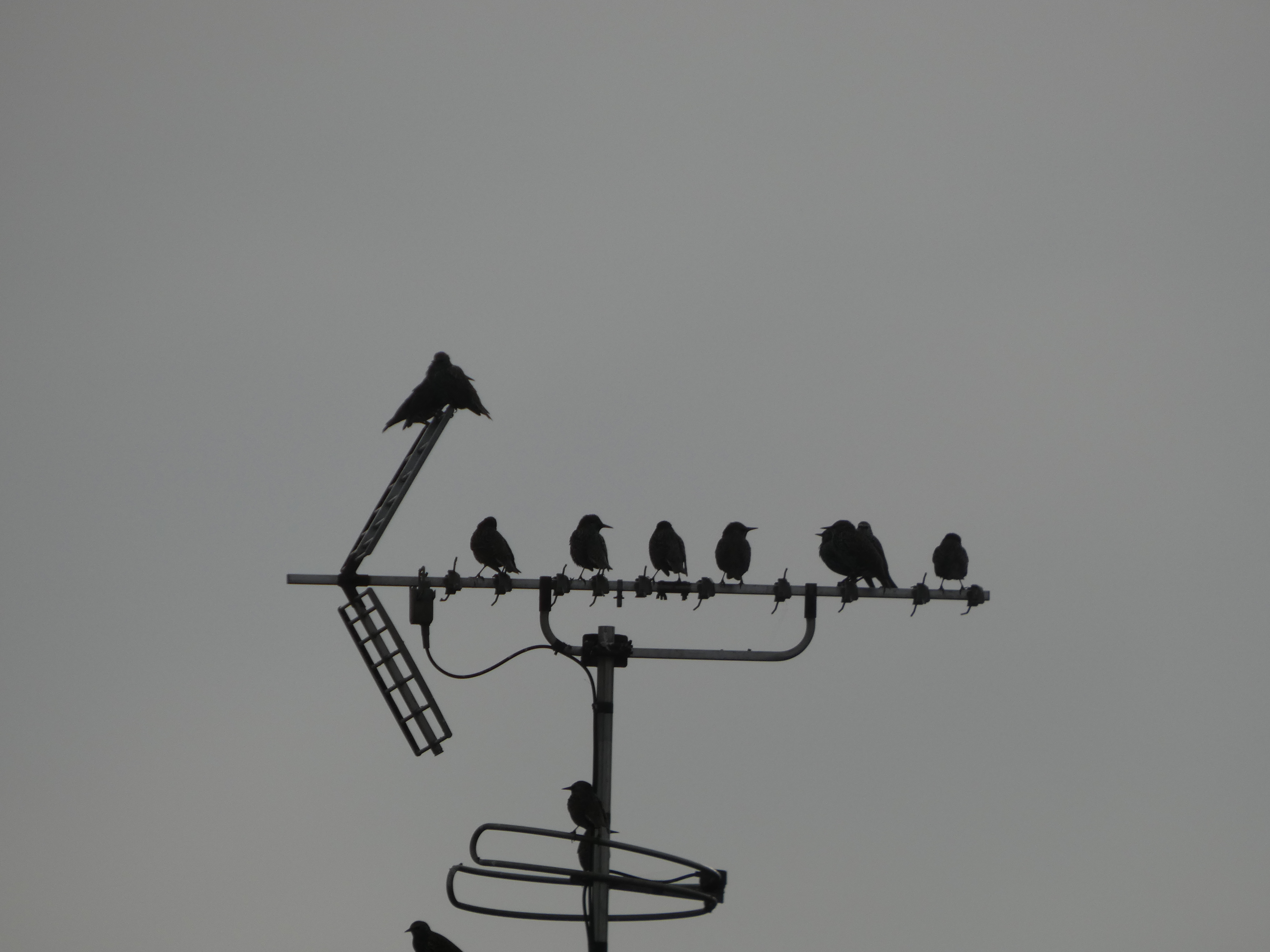
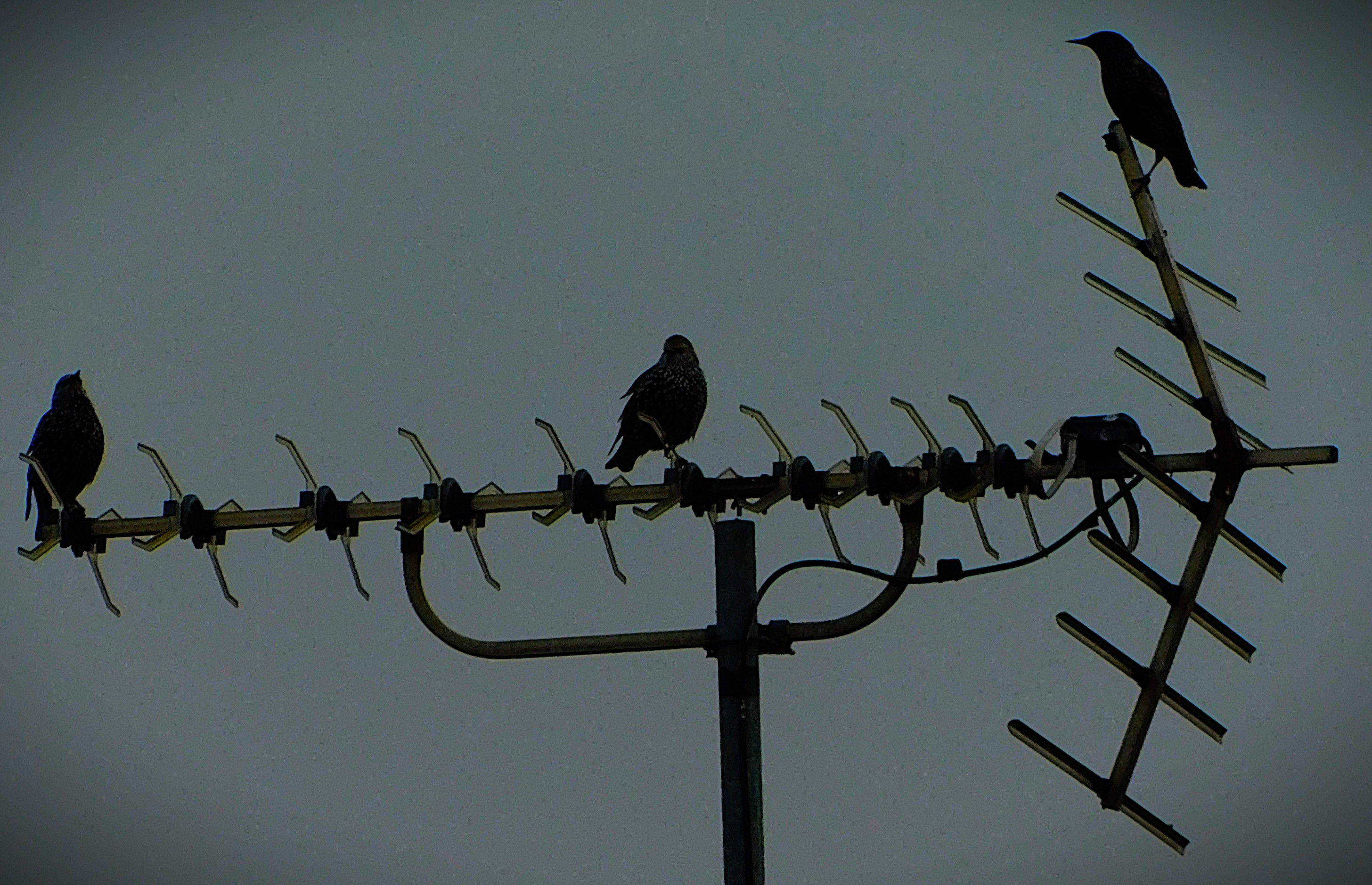
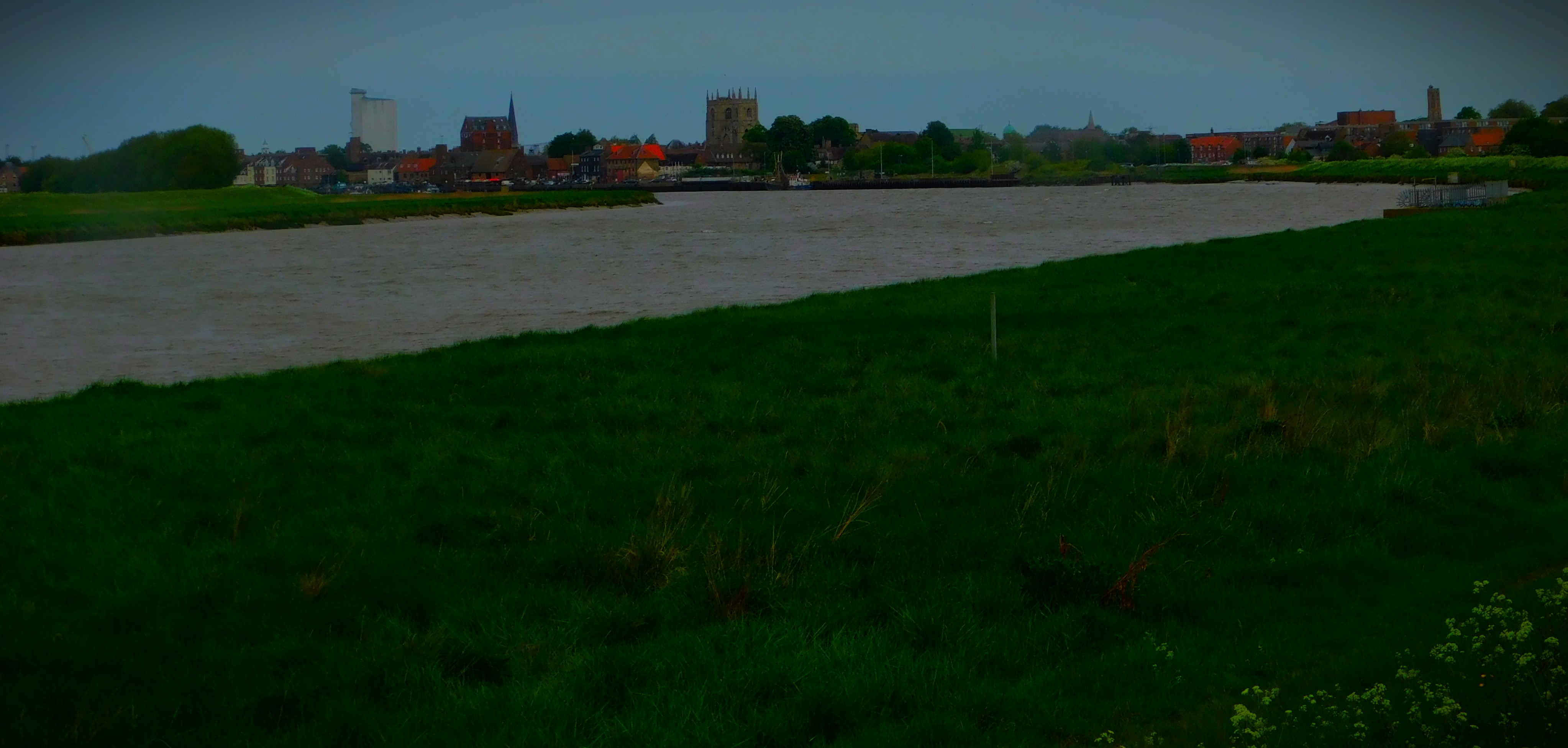
Not a perfect V – the two birds on the bottom left are out of true – but not that far off.This was hovering high overhead as I headed on to the footpath along the east bank of the Great Ouse on my way home from today’s WNAG committee meeting.
A look at a series of books I have just discovered, by Steve Higgs. Also an autumnal photo gallery featuring animals, plants and fungi.
I have recently found a highly readable series of detective novels by Steve Higgs (I have read a number of them, and will be on the lookout for more). This post looks at this series.
THE BASIC STORY
A long retired detective superintendent, Albert Smith, sets out on a round Britain trip with the intention of learning how to cook all his favourite foods. His constant companion is a former police dog, who has allegedly been disposed of because of his bad attitude, but another hypothesis emerges as the series progresses: he has been got rid of because he makes his handlers look bad.
Smith’s visits are invariably interrupted by crimes which he and his dog then help to investigate. As the series progresses it becomes clear that the crimes are all linked, and in the some of the later volumes we see things from the side of the perpetrator, moving the books on from simple whodunnits to questions of will he get away with it? Smith’s three children are all themselves serving police officers, and they reluctantly come to see that he is on to something, and discreetly provide him with assistance.
I highly recommend these books.
PHOTOGRAPHS
My usual sign off…
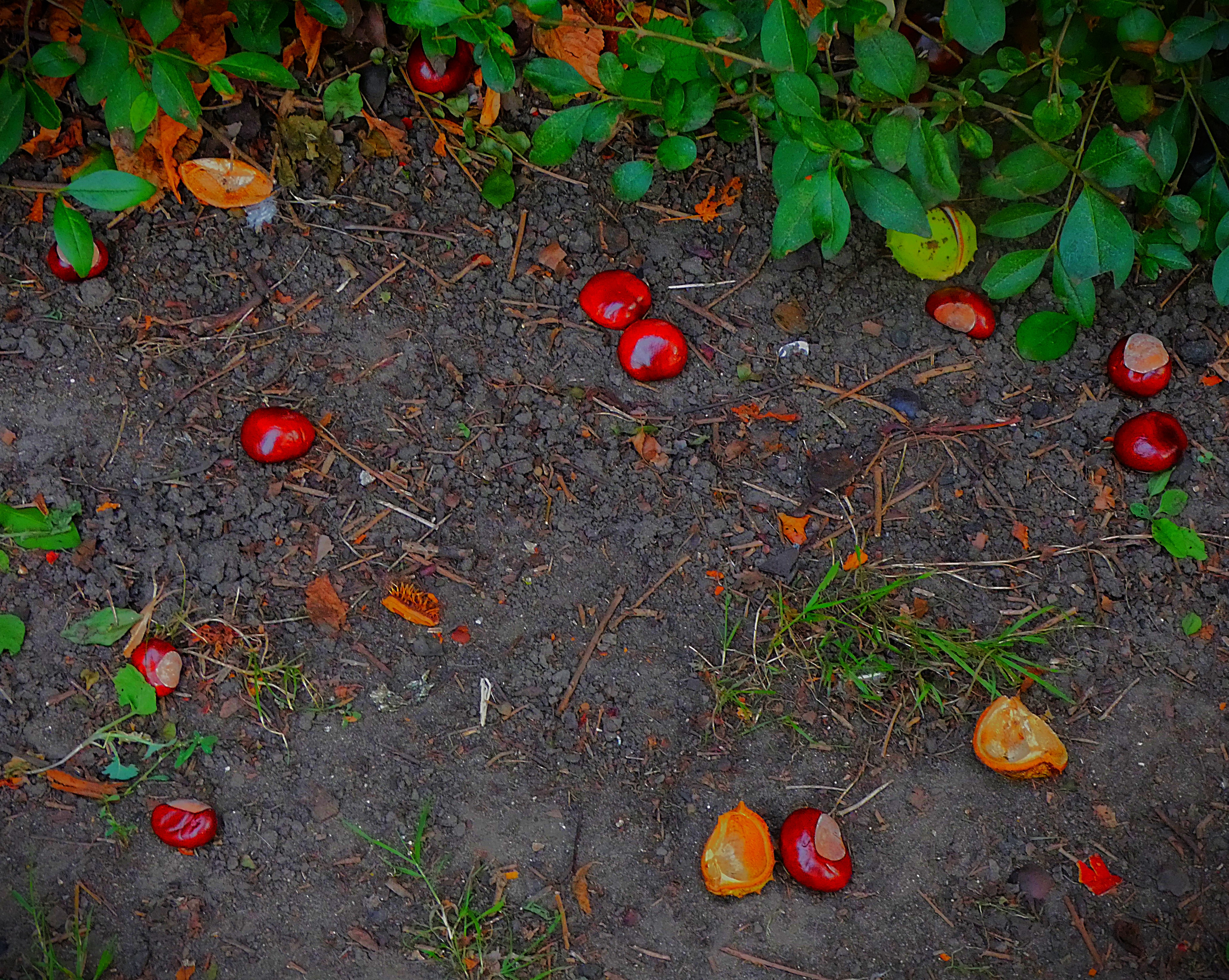
A riot of autumn colour in Kettlewell Lane Park this morning.An unusual sight this late in the year – a red admiral.
I am a little short on inspiration right now, so just to keep the blog active I am producing a gallery of my latest hobby photos. To view photos at large size just click on one.
PHOTOGRAPHS
Here we are…
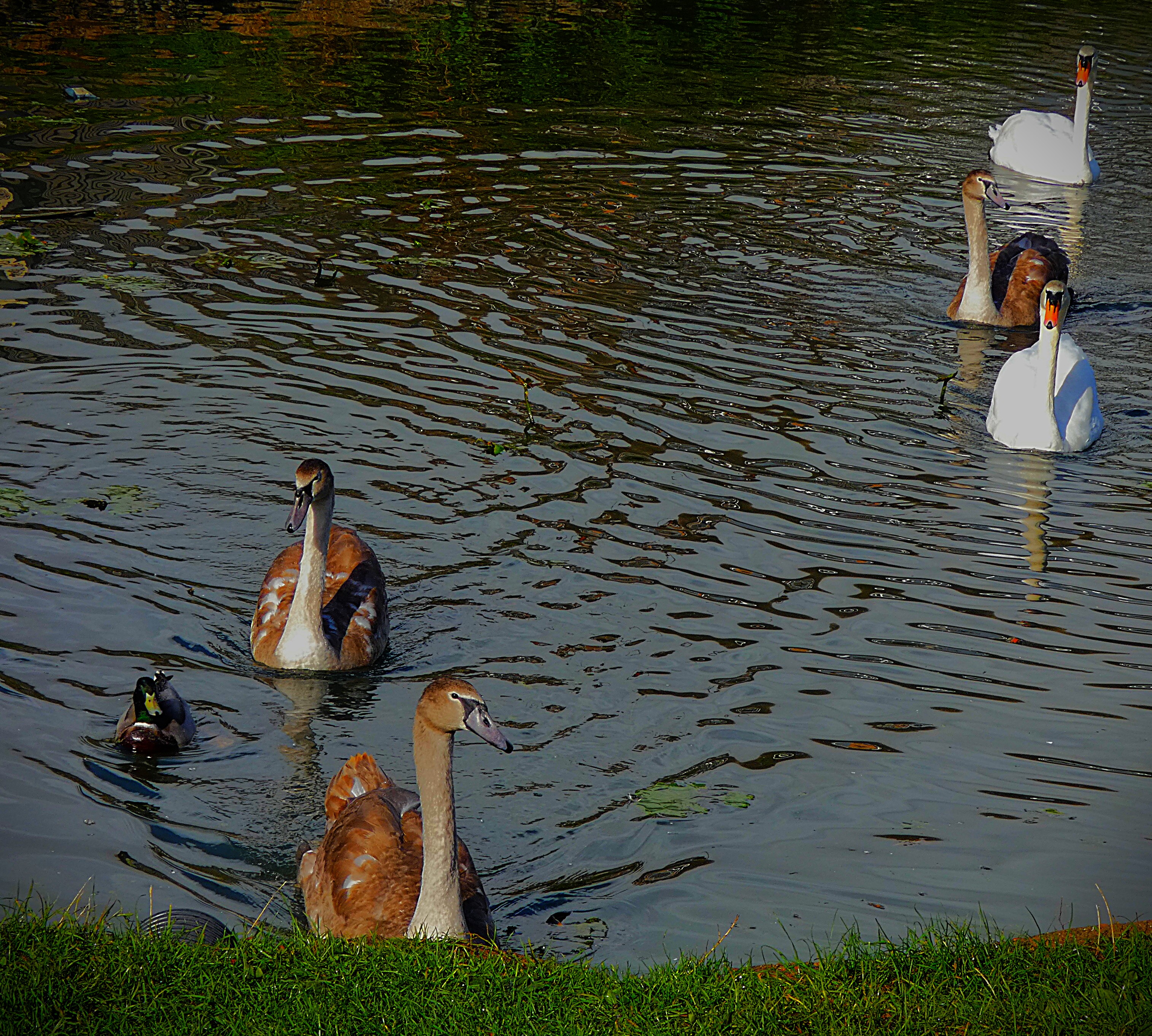
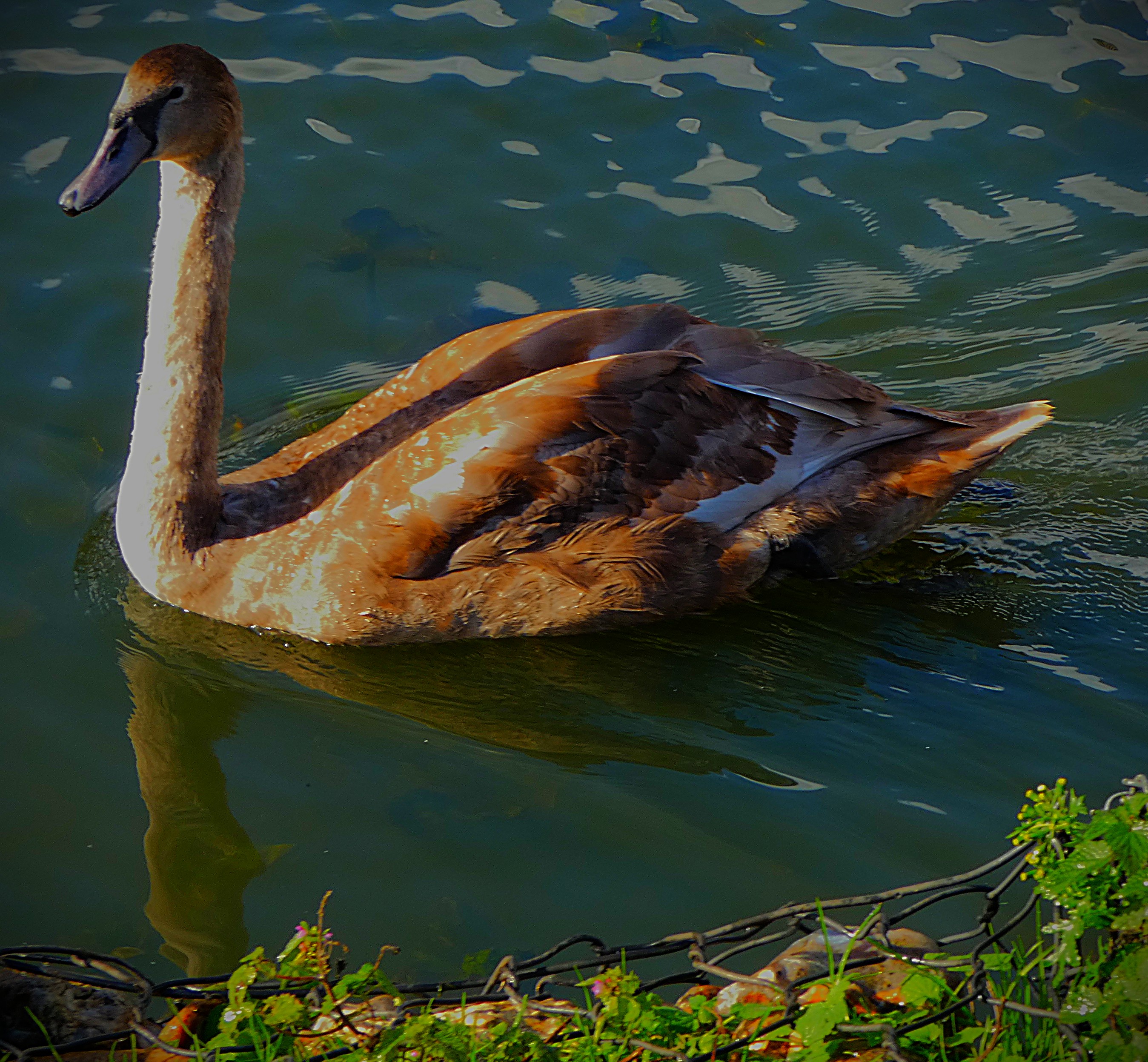
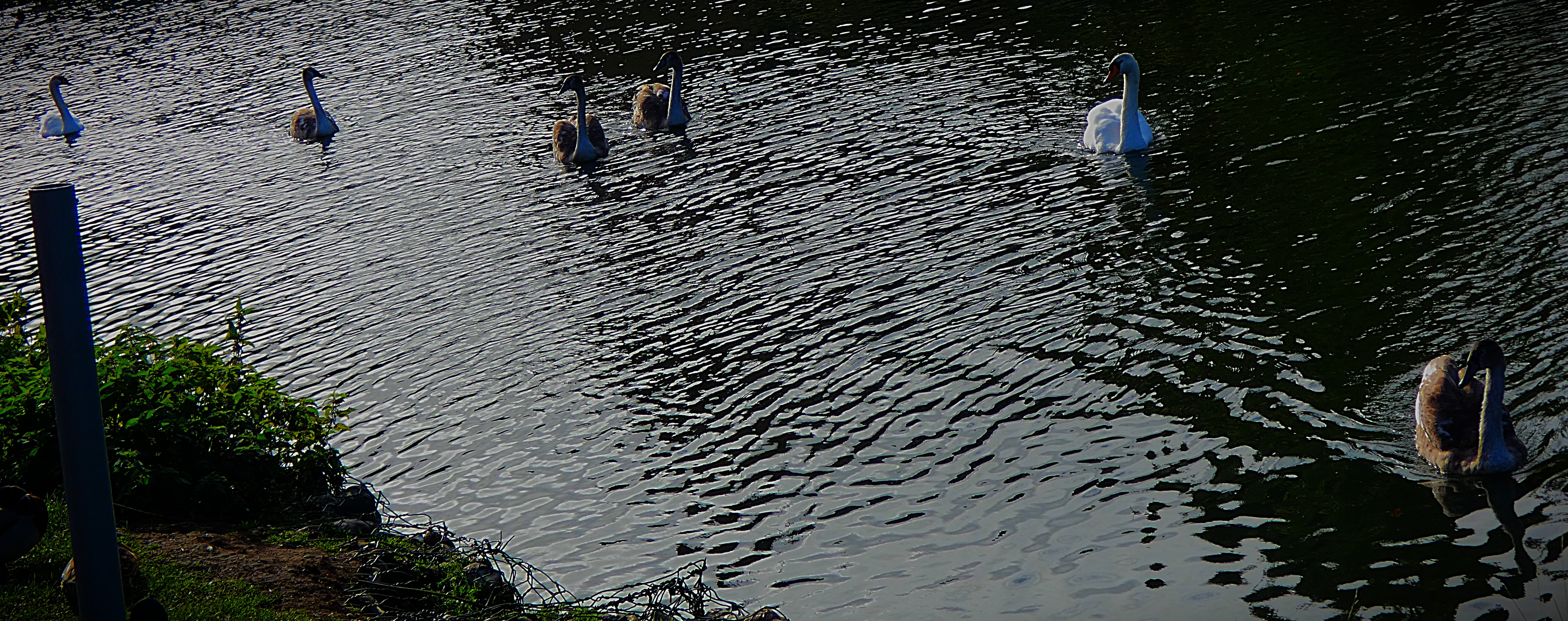
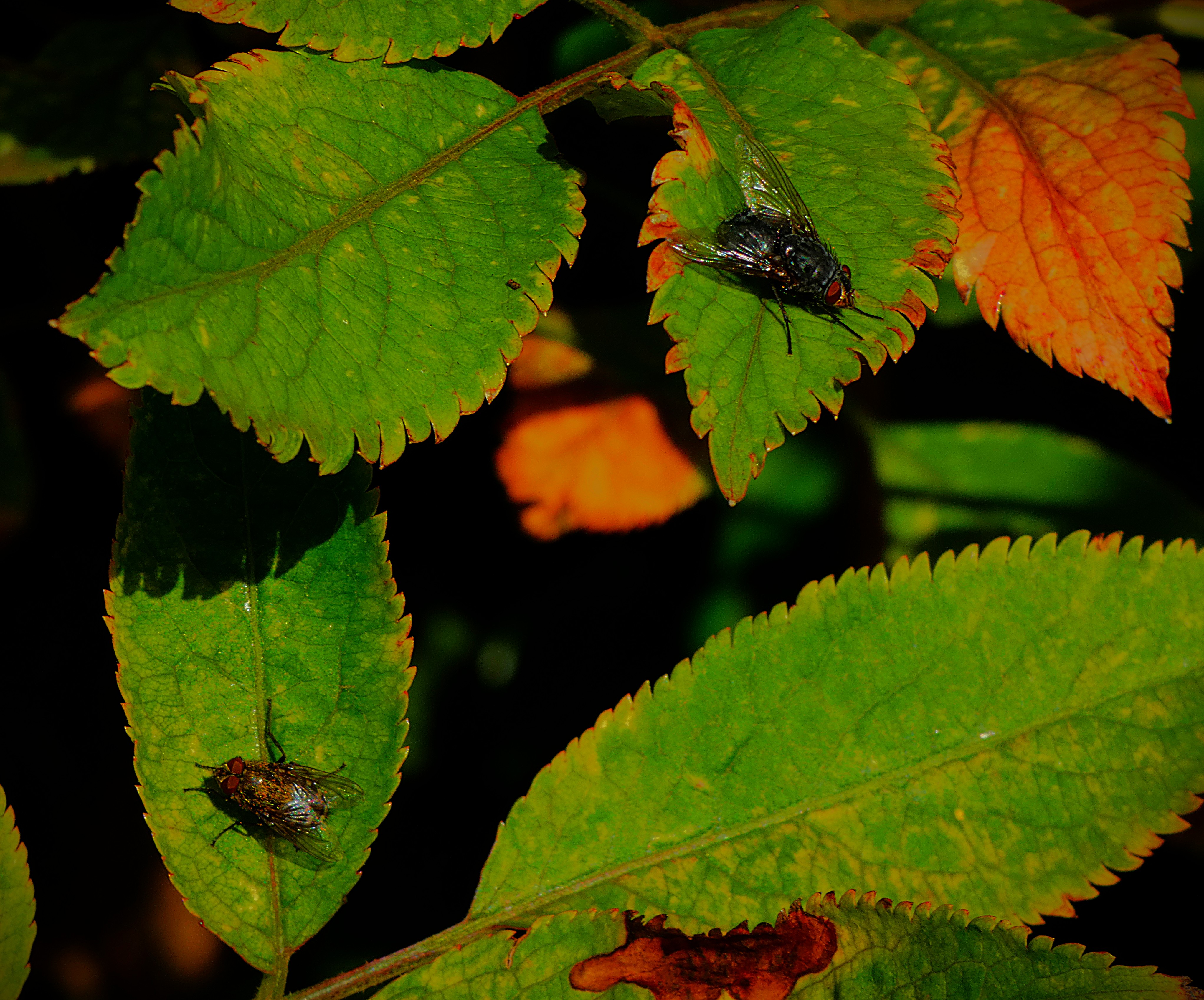
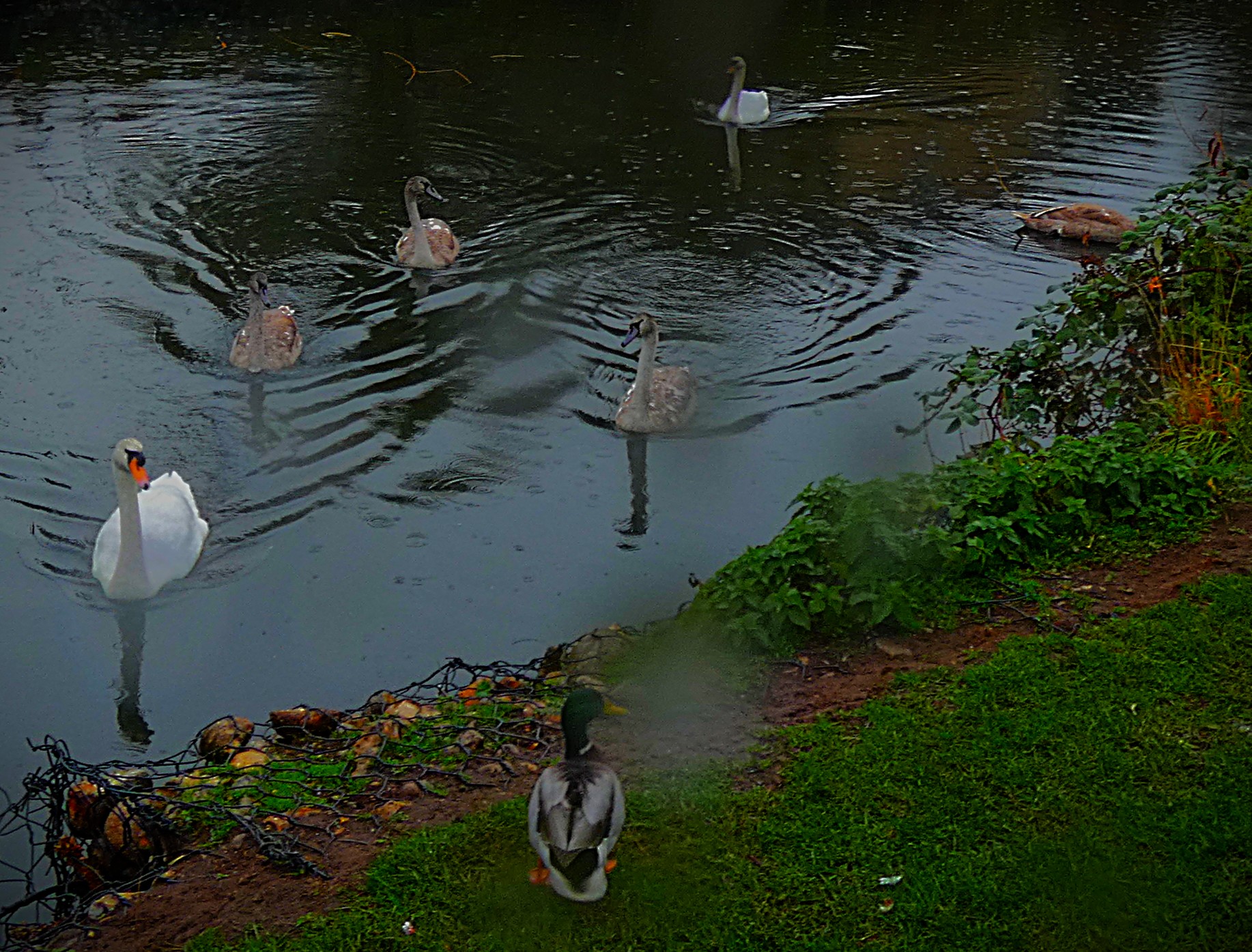
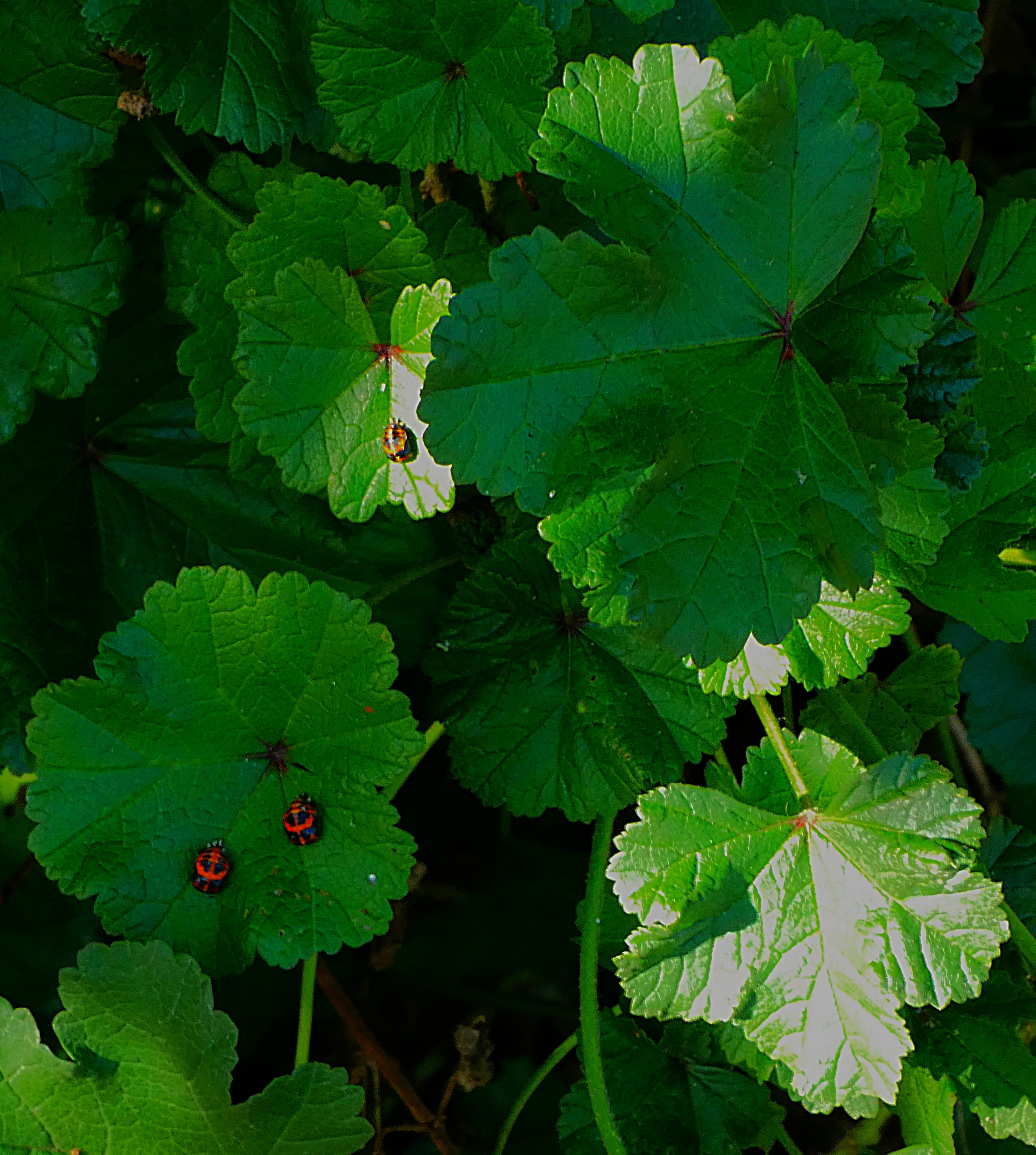
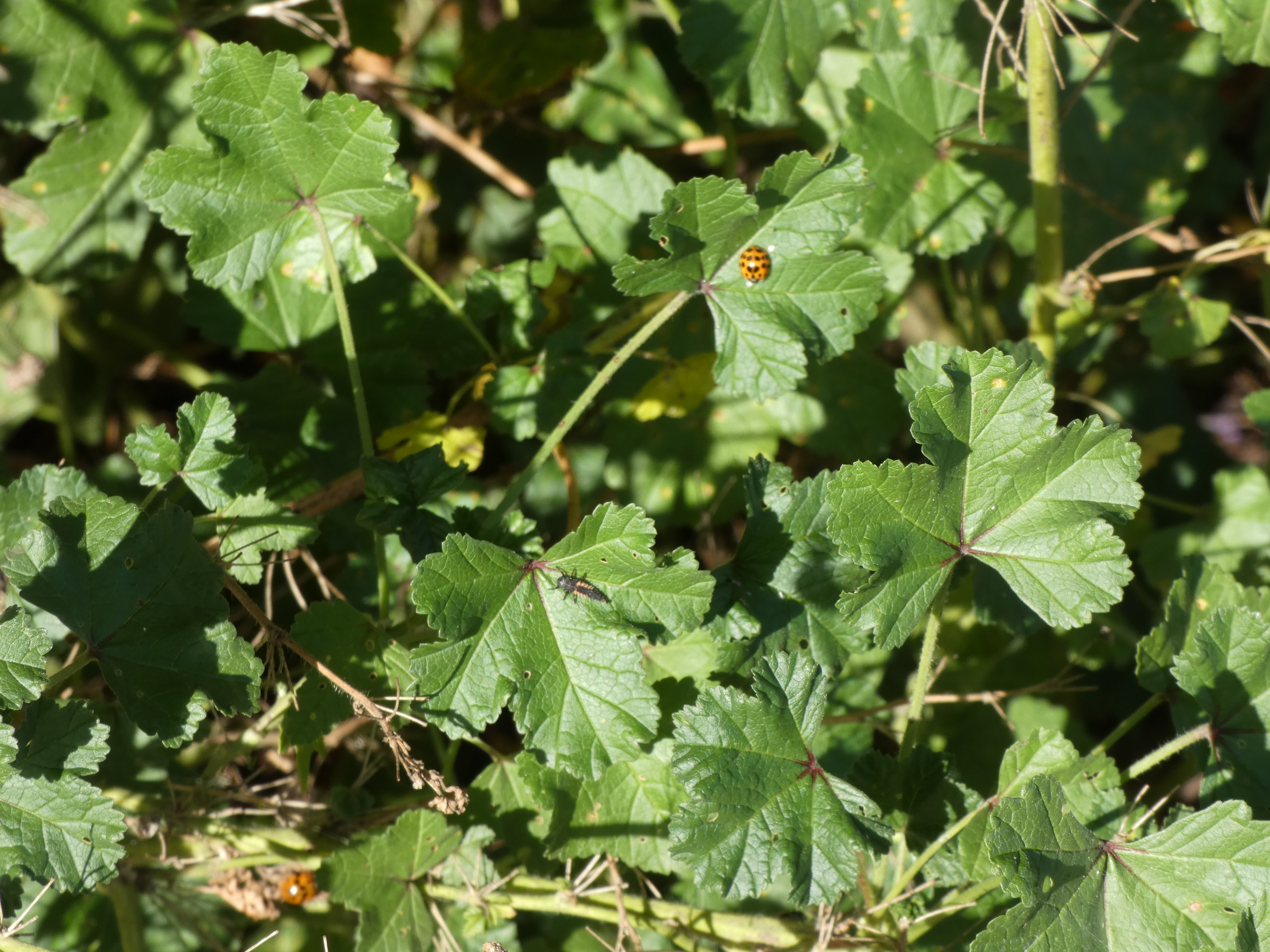
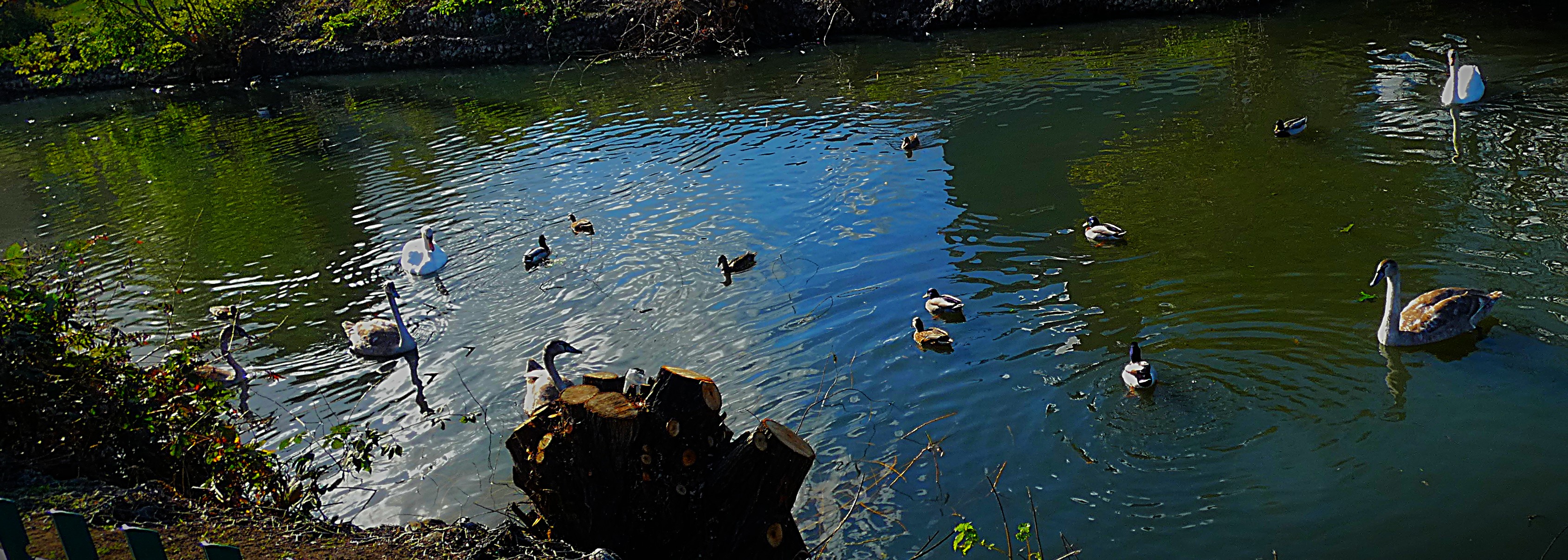
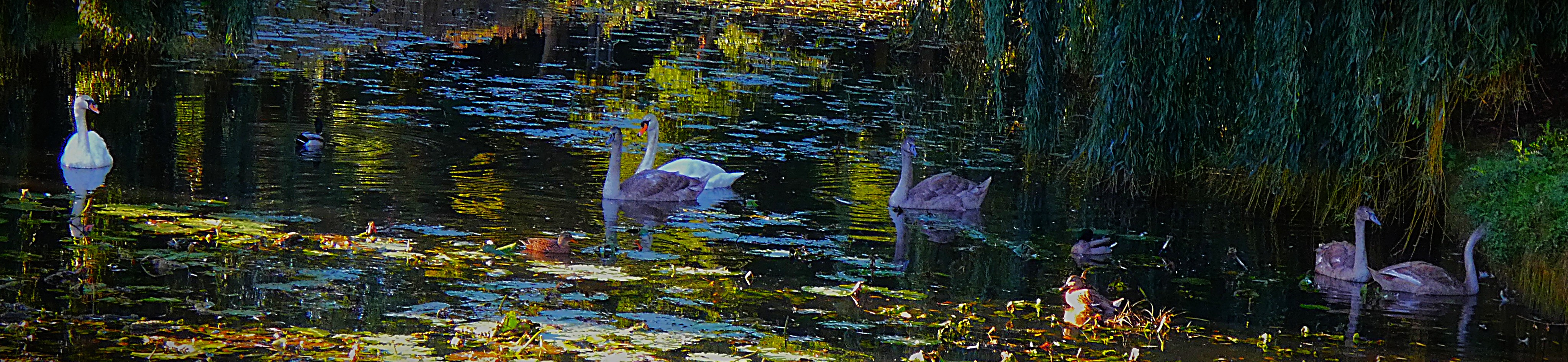
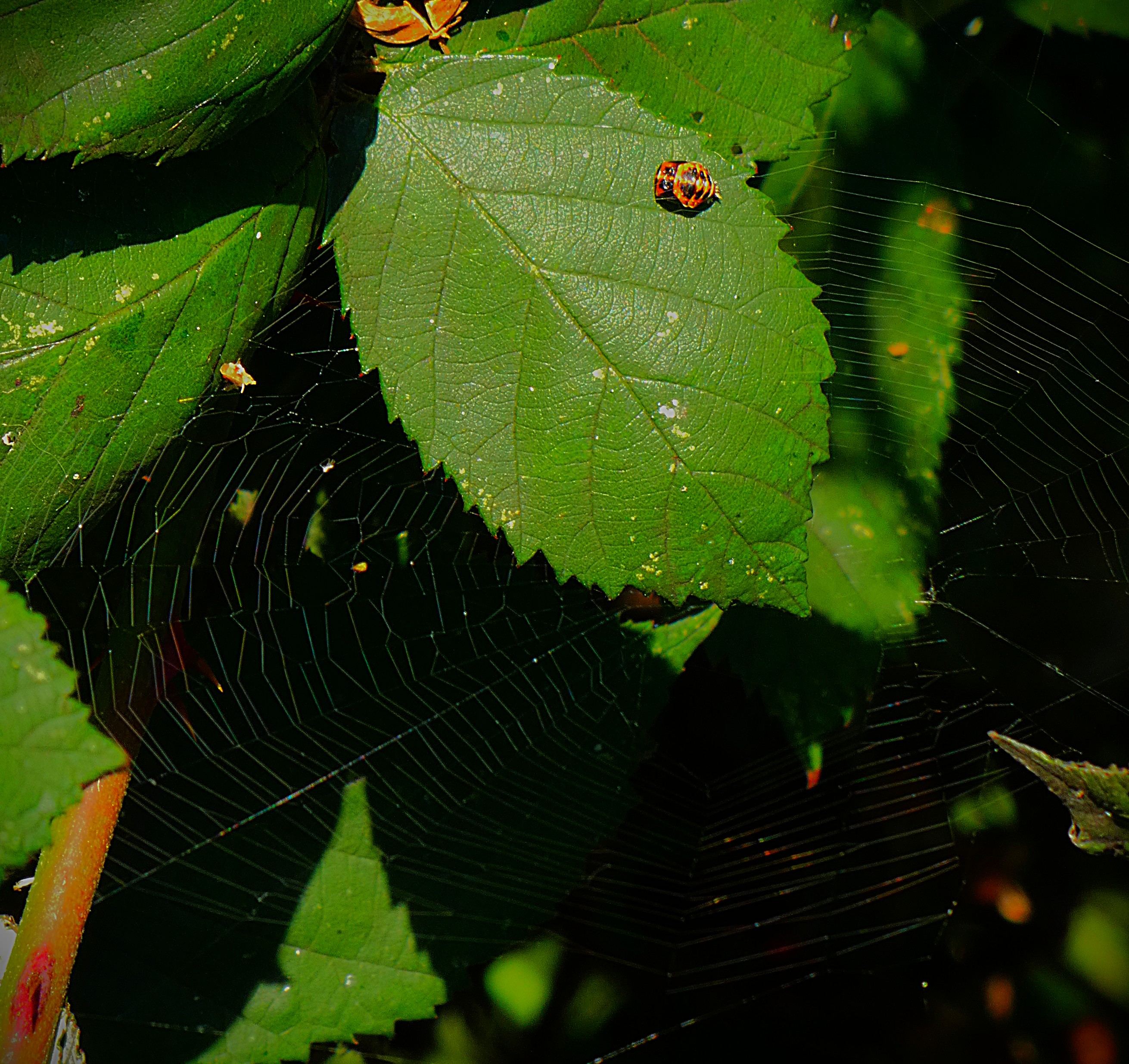
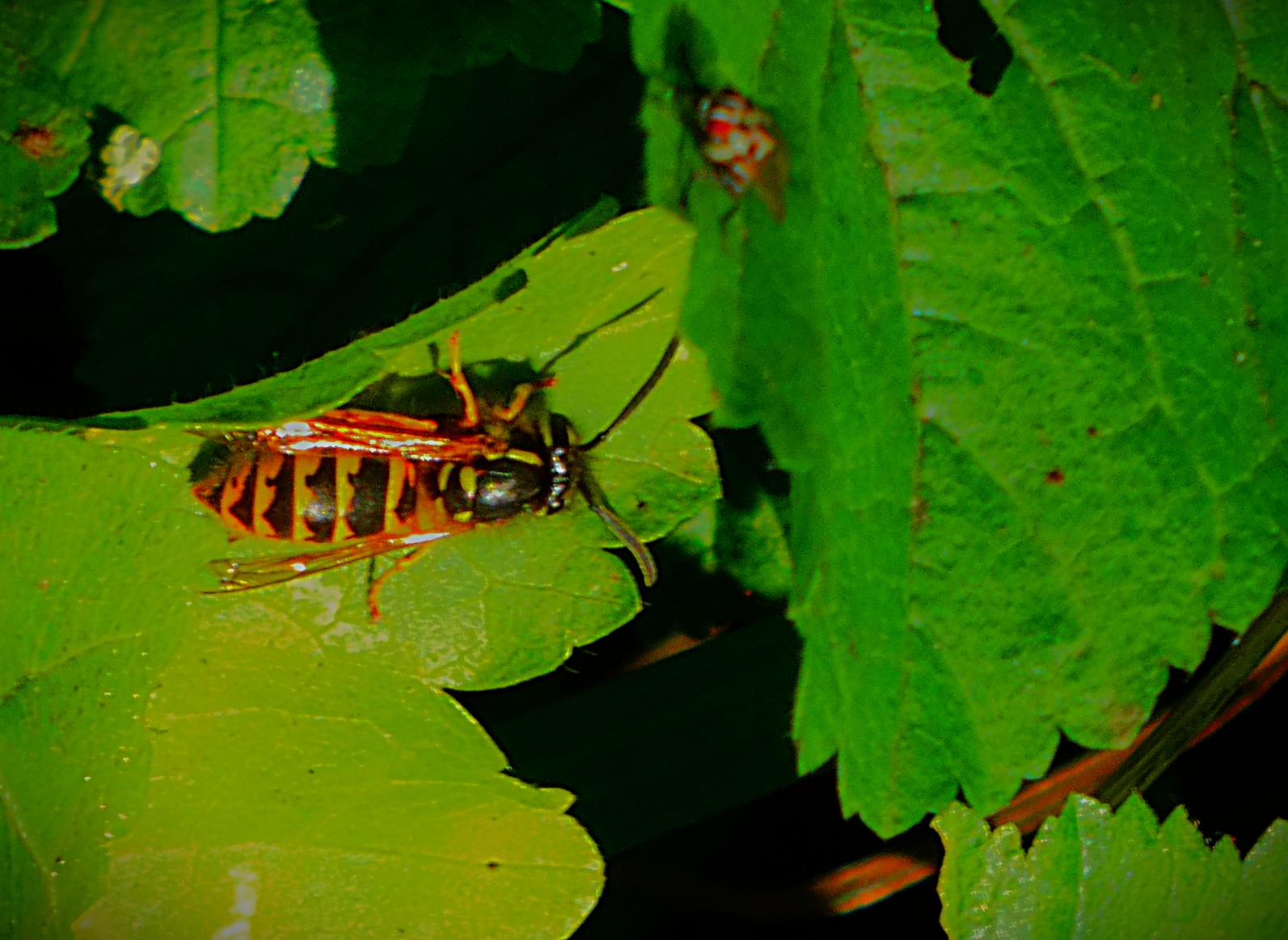
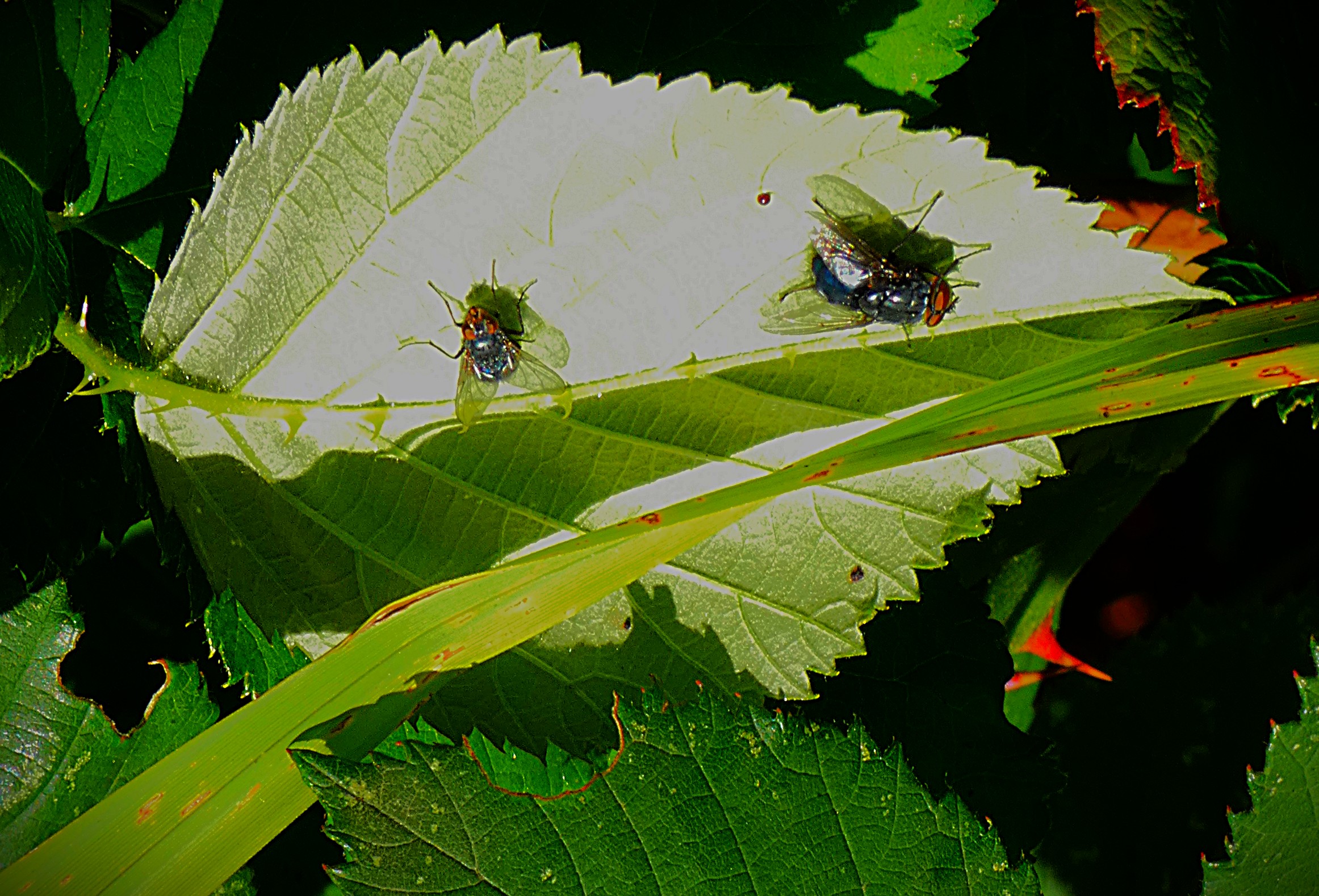
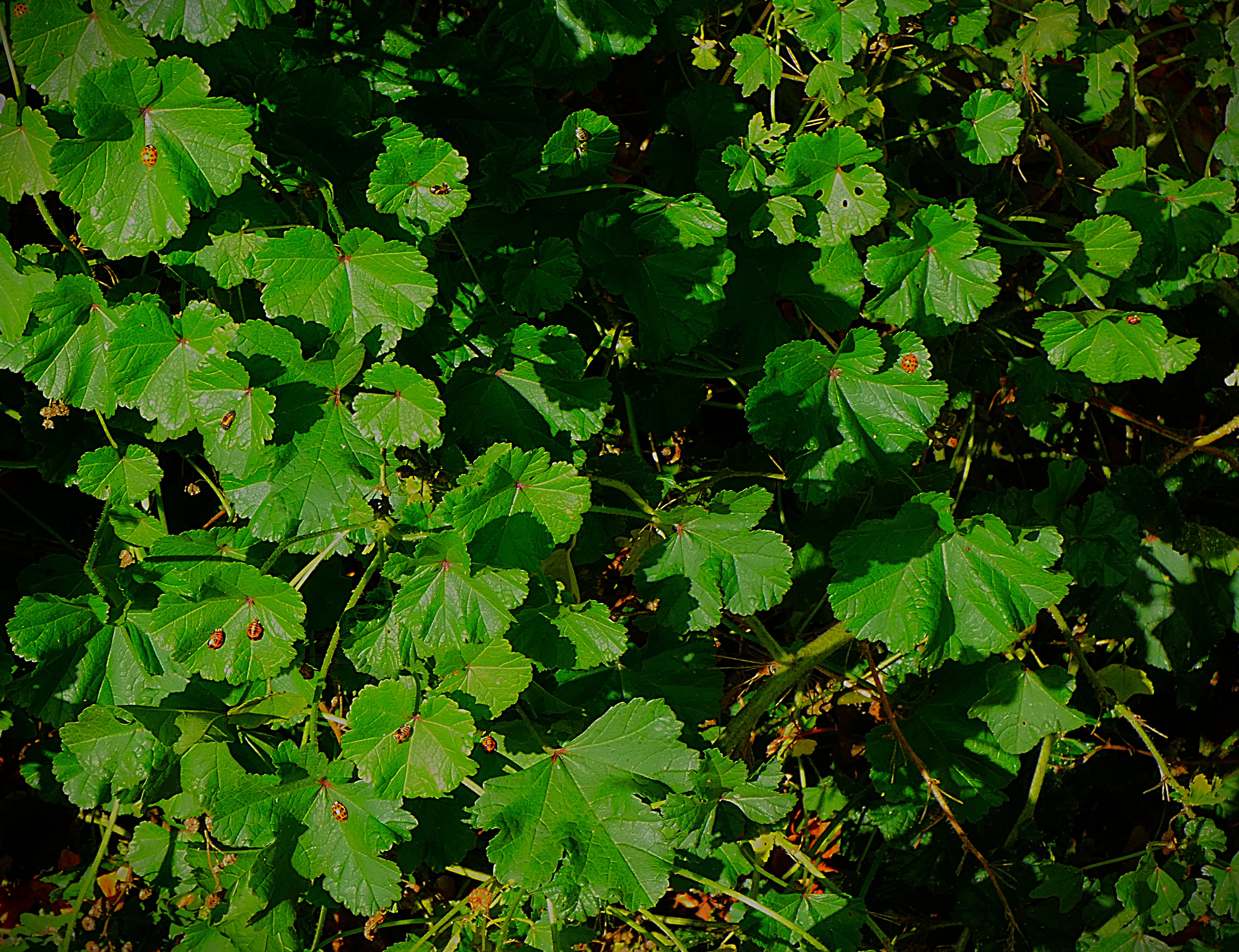
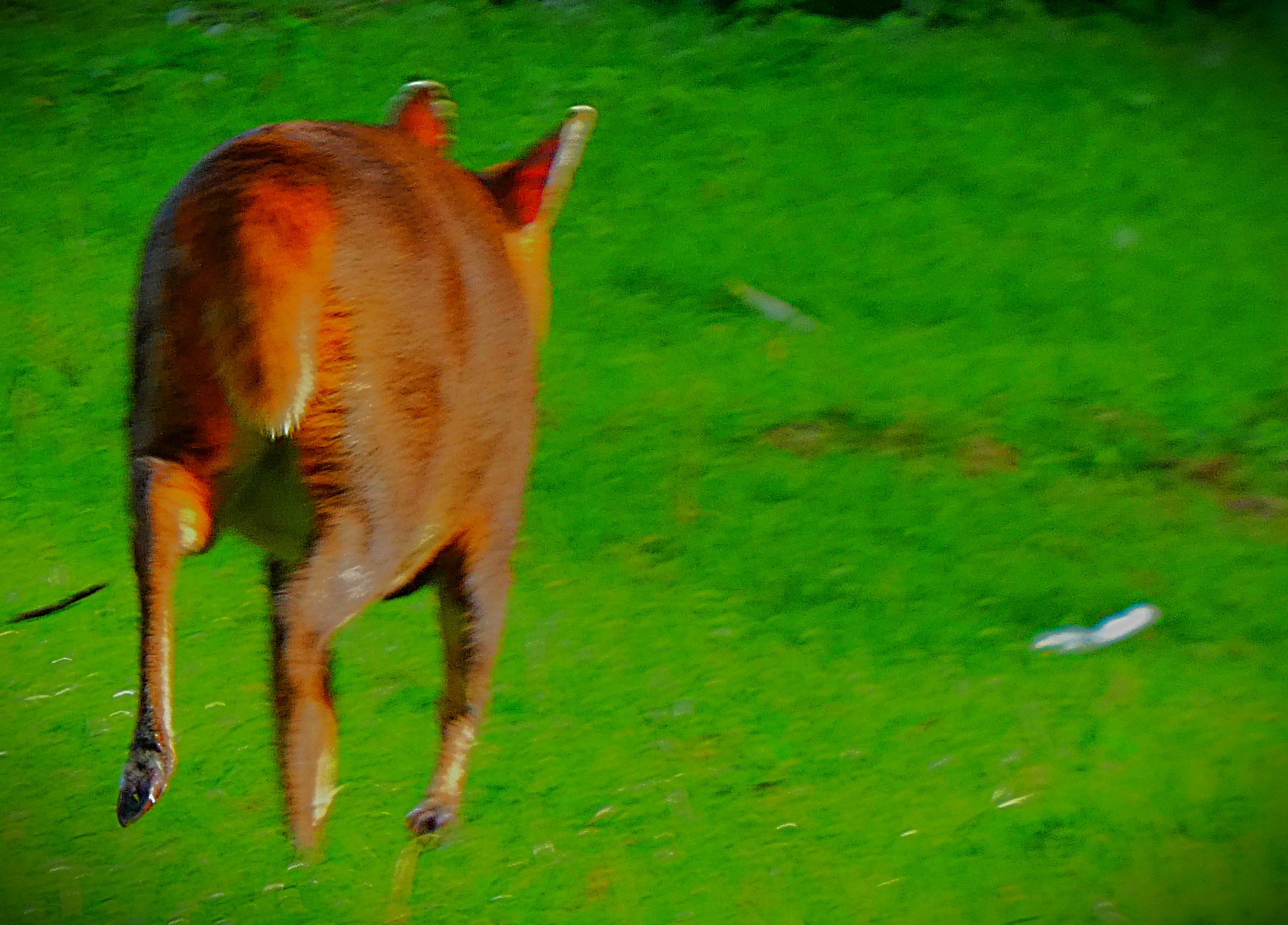
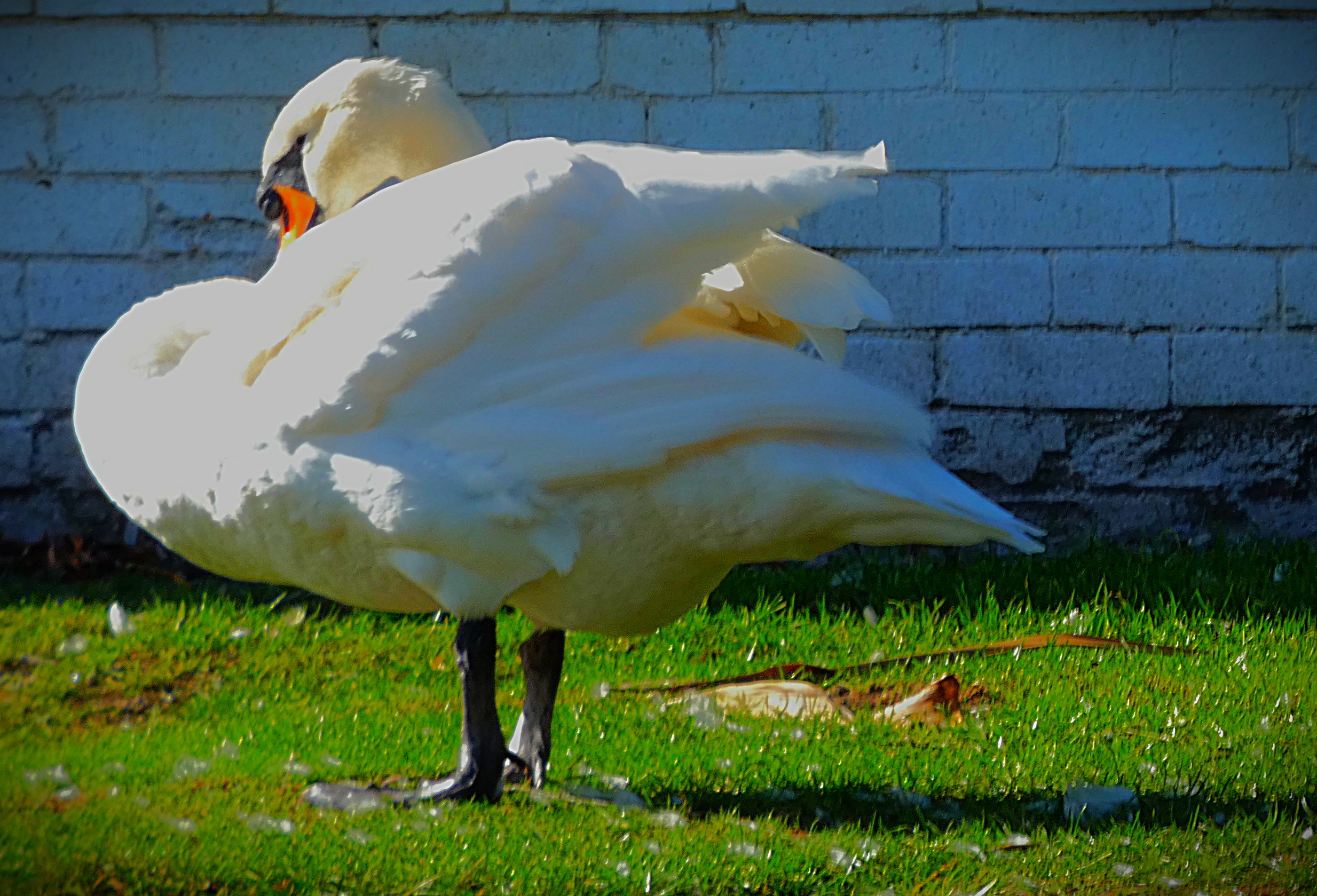
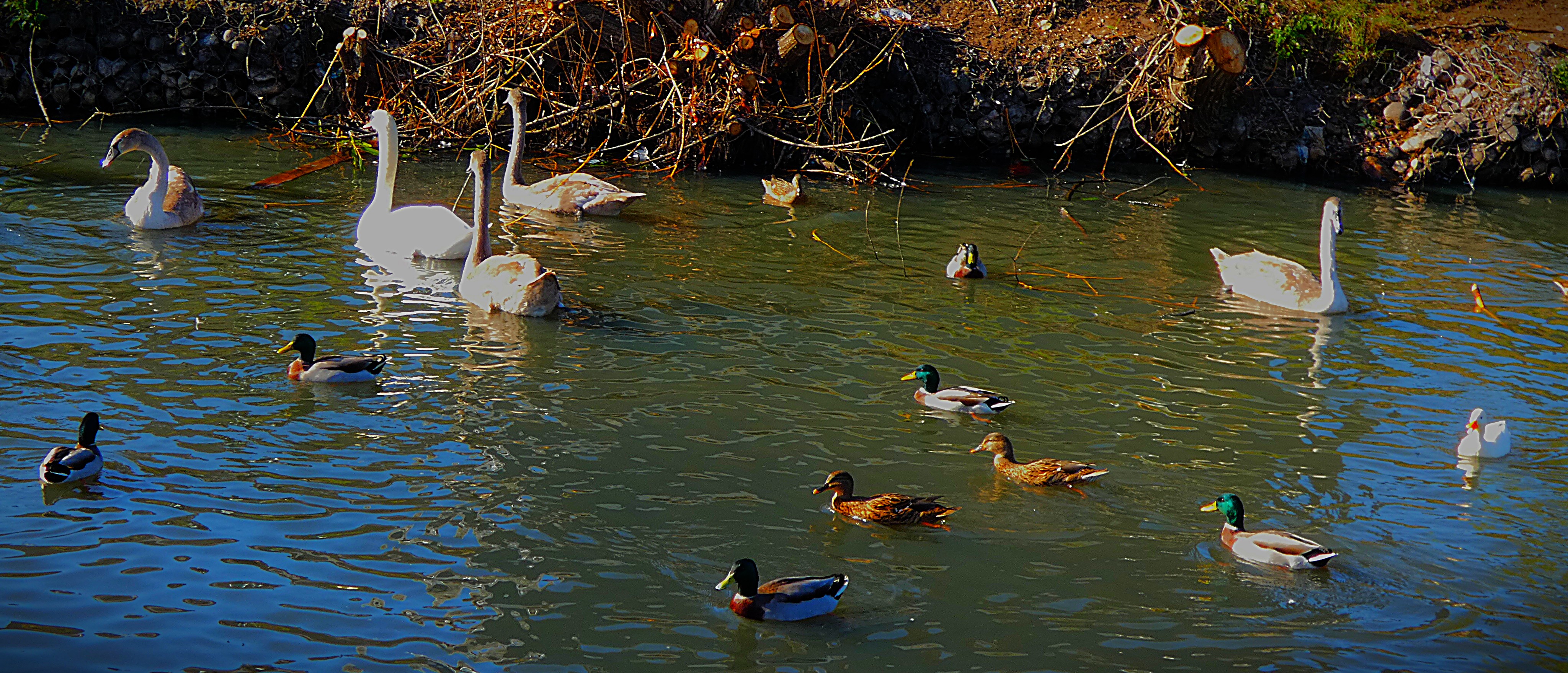
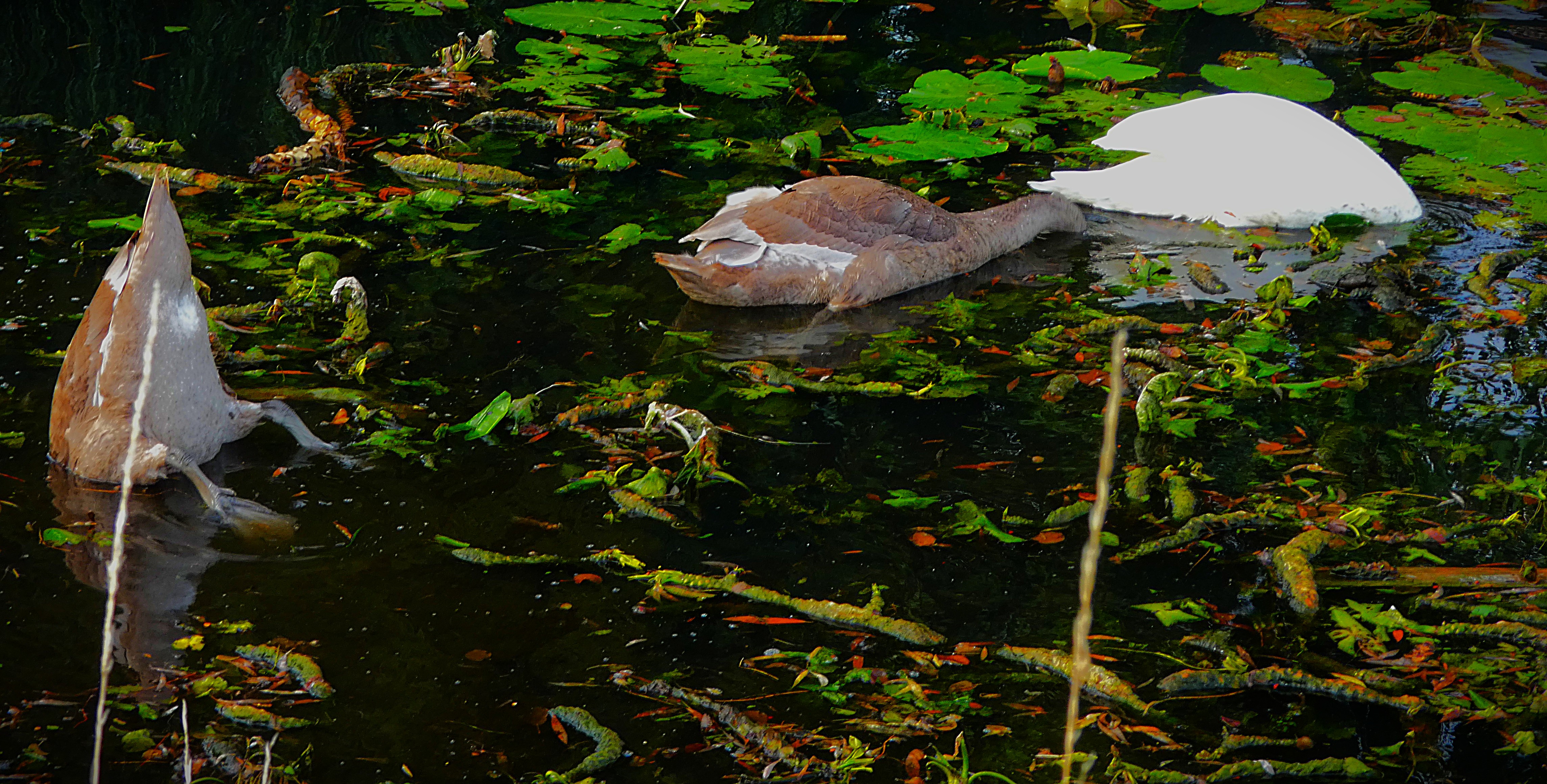
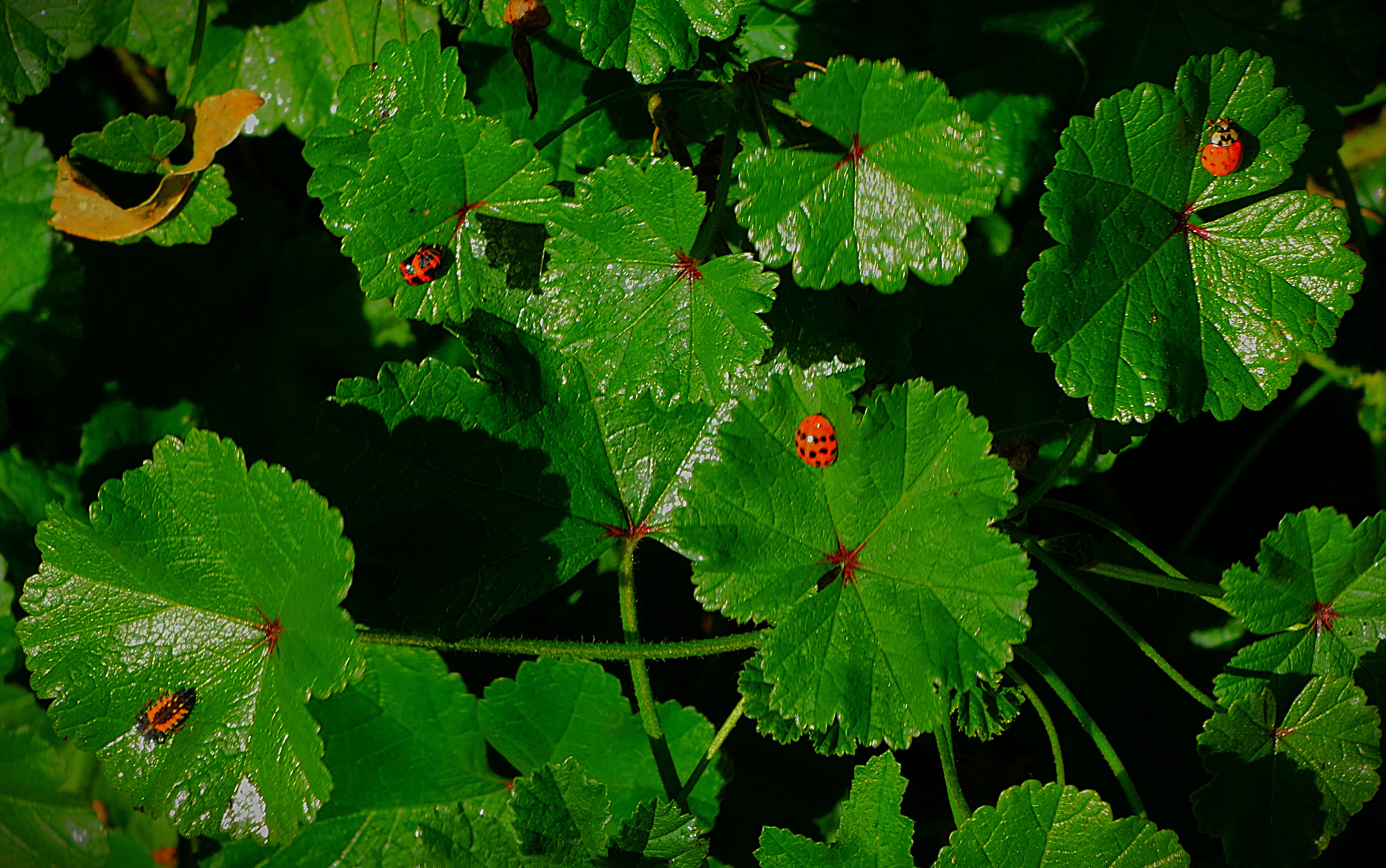
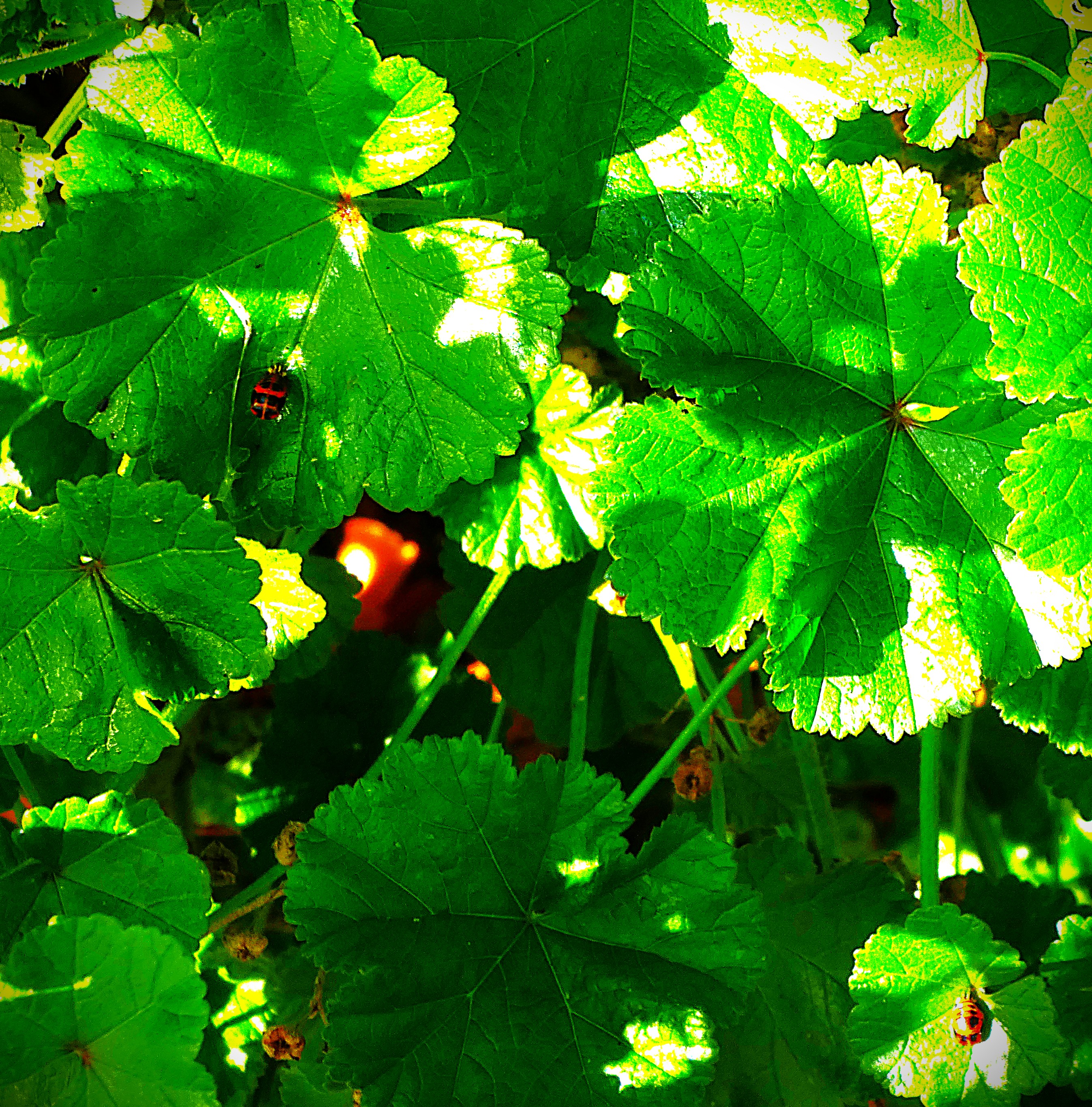
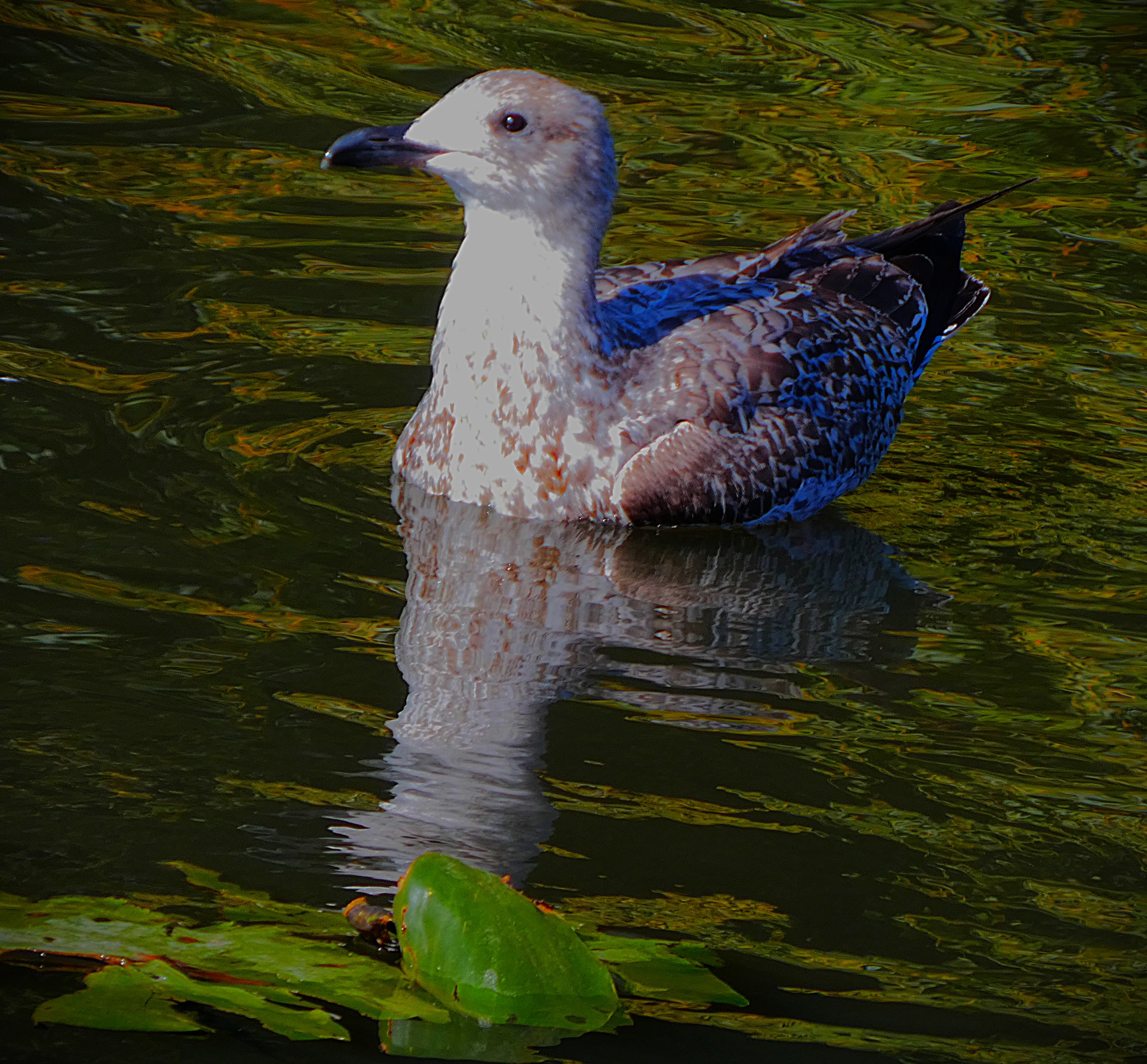
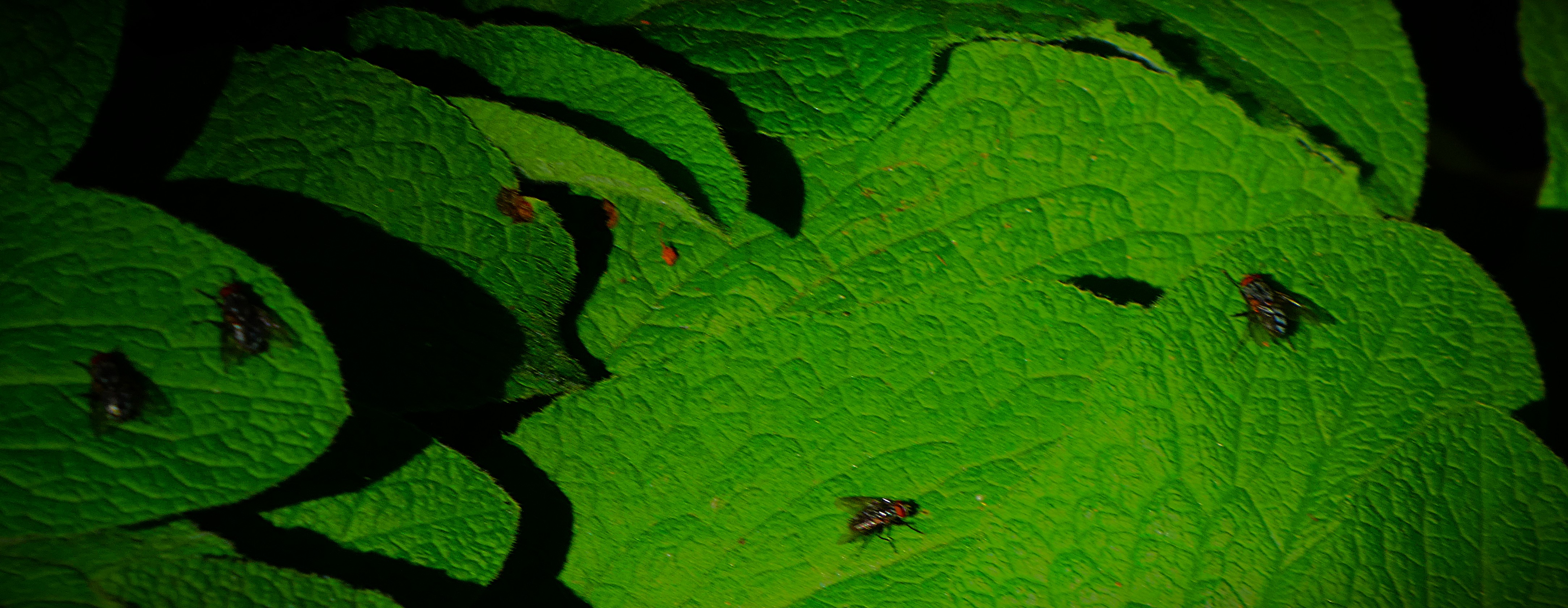
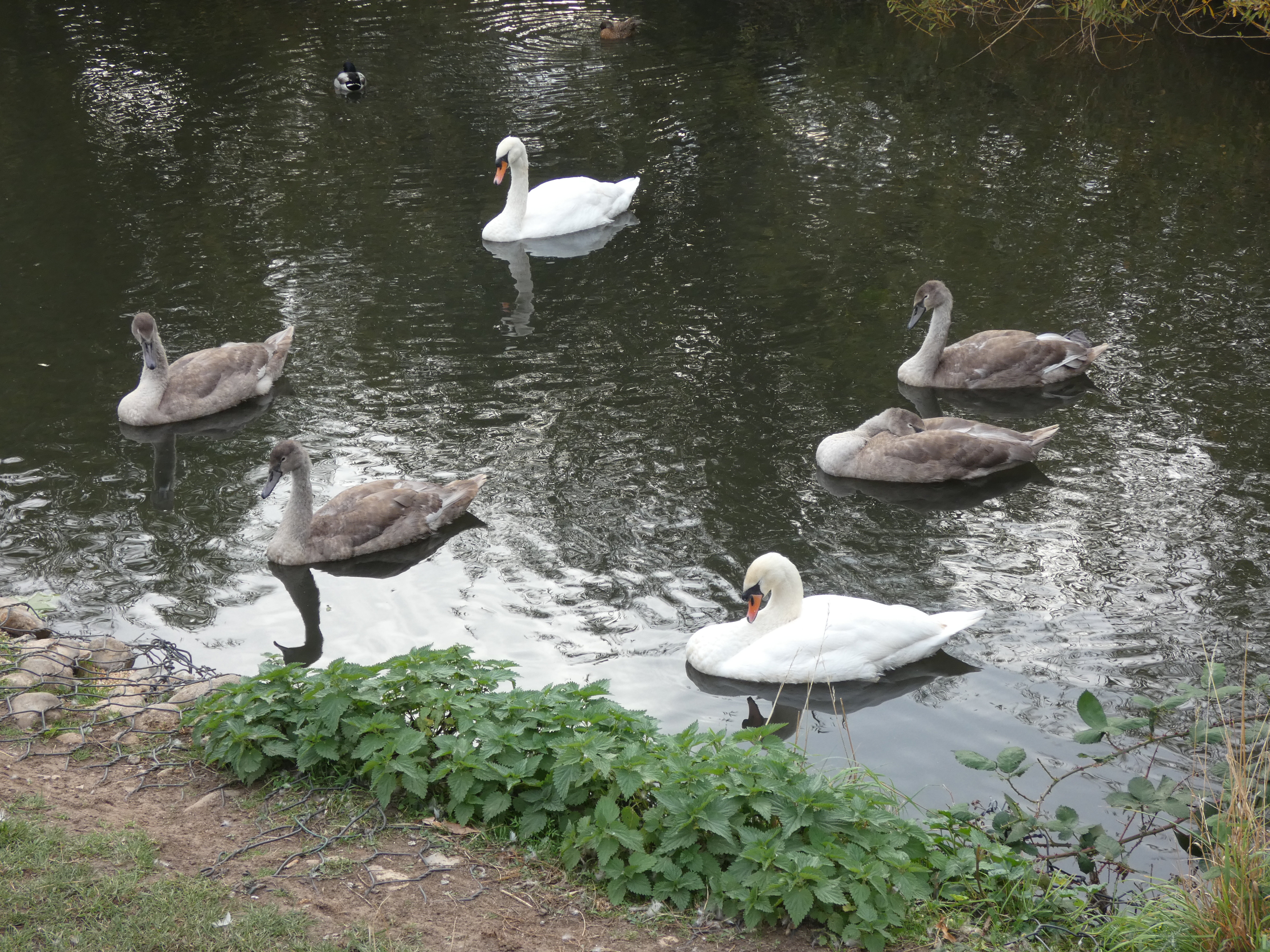
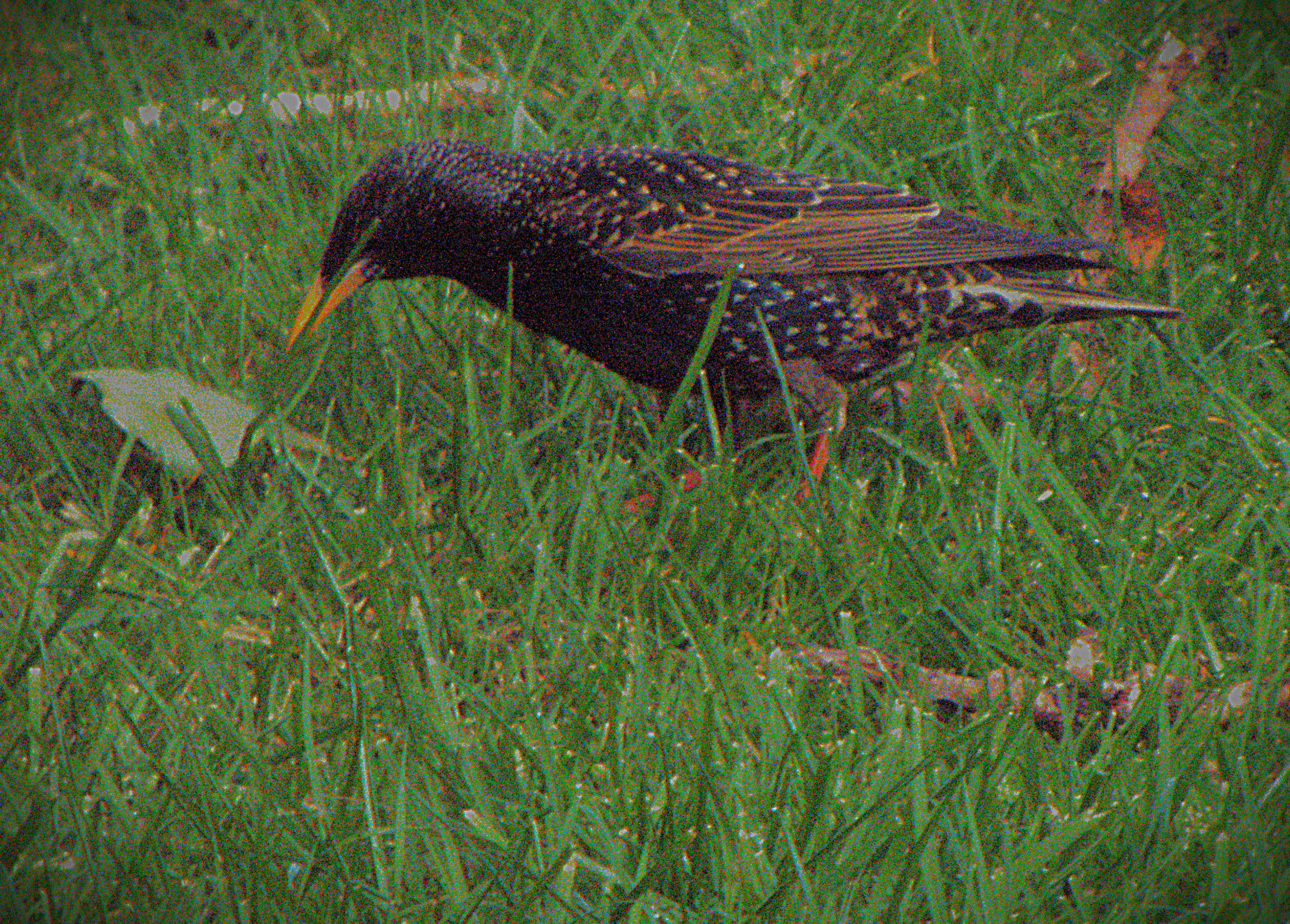
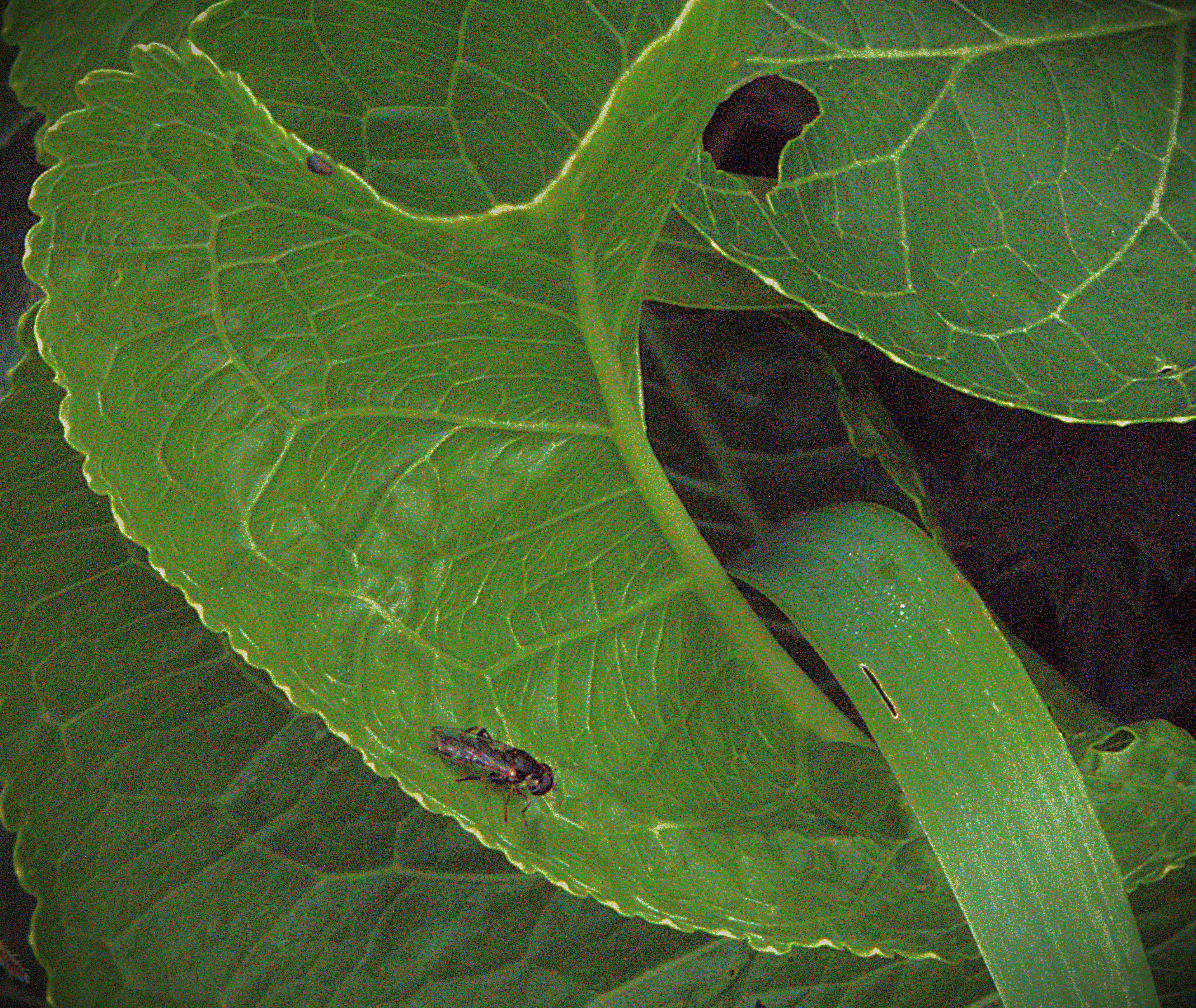
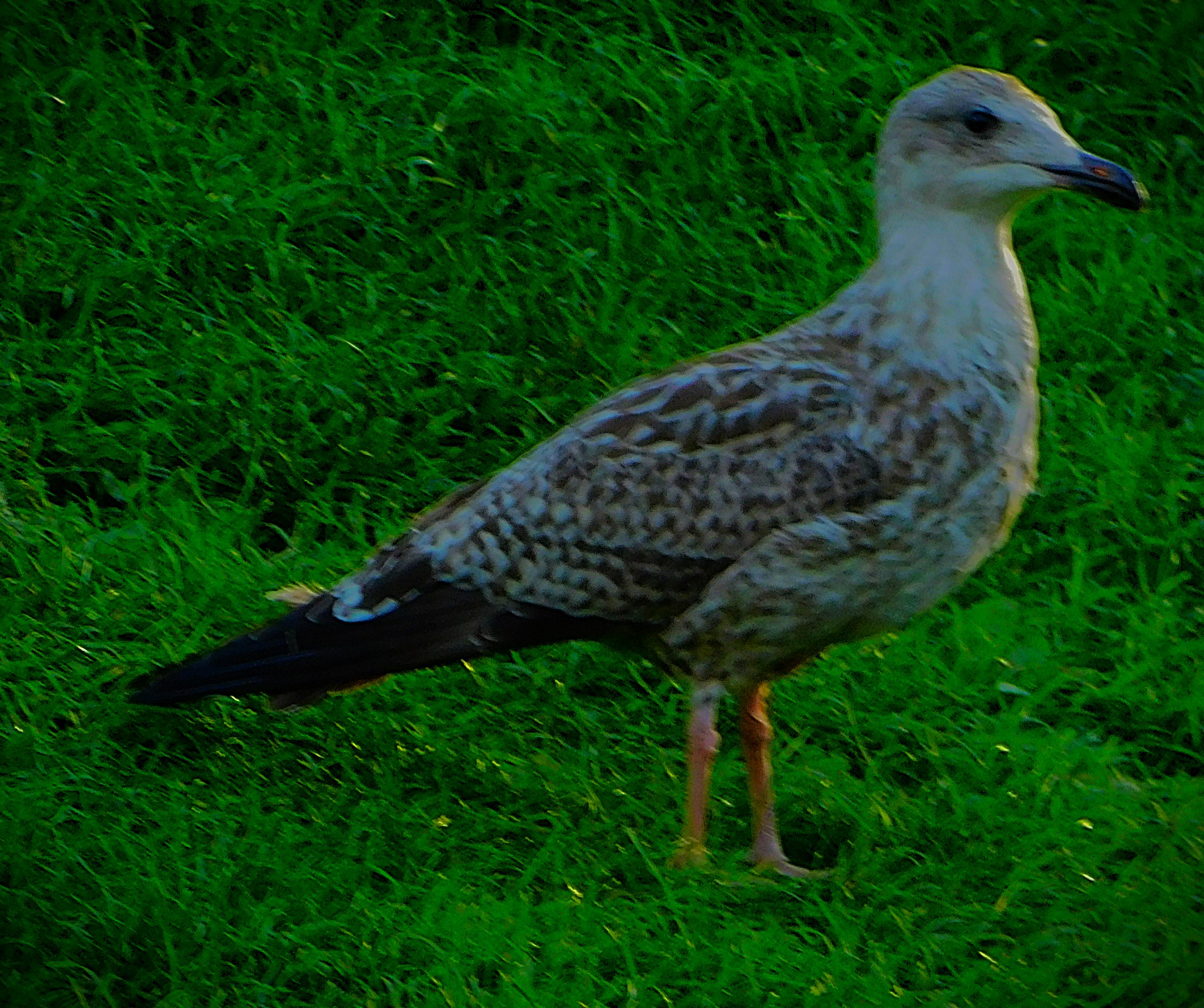
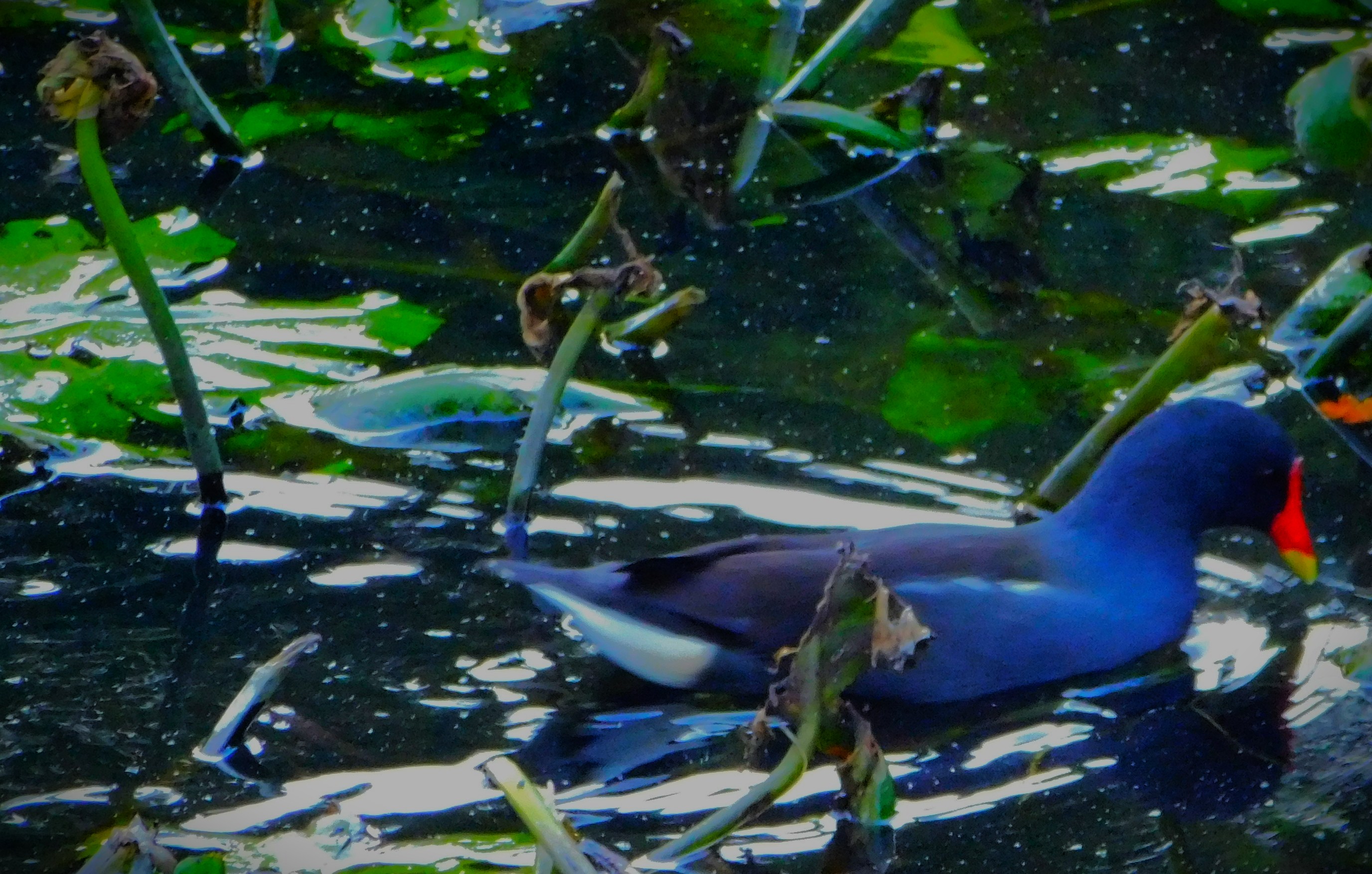
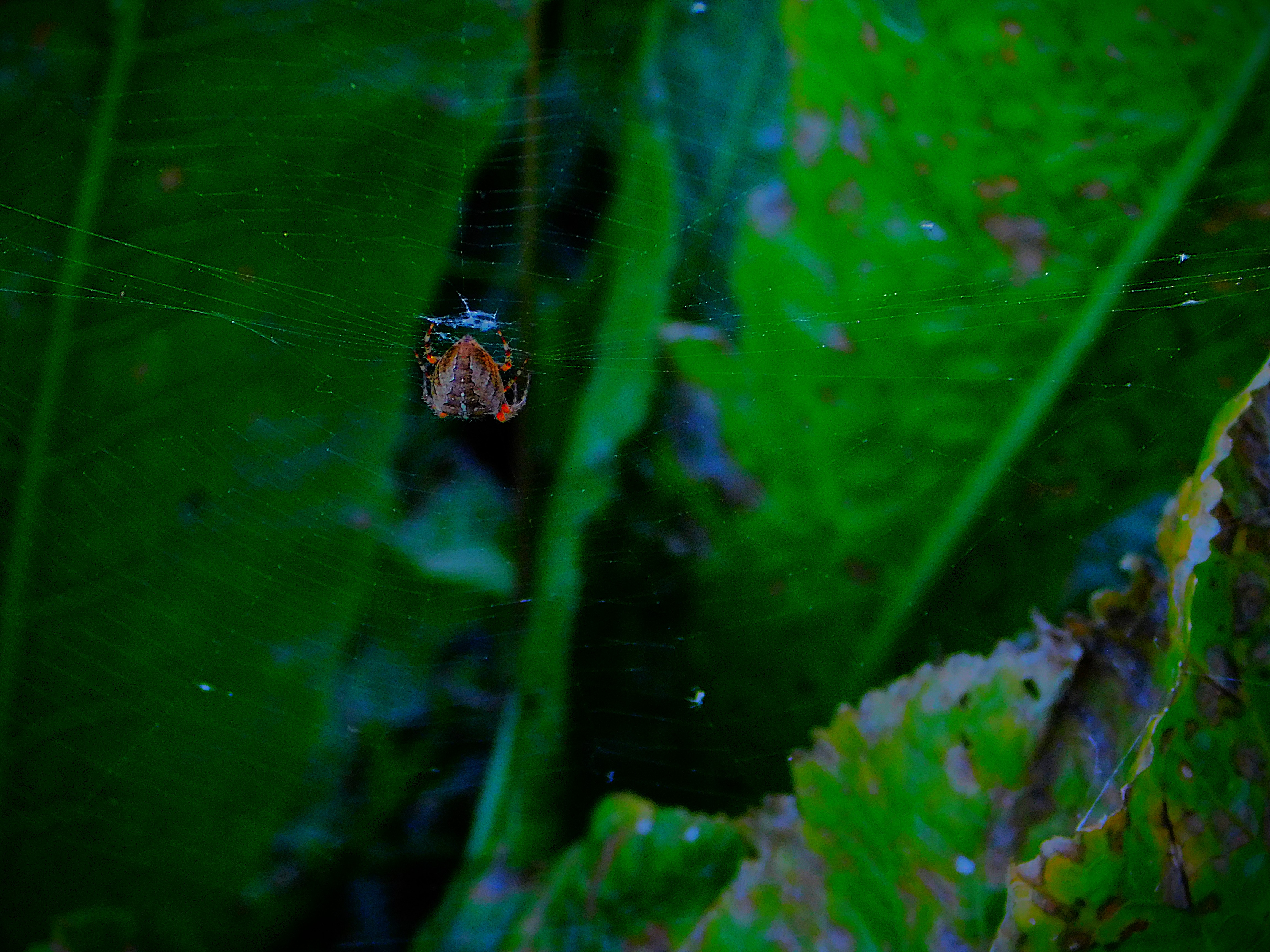
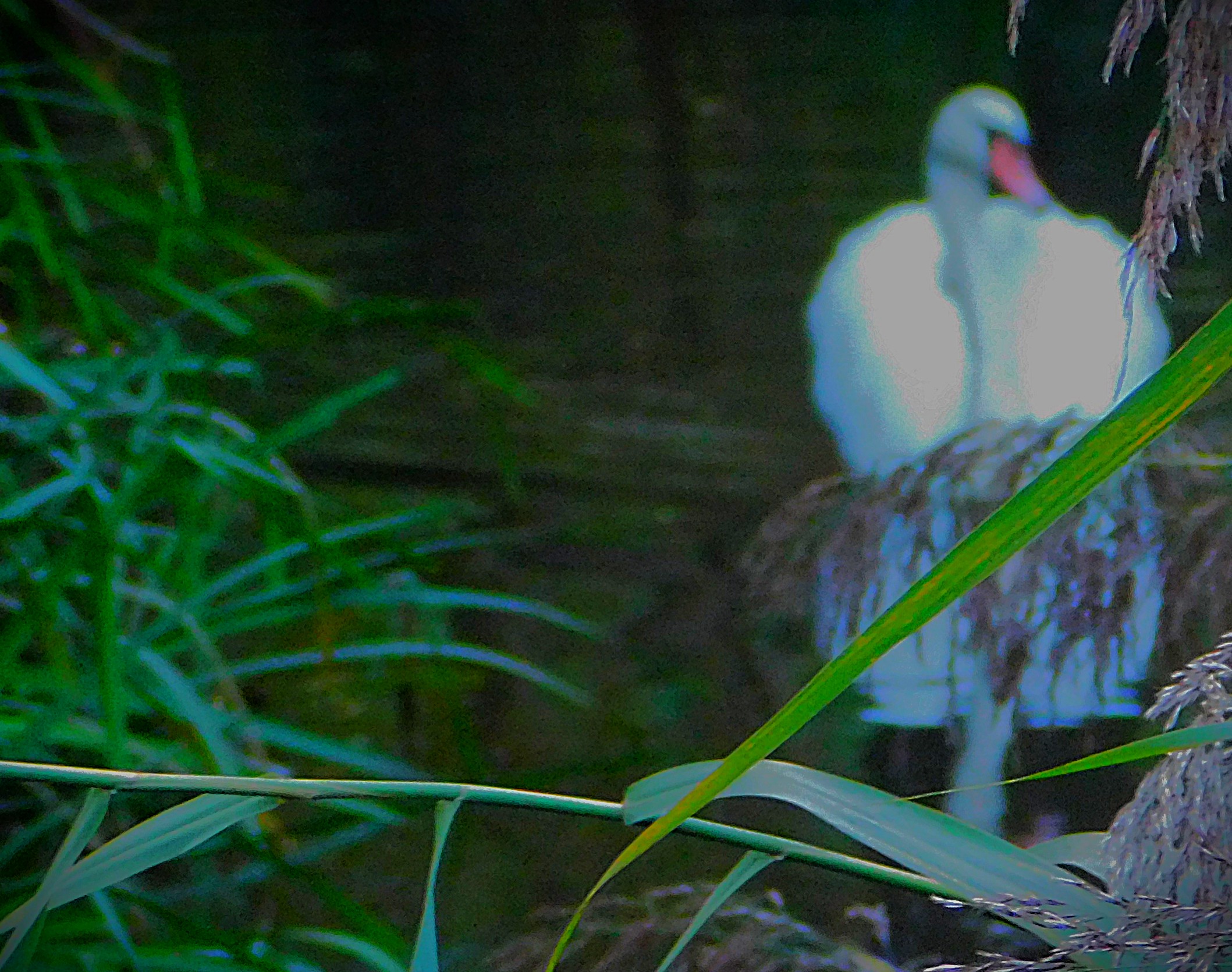
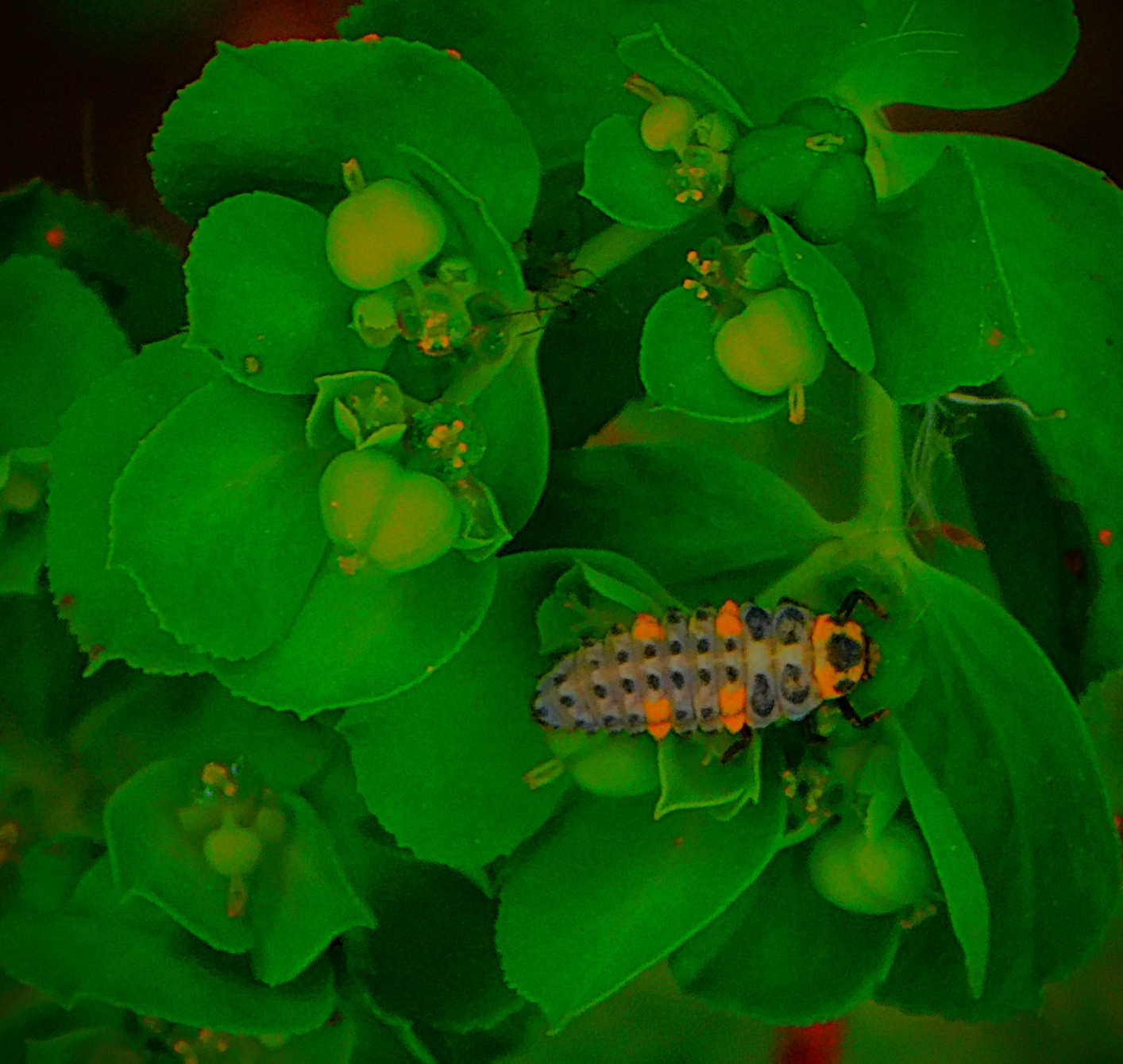
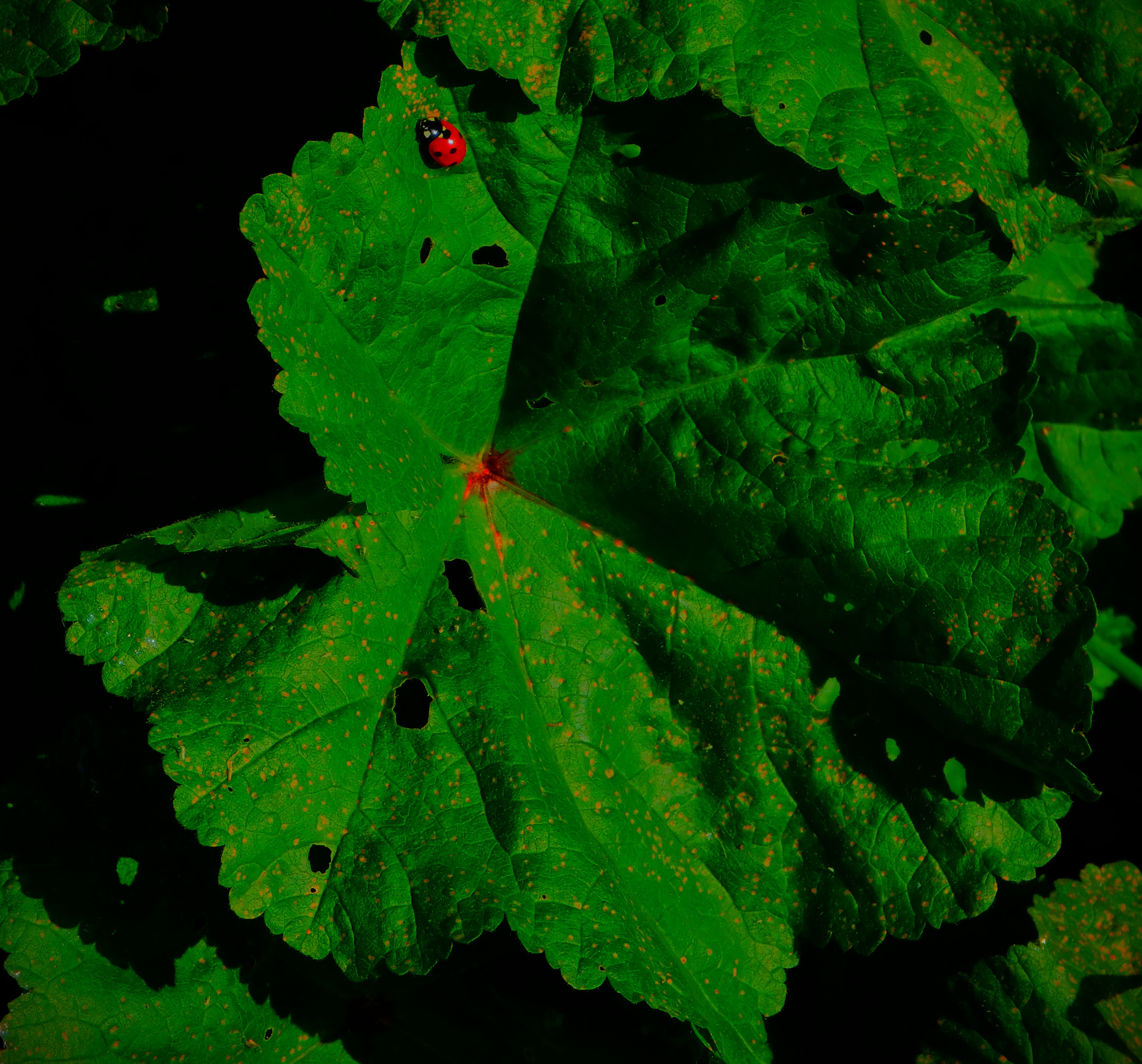
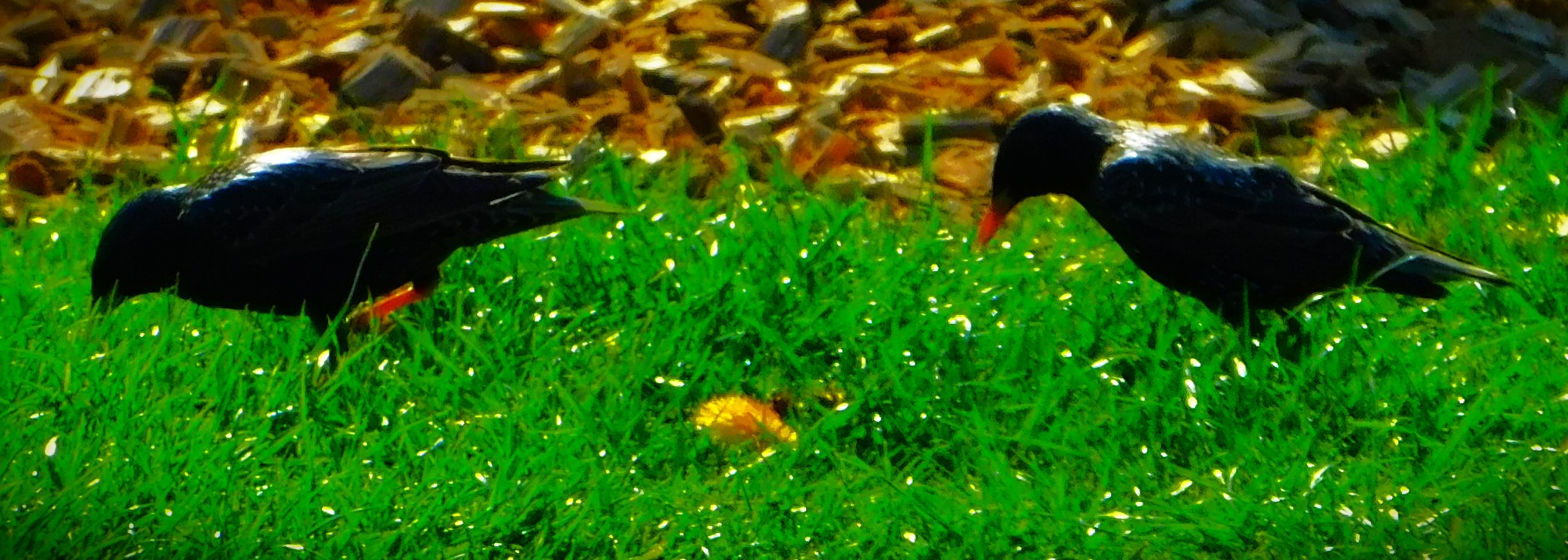
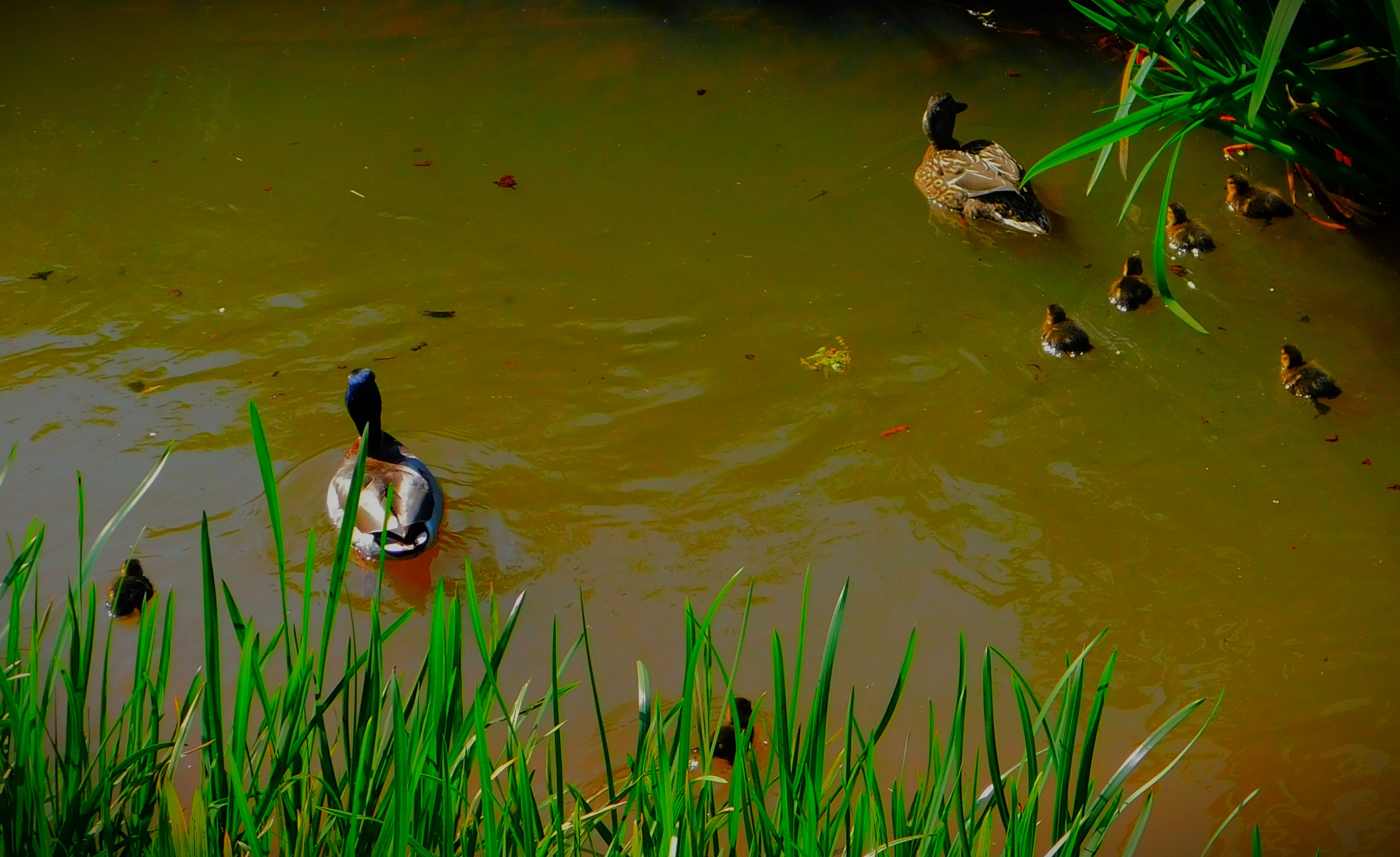
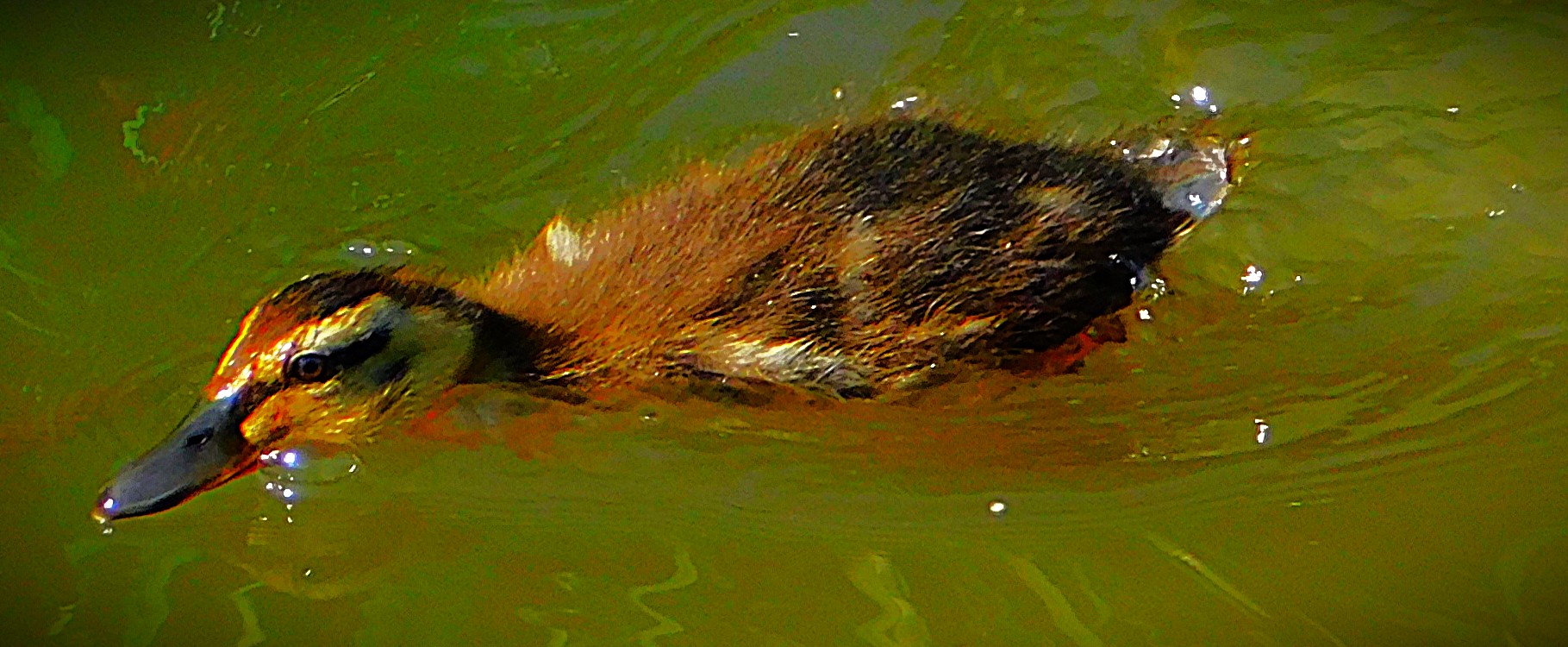
The grey colouring says that this is technically still a cygnet, but it is pretty much the same size as its parents.One smallish leaf, three larvae. The larvae on the left and right probably belong to the same species, but the one in the middle is clearly different.This looks quite similar to a squirrel, but its movements were bouncier than any squirrel I have ever seen, and where a squirrel would have a bushy tail pretty much as long as the rest of its body this creature just has a tiny tuft of tail. One fully developed insect (the reverse video ladybird – black with red spots rather than the usual way round) and one larva sharing a leaf.
A look back at the last day of the 2026 English cricket season, headlined by an ODI series decider between England and Sri Lanka. Also a large photo gallery.
Yesterday saw the last knockings of the 2026 English cricket season, including the third and final ODI of a series between the England and Sri Lankan men’s sides, which this post looks back at.
THE PRELIMINARIES
Sri Lanka had levelled the series by winning the second match back on Thursday. Also in that match Jos Buttler had picked up an injury while batting and retired hurt, and he was absent from this match, his place as keeper being taken by Jordan Cox. England had a slightly less deep batting order than sometimes, but the presence of Gus Atkinson, with an international century to his name, at number nine is hardly indicative of a long tail. England won the toss and although the pitch was fairly green they opted to bat first, having realized that the layer of grass had been left in place because it was a fundamentally very dry surface and needed the presence of the grass to keep it together…
THE ENGLAND INNINGS
Ben Duckett floundered to a five ball duck, finally being beaten all ends up and bowled by a superb ball from Madushanka (it was also a poor shot by Duckett but that should not detract from a fine piece of bowling). Joe Root was never in great form either, but he hung around for a time in support of Tom Banton who was batting magnificently. Harry Brook came in at number four, and now England had in form batters together at the crease. Banton reached his first international hundred. Brook fell at 218, having scored a fluent 77, which brought Jordan Cox to the crease. Banton was fourth out at 242, having scored 126 from 105 balls. Will Jacks and Jamie Overton each provided useful support to Cox who batted brilliantly. Asitha Fernando ended the innings on a personal high, bowling Cox for 76 (52) and then Dawson for a first ball duck with the last two balls of the innings, but the damage was well and truly done by then, with England posting 355-7 from their 50 overs.
THE SRI LANKA INNINGS
Sri Lanka never looked like getting anywhere near the huge total they had been set. Kusal Mendis, century maker in the second match of the series, produced a fluent 35, but once he was out to the last ball of the ninth over to make it 53-3 no one did a great deal. The run out of Rathnayake by Archer, which caused a deal of confusion because Cox had actually dislodged a bail before the ball arrived, stood because Archer’s throw actually removed a stump from the ground. That was 77-4, and with Charith Asalanka and Dunith Wellalage following in short order it was soon 82-6. Sachindu Colombage and Janith Liyanage also one after the other, 104-6 becoming 106-8. None of Eshan Malinga, Asitha Fernando or Dilshan Madushanka, the three remaining Sri Lankan batters, have any batting pedigree whatsoever, and imagining that they might some score 250 between the three of them would have been fanciful to say the least. Malinga actually did reach double figures, a feat beyond the other two, who managed 8 between them. The match ended when Eshan Malinga swept at Will Jacks and Joe Root, soon to be named as England’s ODI player of the season, pouched a sharp catch at leg slip. The margin was 232 runs. Scorecard here.
Shortly before that Somerset and Surrey had shaken hands on a draw at Taunton, with Surrey five down in their second innings and almost 200 adrift. Somerset had built a first innings of 309 – 731 against 422, and had hoped that Leach and Vaughan could spin through Surrey’s second innings, but a couple of interruptions put paid to that. Tom Abell had scored 307 for Somerset, beaten among Somerset natives only by a 310 from Harold Gimblett many decades ago, although overseas stars Justin Langer and Viv Richards have also recorded higher scores for the county.
A look at the final stage of Surrey’s ruthless disposal of Sussex in the county championship and a photo gallery.
This post looks back at the last stages of the match between Surrey and Sussex in the county championship which ended on Monday evening.
THE VICTORY PUSH
Although Surrey lost their last three wickets quite quickly they had piled up a lead of 264 by the time the last one fell – 622 against 358-9 declared. First class debutant Adam Thomas scored 120 of those runs from number seven, and I suspect we will be seeing plenty more of him, and higher in the order. Sussex started their second innings with the most obvious requirement being to reach the close of day three with little damage done. The very first ball of the innings, from Matt Fisher, hit and injured Tom Haines, and Sussex limped to 76-4 by the end of the day. They fared a bit better on day four, but for much of it an innings defeat looked more likely than not. They eventually avoided that, but were only able to establish a lead of 13, one run less than the lowest total Surrey have ever been dismissed for (against Essex in 1983, Neil Foster and Norbert Philip doing the damage with the ball). Surrey did lose two wickets while scoring these runs, making the final margin eight wickets, which decidedly flattered Sussex.
A look back at yesterdays and todays Women’s World Cup matches, each of which saw the lower ranking side on top at times, and a photo gallery.
This post looks at two women’s world cup matches (I got more of yesterday’s than I usually would on a Tuesday because my employer had a commitment at West Raynham and wanted to go straight home once he had finished there, and there was no one else at work yesterday, so I ended up only being at work for a couple of hours, and being home in time for most of the England innings), Bangladesh v England and Australia v Pakistan.
YESTERDAY
When Bangladesh could do no better than 178 against England the match had all the signs of being ‘minnow v shark’. However Bangladesh are known to be stronger in bowling than they are in batting, and they rose to the occasion magnificently. When England were 103-6, with Heather Knight having escaped dismissal on three occasions, and still looking far from convincing a seismic shock looked on the cards. However Charlie Dean for all that she is selected for her bowling is a competent lower order batter as well, and she and Knight pulled the game round, Dean playing a determined supporting role while Knight blossomed from her difficult start to play the decisive innings. Knight’s first 15 runs occupied 50 balls and featured the three escapes mentioned. Her last 64 came off 61 balls. Dean and Knight added 79 undefeated runs for the seventh wicket (the winning hit, made by Dean, was a four). England made it two wins out of two to start the tournament, but it was a heck of a fight, and Knight probably used her entire tournament’s allocation of good fortune in the early part of what became the match winning innings.
TODAY
Absolutely no one would have expected today’s match to provide much of a contest – Australia have never lost to Pakistan in any format of women’s cricket. However between some poor Australian batting and some excellent Pakistan bowling Australia found themselves struggling at 76-7. It was here that their immense batting depth came in to play. First Kim Garth helped Mooney to raise the score 115, and then came the real revival. Alana King, undoubtedly the best batter to be at number 10 in anyone’s line up at this tournament, joined Mooney in a partnership of two parts. First they took the innings within two overs of its scheduled end, adding 72 in the process, with Mooney reaching three figures, a mark that took her 110 balls to reach and contained a mere nine fours (no sixes) – almost as if Joe Root was a left handed female instead of a right handed male. Then in the last two overs they went a bit crazy – going into those two overs Australia were on 187, and by the end of their innings they had reached 221. Mooney was out to the last ball of the innings for 109 (114), but it was King who had done most of the damage in those last two overs, boosting her score to 51 not out (a maiden ODI 50) from 49 balls, with three fours and three sixes, the only such hits of the innings. Mooney’s Brisbane upbringing may have left her better equipped to handle the heat and humidity of Colombo than many non-natives but it was still a remarkable feat of endurance to bat for so long and to run so many runs in those conditions. Sadly Pakistan were not able to offer anything with the bat barring 35 from Sidra Amin and some determined resistance from the lower order (the last three Pakistan wickets, after Amin’s dismissal, held out for just over 15 overs between them), and in the end Australia had won by 107 runs, but do not be fooled by the magnitude of their final victory – there would have been moments when they were seriously worried. As it is they have now won two matches and had one rained out. Pakistan have some wonderful bowlers, but their batting is too weak. Sidra Amin has scored six ODI centuries, but her team mates have a grand total of four between them.
PHOTOGRAPHS
My usual sign off…
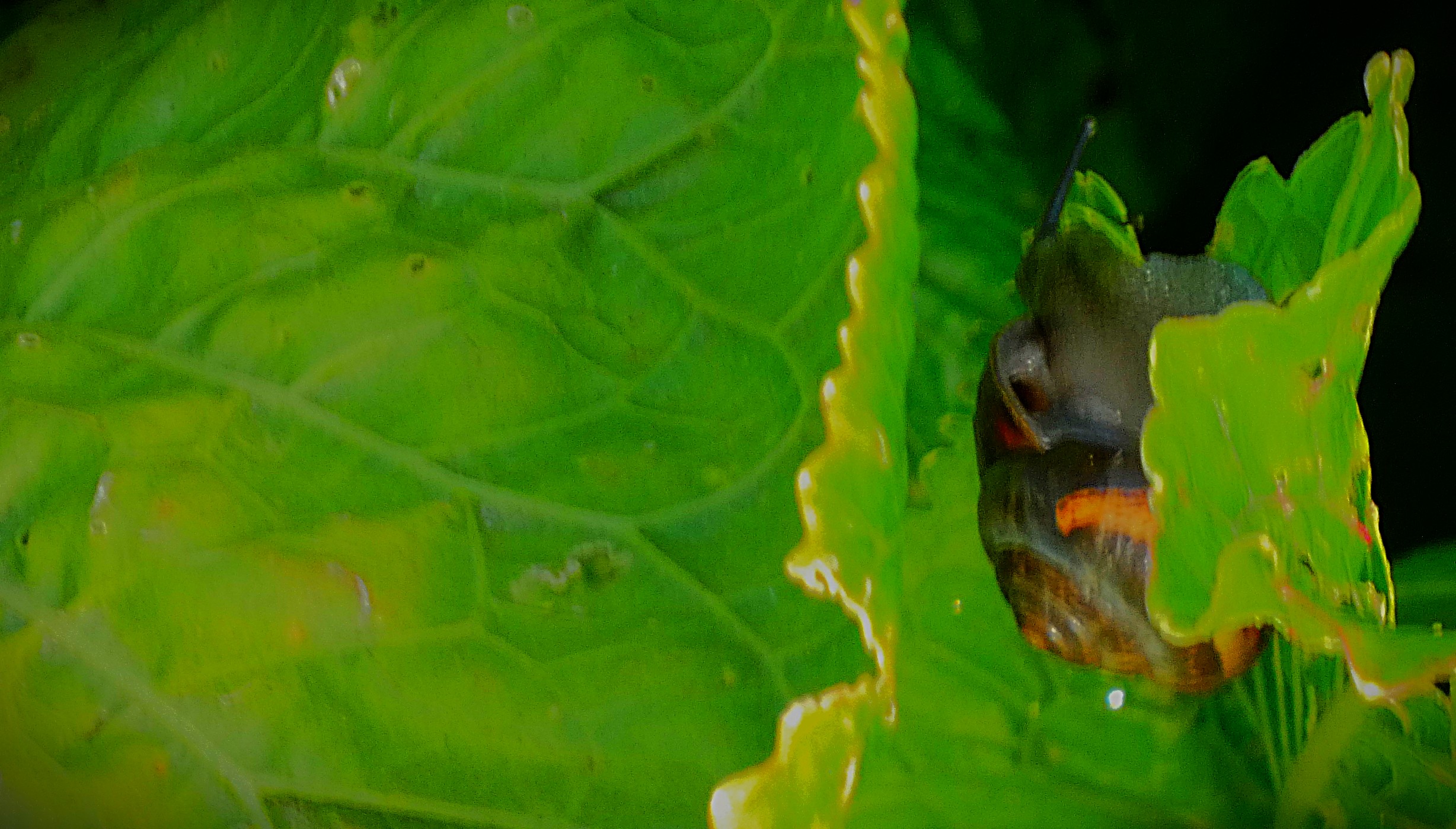
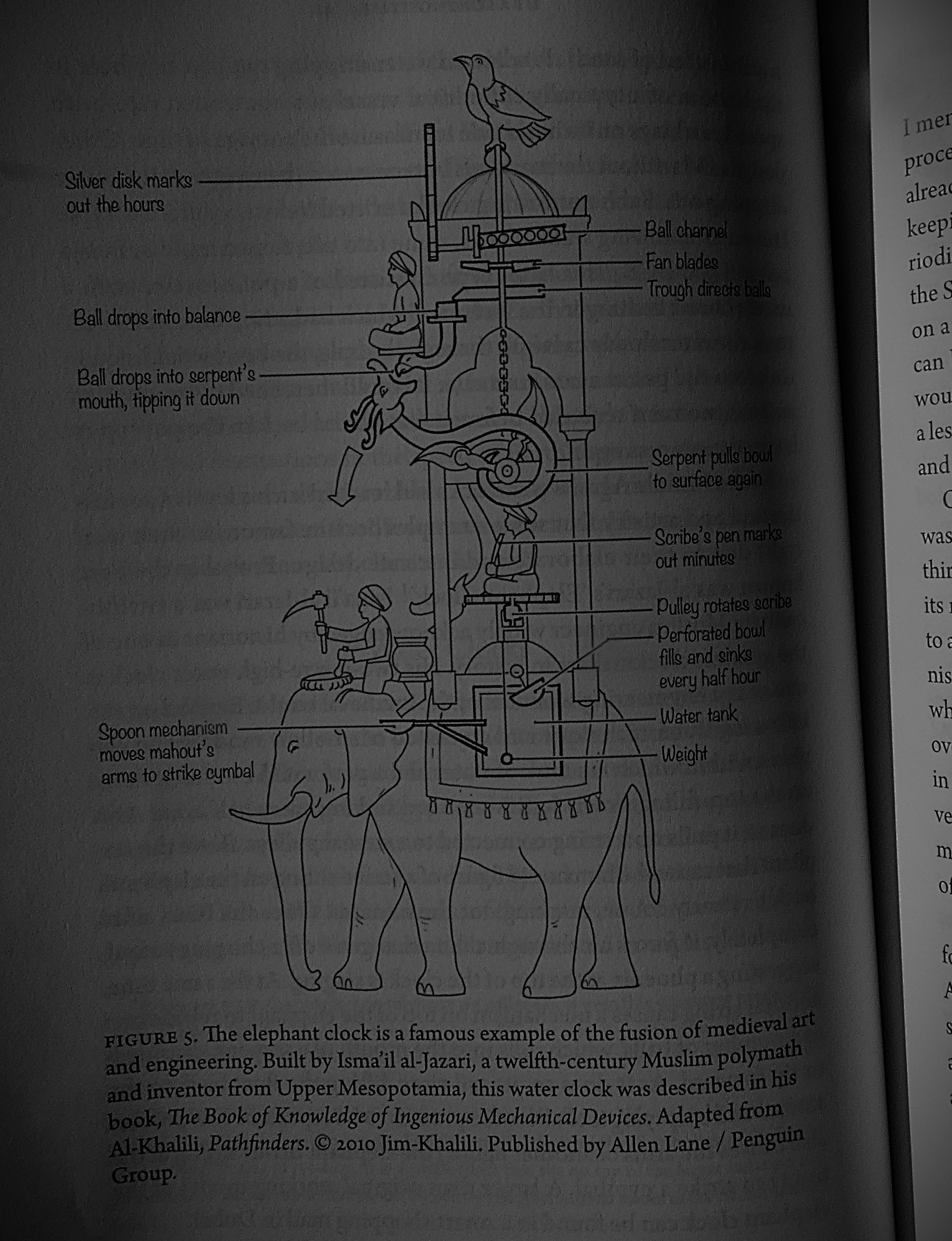
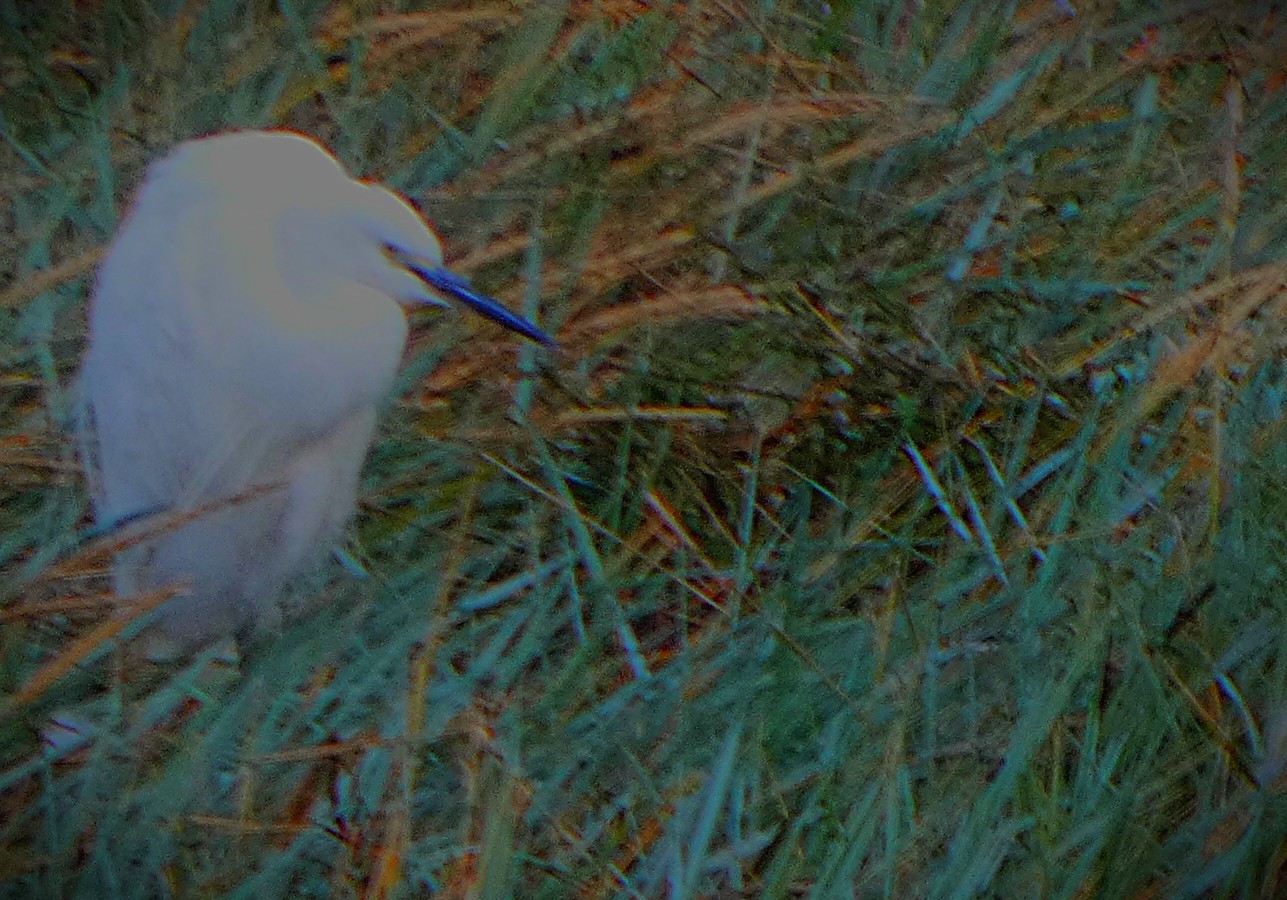
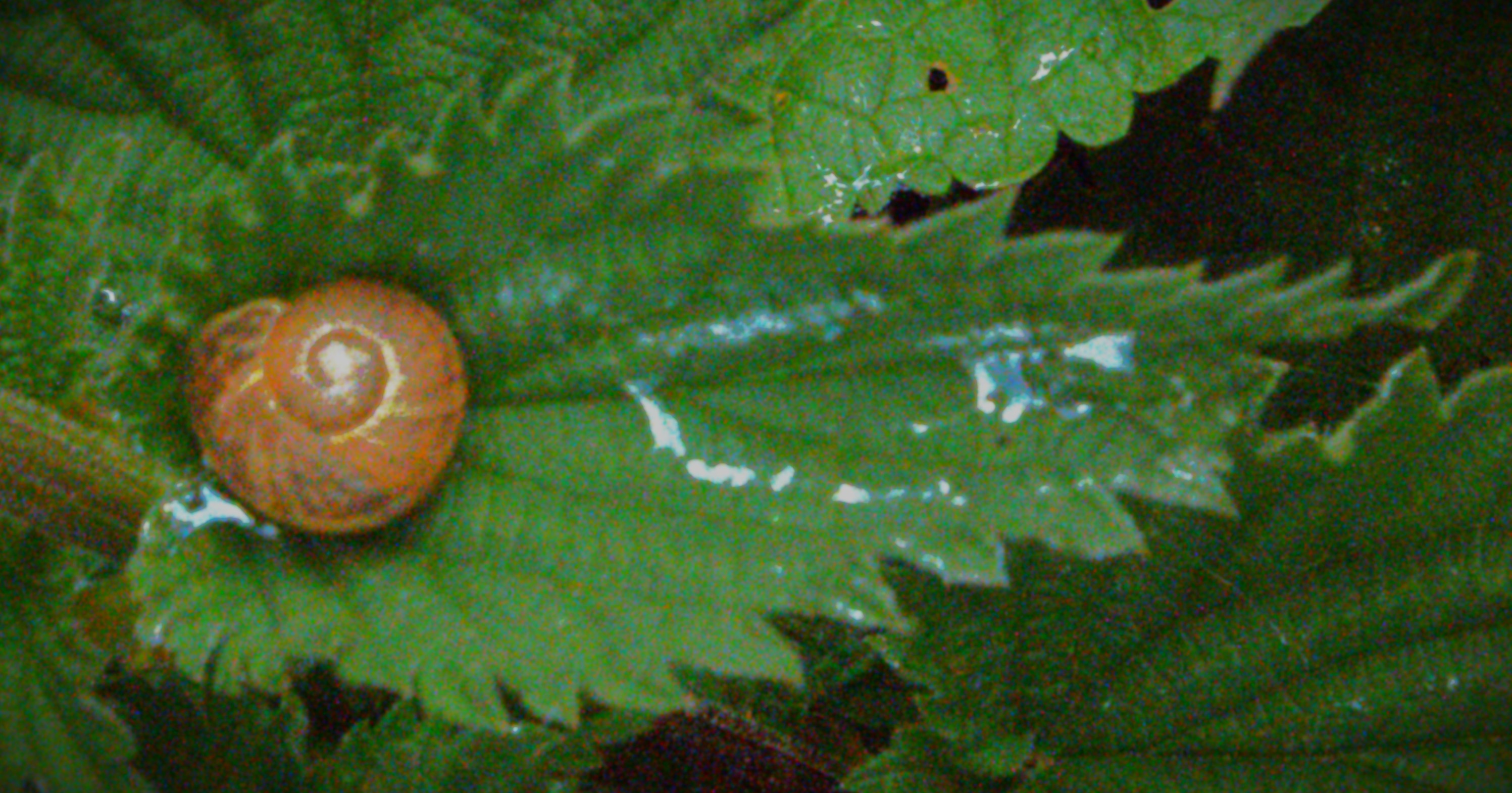
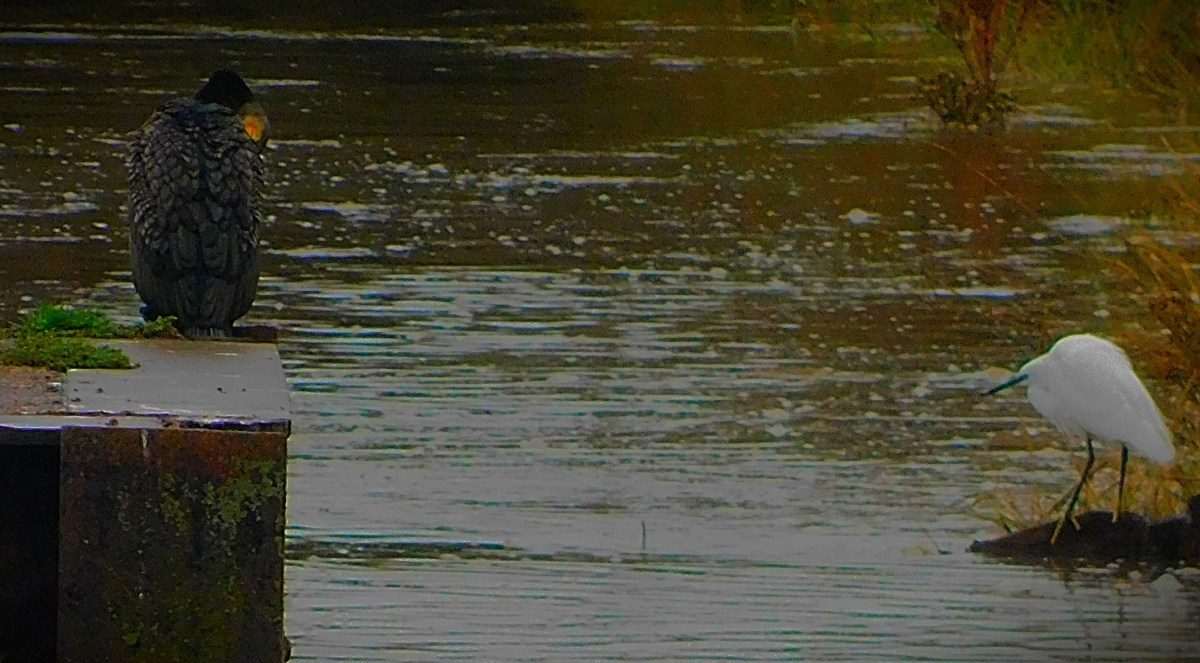
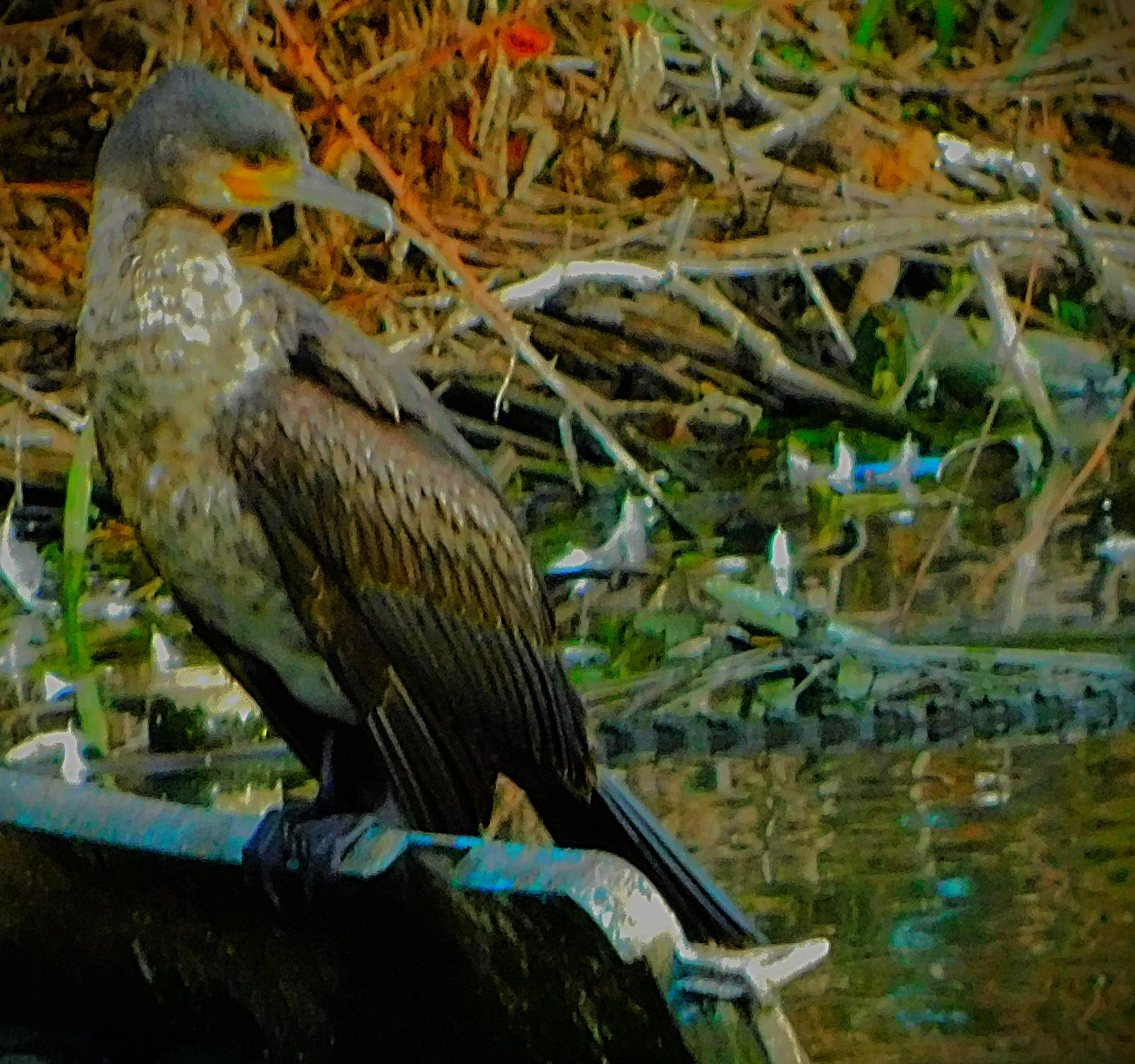
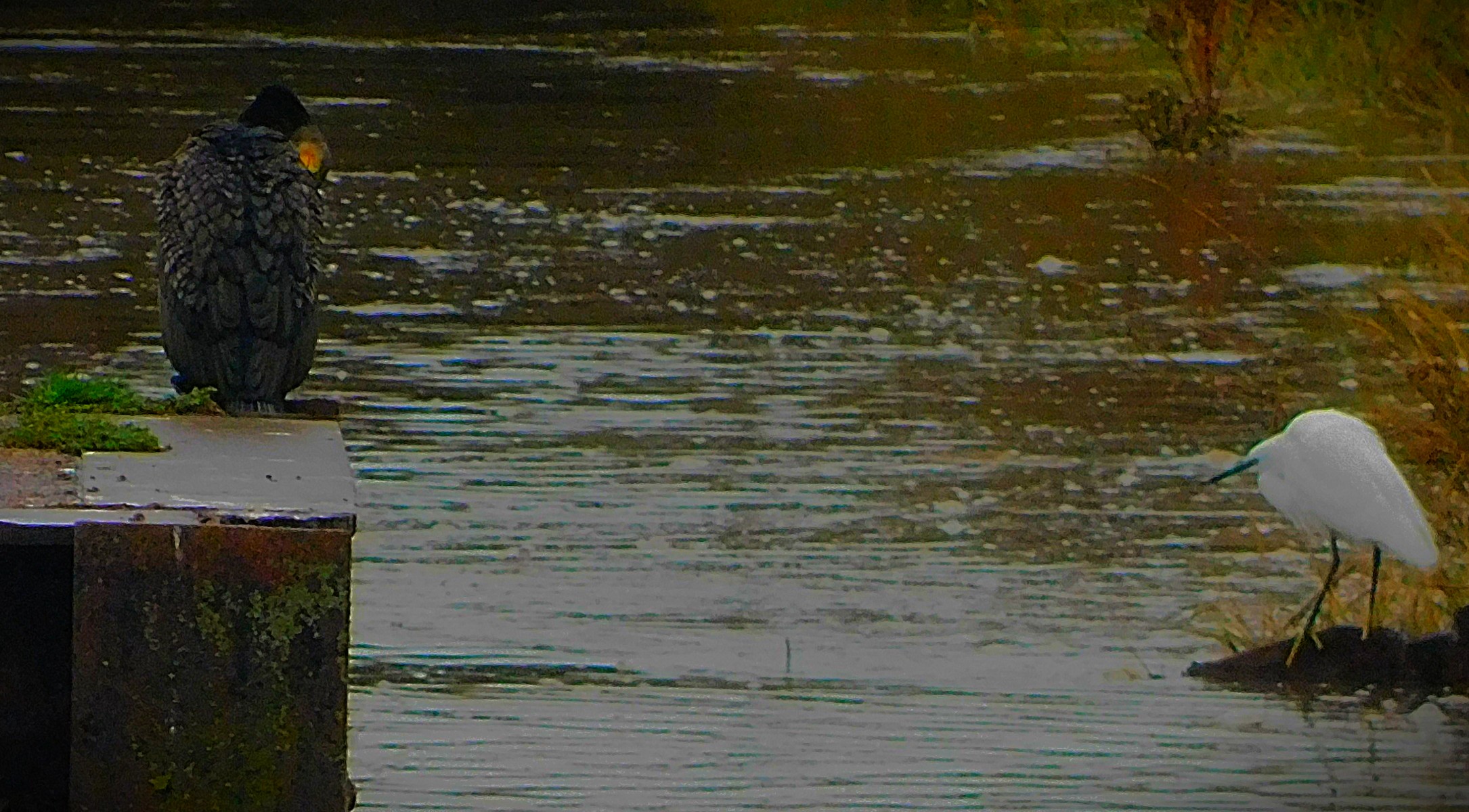
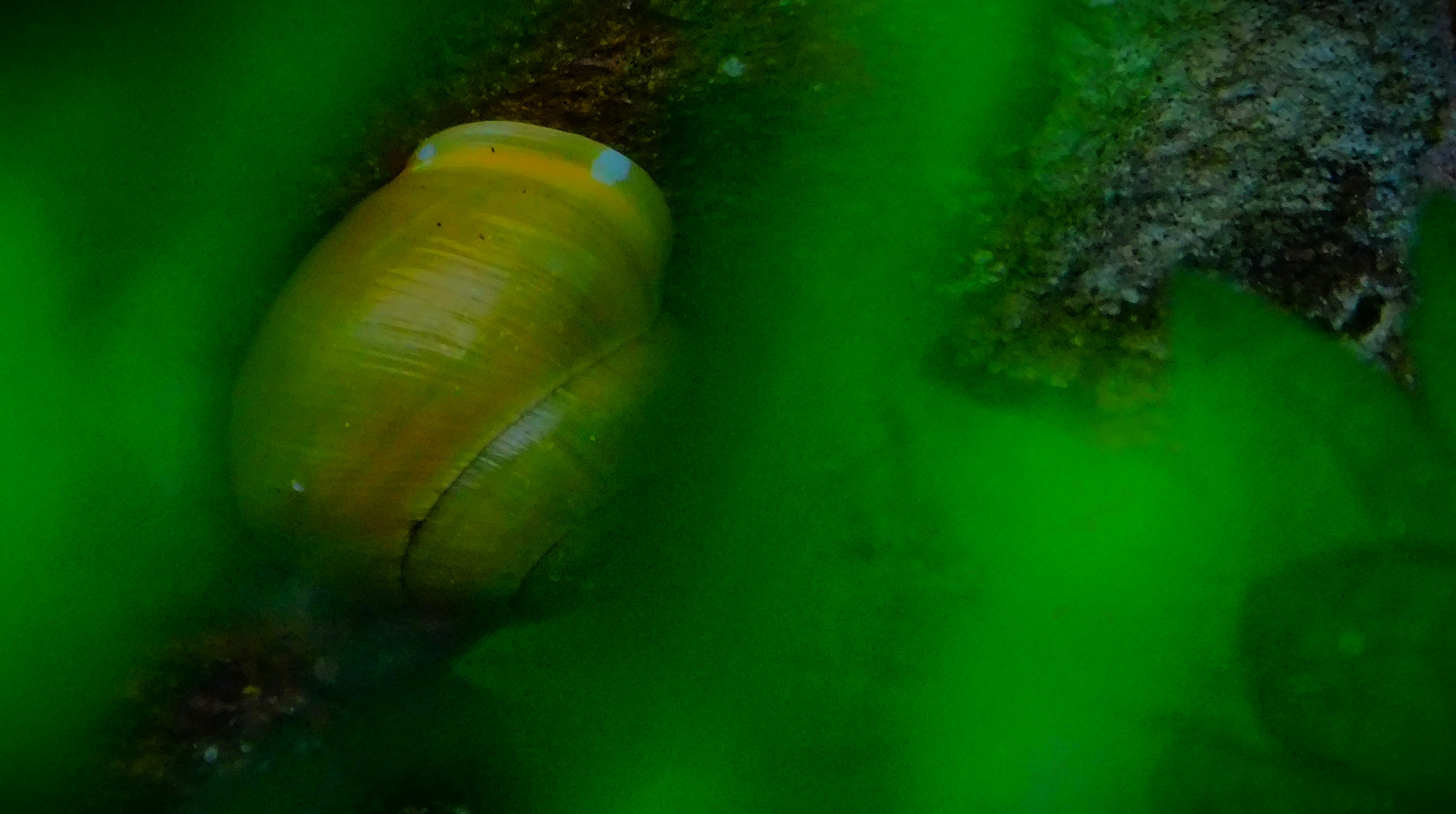
This is a page from my current ‘bus book’A fine snail this morning. A cormorant and an egret a few feet apart.
A back at the round of county championship fixtures that took place over the bank holiday weekend, a look at the points system and a photo gallery.
The most recent round of county championship fixtures took place between Friday 2 and Monday 5 May. It was an excellent round of fixtures overall, with the only clear cut dud game, the one at the Utilita Bowl where both hosts Hampshire and visitors Durham seem to have decided almost from moment one that a high scoring draw and consequent boost to a few people’s batting averages was all that was available. In the rest of this post I will look at the games I actually followed some of, and will end with something about the current points system in the county championship.
SOMERSET v ESSEX
Somerset came into this round without a win so far this season, and for a long time it did not look like that would be changing. Somerset had surrendered tamely for 145 in response to Essex’s first innings 206. When Essex led by over 300 with only four wickets down in their second innings it was looking horribly one-sided. Although it did not look like it at the time the injury sustained by Jordan Cox in his anxiety to get to three figures (at that stage the previous highest score of the game was the 41 made Noah Thain in the Essex first innings) was a turning point in the match. Cox completed his ton, and immediately retired hurt. From that point five wickets crashed for seven runs, which precluded any return to the crease on Cox’s part. A total of 321 still looked beyond Somerset’s capabilities. At 78-5 the only question seemed to be whether or not there would be a fourth day – with not seeming the more likely answer. However Lewis Gregory now joined James Rew, and redeemed a less than stellar effort with the ball by launching a counter attack. The sixth wicket pair put on a century stand before Gregory was out. Craig Overton now came in and supported Rew to such good purpose that they were still together at the close. On the fourth morning the pair continued their good work, and the Essex bowling, normally among the best in the country, became somewhat ragged, with even the usually metronomic Sam Cook struggling to locate the right areas and regular fourth innings destroyer Harmer not quite looking at his best. A Somerset win had looked very distant when play started, but as Rew and Overton kept going and going it went from deeply improbable through unlikely and on to possible, then probable and finally, as Rew moved past three figures, a near certainty. When Rew finally fell for a magnificent 116 a mere nine more were needed for the win, and Josh Davey, by no means a mug with the bat, was joining Overton. It was Overton, appropriately enough, who struck the final blow, a six that simultaneously propelled Somerset to victory and him past the 50 mark. Somerset have a long history of involvement in bizarre matches (e.g. Headingley 1901 – Somerset 87, Yorkshire 325, Somerset 630, Yorkshire 113, Somerset won by 279 runs after trailing by 238 on first innings), but not even they have been involved in many games to equal this one.
OTHER MATCHES
Lancashire v Gloucestershire bore all the hallmarks of a dull draw deep into day three, when in response to a Lancashire score of 450 Gloucestershire were steadily moving into a lead. However, once they had the lead Gloucestershire did attack, led by Oliver Price, who before this innings had never topped 150 in a first class match. Now he made it 250, a mark that only one previous Gloucestershire batter, Walter Hammond, had ever reached against Lancashire. Gloucestershire ended the third day on 589-8, a score at which they promptly declared. Lancashire were at one point four wickets down and level in terms of runs, but in the end they did enough to draw the match.
Glamorgan against Derbyshire got very tense in the closing stages. When Derbyshire were 248-5 chasing a target of 338 it looked all over, but a clatter of wickets suddenly left Derbyshire clinging on by their finger tips. In the end the match was drawn, with Derbyshire surviving the final over with their score 308-9. This innings featured a maiden first class five-wicket haul for Ben Kellaway, who like Aussie women’s player Jemma Barsby cam bowl both off spin and left arm orthodox spin. Kellaway had earlier played a big innings for Glamorgan as well.
Middlesex and Kent also had an incredible finish. In their case the draw was off the table, but win for either side or a tie were possible deep into the closing stages. The fortunes of wat swayed hither and thither with first one side and then the other looking favourites. In the end Middlesex skipper Toby Roland-Jones got his side over the line for a two wicket win. This was harsh on Daniel Bell-Drummond who had scored a double century in the Kent second innings to put Middlesex under pressure.
THE POINTS SYSTEM
As it currently stands a win is worth 16 points, a draw is worth 8 points and there are 8 bonus points available, 5 for batting (250 = 1, 300 = 2, 350 = 3, 400 = 4, 450 = 5) and 3 for bowling (3, 6 and 9 wickets). These bonus points are awarded specifically in the first 110 overs of each side’s first innings. The big problem is the valuation put on the draw, because a draw with a full ration of bonus points nets 16 points, making it almost as valuable as a win with a low bonus point tally. Although the round that has just gone was a good one overall, there was the game I mentioned in passing at the Utilita Bowl where both sides settled early for a high scoring draw, and there have been several notably cowardly declarations earlier in the season where sides have built their leads to an absurd extent and ultimately declared so late in the game that only rank incompetence by their opponents could result in victory. I would either reduce the award for drawing a game to 6 points, or if keeping the draw at eight points boost the award for winning a match to 20 points, to make sure achieving victory even with a small bonus point count is definitely more desirable than a high scoring draw. Matches like the abomination at the Utilita Bowl are a poor advert for what is actually a great competition – witness the four matches that I looked at in more detail in the course of this post.
PHOTOGRAPHS
My usual sign off…
This is in Grimston – my bus home from work yesterday was diverted from its usual route.
A look back at James and Sons’ April Auction, a brief mention of County Championship action and a photo gallery.
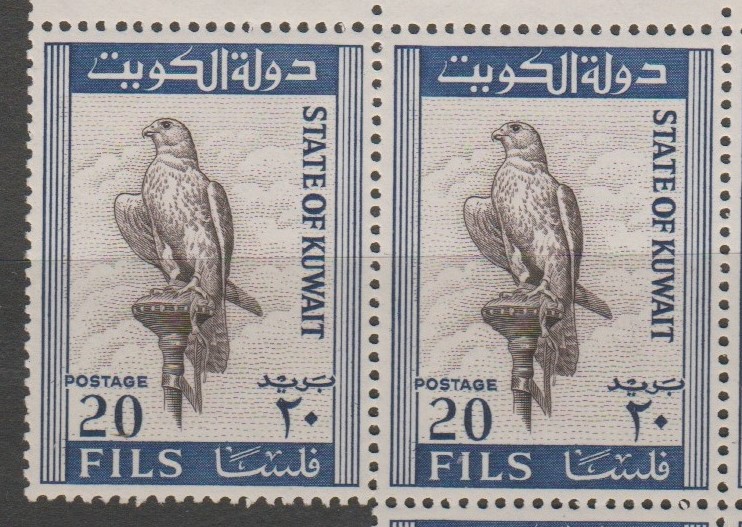
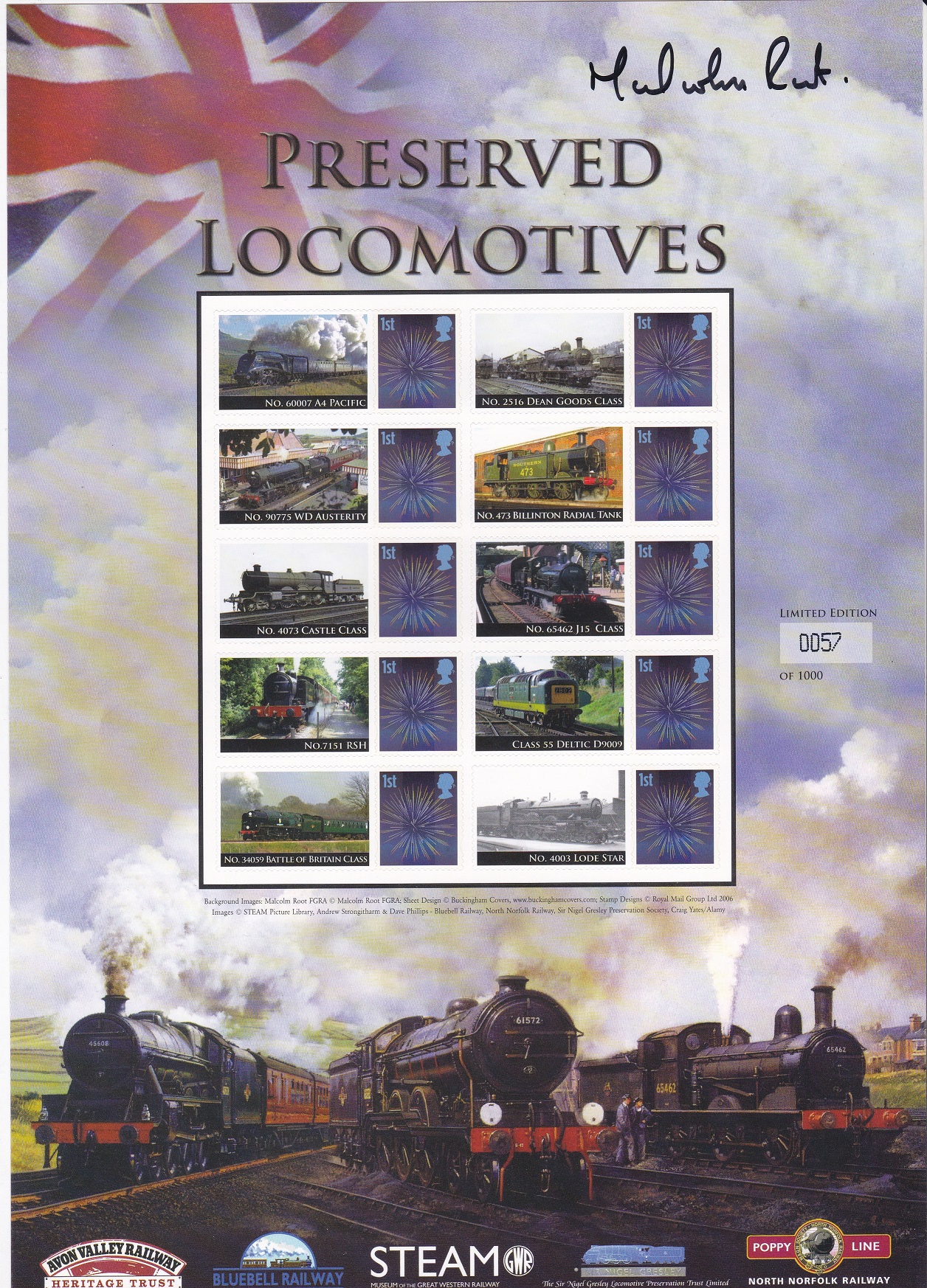
On Tuesday and Wednesday of this week James and Sons had its April auction, 1,000 stamp and postal history lots across the two days. On day one I was at work, one floor above where the auction was taking place, but had left bids on two lots, the fate of which would decide my approach to day two where I would be following from home.
A MODESTLY SUCCESSFUL AUCTION
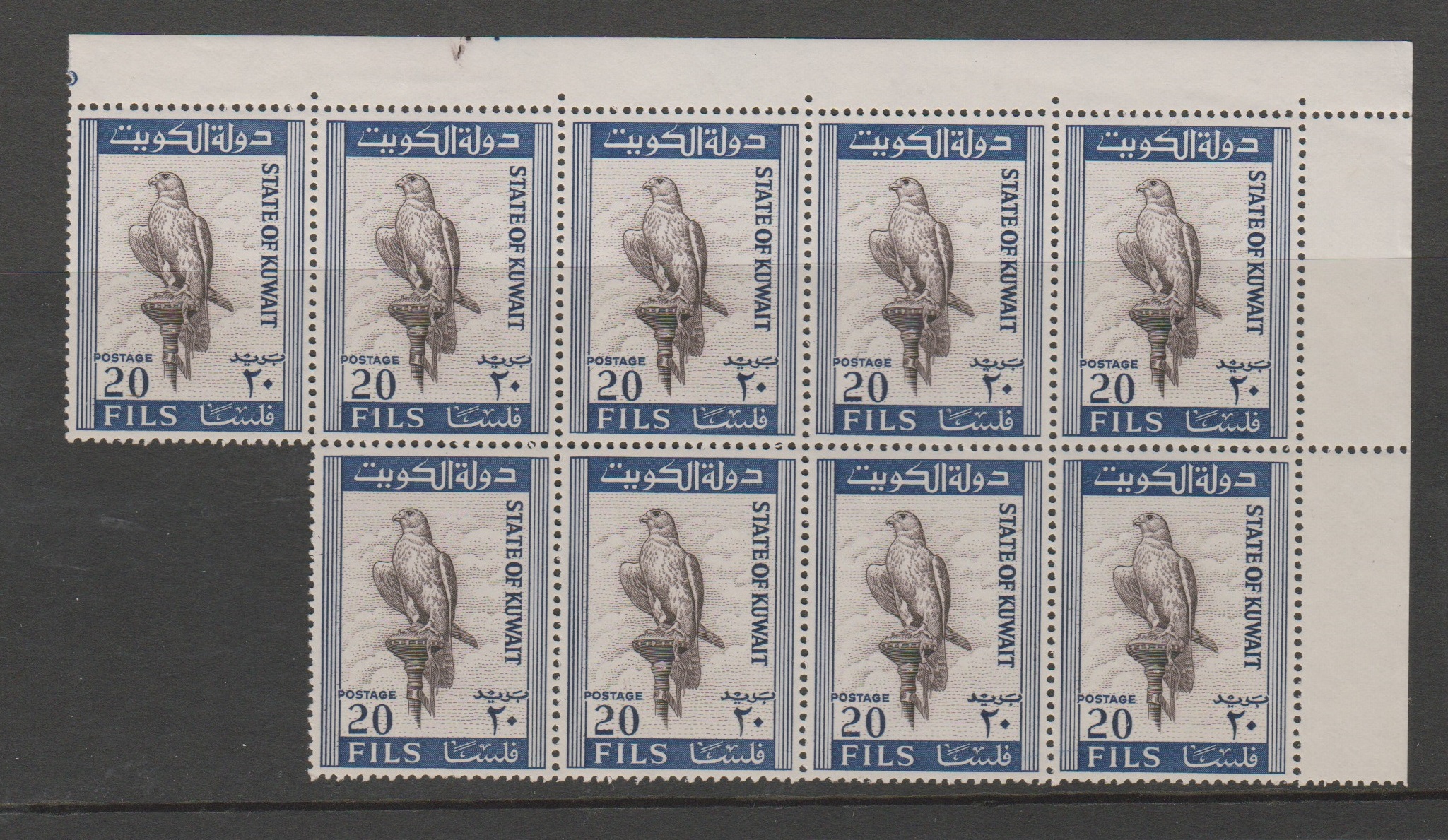
The opening day of the auction went well overall for the company, and well for me personally – I got both lots I had left bids on, and both sufficiently cheaply that I was still in a position to bid on more items on day two. Lot 193 was the first of my lots:
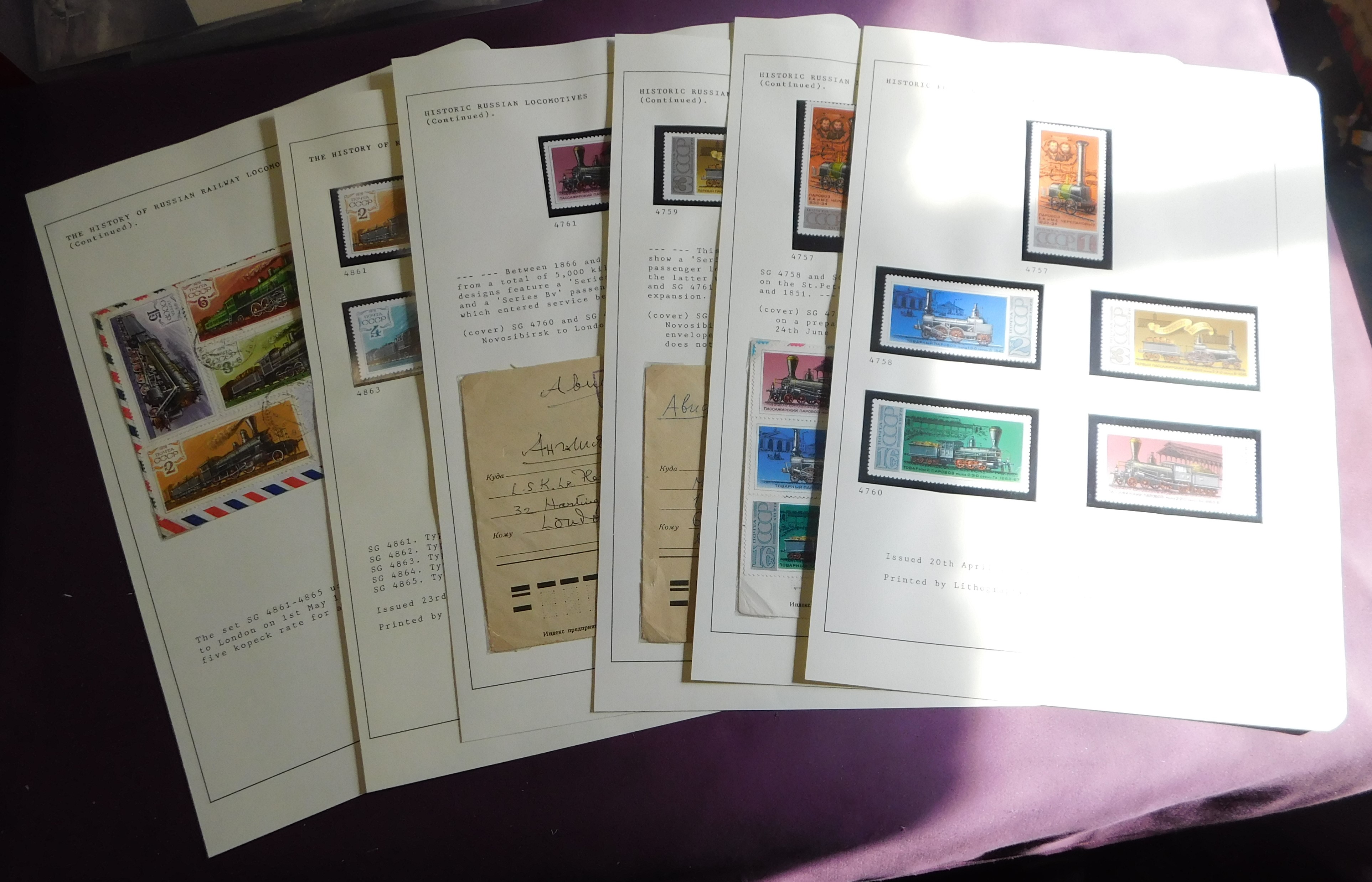
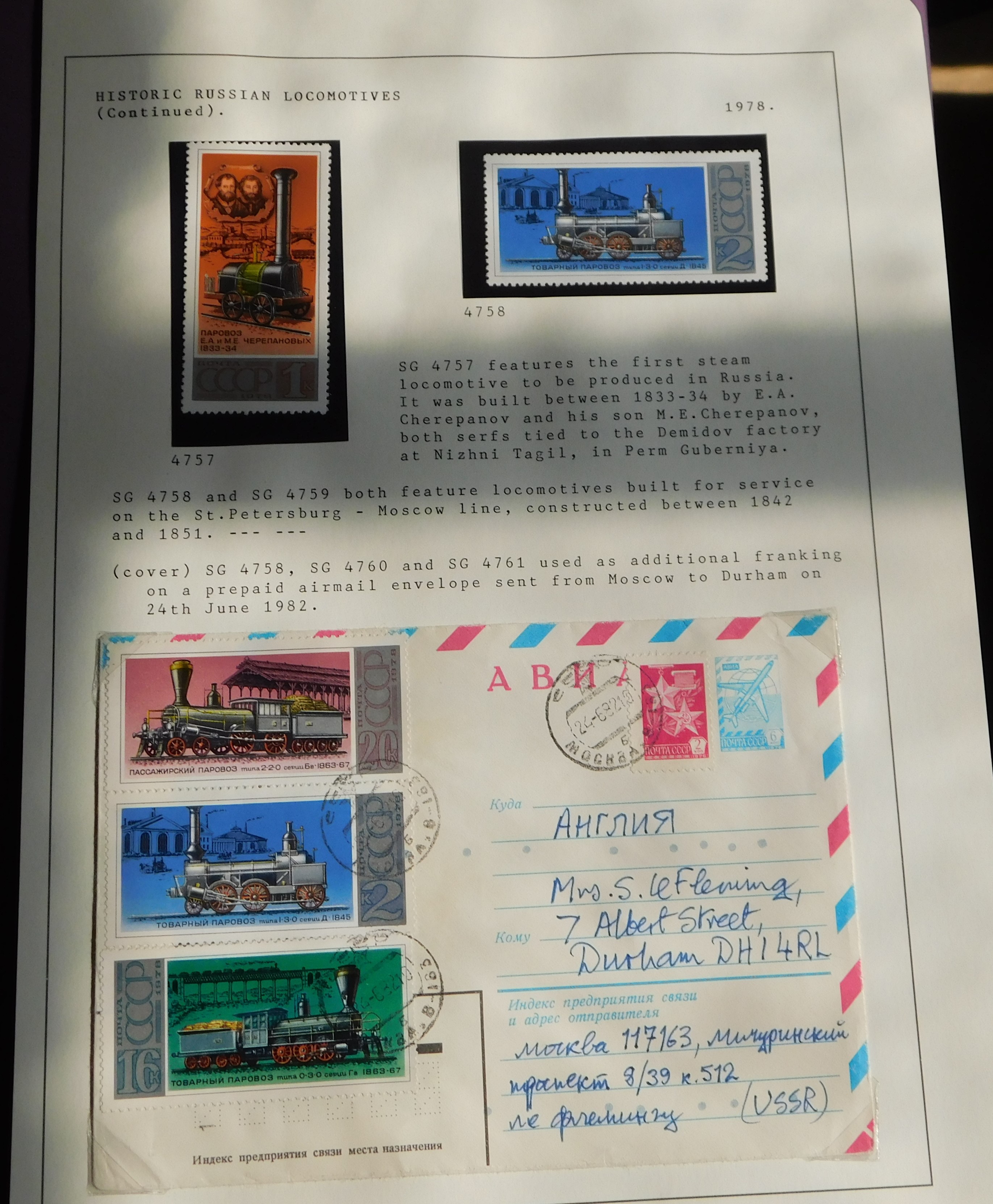
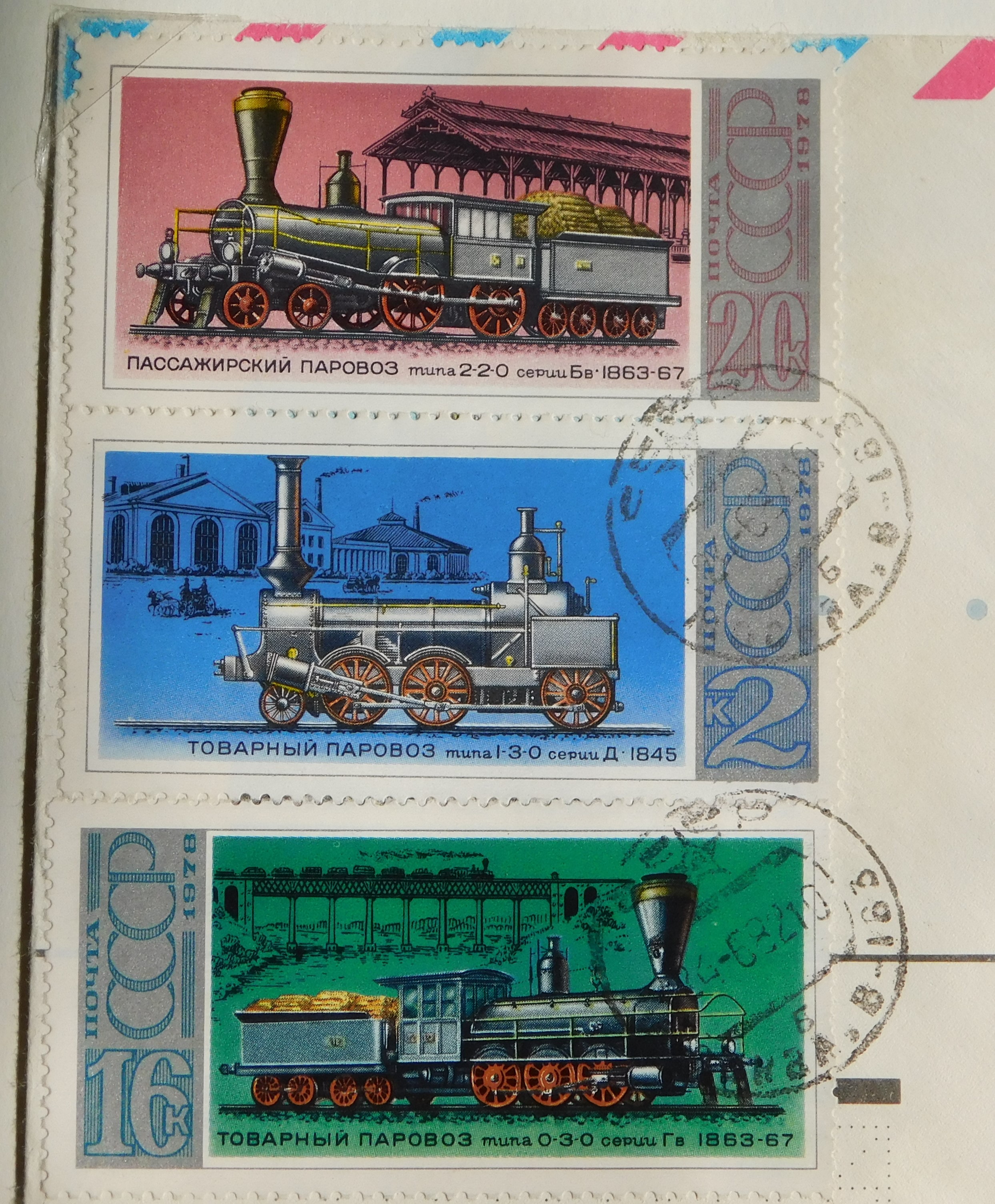
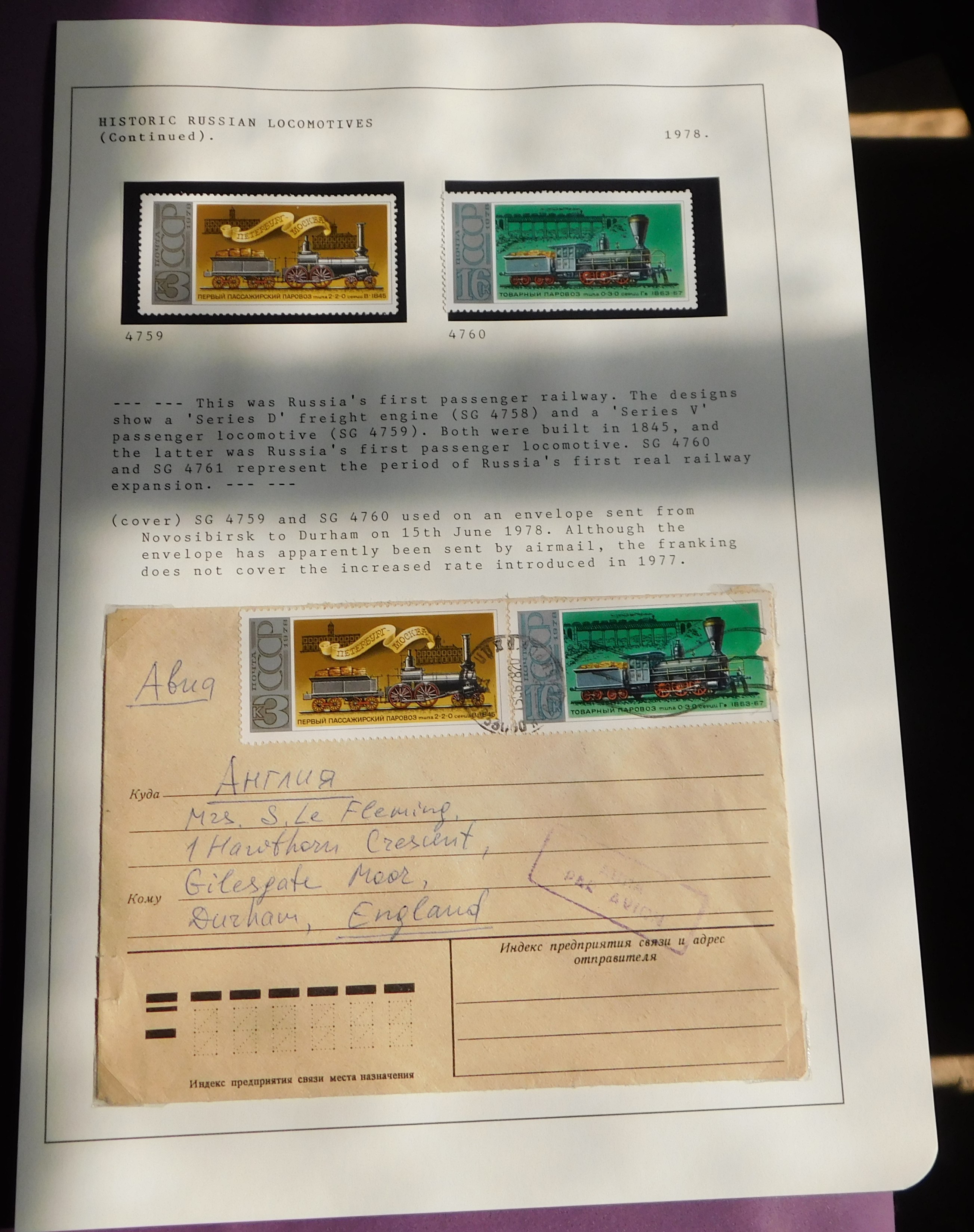
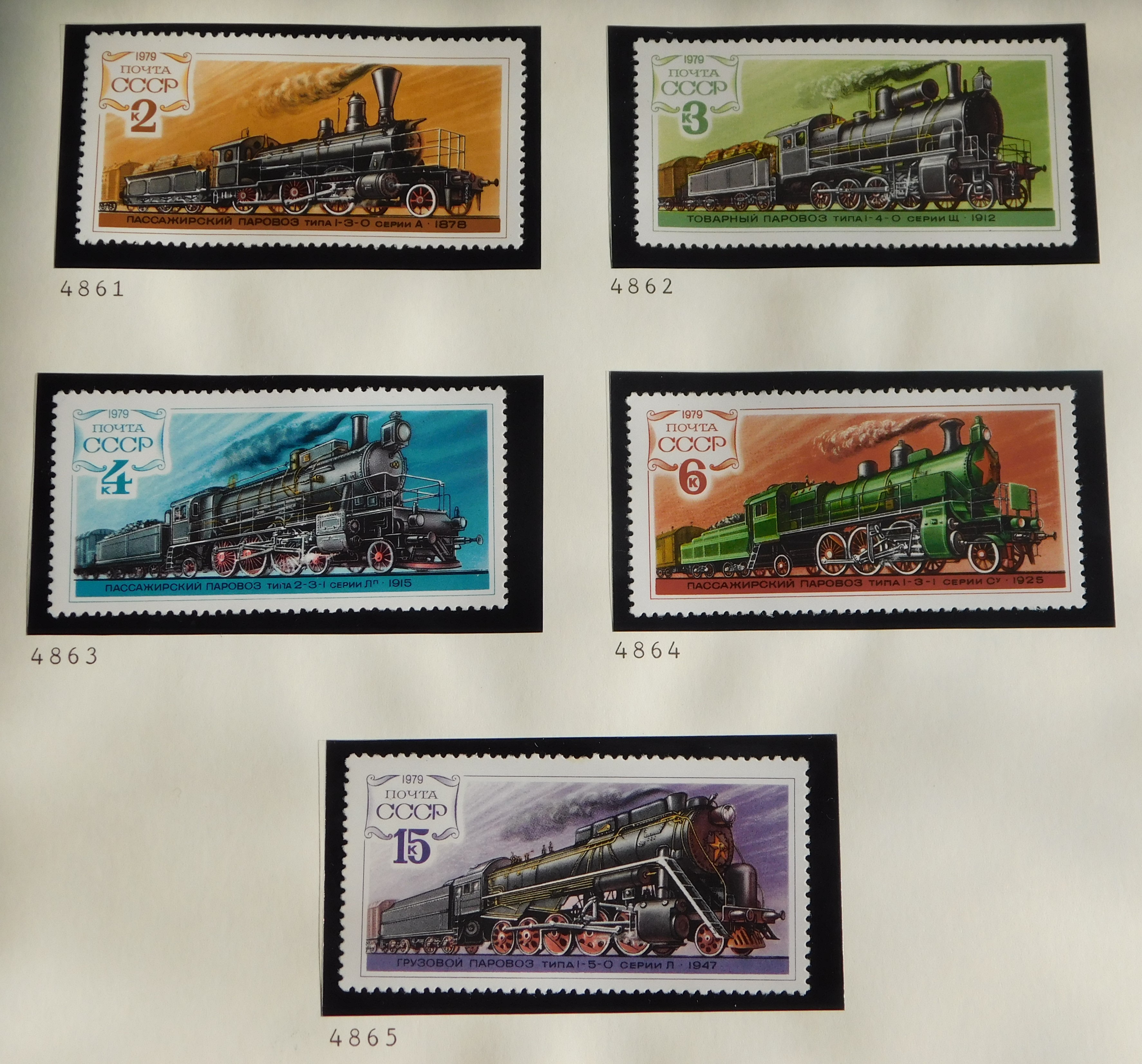
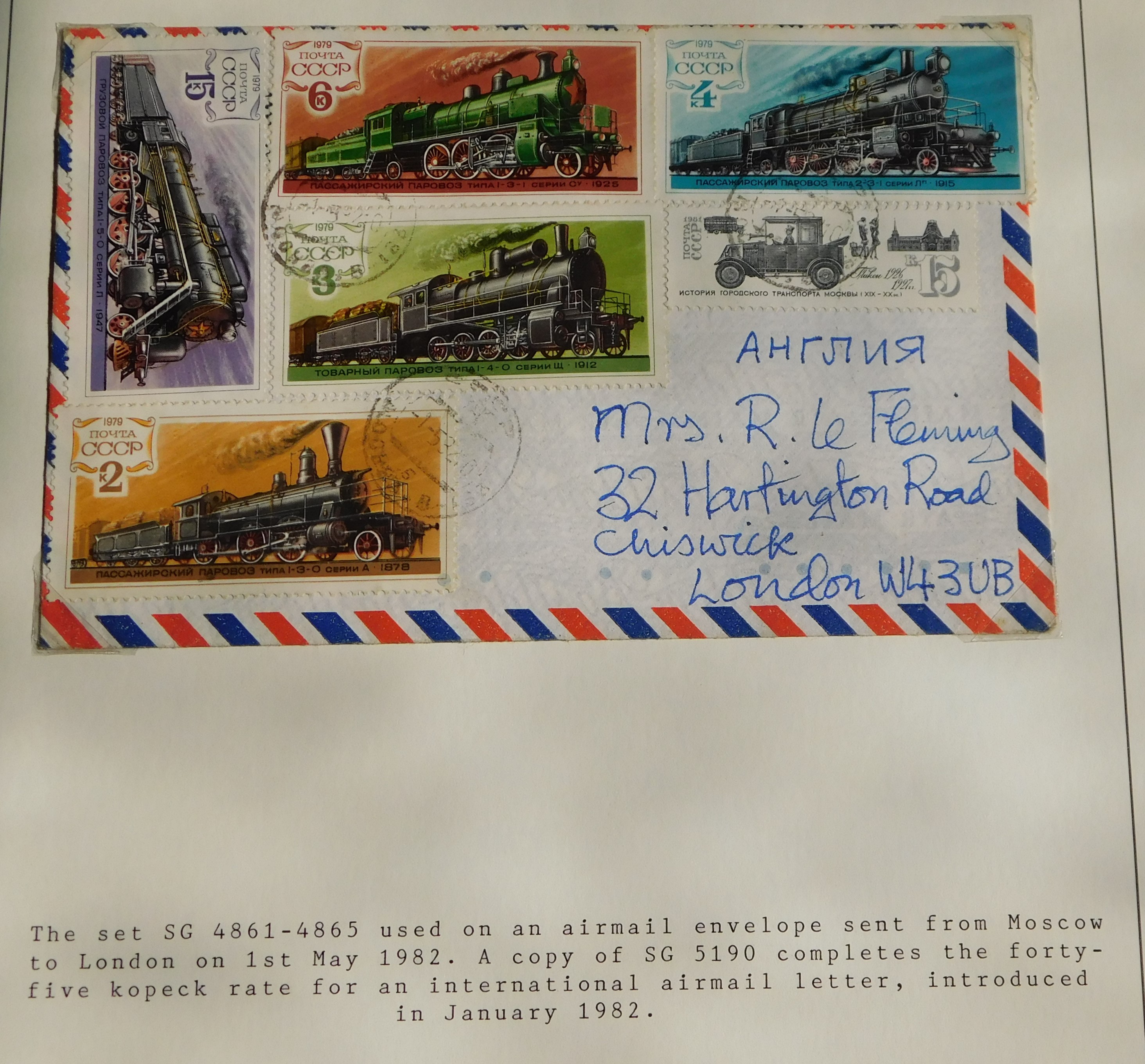
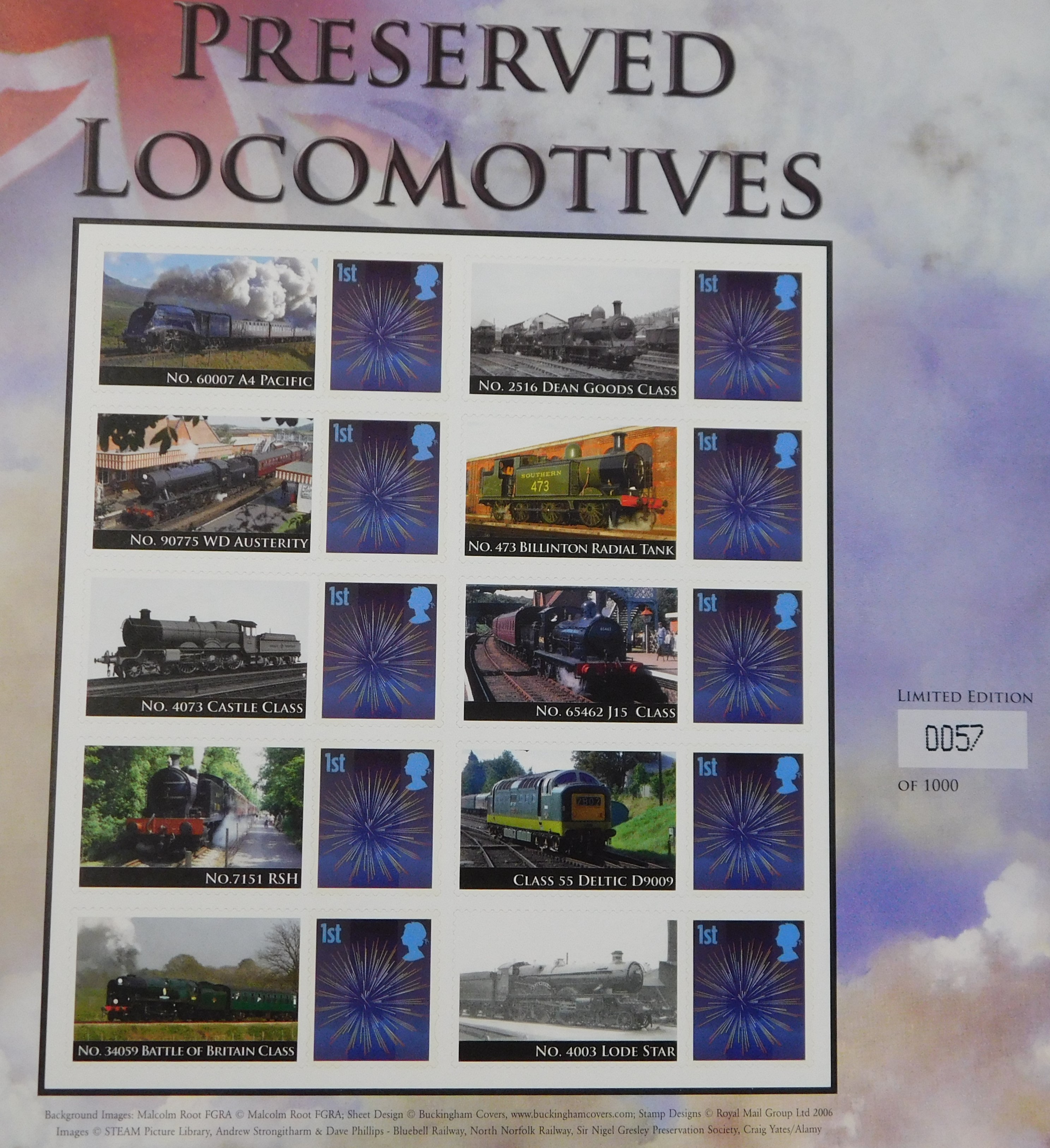
Lot 398 was five pages of Russian steam locomotive stamps:
DAY TWO
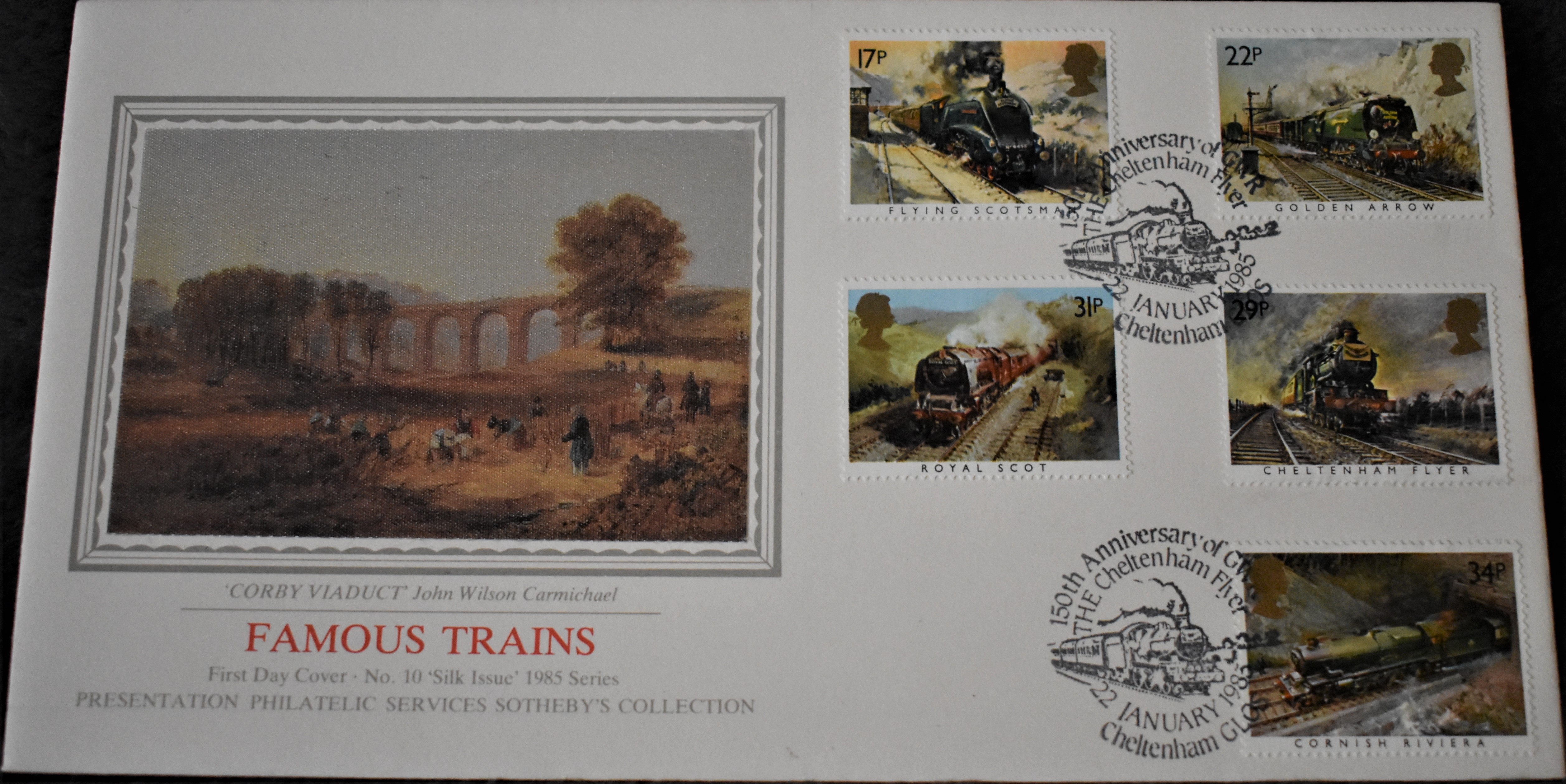
This could have been a very quiet day, but fortunately it wasn’t completely so. The biggest success of the day was lot 762, which went for £140. My first bid of the day was on lot 701, and I was successful:
Lot 728 was my next success…
Lots 785 and 840 also went to me…
COUNTY CHAMPIONSHIP
Another round of County Championship fixtures got underway today. Due to a meeting this morning I missed the first session of play, and I will be missing most of tomorrow as it is the West Norfolk Autism Group’s annual outing to Pensthorpe. However I have got to enjoy Somerset having superb afternoon and evening against Essex at Taunton. Essex were 115-2 at the high water mark of their innings, but since then it has been one-way traffic – they are now 180-9 with Noah Thain having just gone for 41, caught Rew bowled Pretorius. I am not entirely sure about Kasun Rajitha;s batting credentials, though the fact that he is below Sam Cook, sometimes adhesive (as indeed he was today) but unquestionably a tail ender, tells one something, but Jamie Porter is an absolutely blown in the glass genuine number 11.
PHOTOGRAPHS
My usual sign off…
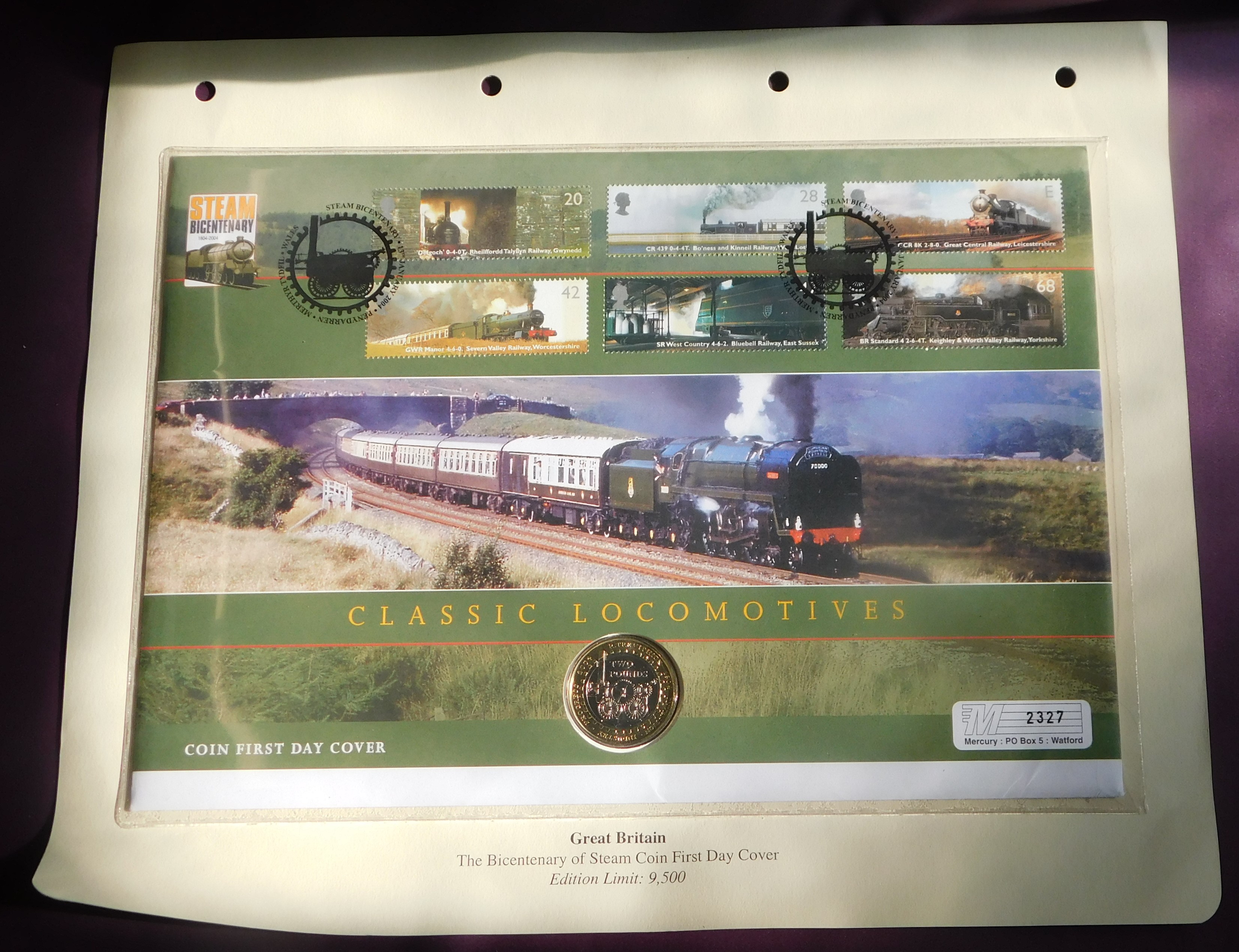
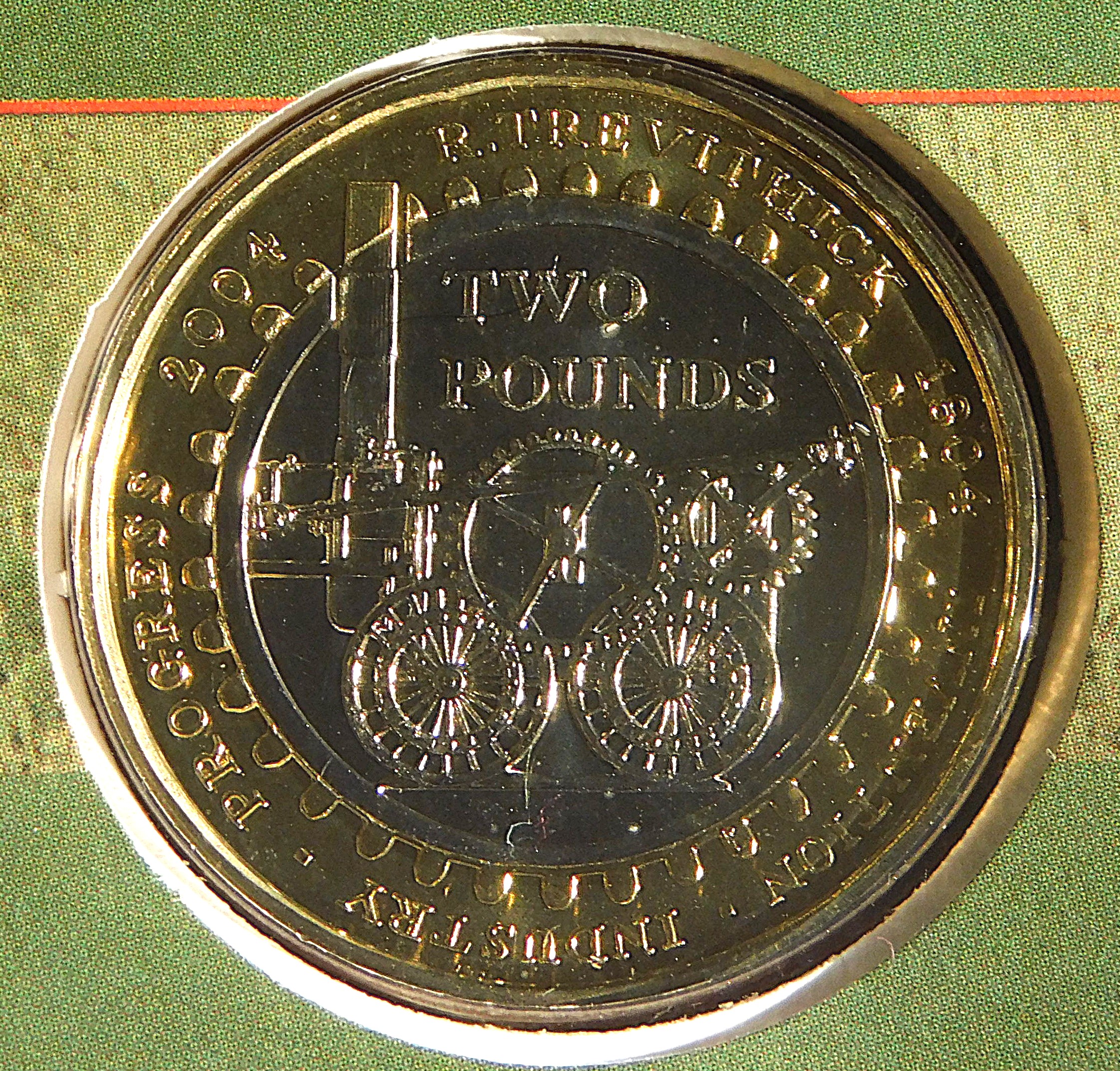
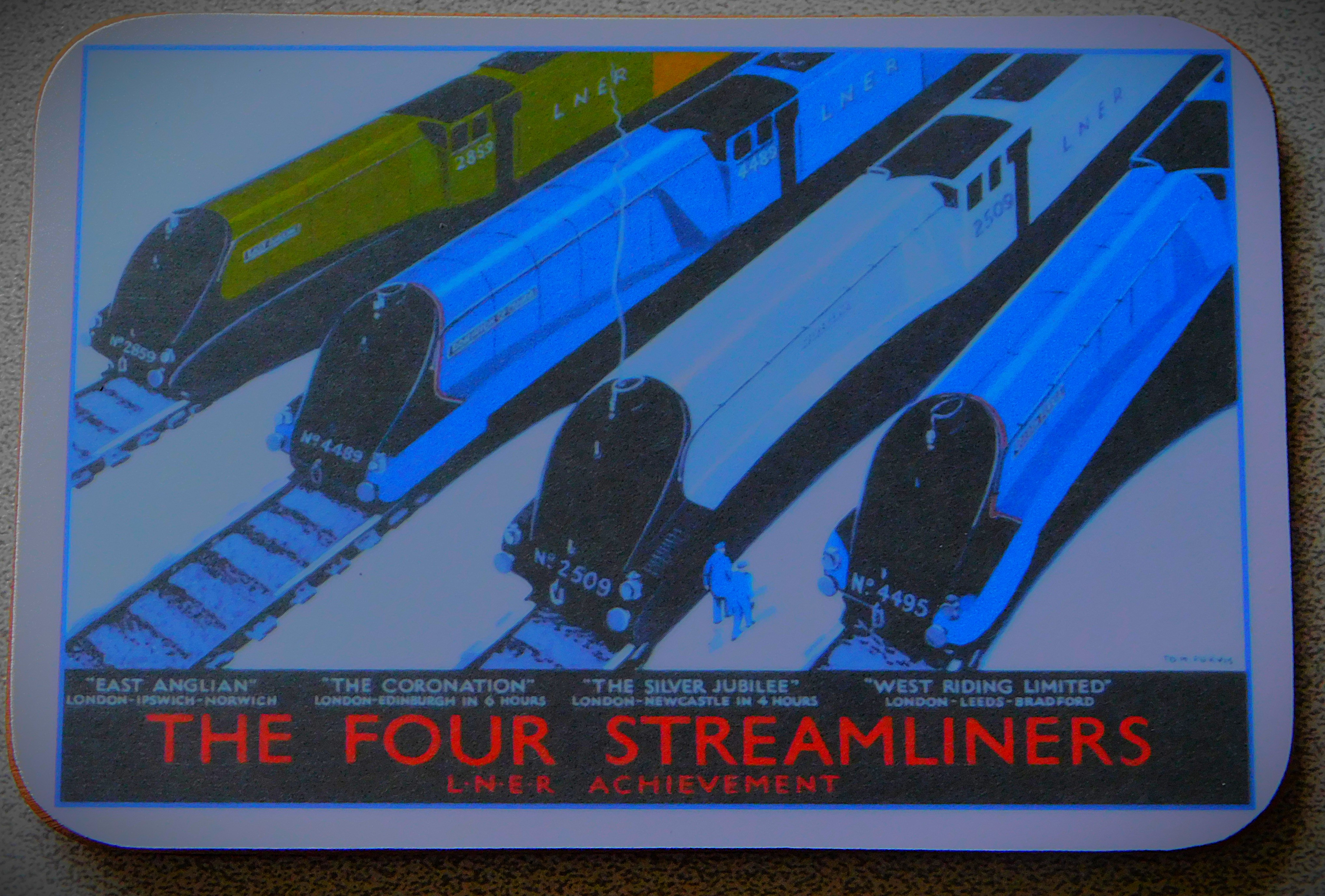
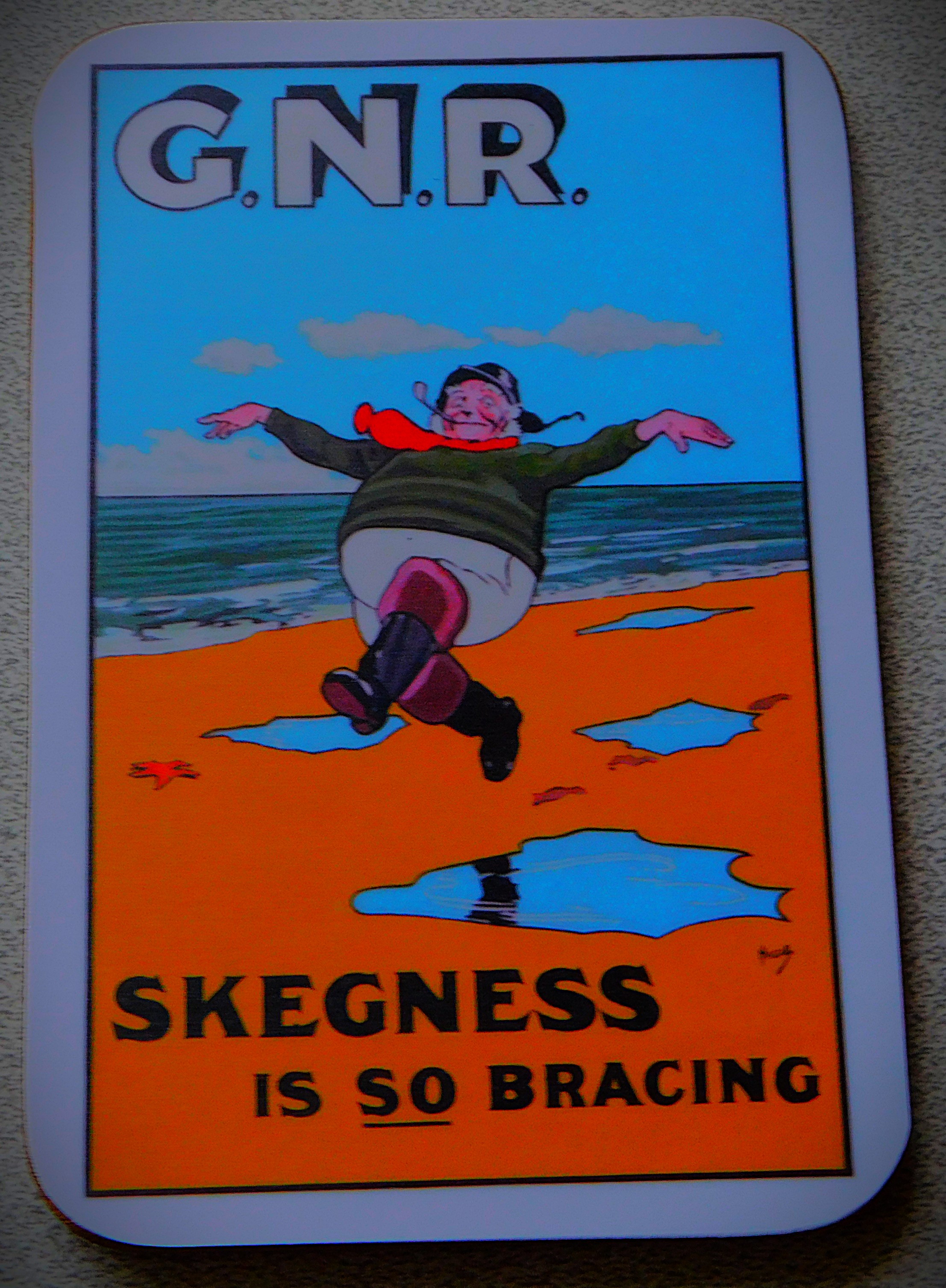
These coasters (seven images in total) are an early birthday present from my boss.The Trevithick/ Pen-y-Darren £2
A look at the final day of Derbyshire v Middlesex in the county championship, a harsh but justified assessment of Derbyshire’s overseas seamer and a photo gallery,
The only live cricket today was the final day of Derbyshire versus Middlesex, and this post looks briefly at the final day’s action.
ALMOST A QUIET MORNING
From the start of play at 11 o’clock until 12:56PM, four minutes before the scheduled lunch break the overnight batters for Middlesex, Stevie Eskinazi and Max Holden batted largely serenely through on a so called ‘hybrid’ pitch. A couple of hard chances went down, but few would have said that a wicketless morning was other than a fair reflection on the balance of play. Then Holden, on 94 and anxious to reach three figures before the interval had a total brain fade, essayed a huge drive at left arm orthodox spinner Jack Morley, missed and was bowled. That brought the injured Leus du Plooy, recently moved south from Derbyshire (Martin Andersson, who went the other way, will have much fonder memories of this match than him) in to bat, with Nathan Fernandes who had been out to the first ball of the innings acting as runner. Immediately there was a calamitous mix up which cost the other set batter, Eskinazi, his wicket for 61, and suddenly the door which had seemed firmly shut and all but bolted was ajar.
THE AFTERNOON AND EVENING
Derbyshire had an excellent afternoon, and had Middlesex six down at tea, but the lead by then was just over 100, and though they had work still to do, Middlesex really were within sight of victory. The two batters resuming for them, Ryan Higgins and Zafar Gohar played sensibly until, with the game virtually safe a couple of moments of silliness occurred. First Gohar, on 44, tried to get to 50 in one blow, did not quite get all of it, but got lucky when the chance was dropped, and then in the very next over Higgins, on 56, offered a chance that was accepted. However, by this stage the main question appeared to be at what point hands would be shaken on the draw, with the smart money being on with 15 overs still scheduled. Gohar got his 50, and new batter Blake Cullen played sensibly, and with the score 307-7, a lead for Middlesex of exactly 150, and 15 overs remaining to be bowled Derbyshire skipper Madsen did indeed accept that Middlesex had done enough, on a pitch that did not offer enough to the bowlers for a result ever to be likely. Middlesex had missed avoiding the follow-on by just eight runs, and had they scored those eight it is wildly unlikely that Derbyshire would have been able to create even the hope of a winning position – Madsen would probably had had to tell his side to go hell for leather until lunch, declare at that interval and then hope they bowled and fielded superbly, but he would probably not have been bold enough to take this approach. One final point: I looked up Derbyshire’s overseas seamer, New Zealander Blair Tickner and discovered that in 83 first class matches before this one he had taken 251 wickets at 34.22. The average would be on the high side for a home bowler, and for an overseas one, with the extra pay they get, it is simply unacceptable. The wicket taking rate of three scalps per match (almost exactly) is on the low side as well, a whole wicket per match below what I would consider acceptable. My own view is that if Tickner, a workaday seamer, was the best Derbyshire could do in this regard, they would have been better not to bother with an overseas signing.
PHOTOGRAPHS
My usual sign off…
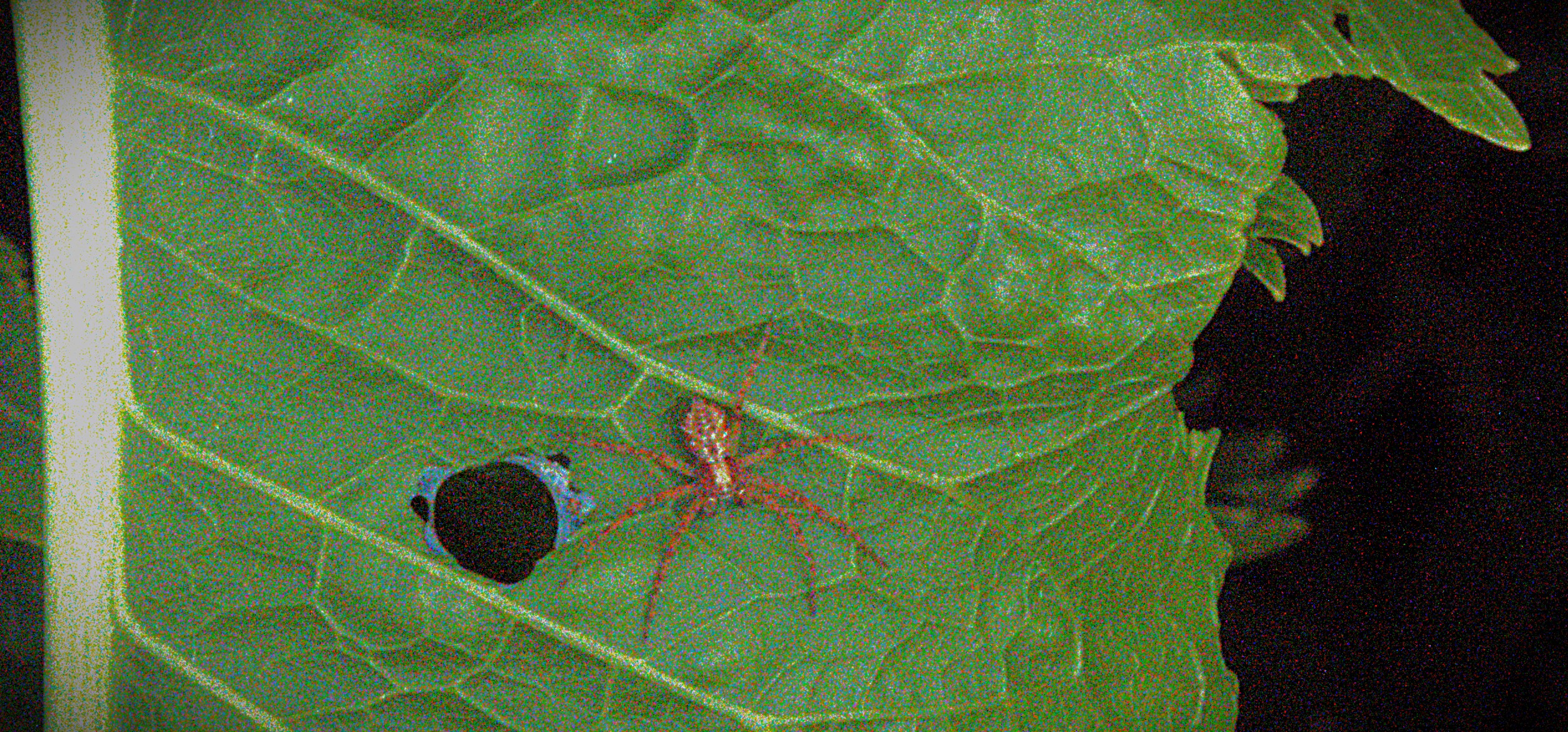
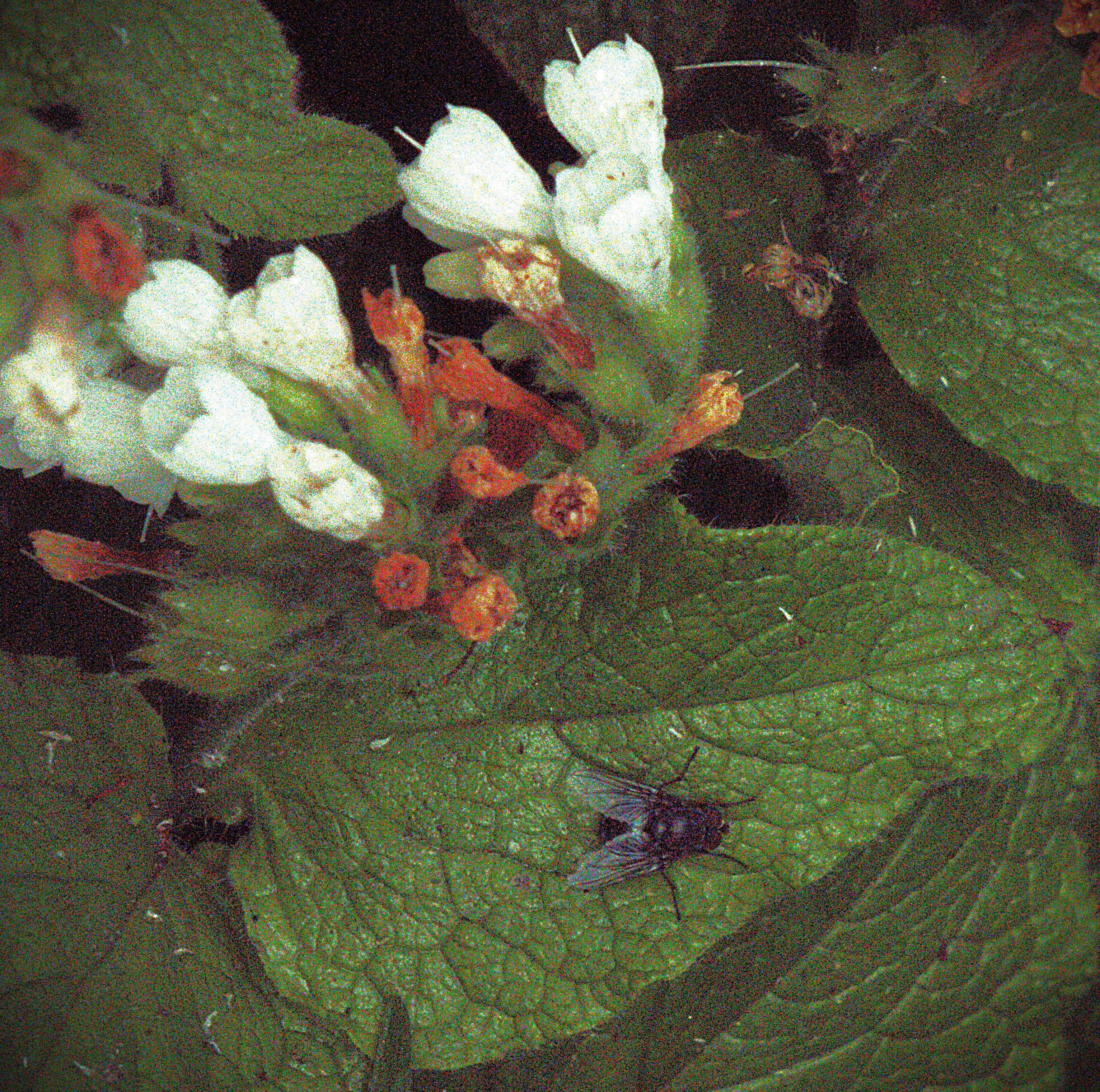
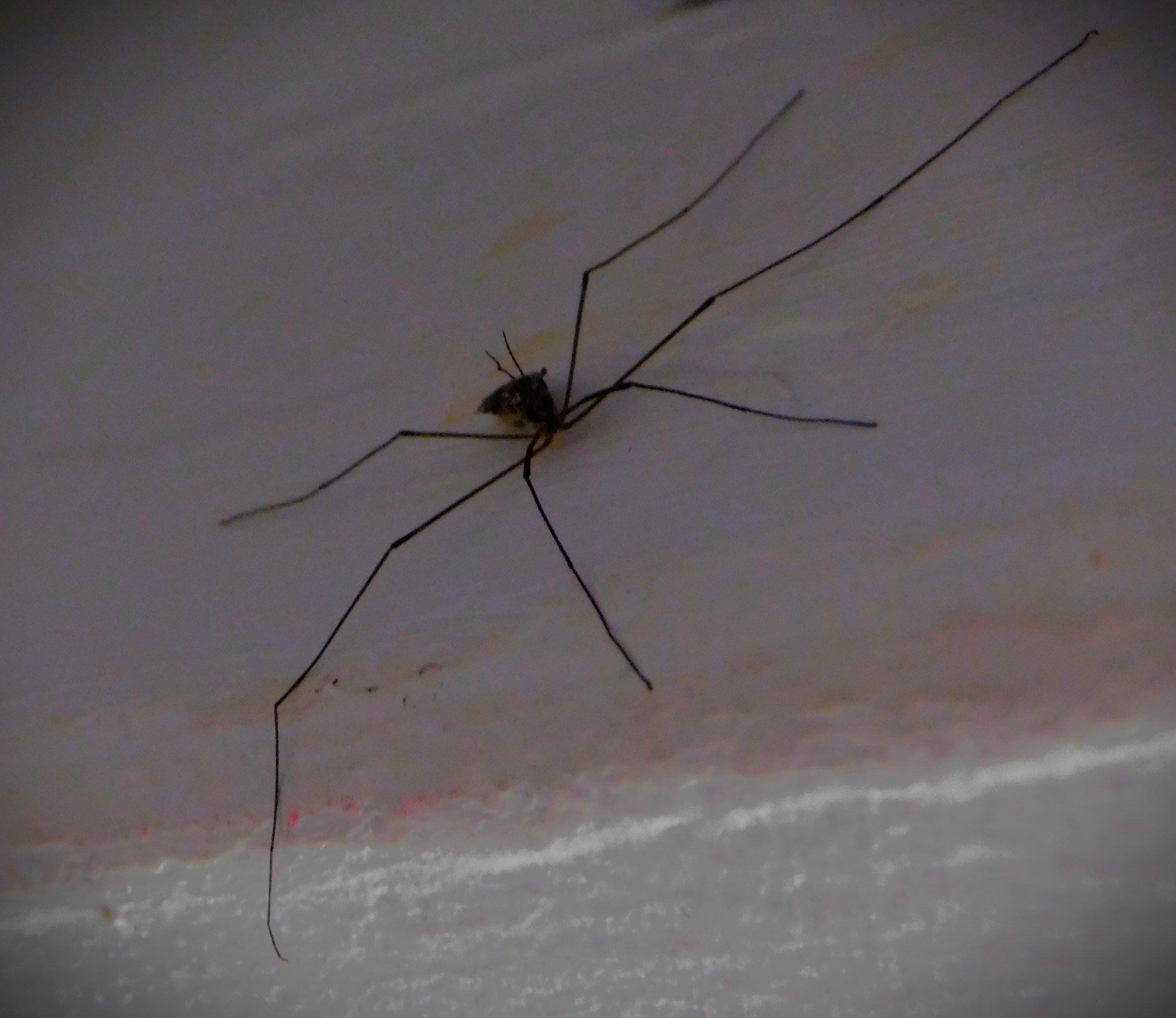
My first cranefly sighting of 2025, in the grassland near the Gaywood River path in North Lynn.