History at Lord’s

A look at developments in the first women’s test match ever to be played at Lord’s, a video and a photo gallery.

Yesterday morning a test match between the England and India women’s teams, at Lord’s, the first time a women’s test match has been played at that ground (a mere 89 years behind the other big London ground, The Oval, which staged the final match of the 1937 Women’s Ashes). With many ex-players present for the great occasion (from former world cup winner Alex Hartley, in her 30s and part of the commentary team as well to Enid Bakewell, some five decades older and still in full possession of her faculties) England won the toss and opted to bowl first. This post looks at developments so far in this match.

For much of the day it looked as though India were headed for big score, but in the end they were held to 285. Sophie Ecclestone took the last three wickets in the space of six balls, in the process going past Katherine Sciver-Brunt to become England’s leading all format wicket taker. She is also the leading test wicket taker among current England bowlers, and sits third in the all time all format wicket takers list behind two Indians, the retired Jhulan Goswami and Deepti Sharma, also playing in this match (contributed a 50 to the Indian cause). Goswami’s record will be going in the not too distant future to one or other of these contemporary greats. Ecclestone is the younger of the pair, 27 years old to Deepti Sharma’s 28.

By the end of day one England had lost veteran opener Tammy Beaumont, whose last international match this will be. They started very badly today, with overnight batters Bouchier and Knight departing quickly, and being followed in short order by Capsey. Amy Jones struck an aggressive 50 before being caught by Ghosh off Sneh Rana. Then Kranti Gaud, with three wickets already to her name already pinned England skipper Natalie Sciver-Brunt plumb in front. Because of the desperate situation the decision was sent upstairs, but it was definitively out – crashing into middle stump. That was 142-6. Ecclestone was eighth out caught behind off Sayali Satghare for 11. Shortly after that Gaud was recalled to the bowling crease, and became the first woman to claim a place on a test match honours board at Lord’s when a superb catch by Shafali Verma accounted for Lauren Bell. Her figures at that juncture were Gaud 15.2-6-33-5. Had she taken the tenth wicket of the innings and conceded 12 or fewer runs doing so she would have had the best innings figures by a woman in any international match at Lords, beating the 6-46 taken by Anya Shrubsole in the 2017 ODI world cup final. As it happened the final wicket, that of Lauren Filer, fell to Deepti Sharma, so Shrubsole’s record figures stand for now (when it comes to bowling figures in cricket the number of wickets is considered paramount, and it is only when considering hauls of the same number of wickets that the number of runs conceded becomes relevant). As it was Gaud, with final figures of 17-7-37-5 had been instrumental in securing her side a first innings lead of 115, which is likely to prove a match winning lead. Kranti Gaud is 22 years old, and as recently as 18 months ago she was not even on the Indian selectors’ radar. The other England v India match today, a men’s T20 at the Hampshire Bowl near, but crucially not actually in Southampton. got underway half an hour behind schedule due heavy traffic causing the Indian team to arrive late. That match is in its early stages, but not showing any great sign of ending the Indian men’s horror tour which has seen them reach this point with five defeats and a no-result to show for their endeavours.

We start with a short video of a small hedgehog which was in the grass at Kettlewell Lane Park this morning:

Now for the photos…

Iyer’s Insipid India

A look at the Indian men’s cricket team’s visit to Ireland and England, the latter part of which i s still in progress, a link to a chronological listing of my ‘Arisaig 2026’ posts and a photo gallery that is basically a highlights package of the last month.

I completed my series about my Scottish holiday on Wednesday, and have today created a page which lists all the posts in that series in chronological order. I now move back to the present. The Indian men’s and women’s cricket teams are both in England at the moment, with the latter playing their first ever test match, at a venue (Lord’s) whose pavilion was barred to women within the lifetimes of some of the players. I will have much to say about that match in due course, but as today is day one I look instead at the doings of the men’s side who have been playing T20Is (20 overs per side international matches) in Ireland now England.

Ireland have a bit of a tradition of embarrassing theoretically more illustrious opposition, going back as far as 1969 when they caught a visiting West Indies side on a very green pitch and rolled them for 25. They have added India to their scalp bags. Their victory in the opener might have been put down as a fluke, or to India being unfamiliar with Irish conditions, but when they repeated the dose in the second and last match to win the series it looked like India had major problems.

From Ireland India travelled east to England for a five match series. India had put up a good total in the first match when rain intervened and washed the rest of the match out. Three more matches have been played since then, and England have bossed all three. The most recent took place yesterday evening, and showcased most of India’s problems, with one exception – until last night Shreyas Iyer, recently promoted to the captaincy had done little with the bat since taking the reins. Last night he batted beautifully, scoring an unbeaten 80 from 49 balls. The problem was that his team mates combined to score a mere 78-7 from the 71 balls he did not face in the innings, a truly abysmal rate of scoring for this format. That total of 158 did not look likely to pose a threat to a confident England side, and in the end it was made to look an almost comically bad one. Harry Brook led the rampage with 79 not out from just 35 balls, while Phil Salt was also in brutal form. In the previous match India had bowled first, seen England score 201 and responded to a stiff challenge by slumping to 76 all out and defeat by 125 runs. With the final match of the England leg of this tour to take place at 2:30PM tomorrow India’s record for the trip stands at five defeats and one washout – and although at the time of the washout I thought they had been favourites to win that match their subsequent efforts suggest that actually England would have chased that one down as well. I have an idea as to the root cause of India’s problems on this tour: the IPL happens in (generally) small grounds on incredibly flat tracks, where scores of 250 in 20 overs are not uncommon and bowlers are seen as merely providing the deliveries to be hit for yet another succession of sixes, while the pitches in Ireland and England although good for batting have not left the bowlers completely out of things. Indian T20 batters tend to struggle in anything other than conditions tailor made for them, while the bowlers have grown unused to being significant factors.

While I have been concentrating for blogging purposes on my Scottish holiday it has been a splendid time for photography, and the gallery I now present is a highlights package spanning most of the period from 7th June, my first day back from holiday, to the present (reminder that photos can be seen at full size by clicking on them)…

Domestic T20 Competitions Under Way

A look at the events of Essex v Warwickshire in the Women’s T20 Cup, as I prepare to listen to Surrey v Lancashire in the men’s competition, and a photo gallery.

The English domestic T20 competitions get underway today. I shall shortly be listening to Surrey v Lancashire in the men’s T20 cup, but this post looks back at the game between Essex and Warwickshire in the women’s competition that happened earlier this afternoon.

Warwickshire found themselves batting first after the home side won the toss and opted to chase. When they were 80-1 approaching halfway things looked to be going well for them, but then Aussie import Georgia Redmayne was out to eh last ball of the 1oth over, to a return catch by Sophia Smale. Thereafter no one was able to stay with Abigail Freeborn, who batted excellently, for any length of time, and it took a big finish to boost Warwickshire to a final total of 164-8, of which Freeborn’s share was an unbeaten 86 from 56 balls, while Redmayne had scored 36 from 30.

Essex started the chase at a racing tempo, and even though they lost Grace Scrivens for 18, caught by Mary Taylor off Phoebe Brett that merely brought Cordelia Griffith in to join Alice Macleod, and the pair added 119 together in ten overs before both were out in successive deliveries, Macleod run out for 59 off 38 balls, and Griffith bowled by Millie Taylor (the two M Taylors are twin sisters just for the record) for 68 off 37 balls. The job was effectively done by then, and it took a mere four more deliveries for Joanne Gardner to finish the job, with Jodi Grewcock, miscast as an England opener in the recent ODI series against New Zealand, at the other end not actually getting to face a ball.

My usual sign off…

England Women Book Semi-Final Slot

A look back at yesterday’s thriller at the women’s cricket world cup between India and England, with links to the scorecard and to a post by Hypocaust about the the numbers, plus a photo gallery.

Yesterday’s match at the women’s cricket world cup saw England facing hosts India at Indore. This post looks back at a remarkable match.

Lauren Bell and Sophie Ecclestone were recovered from the sickness that kept them out of England’s previous match, so England were back at full strength. India had opted to bolster their bowling. Natalie Sciver-Brunt won the toss and decided, to some surprise, that England would bat first.

Amy Jones and Tammy Beaumont gave England a solid start, and then the rest of the England innings was dominated by a command performance from former skipper Heather Knight. Knight, well supported by current skipper Sciver-Brunt who helped the third wicket to put on 115 at better than a run a ball, took a mere 86 balls to reach her third career ODI hundred and first against India. After Sciver-Brunt was out we saw a familiar scene as Sophia Dunkley, Emma Lamb and Alice Capsey all fell cheaply – the England numbers 5,6 and 7 have a combined aggregate of 111 runs between them for the tournament so far, and then a second familiar scene as Charlie Dean ensured that the good early phase of the innings was entirely wasted by scoring a rapid undefeated 19 to boost the final total to 288, not massive on a good pitch but surely defensible.

For much this innings it looked like the hosts were heading to a comfortable win. In particular when the two left handers, Smriti Mandhana and all rounder Deepti Sharma were both going well England looked beaten for all money. Then Mandhana had a rush of blood to the head against Linsey Smith and holed out to Alice Capsey for 88 off 94 balls to make it 234-4 in the 42nd over and open up a possible way back in to things for England. Richa Ghosh never got going and managed a mere 8, caught by former skipper Knight off the bowling of current incumbent Sciver-Brunt to make it 256-5 in the 46th over. It was in the following over that England got the breakthrough that put them ahead on points for the first time in a long while, when Deepti Sharma, who had batted very well for her 50, got over aggressive against Ecclestone, who by her own lofty standards had had a poor time with the ball, and was caught by Dunkley to make it 265-6. With two overs to go India needed 23, and England were definitely favourites. The first ball of the 49th over, bowled by Lauren Bell, went for four, but the tall seamer came back well in the rest of the over, and India needed 14 off the final over, with Linsey Smith, England’s most economical bowler on the day, to bowl it. Smith bowled a superb over, and by the time the fifth ball had gone for a mere two runs India needed eight to tie off the last ball of the match, meaning that in effect Smith only had to bowl a legal delivery for England to get the win that would secure their semi-final berth. She did so, and it was hit for four irrelevant runs, meaning that England had won by four runs and became the third side to book a semi-final slot. India meanwhile are now in serious jeopardy of suffering the fate of the England men in 1999 – being ejected early from their own party. Even with that final irrelevant four Linsey Smith’s figures were 10-0-40-1, absolutely crucial to England’s success, though unsurprisingly Knight was named Player of the Match for her century. Scorecard here, and a for the numbers people here is Hypocaust’s post.

My usual sign off…

Cricket Meets Baldrick

Some thoughts on the use of Colombo as an adjunct venue at the Women’s World Cup, which is mainly happening in India. Also a photo gallery,

This edition of the women’s ODI world cup was supposed to be entirely hosted in India. However the Indian government has a policy of denying admission to the country for Pakistanis, and they refused to make an exception for the Pakistan Women’s cricket team. That forced the finding of venues outside India, and Sri Lanka was chosen. This post looks at happenings there, especially with reference to the last two days.

While Sri Lanka, just off the southern tip of India, can indeed be considered close to the host country there is one problem with Sri Lanka at this time of year that downgraded the plan from sensible to Baldrickian – it is Sri Lanka’s rainy season. Further, although Dambulla is much drier at this time of year Colombo was chosen because it has better infrastructure. Finally, although the rain generally hits in mid to late afternoon and only sometimes lets up thereafter, all the matches have been scheduled to be day-night matches because that is what the TV people want. Thus the Colombo matches have been a combination of ‘no result’ (four times) and reduced overs contests (four times).

Yesterday actually did provide a result. Sri Lanka, batting first, had reached 46-2 from 12 overs when the rain hit, and by the time a resumption was possible the contest was reduced to 20 overs per side. Sri Lanka did hit 66 more off the eight overs they had left to bat, and because they had only lost two wickets the DLS formula worked somewhat in their favour, giving South Africa an adjusted target of 133. However, those who are familiar with 20 overs a side matches will be aware that even 133 is rarely a difficult target, and Laura Wolvaardt and Tazmin Brits, with a half century a piece, made it look a ridiculously easy one, coasting home with their opening stand unbroken and 5.1 overs to spare. Wolvaardt who had also pouched two catches in the field and captained the side well was named Player of the Match.

Today it was Pakistan who got the booby prize of batting first in a game in which rain would make its presence felt. They were 52-3 when rain intervened for the first time, 92-5 from 25 overs when the rain made its second and final intervention. My own feeling is that any side batting first in Colombo at this tournament would be well advised to approach their innings as though playing a T20 – if the rain holds off enough to allow a match to be completed it is not likely to be much more than 20 overs a side in any case, and I would prefer a big total adjusted down for over expenditure of resources to a small one adjusted up for having conserved resources early on. Pakistan are pretty much out of the tournament anyway, and have looked the worst of the eight sides to qualify (barring against England – see here for more). New Zealand still have hopes, although there is one less semi-final slot open after today than there was starting the day, with the points being shared here meaning that South Africa have joined Australia in booking their slot.

My usual sign off…

A Bittersweet Weekend for Hampshire

A look back at the finals of the men’s and women’s One Day cups – Hampshire v Worcestershire in the men’s version yesterday. Hampshire v Lancashire in the women’s today. Plus a photo gallery.

Both the Hampshire men’s and women’s sides played one day cup final matches this weekend, the men yesterday against Worcestershire at Trent Bridge and the women today against Lancashire at the Utilita Bowl. This post looks back briefly at both games.

The men’s final was heavily hit by rain with the Hampshire innings disrupted twice and reduced to 45 overs, and then the innings break massively extended, resulting in Worcestershire facing a DLS adjusted target of 188 from 27 overs. Hampshire’s innings had been largely dominated by left handed opener Ali Orr, who scored a splendid century, and was thus the person fourth-most responsible for Worcestershire facing a tough target (Messrs Duckworth, Lewis and Stern aka DLS being numbers 1,2 and 3 in the pecking order). Worcestershire kept in touch throughout, with chief credit going to Ethan Brookes who hit 57 off 34 balls. However Scott Currie, who had a superb day with the ball, bowled a magnificent 26th over in which he accounted for Brookes, Rob Jones and Tom Taylor, boosting his figures to a very impressive 5-35. Worcestershire ended that over on 175-7 needing 13 off the final over. Brad Wheal, a very experienced cricketer, including internationally with Scotland, had responsibility for bowling the final over of the contest, and it should have been within his compass to secure Hampshire the cup. Unfortunately he made a hash of things, and it took a mere four balls for the game to end, Worcestershire winning by three wickets with two balls to spare. Player of the Match awards nearly always go to members of the winning team, though on this occasion either Orr, Currie or a joint award might have been considered acceptable given how close it was, and Ethan Brookes, with that blazing 57, 1-52 with the ball and two catches got the award.

Hampshire batted first and tallied a respectable 288, with big scores from Georgia Adams (77) and Maia Bouchier (66) while Grace Potts with 3-47 from nine overs was the pick of the Lancashire bowlers. Lancashire began the chase badly losing Alice Clarke to a run out by Freya Kemp for 3. Then Irish international Gaby Lewis and Seren Smale had a big partnership for the second wicket. When Smale fell for 72 and Fi Morris failed to get going, managing 9 from nine balls it was 183-3 from 35.4 overs, Lancashire needing 106 from 14.2 overs with a respectable but not outstanding batting line up – Kate Cross is a fine cricketer but number seven, where she was scheduled to come in, looks a place higher than would be ideal for her. Lancashire keeper and captain Ellie Threlkeld began the Lancashire revival with 32 off 30, helping the fourth wicket to add 60. Her dismissal, achieved by a combination of two Freyas, Kemp taking the catch off the bowling of Davies made it 243-4 from 43.5 overs, 46 needed from 6.1 overs, with the young Scot Ailsa Lister joining Lewis, by then into three figures and looking like the key player in the unfolding drama. With three overs to go 21 were still needed. The 48th over settled the issue, Lewis going after Georgia Adams to the extent of 16 from the over, which took Lewis to 141 not out from 143 balls, with 16 fours. Lister, herself capable of very fast scoring, levelled the scores with a four off the first ball of the 49th over, and after one dot ball then scored the winning single, with Lancashire have six wickets and nine balls to spare.

My usual sign off…

A Record Winning Margin

A look back at this afternoons mismatch between the Southern Brave and Oval Invincibles women’s teams, a mention fo the closing stages of Manchester Originals v Northern Superchargers yesterday and a photo gallery.

The first half of today’s Hundred double header saw the Southern Brave and Oval Invincibles women’s teams clash in Southampton. The men’s match is currently underway. This post looks back at the extraordinary events of this afternoon.

Southern Brave openers Danni Wyatt-Hodge and Maia Bouchier both fired today (Bouchier 34 off 23 balls, Wyatt-Hodge 26 from 24 balls), Laura Wolvaardt scored 36 from 19 balls, Freya Kemp 19 from 11 and Sophie Devine 19 off 14. All of this added up to a Southern Brave total of 161-6 from 100 balls, more than ample for the best bowling unit in the tournament to defend one thought.

Oval Invincibles never got going at any stage, and wickets fell with ever increasing regularity. Only Tilly Corteen-Coleman, whose 1-25 from her 20 balls was still way less than Invincibles could afford, went for more than a run a ball. It was only a boundary from her penultimate ball that even pushed Bell’s ER for the day above half a run per ball. Only Joanne Gardner, with 10 off nine ball scored at better than a run a ball. Top scorer was leg spinner Amanda-Jade Wellington, not someone usually expected to figure seriously with the bat, with 18 from 18 balls. Probably the worst knock out of a terrible bunch was Marizanne Kapp’s 17 ball 10, somewhat worse than a total reversal of the required scoring rate. At low water mark Invincibles were 47-8, but Sophia Smale (another of the phalanx of left arm spinners featuring in this tournament) and debutant Daisy Gibb helped Wellington to raise the score by 25. Thus the final margin was 89 runs, the biggest in the history of the Women’s Hundred. Brave look to be winning the group outright, while Invincibles qualification hopes hang by the slenderest of threads – they need three wins from their remaining three games and a bit of luck elsewhere, and after the monstering they suffered today net run rate is not going to be their friend. Manchester Originals, successful by five runs over Northern Superchargers yesterday, courtesy of an exemplary display of death bowling from Ecclestone (who did enough with balls 91-95 to leave NSC needing nine to win off the last five) and Filer, who pretty much settled things with balls 96-98, conceding only one run, and causing Kate Cross, forced to go big, to hole down the ground to leave eight needed off two and a brand new batter on strike, look the likeliest challengers to Southern Brave – they also have a splendid bowling unit.

My usual sign off…

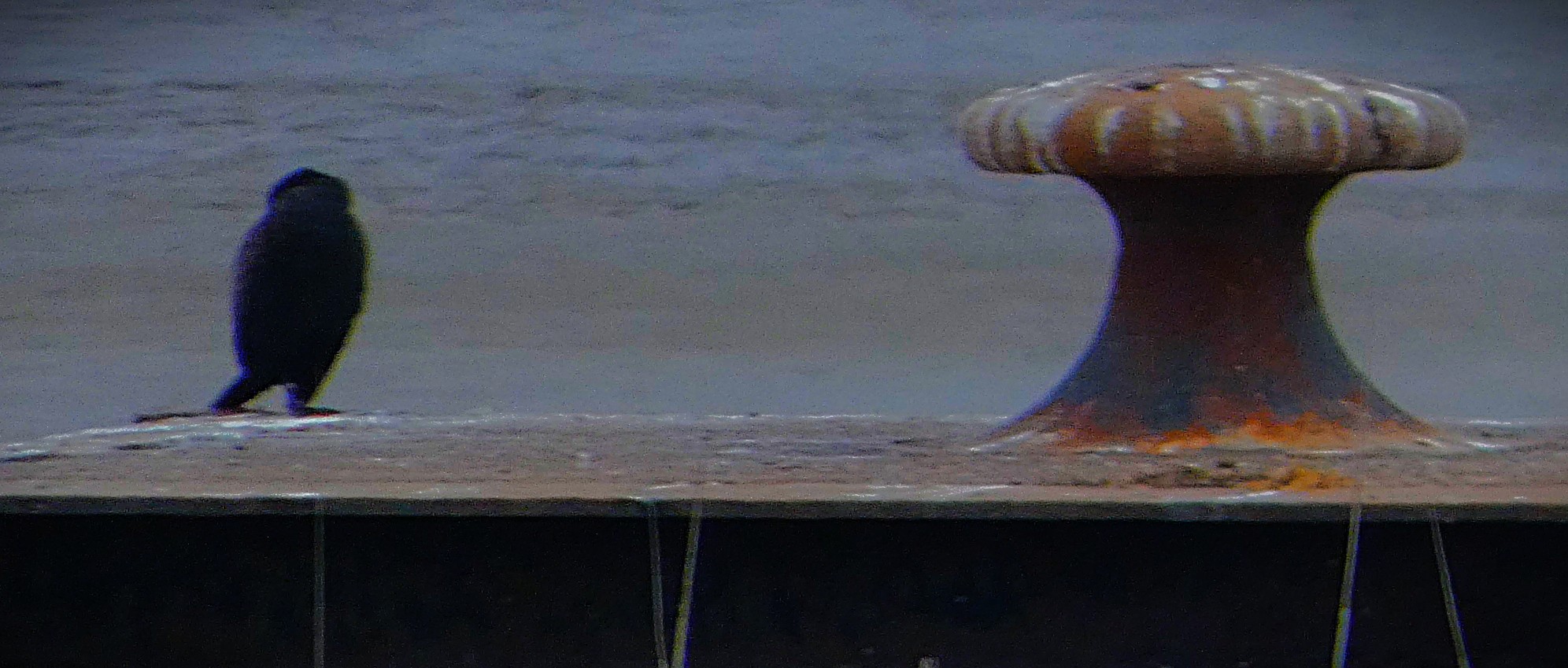
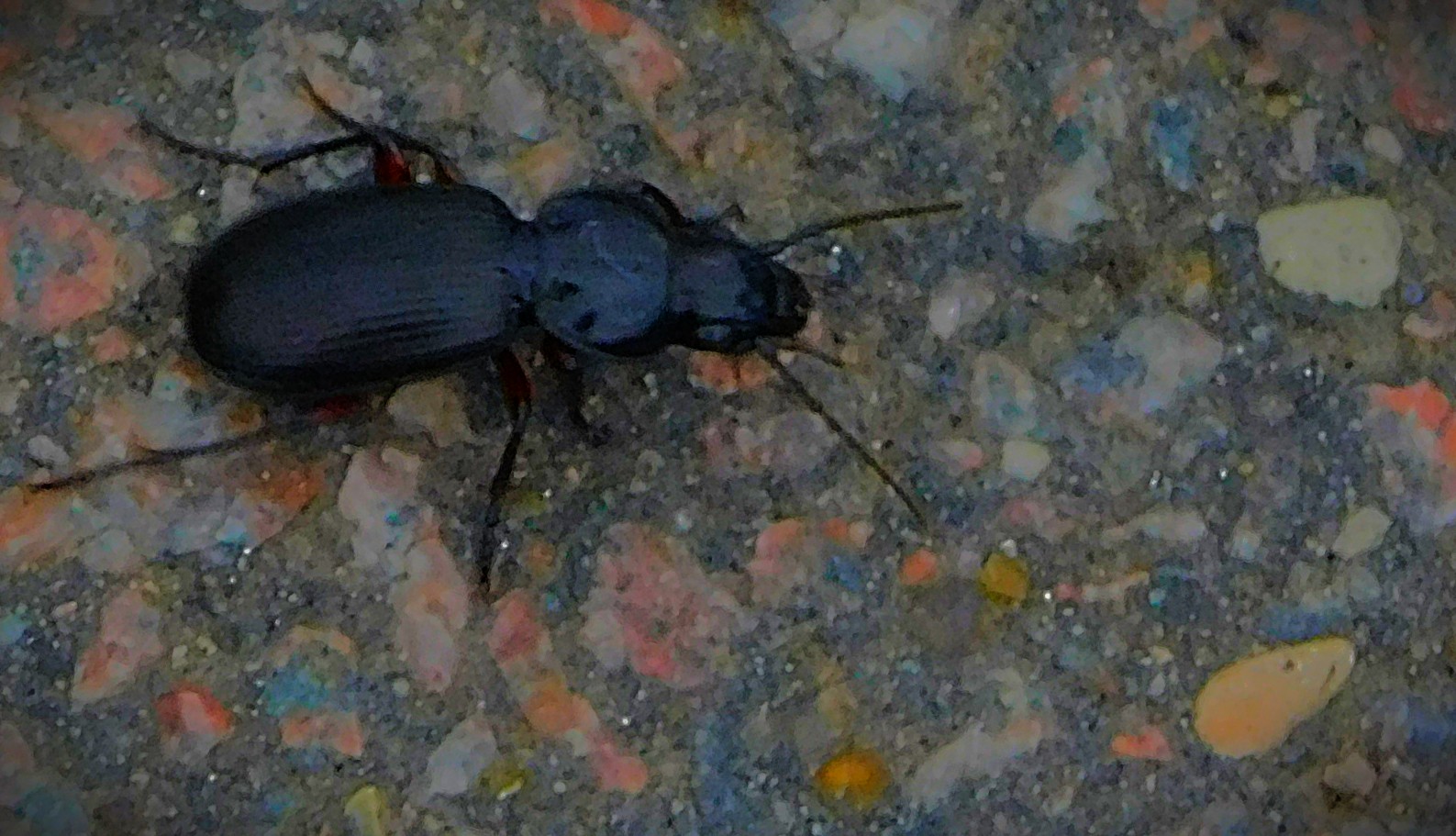
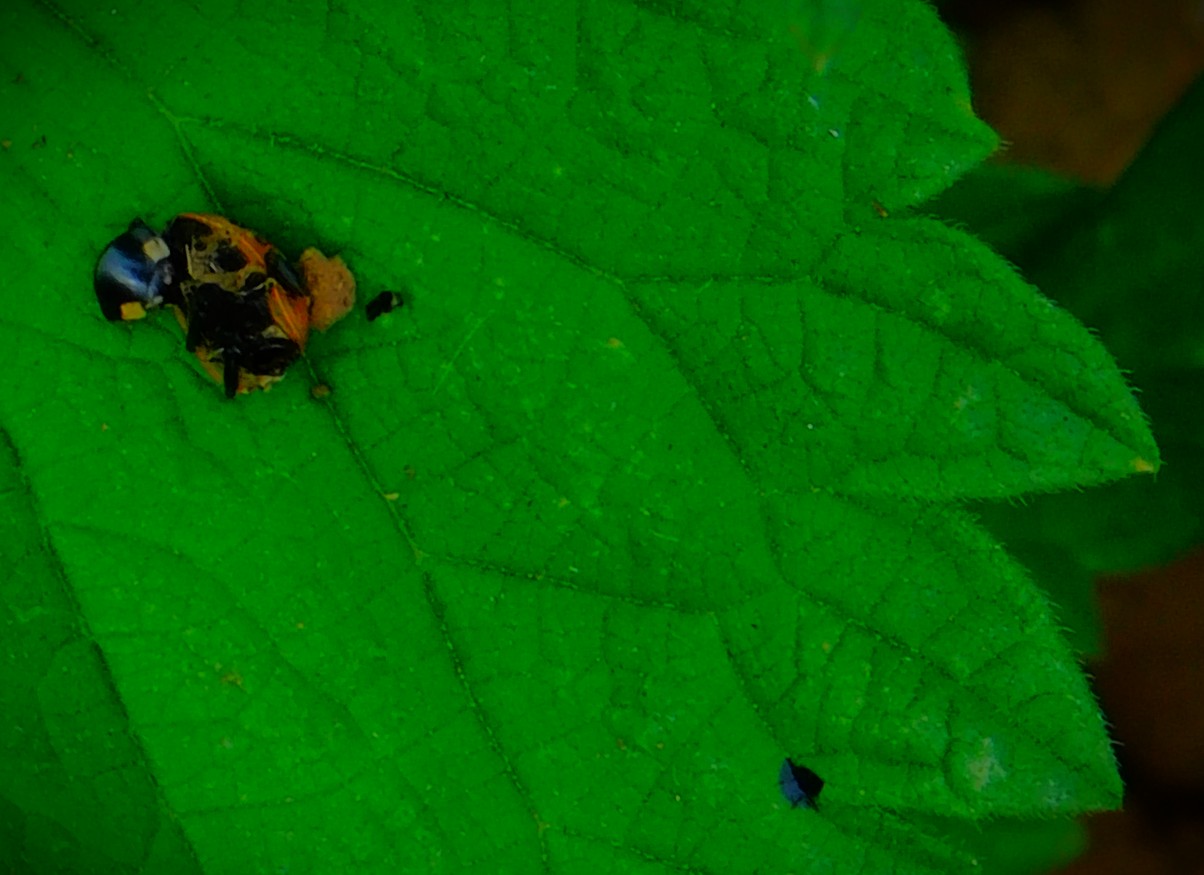
A Beetle Watching the Nar Outfall

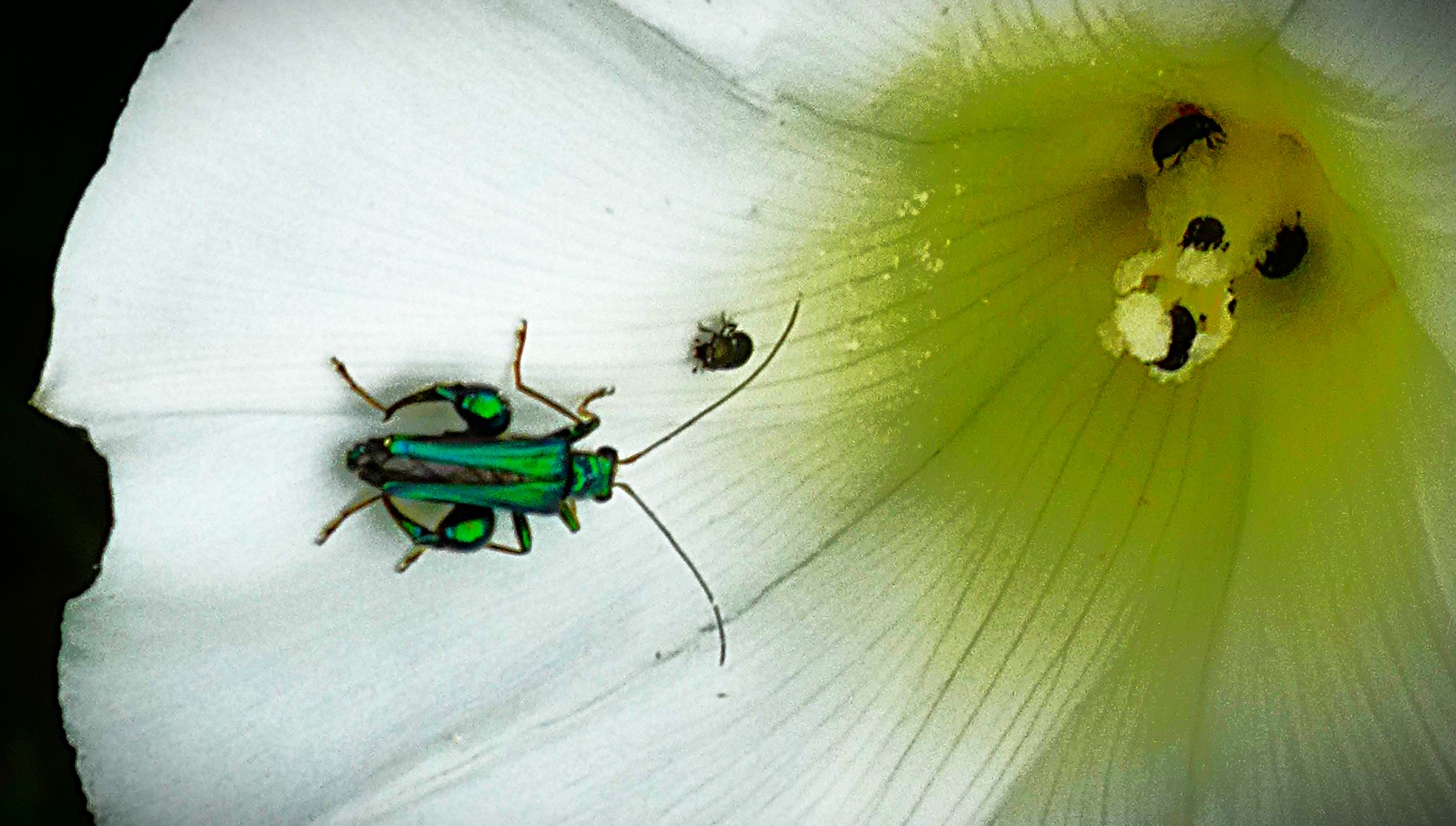
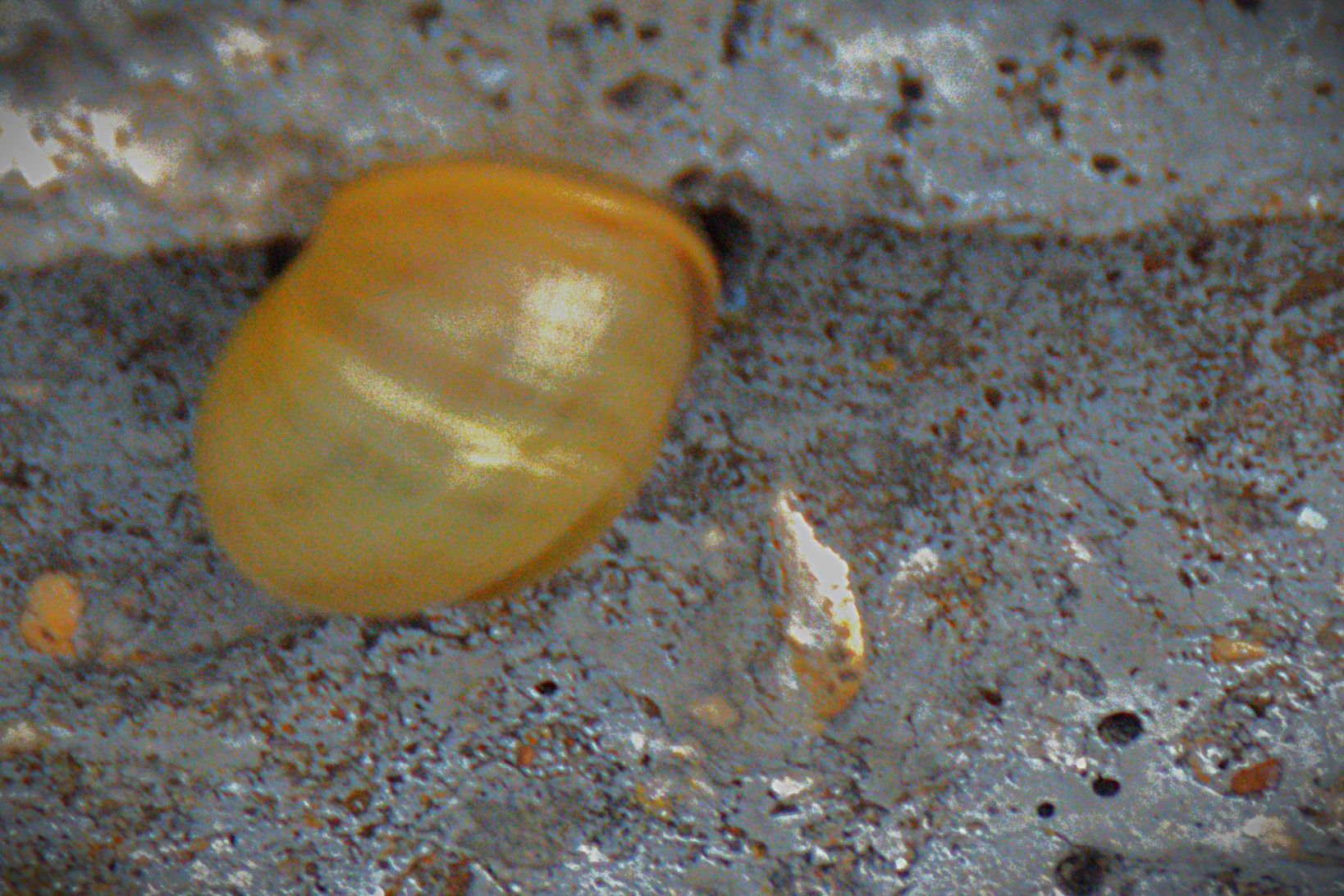
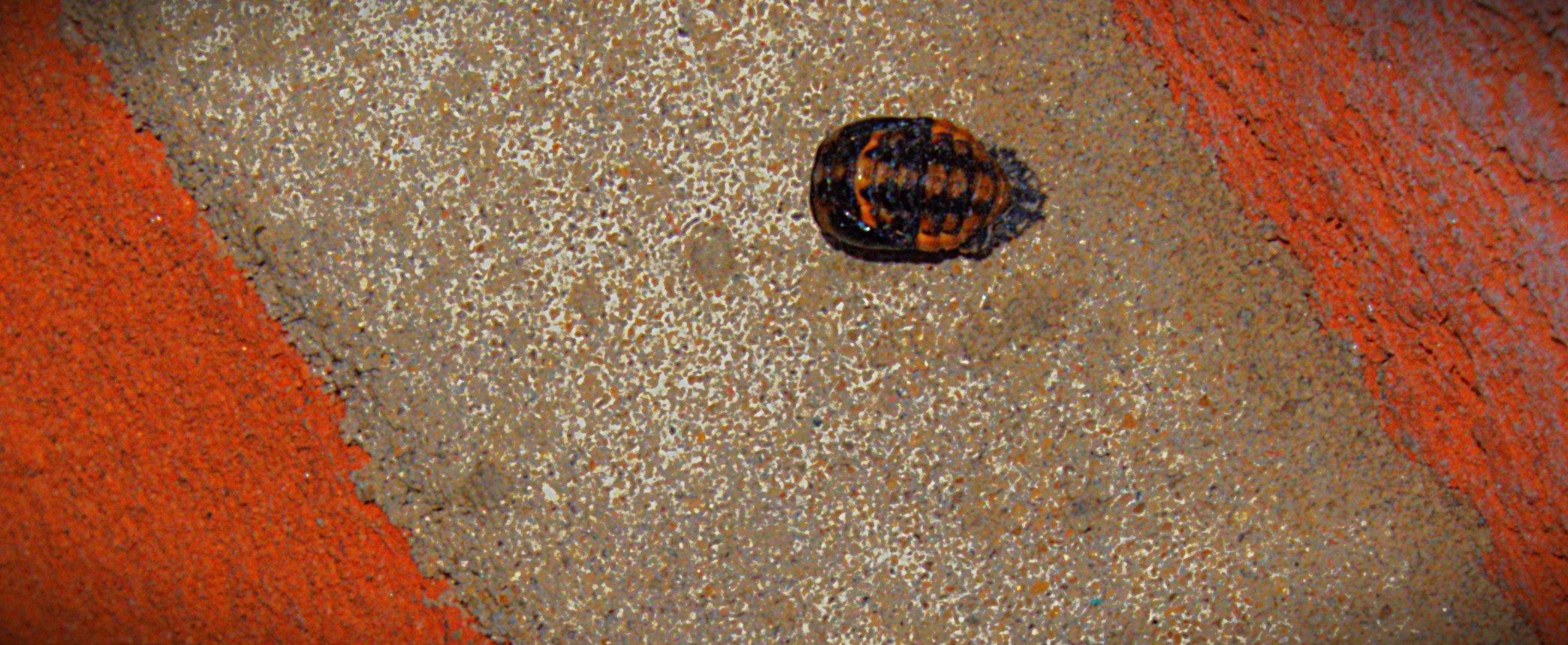
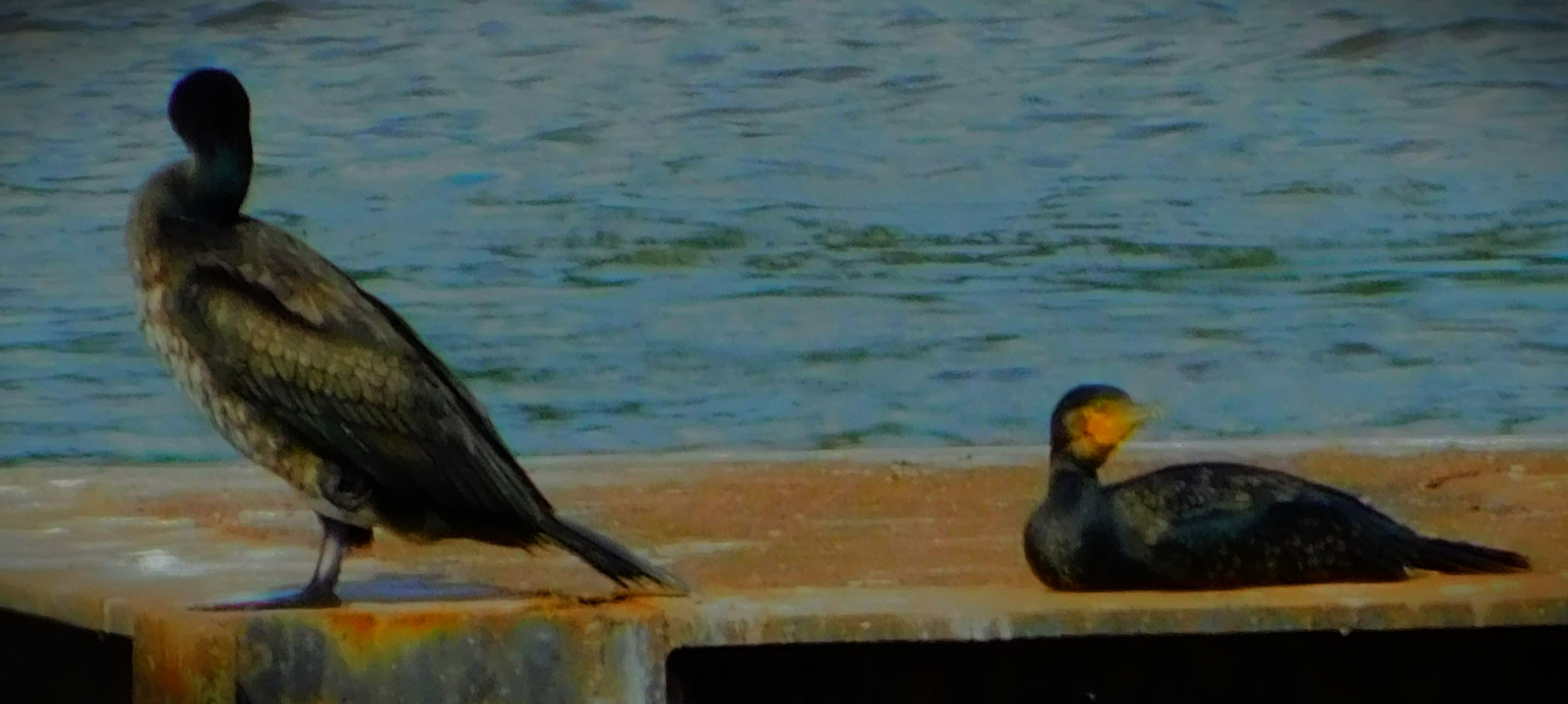
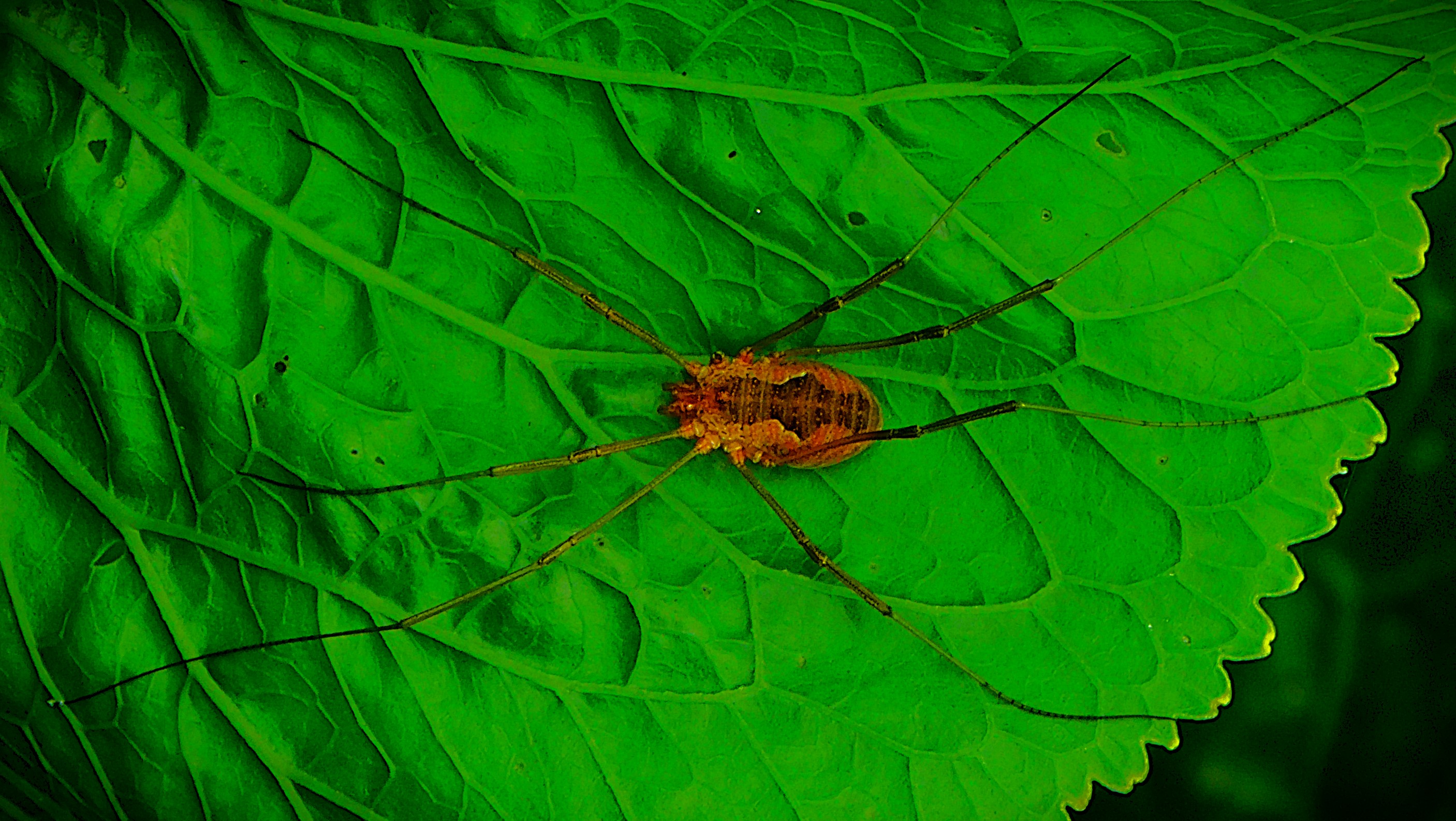
The star of this post is a beetle I spotted watching the Nar Outfall from a very precarious perch at the apex of a concrete wall overlooking the Nar Outfall. There are three pictures of the beetle.

This is a whimsical little post from this morning’s walk.

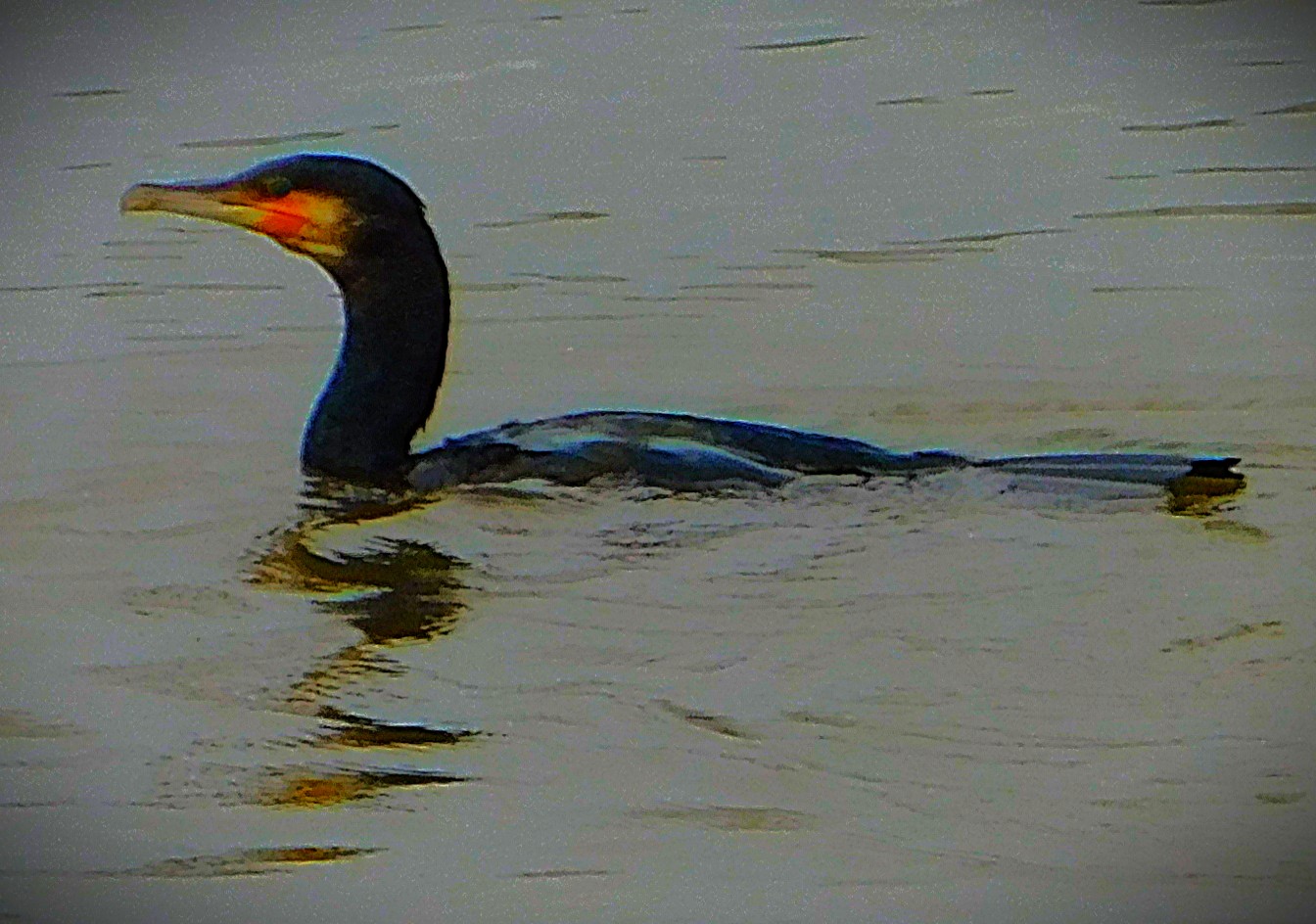
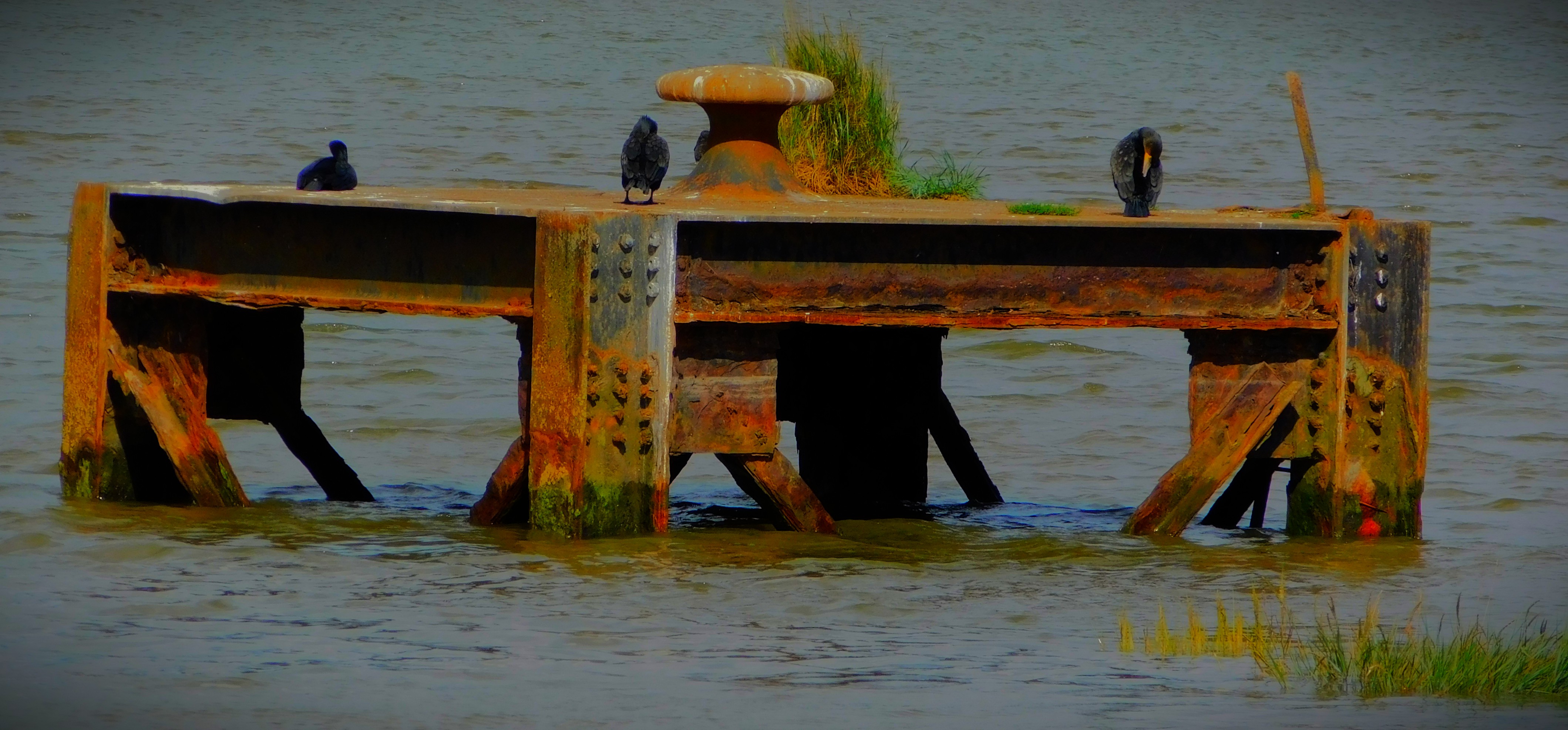
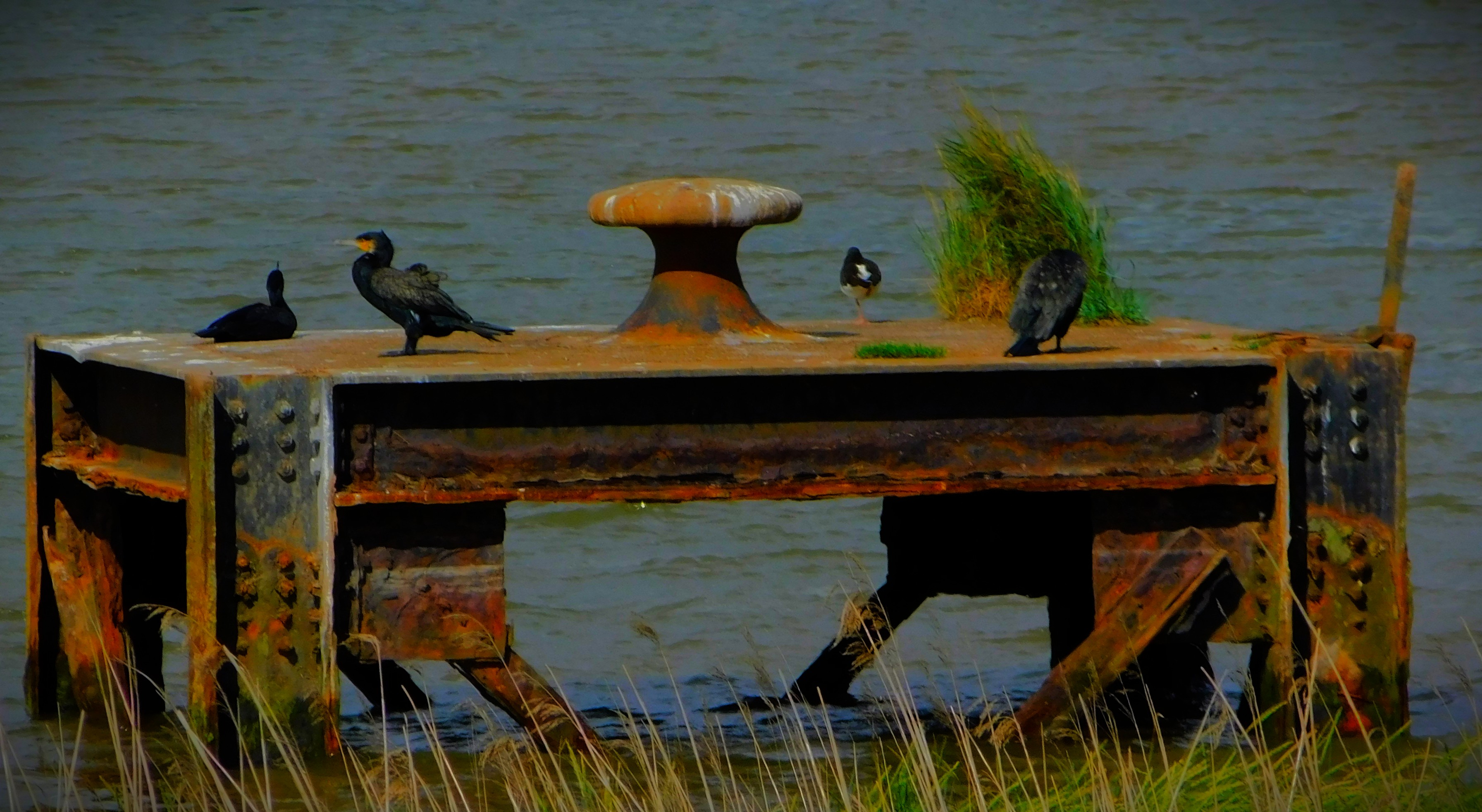
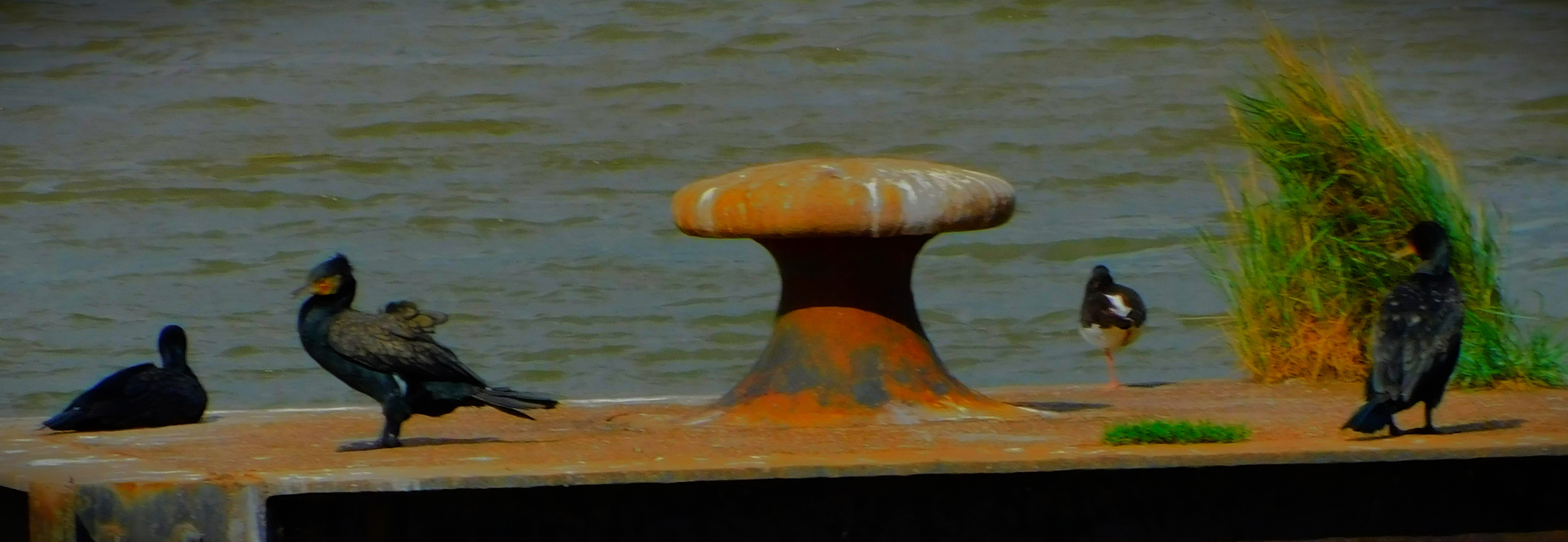
I was on the bridge over the Nar Outfall, with the Great Ouse, which the Nar joins, about 20 yards away. My attention was principally directed at the structure I have dubbed ‘Cormorant platform’ because those birds make such frequent use of it. One such was on the platform and in full display mode (these pictures will feature in my next post). While I was photographing this bird my eye was caught by something on the very apex of the concrete wall that protects pedestrians on the bridge from falling into the Nar Outfall. Closer inspection confirmed that it was a beetle, enjoying the sun and apparently the view of the water from its somewhat precarious perch.

Here are the pictures I took of the beetle.

Advantage Surrey

A look at goings on in the county championship, a link and two photo galleries.

A new round of county championship matches got underway yesterday. Surrey, leaders by four points going into this round, are playing away at relegation threatened Durham. Second place Nottinghamshire meanwhile are at home to third place Somerset. This post looks at what has happened in those two matches.

I missed most of yesterday’s play, being at work. However, I can tell you that Durham won the toss and opted to bat, and that they were all out for 153. Dan Worrall claimed four wickets, Sam Curran three and Indian spinner Sai Kishore two. Surrey reached the close of play yesterday on 182-5, 29 ahead already. Thus the task for Durham this morning was to wrap the Surrey first innings up before the lead became unmanageable. Unfortunately for Durham not only did they take the entire morning session (literally – the tenth Surrey wicket fell on the stroke of lunch, just as Durham’s first innings had ended onn the stroke of tea yesterday) to get through Surrey, they also conceded 140 runs in the process. Dan Lawrence scored 88 and Jordan Clark 82. Durham are batting better second time round, but at 127-2 they are still 42 runs in arrears as I type. Emilio Gay is currently 73 not out. The bonus points in this match (awarded during the first 110 overs of each side’s first innings are Durham 3 (a full haul of bowling points, 0 for the miserable batting effort), Surrey 5 (a full 3 for bowling, 2 for batting).

I have opted to split today’s gallery…

All that I know of this match comes via cricinfo. Nottinghamshire won the toss an opted to bowl first. They began well, reducing Somerset to 25-3. However at that point they were baulked by James Rew and Tom Abell, who put on 313 for the fourth wicket, Rew making 166 and Abell 156. There was not a huge amount thereafter, the next biggest contribution being 31 not out from Craig Overton. Somerset tallied 438 in the end, taking 132.3 overs to get there. The bonus points for this innings (awarded only for the first 110 overs of each side’s first innings) were 3 to Somerset for batting and 2 to Nottinghamshire for bowling. Craig Overton got Ben Slater early in the Nottinghamshire reply but Haseeb Hameed and Freddie McCann are currently holding the fort for the midlanders.

This round is the last of this season (and I hope ever) to be played with Kookaburra balls. There has been plenty of high scoring around as is usual when the Kookaburra is used in England. This leads to make a suggestion, just to help the ECB reach the right conclusion about the ghastly things: when this round of matches is done and dusted each county should ceremonially burn their remaining stock of Kookaburra balls.

Just before I apply my usual closure to this post I have a link to share. A new species of dinosaur has been unearthed in Argentina. The site from which I share this is Argentine, which means that it is written in Spanish, but they do have a translate button that I have made use of. Click here to read the full article.

Time now for my usual sign off…

Surrey Women Win T20 Vitality Blast

A mention of the final stages of the fourth test match between England and India, and some classless behaviour from Stokes, a look back at the Women’s Vitality Blast T20 Final between Surrey and Warwickshire, and a large photo gallery.

Yesterday evening, overlapping with the end of the fourth test match (by then an inevitable draw, which I switched away from while keeping a cricinfo tab open), and also with most (but not quite all since it went to extra time and penalties) of the final of the Women’s European Championship between England and Spain, the final of the Women’s T20 Vitality Blast tournament took place between Surrey (league stage winners and as such automatic qualifiers for the final) and Warwickshire. After a brief wrap up of the test match this post will look back at that match.

By the time I changed radio channels away from the test match to the final of the Women’s T20 Blast tournament the draw was effectively signed, sealed and delivered, with the sole remaining question being whether either or both of Ravindra Jadeja and Washington Sundar would reach what I would consider to be well deserved centuries. Unfortunately Stokes, a great cricketer but not always the most sensible in other regards, failed to appreciate the niceties of this situation (Sundar especially deserved extra consideration as he had at this point not scored a test match century) and donning his “moral crusader’s cape” he offered India the draw as soon he was allowed to do so, ignoring the two milestones that were by then bulking large in the minds of the batters, and got grumpy when they did not accept his offer, preferring to bat on to secure their landmarks first and then accept the draw. The laws of this great game are unequivocal on the point that a draw can be accepted at any time in the last 15 overs of a match if both sides agree. Here, for obvious reasons, even though the draw had long been the summit of their ambitions, India were not ready to agree, and they could not be forced do. Stokes should have noted the scores of the two batters (especially Sundar), and waited until they either completed their tons or failed in the attempts. As to what actually eventuated I finish this section with two mastodon posts of mine, a few moments apart:

Post by @autisticphotographer@mas.to

View on Mastodon

and

Post by @autisticphotographer@mas.to

View on Mastodon

The finals day for this competition featured a playoff in which Warwickshire faced The Blaze for the right to take on Surrey in the final and then the final itself. The first match was dominated by Issy Wong, who scored 59 and then took 4-14.

For the final Surrey won the toss and chose to bowl. Wong again batted well, but did not go really big this time, managing 31. That would remain the highest Warwickshire score of the innings. Laura Harris was typically explosive but only did half a job, going for 25 off 11 balls. It took some good work by the Warwickshire tail to get them past 150. They ended with 153-9, a good recovery from 115-8 at the dismissal of Harris, but a total that a powerful Surrey line up would have been confident of chasing.

The big difference between the two sides was that whereas Warwickshire had had lots of useful efforts but no big contribution Surrey got a clearly defined match winning innings from Grace Harris, sister of Laura (hence the title of this section of the post). Grace did not score quite as explosively as Laura had, but she did rack up an unbeaten 63, the highest score of the day, and she still only took 33 balls to make that score. The real key to her innings was that she was always scoring – of the 25 balls she took to reach her 50 she actually scored off 24 and faced only one dot ball. With Dunkley and keeper Chathli (who had earlier been superb with the gloves) playing support roles (23 off 13 and 16 not out off 9 respectively) Surrey won by five wickets with 3.2 overs to spare, a victory every bit as comprehensive as the margin suggests. Most of Warwickshire’s bowlers did reasonably well, though Millie Taylor, the young wrist spinner who was the tournament’s leading wicket taker came badly unstuck in the final, finishing with 3-0-37-0. The much more experienced Georgia Davis leaked 14 from her only over. Issy Wong was relative economical (under eight an over), but would have been disappointed to finish wicketless. It was Chathli who made the winning hit, a drive down the ground off Wong. Grace Harris, having produced score over twice the size of anyone else in the match, was named Player of the Match. Full scorecard here.

My usual sign off…(periodic reminder, to view an image at larger size simply click on it, and if you do this for the first image in a gallery you can view the whole gallery as a slide show).