The Museum Detectives

A brief look at the Museum Detective novels of Jim Eldridge and a photo gallery.

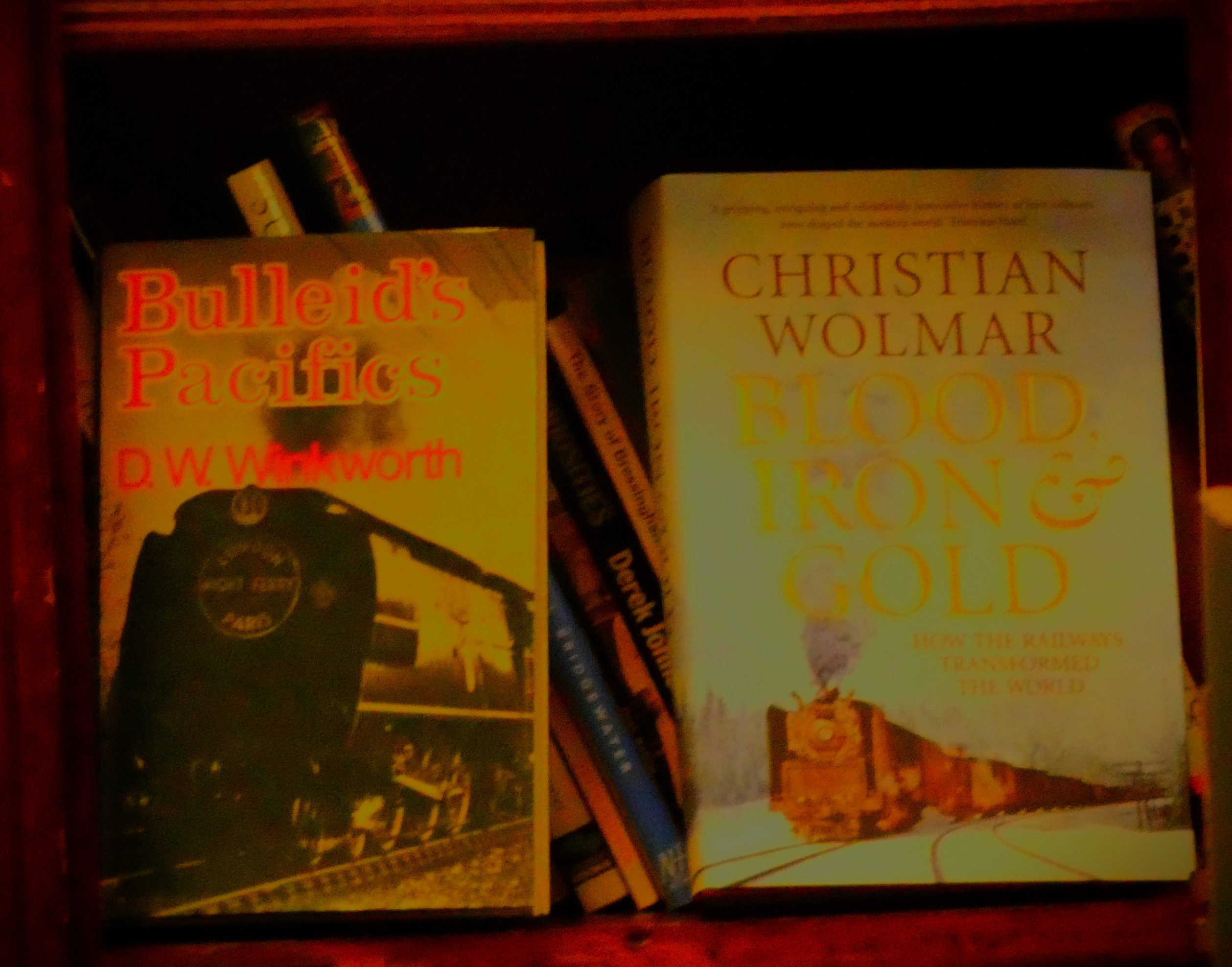
This is a series of novels by Jim Eldridge. There are ten books so far in the series.

Daniel Wilson is a former Scotland Yard detective, sergeant under inspector Abberline during the investigation into the ripper murders. Abigail Fenton (later in the series Mrs Wilson) is a Cambridge educated archaelogist specialising in ancient Egypt. This partnership investigate crimes at various museums, hence their and the series’ title. Often, though not always, they are working in parallel with Scotland Yard. Superintendent Armstrong, a bully of such unpleasantness as to make Edward Marston’s superintendent Tallis look saintly by comparison (and lacking Tallis’ great virtue of actually being good at the job), does not like the pair at all, though inspector John Feather gets on well with them, recognising unlike Armstrong that they have a common goal.

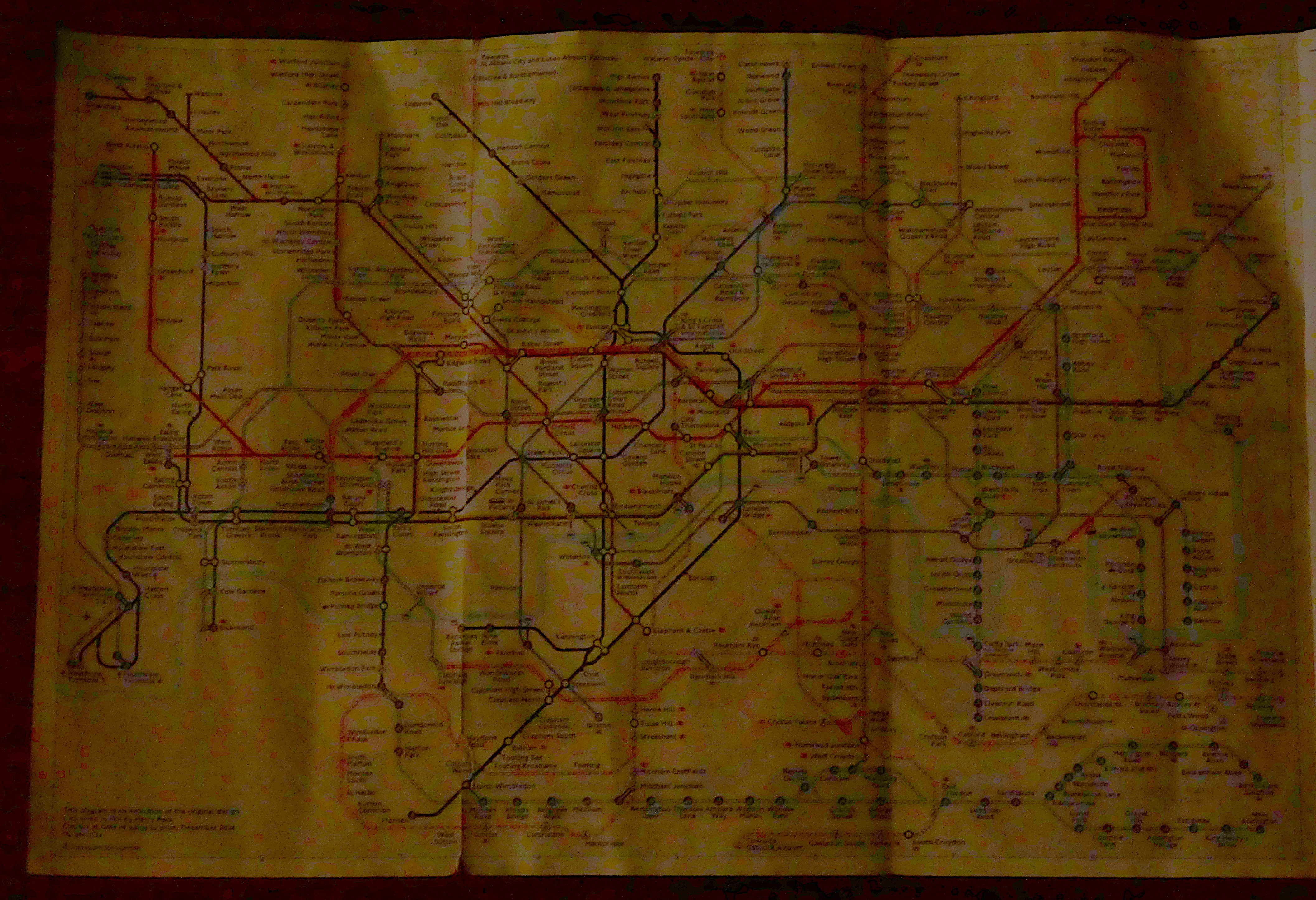
Daniel and Abigail first overlap at the Fitzwilliam Museum in Cambridge, and other non-London venues to feature are The Ashmolean, The Manchester Museum and the Louvre, in which last case Abigail finds herself a suspect at first. The London museums to feature are in chronological order The British Museum, The Natural History Museum, Madame Tussauds, The Victoria and Albert Museum, The National Gallery and the Tower of London (yes, among its many guises the Tower is London’s oldest museum). Sometimes the crimes involve museum personnel and sometimes not, but invariably the scope of the investigation widens beyond just the museum. Abigail is a fan of the then fledgling underground system, and they often use the Inner Circle (we are talking about the 1890s, so only the Metropolitan, District and their central combination, then known as the Inner Circle, and the City and South London Railway, then serving a mere six stations and unconnected to the others, are in existence, though the Metropolitan has already reached the furthest from Central London that any of the lines that became London Underground ever will -Brill in Buckinghamshire, 51 miles from Baker Street). Nevertheless, with the Wilson’s living within walking distance of Euston Square, Scotland Yard being near Embankment and one or too other useful locations appearing opportunities arise. In “Murder at The Tower of London” they have to chase up a witness in Loughton, then served by the Great Eastern Railway (this branch is now the eastern end of the Central line, but that development was almost half a century away when the action in the book was happening). The books are all splendid reads.

My usual sign off…

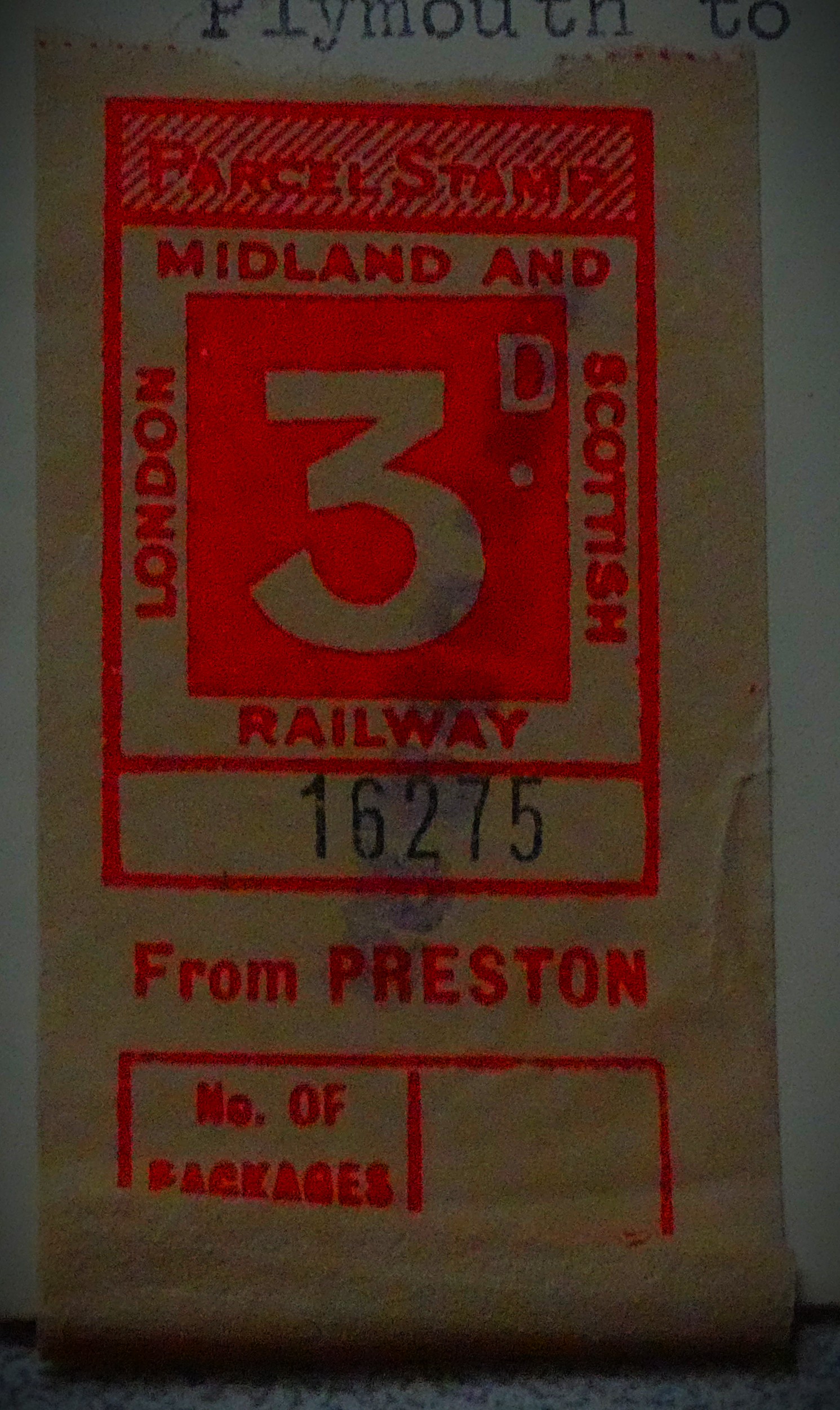
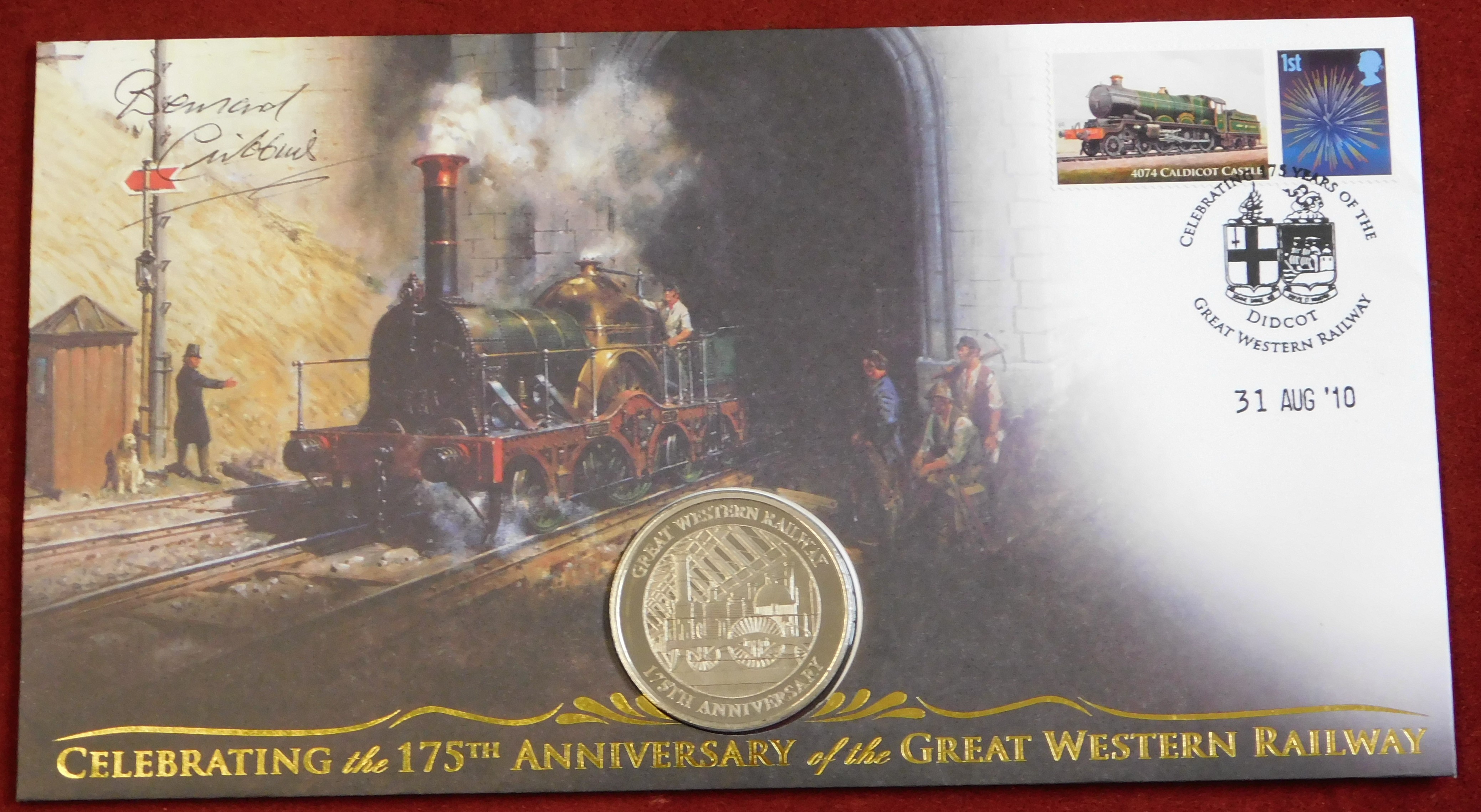
James and Sons January Auction

A look back at James and Sons’ January auction and a photo gallery.

On Tuesday and Wednesday of this week James and Sons had its January auction, a two day sale devoted entirely to stamps and postal history. This post looks back at the auction.

The first day featured mainly British stamps, with descriptions handwritten by someone else and typed in by me. The second day featured items from all over the world, and these lots were describe entirely by me. I also did all the imaging for this auction and uploaded it to the two online platforms that we use. On the days of the auction I handled the IT side of things.

Both our online platforms were quite lively, and a number of items fared very well. On day one the most consistent success was enjoyed by stamps from the ‘seahorse’ range. Day two saw all sorts of things sell well, including a number of bidding battles. By the time the last lot went under the hammer I was very tired (in addition to a stressful though satisfactory two days at James and Sons I had had a WNAG commitment on the Tuesday evening).

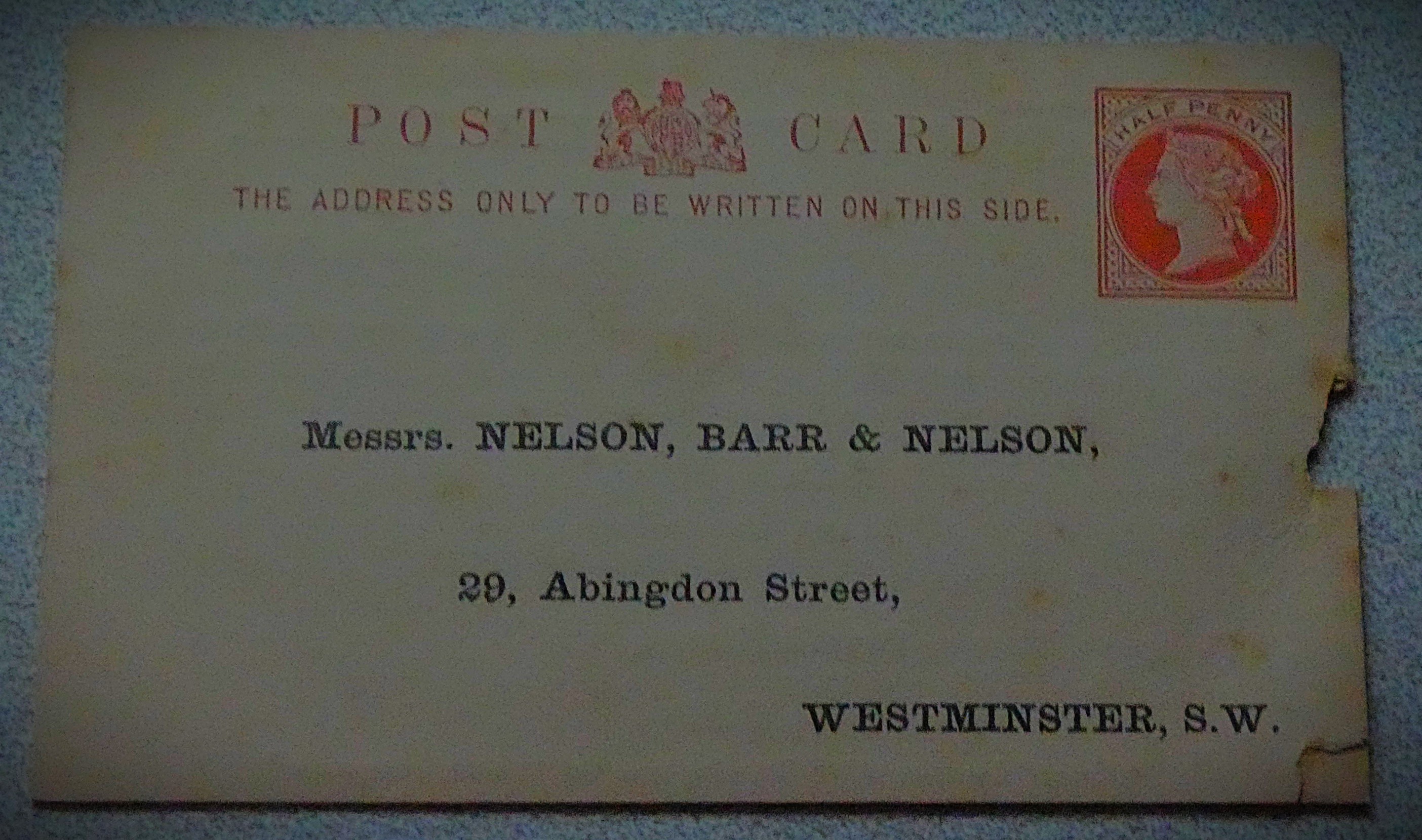
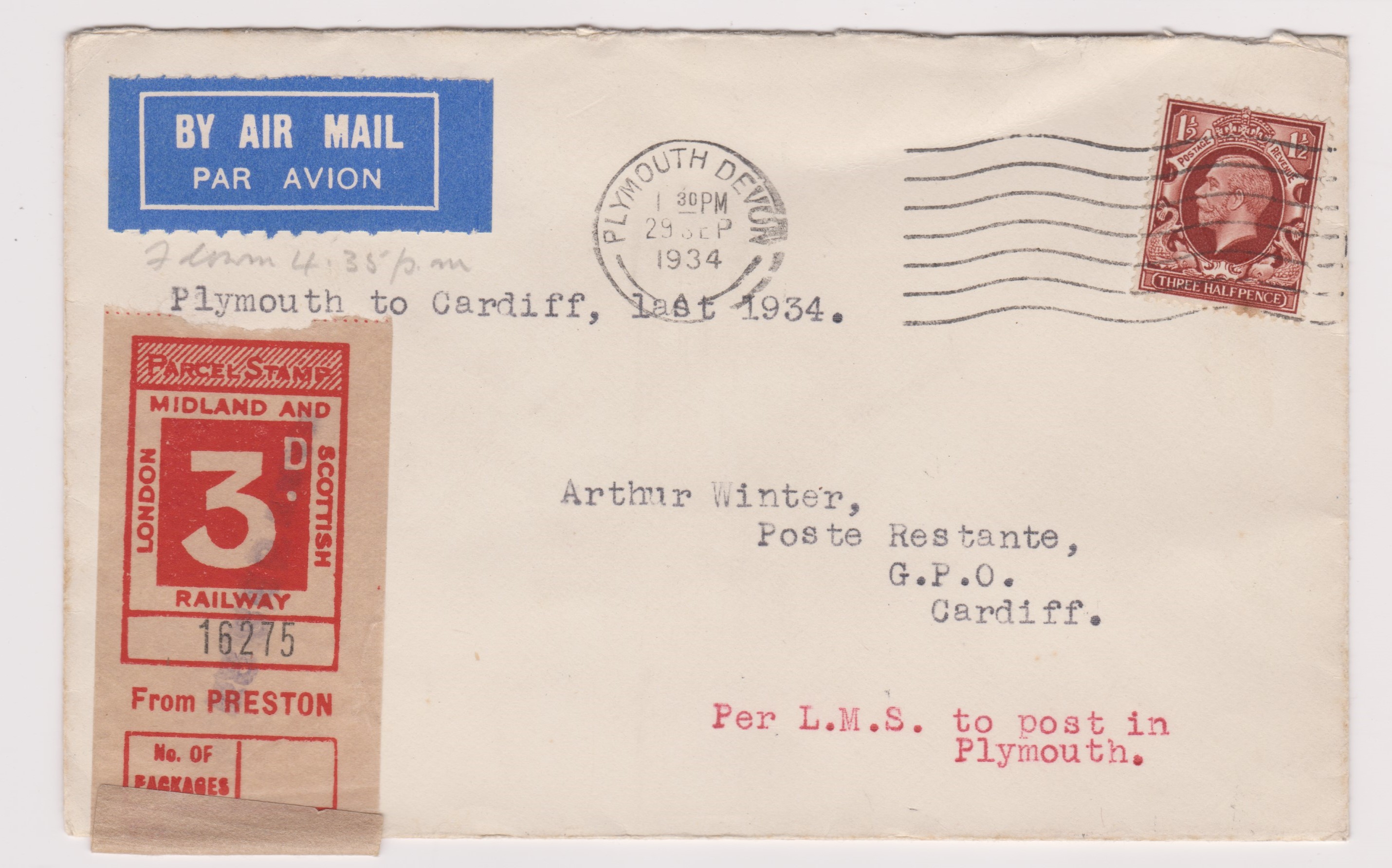
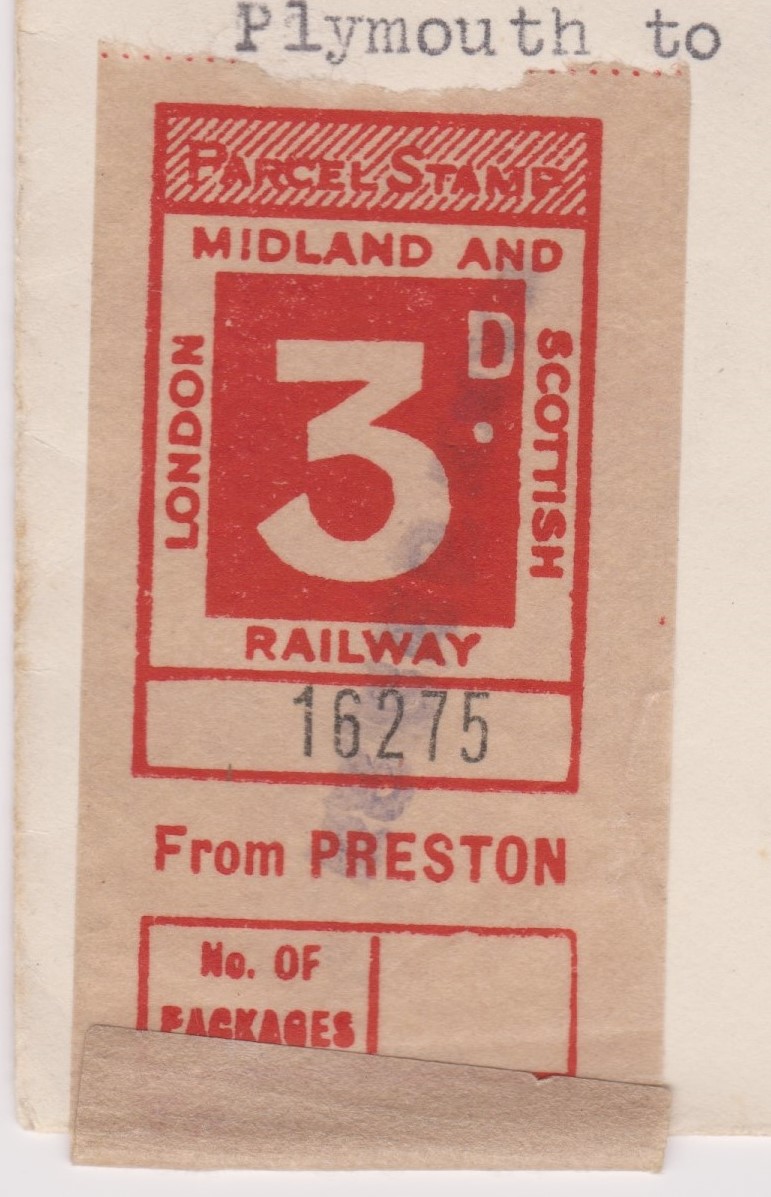
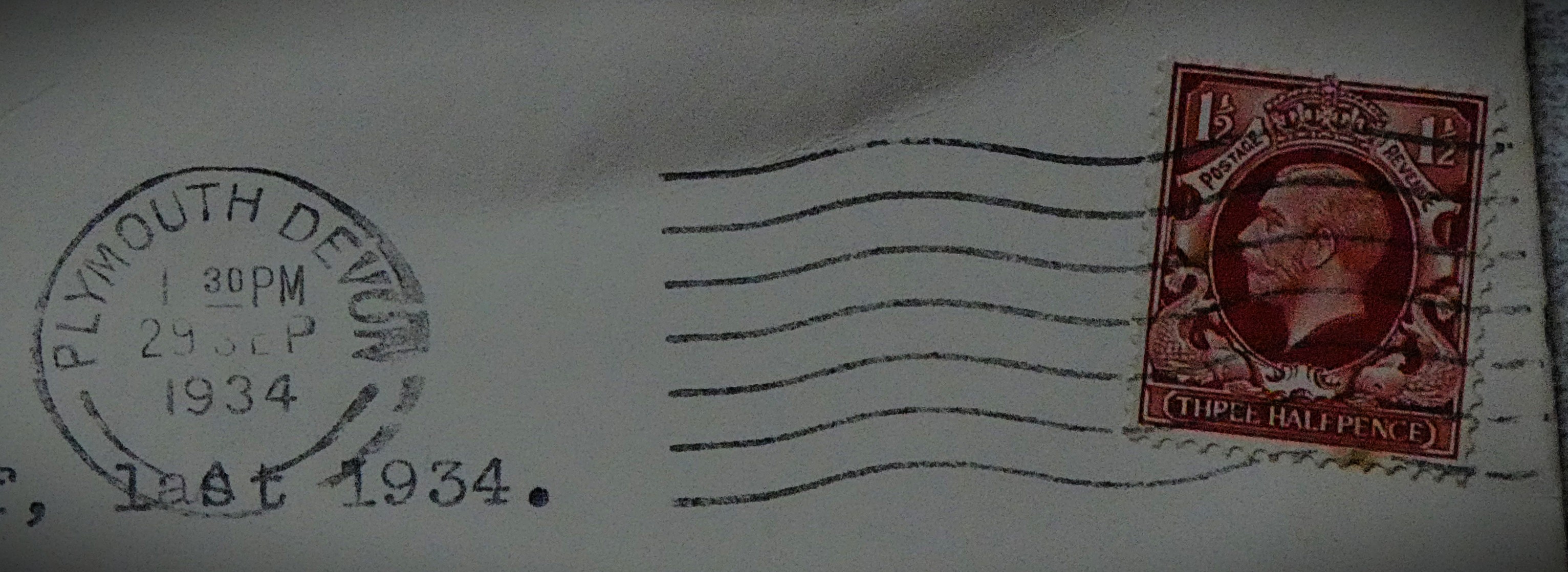
I had put bids in on a number of lots on day one, and on three items I was successful. Lot 105 was my first moment of good fortune:

Lot 166 was the first of three items of its type, and I was outbid on the other two, which was professionally satisfying.

Finally lot 262, which from my personal perspective was the star item of the entire auction.

My usual sign off…
An Upset for the Ages

A mention of the biggest upset in the history of the FA Cup and a photo gallery.

The weekend just gone saw the third round of the FA Cup, football’s oldest domestic cup competition. This is the stage of the tournament at which the big beasts enter the fray, and there is always the possibility of an upset…

One of the early kickoffs on Saturday saw lowly Macclesfield Town, a club that only re-formed in 2020 after having gone bust, and who are still in the sixth tier of the English football pyramid entertaining Crystal Palace, the FA Cup holders, and 117 places above Macclesfield in the pyramid.

Macclesfield were inspired by that occasion, and not only took the lead, they actually went two goals clear. Crystal Palace scored one late on in the game, but their revival was too little too late, and when the final whistle went it confirmed officially the greatest shock upset in the over 150 year history of this tournament. Macclesfield Town, the lowest ranked side to have made it this far in the tournament (having come in in the second qualifying round) had successfully taken down the holders.

My usual sign off…

An Ashes Retrospective

A quick look back at The Ashes series and a photo gallery.

Although England made a fight of the fifth and final match of the Ashes series they were never close to altering the result that had looked likely for some time. They reduced the margin to five wickets, but that was all.

When Brendon McCullum and Ben Stokes took up their respective positions England had recorded one victory in their previous 17 matches, and their approach had little entertainment. They came into this series with hopes high, especially with Australia’s bowling unit weakened at the start of the series. In the first two matches, when they should have been capitalising on this, and trying to force some serious miles into Mitchell Starc’s legs their batting collapsed three times in four innings, resulting in two heavy defeats. While there was some excuse in Perth where conditions were difficult for batting there was none in Brisbane. There England’s second innings began with the side considerably in deficit and having to bat under the lights early on, but with the knowledge that making it to the close without too much damage would enable them to enjoy the better daytime batting conditions on the morrow. They surrendered six wickets in that session of batting, five of them definitely batter error, and with it virtually guaranteed themselves an 0-2 deficit heading to Adelaide. In Adelaide the loss of both Ashes and series was confirmed. England went into the final innings needing 435 to win, and managed to score 352 of them. The Melbourne match saw England win by four wickets in a match that occupied less than two full days, as neither side managed to bat decently on a difficult track. In Sydney England were second best all the way, though Root in the first innings and Bethell in the second each scored big hundreds batting in traditional test match fashion to provide some comfort for their side. Bethell was only playing because Ollie Pope had fared so badly that England felt it necessary to drop him. Jamie Smith, who is a high class batter when his mind is focussed, had a very poor series, and his two dismissals at Sydney, holing out to deep cover off Marnus Labuschagne, walking into a very obvious trap, and then dozily run out in the second were illustrative of the malaise the gripped England’s batting other than Root and Bethell. Crawley’s returns were pretty much entirely typical of that worthy – some way short of what is required at the highest level, but about what he usually delivers. Ben Duckett had a horror series. It was not so much the four complete failures which made it so – most openers are sometimes dismissed very early, and four such instances out of 10 is not very surprising. The problem was that in the other six innings, in which he got as far as 20 his best effort was a mere 42. To have had an acceptable series as opener he would have needed four of those six starts to become fifties, and two of those four 50+ scores to become hundreds. Brook showed more inclination to dig in once the series was lost, but his early series efforts smacked of both arrogance and laziness.

England came into the first match of the series without having played a genuine match – their ‘warm up’ consisted of a game between themselves and The Lions as England call their reserve squad, in which both sides used more than 11 players. Then, although the Prime Minister’s XI match, a feature of every tour of Australia, was specifically arranged as a pink ball match in the run up to Brisbane England arrogantly refused to have anyone from the main squad play in that game. Several of the England XI who arrived in Brisbane had never played even a first class match using a pink ball. Matthew Potts had bowled well in the Prime Minister’s XI match, but when he next featured, in the final match at Sydney he had done no further bowling in match conditions, and he bowled very poorly, and frankly deserved his first innings figures (25-1-141-0). He was not called on in the second innings. England need to get their heads out of the sand on this one and acknowledge that they need to play more proper matches.

My usual sign off…

England Just About Hanging On

A look at day four at the SCG, a link and a photo gallery.

This post deals with day four of the final test match of the Ashes series, at the SCG.

Play resumed on day four with Australia 518-7, already 134 runs ahead of England on first innings. The last three Australian wickets boosted that total to 567, an overall lead of 183. England were further handicapped as they prepared for their second innings by a muscle strain suffered by Ben Stokes. Ben Duckett contributed 42, his highest score of the series. There was also a score of 42 from Harry Brook. Will Jacks, who as I have said elsewhere is actually more batter than bowler failed horrifically to take advantage of a promotion to number six, Stokes having decided to bat later in the order, playing a horrible shot to his second ball to give Cameron Green a catch off the bowling of Beau Webster. First to go had been Zak Crawley, LBW to Starc for 1. That meant that Jacob Bethell, batting at number three in spite of never having scored a first class hundred had to come in right at the start of the innings. He rose to the challenge brilliantly, playing a proper test match innings, showing skill, technique and the right temperament for the job in hand. It was during the stand with Brook that he reached that maiden first class century (while it is not commonplace for this to happen in a test match it is not super rare either – Charles Bannerman’s 165 in the first ever test match was his maiden FC century, and there is another member of the current England setup to have done the same thing, Gus Atkinson). Even after Brook’s dismissal and the Jacks howler referred to earlier he went on unperturbed, finding some support from Jamie Smith. Brydon Carse helped the eighth wicket to advance the score by 30, and at the end Matthew Potts was supporting Bethell, who ended the day unbeaten on 142, having faced 232 balls and hit 15 fours, with England 302-8, 119 to the good. Bethell’s innings was England’s third three figure score of the series, and both the previous two were scored by Joe Root, a universally acknowledged master of test match batting technique. I am not yet fully prepared to renounce my scepticism regarding Bethell’s selection, but I see no reason for this century not to be the first of many, and if he continues to deliver the goods as he did this day I will acknowledge that fact.

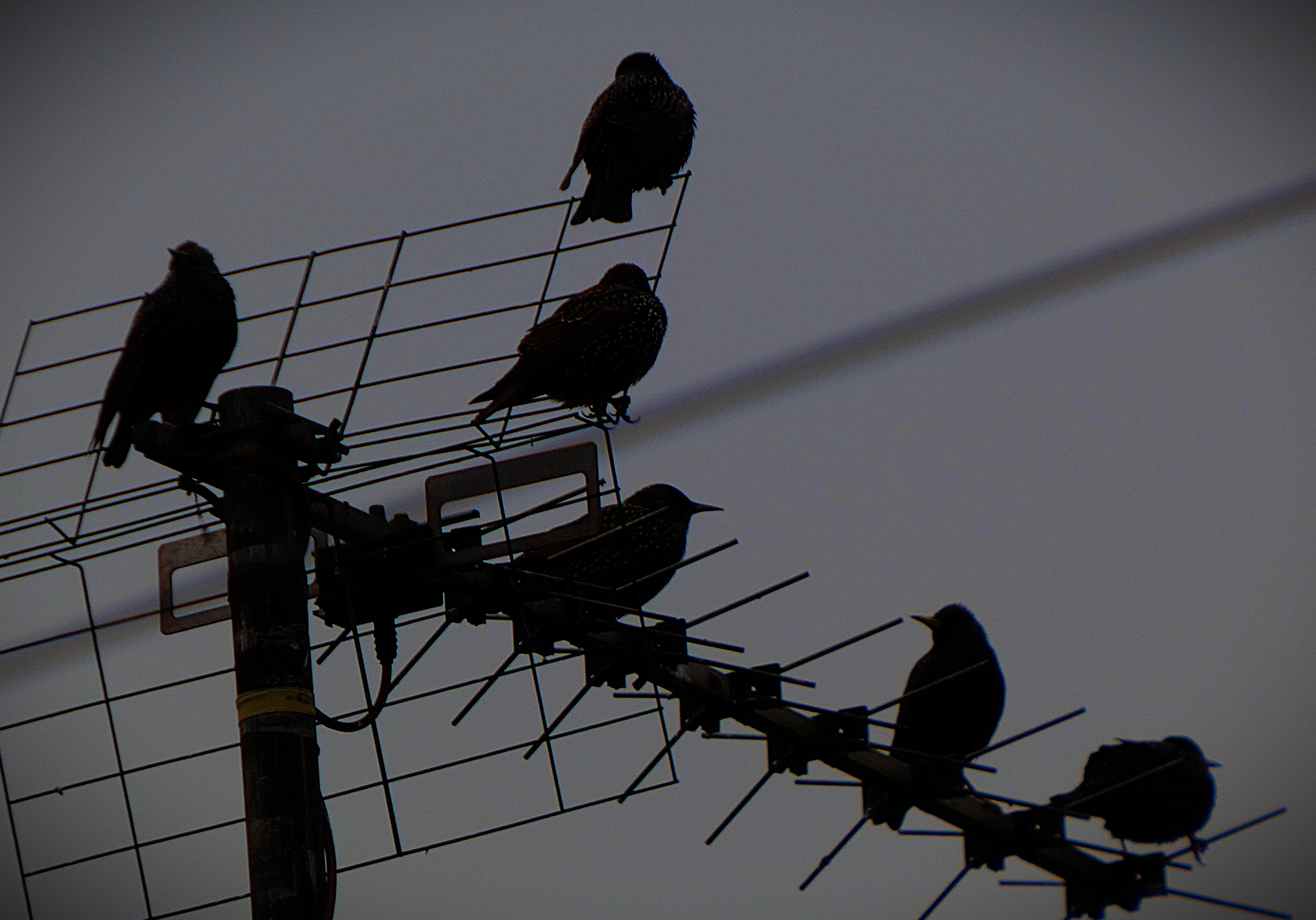
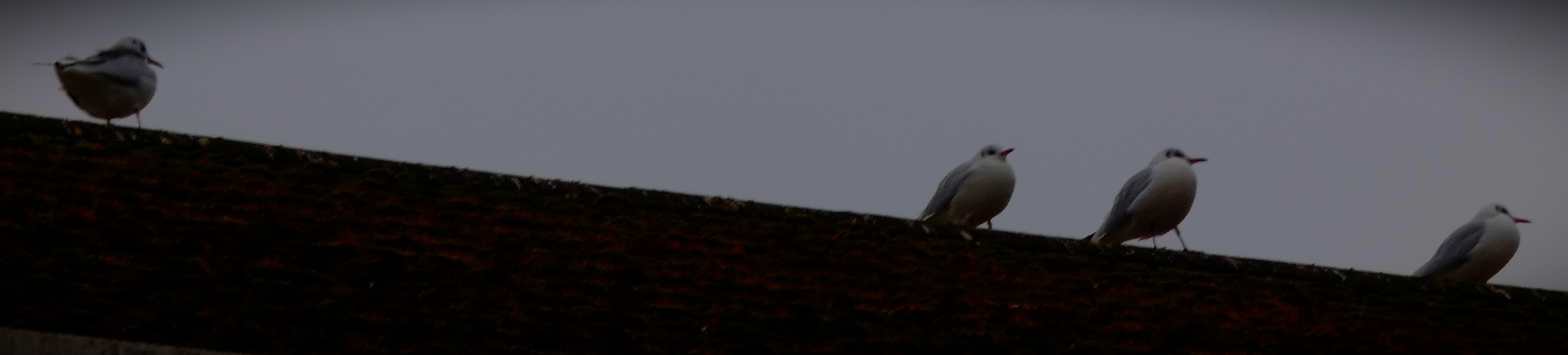
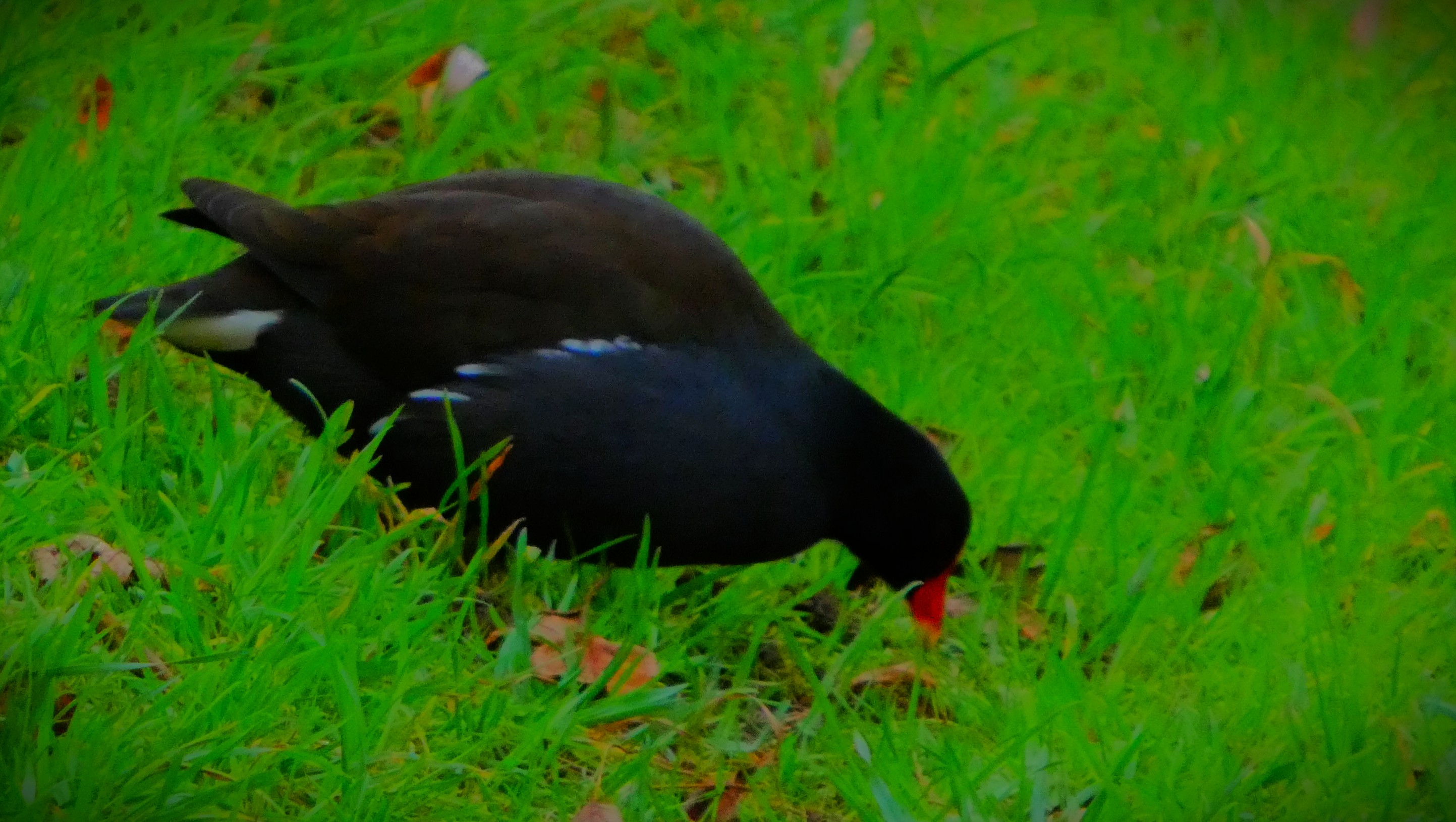
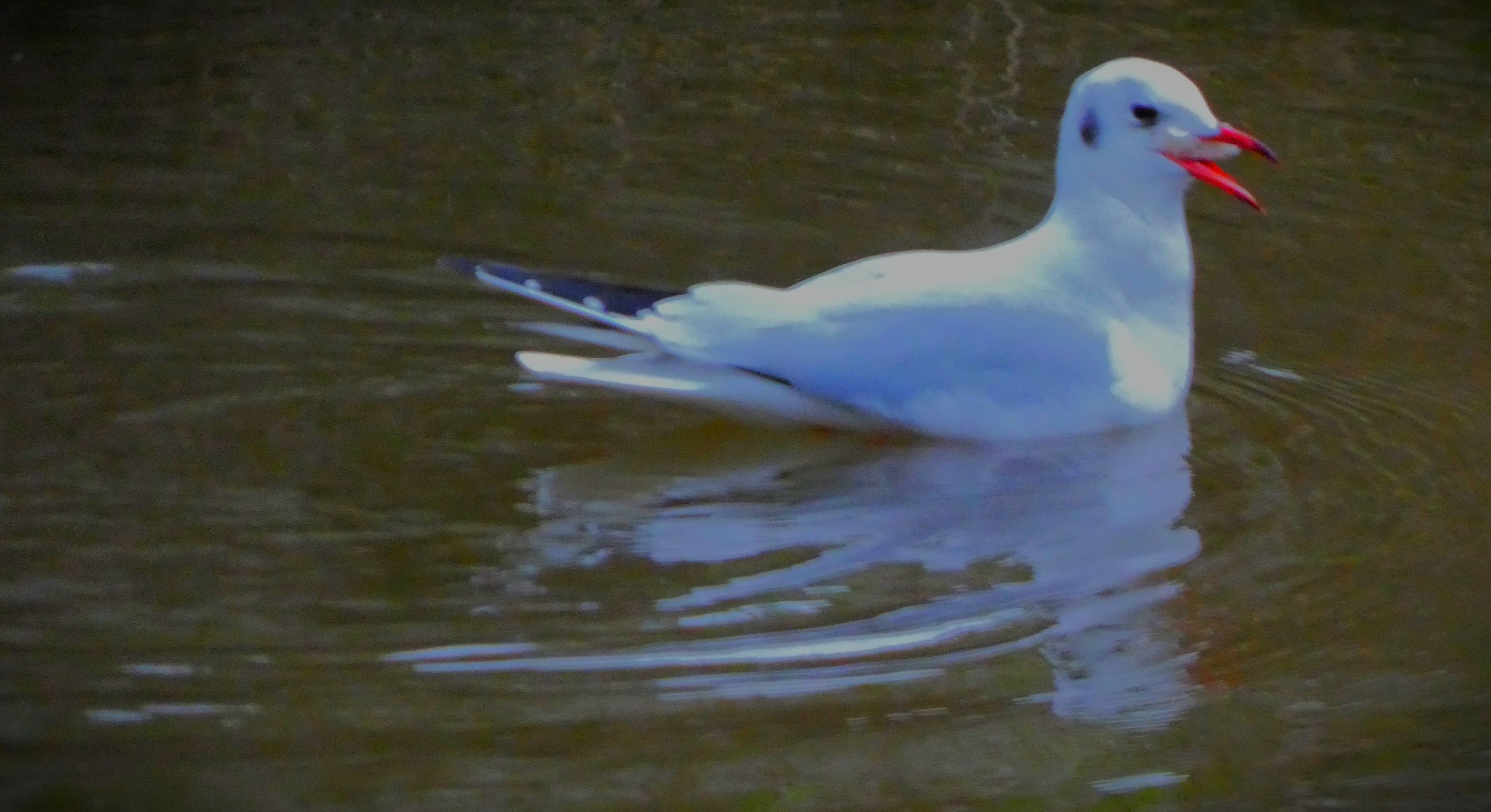
First I have a link to share, from science.org, to this article about how multi-cellular life may have come about. It is an appropriate share since my gallery includes pictures from all three of the multi-cellular or eukaryotic kingdoms. Now for my usual sign off…

Australia Take Control in Sydney

A look back at days two and three at the SCG and a photo gallery.

Before I get into the main meat of this post, the events of days two and three in the fifth Ashes test in Sydney I have some important news from today. On Christmas morning my computer started failing to recognize the existence of WIFI networks, and today I was finally able to take it to a friend in Fakenham who is a professional fixer of computers, and it is once again fully functioning.

England resumed on the second day on 211-3. For much of that second day things looked to be continuing to go their way. Although Jamie Smith suffered the daftest dismissal of the series (even in this series, where that particular field is highly contested it stood out like a sore thumb) just before lunch, slapping a long hop from part timer Marnus Labuschagne straight into deep extra cover’s hands most of the rest of the news for England was good. At 375-6 a very big total looked on, but the last four wickets tumbled for a mere nine further runs. It was still England’s best first innings effort of the series, and what made the whole pattern of this innings so familiar was that it was undergirded by a huge score from Joseph Edward Root. Root’s 160 was his second hundred of the series, and the 41st of his test career.

Having batted reasonably well England proceeded to bowl like drains. By the end of day two Australia were 166-2, with Travis Head in sight of his third century of the series. Matthew Potts, playing his first match since the game in Canberra against the Prime Minister’s XI, and his first first class match since the end of the English season was especially poor, conceding runs rapidly and not looking threatening.

Travis Head powered on to 163 in the early part of the day. By the close a much more experienced cricketer, Steve Smith, had also cruised past three figures, and Beau Webster, batting at number nine through a combination of a batter heavy original selection and the use of a night watcher the previous evening, supported him impressively in the closing stages, against a tiring bowling unit. Australia closed on 518-7, already 134 to the good, having scored 352-5 on the day. Potts had 0-141 from 25 overs, Carse had claimed three wickets but had also been very expensive. Tongue and Stokes each went at about three an over, and even part time spinners Jacks and Bethell were far less expensive than the two Durham bowlers who had shared the new ball. At their high water mark of 375-6 on the second afternoon England looked well placed, a day and a half later they have every appearance of being deep in a Kimberley diamond mine sized hole.

My usual sign off…

Day 1 in Sydney

A look back at the opening day of the final test match of the 2025-6 Ashes at the SCG and a photo gallery.

Late last night UK time the fifth and final test match of the 2025-6 Ashes series got underway at the Sydney Cricket Ground. This post looks back at the day.

Gus Atkinson was unavailable for England due to injury, and Matthew Potts was named as his replacement. This was England’s only change from the side that had won the Boxing Day test match in Melbourne, which meant that Shoaib Bashir, fast tracked into the England ranks due to the fact that his height would enable him to generate extra bounce, an asset that should make itself especially felt on Australian surfaces, would end up not playing a match in the entire series. Ben Stokes won the toss and opted to bat first.

The bad element of the day came first, with England losing three wickets, Duckett (who has had a wretched series) for 27, Crawley for 16 and Bethell for 10. That was 57-3. and brought the two Yorkshiremen, Joe Root and Harry Brook together. This pair proceeded to bat beautifully until just before tea when it rained, sending the players in. In the event there was no further cricket in the day, though the commentators were absolutely adamant that there could and therefore should have been – it was dry for most of the evening session. Possibly, with most matches so far this series having not gone the distance, and two having finished in two days each the home side wanted as many days play as possible in Sydney and the local ground staff did not exactly bust a gut to get play back underway. The score at the end of a truncated day was 211-3, Brook 78 not out, Root 72 not out, and a wicket a piece for Starc, Neser and Boland.

My usual sign off…

Cornish Christmas 6: The Journey Home

An account of my return journey from Cornwall to Norfolk, with a photo gallery.

This is my final post about my Christmas in Cornwall, and details the return journey.

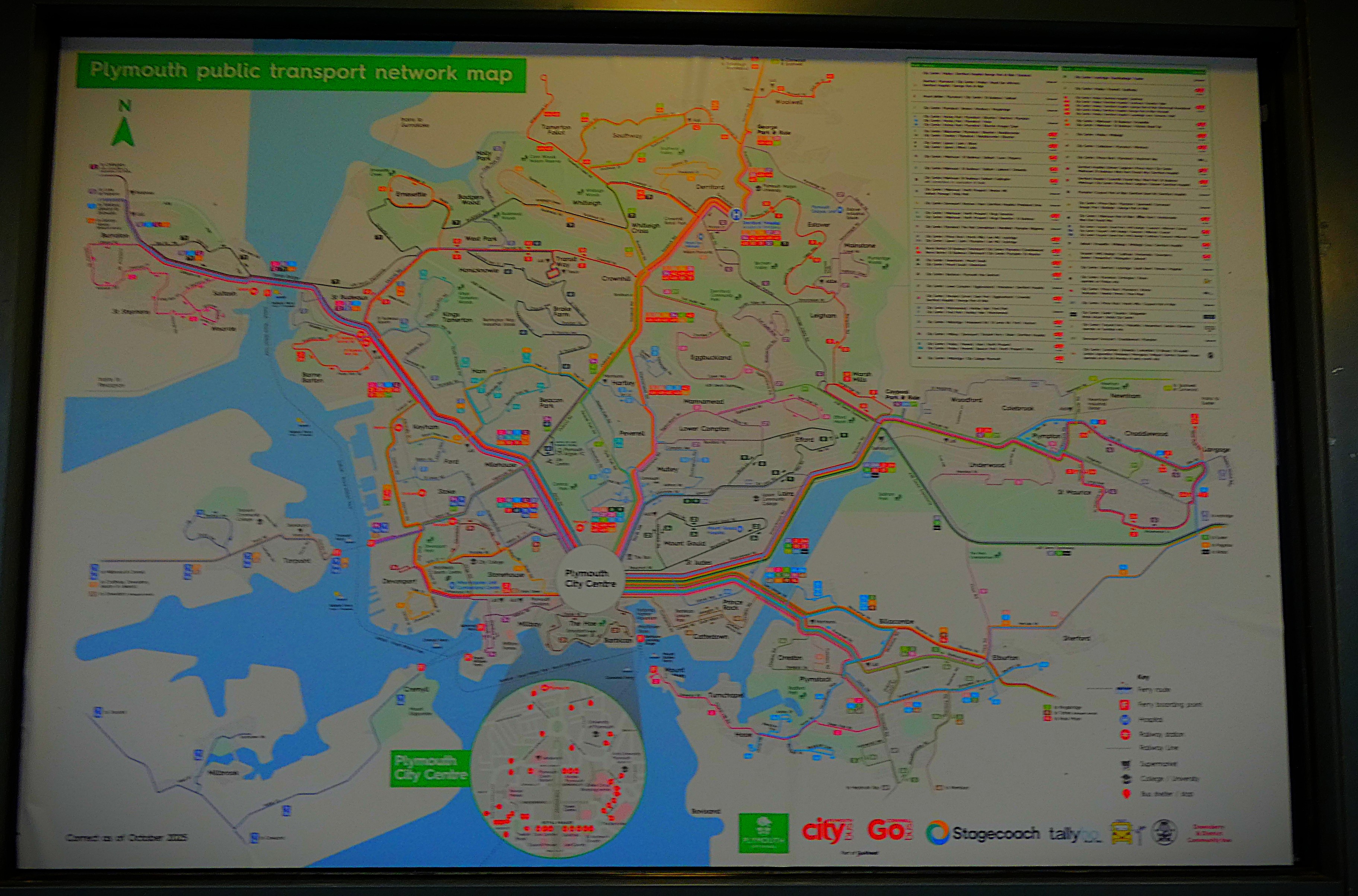
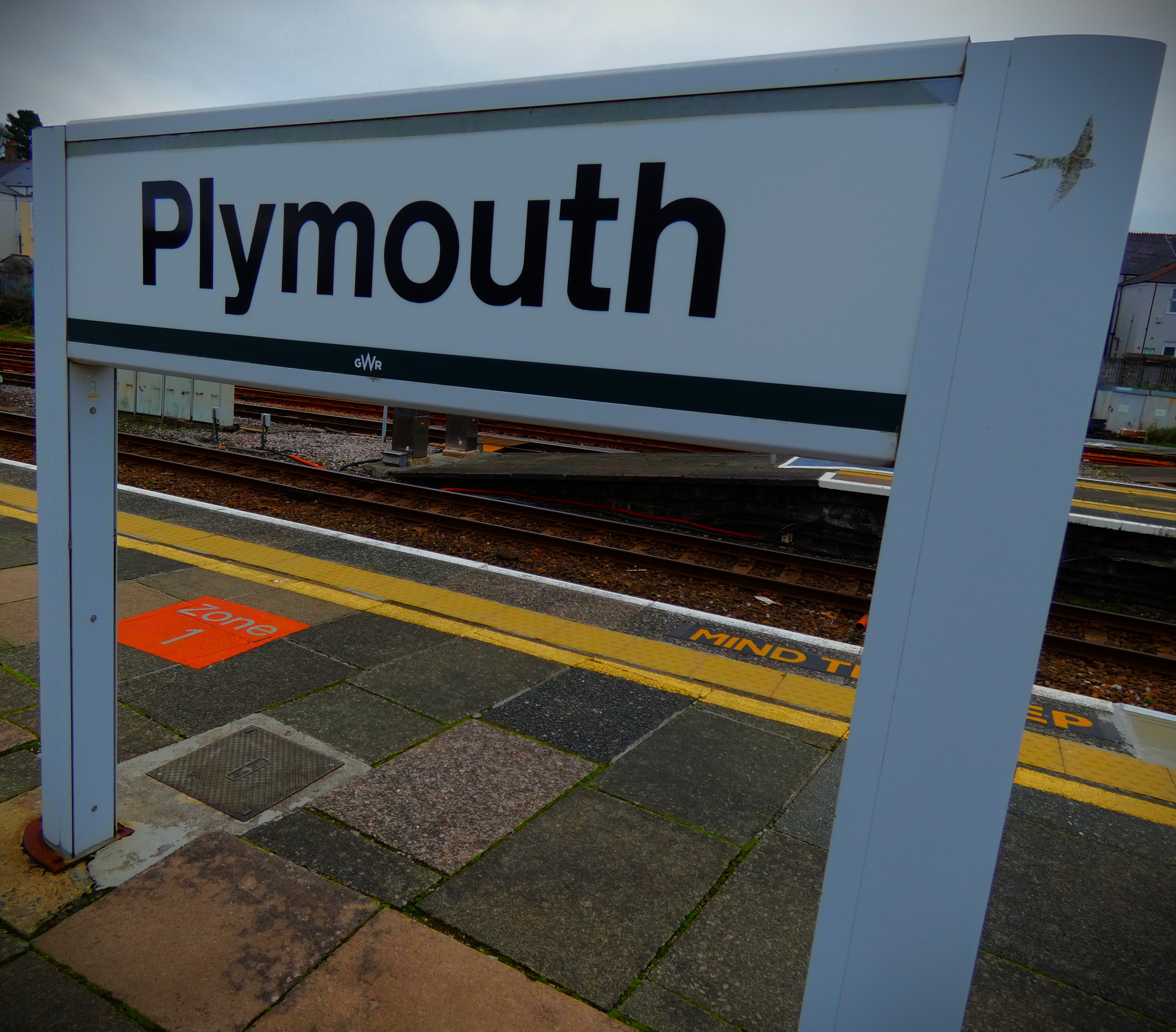
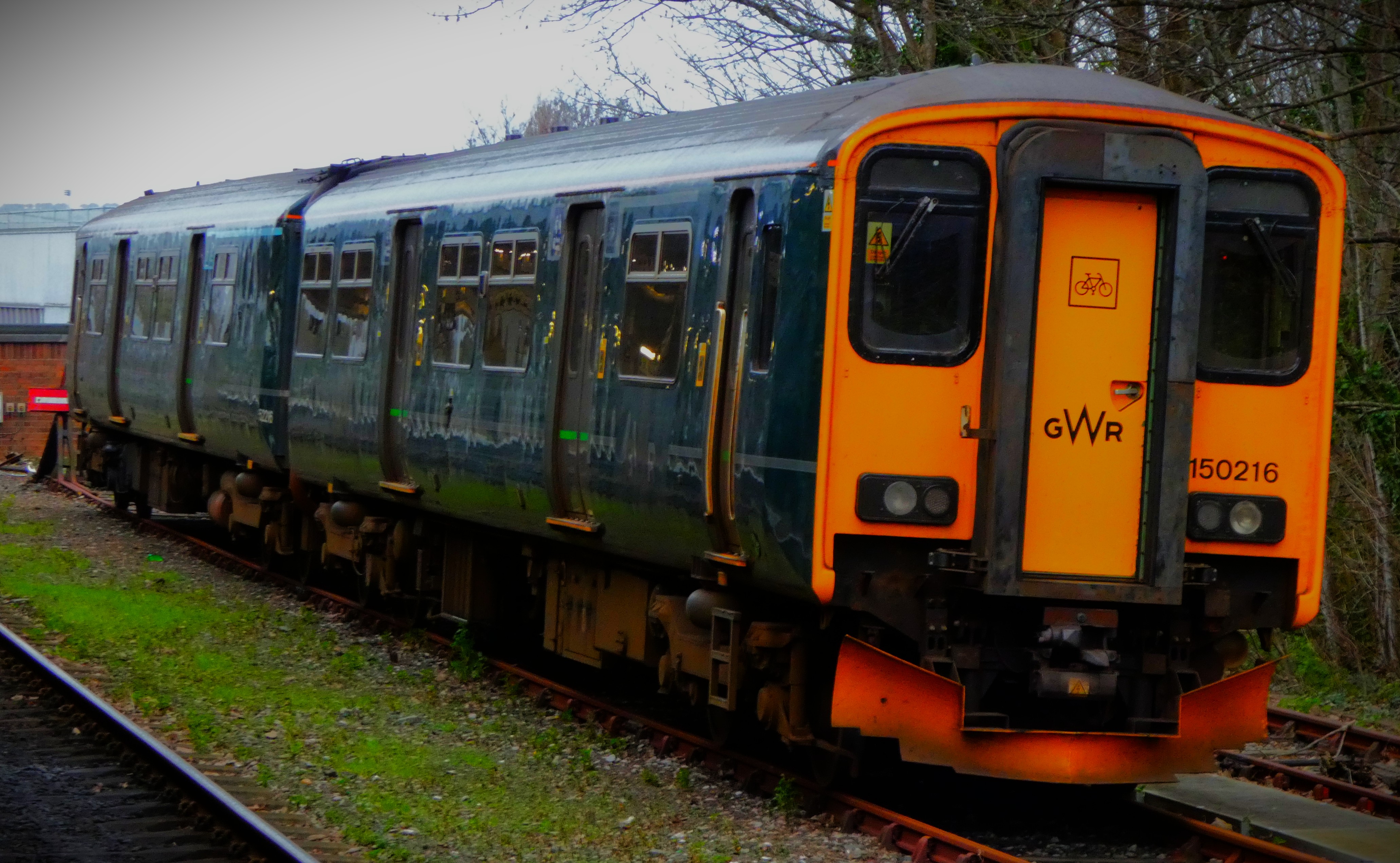
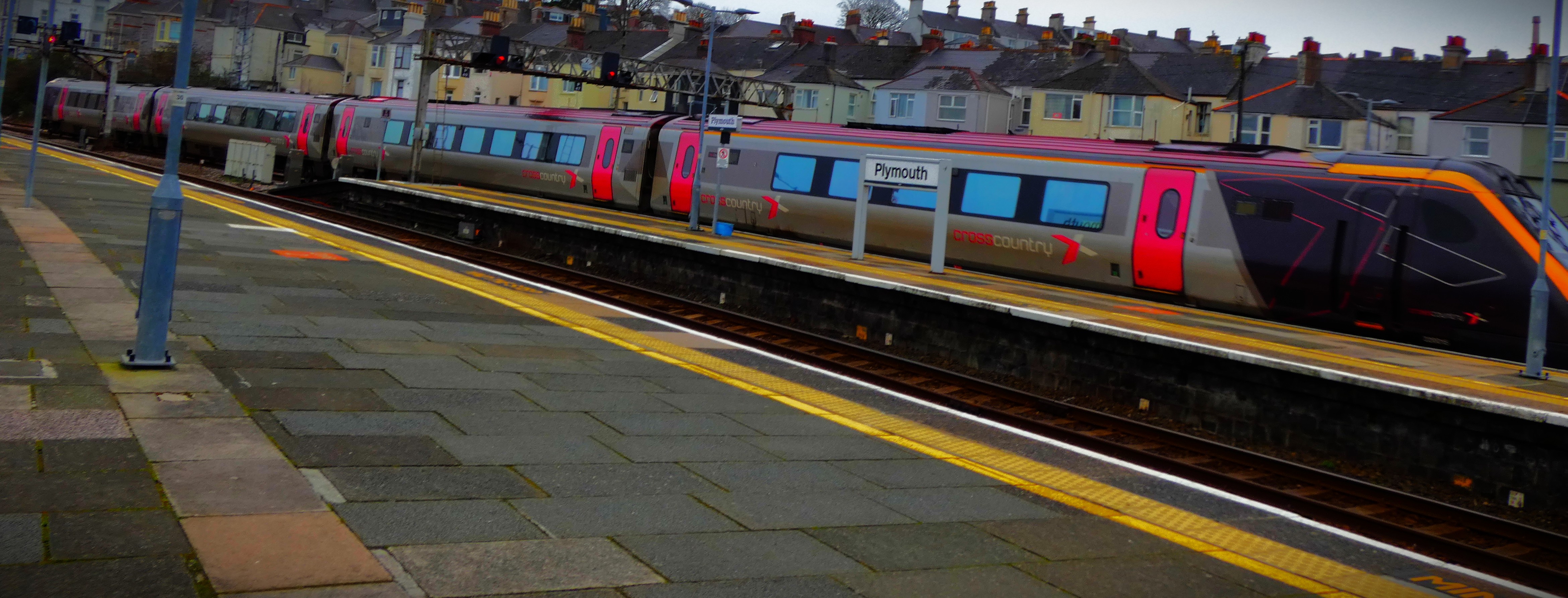
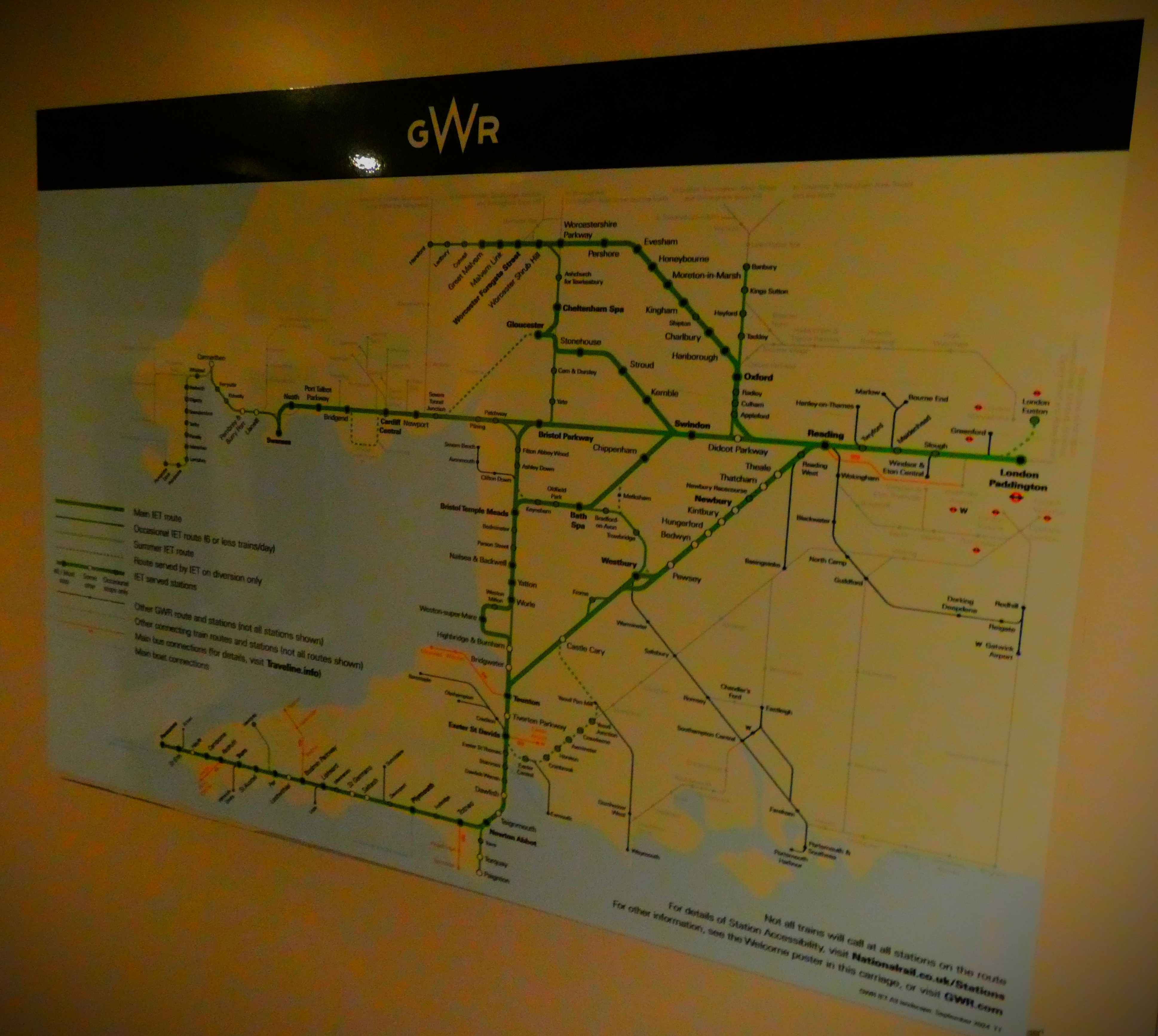
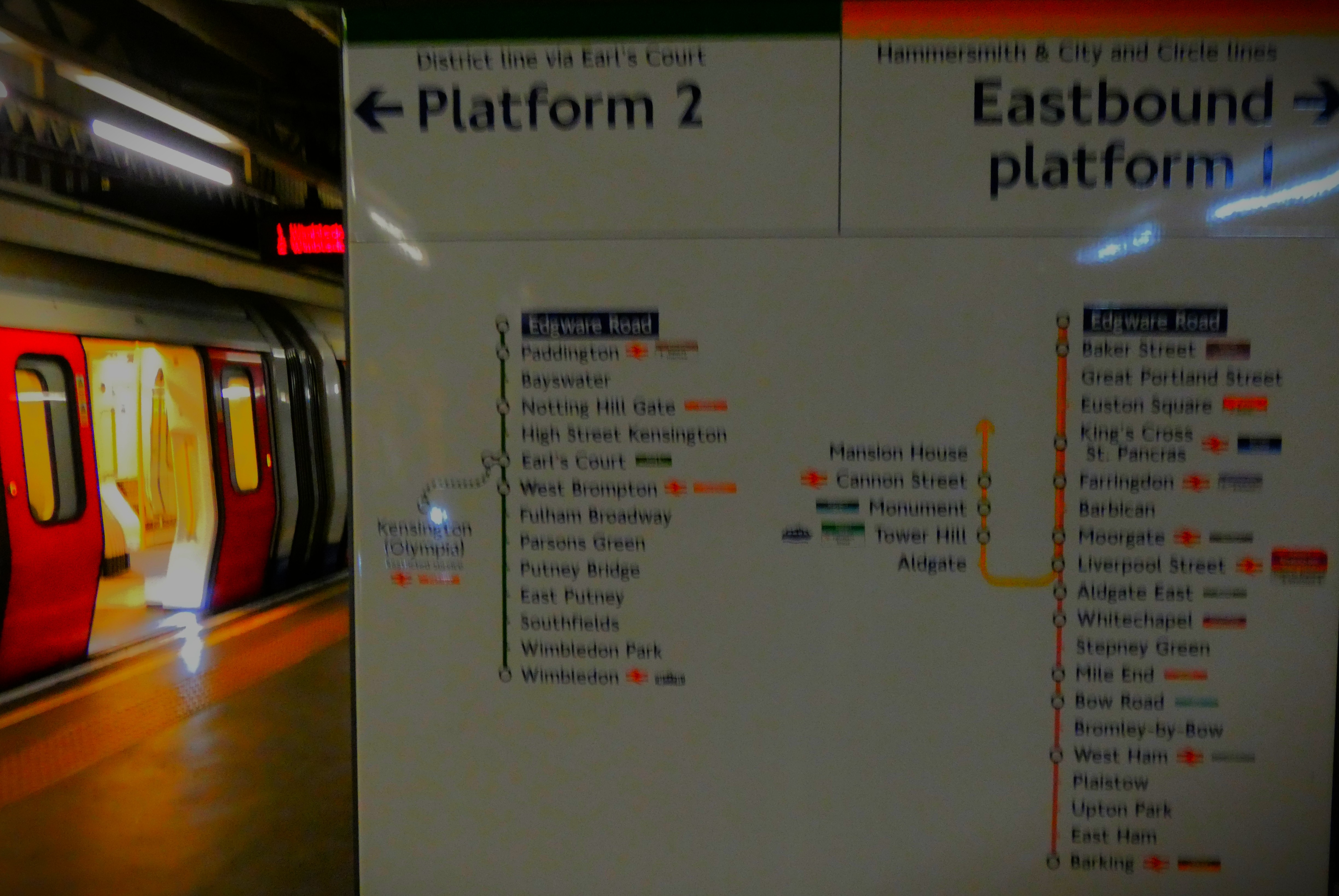
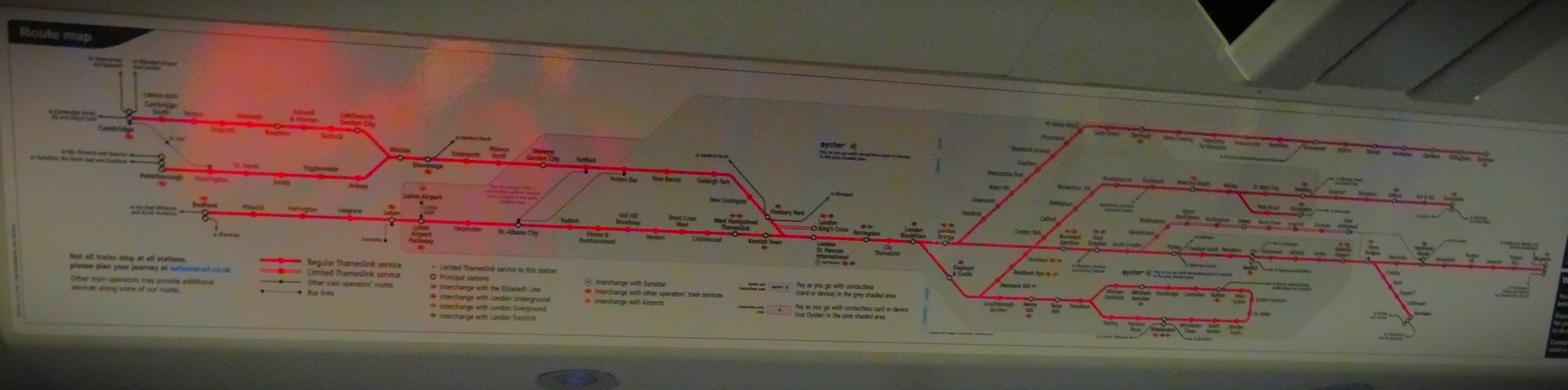
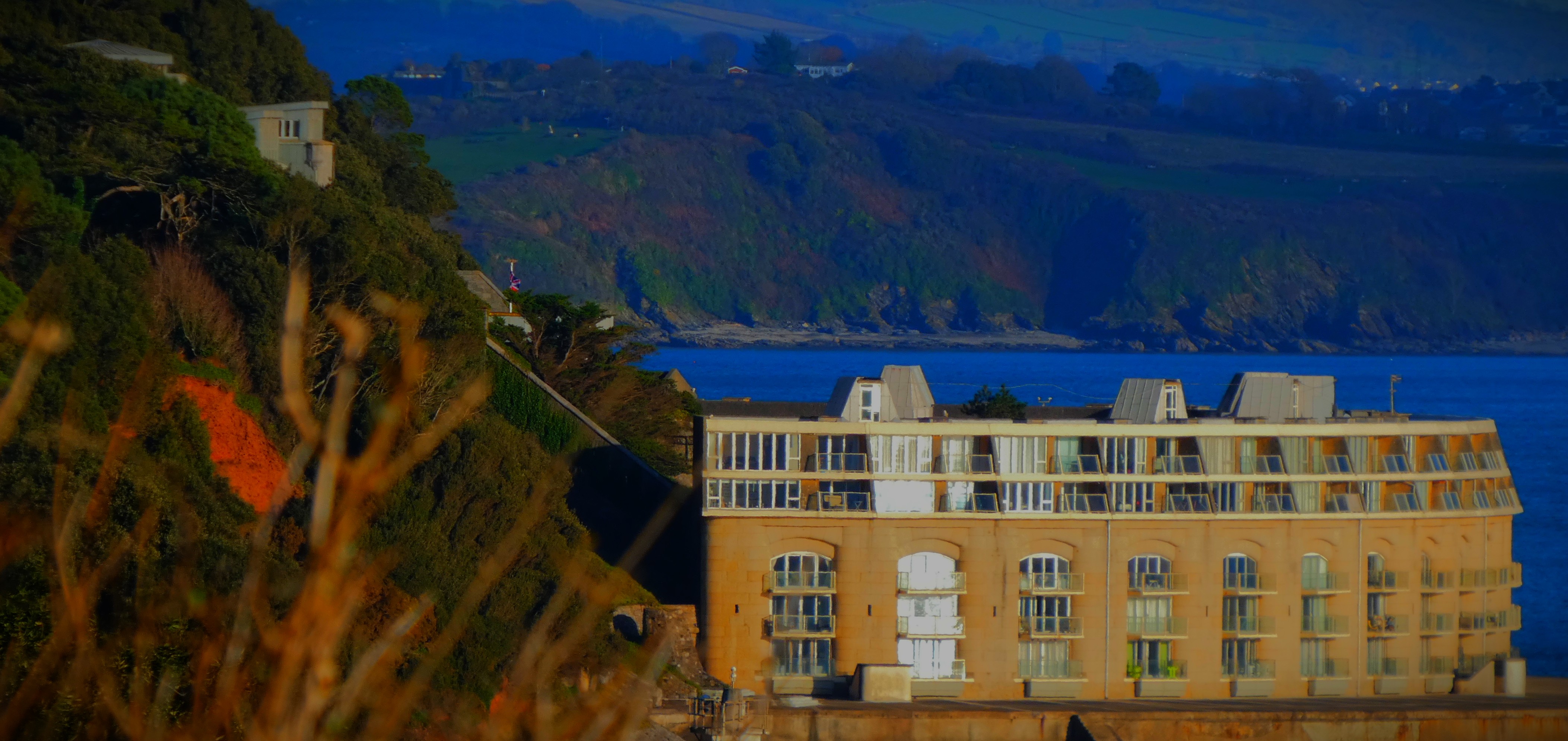
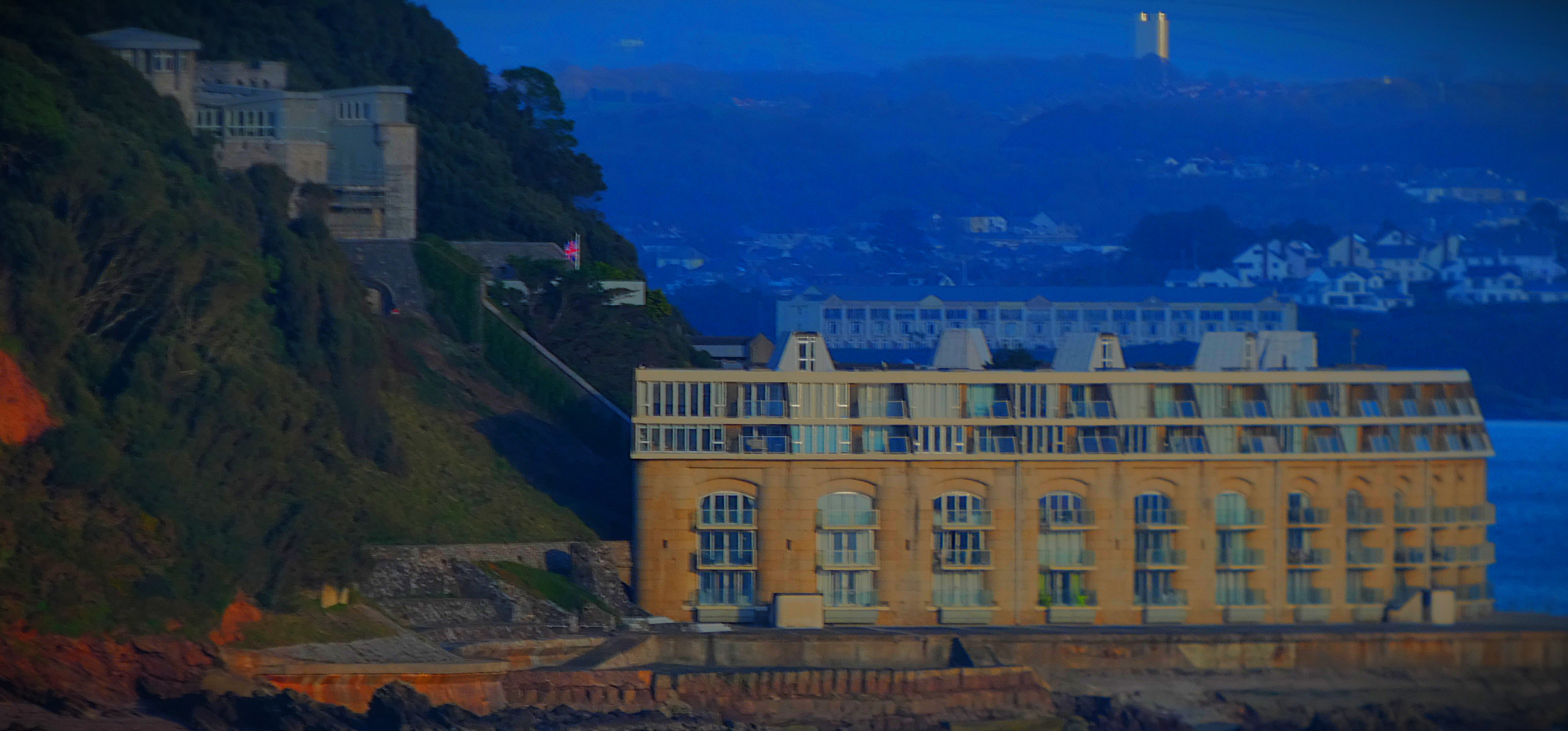
I was travelling on a Sunday, something I normally try to avoid because it can be problematic. I was booked on the 14:15 from Plymouth, and had various subsequent connections to make. We left Fort Picklecombe at 12:45, and arrived at Plymouth station a little over an hour after that. As I was booked in coach A I had to get to the far end of the platform to be able to get to my booked seat. The train ran a little bit late, but not enough to disarrange my subsequent plans (incidentally GWR have already paid compensation for the problems with my outbound journey). Because I was right at the front of the train I would have had to walk the entire length of the platform at Paddington to get to the bridge that gives access to the Hammersmith and City line platforms, which was never a practical proposition. I therefore went through the ticket gates onto the concourse at my end of the platform, and boarded a circle line train at the Praed Street platforms, changing trains at Edgware Road as required. At King’s Cross I found my way to my next train, a non-stop service to Royston from where I would catch a replacement bus to Cambridge North and then board a train for the last stage of the journey to King’s Lynn. Everything on this stage of the journey went smoothly, and I arrived into King’s Lynn station exactly on schedule at 20:48. It remained only to walk home, a journey of about 20 minutes, and then unpack.

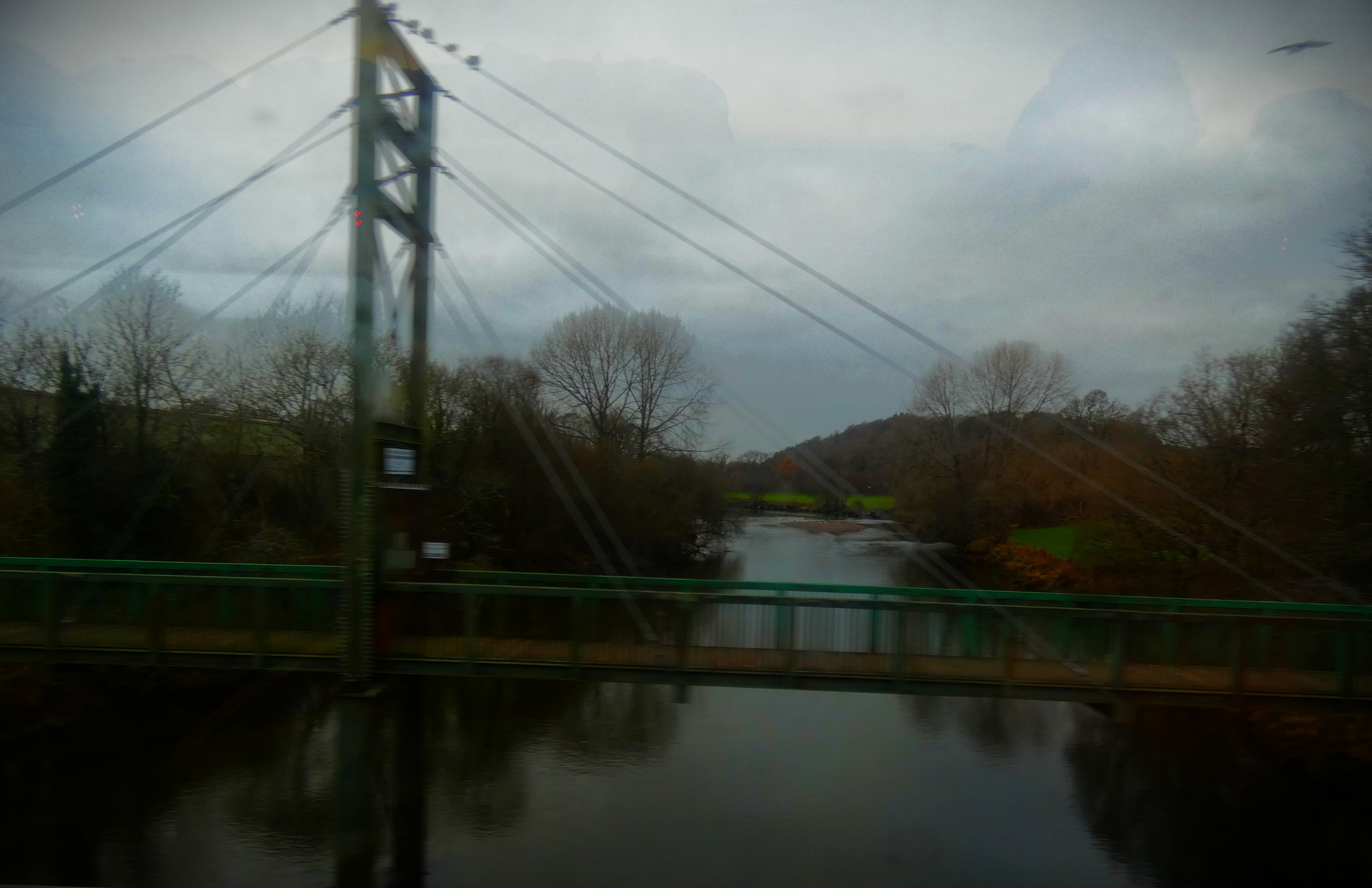
It was of course dark for much of the time I was travelling, but not for the really scenic part of the journey before Exeter, though I was on the wrong side of the train to get the full benefit of that.

A Cornish Christmas 5: Walking and Games

An account of the final full day of my Christmas holiday in Cornwall, and a photo gallery.

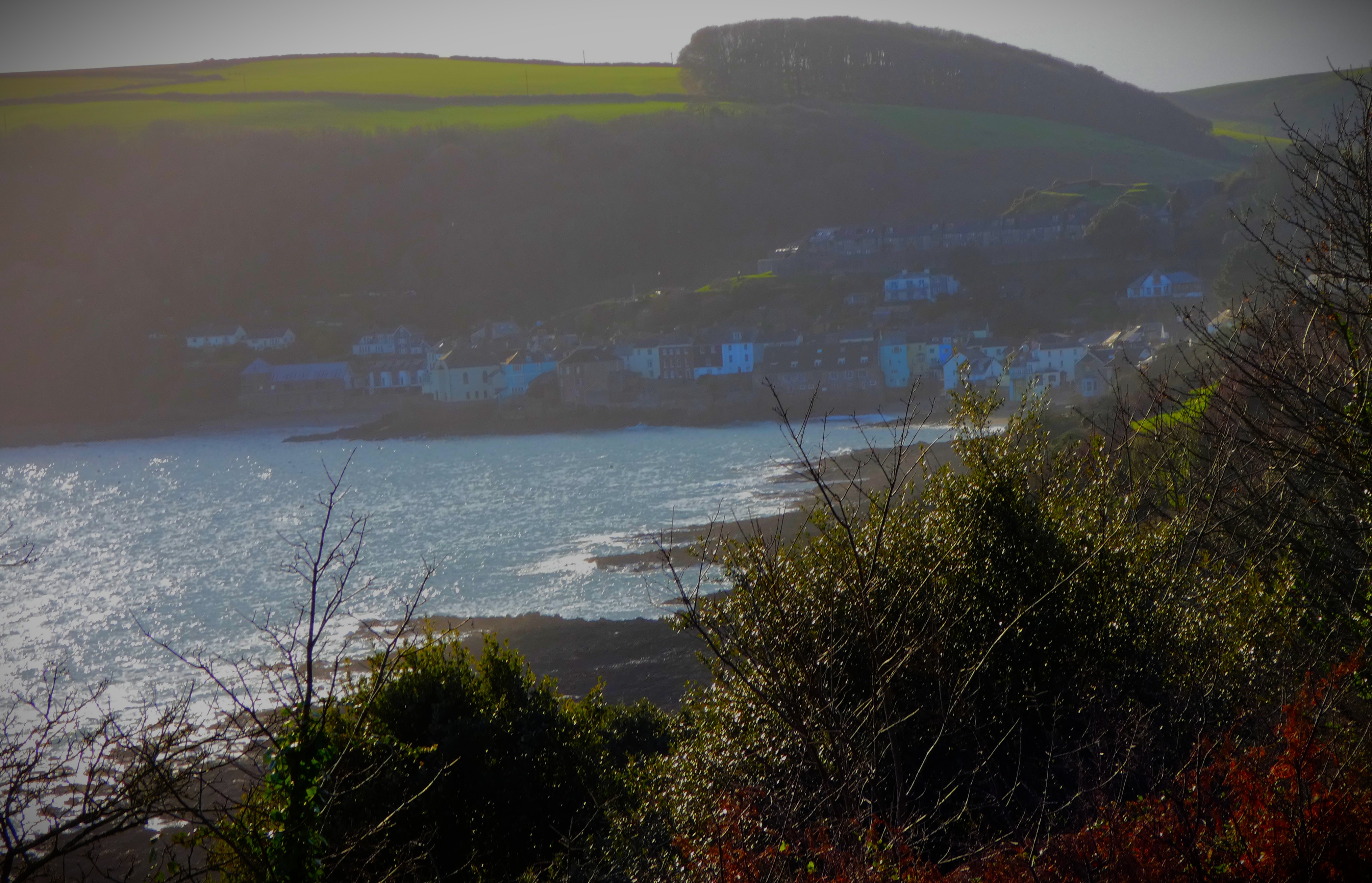
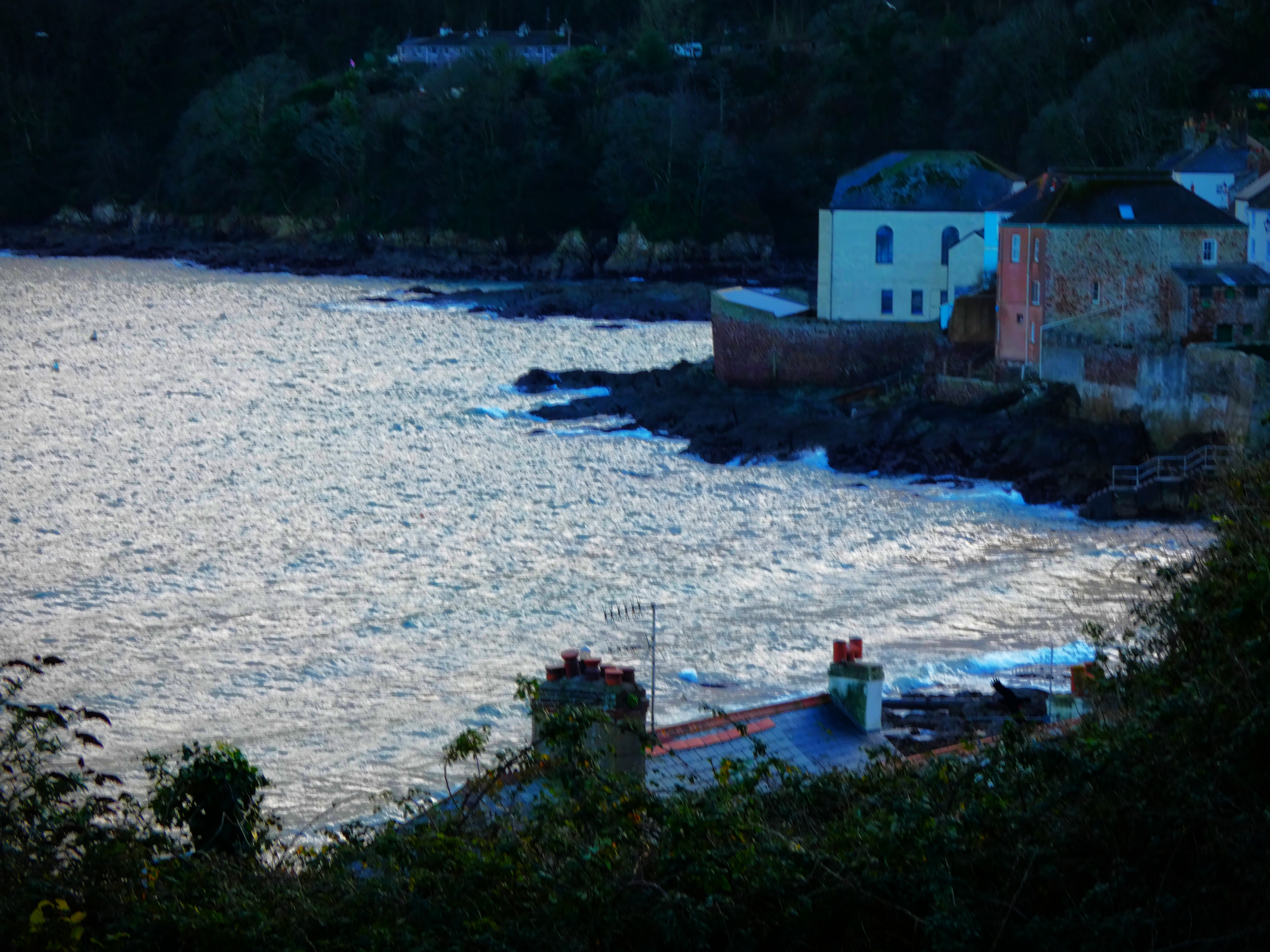
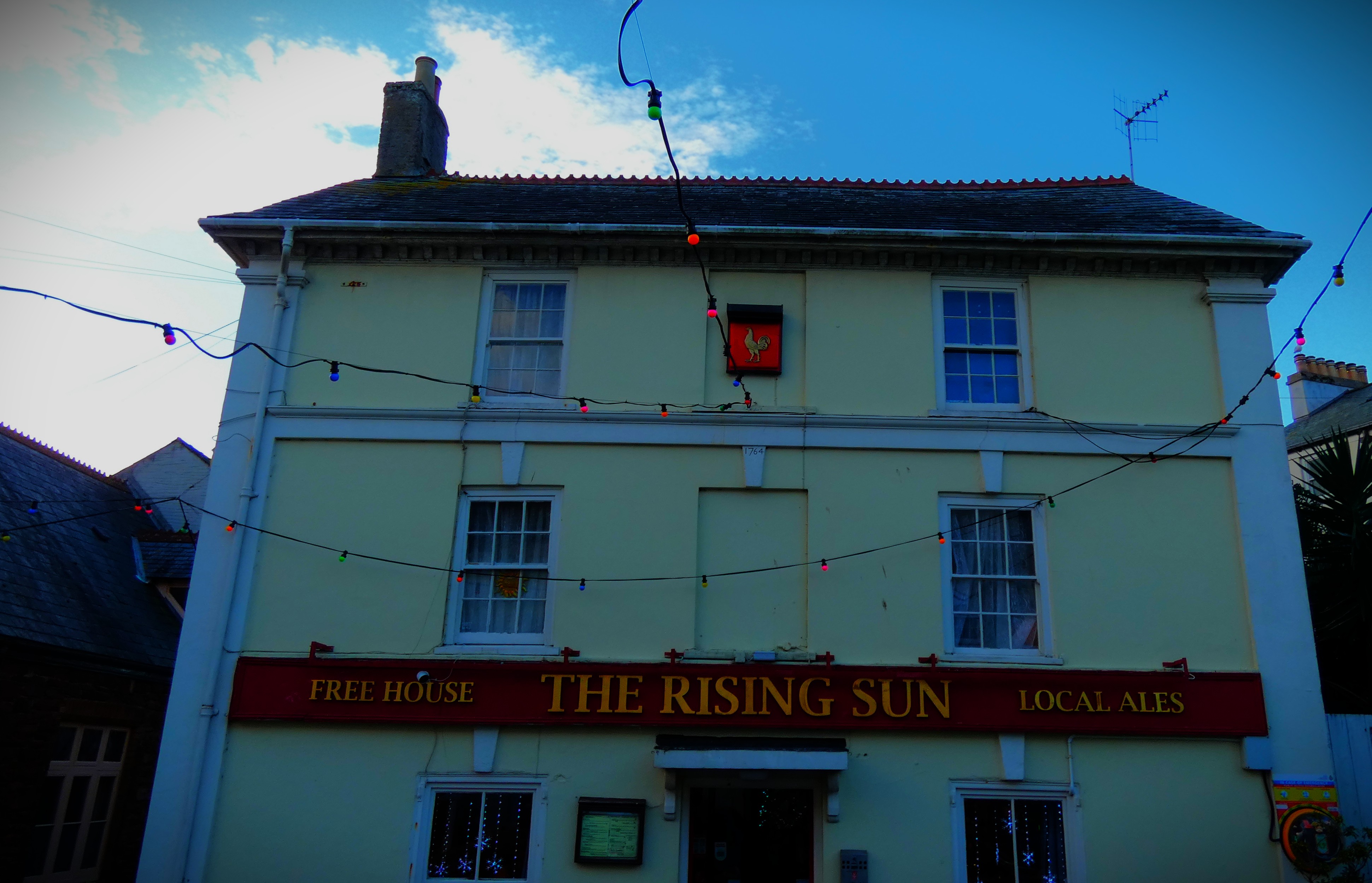
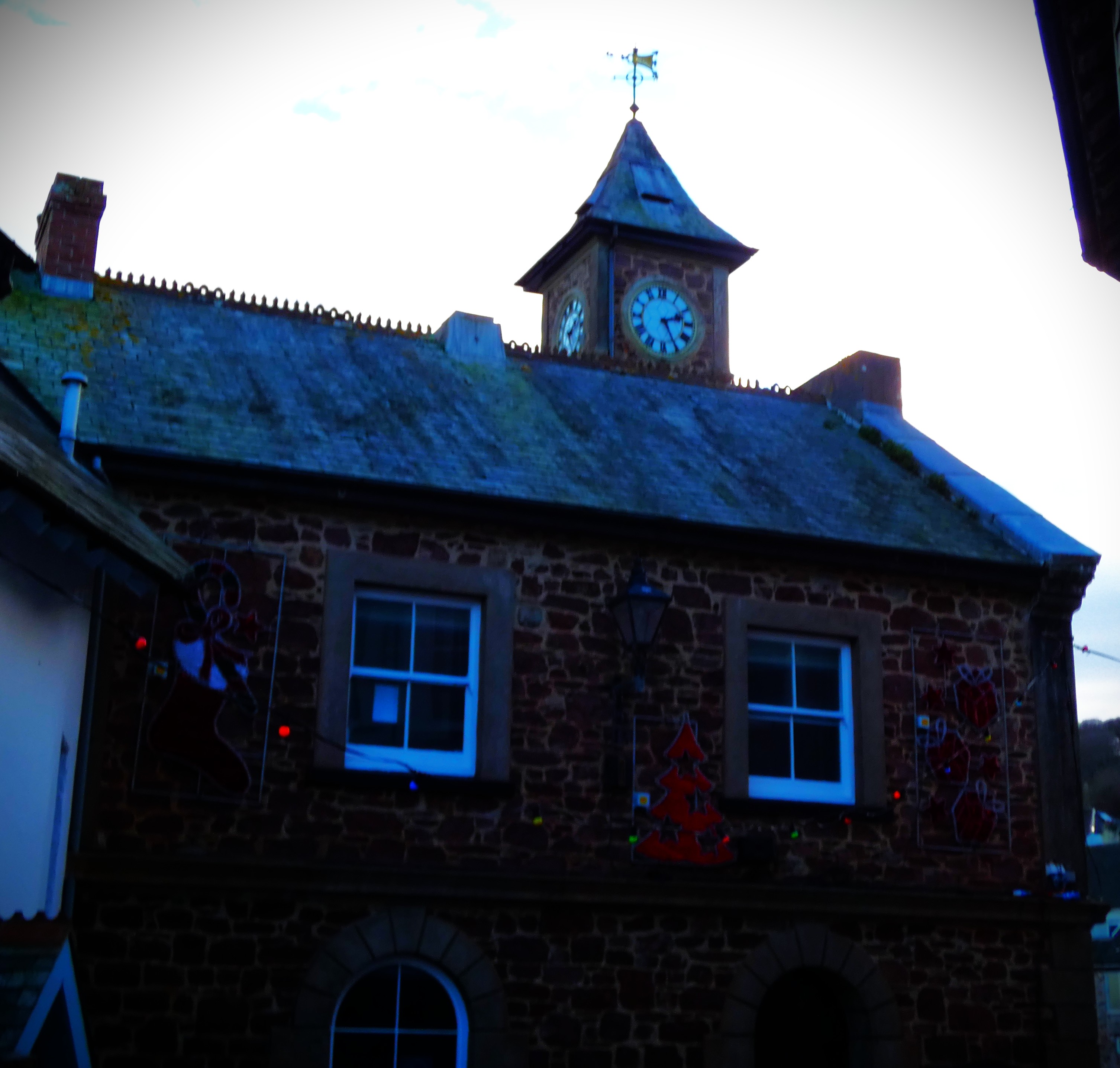
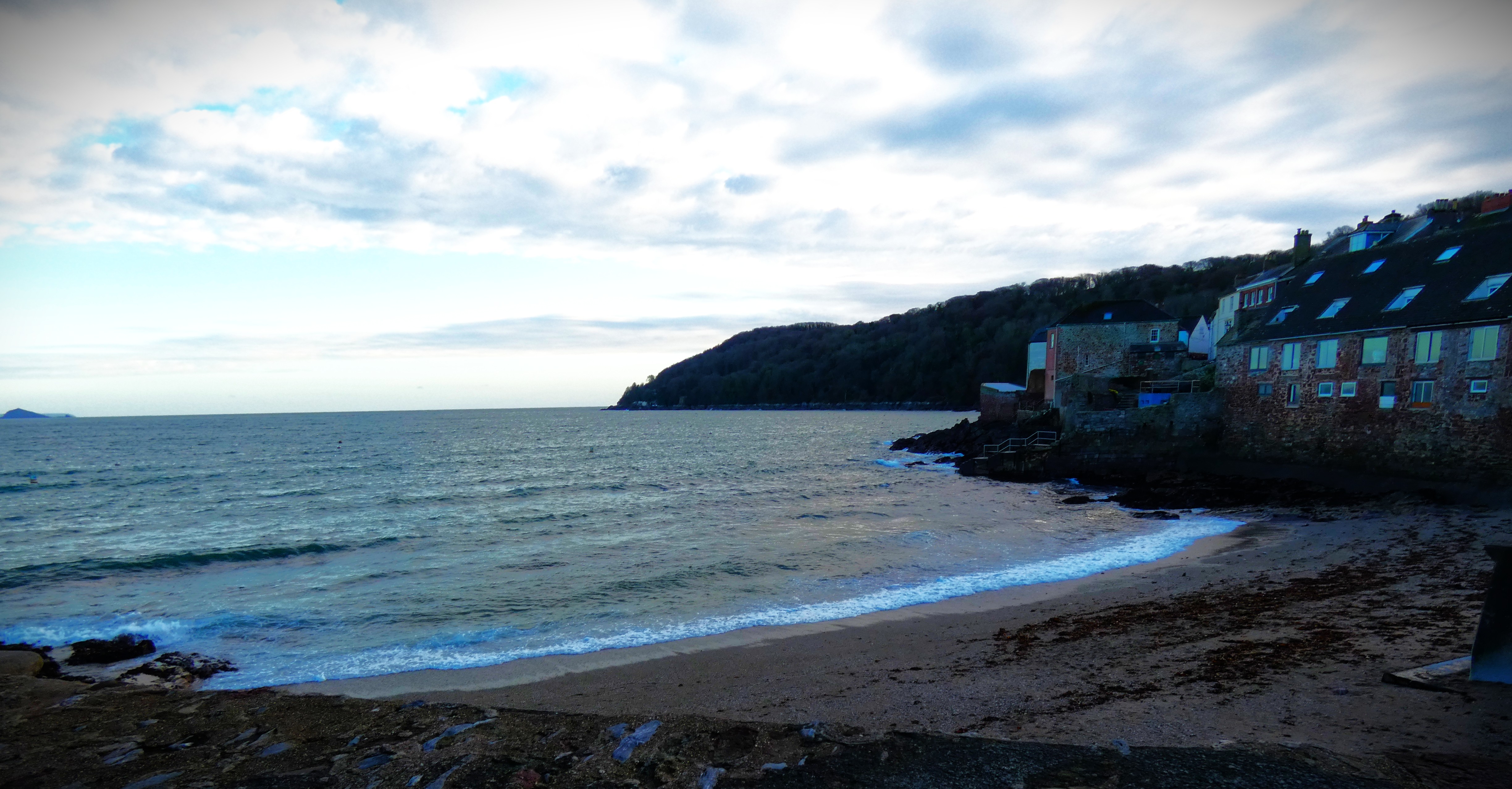
On the Saturday, my last full day in Cornwall, we decided to make an early afternoon walk to the villages of Kingsand and Cawsand, and call in at a pub for a drink.

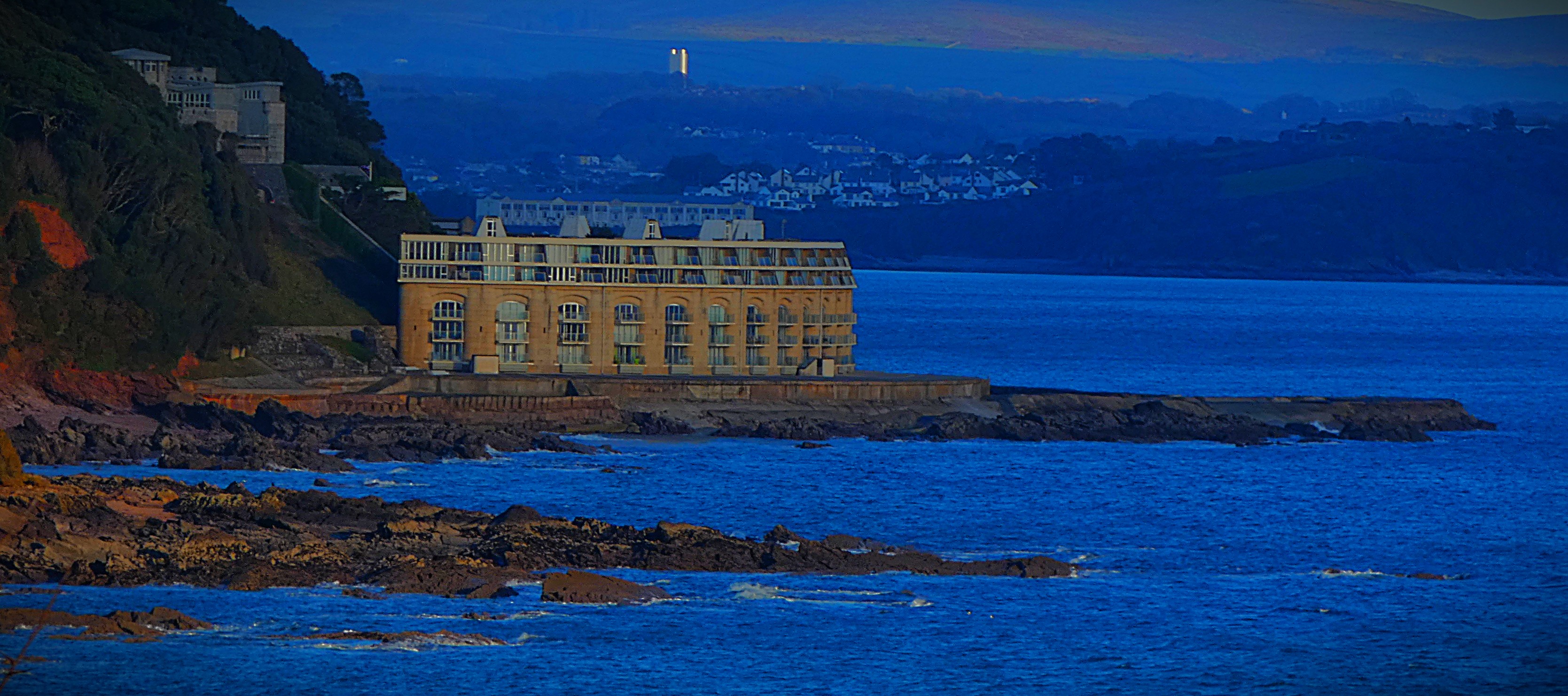
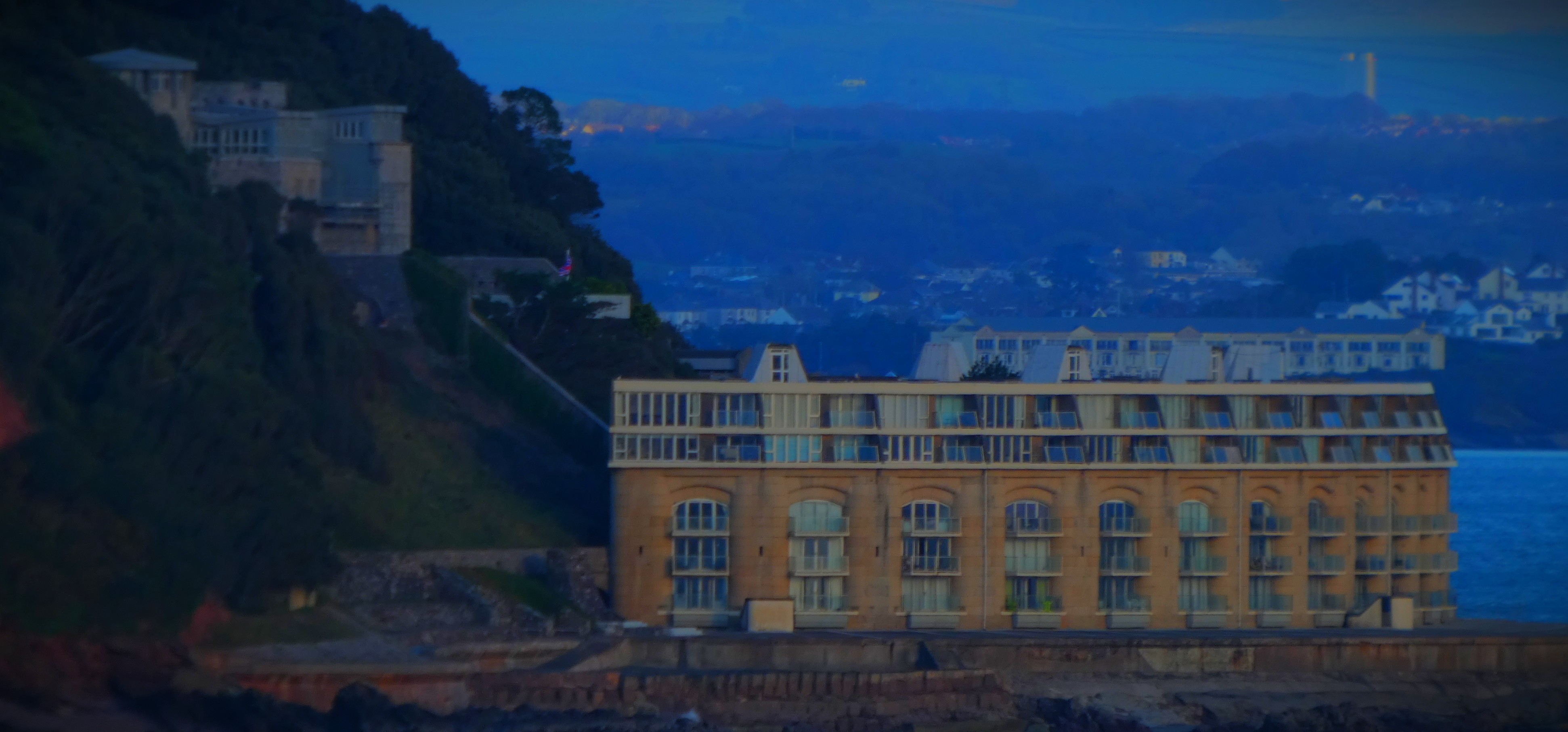
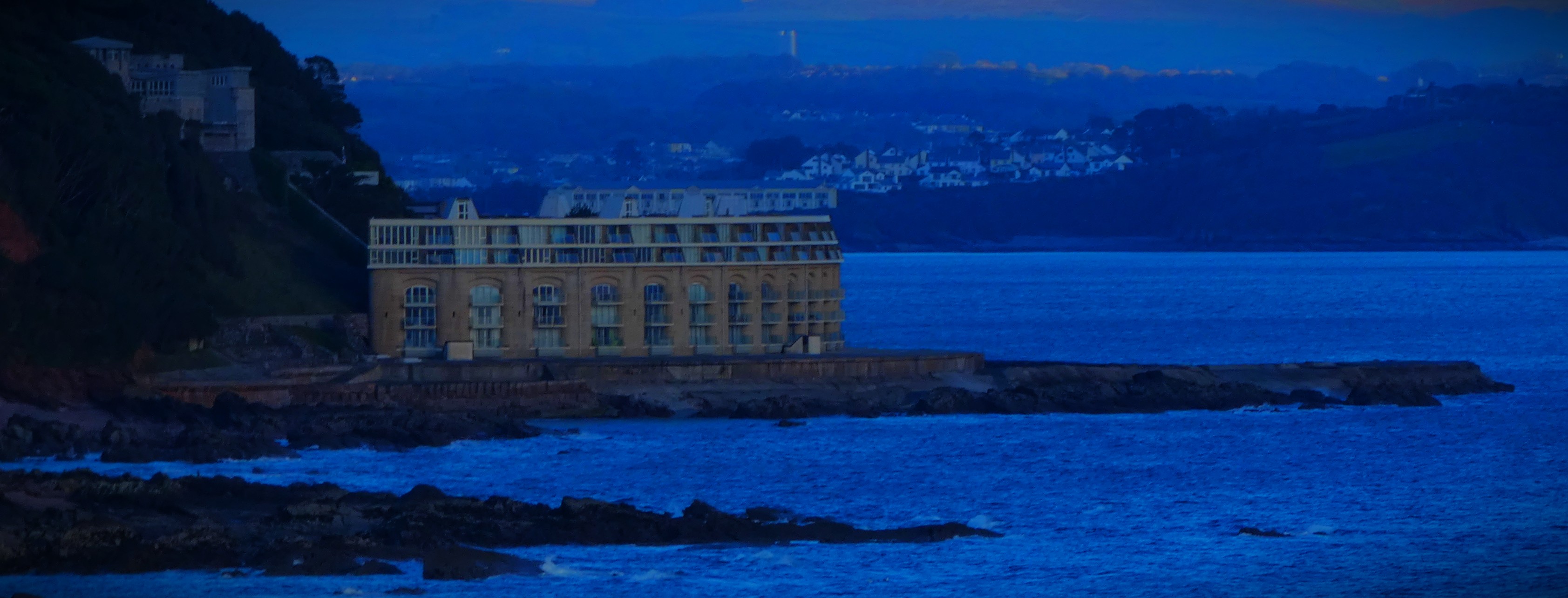
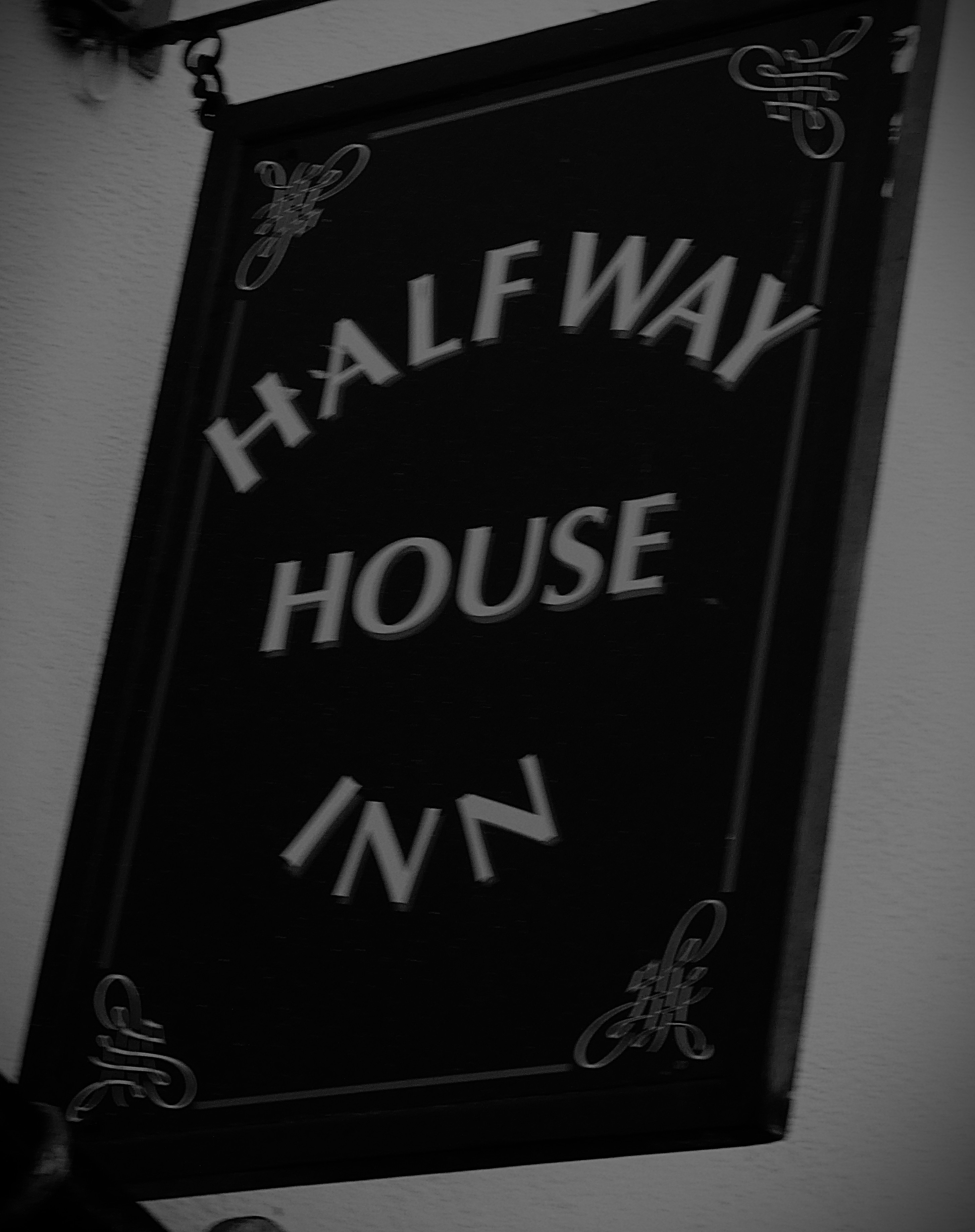
The walk from Fort Picklecombe to the villages starts by exiting the apartments via a covered walkway from the third floor which brings you out on the road out of the fort just by the officer’s mess. Once the fort has been left behind there is an opportunity, of which we availed ourselves, to leave the road and walk along a path that is part of the Mount Edgcumbe estate. Shortly after rejoining the road at the end of this section of path one leaves it again on to a section of the coast path, which takes one right to the edge of the villages. Because of their location, perched on a slope at the edge of a bay, most of the roads in the villages are too steep and/or narrow to permit motor traffic, making them less dangerous for pedestrians. There are two pubs, and we selected the second, the Halfway Inn. The drinks were excellent. It was a beautiful sunny day, and provided some fine pictures.

One of the games at the apartment was a ‘where is it’? game with multiple difficulty levels available. After one trial using a political map and small placement markers we played the remaining games using the satellite map and the larger placement markers. By the time the last game I had finished, on this Saturday evening, all of us had one at least one game. I had almost won the opener on the Tuesday, but although I was first over the finish line I then got done by two successive sudden death questions. This Saturday evening I was again across the finish line first, after a number of right answers of which only some could be called guesses, and on this occasion I got a fairly easy sudden death question to seal the win.

My usual sign off…

A Cornish Christmas 4: Golitha and the Doniert Stone

A look back at the Boxing Day activities of my Christmas in Cornwall, with a video and lots of photographs.

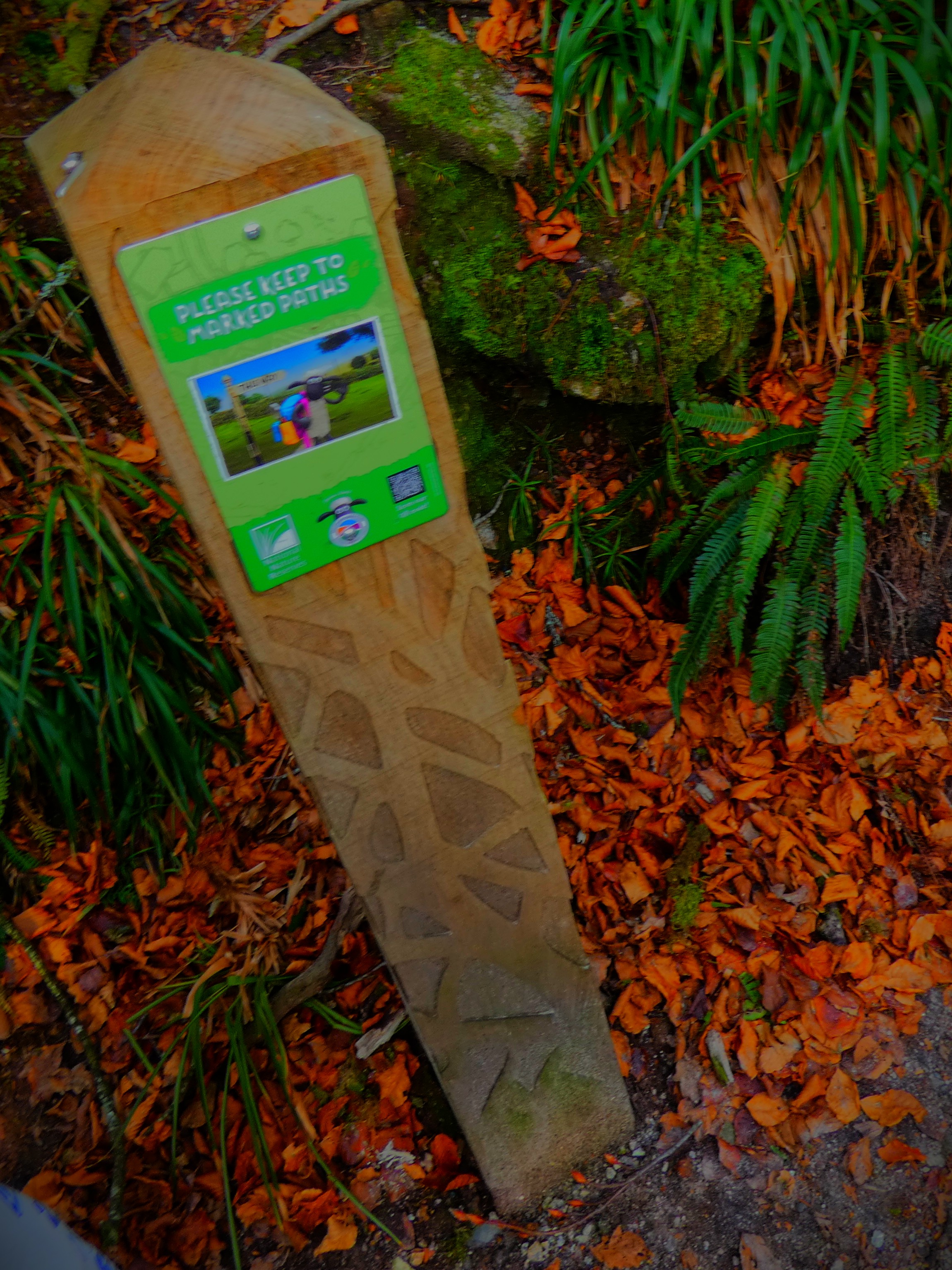
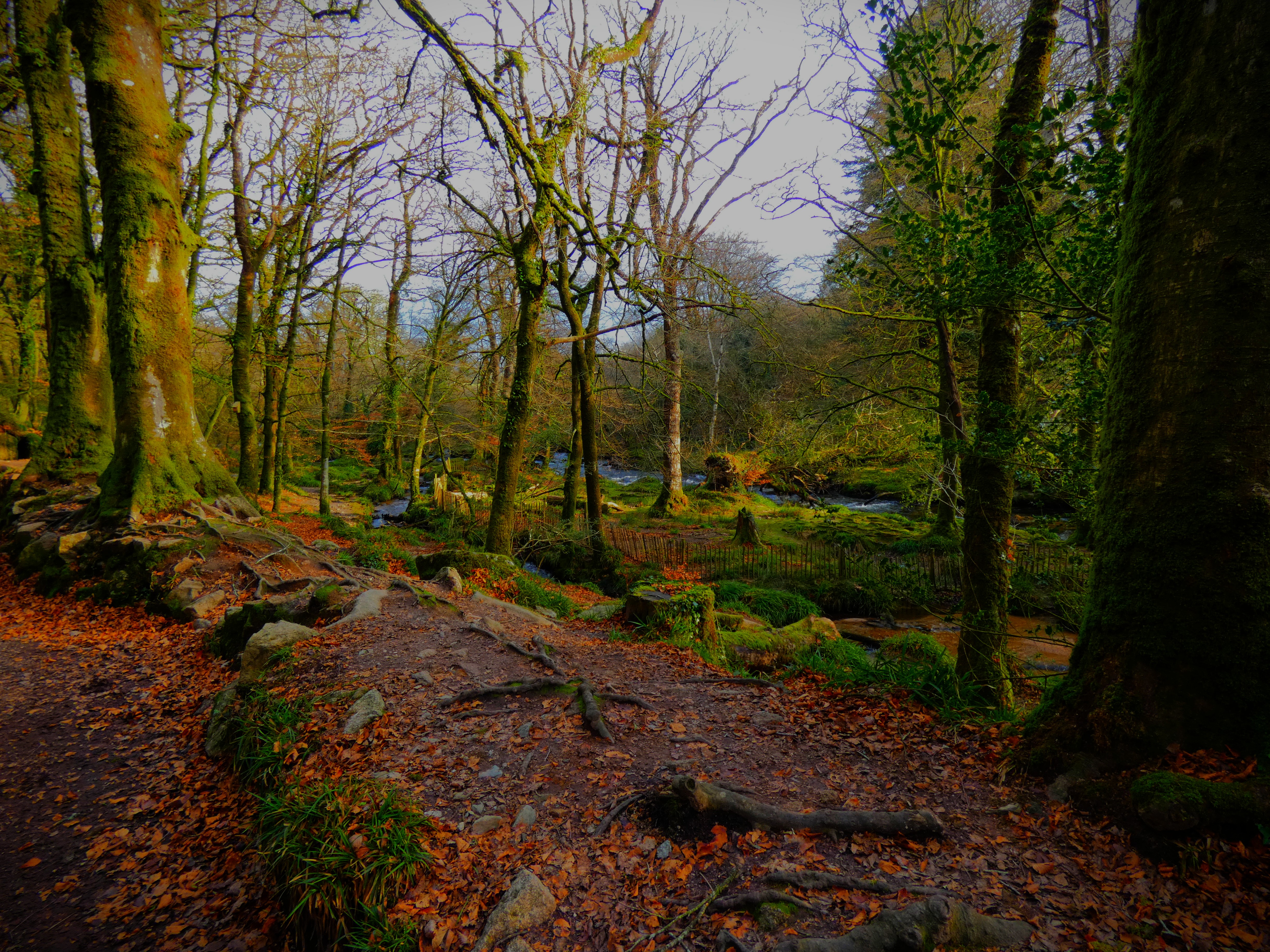
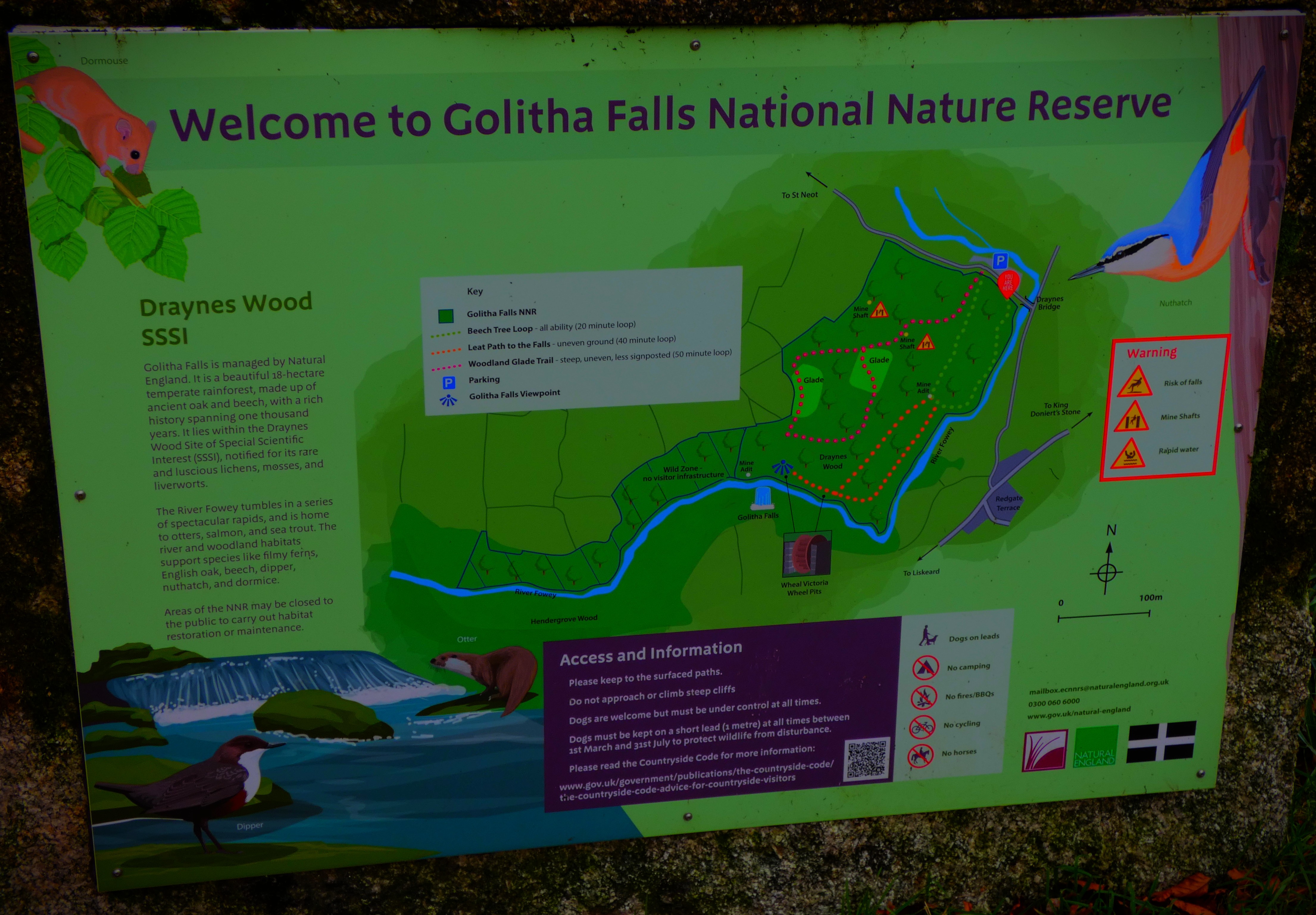
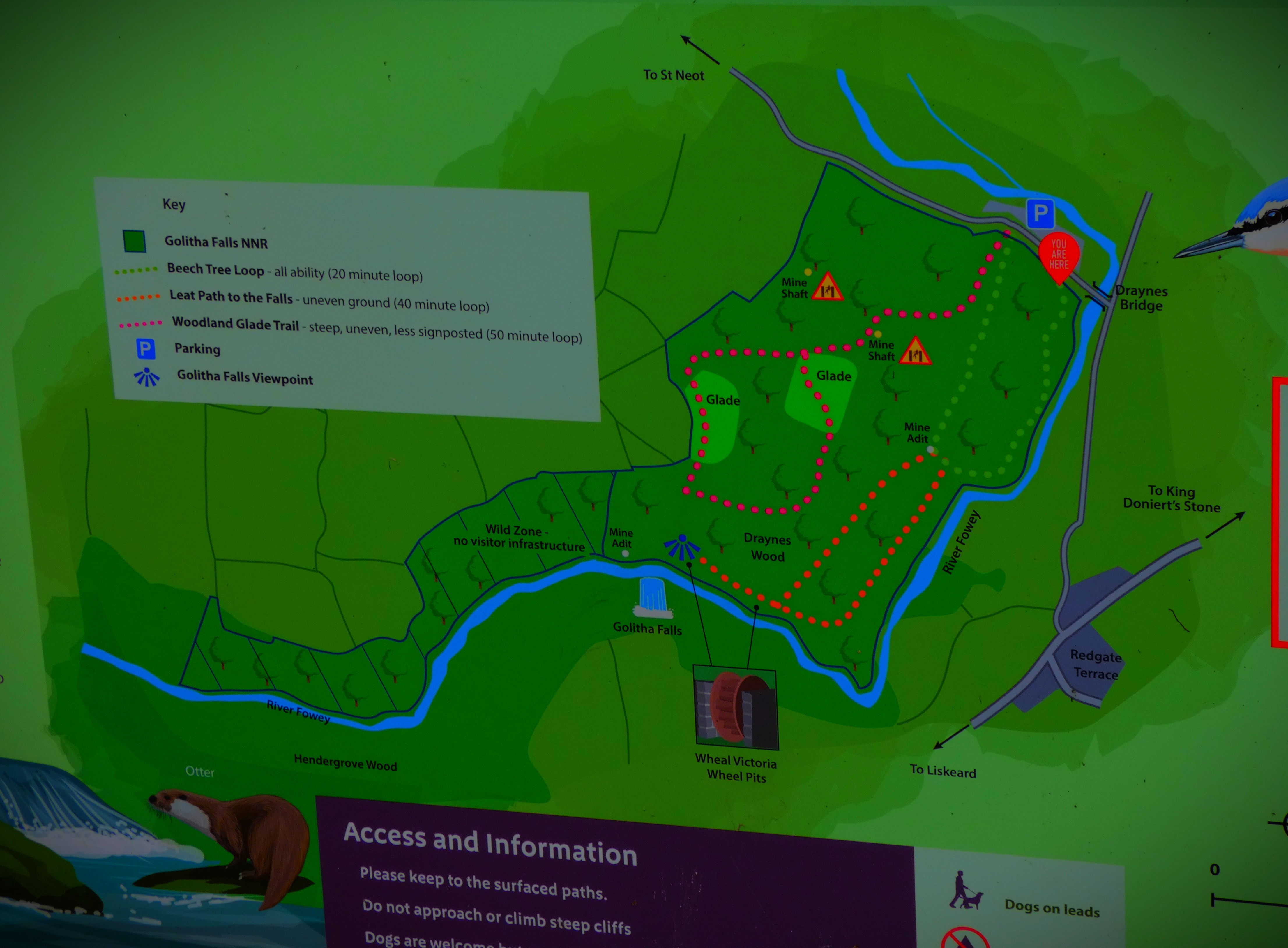
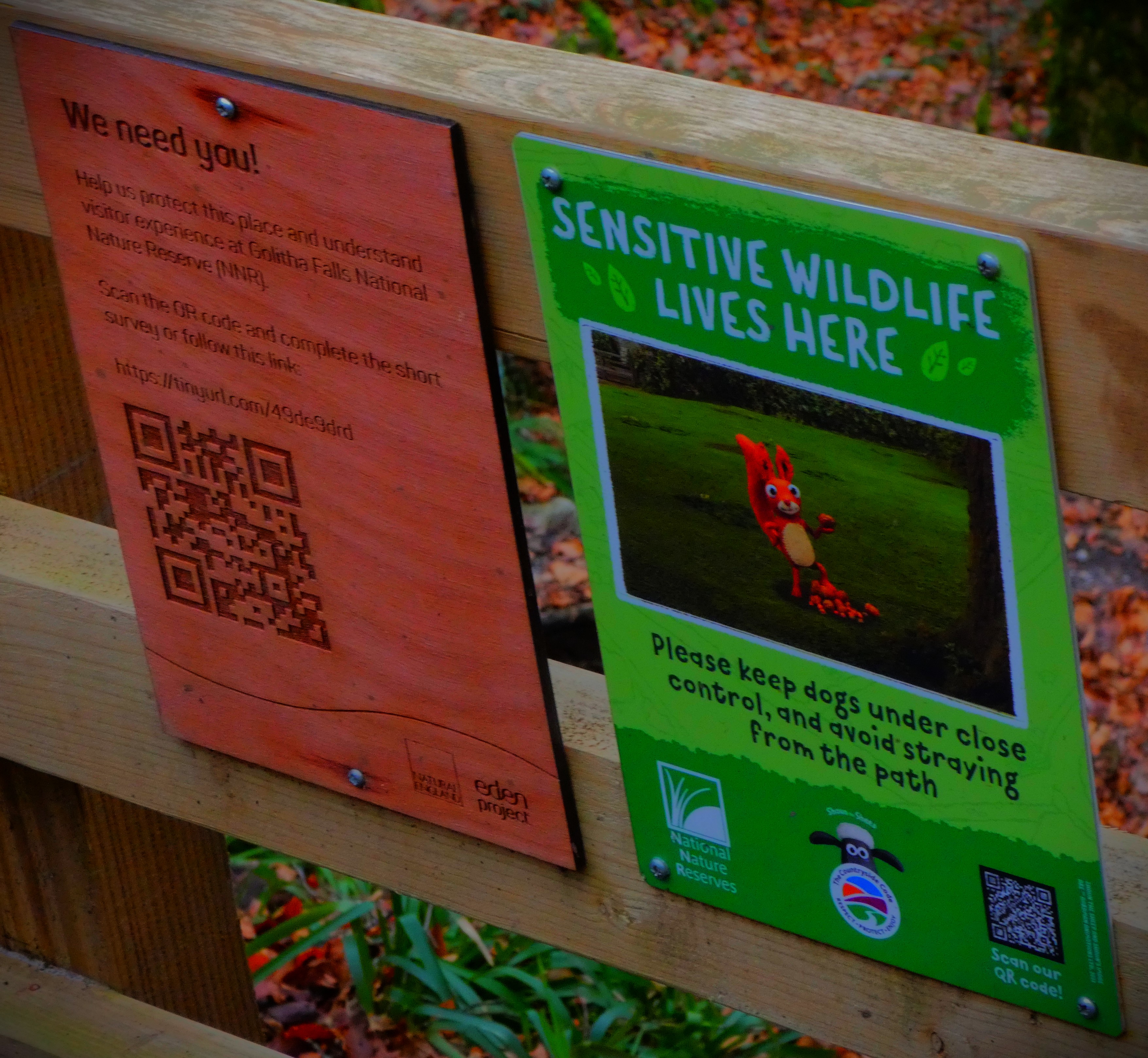
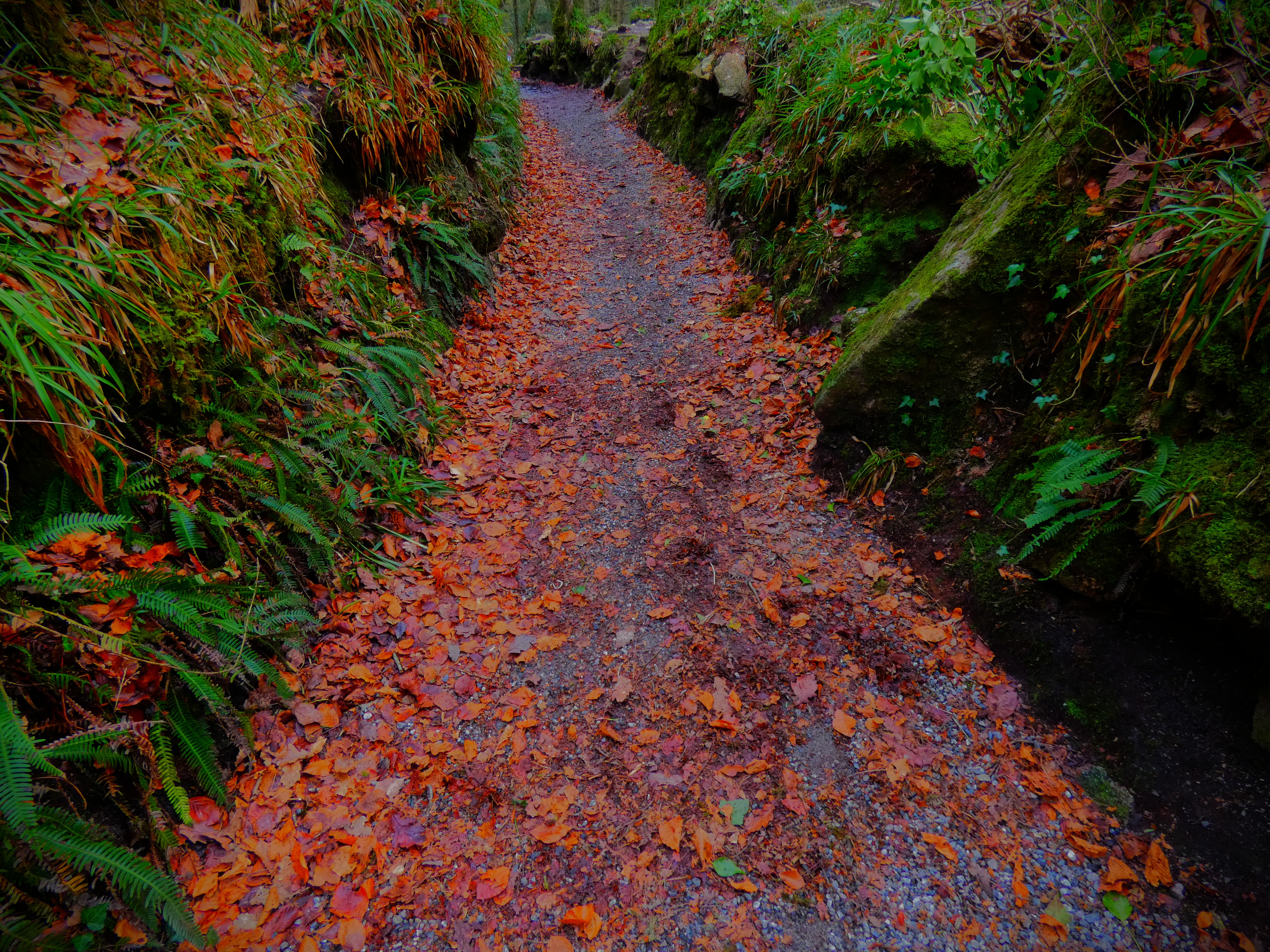
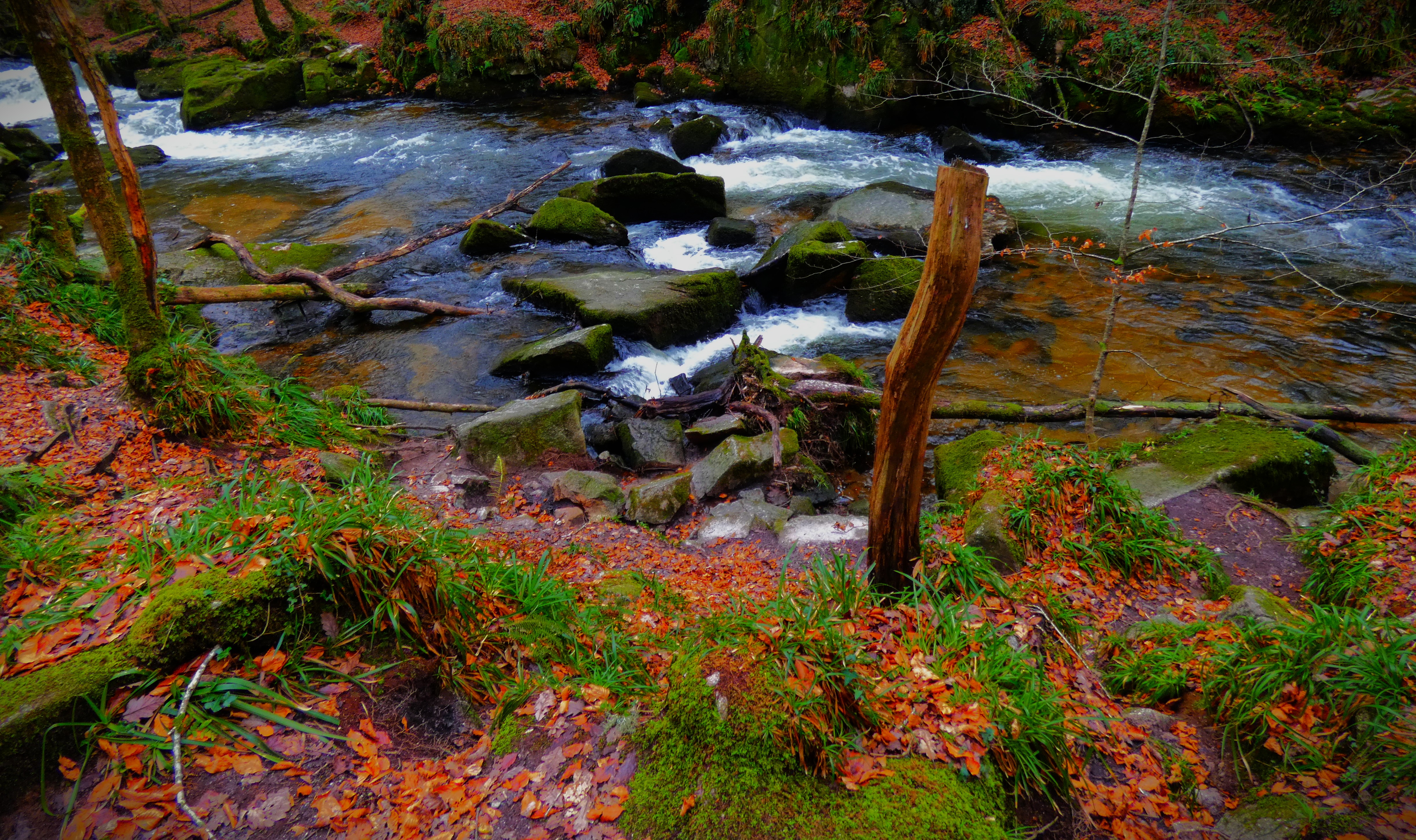
On Boxing Day we went out walking. Our original plan was to do a circular walk beginning with the Golitha falls Nature Reserve and continuing with a circular walk. This was later modified.

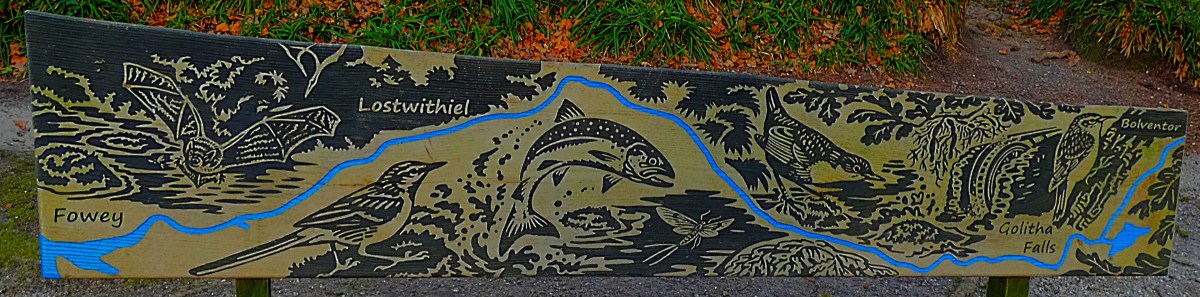
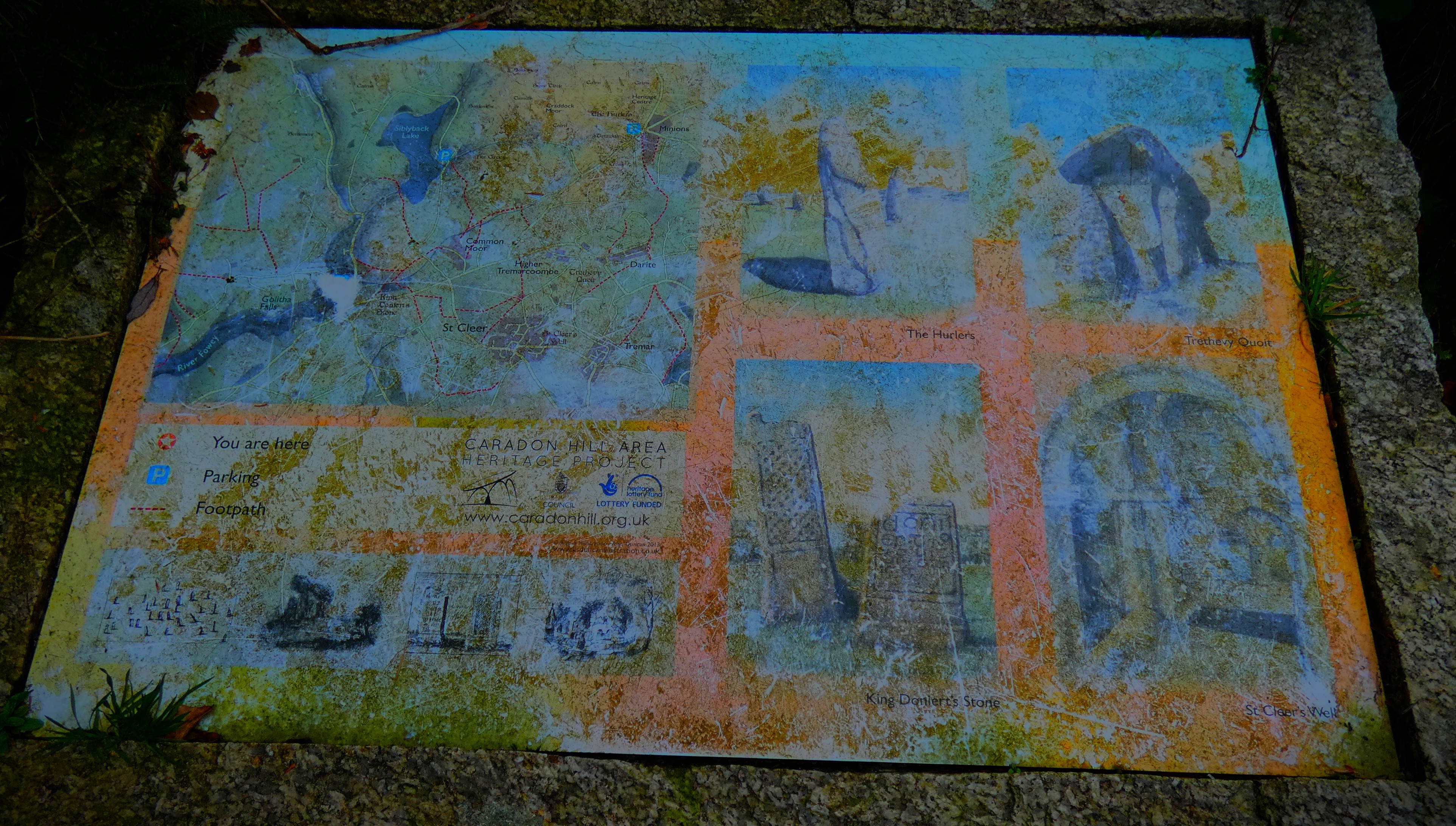
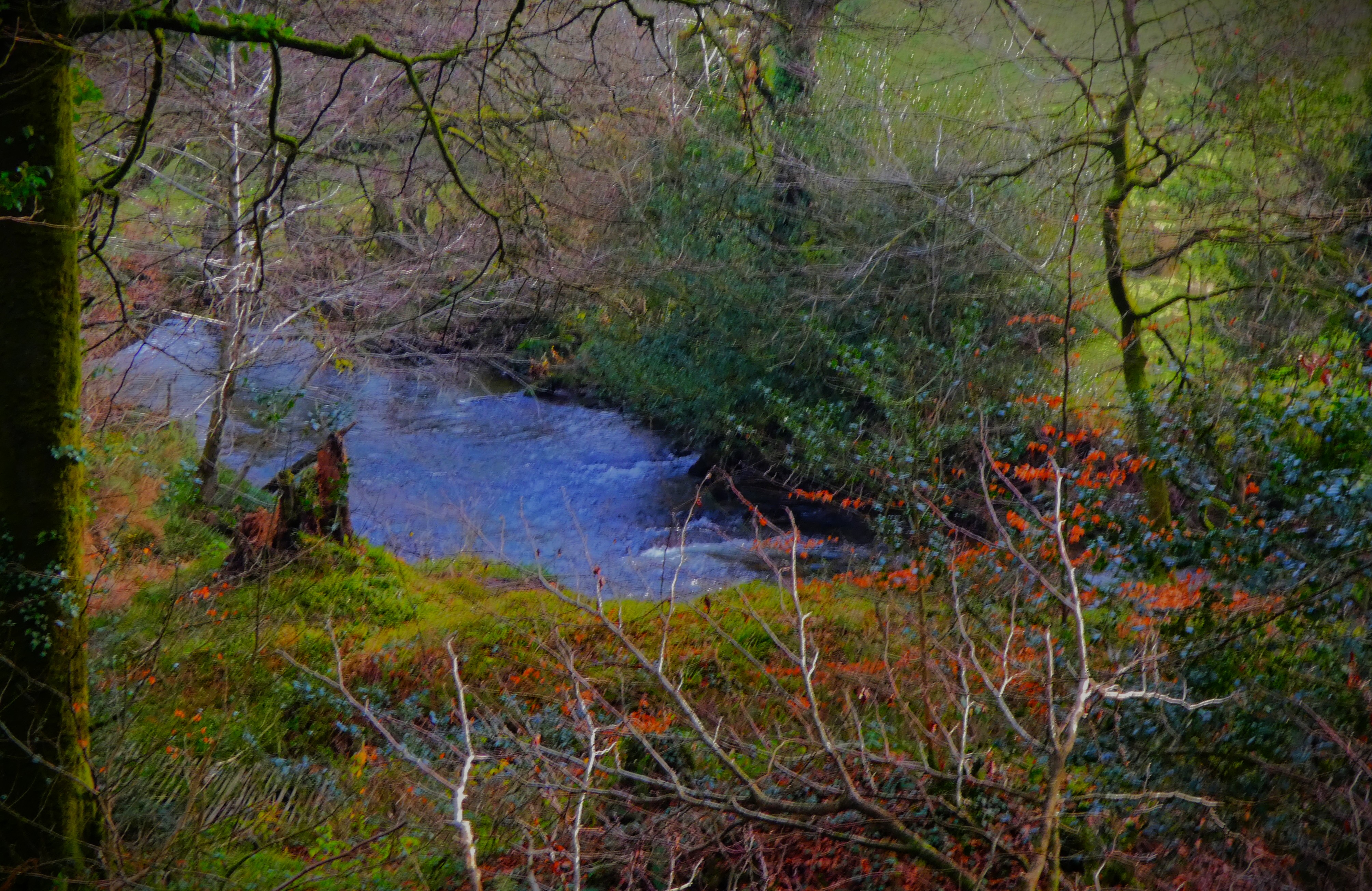
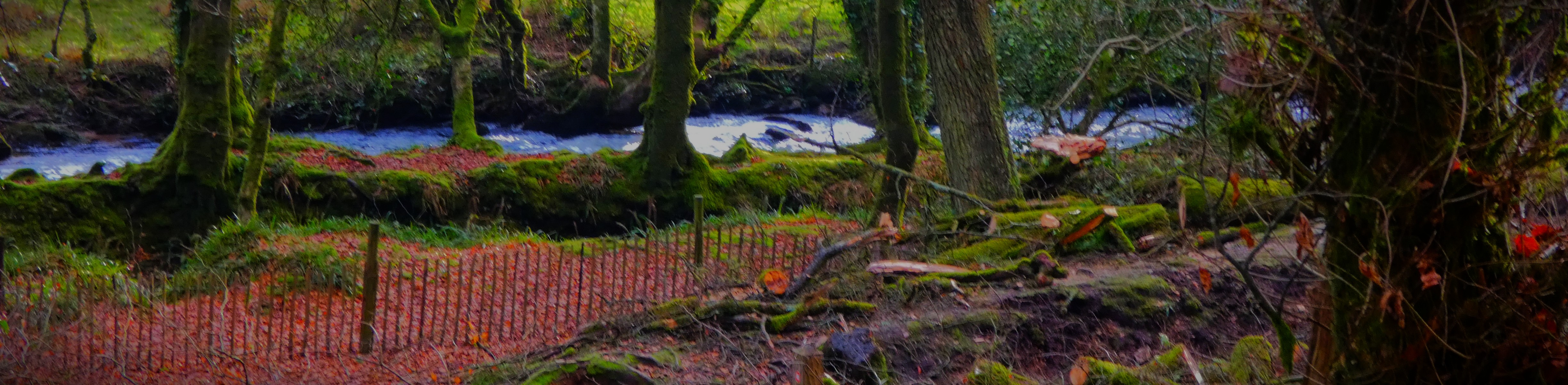
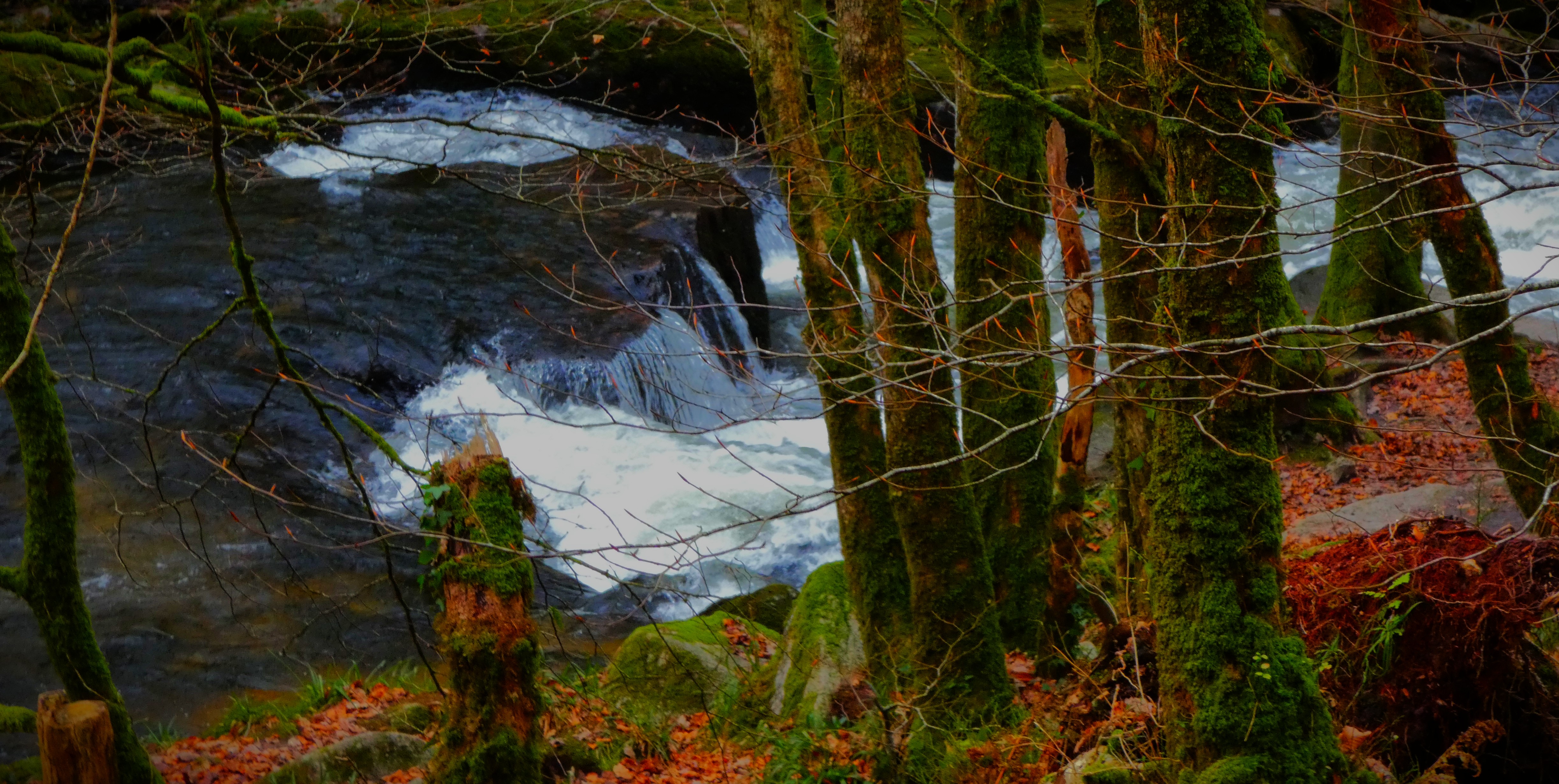
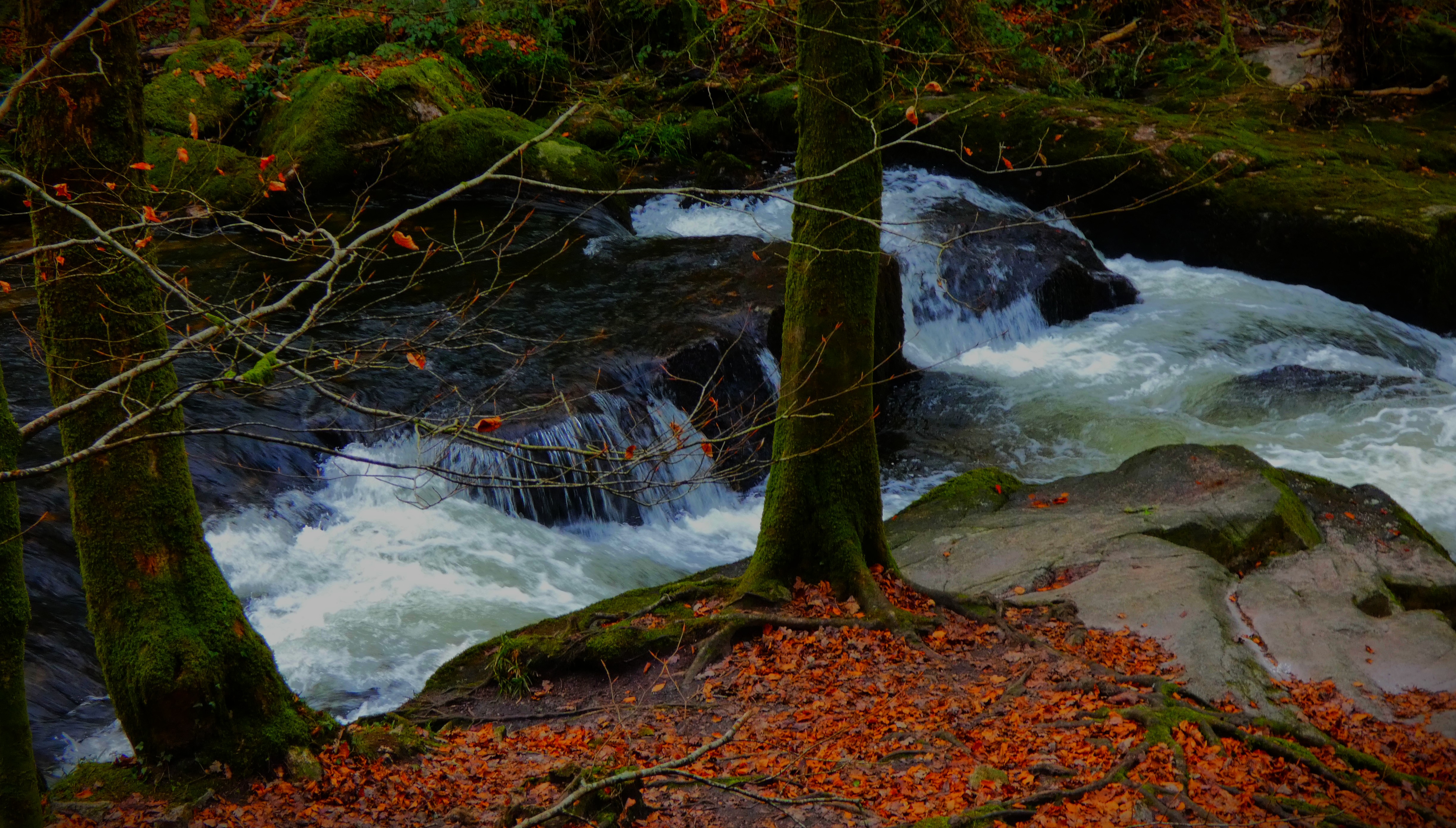
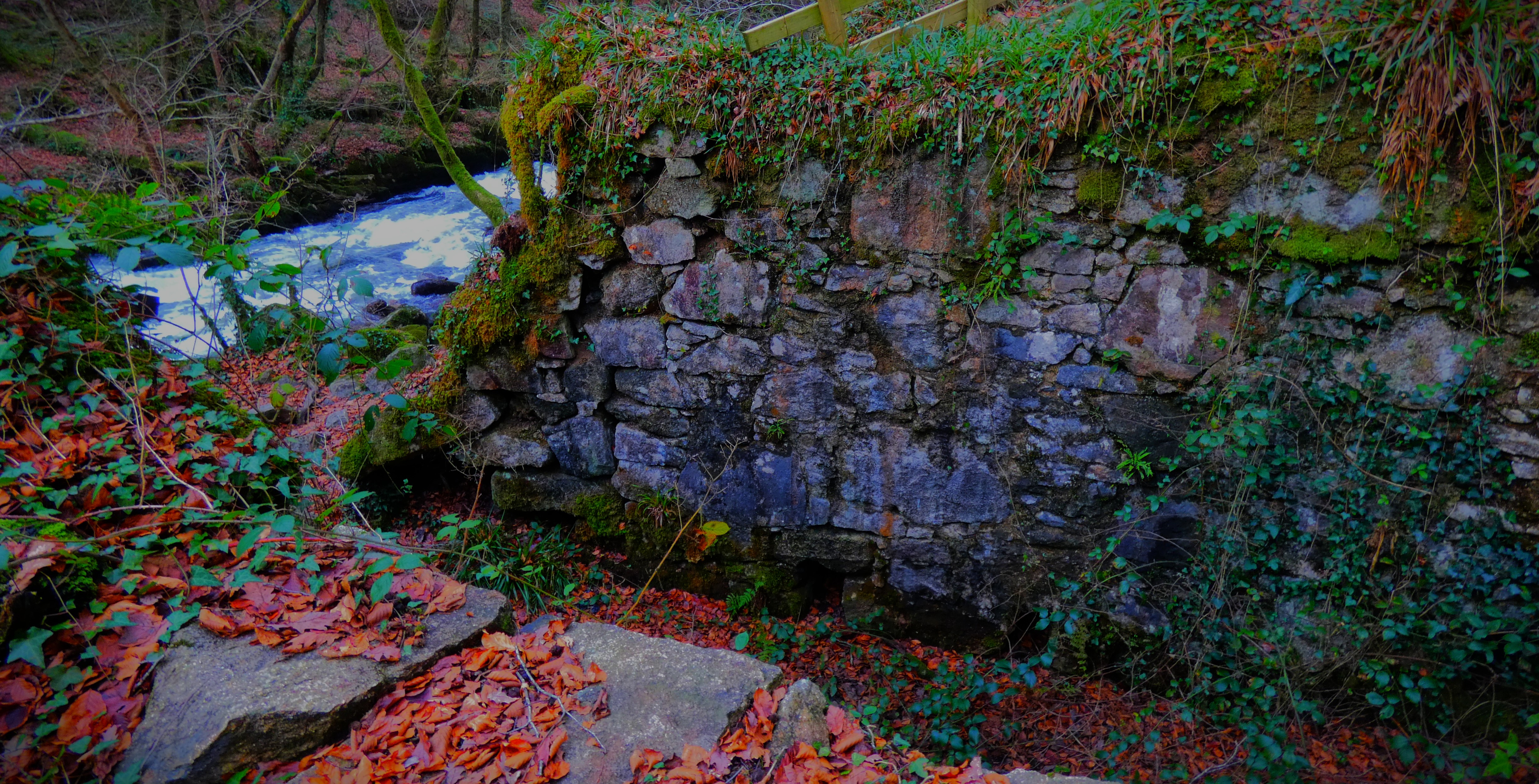
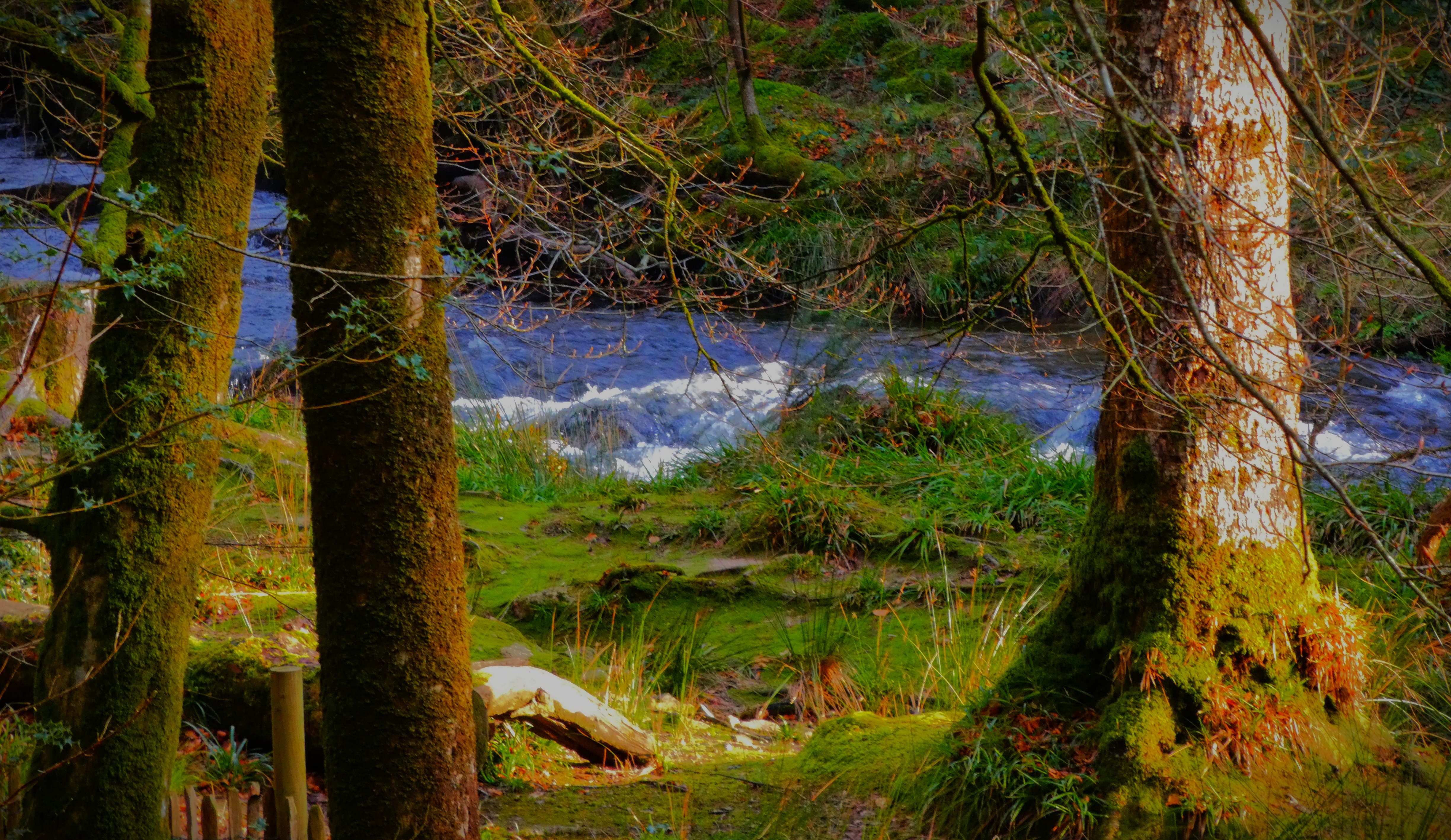
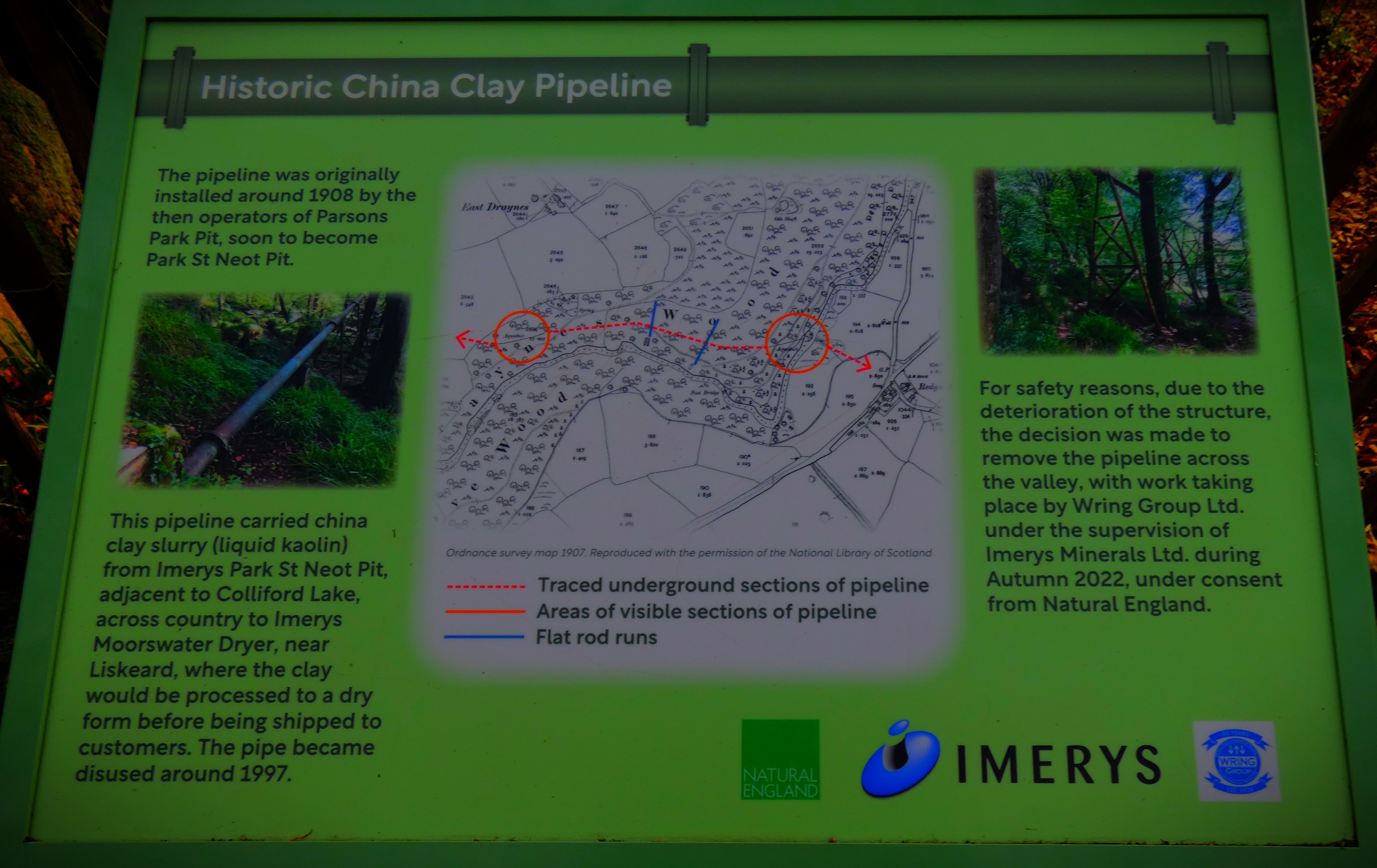
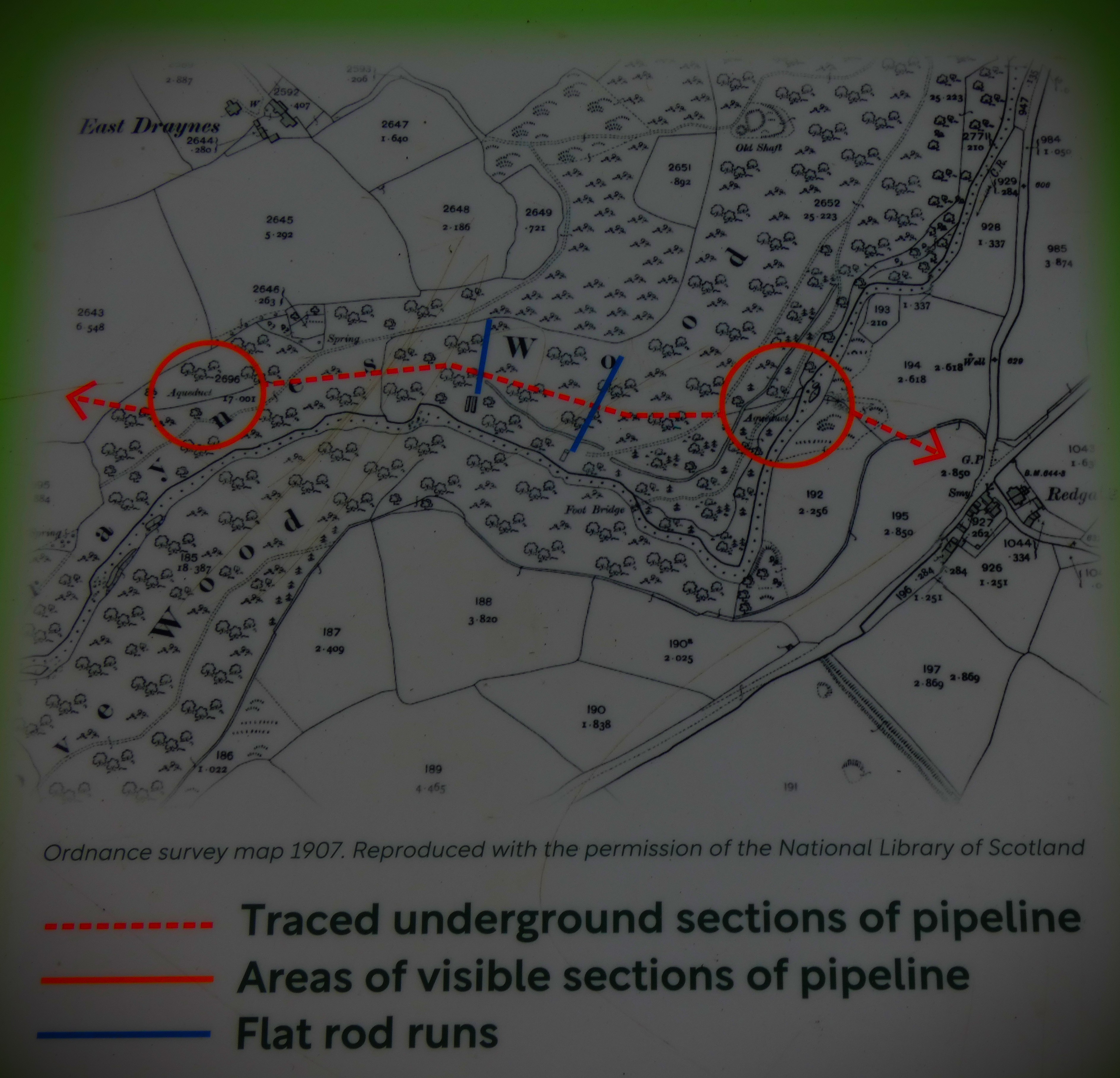
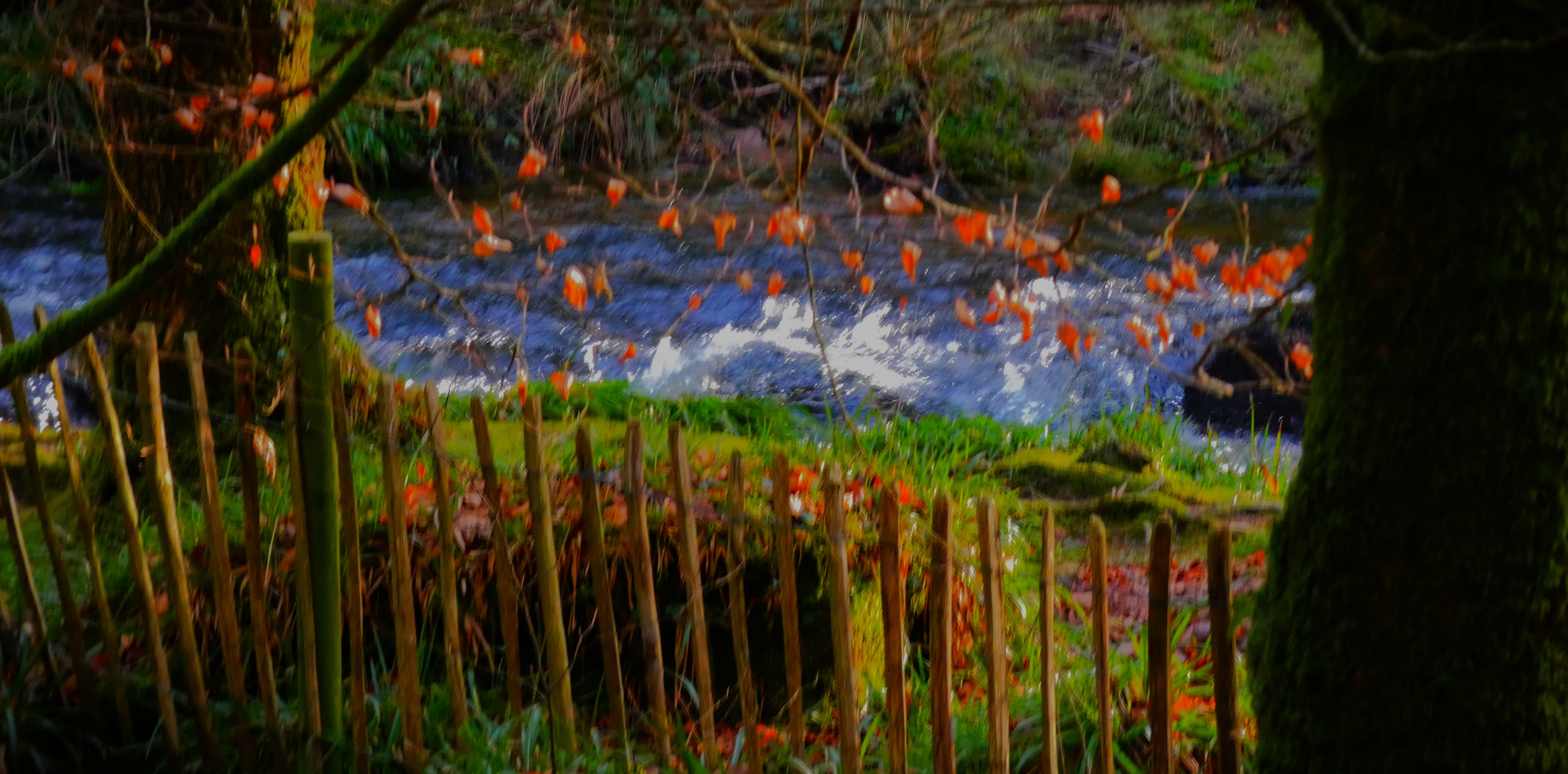
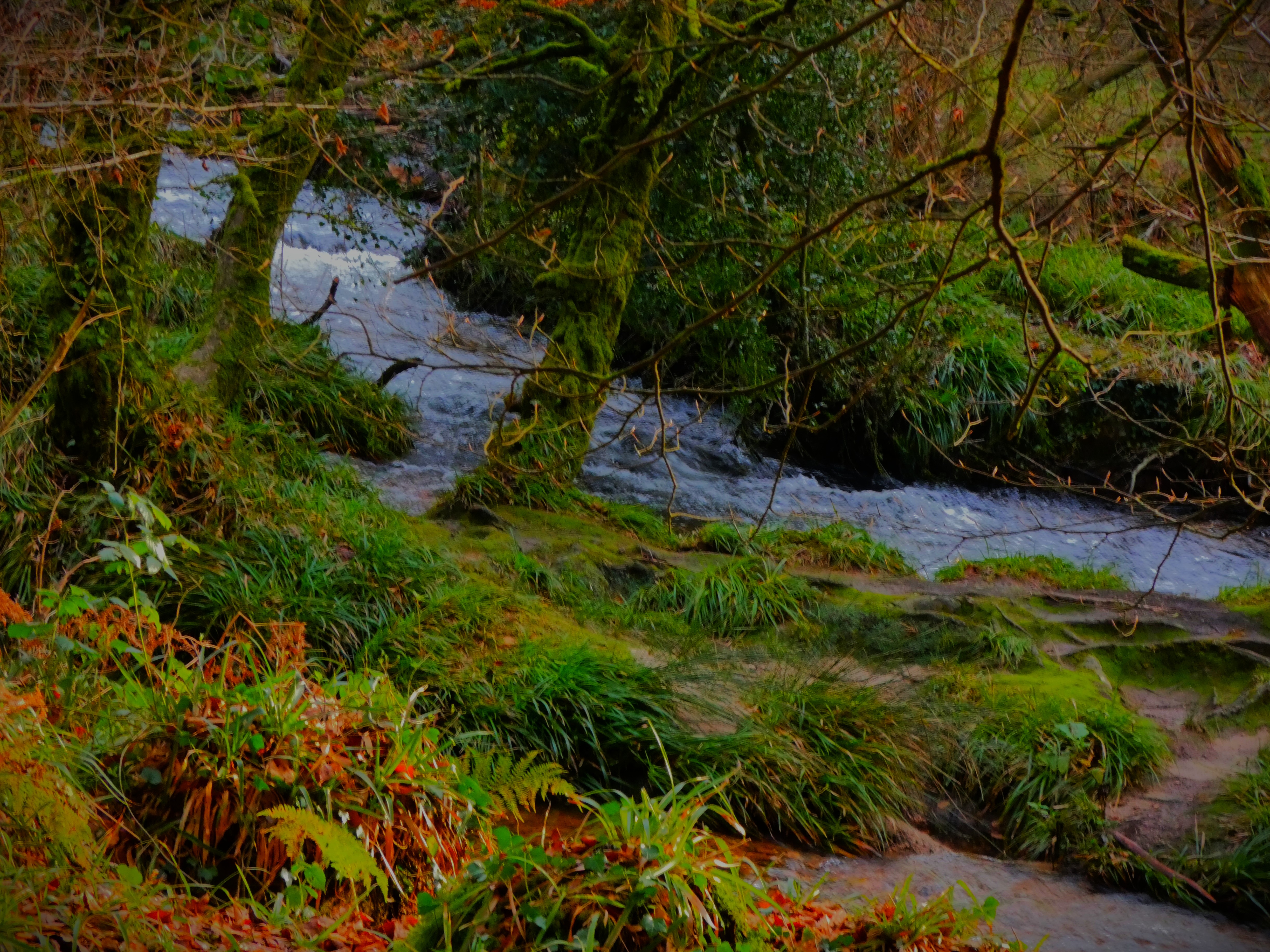
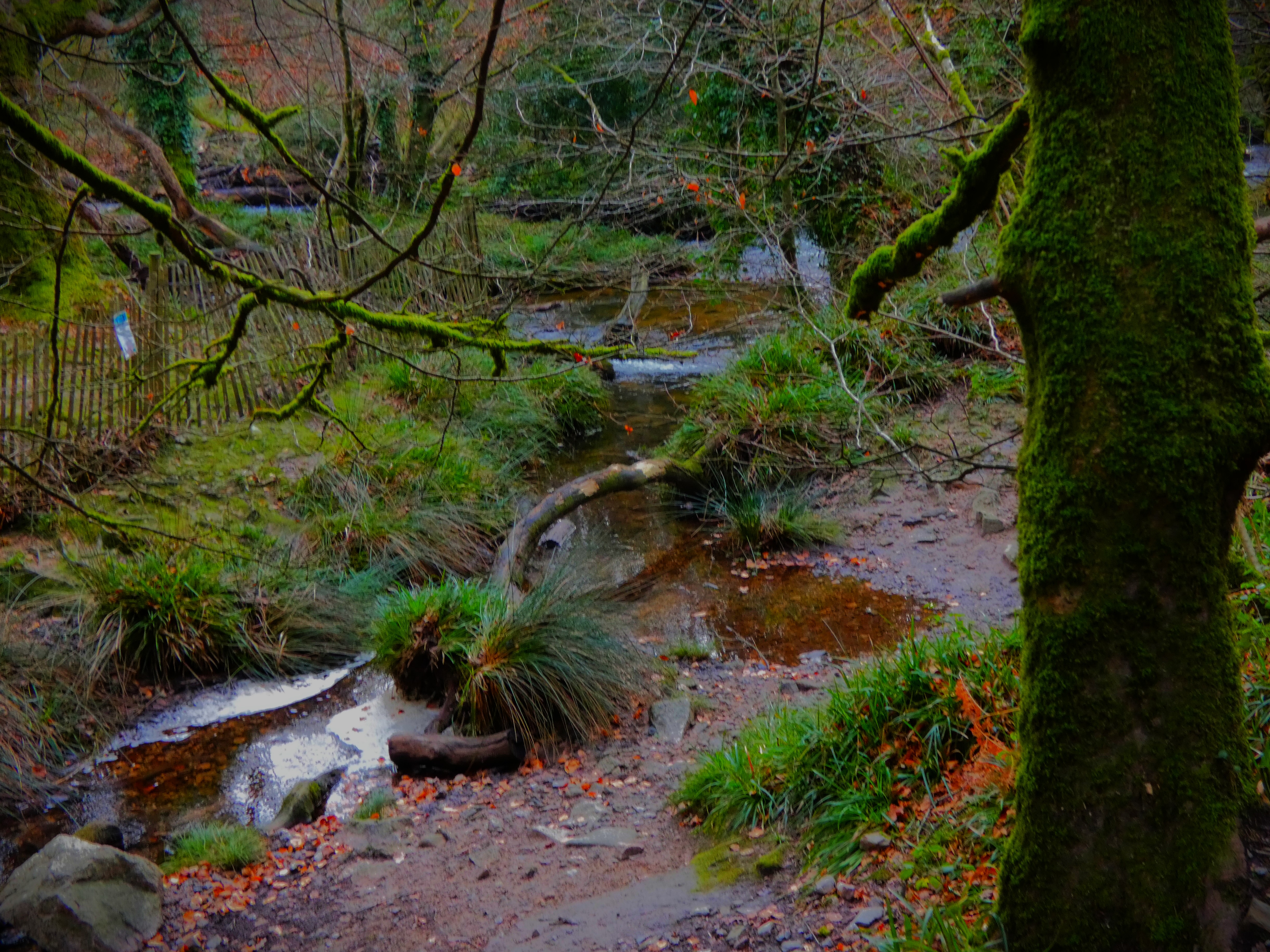
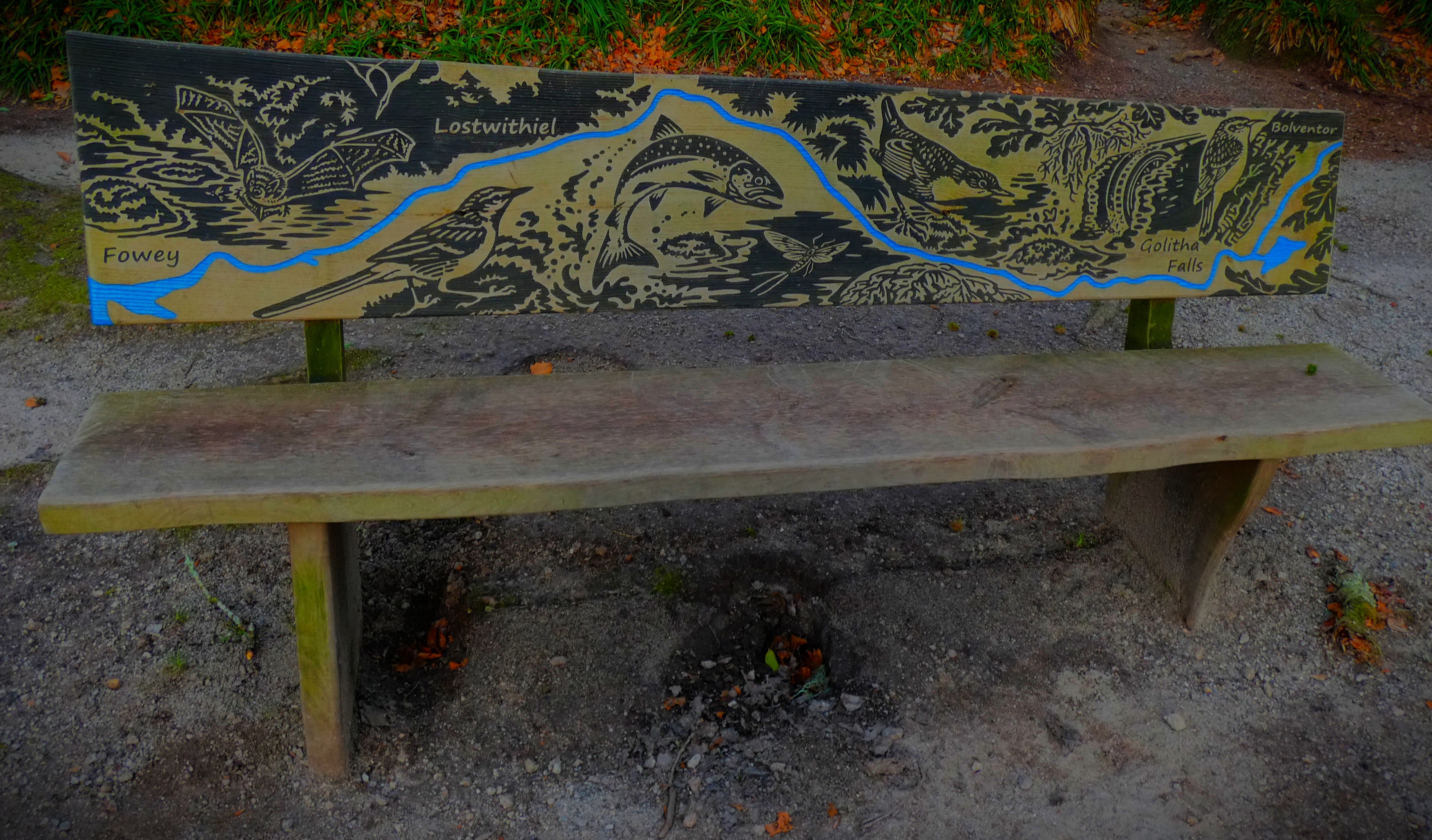
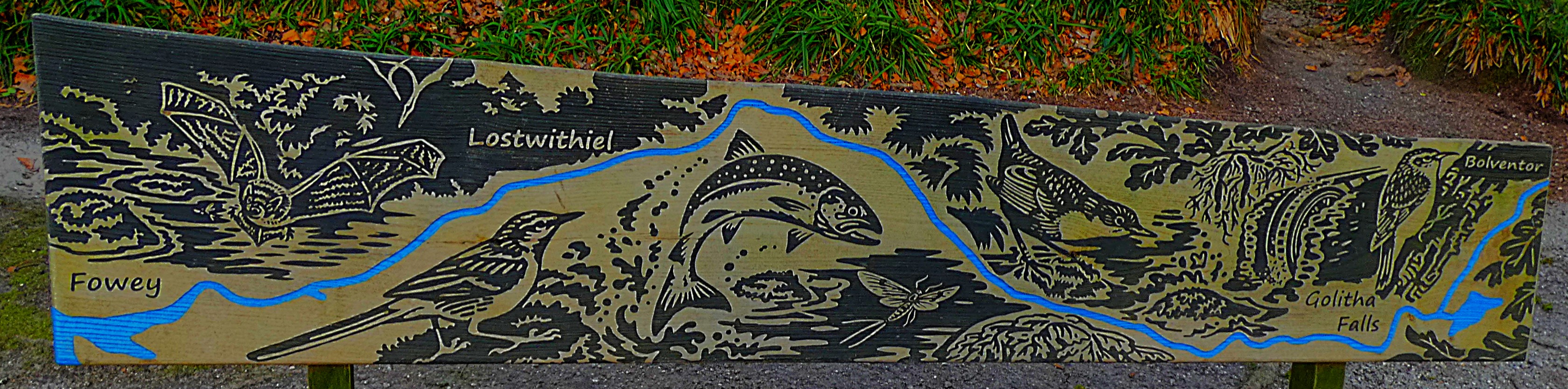
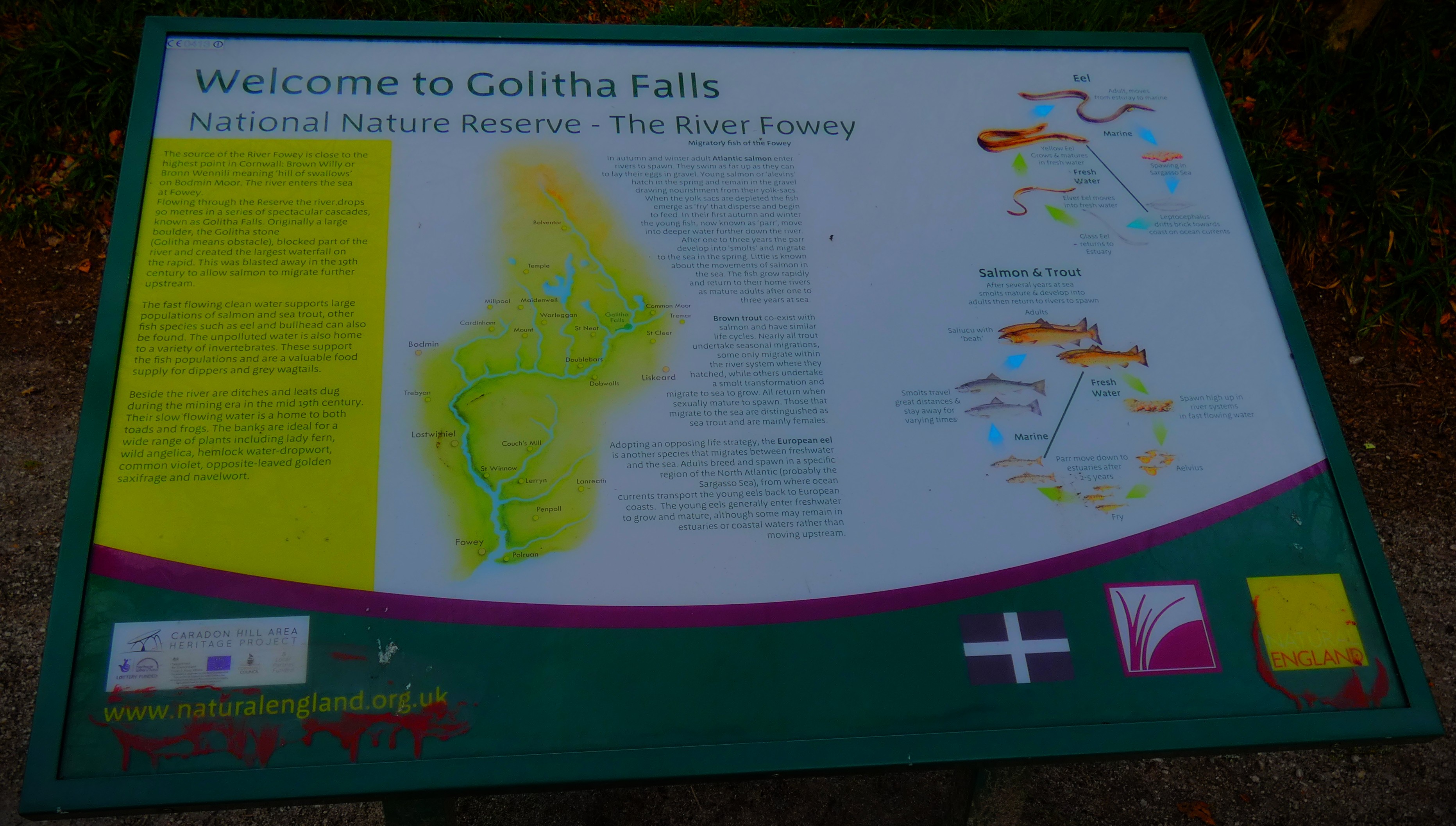
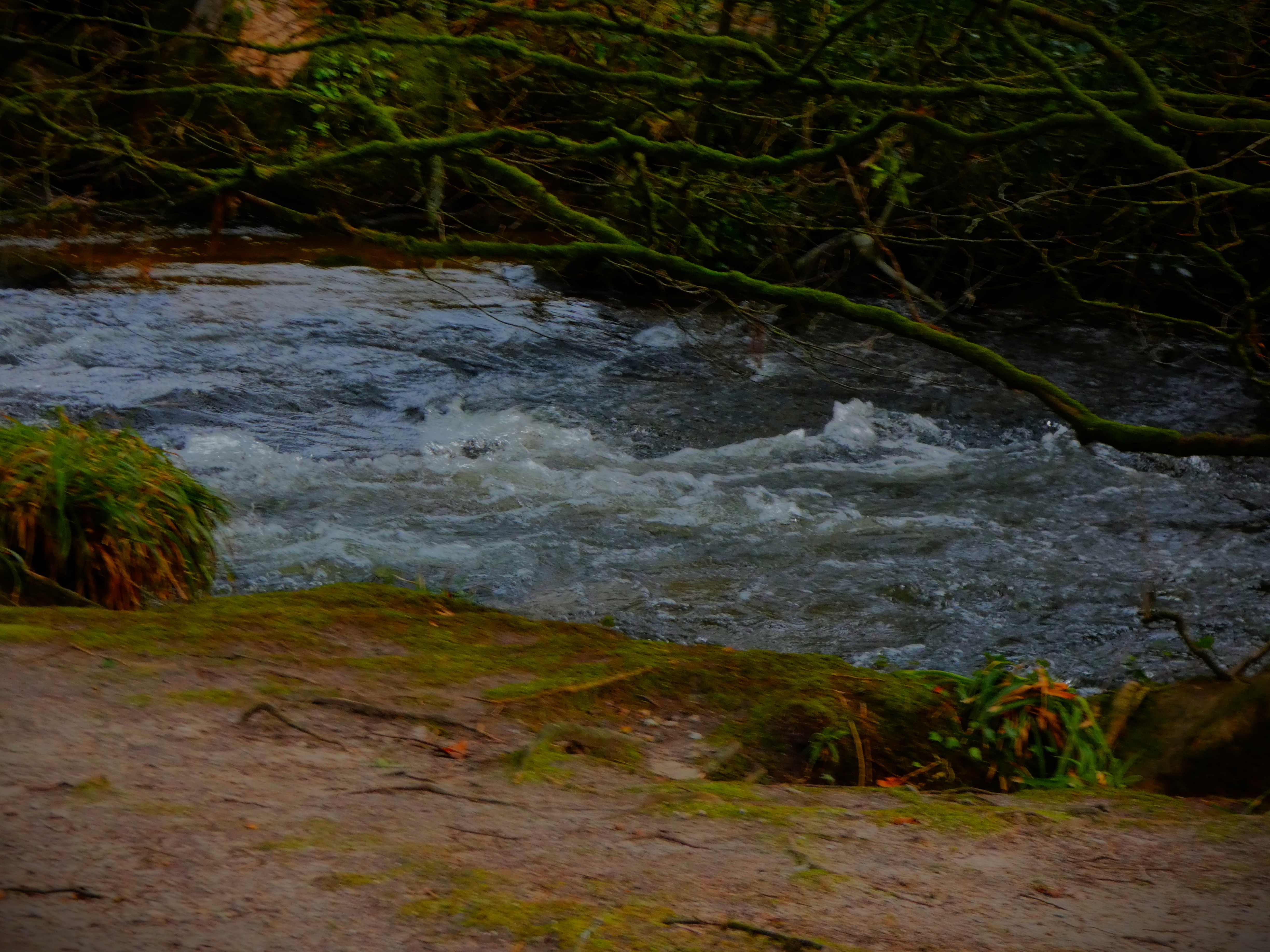
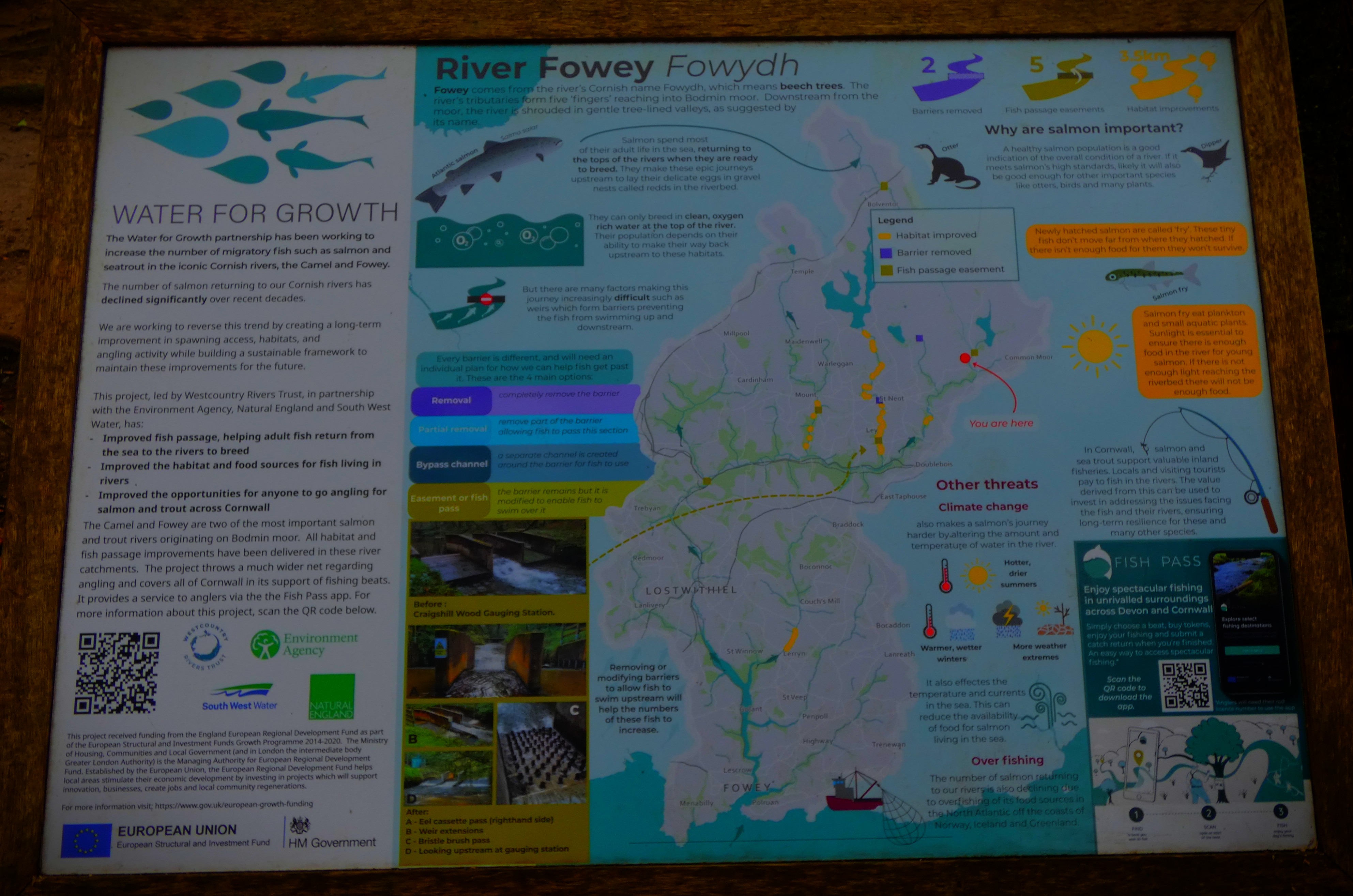
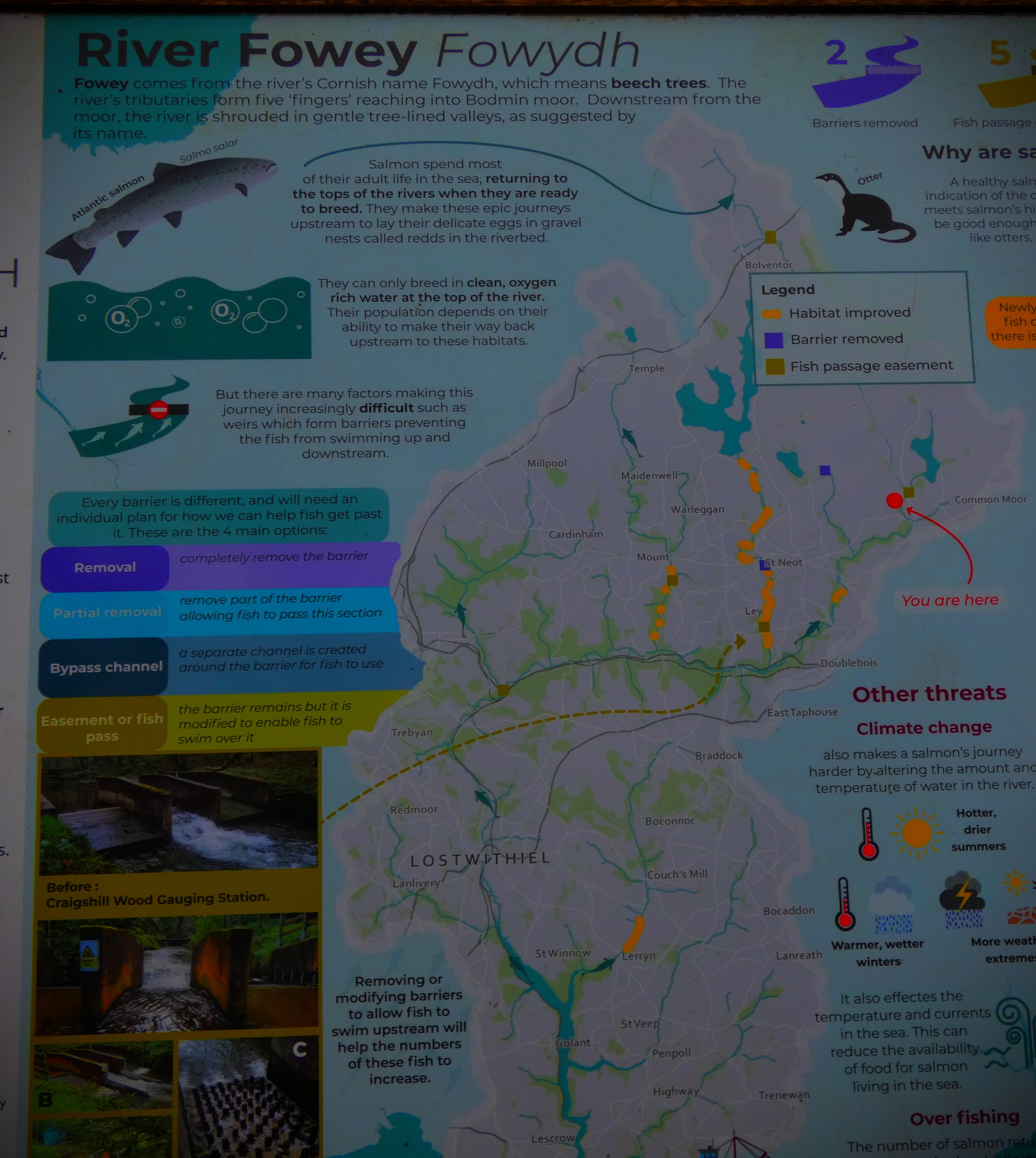
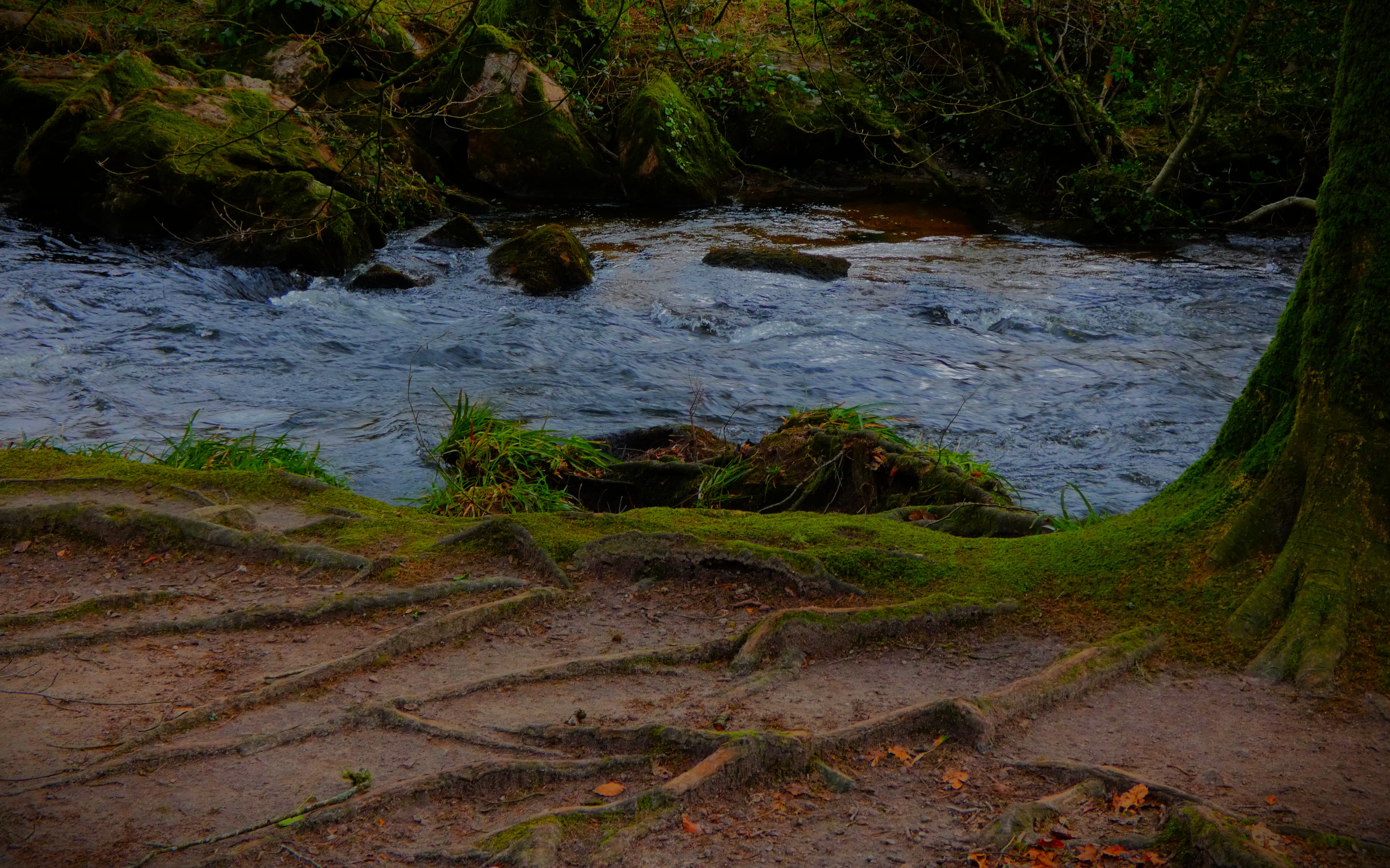
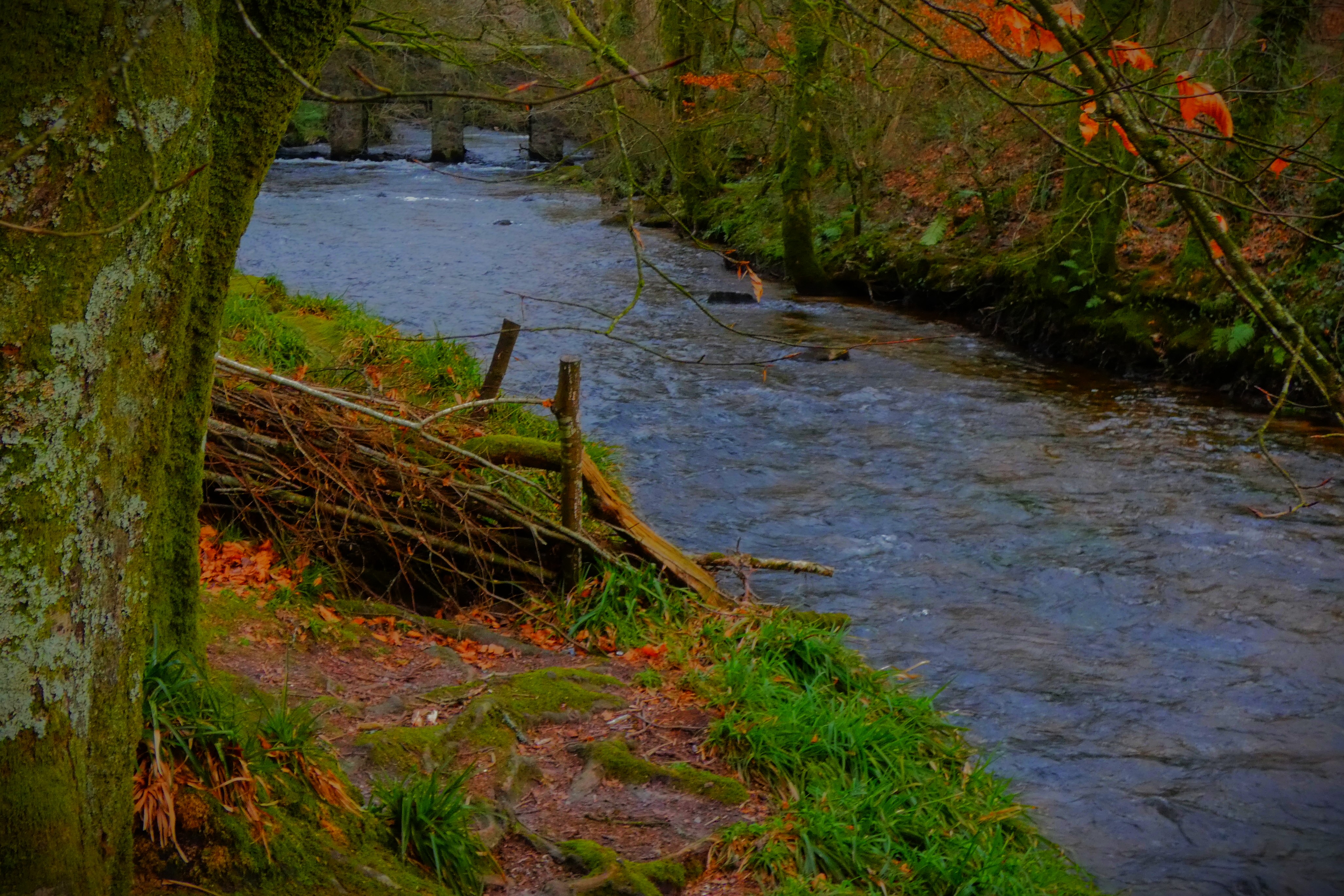
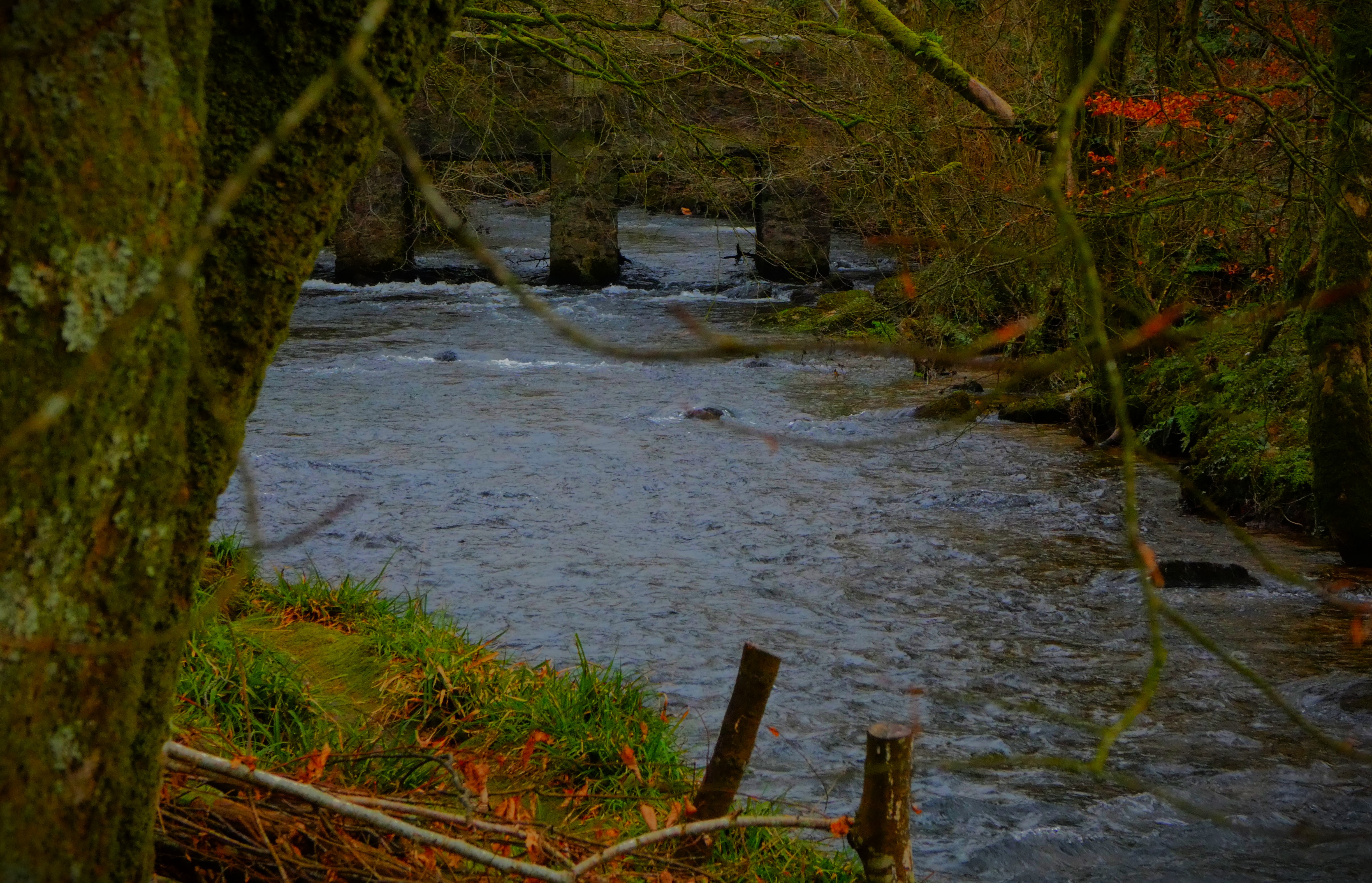
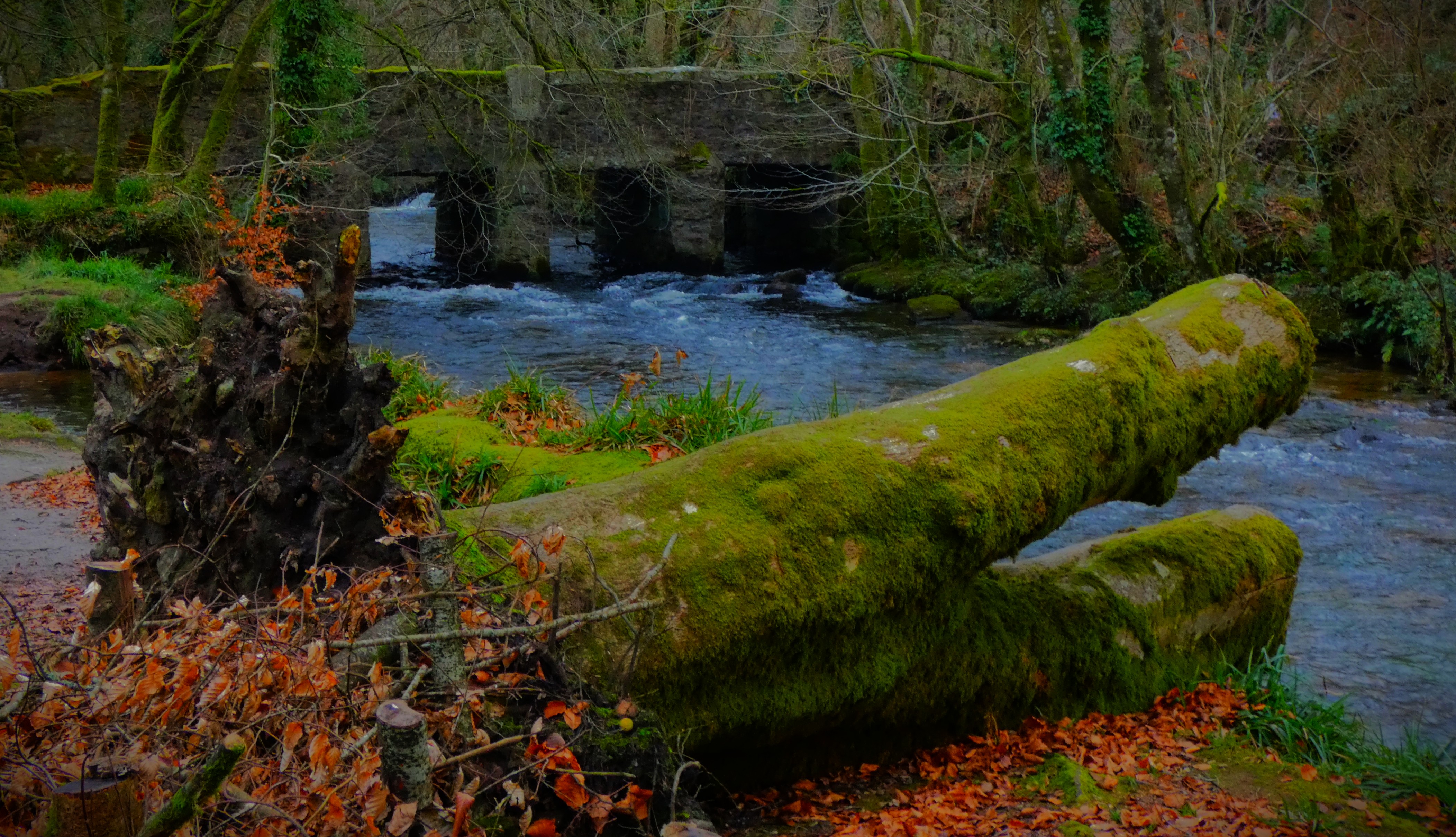
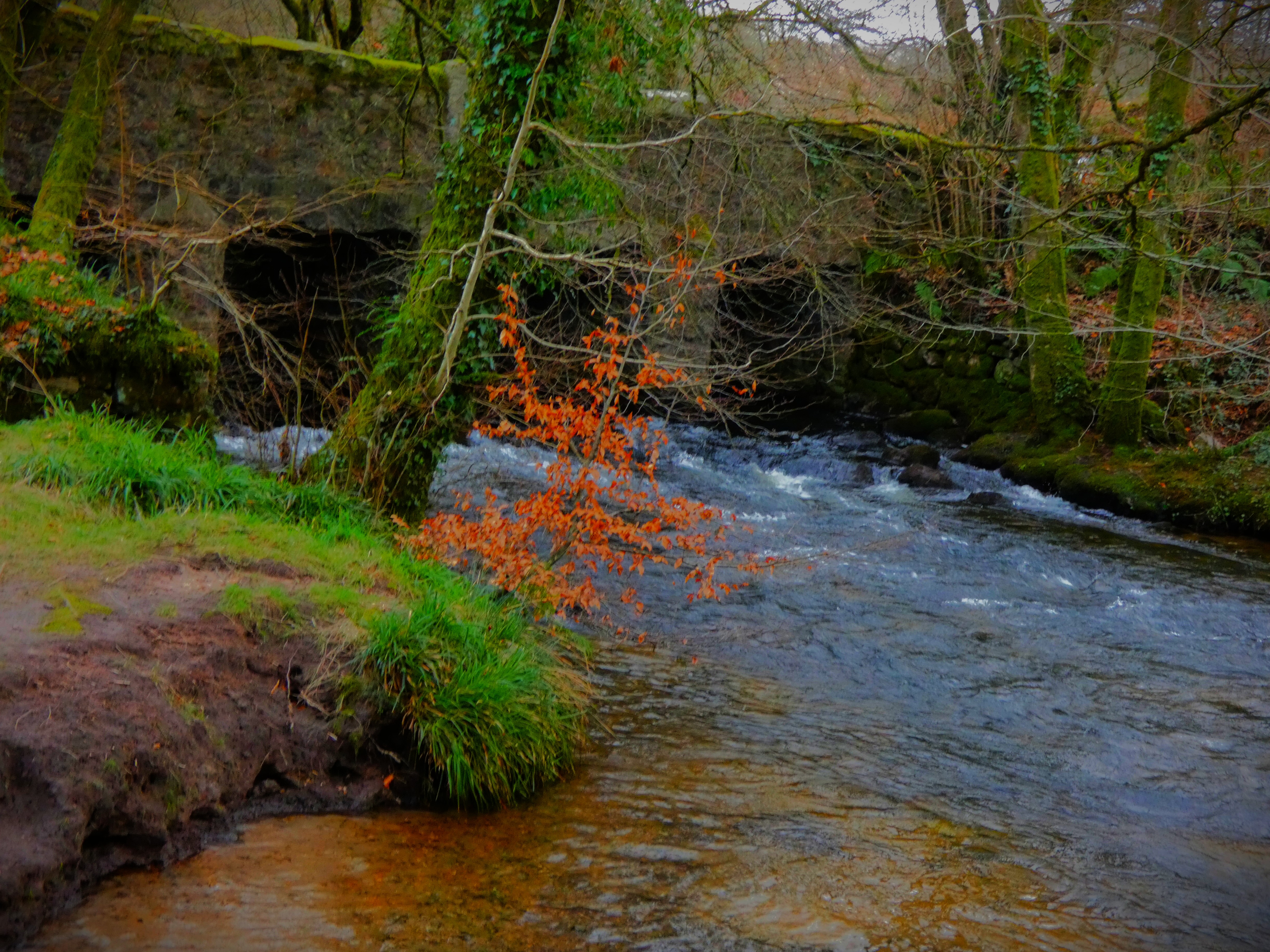
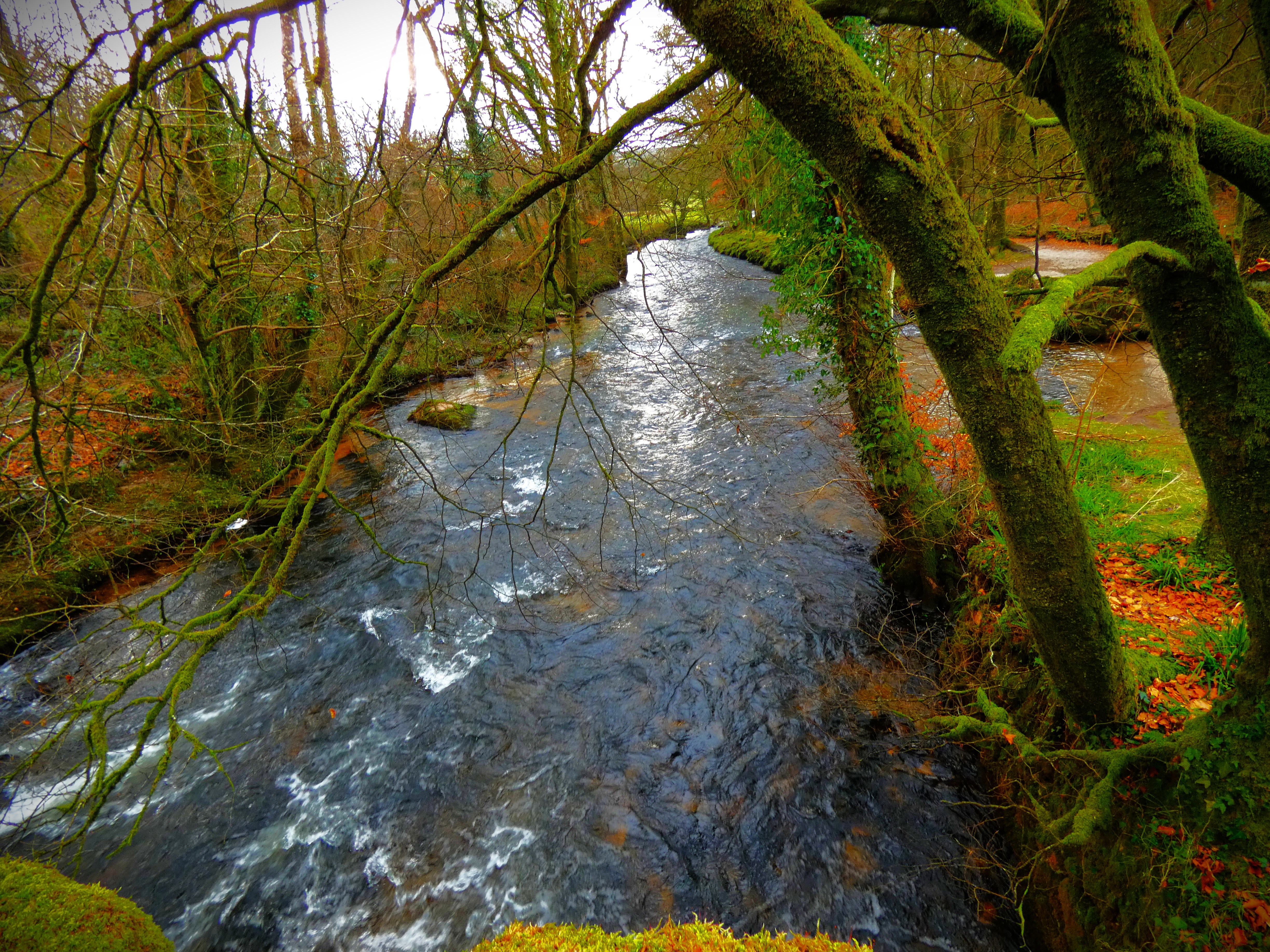
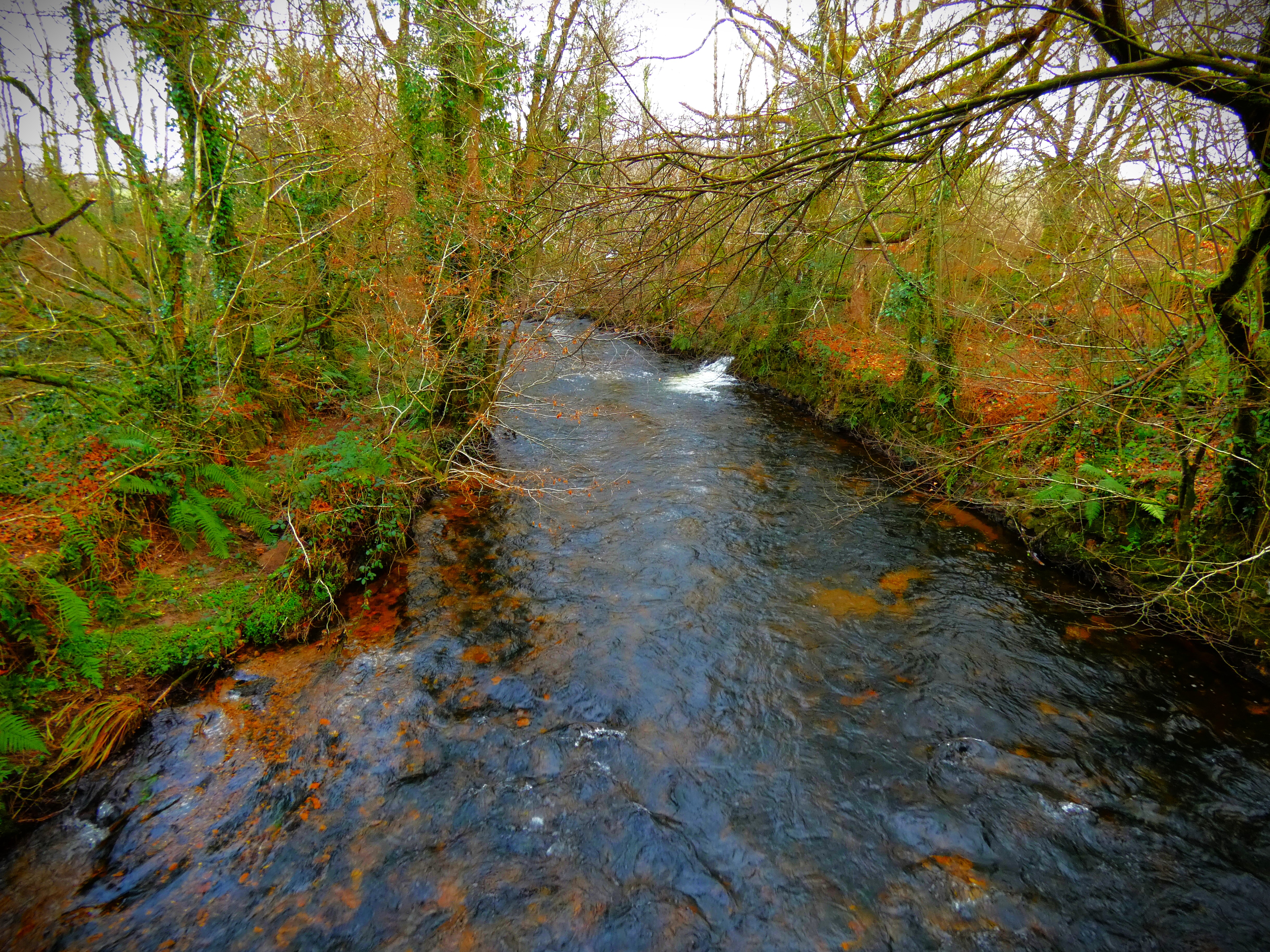
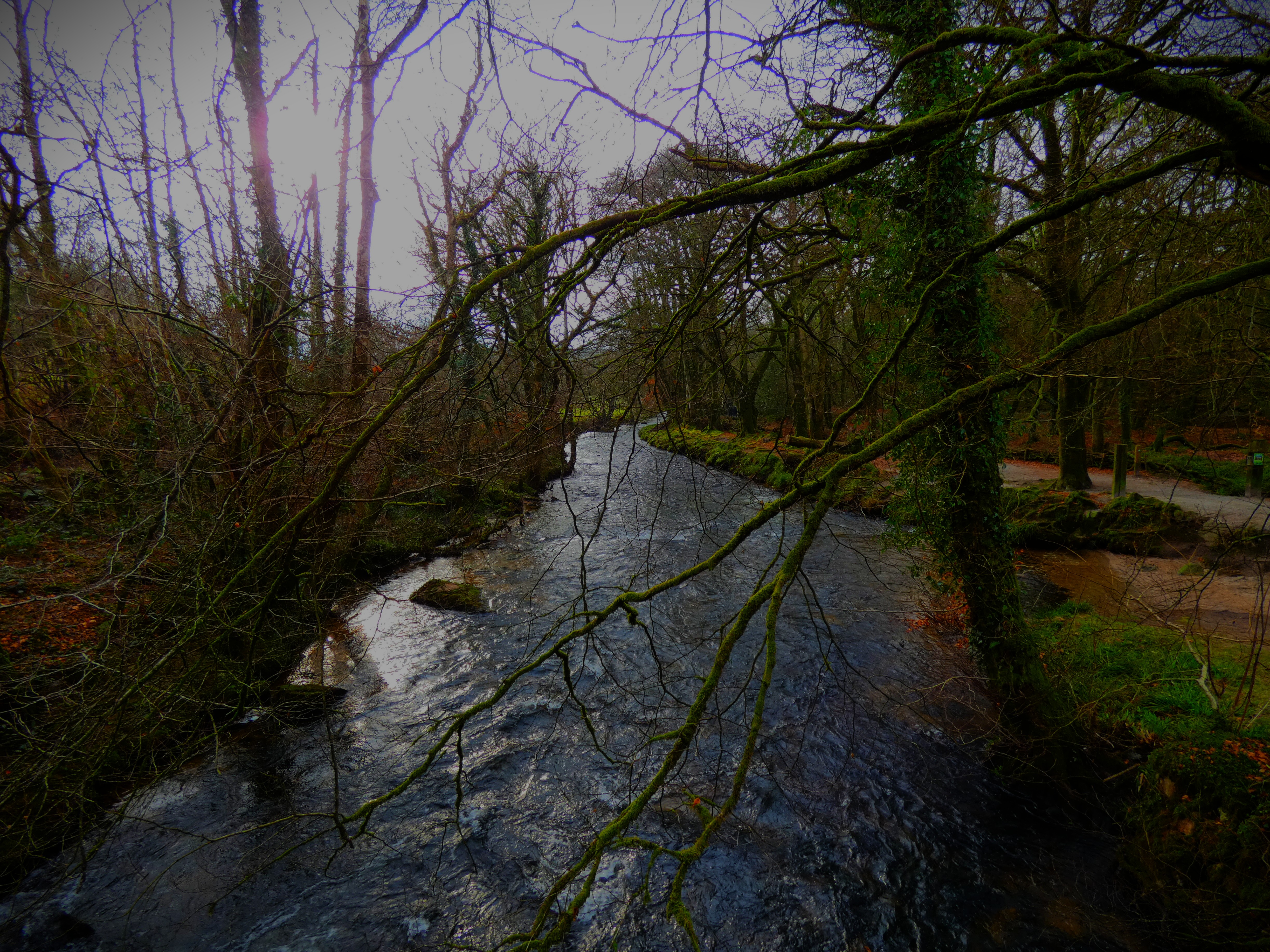
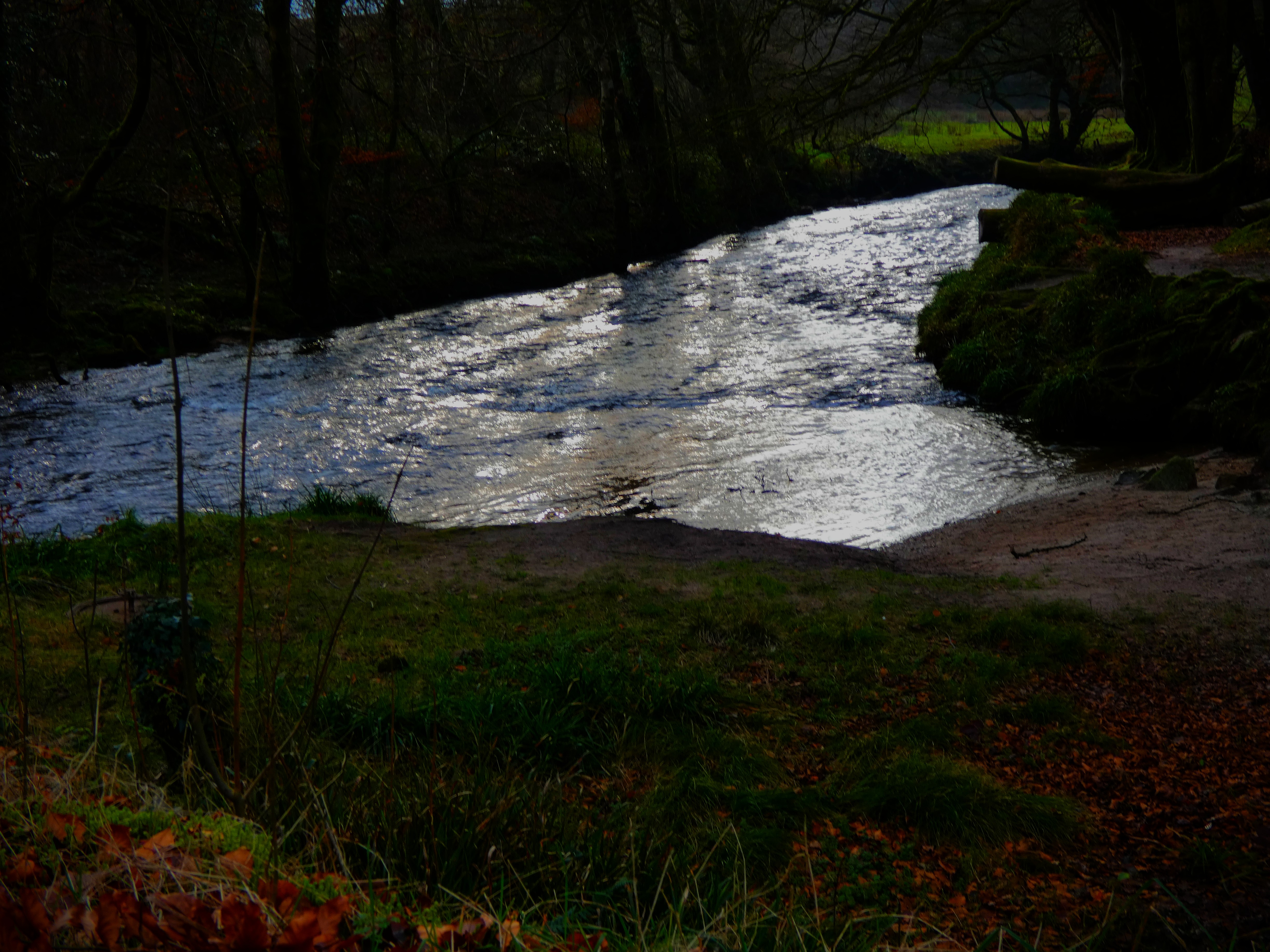
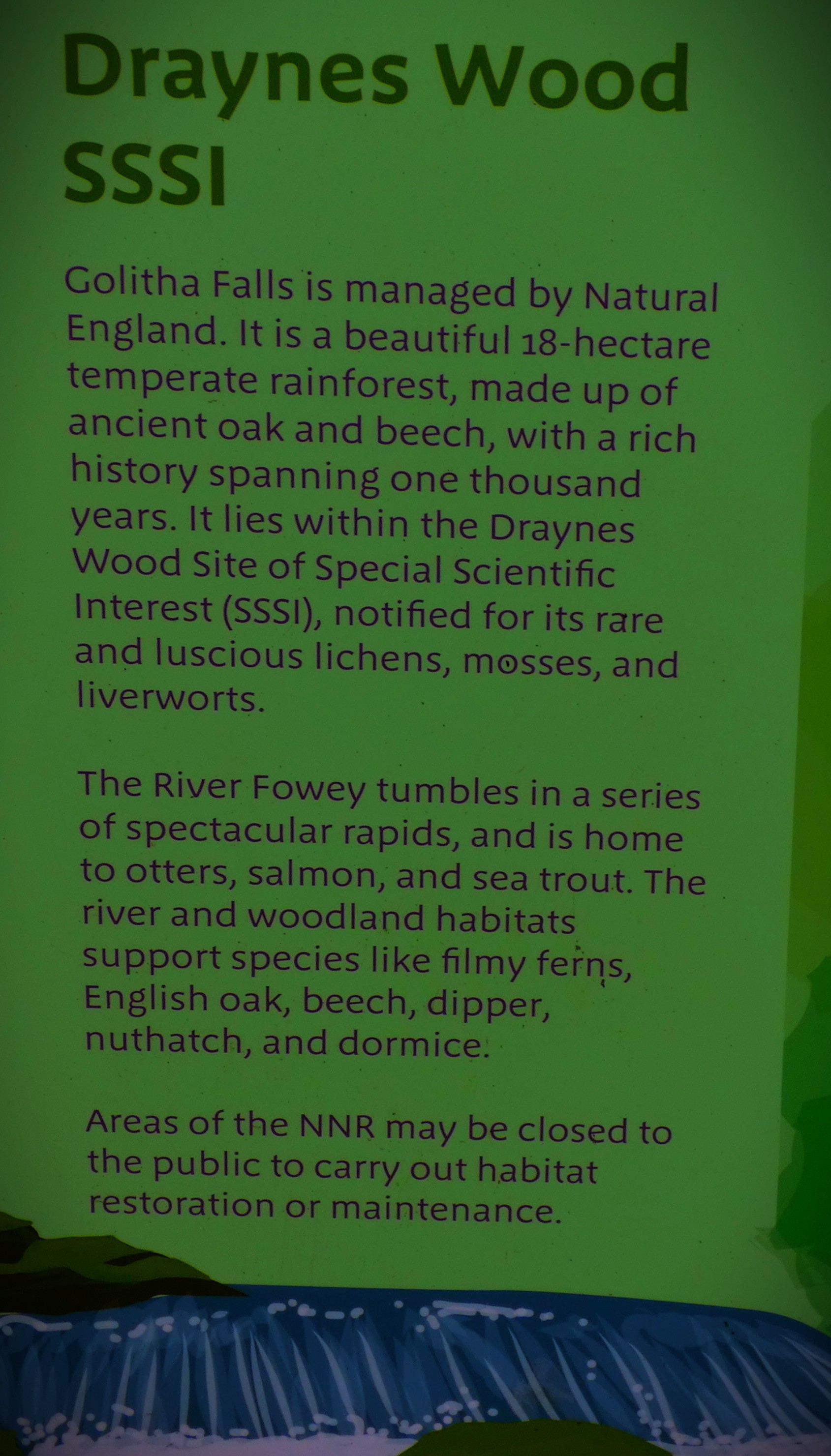
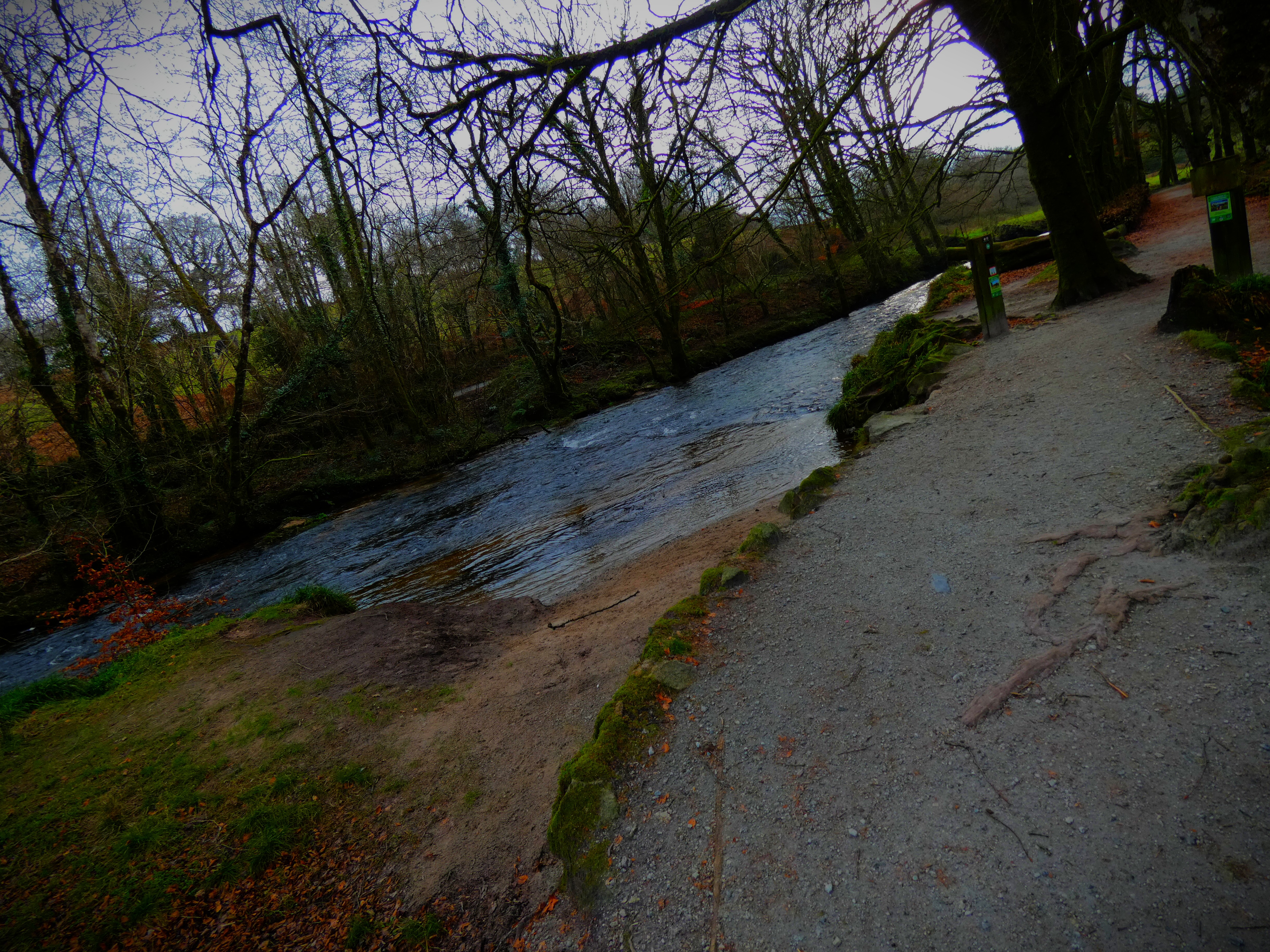
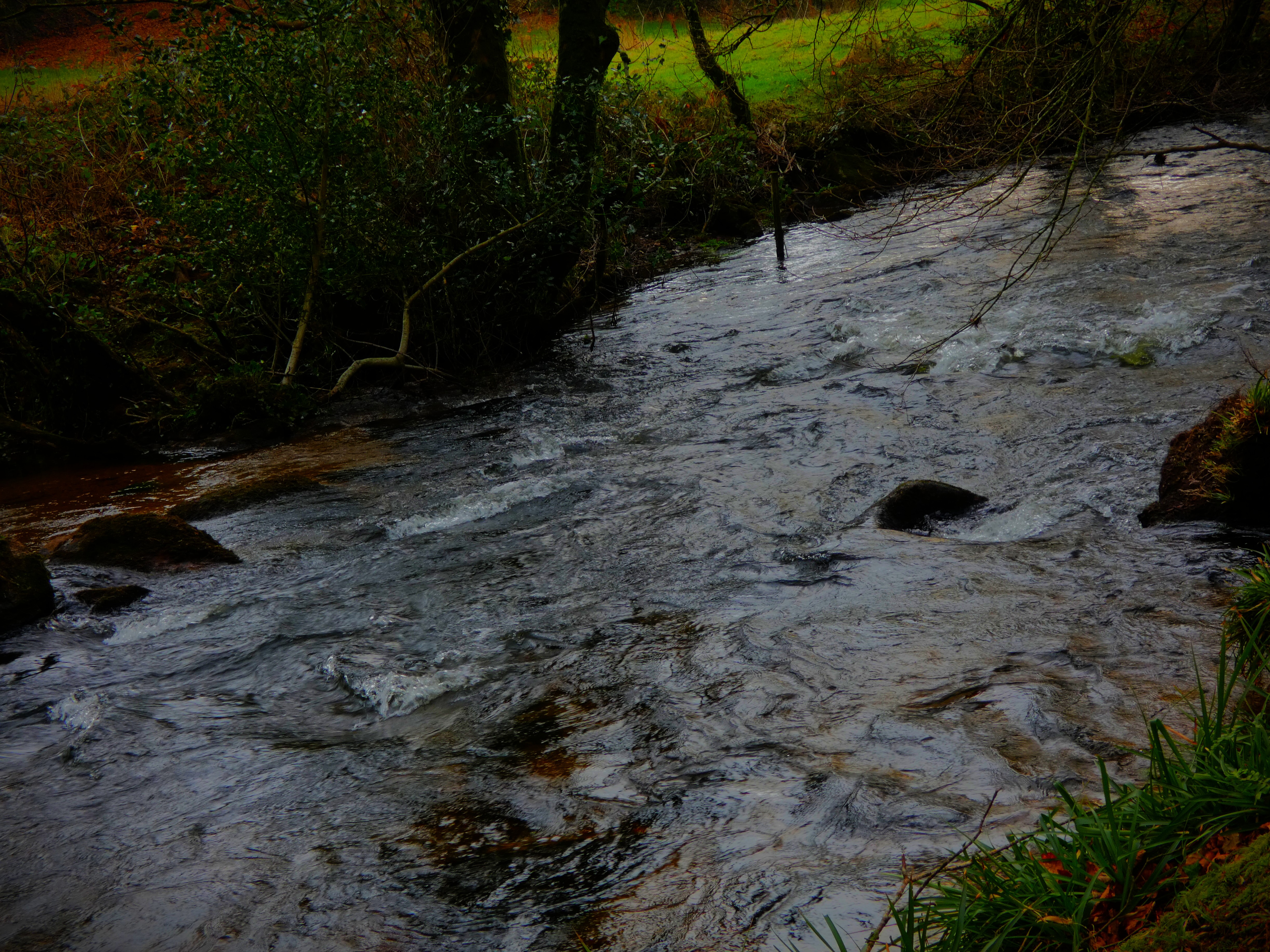
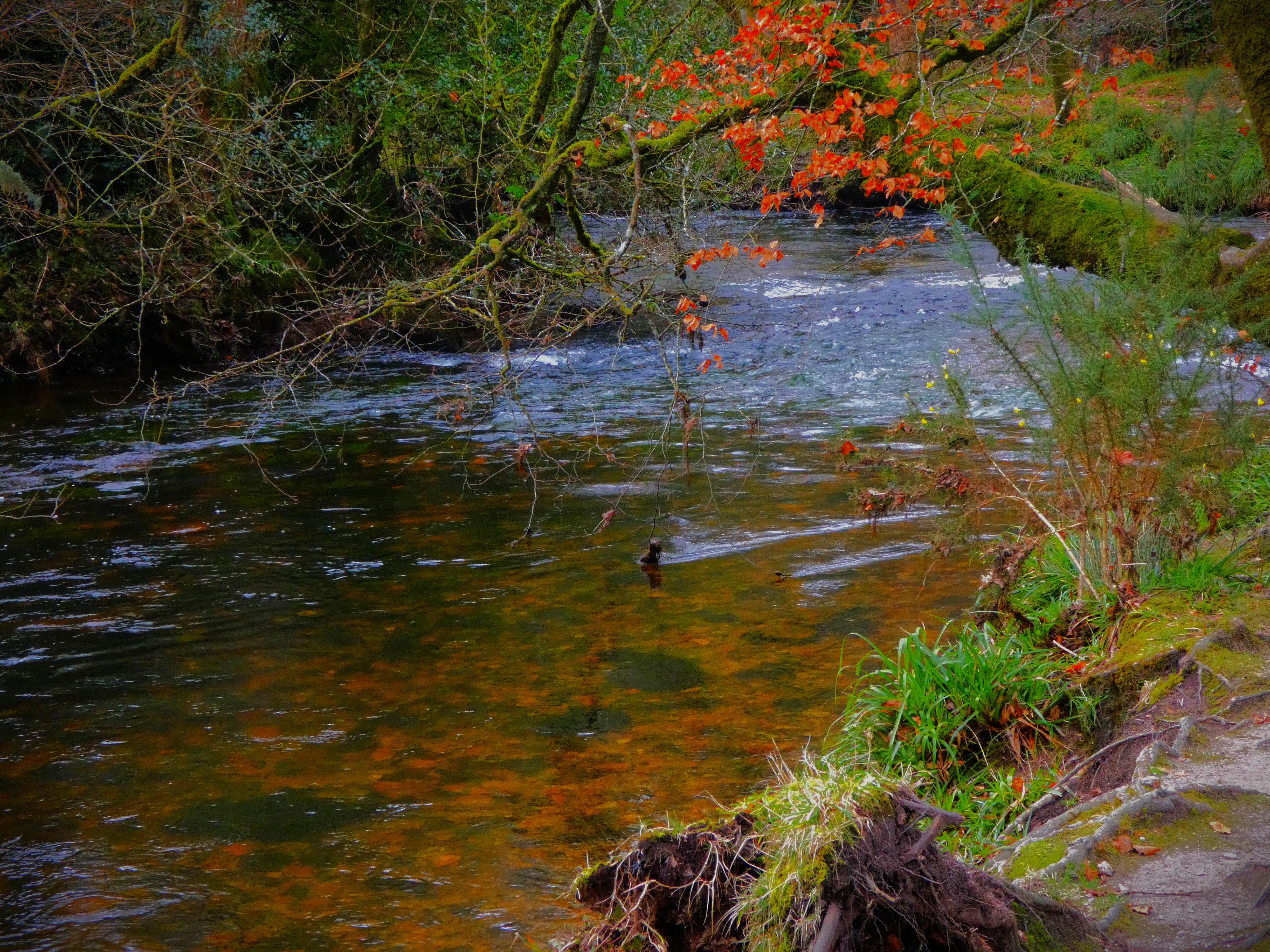
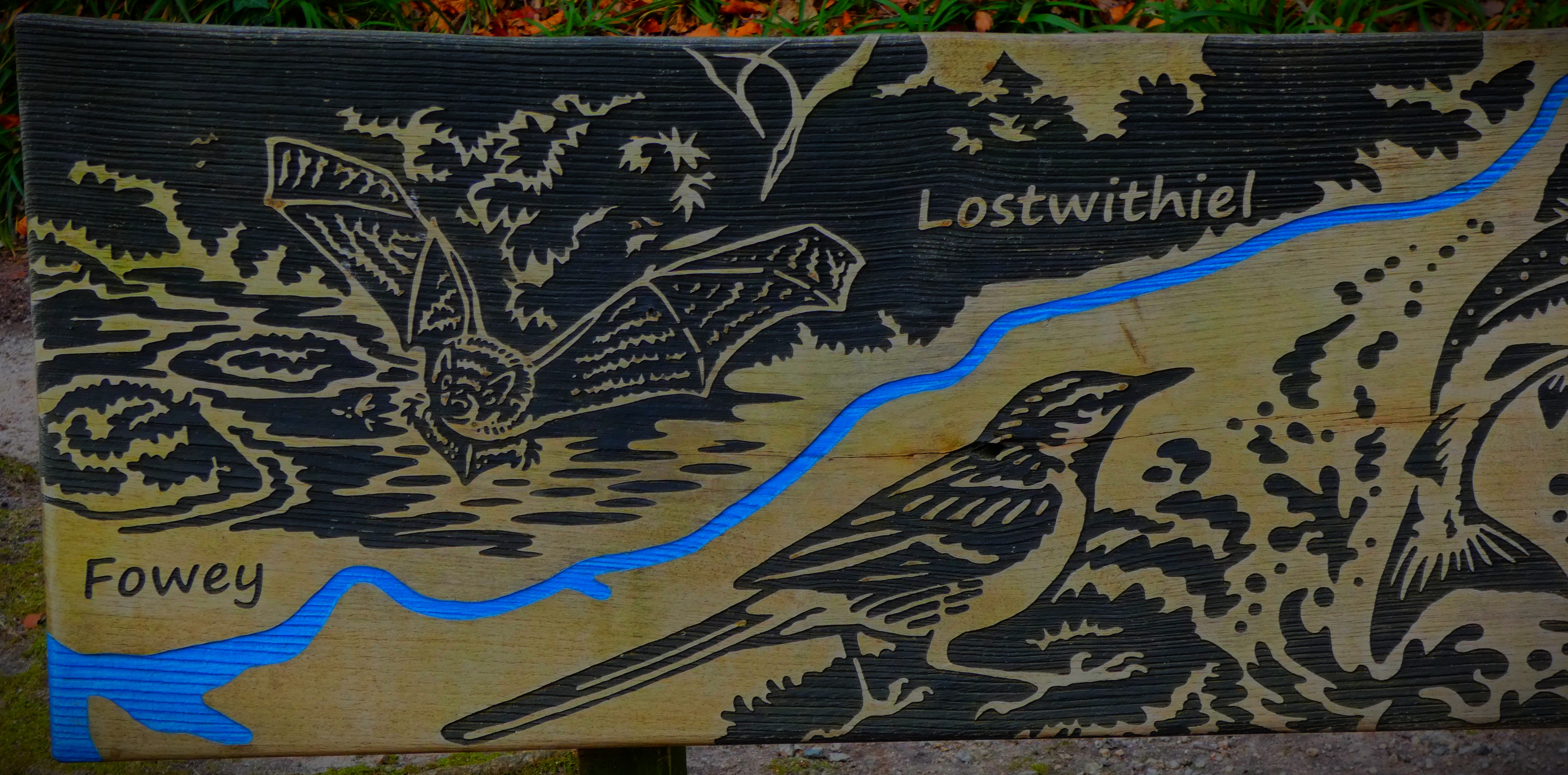
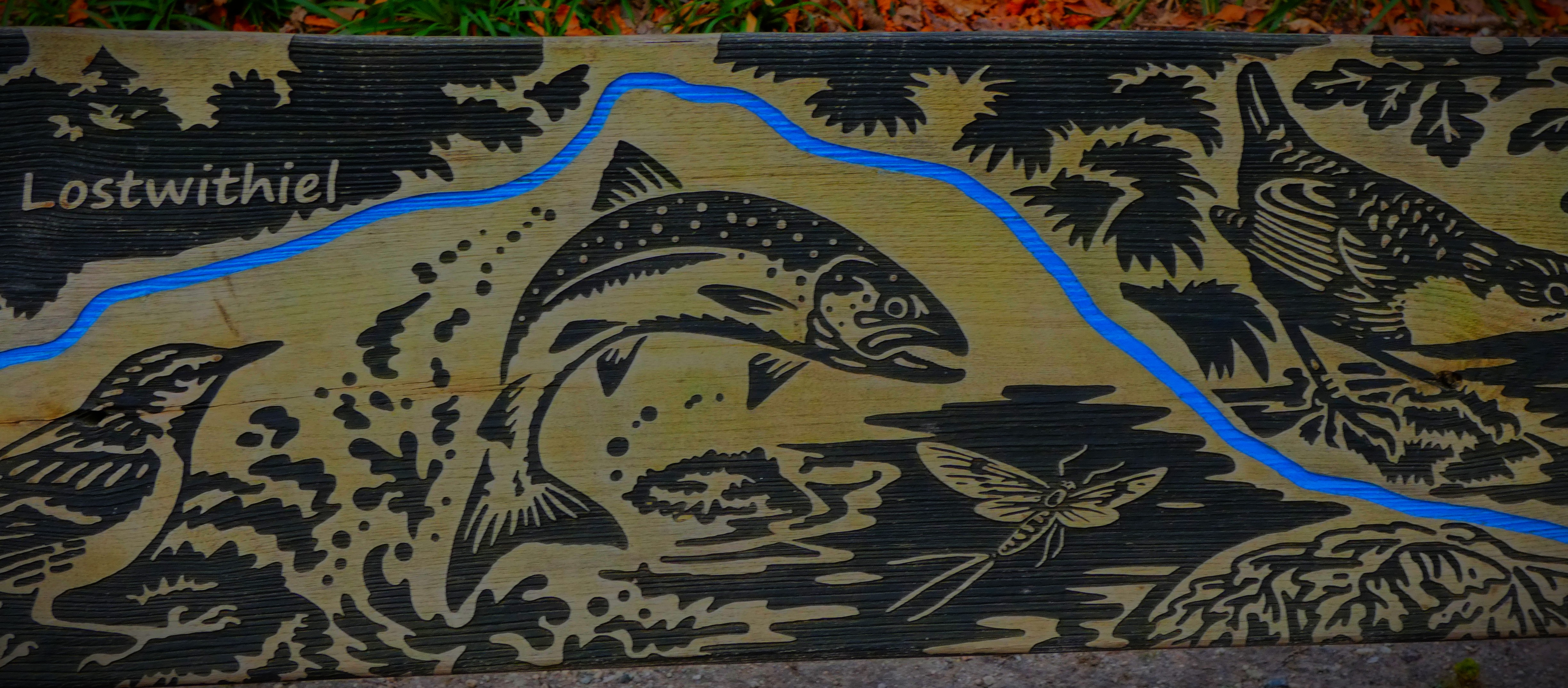
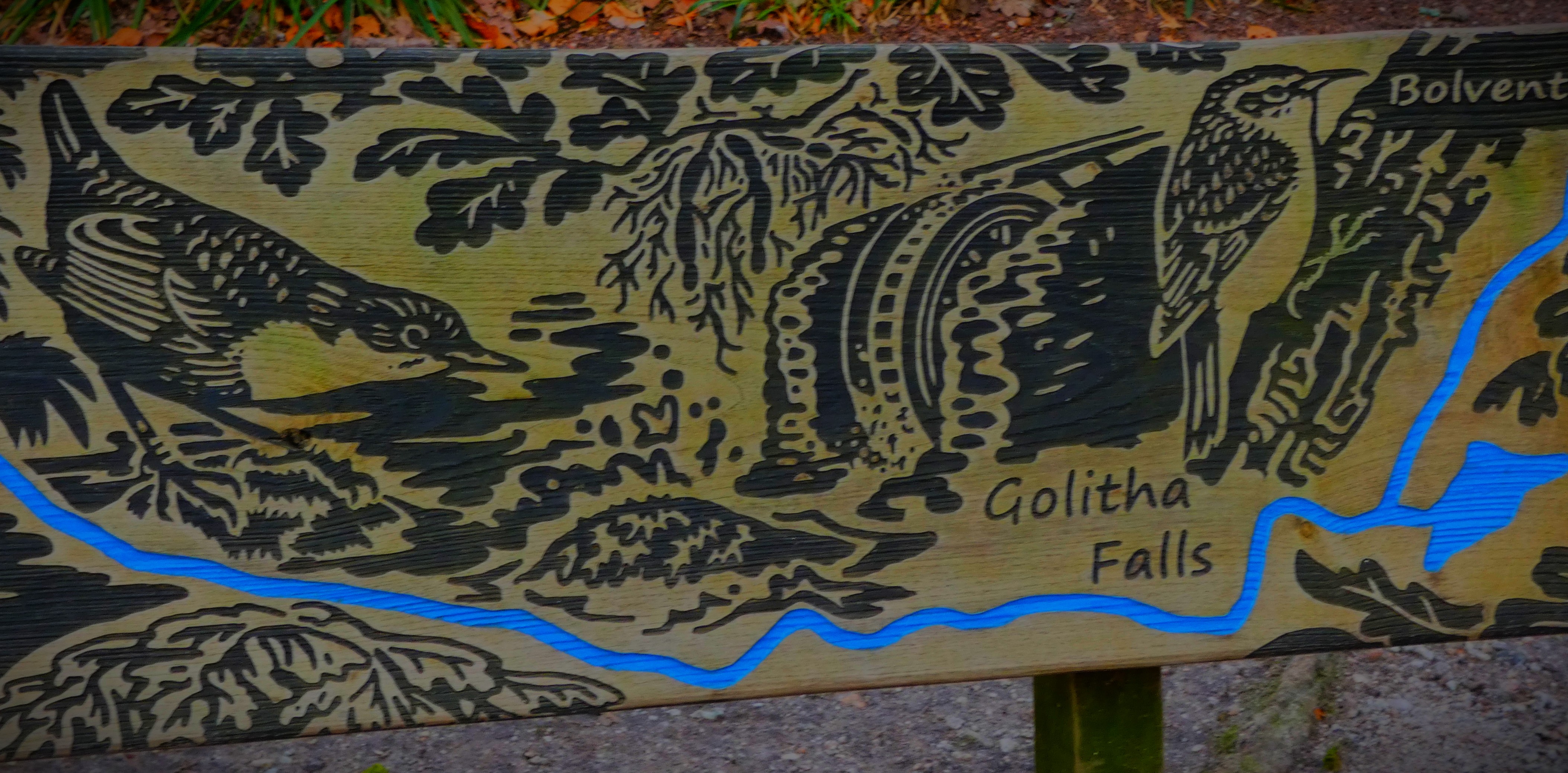
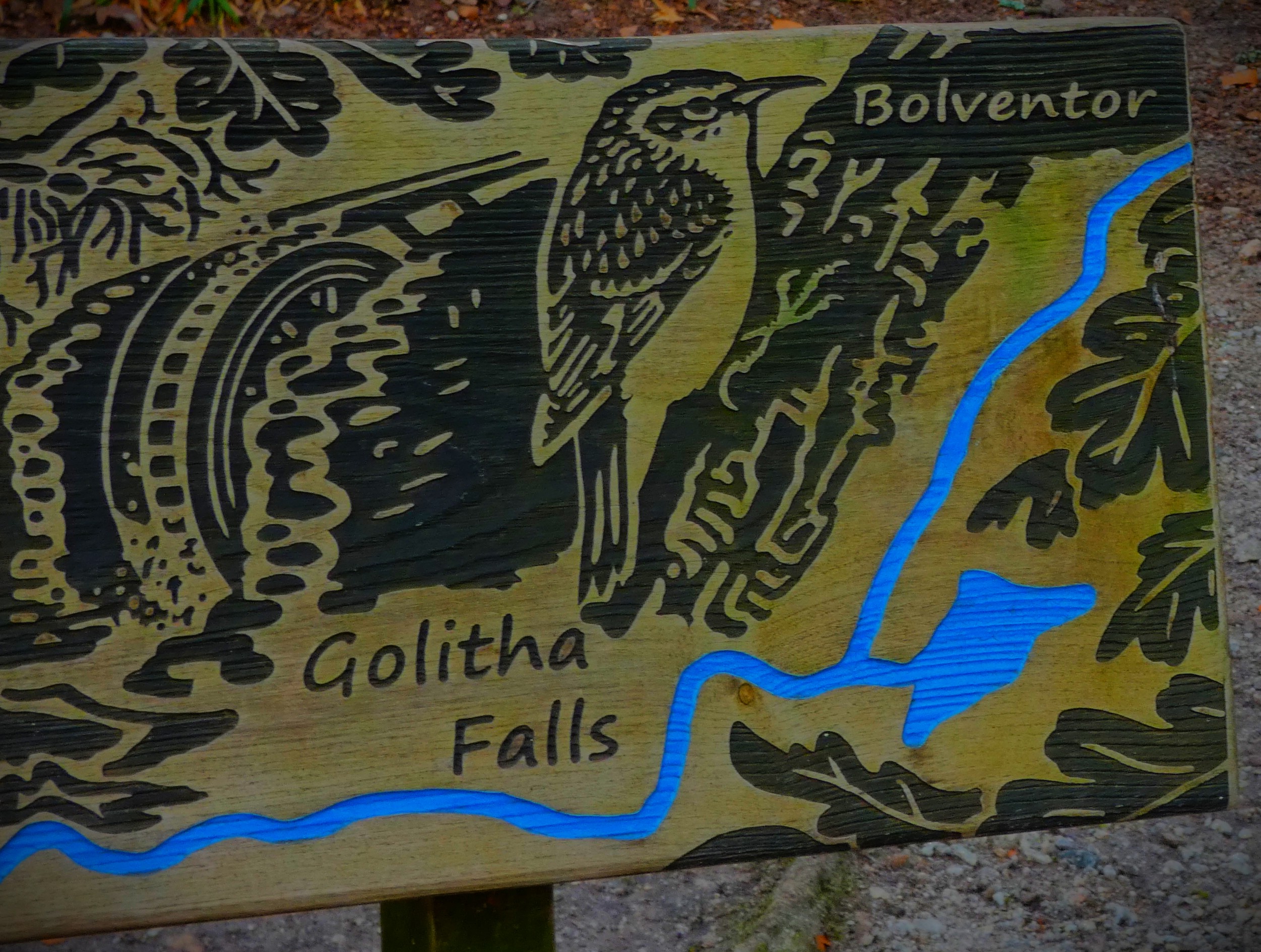
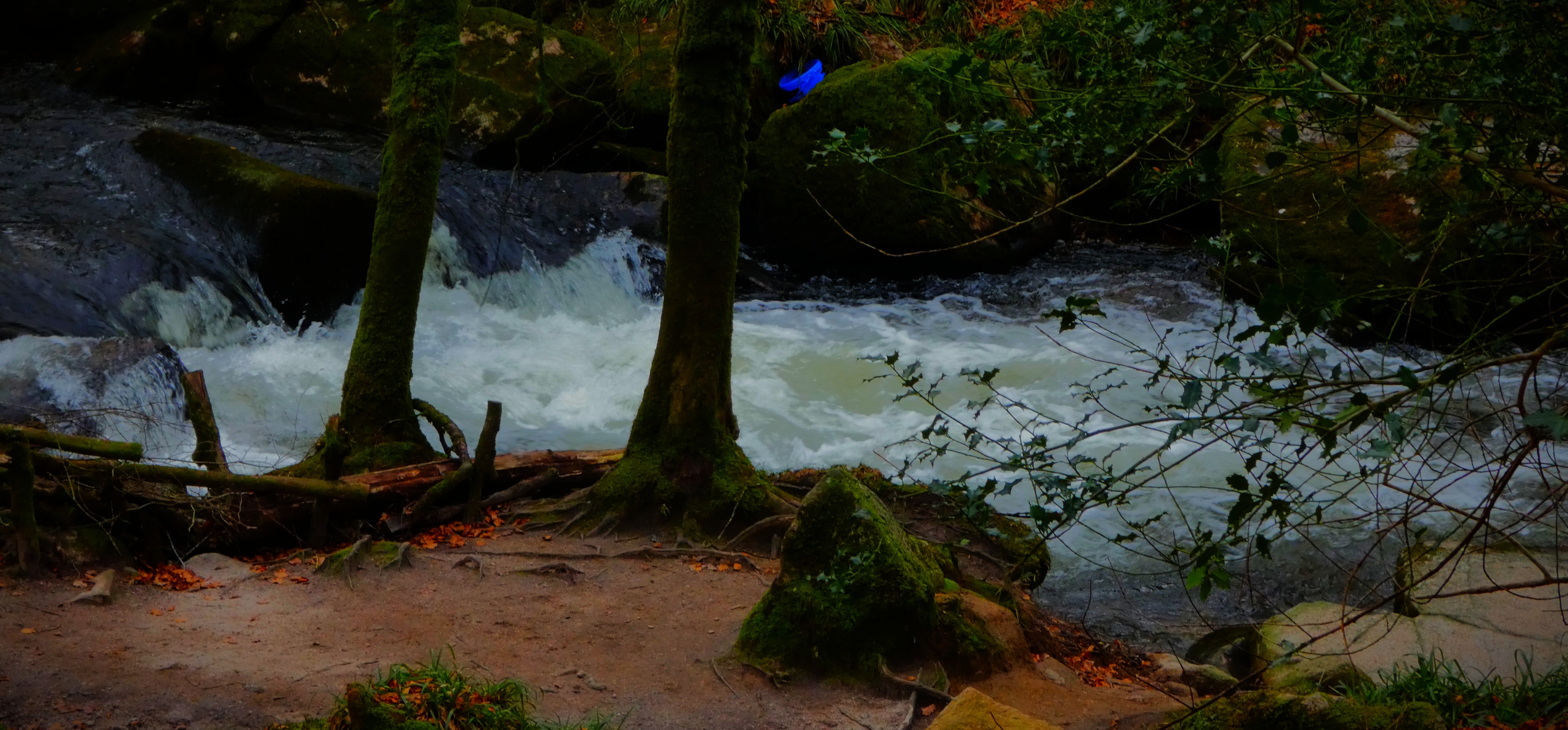
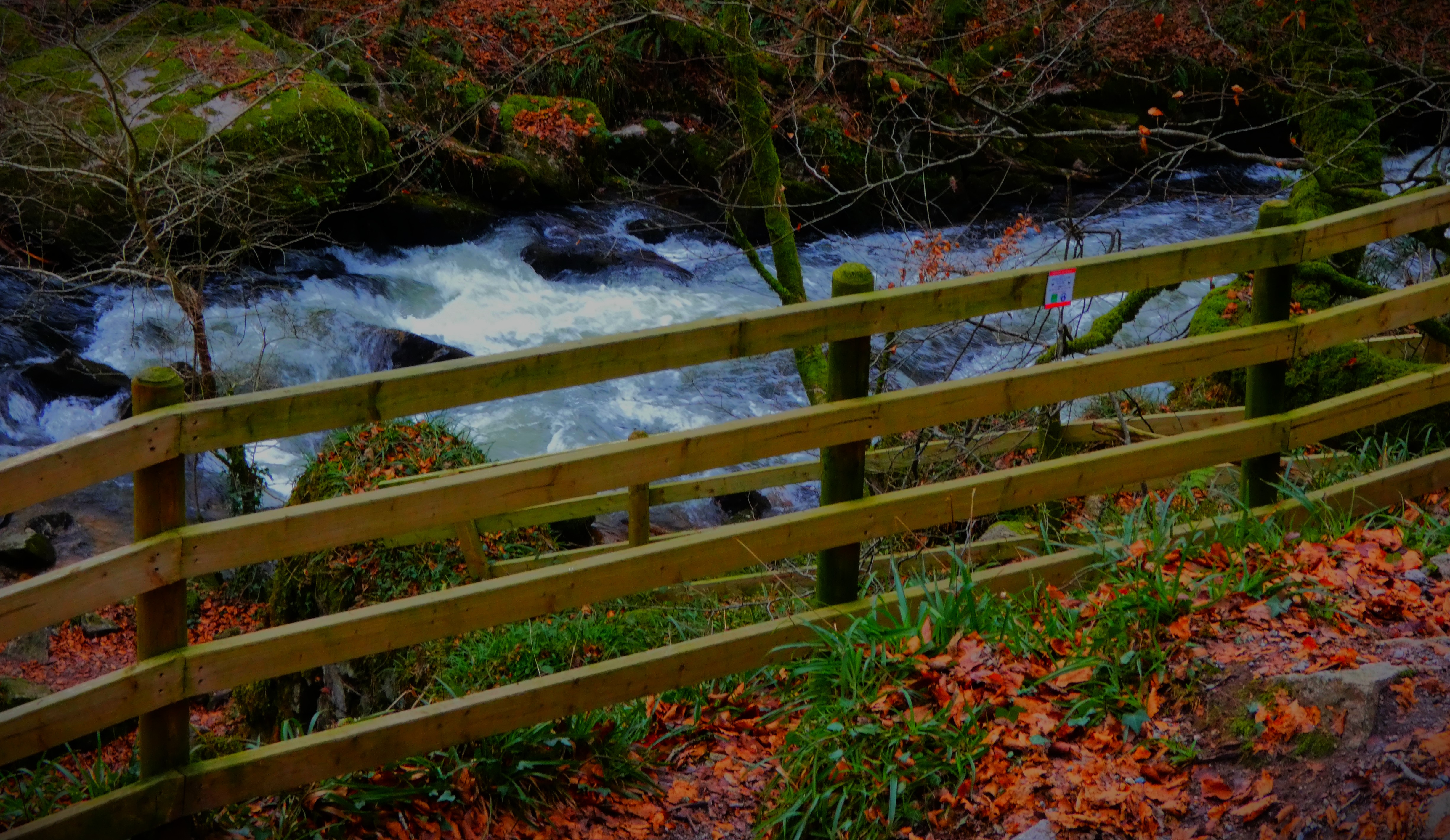
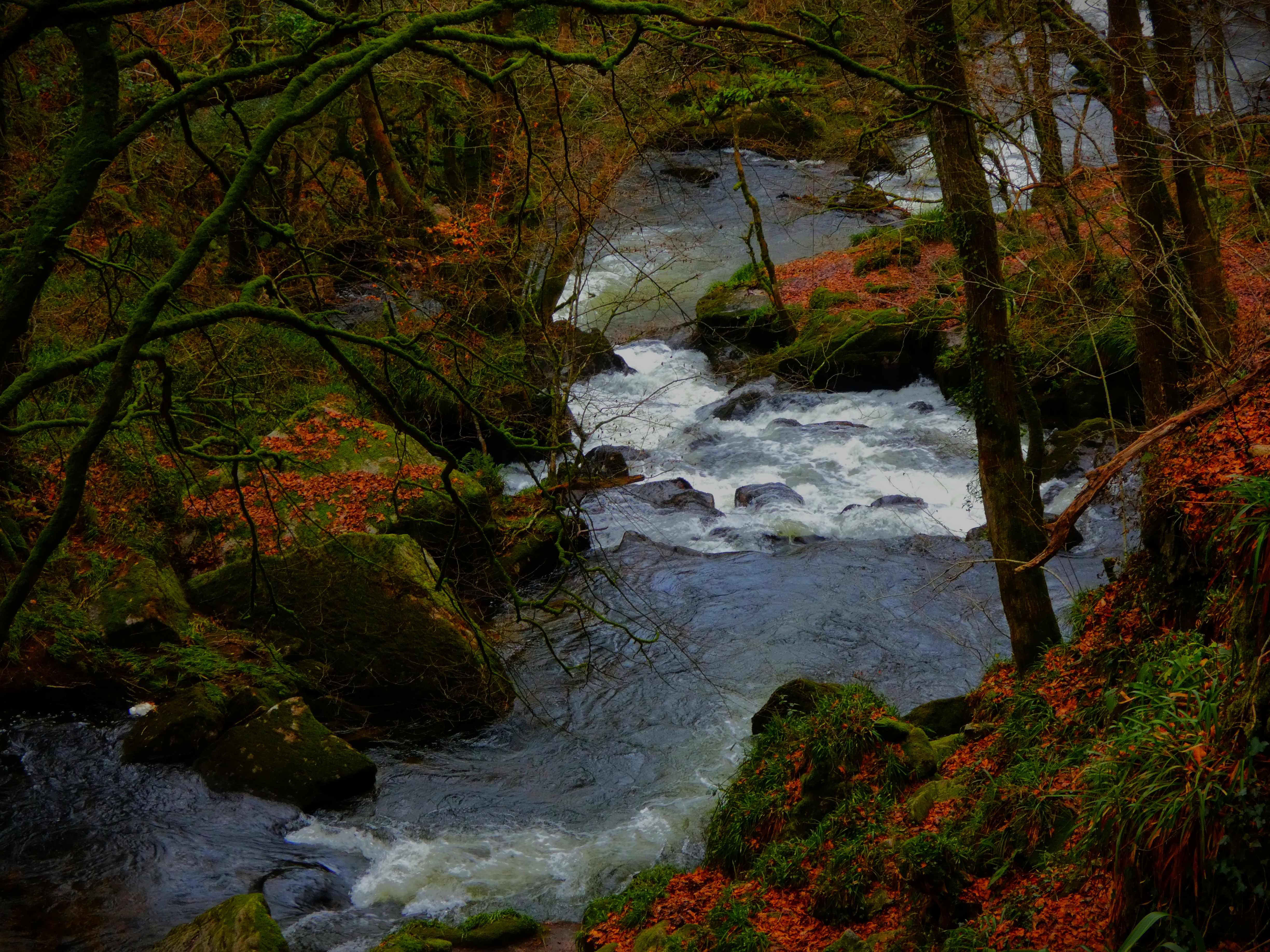
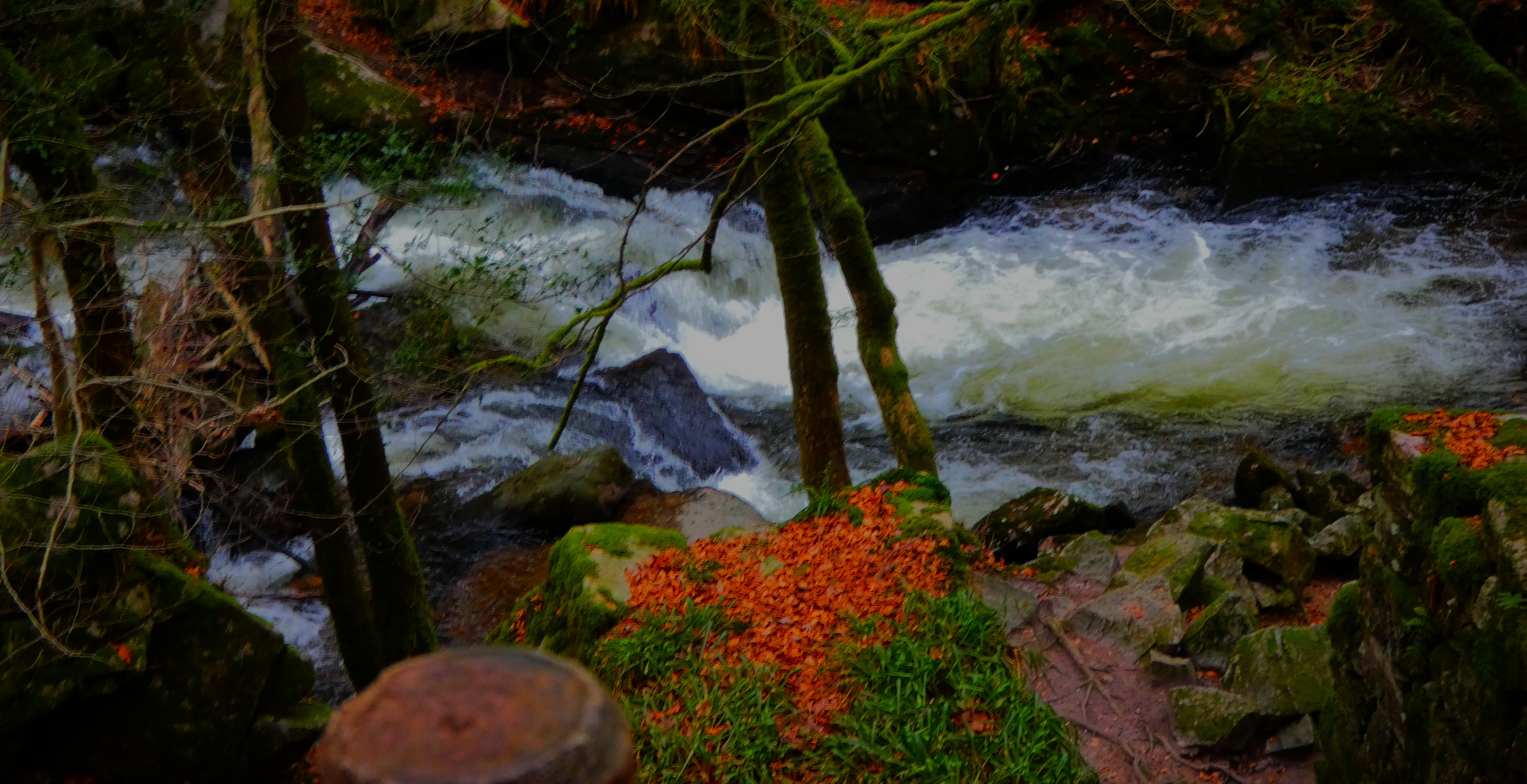
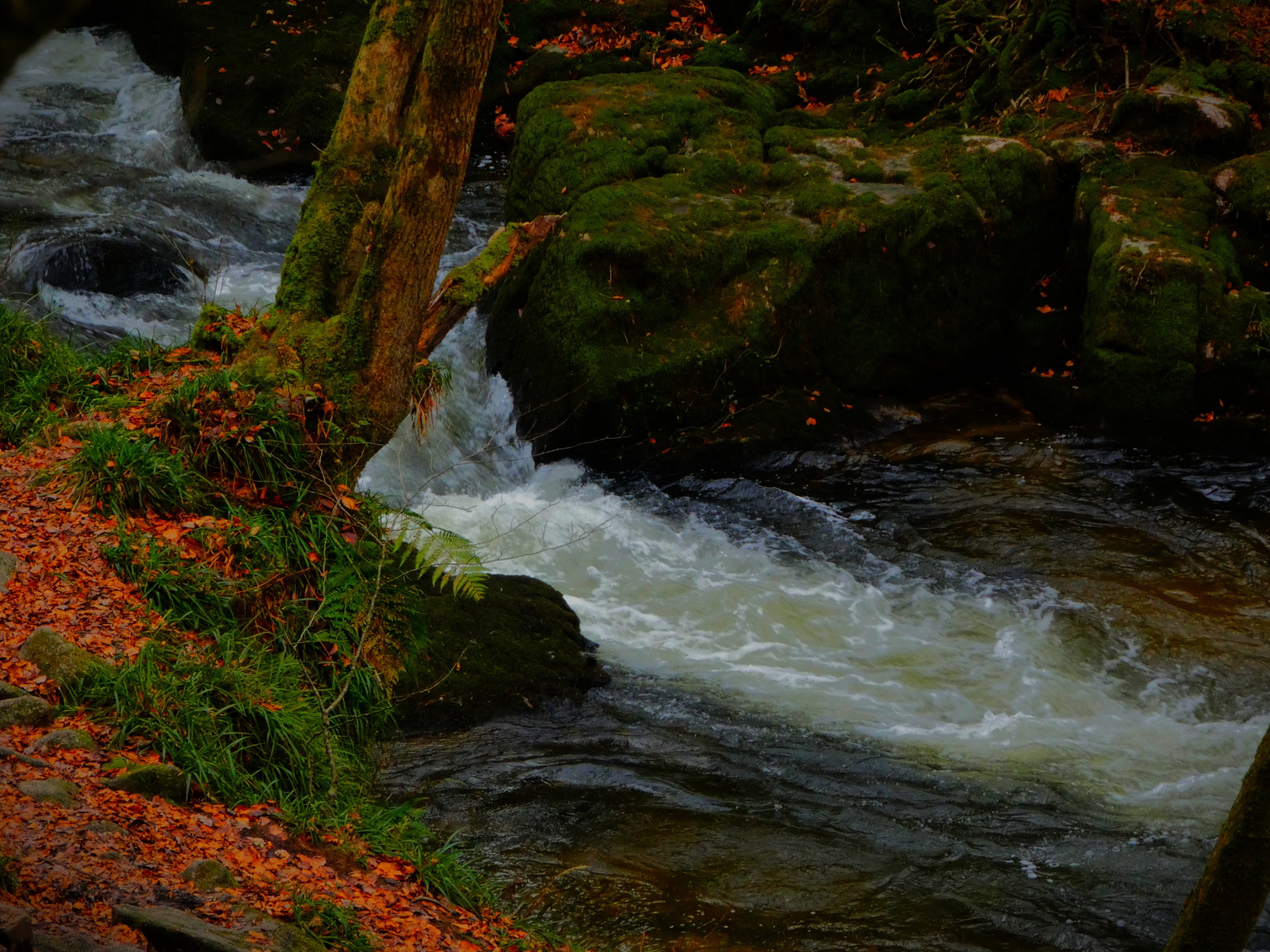
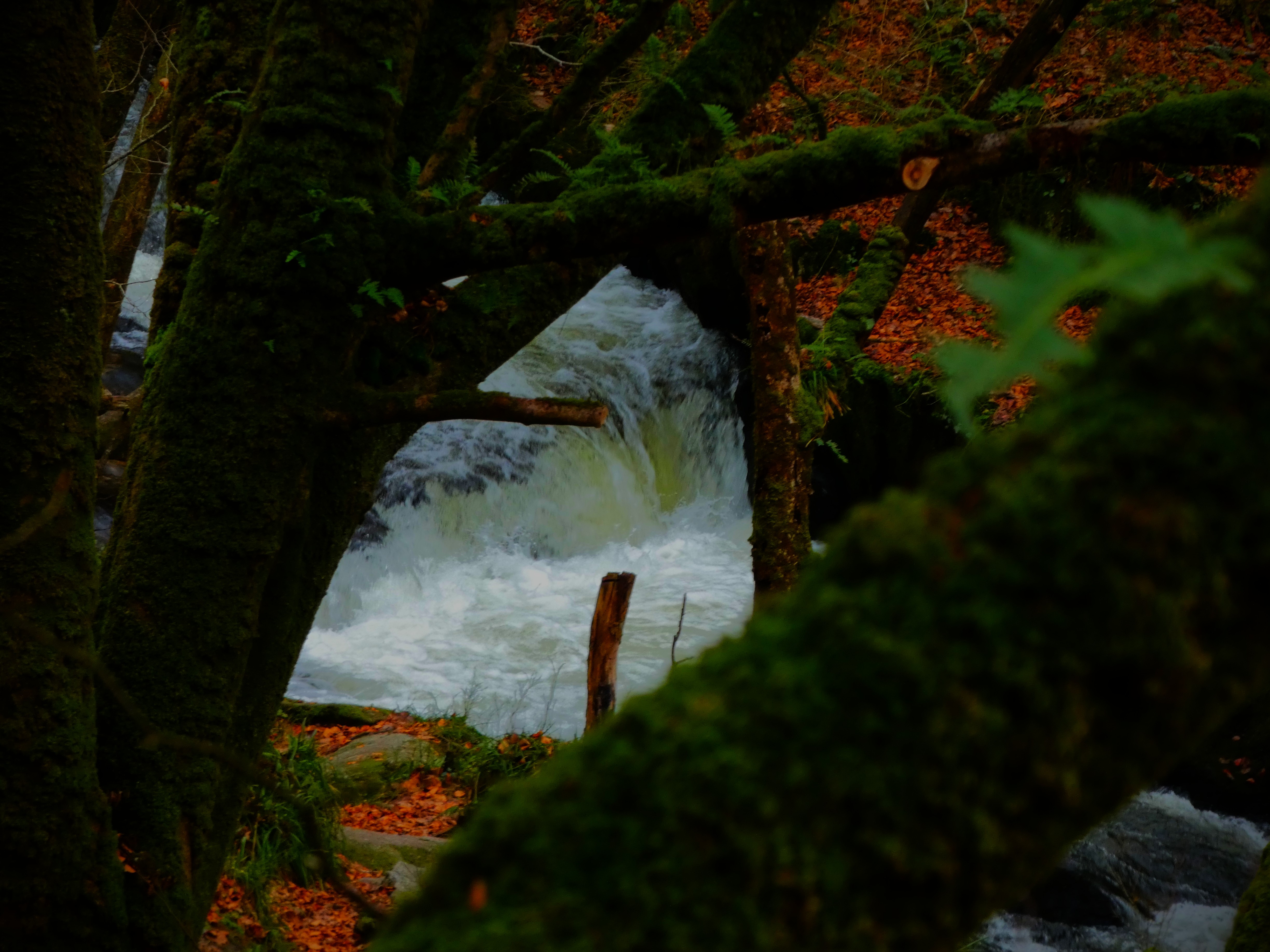
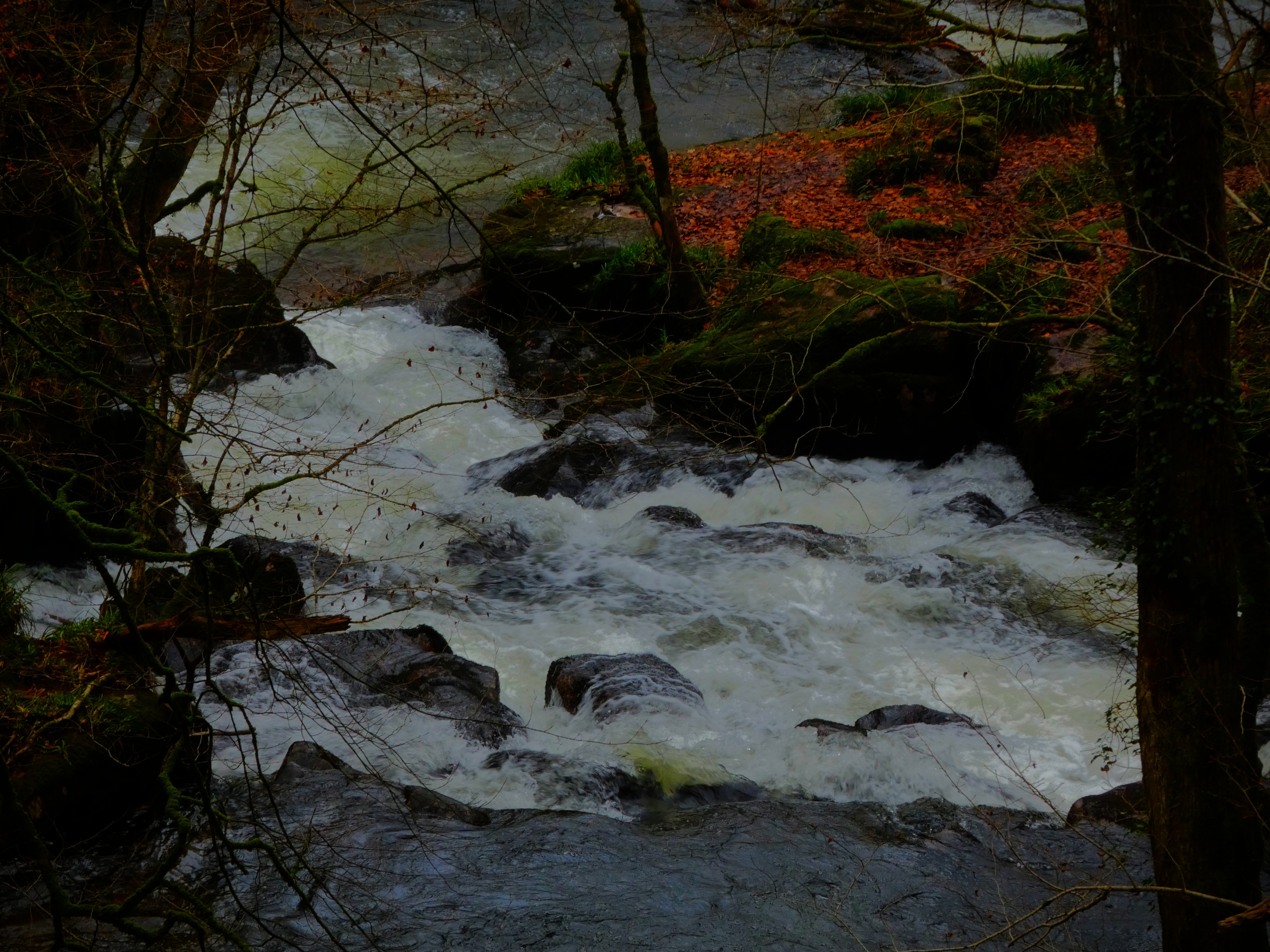
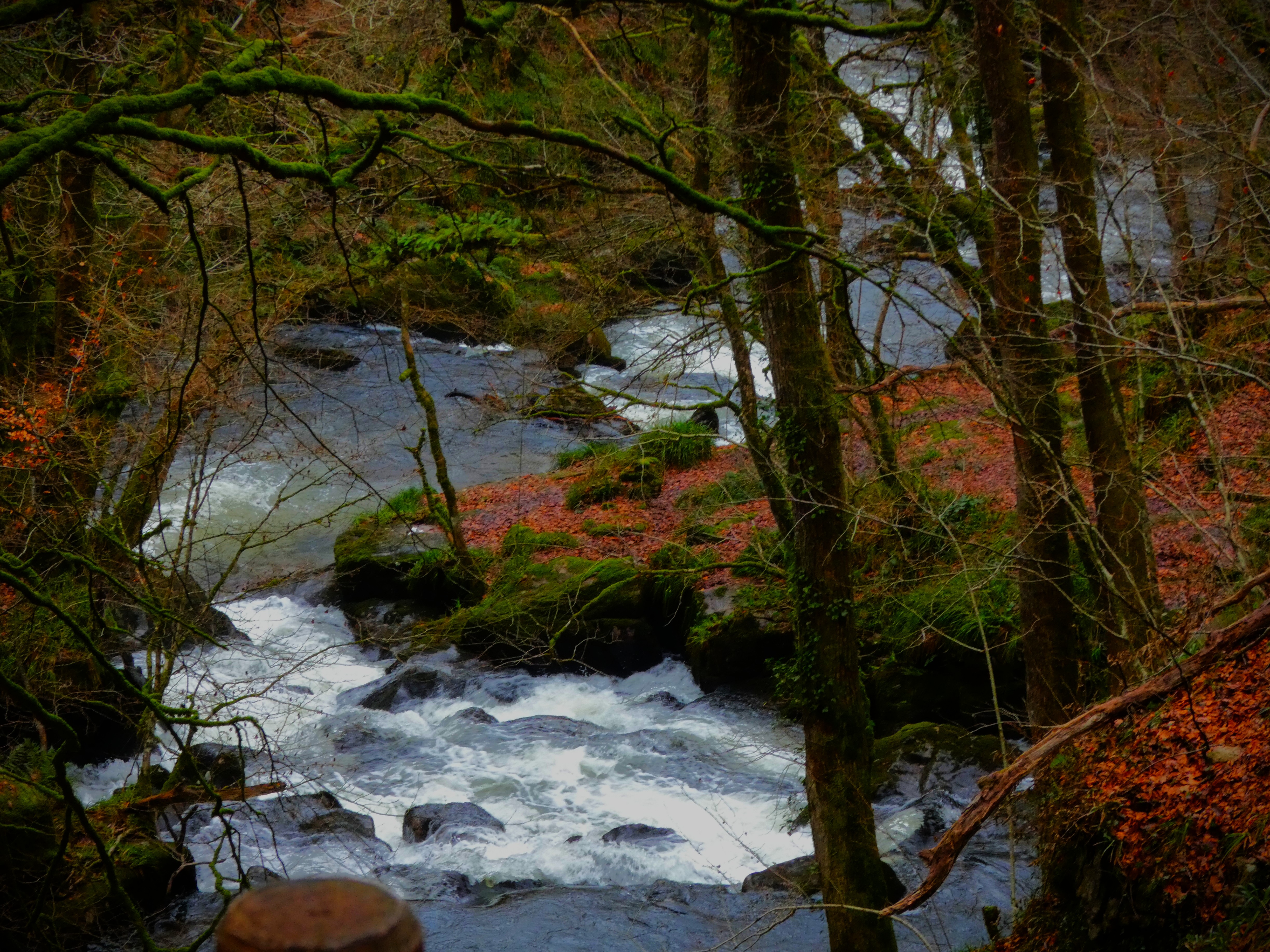
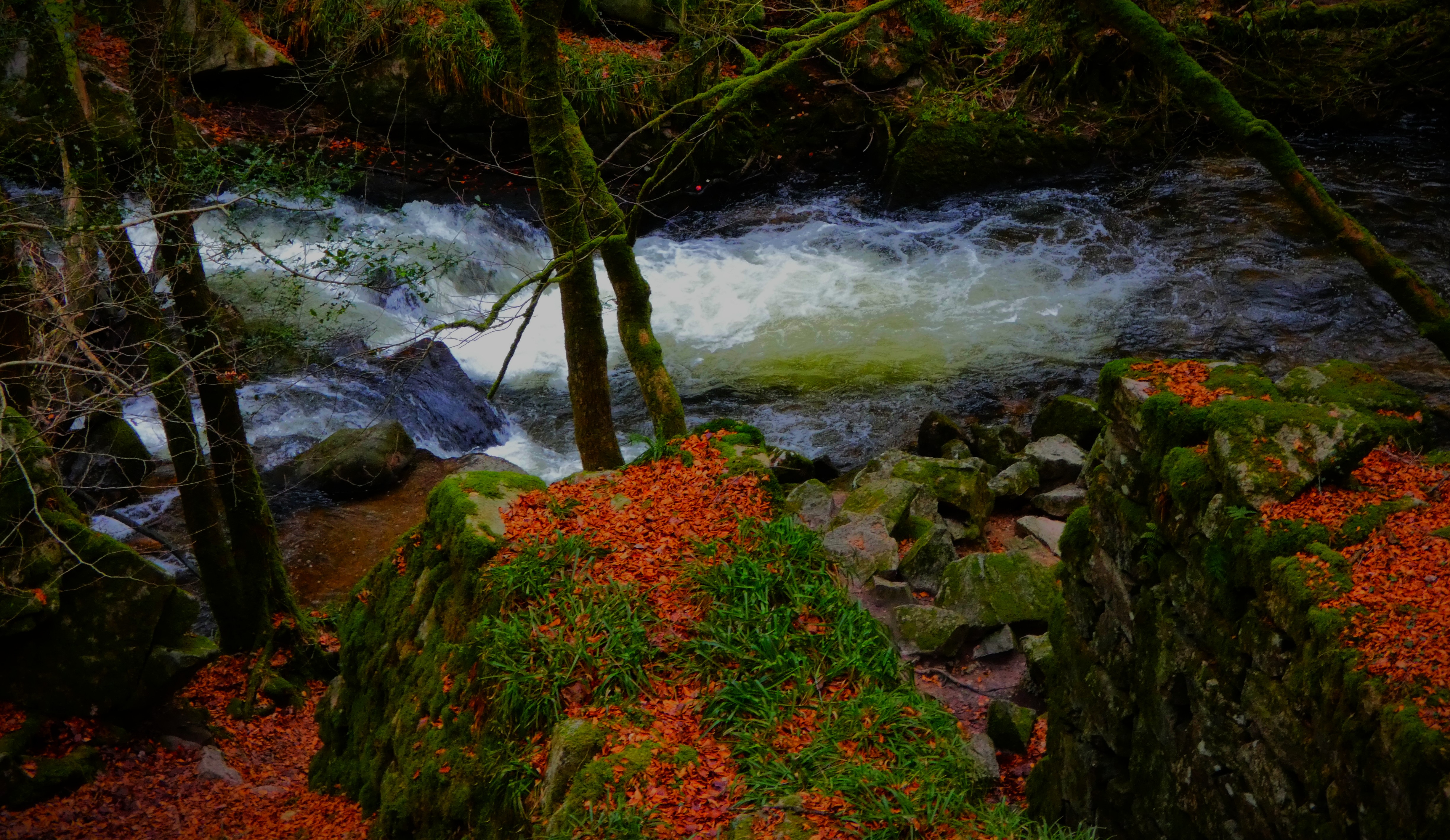
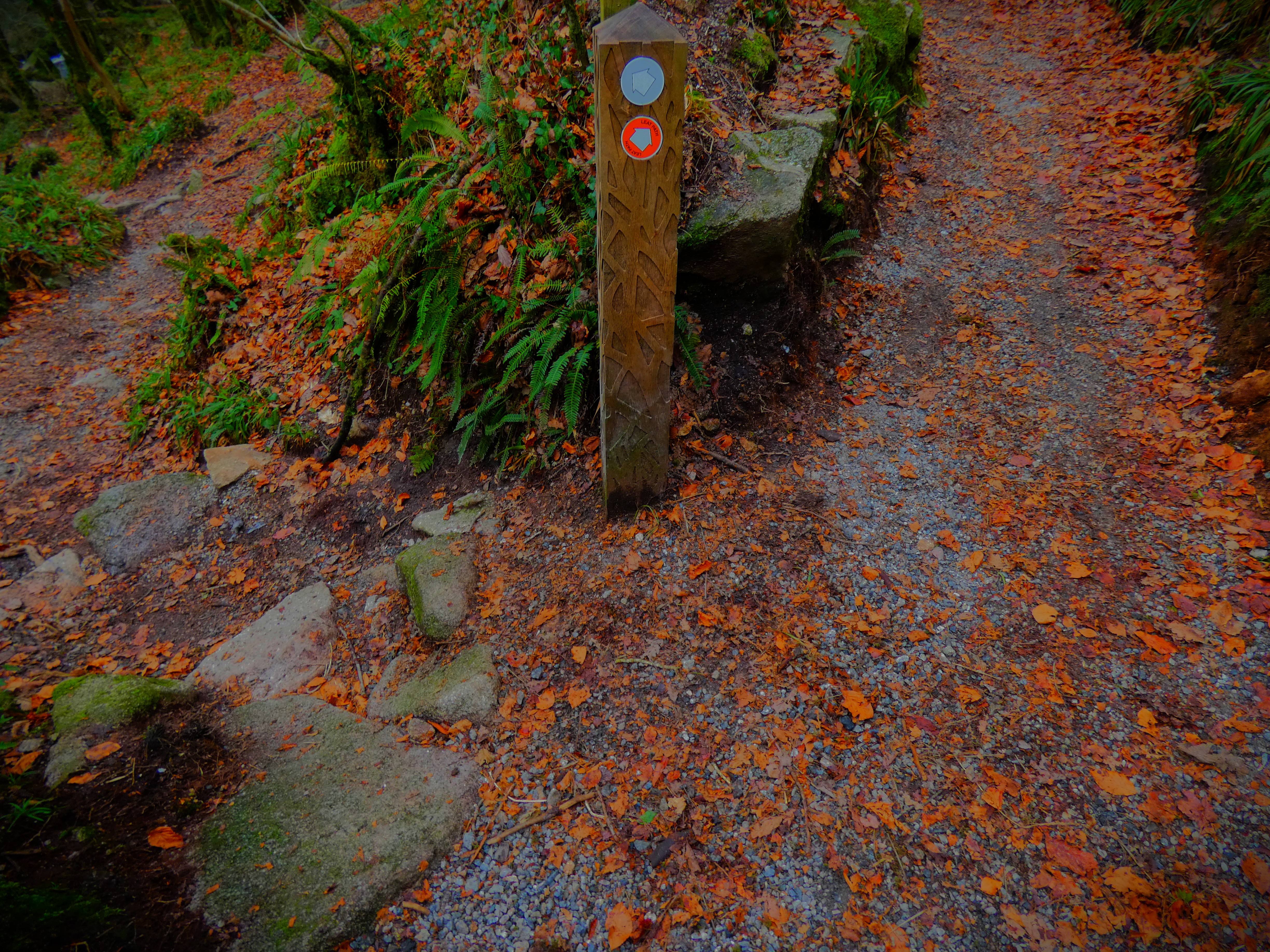
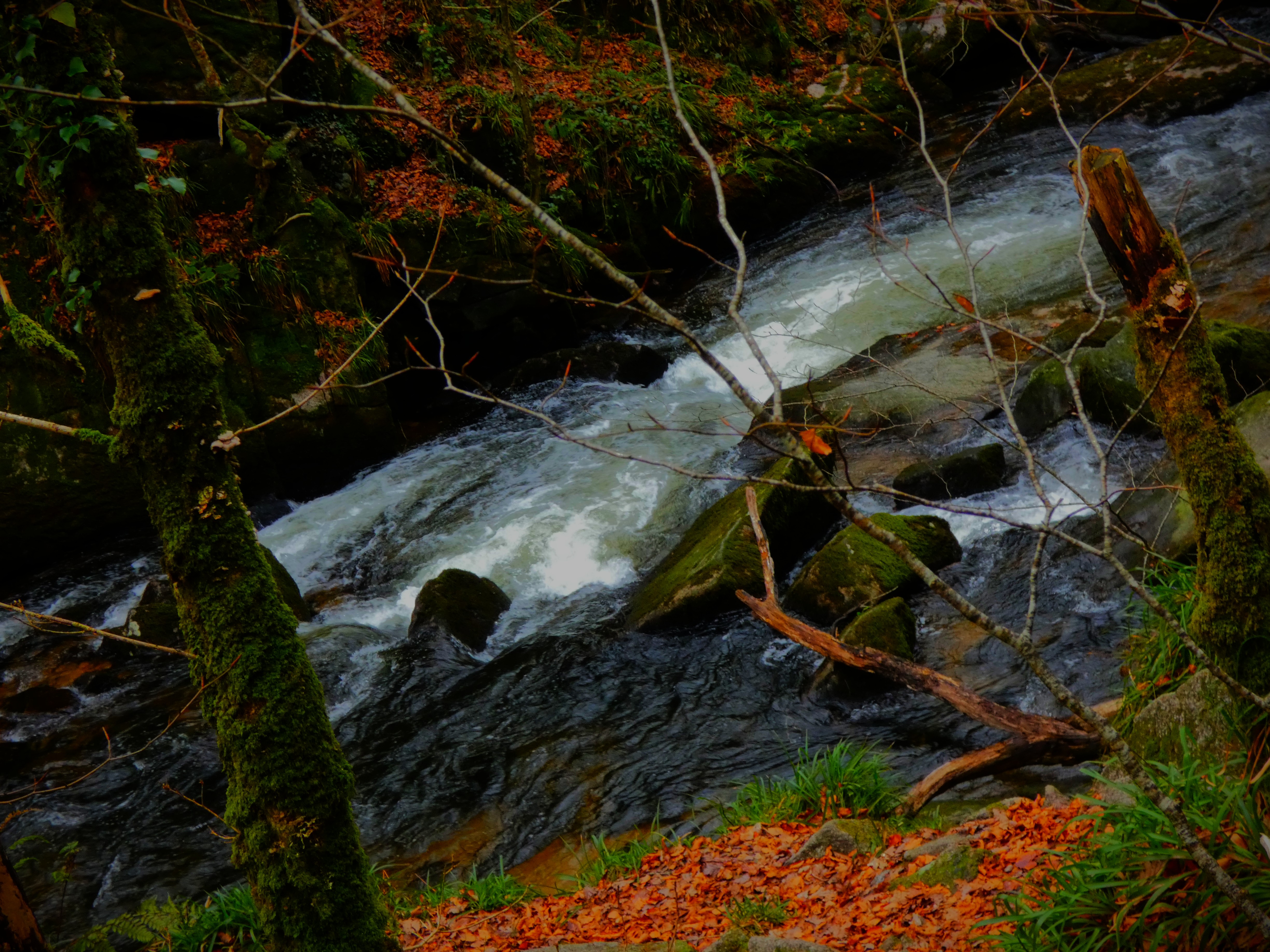
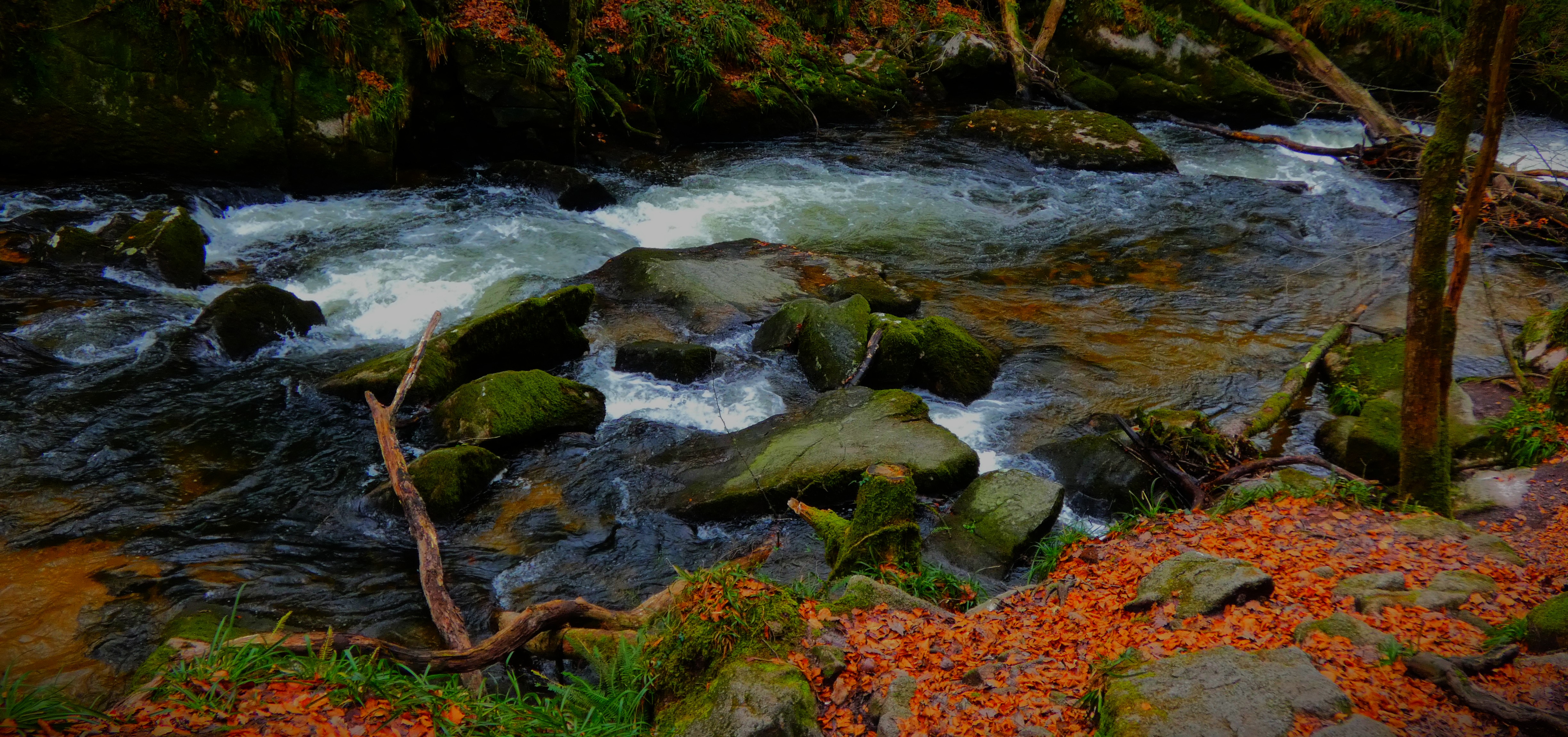
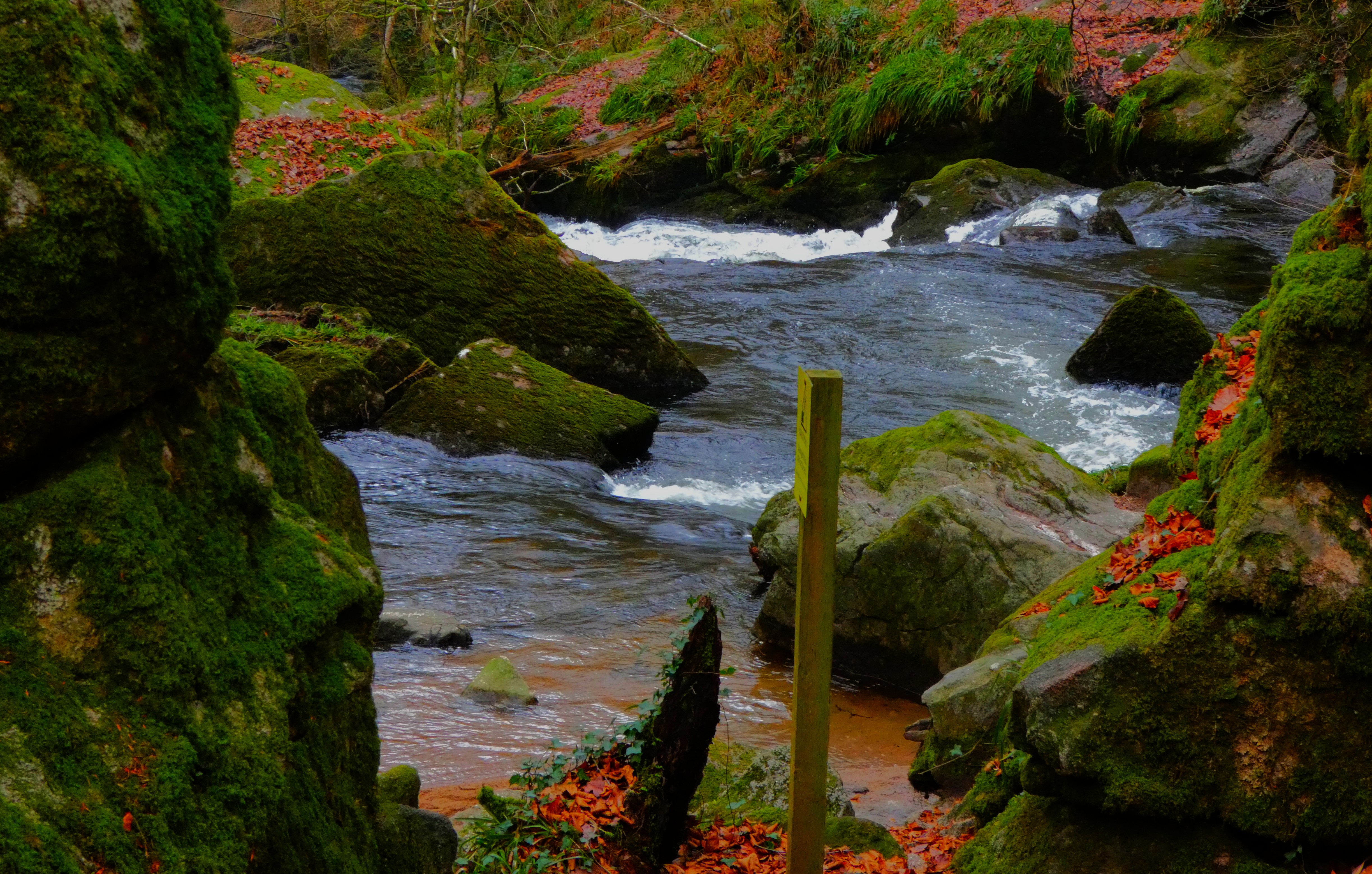
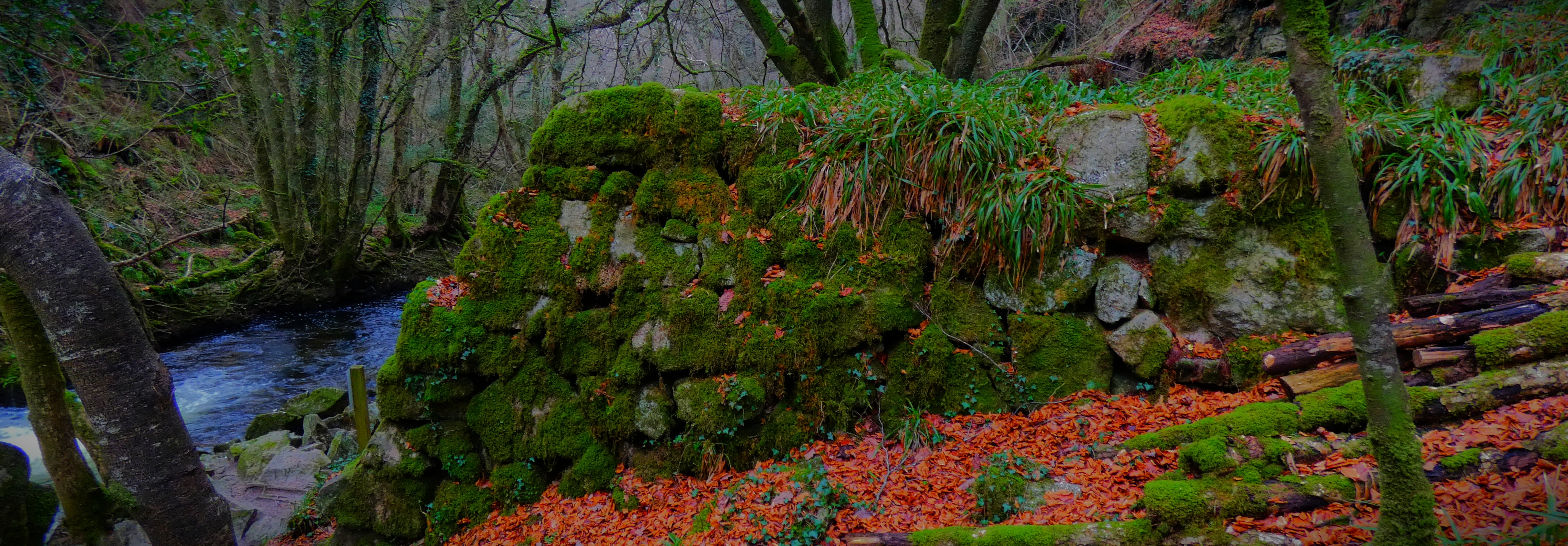
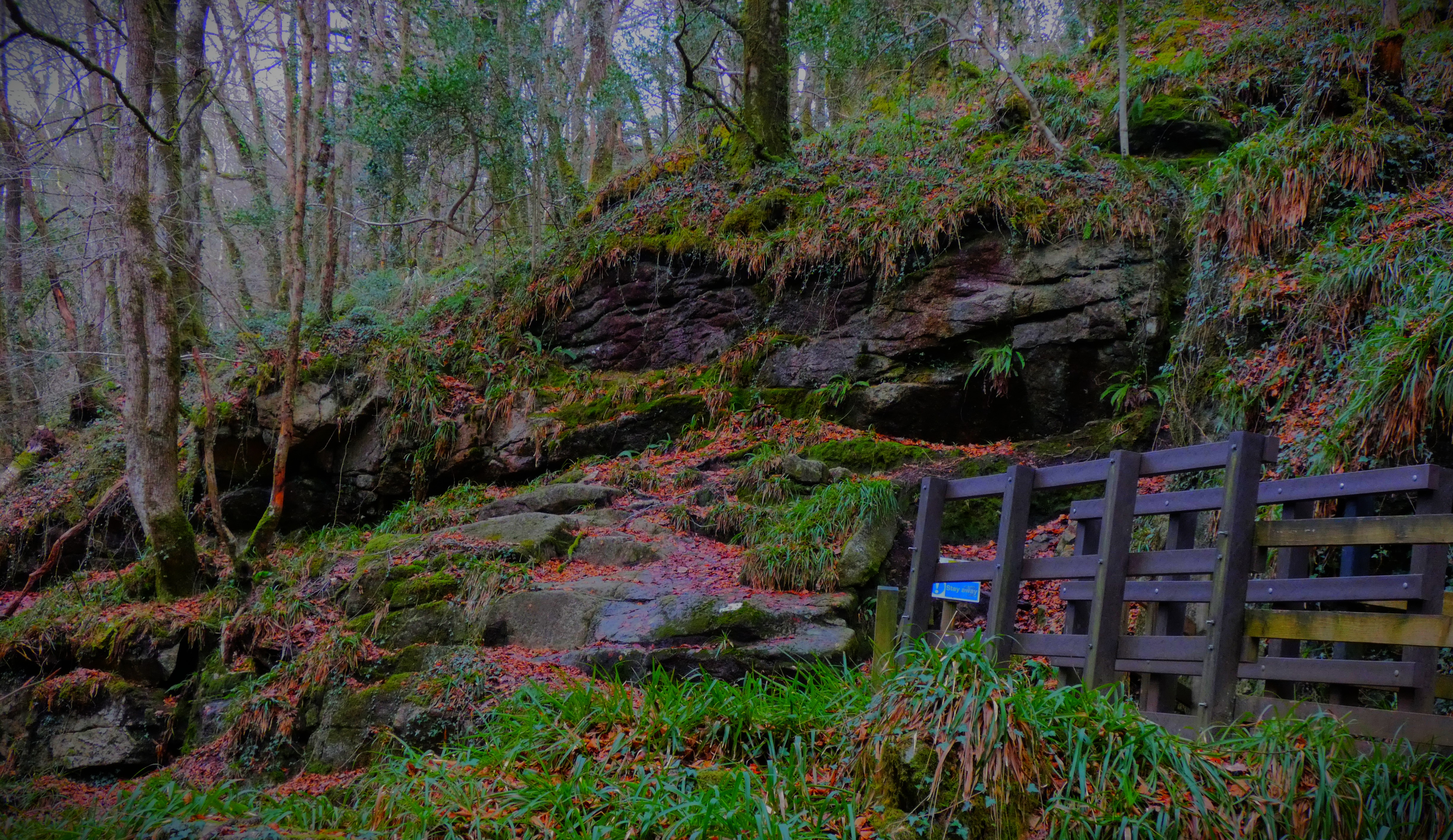
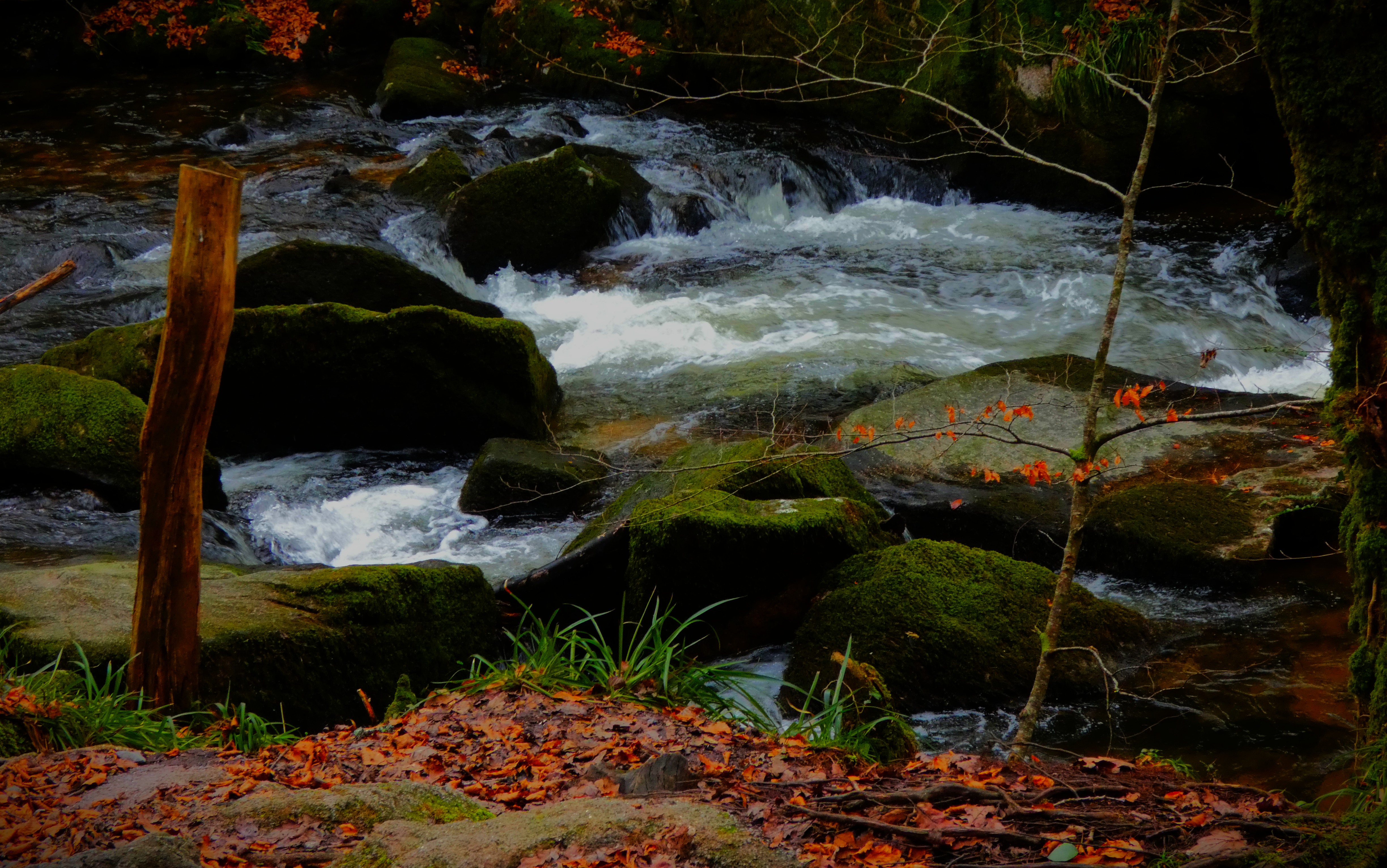
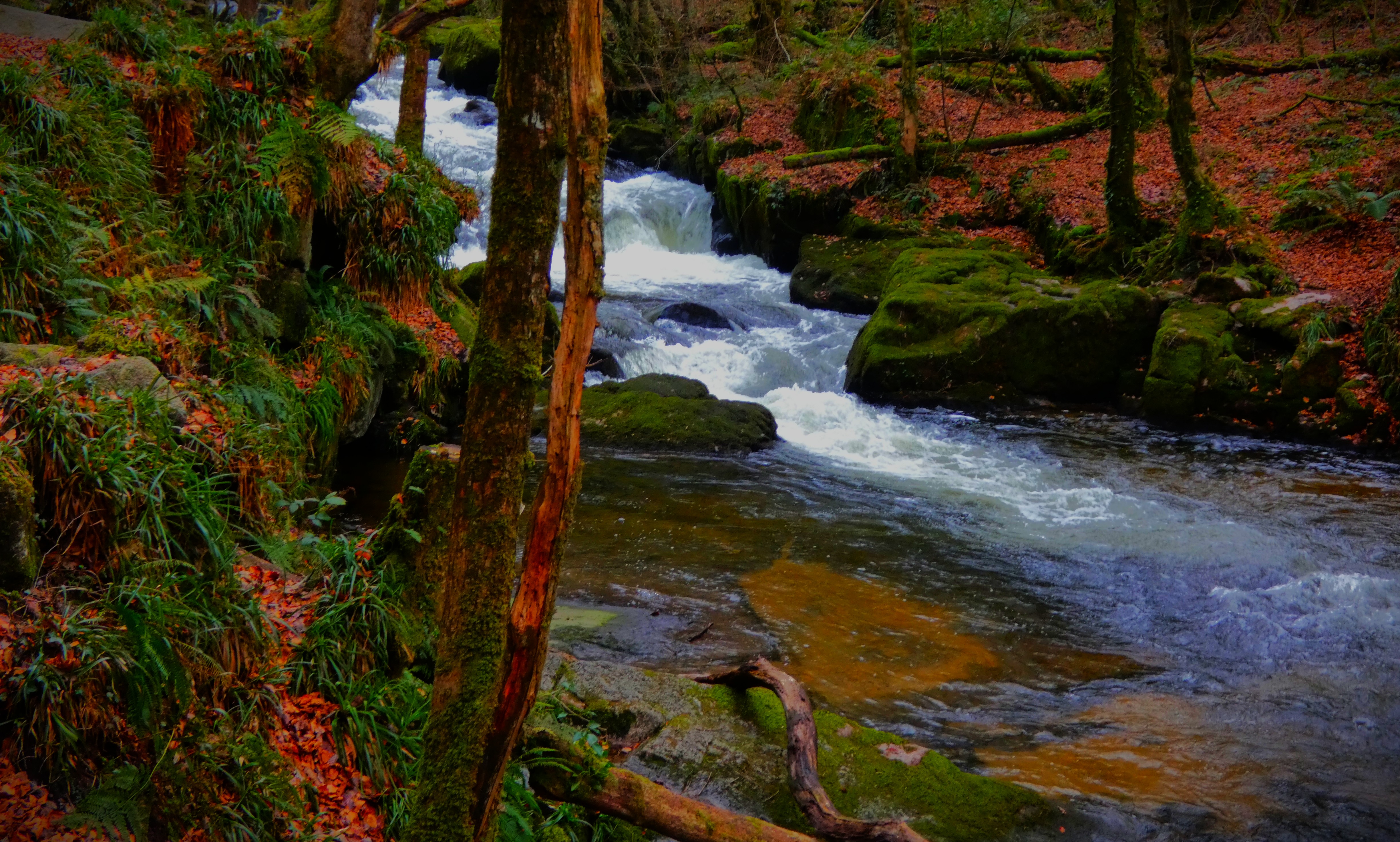
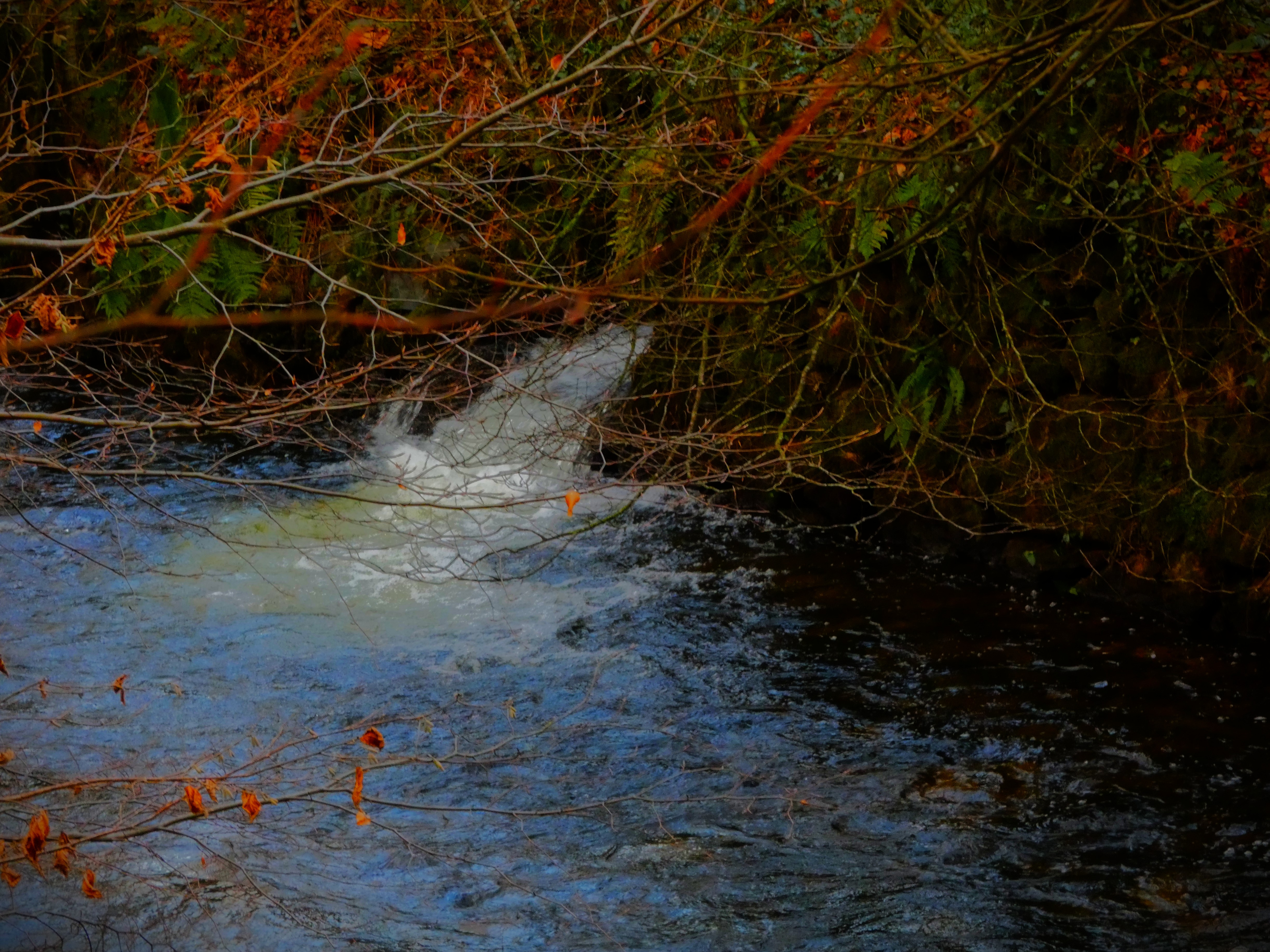
Golitha falls are actually more a series of rapids on the river Fowey than falls as such. The nature reserve is very beautiful and has some interesting historic connections – the town of Fowey, at the estuary of the river Fowey used to be important in the pottery trade, and the clay from which the china was made passed through this region. In the course of our explorations we saw details of a pipeline that had once carried liquid kaolin.

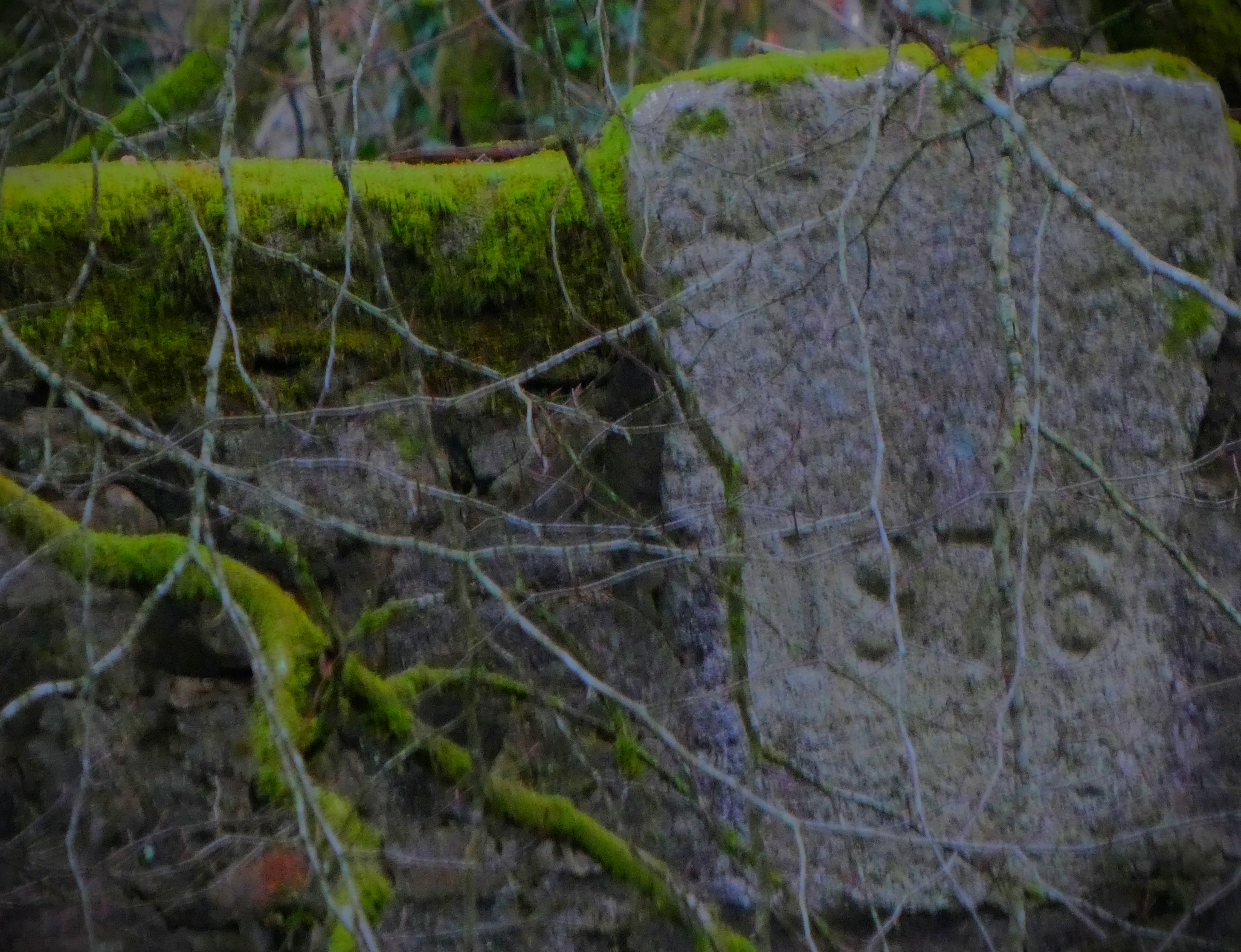
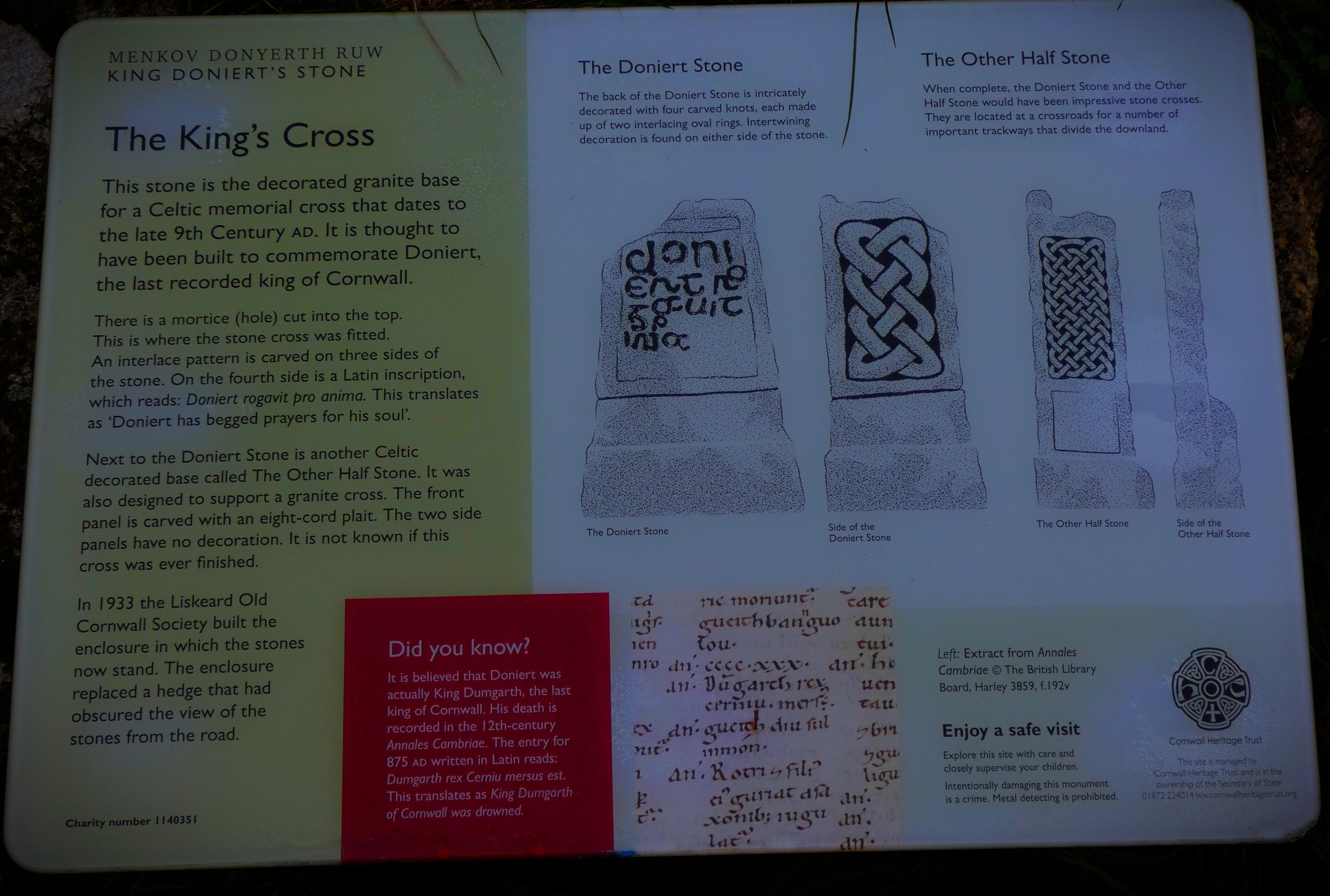
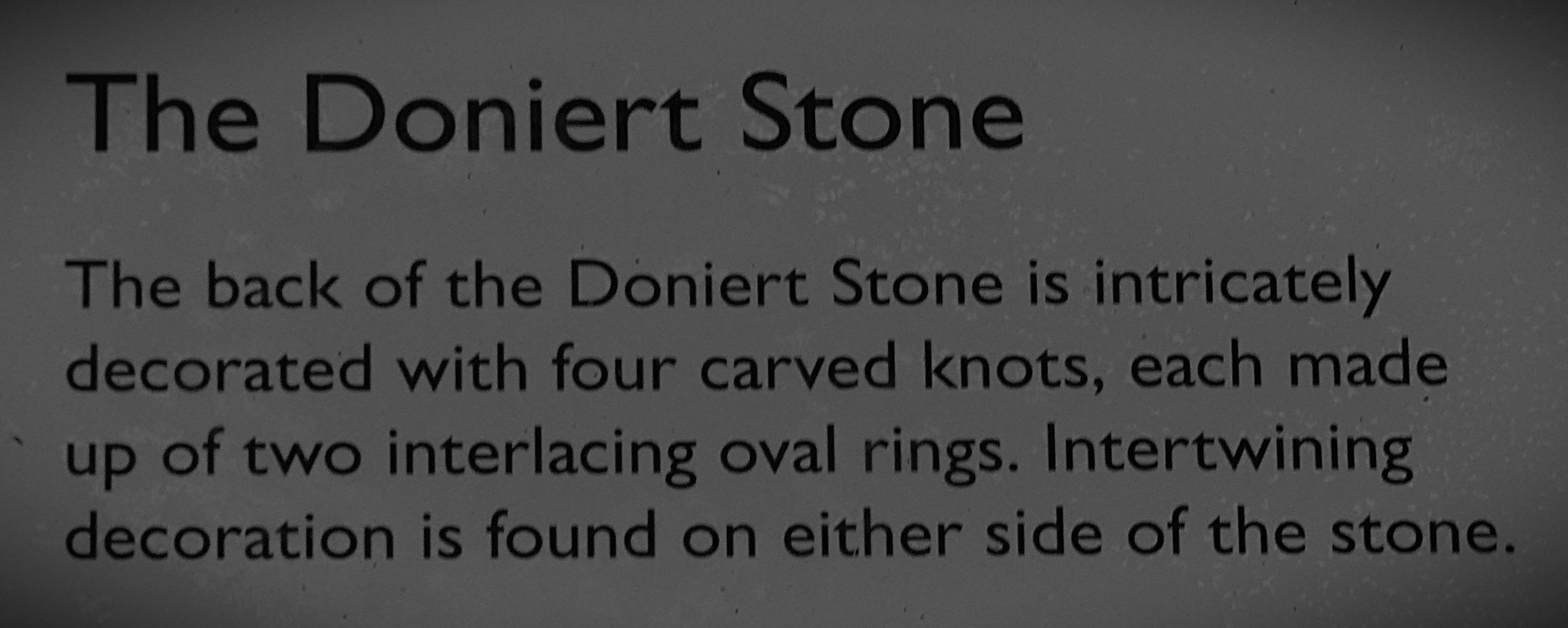
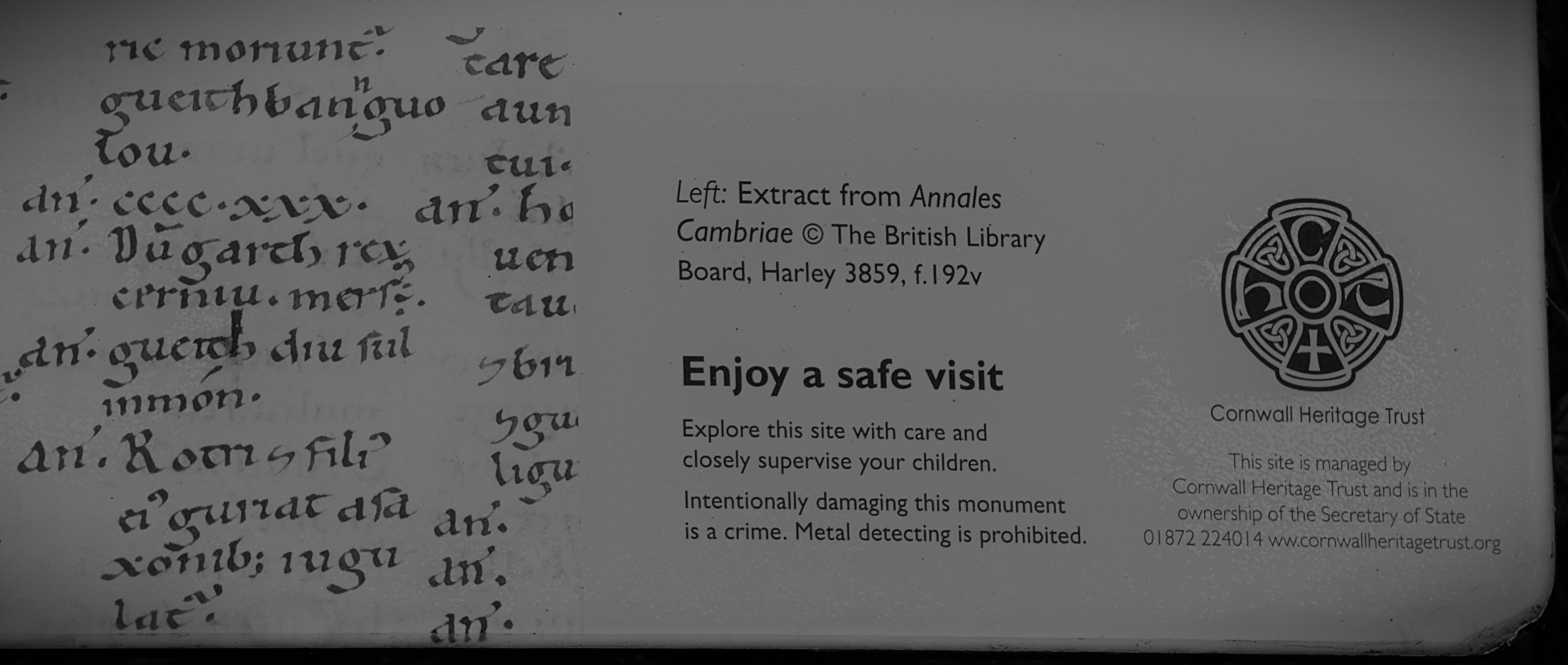
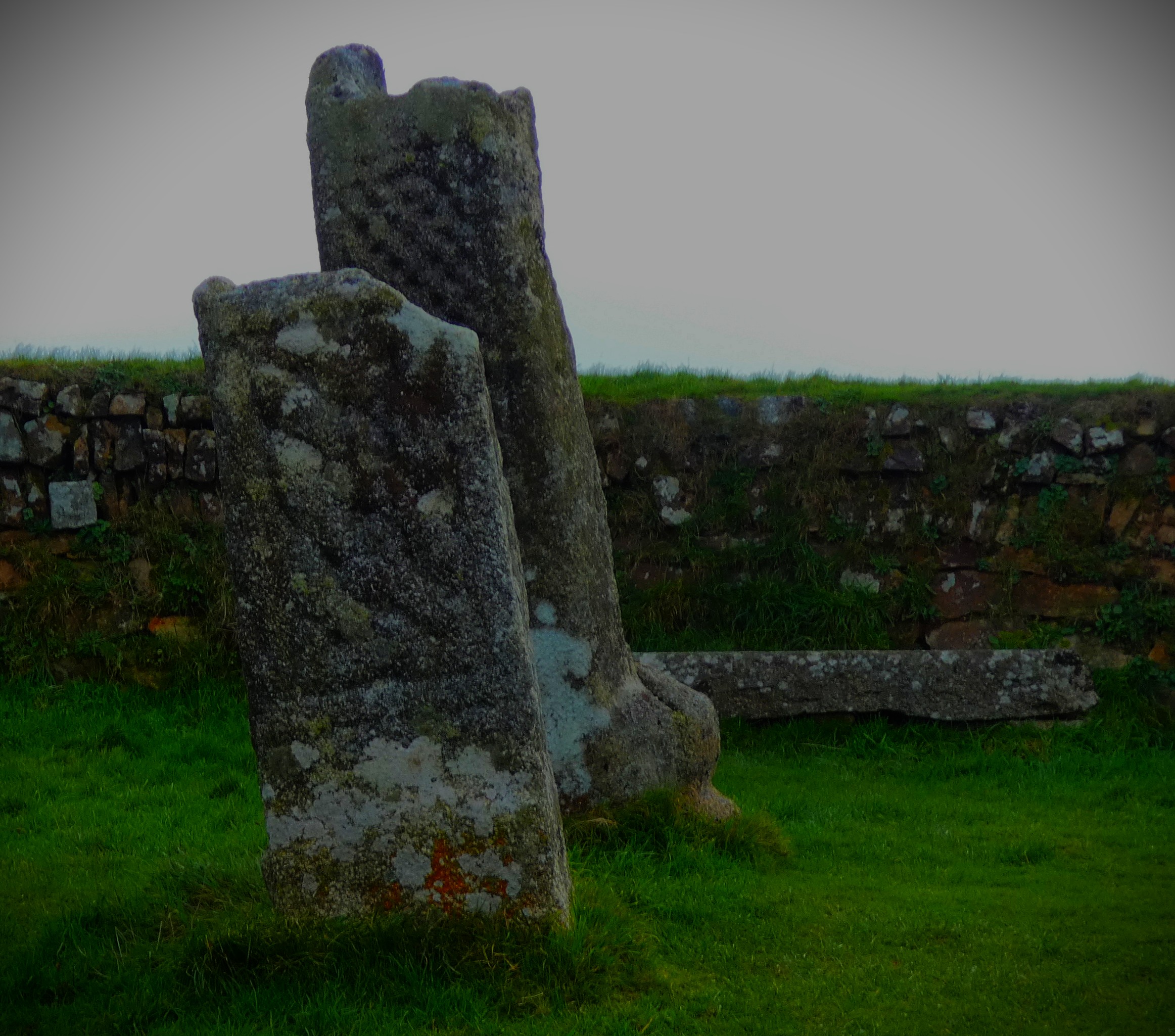
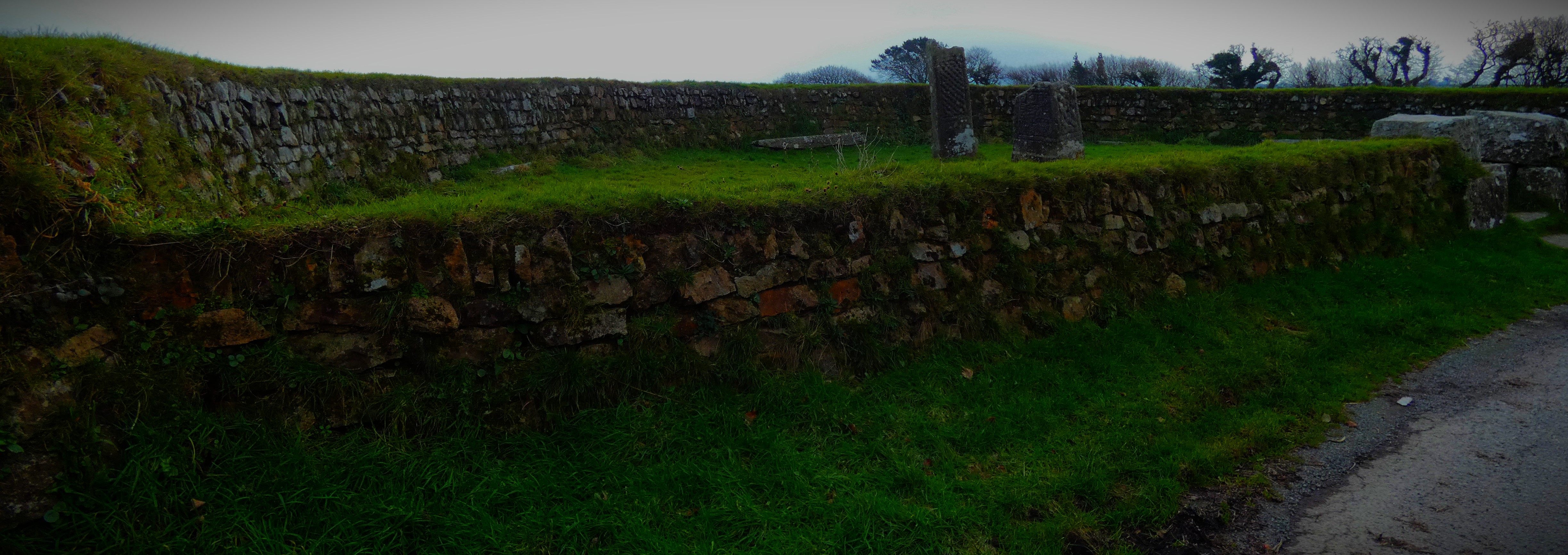
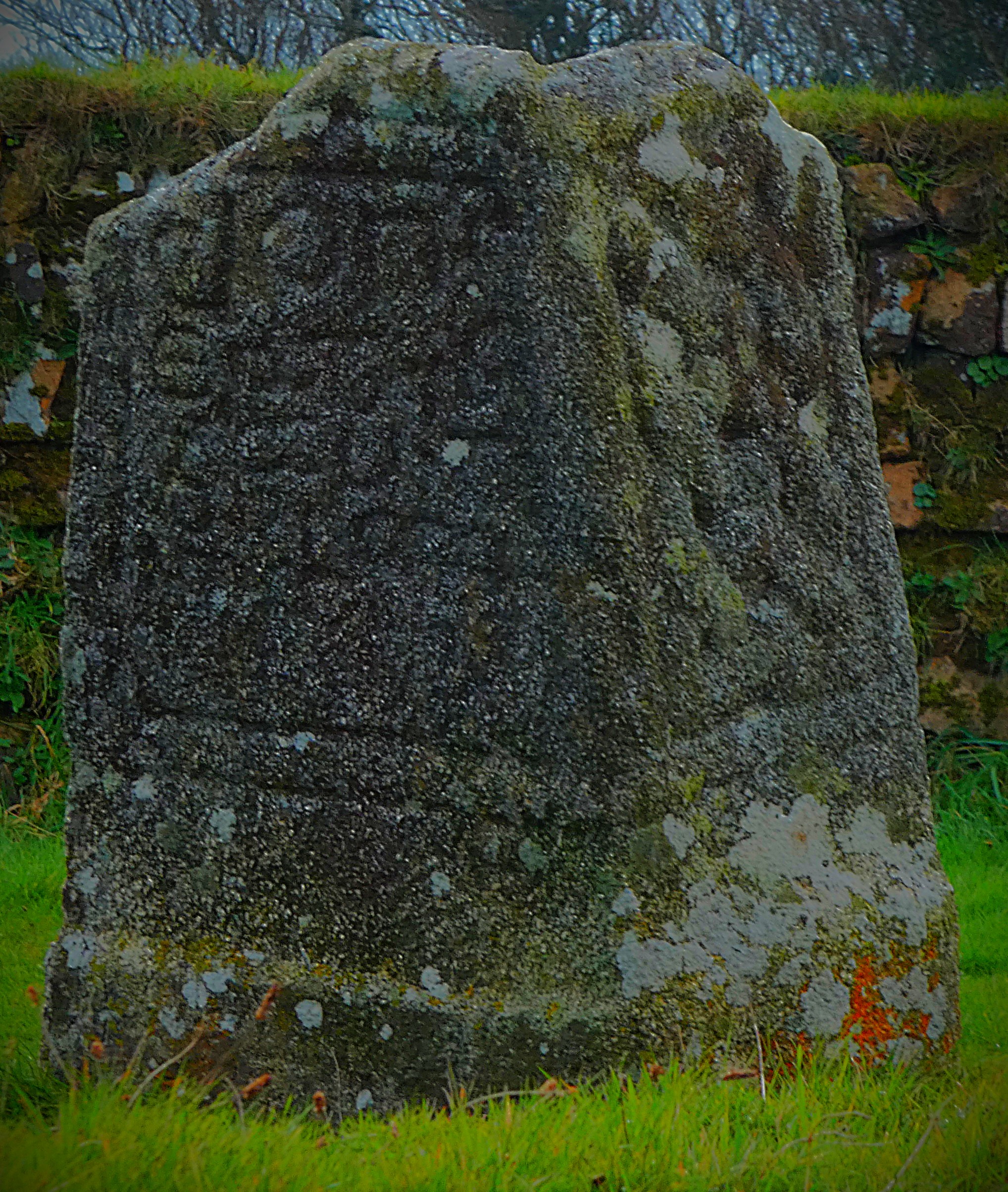
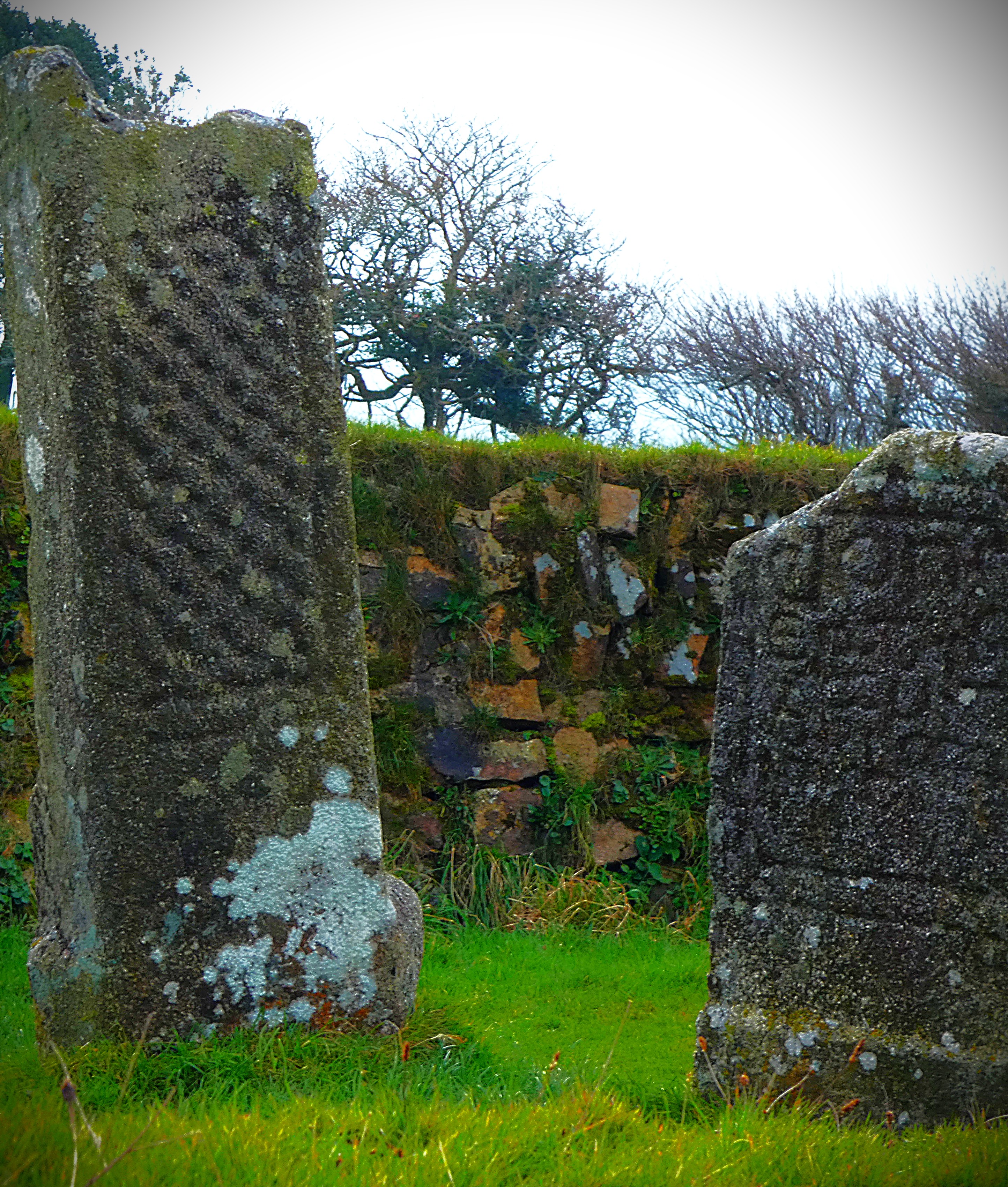
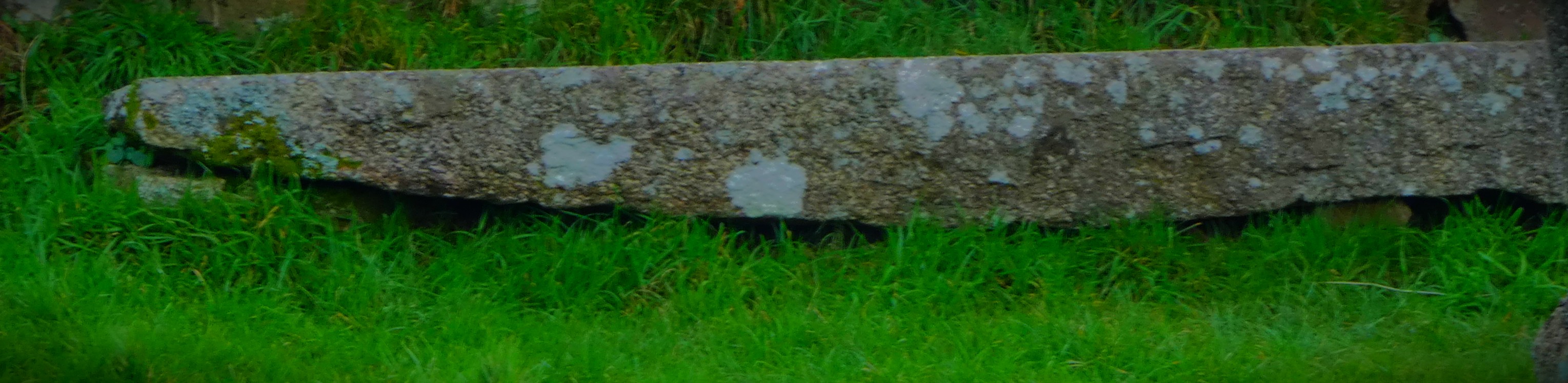
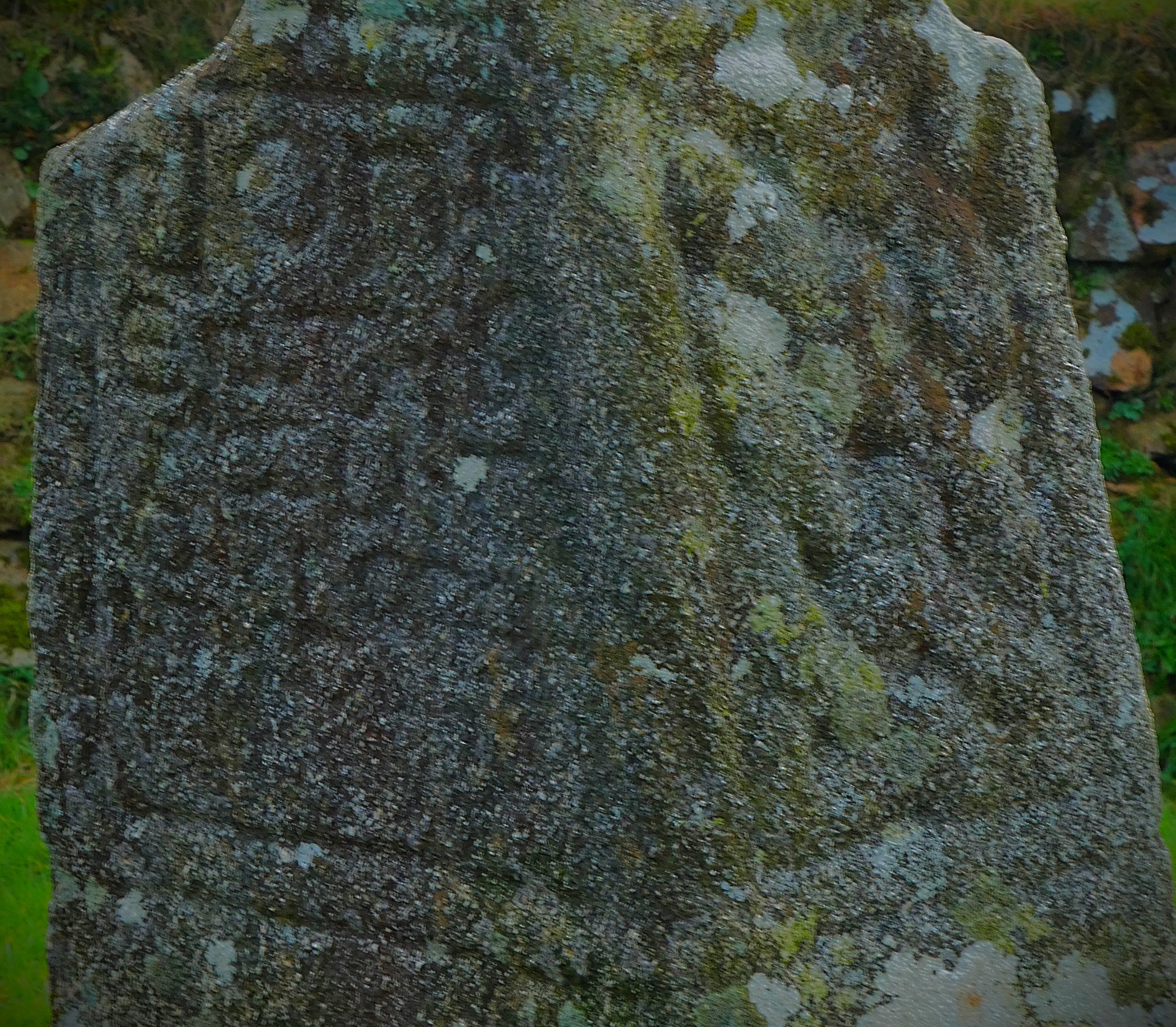
Doniert was the last recorded King of Cornwall back in the ninth century. His stone and an accompanying half stone sit in a semicircular enclosure just off a road. Although our original walk plan had to be abandoned to a stretch that was too muddy to be passed – I had a shoe sucked off before we abandoned our original plan – we were able to find an alternative route to the Doniert Stone and see this very interesting historical relic.

Here is a video…
Here are my pictures from this excursion…