Championship Capers

A look at events on the final day of action in round two of the 2026 county championship and a photo gallery.

Today was the final day of action in round two of the 2026 County Championship. What follows is my take on a day that ended just about an hour ago.

My first port of call was Hove where Sussex were playing Warwickshire. The match looked very interestingly poised at the start of play. However the potentially classic finish did not arise because Jack Leaning and Tom Price, each of whom had been playing elsewhere last season, batted superbly and carried their side to a five wicket win, Leaning scoring 120 not out and Price 70 not out. In all their stand was worth 144, about 100 of them on this final day.

A fine second innings bowling performance by Derbyshire after both sides had topped 350 first time round left them needing a mere 138 to win. When they moved past halfway to that target with only three wickets gone it looked like they were in control. Then wickets started to fall, and as things got nervier it became more and more a time for experienced heads, and in contemporary cricket they do not come much more experienced than Sir James Anderson, 44 years of age and still going strong. Sir James’s scalps included those of Derbyshire’s in form batter and his near namesake Martin Andersson to give his side hope and Ben Aitchison to virtually seal the deal. He also trapped Anuj Dal LBW for 0, and had Shoaib Bashir caught by Harry Singh to put Derbyshire nine down. The final wicket fell in somewhat comical fashion, a mix up between Zak Chappell and Mohammad Abbas leading to the former being run out. Derbyshire had subsided from a high water mark of 73-3 to 108 all out and defeat by 29 runs. Anderson had figures of 9.5-3-18-4. If Sir James needs further inspiration to keep going he might look up the details of Ernie Robson, a Yorkshire born swing bowler who played for Somerset and played his last season in 1923 at the age of 53.

Surrey and Leicestershire eventually shook hands on a draw, with Surrey 263-4 in their second innings, 92 ahead and barely more than an hour to go until stumps. This game yielded 1474 runs for 24 wickets (Surrey 783-13, Leicestershire 691-10), and average of 61.47 per wicket. I consider this pitch to be unfit for a four day game by reason of being too favourable for batting, and were it up to me would certainly be docking Surrey points for it.

The last match standing was at Canterbury, where Northamptonshire were trying their utmost to win in the face of resistance from Kent in the person of Ben Compton (114 not out from 287 balls) and the local weather. The combination of Compton’s resistance, a long rain delay and the light closing in at about six o’clock thwarted Northamptonshire, and with Kent an effective minus 253 for five and having taken only two wickets themselves the match ended in a very one-sided draw. Northamptonshire themselves were once arguably even more humiliated in a match in which they escaped defeat, against Gloucestershire in 1907 – they had been bowled out for 12 (the lowest ever total in a completed championship innings) in their first innings, and were 40-7 in the final innings when the rain made its final intervention.

My usual sign off…
Runs Galore

A look at happenings in the county championship, with a focus on Surrey v Leicestershire, and a photo gallery.

The second round of matches in the 2026 county cricket championship is now into its third day. This post focuses mainly on events at The Oval where Surrey are facing Leicestershire.

Surrey might well have been feeling pretty good about things when they responded to being put into bat by scoring 520 in the first innings. Leicestershire have moved into a comfortable first innings lead, and with day three approaching its end they are effectively immune from defeat. Rishi Patel anchored the early part of their innings with 164, being fifth out with the score at 412. At that point wicket keeper Ben Cox joined Stevie Eskinazi, and they put on 227 for the sixth wicket before Jordan Clark pinned Eskinazi LBW for precisely 100. Cox and Ben Green have taken the score on to 661-6, with Cox passing 150 for the first time in his career. It has just started to rain at The Oval, which may well be the end of day three there. The rain seems to have stopped as quickly as it started, and play is back on at The Oval. Leicestershire are now on to 673-6

Scoring has generally been less extravagant elsewhere, but most matches are still in progress (unless the weather has intervened). Gloucestershire are plummeting towards a hefty defeat against Durham, being currently the equivalent of minus 229 for eight – 201-8 following a first innings collapse for 175 in the face of a Durham score of 605-5 declared. Kent may escape in their match against Northamptonshire, but if so it will be more than they deserve. First they allowed their visitors to plunder 684-2 declared – the highest ever first class innings to feature the loss of just two wickets, beating a 682-2 declared by West Indies v Leicestershire many years ago (Everton Weekes scored a triple century in that innings), then they collapsed for 178 in their own first innings, and lost Zak Crawley early in their second innings, although Sam Northeast, back where he started his career after playing for several other counties over the years, and Ben Compton are enjoying a good stand for the second wicket. Worcestershire are closing in on a win over Middlesex, in a game that has not seen ridiculous scoring. Middlesex need 76 more runs, while Worcestershire need one more wicket. Somerset have beaten Essex by 10 wickets in the one result to be confirmed thus far.

My usual sign off…

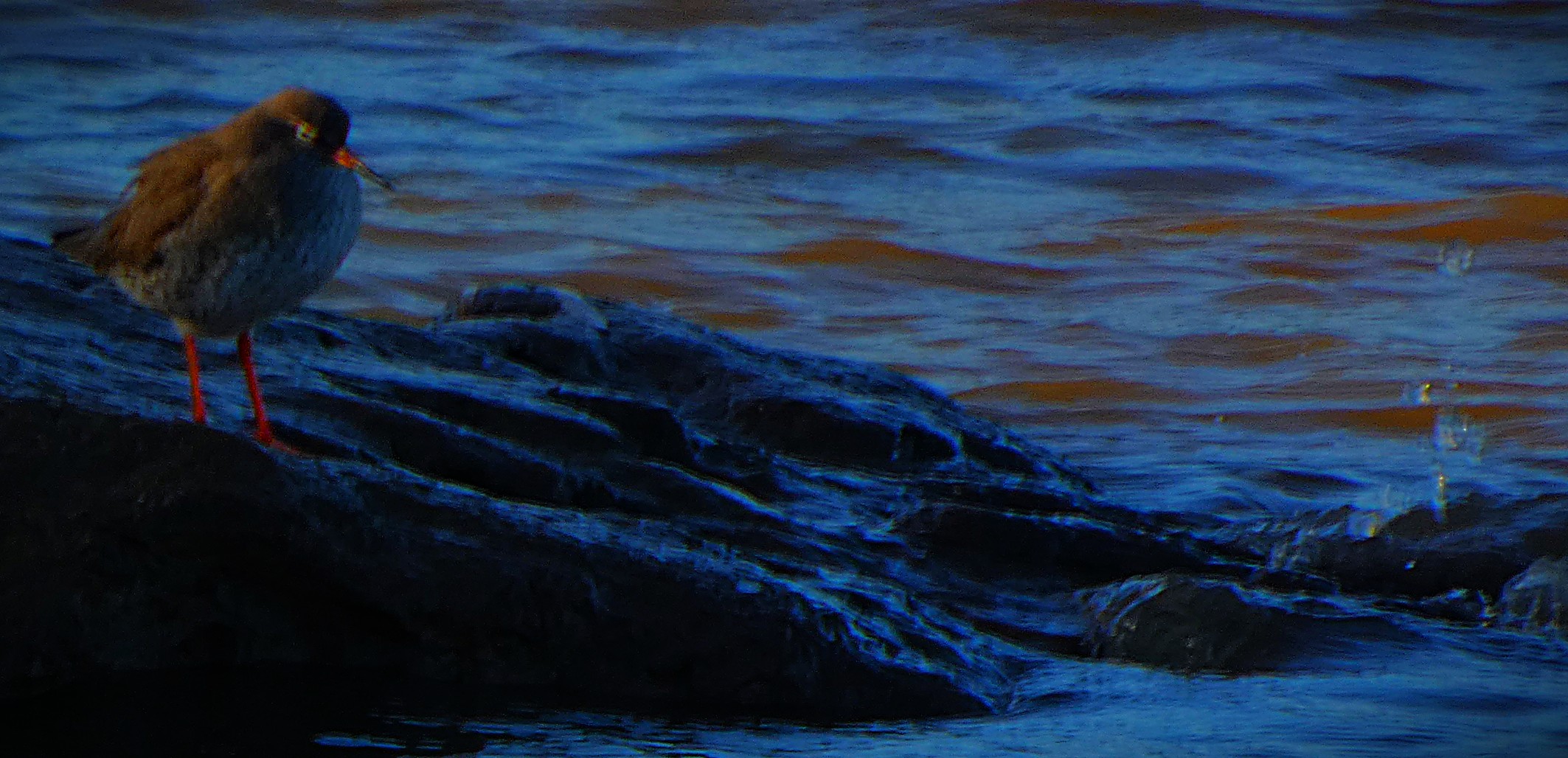
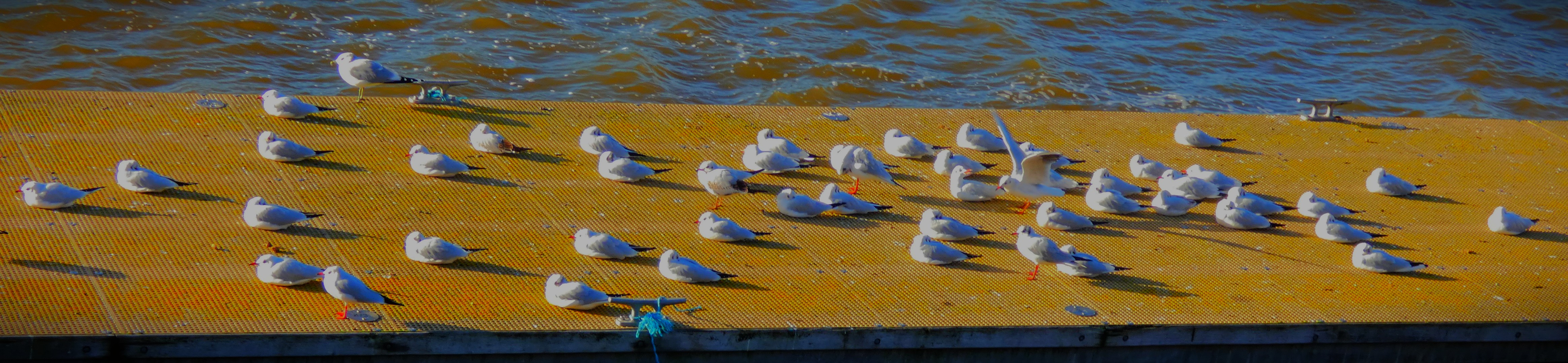
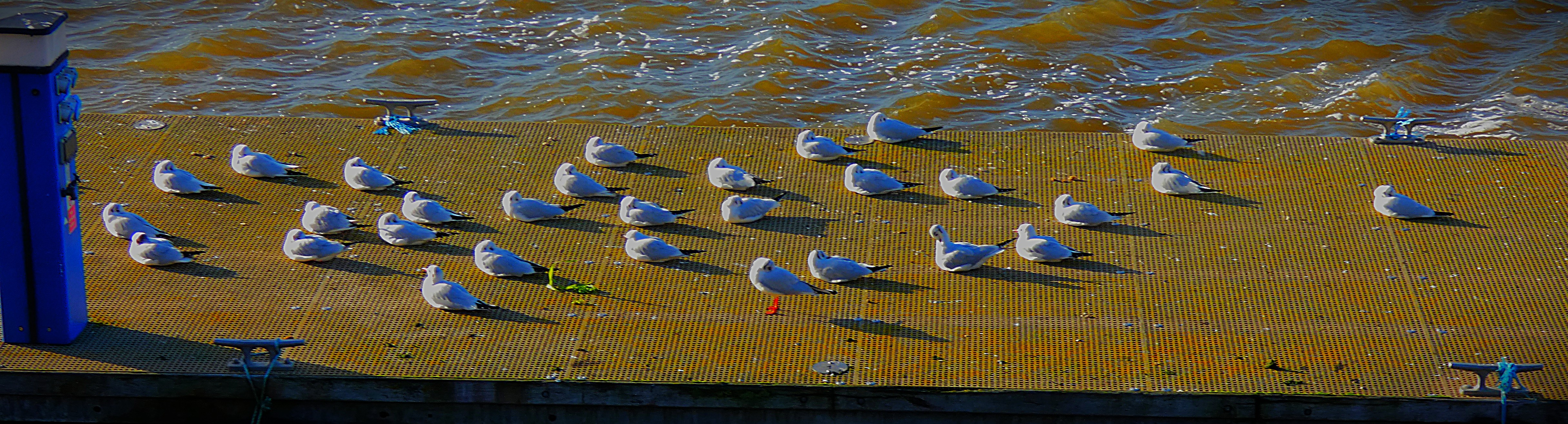
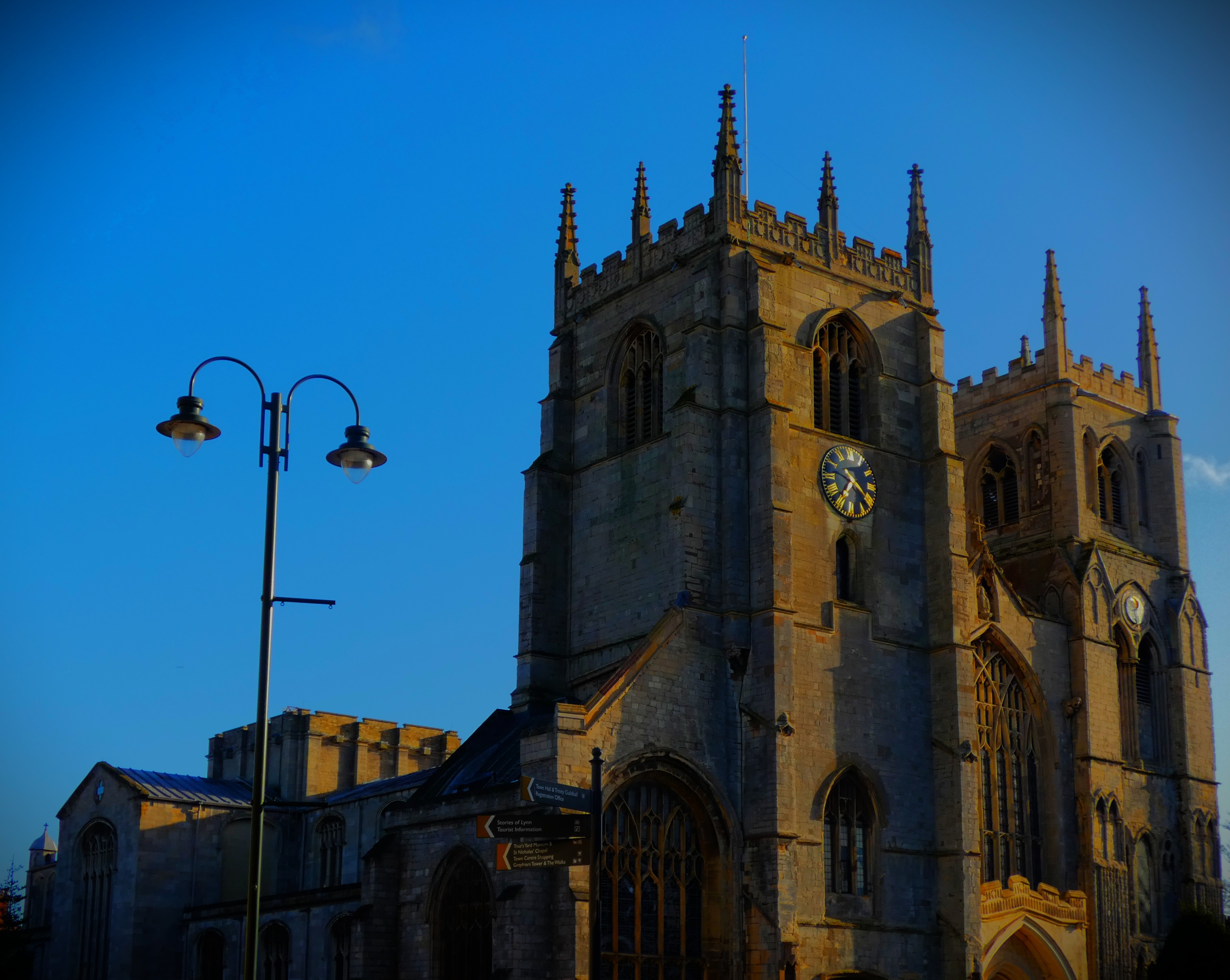
Pictures from Norfolk

A gallery of recent photos.

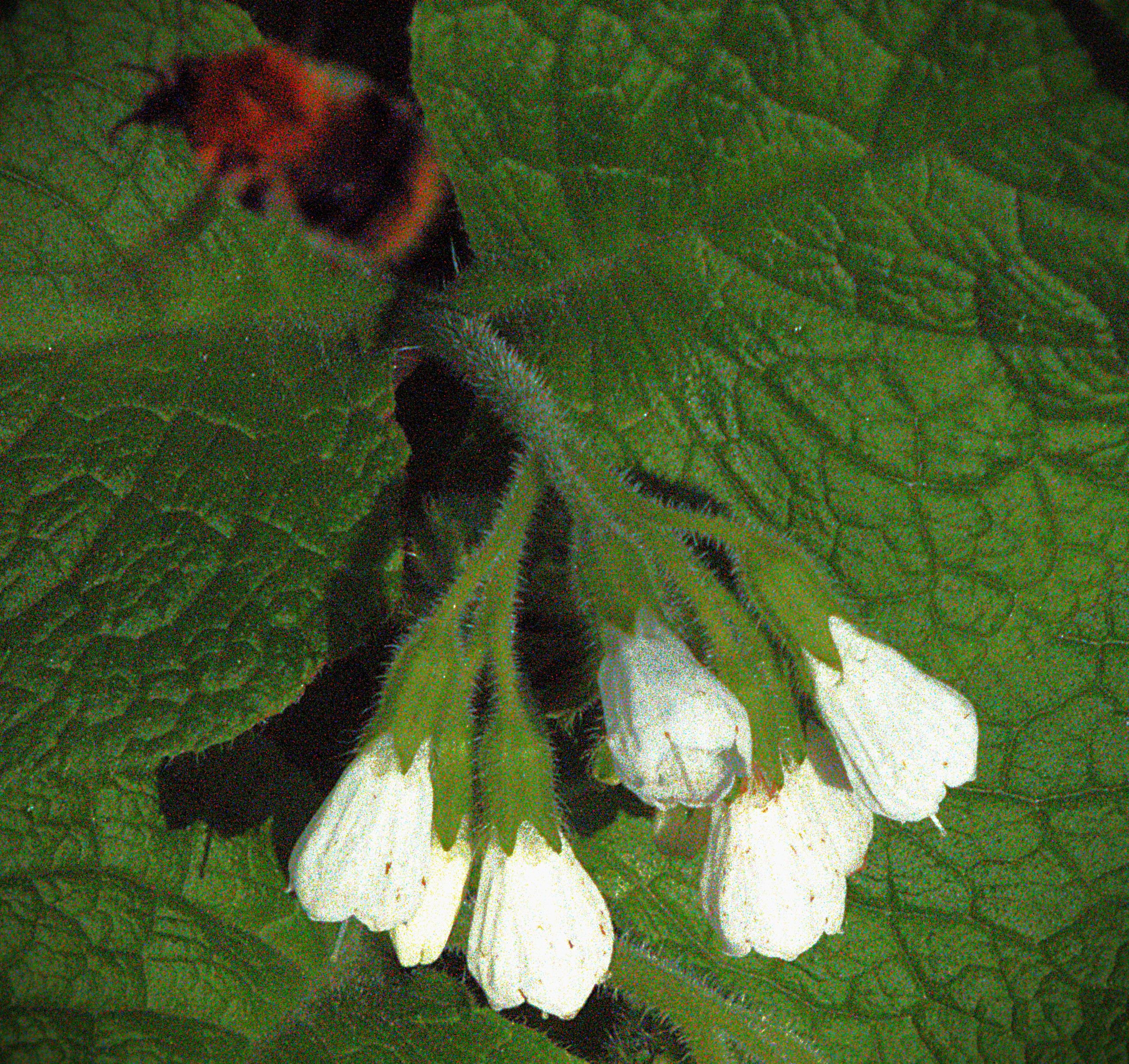
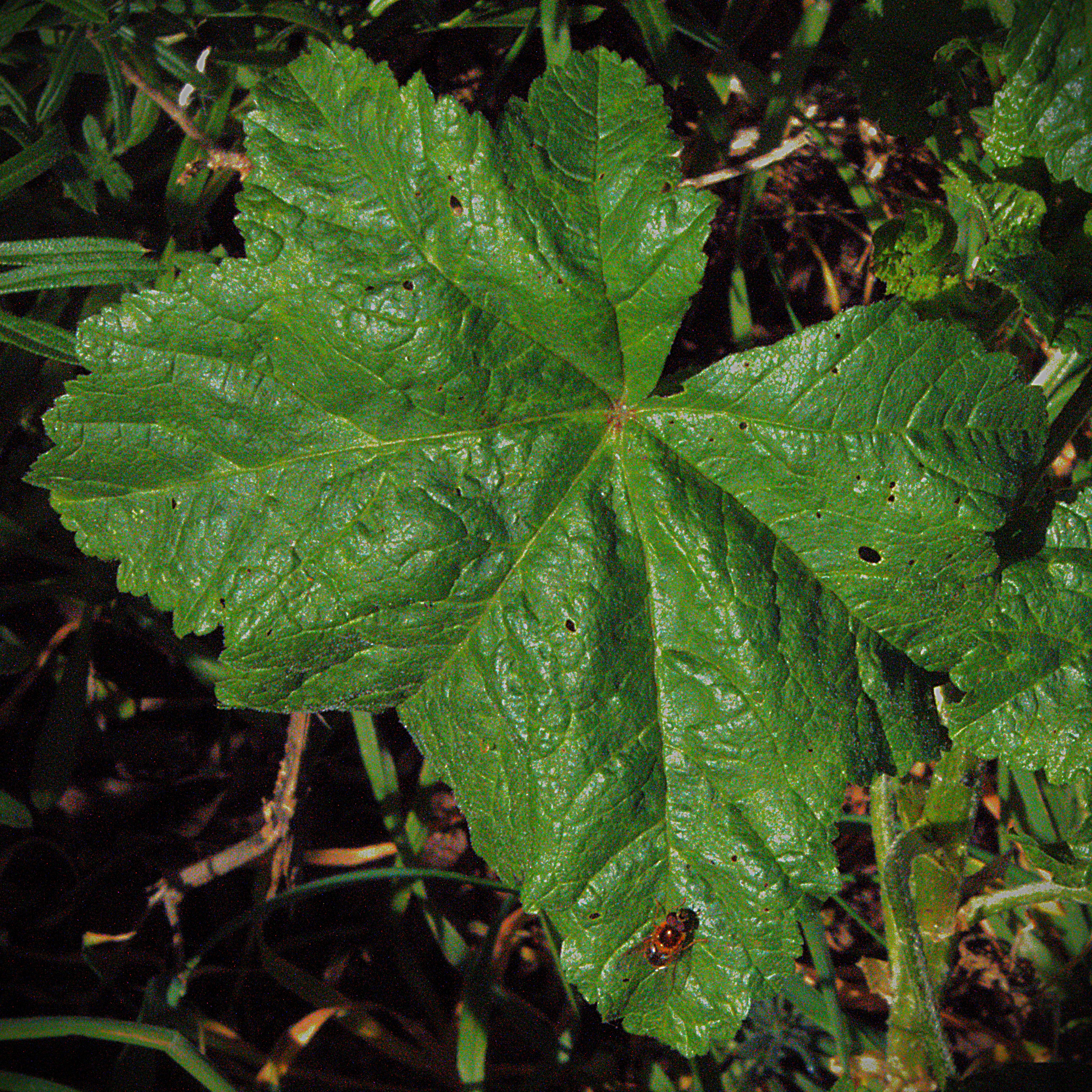
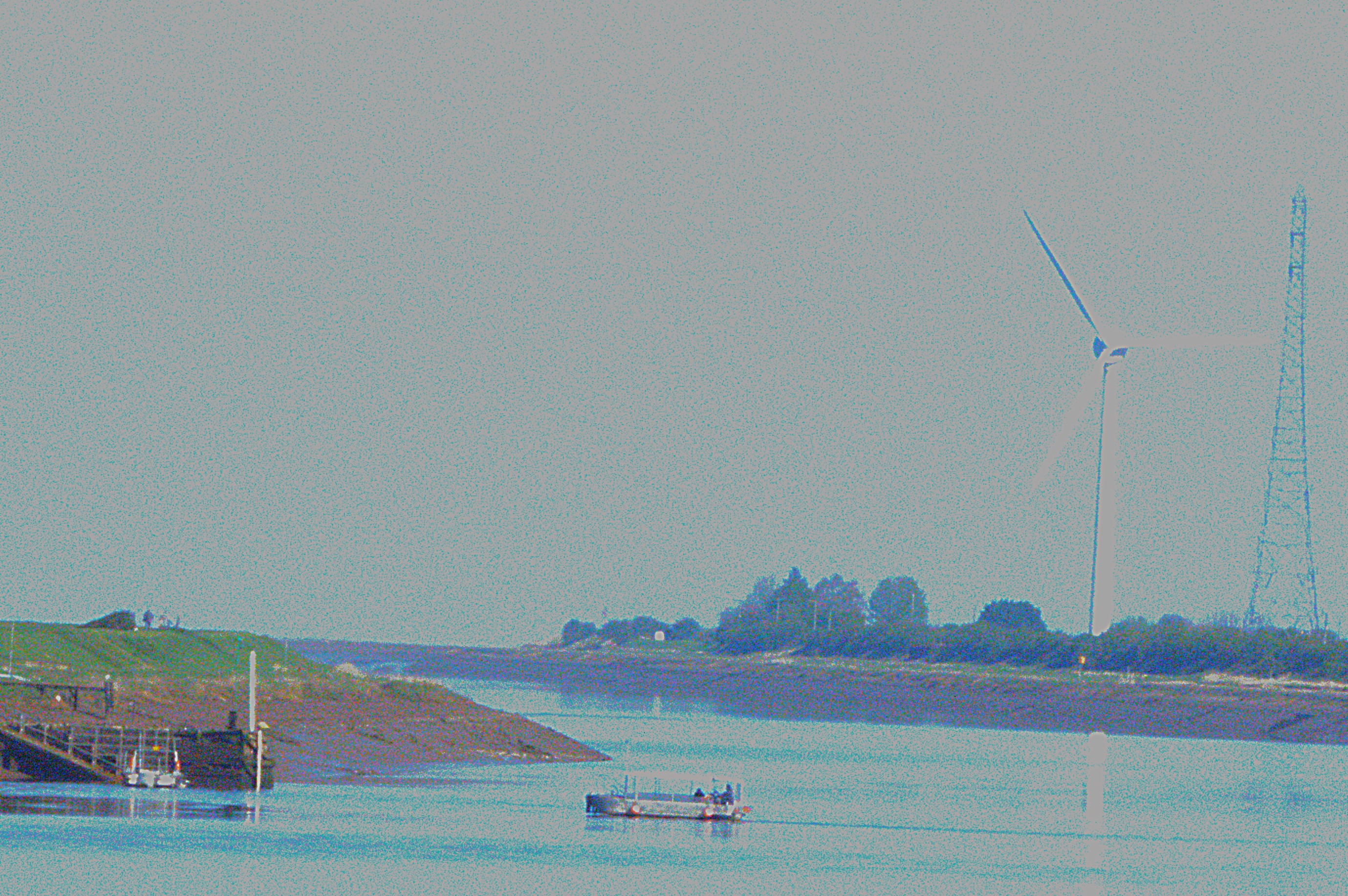
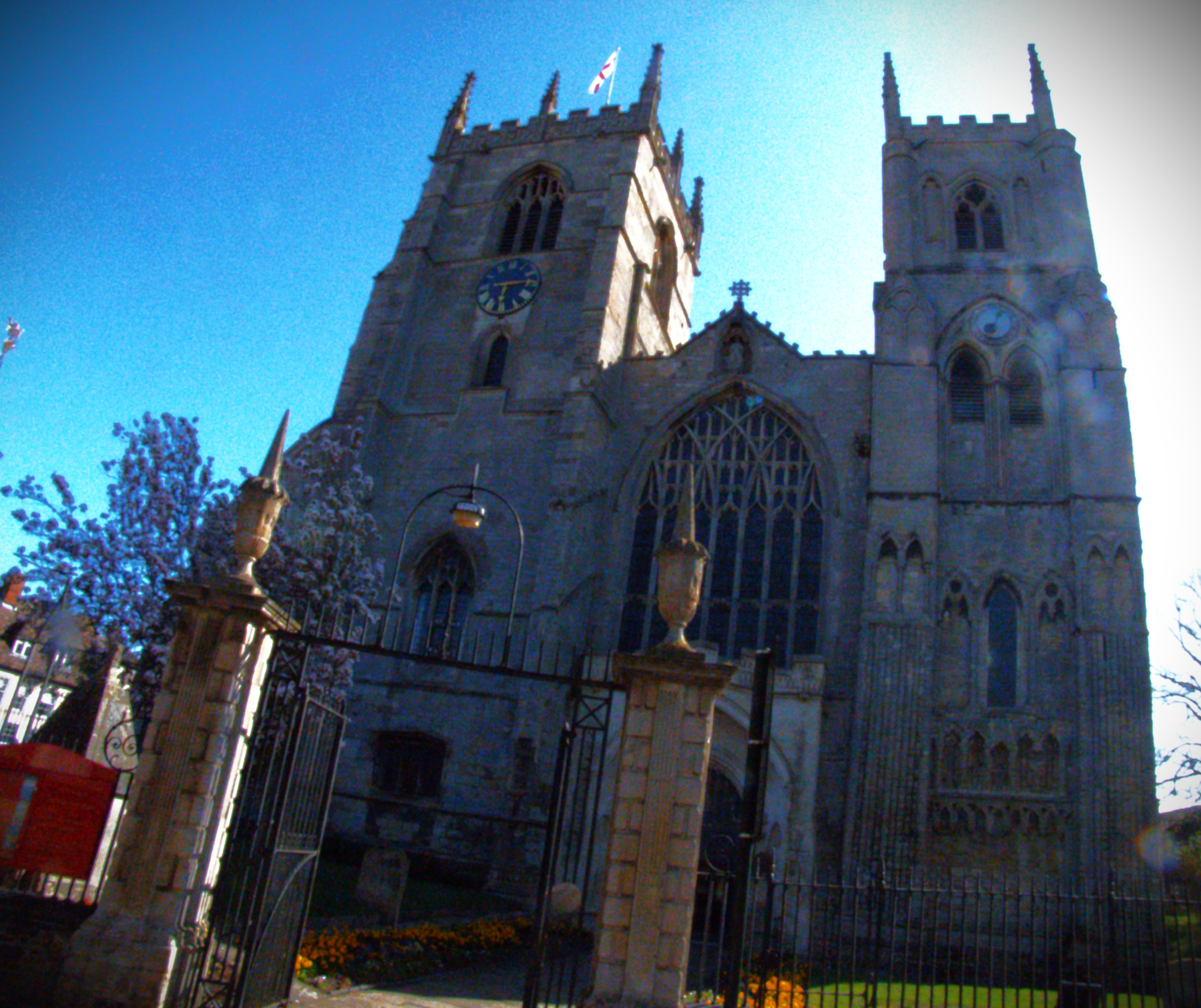
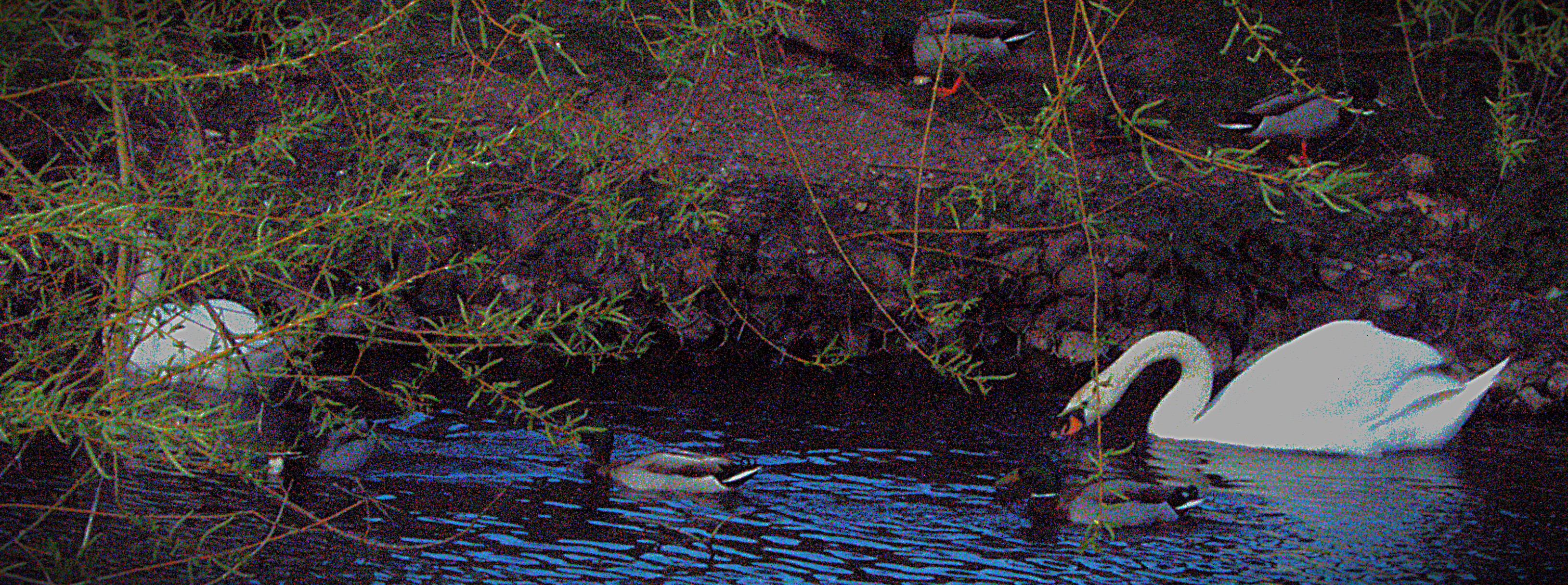
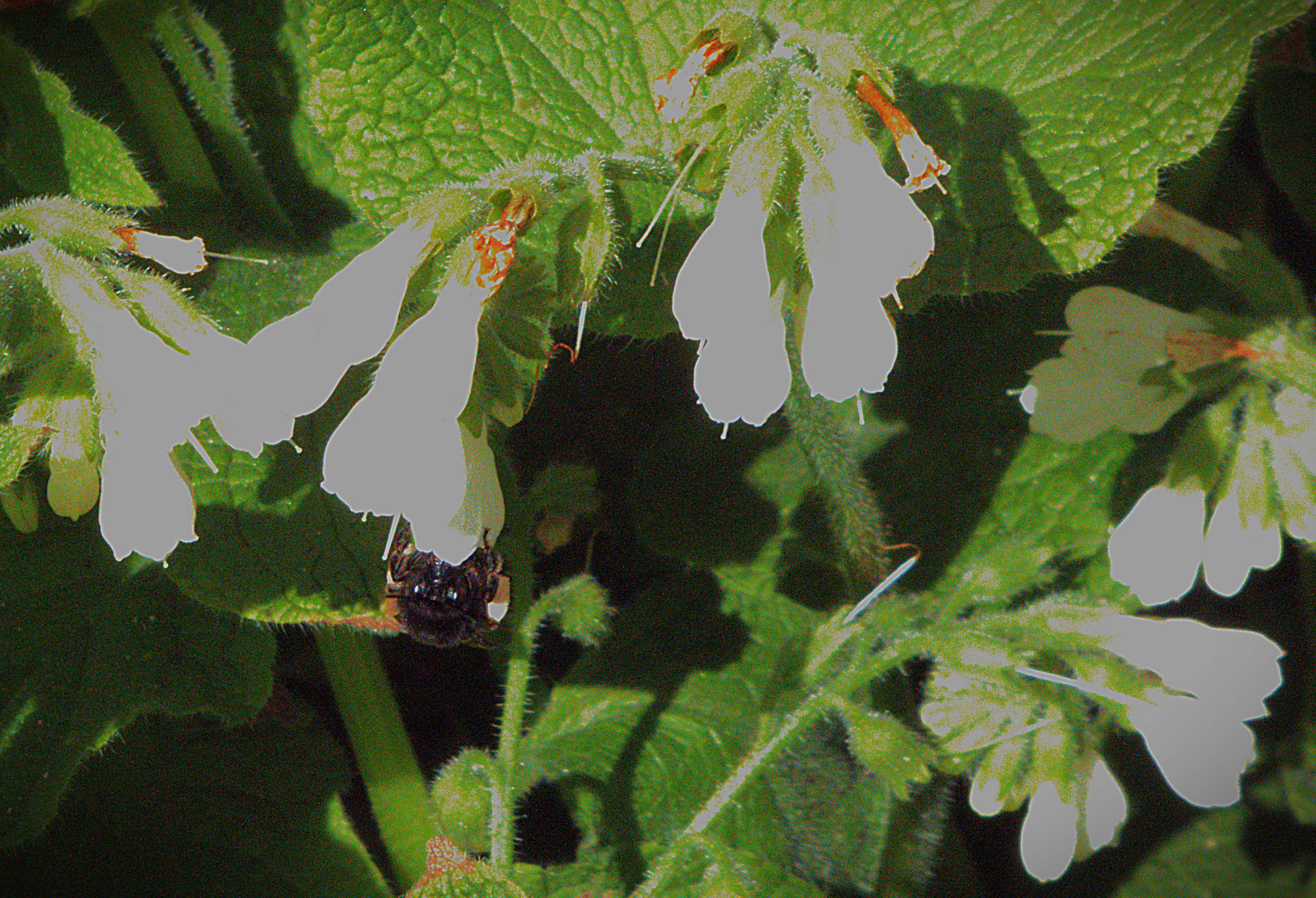
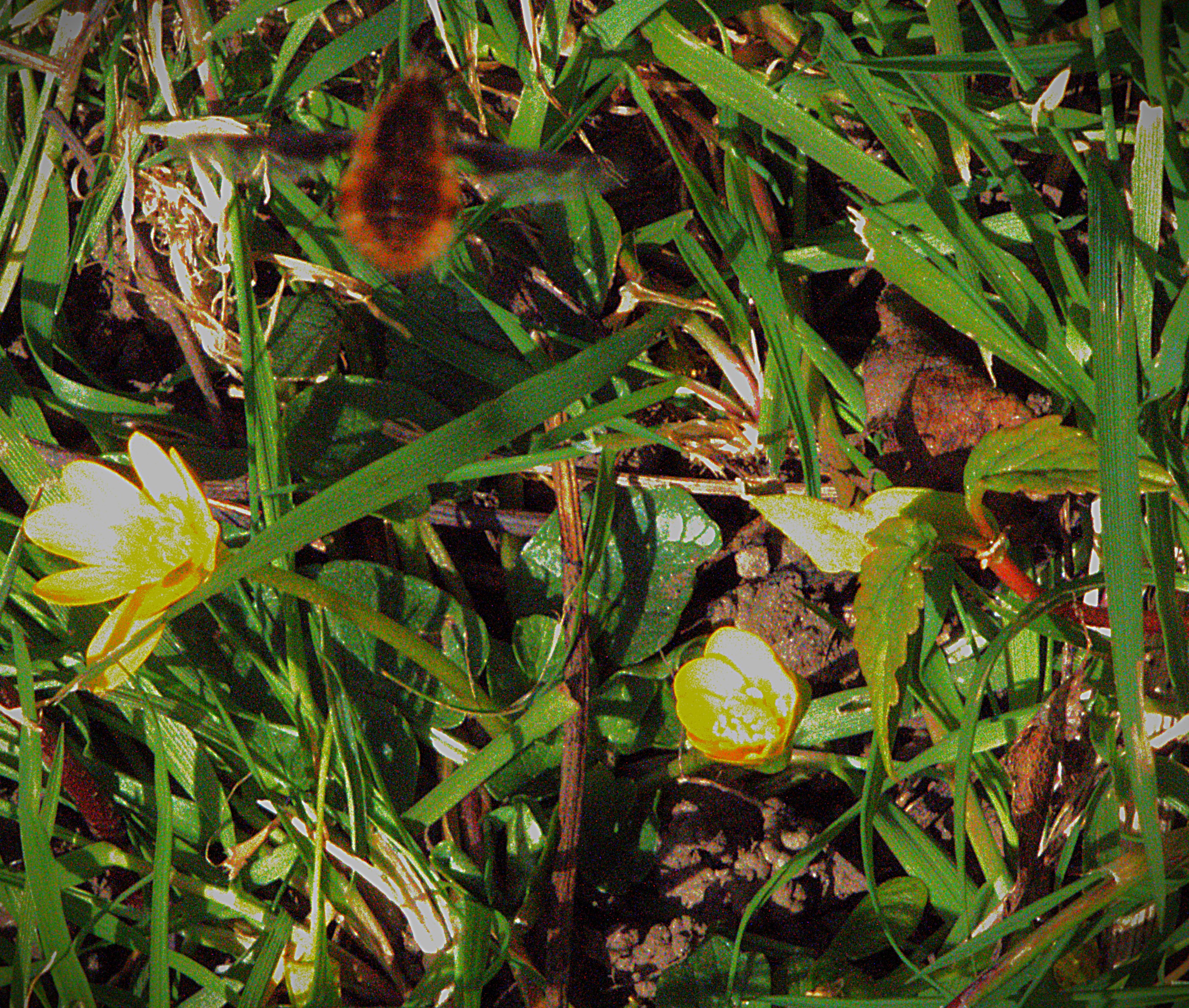
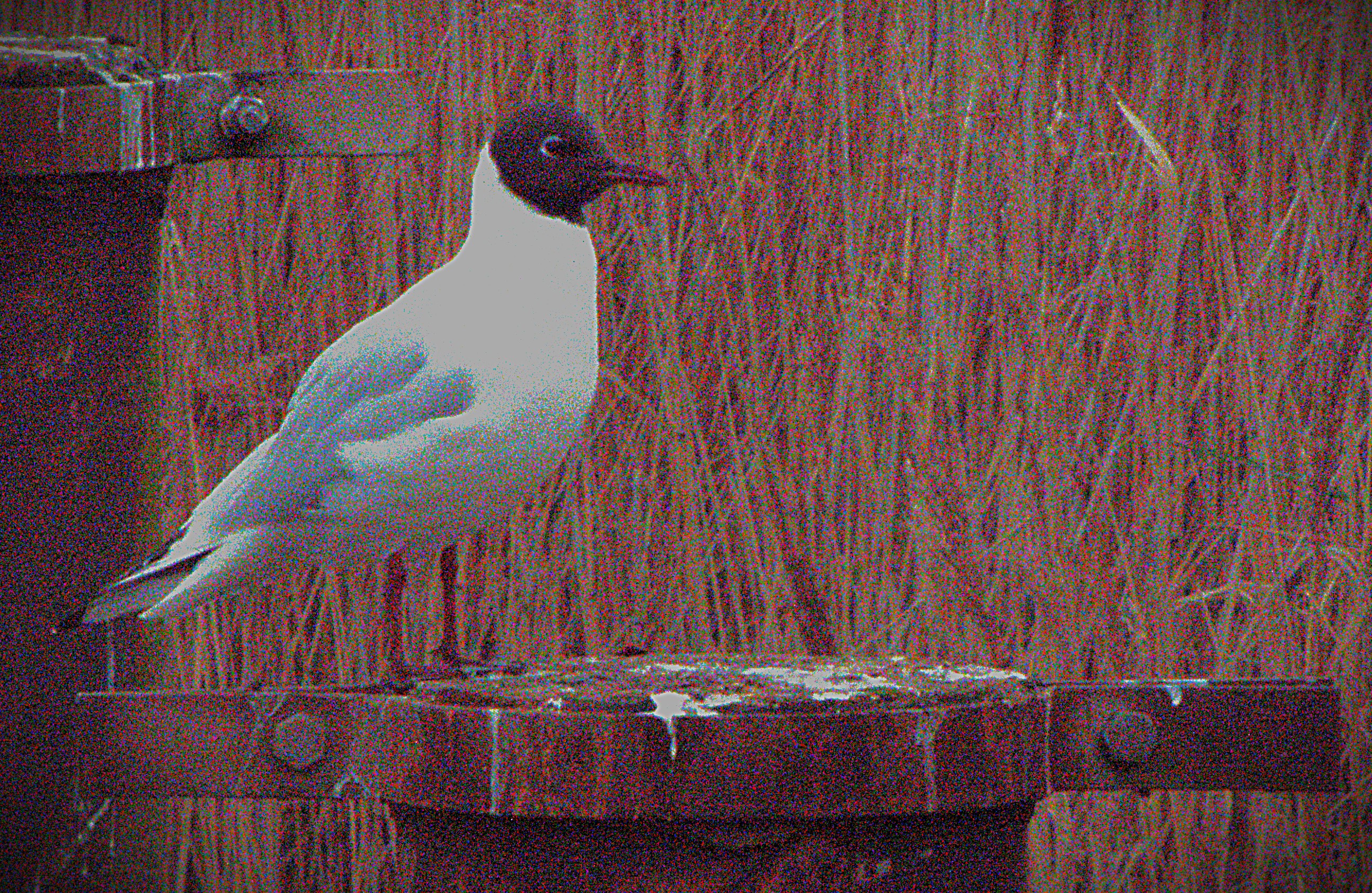
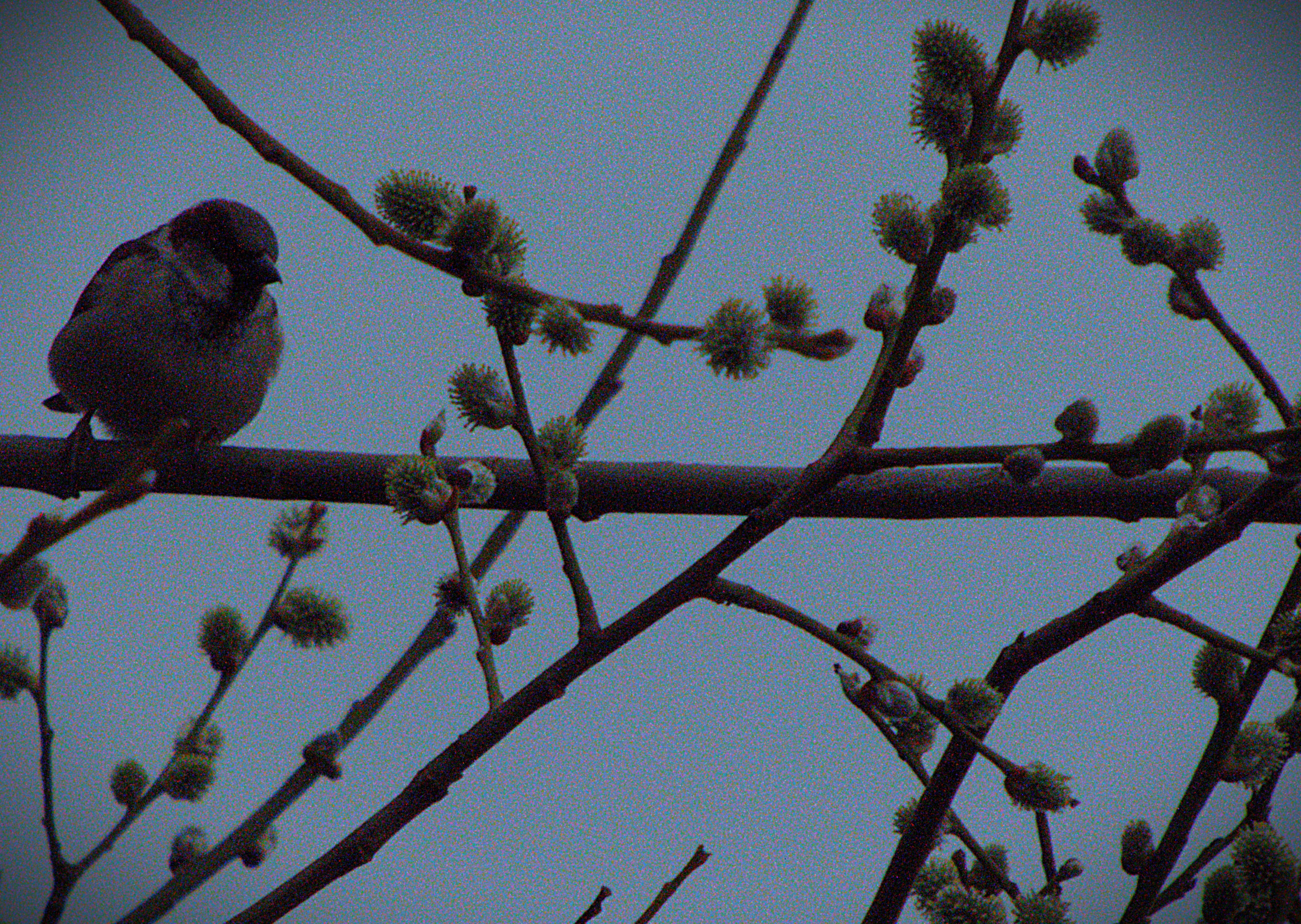
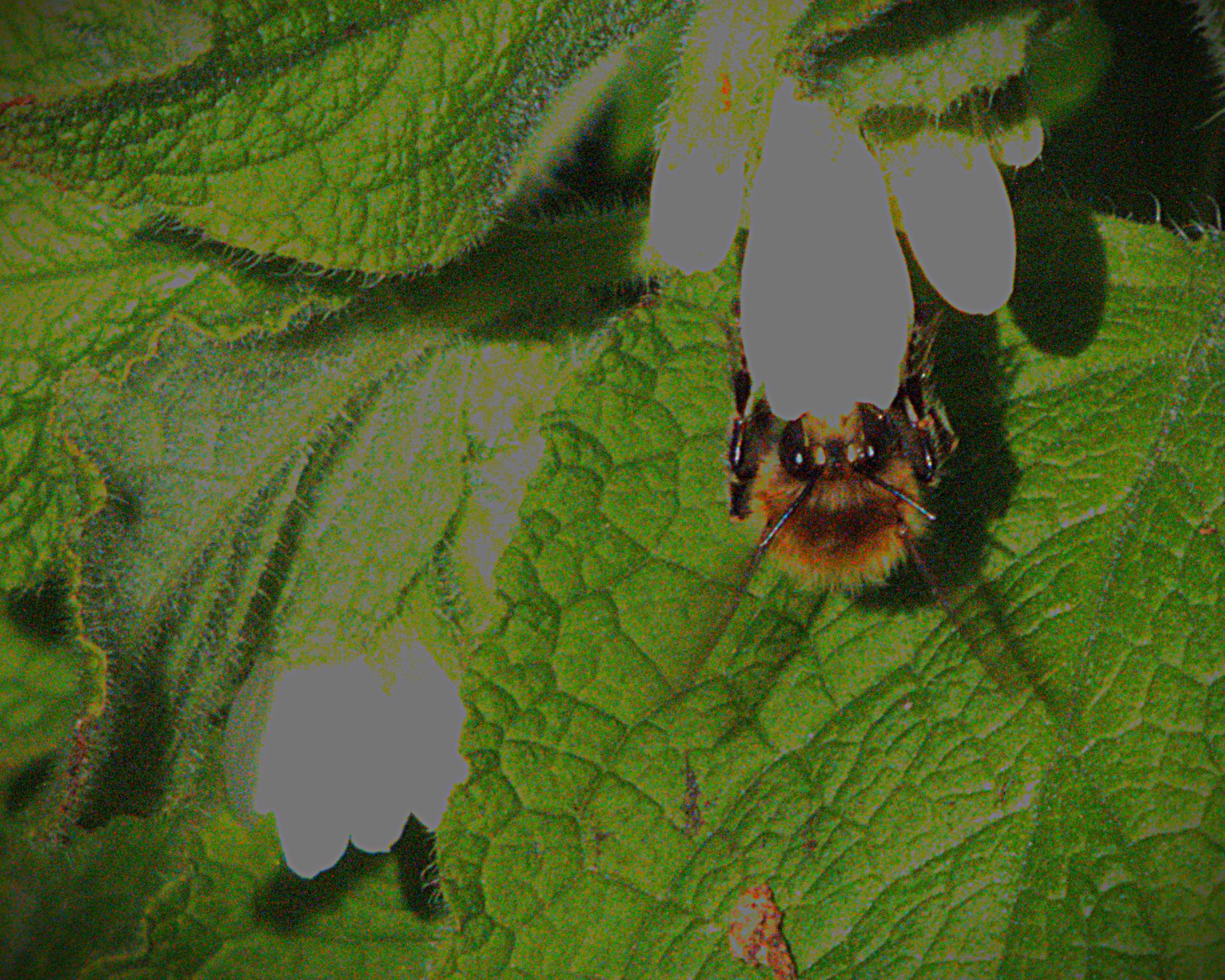
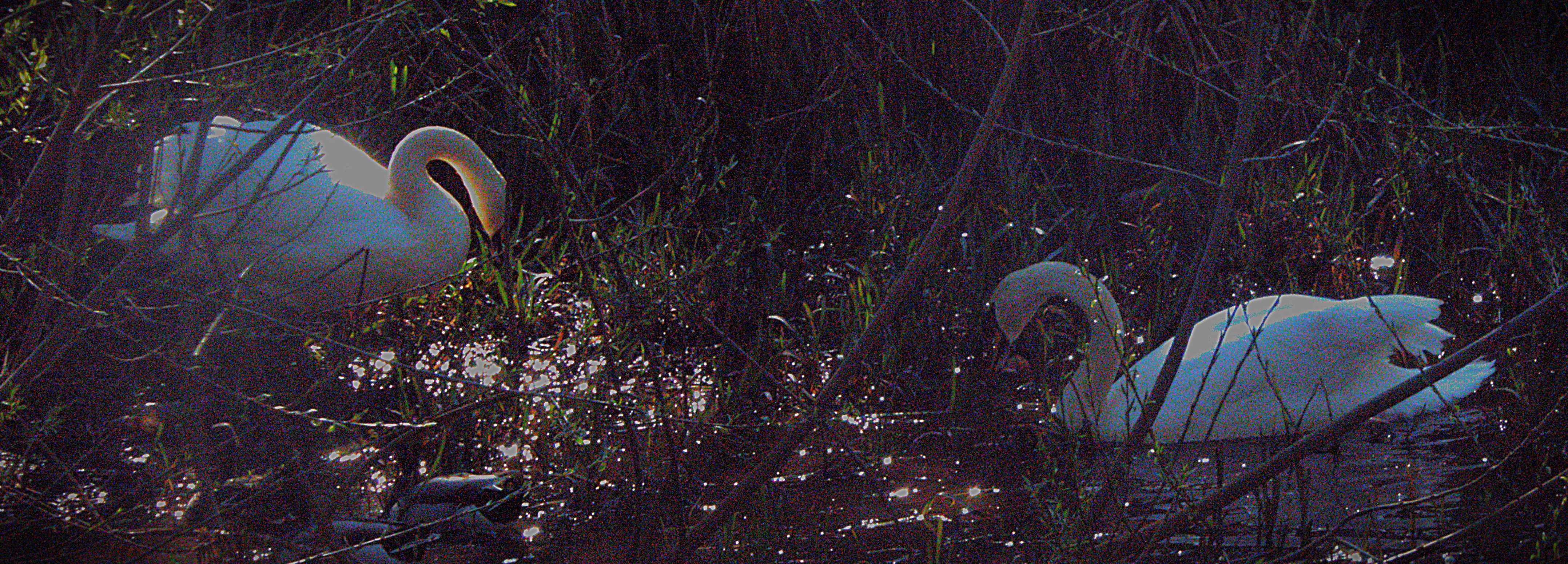
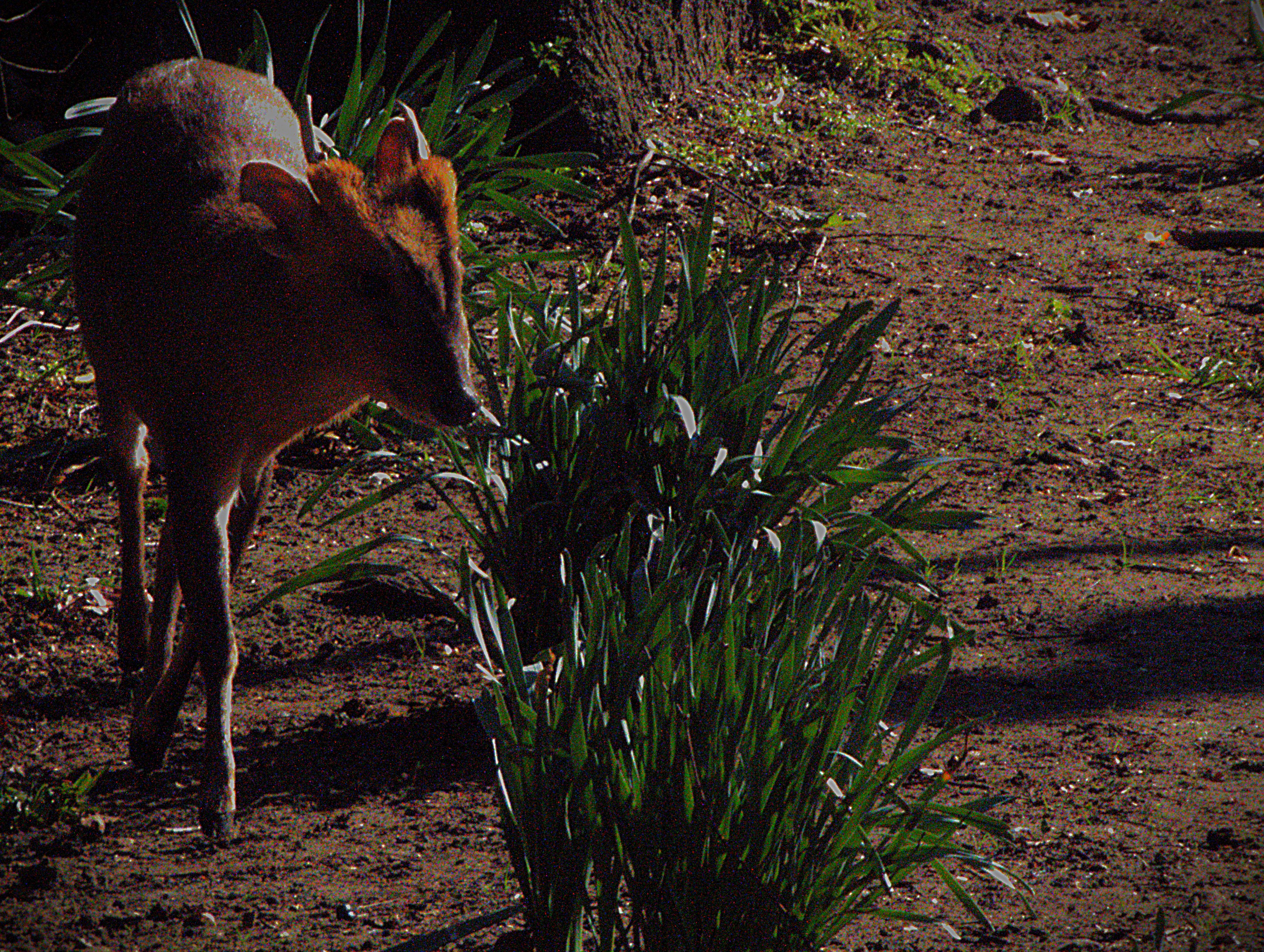
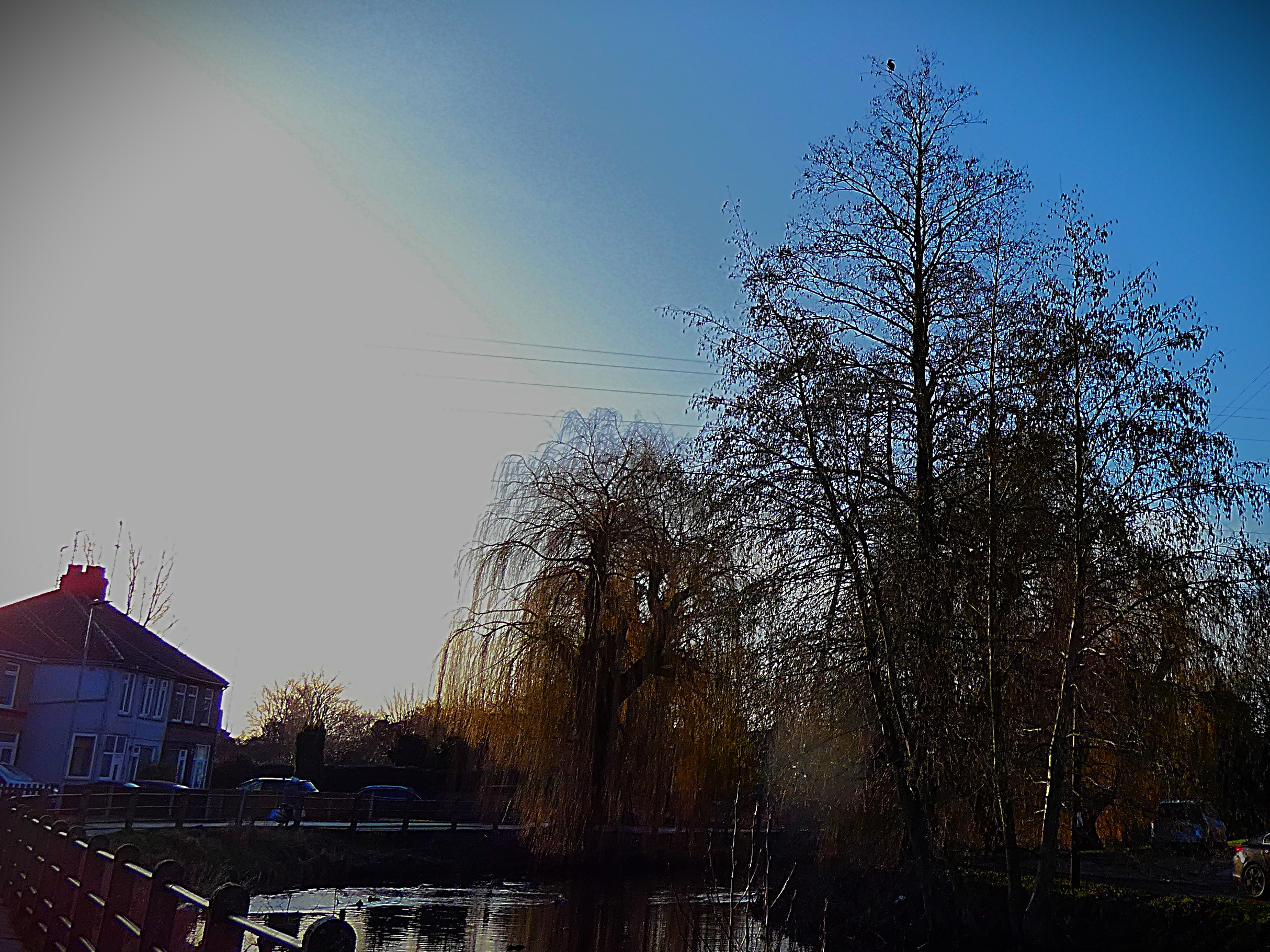
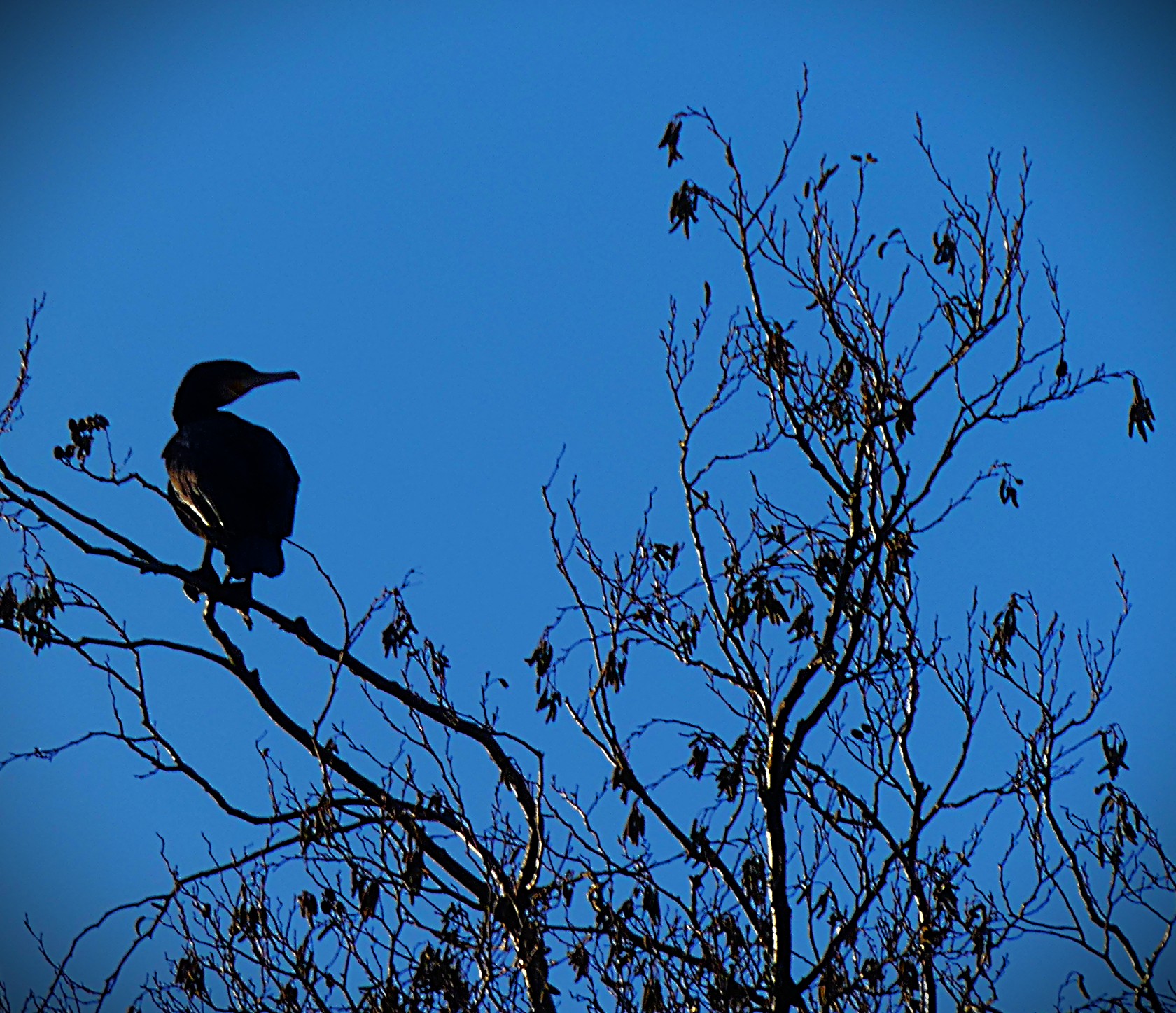
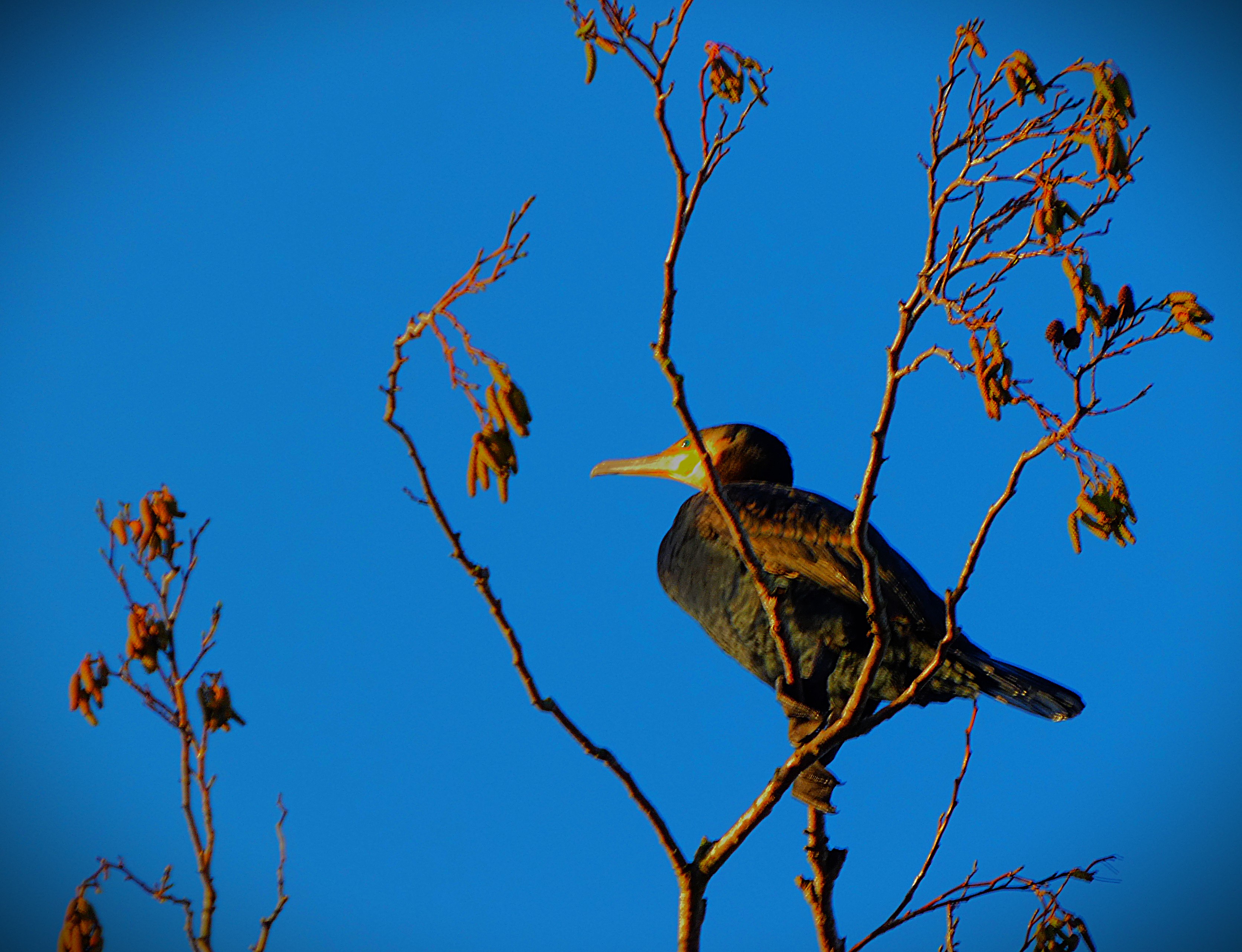
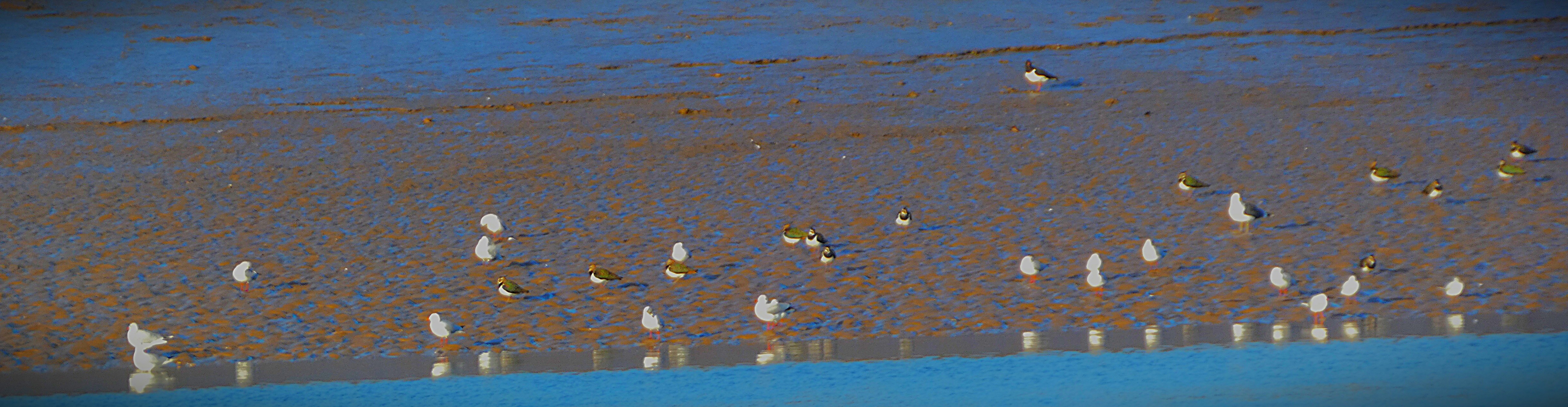
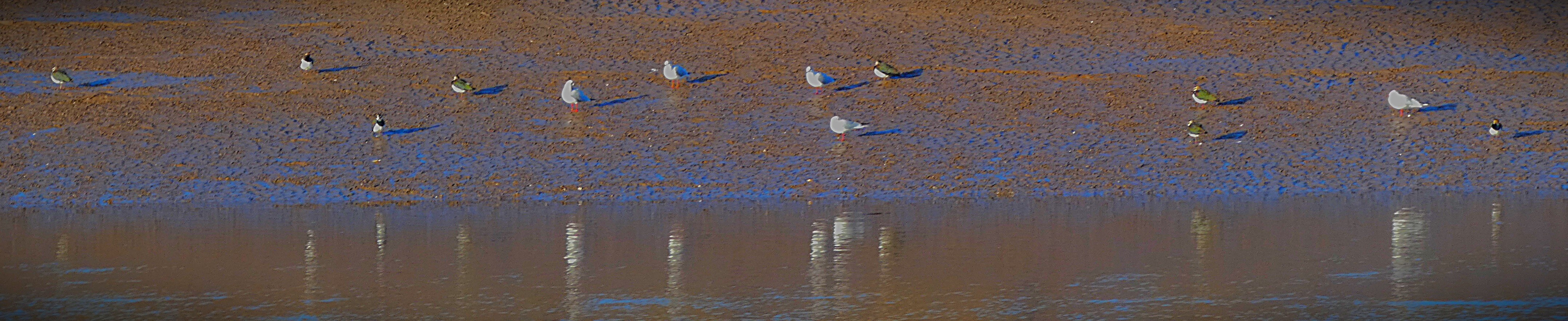
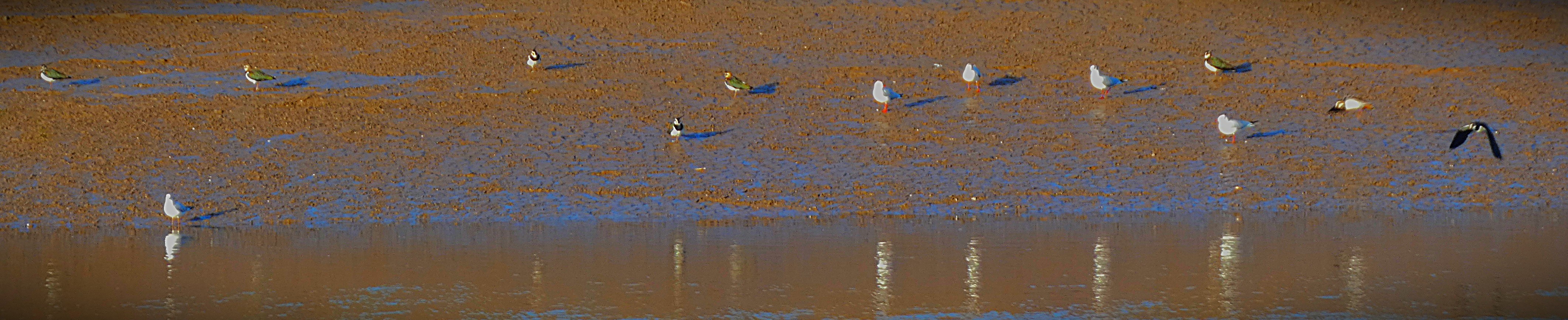
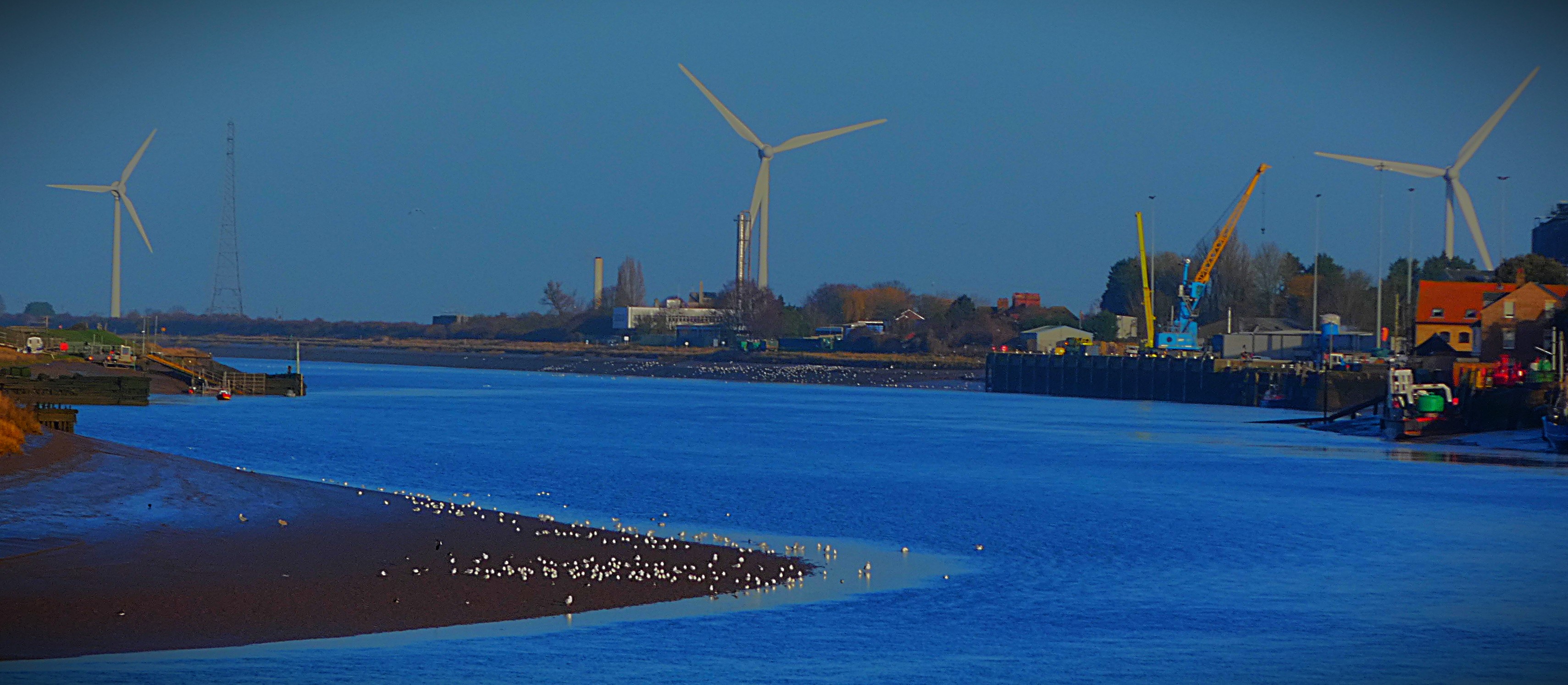
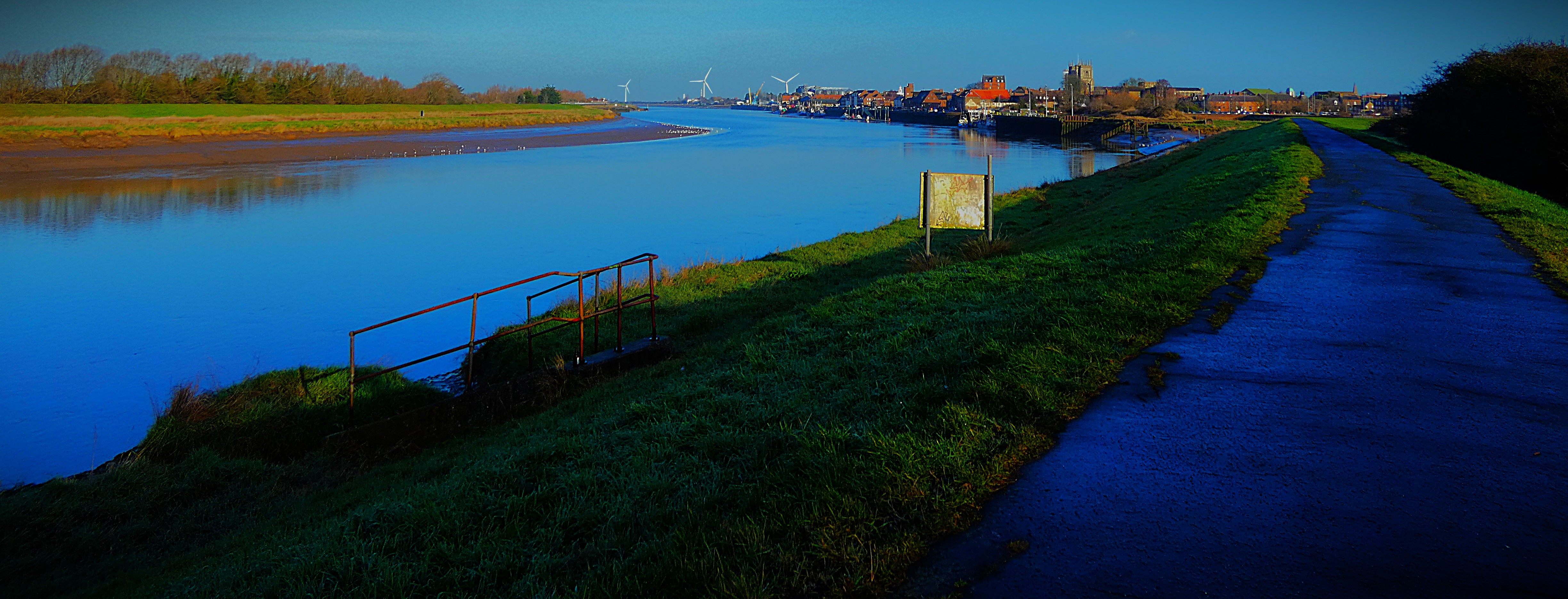
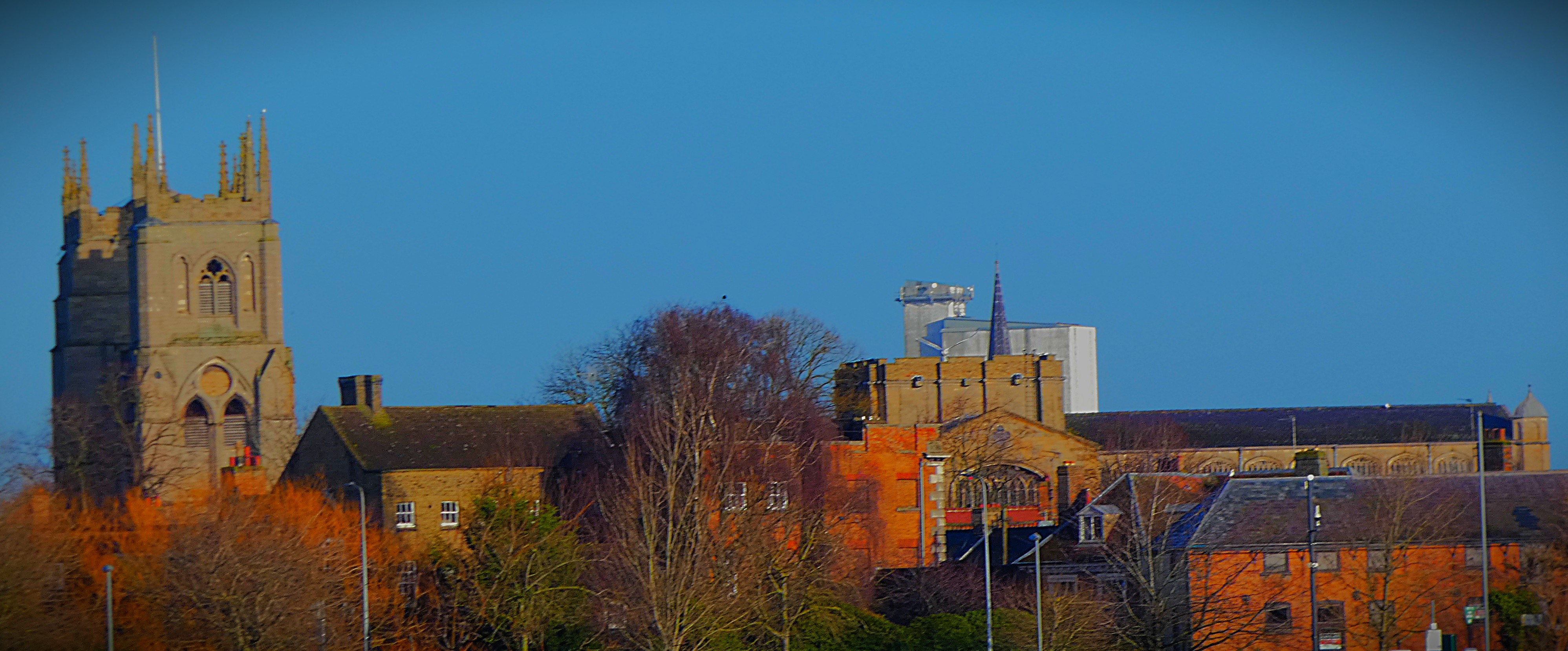
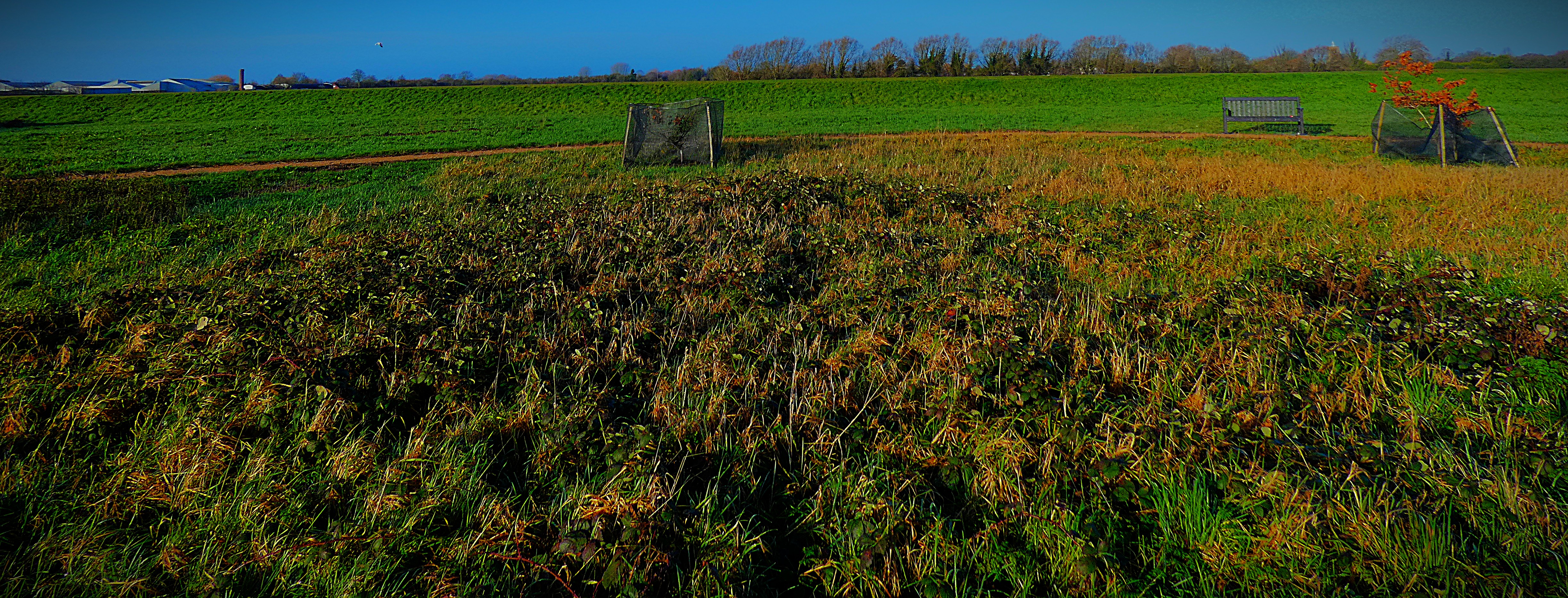
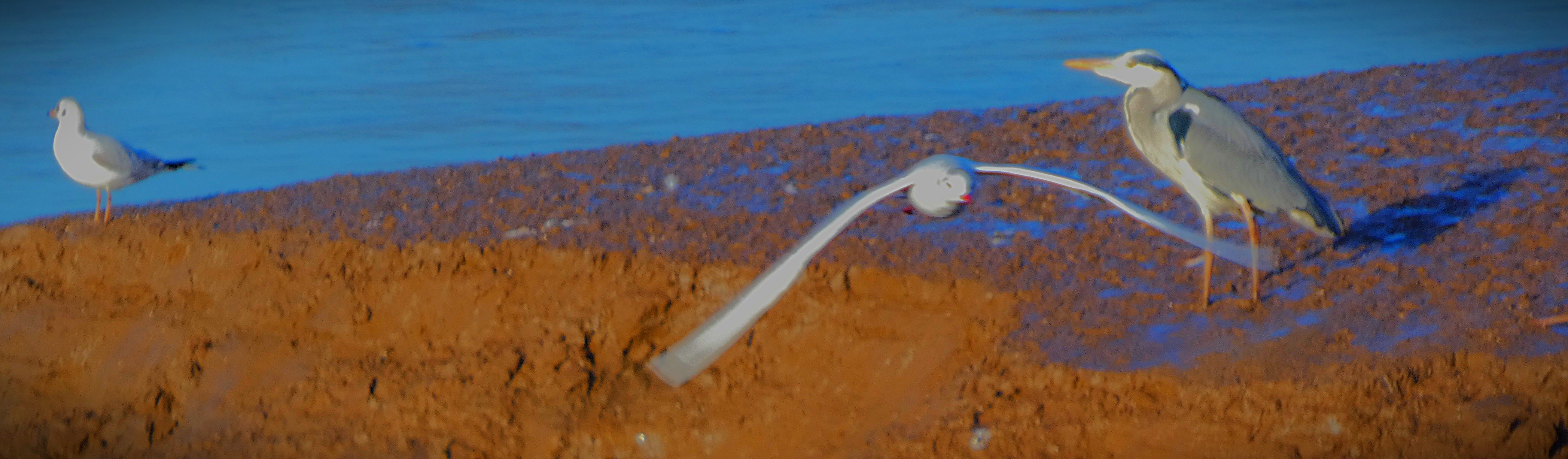
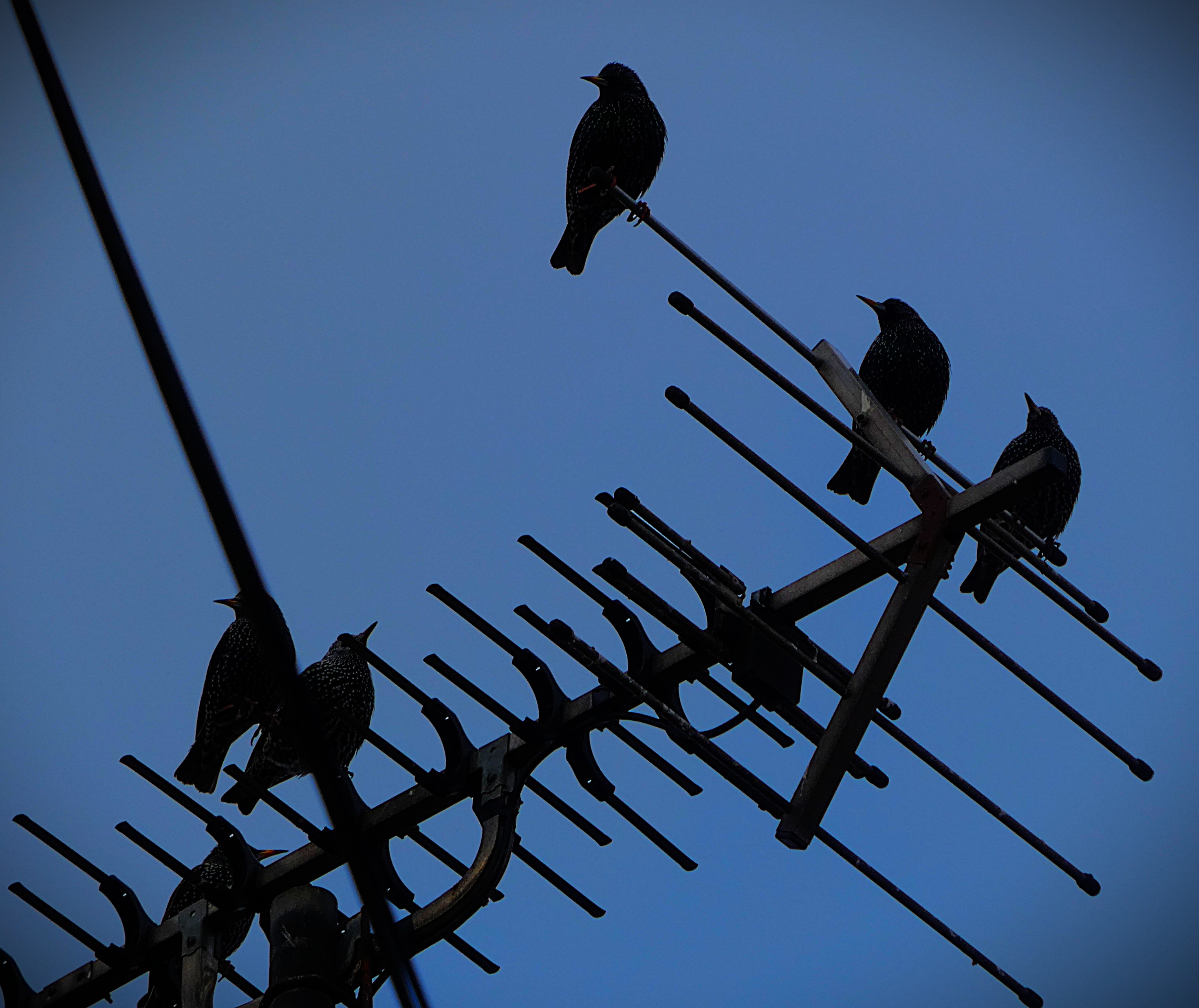
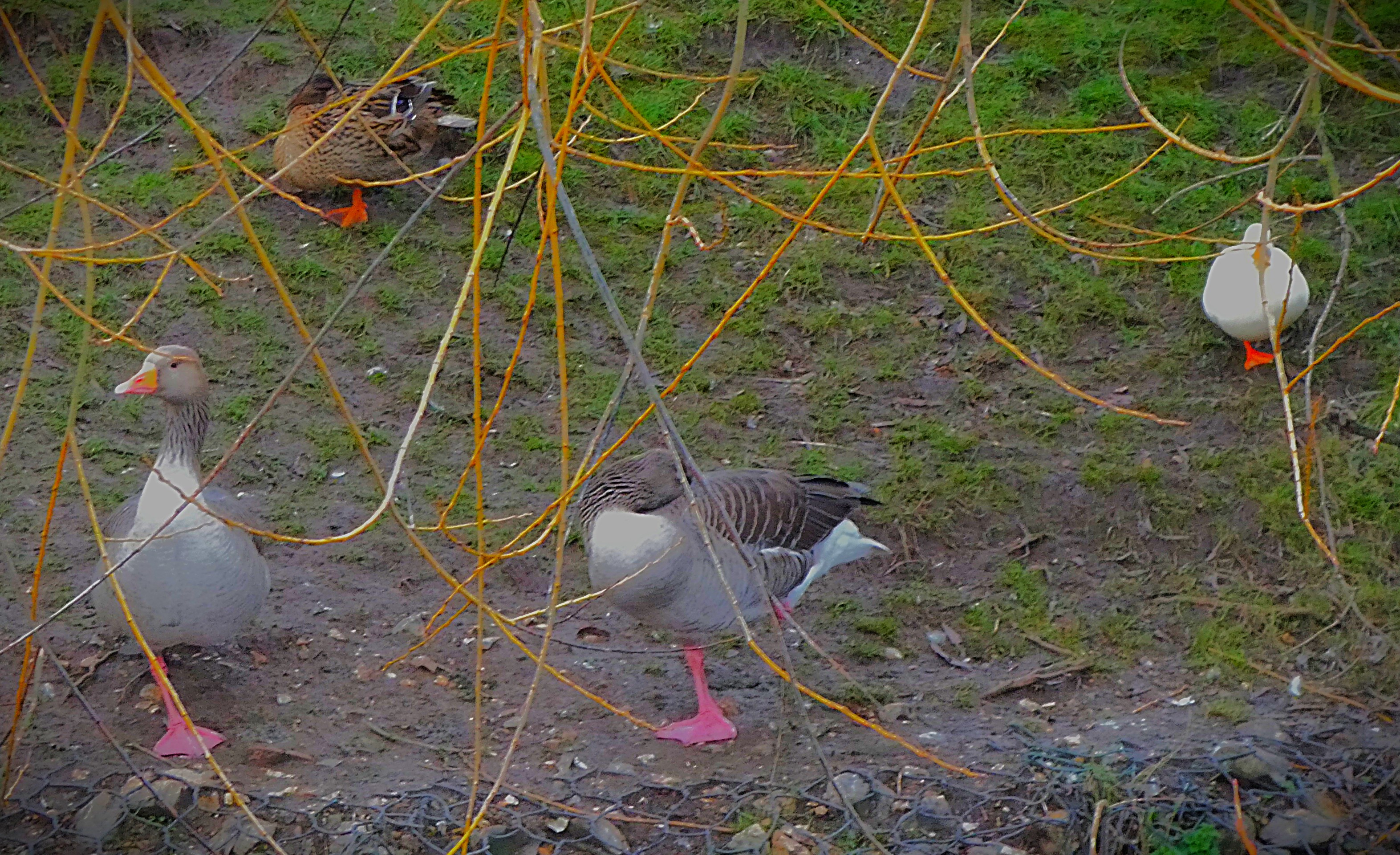
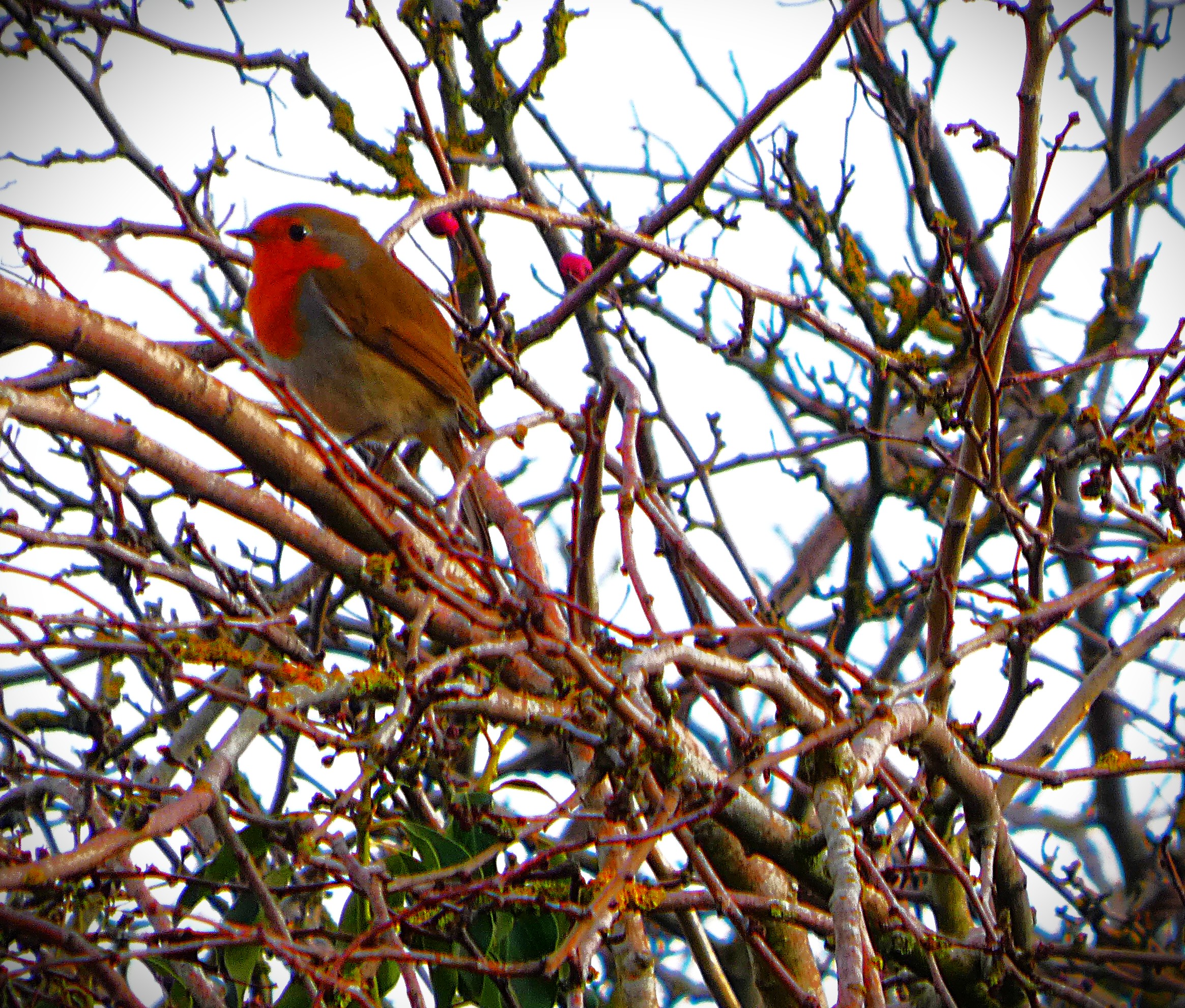
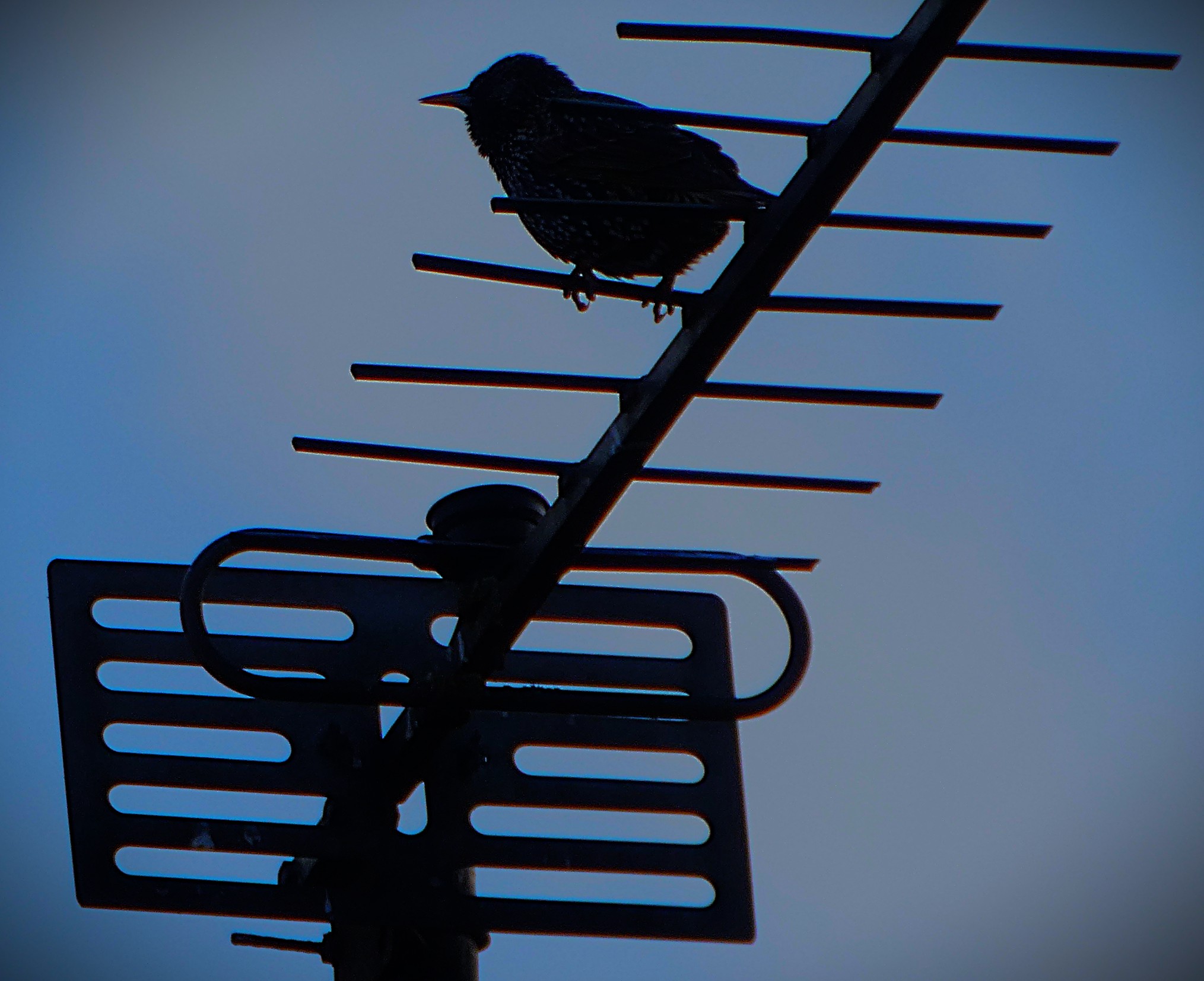
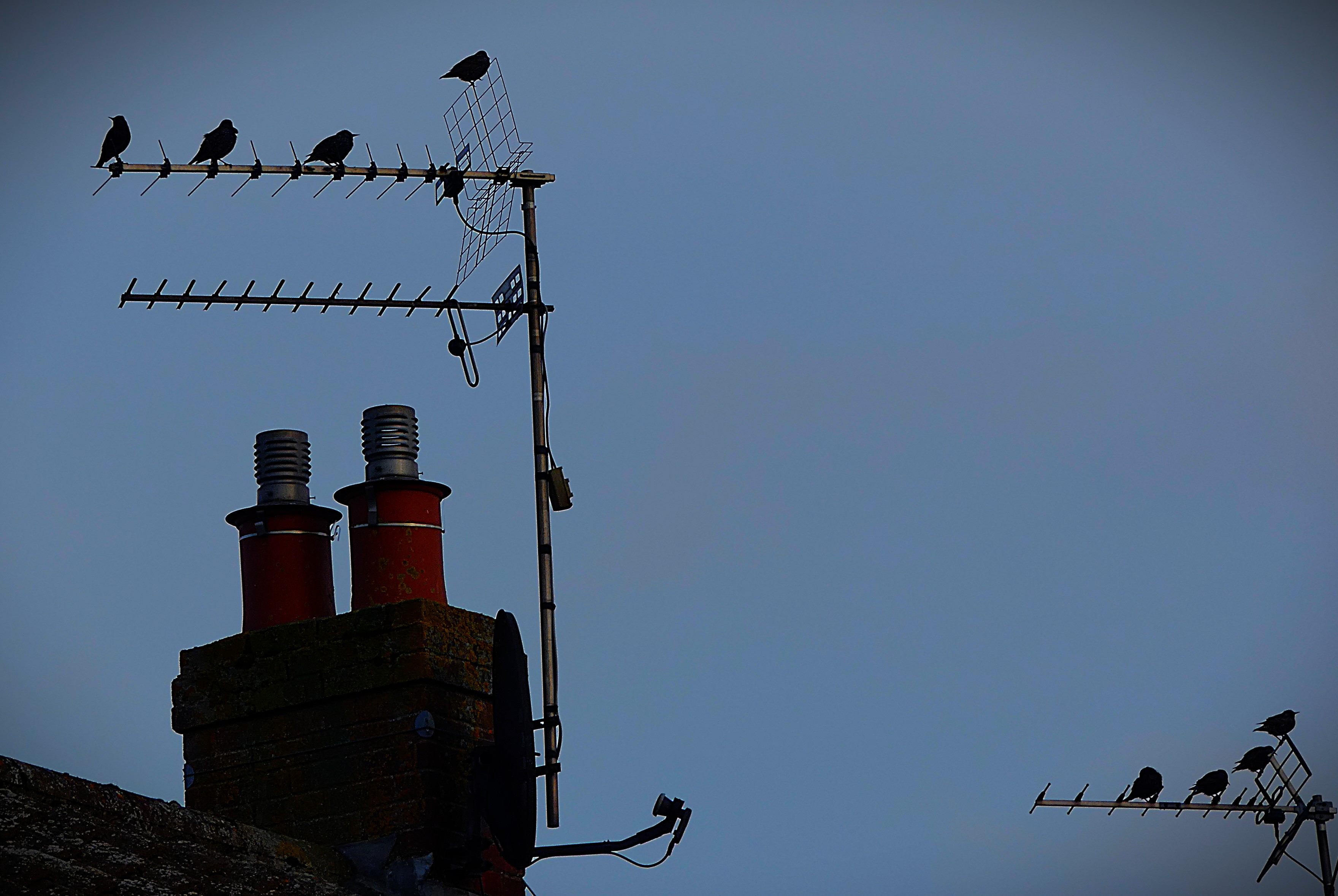
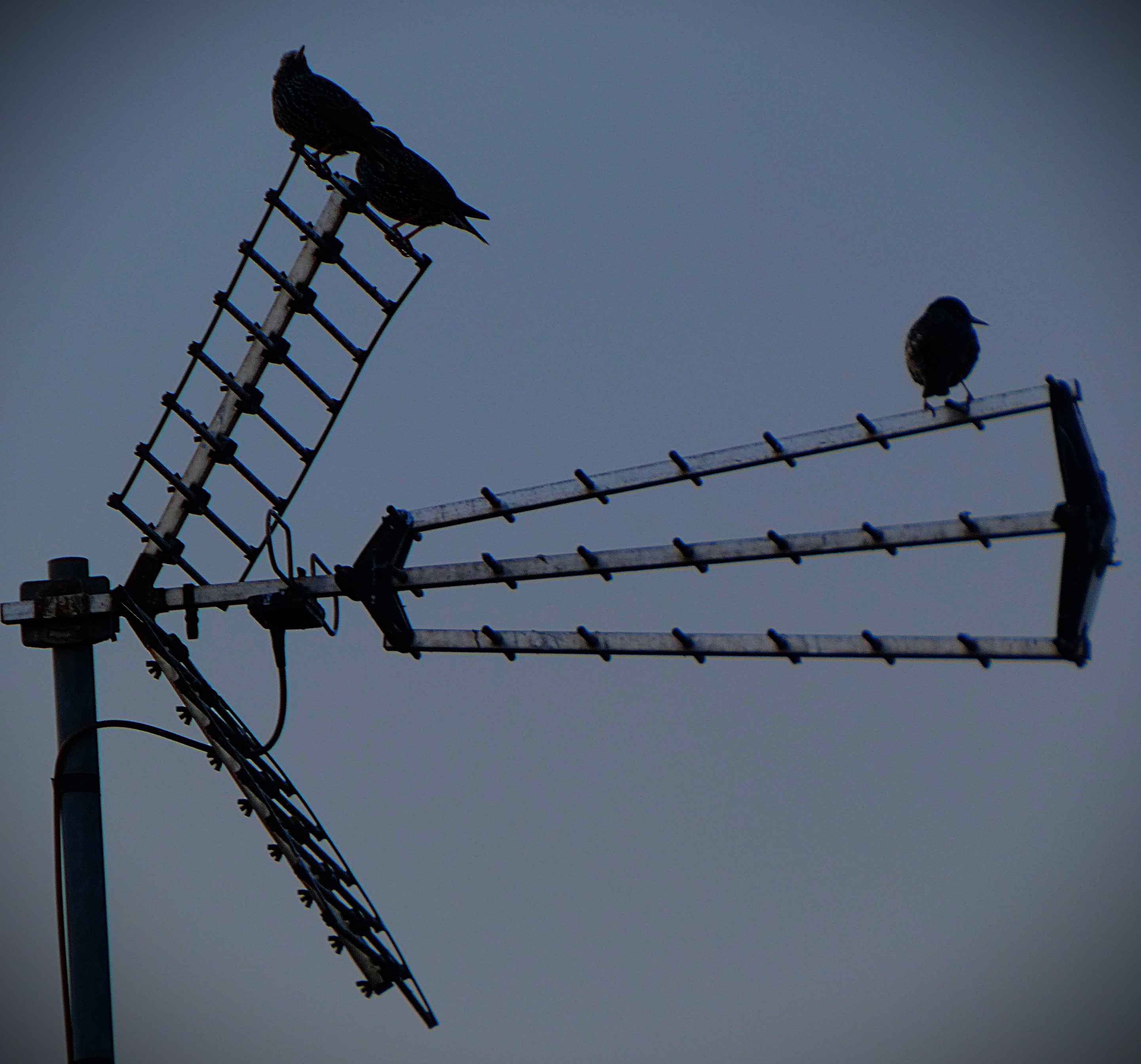
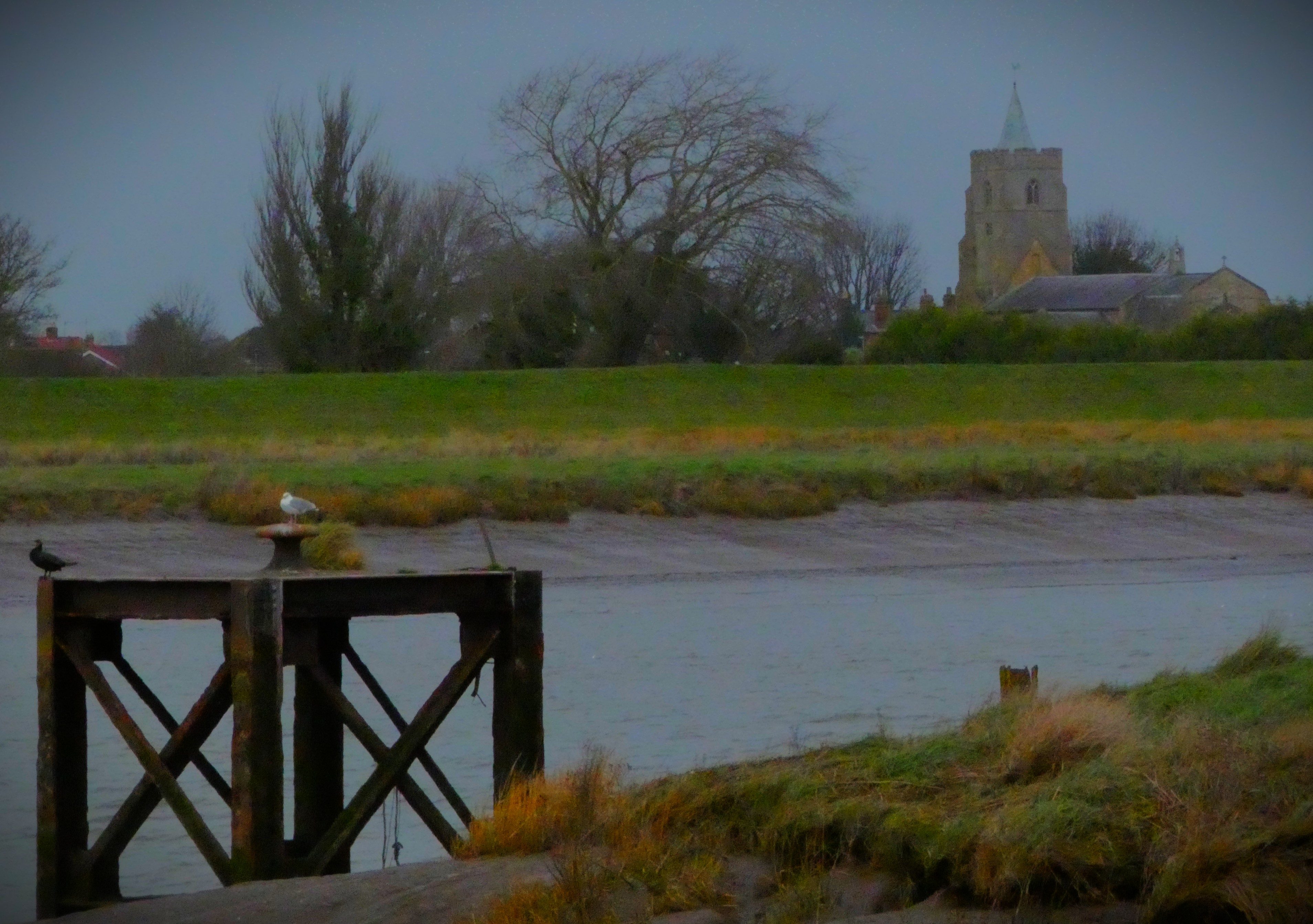
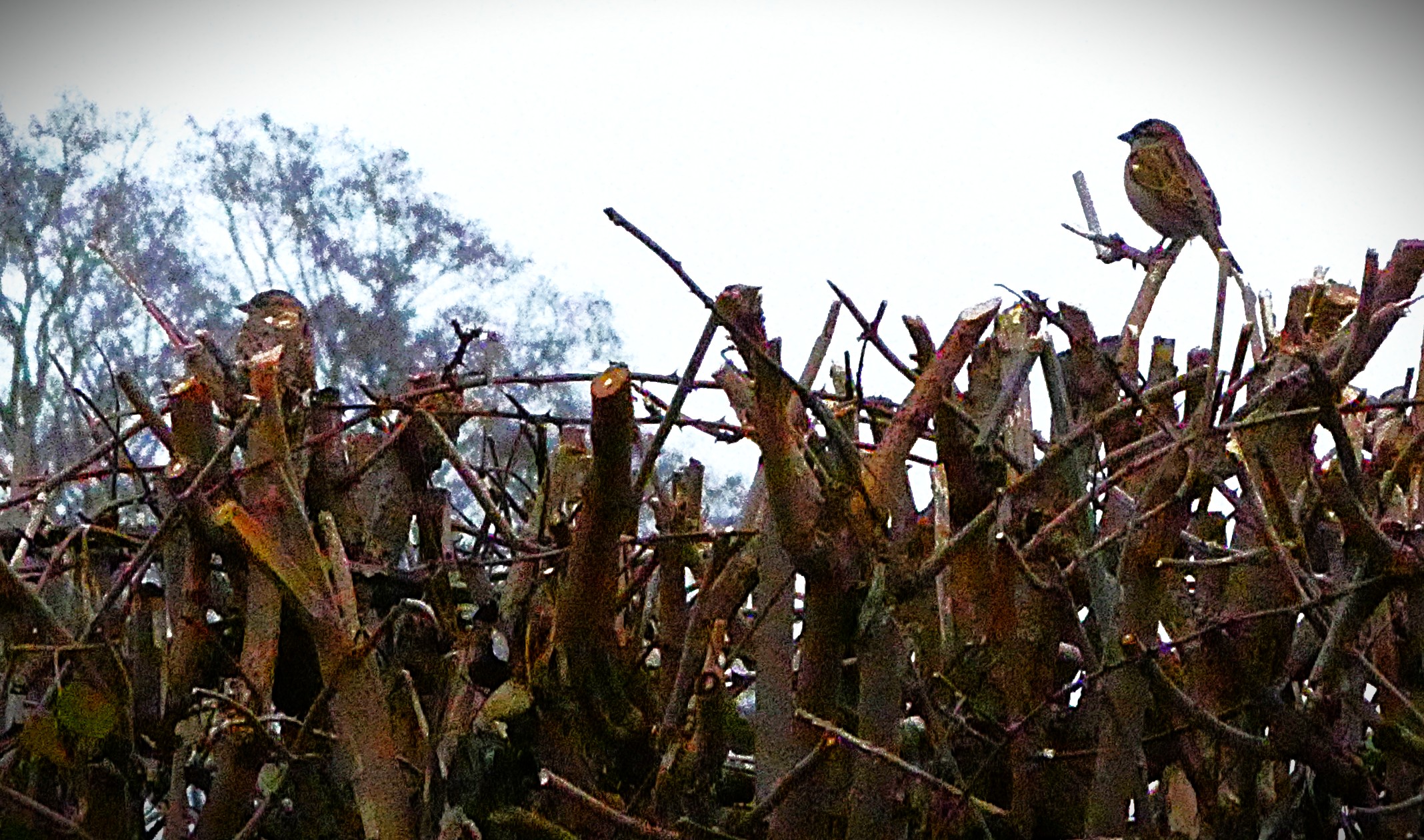
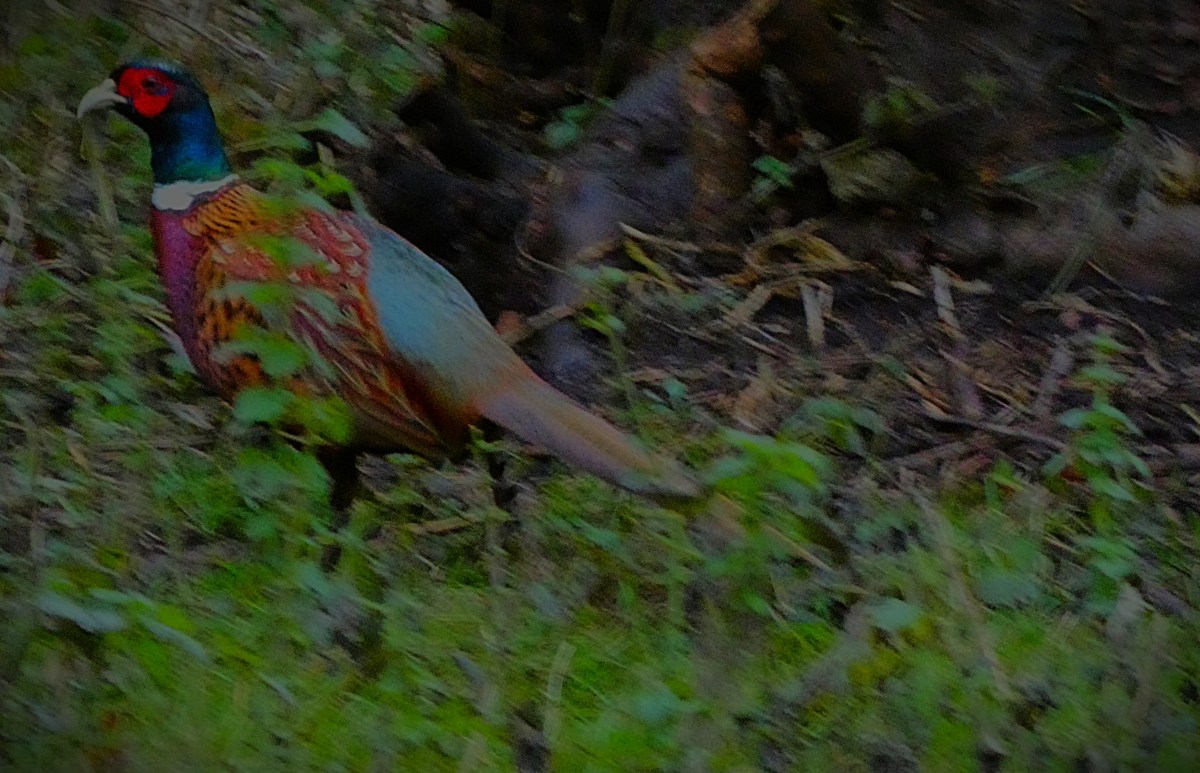
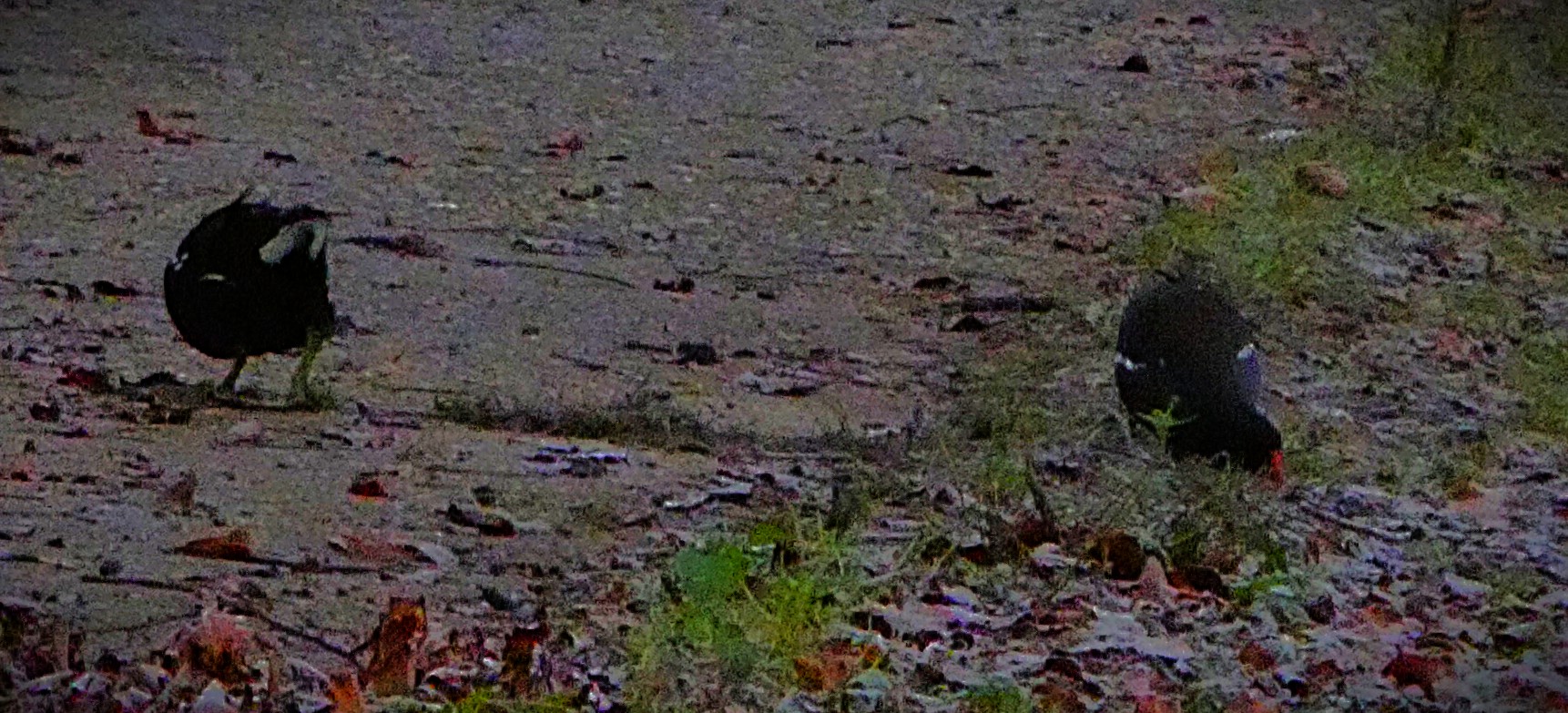
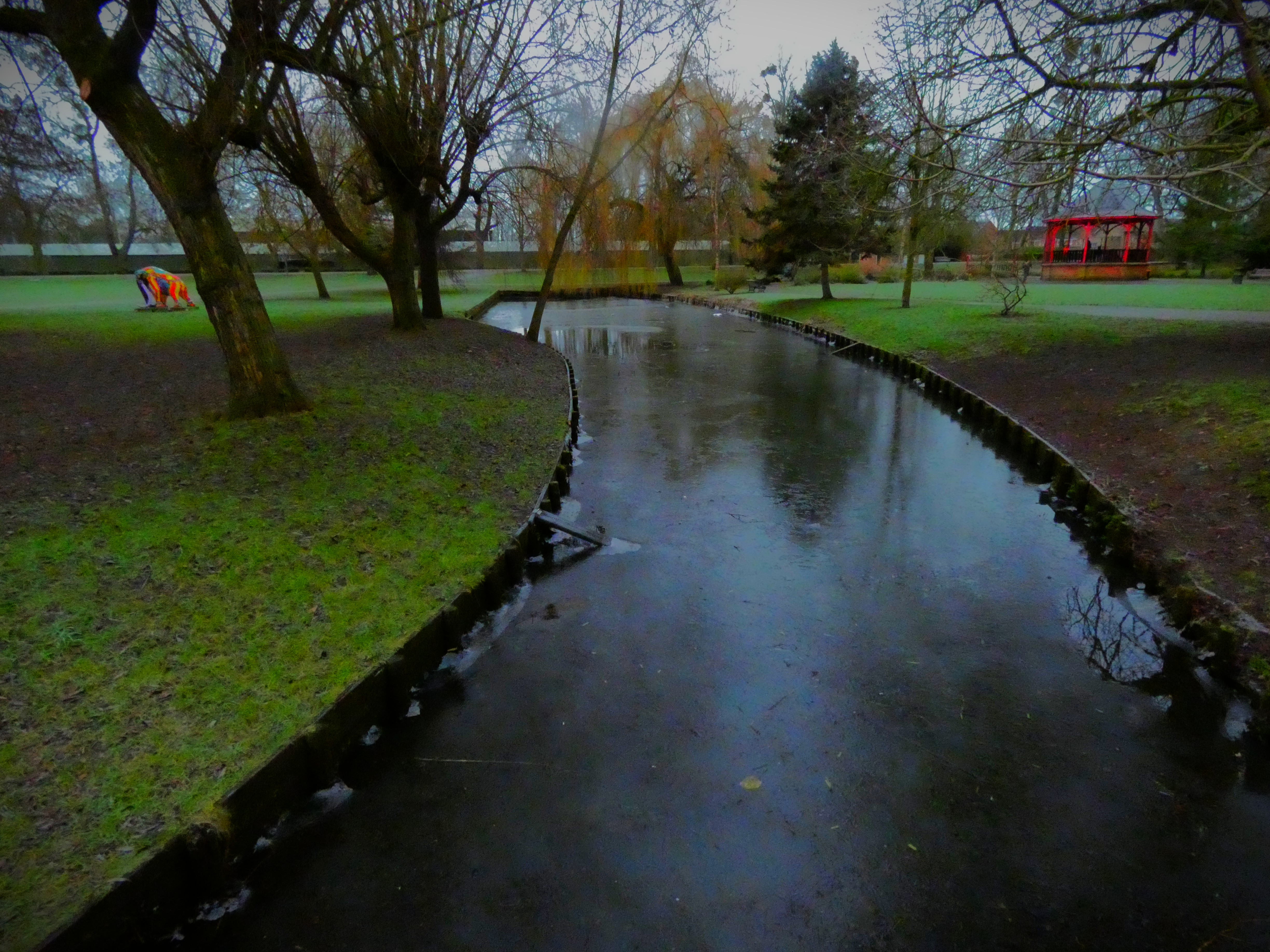
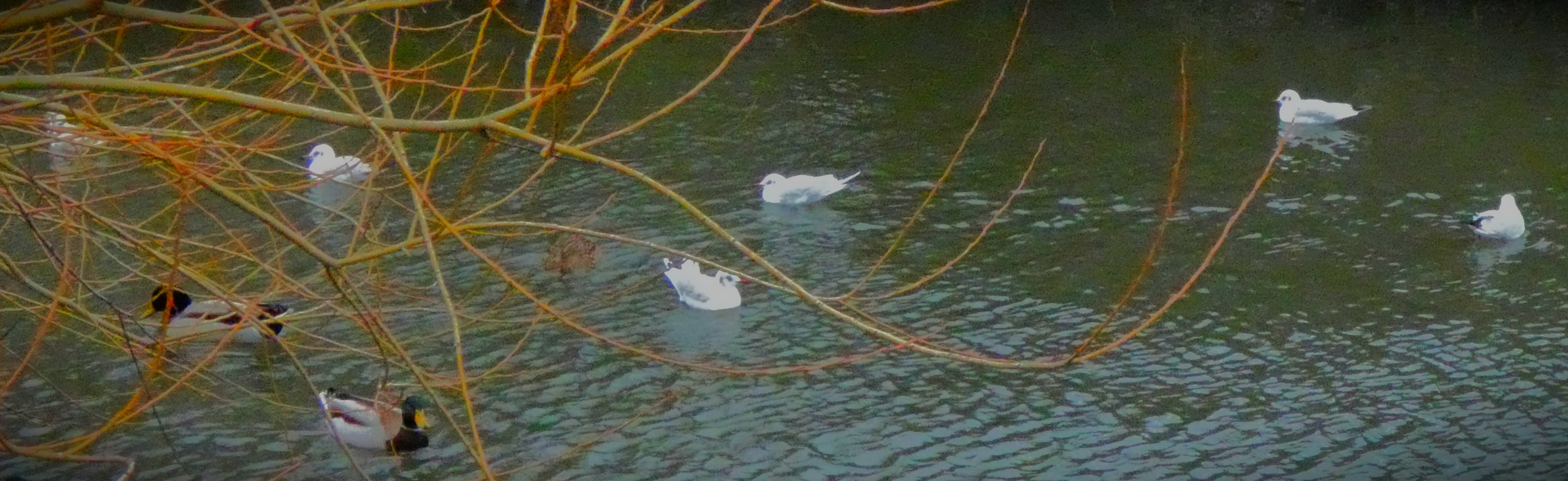
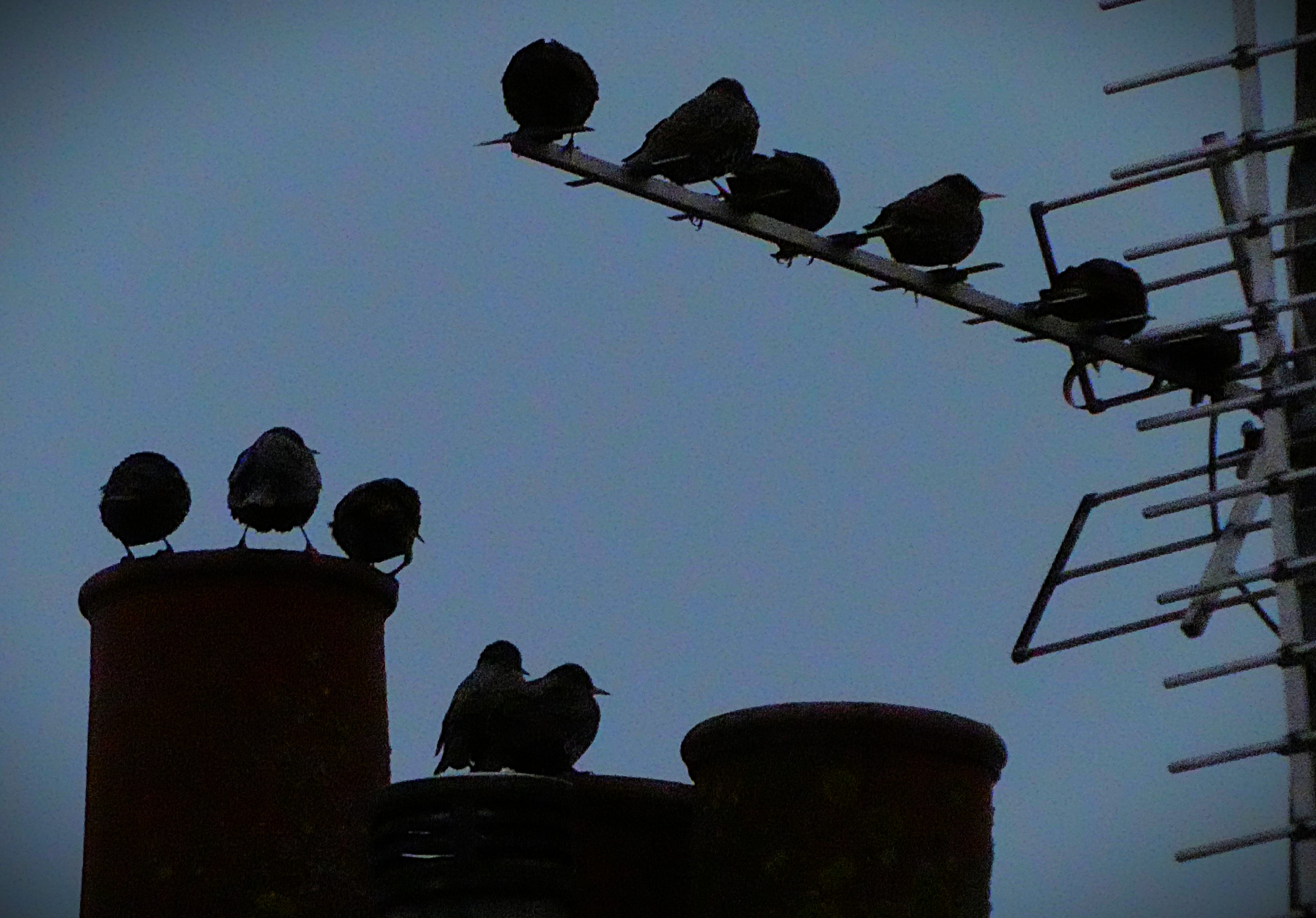
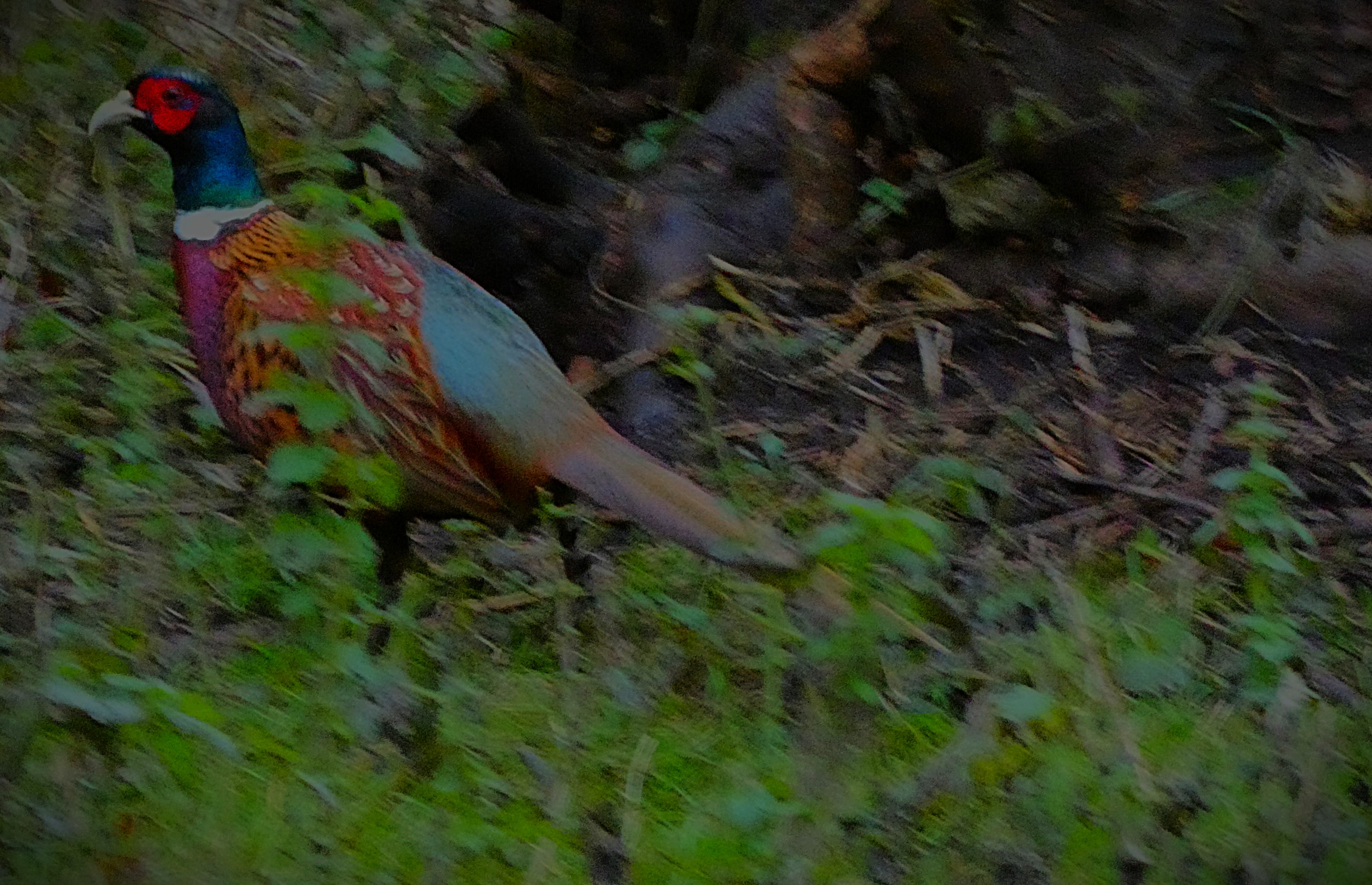
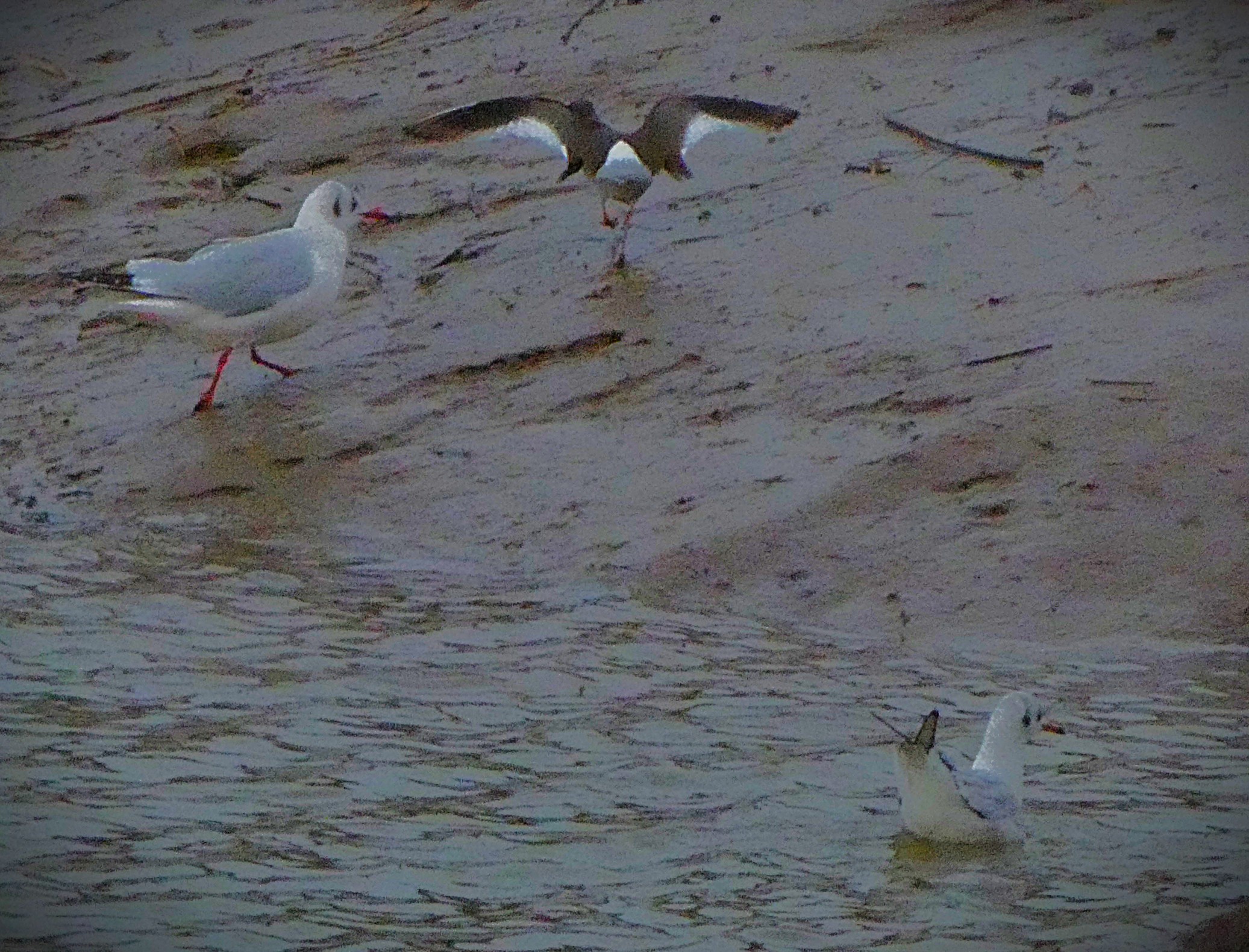
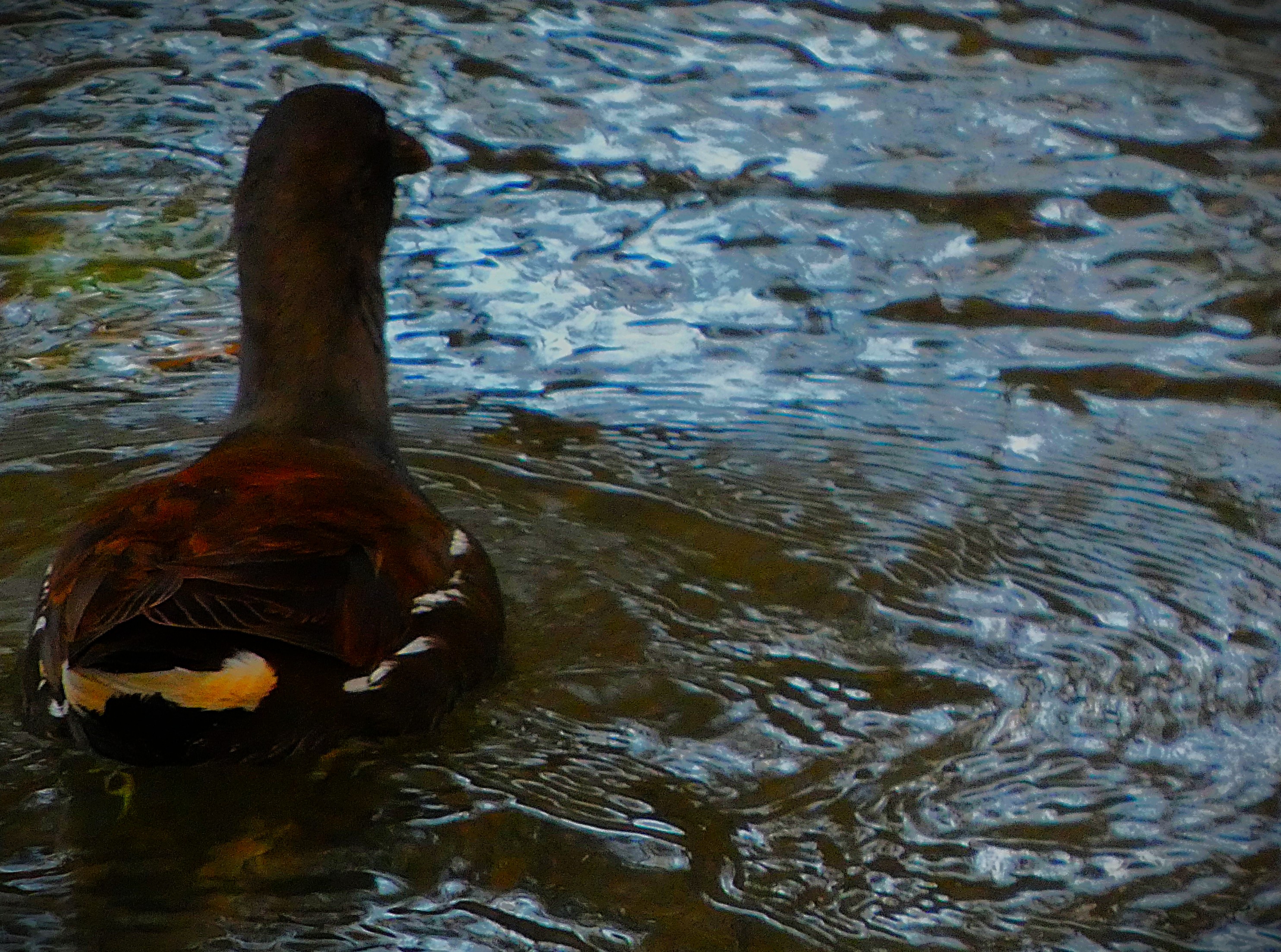
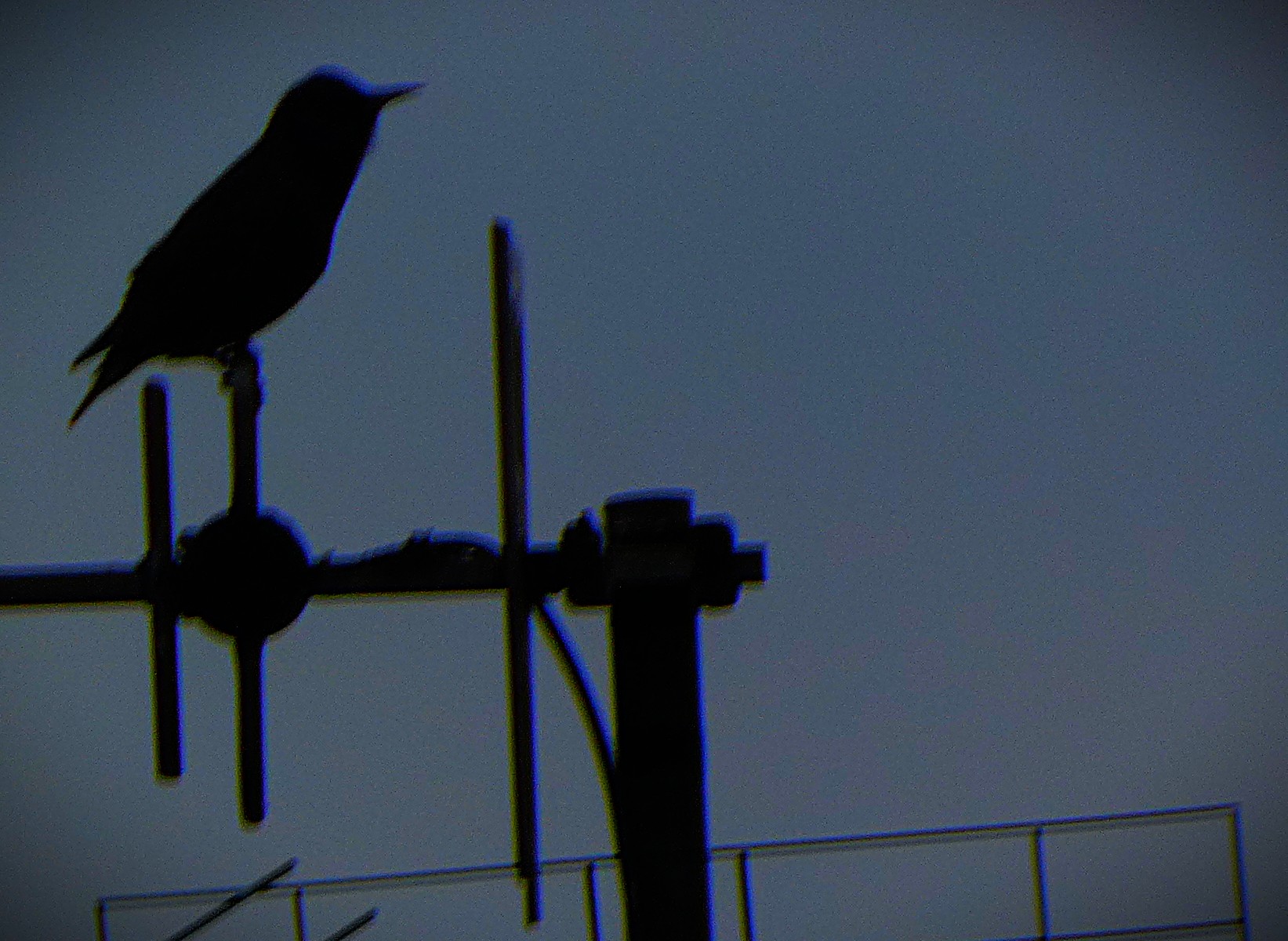
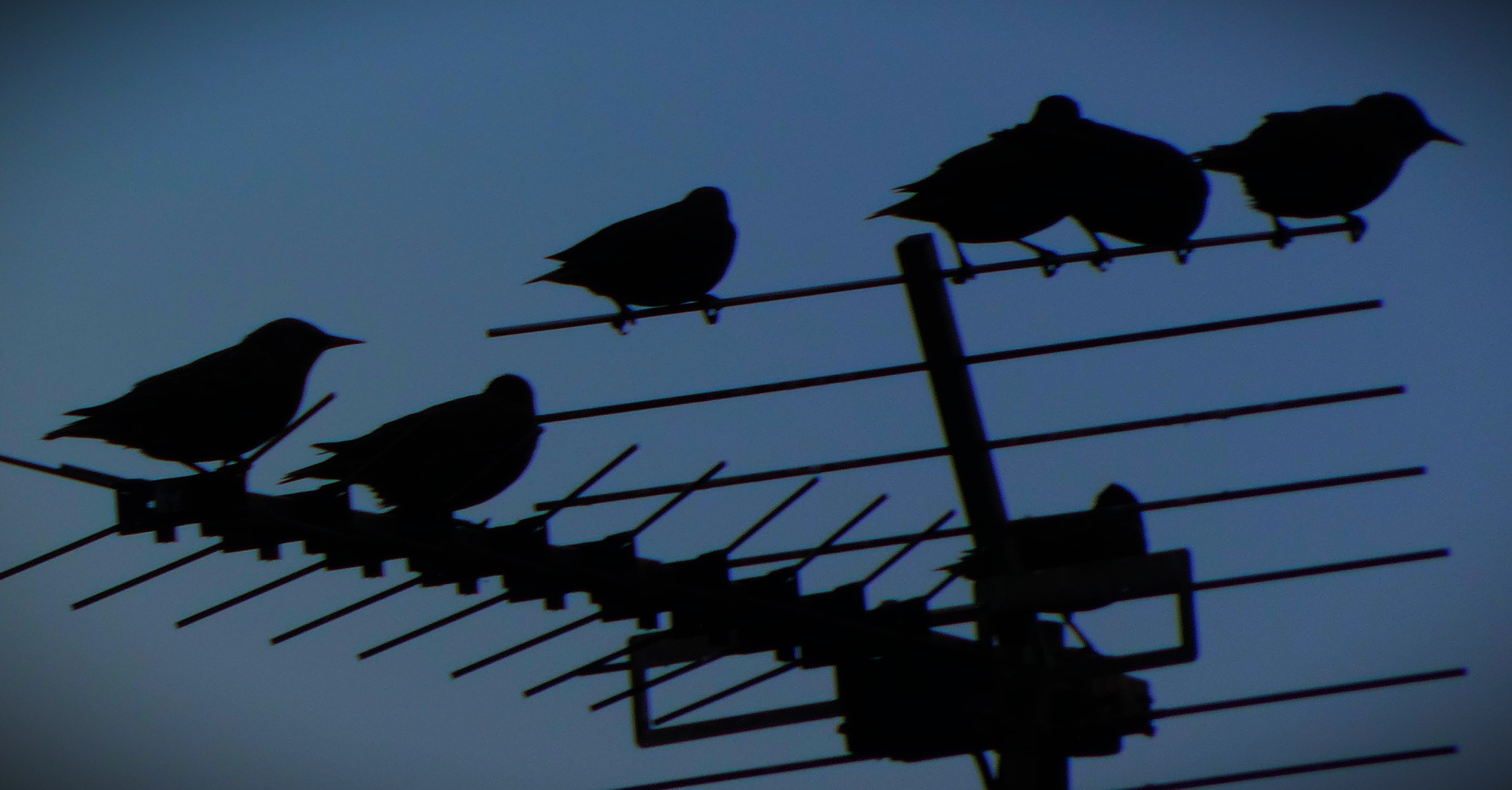
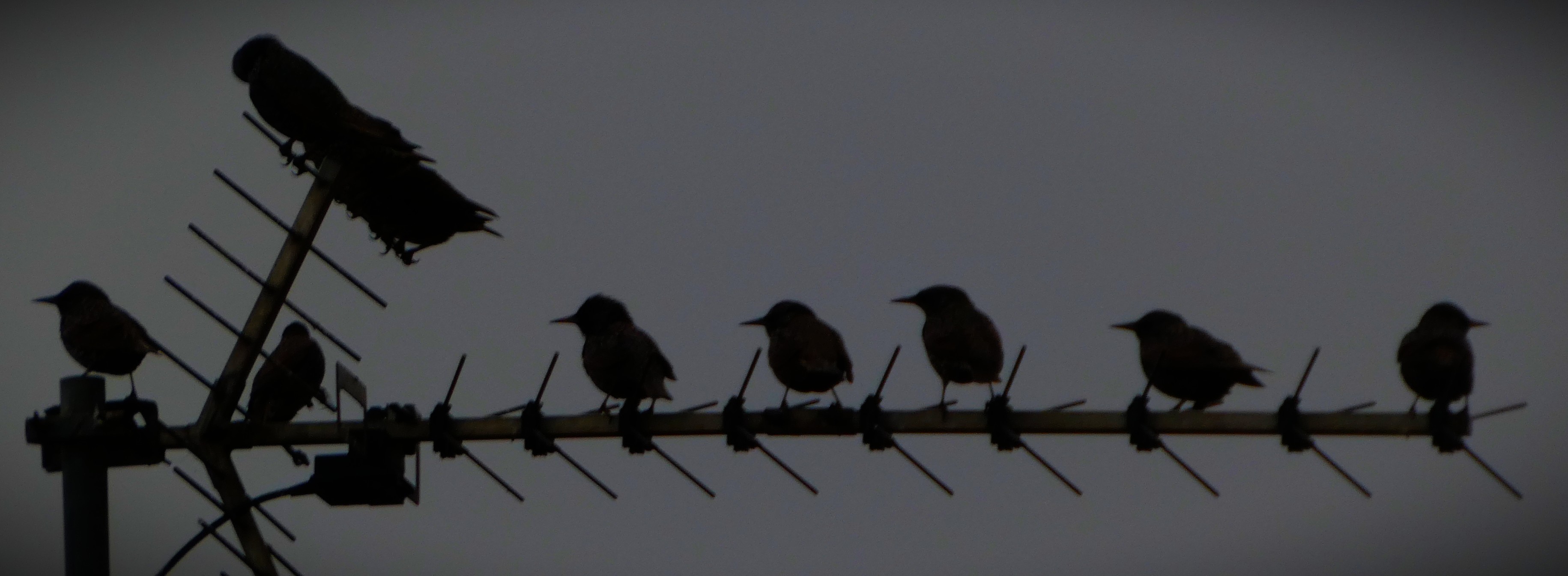
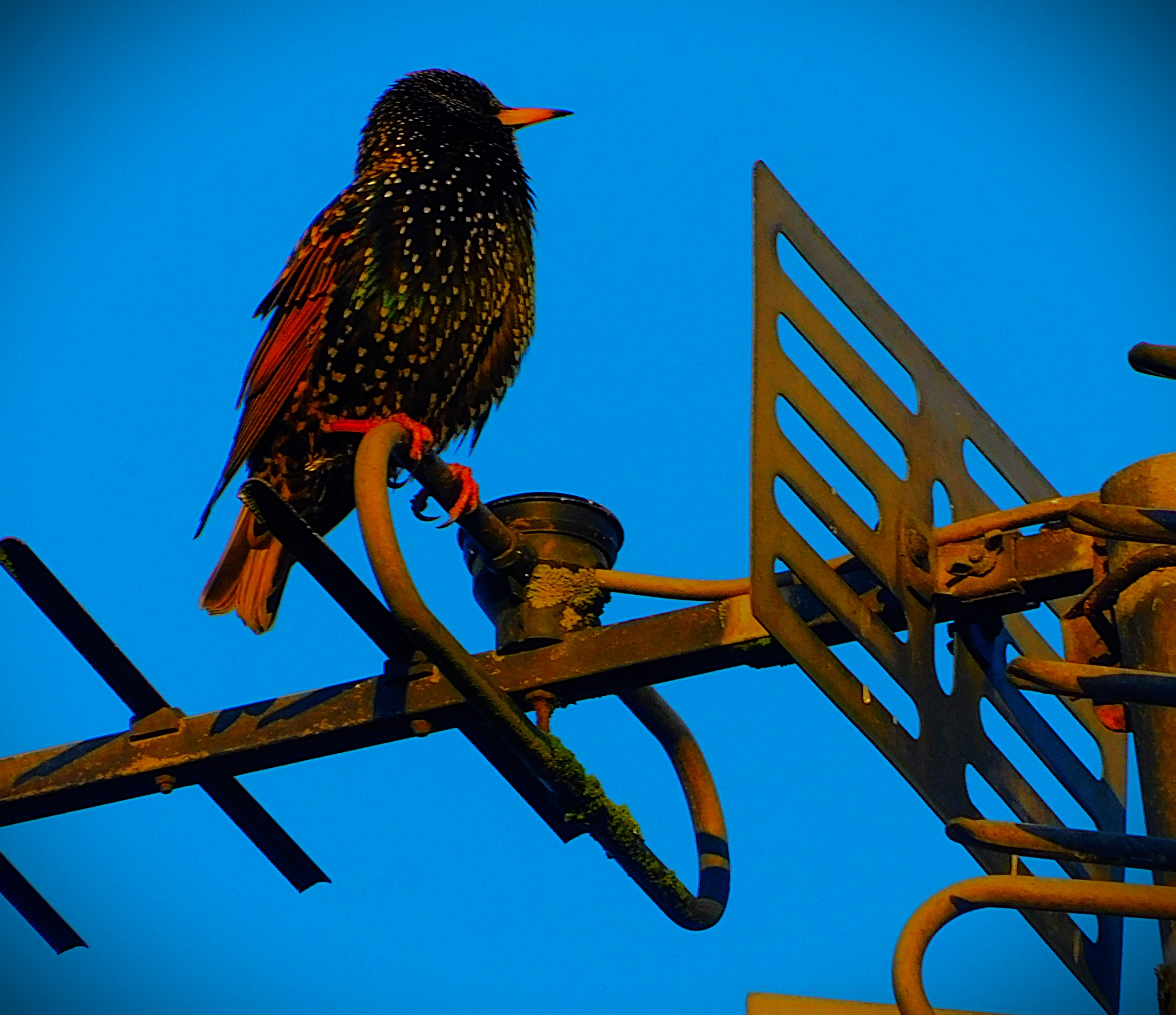
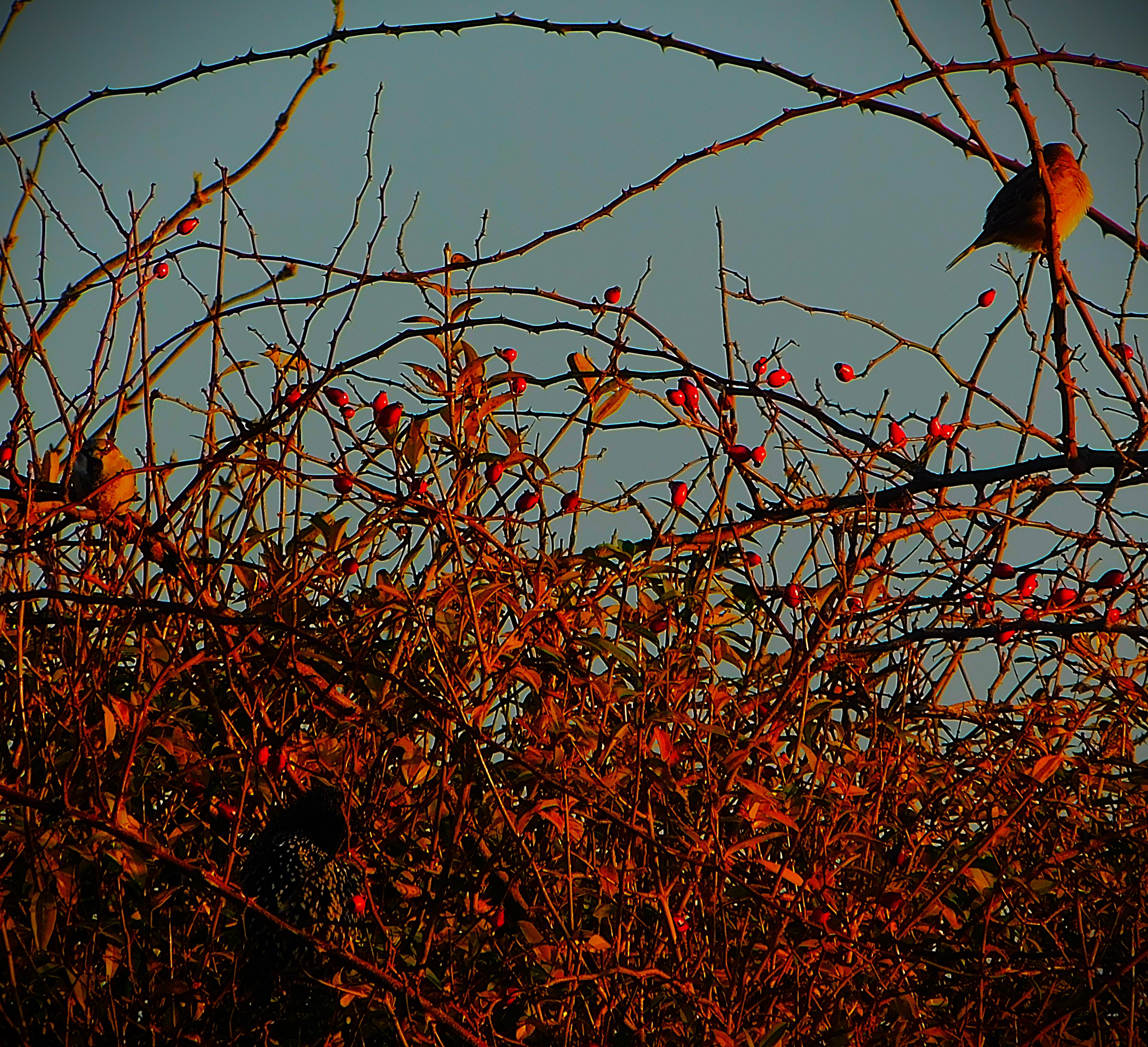
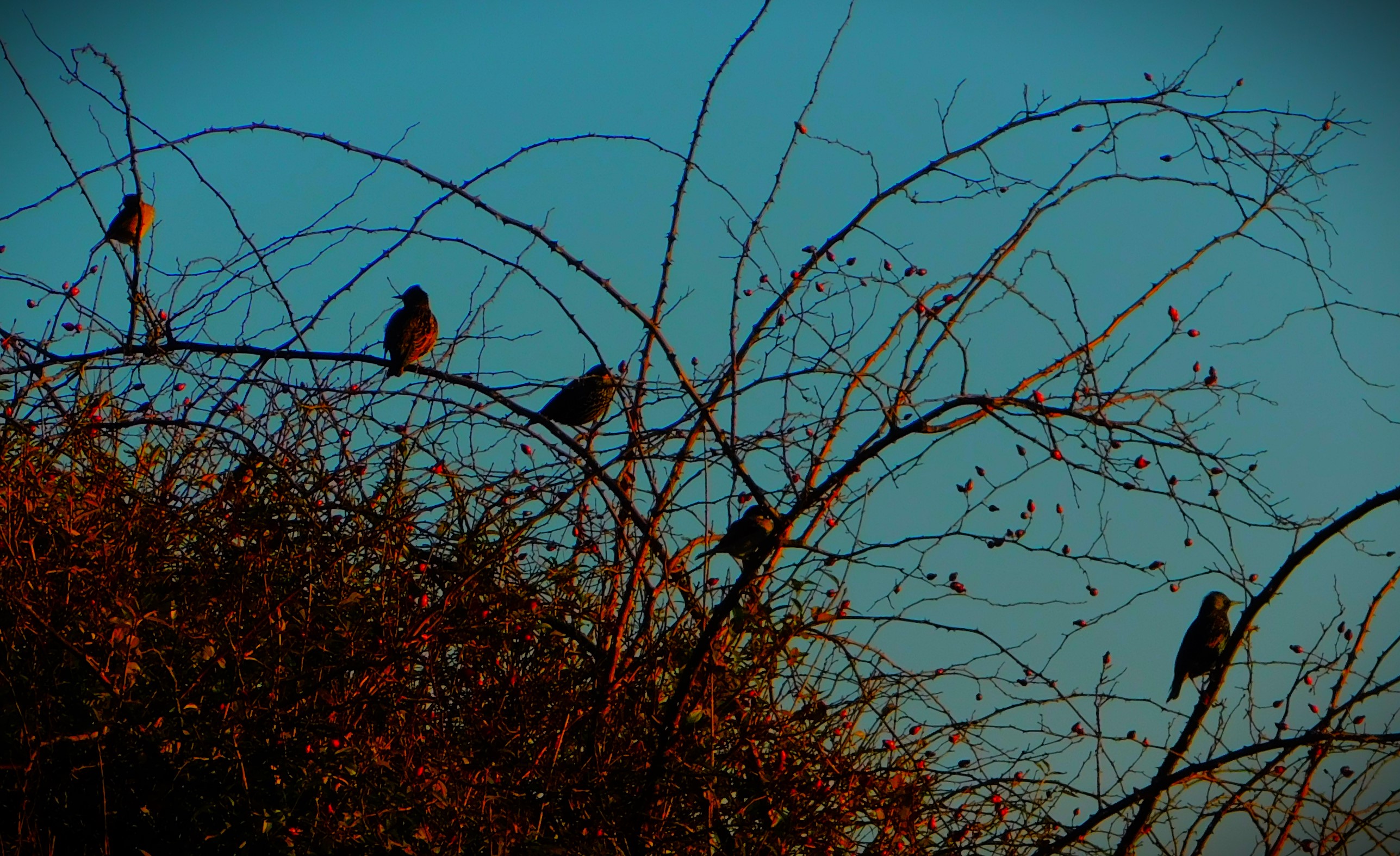
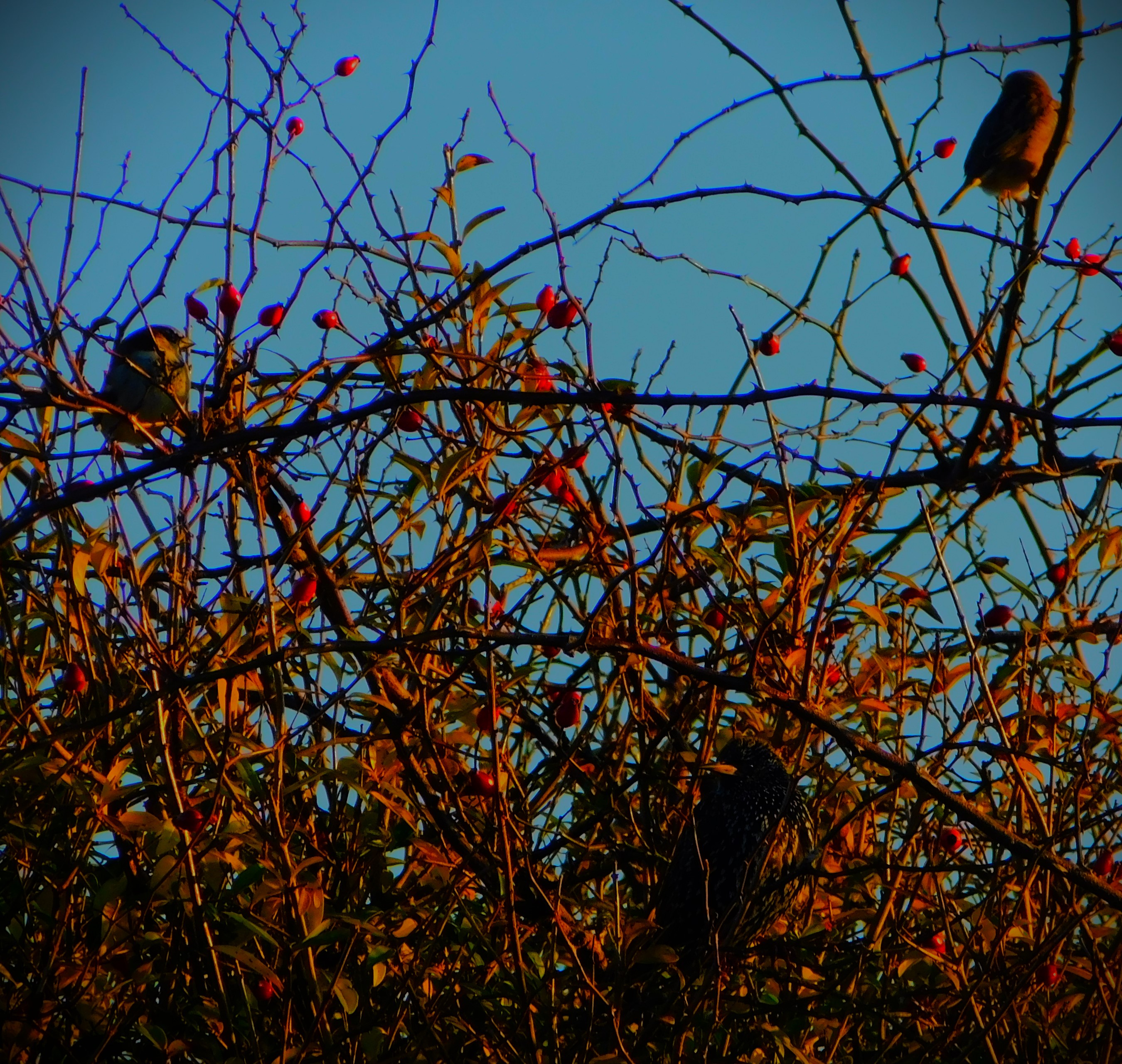
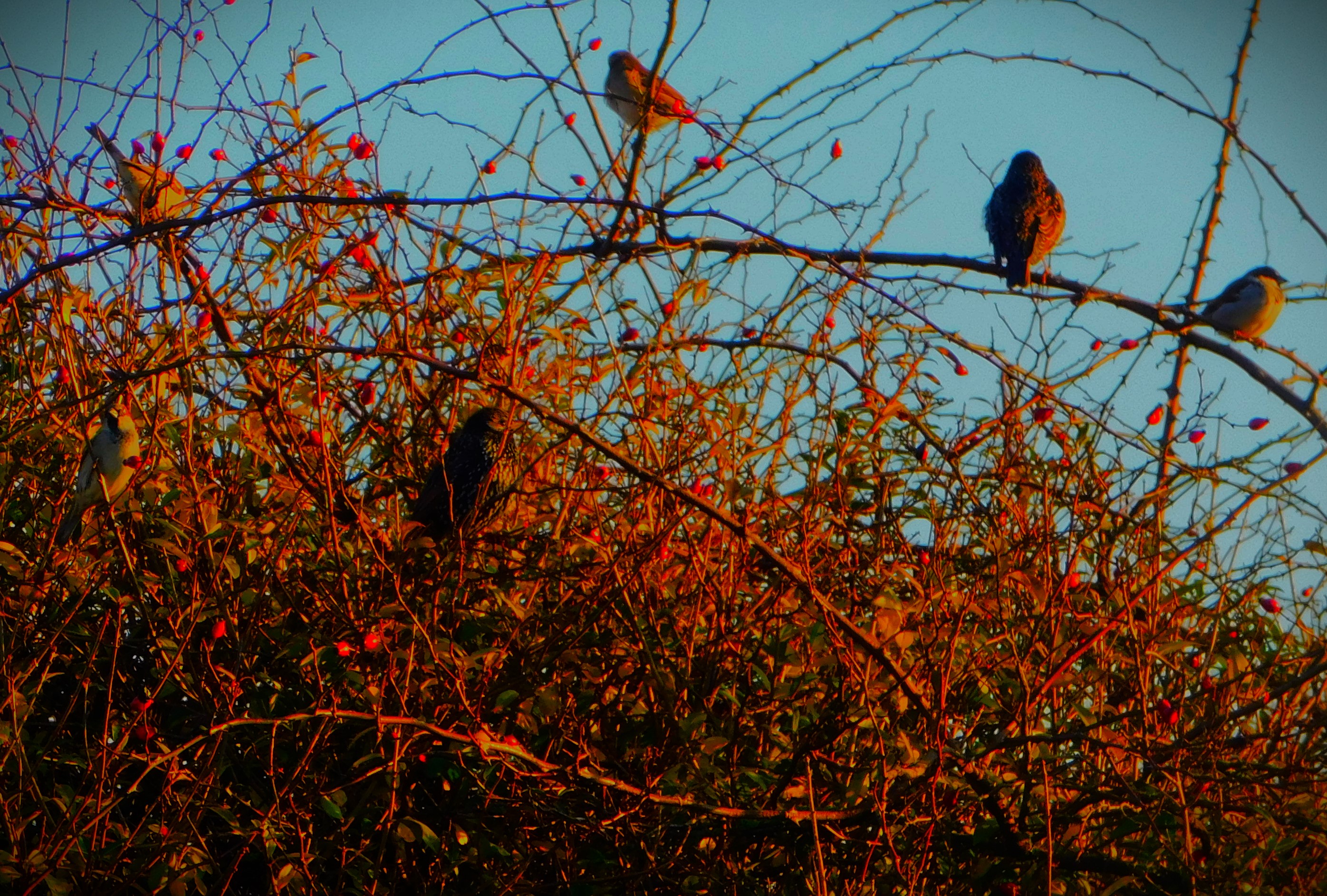
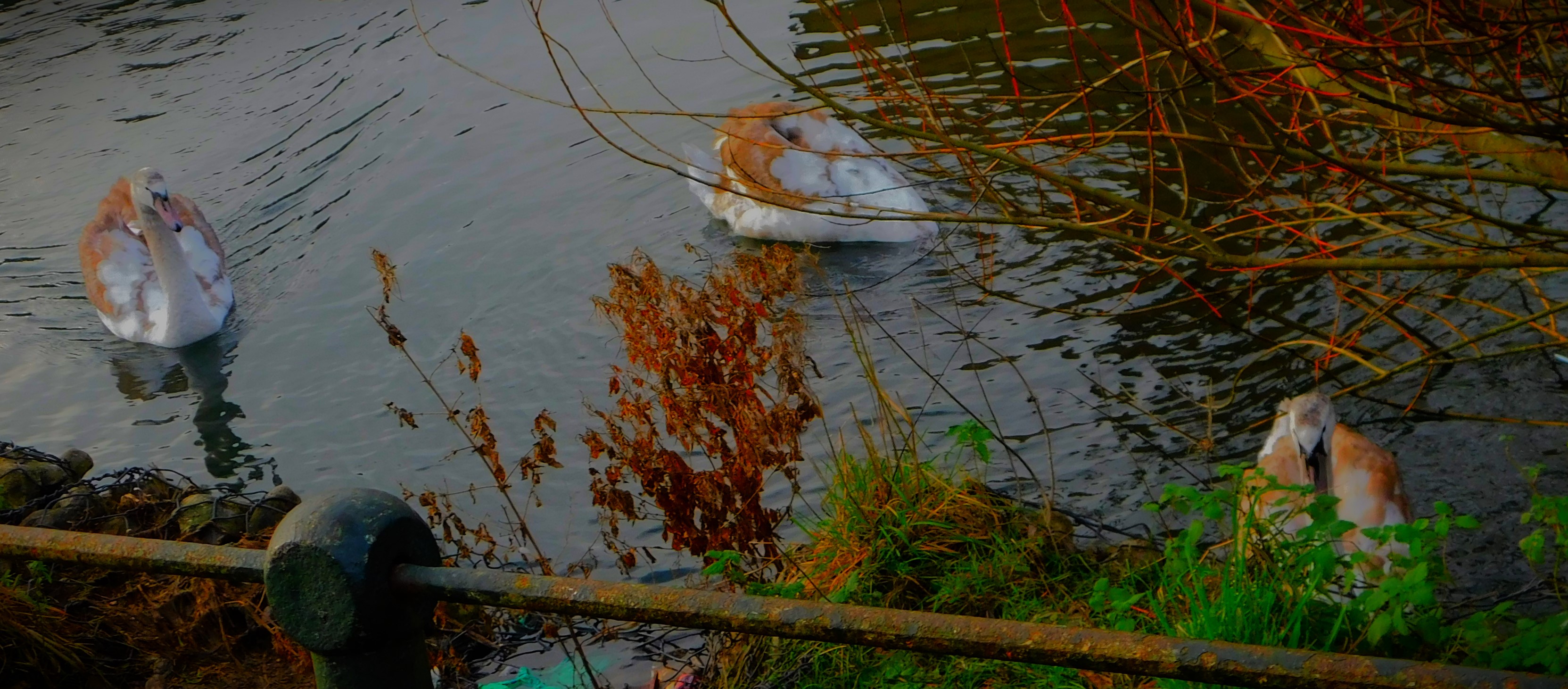
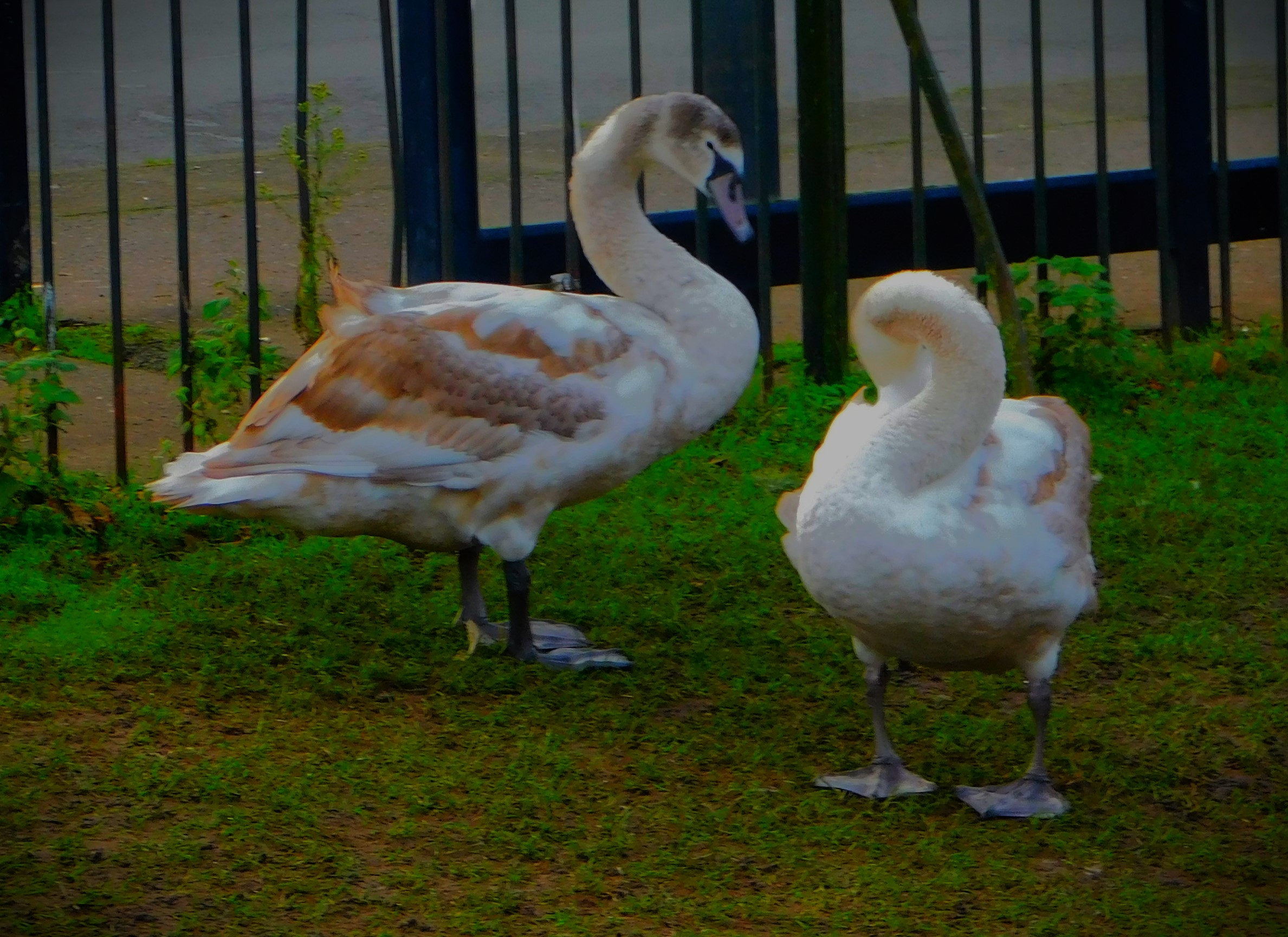
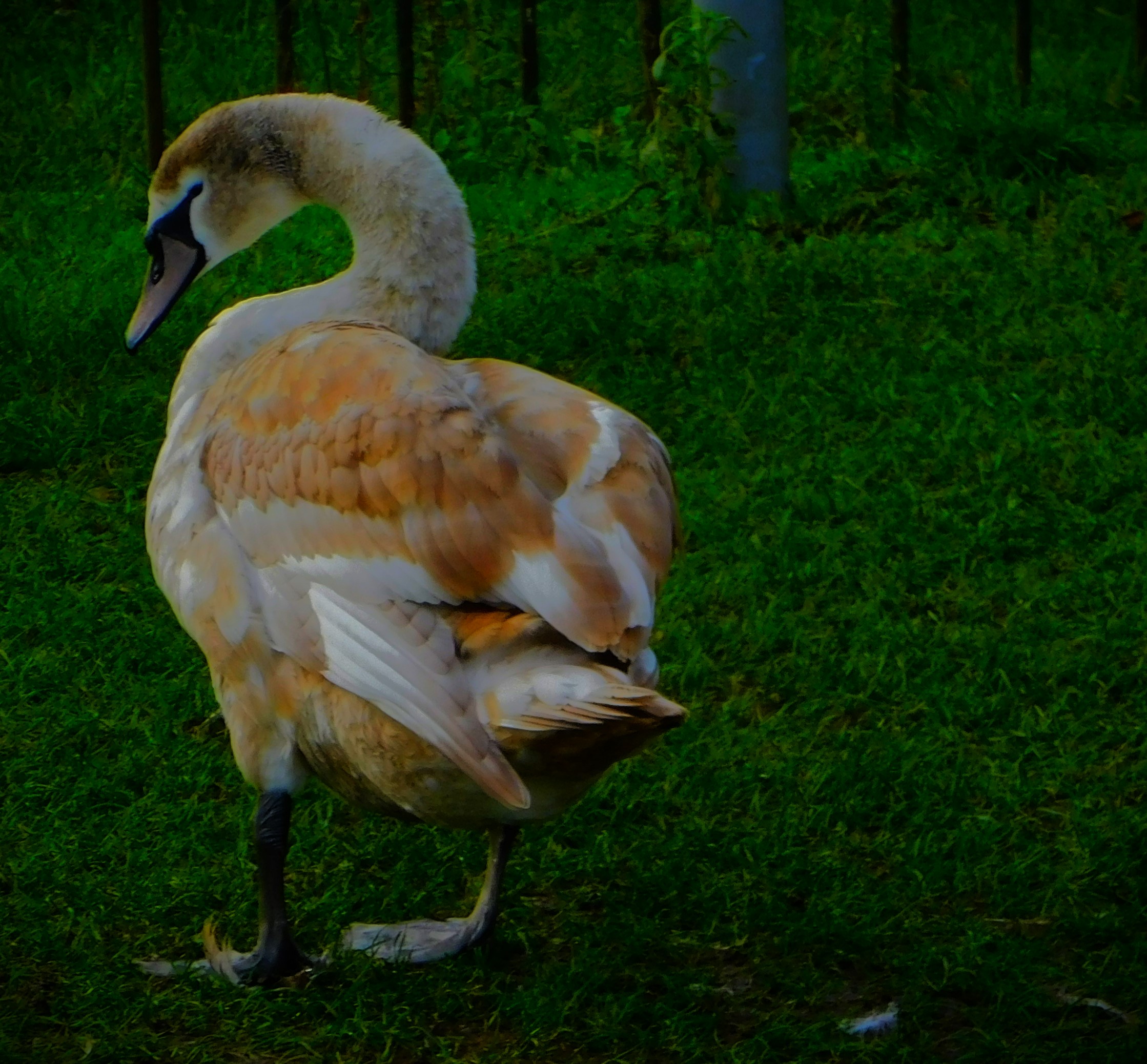
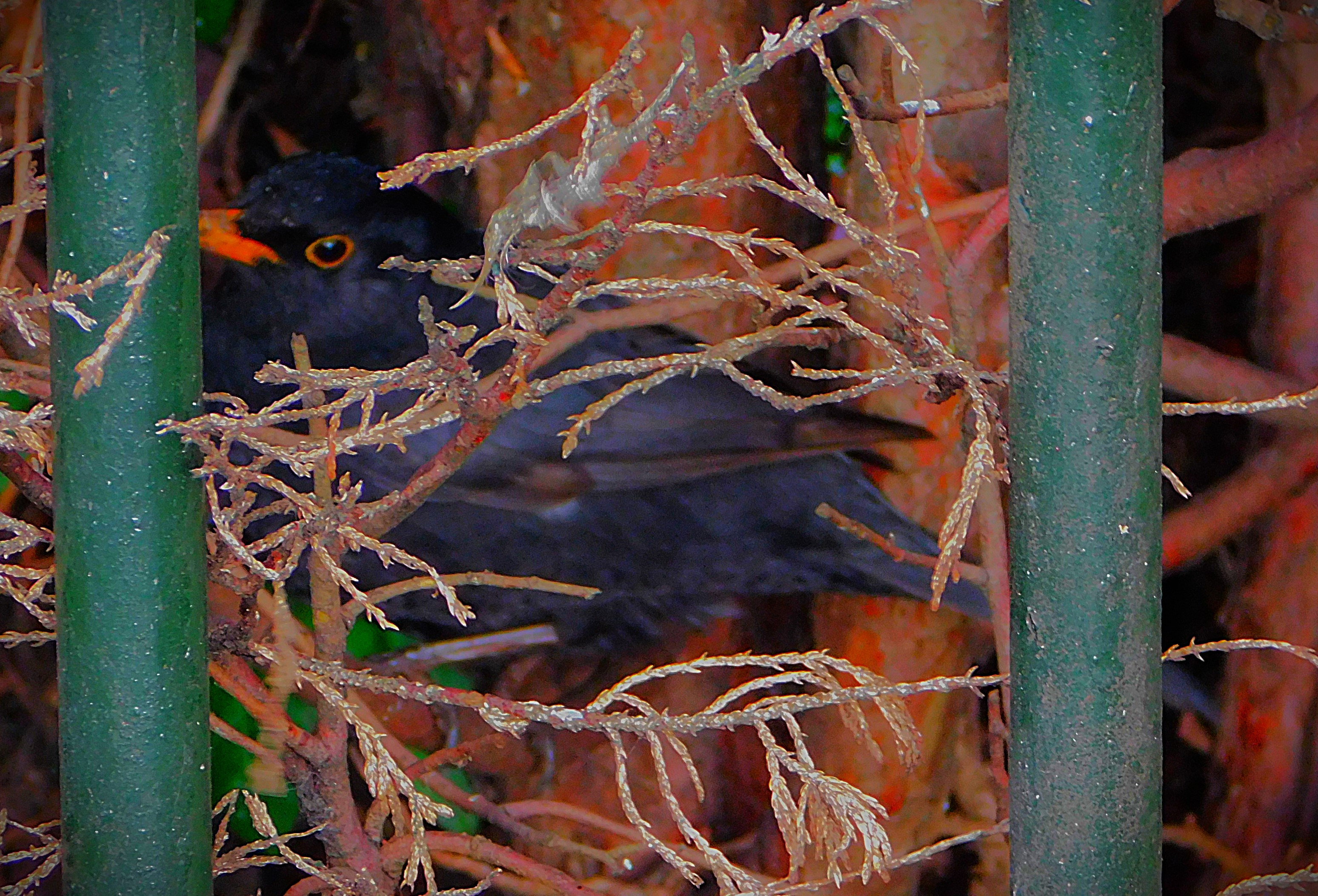
The weather has been fine in my part of the world of late, apart from Friday which was dull and grey. I thus have lots of pictures to share, and not being inspired to think of things to write about I offer up this gallery:

London Underground to King’s Lynn?!

A whimsical exercise inspired by a fairly newly constructed path in King’s Lynn, assessing how the real roundel might be brought here.

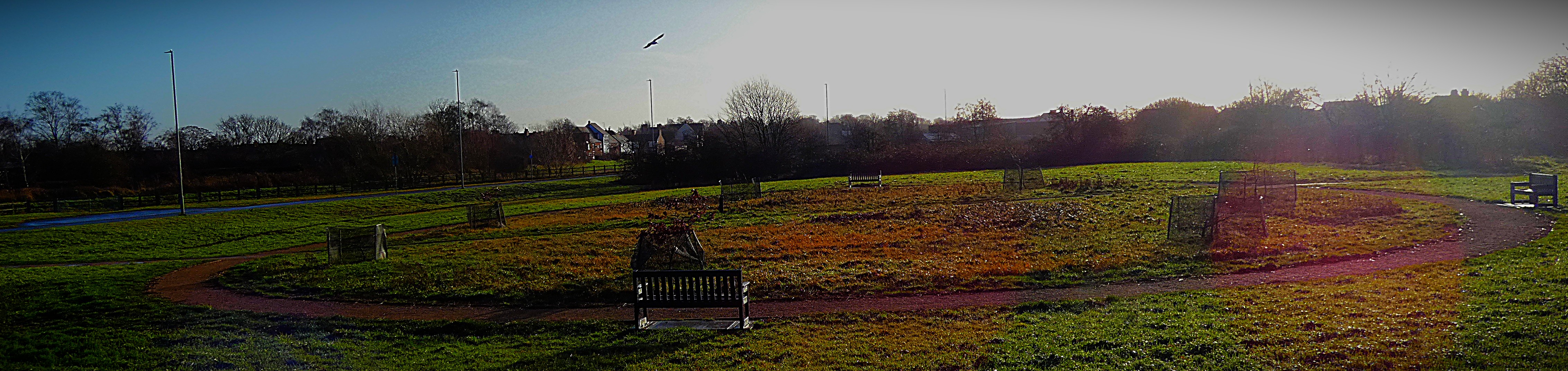
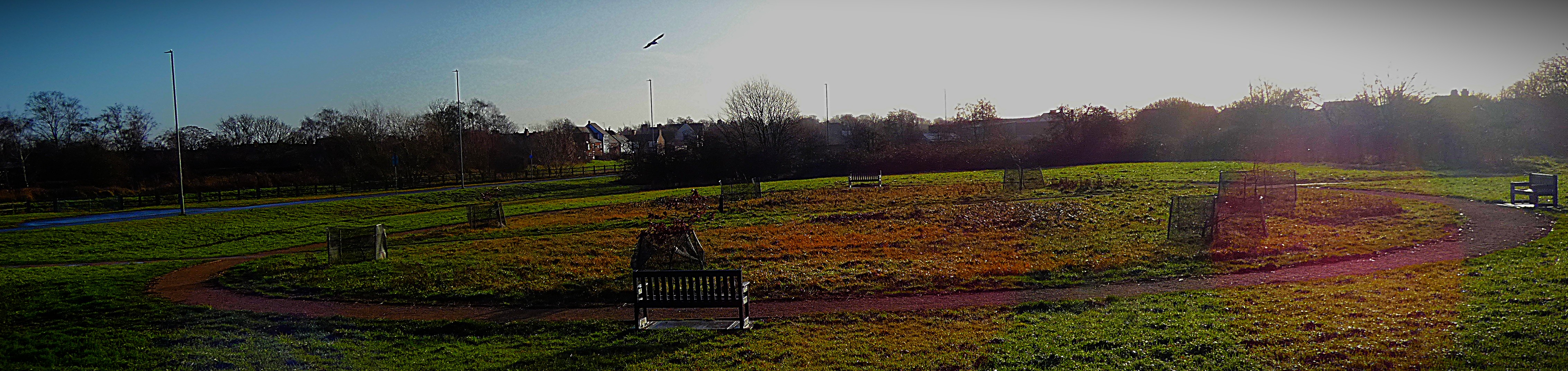
This is an exercise in purest whimsy, provoked by a recently constructed set of paths in Hardings Pits near King’s Lynn that I have dubbed ‘Roundel Path’ for their collective resemblance to London Underground’s classic symbol. Here is a photograph:

Roundel Path – I hope this photo, taken this morning illustrates the reason I have so named it.

Before moving in to the main body of this post I re-emphasise that this a purely whimsical exercise, and not even I would actually recommend the adoption of these schemes.

These suggestions are listed from most to least fanciful with even the least fanciful still fairly so.

  1. Over a decade ago I did a personal survey of the Piccadilly line, which among other things recommended a northwards extension from Cockfosters to Welwyn Garden City. Welwyn Garden City is a station that trains from London to King’s Lynn pass but do not stop at en route. Extending all the way to Lynn would require a lot of adjustments at every station that the line would stop at – ideal platform heights are very different for surface and tube stocks which is why I consider this possibility even more unrealistic than the other.
  2. The slightly less ridiculous possibility makes use of the fact that the older subsurface London Underground lines are built to standard railway specifications and would at least not require any platform adaptations. It would require one completely new section of track, from King’s Cross St Pancras (Circle, Hammersmith&City and Metropolitan line shared platforms) to Finsbury Park or some point further north, with an intermediate station at Highbury& Islington, giving some useful connections, joining the existing tracks as soon as it is practical for it to come to the surface. That leaves one further question…

There are three possibilities:

  1. The Metropolitan line once extended over 50 miles out into the countryside, and is still much more like a mainline railway than other lines. The disadvantage of the Metropolitan getting this route is that from Baker Street onward trains would heading northwest, having come from basically due north (with a tiny fraction of east).
  2. The Hammersmith and City line, which could abandon the Farringdon to Barking part of its route, all of which is served by other lines.
  3. The Wimbledon-Edgware Road section of the District line could add the stations as far as King’s Cross to its existing route and take over the new route.

I state once again that the foregoing has been a piece of whimsy, not anything serious, before applying my usual sign off…
James and Sons January Auction

A look back at James and Sons’ January auction and a photo gallery.

On Tuesday and Wednesday of this week James and Sons had its January auction, a two day sale devoted entirely to stamps and postal history. This post looks back at the auction.

The first day featured mainly British stamps, with descriptions handwritten by someone else and typed in by me. The second day featured items from all over the world, and these lots were describe entirely by me. I also did all the imaging for this auction and uploaded it to the two online platforms that we use. On the days of the auction I handled the IT side of things.

Both our online platforms were quite lively, and a number of items fared very well. On day one the most consistent success was enjoyed by stamps from the ‘seahorse’ range. Day two saw all sorts of things sell well, including a number of bidding battles. By the time the last lot went under the hammer I was very tired (in addition to a stressful though satisfactory two days at James and Sons I had had a WNAG commitment on the Tuesday evening).

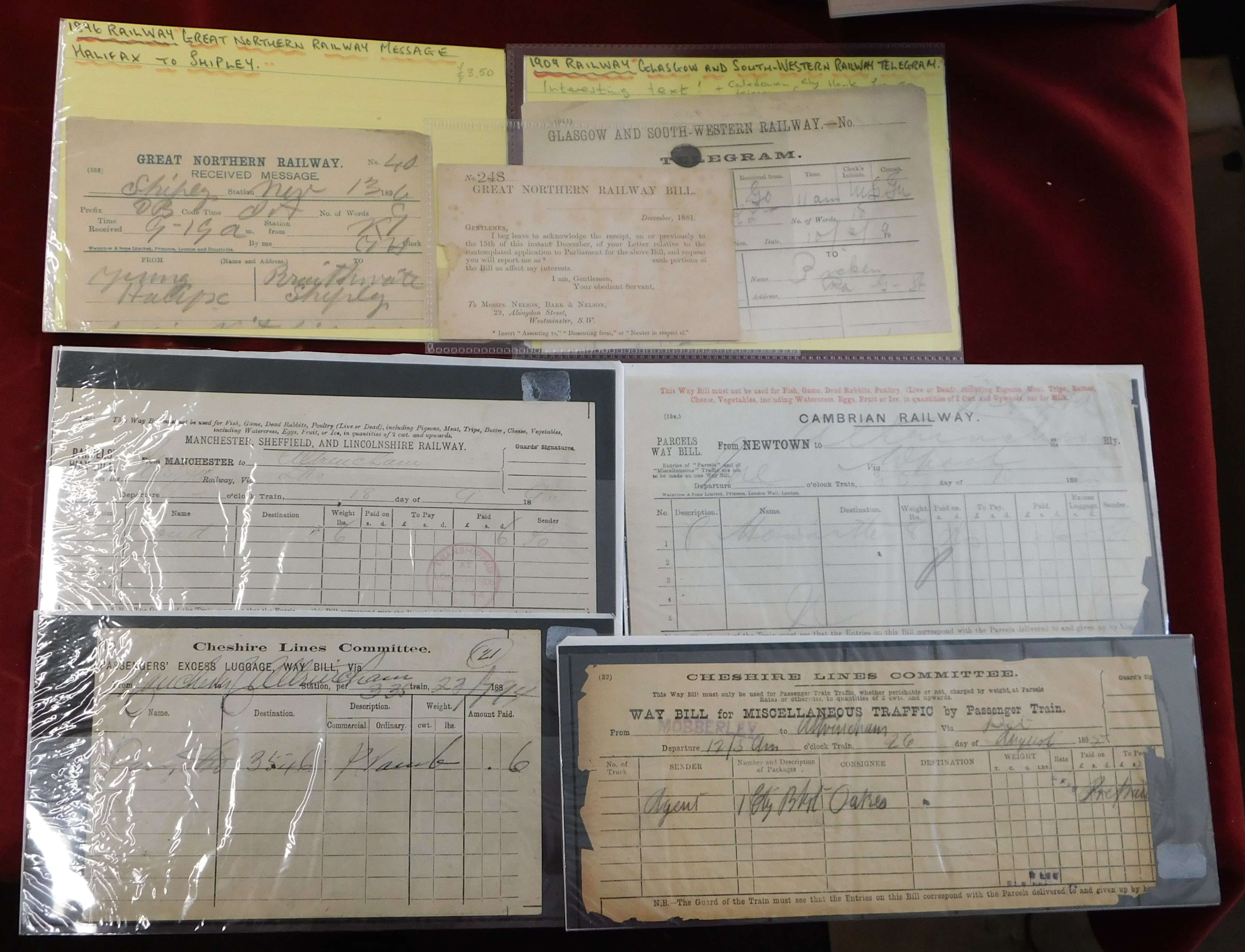
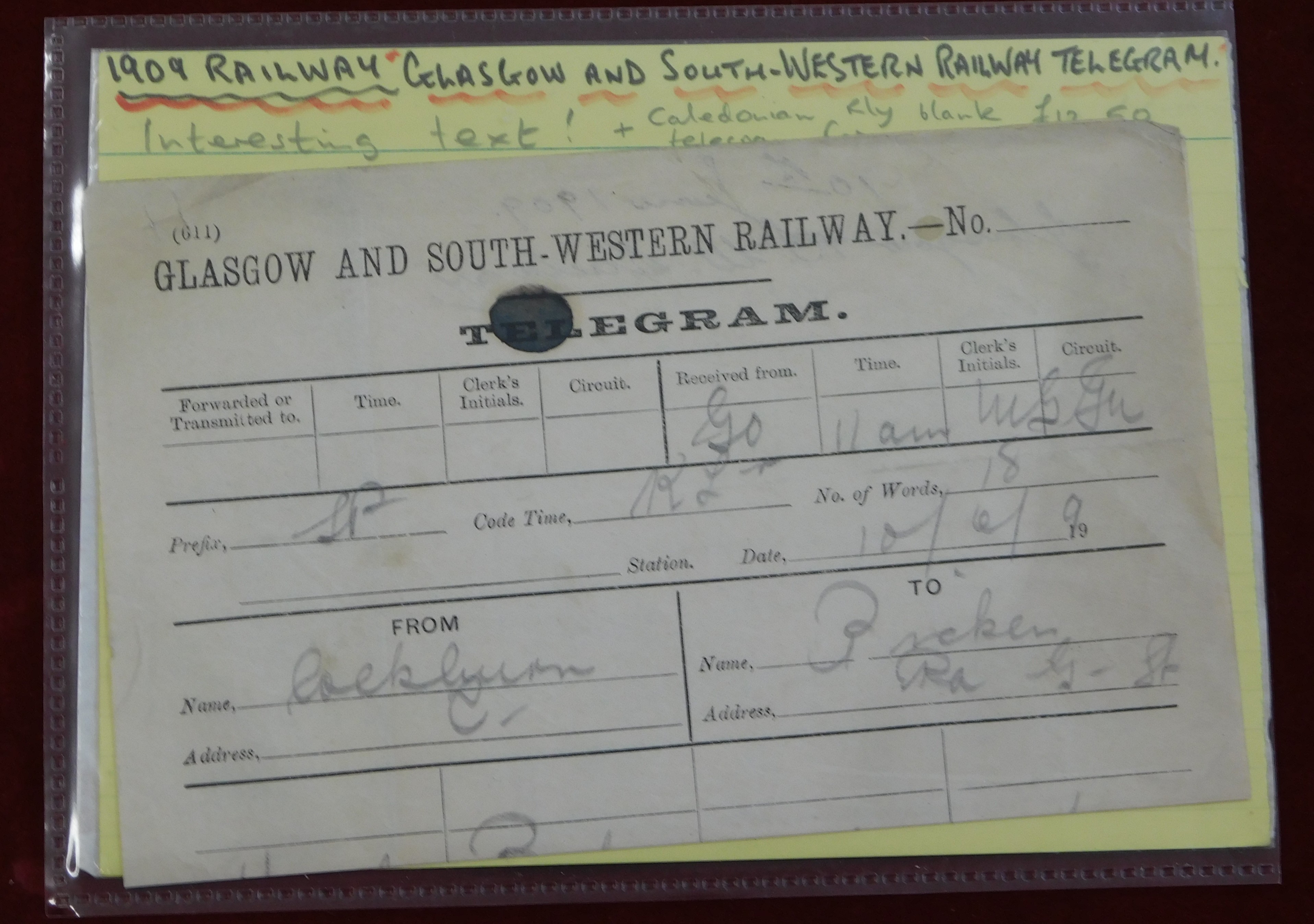
I had put bids in on a number of lots on day one, and on three items I was successful. Lot 105 was my first moment of good fortune:

Lot 166 was the first of three items of its type, and I was outbid on the other two, which was professionally satisfying.

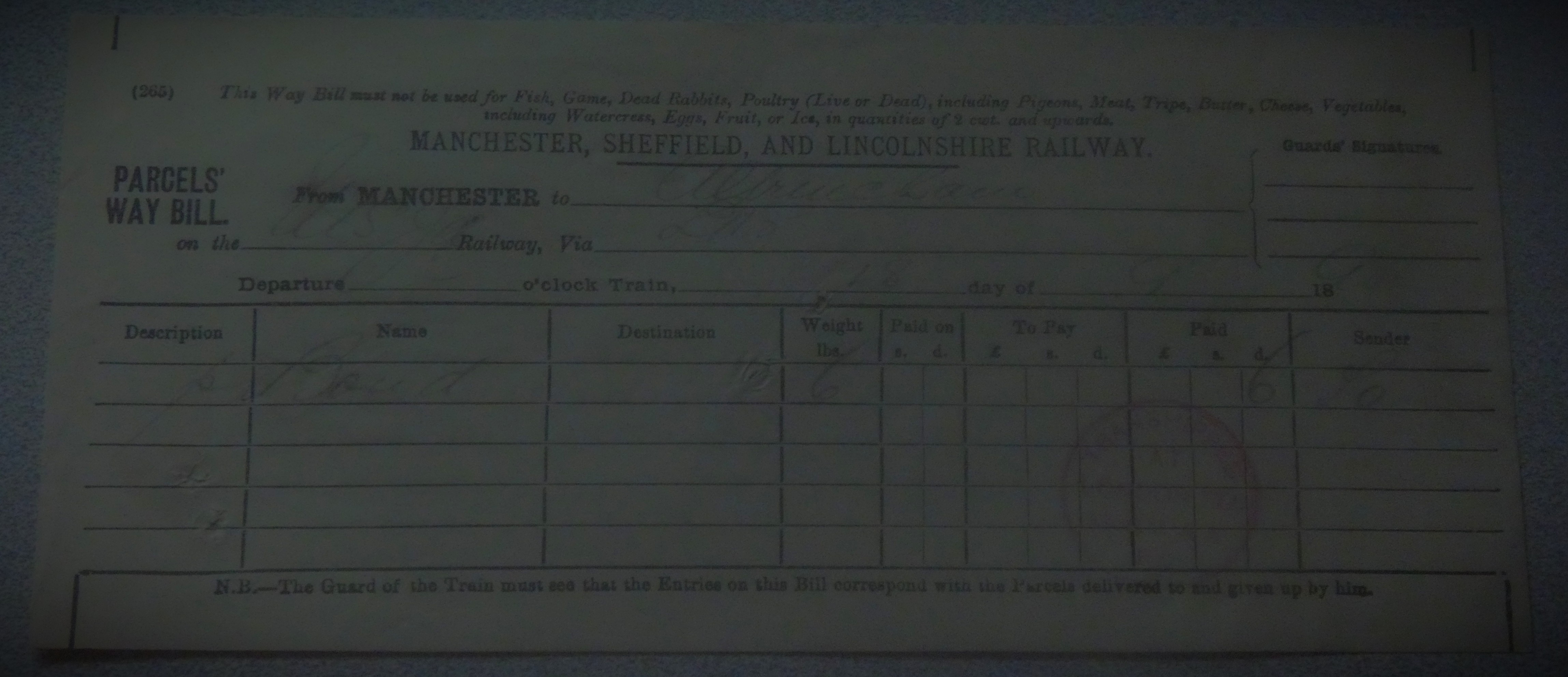
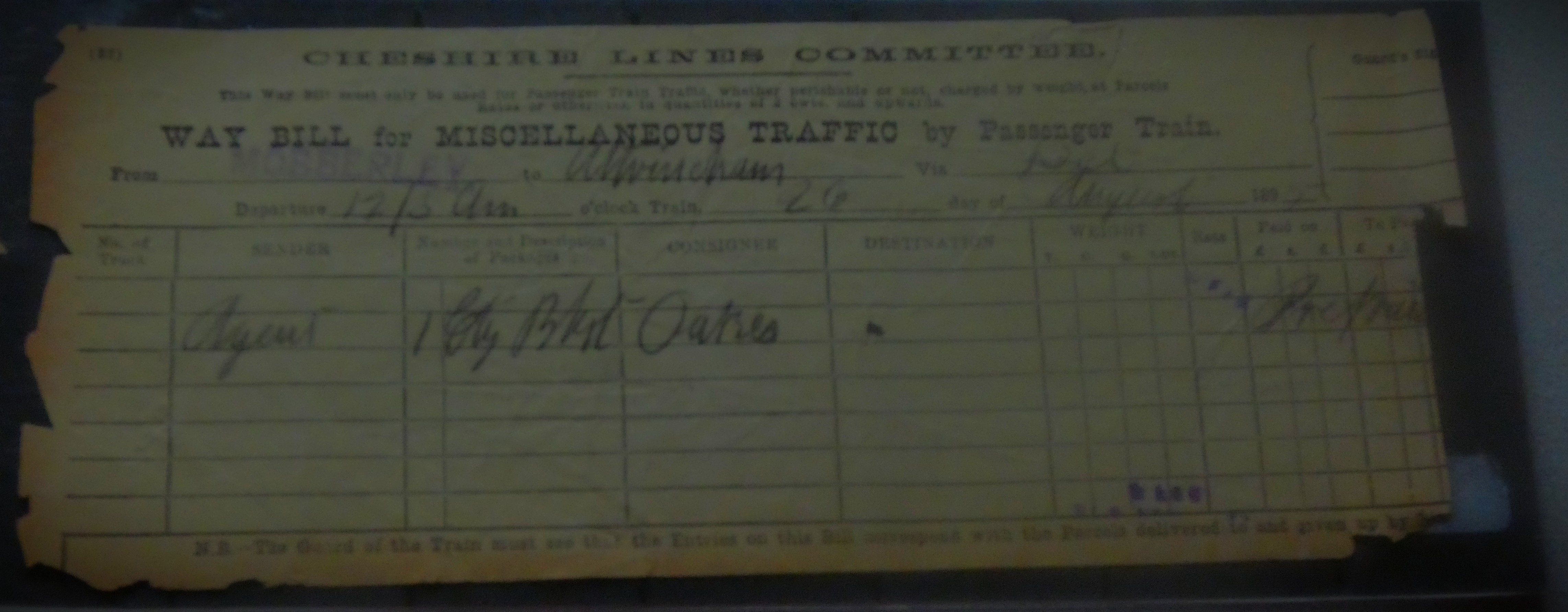
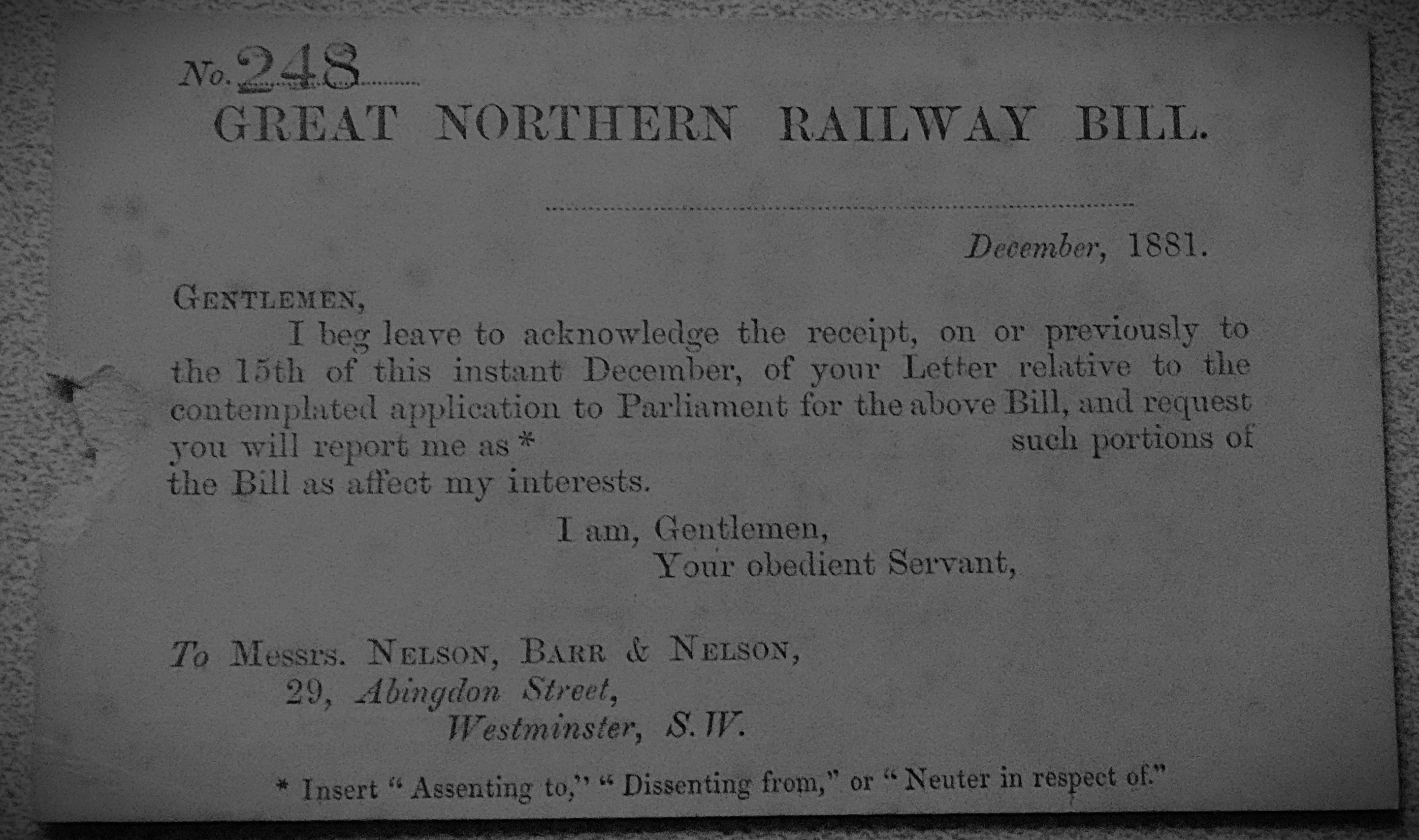
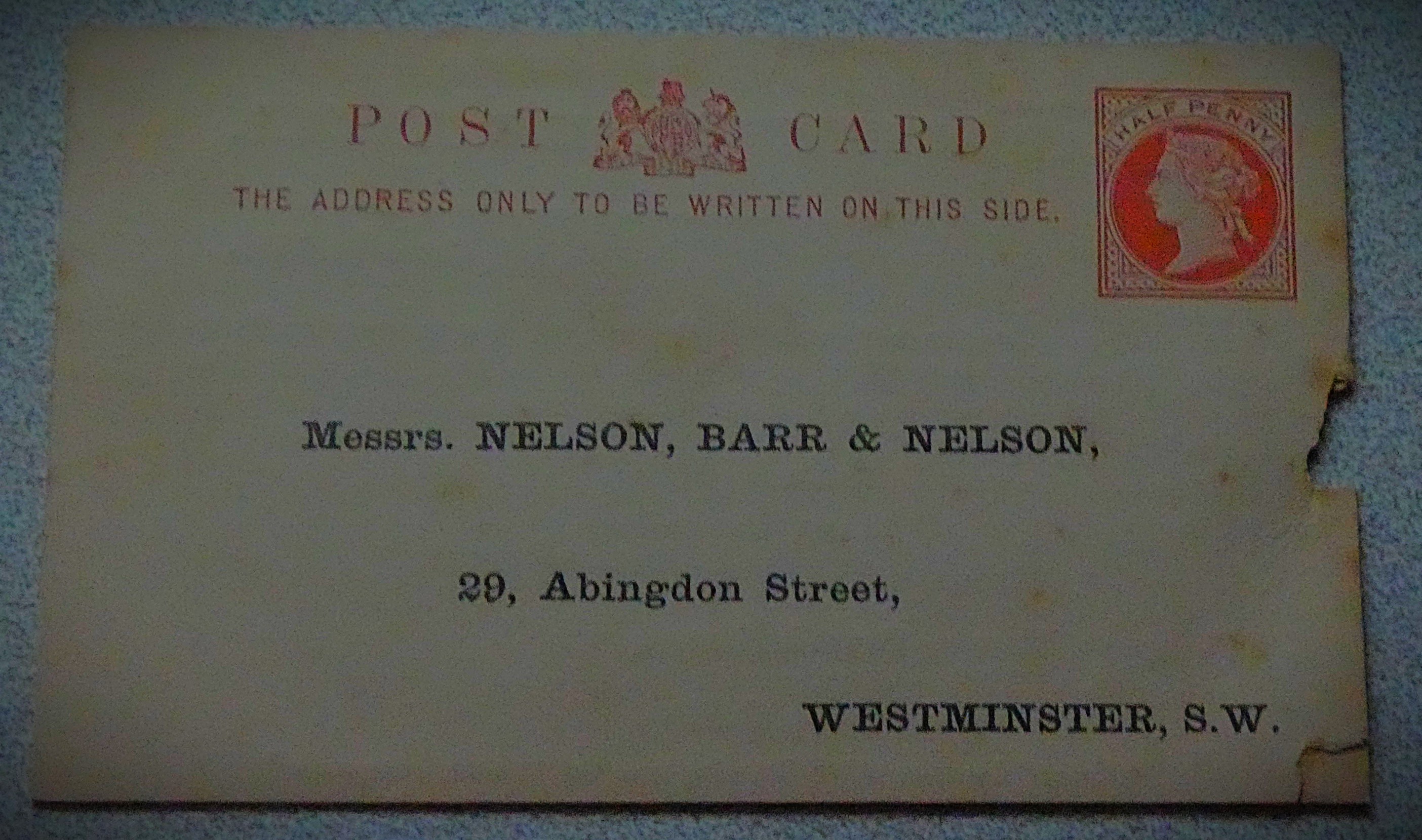
Finally lot 262, which from my personal perspective was the star item of the entire auction.

My usual sign off…

An Upset for the Ages

A mention of the biggest upset in the history of the FA Cup and a photo gallery.

The weekend just gone saw the third round of the FA Cup, football’s oldest domestic cup competition. This is the stage of the tournament at which the big beasts enter the fray, and there is always the possibility of an upset…

One of the early kickoffs on Saturday saw lowly Macclesfield Town, a club that only re-formed in 2020 after having gone bust, and who are still in the sixth tier of the English football pyramid entertaining Crystal Palace, the FA Cup holders, and 117 places above Macclesfield in the pyramid.

Macclesfield were inspired by that occasion, and not only took the lead, they actually went two goals clear. Crystal Palace scored one late on in the game, but their revival was too little too late, and when the final whistle went it confirmed officially the greatest shock upset in the over 150 year history of this tournament. Macclesfield Town, the lowest ranked side to have made it this far in the tournament (having come in in the second qualifying round) had successfully taken down the holders.

My usual sign off…

A Pink Ball Warm Up

A look at events at the Manuka Oval, Canberra, where The Prime Minister’s XI have been taking on ‘An England XI’ on day one of a two-day pink ball day-night match.

A two-day match of sorts, between ‘The Prime Minister’s XI’ and ‘An England XI’ got underway at Manuka Oval, Canberra early in the afternoon local time. It is a pink ball day-night match. The ‘of sorts’ in the first sentence relates to the fact that in spite of their official teams both teams will use more than 11 players in the course of the match.

None of the players involved in the test match are involved in this game – England have a shadow squad, dubbed ‘The Lions’ in Australia and it was from them that their team was picked, while the Prime Minister’s side is a combination of promising youngsters and old stagers (the oldest being 41 year old Peter Siddle). However, there was news about Mark Wood that suggested an extra fast bowler would be summoned to Brisbane.

The Prime Minister’s XI won the toss and batted first (incidentally Mr Albanese was not present in person to watch his side – he had a very important commitment elsewhere). Matt Potts bowled a good early spell, but gained no reward. Josh Hull, a 6’7″ left arm pacer picked on account of his physical attributes rather than his playing record, which is rather modest, bowled a spell in which he pounded the ball in short to a field set for that type of bowling, which failed to impress anyone. Sam Konstas gave his wicket away for 36, giving Potts a catch of part time medium pacer Tom Haines, when no one else had made any impression on him. Thereafter Campbell Kellaway and Nathan McSweeney batted well together. Kellaway missed out on a century, going to a catch by Tom Haines off left arm spinner Tom Hartley for 82 to make it 130-2. That brought 19 year old Oliver Peake to the crease, and he also batted well, helping McSweeney to add a further 91 for the third wicket. McSweeney was the one to go, being well caught by Ben Kellaway (an allrounder, who in the manner of Jemma Barsby can bowl both off spin and left arm orthodox spin) off Potts. It was also Potts who got Peake, shortly after the youngster had reached a fine 50. Thereafter wickets fell more rapidly as the Prime Minister’s XI hustled towards a declaration. This eventually came at 308-8, and left An England XI five overs to see out against the new ball under the lights. Tom Haines and Emilio Gay did this well enough, reaching 30-0 in the process. It was an intriguing day, and we will see what tomorrow brings. Tongue’s pace will almost certainly tell in his favour when it comes to summoning a replacement for Wood to Brisbane, but I finish this section by emphasising that Potts was definitely the better bowler today.

My usual sign off…
The Final Day at the MCG

A look back at the ending to the test match between Australia and India at the MCG and a large photo gallery.

This post is a few days late – between the Christmas Panto and work I have been busy in the early part of this week. In it I look back at the final day of the Australia v India test match at the MCG.

When India reached tea on day five only three wickets down in their second innings, and with Yashavsi Jaiswal and Rishabh Pant having batted through the afternoon session without too many signs of difficulty a draw looked likely. Immediately on the resumption Pant was tempted into a rash shot against a short ball and was caught in the deep, the second time he had tossed his wicket away in the course of this match. This dismissal was not quite as appalling as his first innings one, but he should have taken care to play the ball down in to the ground – India were looking to bat through for a draw, so safety first should have been the guiding thoughts. That opened the door for Australia, and when Ravindra Jadeja and first innings centurion Nitish Kumar Reddy both fell cheaply the door was practically off its hinges. The moment that effectively sealed India’s doom came via the Decision Review System (DRS). Yashavsi Jaiswal, on 84 and playing beautifully was given not out in response to an appeal for a catch. The Australians sent it upstairs. The replay appeared to show a deflection from either bat or glove, but the snickometer did not pick up any sound. Nevertheless, knowing that it was effectively handing the match to Australia, the third umpire, faced with conflicting evidence decided to go with the visual clue rather than the lack of a noise and told the on-field umpire to reverse his decision and give it out. That left Washington Sundar and three tail enders with a long time still to bat, and they did not come close.

Over the five days some 373,000 spectators watched at the ground, a record for a test in Australia, beating one that had stood since the 1936-7 Ashes when the star attraction was a certain DG Bradman.

Pat Cummins, with 90 runs across the two Australian innings and six wickets across the two Indian ones, was awarded the Mullagh Medal for Player of the Match (Johnny Mullagh was part of the all-aboriginal party that toured England in 1868, and showed himself to be a fine all rounder on that tour).

Australia won by 184 runs in the end, and as well as Pant’s two batting errors, the second of which opened the way for India’s final collapse, India were poor in the field, at least four clear cut chances being dropped. Australia now lead the series 2-1, meaning that so long as they do not lose in Sydney they regain the Border-Gavaskar trophy, which has been in Indian hands for a decade. Full scorecard here.

Most of these are from the back end of 2024, but I have included some from today…