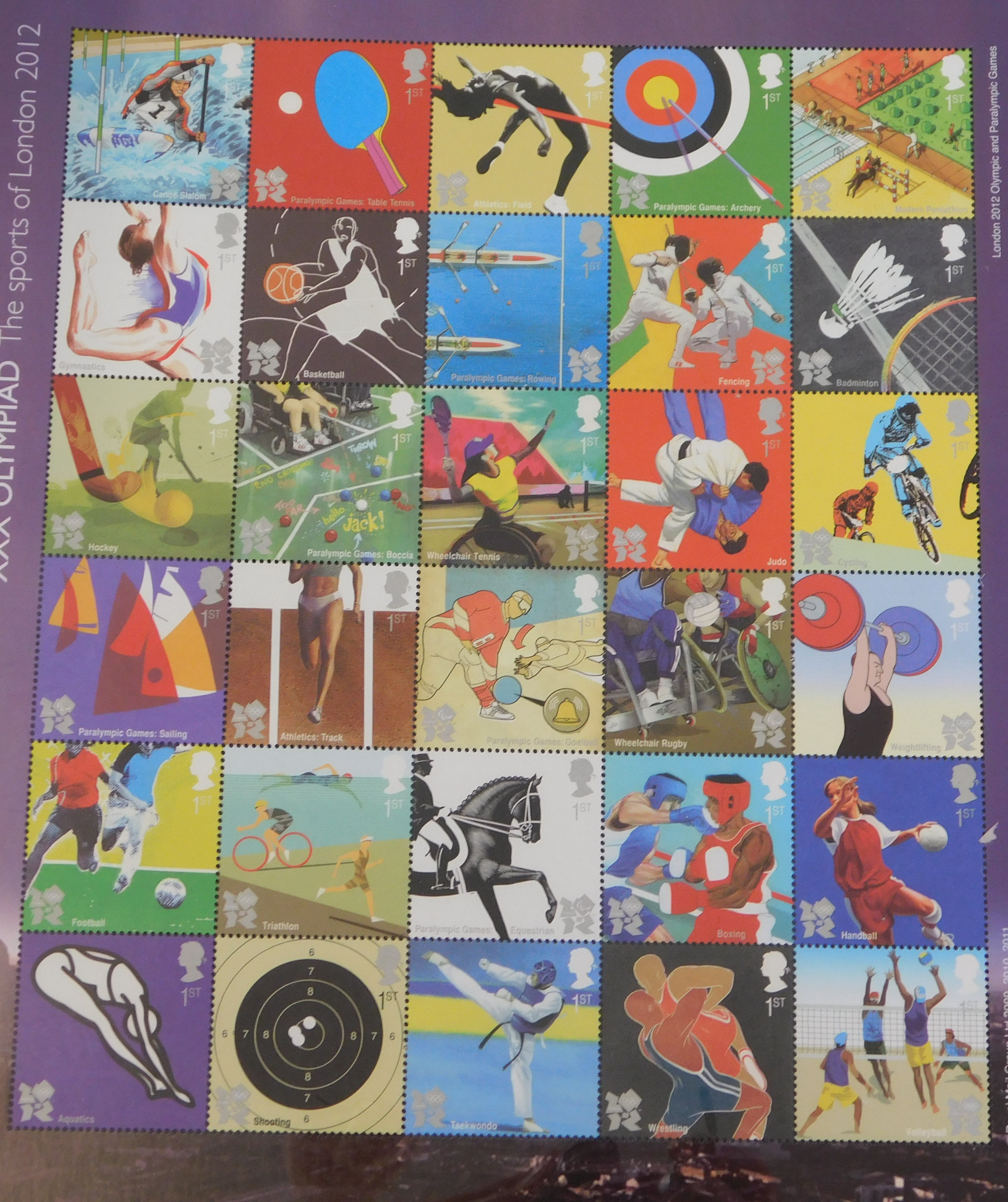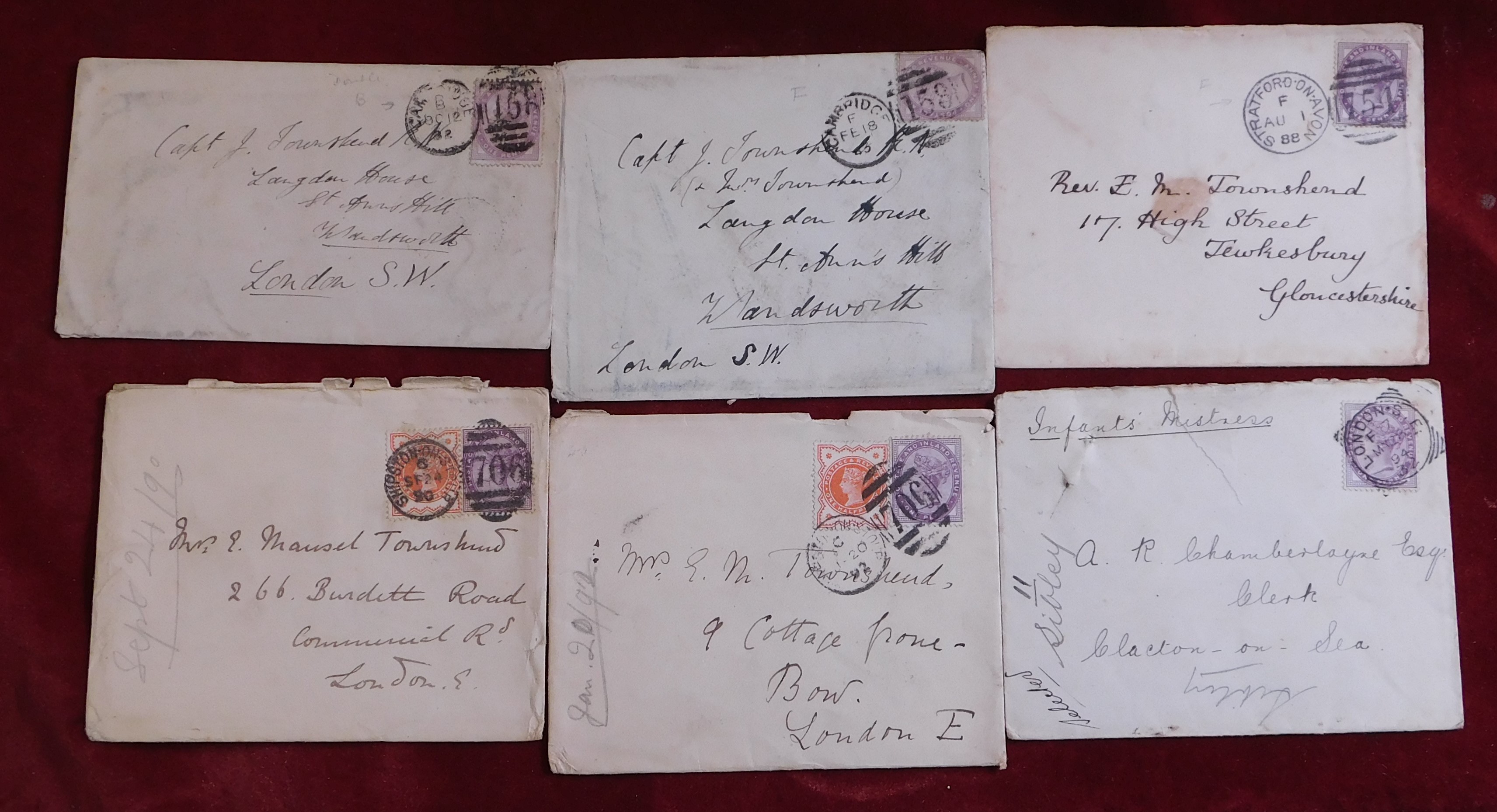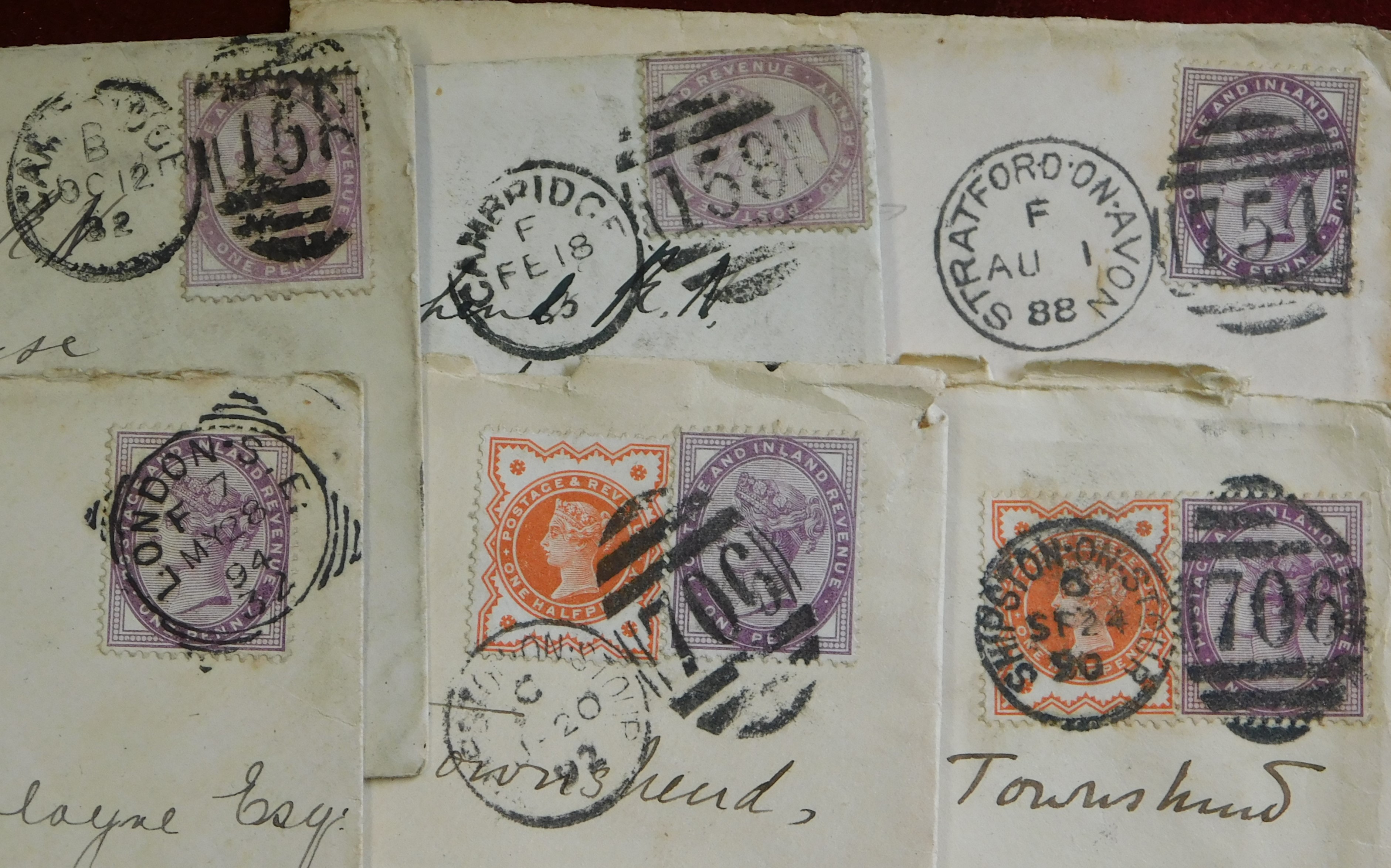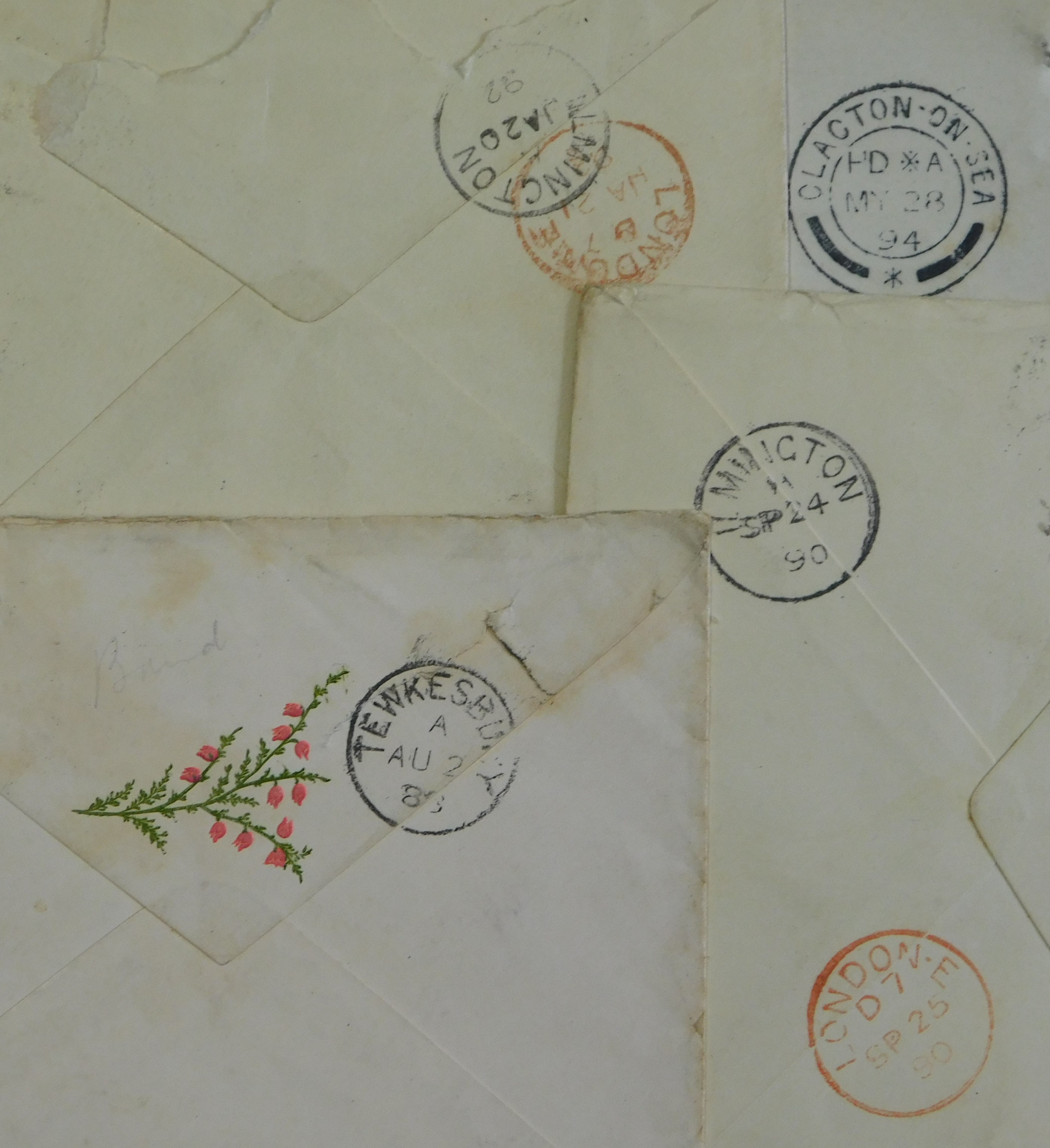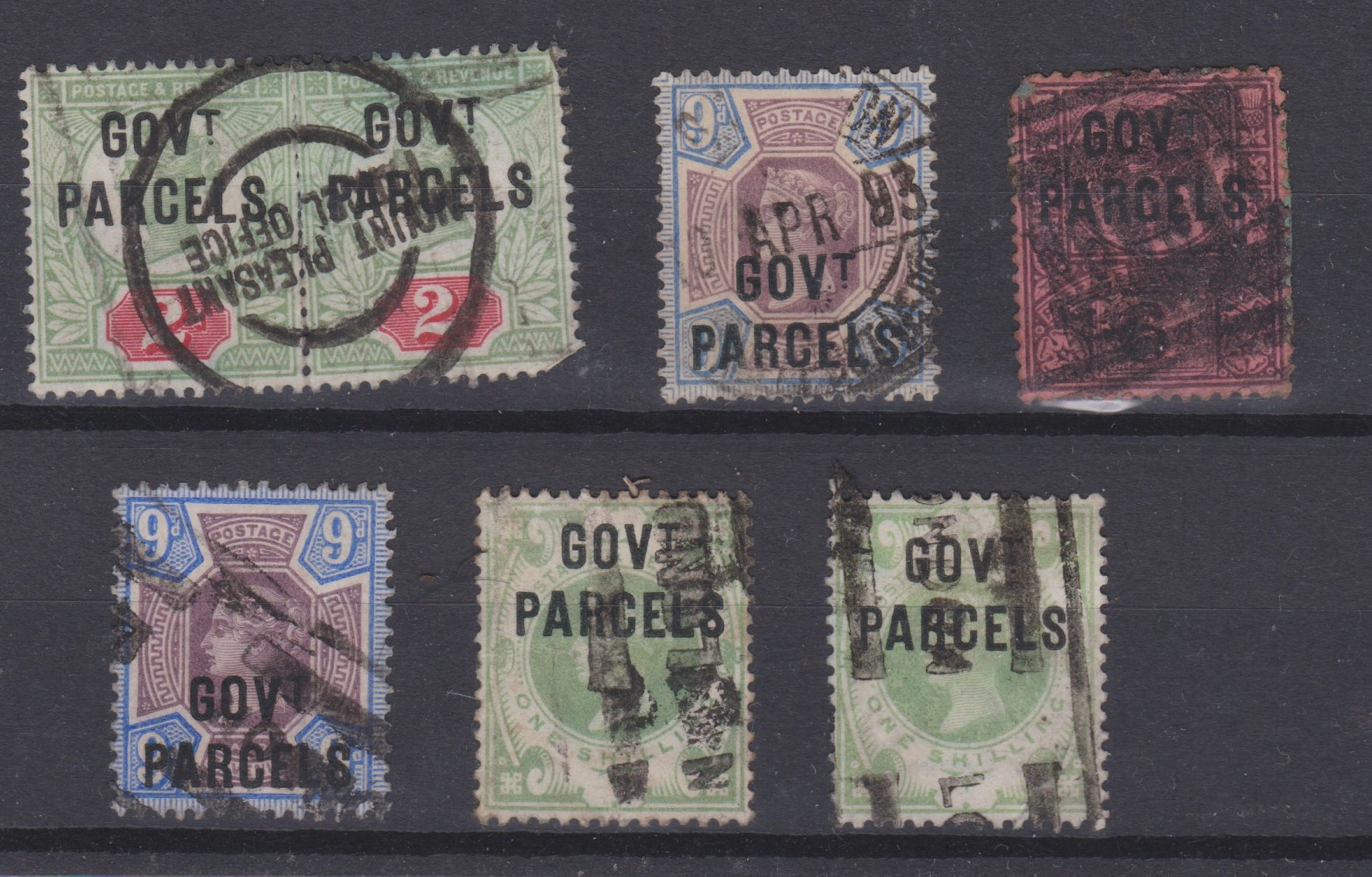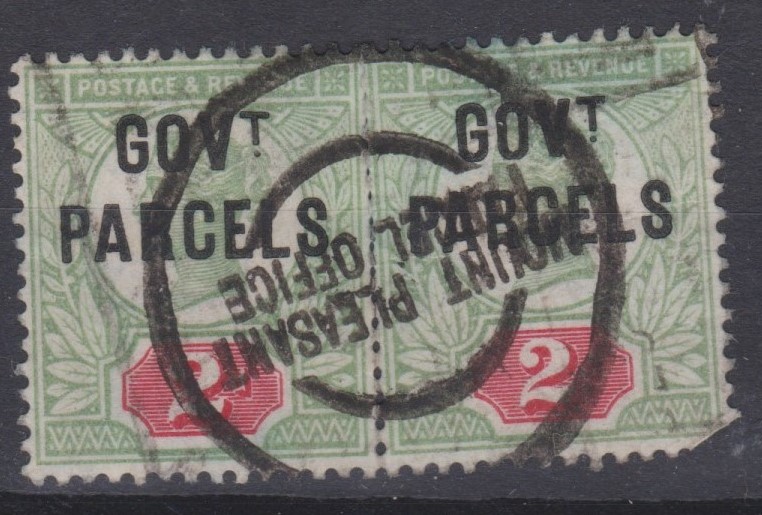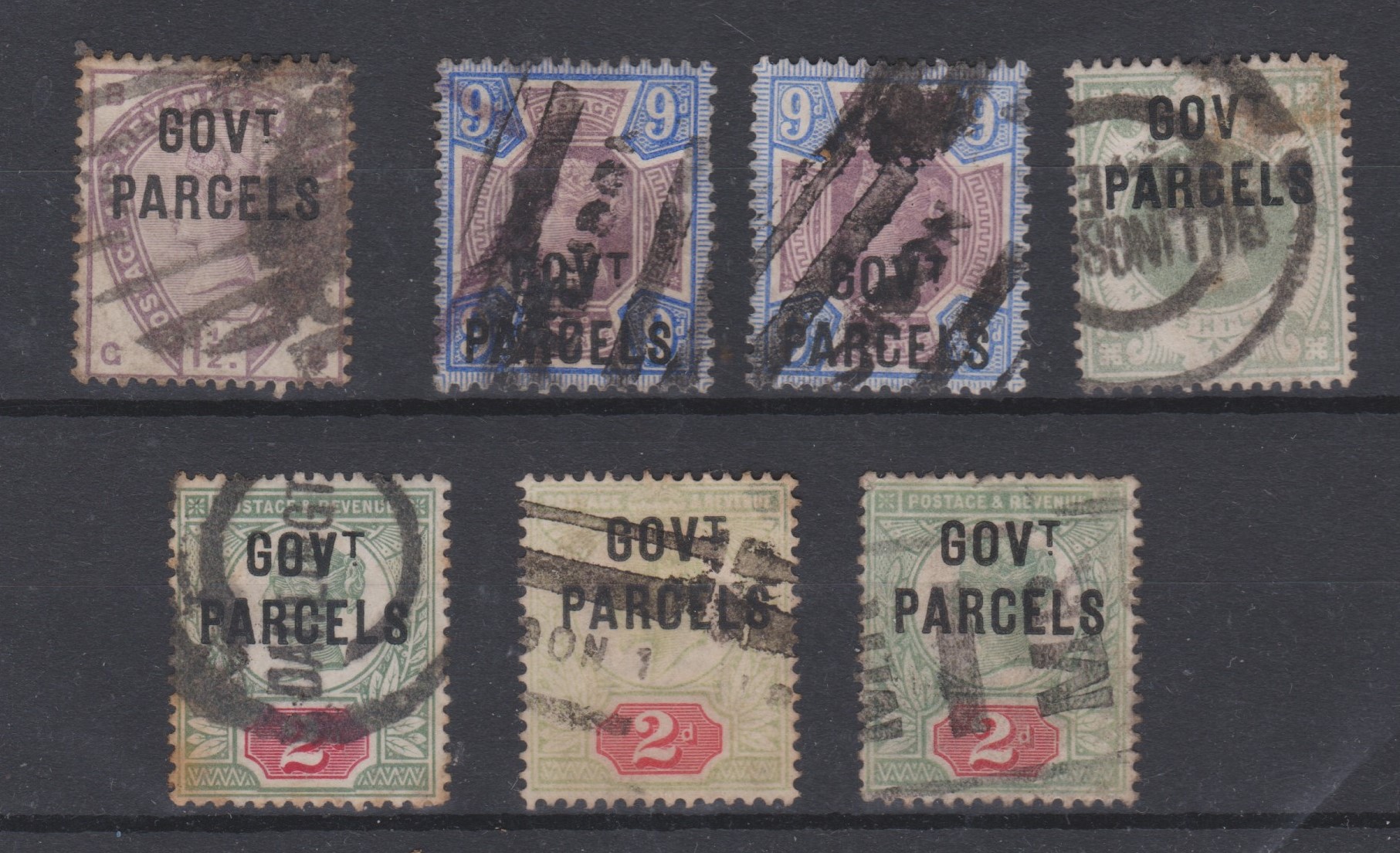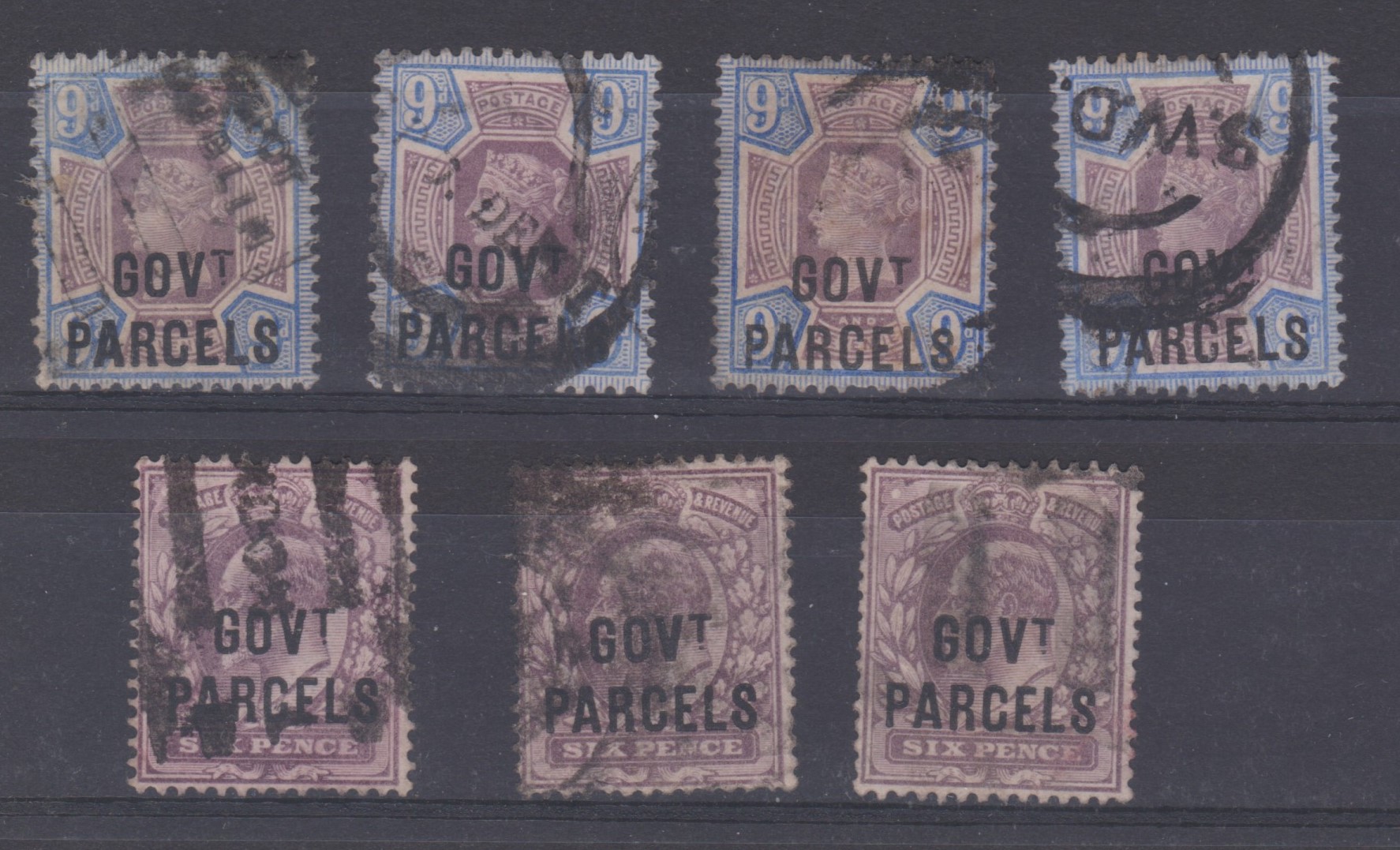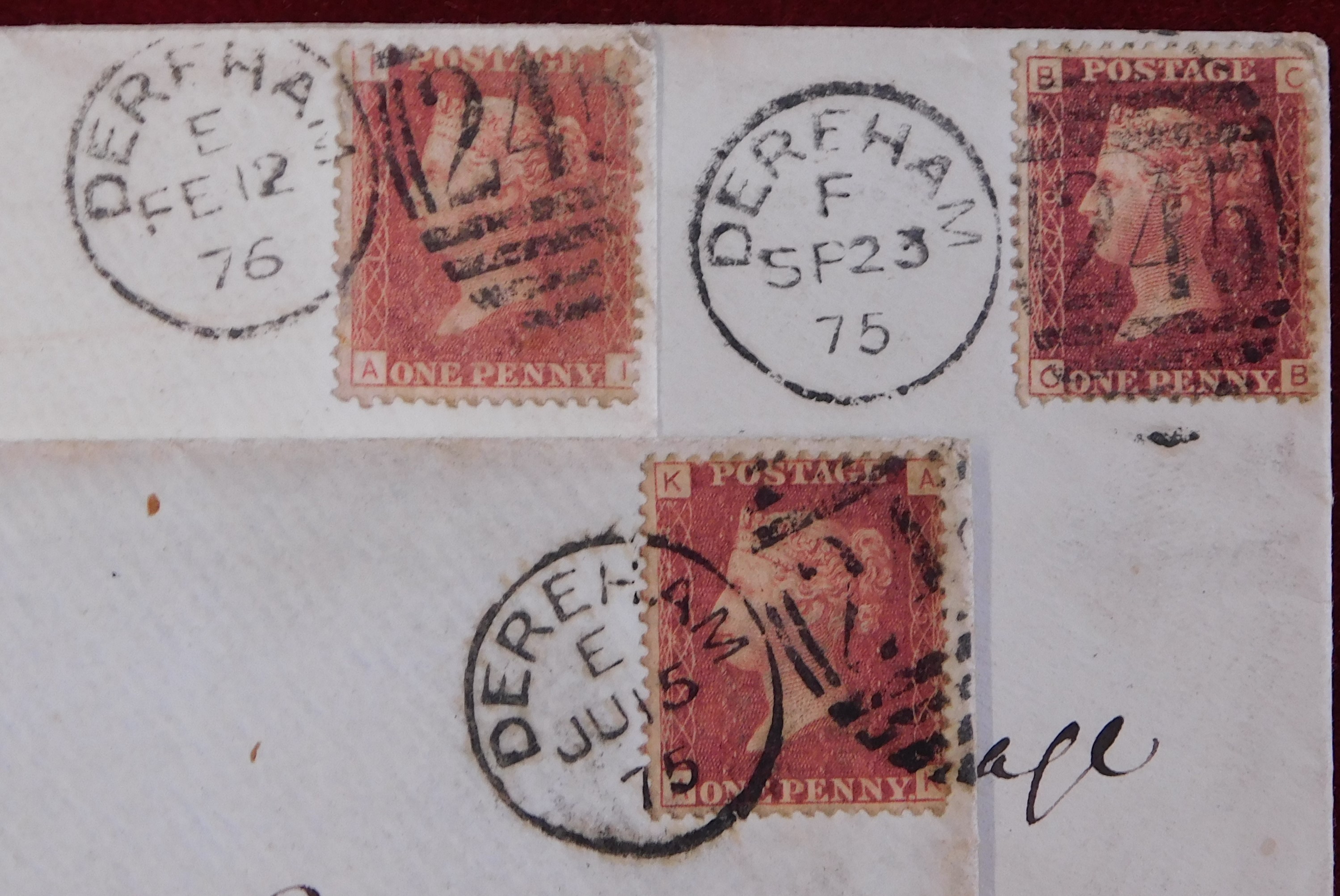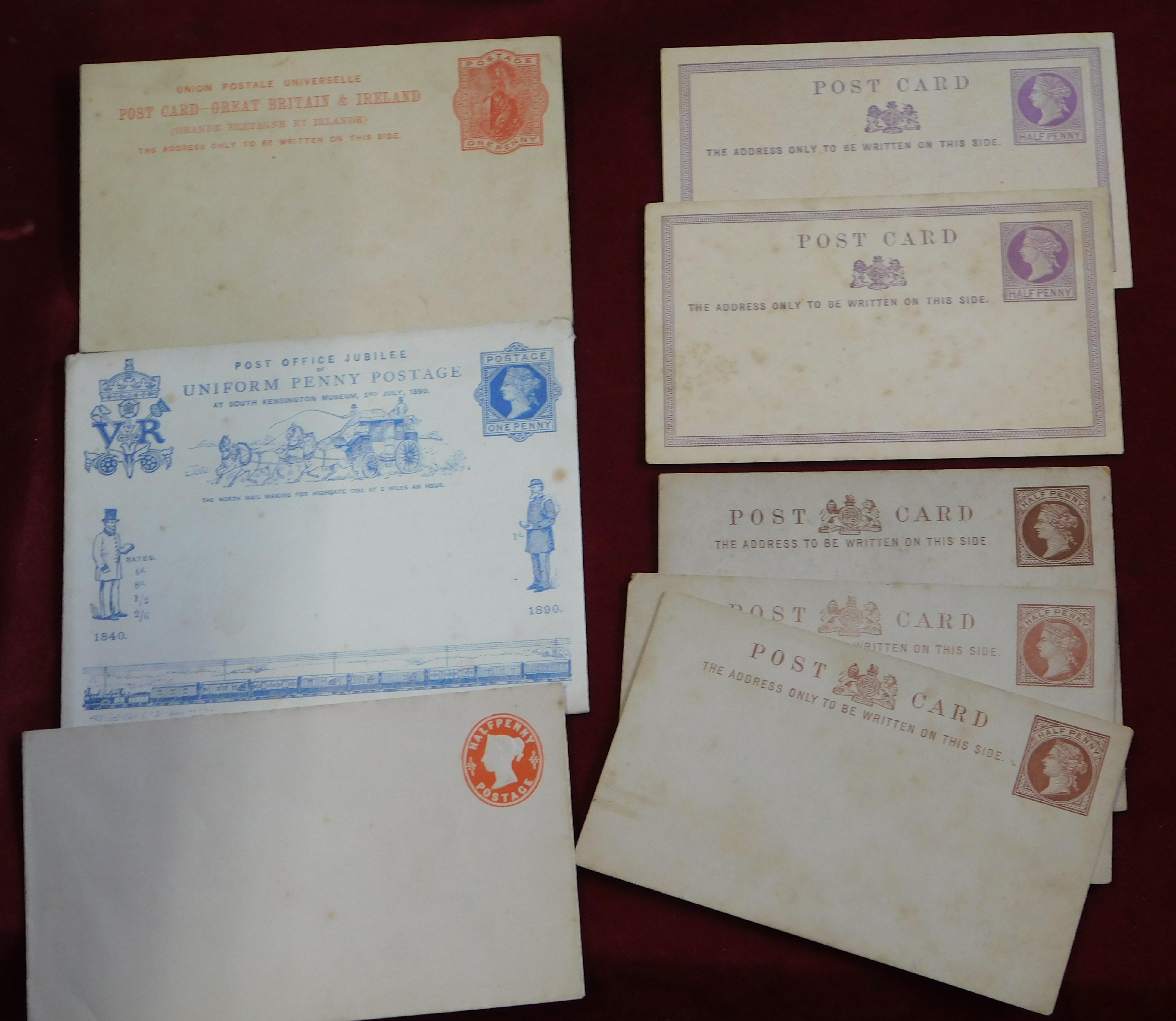

England’s Innings Victory

An account of the test (mis)match between England and Pakistan at Headingley that ended in a crushing victory for the home side before tea on day three, and a photo gallery.

Just after 3:30PM today Mohammad Abbas, a true bunny with the bat, miscued a drive against Jofra Archer and Dan Lawrence took the catch. That meant that England had won the first match of Joe Root’s second term as test captain by an innings and 103 runs. This post looks back at a match that was propelled as far as day three only by the weather.

Joe Root won the toss and put Pakistan in to bat. Salman Agha, standing in as captain due the absence of the injured Babar Azam, perpetrated the classic and pathetic toss loser’s ploy of saying he would have batted first anyway (particularly unimpressive since his rival skipper probably knows as much about conditions at Headingley as anyone currently playing the game). Pakistan lost two wickets almost before the match had started, but Imam-ul-Haq and Abdullah Shafique had a good partnership for the third wicket, the first and only time of the match when Pakistan looked decent. Imam-ul-Haq was out with the score at 97, which brought Saud Shakeel, who has a fine test record but has never yet batted convincingly outside Asia. He never really got going, and his dismissal for a tortured 5, followed closely by that of Shafique for 61 heralded a horrendous collapse, which saw a high water mark of 117-3 turn into 171 all out. Josh Tongue had 5-46 from 9.1 overs, and Ollie Robinson 5-51 from 18 overs.

Neither England opener particularly distinguished themselves, though Emilio Gay played nicely for his 33 until his dismissal which was a shocker. Jordan Cox and Joe Root batted well and took England to the close of day one still only two down, and not very far short of a first innings lead. Their efforts were followed on day two by fine innings from Harry Brook, who, while still scoring fast (almost a run a ball), was not at any stage guilty of the kind of craziness that has too often marred his efforts of late, and Dan Lawrence, who showed that, given the opportunity to bat in the middle of the order as he does at county level, he is capable of producing the goods at a higher level. Pakistan had plenty to worry about, with their seam attack looking toothless and their fielding being frankly slipshod. I did not keep count of the number of times that a Pakistan fielder effectively escorted the ball to the boundary rather than actually chasing it but it was substantial. The only bright spot for them was left arm spinner Ali Usman who took 5-95, but even he bowled rather too many bad balls alongside the good ones – only one of the 24 overs he bowled in the innings was a maiden. Yorkshire at one time had a production line of left arm spinners, with the county producing over the years Edmund Peate, Bobby Peel, Wilfred Rhodes, Alonzo Drake, Roy Kilner, Hedley Verity and Johnny Wardle (of the seven players listed only Drake, baulked by a combination of the outbreak of WWI and poor health – he took 85 first class wickets in the last two months of the 1914 season and was dead from a weak heart by the time cricket resumed in 1919 – did not play for England). England ended up with a score of 409, a first innings lead of 238.

By lunch on day three (today) Pakistan were 59-3, needing 179 more to avoid an innings defeat. That soon became 76-6, with Tongue adding the scalps of Shan Masood, Saud Shakeel (14 this time round) and Salman Agha to his five first innings victims. The rest of the innings boiled down to tail enders attempting to stay with Mohammad Rizwan while the Pakistan keeper did most of the scoring. Rizwan had scored 41 and batted reasonably impressively when Gus Atkinson bowled him, which made the score 131-9. Mohammad Abbas, whose position at number 10 is devastatingly revealing of the batting (in)capacities of his team mate Mohammad Ali, the number 11, hit one four before suffering the dismissal referred to in the introduction. Pakistan in their second innings had survived only 37.3 overs, and had batted only 85.4 overs in the match. England’s sole innings occupied 89.5 overs. These details mean that but for the rain that interrupted both the first two days there would not even have been a day three.

I start my usual sign off with a composite picture…
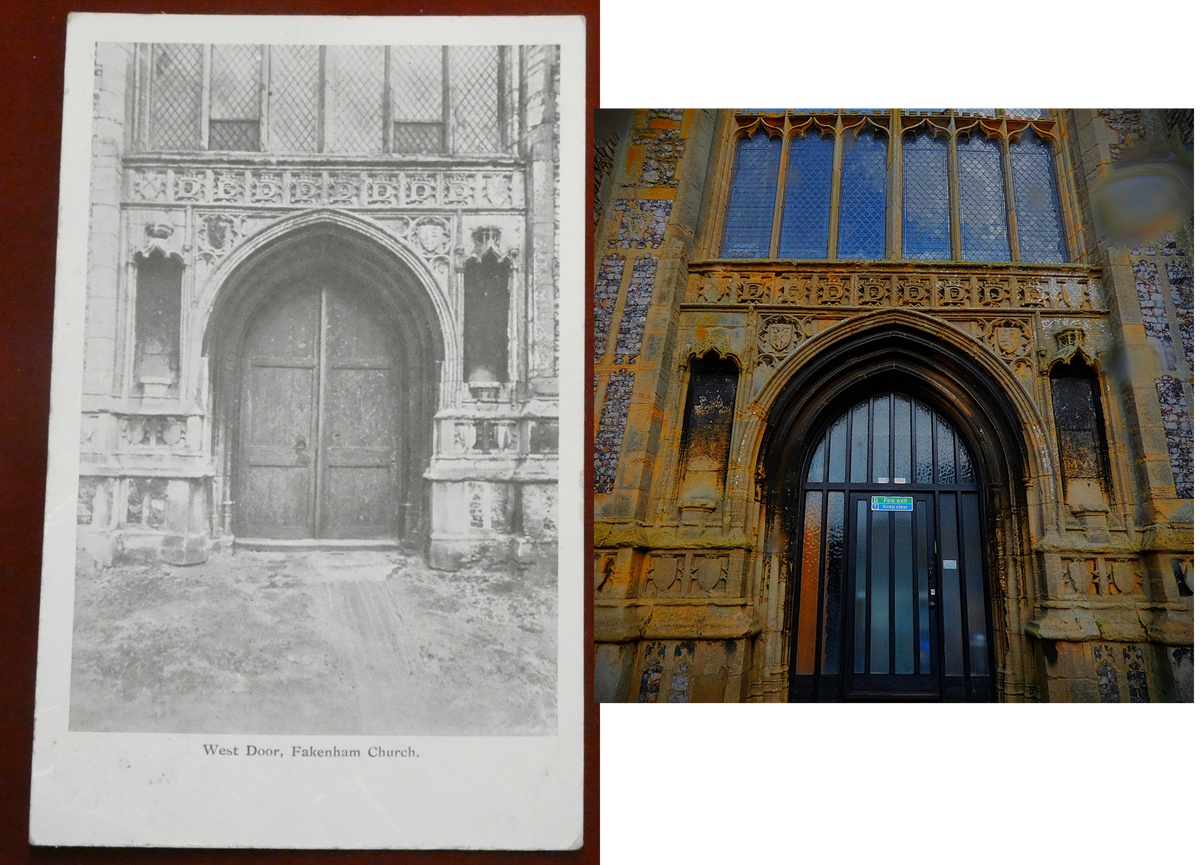
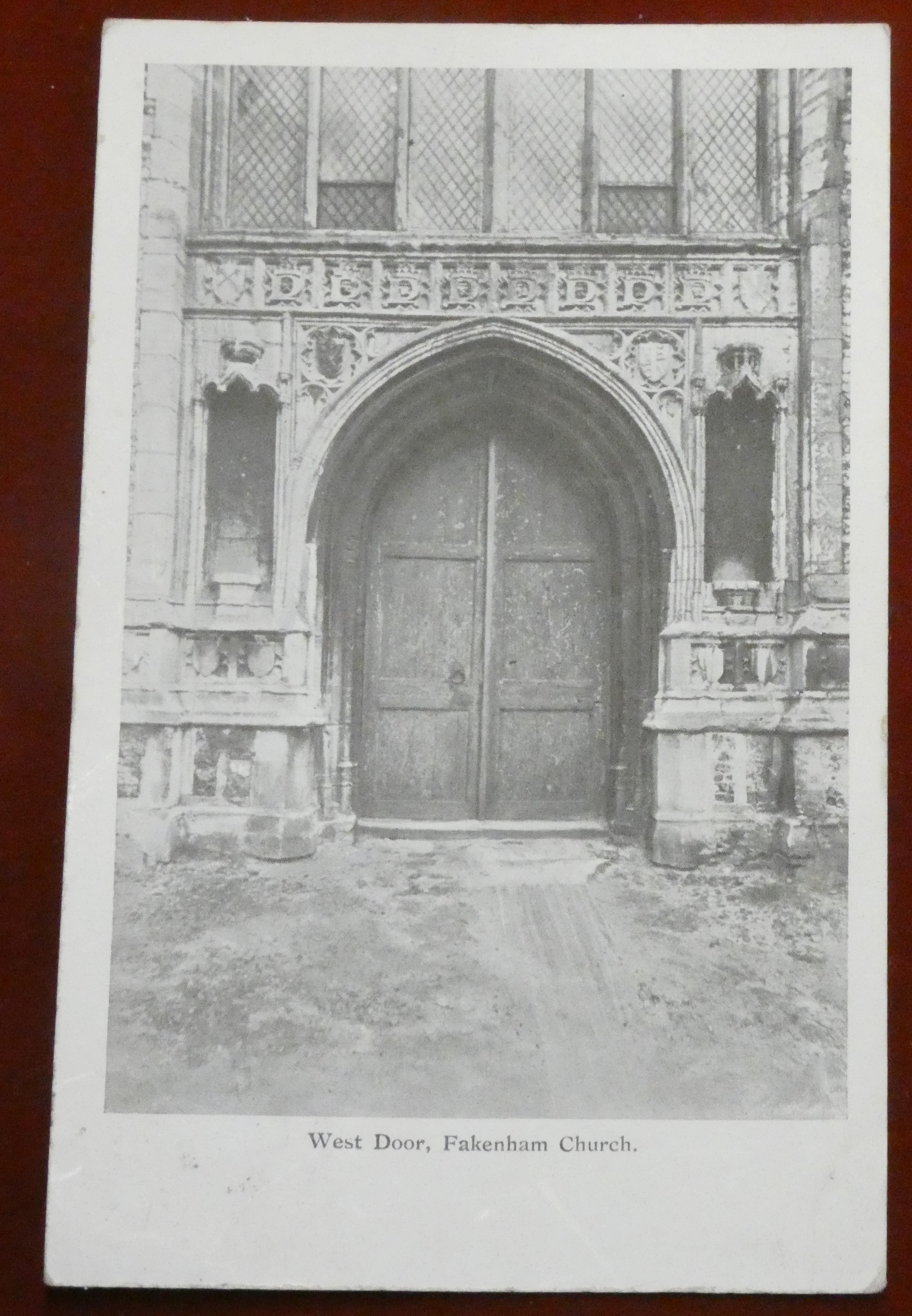
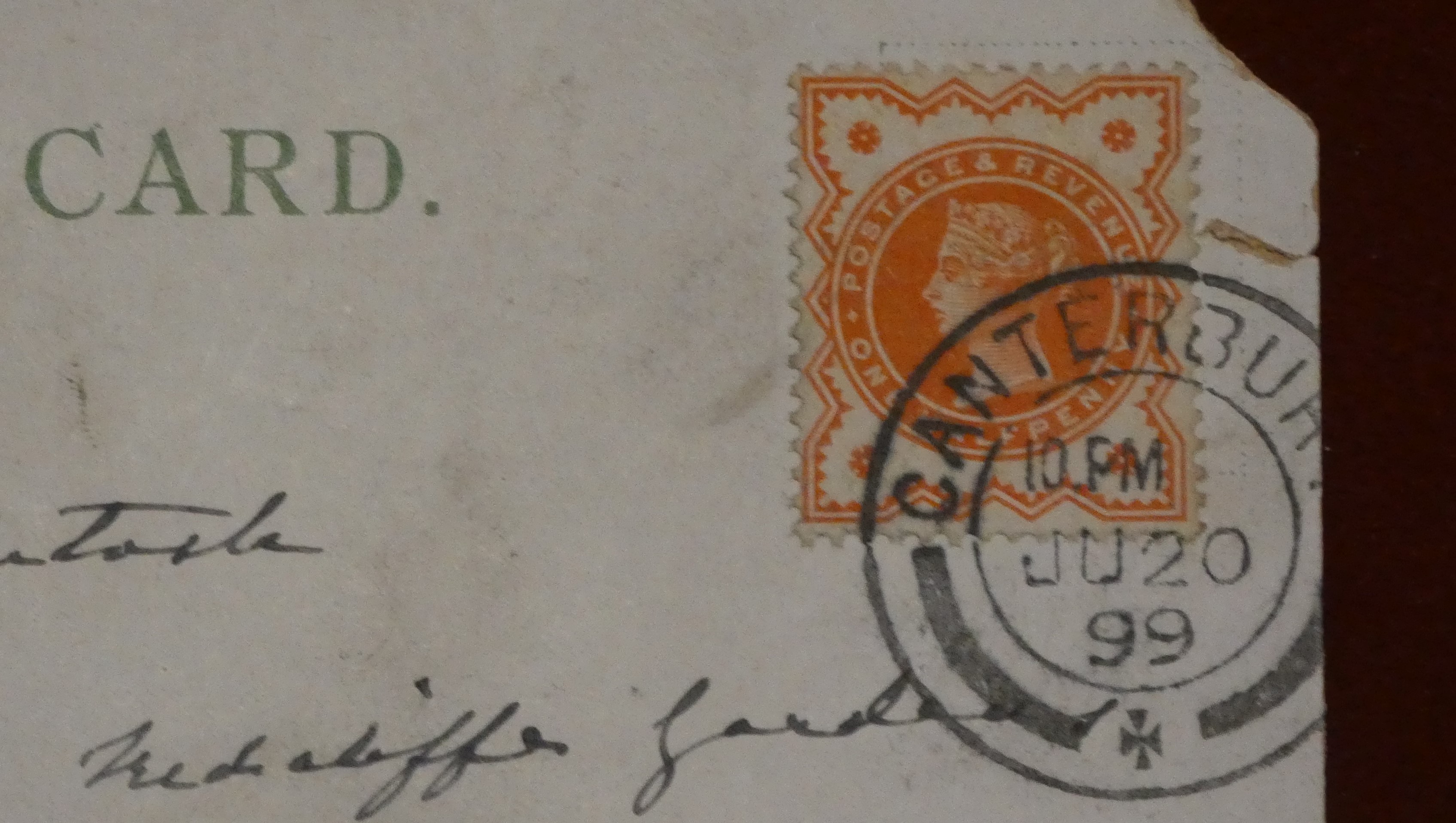
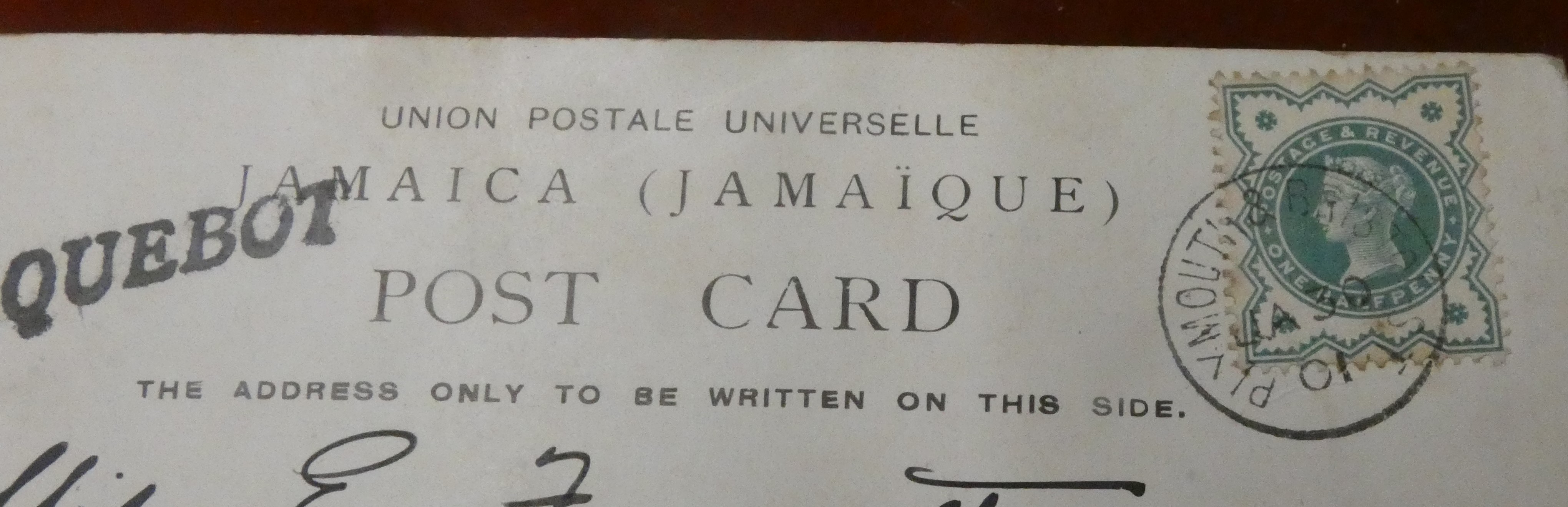
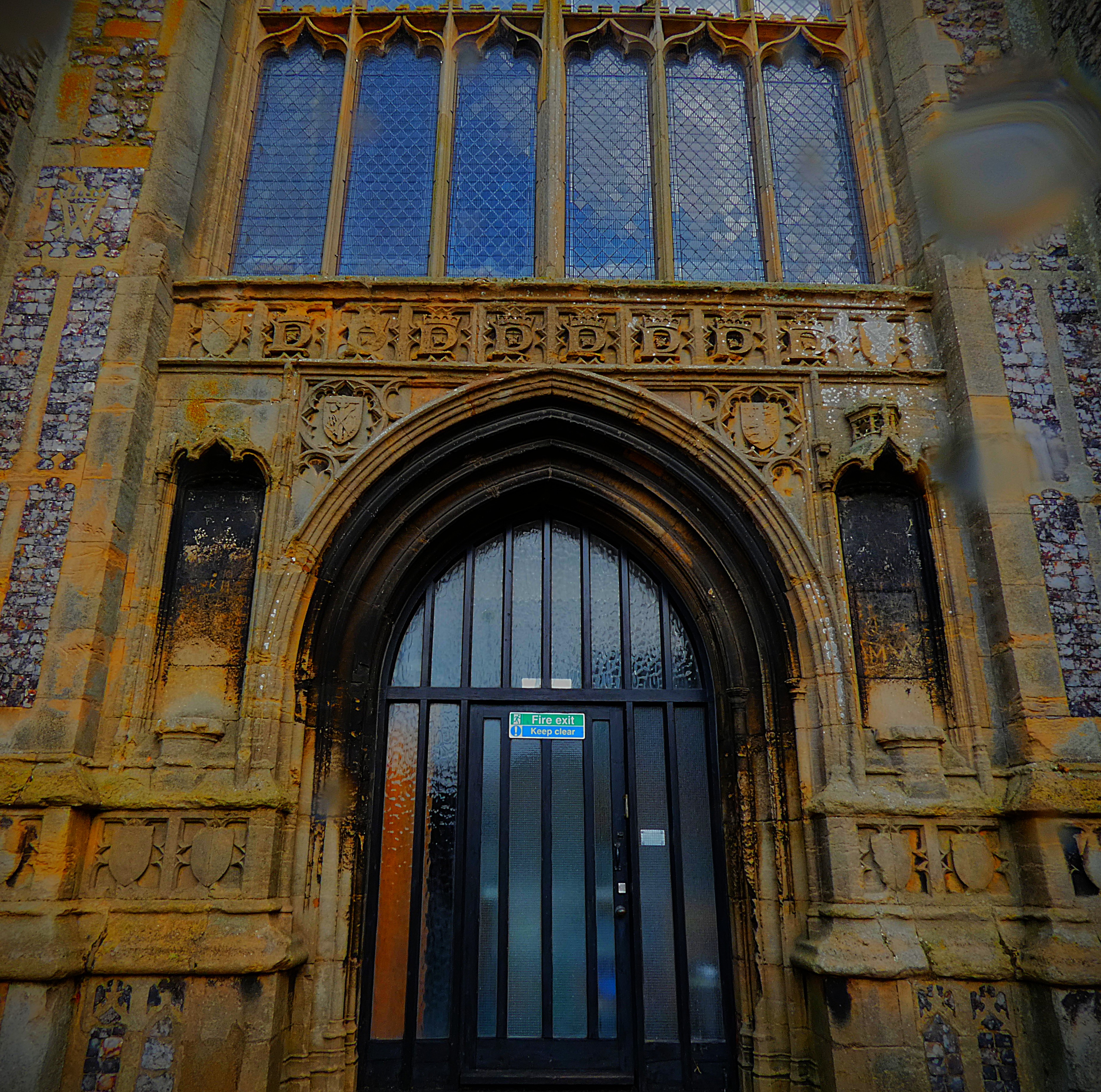
On the left of this image is a black and white Edwardian era postcard showing the west door of Fakenham Church, which I imaged at work, and on the right is a photograph of the same door taken by me after work yesterday. The door itself has been changed at some point in the last 120-odd years, but there is not much change otherwise.

Now for the image gallery…

A Study in Contrasts

A look back at today’s match between the Birmingham Phoenix and Trent Rockets women’s teams and last night’s contest between London Spirit and Manchester Super Giants men’s teams, plus a photo gallery.

This post focuses on two of the most dissimilar cricket matches you could imagine, last night’s match between the London Spirit and Manchester Super Giants (nee Originals) men’s sides (a combination of work yesterday and London Spirit women failing to show any of the quality for which they are named meant that I did not get to follow any of the women’s match), and this afternoon’s match between Birmingham Phoenix and Trent Rockets women’s sides. I will start with the latter first.

Trent Rockets won the toss and opted to bowl. The biggest selection news was that England skipper Natalie Sciver-Brunt was missing due to workload management. How would Birmingham Phoenix react to their opponents being minus their star player? Almost as badly as a long ago South Africa men’s side did to news that Don Bradman would not be available for their opponents Australia. On that occasion South Africa proceeded to collapse for 36 and 45, still the lowest combined aggregate for which any test side has ever lost all 20 wickets. Here Phoenix were at one stage an eye-popping 15-6. They revived a little from that position, but it was blatantly obvious that they were mainly concerned with actually batting for 100 balls. They failed even to manage this, their tenth wicket falling to the 95th ball of their innings. They had scraped up a measly 64 all out, of which 39 had come from the bat of Ellyse Perry. Extras, with seven, was the second biggest contributor, while Eva Gray made six from number nine, Alana King five from number eight and Linsey Smith four from number 10. The Rockets bowling figures deserve quoting in full:

Kim Garth 15 balls, 11 dots, five runs conceded, two wickets taken.
Samantha Bates 20-13-10-3
Georgia Elwiss 20-12-13-3
Katie Levick 20-14-8-1
Ashleigh Gardner 15-5-19-1
Georgia Adams 5-1-4-0

Although Lauren Filer removed Beth Mooney for 4 with an absolute beauty Sophia Dunkley was already motoring by then and the Rockets were 40-1 from 19 balls. Sophie Luff came in at number three, and was instantly in command as well. Trent Rockets won by nine wickets with 69 of their 100 allotted balls unused. Sophia Dunkley had hit 43 not out from 17 balls with eight fours and a six, and Sophie Luff 19 not out from nine balls with four fours. Samantha Bates was named Player of the Match, a verdict with which it would be hard to argue. Scorecard here.

Manchester Super Giants were 65-1 after 42 balls and 105-2 after 67 balls. They fell away horribly from that high water mark, ending with 138-9 from their 100 balls. They bowled better than they had batted, and although Liam Livingstone played a great innings to follow a good effort with the ball London Spirit were never up with the rate at any stage of the chase. It was close in the final stages, but the 98th ball of the Spirit innings, bowled by 23 year old fast bowler Sonny Baker, who had claimed responsibility for closing things out, clean bowled him for 69 from 40 balls, making it 130-5, nine needed from two balls and a new batter coming in. Jamie Overton can hit a ball a very long way, but on this occasion he could do no better than a single, and with eight needed off one ball all Baker had to do was make sure it was a legal delivery. It was, and the heavily hyped James Coles hit it straight to Tom Moores, meaning that London Spirit ended up on 131-6, beaten by seven runs, a famous margin on the other side of the Thames (the match that led to the creation of The Ashes, at The Oval in 1882, went Australia’s way by that margin). Baker had been a little expensive earlier in the innings, but when it really counted he came good and won the match for his side. Livingstone, who had bowled his full allocation of 20 balls and taken 2-14 as well as playing the innings that kept his side in the hunt (though never, pace comments to the contrary by the so-called ‘expert summariser’, actually favourites to reach the target) was named ‘Match Hero’, a rare occasion when such an award to a member of the defeated side was entirely justified. Scorecard here.

A mixed gallery today, with some work pictures to start…

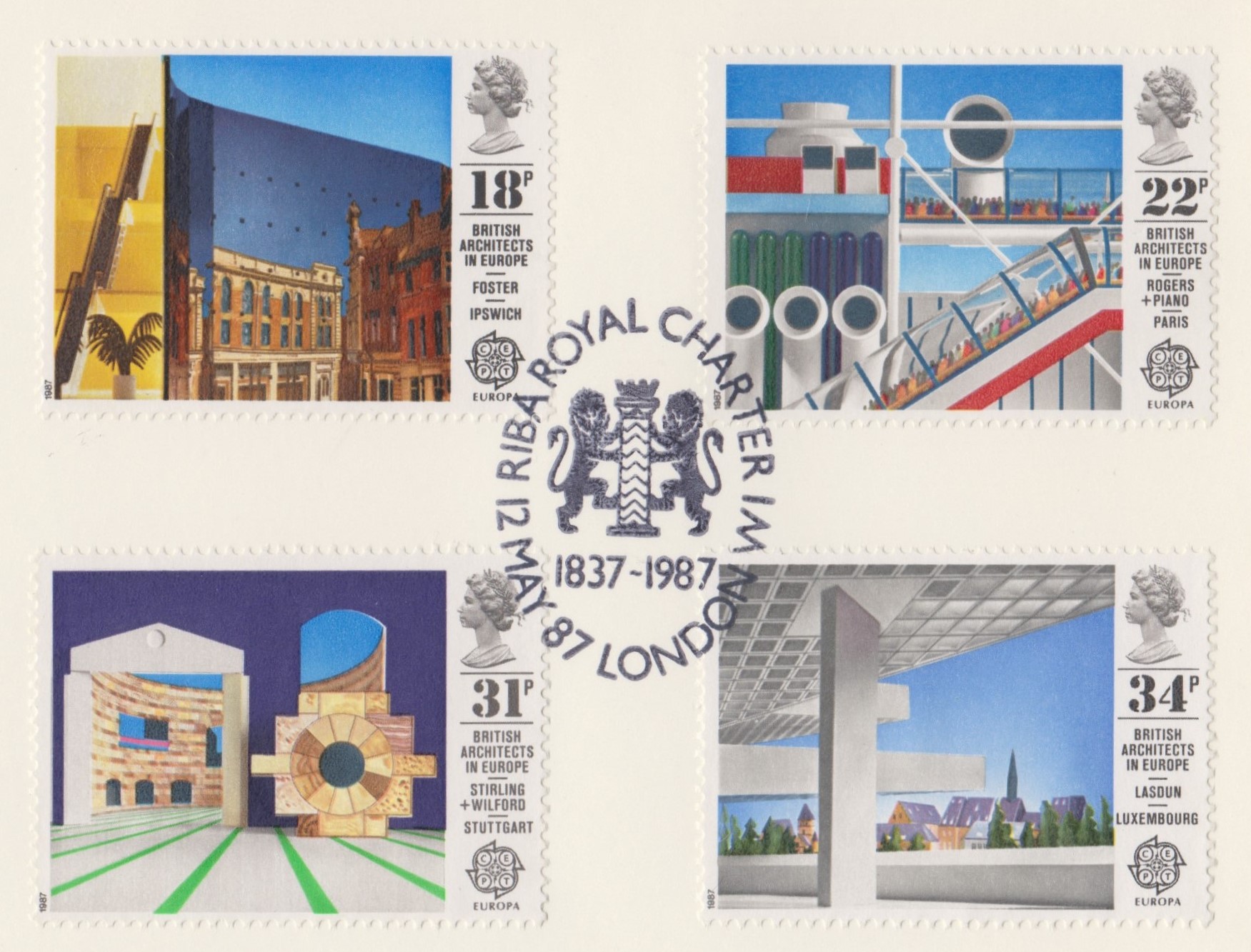
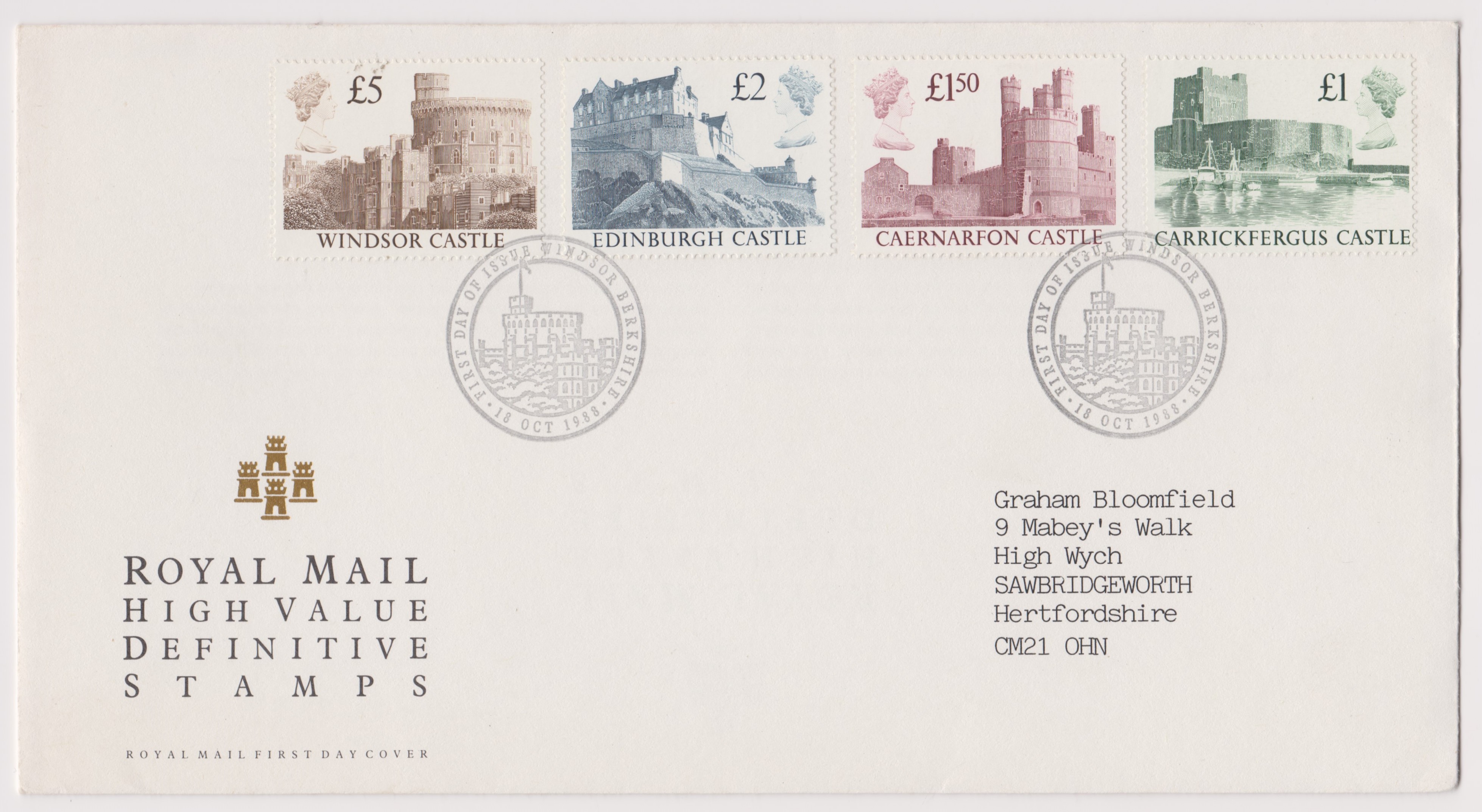
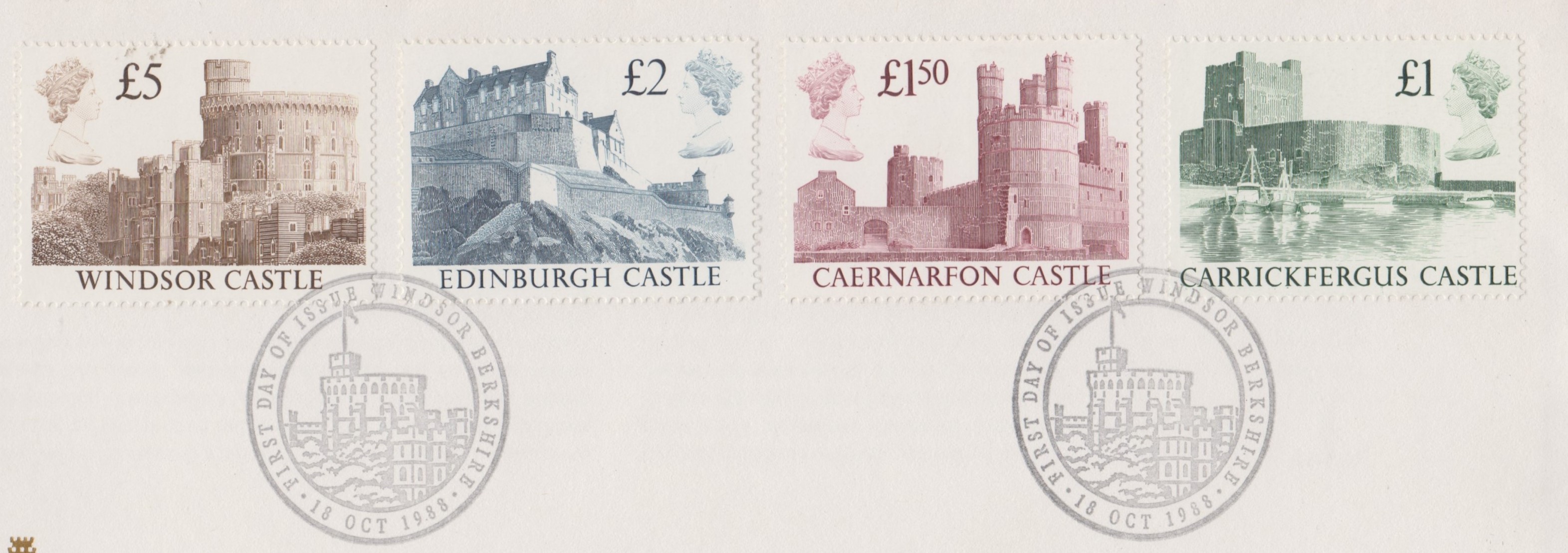
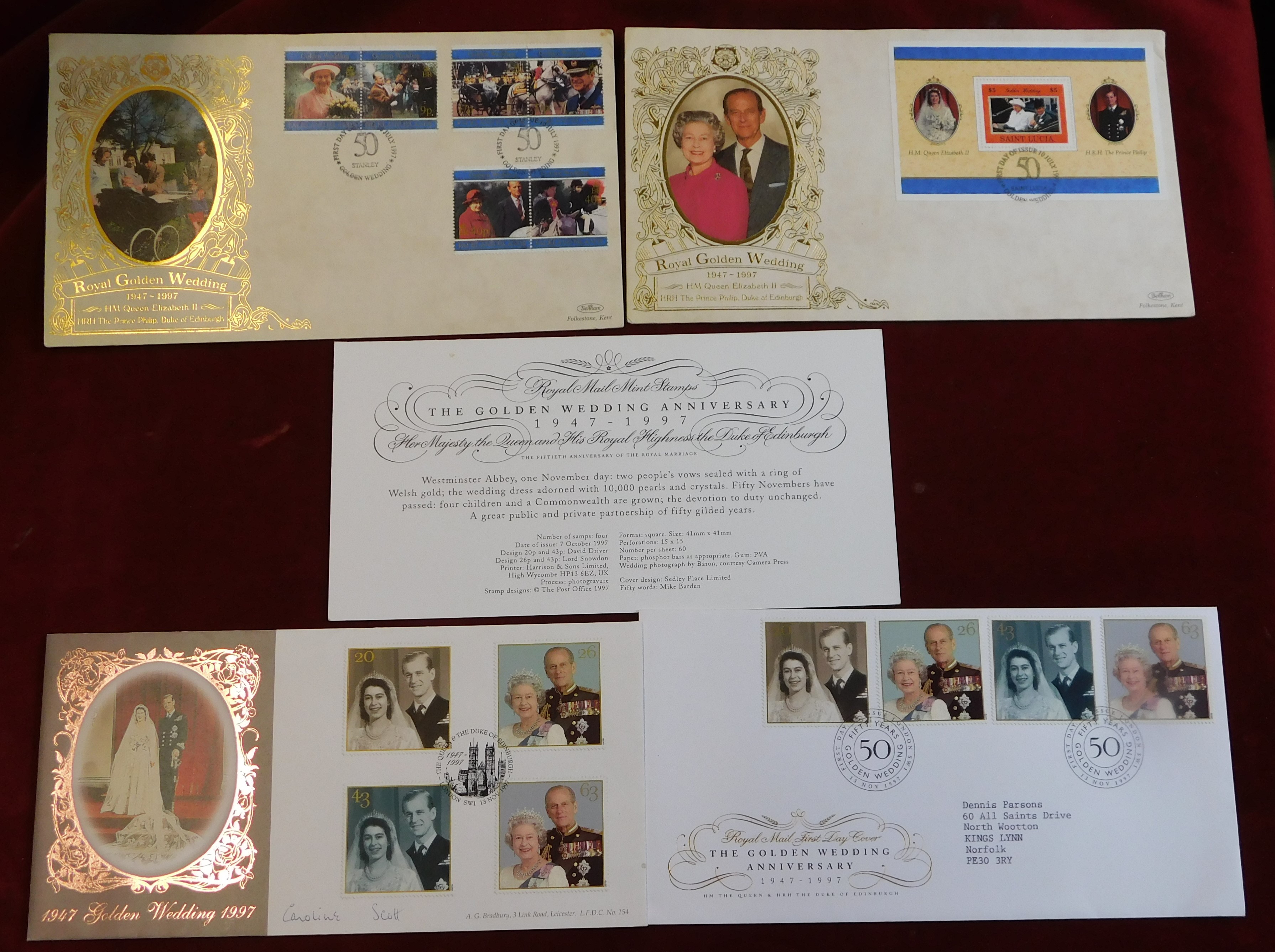
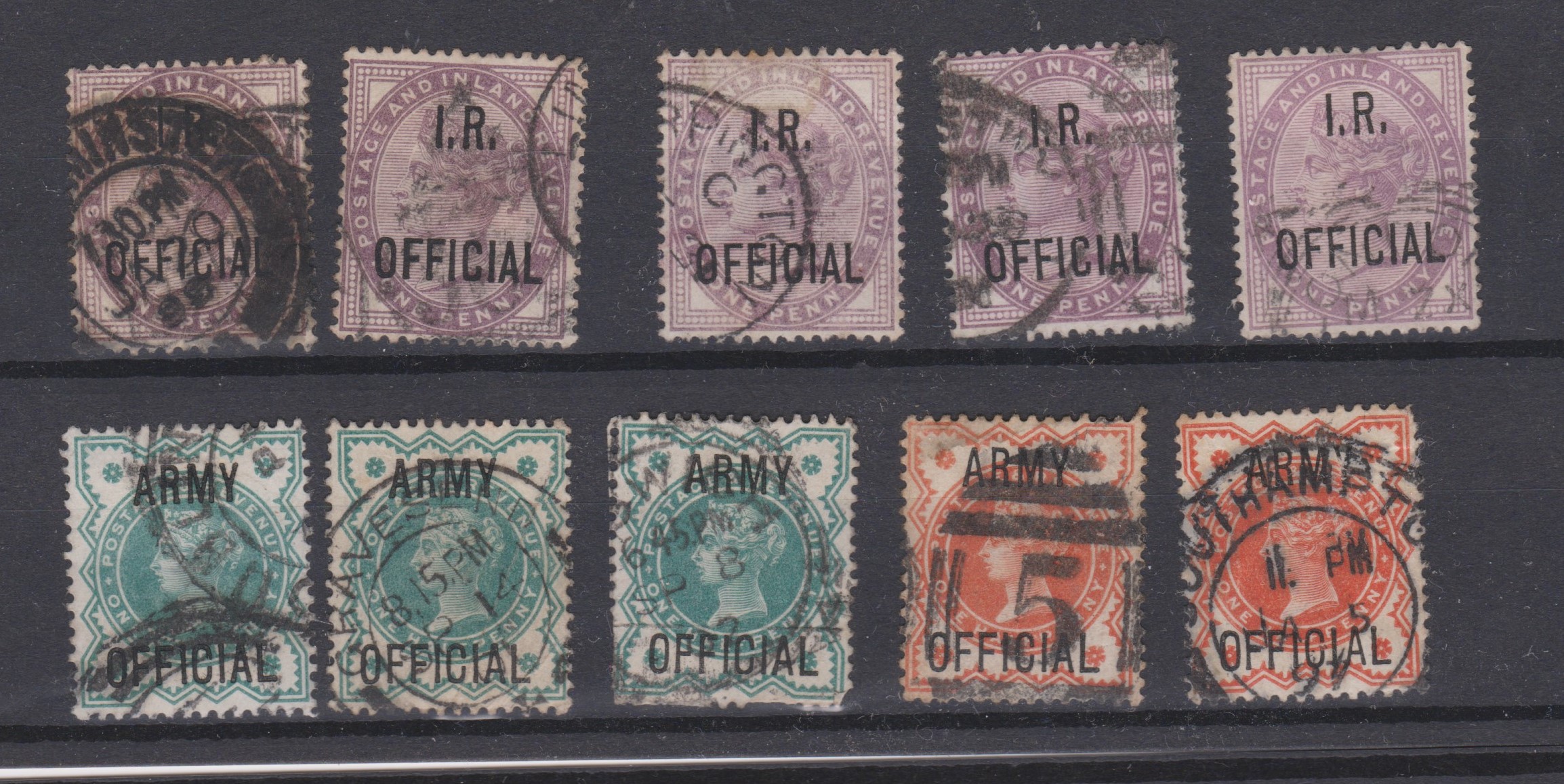
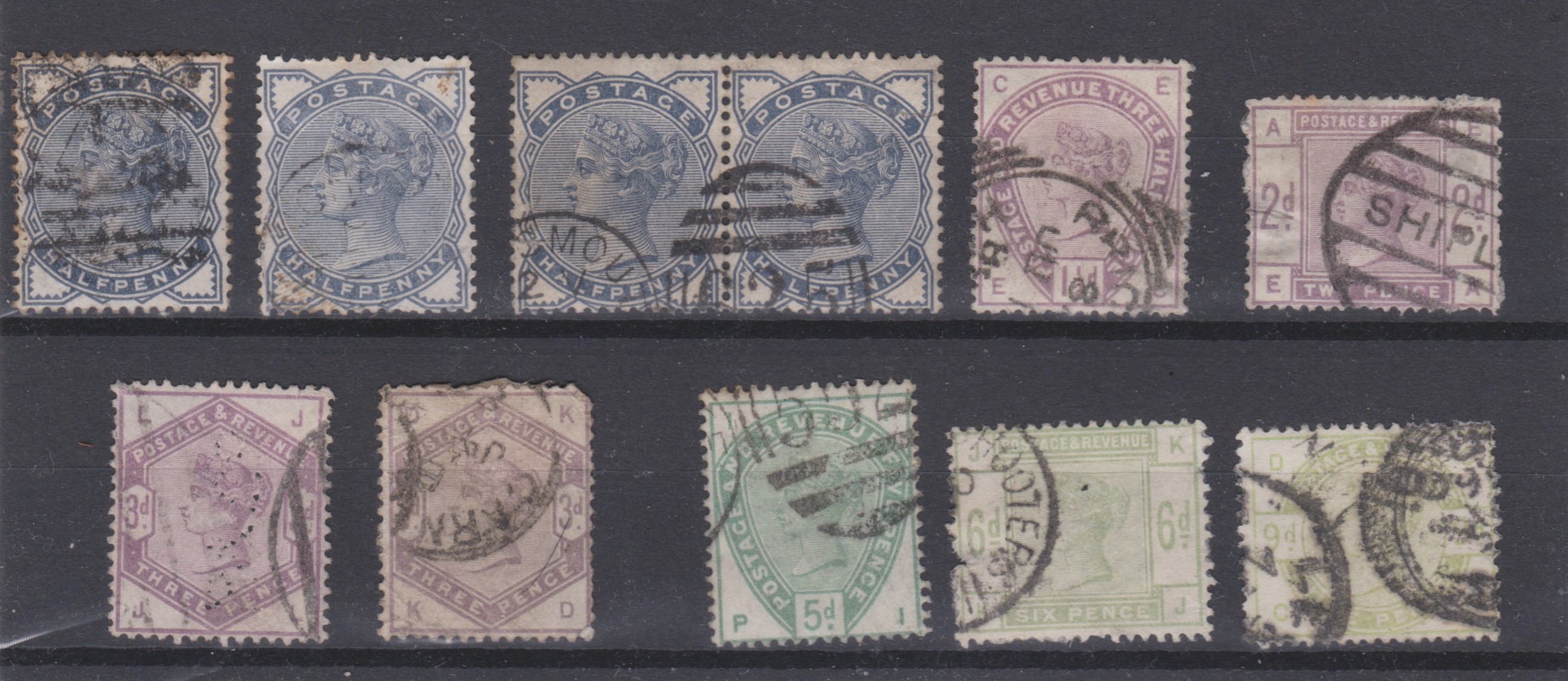
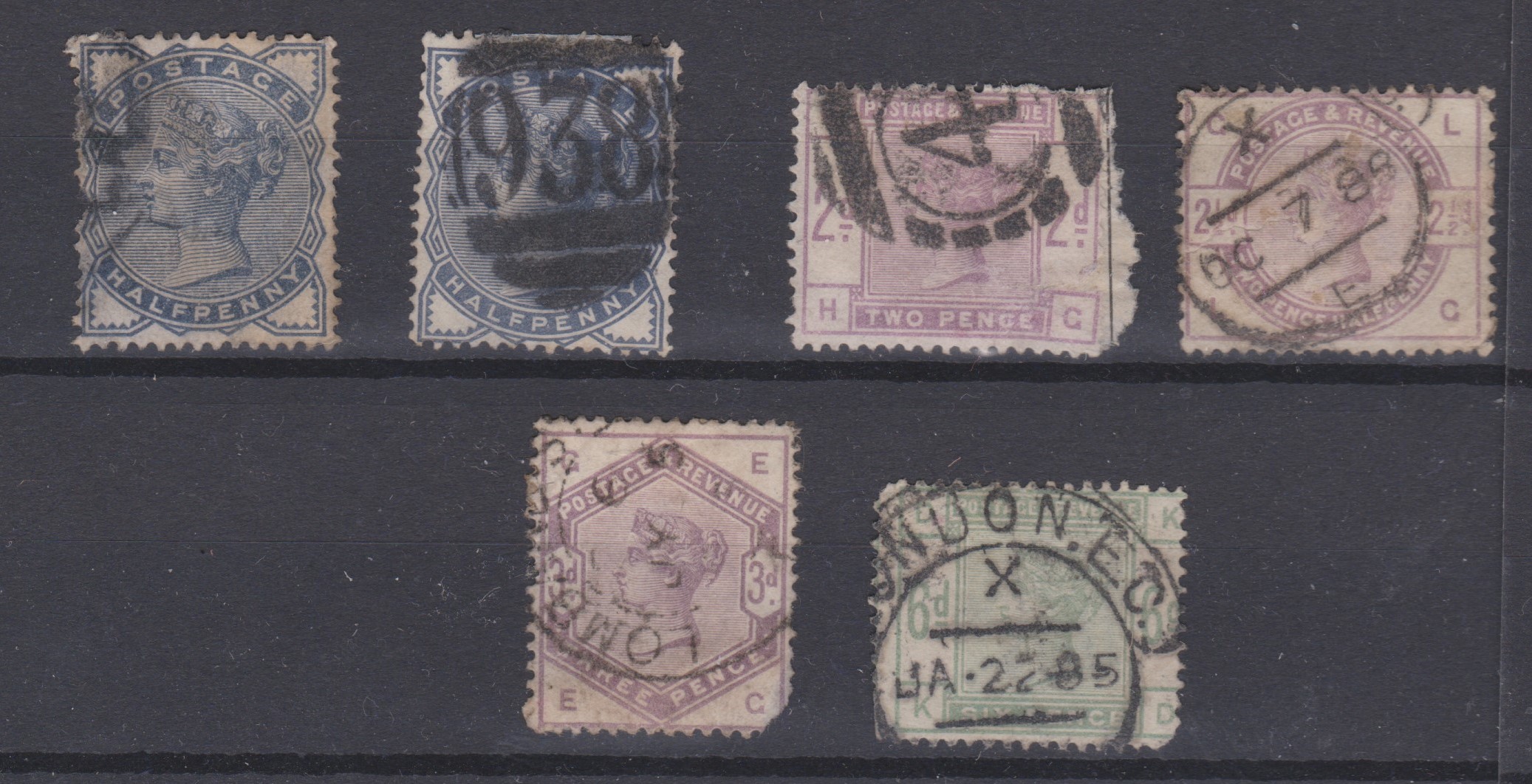
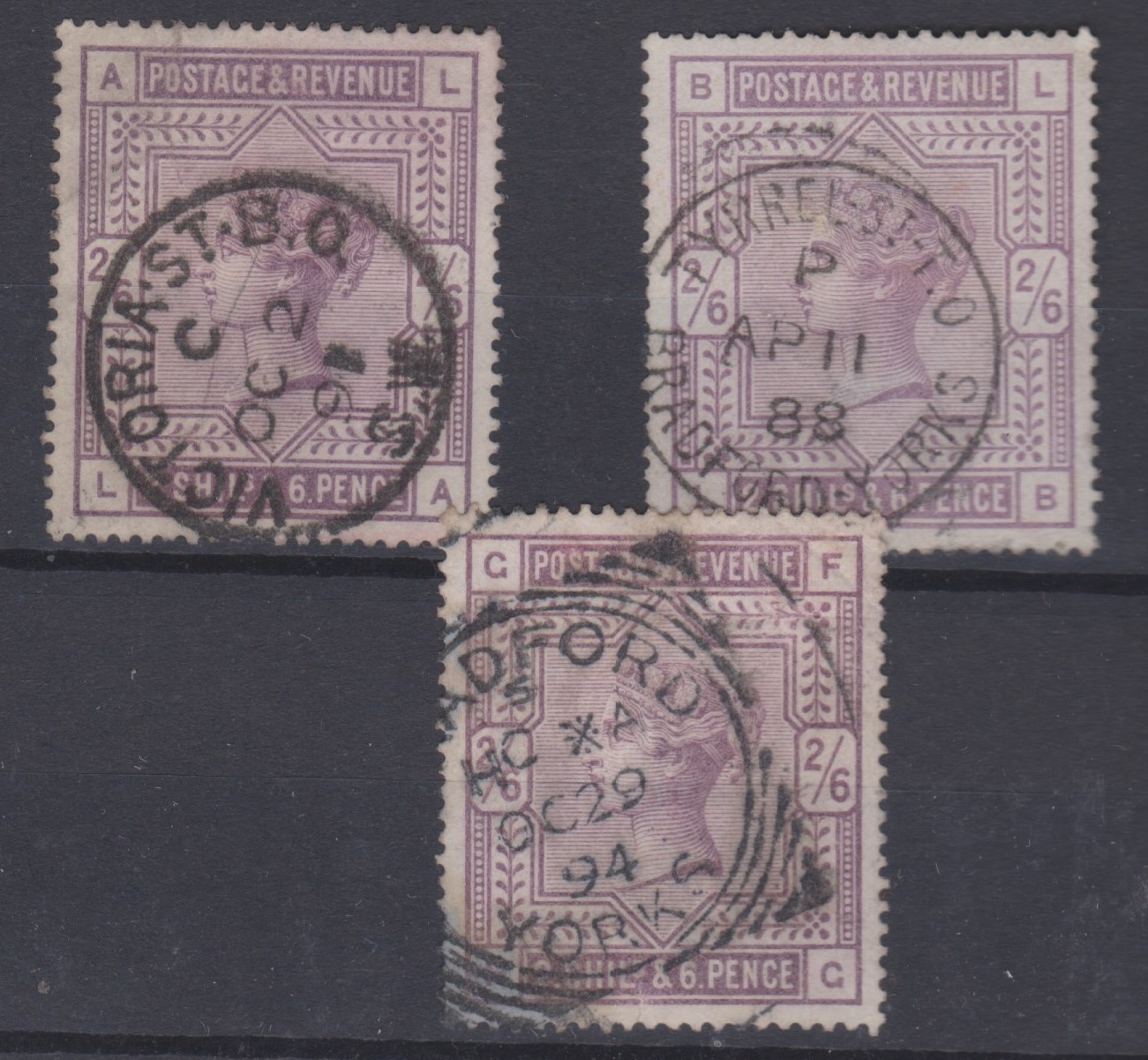
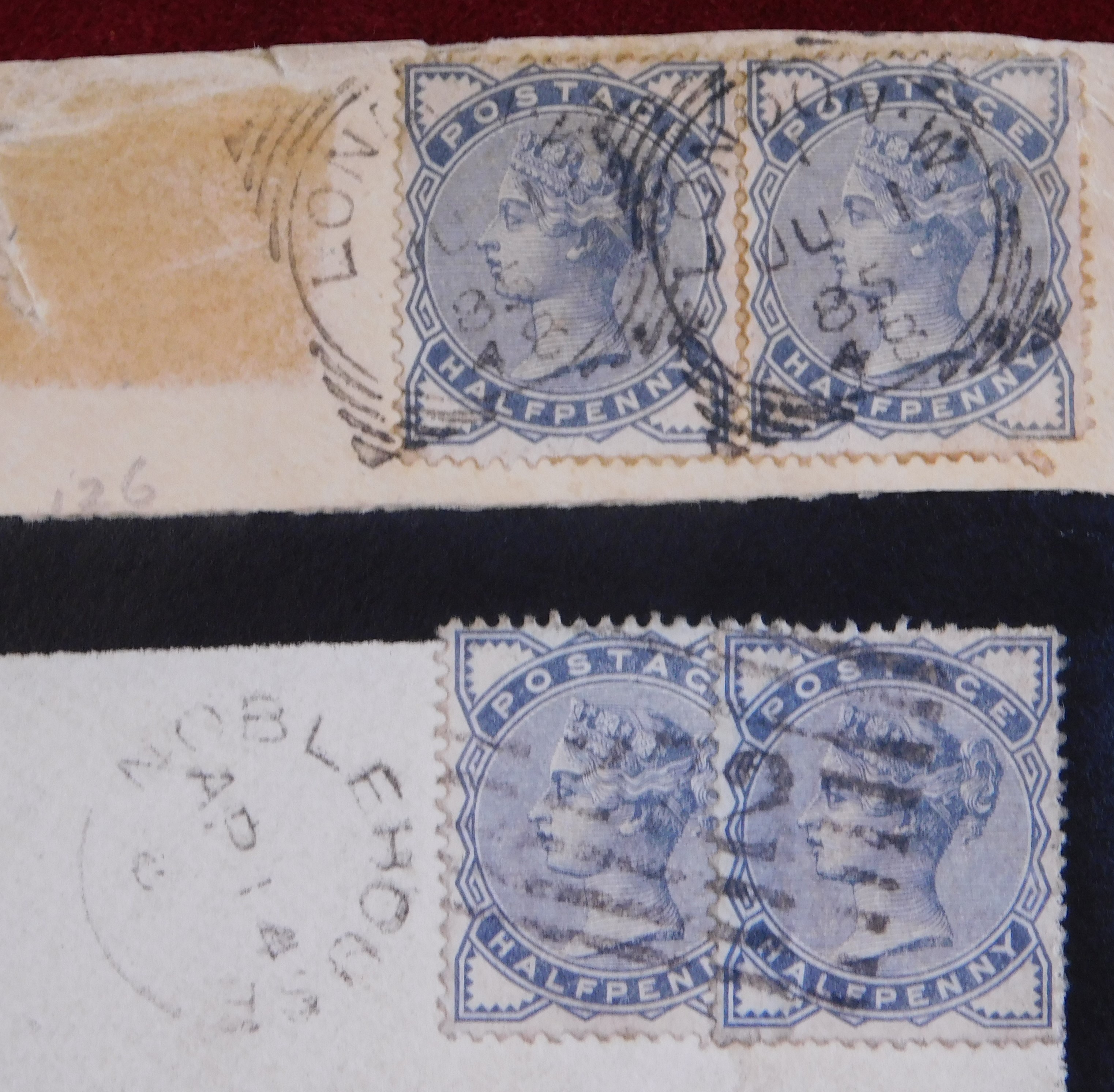
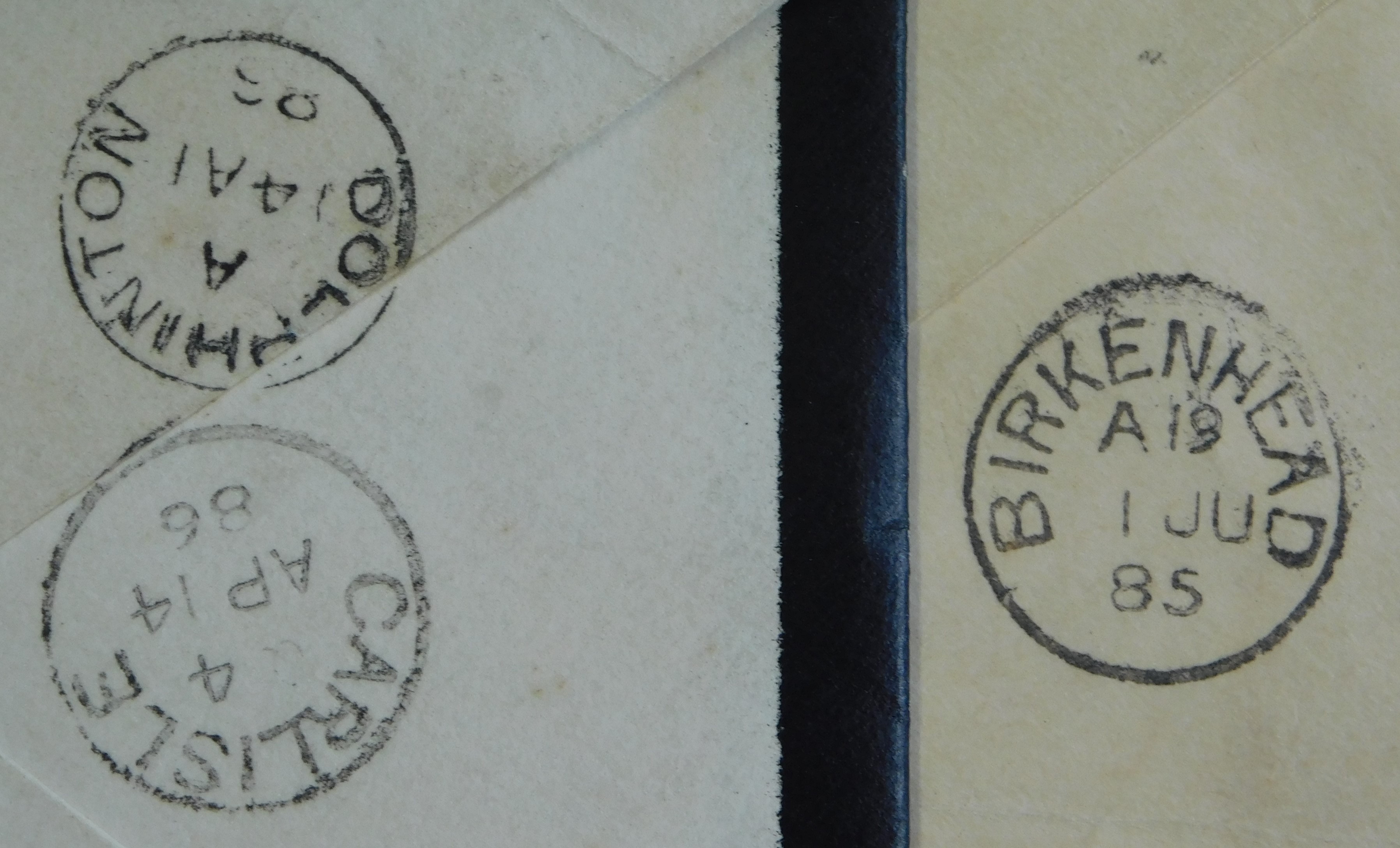
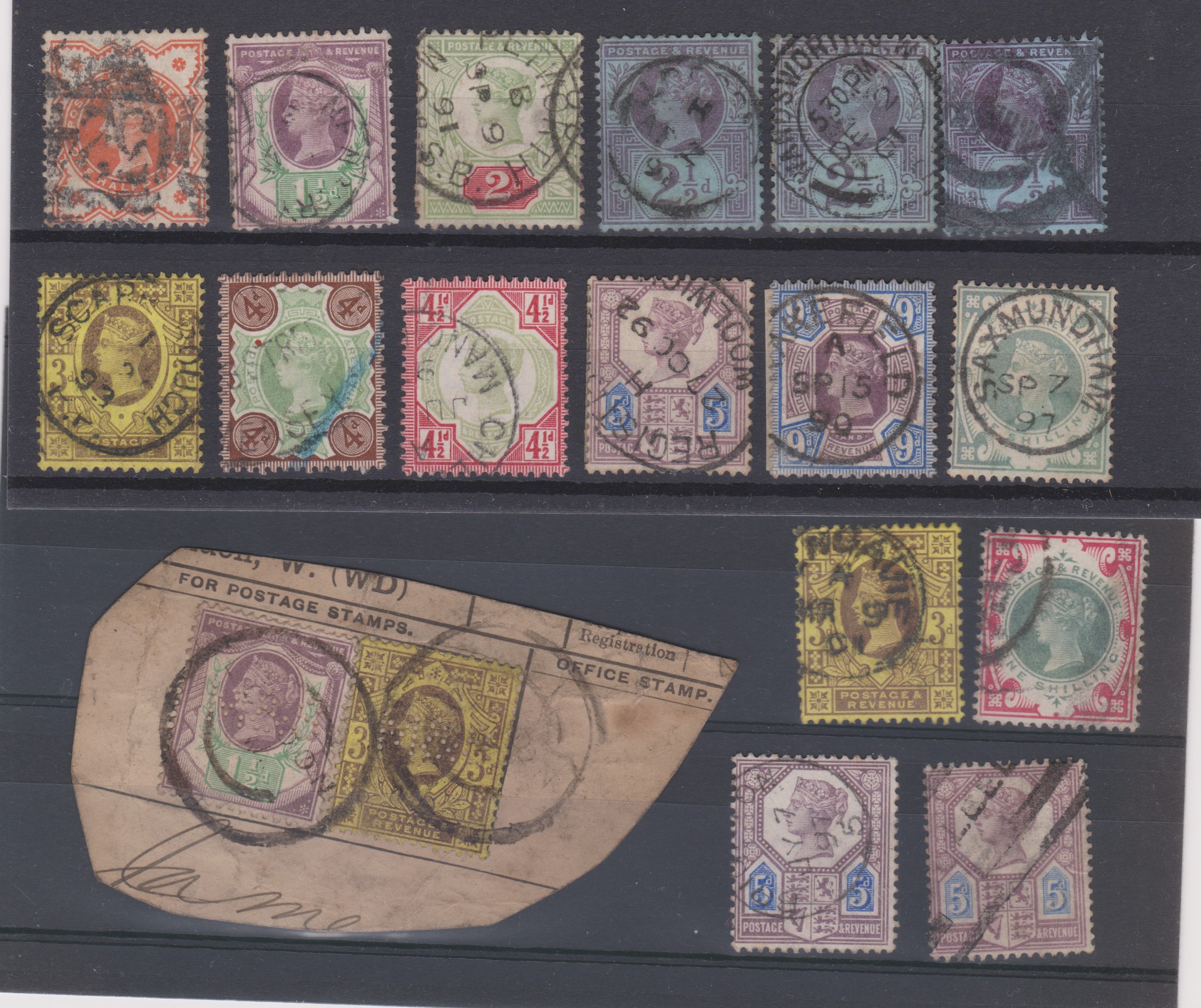
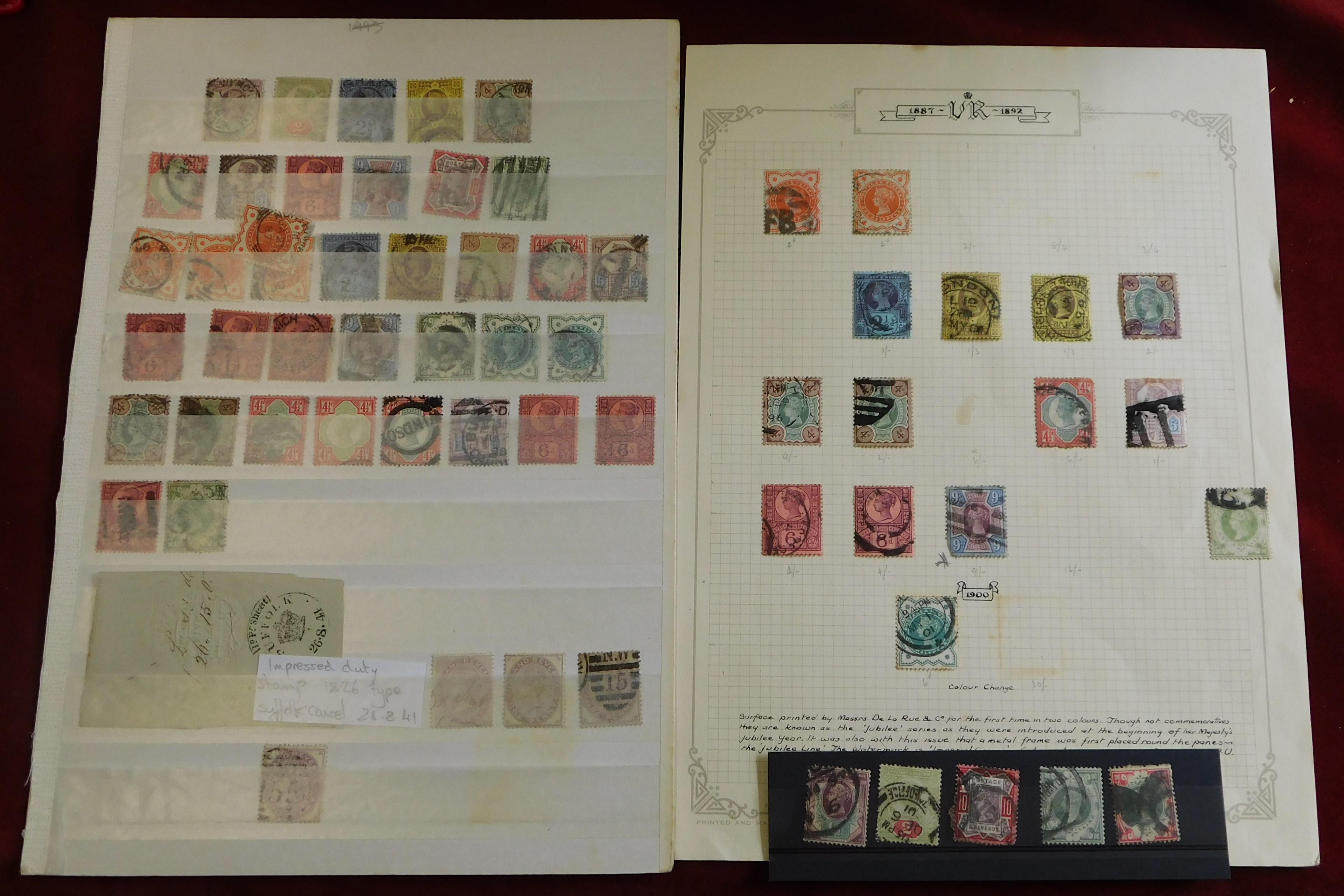
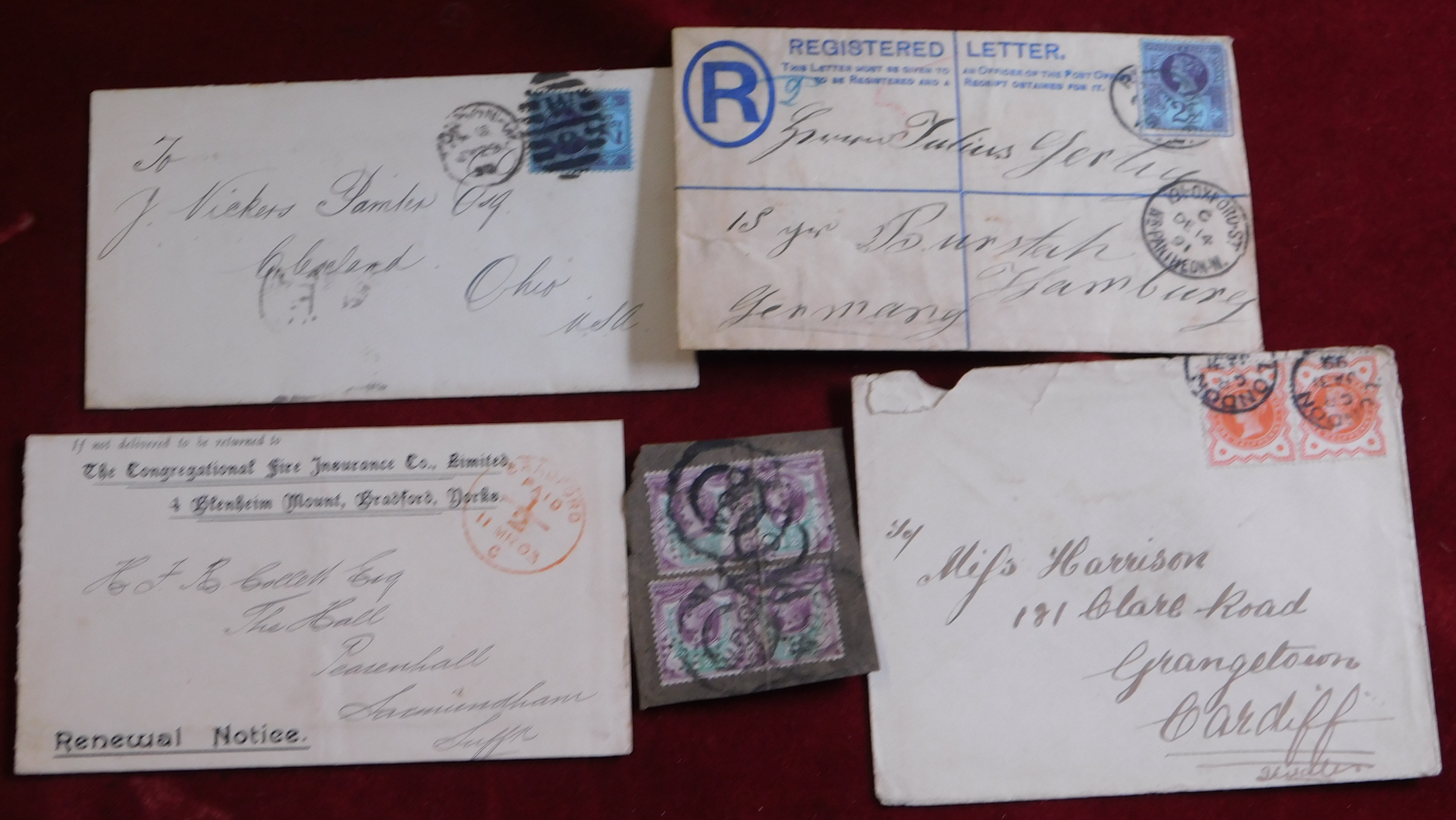
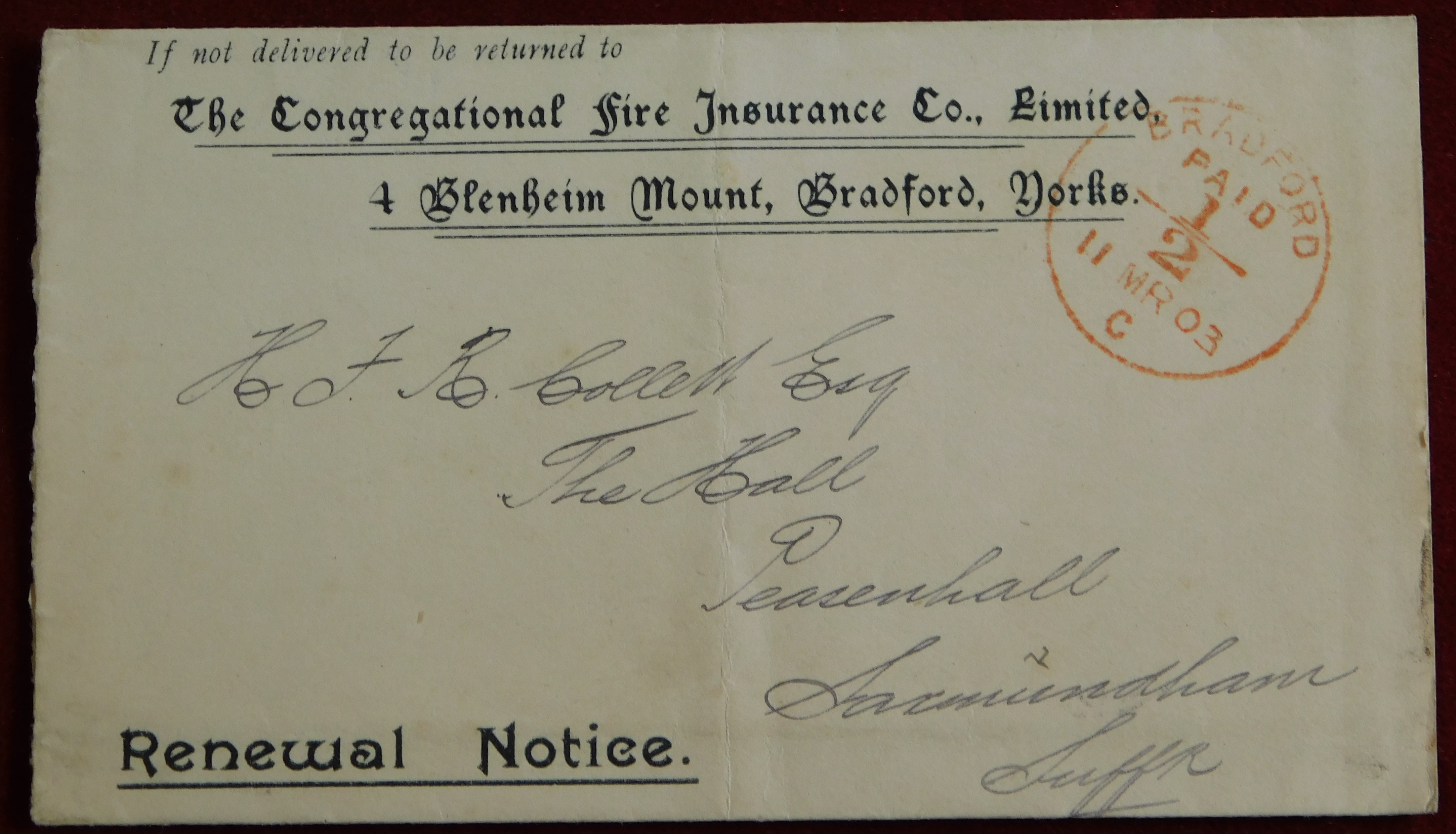
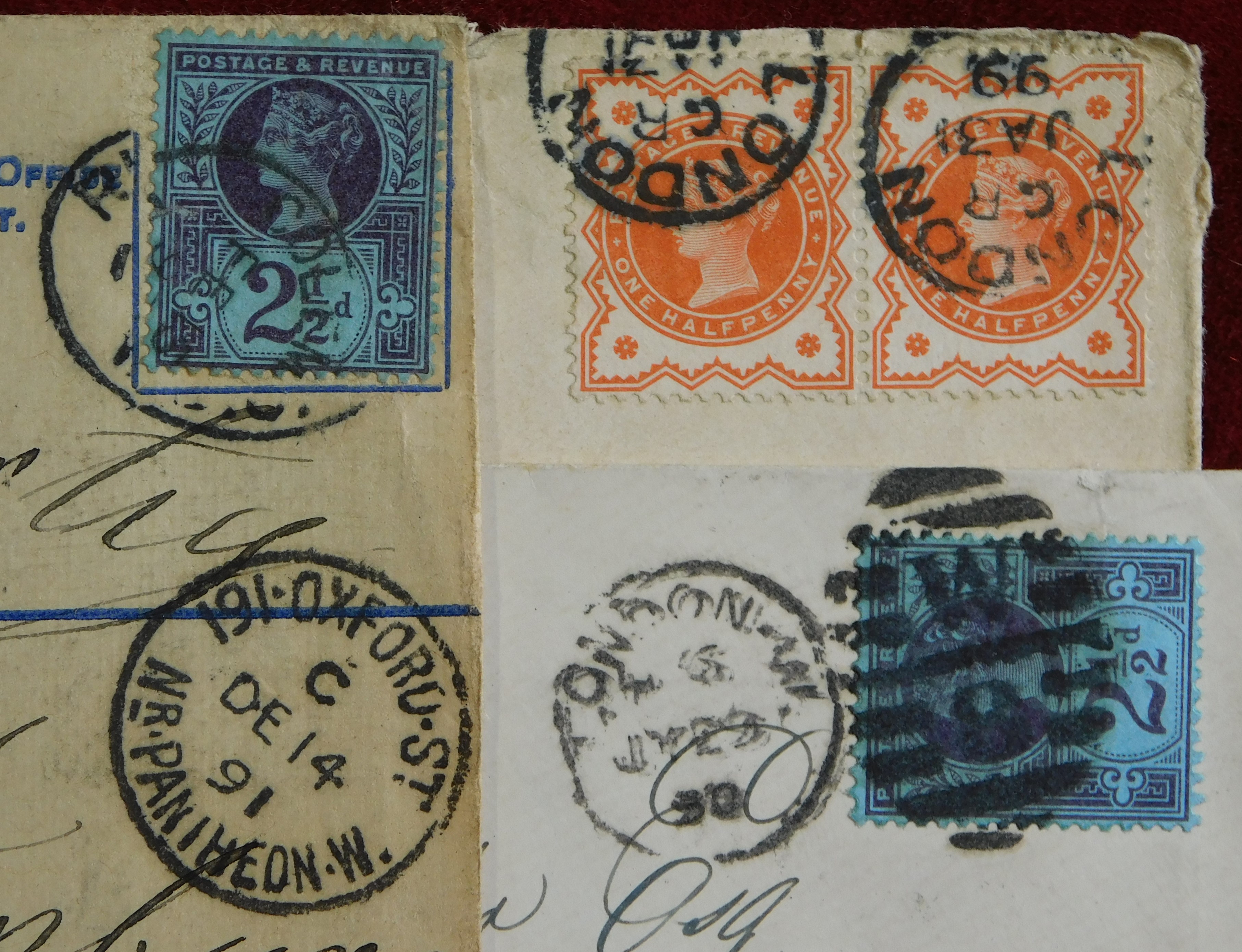
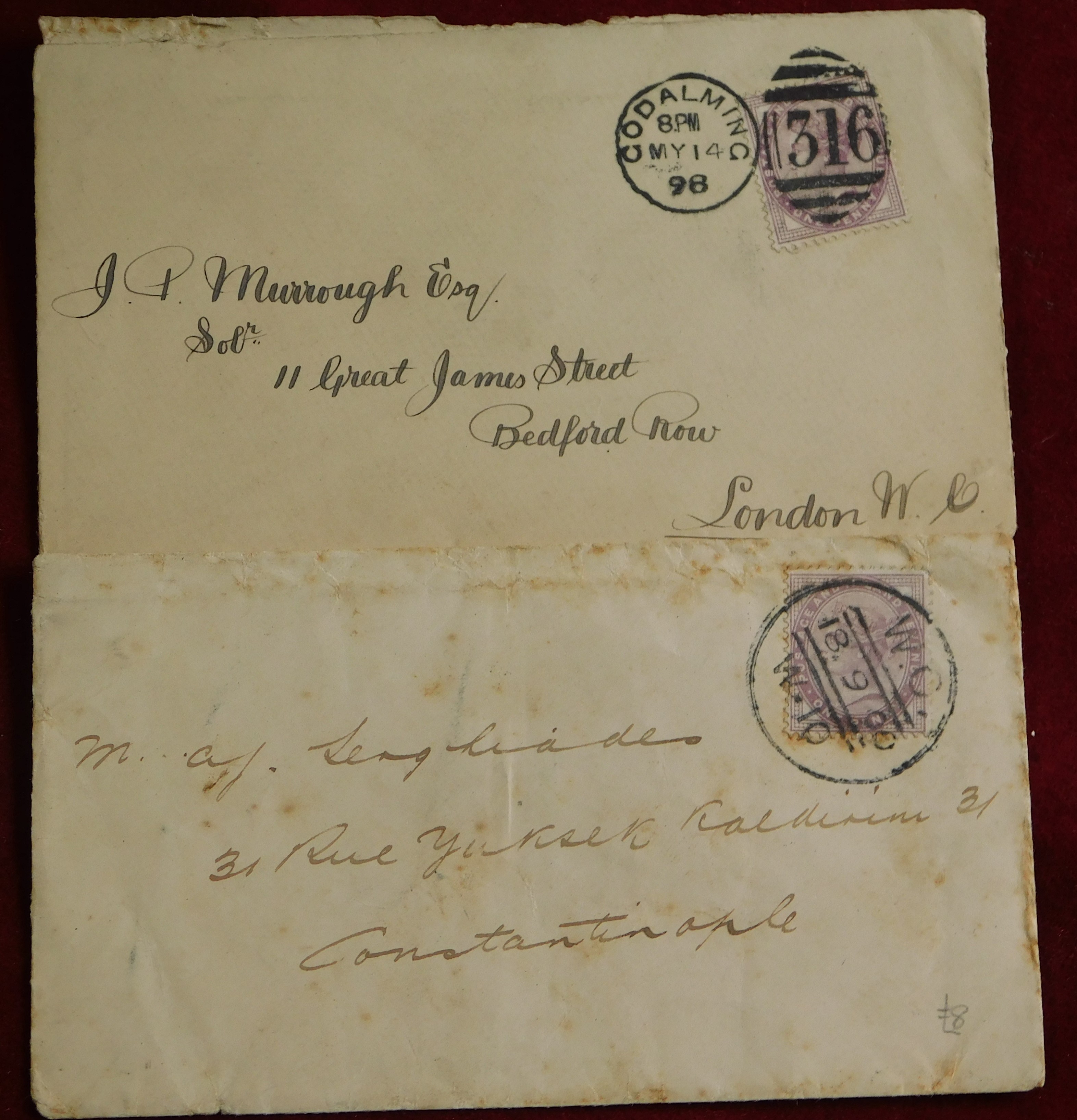
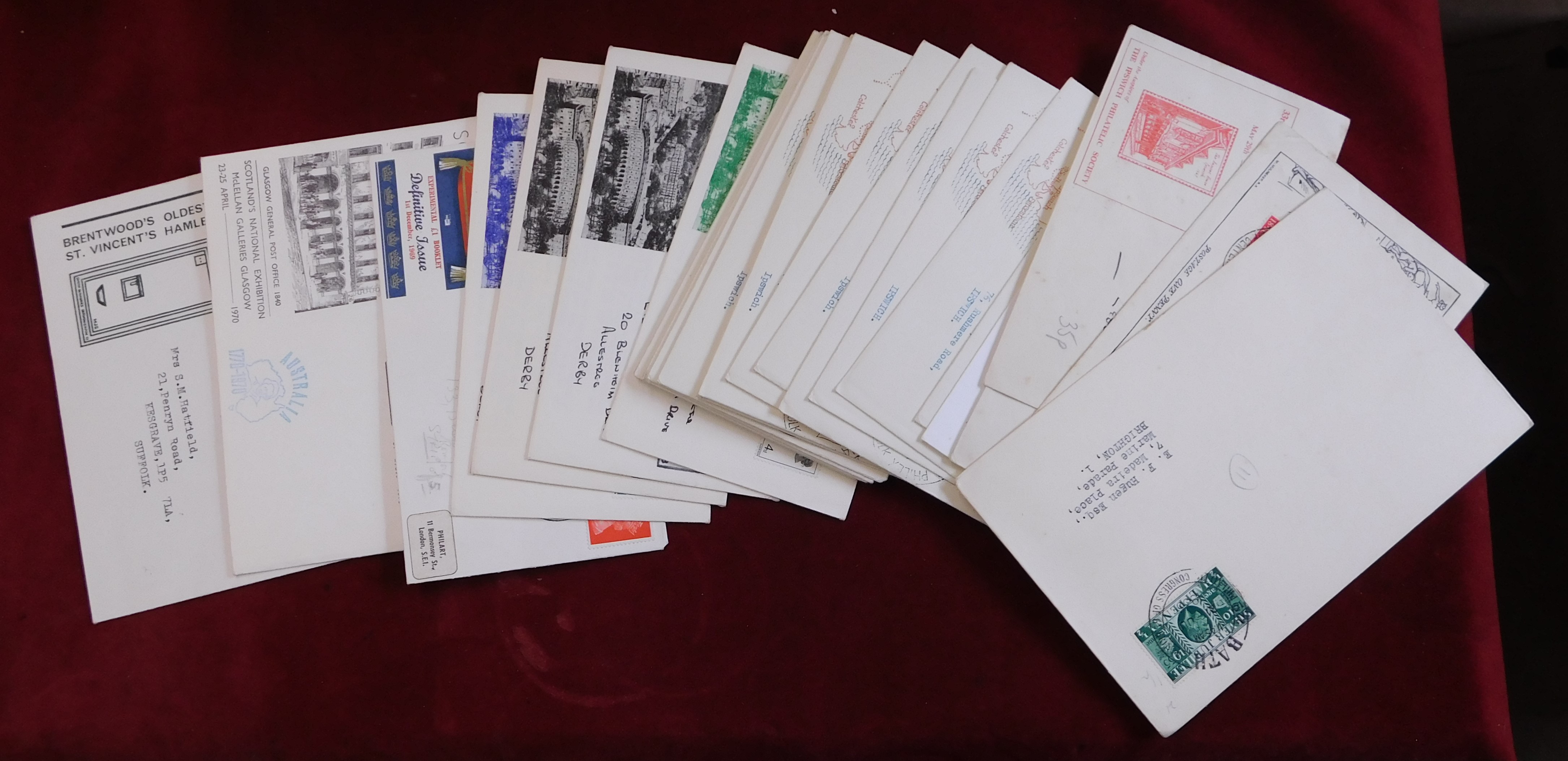
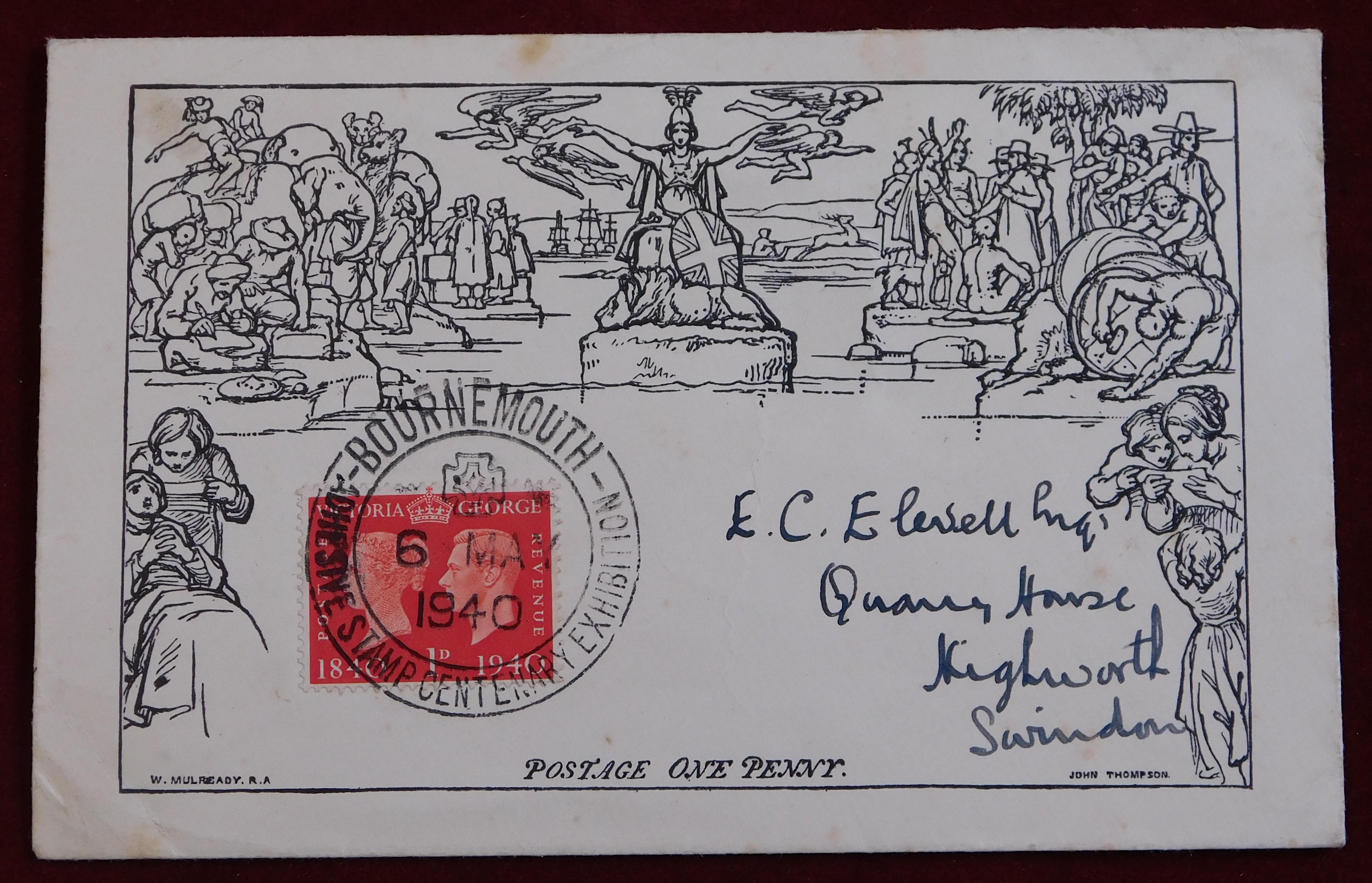
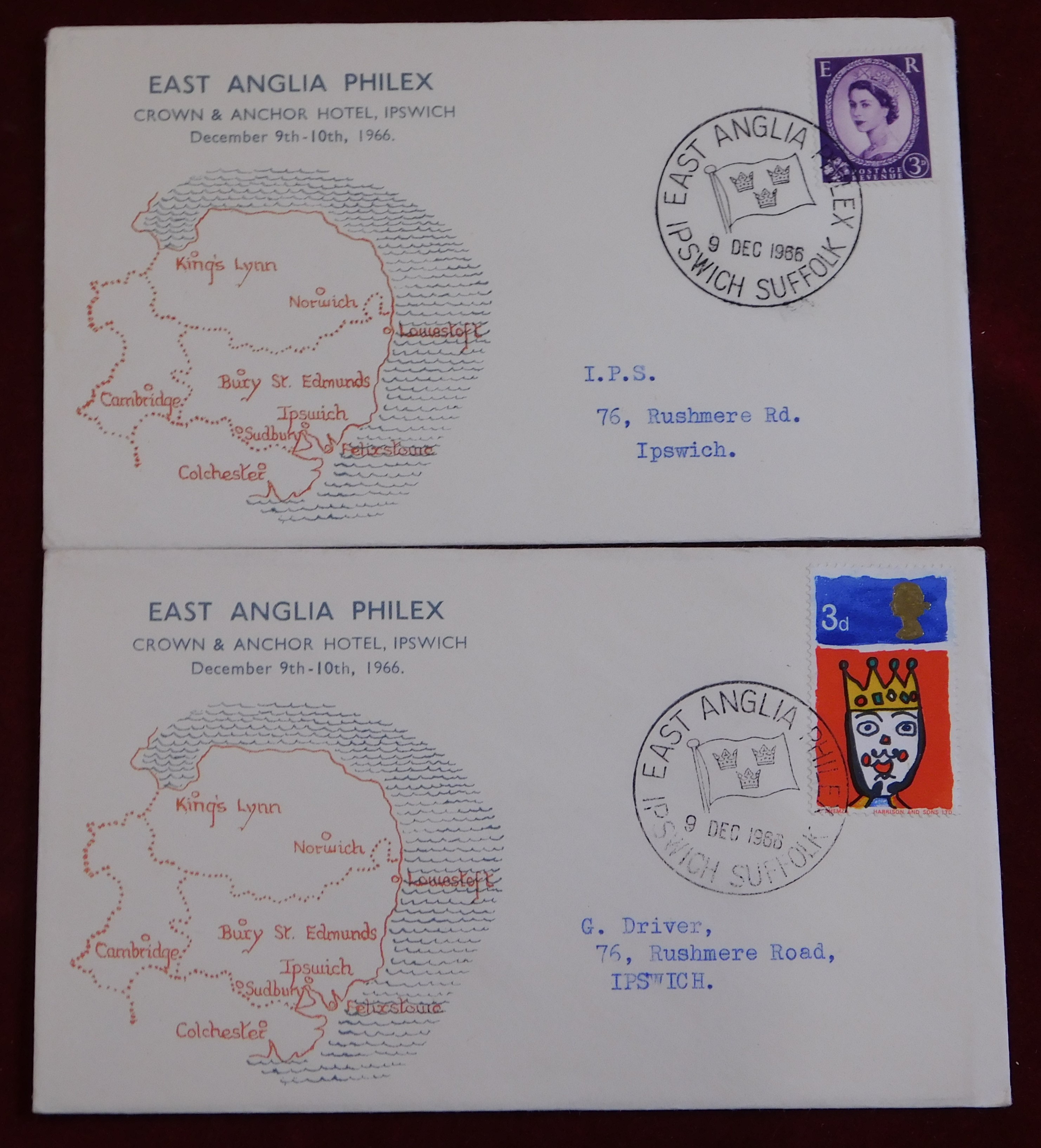
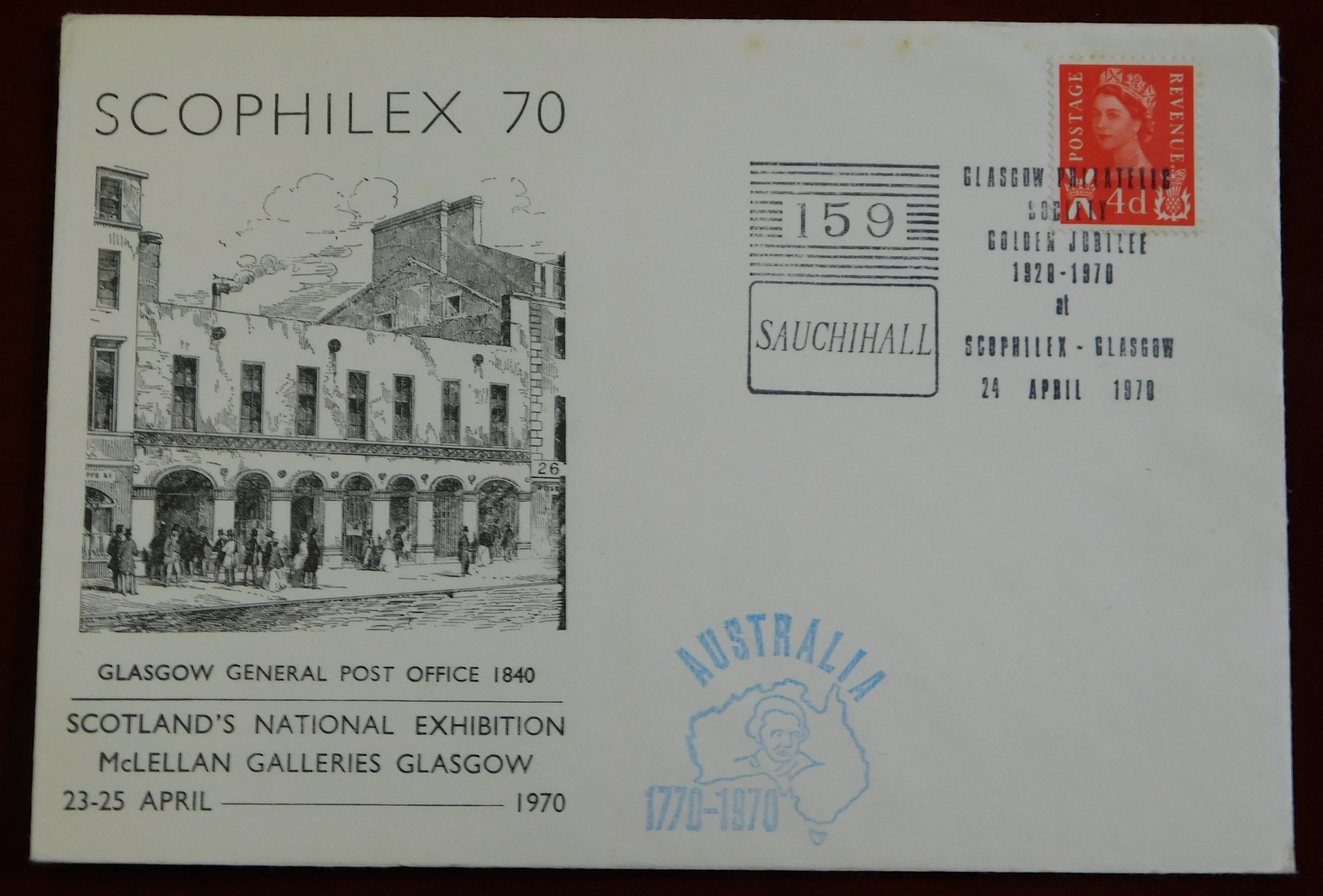
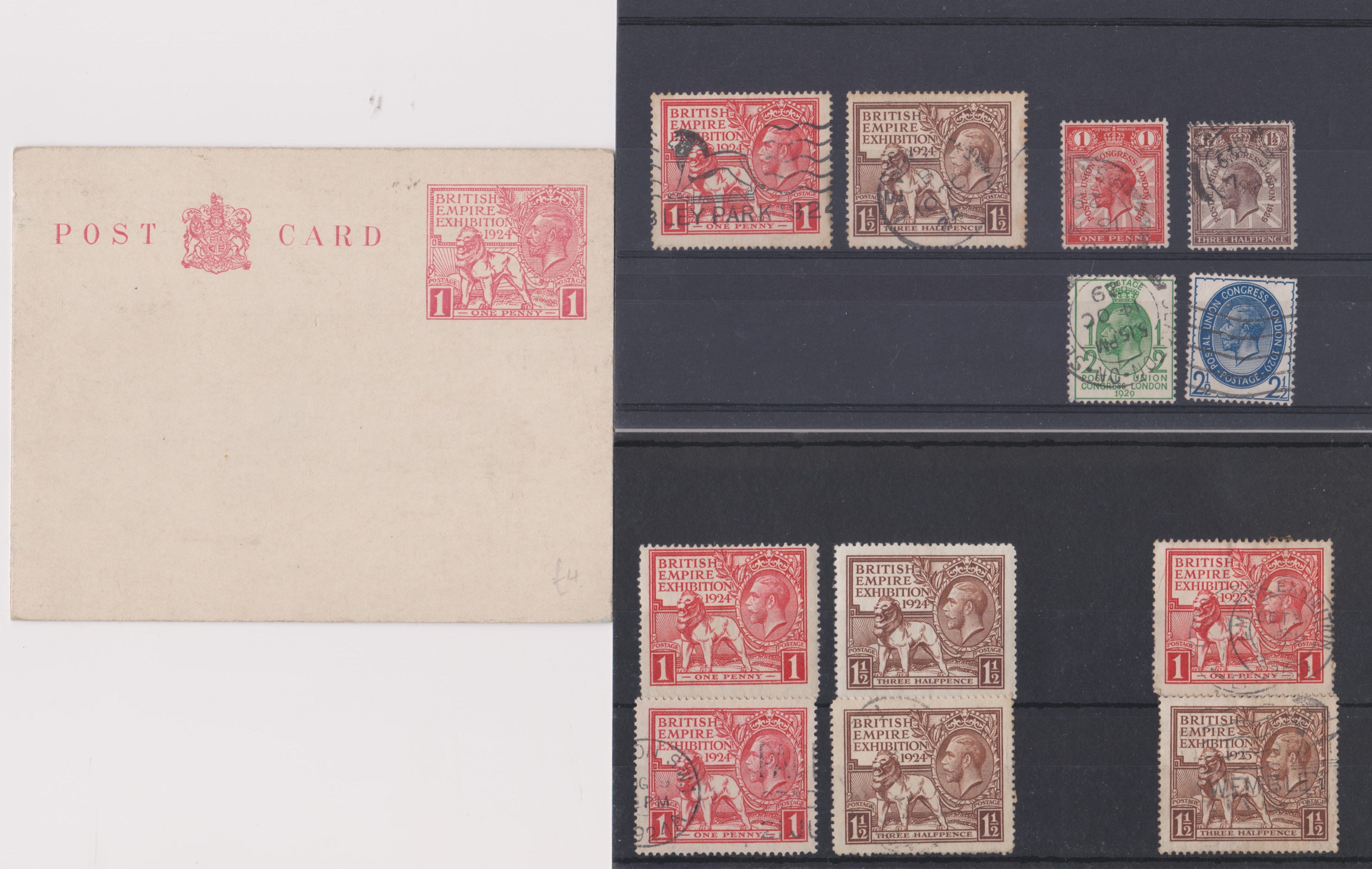
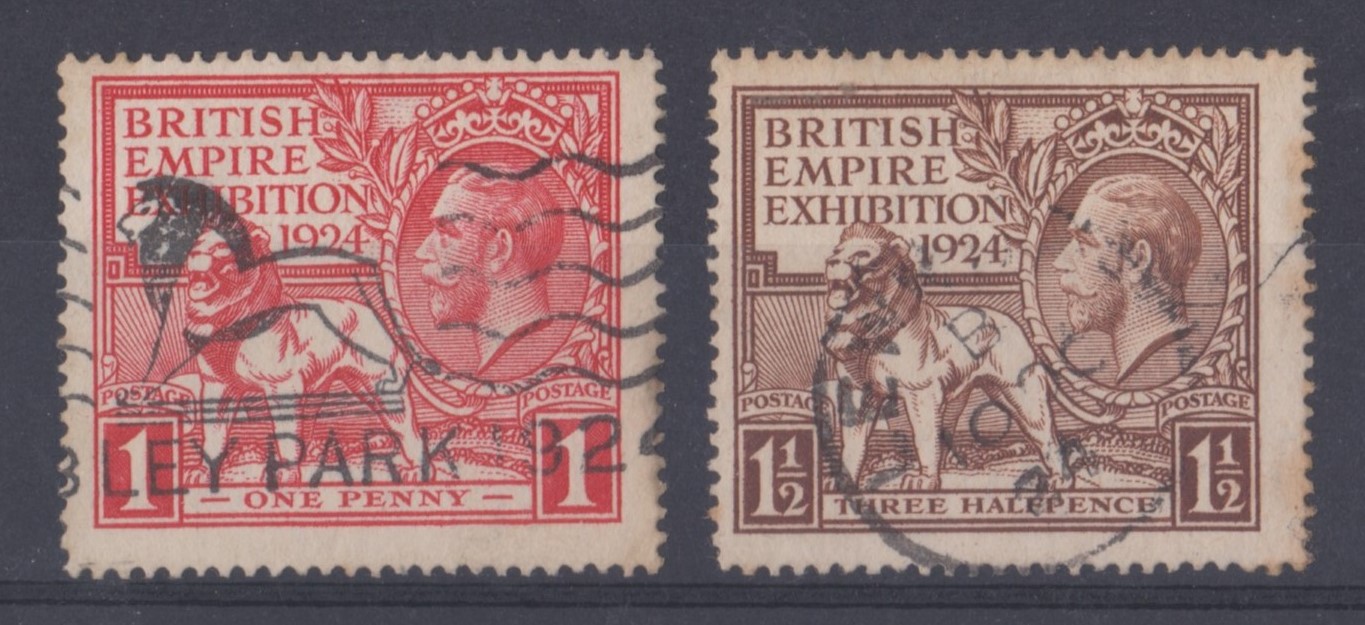
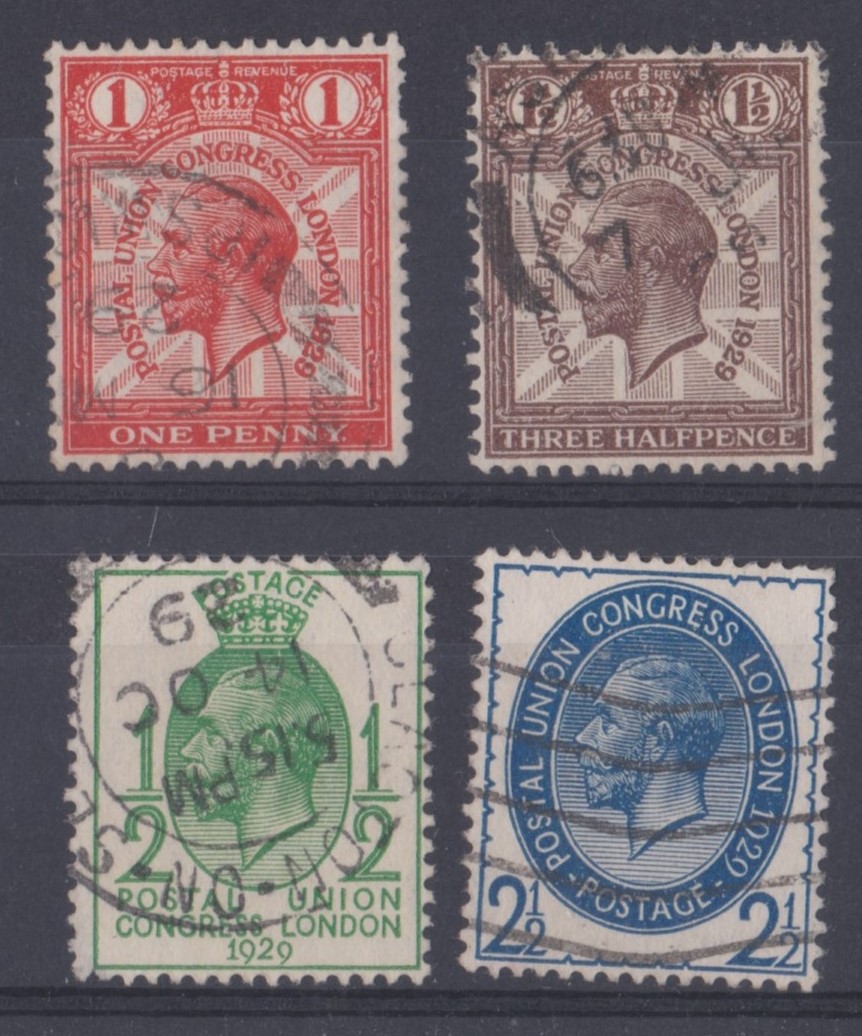
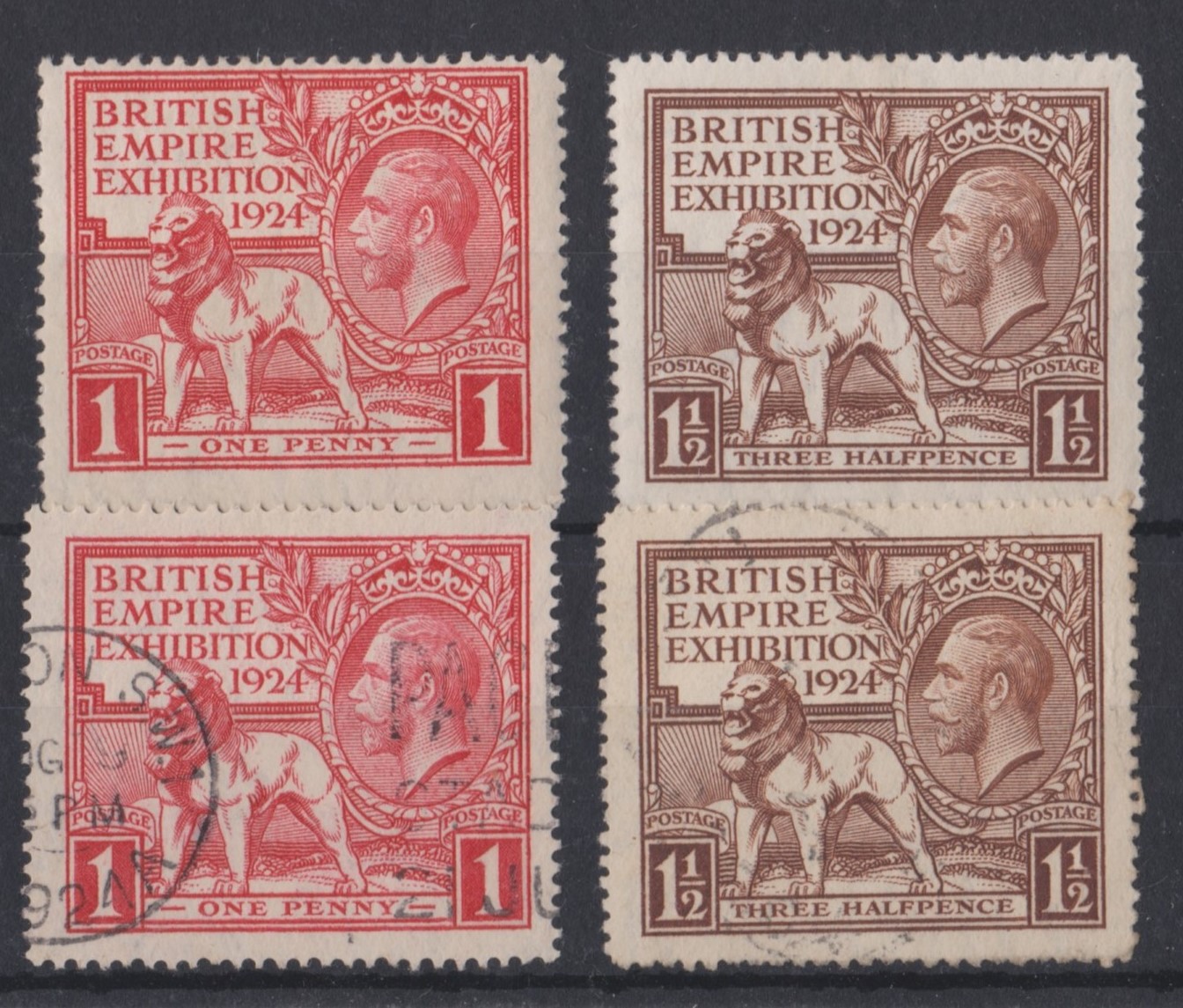
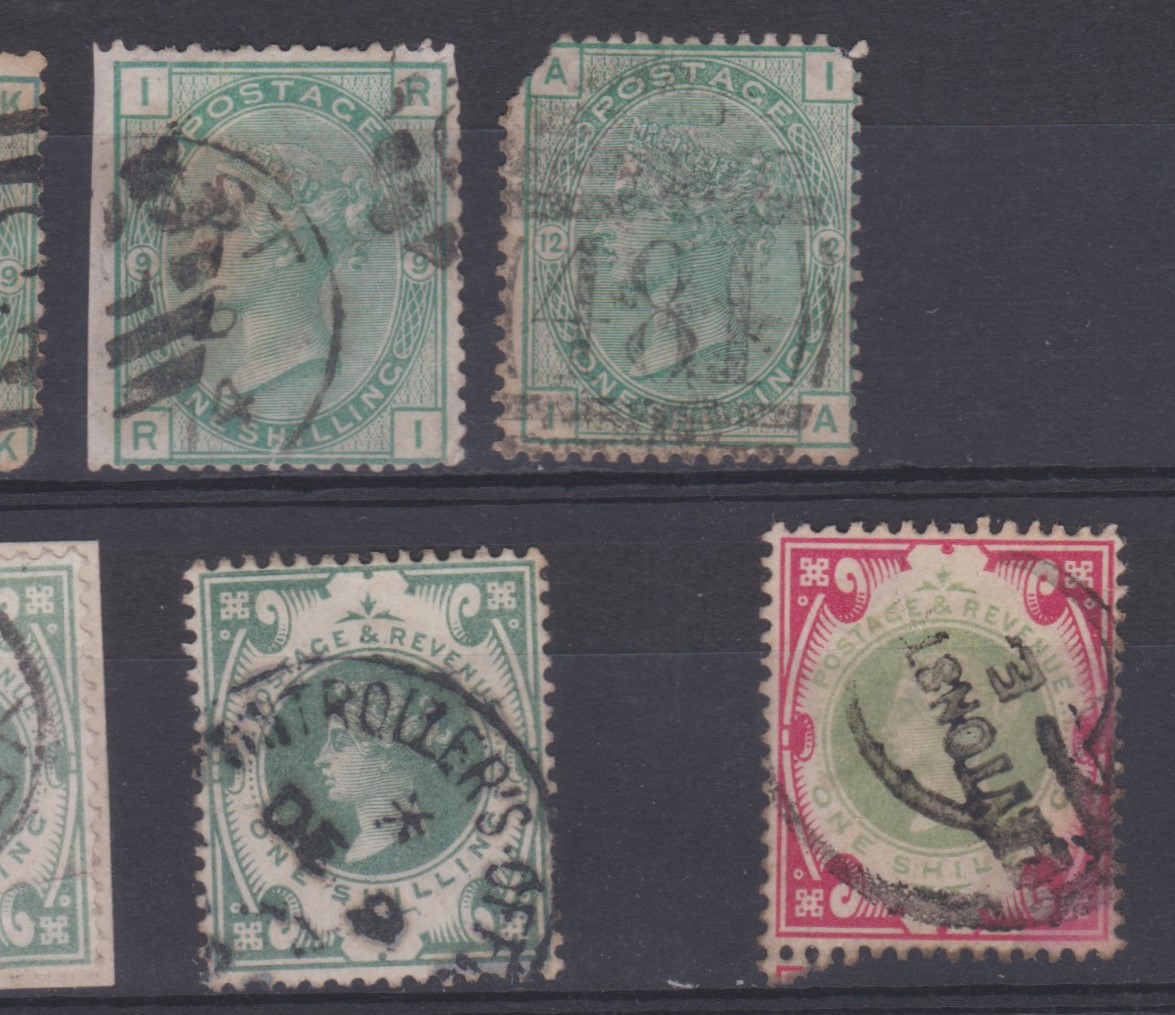
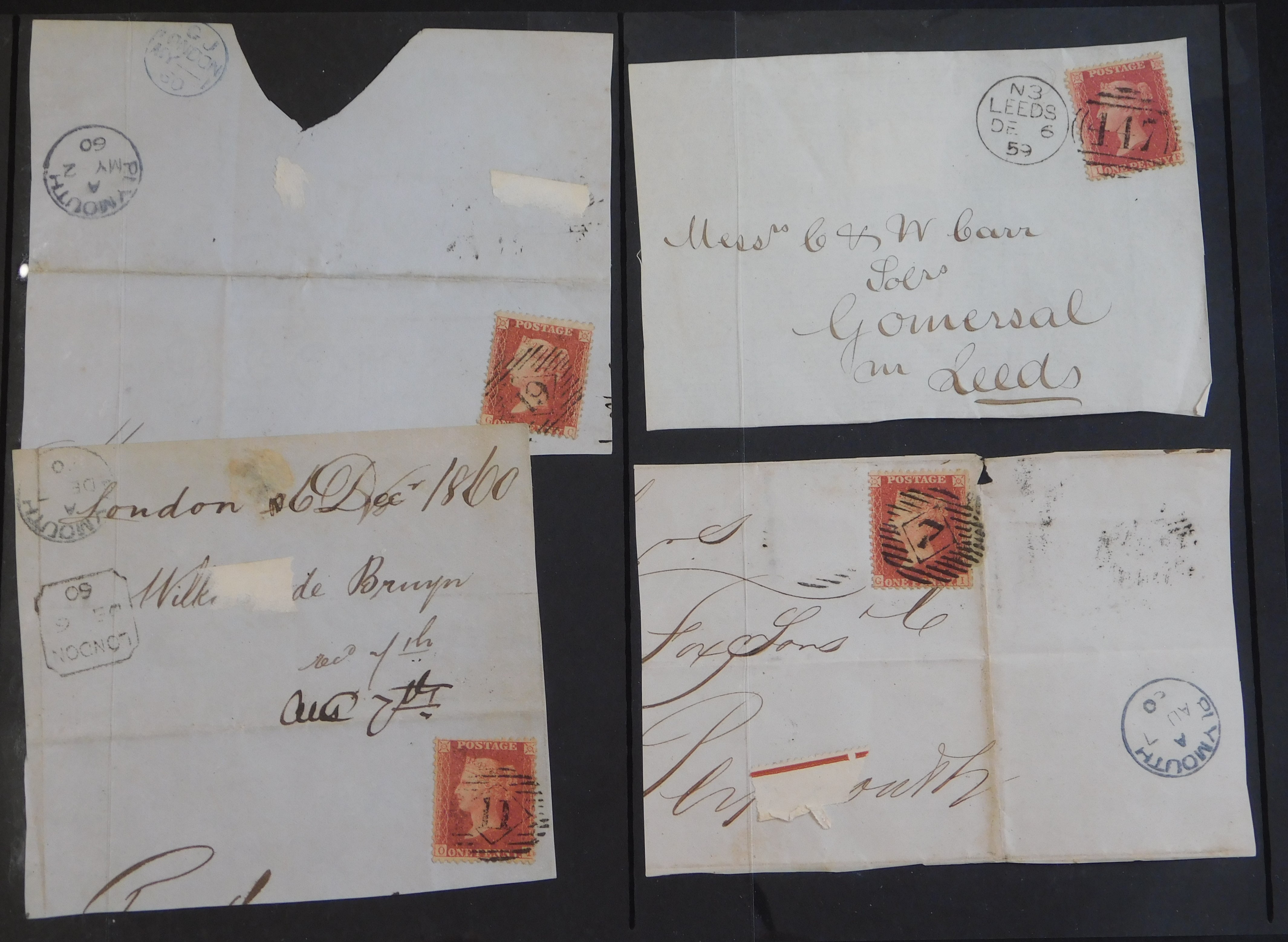
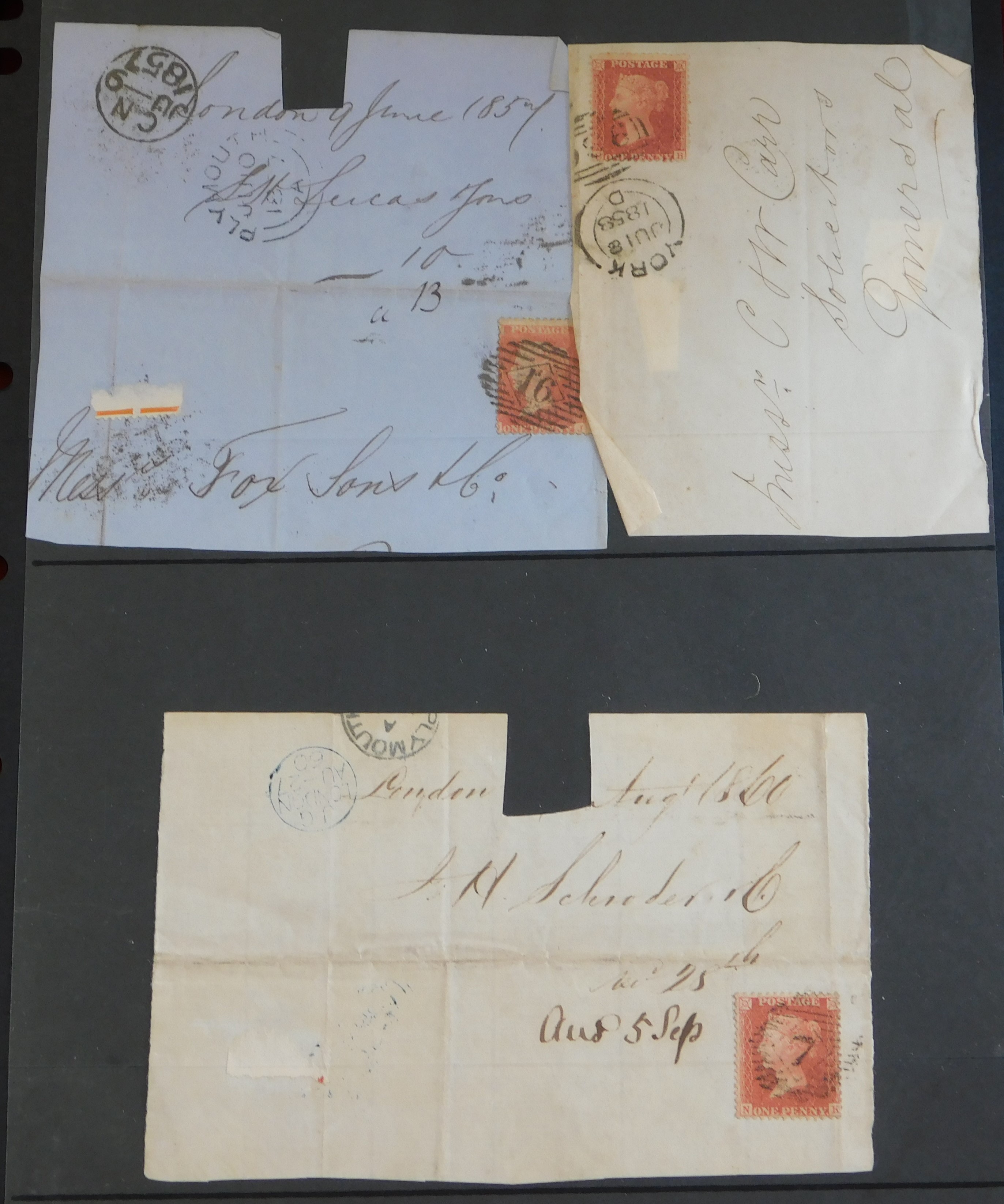
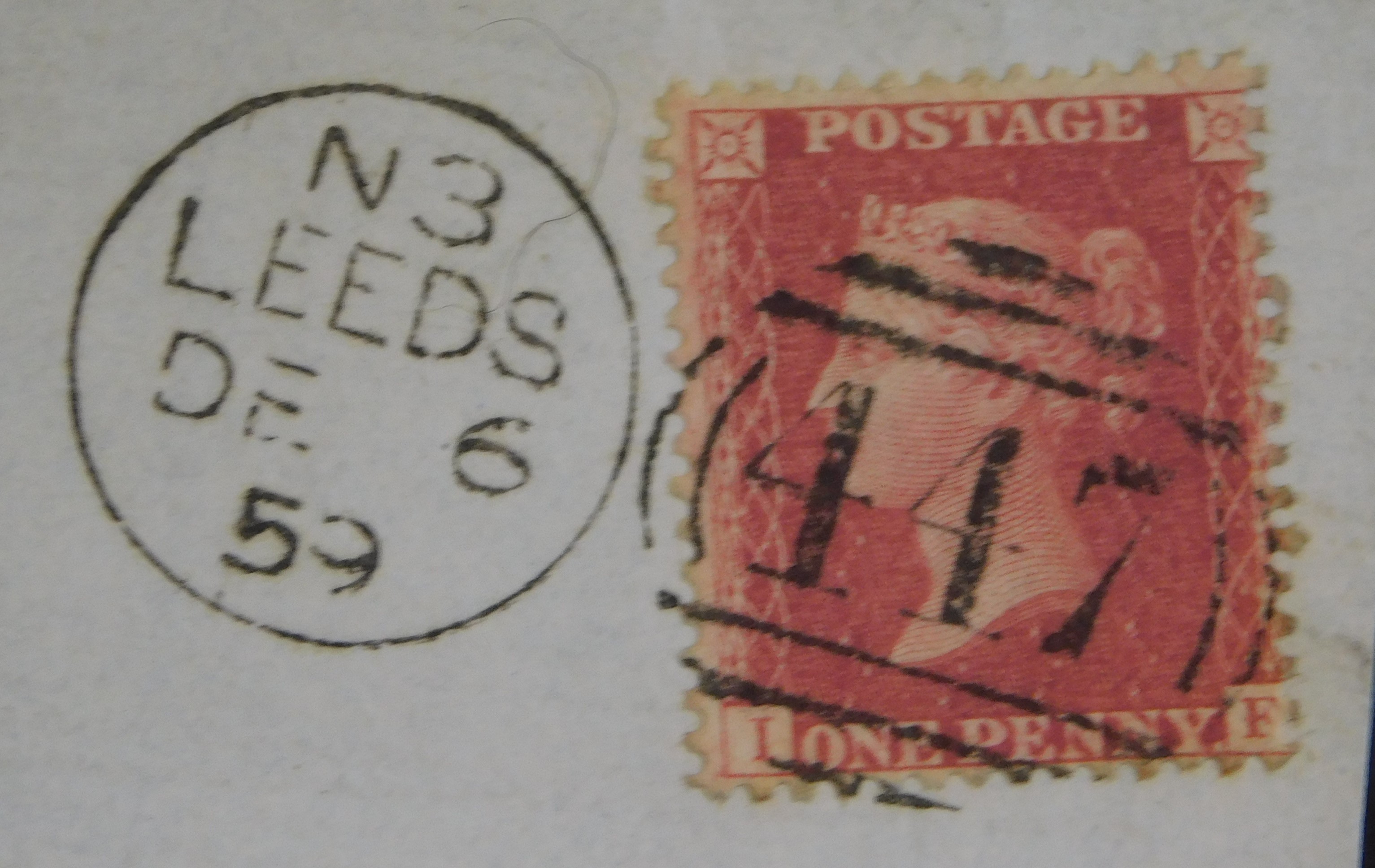
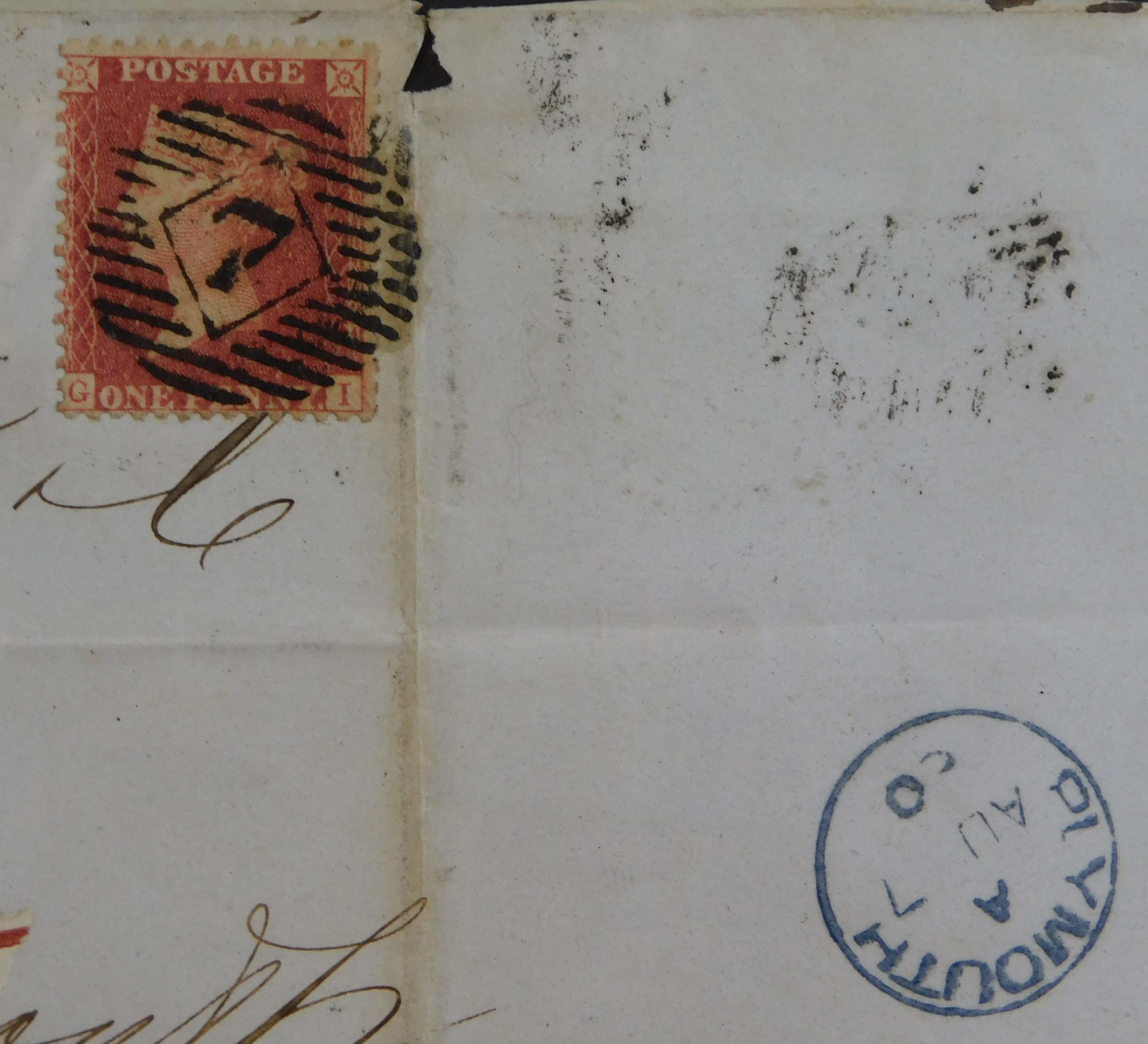
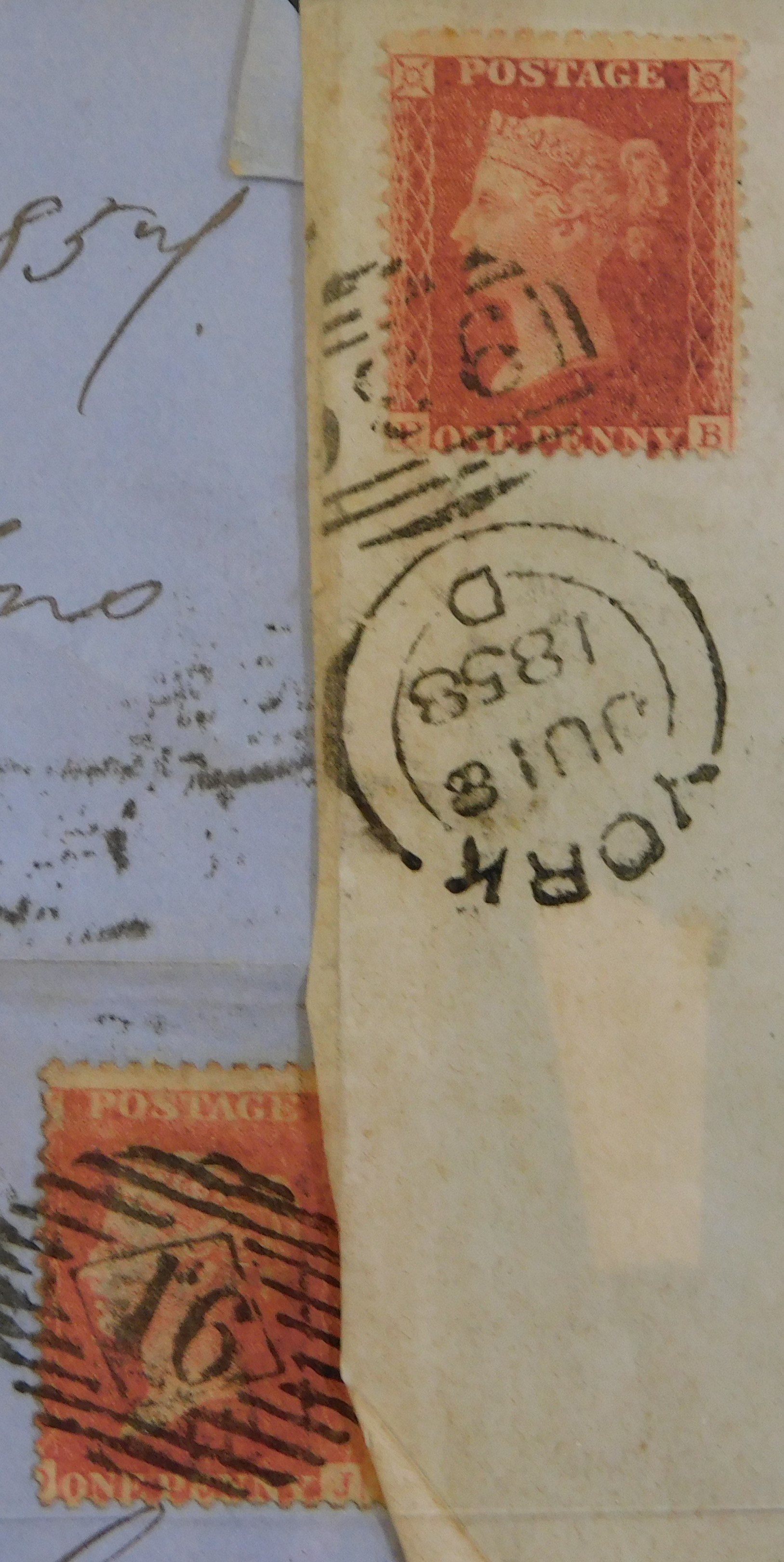
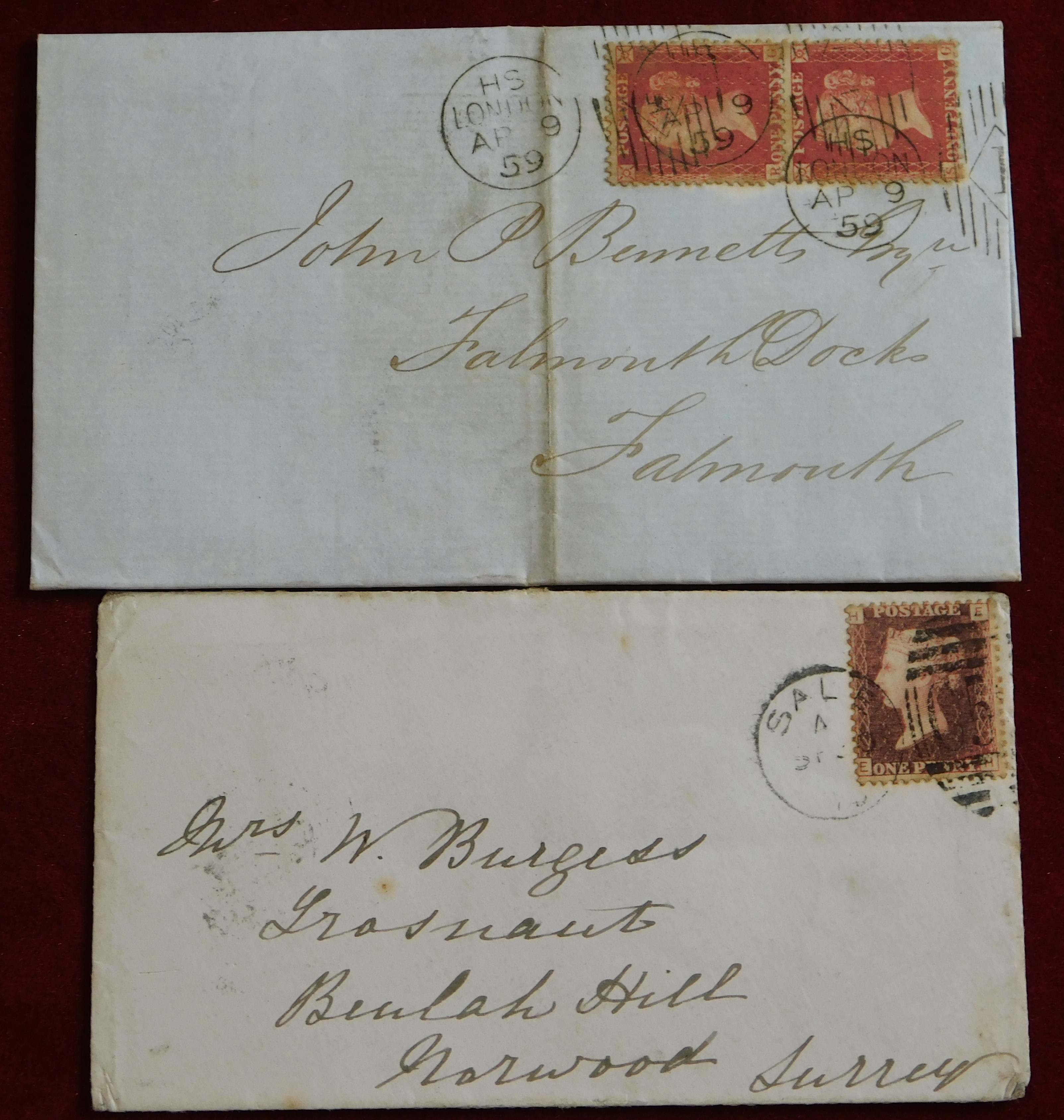
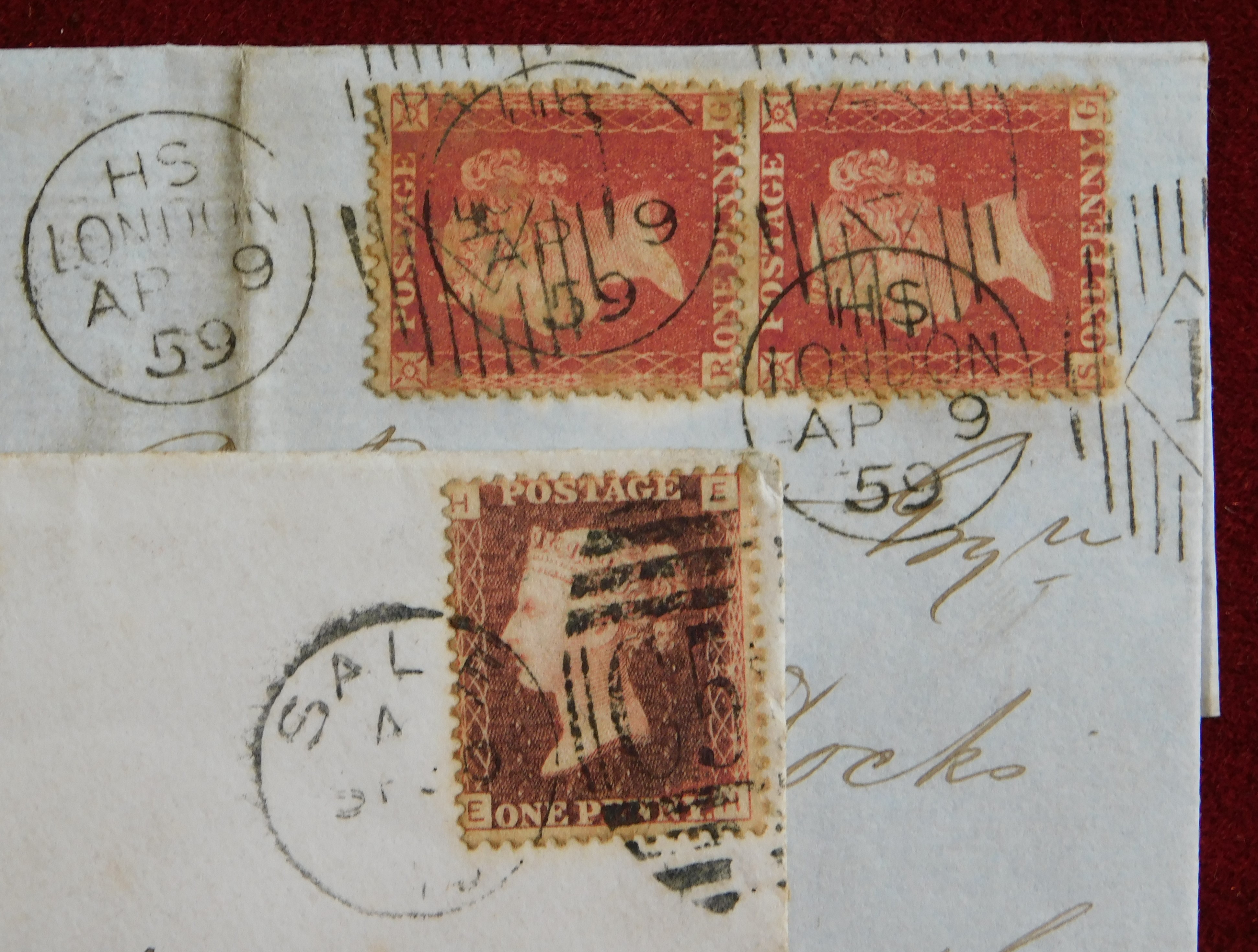
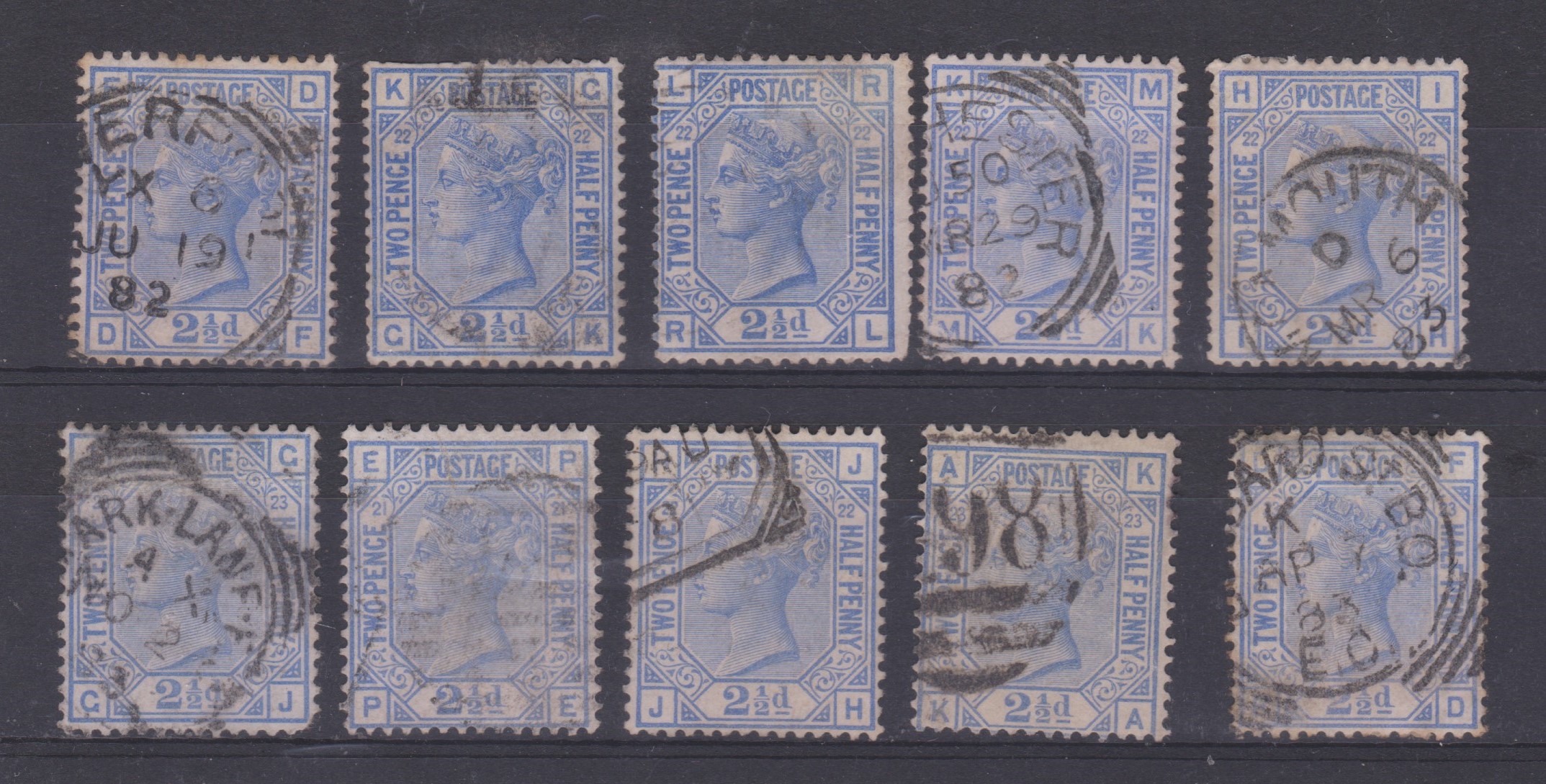
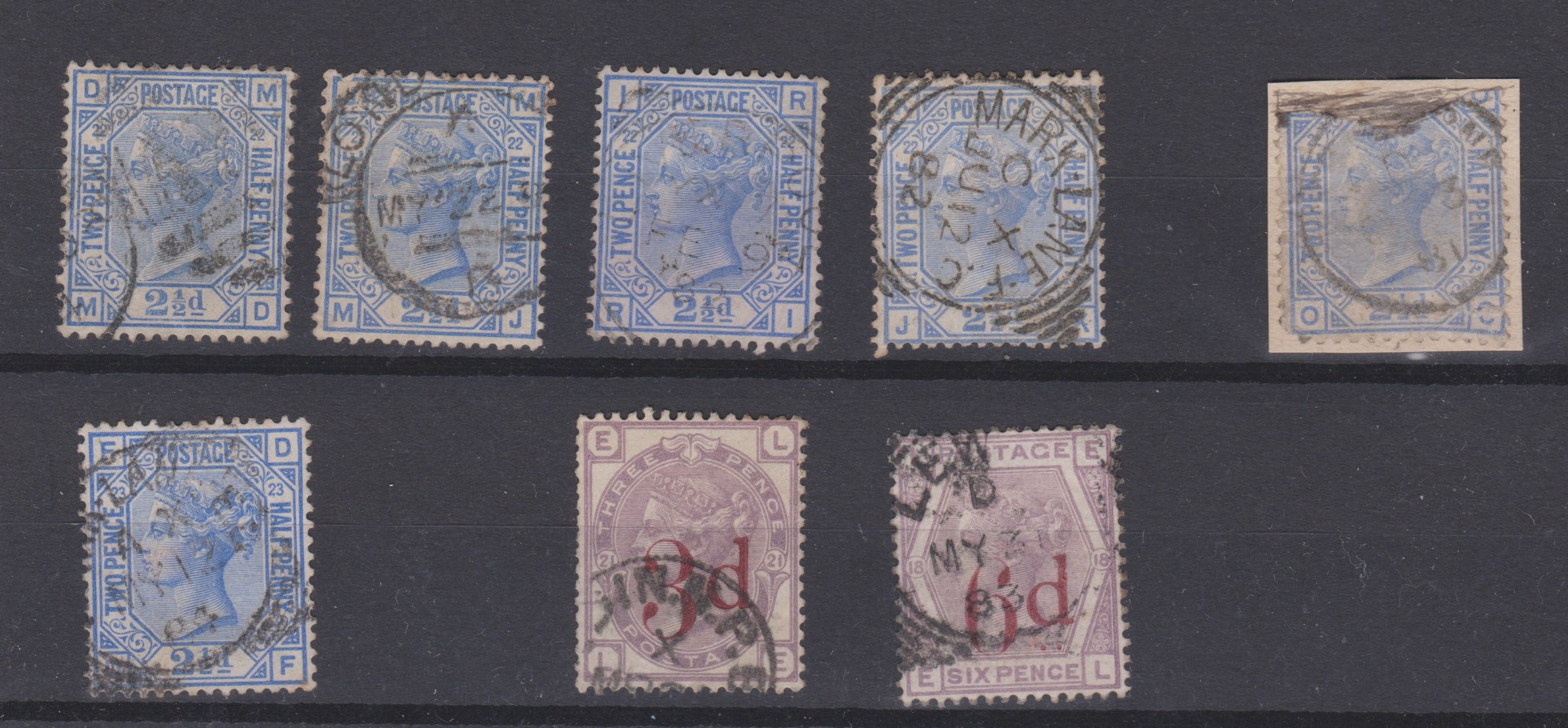
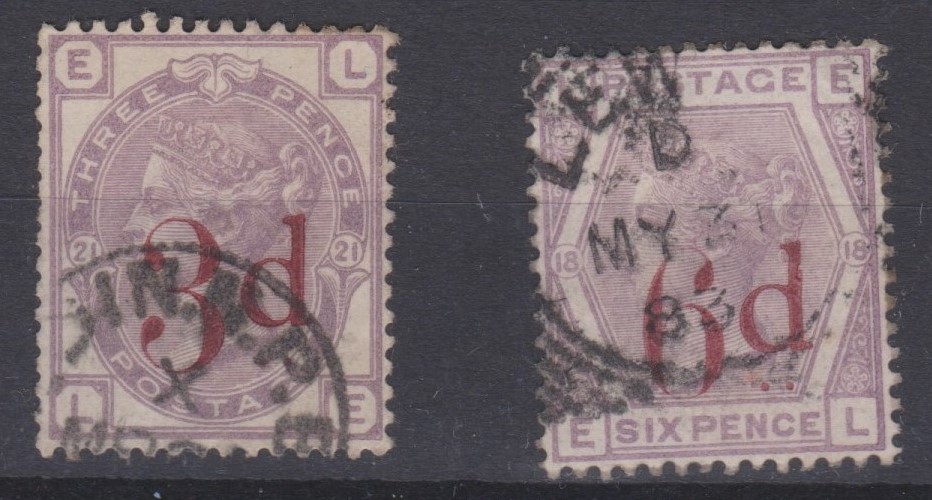
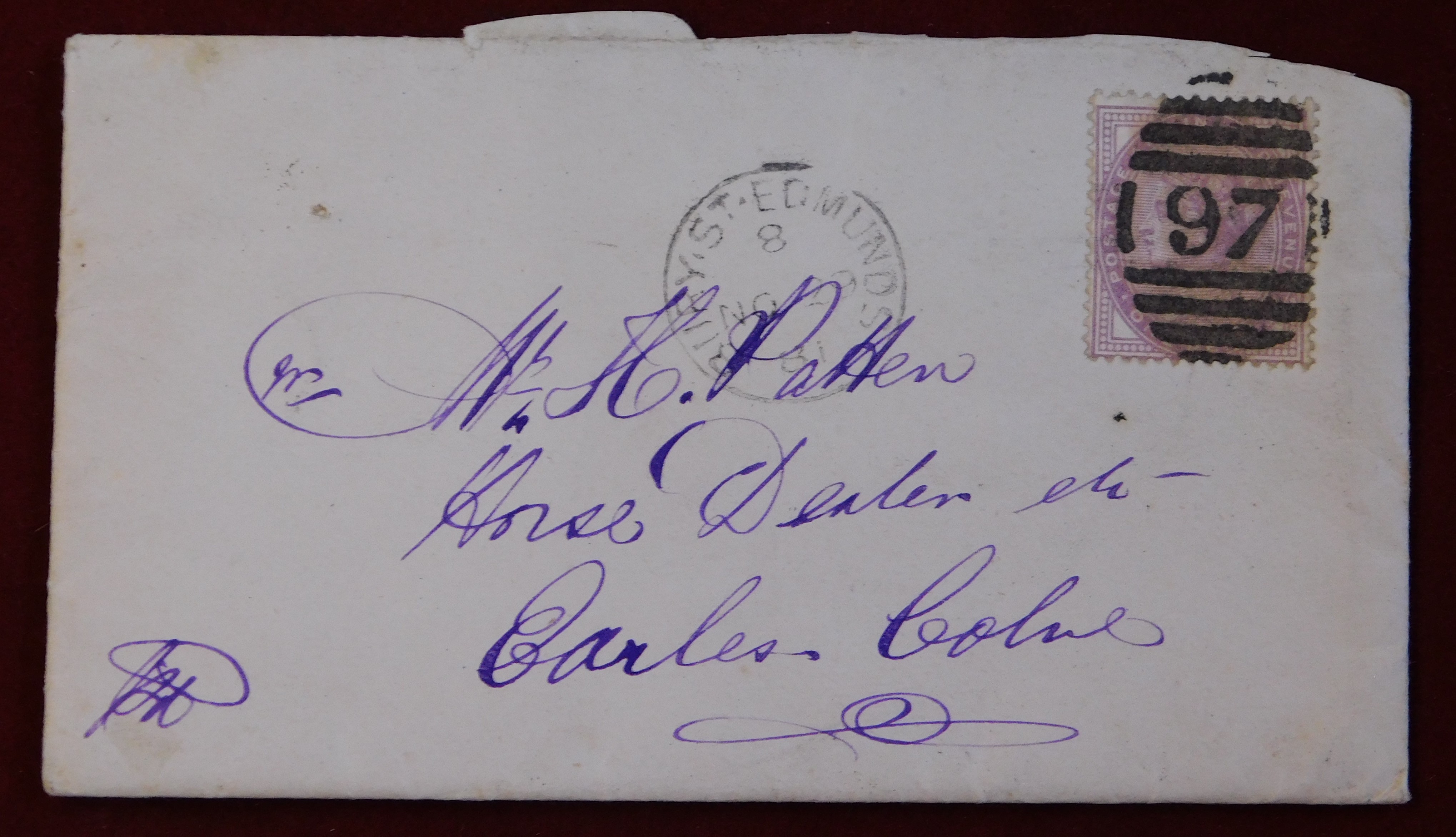
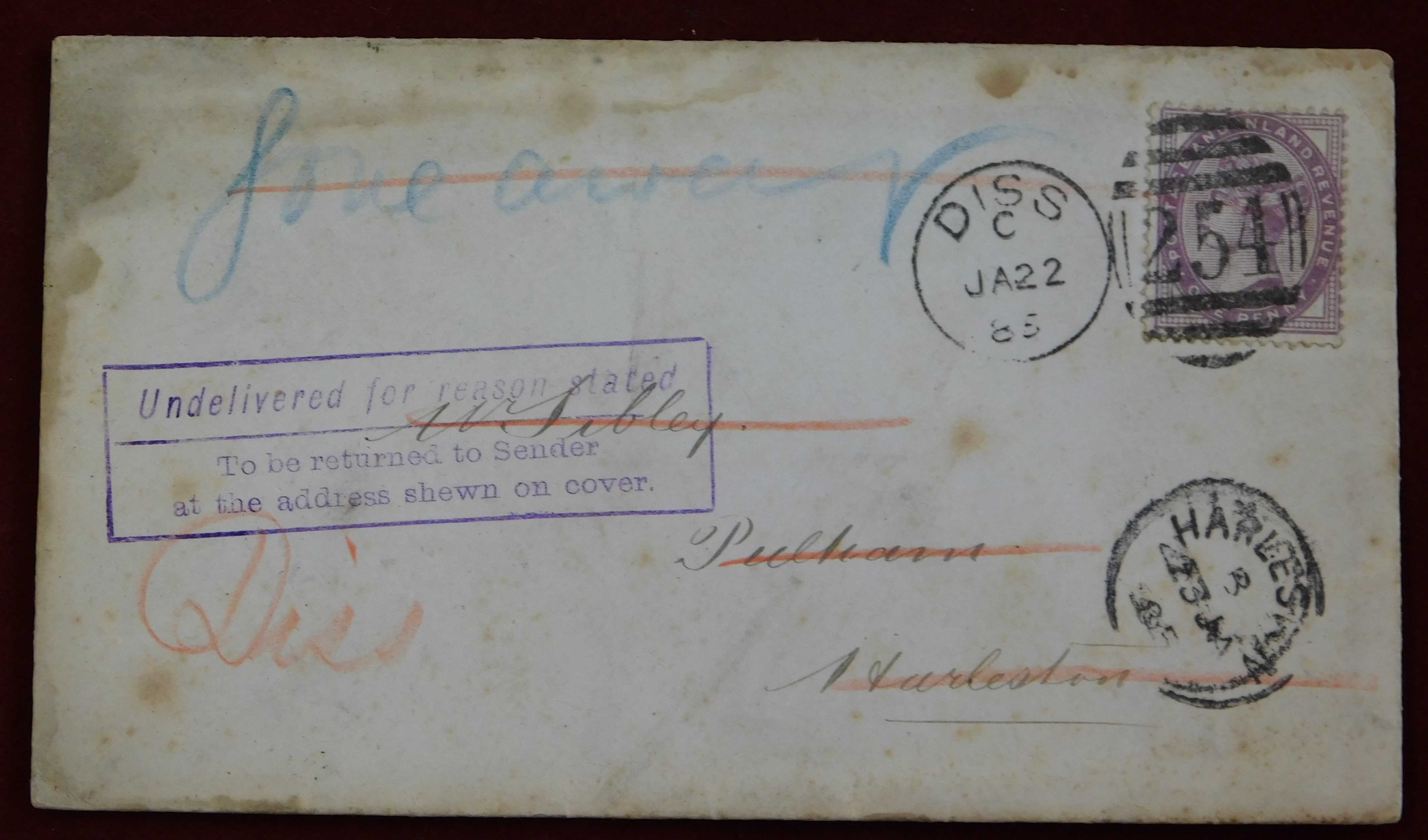
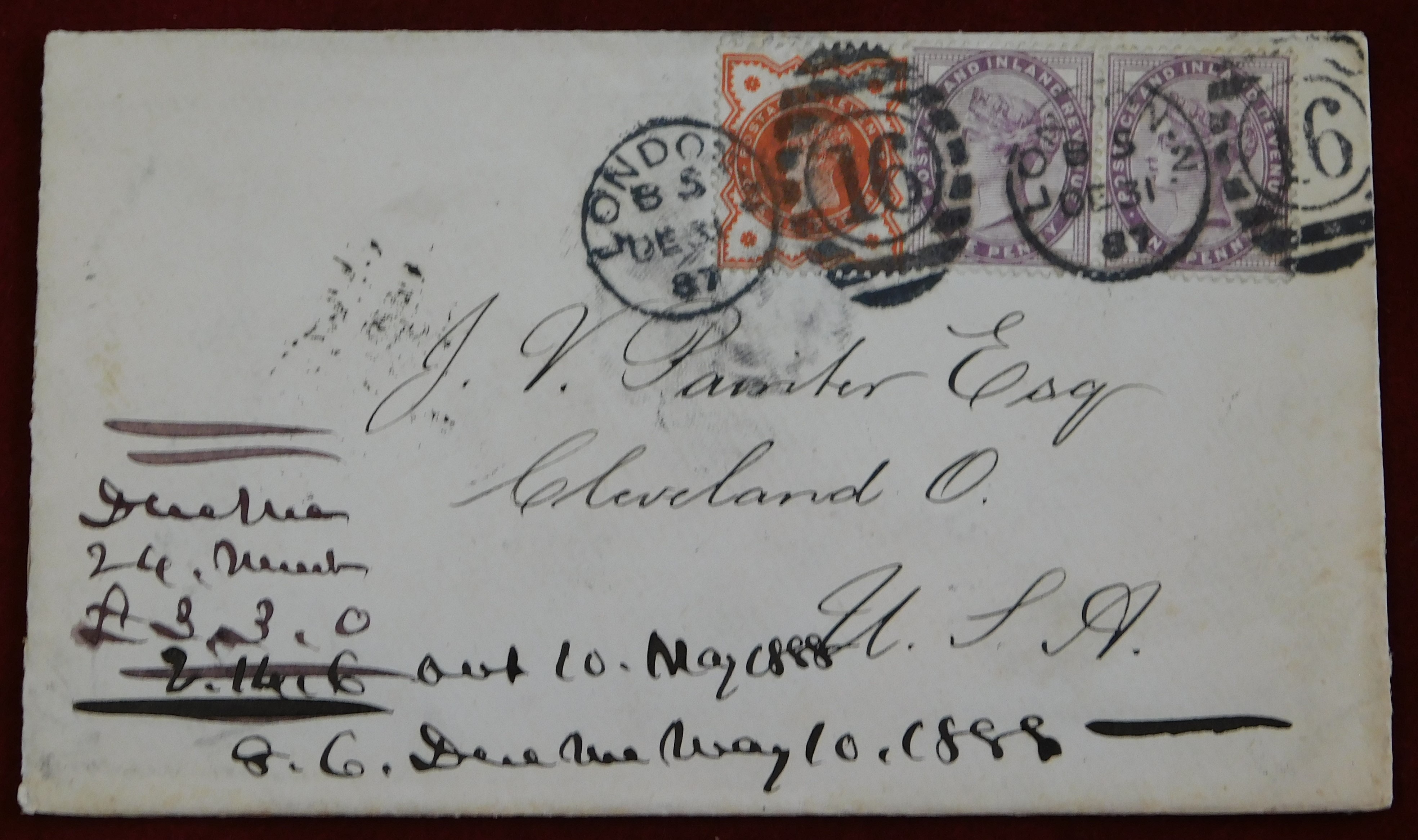
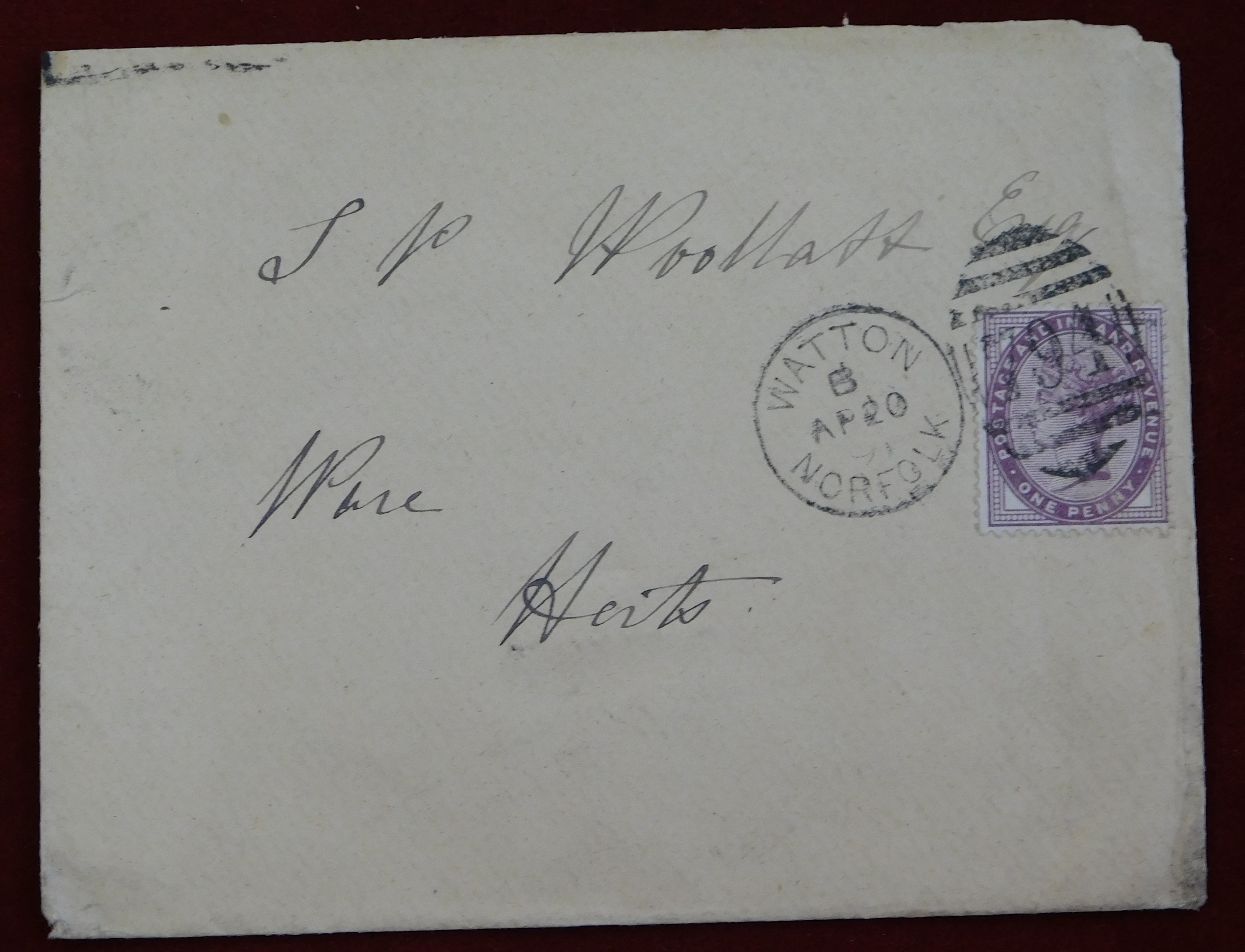
Upcoming Stamp and Postal History Auction

How an auction catalogue is put together and uploaded, a coda on the ‘computer is not always right’ theme and a photo gallery.

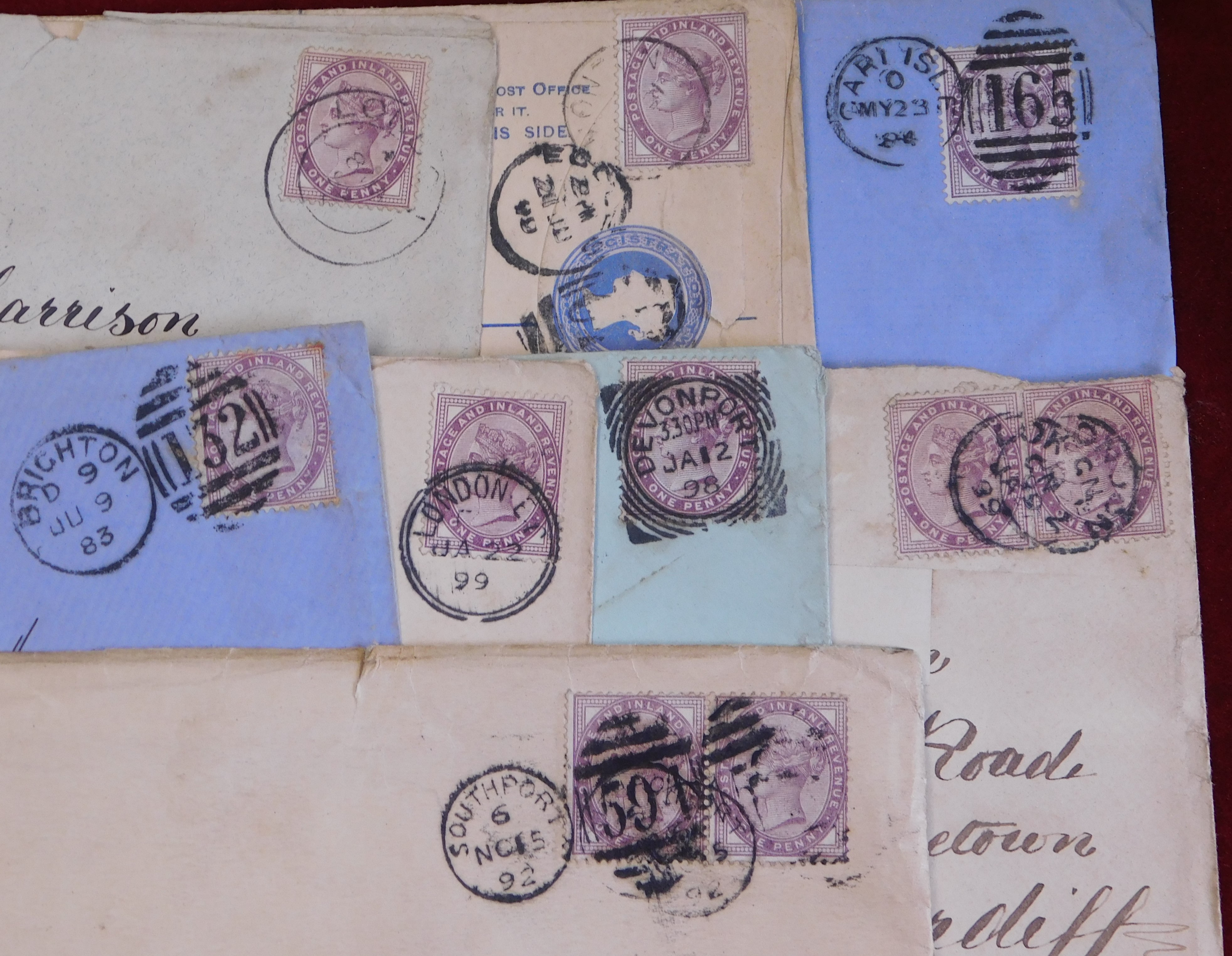
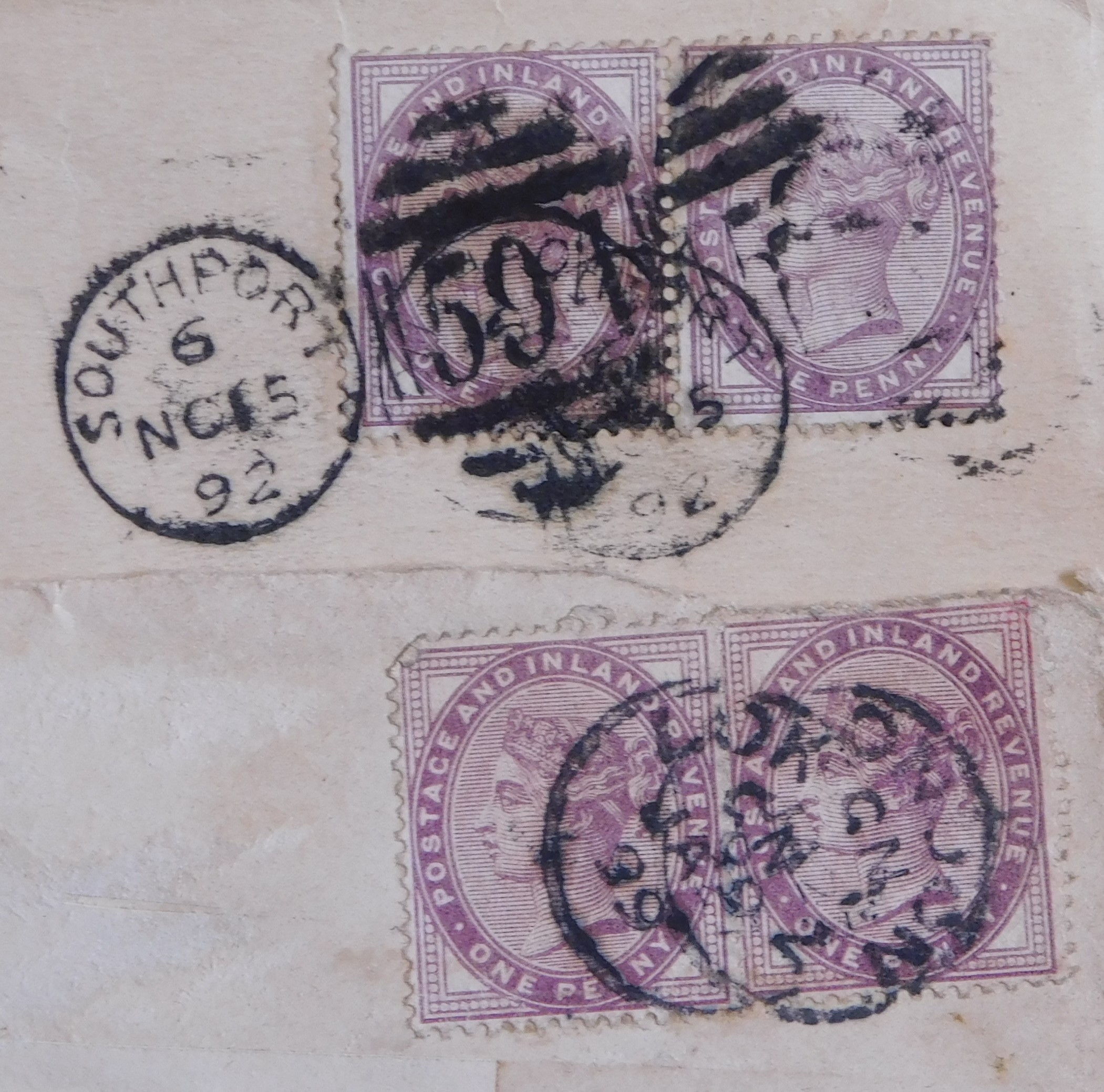
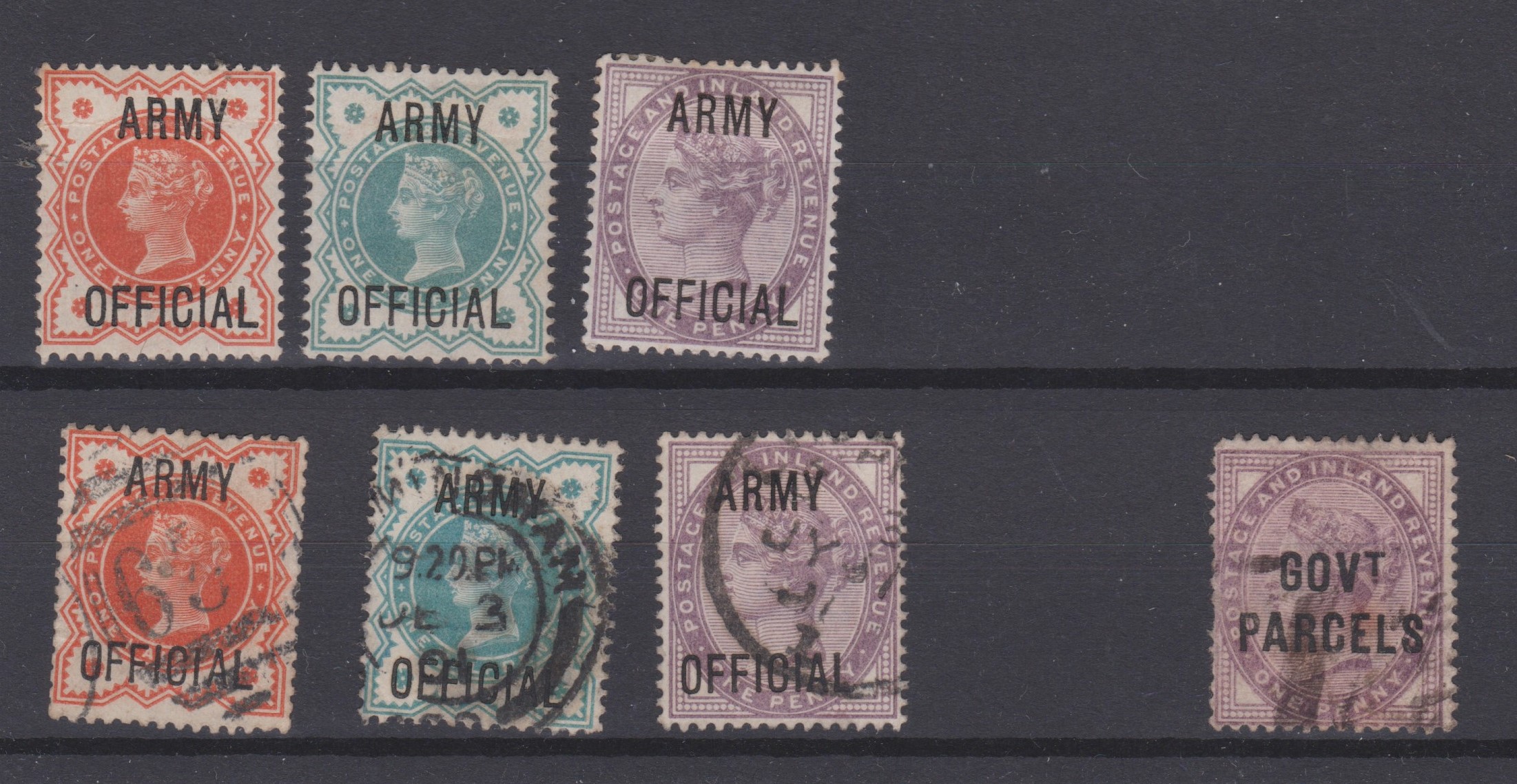
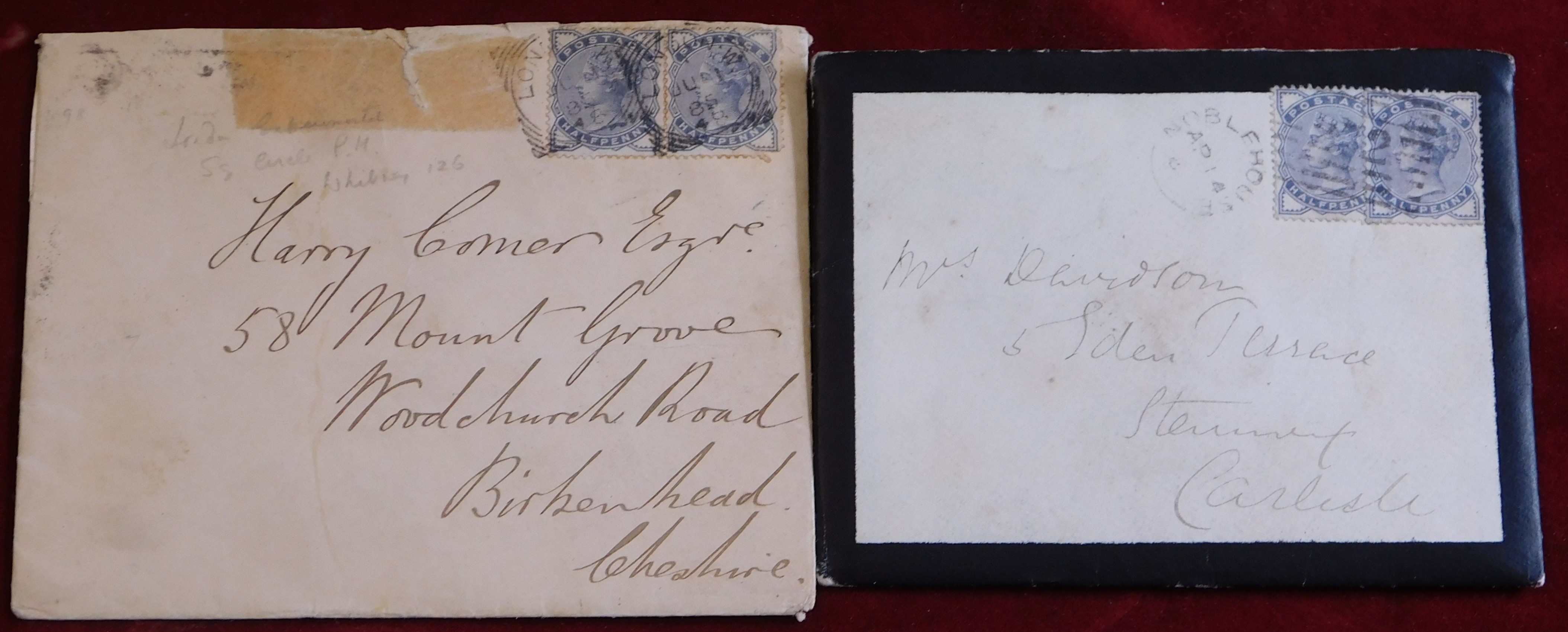
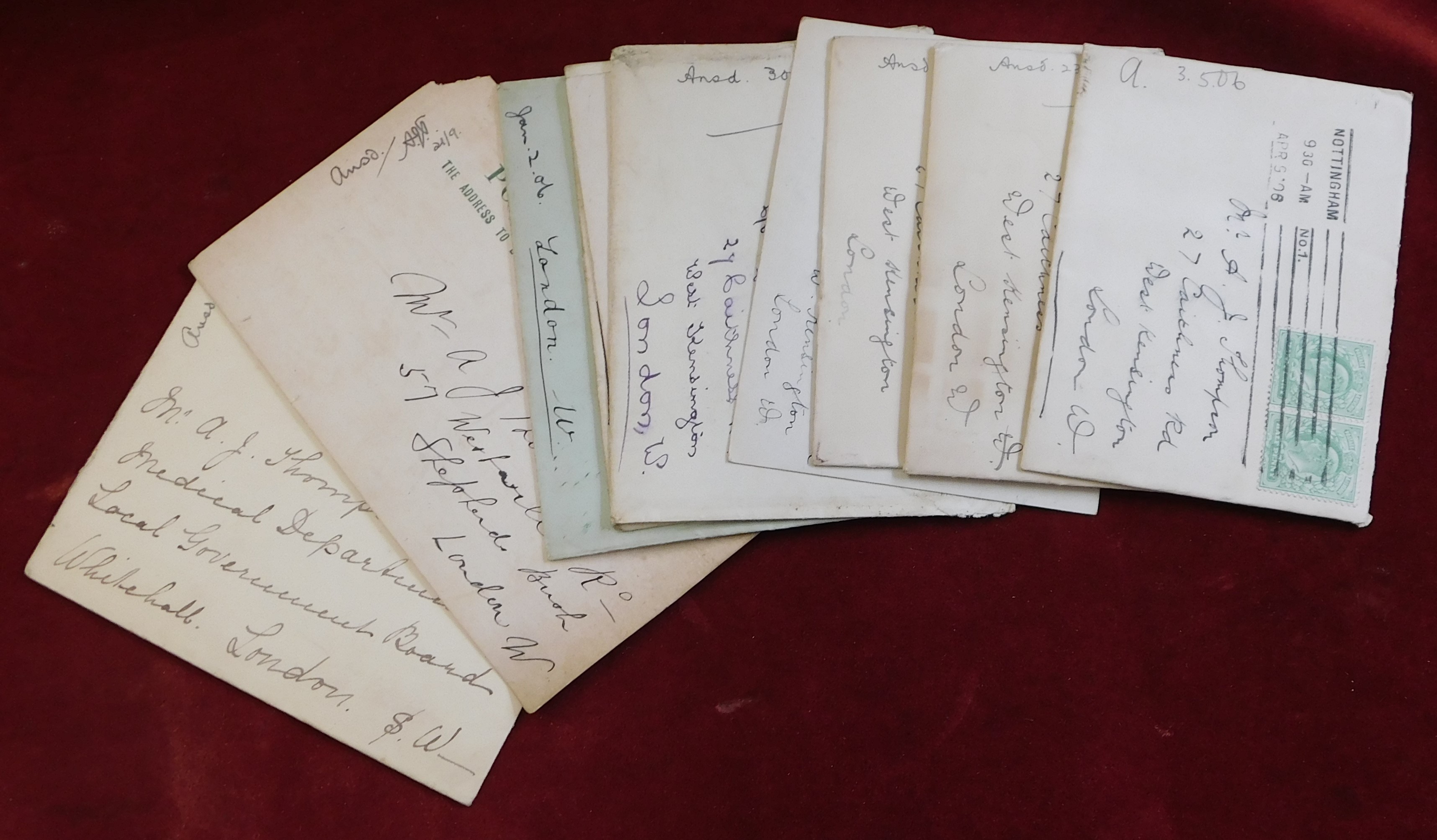
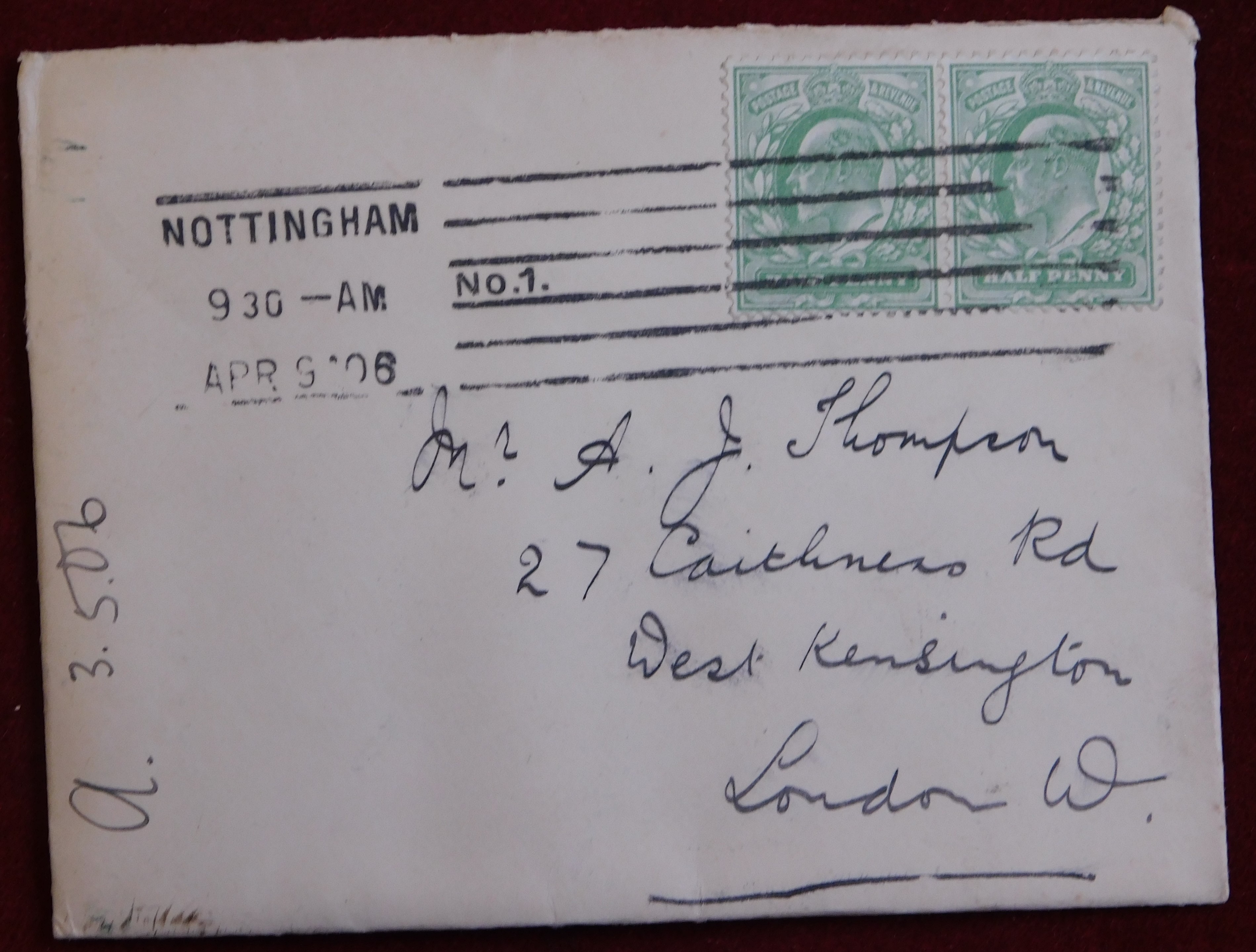
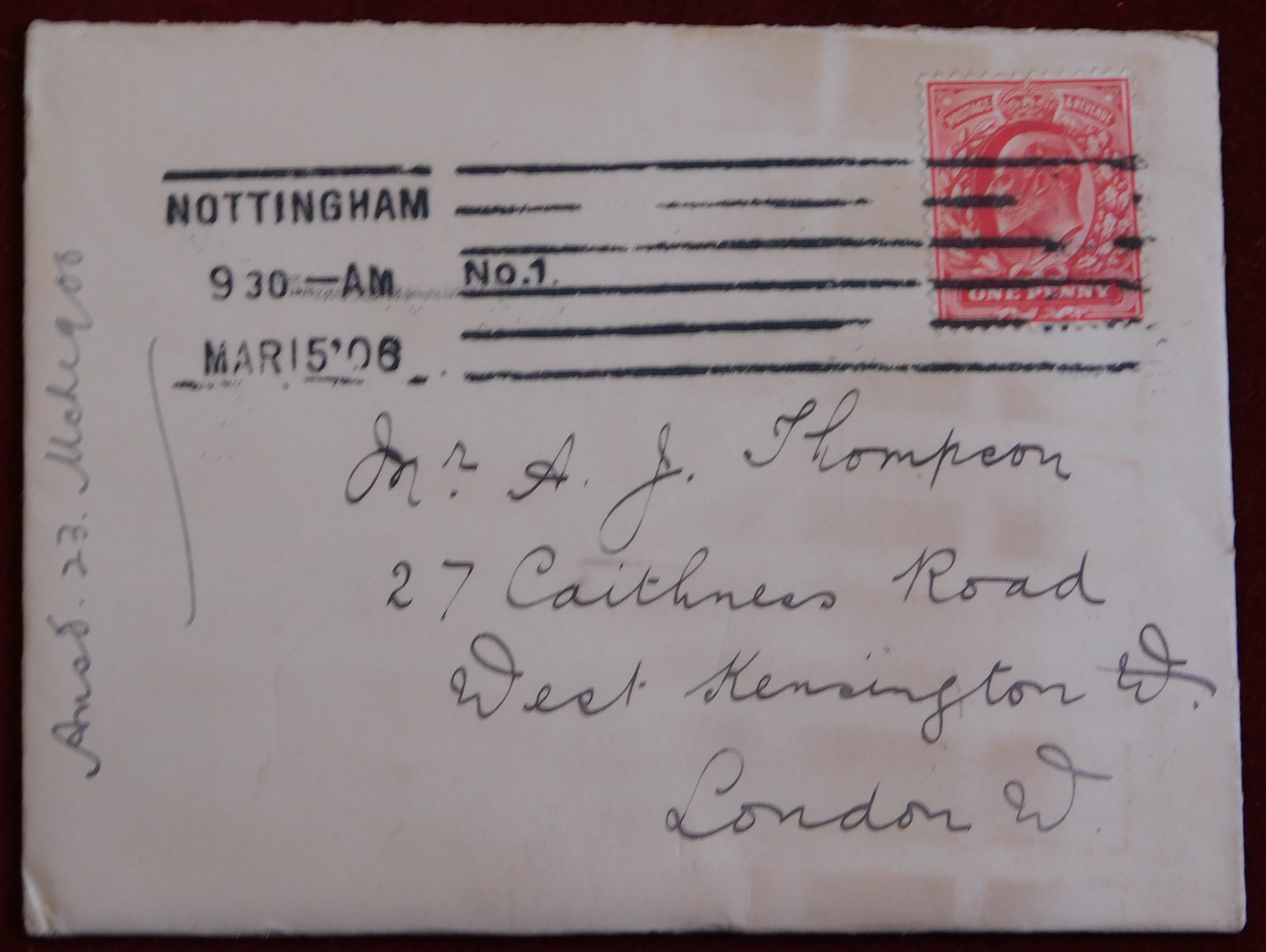
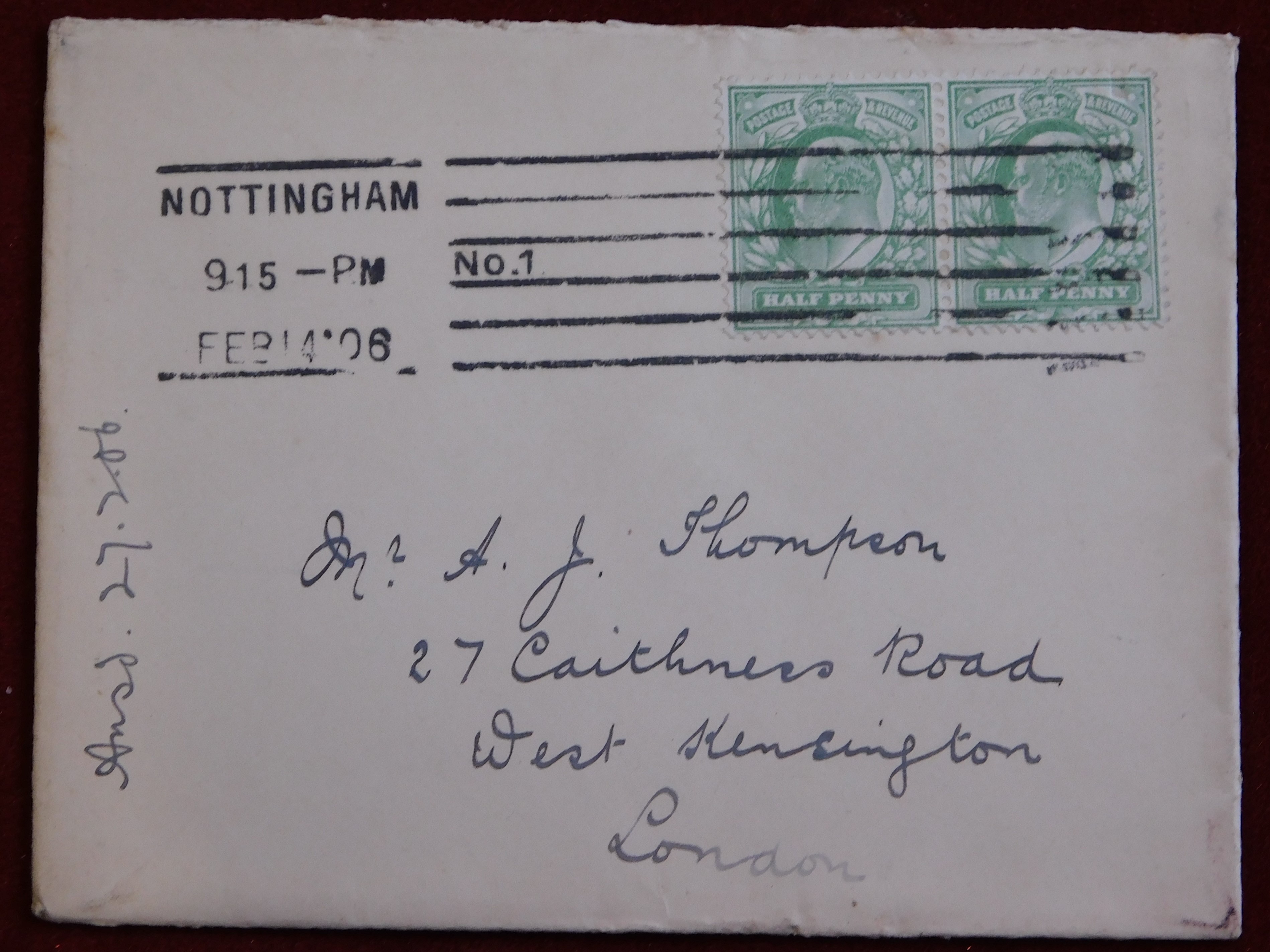
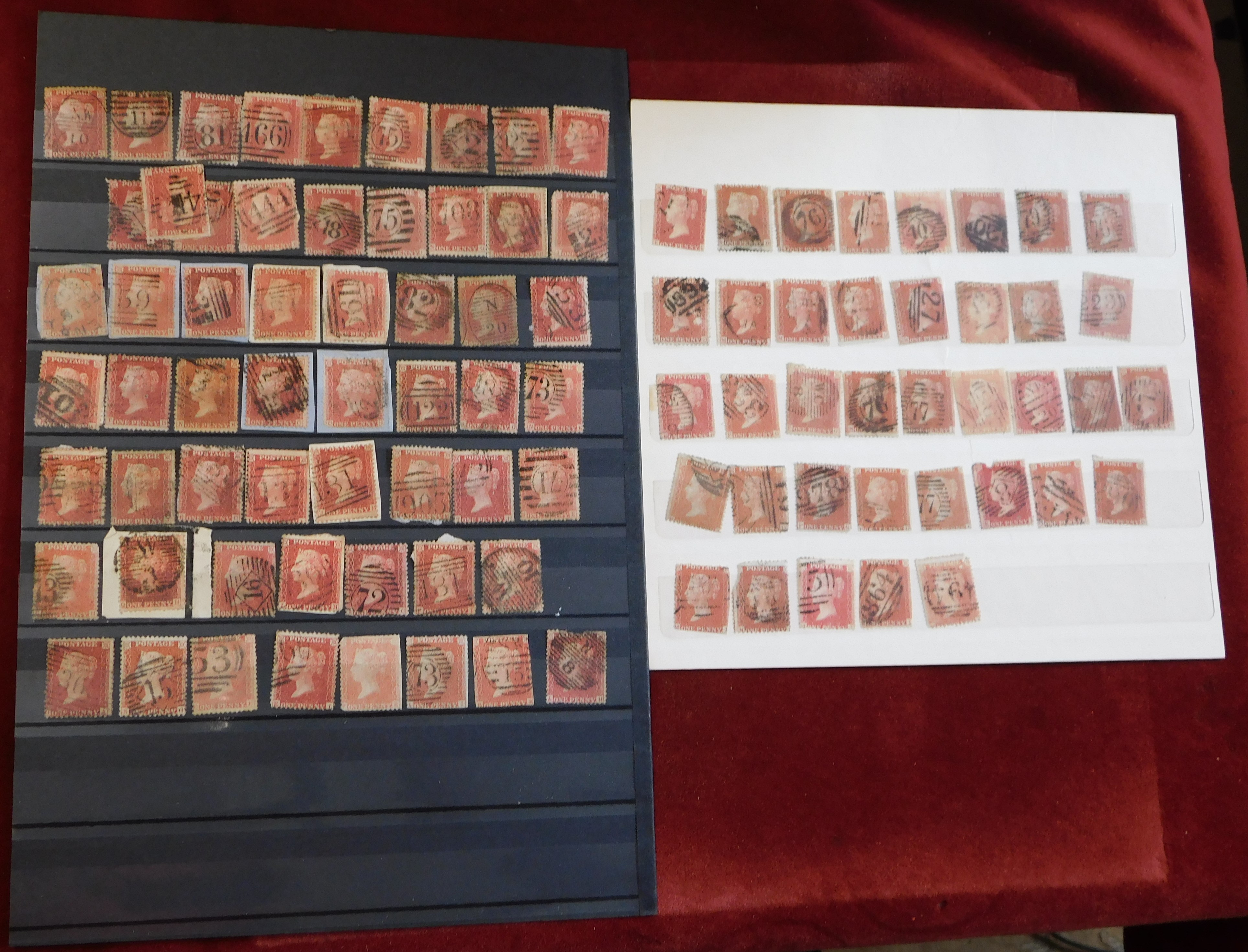
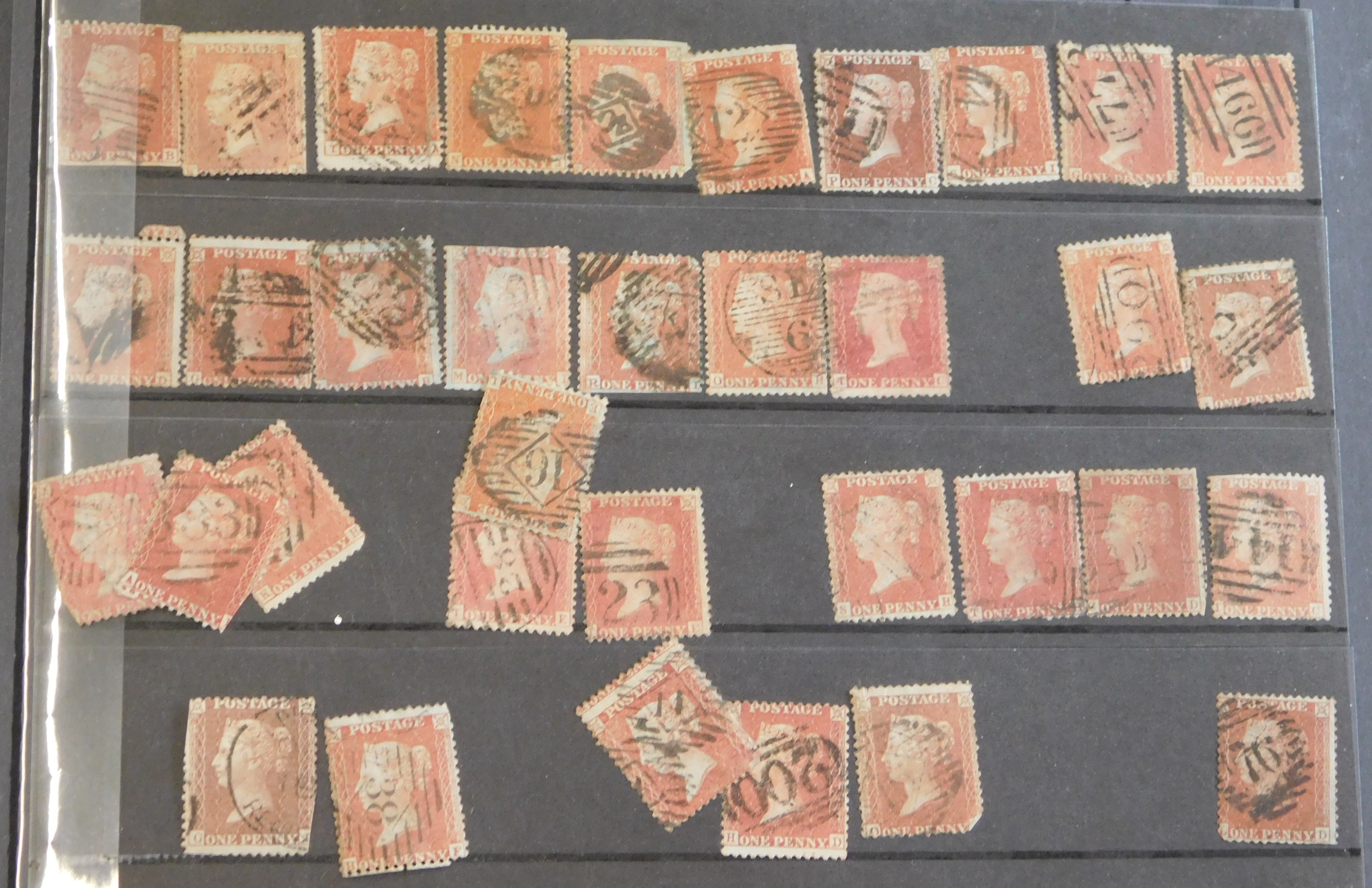
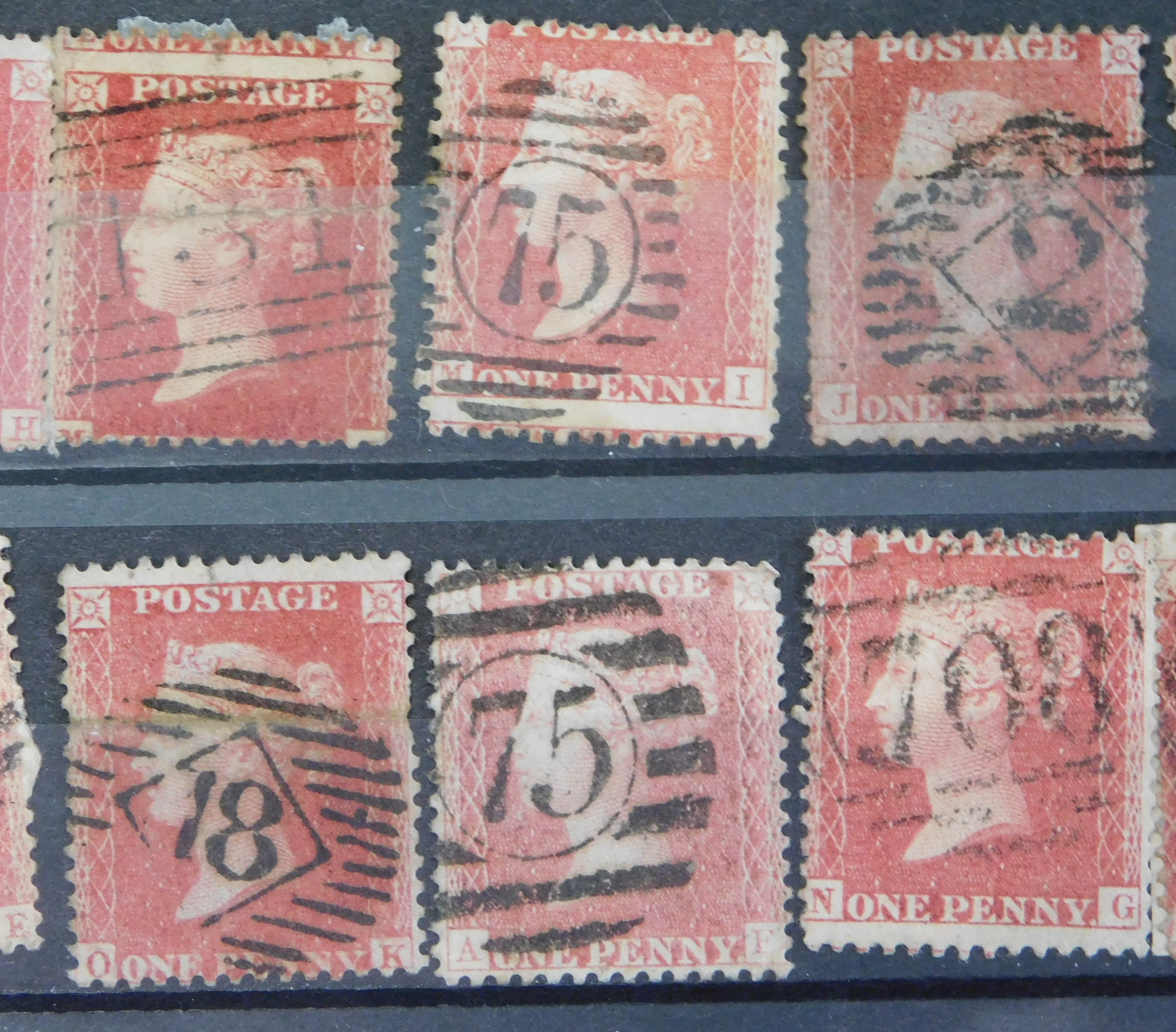
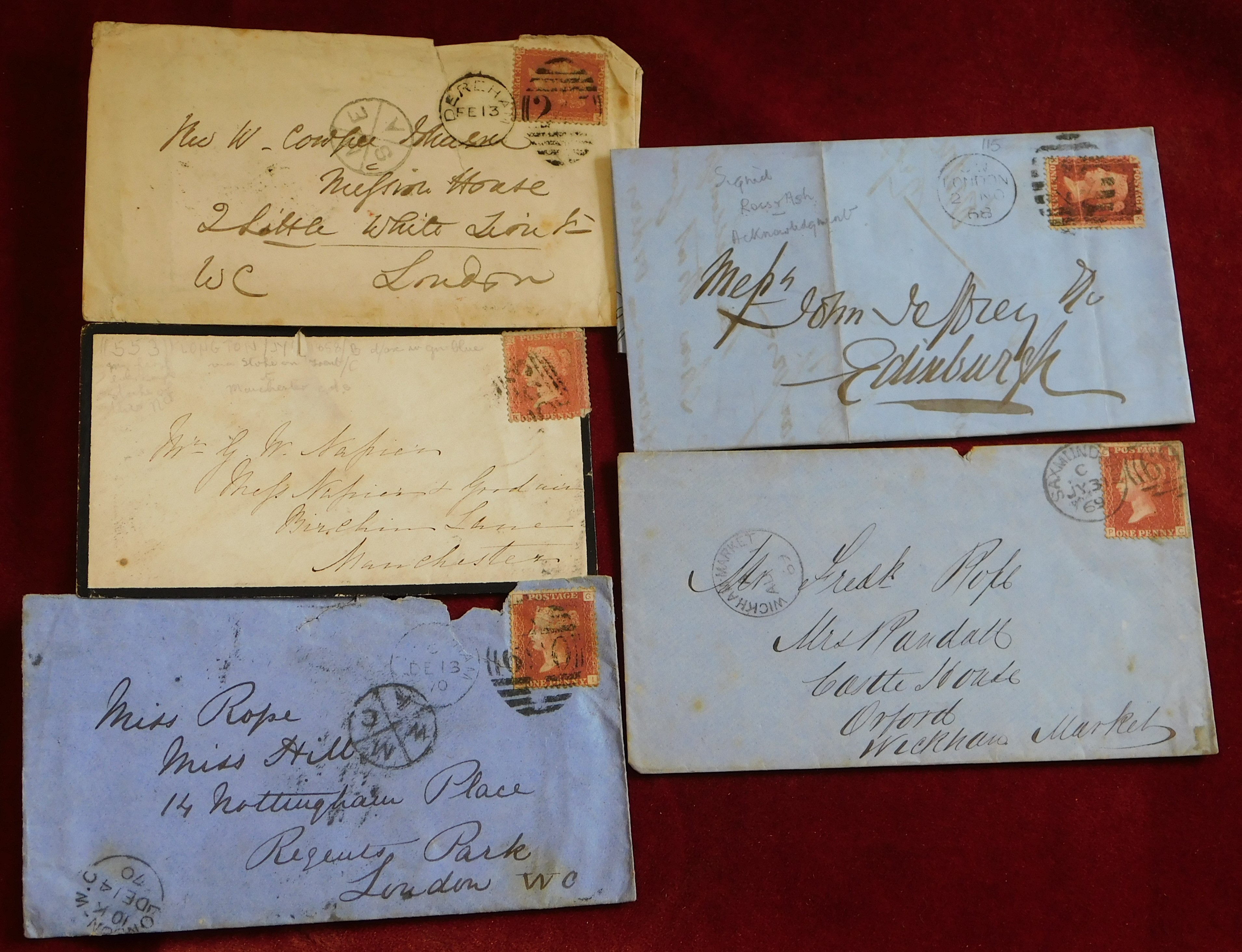
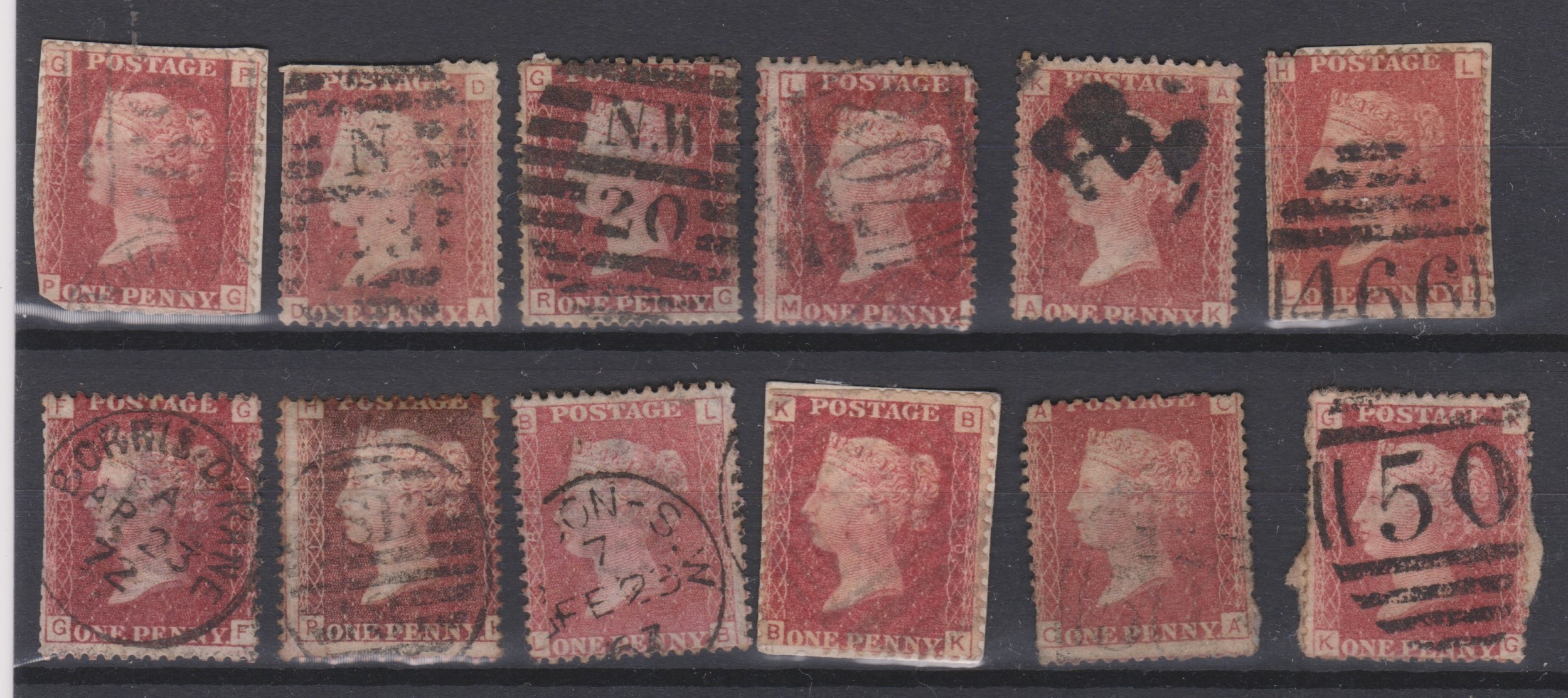
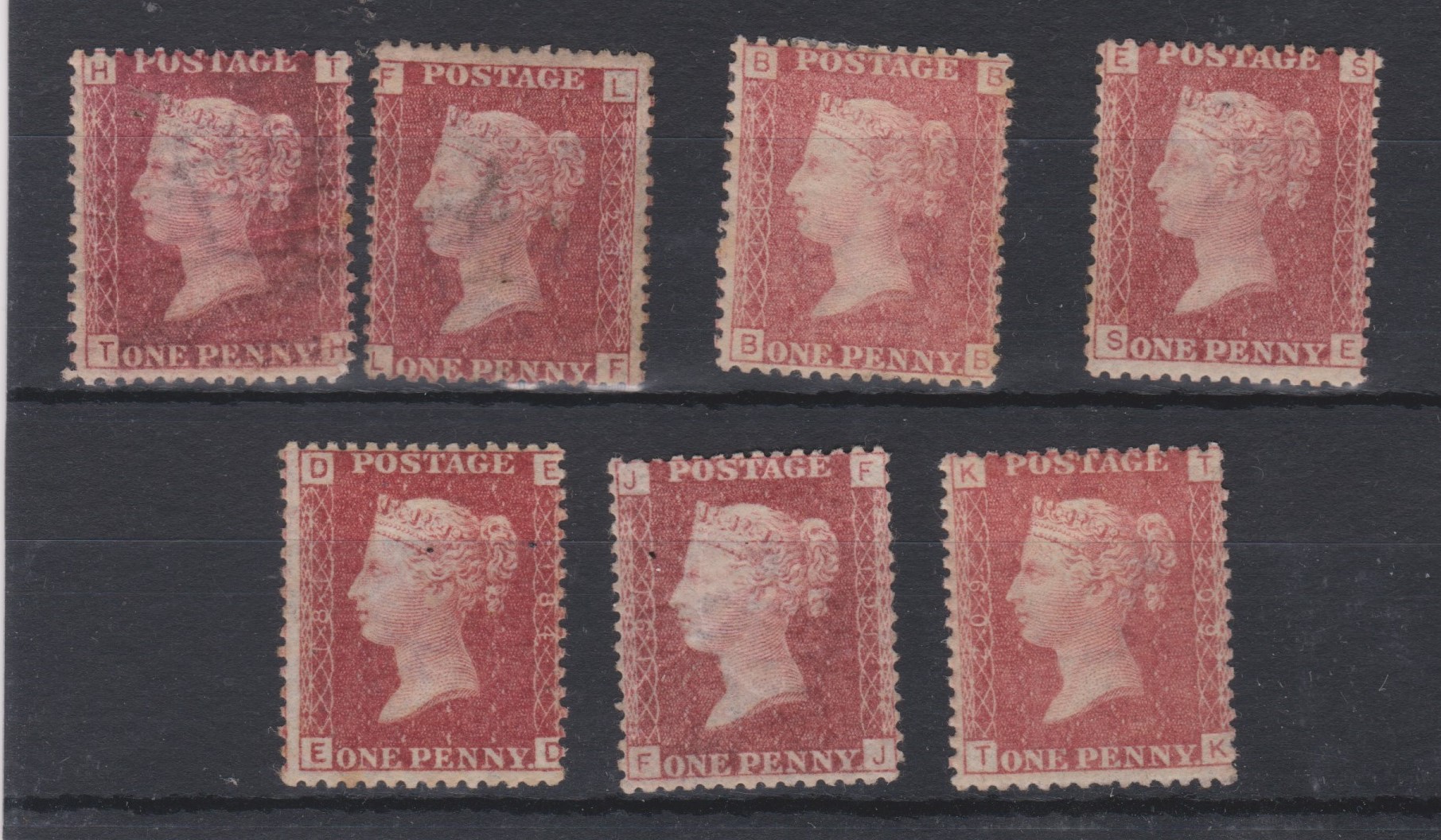
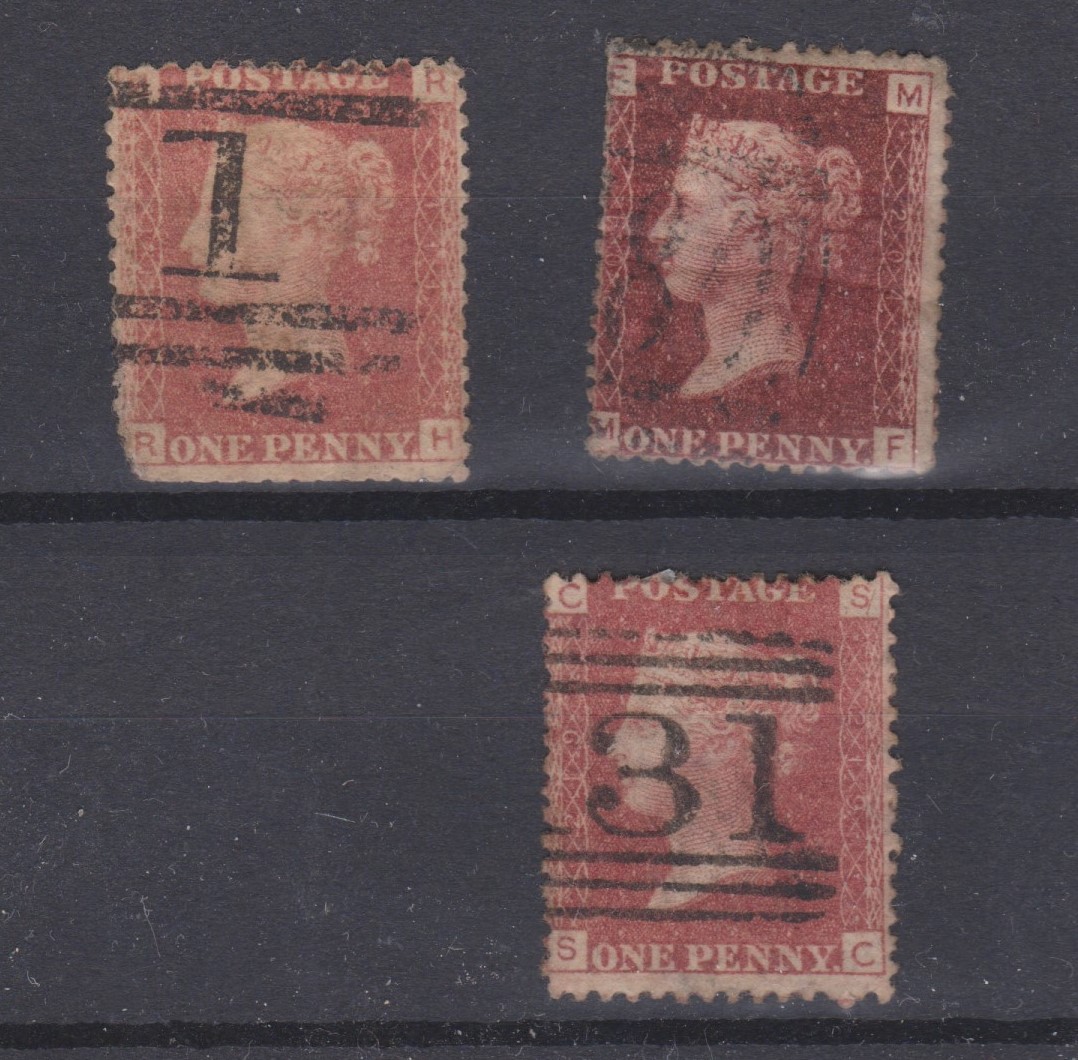
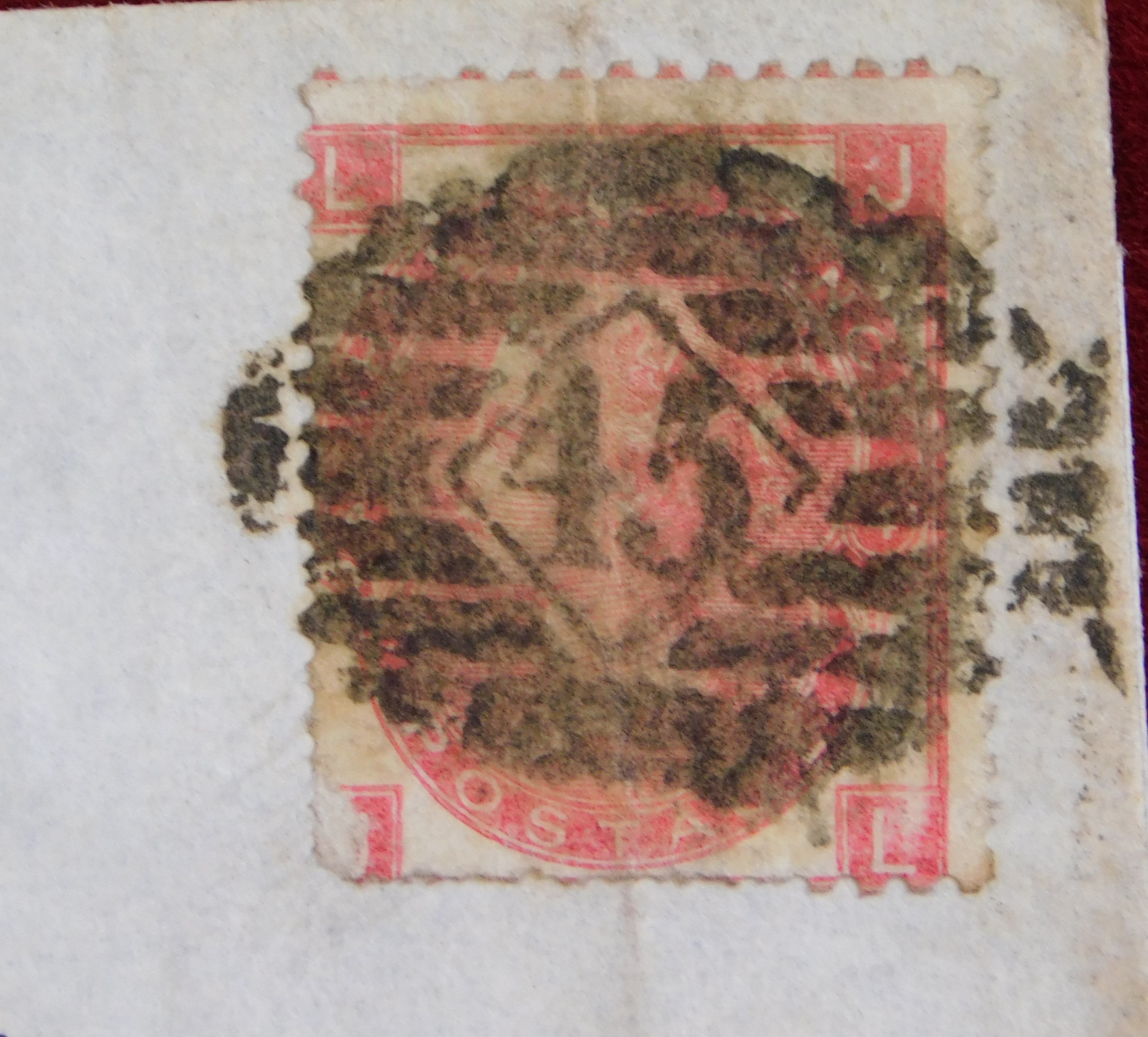
Yesterday at work I finalised and uploaded a stamp and postal history auction that will happen on June 23rd, starting at 10AM. This post describes the process of creating and uploading this auction.

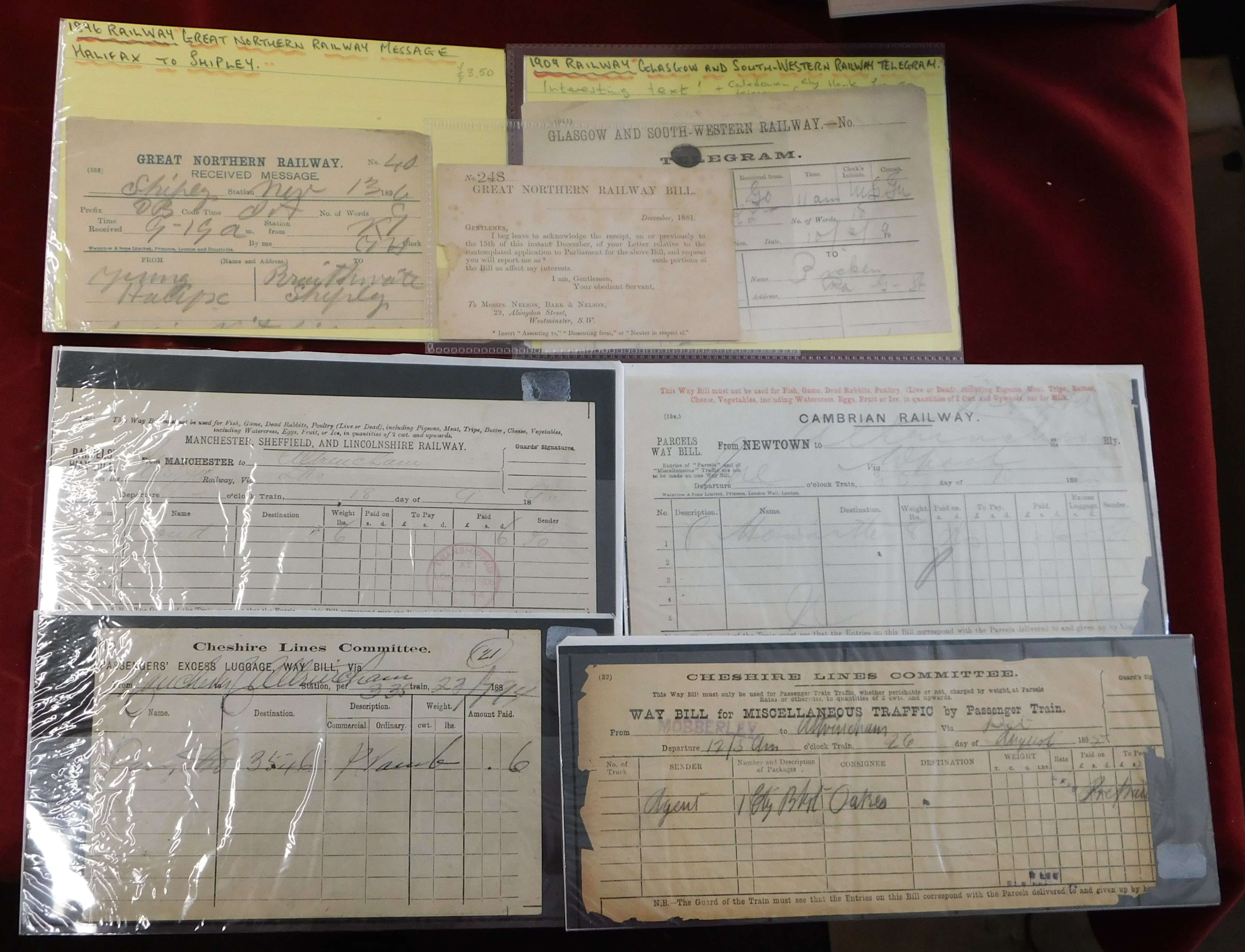
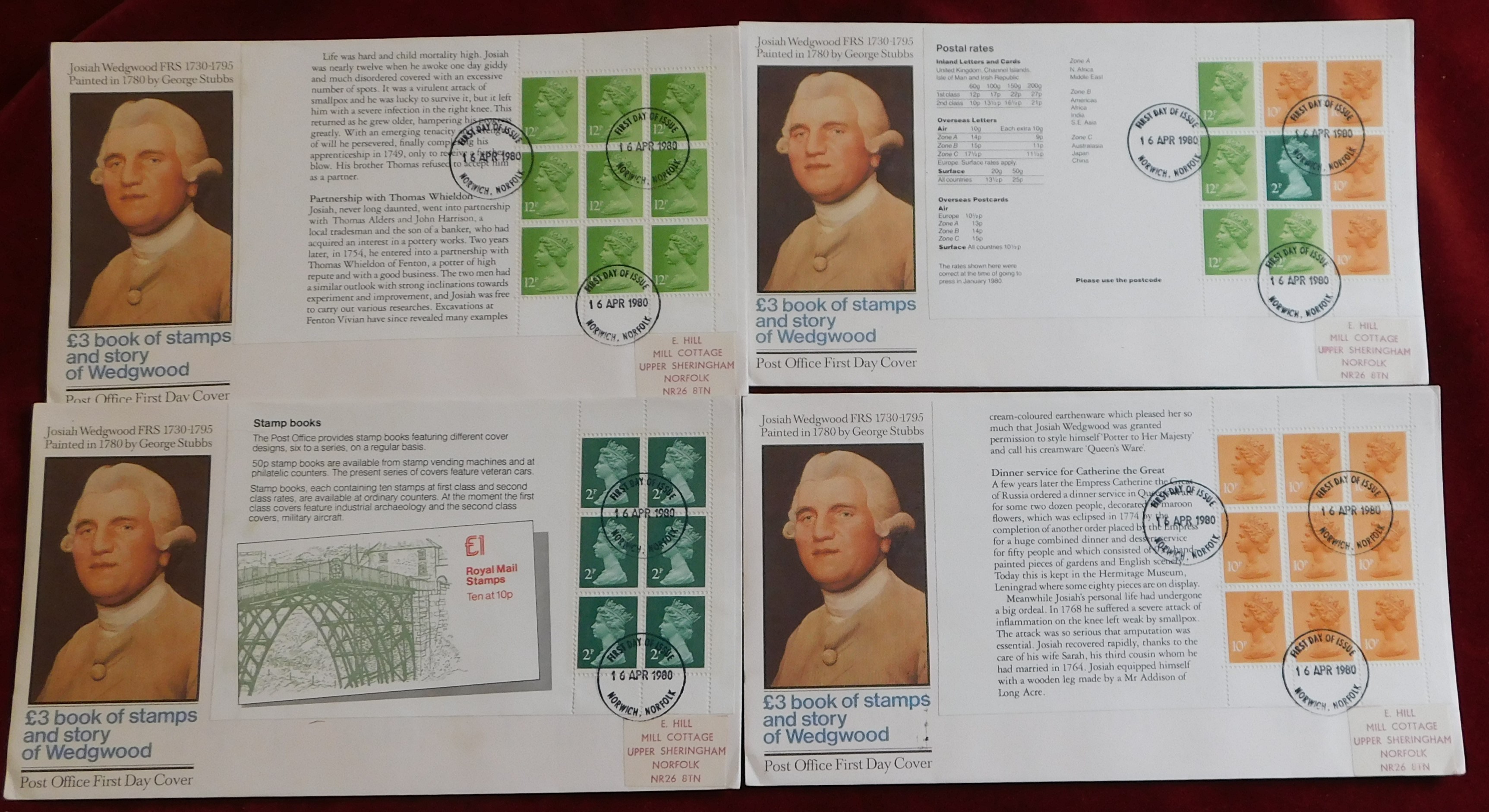
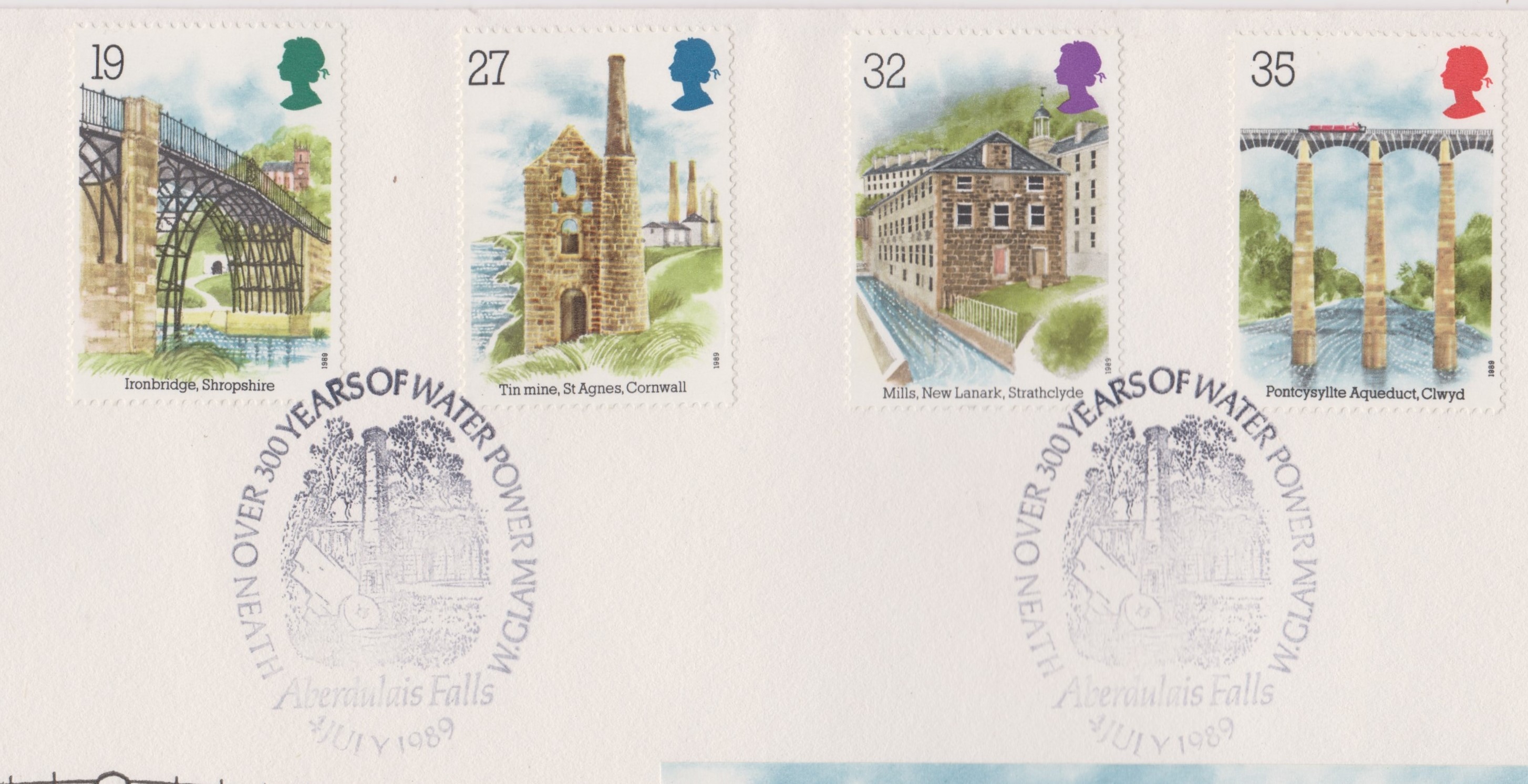
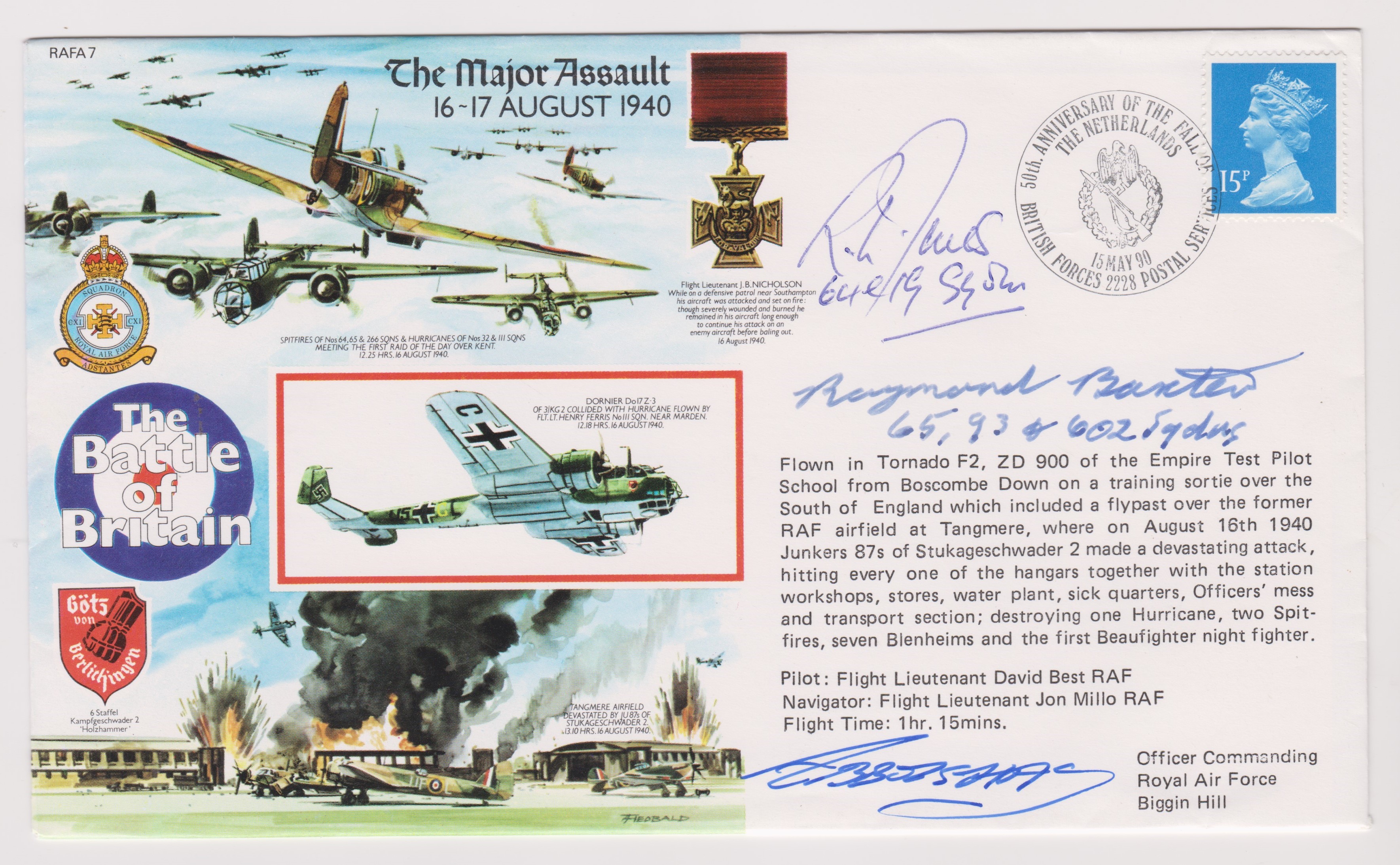
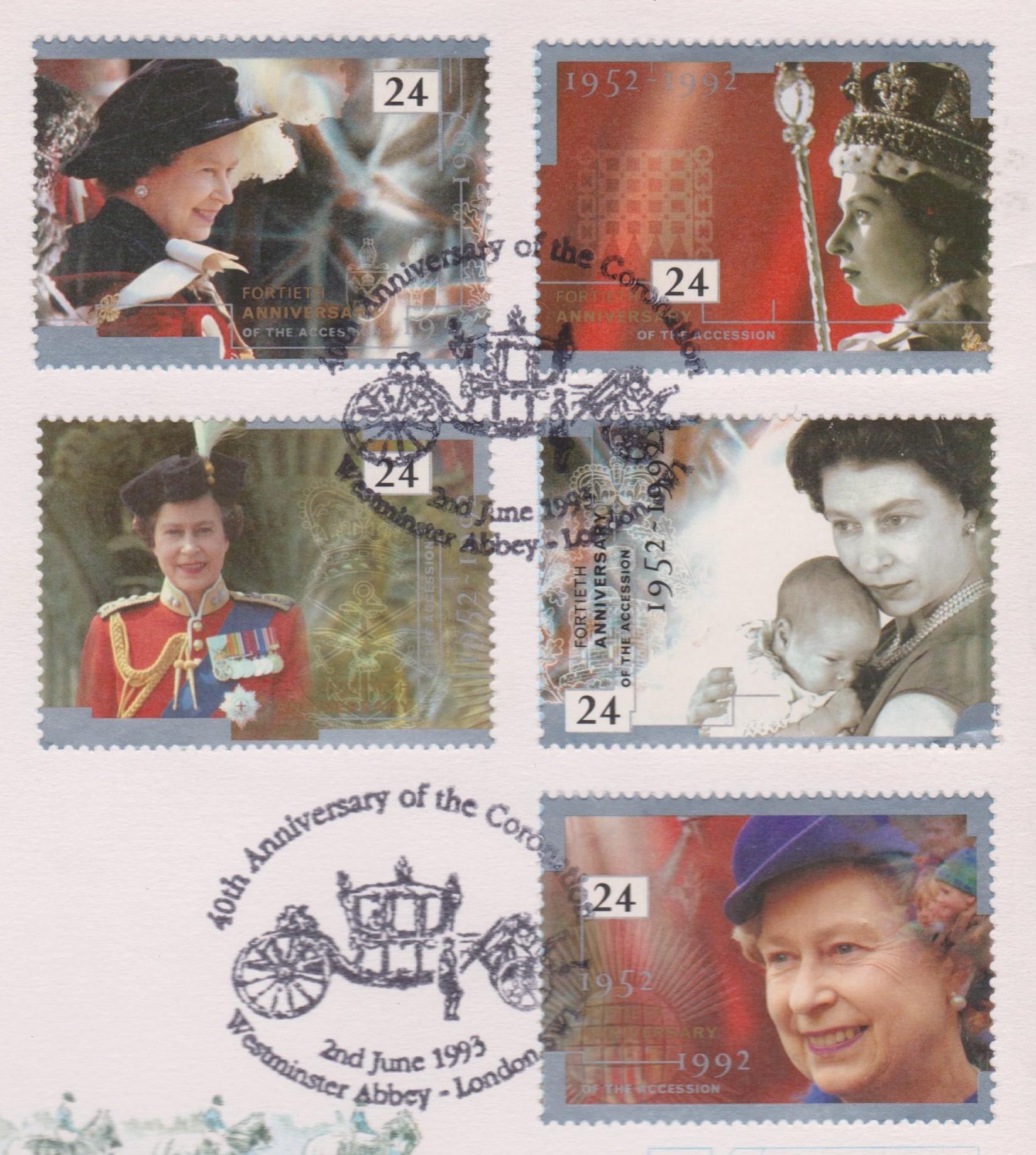
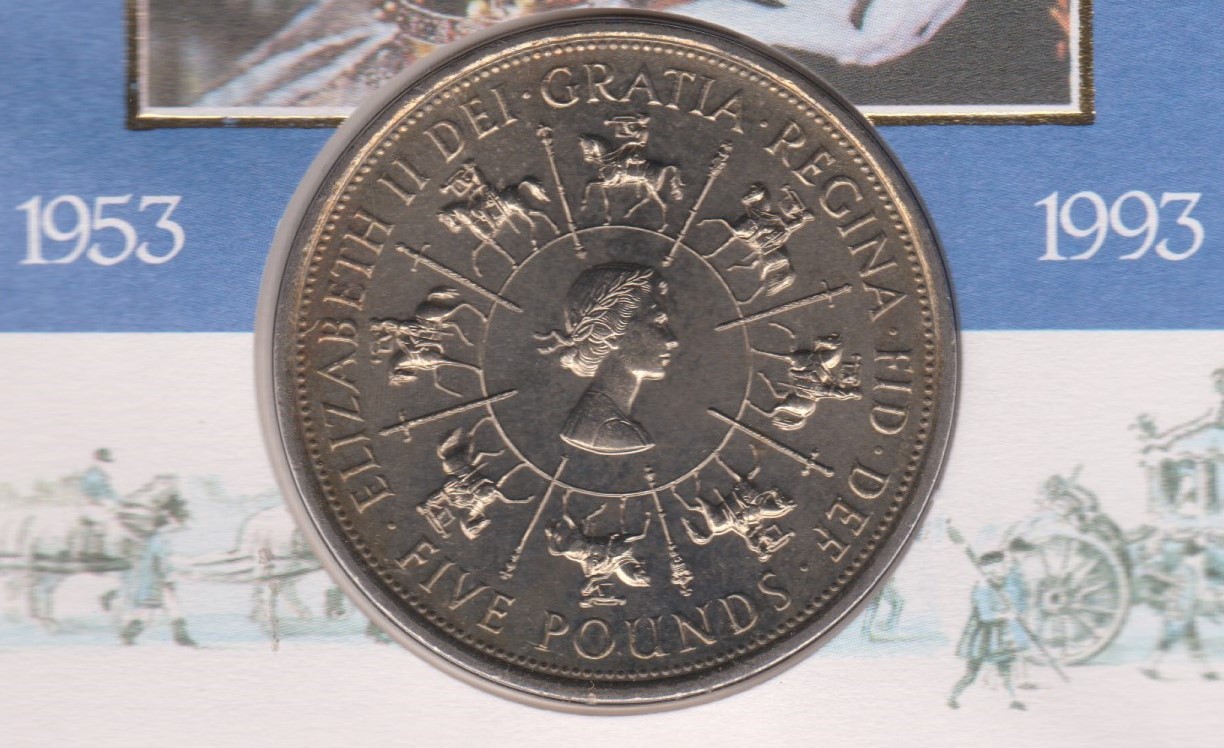
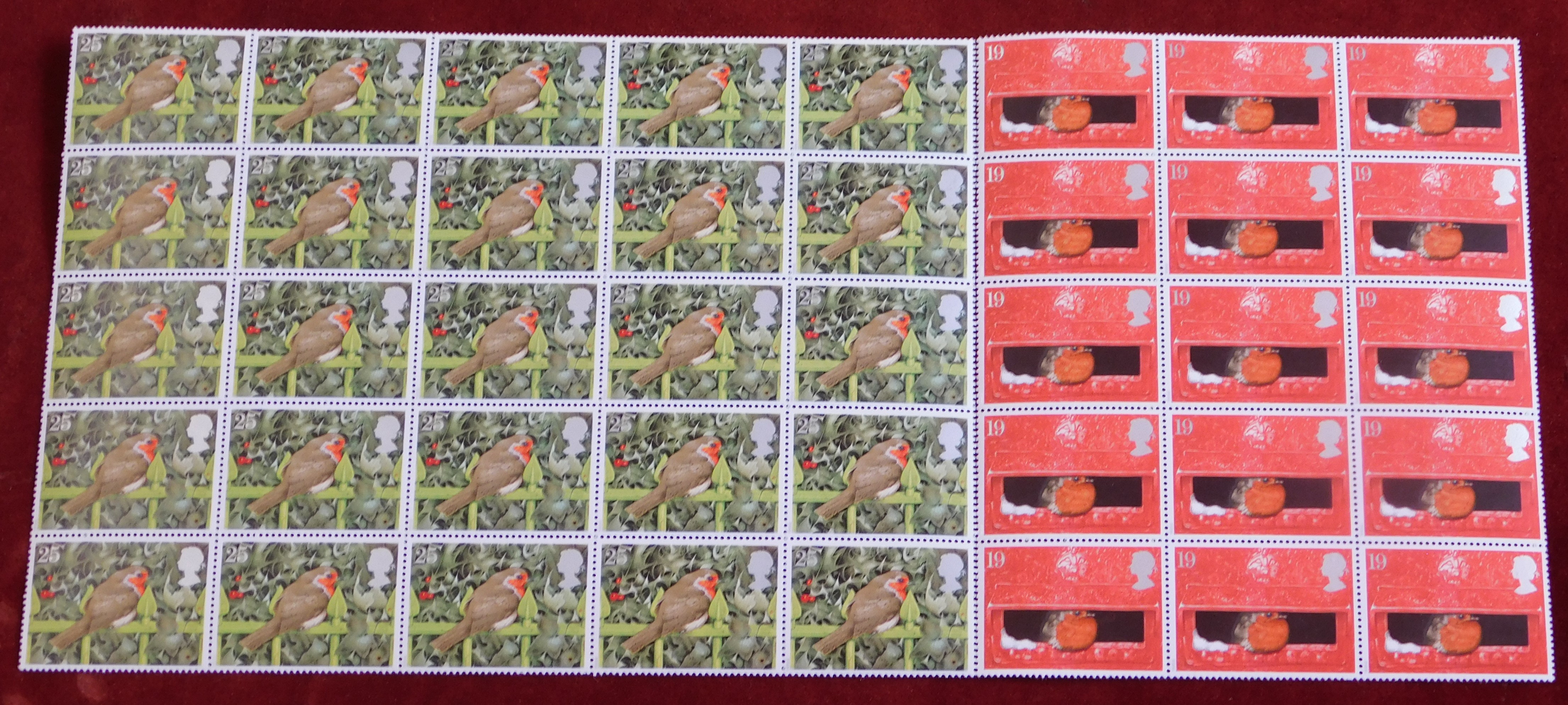
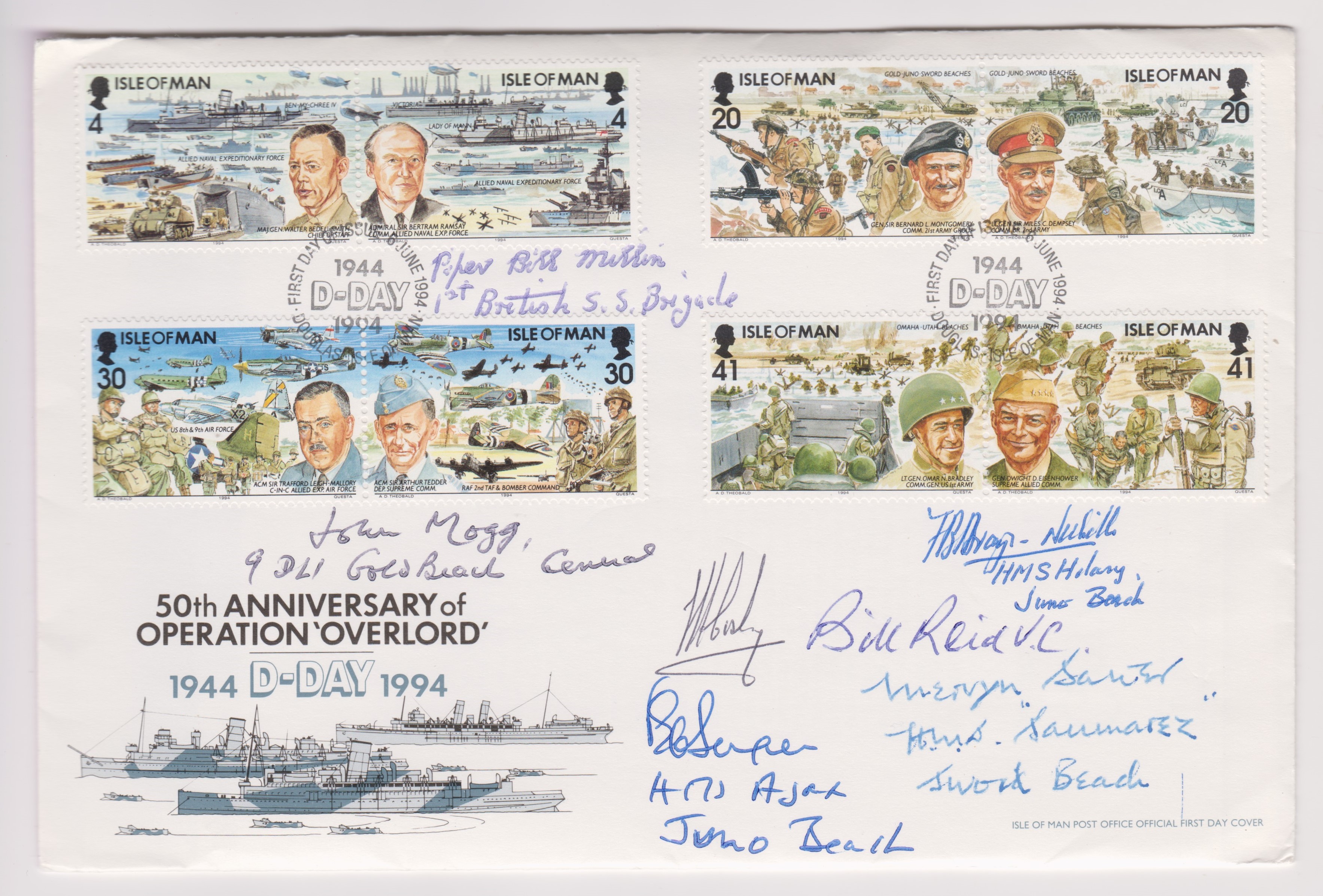
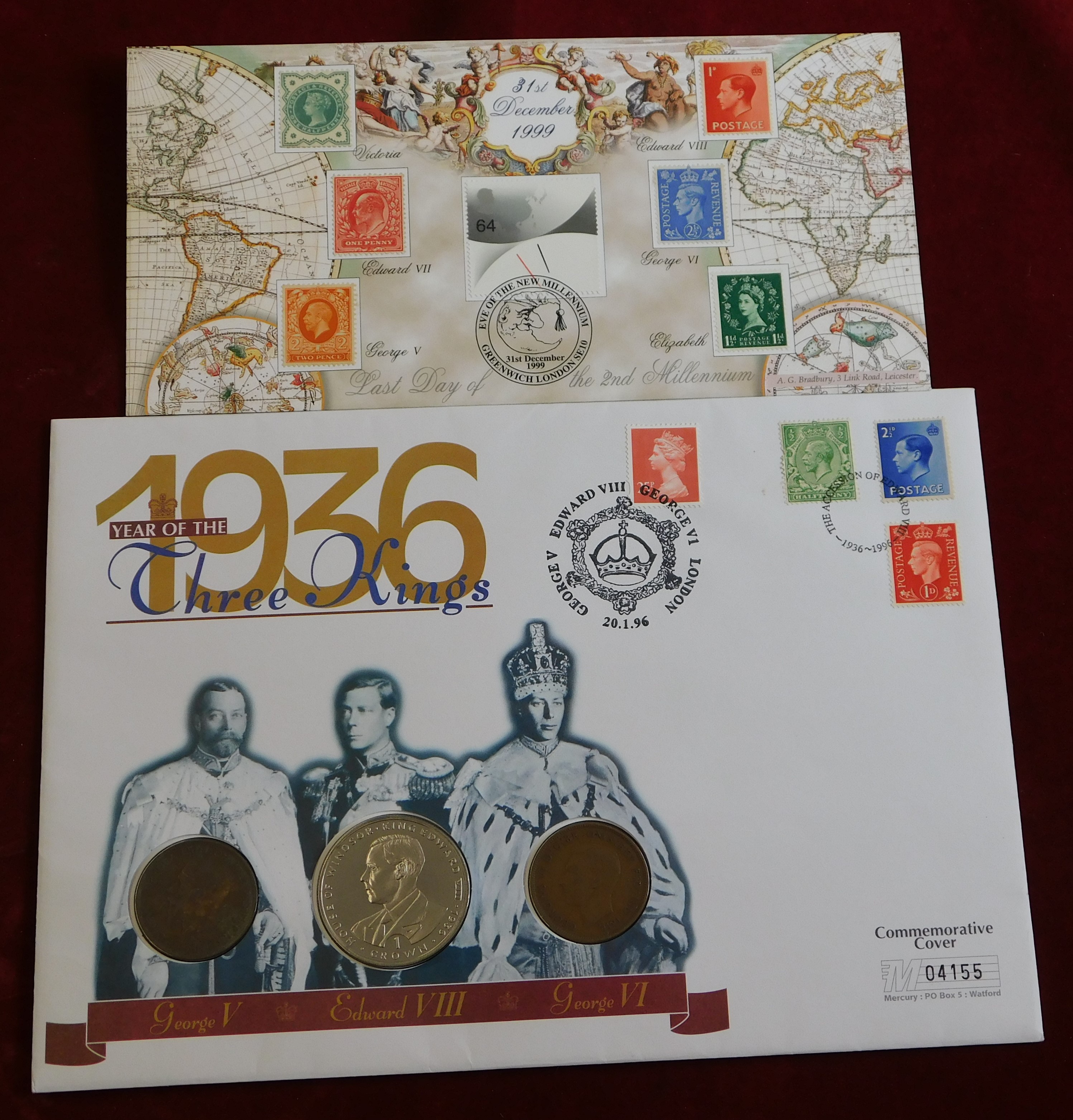
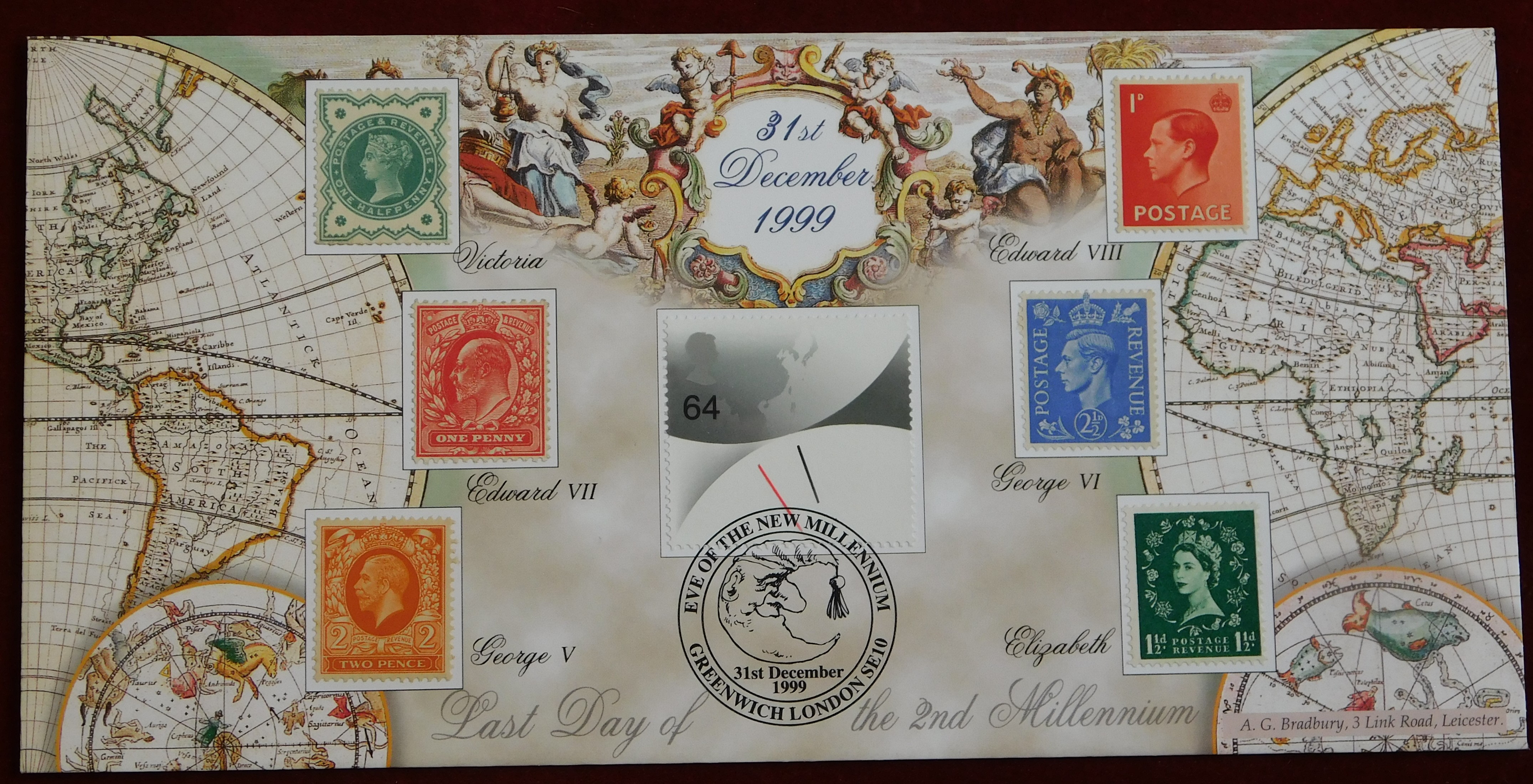
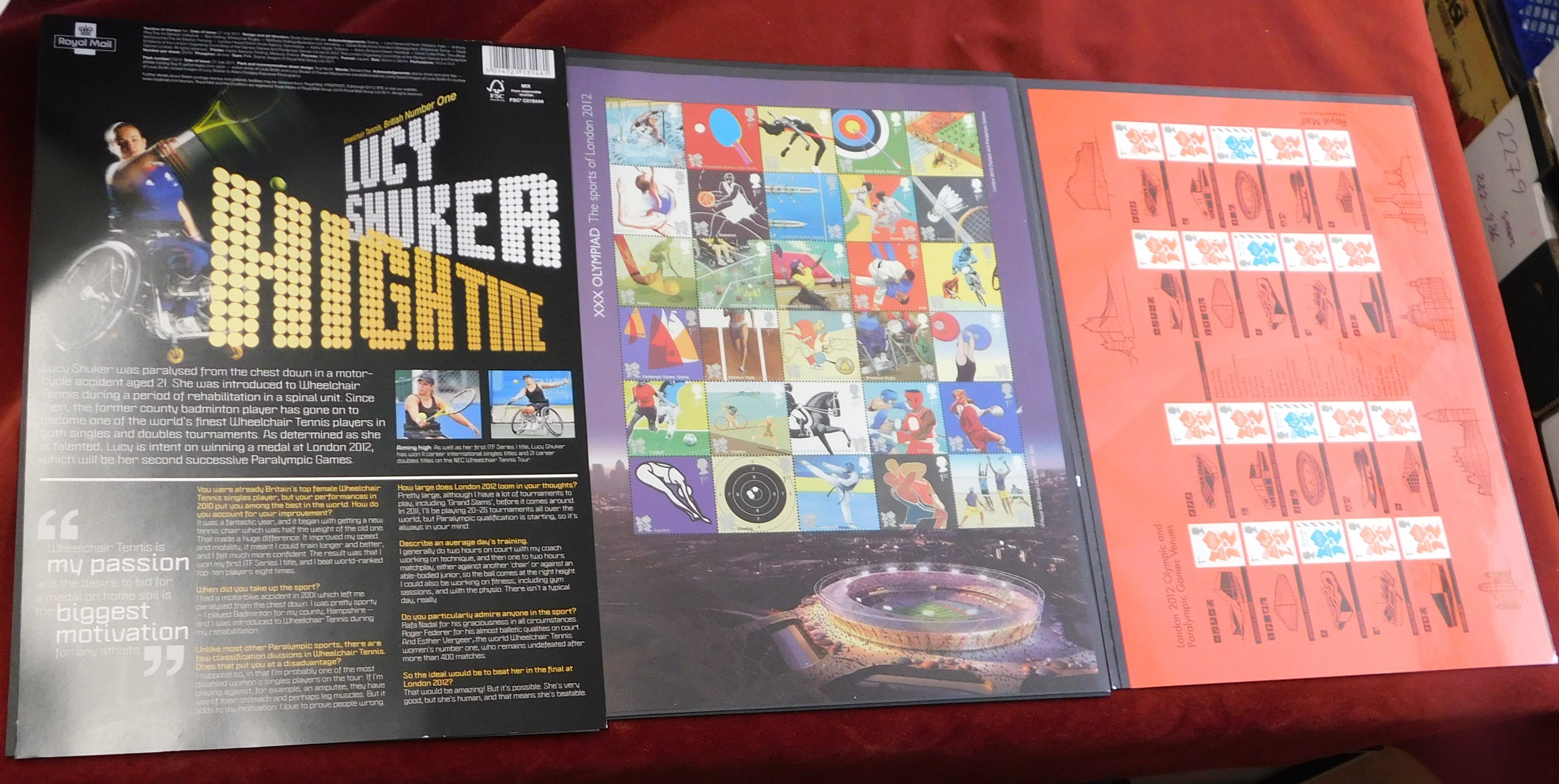
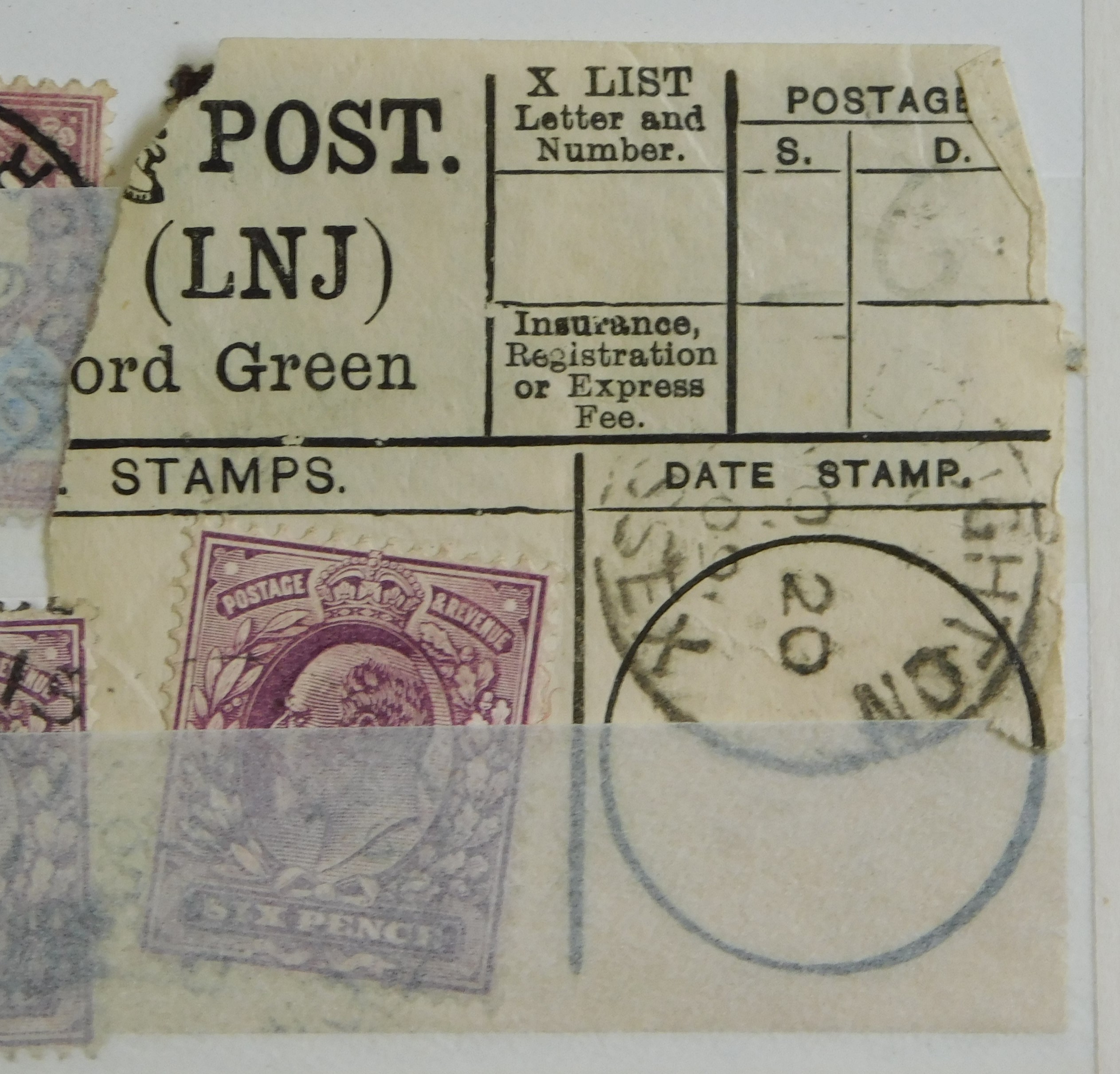
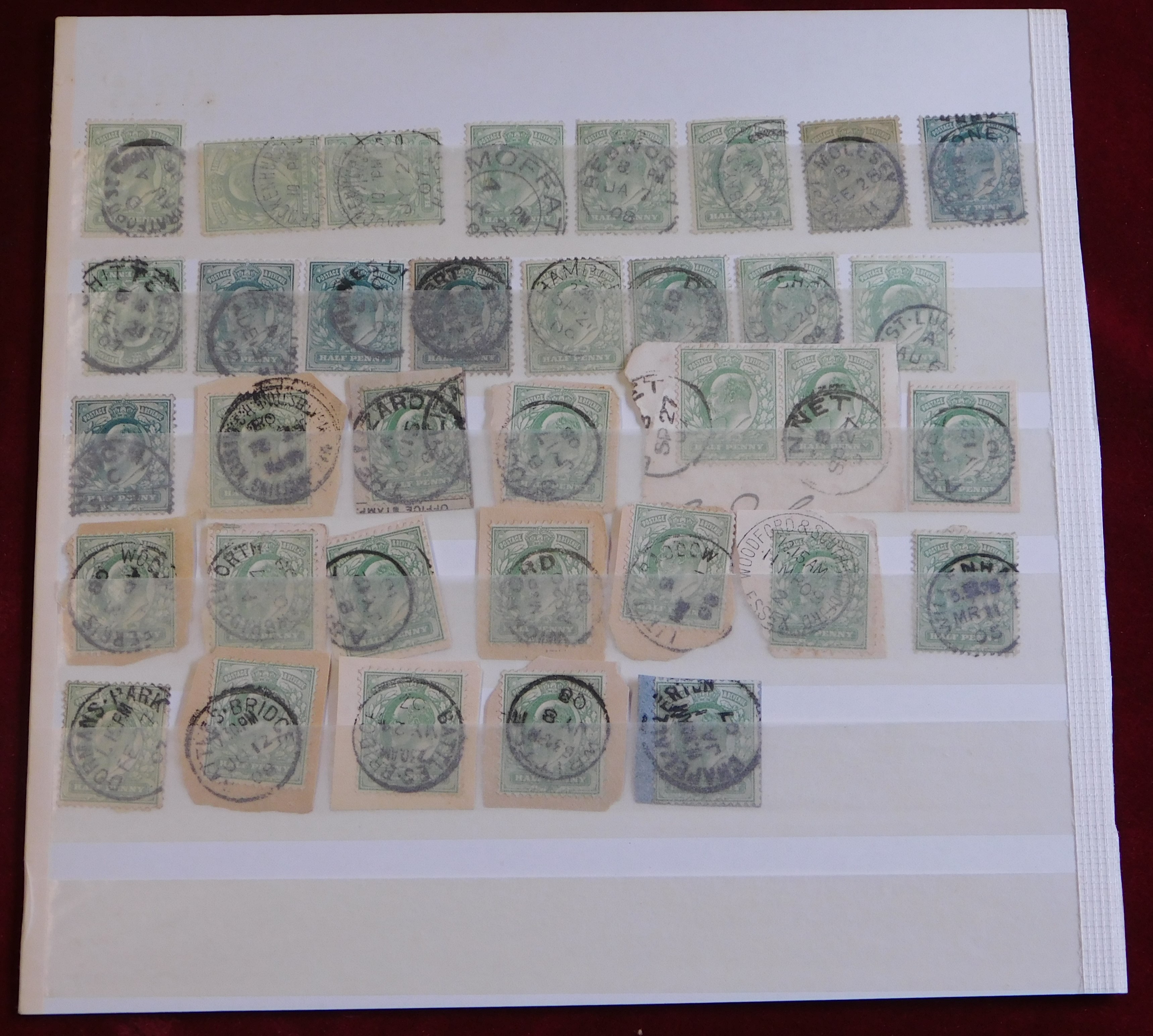
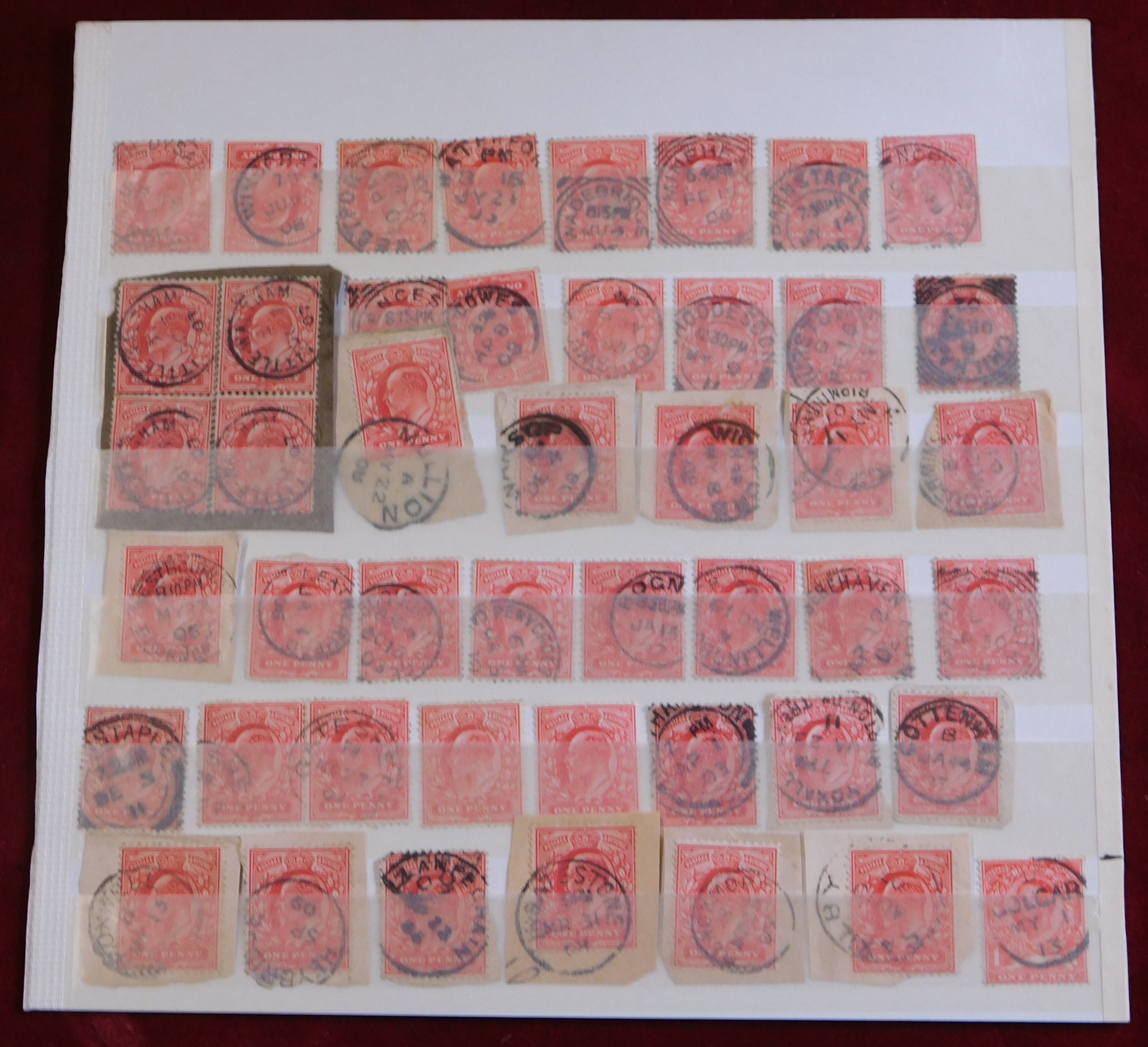
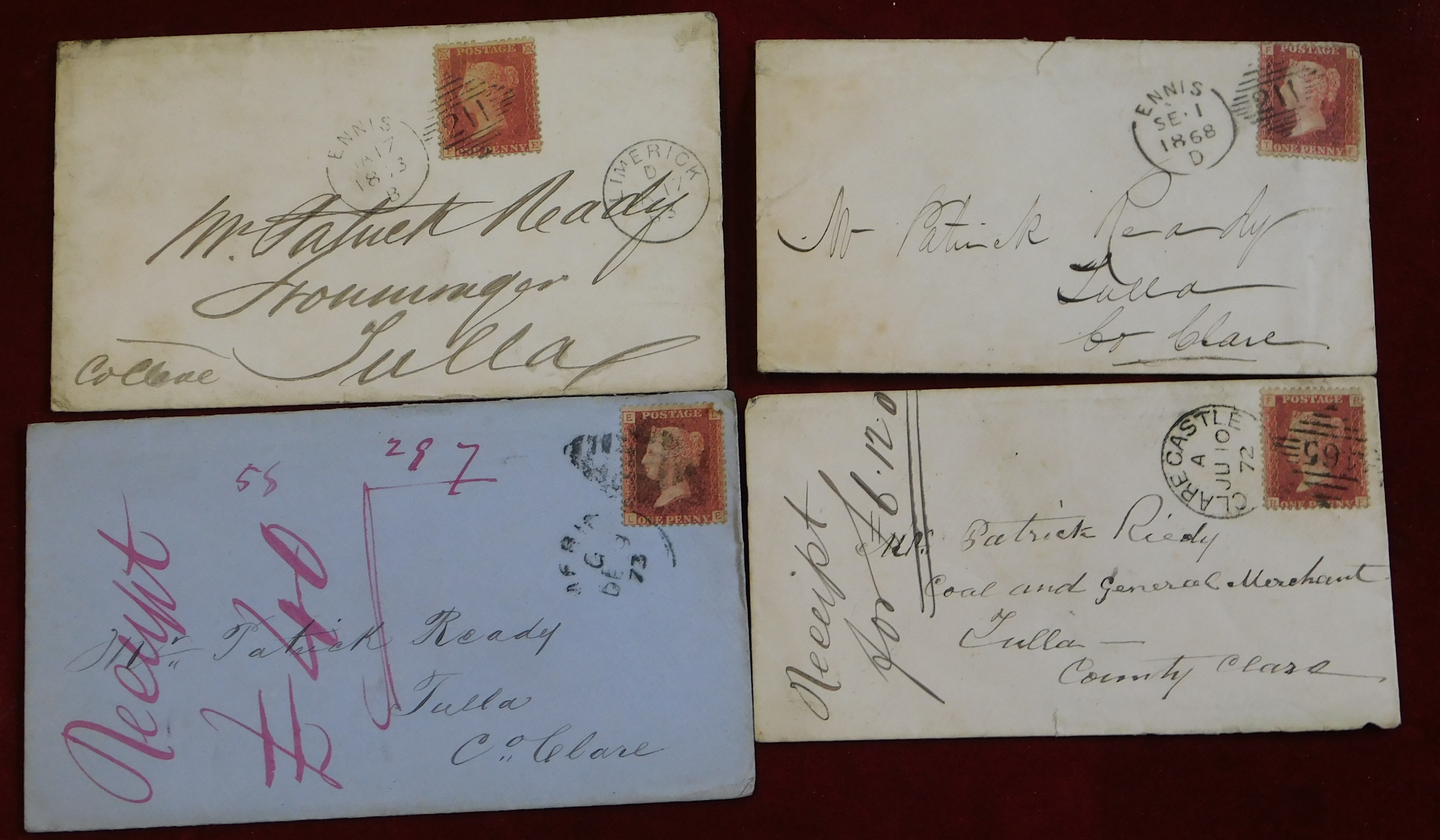
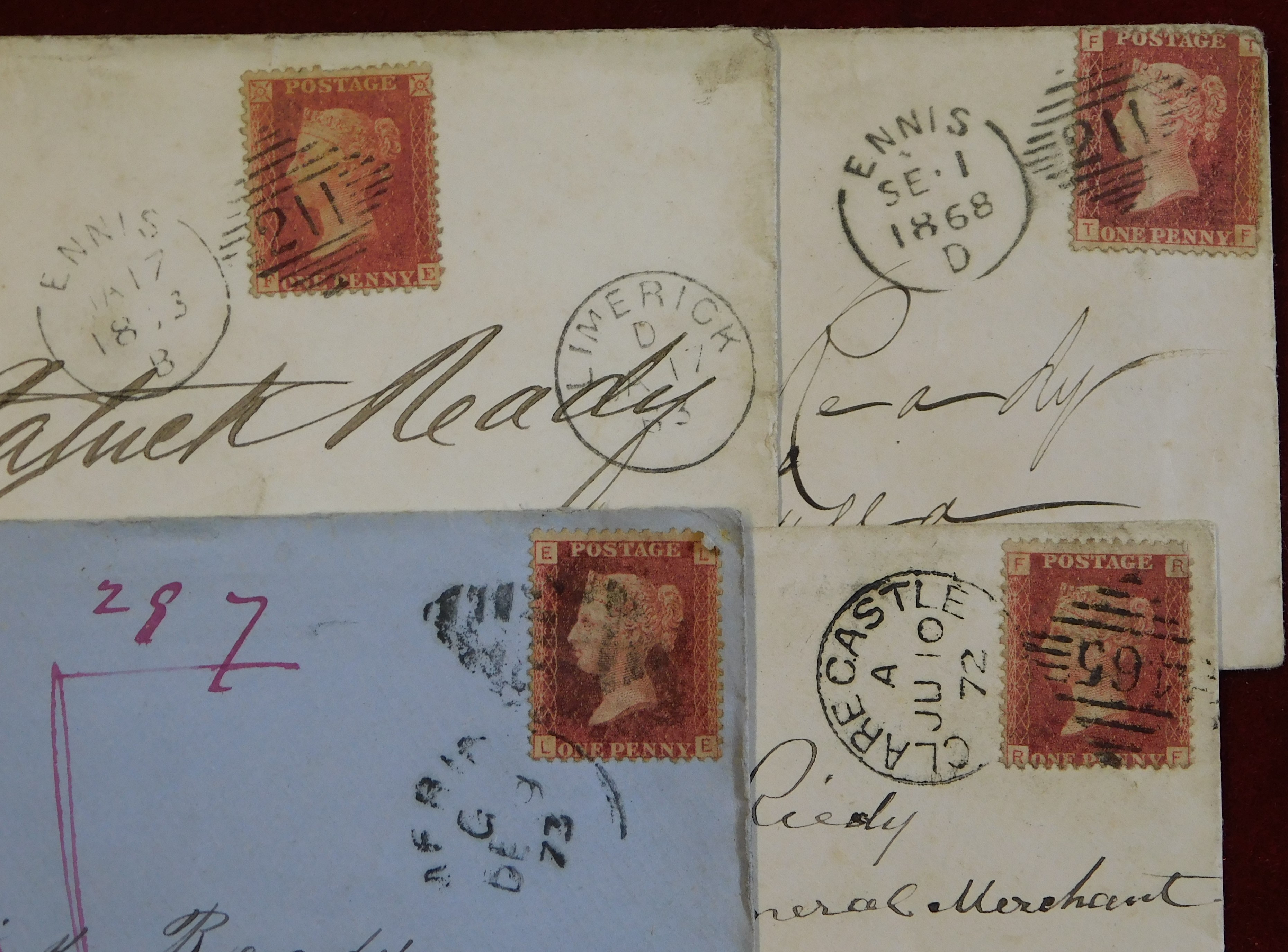
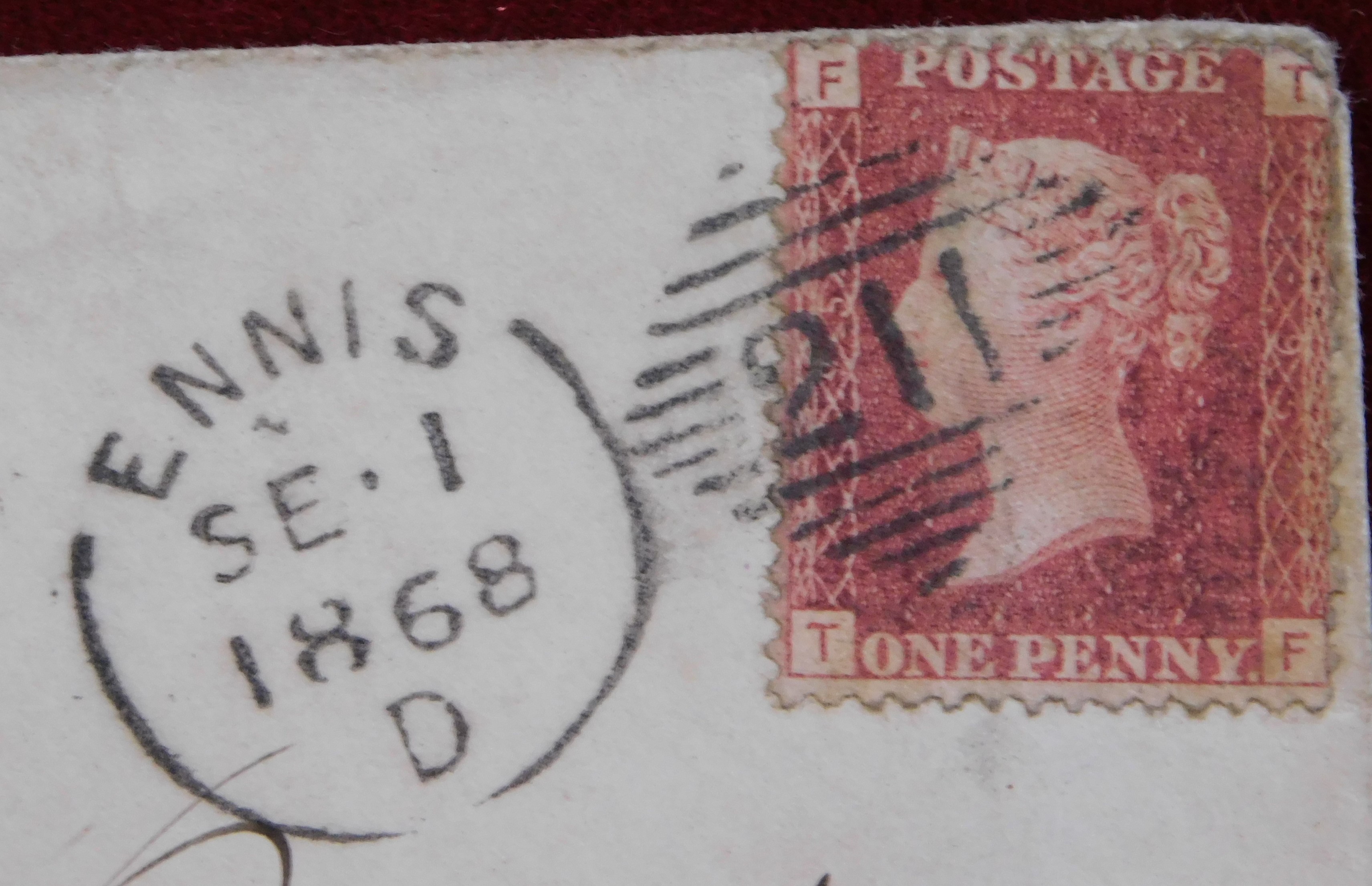
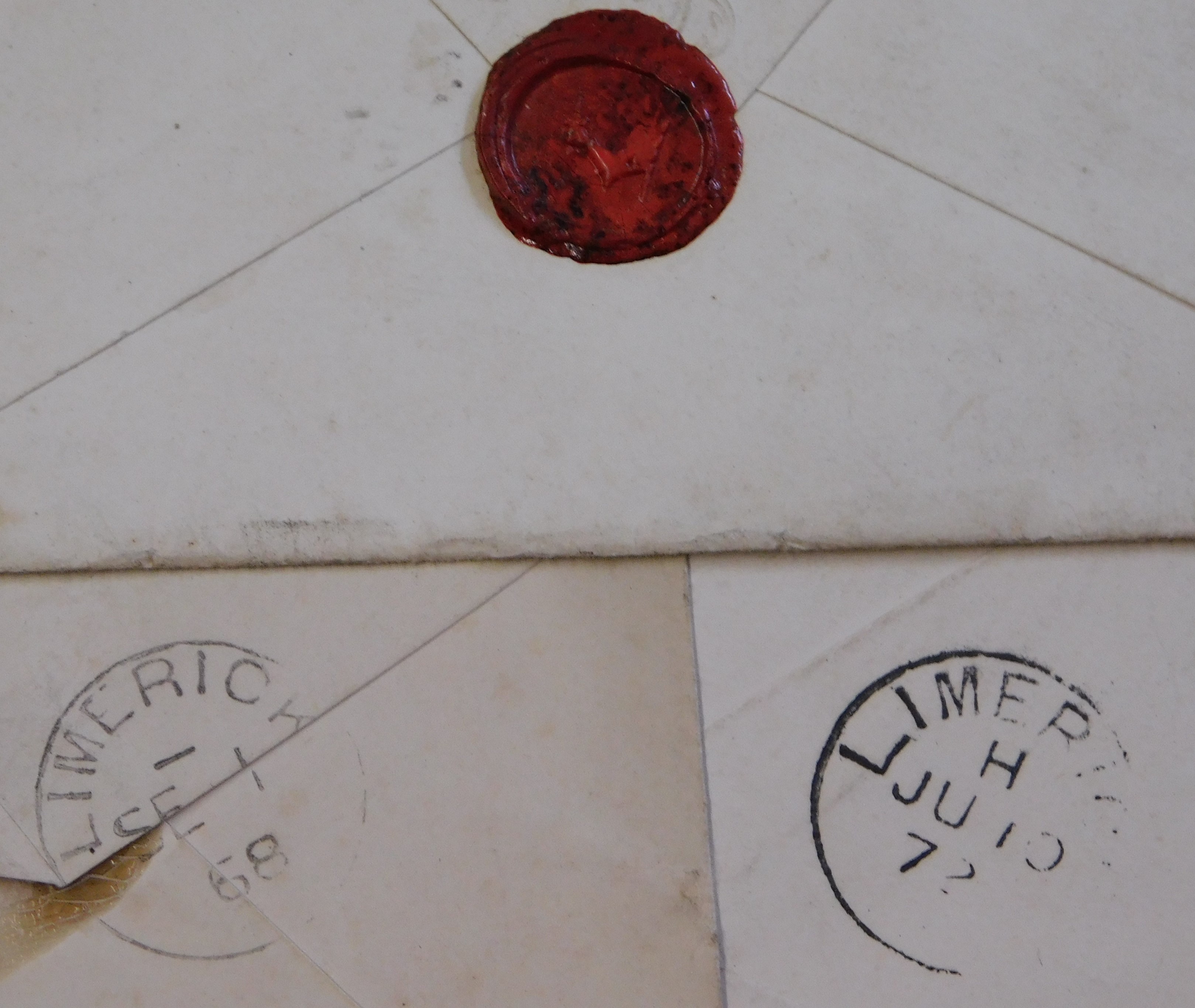
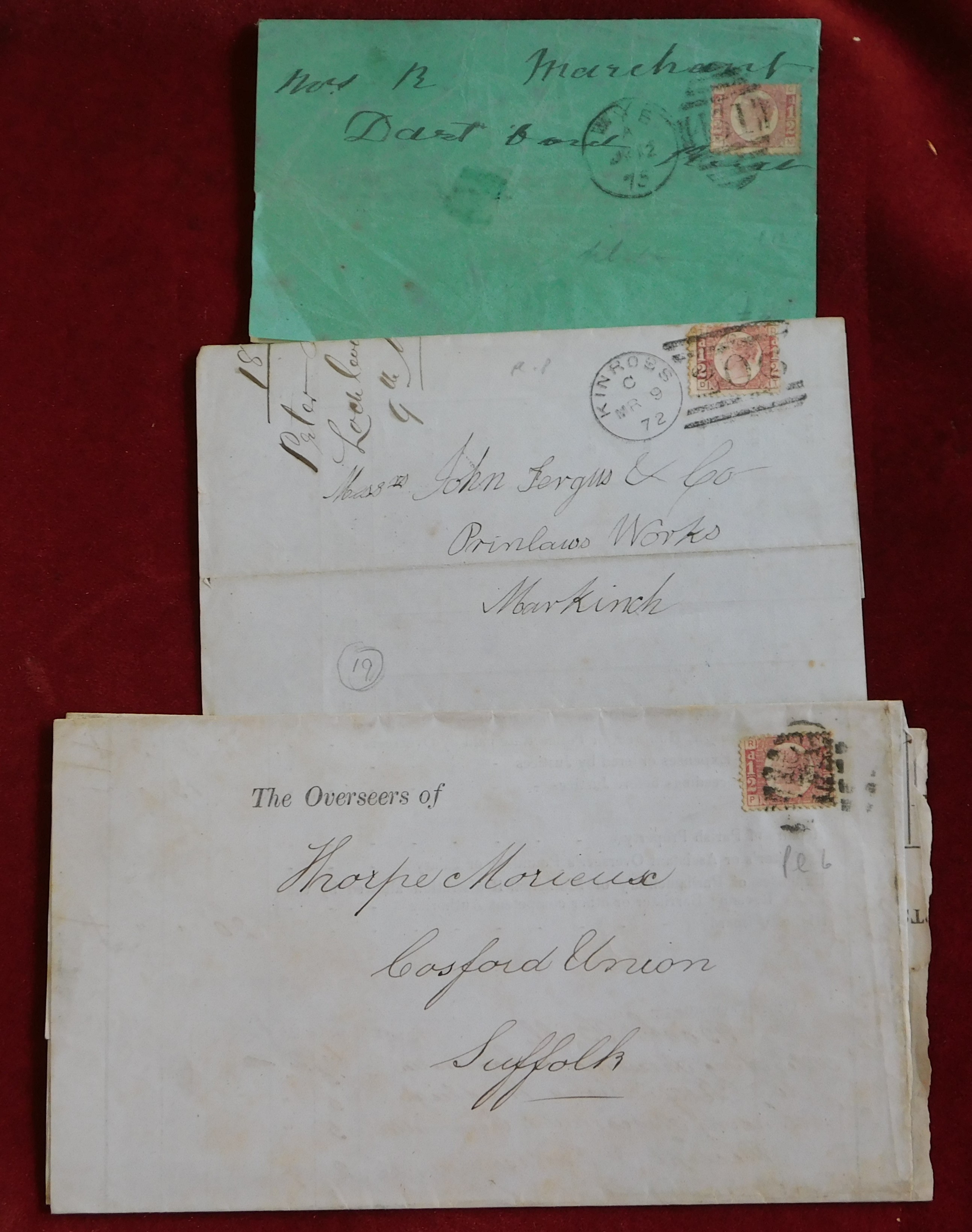
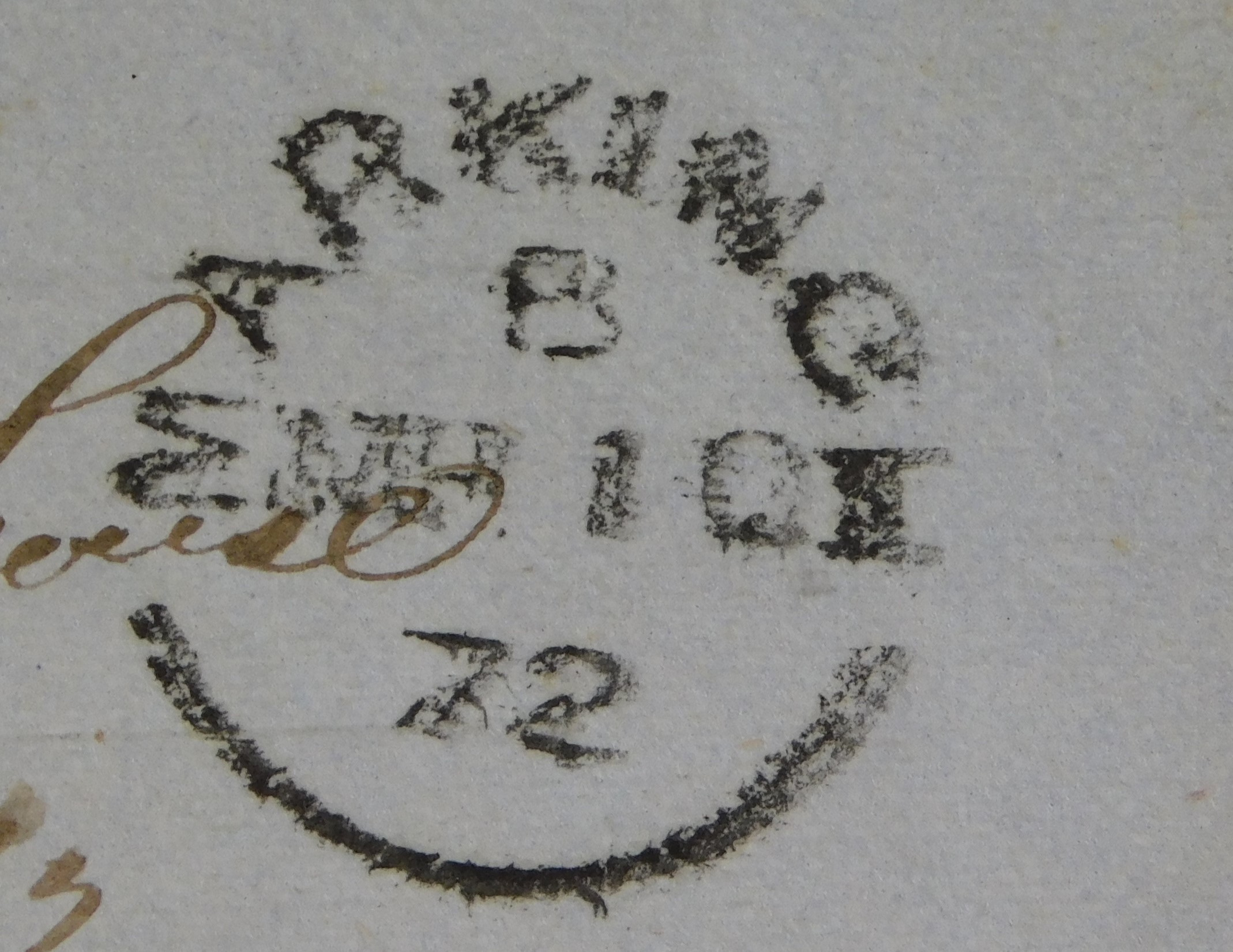
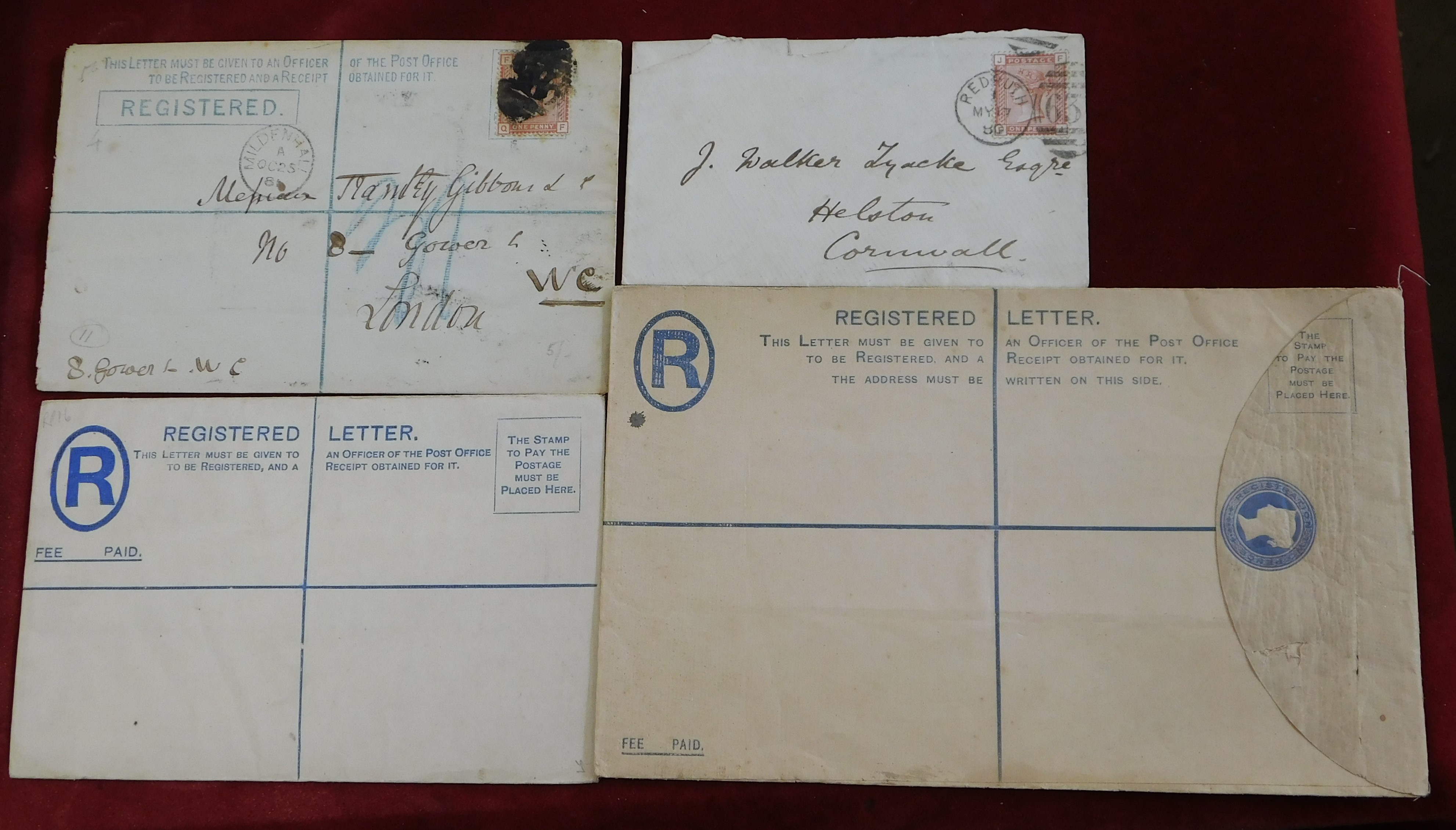
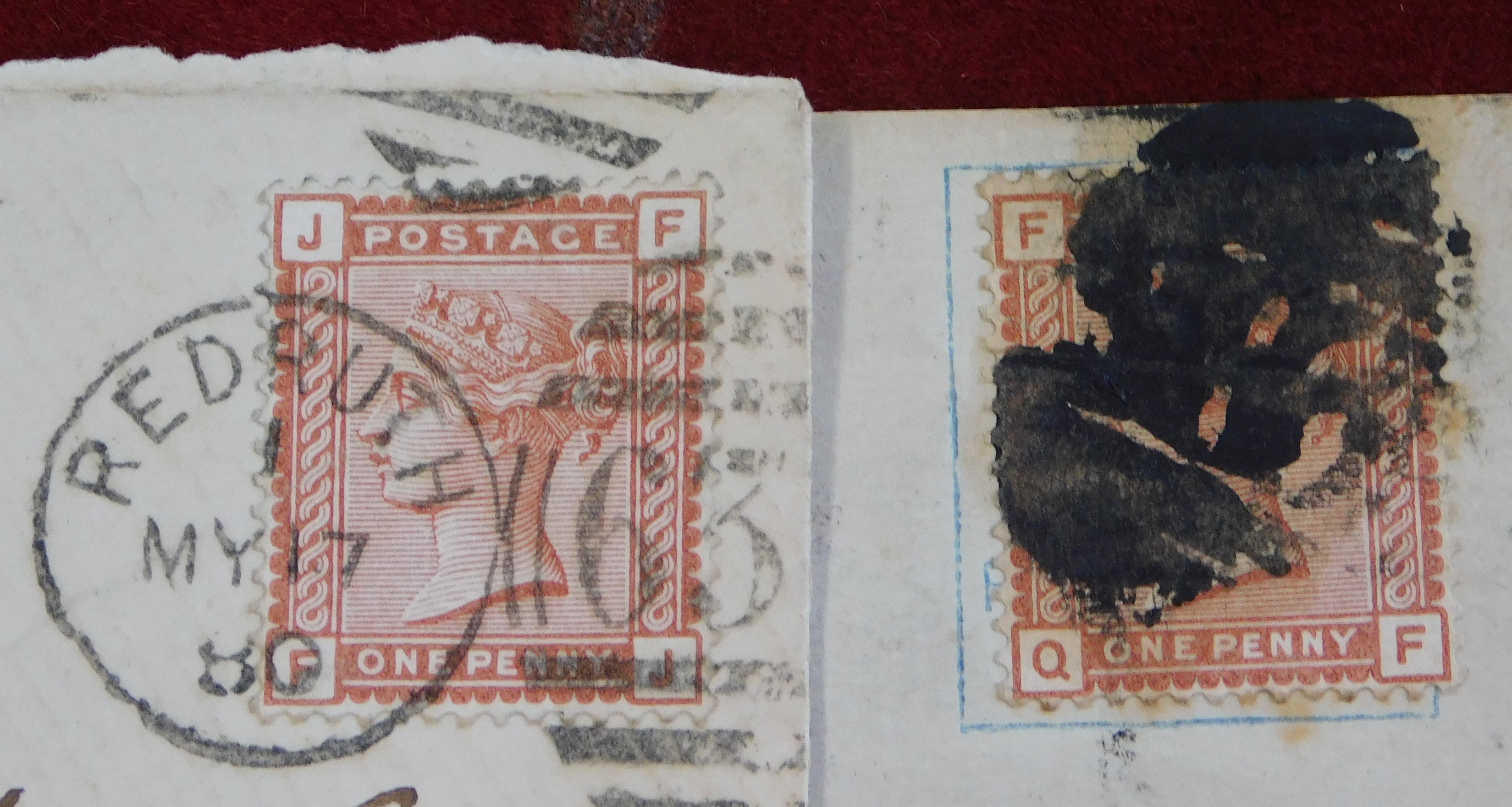
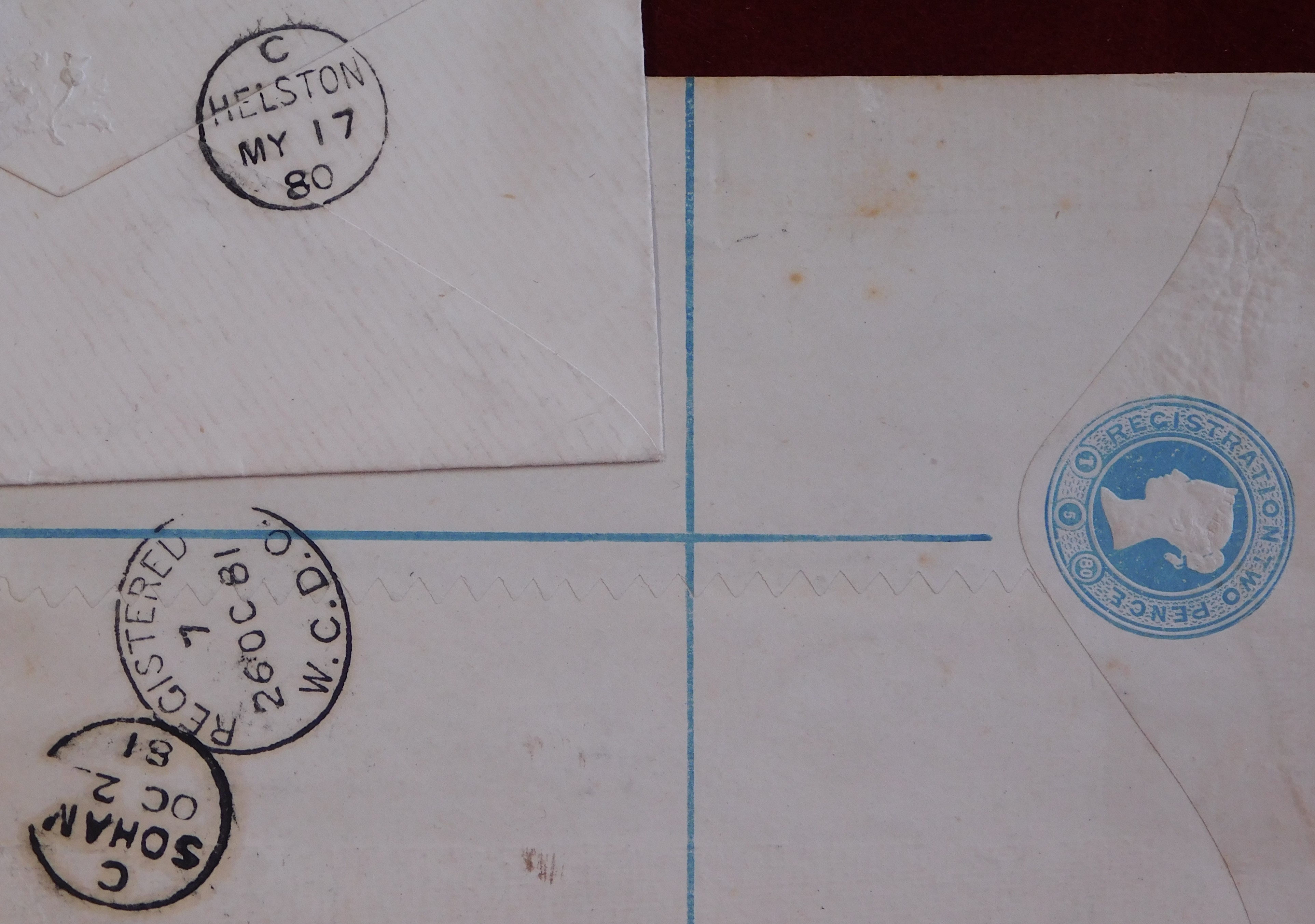
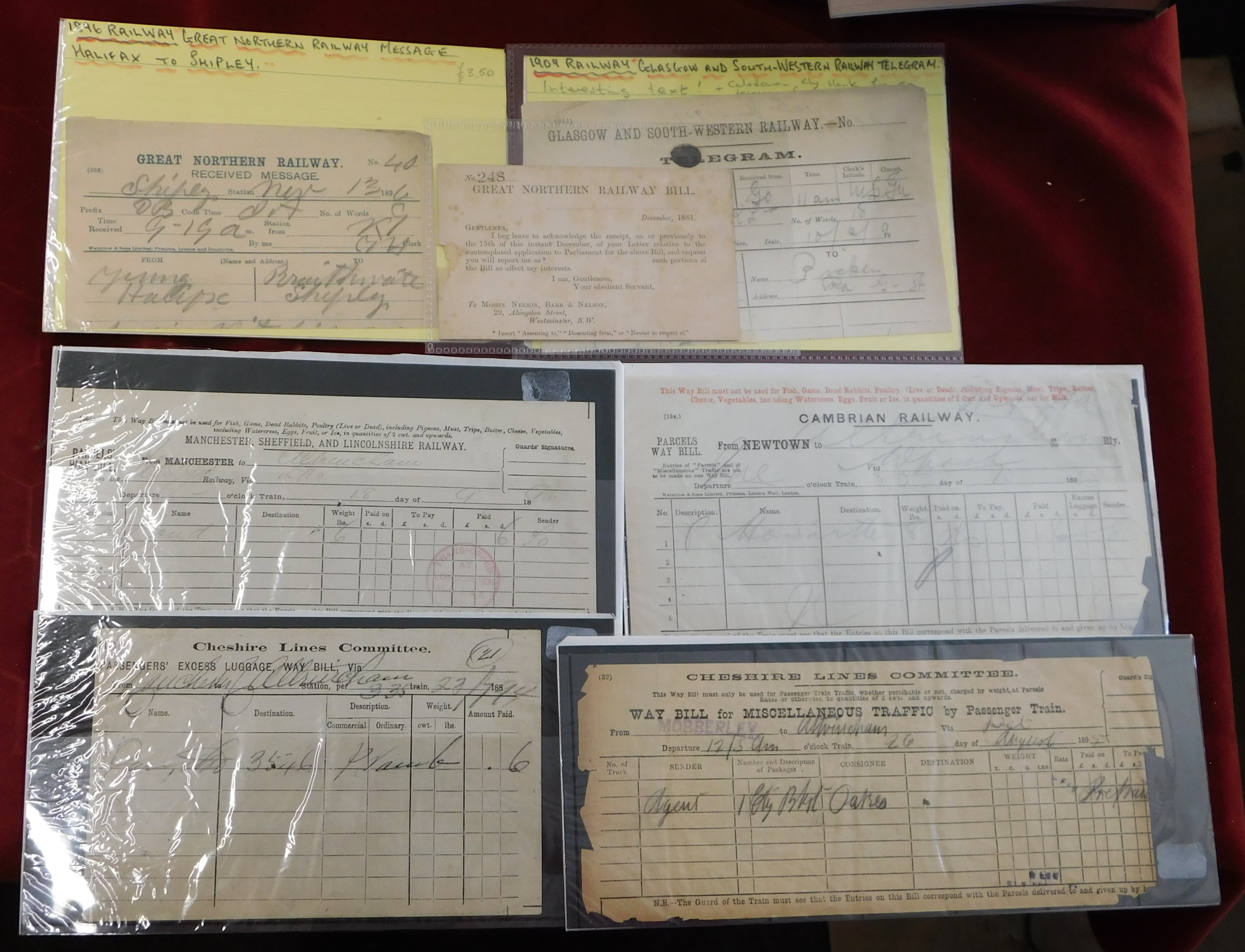
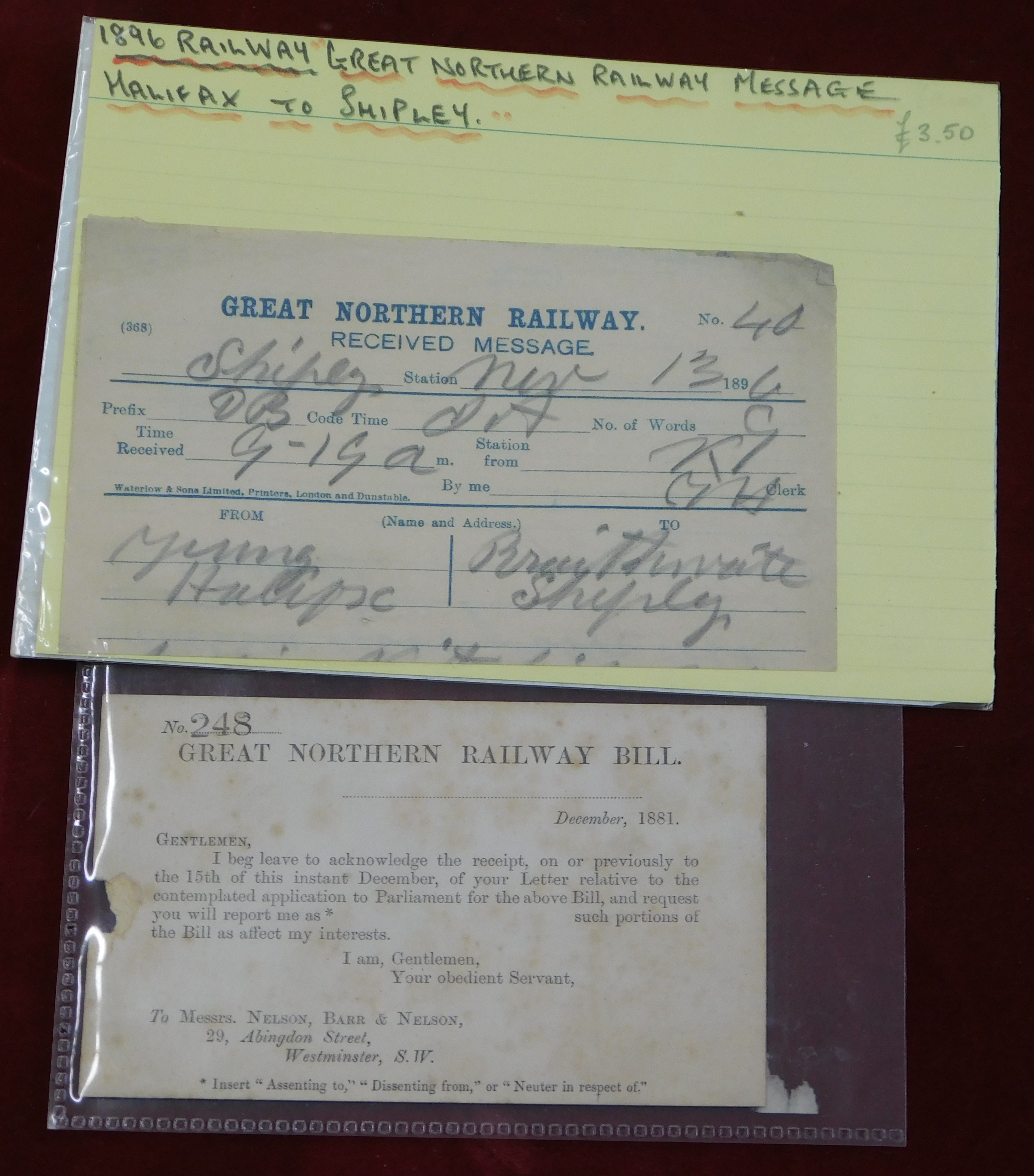
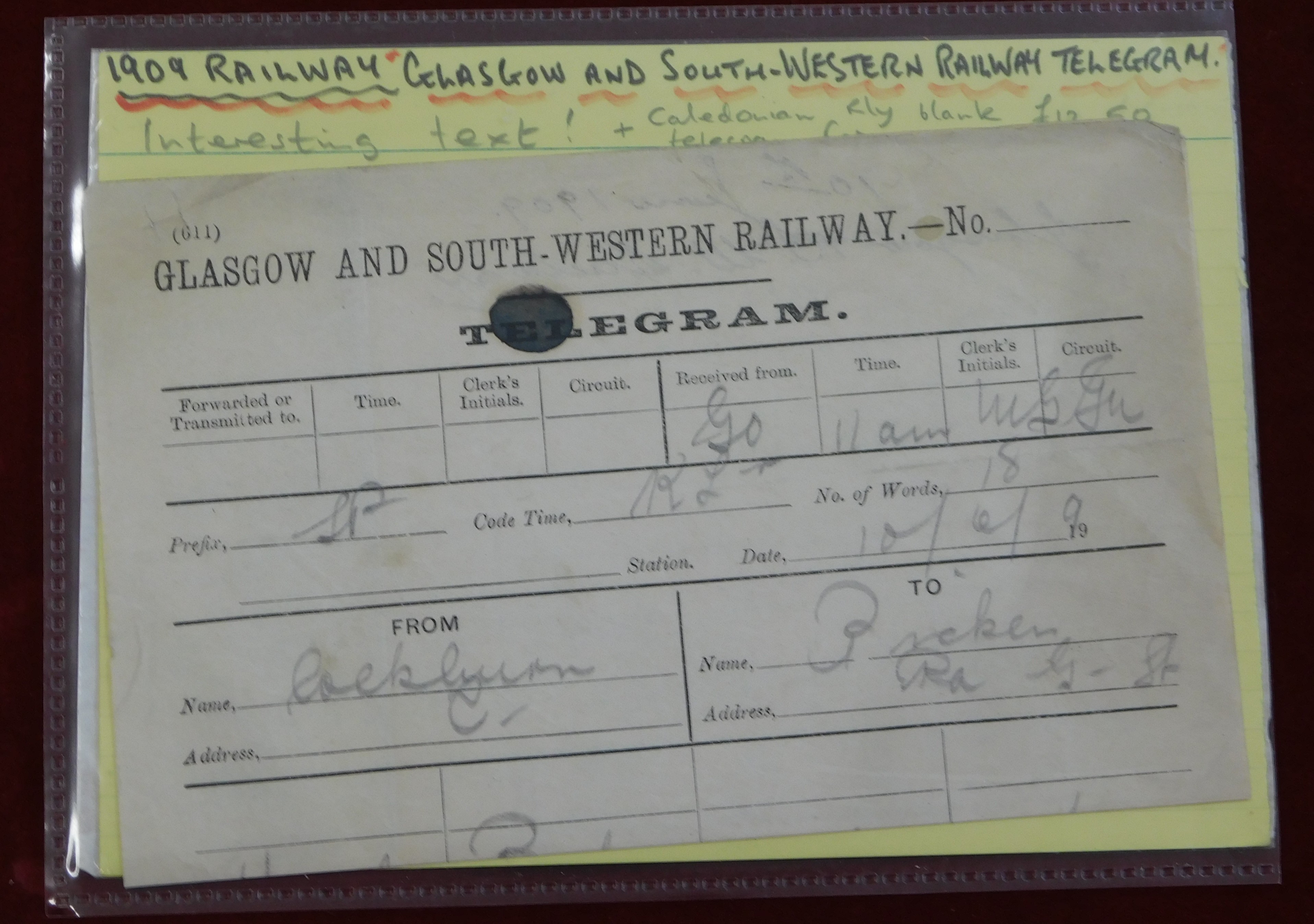
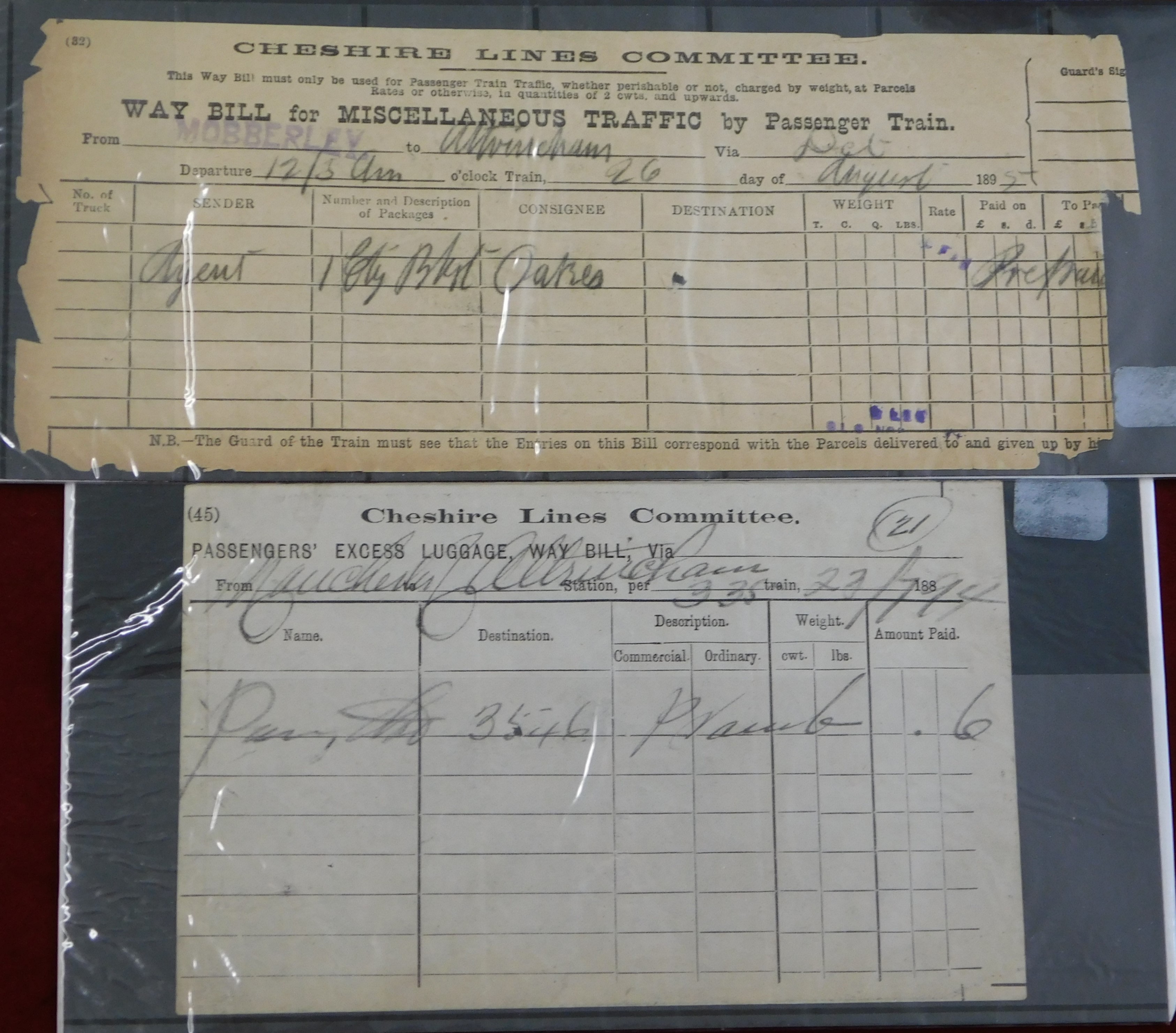
Creating an auction catalogue involves the use of ExCel, and in the case of this auction involved typing up handwritten descriptions provided by our stamp expert. All the lots also had be imaged, with some requiring image galleries rather than just a single image. It is not sensible for the describing to run too far ahead of the imaging – if a catalogue ends up going live with lots of missing images the first thing that happens thereafter is a flood of incoming emails on the theme of ‘where are the pictures for x lot?’. Therefore I followed a system of doing a chunk of typing, then a chunk of imaging and so on (usually 10 lots per block, and depending on the imaging required either five or six such blocks in a day). Going into yesterday I had 460 descriptions typed up and 451 lots imaged, and because my employer decided he wanted me to upload the catalogue that day I imaged lots 451-60 and then typed up the descriptions and imaged lots 461-470 before calling a halt.

We used two online platforms, the-saleroom.com and easyliveauction and the process auction creation is different for each. On the-saleroom it is easier to copy an old auction and change the details that need changing (date of sale, category of item being sold and so on) than to start the process from scratch. To be uploadable (this applies to both platforms) the catalogue has to be in csv format and set to comma delineated), while on the saleroom the images can be bulk uploaded by way of the media manager, a long but straightforward process. On easylive the image gallery has to be compressed before it can be uploaded, and when the compression has been done the images will be processed and then uploaded. Fortunately on this occasion there were no hitches, and the catalogue was ready to go on both platforms by not long after 2PM – and it would have been a little earlier than it was but for a little detail that forms a….

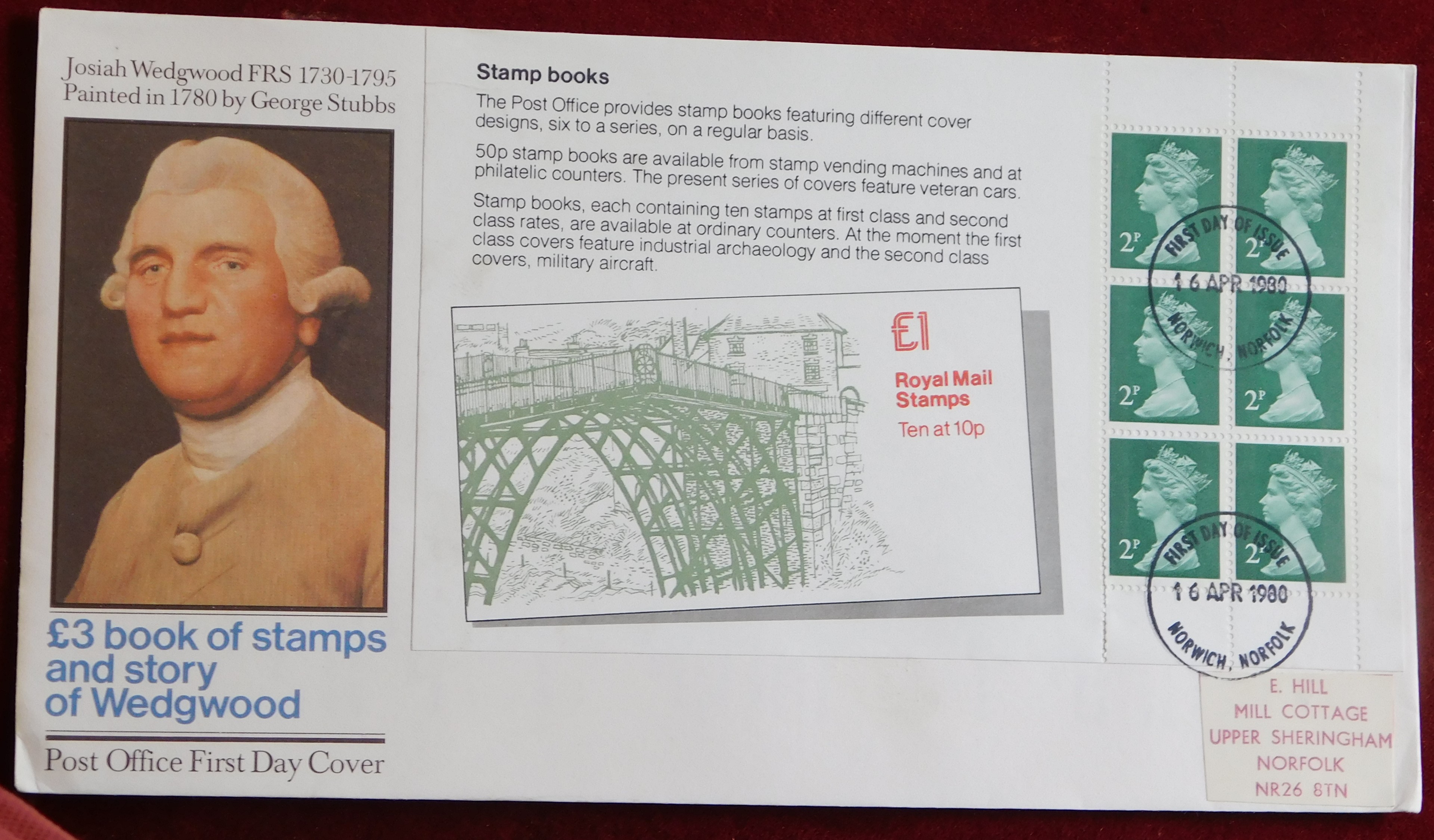
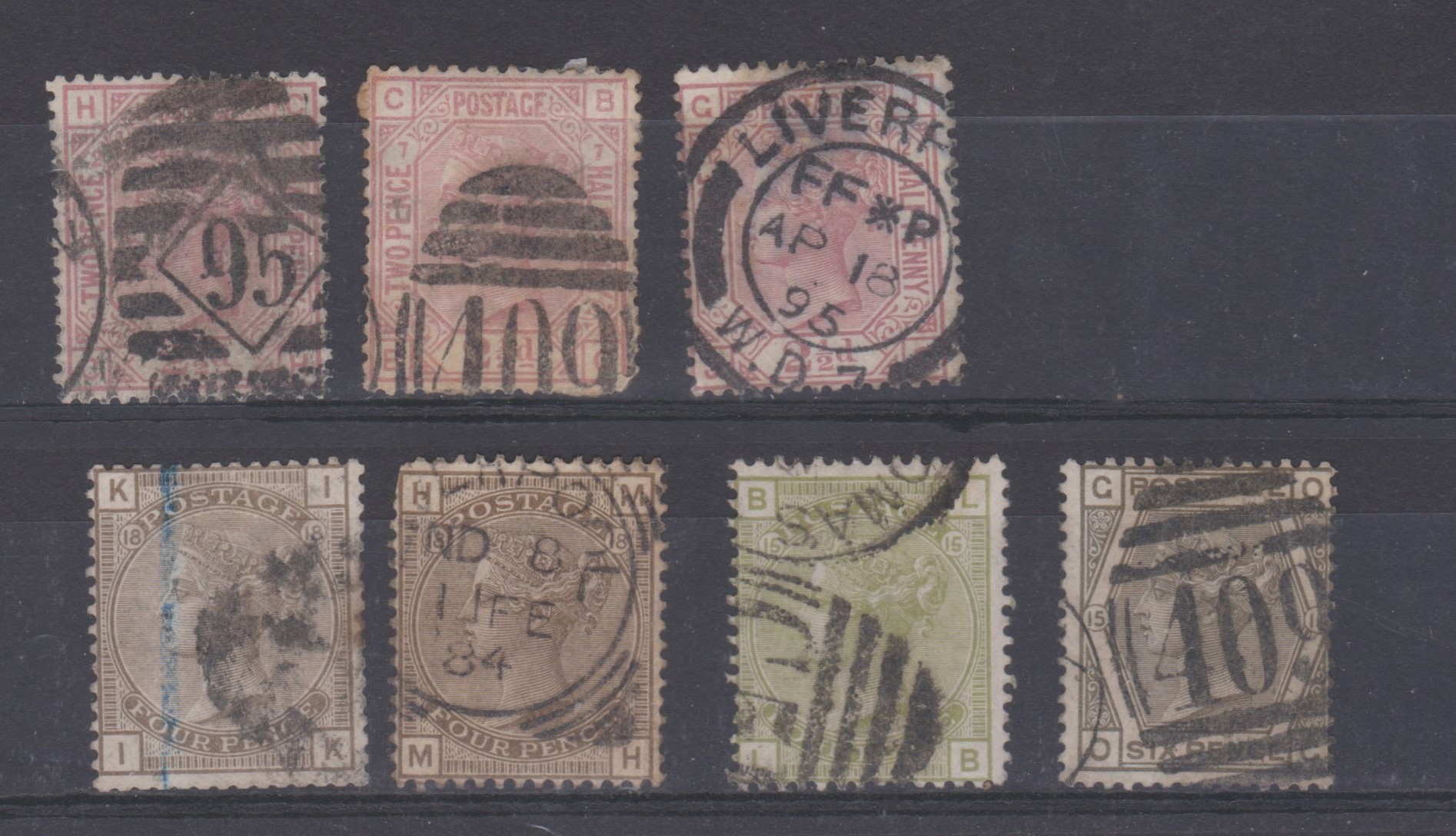
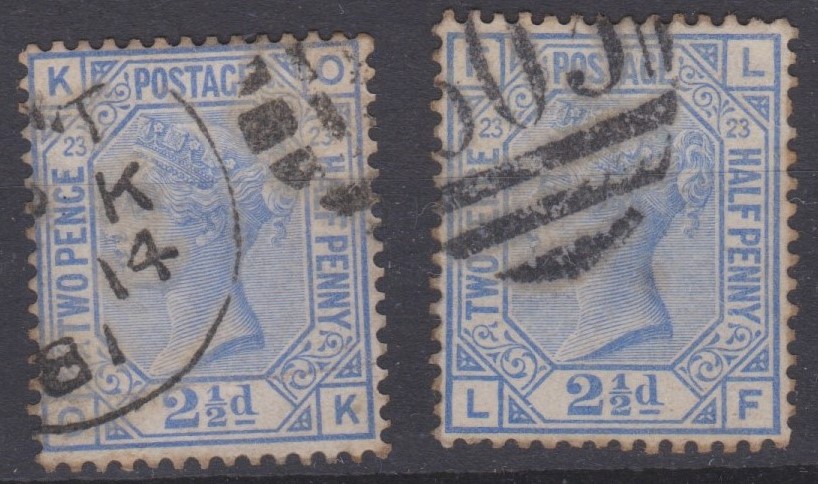
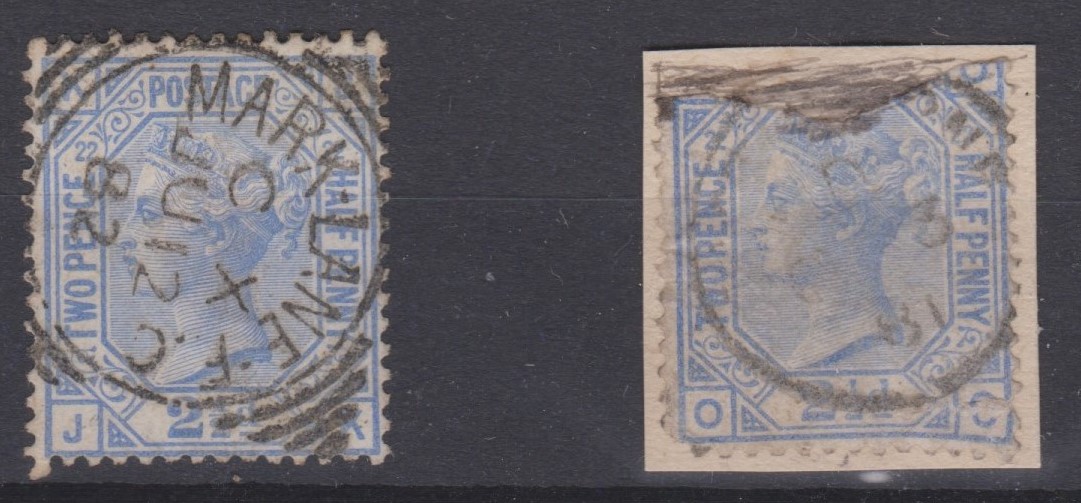
On the saleroom there are never problems with image galleries – the method used to separate main images from secondary images is one we adopted at their request. However for reasons which are beyond me the easylive system is not to be trusted in this regard. I went through the easylive gallery, and as I had anticipated most of the lots with multiple images had to have the so-called primary imaged changed. If it helps the programmers at easylive then when it is a catalogue I have been involved with the primary image is always the one whose name consist of just a number, while the secondary images, usually close ups of features of particular interest, have a number, a dash, and then a letter (or on odd occasions when the lot has warranted a really big gallery two letters). Once I had sorted everything I sent out emails to bidders in our two most recent stamp auctions. Before ending this part of the post with an illustrative example of an image gallery I offer you links to both catalogue listings:

easylive saleroom

A quick reminder – click on an image to view it at a larger size.

My usual sign off…
A Hard Fought Opening Day

A look at day one at Trent Bridge where Nottinghamshire and Surrey are playing and a large photo gallery.

Another round of County Championship matches got underway today. My focus is on Trent Bridge, where one of the oldest and strongest of all county rivalries is happening – Nottinghamshire v Surrey.

Around the time the County Championship was put on a properly organized footing these two sides were the strongest in the country. The first properly organized championship happened in 1891, at which point Surrey were dominating things after Nottinghamshire had dominated the first half of the 1880s. This then is a rivalry with a lot of history. Last season Nottinghamshire won the title, after Surrey had won in 2022, 2023 and 2024.

Surrey won the toss this morning and opted to bowl. They took two early wickets, before Joe Clarke and Ben Duckett had a good partnership, ended by the dismissal of Duckett on the stroke of lunch. The afternoon belonged to Nottinghamshire, with Clarke and Jack Haynes building a substantial partnership. Post tea Surrey have come back into things with Dan Worrall bowling superbly and Sean Abbott nabbing a couple of wickets, but Clarke has found another good partner in Fergus O’Neill, and with bad light having just ended play for the day this pair are still in occupation with the score now 317-7, Clarke 129 not out and O’Neill 31 not out, Worrall 5-61, Abbott 2-63.

Nottinghamshire have probably had the better of the day given that Surrey chose to bowl, but we are all set for a cracking contest just so long as the weather doesn’t behave too badly (it is fine here in Norfolk, which I hope will hold tomorrow since that is the day of the annual WNAG trip to Pensthorpe).

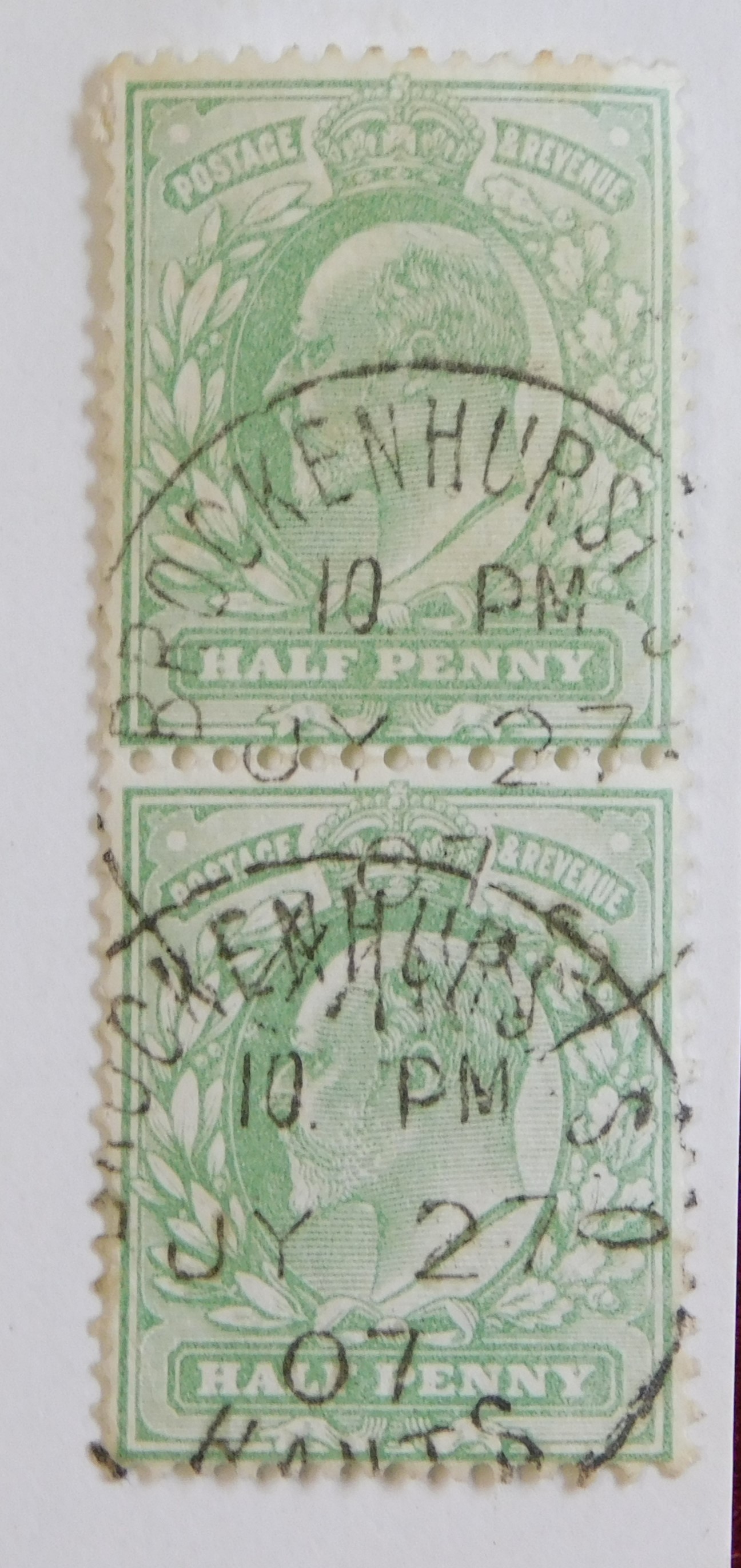
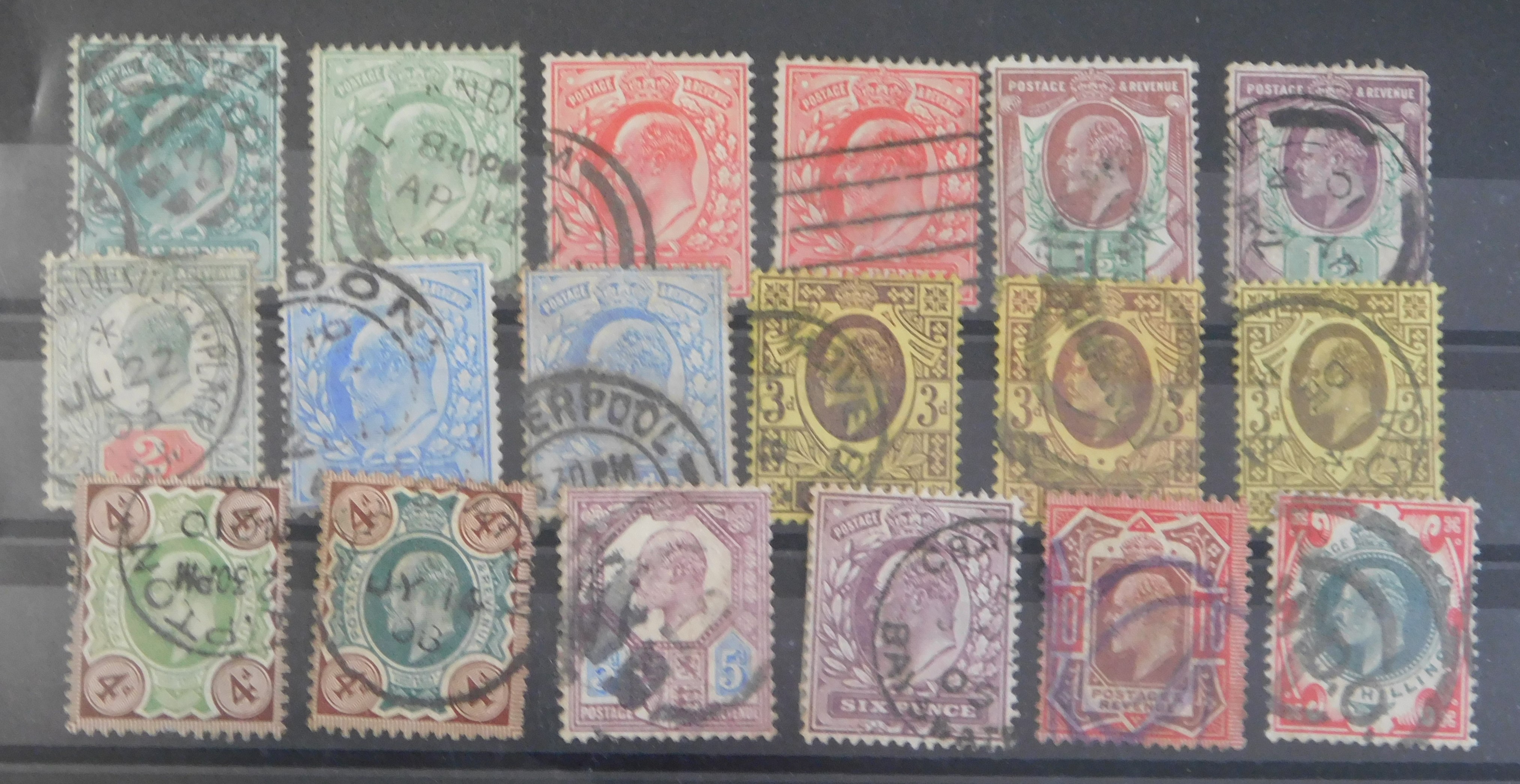
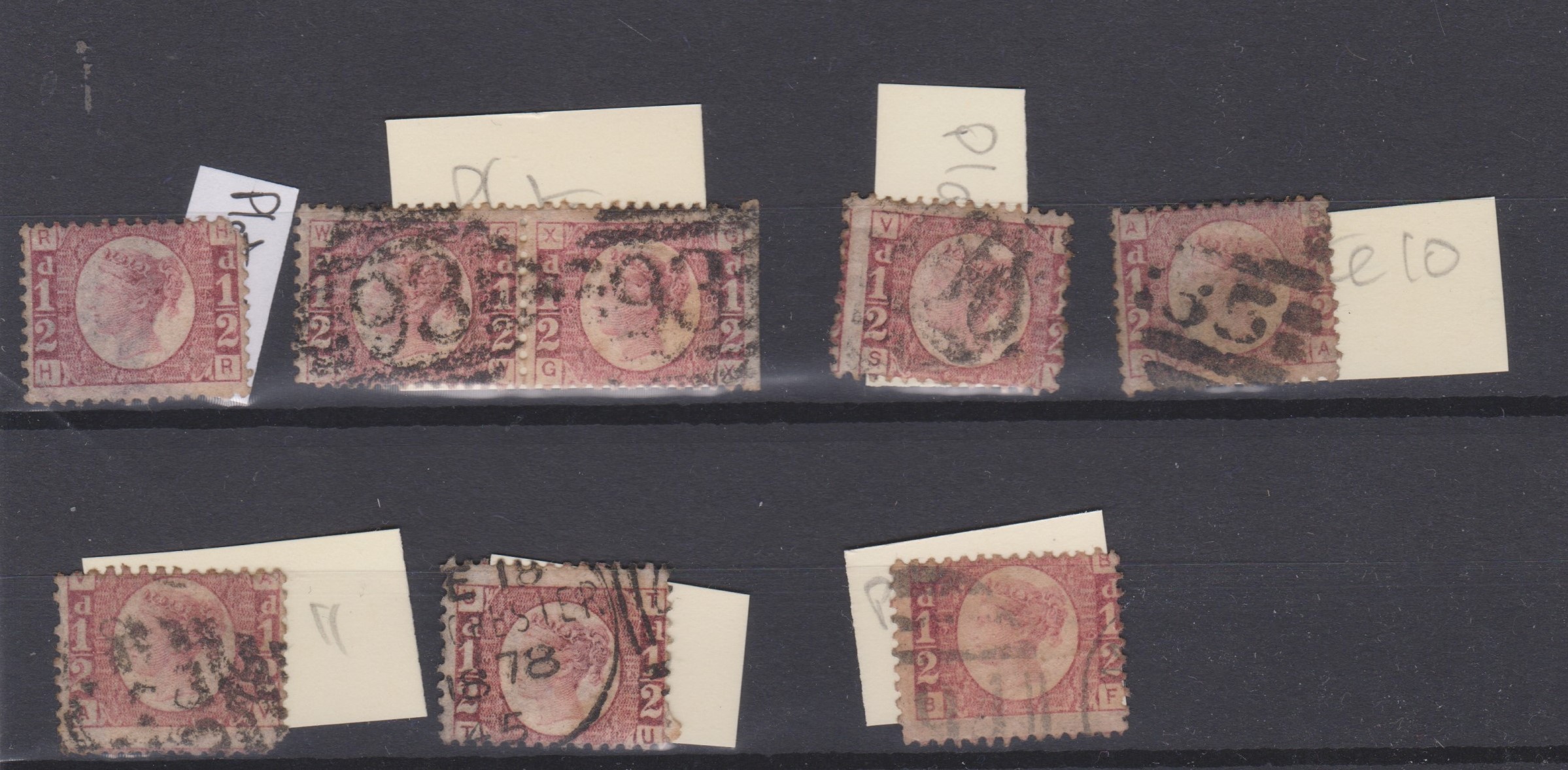
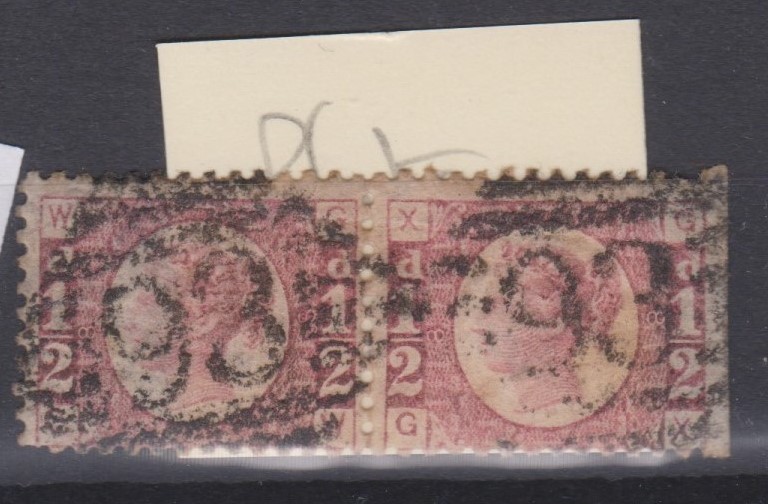
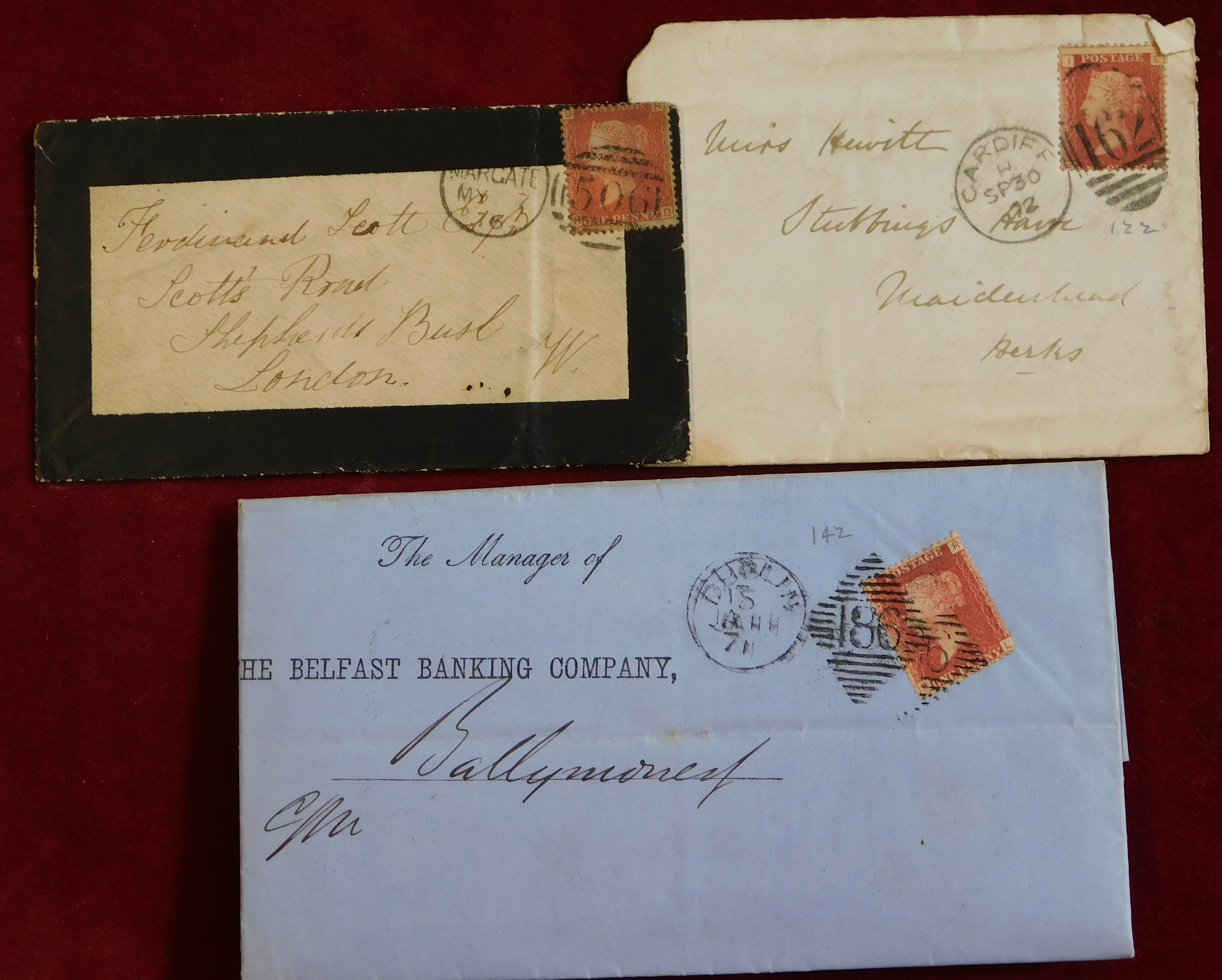
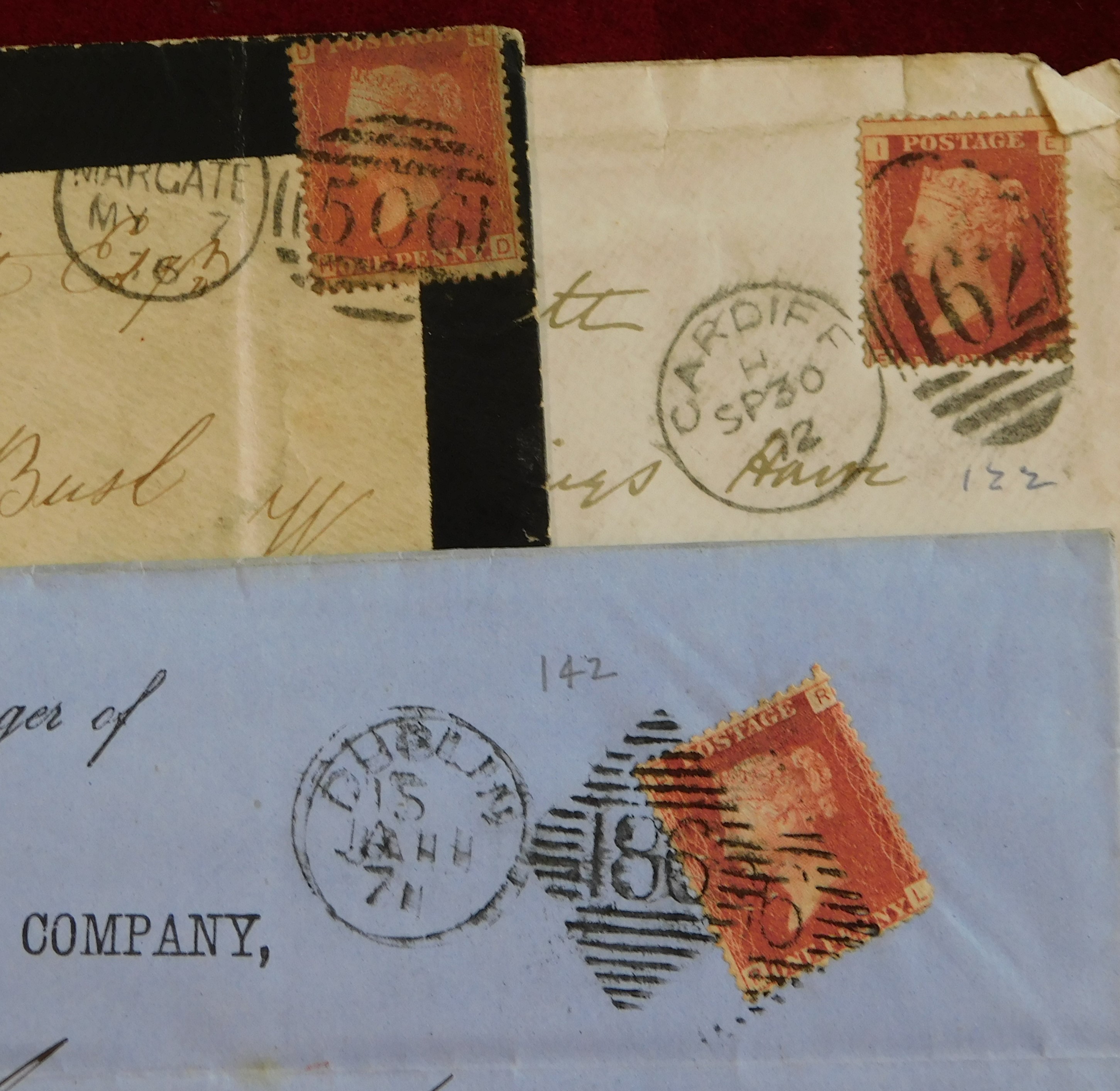
The first two pictures in this gallery are from the sale I am currently putting together at work, the rest my usual sort of stuff…

Cricket Season Underway

A look at events in Warwickshire v Surrey on the opening day of a new cricket season and a photo gallery from work.

The 2026 first class cricket season got underway at 11am UK time this morning, making use of the fact that today and Monday are both bank holidays to play a round of four-day fixtures on which no day will be a regular working day. This post looks at goings on at Edgbaston where Warwickshire are facing Surrey. One piece of big general championship news is that the powers that be have seen sense and abandoned the experiment of using the Kookaburra ball in English matches as the failure it was.

Warwickshire won the toss and put Surrey in to bat. Surrey survived a tough morning largely through Dominic Sibley who batted through at one end. They should have made it through the session for the loss of three wickets, but a loose shot from Dan Lawrence right on the stroke of the interval handed Ethan Bamber his third scalp of the morning and sent Surrey in for lunch at 61-4. Almost as soon as the afternoon session started there was more trouble for Surrey, as Sibley was caught by Rob Yates off Chris Woakes and then Woakes clean bowled teenager Ralphie Albert to make it 65-6…

At that point Ben Foakes, a world class wicket keeping all rounder who should be a regular in the England test side, was joined by Tom Lawes, a talented young seam bowler who can bat. This pair batted through the afternoon session, Lawes reaching a new career best 78 not out by the interval, while Foakes was on 55 not out, and the score had risen to 198-6. Foakes is a very experienced campaigner, and is likely to pass the career landmark of 10,000 first class runs before the end of the season. Play is just resuming for the evening as I type this.

First, a standalone from last night, the fourth birthday of the West Norfolk Autism Group (WNAG):

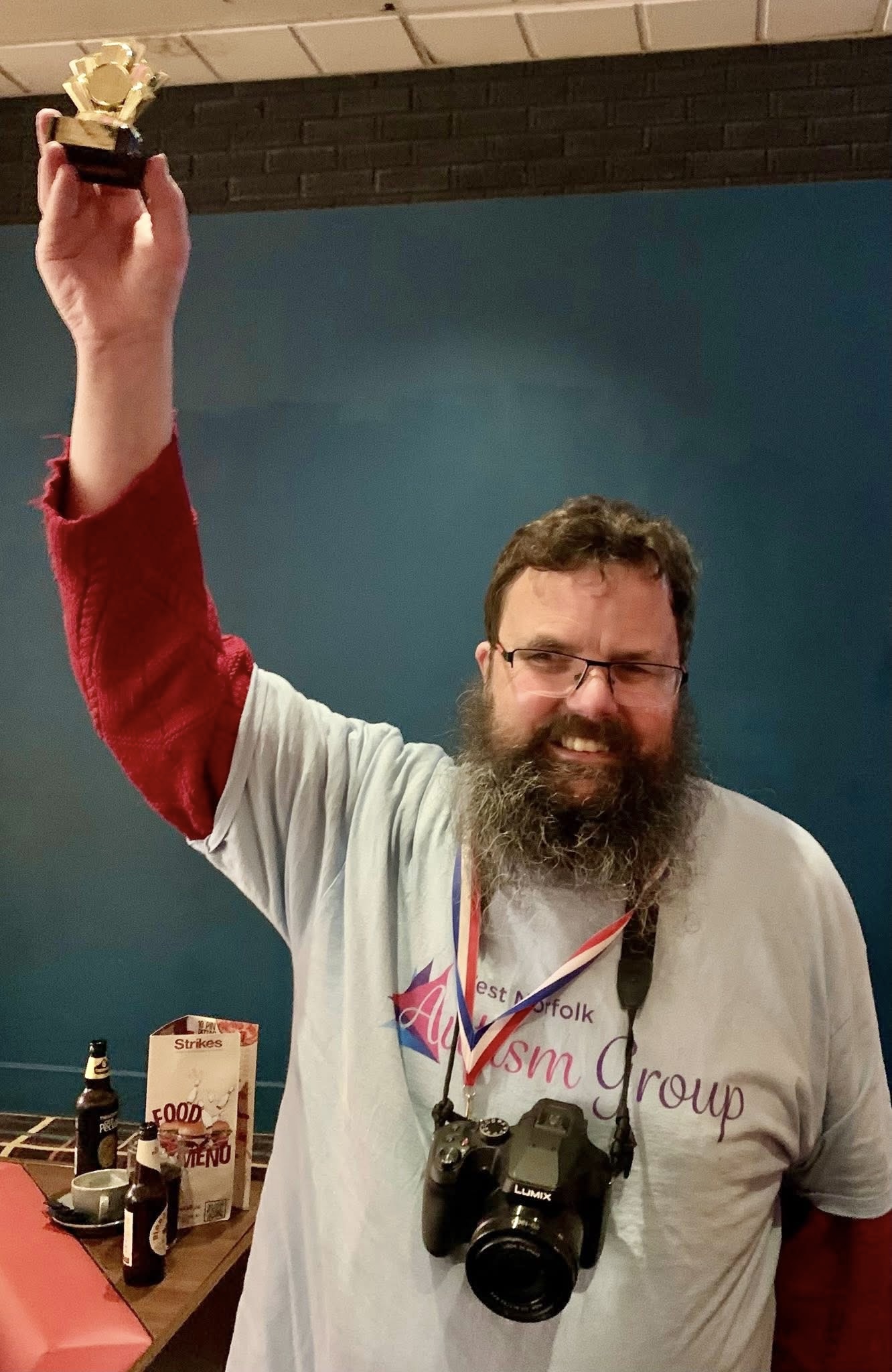
Me at the fourth birthday celebrations of WNAG, which took place at Strikes in Gaywood yesterday evening. The trophy I am holding aloft is for a win at ten pin bowling, while the gold medal around my neck is for a triumph at scrabble. The WNAG T shirt is on over my jumper because it was not warm enough to be in just a T shirt and I felt that on this occasion that T shirt had to be on display.

My remaining pictures come from work…

James and Sons January Auction

A look back at James and Sons’ January auction and a photo gallery.

On Tuesday and Wednesday of this week James and Sons had its January auction, a two day sale devoted entirely to stamps and postal history. This post looks back at the auction.

The first day featured mainly British stamps, with descriptions handwritten by someone else and typed in by me. The second day featured items from all over the world, and these lots were describe entirely by me. I also did all the imaging for this auction and uploaded it to the two online platforms that we use. On the days of the auction I handled the IT side of things.

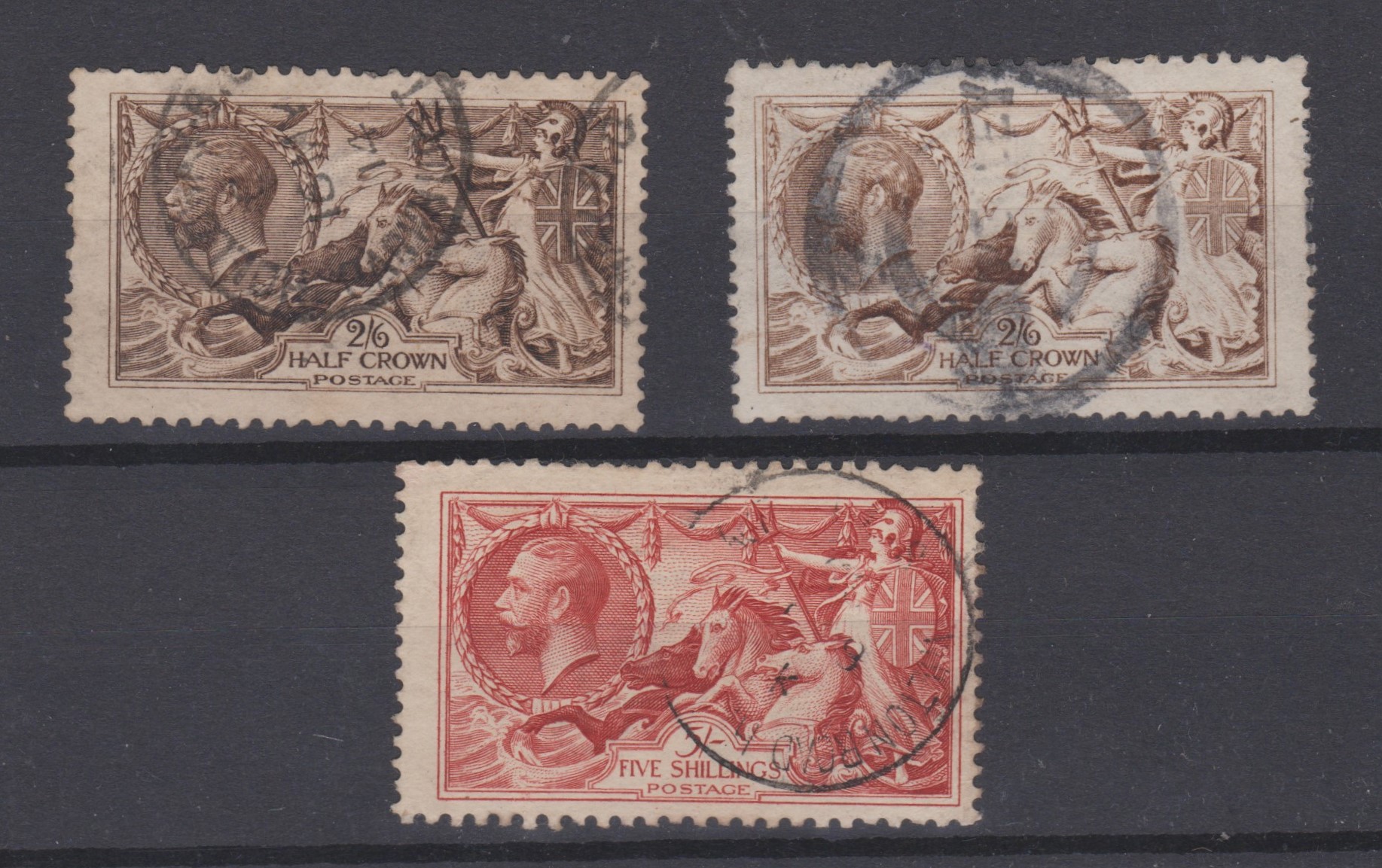
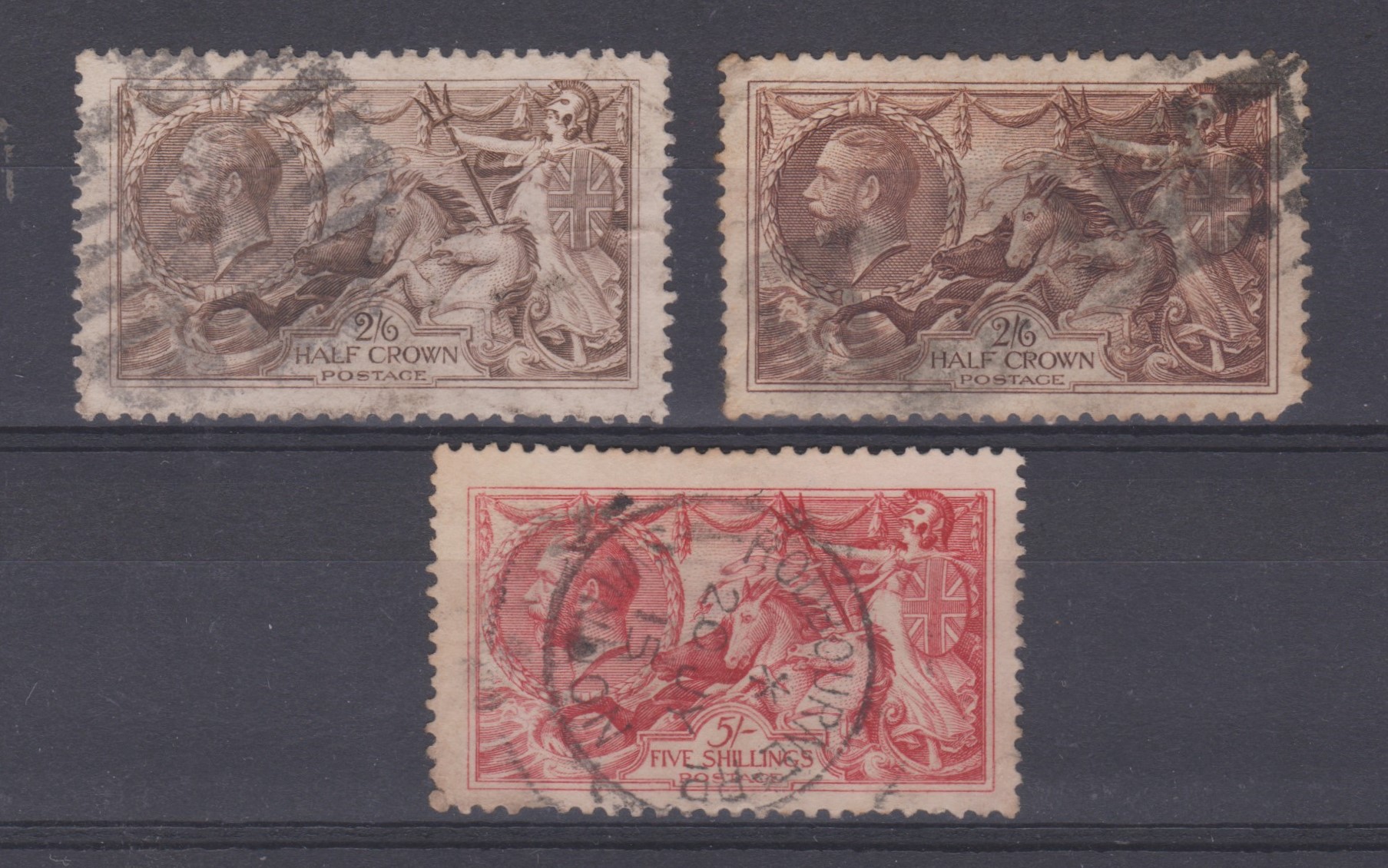
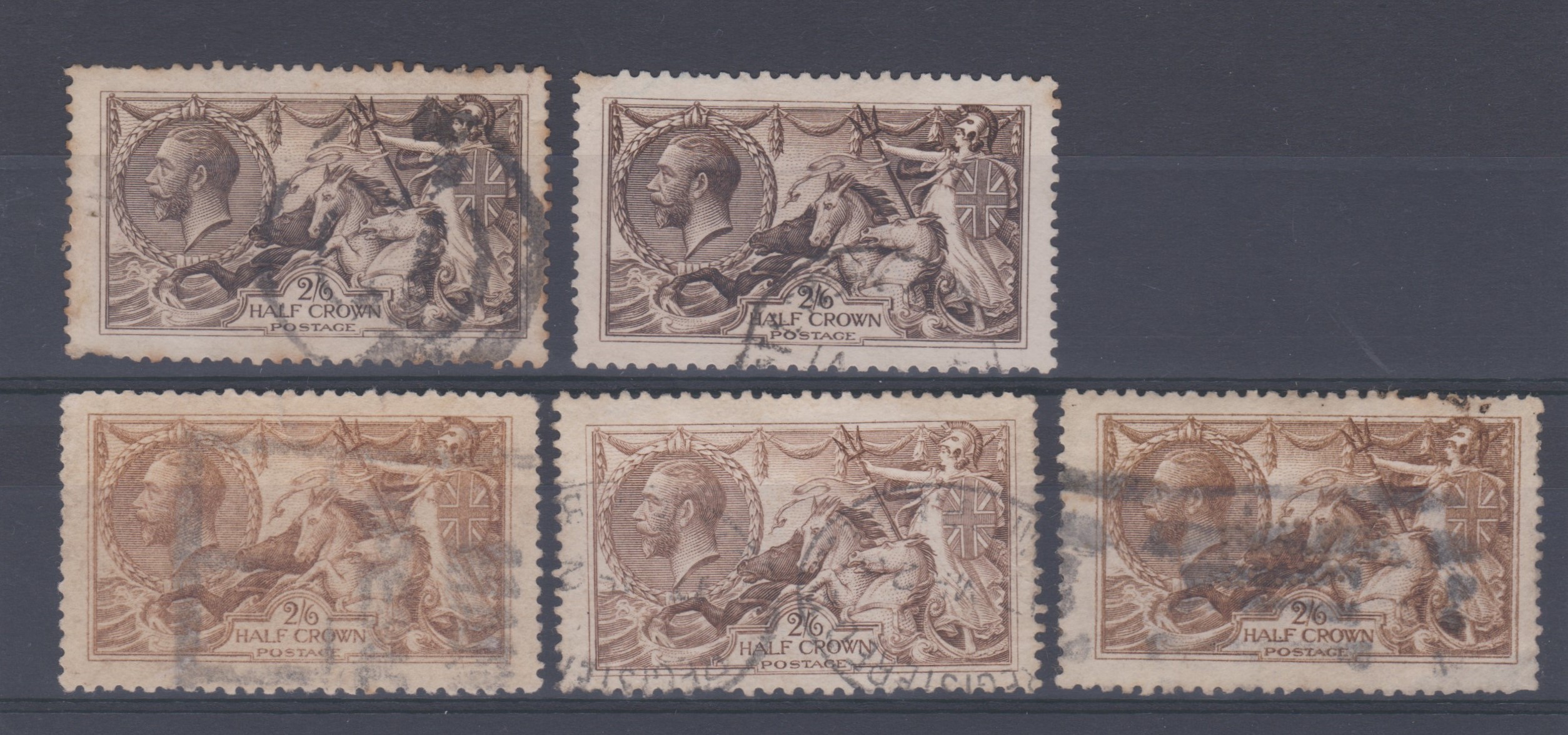
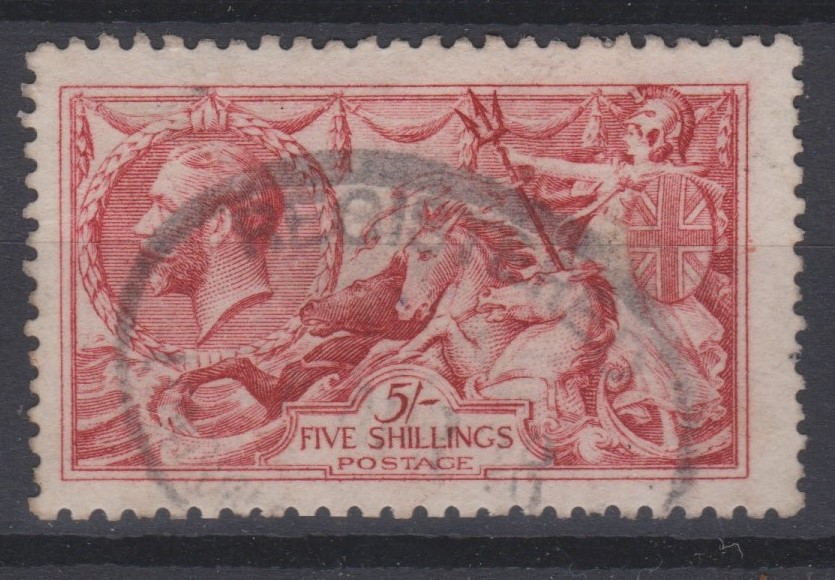
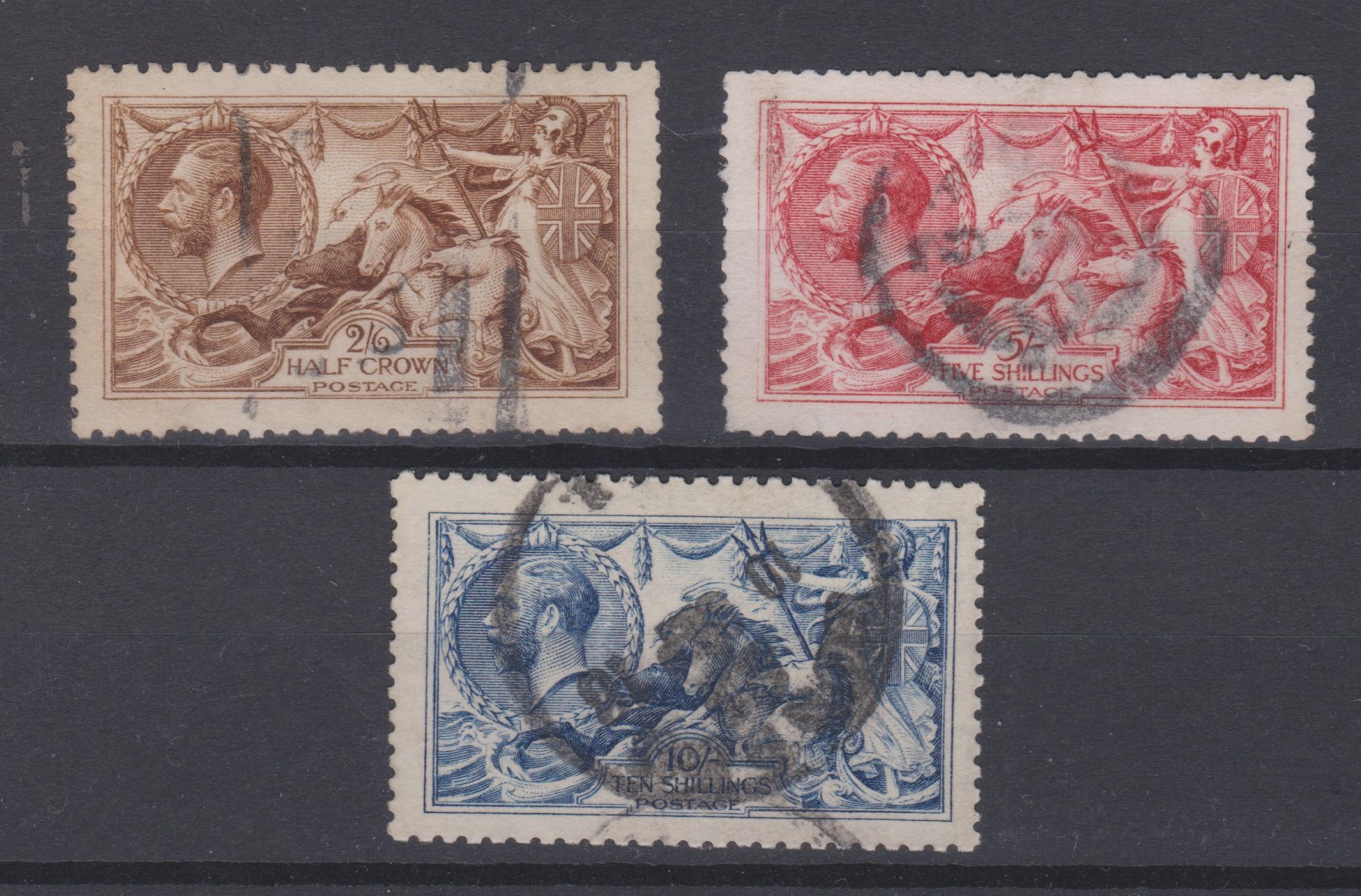
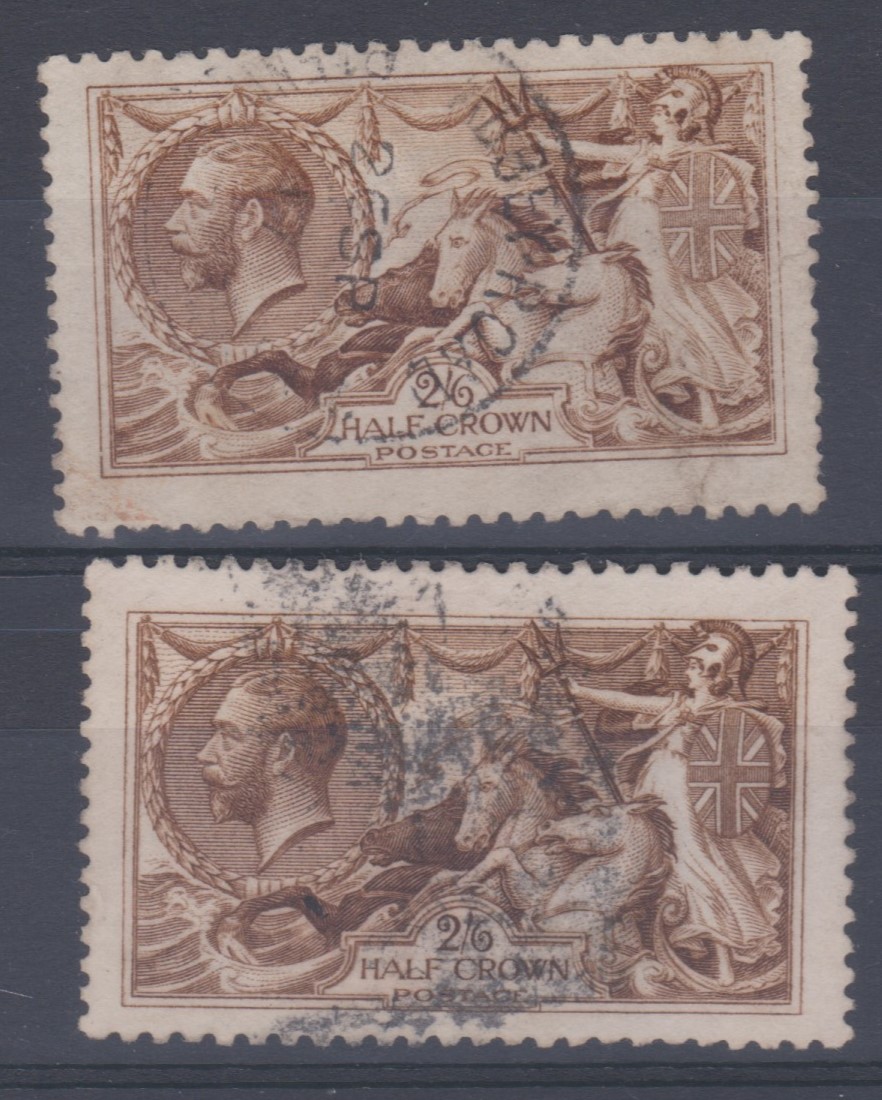
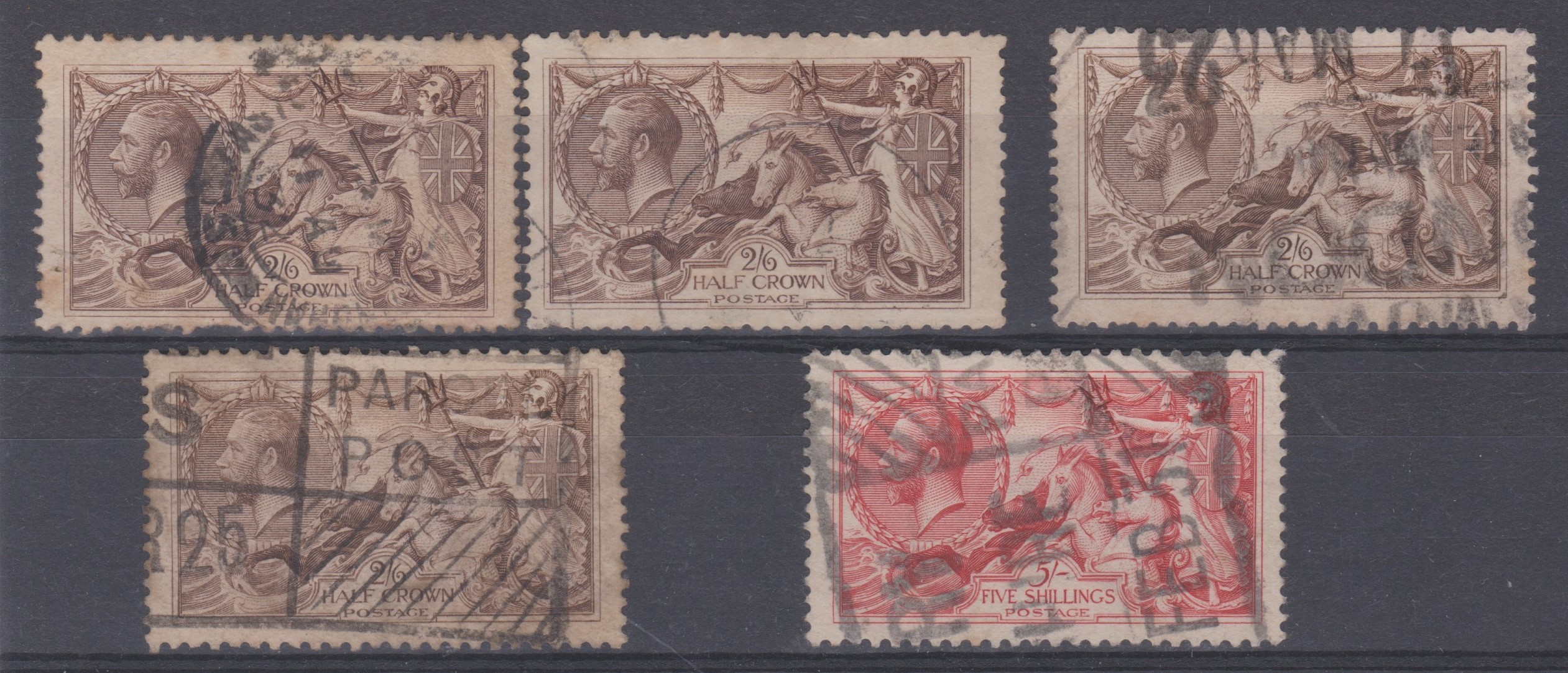
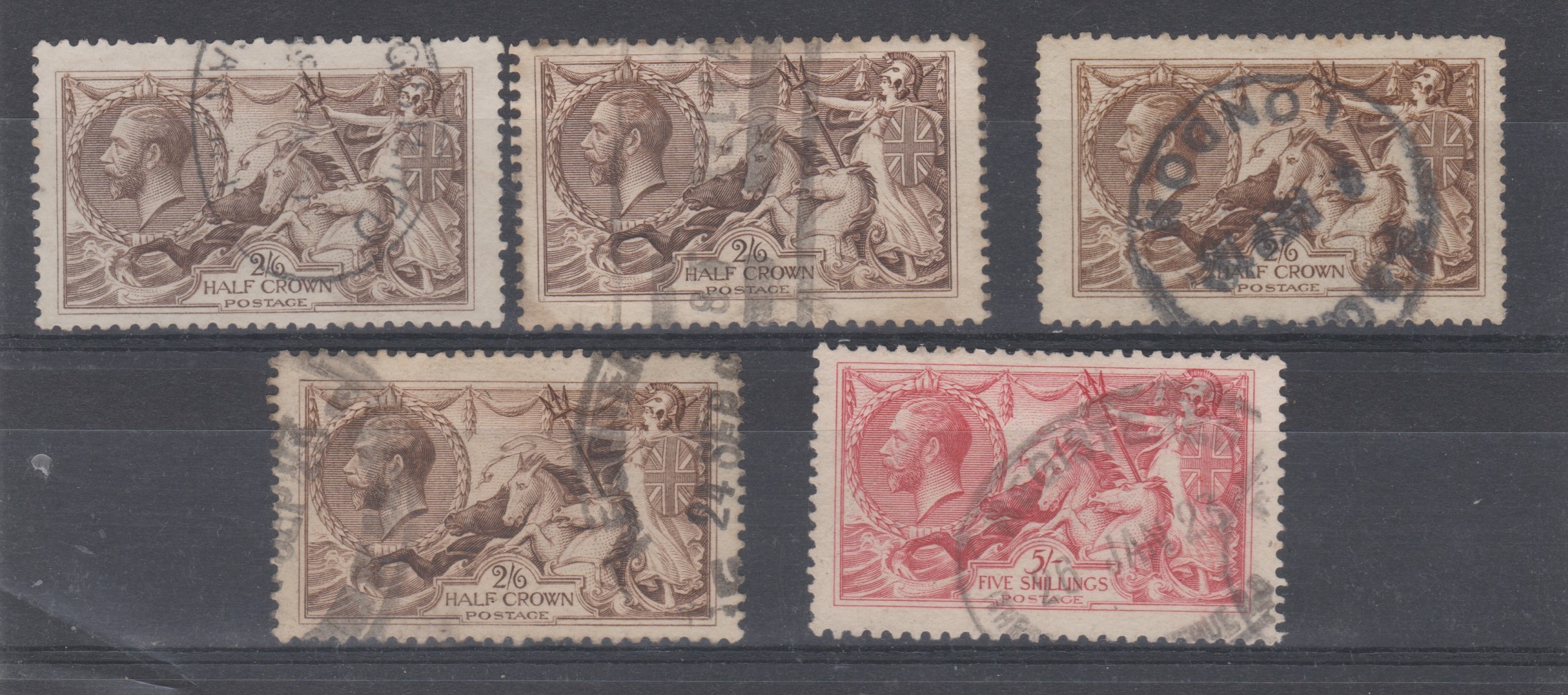
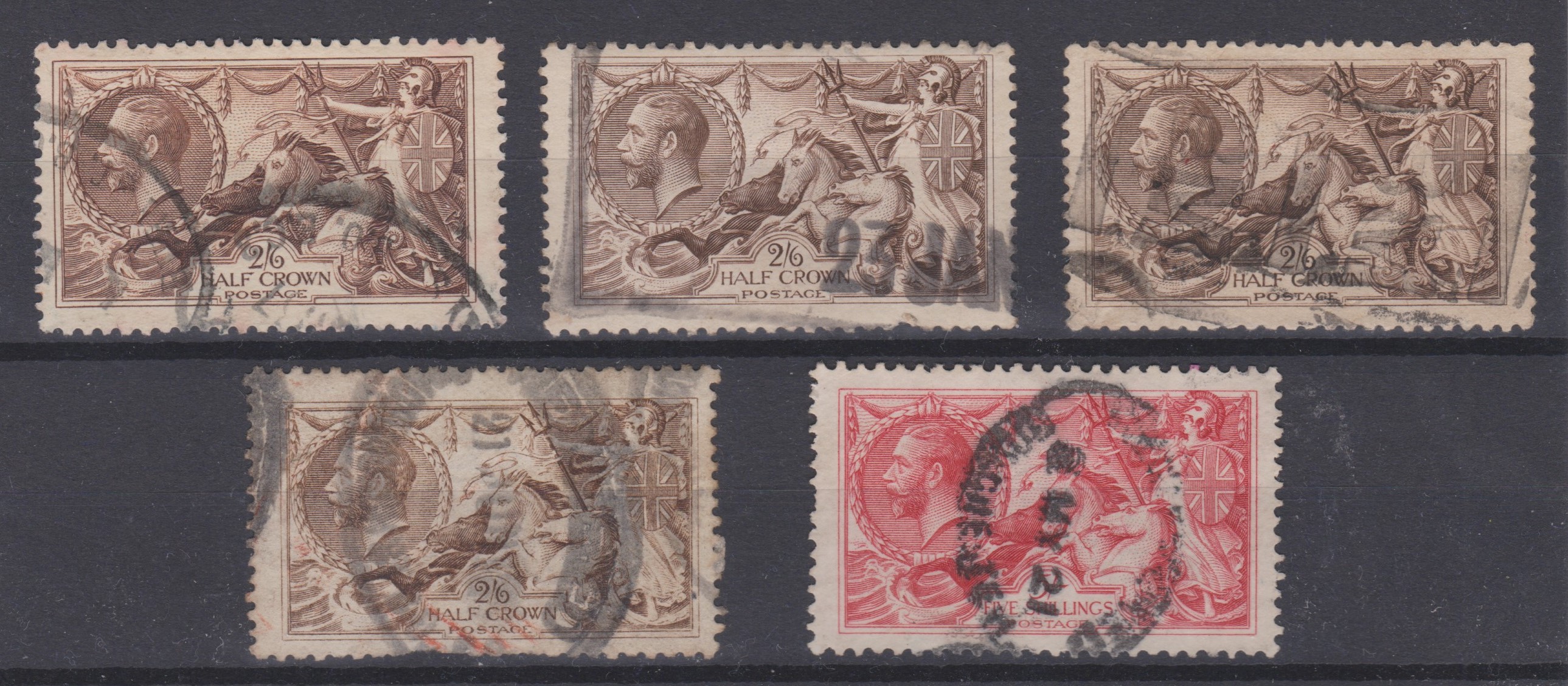
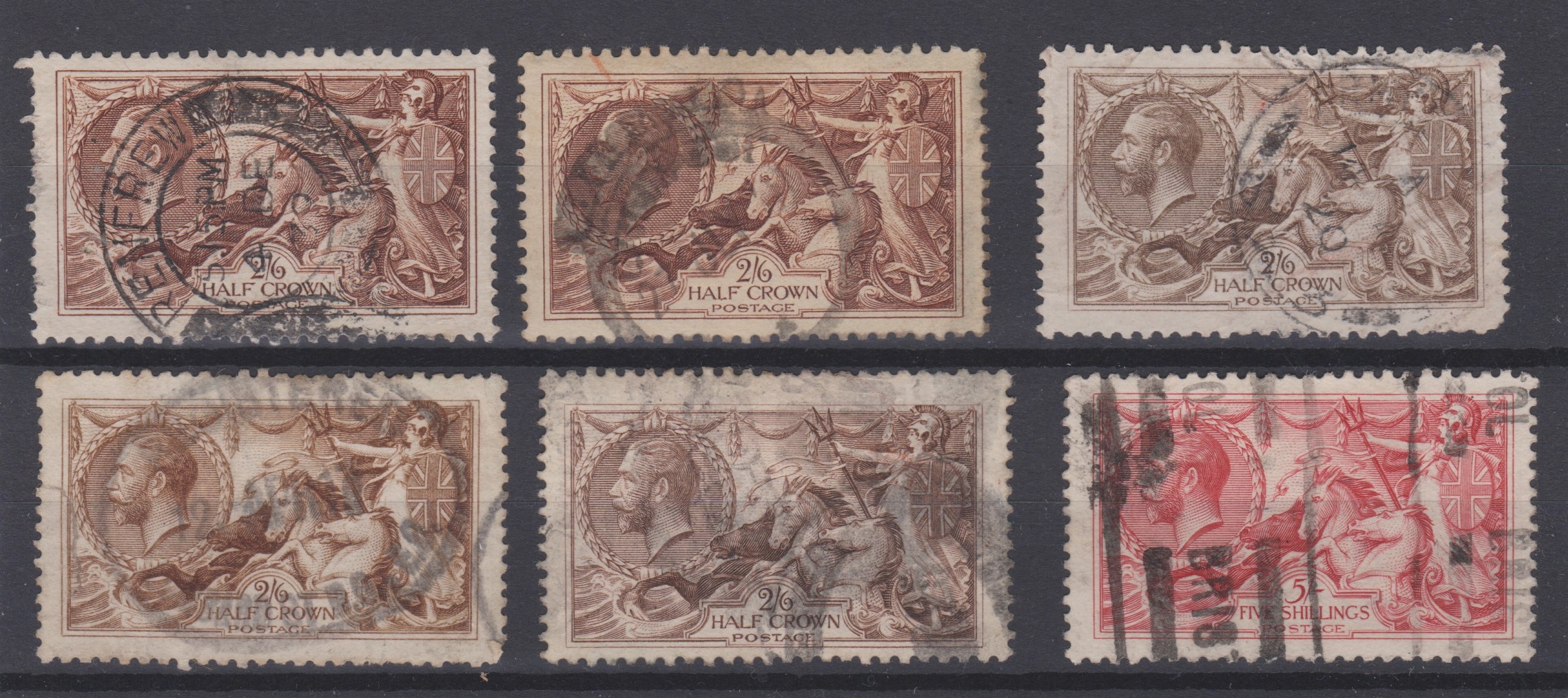
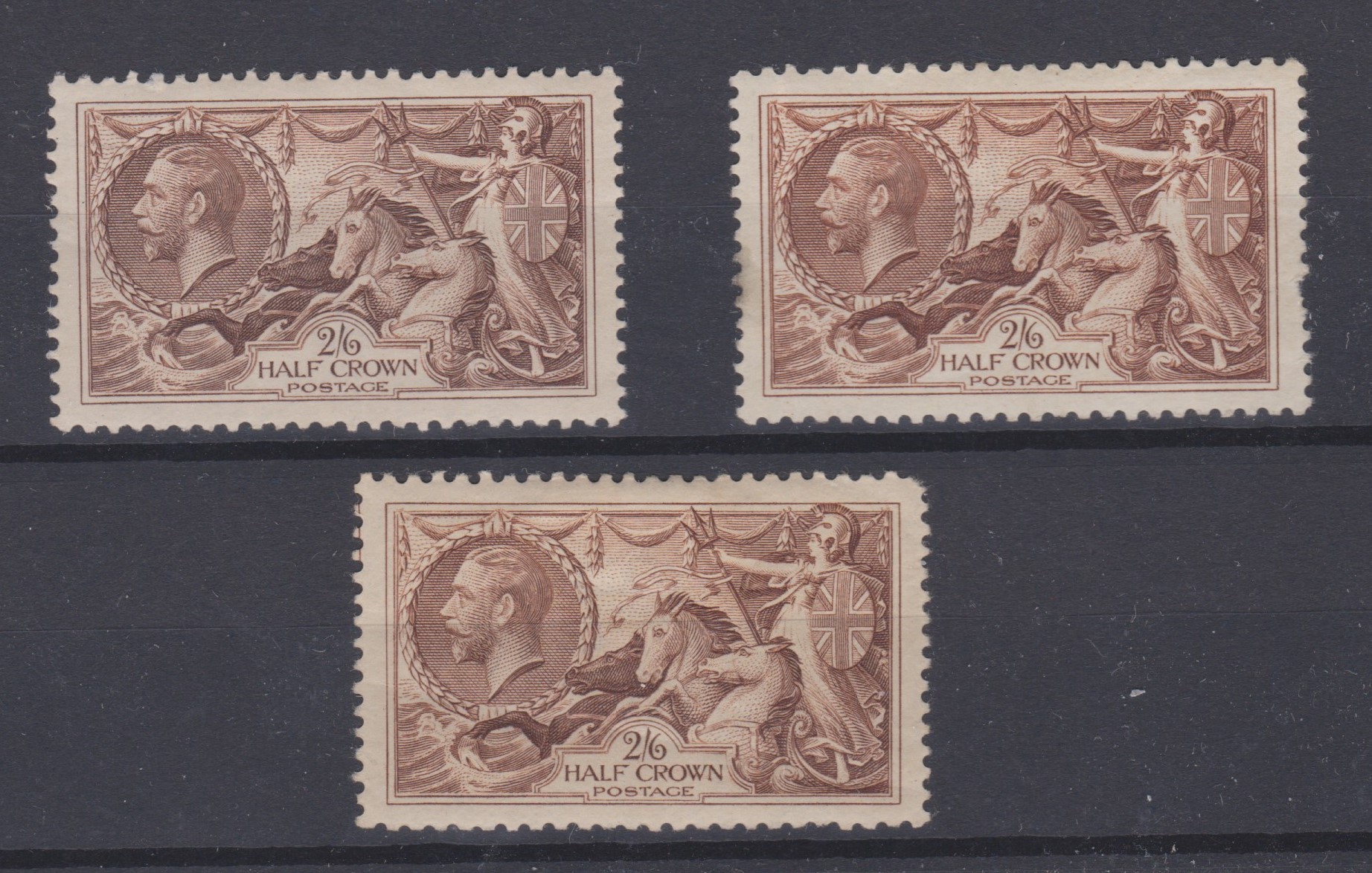
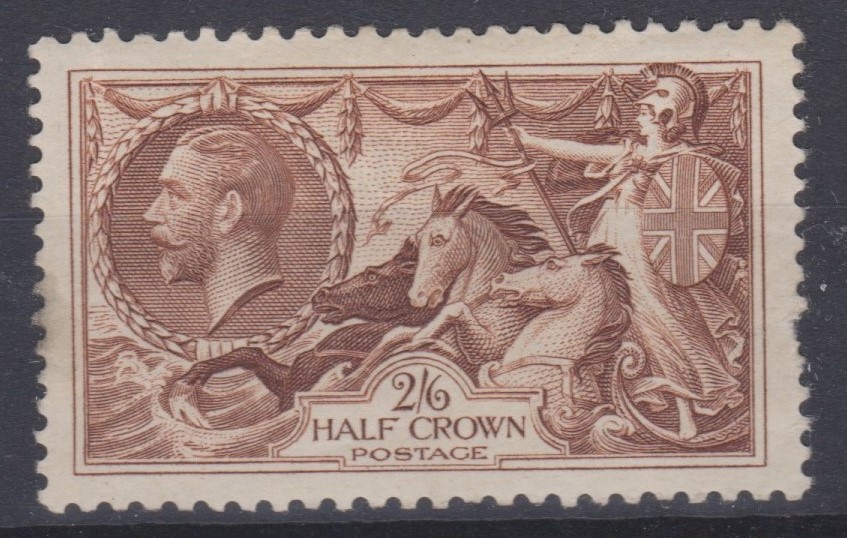
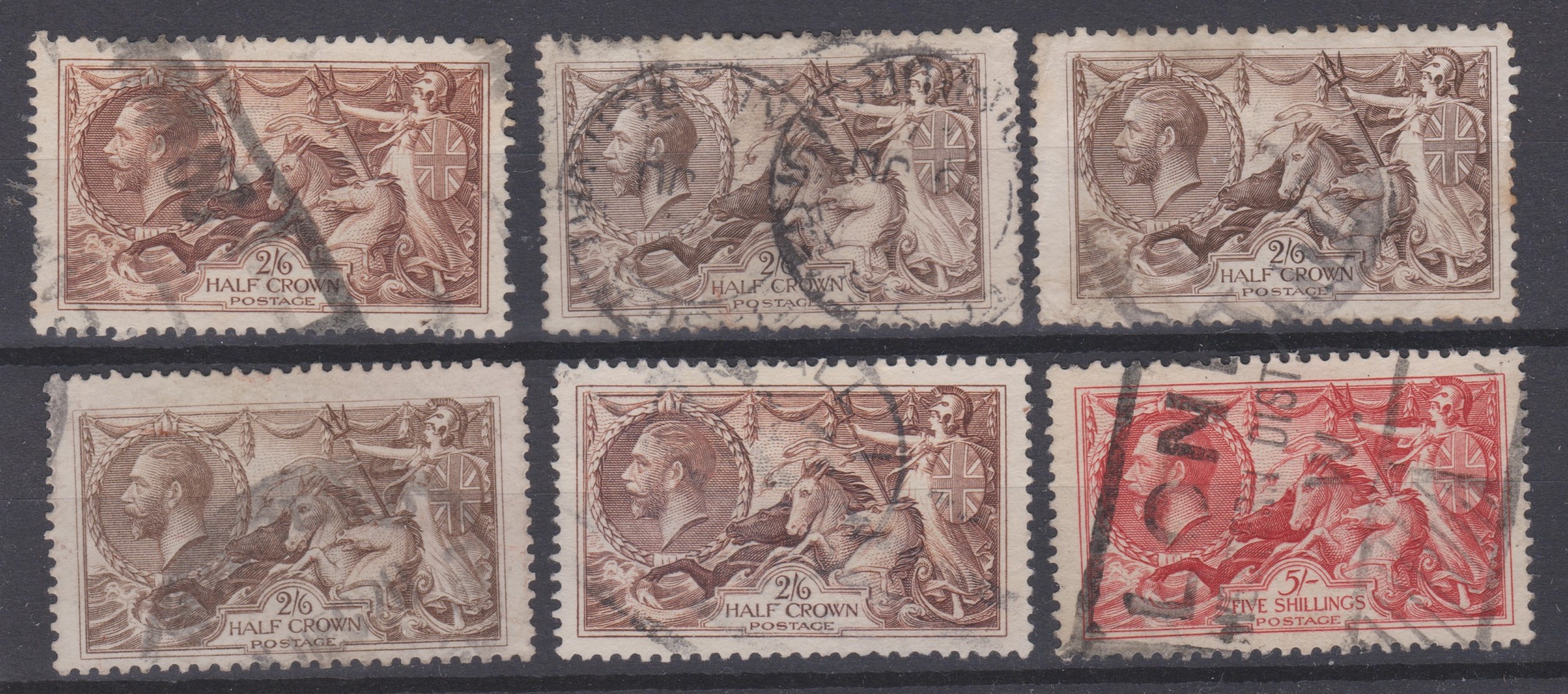
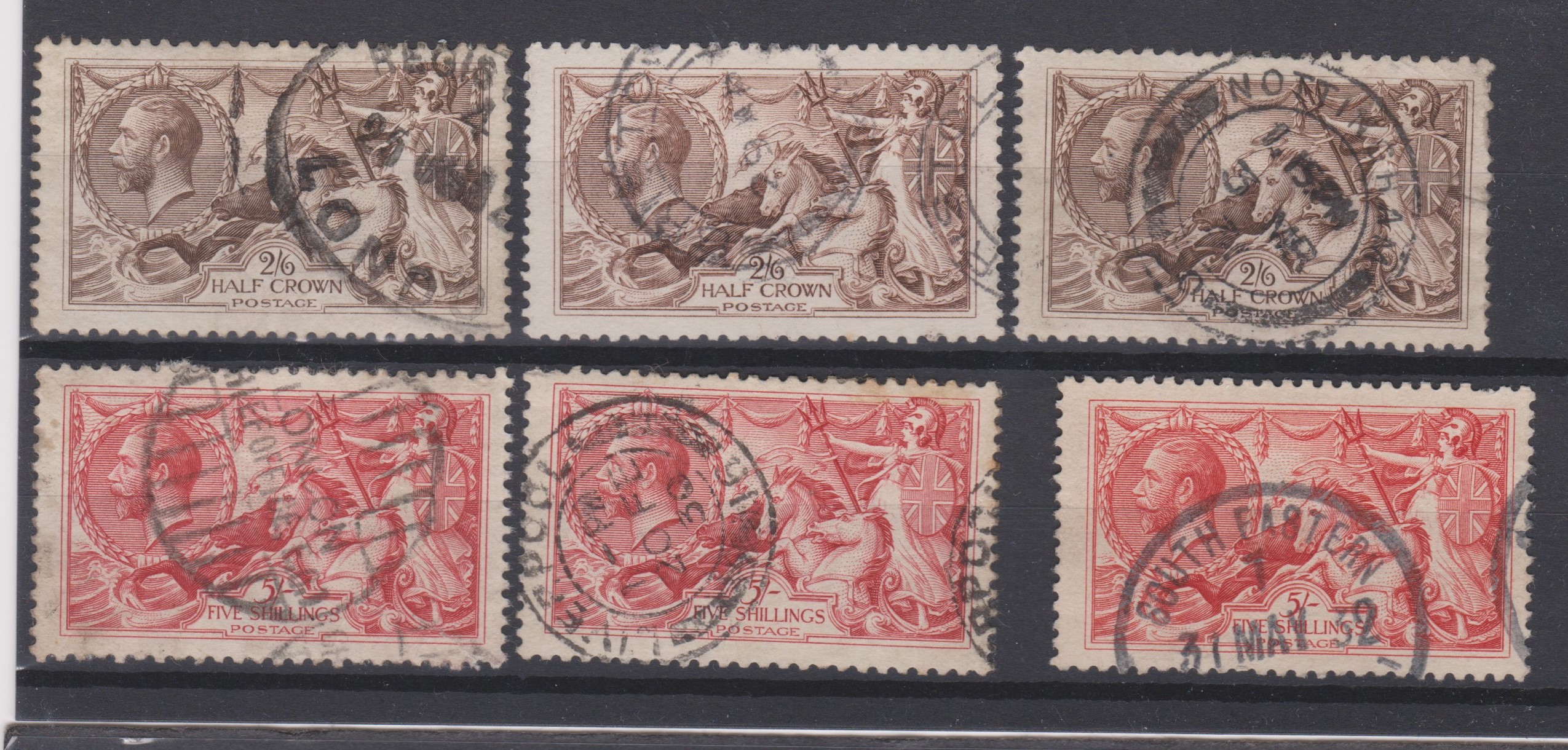
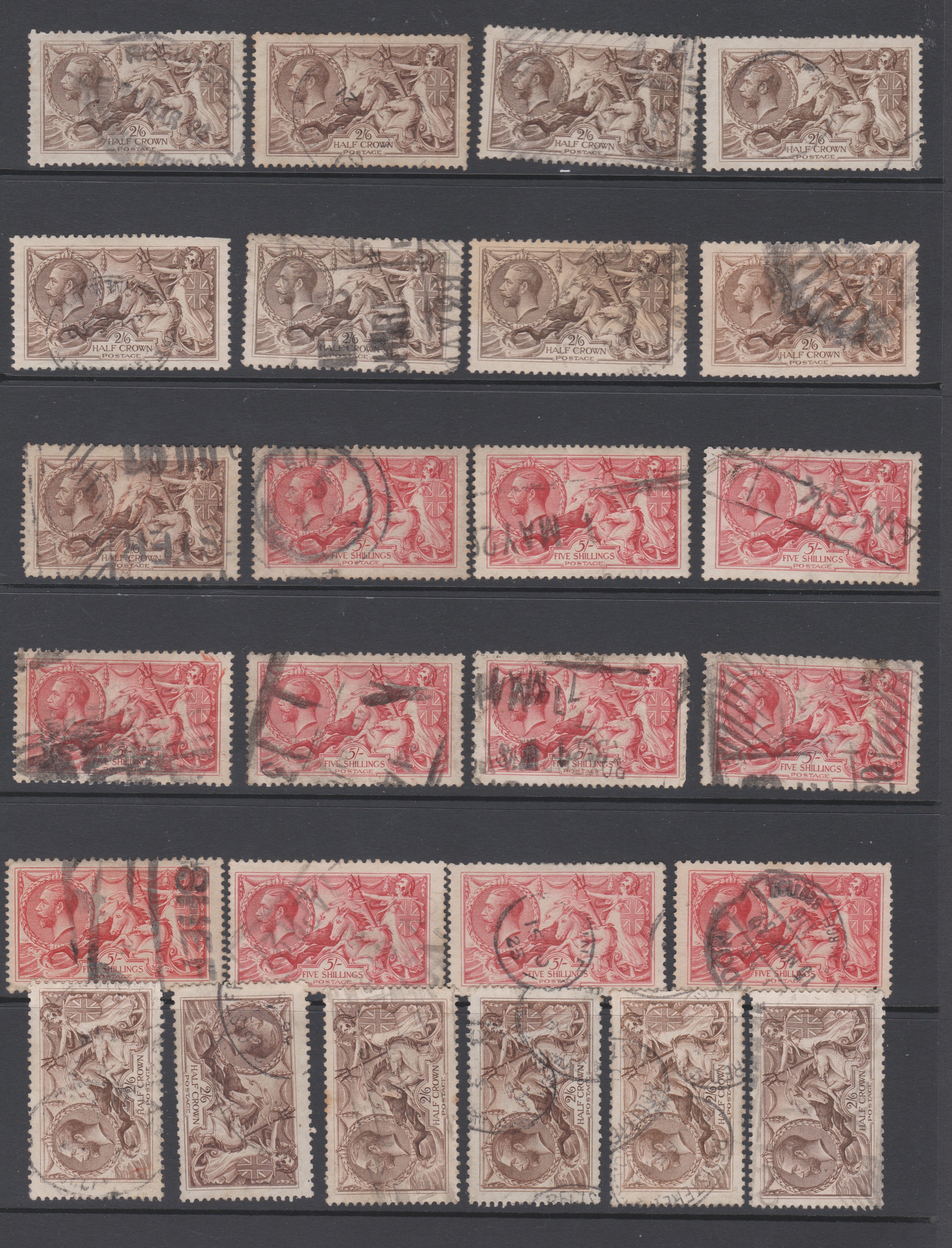
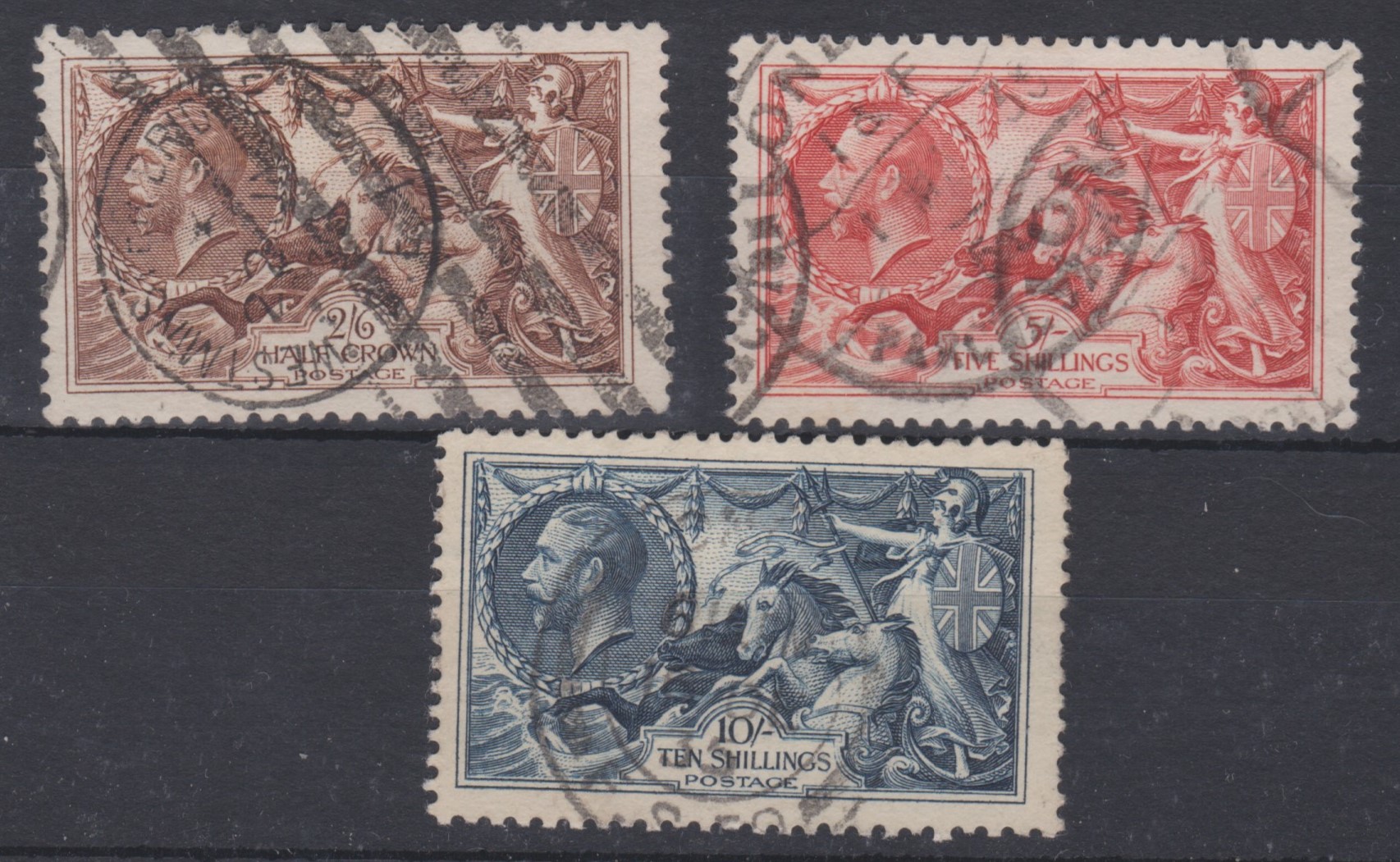
Both our online platforms were quite lively, and a number of items fared very well. On day one the most consistent success was enjoyed by stamps from the ‘seahorse’ range. Day two saw all sorts of things sell well, including a number of bidding battles. By the time the last lot went under the hammer I was very tired (in addition to a stressful though satisfactory two days at James and Sons I had had a WNAG commitment on the Tuesday evening).

I had put bids in on a number of lots on day one, and on three items I was successful. Lot 105 was my first moment of good fortune:

Lot 166 was the first of three items of its type, and I was outbid on the other two, which was professionally satisfying.

Finally lot 262, which from my personal perspective was the star item of the entire auction.

My usual sign off…

An Even First Day

A look back at day one of the third Ashes test in Adelaide and a photo gallery.

The third test match of the ongoing series between Australia and England’s men’s teams got underway overnight UK time. This post looks back at a curious day’s play.

England had announced their team early, in keeping with their recent methods in this department. The fact that Shoaib Bashir missed out for a third straight match, creating the possibility that series will be decided before he plays a game, raised eyebrows. The problem with this selection from England is that they fast tracked him into the test side with this specific series most in mind, which makes then sidelining him for each of the first three matches look bizarre. Australia had intended to drop Usman Khawaja, which could well have ended his test career, but then Steve Smith experienced giddiness and nausea while batting in the nets and it was deemed serious enough to put him out of the match, so Khawaja was back in the side. Australia won the toss, and there was never much doubt about the decision, so it was over to England’s bowlers to see what they could do.

England did not bowl very well overall, but they had some assistance from the Australian batting, who seemed somewhat infected by their opponents freneticism at the crease. Immediately after lunch, when Marnus Labuschagne and Cameron Green suffered almost identical ultra-soft dismissals in the space of three balls, each hitting deliveries from Archer straight to midwicket and suddenly the score was 94-4 it looked very good for England. Khawaja and Alex Carey regained the initiative for Australia, but then Khawaja tried to go big against the part time spin of WG Jacks and succeeded in holing out Josh Tongue for 82. Carey, supported in turn by Josh Inglis, Pat Cummins and Mitchell Starc proceeded to a splendid maiden Ashes ton. However Jacks showed something of the original WG’s knack for inducing batters to get themselves out, drawing an injudicious shot from Carey which resulted in a catch to Jamie Smith. The day ended with Australia on 326-8. With temperatures in Adelaide forecast to reach 39 degrees on day two (two degrees above the cut off point for an abandonment during my brief career as an umpire in Under 14s Whites matches there) what happens then will have a big influence on the outcome of the match and thus whether England can get back into the series. If they can get the last two wickets quickly and then bat for the rest of the day, forcing Australia to labour in the field through the fiercest heat they will have a good chance. Cummins has just returned earlier than expected from an injury, and a long, hot innings in the field would be a big early test of just how ready he was to make that comeback. A concern for England, given their controversial decision to overlook the specialist spinner is the fact that it was Will Jacks, definitely a batter who bowls off spin, who ended bowling the most overs for them on day one.

My usual sign off…

Welsh Fire Gored by a Gaur

Yesterday afternoon the Welsh Fire and Manchester Originals women’s teams clashed in Cardiff. This post looks back at a command performance from the Manchester Originals bowlers.

Welsh Fire battled first, and Mahika Gaur opened the bowling for Manchester Originals. The Hundred allows bowlers to bowl as many as ten balls straight through before another bowler comes on (more usually five, but bowlers do sometimes bowl ten straight through). Gaur not only bowled the first ten balls straight through, she then came back after the minimum five balls off and bowled another ten straight through, thereby getting through her entire allocation within the Power Play (the first 25 balls of the innings). Gaur took 2-10 from those 20 balls (the five that she didn’t bowl were bowled by Sophie Ecclestone). Fire were 12-2 from those 25 balls, and already looking at a tough task. The rest of the bowlers were also highly impressive. England quickie Lauren Filer emerged with statistically the best figures of the innings, 3-8 from her full allocation of 20 balls, while Ecclestone had 2-11 from her full 20. Only Amelia Kerr 0-24 from 20 and Danielle Gregory with 0-7 from five went for over a run a ball. In the end Fire limped to 73-9 from their 100 balls, after which there was only ever going to be one result, which duly arrived with seven wickets and 19 balls to spare. The Manchester Originals bowlers were superb, but the Welsh Fire batters deserve some censure – of the 60 balls bowled by the trio of Gaur, Ecclestone and Filer, 41 (68.33% of the total) were dot balls, which is frankly ridiculous in this format. Mahika Gaur whose history making performance in becoming the first ever bowler to bowl 20 of the first 25 balls of a Hundred match was put the skids under the Fire was named Player of the Match. About the titles of both this post and the main body of it, the gaur is a species of Asian wild cattle, and the bulls in particular are known for being both immensely strong and very aggressive. Scorecard here, plus a jpg below.

This comes from today at work, where I passed the halfway stage in my creation of day one of a two day stamp sale…

An Announcement re Heritage Open Day 2o25

Details of my stewarding commitment for this year’s Heritage Open Day (Sunday 14th September). A picture gallery from today at work.

This post, with a gallery from today at work, is going to be a brief one.

King’s Lynn has its annual Heritage Open Day on the second Sunday in September. On this day various interesting buildings are opened for public viewing. This year that second Sunday is the latest possible date – the 14th. In order to ensure that the day runs smoothly stewards are required at the various buildings. Stewards will tell you about the history of the building, will monitor numbers, and at some of the busier and/or more problematic sites will engage in a measure of crowd control. I have been one of the stewards for some years now, and of course made myself available again this year. I have recently found out where and when I will be stewarding. For stewarding purposes the day is divided into thirds – 10AM to Noon, Noon to 2Pm and 2PM to 4PM. I will be stewarding at the Bank House Hotel, whose chief attraction is a remarkable cellar system, dating back to times when rather more goods arrived in and departed from King’s Lynn than the King’s customs guys ever knew about, between noon and 2PM. I am delighted to have been given this venue.

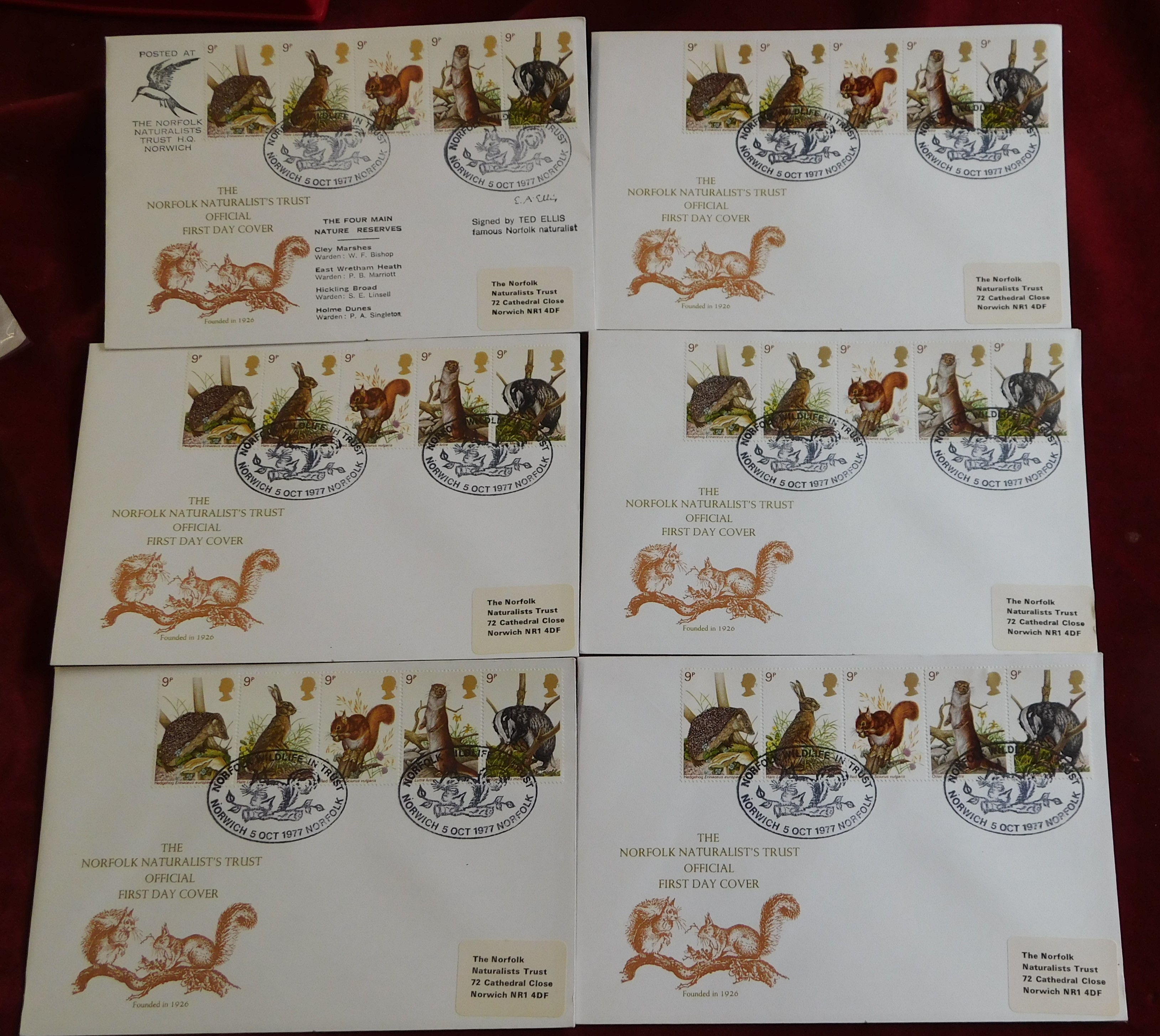
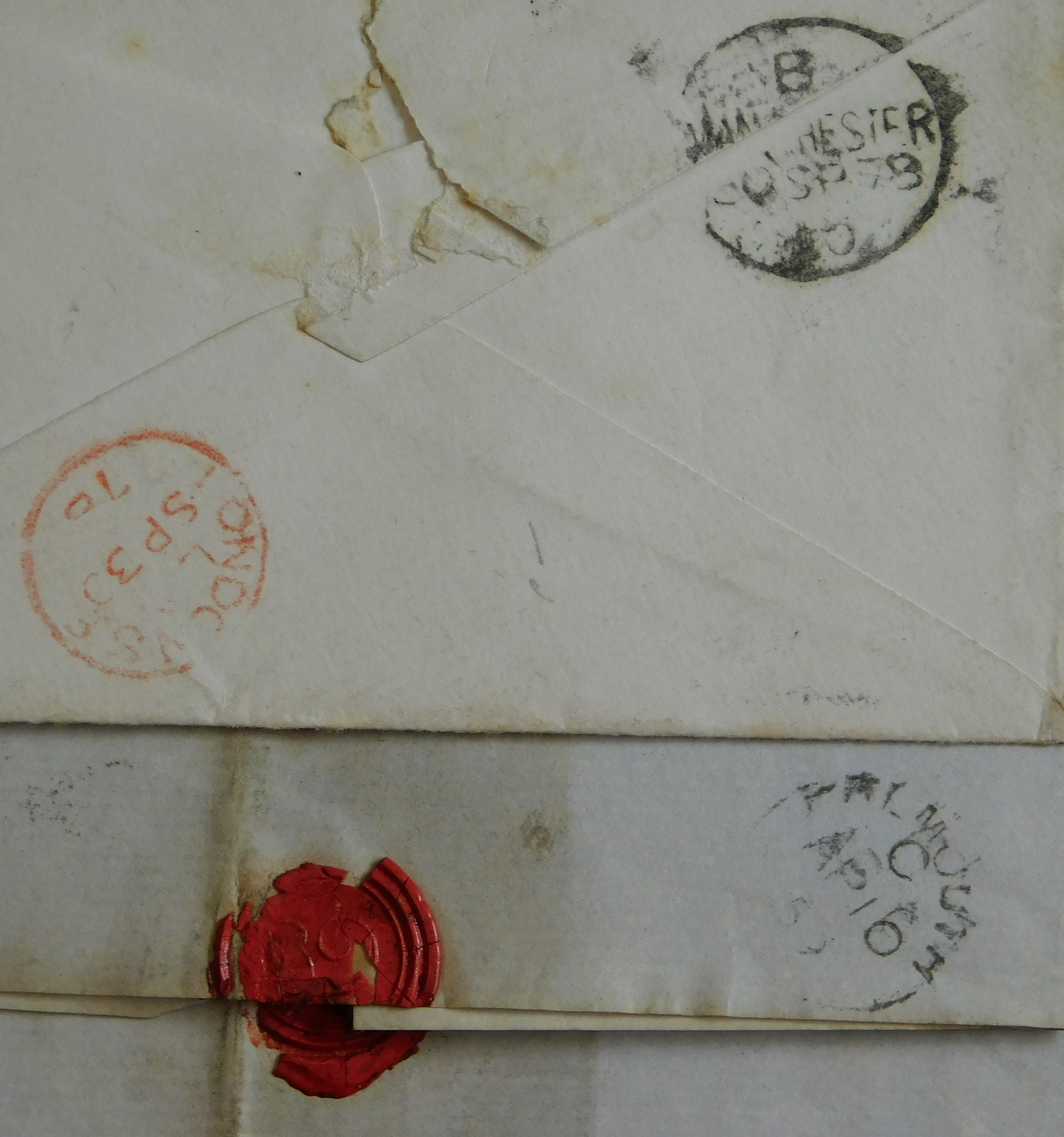
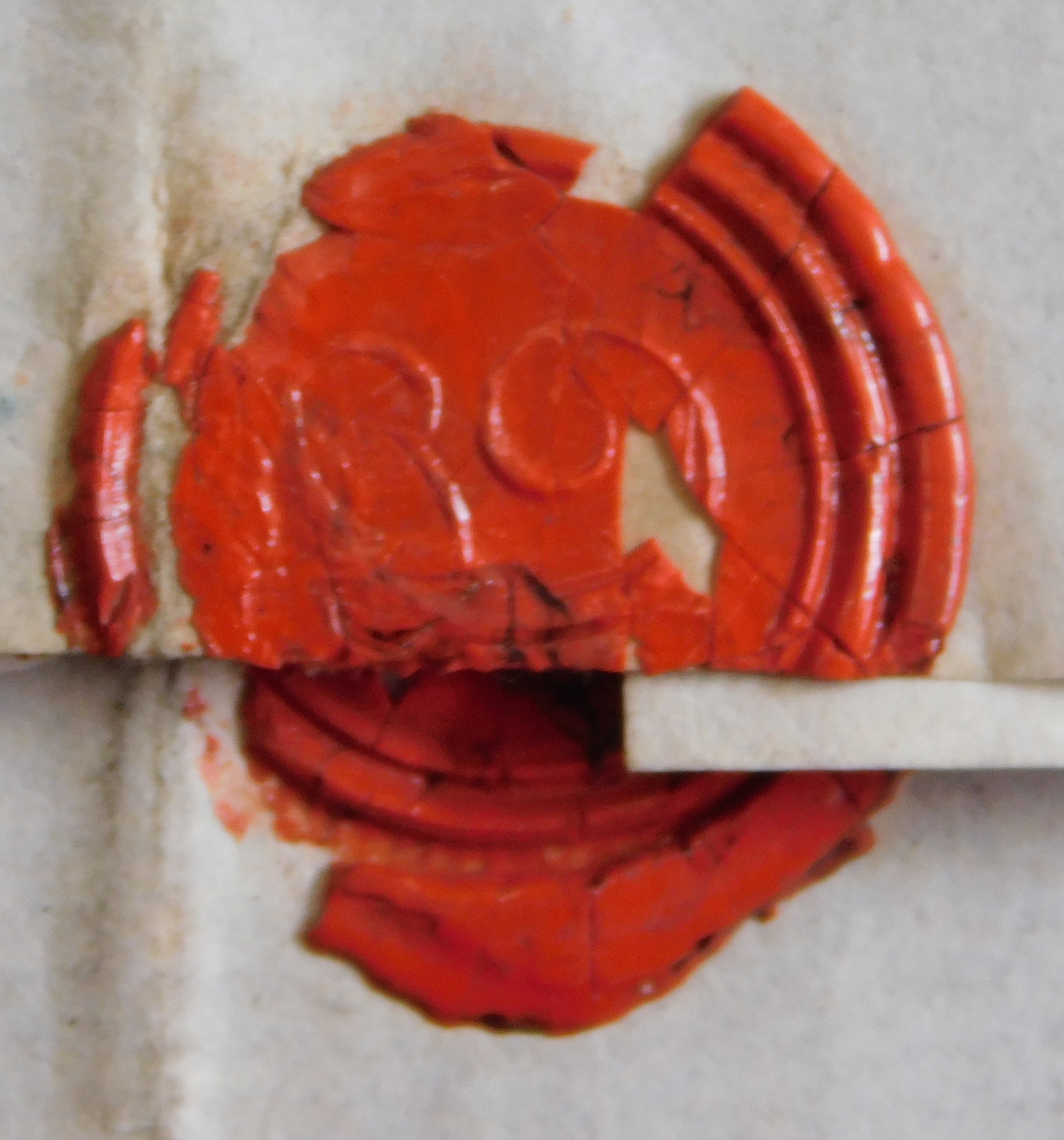
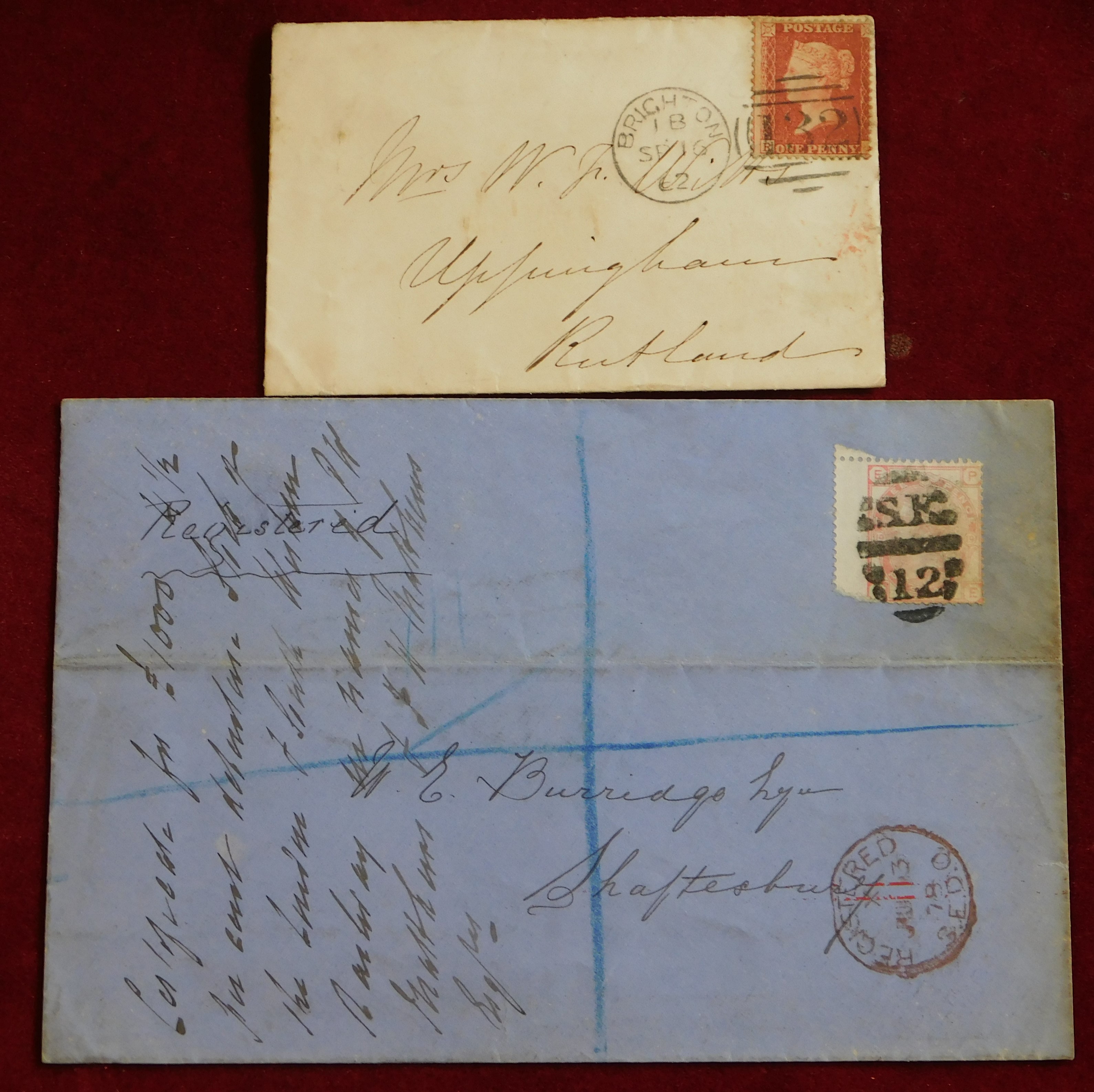
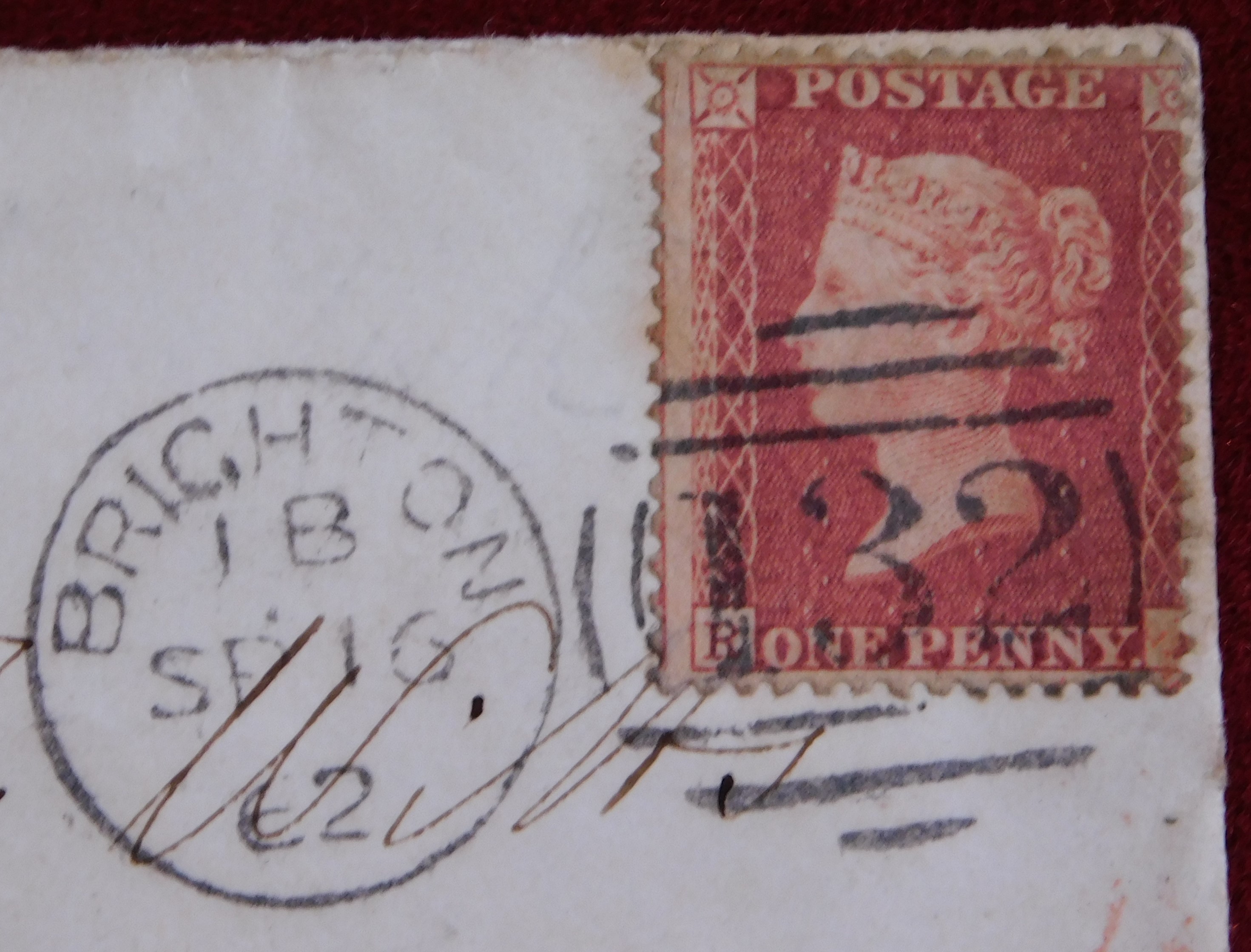
The majority of these were scans. Unlike on Tuesday, when I told you which was which, I leave it to you to see if you can tell…

A Productive Day at Work

An account of my day at work including a full image gallery.

I don’t normally blog on workdays but I felt that today was interesting enough to make an exception to the rule.

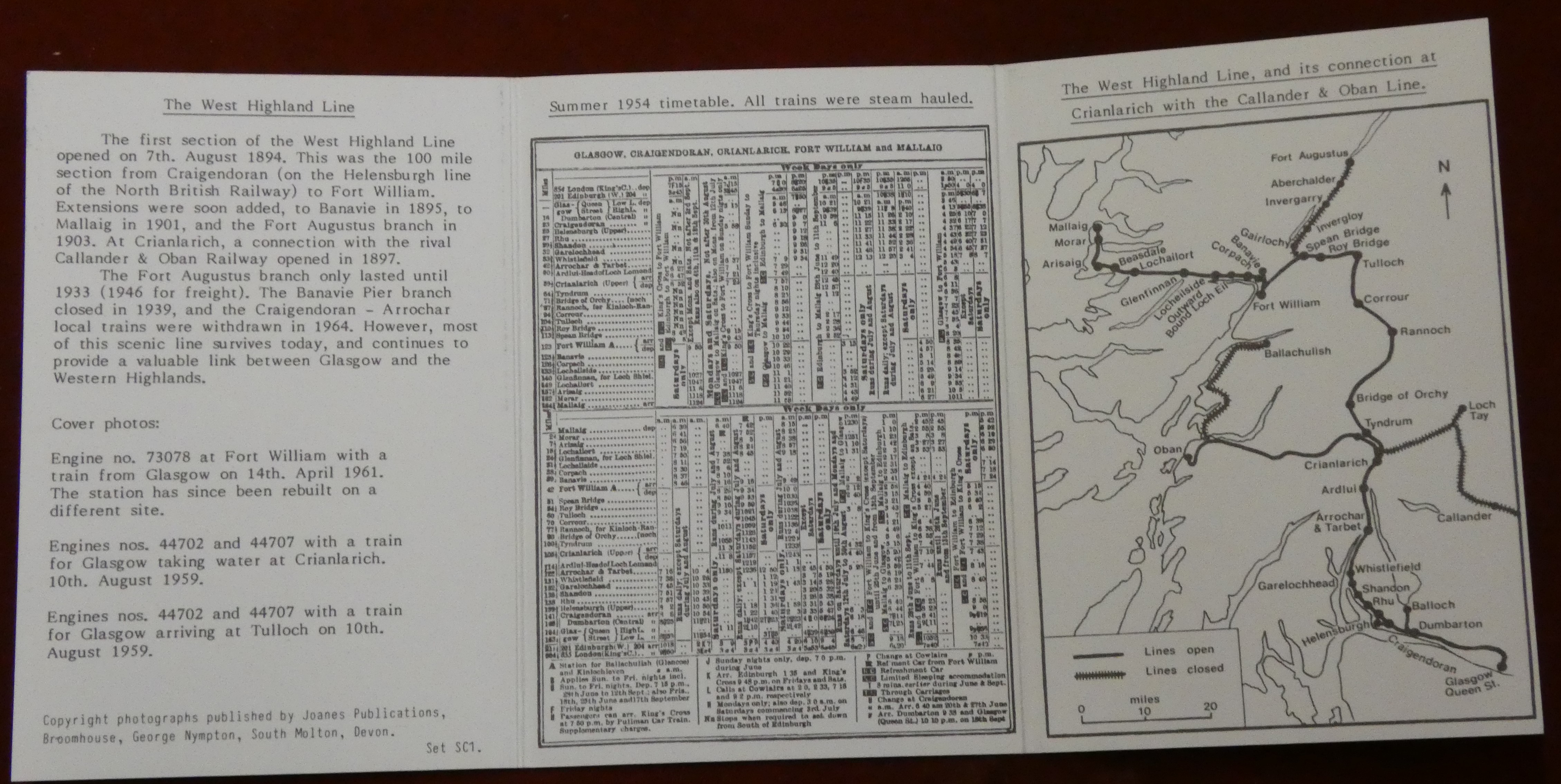
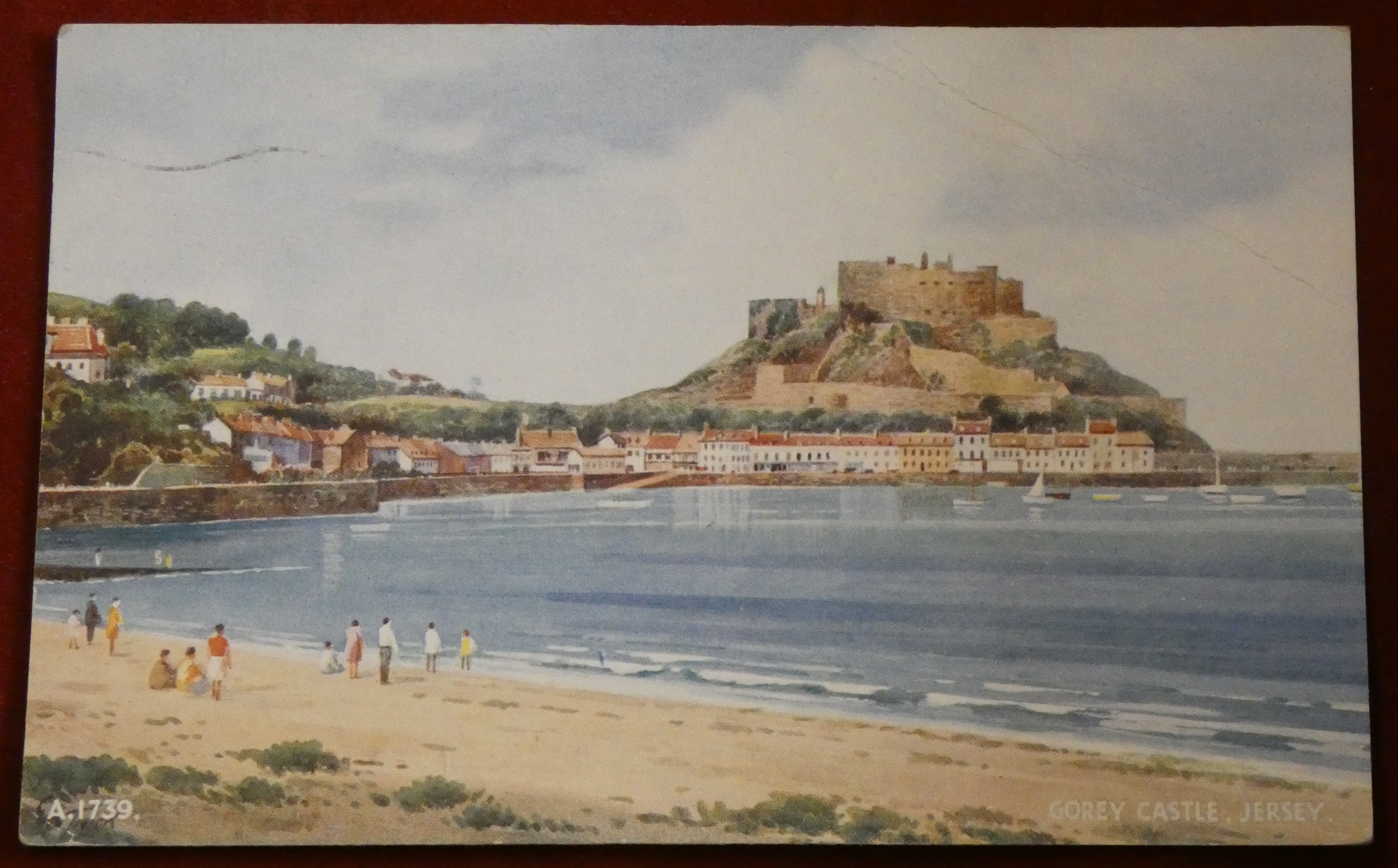
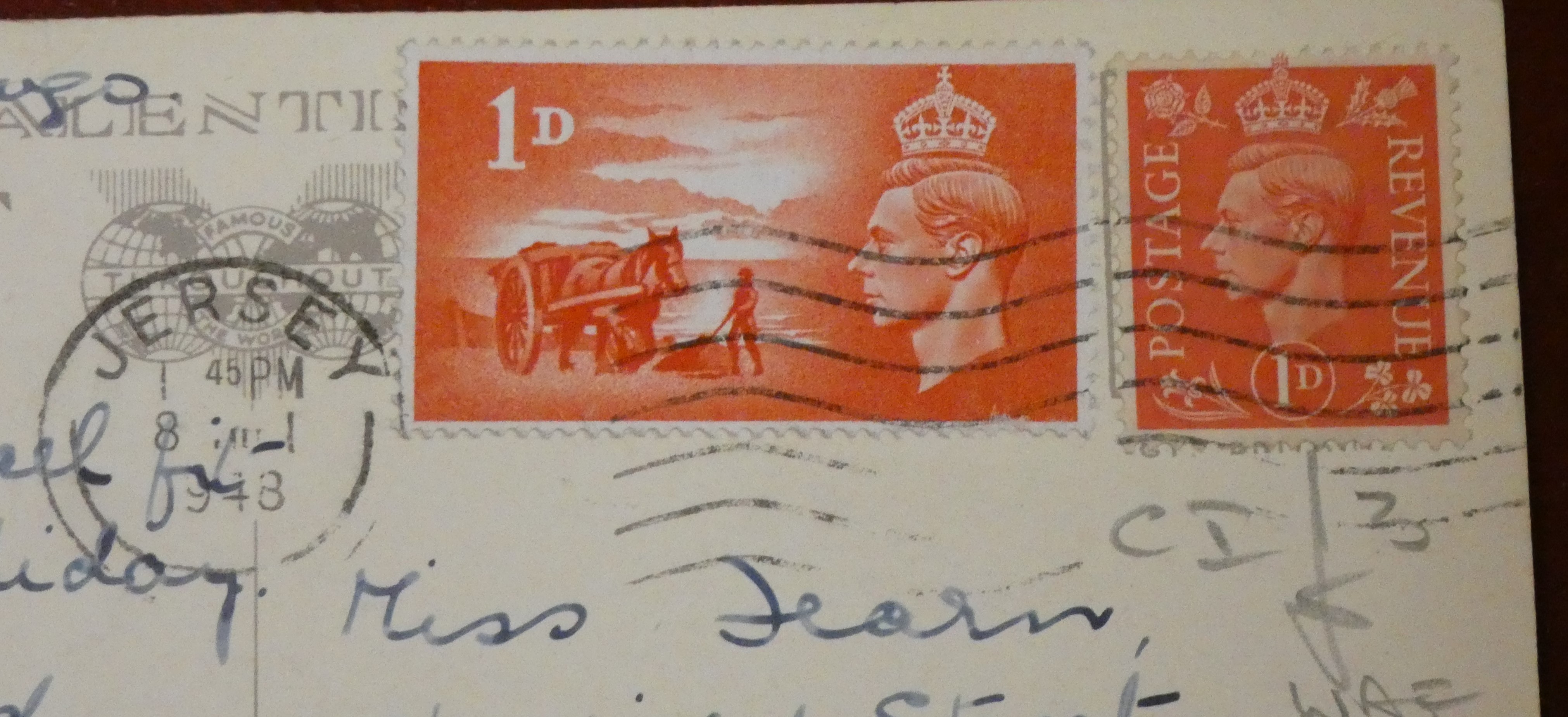
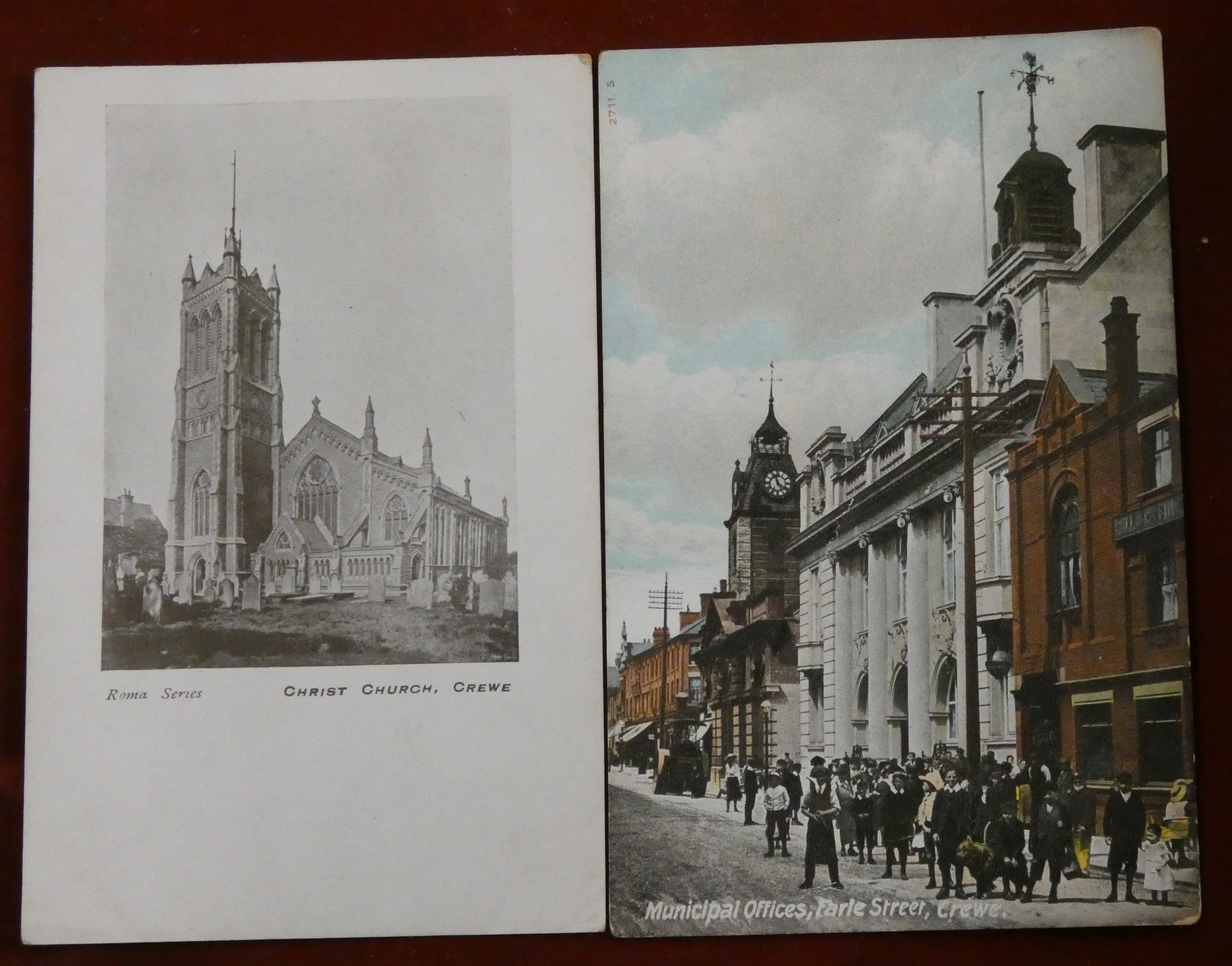
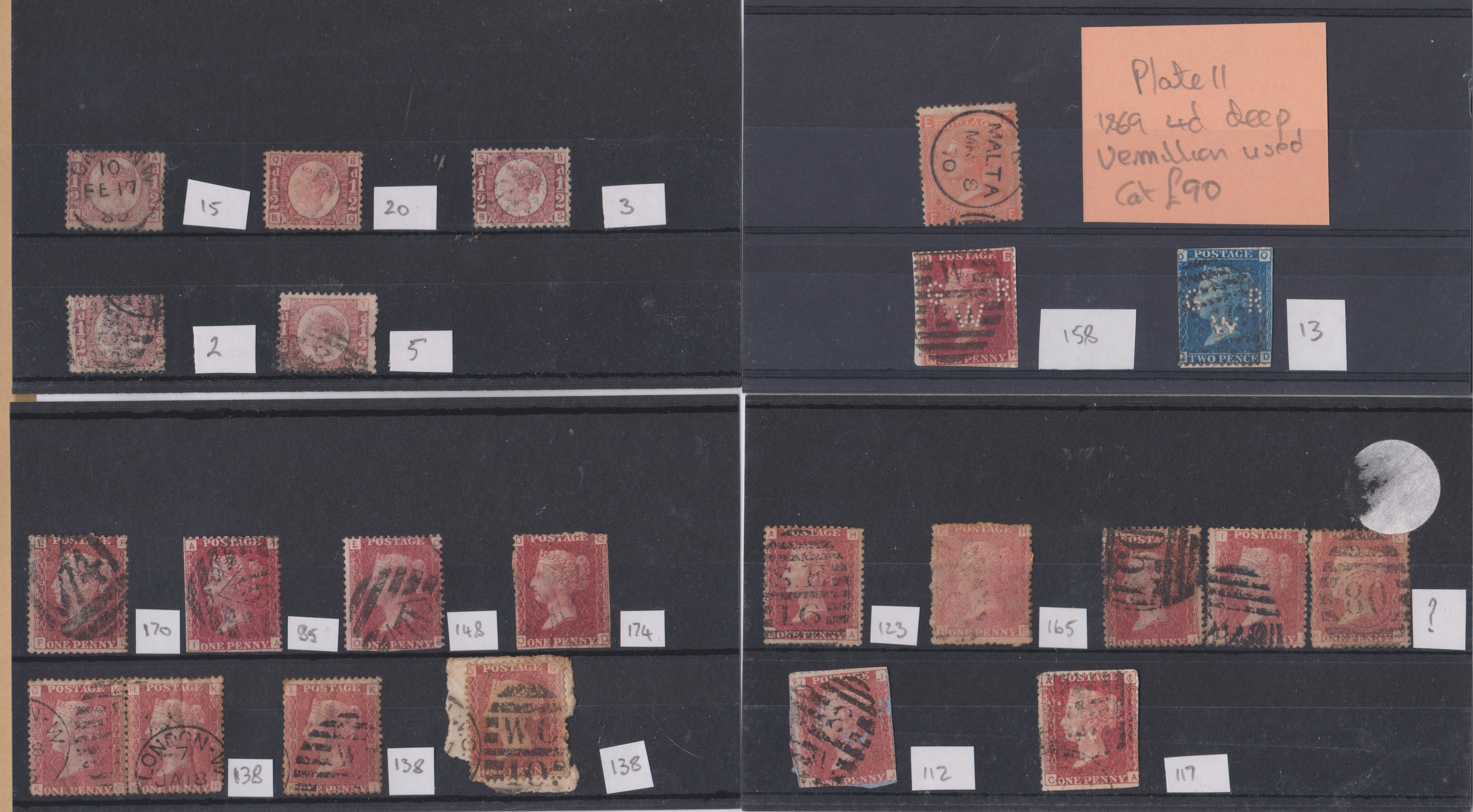
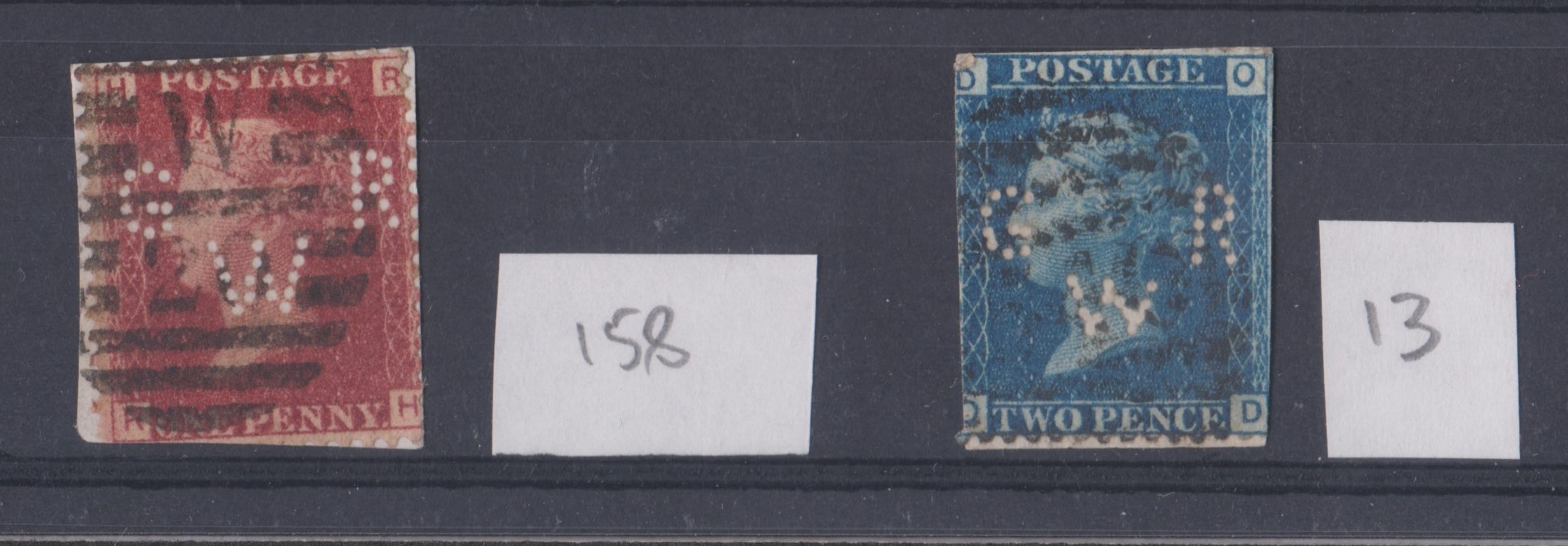
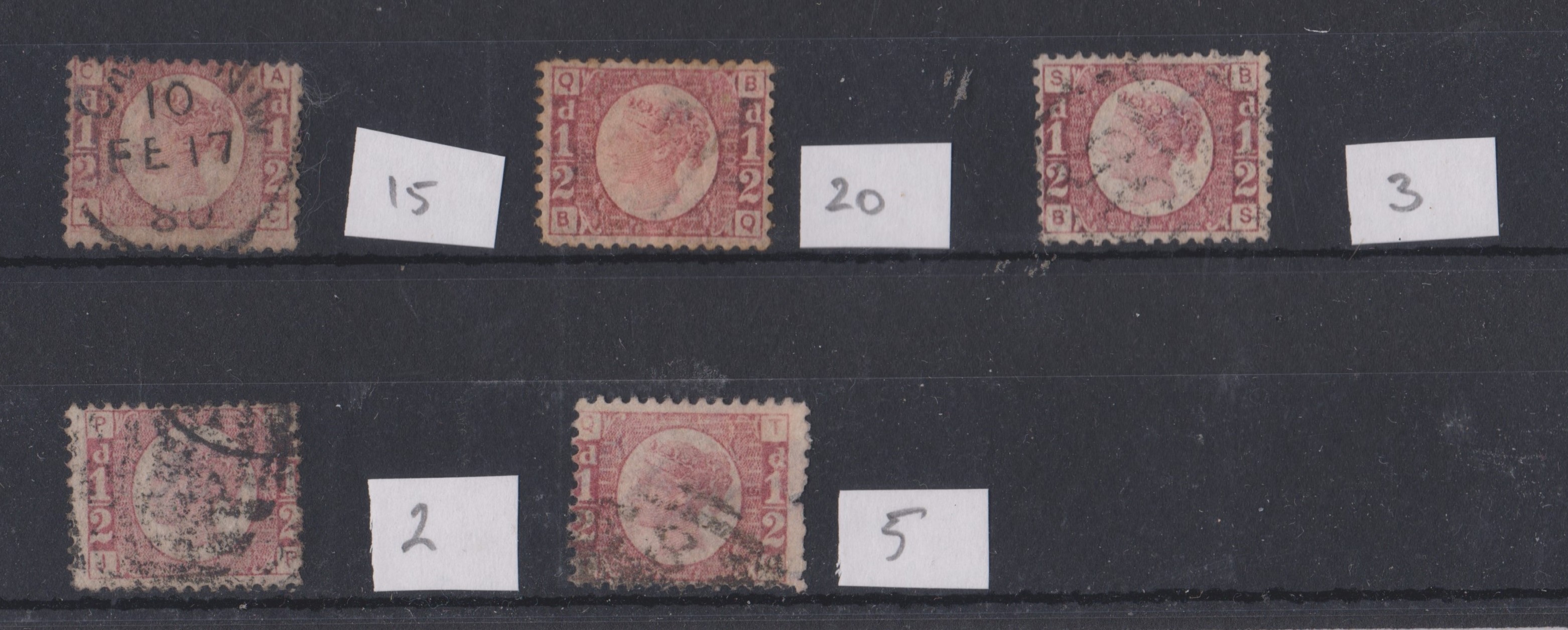
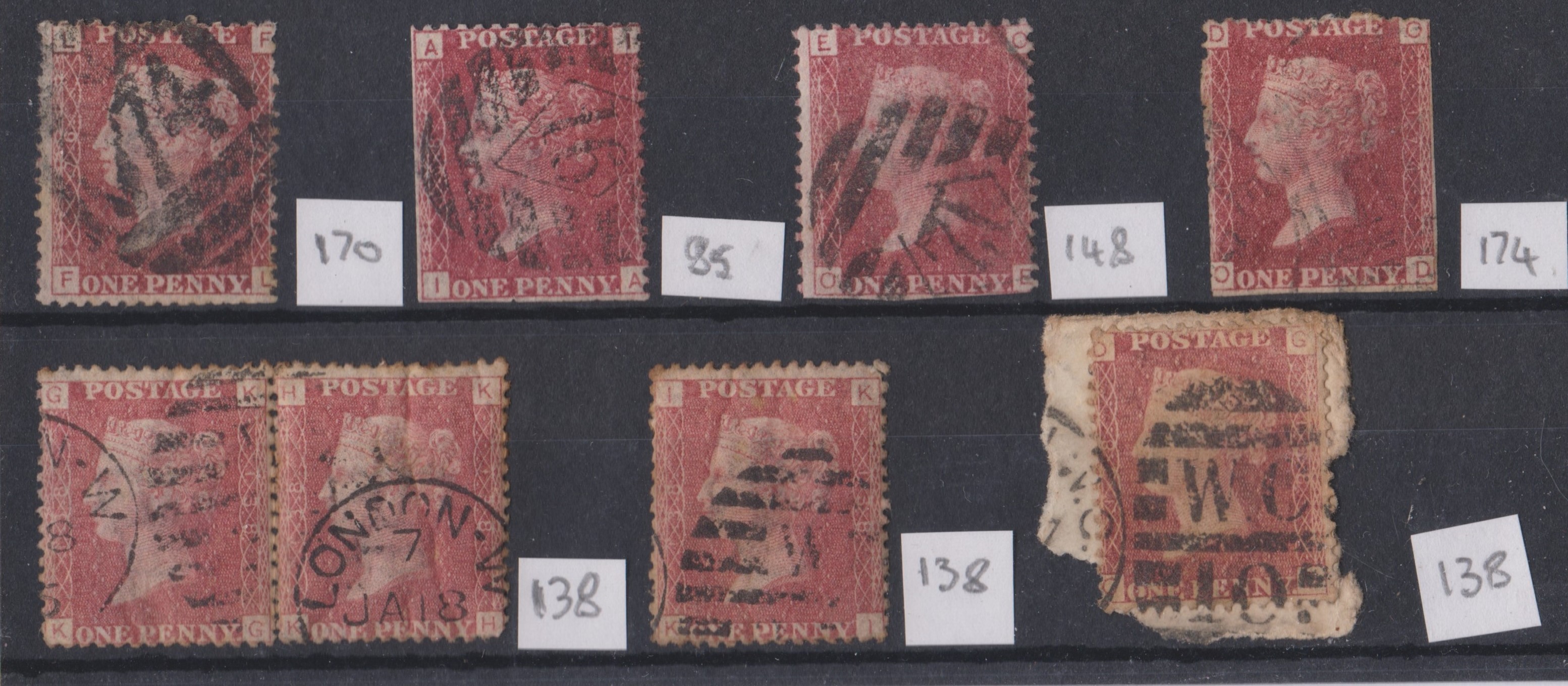
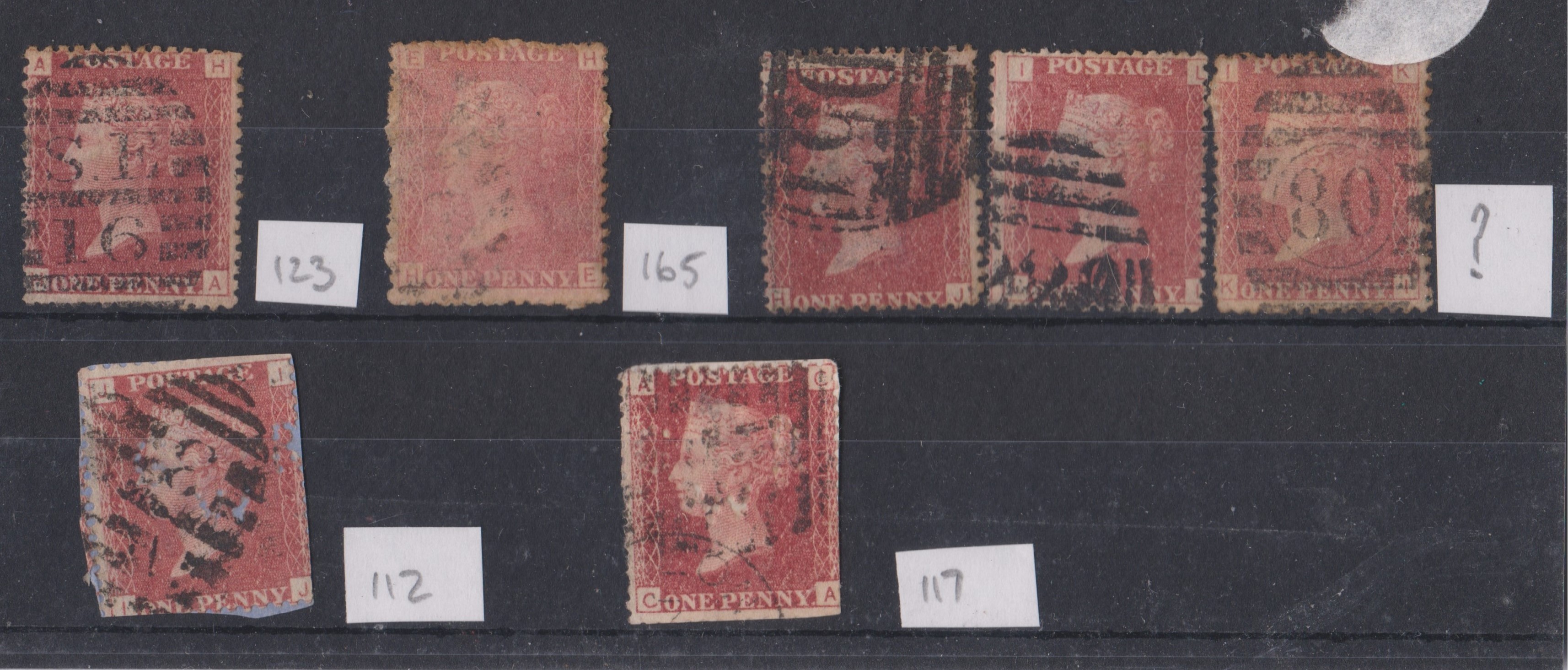
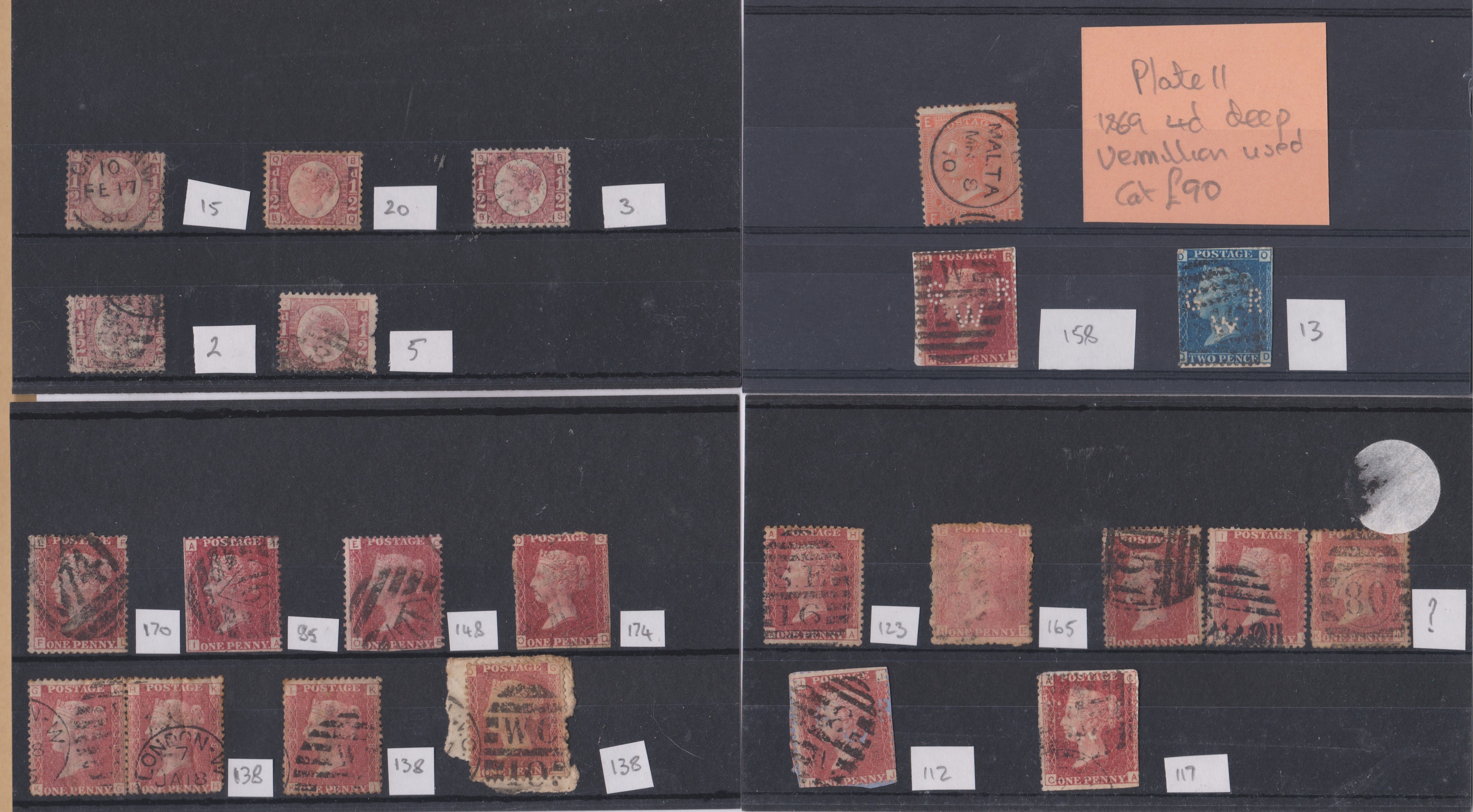
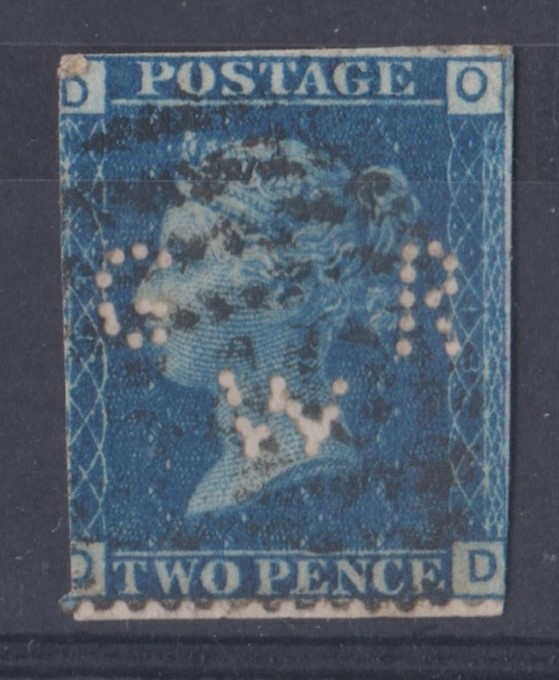
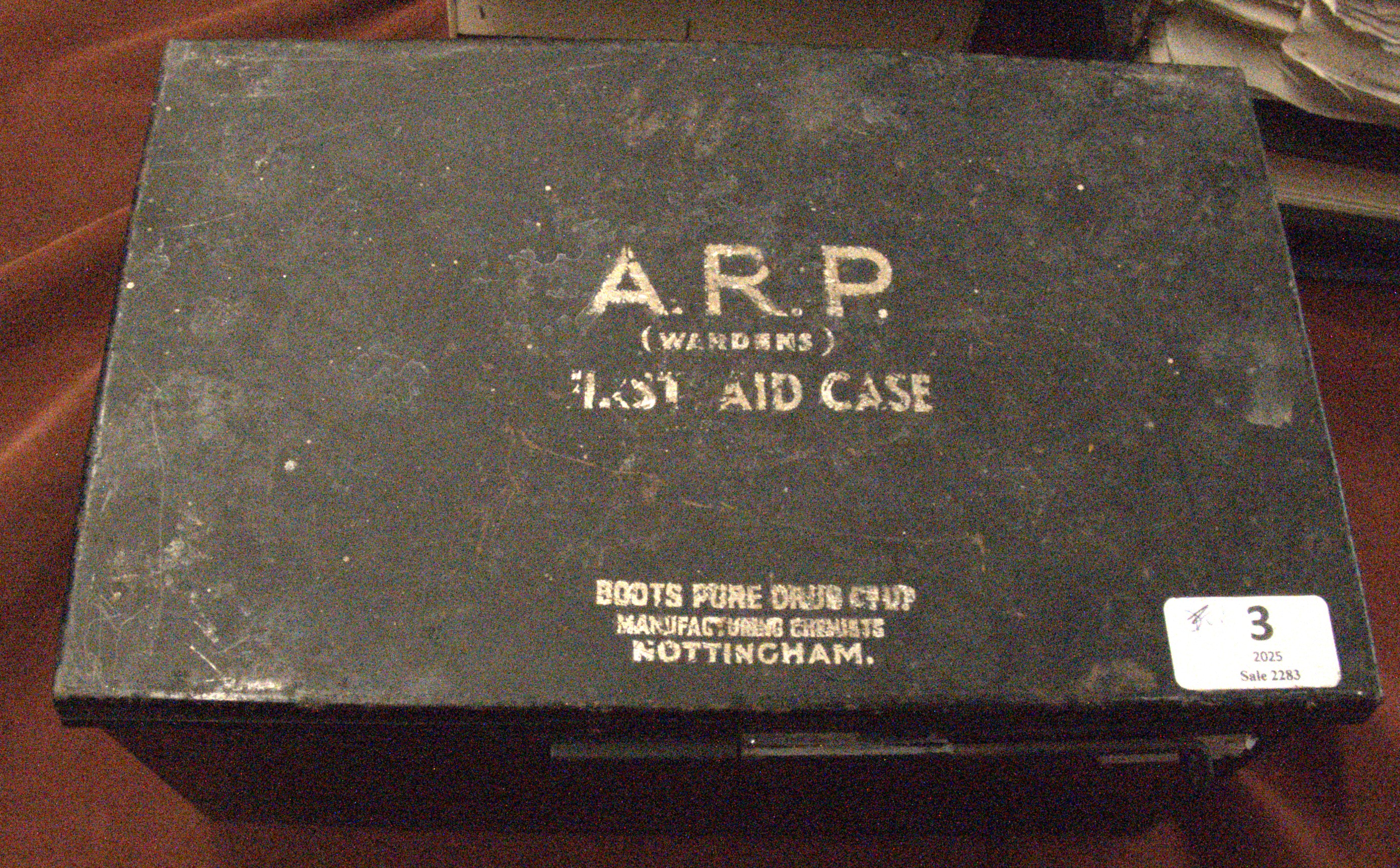
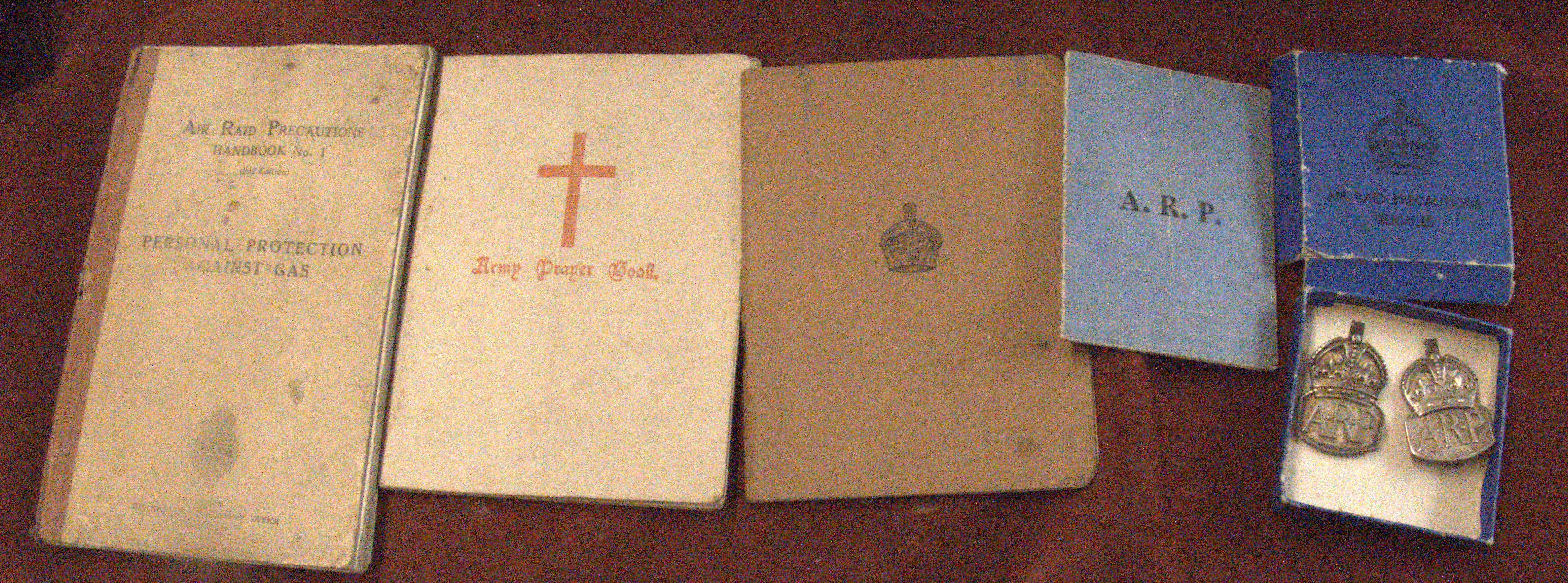
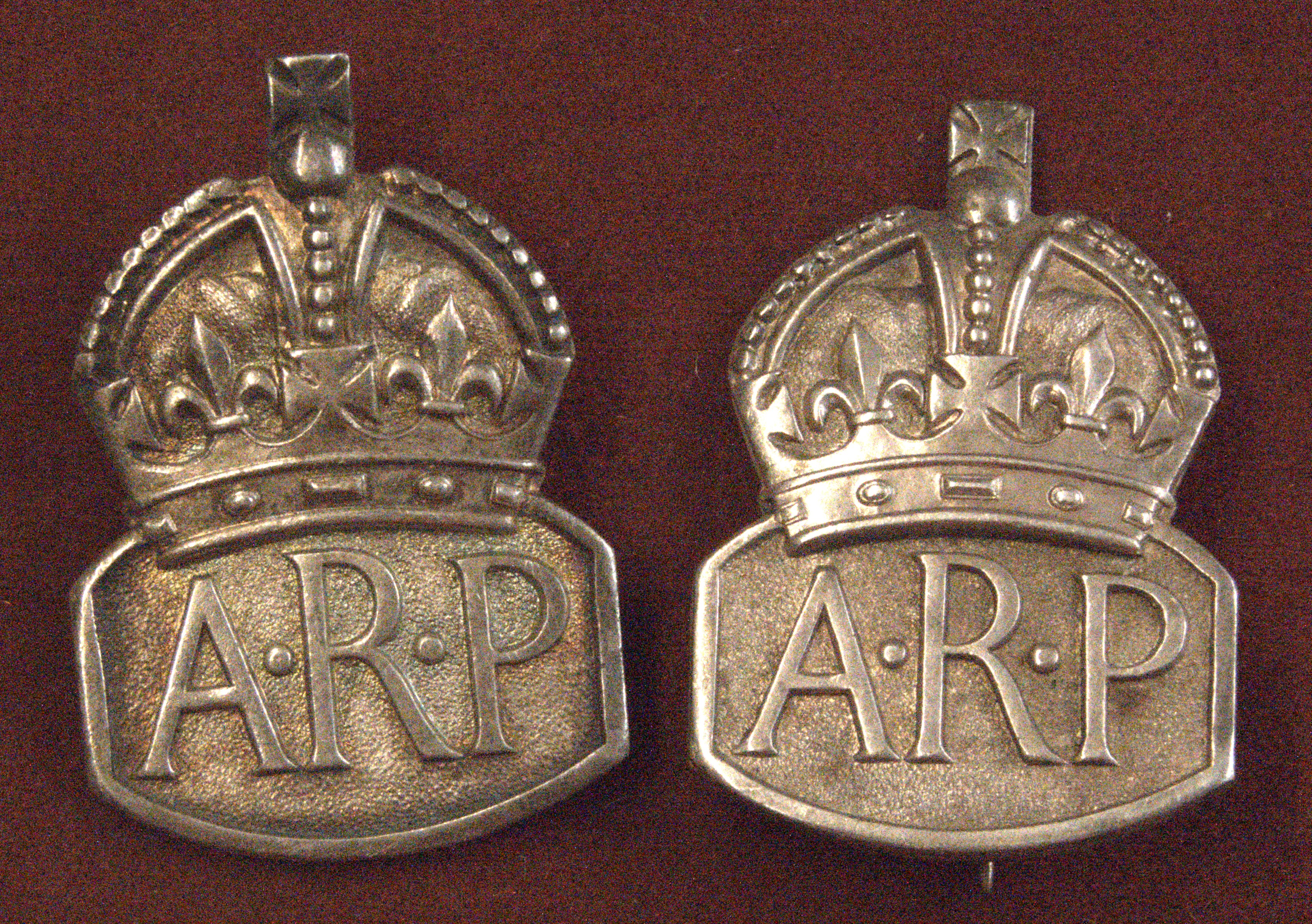
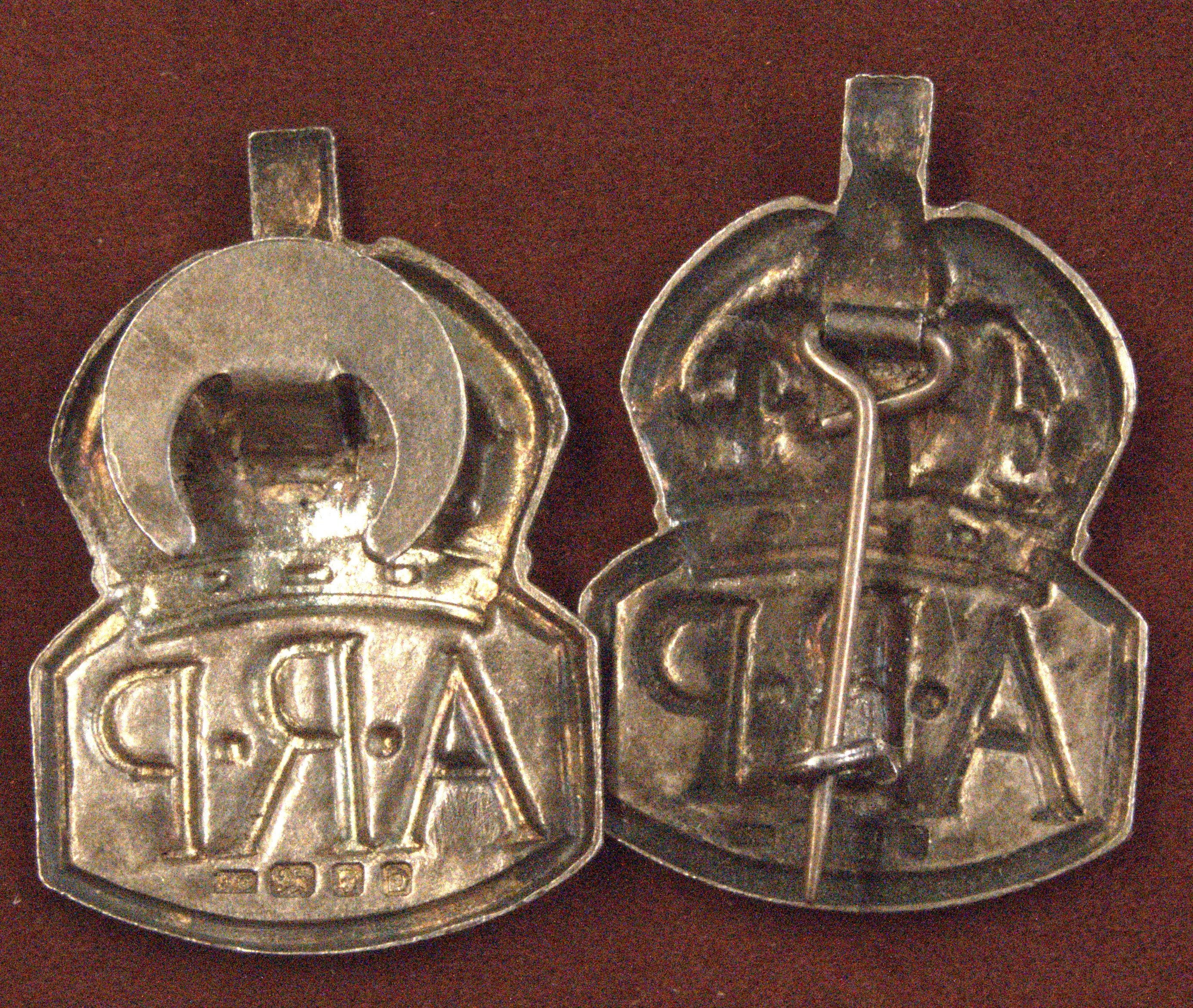
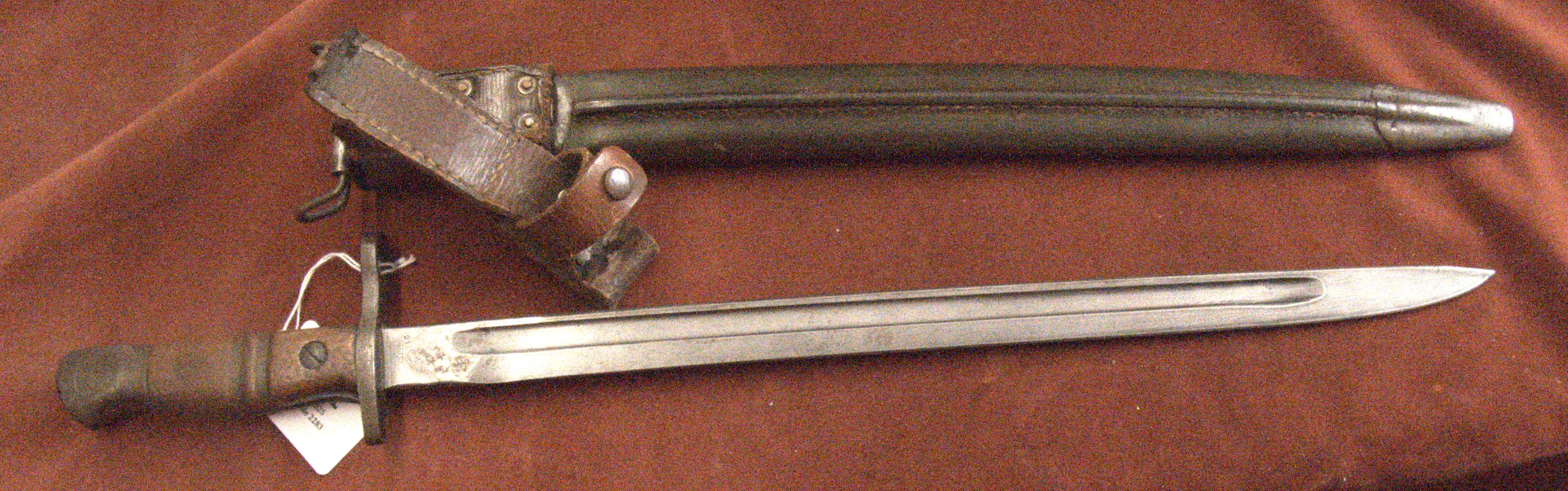
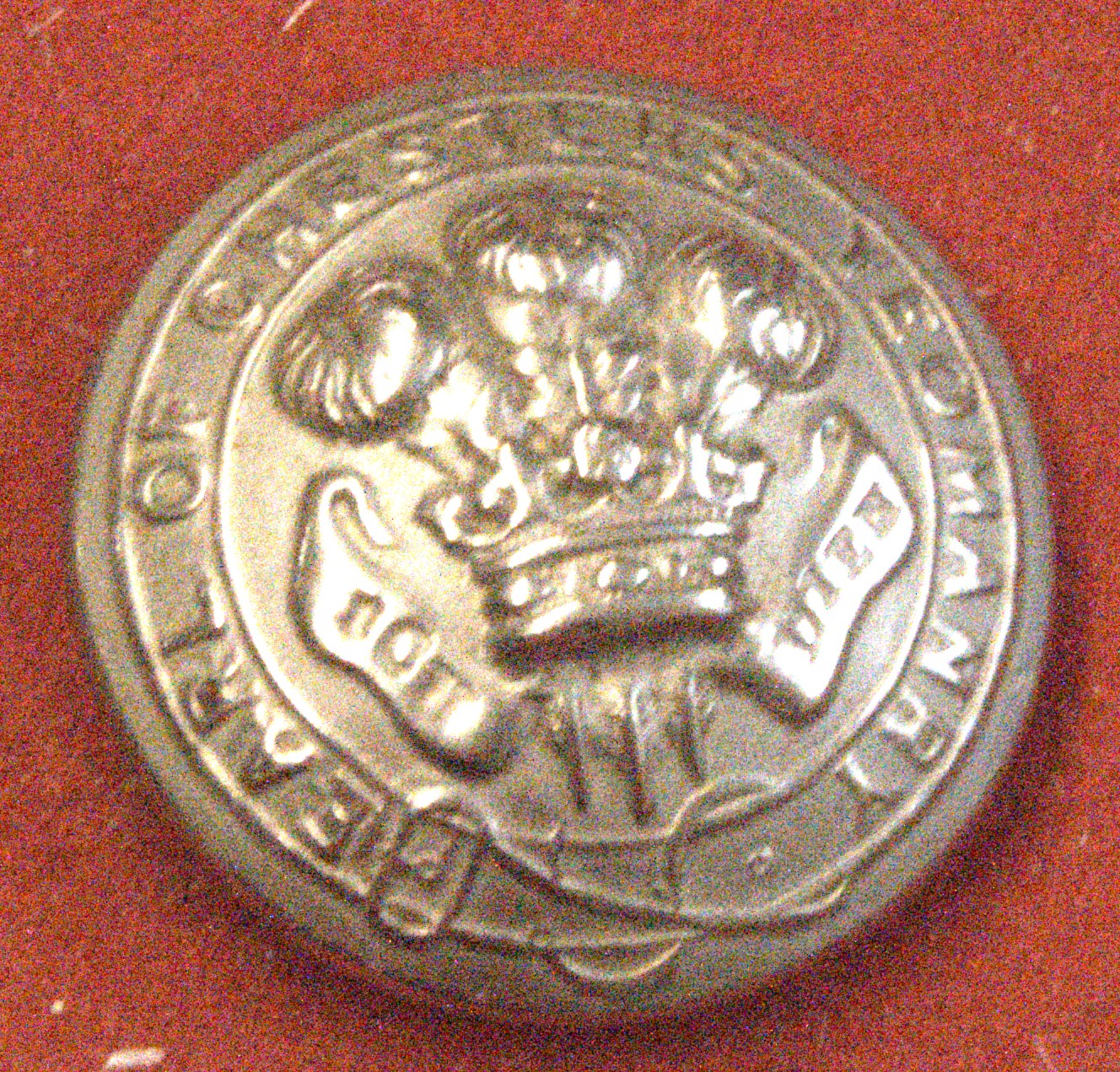
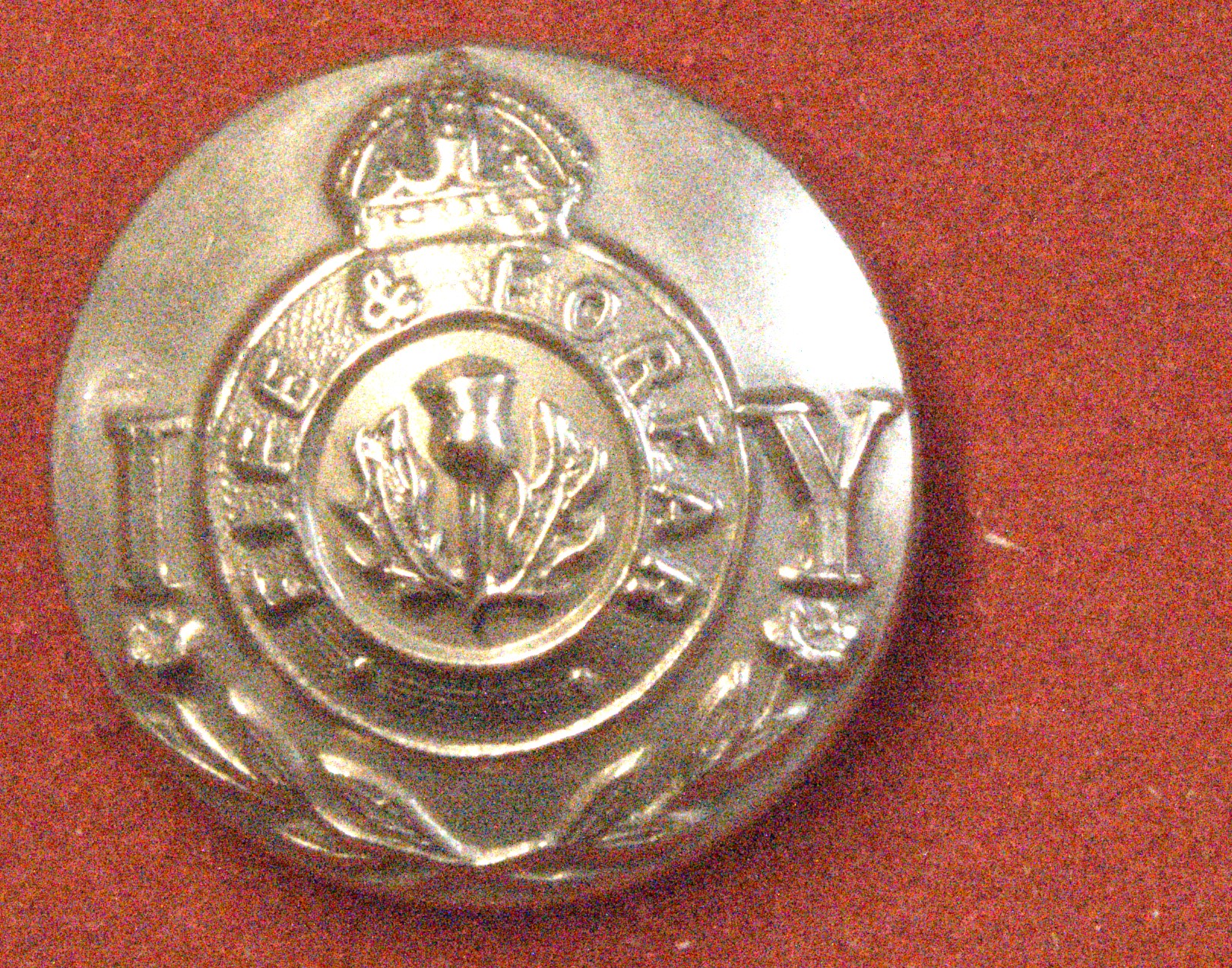
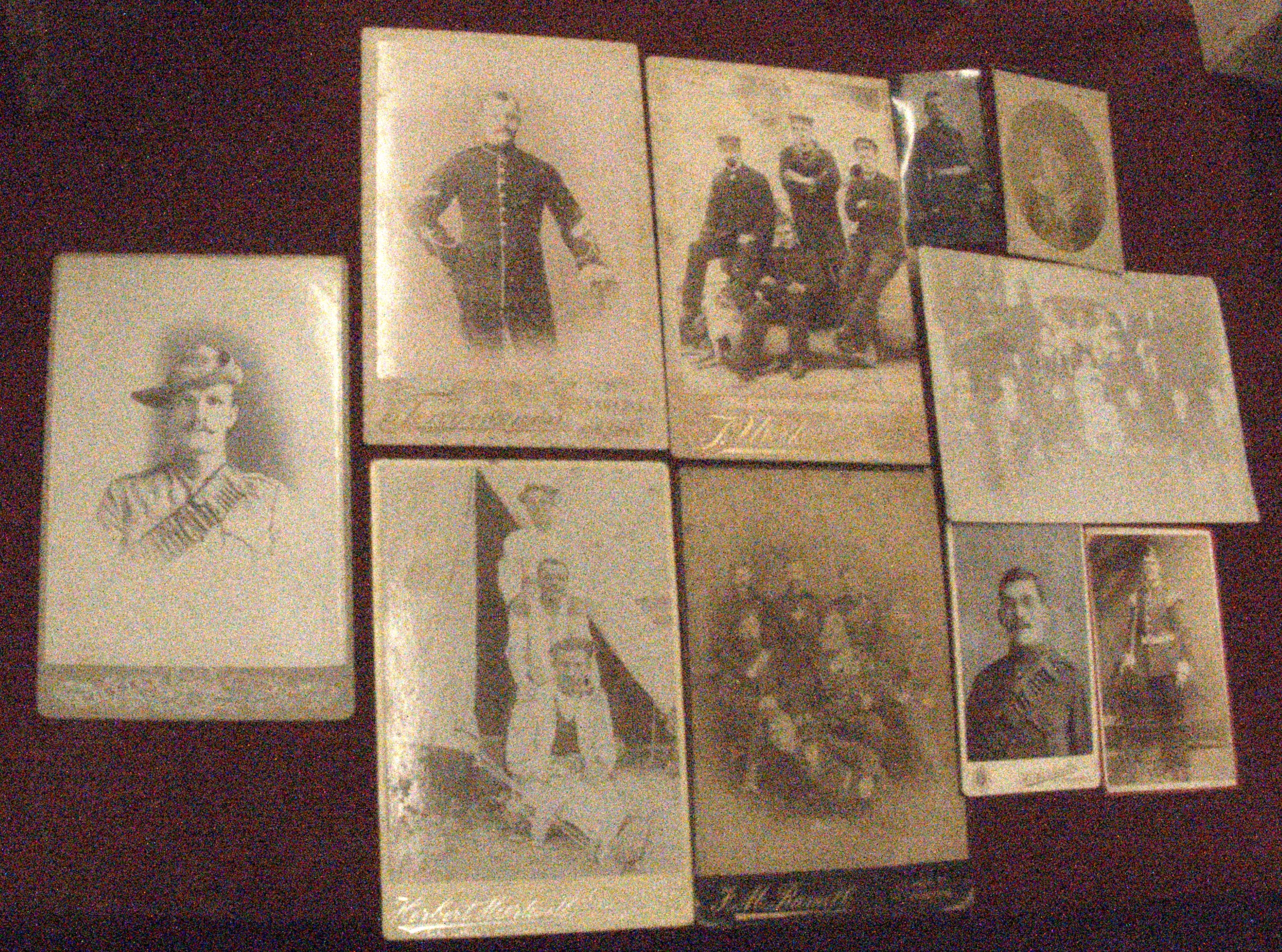
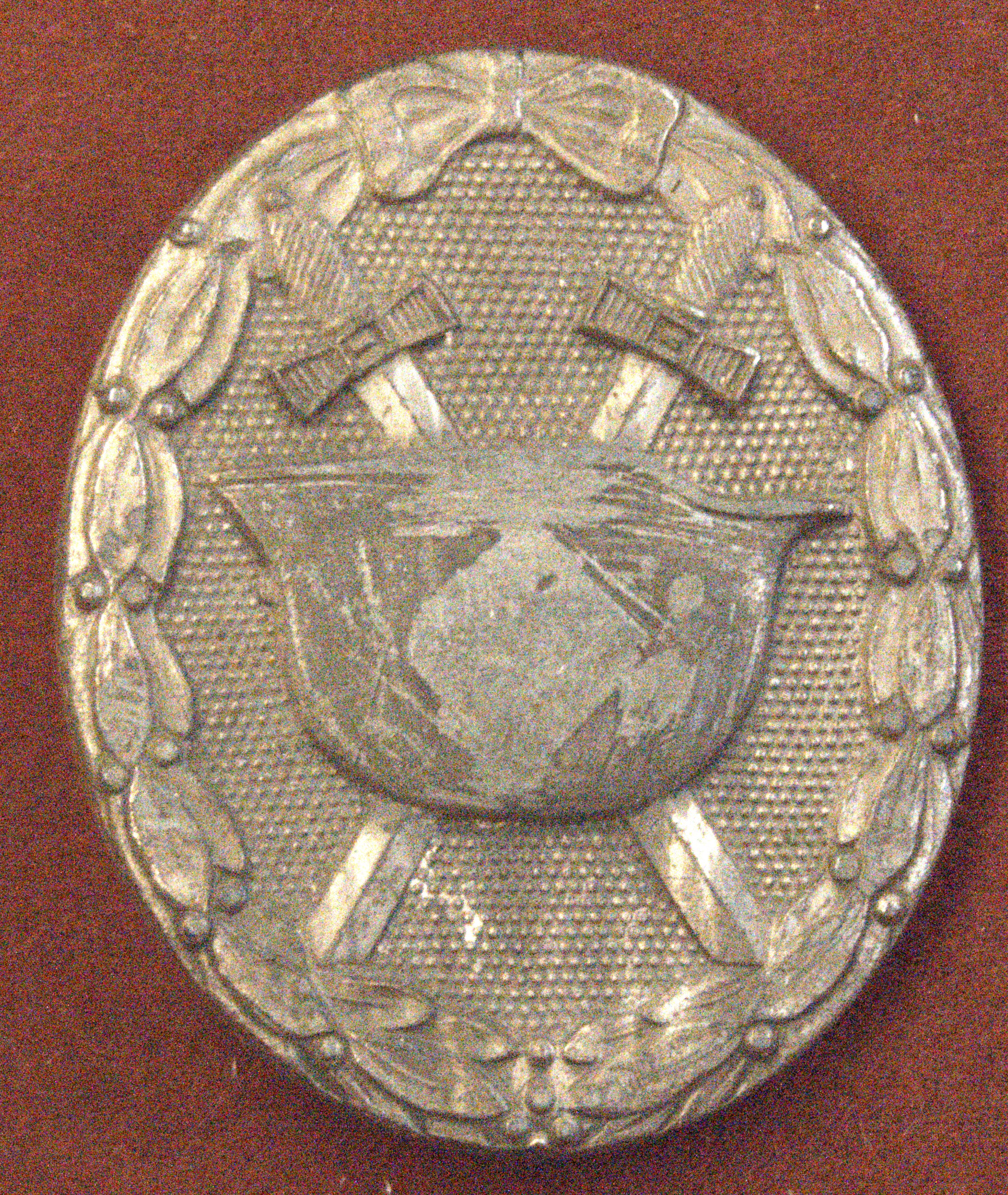
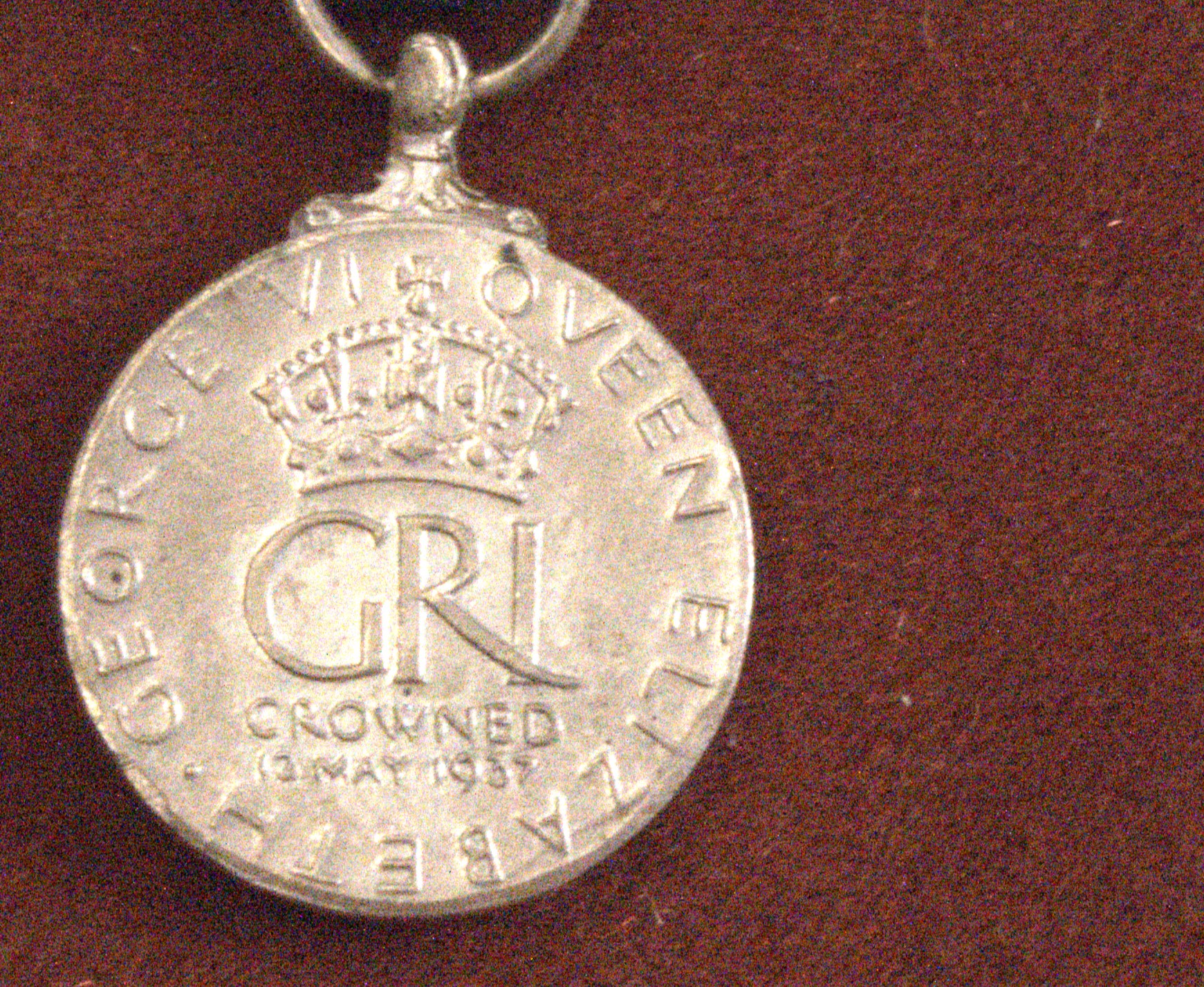
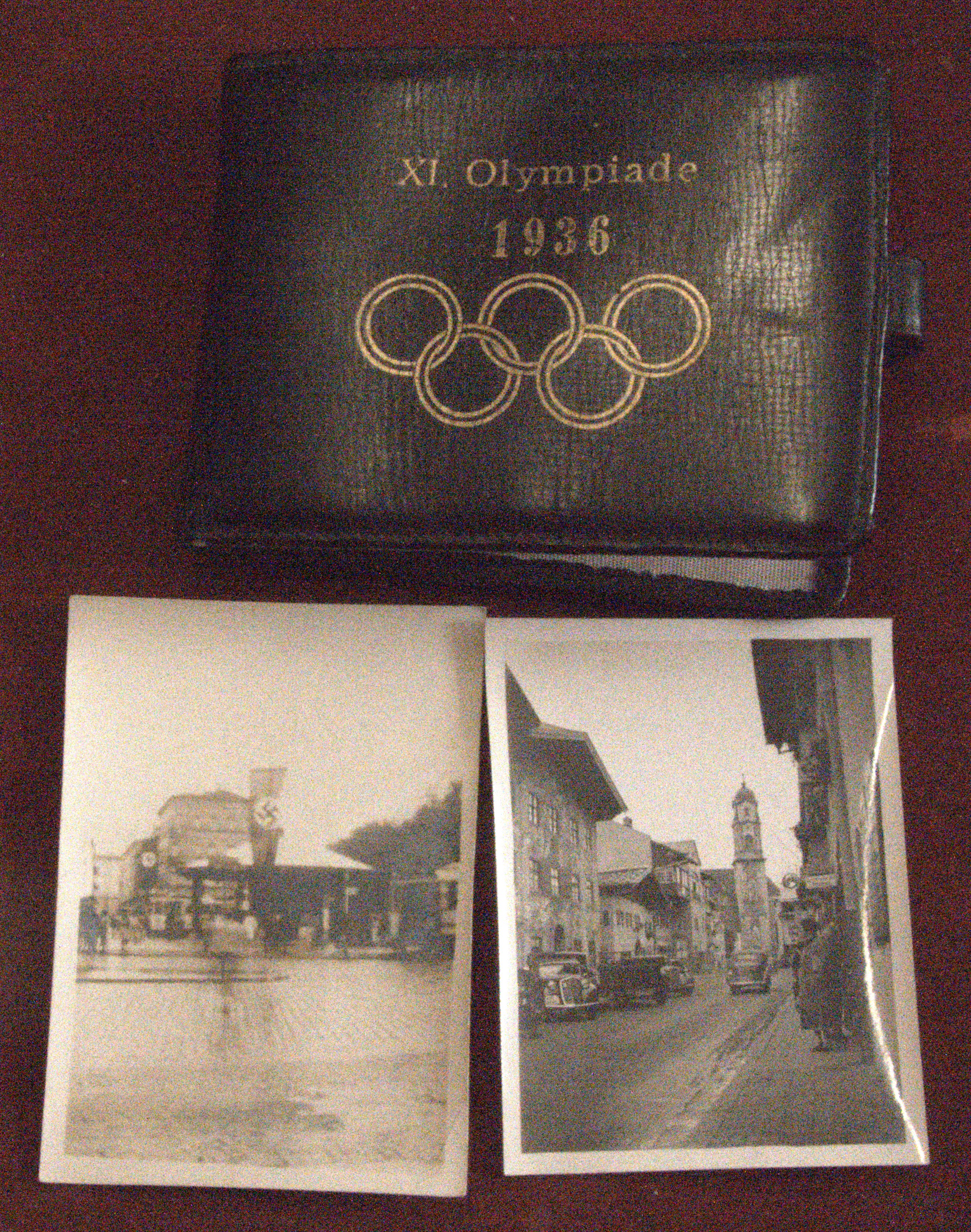
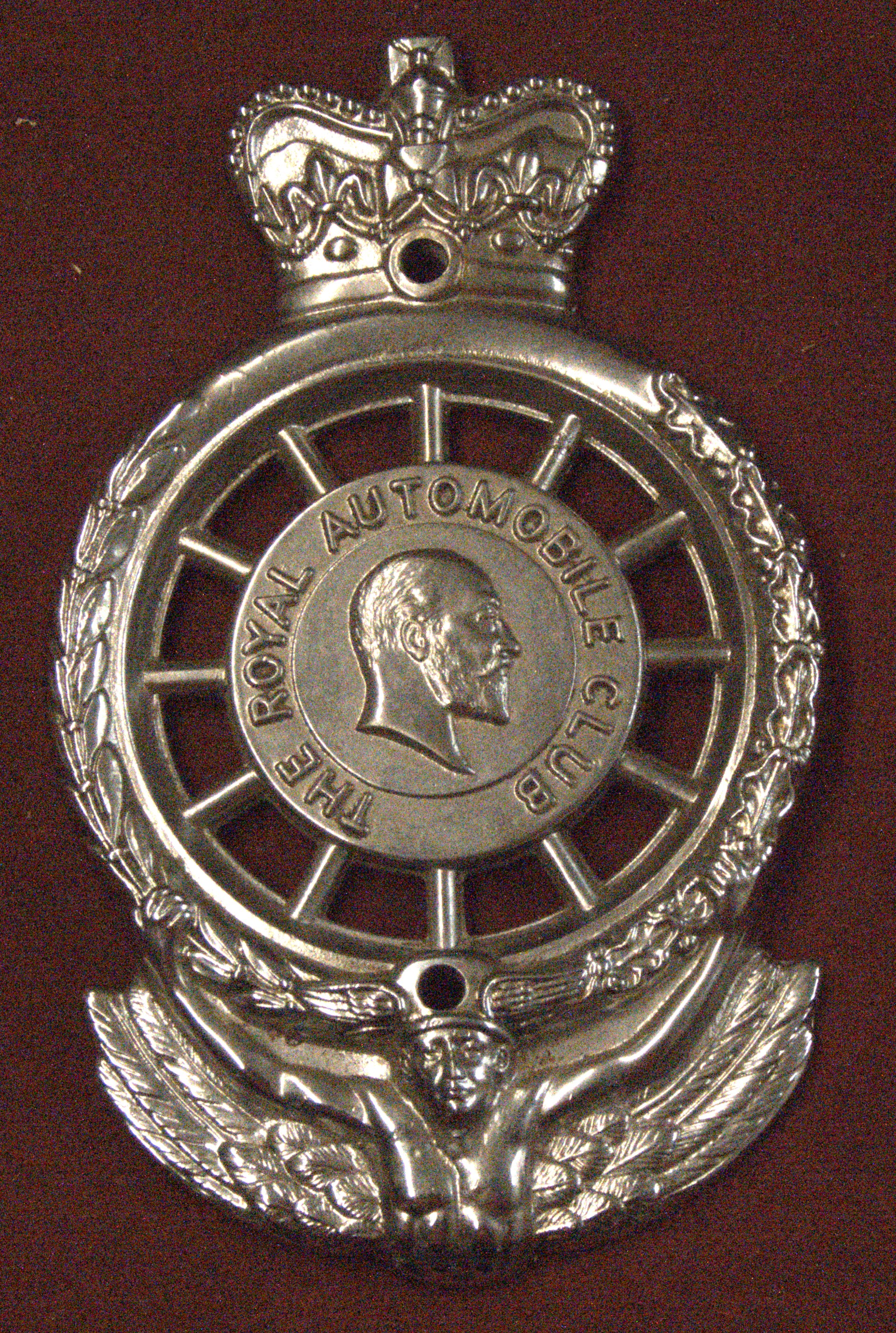
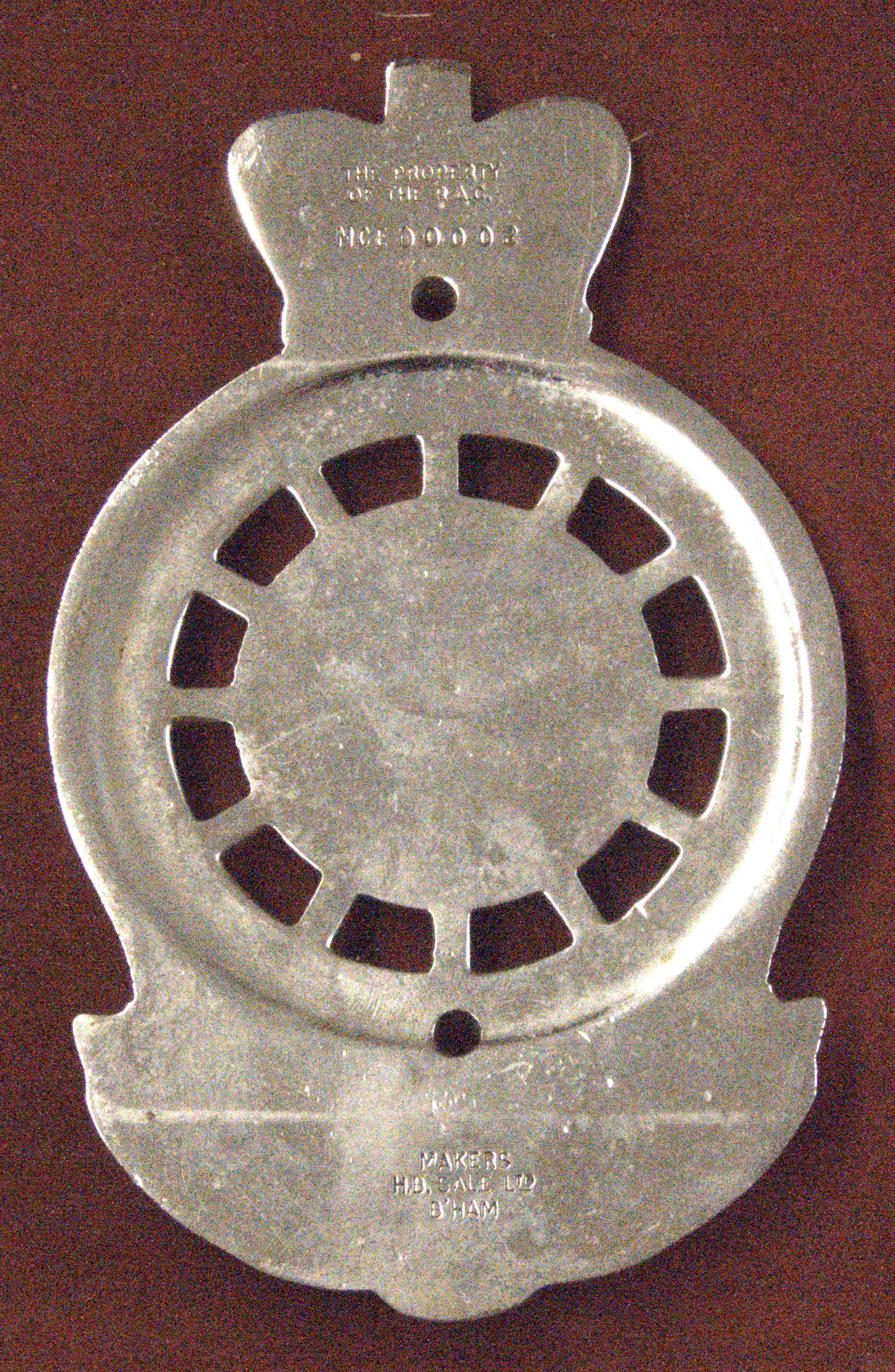
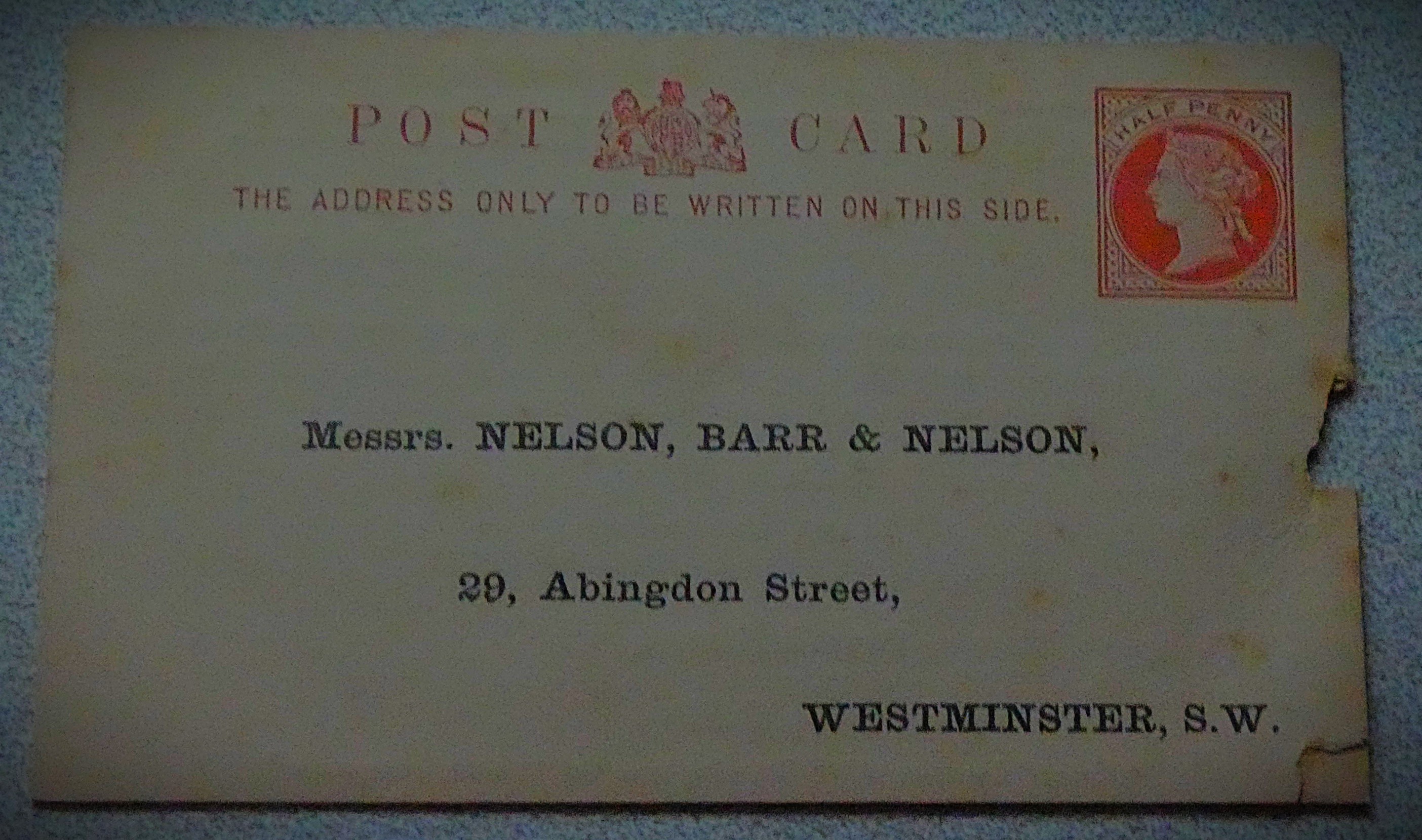
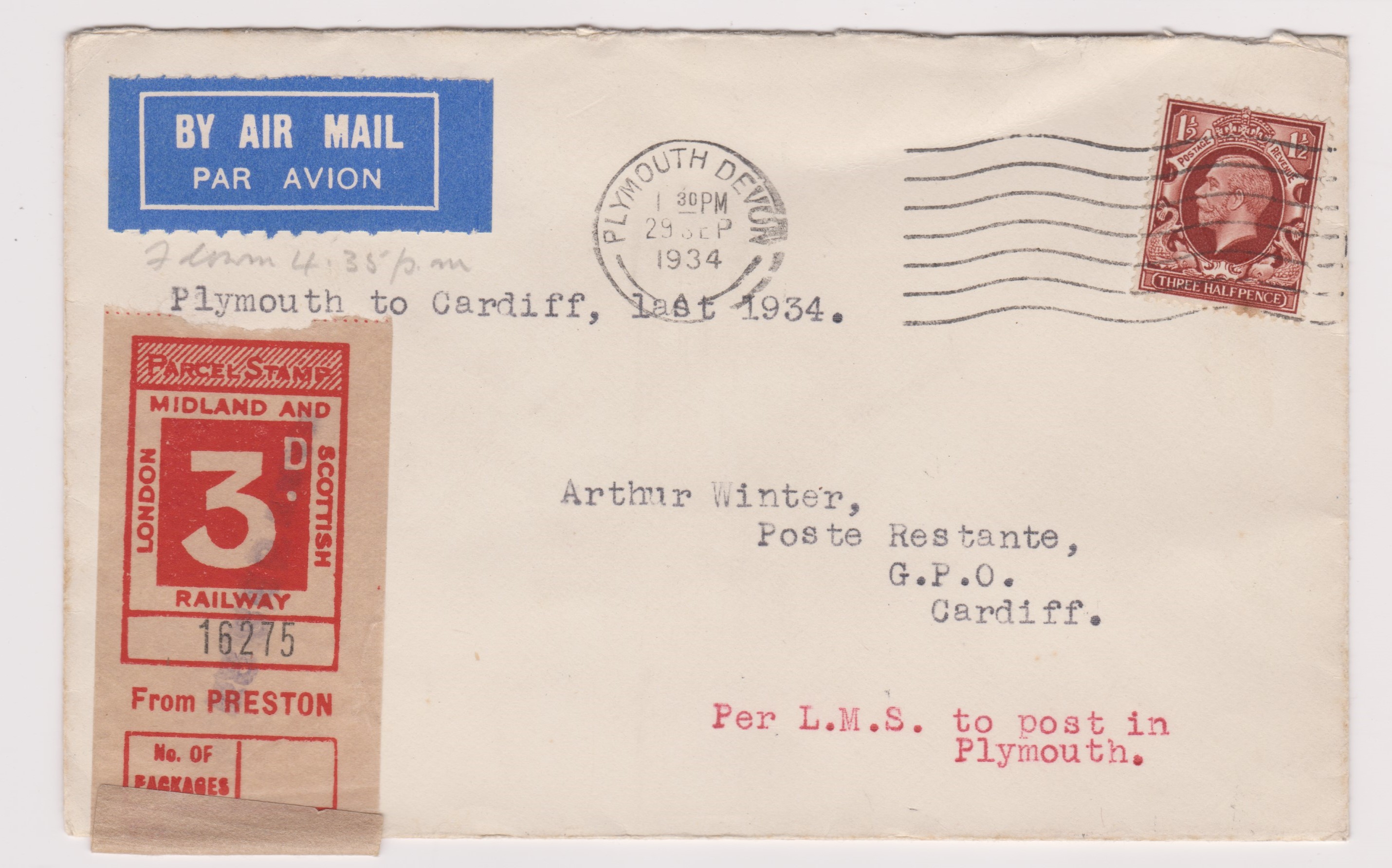
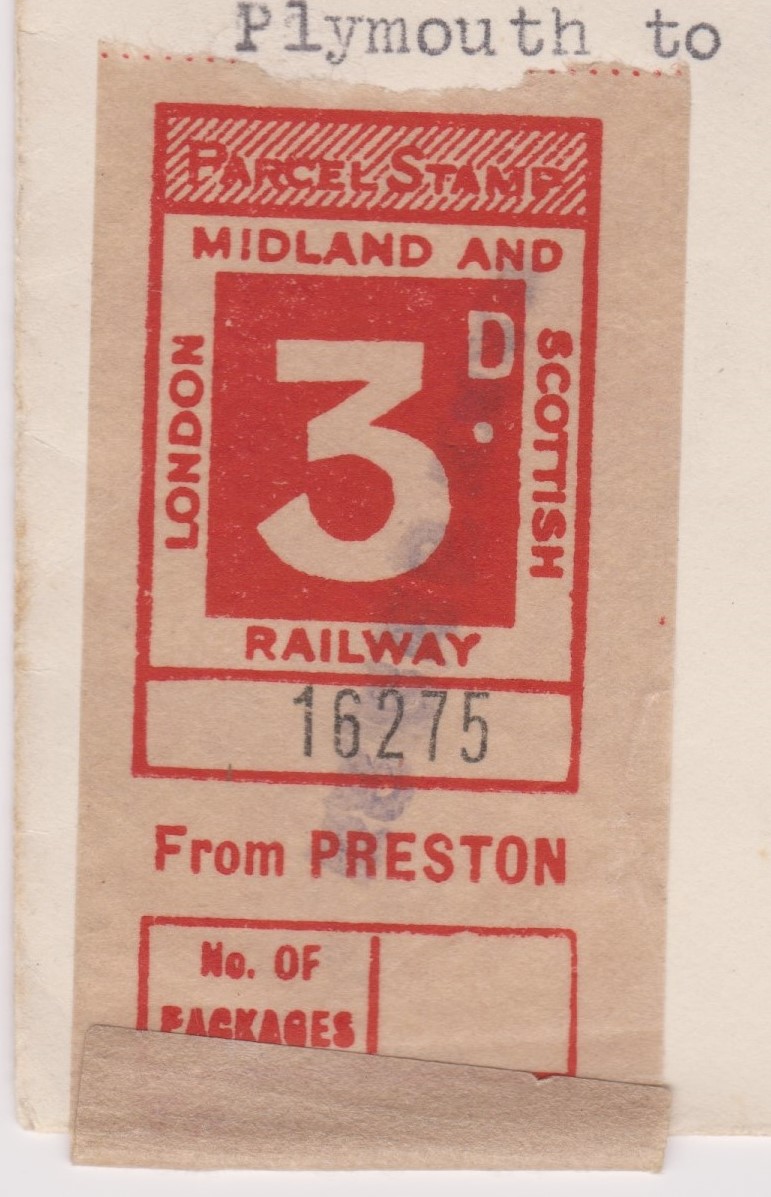
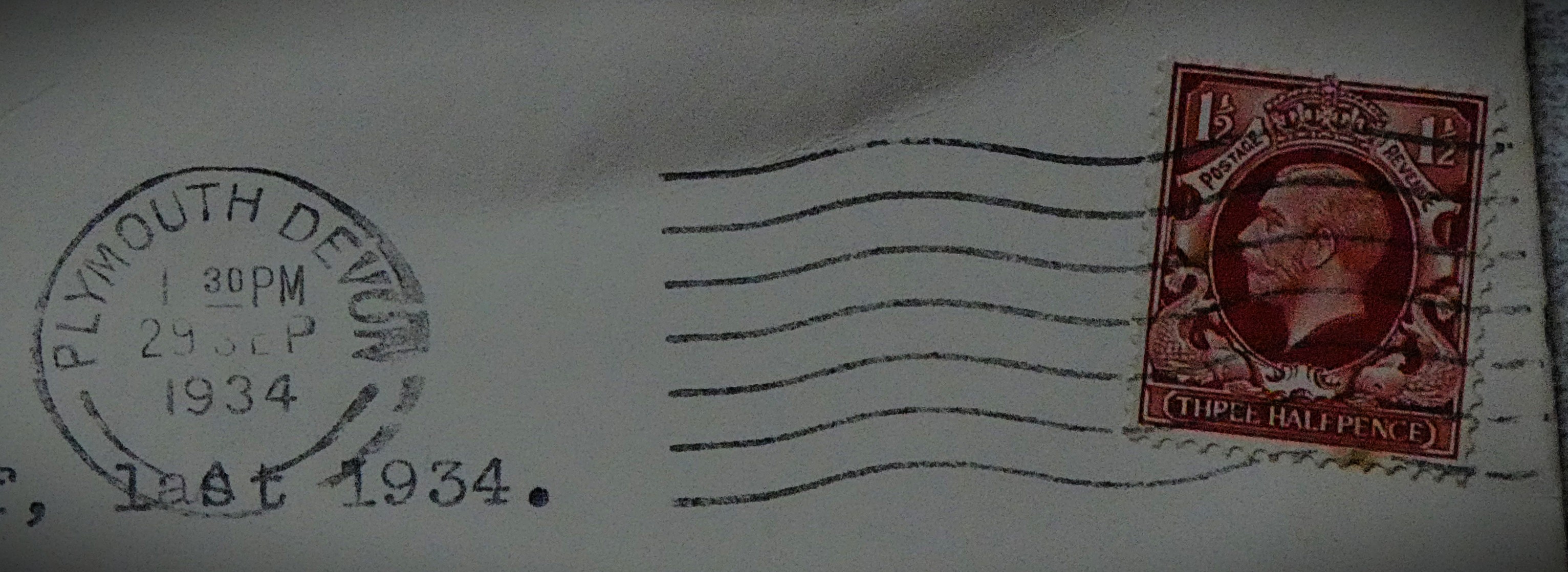
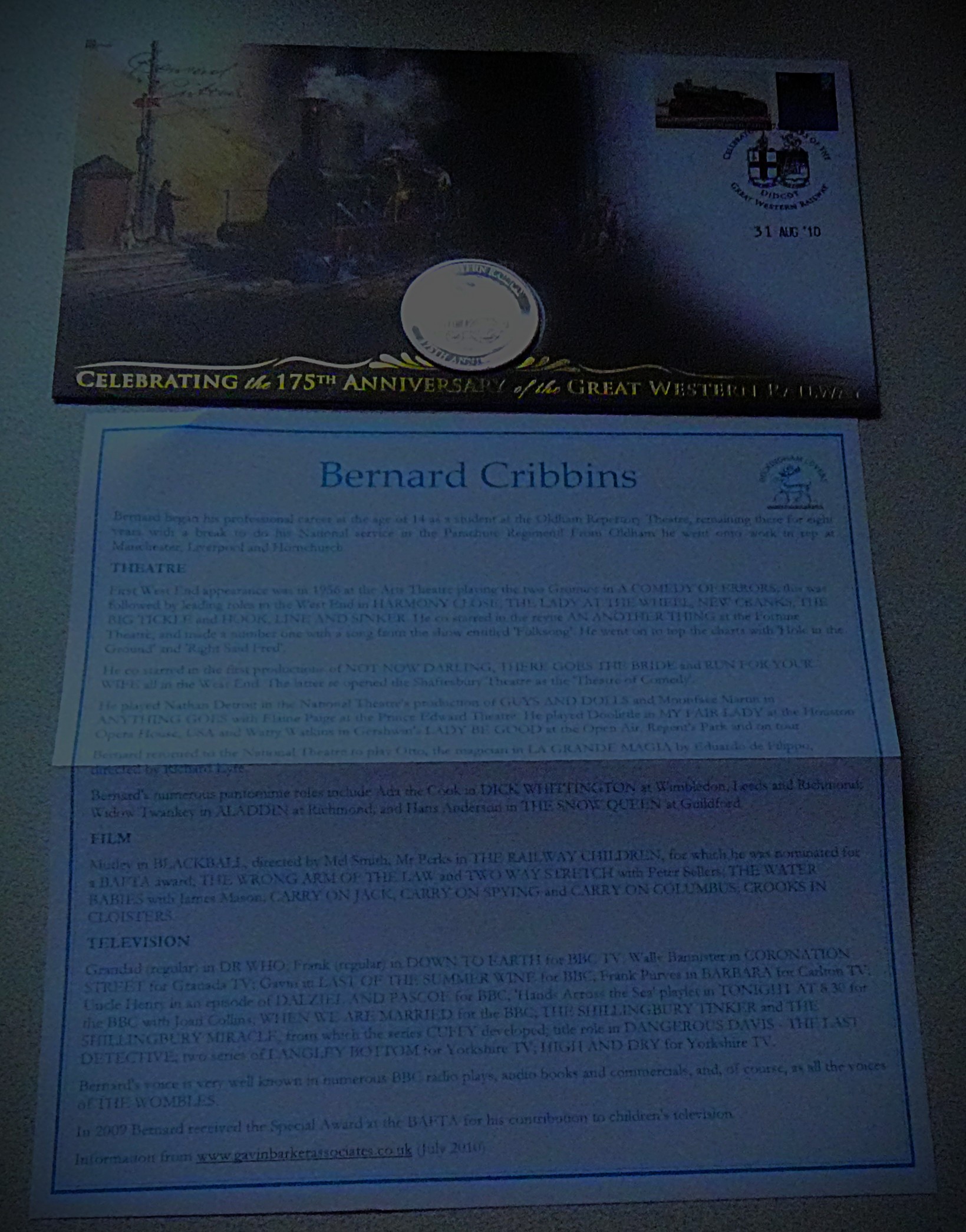
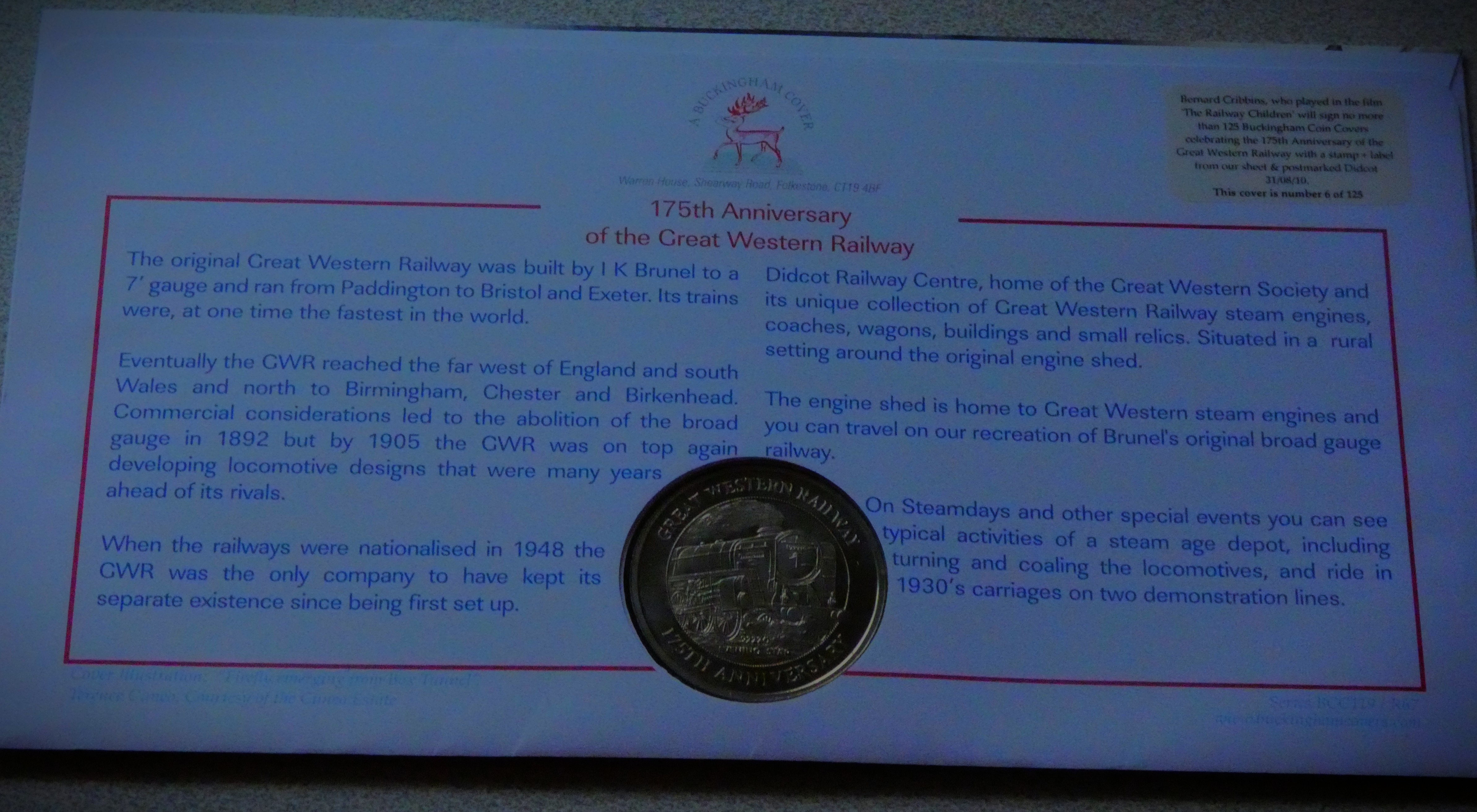
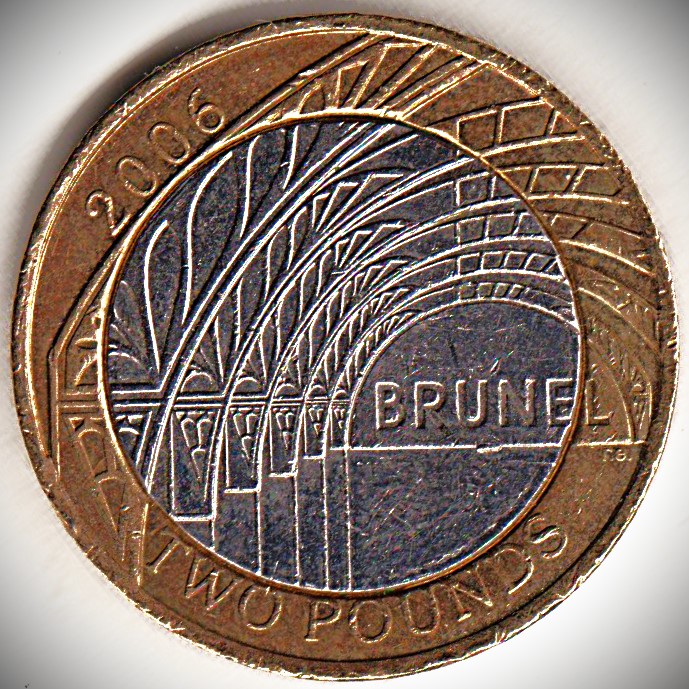
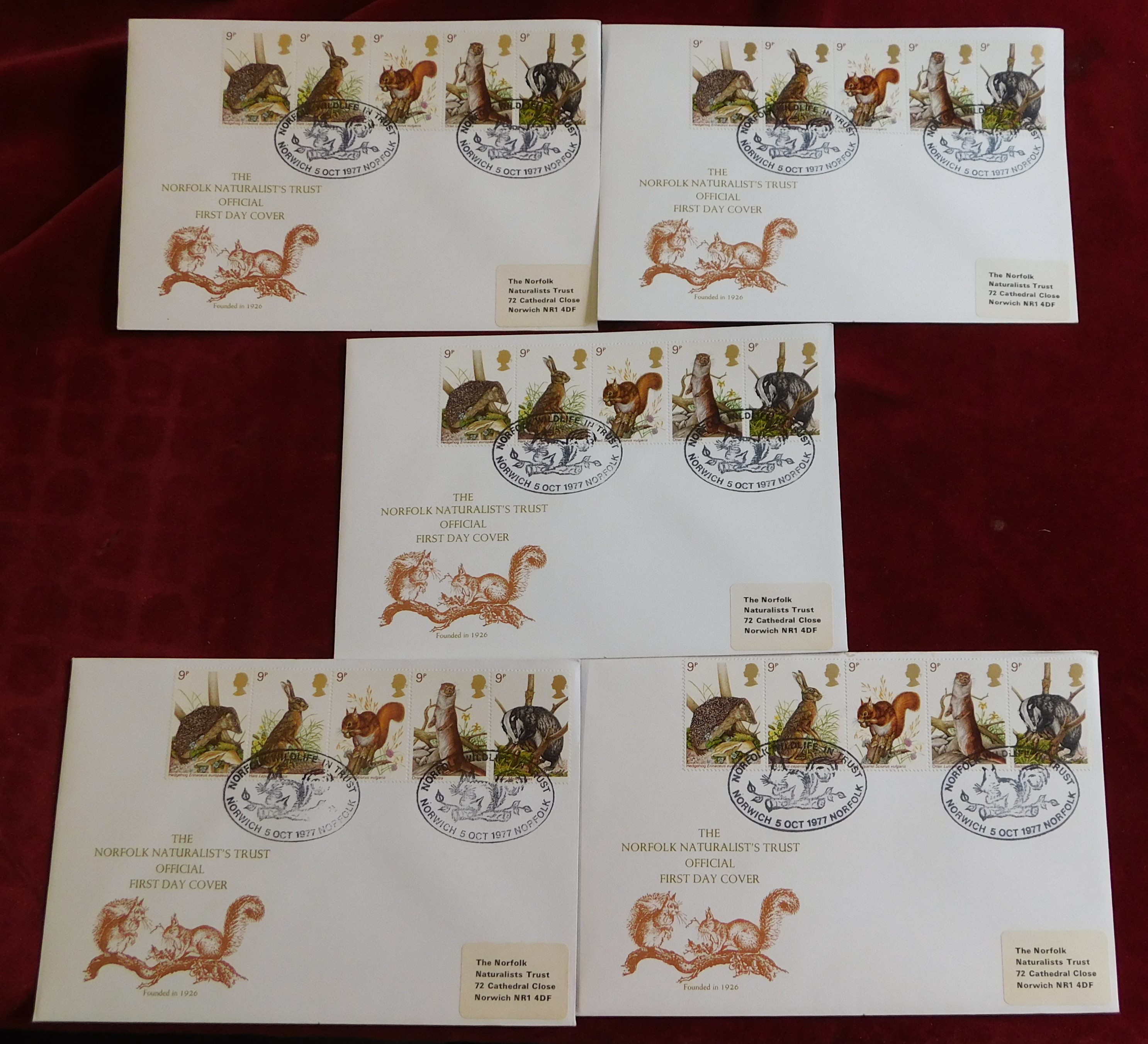
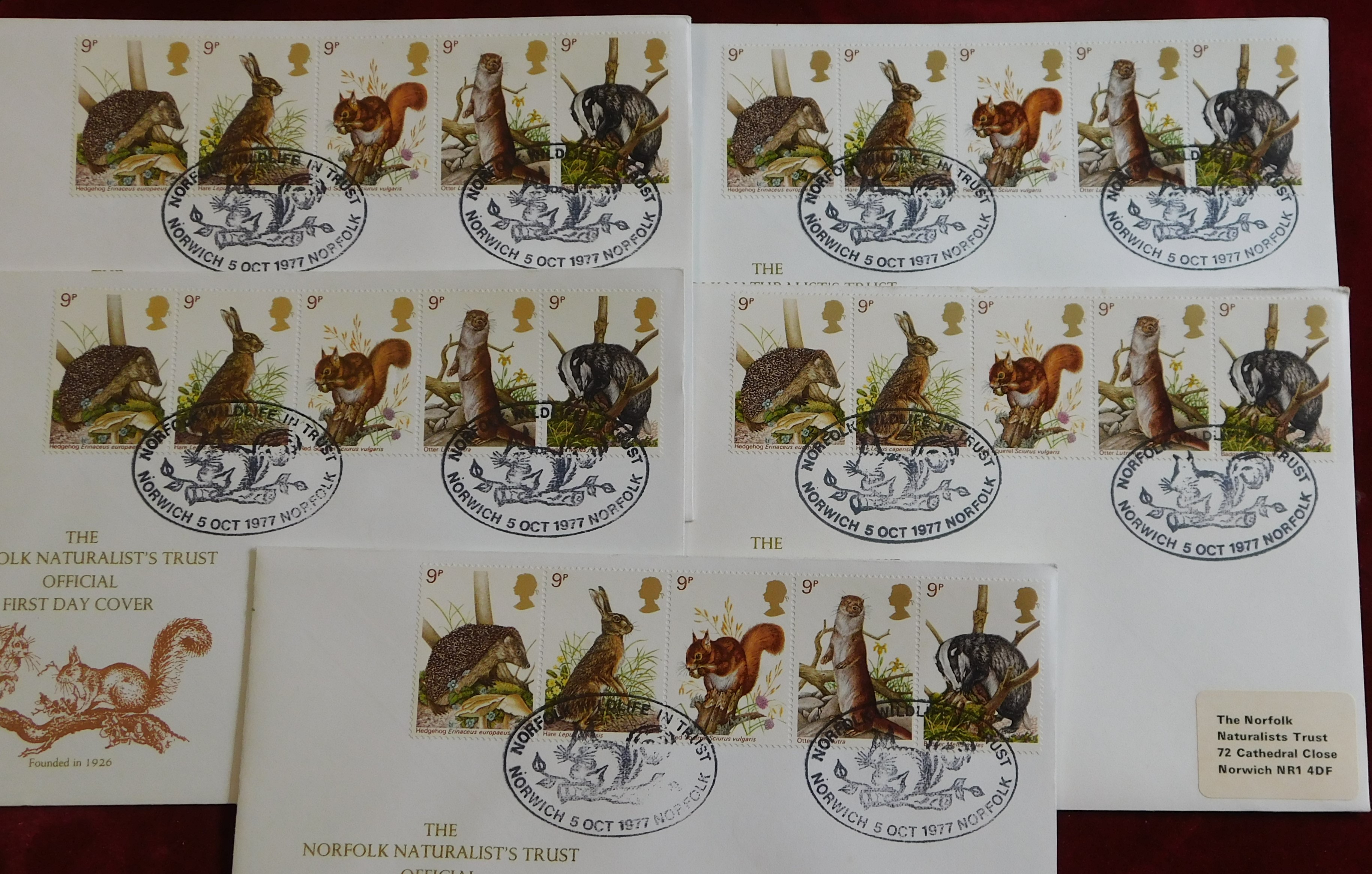
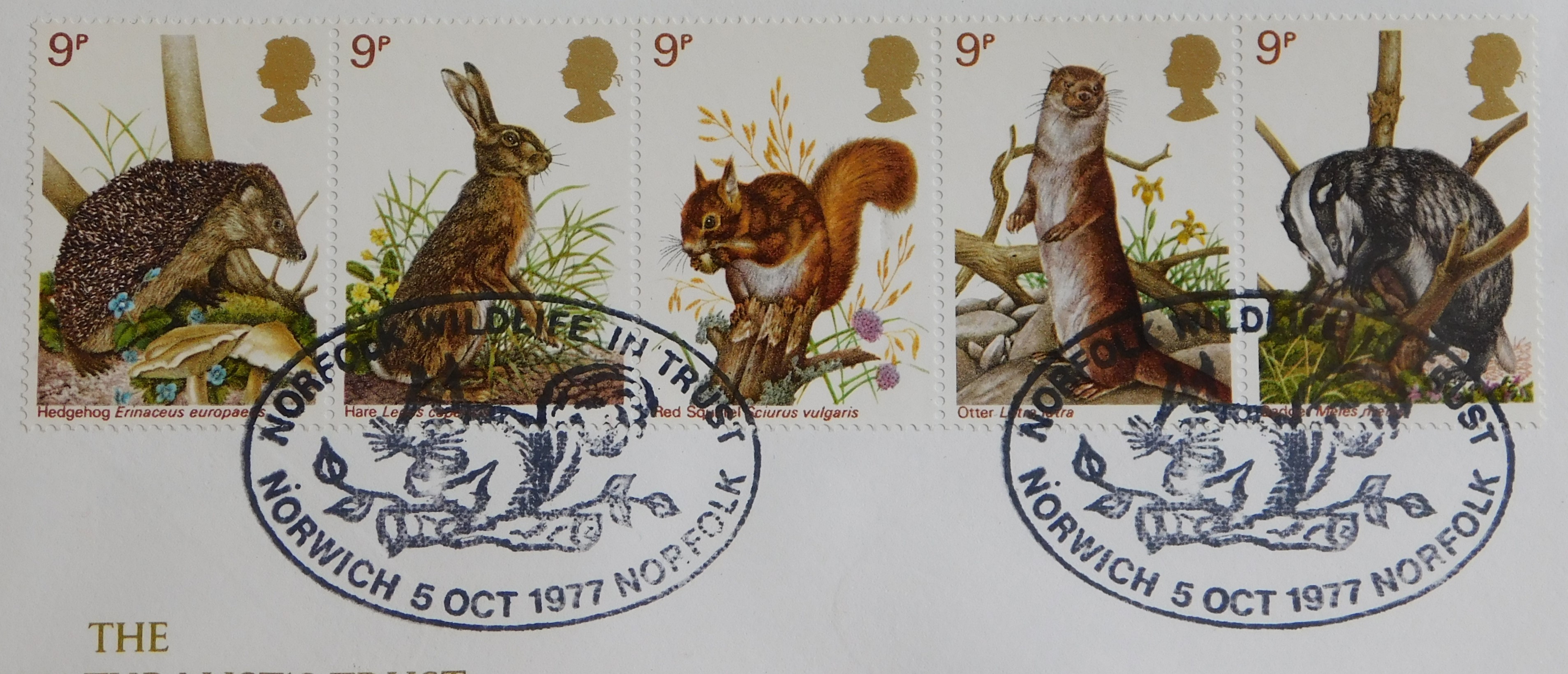
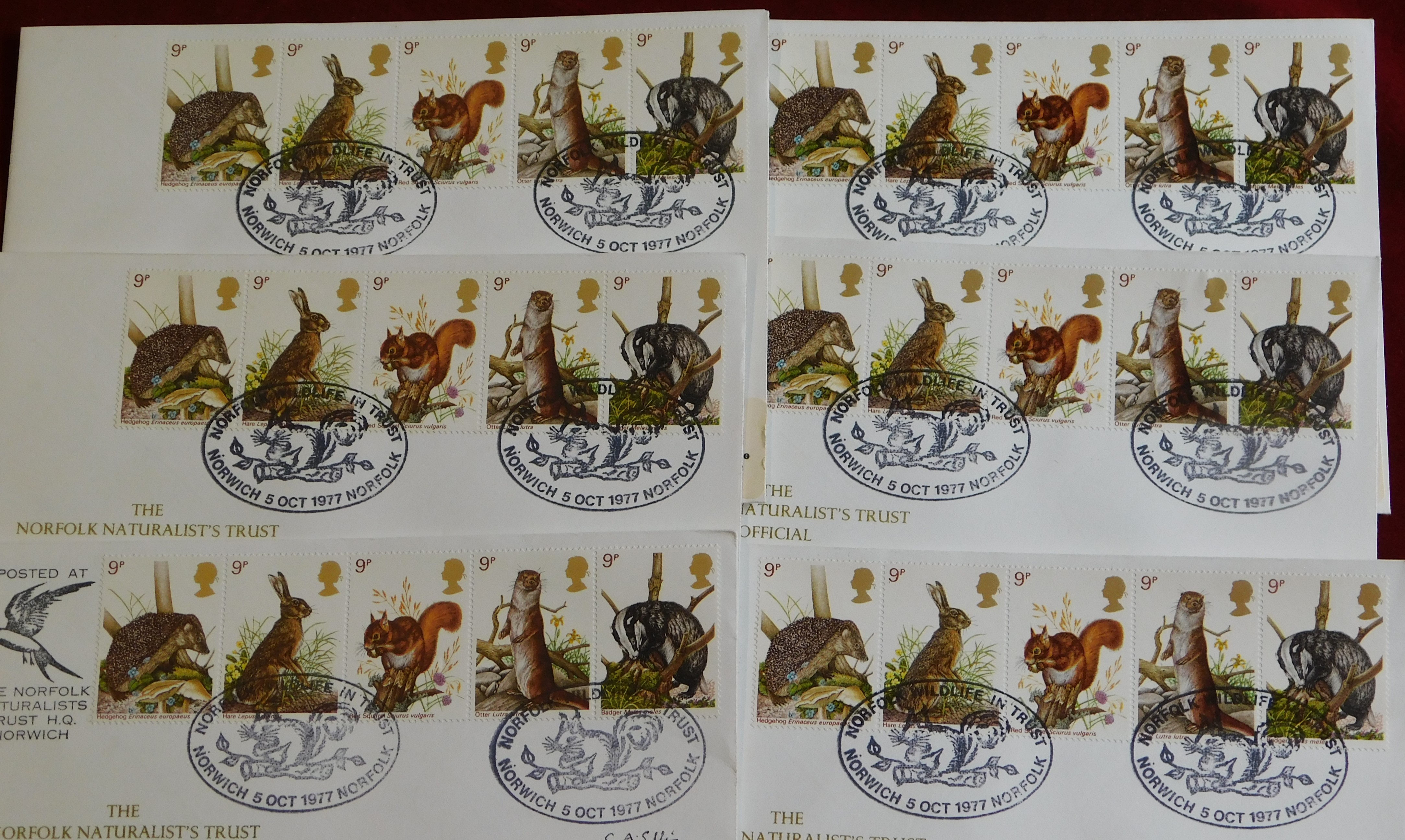
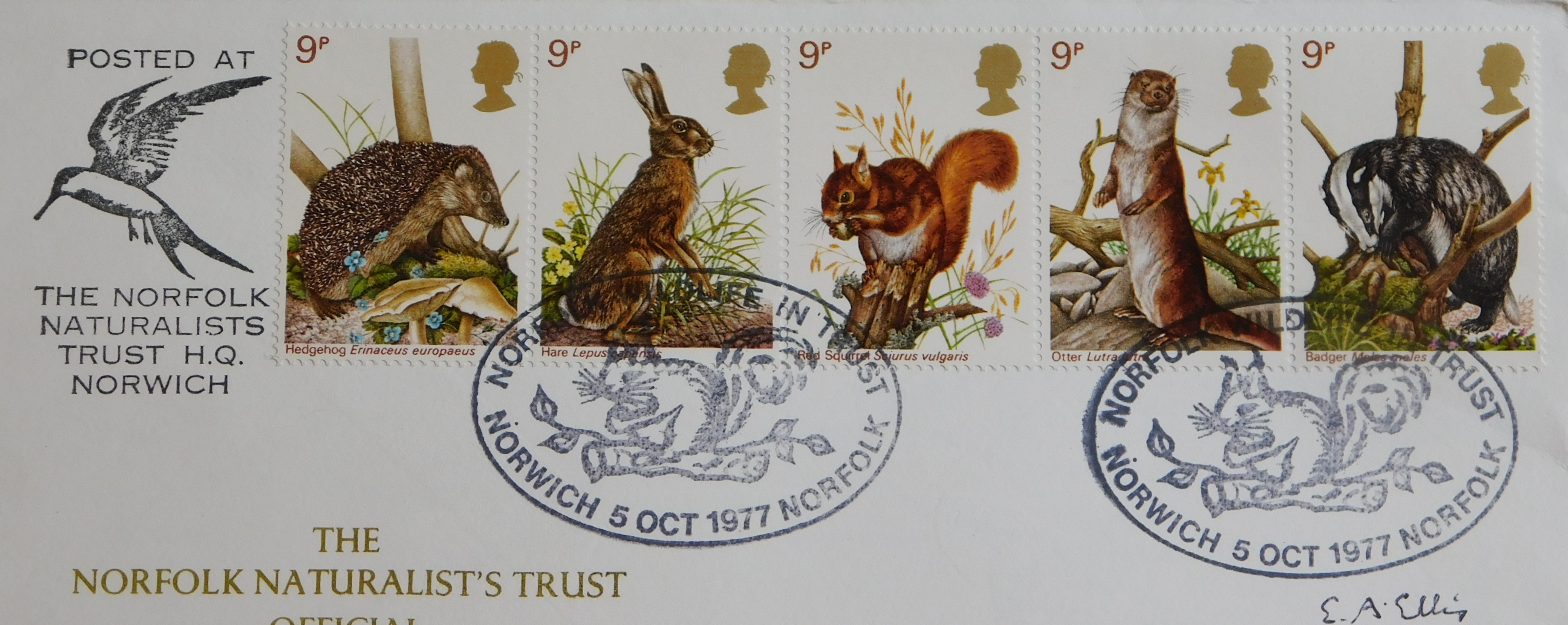
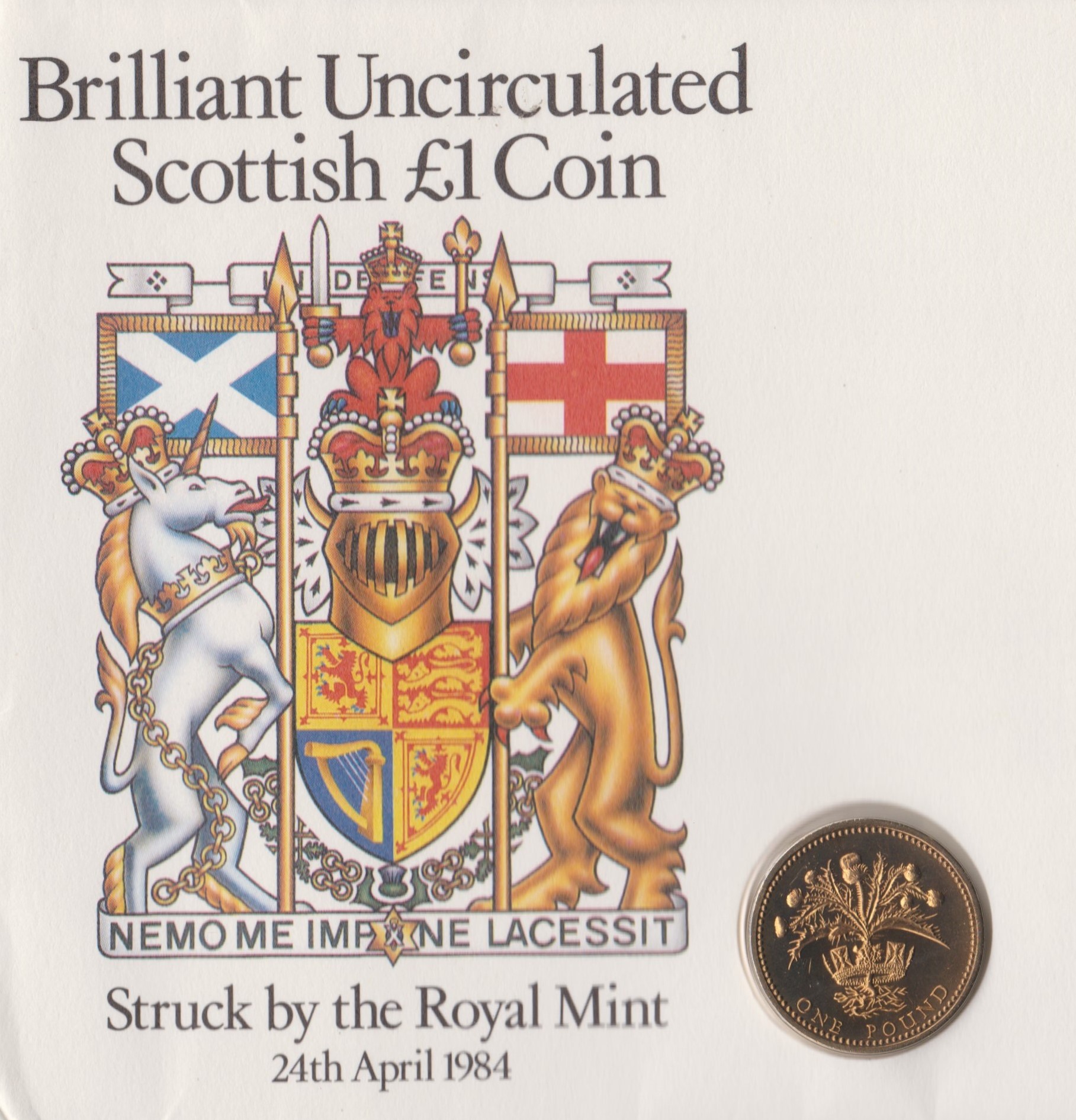
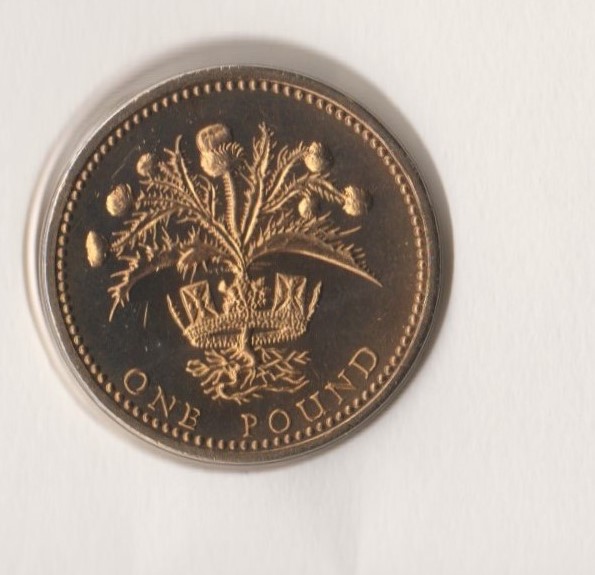
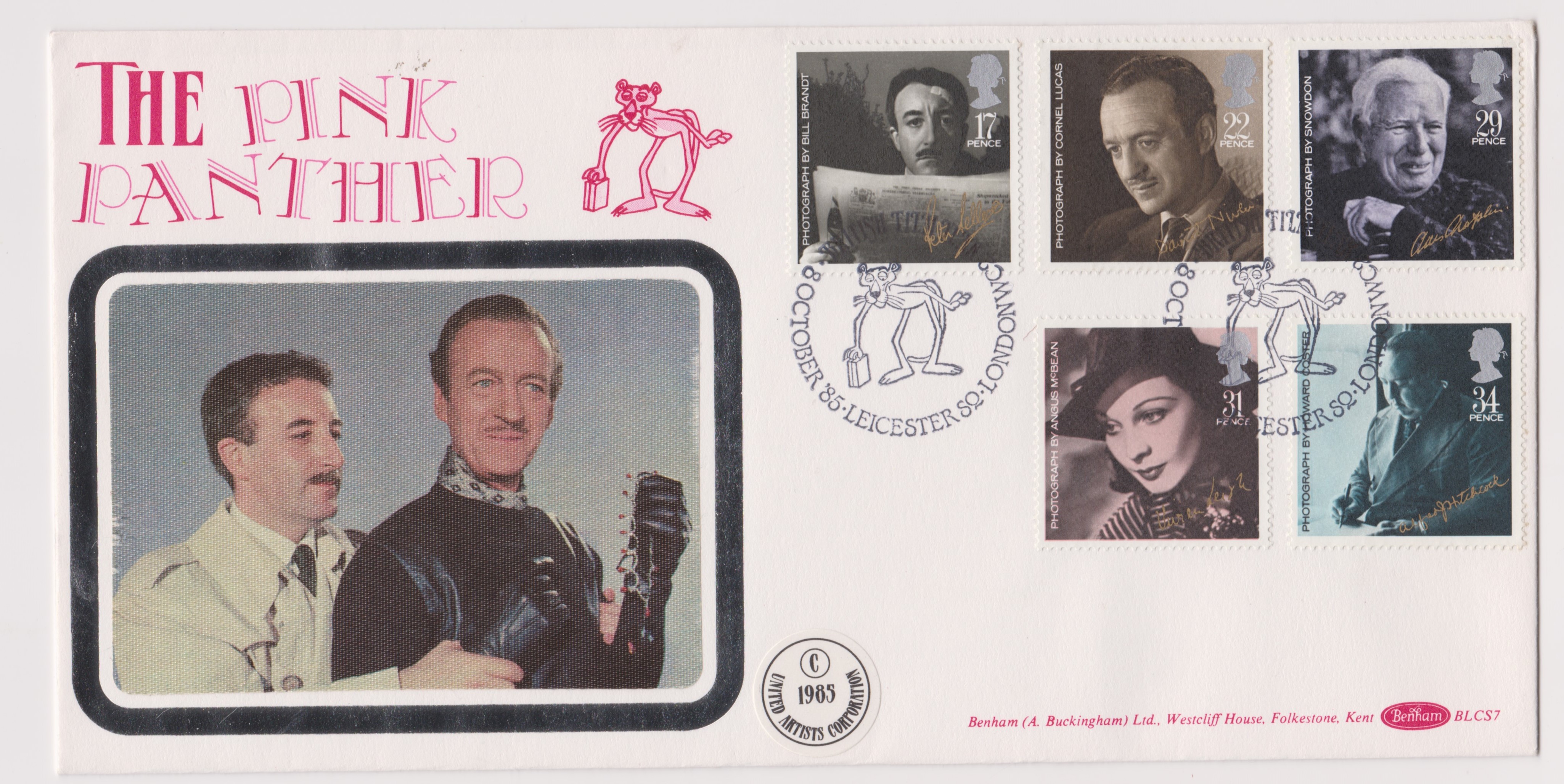
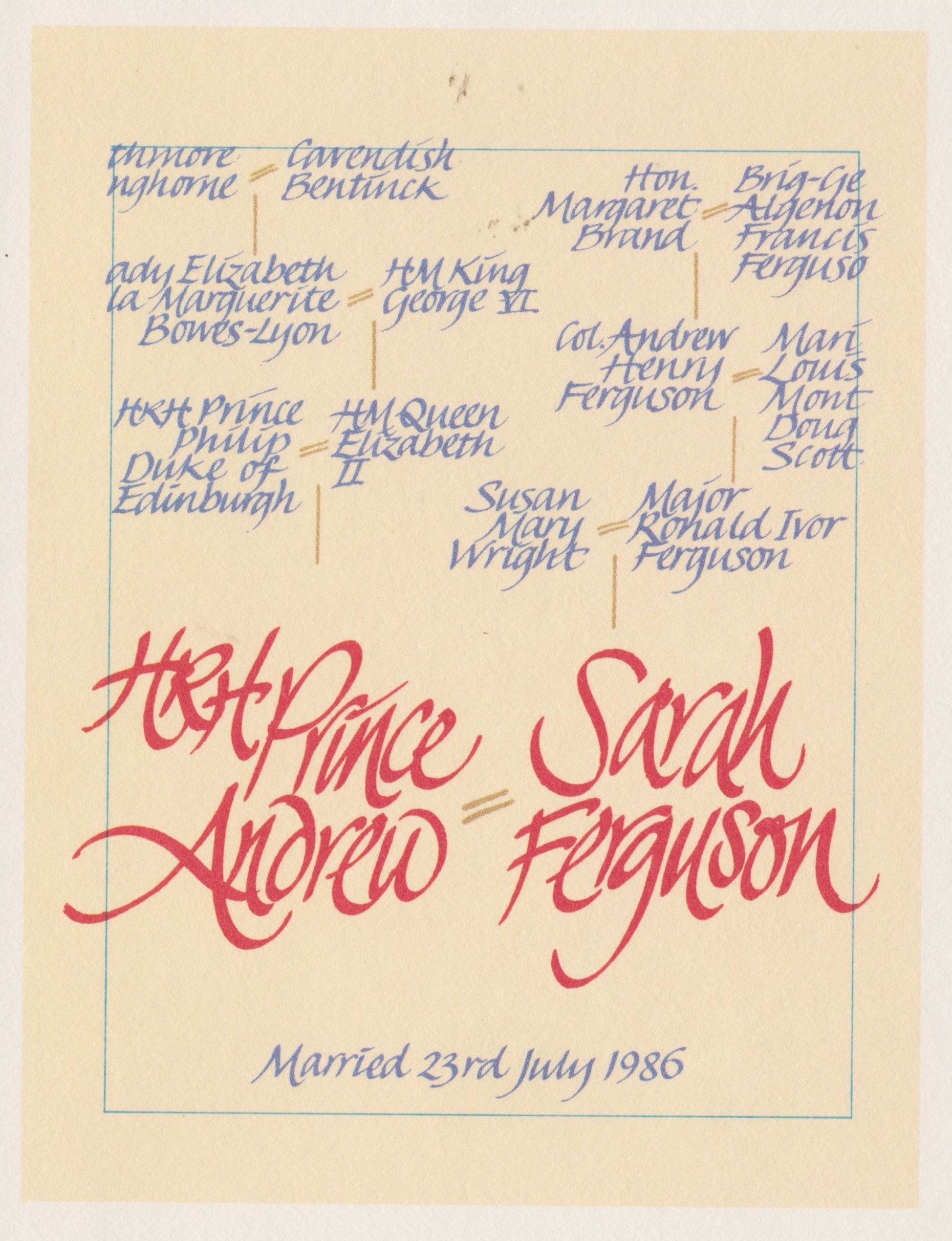
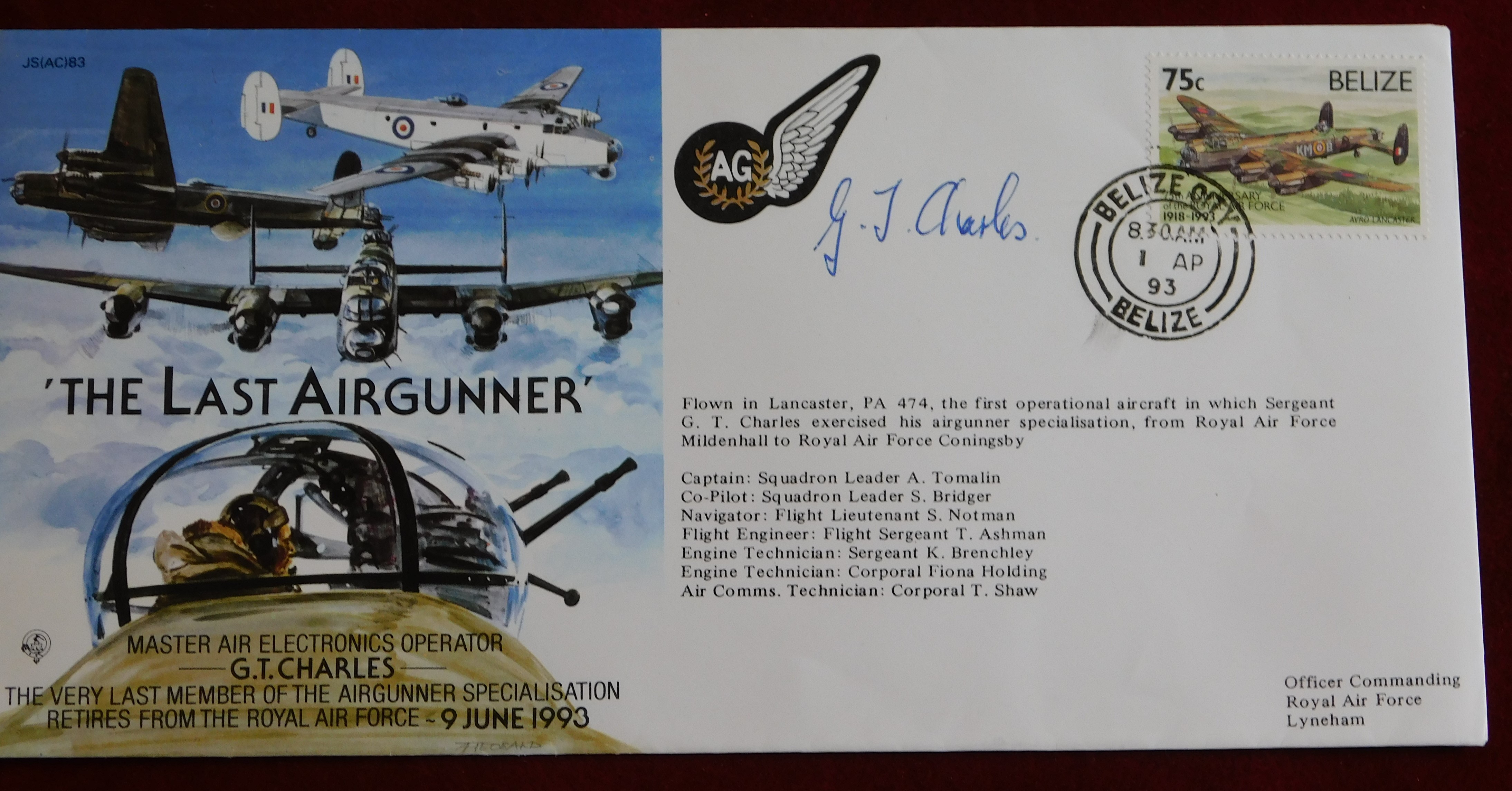
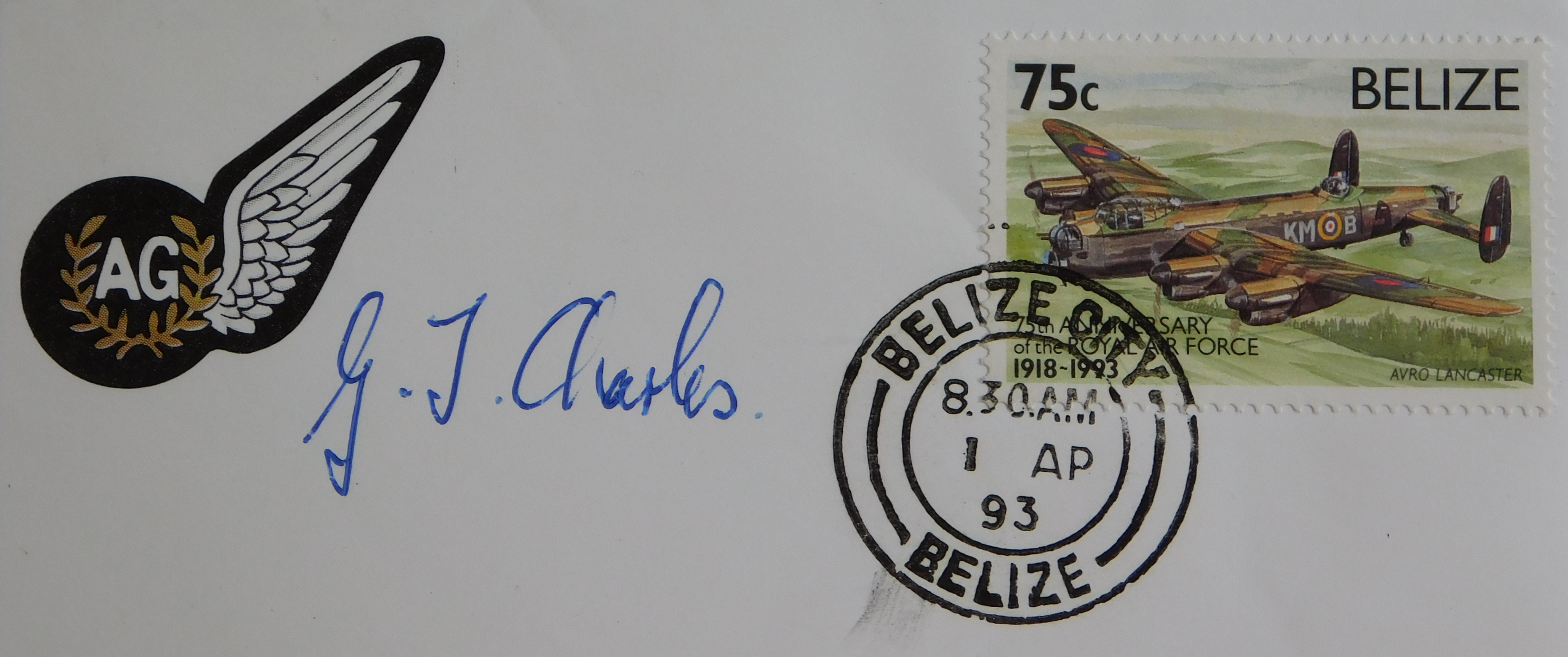
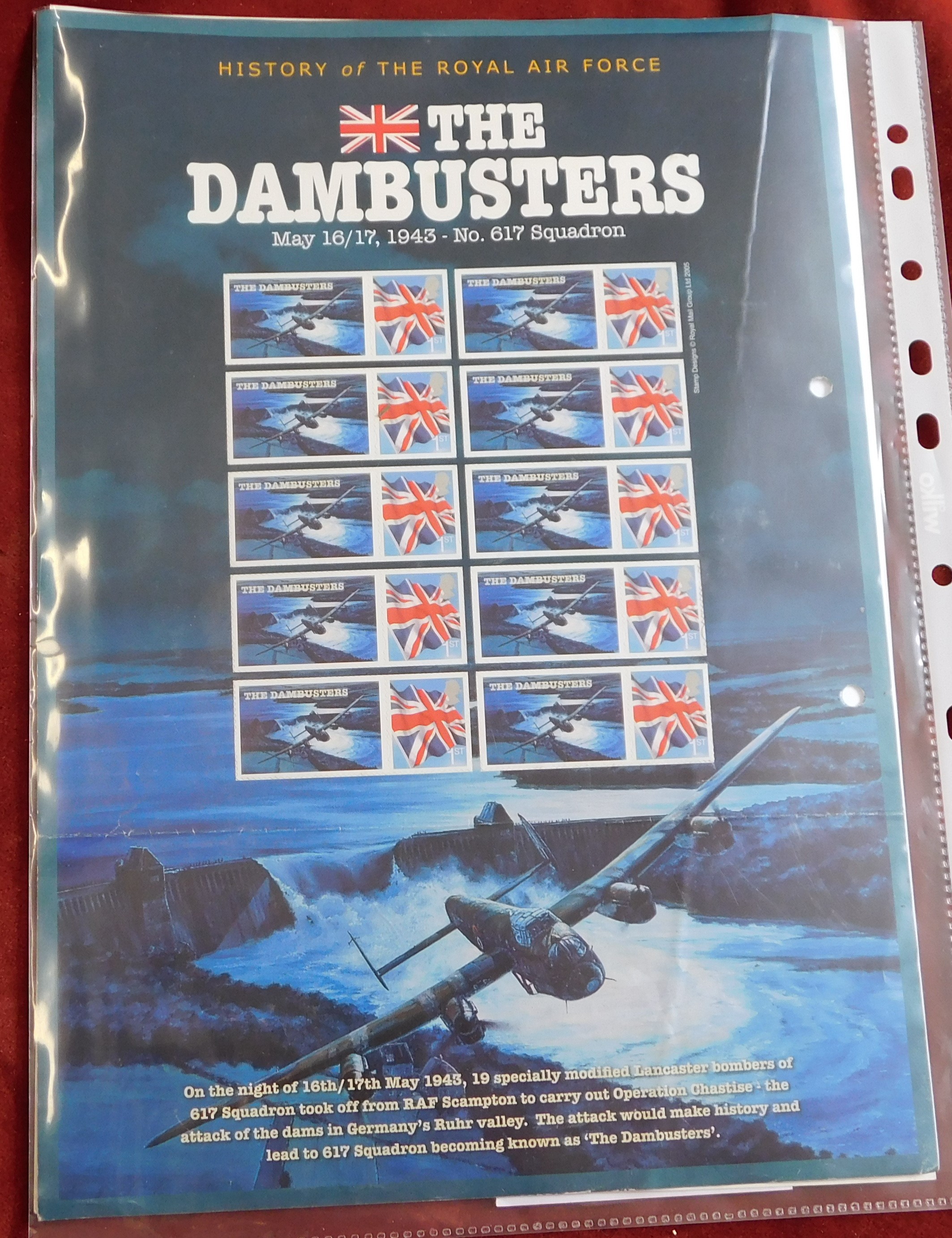
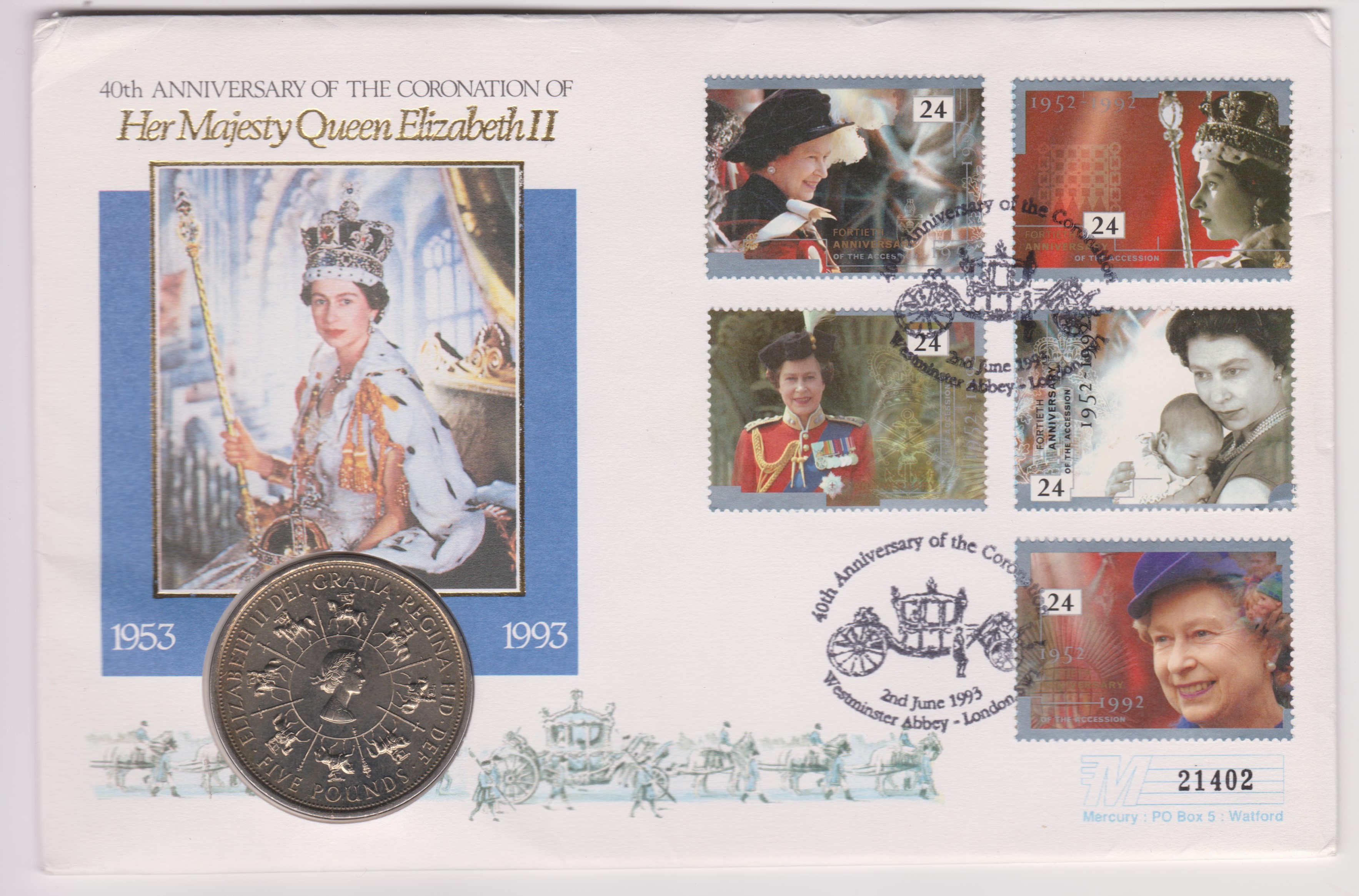
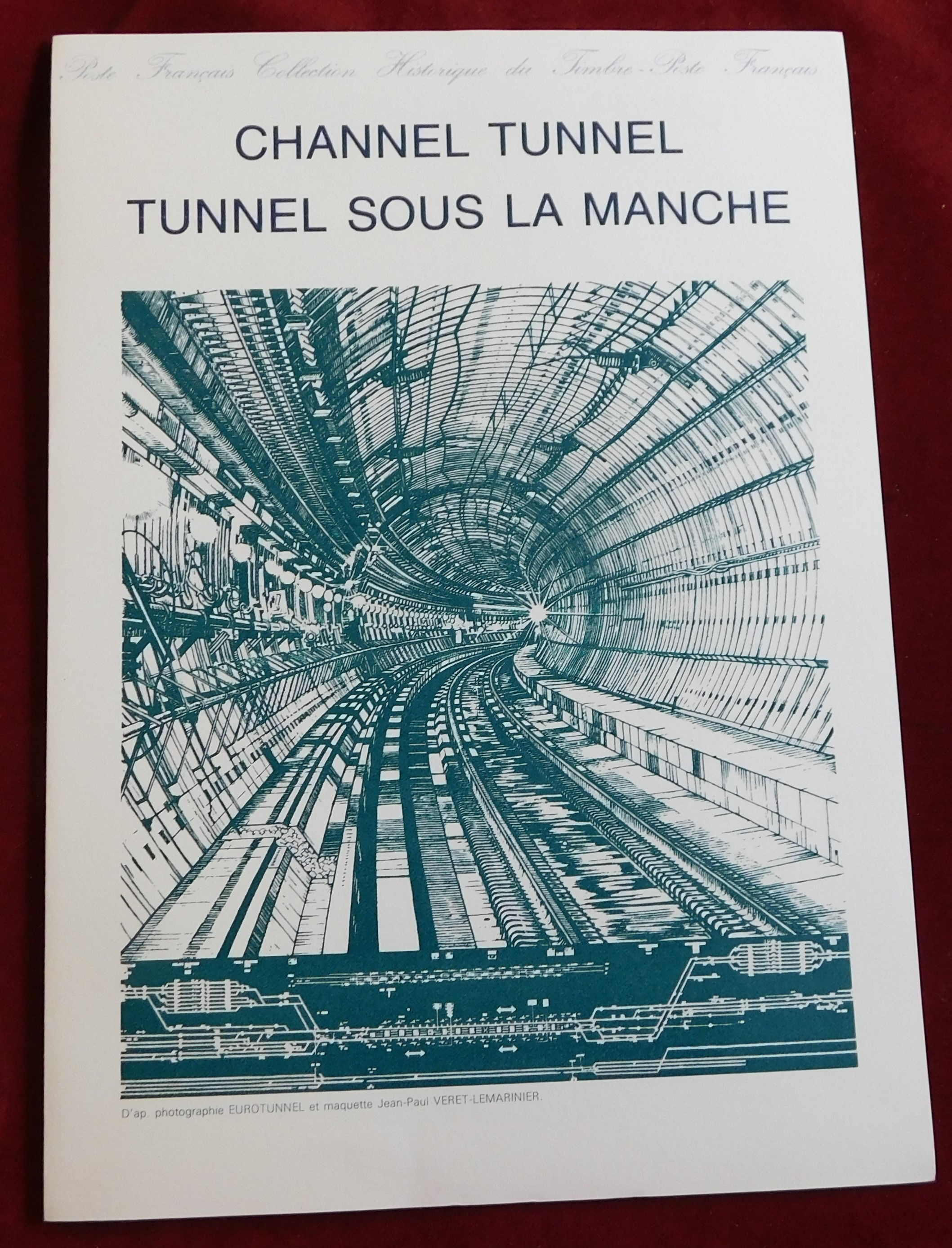
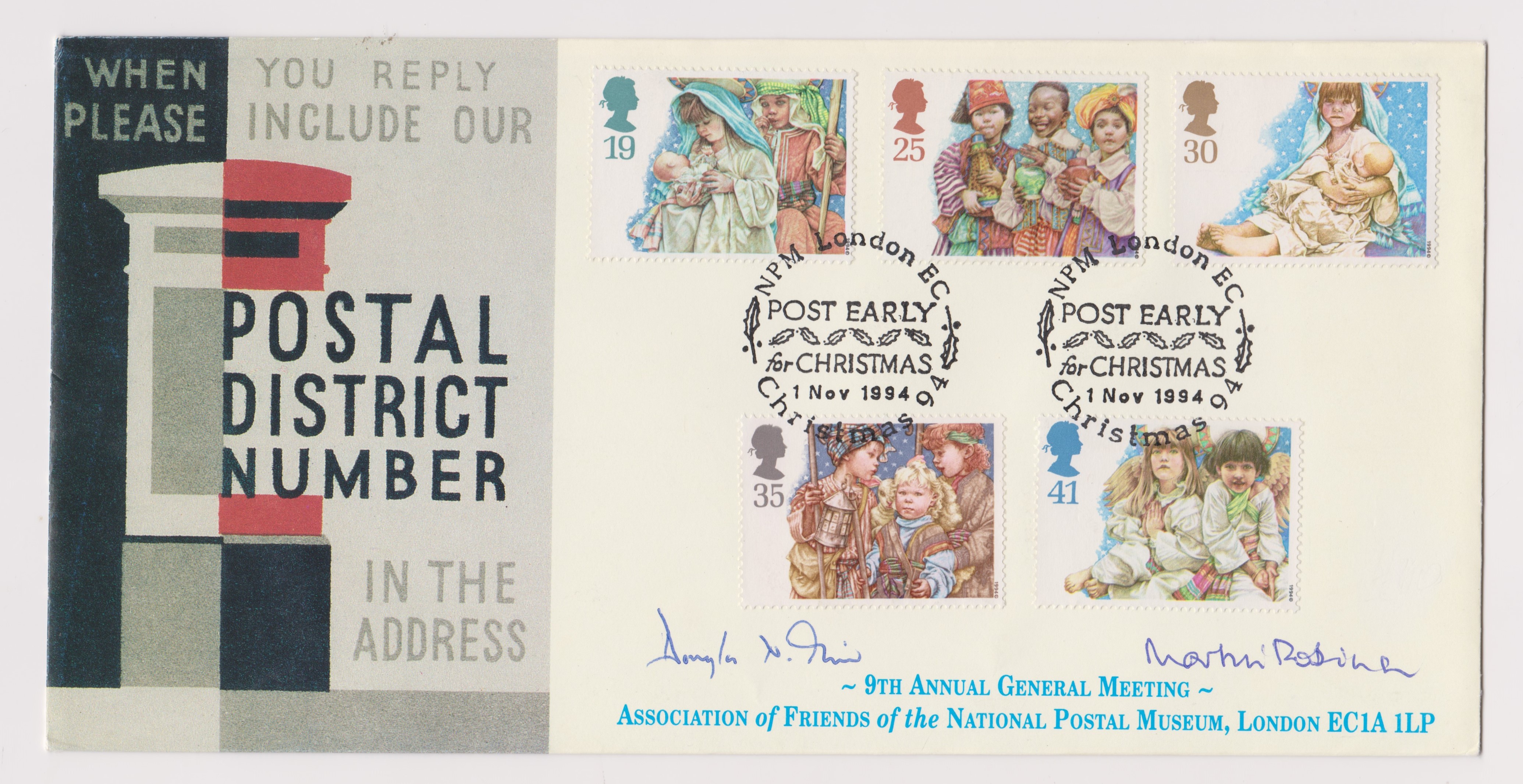
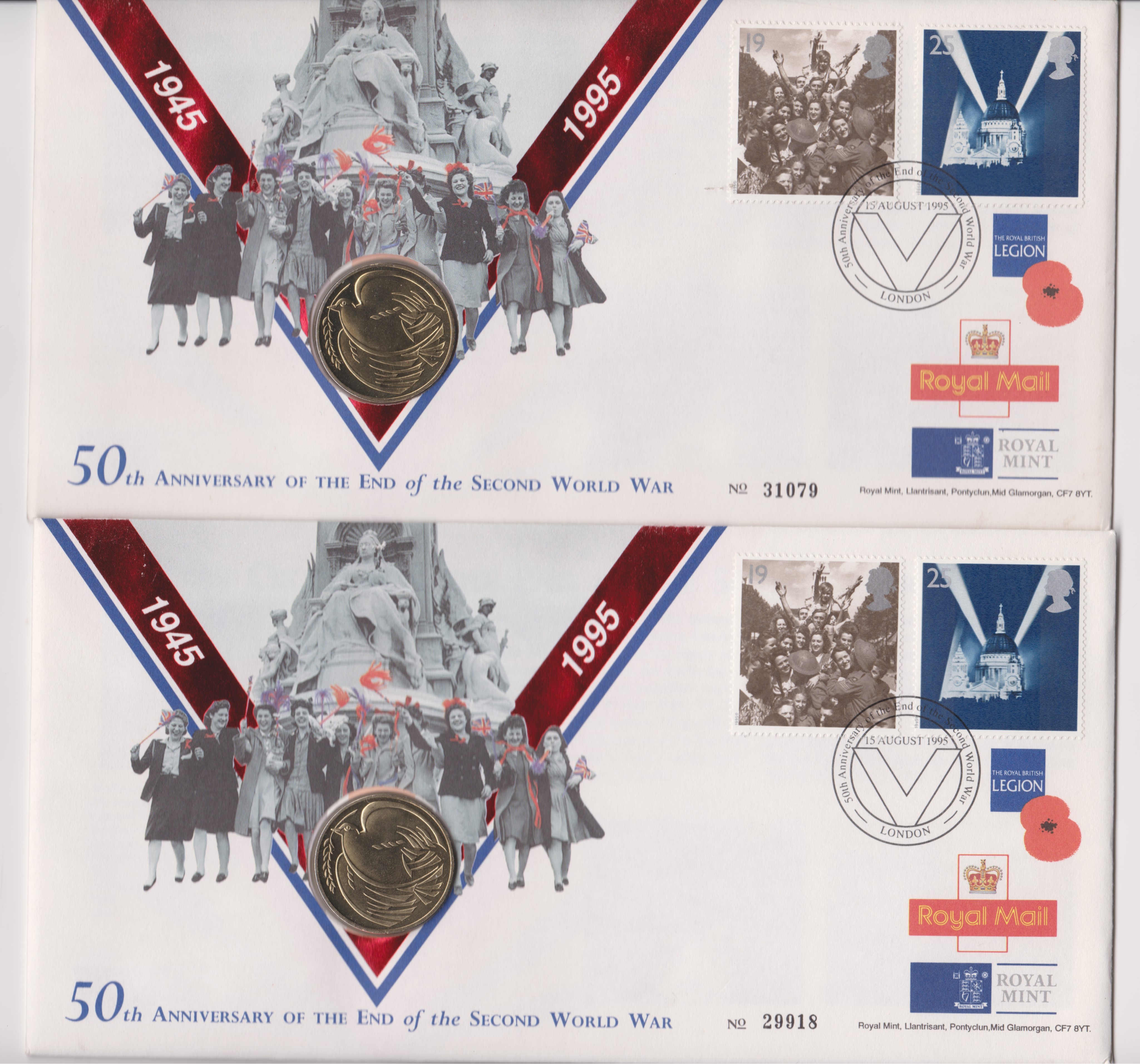
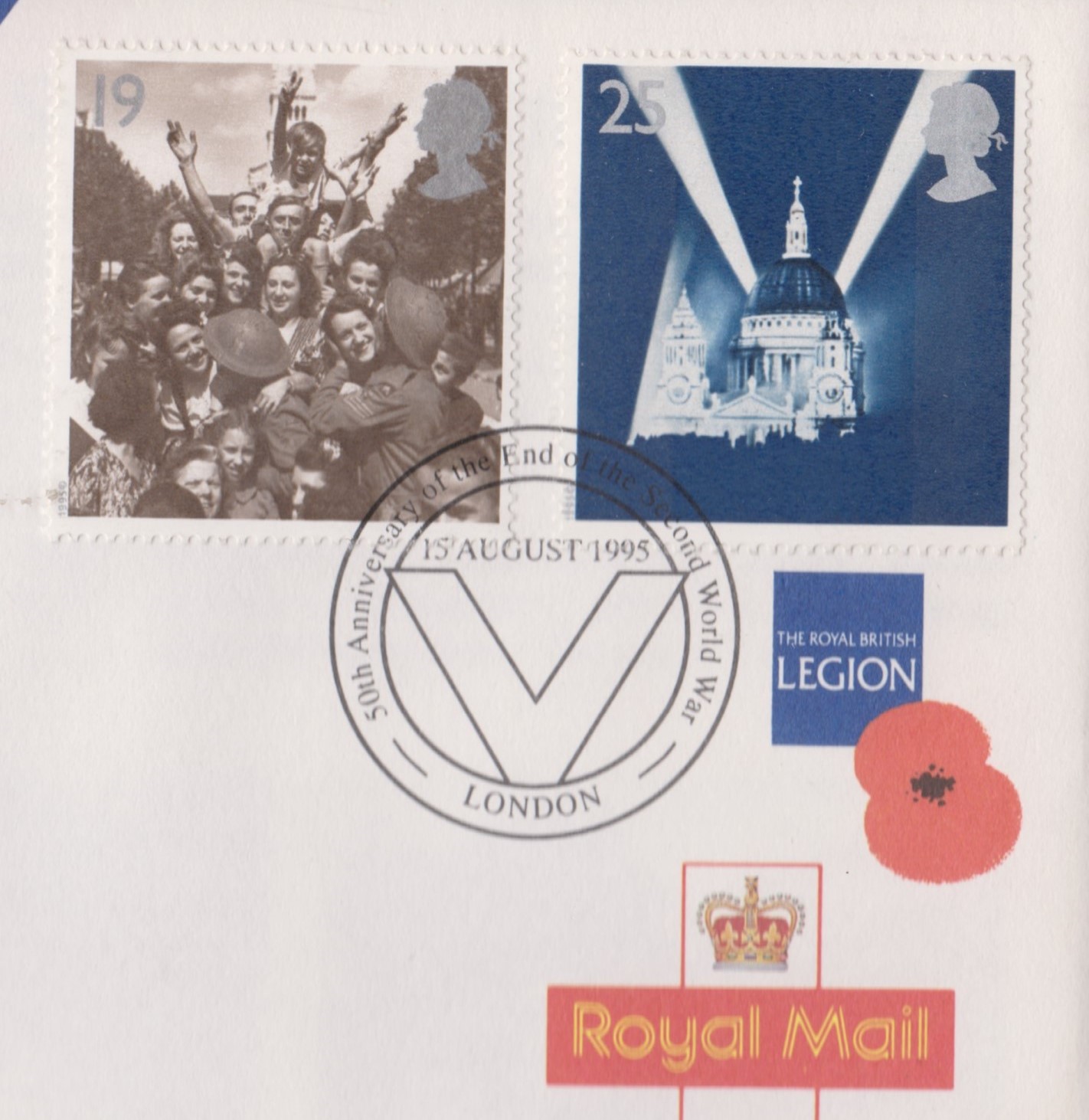
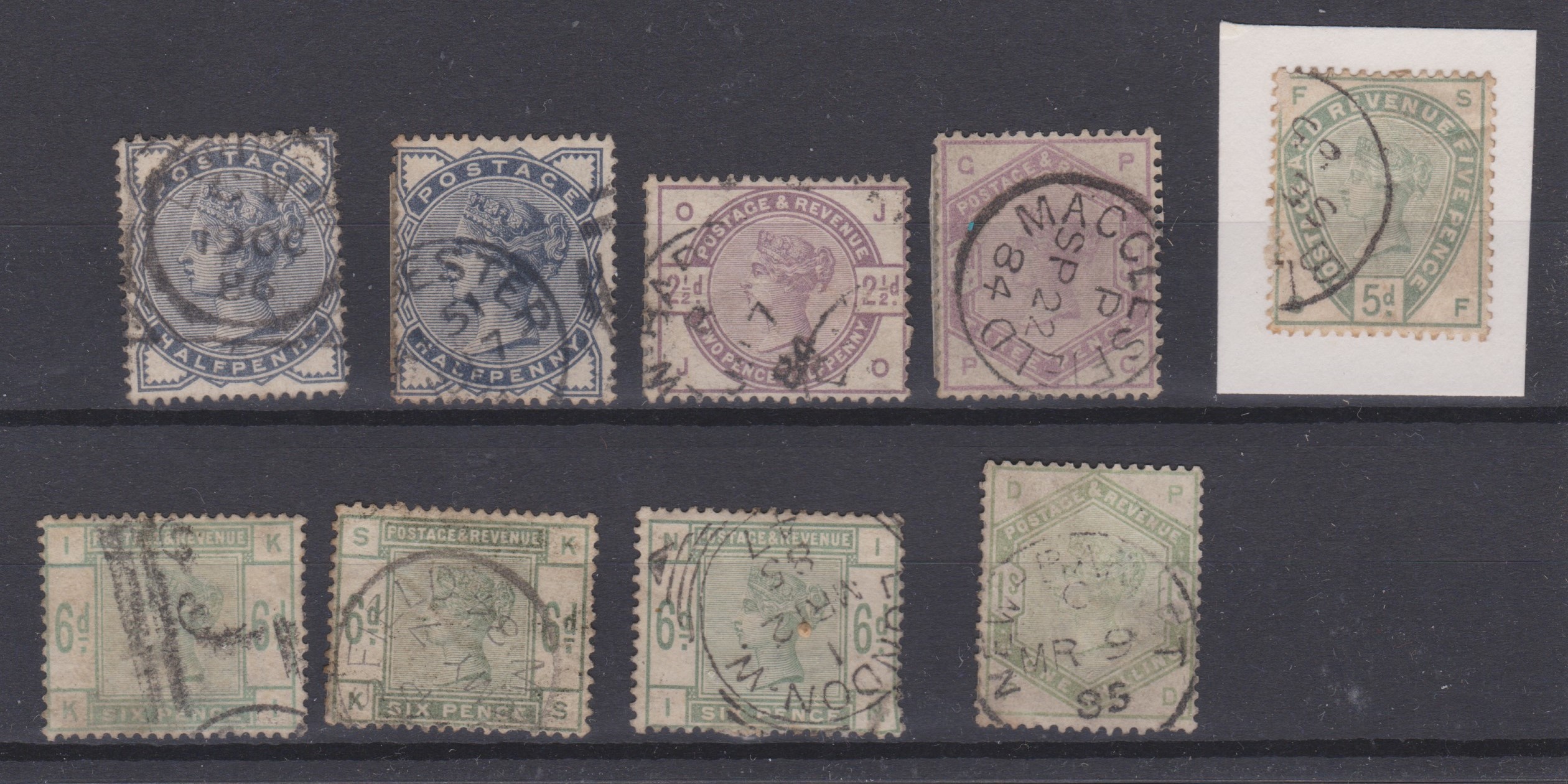
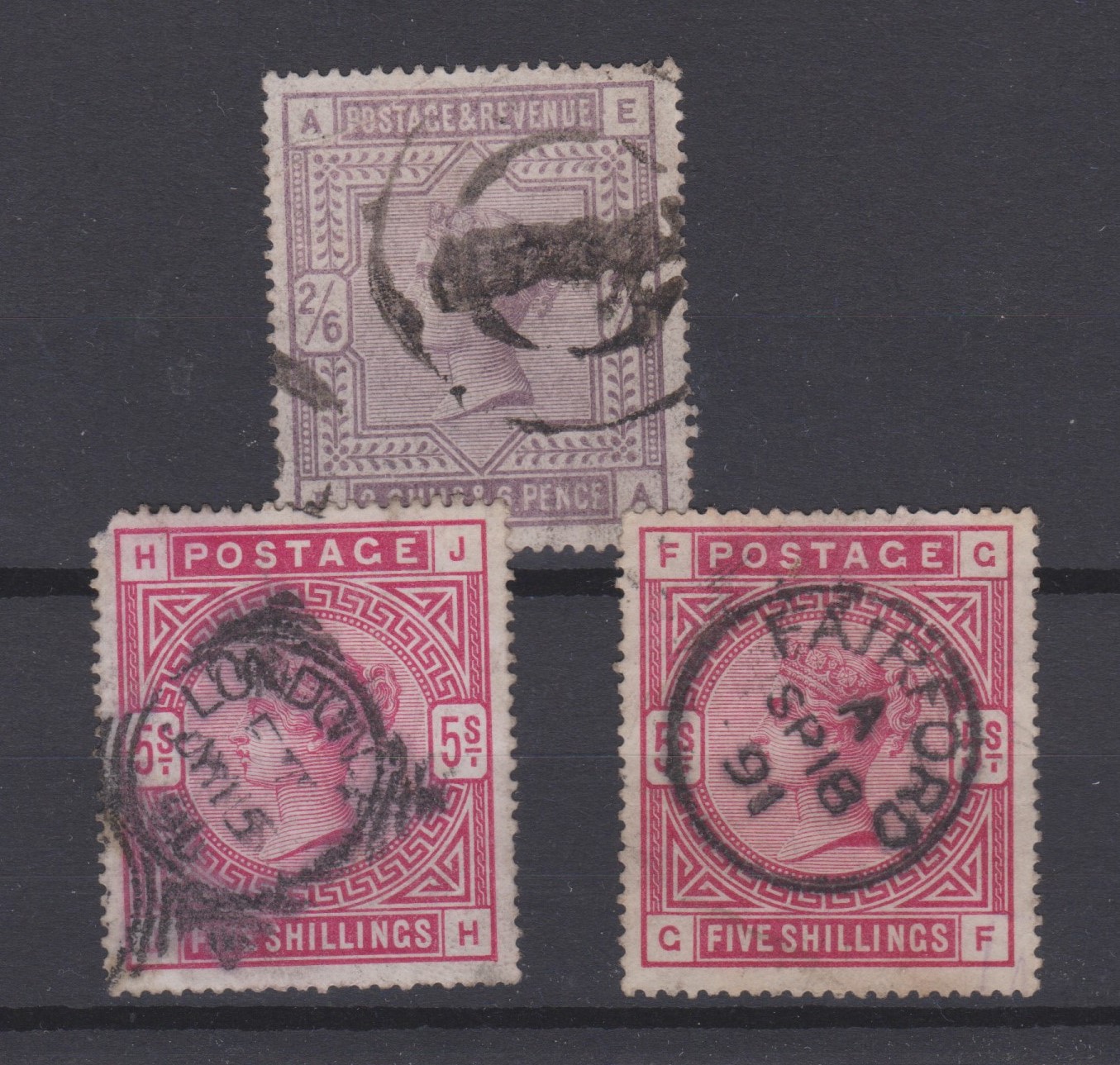
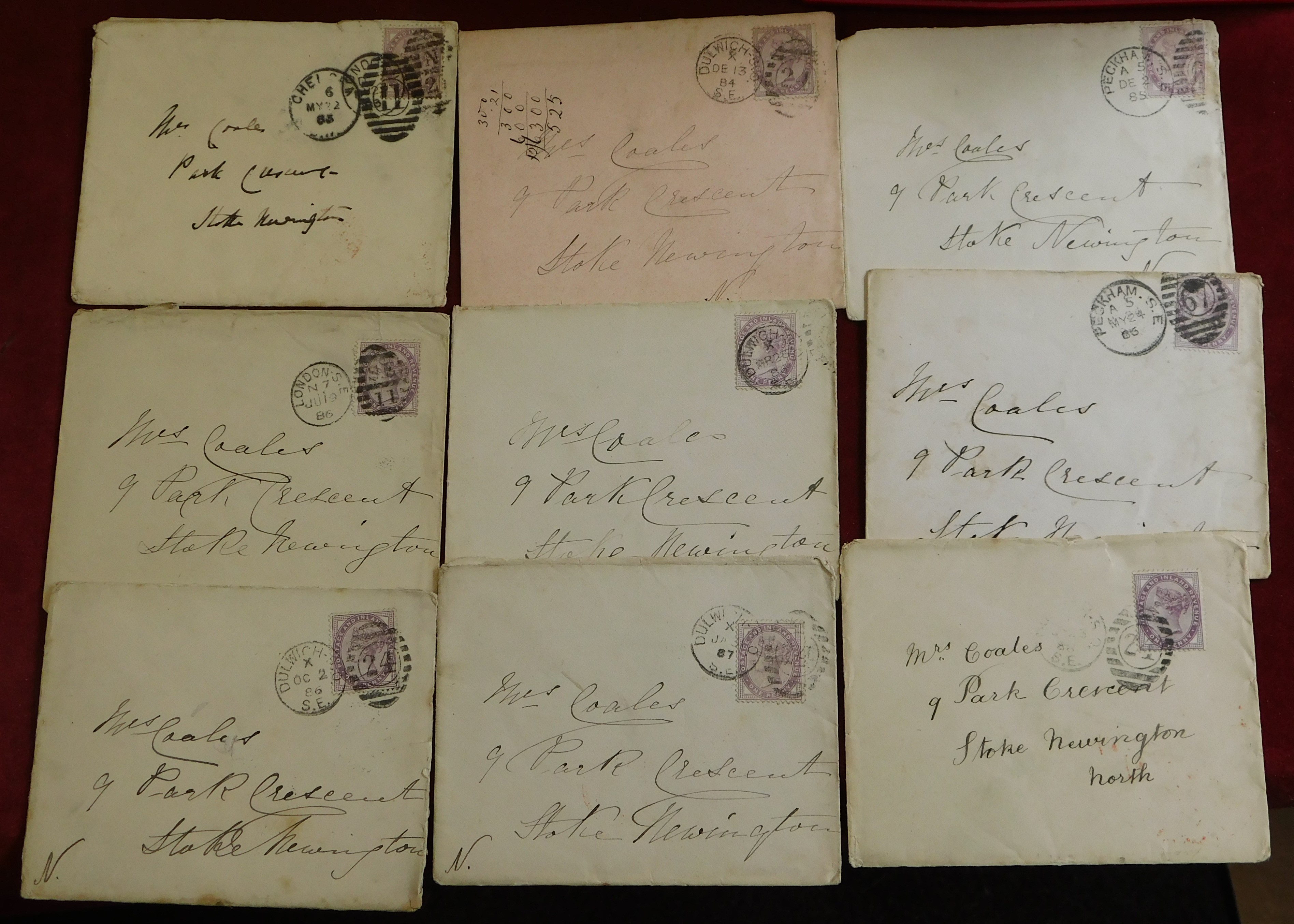
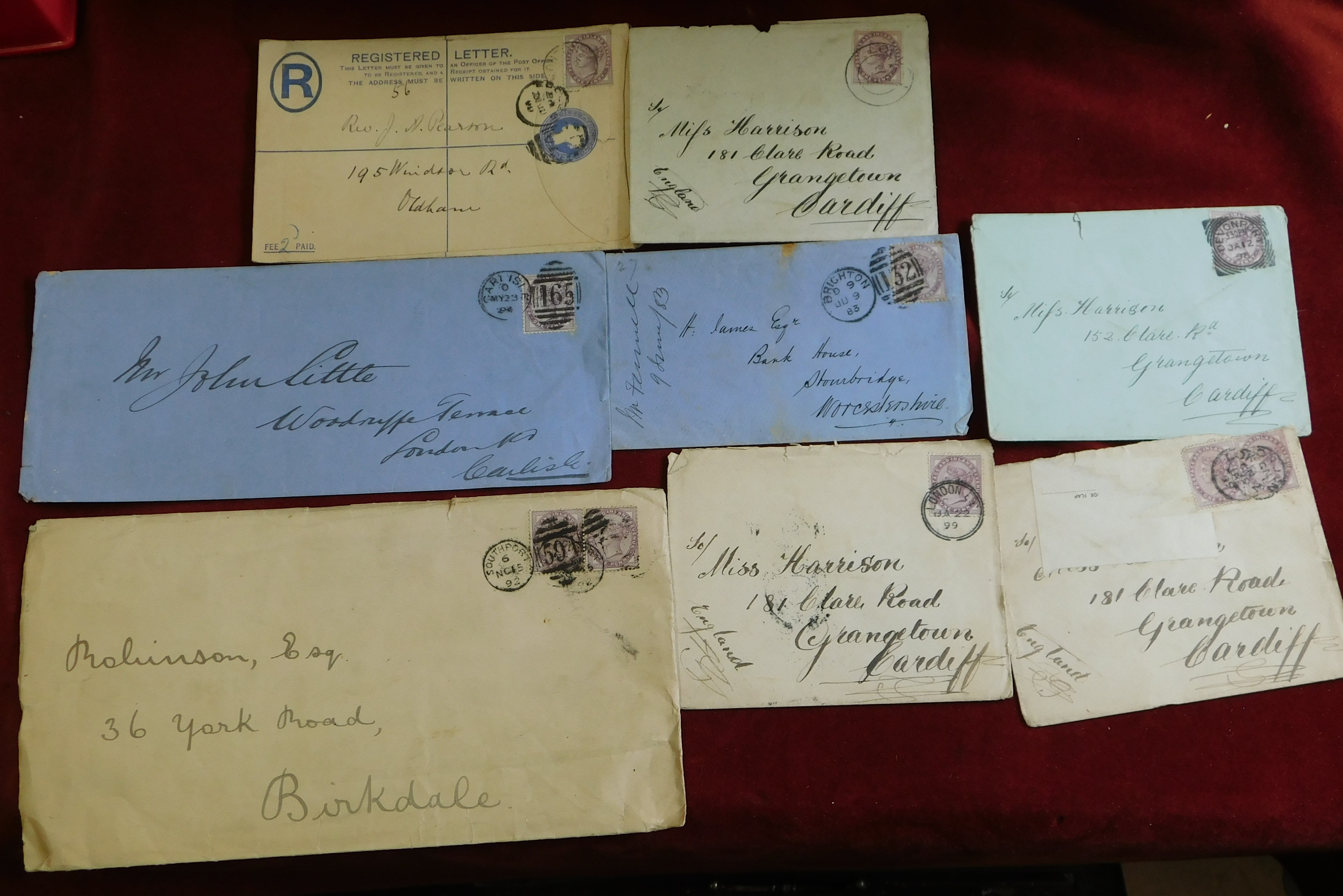
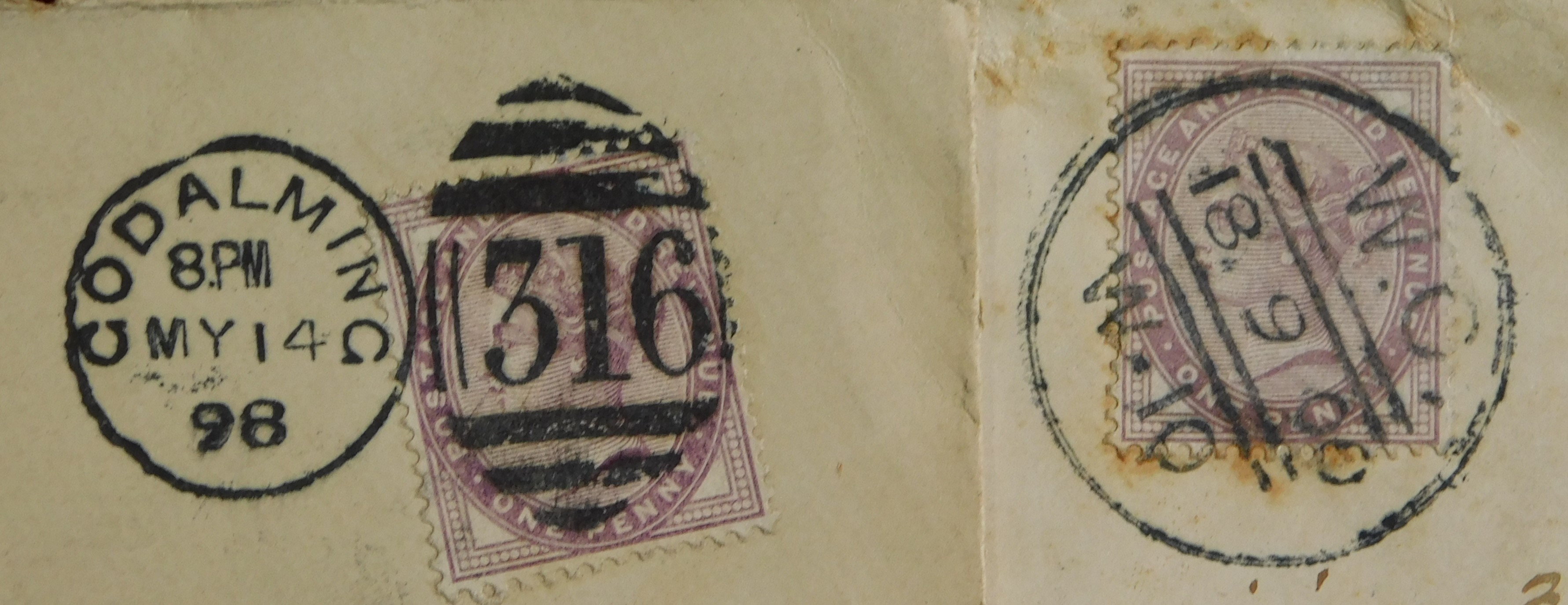
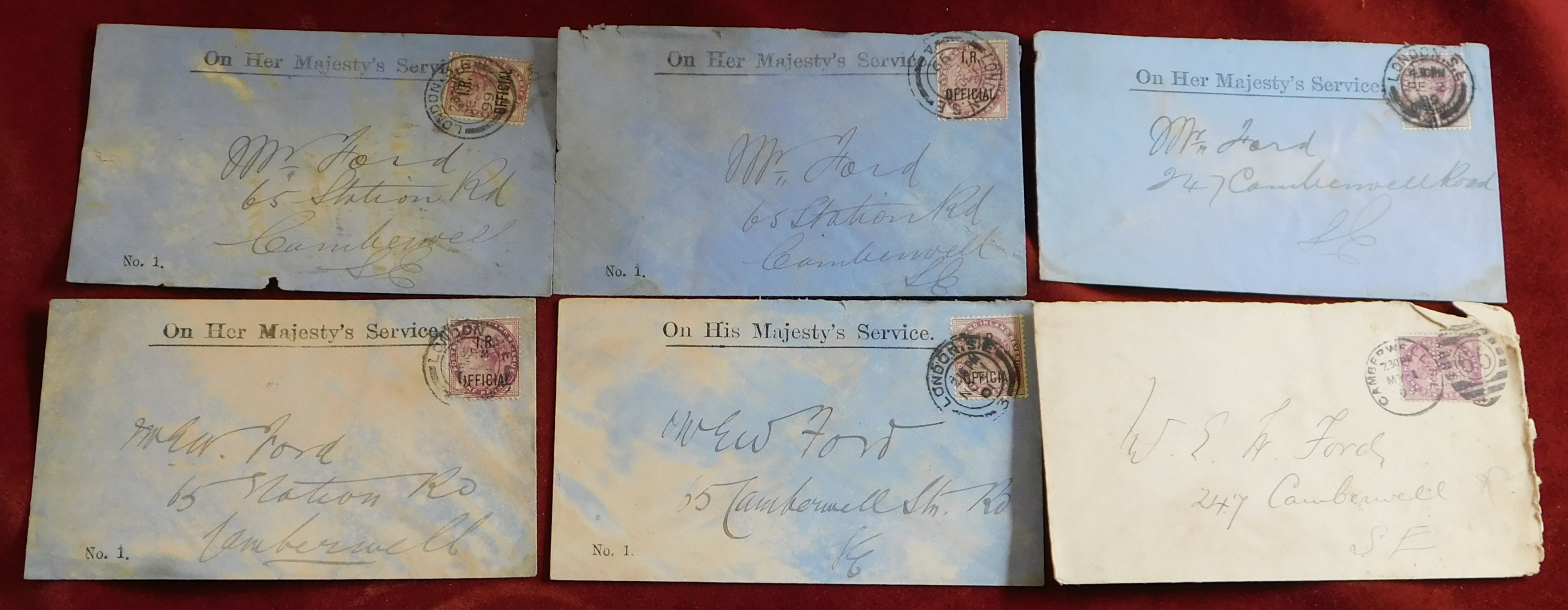
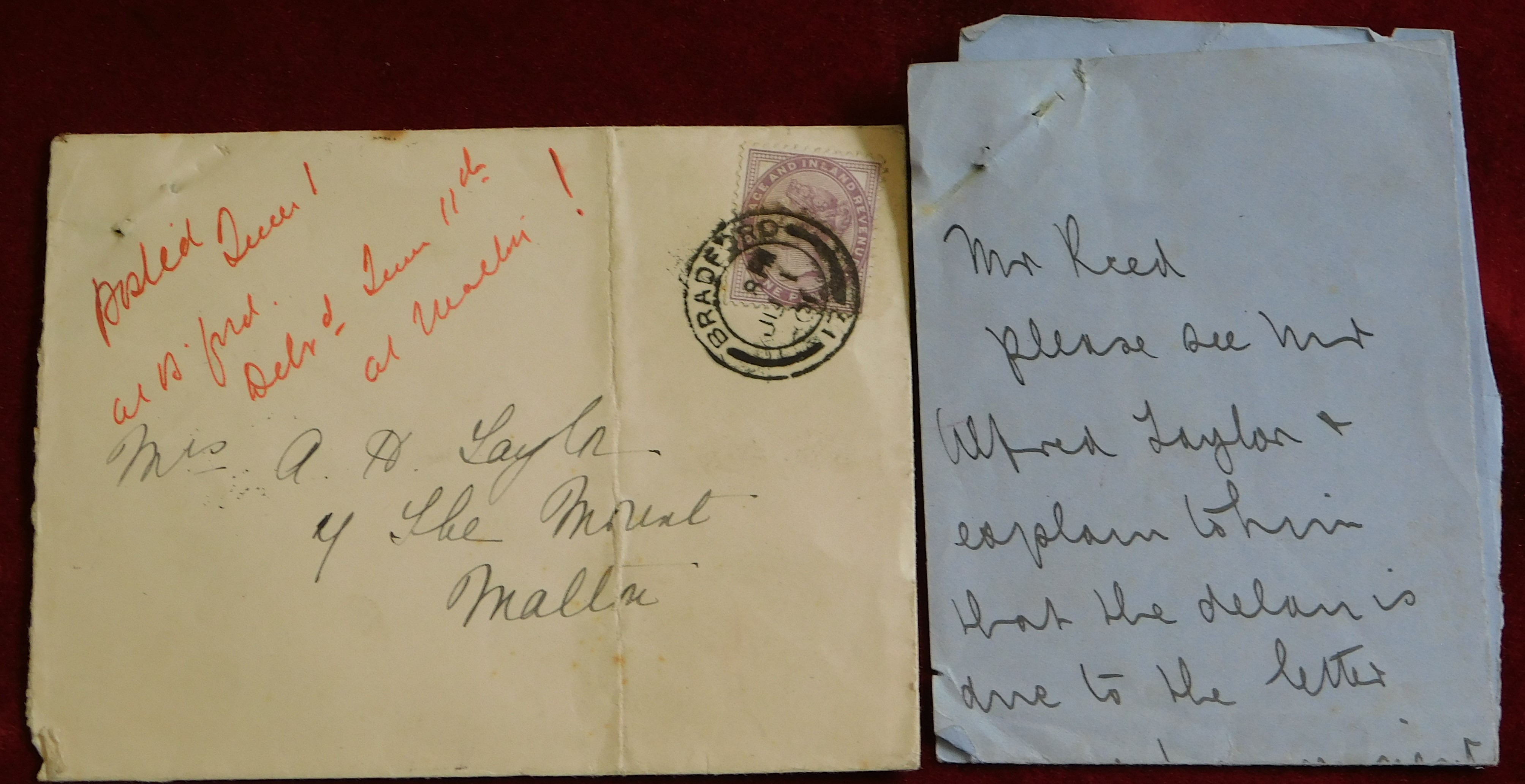
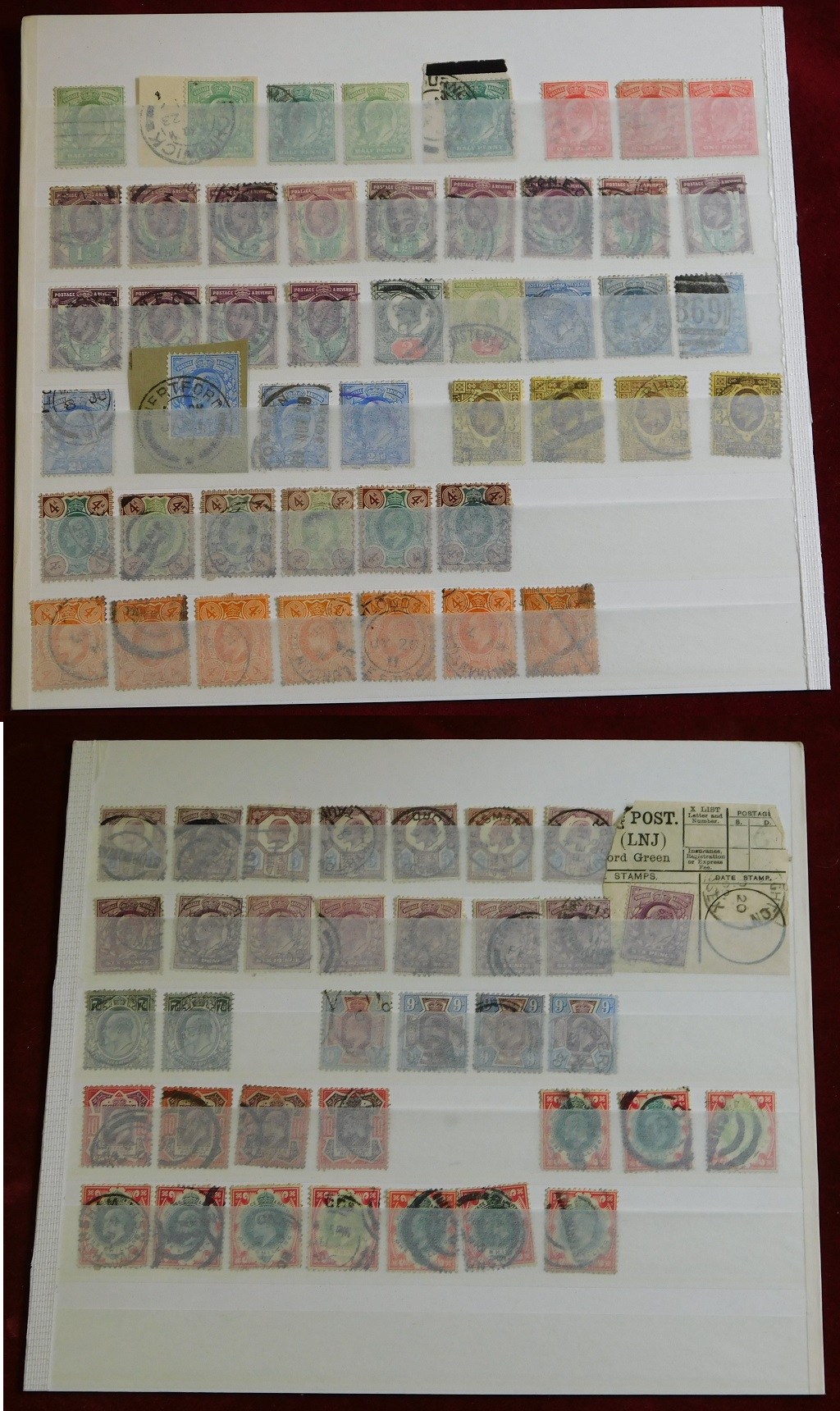
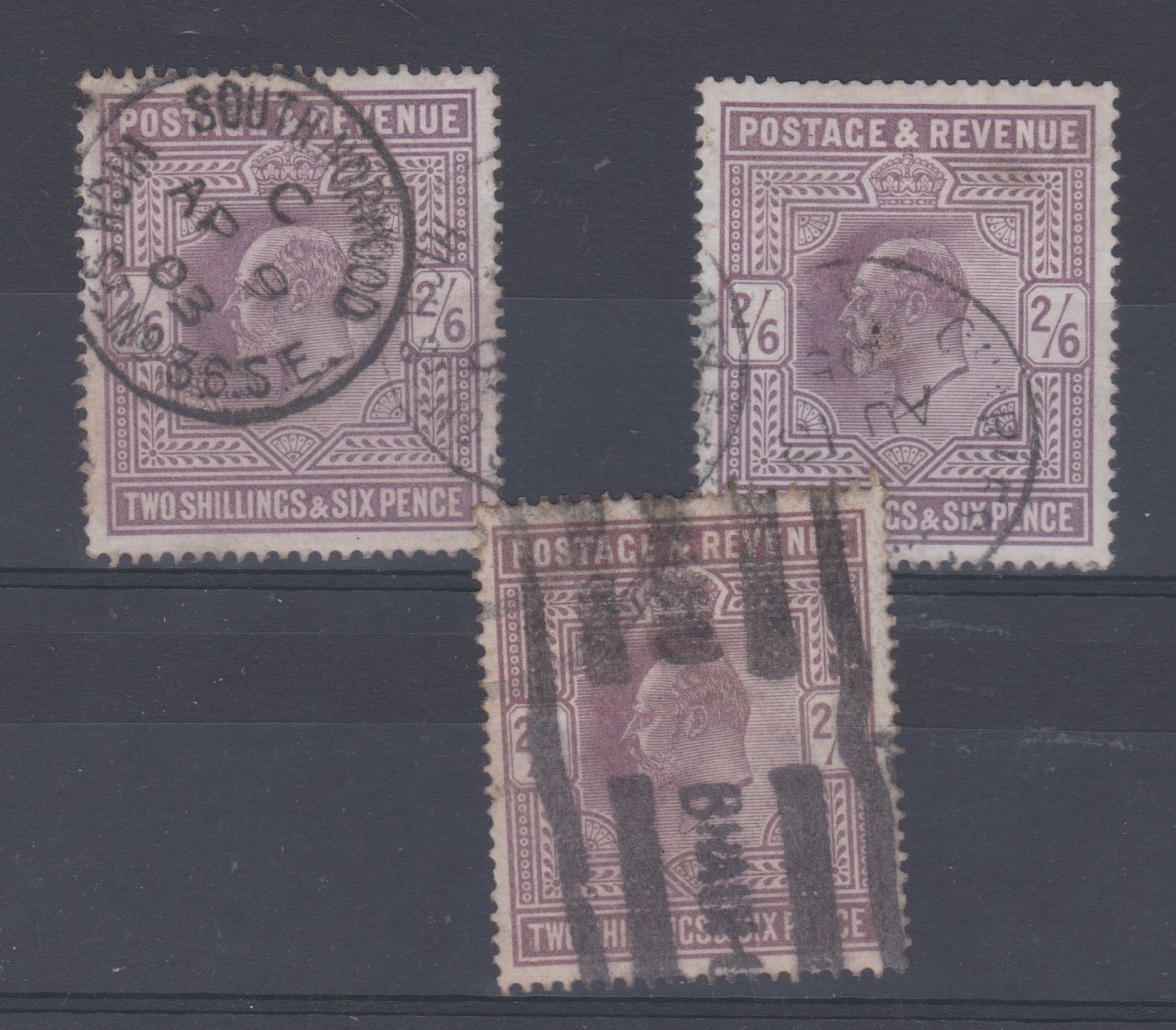
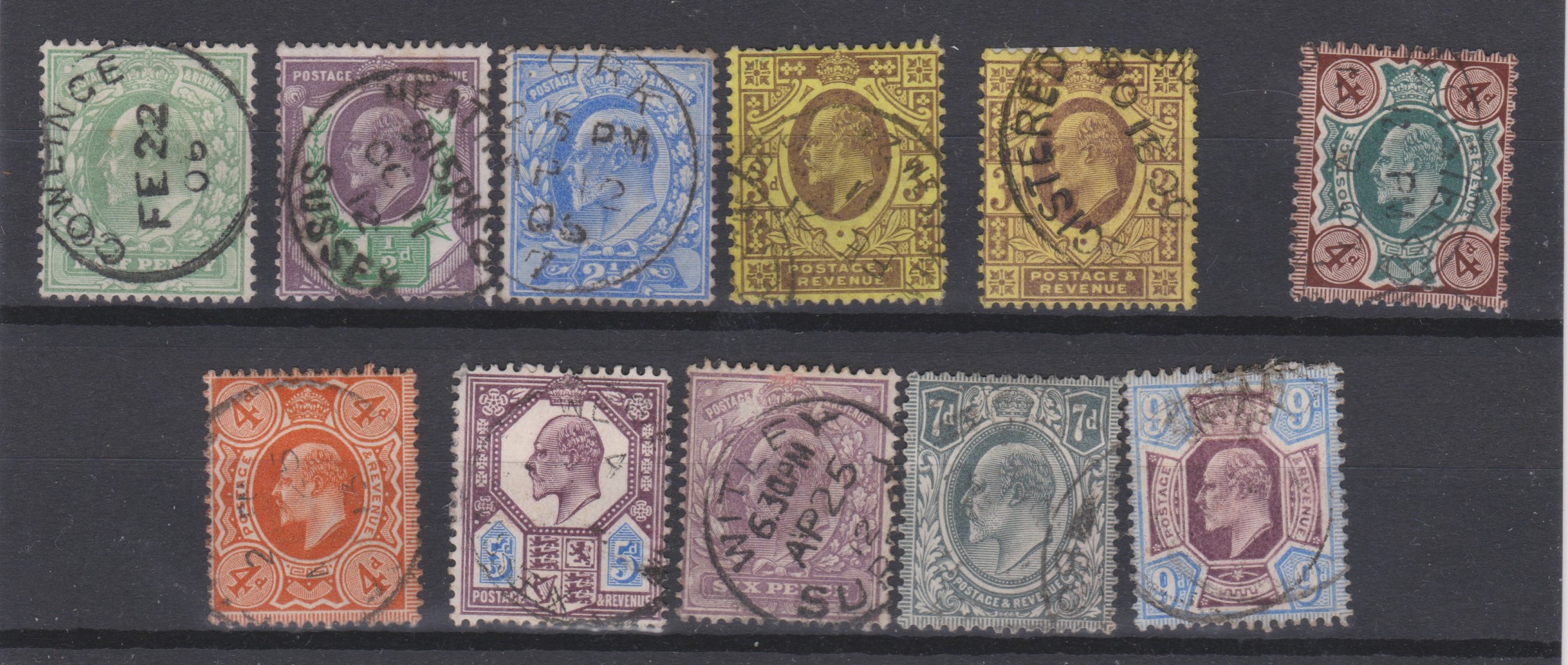
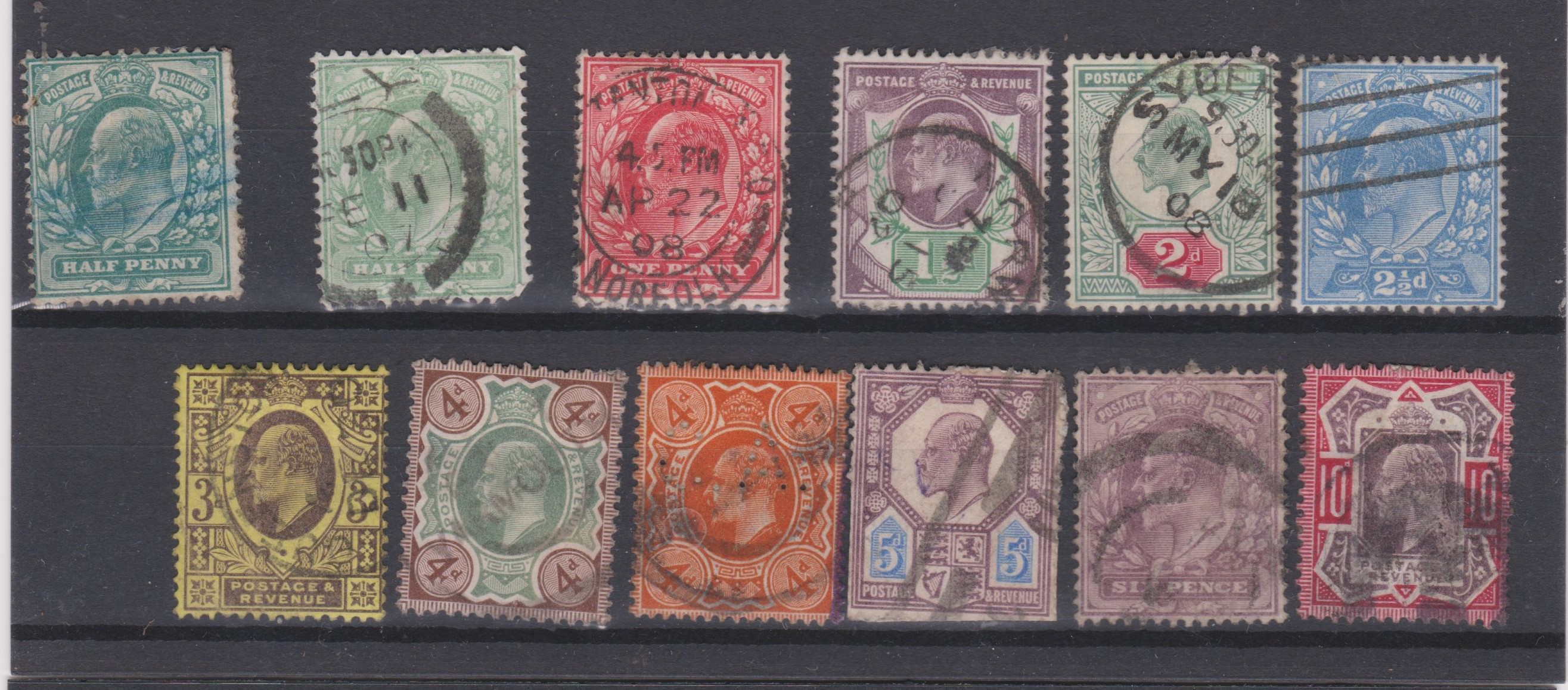
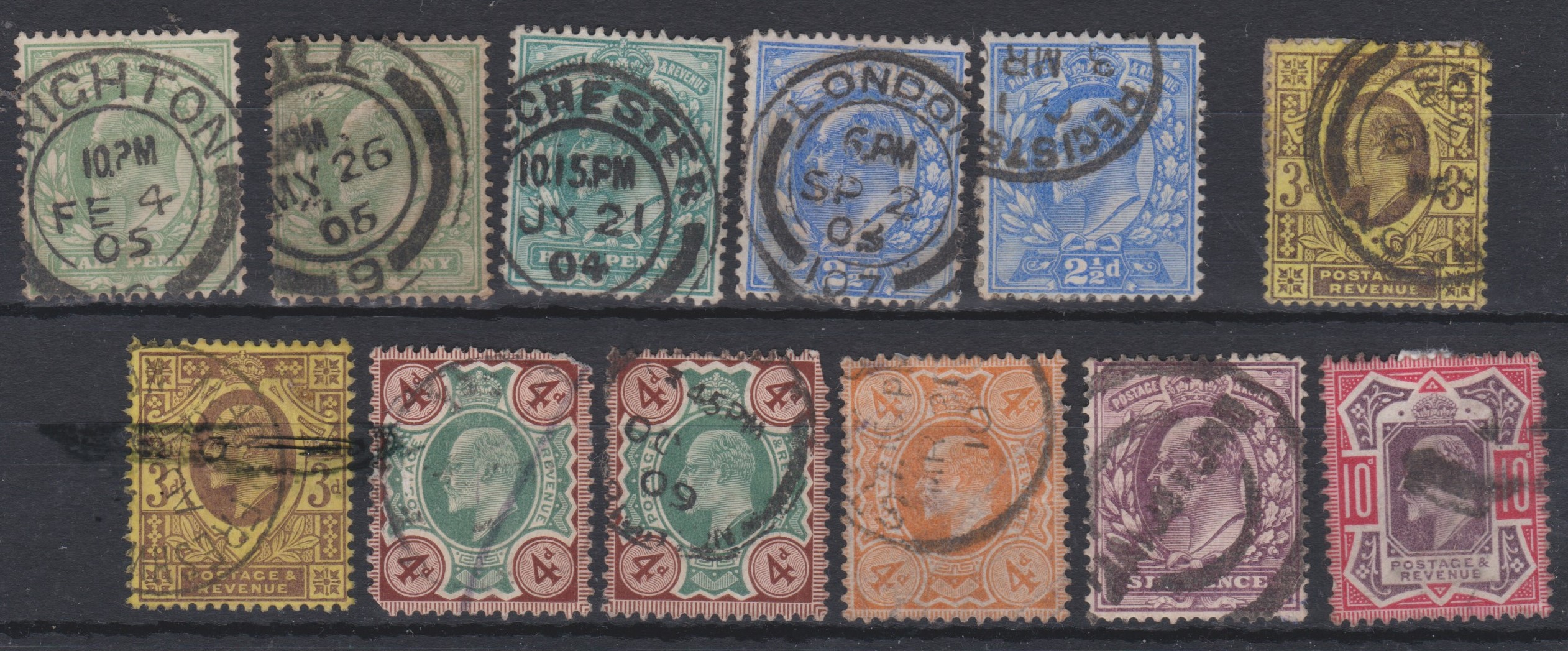
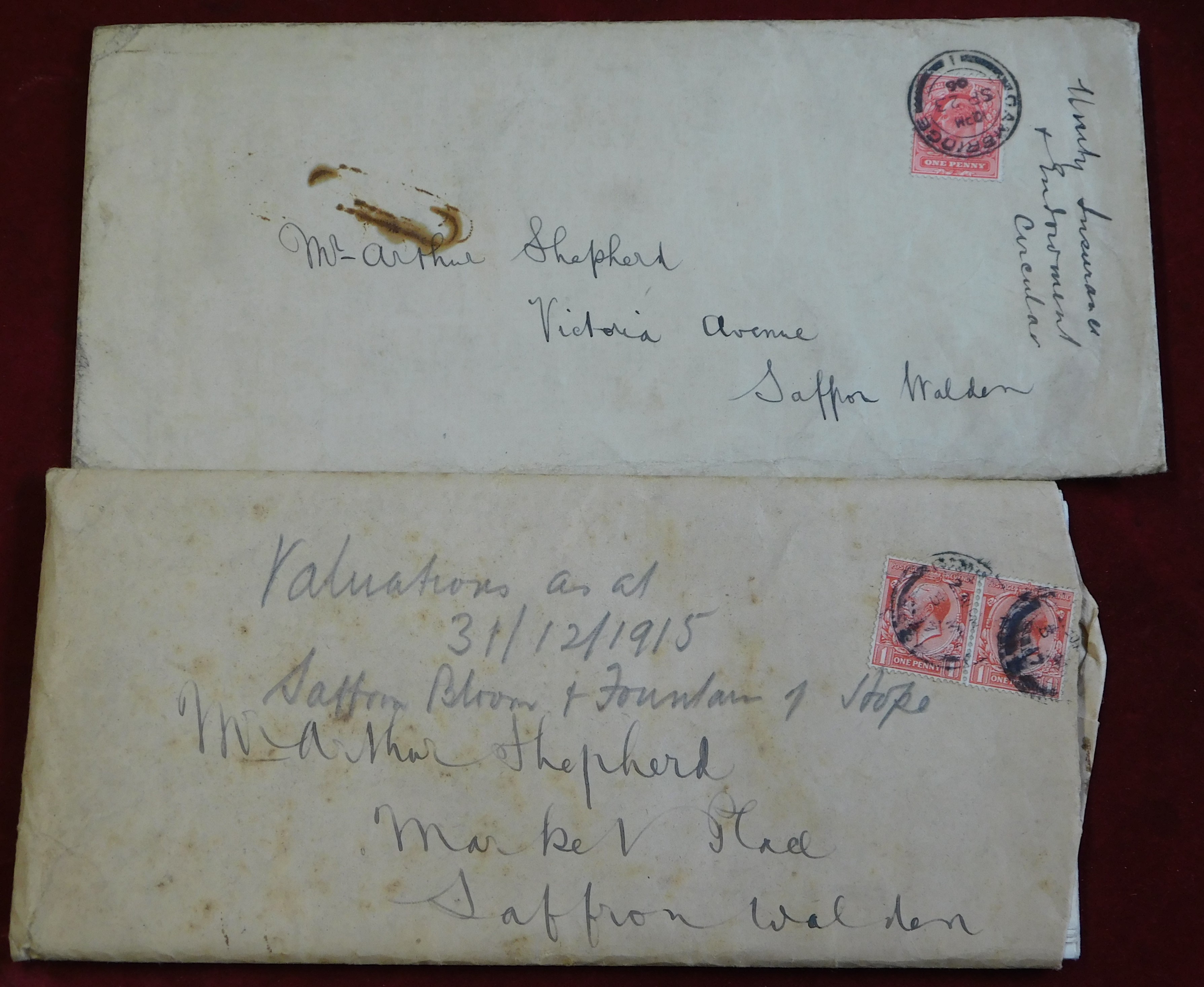
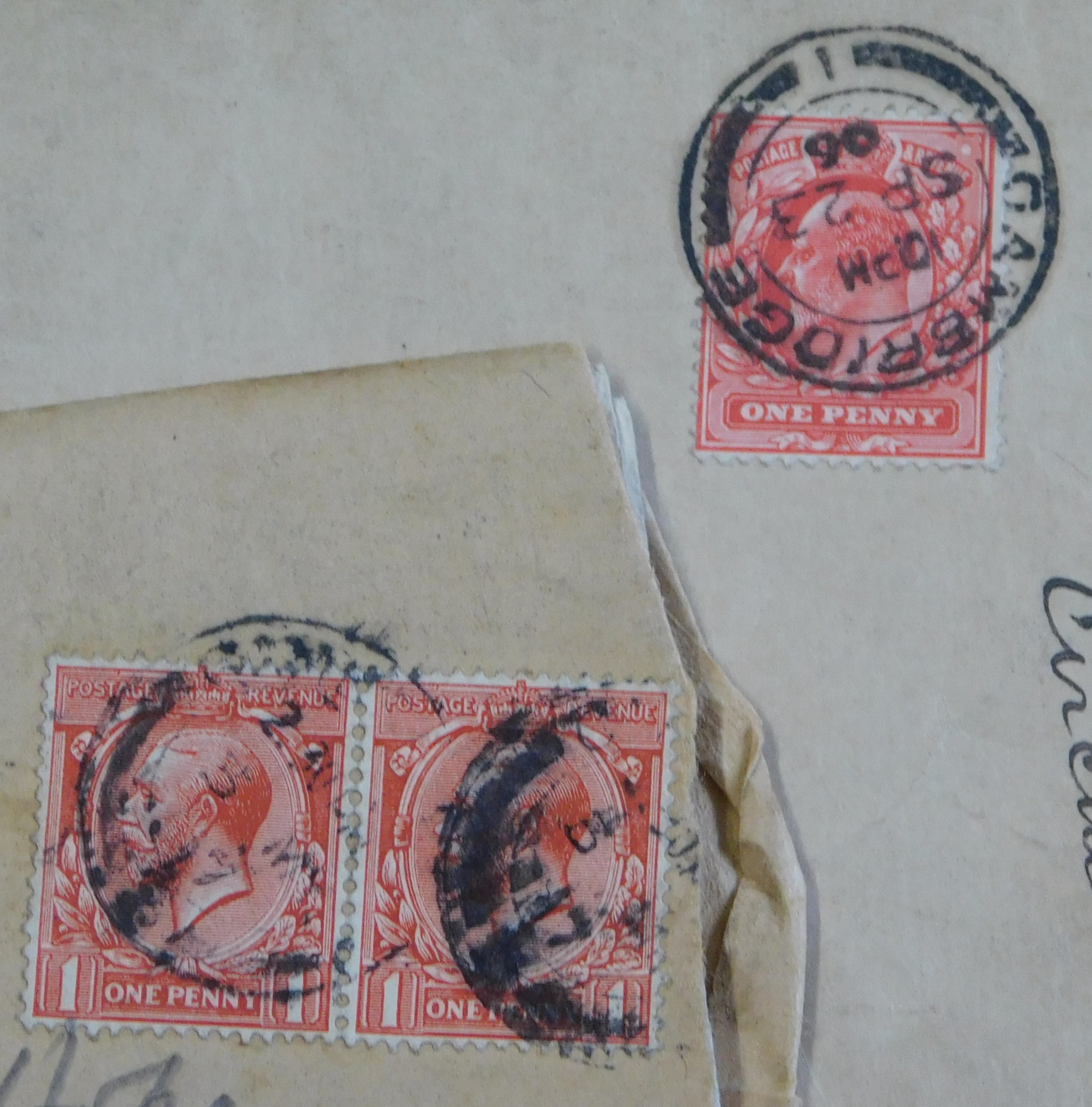
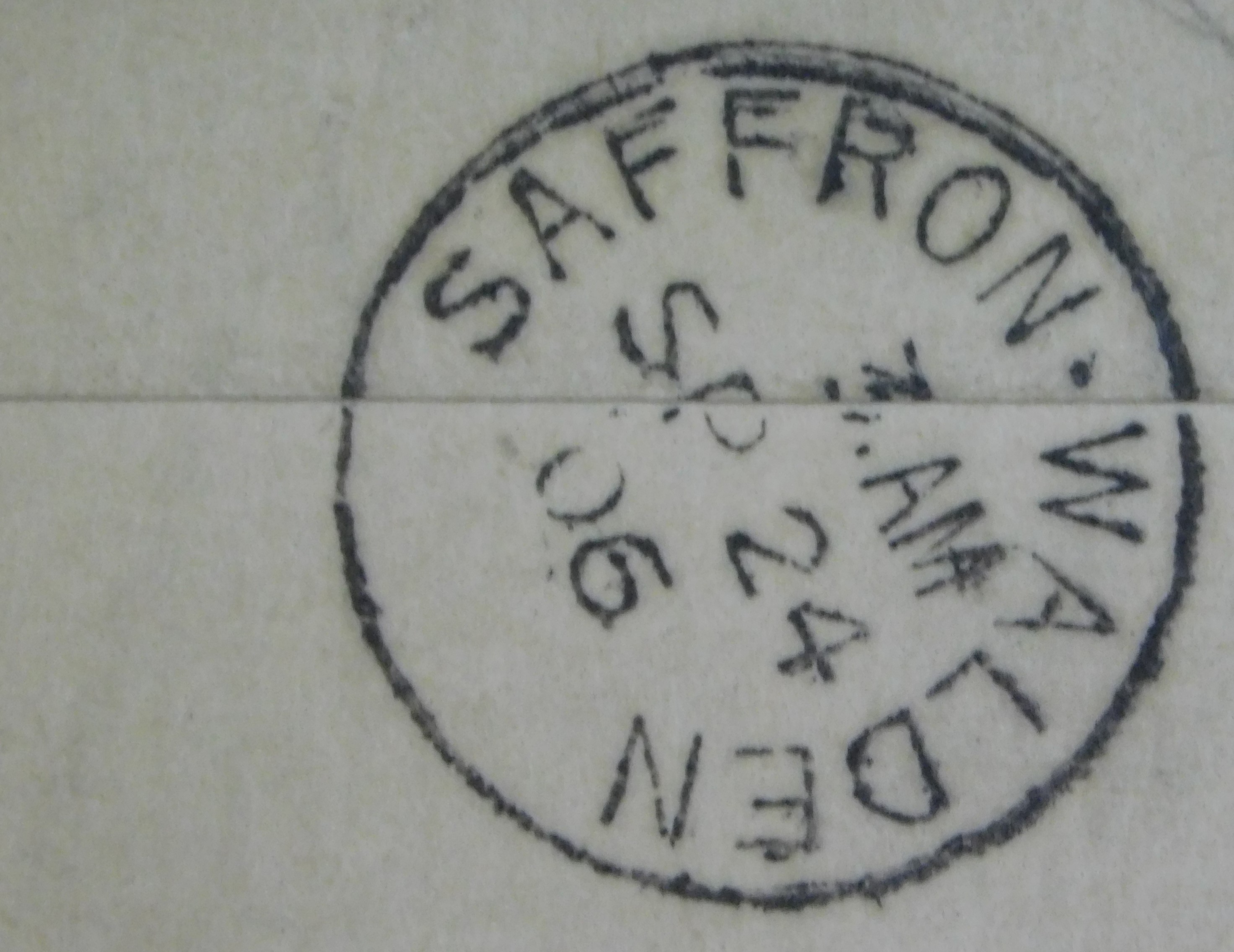
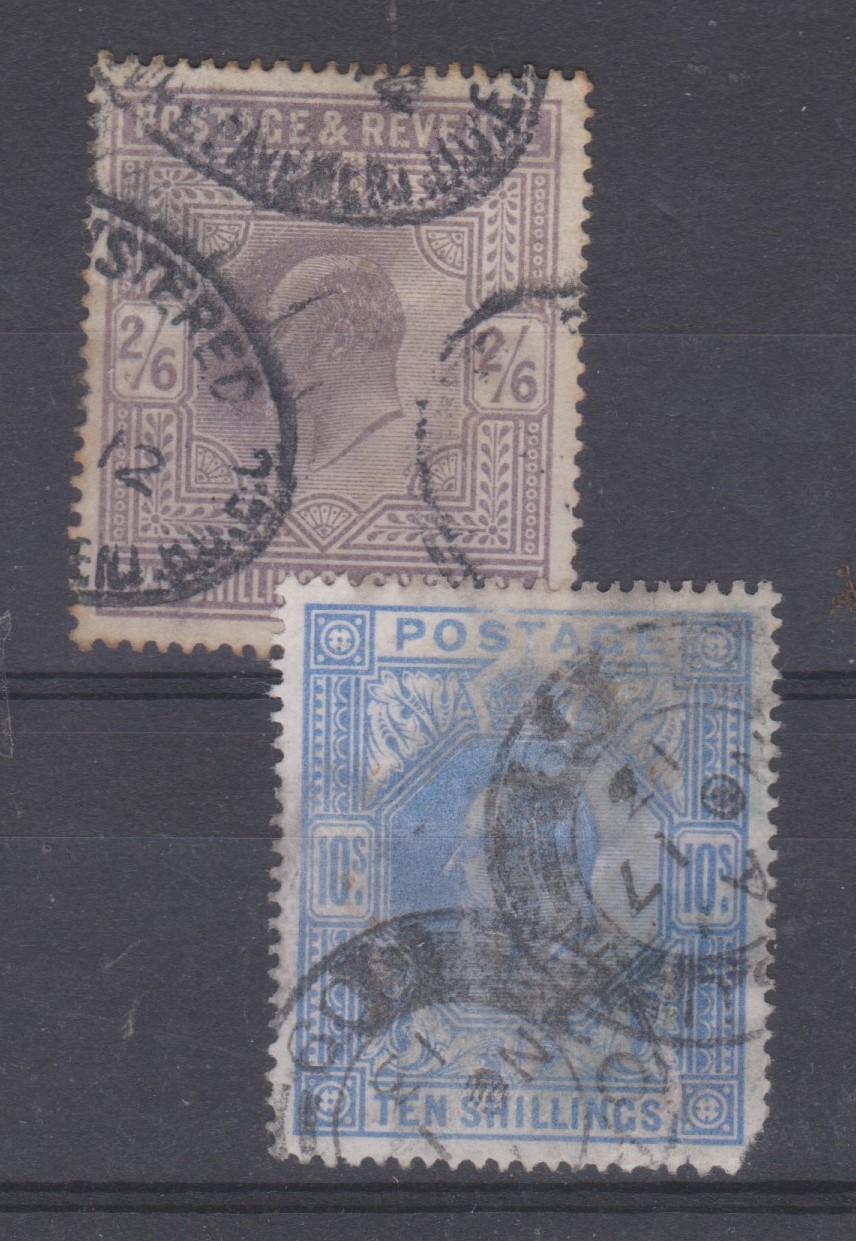
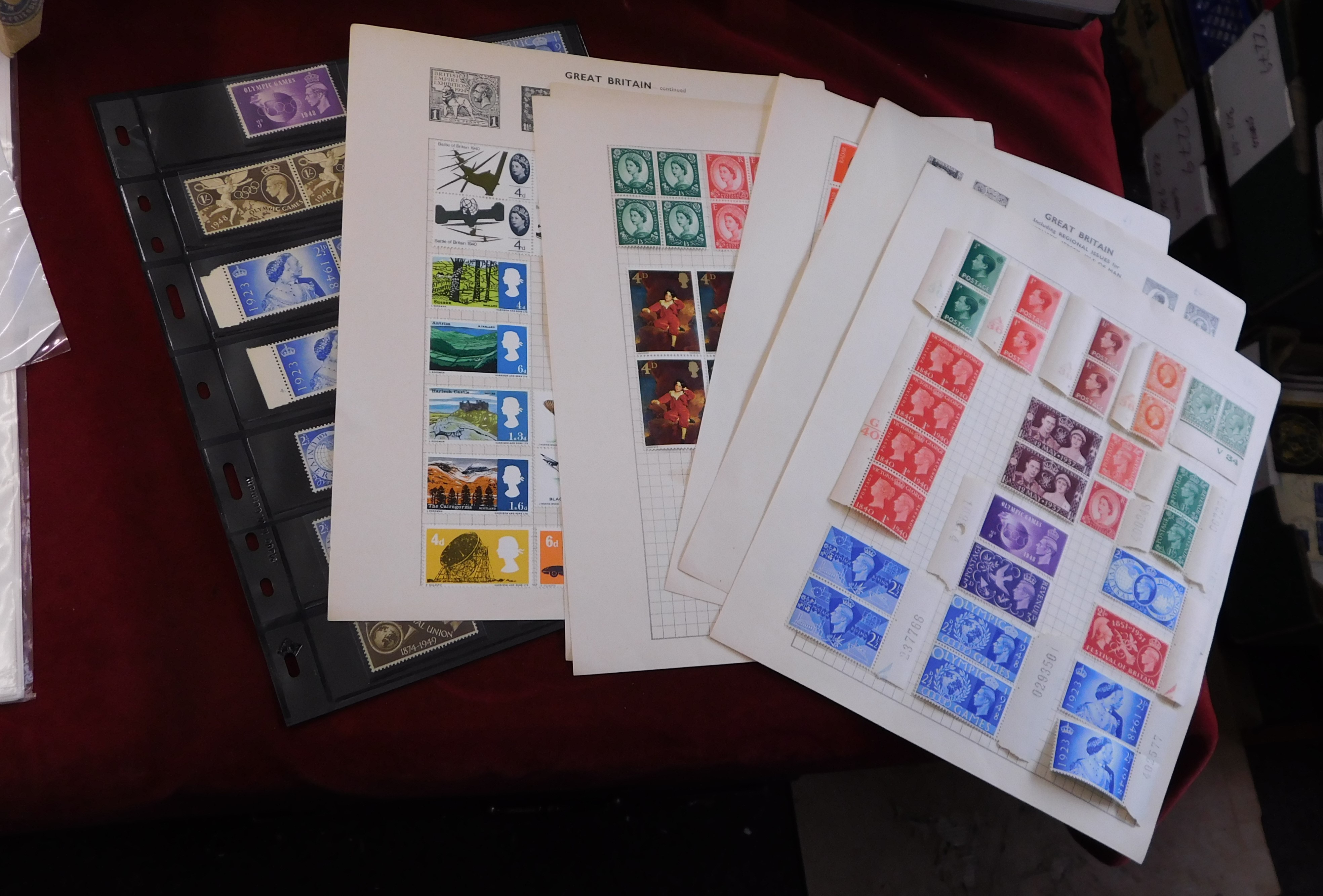
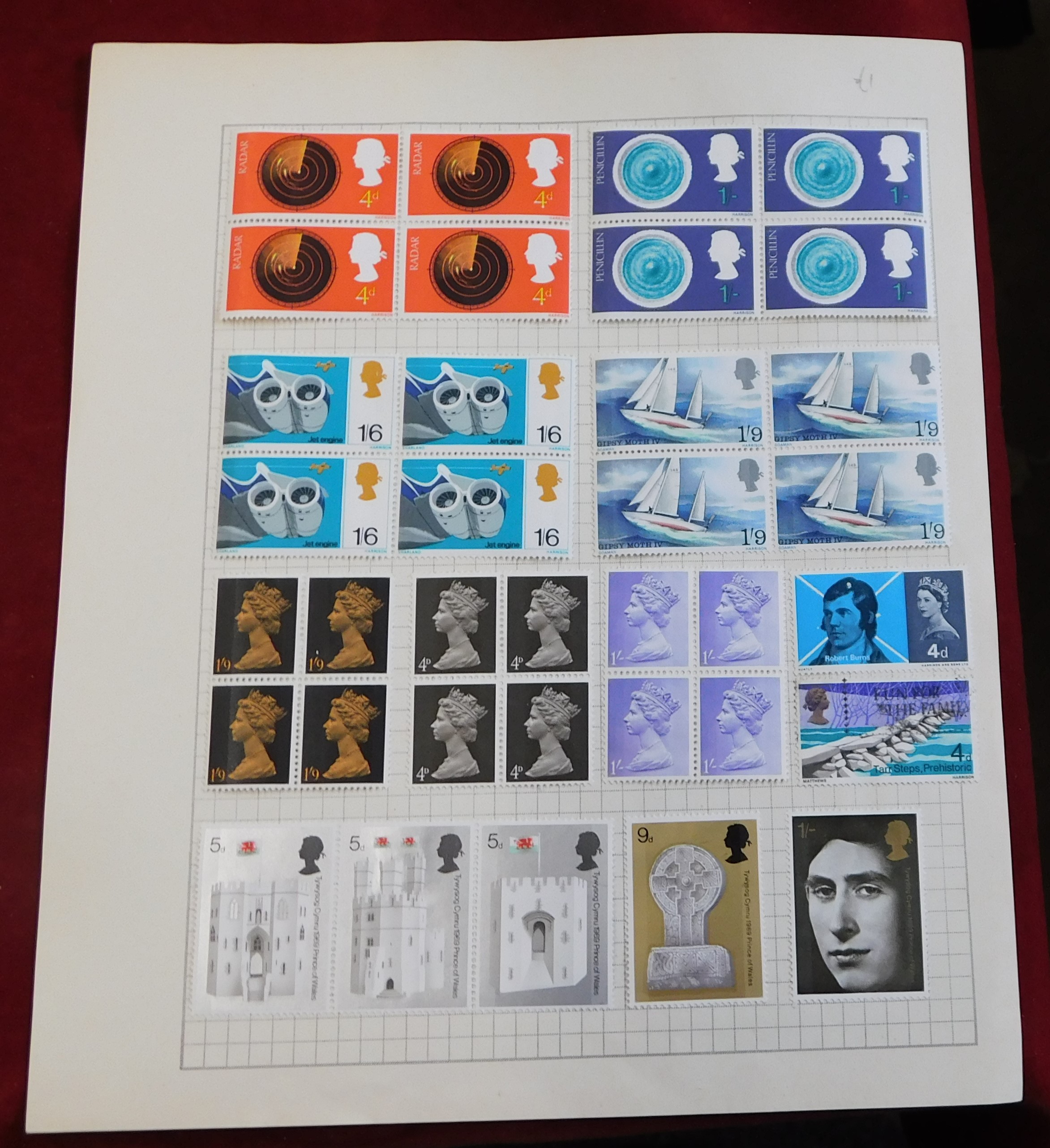
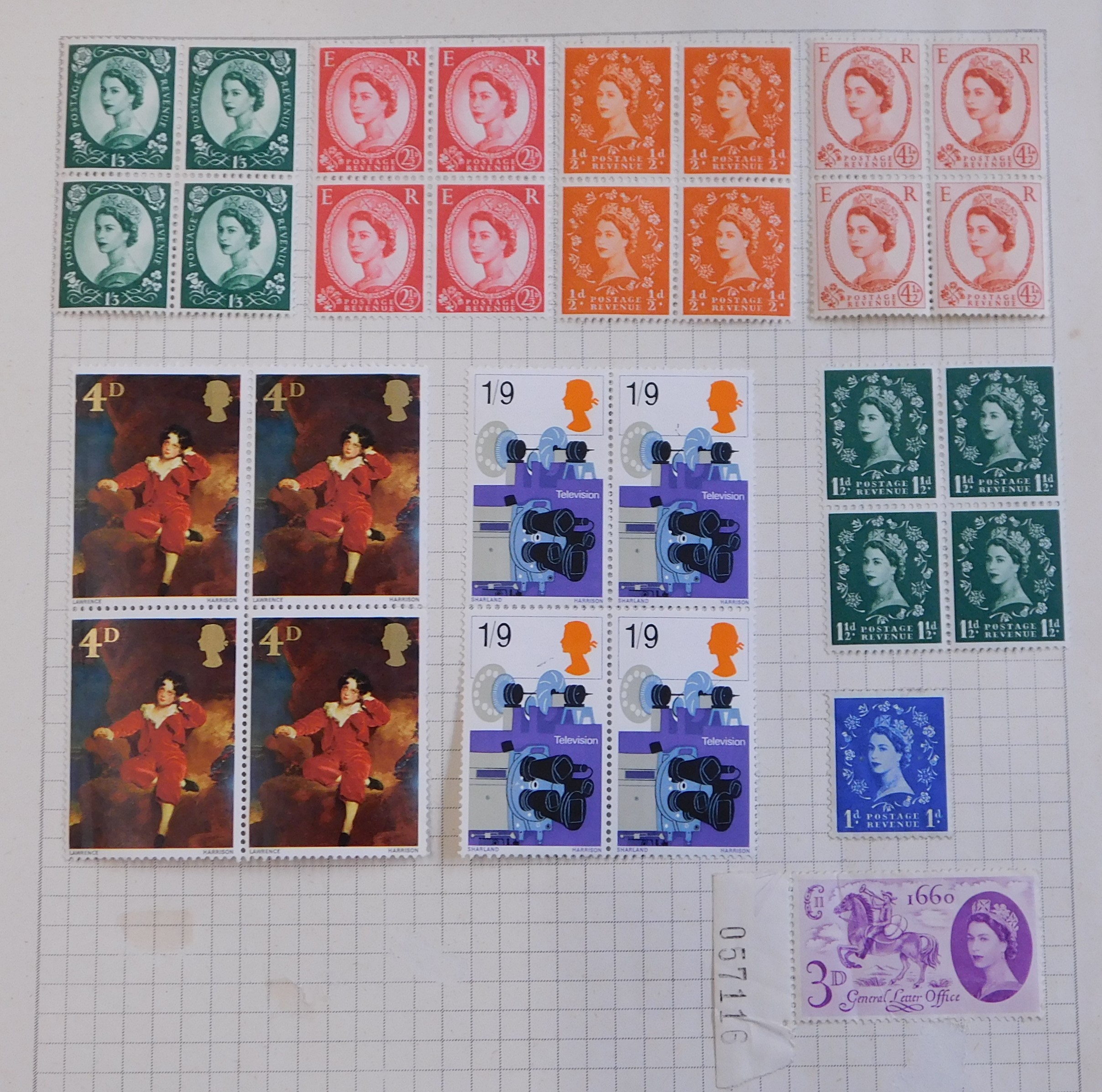
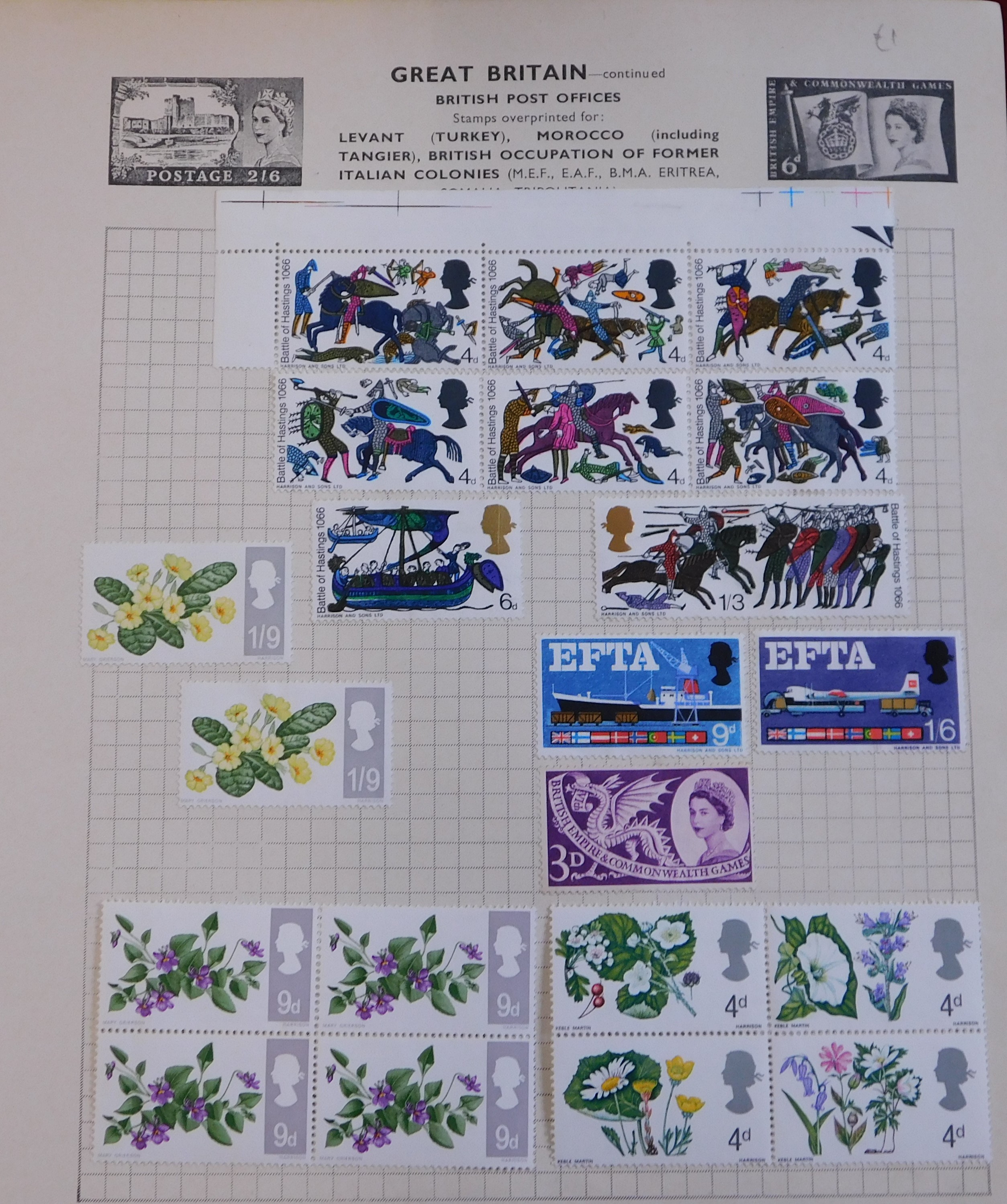
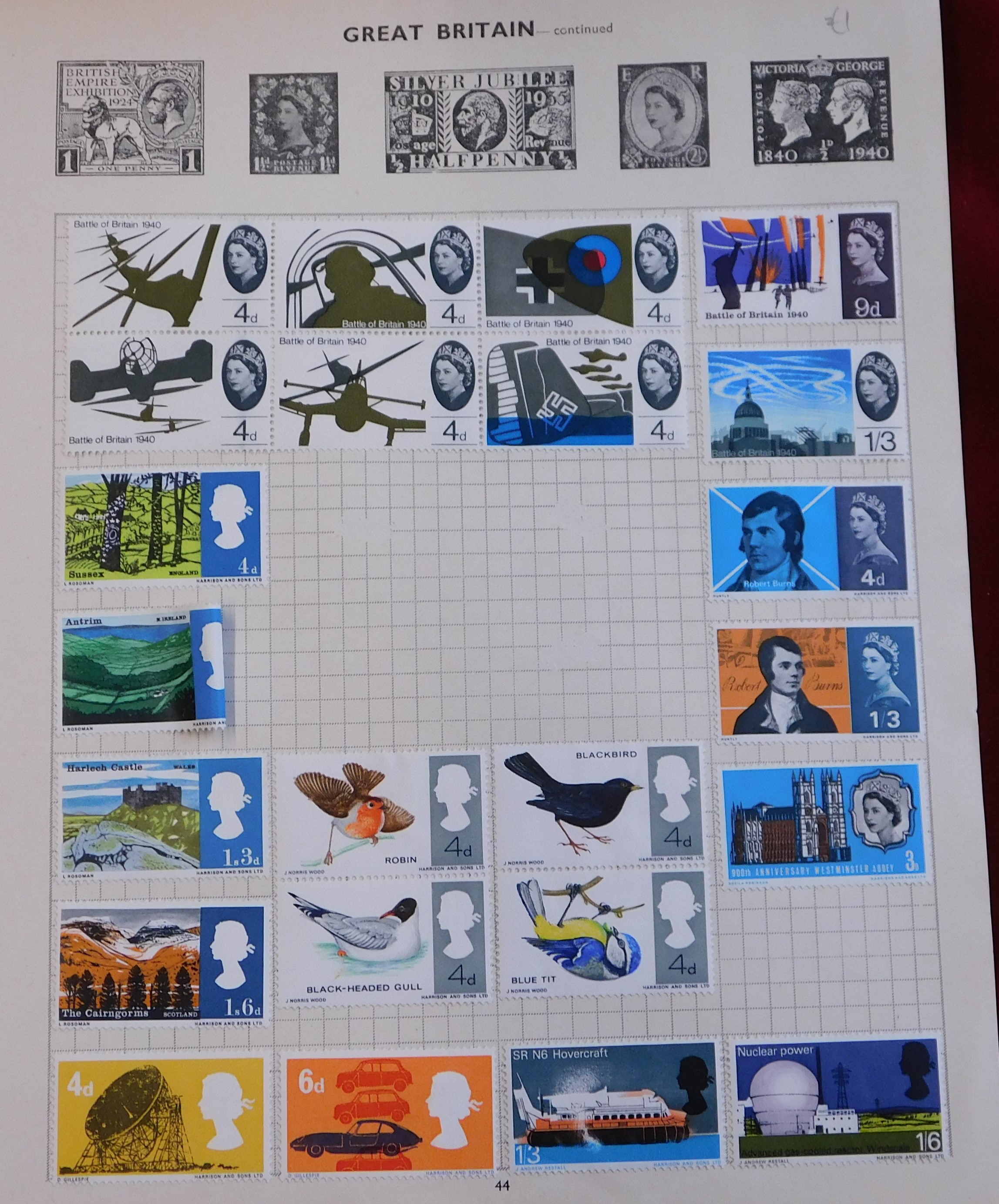
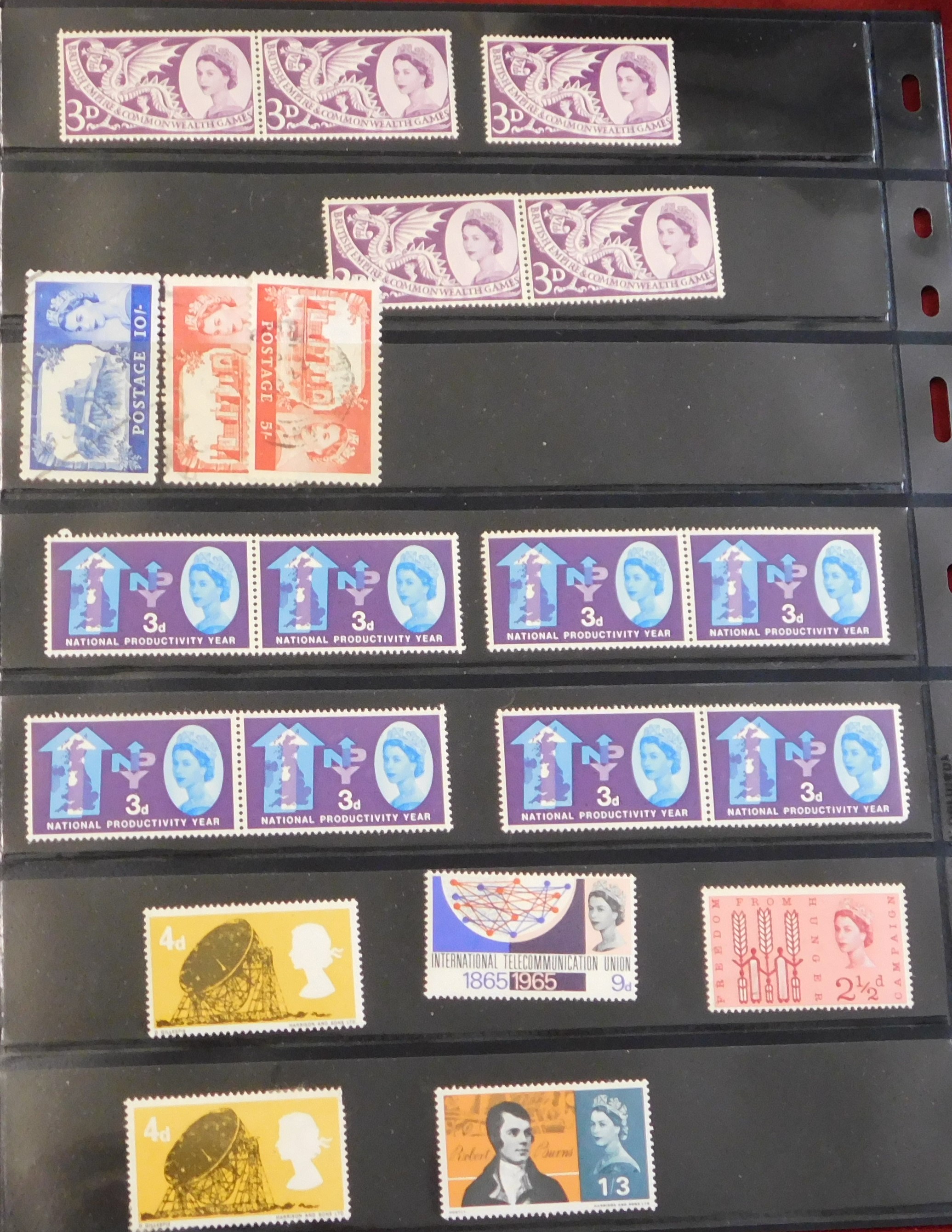
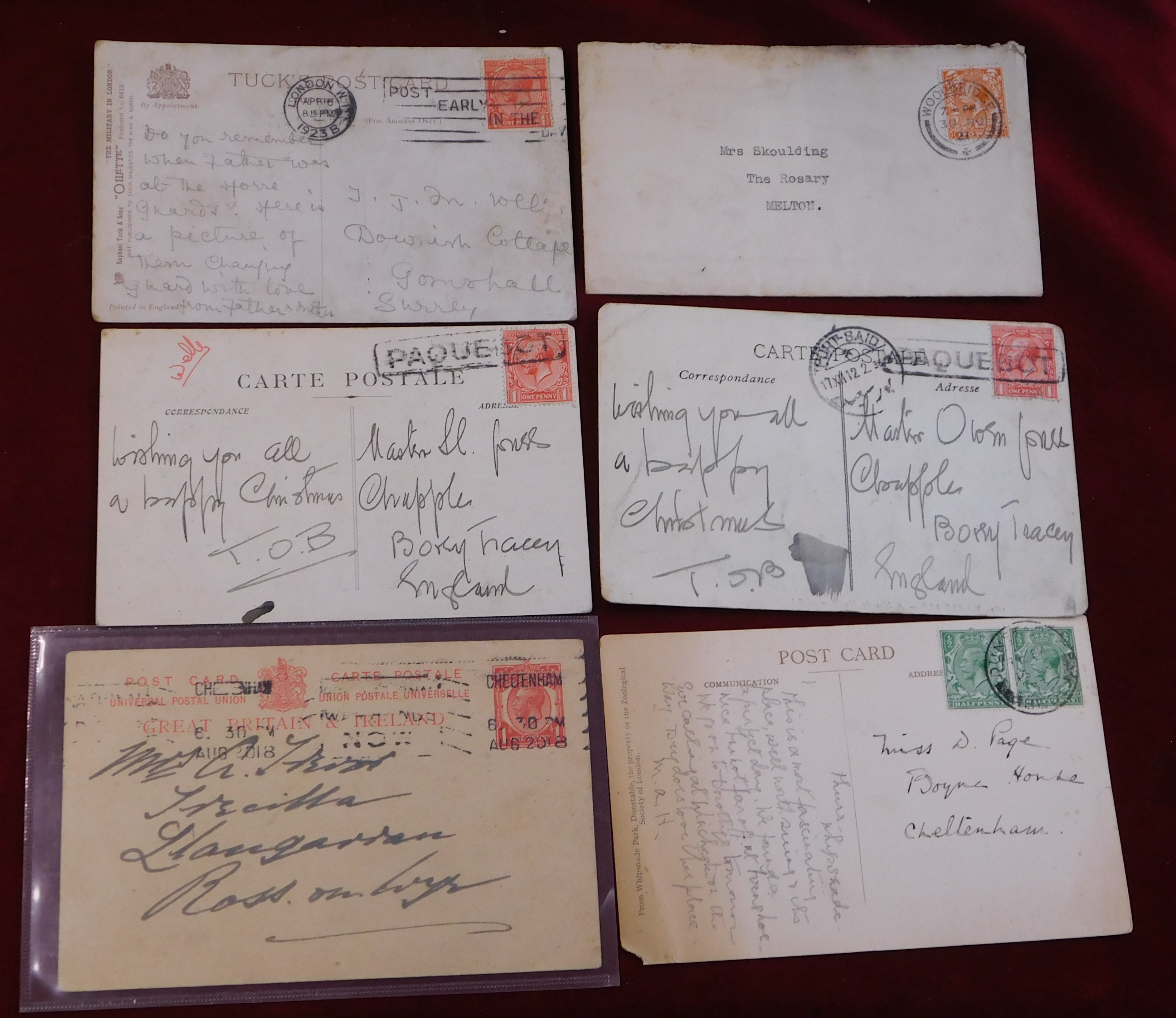
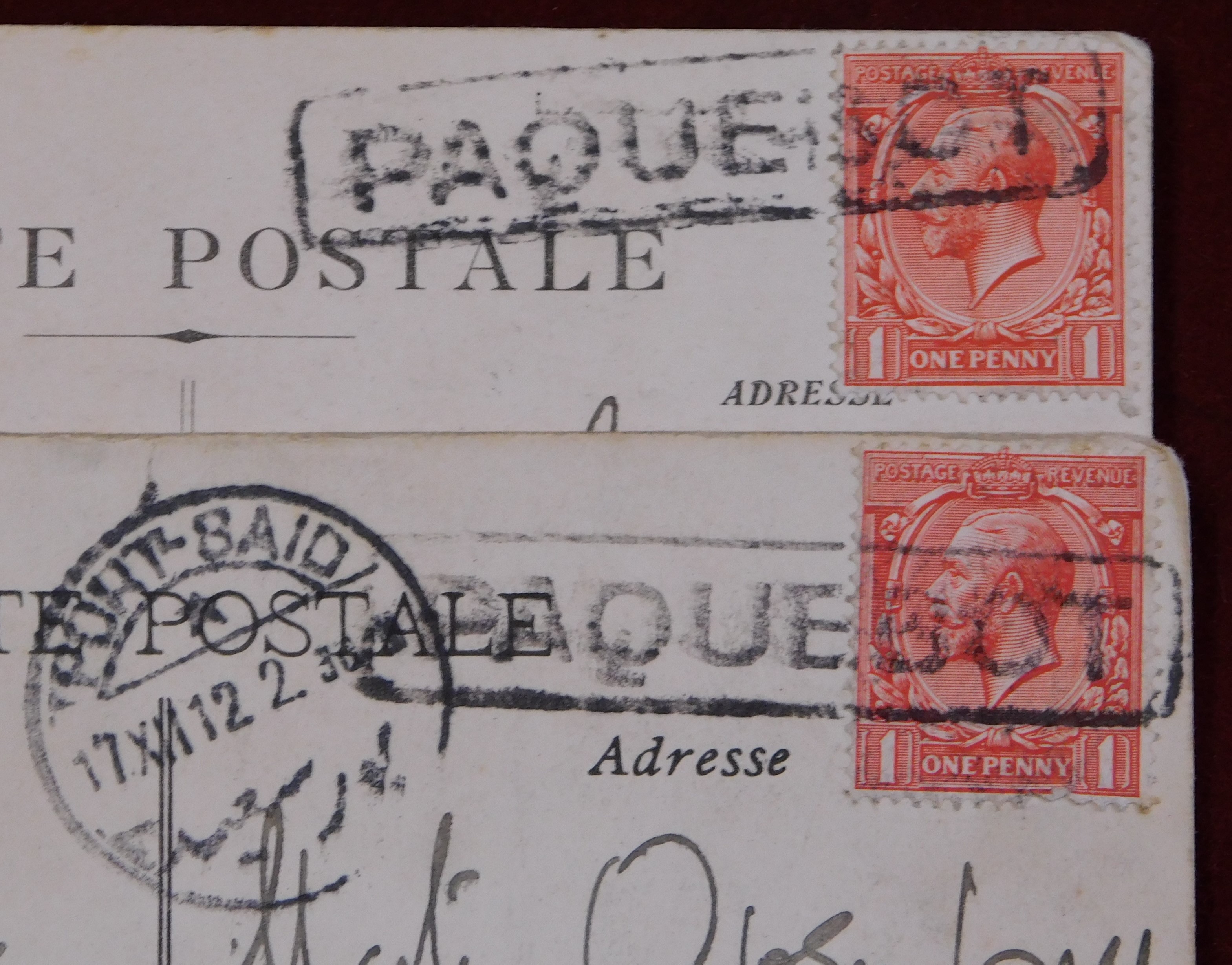
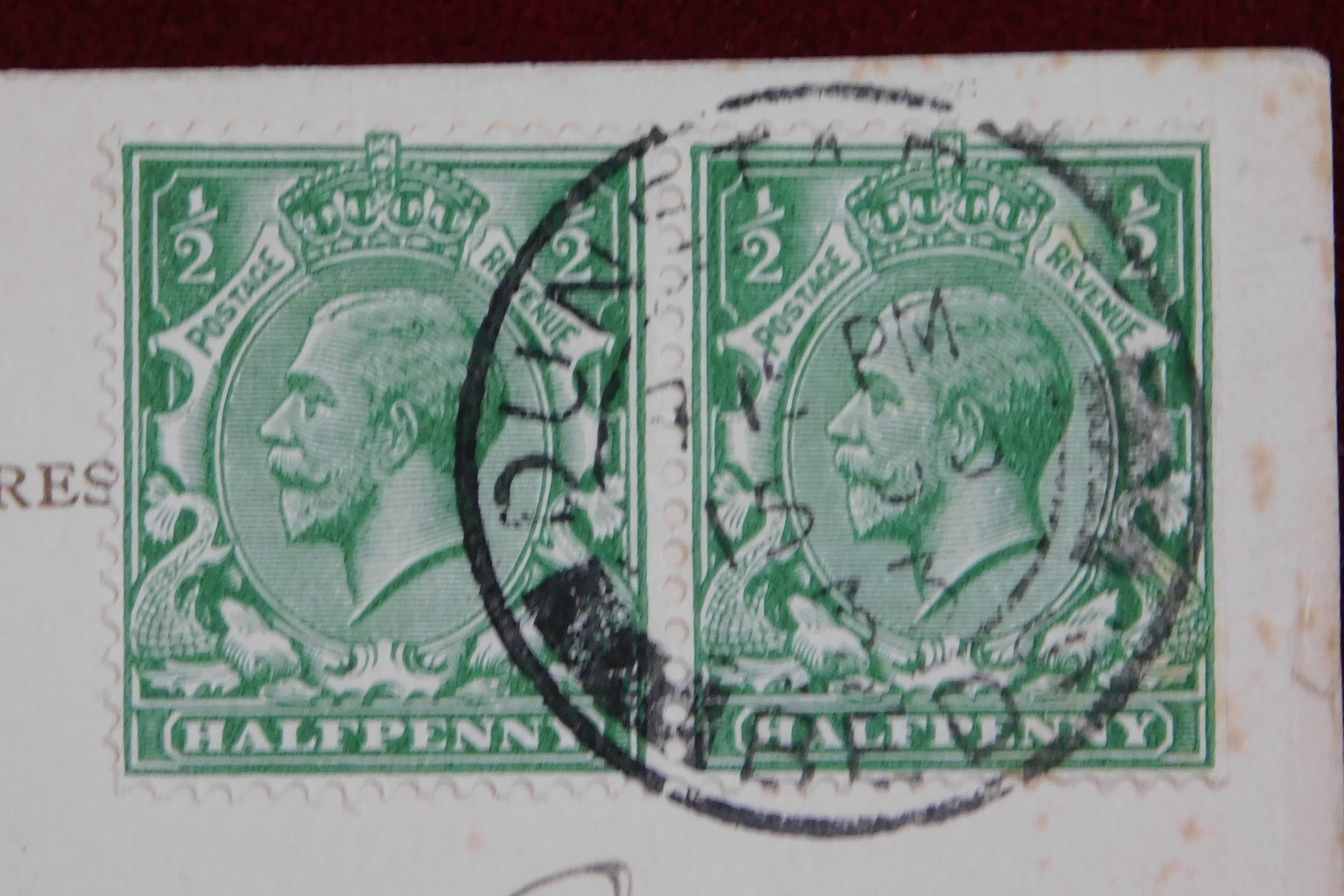
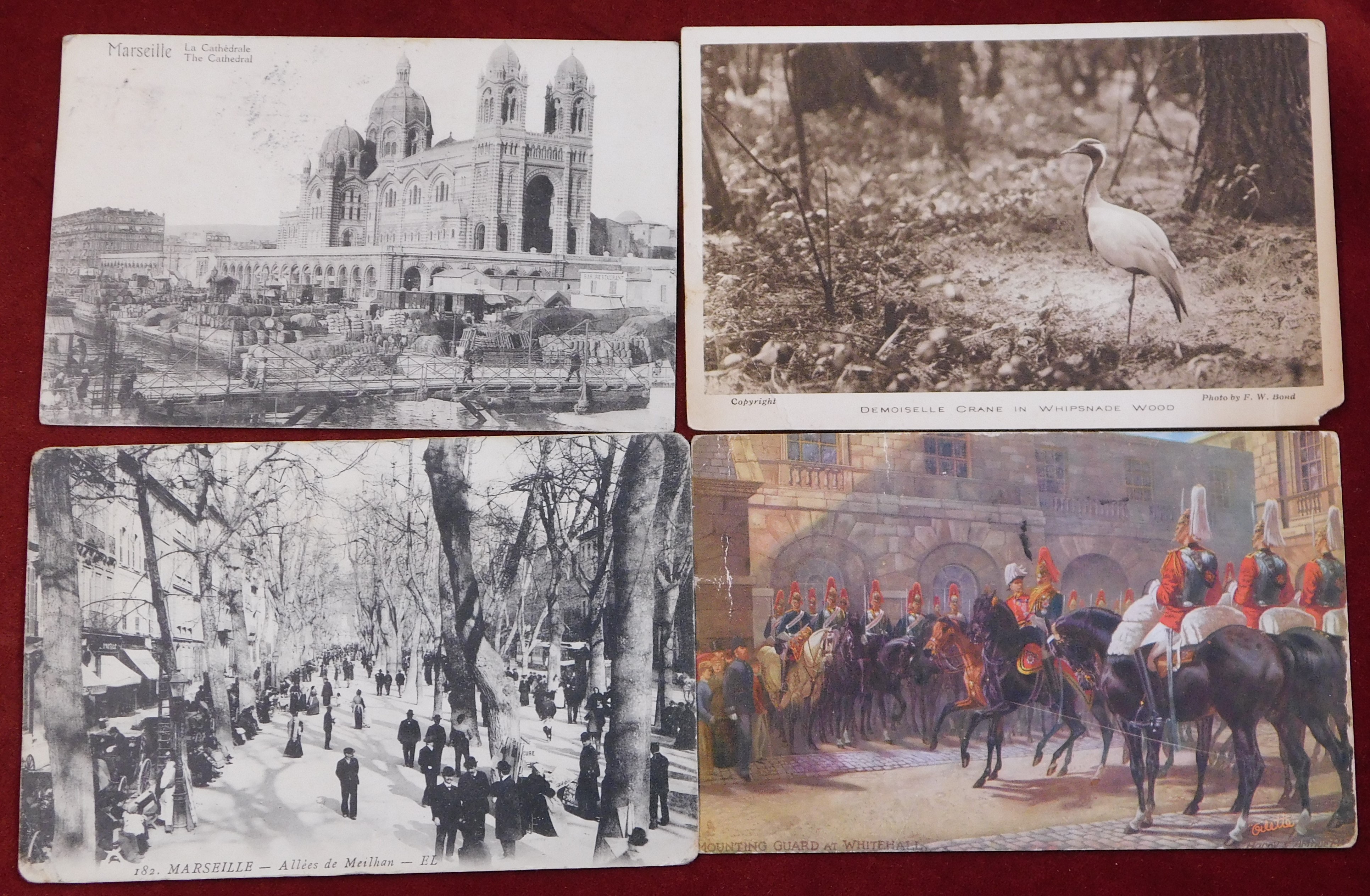
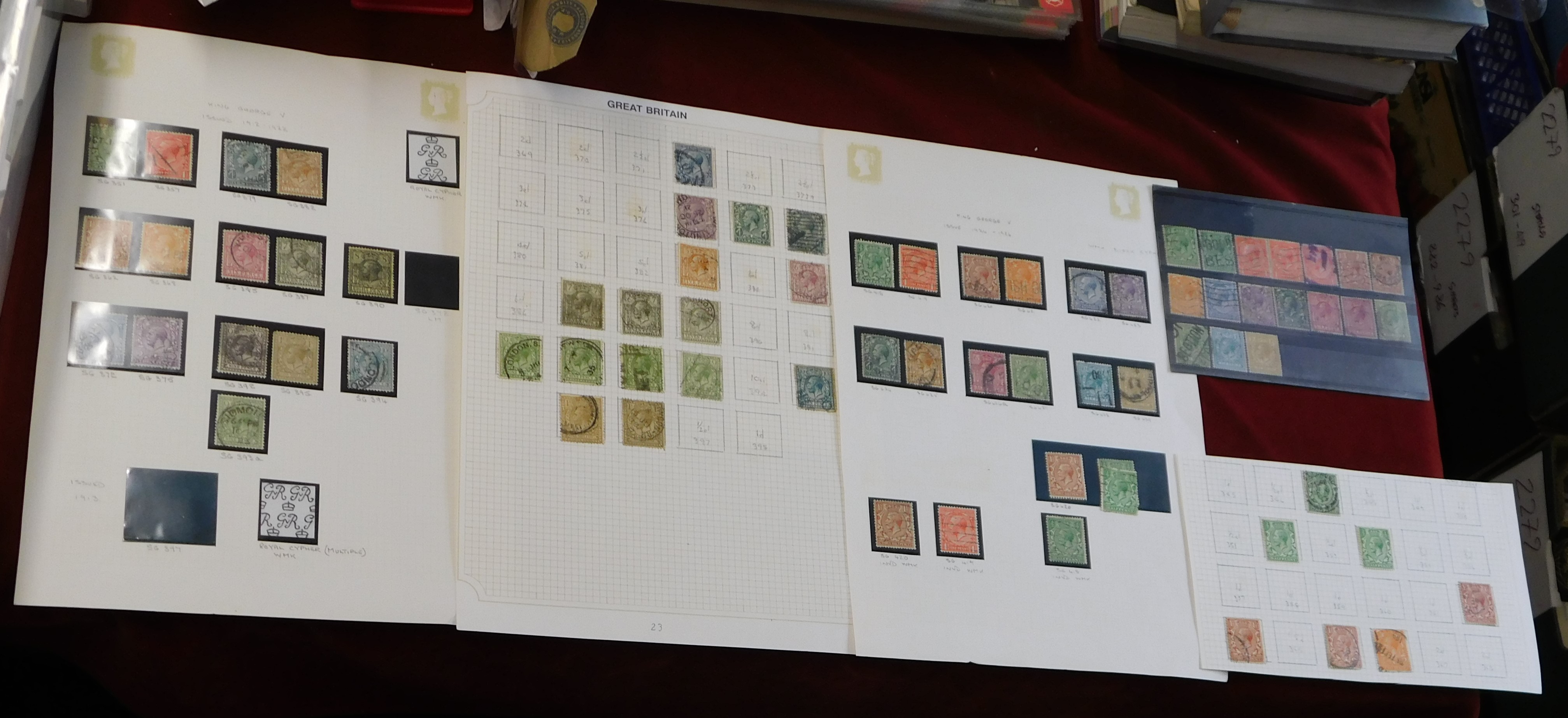
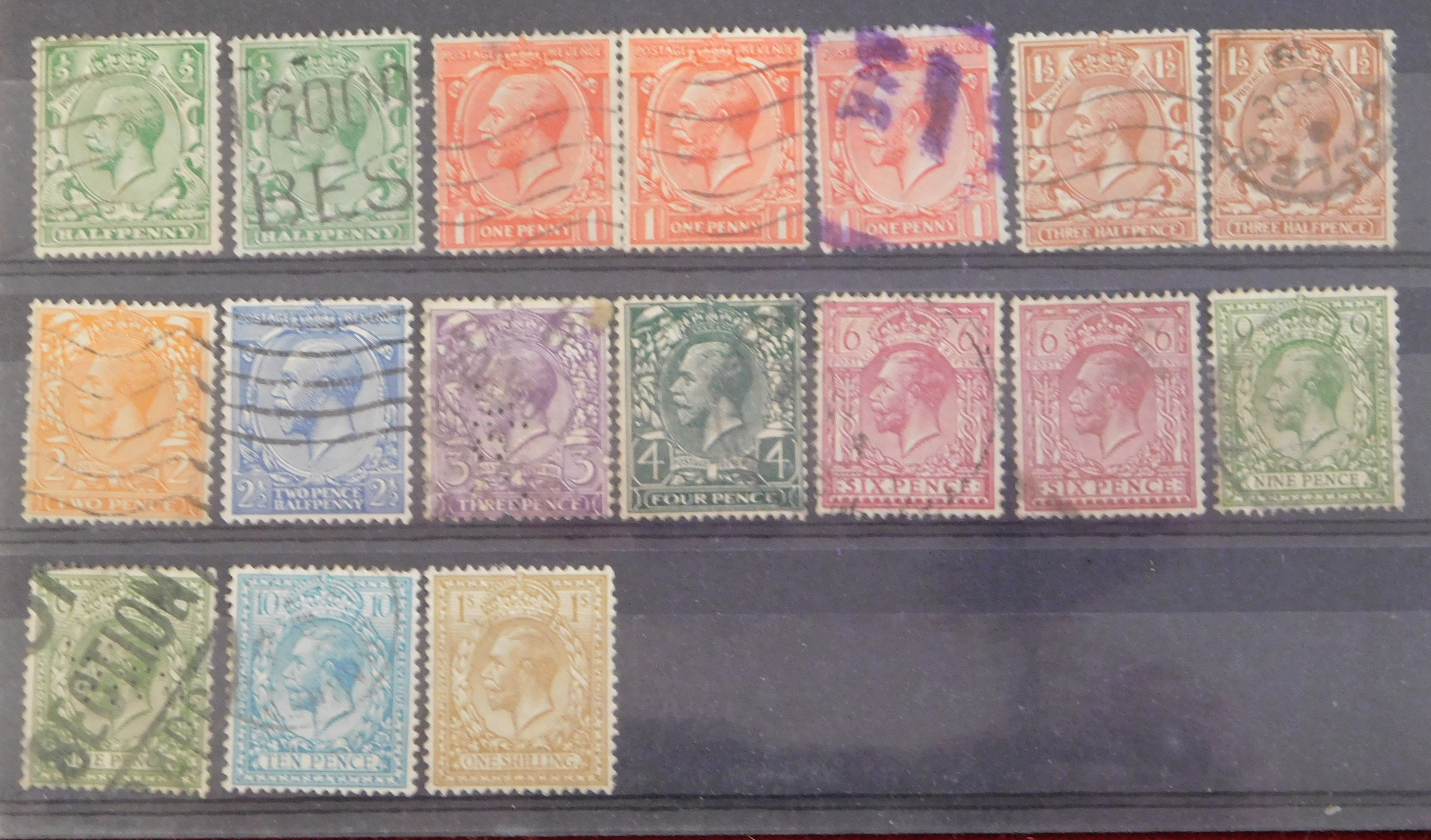
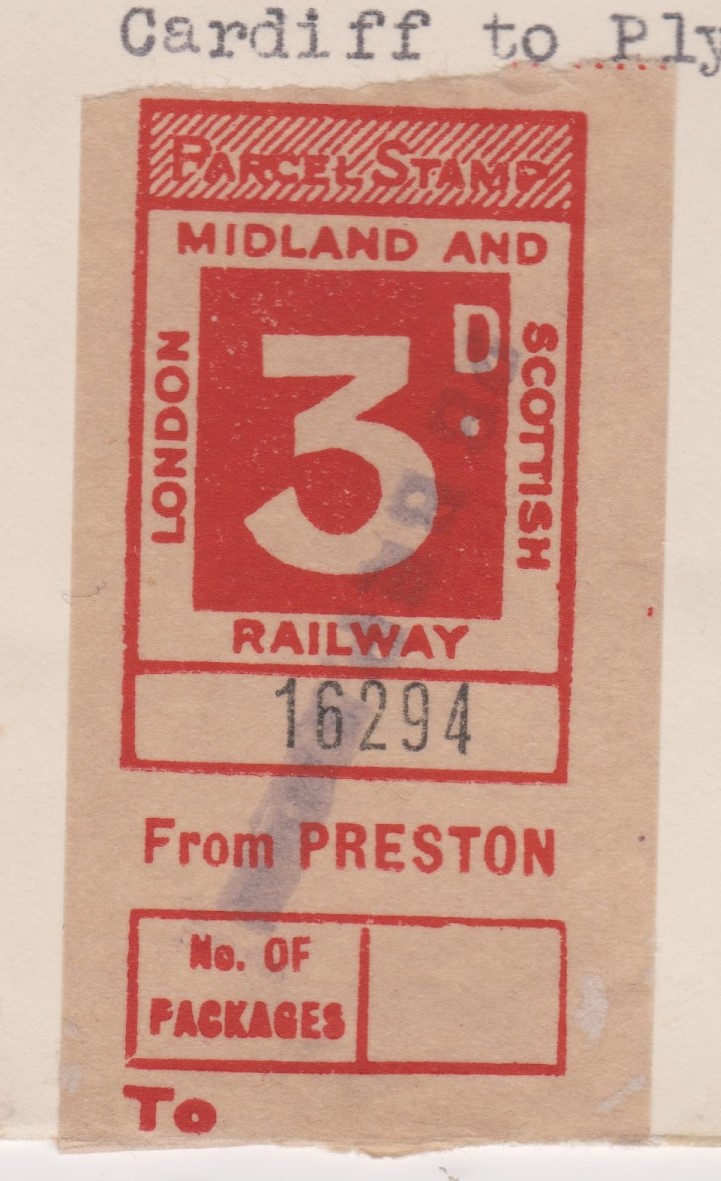
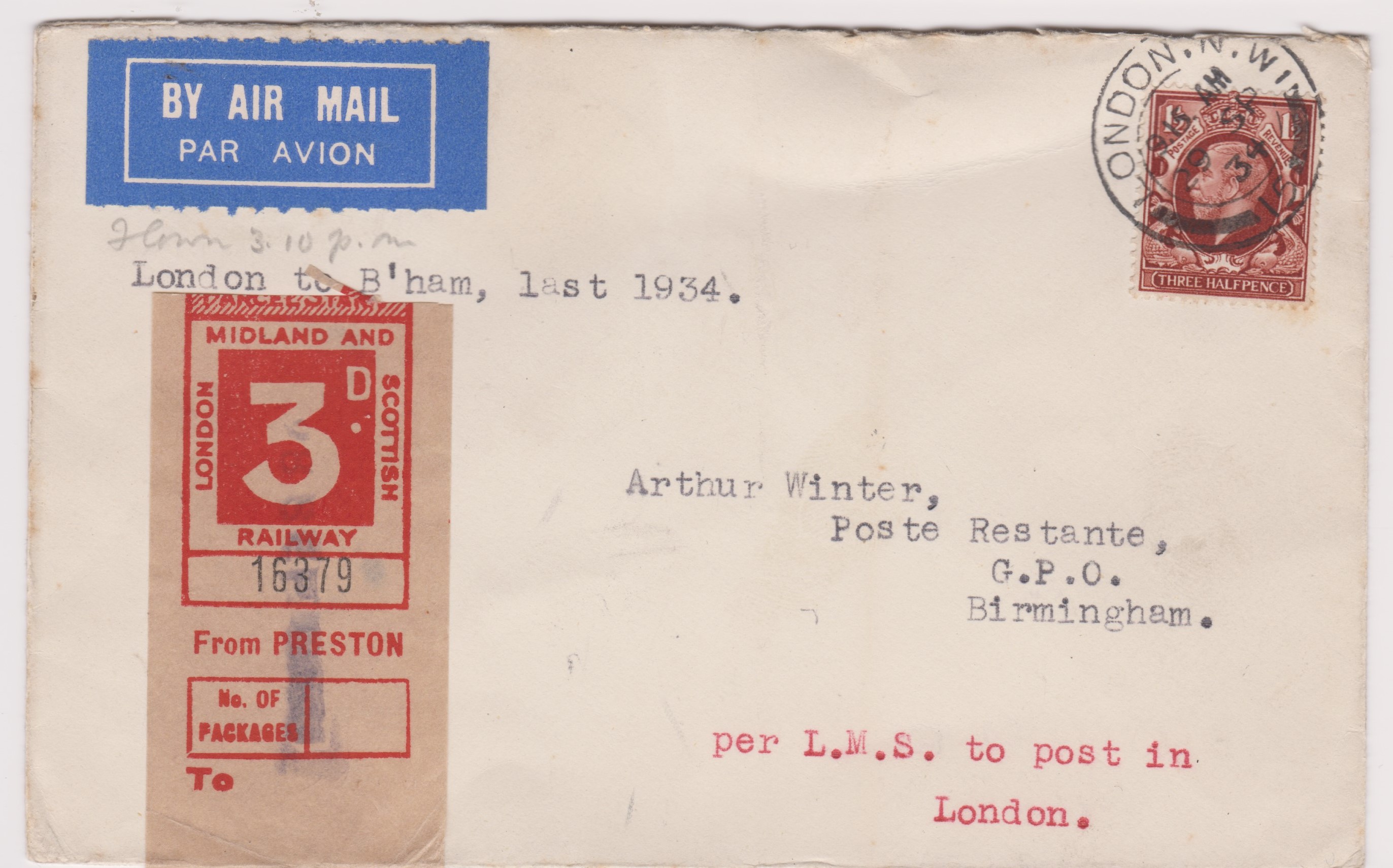
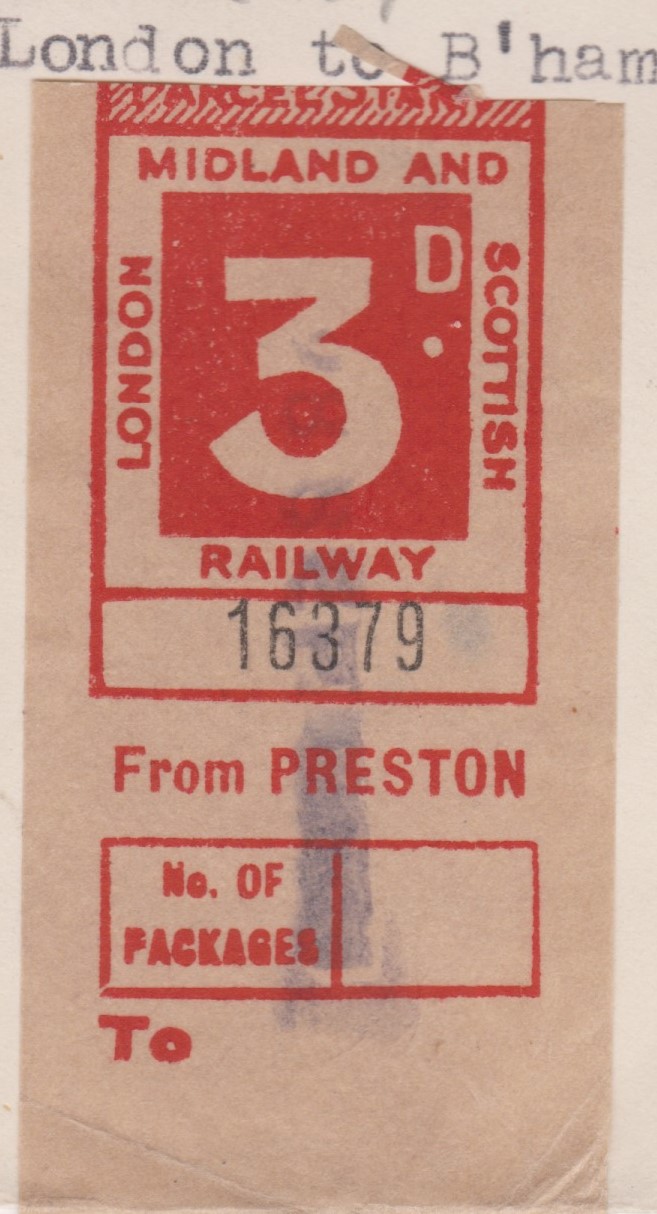
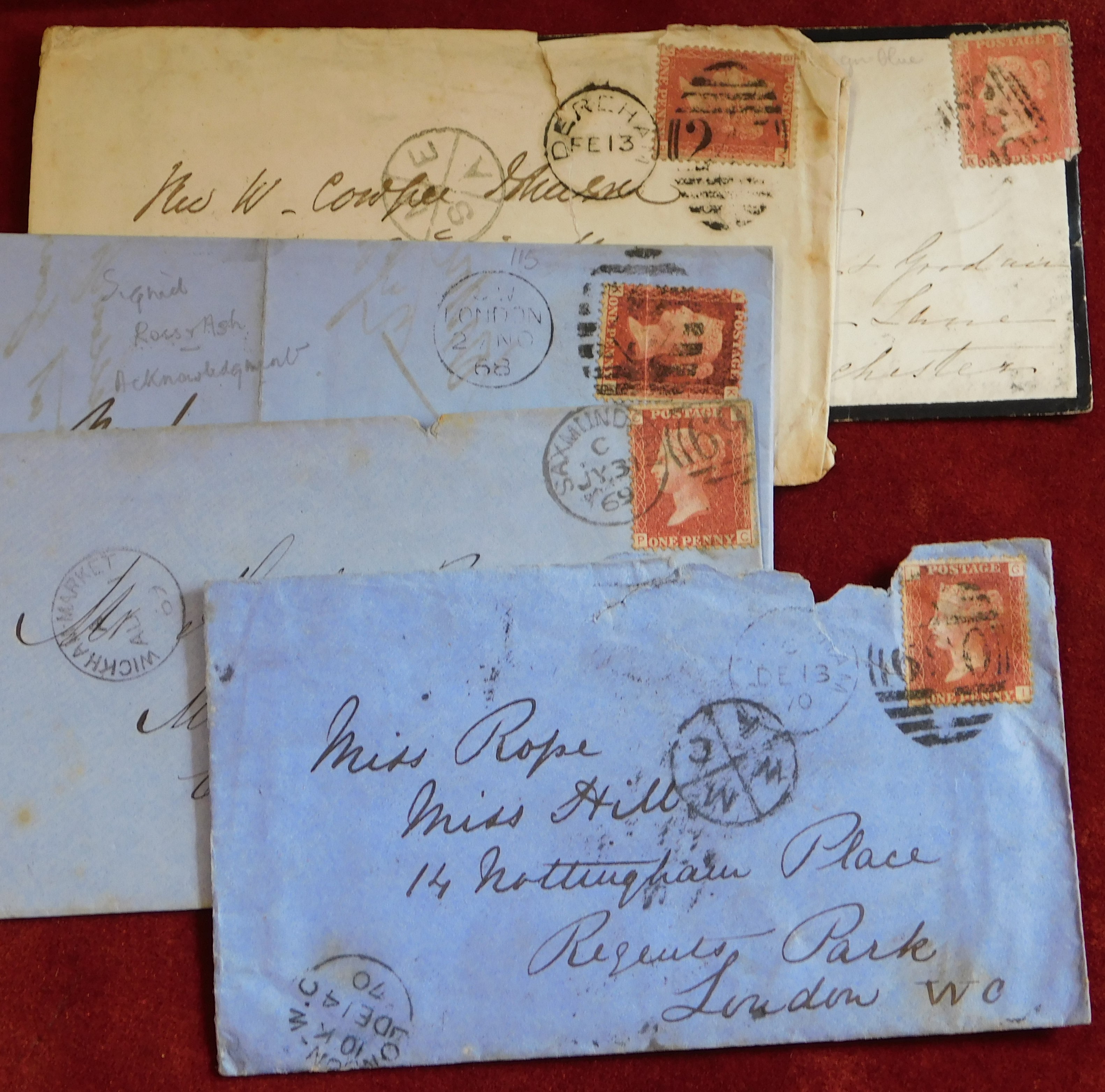
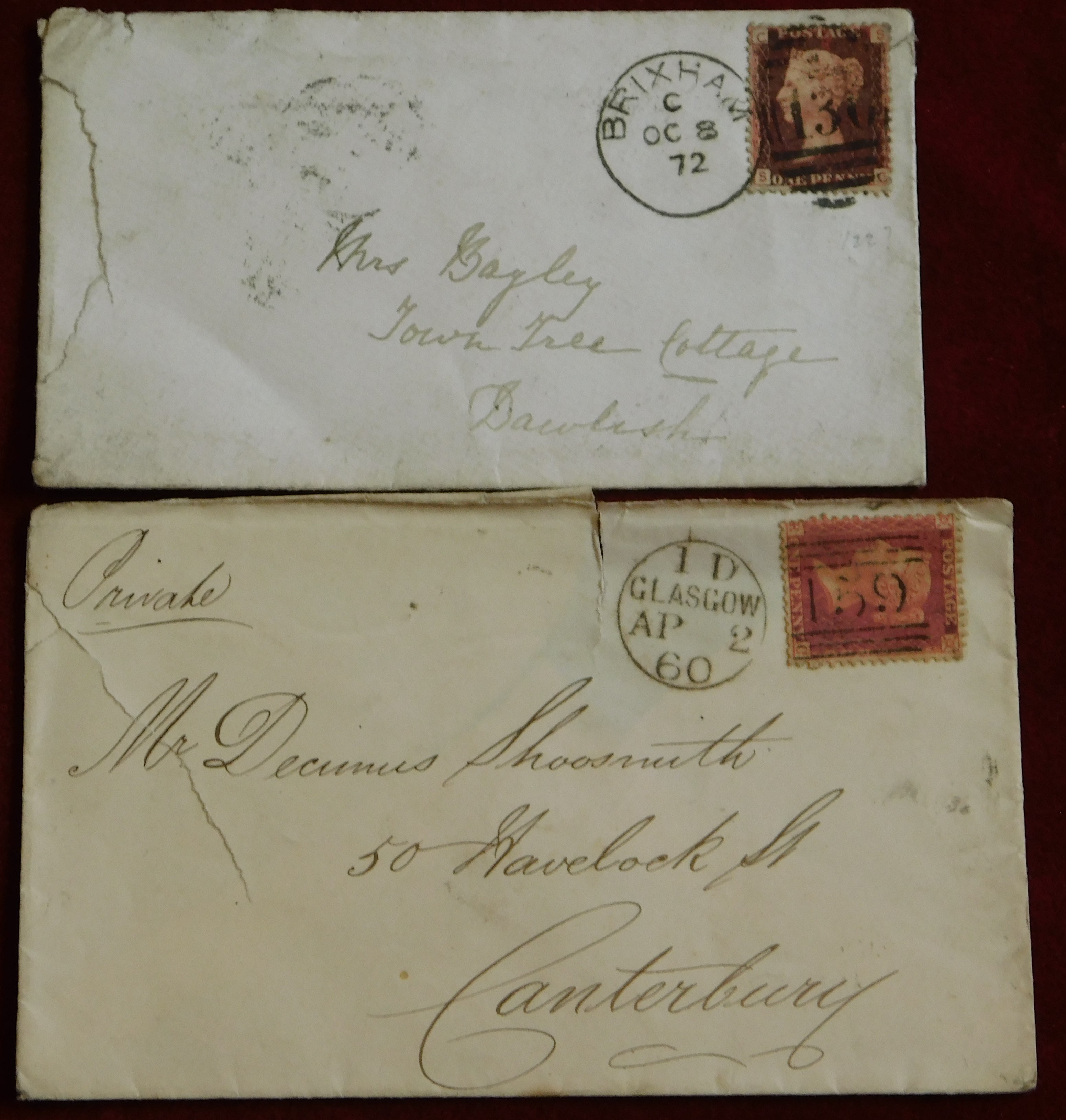
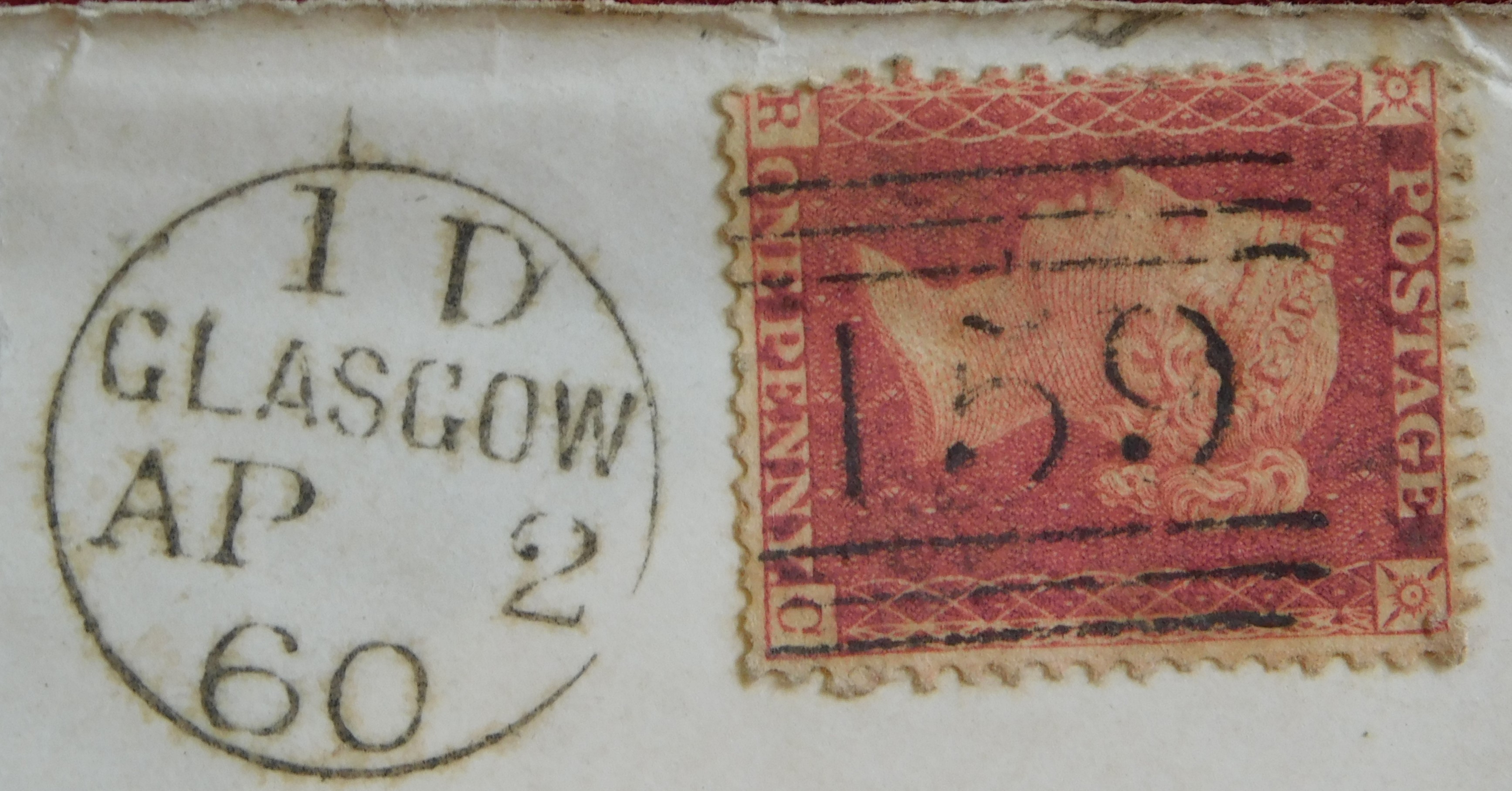
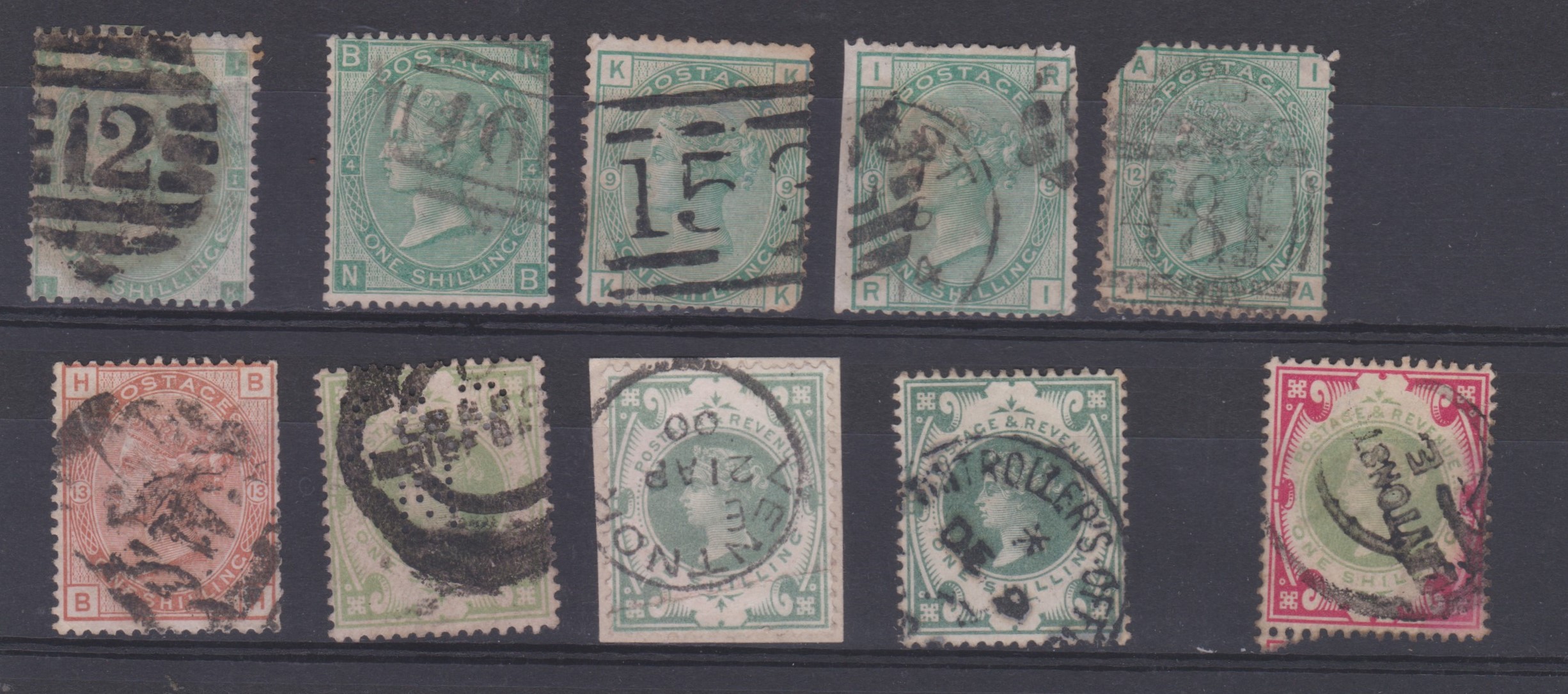
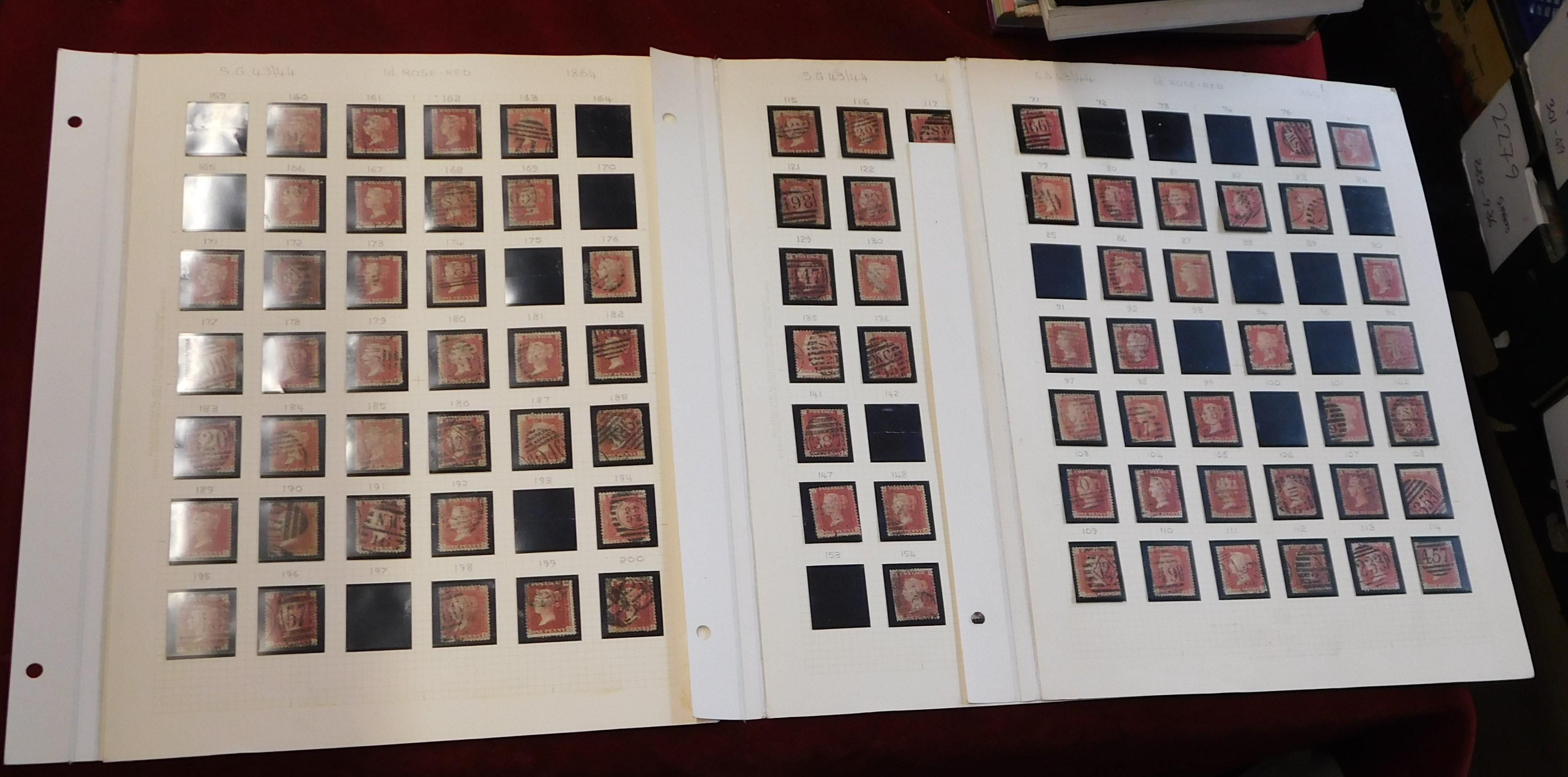
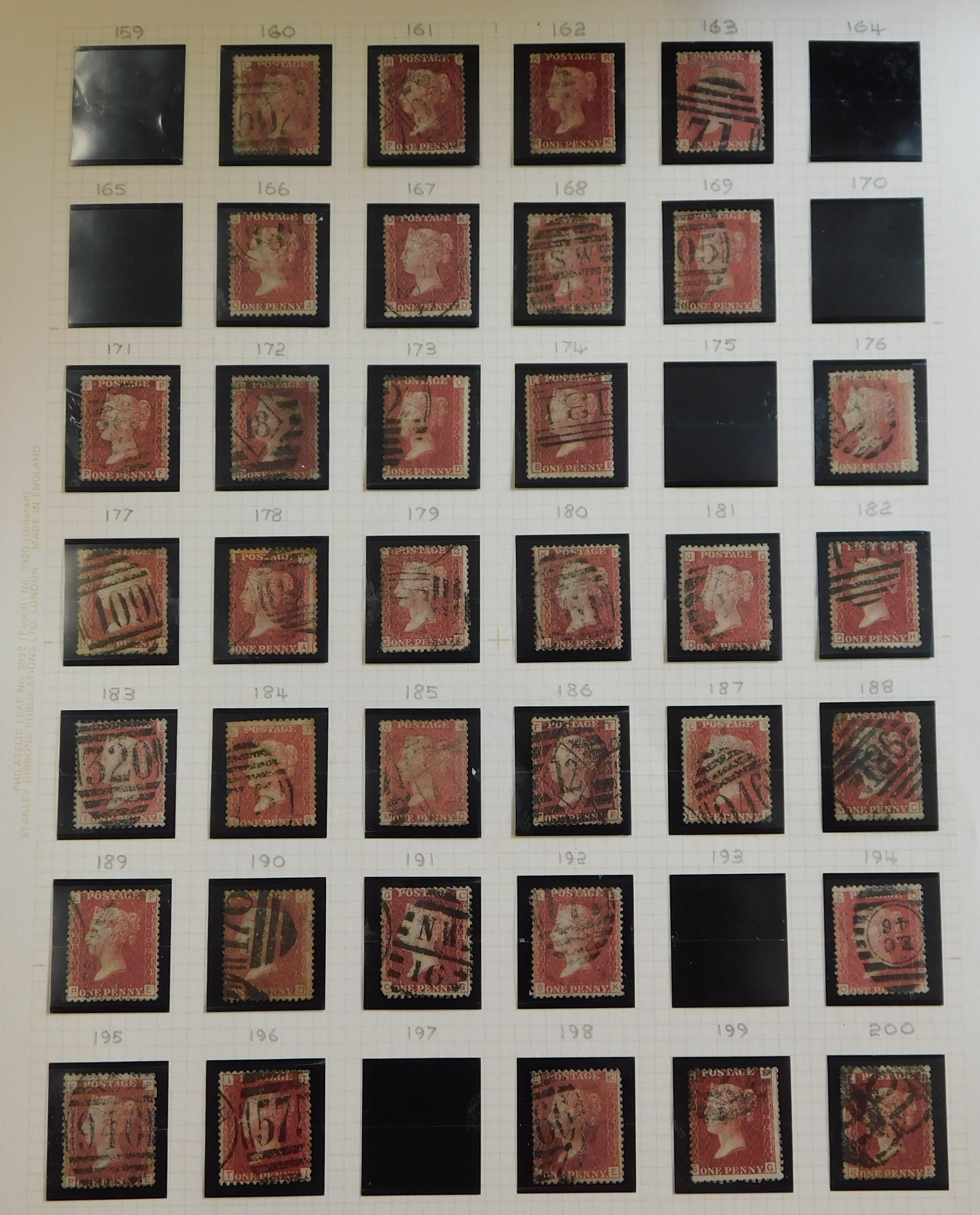
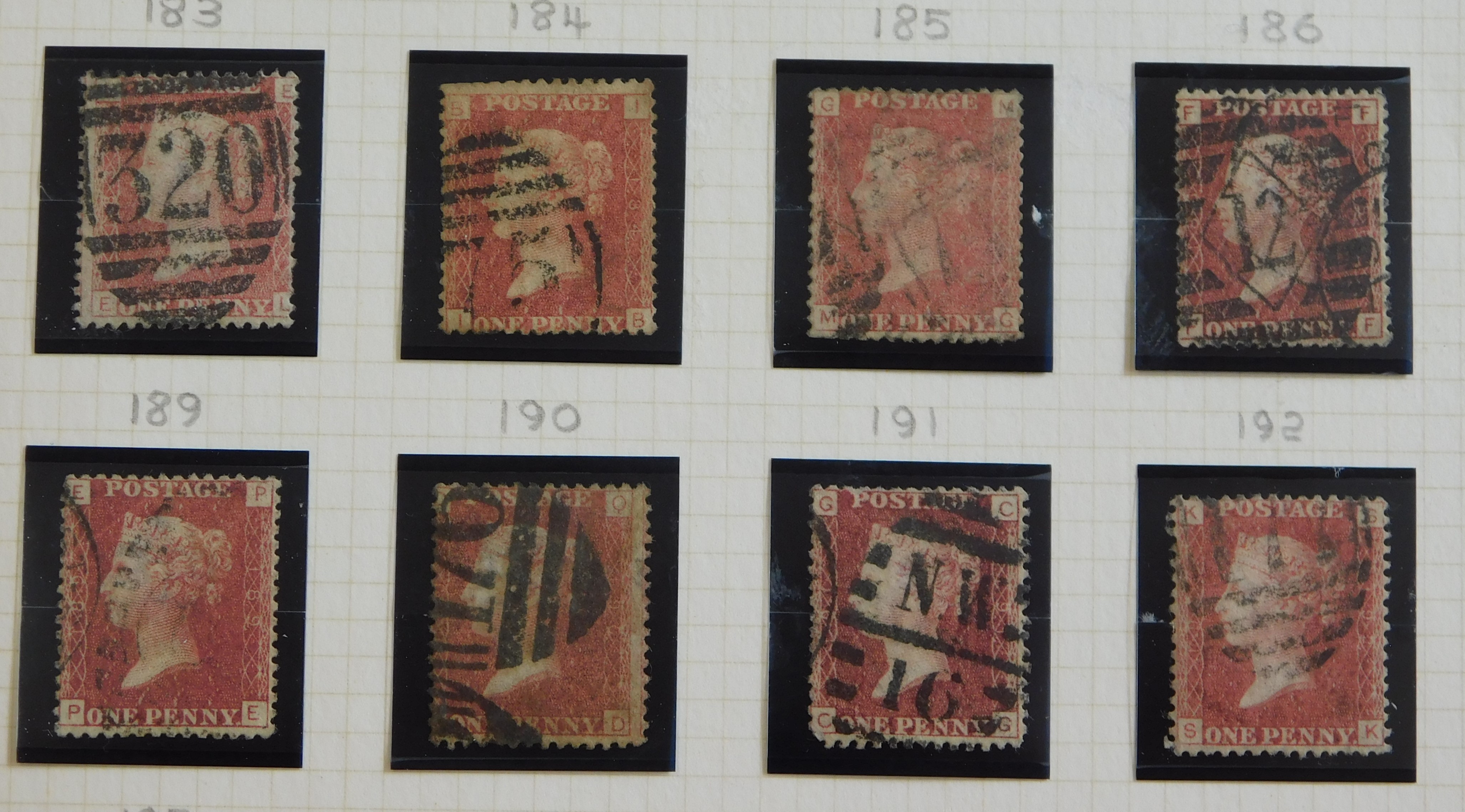
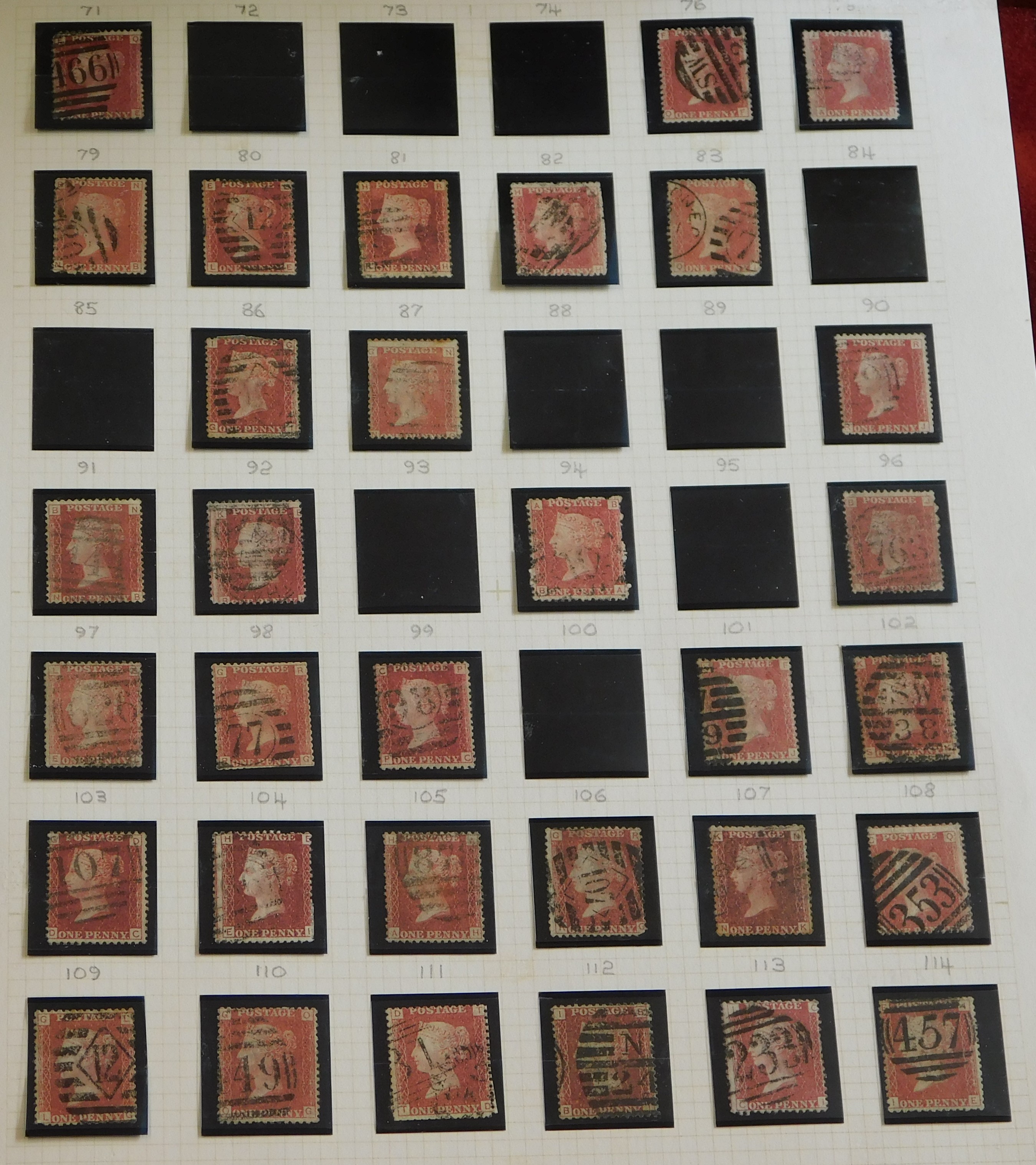
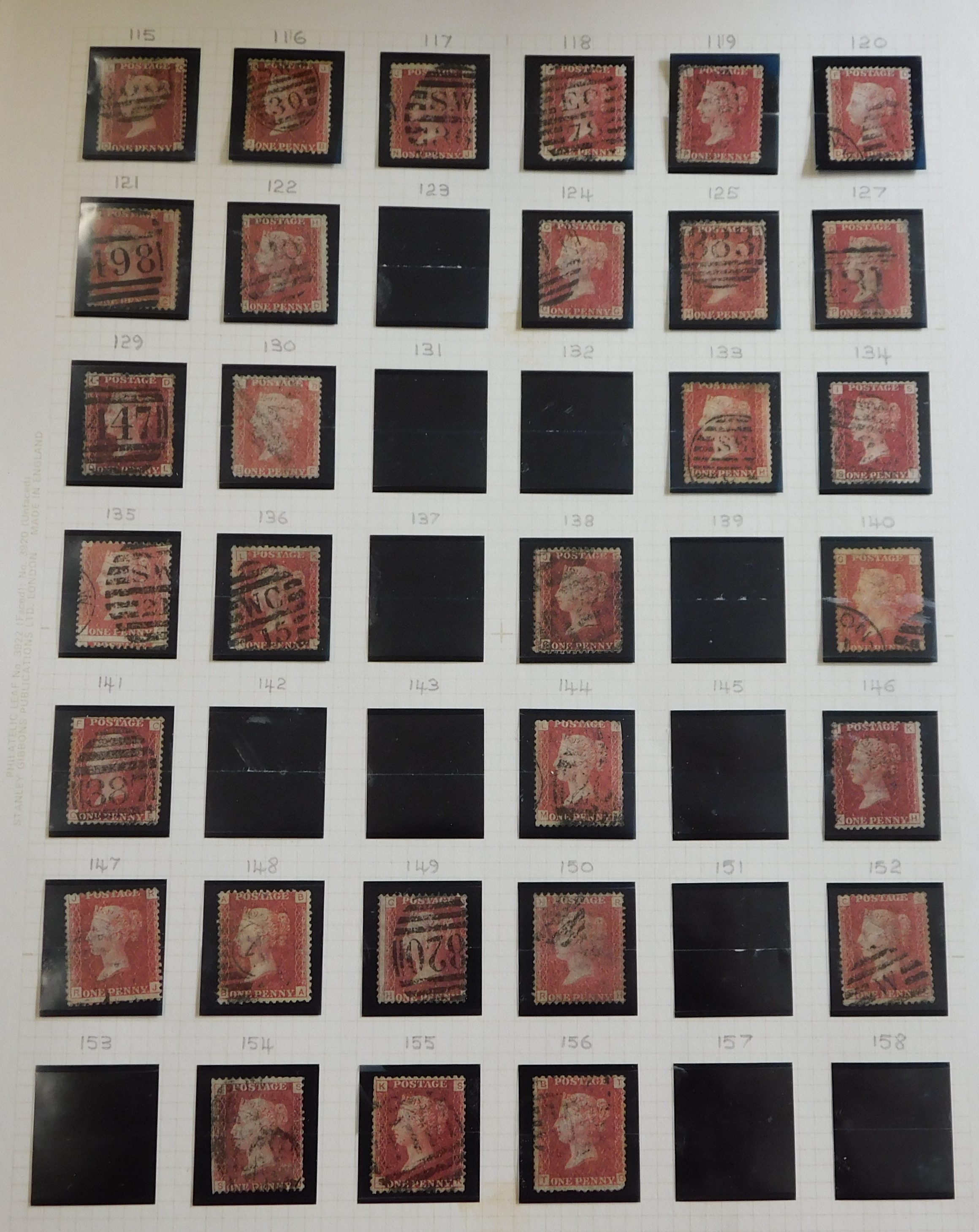
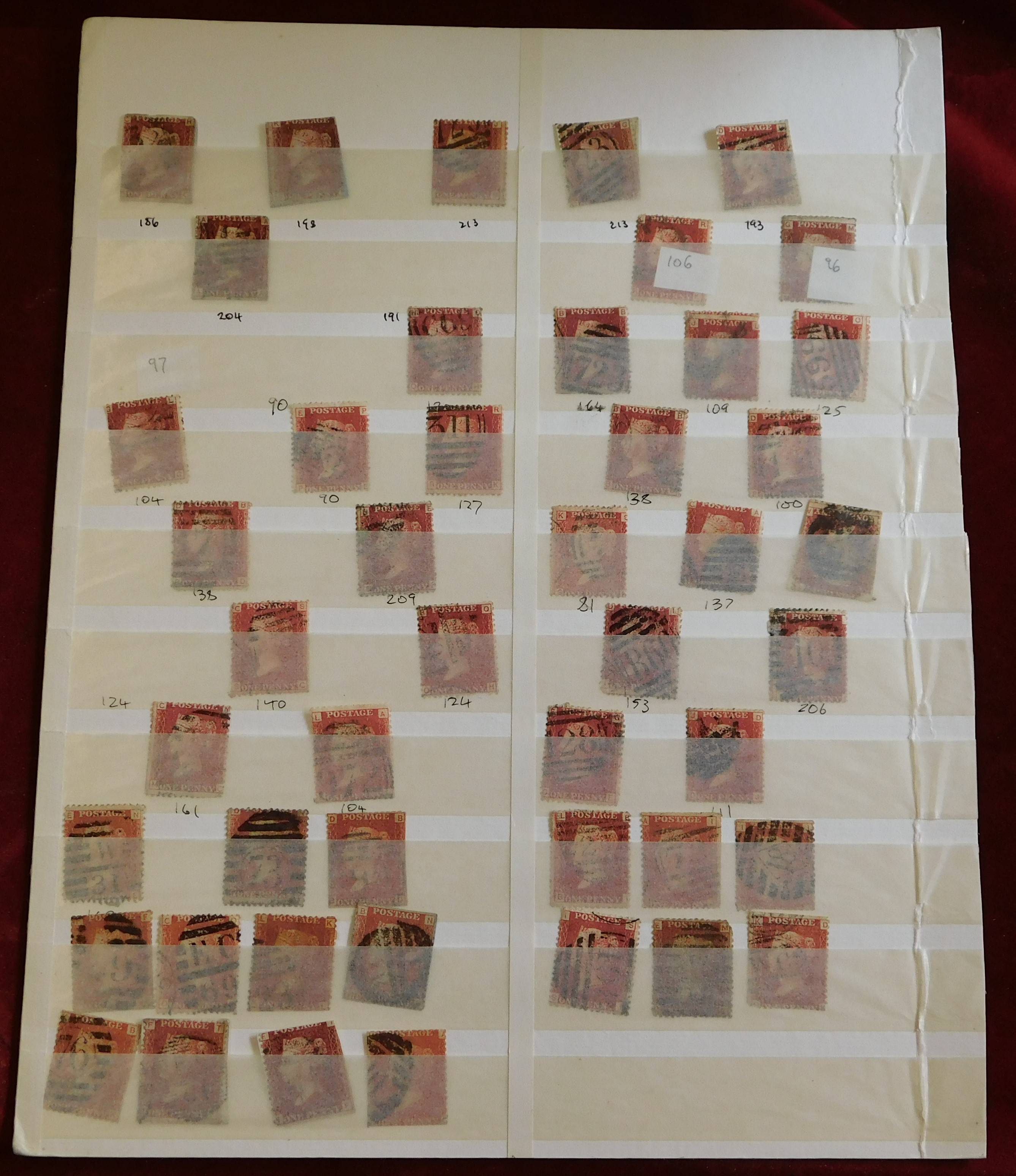
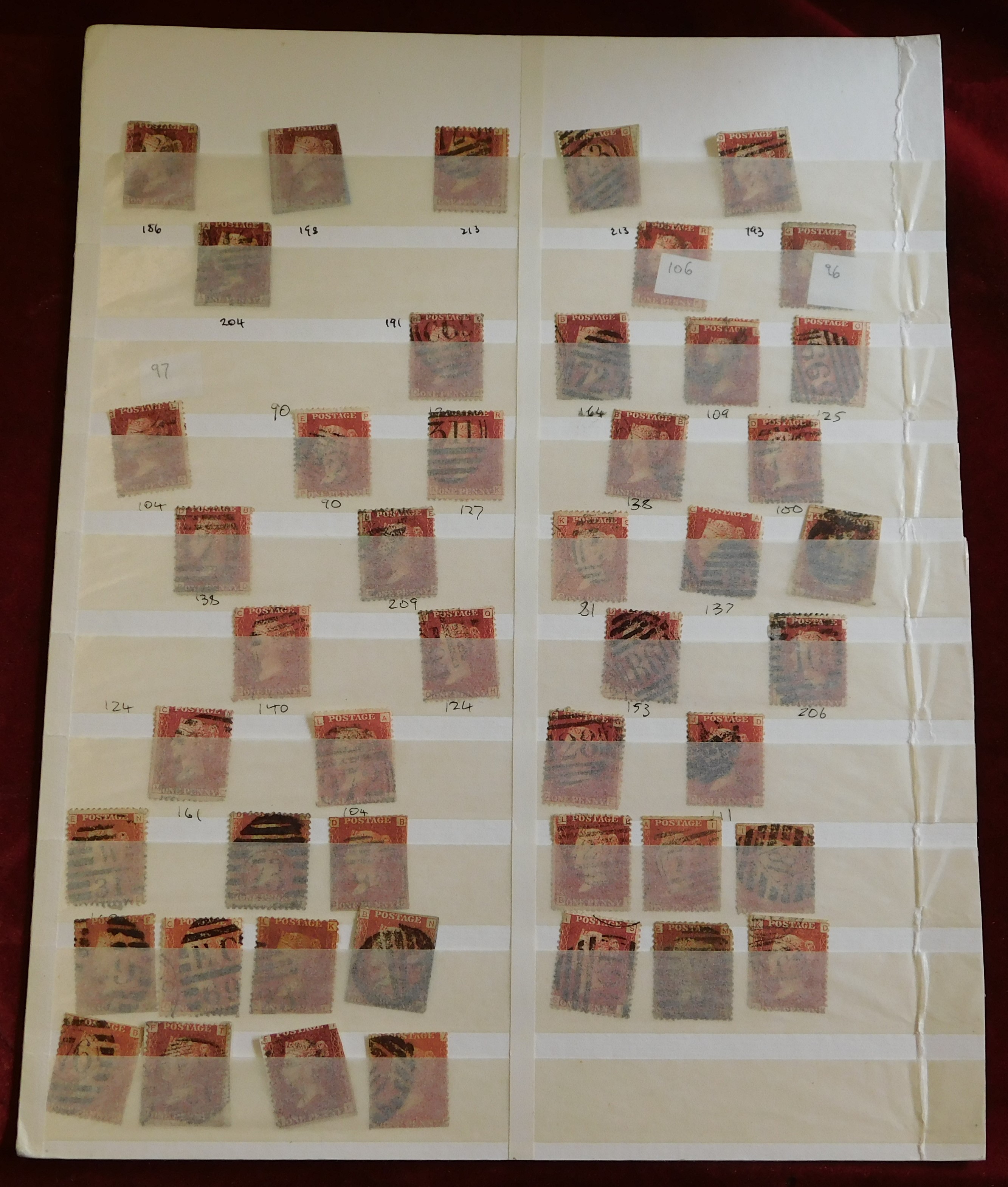
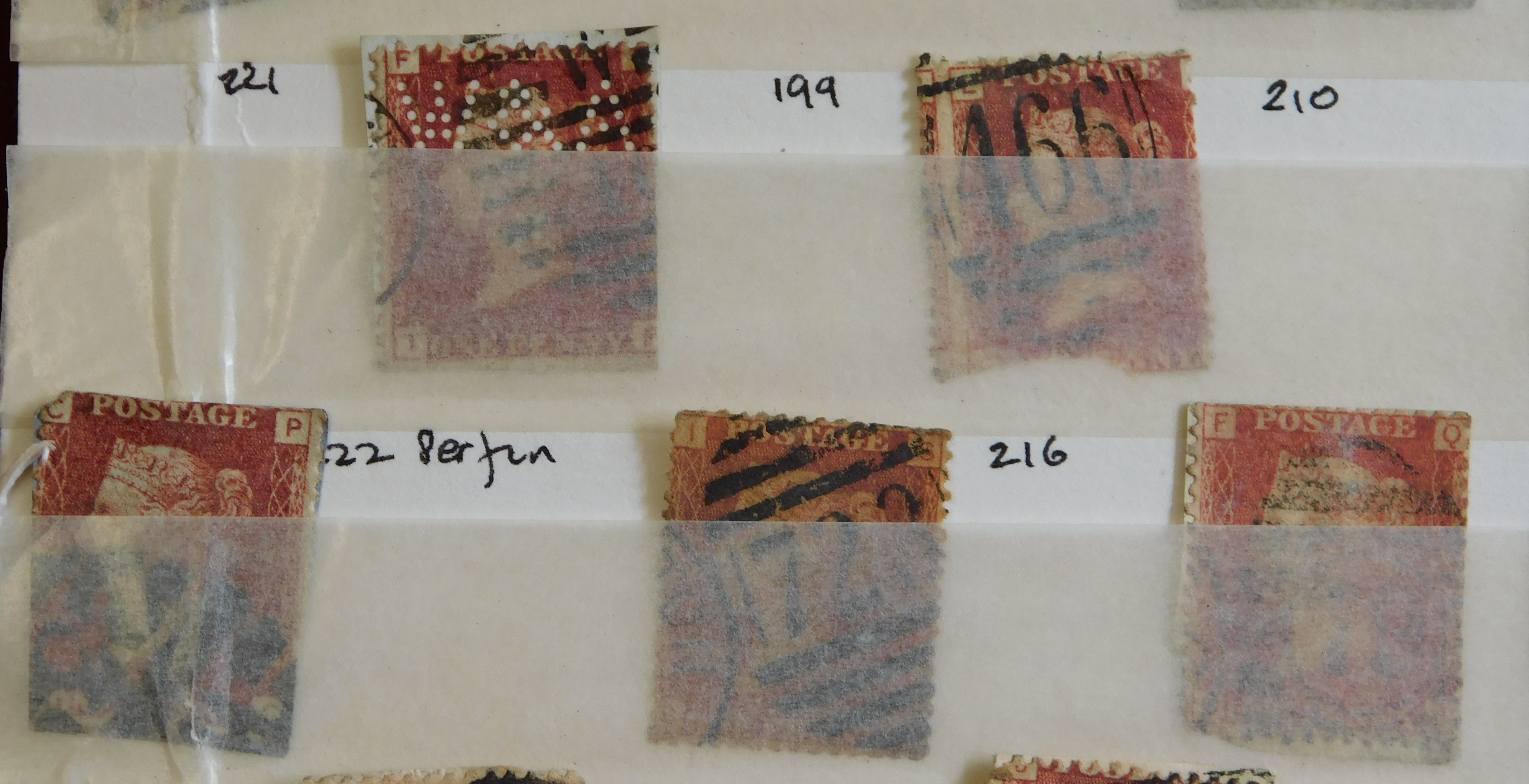
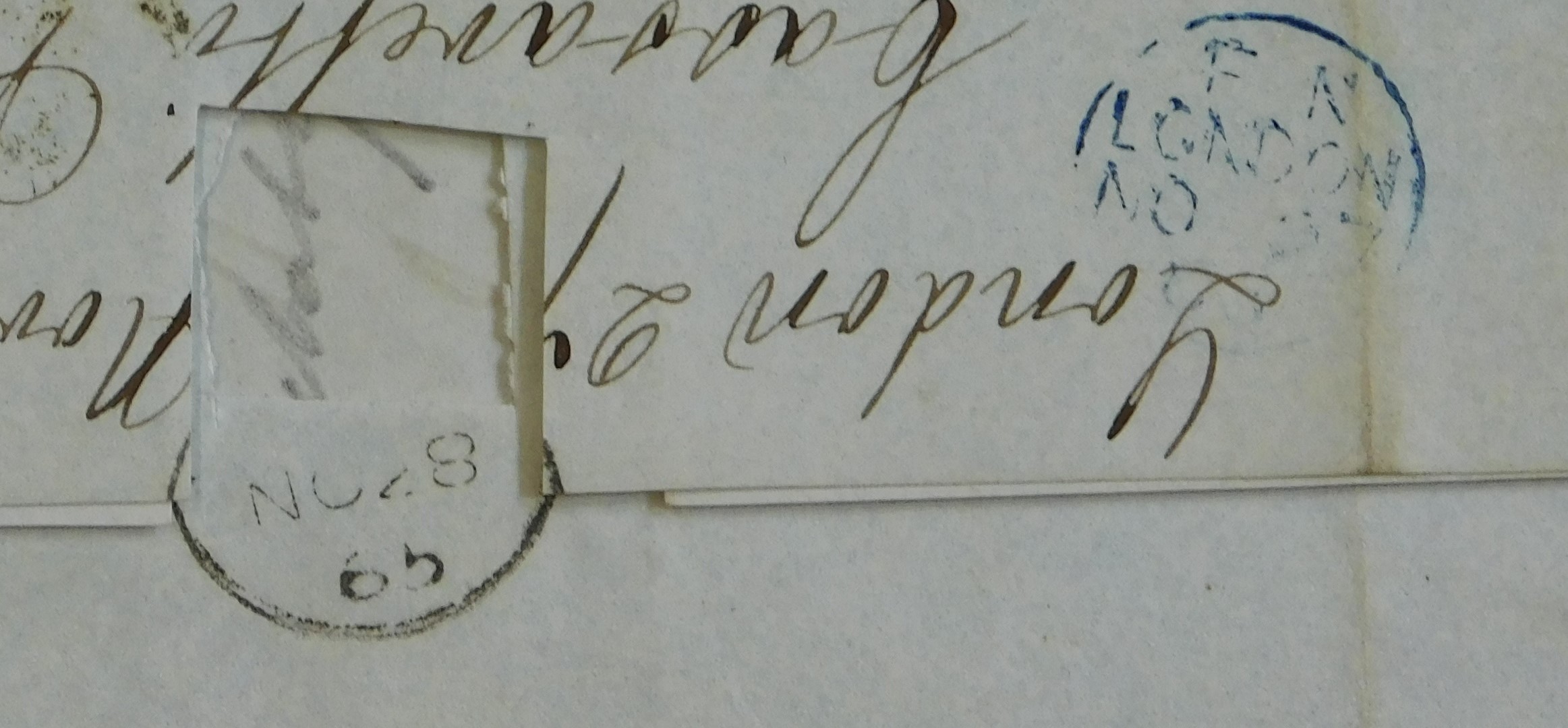
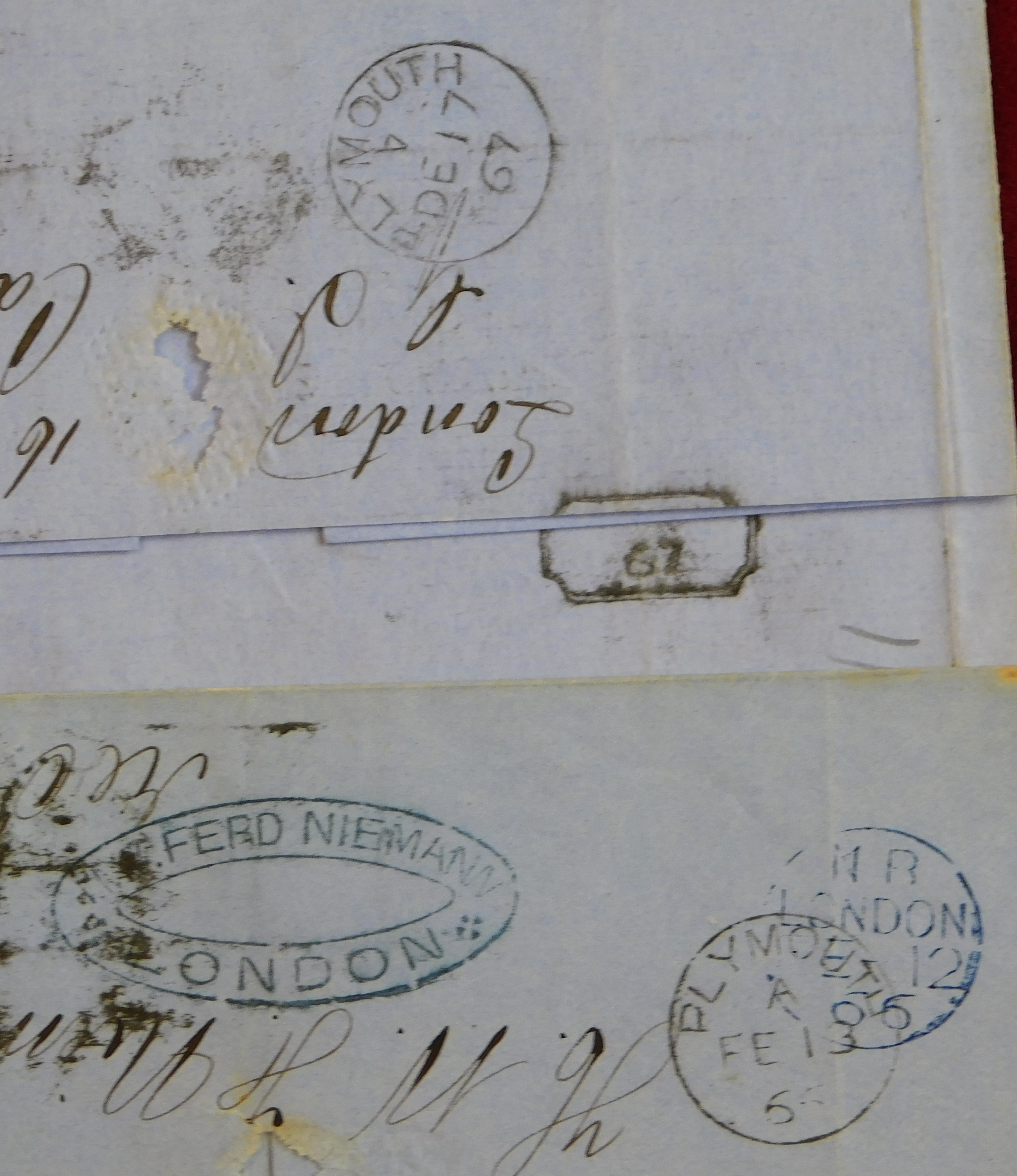
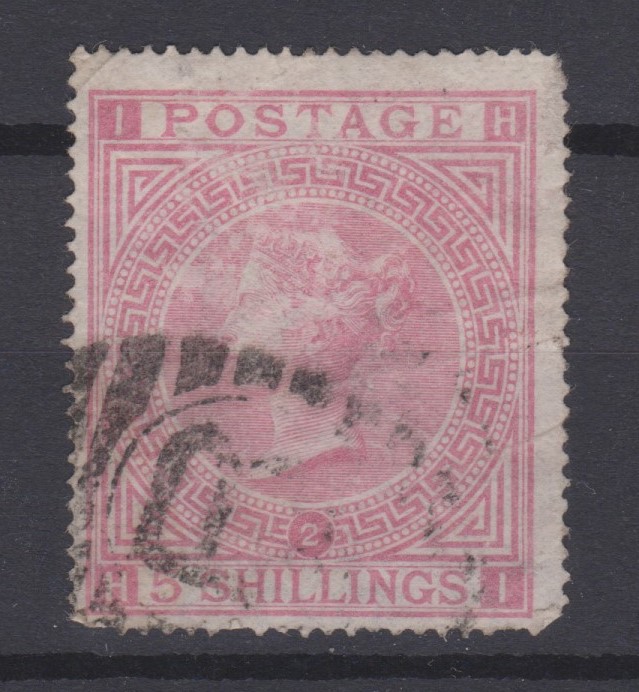
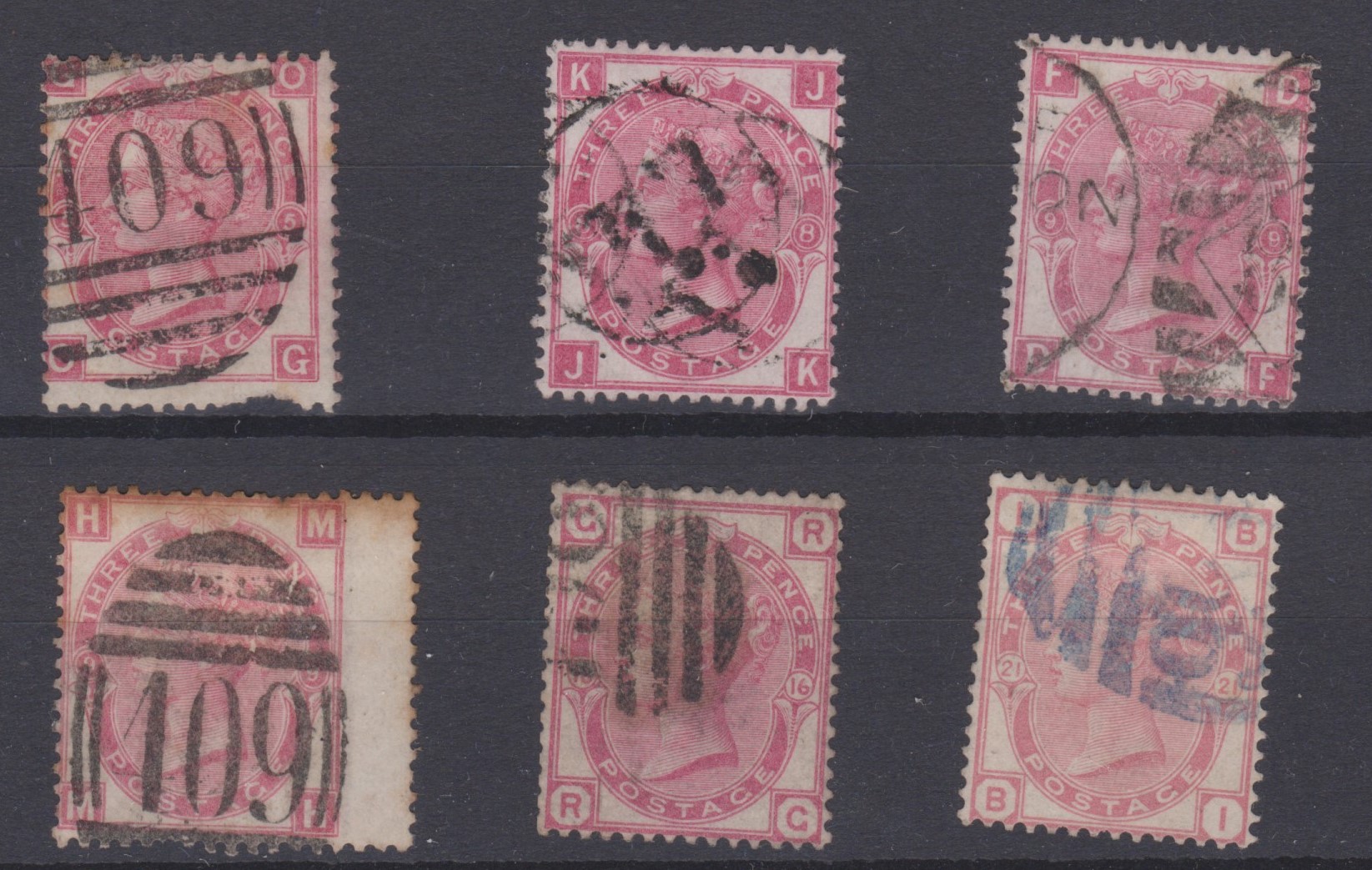
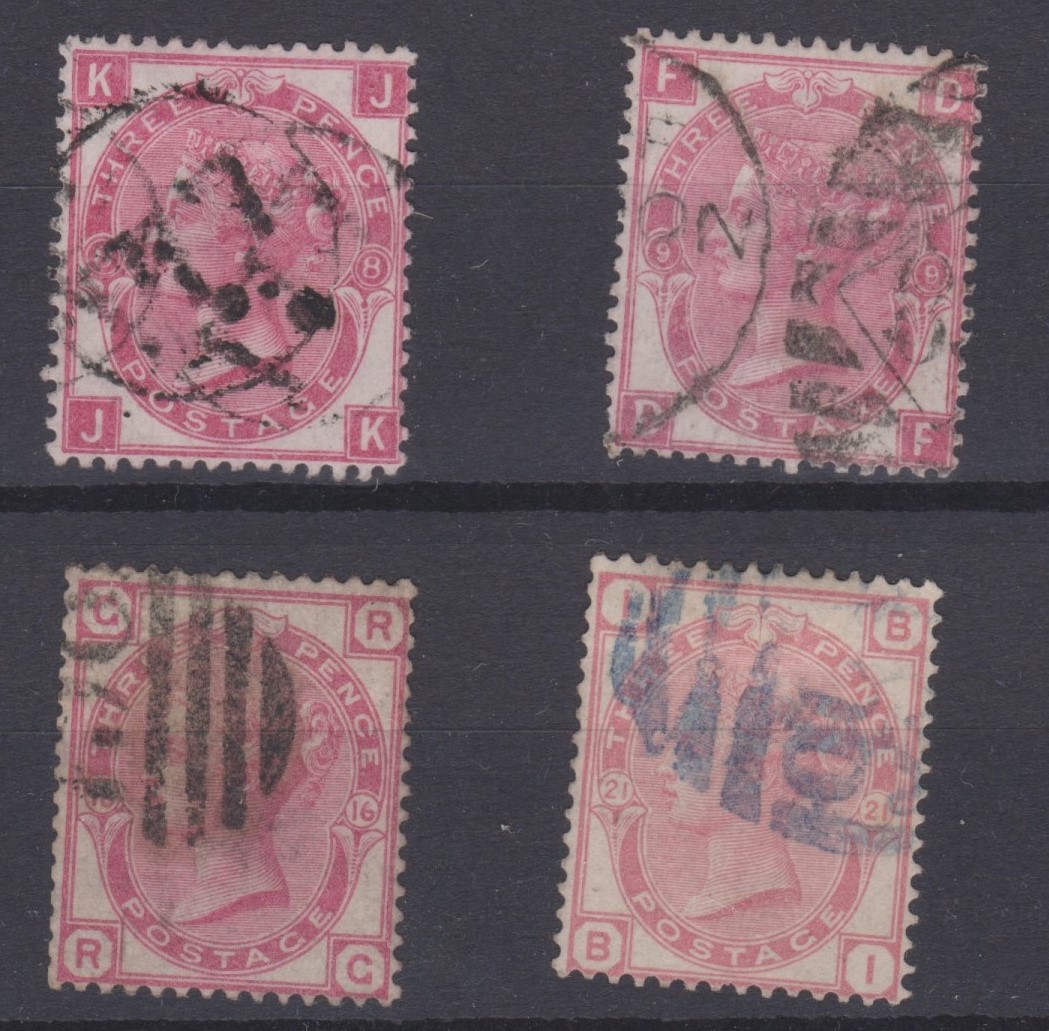
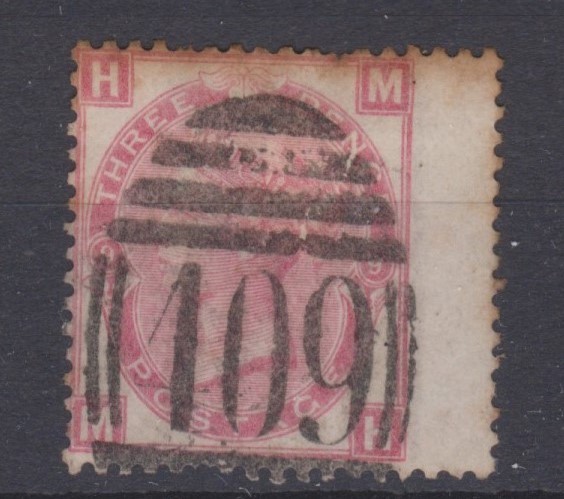
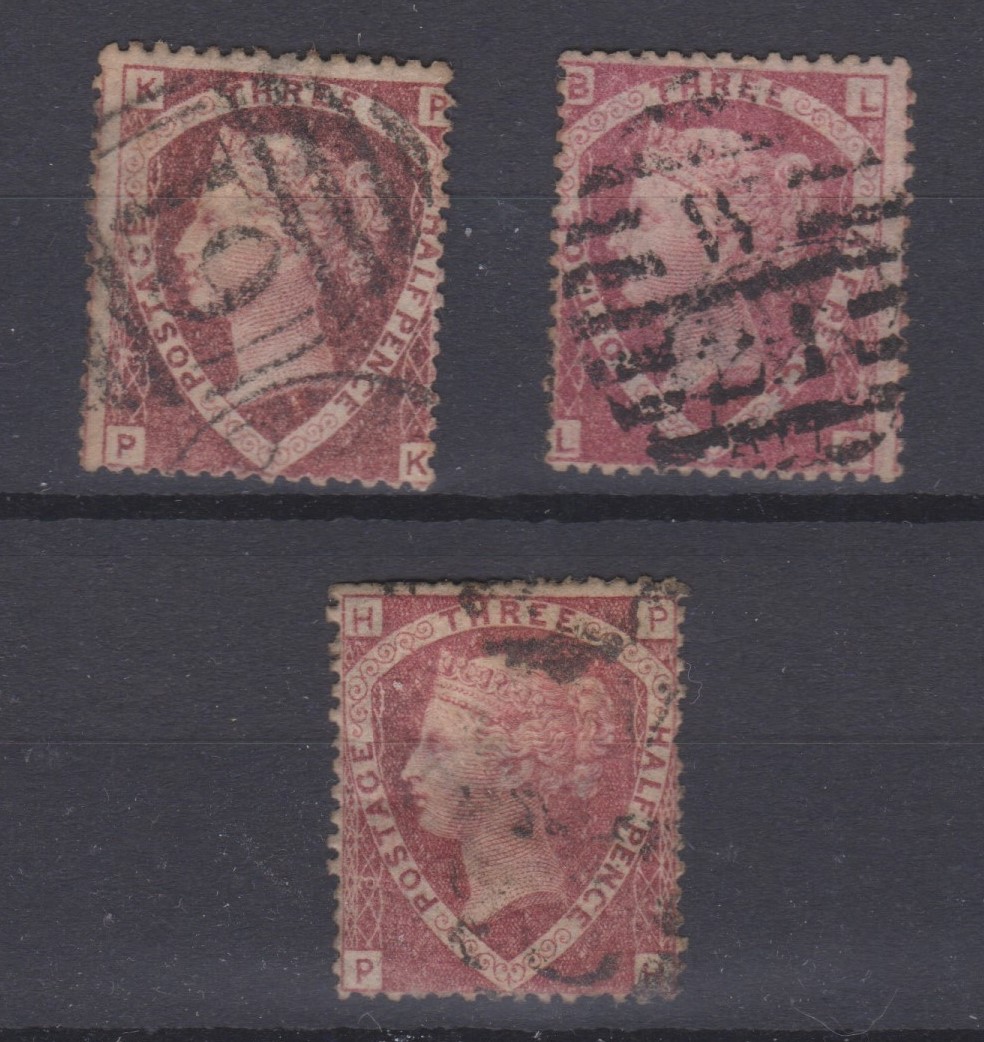
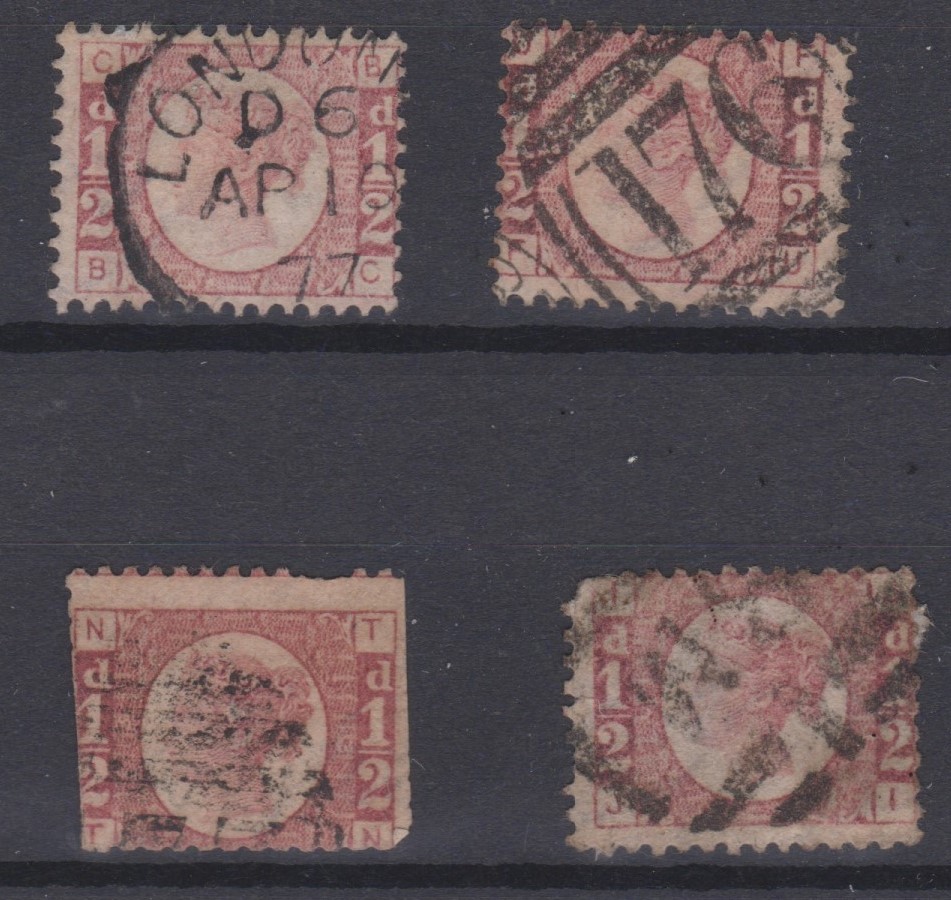
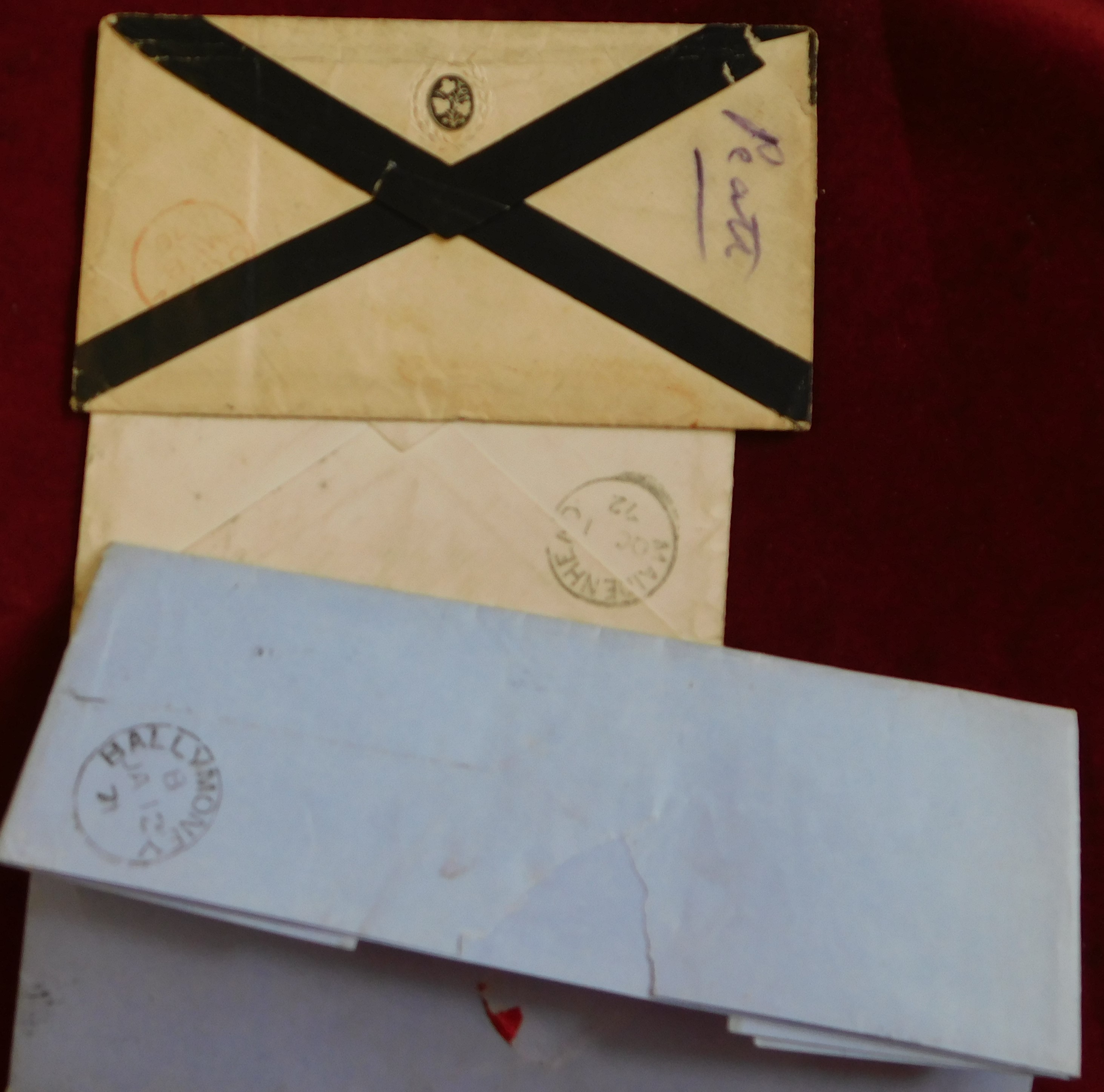
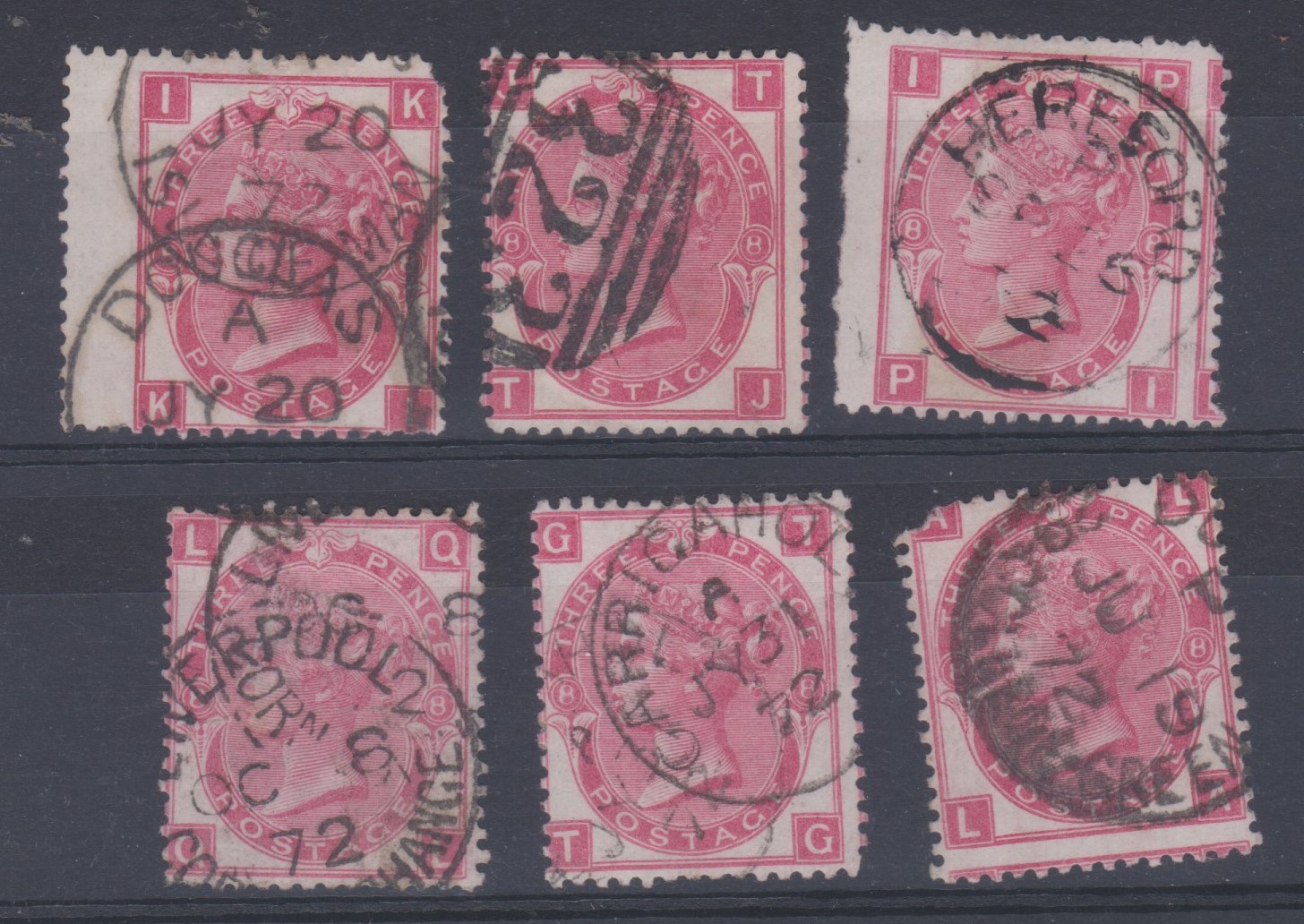
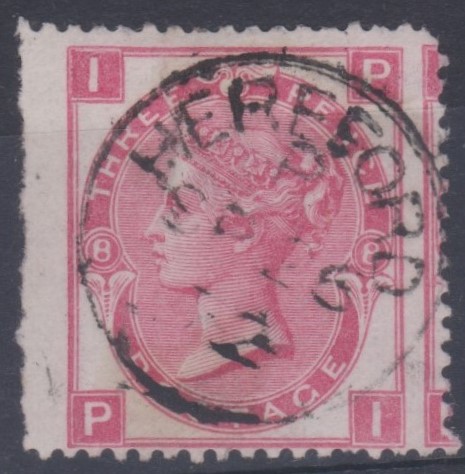
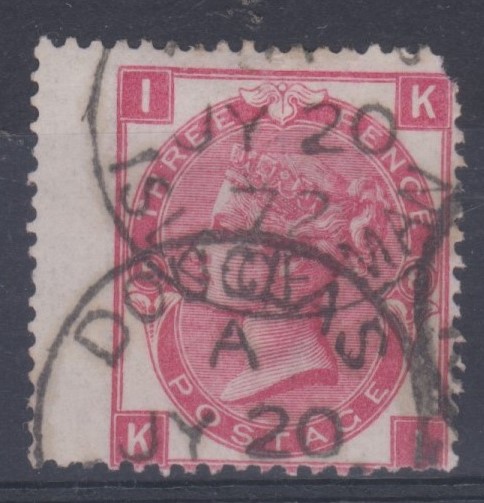
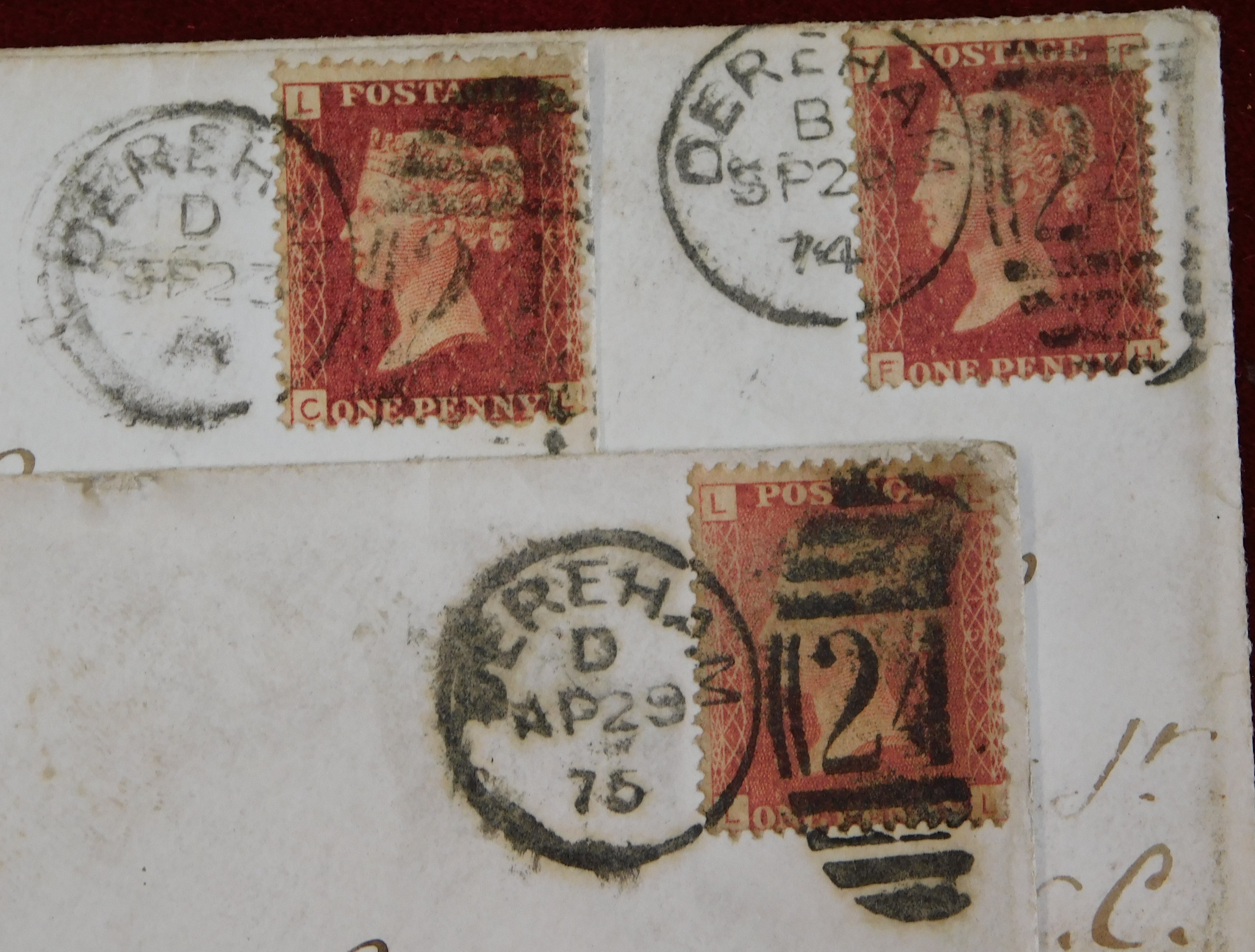
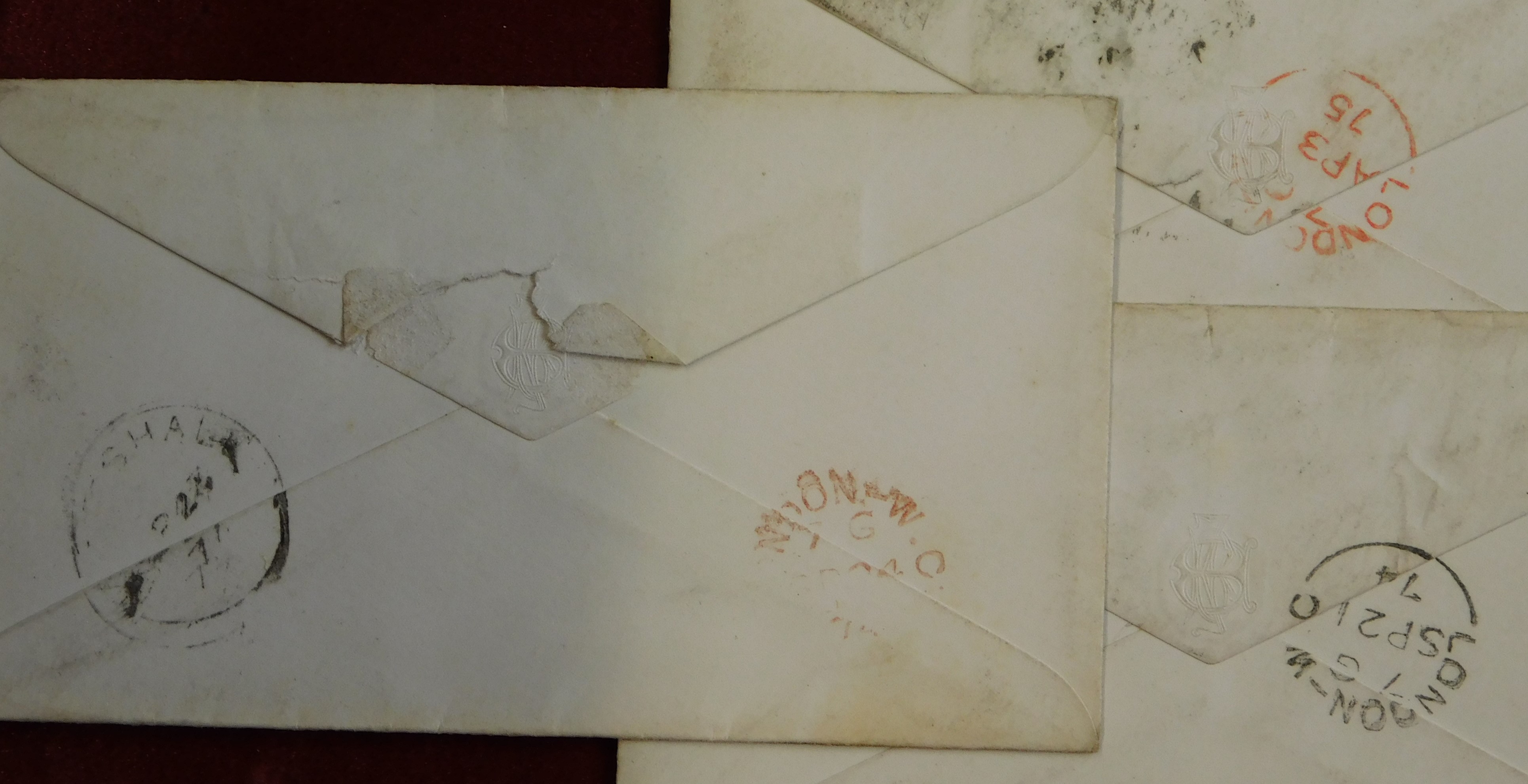
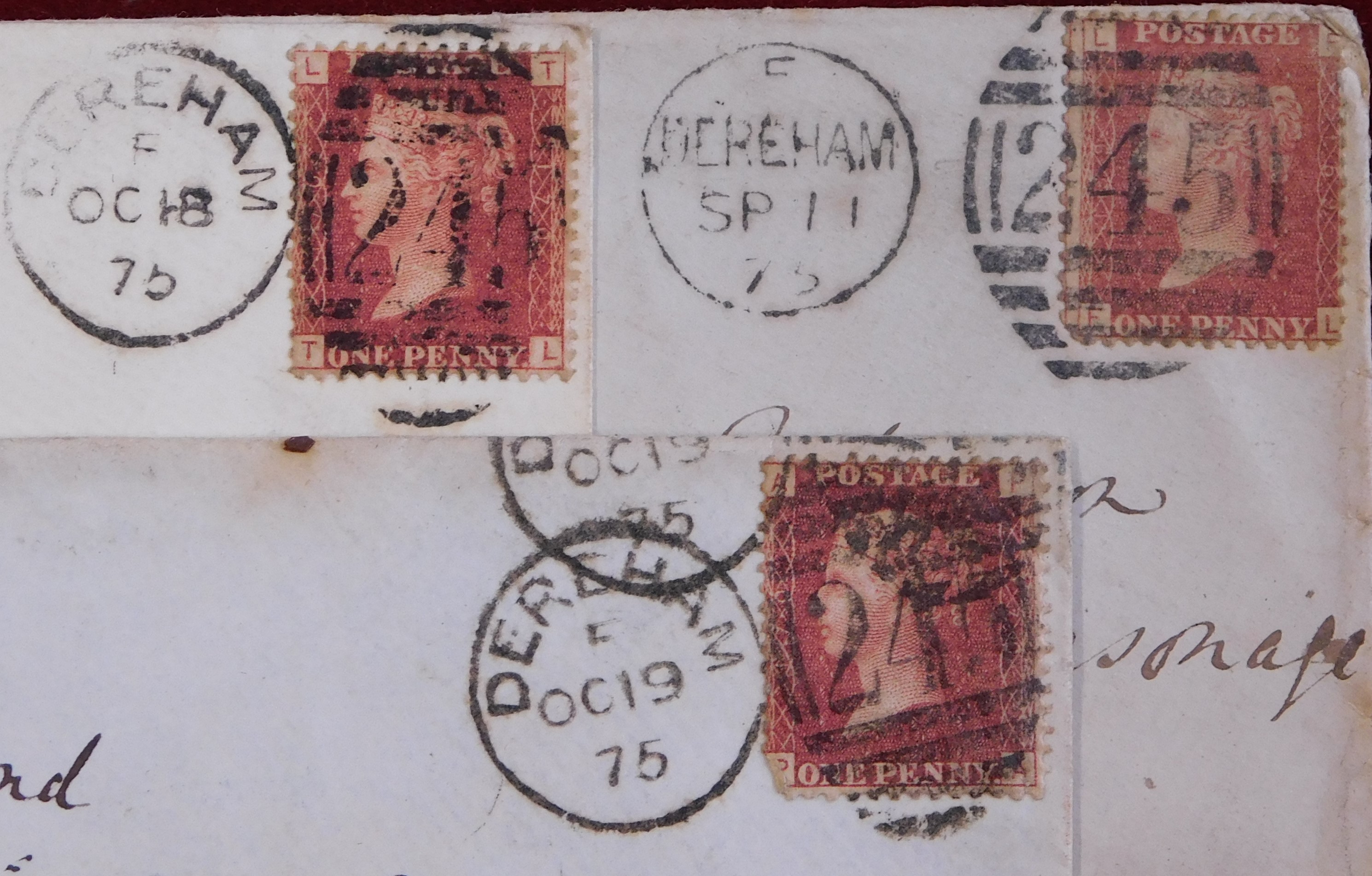
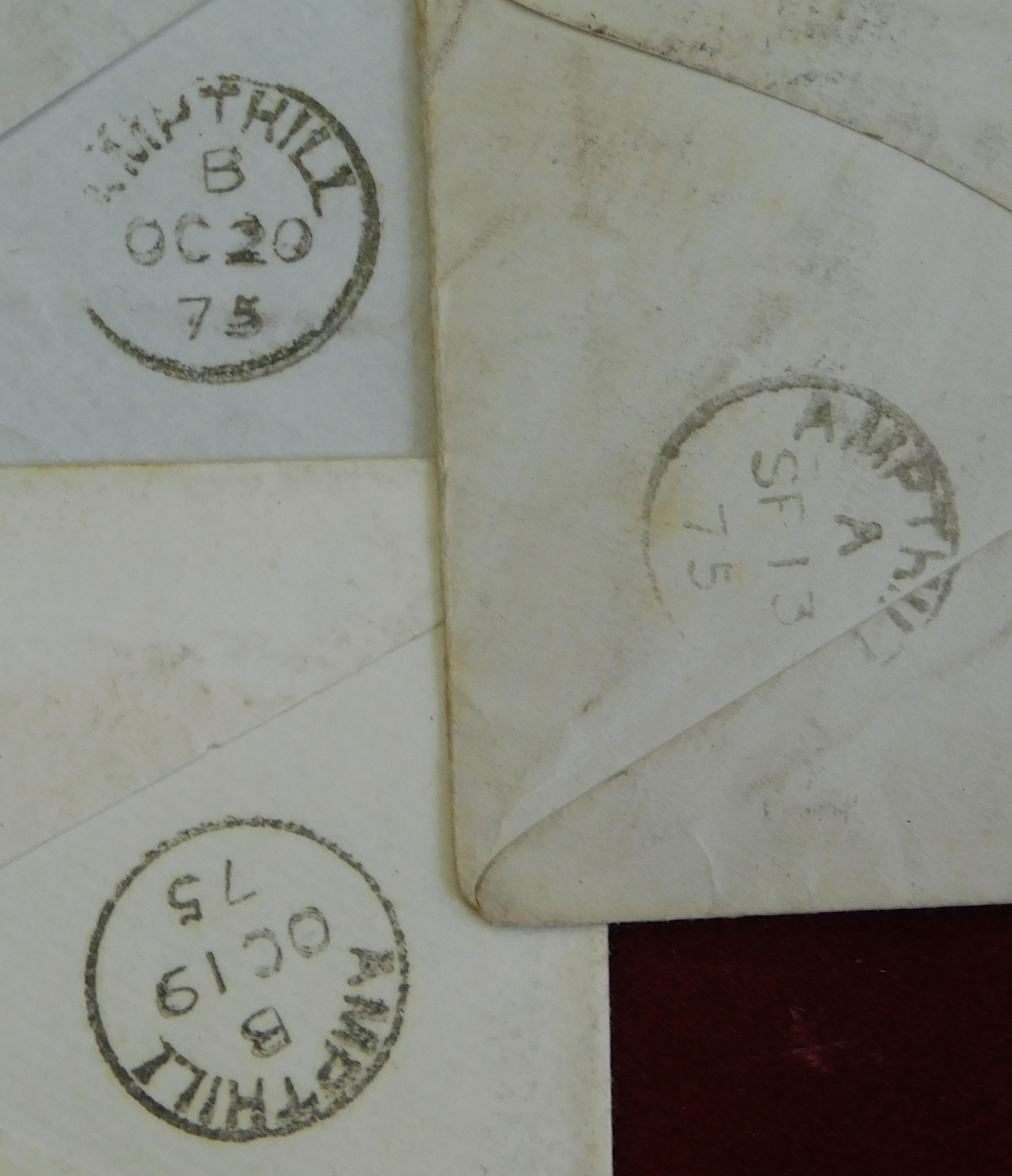
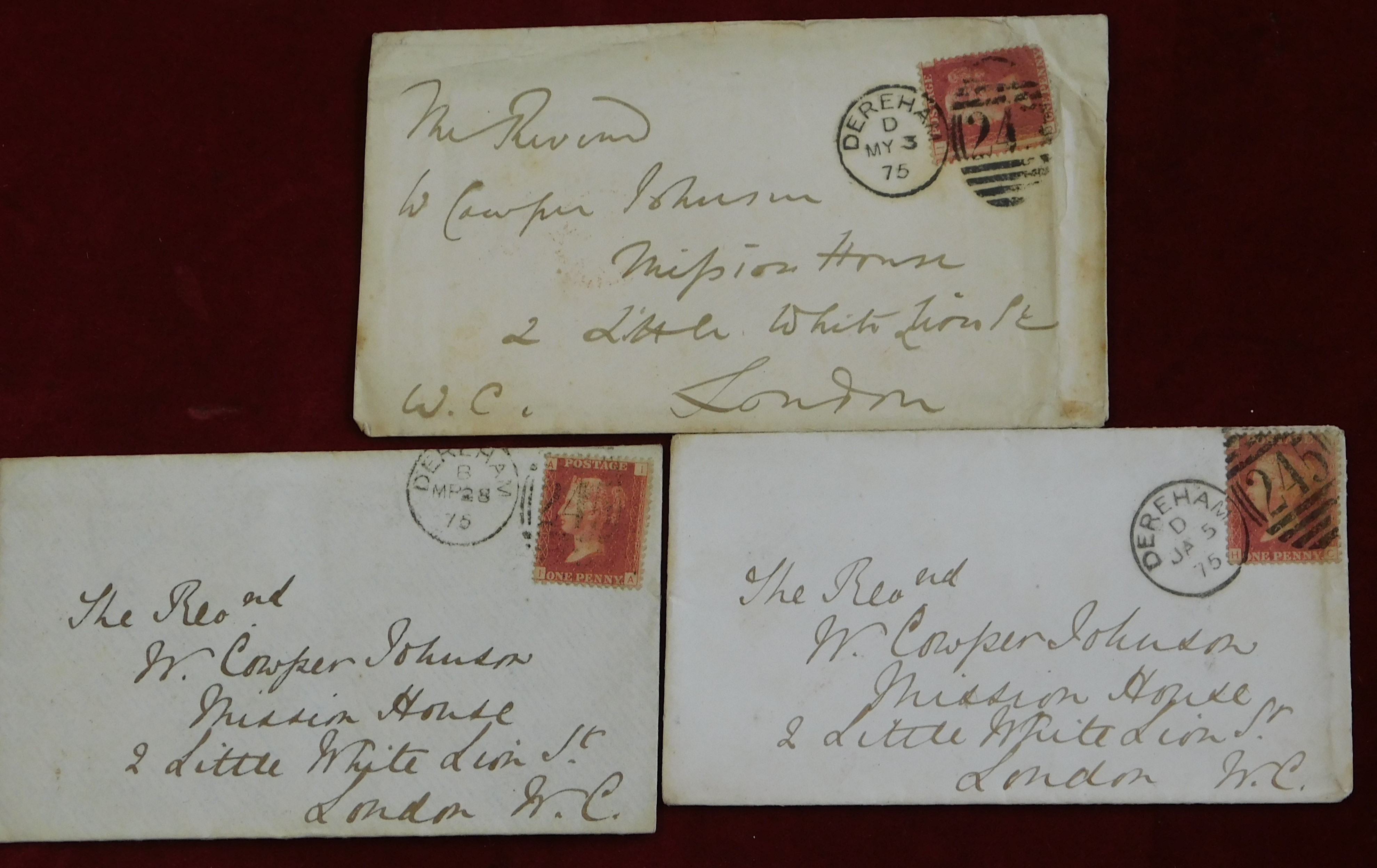
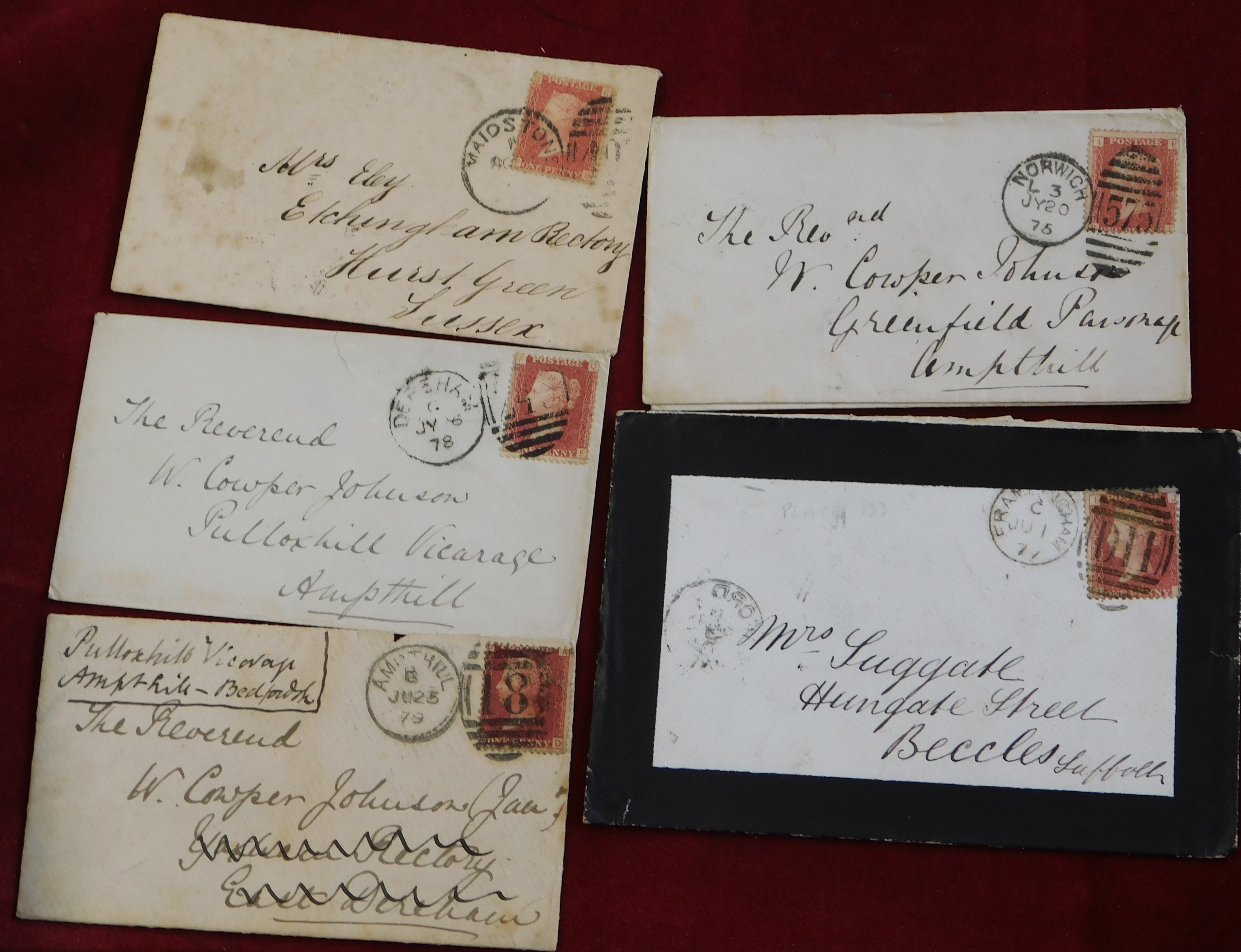
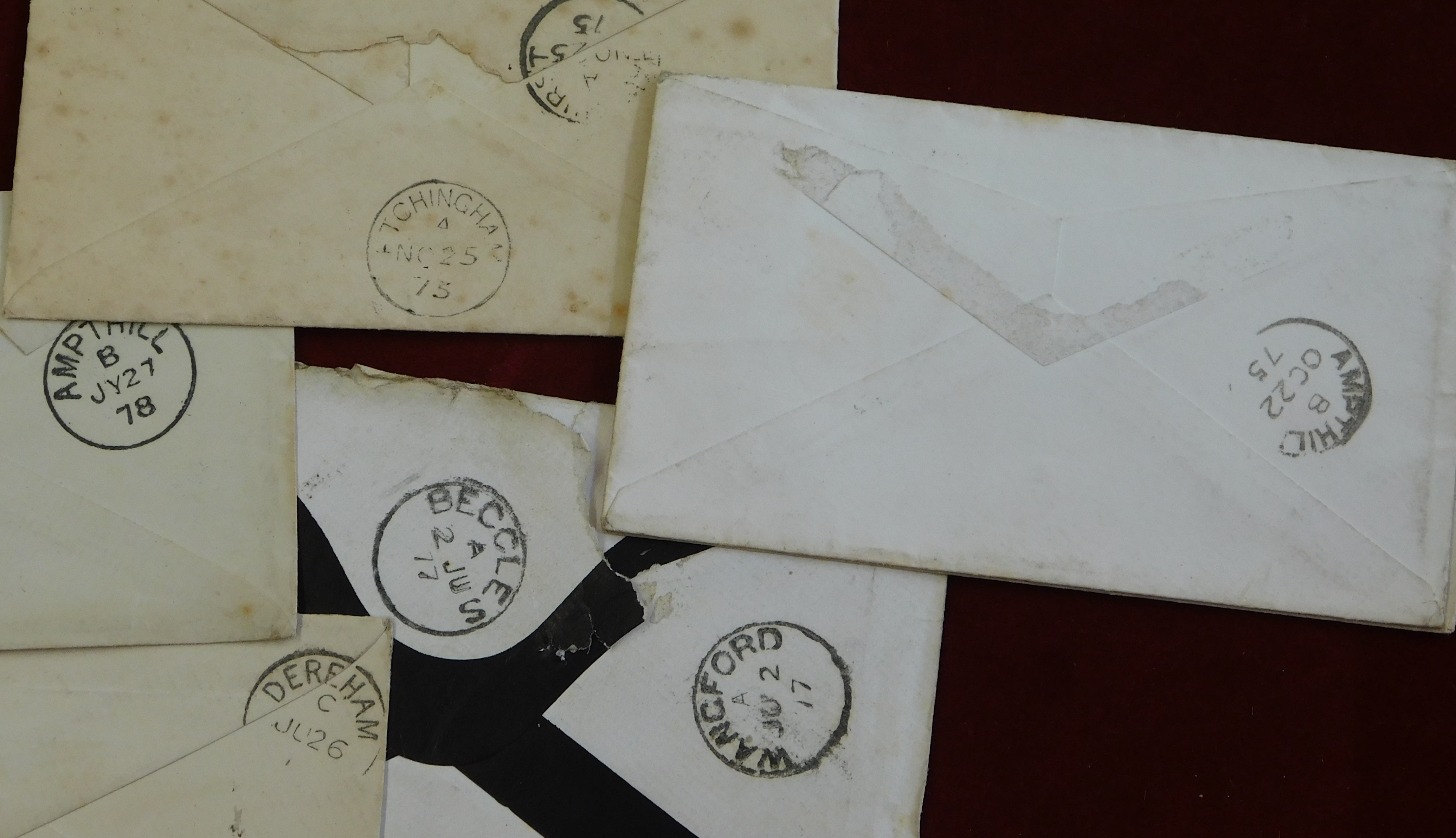
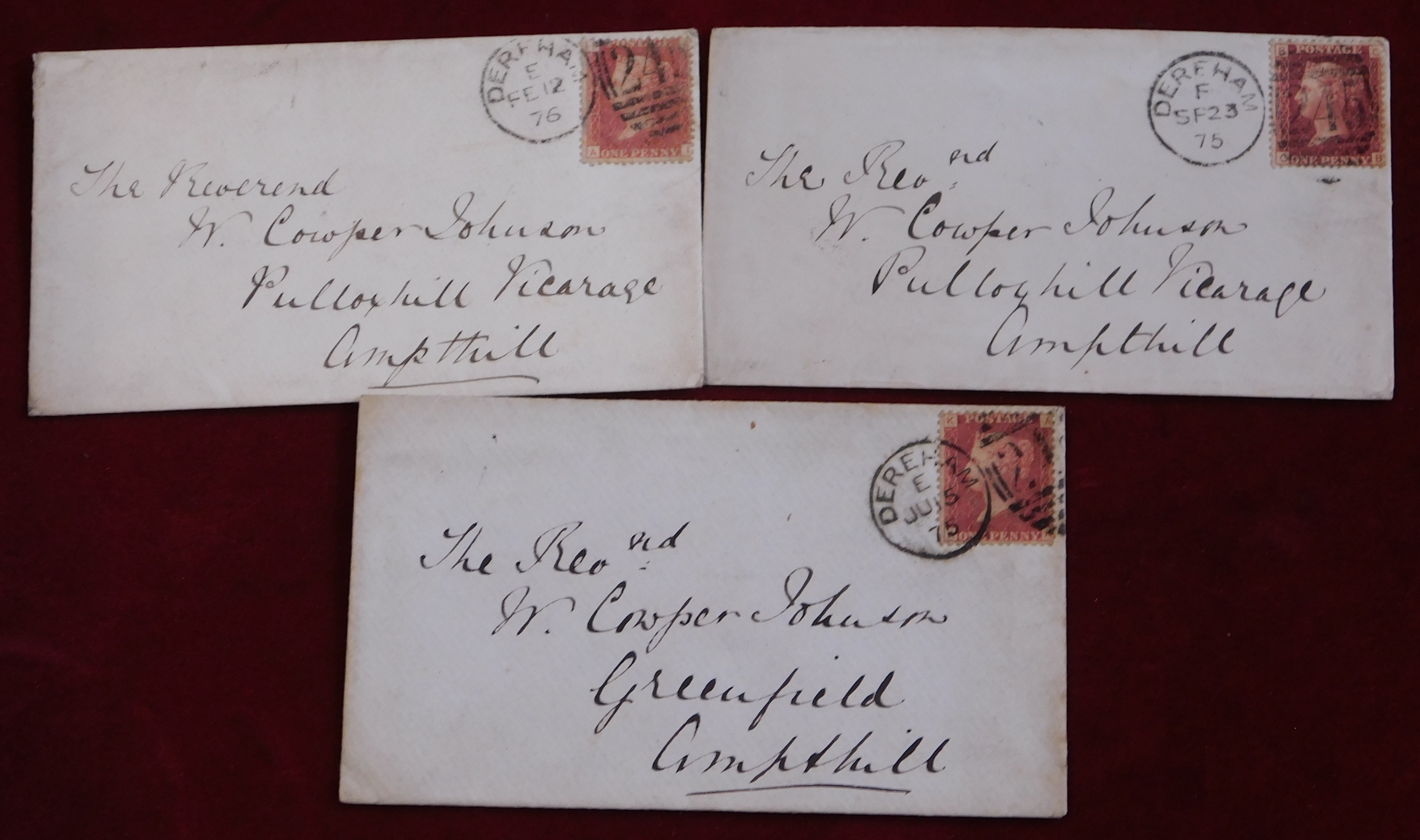
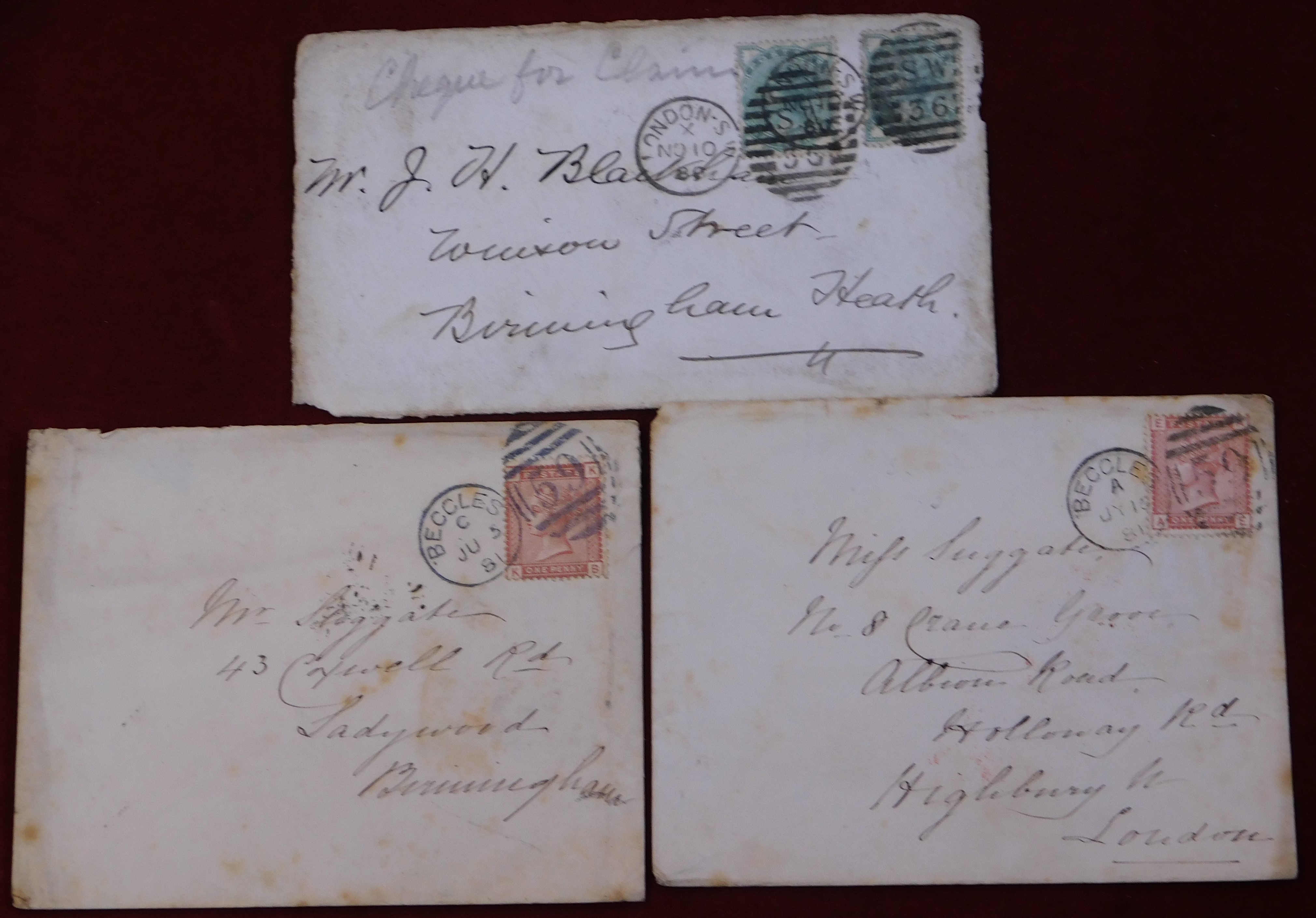
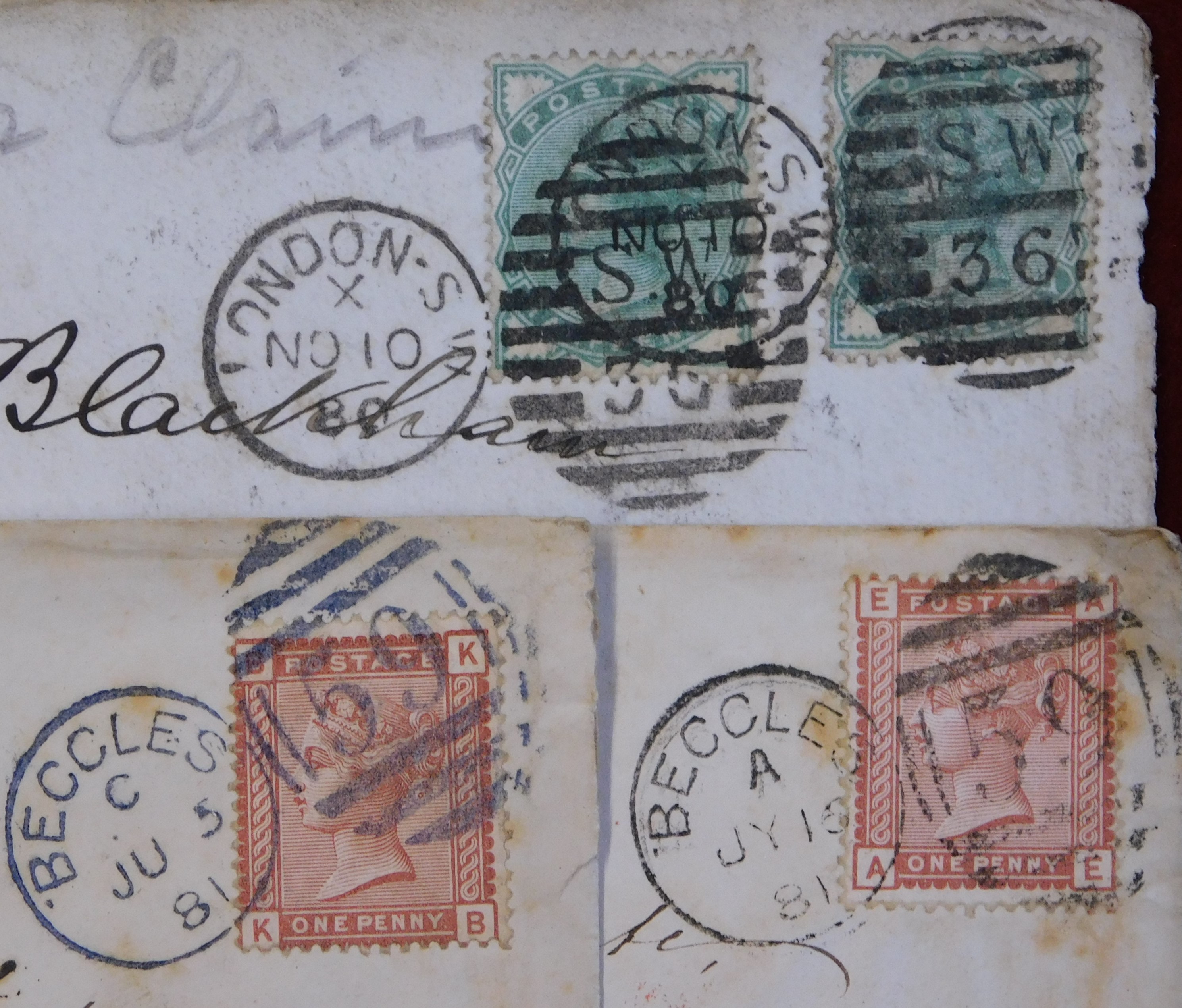
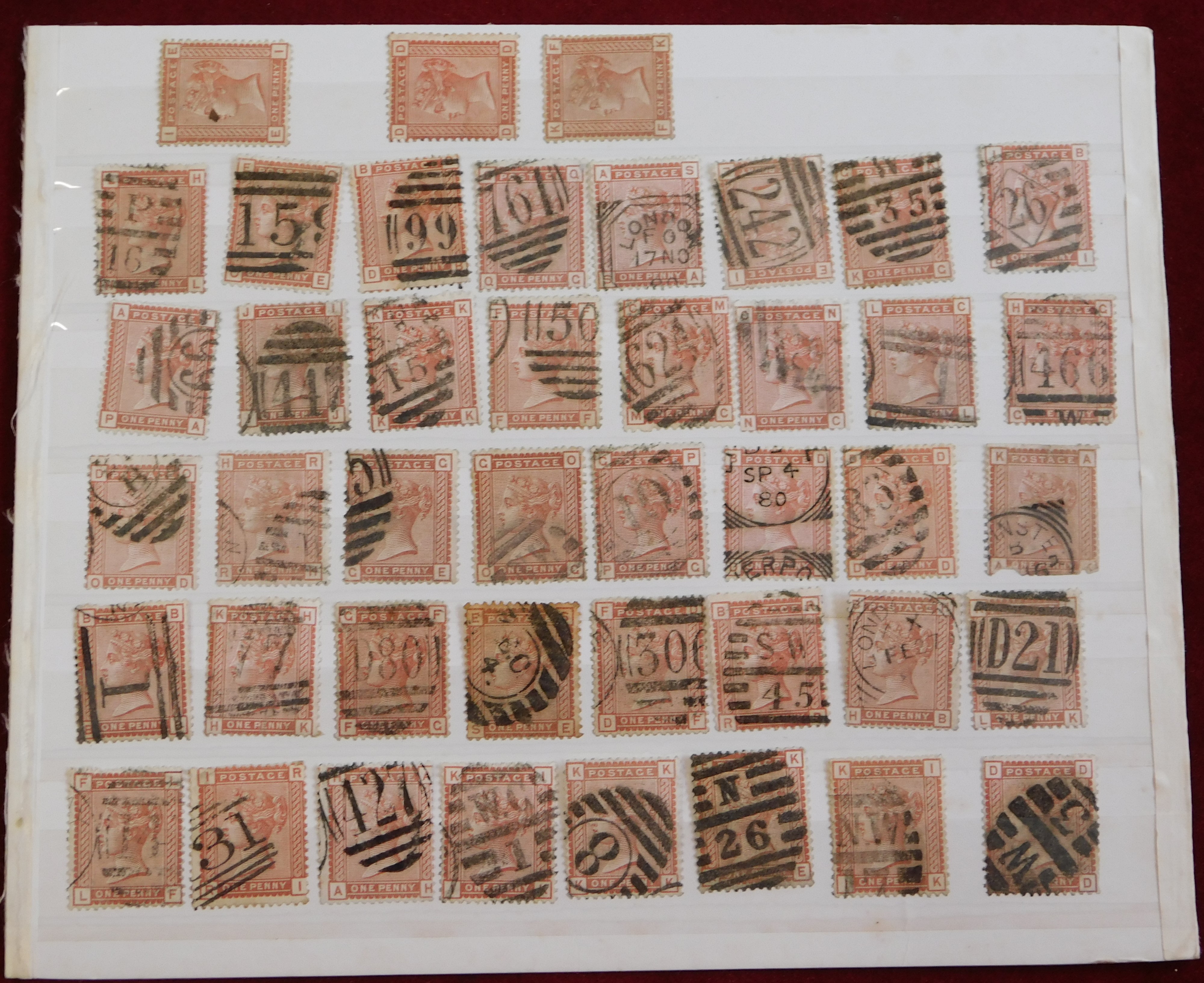
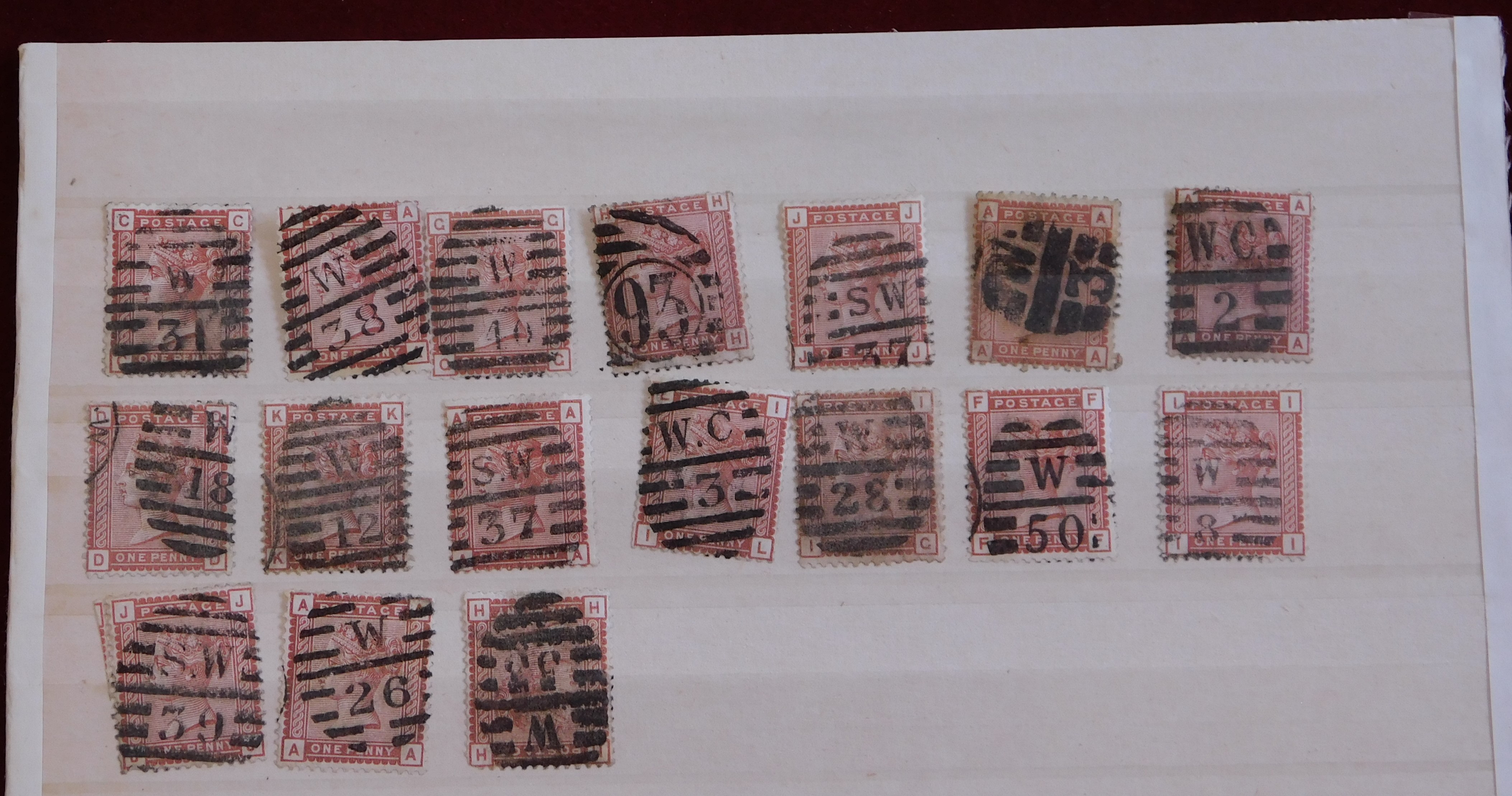
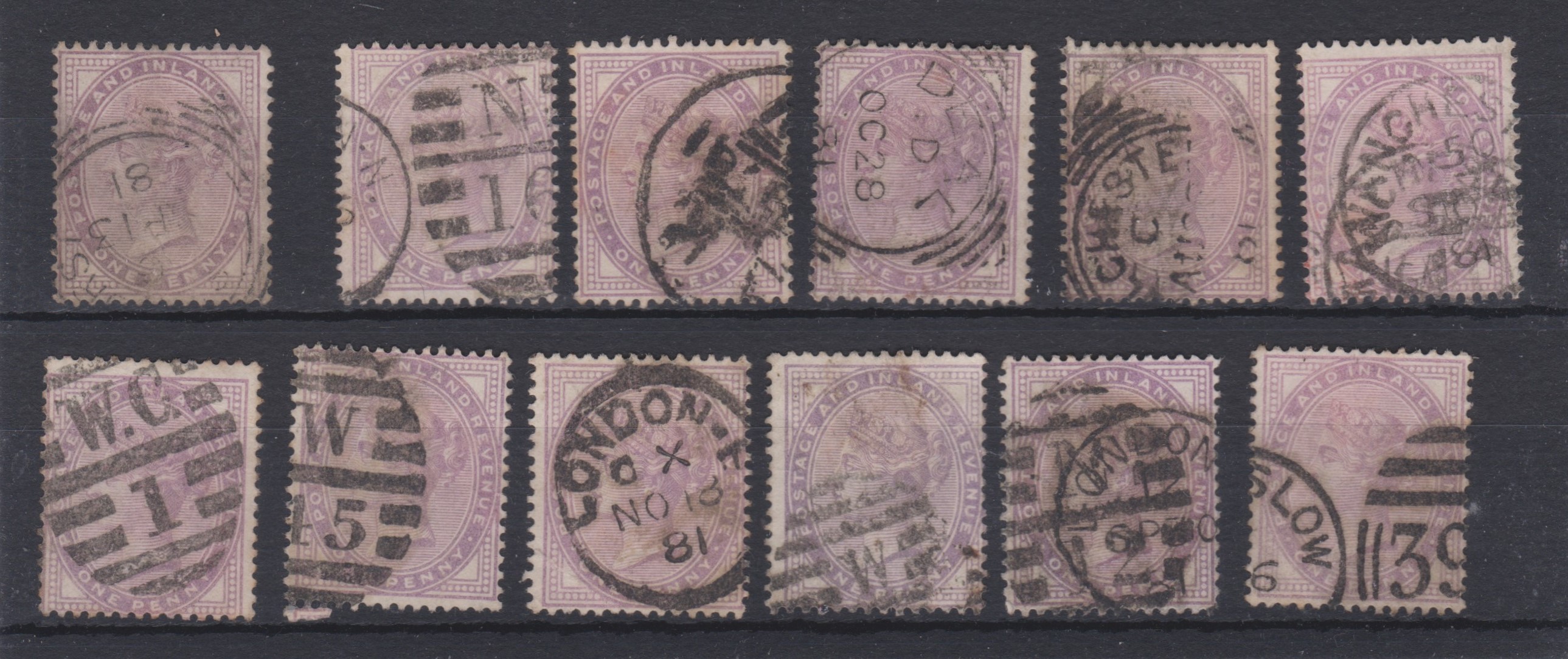
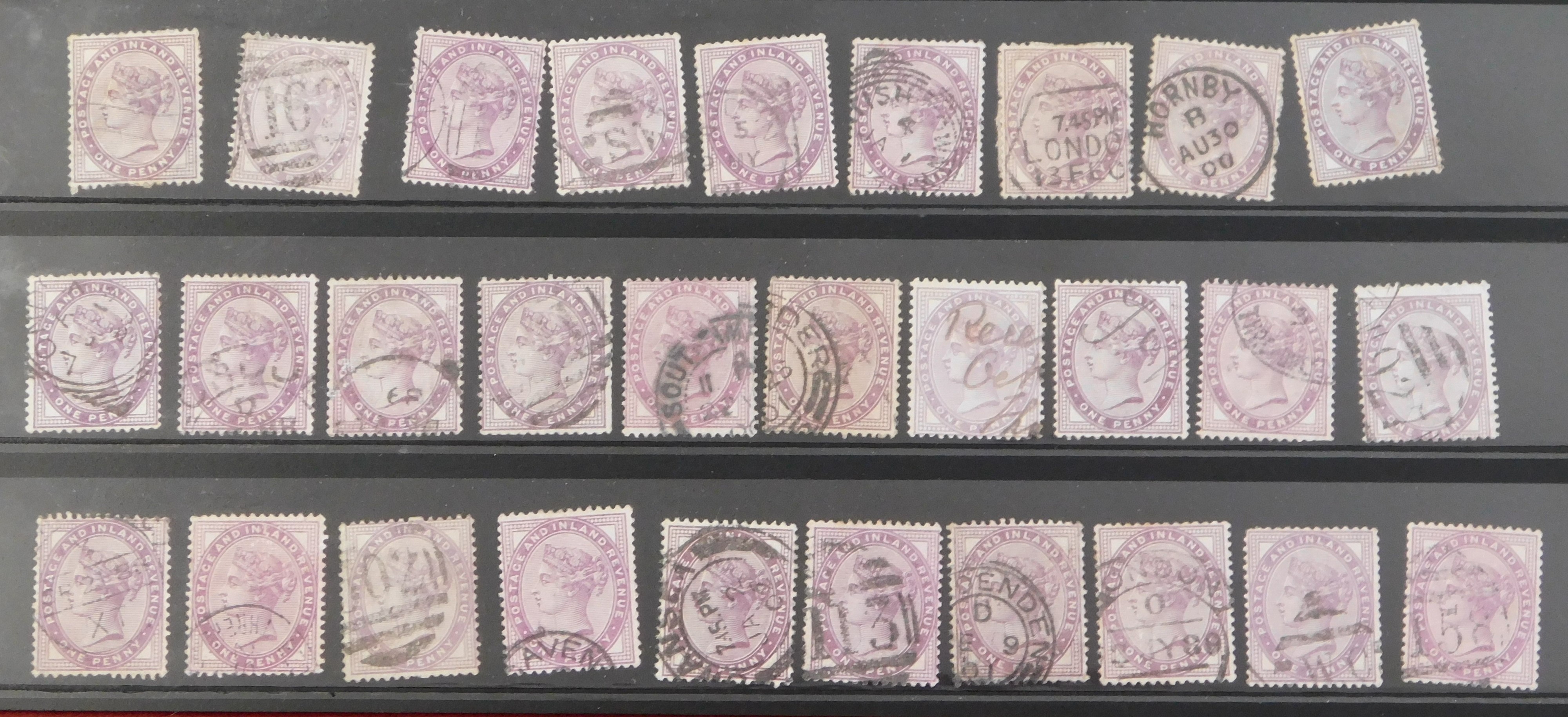
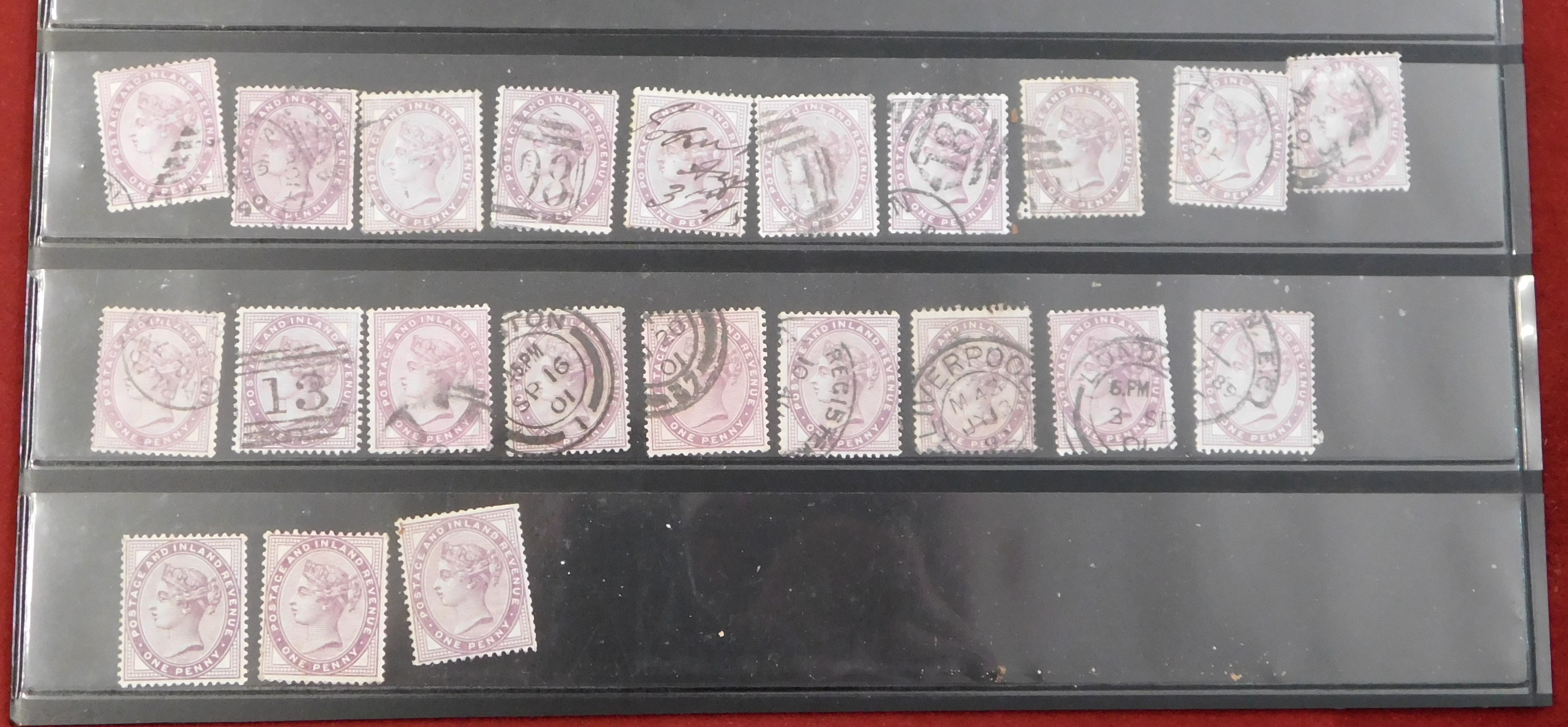
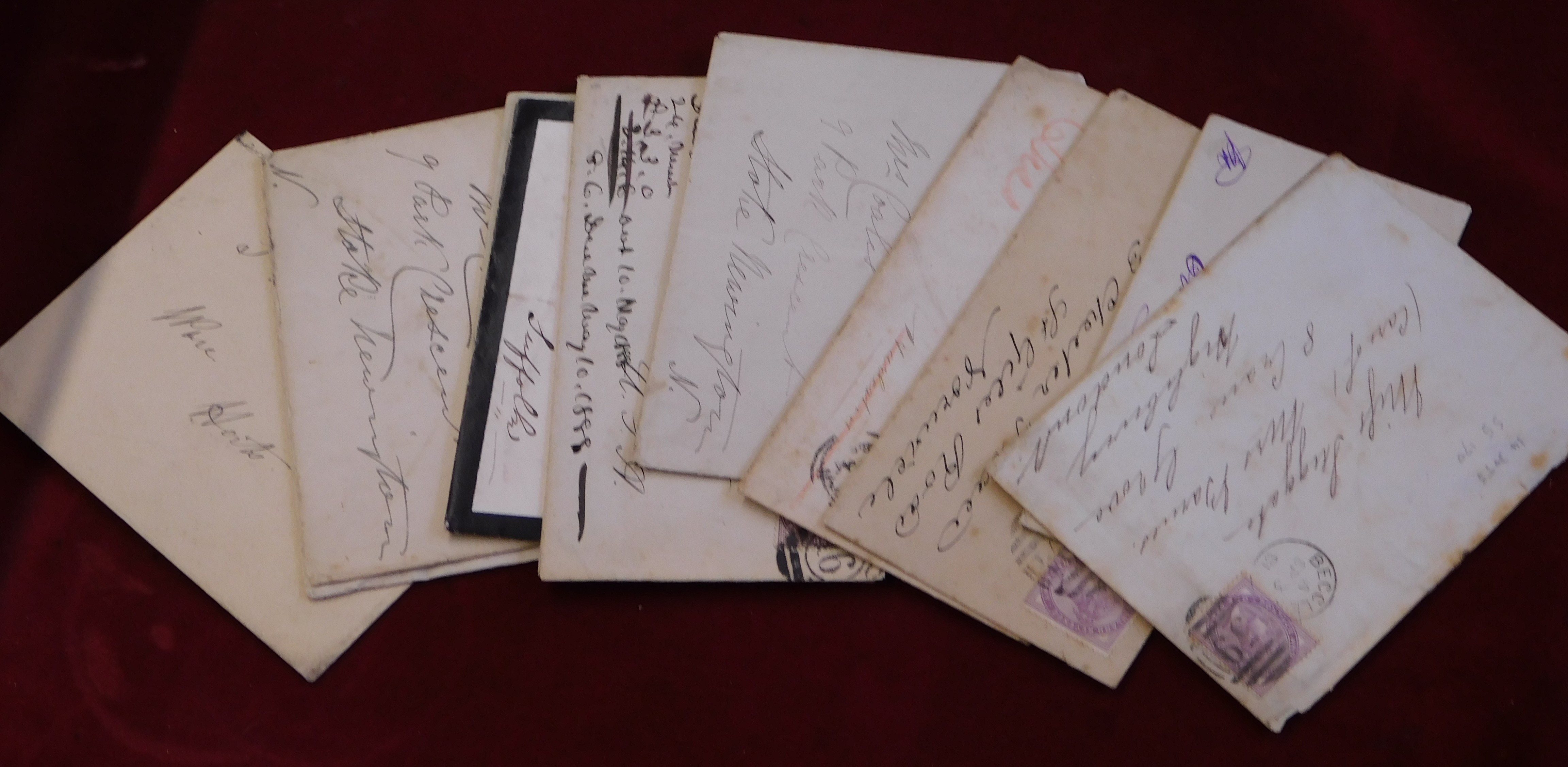
I am currently working on what will be day one of a two day stamp sale, typing up handwritten descriptions in the correct format for an auction catalogue and also imaging the lots (unlike day two, which I started first and have almost completed, and which is an exercise in recycling old lots these are new lots). At the start of today I had got to lot 54, and had 11 lots ready for the typing and imaging process, which gave time for more lots plus descriptions to be found. After I had dealt with those 11 lots I then typed up a further 20 descriptions, did the imaging (a mix of photographs for the bigger lots and scans for the smaller ones). Then I repeated the process for a further 15 lots bringing the total to a hundred. I still had a little time left, so I did a further five lots as a bonus (lot 100 had been my self-set minimum point to reach to by the end of today). I will resume on Thursday starting from lot 106. As you will see from the image gallery that follows the extra five lots were not just a bonus in terms of being ahead of where I reckoned on being – the last of the extra lots was of personal interest. My approach to the imaging was to take the photographs of the larger lots first, and then scan the smaller ones. Save for lot 101, described in its caption, I took no more than a single scan of any scannable lot – secondary images when I deemed them appropriate were extracted from the original scan.

Here is today’s image gallery…