
Here is my latest gallery (late yesterday and today) featuring among other things three different species of Butterfly…




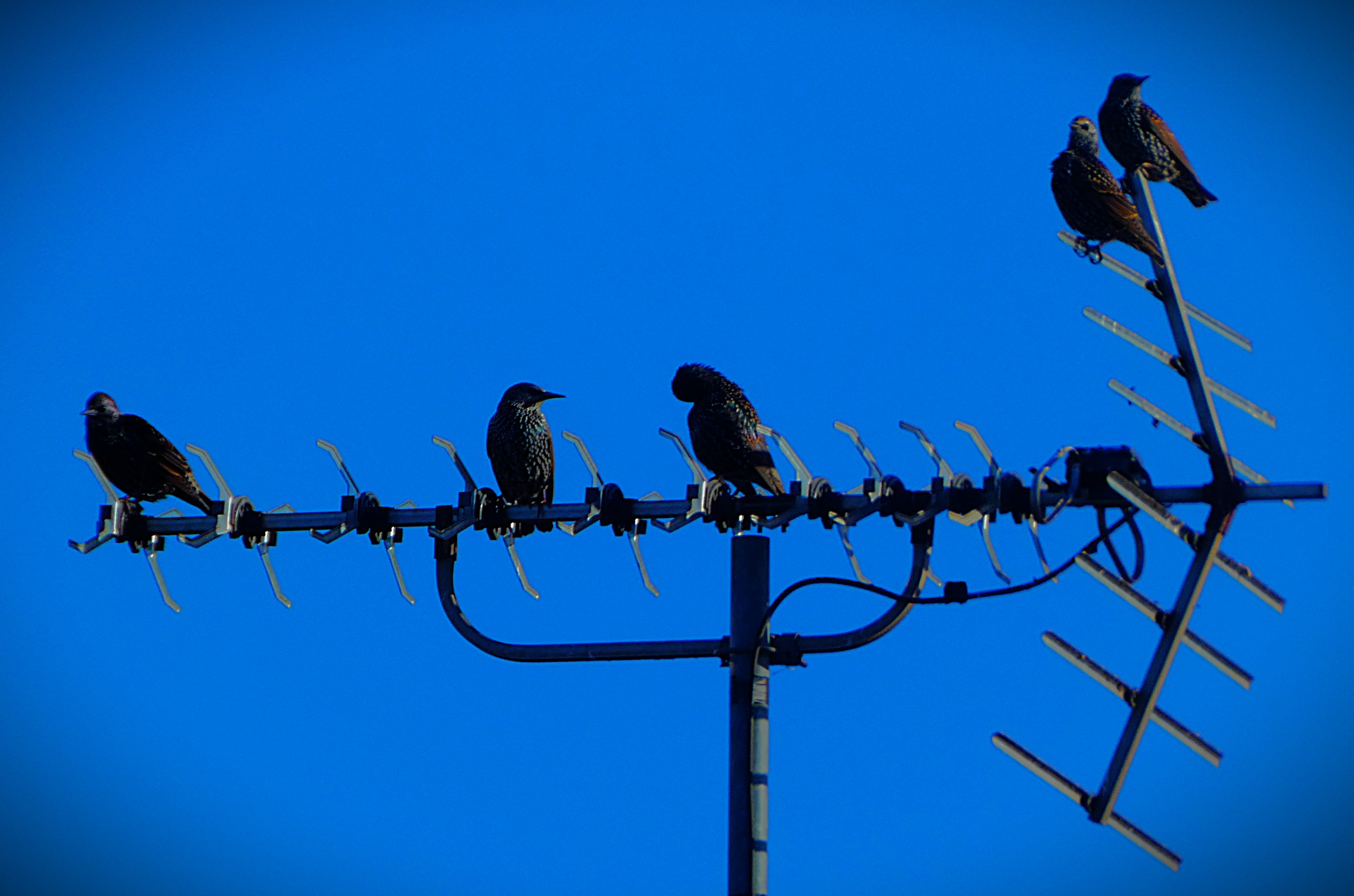











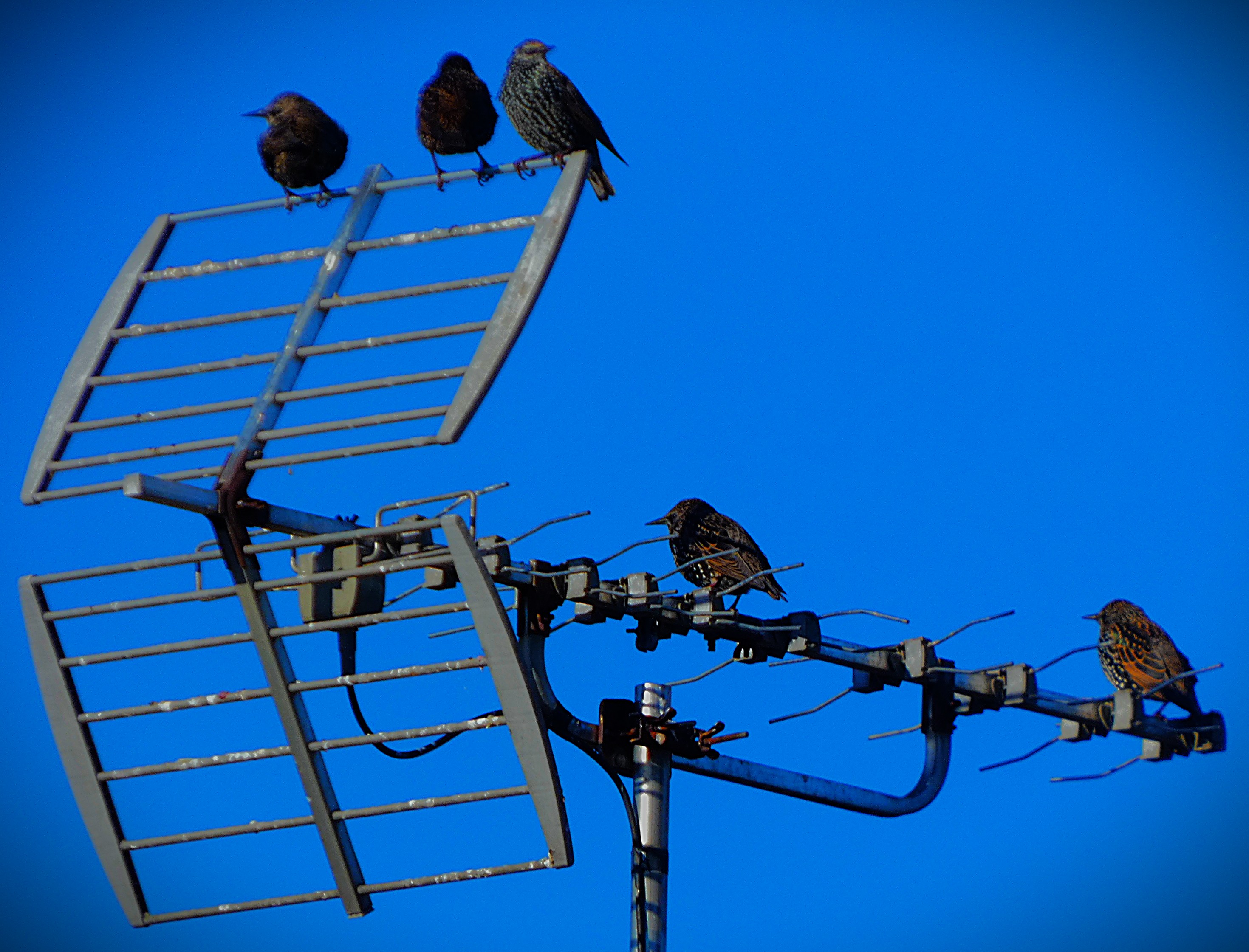
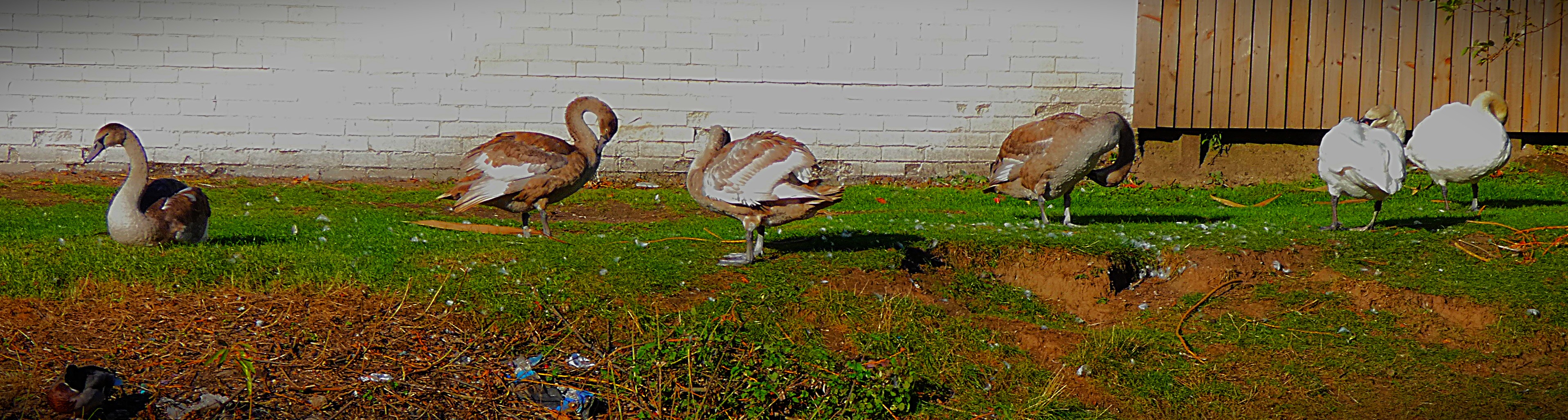



































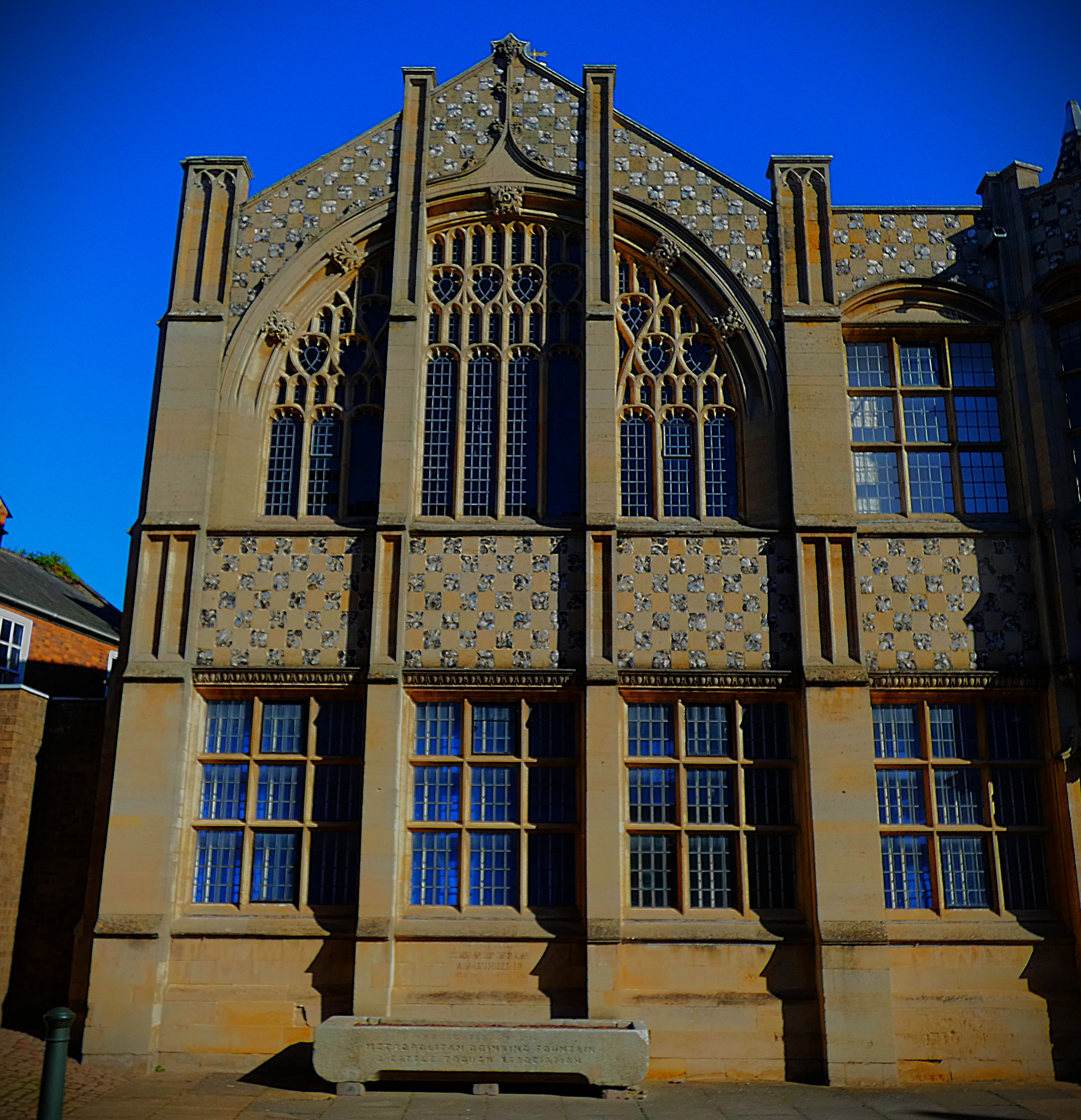



















A photo gallery featuring many birds and insects, including three species of butterfly.
Here is my latest gallery (late yesterday and today) featuring among other things three different species of Butterfly…
A look at the T20I series that has been going on between the England and Sri Lanka men’s teams and a photo gallery.
The England and Sri Lanka men’s sides have been playing a T20I series. The third and final match is in progress as I type, and it is an indication of the way things are going that I am already calling it a 3-0 series sweep for England, even with 14 overs left in the match.
MATCH ONE ON TUESDAY
Sri Lanka won the toss and inserted England. That was the only thing that went right for them all evening. England piled up 254 from their 20 overs, Harry Brook helping himself to a century. Faced with a total like that Sri Lanka were unlikely to get anywhere close, and in the end the margin was 119 runs. Sonny Baker distinguished himself by taking 3-12 from his four overs.
MATCH TWO ON THURSDAY
England won the toss and put Sri Lanka in. There were moments when Sri Lanka looked capable of posting a respectable total, but the second half of their innings was a sad tale, going from a relative high of 84-1 at half distance to an inadequate 145-9 at the end of the 20th over. England knocked off this target with almost eight overs to spare to settle the series with a match to spare.
MATCH THREE TODAY
England won the toss and again chose to bat, and it was deja vu. Sri Lanka reached 83-3 at the high water mark of their innings, but once again floundered badly in the closing stages. On this occasion they were all out for 124 with seven balls left unused. Wanindu Hasaranga suffered a bizarre dismissal, dislodging a bail with the toe end of his bat while facing Jofra Archer. Kamindu Mendis played the best innings for Sri Lanka, but it ended horribly when he ignored the fact that Old Trafford is wider than it is long and took on a pull against Archer, succeeding only in sending the ball directly to Jacks, carefully positioned a good few yards in from the boundary for this precise eventuality. Harry Brook and Jos Buttler are enjoying themselves at the moment, and already, with over 12 overs still available, England need less than 30 more to win. The hapless Madushanka has just given away five wides to move England past 100. It was his fourth separate infraction of the over to boot. With 23 now needed I suspect that the usual mid-innings drinks break will be superfluous. The previous sentence was prophetic – England reached the target in just 9.4 overs to seal the 3-0 sweep.
PHOTOGRAPHS
My usual sign off…






























































































































A look at the women’s match between Manchester Super Giants and Trent Rockets in The Hundred today and a photo gallery.
Today in the Hundred the Manchester Super Giants are playing Trent Rockets. The women’s match has already happened, and this post looks back at it.
THE TRENT ROCKETS INNINGS
The home side won the toss and as everyone always seems to in this competition they chose to bowl first. Although the legend that is Beth Mooney failed on this occasion, bowled by Grace Ballinger for 2 that early setback was followed by a superb partnership between Sophia Dunkley and Sophie Luff who each topped 50. Luff went for 51, from just 26 balls, to a catch by Smriti Mandhana off Maitlan Brown. Dunkley scored 57 from 33 balls, falling to a catch by Ryana Macdonald-Gay off Sophie Ecclestone. The Super Giants bowlers arguably had the better of what was left of the innings, though Georgia Adams managed an unbeaten 20 from 13 balls to lift the Rockets score past 150. Most of the Rockets bowlers fared pretty poorly overall, though Ecclestone managed 2-24 from her 20 balls, and Ballinger had 1-21 from her full 2o balls.
THE MANCHESTER SUPER GIANTS RESPONSE
Manchester Super Giants never looked remotely like chasing that Rockets total down. Meg Lanning scored at the required rate, but could not get enough of the strike – she was out to the 72nd ball of the innings, which was her 24th, meaning that as an opening batter she had managed to face just one third of the number of balls bowled while she was at the crease. Kathryn Bryce hit successive fours to bring up the 100, making the ask 54 off 24 balls, but she was out to the very next ball and thereafter, apart from a couple of defiant sixes from the bat of Maitlan Brown it was one-way traffic, with the end coming when Ashleigh Gardner clean bowled Ballinger for a two ball duck to make it 122 all out from 93 balls, a win for Rockets by 31 runs. Sophia Dunkley was named Match Hero having pouched three catches to set alongside her score of 57. Scorecard here.
PHOTOGRAPHS















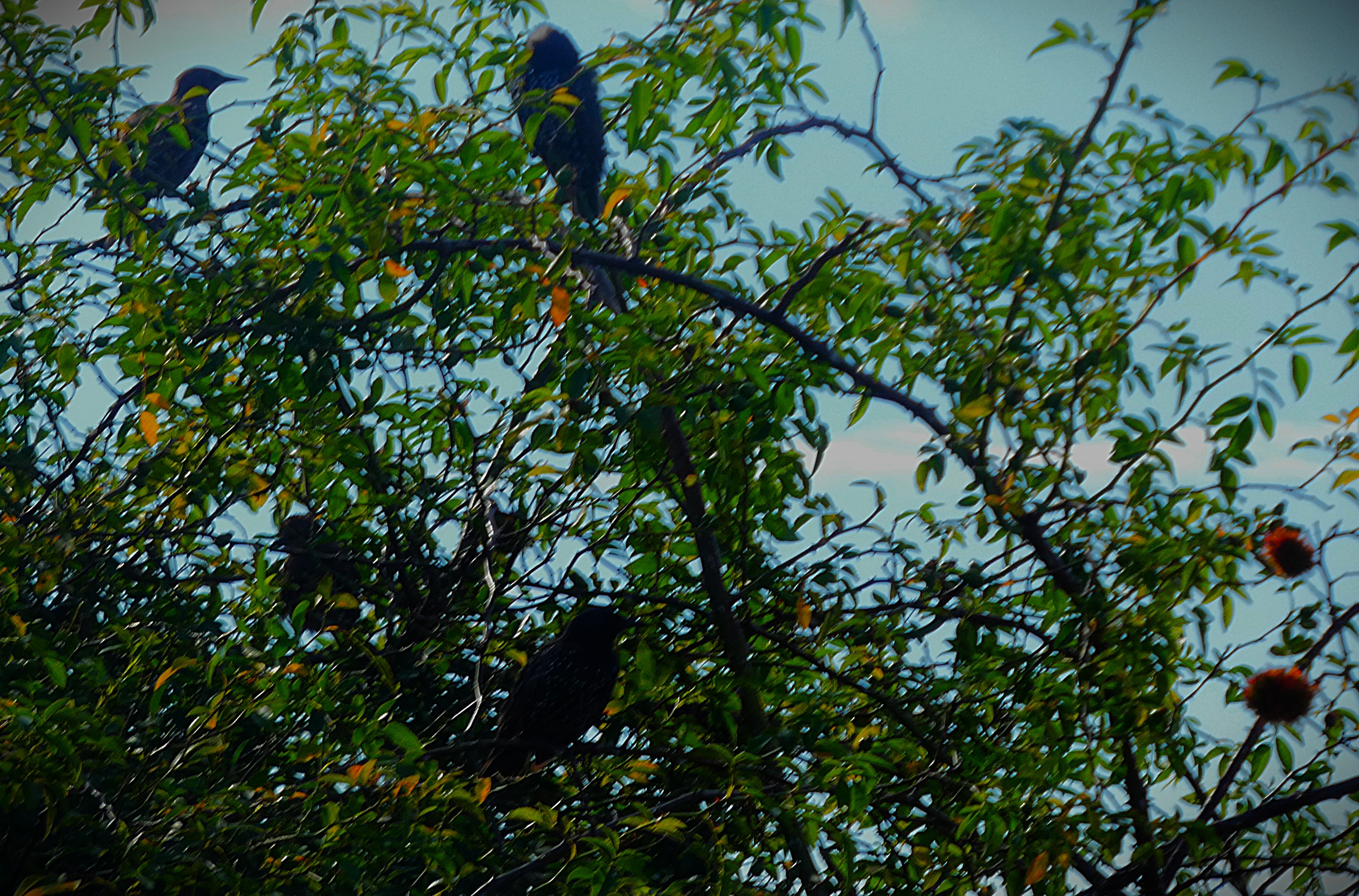












































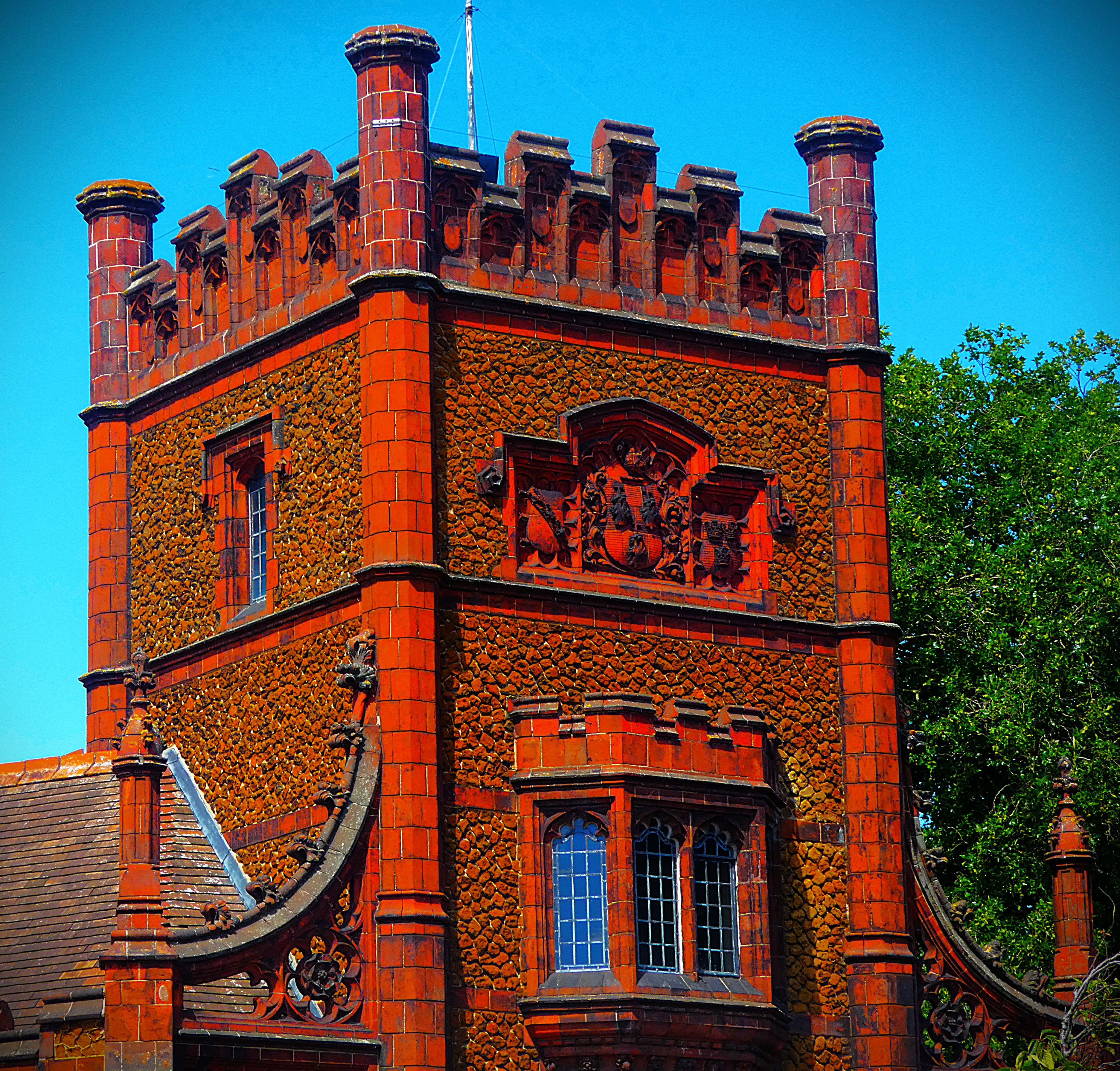





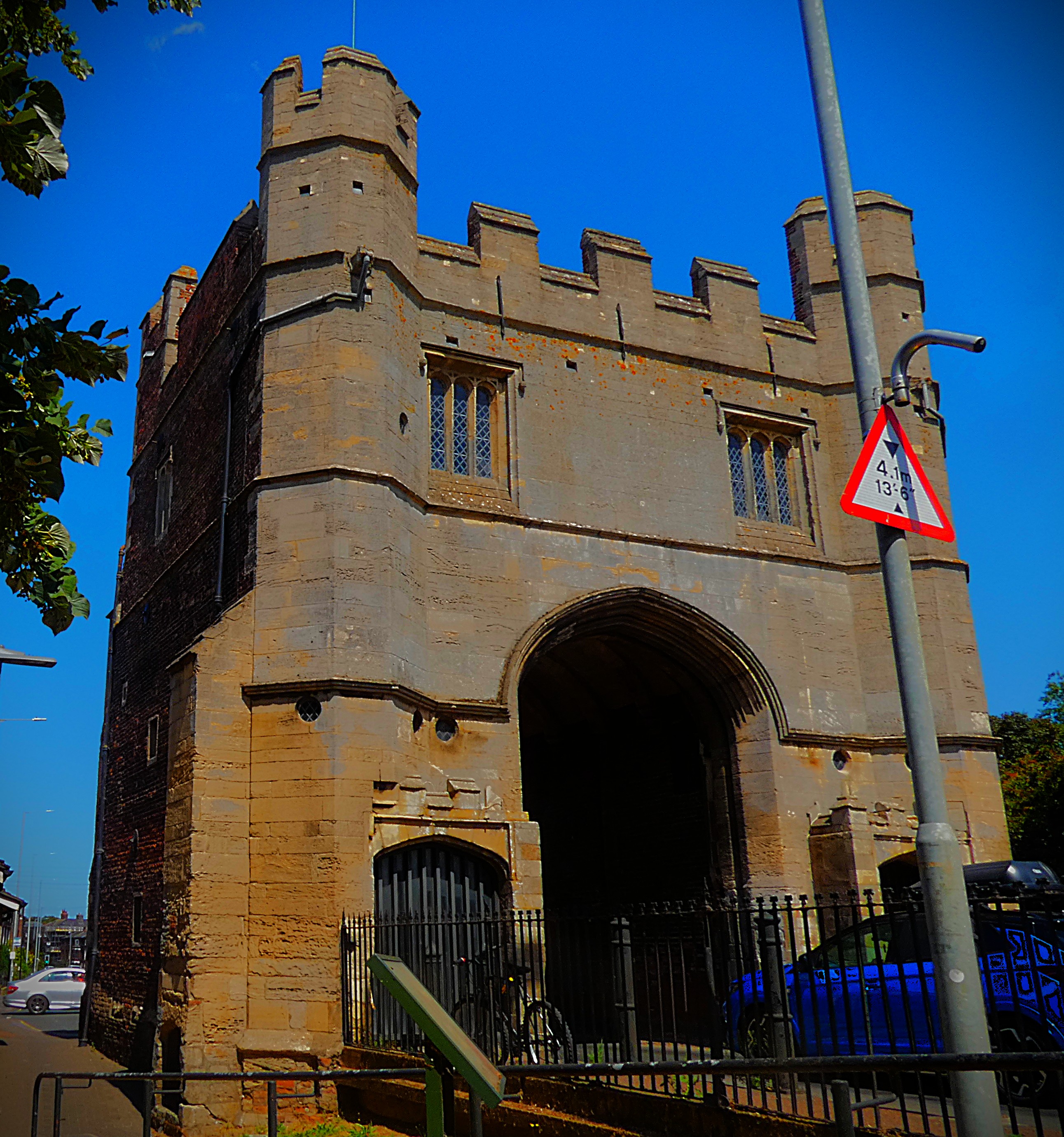







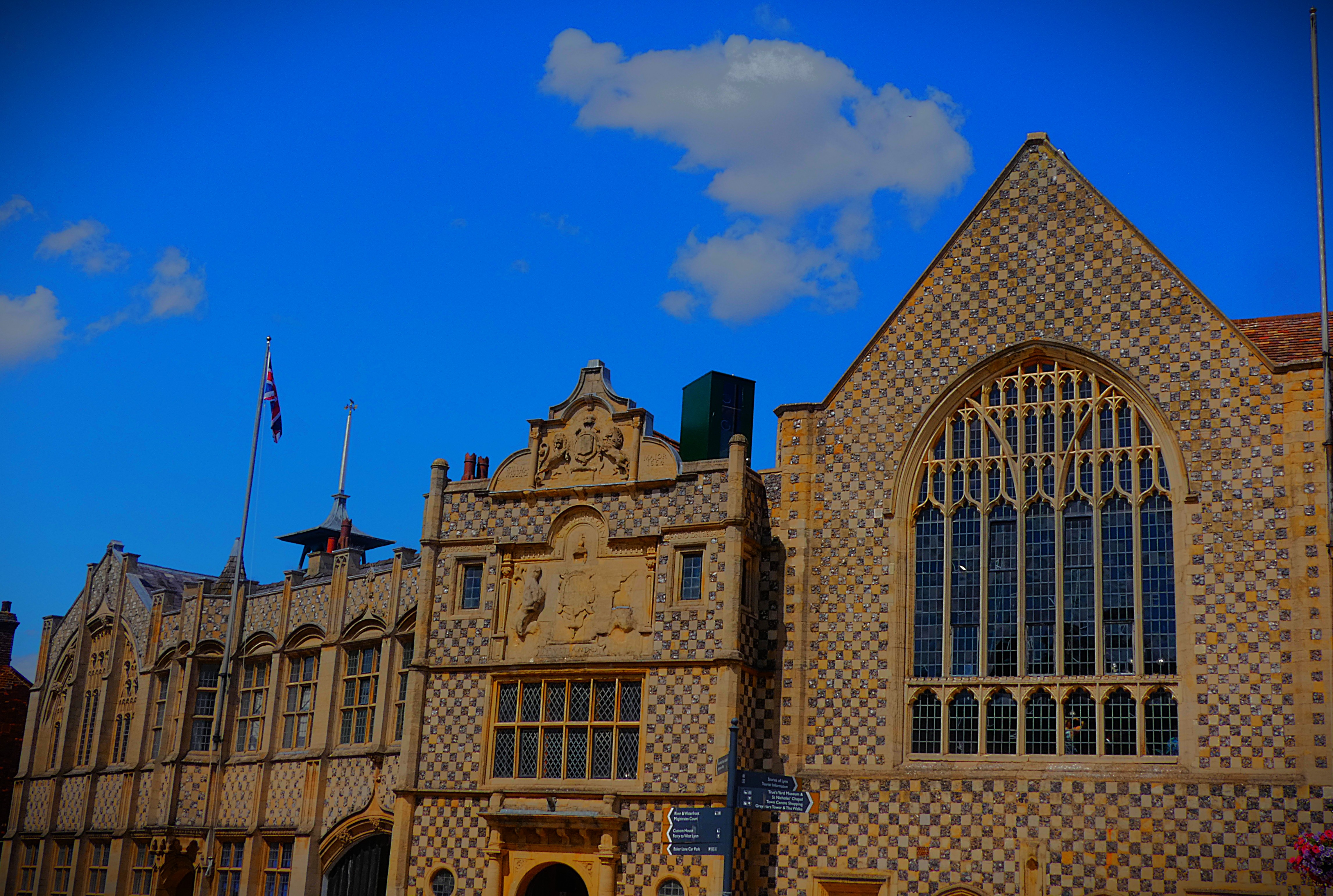
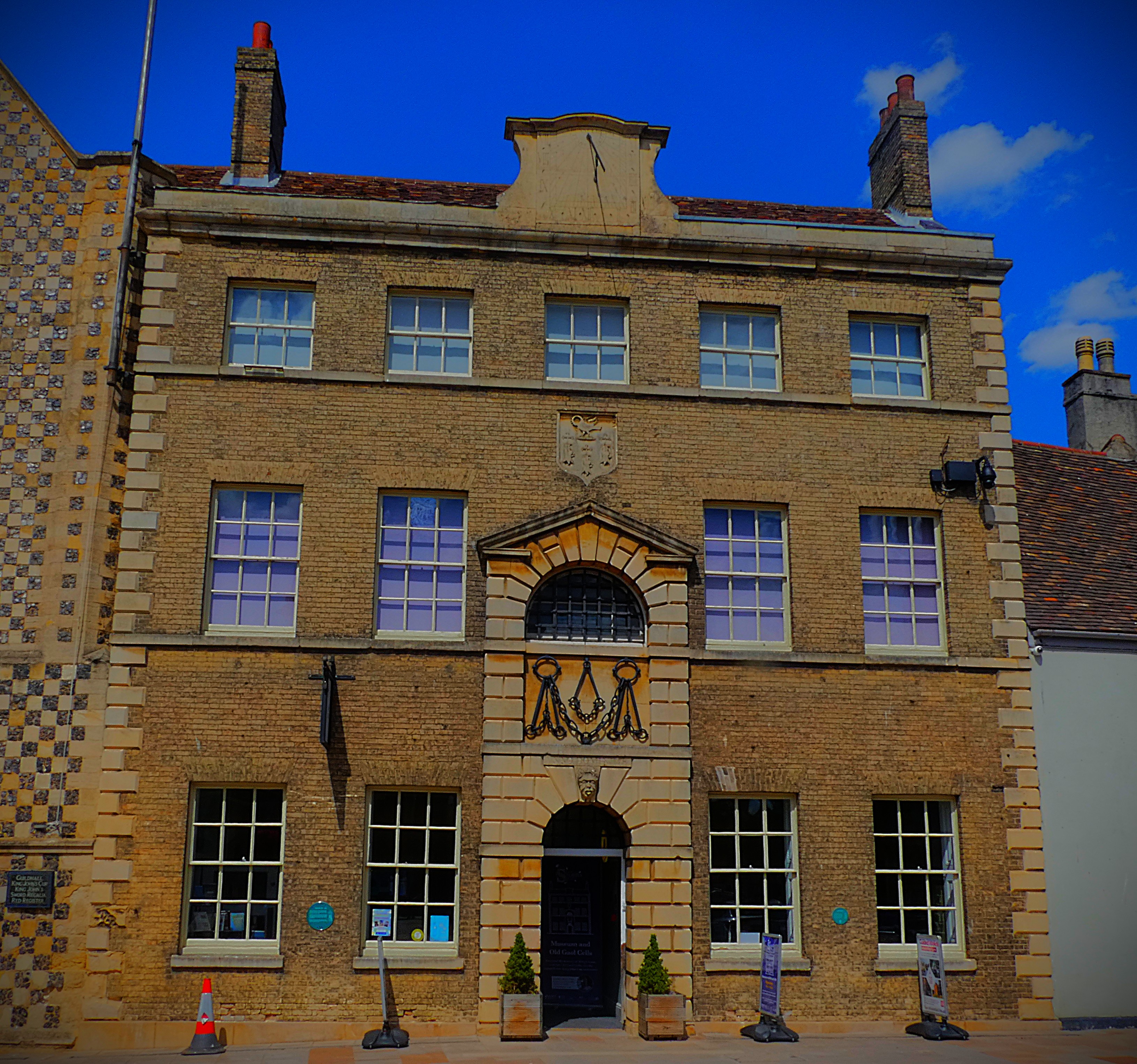




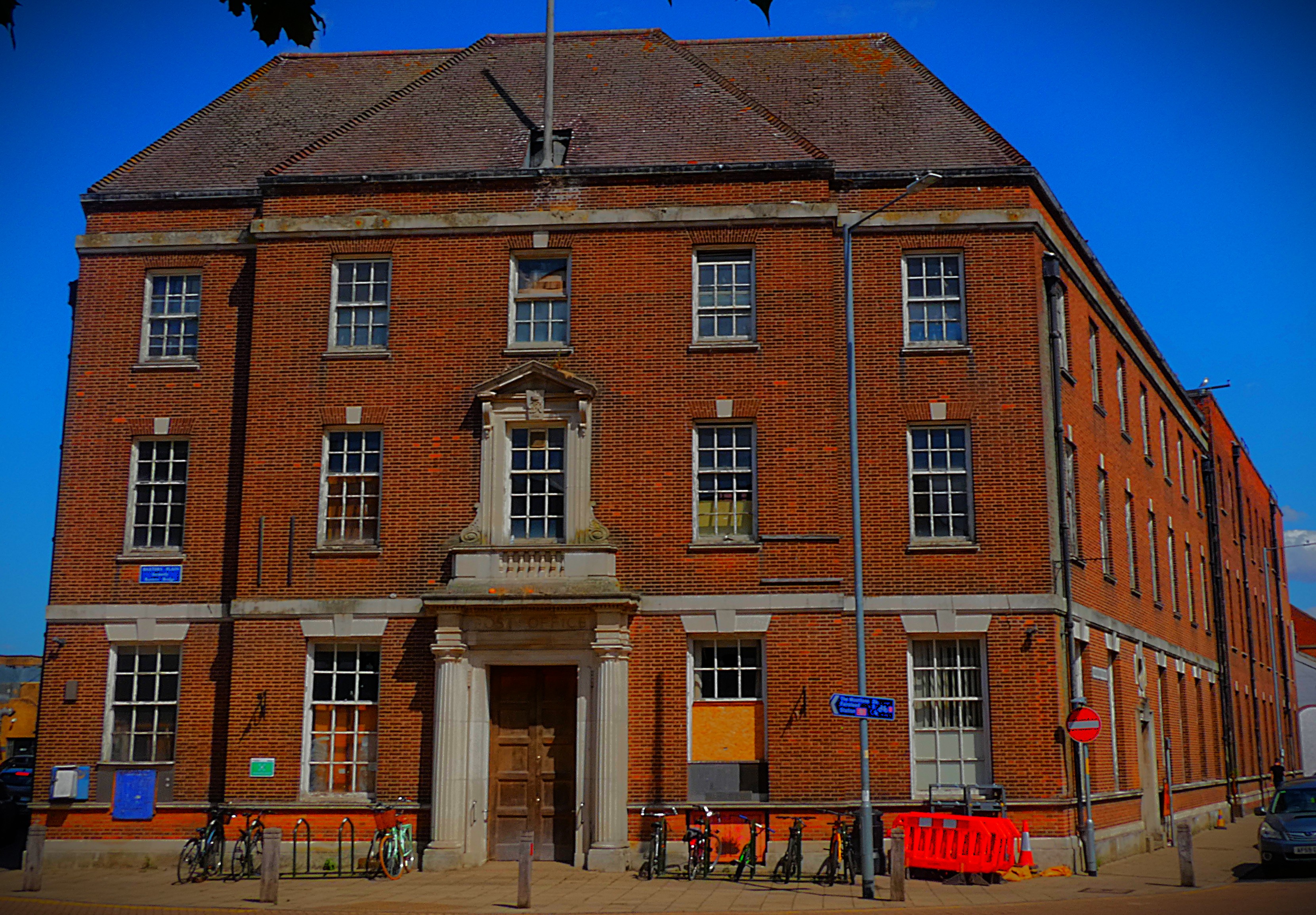





A look back at a tie in the Hundred (women’s) which featured some great cricket and a very poor ‘match hero’ decision. Also a photo gallery.
Today is a double header day in The Hundred. The early part of the double header was Welsh Fire against Trent Rockets in the women’s. Then there was a choice of two matches – the men’s match from the first double header or the women’s London derby – MI London v London Spirit. I opted for the latter, and was rewarded – the men’s match was a complete non-contest, with the Rockets romping home by nine wickets with 28 balls to spare. The women’s London Derby was rather different…
THE MI LONDON INNINGS
MI London had been put into bat, and for much of their innings it looked like they would have a very modest total to defend. However Chinelle Henry smashed 33 not out off 12 balls at the death, including hitting the last three balls of the innings for 6,4,6. That got MI London to 151. Although Melie Kerr scored more (49 not out off 33 balls), Henry’s was the key innings in making this a defensible score.
THE LONDON SPIRIT INNINGS
For most of their innings London Spirit were ahead on comparison, but they never quite sealed the deal. Every time they looked like doing so someone got out. Marie Kelly hit 45 from 28 balls, before being caught by Henry off Gordon. Marizanne Kapp then looked to be carrying on where Kelly had left off, but immediately after hitting a six off Matthews she attacked again and was caught by Dani Gregory. Then Amy Jones assumed control, but when she had reached 49 she holed out off Kirstie Gordon. Finally, Nadine de Klerk had the chance to win it but holed out to Kerr off Matthews for 13 which left four needed off two balls and a new batter to face. London Spirit skipper Charlie Dean accepted responsibility for this task, and grabbed a single, which left Deandra Dottin on strike and needing three to win from one ball. She did her best, and got back for two to tie the scores, just getting in before the bails were removed – a direct hit would have done for and given MI London a one run win. Somewhat bizarrely Kelly’s 45 got her ‘Match Hero’ – it should quite clearly have gone to Chinelle Henry, whose innings was crucial in getting her side to a score they could even think about defending, who started the London Spirit innings by dismissing the dangerous Grace Harris for a duck, caught by skipper Hollie Armitage, and took the catch that dismissed Kelly off Gordon. If any of those things I have just listed had not happened London Spirit would have won the match, which is why Henry should have had the award and not Kelly. I am annoyed by this verdict, and it is cricket knowledge, not the fact that I grew up in south London that makes me so. Full scorecard here.
PHOTOGRAPHS
My usual sign off…






































































A look back at the Men’s Hundred (mis)match between MI London and Sunrisers Leeds at The Oval yesterday and a large photo gallery.
The Hundred has undergone a major revamp since last summer, with the IPL getting involved in a big way. This post looks at the early stages of the competition.
NEW ERA OFF TO A FAMILIAR START
The first match of the Hundred in 2026 featured MI London (the former Oval Invincibles, and although the MI derives from the IPL franchise Mumbai Indians, who now own this franchise as well as many others we have been instructed that the required pronunciation is ‘My London’ not ‘M I London’) in action against Sunrisers Leeds (nee Northern Superchargers, also now owned by an IPL franchise, in this case Hyderabad). I missed the women’s match due to being at work, but I did listen to the men’s game.
Sunrisers Leeds, batting first, started brightly, and for more than half of their allotted 100 balls looked to be going very well. The key moment was the dismissal of Mitch ‘the bison’ Marsh for 41, caught by Sam Curran off Tom Curran, which made it 84-3 from 56 balls. That started a collapse, and Leeds were all out for 143 off the penultimate ball of their innings. Richard Gleeson had 4-25 from 19 balls and Sam Curran 2-27 from 15 balls.
Will Jacks and Jason Roy were both out cheaply for the London side, but a good stand between James Vince and Sam Curran took them past 50 before Vince was bowled for 17 to make it 51-3 from 44 balls. That brought Nicholas Pooran, one of the ultimate ‘guns for hire’ in this era of franchise cricket, to the crease to join Curran. Curran batted beautifully, but even he was overshadowed by the pyrotechnics of Pooran. The Oval is a big ground, but most of Pooran’s five sixes cleared the ropes by a very long way. In all the West Indian hammered 58 not out from 22 balls with five of each kind of boundary, Curran ended on 60 not out from 39 balls with five fours and three sixes. The London side had romped home by seven wickets with 16 balls to spare, a barely credible margin in a match in this format. Sam Curran’s all round efforts plus his captaincy of the London side secured him the ‘Match Hero’ award. Some names of changed and there is more money involved, but the franchise based at The Oval still looks formidably strong. Full scorecard here.
PHOTOGRAPHS
After a reminder to click on photos to view them at larger size we move to my usual sign off…










































































































How an auction catalogue is put together and uploaded, a coda on the ‘computer is not always right’ theme and a photo gallery.
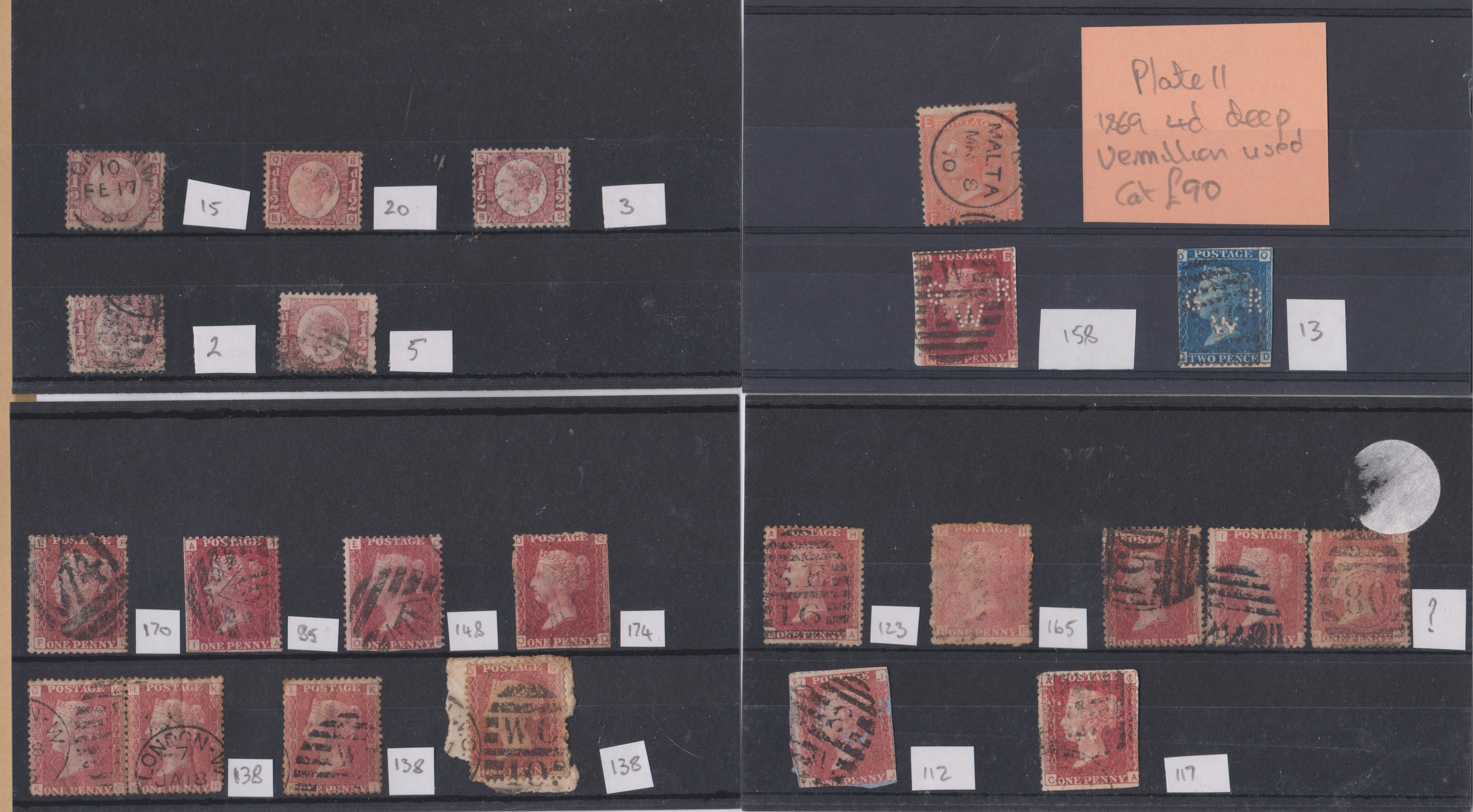
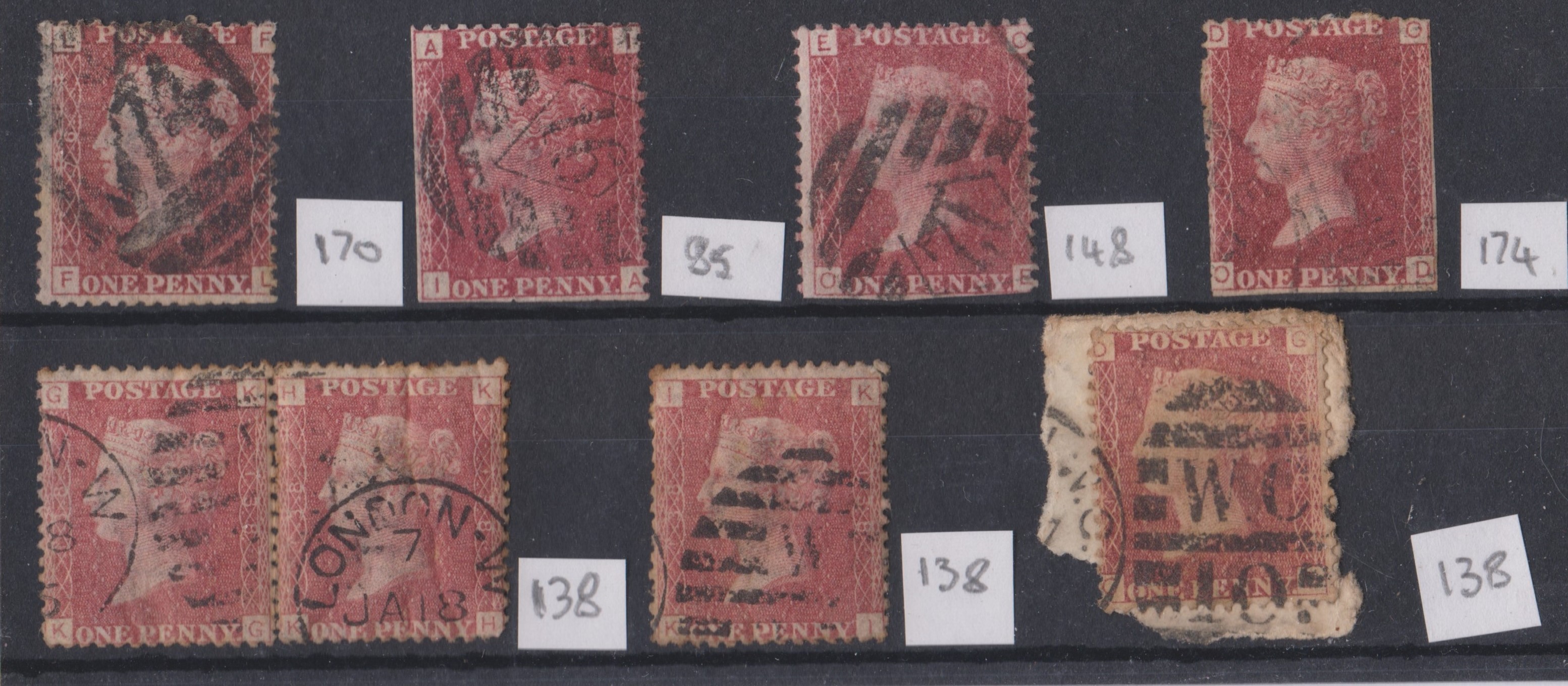
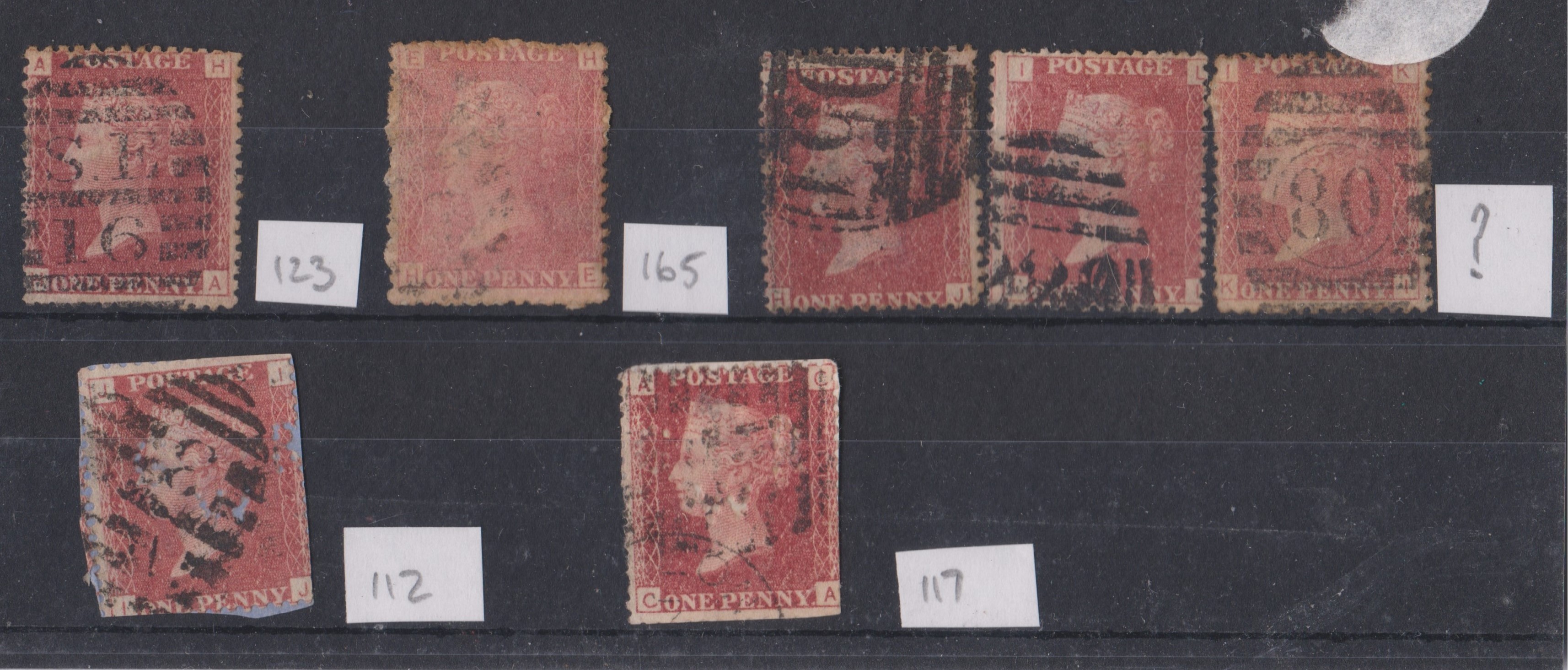
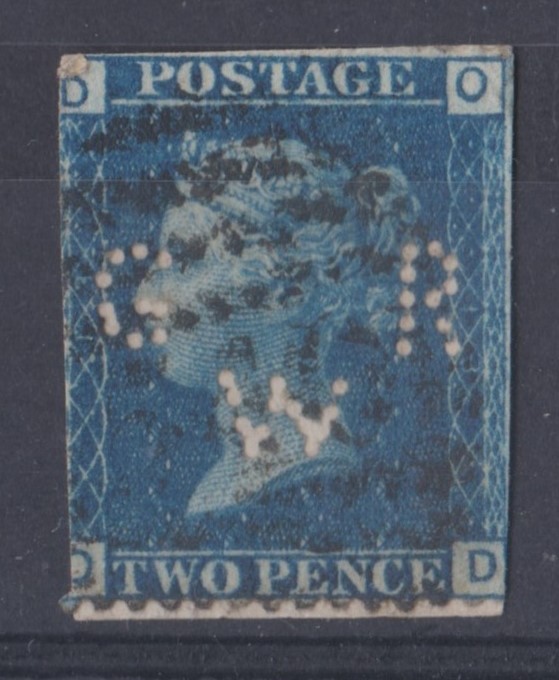
Yesterday at work I finalised and uploaded a stamp and postal history auction that will happen on June 23rd, starting at 10AM. This post describes the process of creating and uploading this auction.
CATALOGUE CREATION
Creating an auction catalogue involves the use of ExCel, and in the case of this auction involved typing up handwritten descriptions provided by our stamp expert. All the lots also had be imaged, with some requiring image galleries rather than just a single image. It is not sensible for the describing to run too far ahead of the imaging – if a catalogue ends up going live with lots of missing images the first thing that happens thereafter is a flood of incoming emails on the theme of ‘where are the pictures for x lot?’. Therefore I followed a system of doing a chunk of typing, then a chunk of imaging and so on (usually 10 lots per block, and depending on the imaging required either five or six such blocks in a day). Going into yesterday I had 460 descriptions typed up and 451 lots imaged, and because my employer decided he wanted me to upload the catalogue that day I imaged lots 451-60 and then typed up the descriptions and imaged lots 461-470 before calling a halt.
THE PROCESS OF UPLOADING
We used two online platforms, the-saleroom.com and easyliveauction and the process auction creation is different for each. On the-saleroom it is easier to copy an old auction and change the details that need changing (date of sale, category of item being sold and so on) than to start the process from scratch. To be uploadable (this applies to both platforms) the catalogue has to be in csv format and set to comma delineated), while on the saleroom the images can be bulk uploaded by way of the media manager, a long but straightforward process. On easylive the image gallery has to be compressed before it can be uploaded, and when the compression has been done the images will be processed and then uploaded. Fortunately on this occasion there were no hitches, and the catalogue was ready to go on both platforms by not long after 2PM – and it would have been a little earlier than it was but for a little detail that forms a….
…CODA: THE COMPUTER IS NOT ALWAYS RIGHT
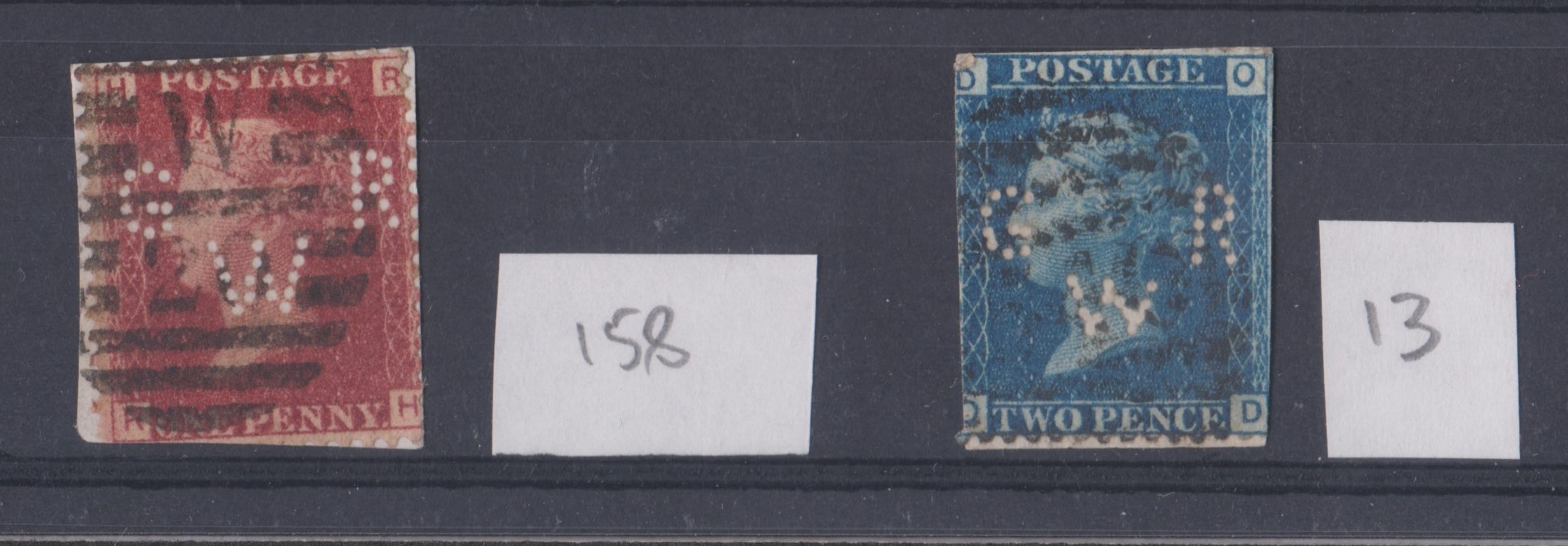
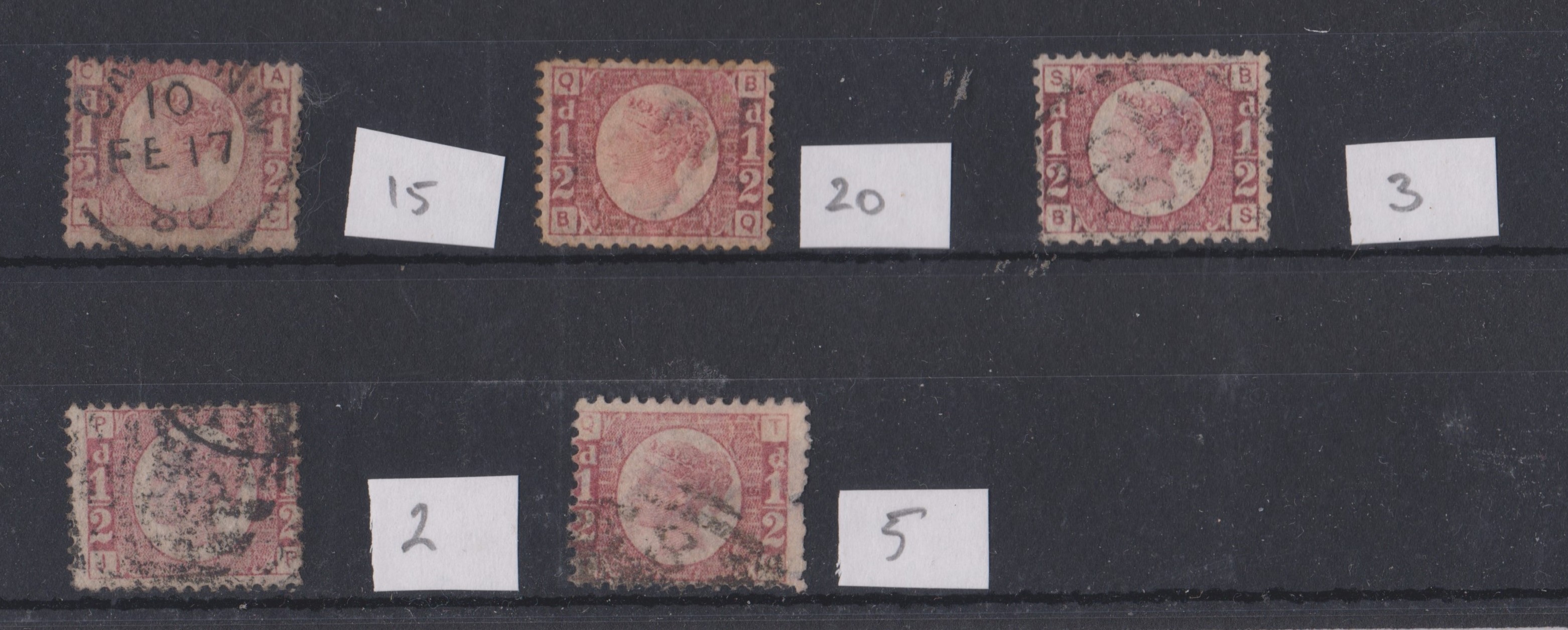
On the saleroom there are never problems with image galleries – the method used to separate main images from secondary images is one we adopted at their request. However for reasons which are beyond me the easylive system is not to be trusted in this regard. I went through the easylive gallery, and as I had anticipated most of the lots with multiple images had to have the so-called primary imaged changed. If it helps the programmers at easylive then when it is a catalogue I have been involved with the primary image is always the one whose name consist of just a number, while the secondary images, usually close ups of features of particular interest, have a number, a dash, and then a letter (or on odd occasions when the lot has warranted a really big gallery two letters). Once I had sorted everything I sent out emails to bidders in our two most recent stamp auctions. Before ending this part of the post with an illustrative example of an image gallery I offer you links to both catalogue listings:
A quick reminder – click on an image to view it at a larger size.
PHOTOGRAPHS
My usual sign off…























































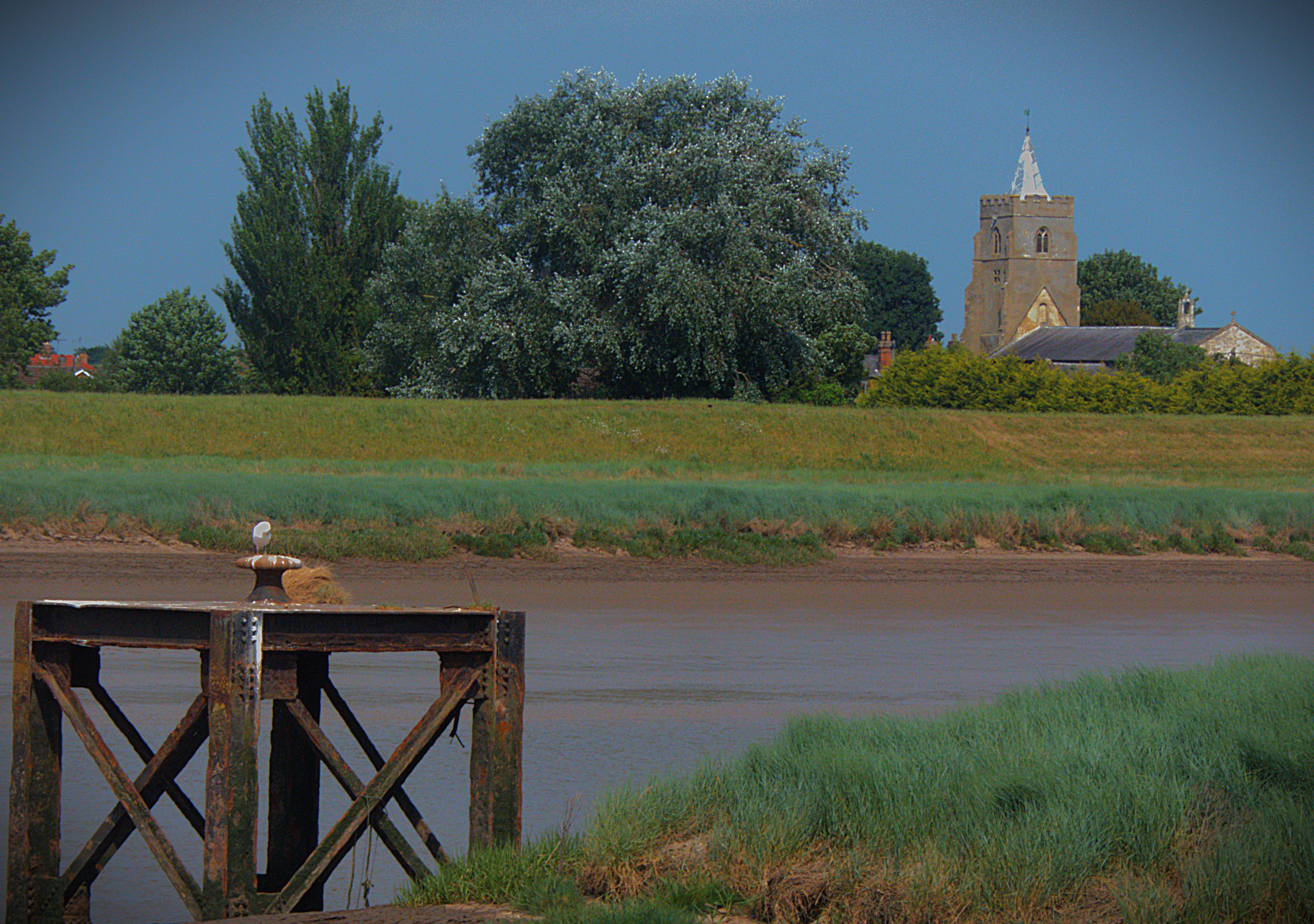






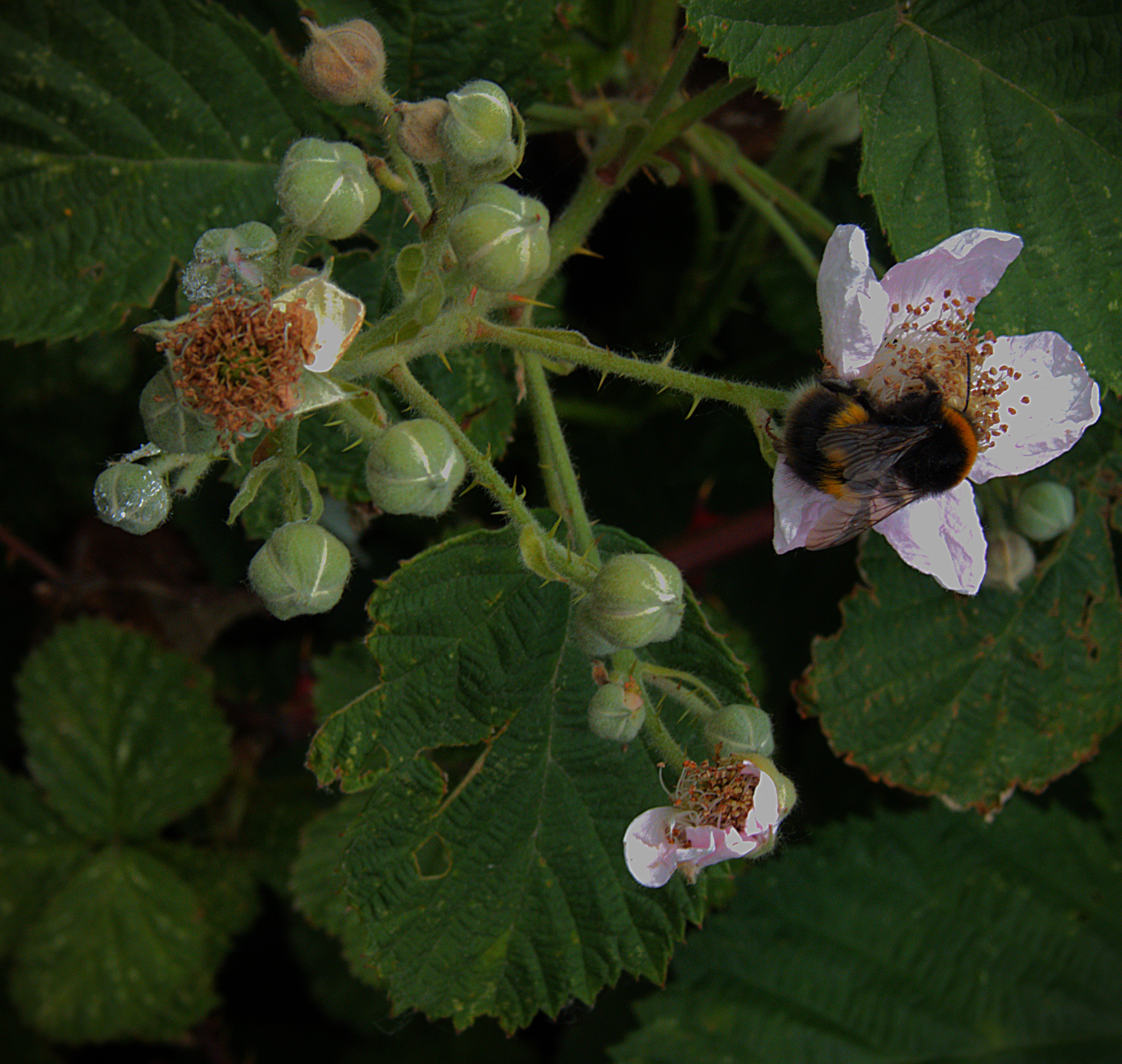




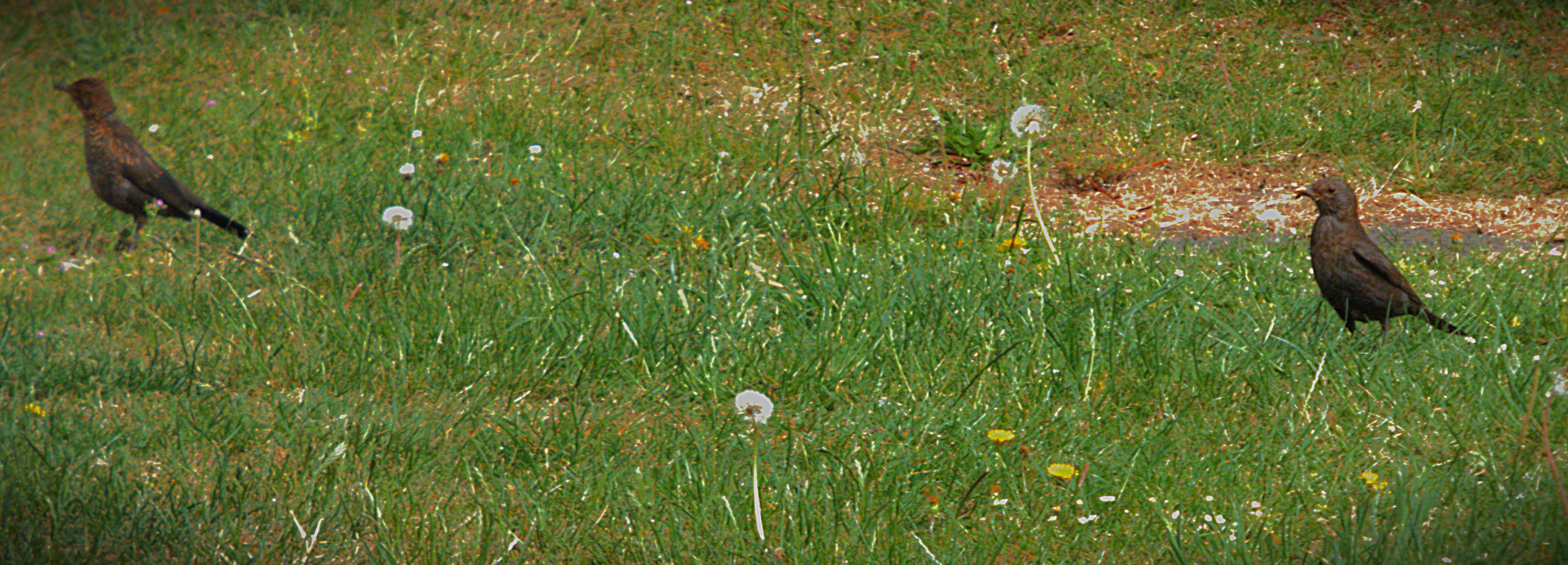
















A look back at the three and a bit days over which the South Africa men’s cricket team finally and decisively shed the chokers tag they had carried for over quarter of a century, and a photo gallery.
At 12:46 today, Saturday 14 June, Kyle Verreynne scored the single that completed a win by five wickets for South Africa over Australia in the World Test Championship final at Lord’s. This post looks back at the match.
DAY ONE
Both sides were stronger in bowling than in batting, so even though there was potential trouble ahead from Lyon getting to use a fourth innings pitch it was no great surprise that South Africa opted to bowl first when they won the toss. South Africa provides probably the best conditions in the world for fast bowling, and that was reflected by the presence in their ranks of Rabada, Jansen and Ngidi plus Wiaan Mulder as fourth seamer, with Keshav Maharaj the only front line spinner, with Markram a part time off spinner. Rabada in particular bowled superbly on the opening day, and when Australia were all out for 212 it looked like South Africa were well placed. However, they had a tricky session of batting to navigate before the close, and did not do so very well. By the end of the day they were 43-4 and most of the good work of their bowlers looked to have been undone.
DAY TWO
I missed almost the whole of this day due to being at work. However, I know that Cummins was in particularly fine form, and that South Africa were all out for 138, a deficit of 74 on first innings. South Africa hit back hard by reducing the Australian second innings to 73-7. However the character of the match changed from this point – the eighth wicket stand yielded 61. By the close Australia were 144-8, an overall advantage of 218, and it was already known that South Africa would need the largest total of the match in the final innings thereof.
DAY THREE
I missed the first part of this day’s play as I was attending a first aid training course in the dockside area of King’s Lynn, somewhere I have never previously had occasion to visit. A long final wicket partnership between Starc and Hazlewood had left South Africa needing 282 to win. Ryan Rickelton was out very cheaply, and Wiaan Mulder once again suggested that he was miscast as test match number three, and should probably swap batting positions with David Bedingham, managing 27 on this occasion. However, from 70-2 at the dismissal of Mulder, Aiden Markram and Temba Bavuma, the South Africa captain, took complete control of the day and indeed of the match. There were precious few moments of vulnerability for either as they batted on through a sunny afternoon and evening. Markram reached his hundred just before the close, as valuable a test knock as has ever been played for South Africa, and with Bavuma solid in support the Proteas closed the day on 213-2, needing a mere 69 more to win. Markram had 102 not out to his name, Bavuma 65 noy out.
DAY FOUR
Bavuma did not last long on this morning, adding just one to his overnight tally before Cummins elicited an edge, and Carey took the catch behind the stumps. Tristan Stubbs, next in, never looked comfortable. At 241 came two big moments. First Starc appealed for LBW against Stubbs, and when it was turned down acceded to Carey’s suggestion that it be sent upstairs. Fine cricketer though he is, Carey has to be regarded as one of the worst judges of a review the DRS era has ever seen. Here, in an echo of Headingley 2019, though their opponents were rather more strongly placed than England back then, it was duly confirmed as being sufficiently clearly not out for Australia to have burned their last review. Stubbs did not benefit much personally, as Starc’s next delivery hit his stumps to make it 241-4, 41 needed. Bedingham settled in quickly, and he and Markram seemed to be heading toward the target quite serenely. The main question by now looked to be whether Markram was going to reach 3,000 test runs before the end of the match. With Markram on 136, and his career tally on 2,993, and South Africa needing just a further six he flicked a ball from Hazlewood into the on side and was caught by Travis Head. Australia unsurprisingly did not celebrate the dismissal. Wicket keeper Kyle Verreynne now came in to join Bedingham. This pair saw it home for the last few runs, with Verreynne as mentioned in the intro scoring the winning run. It has been 26 years since South Africa acquired the chokers tag. Then, in the 1999 ODI world cup a win in their last ‘Super Six’ match would have consigned Australia to an early flight home, put Zimbabwe in the semi-finals and left the tournament at the Proteas mercy. Allan Donald was the victim of a panic run out with the scores level, which meant that Australia and South Africa met again in the semi-final, and Australia did not grant South Africa an opportunity to redeem themselves, and went on to dominate the final as well. In the intervening years they have had other close calls, including in the 2024 T20 World Cup, when they need 30 from the last five overs with five wickets standing and failed to get home, largely because of some magnificent bowling by Jasprit Bumrah. Thus this is not merely a match and a trophy won for South Africa, it is much needed healing balm for some deep psychological wounds they have acquired over the years. Full scorecard here.
PHOTOGRAPHS
One small bit of housekeeping first: I have created a page listing my series of posts about my 50th Birthday Holiday in far western Scotland in chronological order. As you may imagine I have a fairly rich trove of unused photos since my return to King’s Lynn, so today’s offering is in the nature of a highlights package…