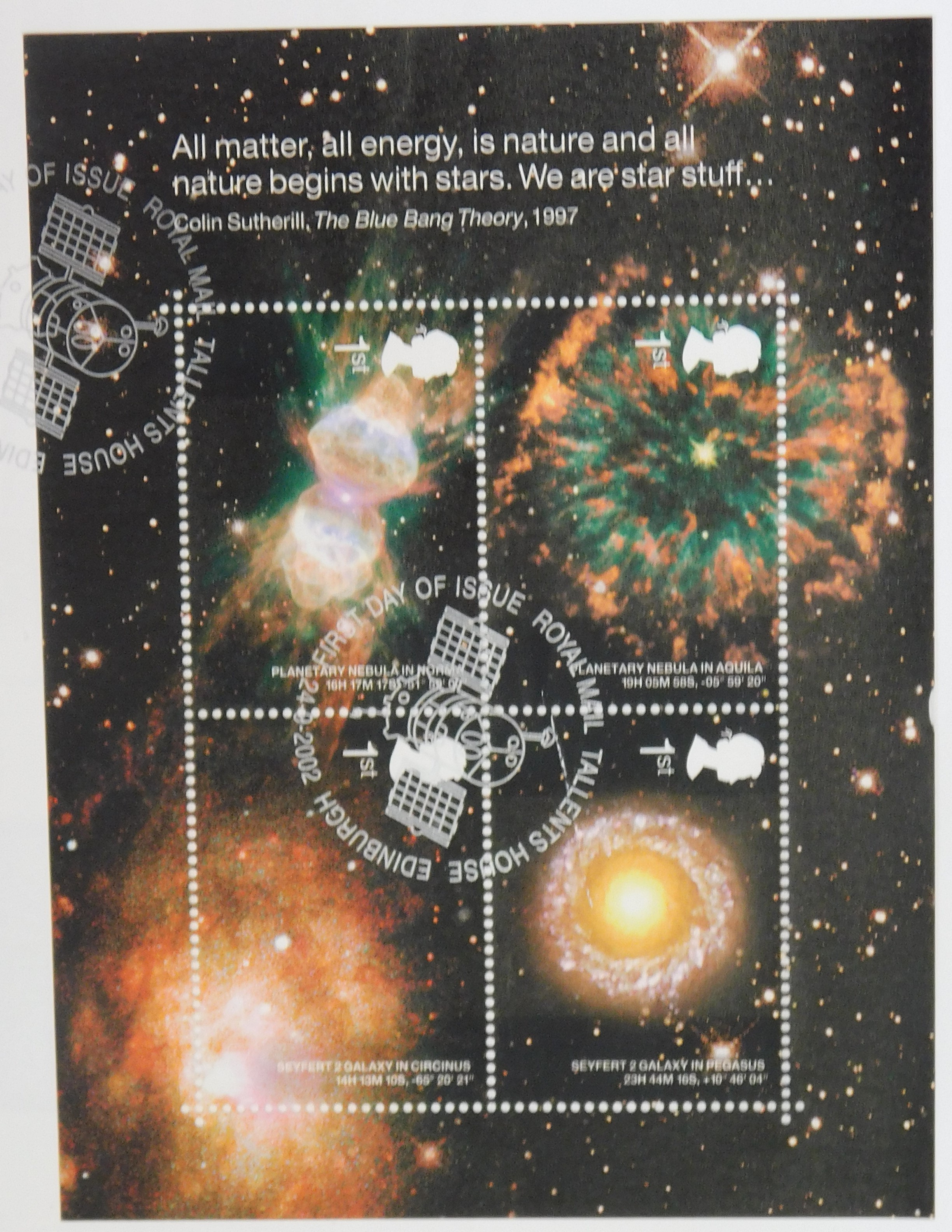
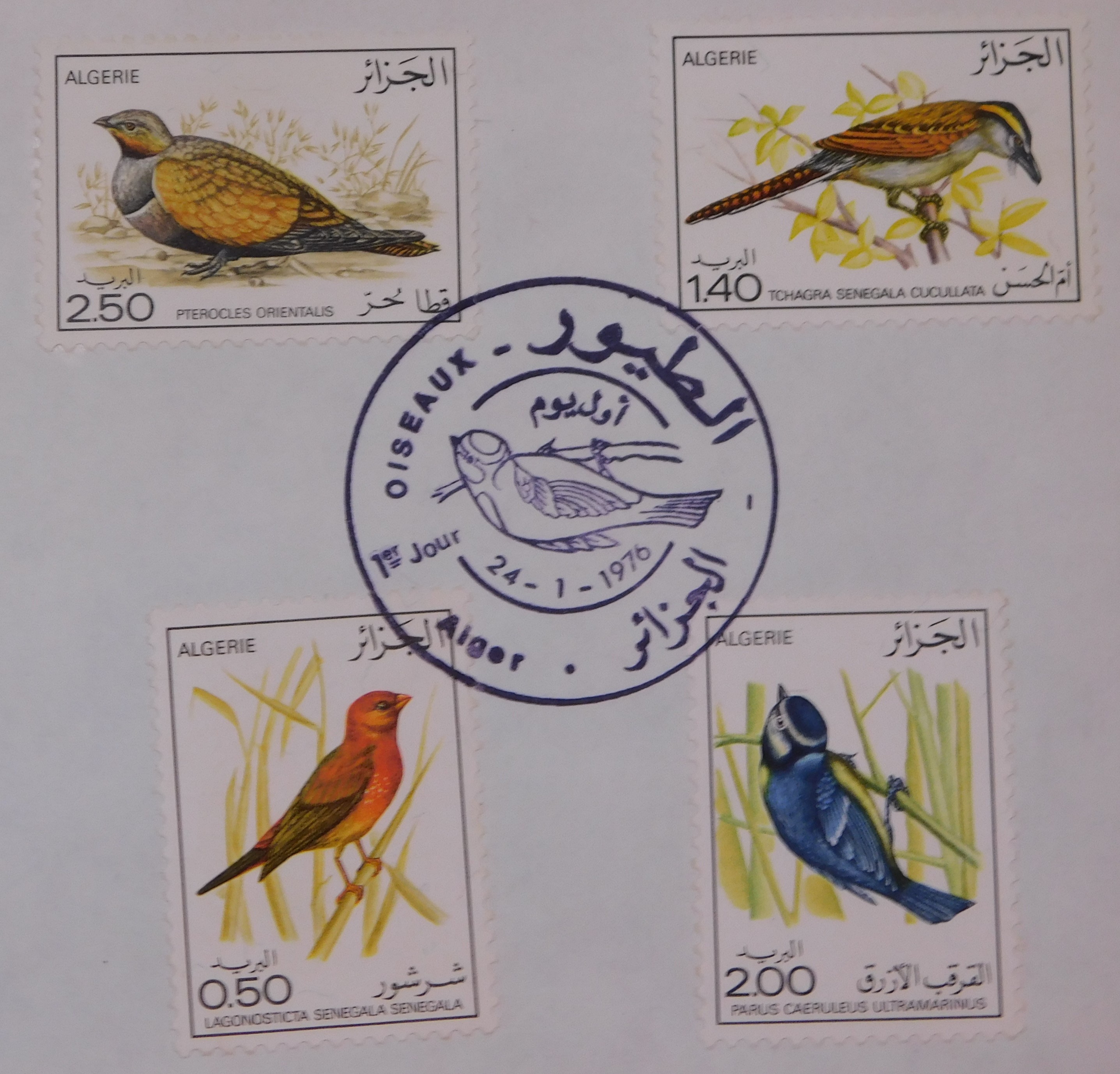
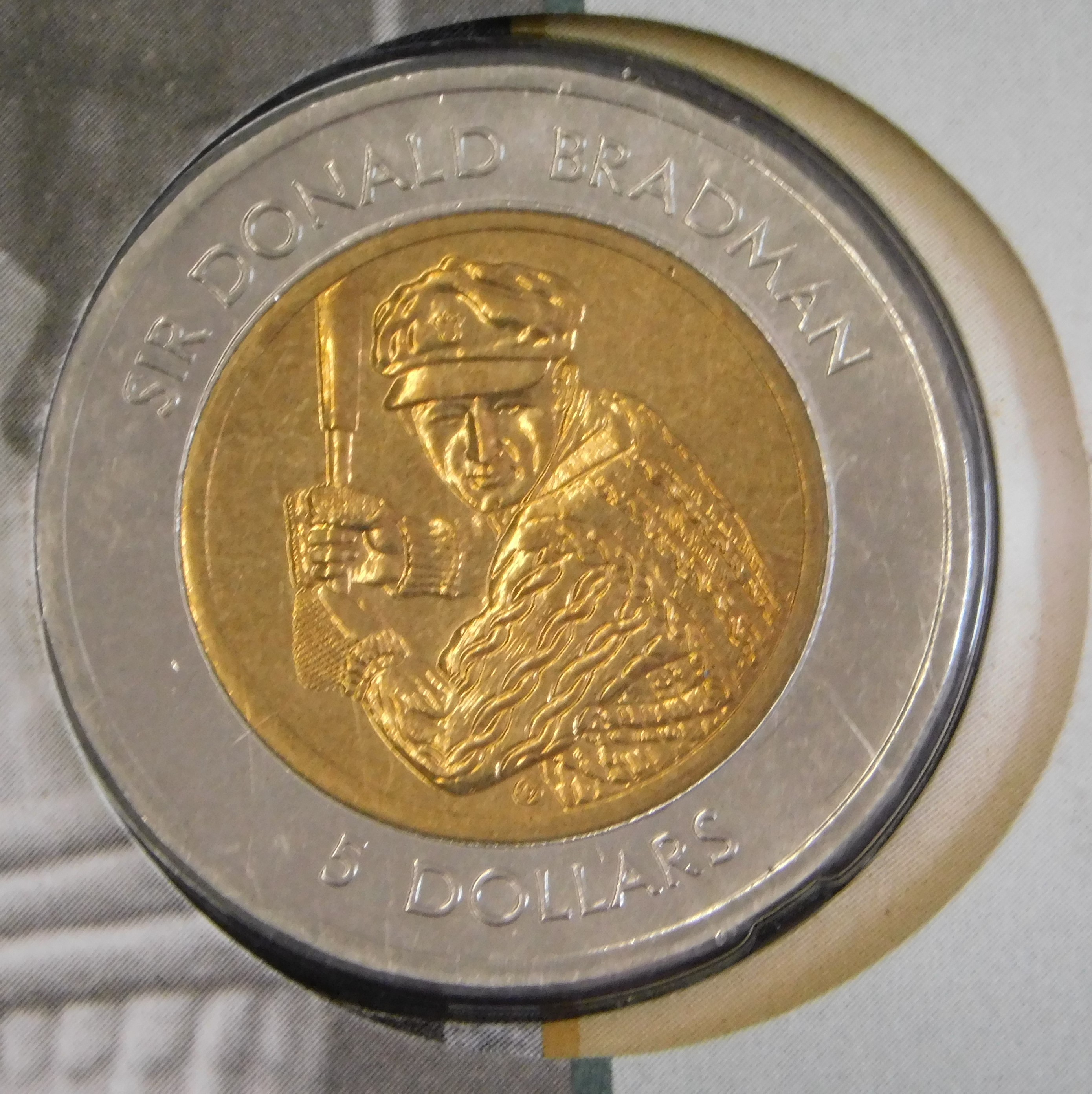
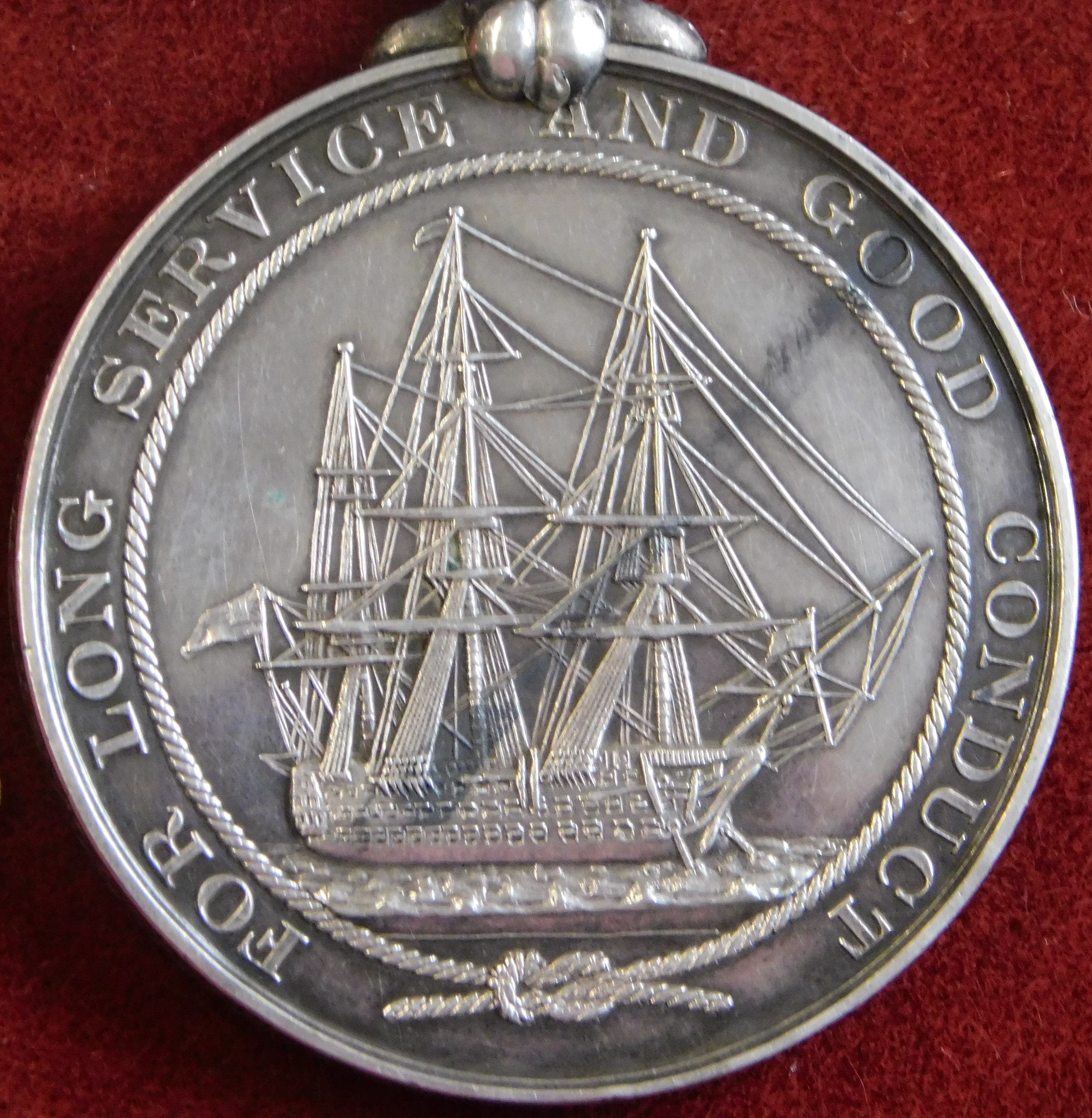
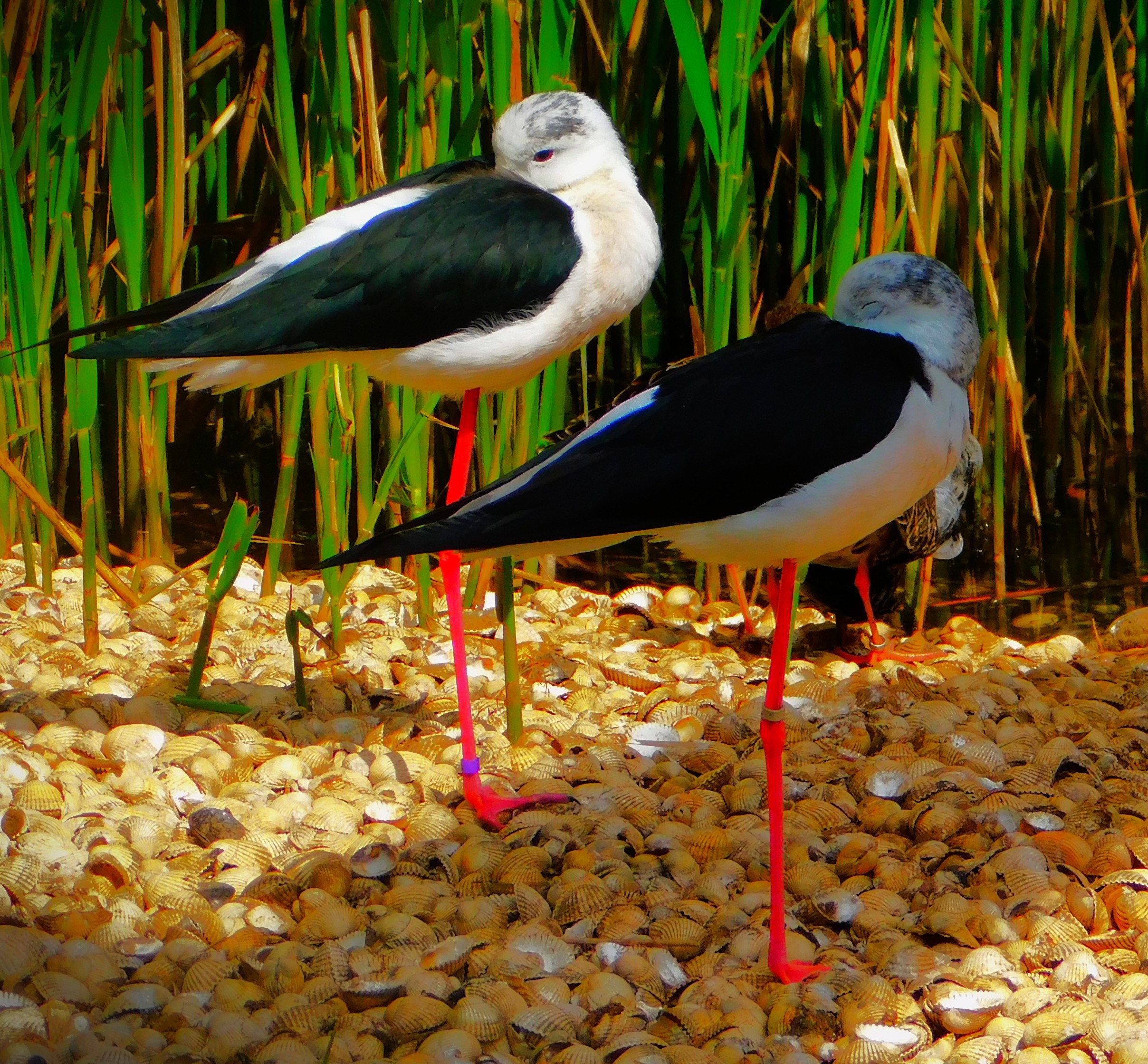
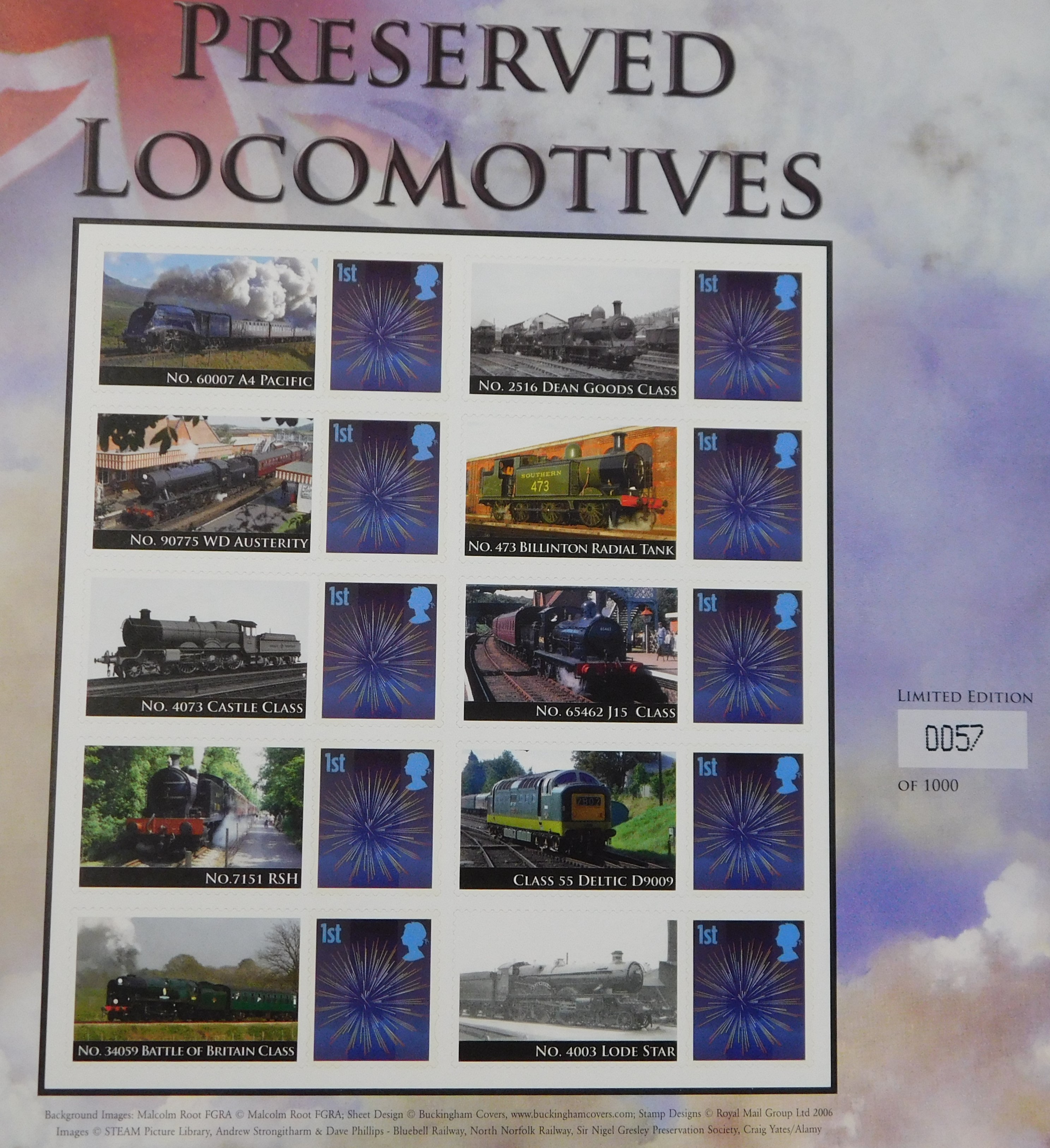
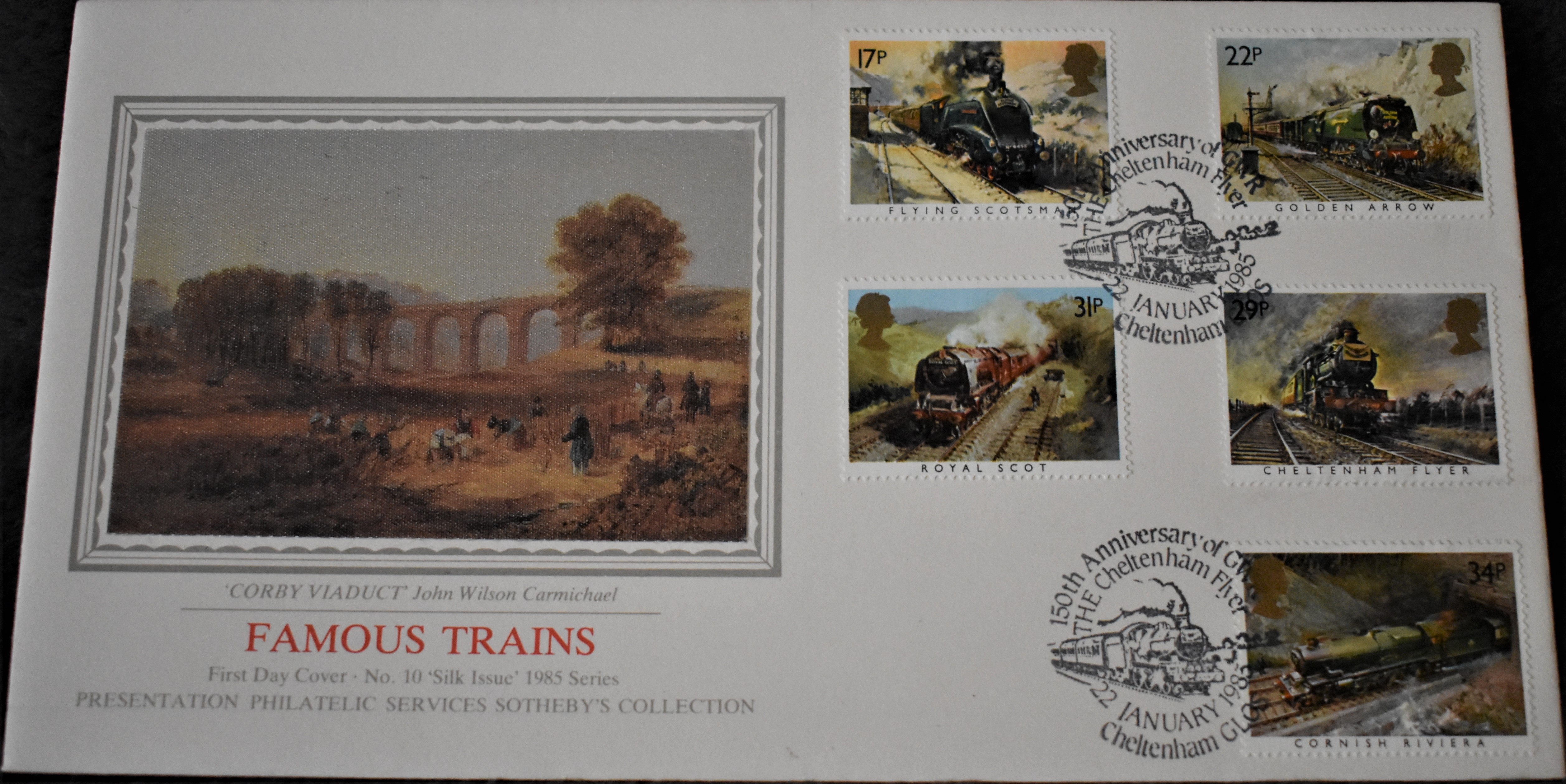
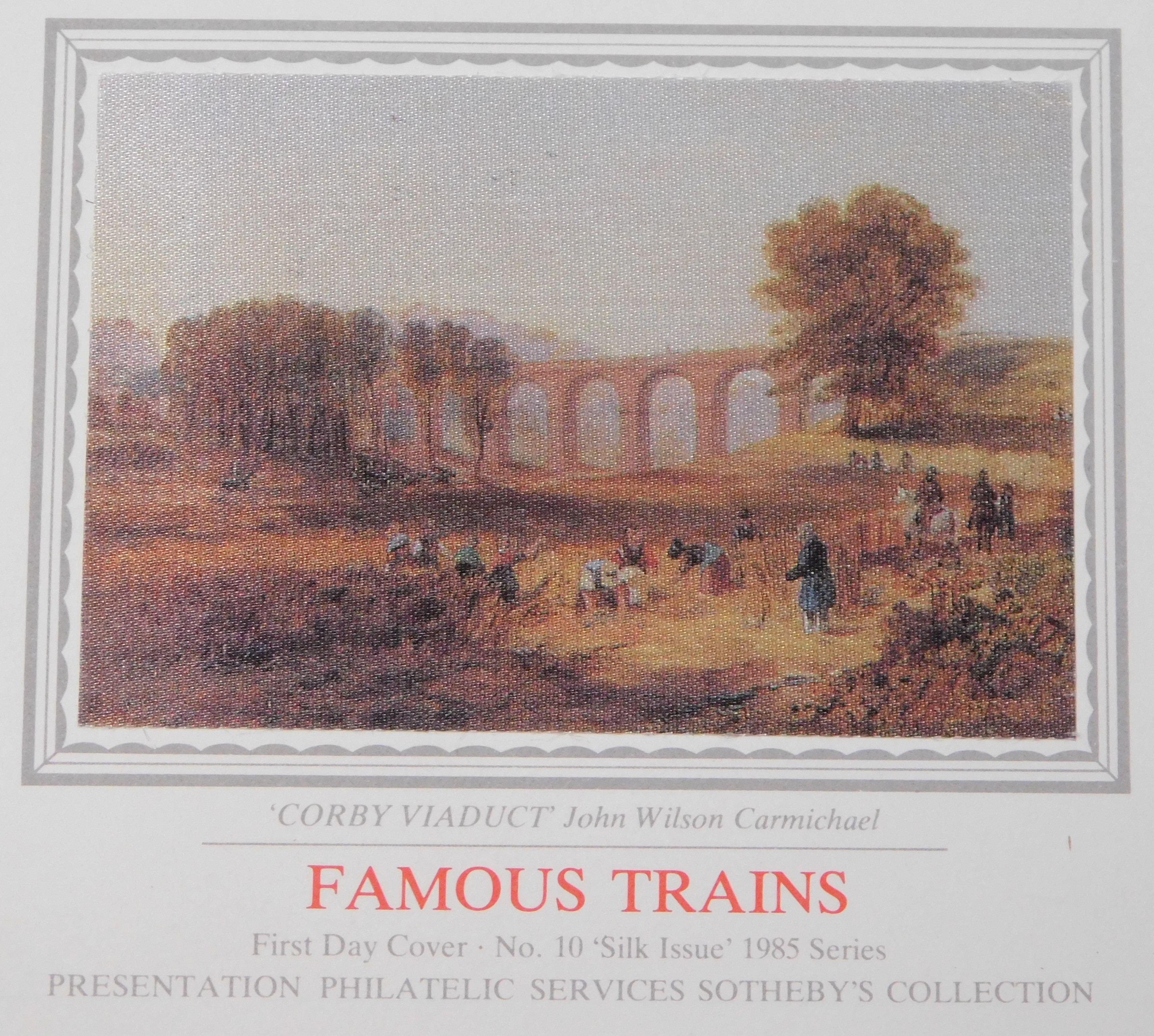
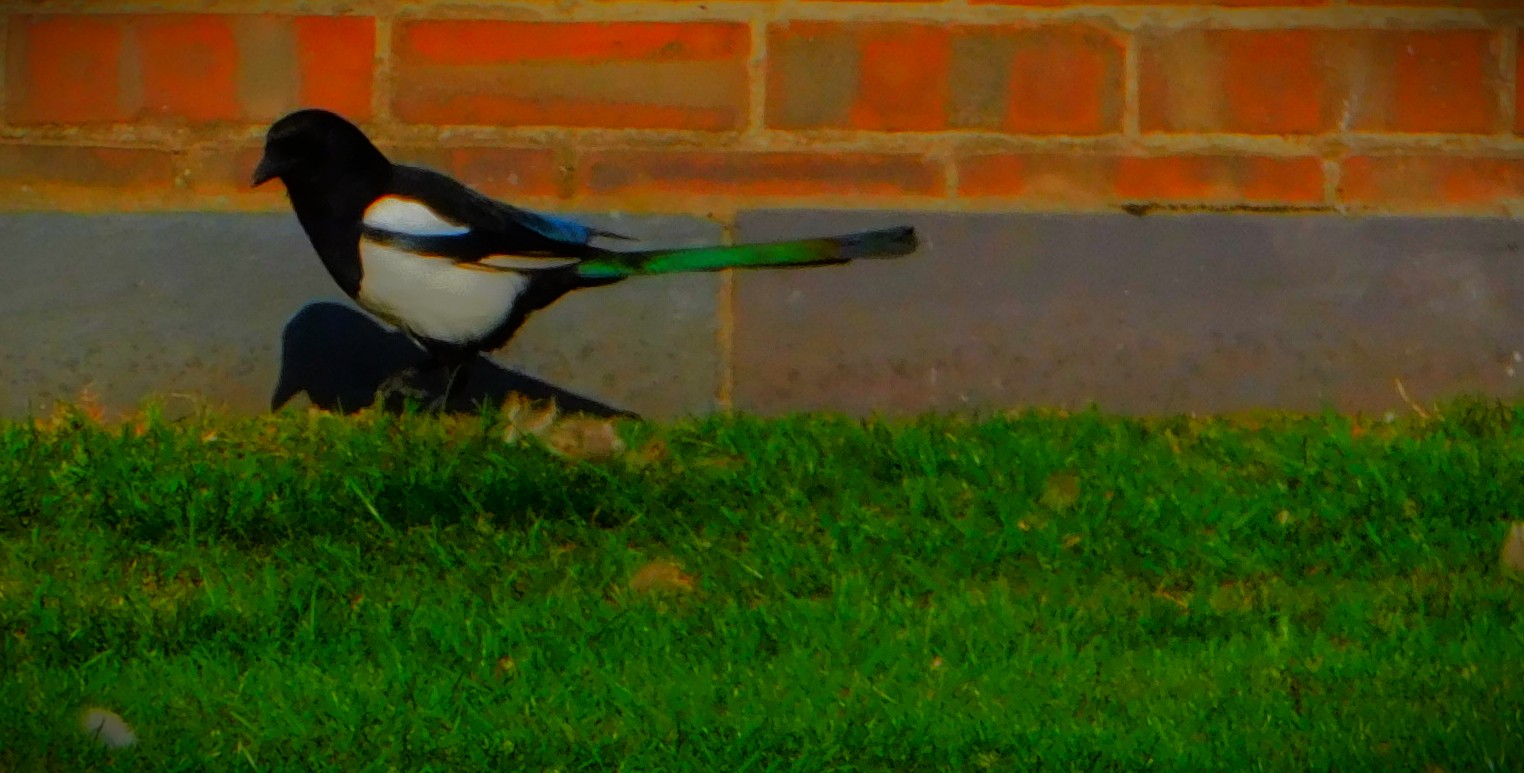
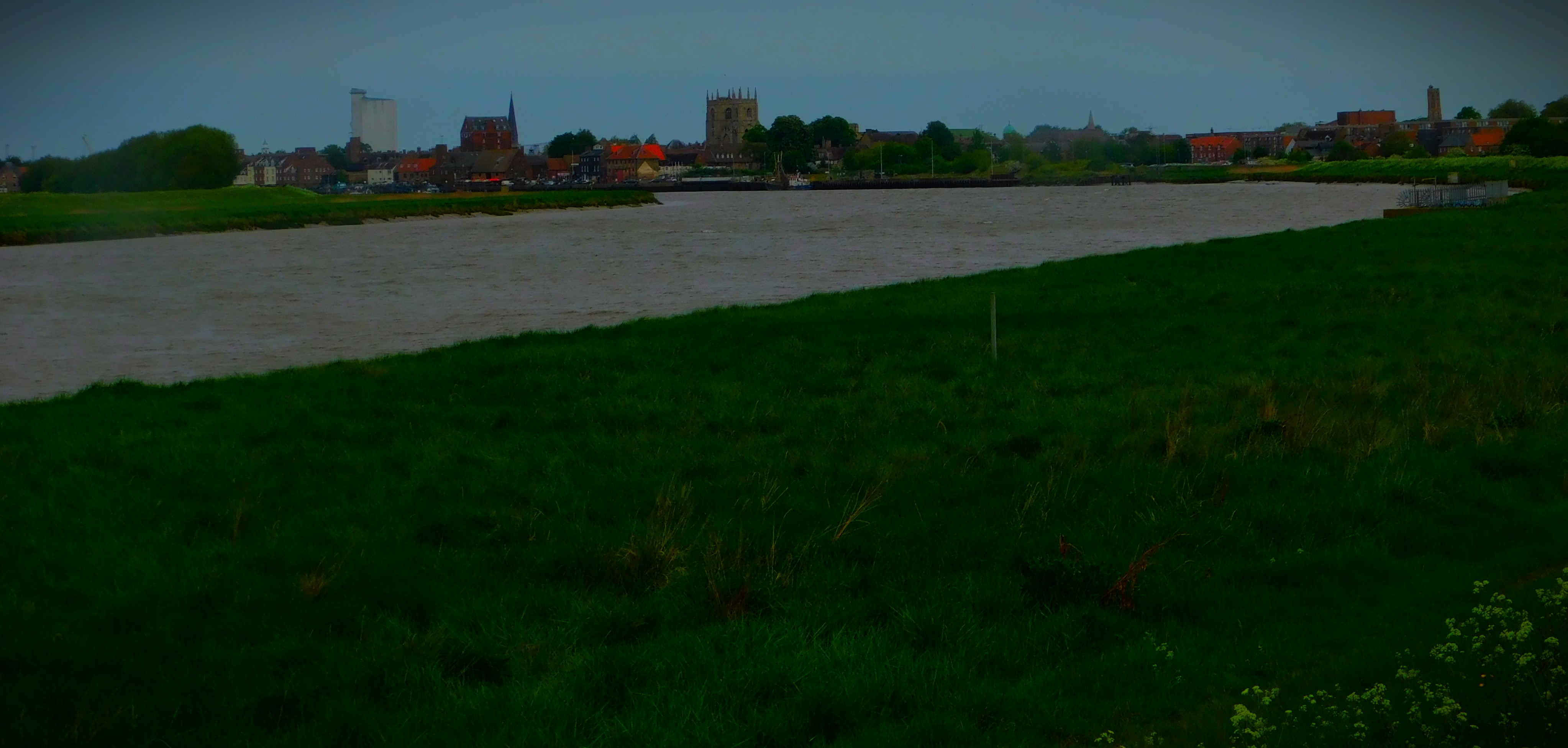
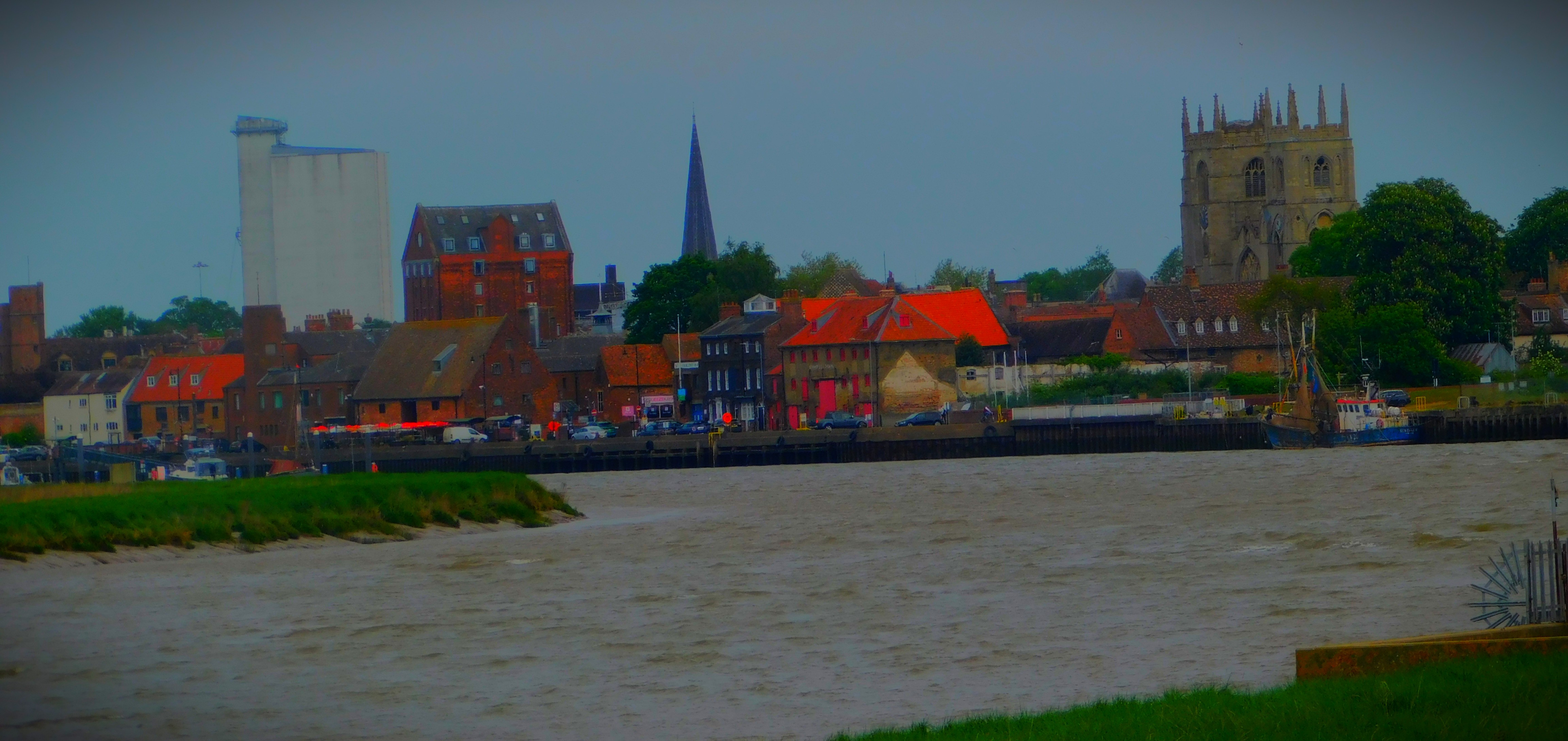
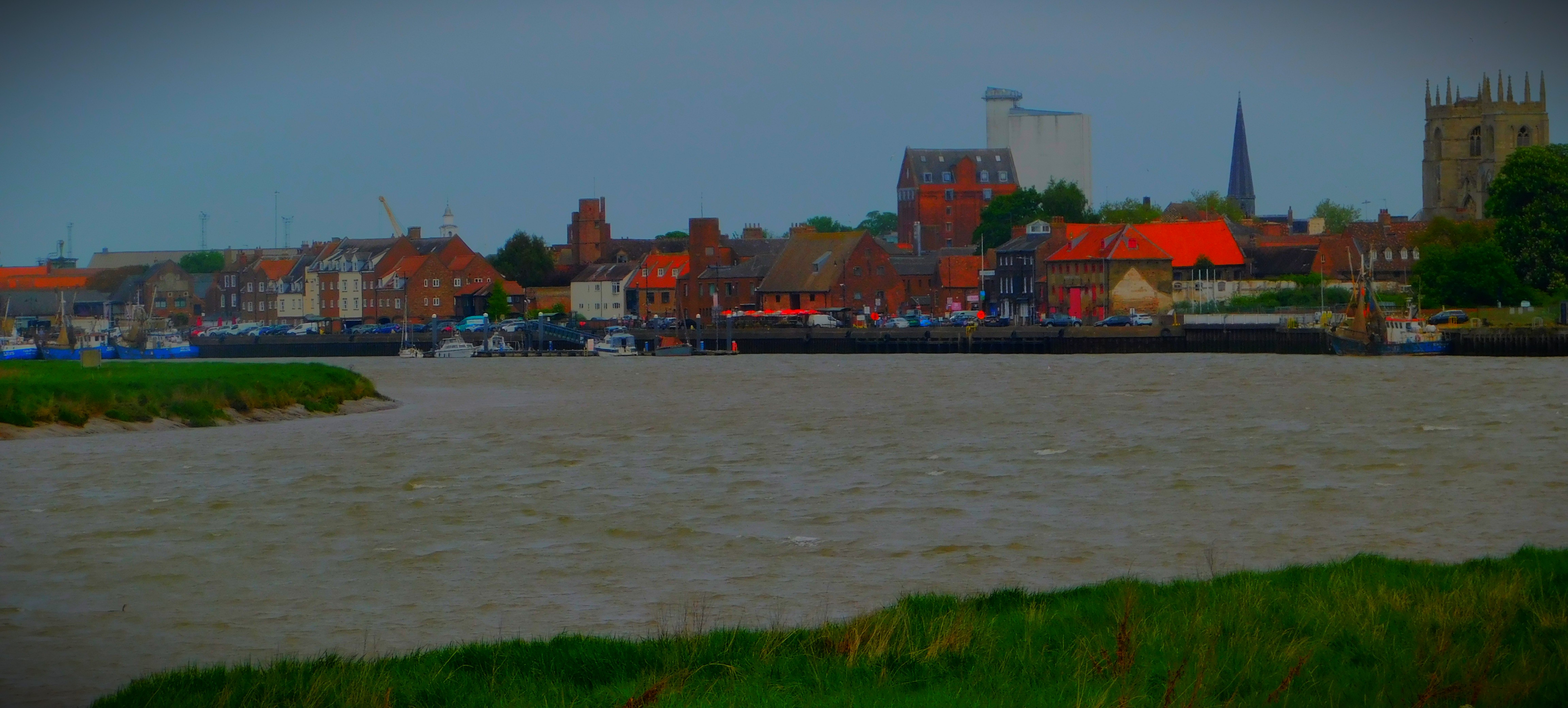
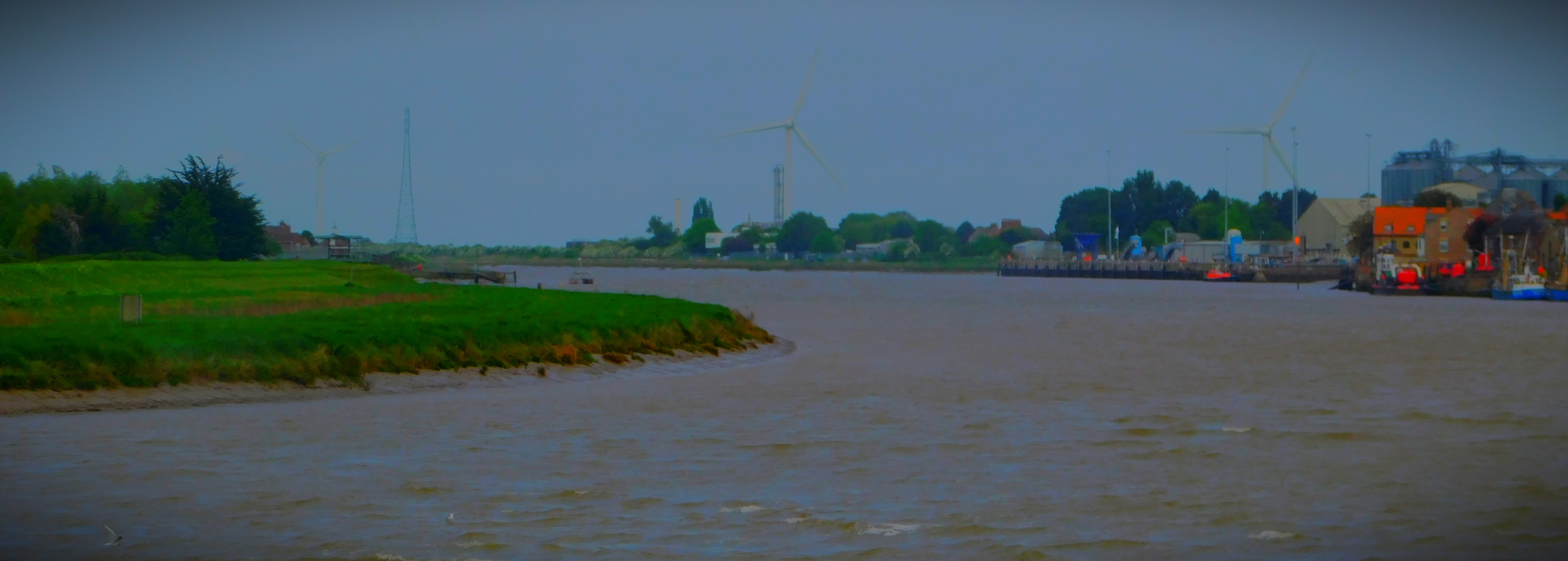
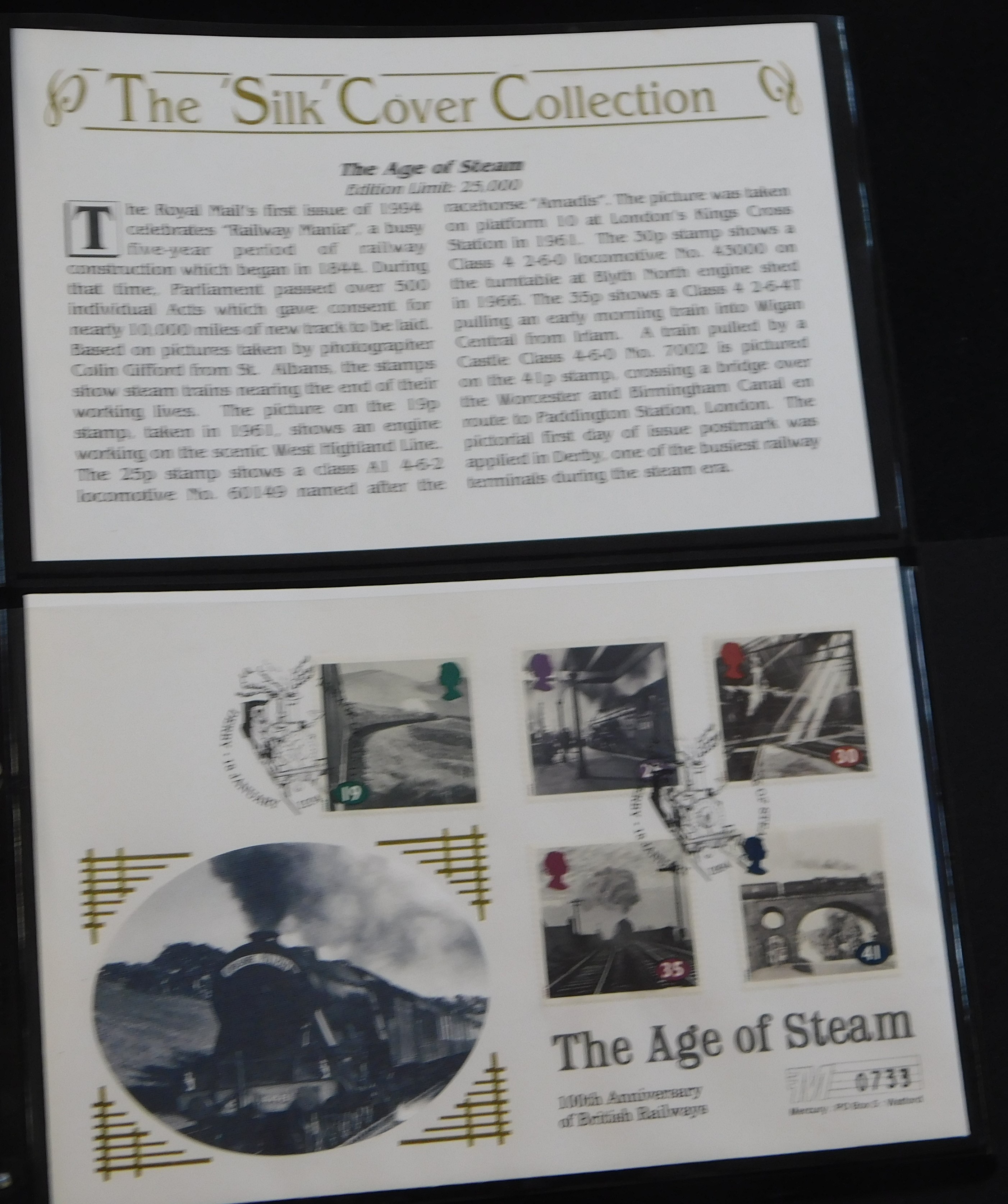
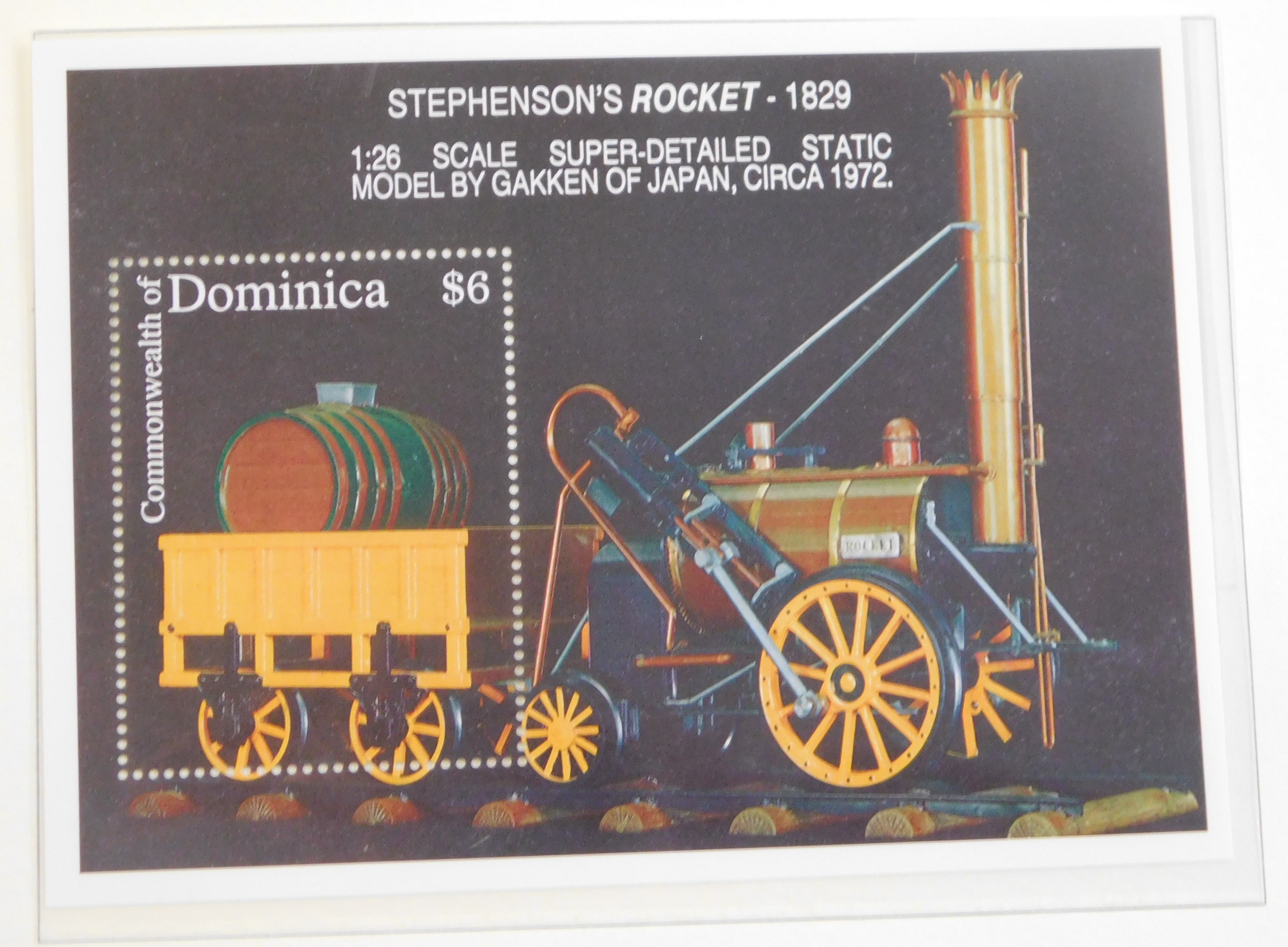
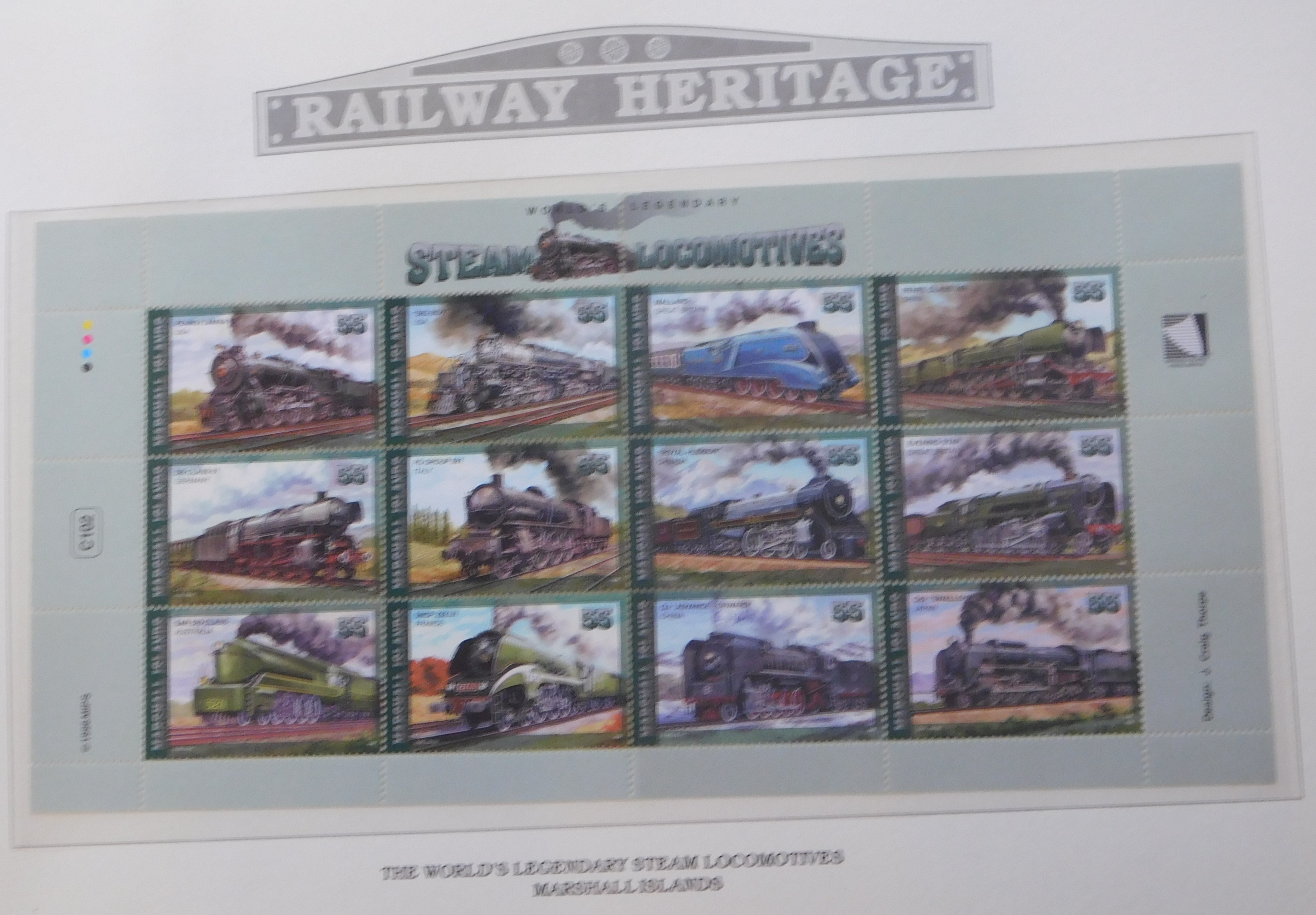
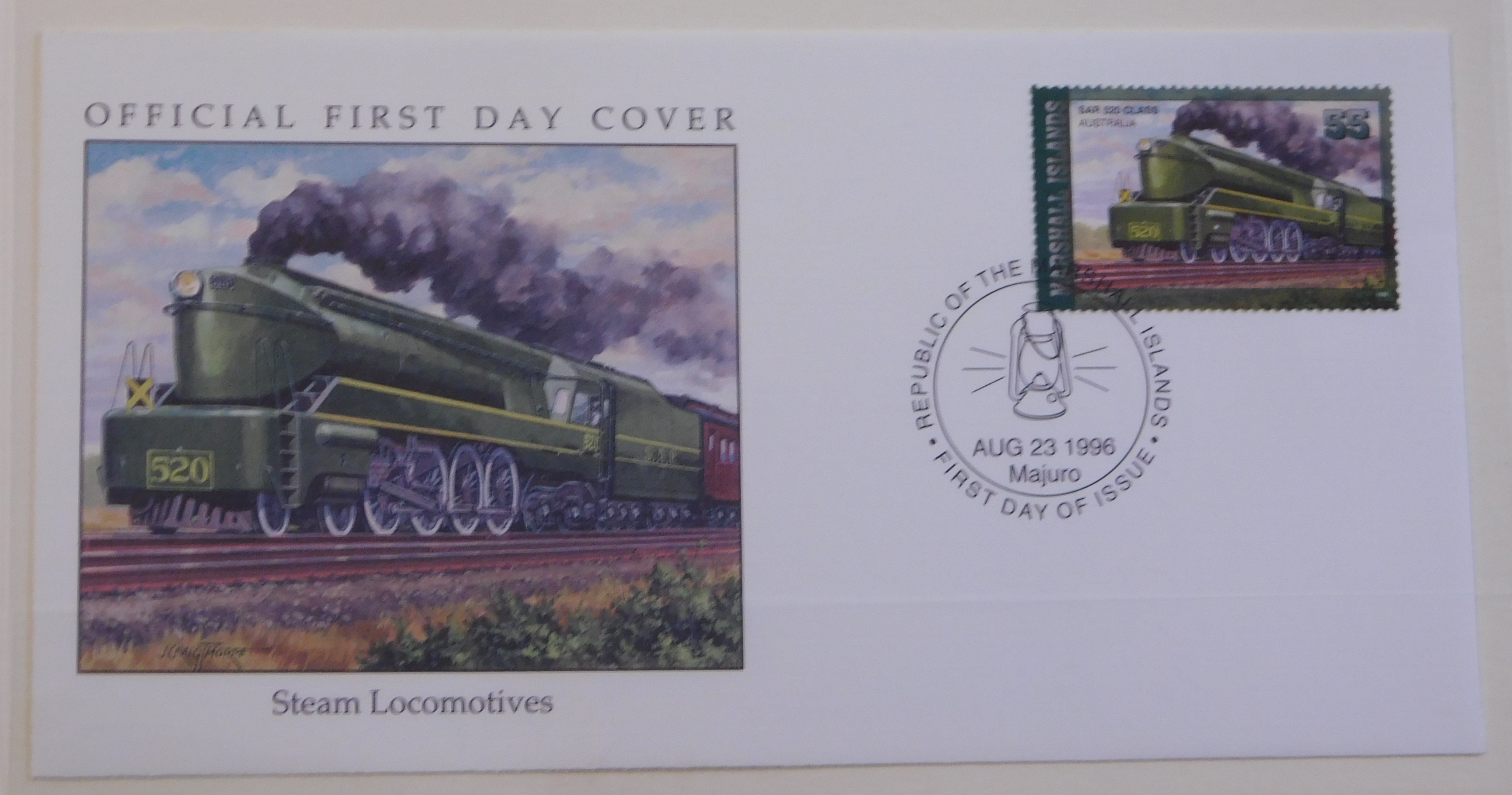
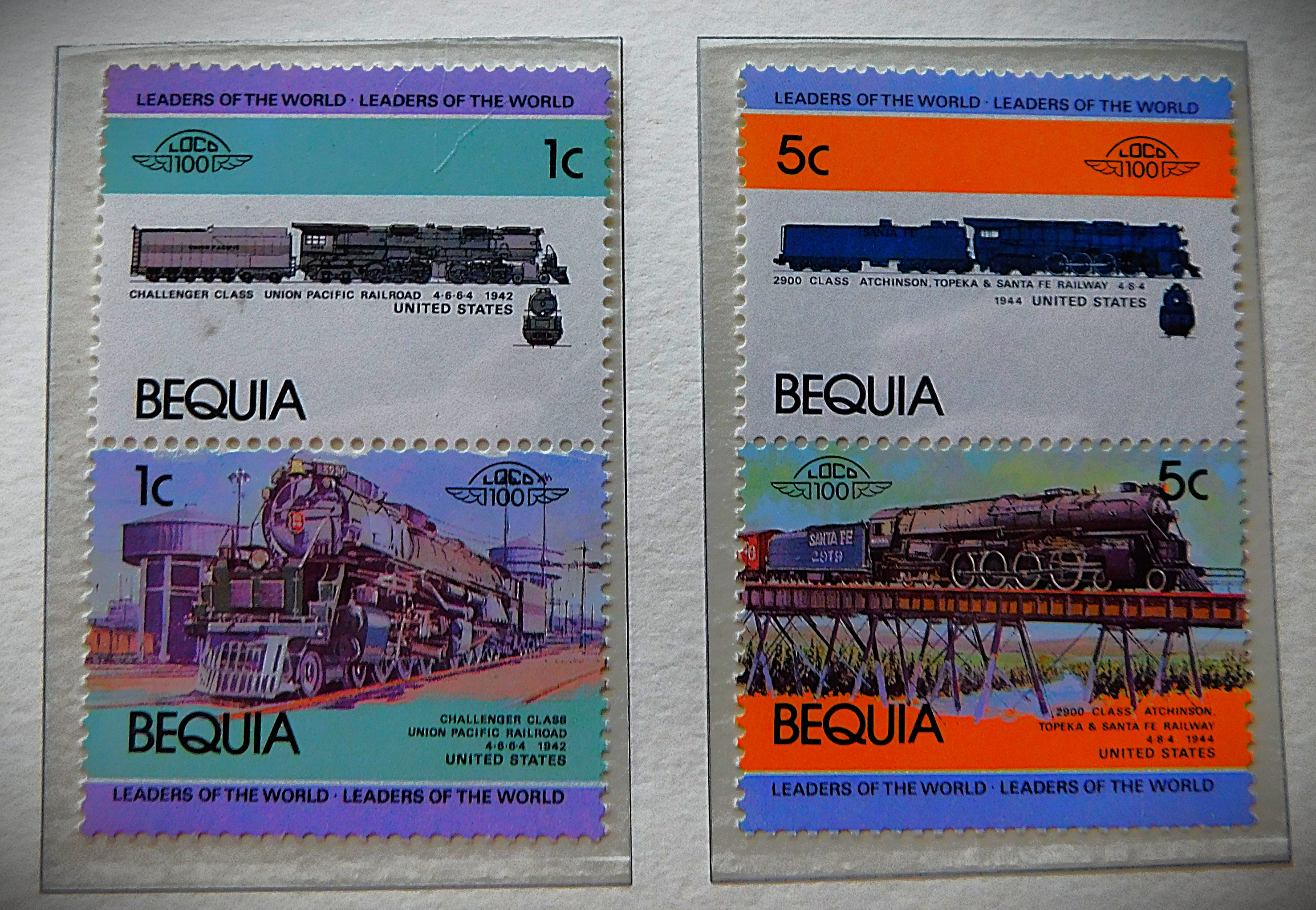
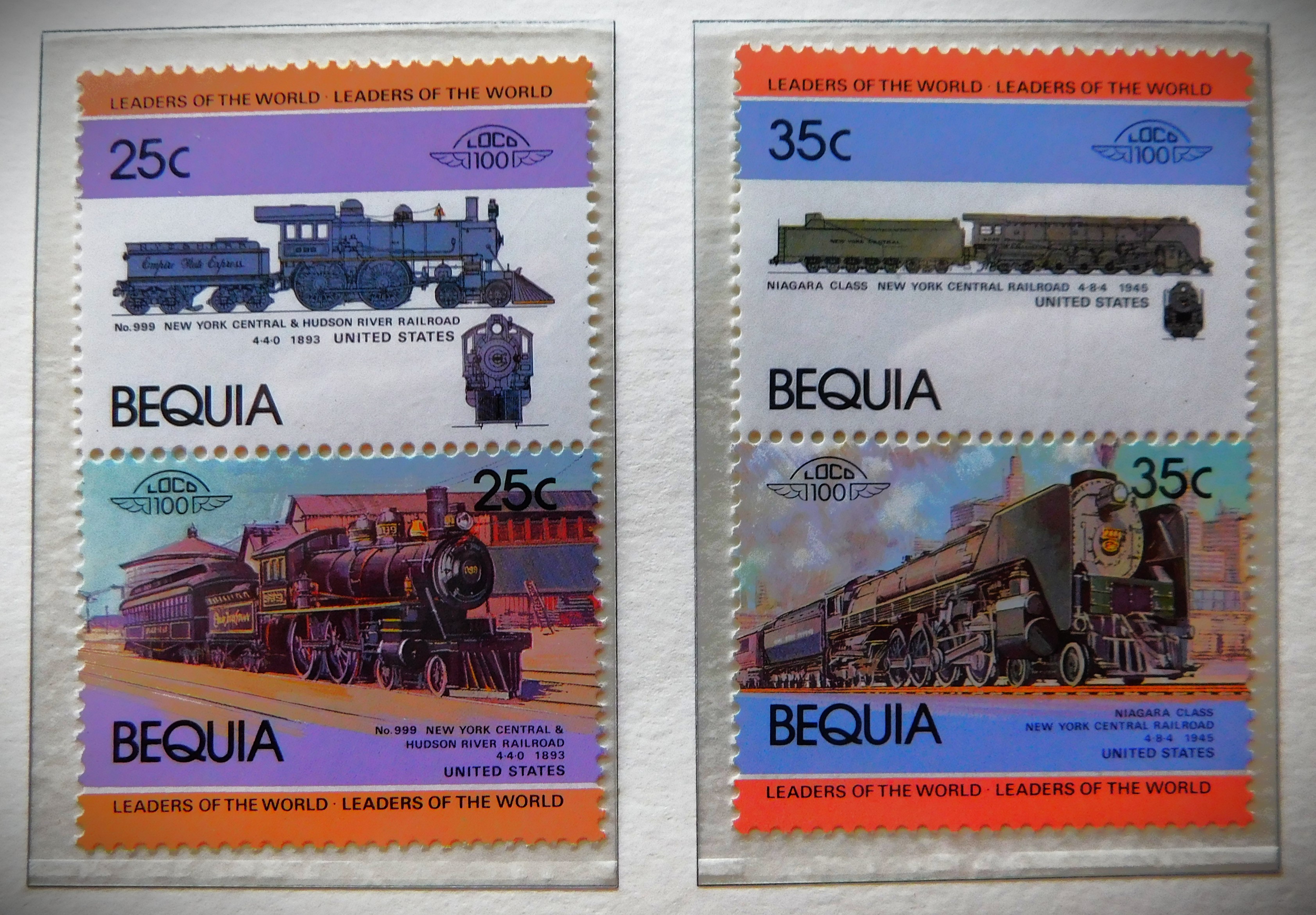
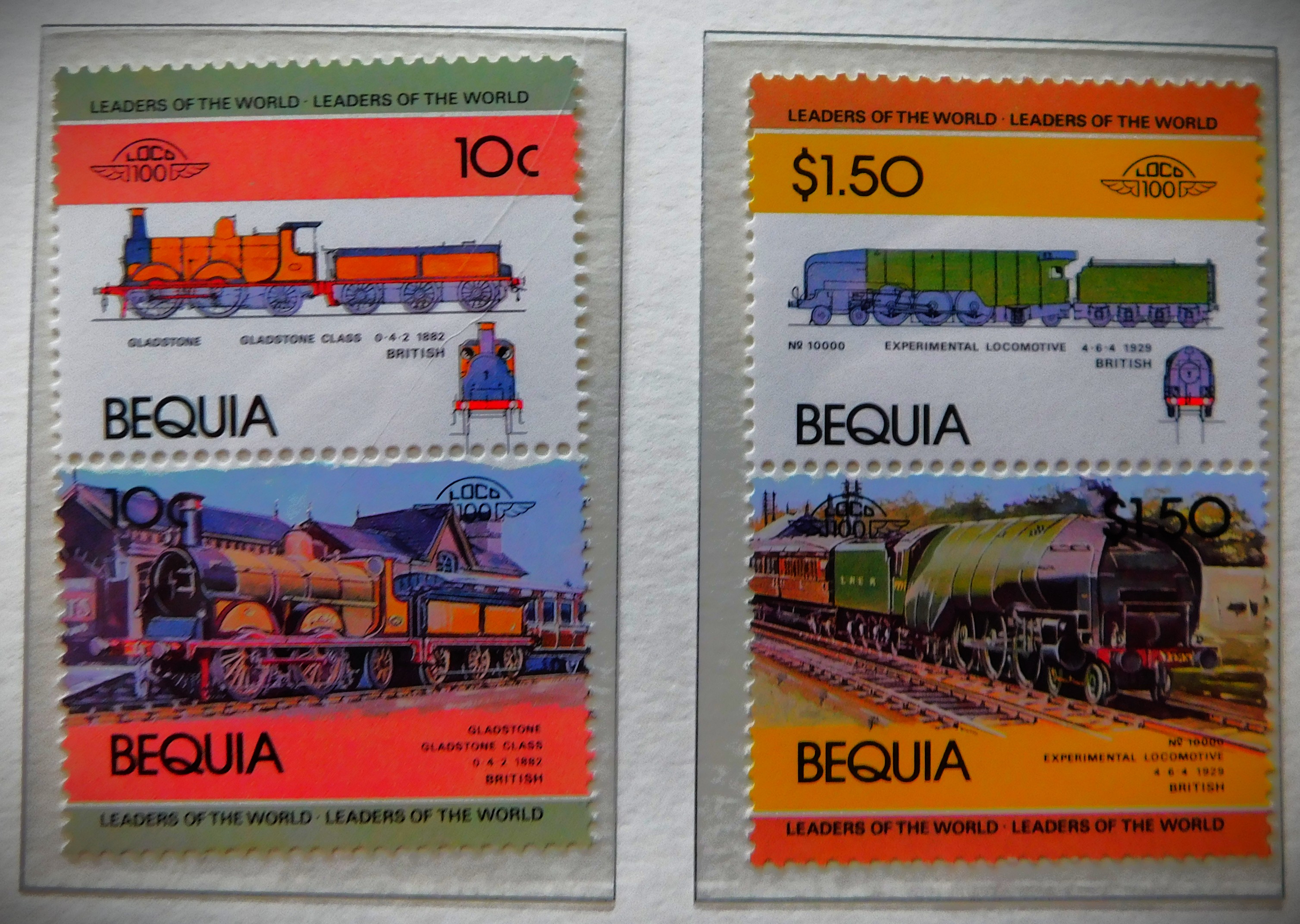
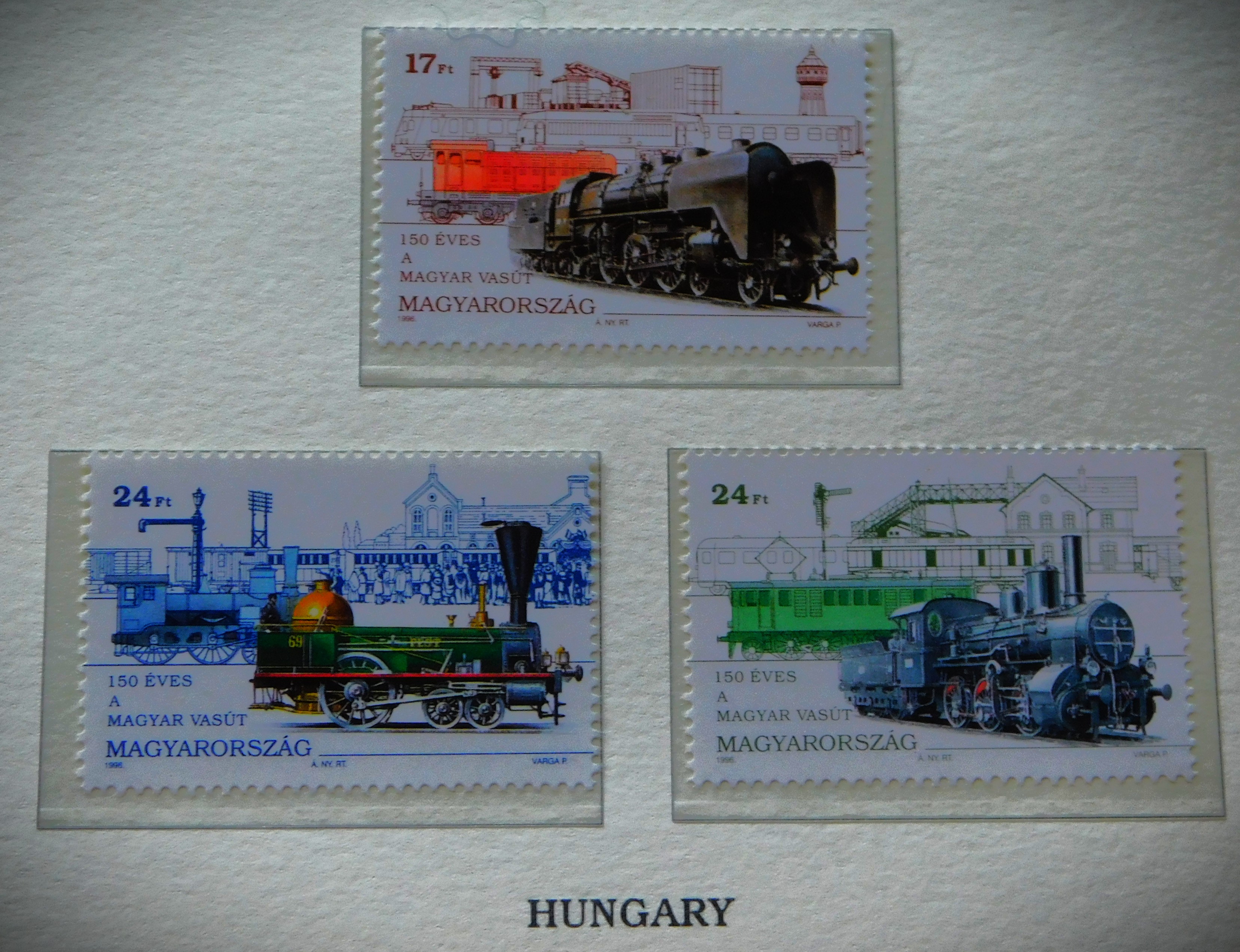
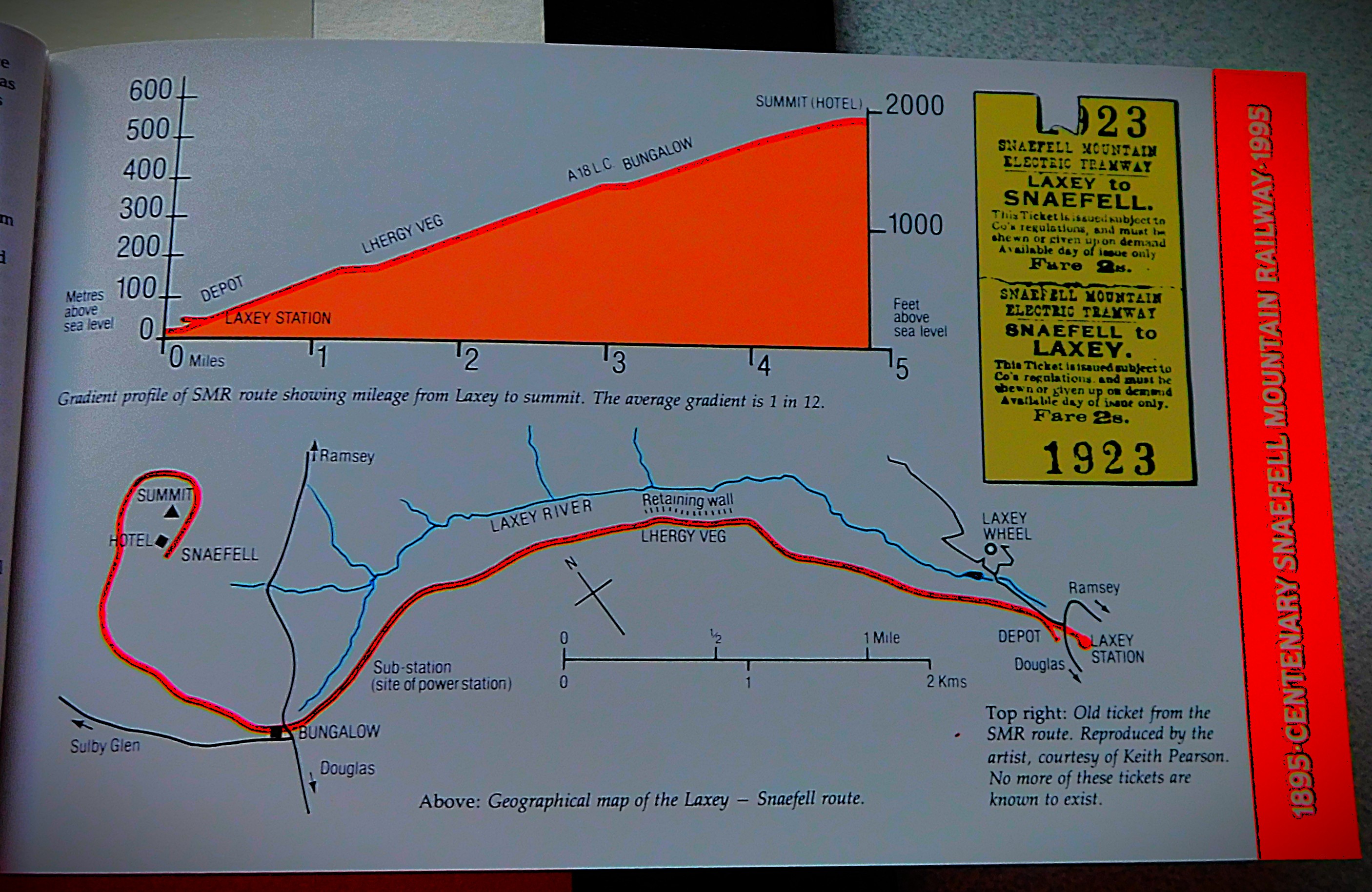
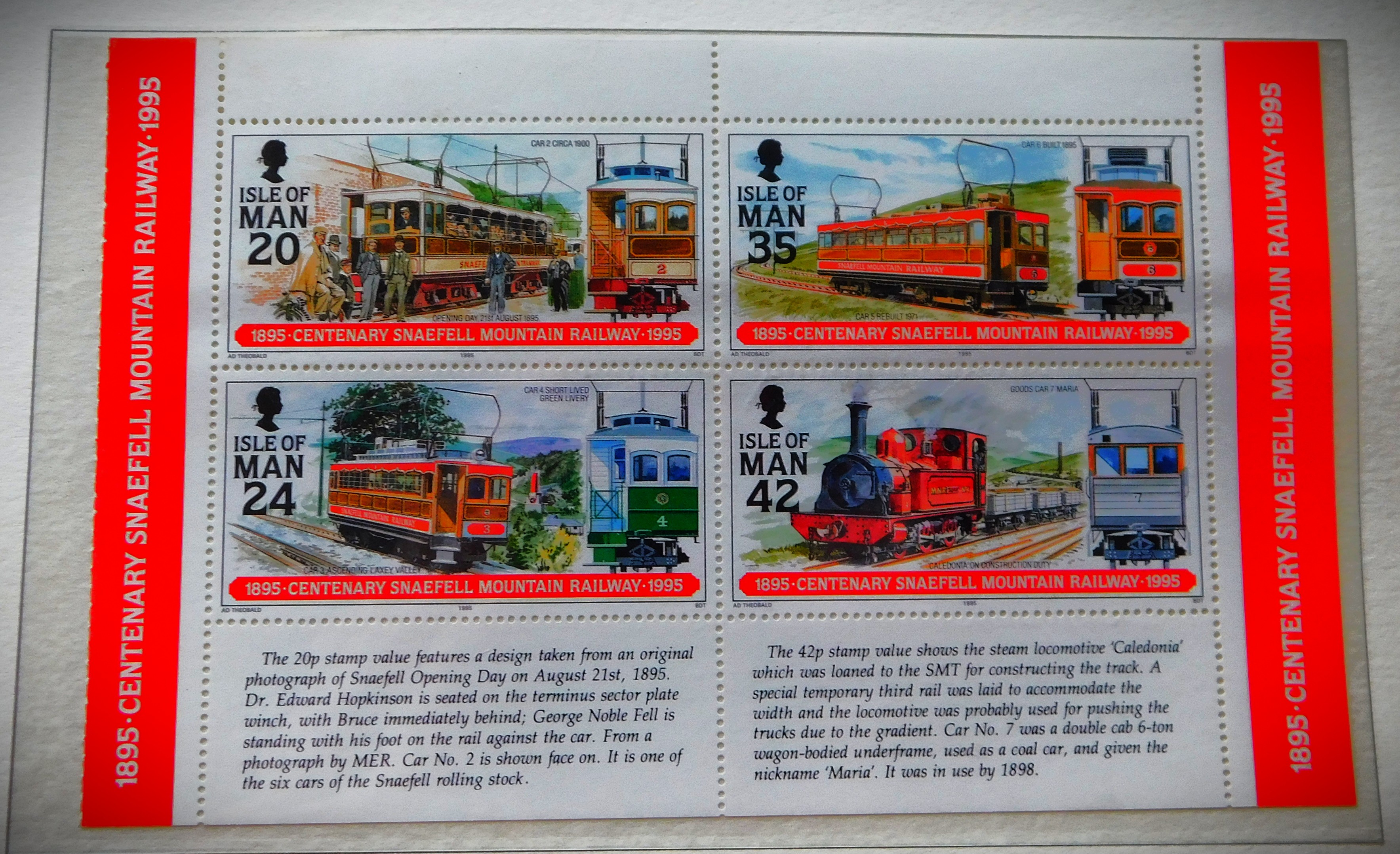
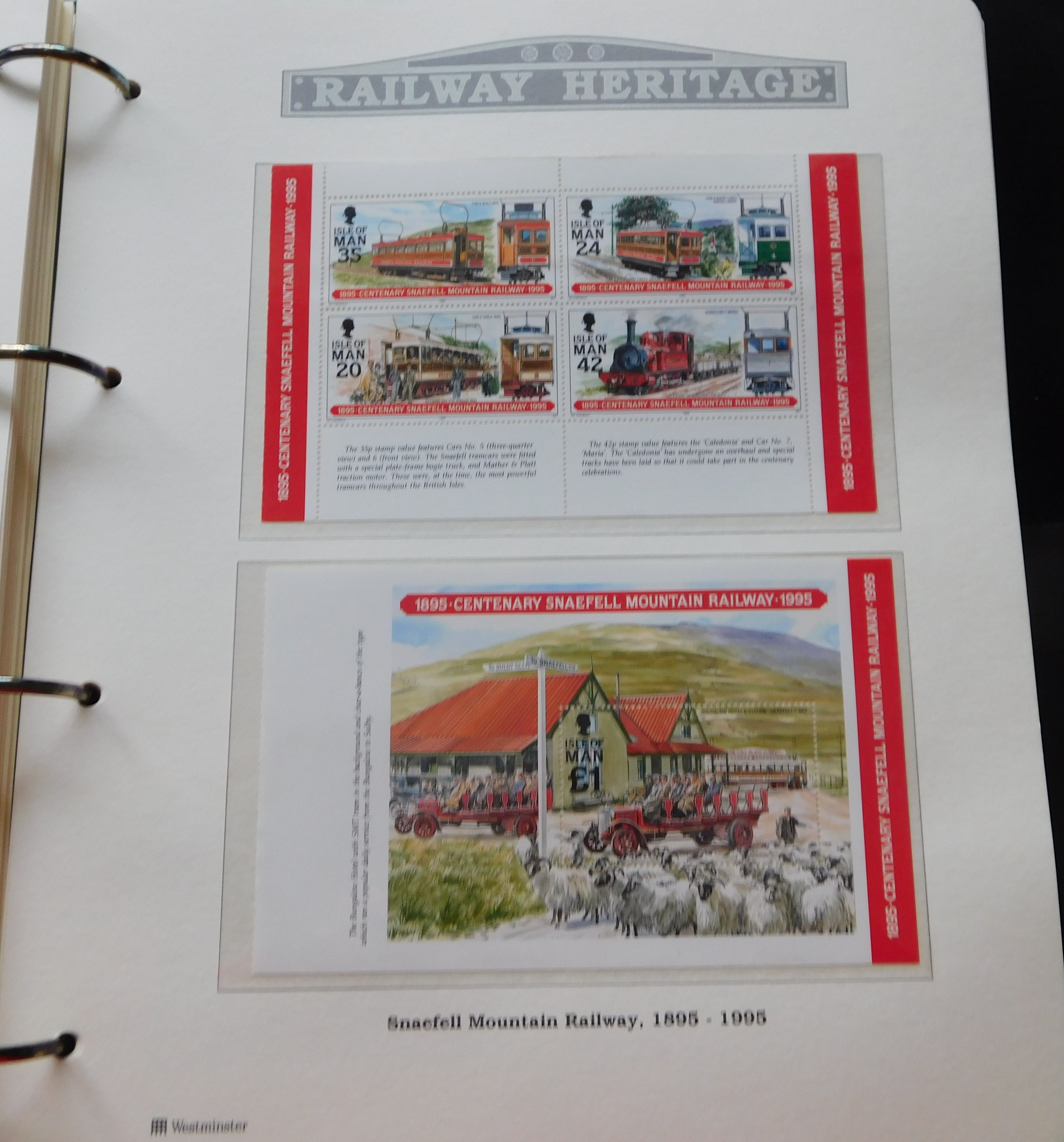
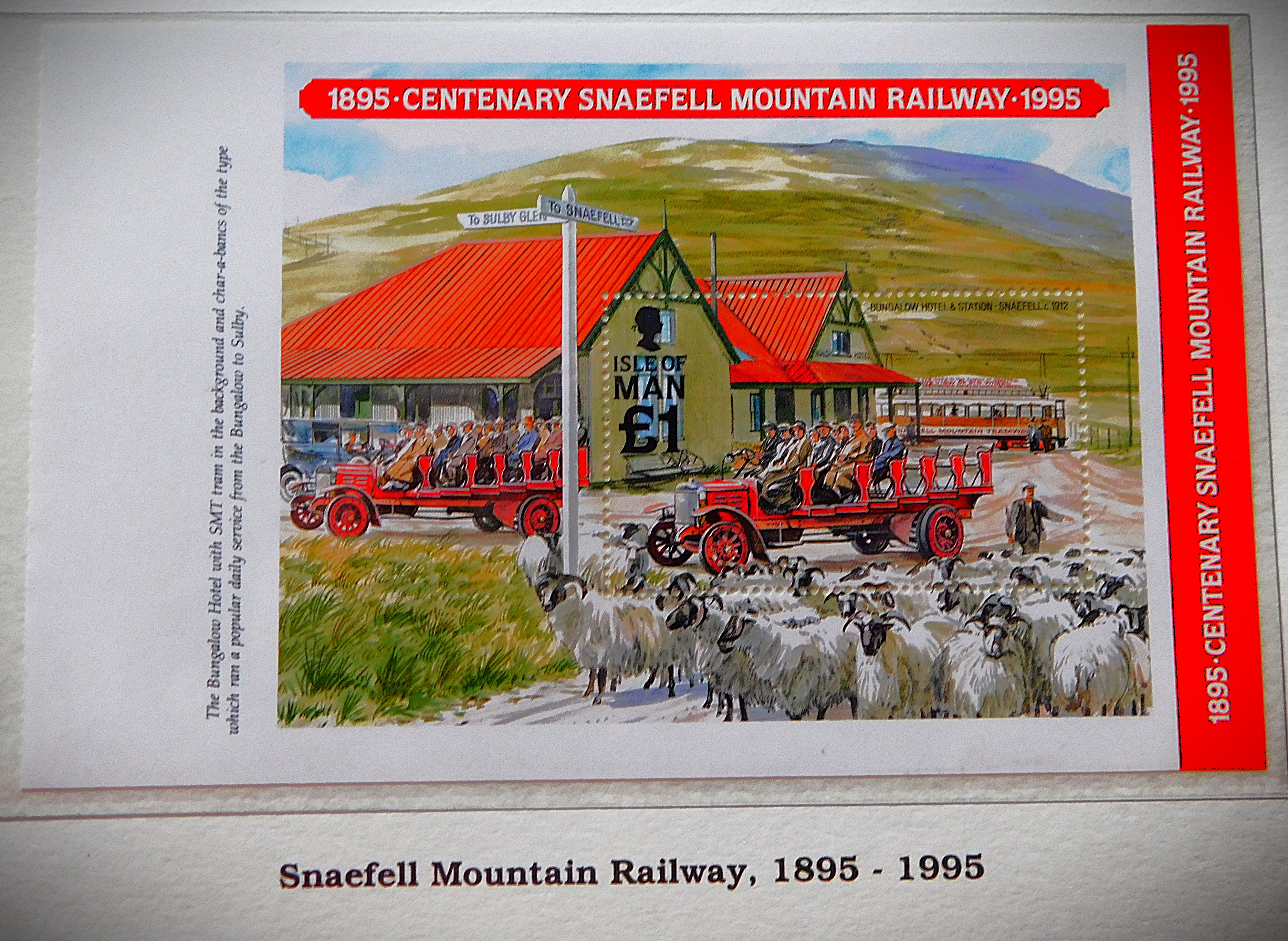
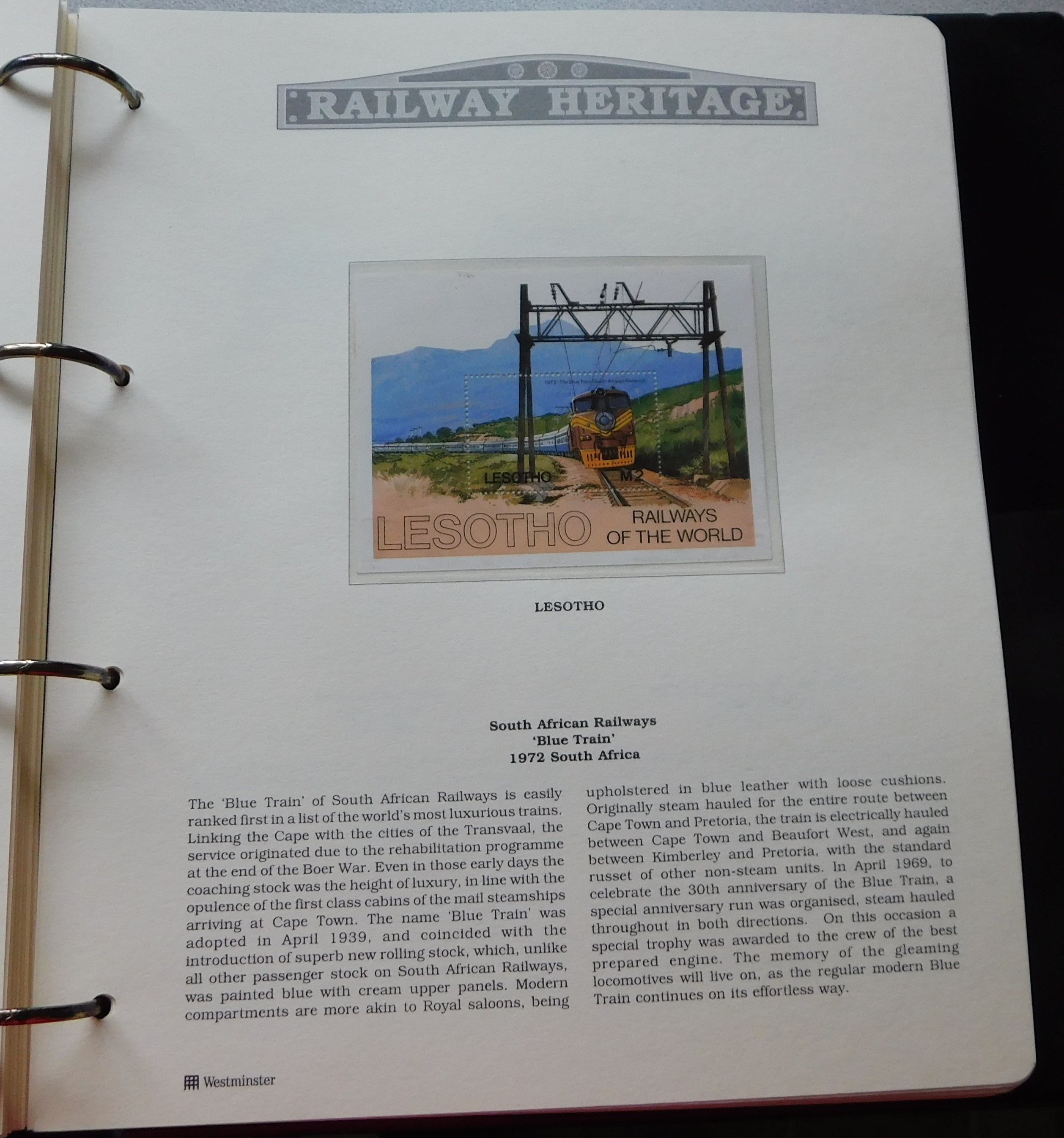
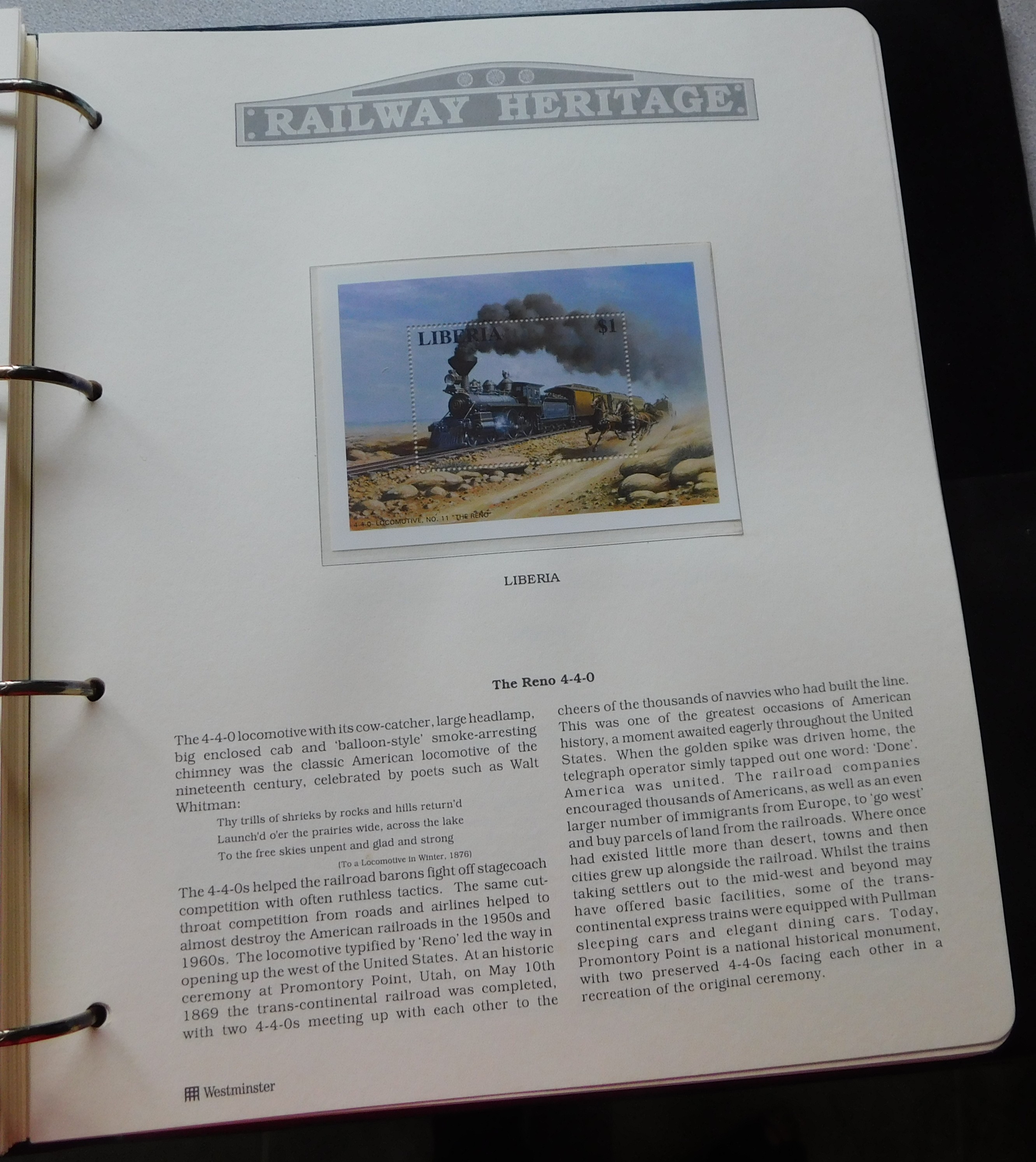
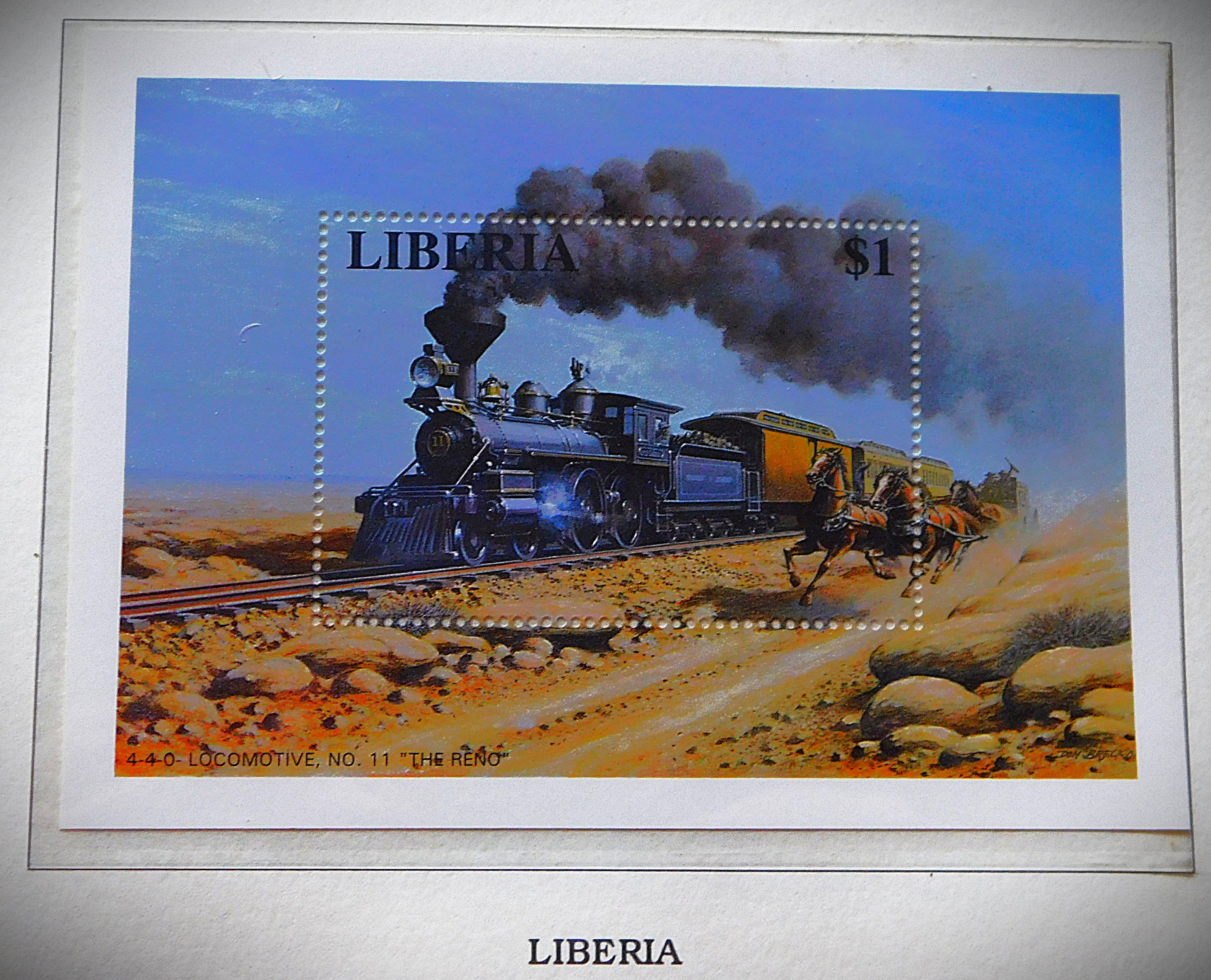
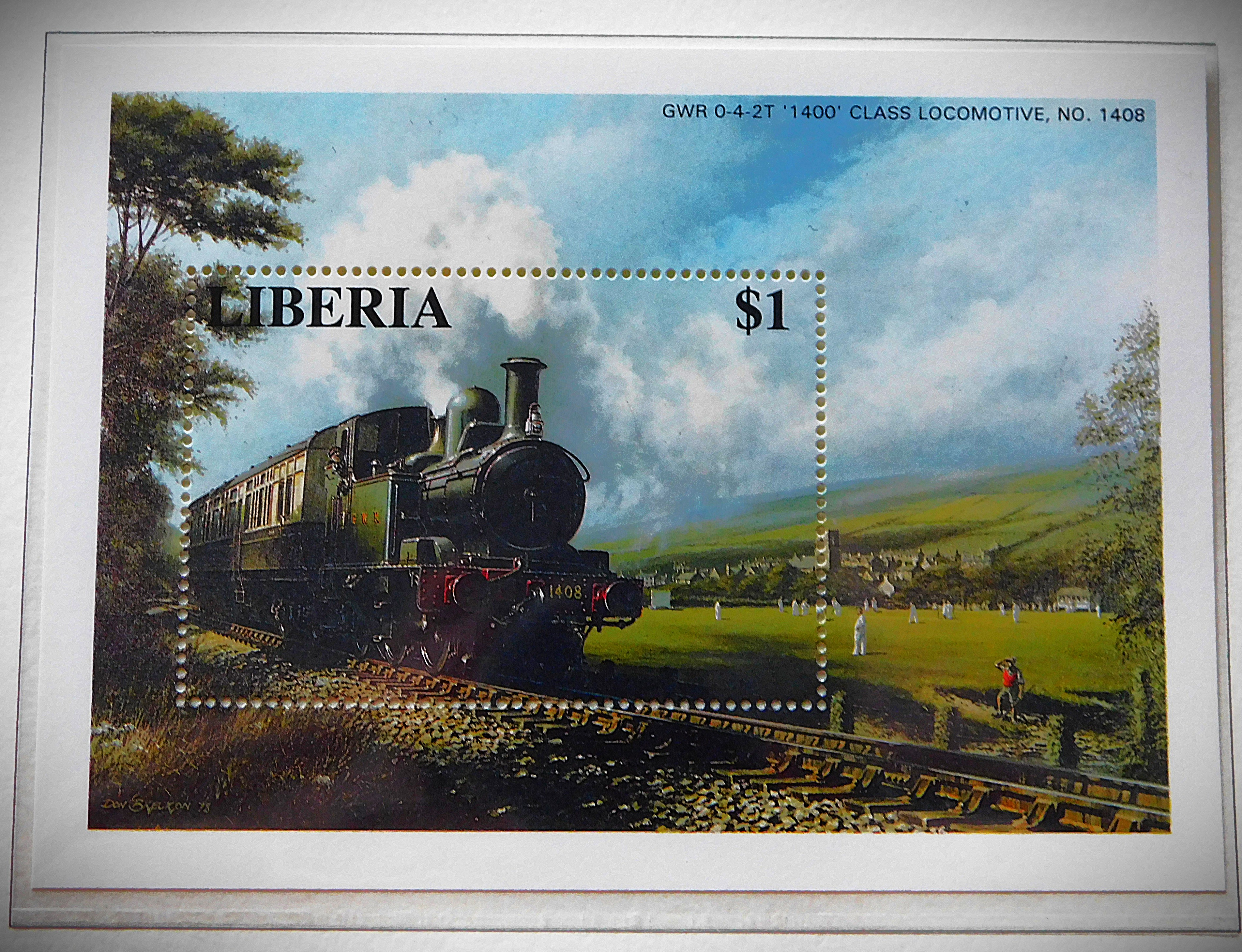
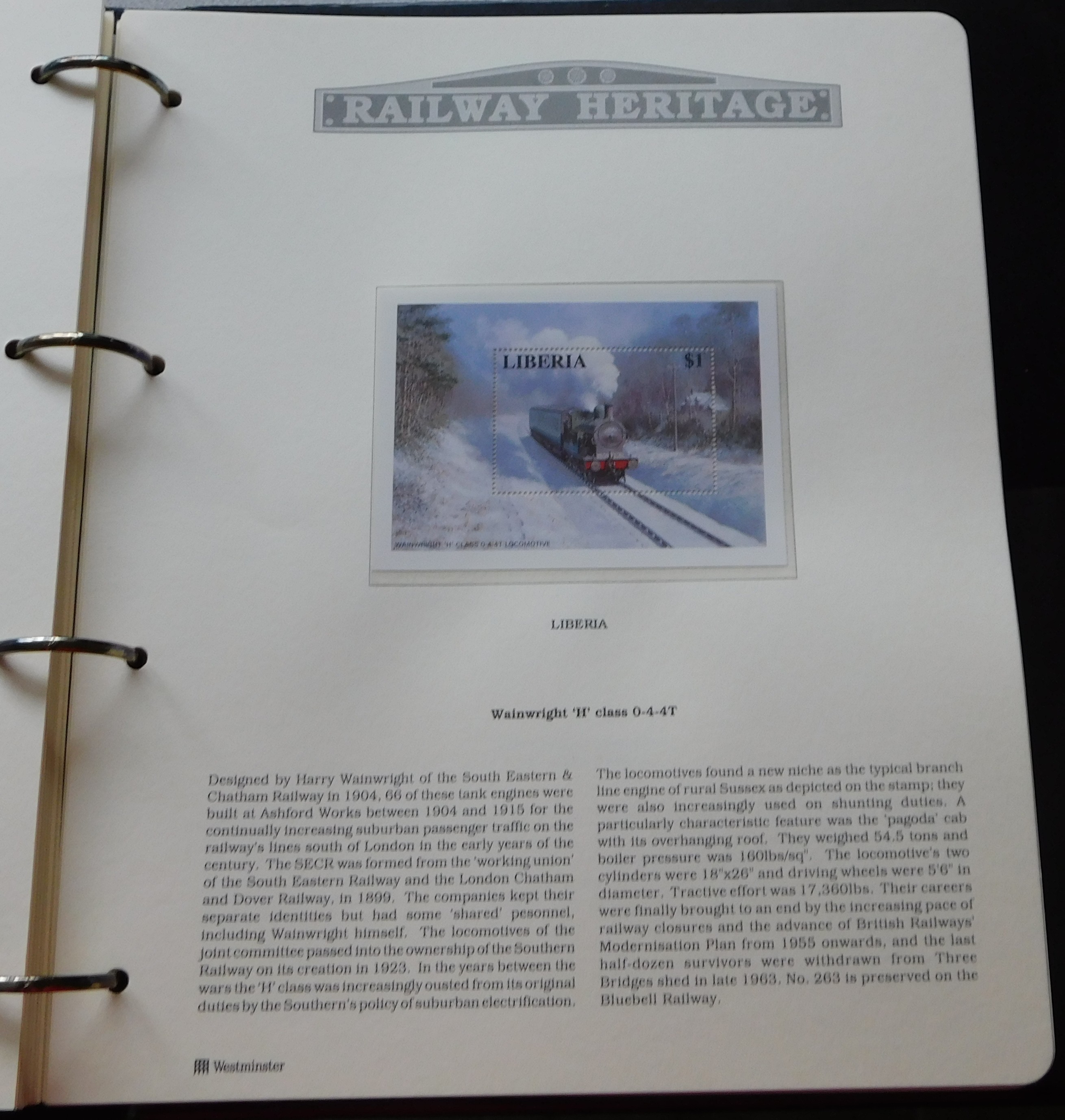
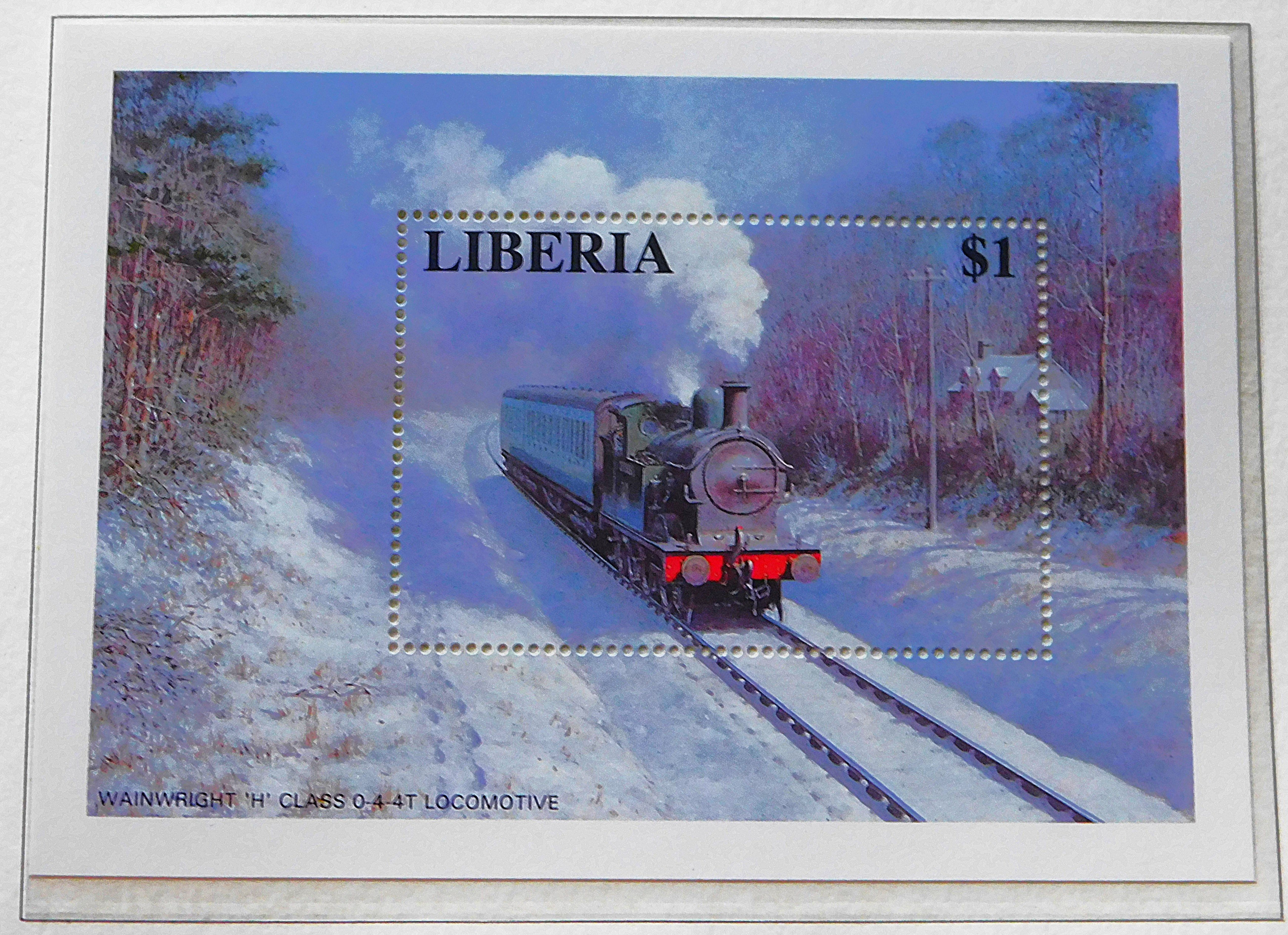
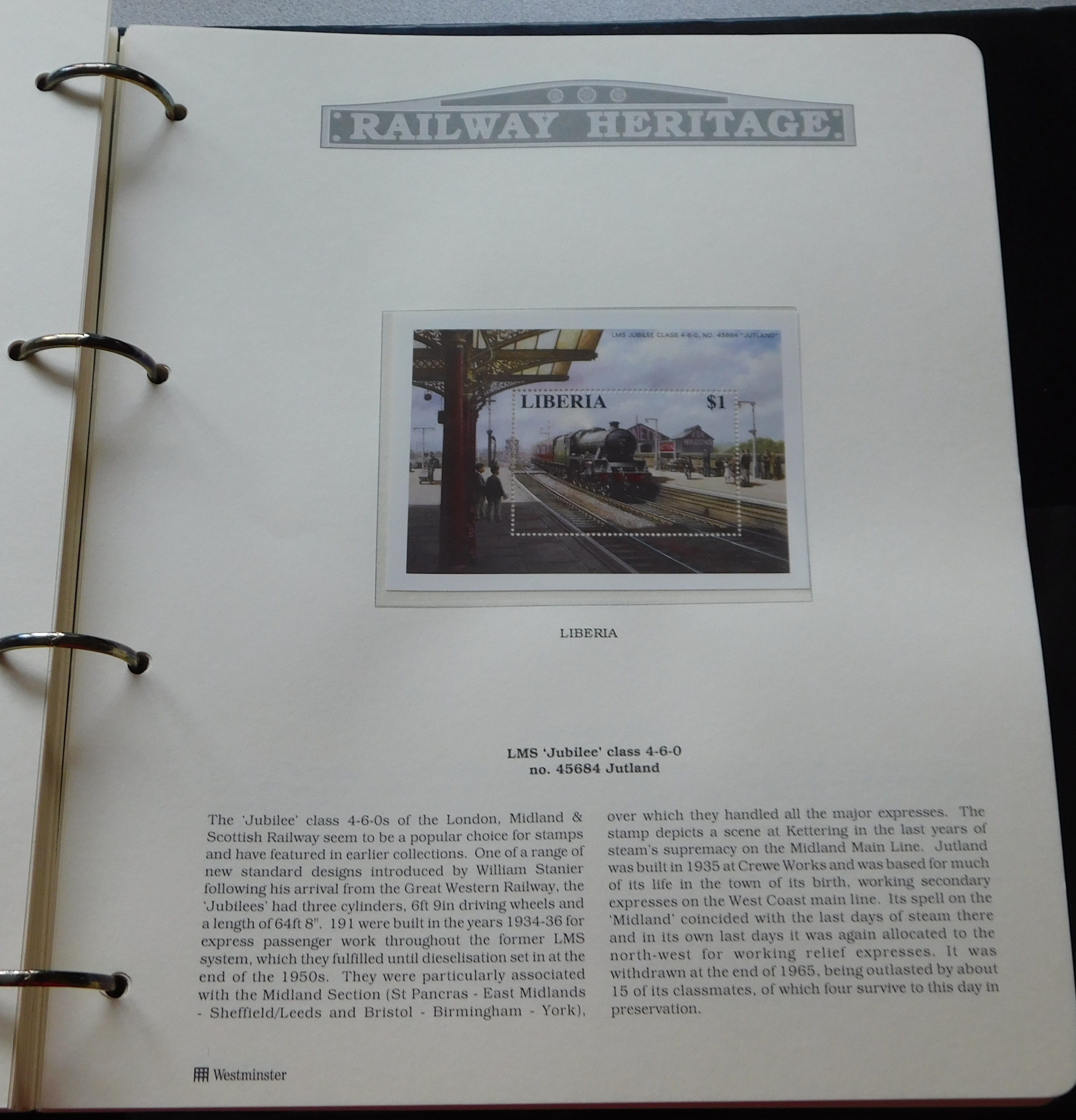
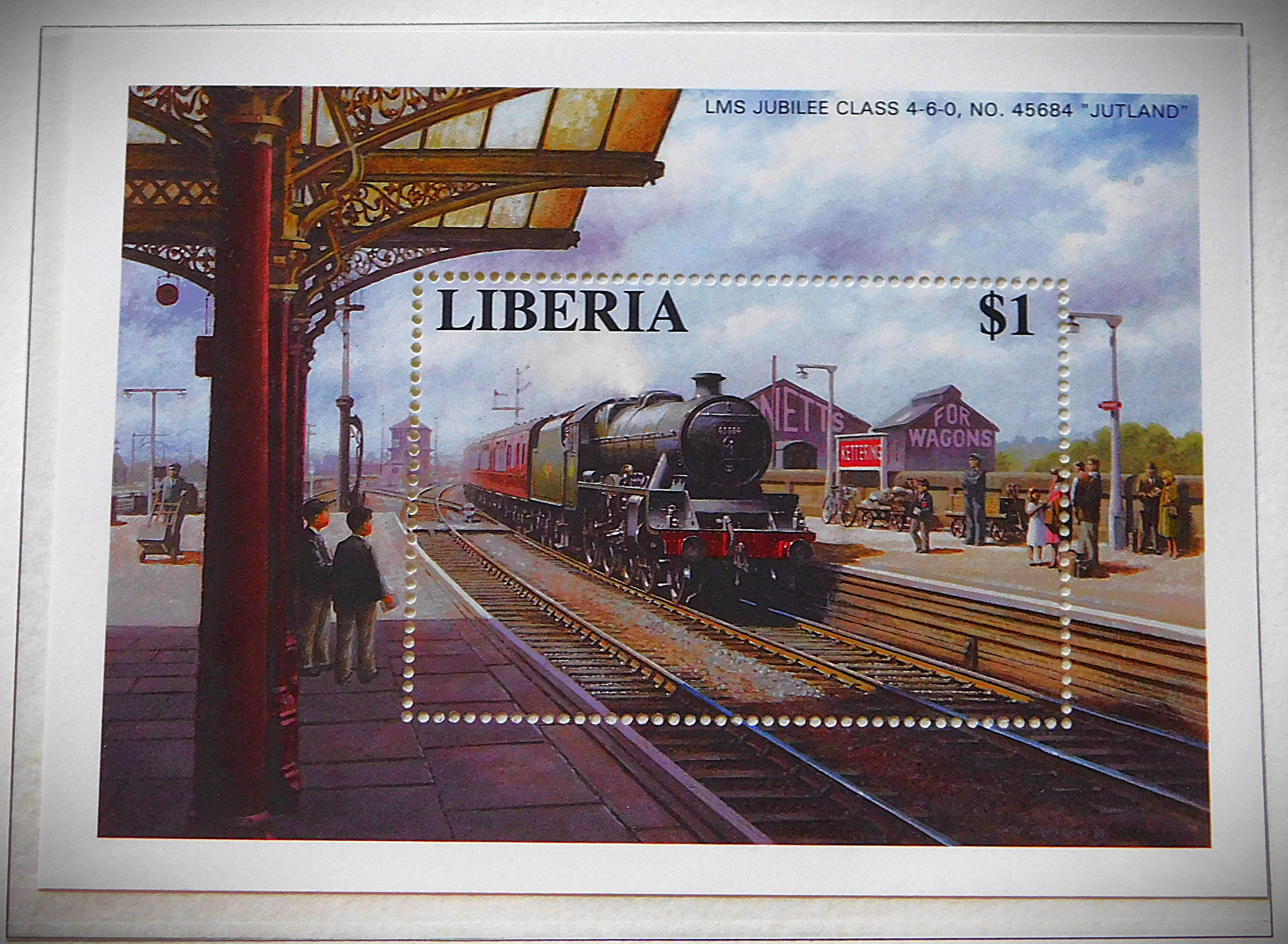
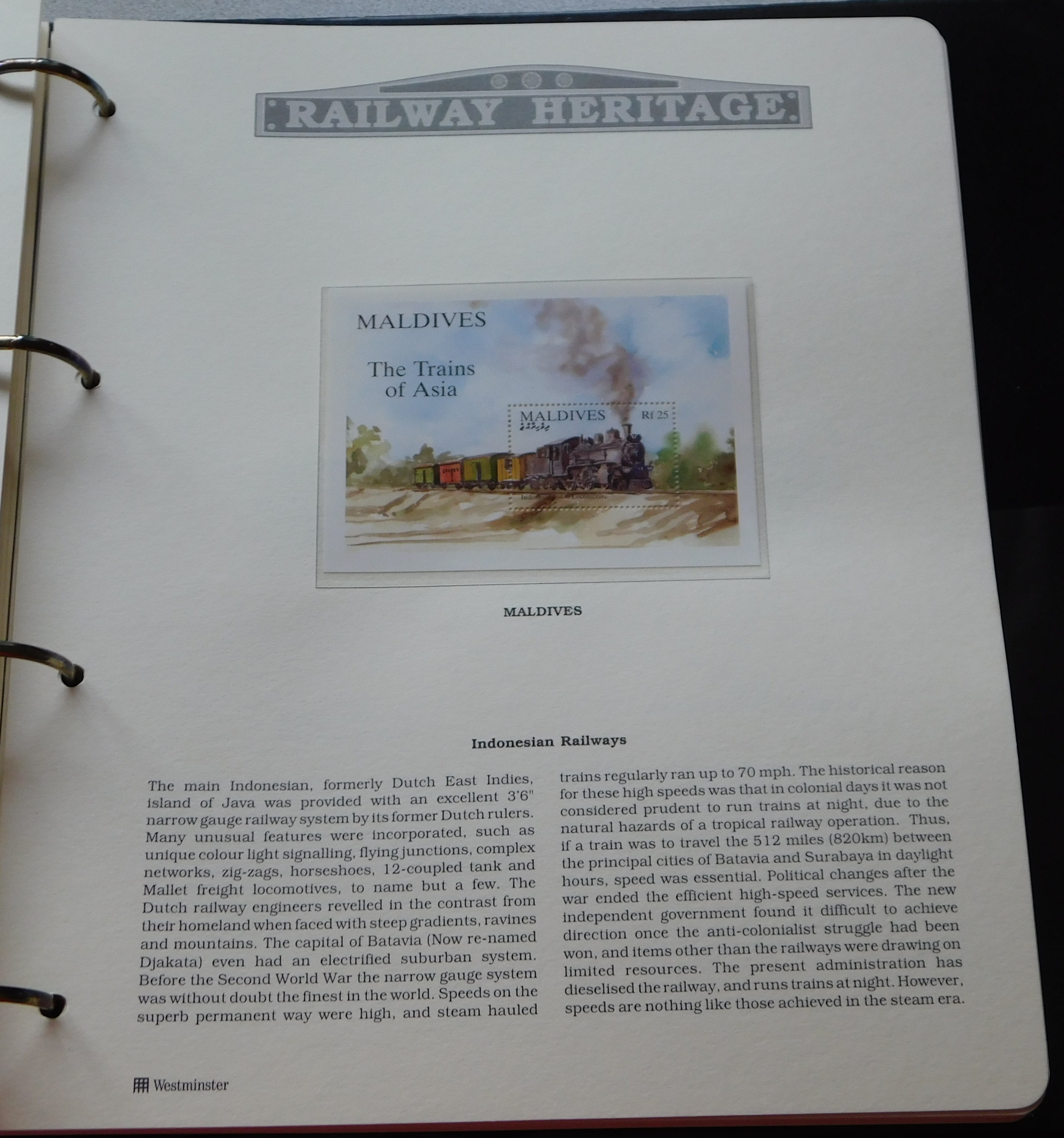
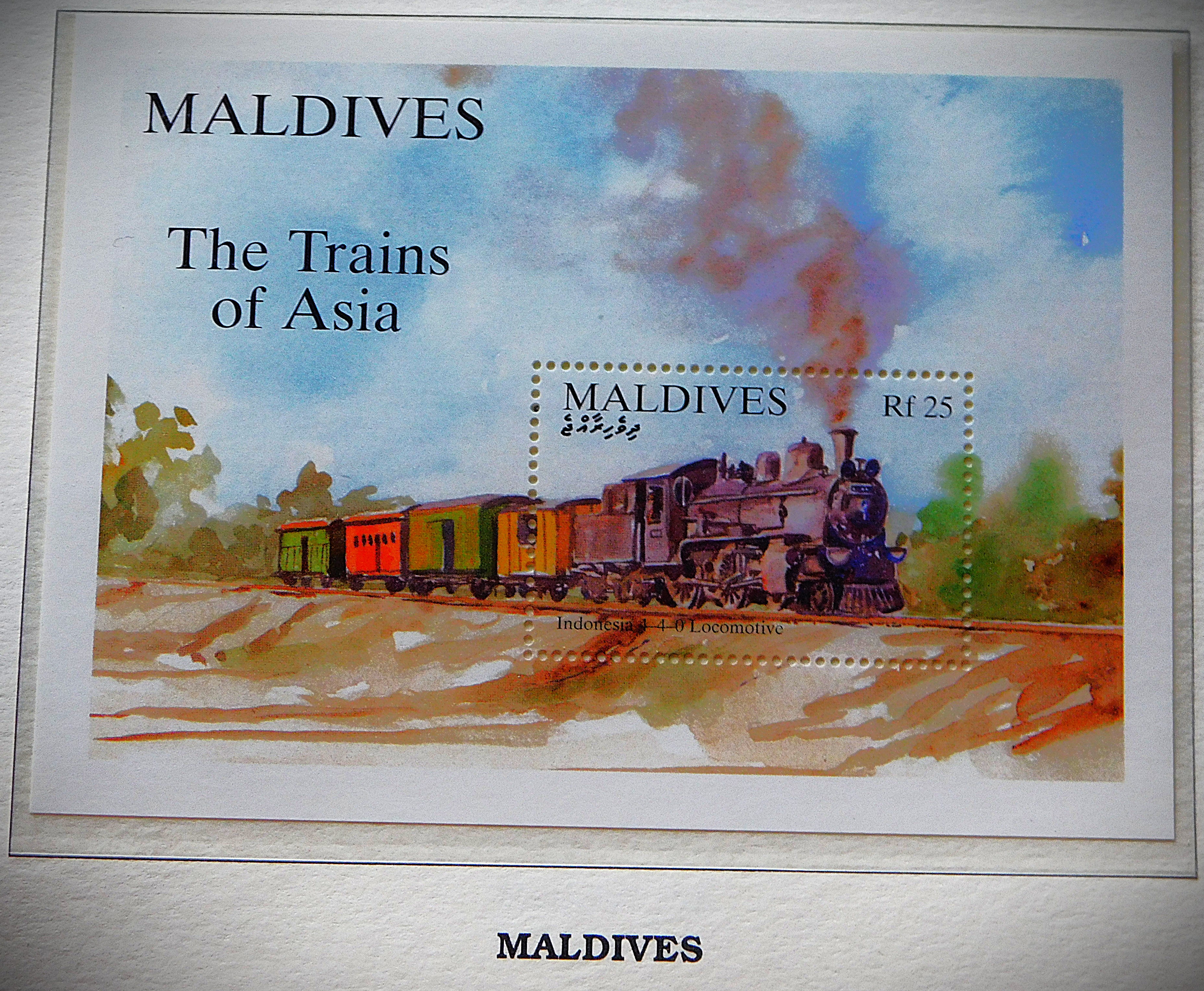
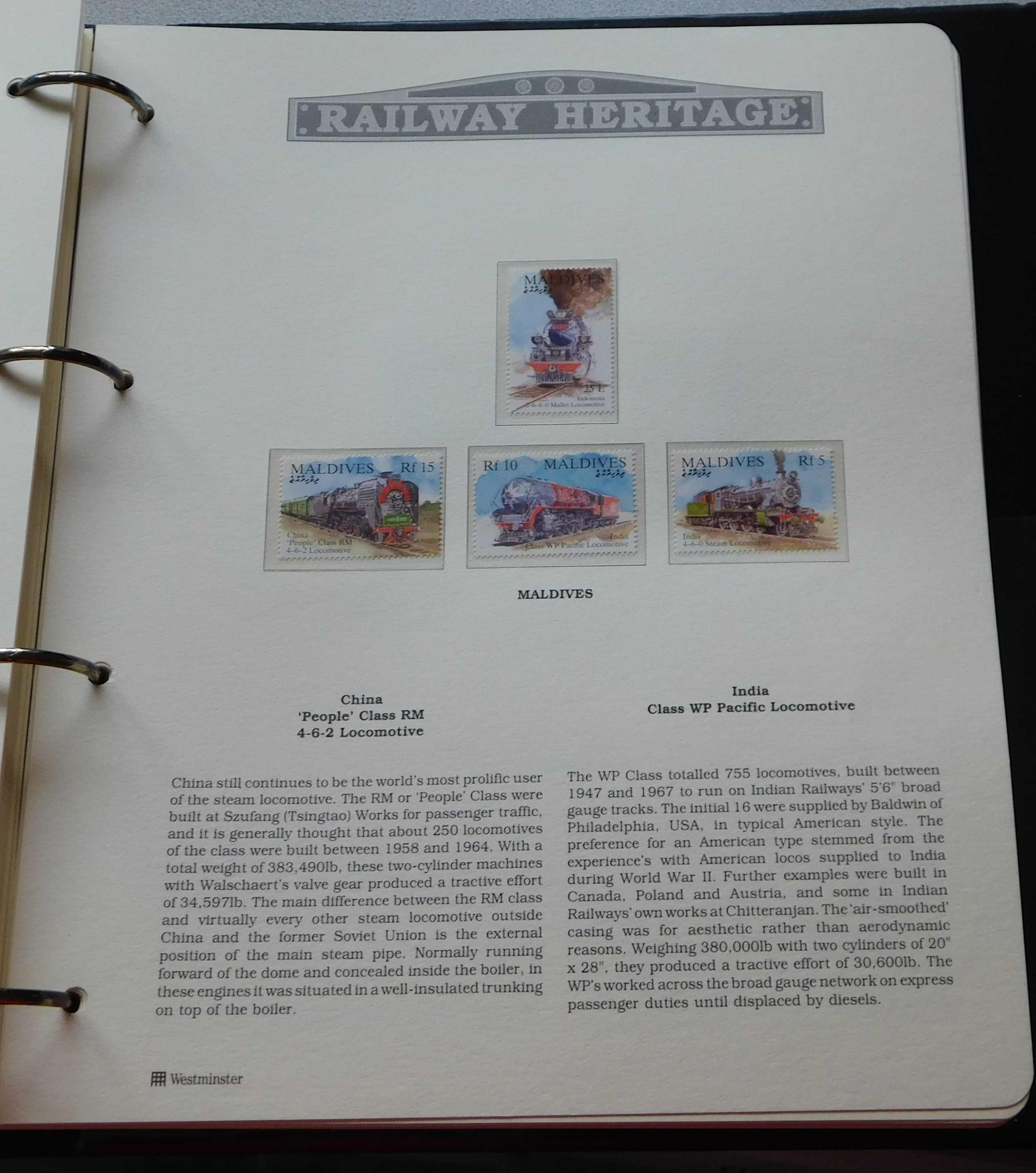
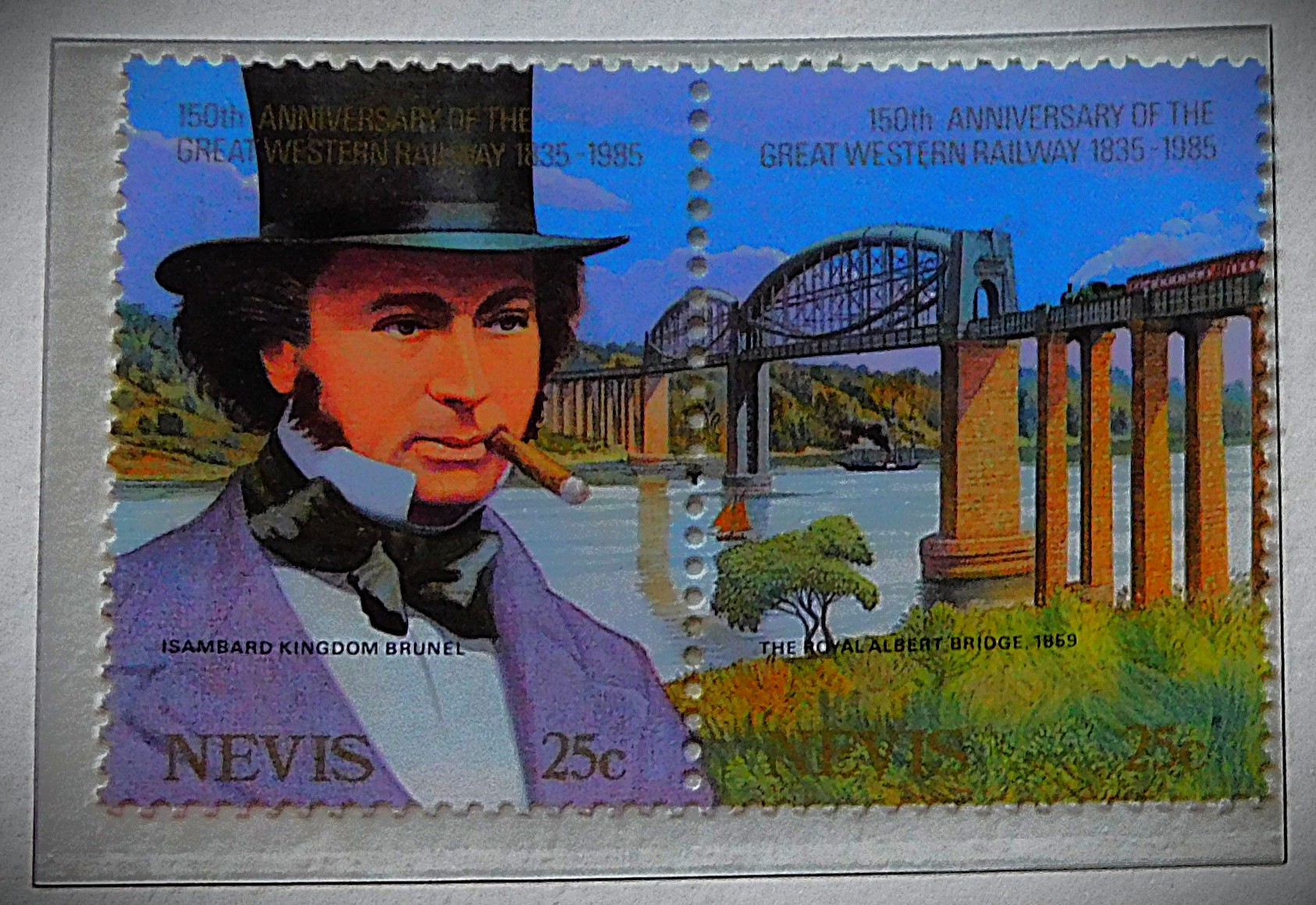
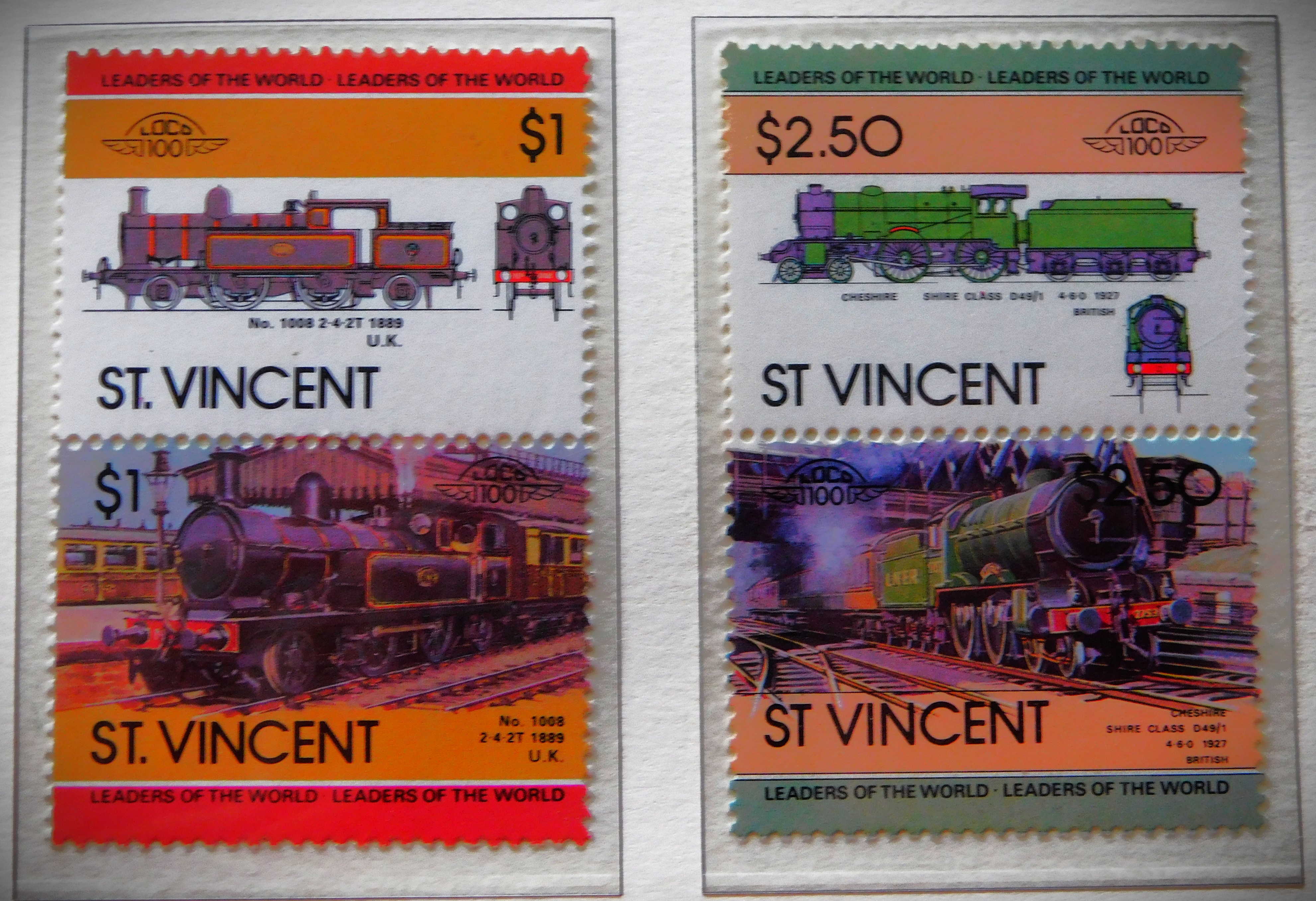
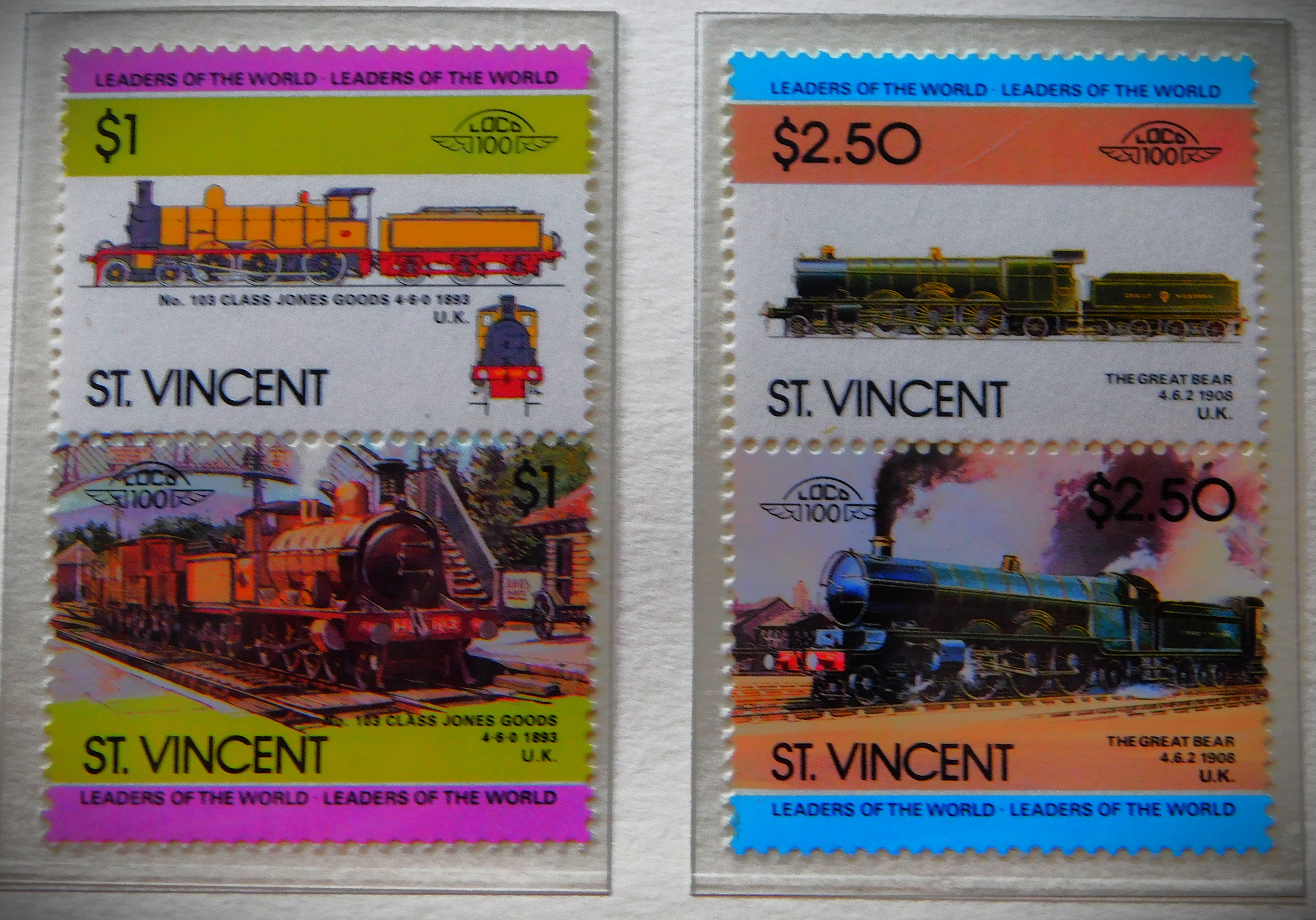
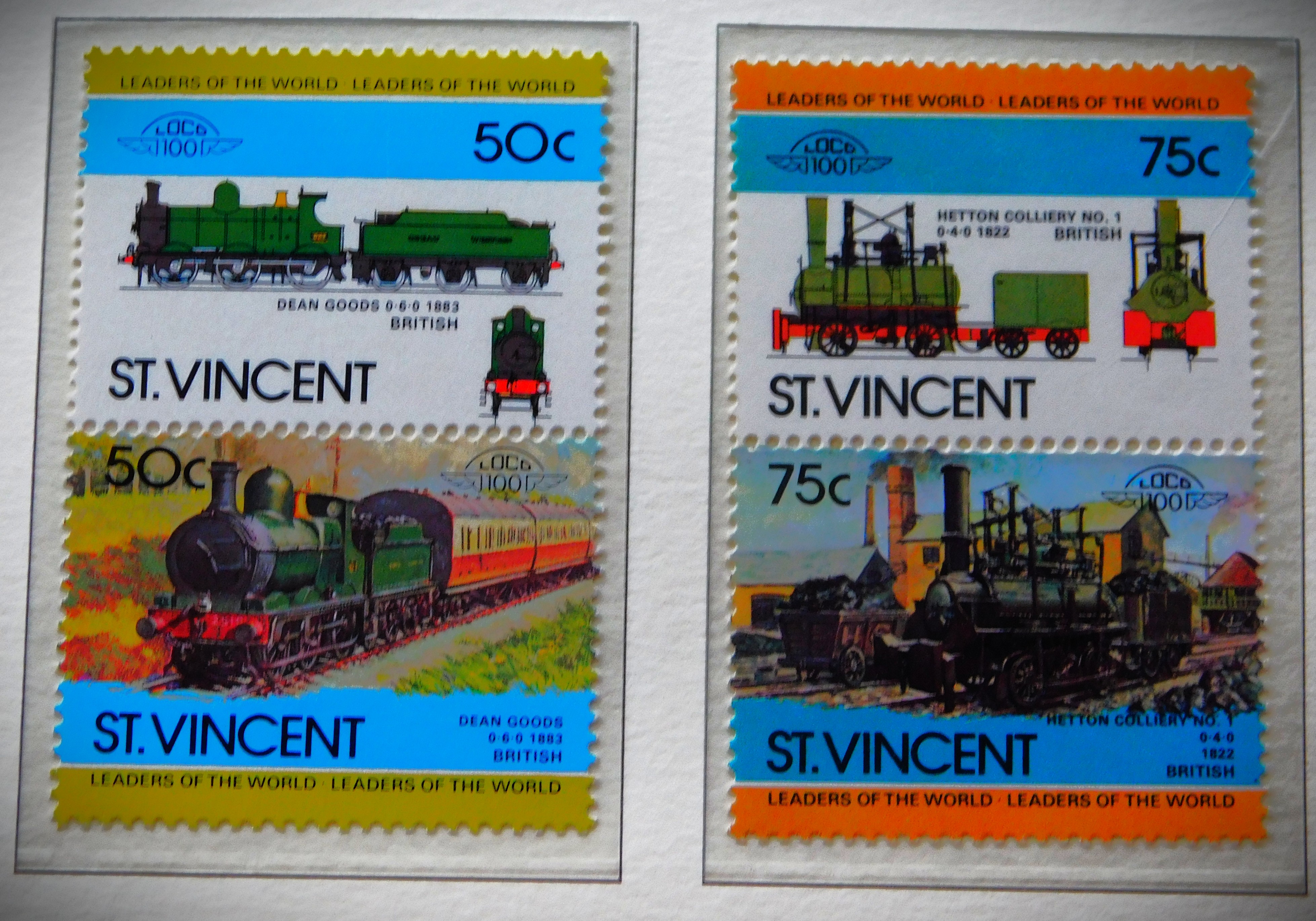
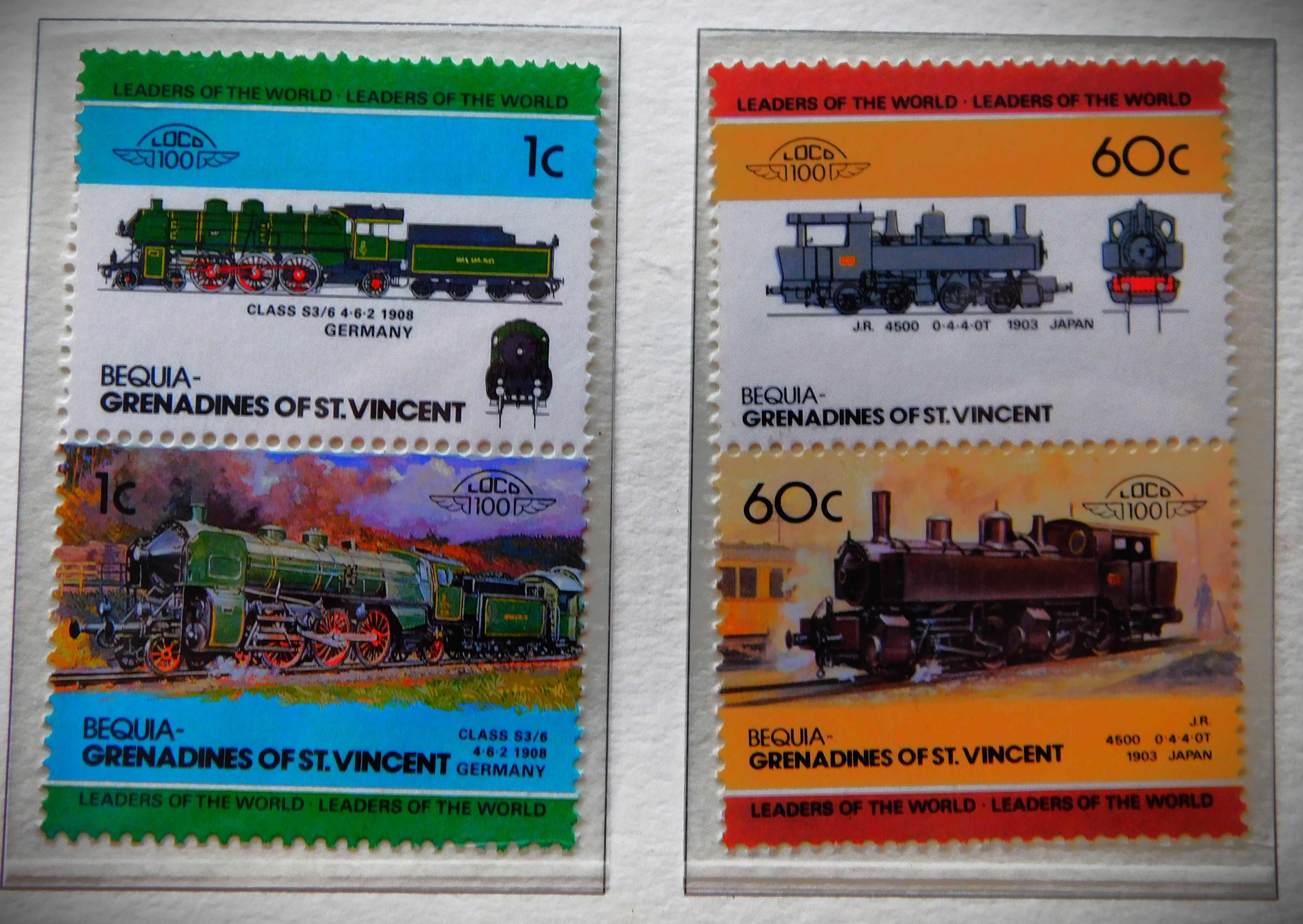
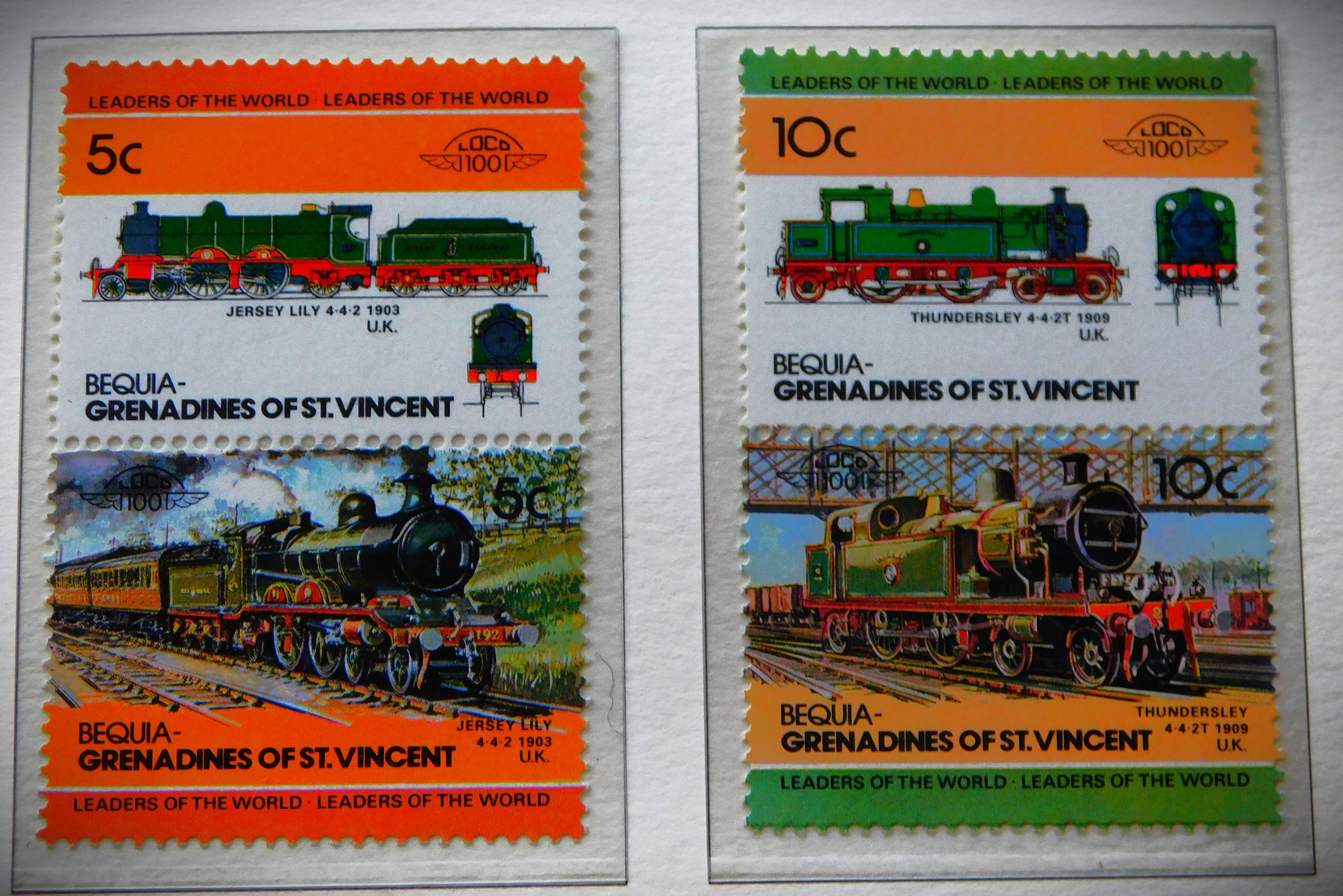
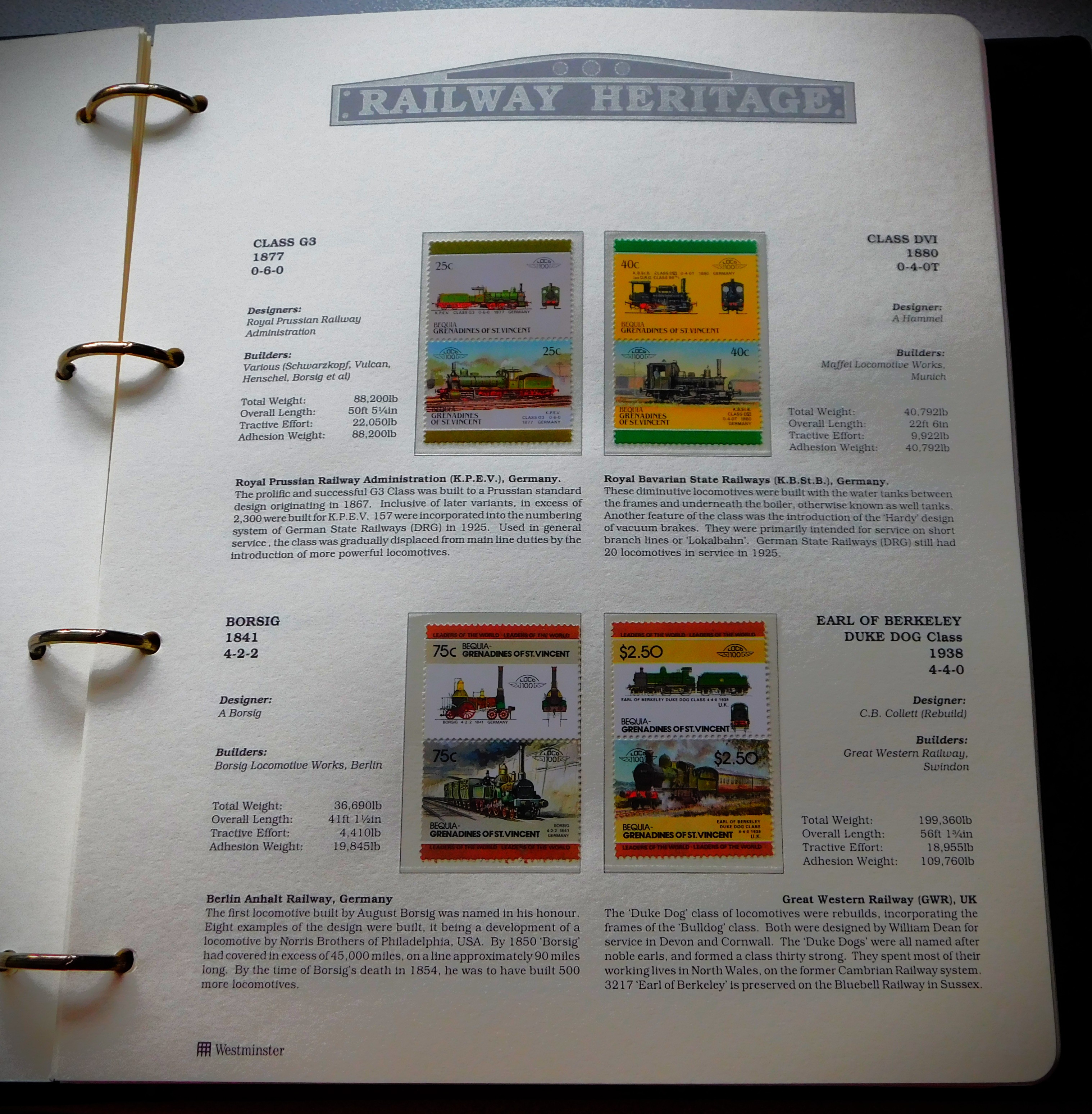
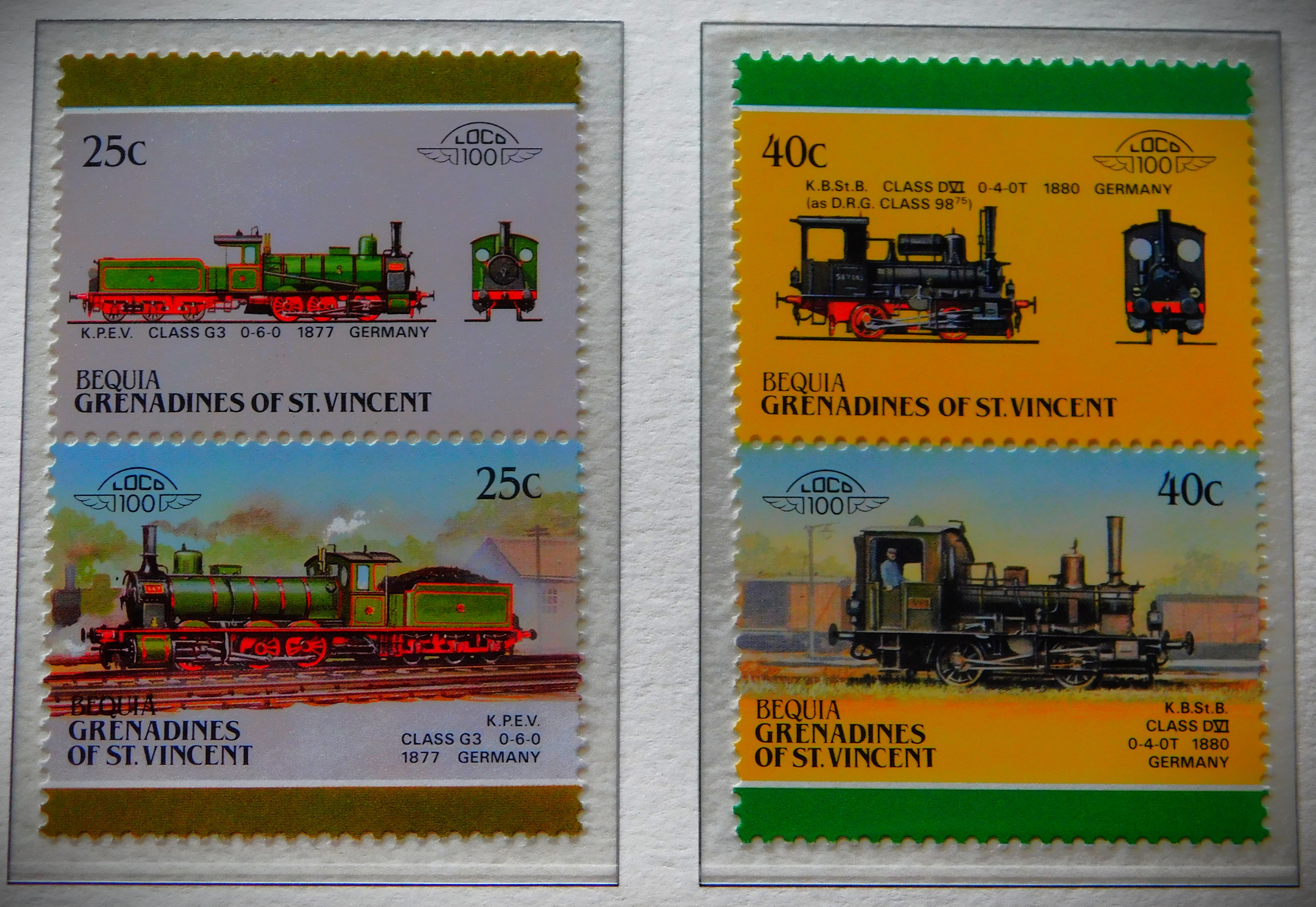
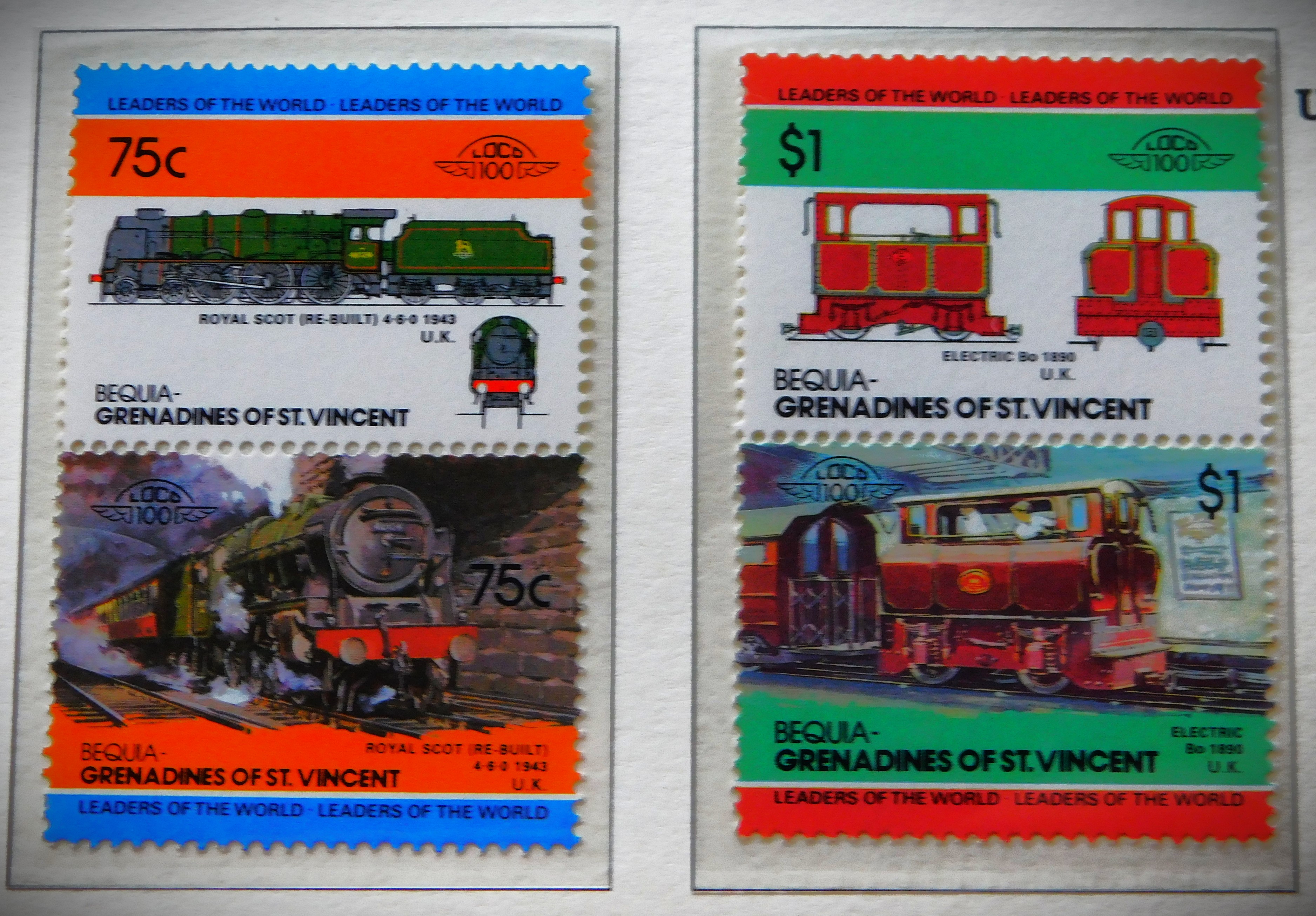
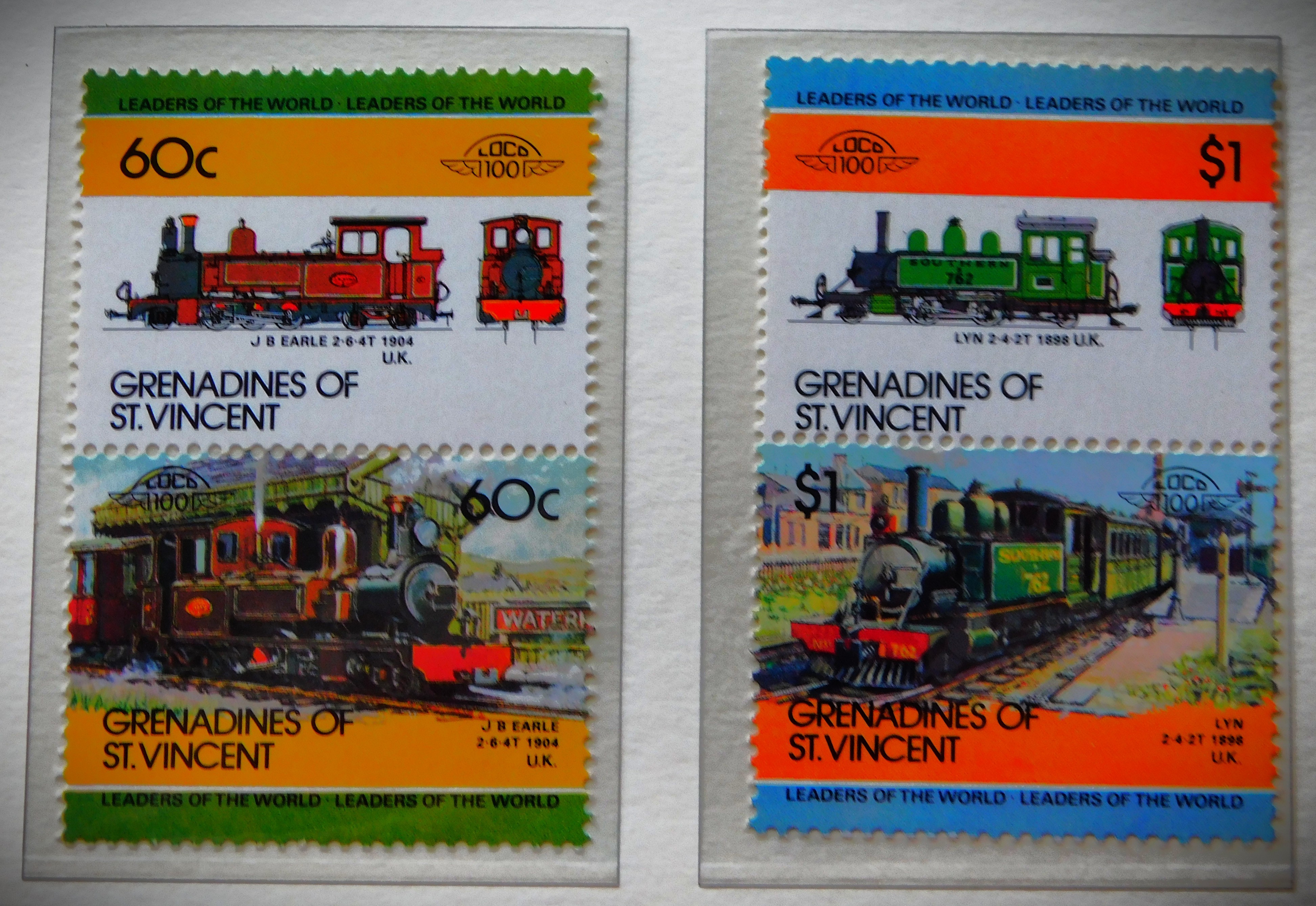
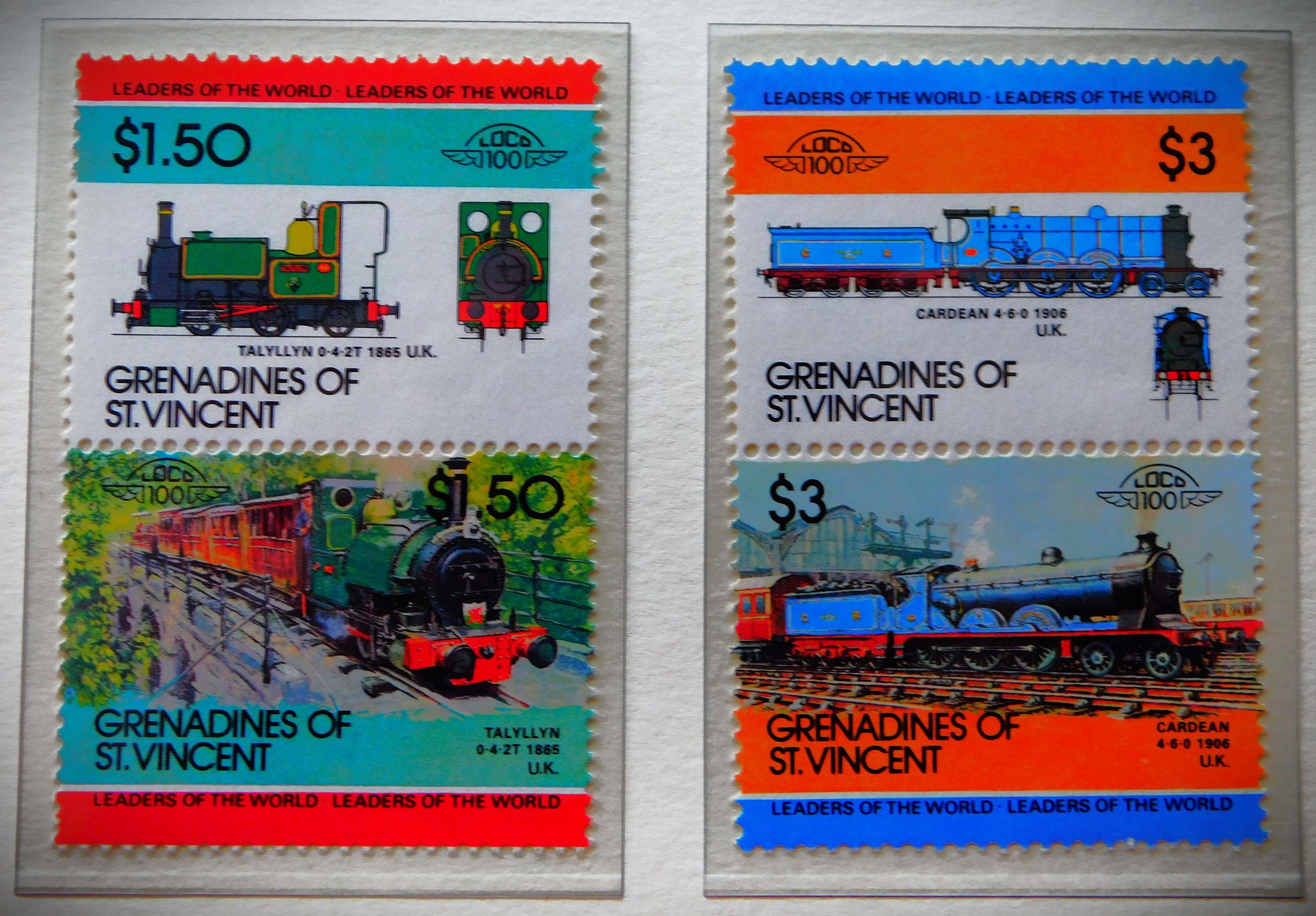
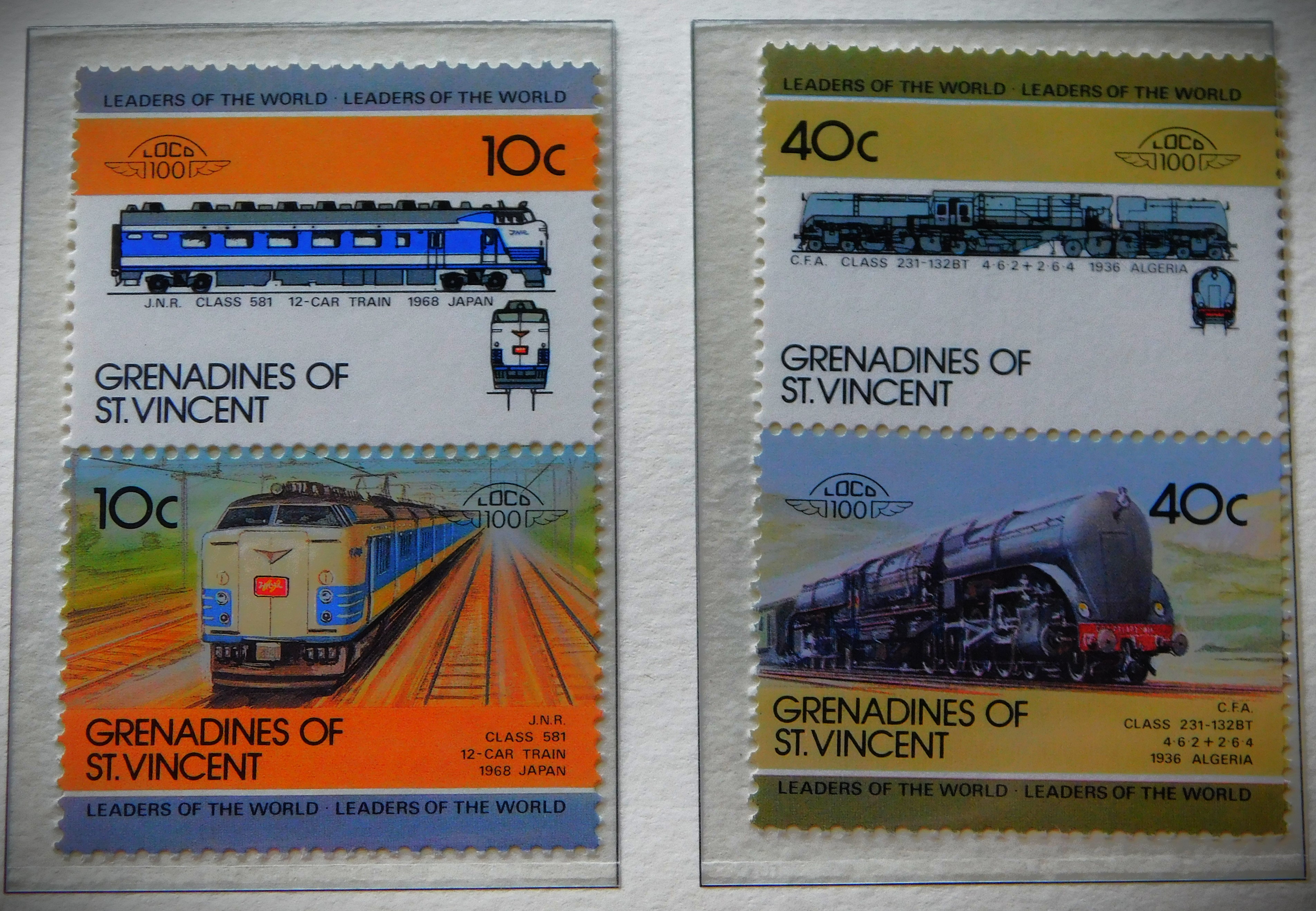
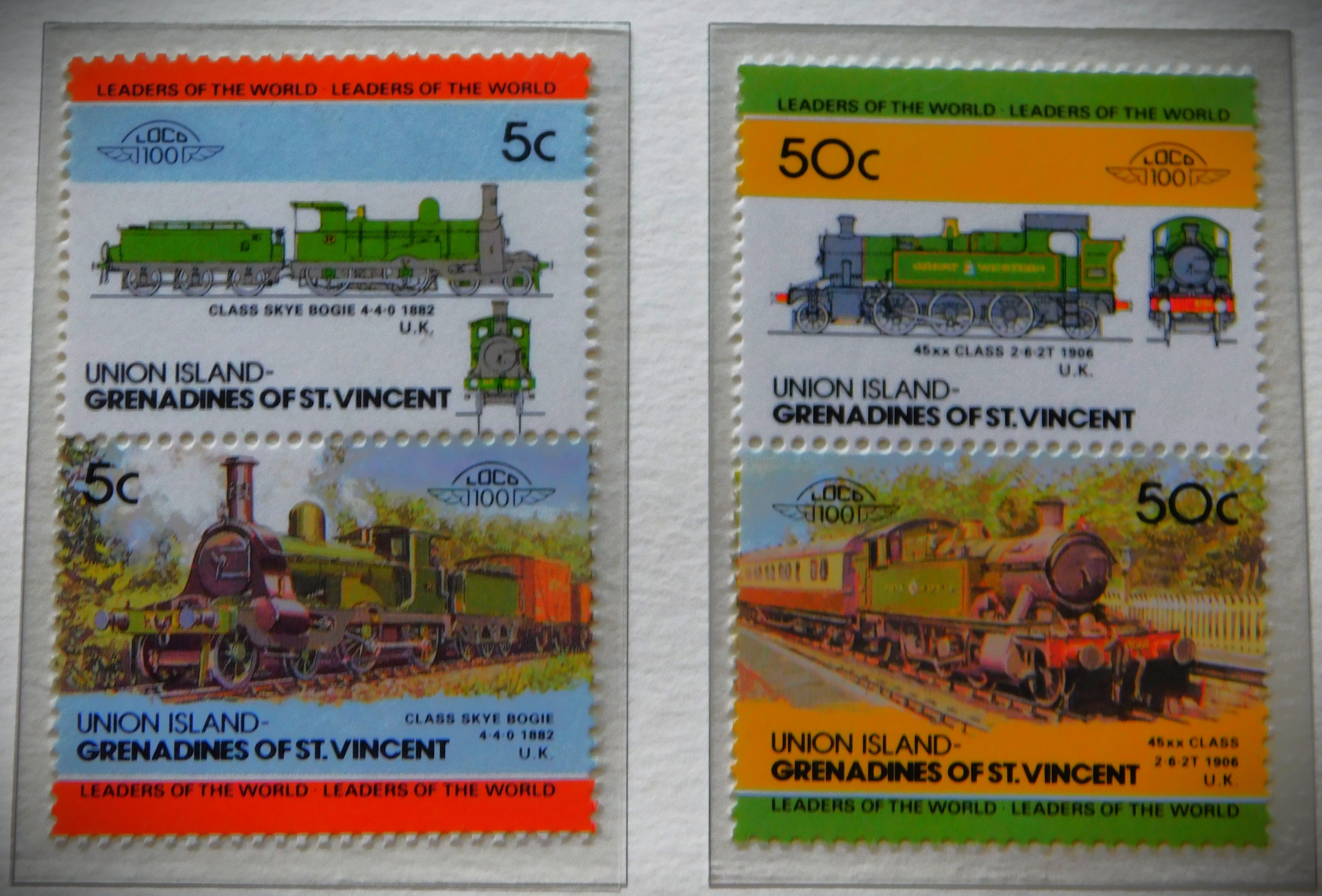
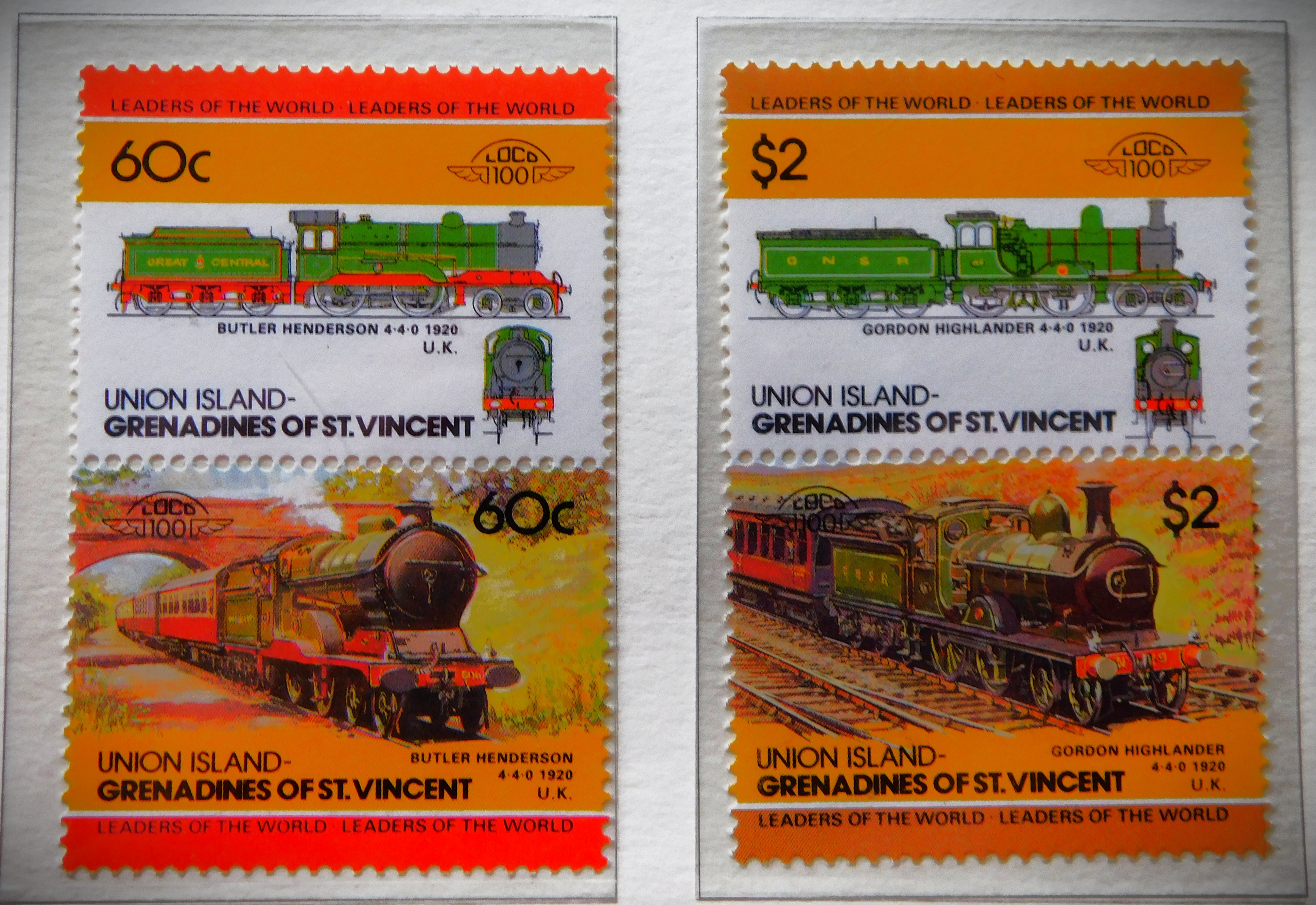
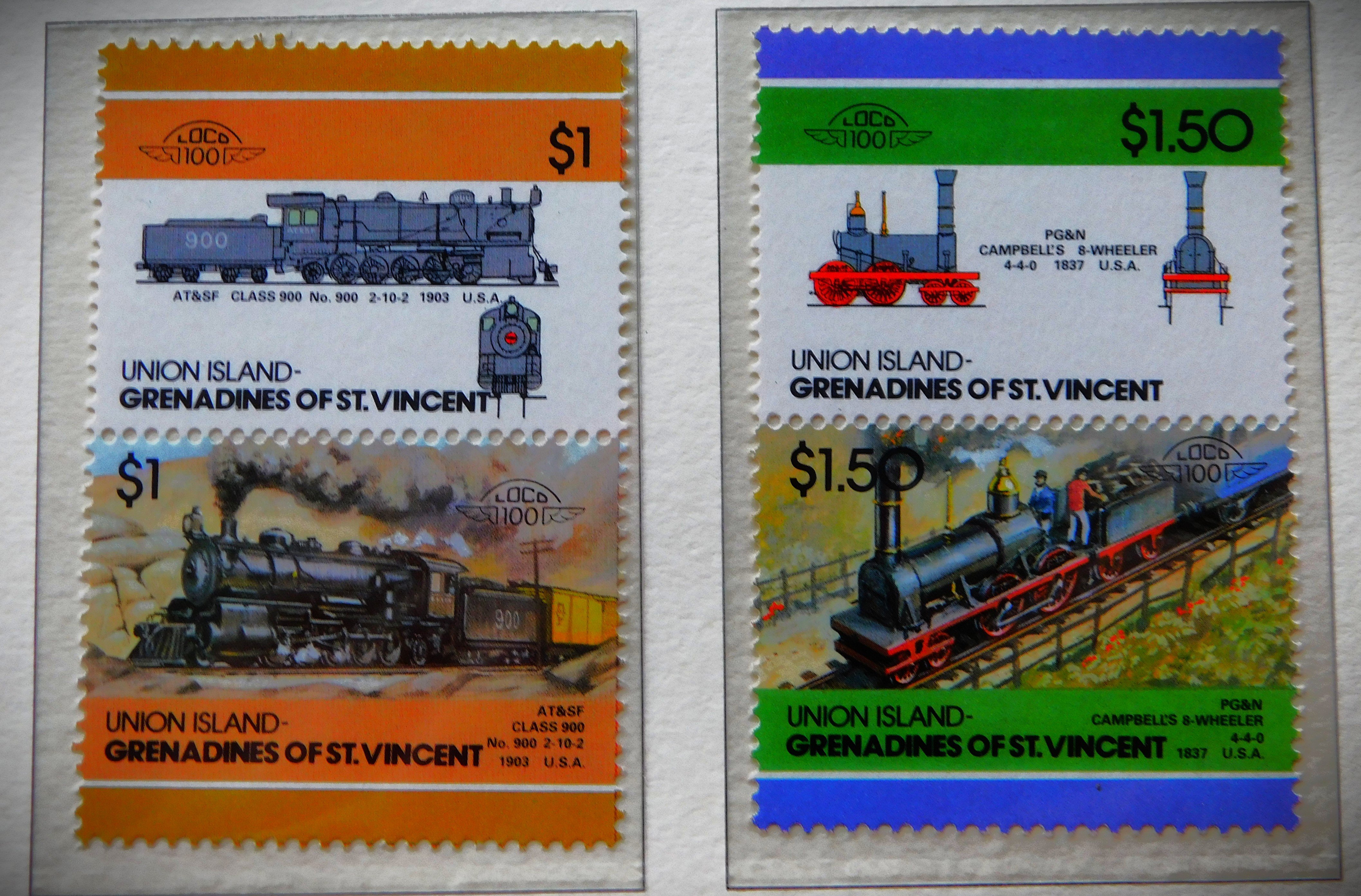
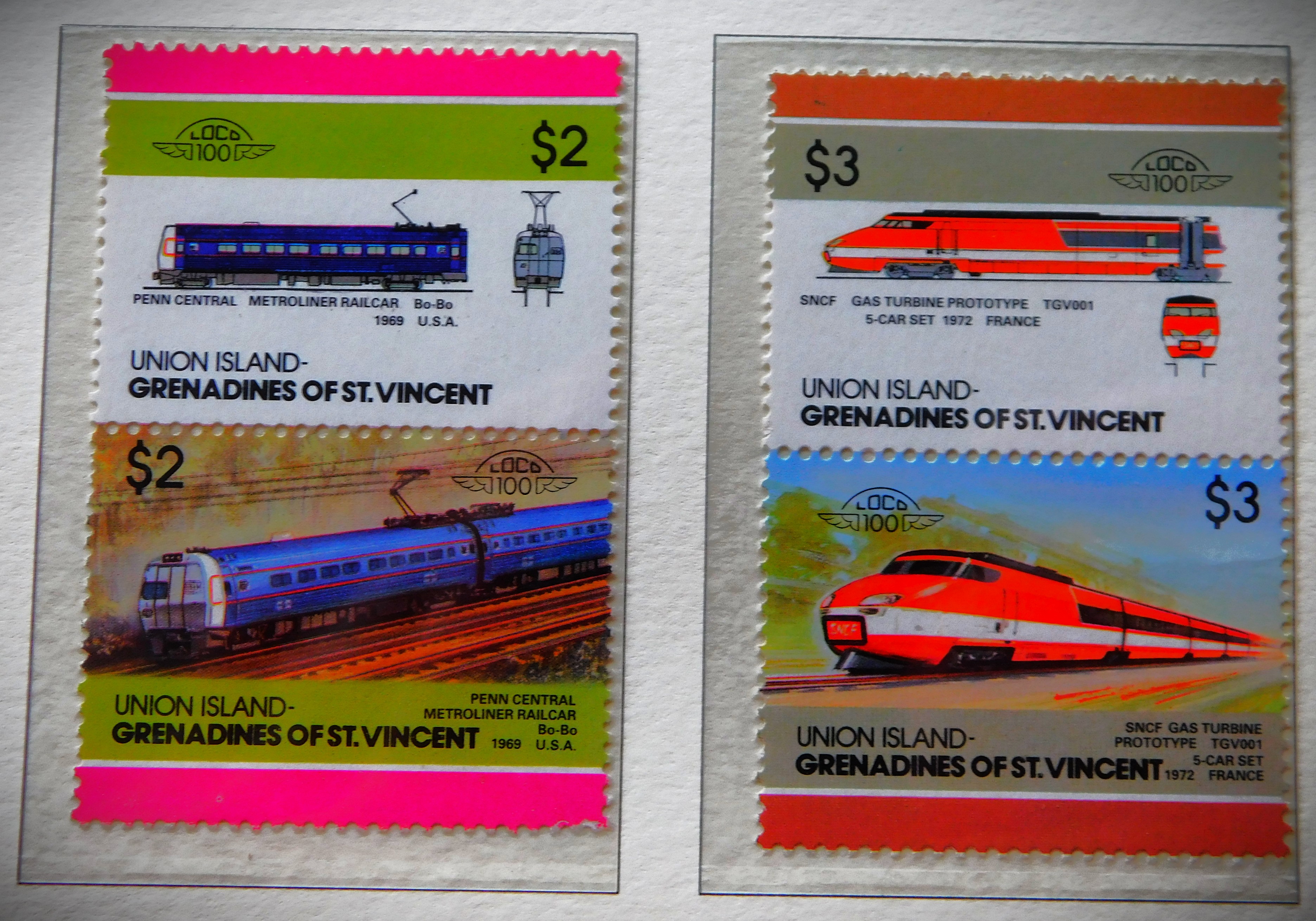
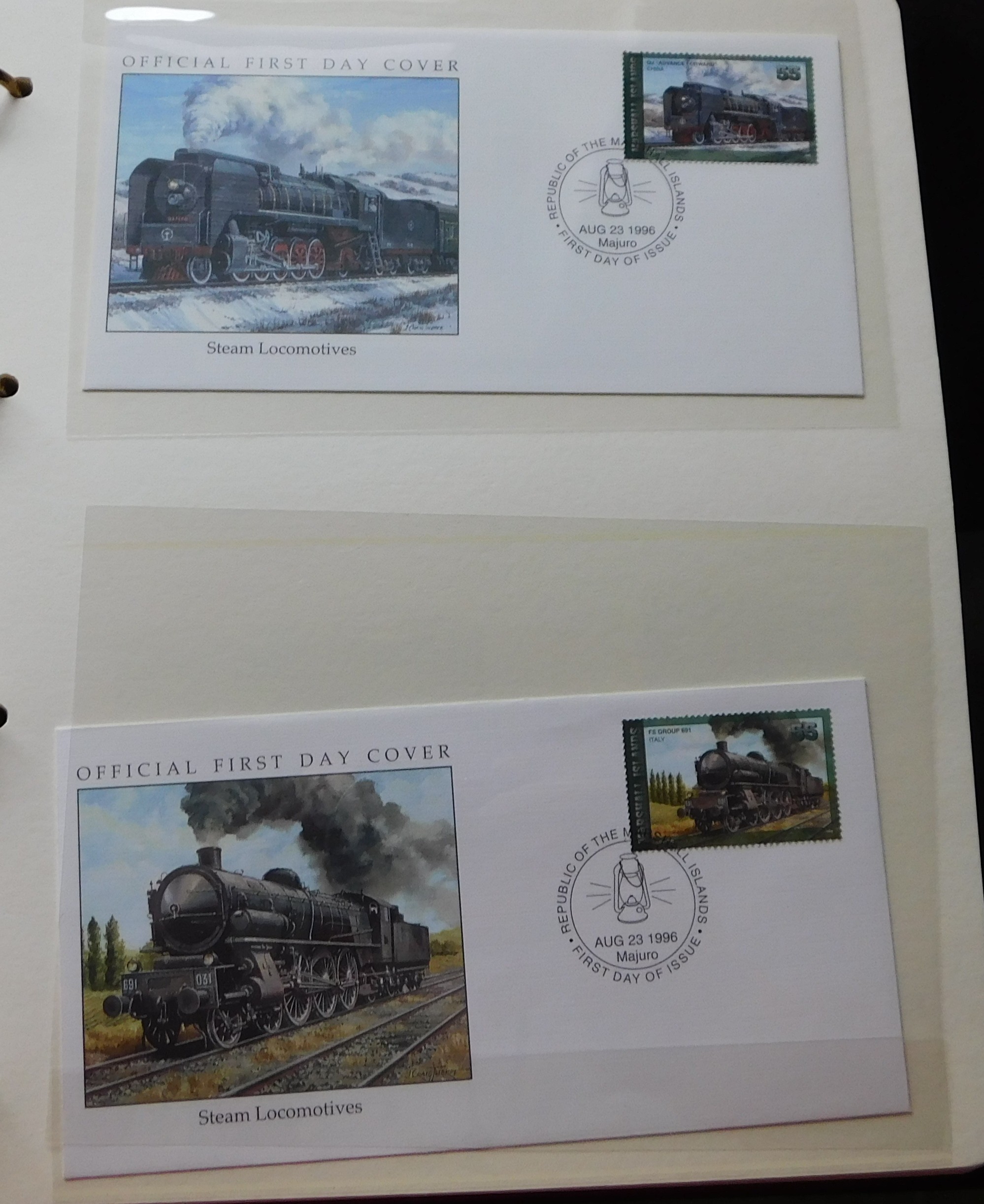
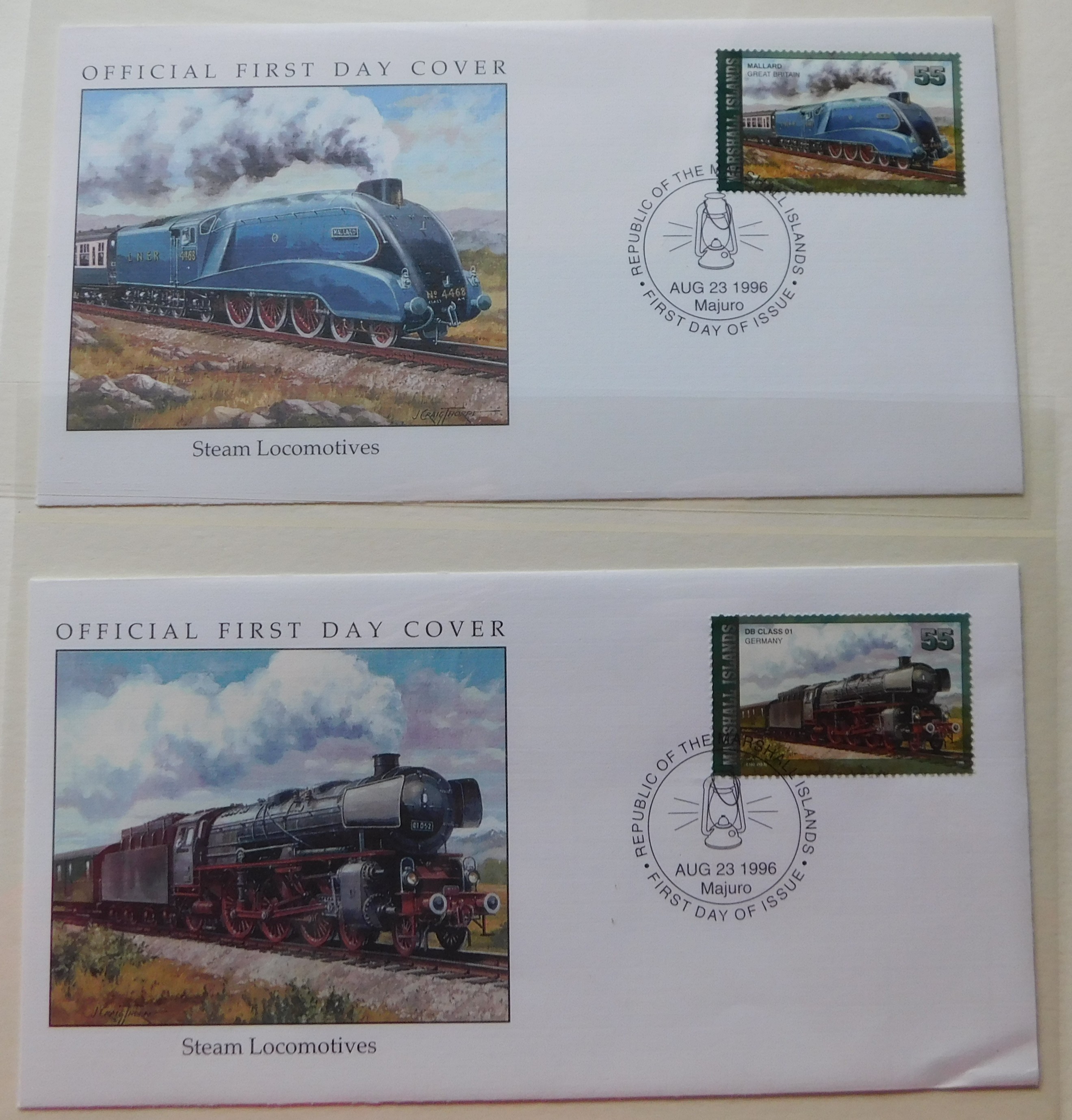
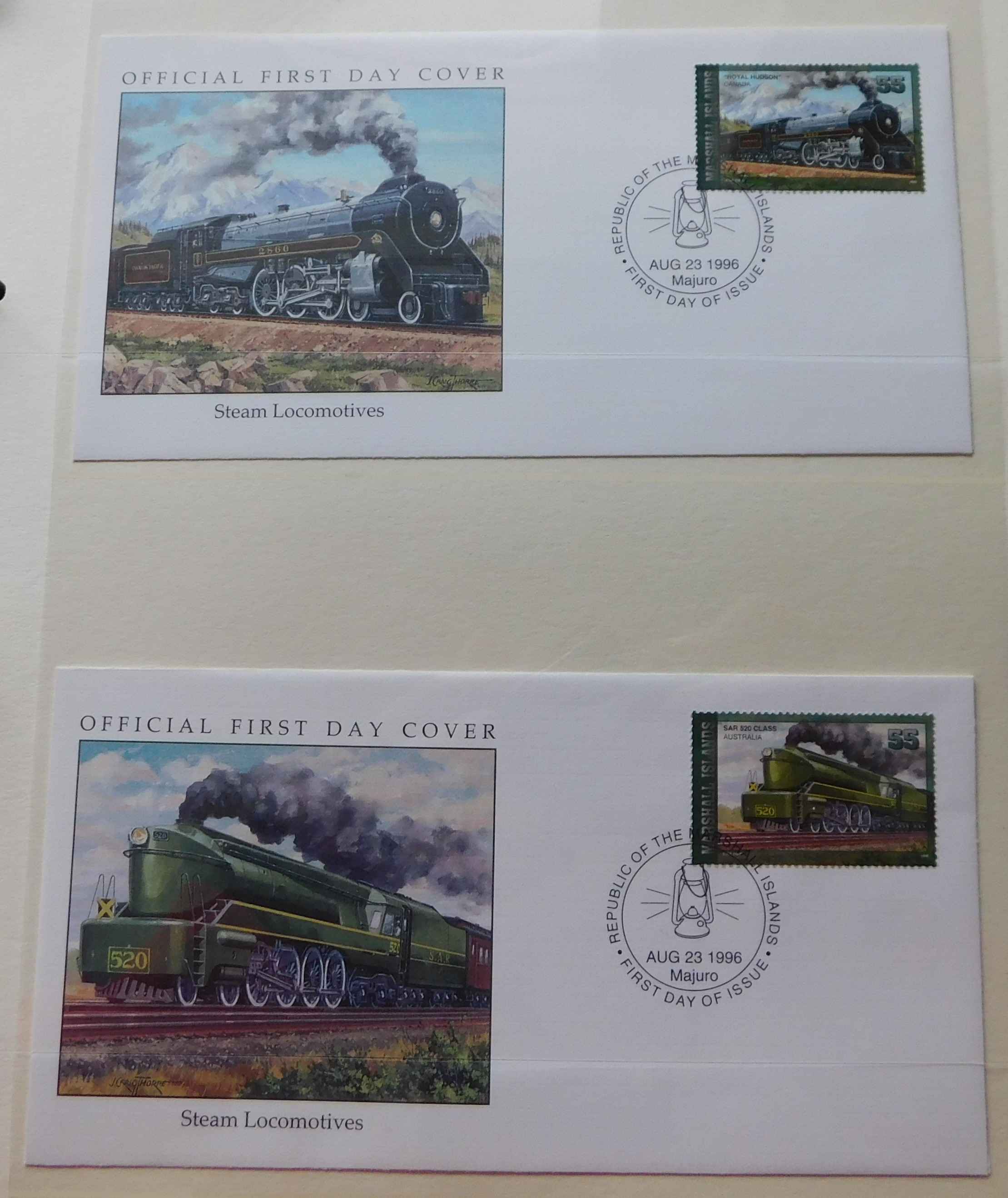
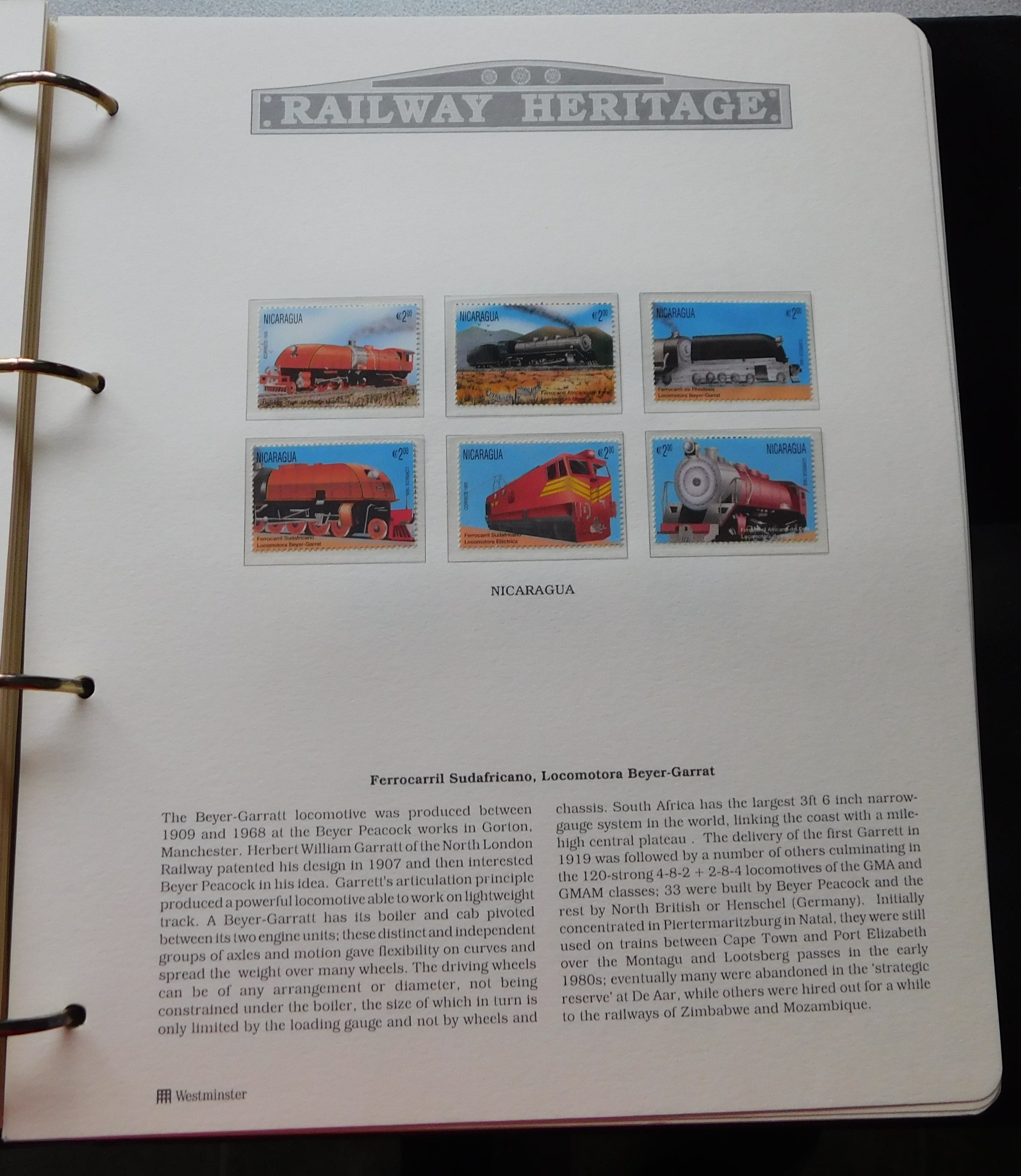
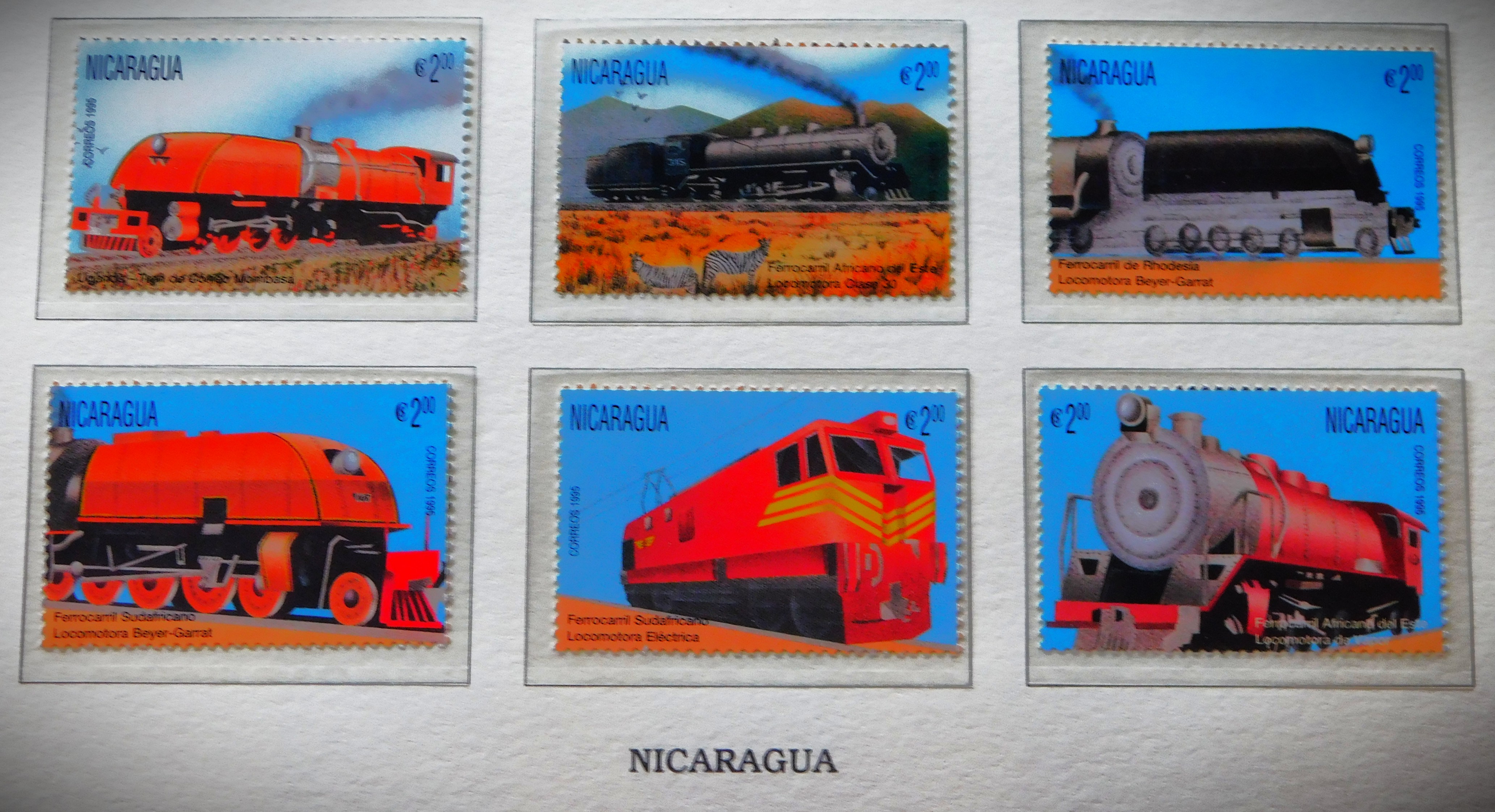
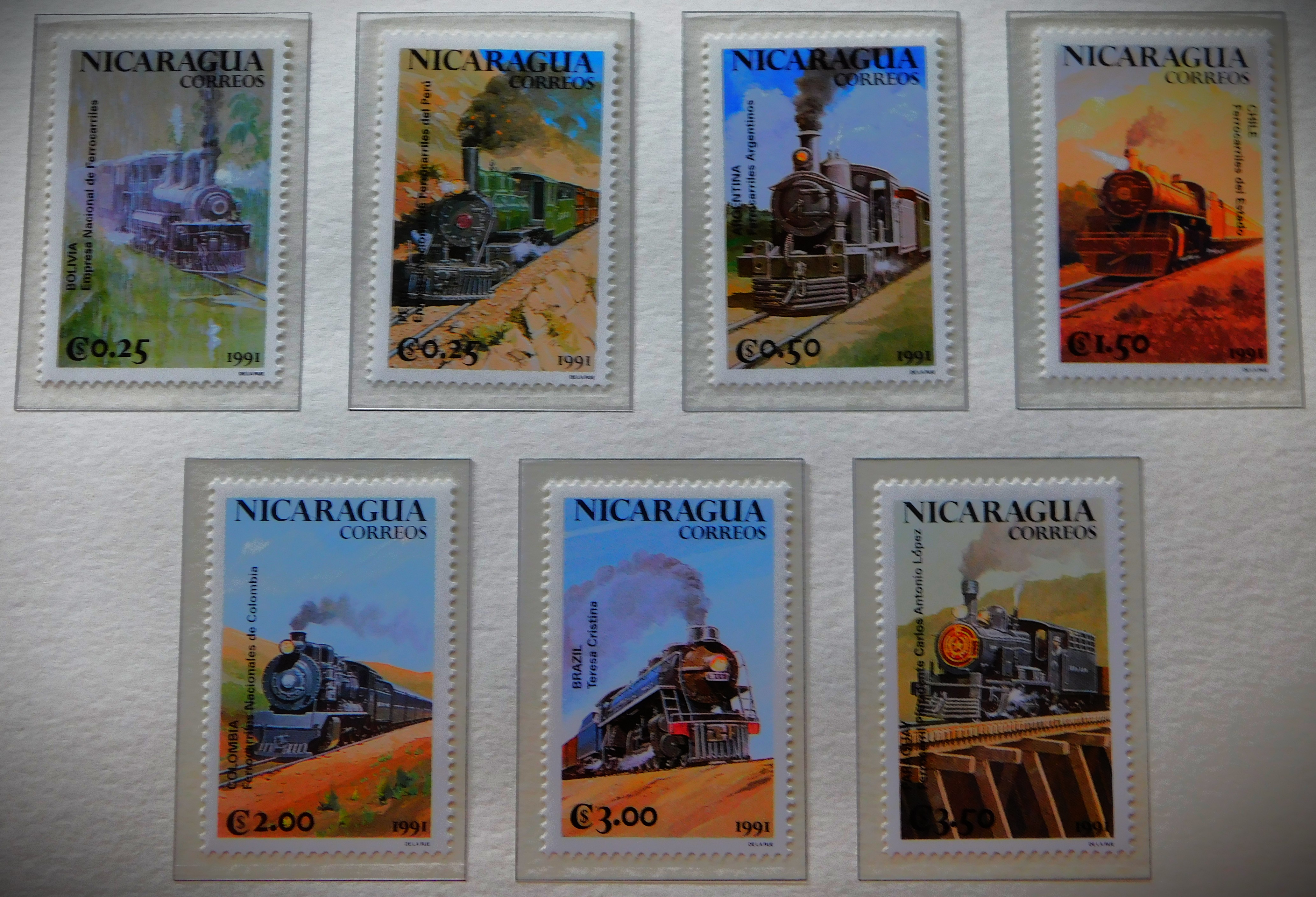
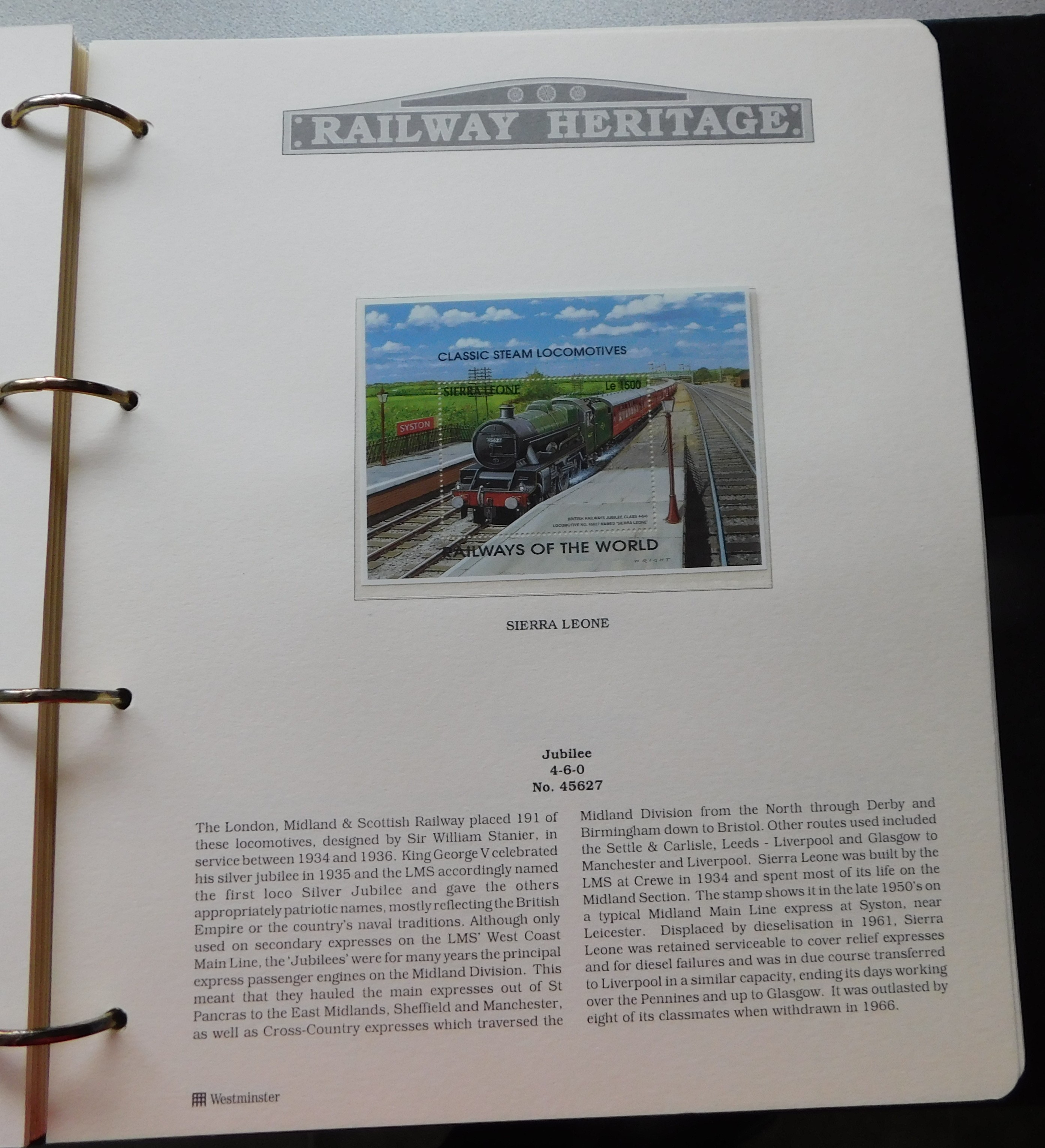
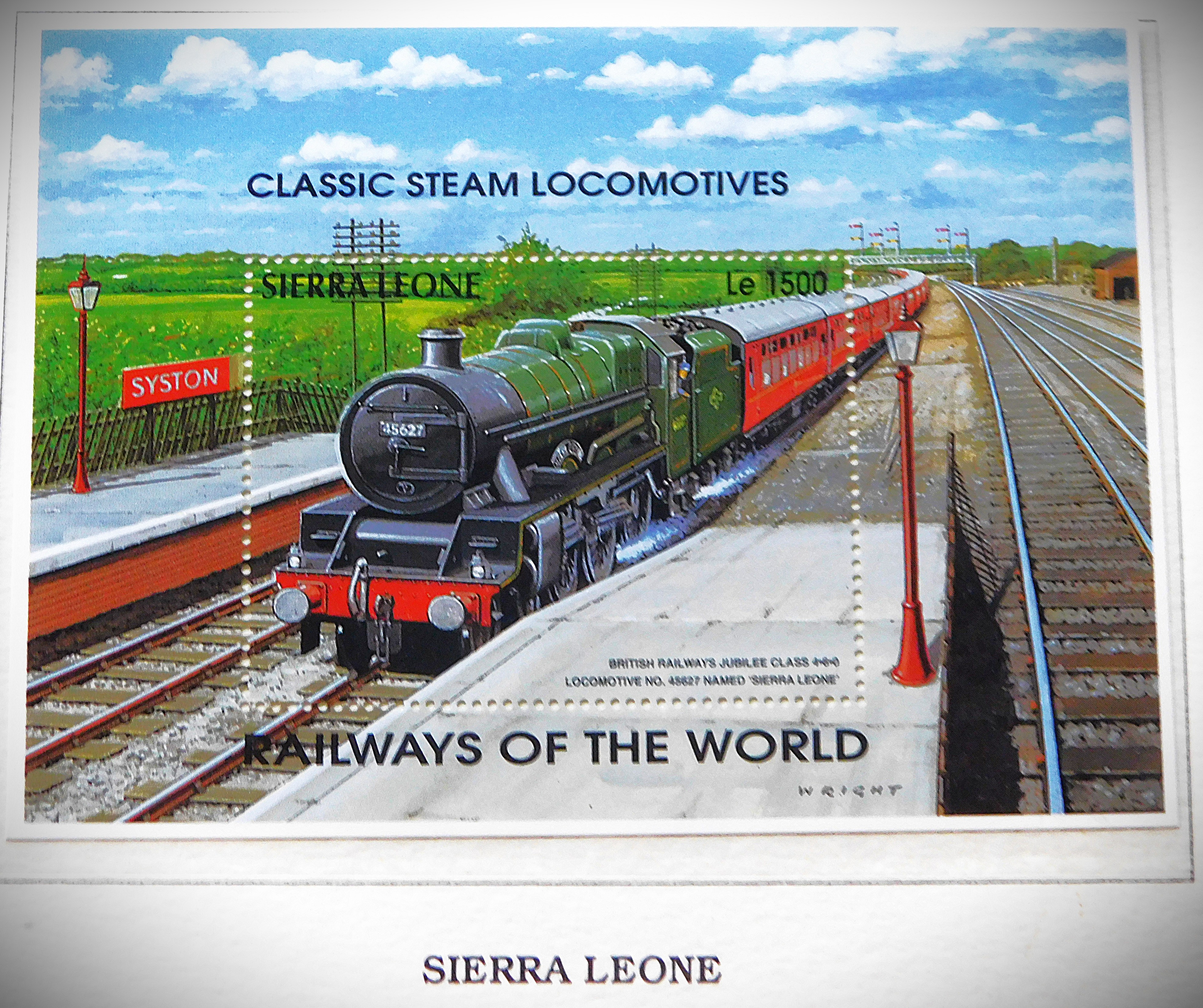
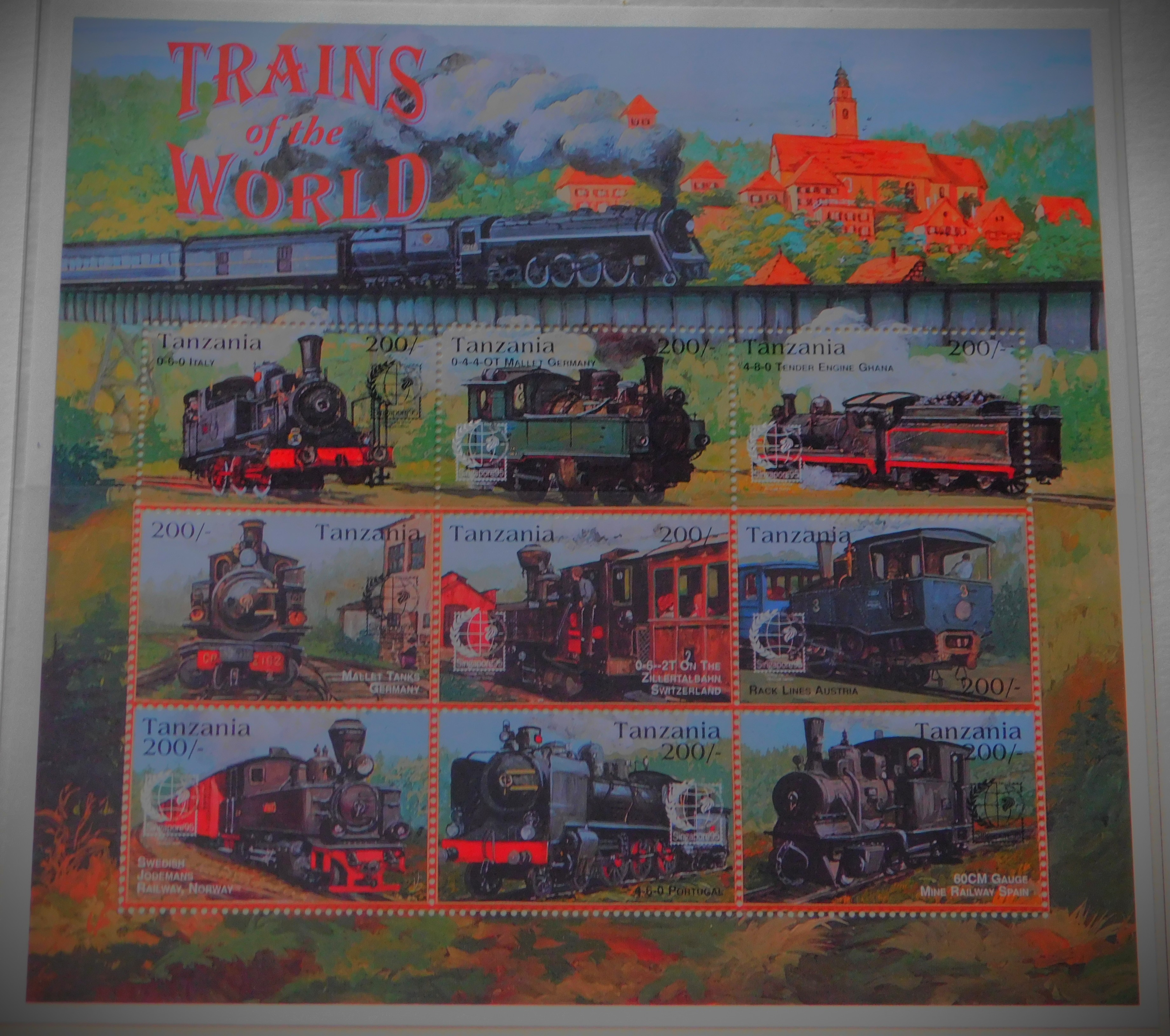
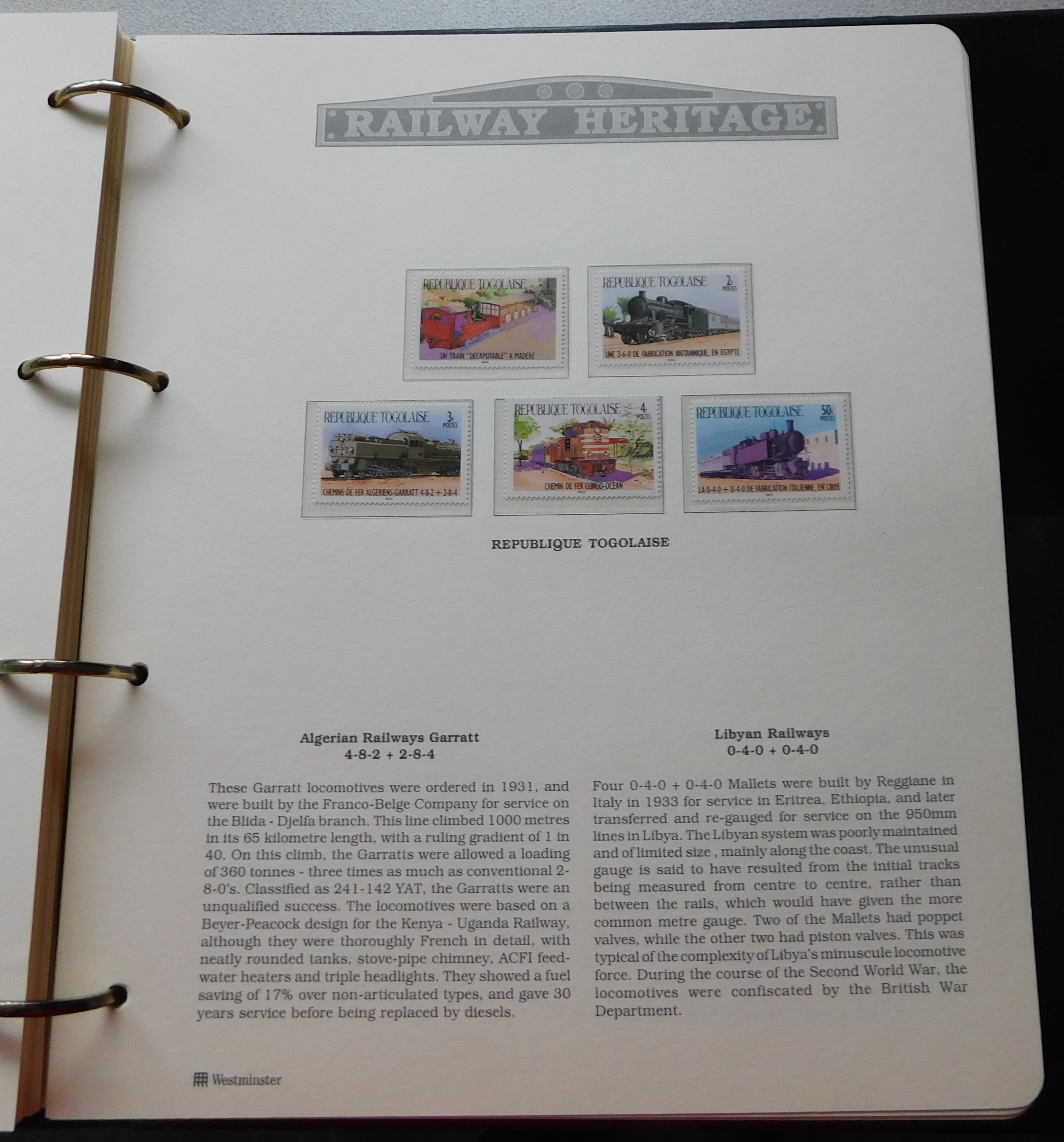
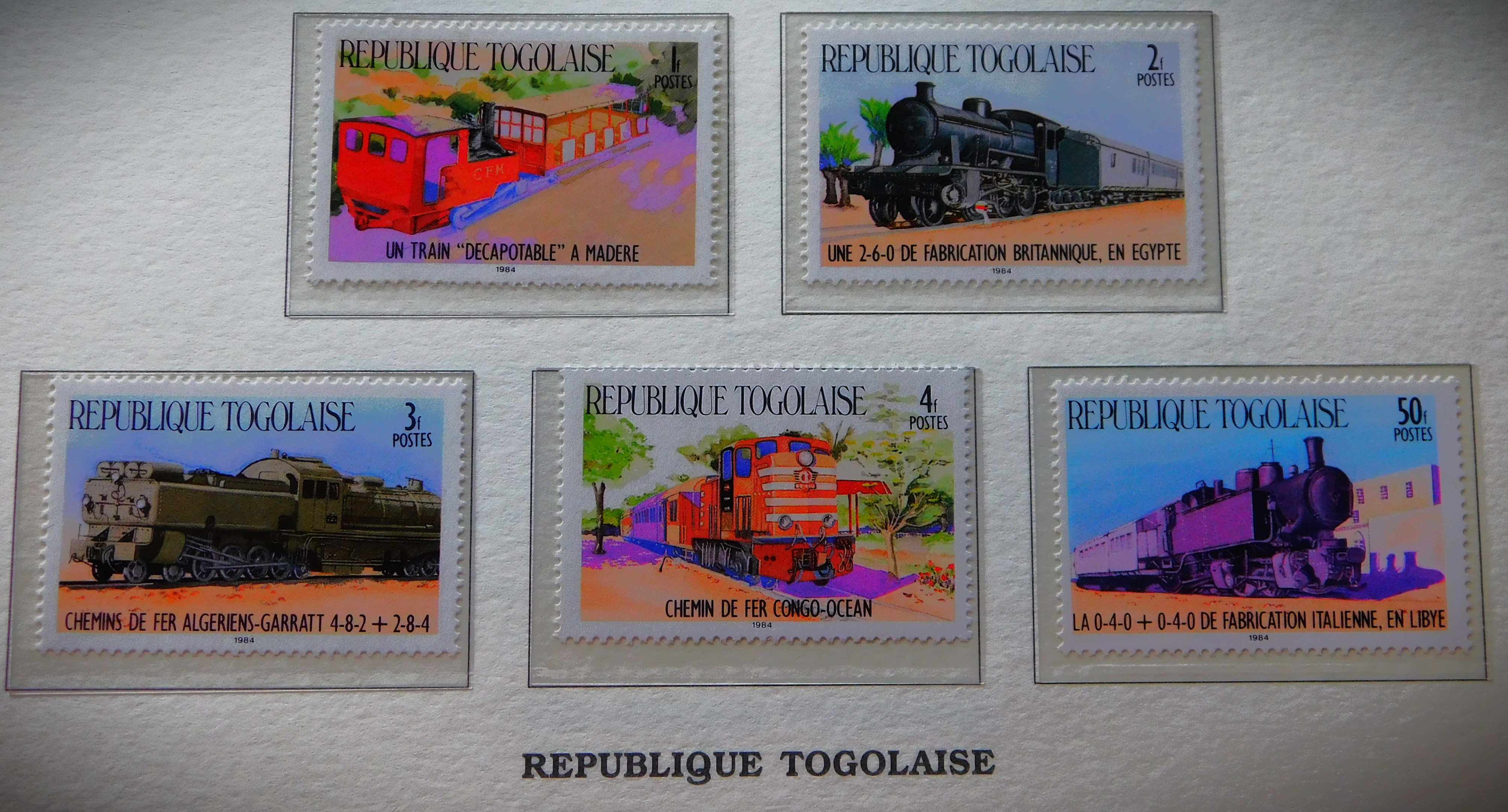
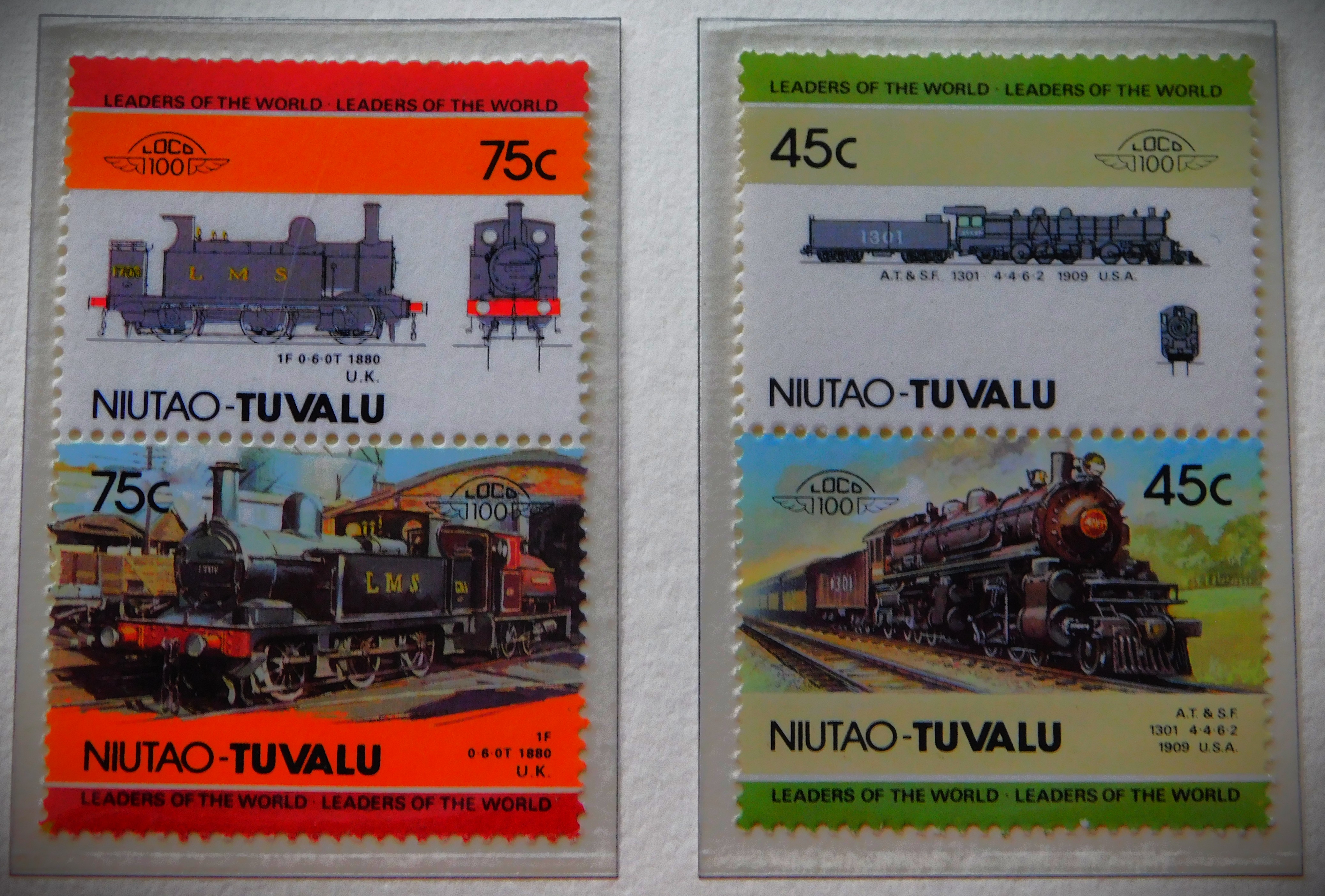
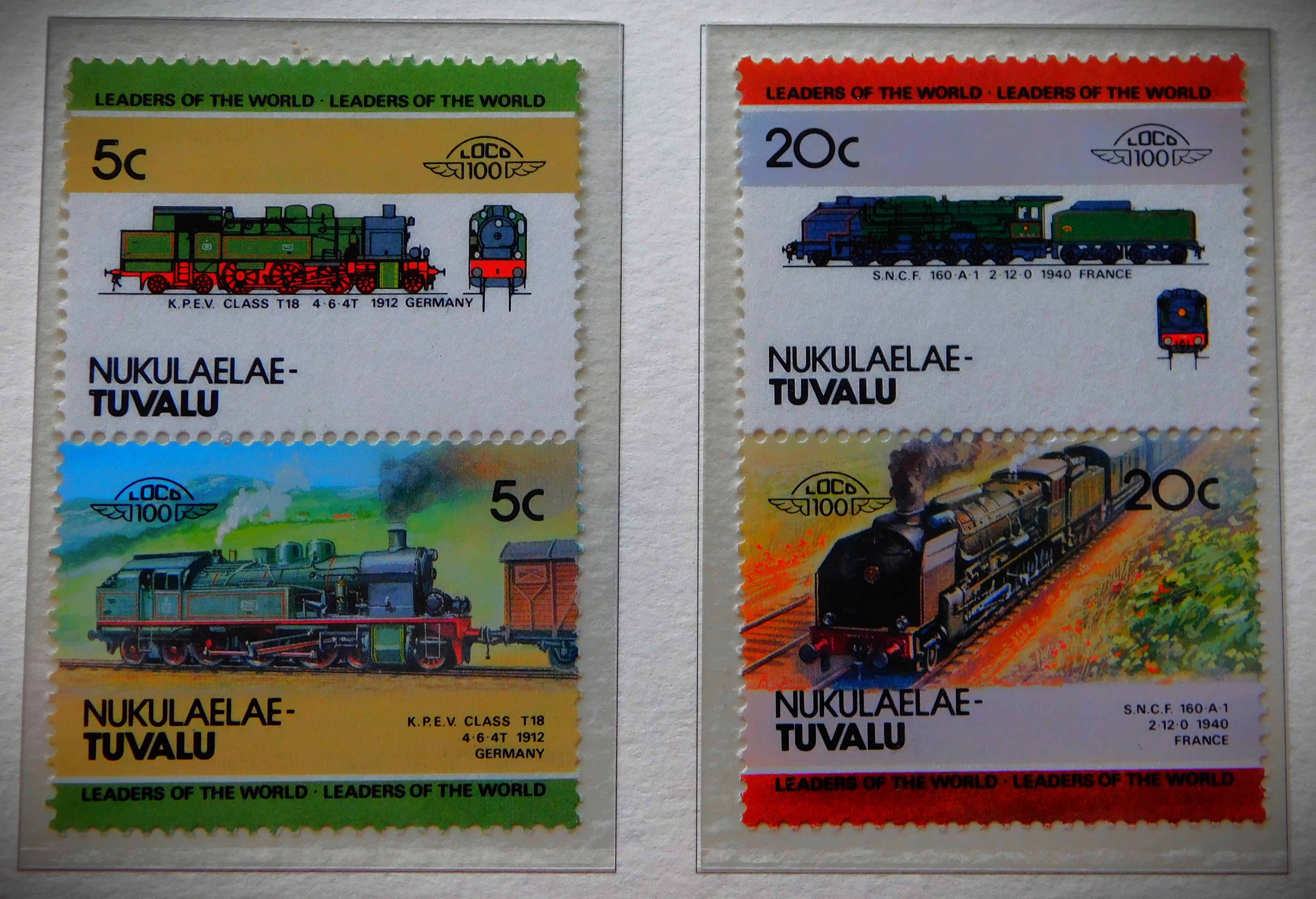
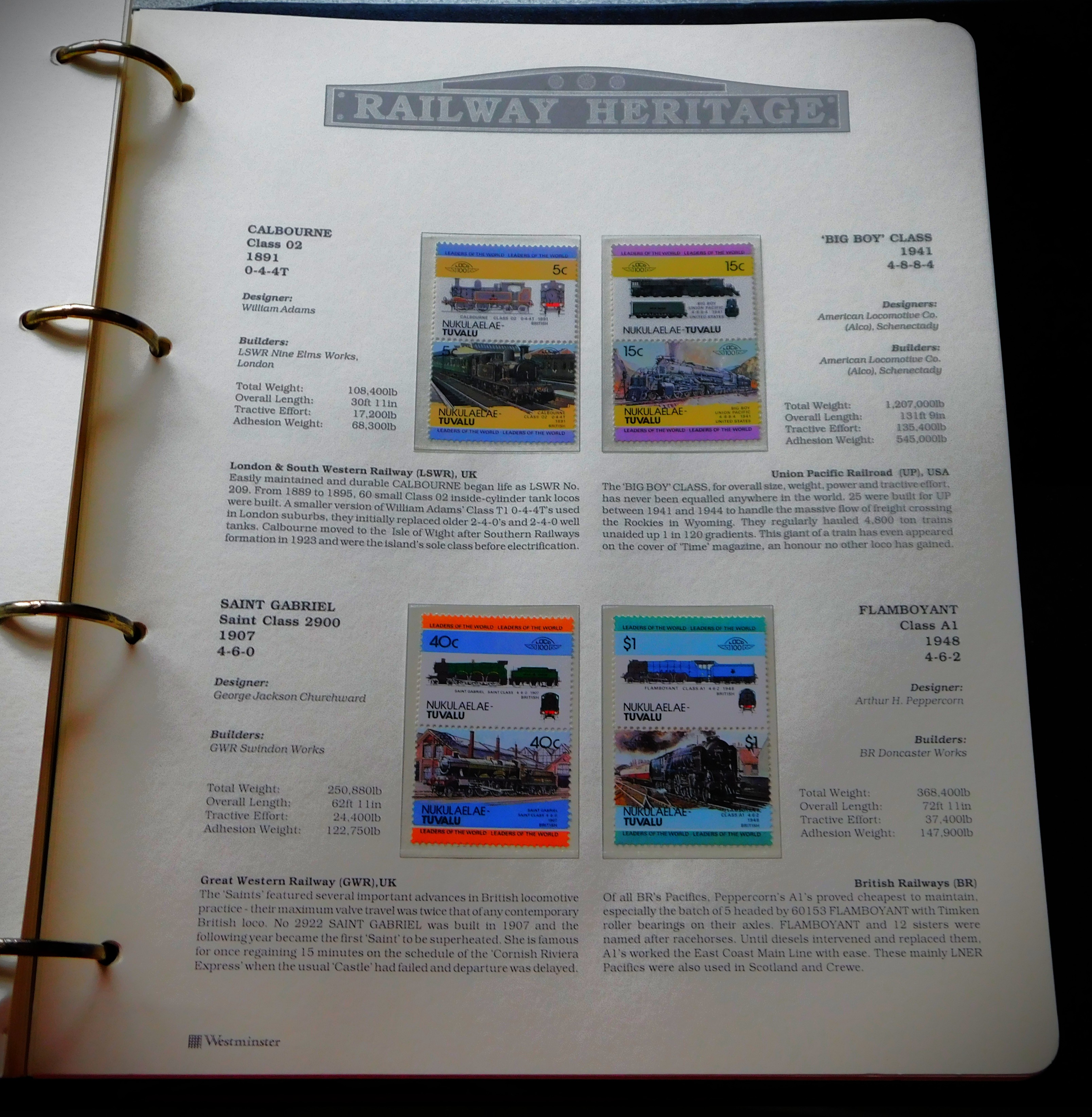
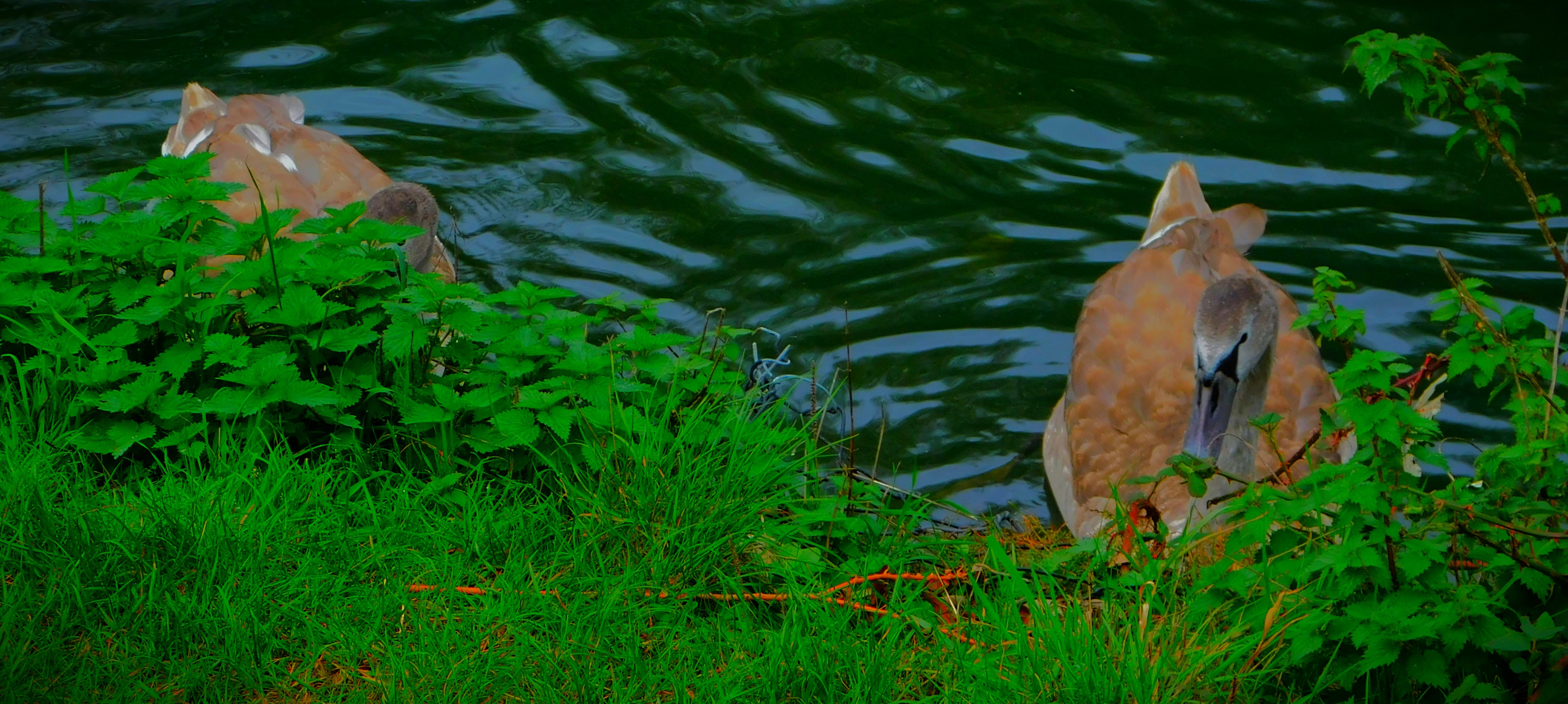
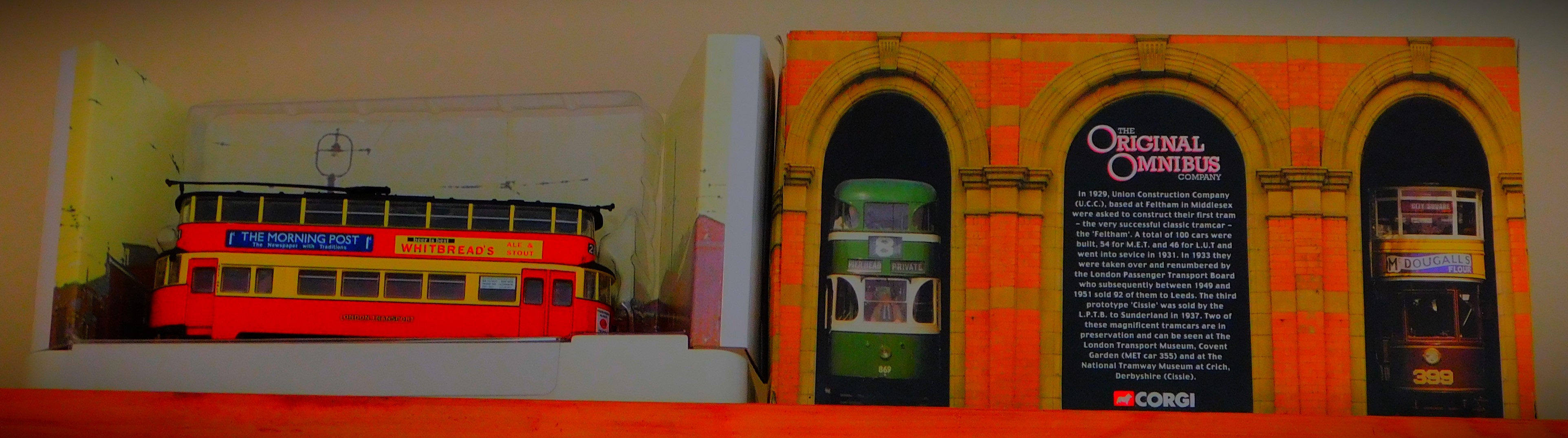
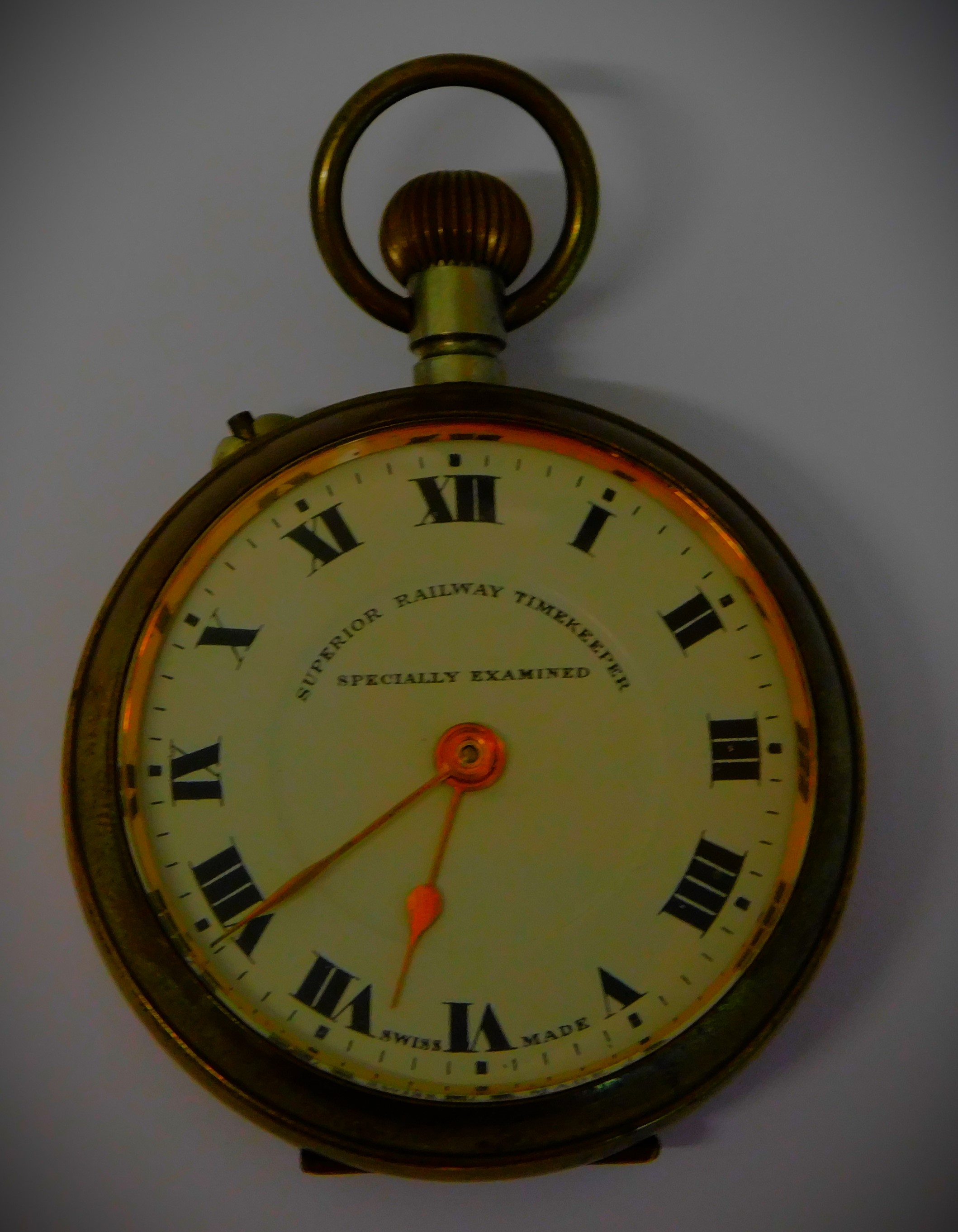
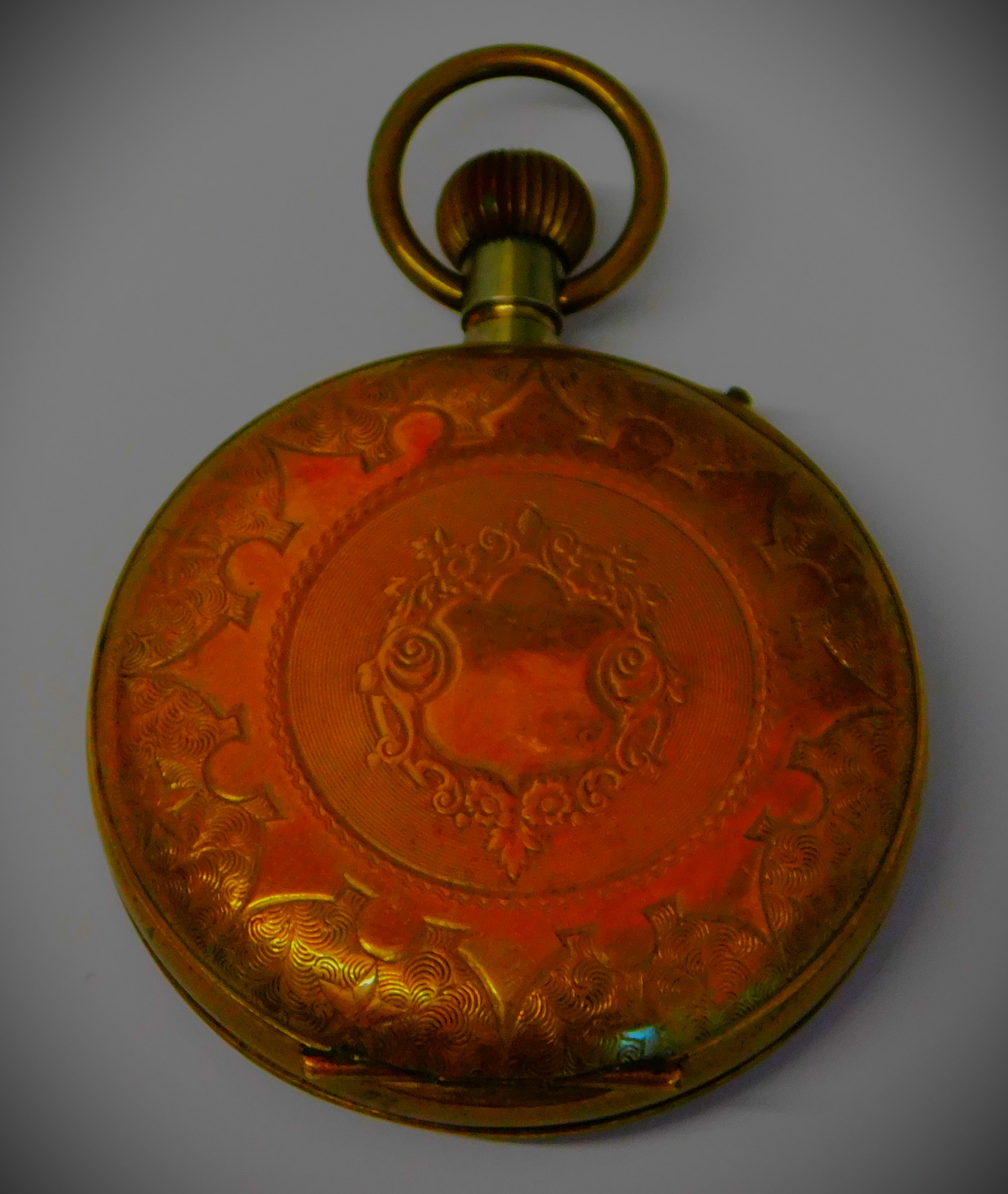
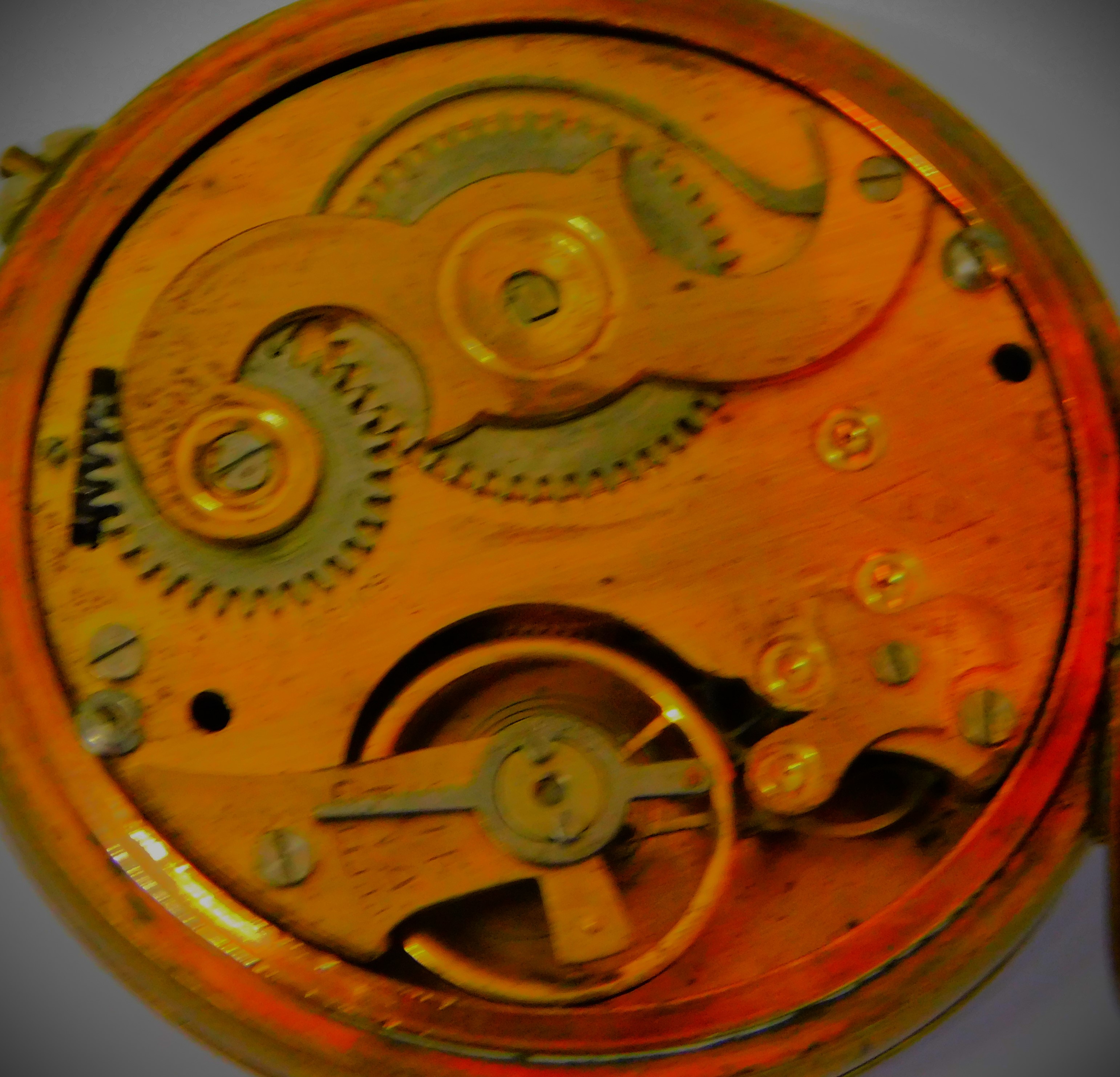
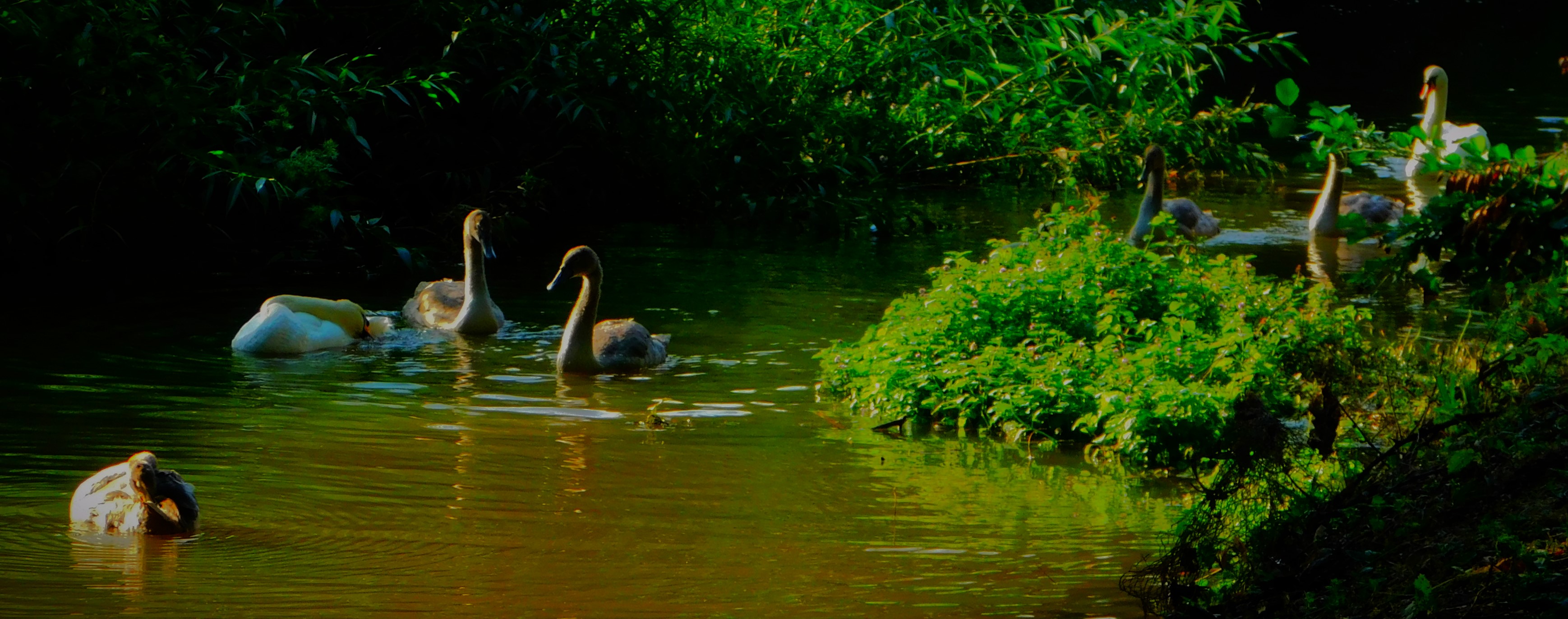
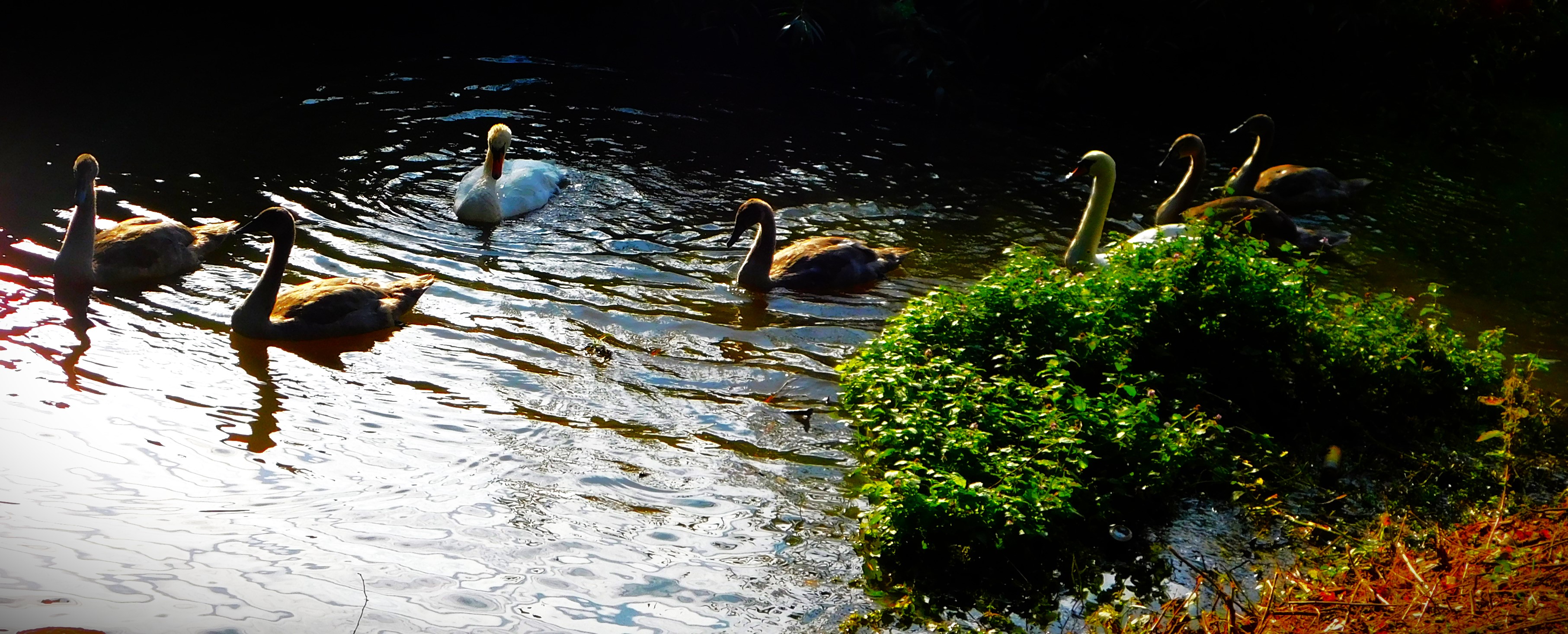
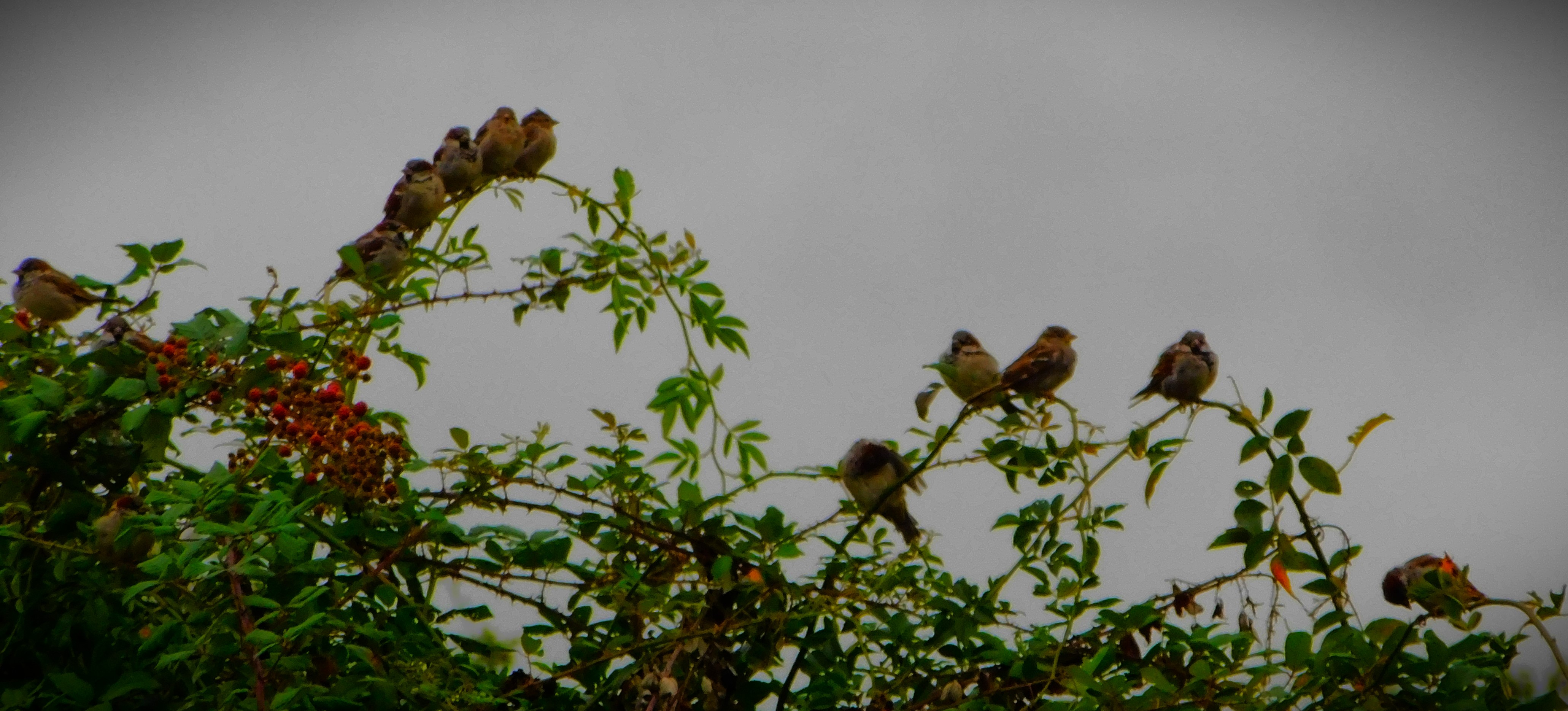
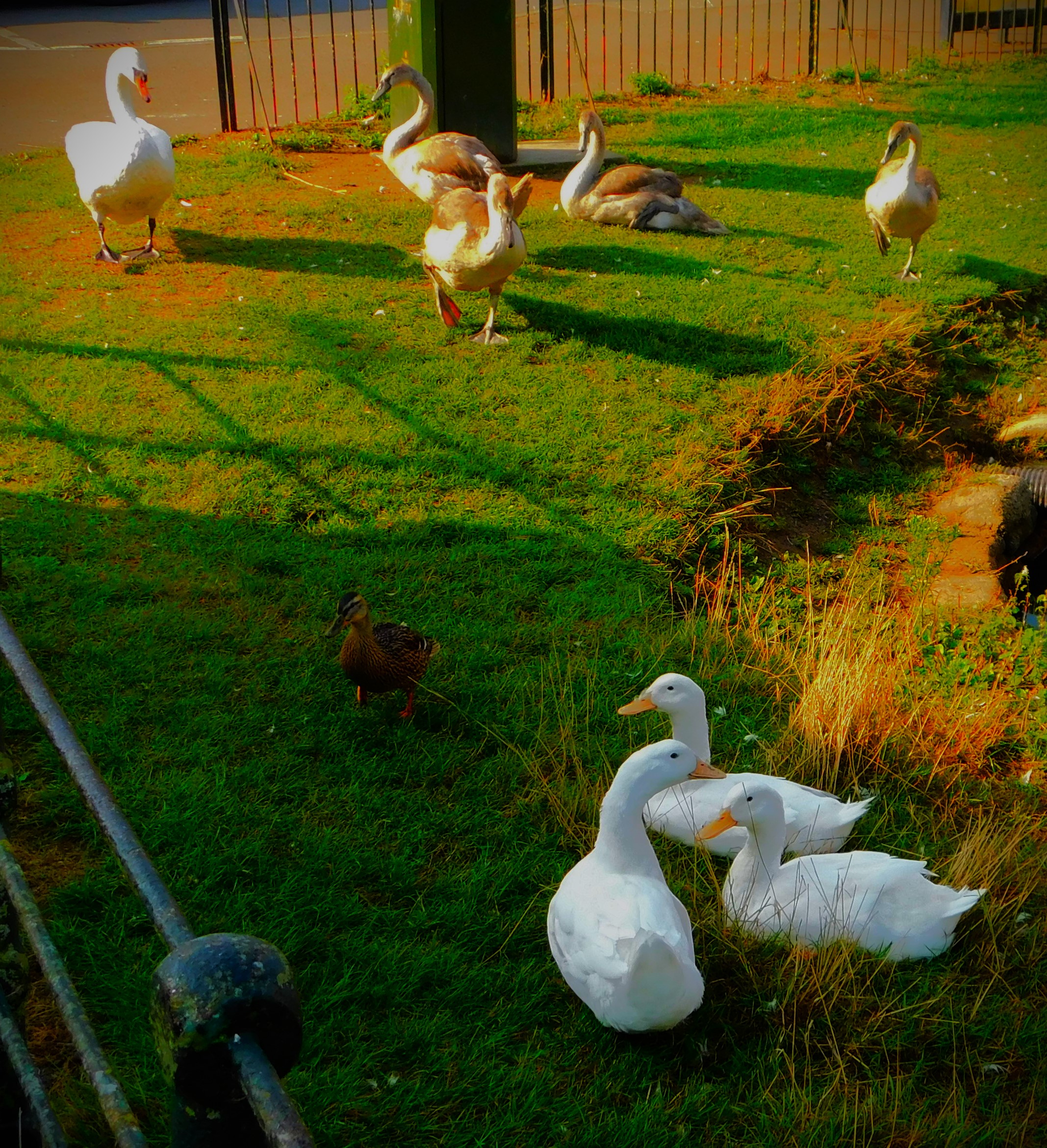
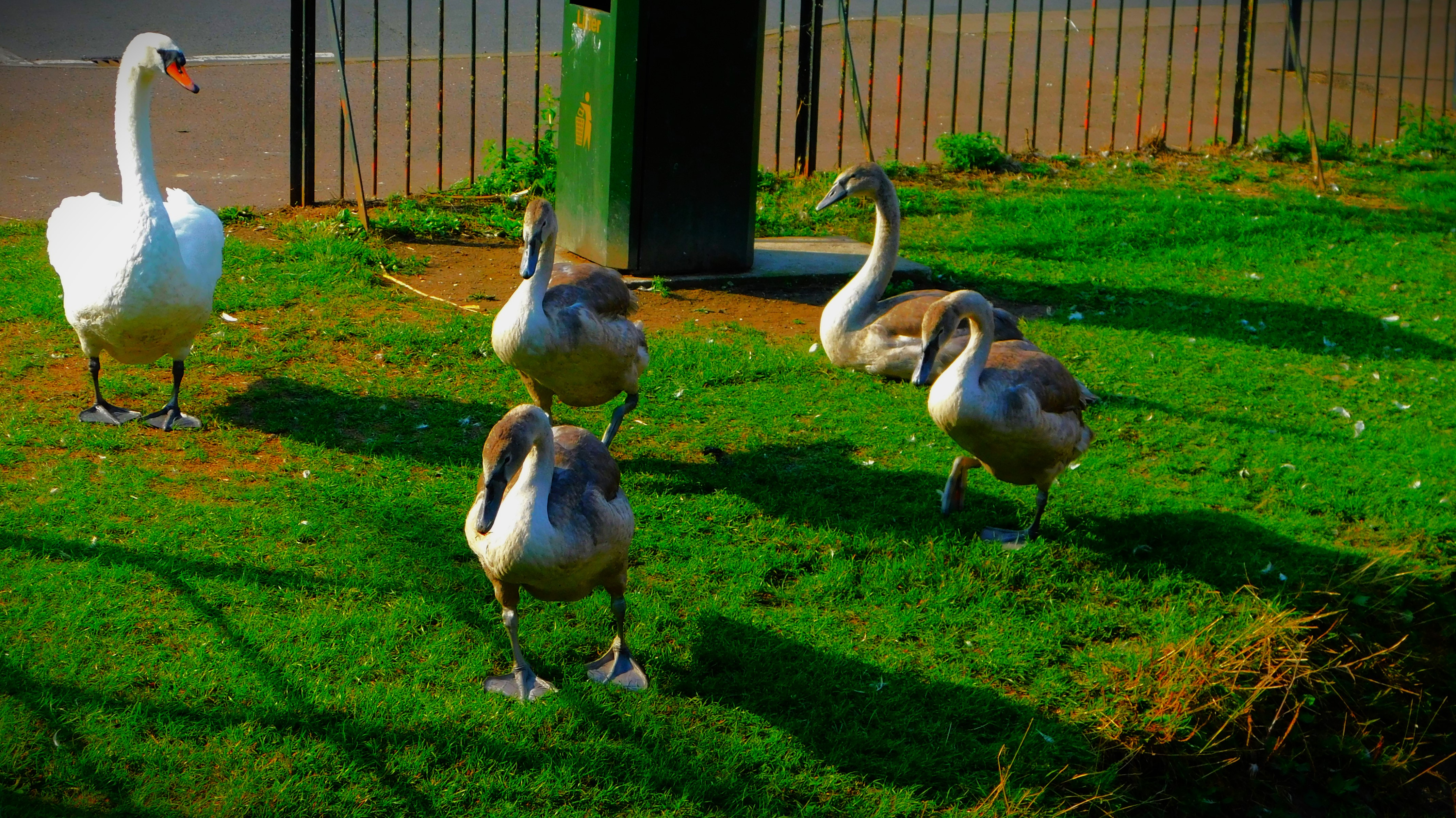
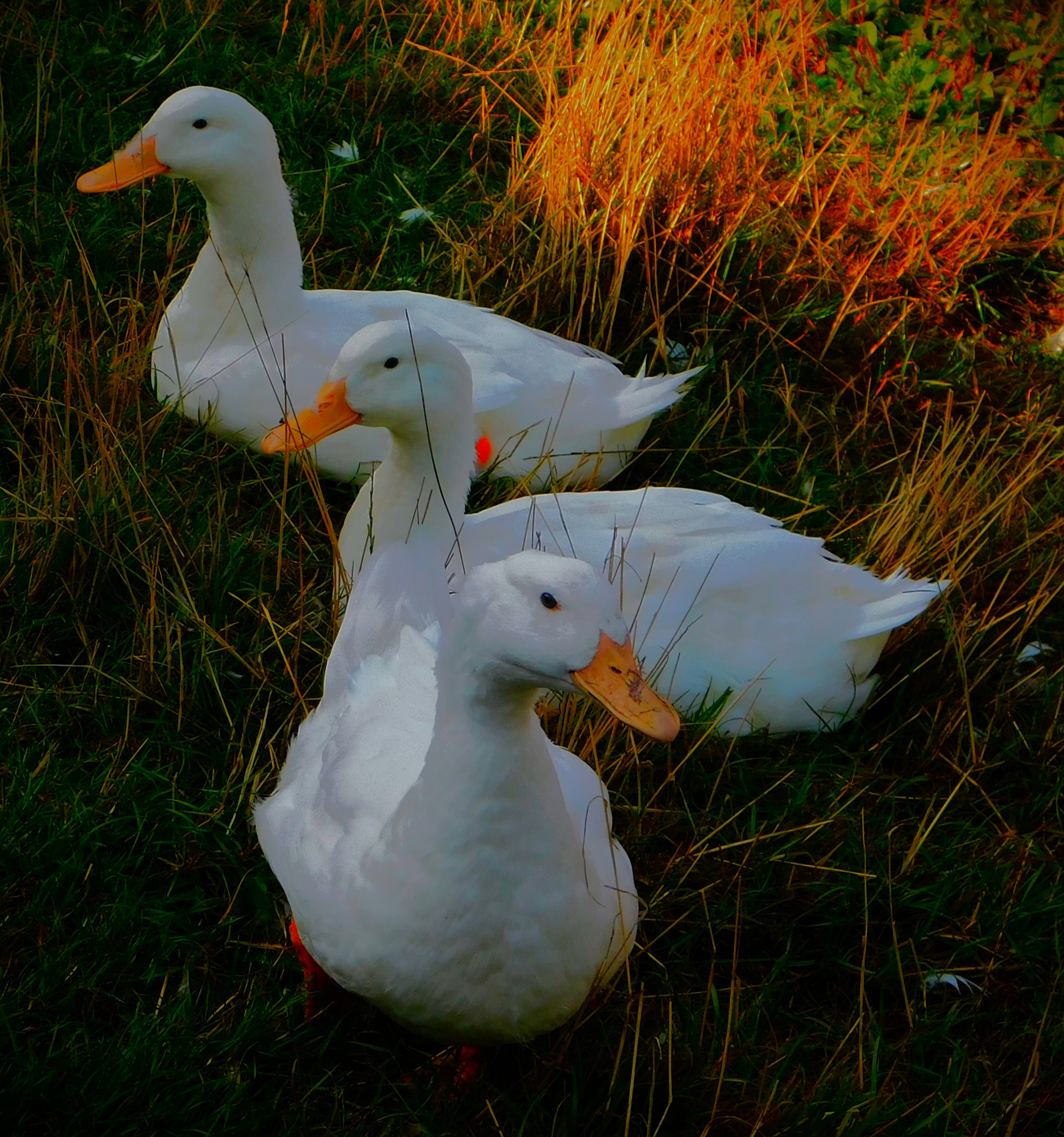
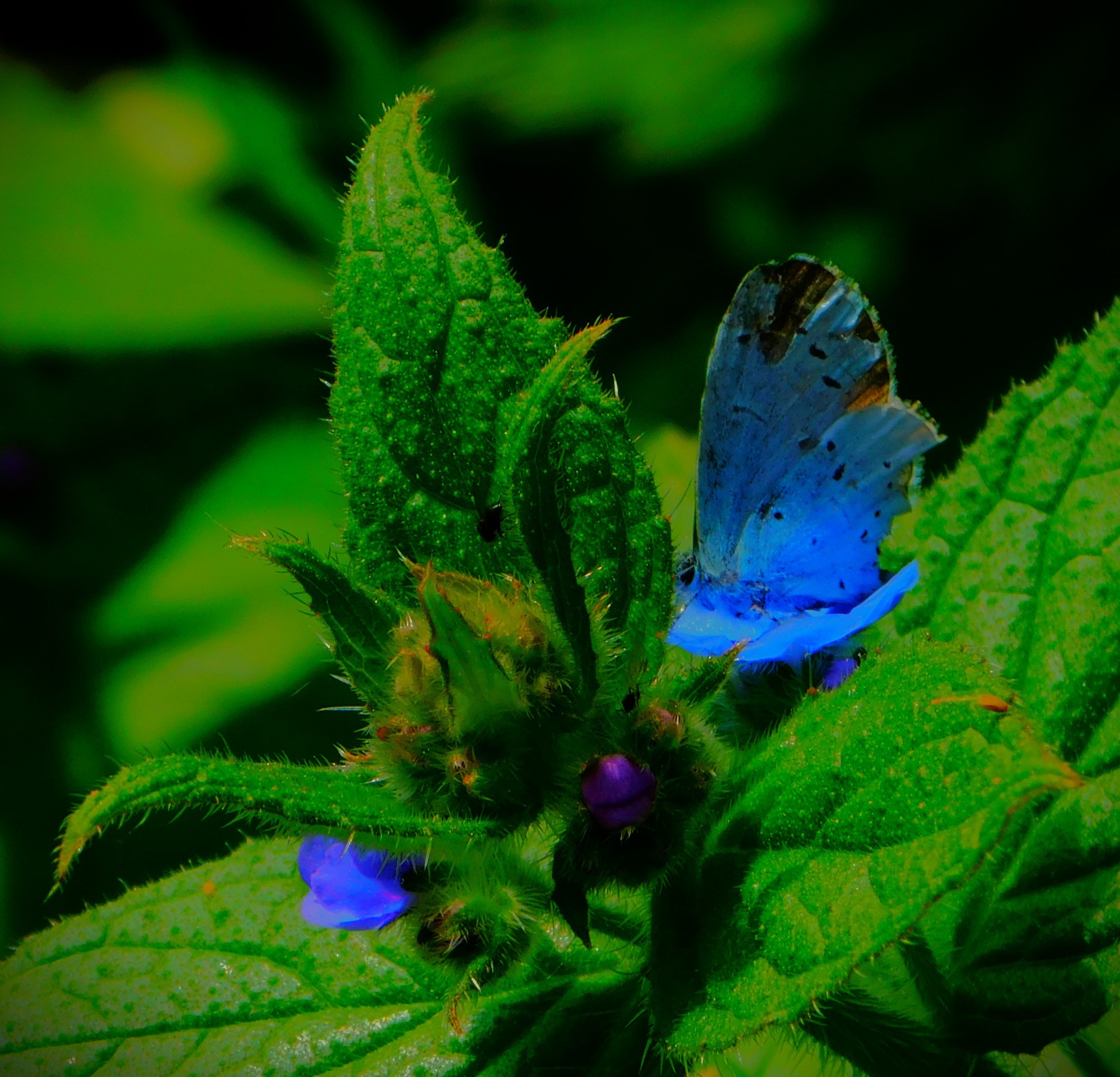
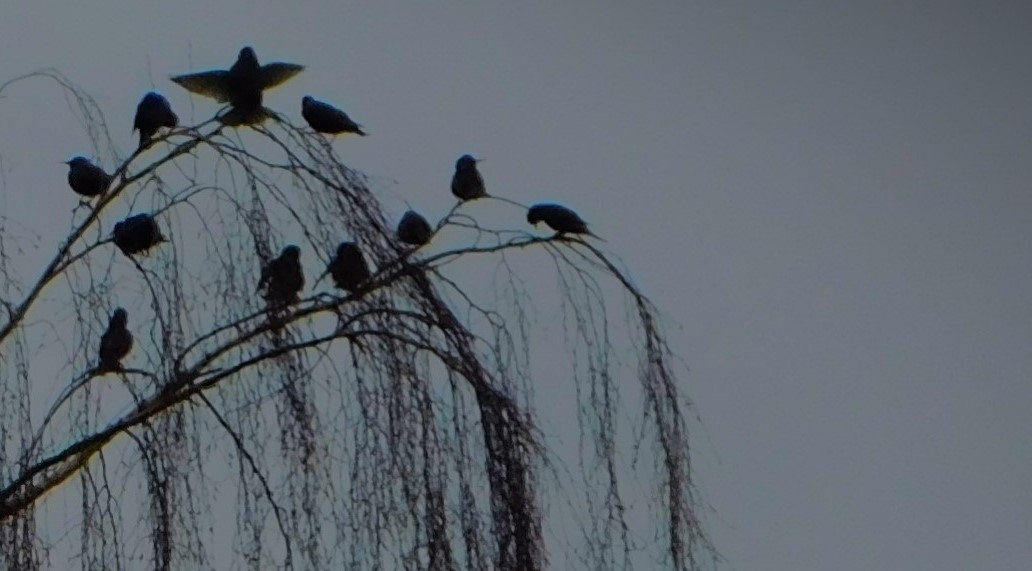
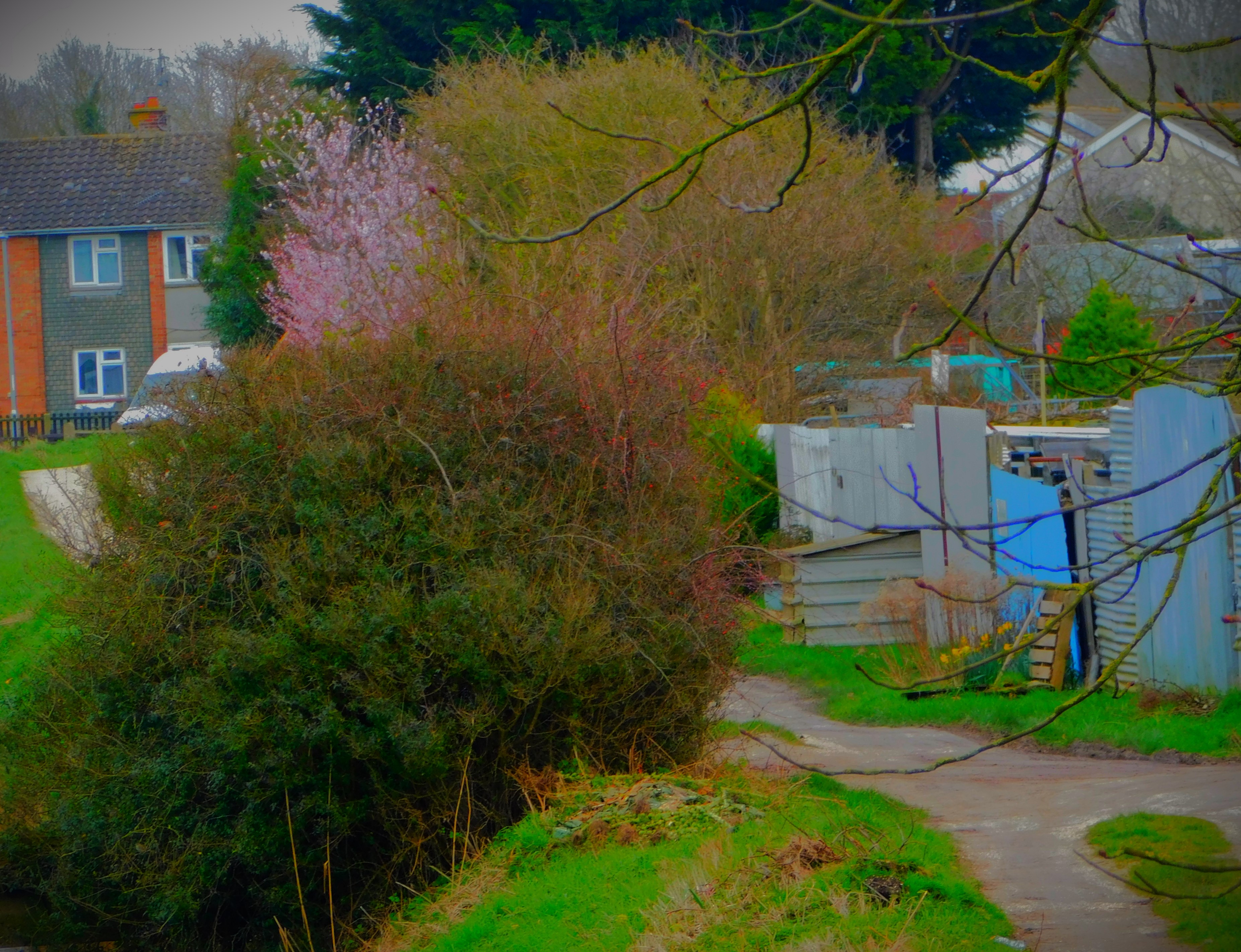
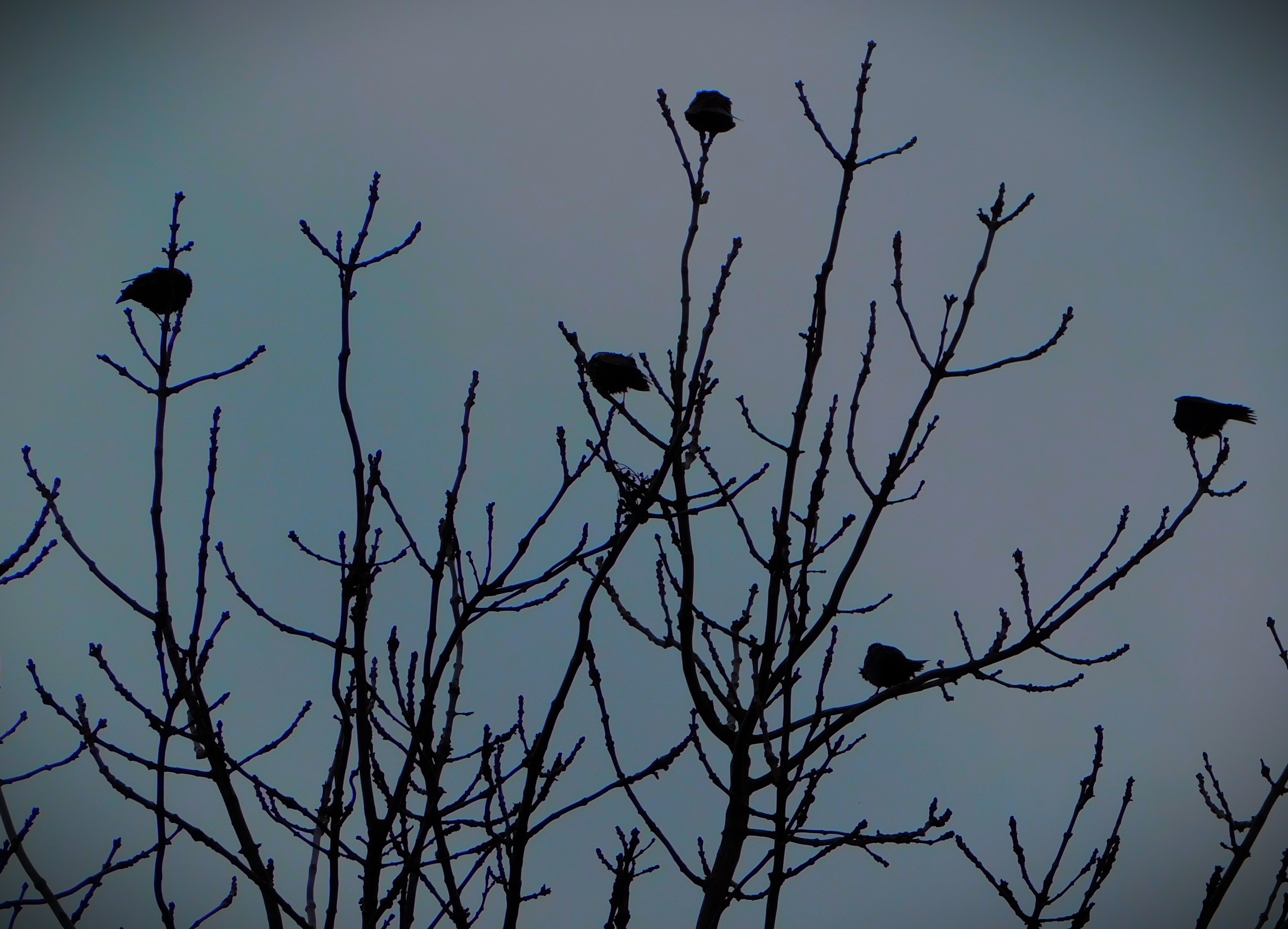
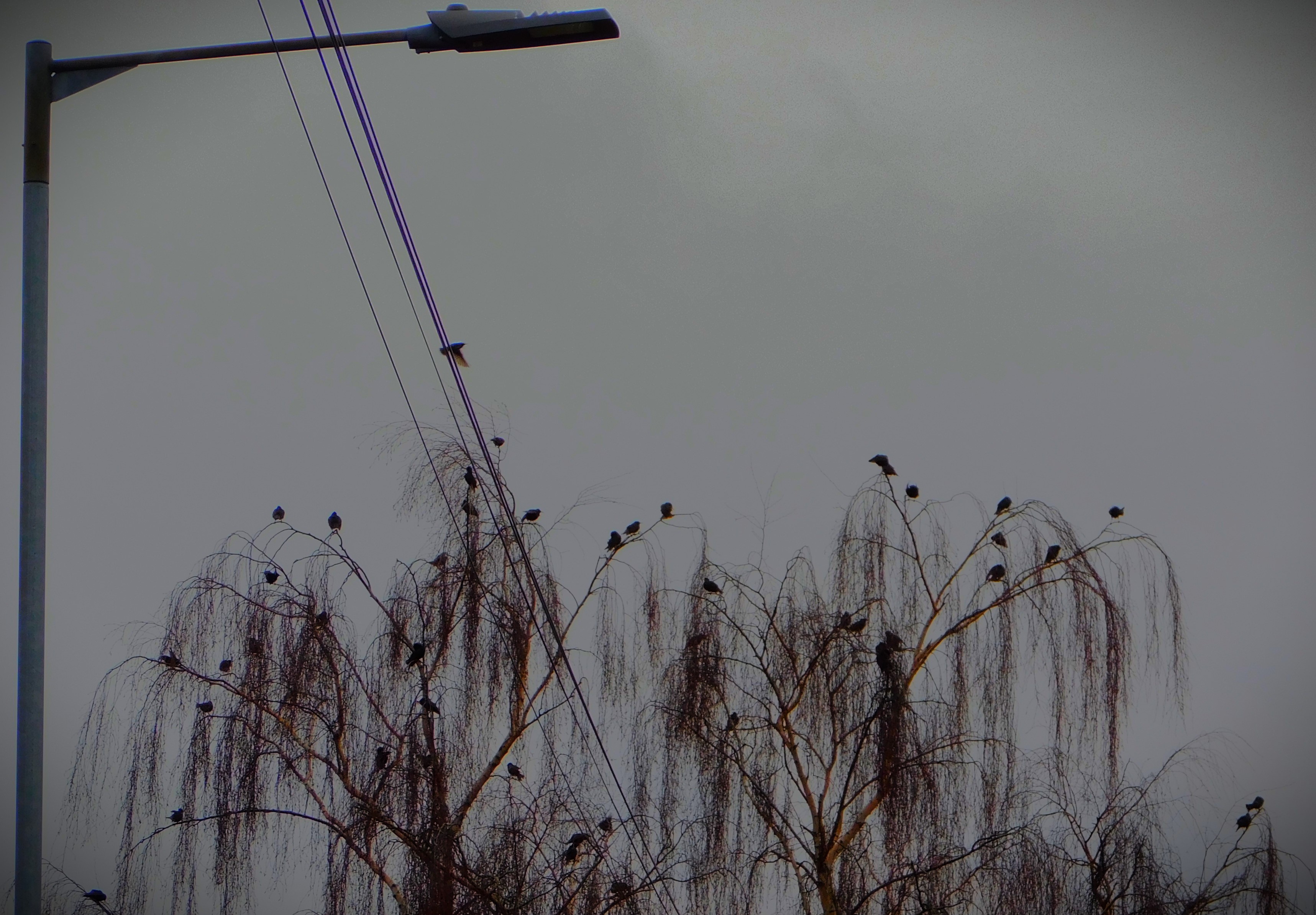
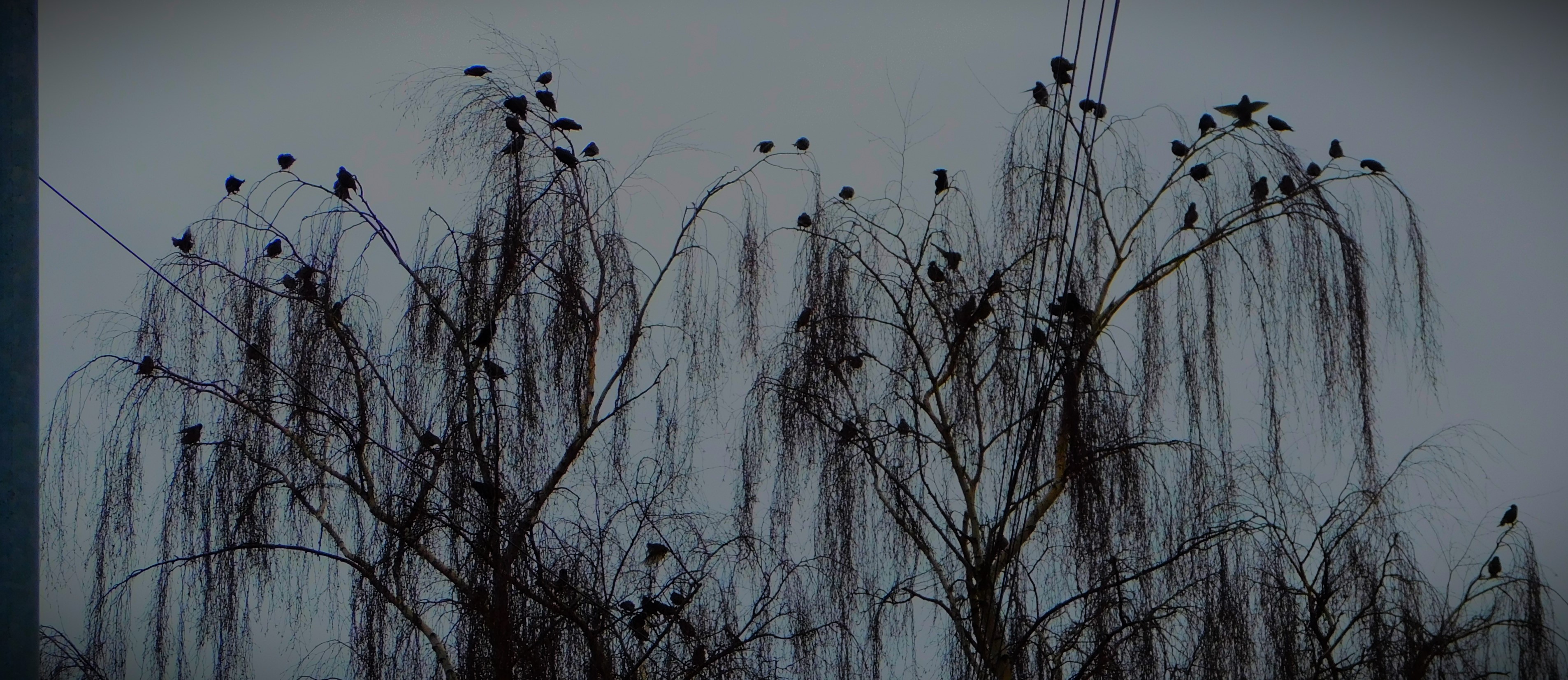
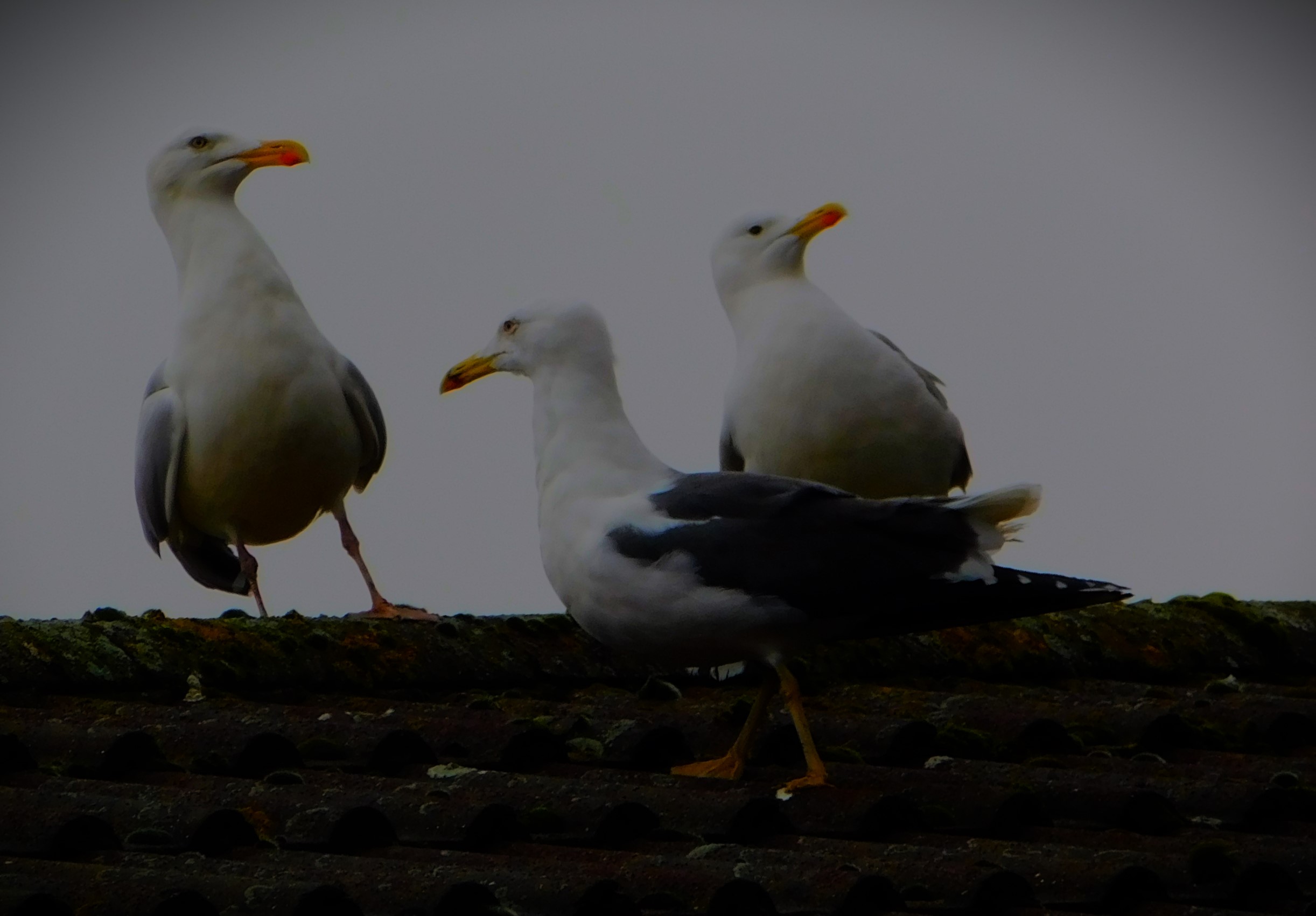
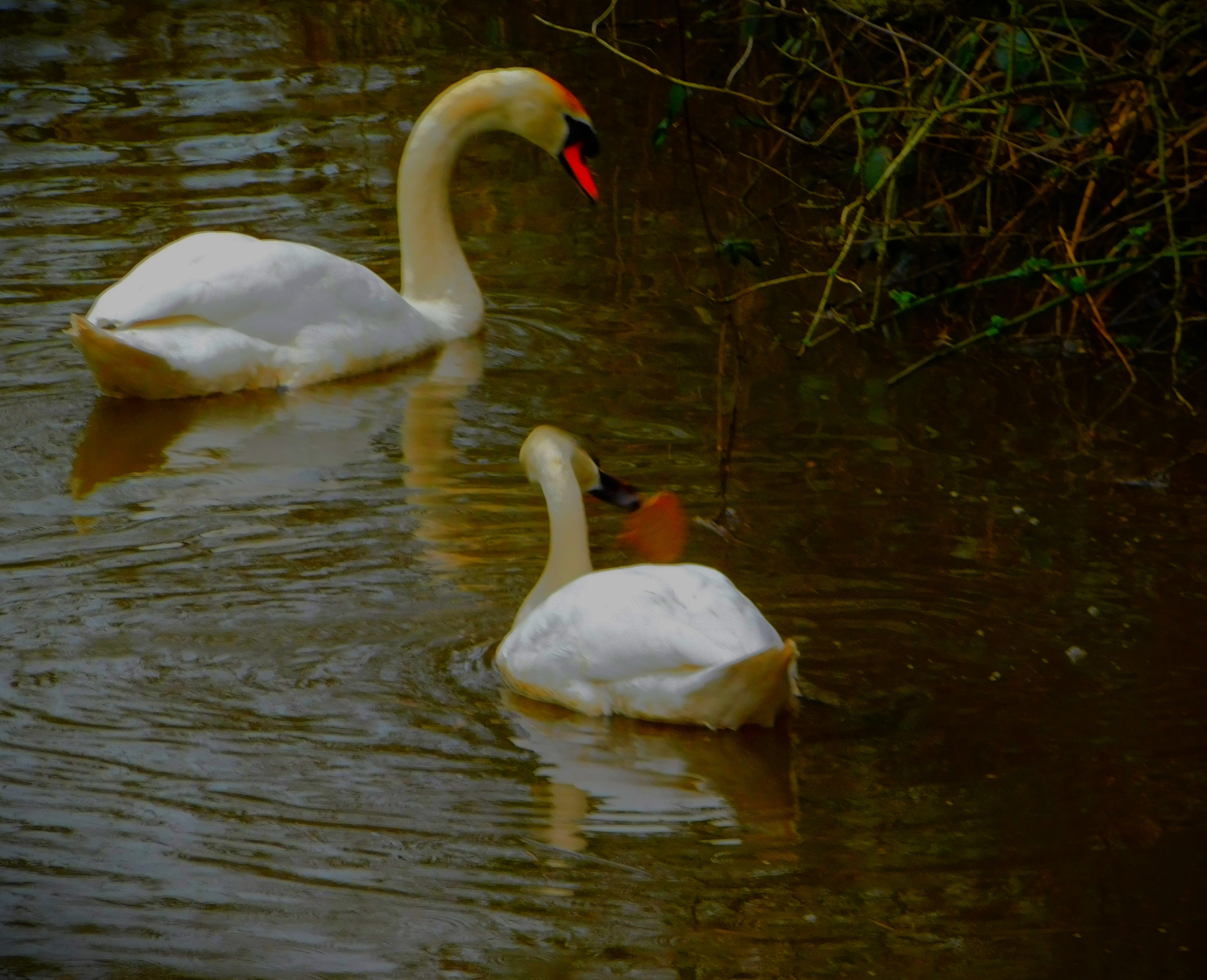
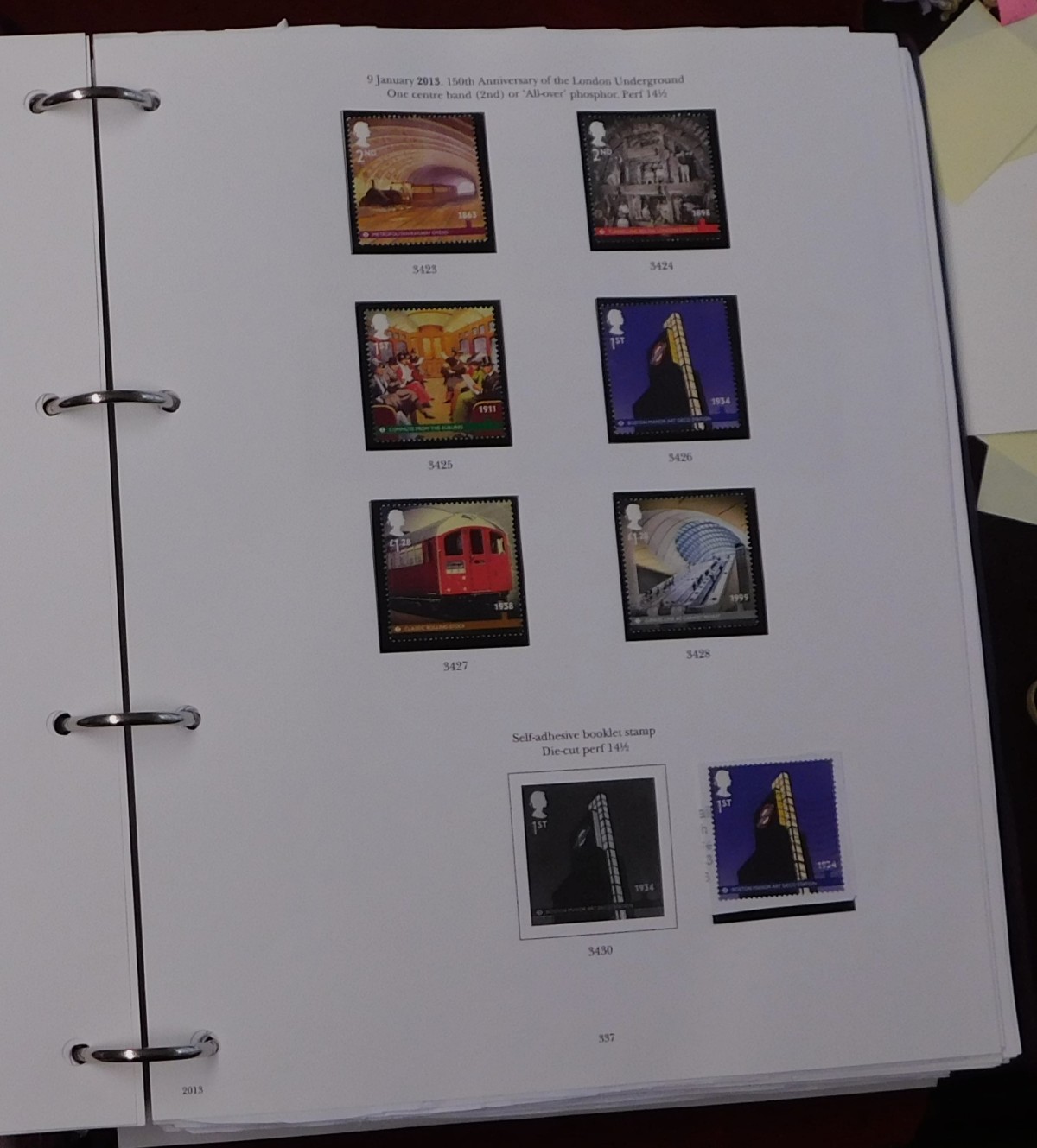
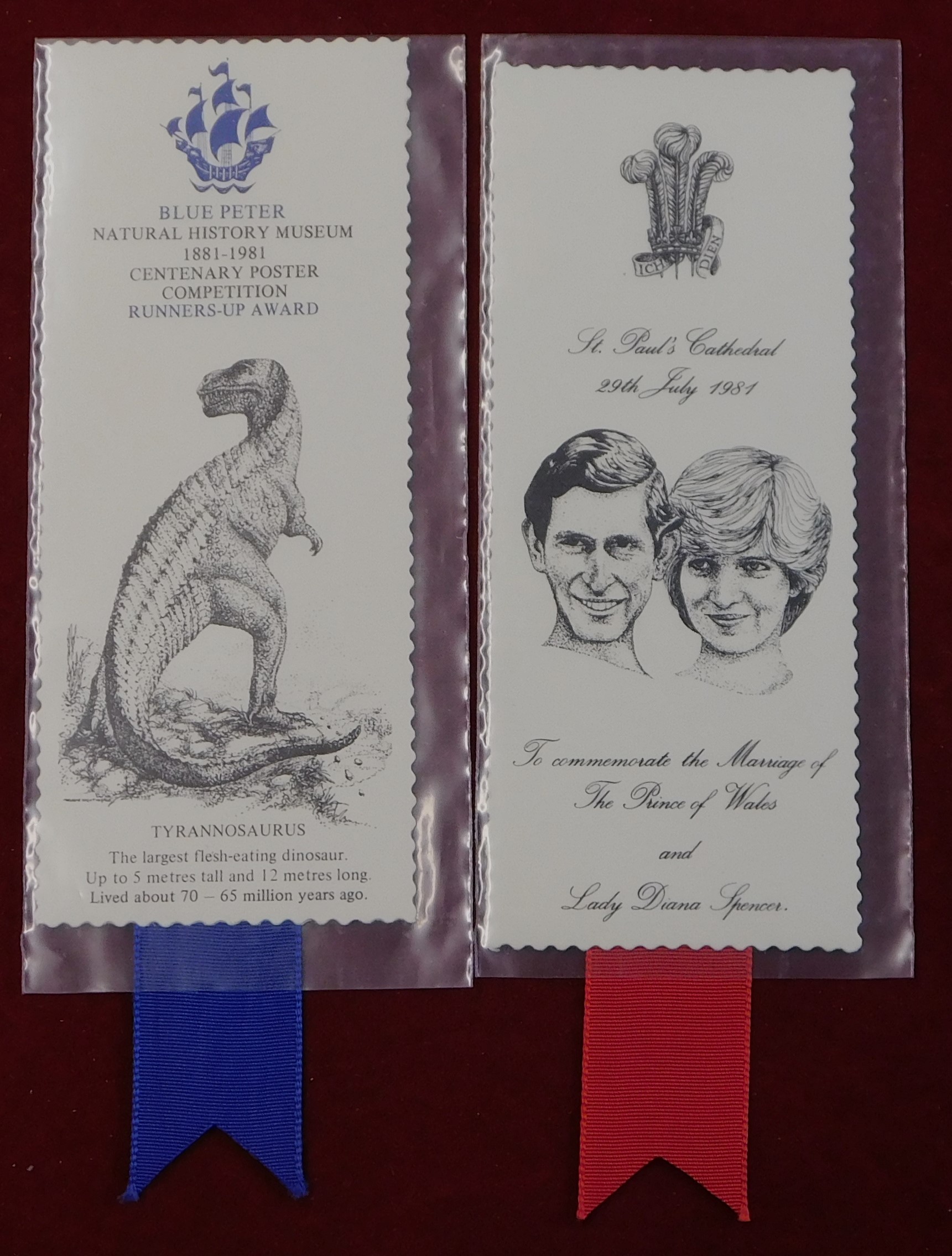
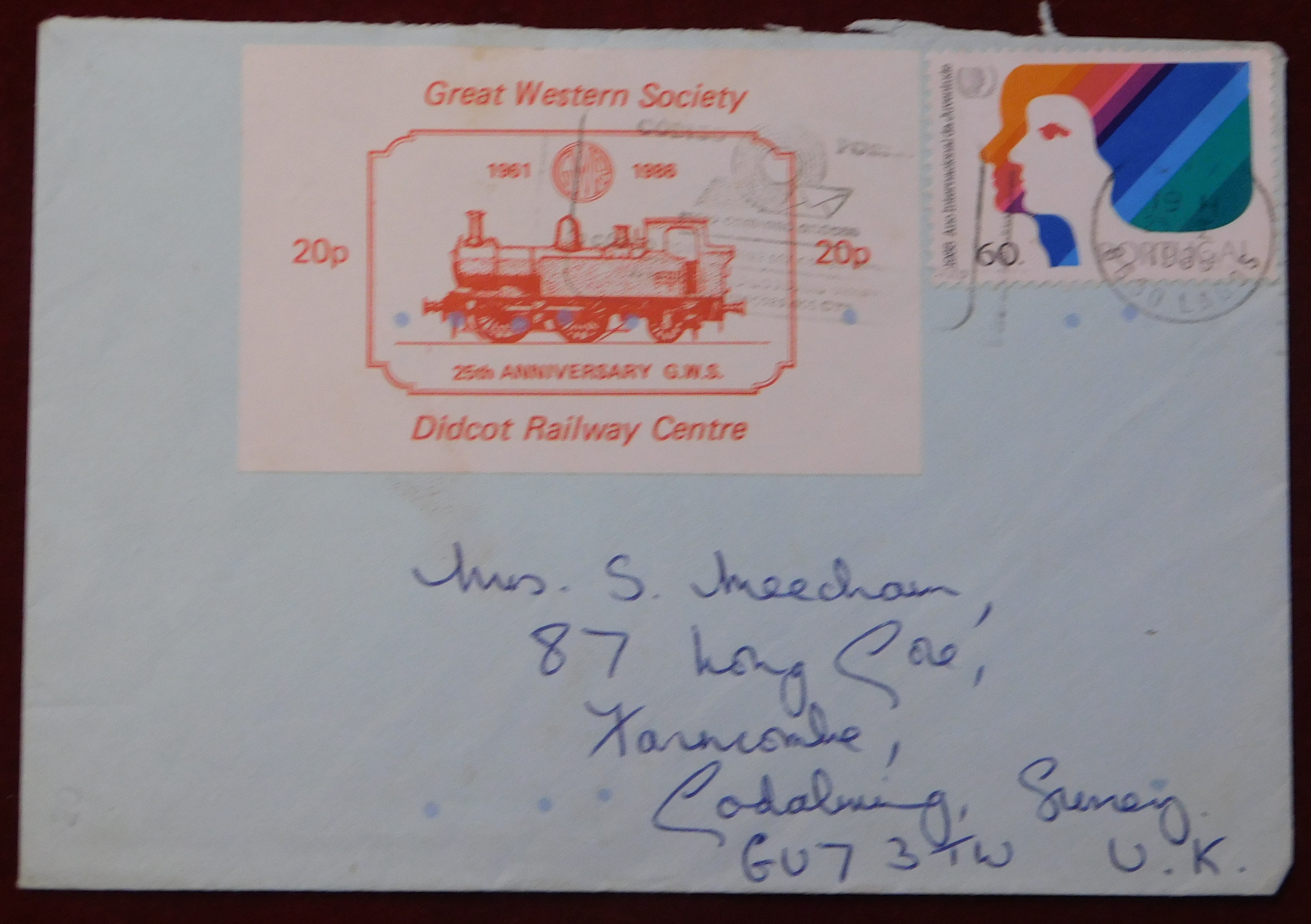
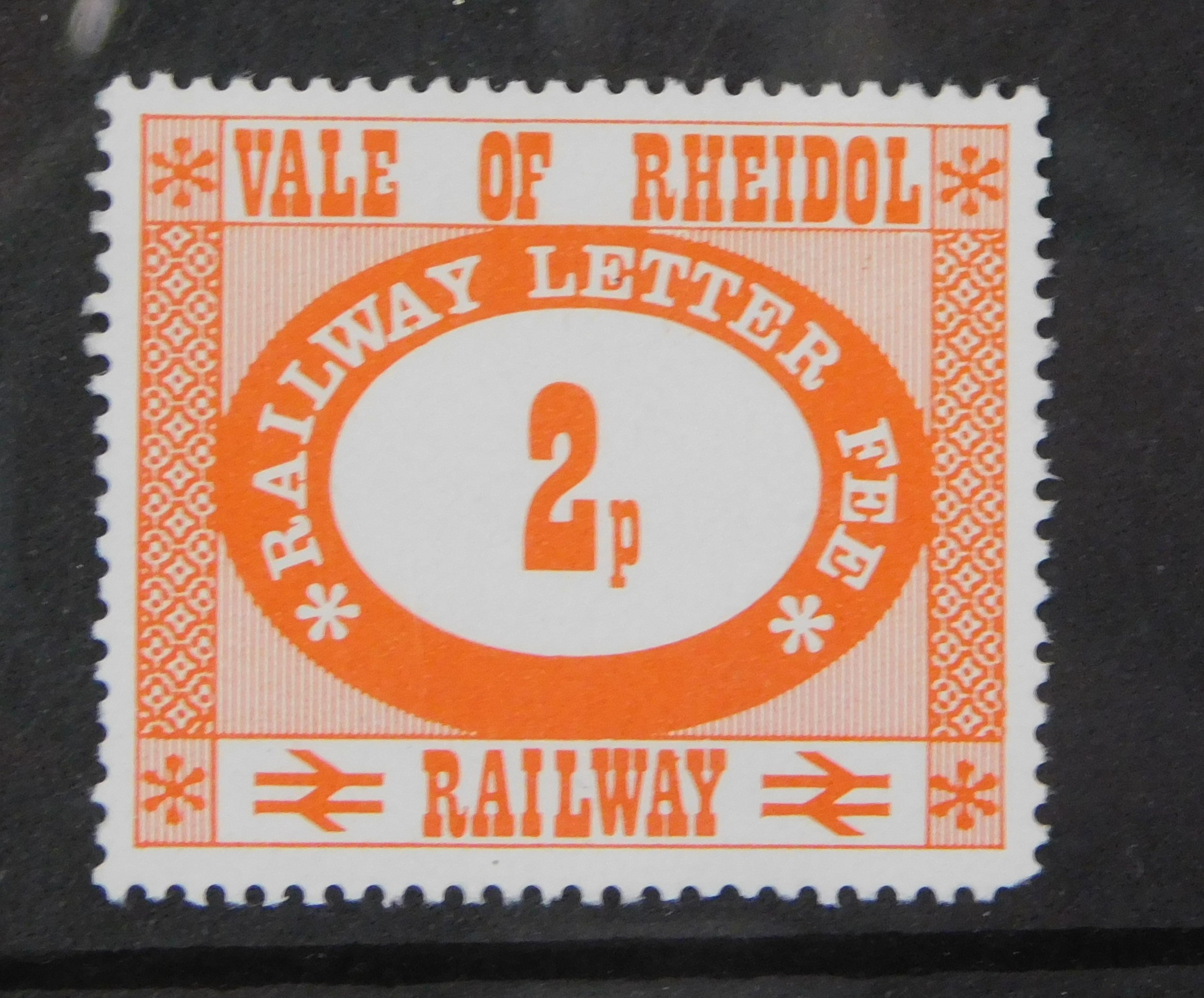
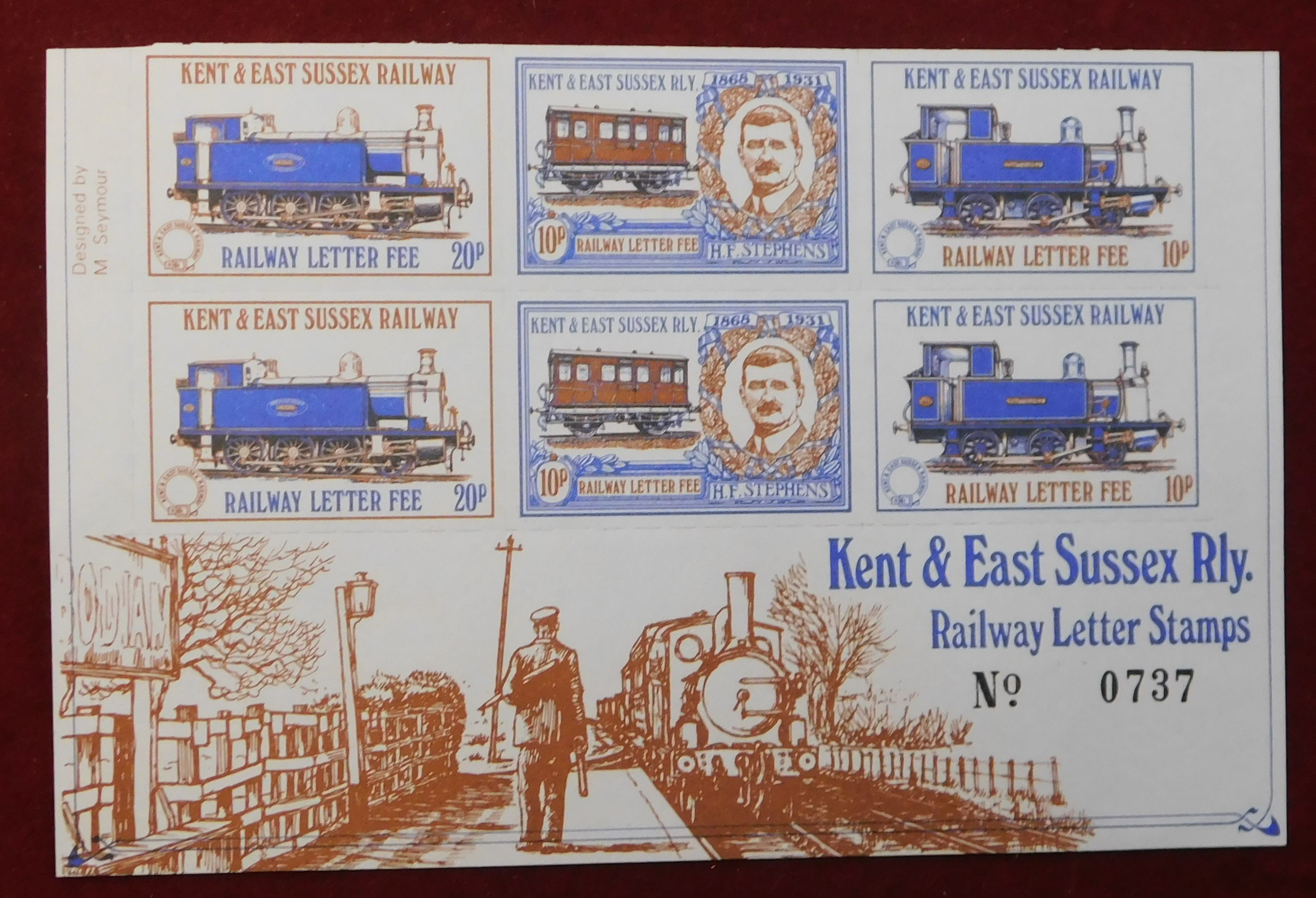
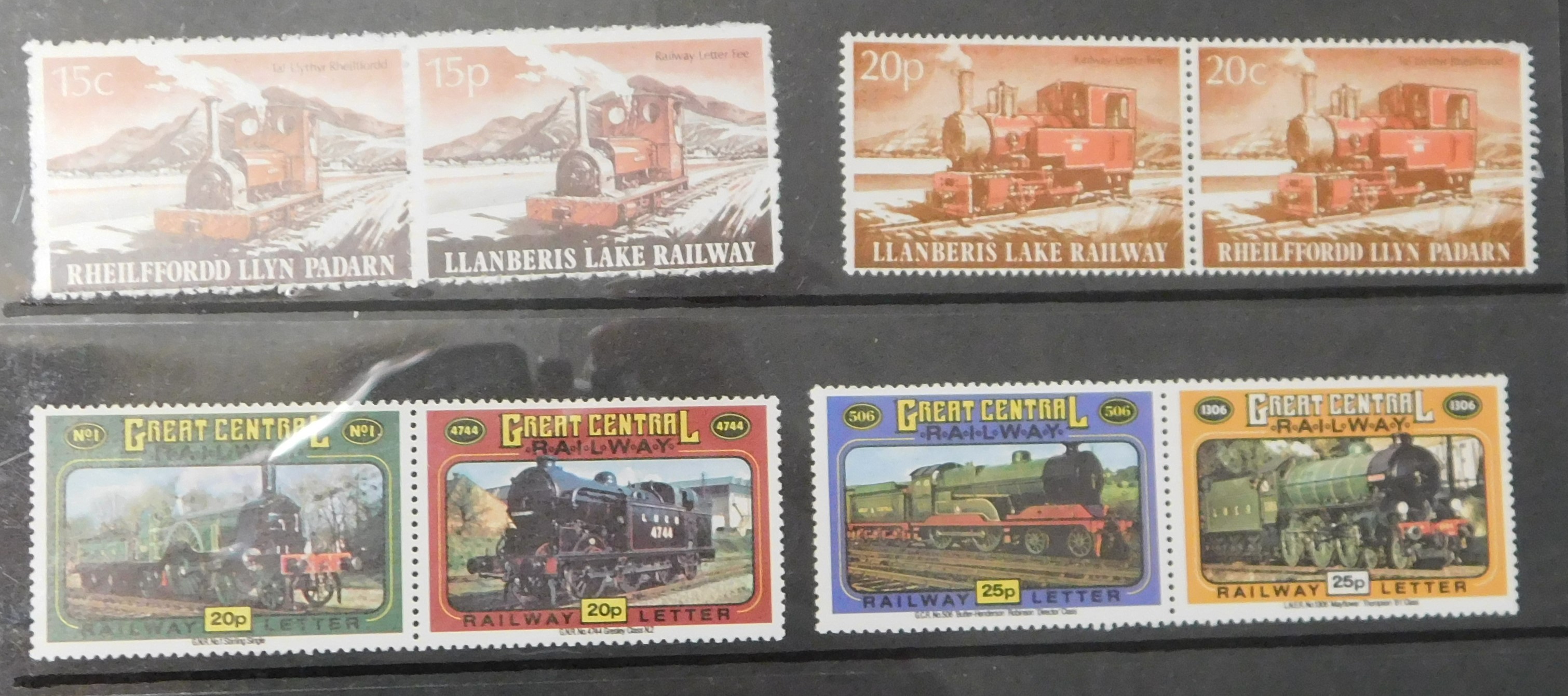
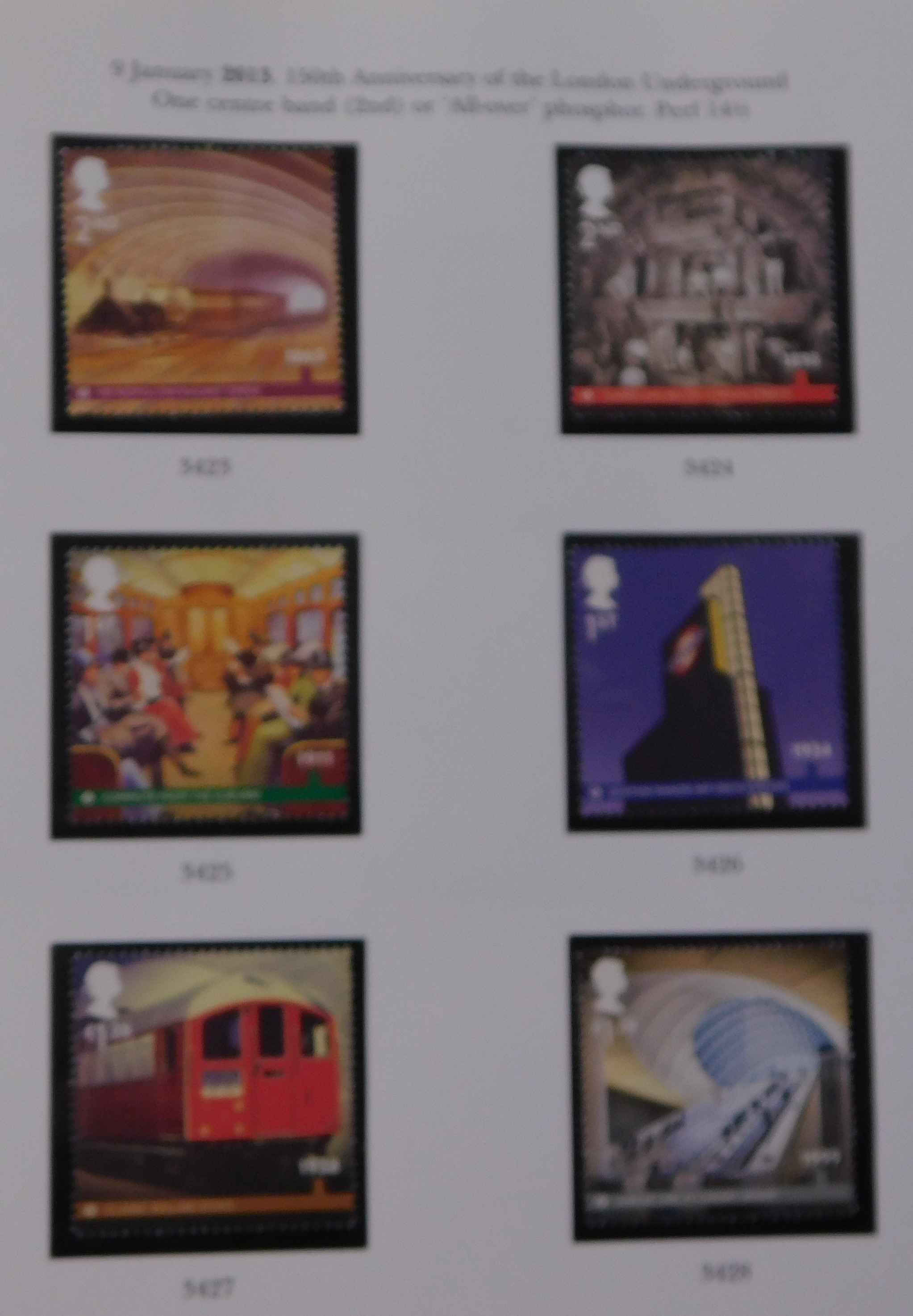
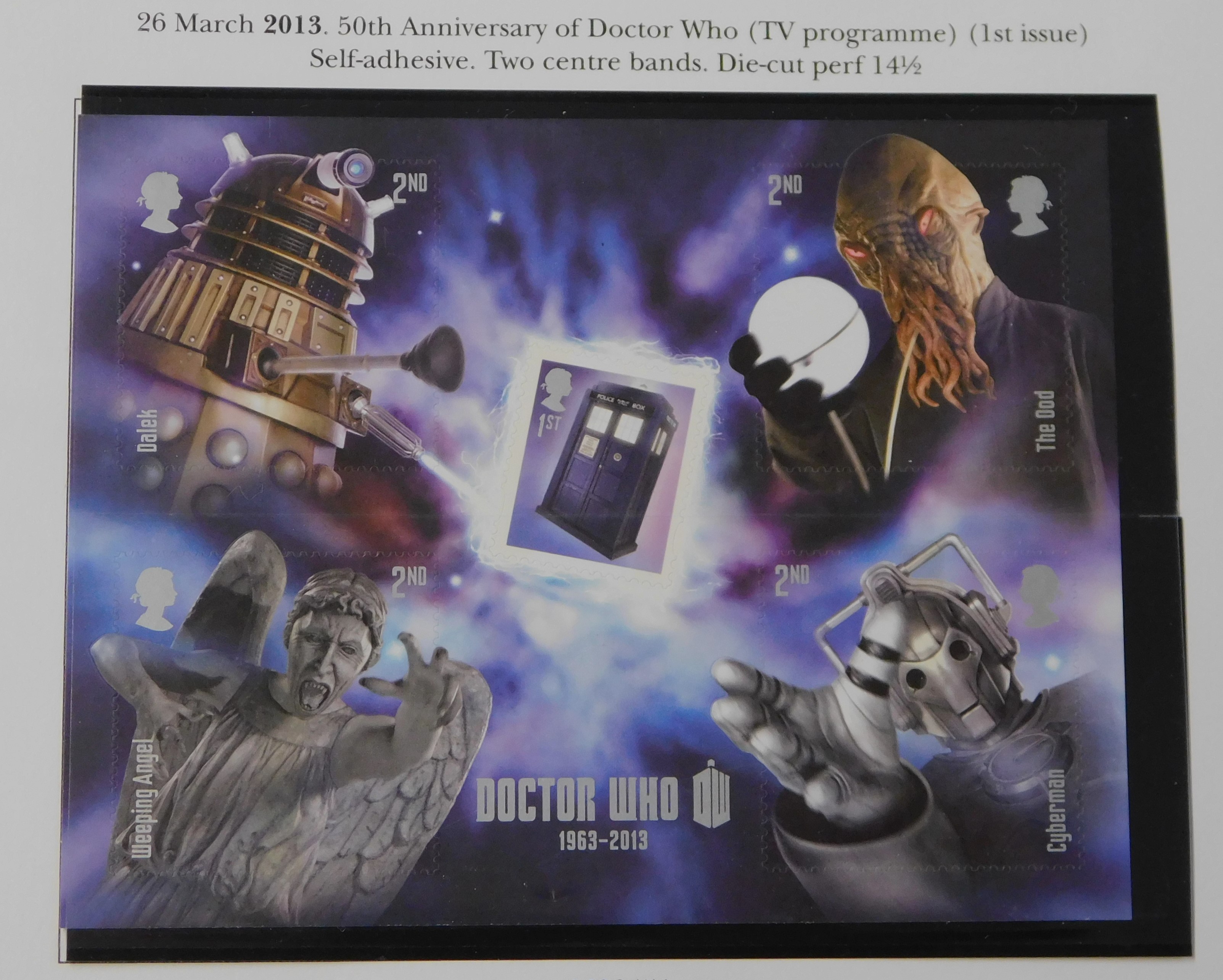
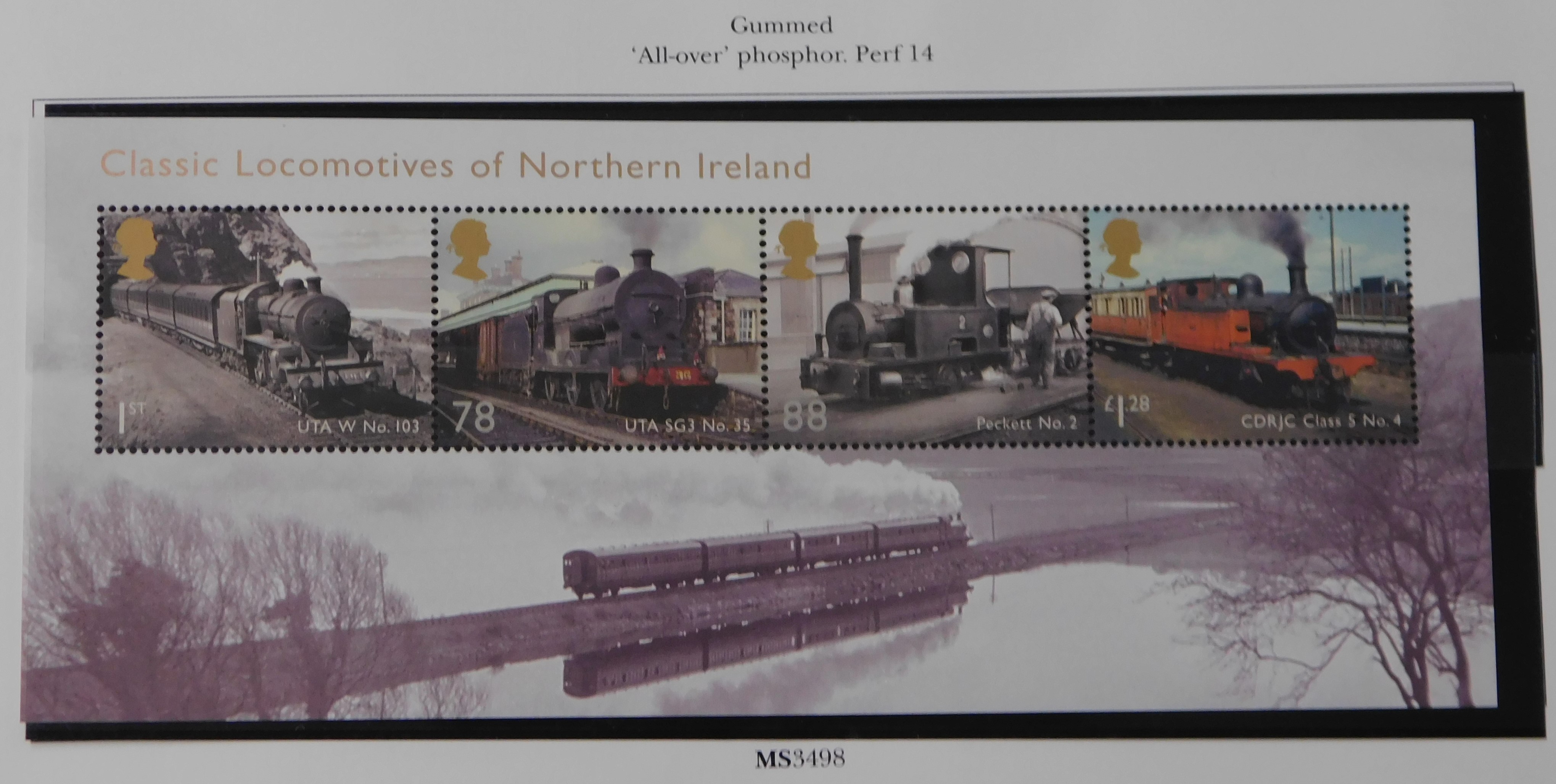
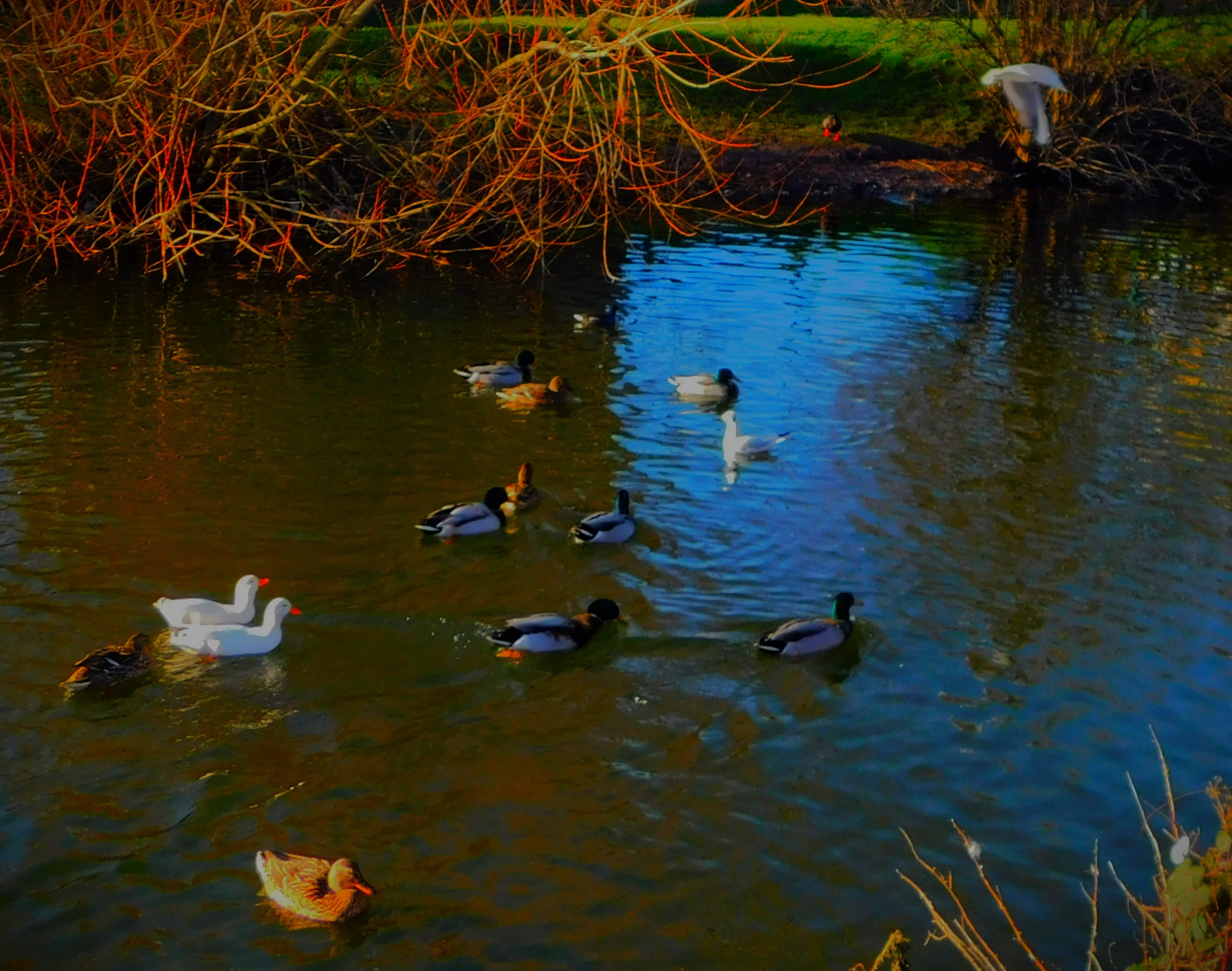
A brief post scheduled to coincide with my 50th birthday, There are precisely 50 photos in the gallery.
By the time this post is published I will be nearing the end of a stay in the far west of Scotland that, necessitated by my birthday falling on a Saturday runs from a Sunday to a Sunday. Posting until I am back from that holiday is likely to be light, and may even by non-existent apart from this one.
THE NUMBER 50
50 is double a square number, and equal to a square number plus one. Because we work in base 10 it is a significant number in the game of cricket – a score of 50 is halfway to one of a hundred and is generally celebrated by a batter who reaches it. It is of course this that gave me the title for this post. WG Grace was the first to play test cricket at the age of 50 (subsequently Wilfred Rhodes, who played at the oldest age of any test cricketer, 52 years 165 days, George Gunn and Bert ‘Dainty’ Ironmonger all emulated this feat).
This post is scheduled to appear not only on my 50th birthday, but at the very time of day at which I was born.
PHOTOGRAPHS
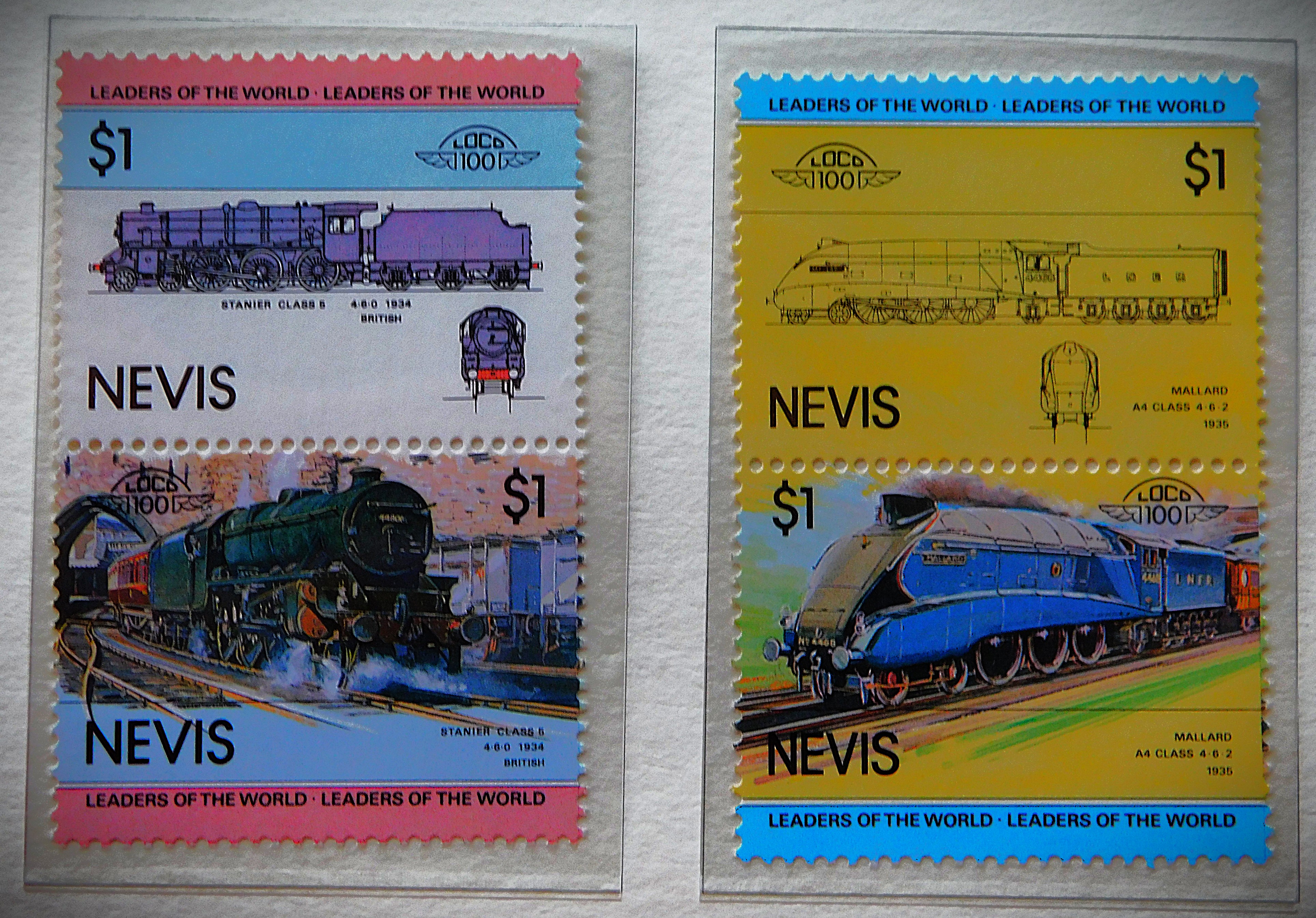
I have selected 50 of my pictures to form a special gallery for this post…
A look back at James and Sons’ April Auction, a brief mention of County Championship action and a photo gallery.
On Tuesday and Wednesday of this week James and Sons had its April auction, 1,000 stamp and postal history lots across the two days. On day one I was at work, one floor above where the auction was taking place, but had left bids on two lots, the fate of which would decide my approach to day two where I would be following from home.
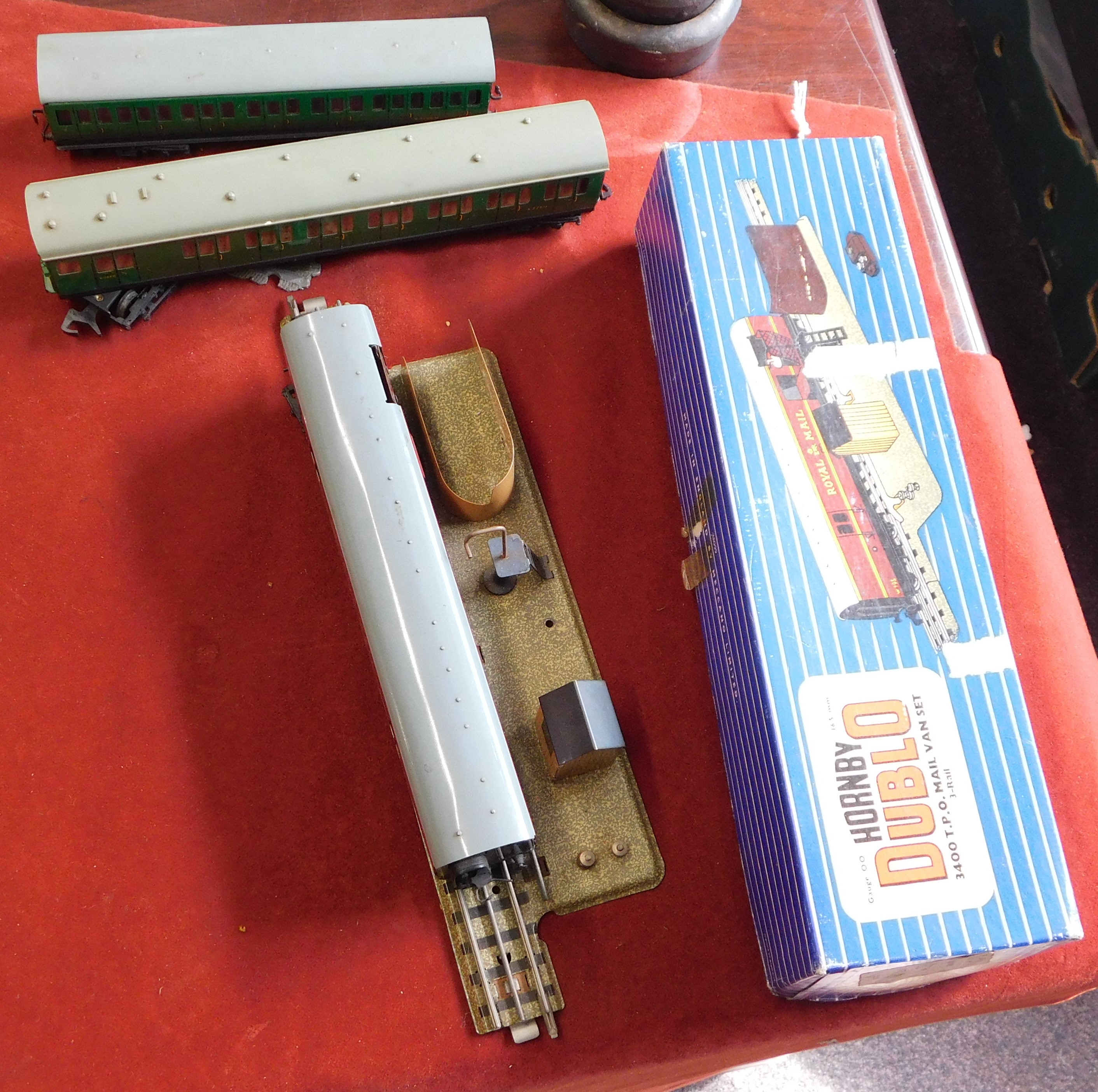
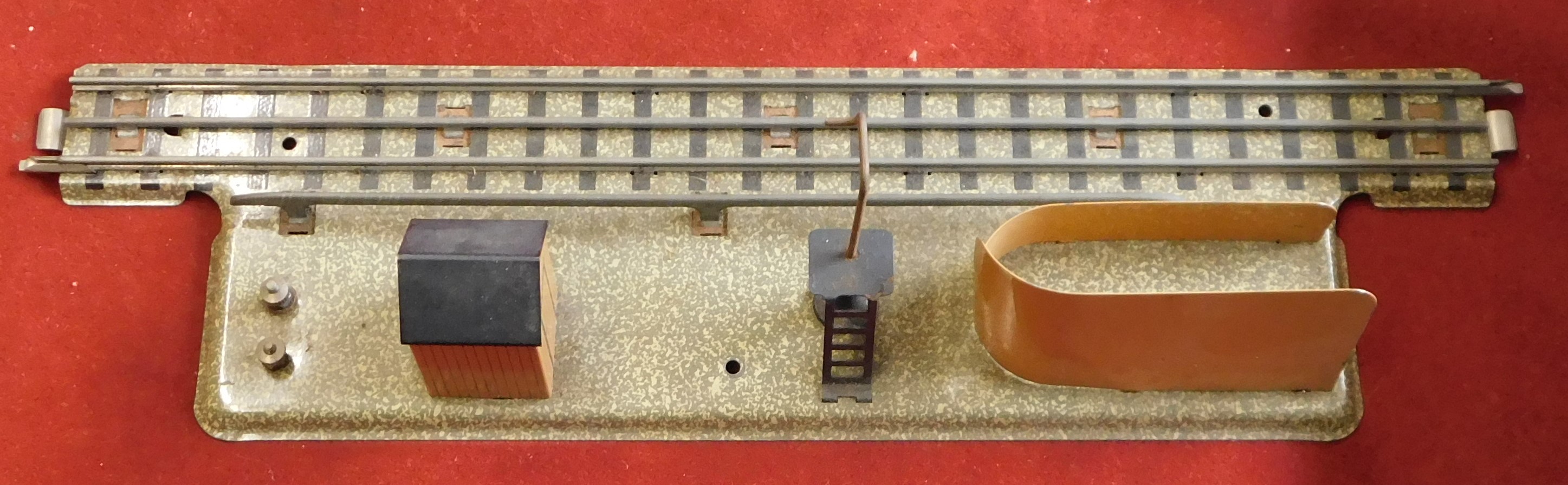
A MODESTLY SUCCESSFUL AUCTION
The opening day of the auction went well overall for the company, and well for me personally – I got both lots I had left bids on, and both sufficiently cheaply that I was still in a position to bid on more items on day two. Lot 193 was the first of my lots:
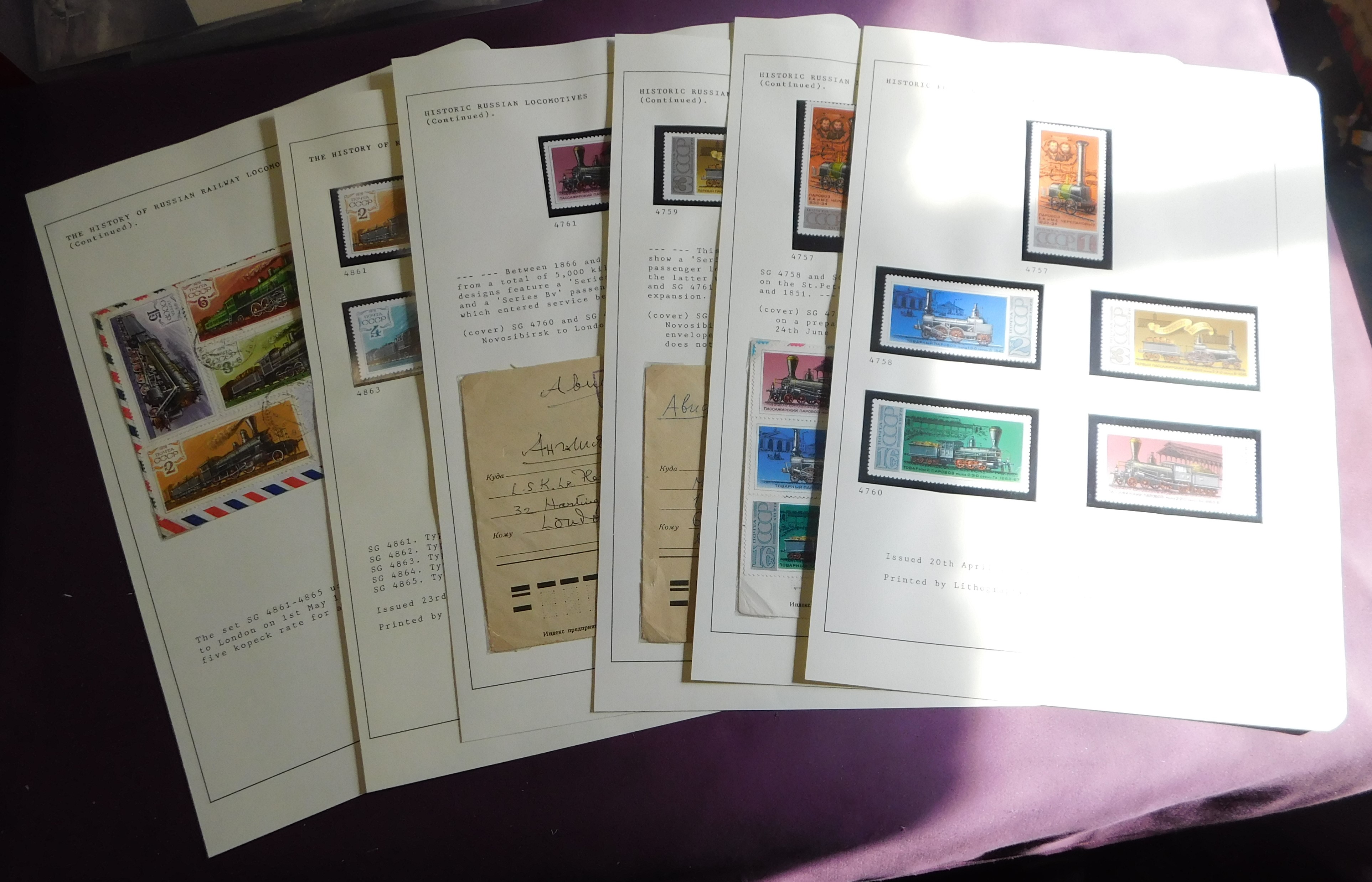
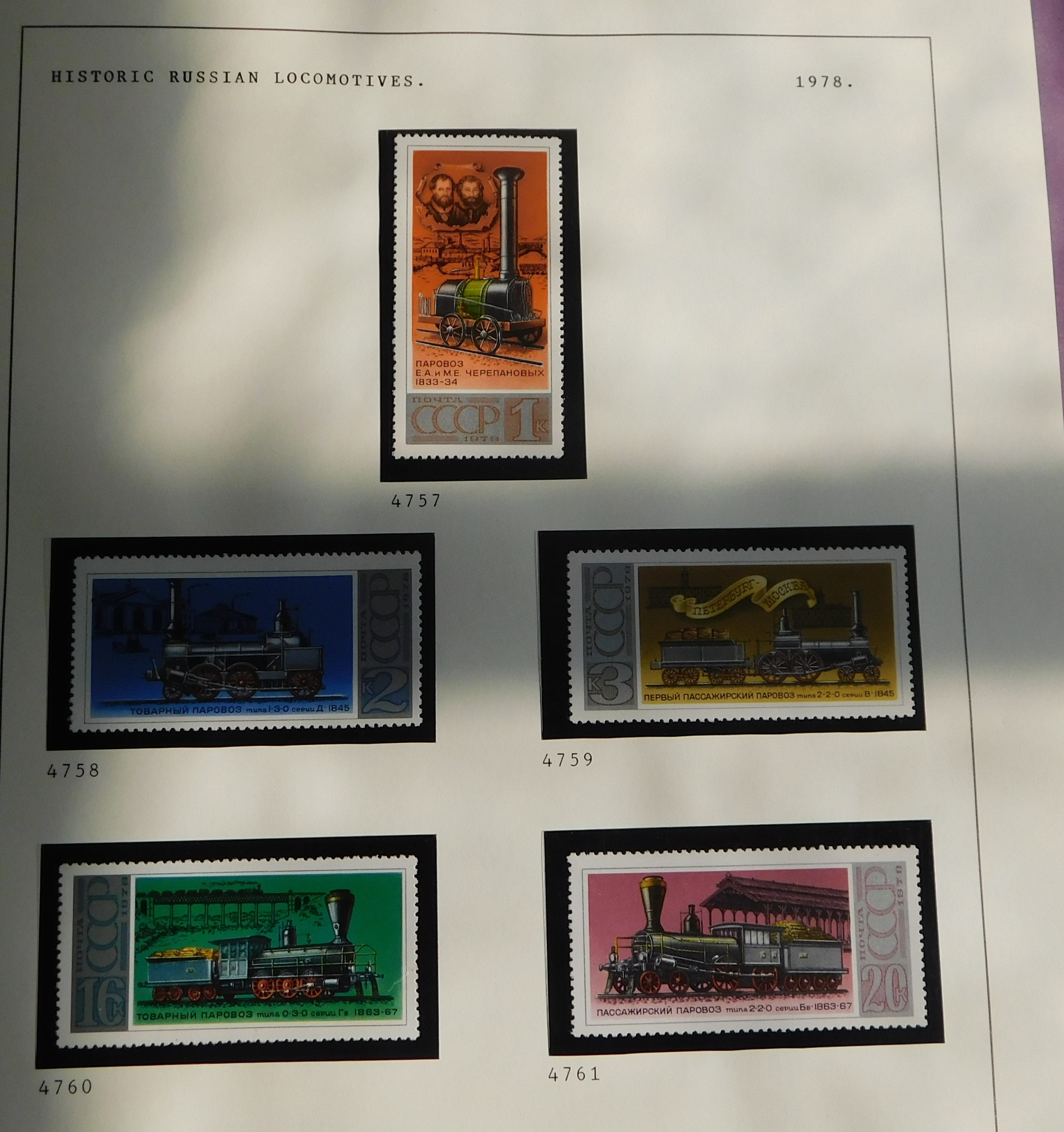
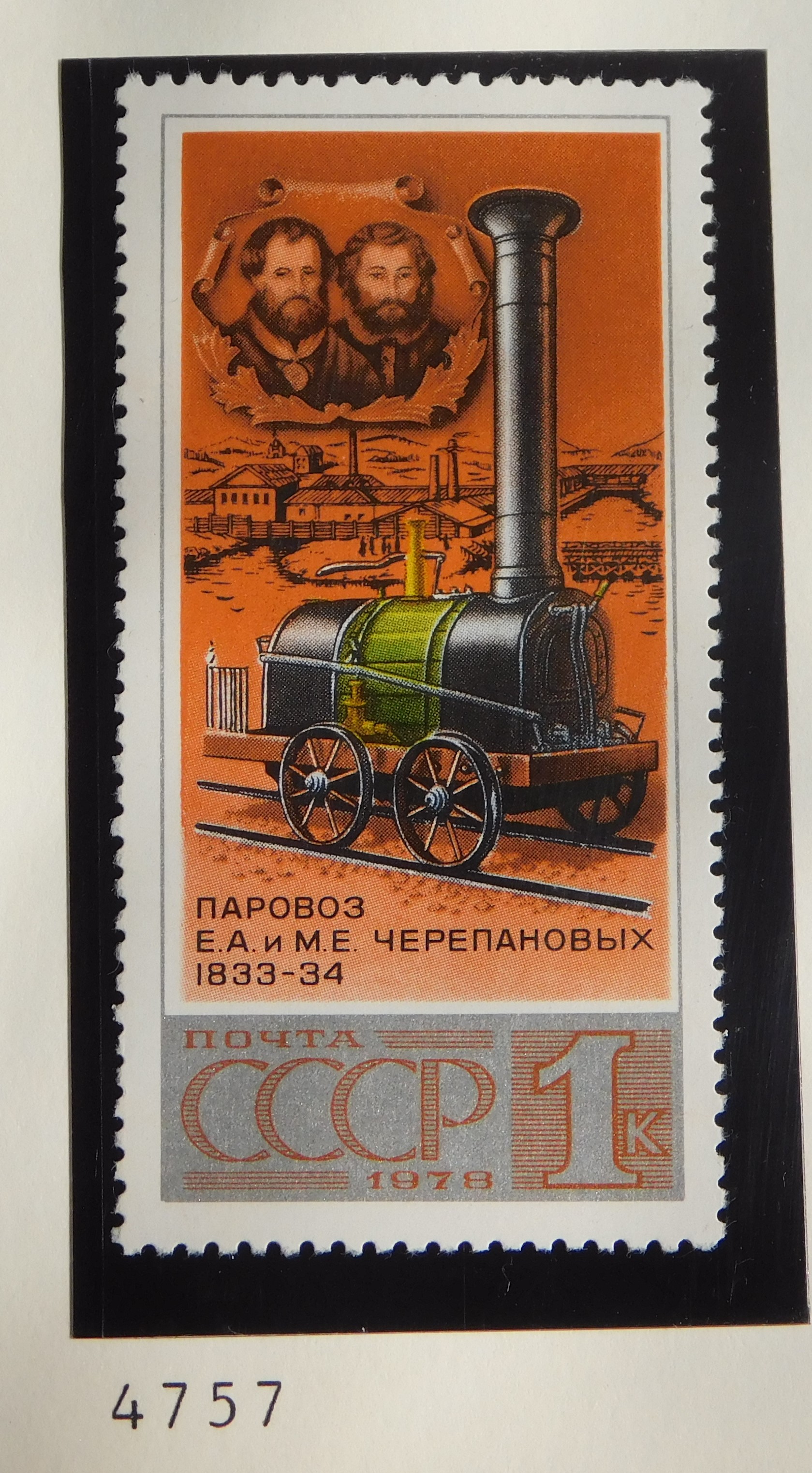
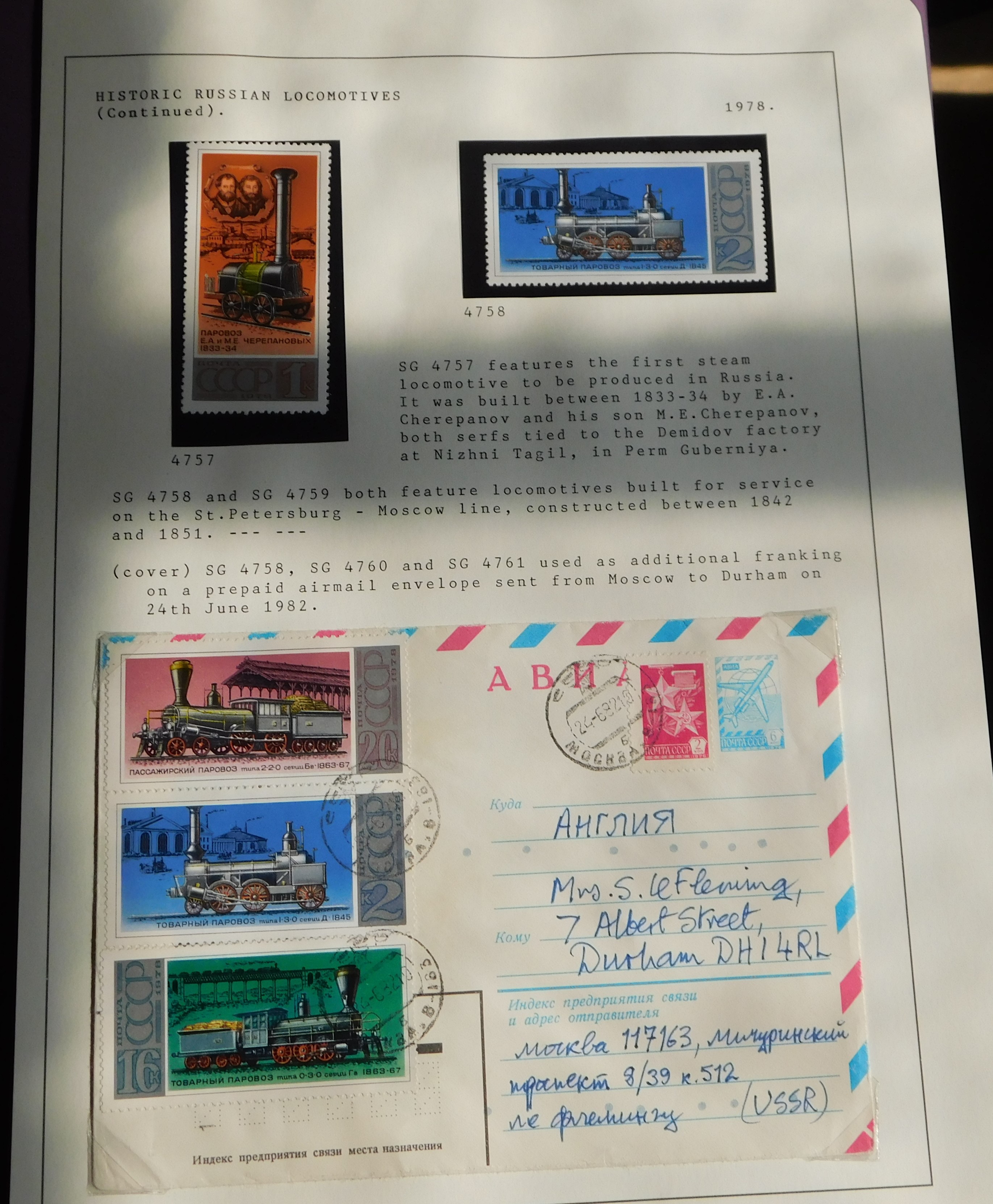
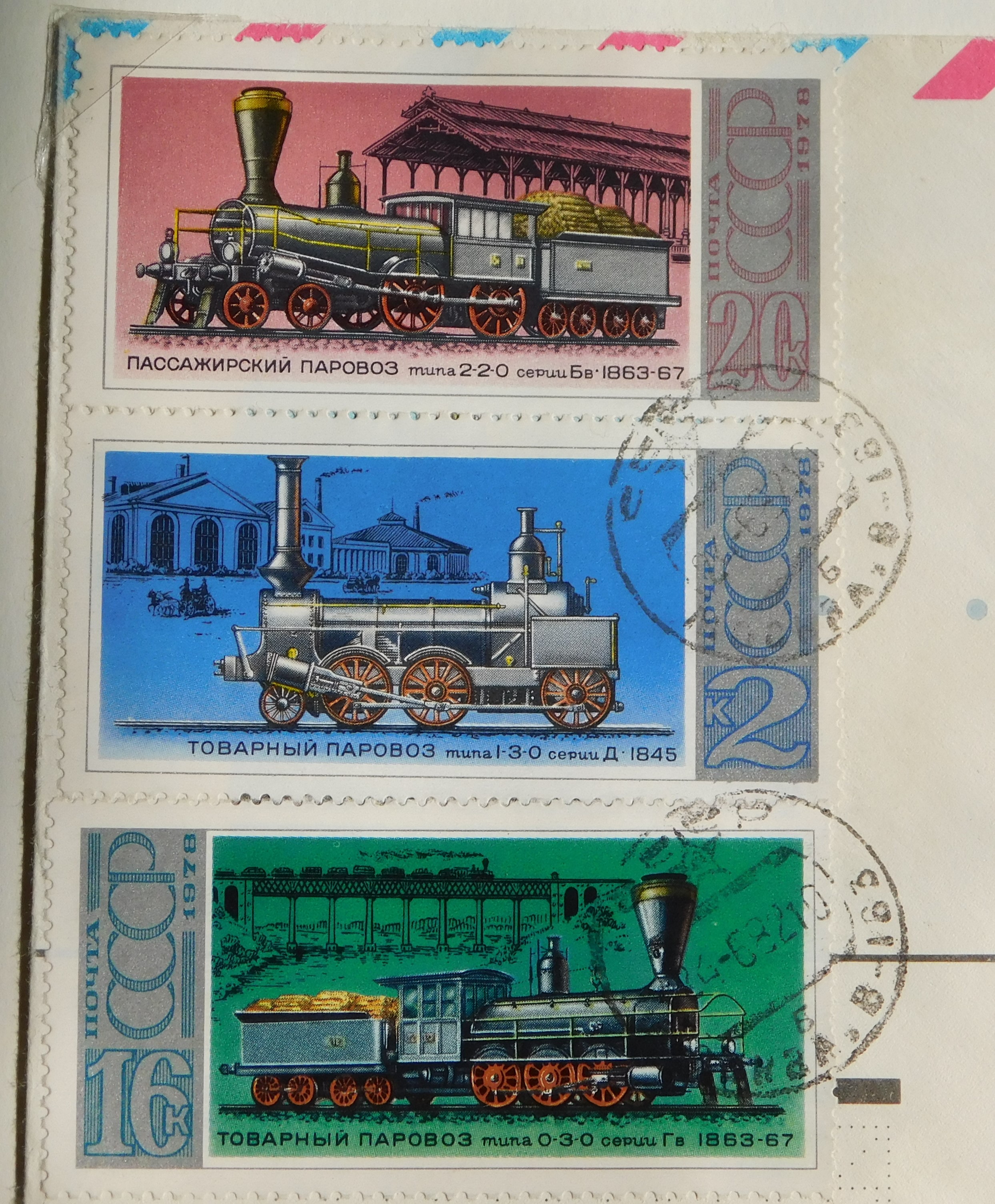
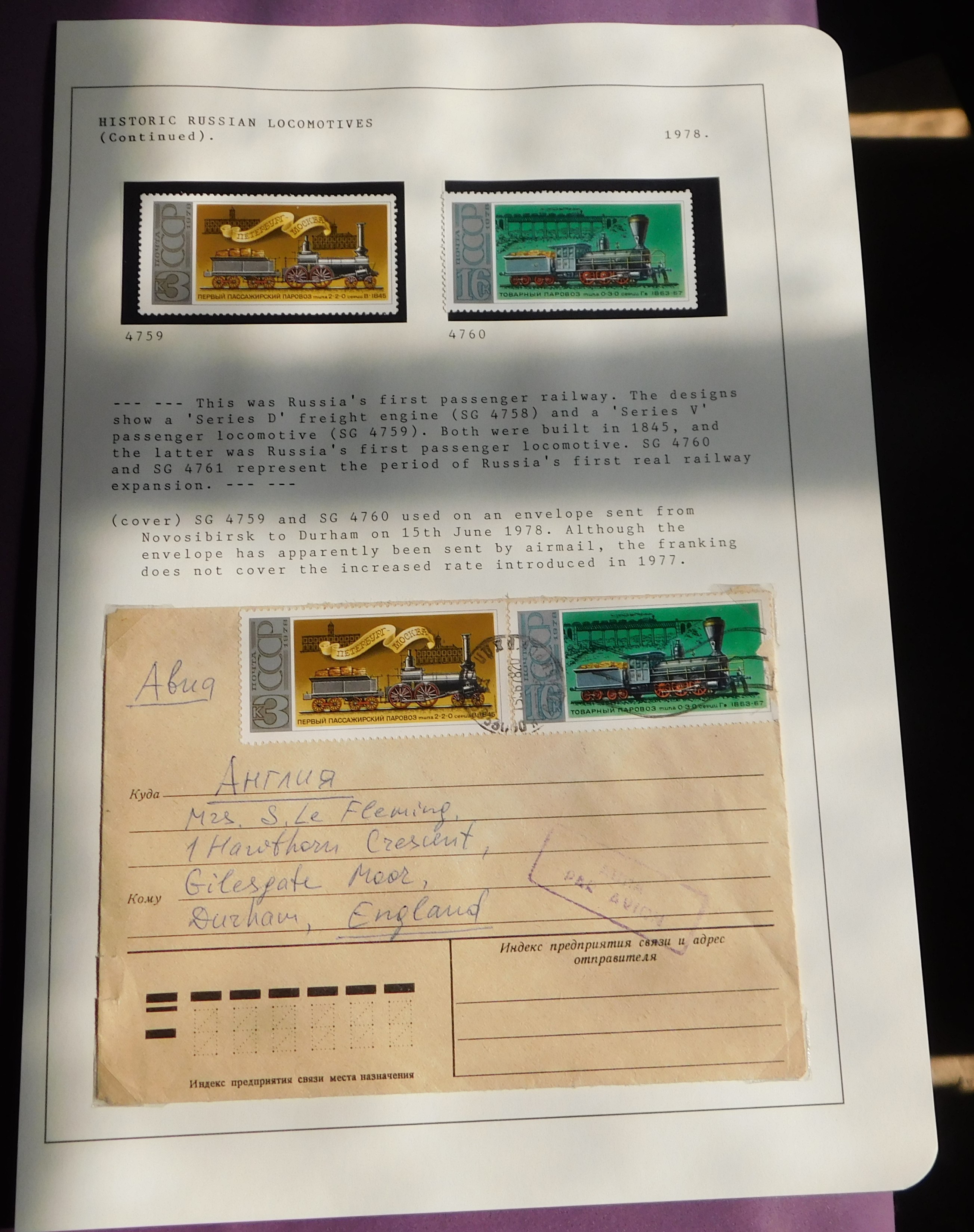
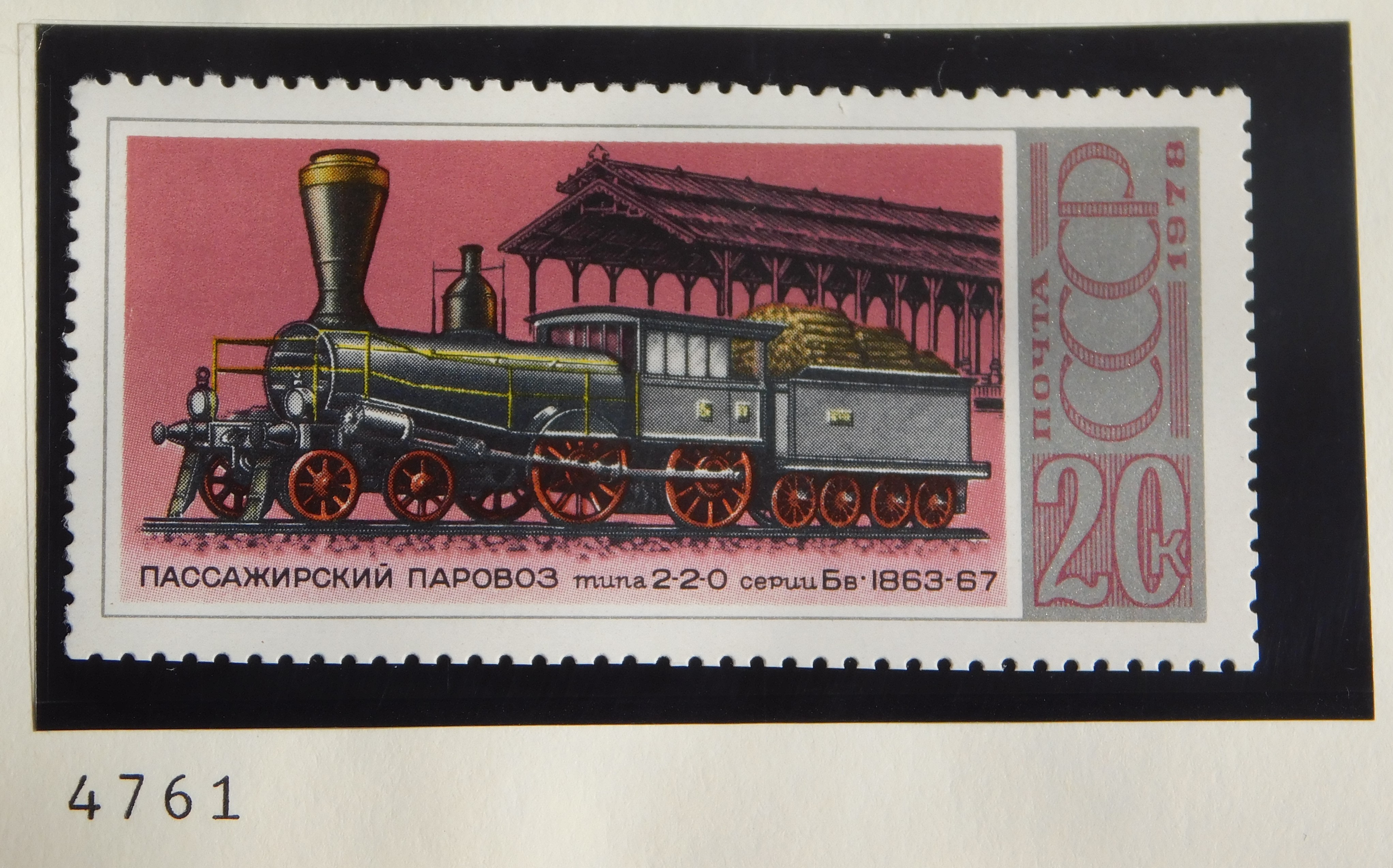
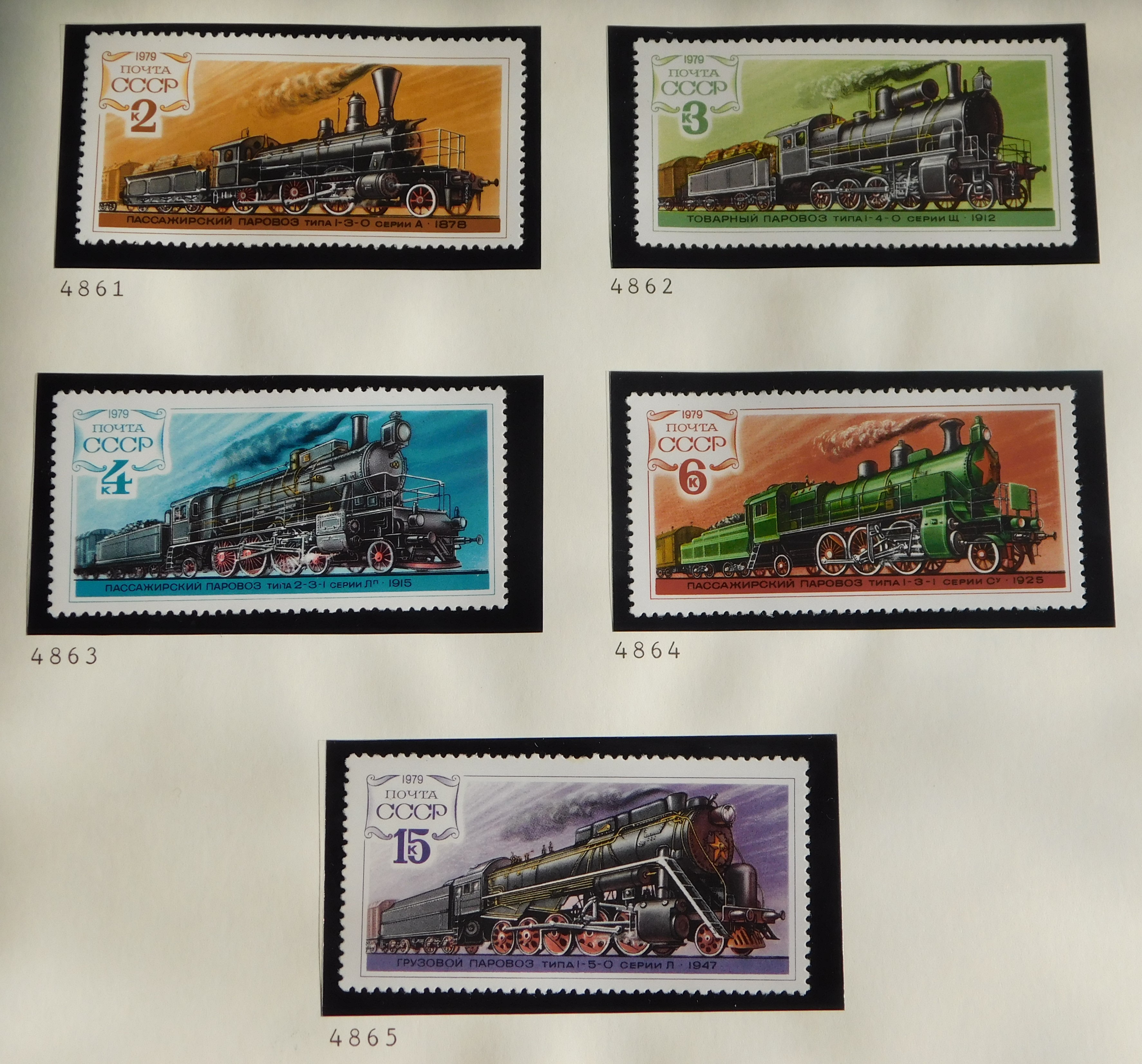
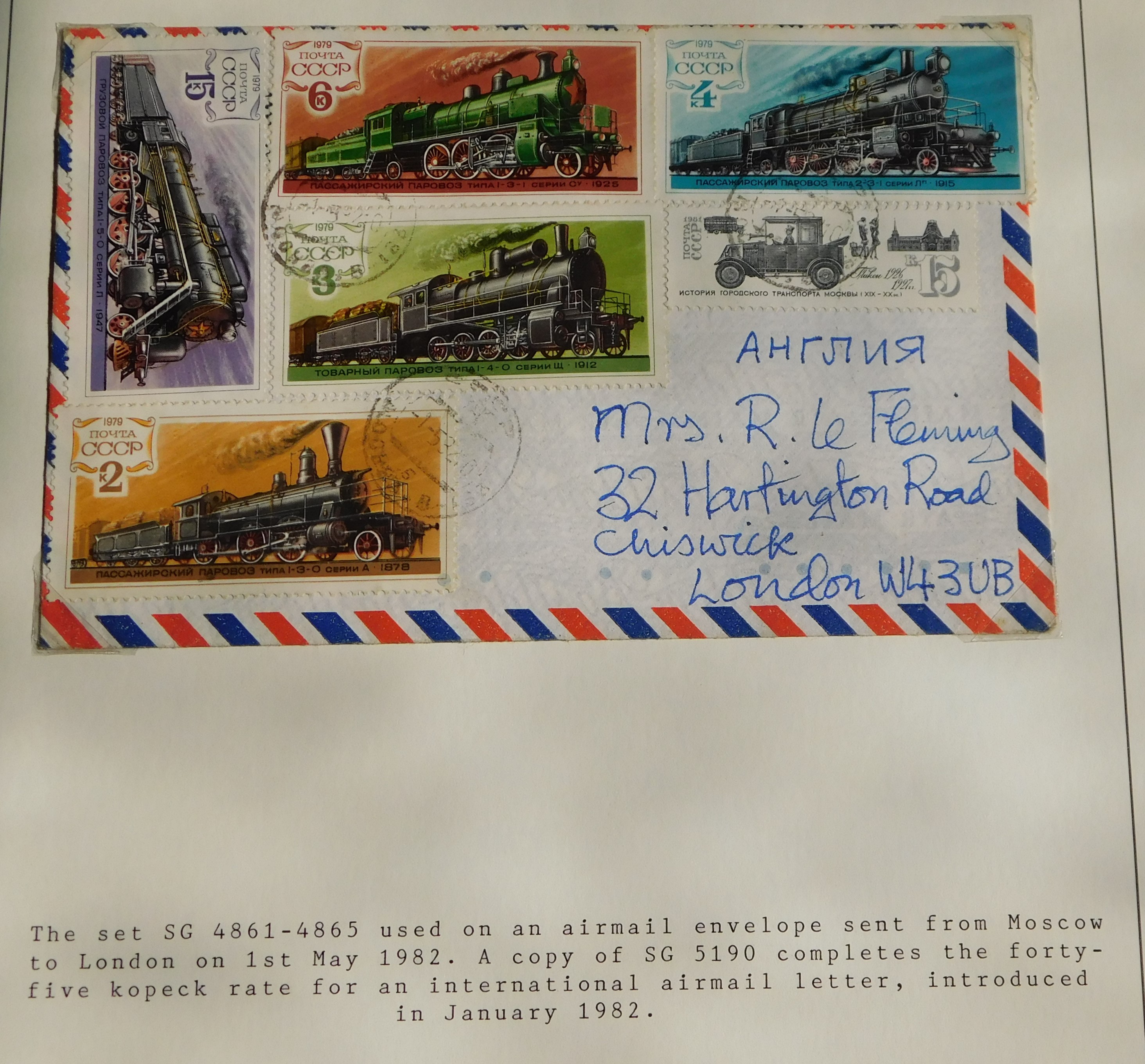
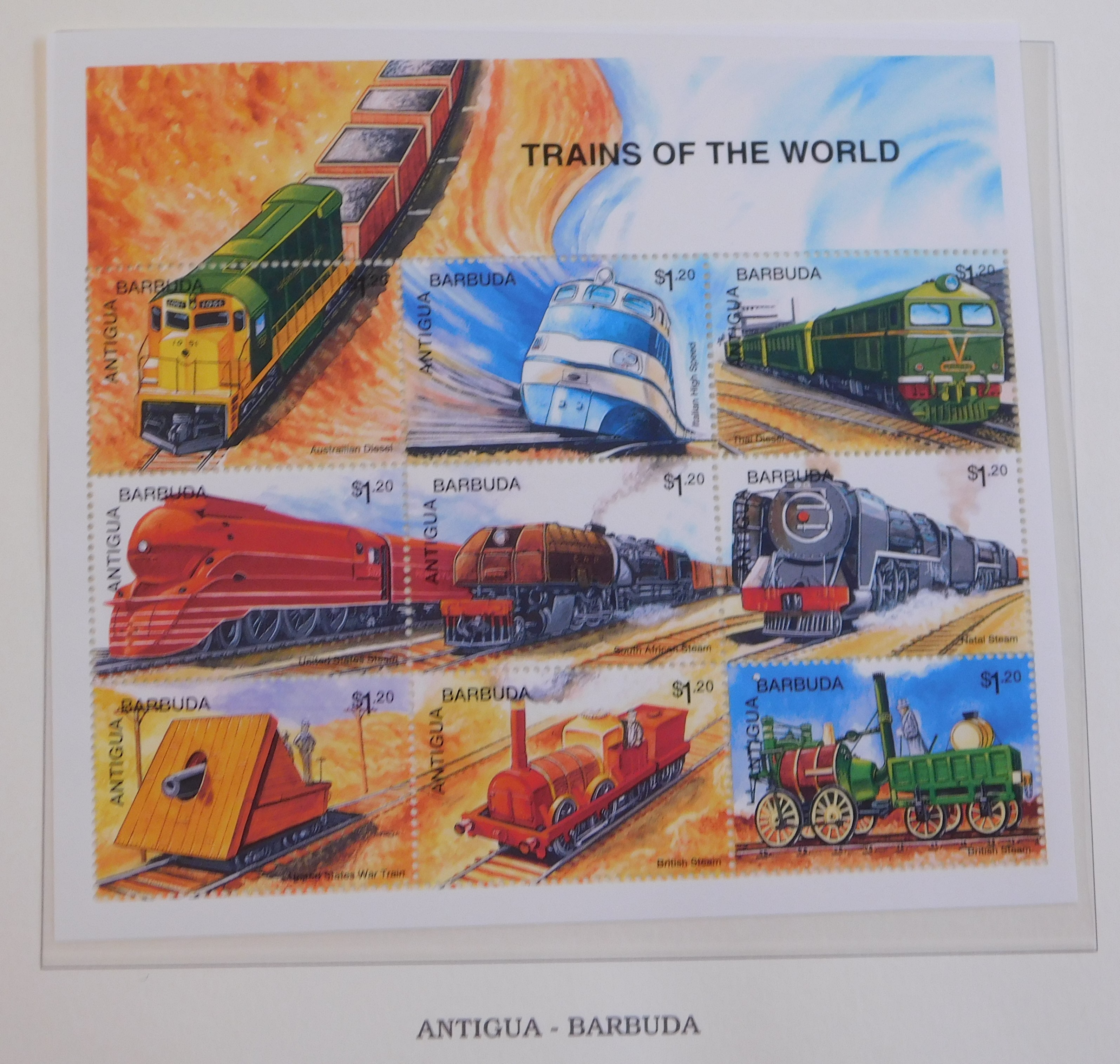
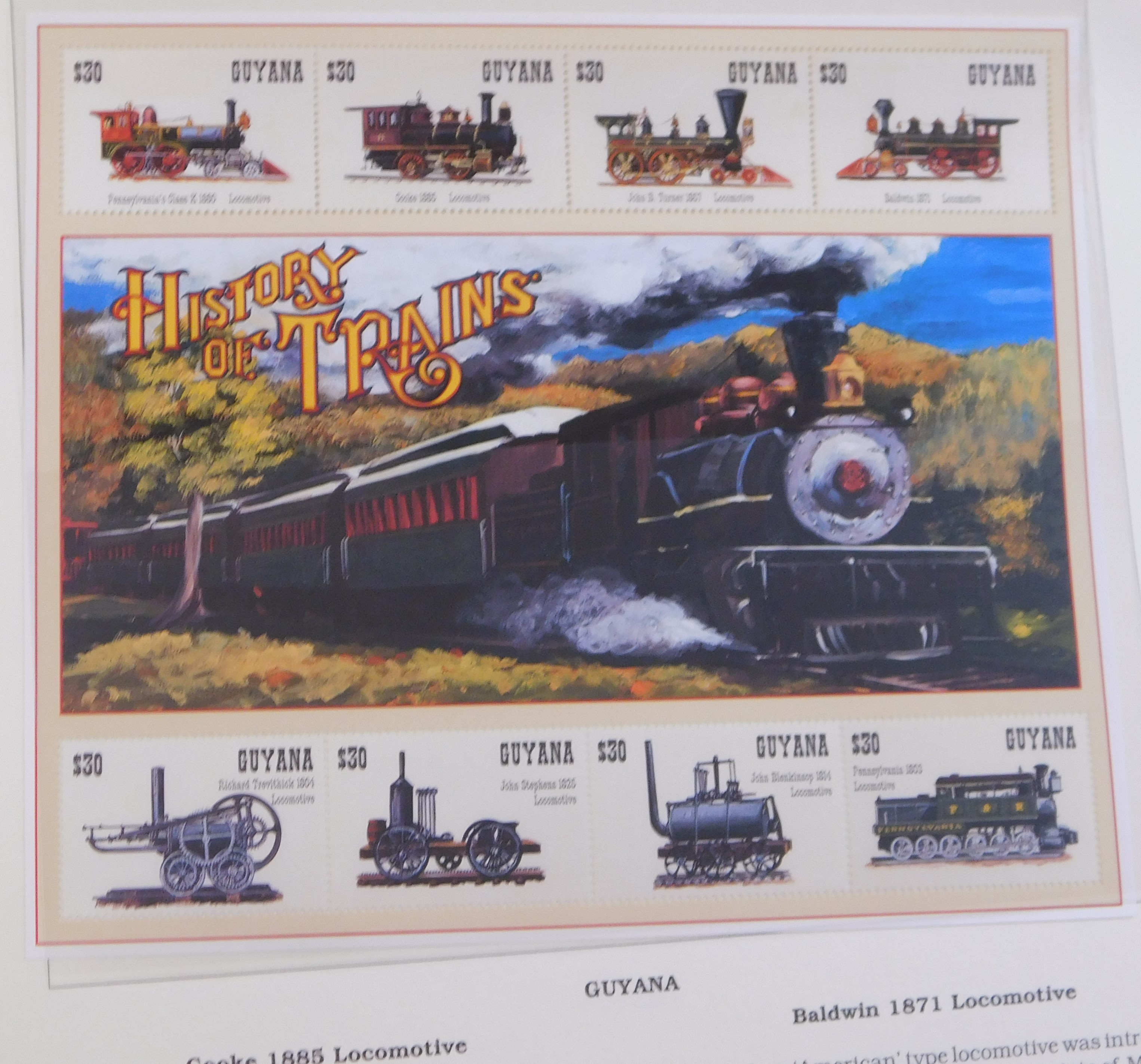
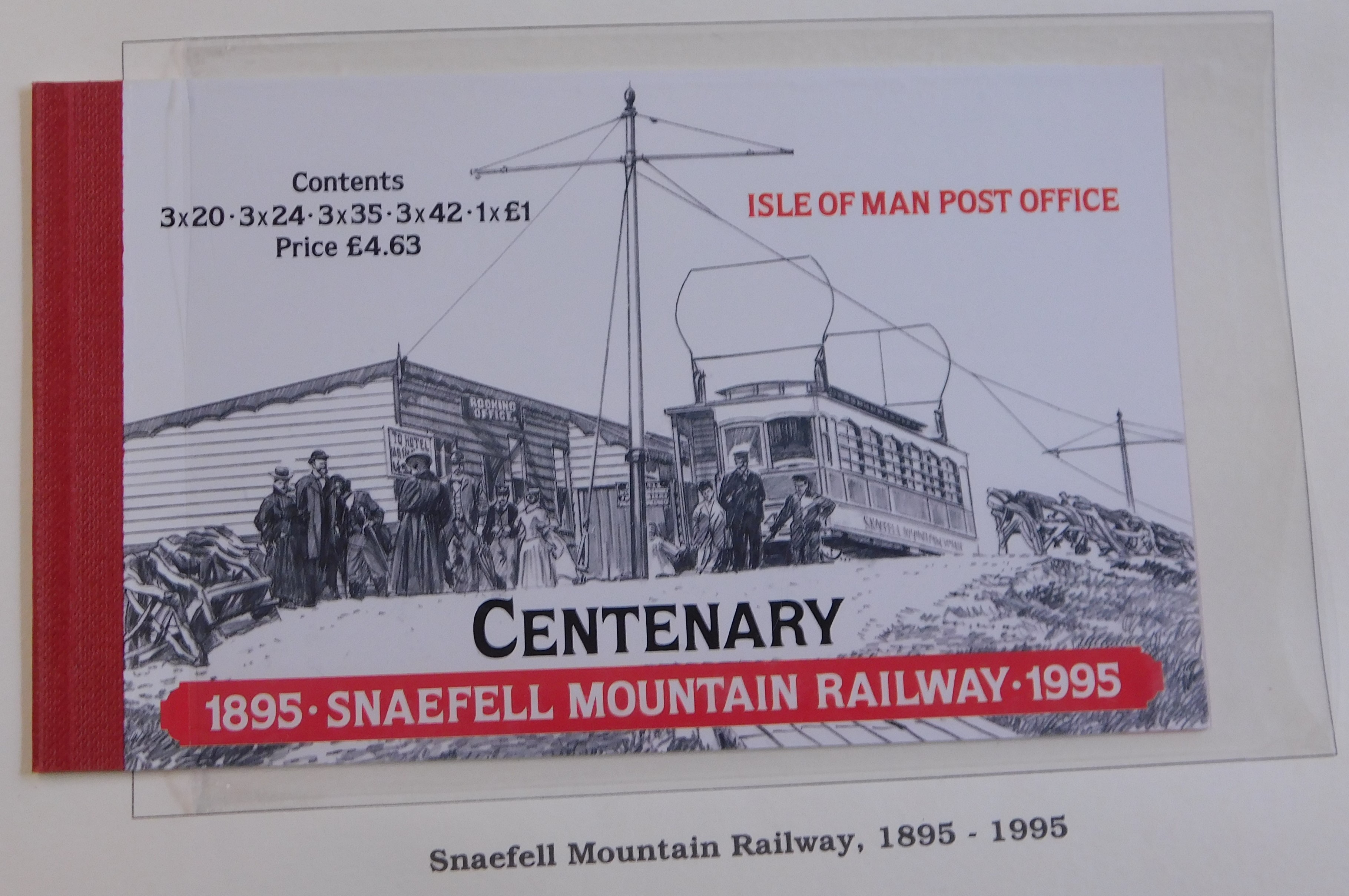
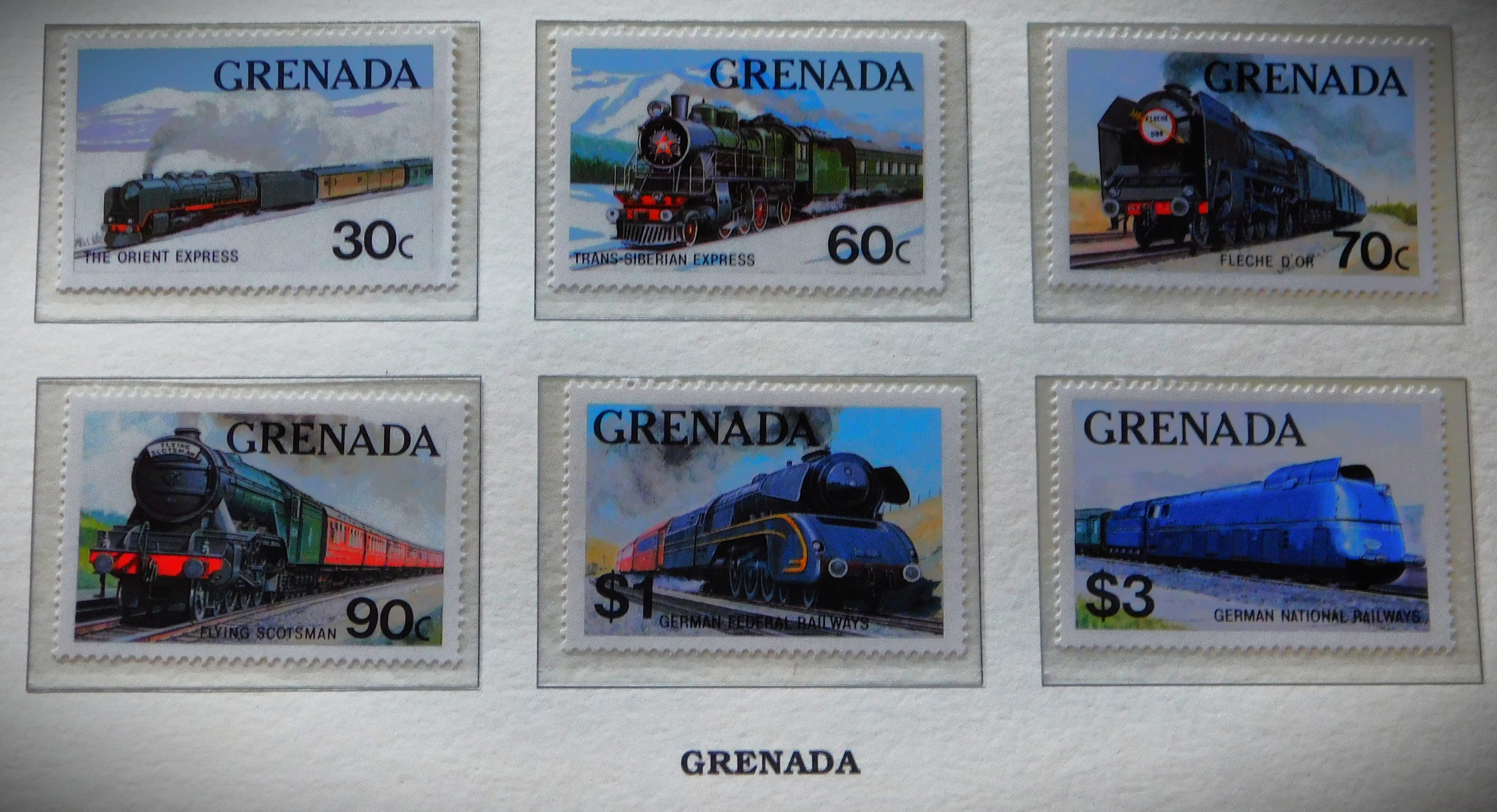
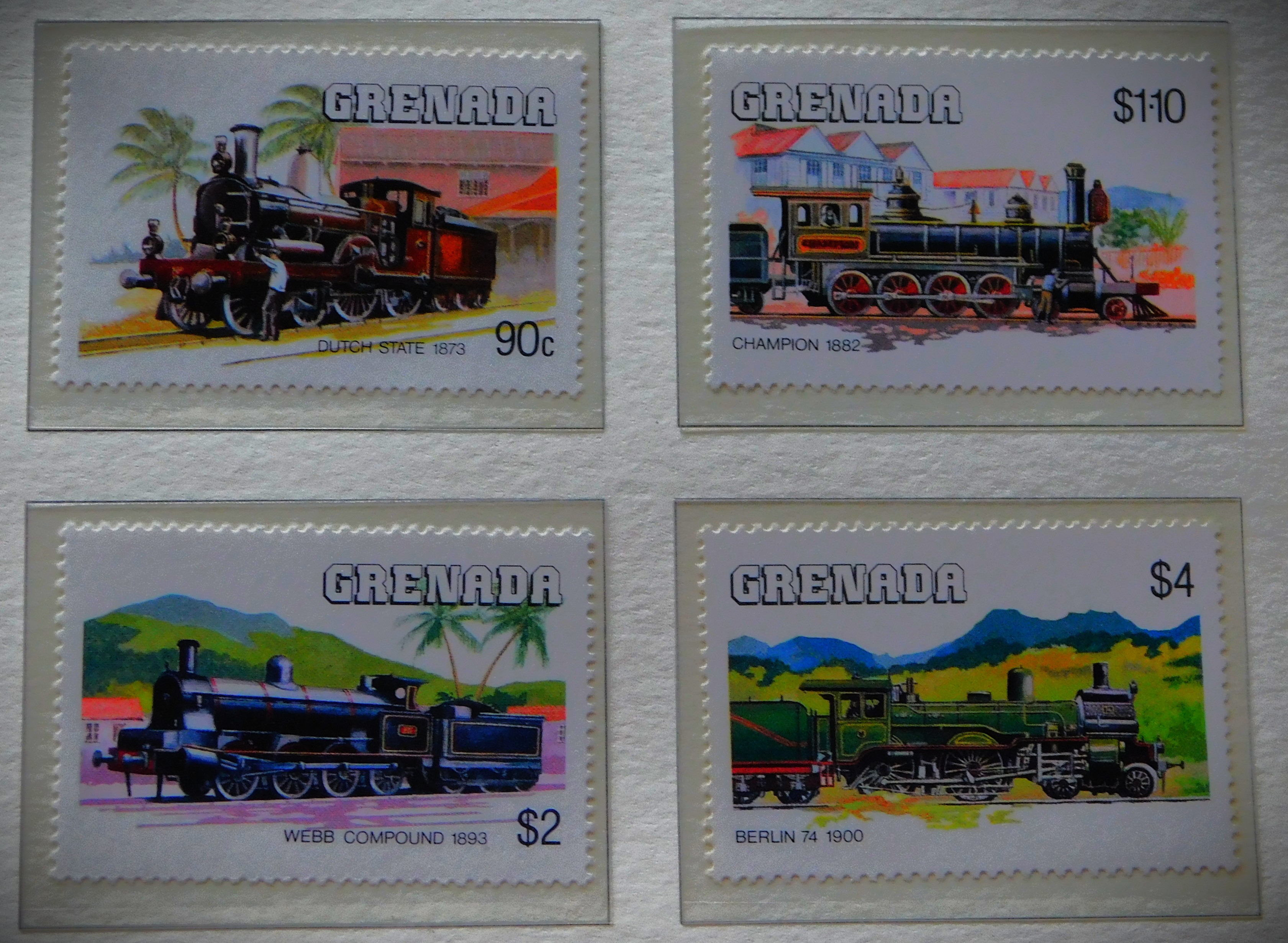
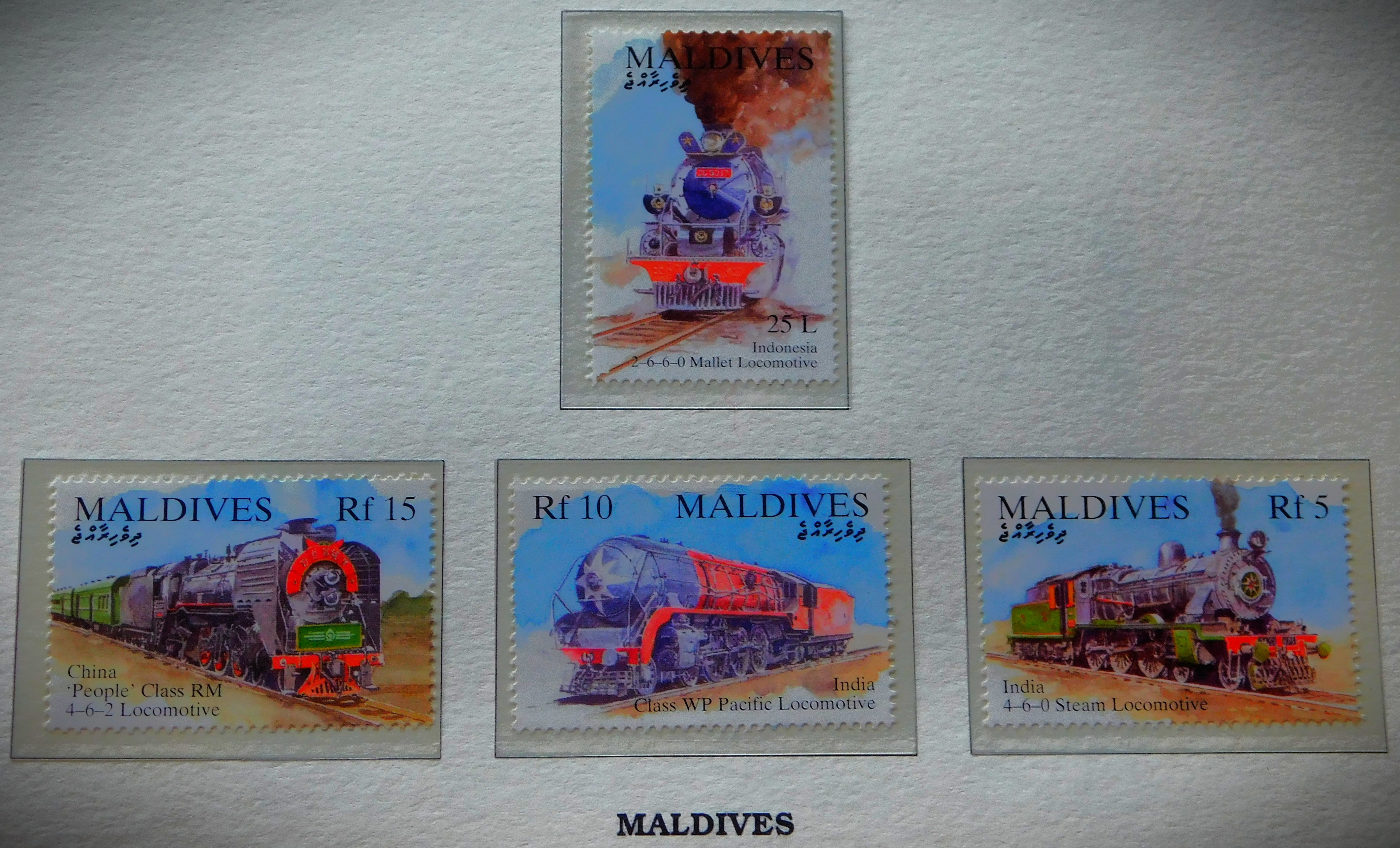
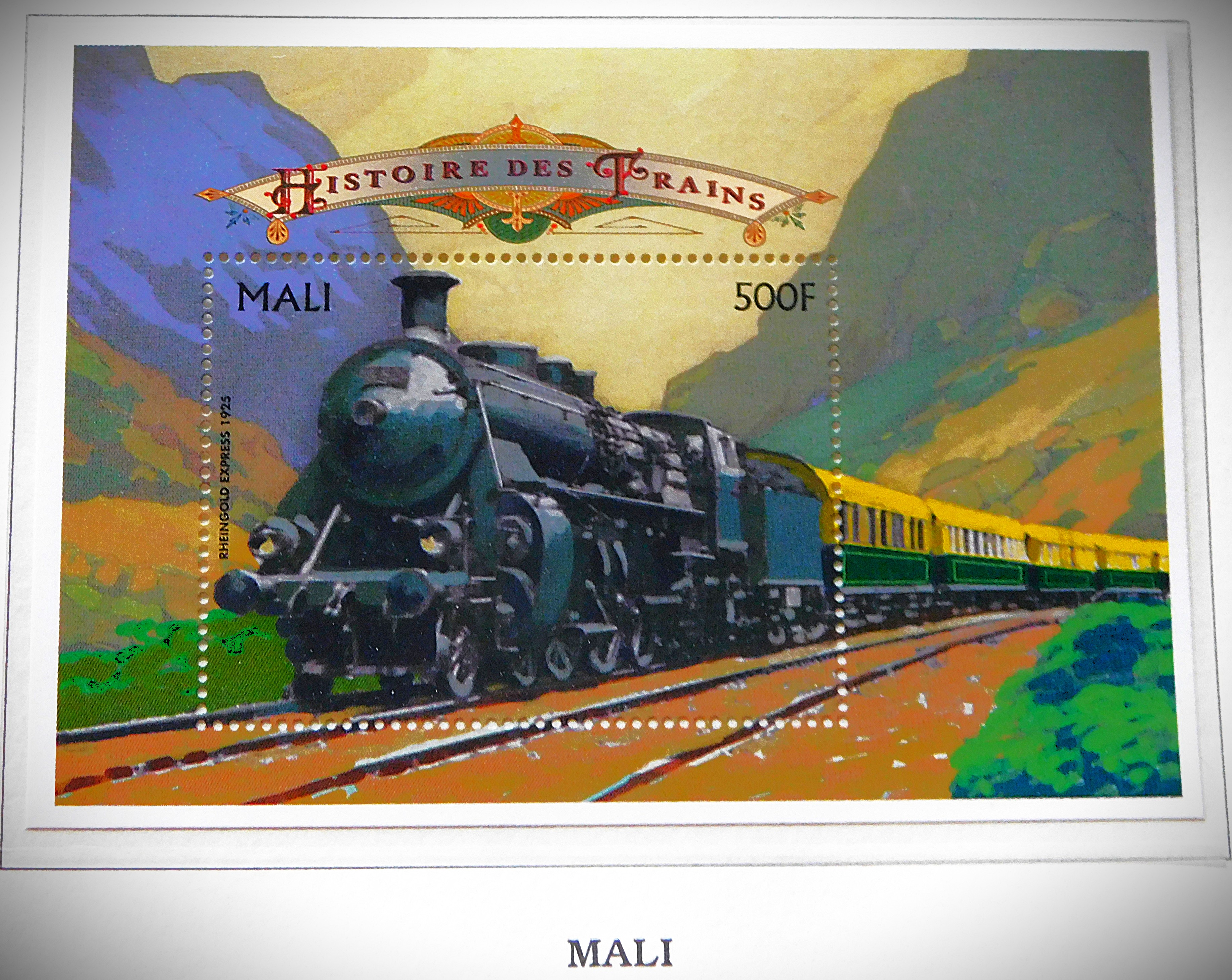
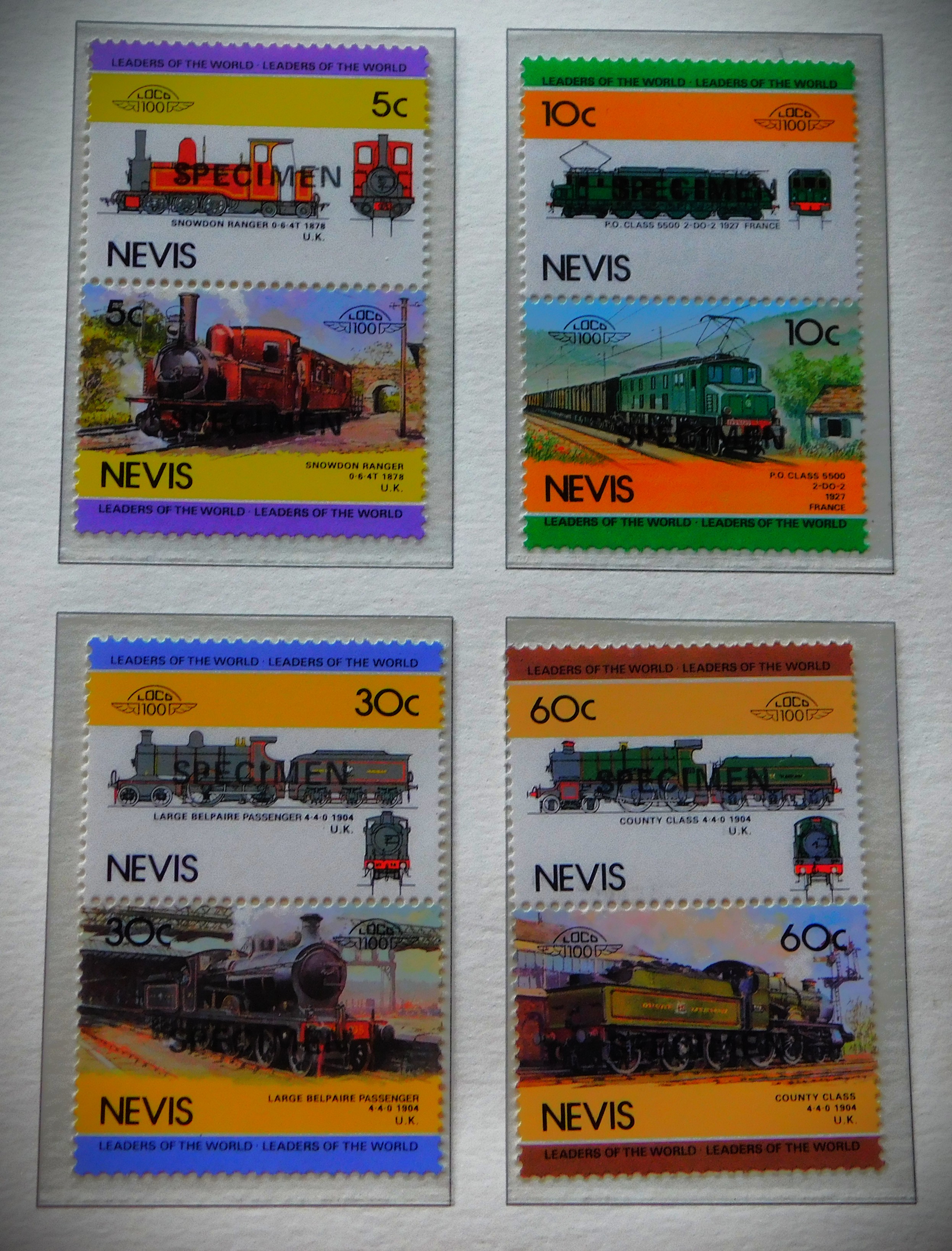
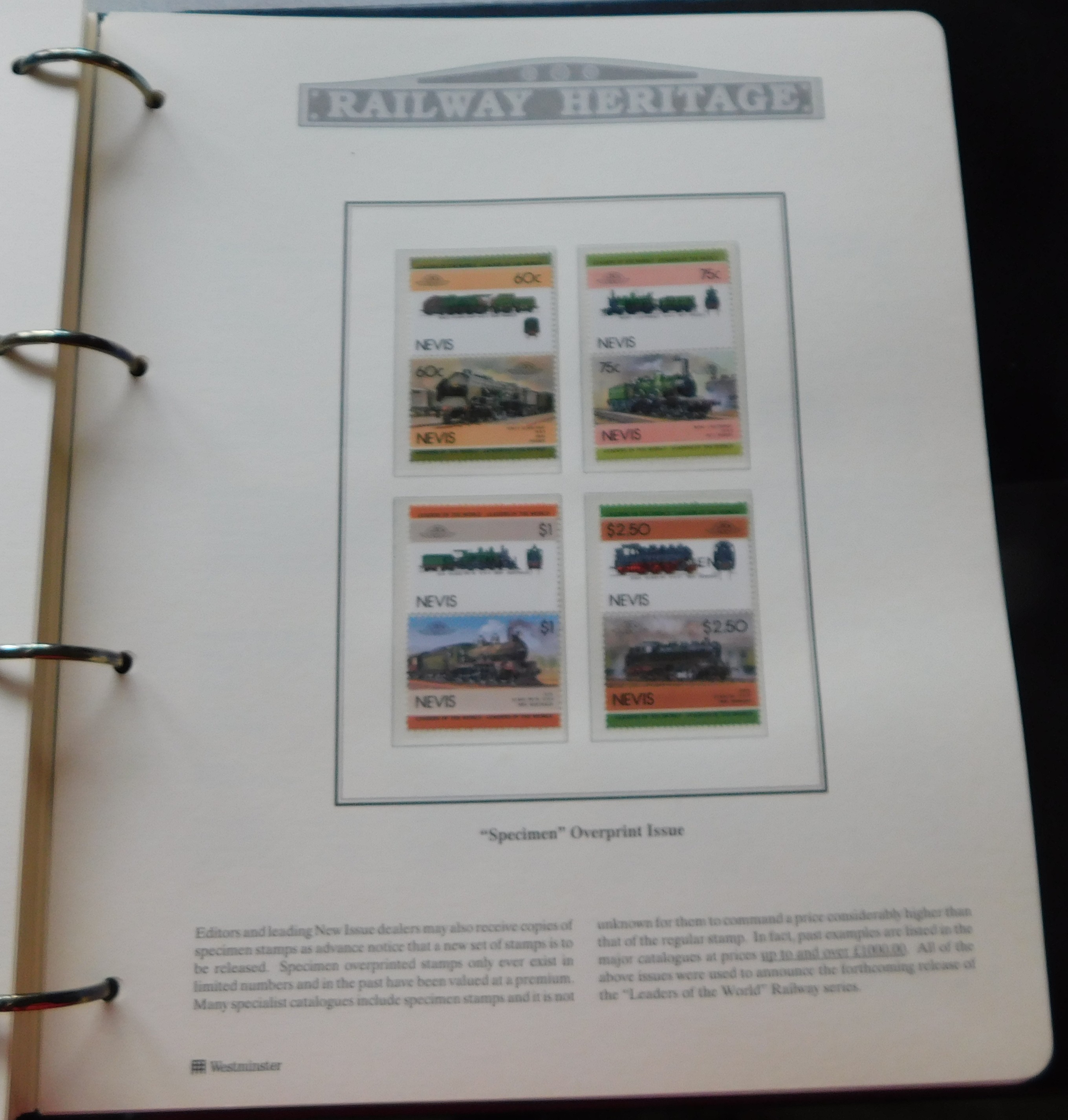
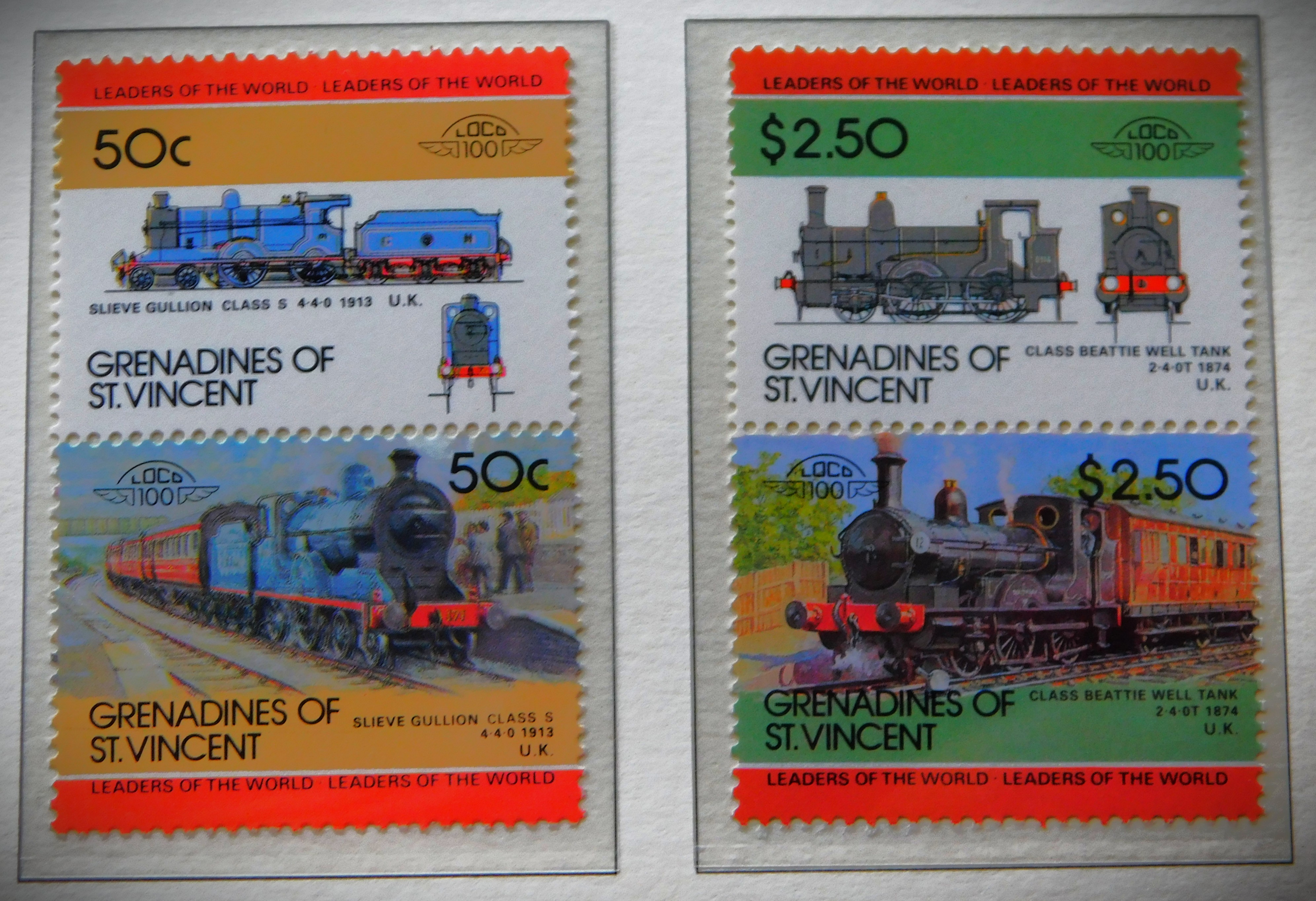
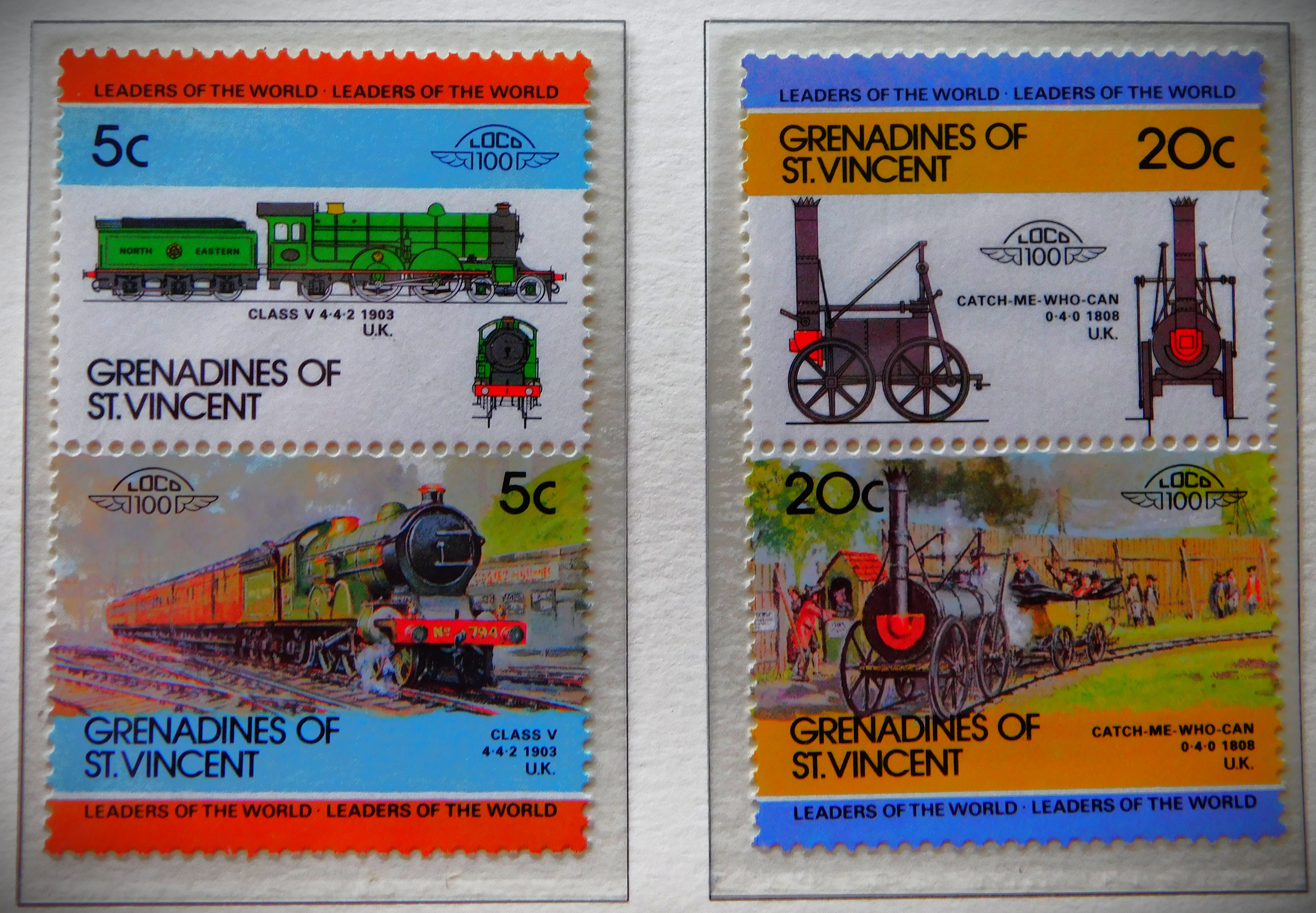
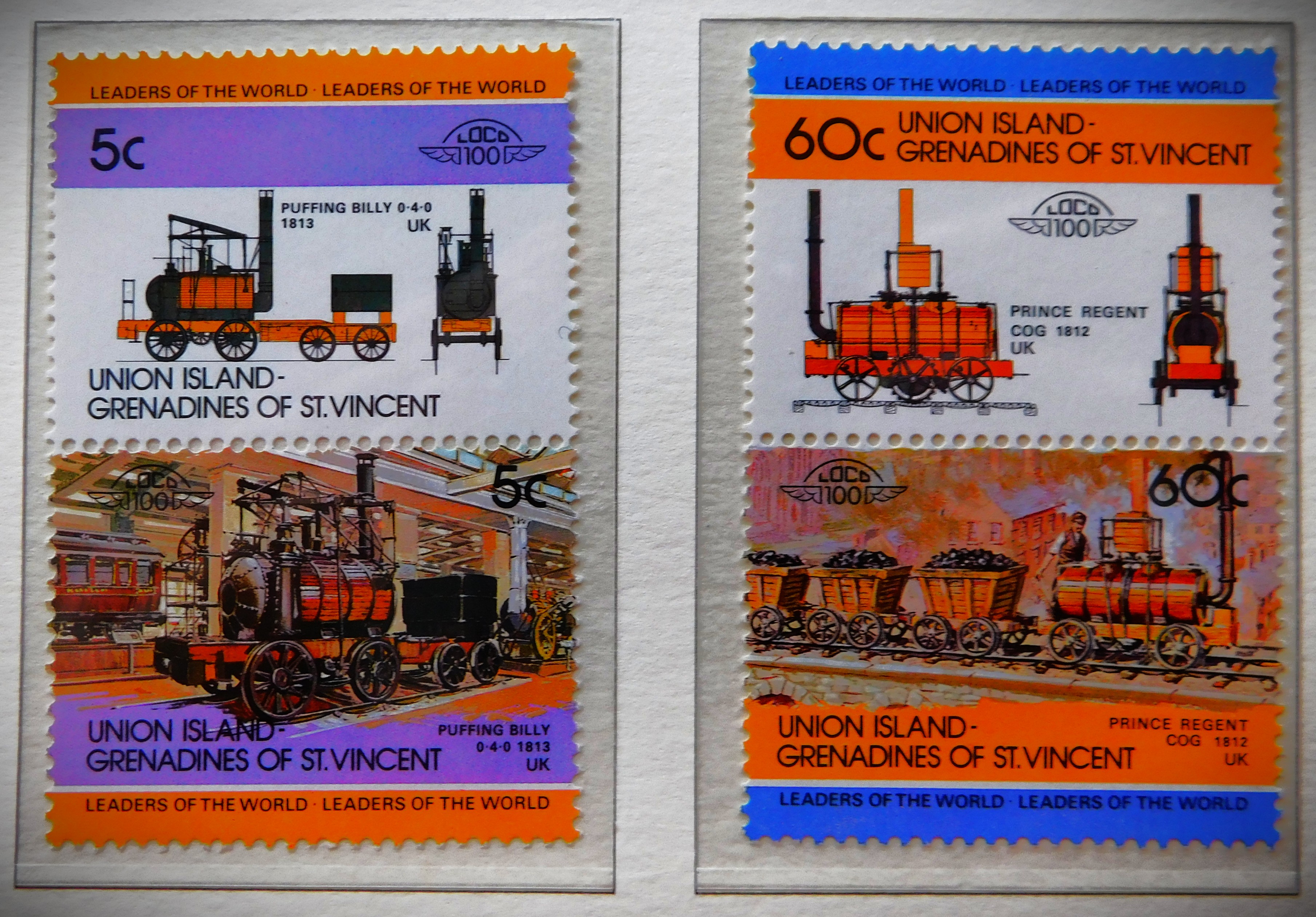
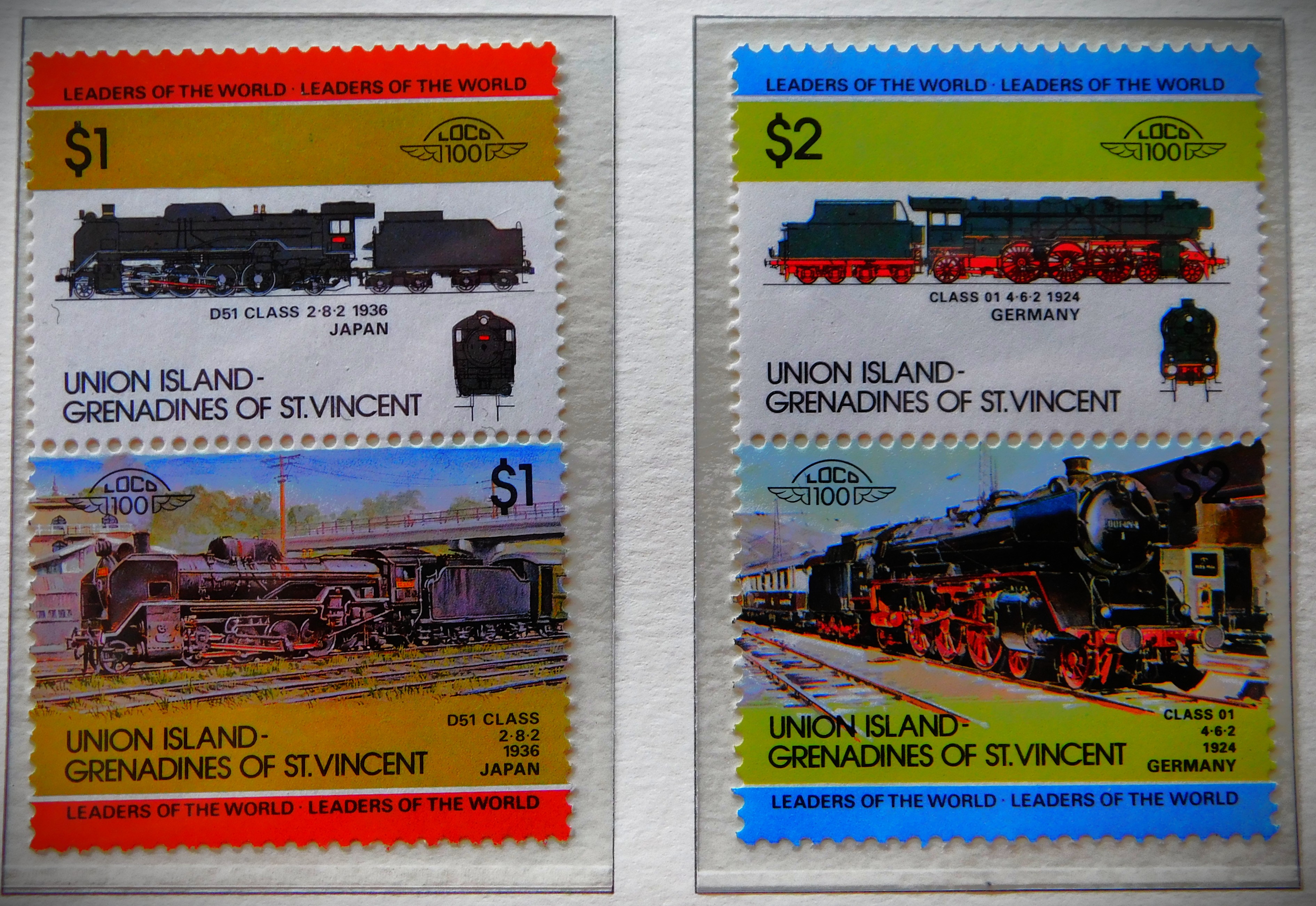
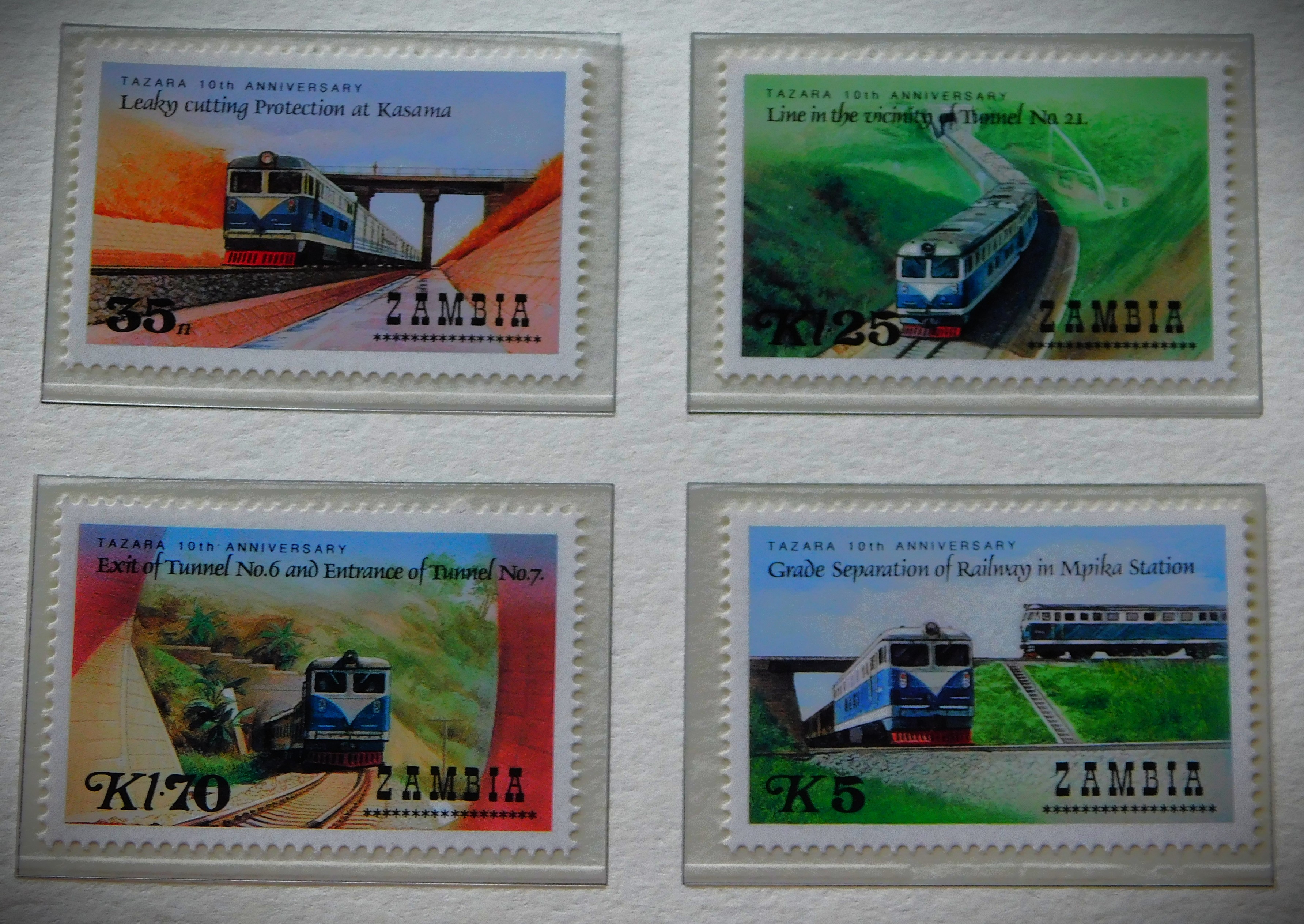
Lot 398 was five pages of Russian steam locomotive stamps:
DAY TWO
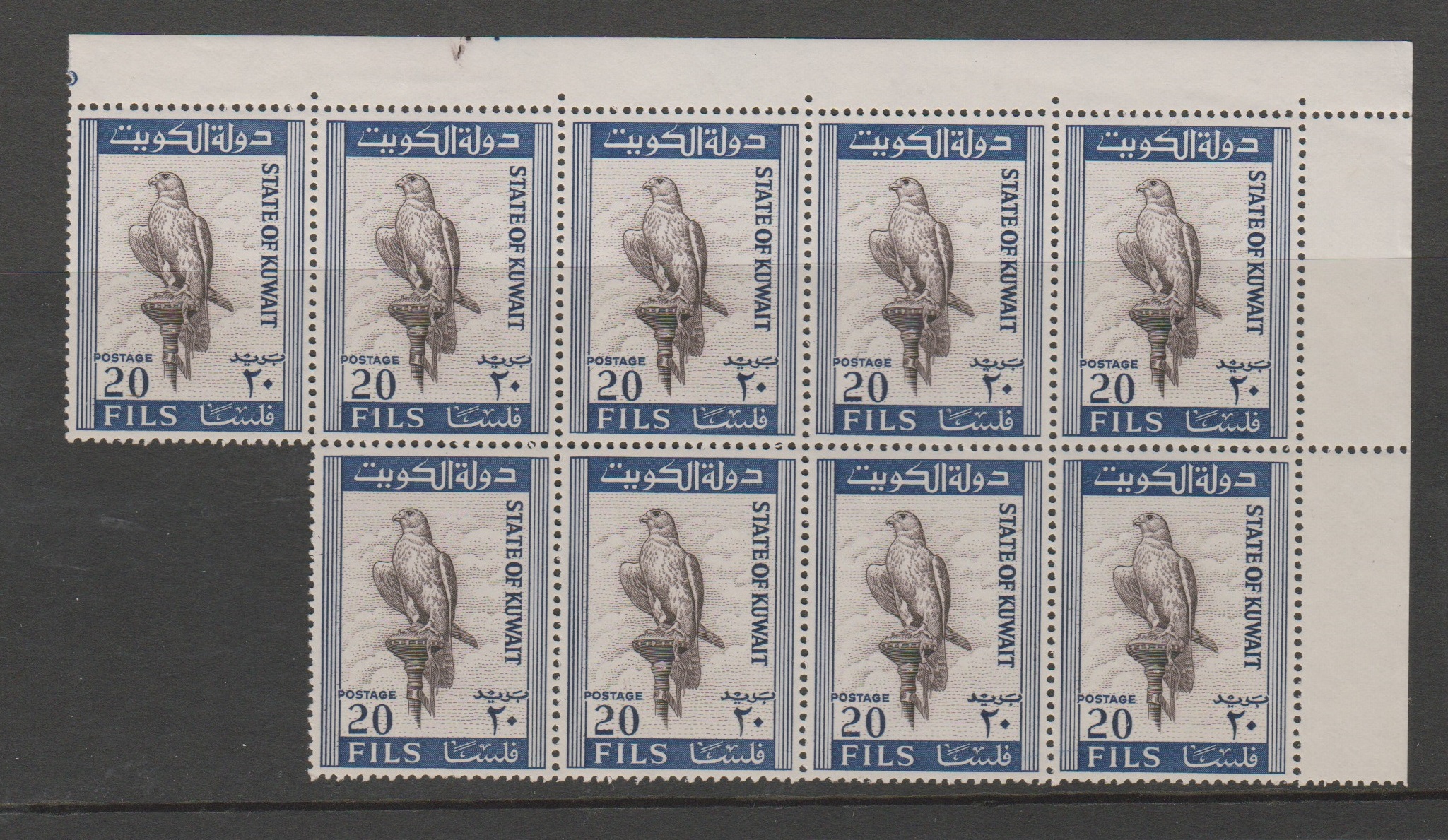
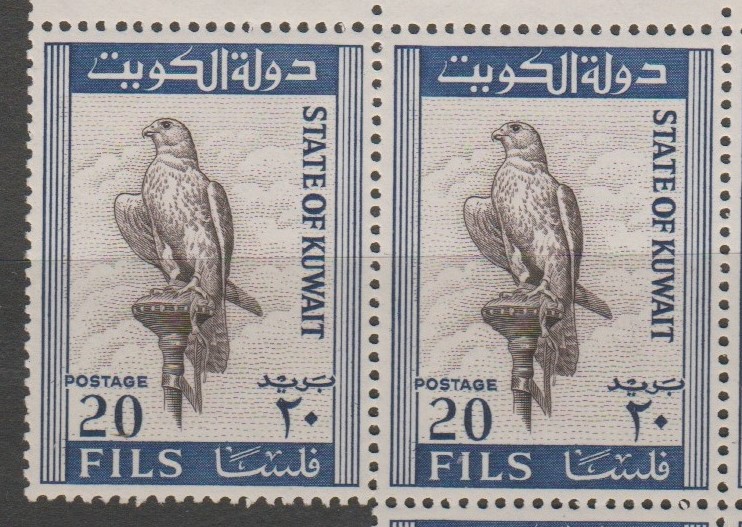
This could have been a very quiet day, but fortunately it wasn’t completely so. The biggest success of the day was lot 762, which went for £140. My first bid of the day was on lot 701, and I was successful:
Lot 728 was my next success…
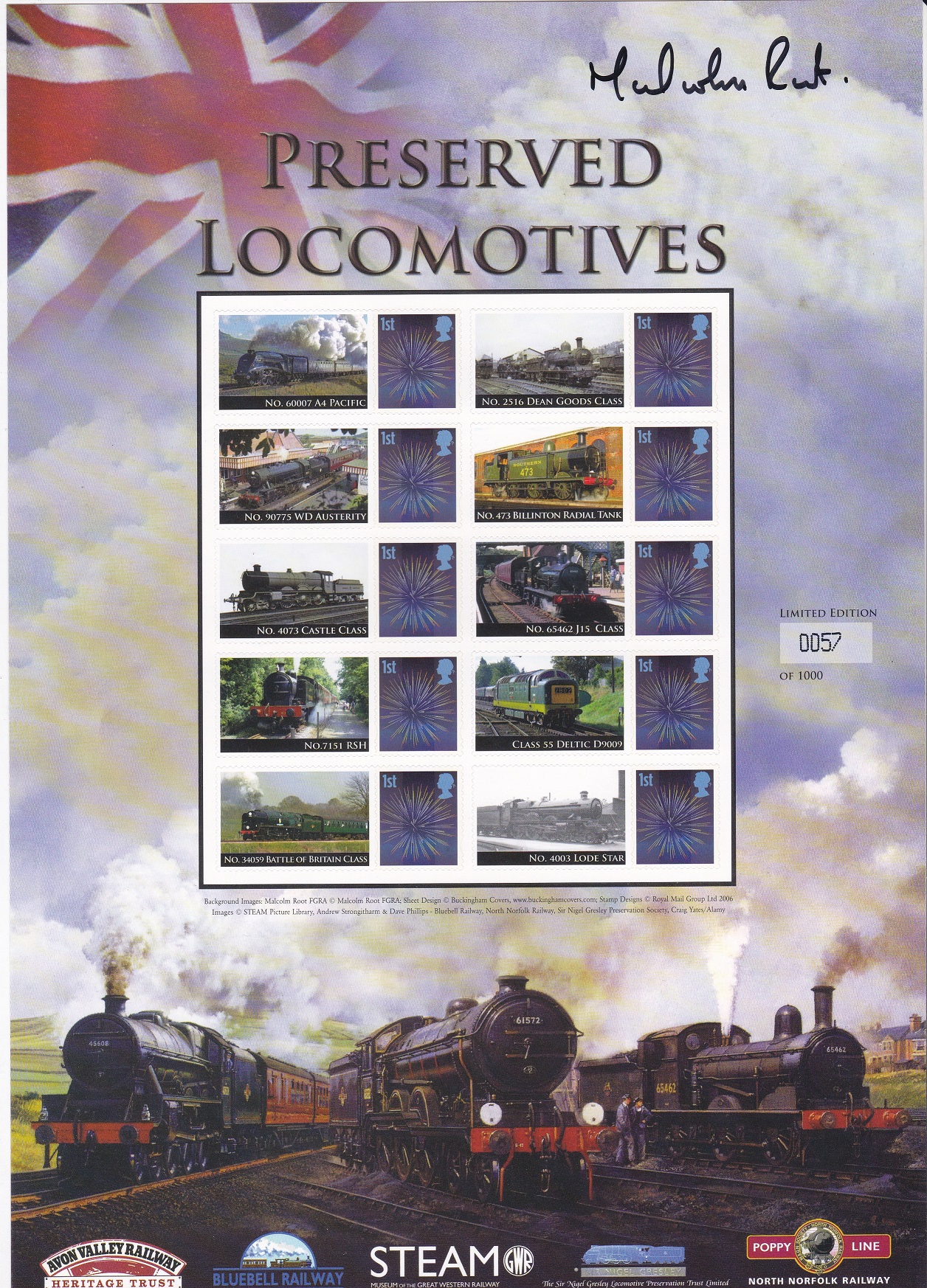
Lots 785 and 840 also went to me…
COUNTY CHAMPIONSHIP
Another round of County Championship fixtures got underway today. Due to a meeting this morning I missed the first session of play, and I will be missing most of tomorrow as it is the West Norfolk Autism Group’s annual outing to Pensthorpe. However I have got to enjoy Somerset having superb afternoon and evening against Essex at Taunton. Essex were 115-2 at the high water mark of their innings, but since then it has been one-way traffic – they are now 180-9 with Noah Thain having just gone for 41, caught Rew bowled Pretorius. I am not entirely sure about Kasun Rajitha;s batting credentials, though the fact that he is below Sam Cook, sometimes adhesive (as indeed he was today) but unquestionably a tail ender, tells one something, but Jamie Porter is an absolutely blown in the glass genuine number 11.
PHOTOGRAPHS
My usual sign off…
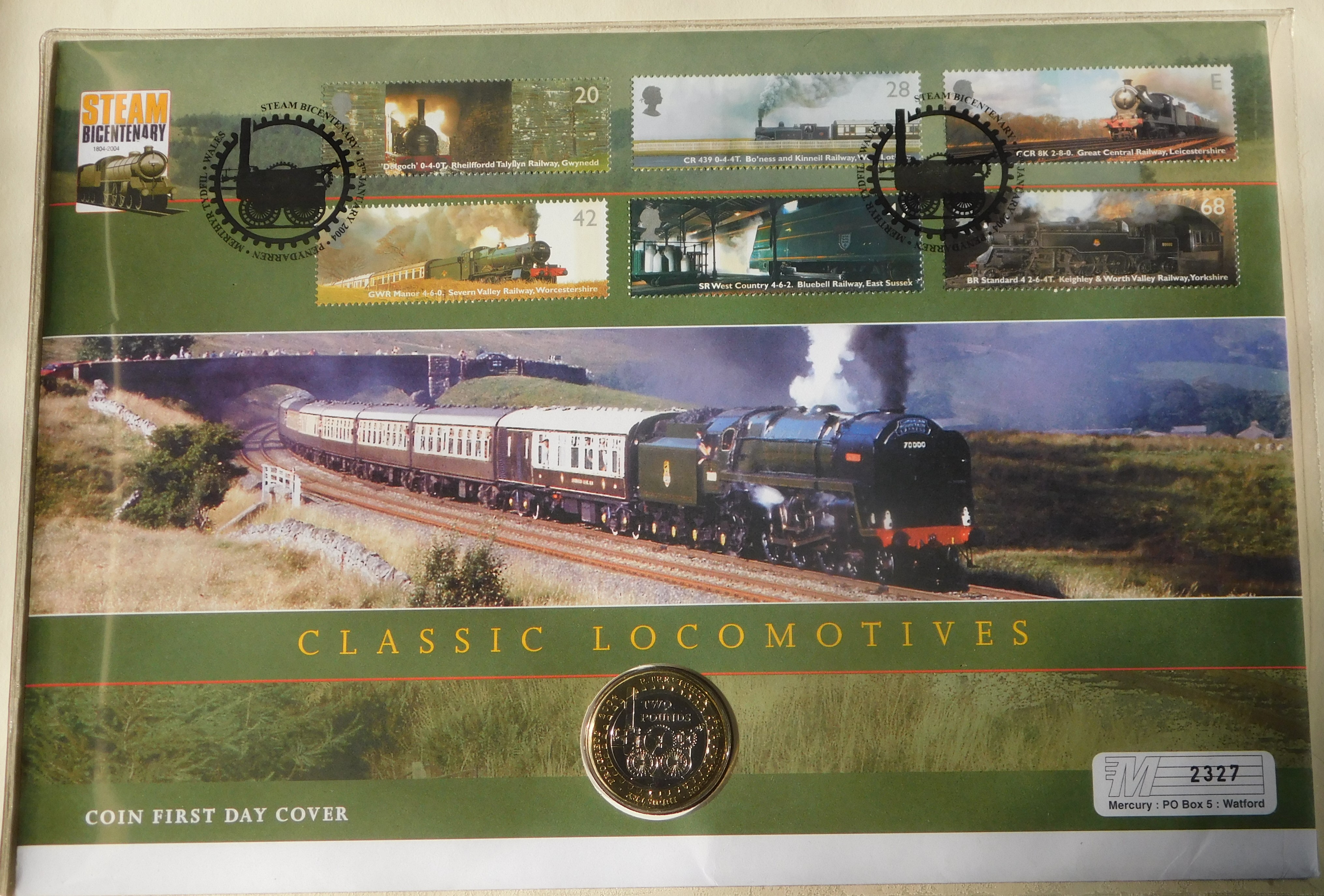
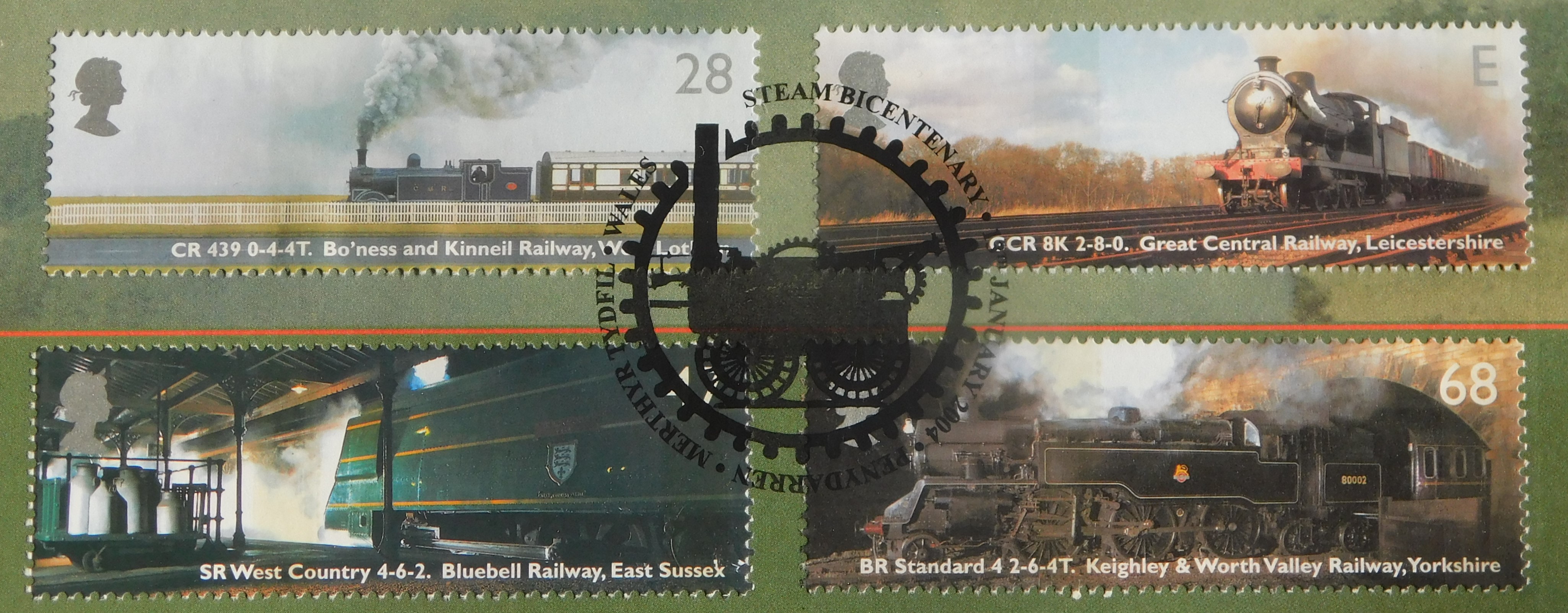
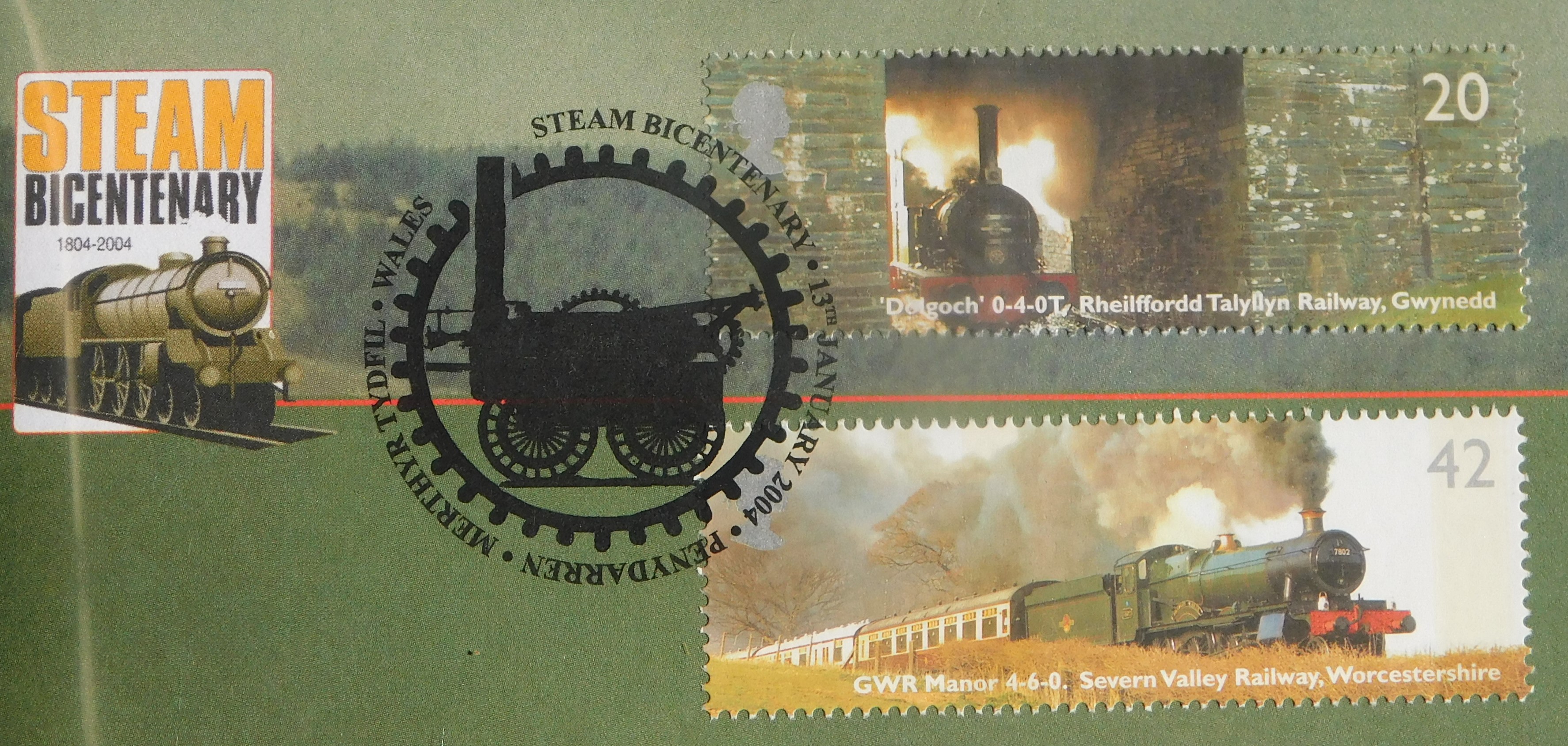
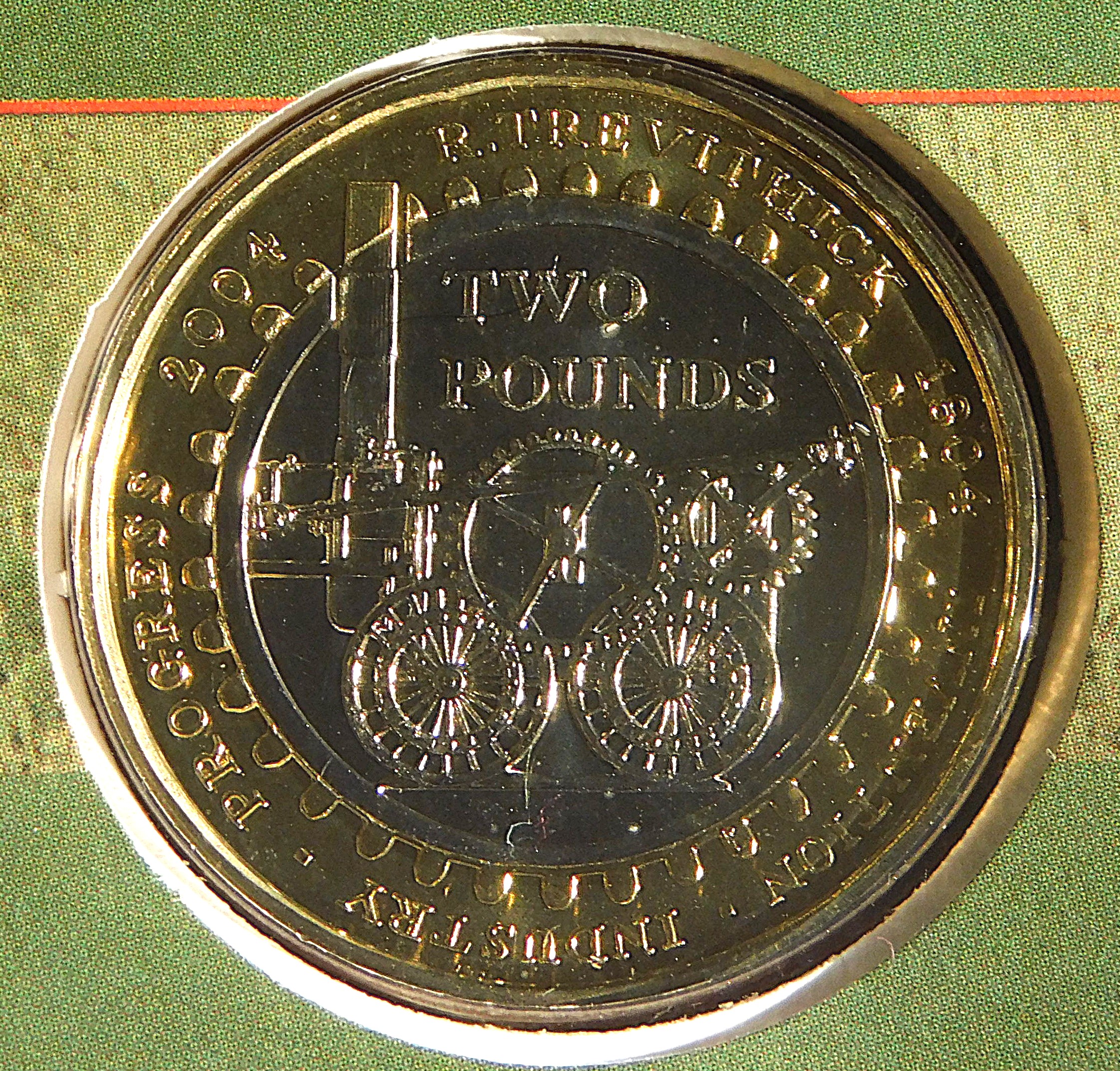
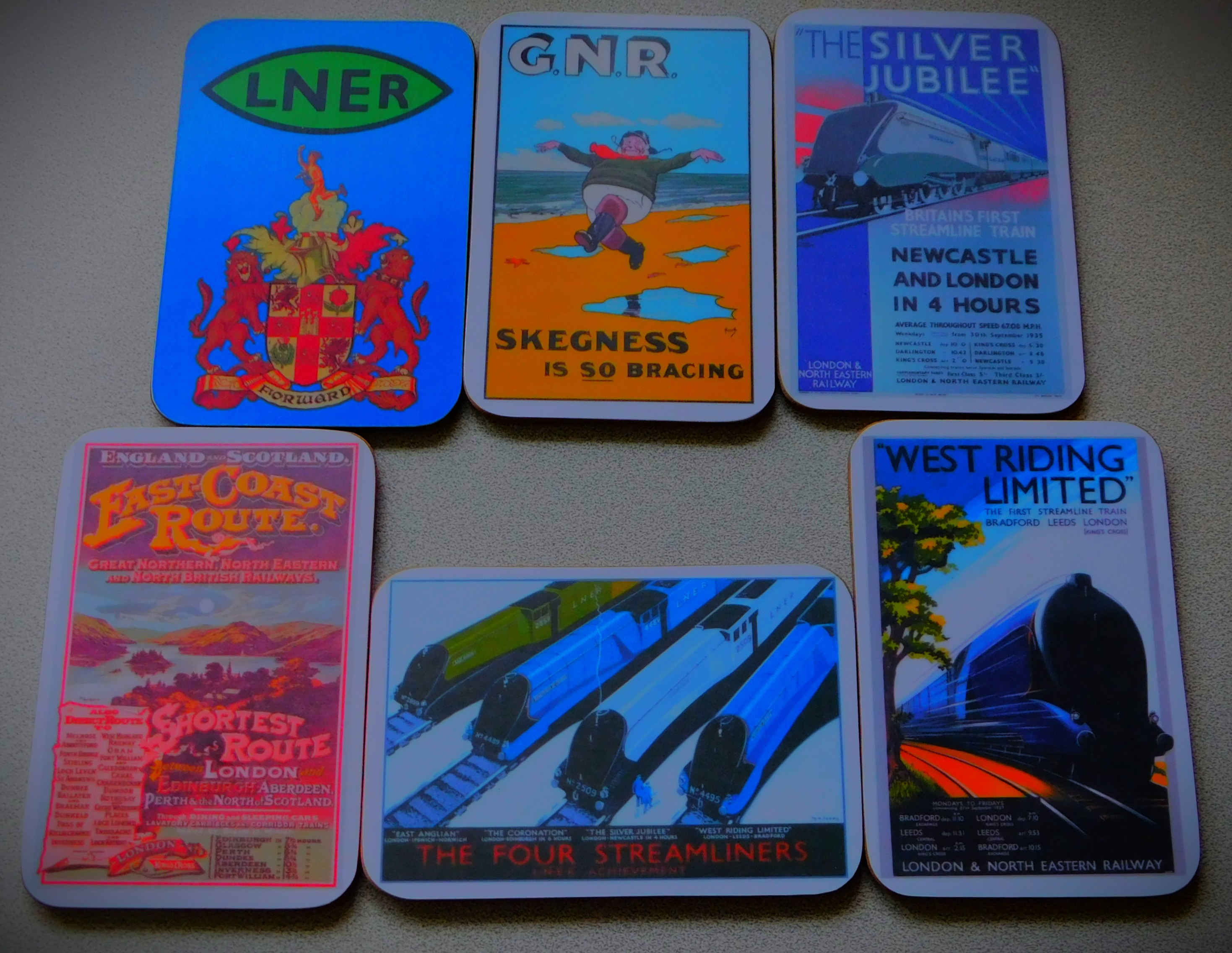
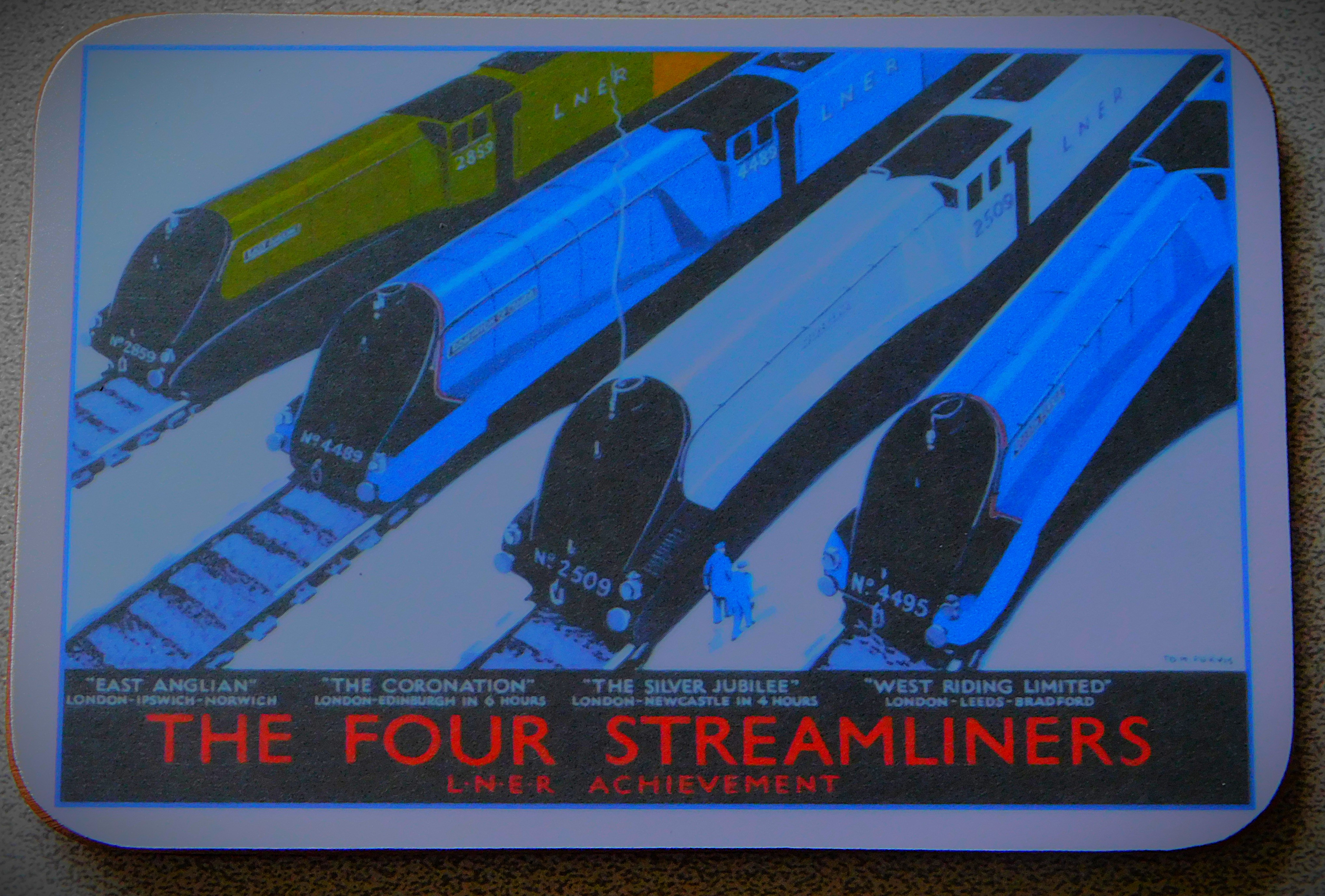
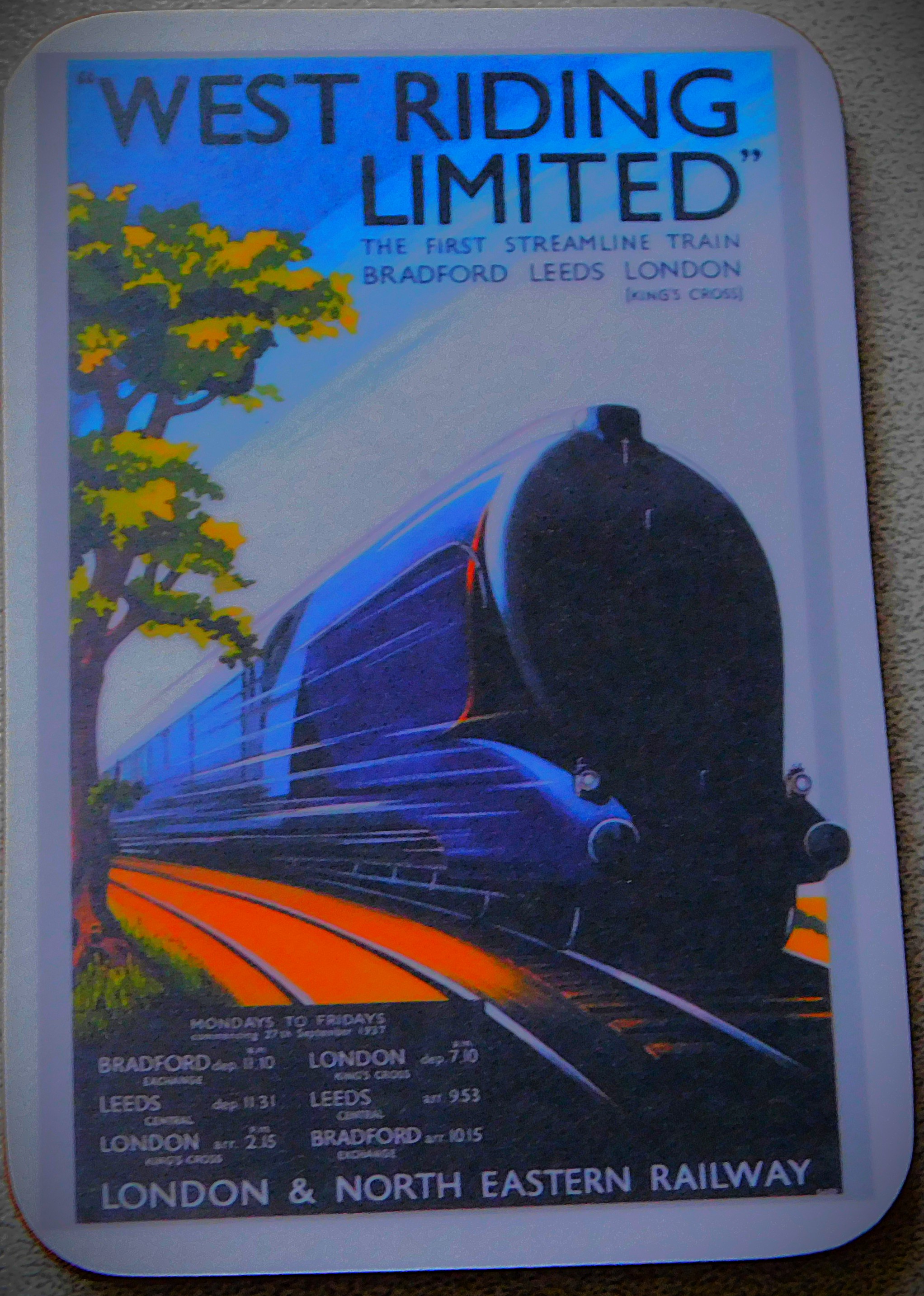
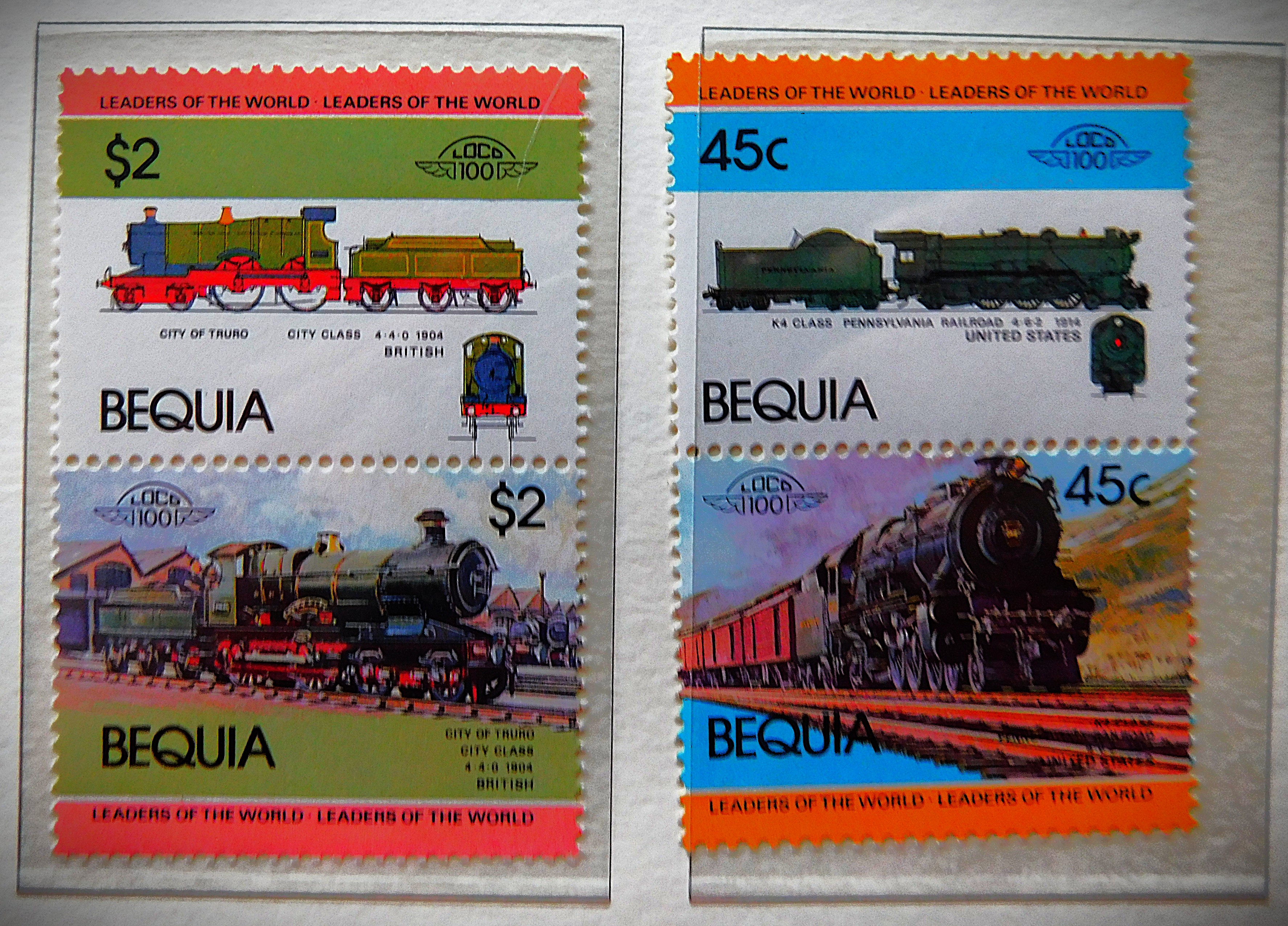
These coasters (seven images in total) are an early birthday present from my boss.The Trevithick/ Pen-y-Darren £2
A detailed look at my latest auction purchase, one which I am inclined to regard as a spectacular bargain. This is even my standards a very image heavy post.
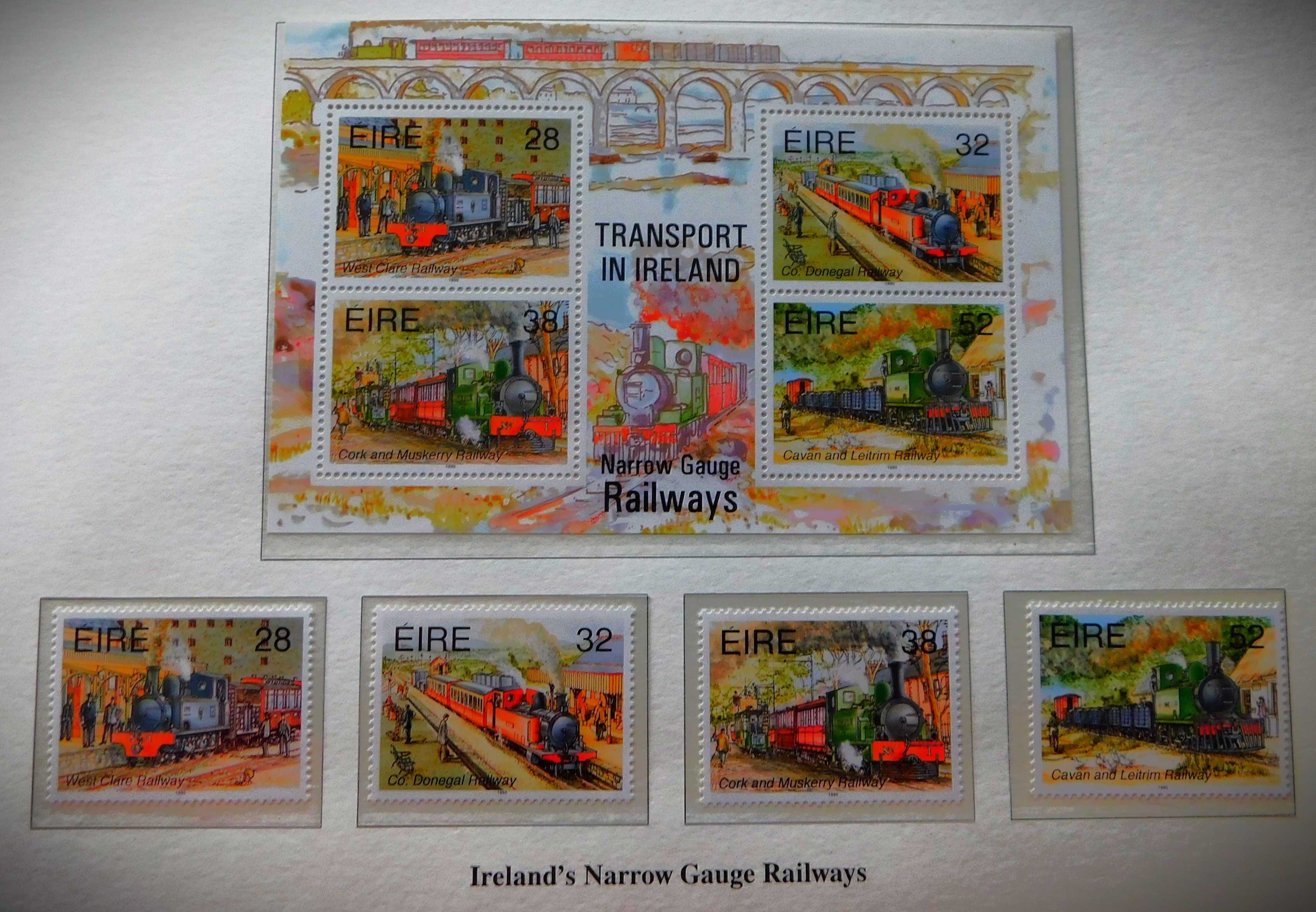
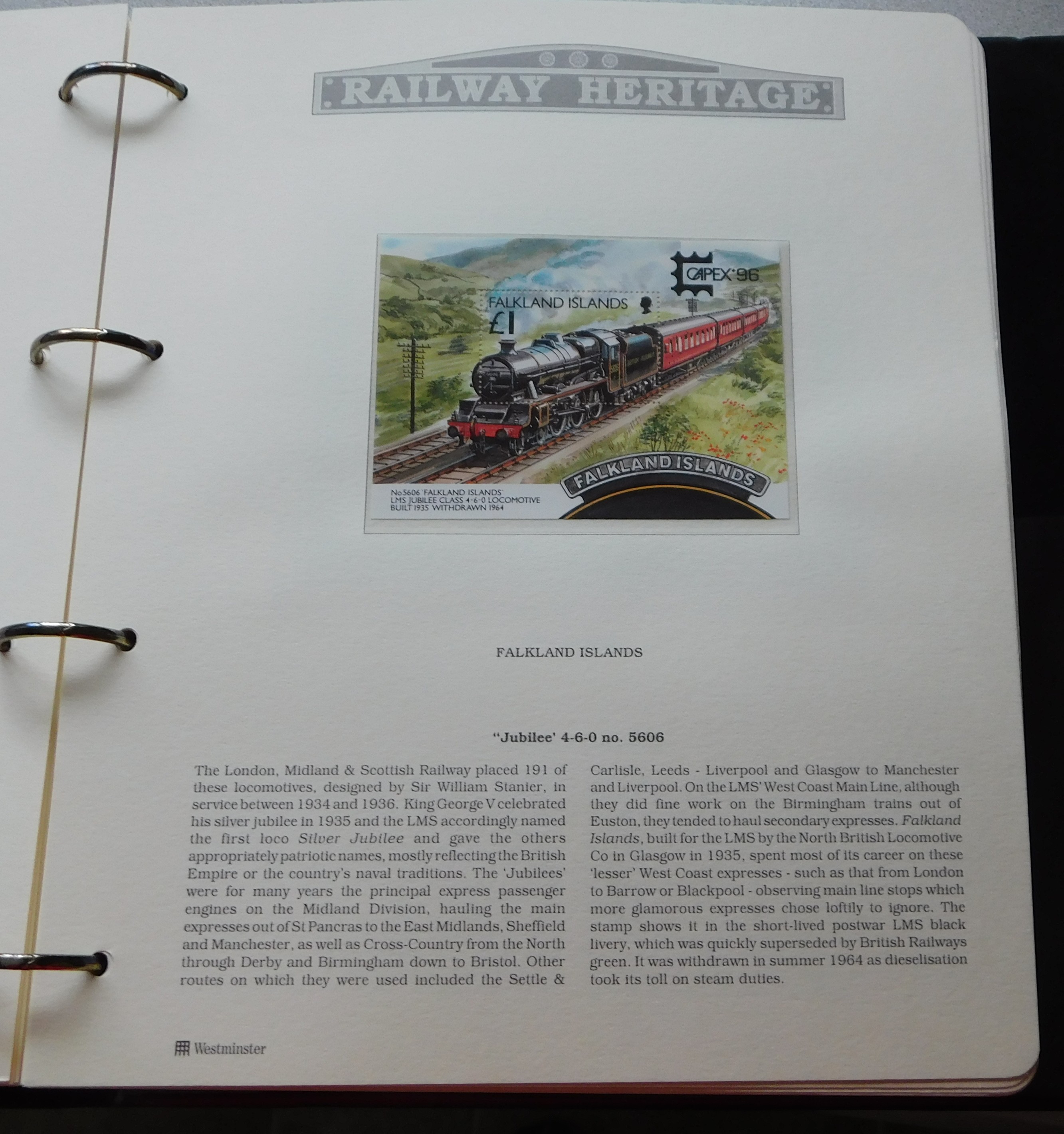
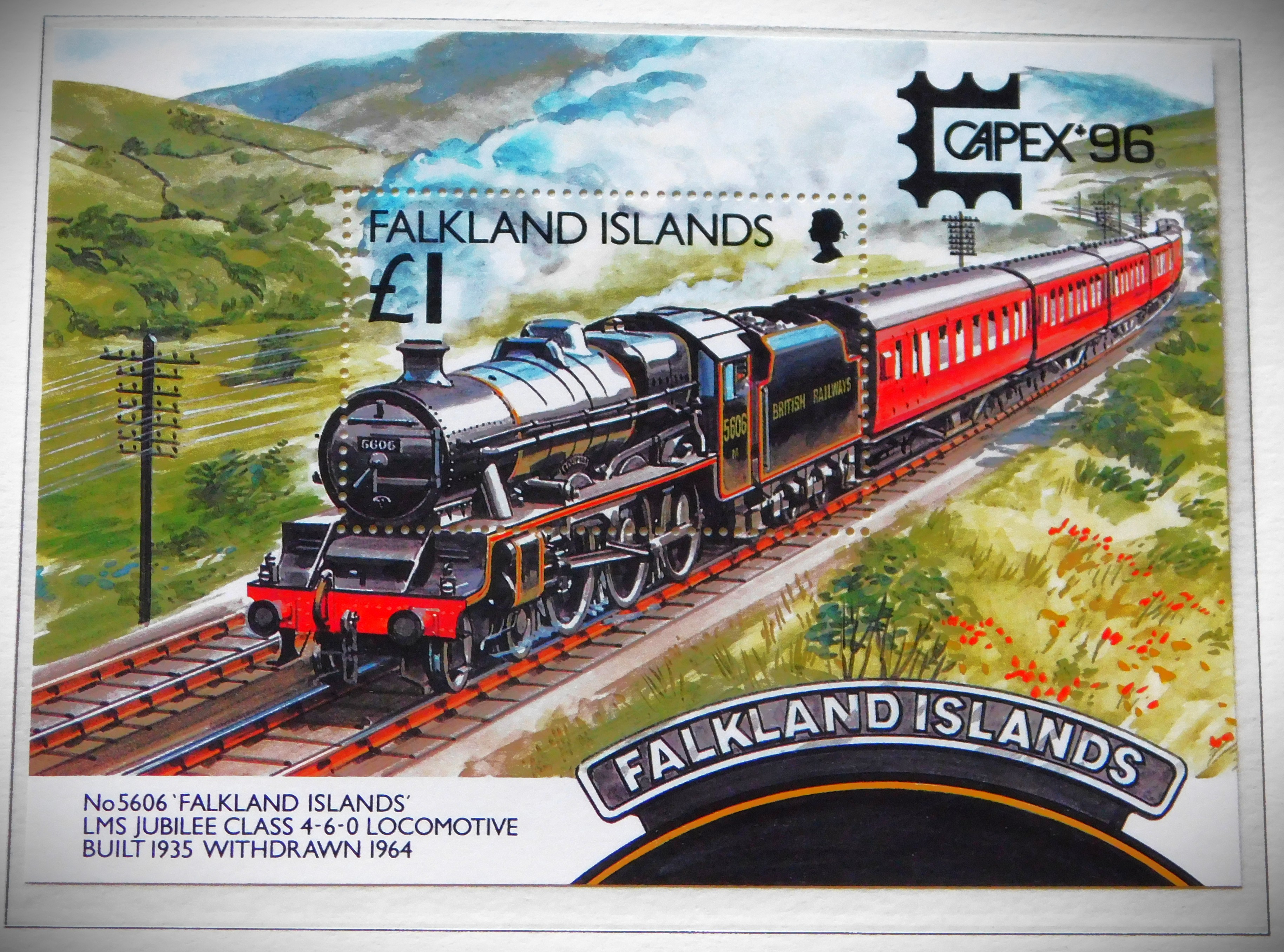
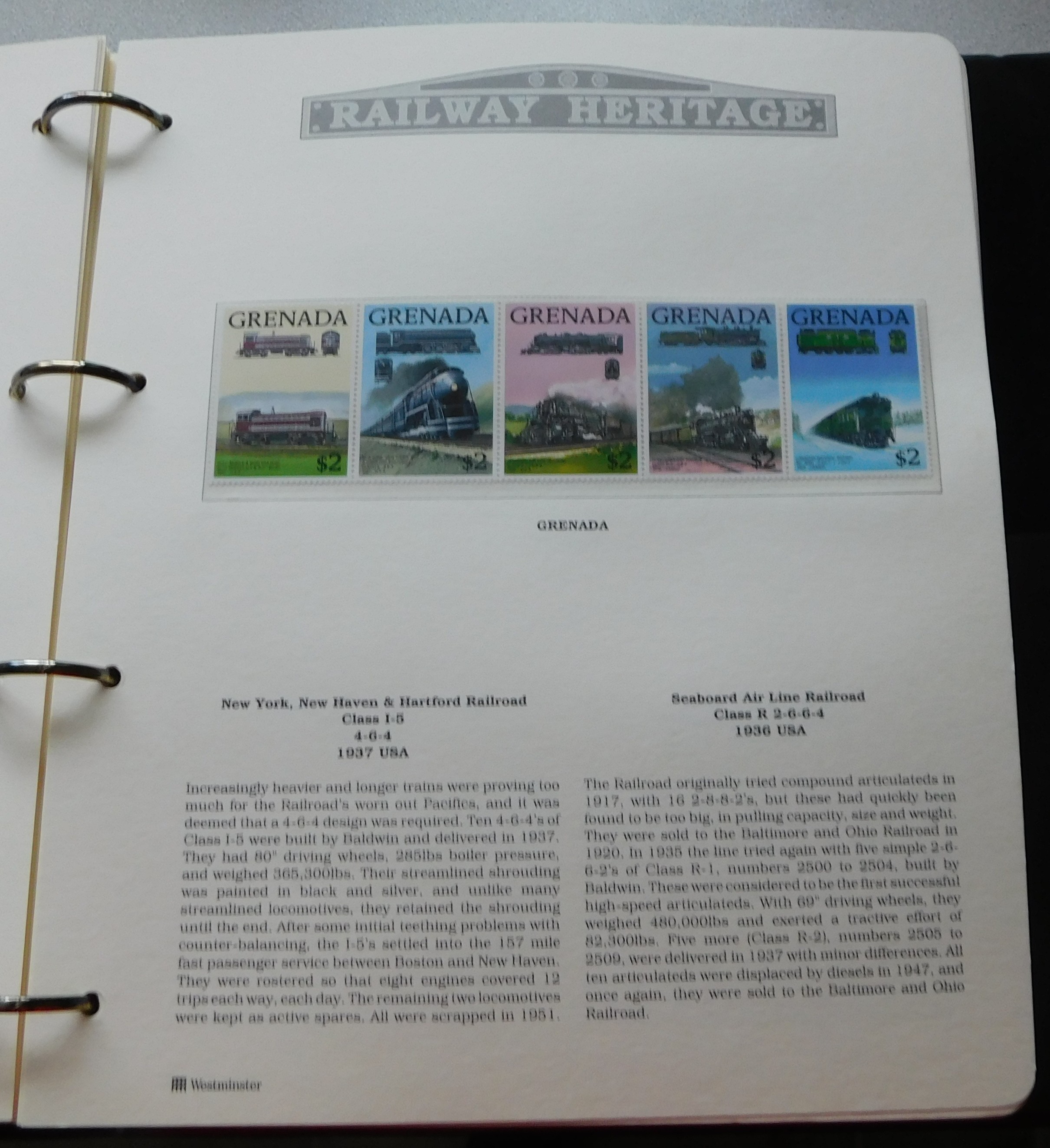
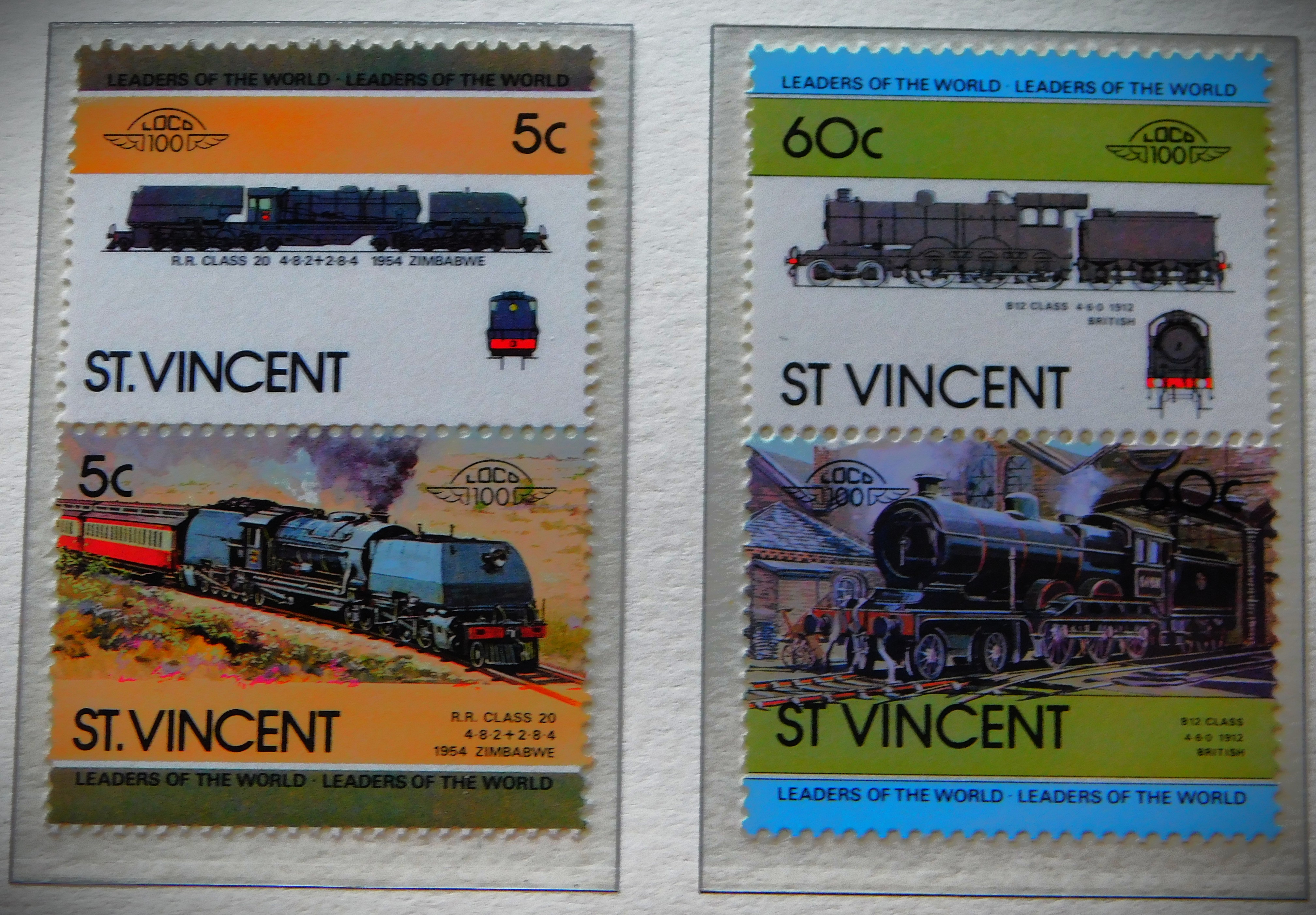
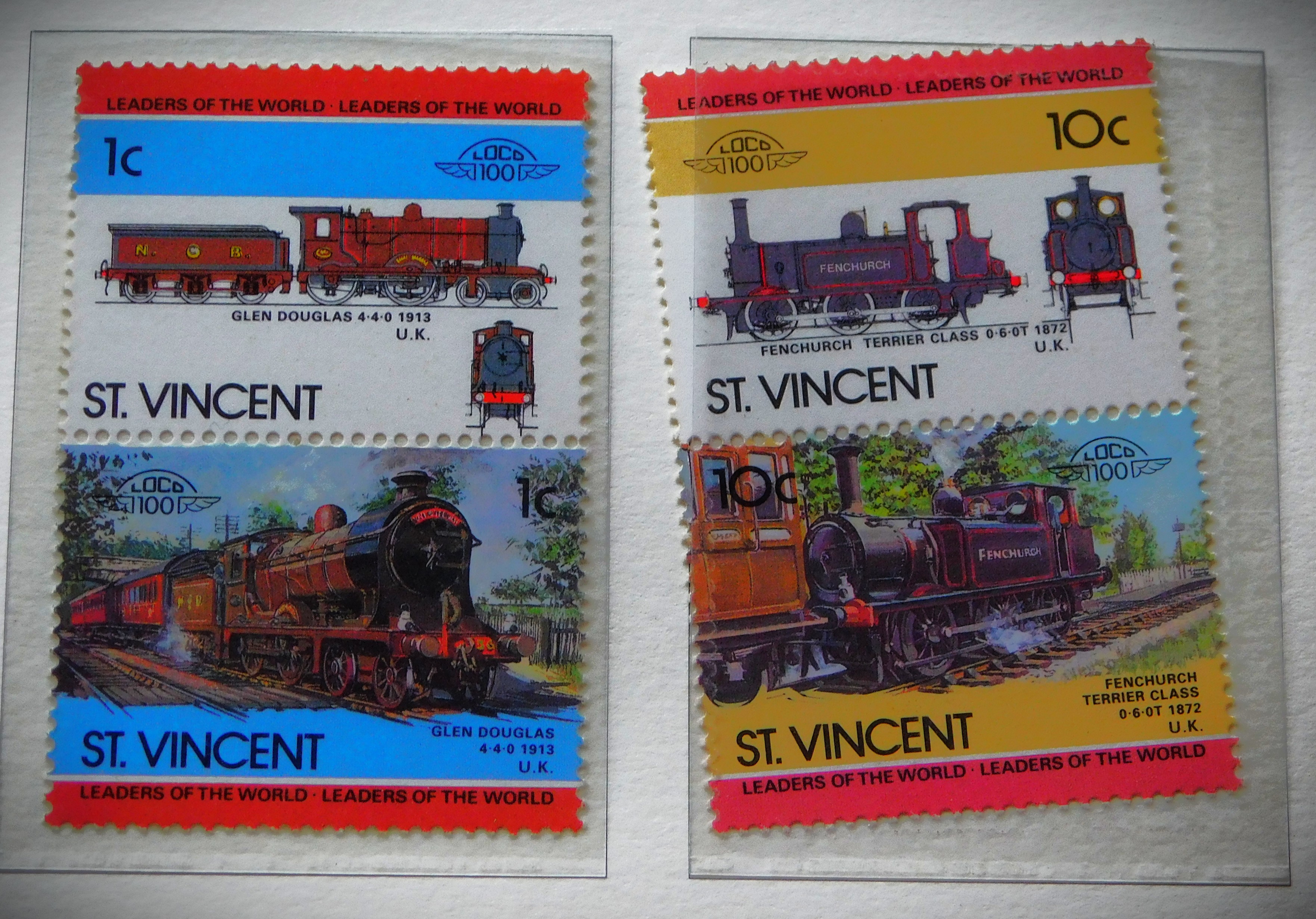
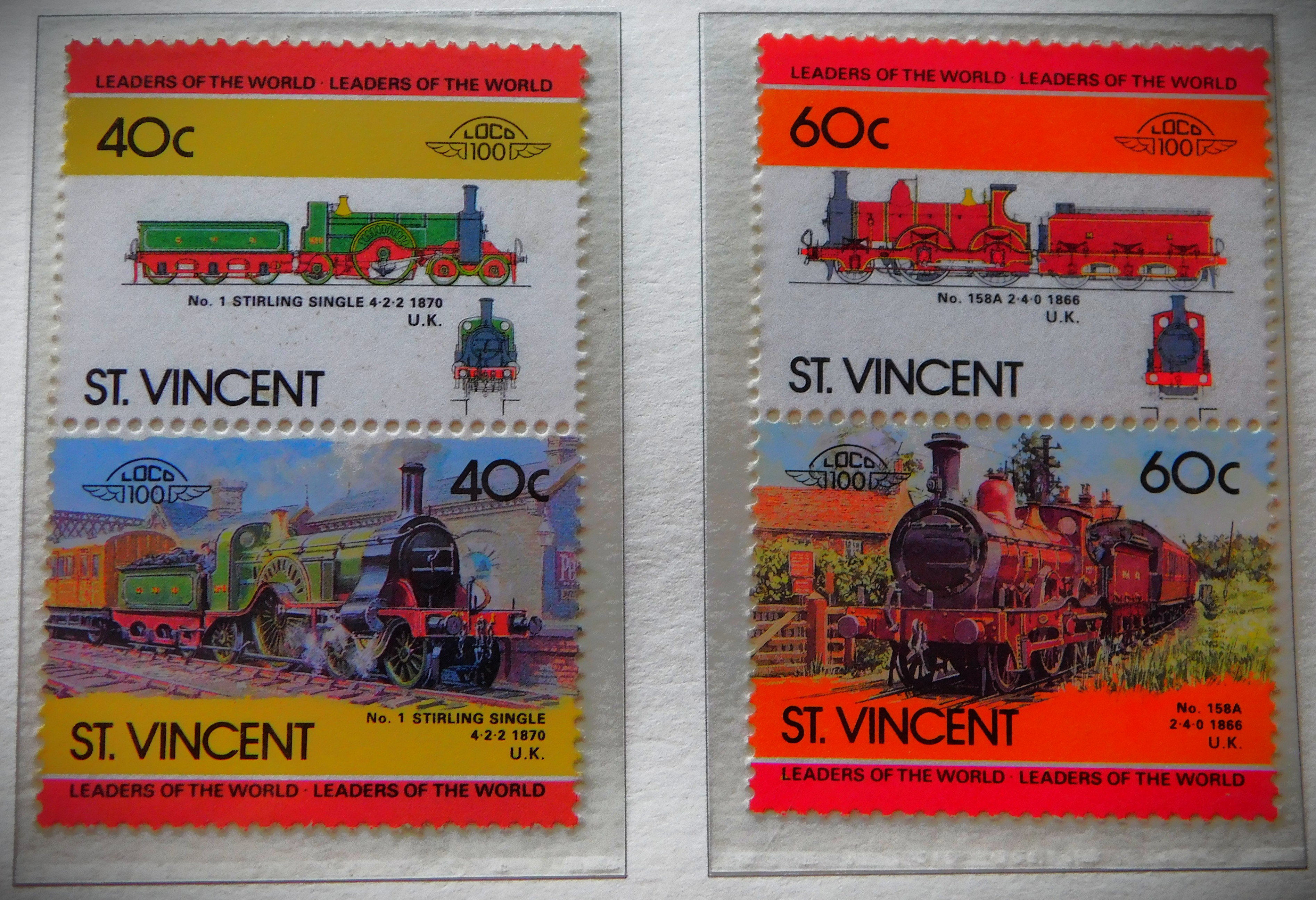
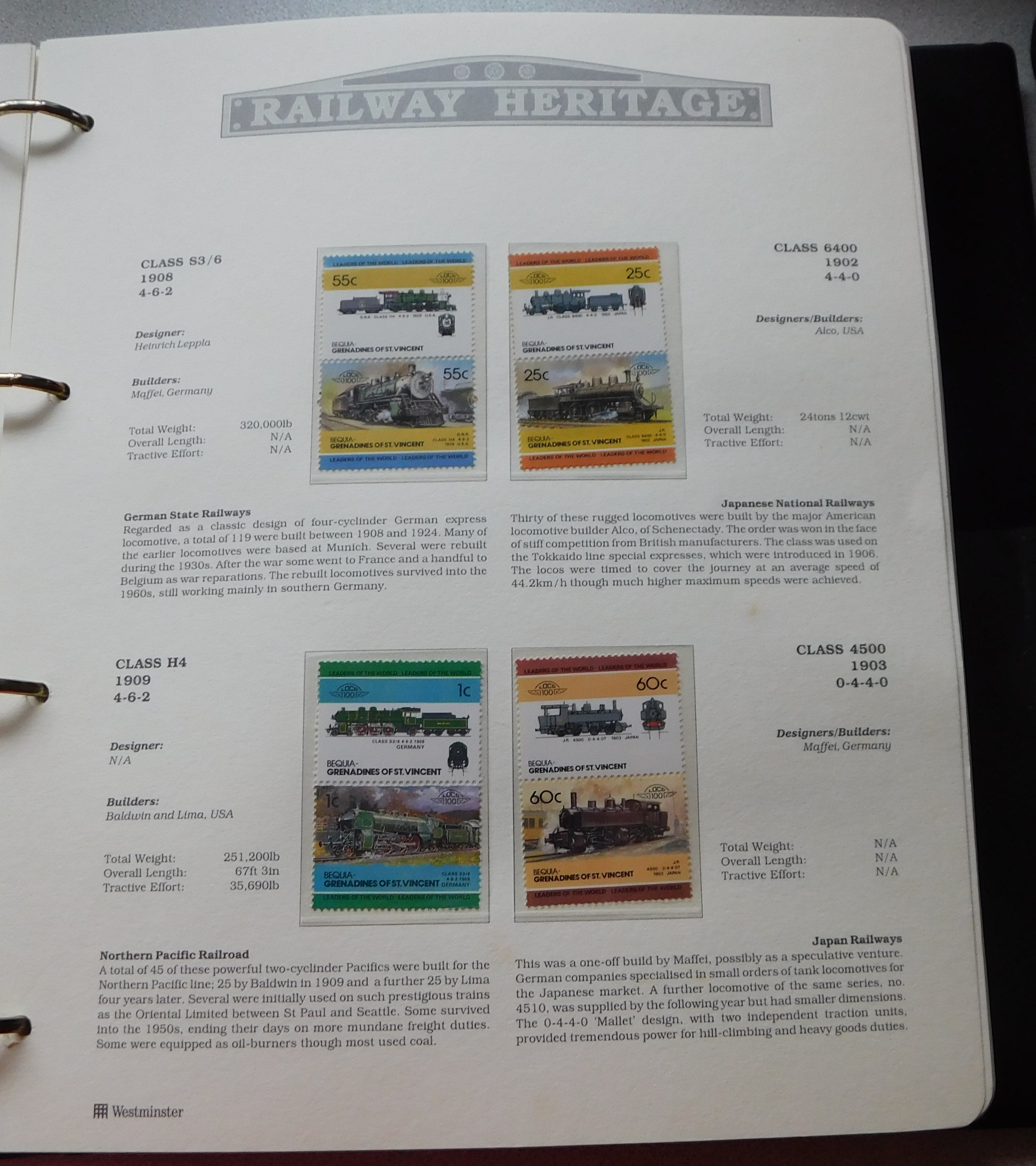
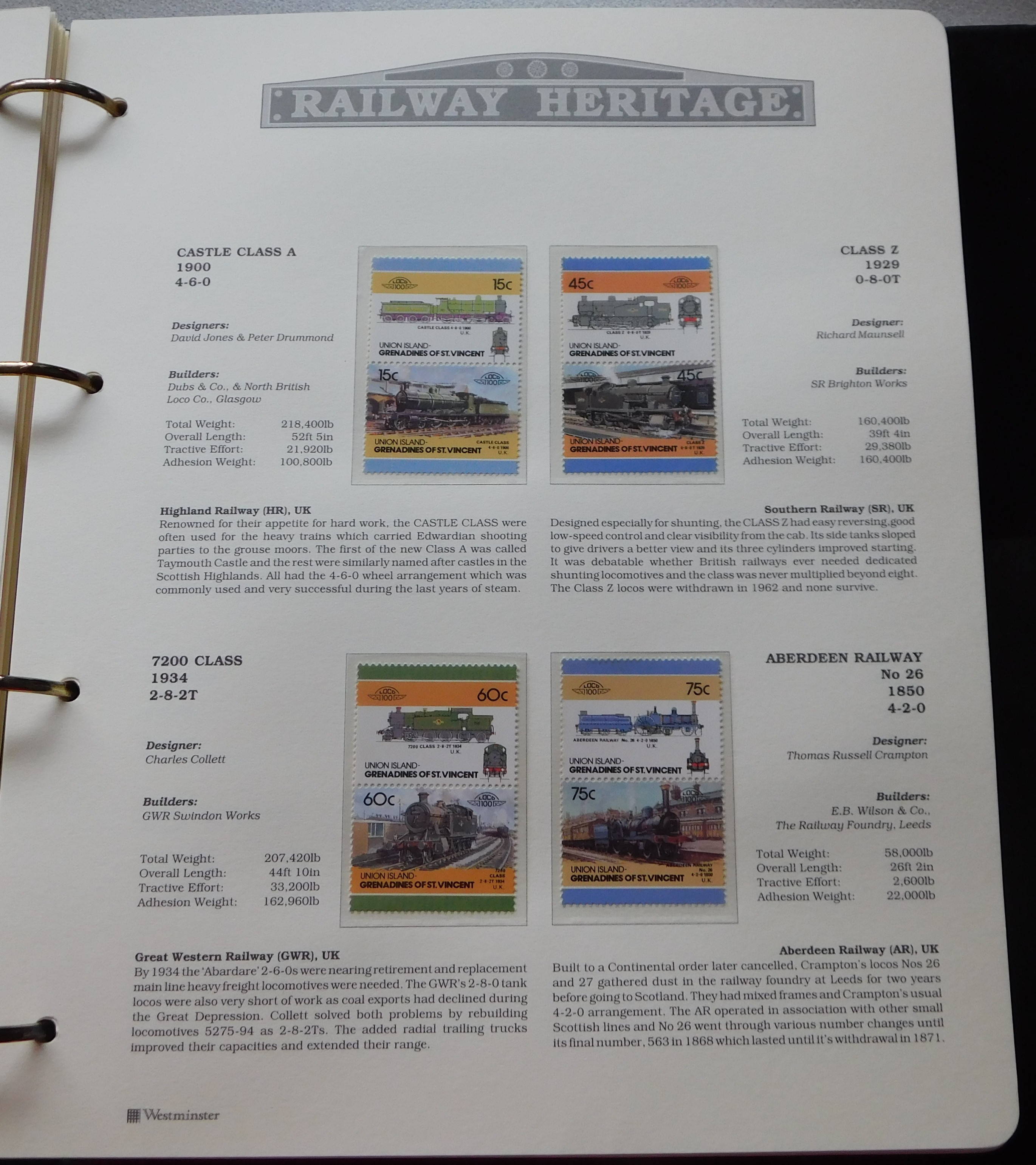
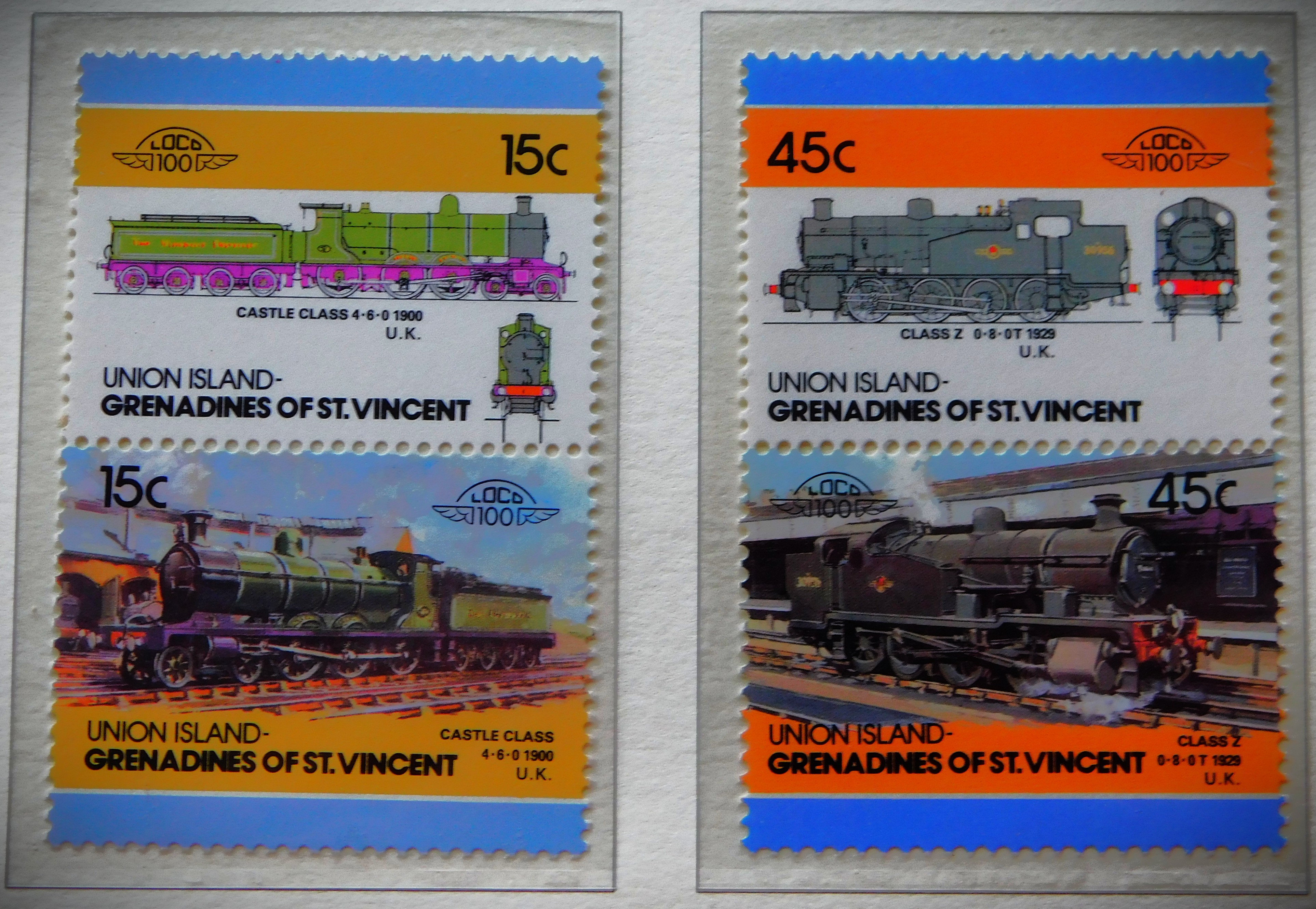
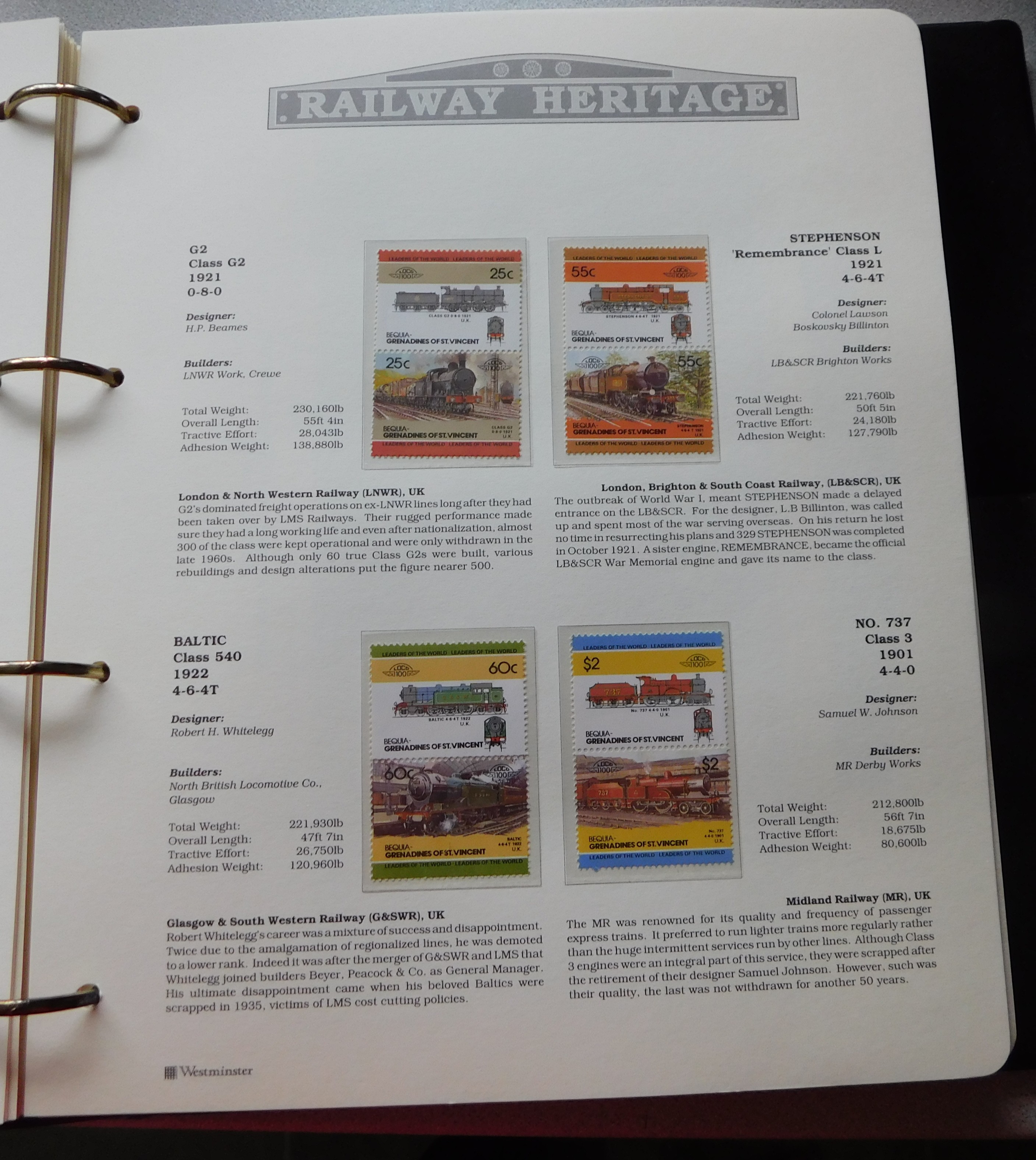
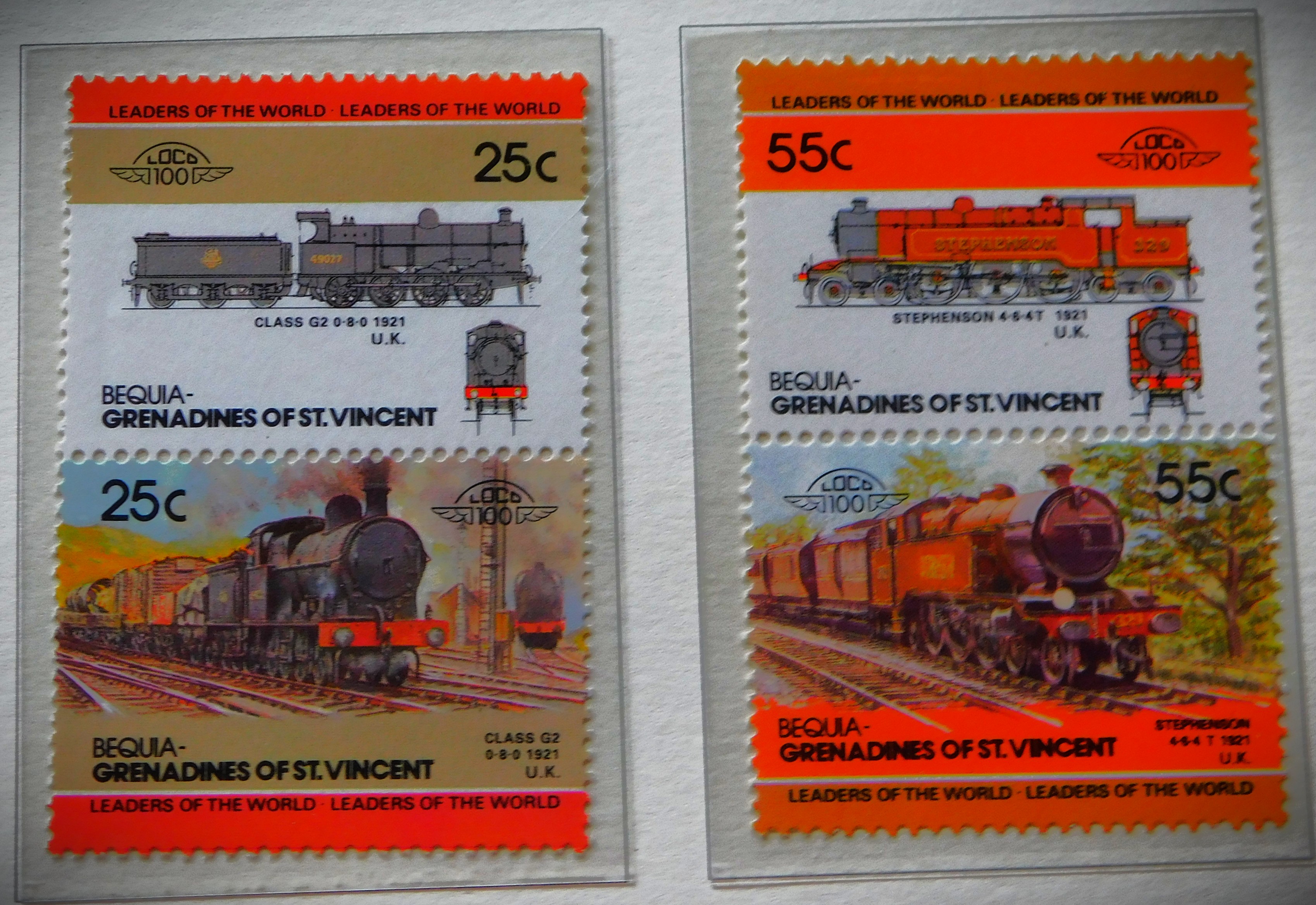
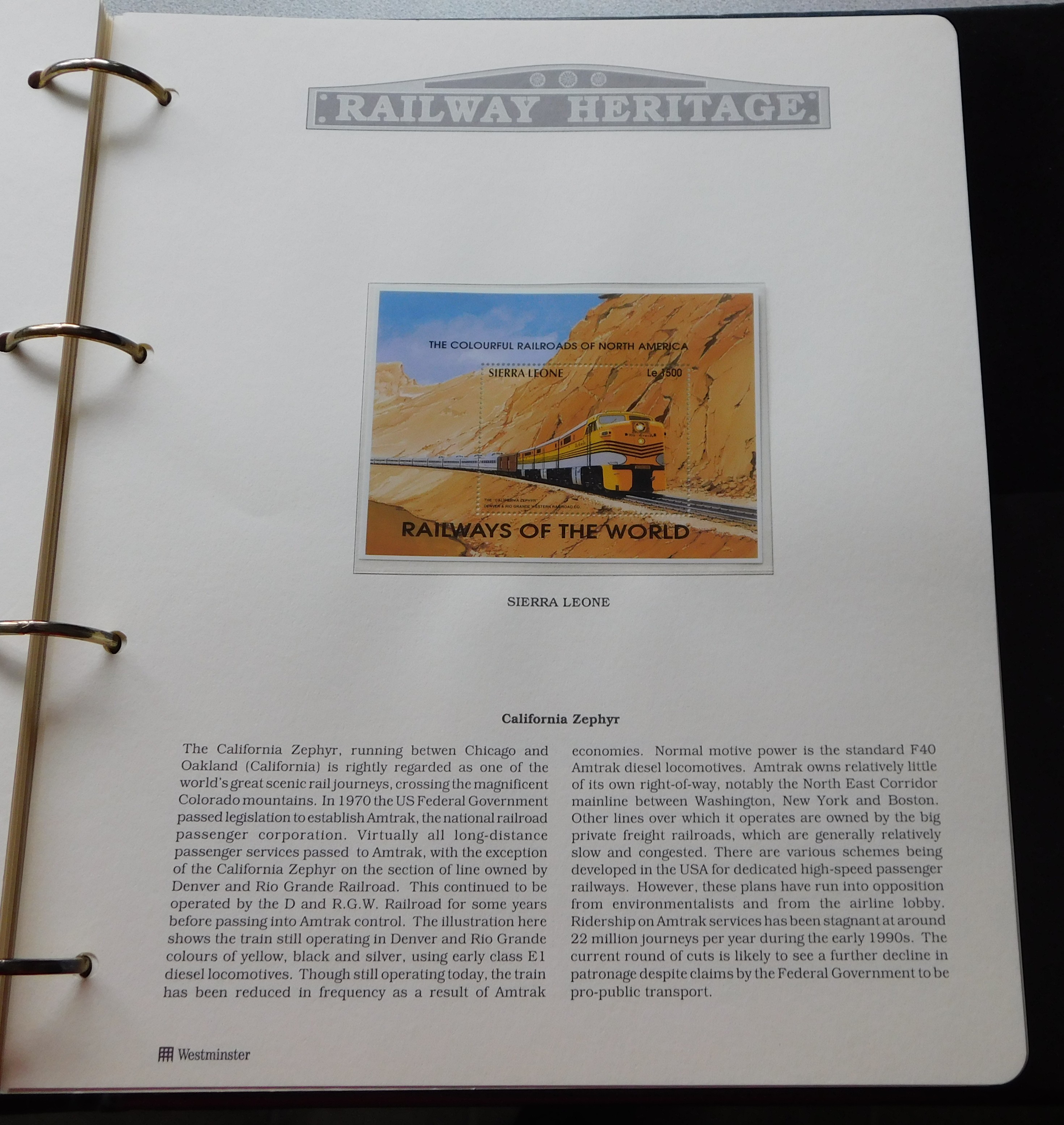
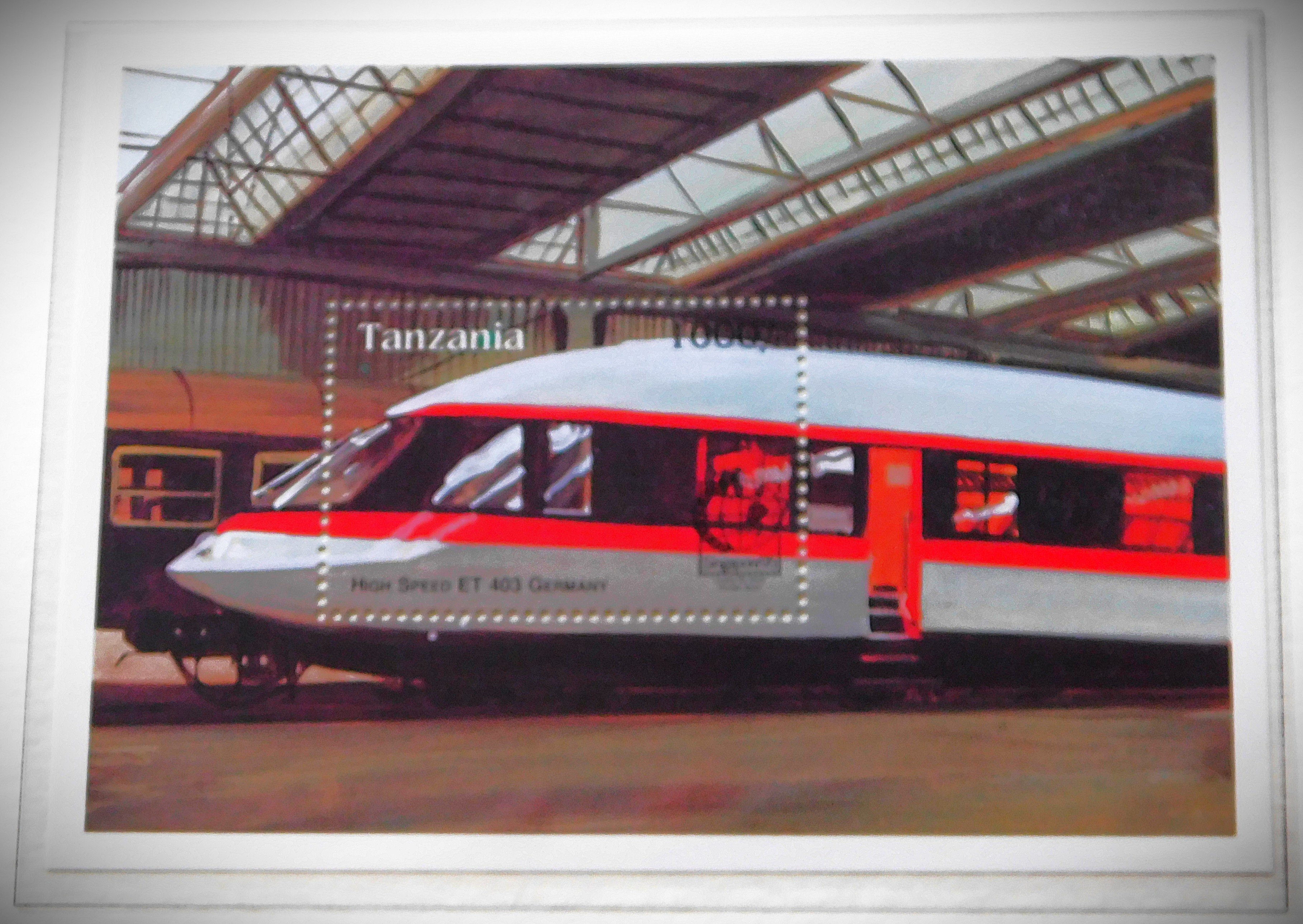
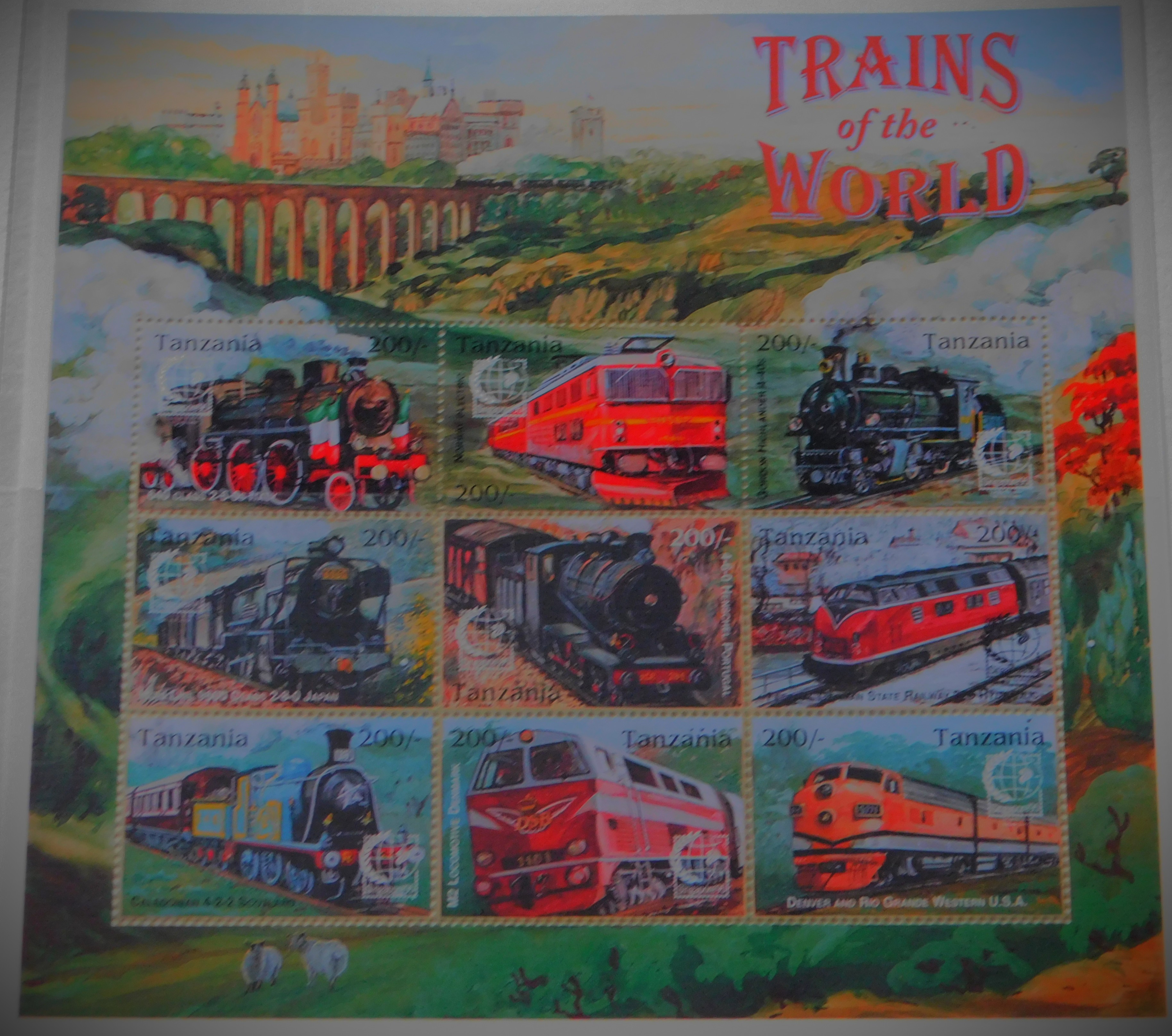
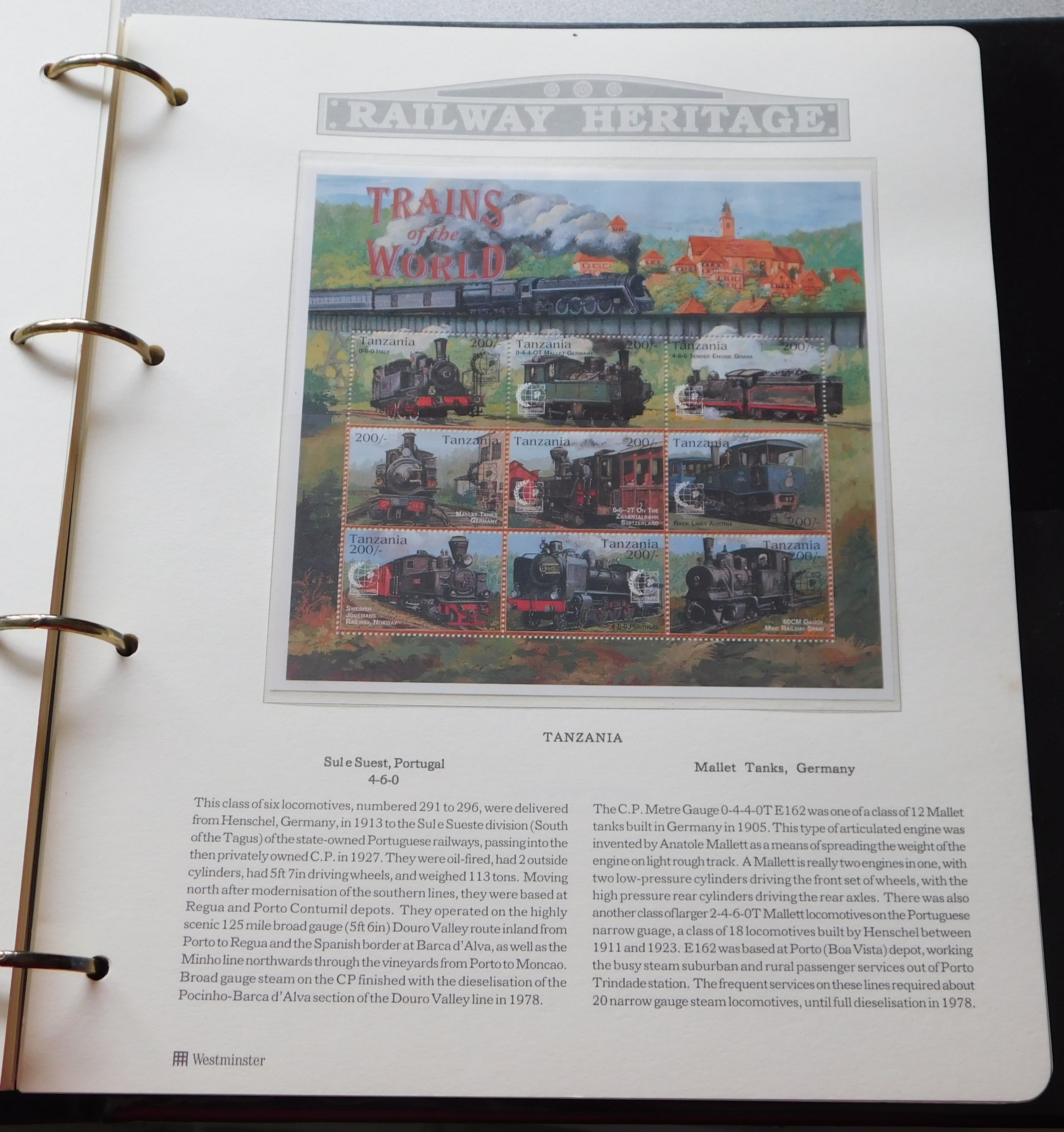
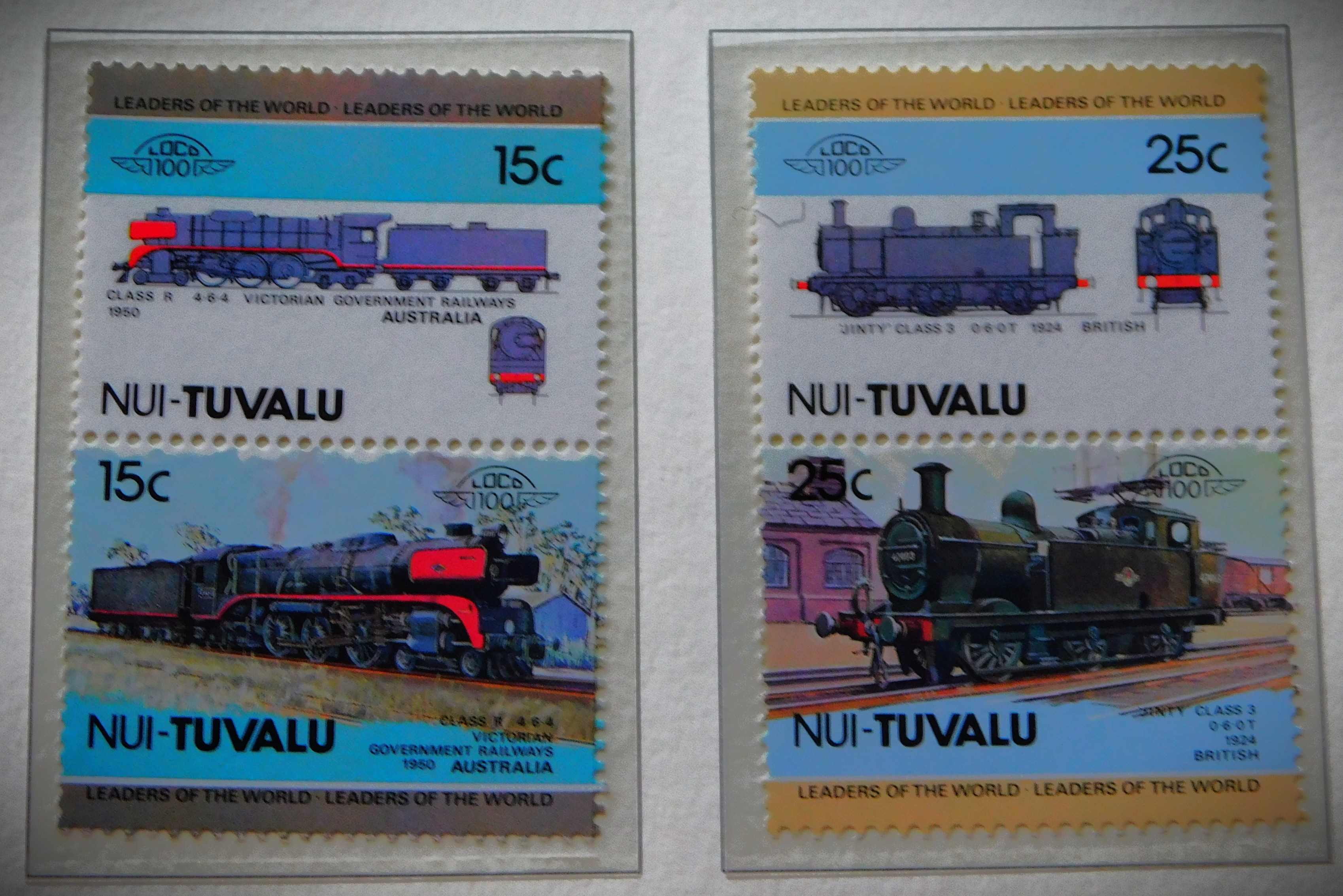
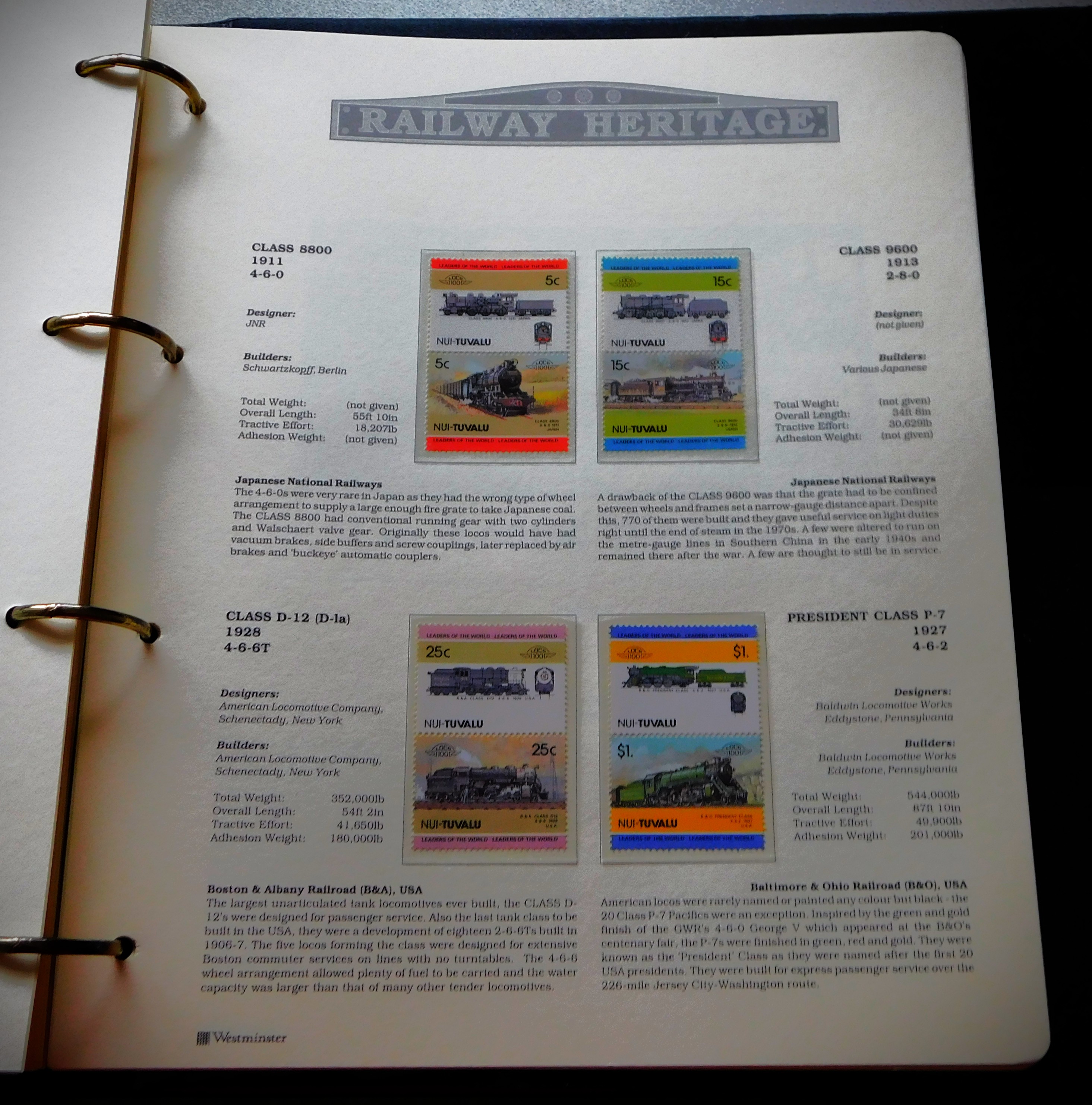
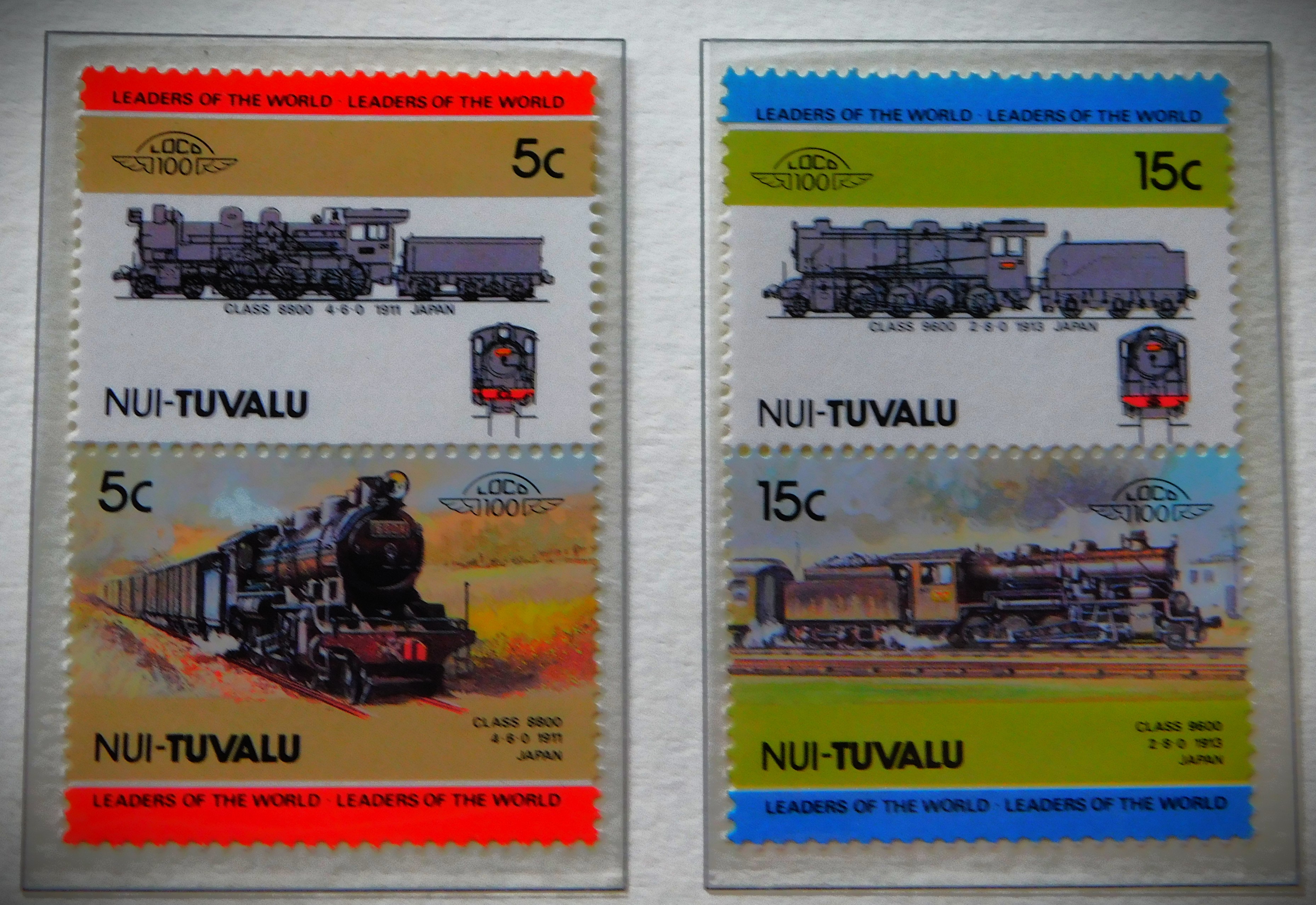
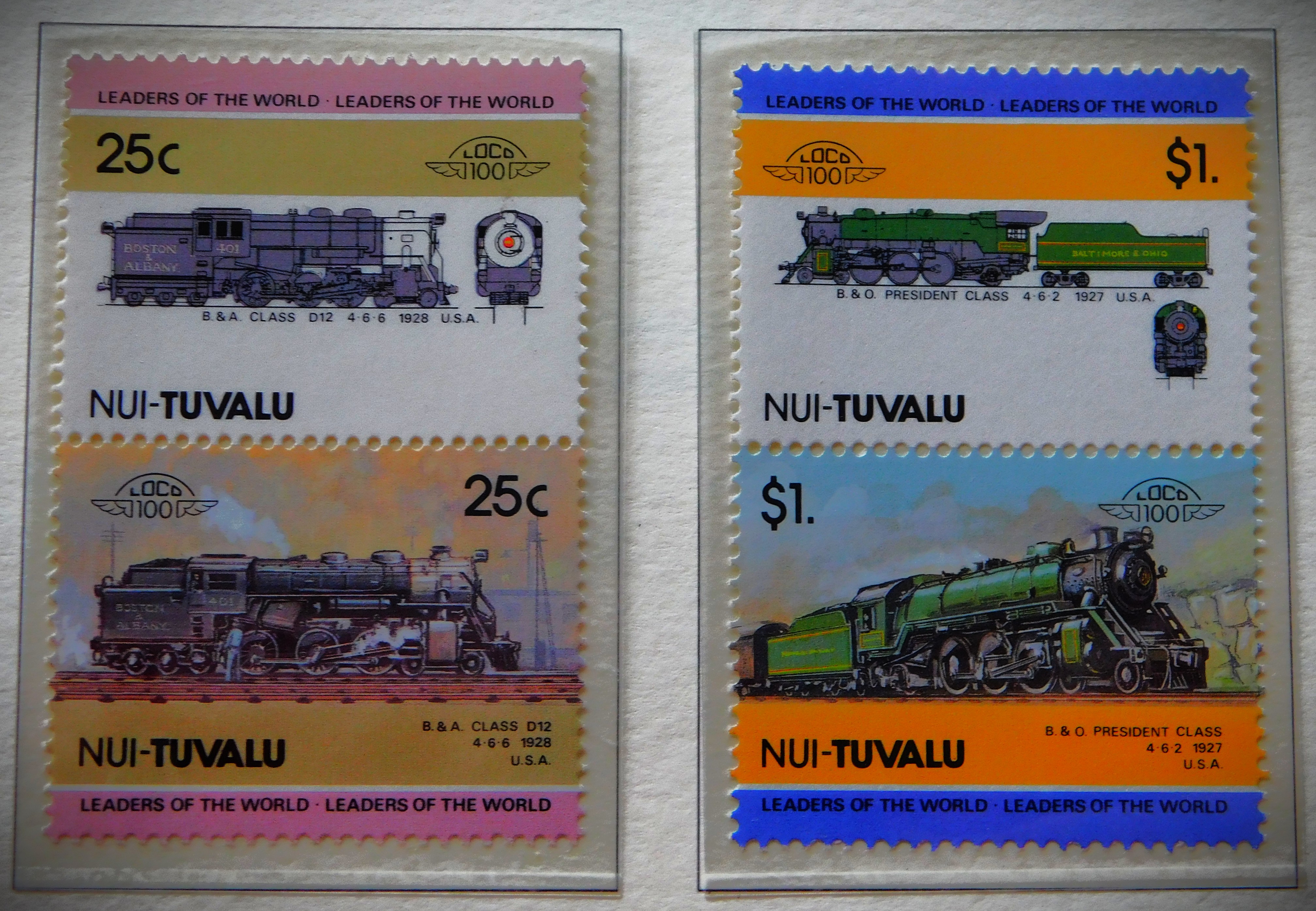
After the travails detailed in my last two blog posts, both created of necessity on library computers I am now fully back up and running at home. Yesterday the February auction of James and Sons took place. I am not in a position to describe much of the proceedings, since I was one floor above where the auction was taking place, imaging items for the March sale. However, this post is devoted to one particular lot from that February sale.
IMAGING/ INITIAL ACQUAINTANCE
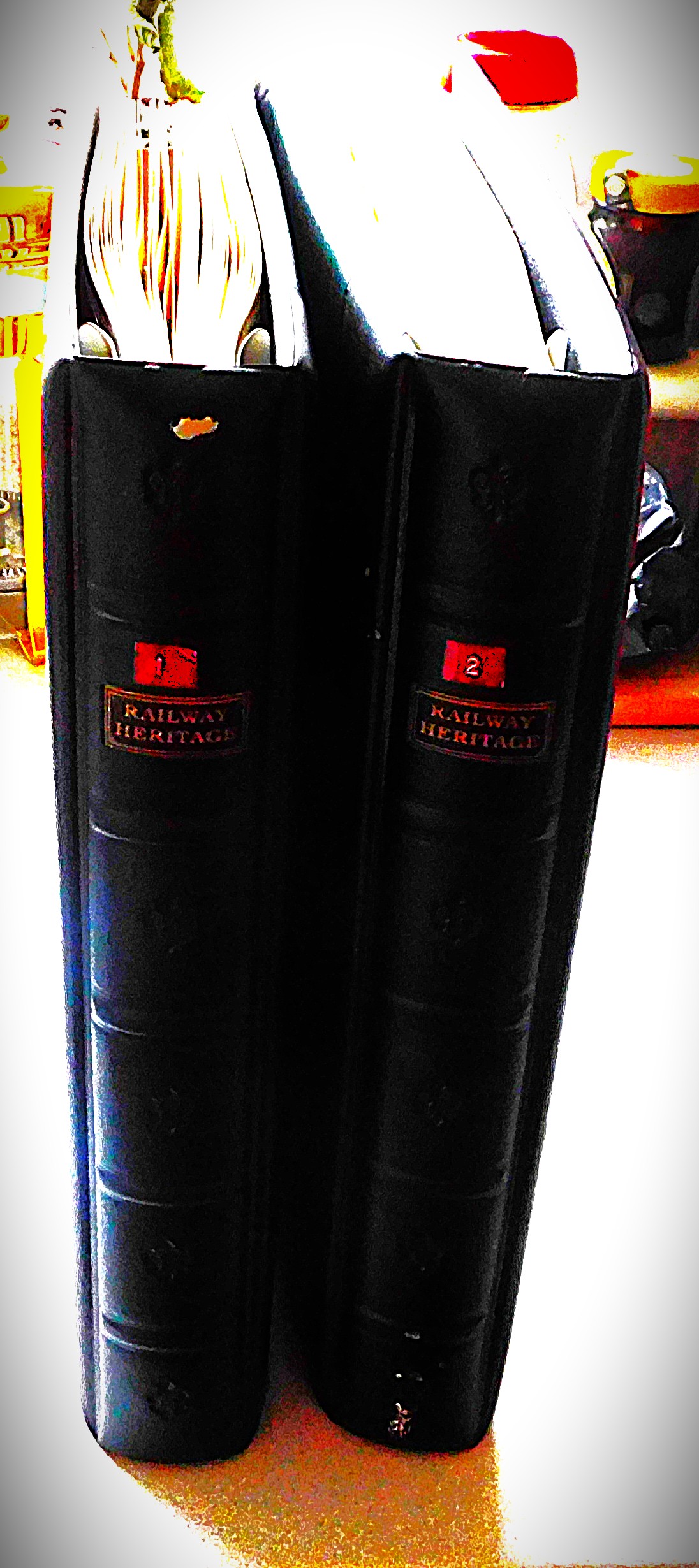
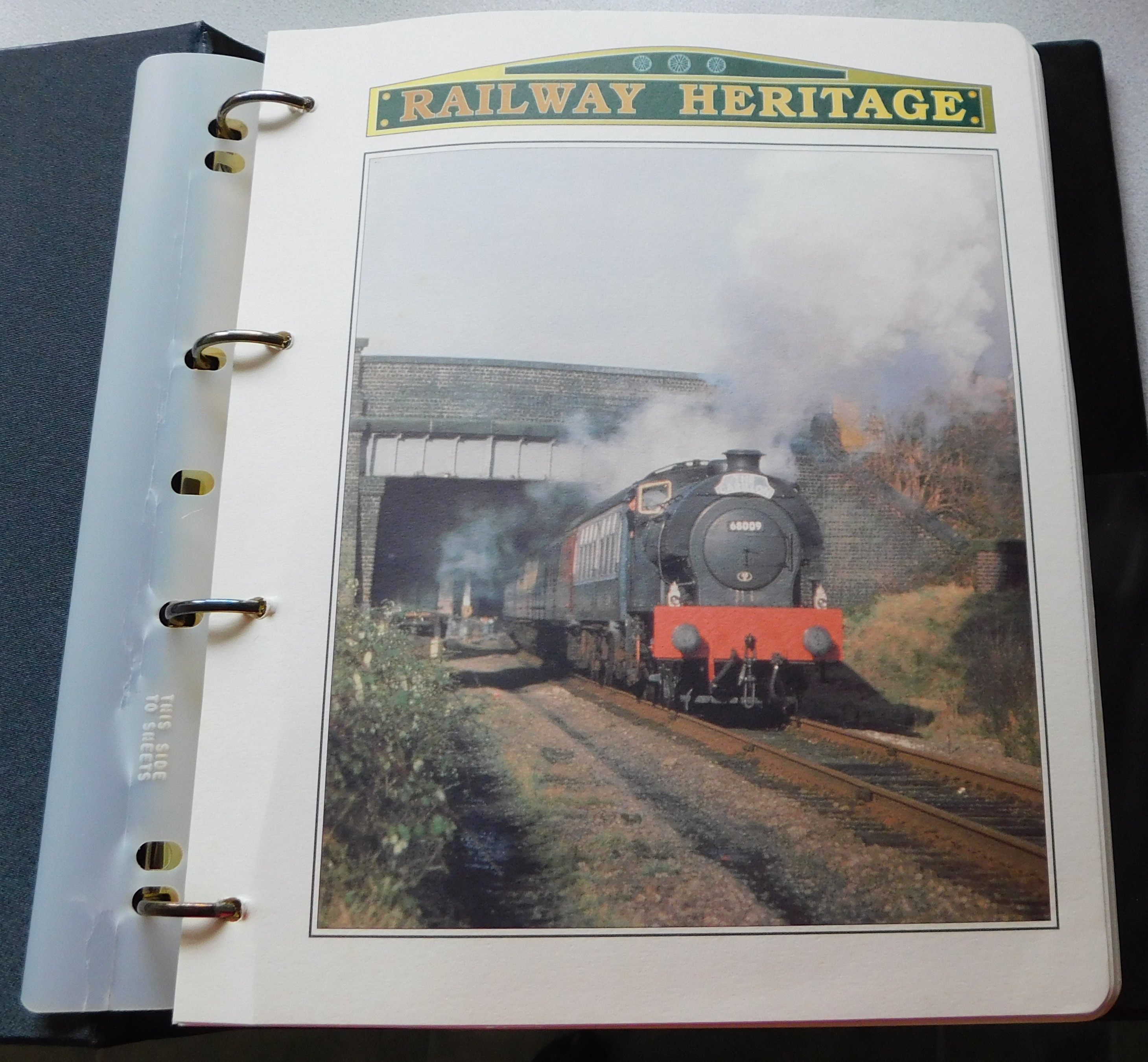
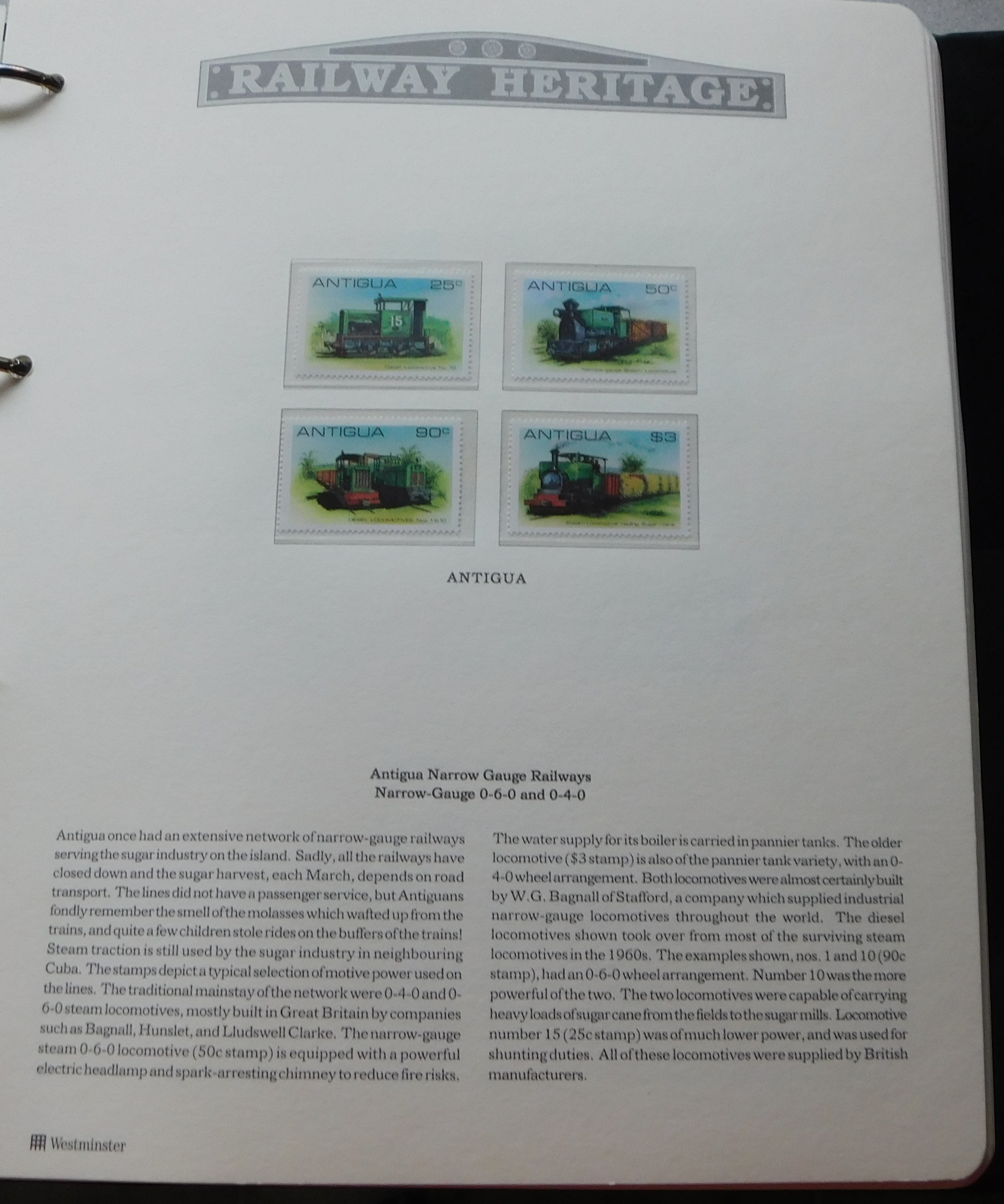
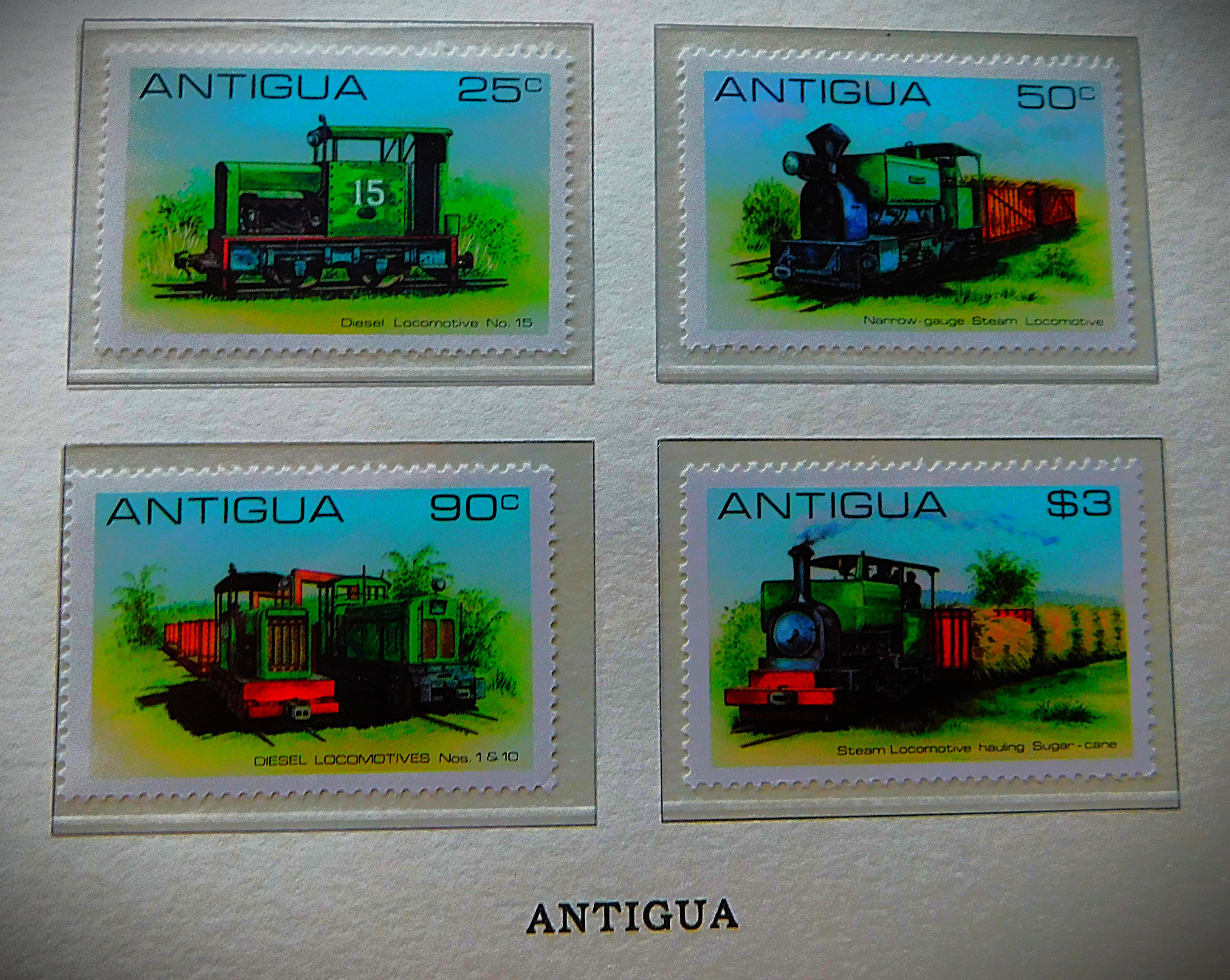
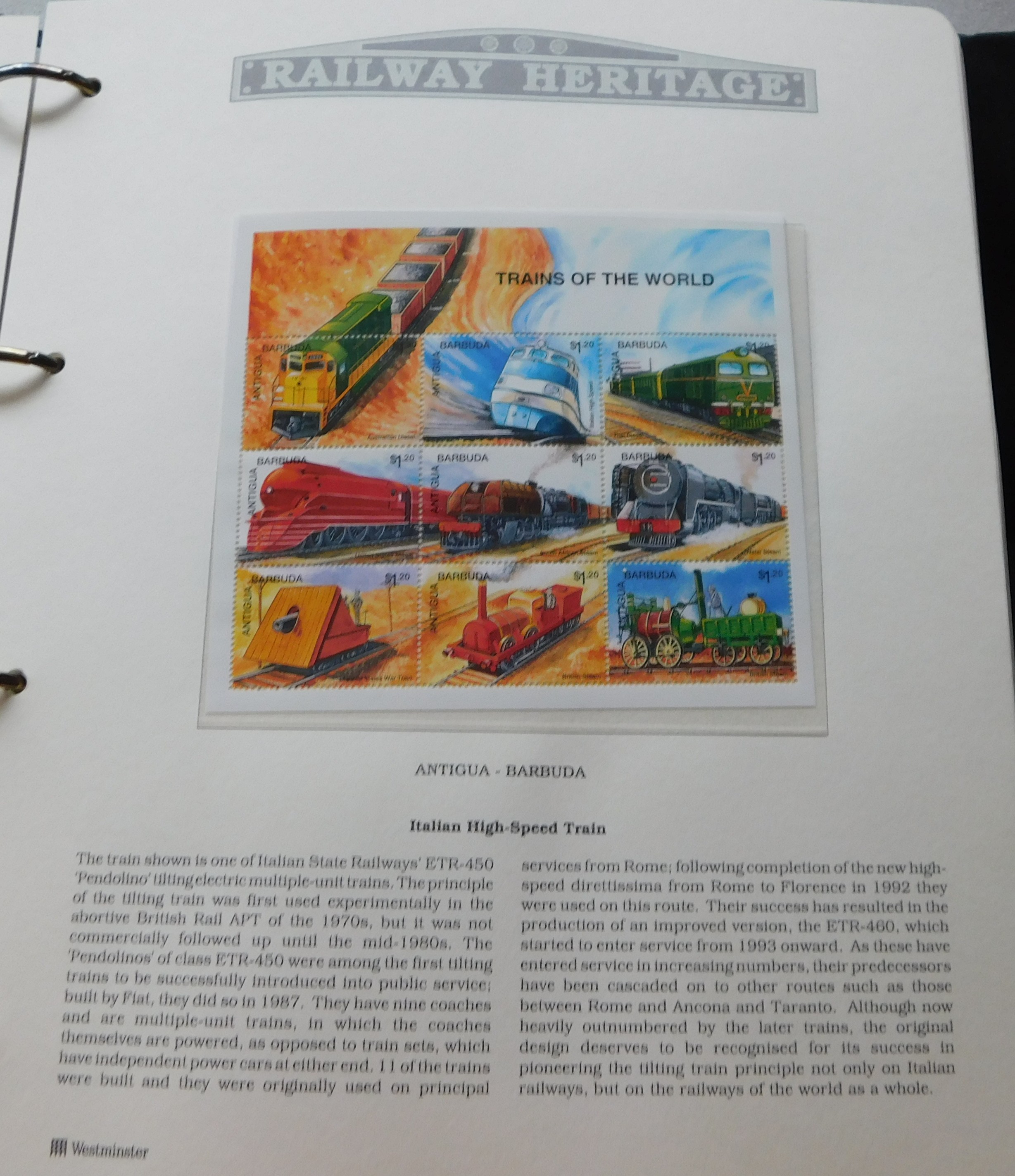
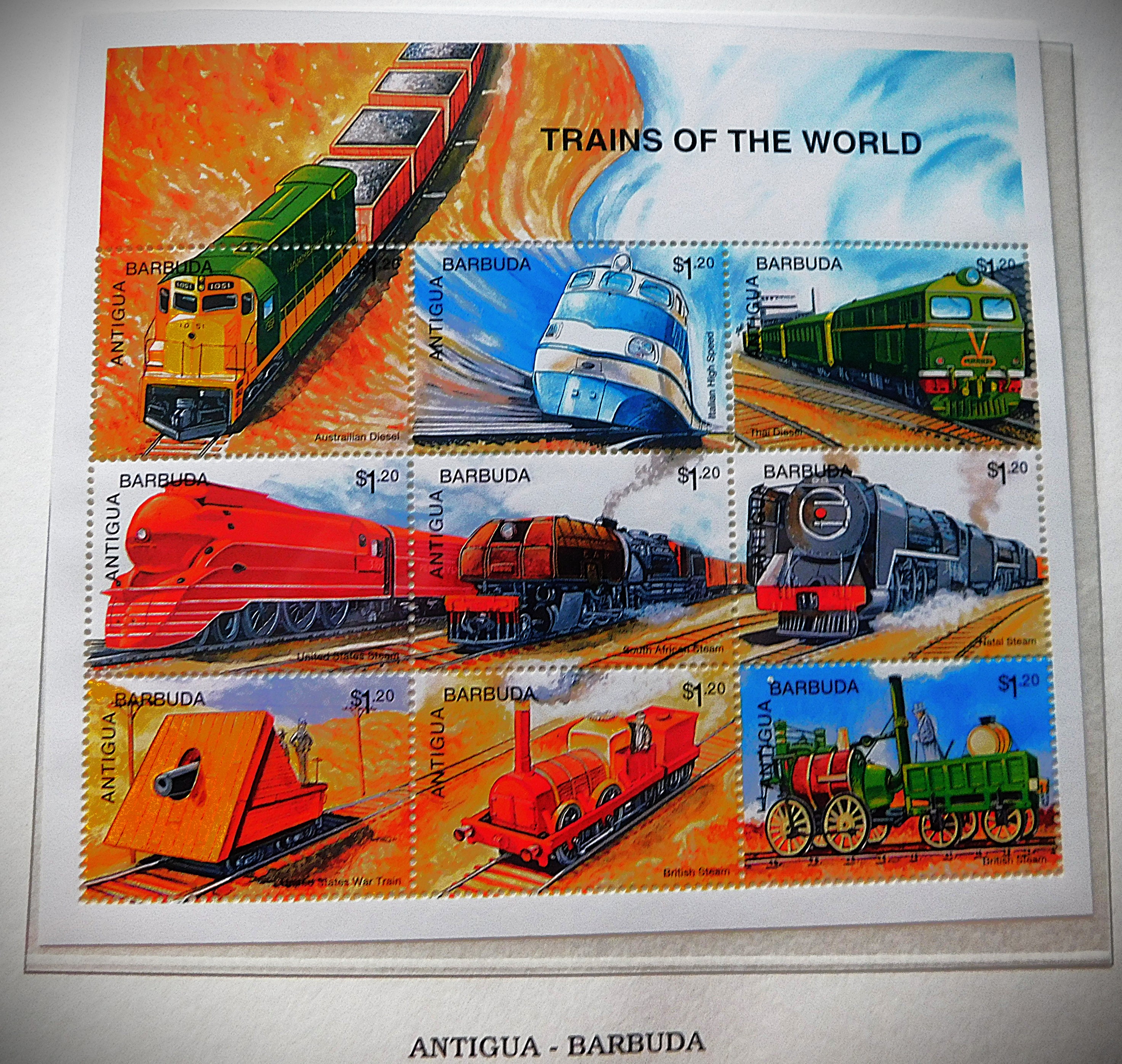
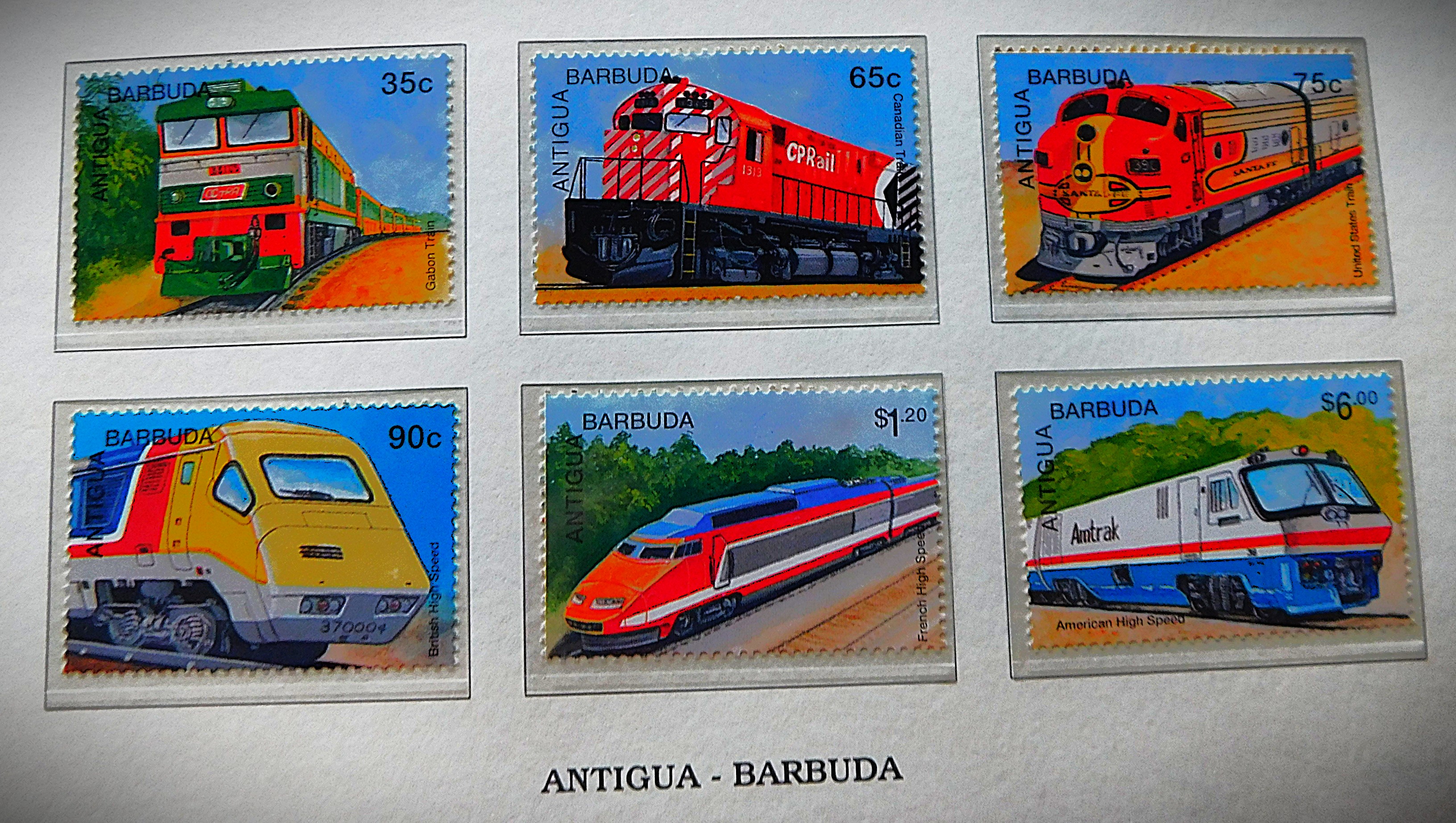
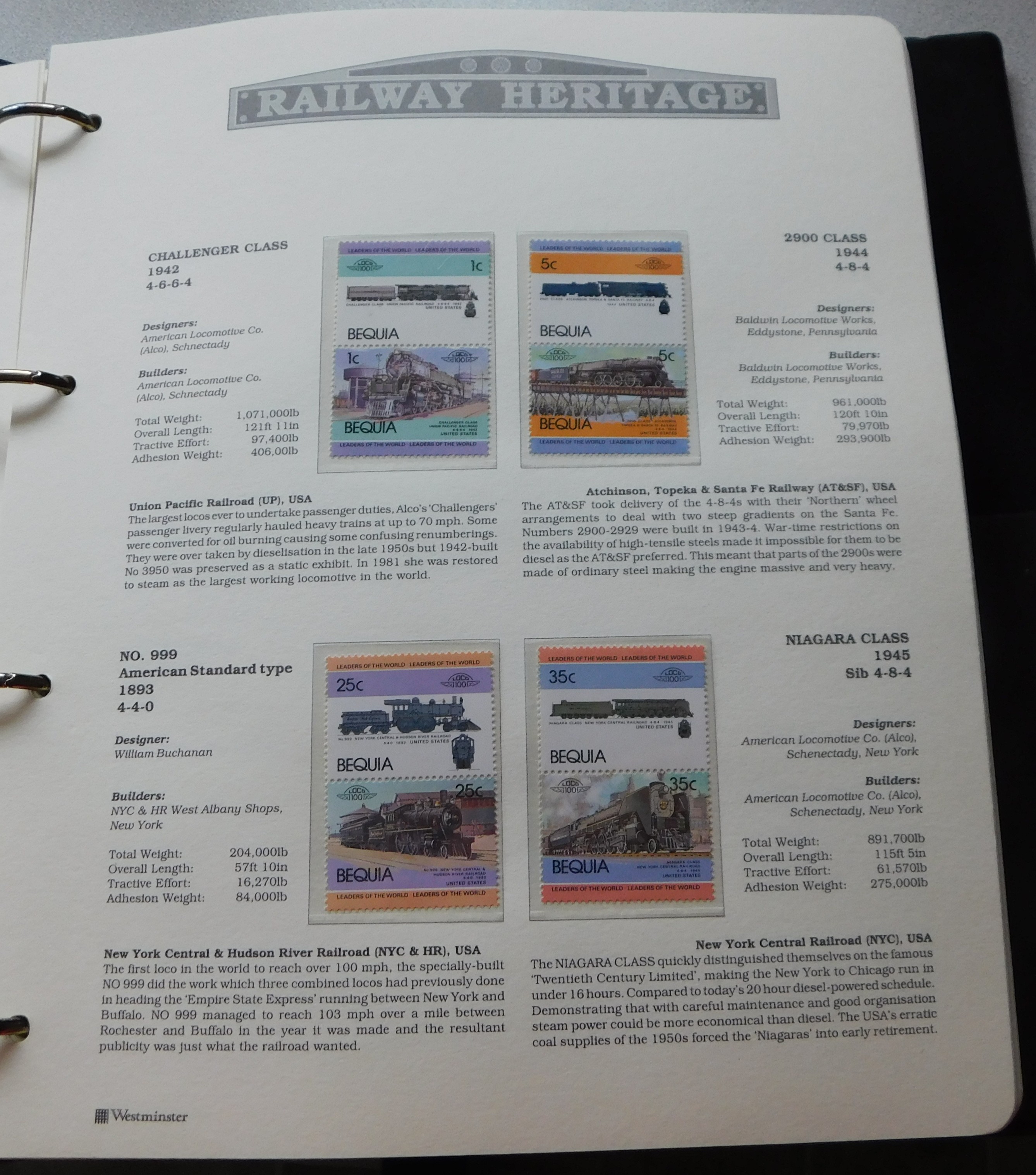
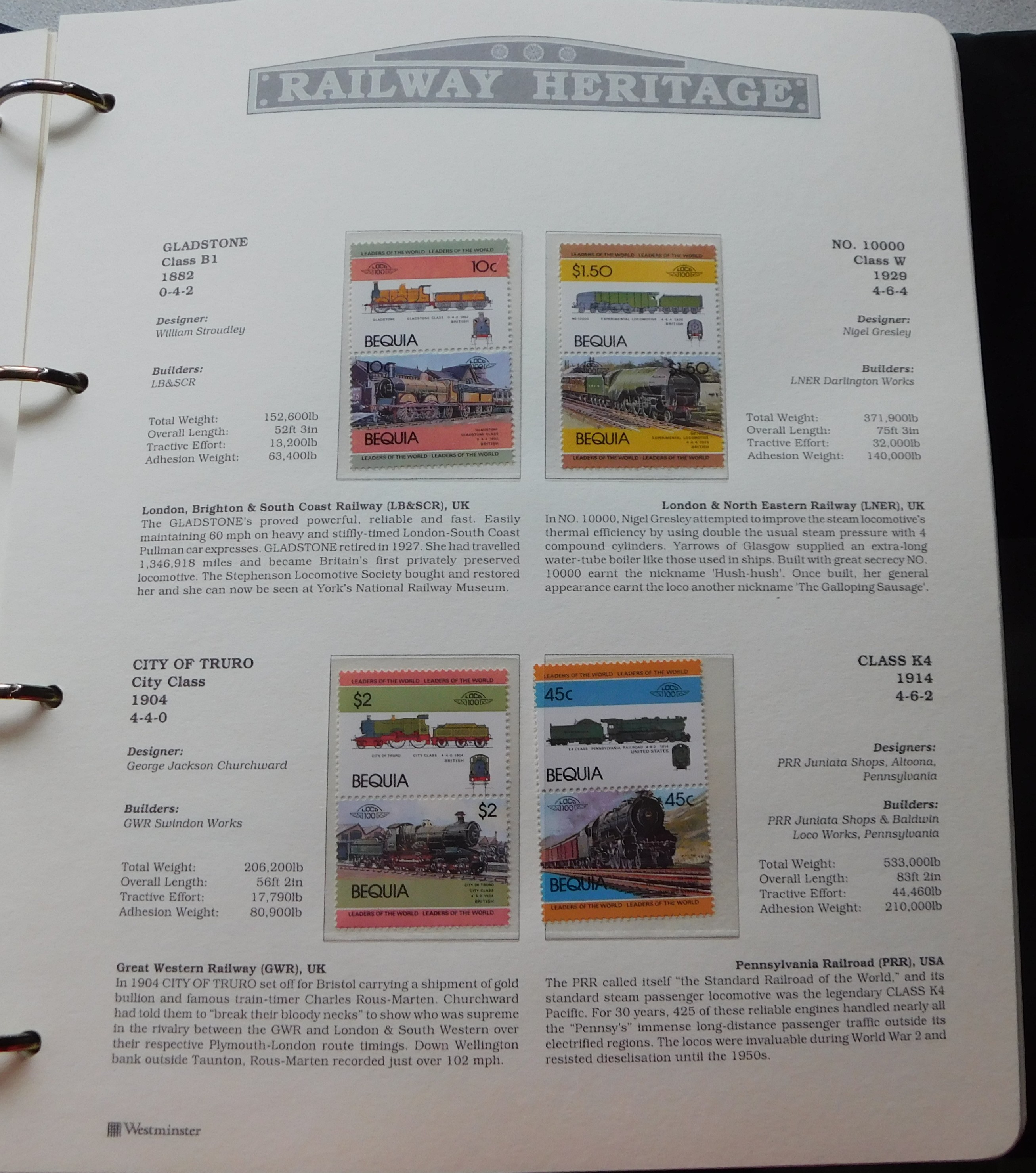
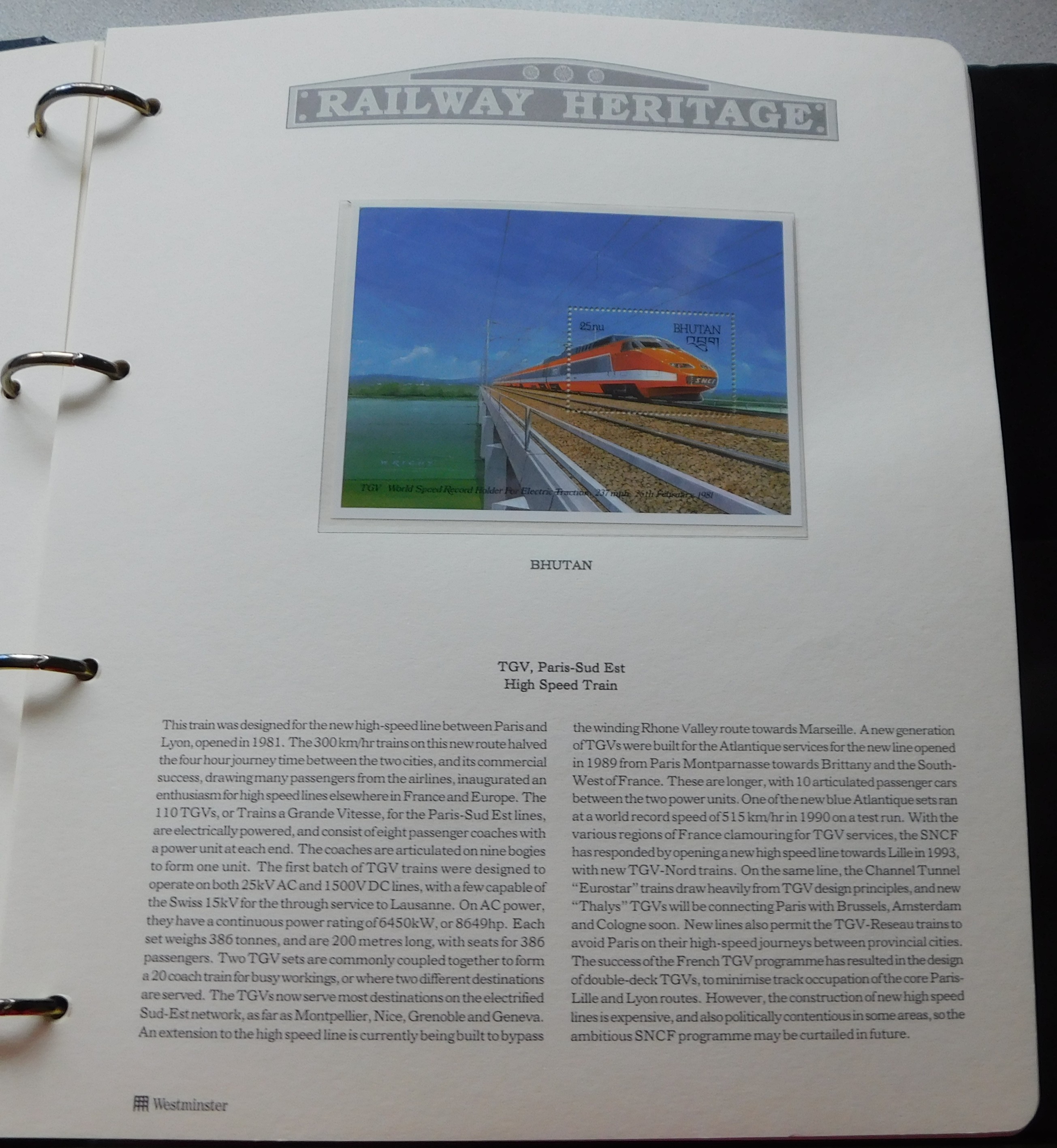
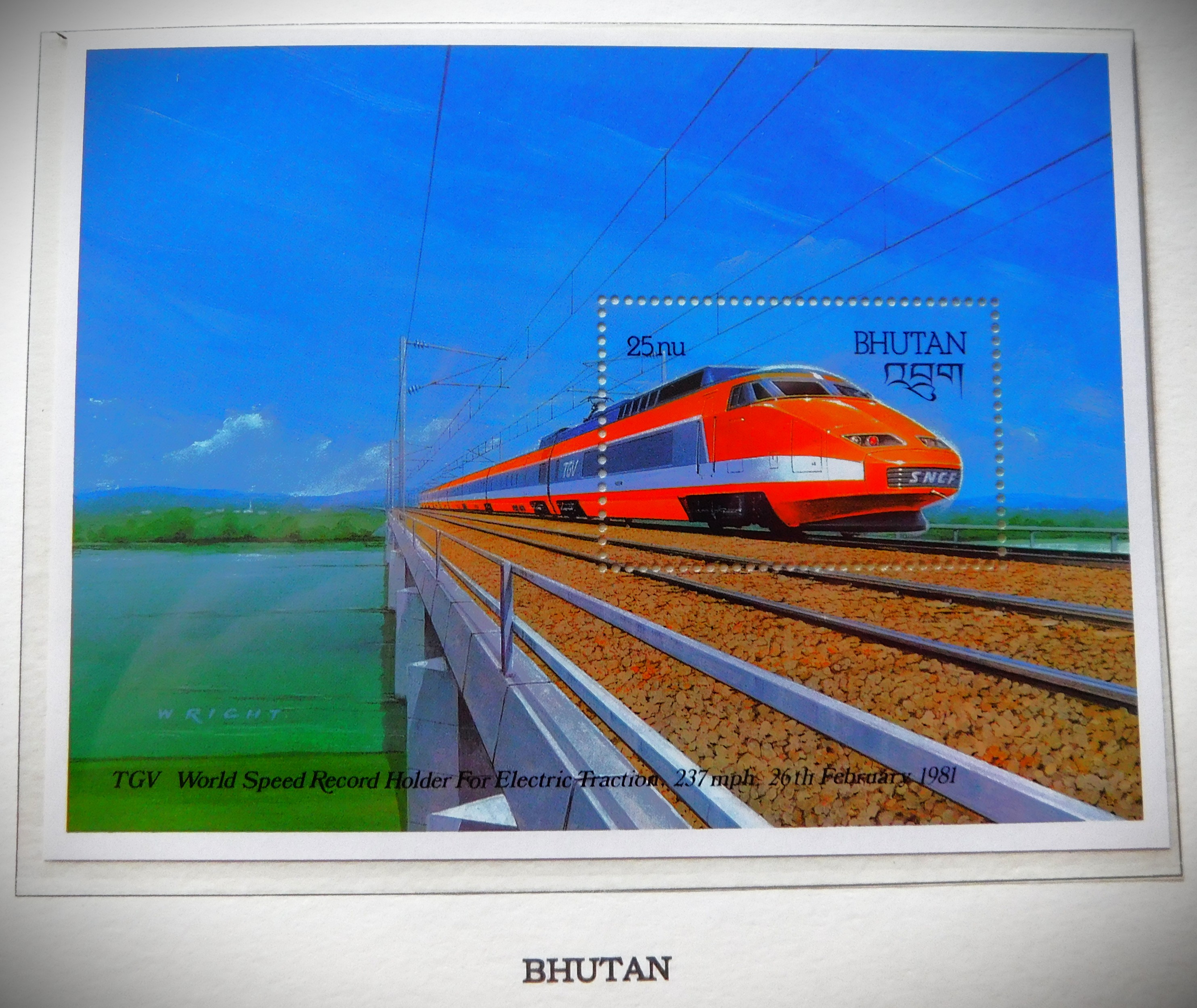
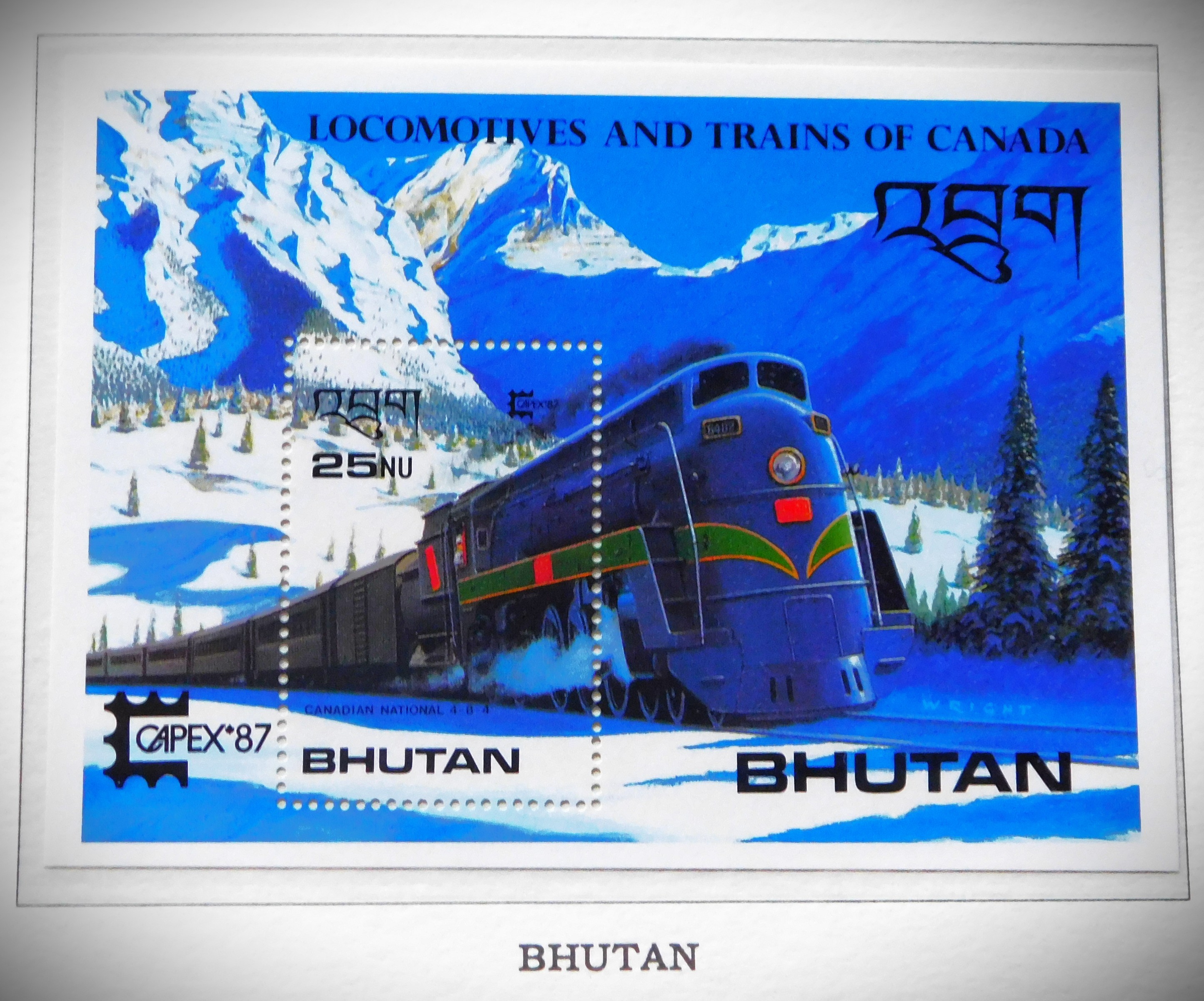
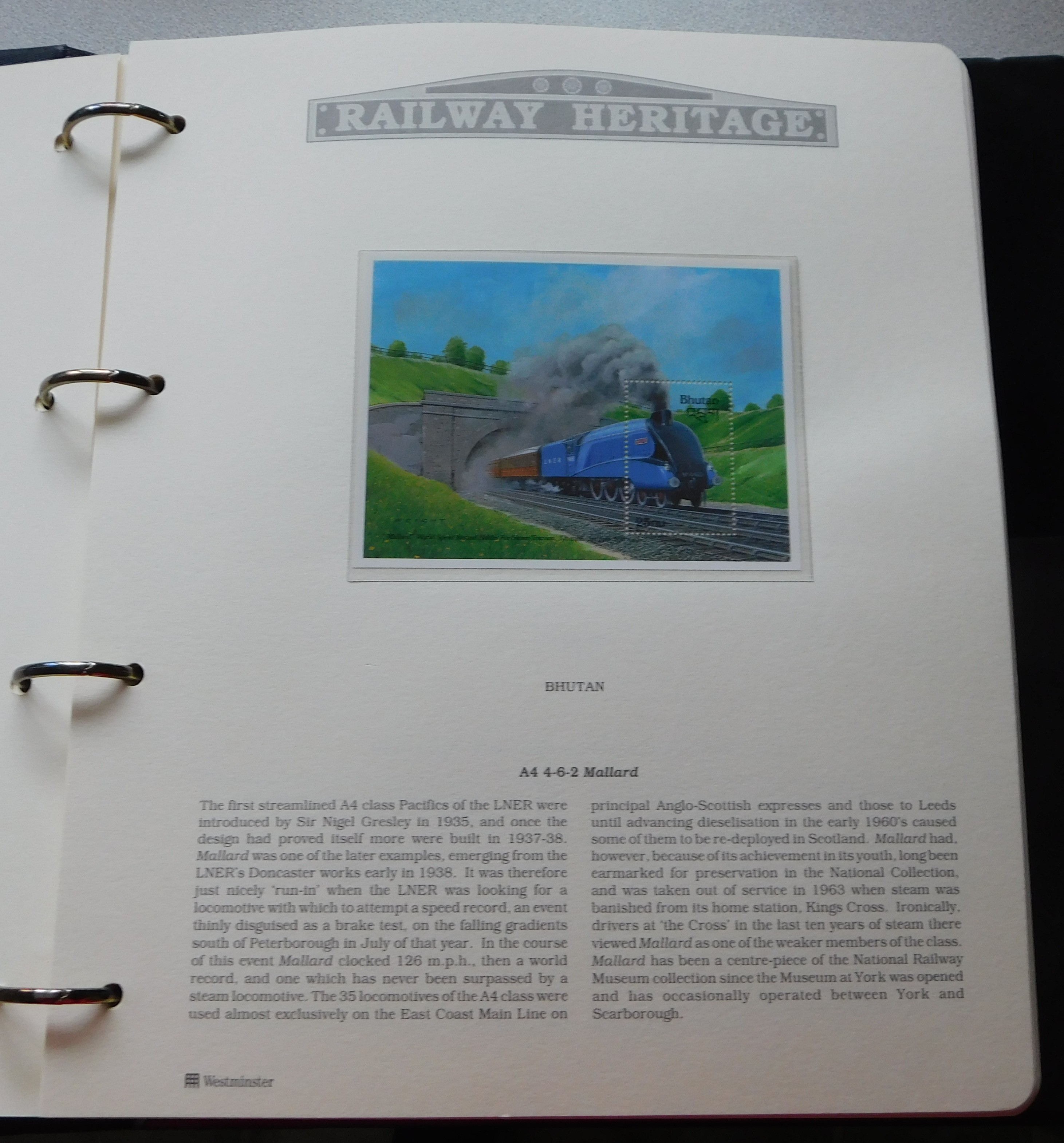
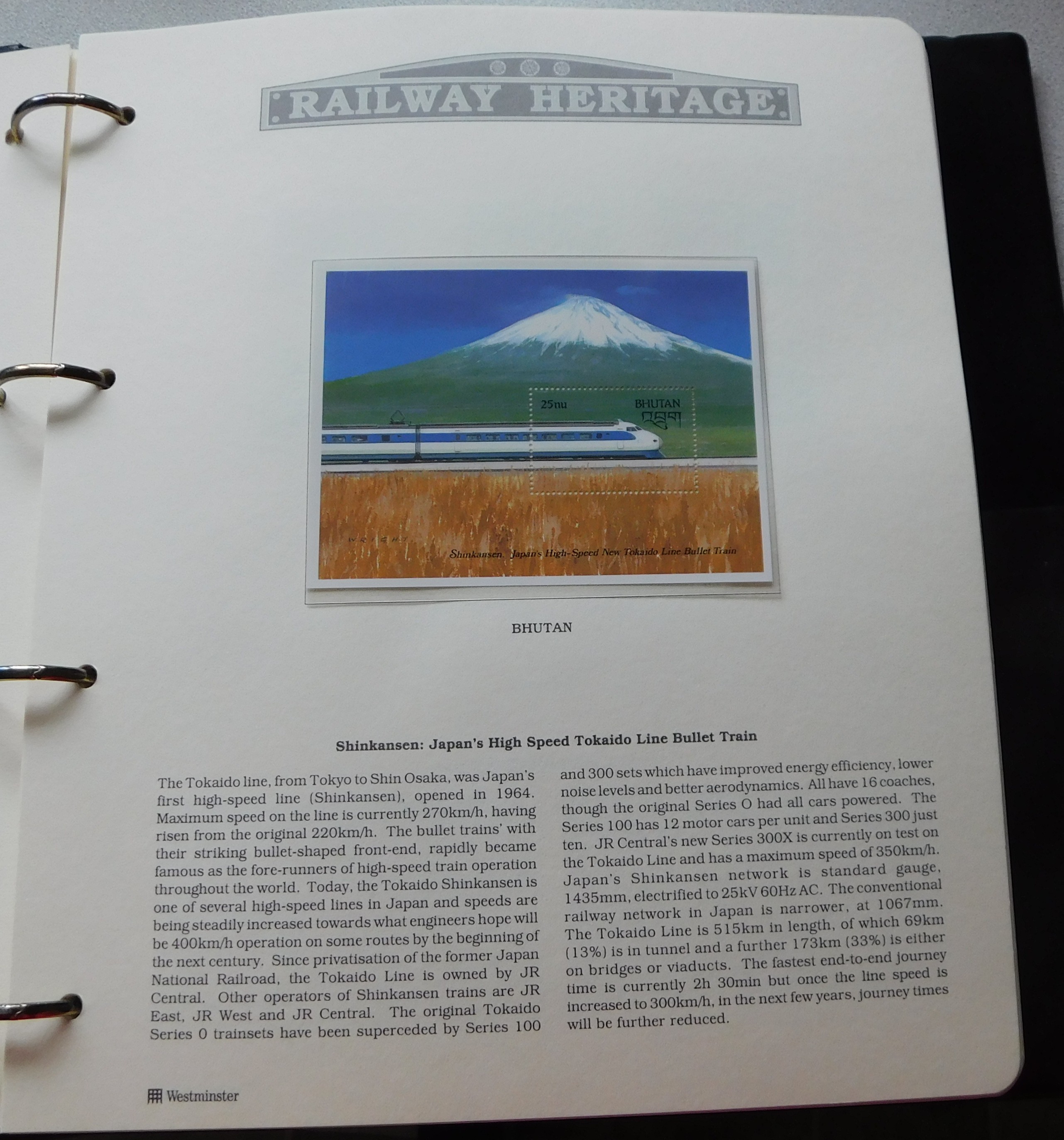
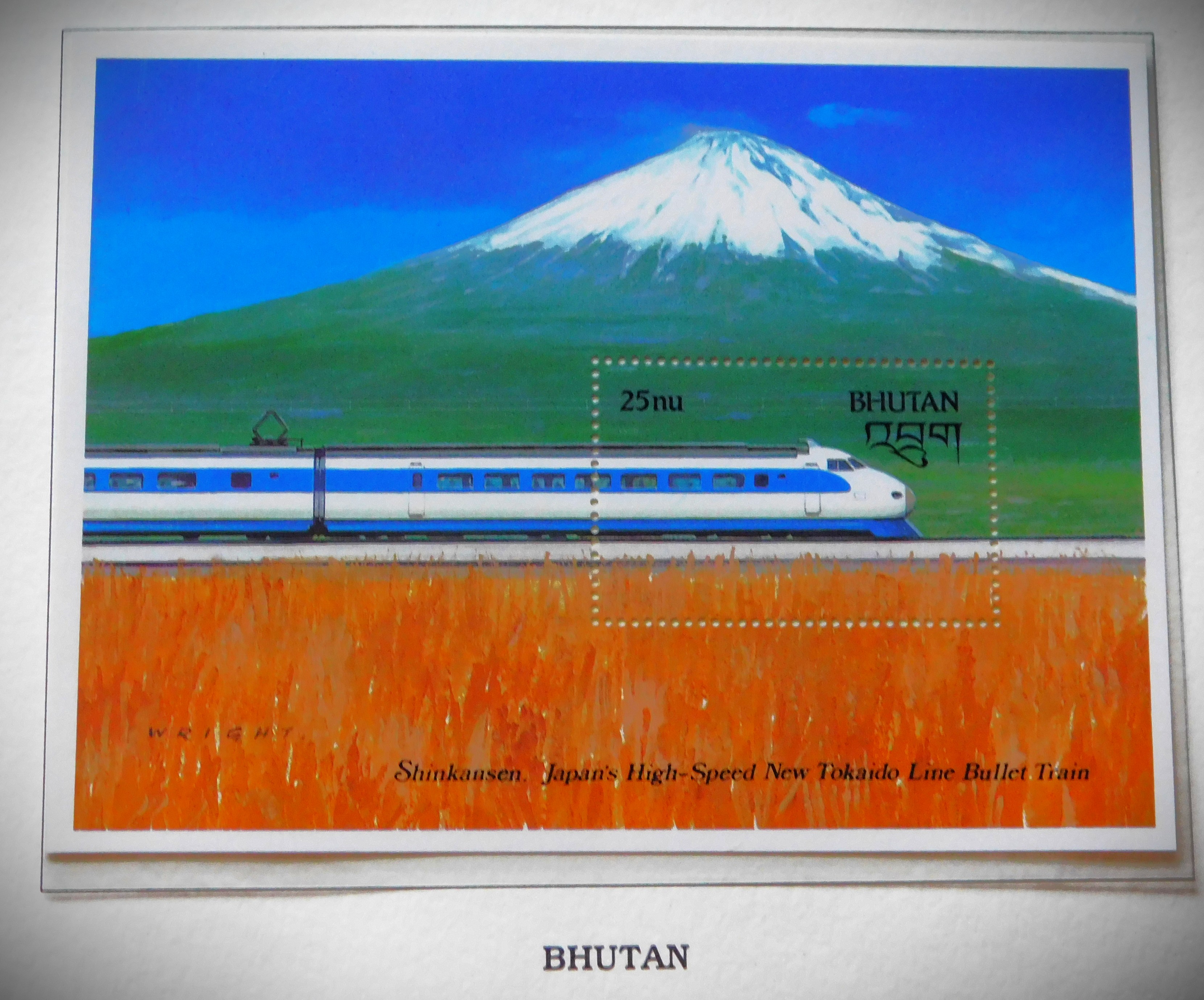
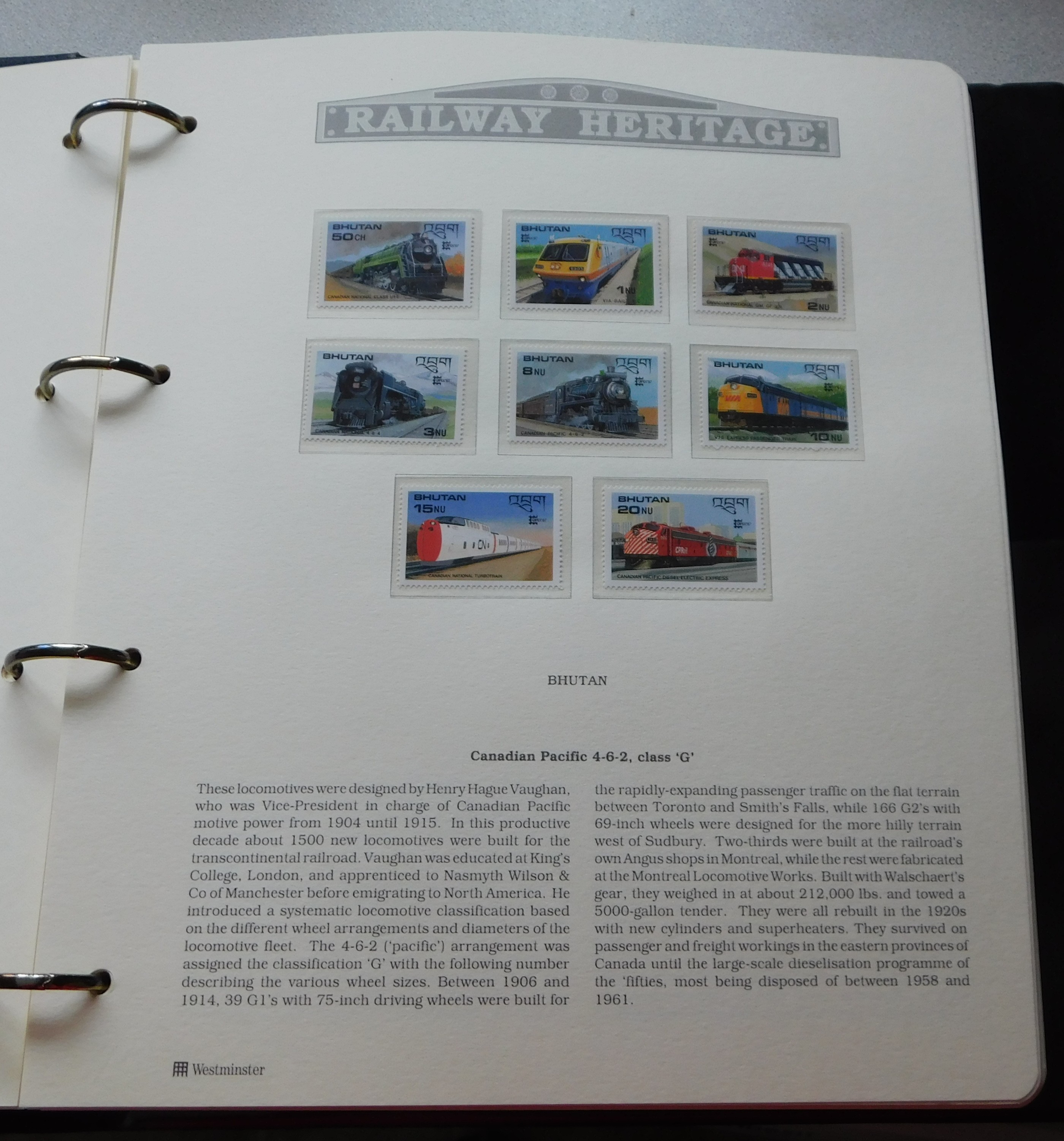
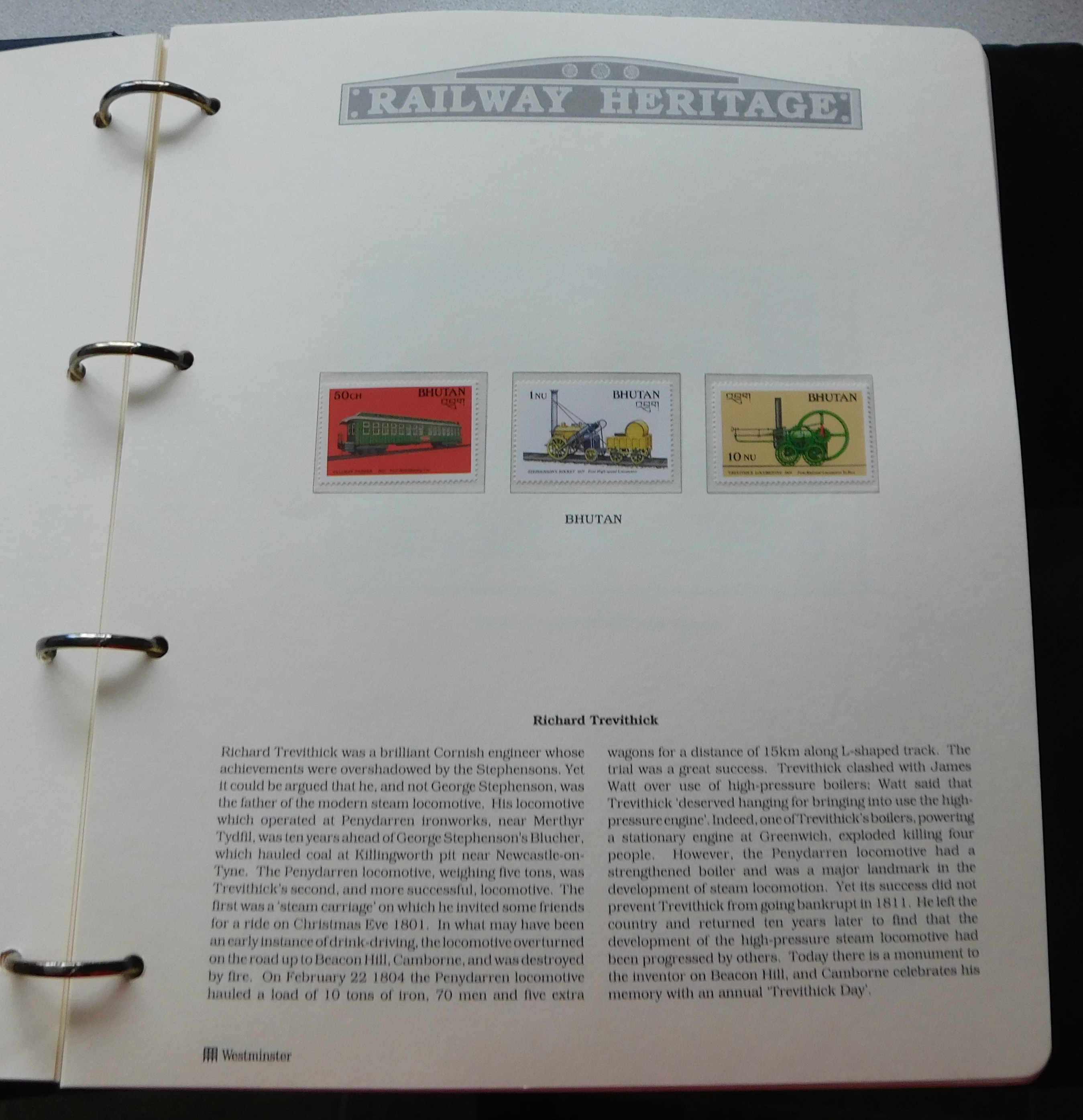
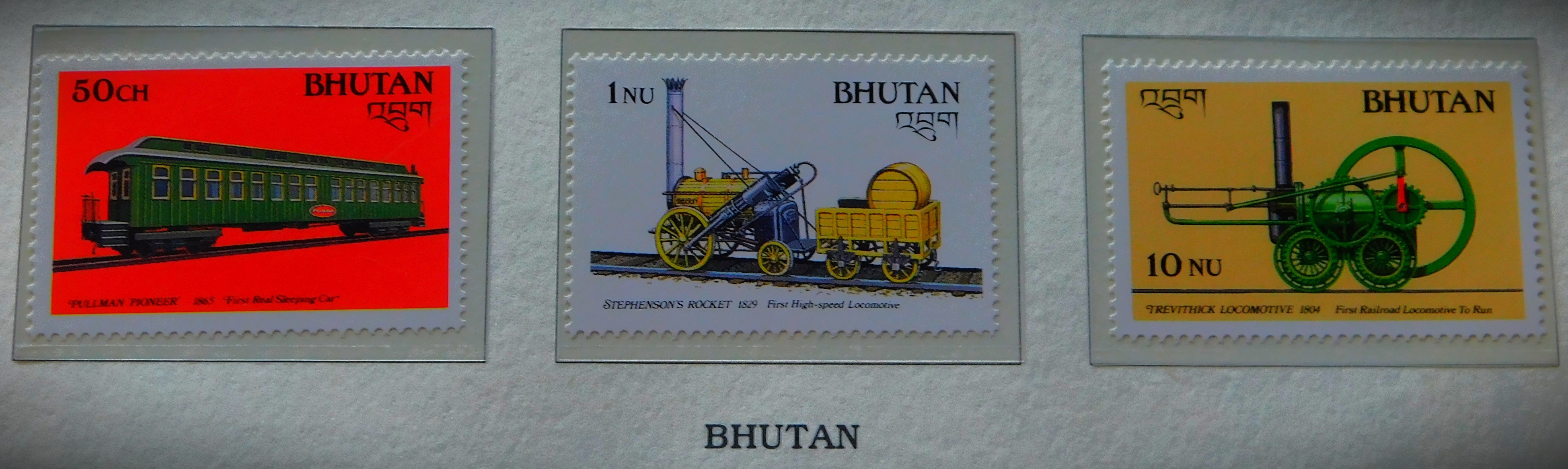
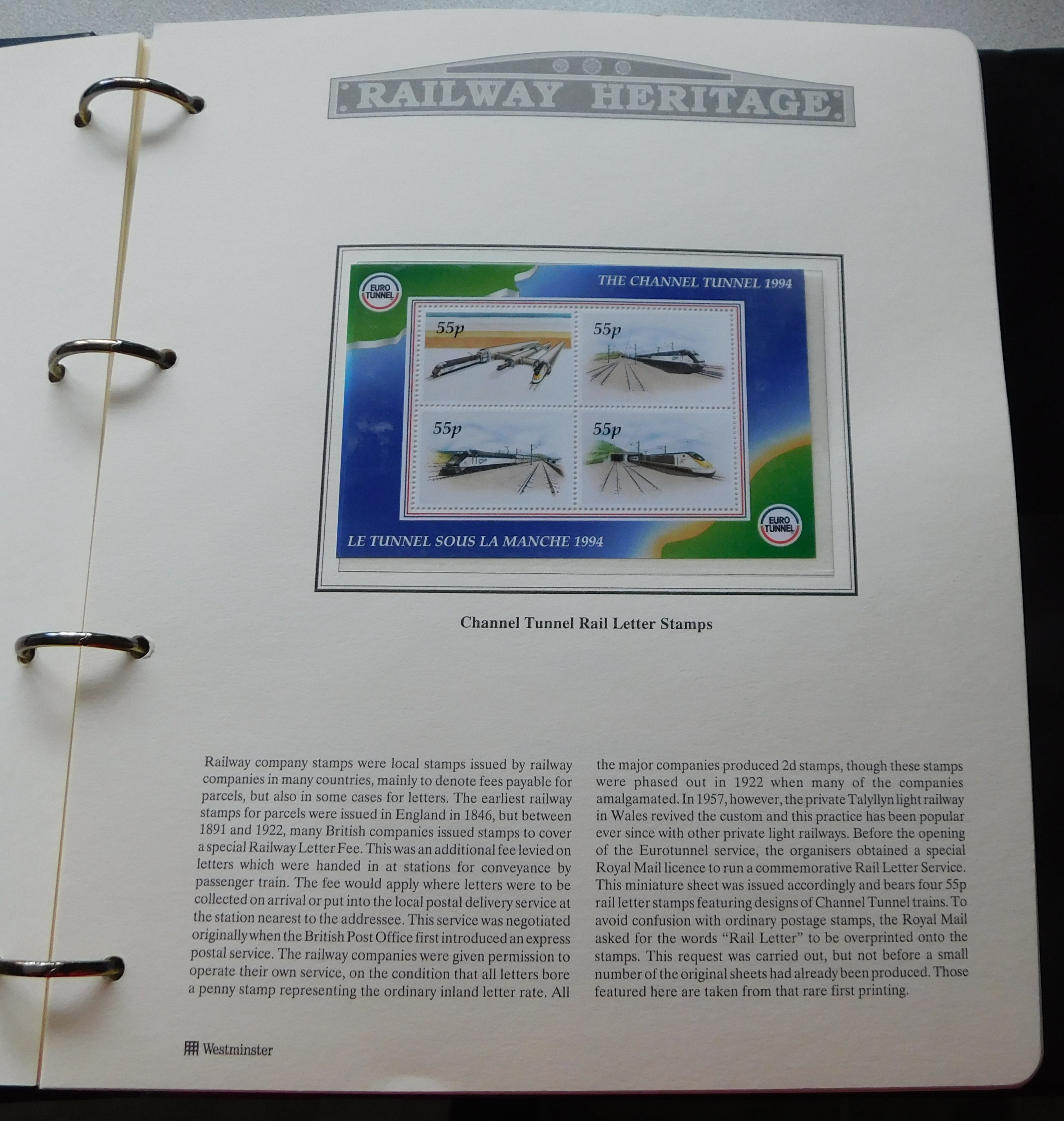
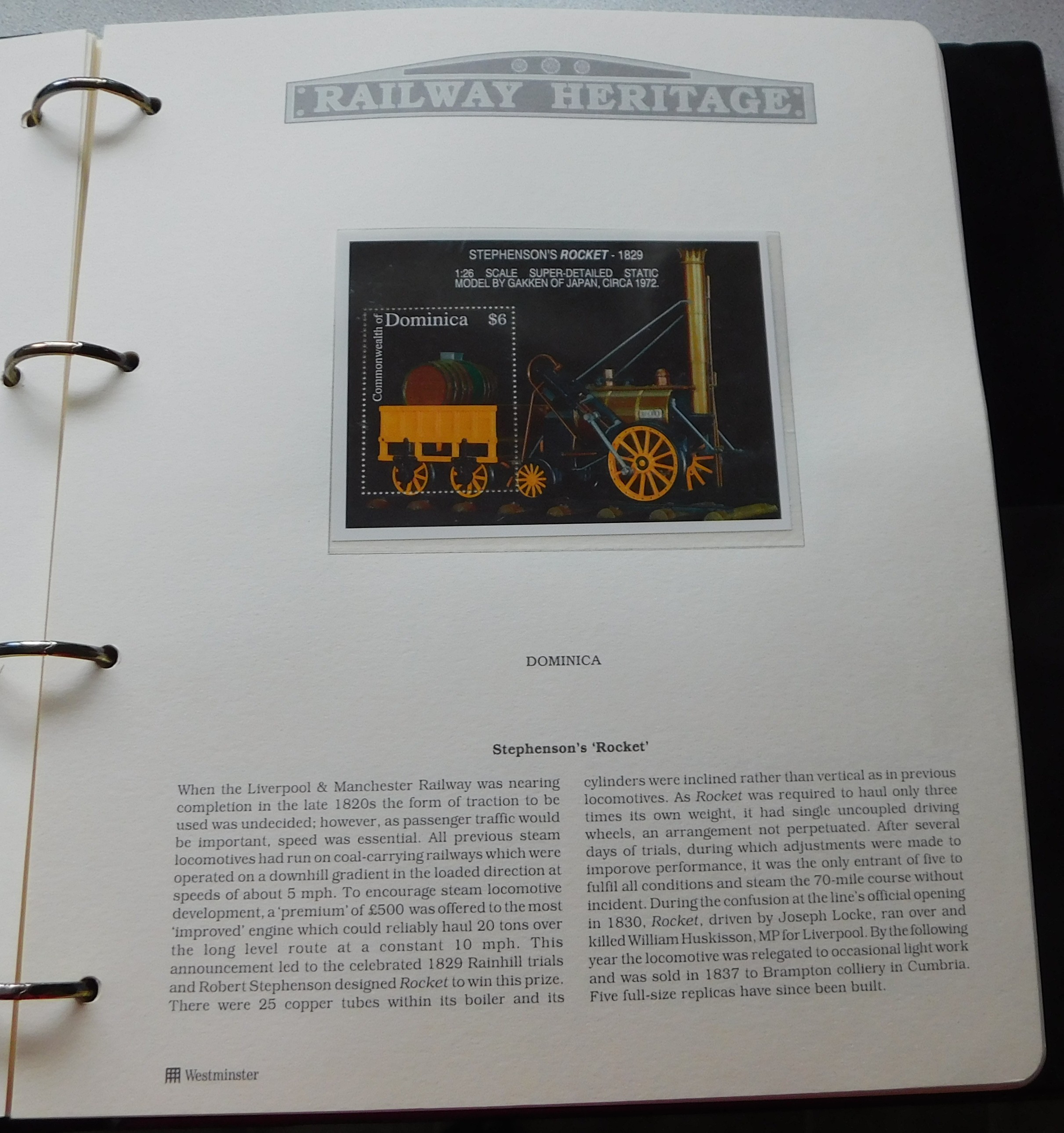
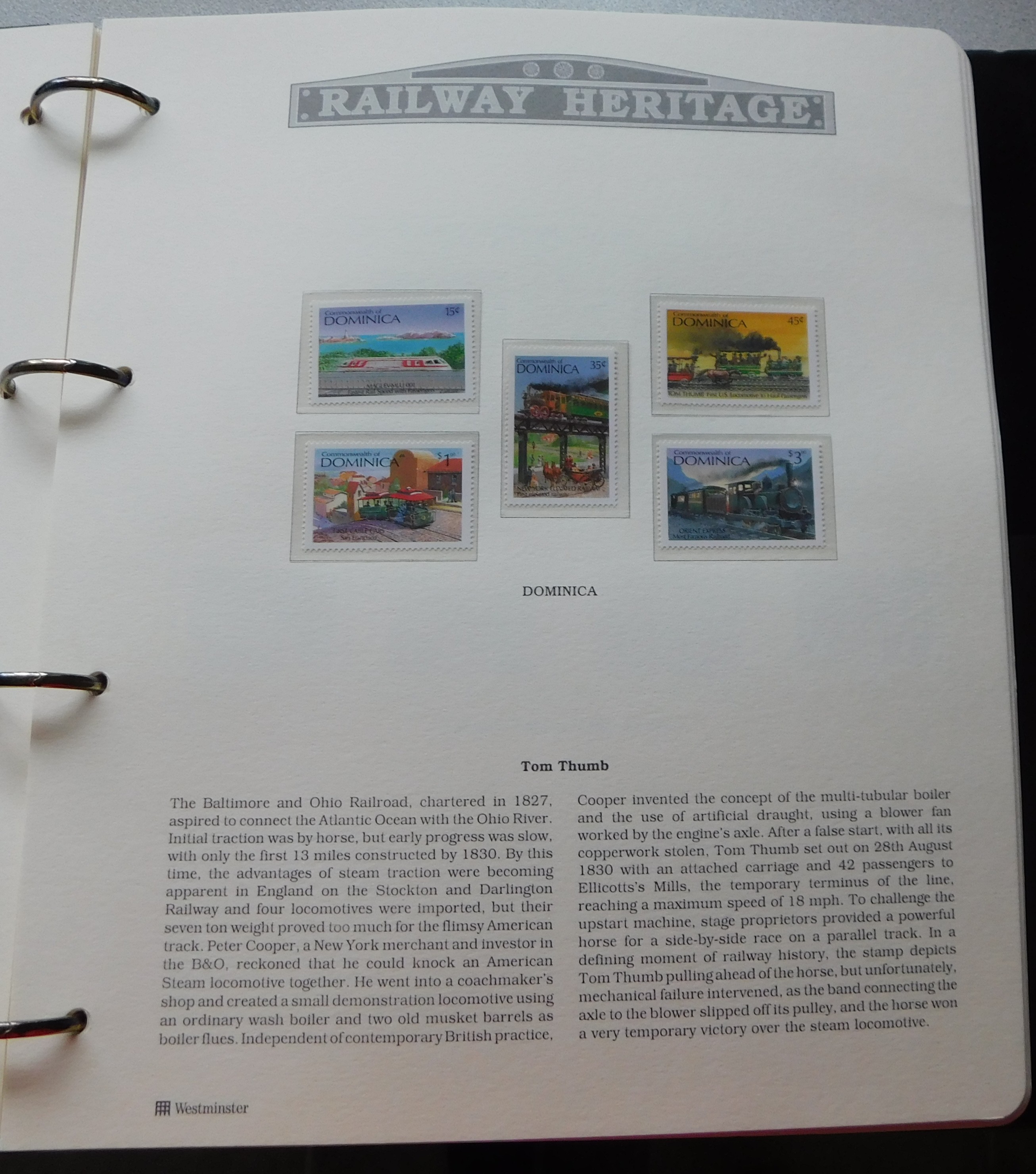
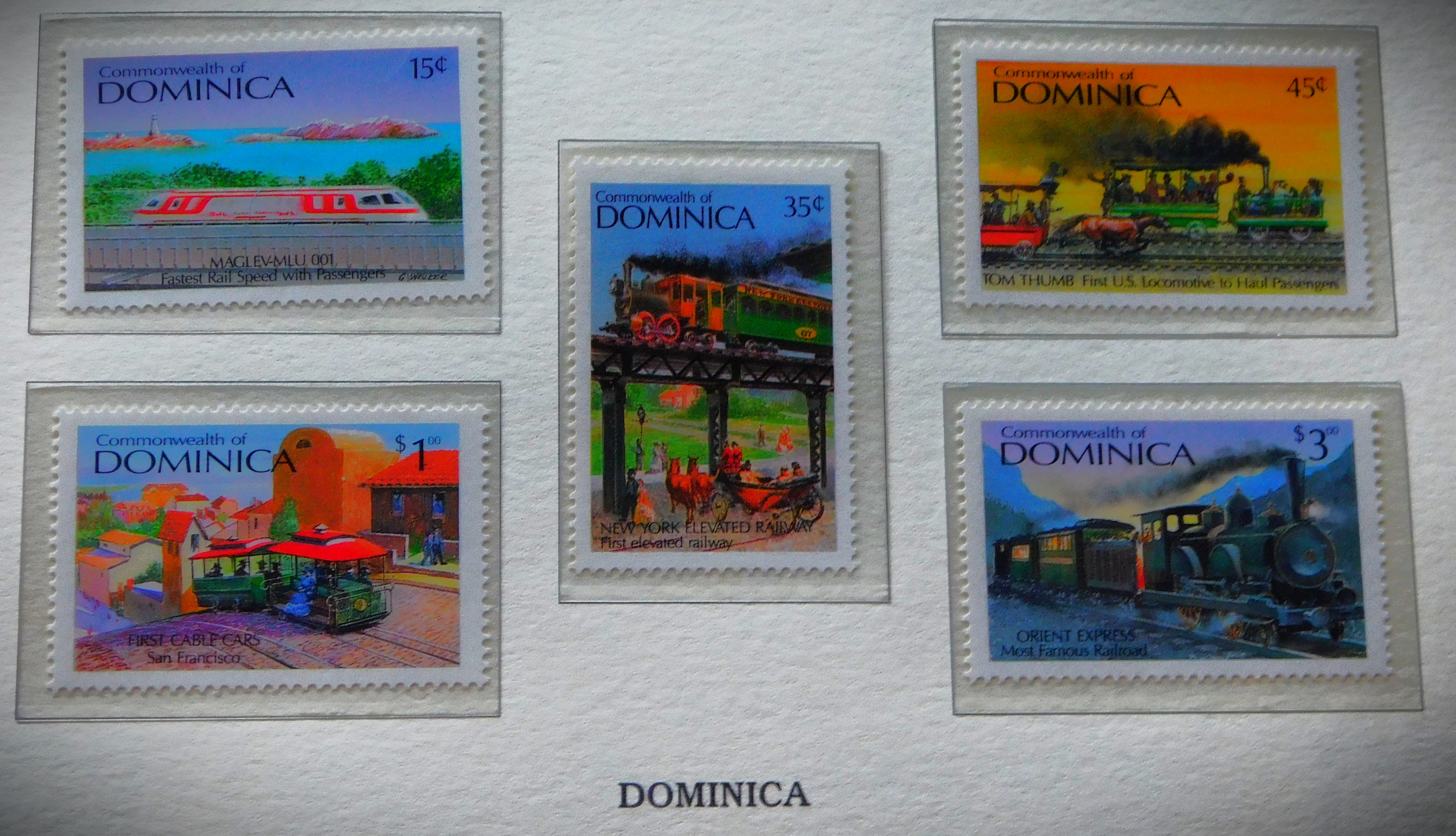
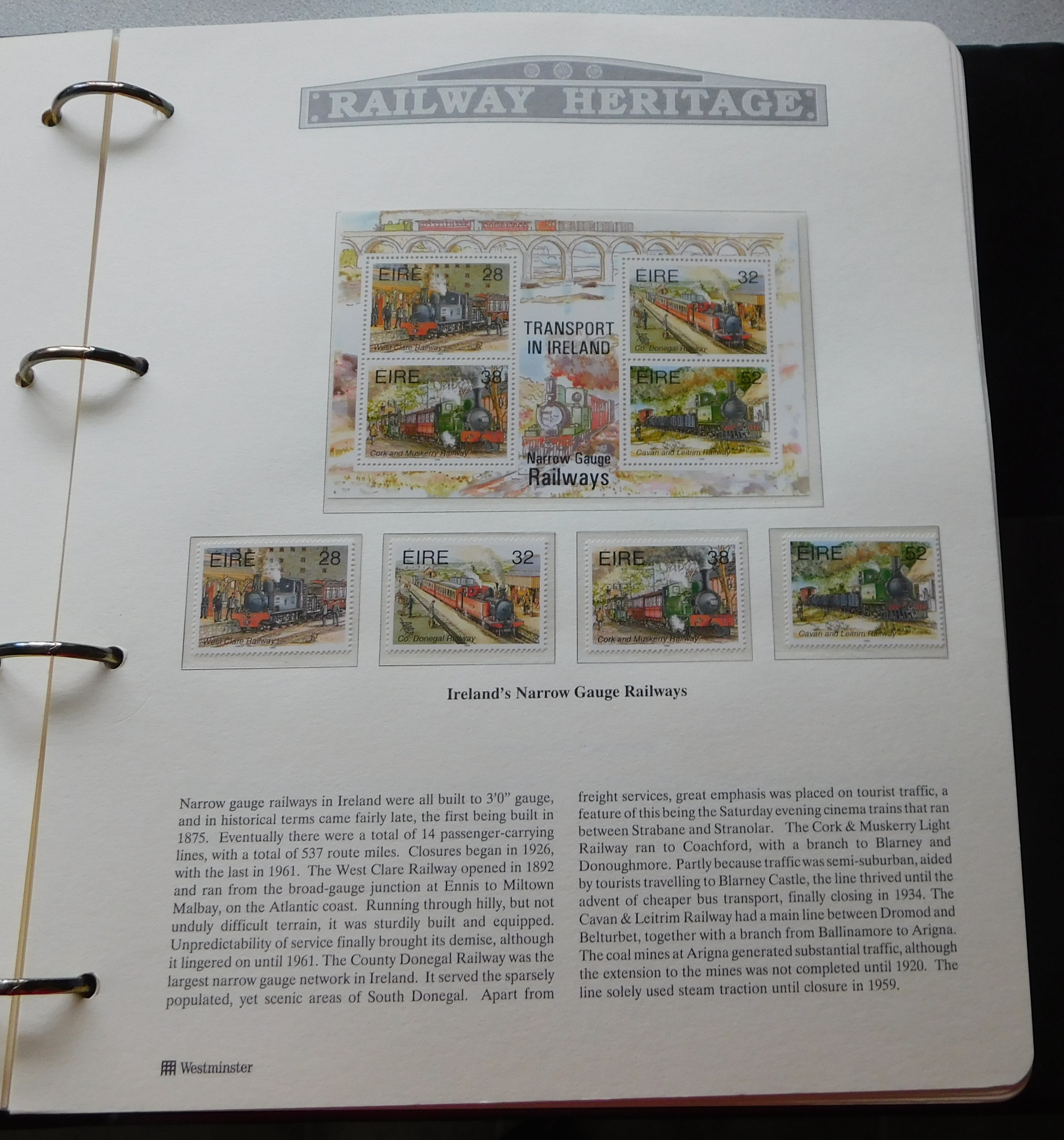
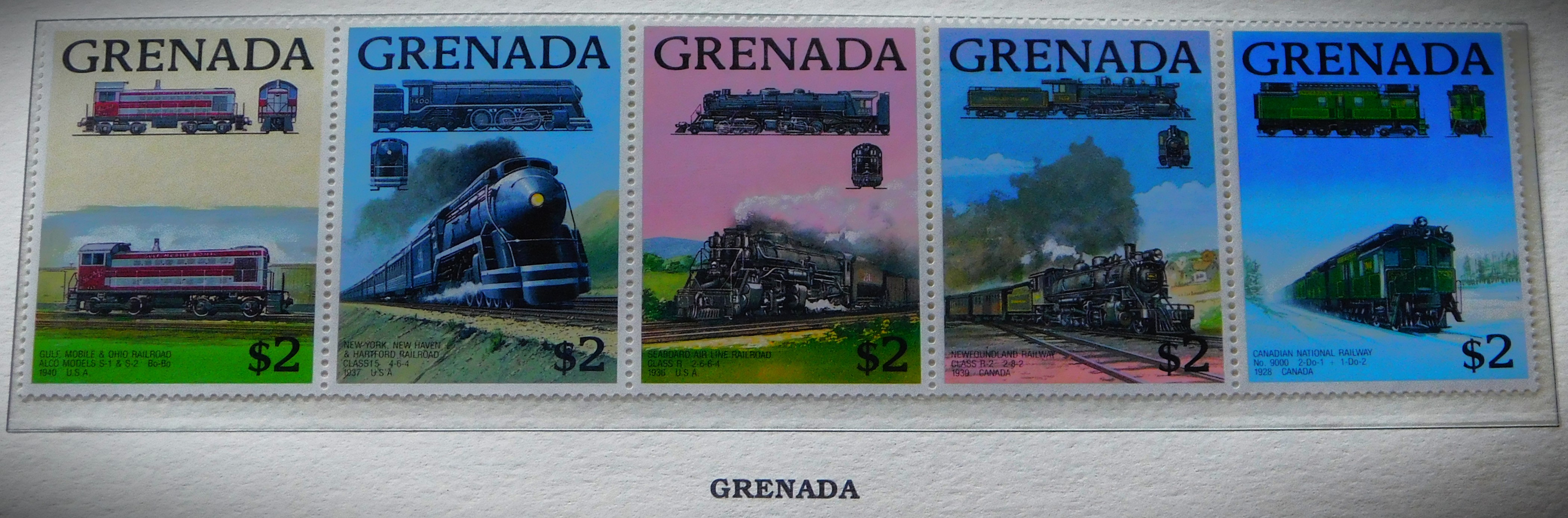
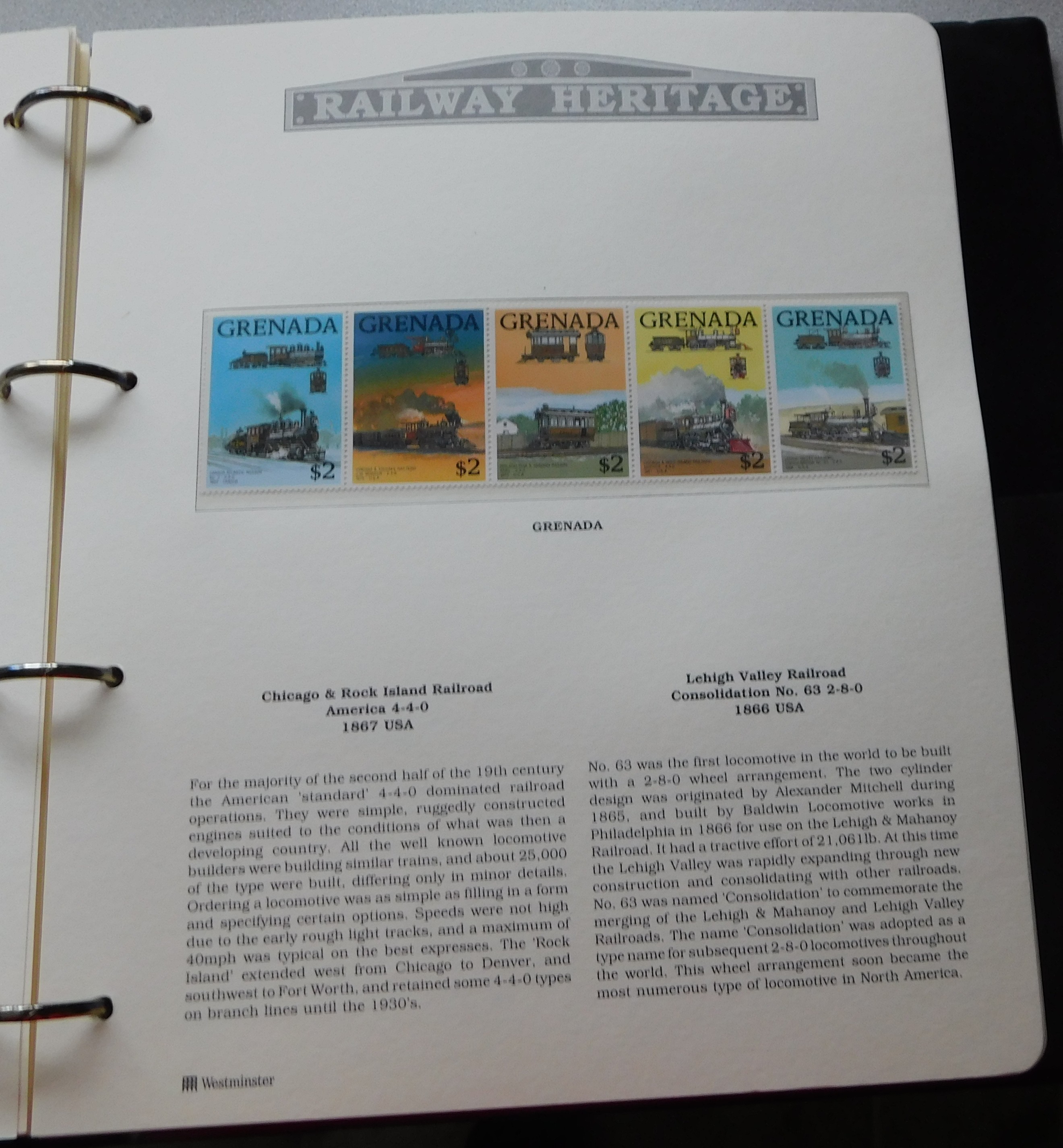
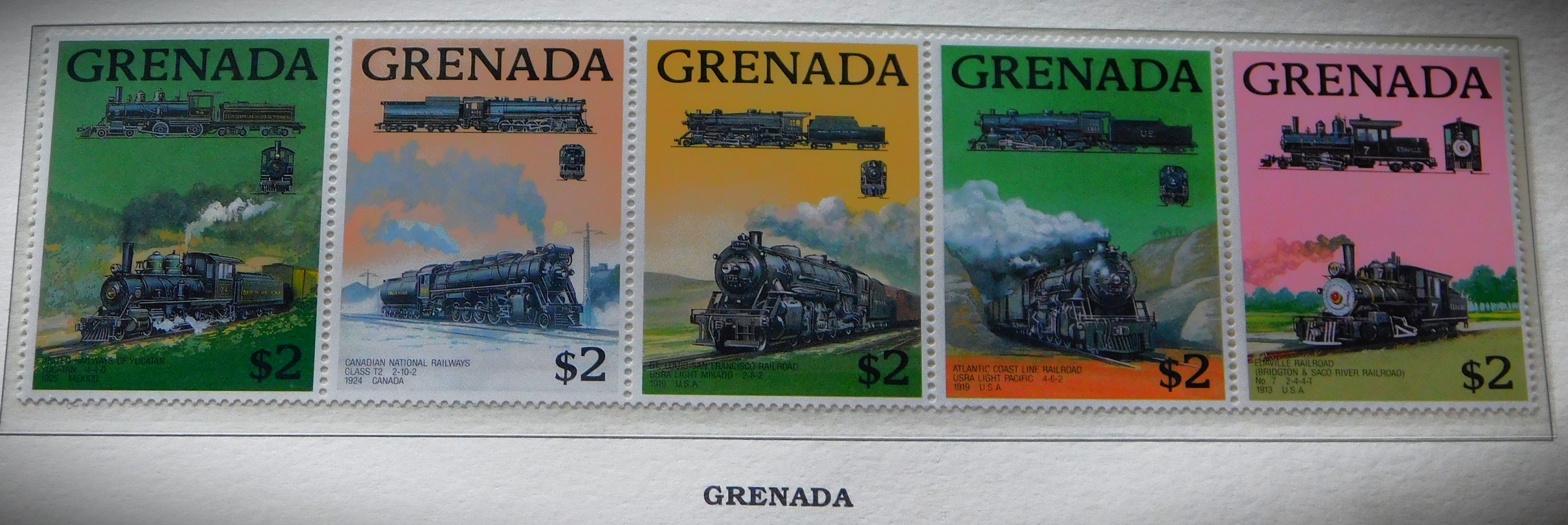
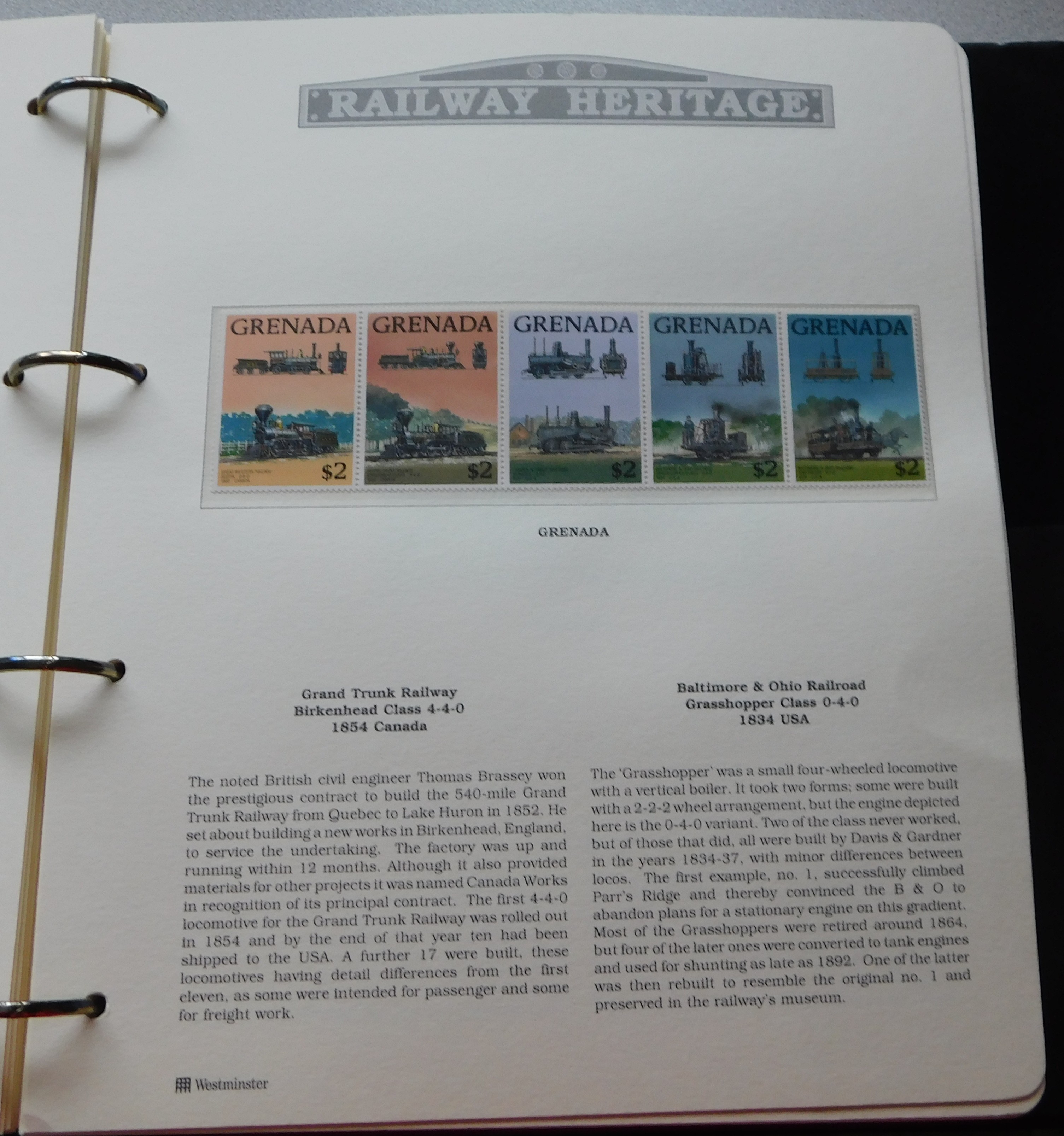
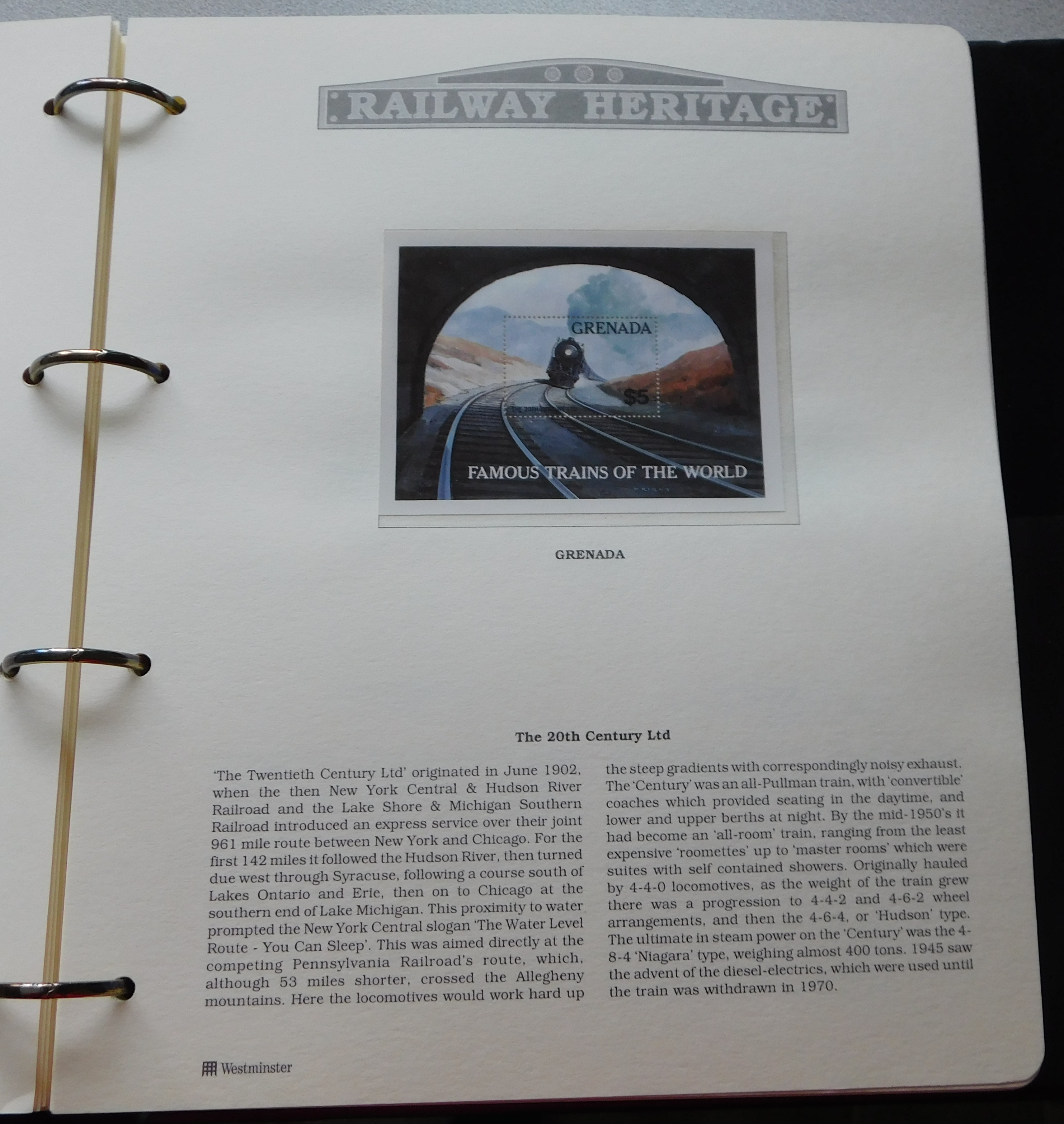
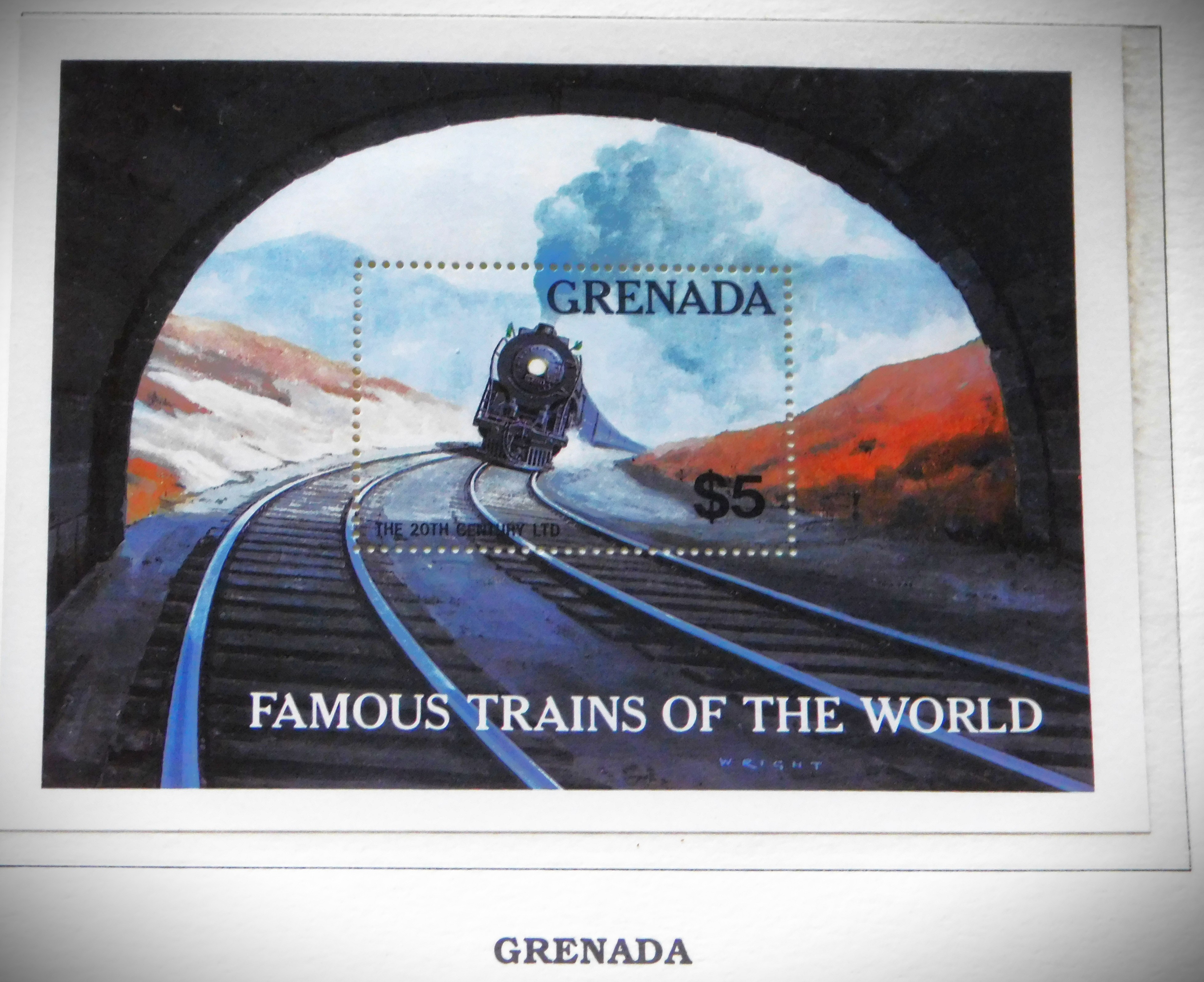
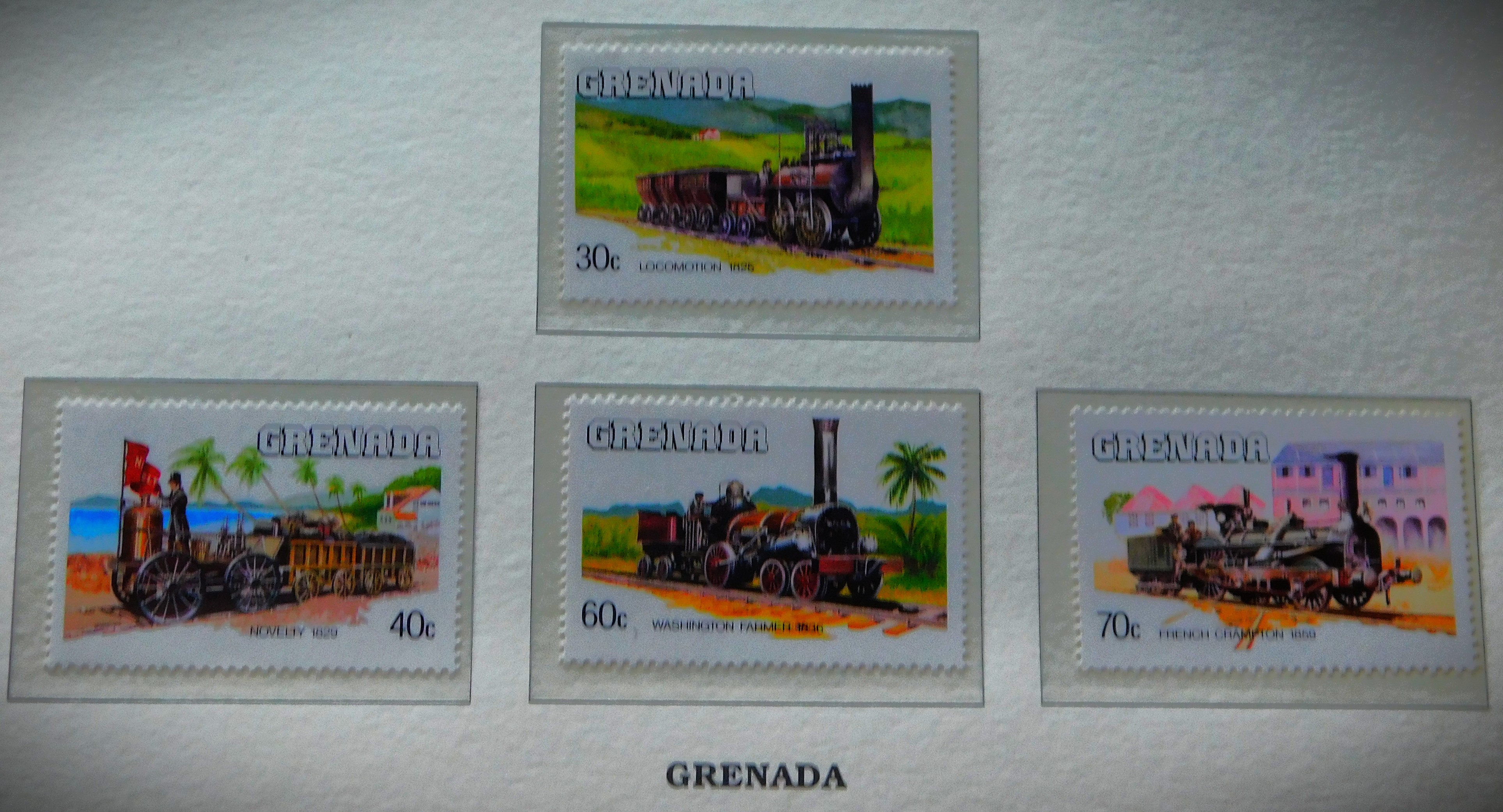
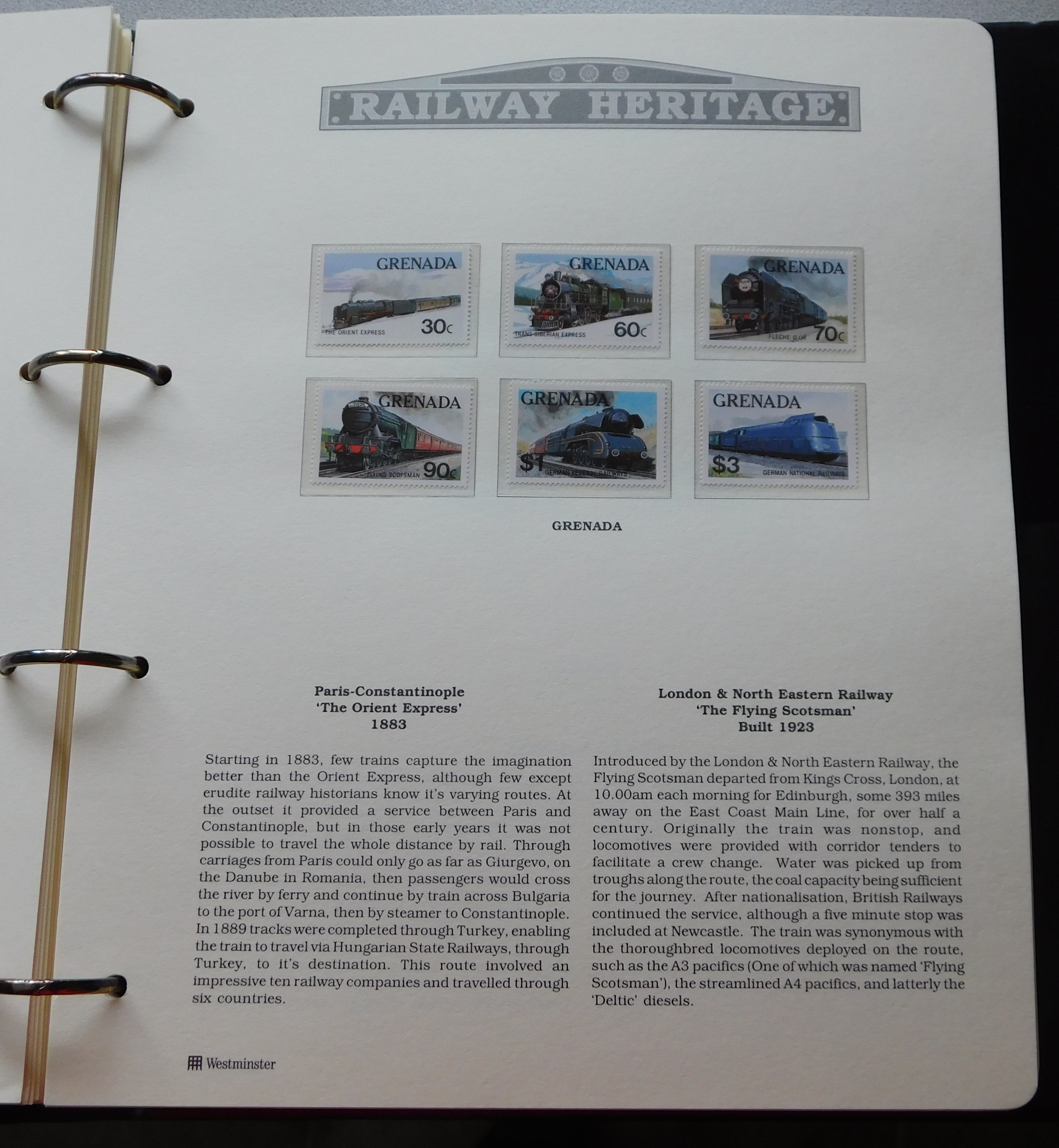
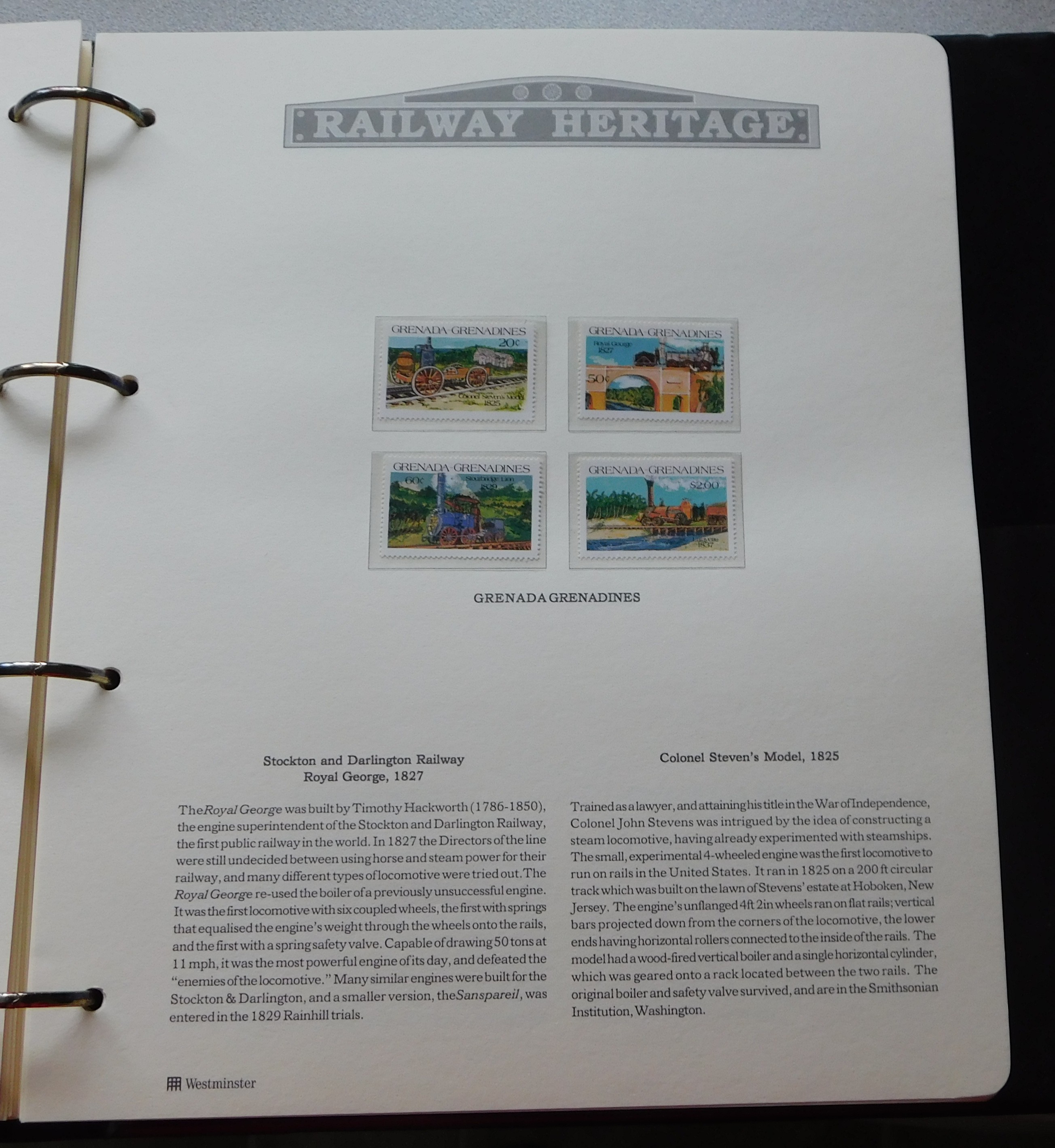
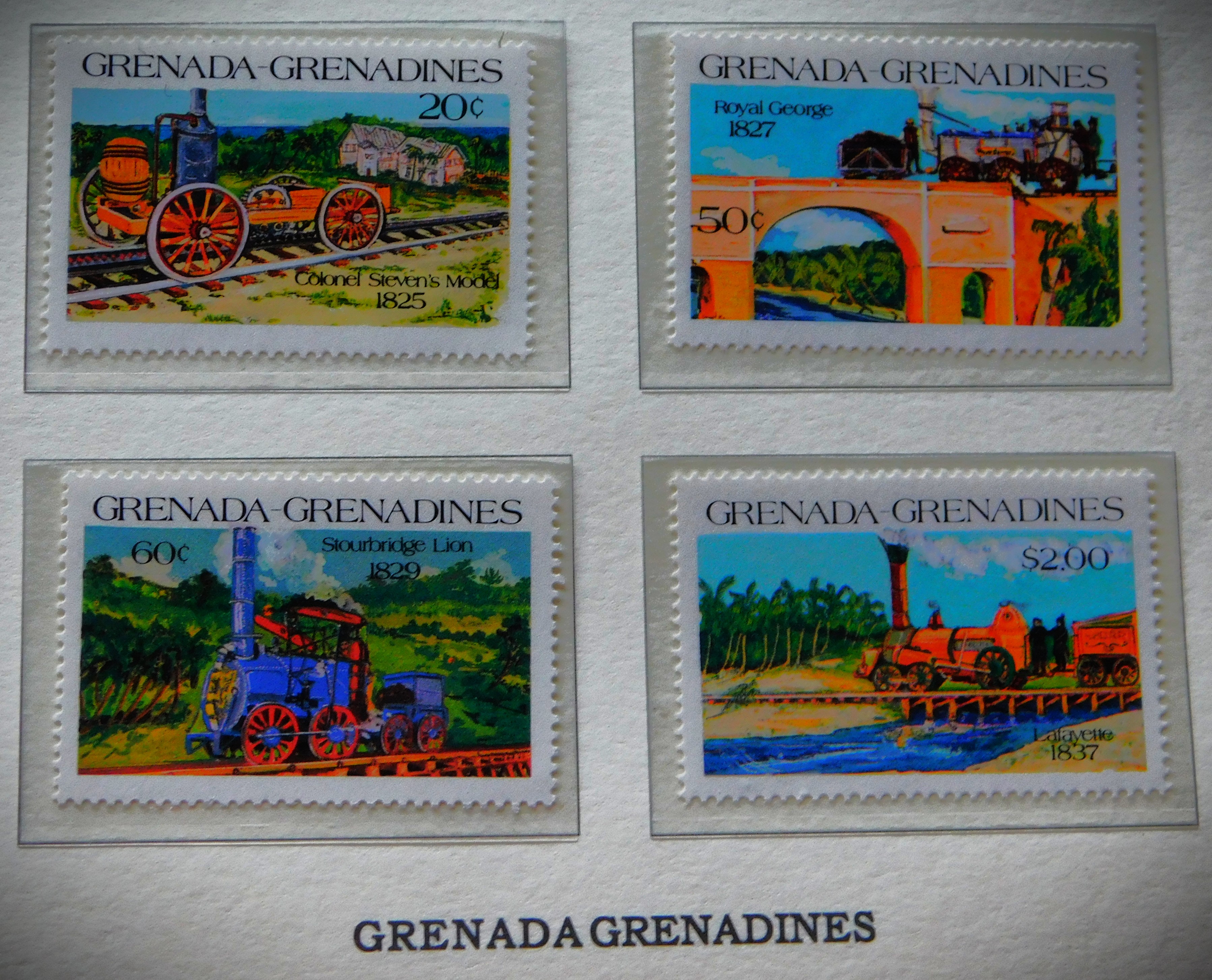
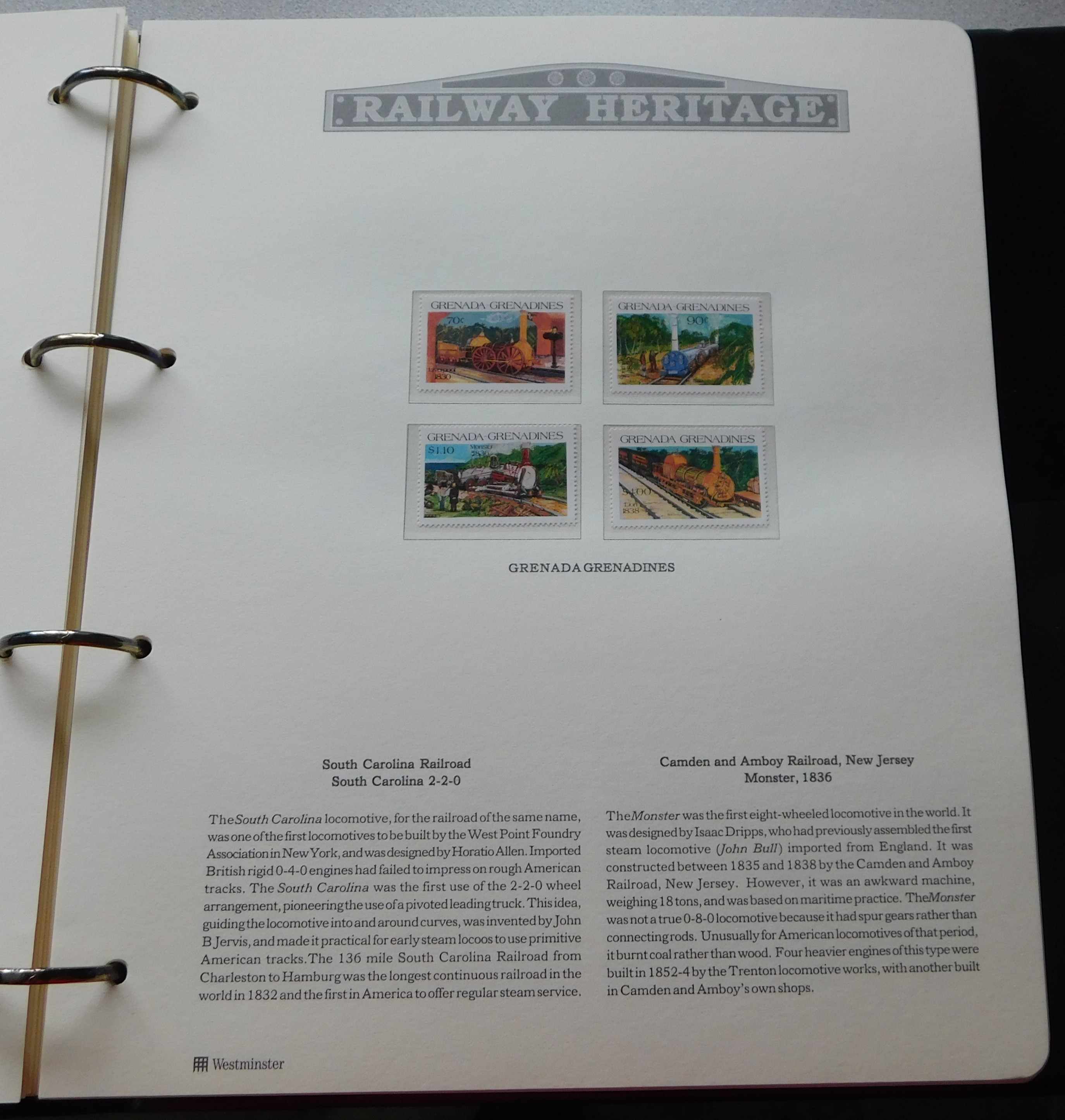
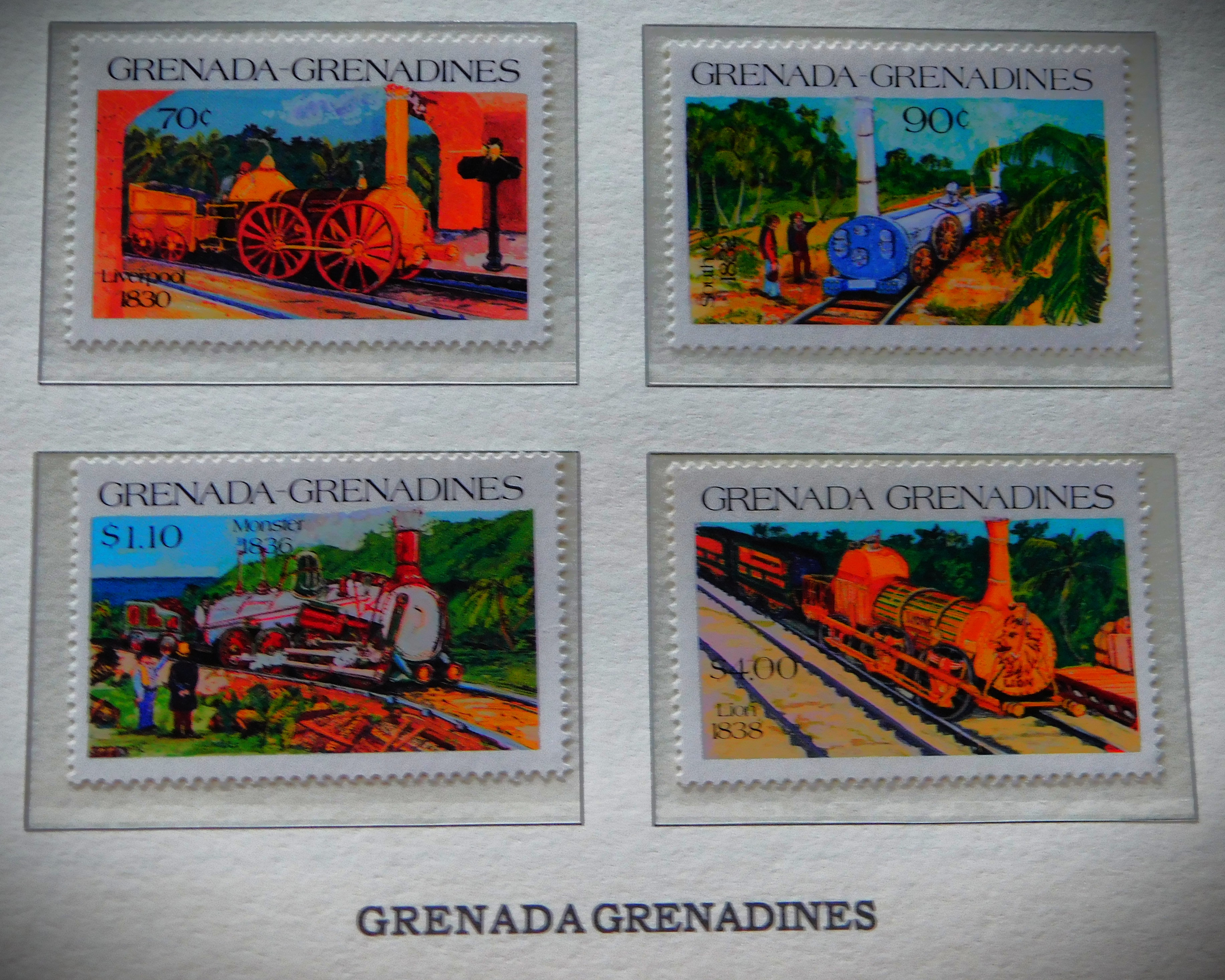
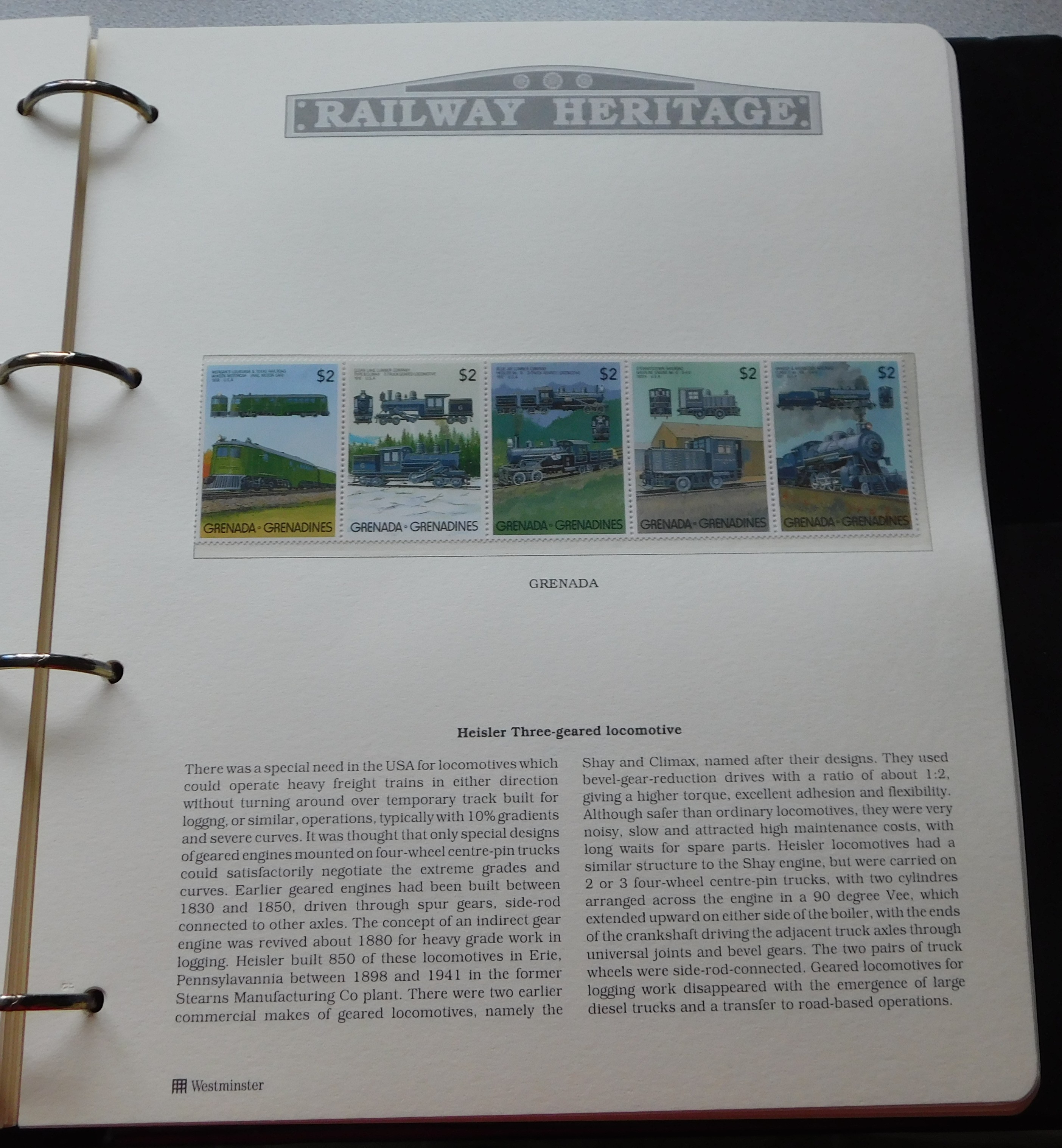
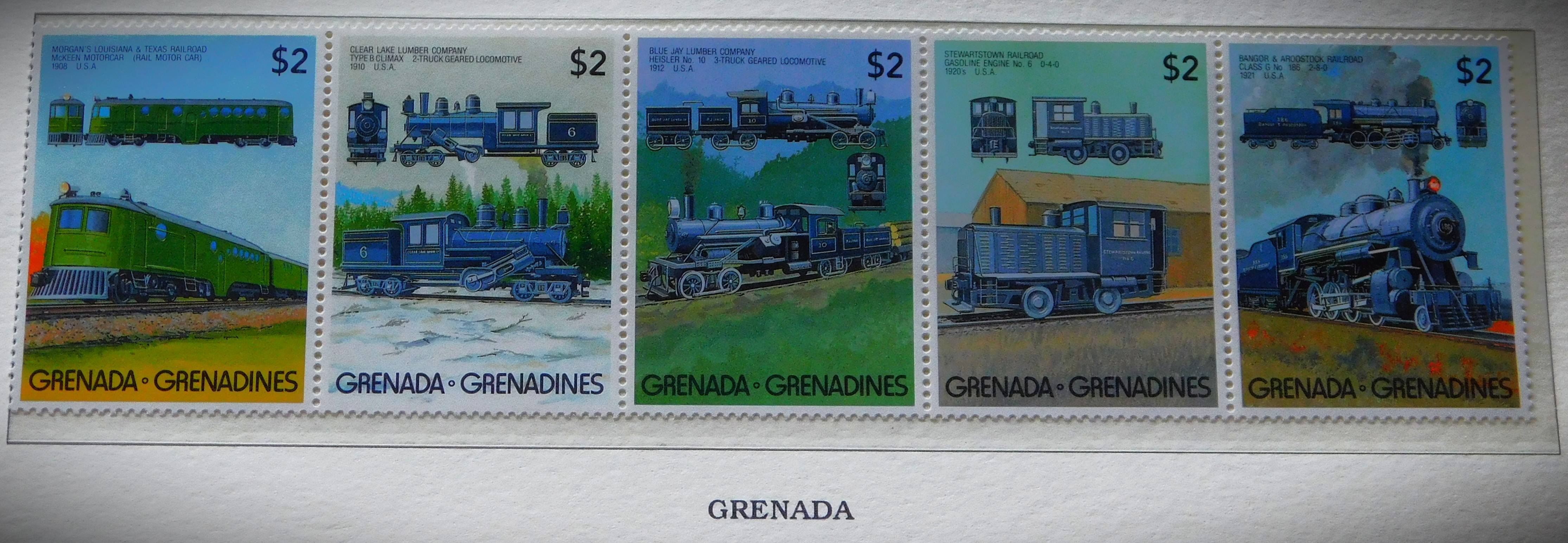
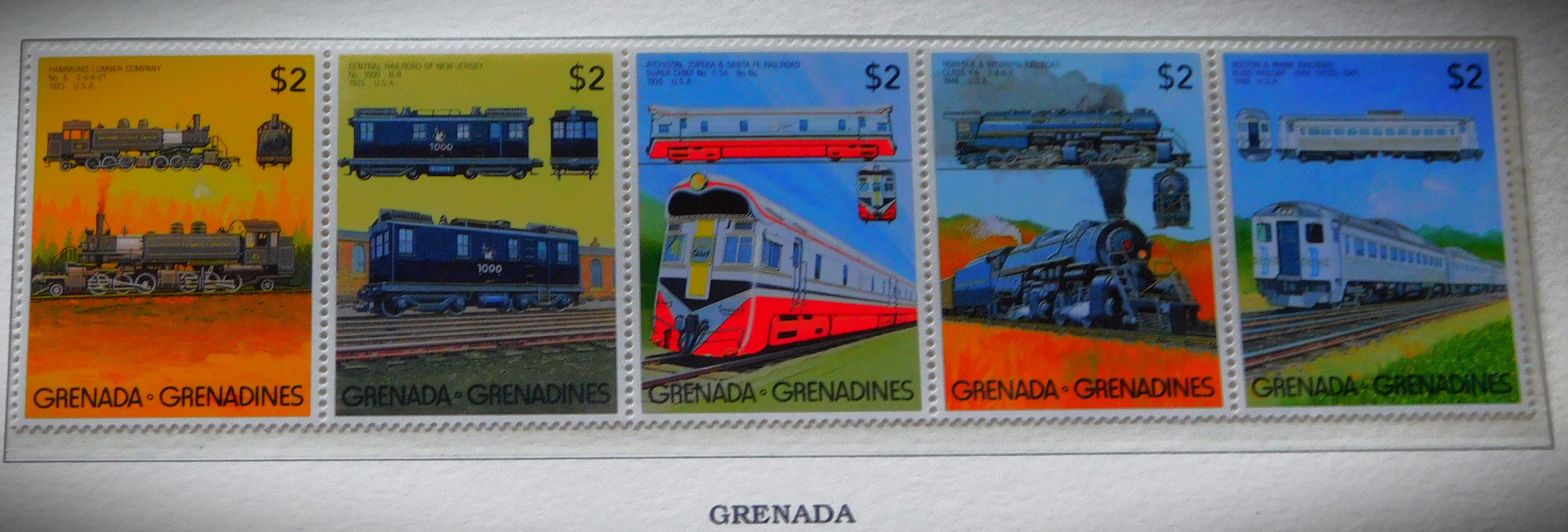
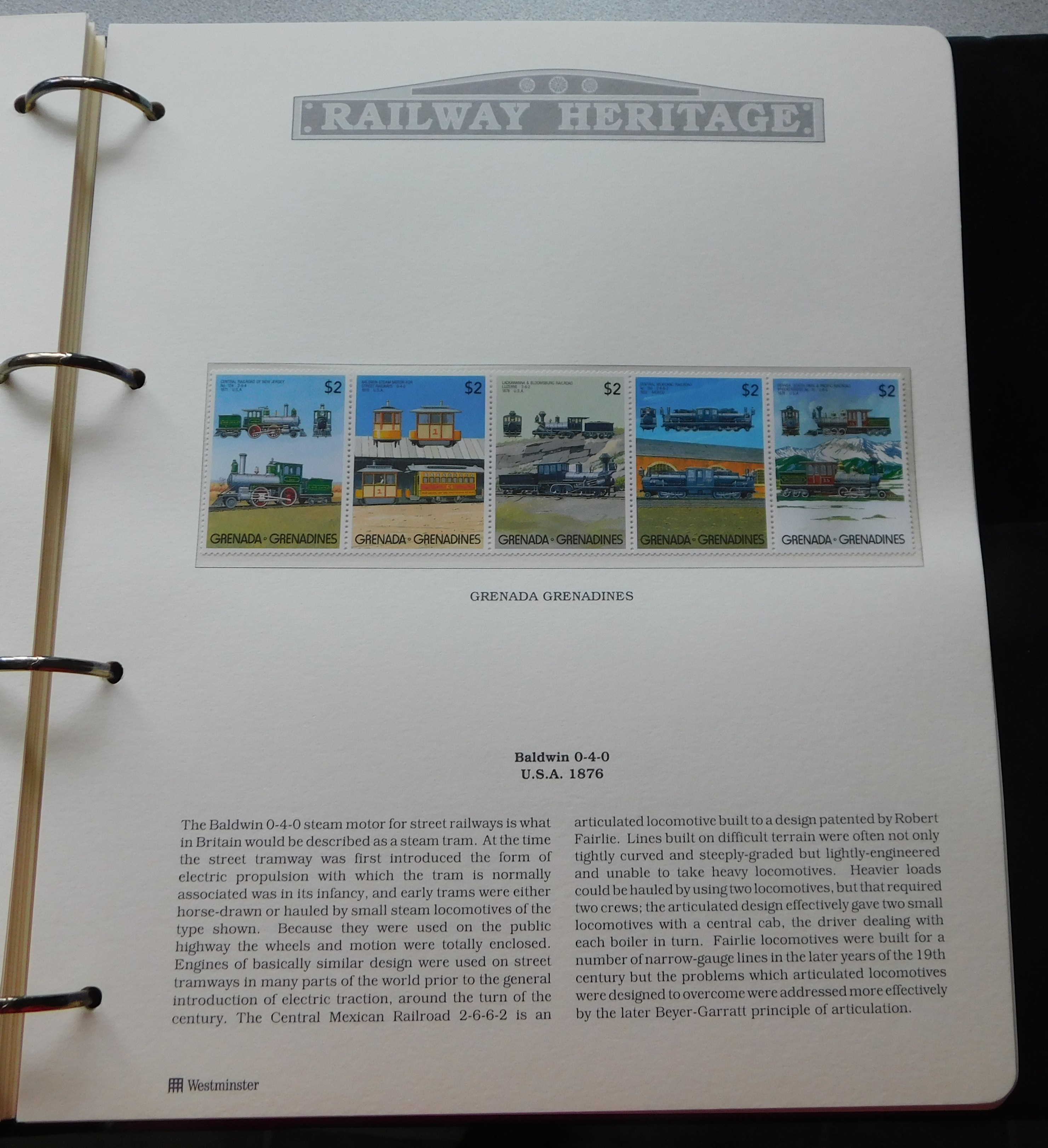
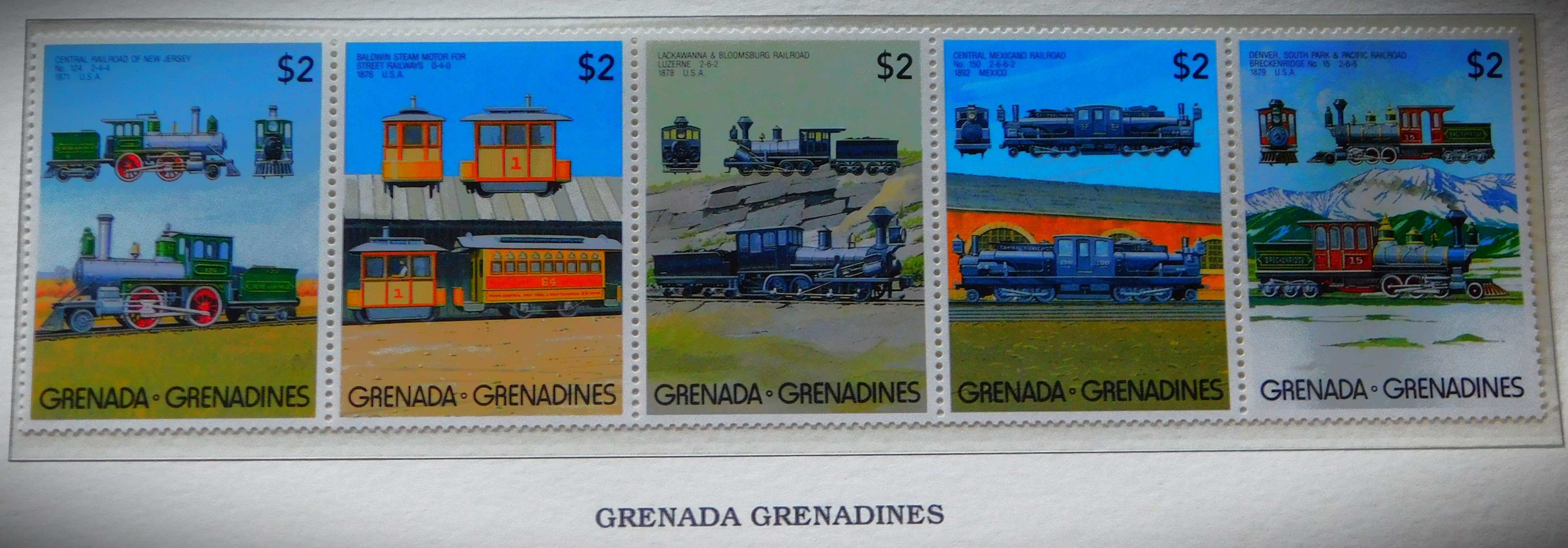
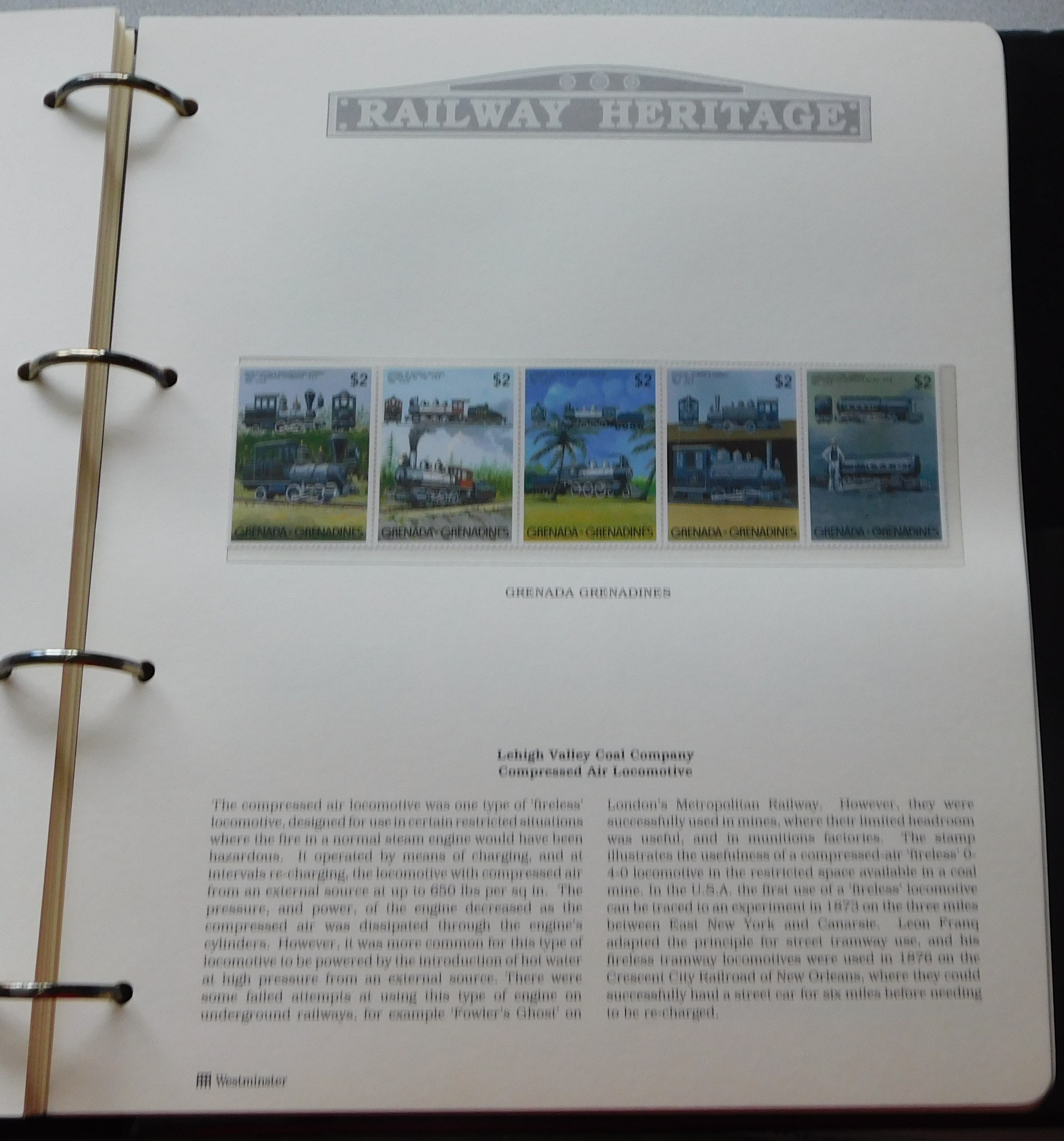
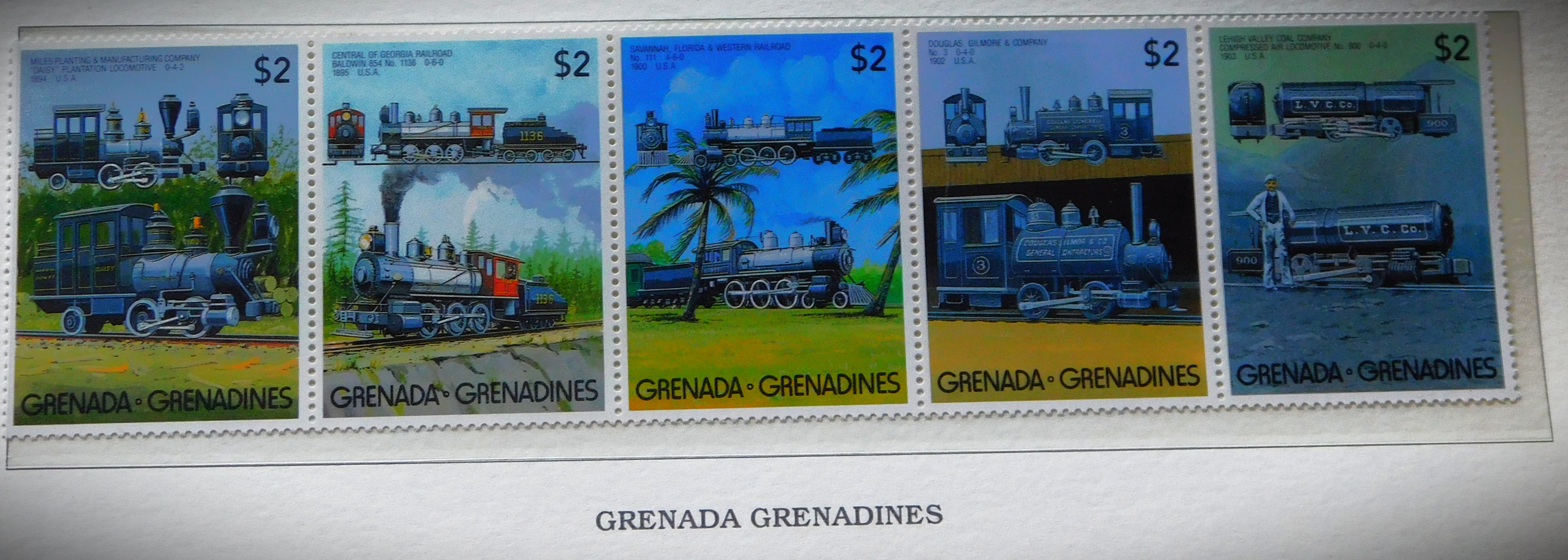
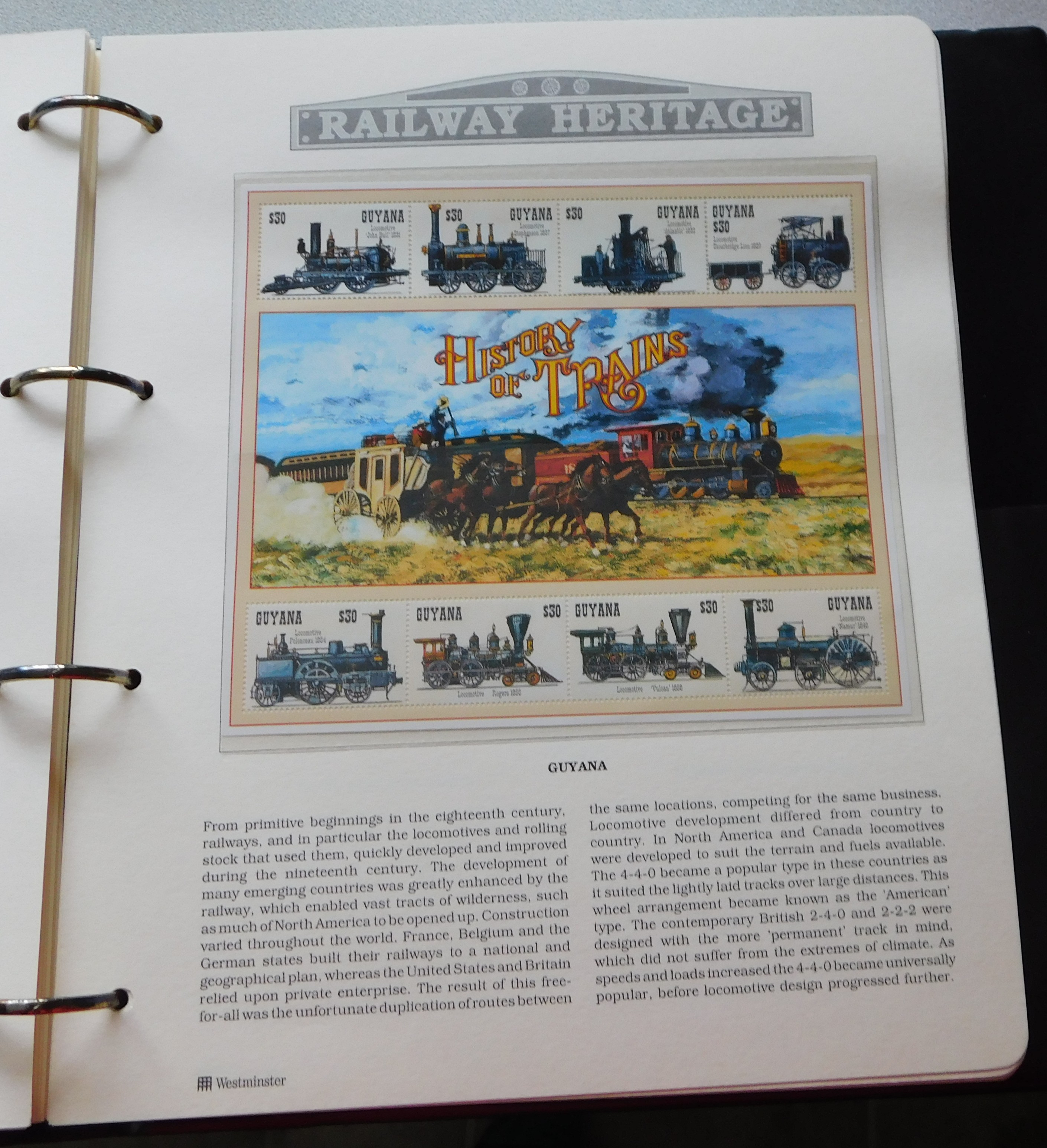
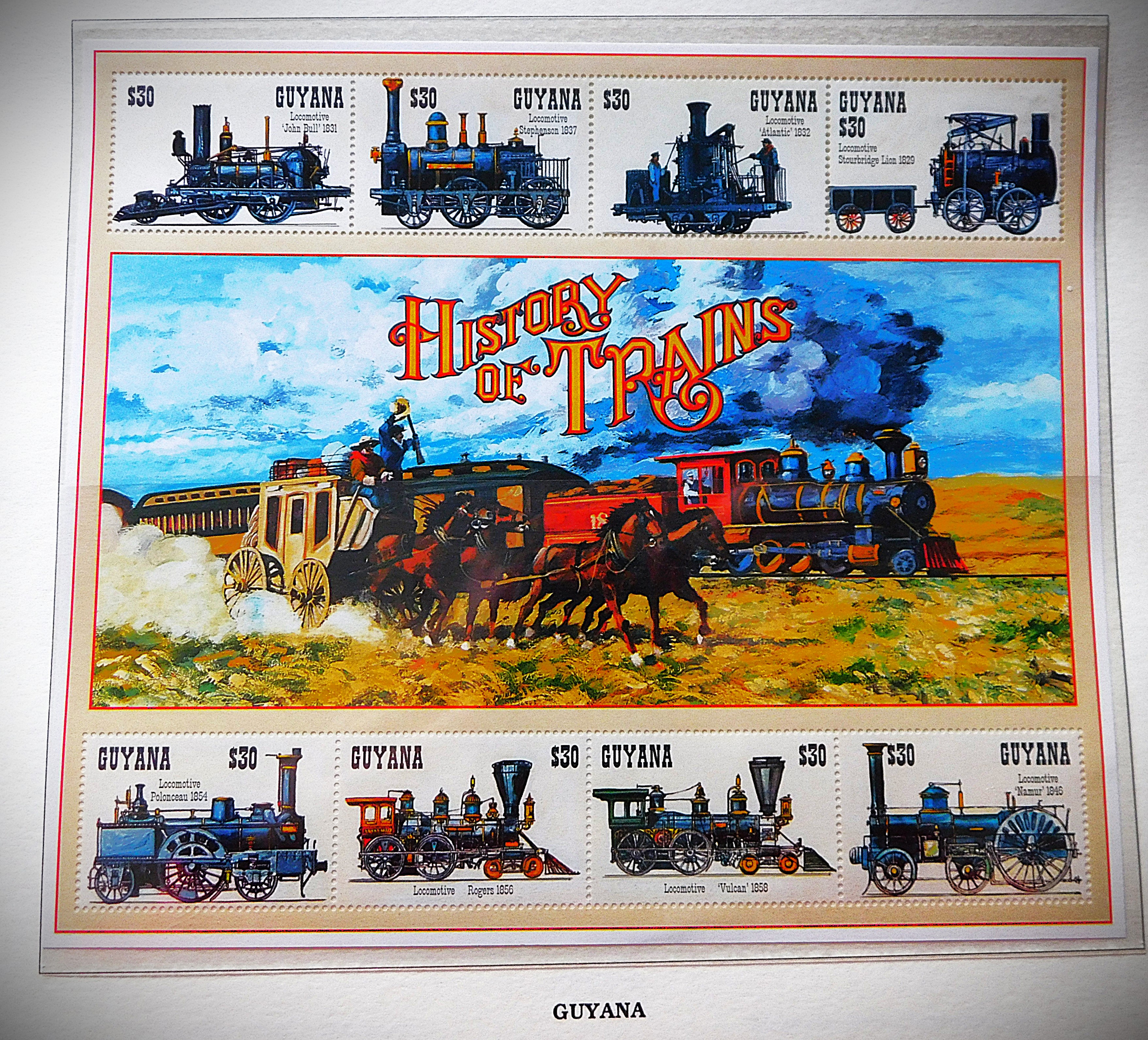
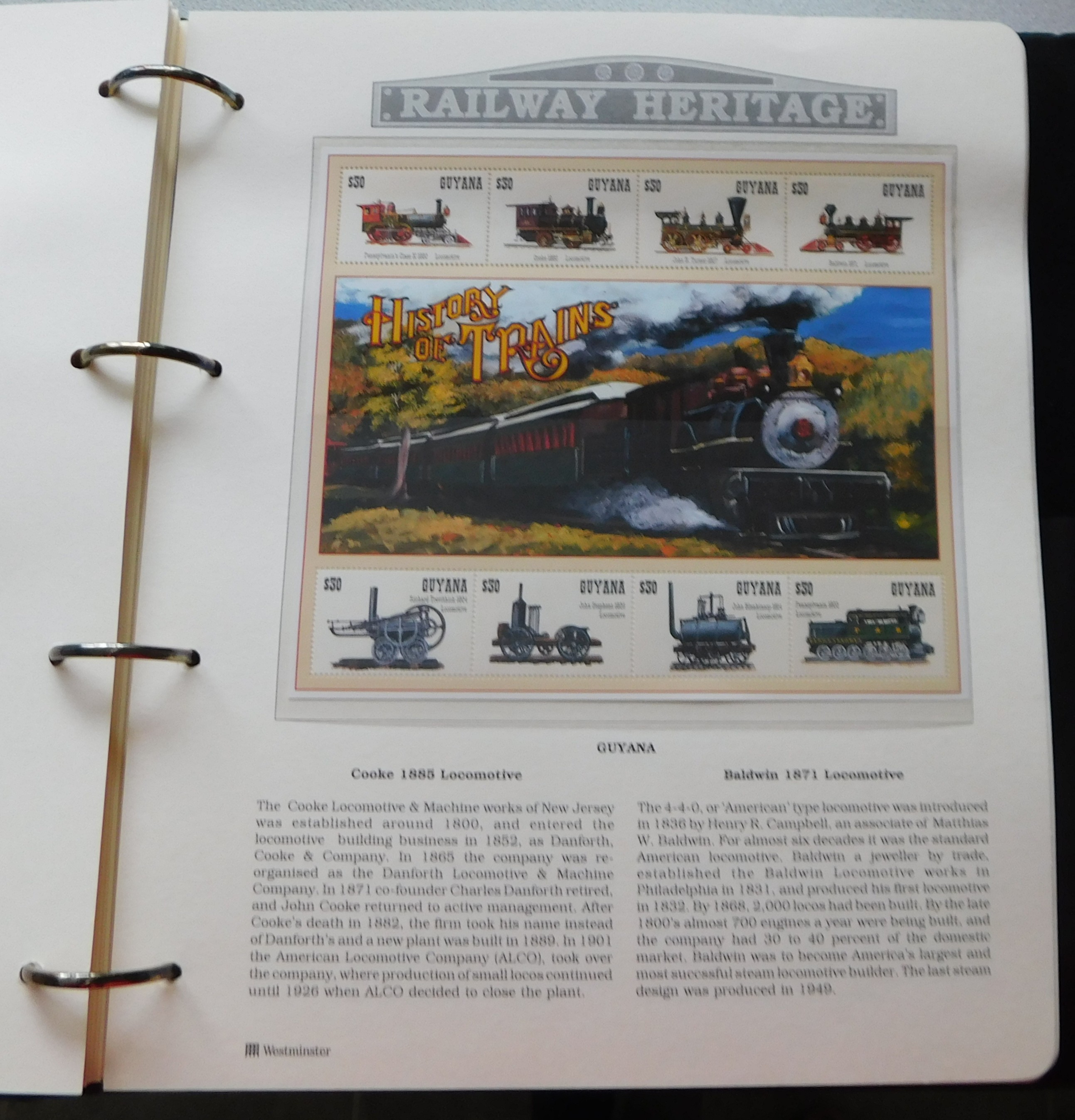
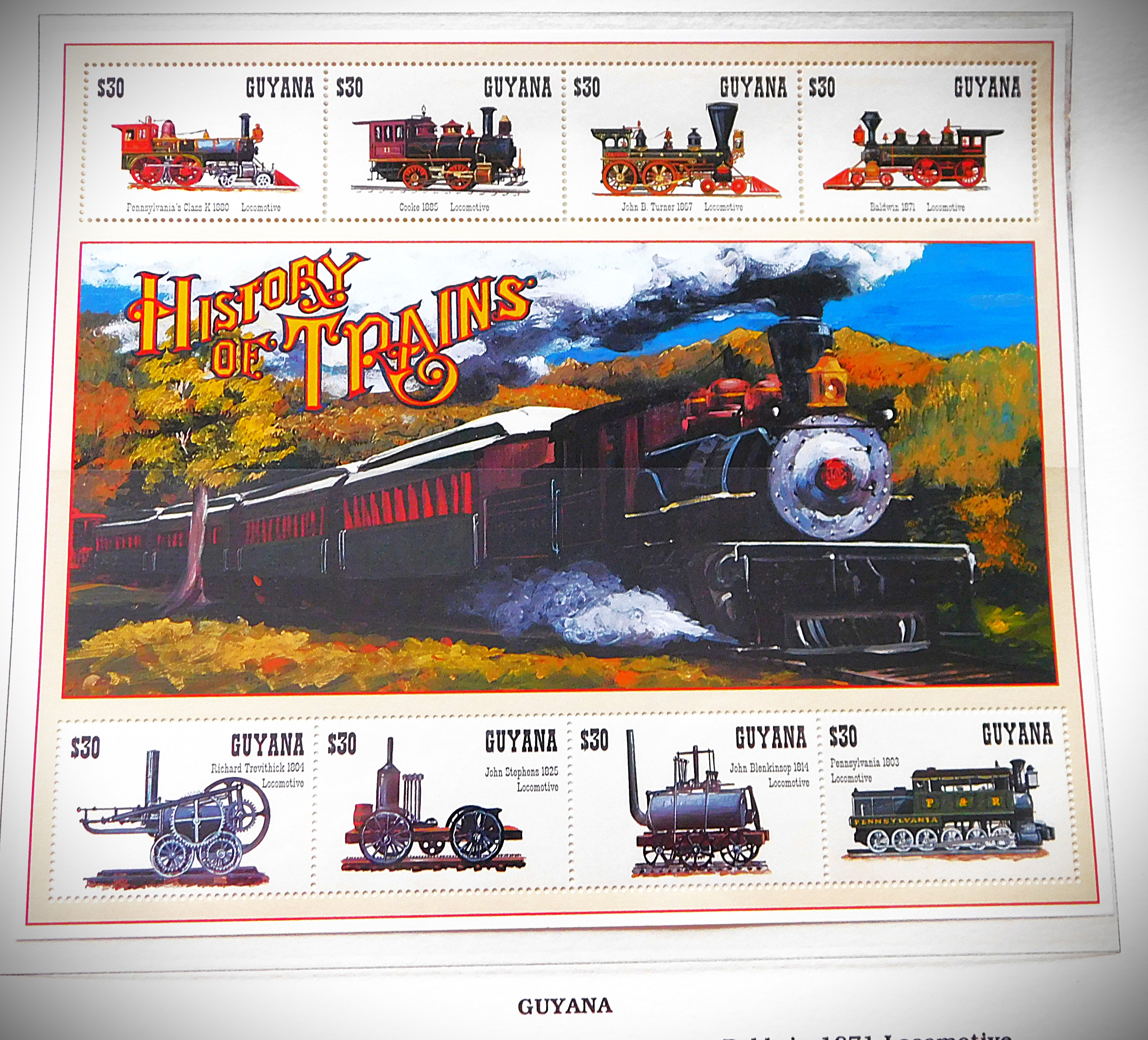
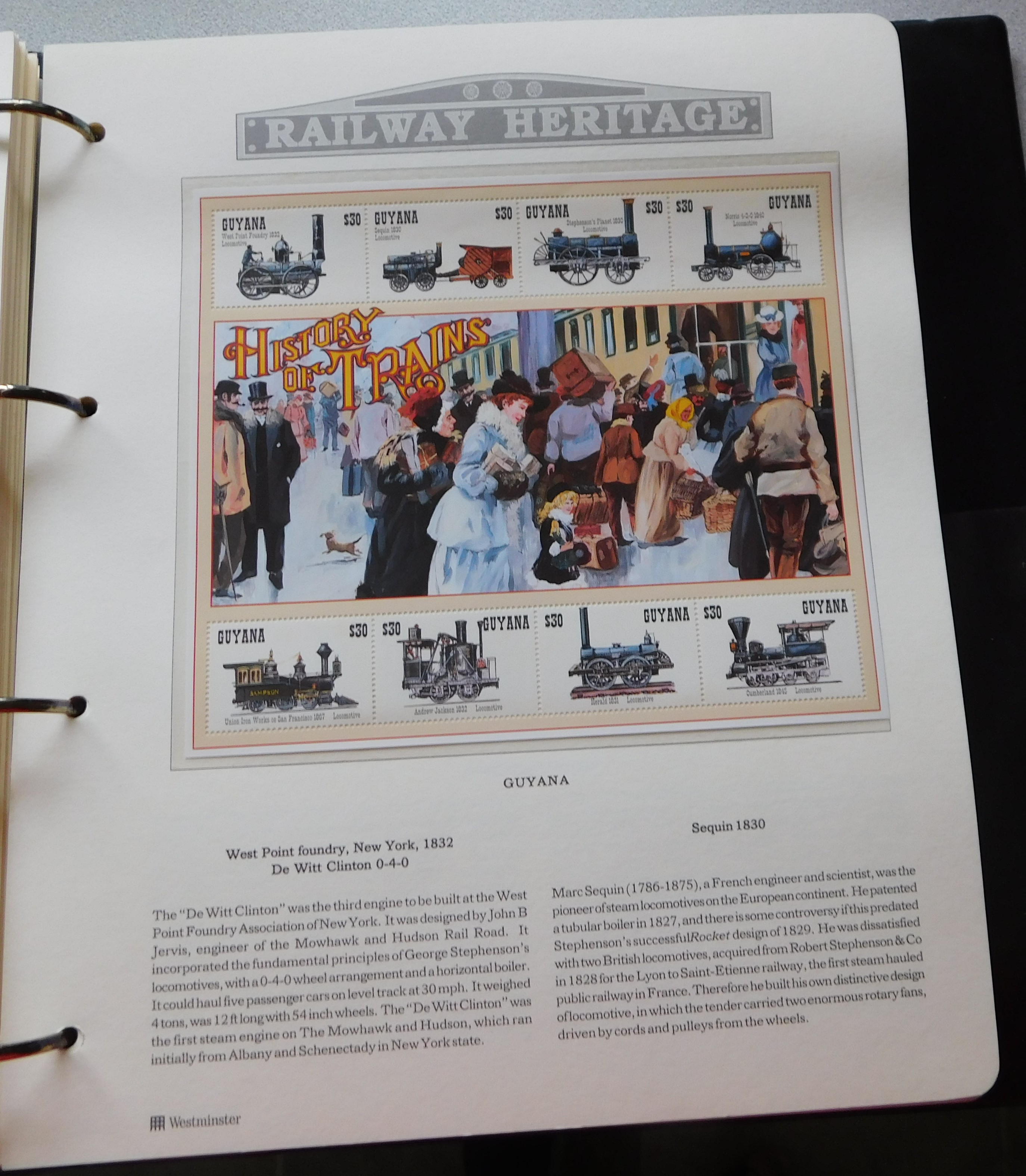
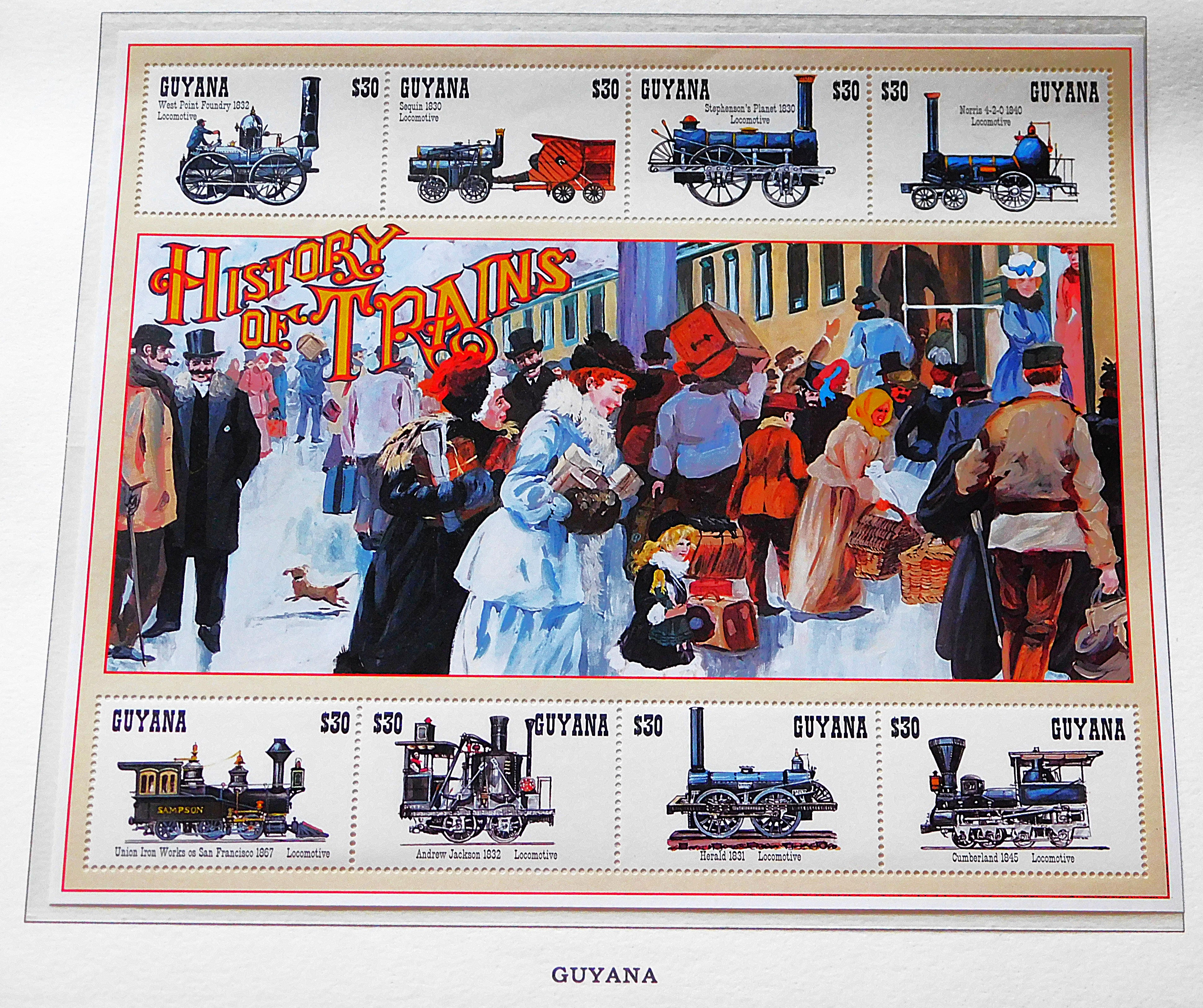
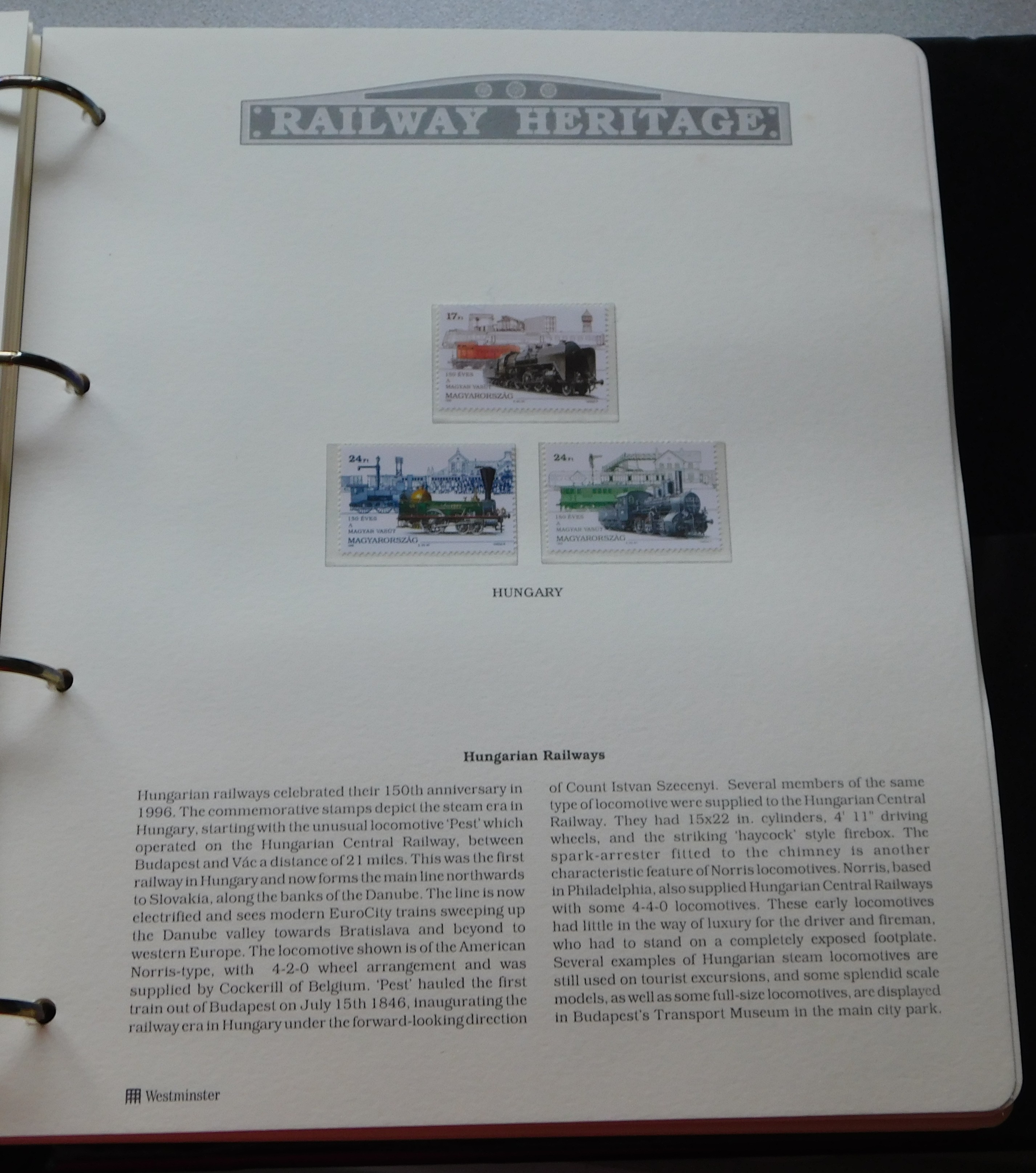
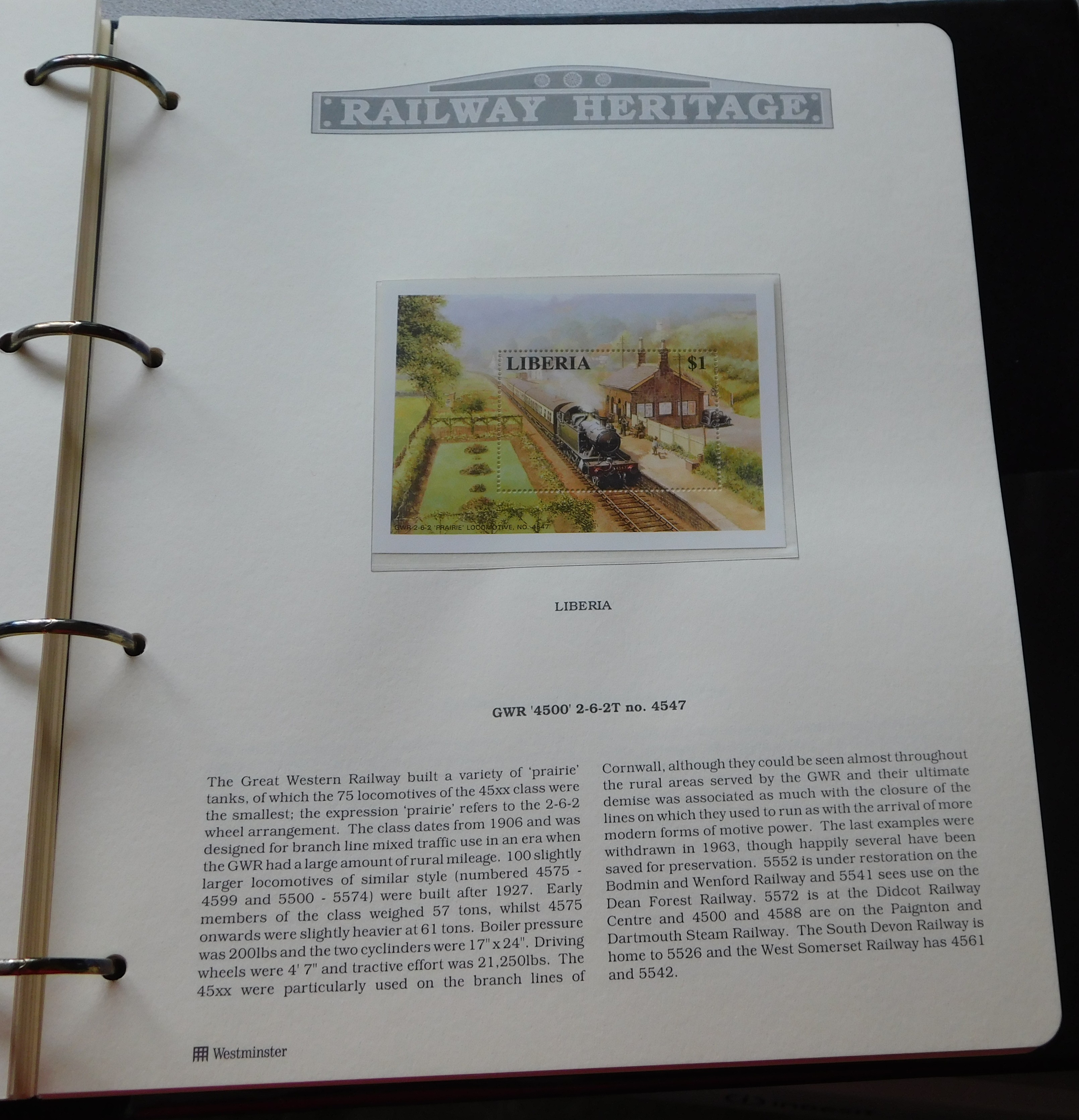
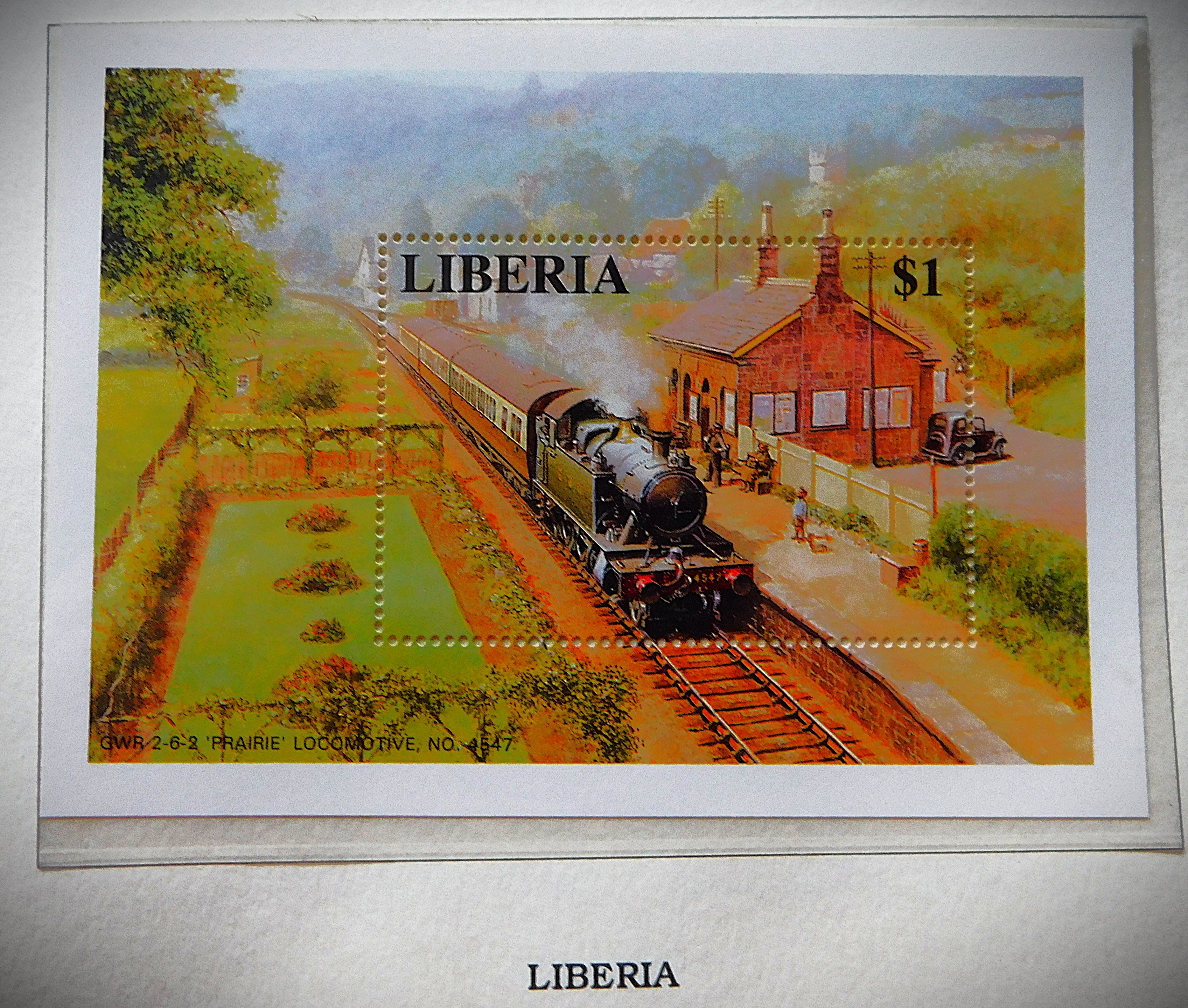
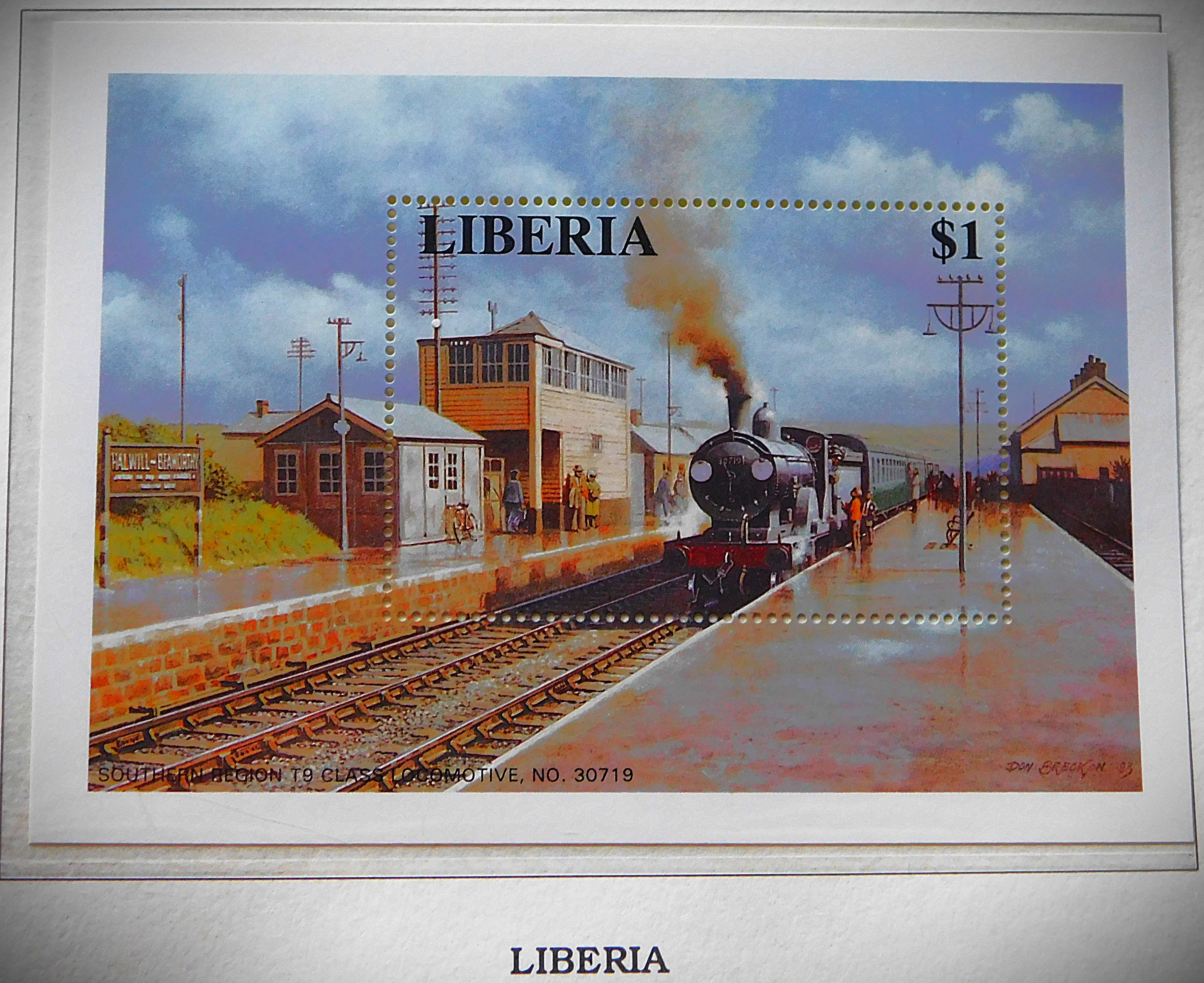
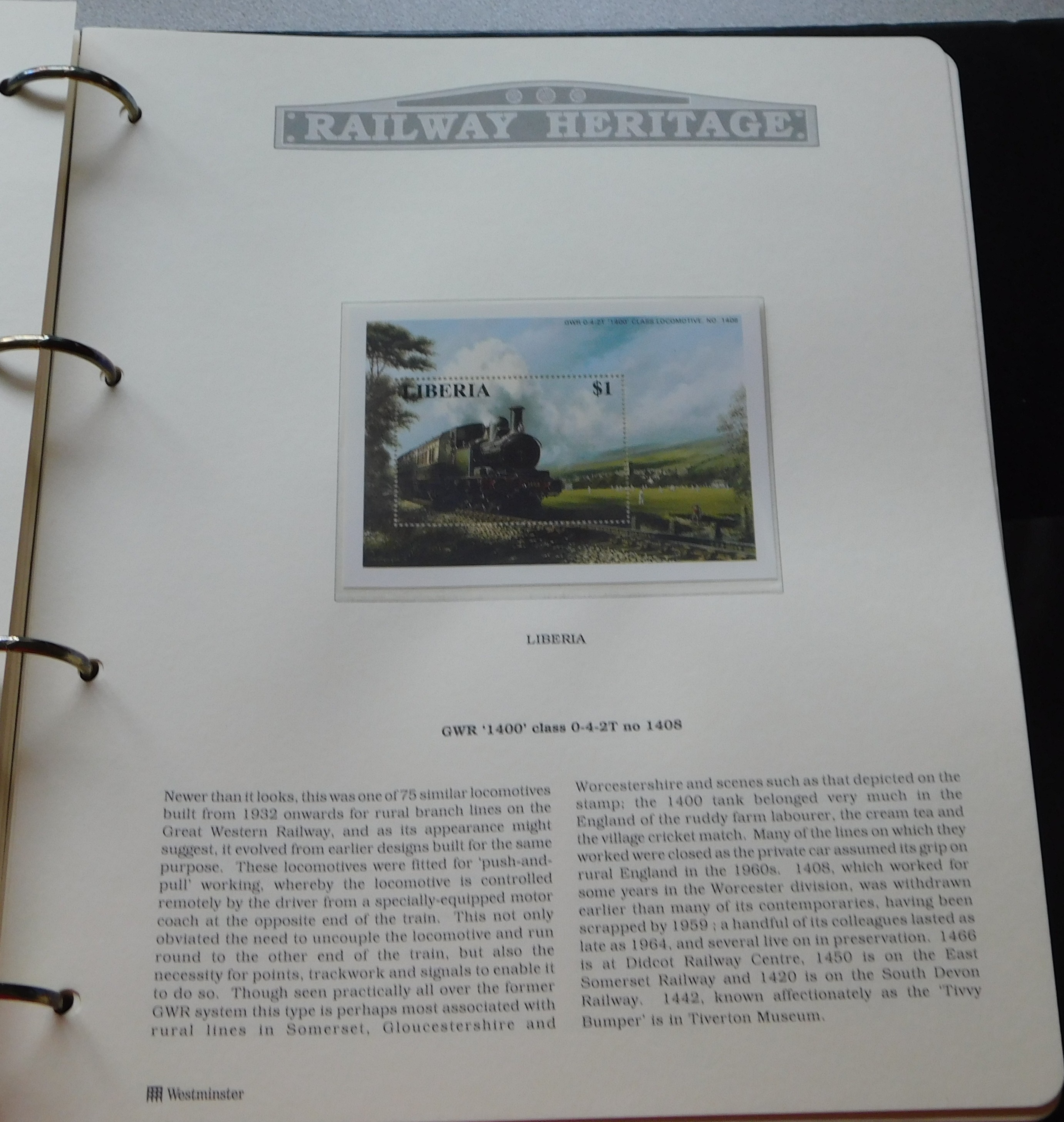
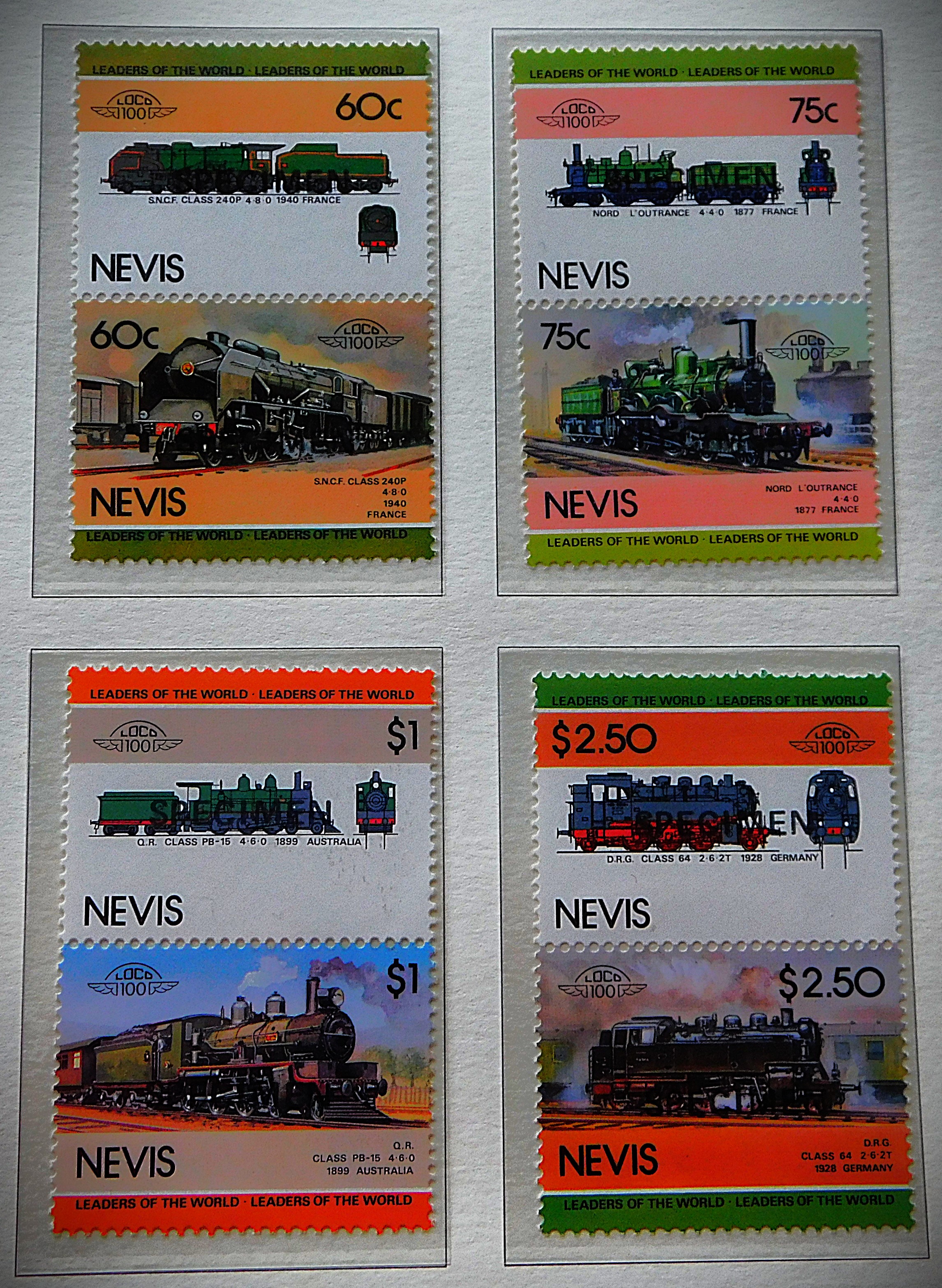
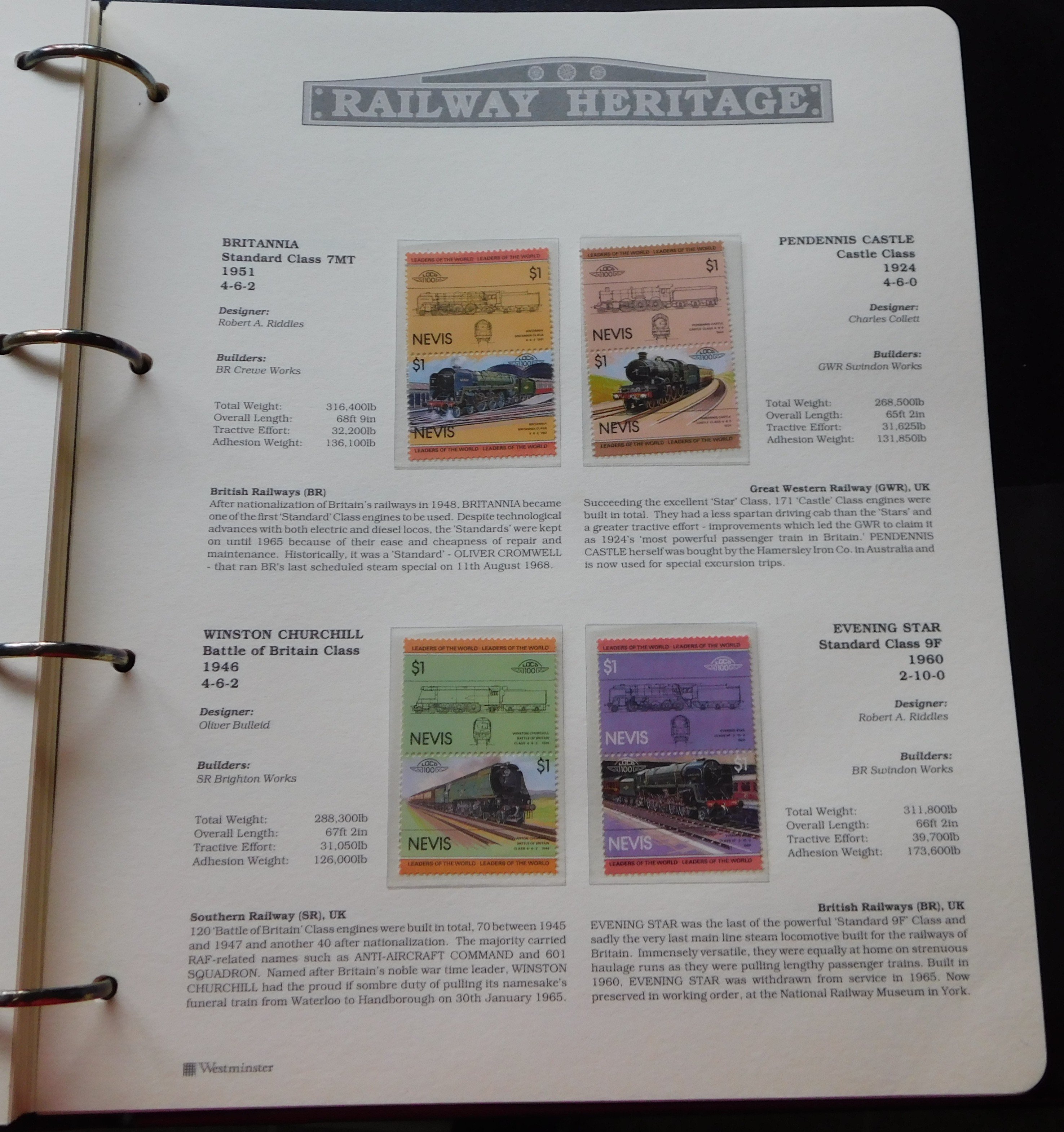
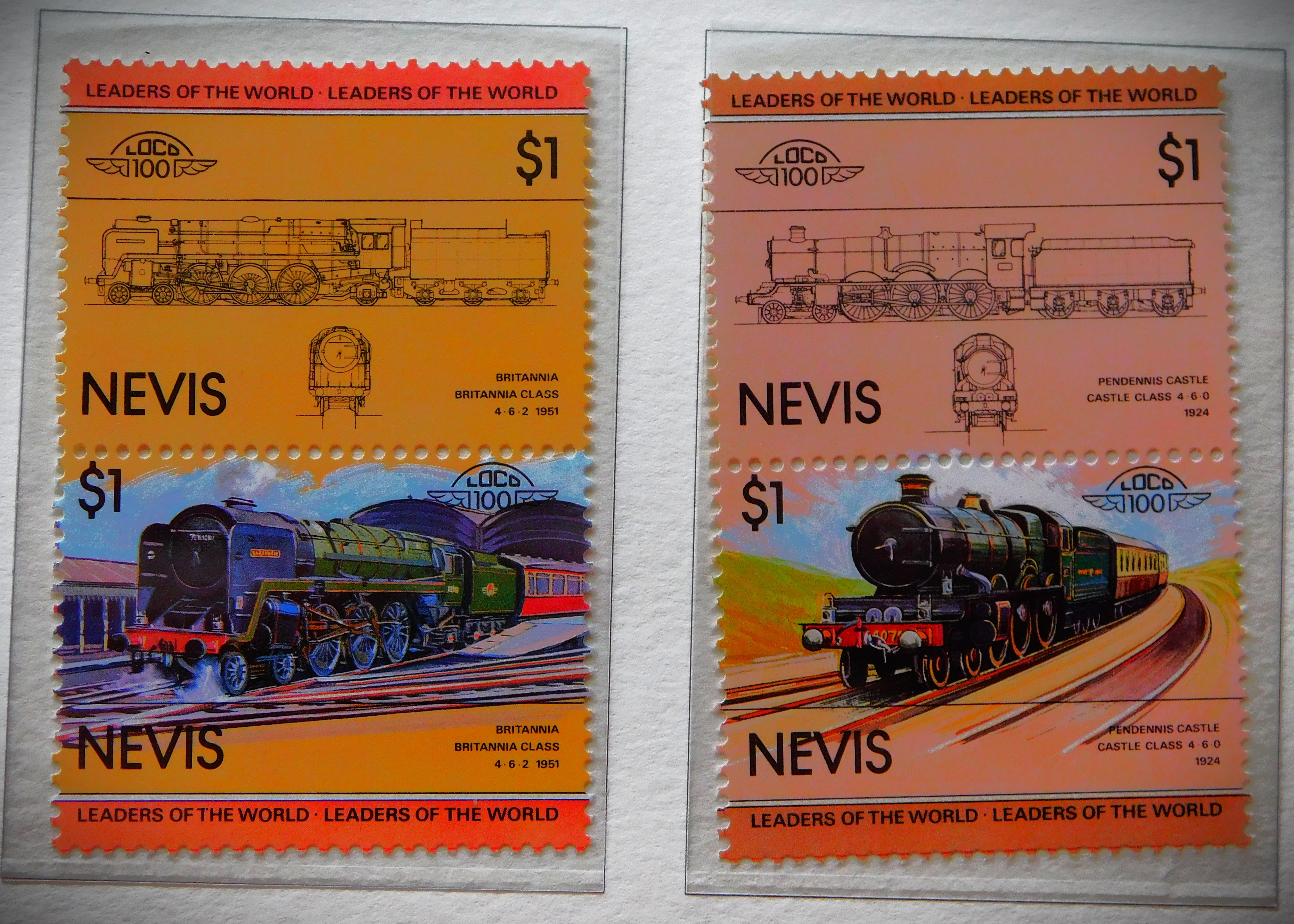
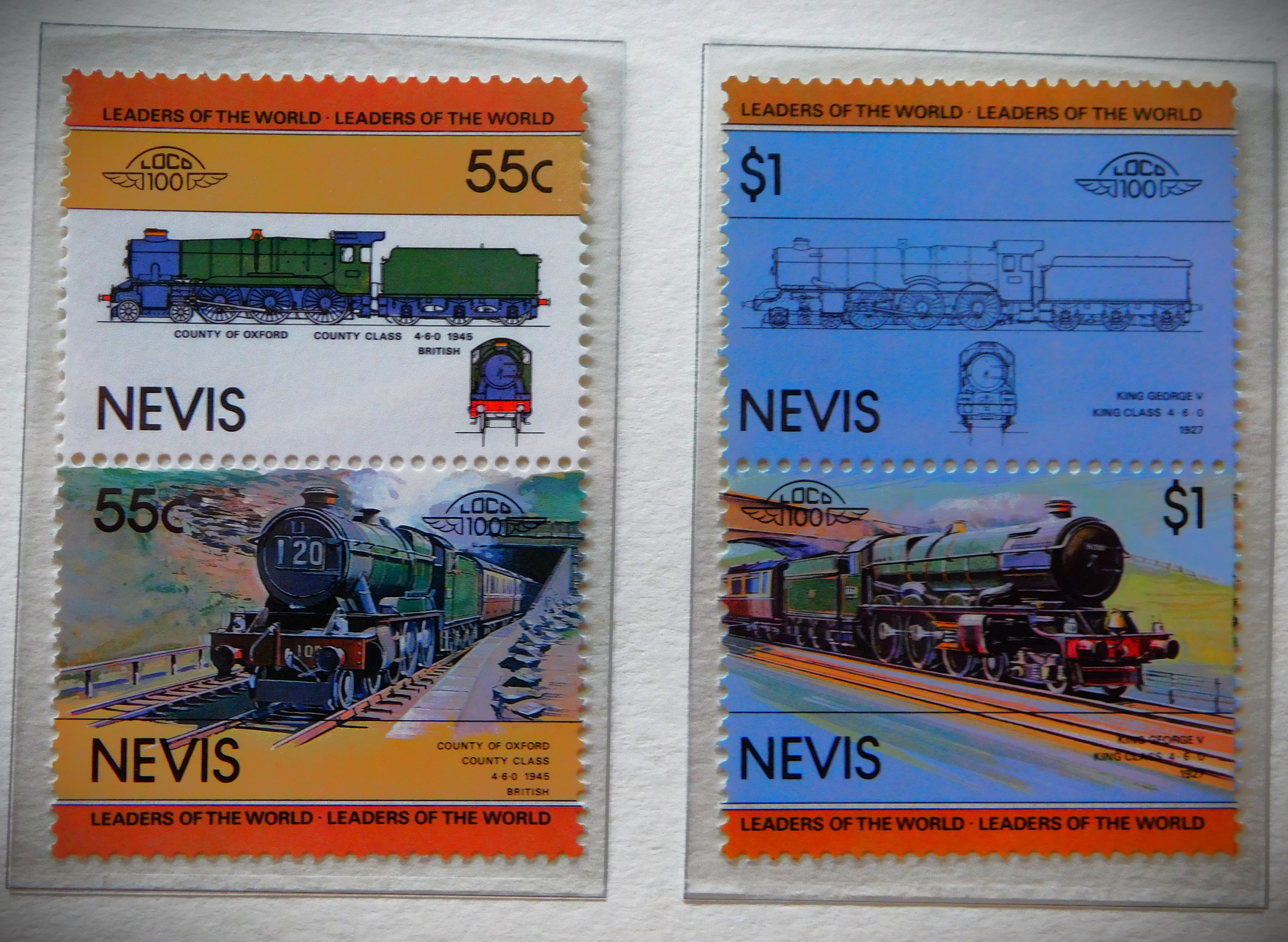
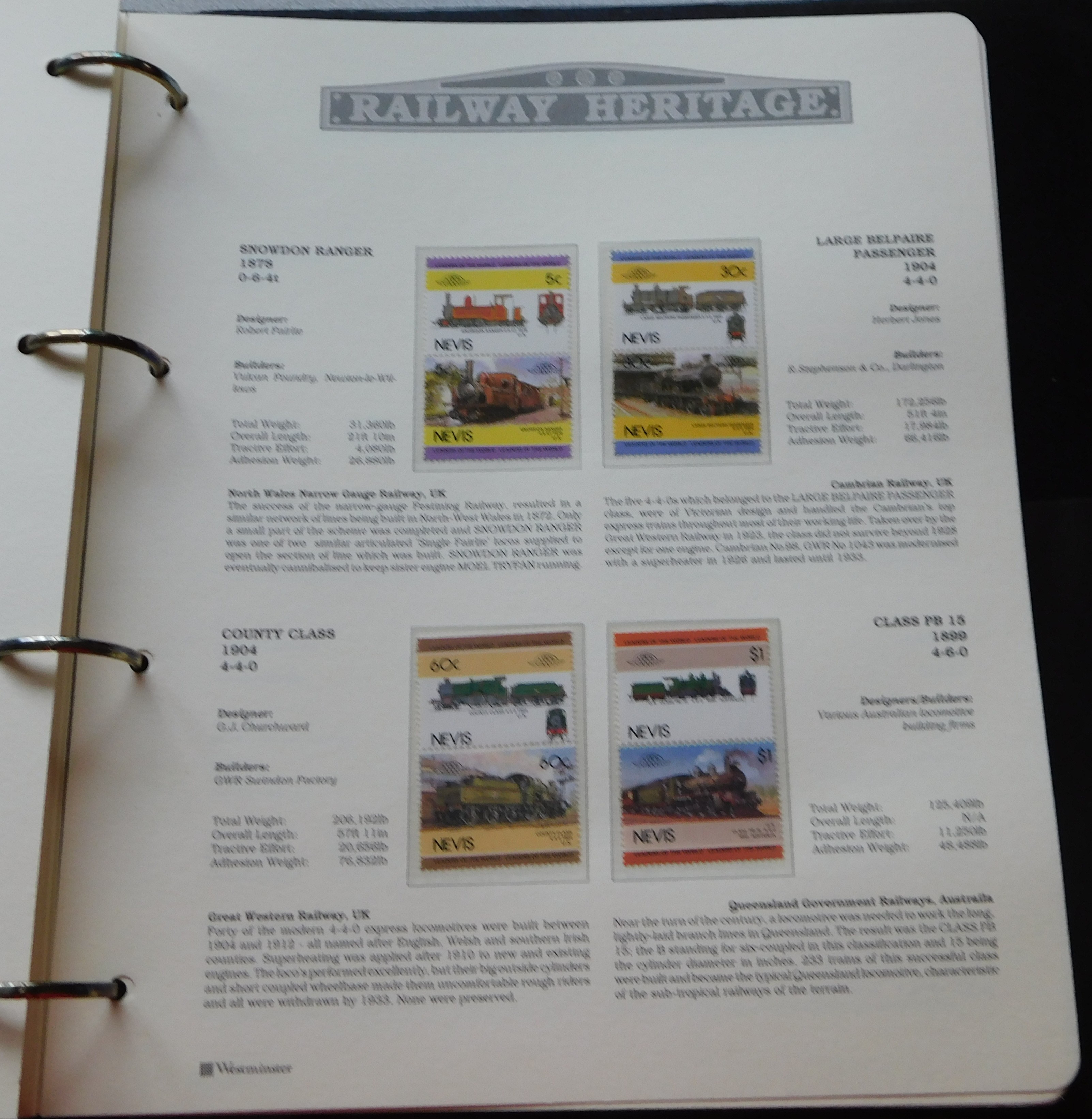
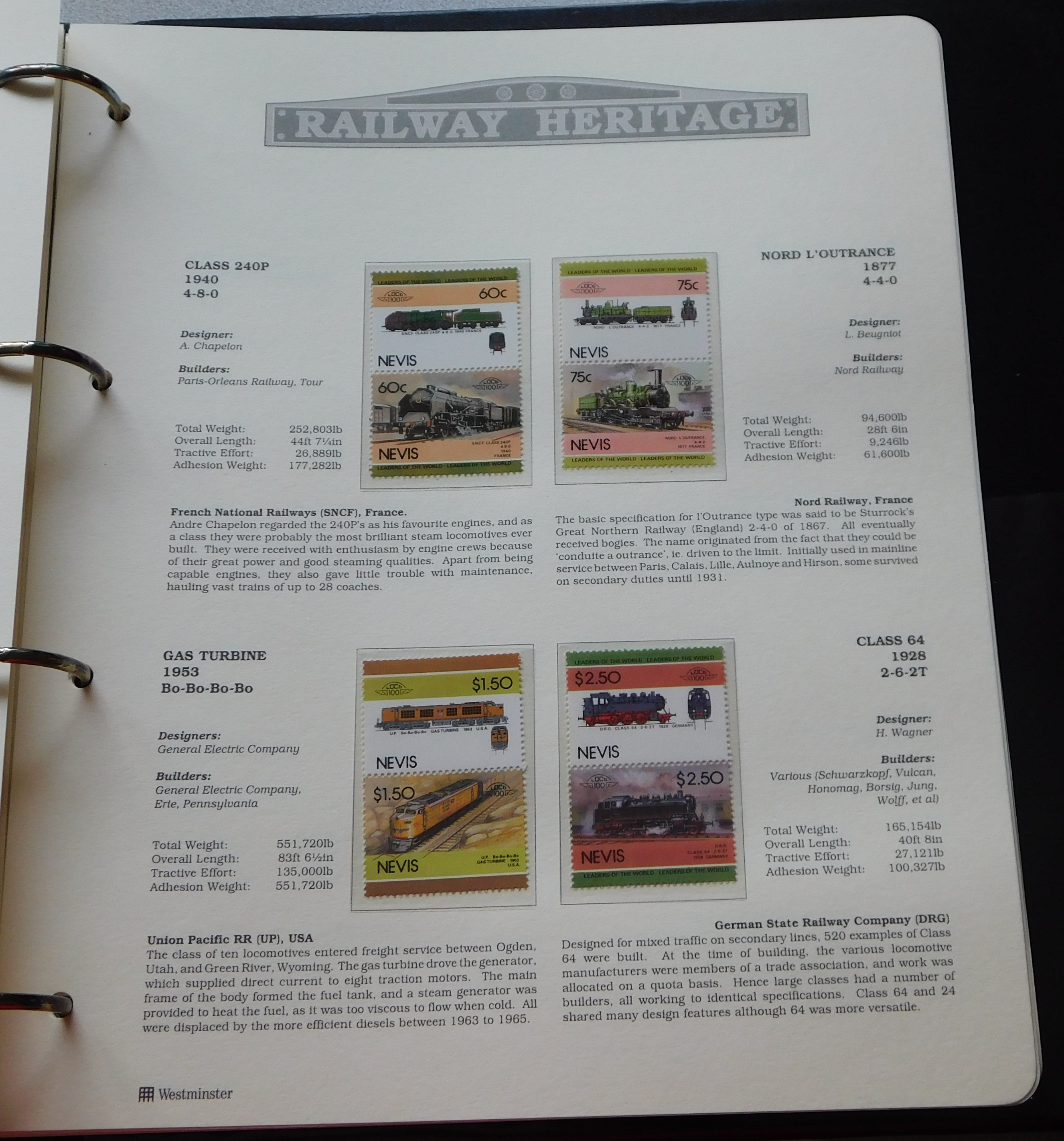
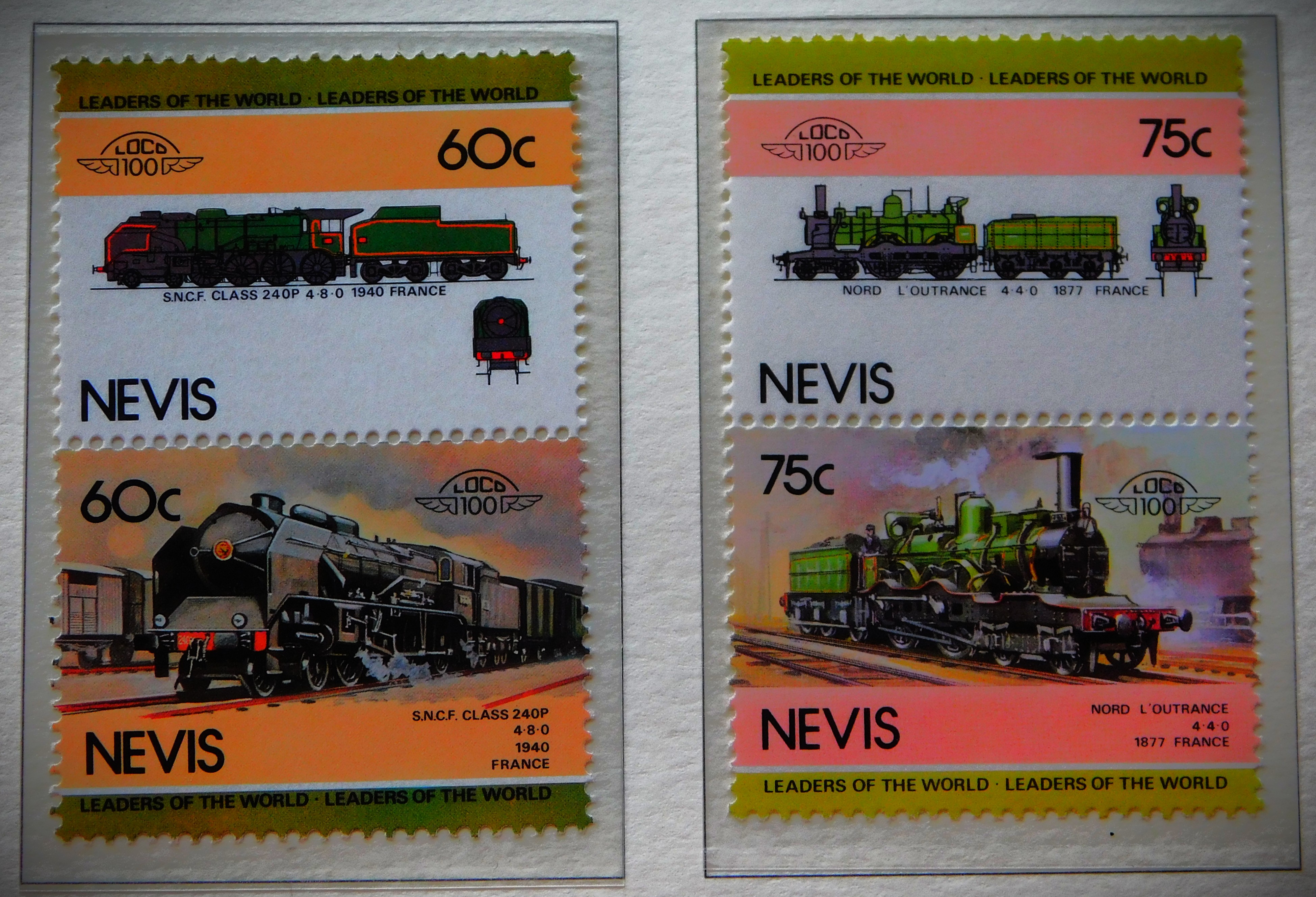
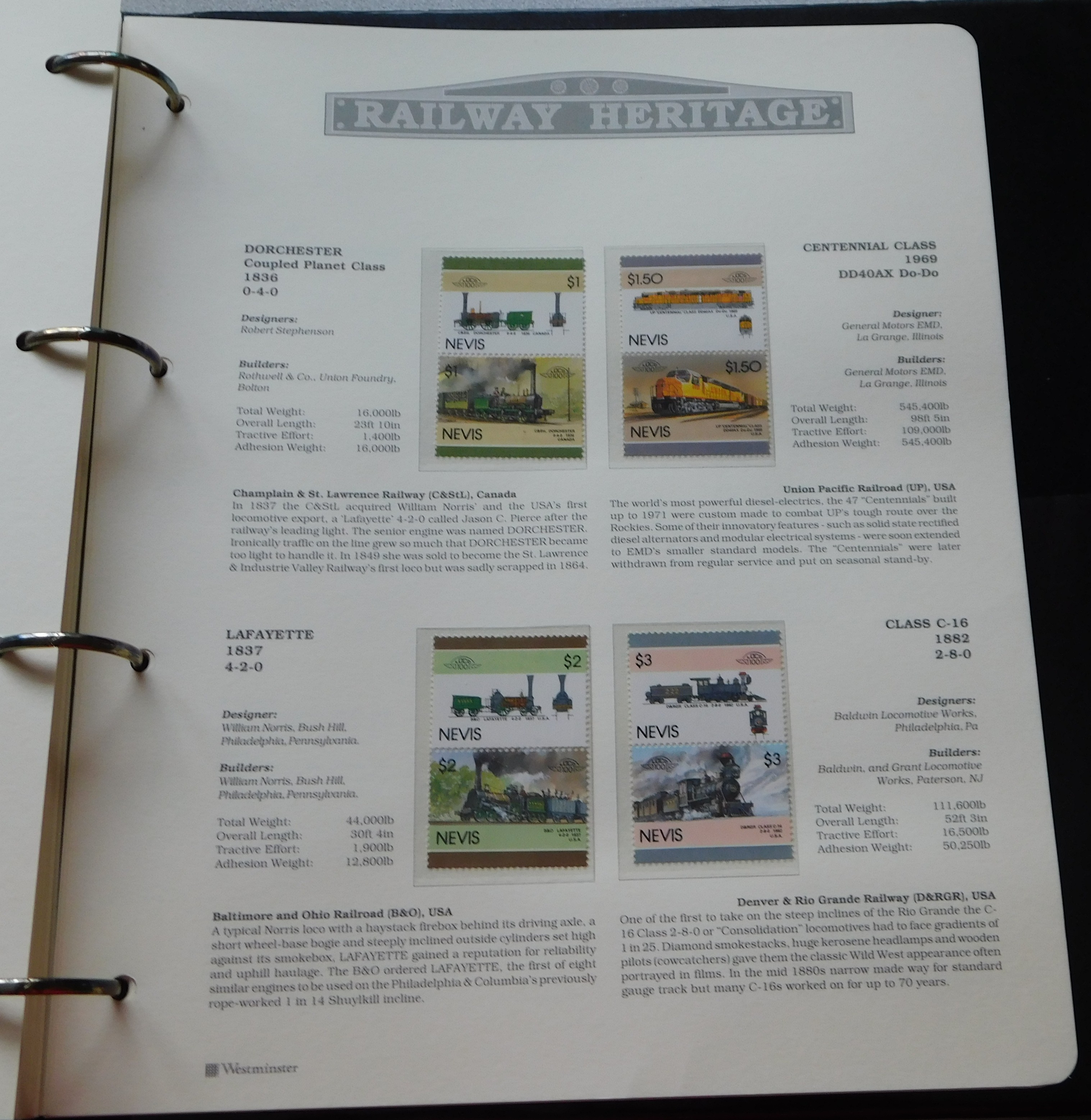
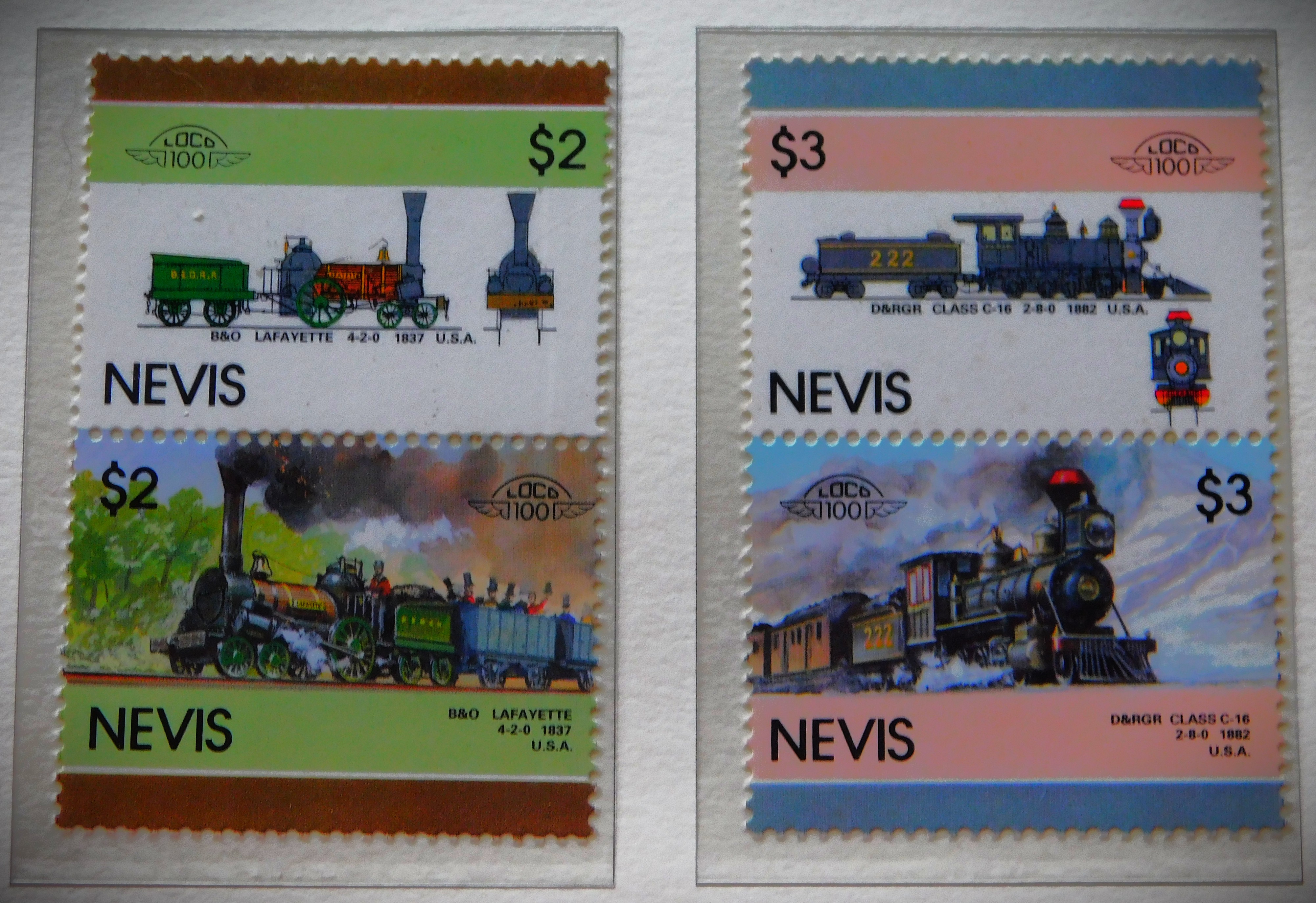
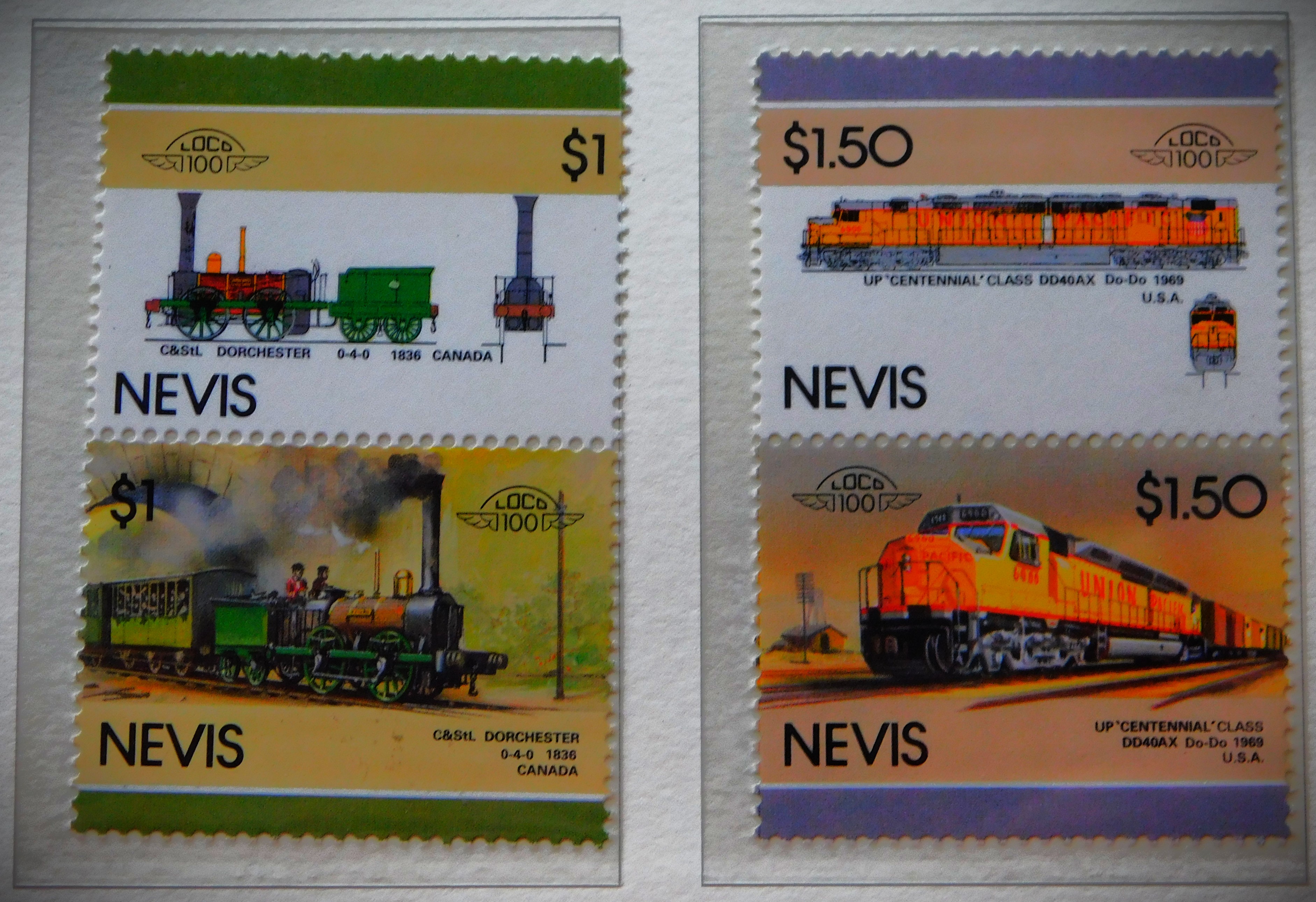
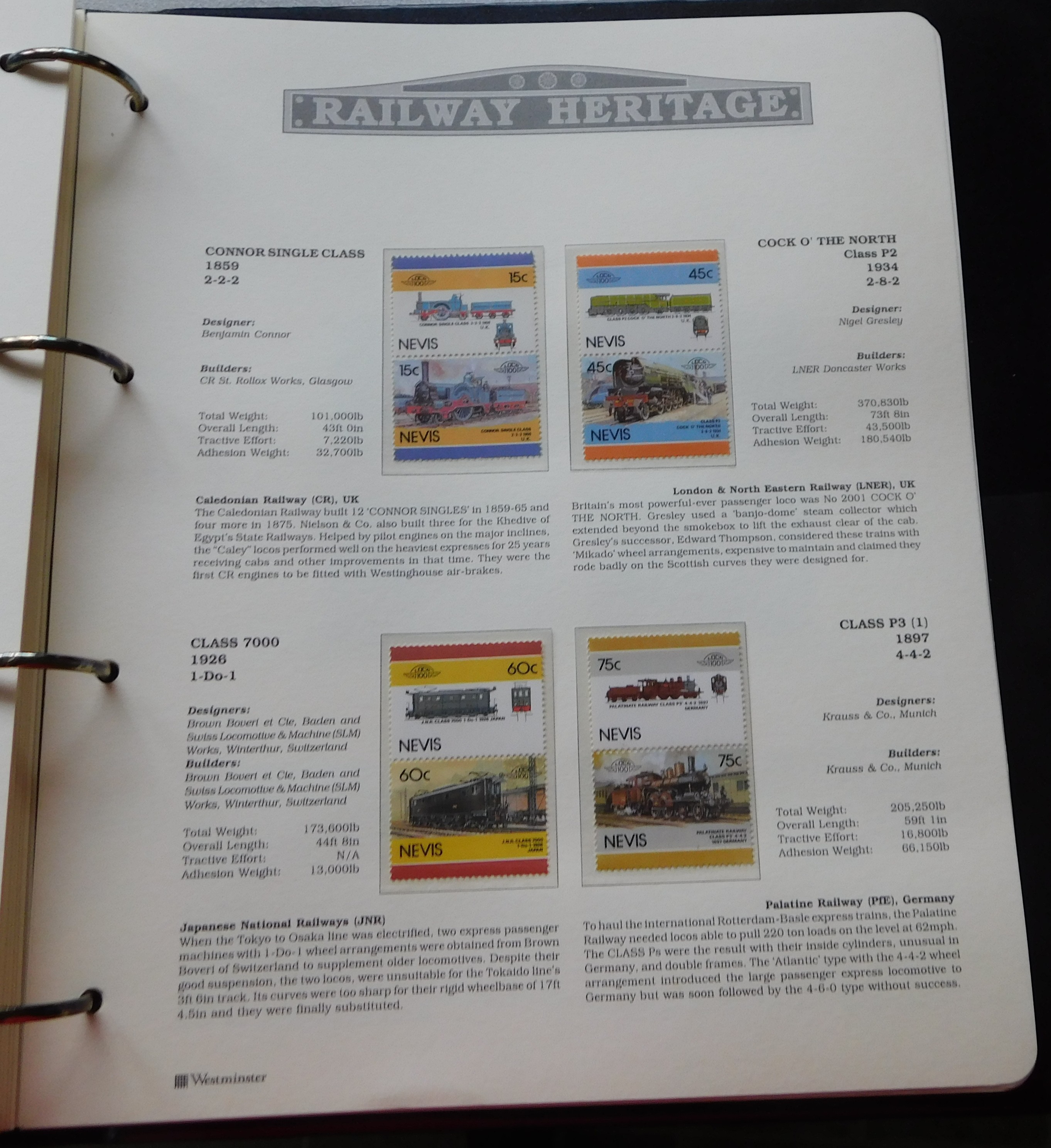
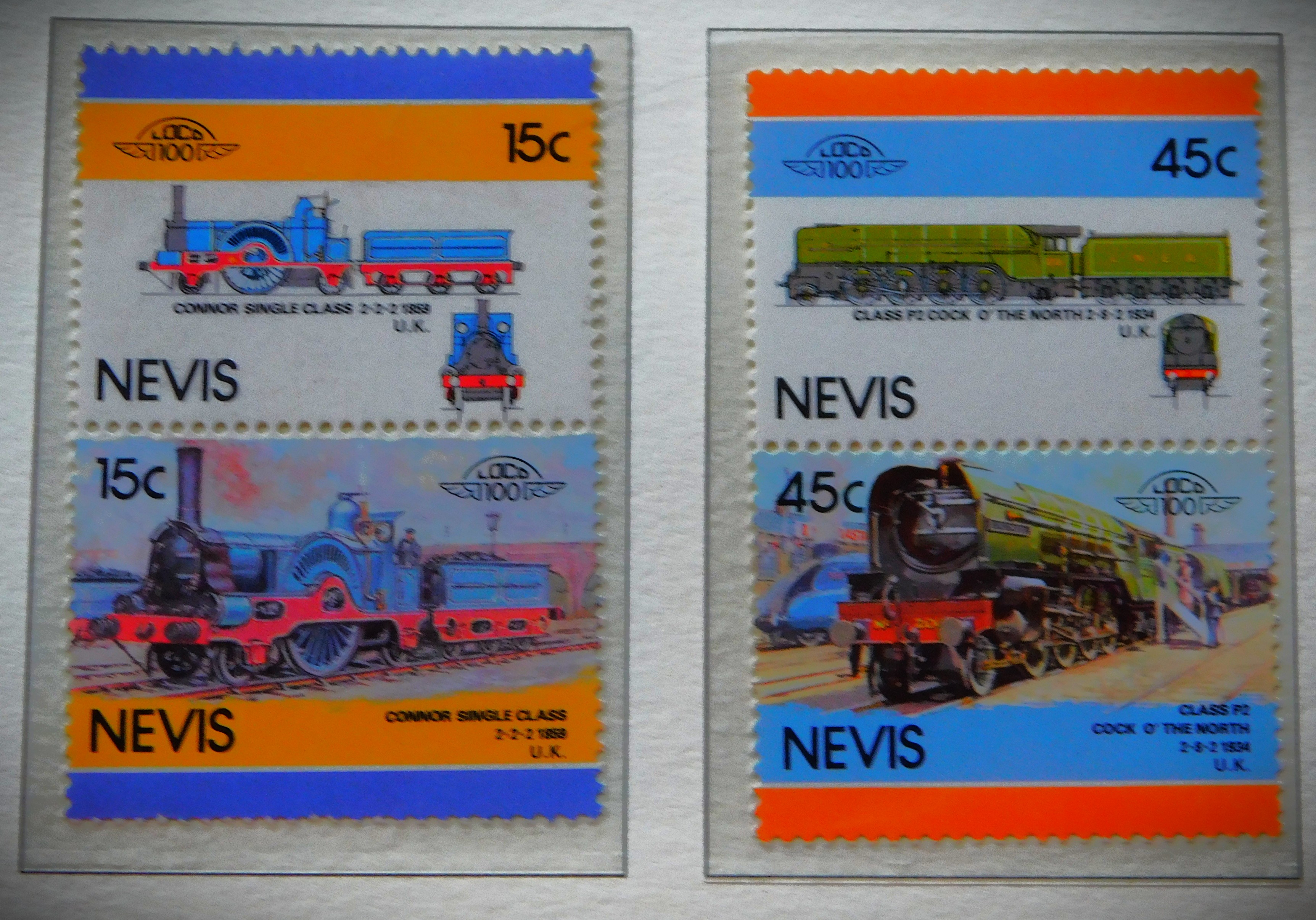
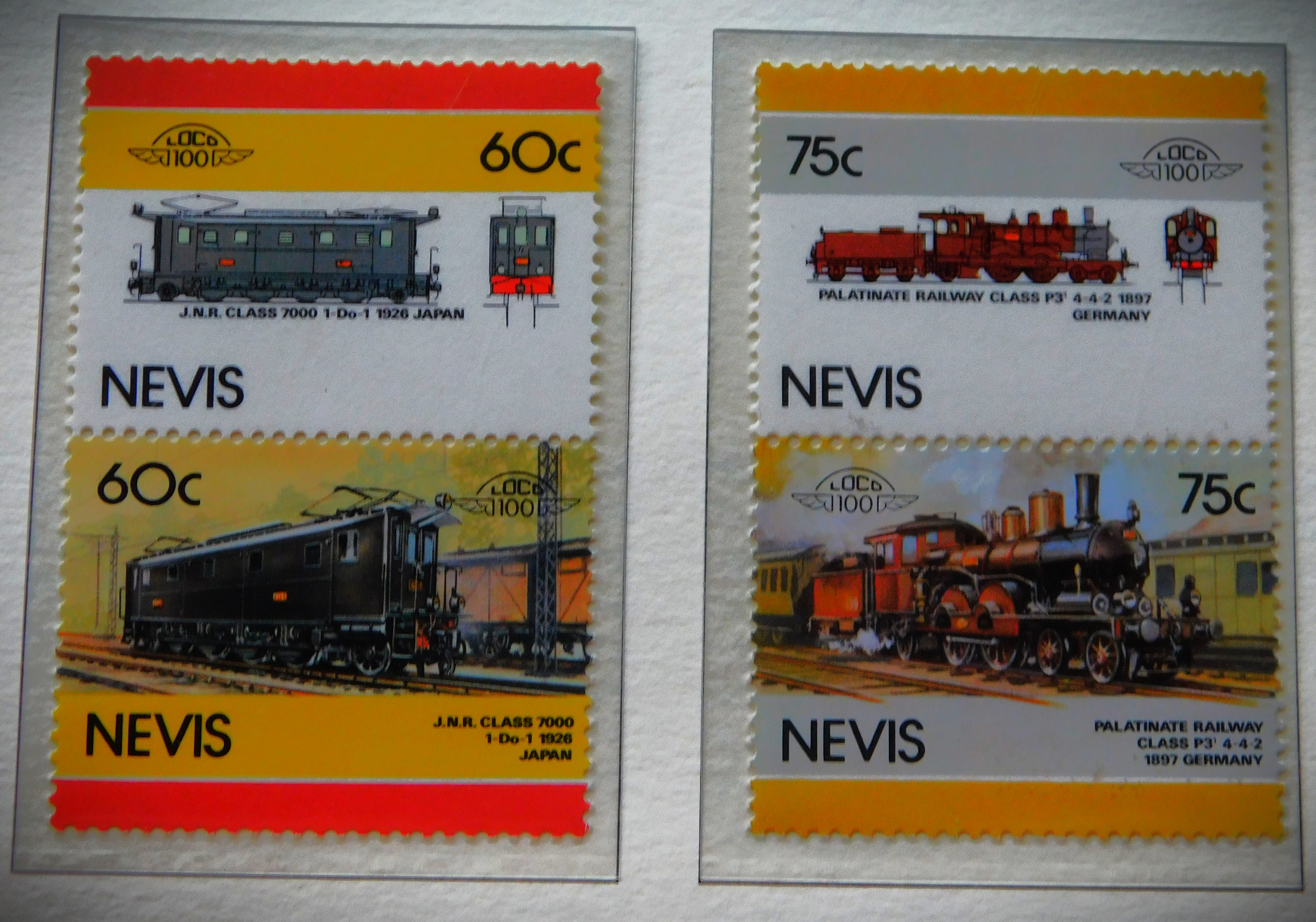
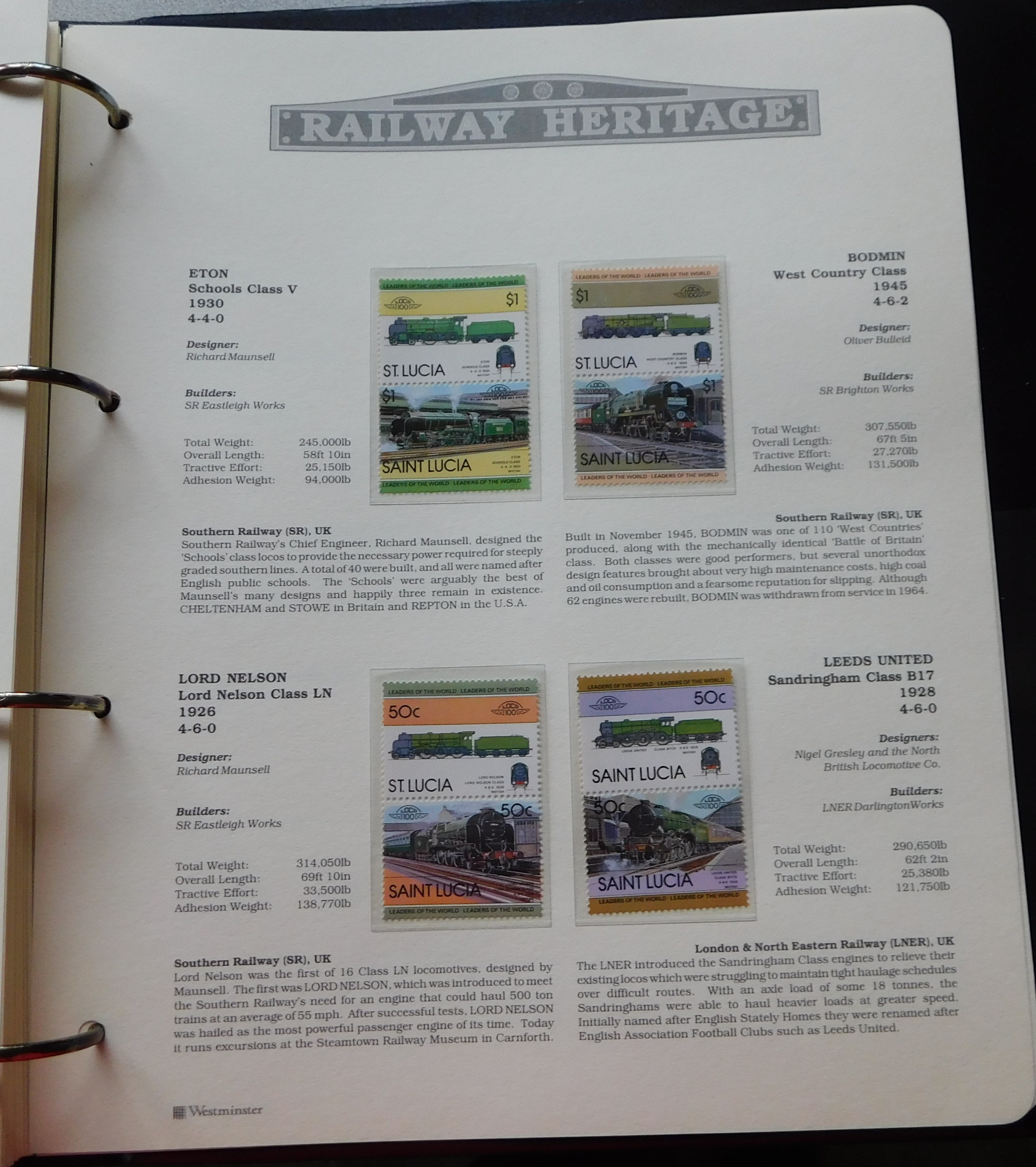
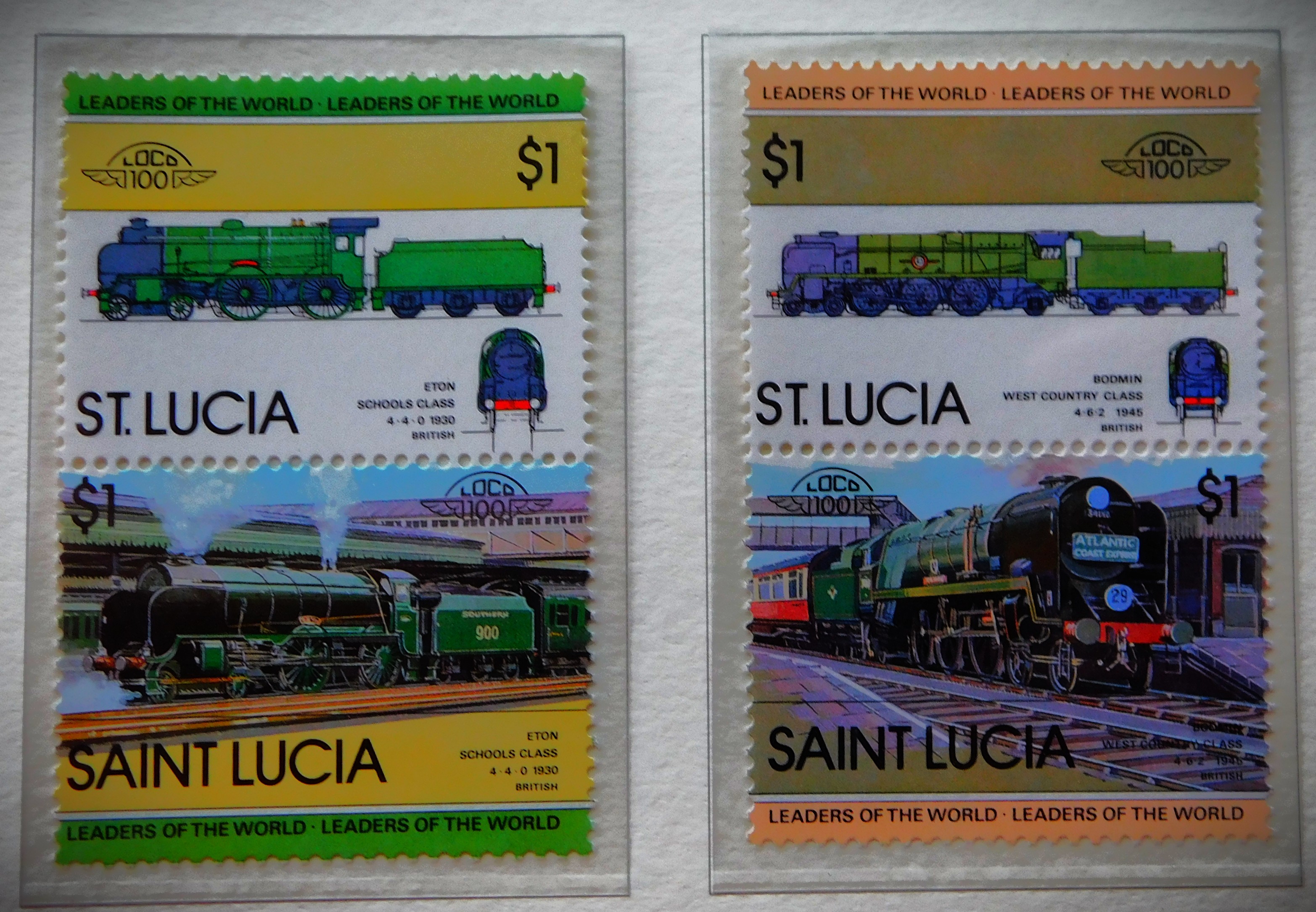
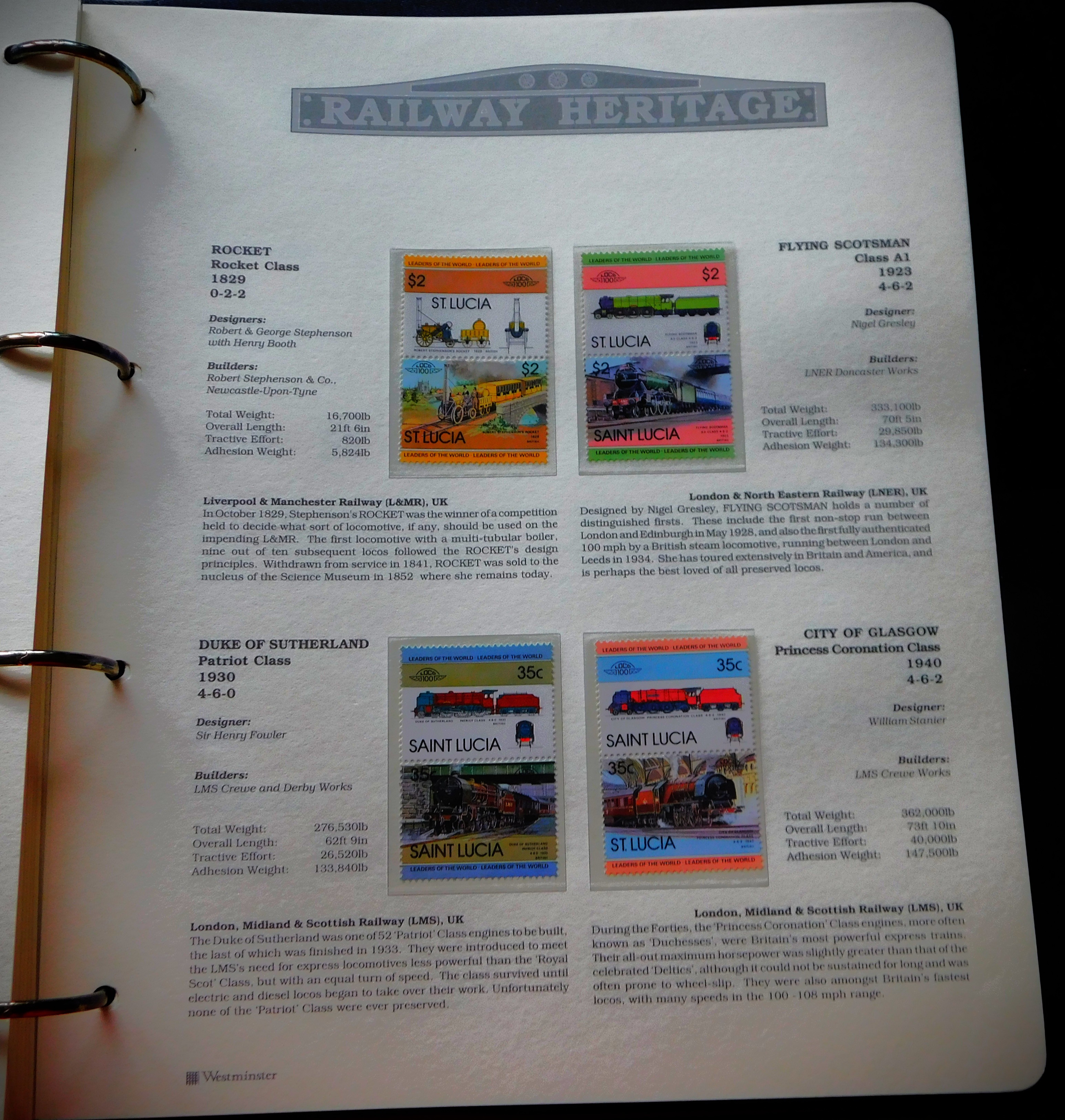
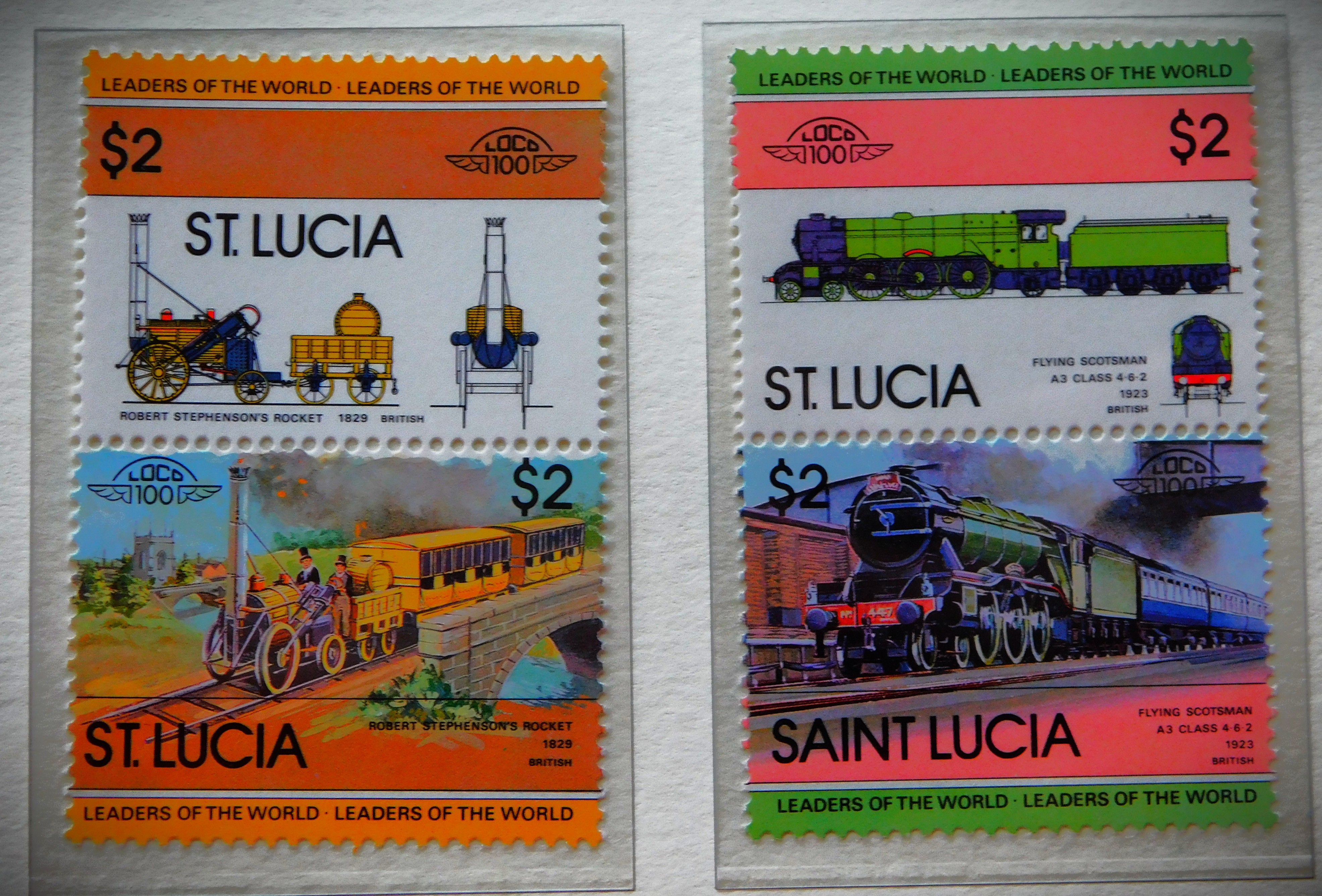
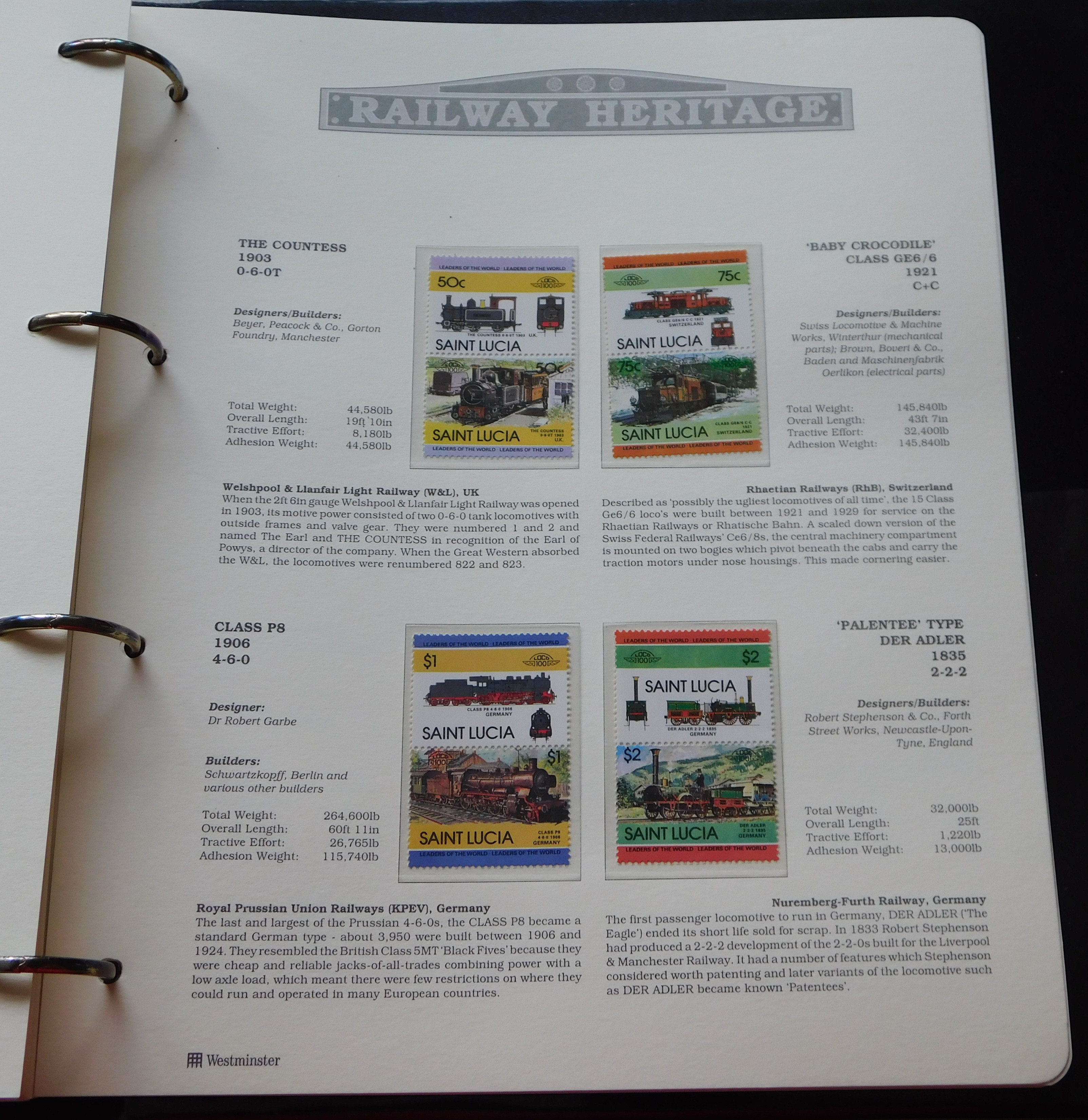
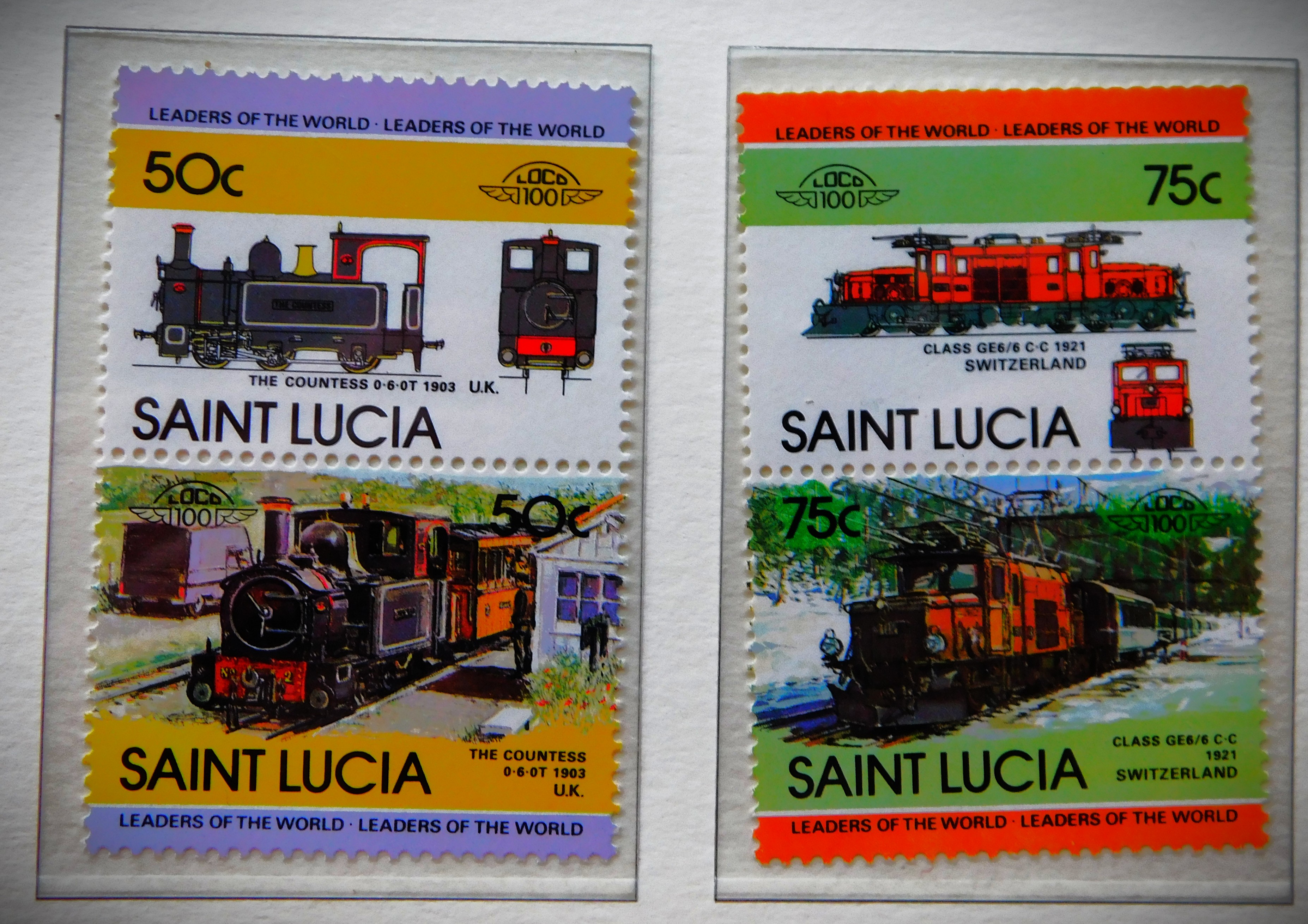
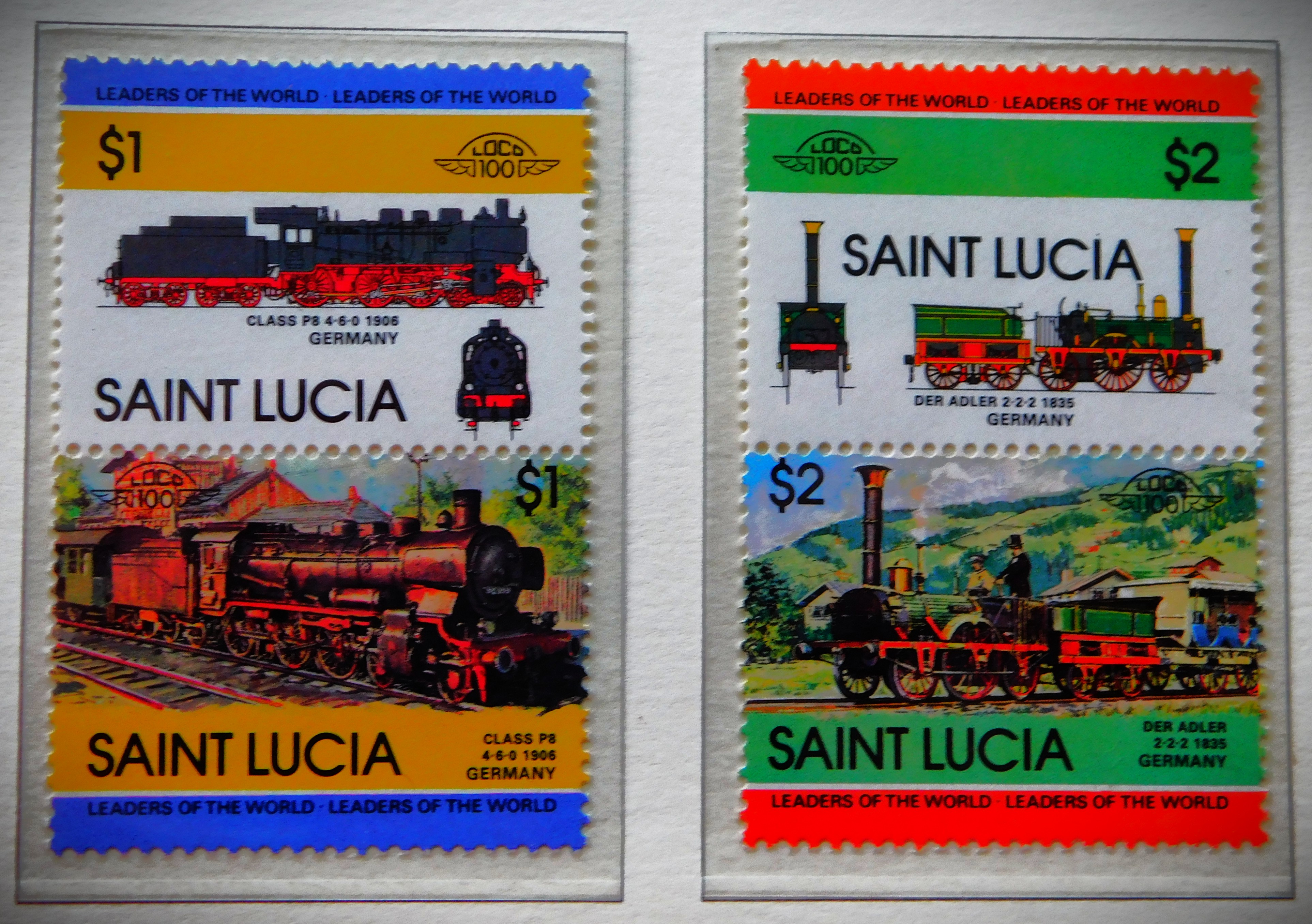
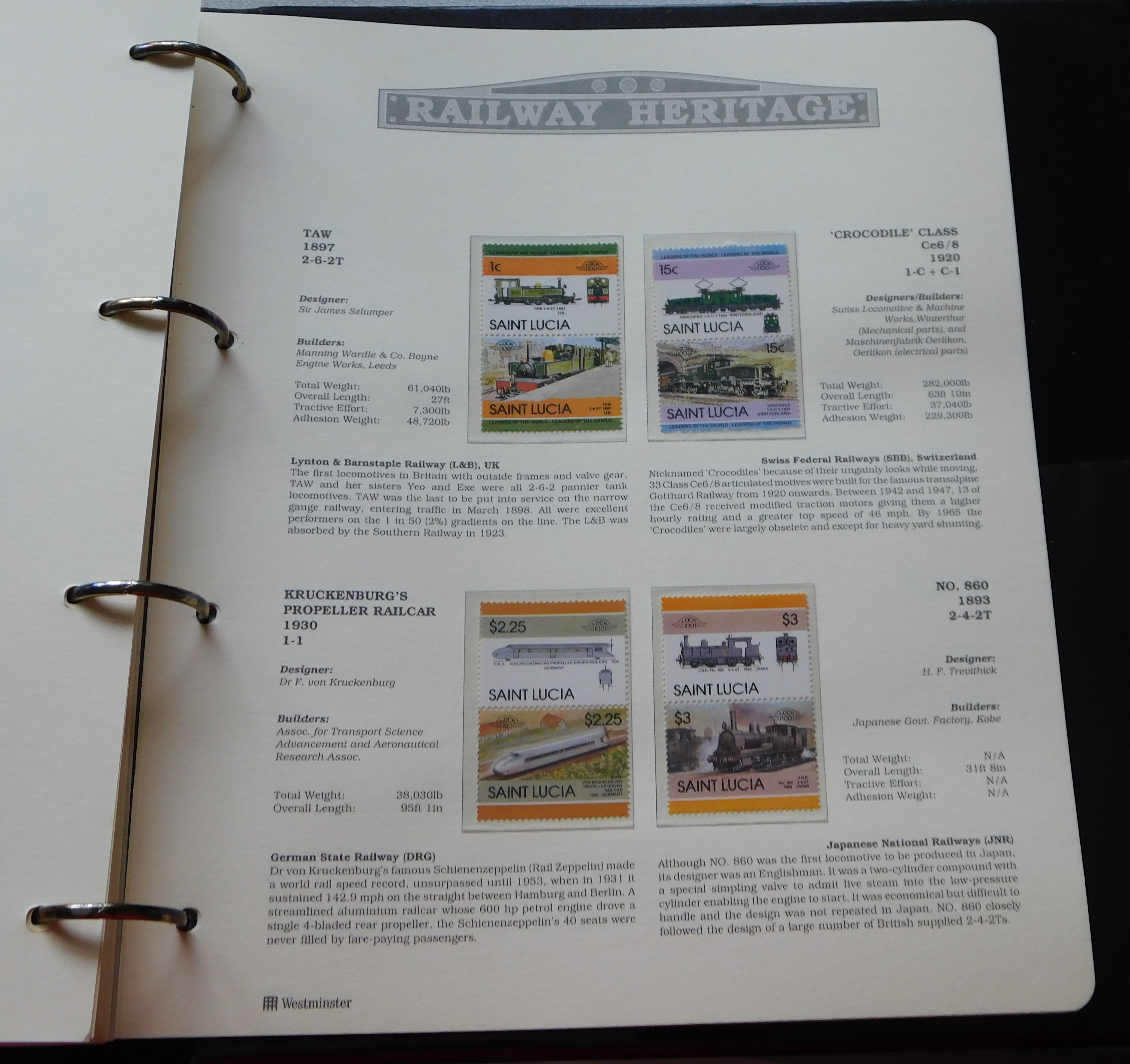
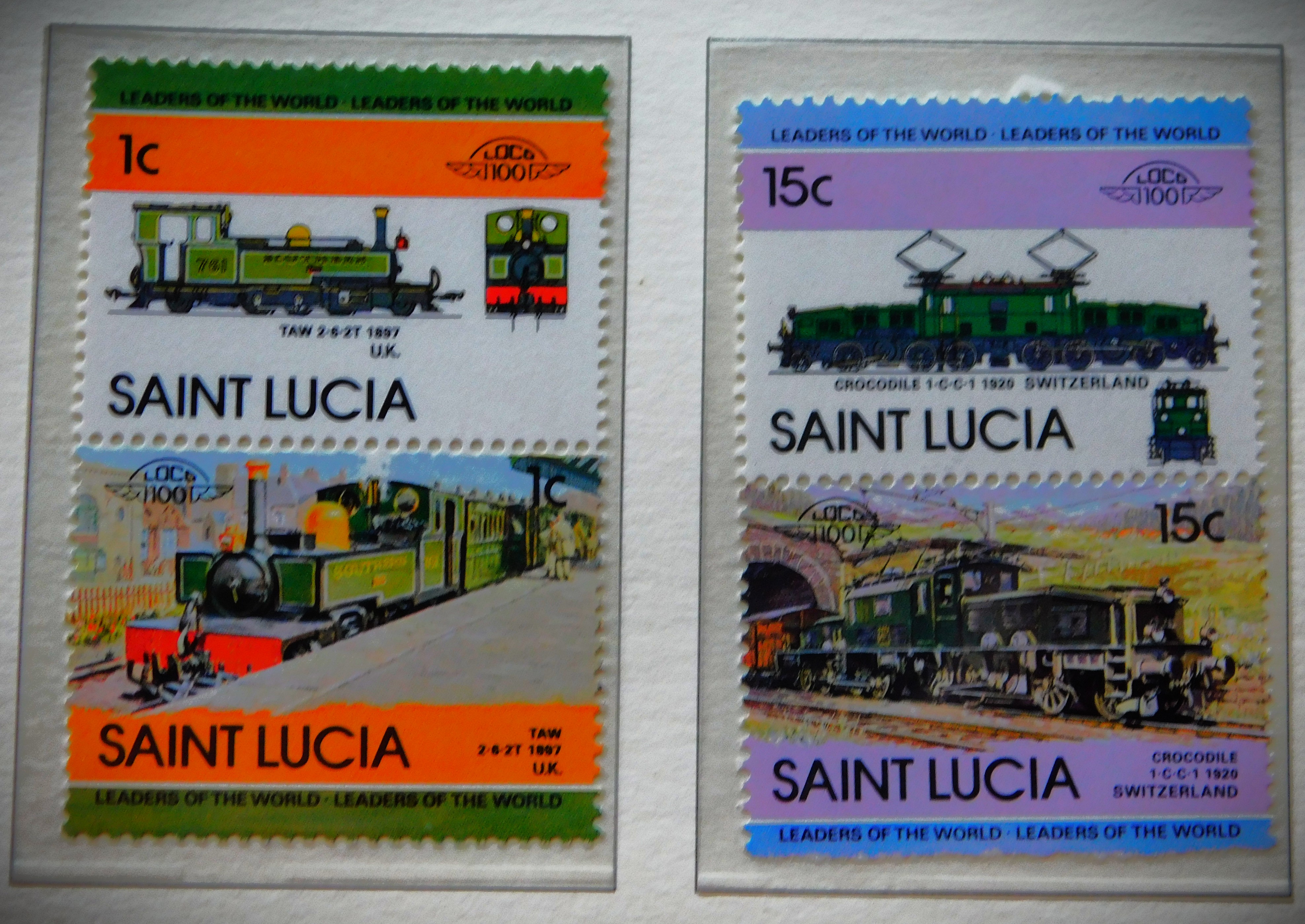
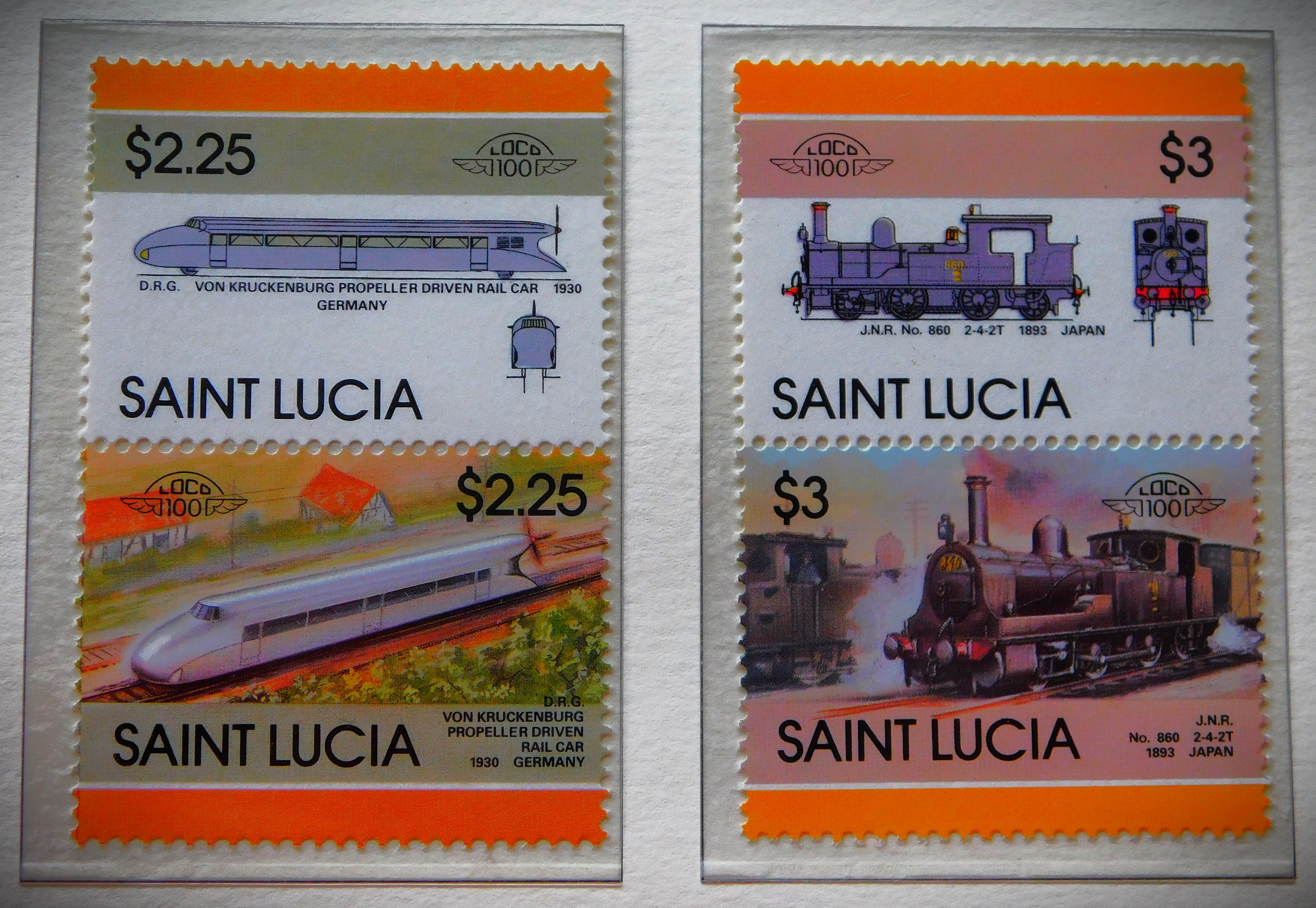
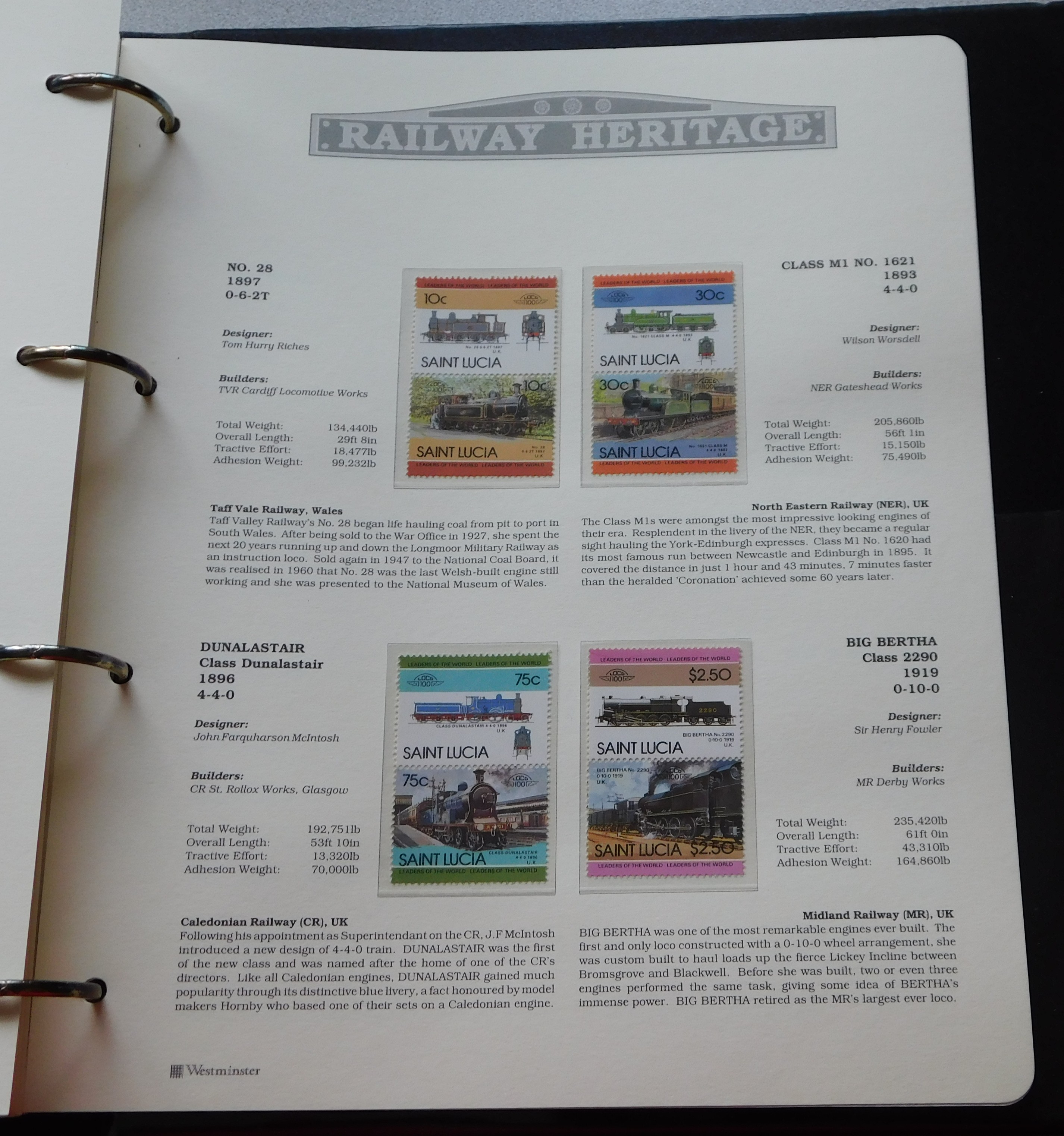
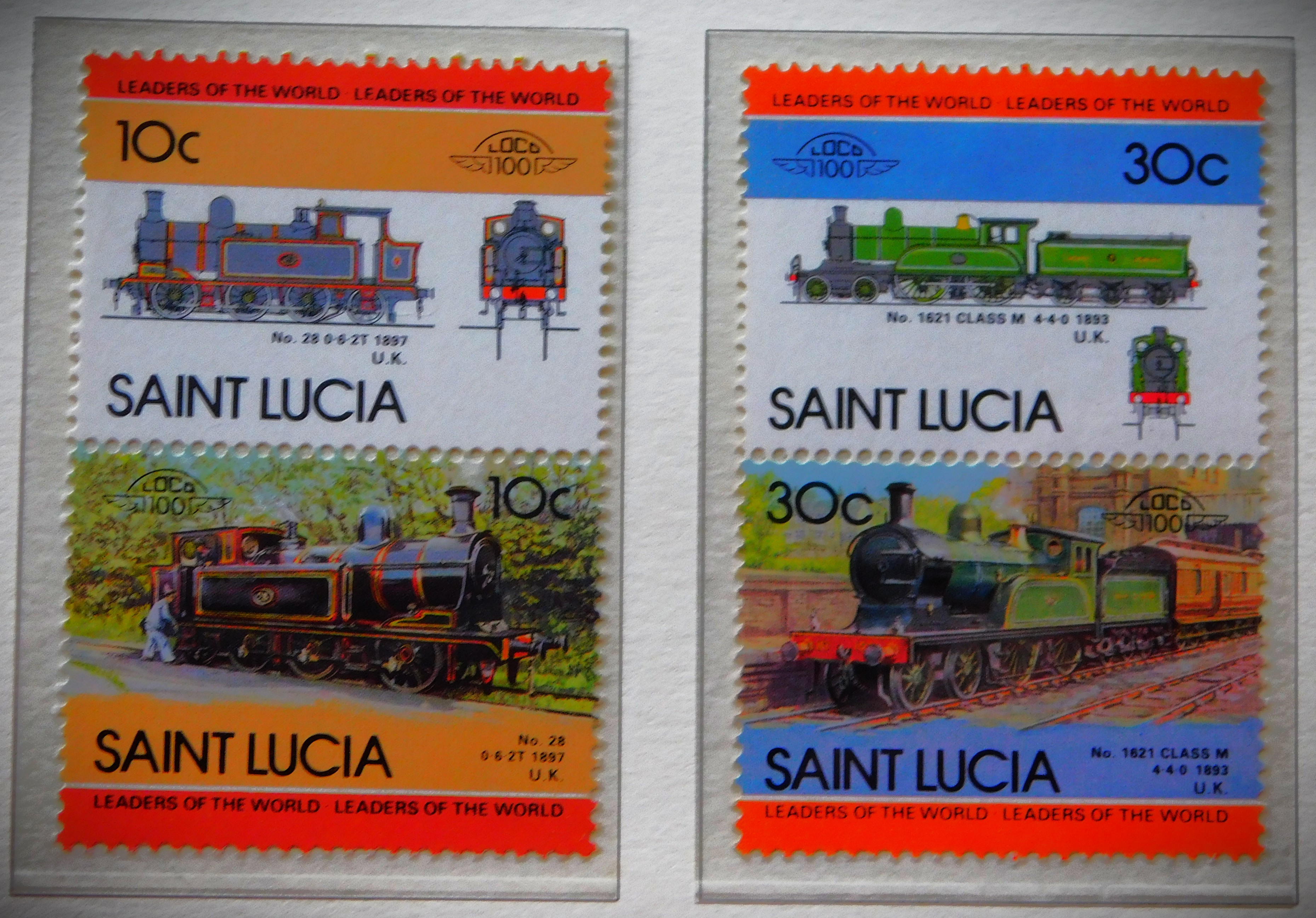
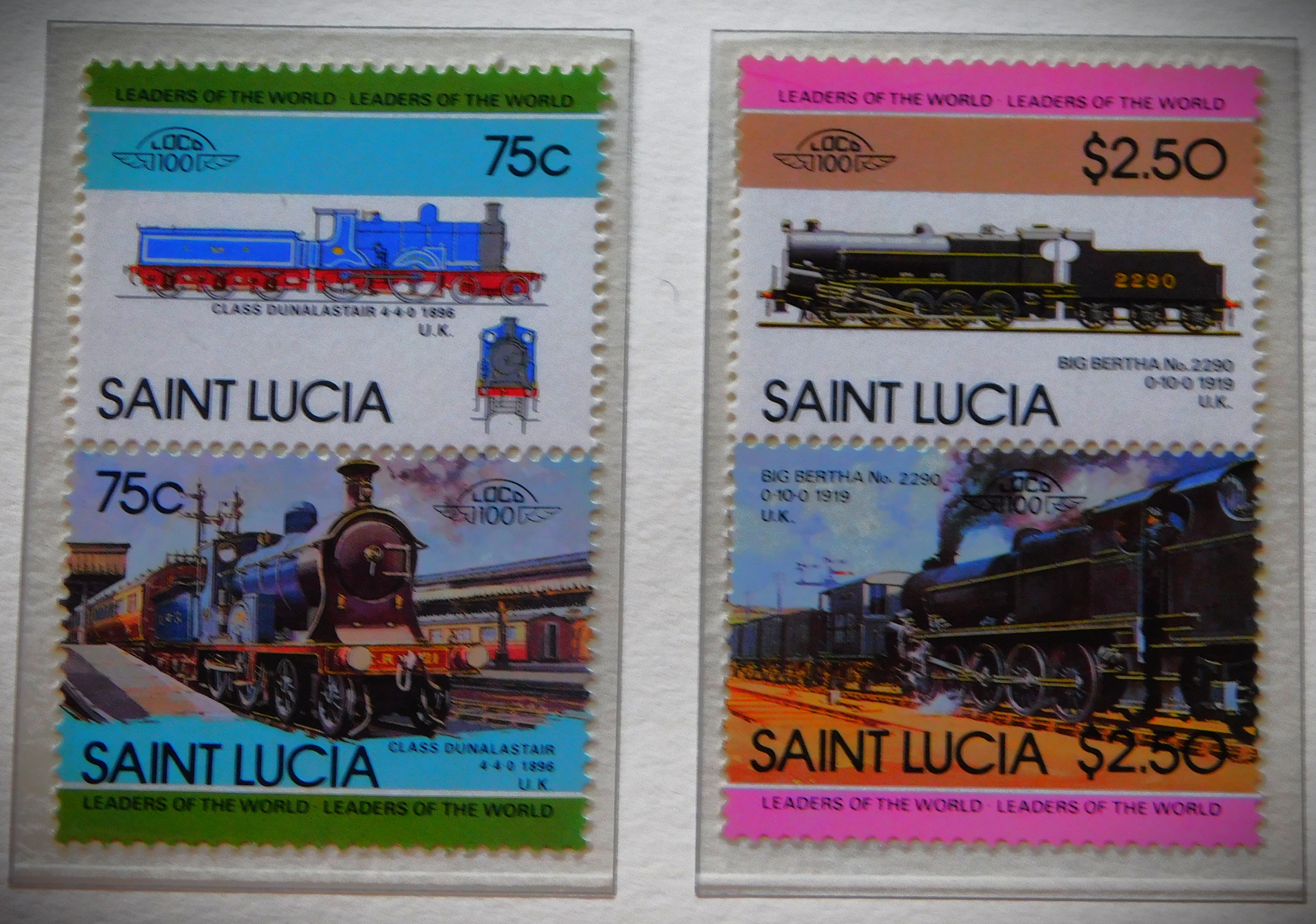
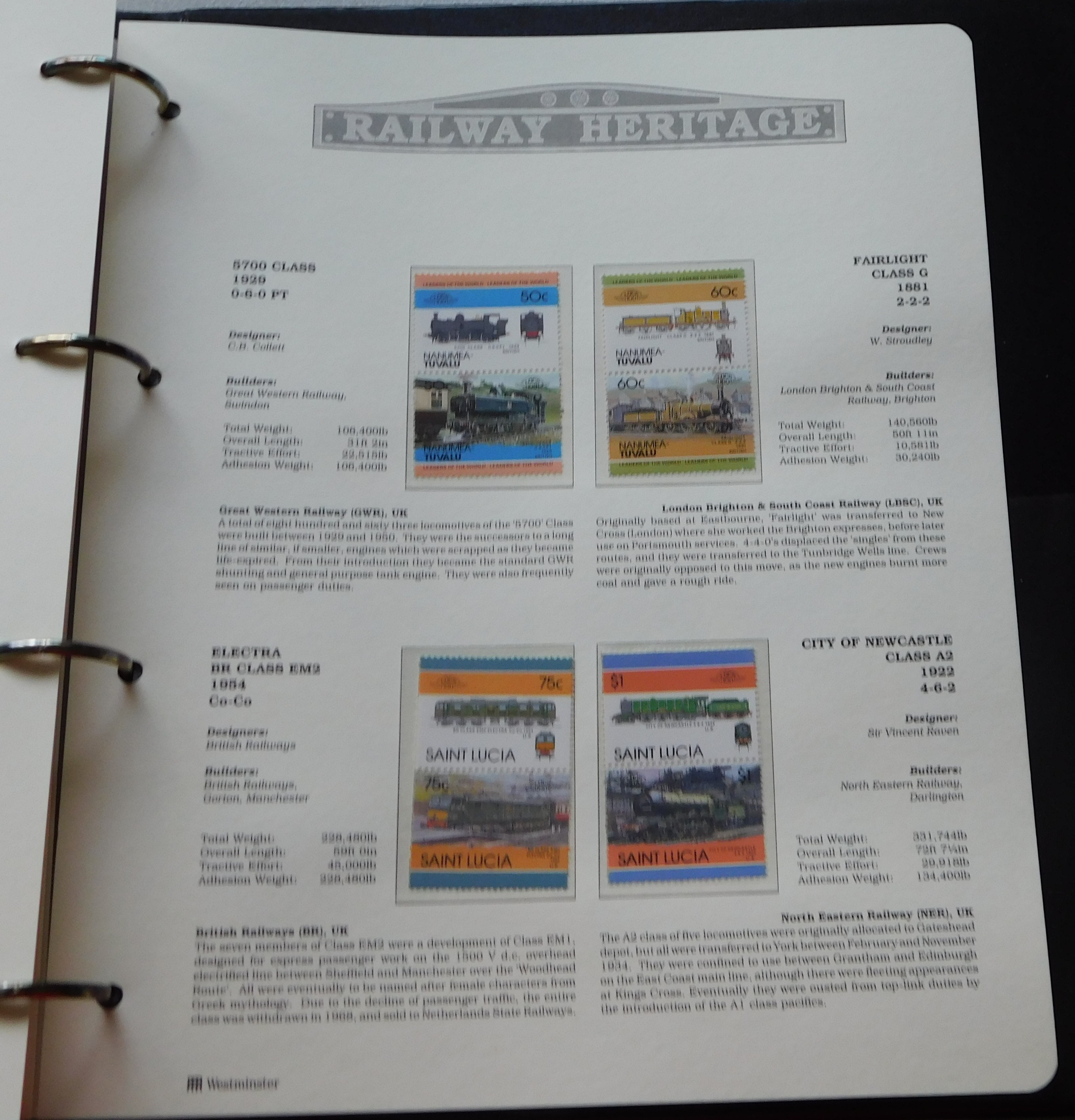
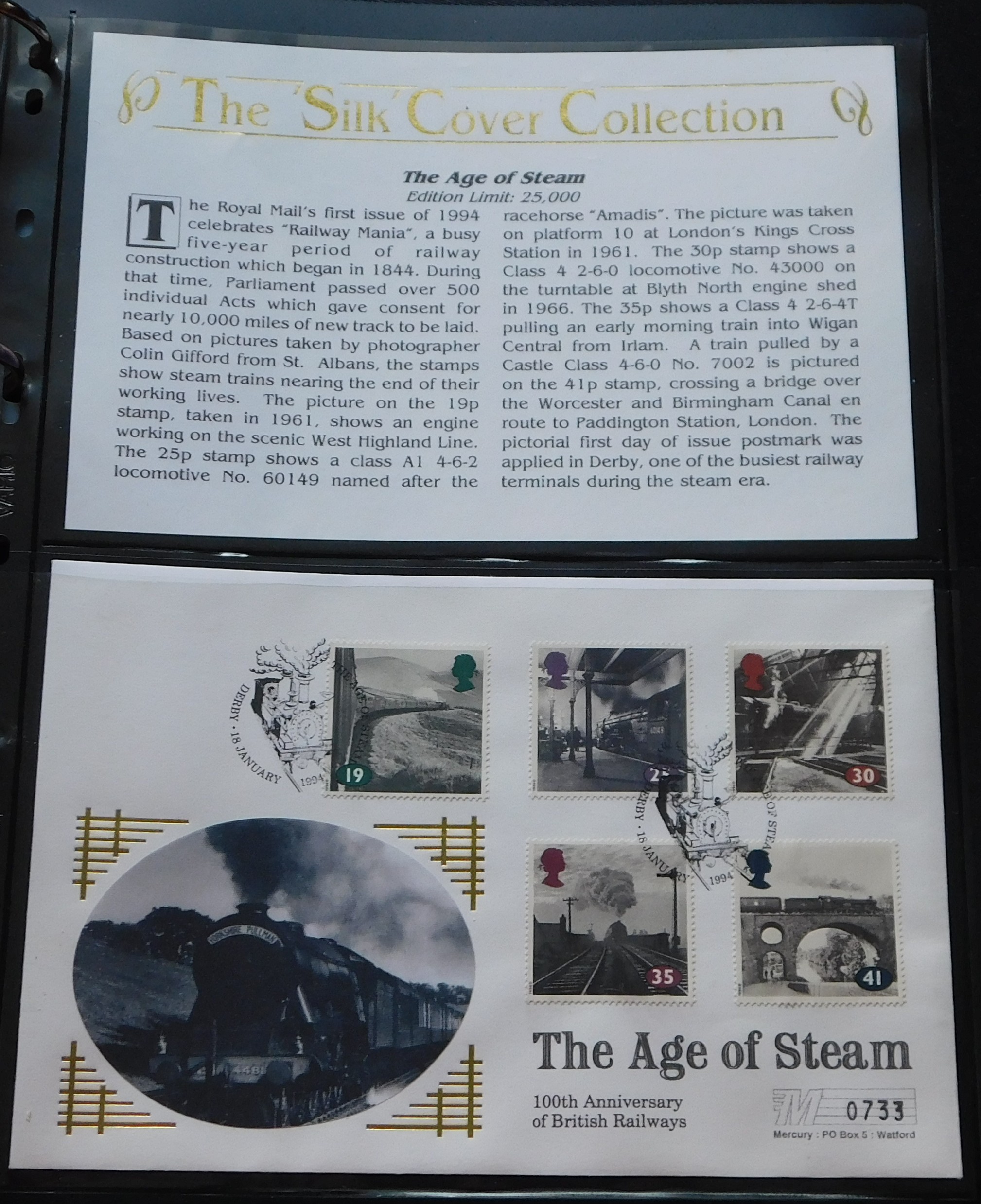
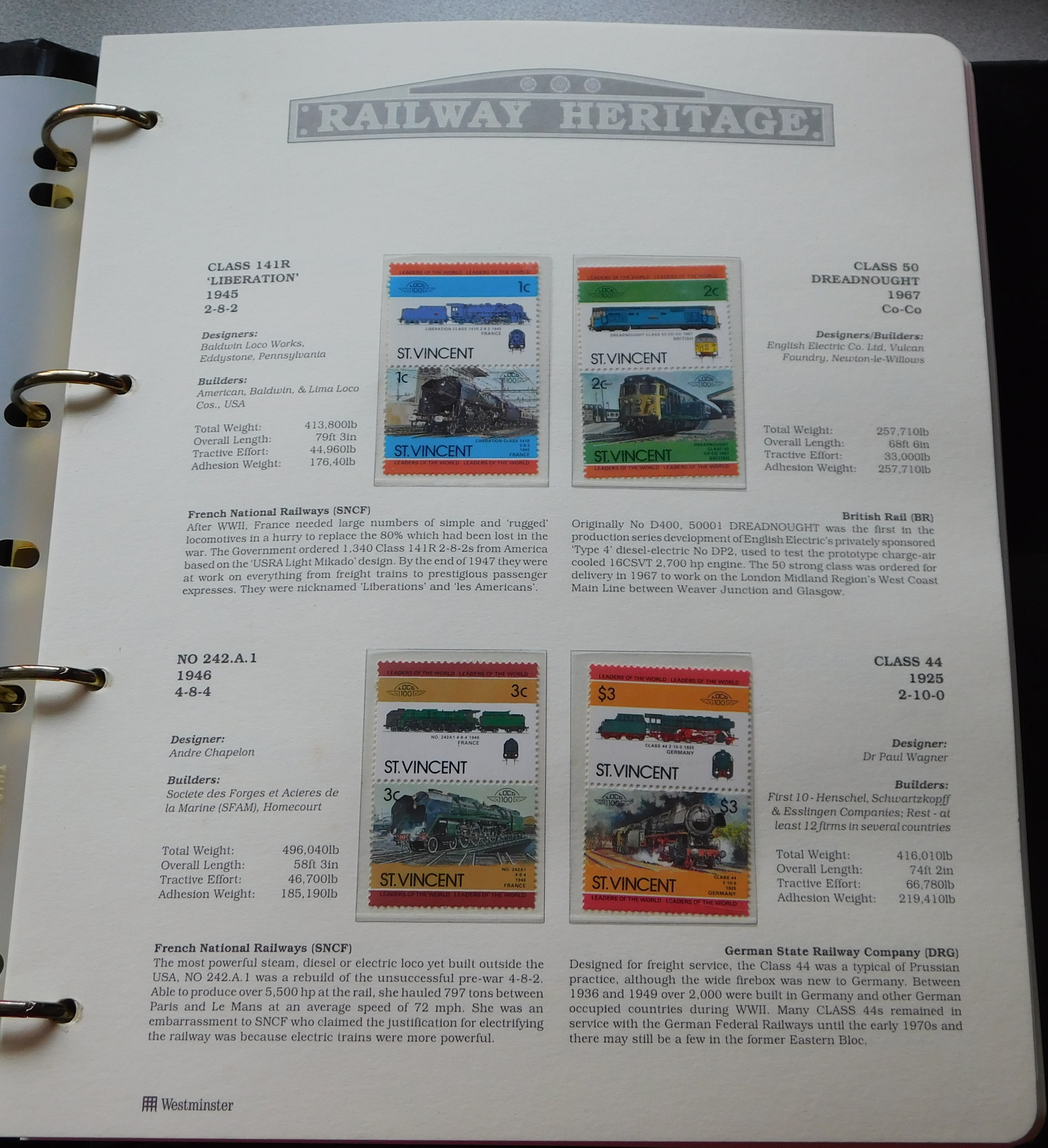
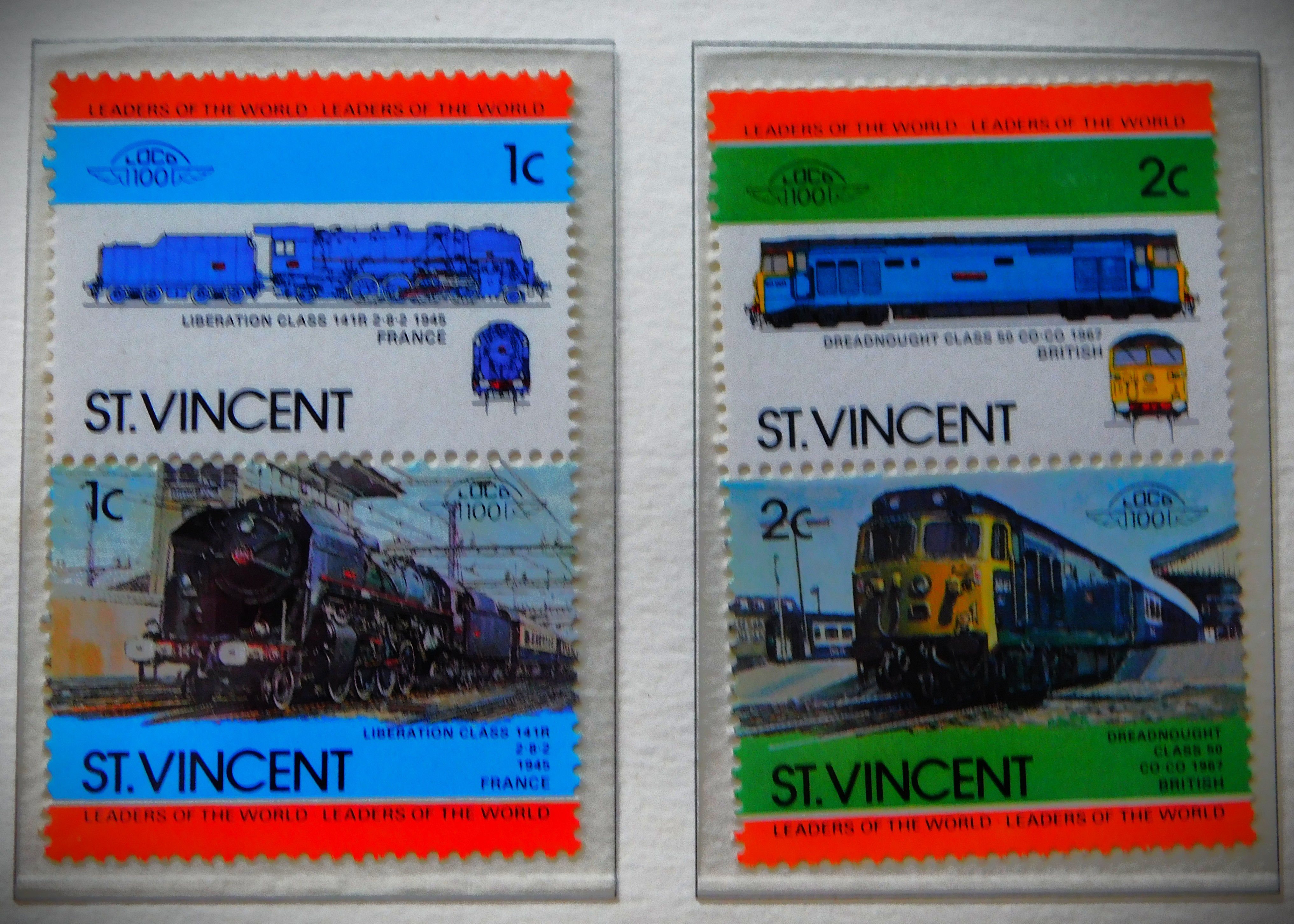
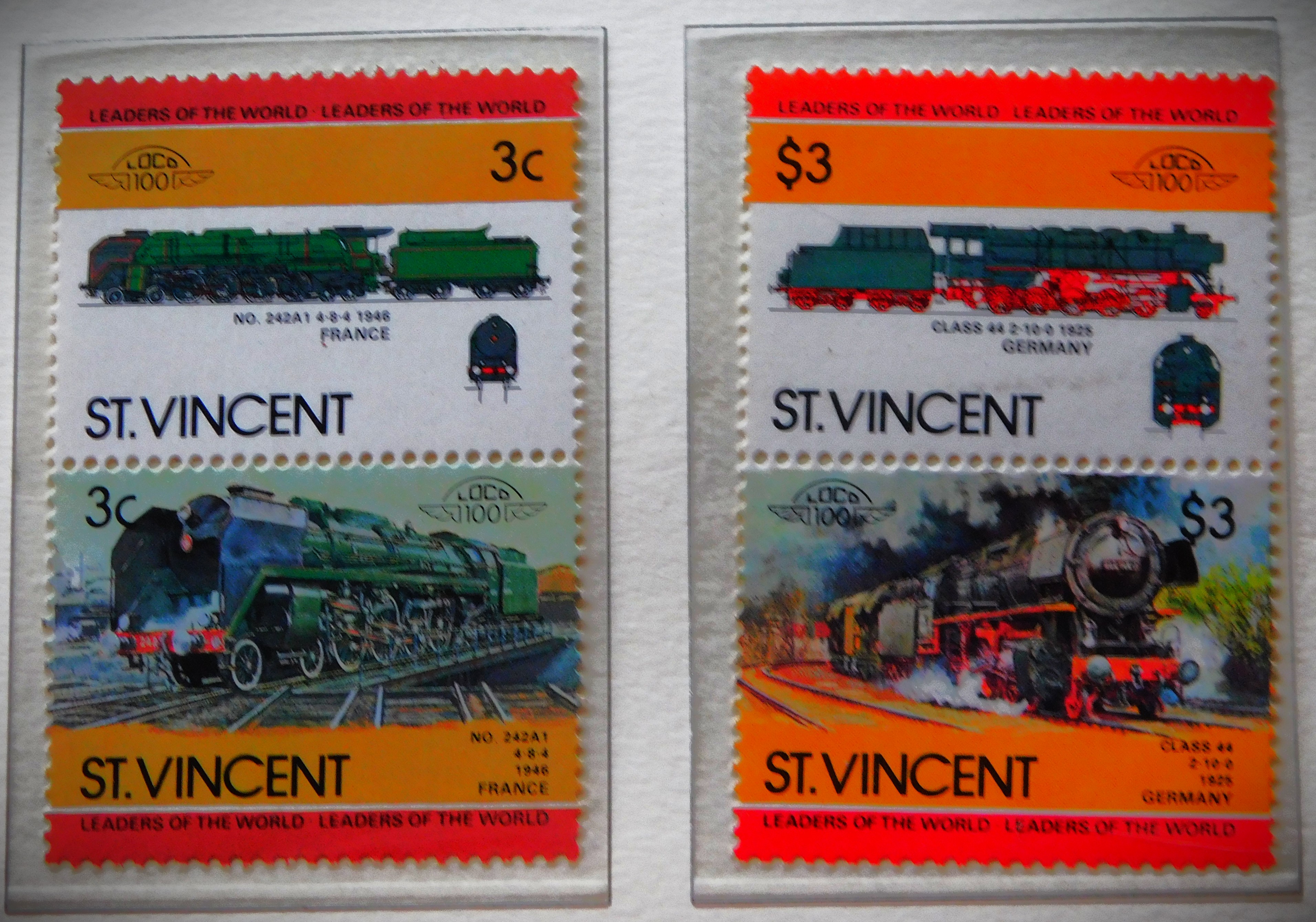
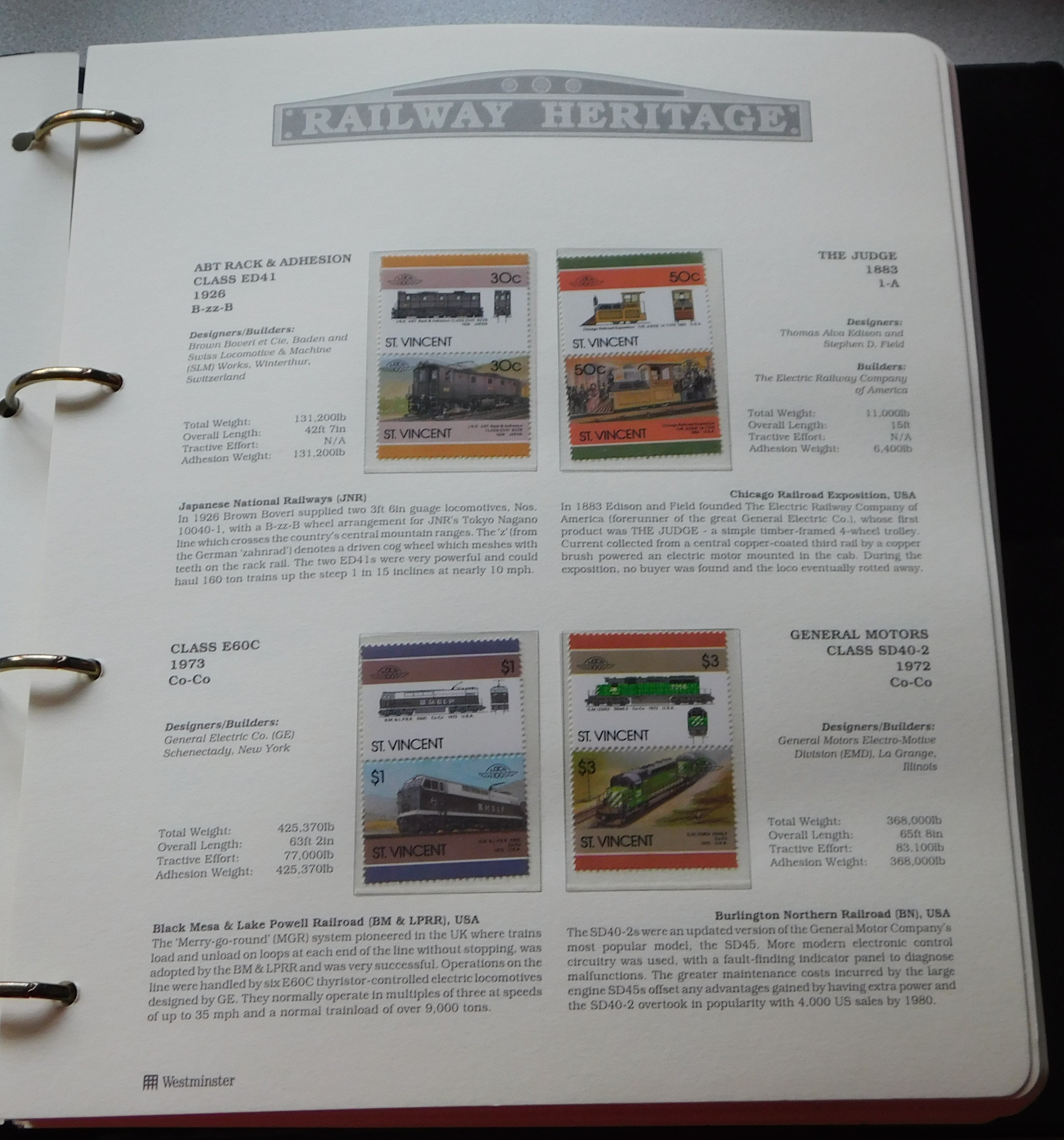
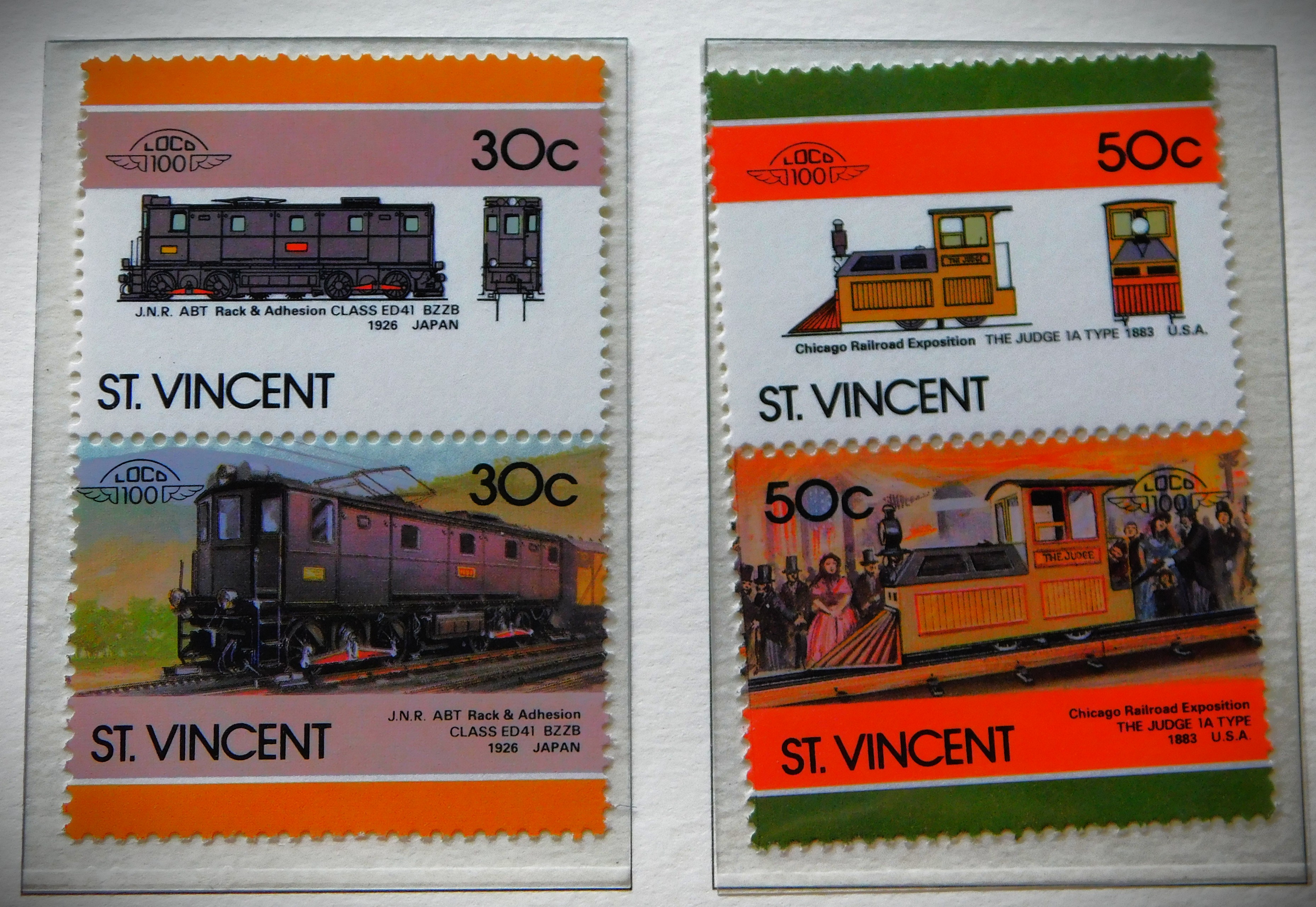
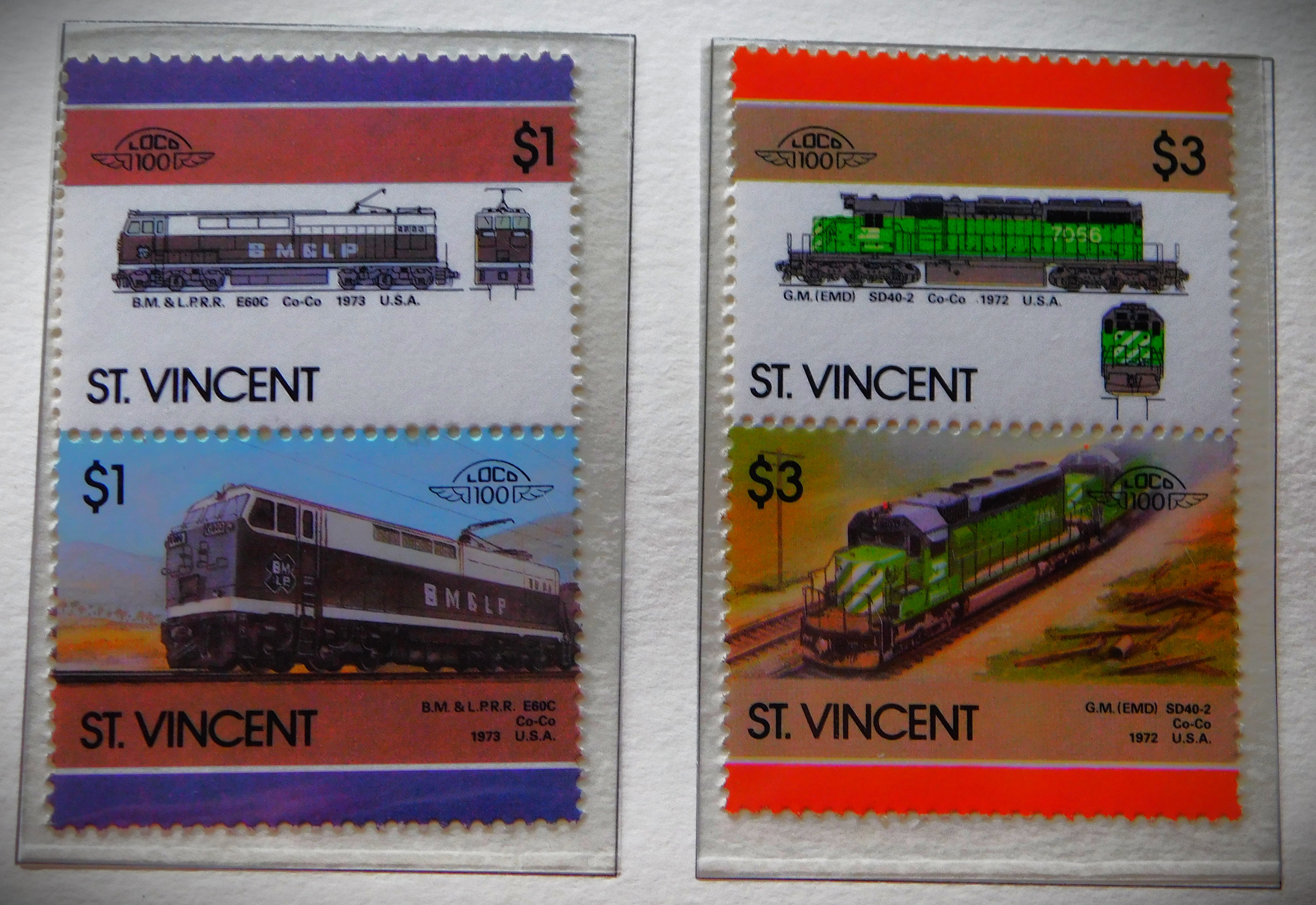
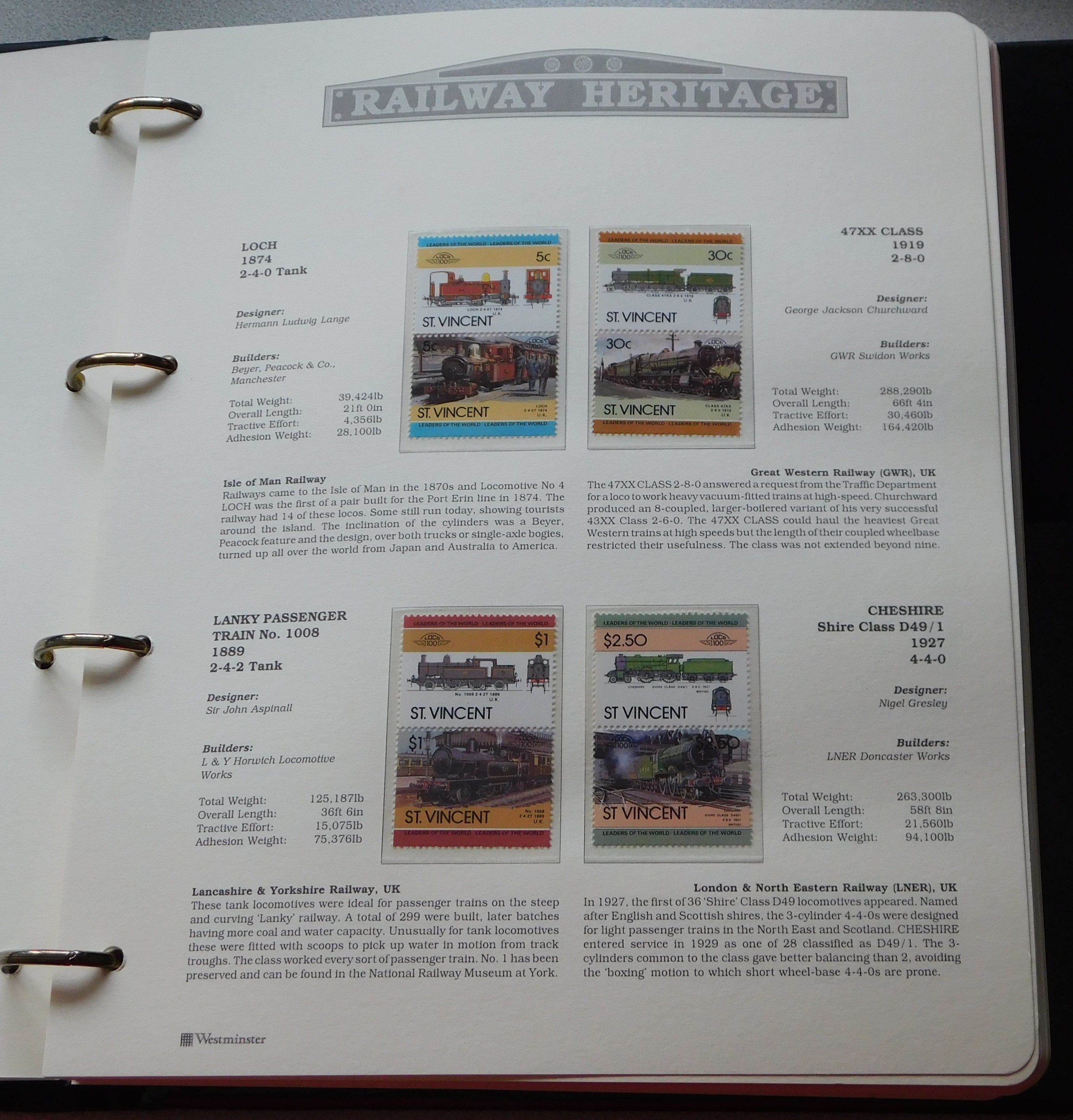
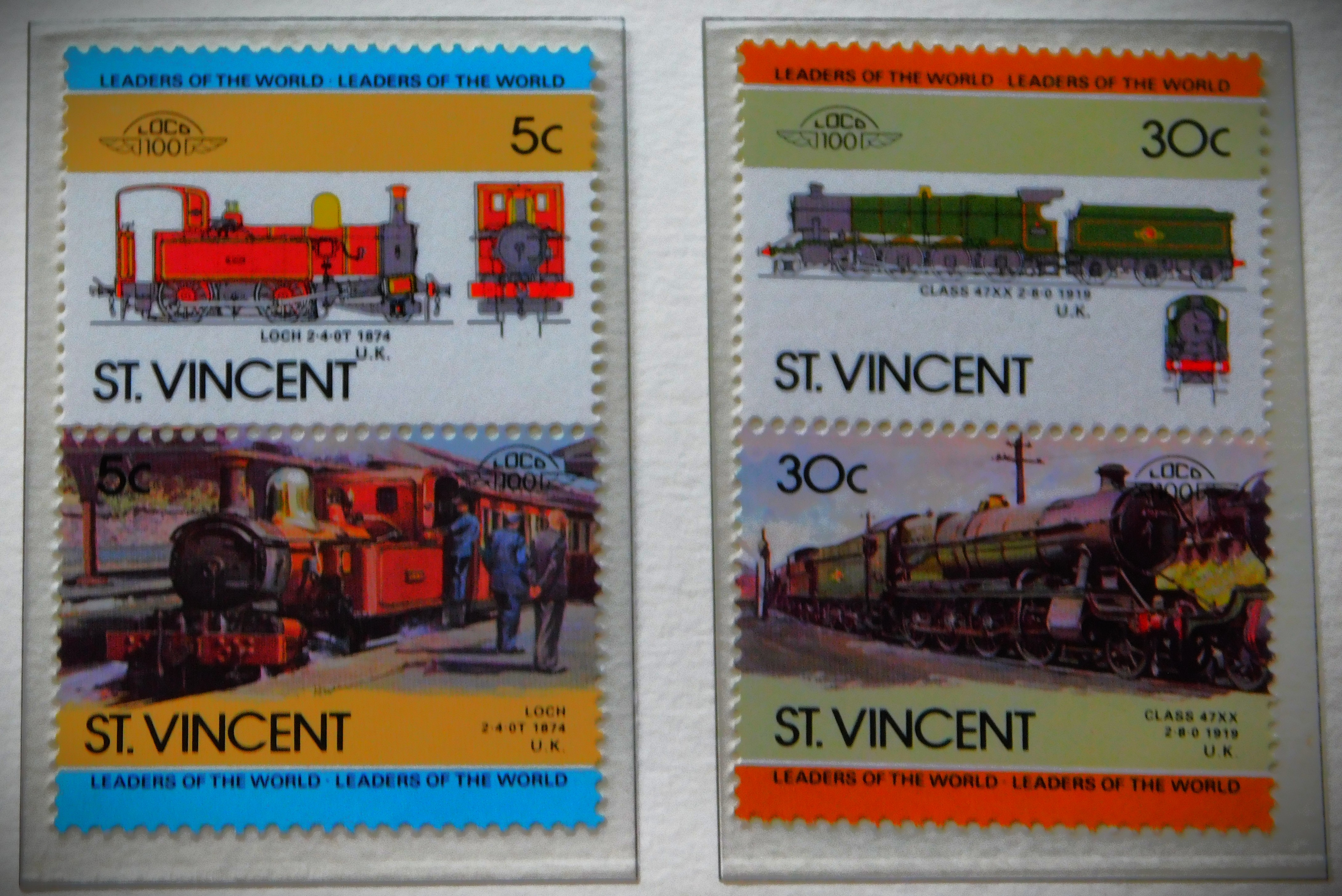
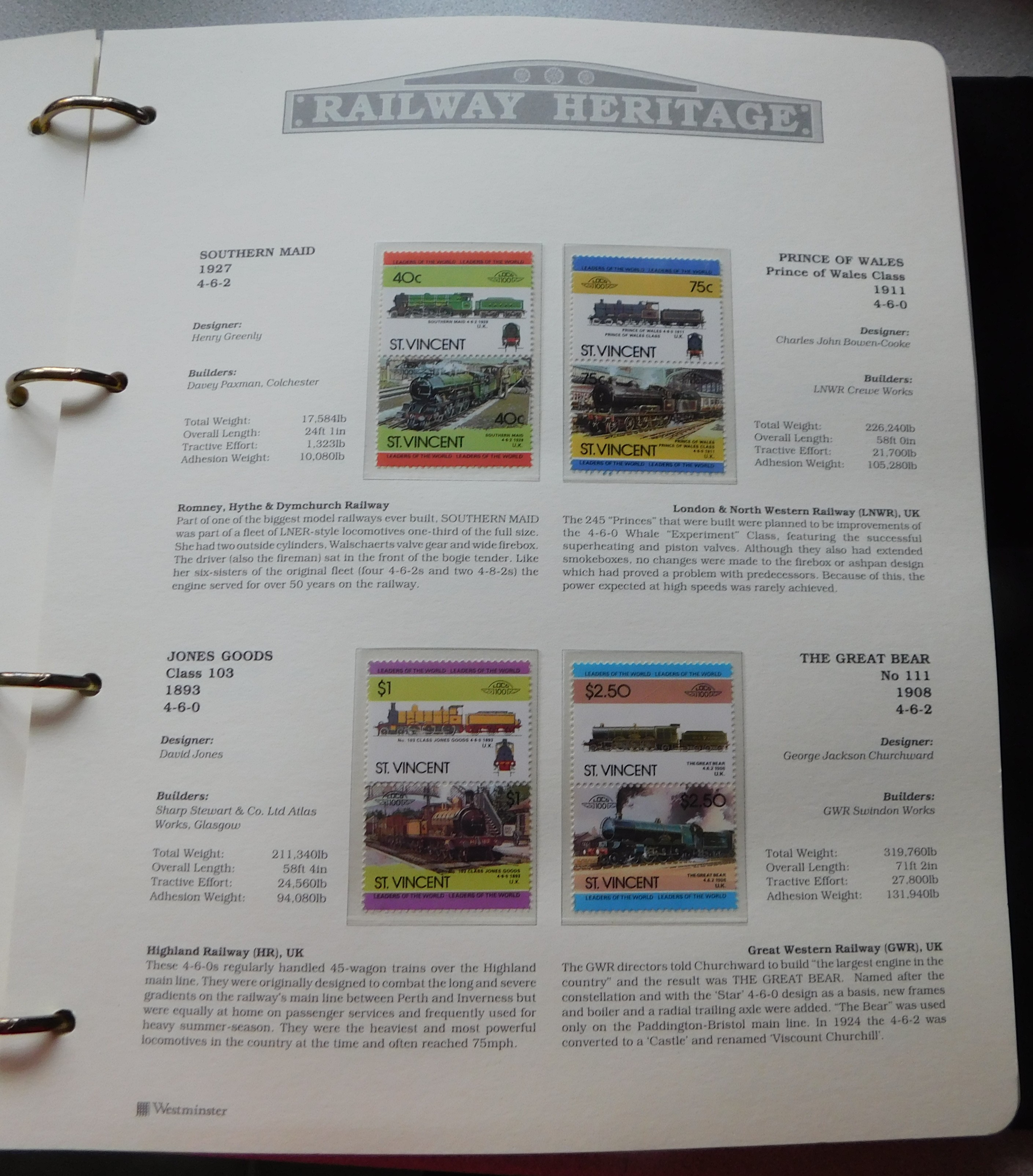
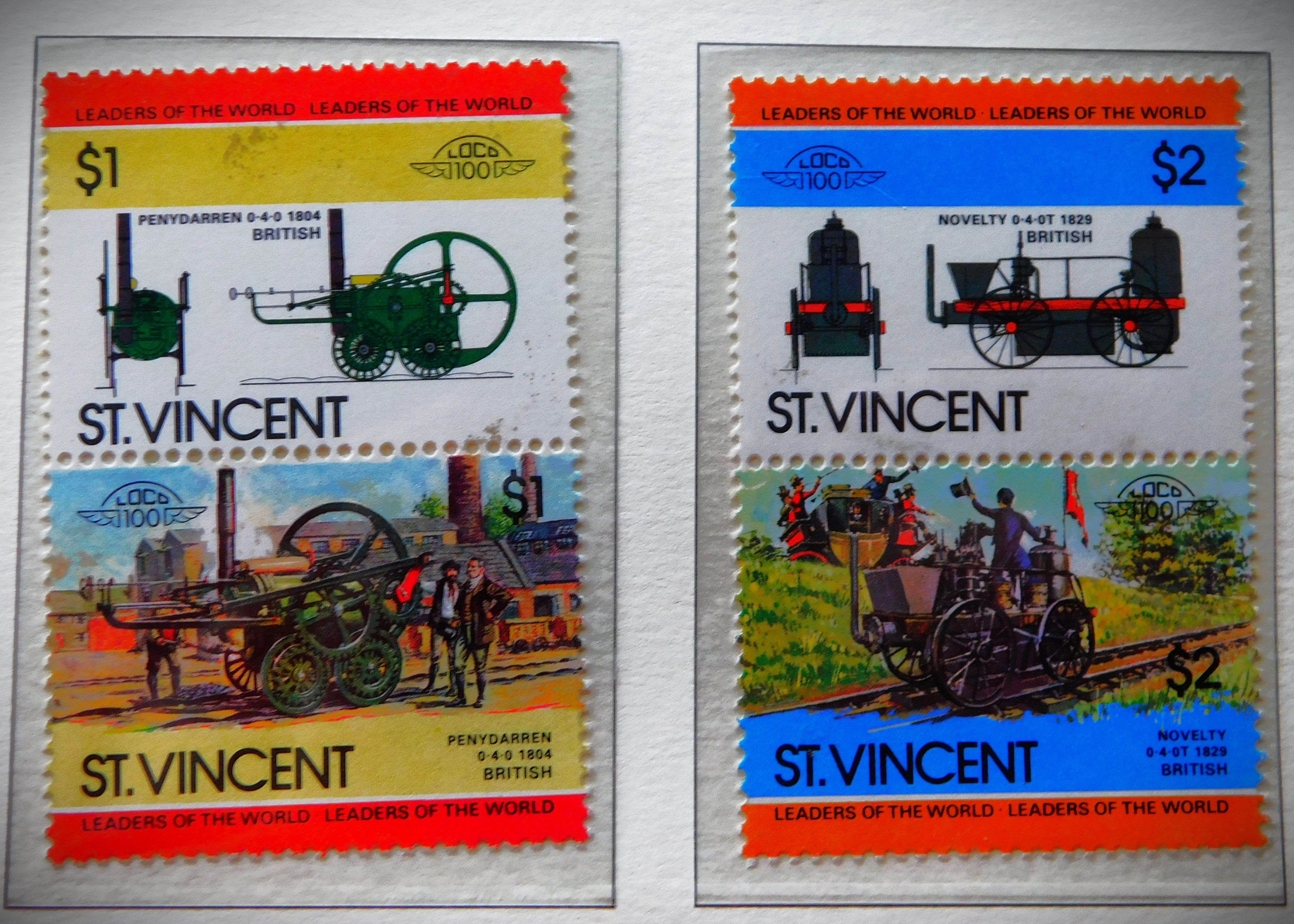
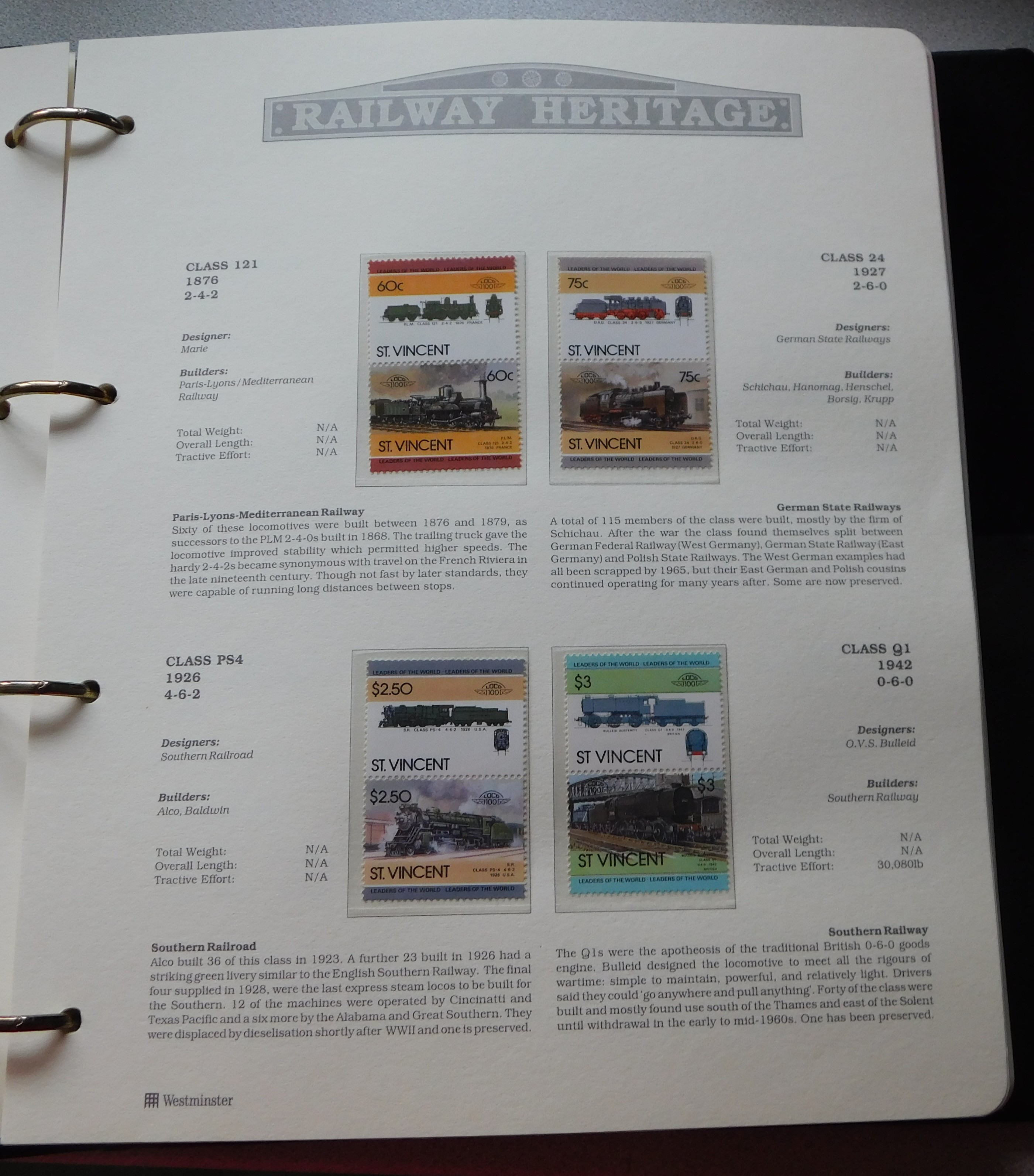
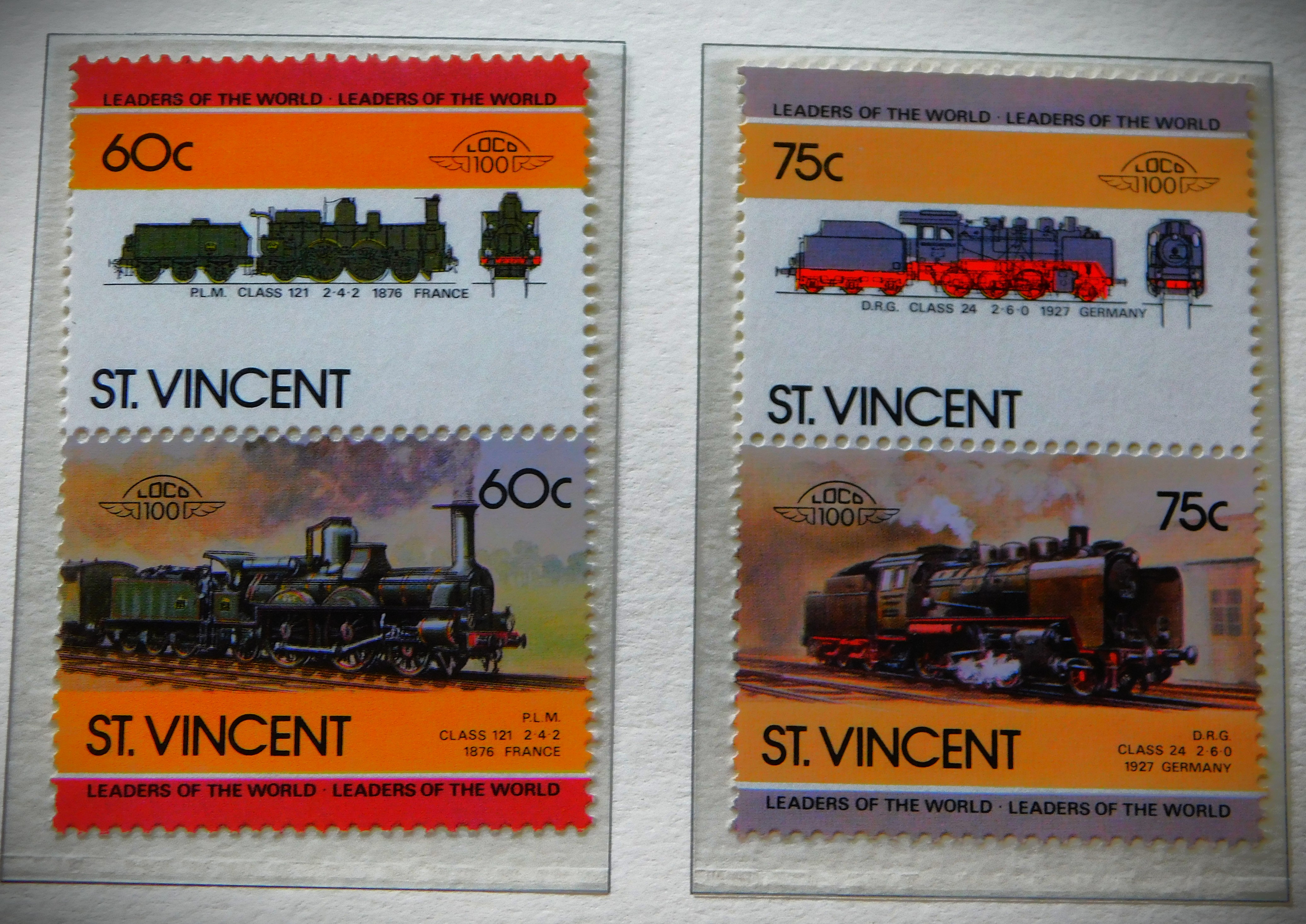
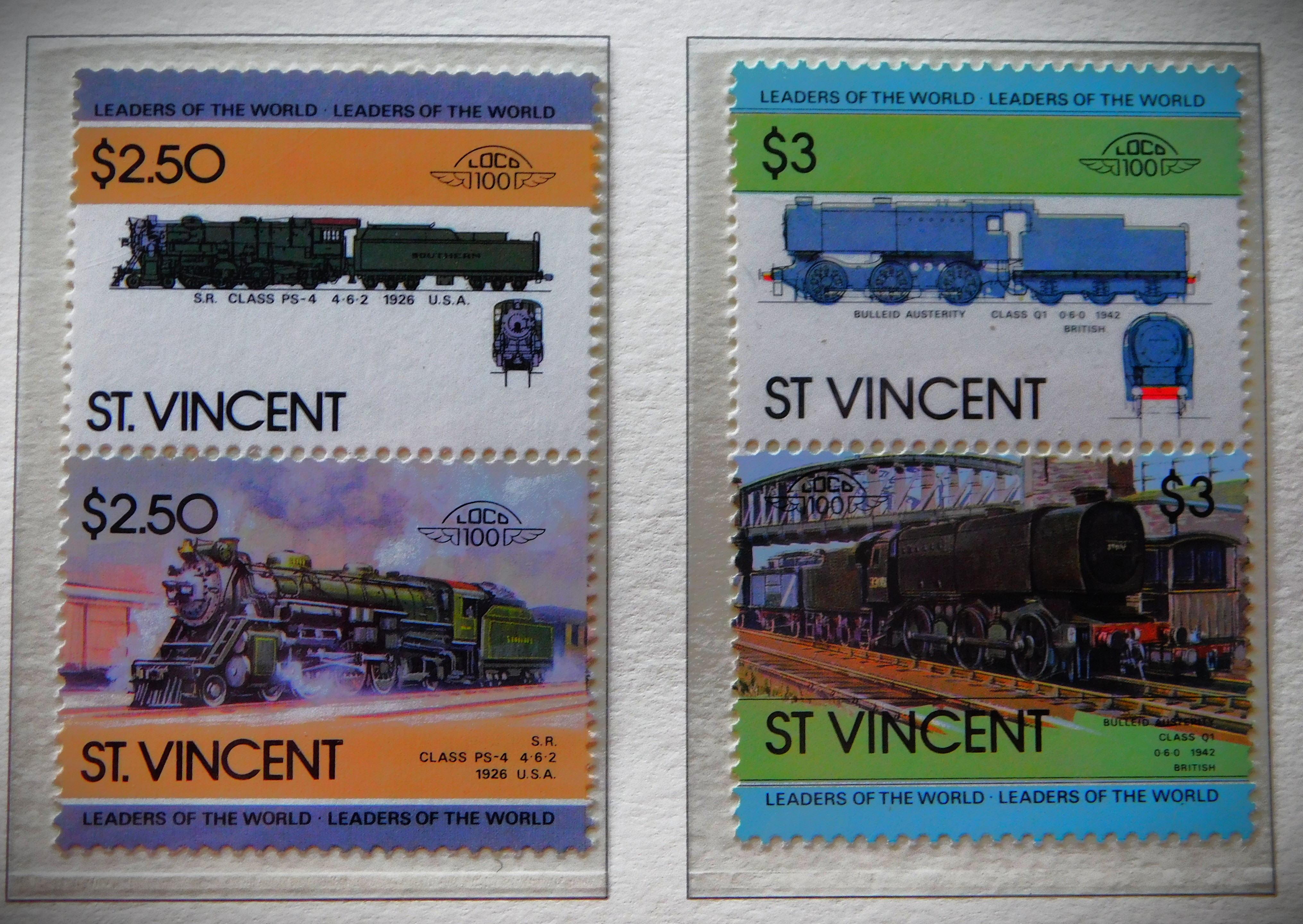
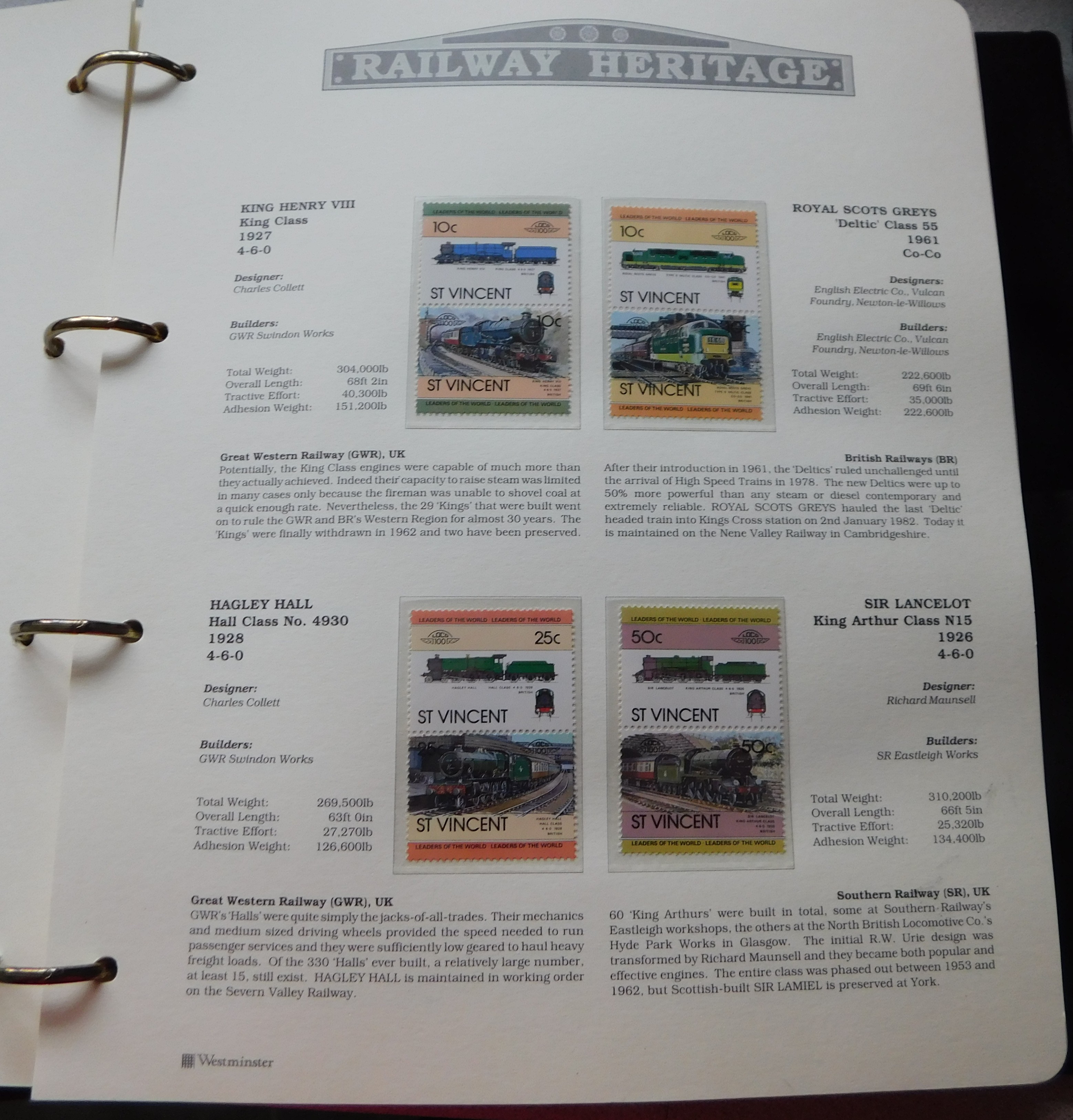
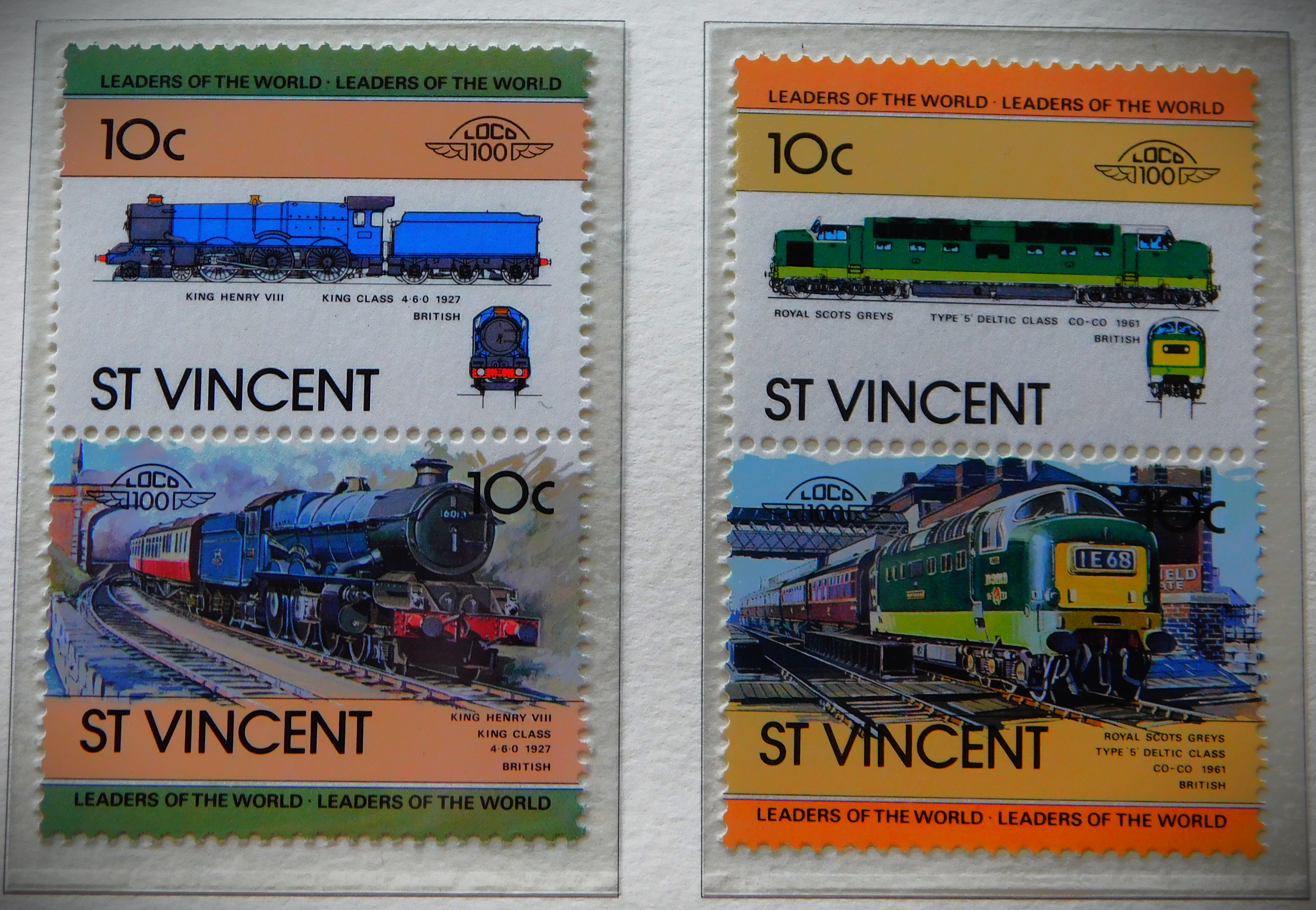
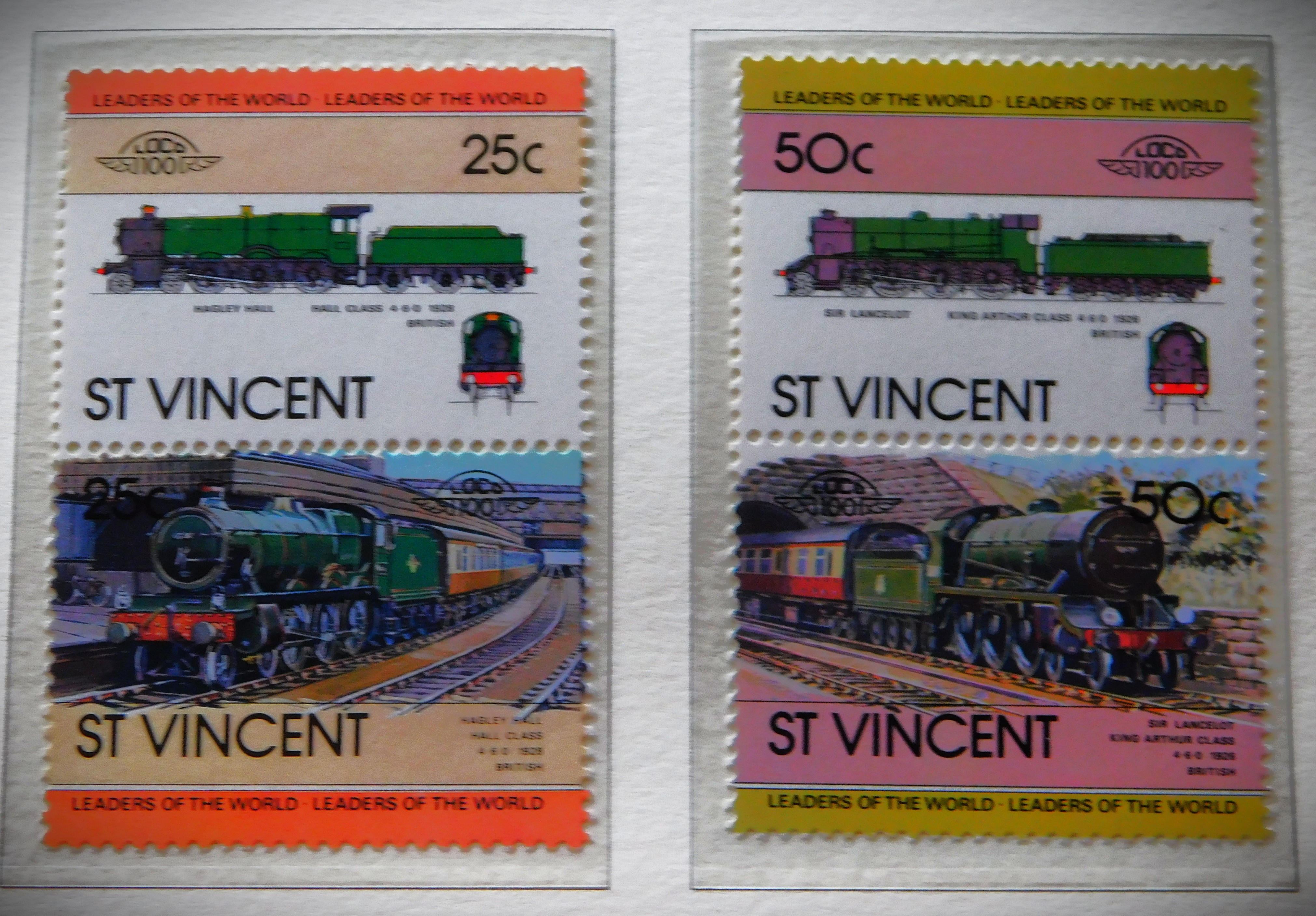
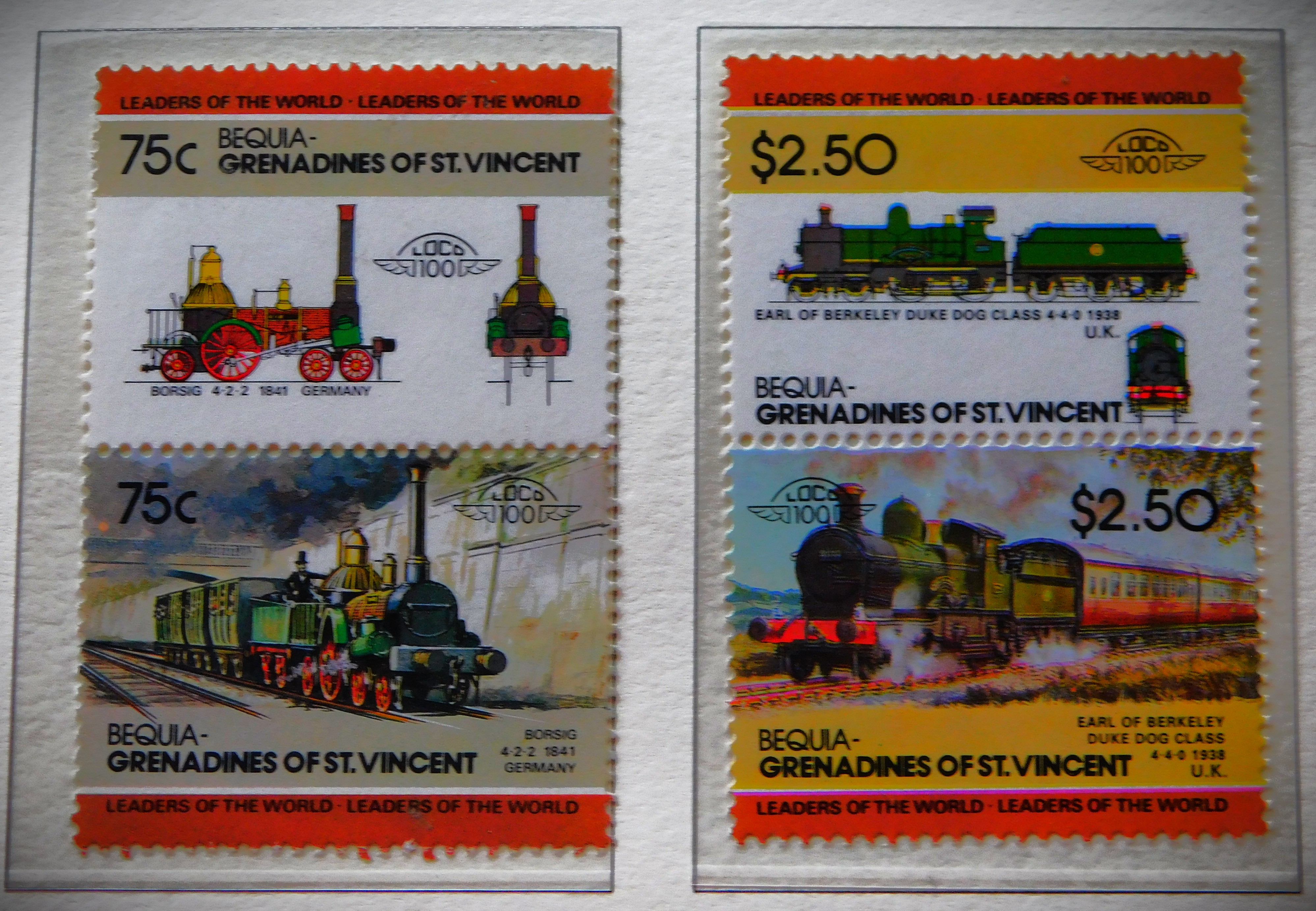
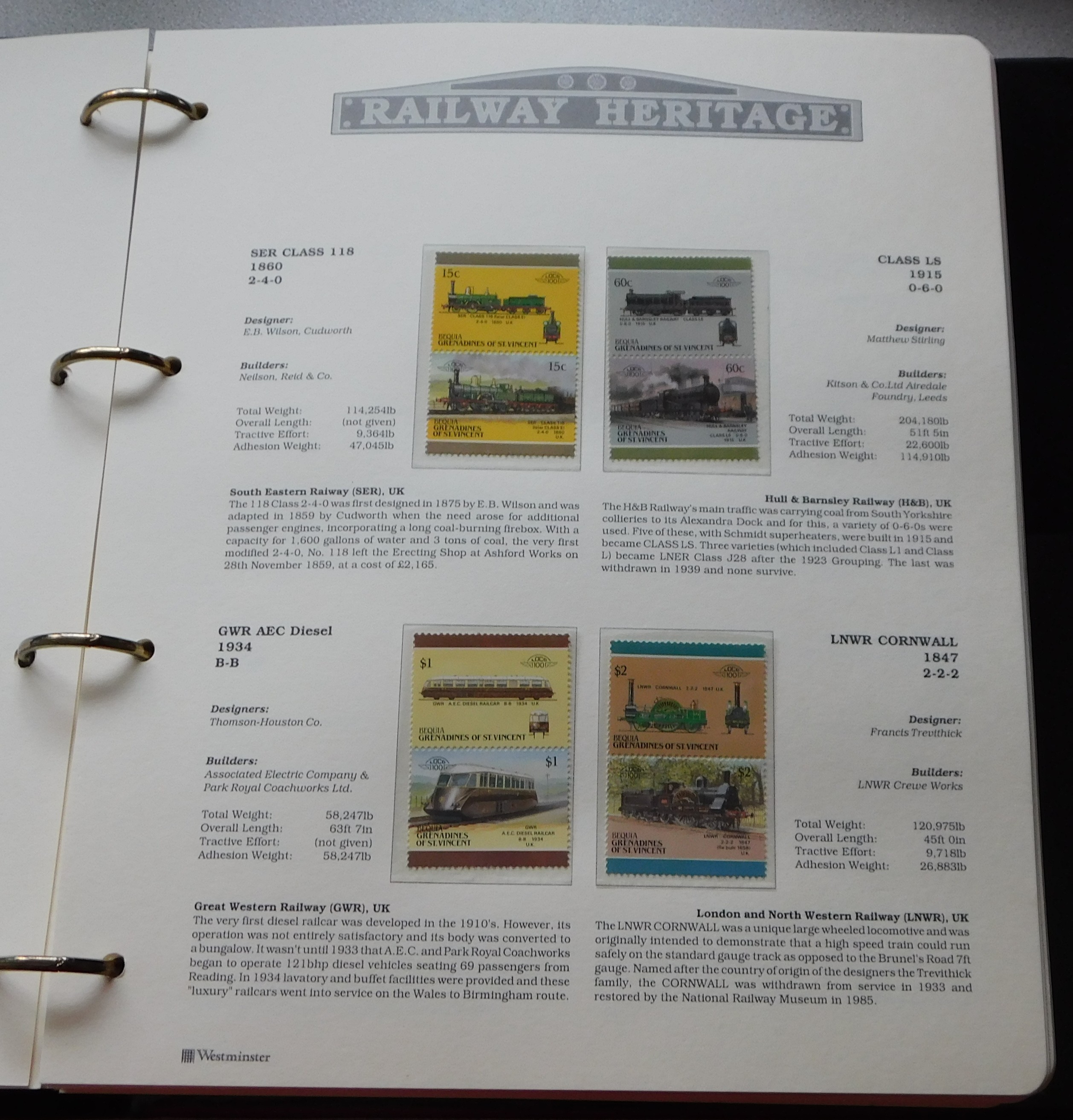
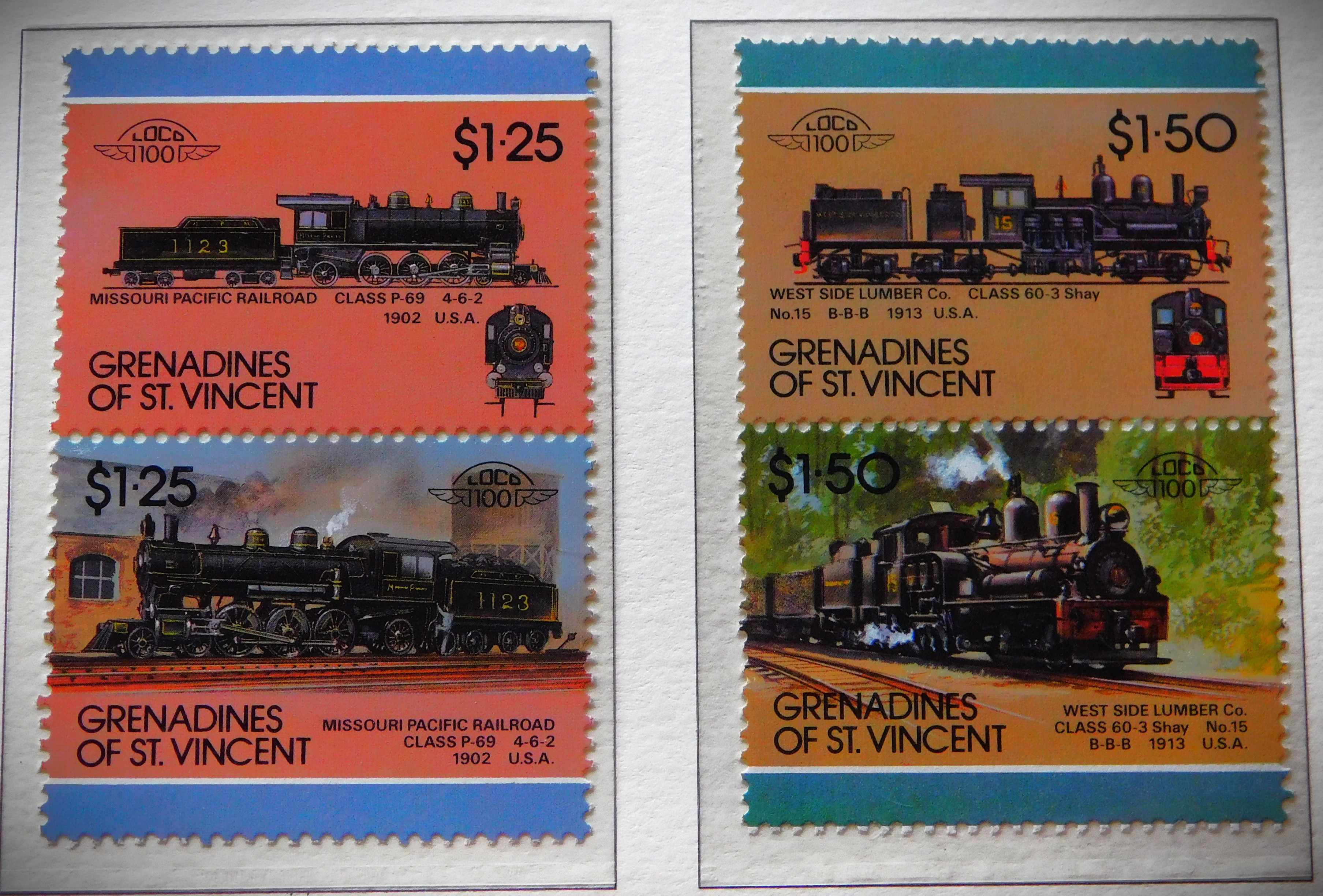
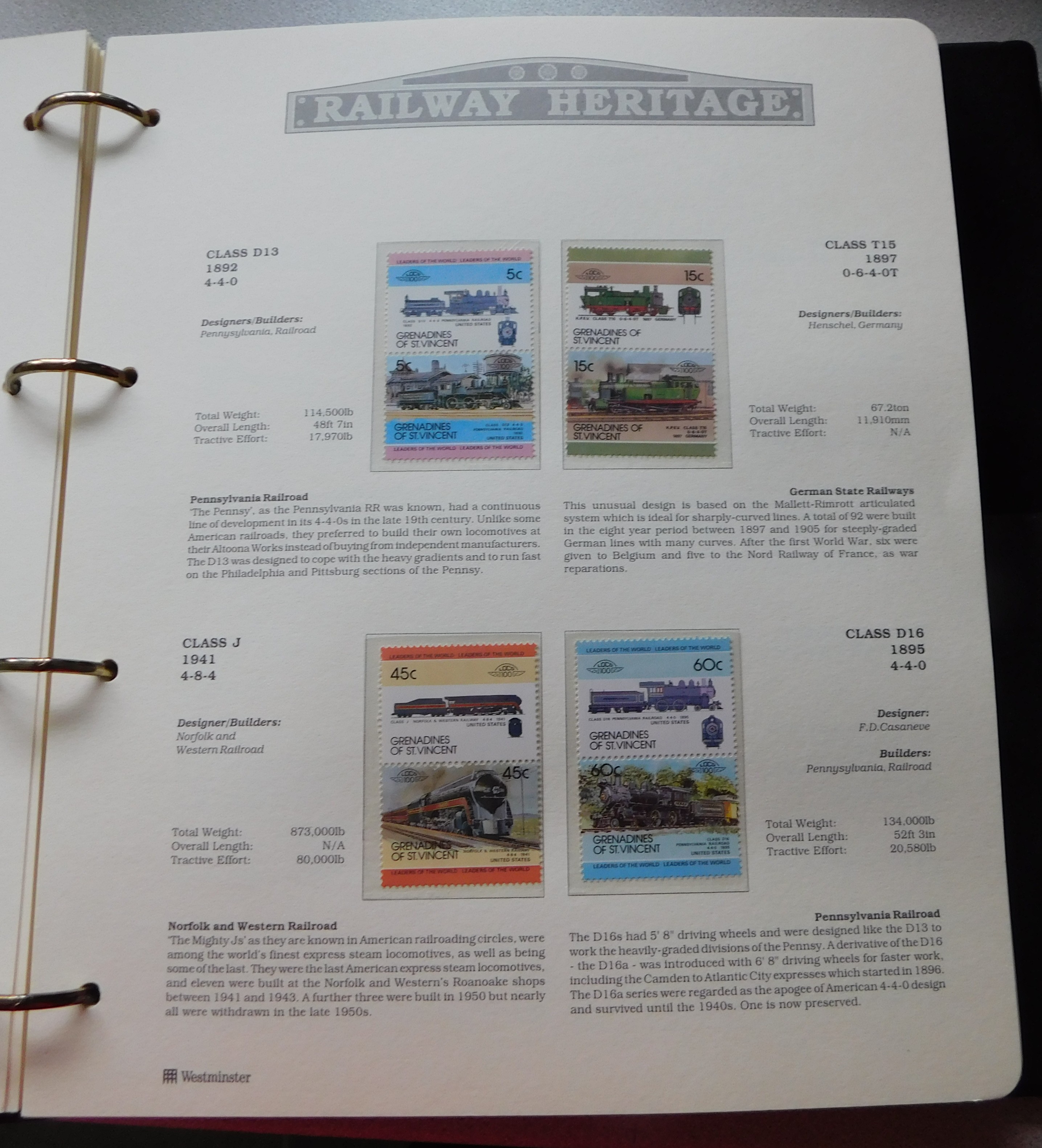
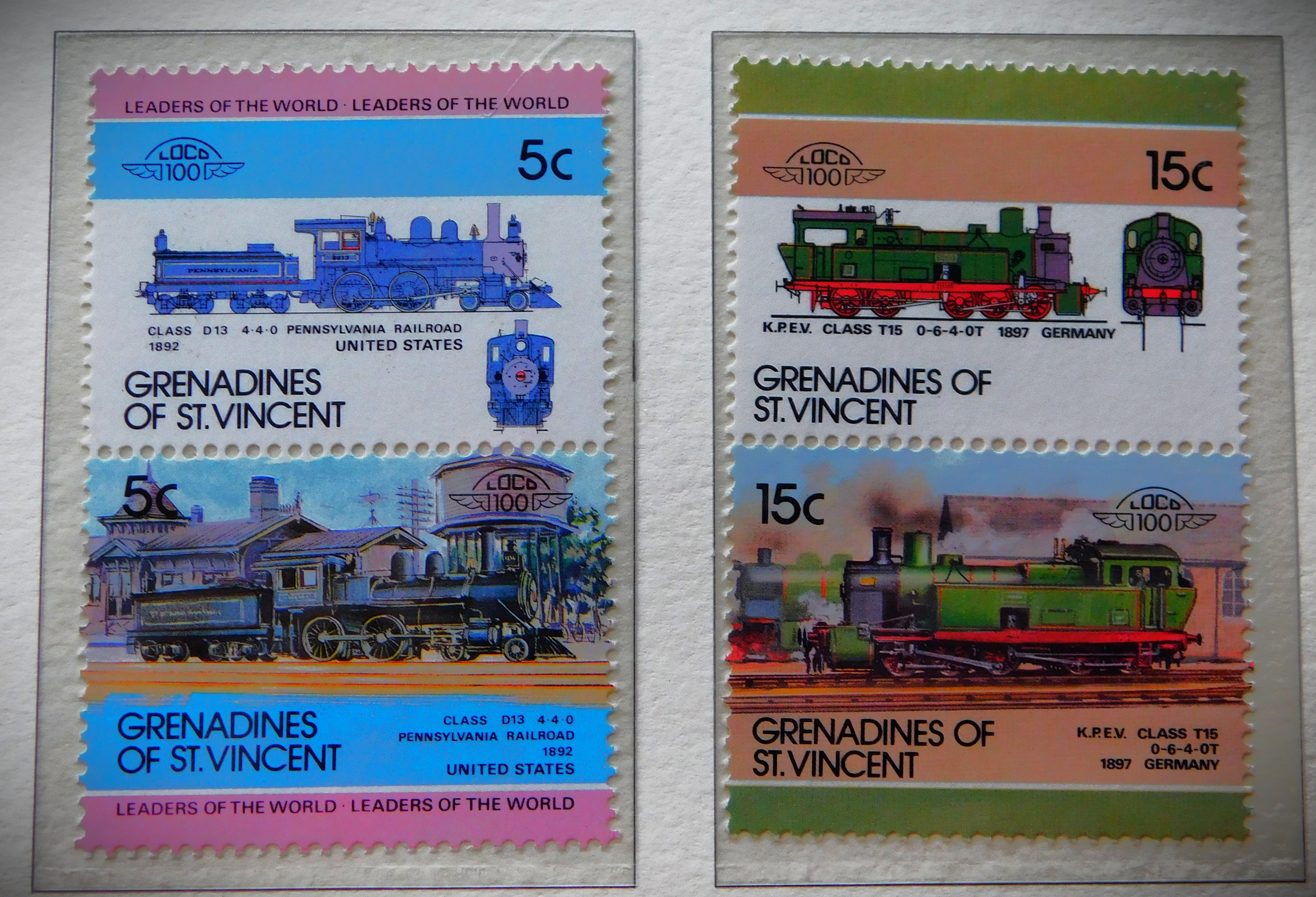
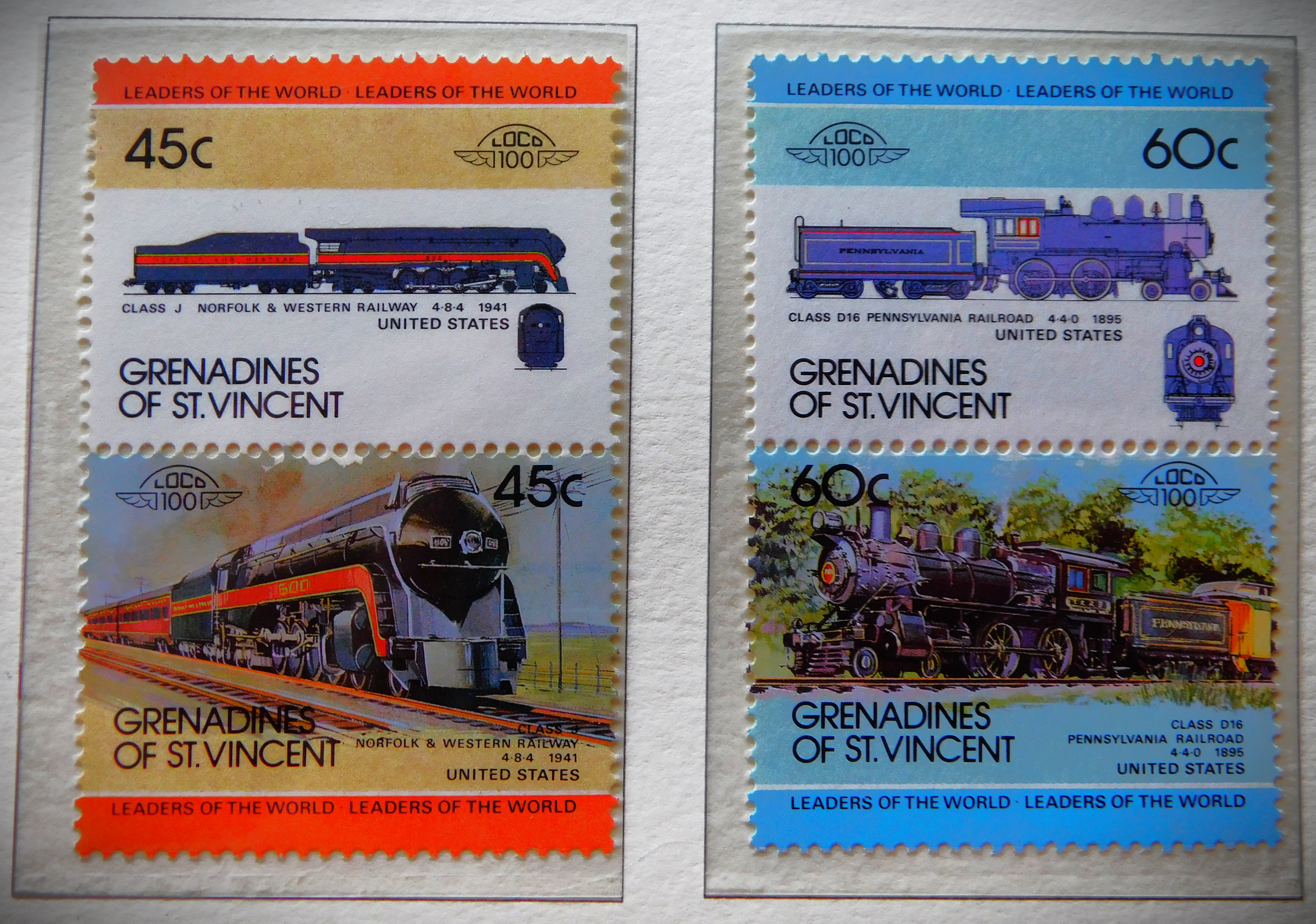
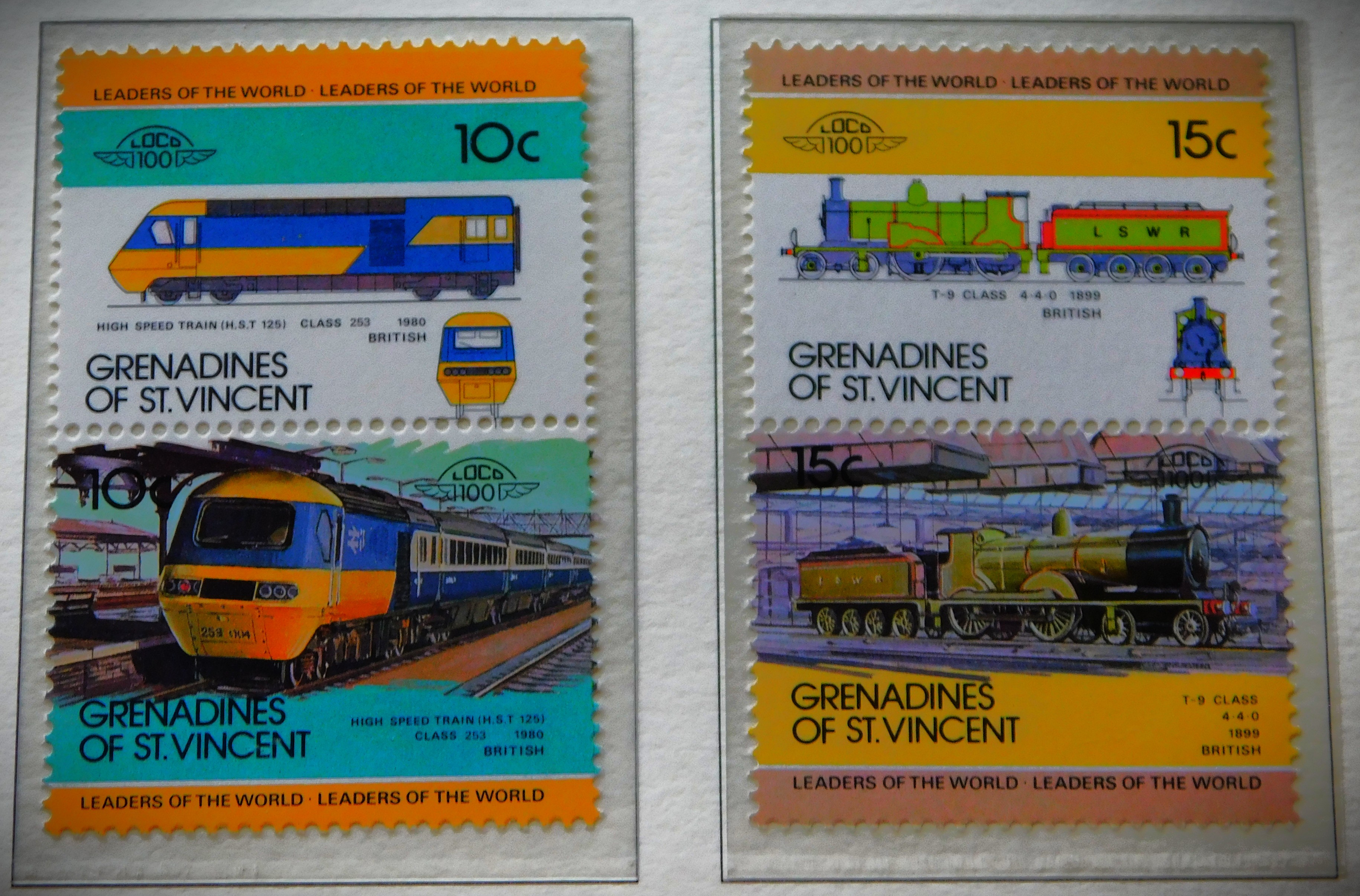
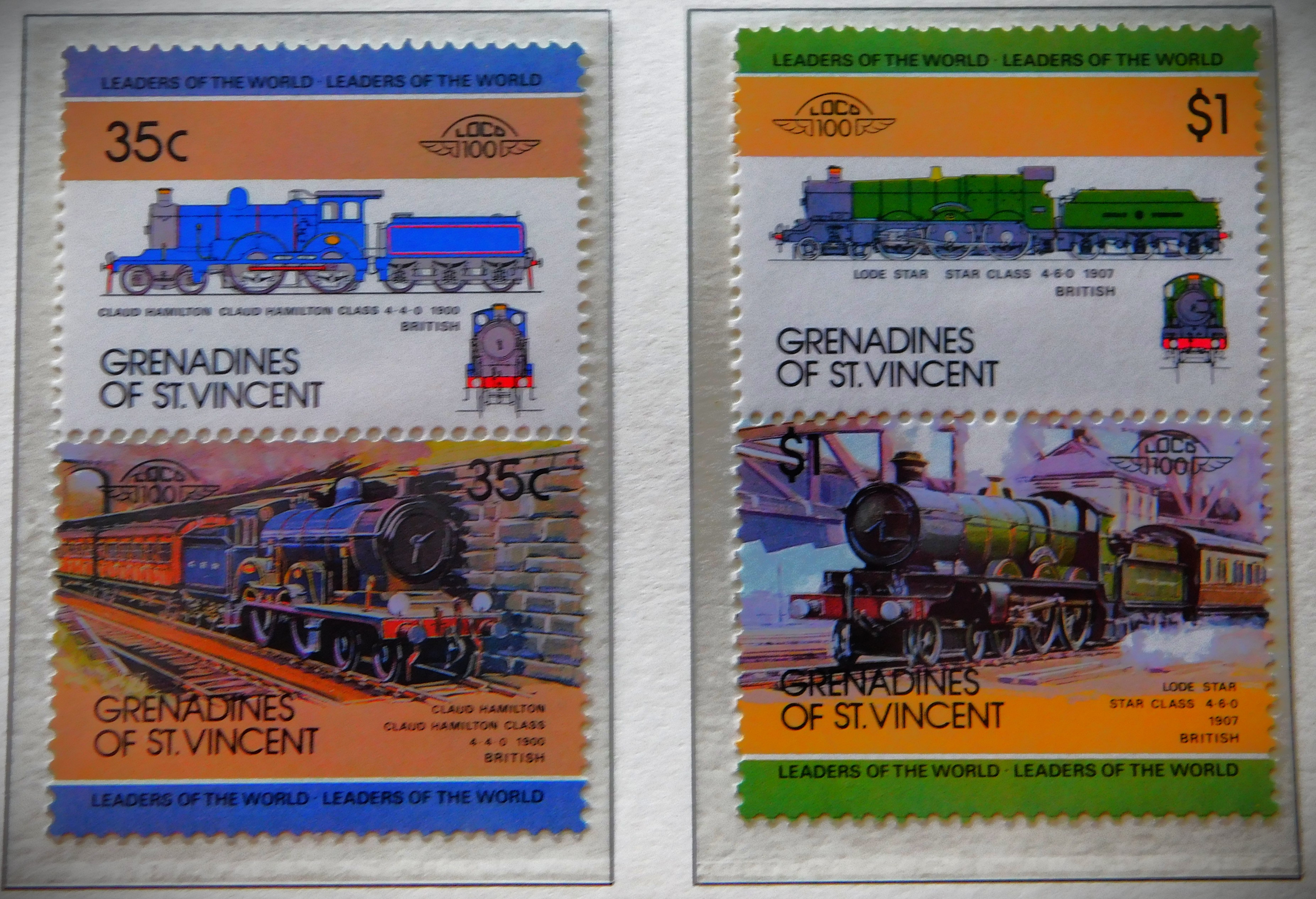
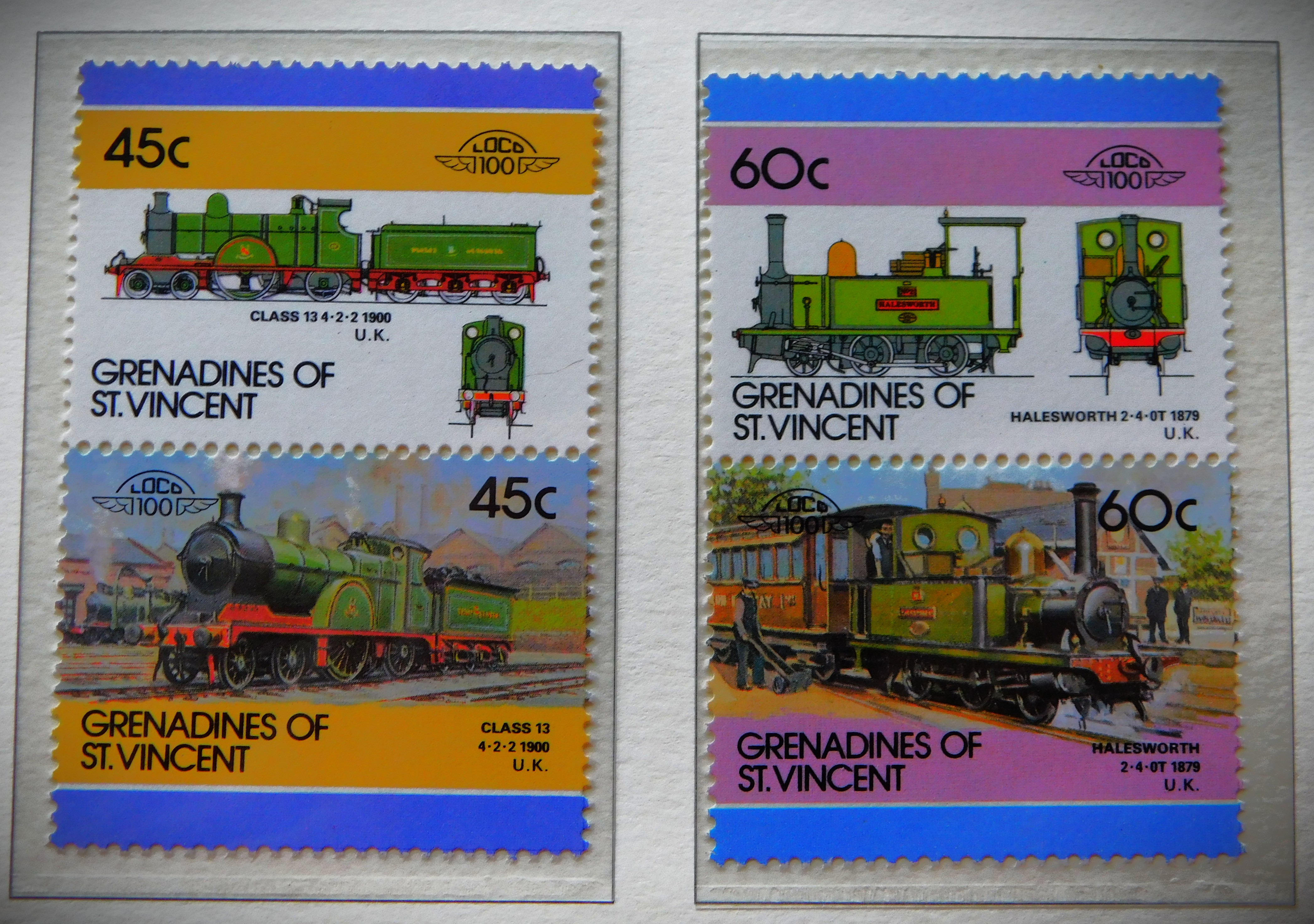
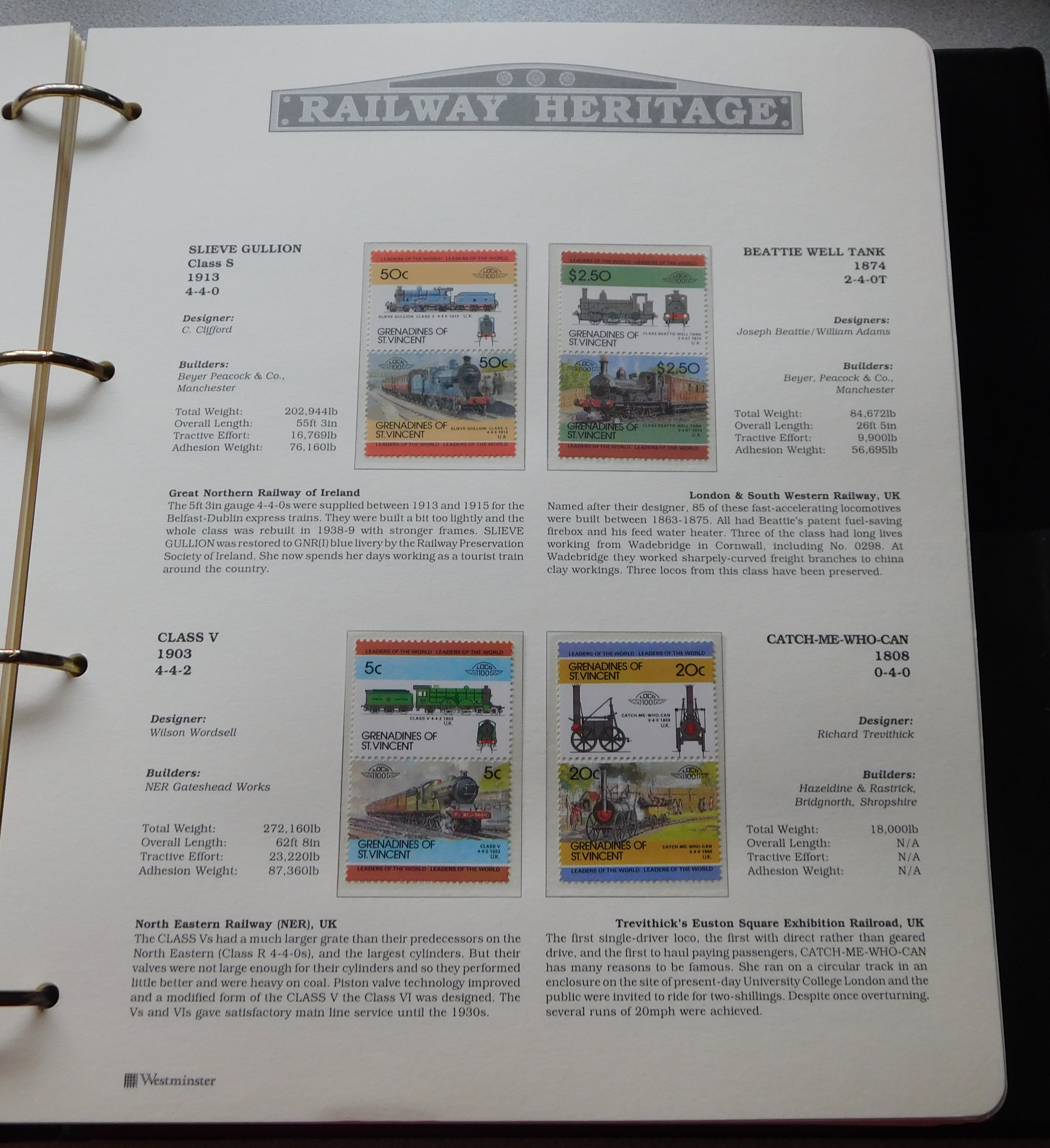
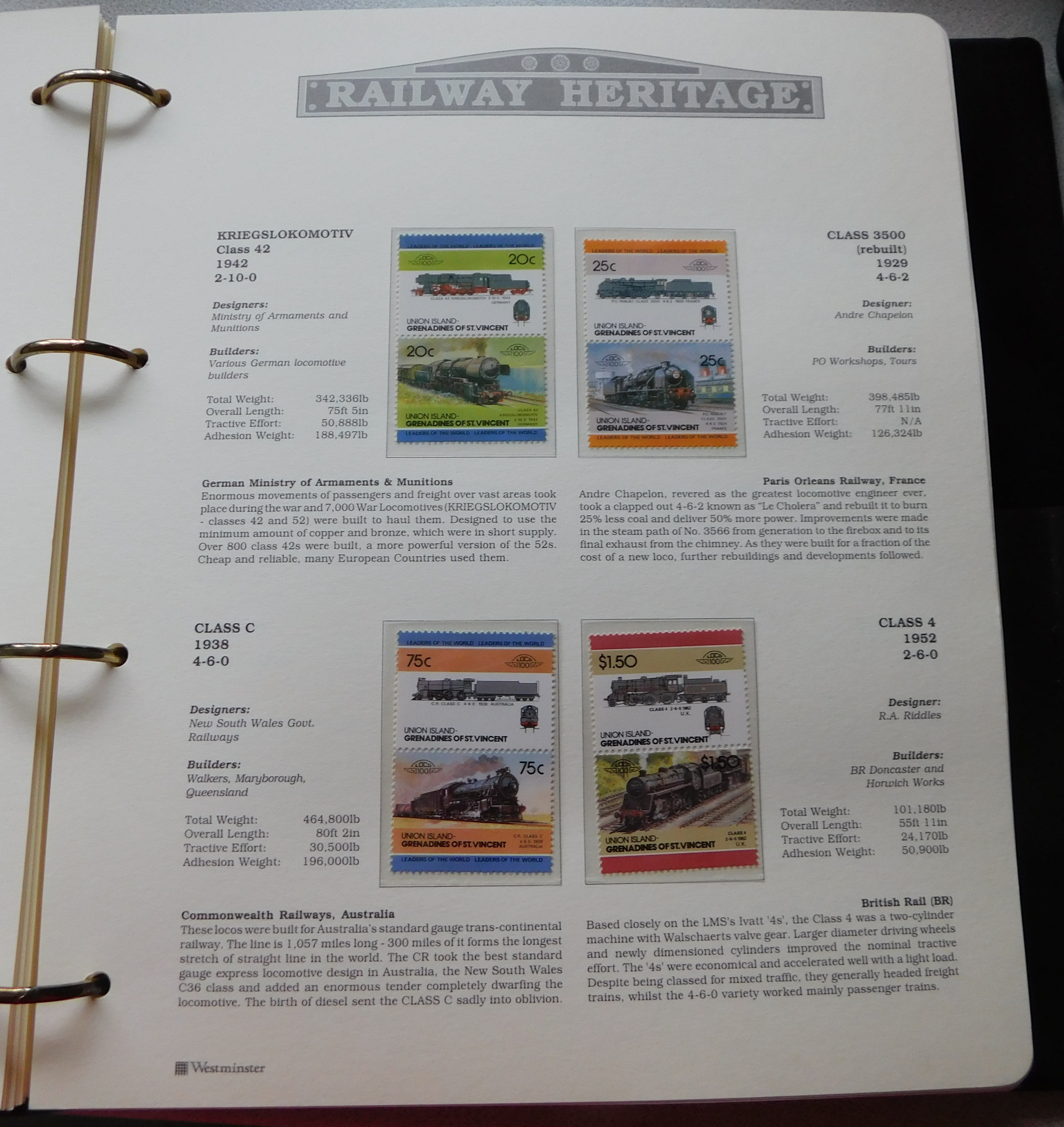
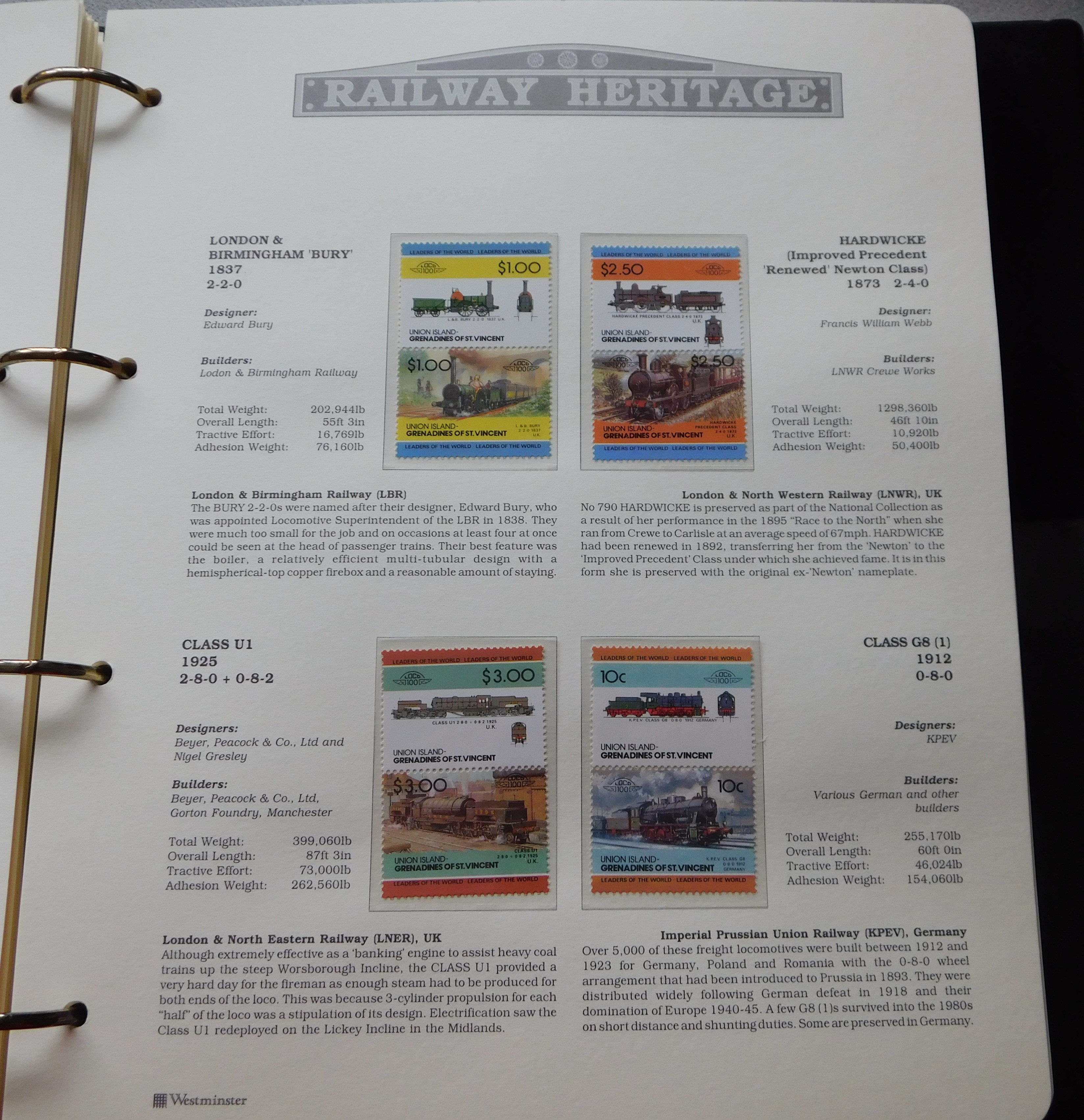
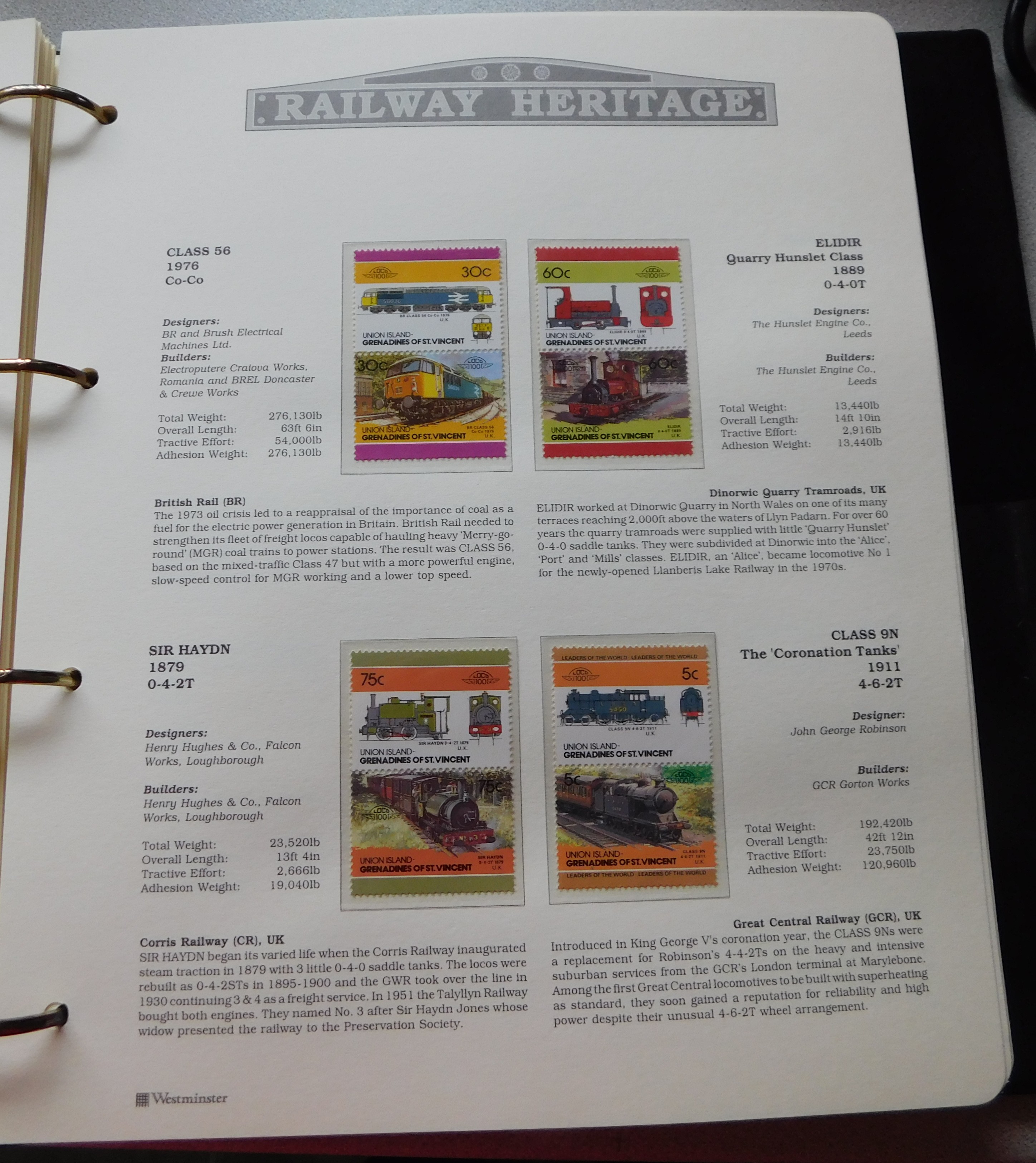
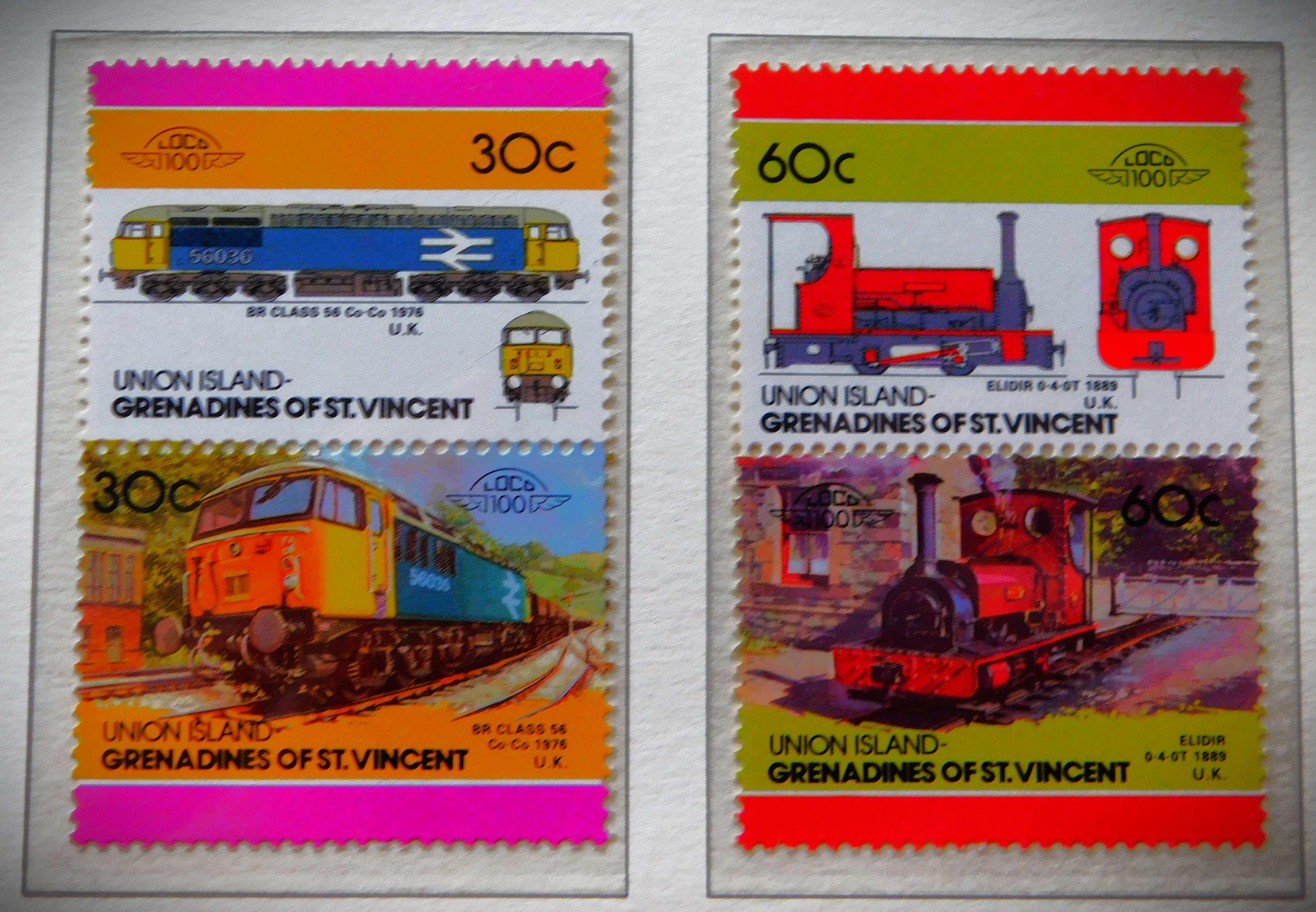
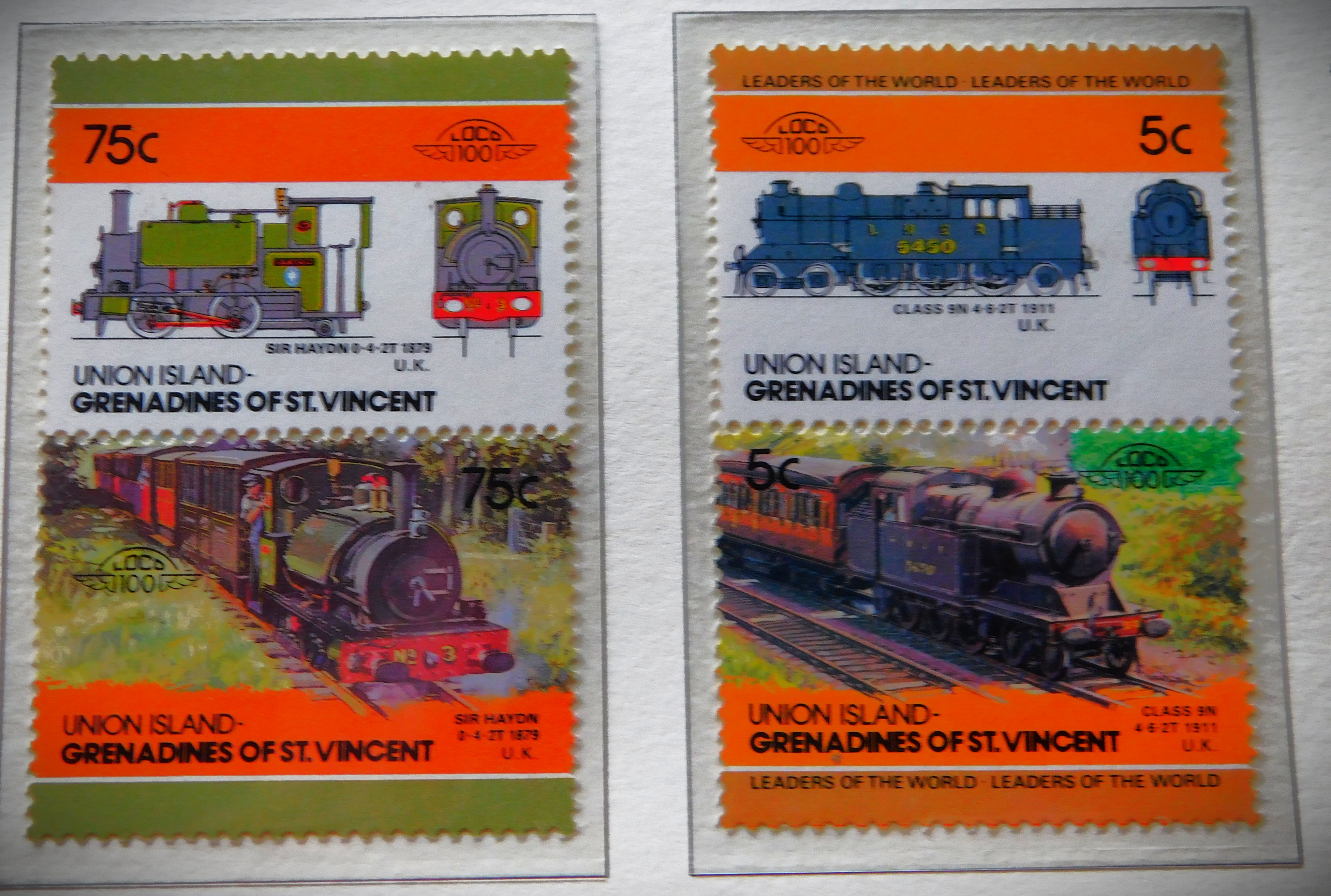
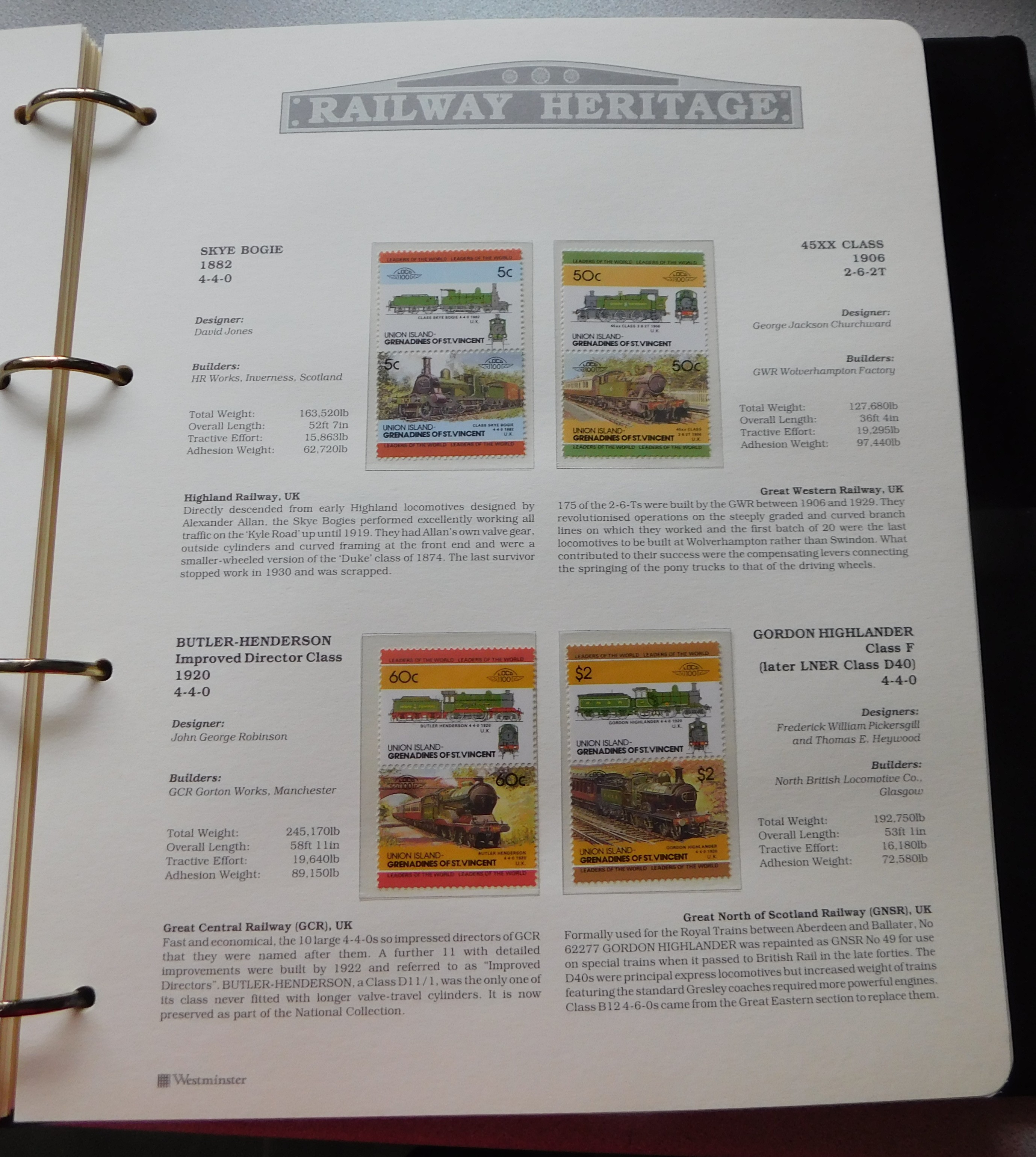
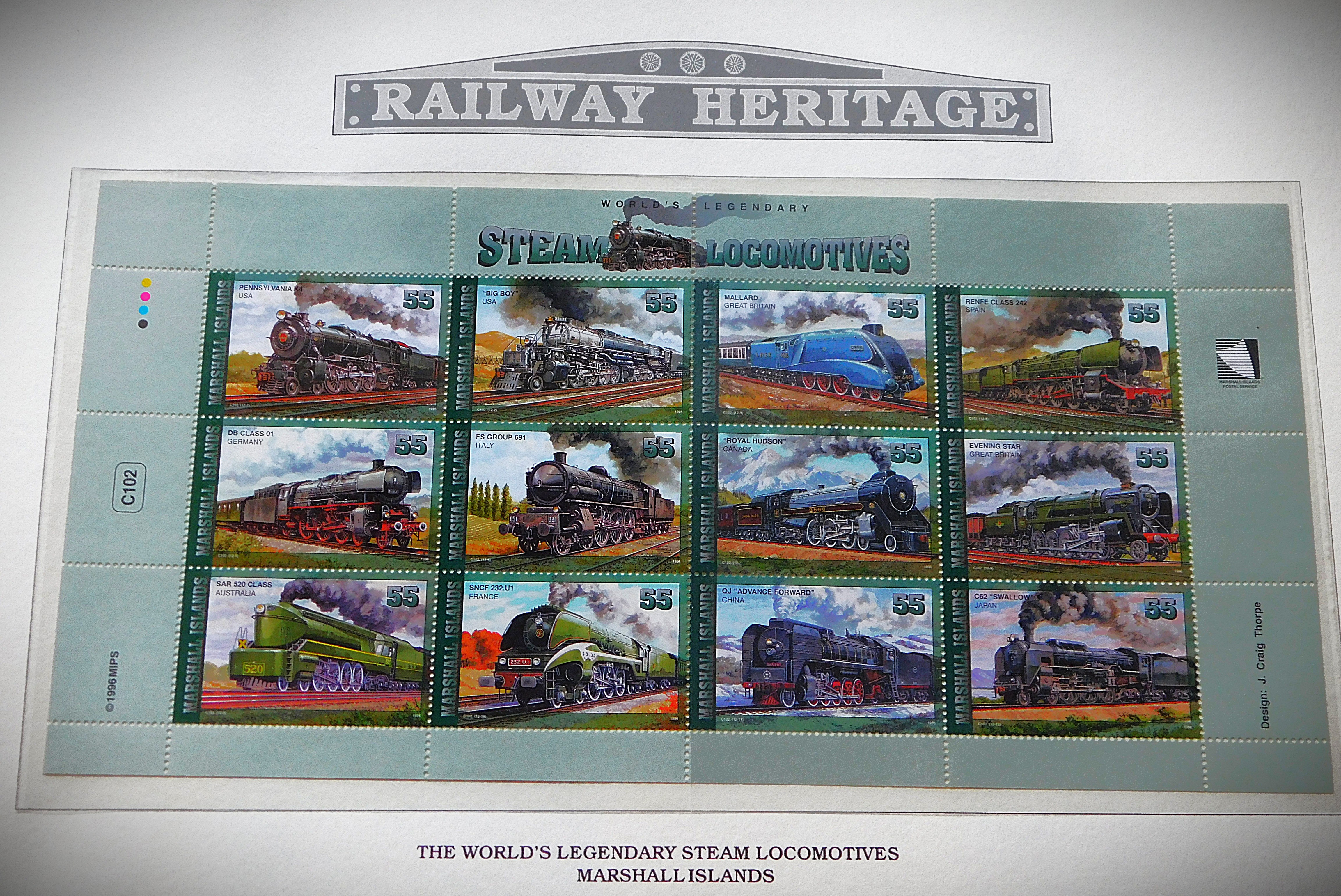
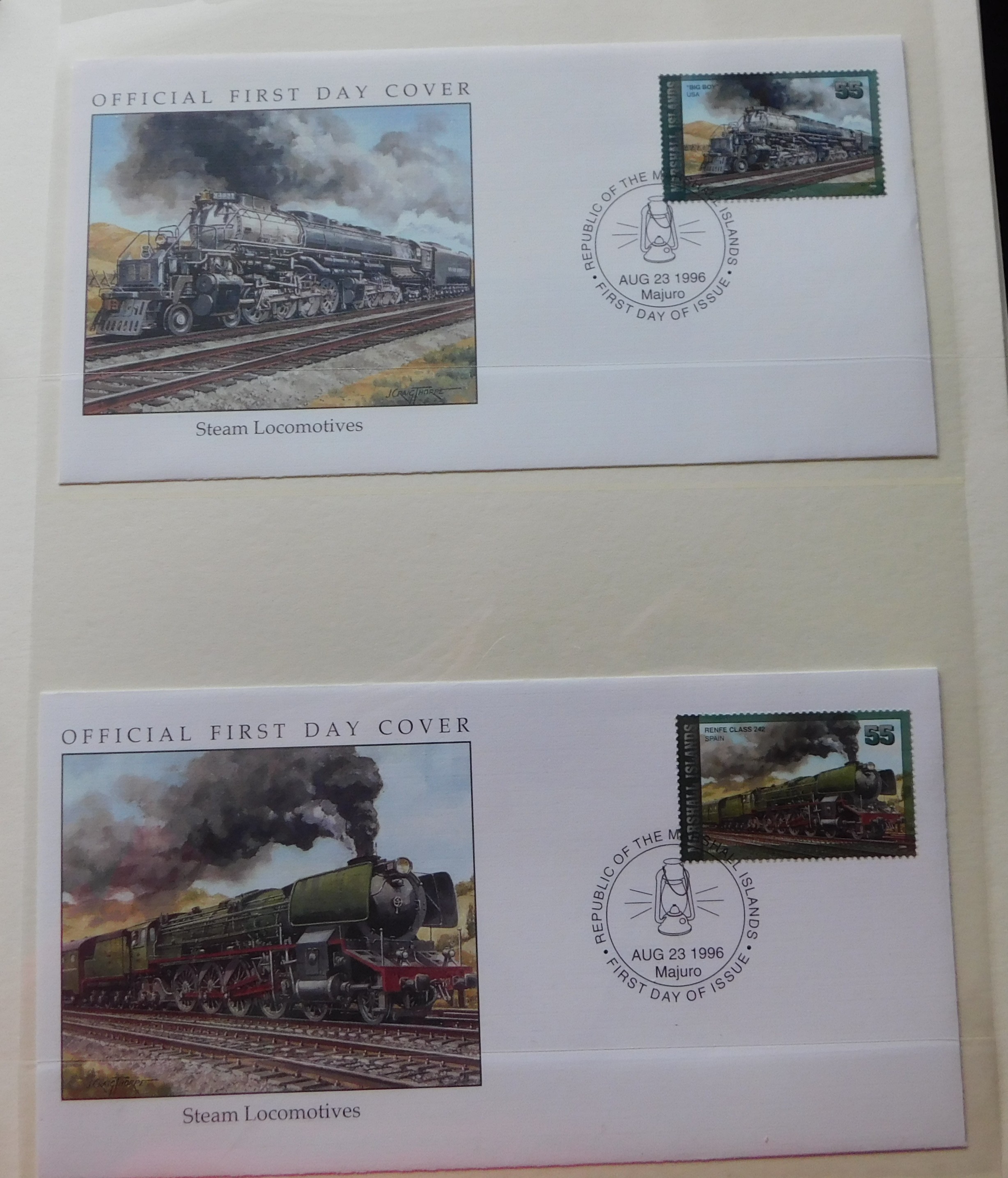
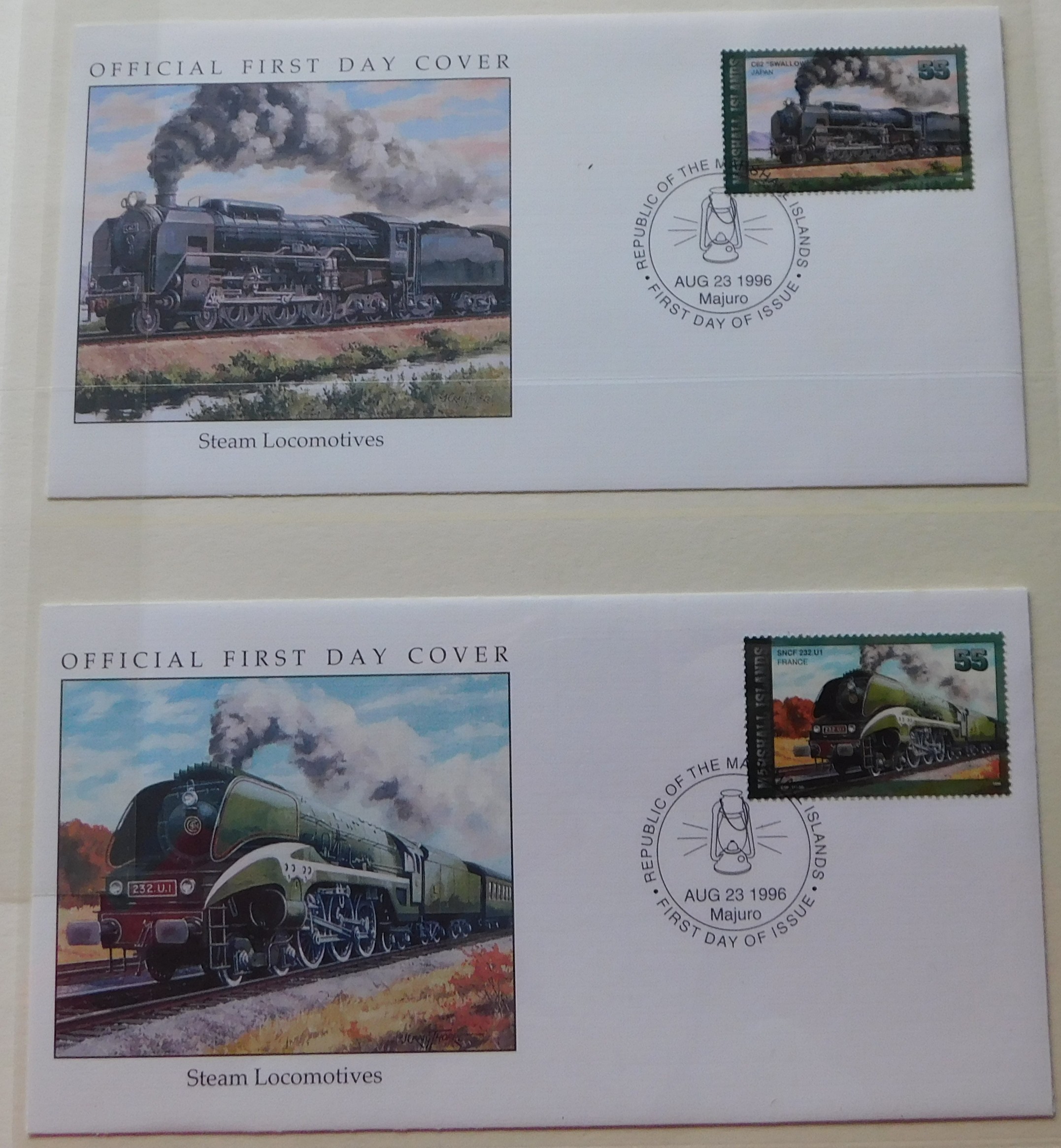
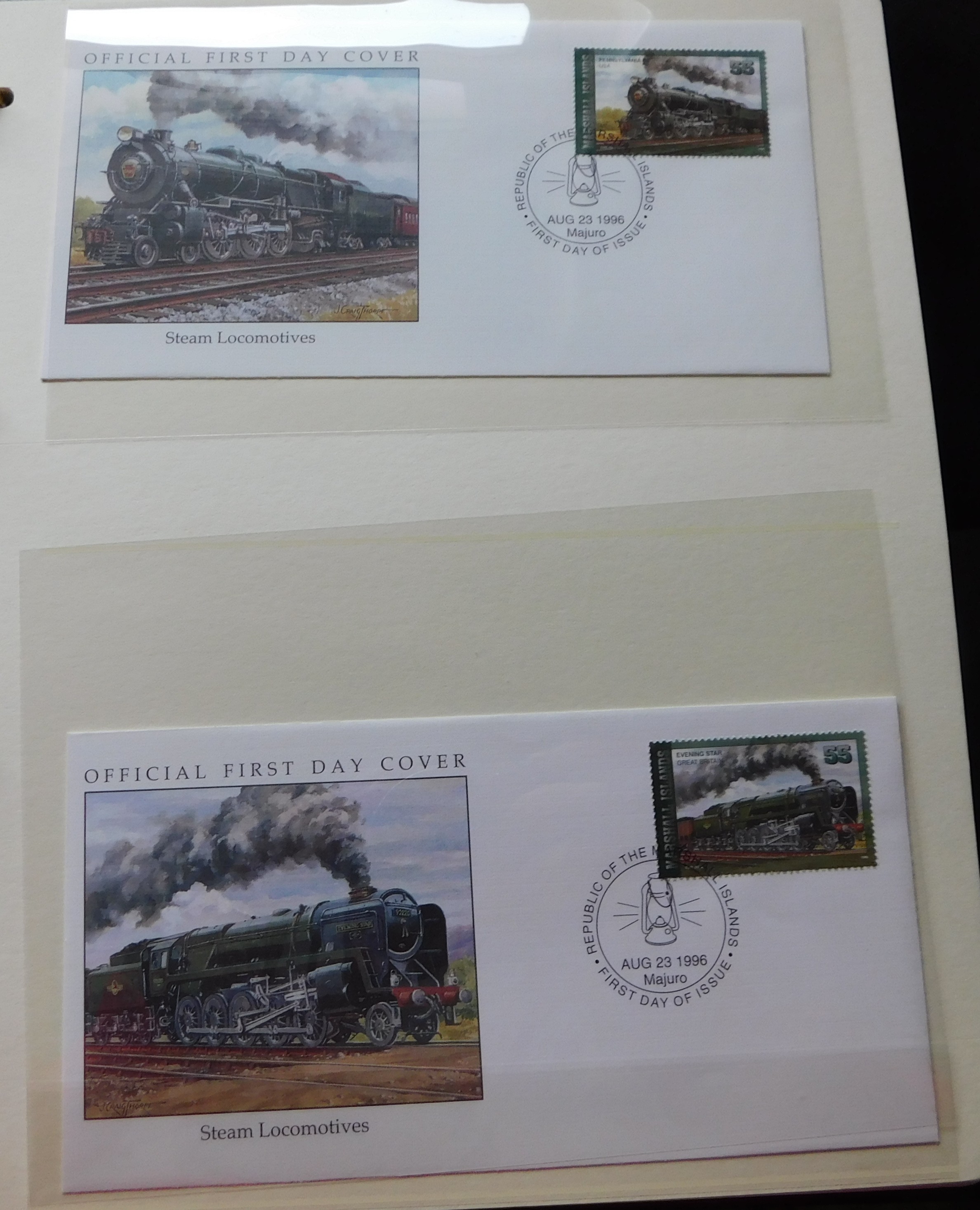
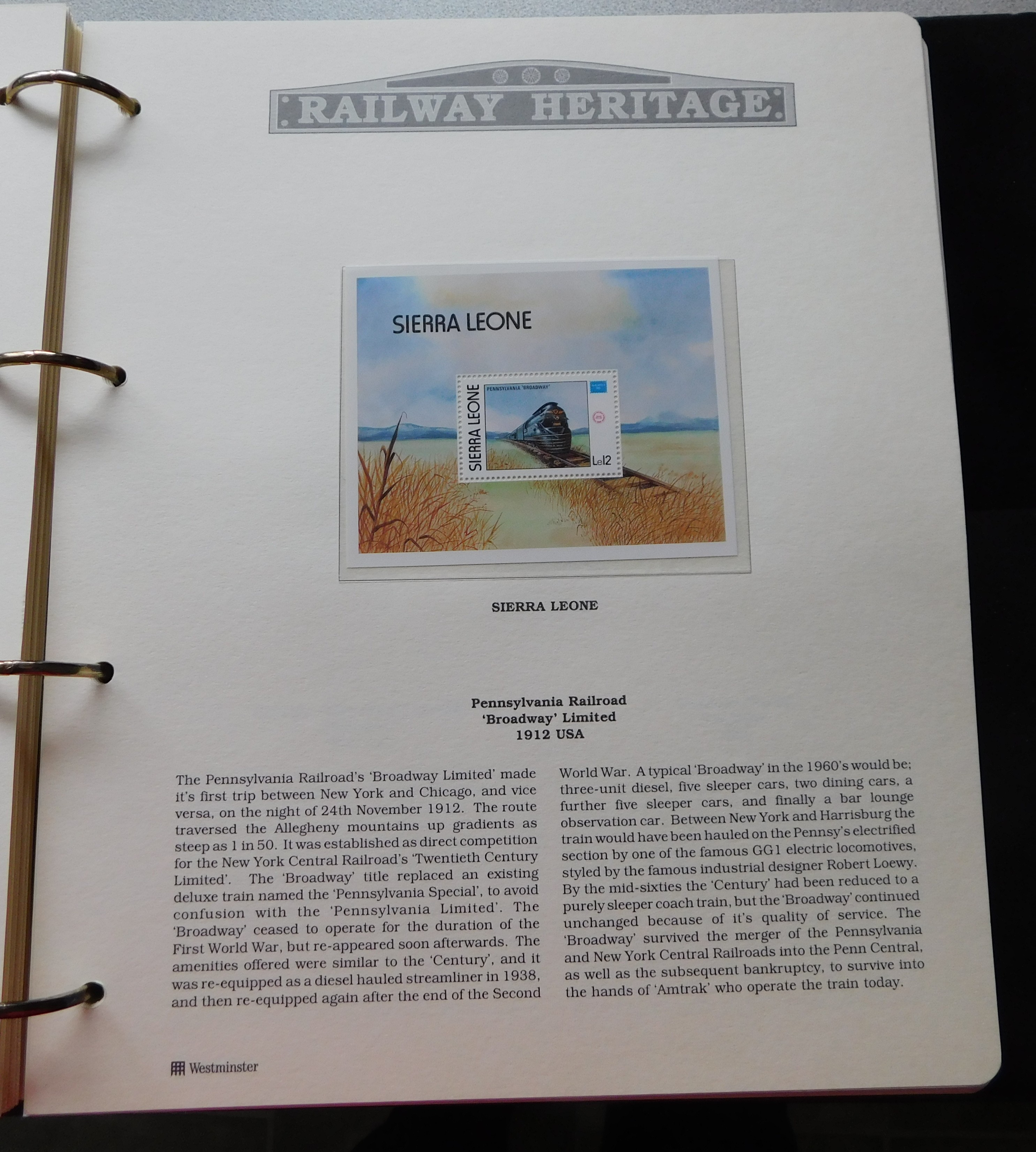
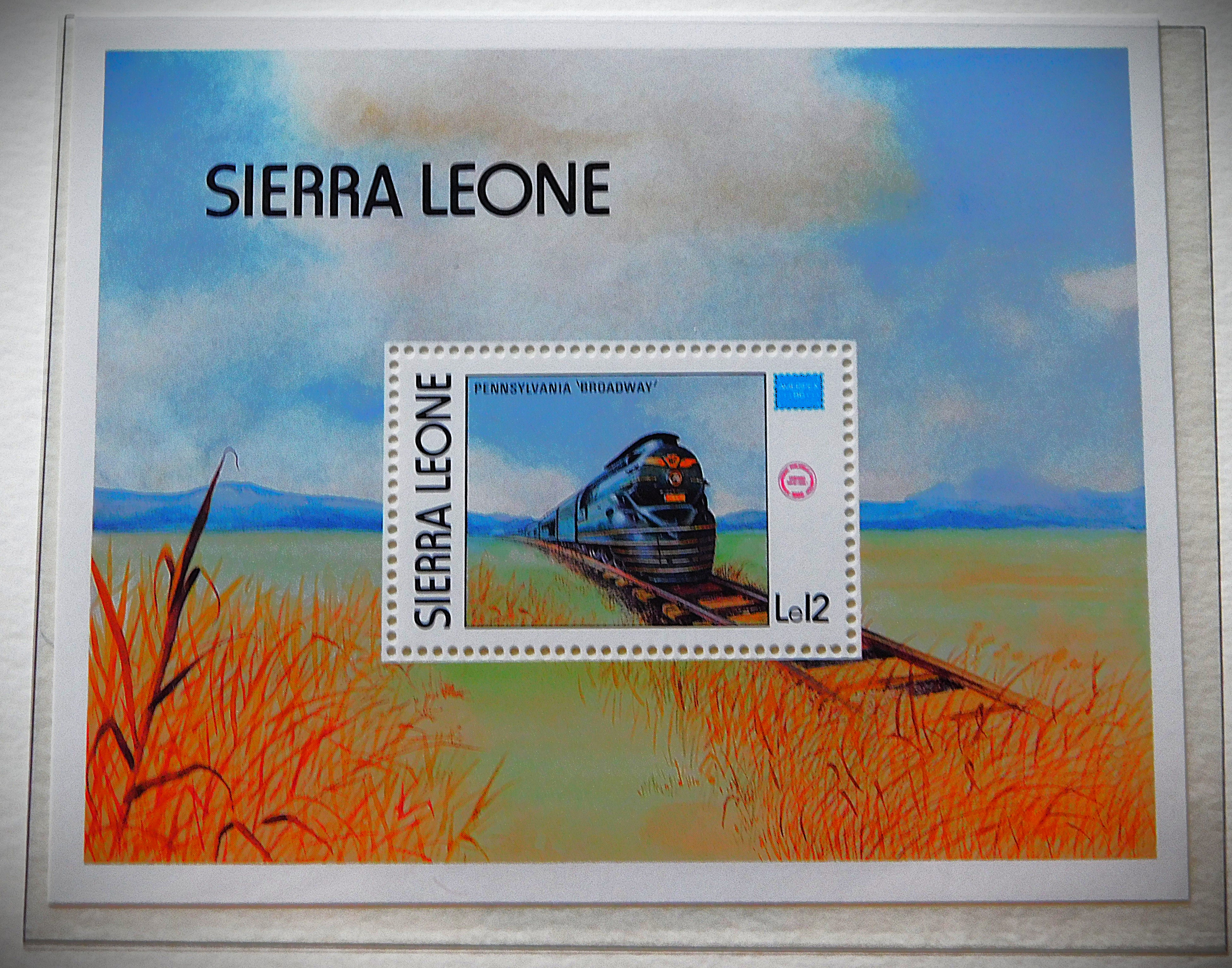
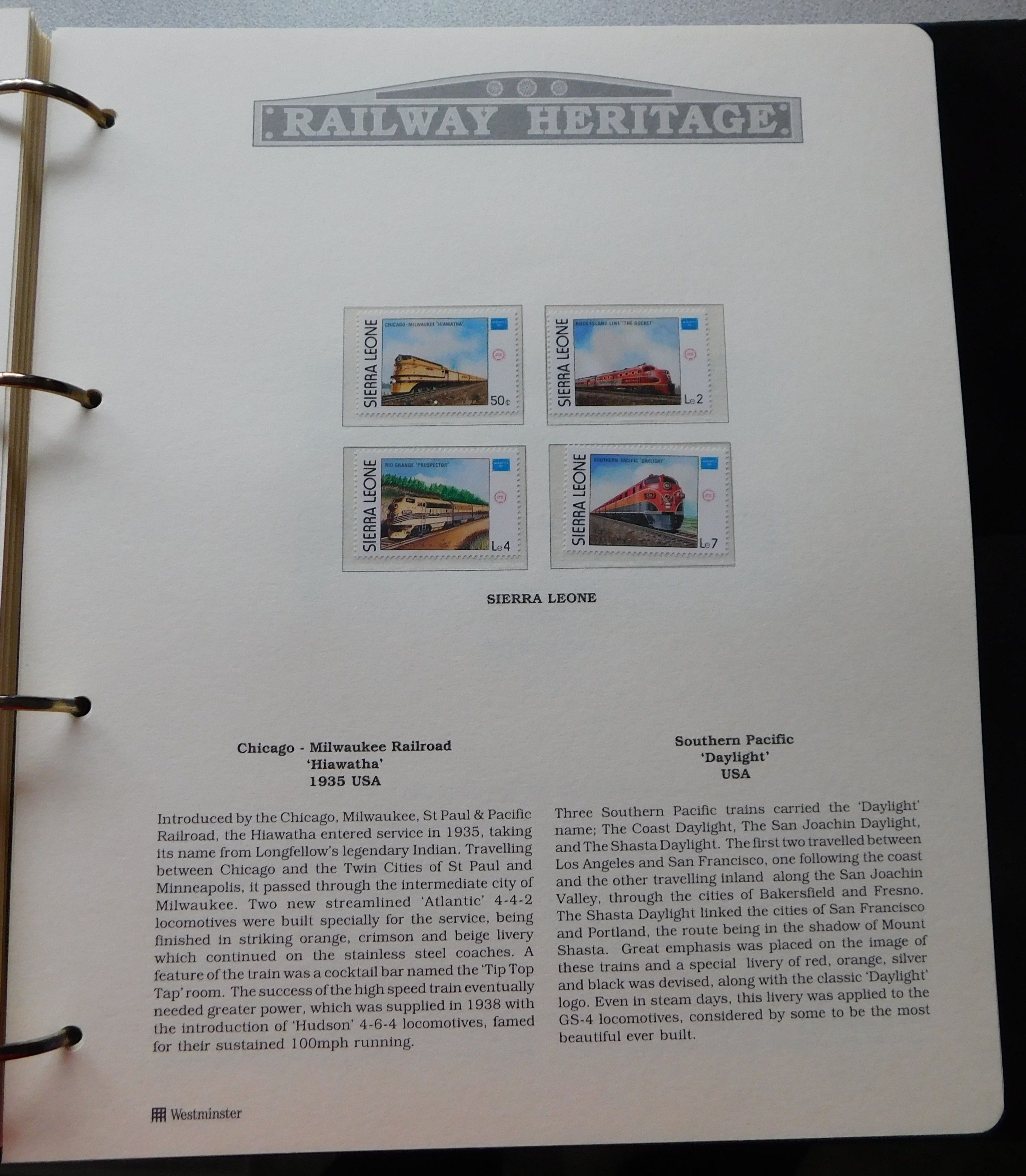
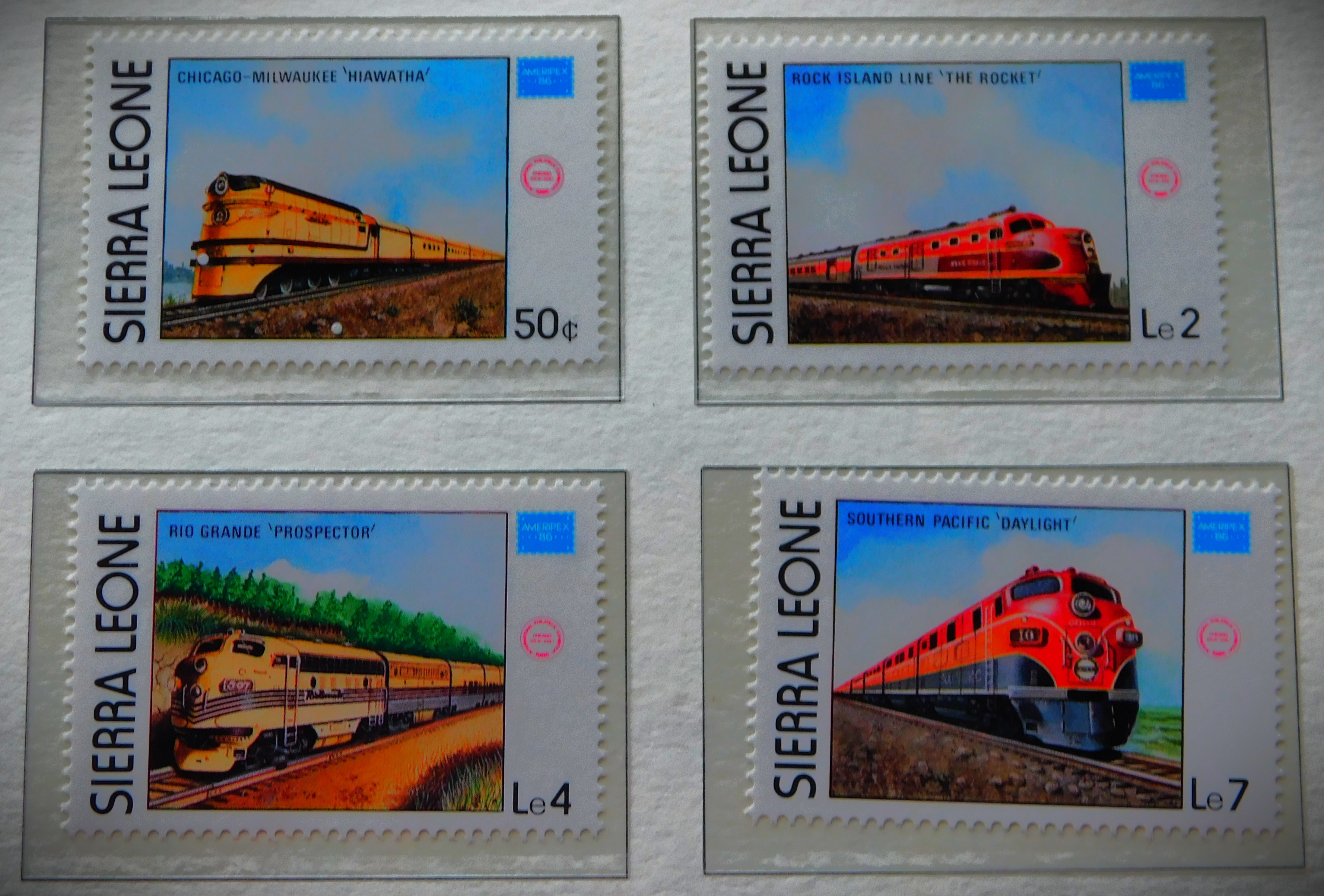
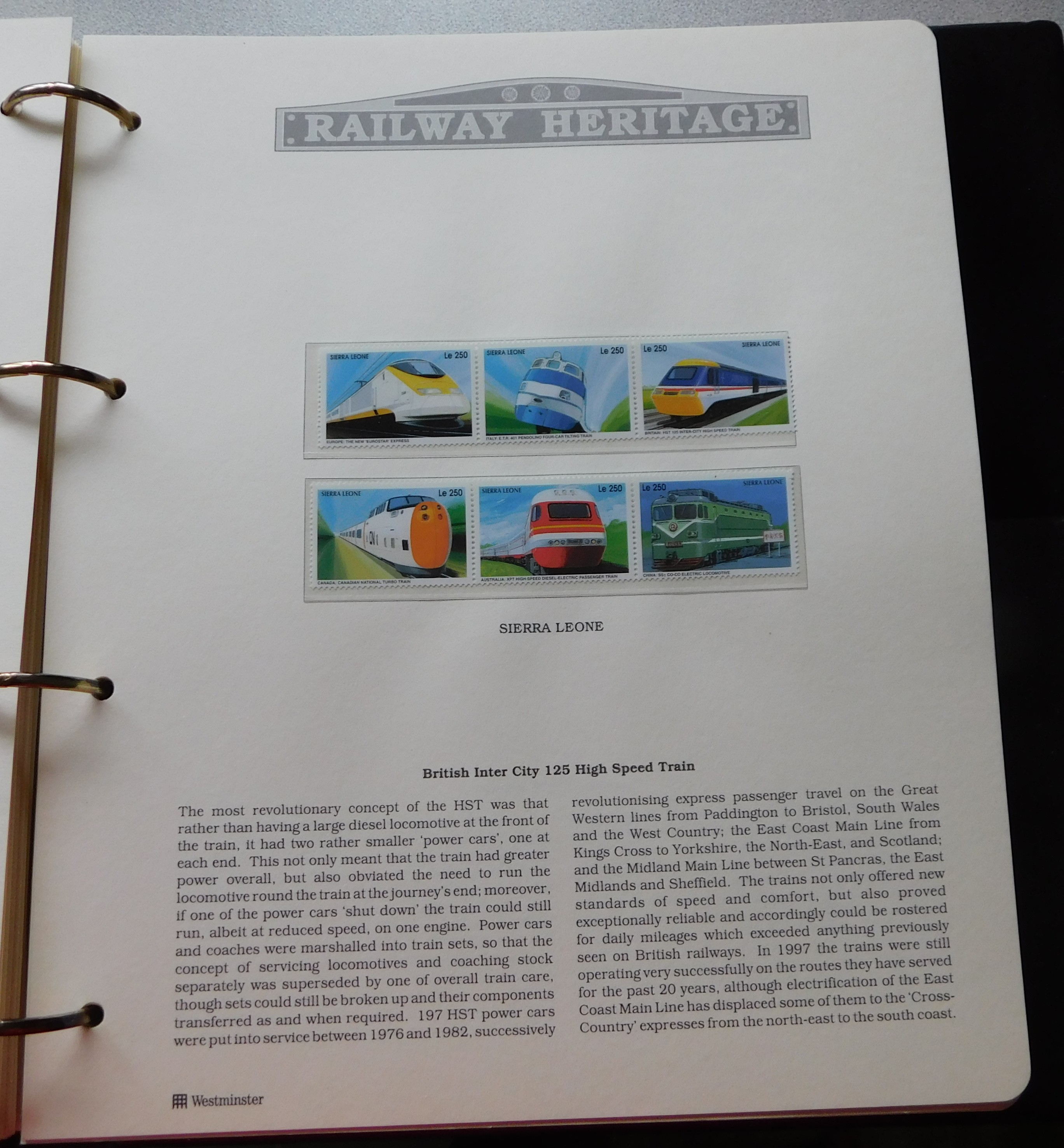
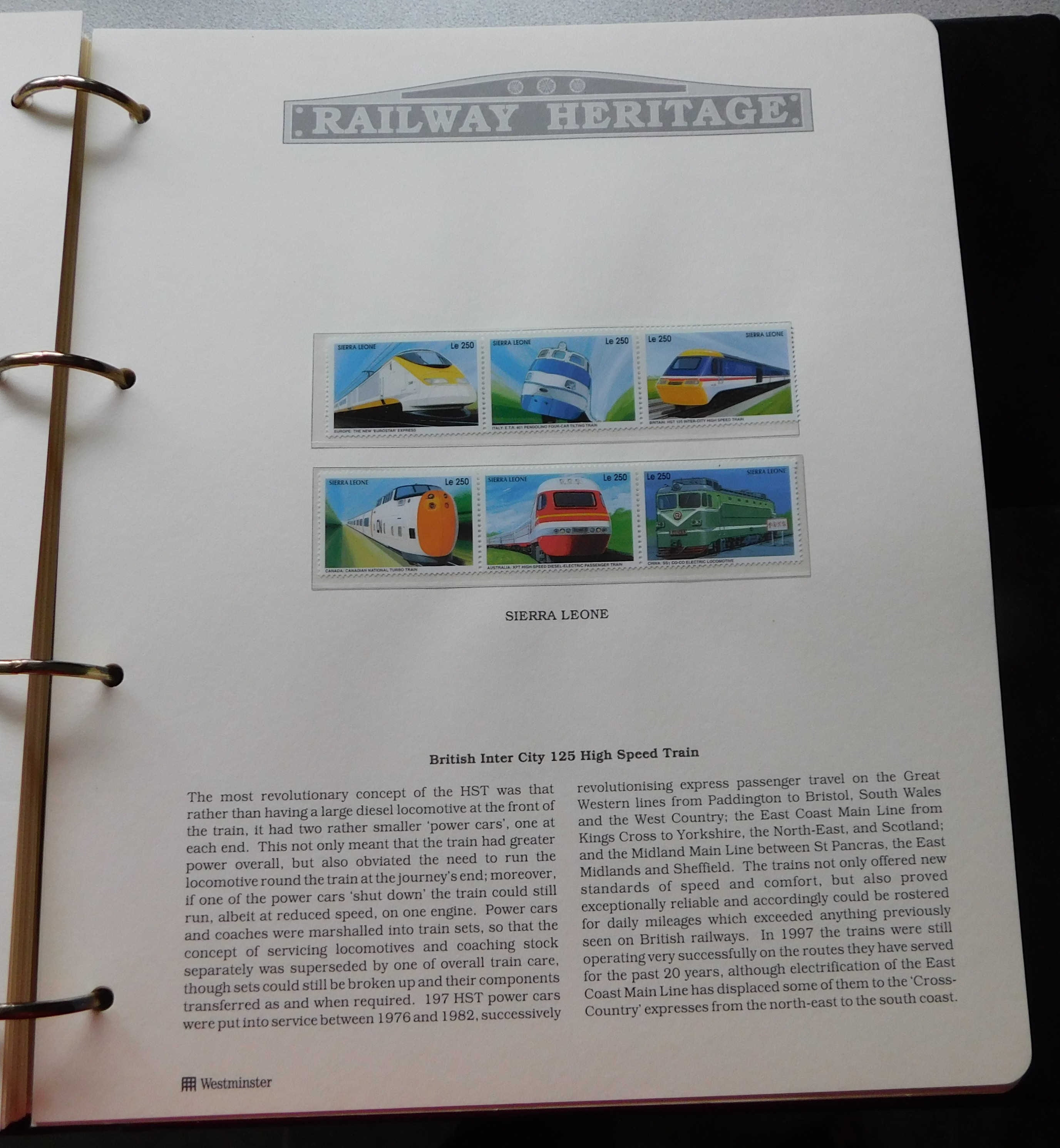
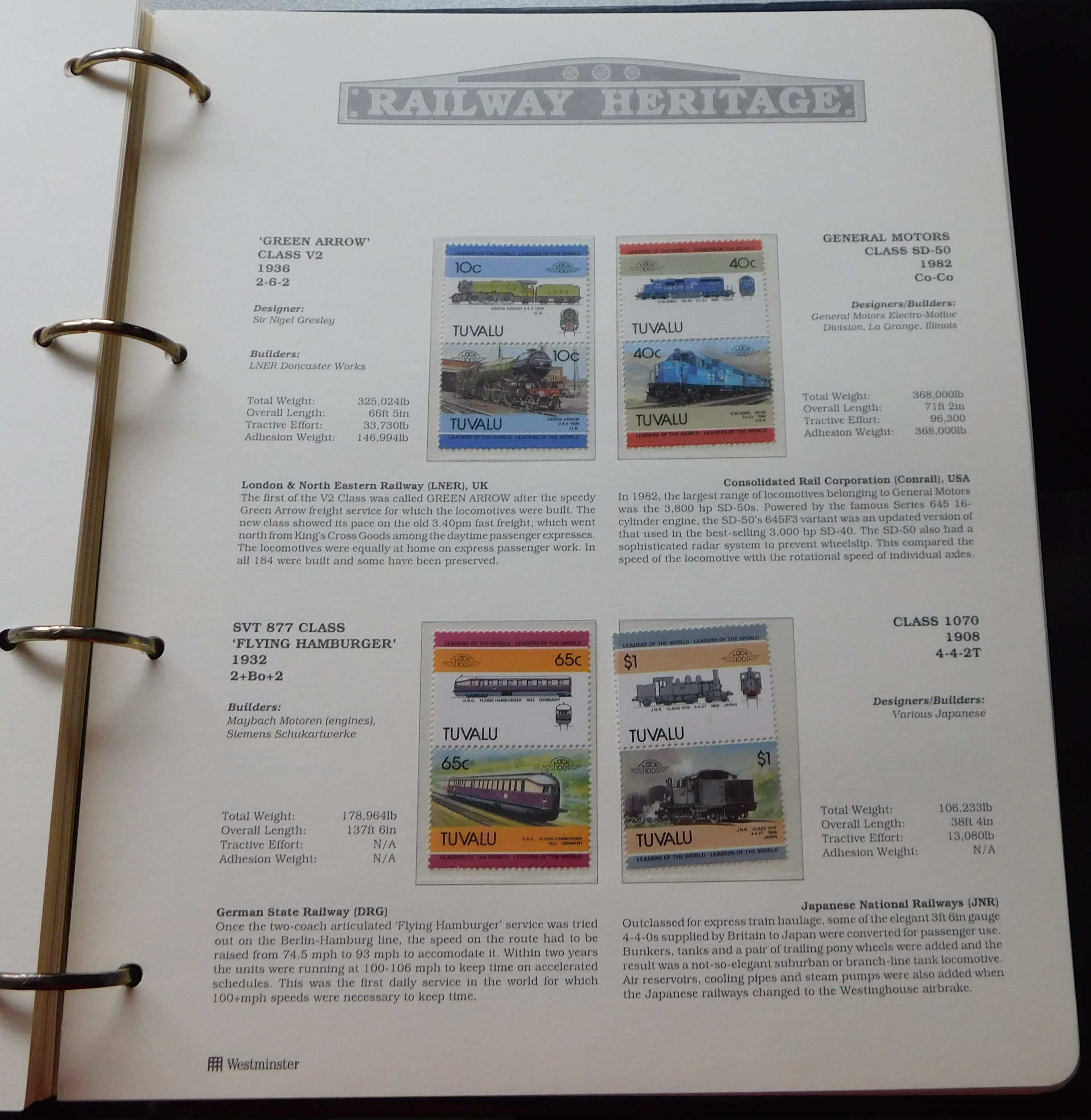
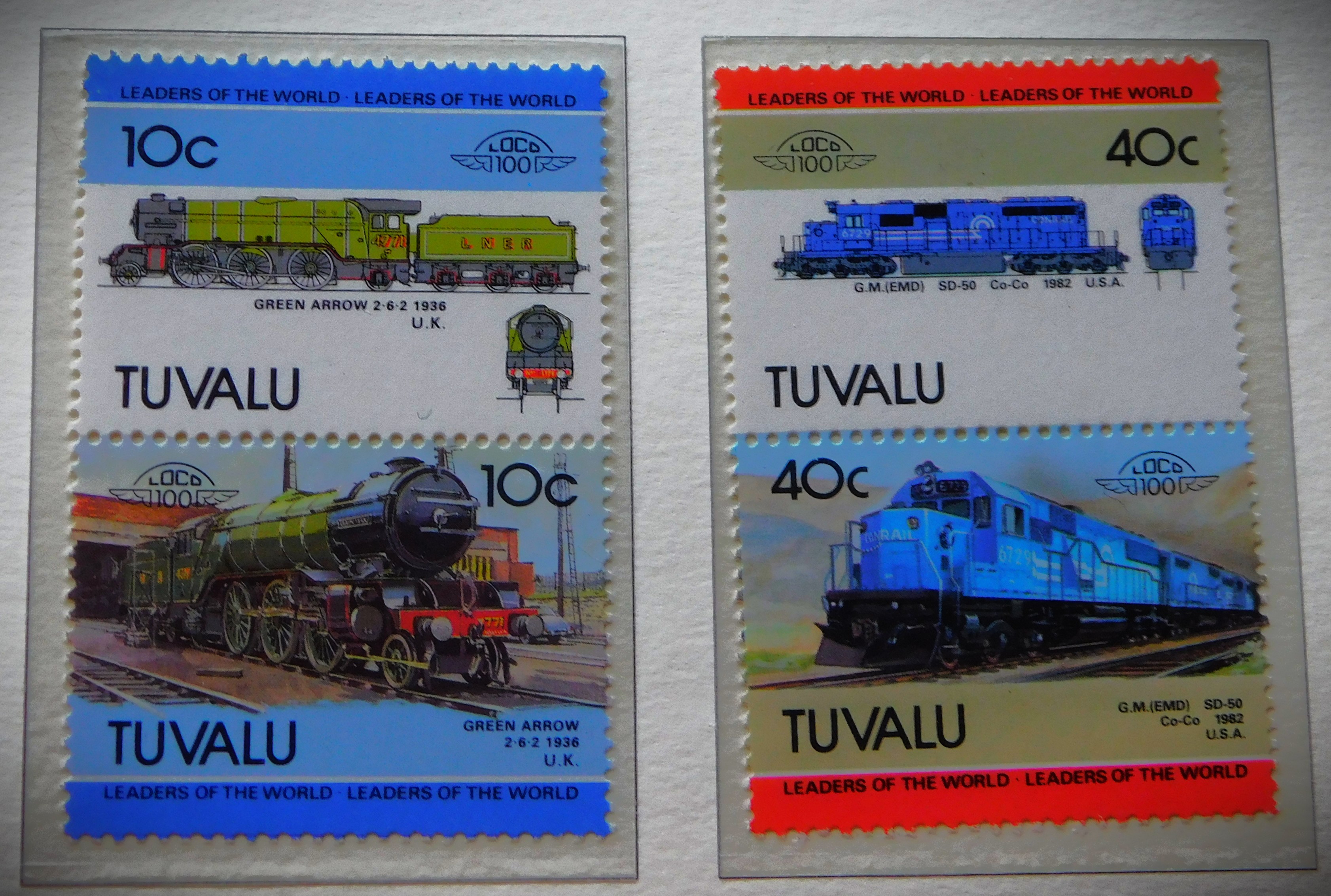
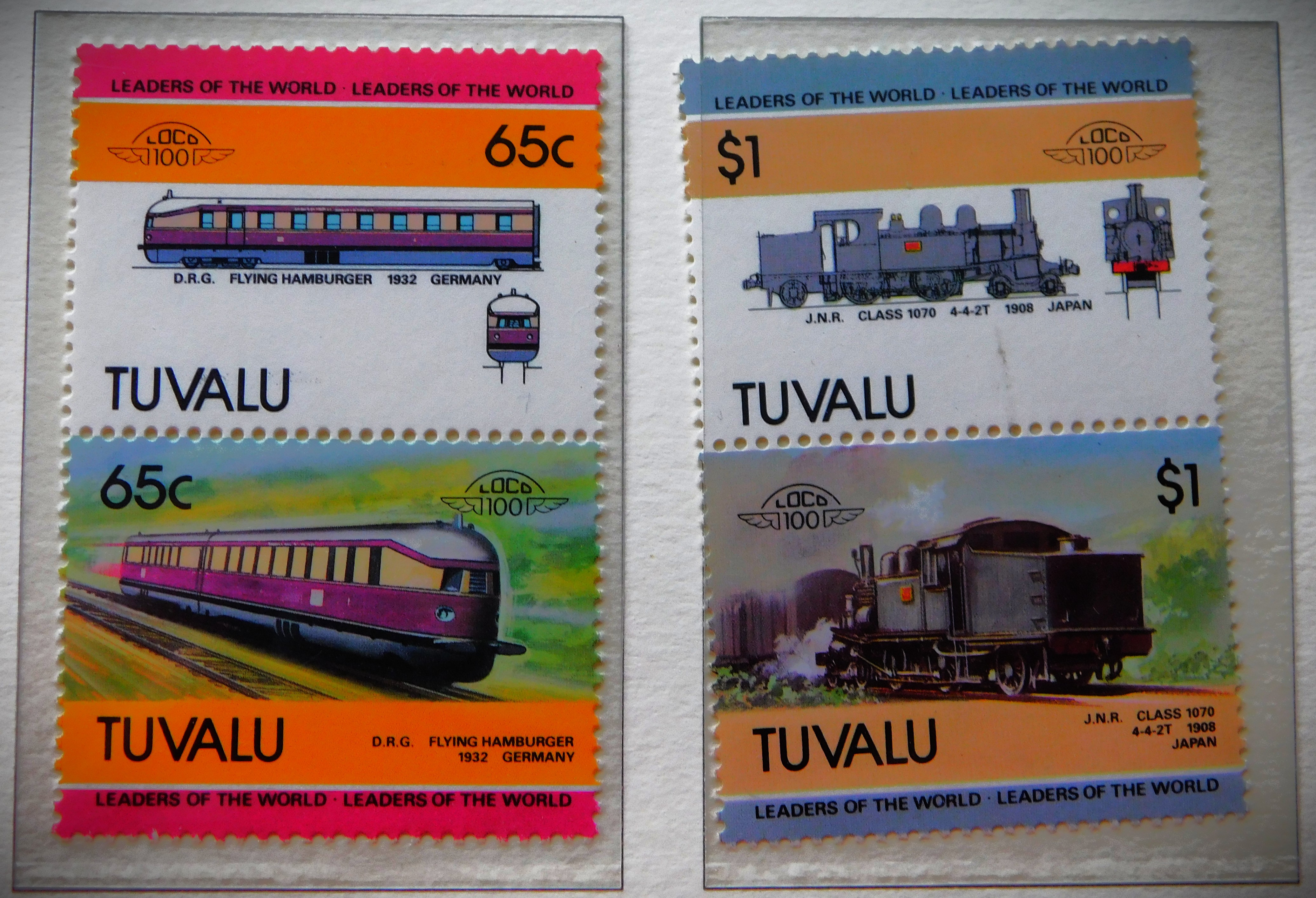
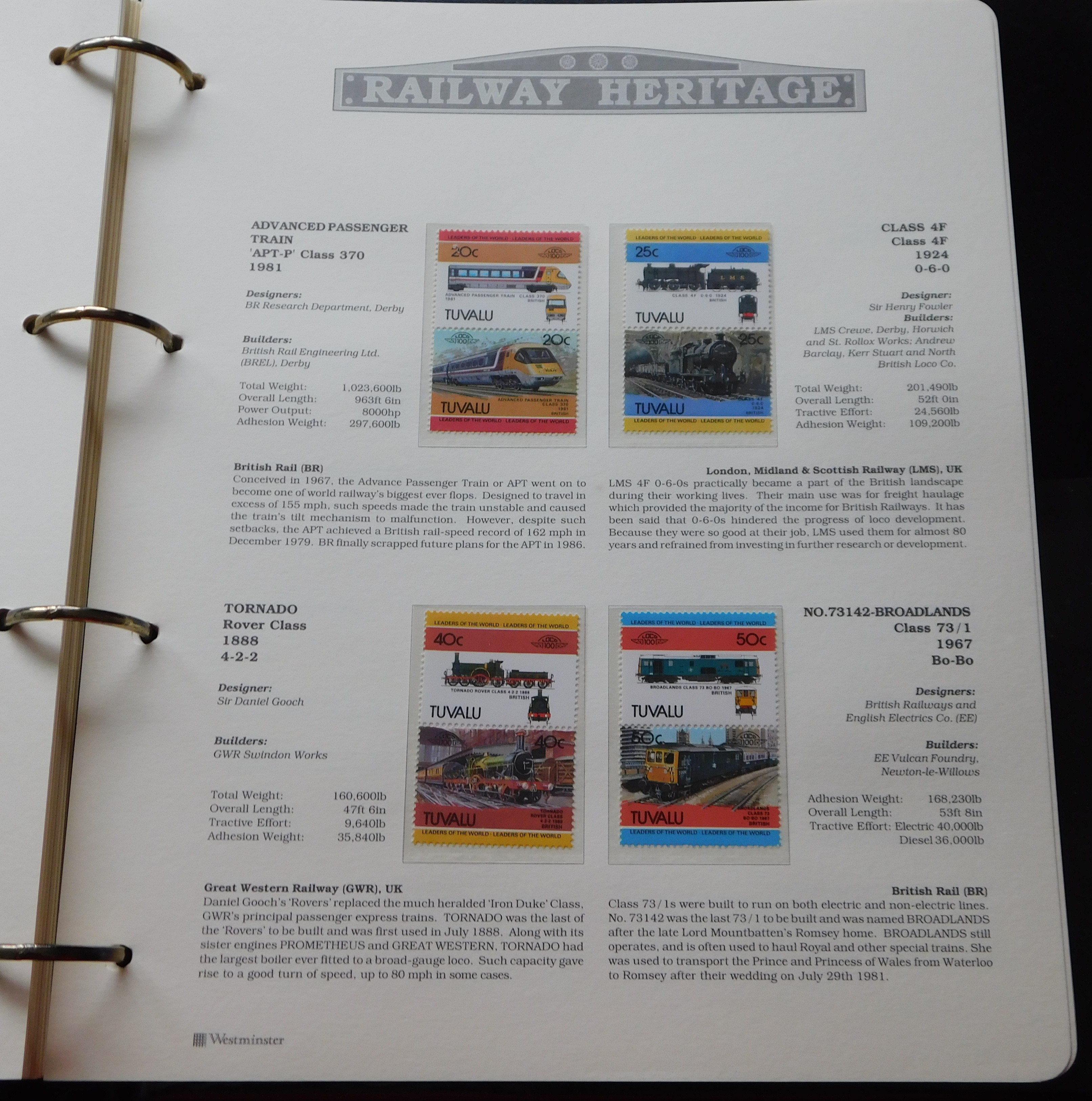
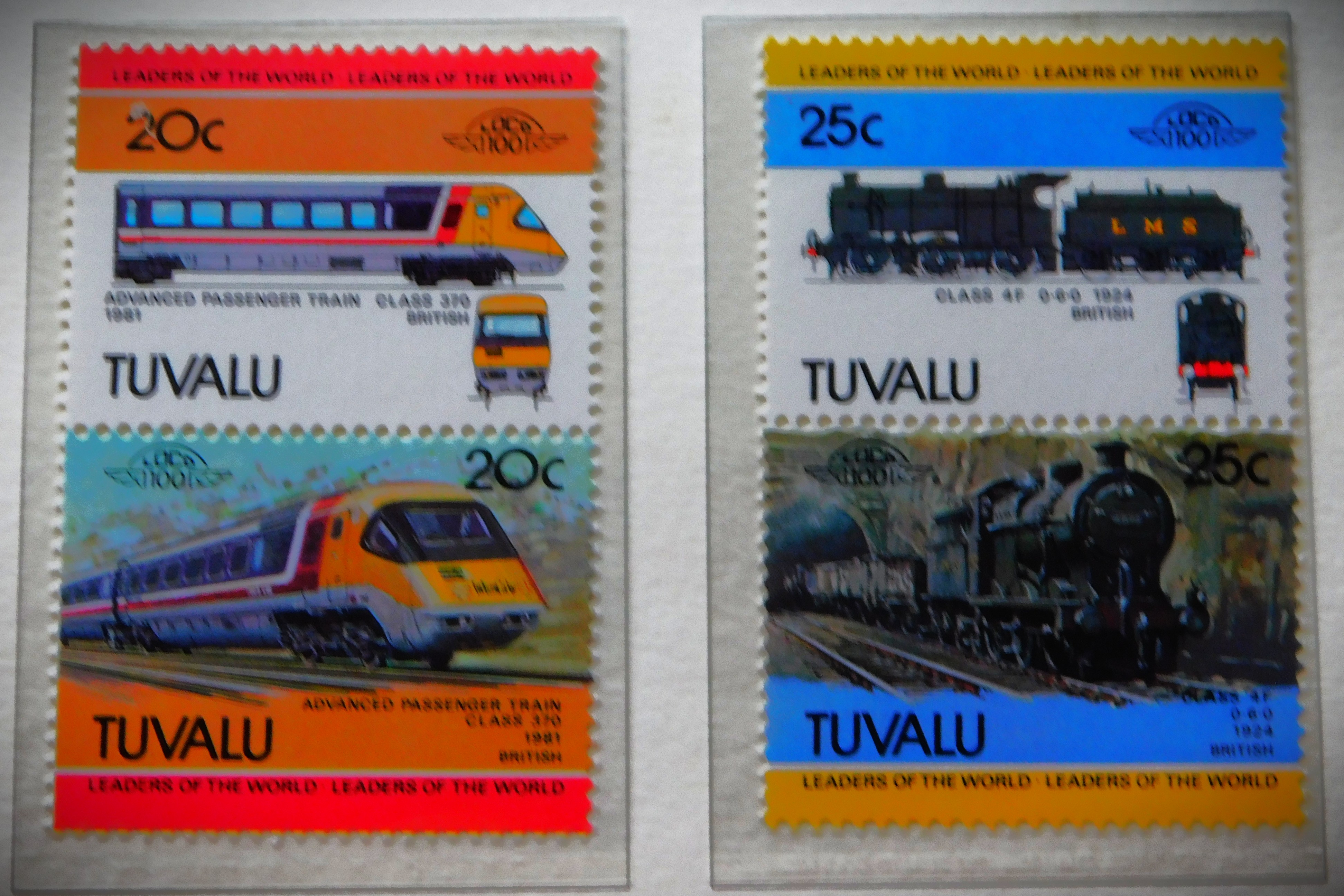
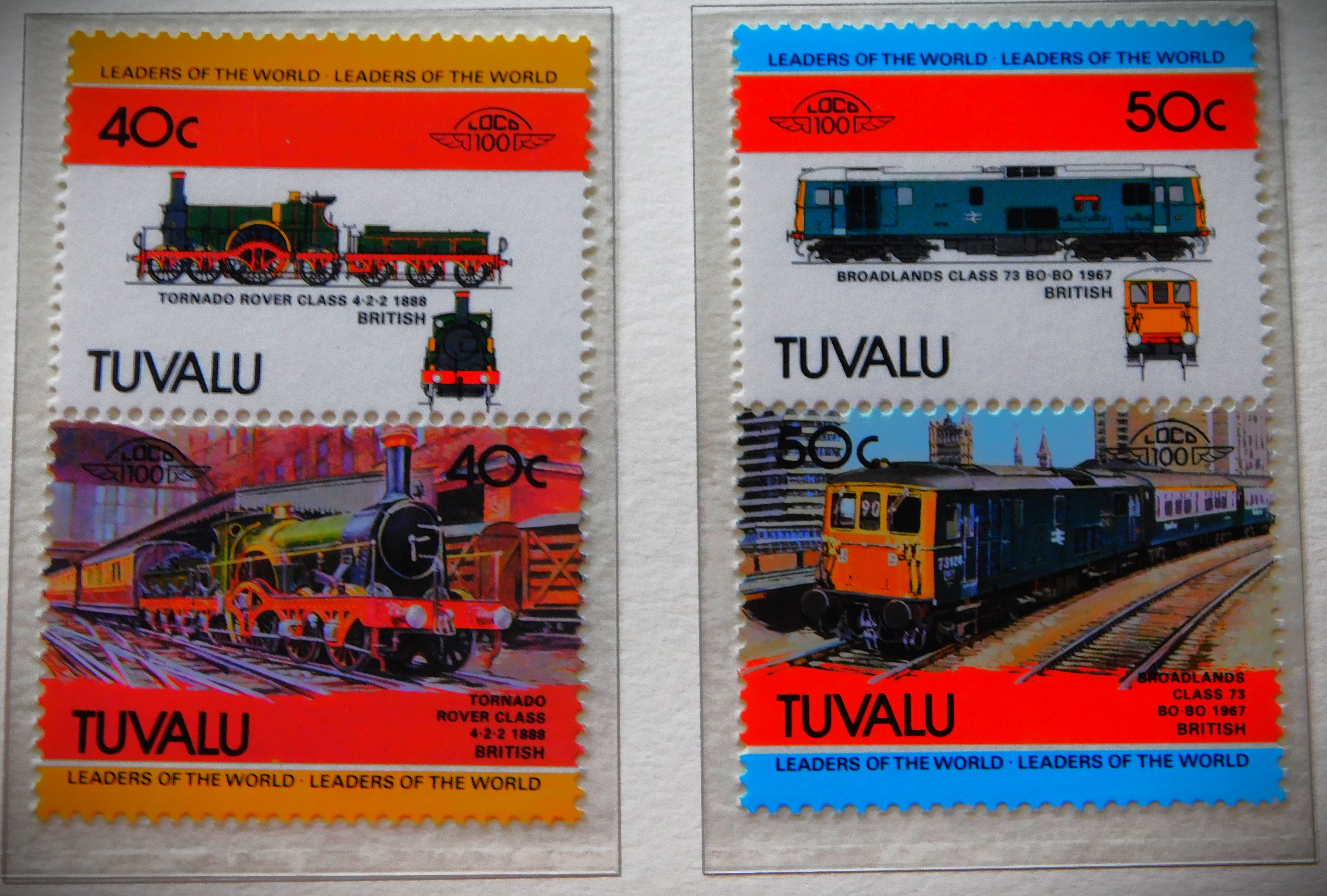
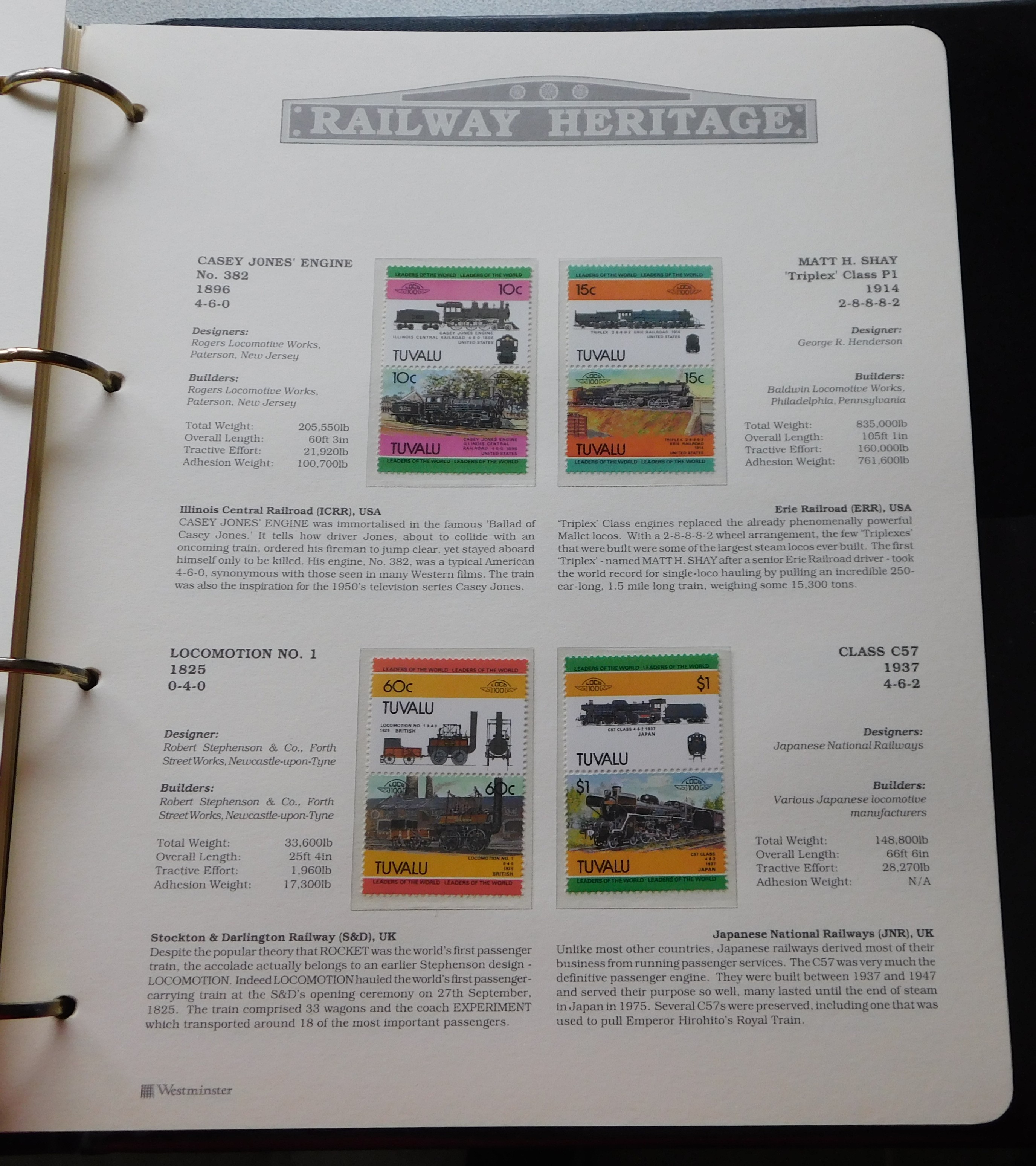
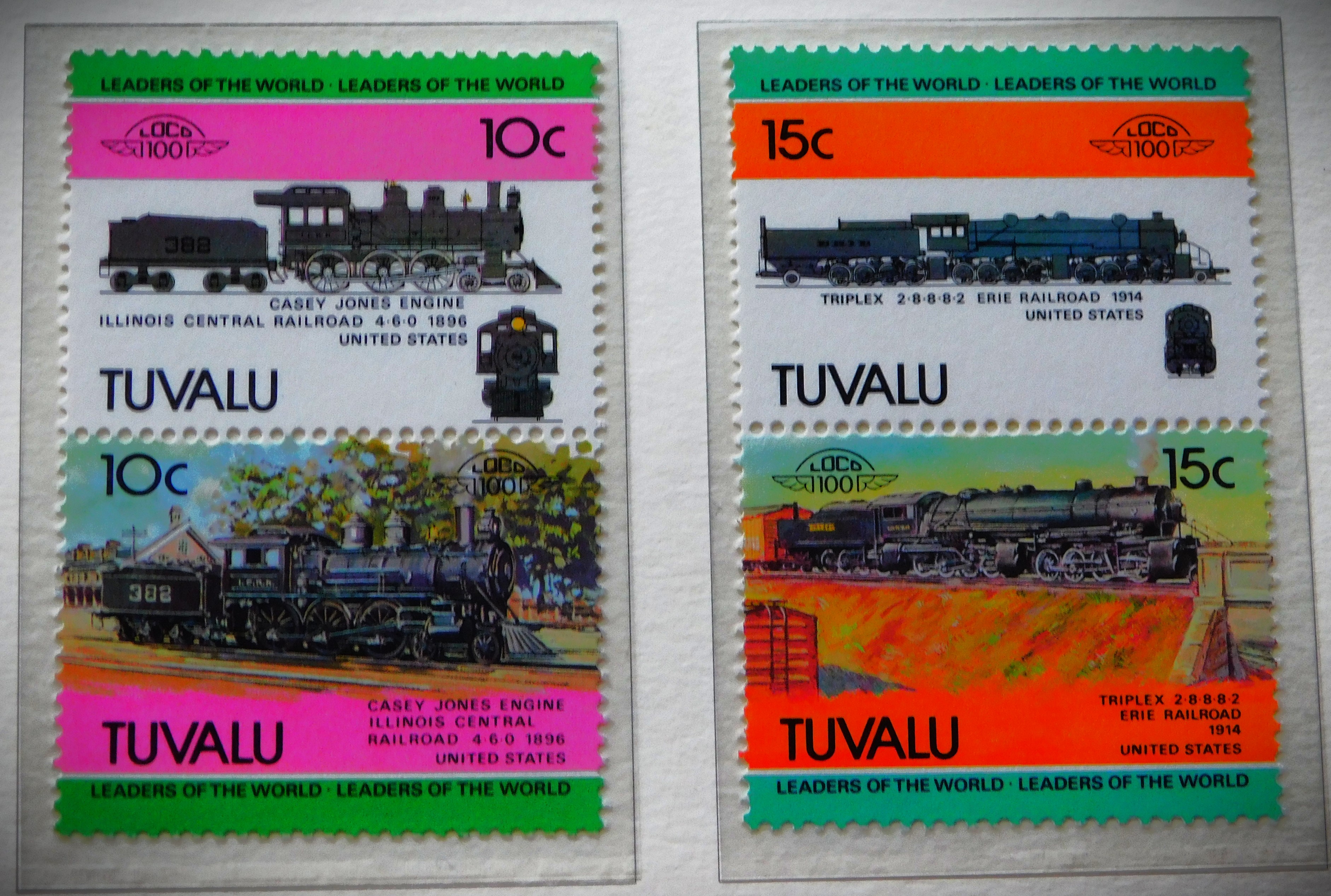
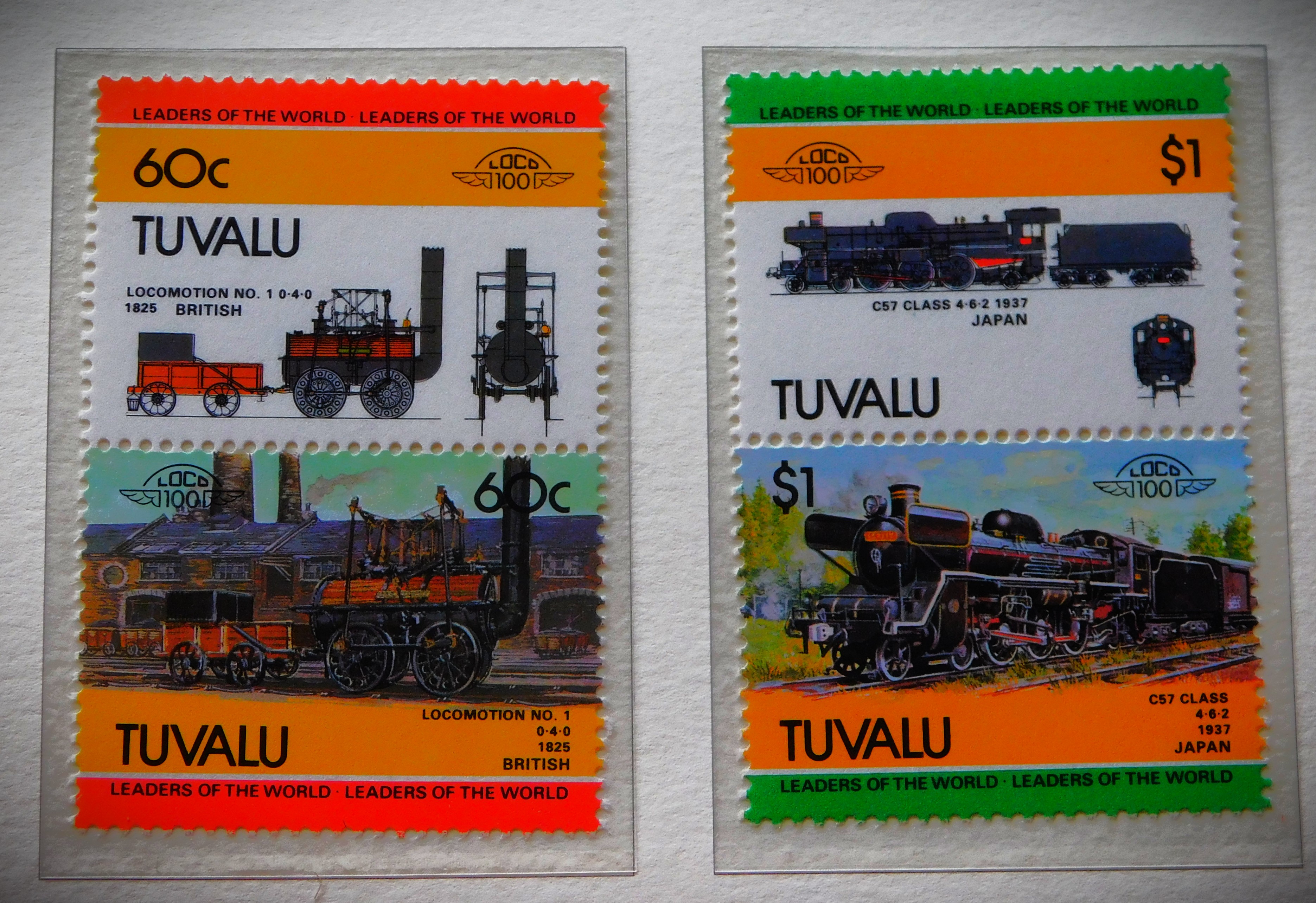
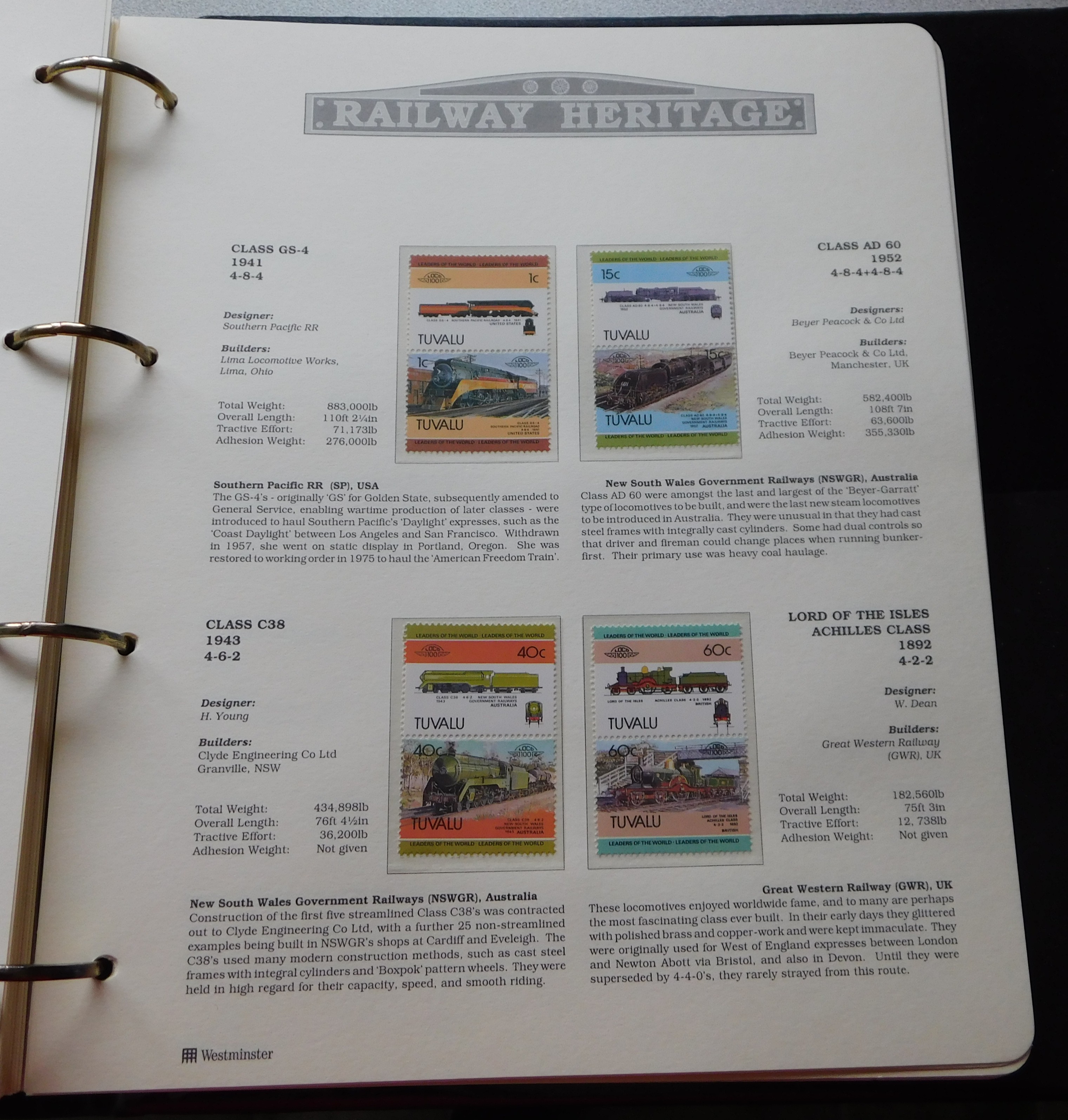
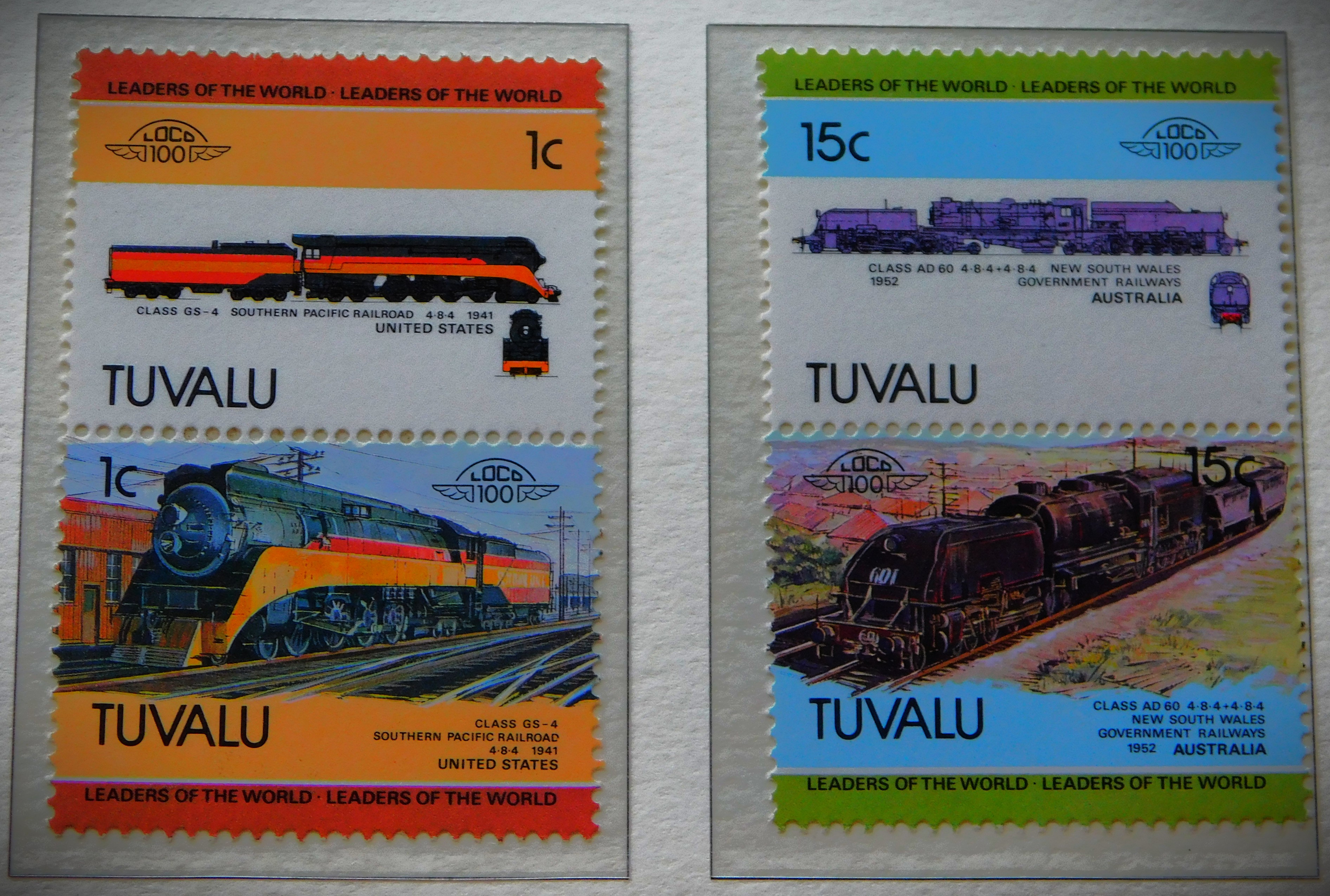
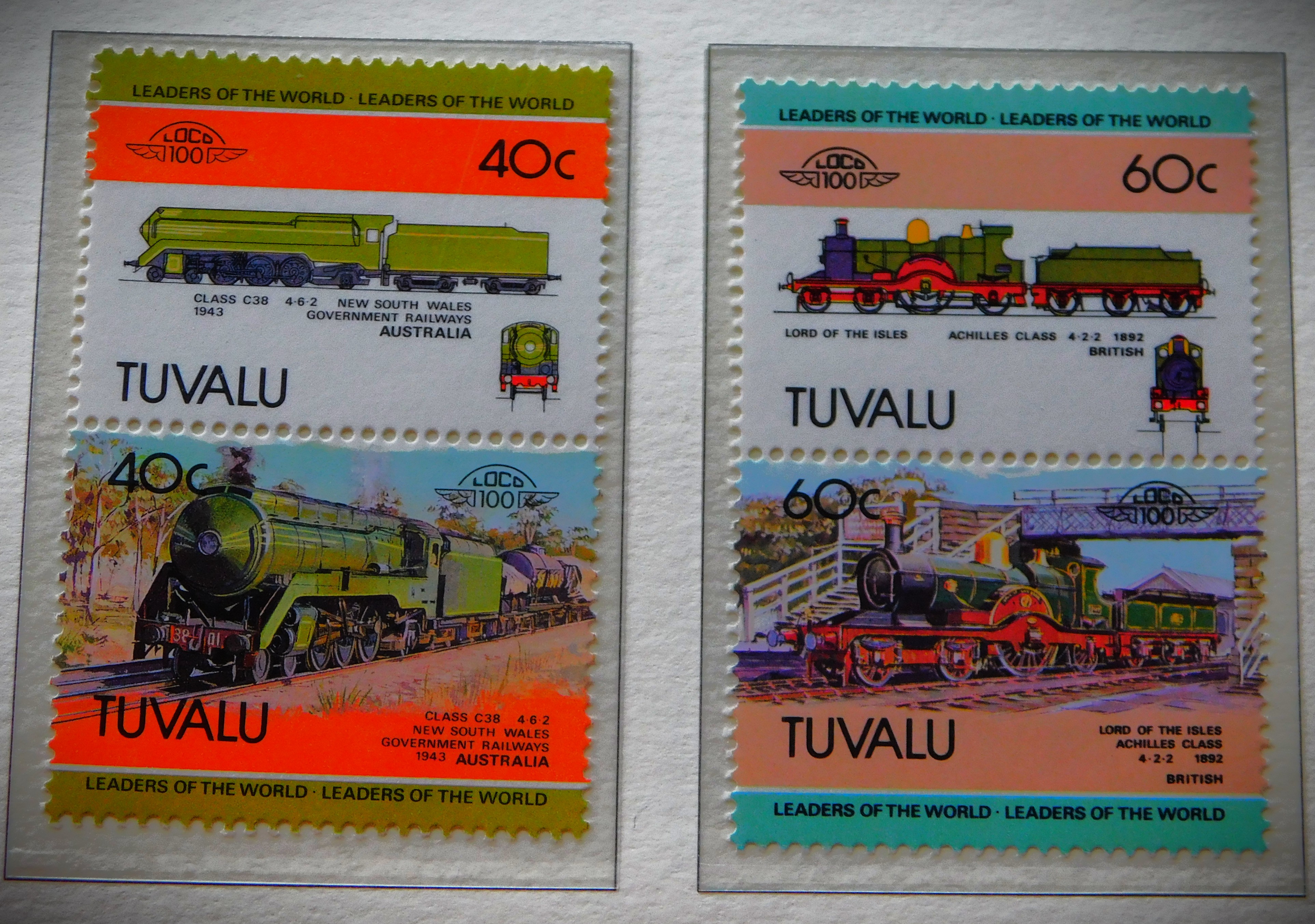
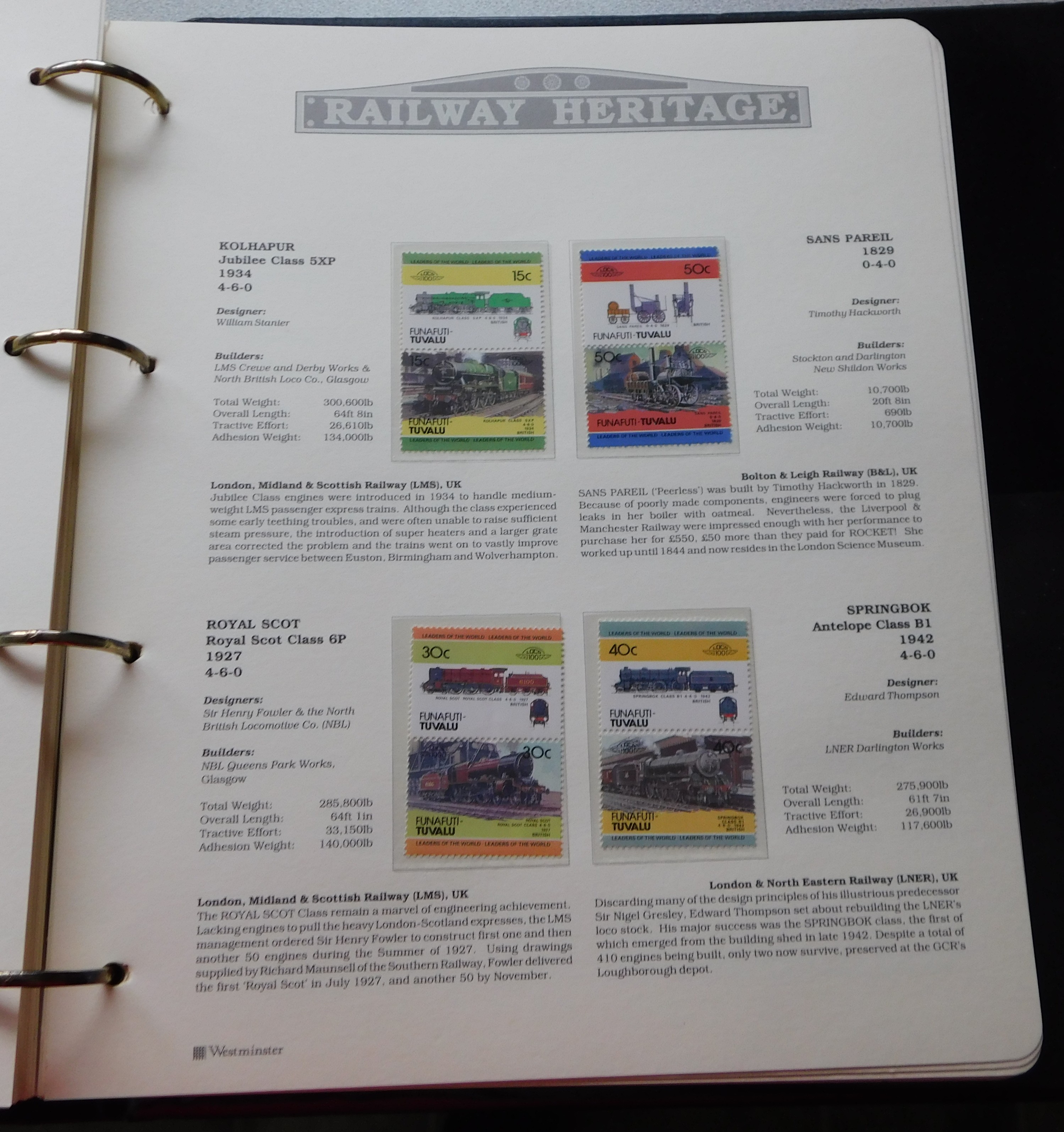
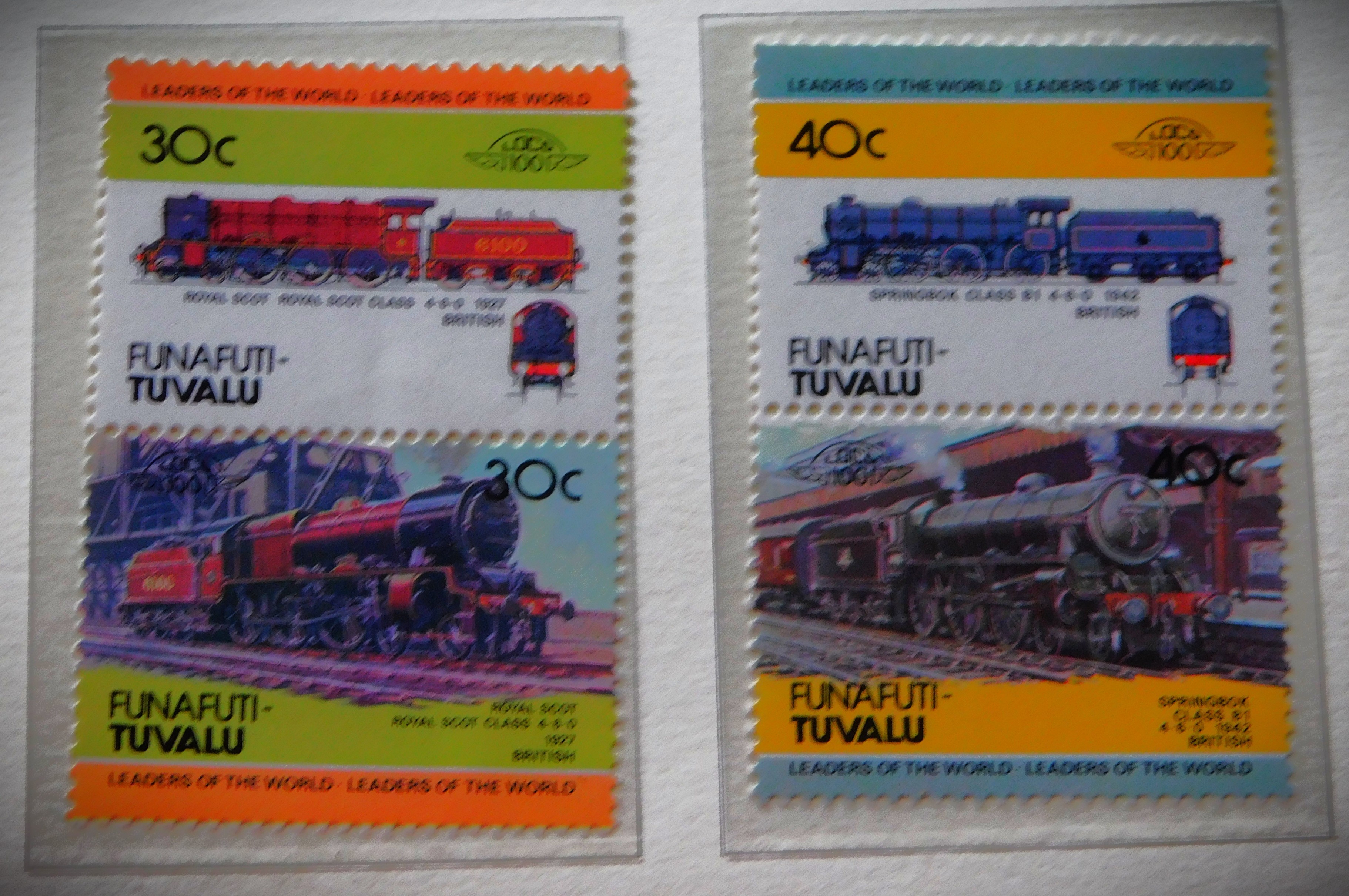
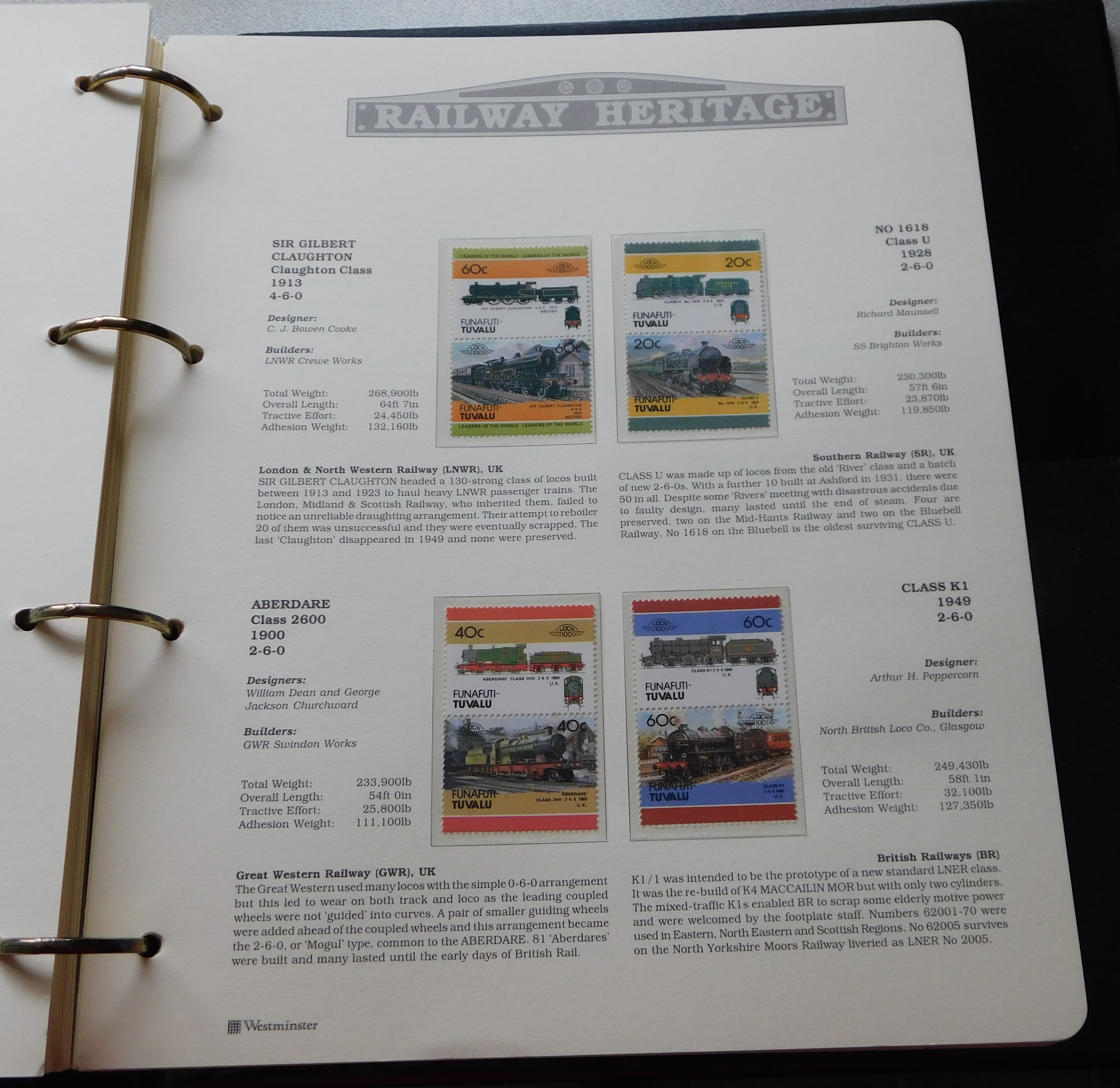
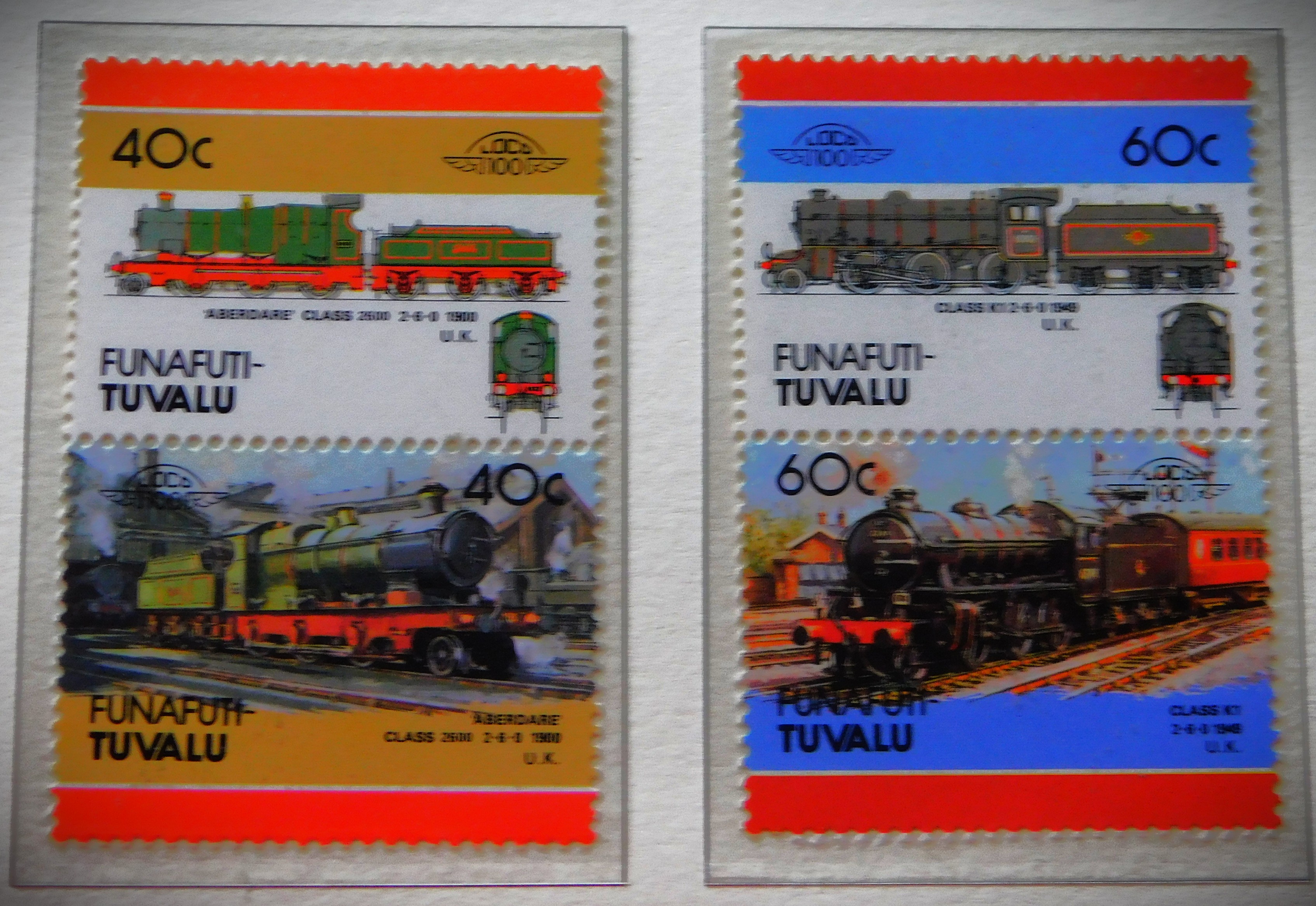
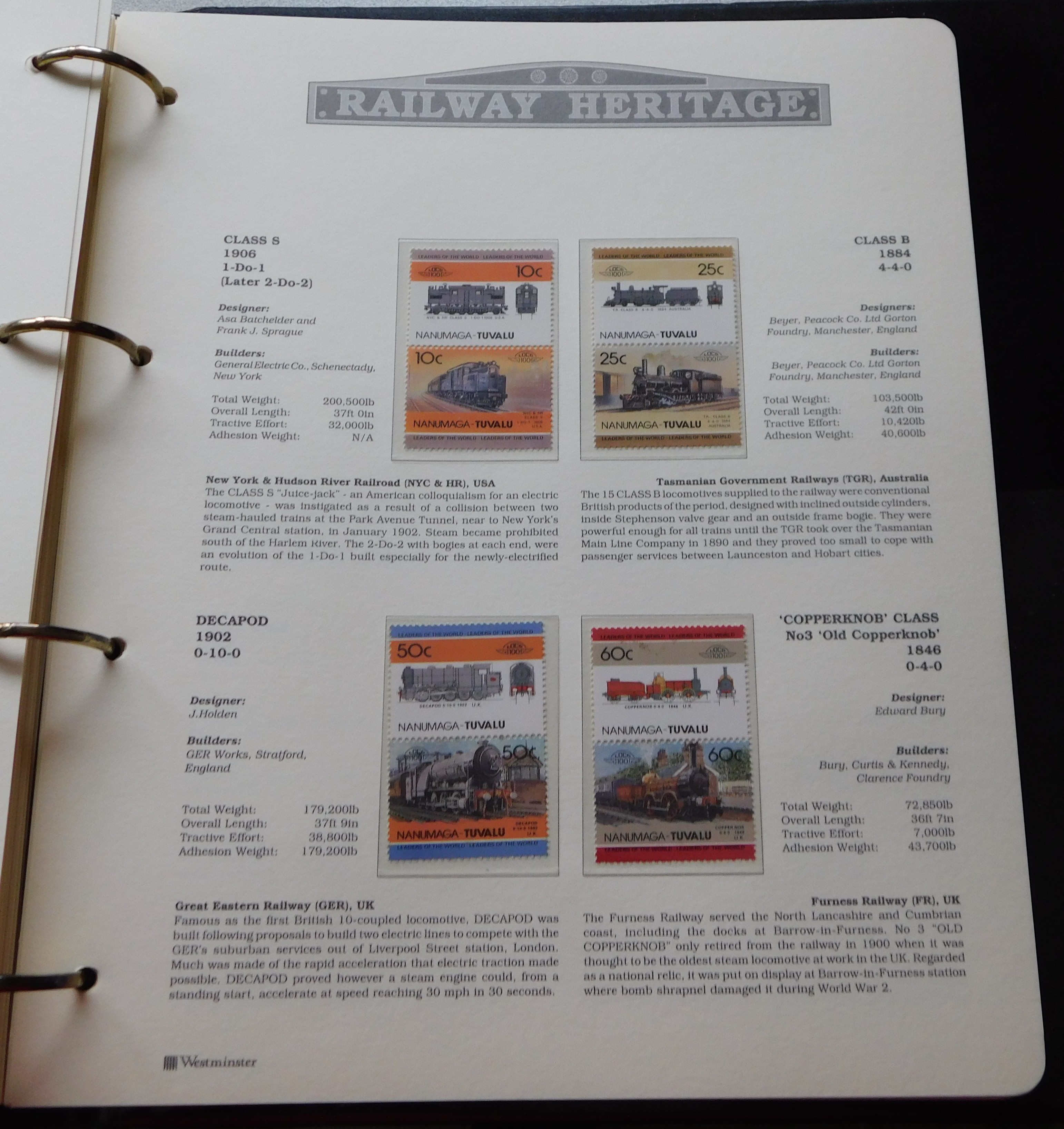
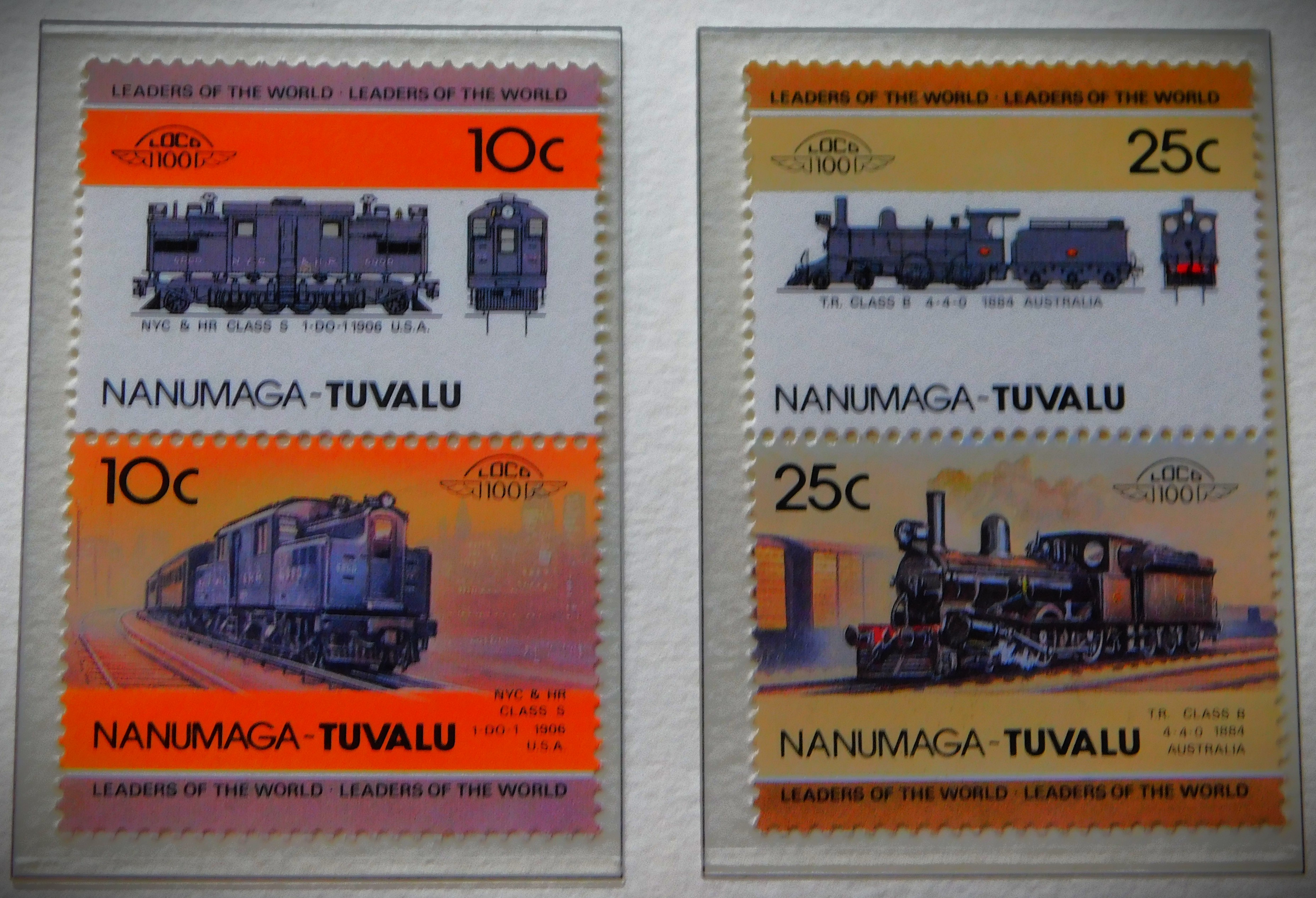
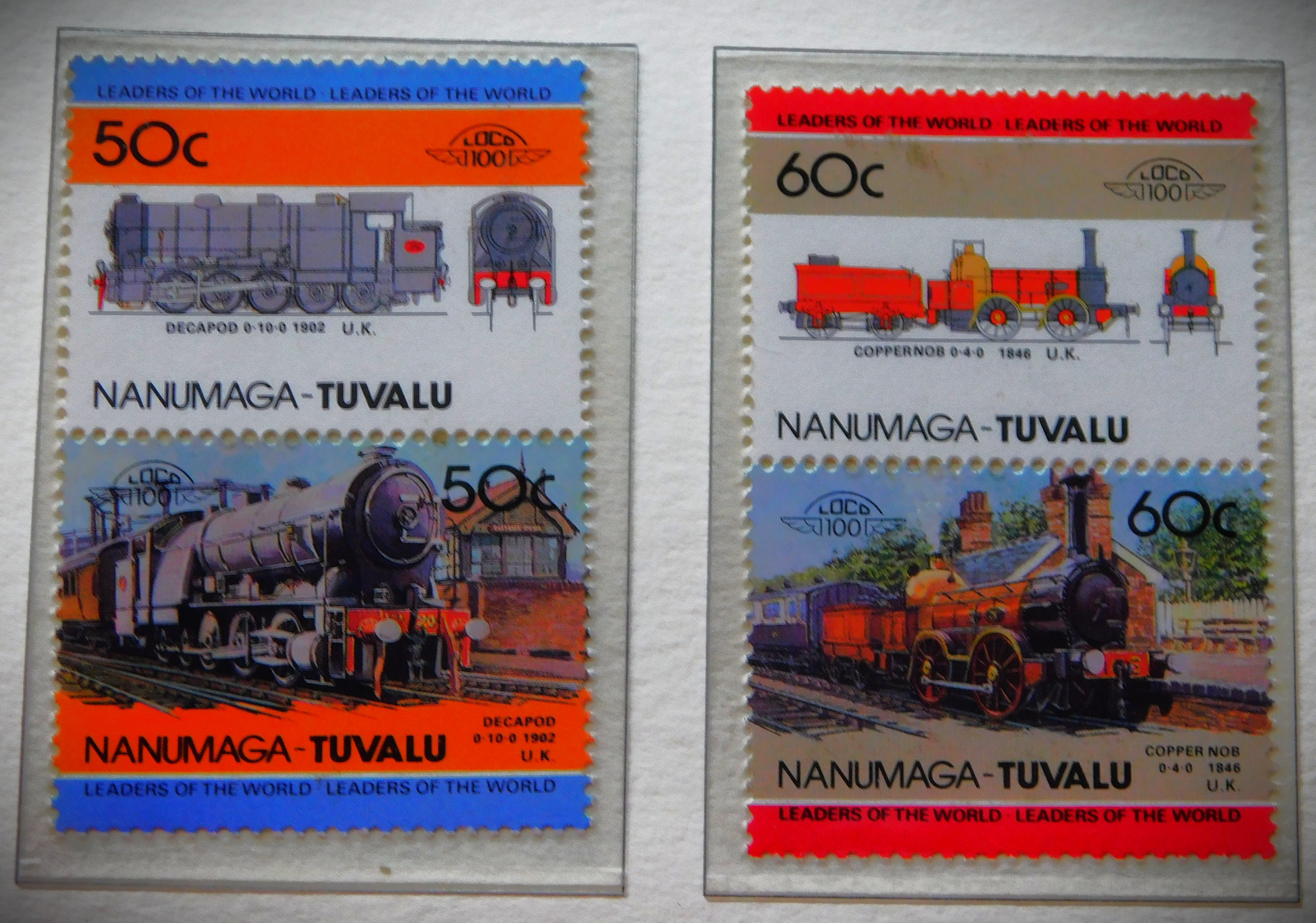
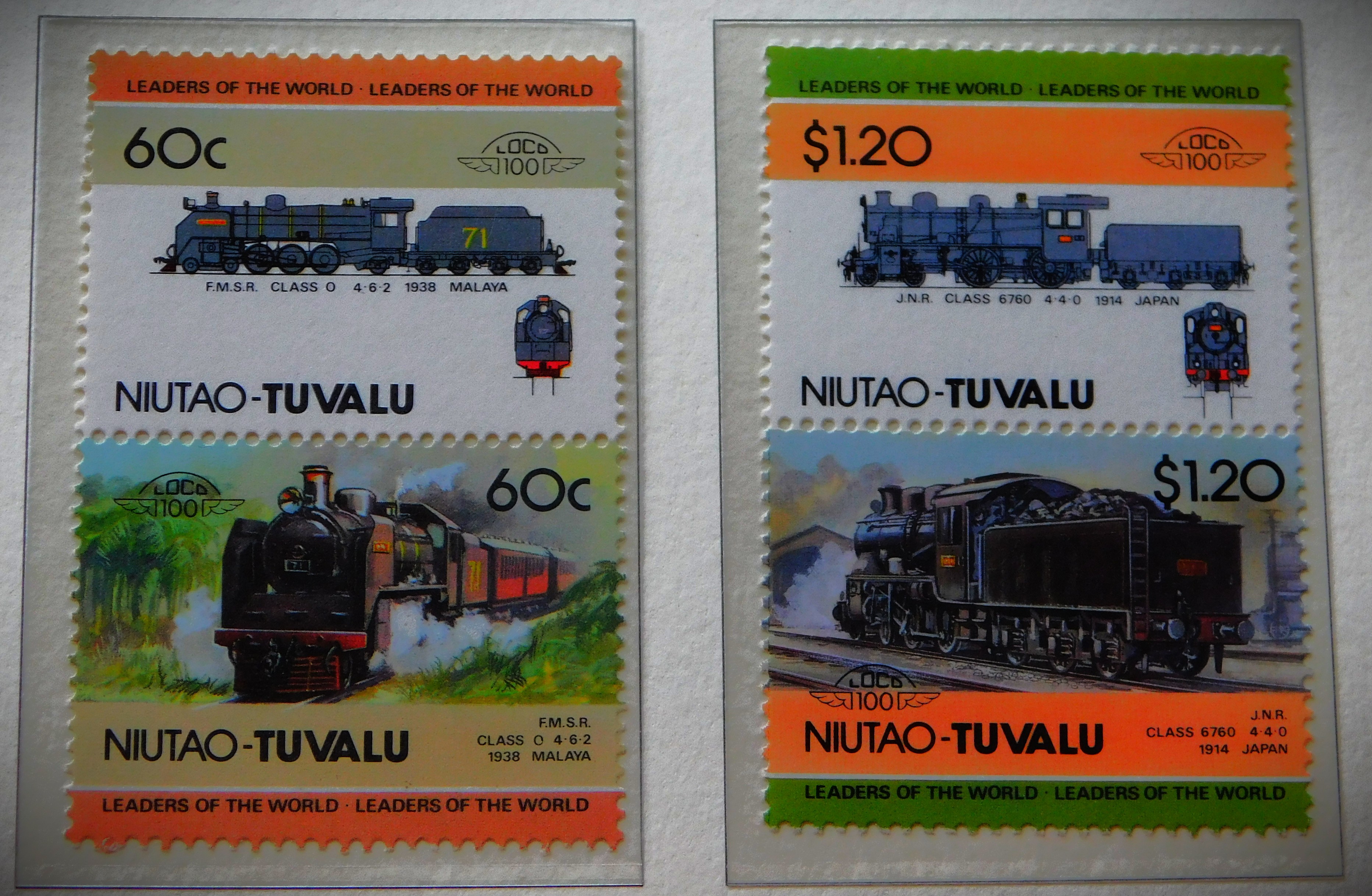
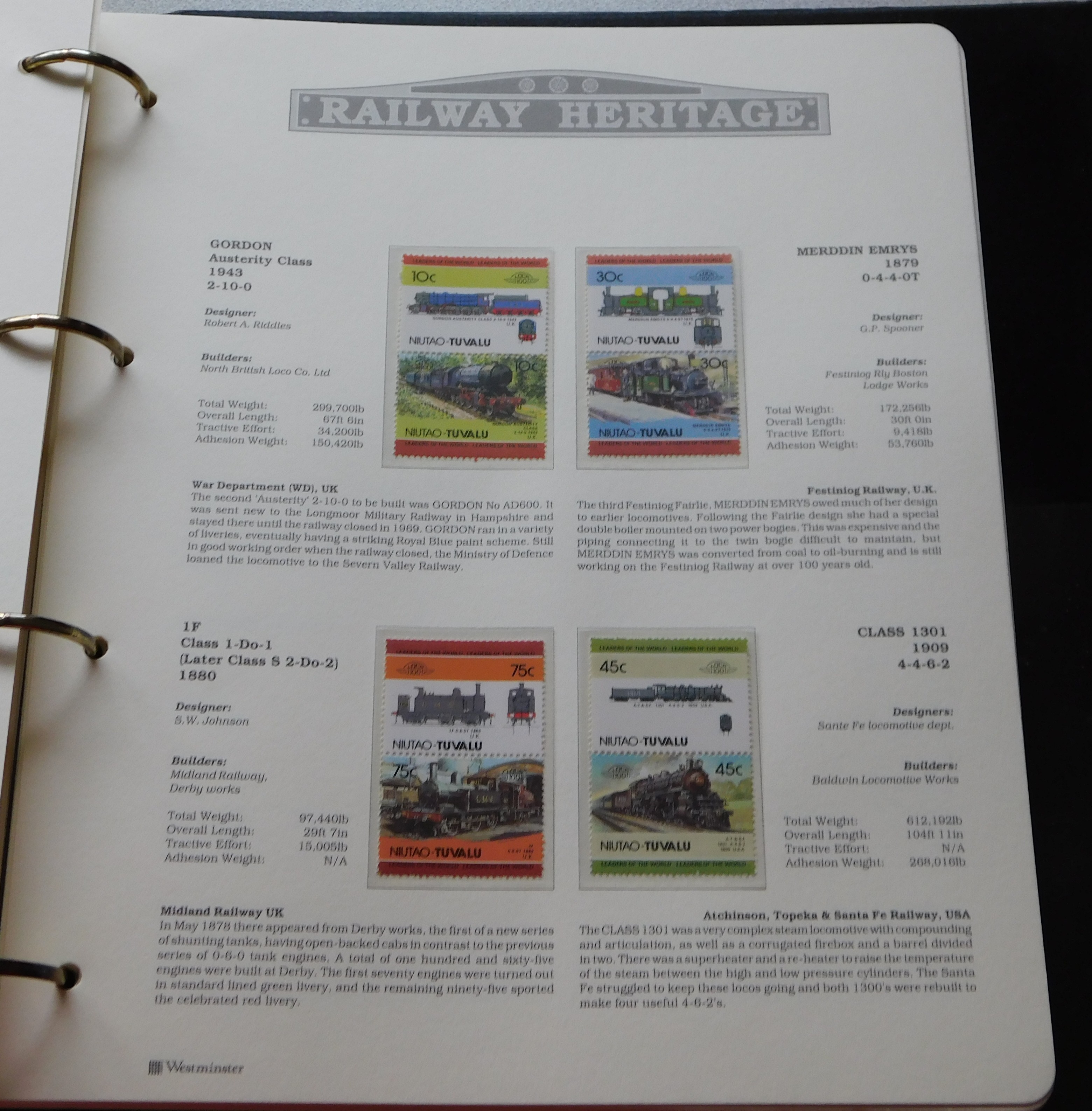
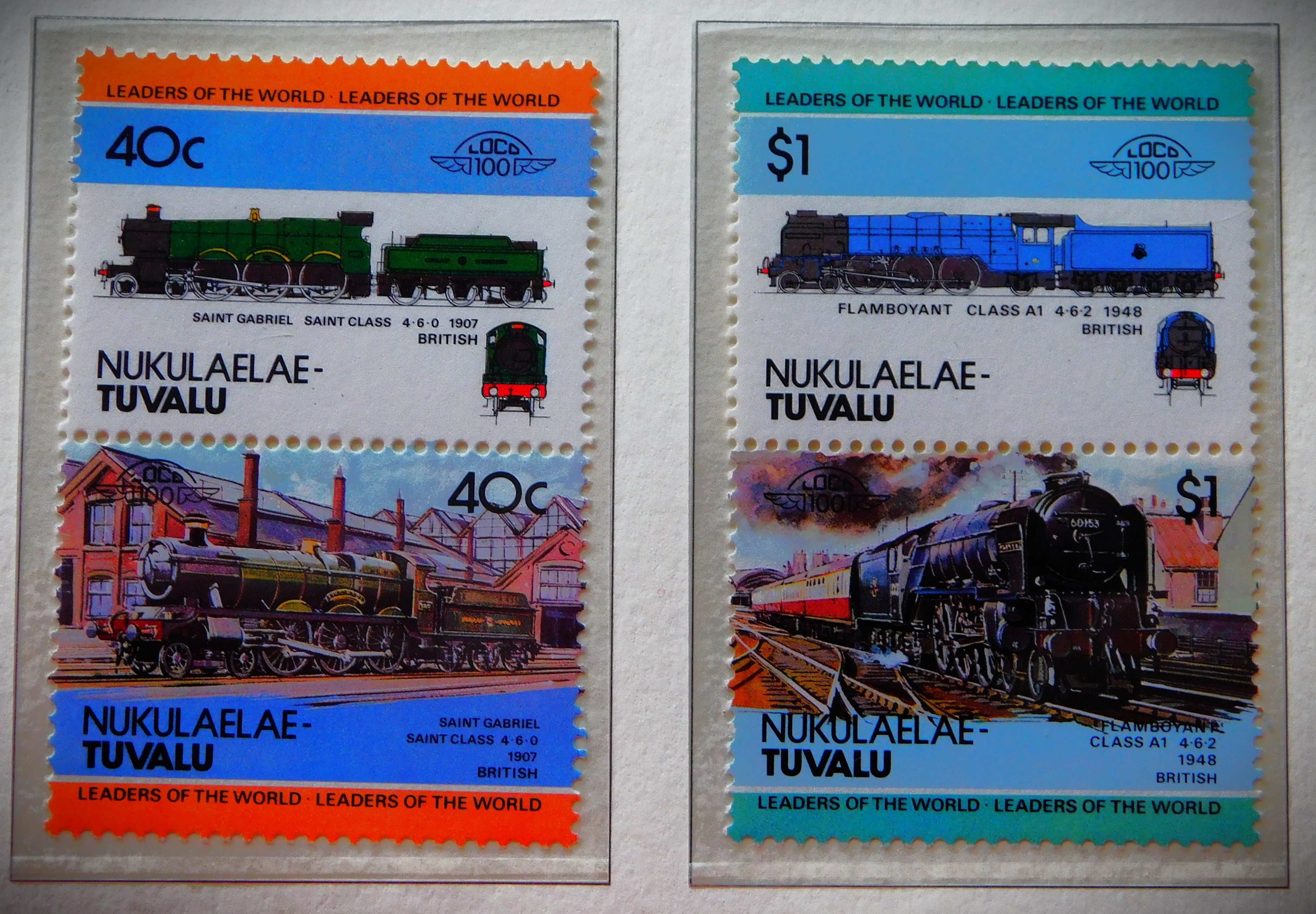
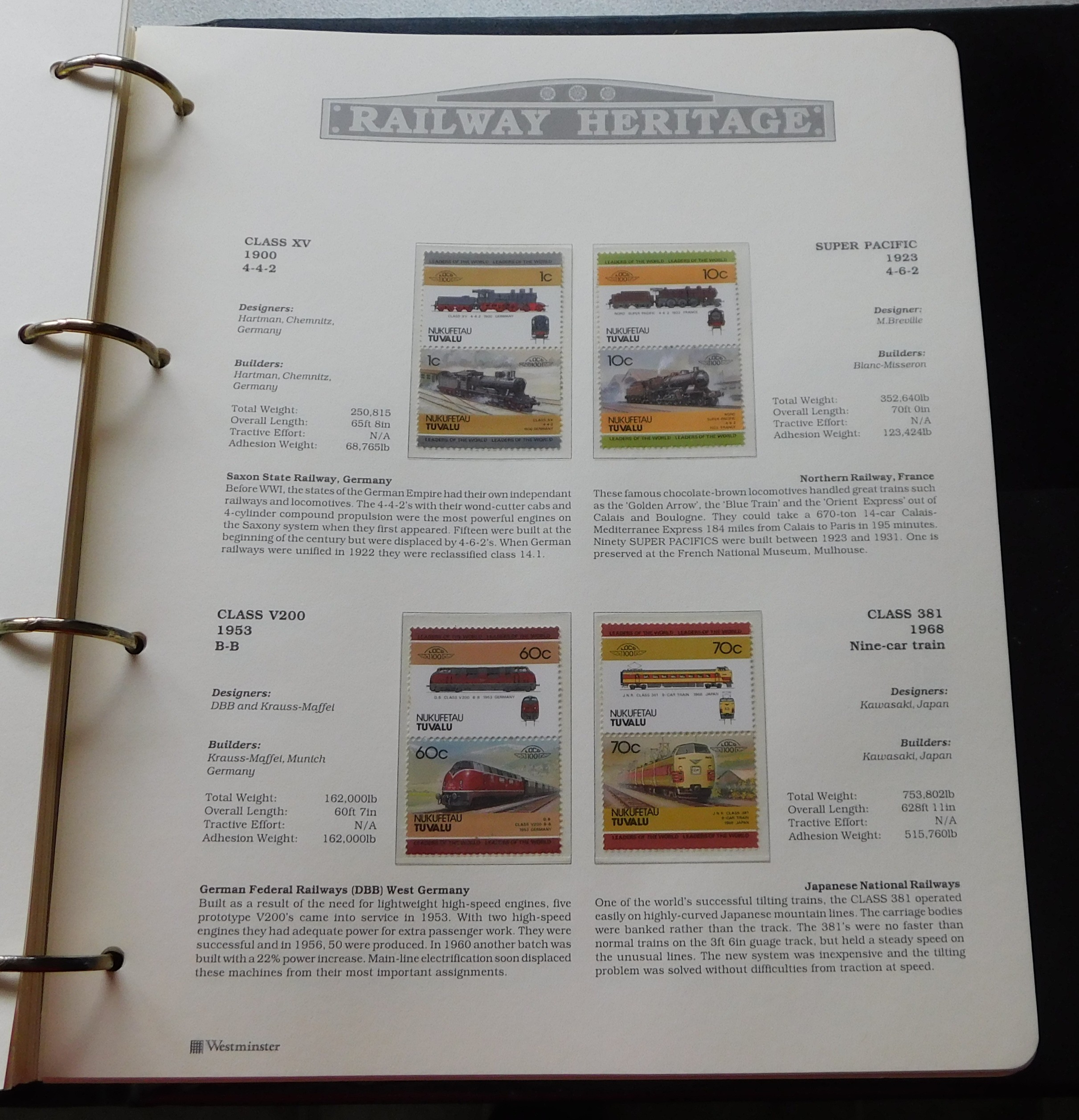
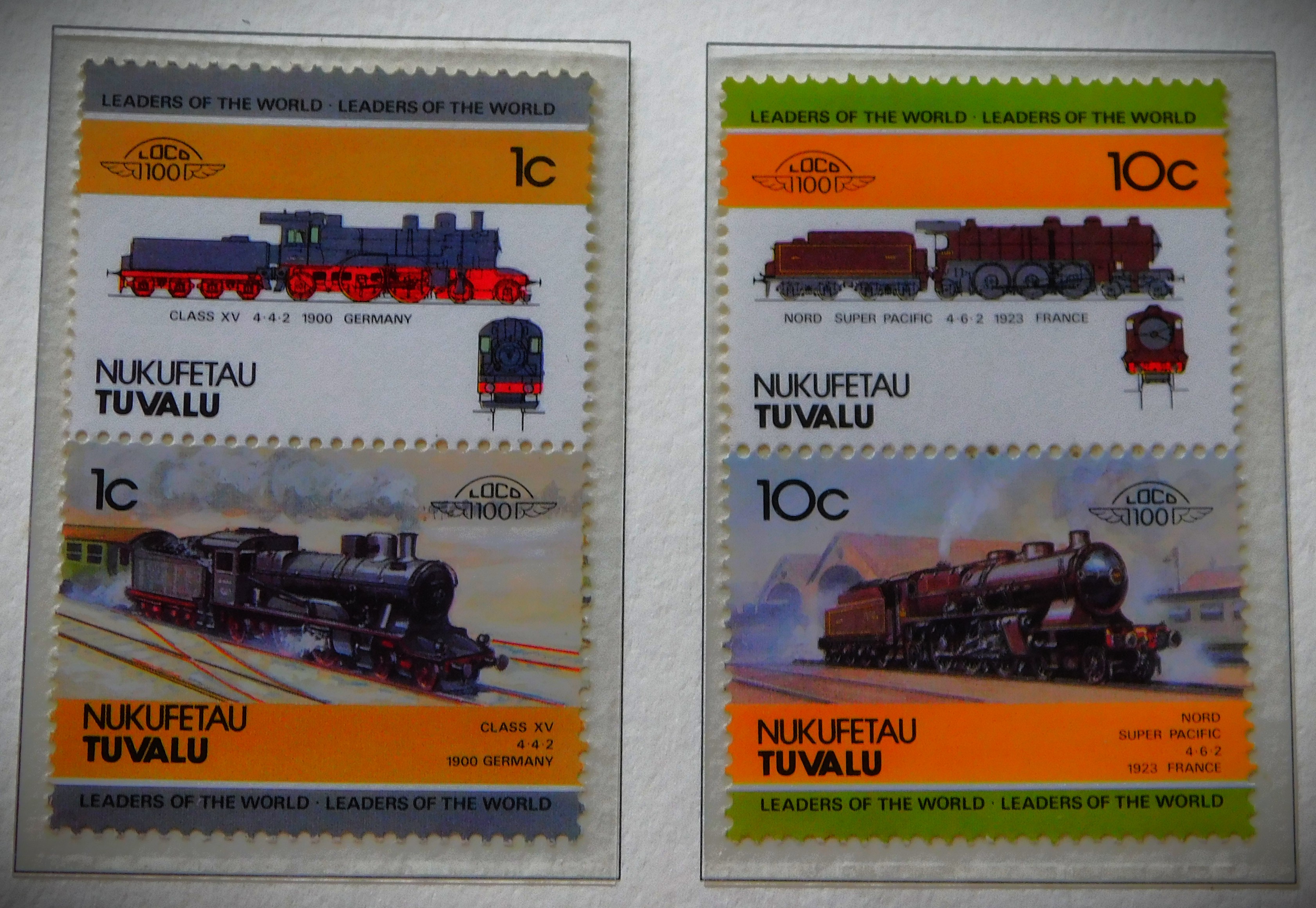
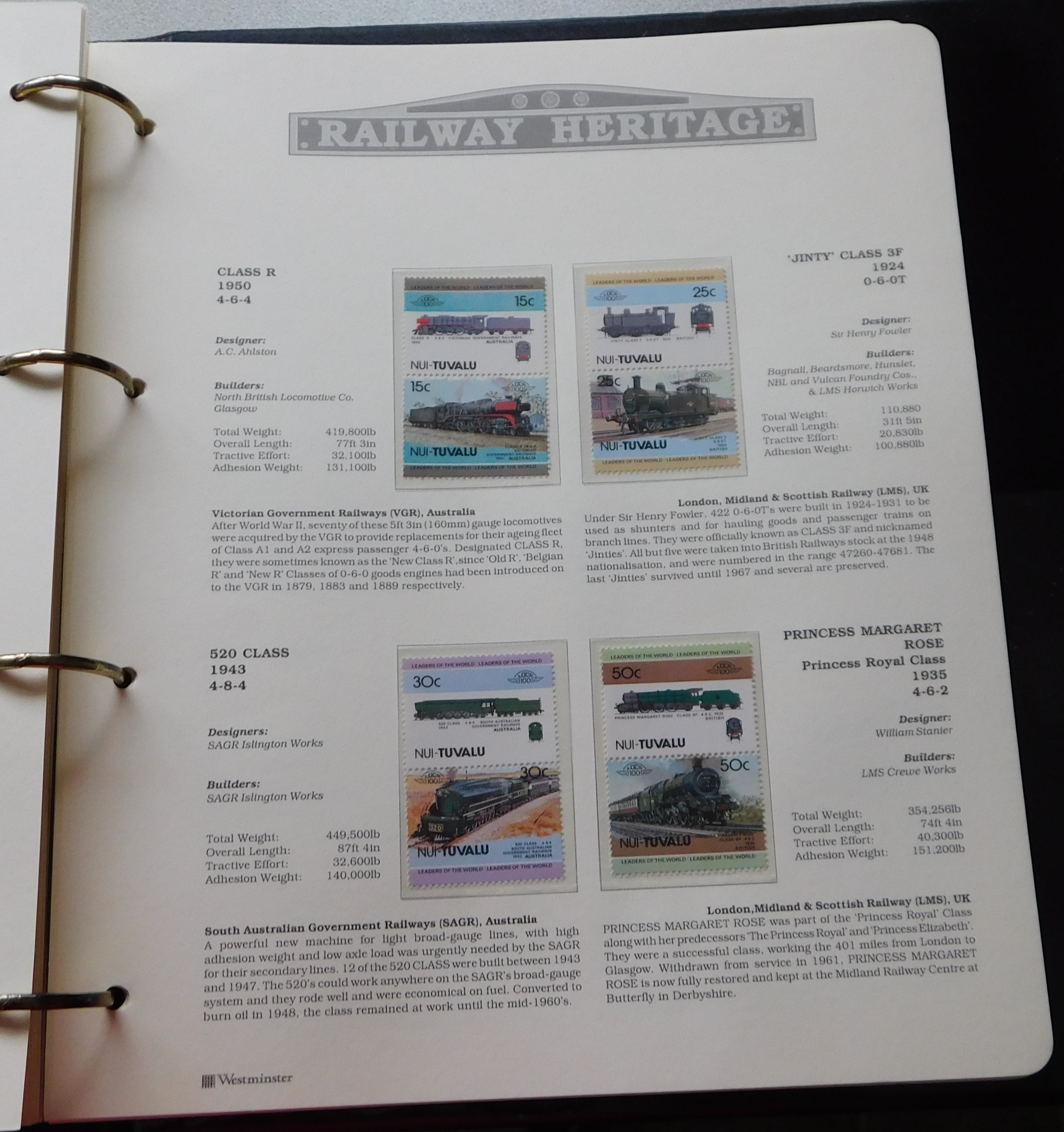
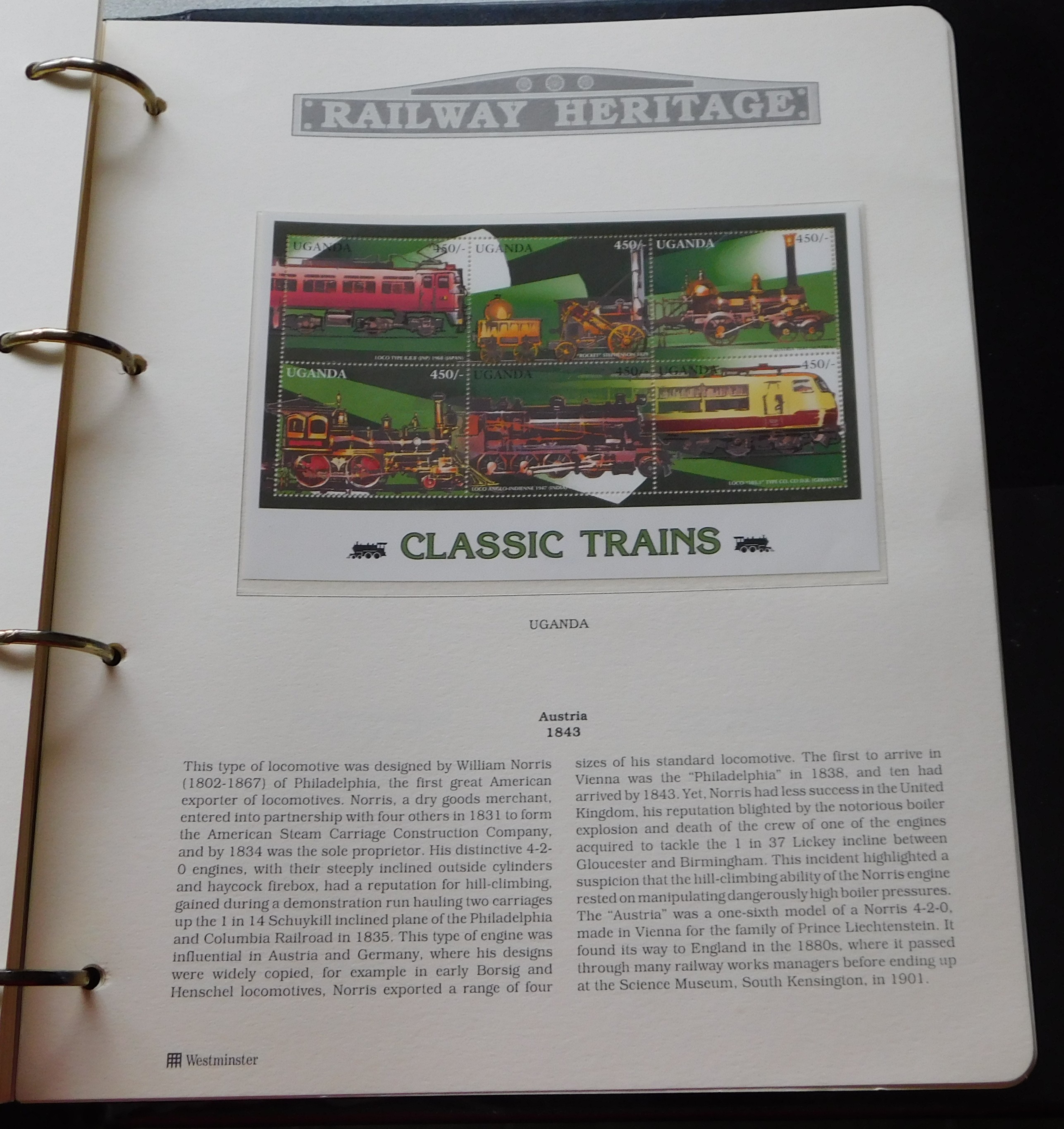
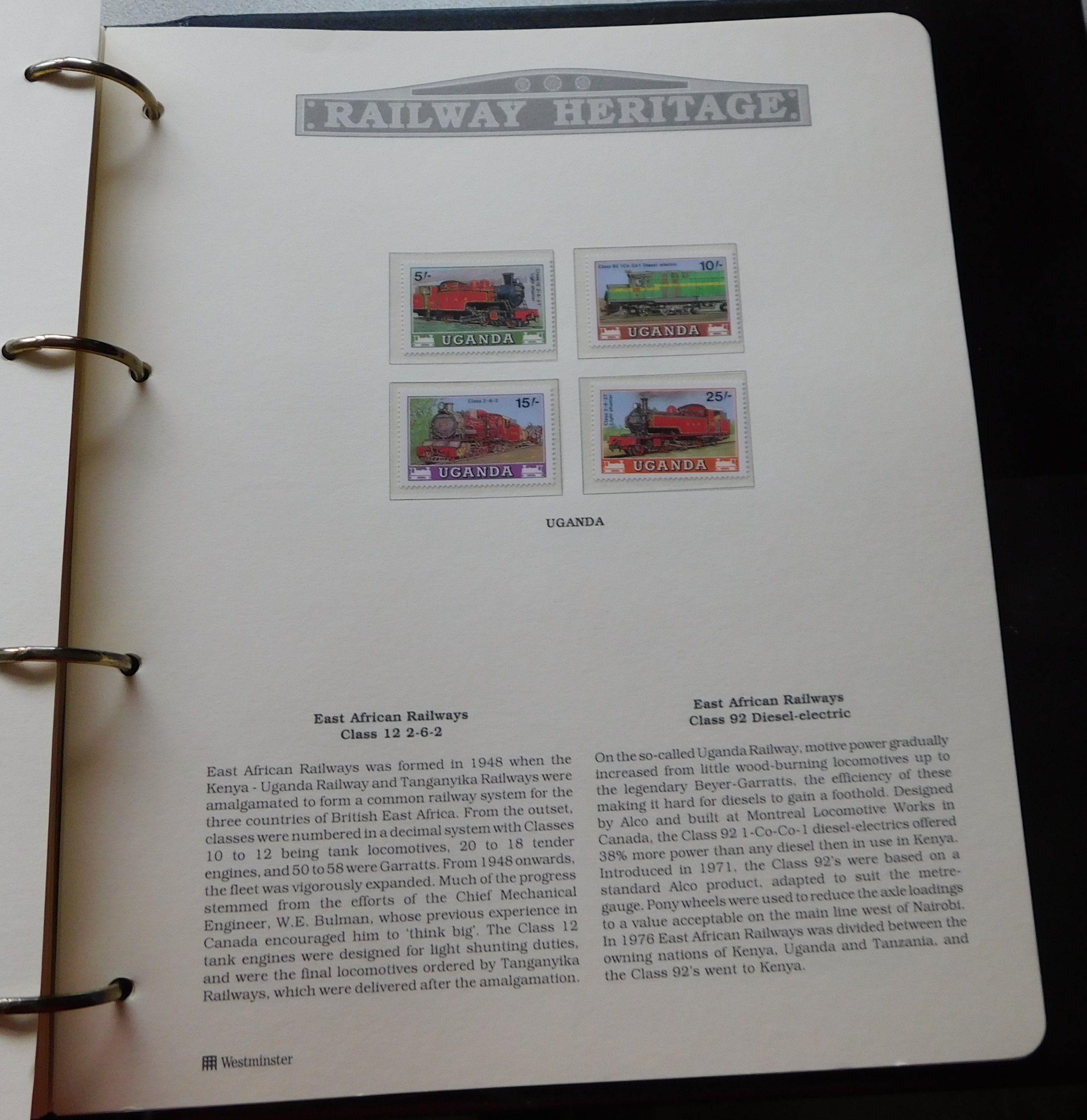
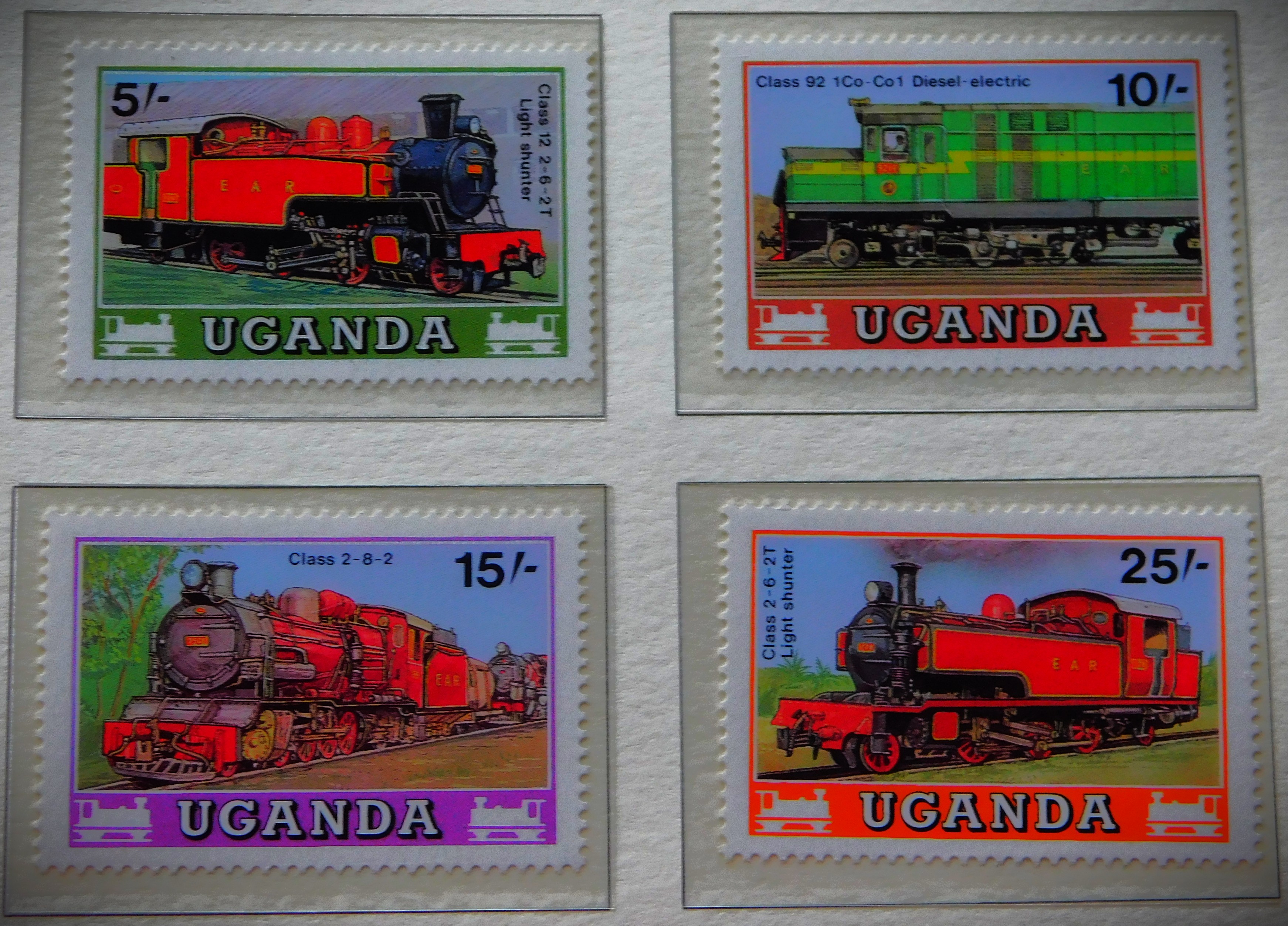
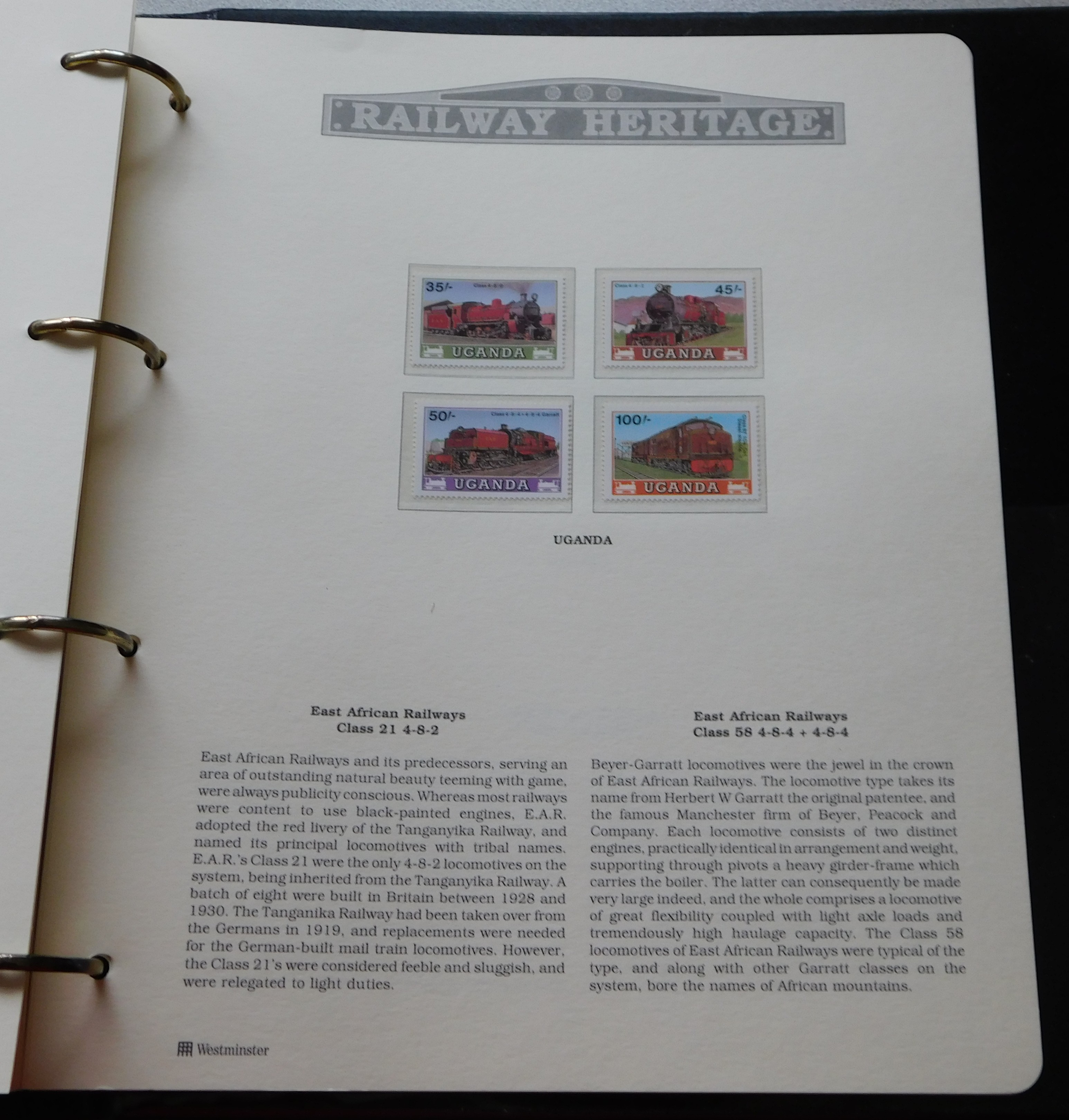
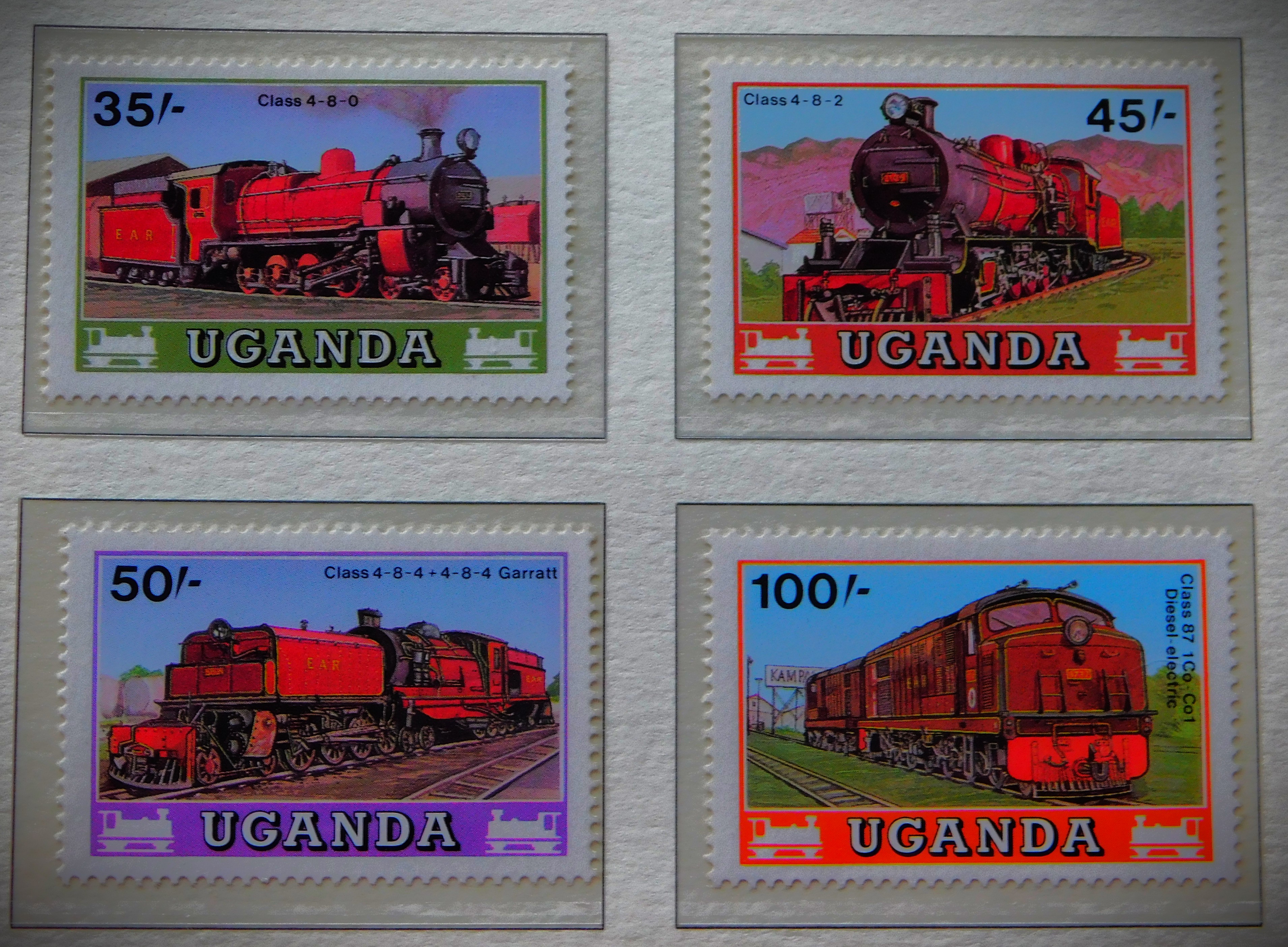
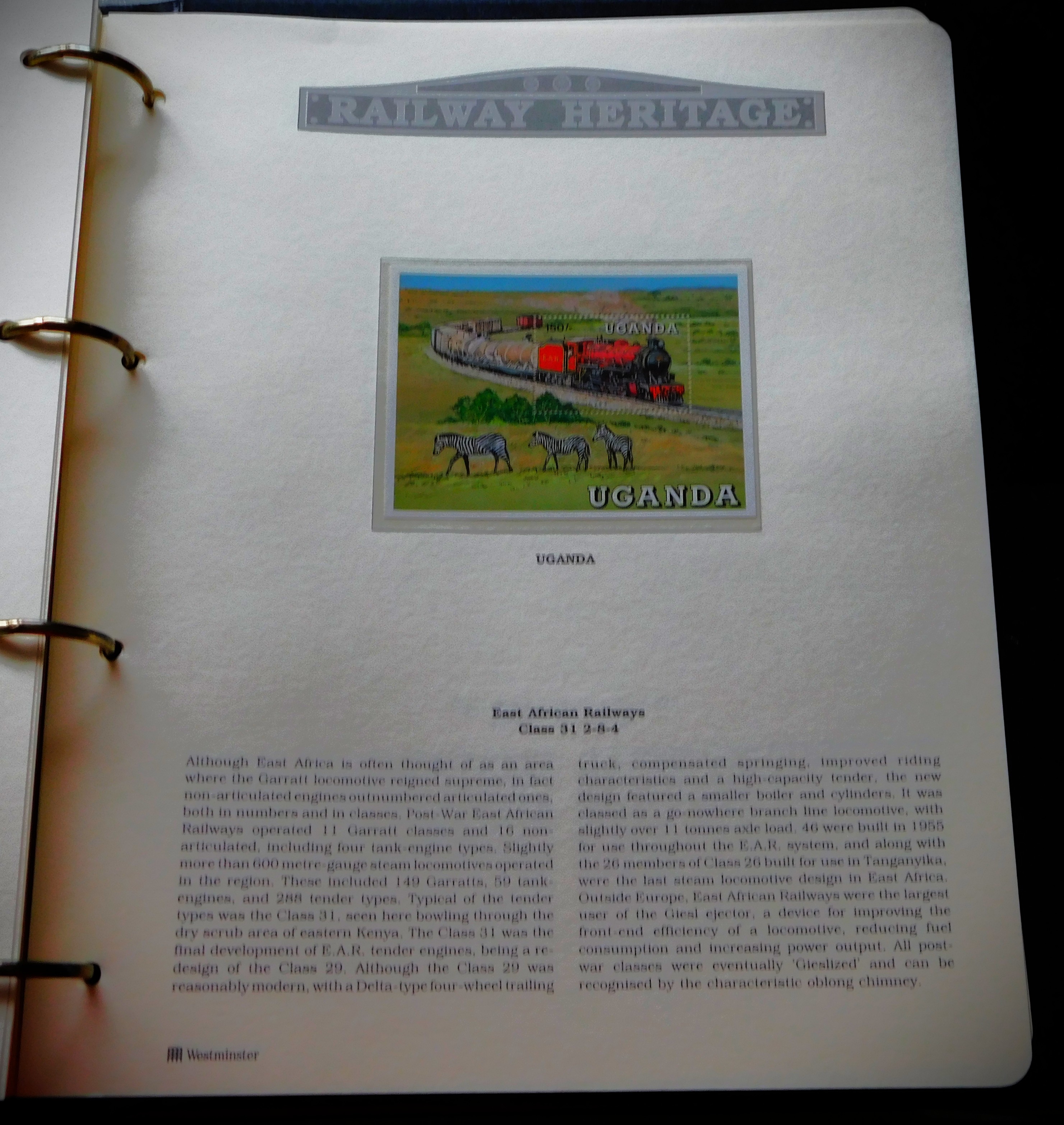
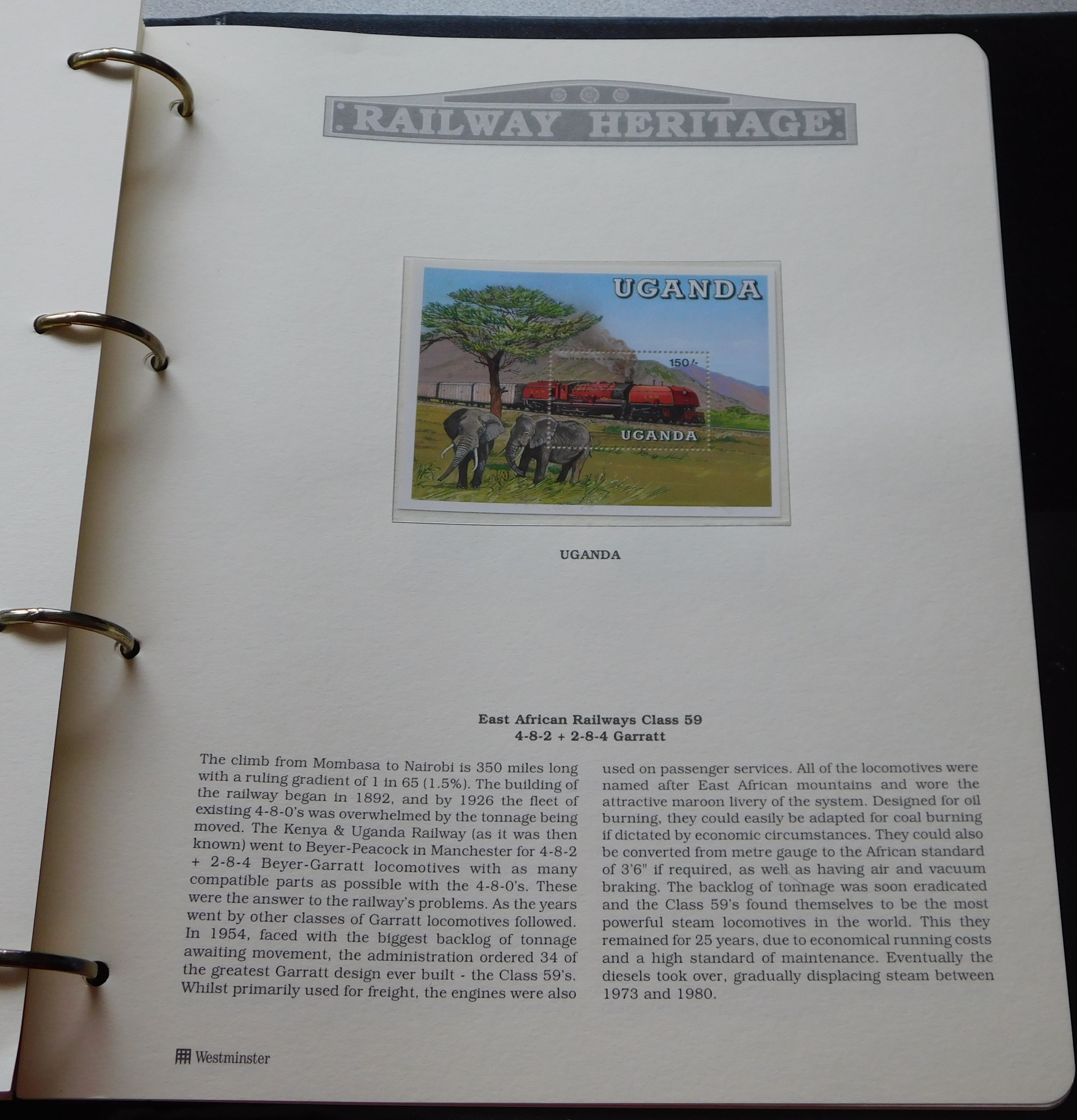
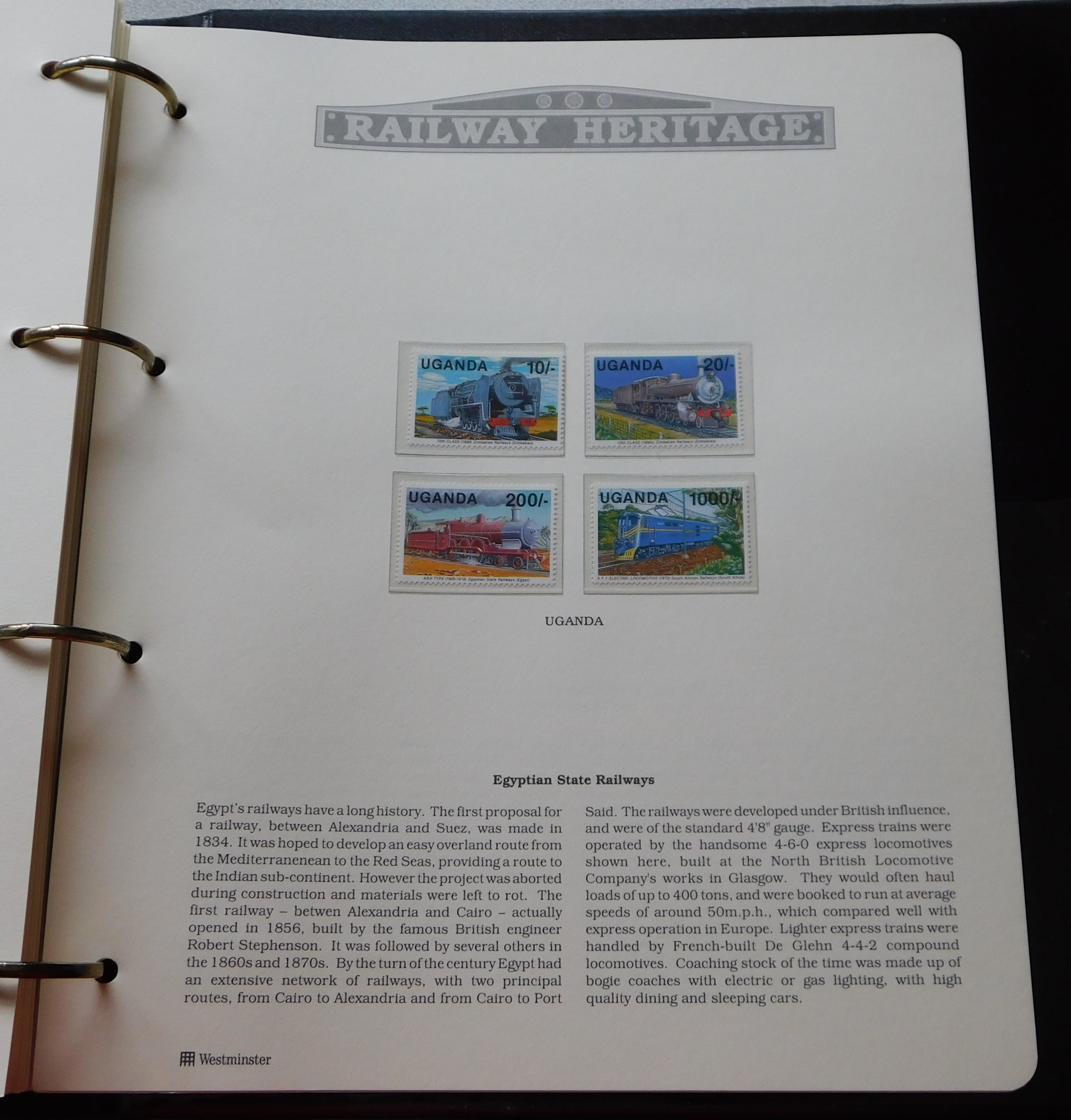
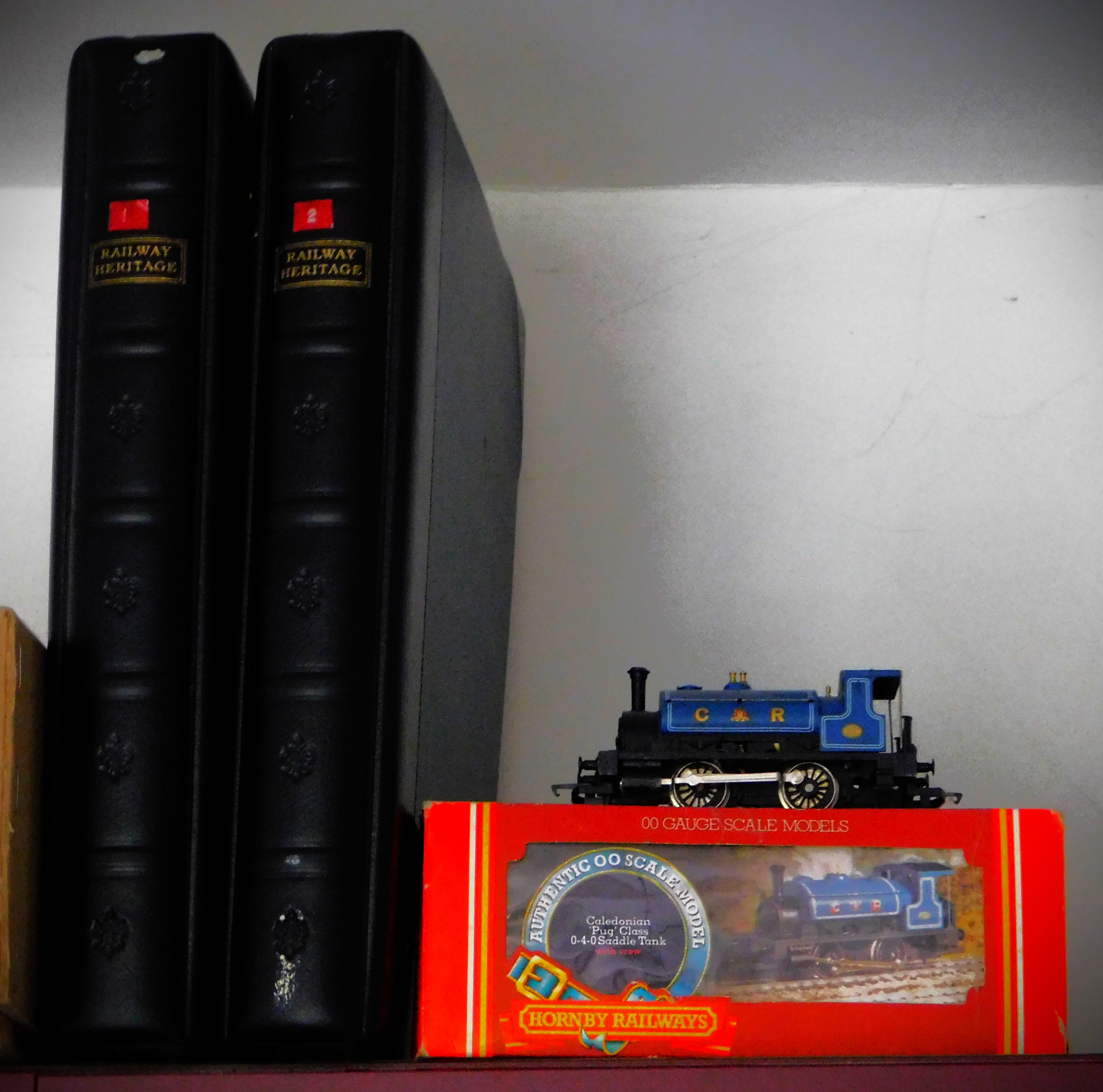
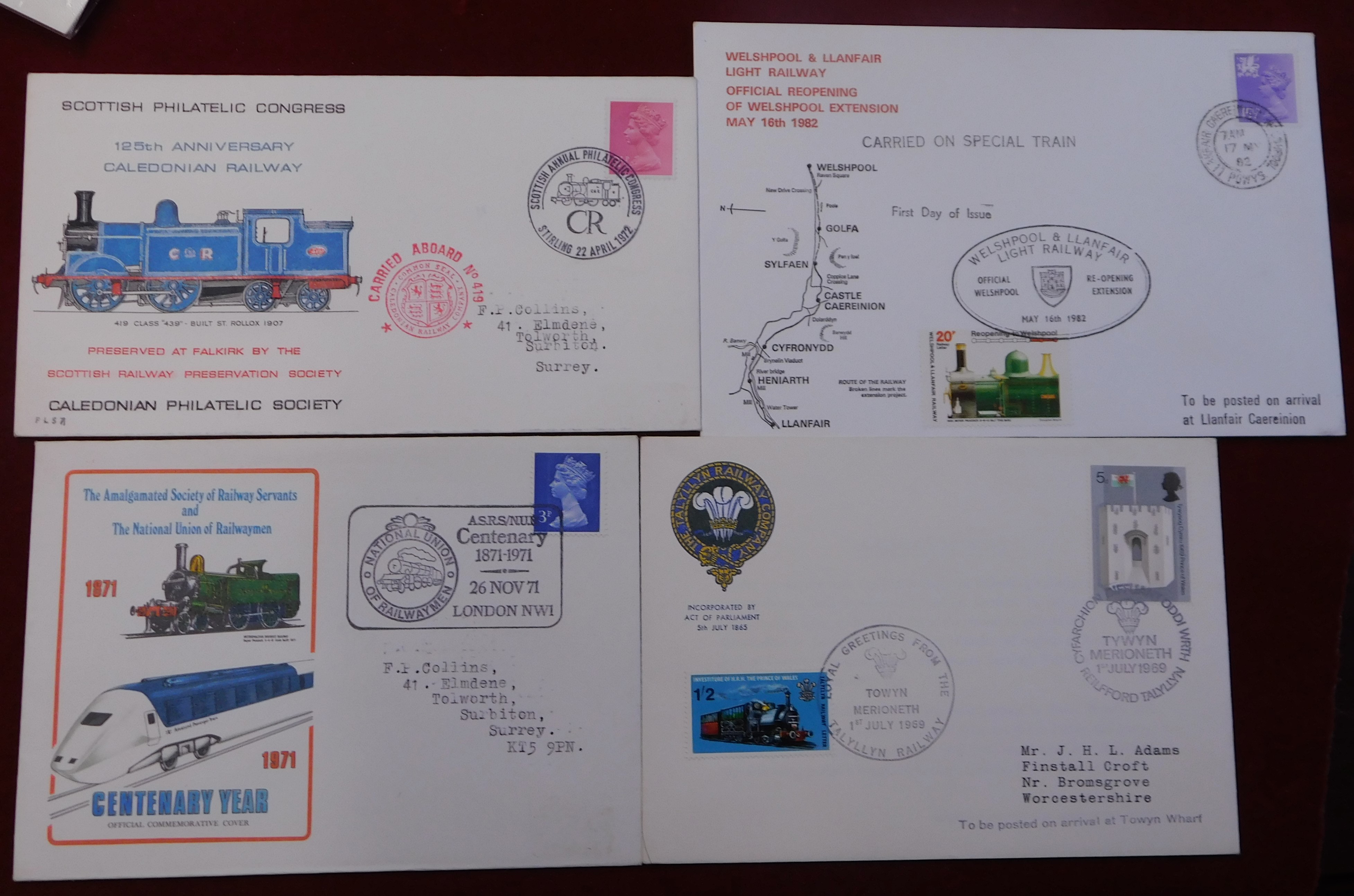
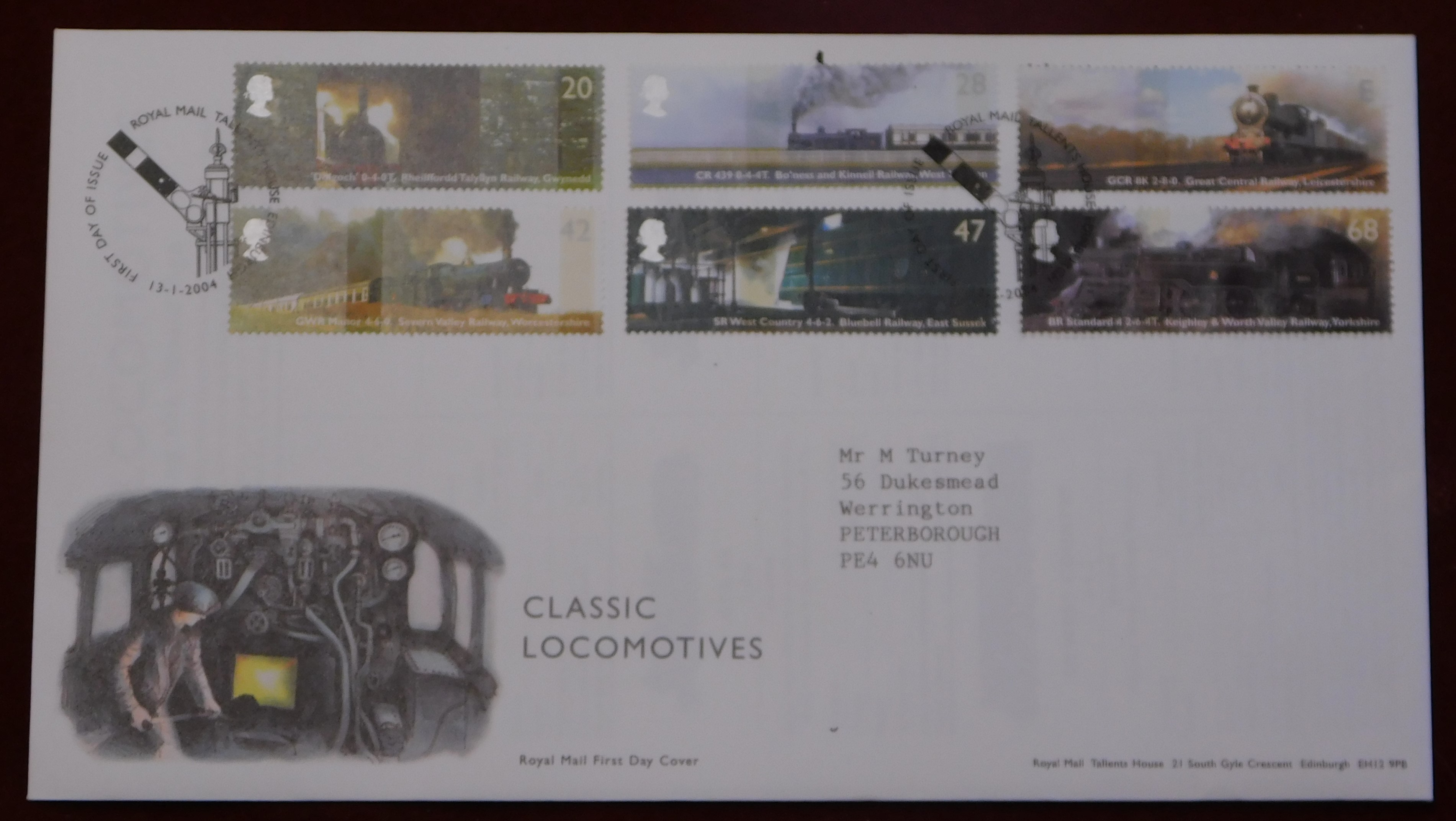
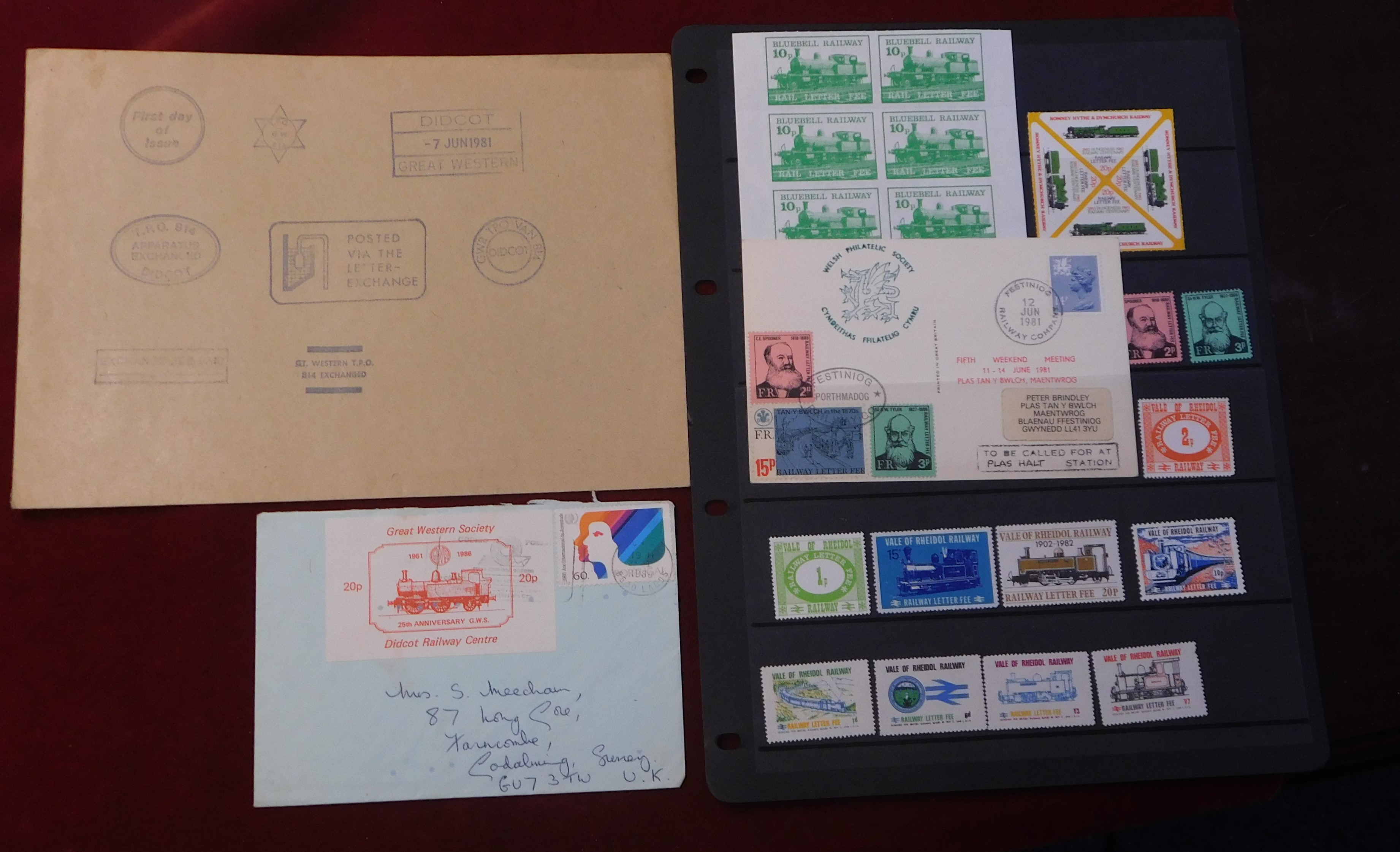
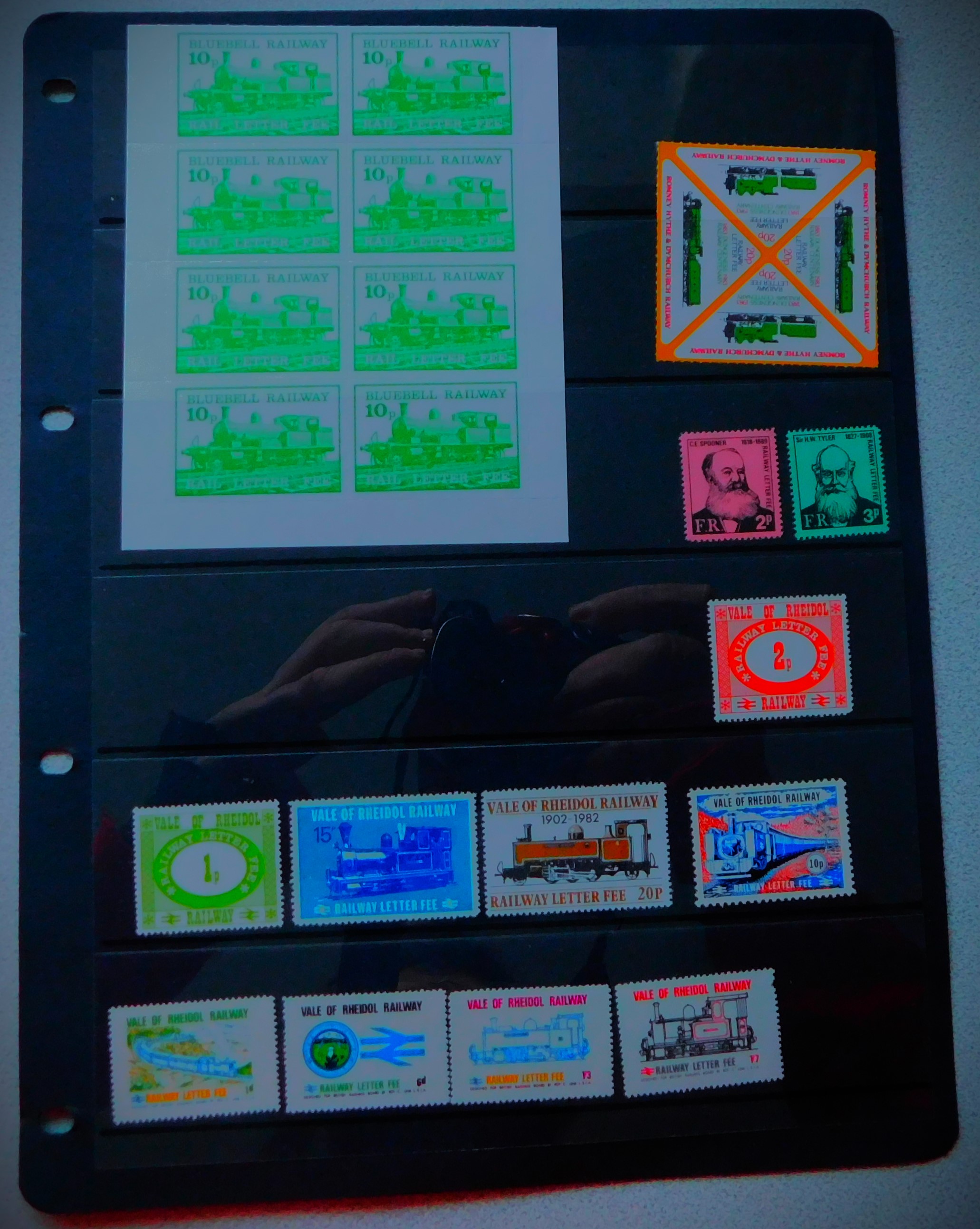
The sale was entirely devoted to stamps/ postal history. From lot 551 there were about 70 lots in albums, and one of these was lot 575, a two album collection of ‘Railway Heritage’. Some of the items within these albums had been flagged for imaging, and I added a couple (but only a couple) of choices of my own to those flagged. The gallery that was available for this lot was thus:
Not unnaturally given my tastes I was quite eager to get my hands on this lot. I therefore placed a bid on Easylive, one of the two online platforms James and Sons use, for the maximum I could afford to part with, since I knew that work would prevent me from bidding live.
A BIT OF GOOD FORTUNE
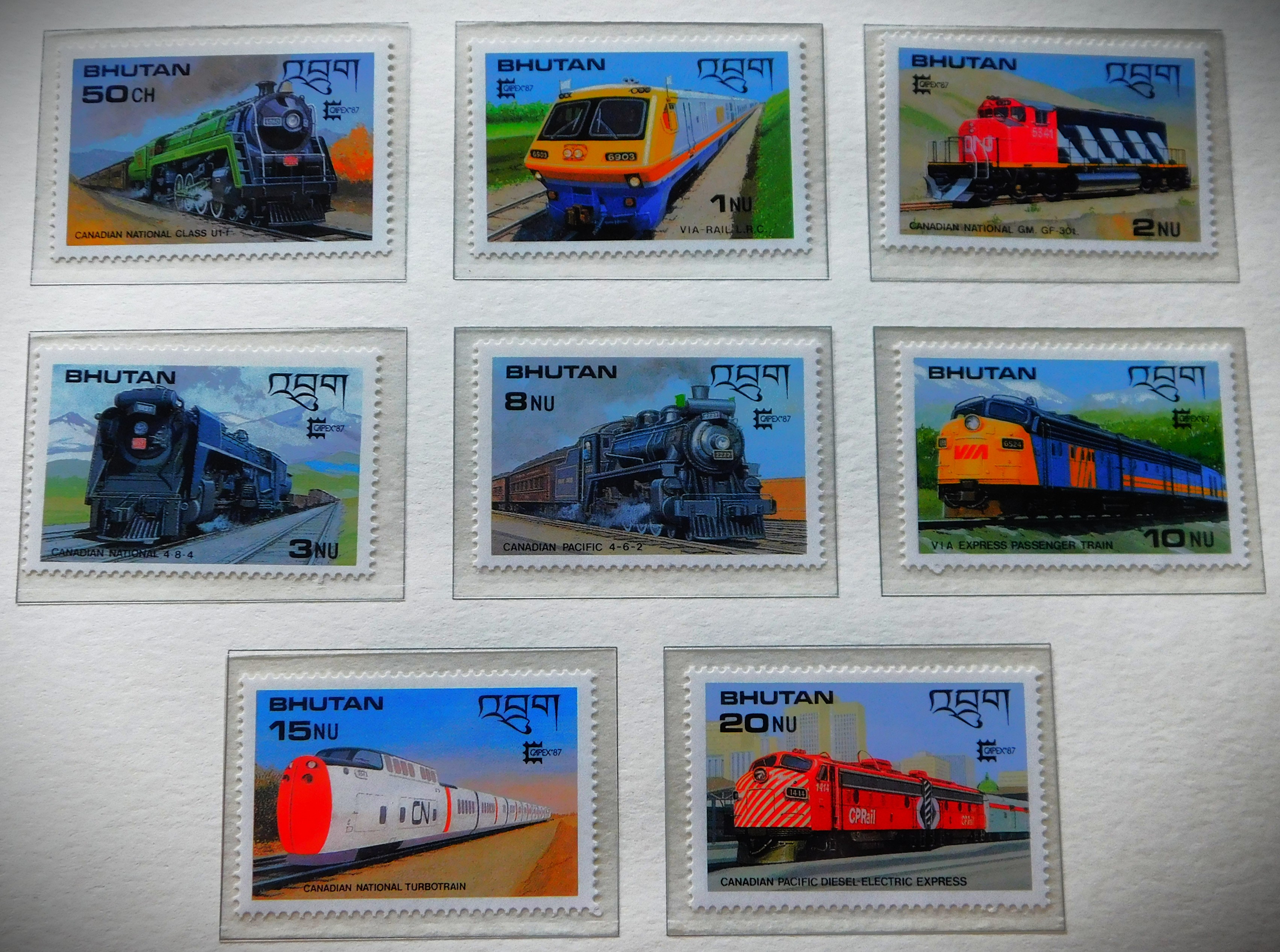
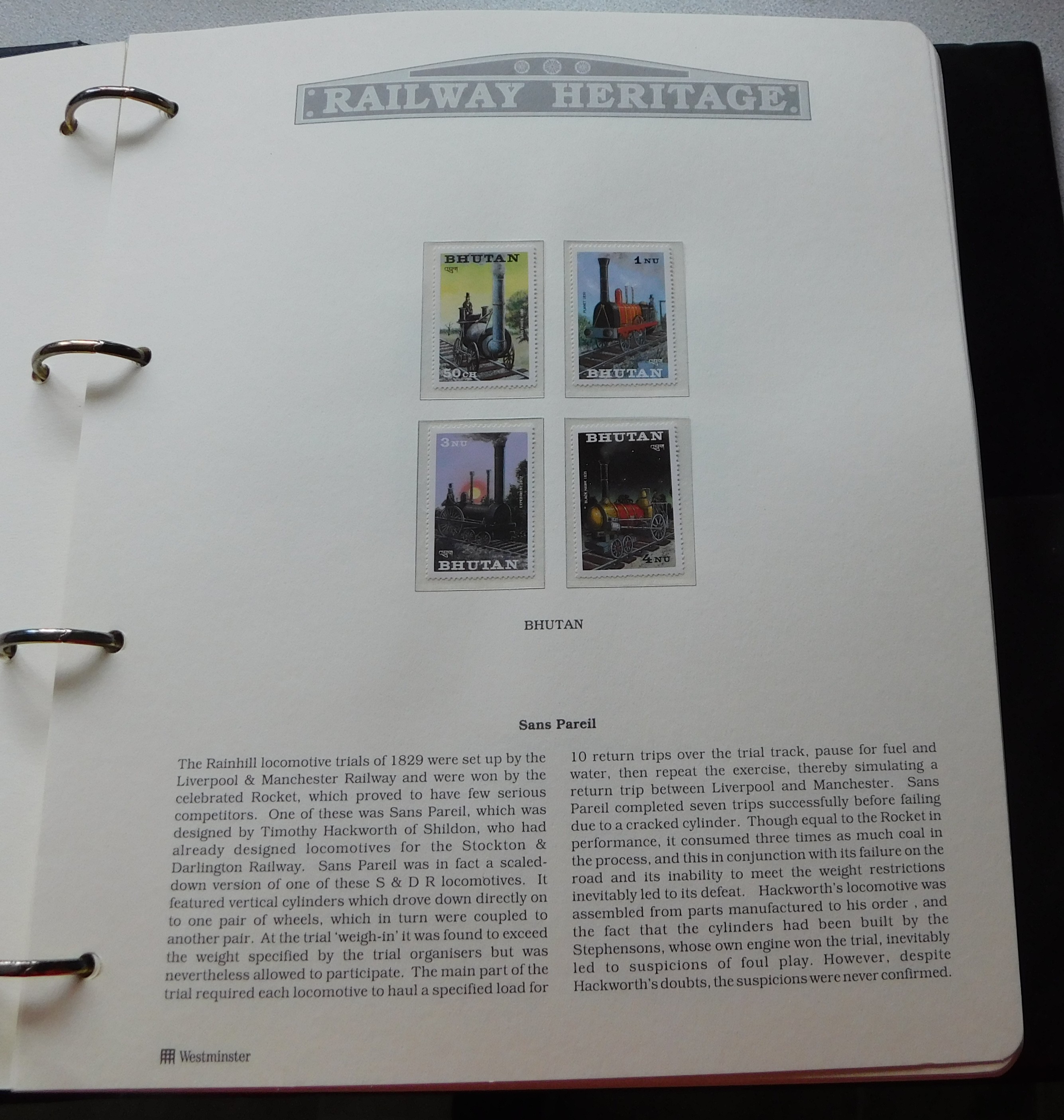
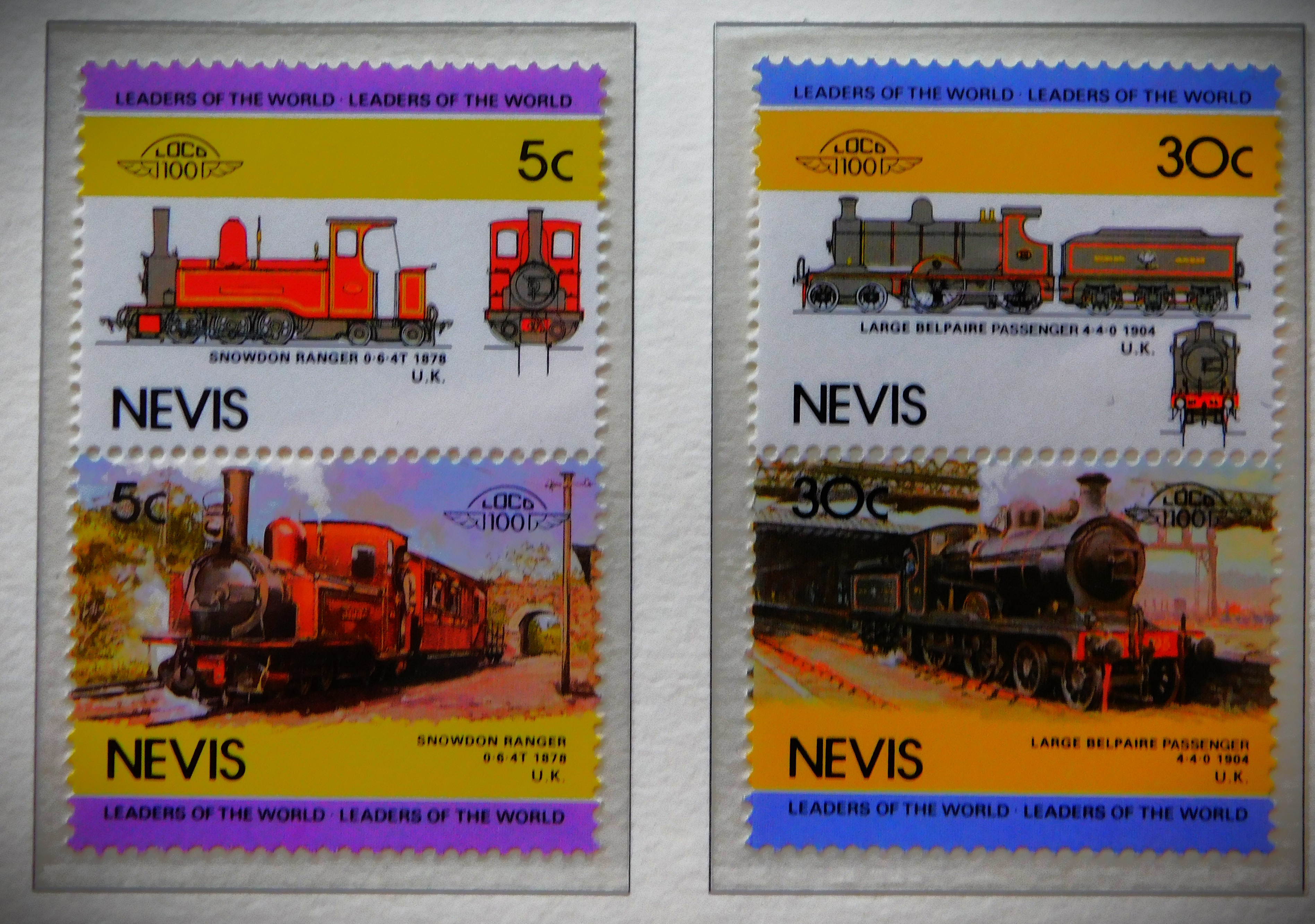
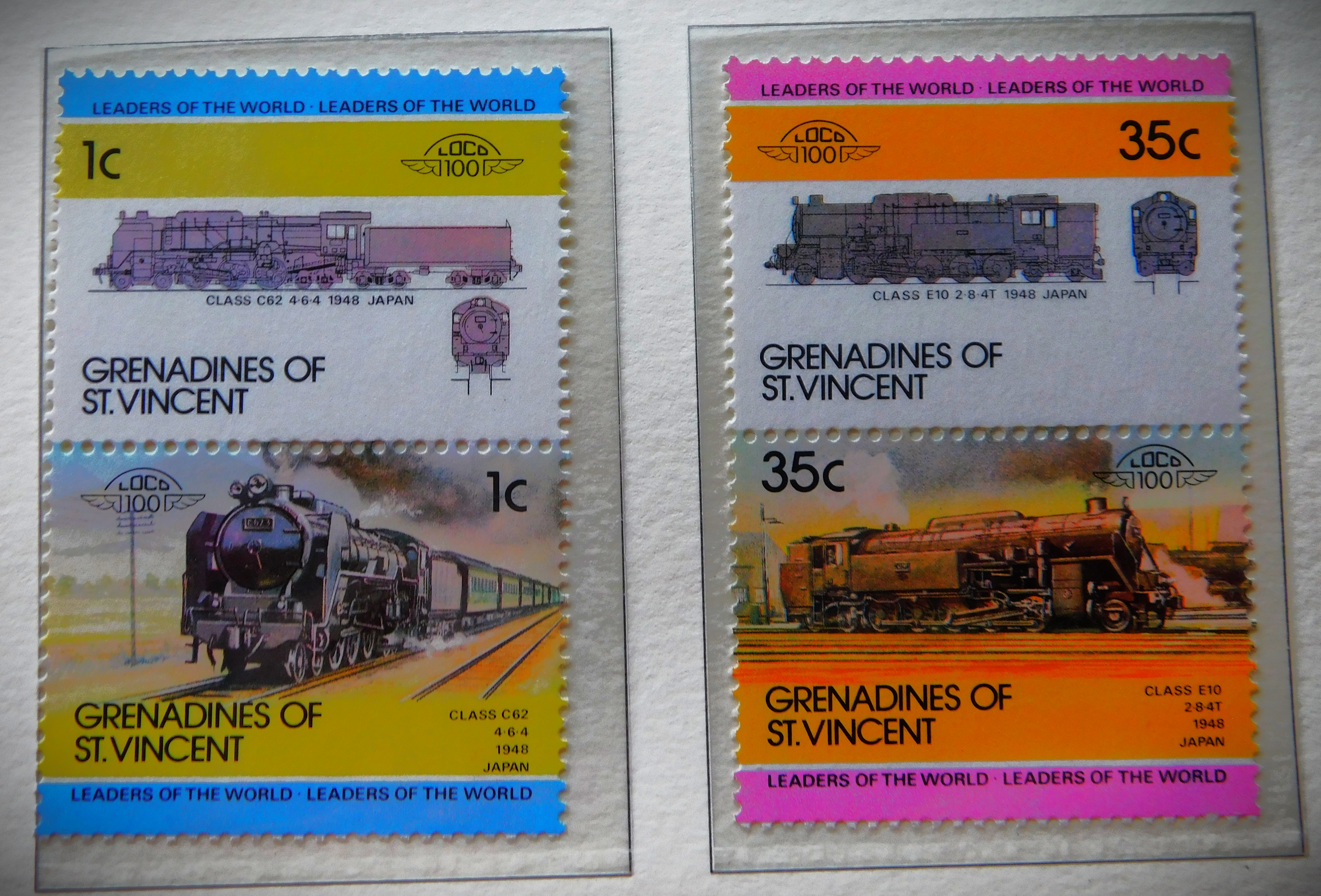
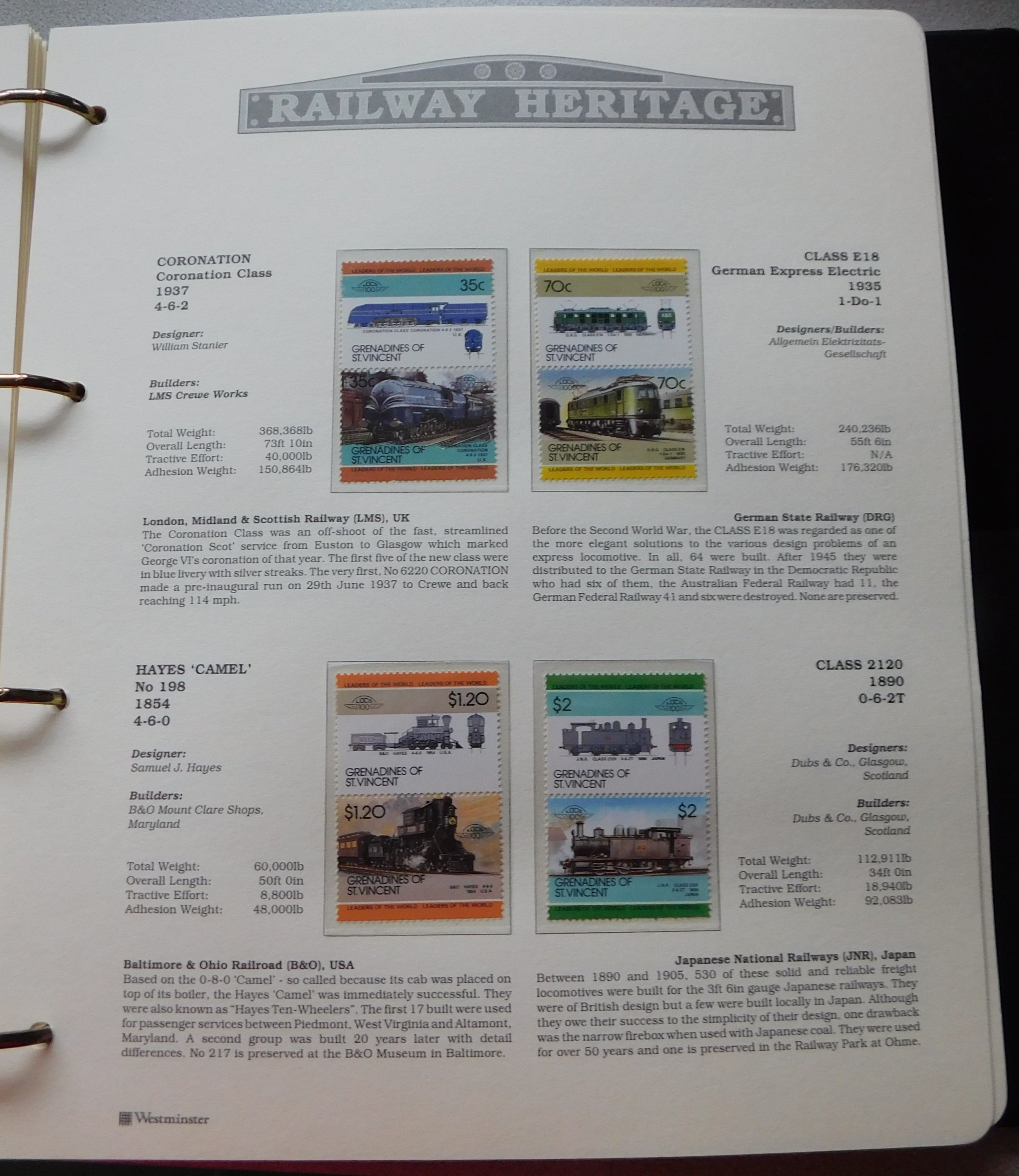
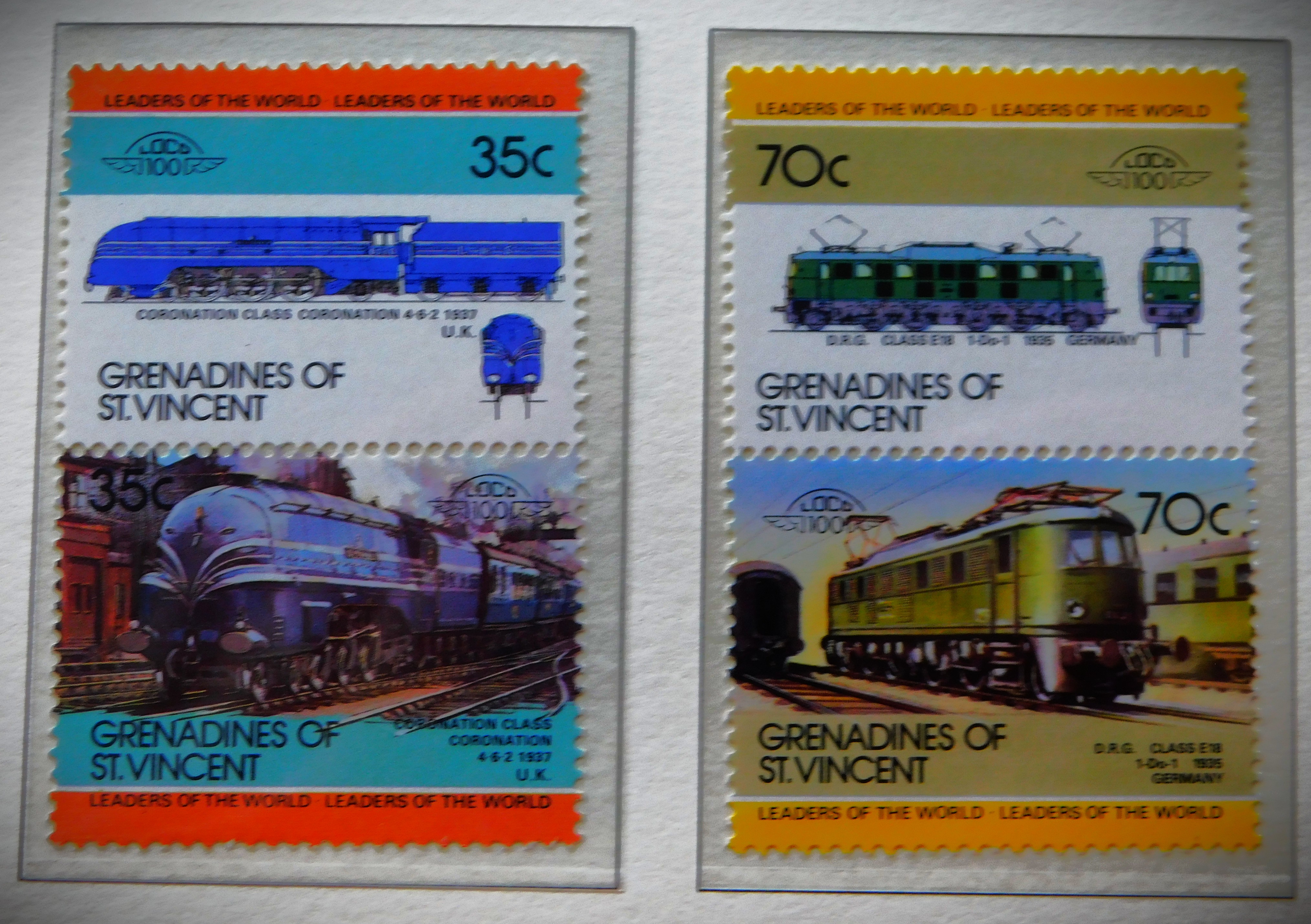
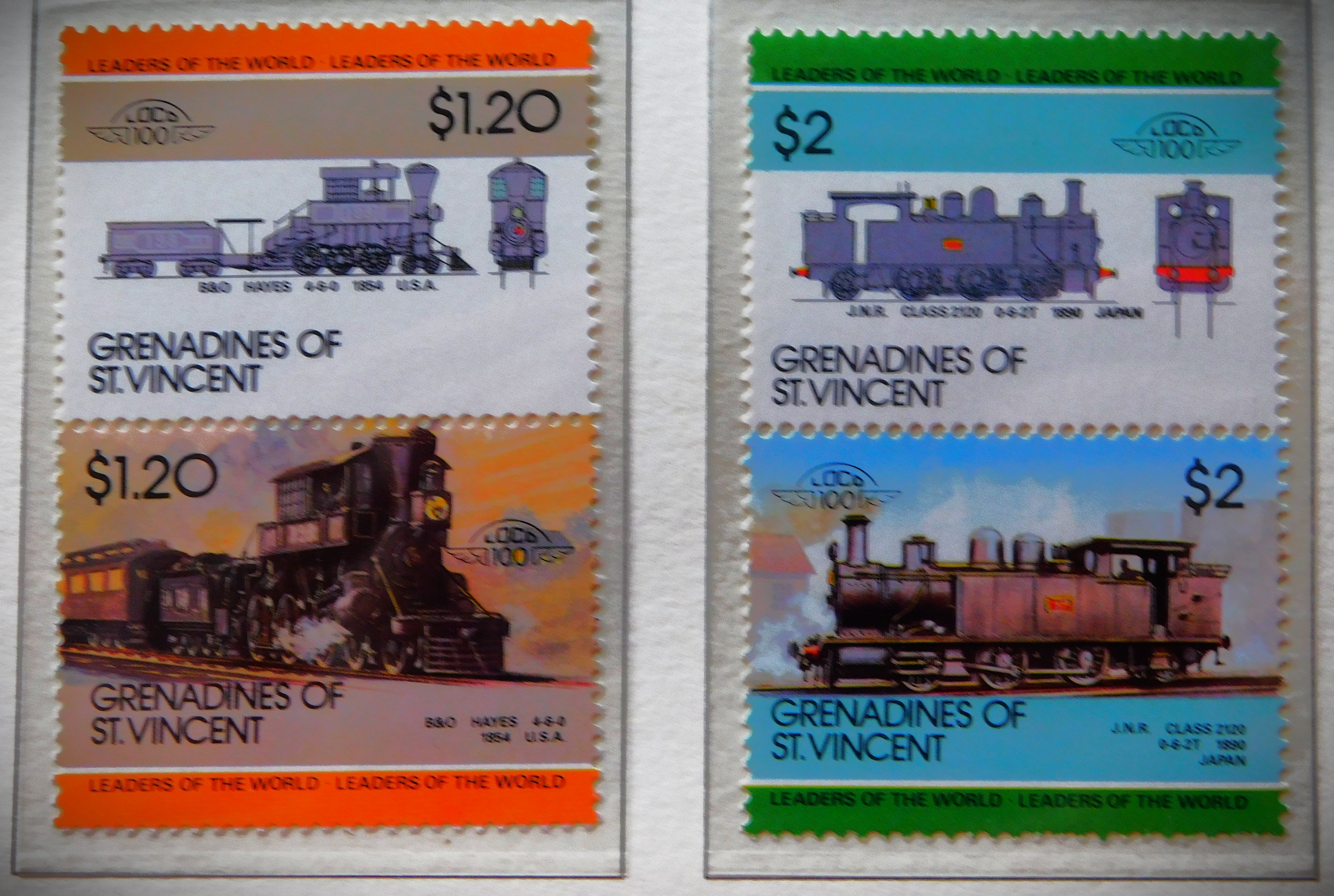
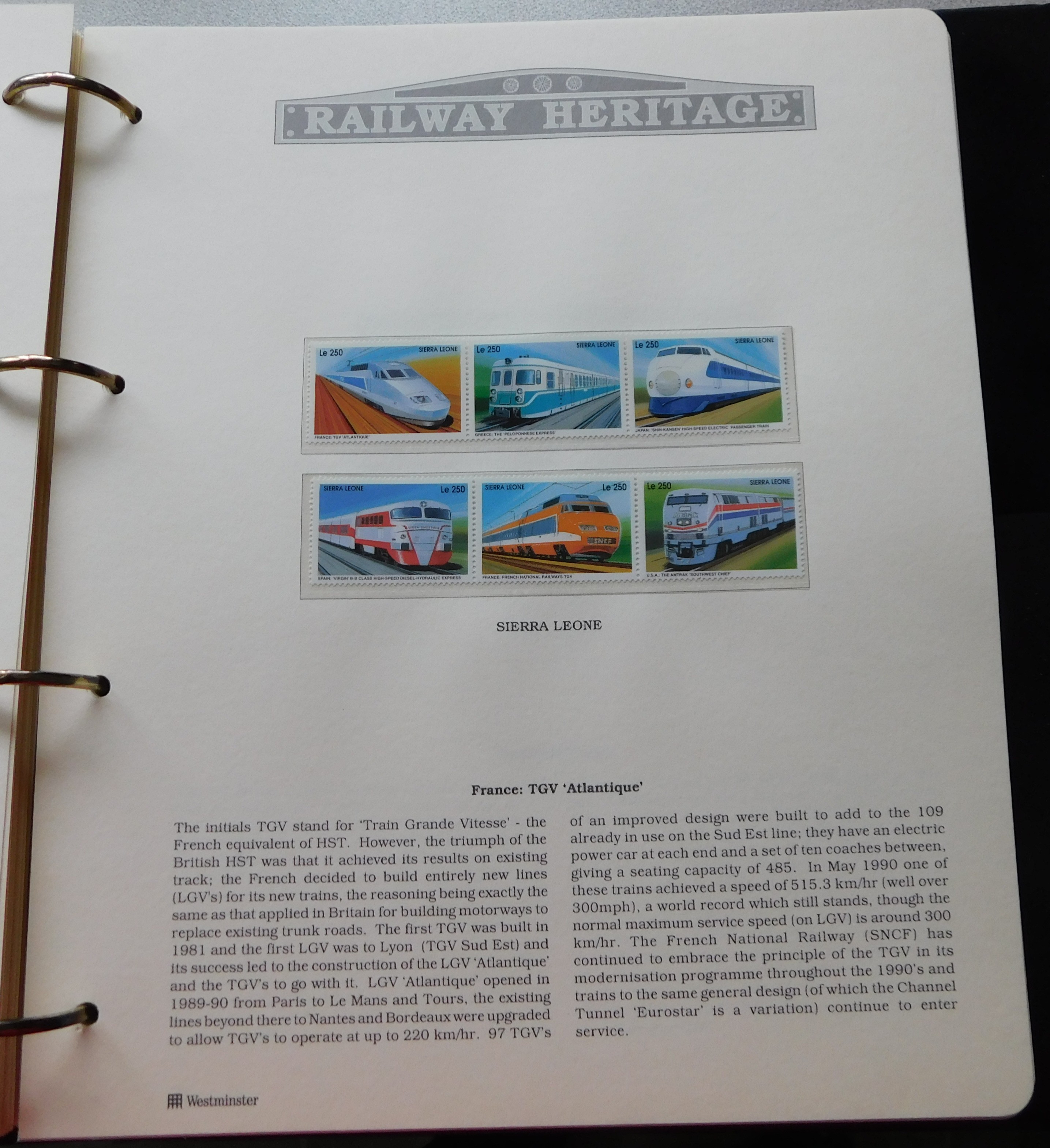
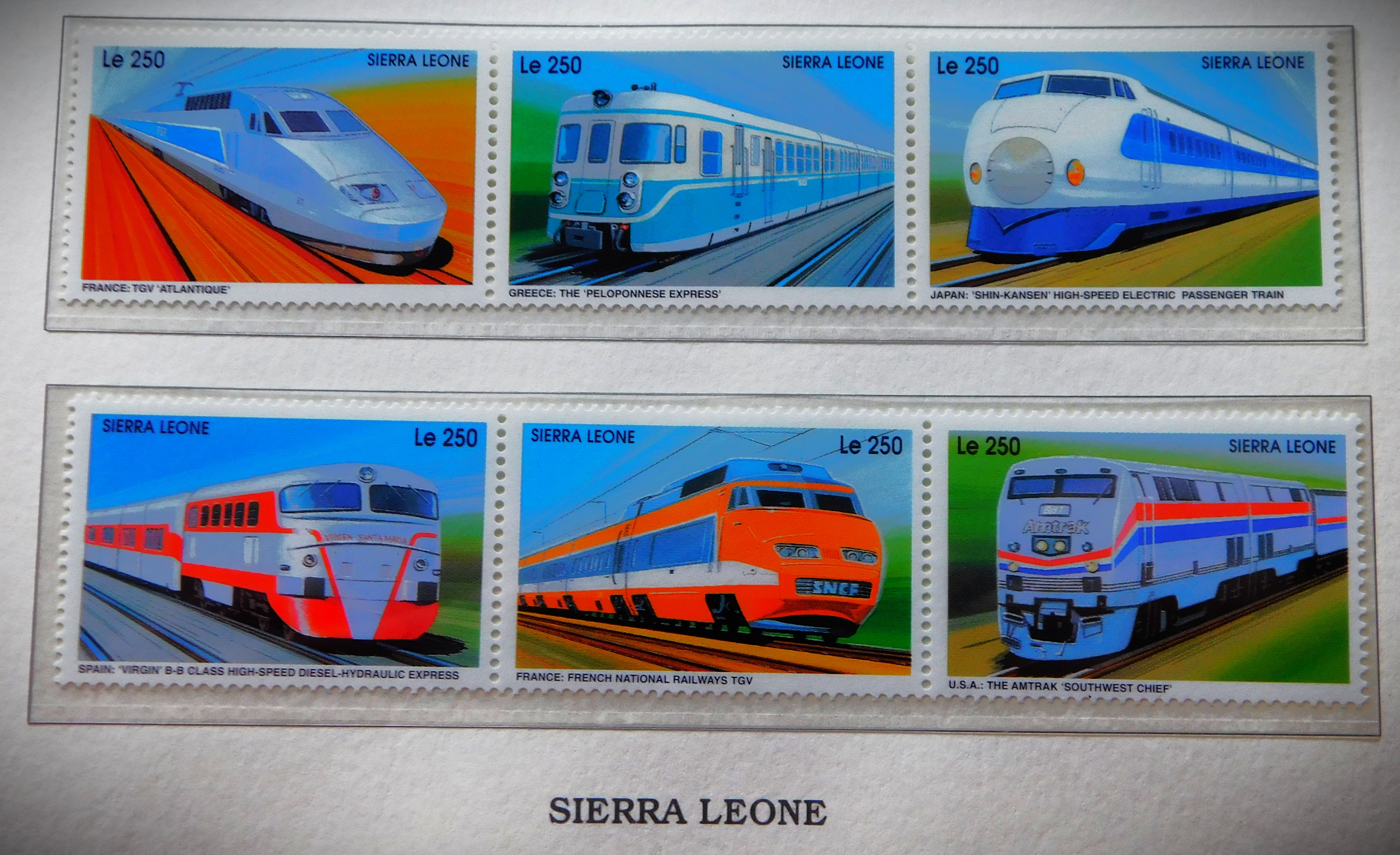
It was about 1:30PM when I got official confirmation that I had won the lot, and as it happens for less than I was willing to pay. I paid my dues, and was able to take the two albums home with me on the day. Much of today has been dedicated to photographing my new possession and then editing those photos (with a backdrop of the opening match of the ICC Champions Trophy, Pakistan v New Zealand, won comfortably by New Zealand). I end this section with the pictures from the first album…
THE SECOND ALBUM
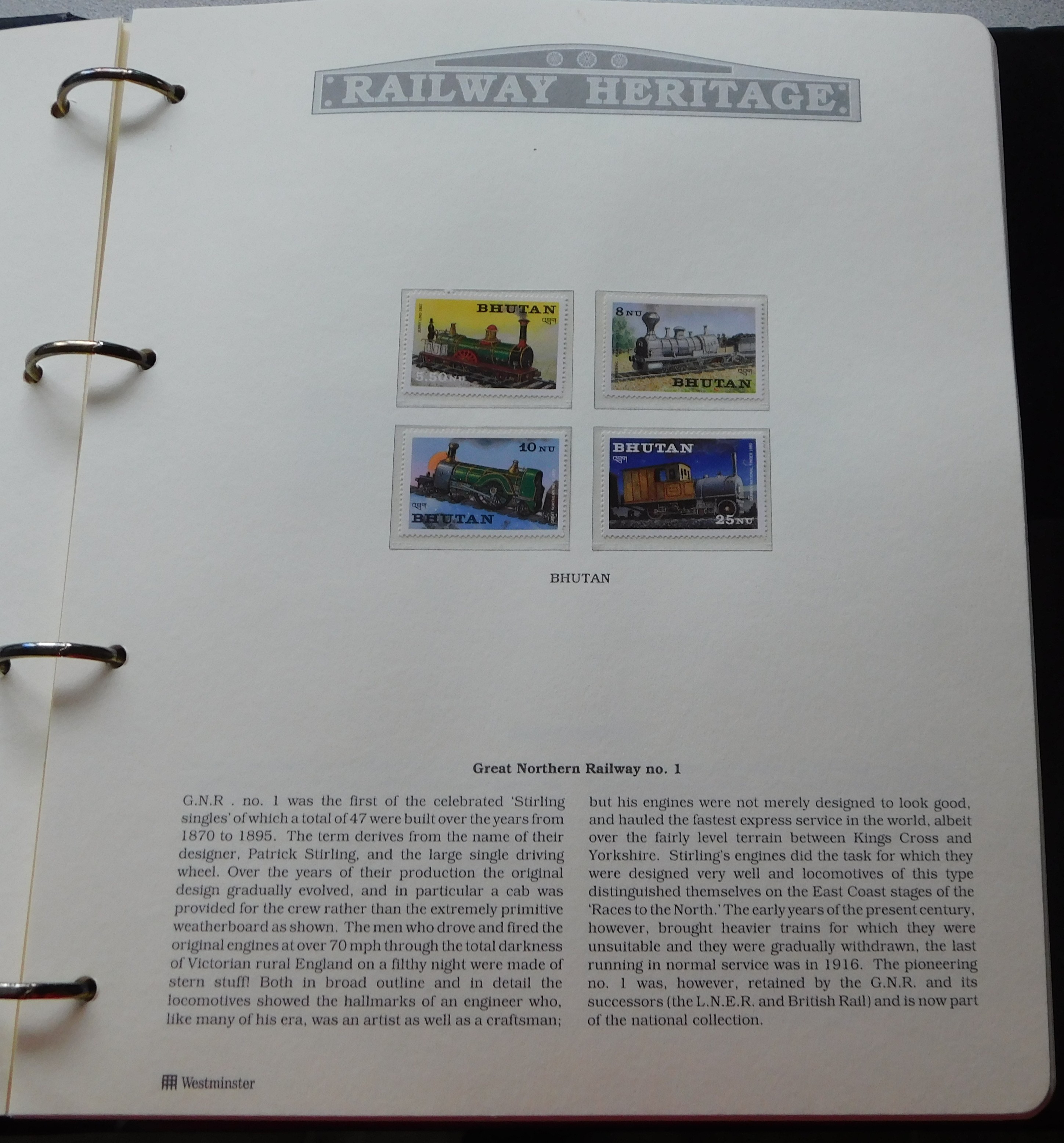
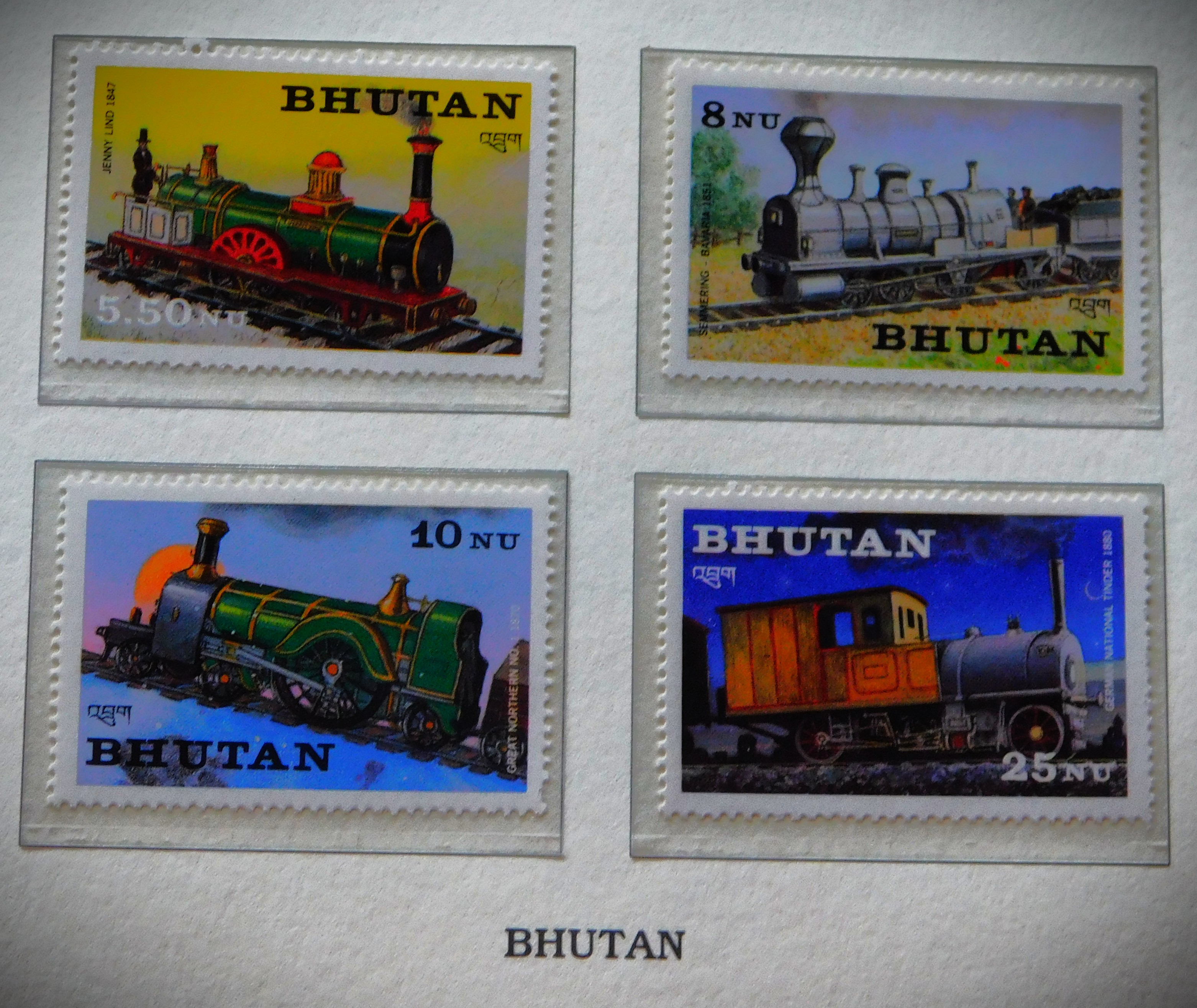
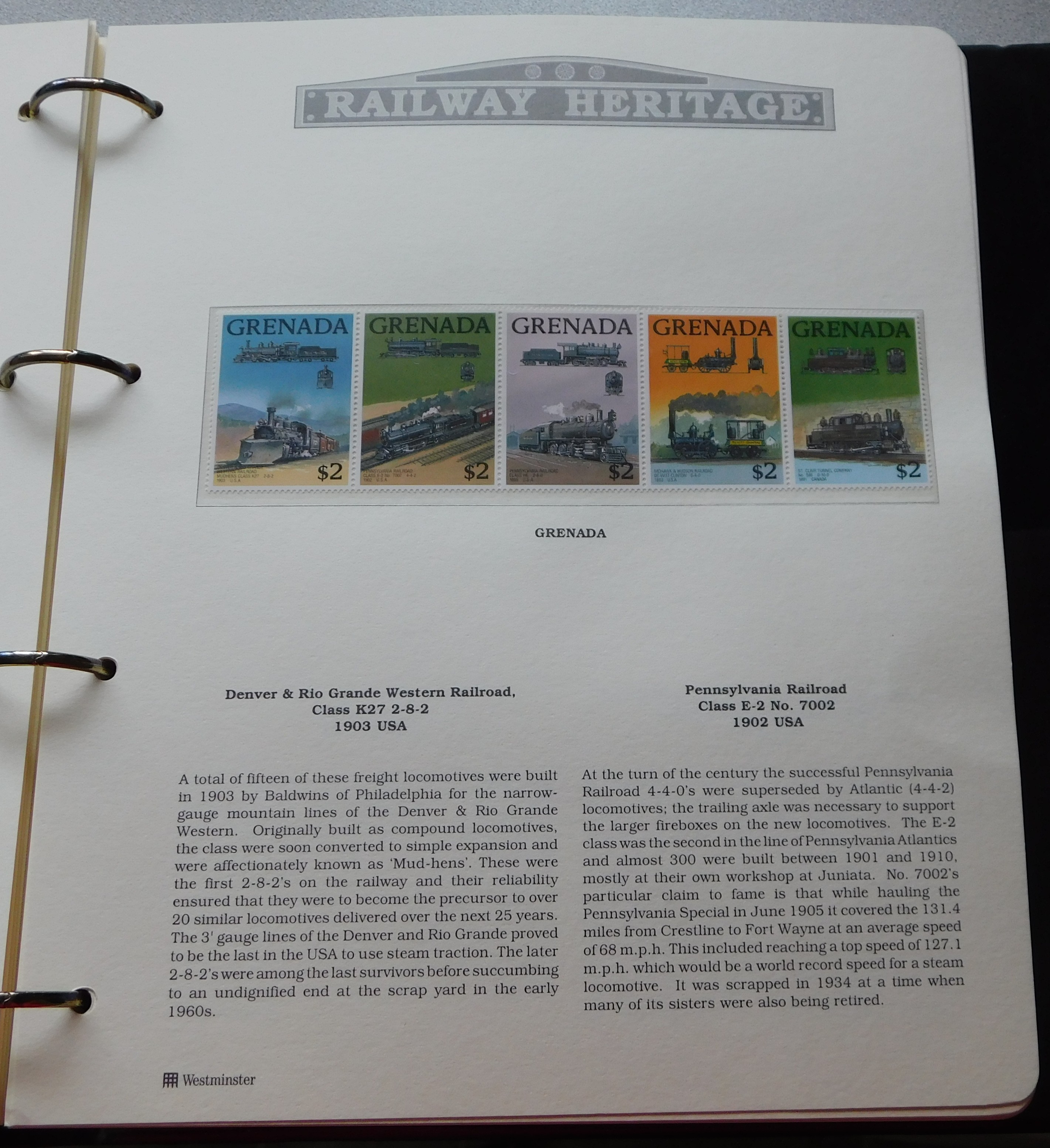
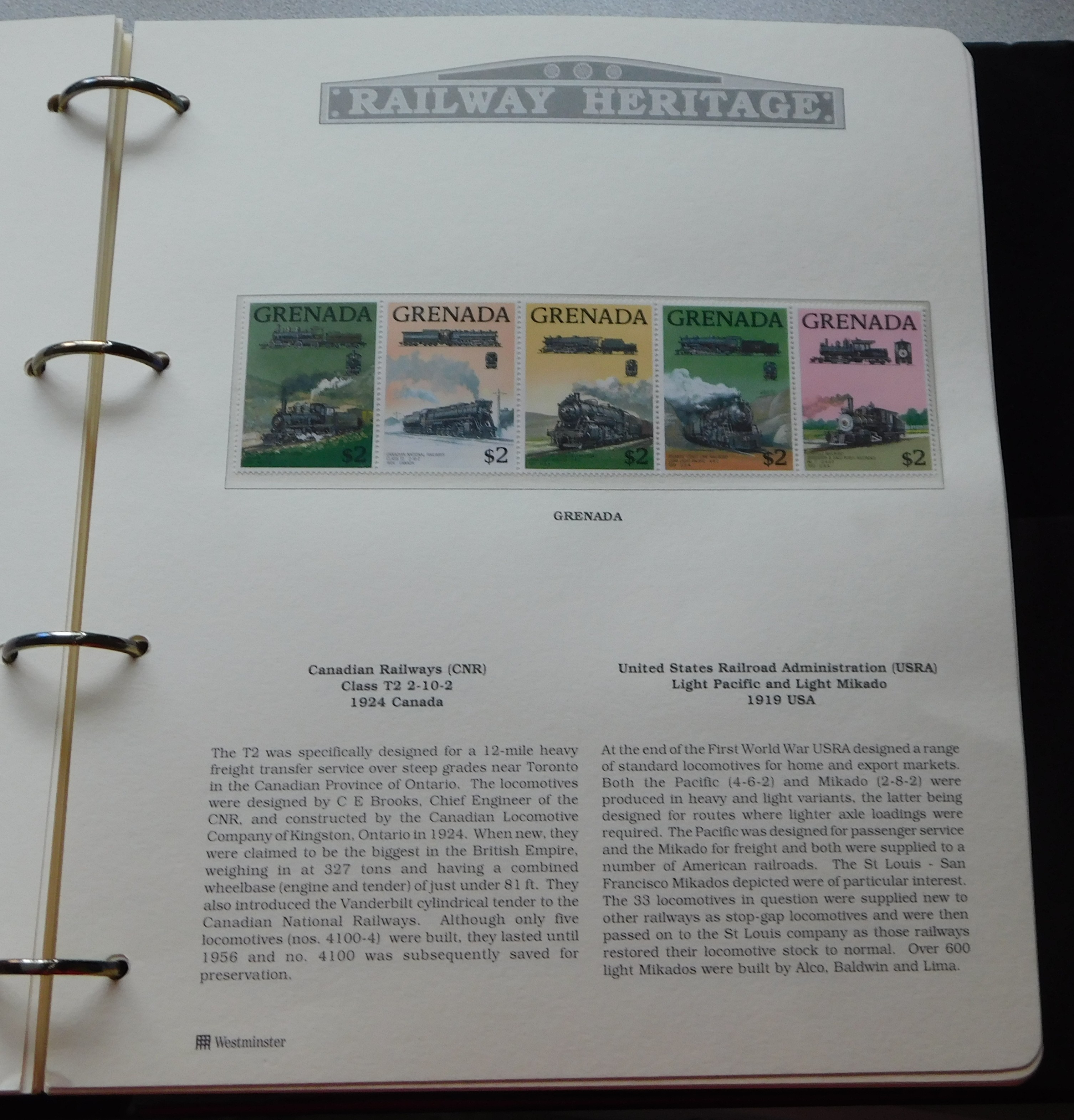
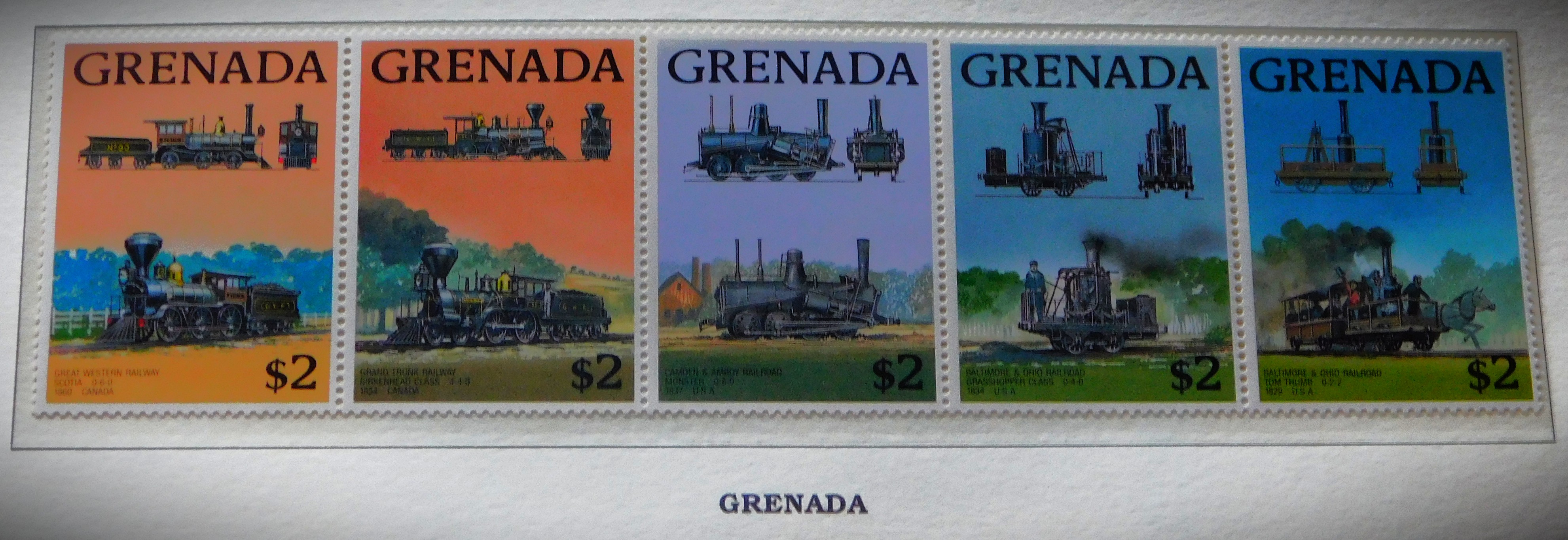
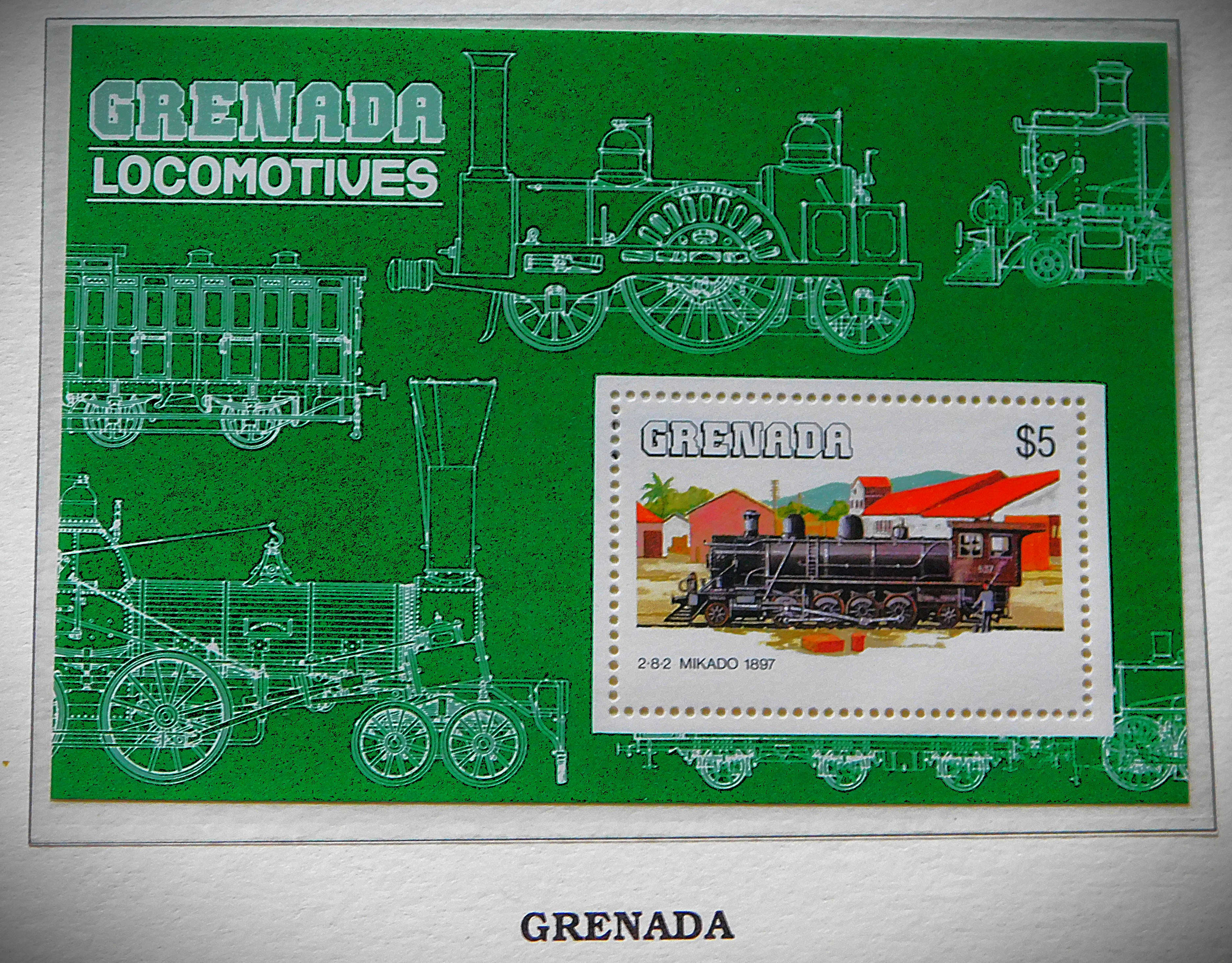
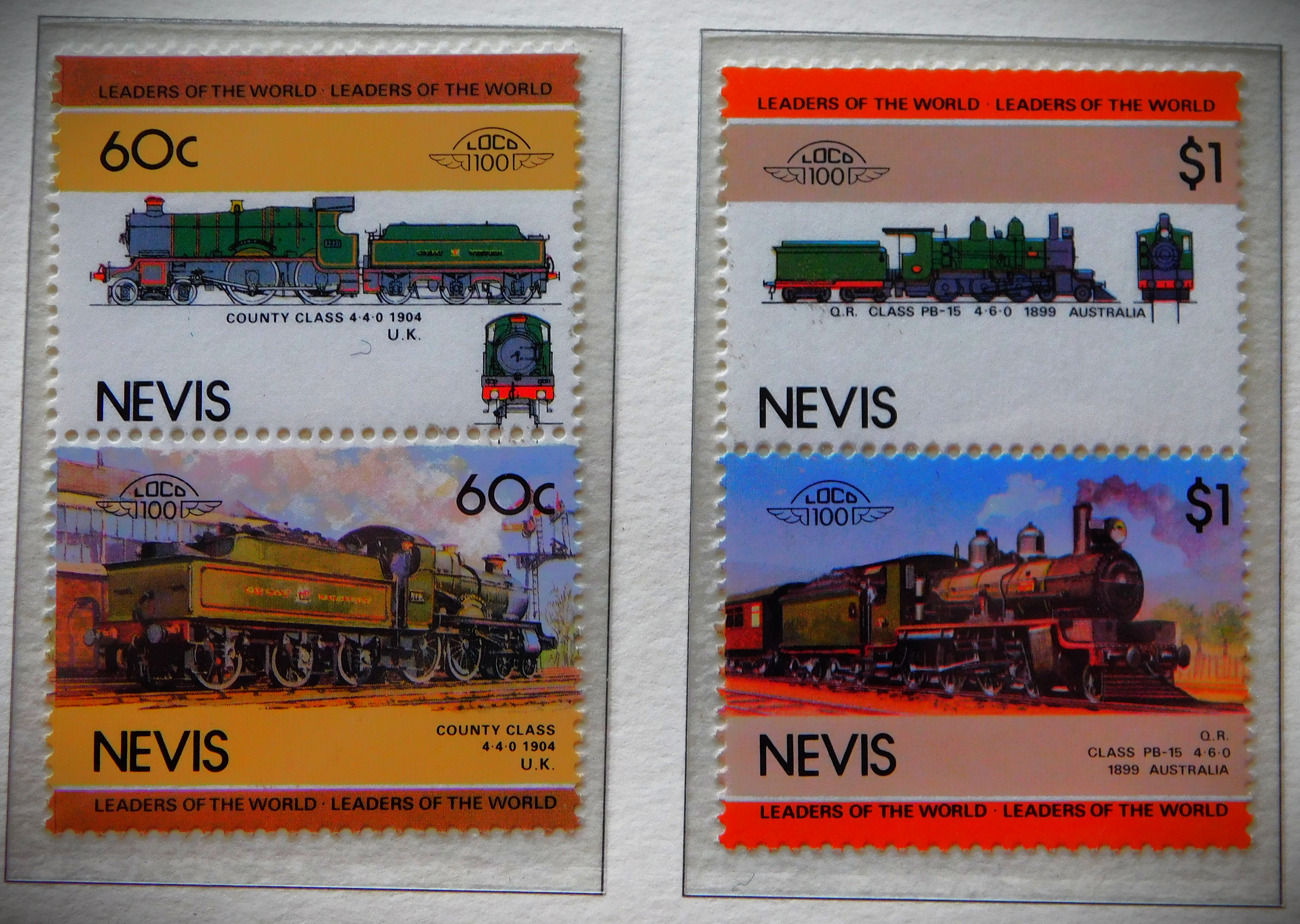
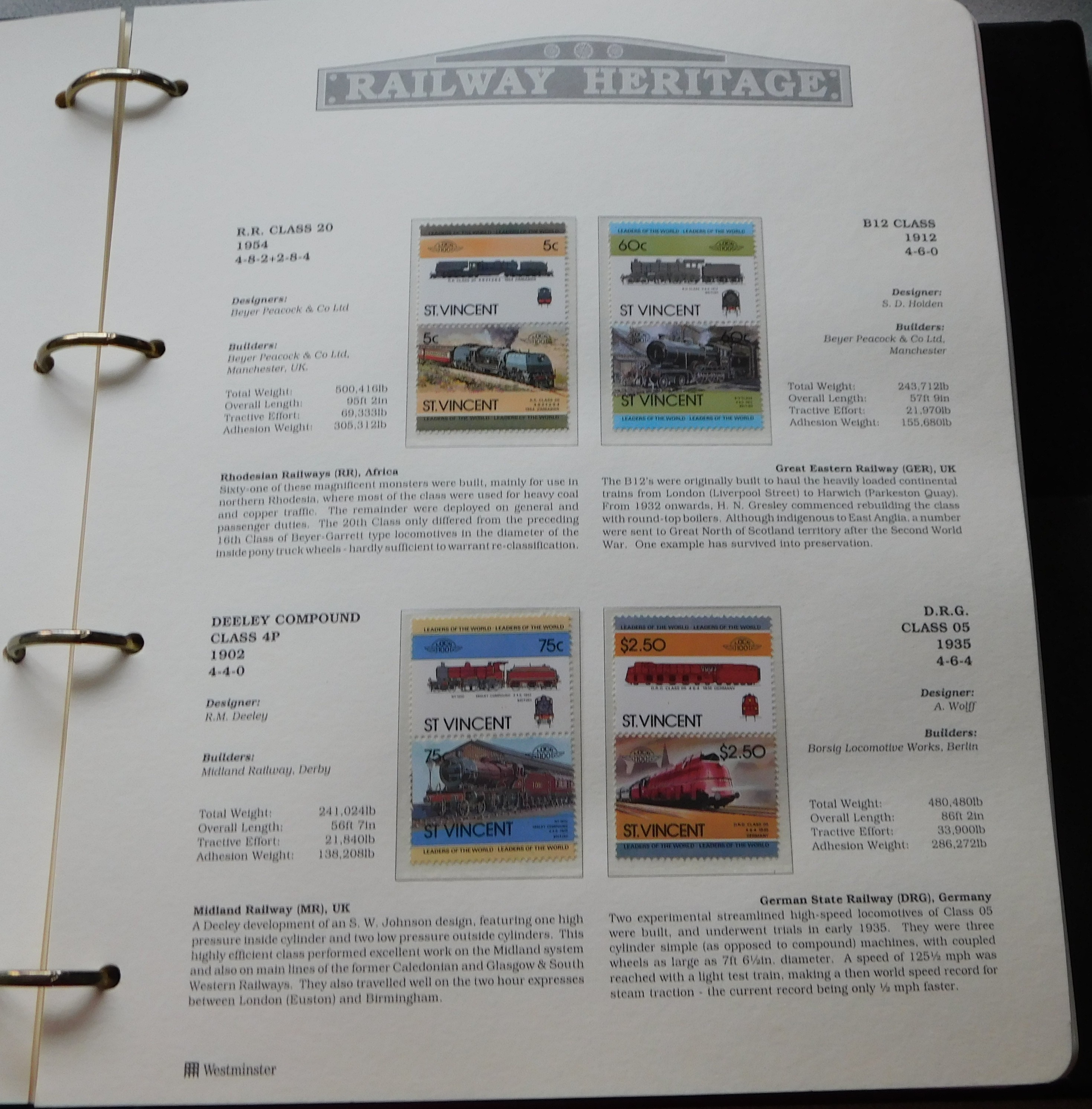
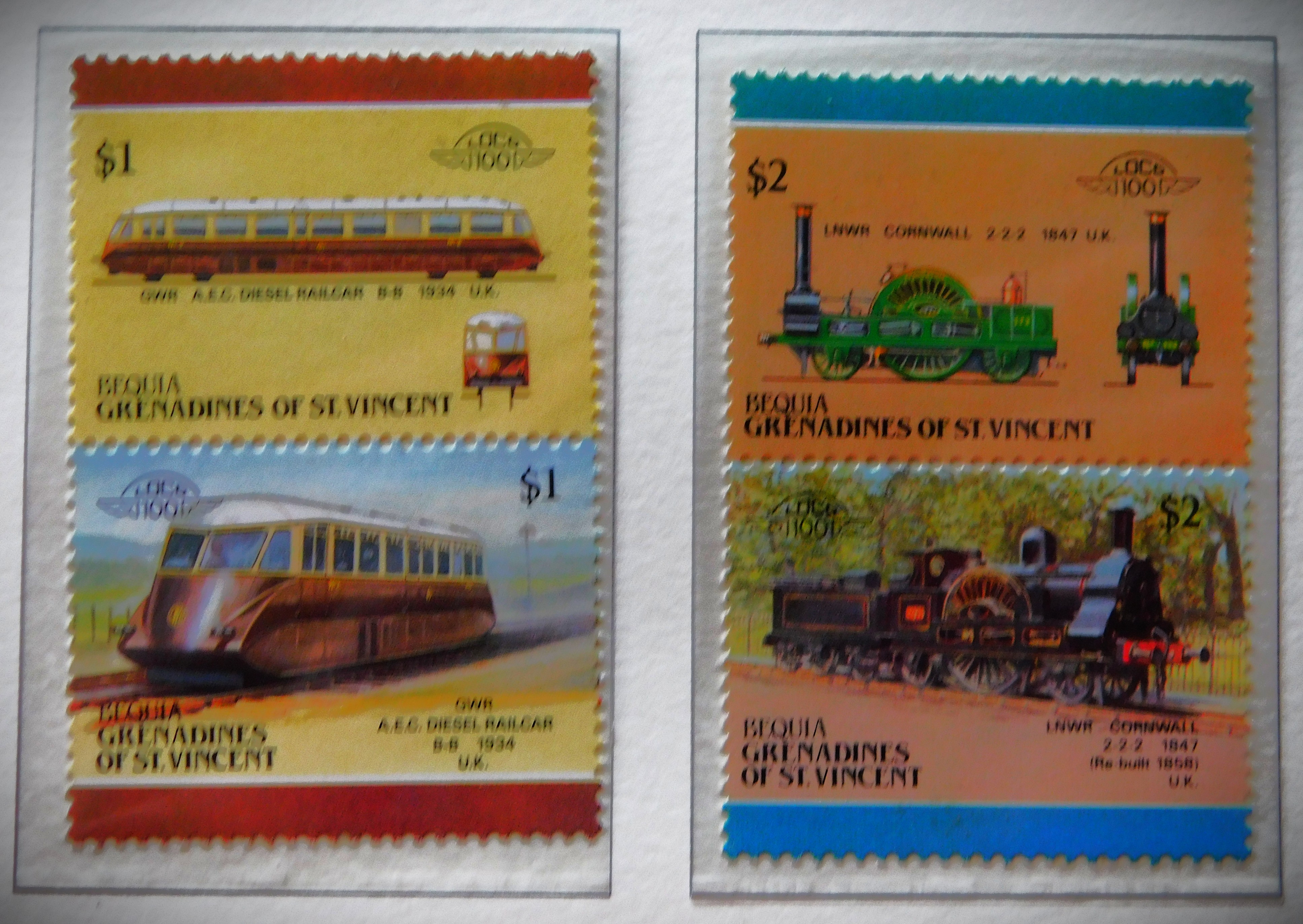
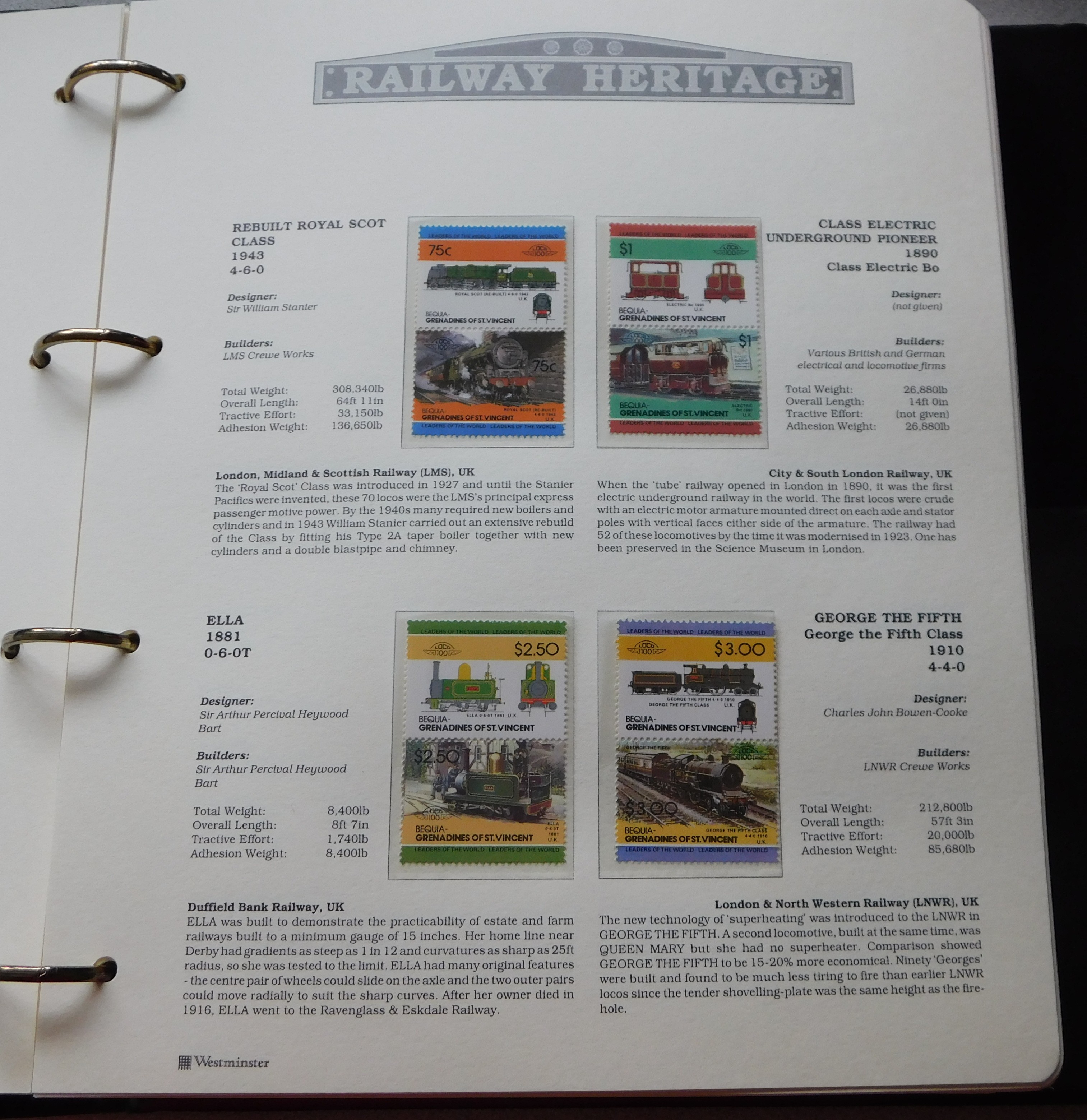
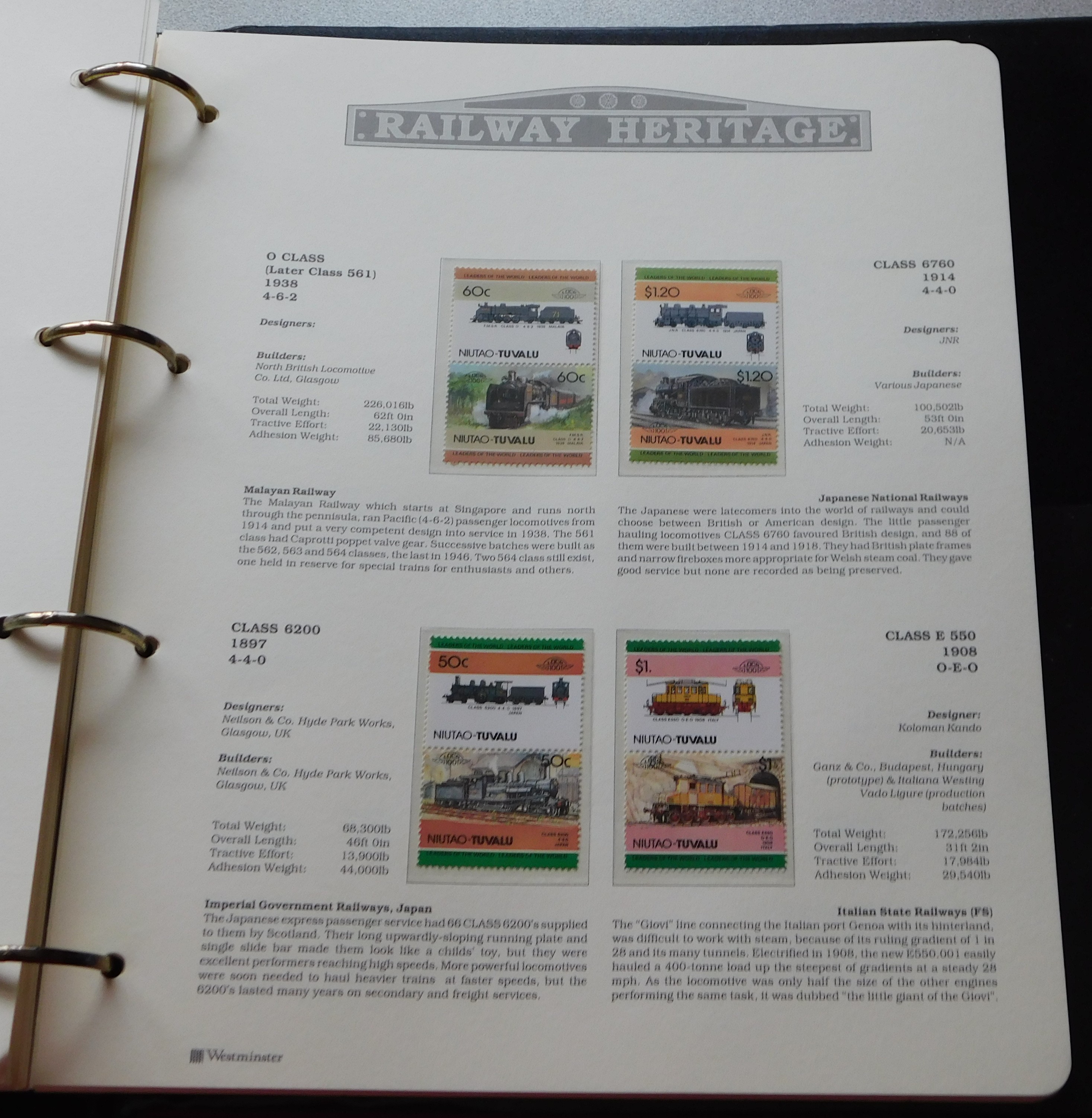
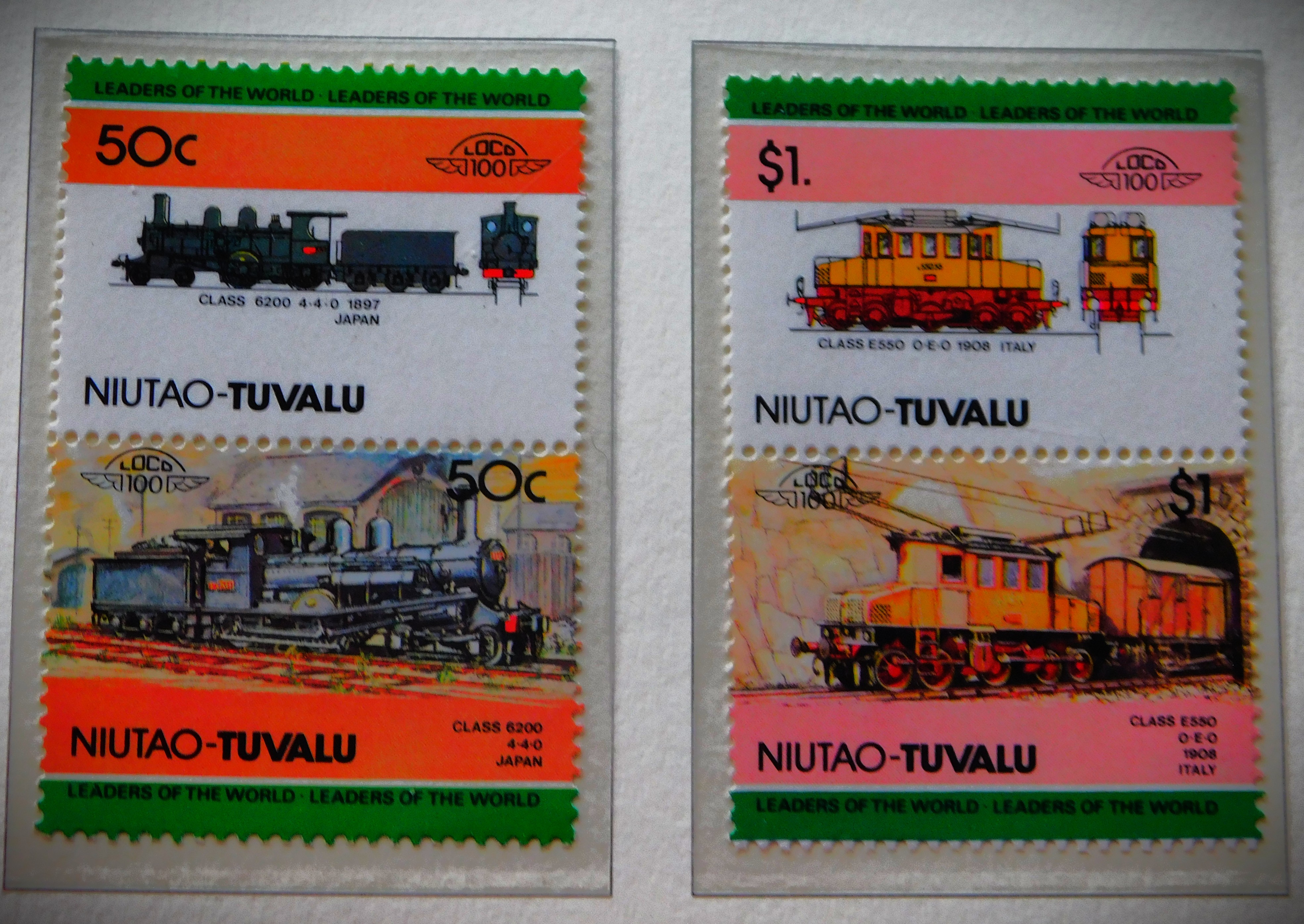
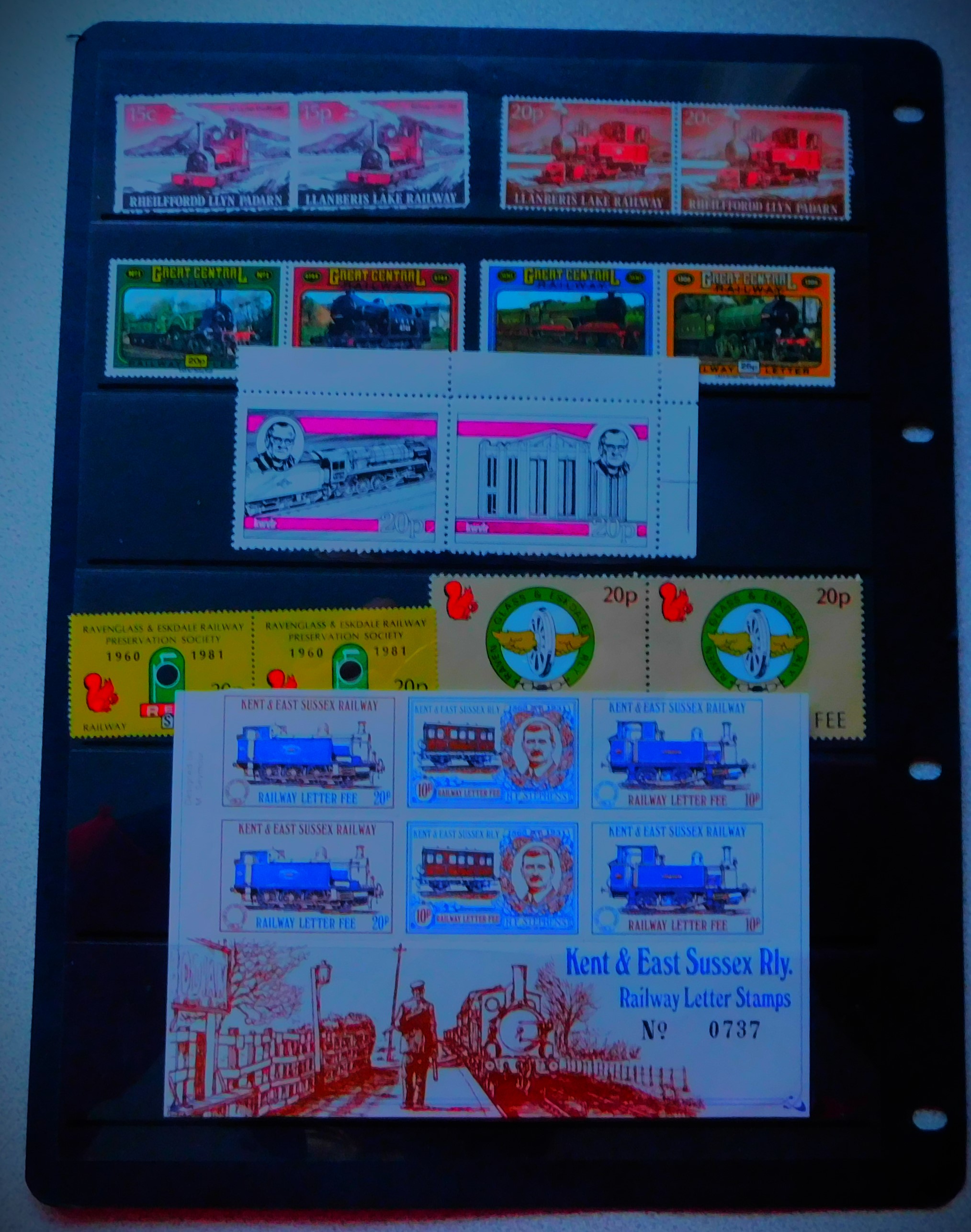
The second album was just as treasure laden as the first had been, and by the time I had finished photographing everything therein and editing the pictures I was in do doubt whatsoever that this has to rank as my finest ever auction purchase. Here to finish off this post are the pictures from the second album…
The albums in their new location atop the cabinet of curiosities.
A look at developments in the Women’s T20 World Cup, including comments about both of today’s games. Also a photo gallery prefaced by a couple of lots which are in James and Sons’ November sale but otherwise containing pictures from today.
The group stage of the Women’s T20 World Cup is approaching its conclusion. This post looks at the situation, with some stuff about today’s games.
Sri Lanka are eliminated, and after today’s loss to New Zealand are confirmed as finishing last in the group. India face Australia tomorrow, and because of today’s result they need to win that game to prevent New Zealand v Pakistan become a straight shoot out for a semi-final slot. Australia are the only absolutely confirmed qualifiers, and they been incredibly impressive so far.
Scotland are out, and will almost certainly finish last (unless they can beat England heavily, and Bangladesh, currently in action against South Africa, win that match, which is looking very unlikely right now). Bangladesh are also unable to qualify. England are currently third on net run rate, but have a game in hand on South Africa and West Indies, and have a 100% record, whereas the other two sides have each lost once. If as seems likely South Africa win today they will be qualified, and West Indies will be hanging on by their finger nails.
NEW ZEALAND v SRI LANKA
Sri Lanka have had a wretched tournament, though it briefly looked improving for them today. That bright prognosis lasted until Amelia Kerr bowled Chamari Athapaththu for 35. I have written previously about Sri Lanka’s dependence on the veteran opener to get them to a competitive total. They very rarely win when their talisman doesn’t score as many as 40, and the remainder of their innings after her dismissal showed why. 74-2 after 13.3 overs became 115-5 after 20 overs – the death overs barely saw the scoring rate climb, as Sri Lanka needed it to. Bates struggled with the bat for New Zealand, and her dismissal for 17 (22) to make it 49-1 was probably better news for them than it was for Sri Lanka. Amelia Kerr, who had figures of 4-0-13-2 including the prize wicket mentioned earlier, came in to join Georgia Plimmer who was going well. Plimmer and Kerr shared an excellent partnership, and victory was well and truly in sight when Plimmer fell to a catch by Silva off Athapaththu for 53 (44). Sophie Devine joined Kerr to complete the job. It was Devine who made the winning hit, a colossal six off Kumari, but Kerr had scored 34* (31) to help NZ to an eight wicket win with 15 balls remaining. I understand why the Player of the Match award went to Plimmer for her 50 but I am 100% sure it was a wrong call. Kerr made important contributions in both departments. NZ may well have won even had Plimmer not scored big, they would not have won without Kerr’s contribution. Scorecard here.
BANGLADESH v SOUTH AFRICA
This match is approaching the half way stage and it has only been a late flourish that has got Bangladesh to three figures. At one stage they were going at only two an over, and even with a big finish they have only managed 106-3 from their 20 overs. South Africa have given away 11 wides. Mlaba, South Africa’s impressive left arm spinner, recorded figures of 4-0-11-1, and Marizanne Kapp was even more economical – 4-0-10-1.
PHOTOGRAPHS
Today’s gallery starts with a few pictures from work this week…
We start with lot 327 from James and Sons’ November Sale, imaged on Thursday.This is the start of the gallery for lot 348 in the same sale.No cormorants on what I call ‘Cormorant Platform’ today, but this grey heron was a most acceptable replacement.
A look back at an auction week at James and Sons and a photo gallery.
This week James and Sons had auctions on Monday, Tuesday and Wednesday. This post looks back at those days.
MONDAY – TOYS
The Monday auction was the smallest of three, just 150 lots going under the hammer. It was very successful. The fun started as early as lot 4, some Scalextric stuff which was expected to fetch 50-60 and ended up going £170!
Lot 9 went very cheaply to me.
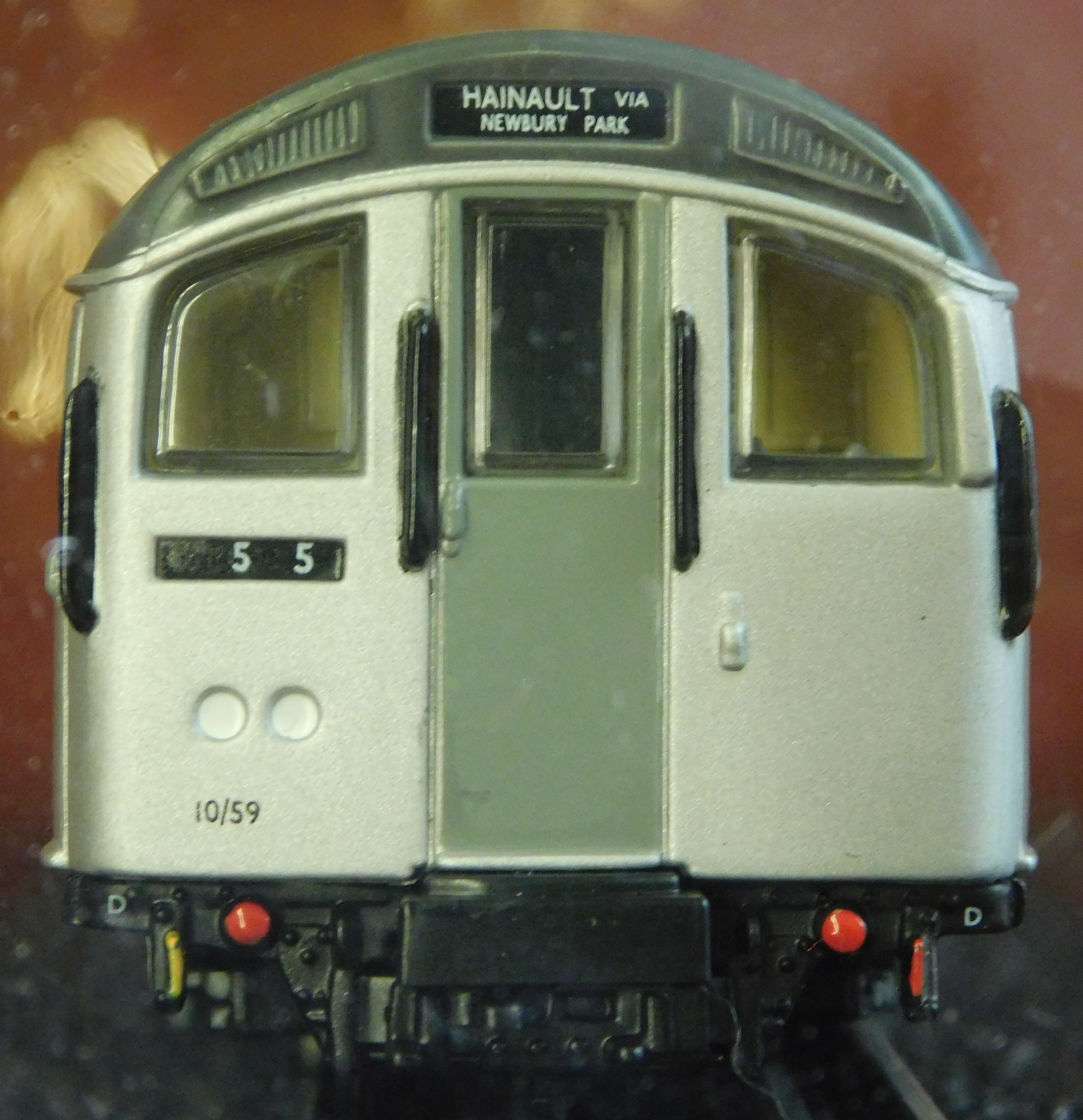
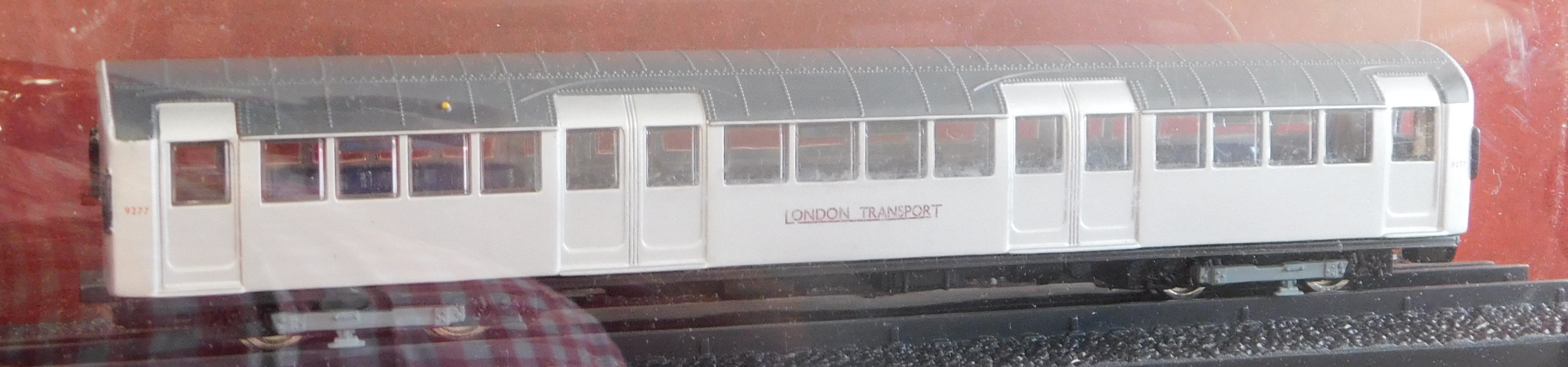
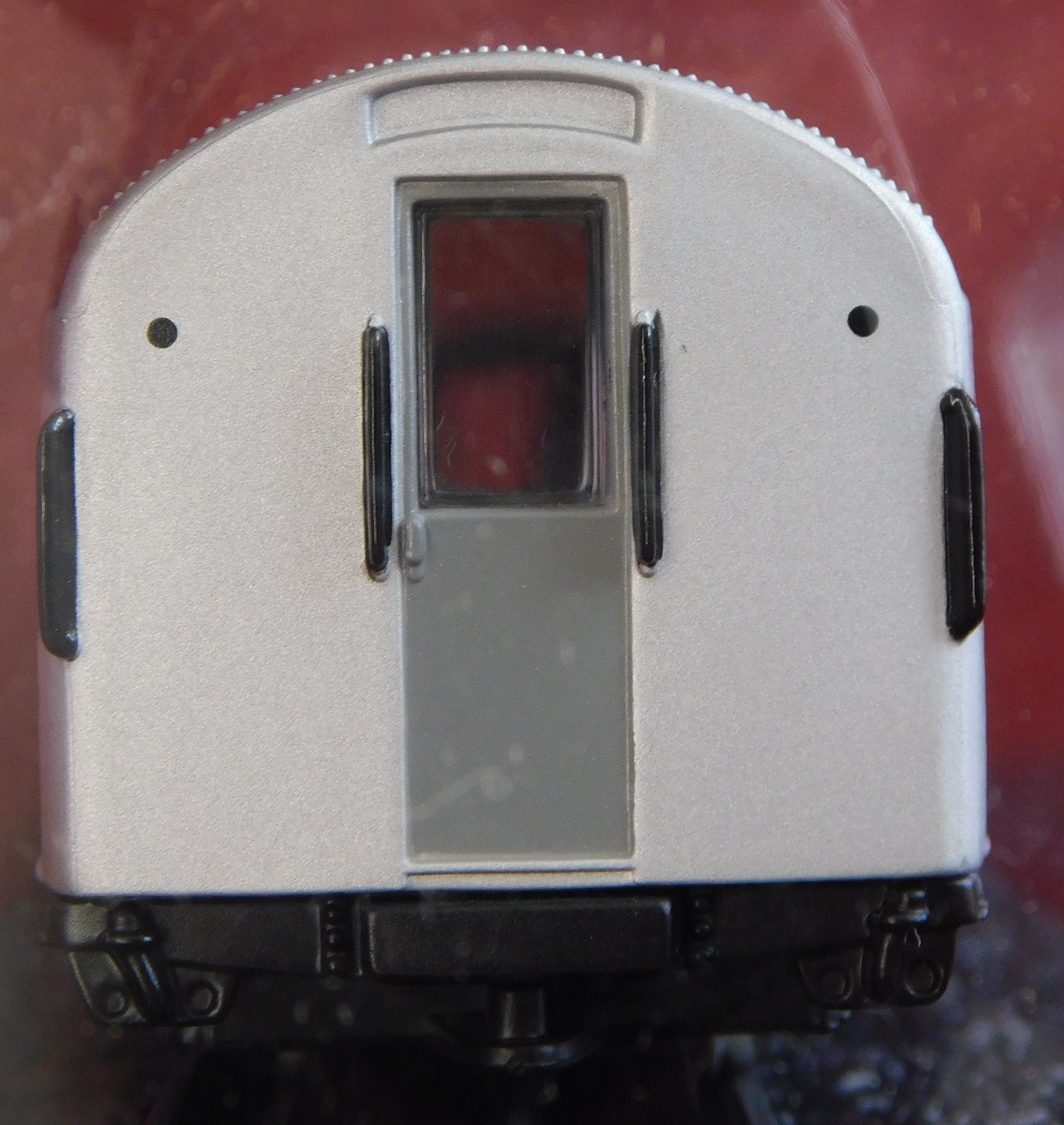
Lot 43 might also have been of interest to me, being four model London Underground 1959 tube stock carriages, had it not been going way beyond my means. It was estimated at 25-35, but actually went for an eye popping £130!
These trains were still in service into the 1990s by the way.
There were other notable successes, but I will settle for highlighting just one further lot, number 96, which had a modest estimate of 15-20 and ended up going for £48!
TUESDAY
Tuesday was a work day for me, so I did not get to see what happened in that day’s auction, though there was some interesting stuff going under the hammer. Lot 667 went to me (I placed a bid online, and it was knocked down to me). While the auction was going on I was one floor up, using the scanner rather than my usual camera to image football programmes and team sheets which will be going under the hammer near the end of September.
WEDNESDAY – STAMPS
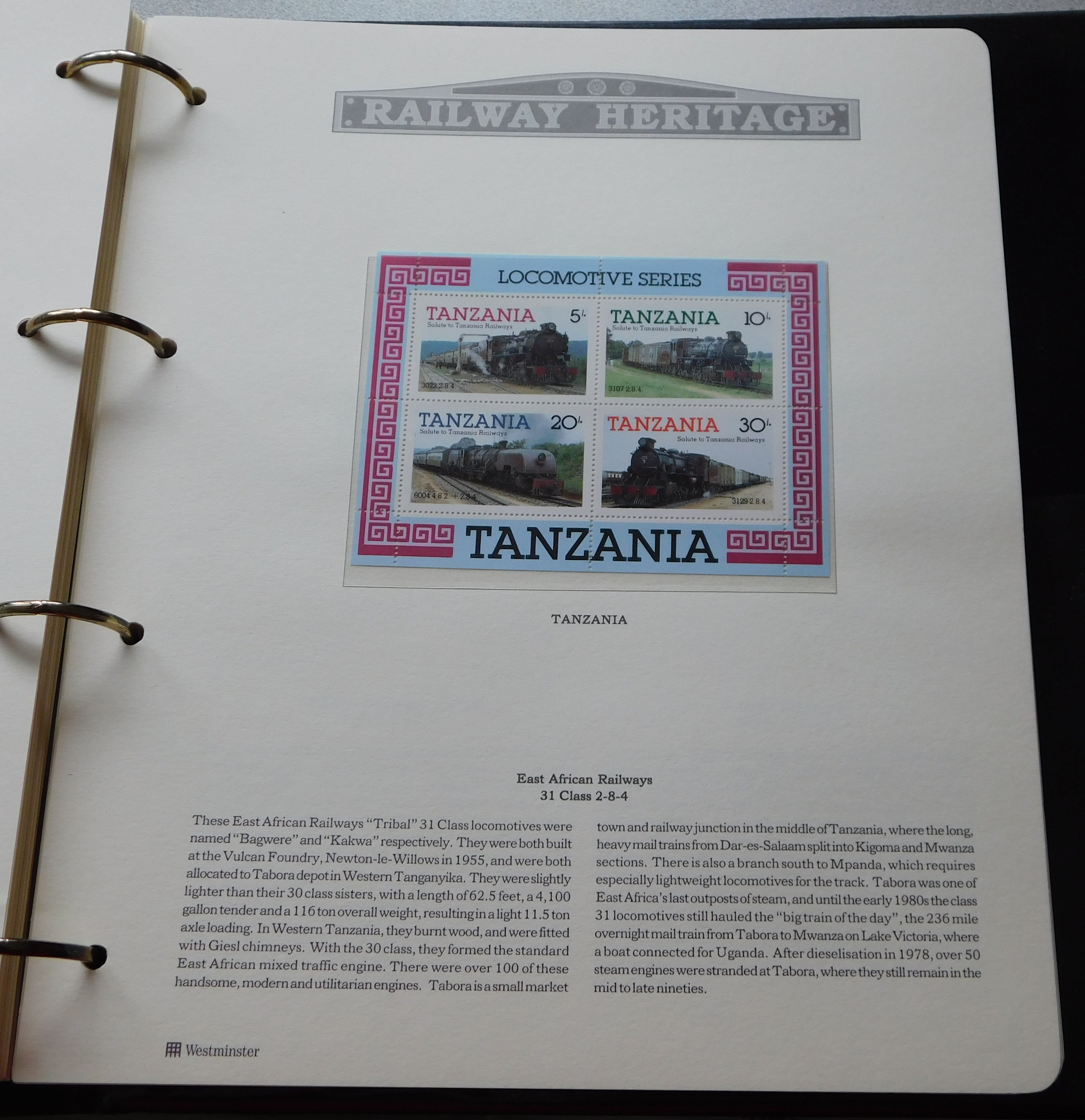
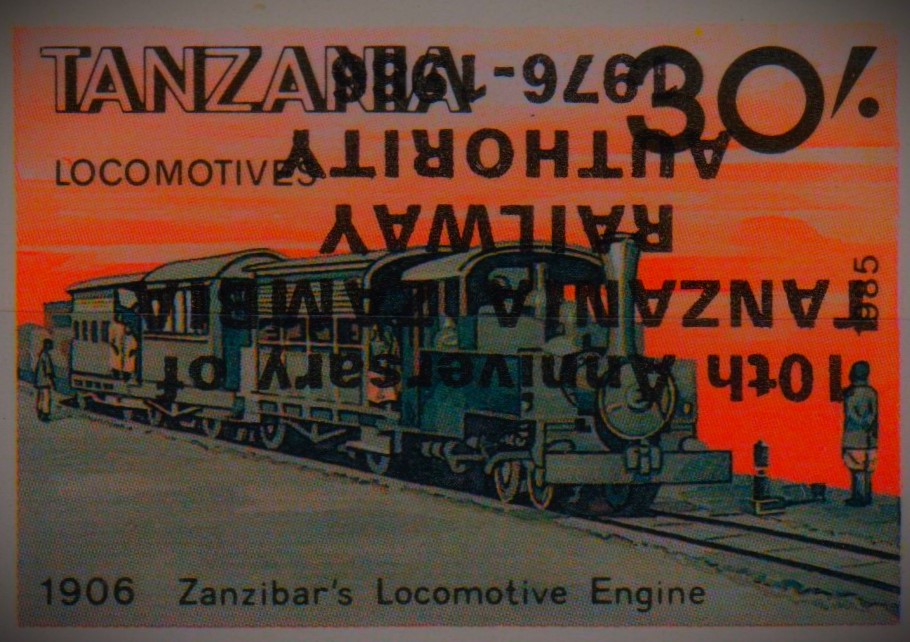
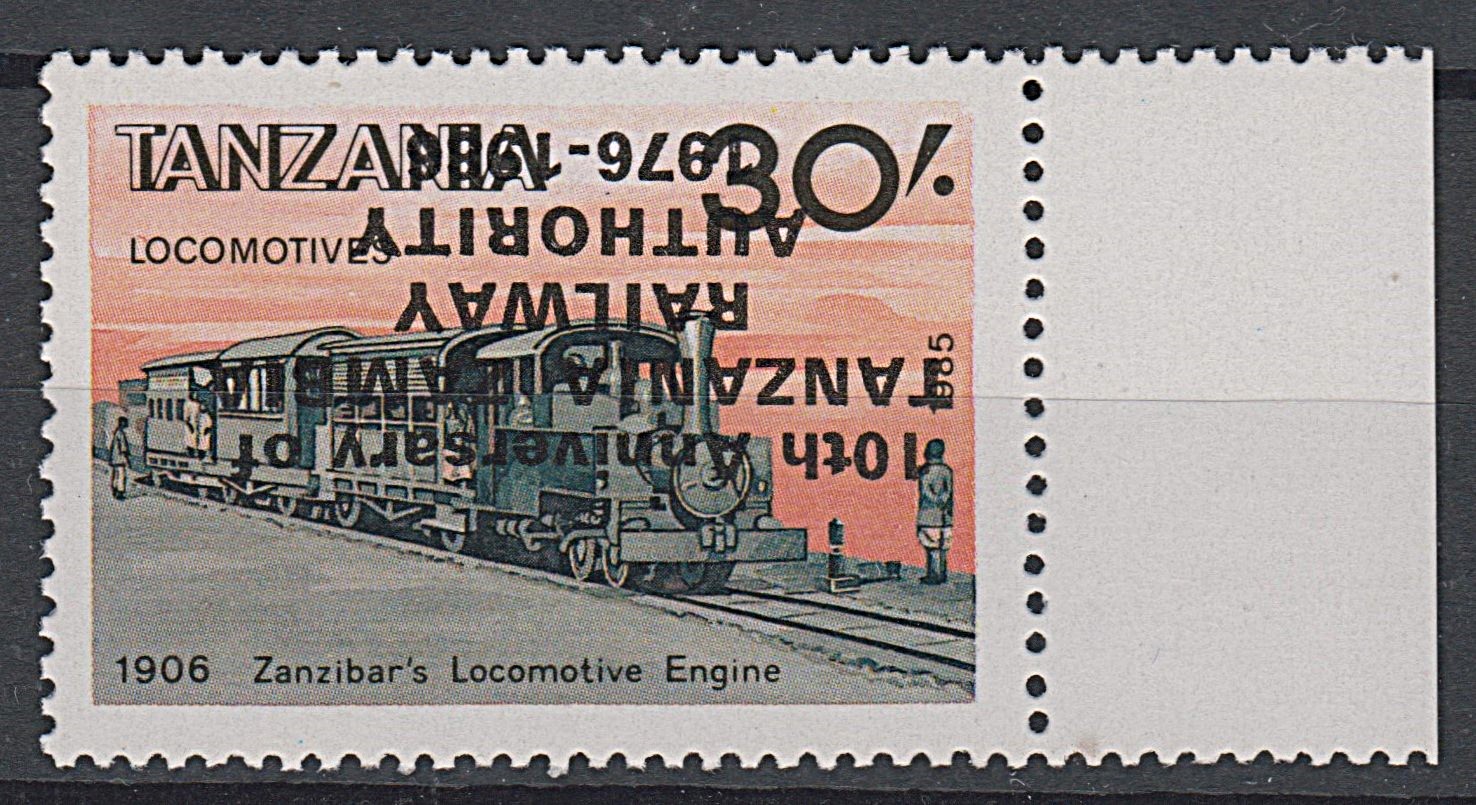
The stamp sale featured more lots than either Monday or Tuesday had, but was also quieter than either day. A Tanzanian railway stamp went to me cheaply, while the only notable success was lot 1430, which I did not image. Here is my stamp:
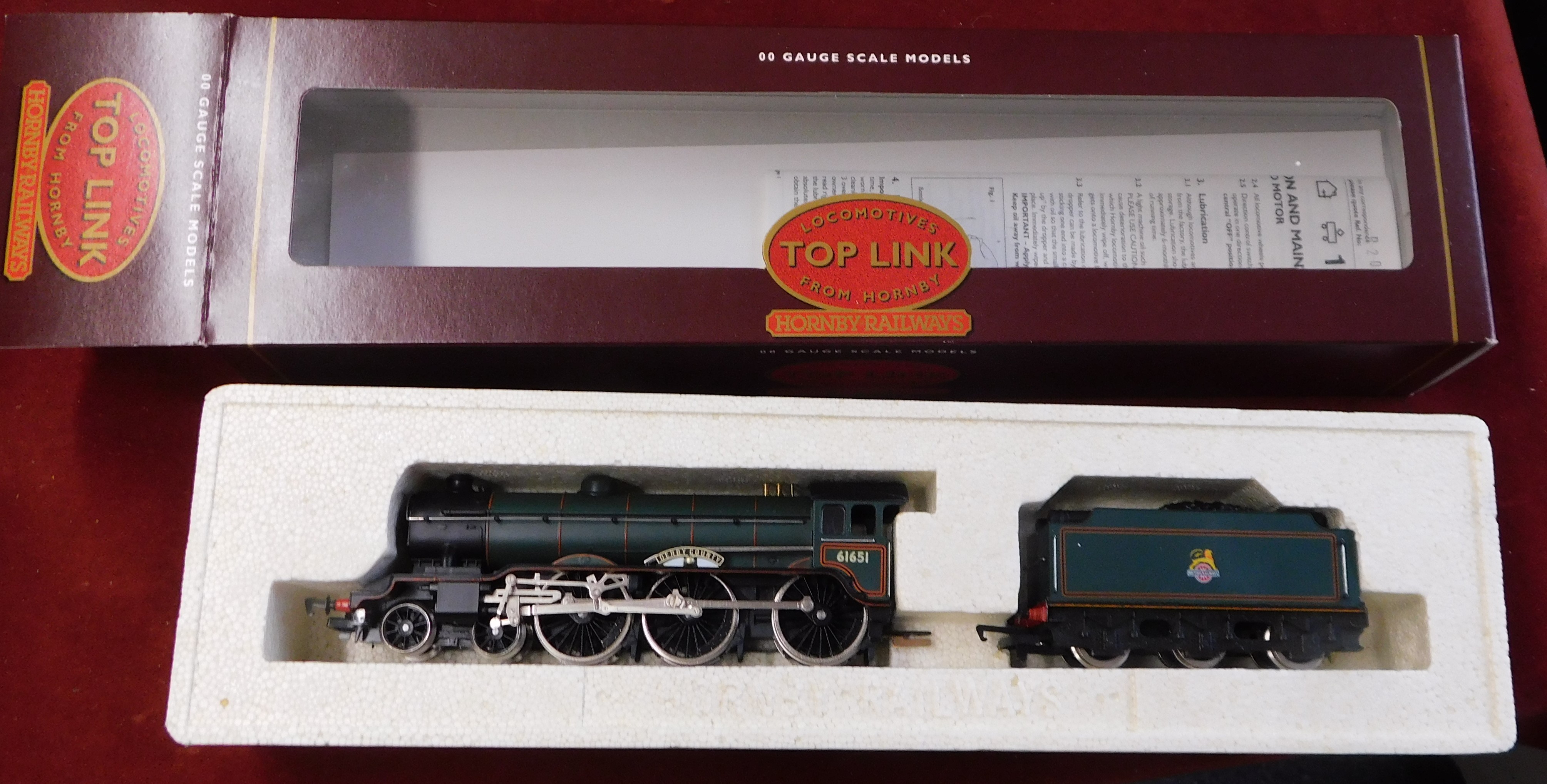
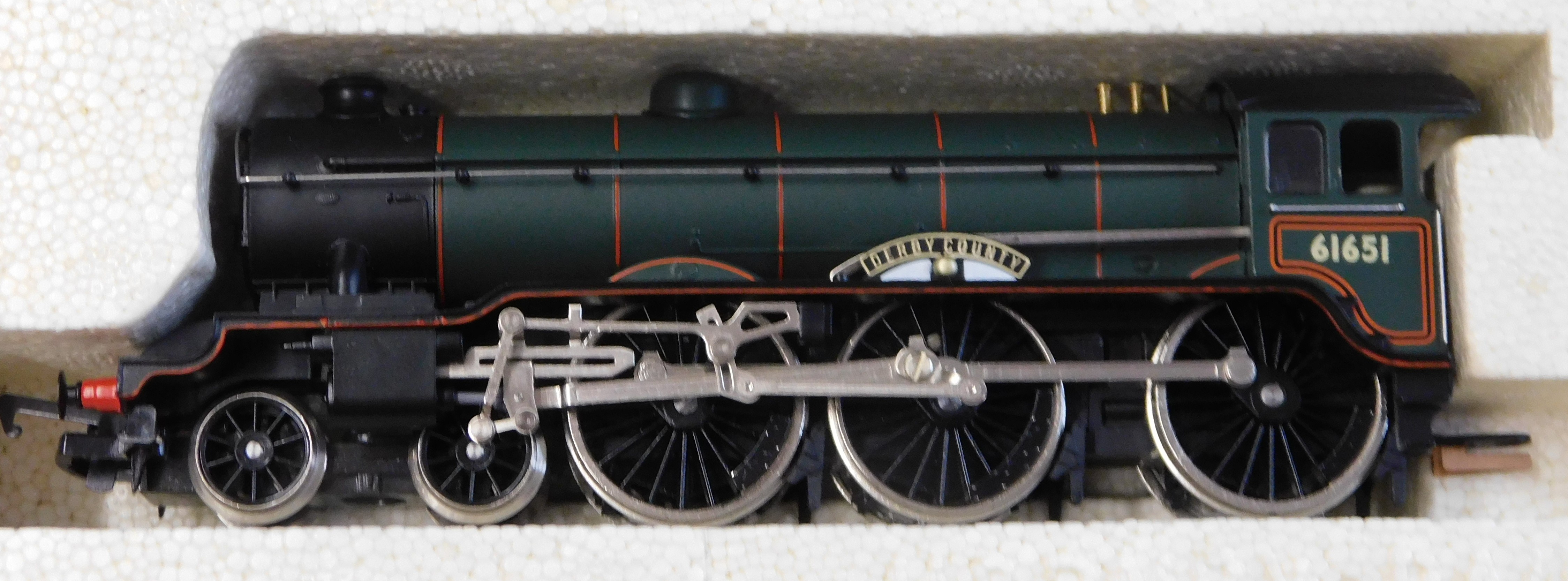
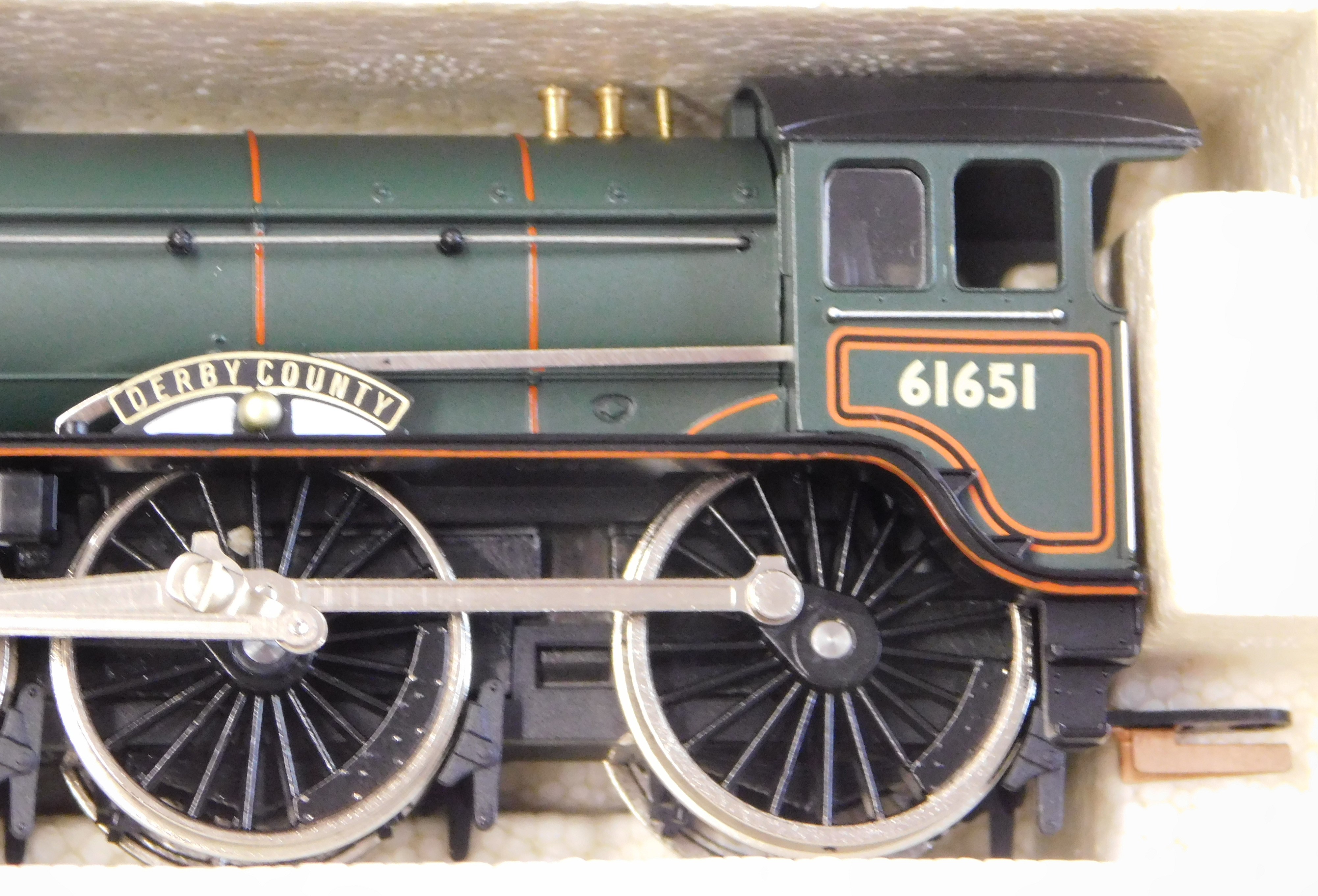
In its new display location, alongside a Djibouti banknoteTwo close ups of the locomotiveFocus on the text
A look back at the James and Sons auction that took place on Tuesday and Wednesday of this week, with lots of photos. Also a gallery of my usual hobby photos.
On Tuesday and Wednesday of this week James and Sons of Fakenham had their May auction. Tuesday was devoted to stamps and postal history, while Wednesday was a general auction, with lots of different types of stuff under the hammer. This post looks at some of the highlights of the two days.
TUESDAY – STAMPS ETC
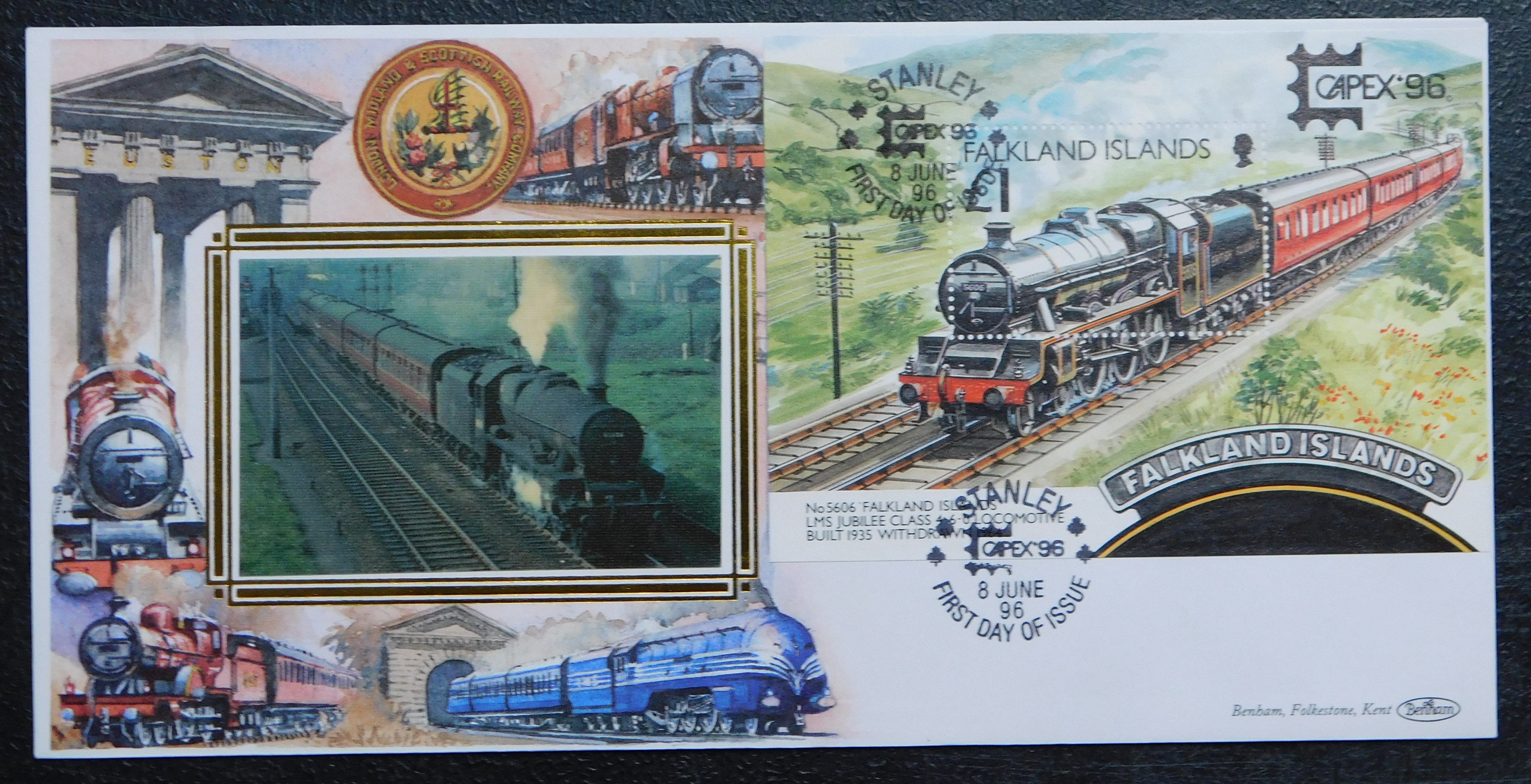
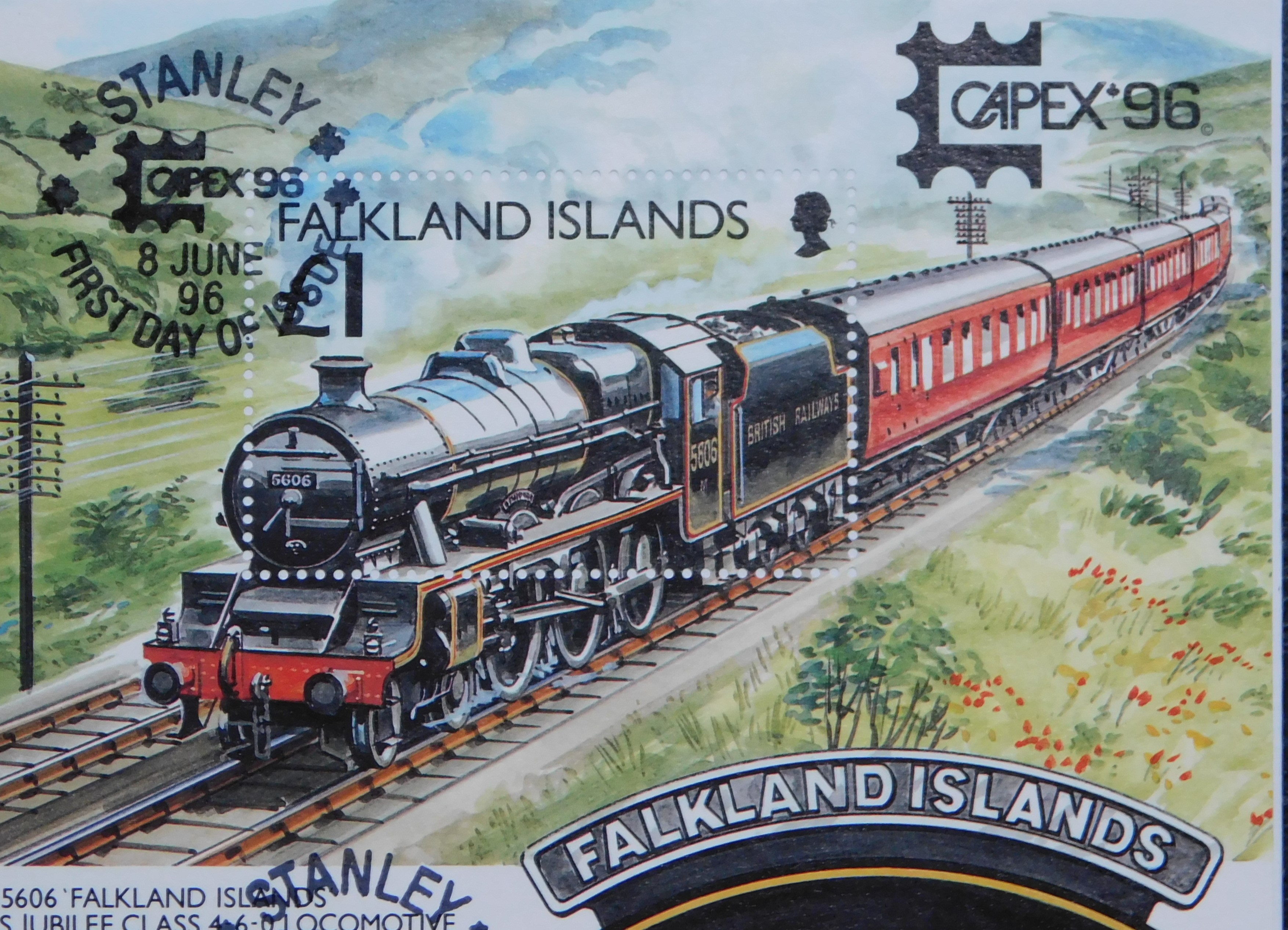
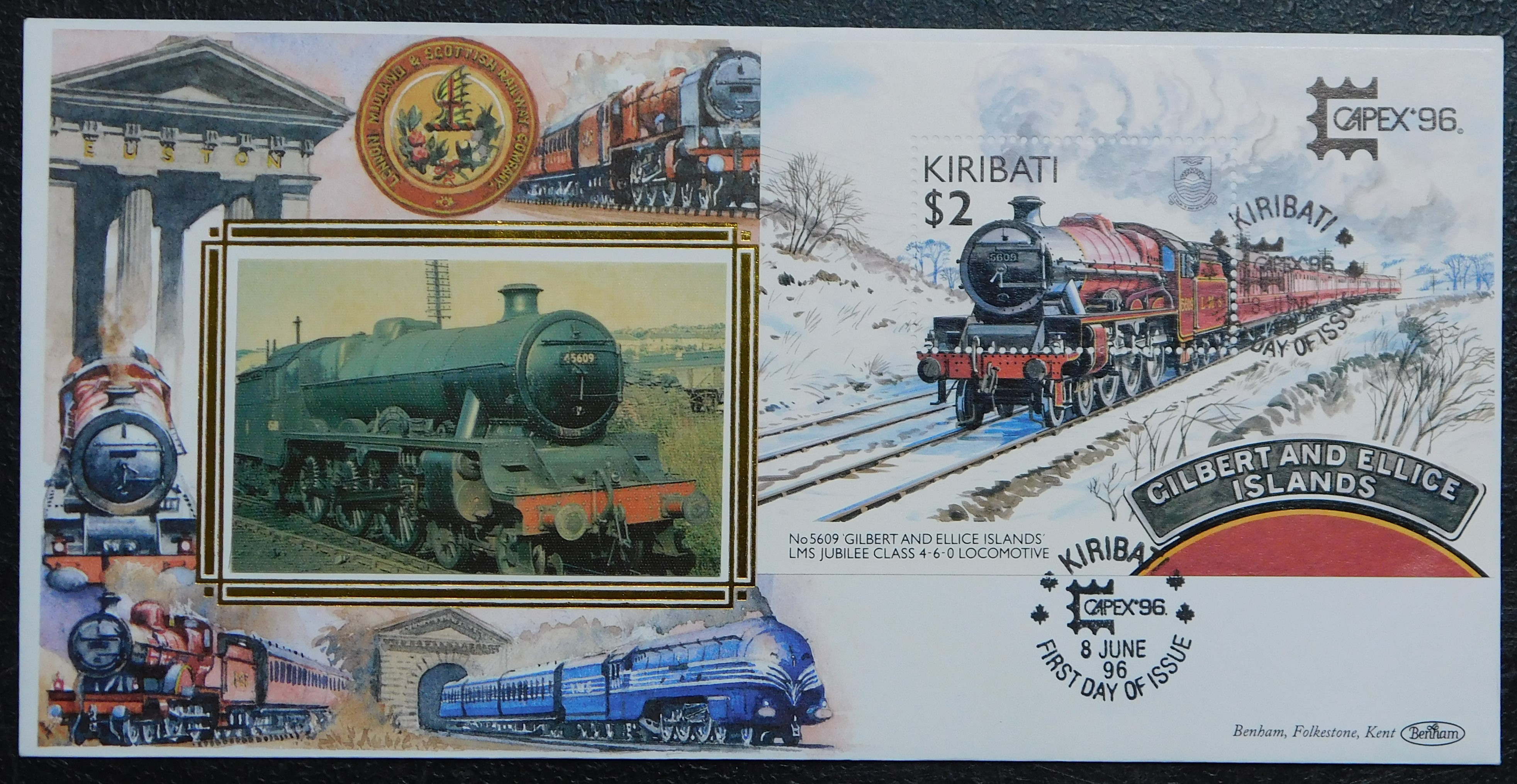
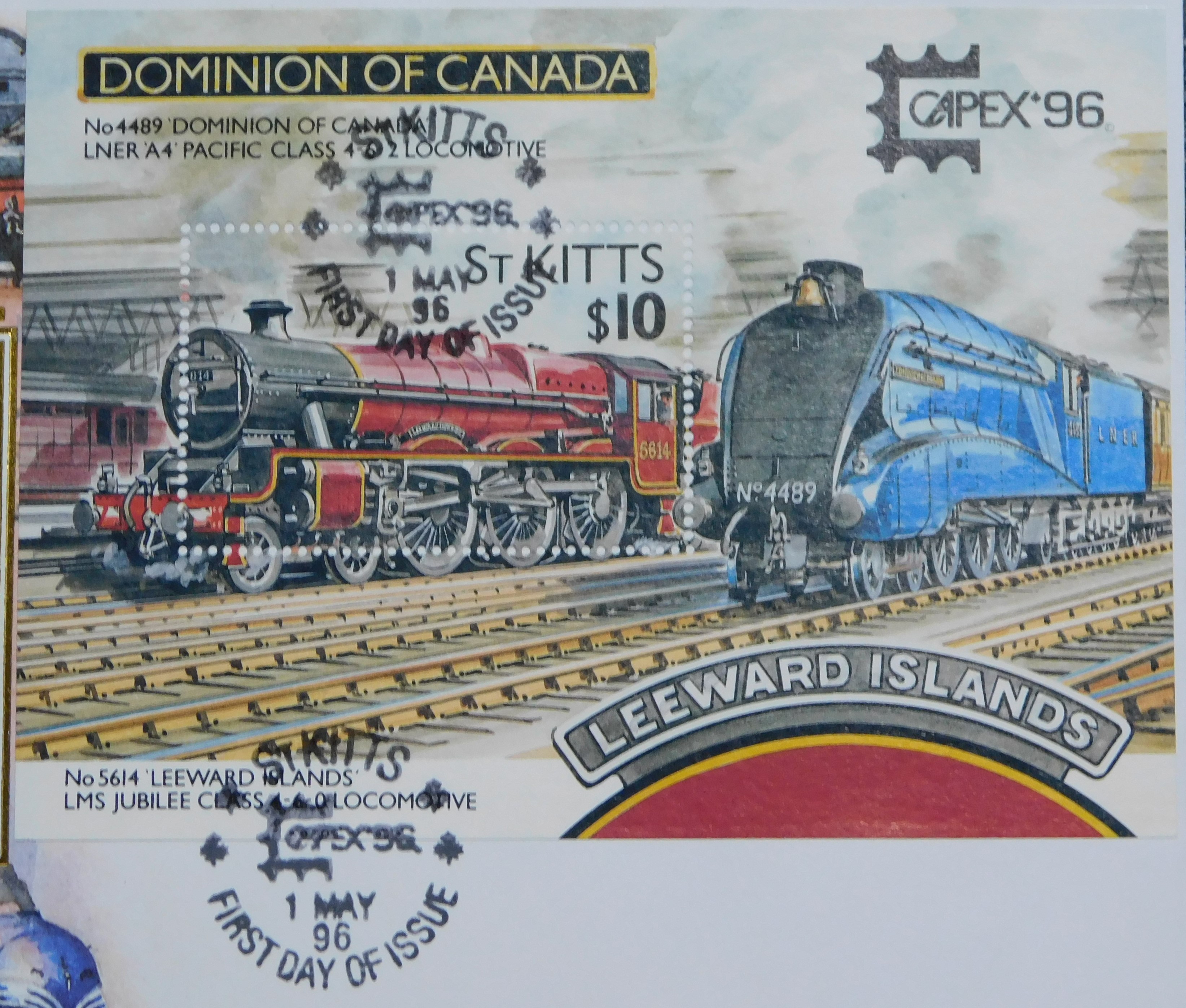
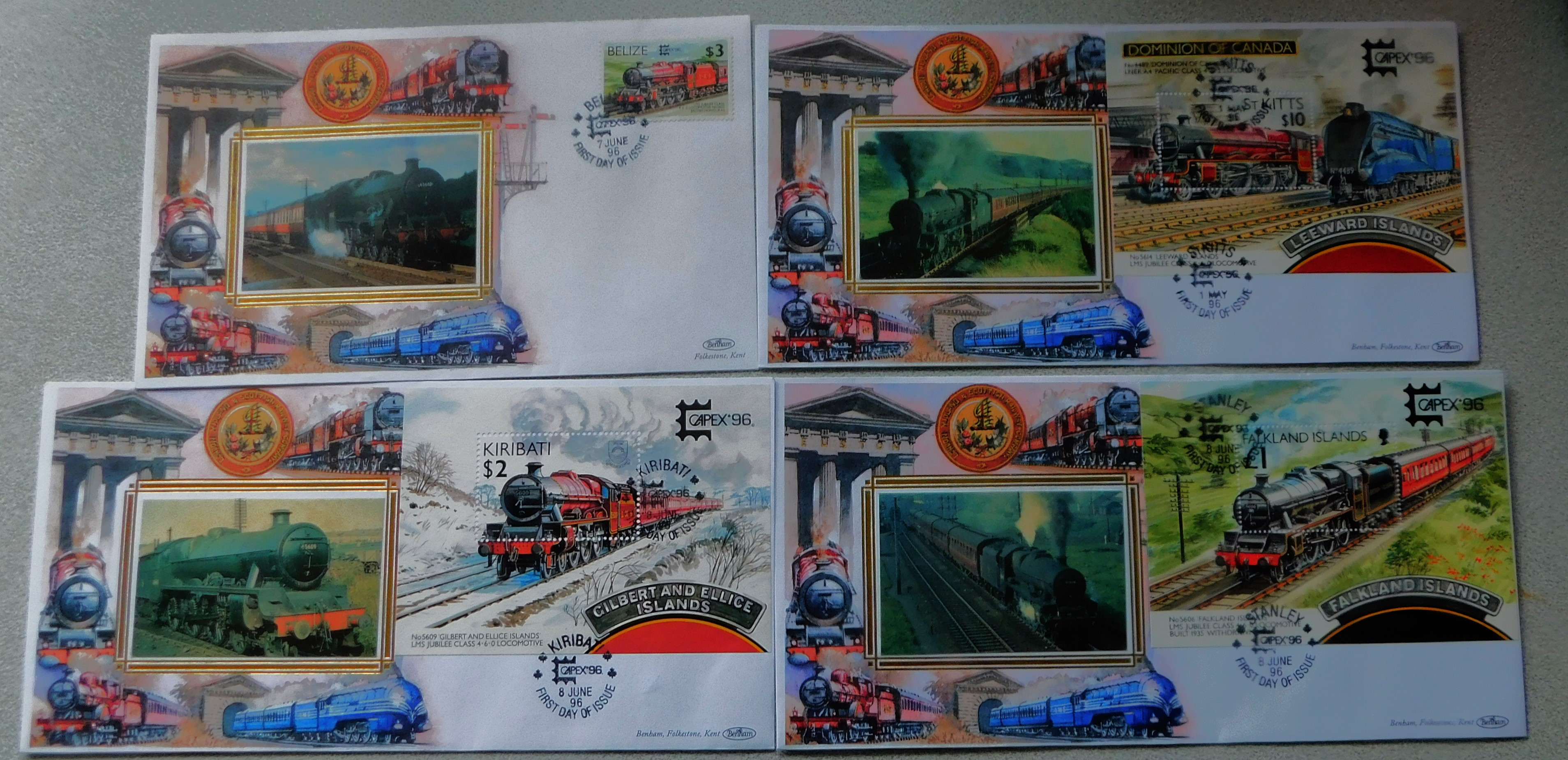
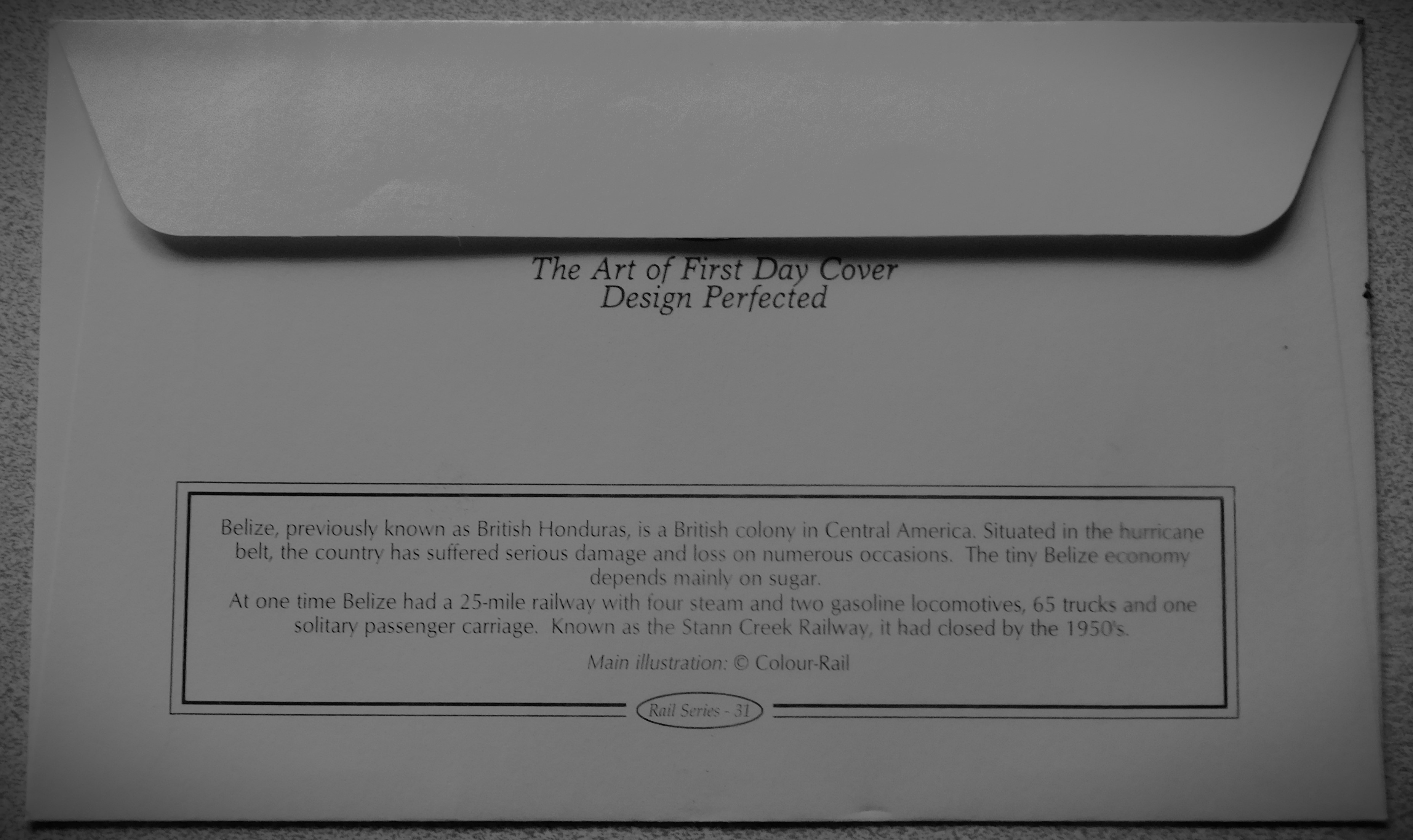
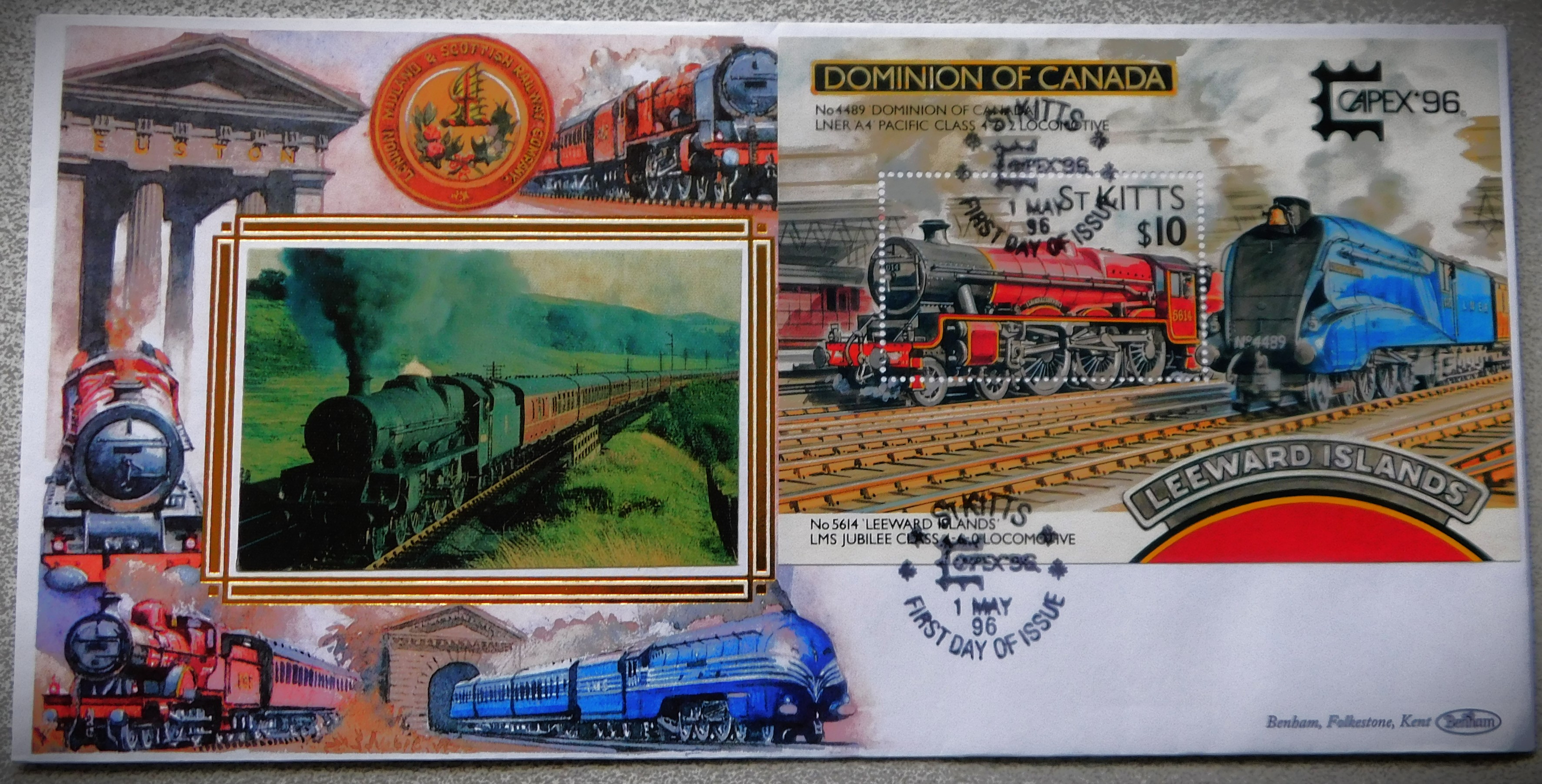
I was working above the shop where the auction was taking place, so cannot comment on the sale as a whole. However lot 256 went to me, and was clearly uncontested given how low the hammer price was. These are the images that were available to the general public:
Time constraints limited the size of the image gallery I could produce for this lot, but my own interest in securing meant the gallery had to be as complete as I could reasonably make it.
Here are my own photos of the lot post acquisition, taken at home yesterday morning:
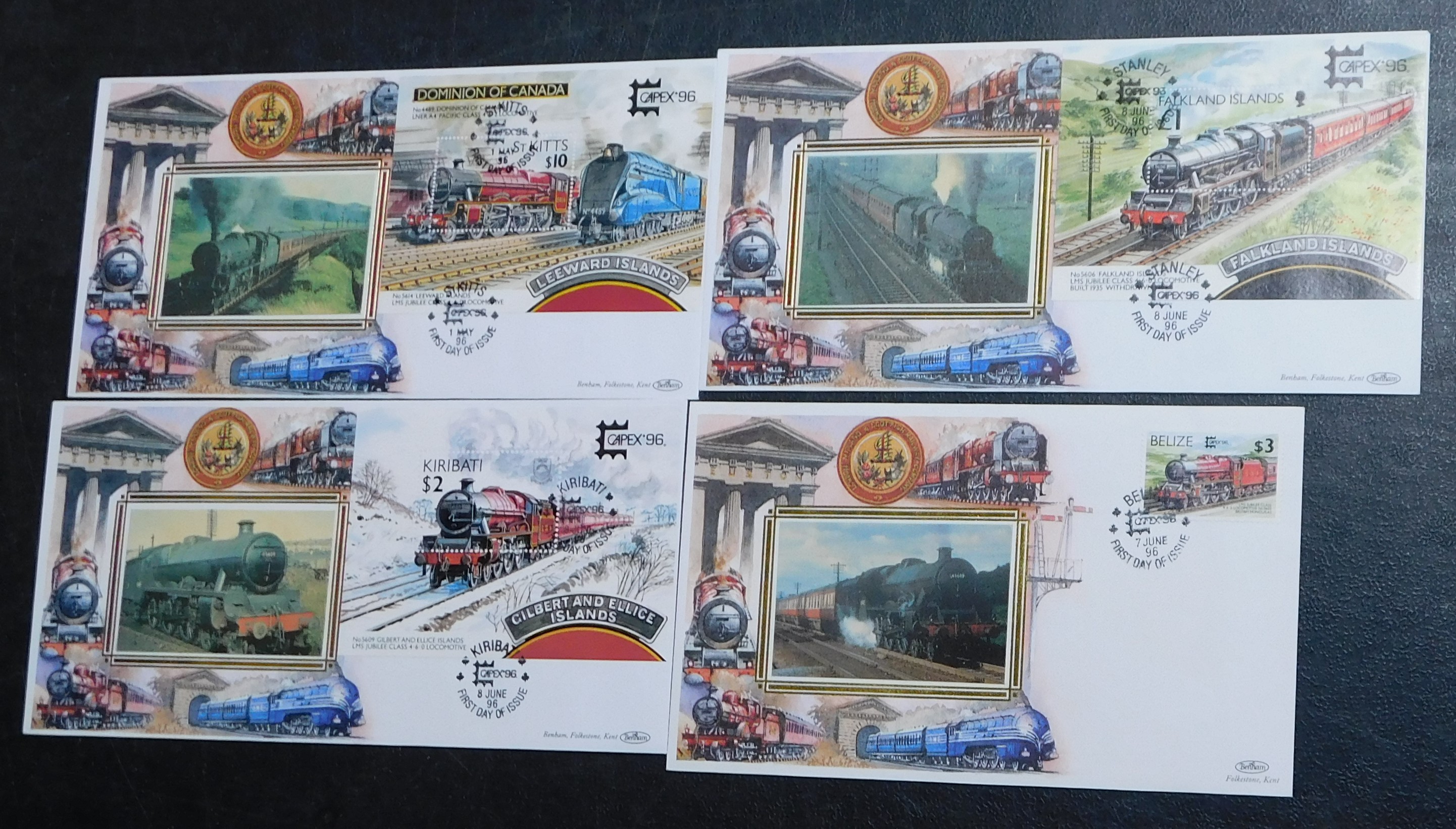
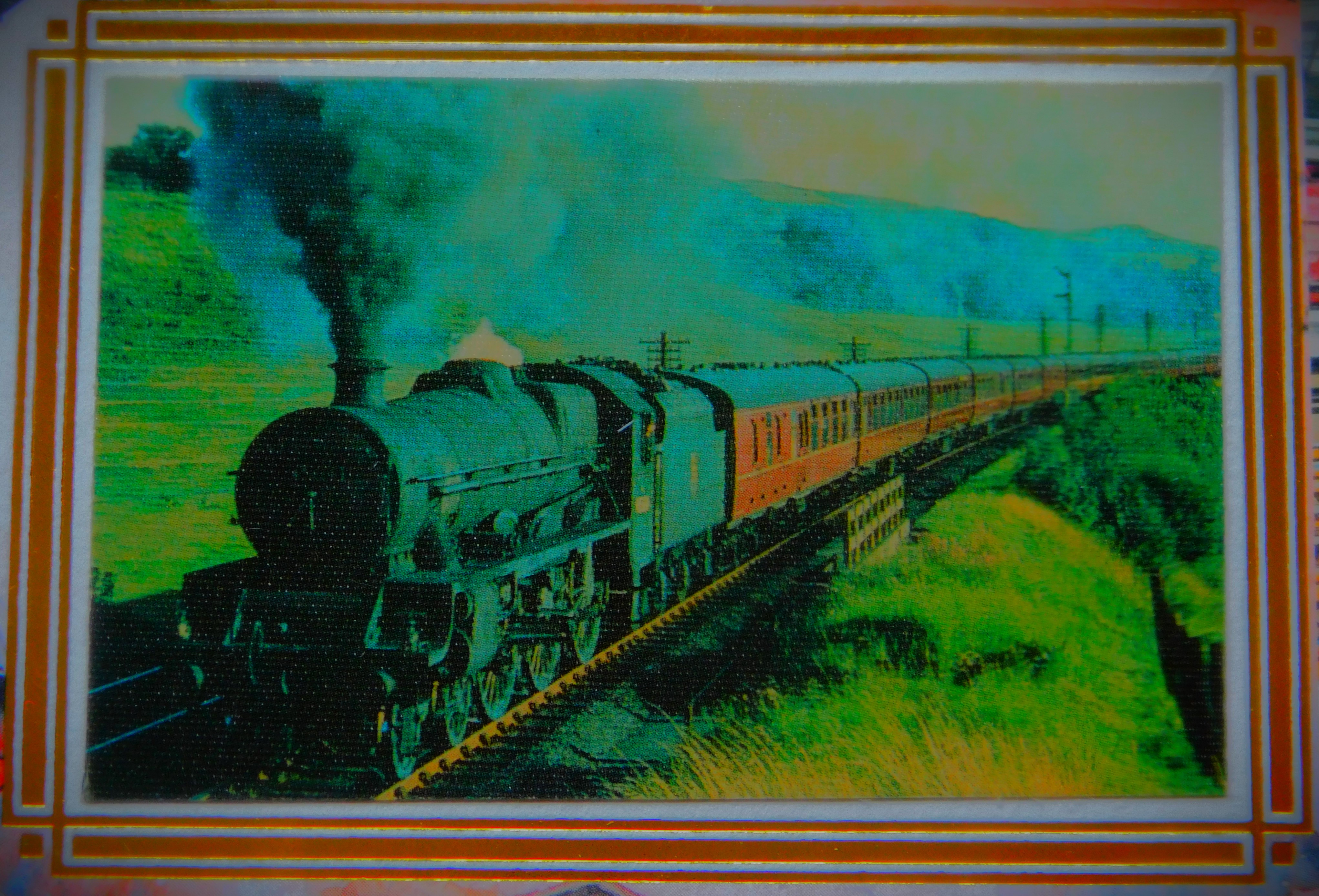
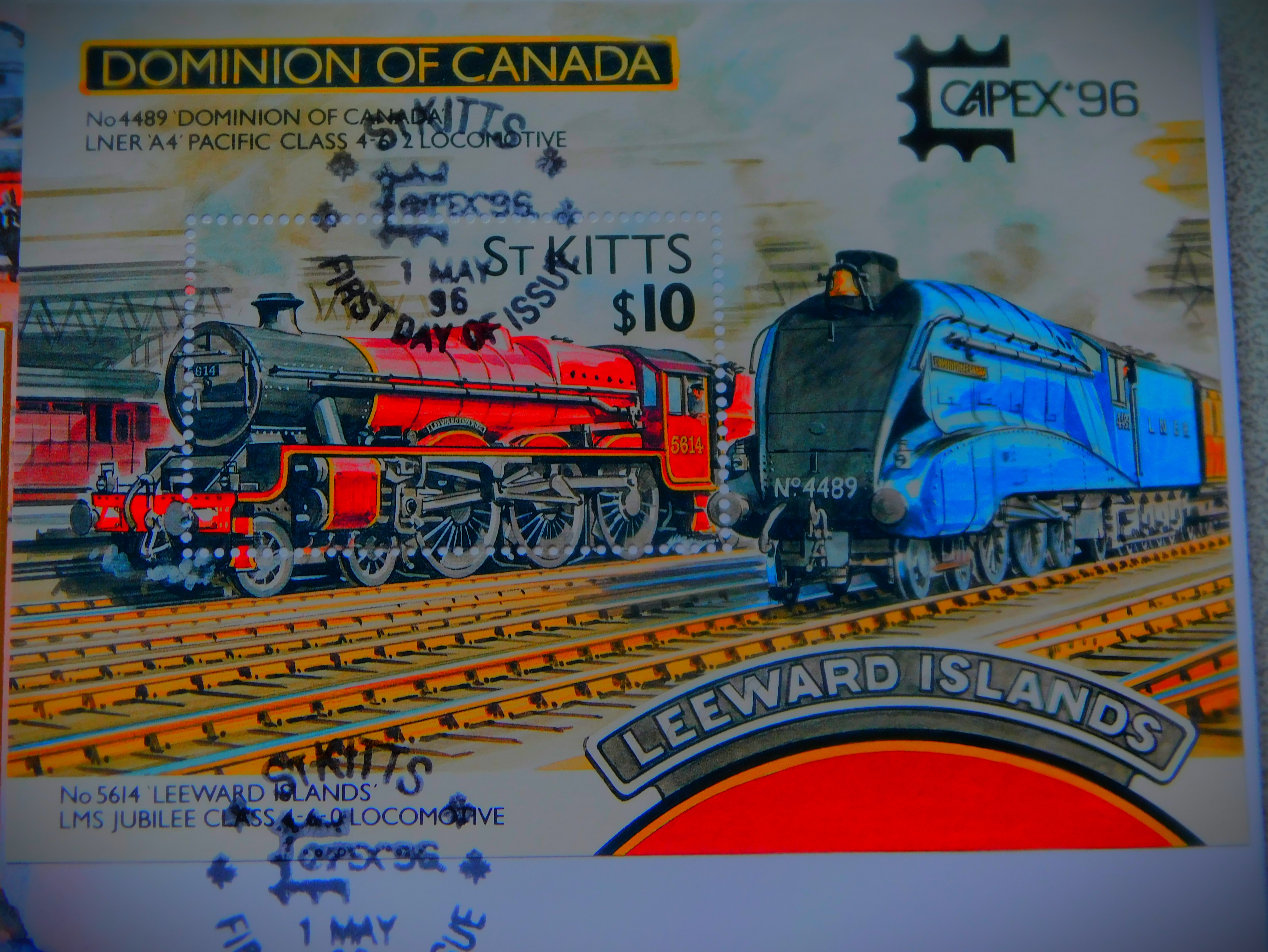
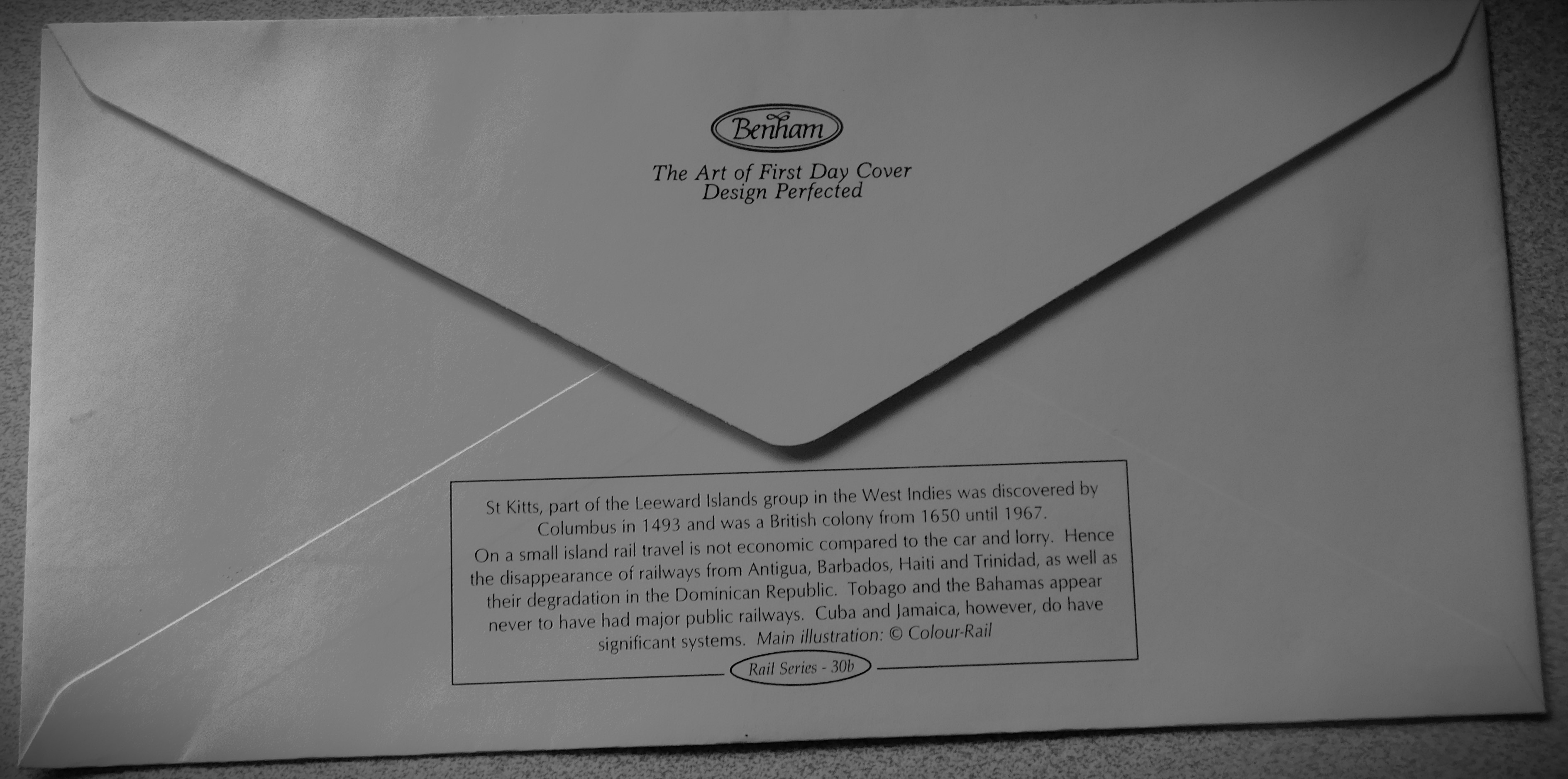
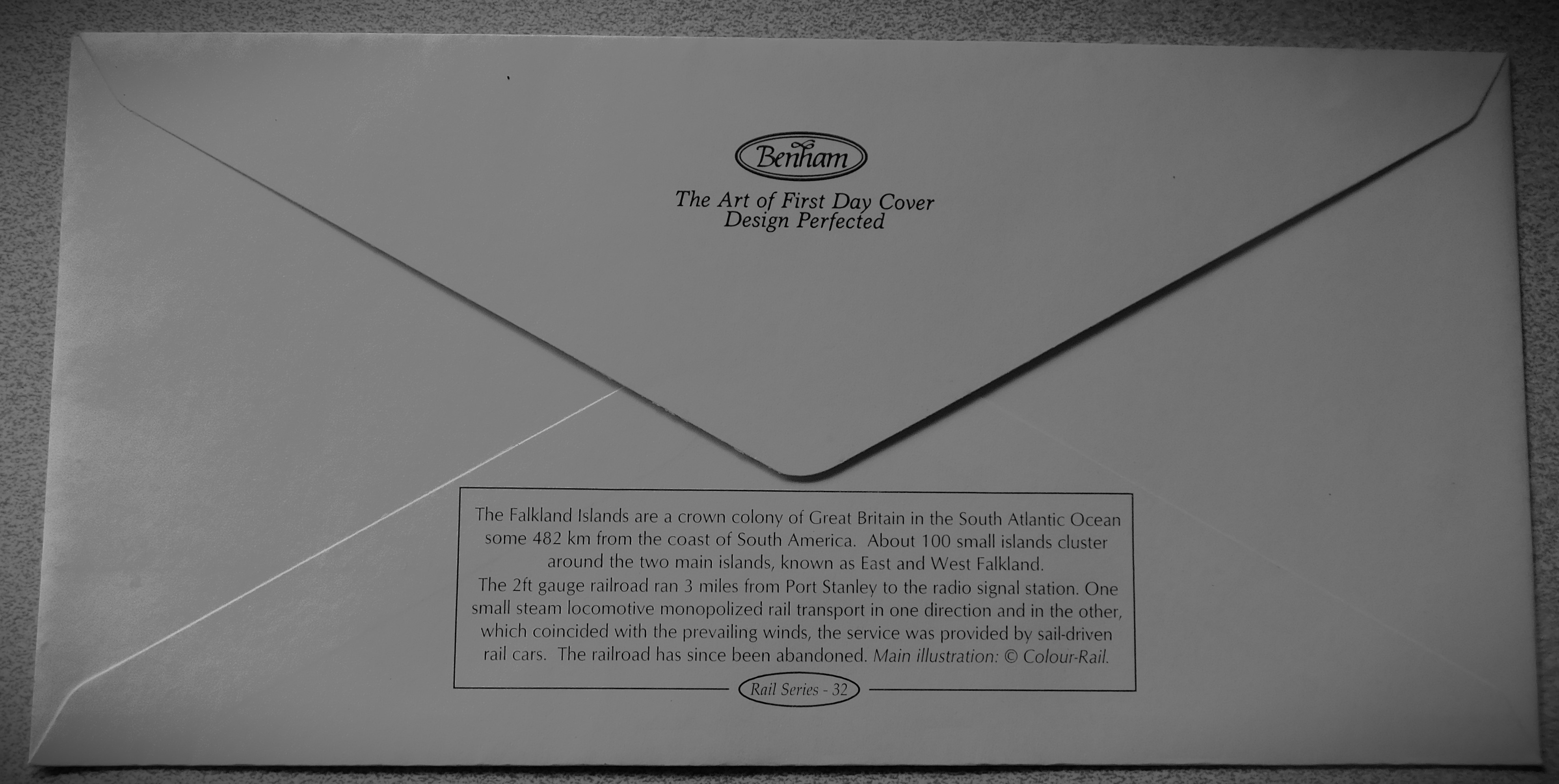
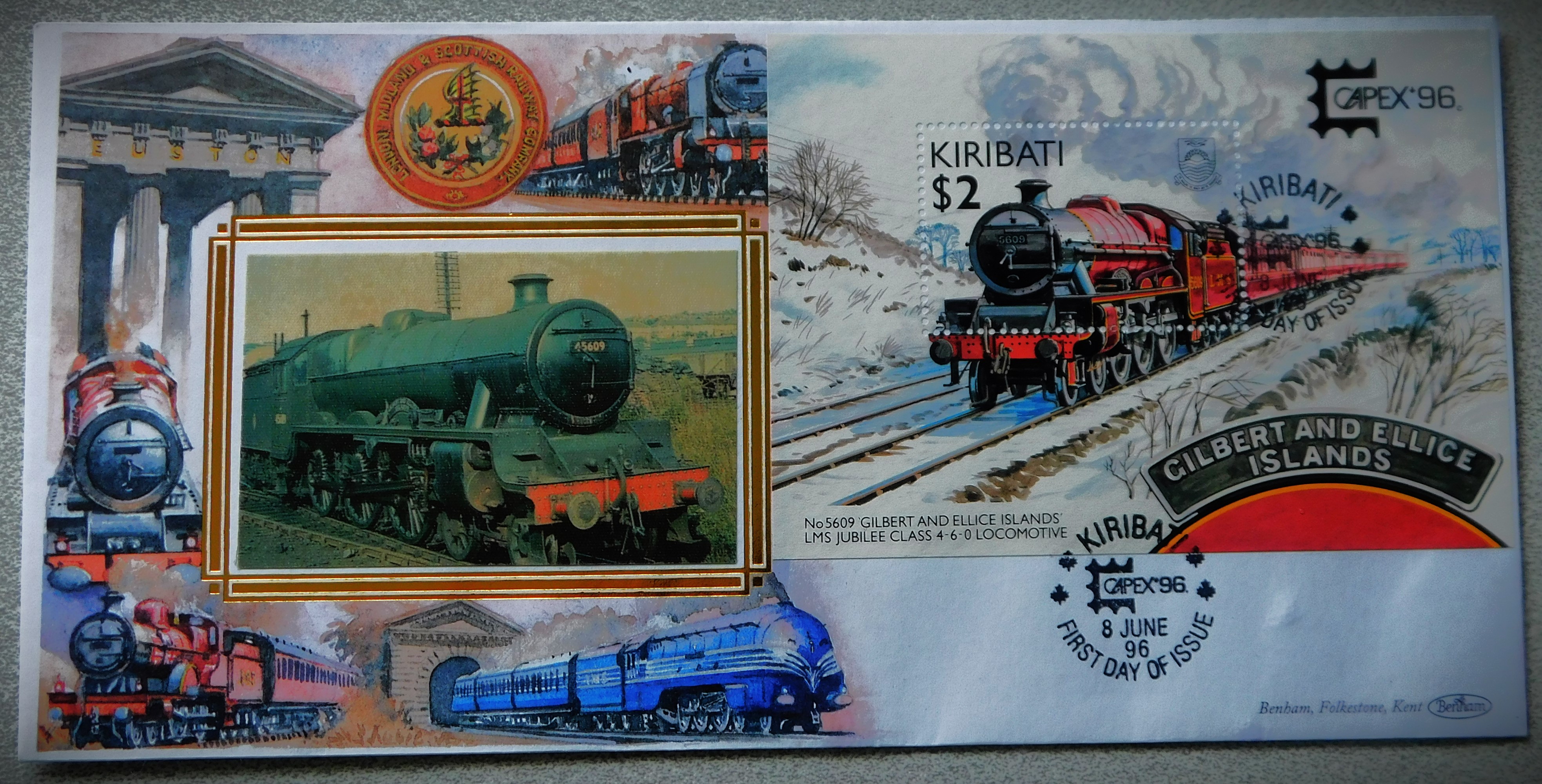
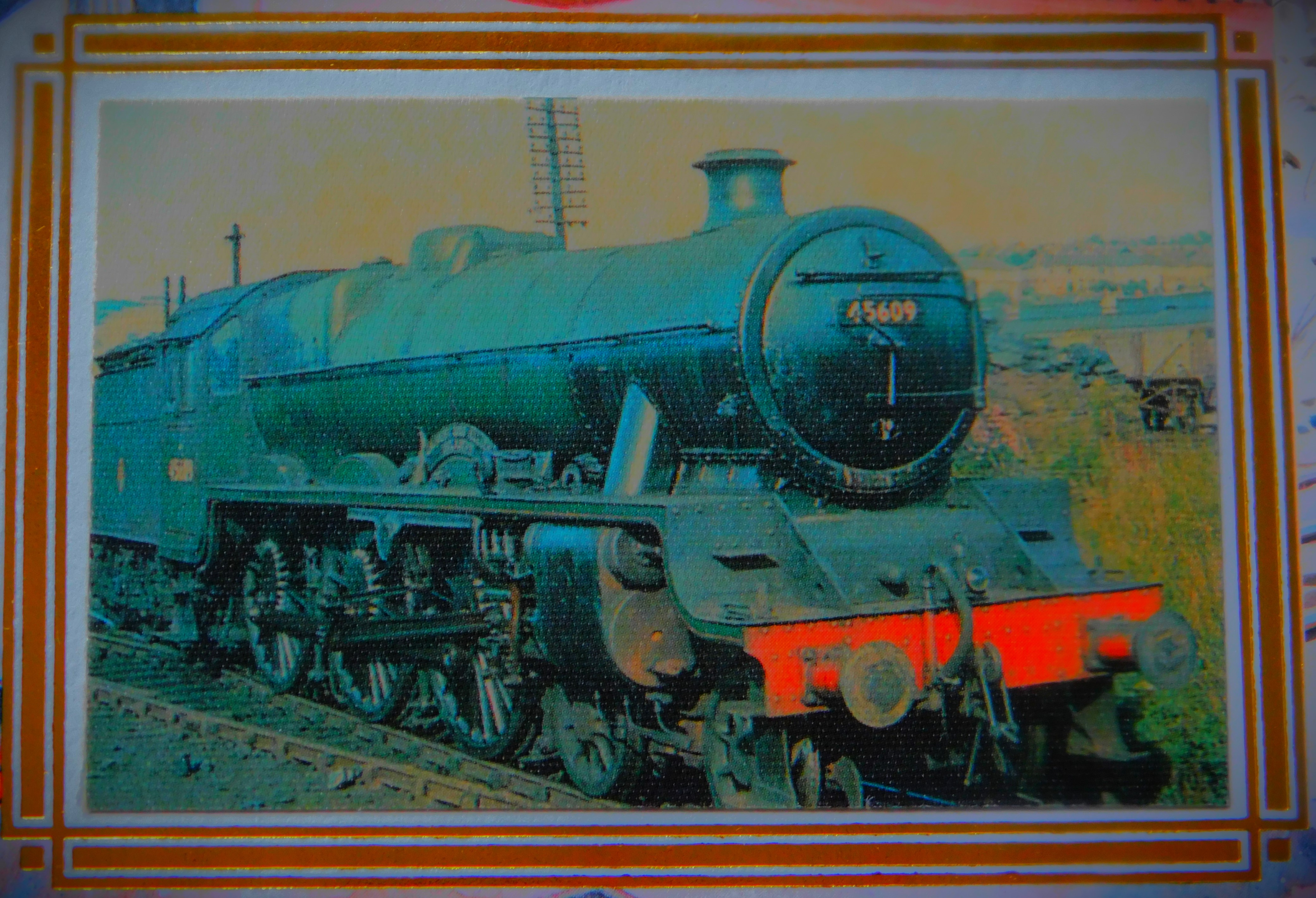
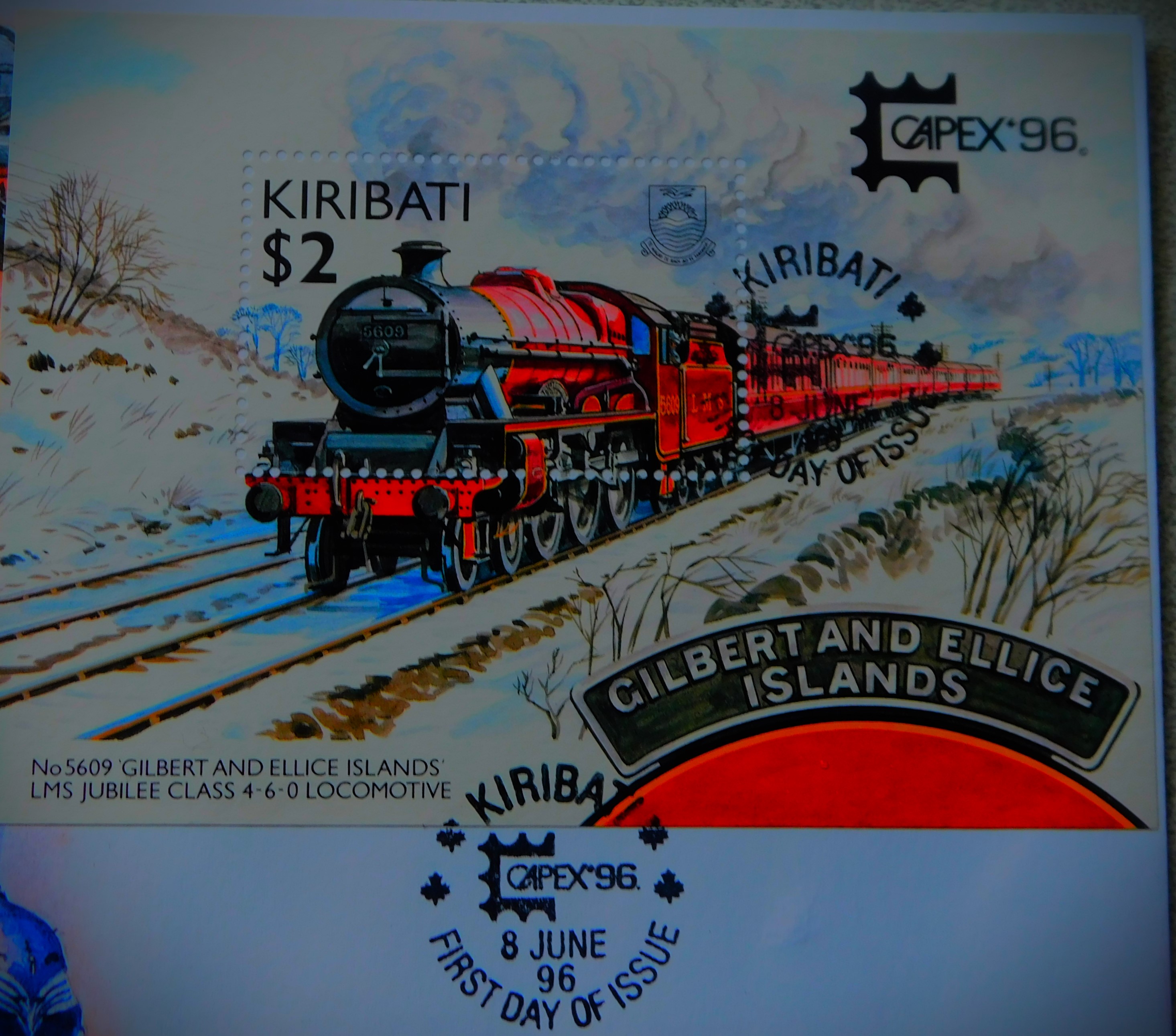
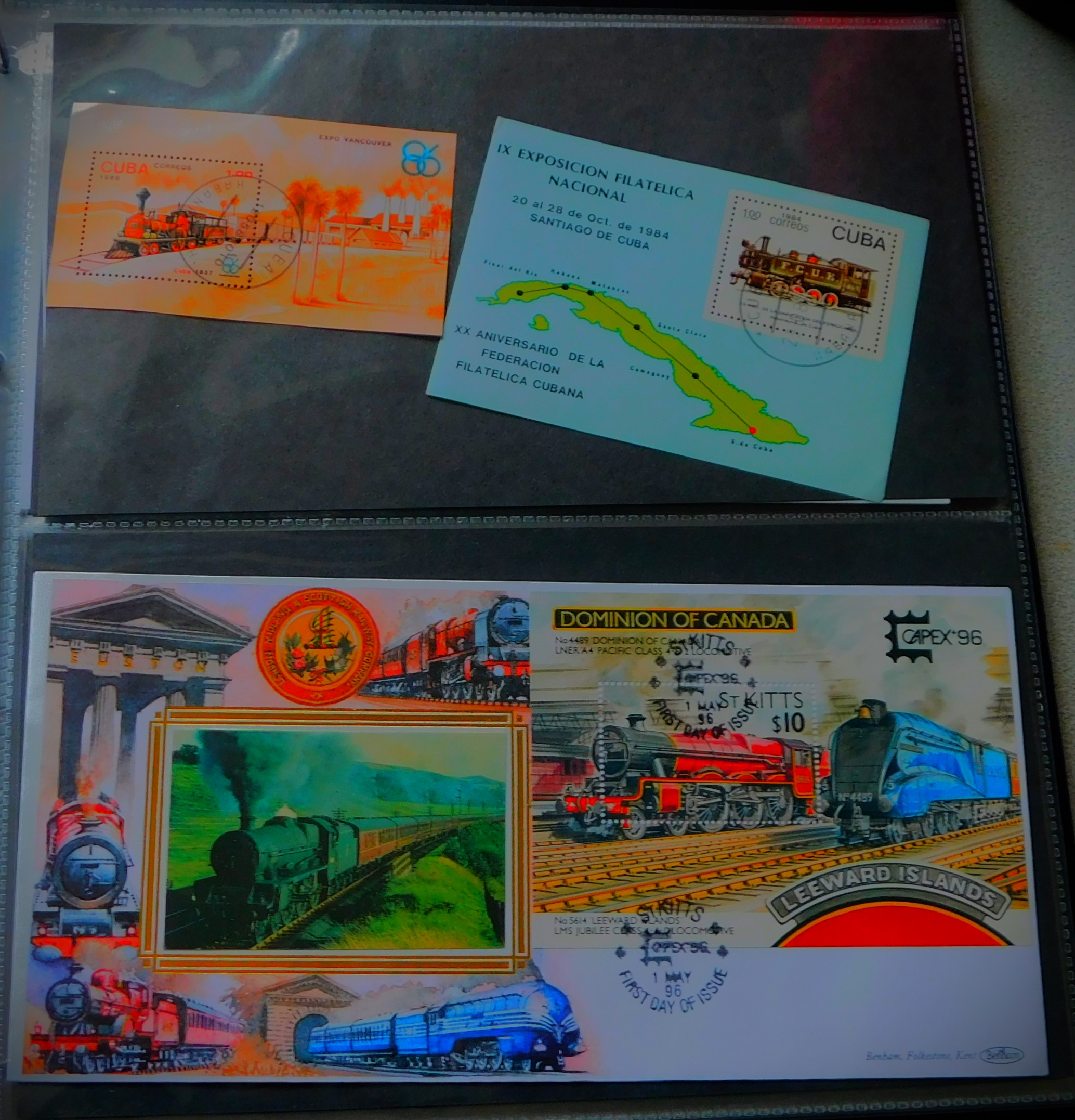
In the folder – for reaons that the final image will make clear I paired the Saint Kitts & Nevis item with something else with a Caribbean connection.I already had a copy of the Kiribati cover, so I needed five slots in total, hence the earlier image.
DAY TWO
This sale started very quietly (I was watching from home), with lot 526 going to me uncontested. This item will be at the heart of at least one major blog post and possibly more, so I present only the image gallery I produced for it to go under the hammer:
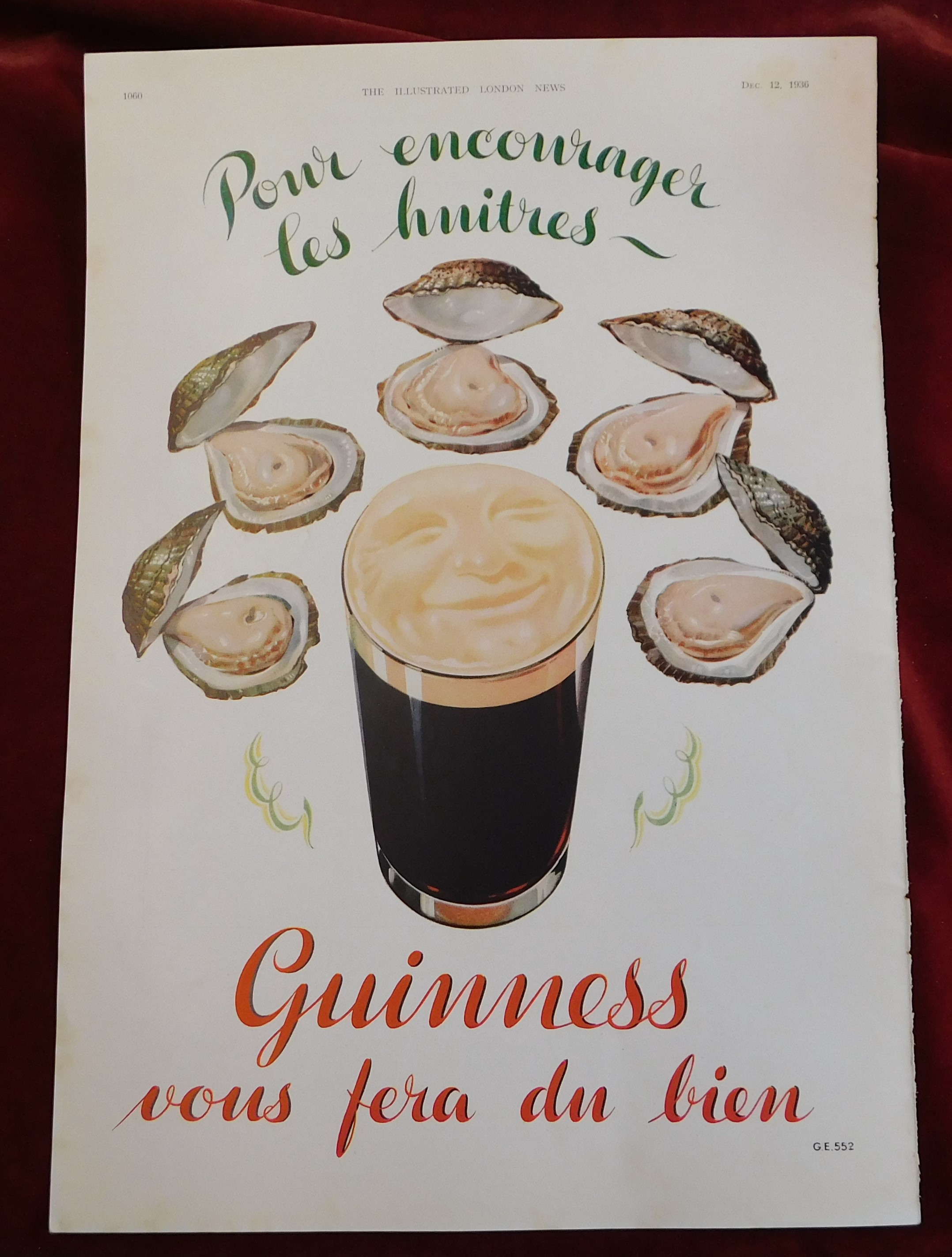
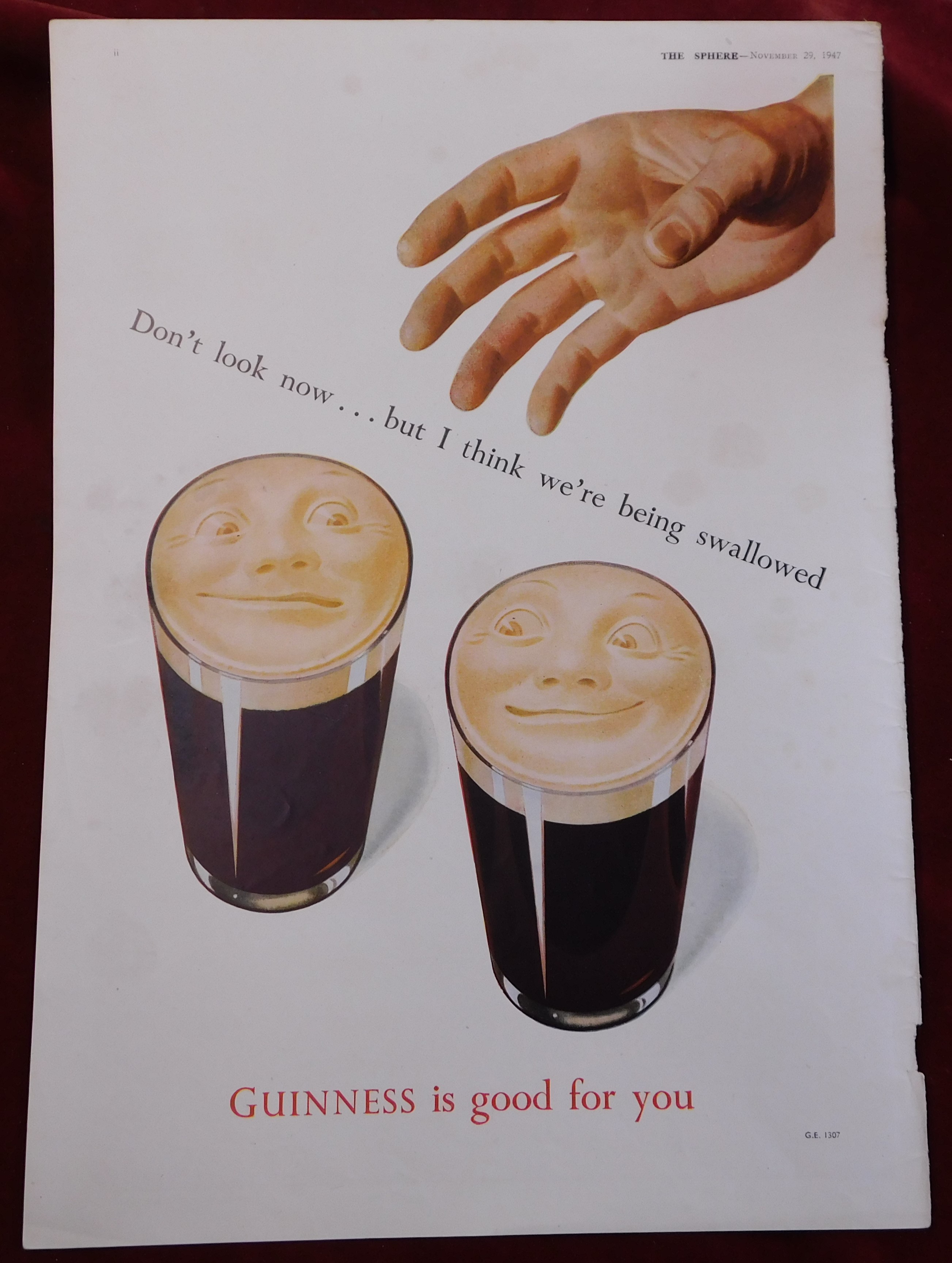
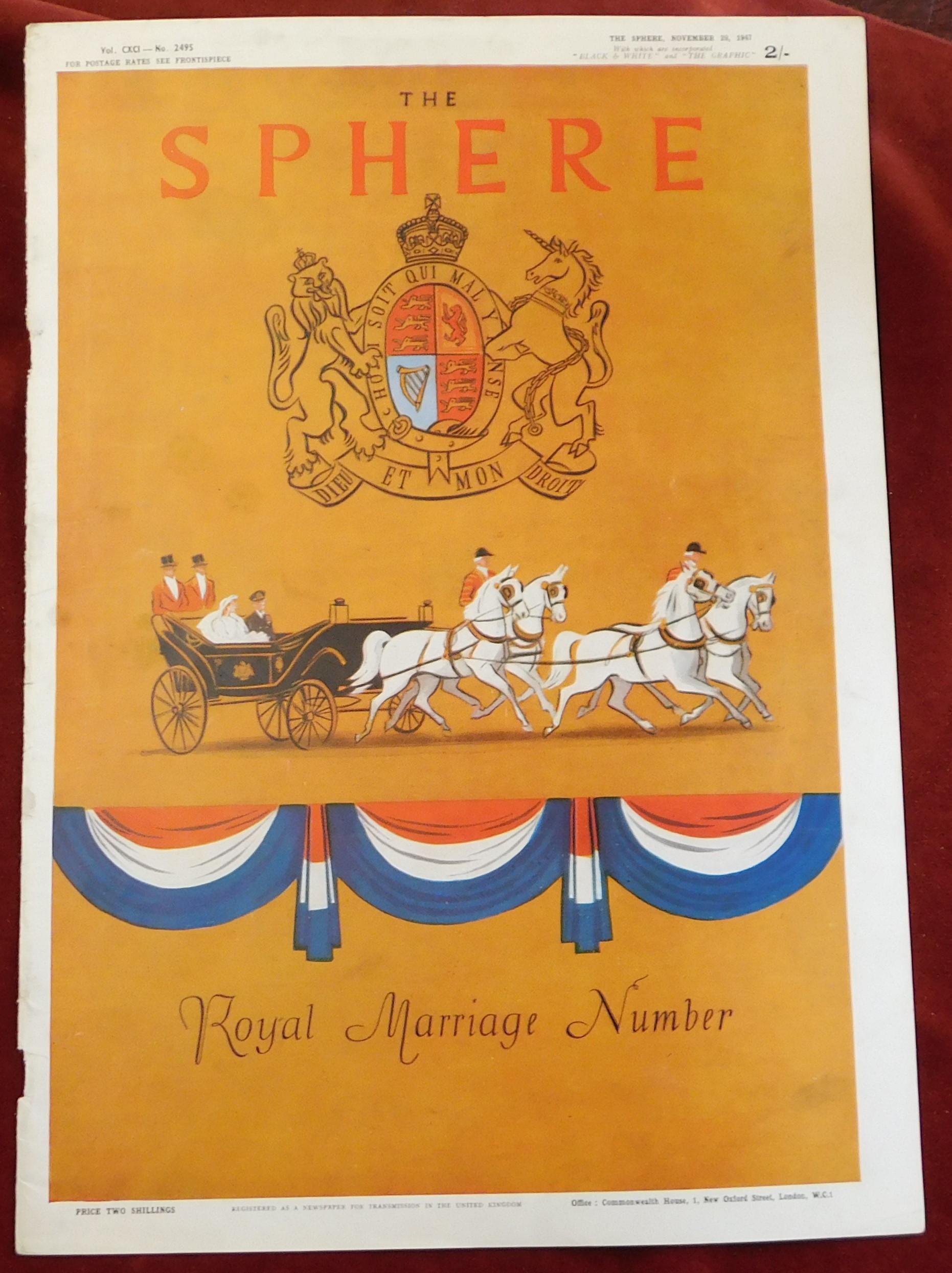
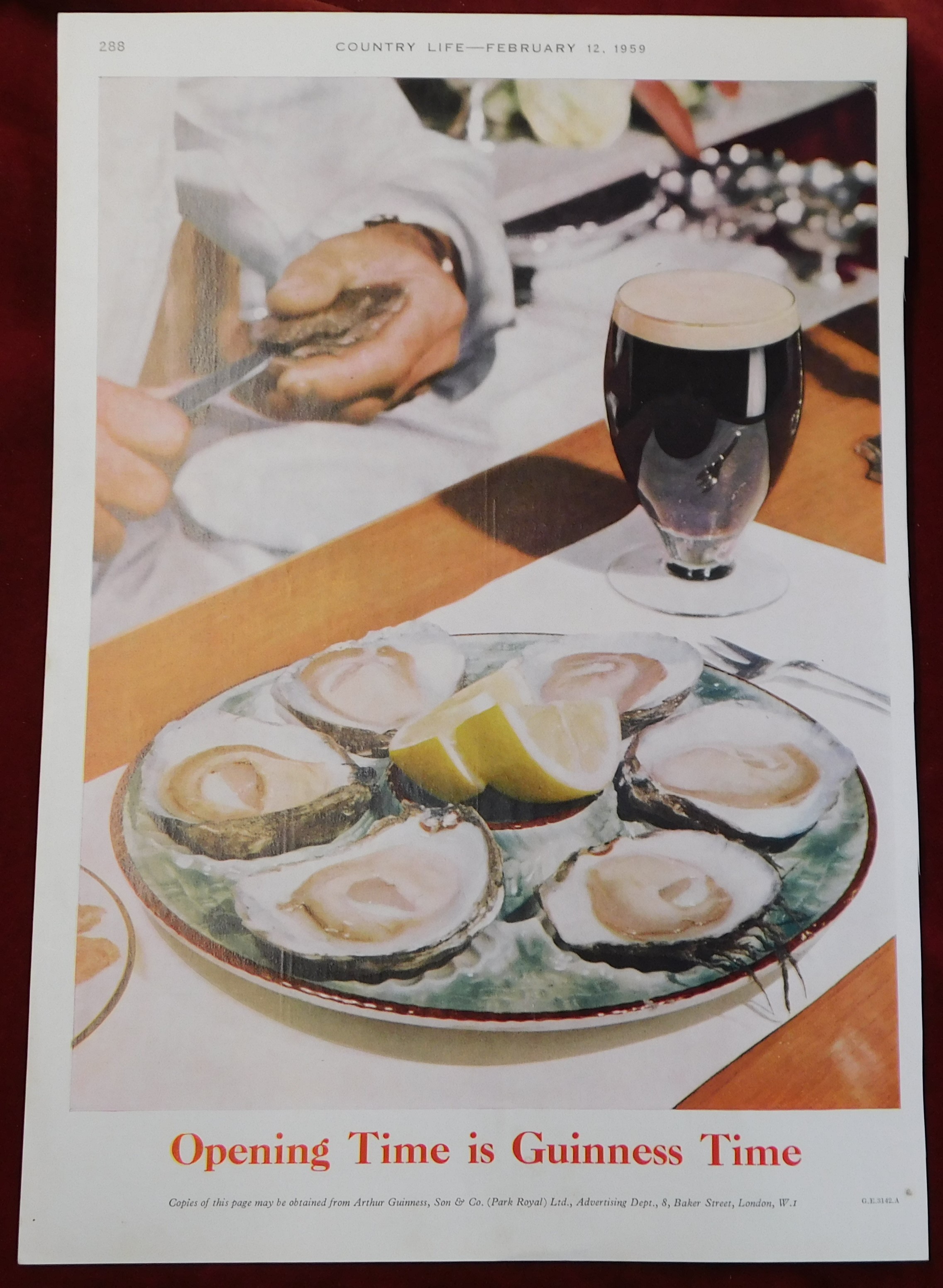
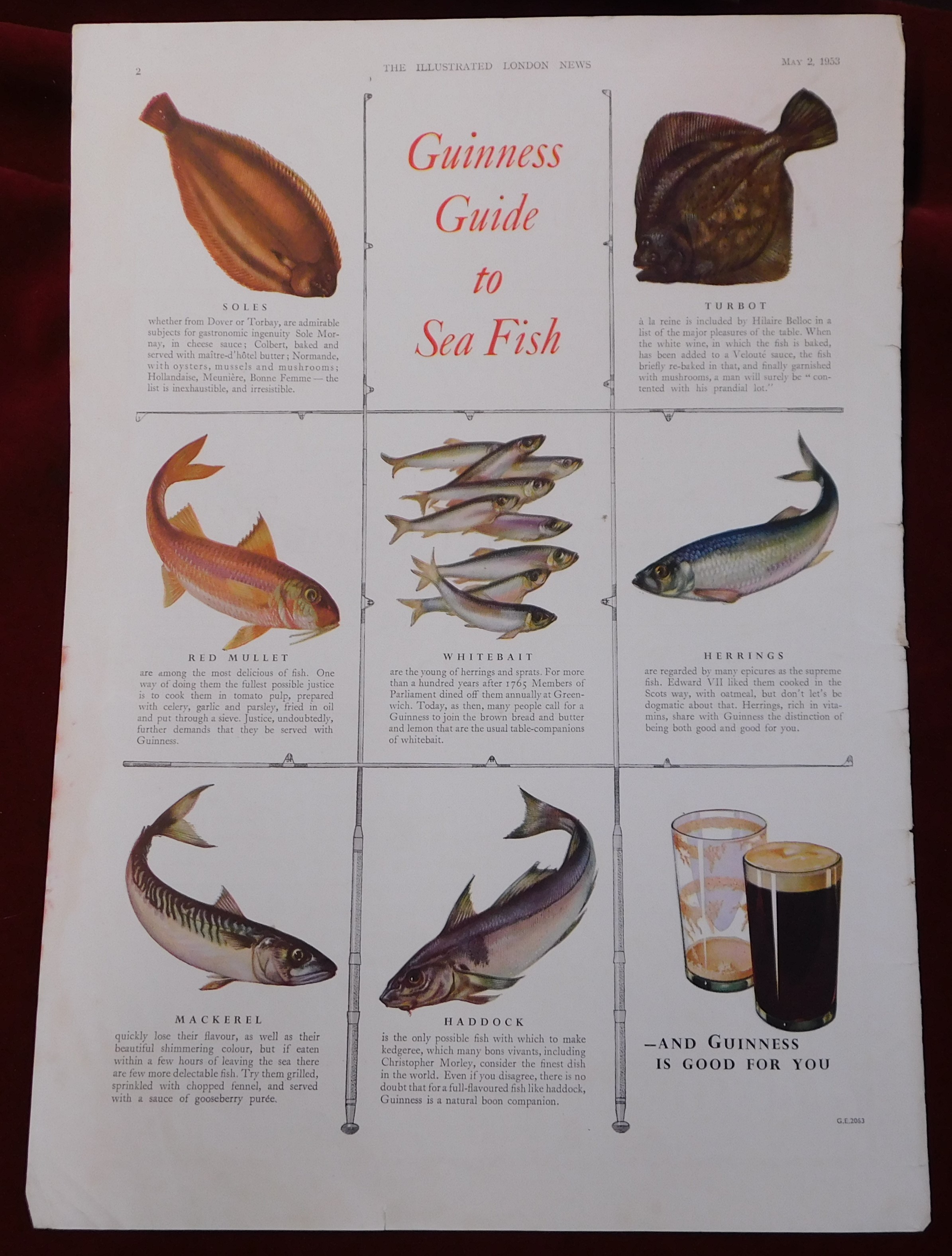
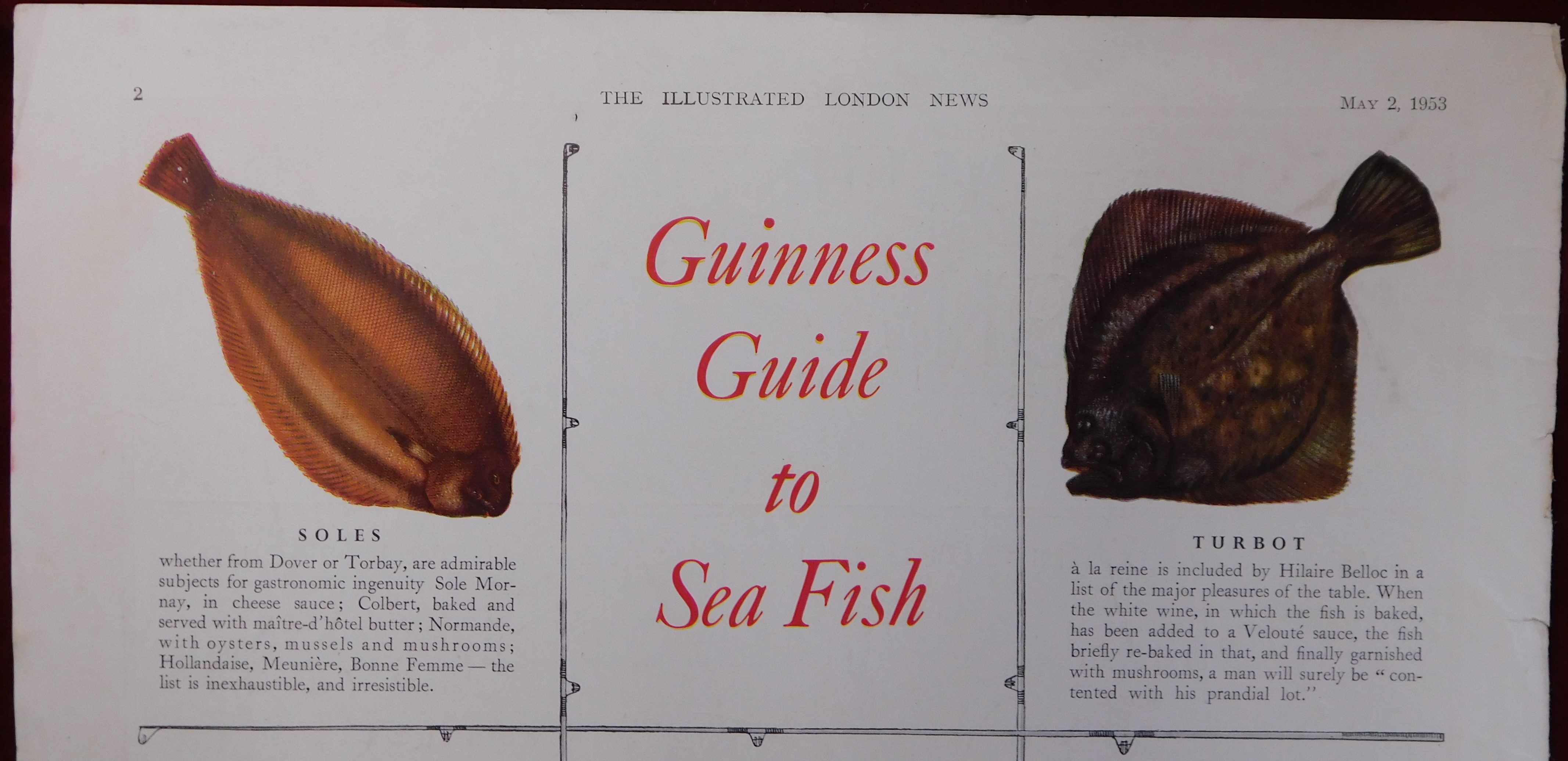
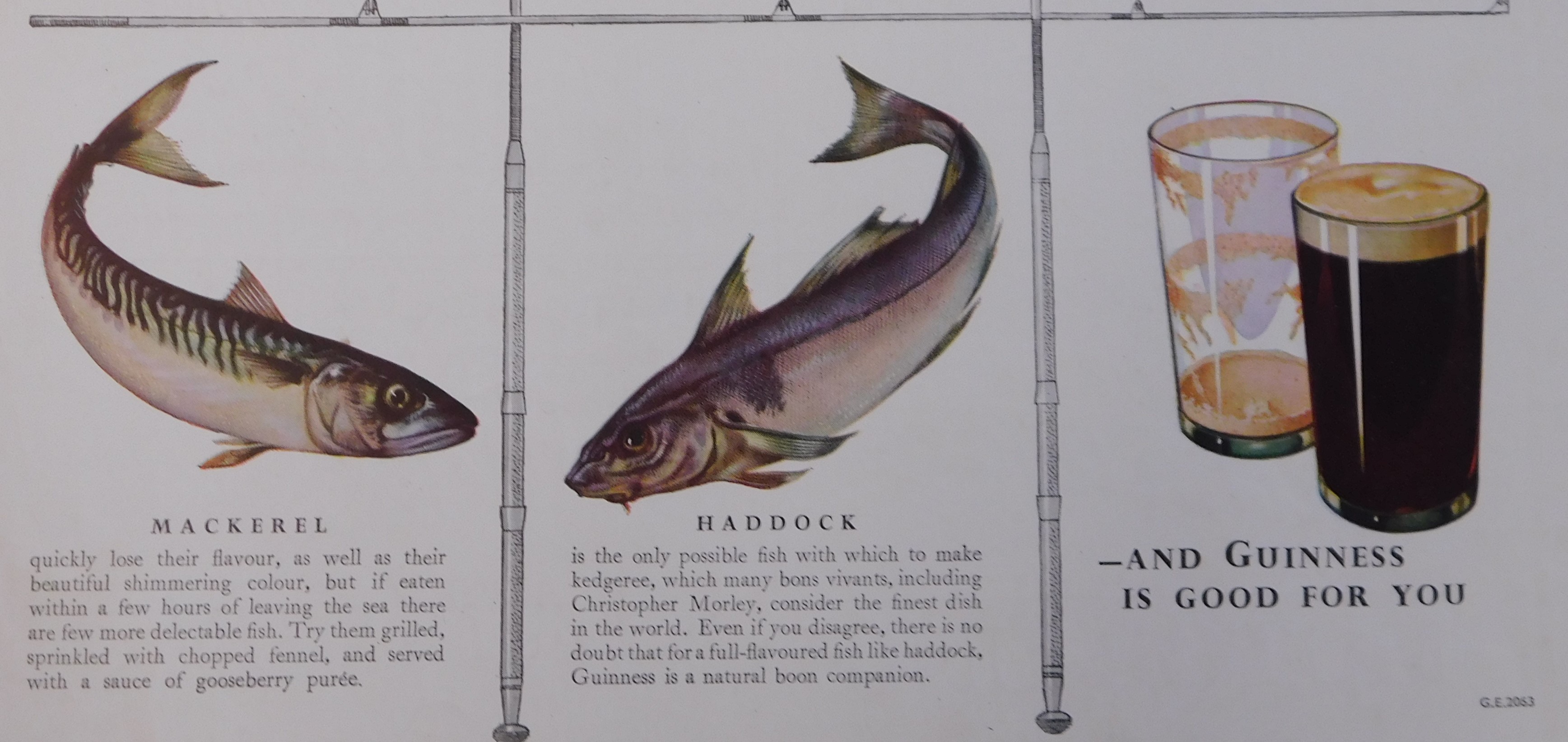
The auction picked up a bit of momentum when some old Guinness advertising posters, all in excellent condition, went under the hammer. Five of the posters fared especially well, lots 622, 641, 658, 661 and 669, which all went for above the top estimates. Here are the images of those lots:
622 (two images – front and back)641 (two images, front and back)658 (three images, front, close up of main part, back)661 (three images, front, close up of main part, and back)669 (five images – front, close up of each the three ‘layers’ of the front, back)
The star lot of the auction was number 795, which massively exceeded the top estimate. Here is the gallery.
I did not have the luxury of time to make a really detailed assessment of this lot, but I did do a detailed gallery, and my choice of what to feature clearly did its job!
Some of the toy lots in the low 800s also fared exceptionally well with 805 and 806 almost doubling the top estimate, and lots 807, 814 and 815 also going above the top estimate.
The images for lots 805 and 806 were taken by a colleague and edited for me, with the secondary images (one for 805, two for 806) extracted by me from single individual images.807 (eight images)814 (six images)815 (nine images)
PHOTOGRAPHS
There have been a lot of photographs in the body of this post, but I also include a gallery of my usual hobby photographs…
An account of a working day, and the journeys either way, and a photo gallery.
Yesterday was an eventful day at work – finishing the last of the imaging for the March auction, sending a mass email out (the second of two, the first went out on Tuesday) about that auction, and starting the imaging for the April sale. In this post I describe the day in full and say something about each element of the upcoming auctions.
PREPARING
My working hours, constrained by the operating hours of James and Sons and the way in which buses run in Norfolk are short – I start at 10:45 or thereabouts, and finish four hours later as the business shuts down for the day. However I get quite a bit done in that time, even on a somewhat fragmented day such as yesterday was. I generally leave home by 9:30, which allows me to take a scenic route to the bus stop (the direct route is about a five minute walk, but is not that interesting). Then I spend the bus journey reading, and will arrive at James and Sons’ premises in Fakenham clear-headed and ready to go.
IMAGING
My usual practice when imaging at work is photograph about 25 items (one column of lot numbers + indications of how many pictures I have taken of eahc item in my notebook) before loading them on to the computer and cropping and straightening them as required. If I am imaging for a sale that is not already online I will copy the images from the folder I save them in on my computer to the main images folder for that auction on the network drive at the end of the day, but when the auction is already online I also have to upload the new images, and sometimes notify bidders that the images are now available for viewing. I had initially started work on the April stuff, a quantity of which was already in my imaging area, but then had to switch back to the March stuff as there were some lots from day two of that sale (Stamps and Postal History) which had not been imaged. Near the end of the day I was able to revert to the April sale, but the next lot I came to for that sale (Sporting Memorabilia) was one that required a large photo gallery, so I had no time to do any more than that one extra lot.
Day one of the March sale is coins, banknotes and cheques, and can be viewed here and here. Day two, which I was finishing off the imaging for yesterday, is available on the same links, but for those who want to start on the page where the first lots of day two are can go here and here (the new day does not start on a new page because the auction is treated as a single entity on these platforms). I end this section with the image gallery for lot 655, the first item I imaged yesterday…
Lot 655 (seven images, capturing what i considered the most important aspects of it).This is lot 662 (two images)
THE END OF THE DAY
The next bus back to King’s Lynn after the end of the work day is at 3:45PM, so I generally fill in time by visiting Fakenham Library, as I did on this occasion. I get off the bus home one stop before the very closest stop to my home and walk home from there by way of the Gaywood River Path – always worth doing, especially in daylight, which by now is the case. I appreciated seeing several muntjac as I walked, though I was less impressed by lawbreaking oaf who roared past me (and a number of others) on a quad bike (illegal as it is a motorised vehicle and this path is for the use of pedestrians and cyclists only – an e-bike used with care and consideration would be acceptable, but a dirty great quadbike used with neither care nor consideration is most definitely not). This little section provides a useful lead into…
PHOTOGRAPHS
…My usual sign off…
From Wednesday afternoon’s walk.Taking the scenic route to from my home to the bus stop yesterday morning……I spotted ths unfortunate Tortoiseshell butterfly near Fakenham Church yesterday afternoon.Four shots from the walk home along the Gaywood river path.Today’s first walk (will be walking into town for supper this evening).
A bit of fun on the all time XI theme, a look back at a James and Sons auction, and a photo gallery.
The first test match of a five match series between India and England is two days old as I type this post, but I am holding fire on that for the moment. This all time XI is picked with a view to being an entertaining watch. I have restricted it to players who played before I started following cricket, and save for allowing myself one overseas player I have concentrated on English cricketers. After I have paraded the XI there will be a section about some of the players who missed out, though I will limit myself, otherwise that section could be very long indeed.
THE XI IN BATTING ORDER
Frank Woolley (left handed batter, left arm orthodox spinner). An attacking batter, an excellent spinner and the only non-wicket keeper ever to take 1,000 first class catches.
*WG Grace (right handed batter, right arm bowler of various types through his career, captain). Cricket’s first superstar.
Wally Hammond (right handed batter, right arm medium fast bowler). Over 50,000 first class runs, including 167 centuries, in spite of missing eight complete seasons in the course of his career – one to bureaucratic malice on the part of Lord Harris, one to illness and six to WWII. Considered by Bradman to possess the best of all cover drives.
Denis Compton (right handed batter, occasional left arm wrist spin bowler). A great cricketer and an even greater entertainer.
Garry Sobers (left handed batter, left arm bowler of every type known to cricket). No cricketer before or since has mastered so great a range of skills as my chosen overseas player.
+Les Ames (wicket keeper, right handed batter). Twice winner of the Lawrence trophy for the fastest first class hundred of the season, scorer of over 100 FC hundreds, maker of a record 418 first class stumpings in his career. The “wicket keeper’s double” of 1,000 runs and 100 dismissals in first class matches in an English season was only achieved four times before the reduction of first class fixtures in 1969 made it impossible, and three of those were by Ames (John Murray of Middlesex was the other to do it).
Percy Fender (right handed batter, leg spinner, vice-captain). I have remarked before on his suitability for batting at seven in a strong line up and his tactical acumen.
Jim Laker (off spinner, right handed batter). In 1956 he absolutely destroyed the visiting Australians, and it wasn’t all about the pitches helping him – when Australia played Surrey before the test series had started they batted first, and Laker, on a good pitch and having not slept the previous night due to his children being sick had figures of 46-18-88-10 in the first innings.
George Simpson-Hayward (under-arm off spinner, right handed batter). The last specialist under arm bowler to play at the highest level, and his five test matches yielded him 23 wickets. Someone prepared to buck the trends as spectacularly as he did must have been worth watching,
Syd Barnes (right arm fast medium bowler, right handed batter). My pick for the greatest bowler of them all – 189 wickets in just 27 test matches, at 16.43 a piece.
Tom Richardson (right arm fast bowler, right handed batter). Only 14 test matches, which yielded him 88 wickets. His first class record was outstanding – he took his 1,000th first class wicket in his 134th first class match, and his 2,000th in his 327th match, both these figures being records.
This side has a powerful batting line up, and a spectacular bowling line up, with massive variety on show – Barnes, Richardson, Sobers in his quicker guises and Hammond to bowl pace/ seam, and Laker, Simpson-Hayward, Fender, Woolley, Sobers in his slower guises, and Compton to bowl spin plus of course the wild card of WG Grace.
MISSING OUT
The number seven slot was a two-way choice, and I opted for Fender who bowled spin over Jessop who bowled pace. I considered the presence of Woolley and Sobers to obviate the need for a specialist left arm spinner. There would have been a number of possibilities, Rhodes, Blythe, Verity and Wardle being just four of those I might have chosen. Digby Jephson who bowled fast underarm just a few years before Simpson-Hayward’s prime and was enough of a bat to be considered an all rounder was a possibility there, but Simpson-Hayward got the nod for two reasons: he played test cricket and Jephson did not, and also in view of the current state of England’s spin bowling, and some of the comments flying around that imply that England have never had great spinners I wanted to place extra emphasis on spin. I regretted not being able to accommodate either Harold Larwood or Frank Tyson, but I had only 11 spaces to fill. I also didn’t include a specialist left arm quick bowler, relying on Sobers for that. Had I done so William Mycroft would have got the nod.
AN AUCTION
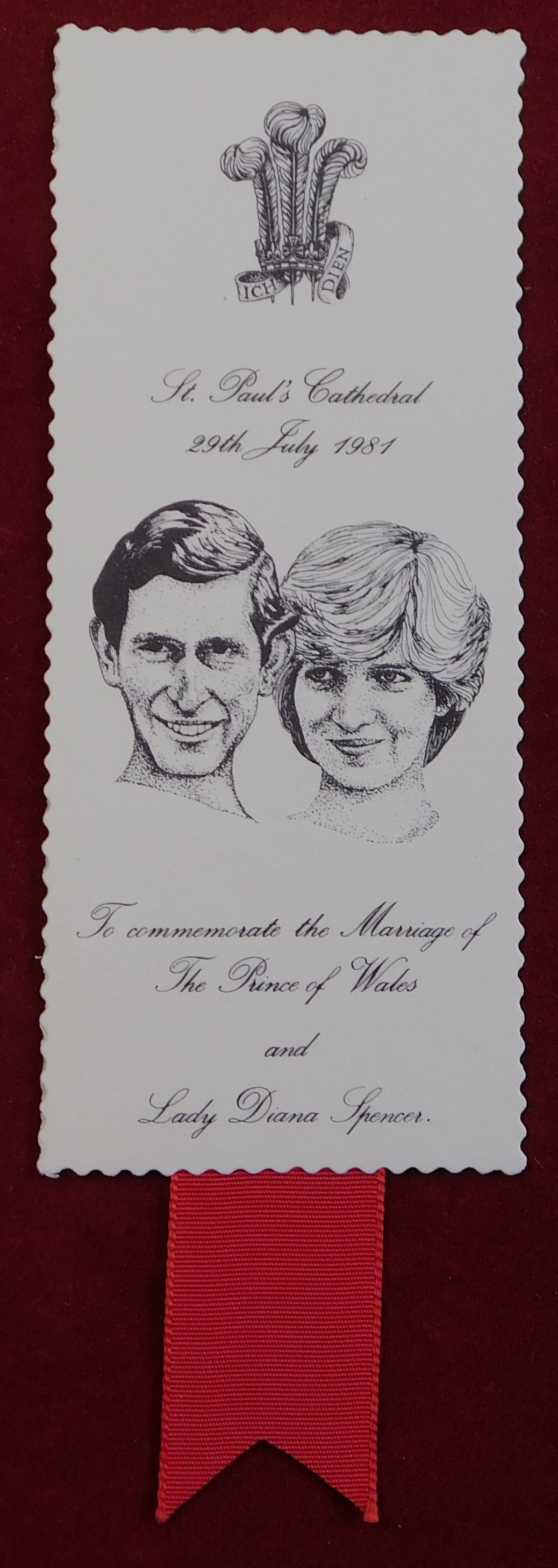
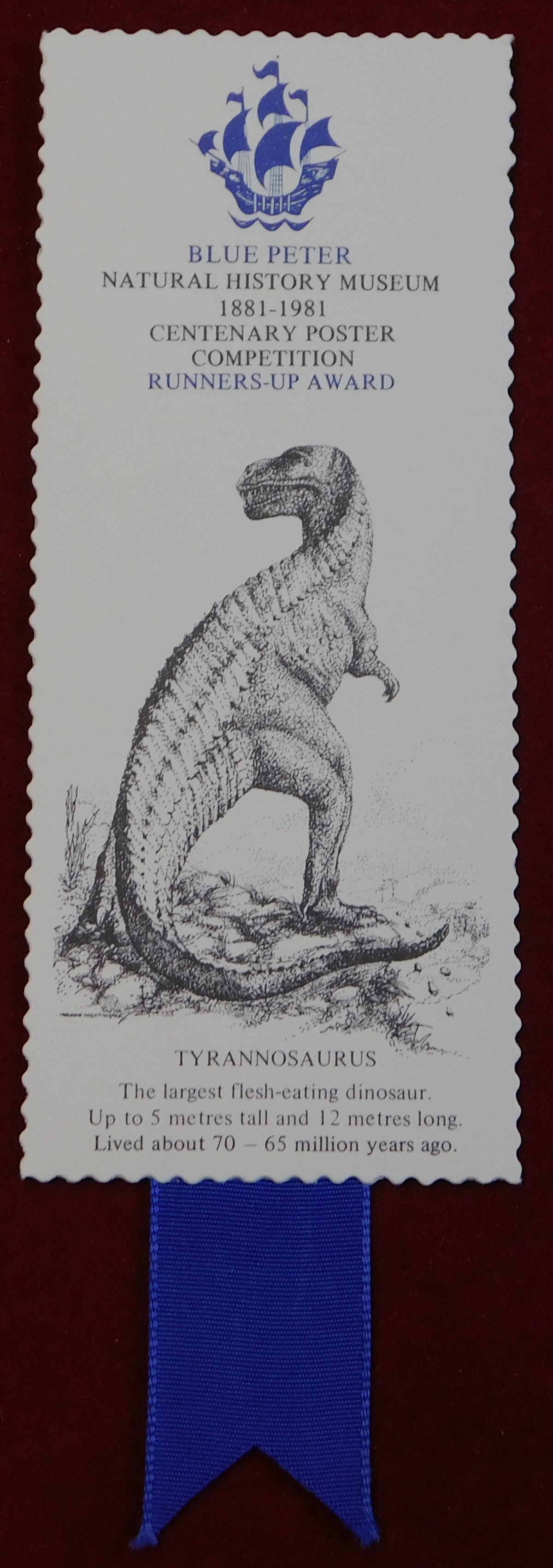
James and Sons had an auction earlier this week, which did reasonably well, especially given that it was basically an appetizer for next week’s auction of sporting memorabilia. There were a few items of interest to me. Lot 68 was a pair of bookmarks, which went my way cheaply.
No prizes for guessing which bookmark I actually wanted!
Lots 141 and 142 would have been of interest to me but were beyond my purchasing power.
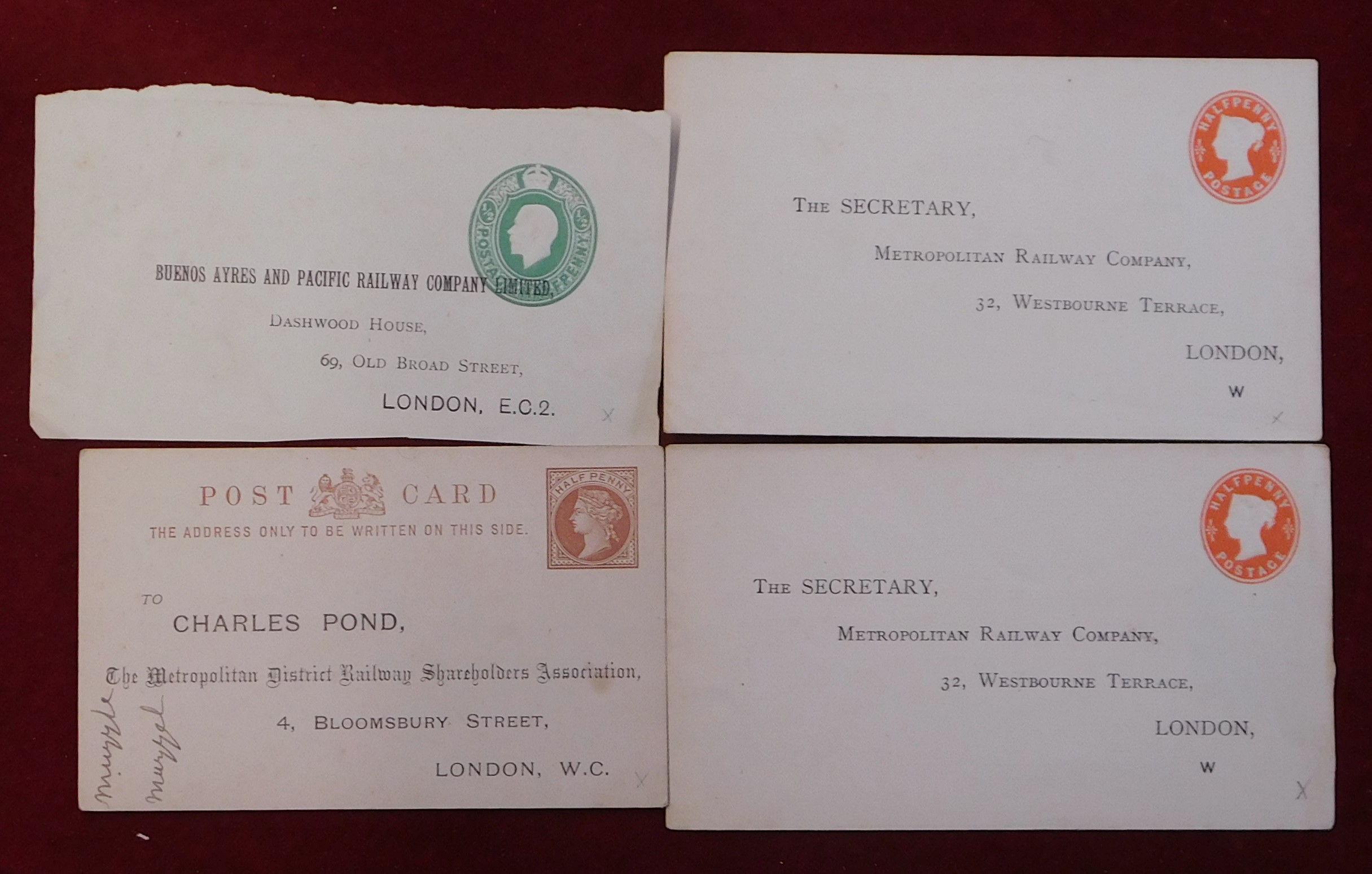
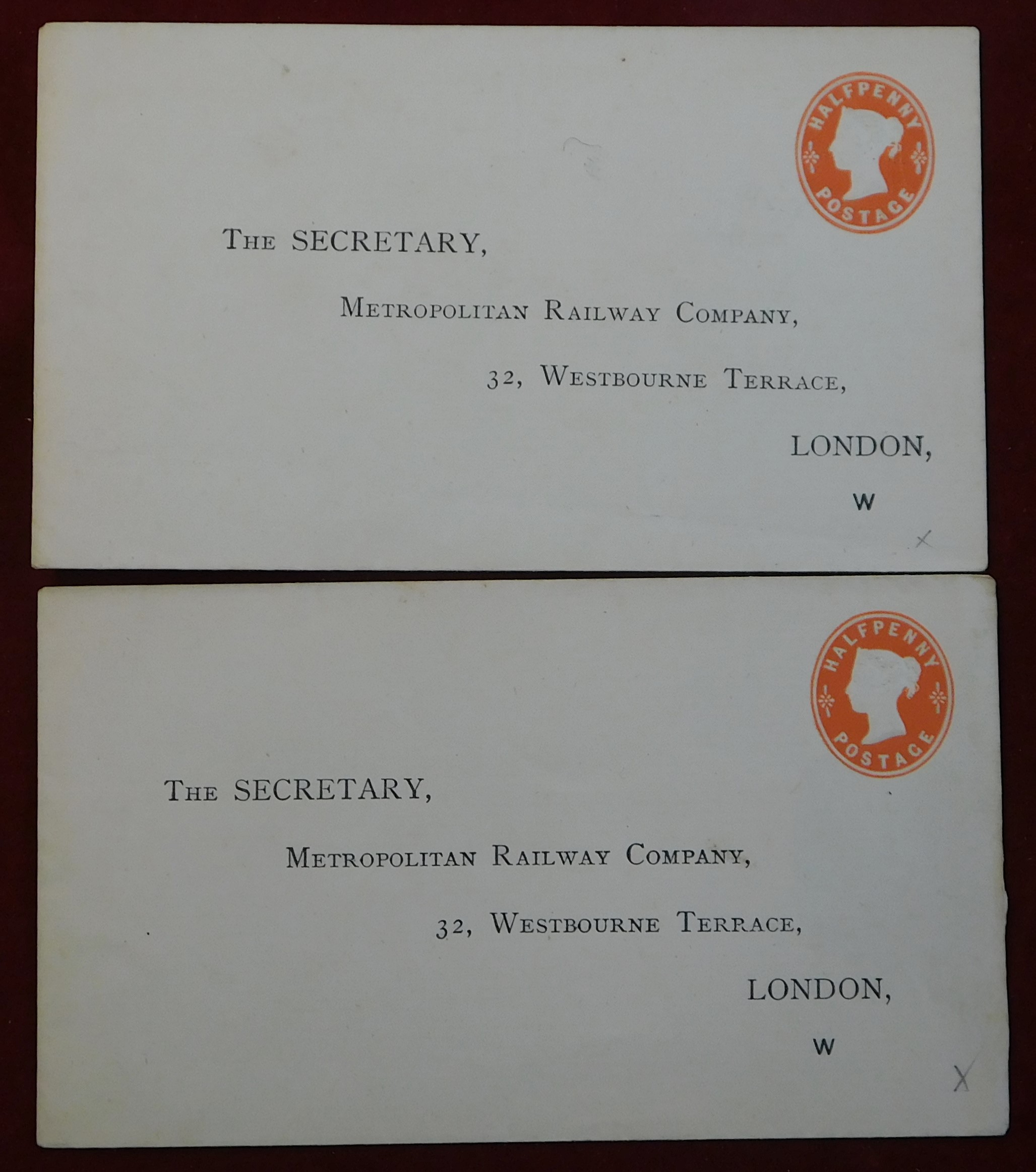
I did get lot 269.
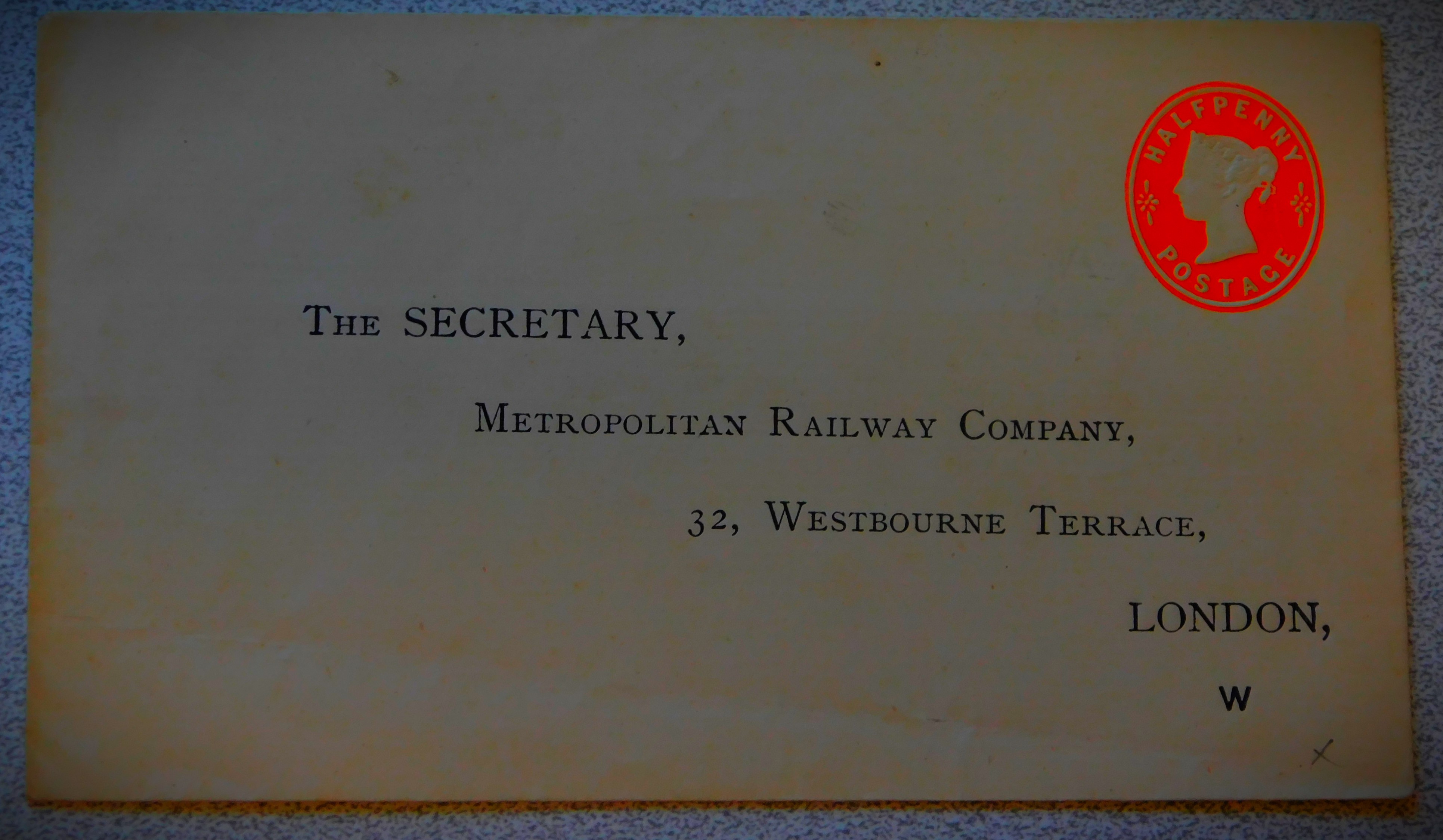
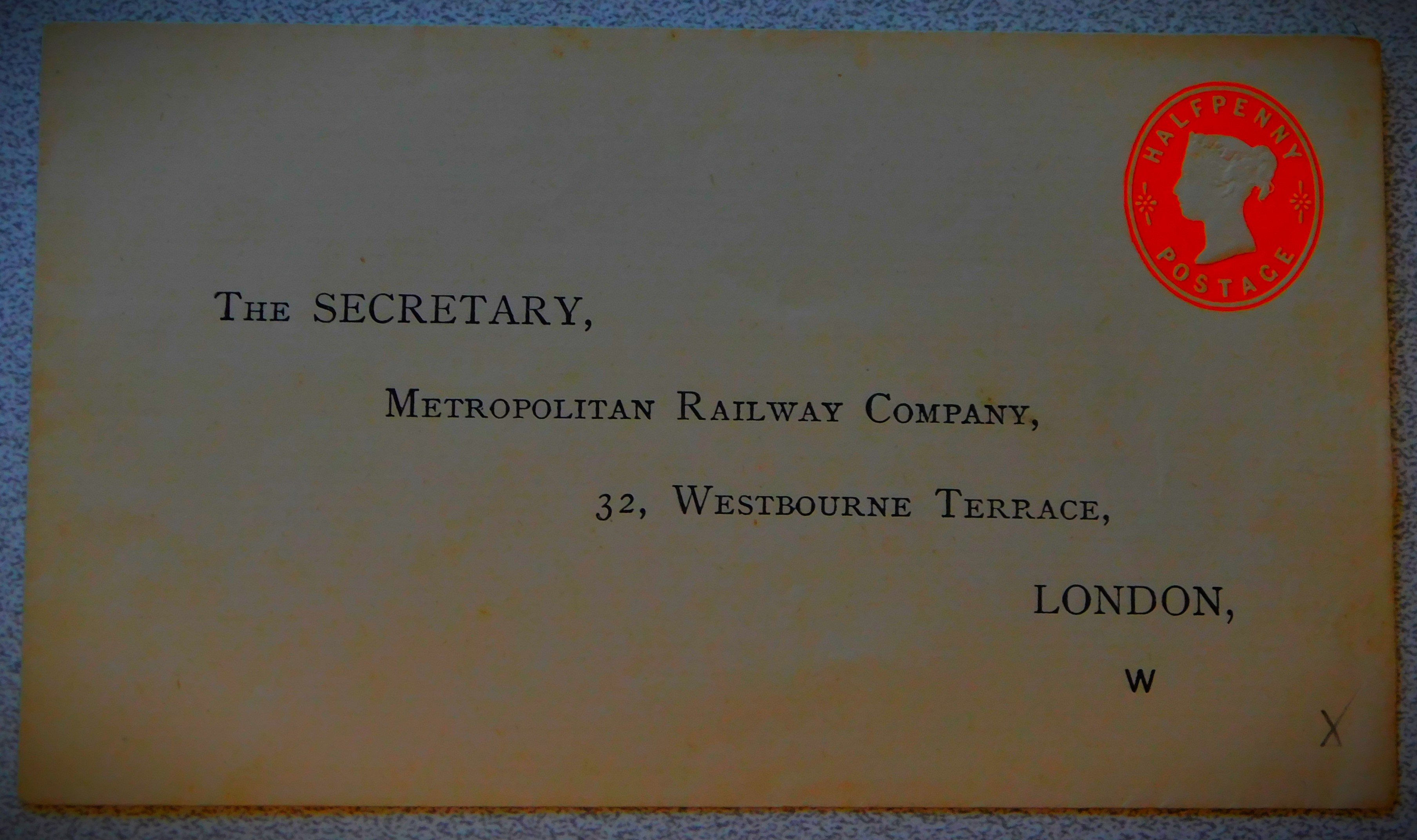
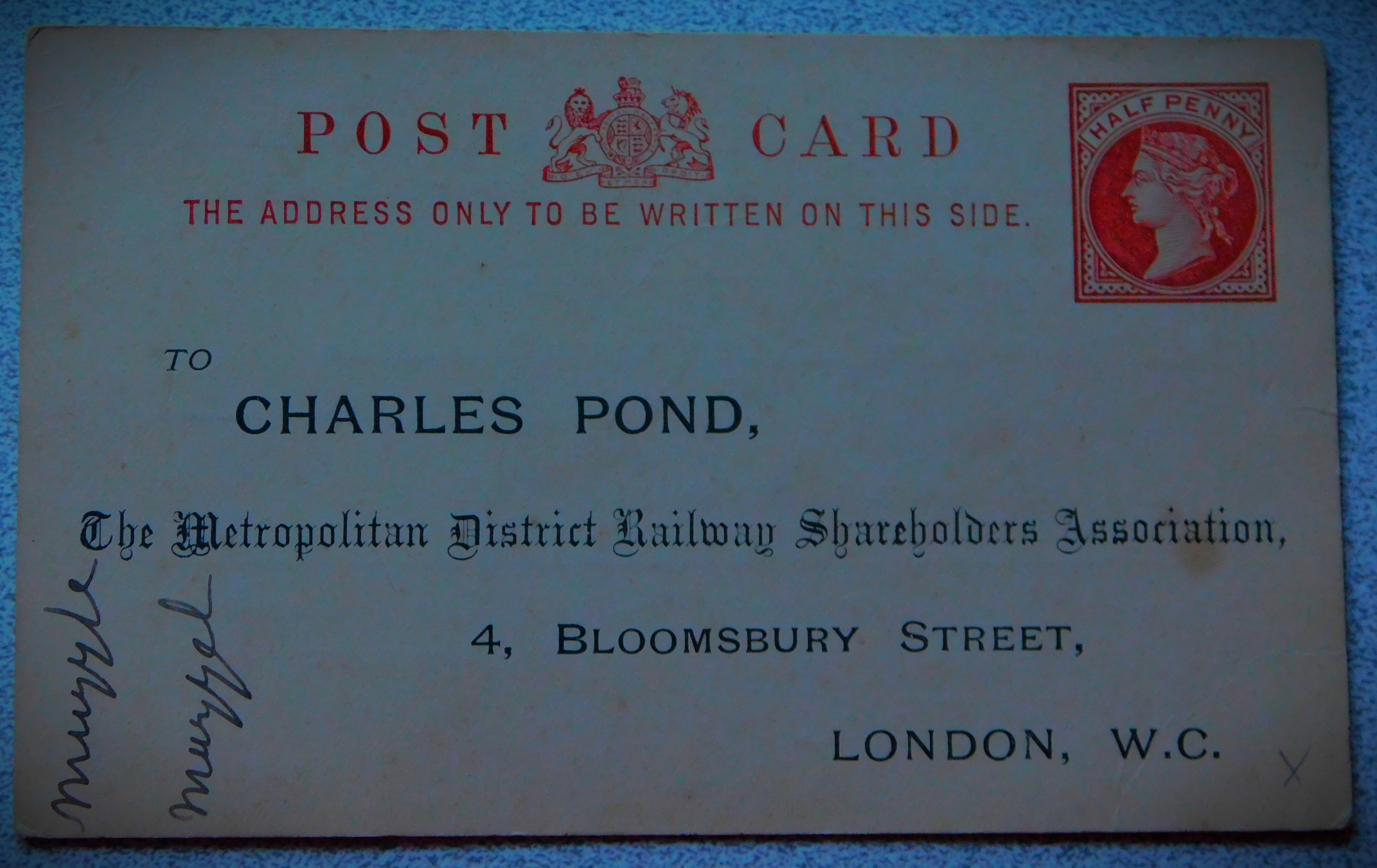
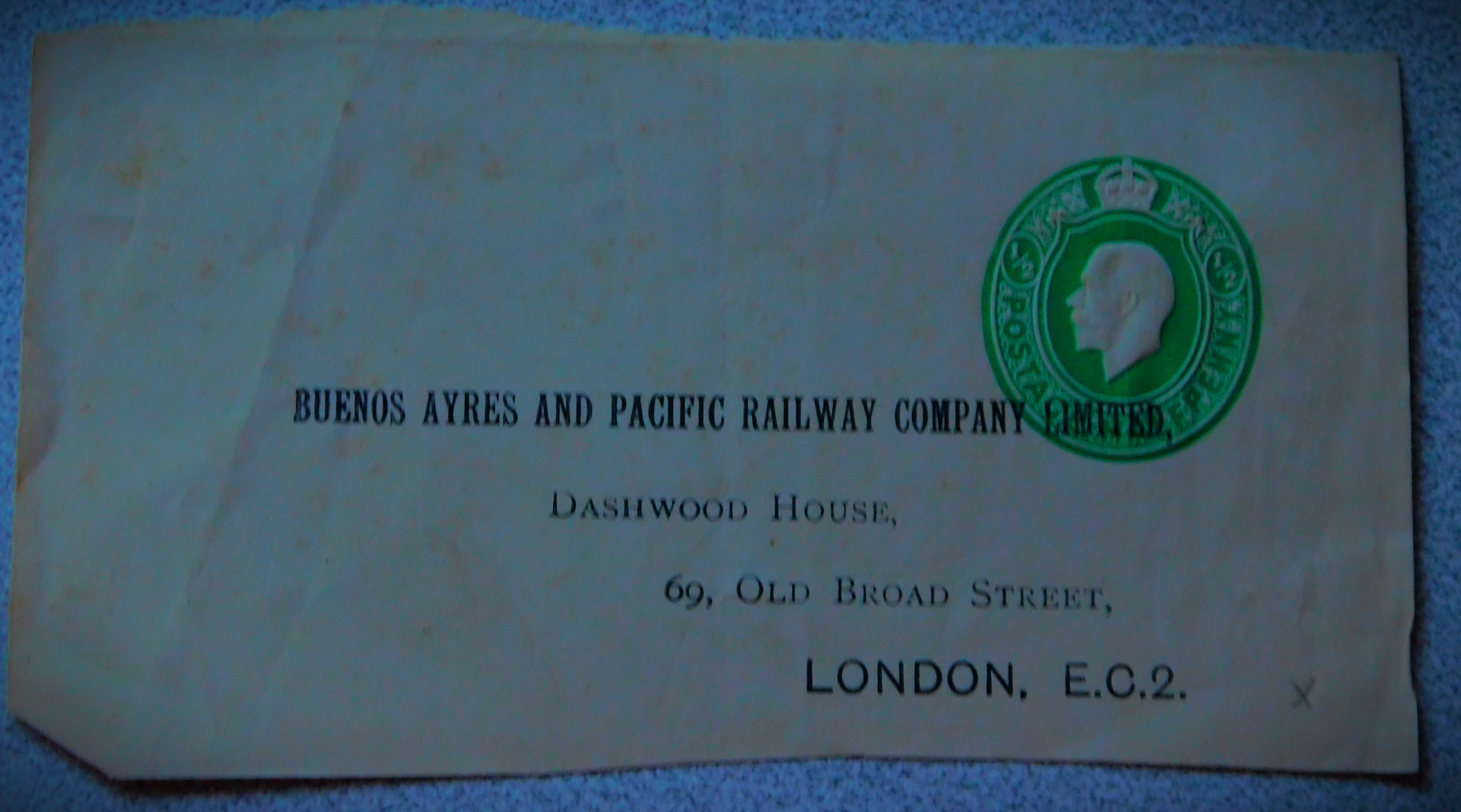
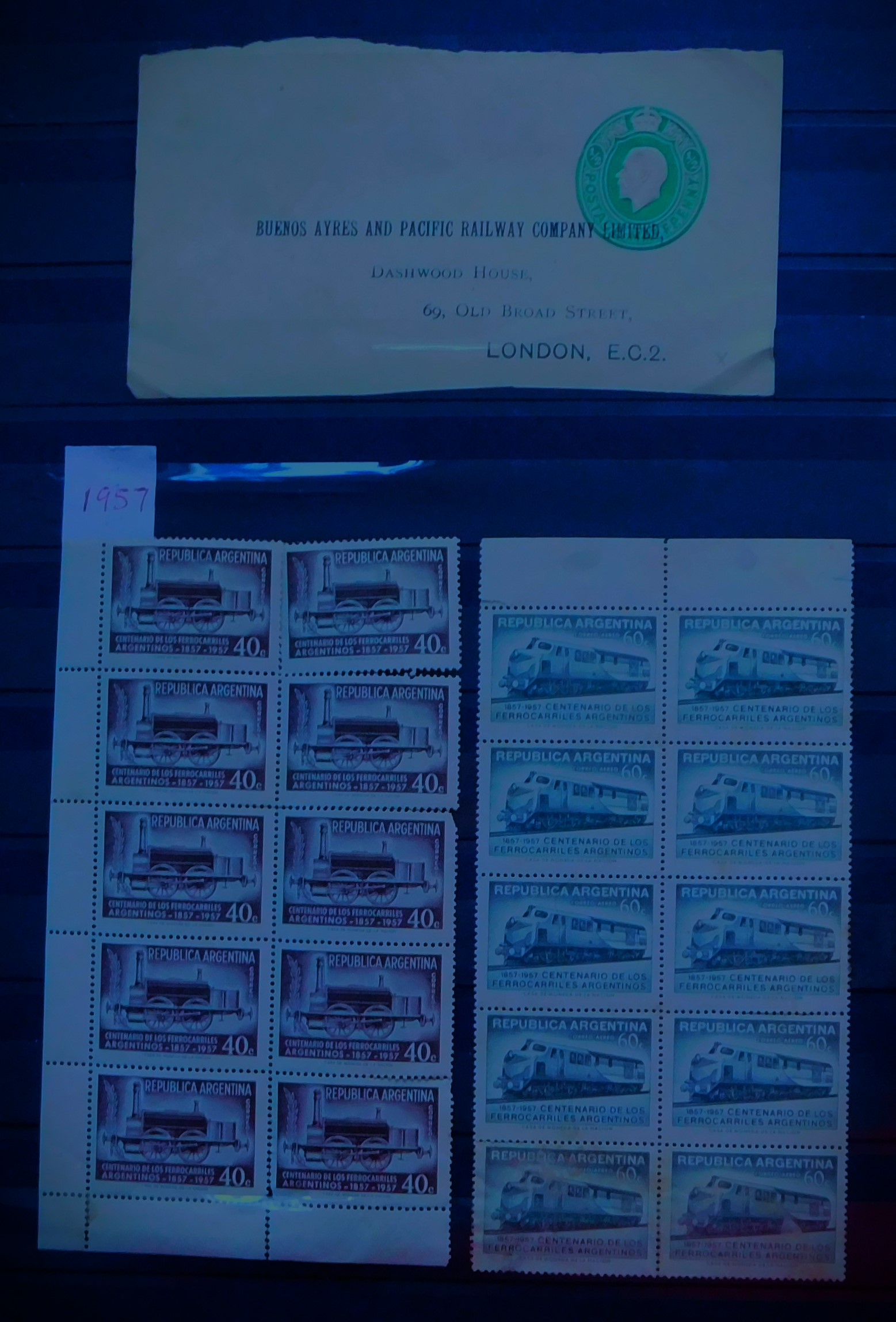
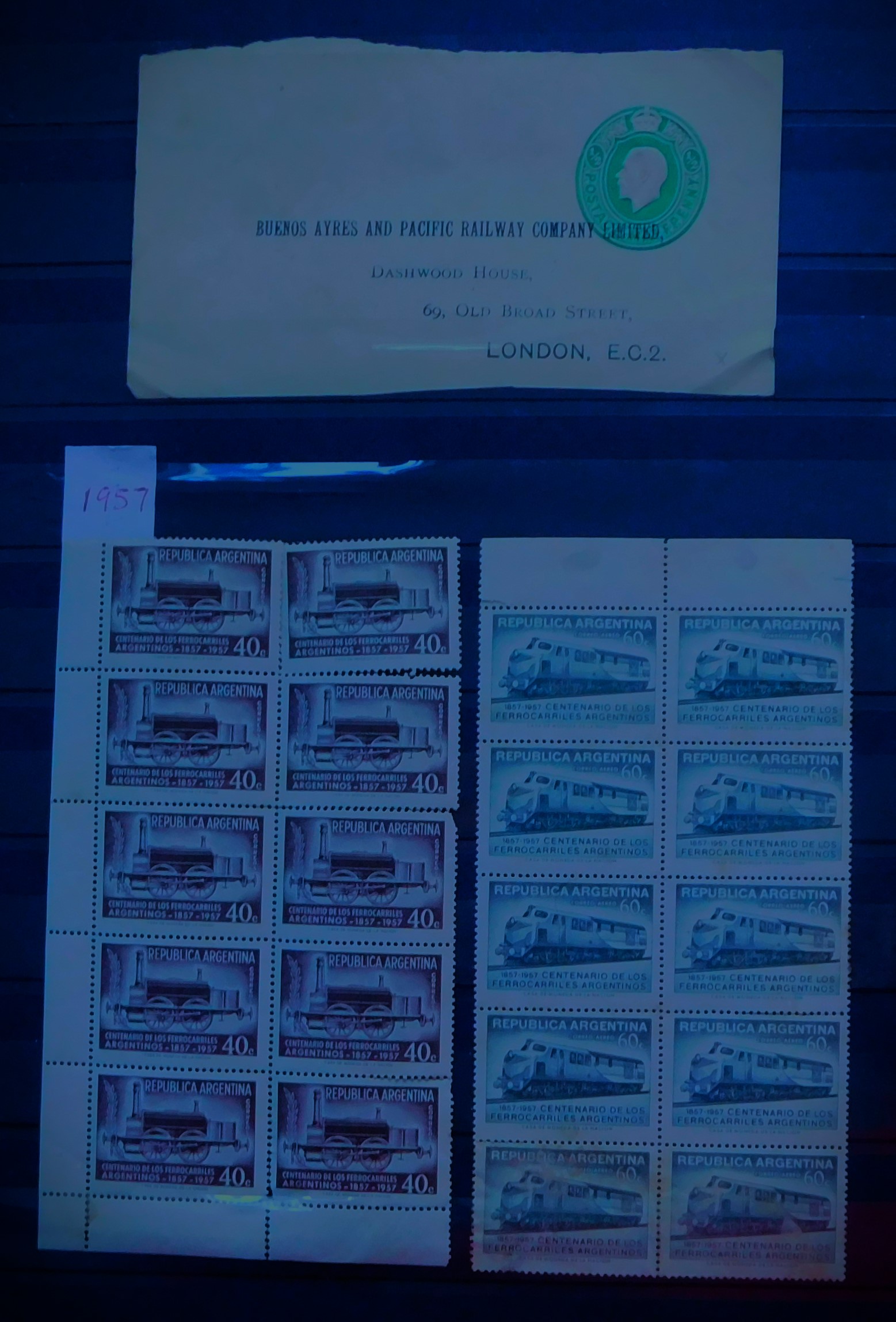
The Metropolitan Railway was the original Underground railway from which London Underground developed.The Metropolitan District Railway opened five years later, and the two companies between them completed the Inner Circle, now The Circle Line.This did not really belong with the other items in the lot, but I have same Argentine railway stamps in my collection.
Lot 329 also went to me…
I ignored lot 399…
I had produced a very extensive image gallery for lot 400, made more so by fielding a query on that lot. However, in the end my opportunistic bid was the only one on the lot.
Lots 402 was also railway related but discipline had to prevail.
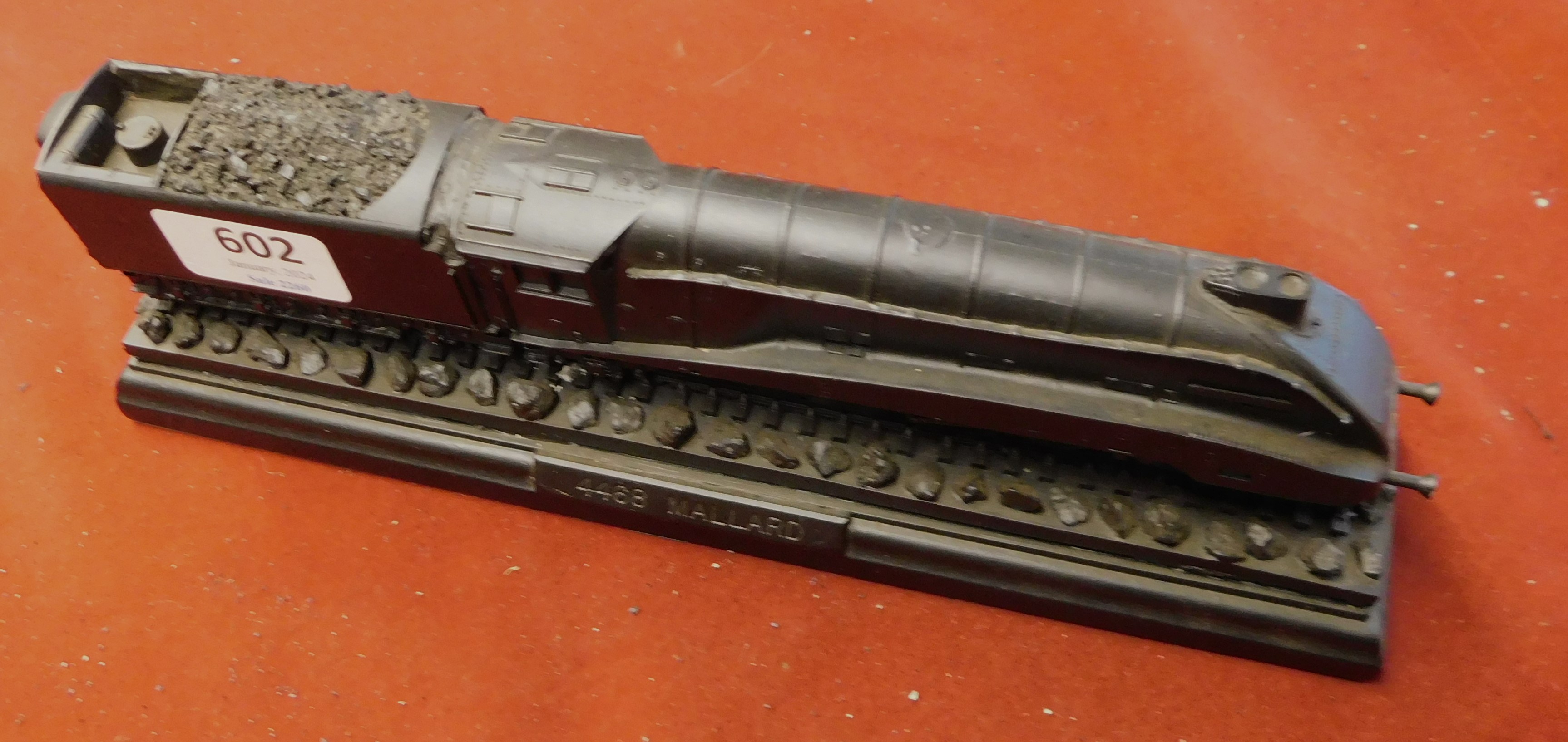
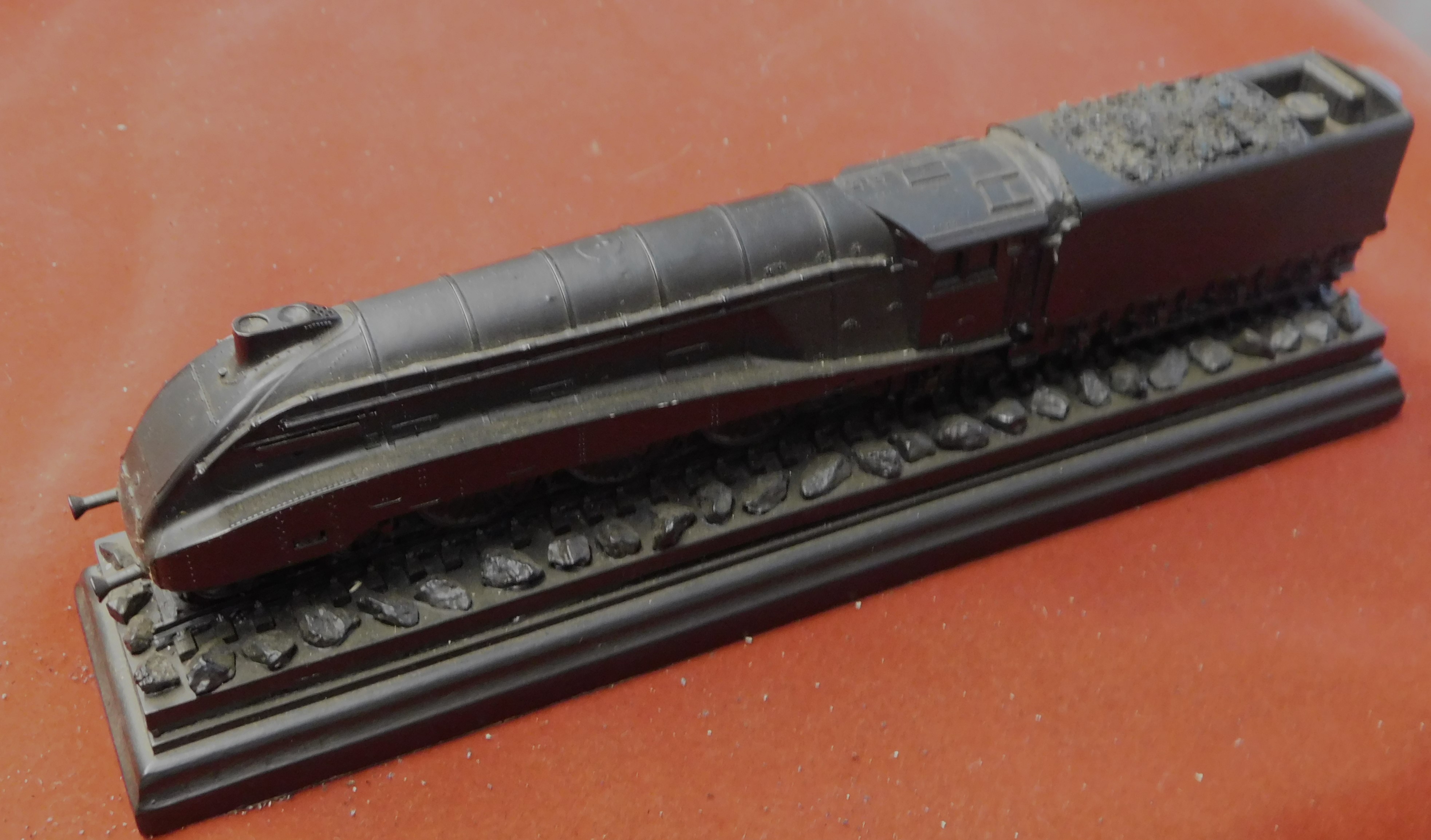
Lot 602, a model of a locomotive sculpted from coal proved, as I expected to be the case, to be beyond my price range.
I end this section with a lot that attracted a fierce bidding war (in which I had no part, other than creating the images that generated it), and ended up fetching £150, having been expected to do no more than 20-30, number 197.
PHOTOGRAPHS
My usual sign off…
Harbingers of spring, and it is only late Janaury.
A look back at today’s world cup matches, especially England v Pakistan, , analysis of the group standings with one group match to go, a mention of a couple of upcoming auctions being held by my employer and my usual sign off.
Today saw two group matches at the 2023 ODI World Cup, Australia v Bangladesh and England v Pakistan. Most of this post is dedicated to the second of these fixtures. In the early game Bangladesh posted just over 300, and Australia chased them down very comfortably, Mitchell Marsh setting a new record for an Australian number three in ODIs by scoring 177 not out.
THE PRELIMINARIES
England were already eliminated, while Pakistan had a very outside chance of staying in the tournament. The least vanishingly unlikely scenario to allow this to happen would have seen Pakistan bat first, score a huge total and bowl England out cheaply. Going this way round would still have left Pakistan needing to win by 287 runs to go ahead of New Zealand on net RR. As it happened Buttler won the toss and decided to bat. This meant that the first landmark for England to reach was 169, at which point Pakistan would be in the position of needing at least one no-ball from England even if they hit everything for six if they were to overhaul New Zealand on net RR.
THE ENGLAND INNINGS
In the event England batted the best they had all tournament, and it was soon very obvious that any scenario involving Pakistan overhauling New Zealand was not so much vanishingly as Daniel Dennett’s usage of Vanishingly unlikely (in the book “Darwin’s Dangerous Idea”). Various players contributed for England, and all Pakistan’s bowlers took a fair amount of stick. In the end England posted 337 from their 50 overs.
THE PAKISTAN REPLY
Pakistan never looked at the races, and there were times when it looked like their net RR was going to take such a battering that they dipped below Afghanistan into sixth place. The magic number to avoid that was 187, and they reached that figure with eight wickets already gone, losing a ninth shortly afterwards. The last pair of Mohammad Wasim and Haris Rauf then managed to connect with some meaty blows, but long before they were even close to worrying England one such shot went higher than it did long and Stokes managed to get himself underneath it. Pakistan were all out for 244, beaten by 93 runs. Two England bowlers reached career landmarks along the way – David Willey whose retirement is already confirmed reached 100 ODI wickets with the second of his three scalps, and Adil Rashid claimed his 200th ODI wicket. Willey was given the Player of the Match award, making the decision not to award him a new central contract look even sillier than it already did (while the timing of the central contract details being made public, right in the middle of a tournament, verged on the criminally insane). England are in seventh place, and unless the miracle of the tournament happens tomorrow and the Netherlands somehow beat India by a really big margin in the last group match seventh is where they will finish. However, two of their three wins came after their eliminations was already confirmed, and those two late consolation victories should not be allowed to overshadow just how dire a tournament this was for the team who “didn’t come here to defend anything”.
TWO UPCOMING AUCTIONS
James and Sons’ November auctions (on Tuesday 21st and Wednesday 22nd) are now ready to view online.
Tuesday’s auction features stamps and postal history, and contains 500 lots. Lot 105 (below) is one of them:
There are two ways to view a catalogue listing and/or sign up to bid online:
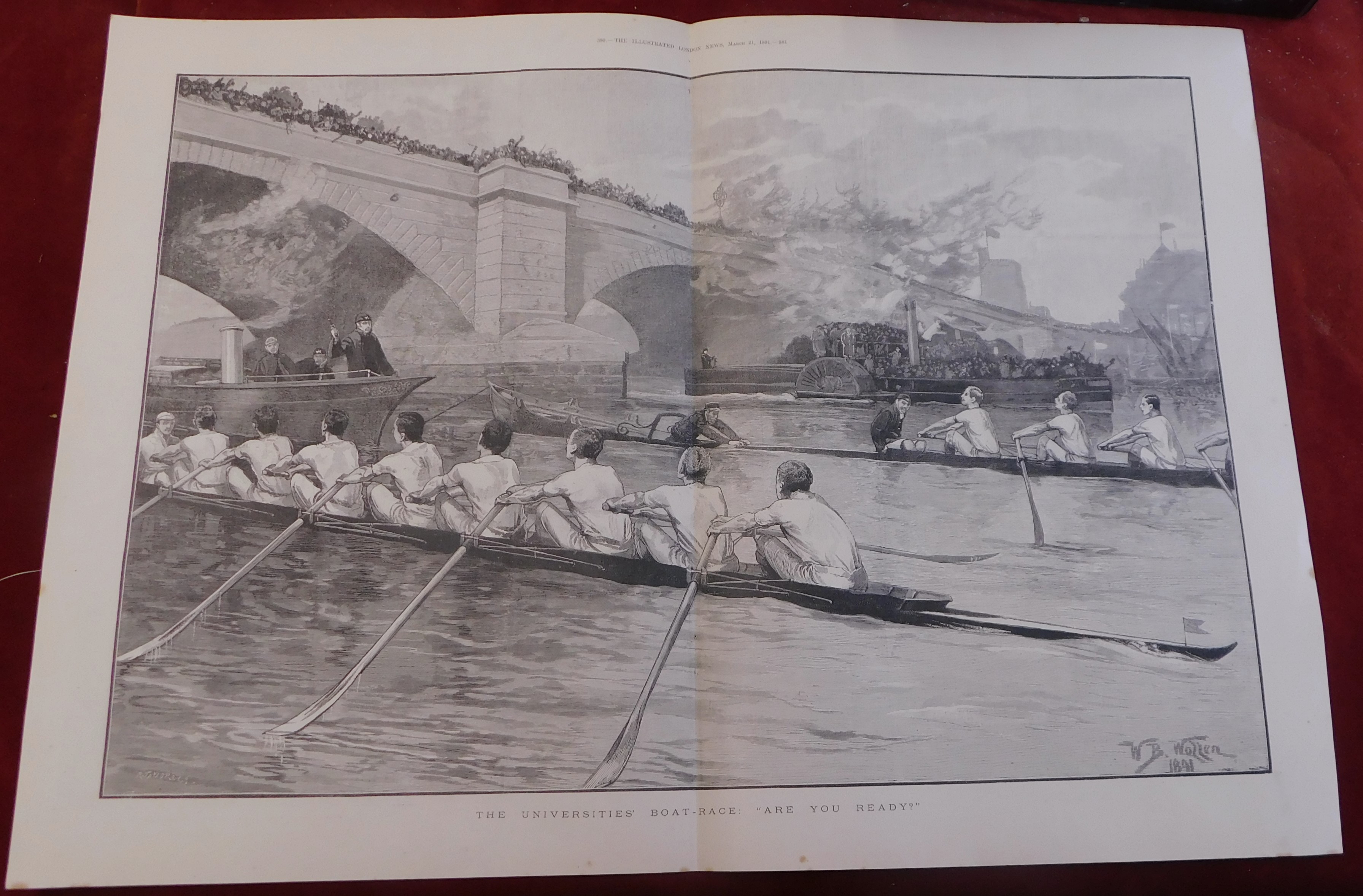
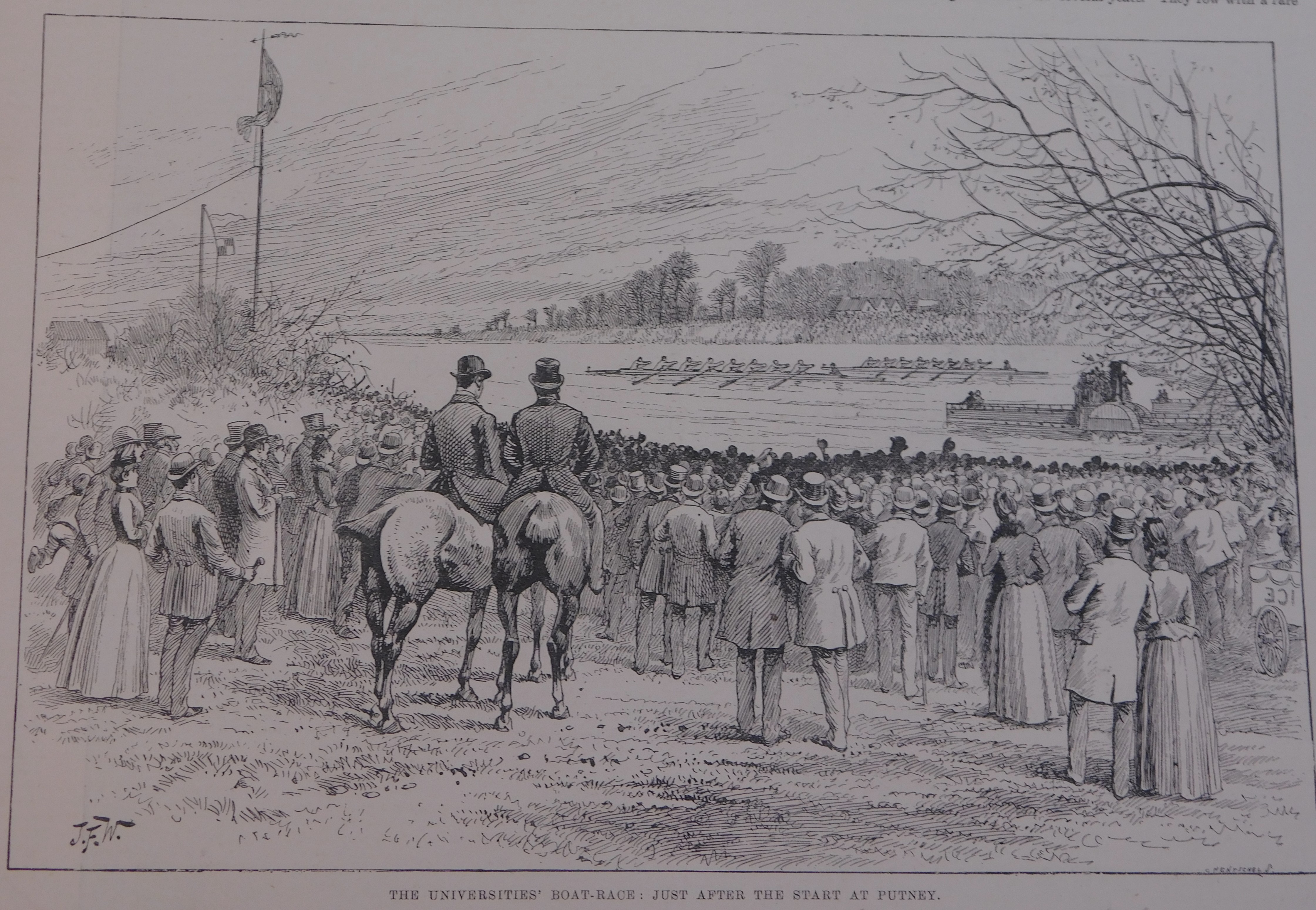
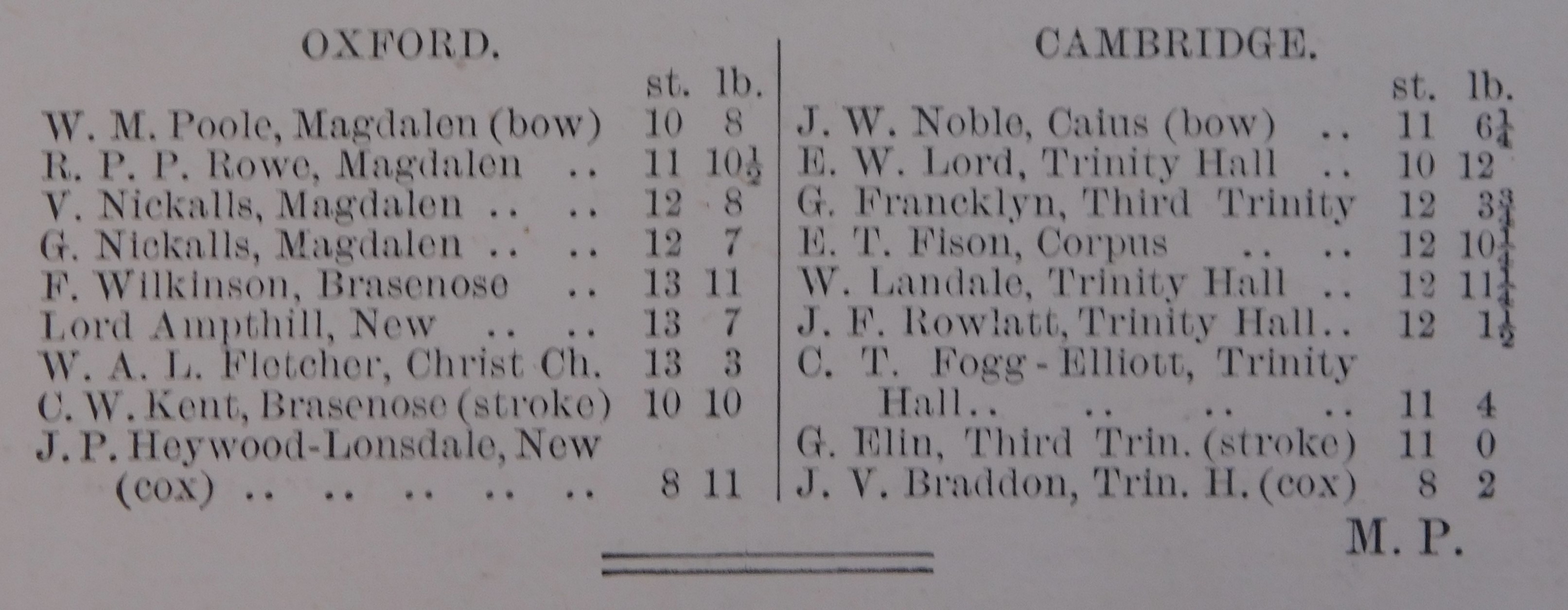
The second day’s sale features advertising and ephemera. The main feature image is the centrepiece of lot 702, a poster sized picture of the 1891 Boat Race crews in action:
Full catalogue listing online, starting from lot 501
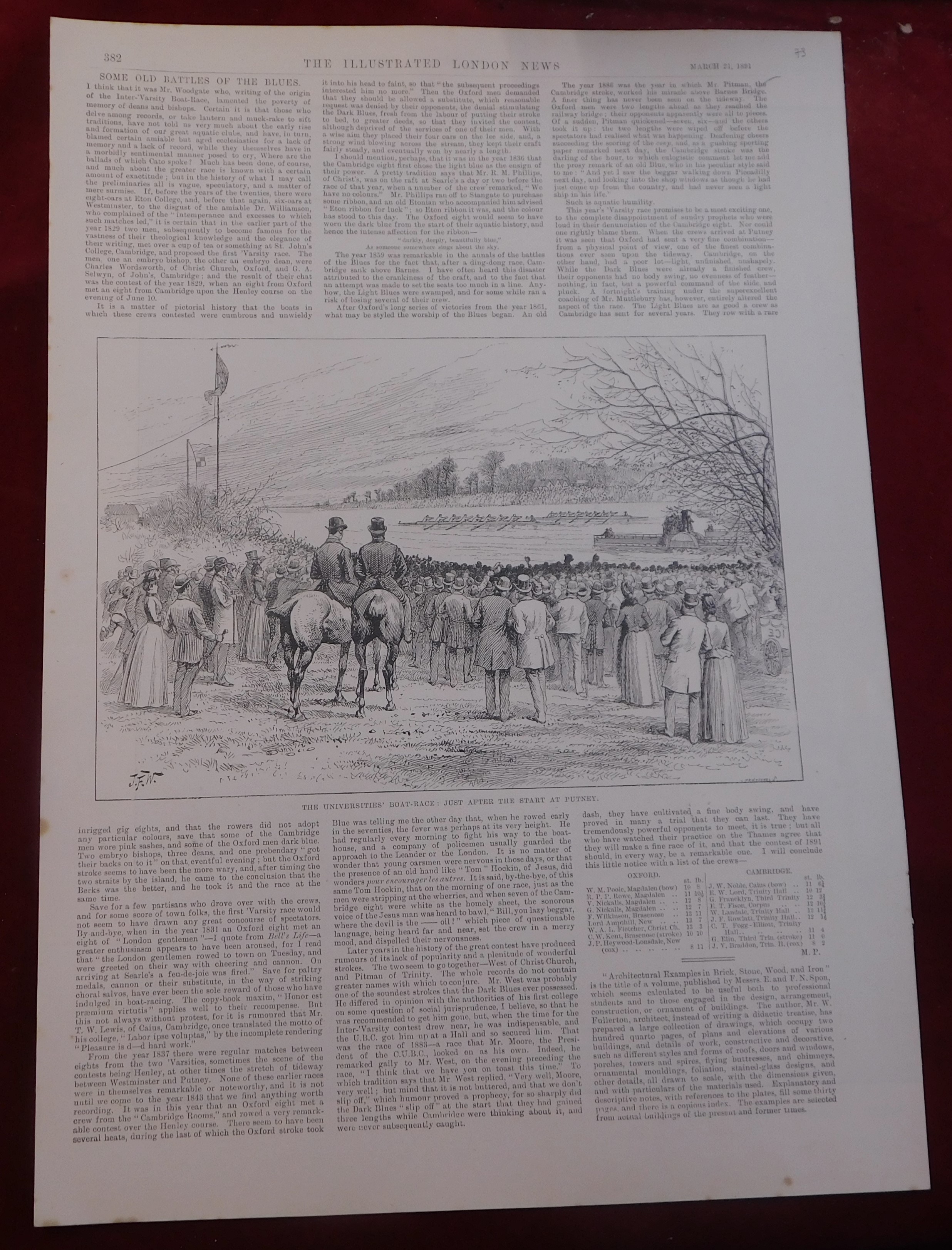
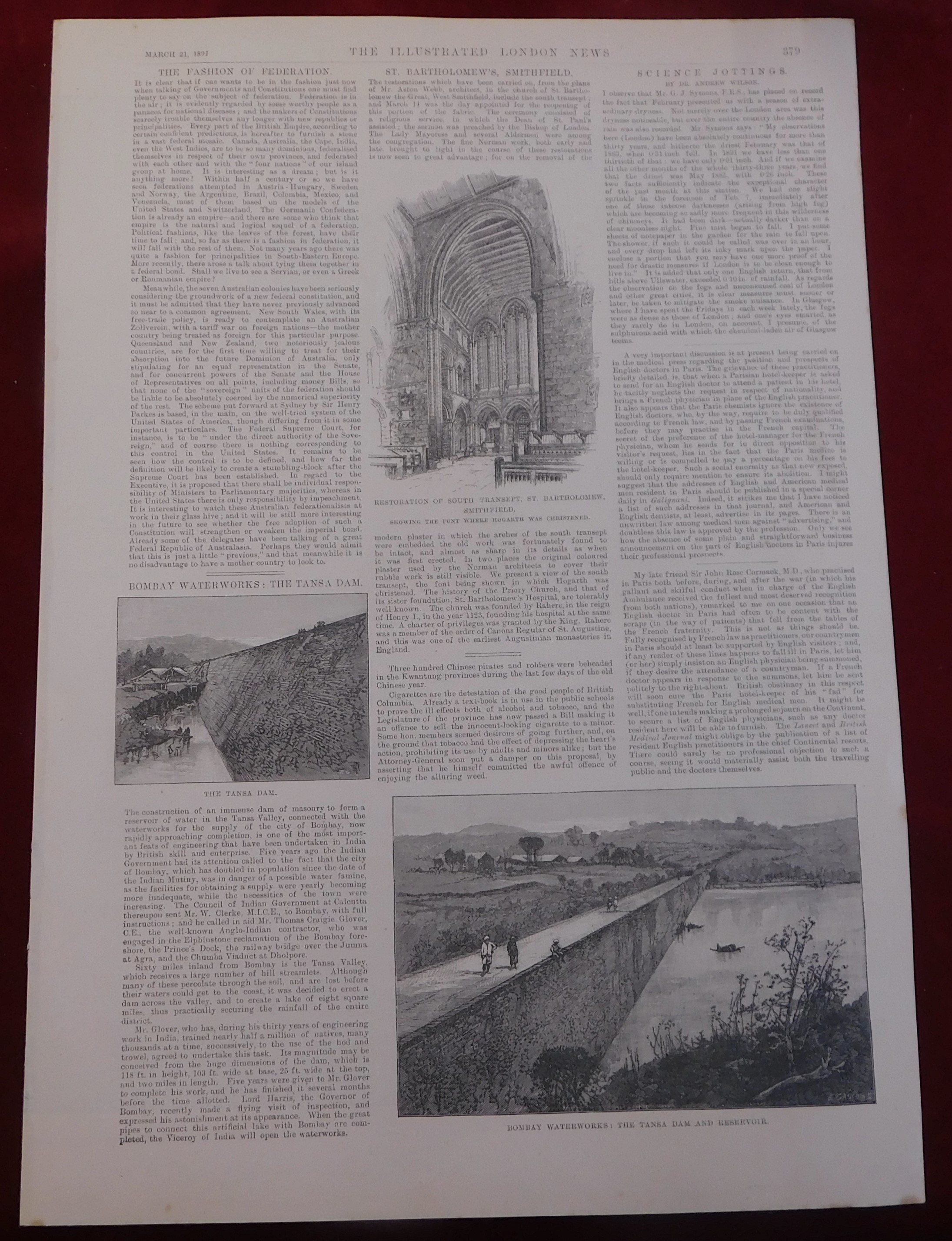
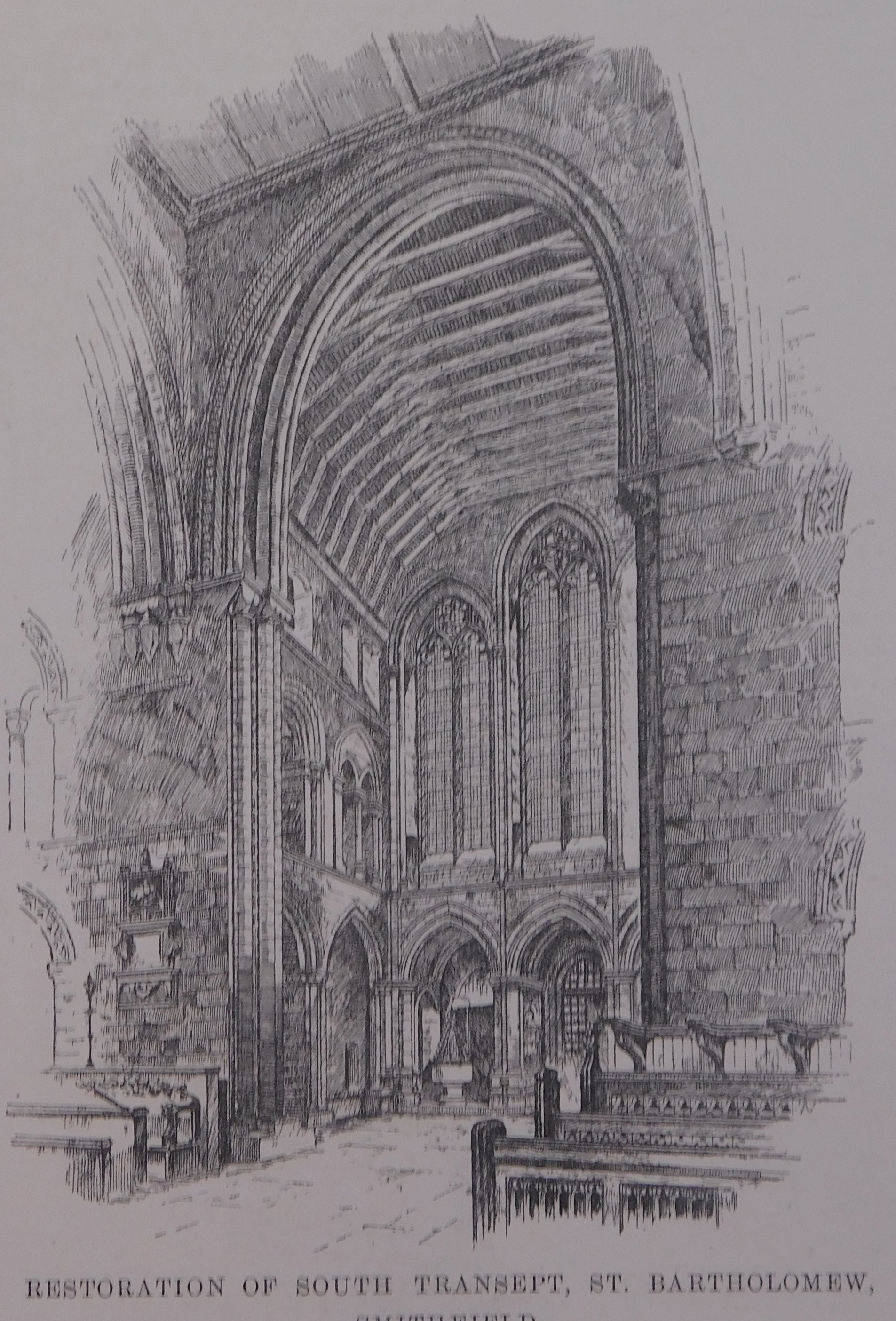
As a lead in to the final section I have a few more ephemera images, including the rest of the gallery for lot 702…
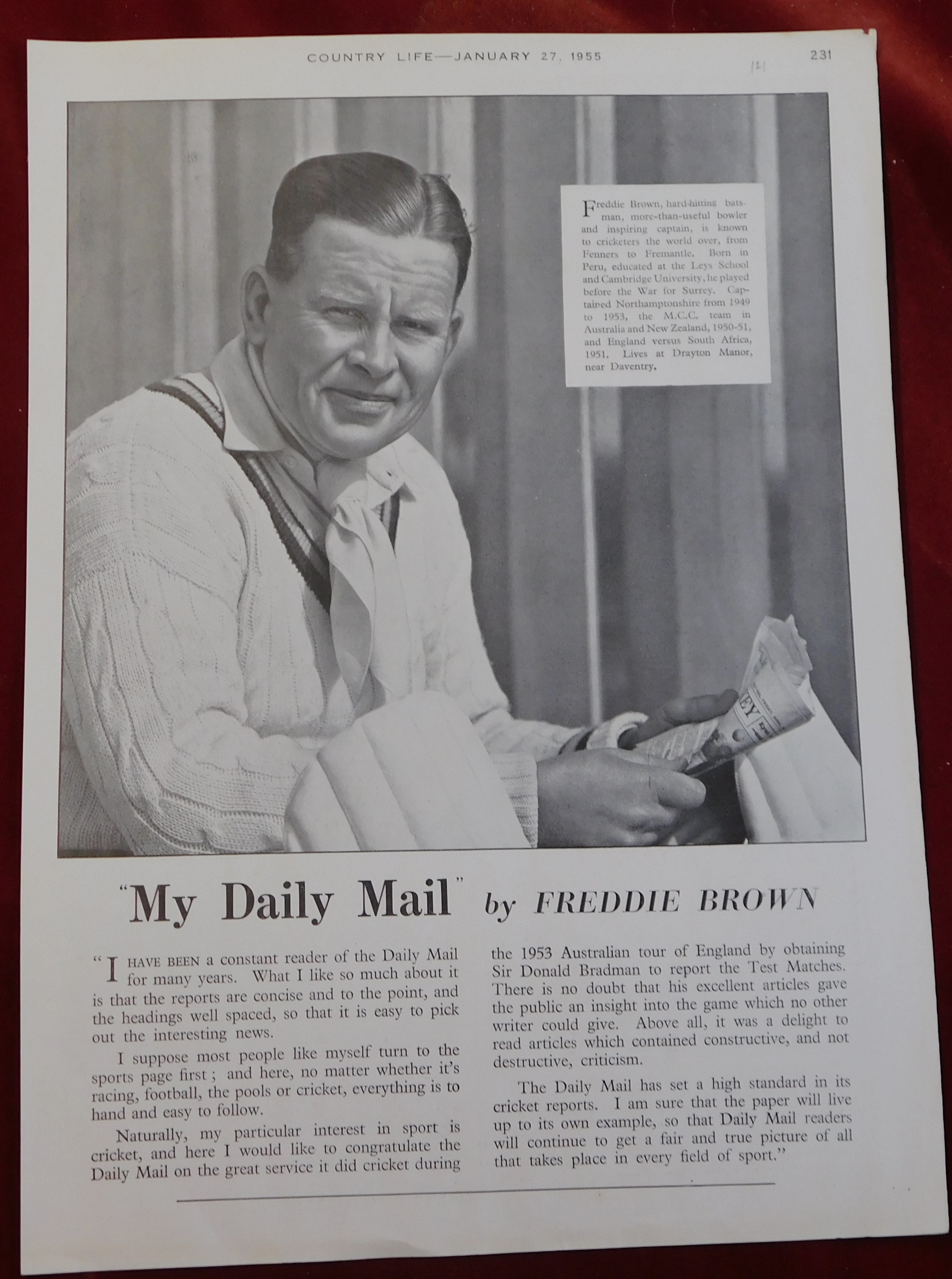
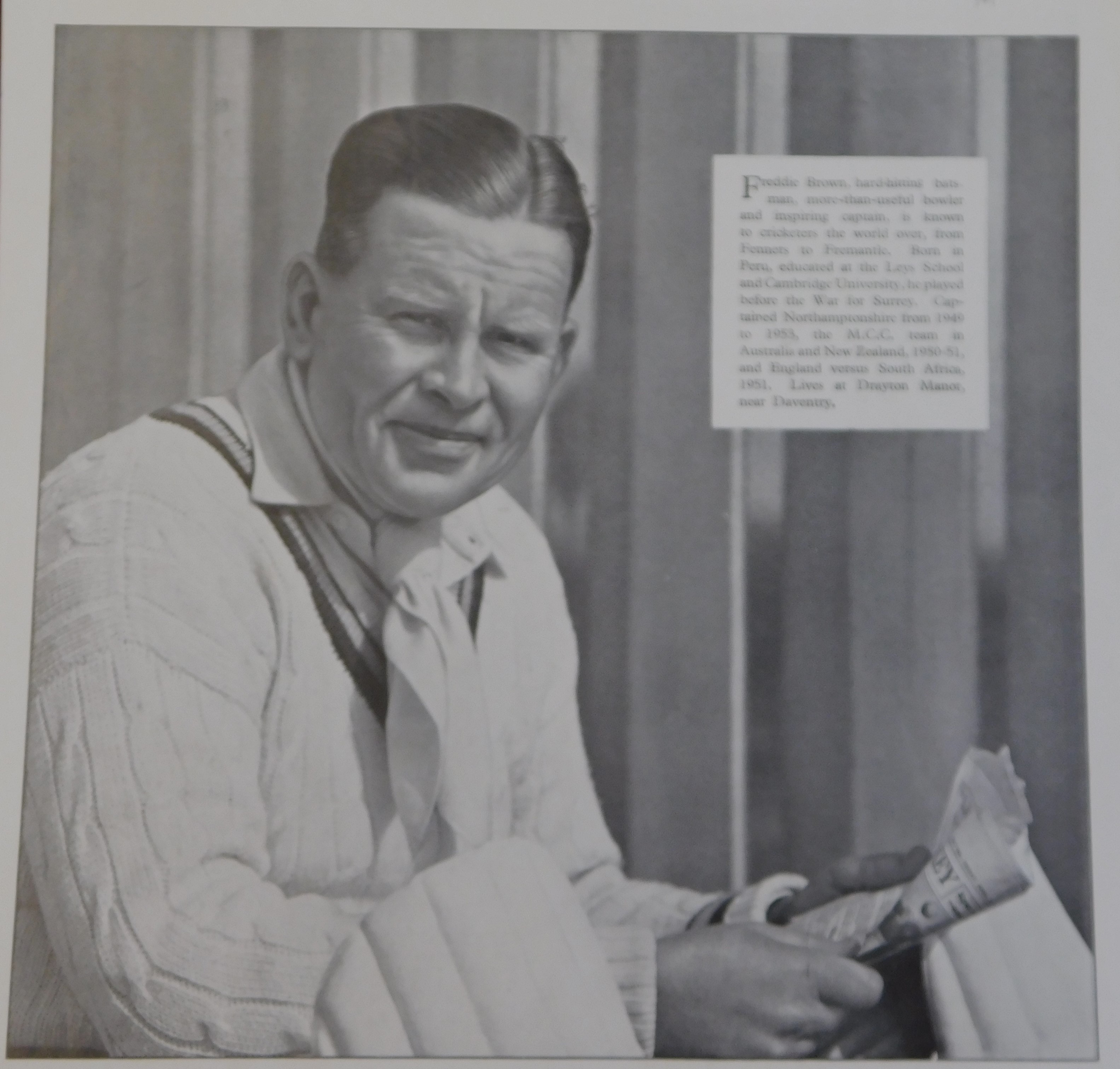
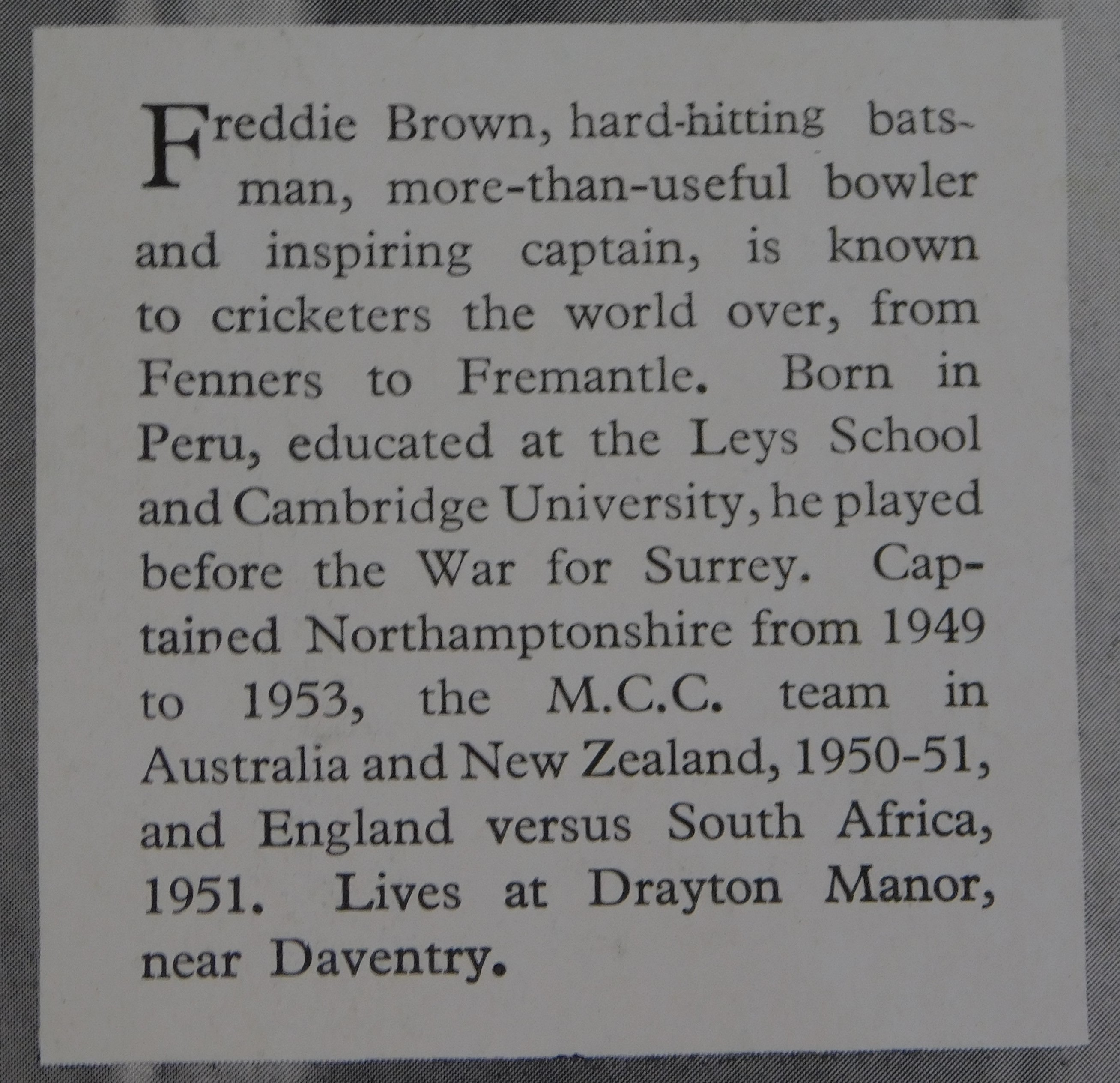
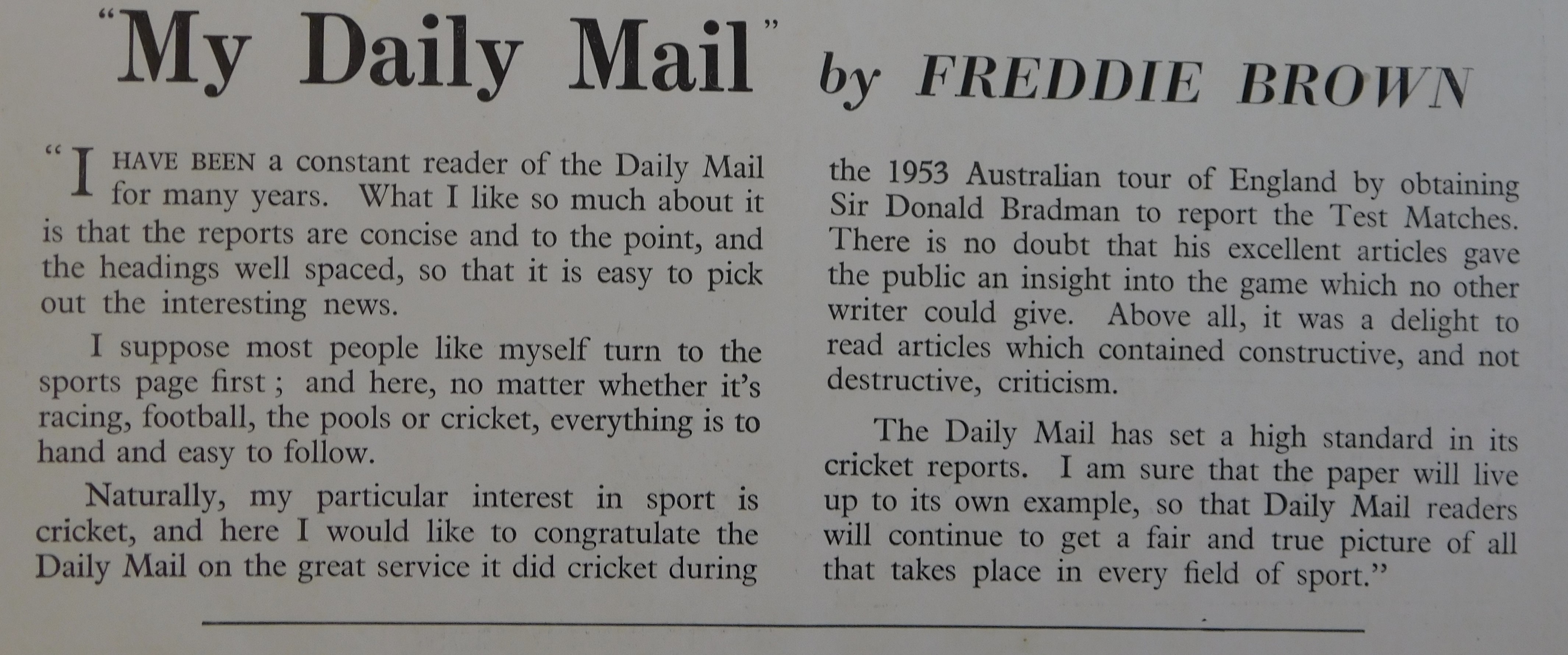
These last two lots are included because to my mind they illustrate the value of not ignoring anything – in each case the stuff on the reverse side is at least as interesting the supposed main feature of the item.I abhor the publication that Mr Brown was spruiking here, but it is of interest that they saw him as valuable.
PHOTOGRAPHS
It is getting to the time of year when really good things to photograph become harder to come by, but I do have my usual sign off…
Today I continue my exploration of the all time XIs theme with a team made up of players whose surnames begin with the letter O.
THE XI IN BATTING ORDER
Ali Orr (Sussex). He has a less extensive career than most to feature in an actual XI in this series, having started his FC career quite recently. However, only one of the XI has an FC career average better than Orr’s current figure of 42.
Edgar Oldroyd (Yorkshire). One place up from usual spot for his county. He scored over 15,000 FC runs at an average of 36. His grand daughter Eleanor is a radio commentator and regular presenter of sports programmes.
Charles Ollivierre (Derbyshire). One of the first great batting talents to emerge from the West Indies. He came to England in 1900 as part of non-test tour by the West Indies (they gained test status in 1928), and stayed on, qualifying by residence to play for Derbyshire (who also found him a clerical job which meant he could retain his amateur status). His finest hour came at Chesterfield in 1904 in a match that almost defies belief. Essex batting first scored 597, Perrin 343 not out, Derbyshire responded with 548 (Ollivierre 229), Essex fared precisely 500 runs less well second time round, as Bestwick and Warren extracted revenge for some rough treatment in the first innings, and Derbyshire managed the resultant chase of 147 in 125 minutes with time and nine wickets to spare, Ollivierre finishing 92 not out, Billy Storer 48 not out.
Norman O’Neill (Australia). He averaged 46 with the bat at test level. He illustrated his class on his test debut, when at the end of a match featuring mind-bendingly slow scoring (518 runs in the first four days, Bailey 68 in 458 minutes) he took Australia to a comfortable victory by scoring 73 not out in two and a half hours, proving that it was possible to score at a reasonable rate on that surface.
Maurice Odumbe (Kenya). An all rounder who batted right handed and bowled off spin, and (along with Steven Tikolo) one of the two best cricketers his country has ever produced. He was good enough to have scored an FC double hundred.
Alec O’Riordan (Ireland). He batted right handed and bowled left arm fast medium. Most of his cricket was club cricket played at weekends, but he showed what he could do against higher class opposition when Ireland played the West Indies. He took four cheap wickets as the illustrious visitors were rolled for 25 on an emerald coloured pitch, and then batted well for Ireland (it was a one innings match officially, but in order to entertain the fans Ireland batted on after completing a nine wicket victory, and declared, nipping out a couple more wickets in the WI second innings before the day’s action ended.
+Bert Oldfield (Australia). One of the greatest wicket keepers ever to play the game, his career tally of 52 test match stumpings remains an all time record.
Chris Old (Yorkshire, Warwickshire, England). A right arm fast medium bowler and an occasionally useful left handed lower order batter. His England highlights include taking four wickets in five balls against Pakistan and being the accurate, mean foil to Willis when that worthy produced his match winning spell at Headingley in 1981.
Pragyan Ojha (Surrey, India). A left arm orthodox spinner, his record for India was respectable rather than truly outstanding, though he was a little unfortunate that his career overlapped with the emergence of Ravindra Jadeja. No one could play him when he turned out for Surrey and was instrumental in them winning promotion back to division one of the county championship.
*Bill O’Reilly (Australia). One of the greatest leg spinners ever to play the game. He bowled quicker than most of his type, his stock pace being at least medium and possessed an almost undetectable googly by way of variation. I have named him as captain of this XI, that being a difficult role to fill for this letter, since he obviously had tactical acumen in spades, and I have read some of his writings on the game and been impressed by them.
Duanne Olivier (Derybshire, Yorkshire, South Africa). He pays less than 30 each for his test wickets, and will probably feature in the upcoming series between England and South Africa. Fast medium rather than outright fast he is still a very fine bowler. Whether he or Old would share the new ball with the left armer O’Riordan is one of the main decisions facing the skipper of this side
This XI is patchy, with a somewhat makeshift opening pair, fine batters at three and four, a couple of fine all rounders, a legendary keeper and one great and three very good specialist bowlers. The bowling, with the seam in the hands of Old, Olivier and O’Riordan and leg spinner O’Reilly, left arm spinner Ojha and off spinner Odumbe to attend to that department is this side’s strong suit, though there is no express pace option.
HONOURABLE MENTIONS
Before I get to the main meat of this section, Qasim Omar does not feature, because as difficult as this letter is, Q is far harder.
Unlike either of the two guys I chose to open the batting Javed Omar of Bangladesh did that job at test level. However, his record is pretty ordinary, hence him missing out. Alan Ormrod of Worcestershire was a county stalwart, but his FC average was only just the right side of 30. William Oscroft of Nottinghamshire might have provided some genuine pace, but he was not often used as a bowler by his county, and even allowing for the difficulty of the pitches when he was in his prime an average of 19 in his main suit simply isn’t good enough. Insufficient records of his overall performances ruled George Osbaldeston, a fast bowling all rounder of the early 19th century, out of consideration. Simon O’Donnell was an Australian all rounder who bowled fast medium, but his batting does not command a place in its own right, and his bowling record was modest, plus he bowled with his right arm, meaning that his presence would give the attack less variation than O’Riordan does. Rodney Ontong had a respectable career for Glamorgan but couldn’t quite claim a place in this side. Thomas Odoyo, a fast bowling all rounder for Kenya entered my thoughts. Dominic Ostler of Warwickshire had a long career, but only averaged a tick over 30 with the bat. Among the pacers who entered my thoughts but just missed out on selection were the Overton twins (especially Jamie, whose extra pace would have been useful), Henry Olonga of Zimbabwe, Peter Ongondo of Kenya and Iain O’Brien of New Zealand (the latter getting an expert summarisers gig by way of compensation).
Niall O’Brien, a solid keeper batter for Kent and Northamptonshire in the championship and with a decent record for Ireland as well is the officially designated reserve keeper, but as is usual for me in these cases I opted for finer keeper, Oldfield. Kevin O’Brien, an all rounder who bowled right arm fast medium, had most of his best moments in limited overs cricket
In a few years time Hampshire’s off spinning all rounder Felix Organ may have a record that allows him to displace Odumbe from this side, but he is not there yet.
PHOTOGRAPHS
My usual sign off has two parts this time…
A TWOPENNY BLUE
James and Sons had a stamp sale earlier this week, and I acquired a two penny blue very cheaply. I am not in general enthusiastic about ordinary stamps, but the 2d blue has a connection which elevates it – every Victoria line station has a patterned mosaic displayed at platform level relating to it’s name, and because of the colour used for the line on the London Underground map the pattern at Victoria is based on this stamp, so I am pleased to have one in my possession.
The image I produced at home with the luxury of time.The official auction image, when I had to work quicker.The 2d blue in its new home in my ‘cabinet of curiosities’ (top right as you look).