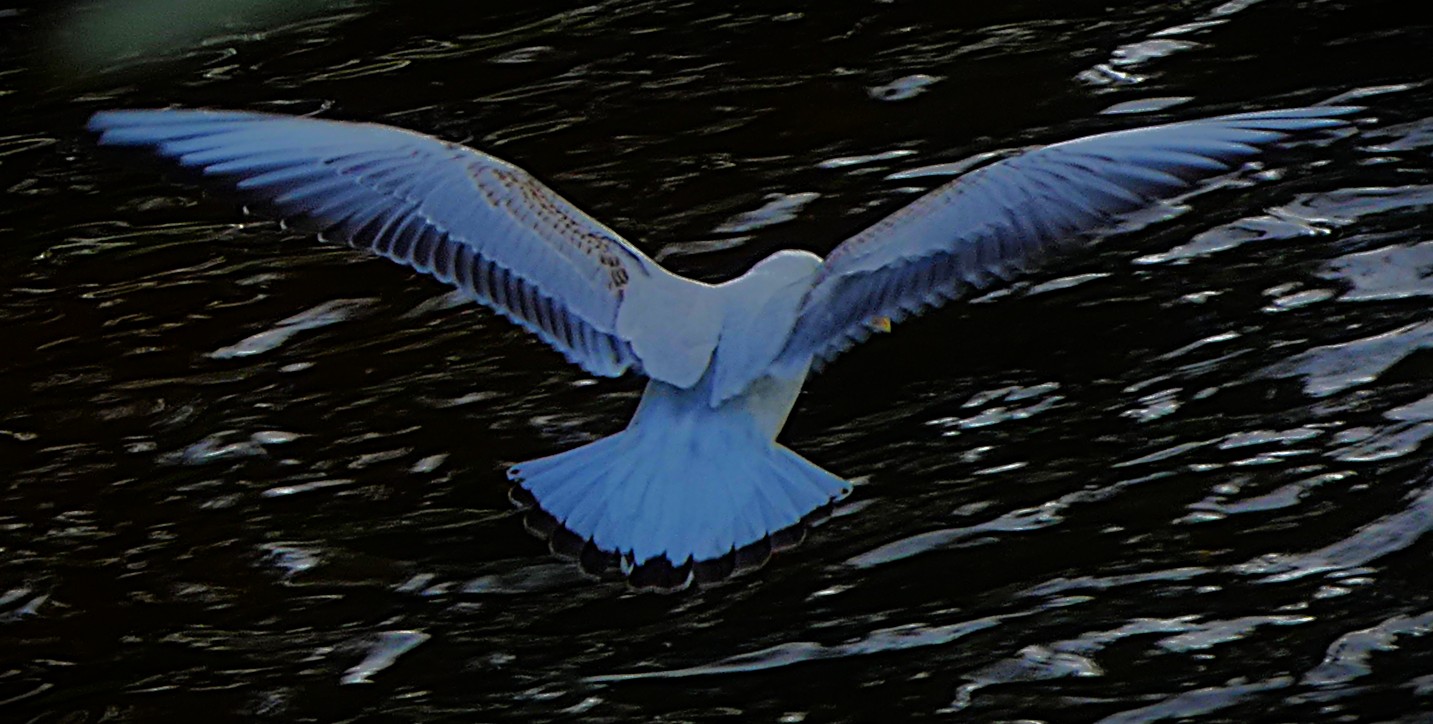
A look at what is going on in WBBL12, a mention of my 20th autiversary and a photo gallery.
The group stage of the 12th edition of the Women’s Big Bash League is now halfway through. Six of the eight teams have played four games, while Adelaide Strikers have played three and Melbourne Stars have played five. This post looks at how the tournament is progressing.
SCORCHERS AND SIXERS SITTING PRETTY
The Perth Scorchers and Sydney Sixers have each won all four of their matches to date, and there is now a substantial gap between them and the rest.
THE MIDDLE GROUP
Sydney Thunder, Brisbane Heat, Melbourne Renegades and Adelaide Strikers come next in the pecking order. Thunder, Heat and Renegades have all won two and lost two, while Strikers have a match in hand, having won one and lost two. Two of these teams are likely to qualify. My own feeling, although their first win of the season, which I listened to on the radio, took them longer to seal than it should is that Heat are probably the pick of this bunch.
TIME TO PACK YOUR BAGS
Melbourne Stars have one win and four losses from their five games, being second bottom and having played a game more than anyone else at this stage. Hobart Hurricanes have lost all four of their games so far, and defending champions though they are I cannot see them turning things round. They were awful against Heat last time out, defeat with 10 balls remaining being in my reckoning rather better than they merited. Even with a slightly generous four teams out of eight qualifying it is hard to see how either of these two get anywhere near doing so.
20TH AUTIVERSARY
It was in November 2006, then 31 years old, that I was diagnosed as autistic. Twenty years on and secretary of the West Norfolk Autism Group, a charity set up due to disagreements between what was then NAS West Norfolk and the NAS head office (and how right we were to break away from them – in the years since we did so the ever greedy head office has seized all NAS branch funds – moneys donated specifically to help local branches operated) I continue to regard my diagnosis as a hugely important moment in my life, and one I wish to flag up on this blog.
PHOTOGRAPHS
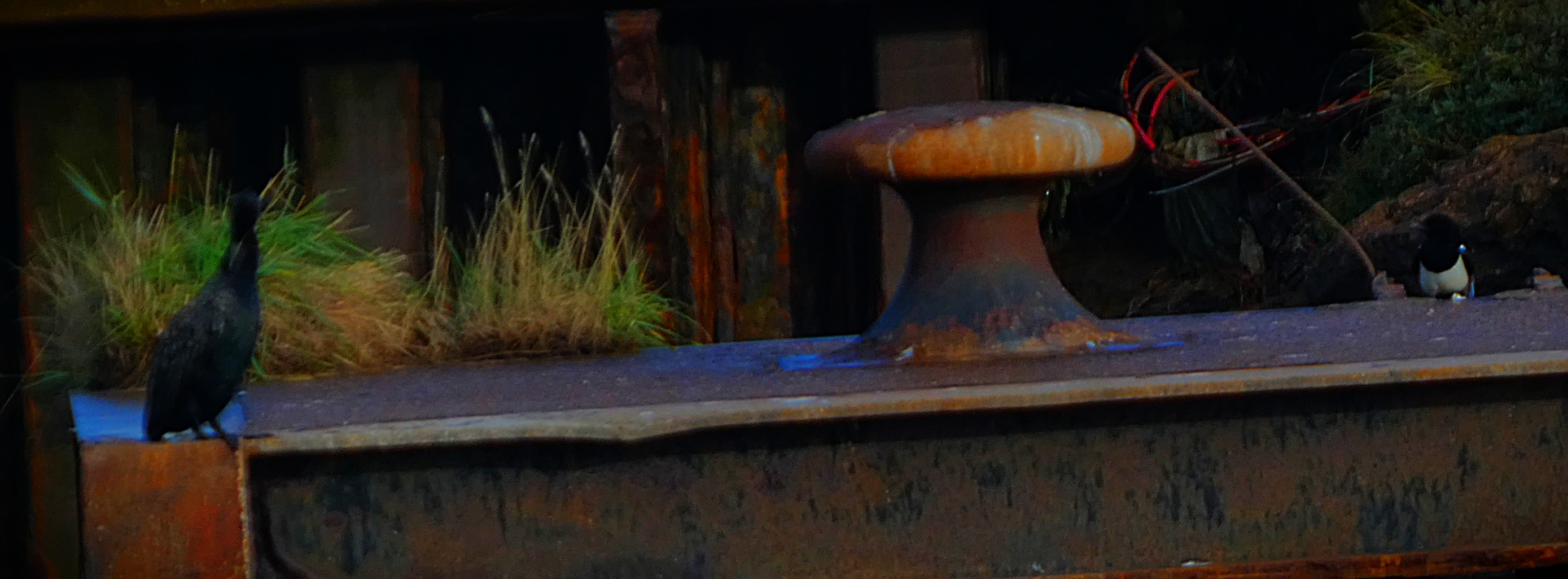
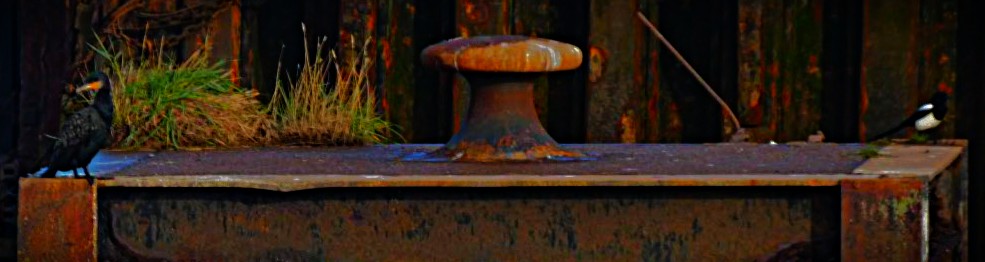
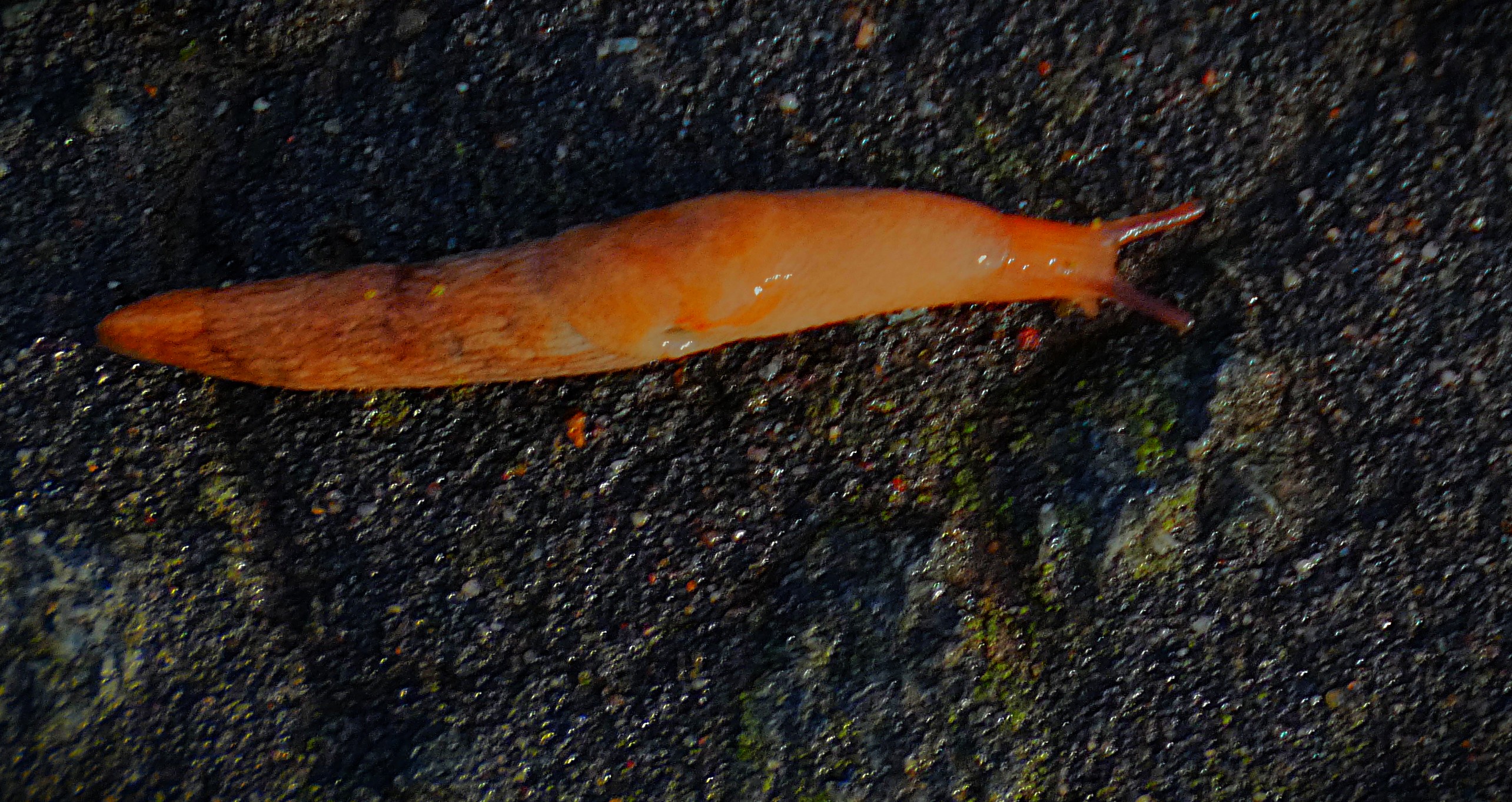
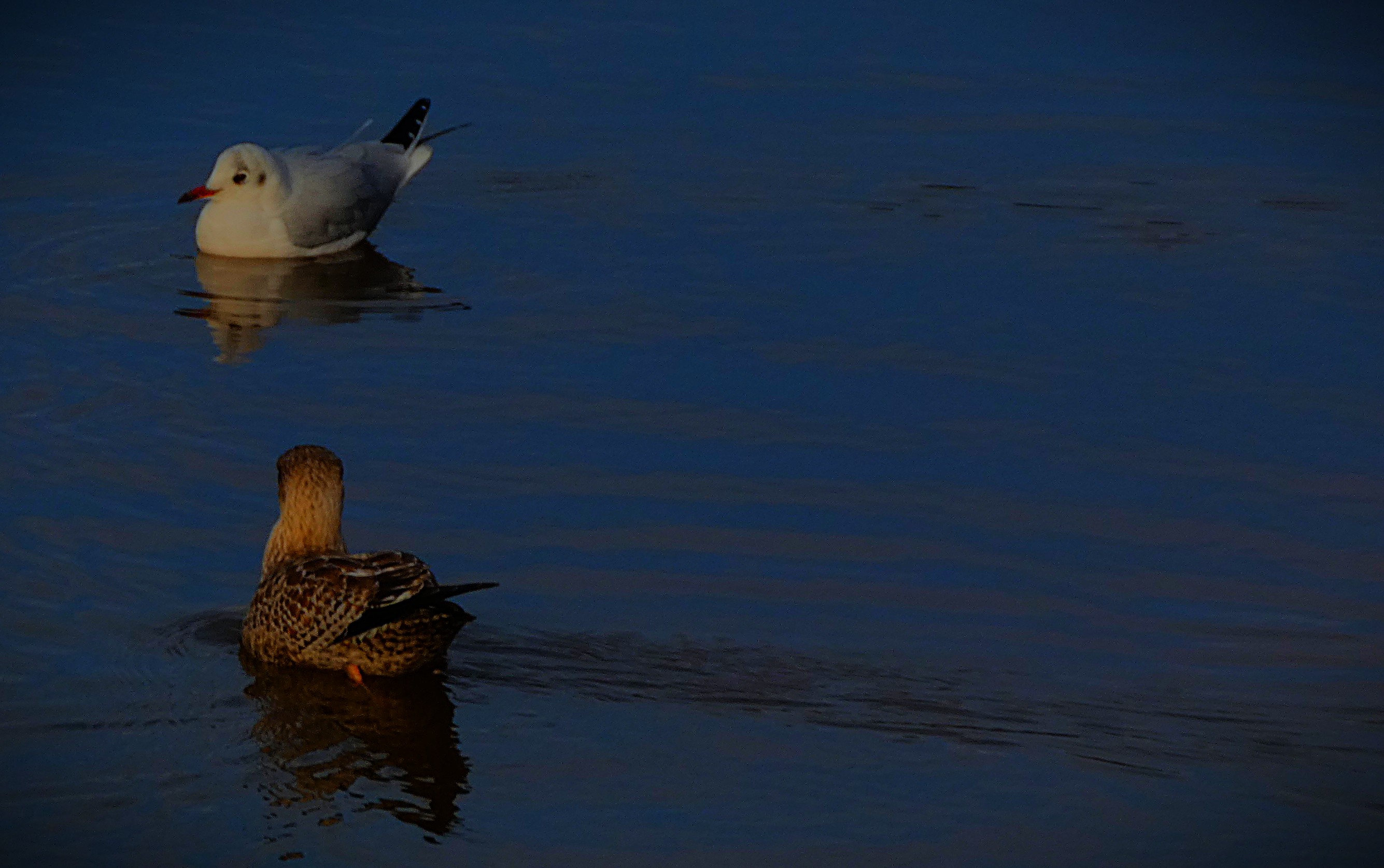
My usual sign off…
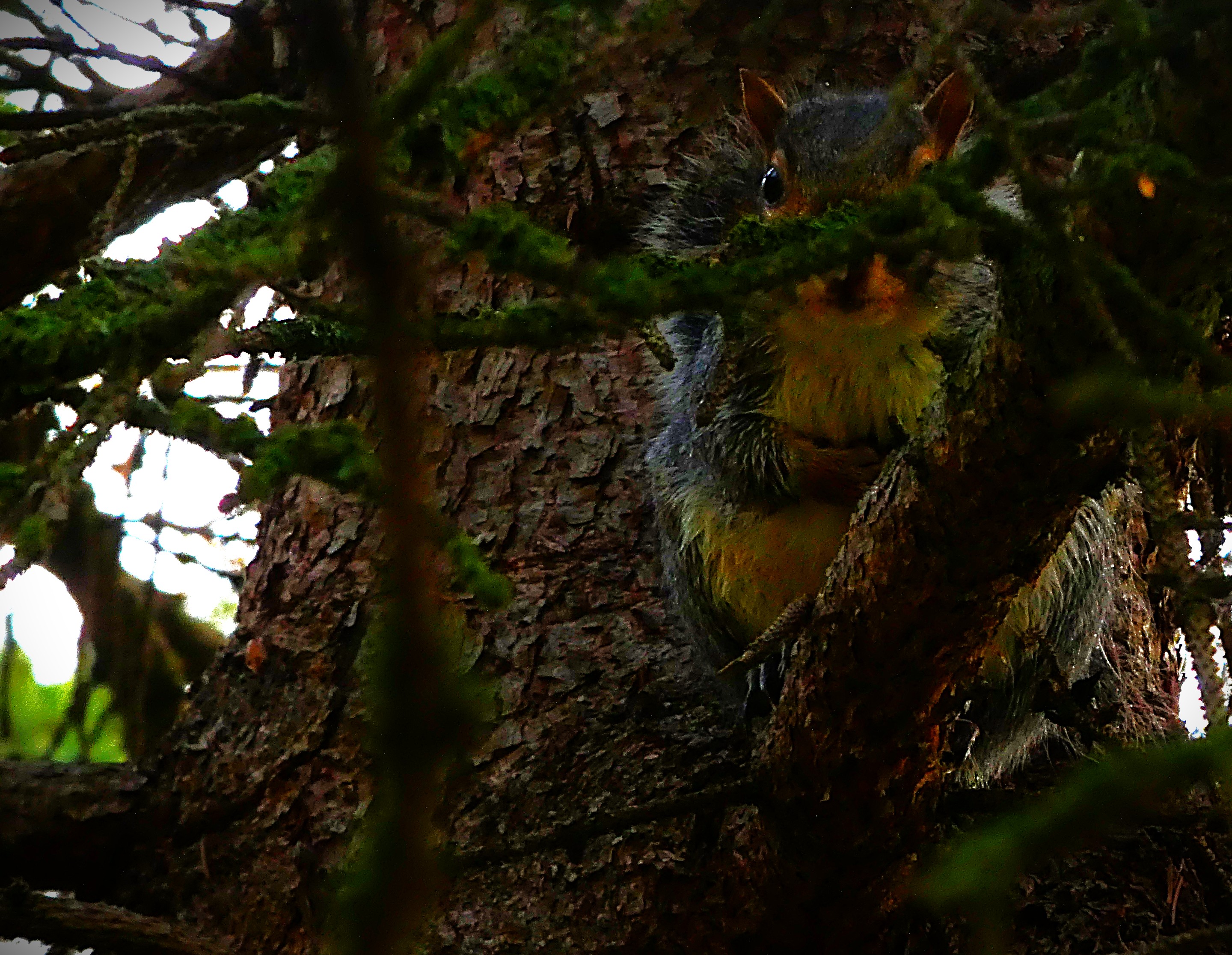
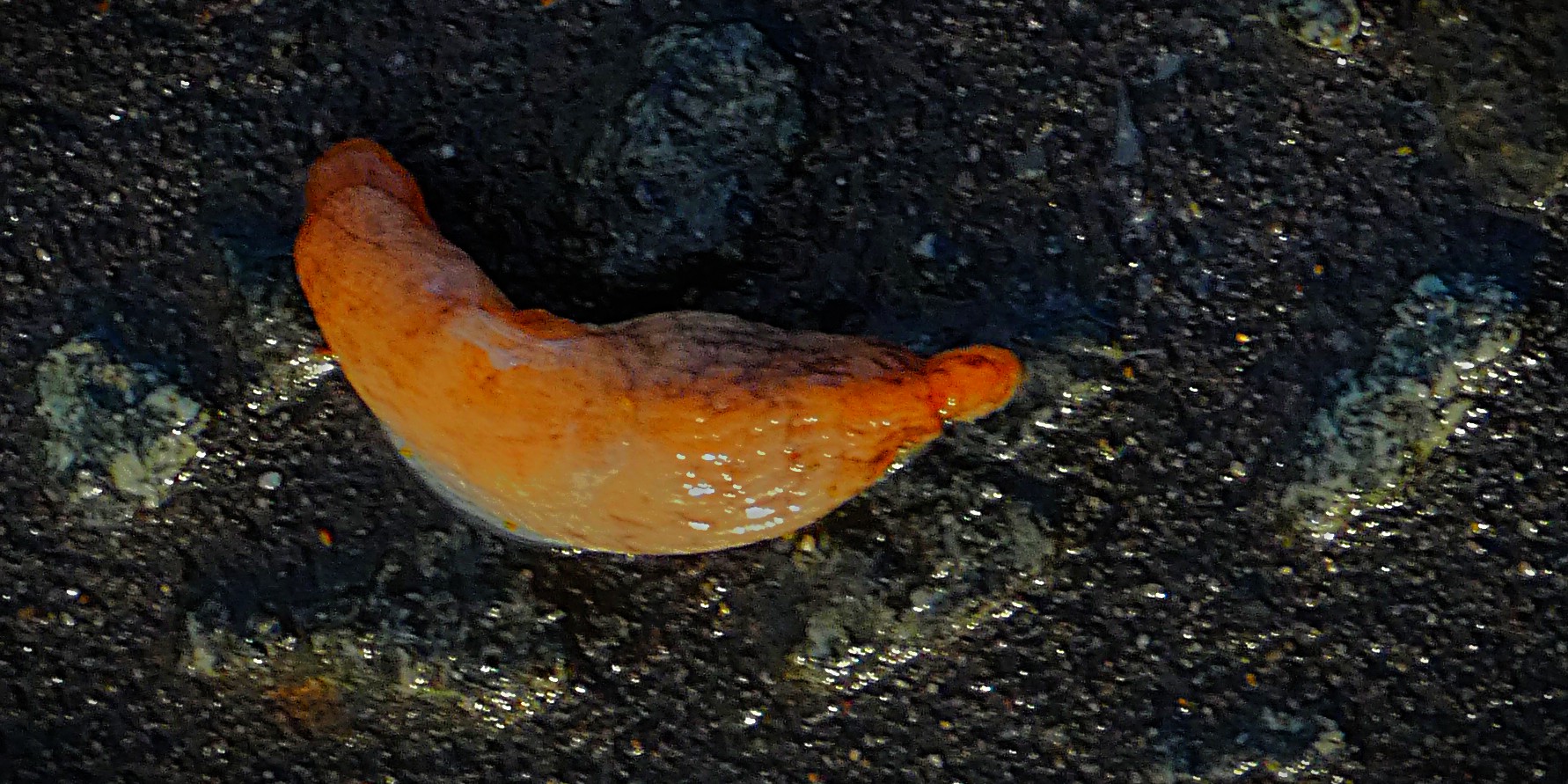
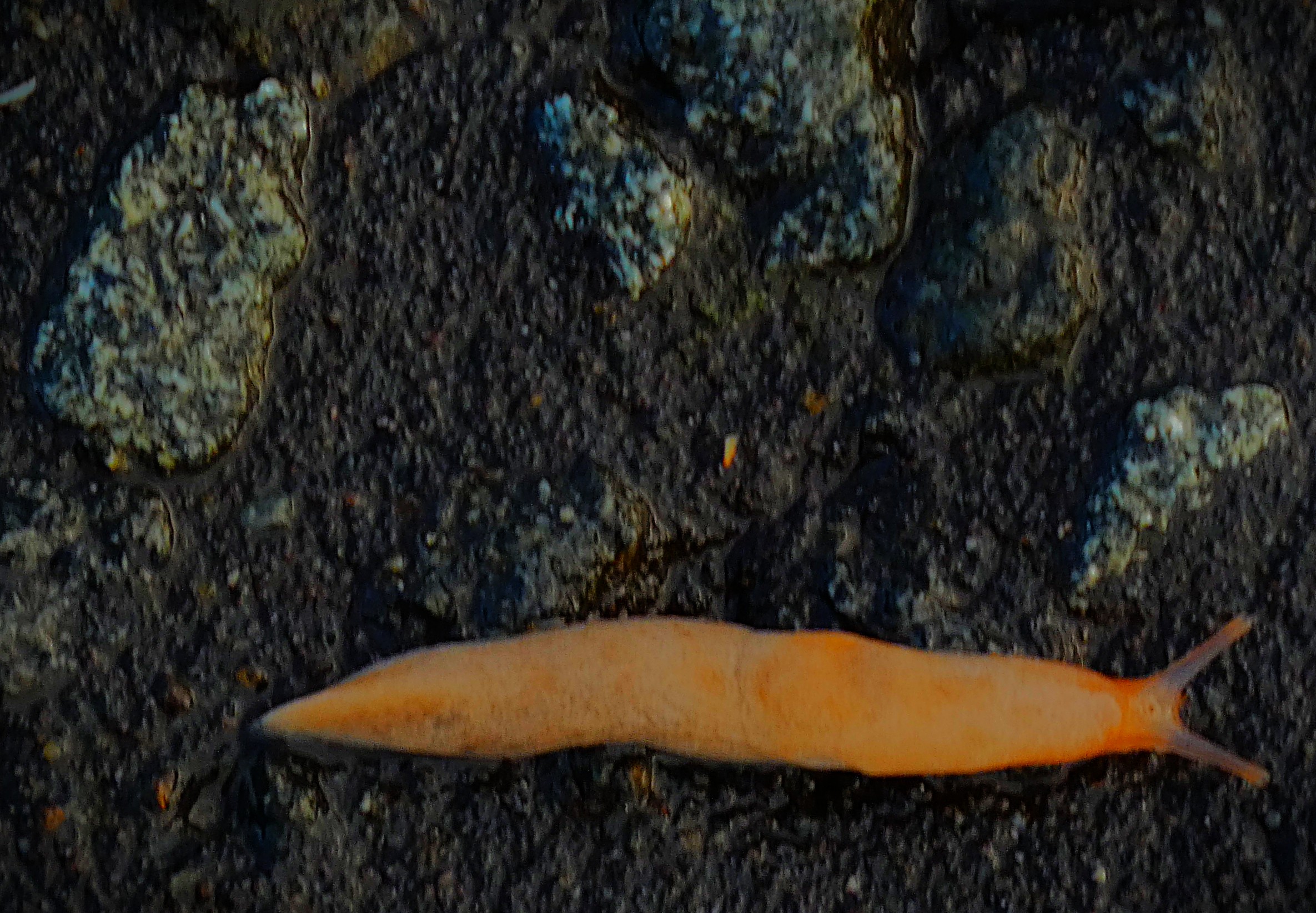
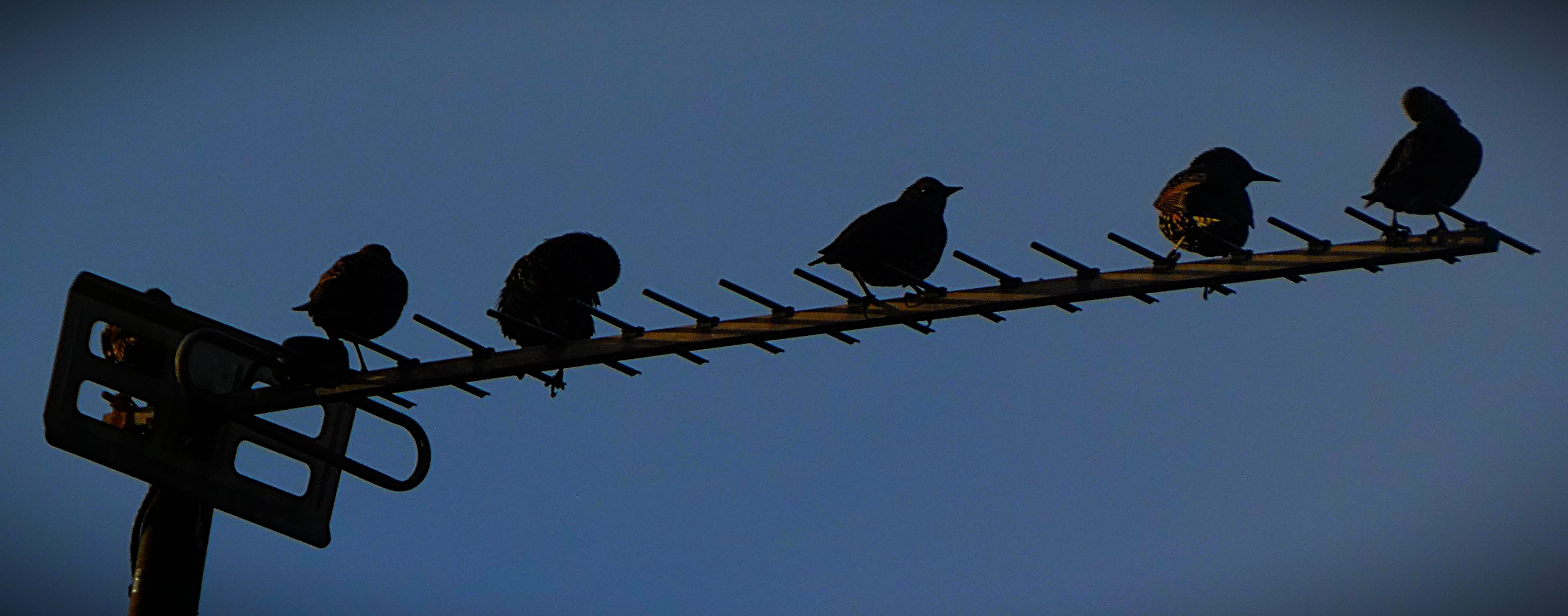
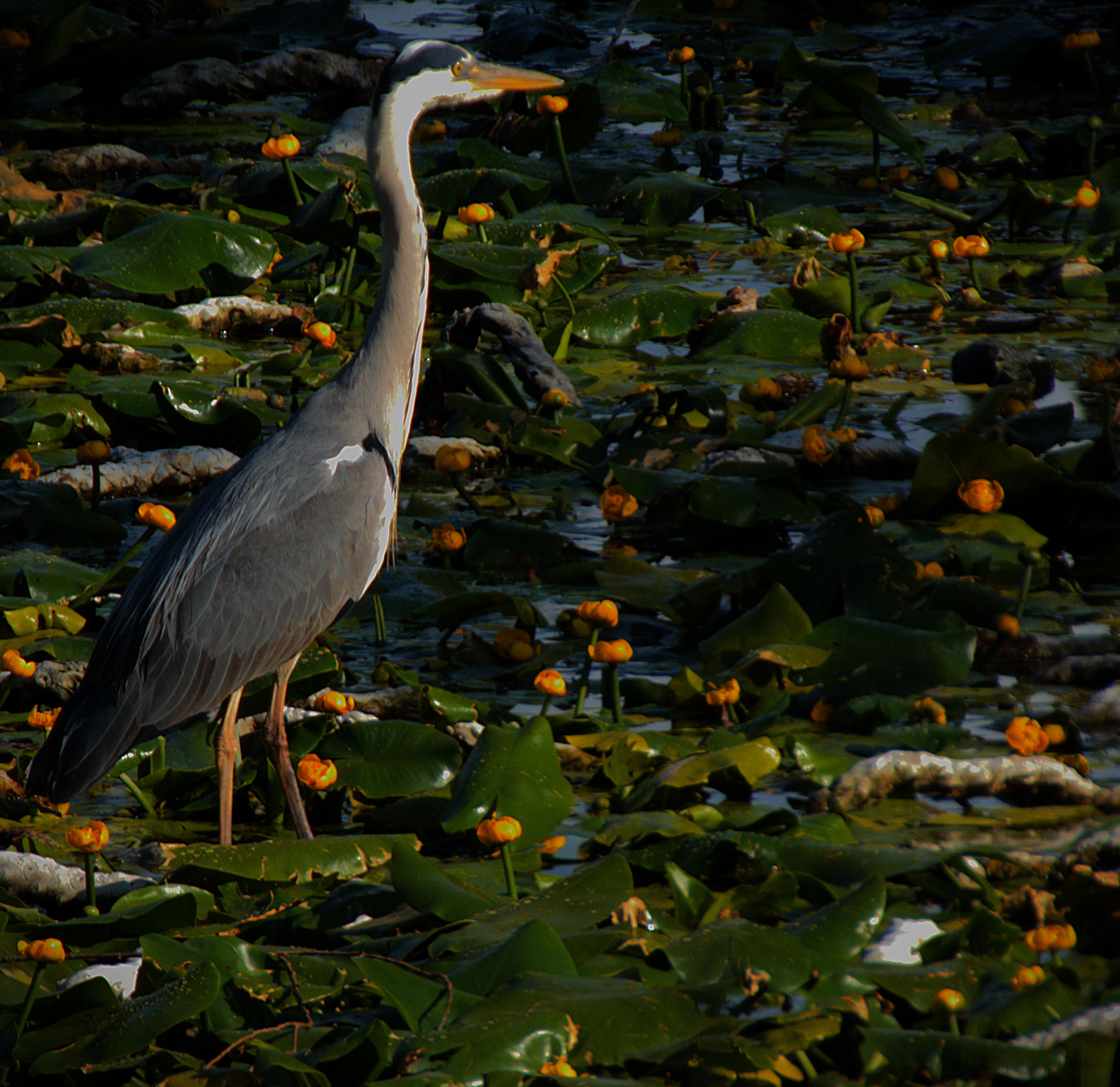
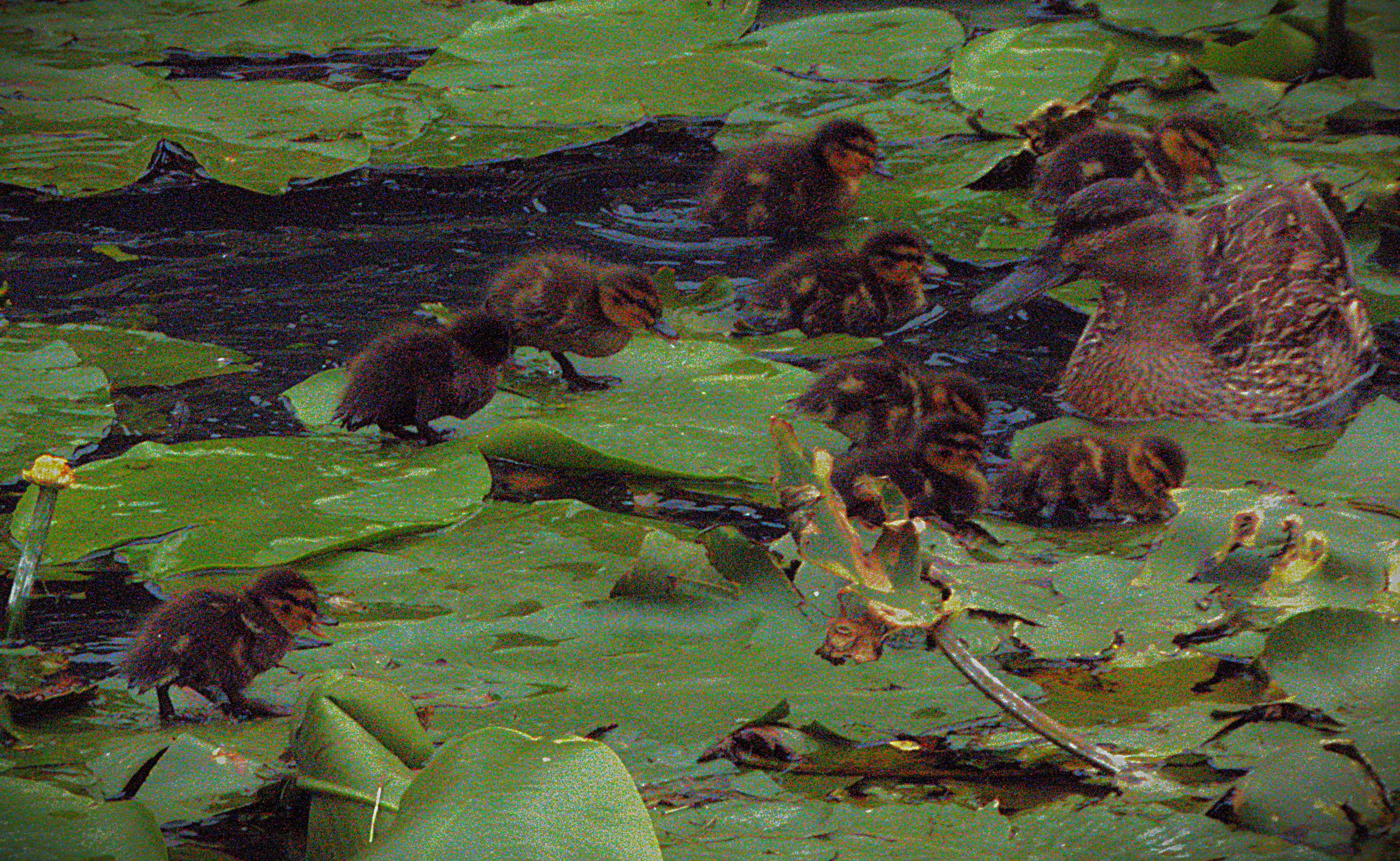
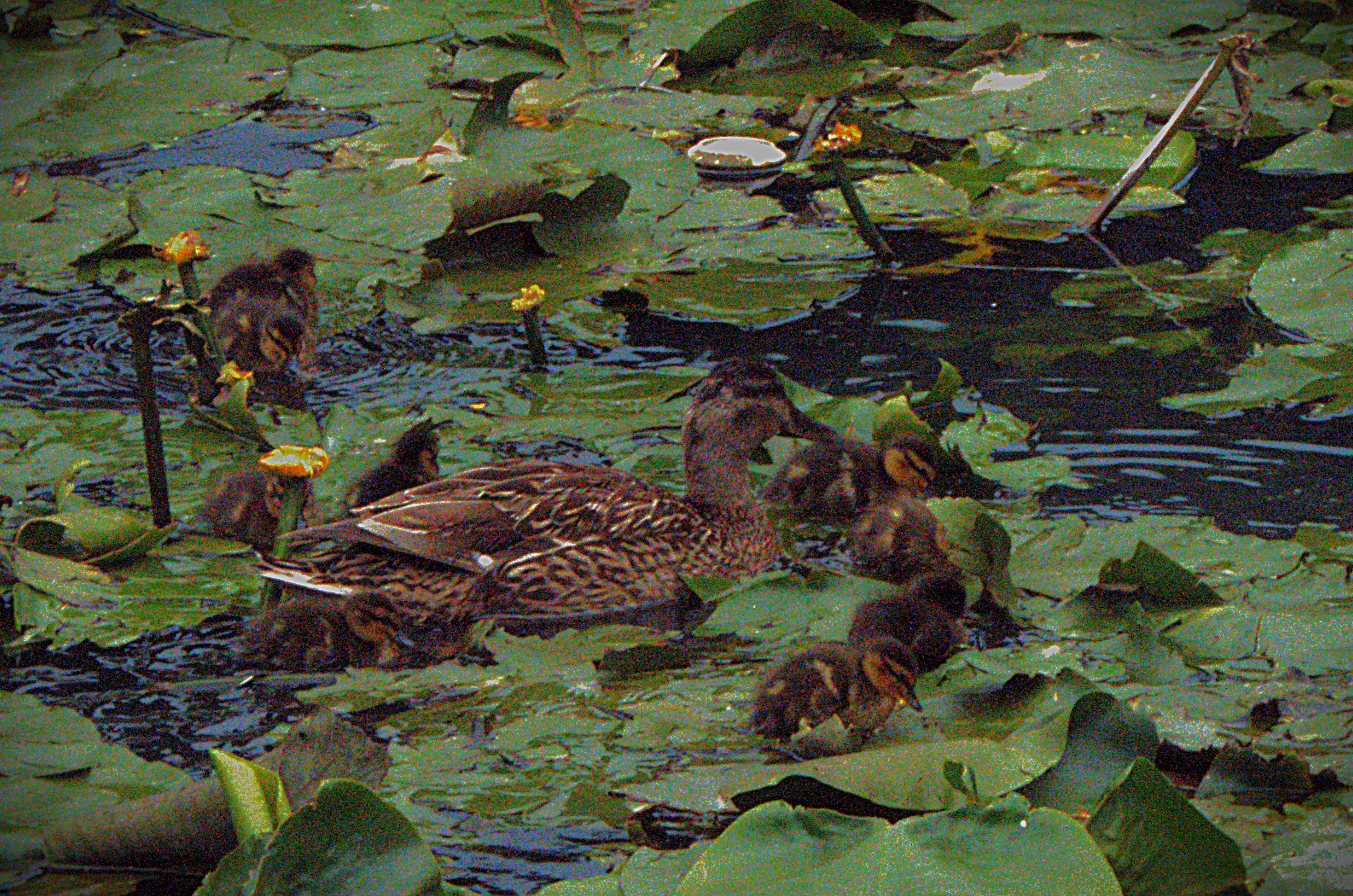
A grey squirrel looks out at the world from a vantage point in the branches of a large tree.At the recently refurbished Pizza Express for a pizza making session this morning.
A look back at an extraordinary match that took place today at the Gaddafi Stadium in Lahore between England and Pakistan, a mention of a quiz night on Thursday and a photo gallery.
Today saw England and Pakistan face off at the Gaddafi stadium in Lahore in the latest instalment of an ODI tri-series involving these two sides and Sri Lanka. England were badly in need of a win after losing each of their first two matches, and after failing to defend a score of 429 in their previous outing against Sri Lanka (a match I missed since I a combination of commitments kept me out and about for 14 hours that day) they had opted to strengthen their bowling, meaning that Sam Curran was scheduled to bat at number six. The stage was set for a crucial contest…
THE ENGLAND INNINGS
England started atrociously, losing three wickets in five overs. Just as they seemed to be mounting a recovery Jordan Cox suffered a truly horrendous dismissal, walking straight into a glaringly obvious trap set by Haris Rauf to present Babar Azam with a catch and make it 52-4. Sam Curran joined Ben Duckett in a fifth wicket stand that raised 90, and Duckett went on to a fine century. However, he and Liam Dawson were both out with the score at 187. When Overton was ninth out at 201, bringing debutant Henry Crocombe in to join Gus Atkinson it looked poor for England. The last wicket pair scored a further 40 between them, Atkinson ending unbeaten on 36. The task facing Pakistan did not look overly daunting….
THE PAKISTAN RESPONSE
The required run rate was not a problem for Pakistan, but wickets soon did become one, and when Babar Azam was bowled by Atkinson to make it 31-3 things looked interesting. A combination of good England bowling and Pakistan freezing under the pressure being applied saw more than 15 overs pass without a single boundary at one stage of the innings. Some of the Pakistanis got themselves out through being unable to cope with the fact that they weren’t hitting boundaries. At 103-6 Pakistan looked in deep trouble, and 154-9, with Haris Rauf joining Shadab Khan and 88 still needed it appeared that the fat lady was having a last gargle before taking to the stage.
Then things took a dramatic turn, as Shadab Khan started to bat very well indeed, Haris Rauf, who Shadab was doing a good job of shielding, did all that was asked of him and England found that last wicket hard to come by. As the target came down and down impossible moved to improbable. With Pakistan 20 adrift it looked like the fat lady was finally getting her moment, as Atkinson had Shadab Khan given LBW for 97 (already 11 more than his previous ODI career best), but a review taken simply because it was there to be taken (hands were being shaken and Shadab was walking past the umpire when he made the T sign) led to a tiny edge on to the pad being detected on the replay and the action resumed. Then came a near run out during which Rauf suffered a groin strain, which fortunately cleared up very quickly. Shadab Khan moved from 99 to 103 with a four off the second ball of the 47th over. He celebrated by hitting the next ball for four more, and the ask was down to nine. The next two balls were tight and accurate and dots went into the scorebook. The sixth ball of the over was full and straight, and foregoing any attempt to secure the strike, Shadab Khan launched it down the ground for the fifth six of his innings to reduce the target to a mere three. At this point, even though the far more experienced Curran was still available to bowl, Brook decided to hand the ball to the debutant Crocombe for the 48th over of the innings. Haris Rauf, at that point on 3 not out in a partnership worth 85, drilled the first ball of the over straight down the ground for four and Pakistan’s great escape was complete. There is almost certainly some bizarre mathematical scenario by which England can still qualify for Saturday’s final, but in practice, especially given what a massive body blow losing from the position they were in when the ninth Pakistan wicket fell is, their tournament is over and they have only themselves to blame. For the record Shadab Khan scored 113 not out from 96 balls with 13 fours and five sixes. As damaging a result as it was for England, it was an unforgettable finish, and one I am very glad to have followed live, albeit from afar, and a classic proof of the appositeness of the title line “It is Never Over Until the Fat Lady Sings” to cricket in particular – the many spectators who left the Gaddafi when the ninth Pakistan wicket fell must be feeling right Charlies at seeing what they missed by doing so. Scorecard here.
A QUIZ NIGHT AT THE TOWN HALL
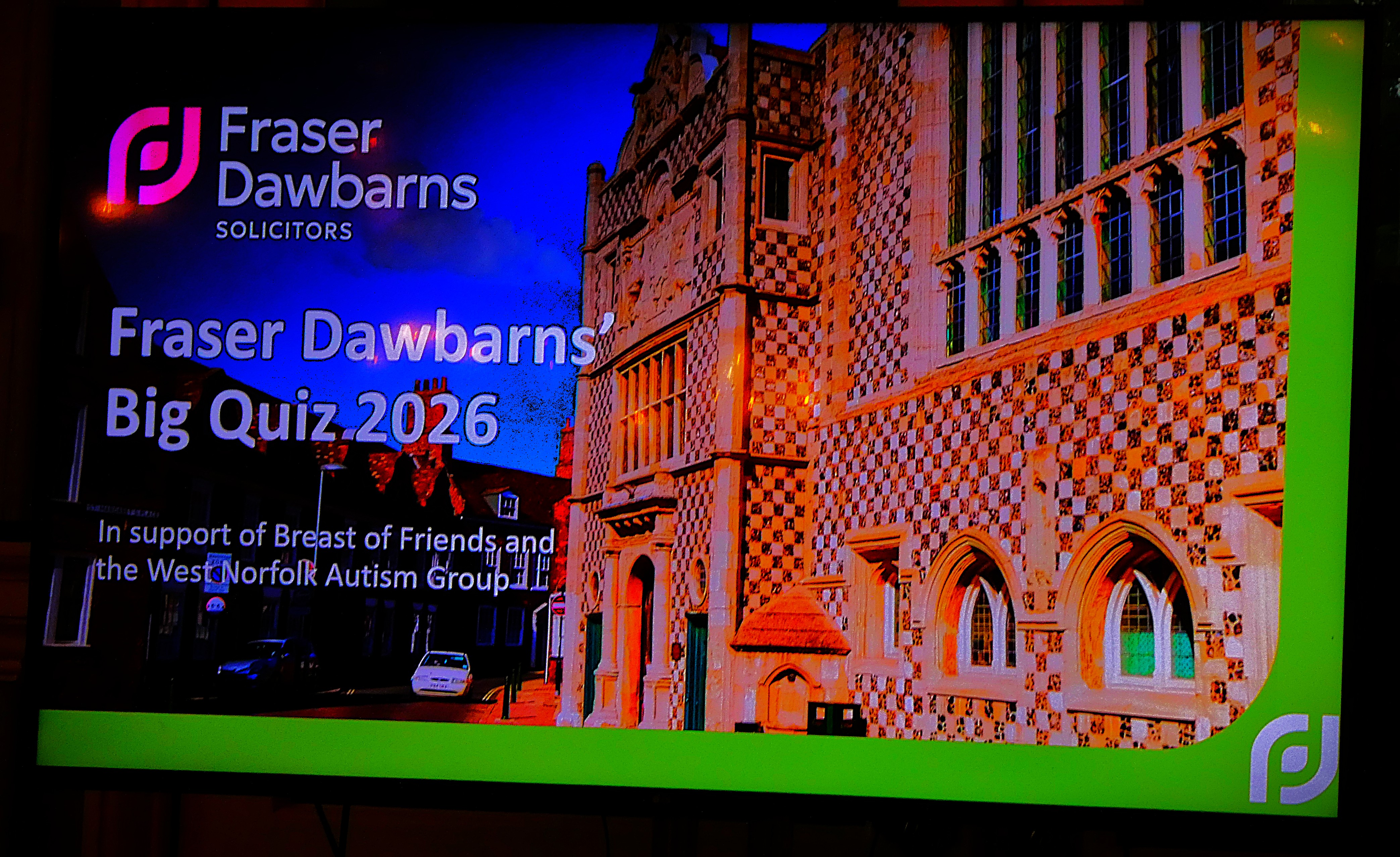
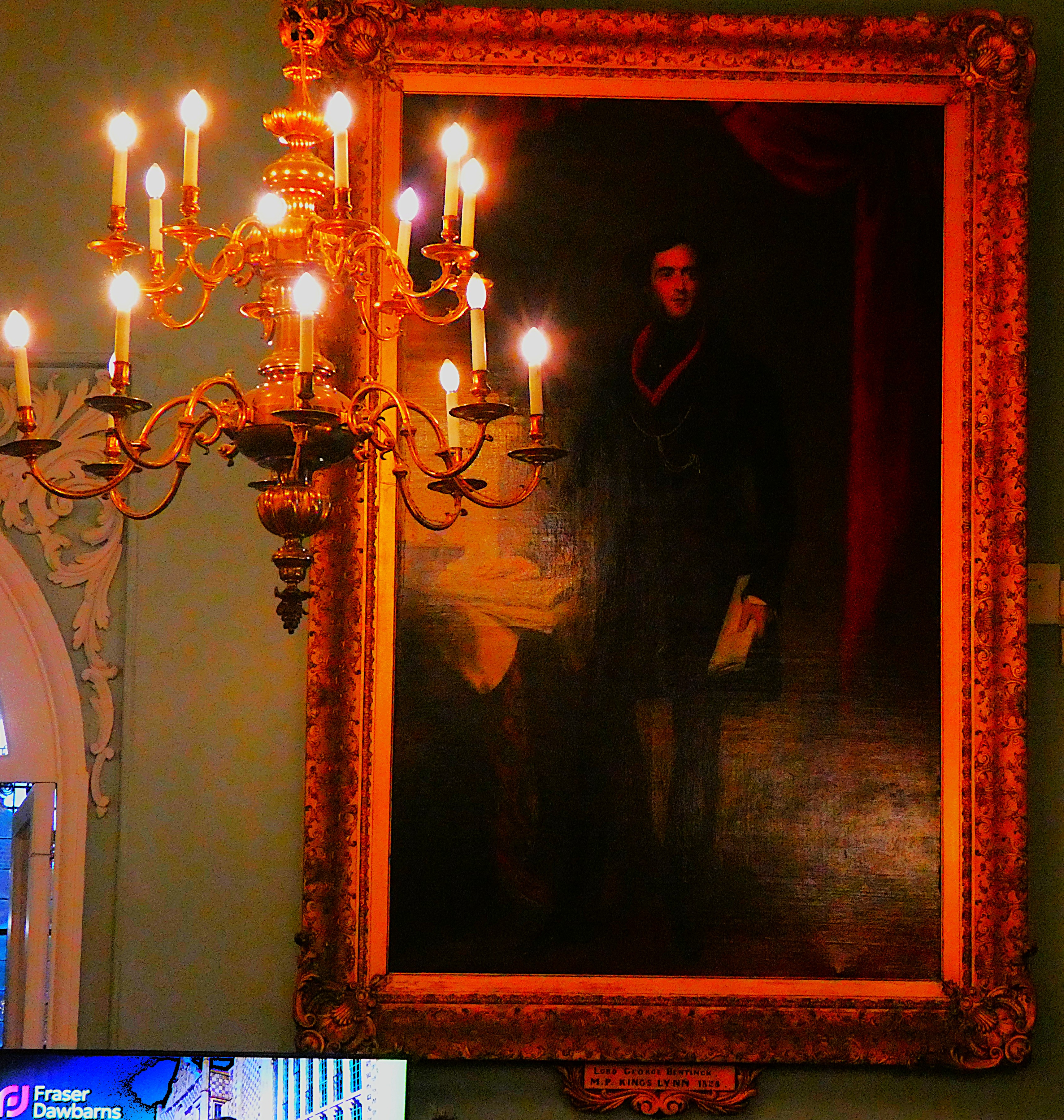
Fraser Dawbarns hosted a charity quiz night at King’s Lynn Town Hall on Thursday, and since WNAG were one of the charities benefitting from this I was there as part of the WNAG team (the categories were not very suitable for me, which is one reason why we had a midtable finish).
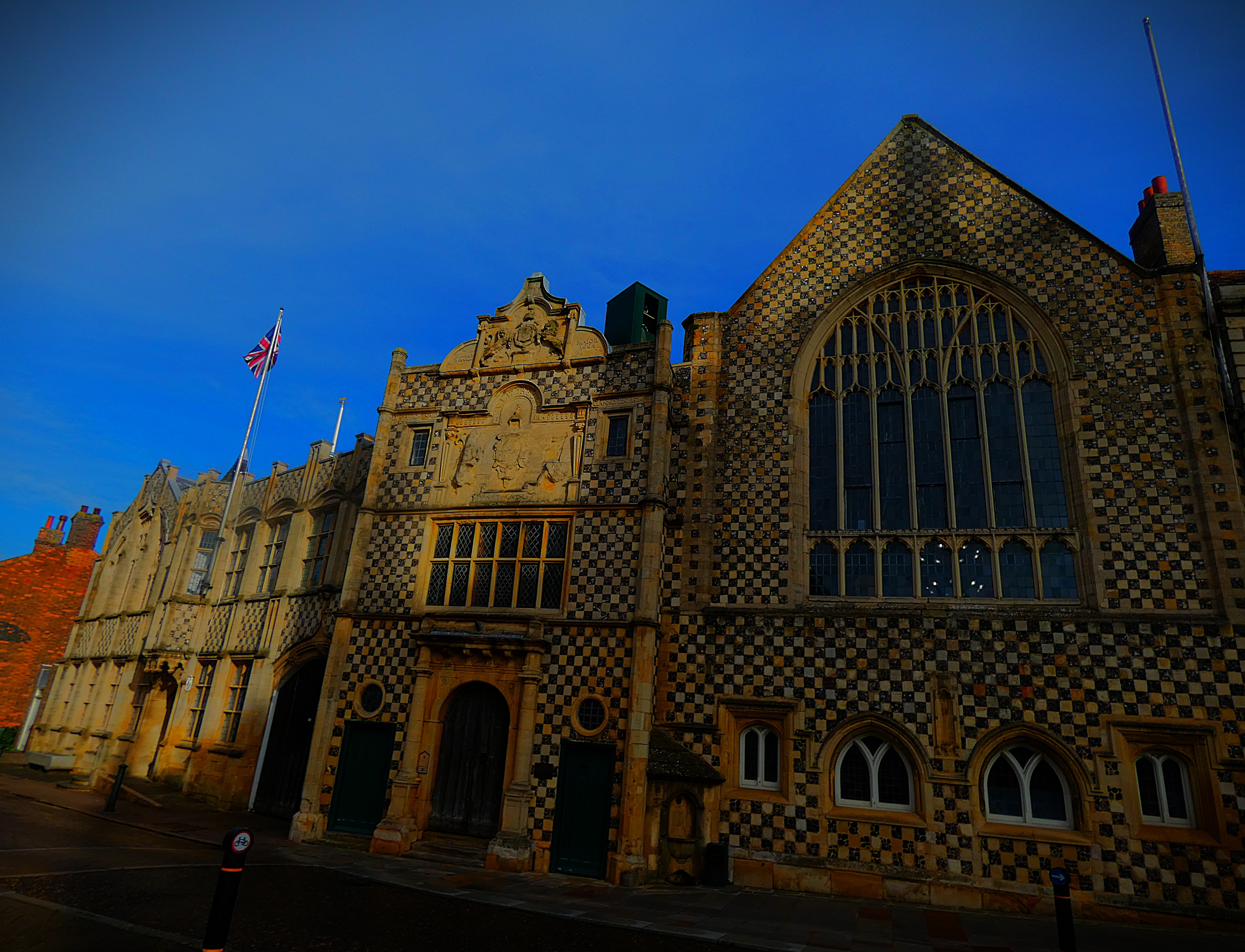
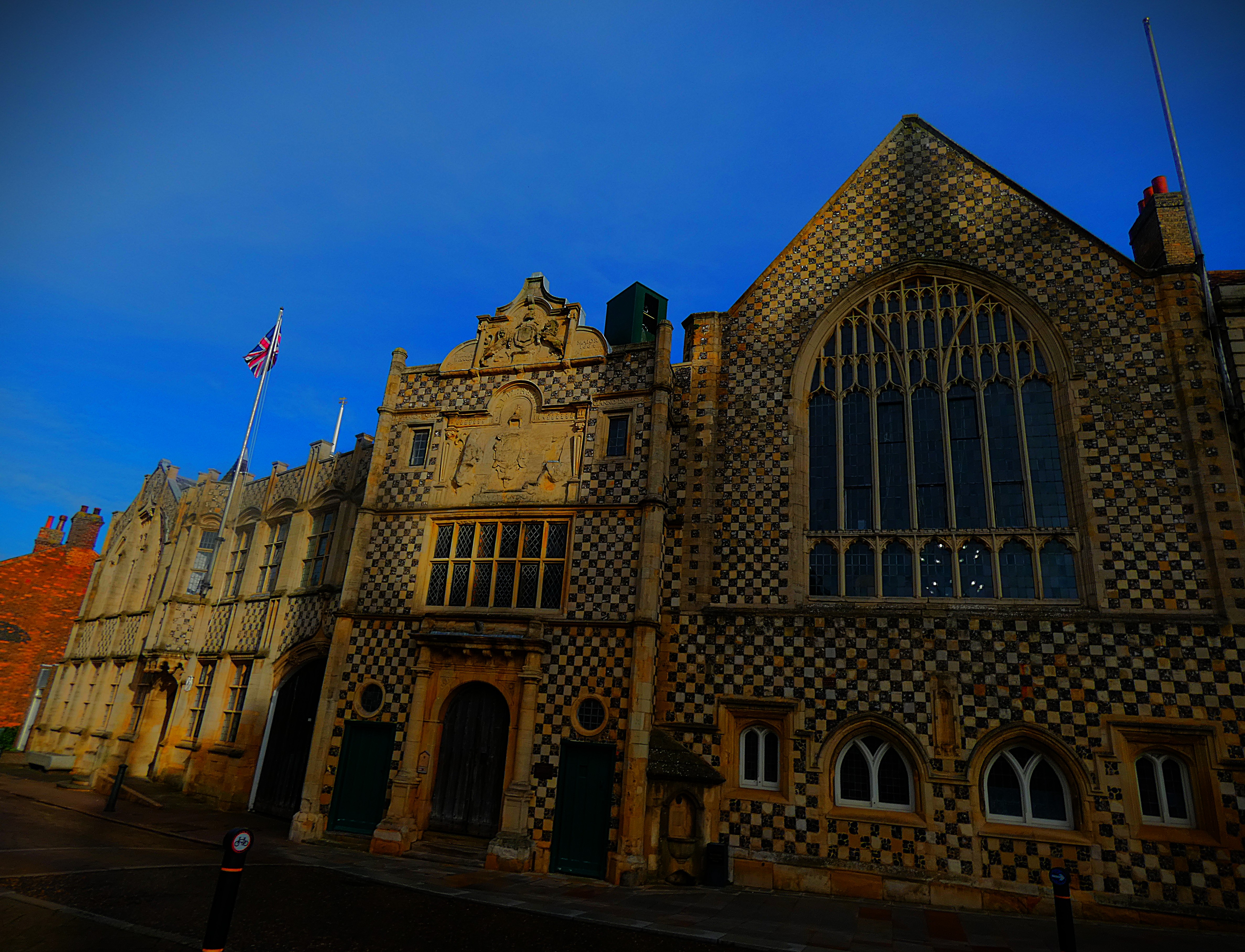
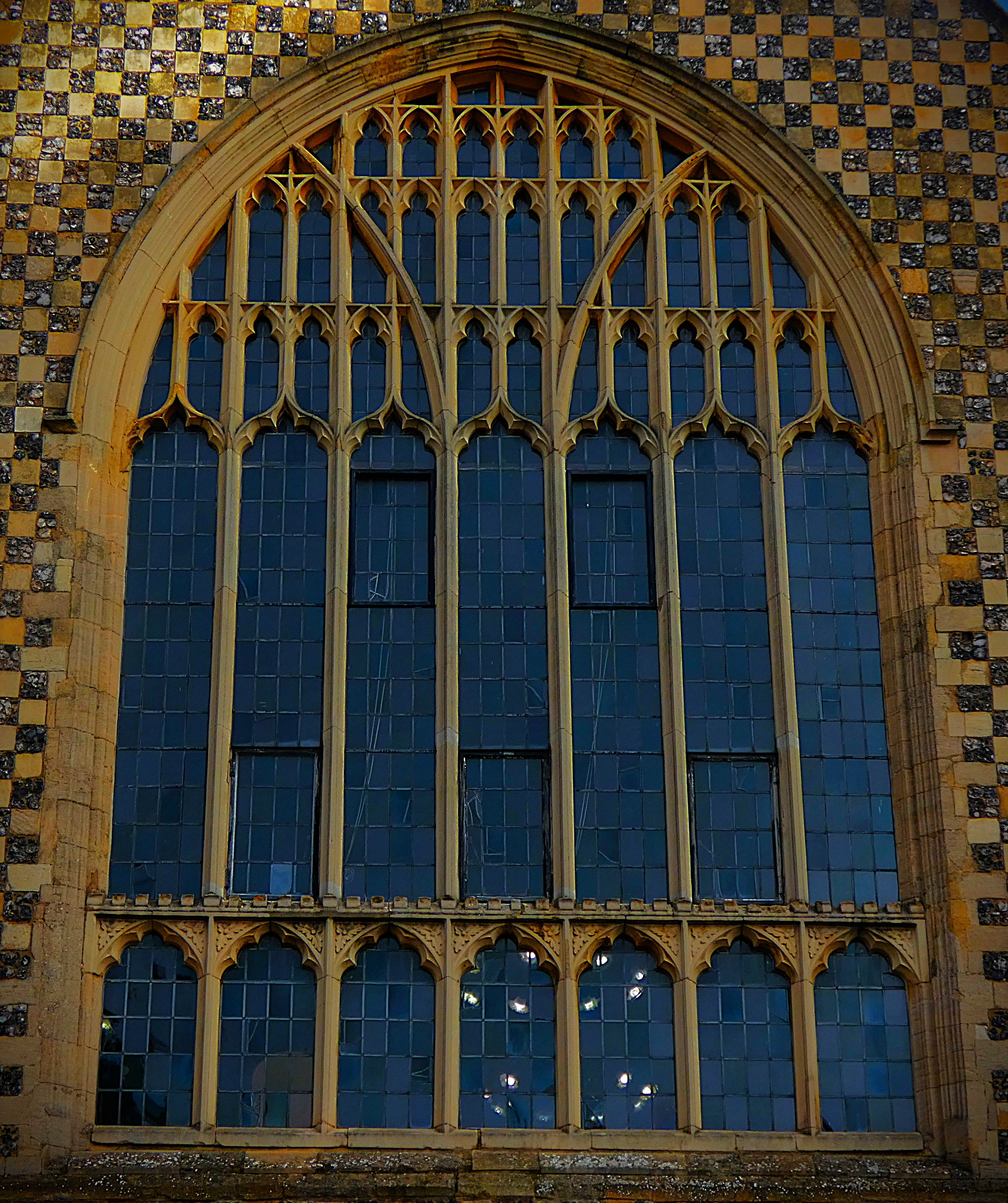
The frontage of King’s Lynn town hall, taken in daylight the morning after the quiz night
I also have one of my regular photo galleries (reminder, to view pictures at larger size click on one)…
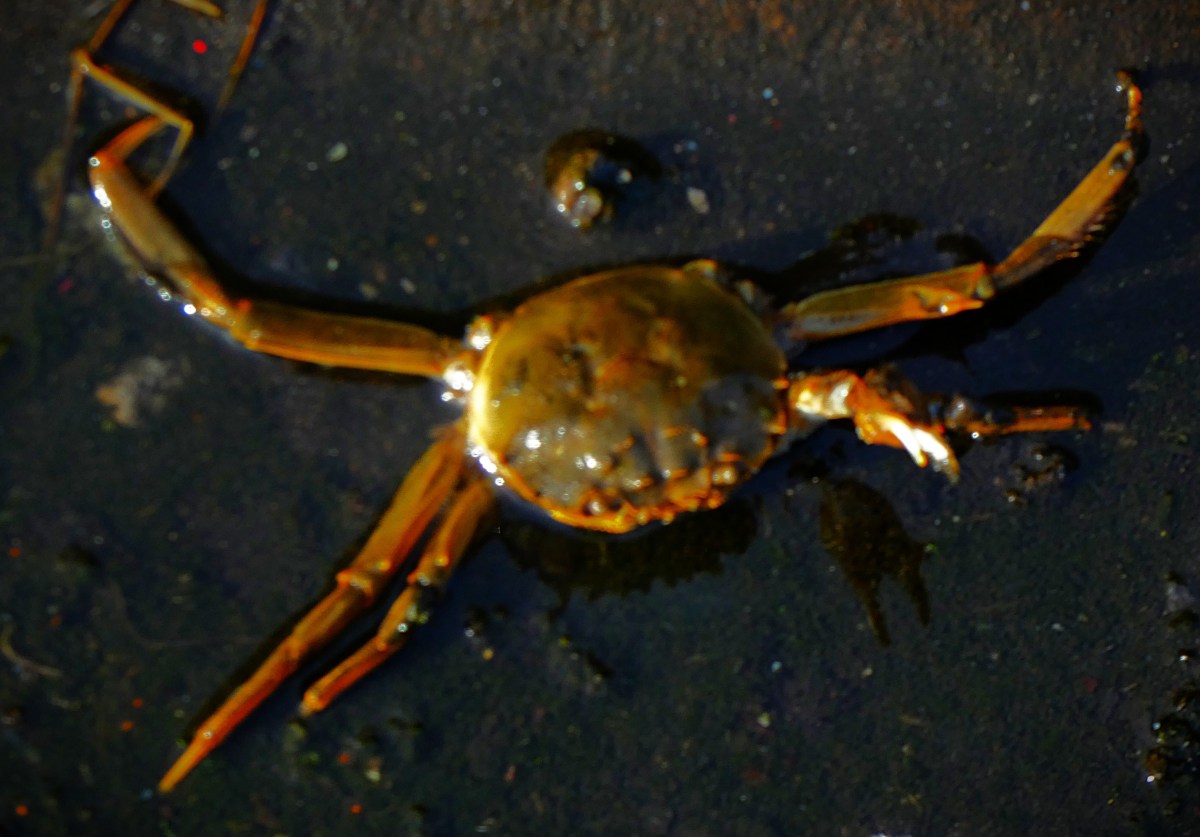
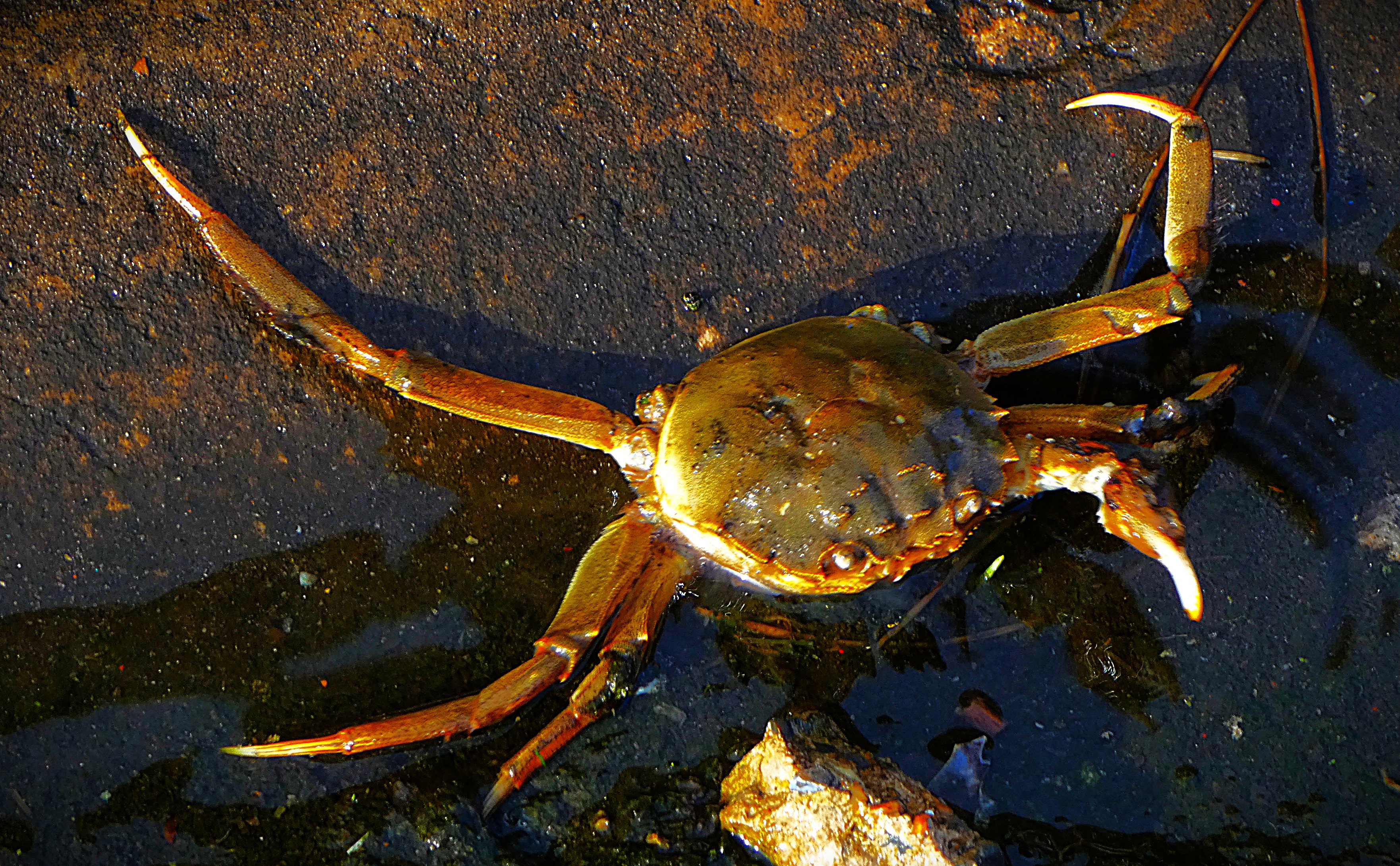
Two gulls were fighting over this crab, and dropped it, and then flew their separate ways. It was still alive, and deeming it the best chance of keeping it so, I picked it up and deposited it into the Great Ouse – I did not think it climb the concrete unaided or that it would survive in the road.
A brief look at some of my recent work at James and Sons, including photos, and a regular photo gallery.
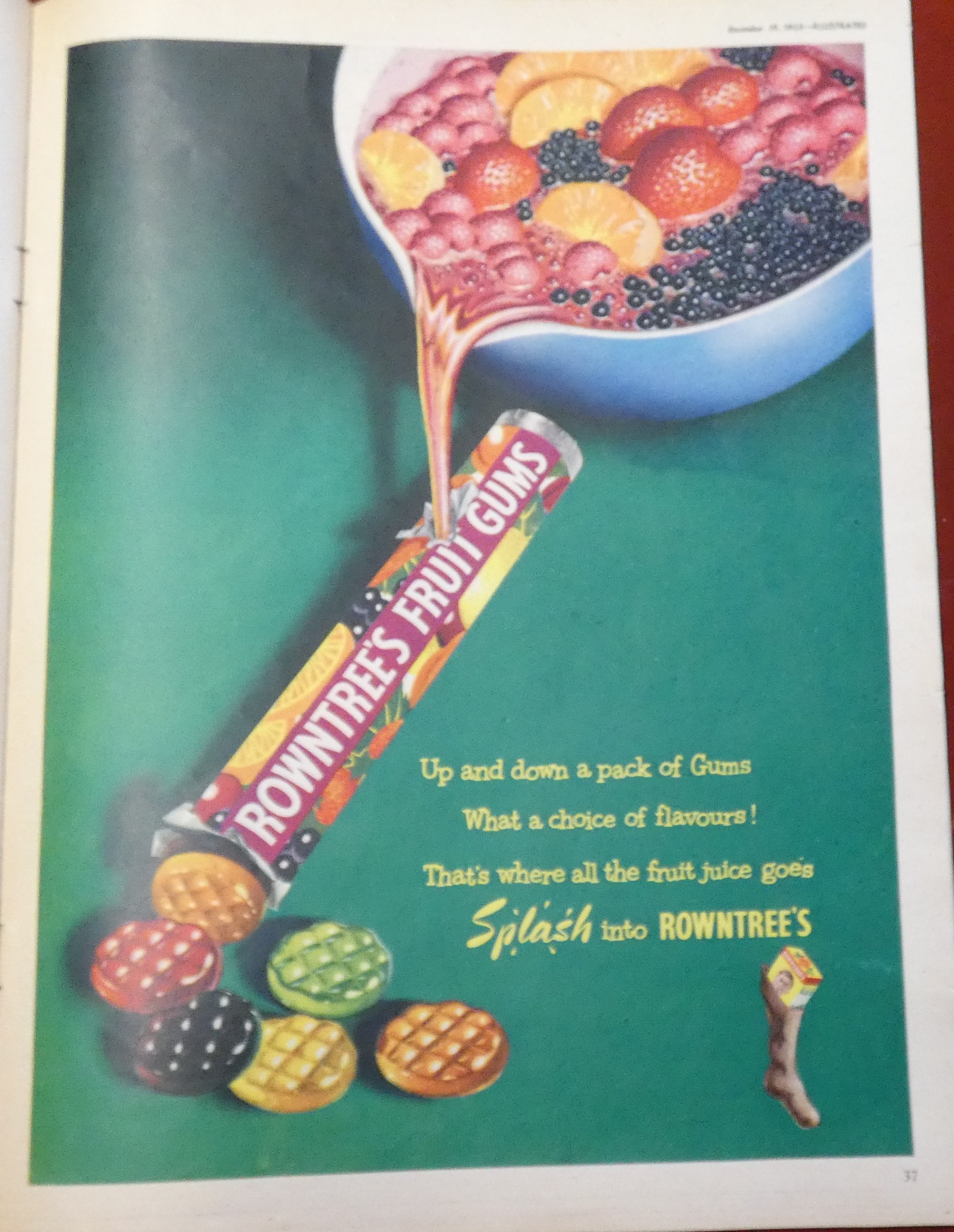
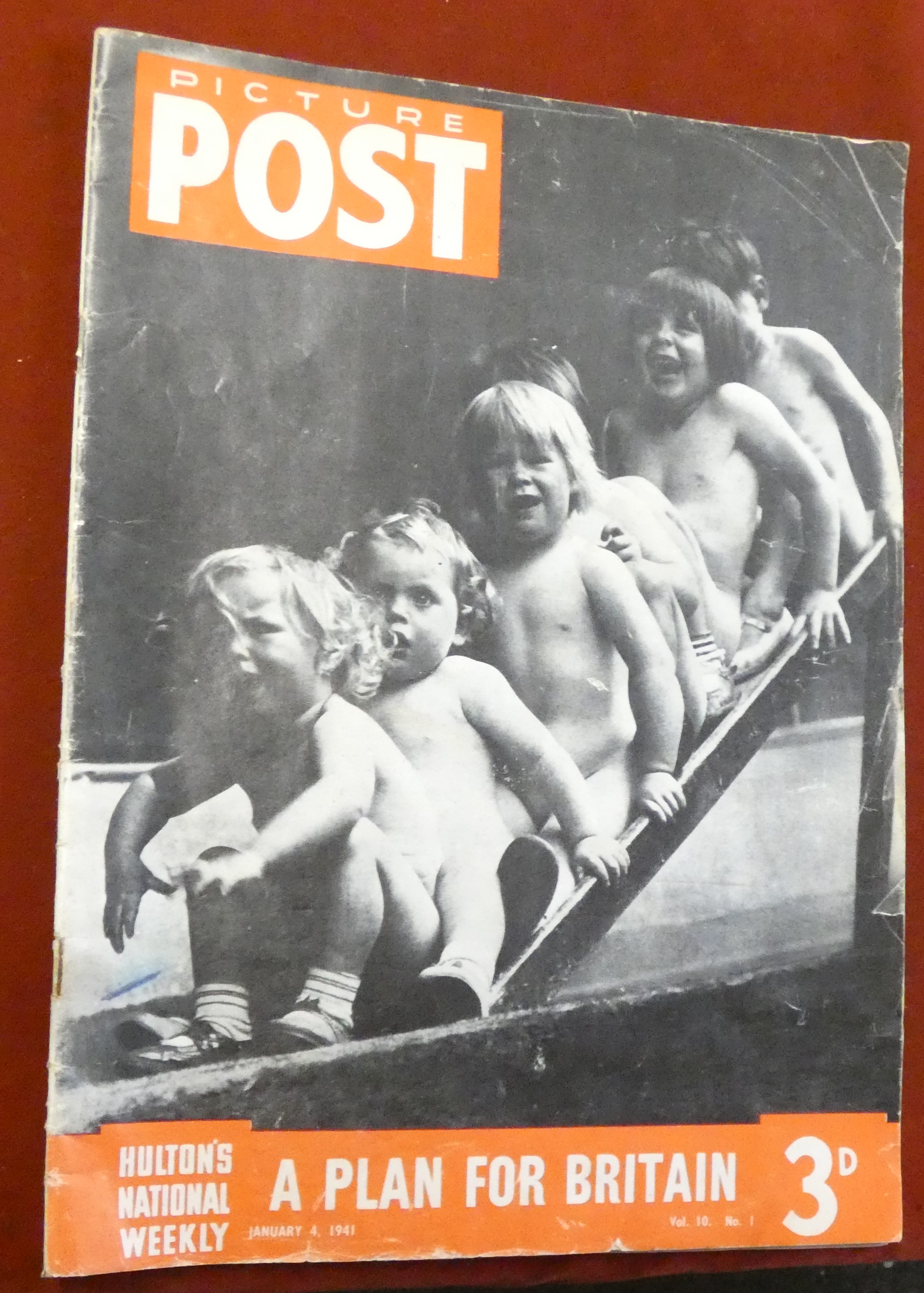
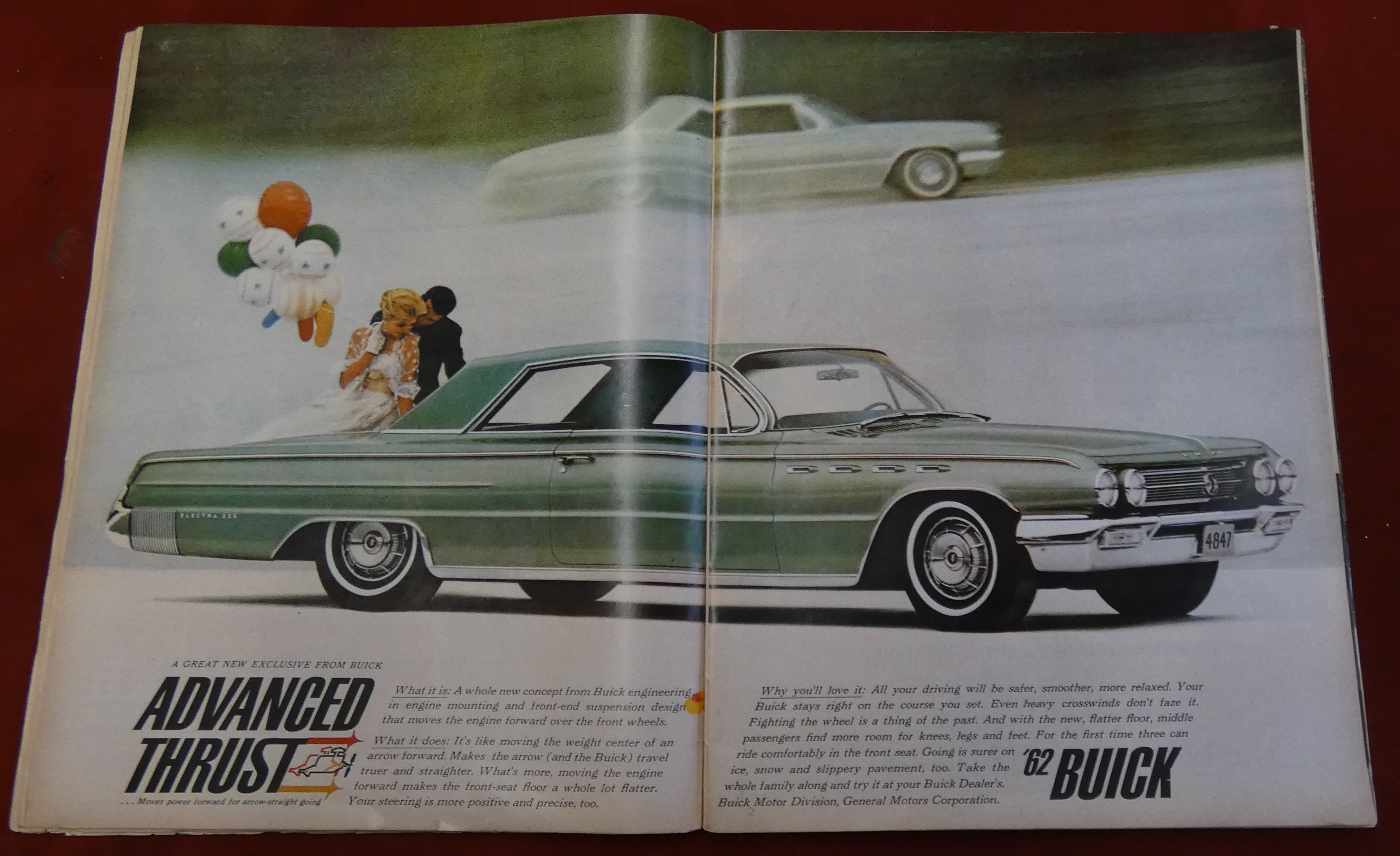
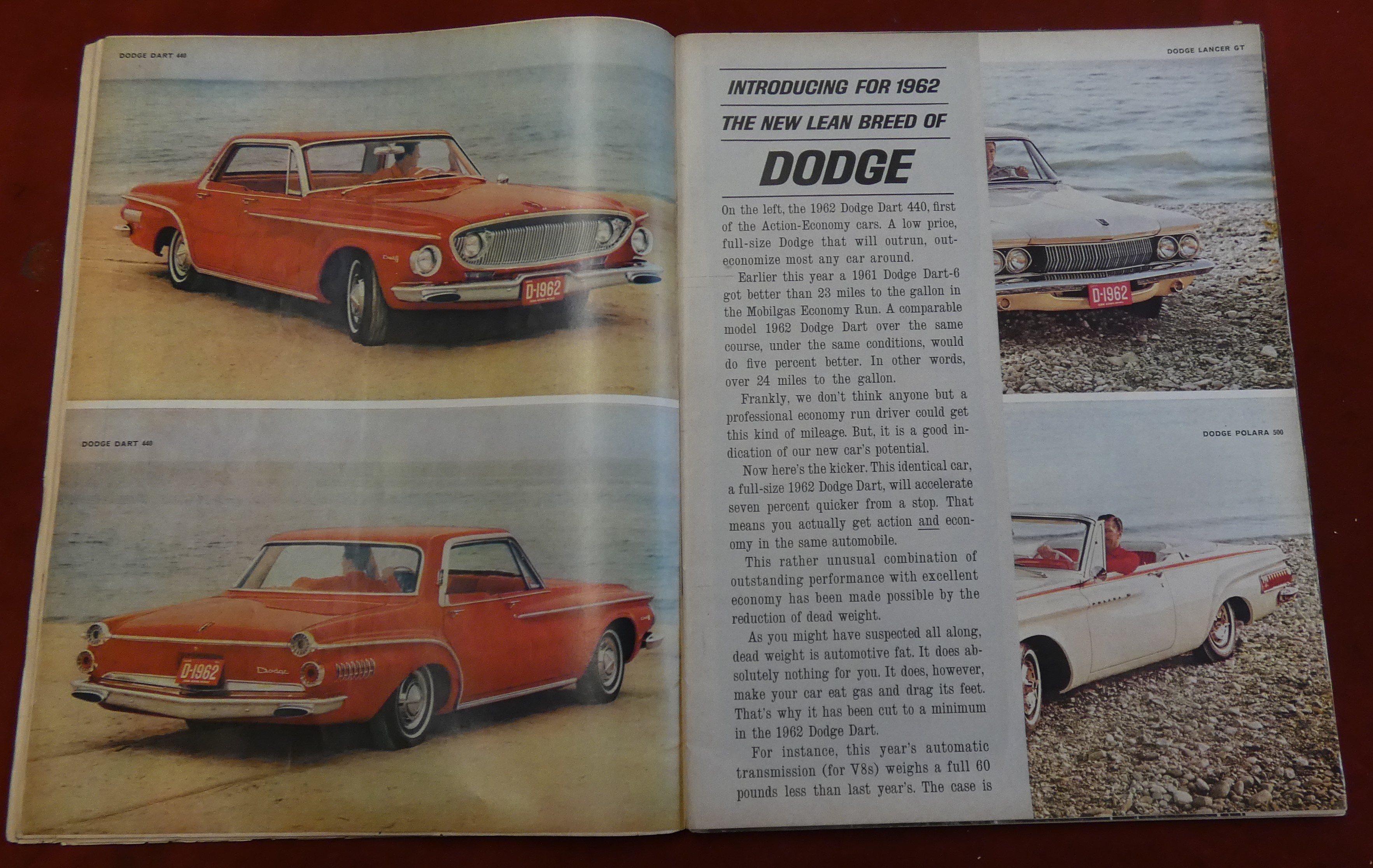
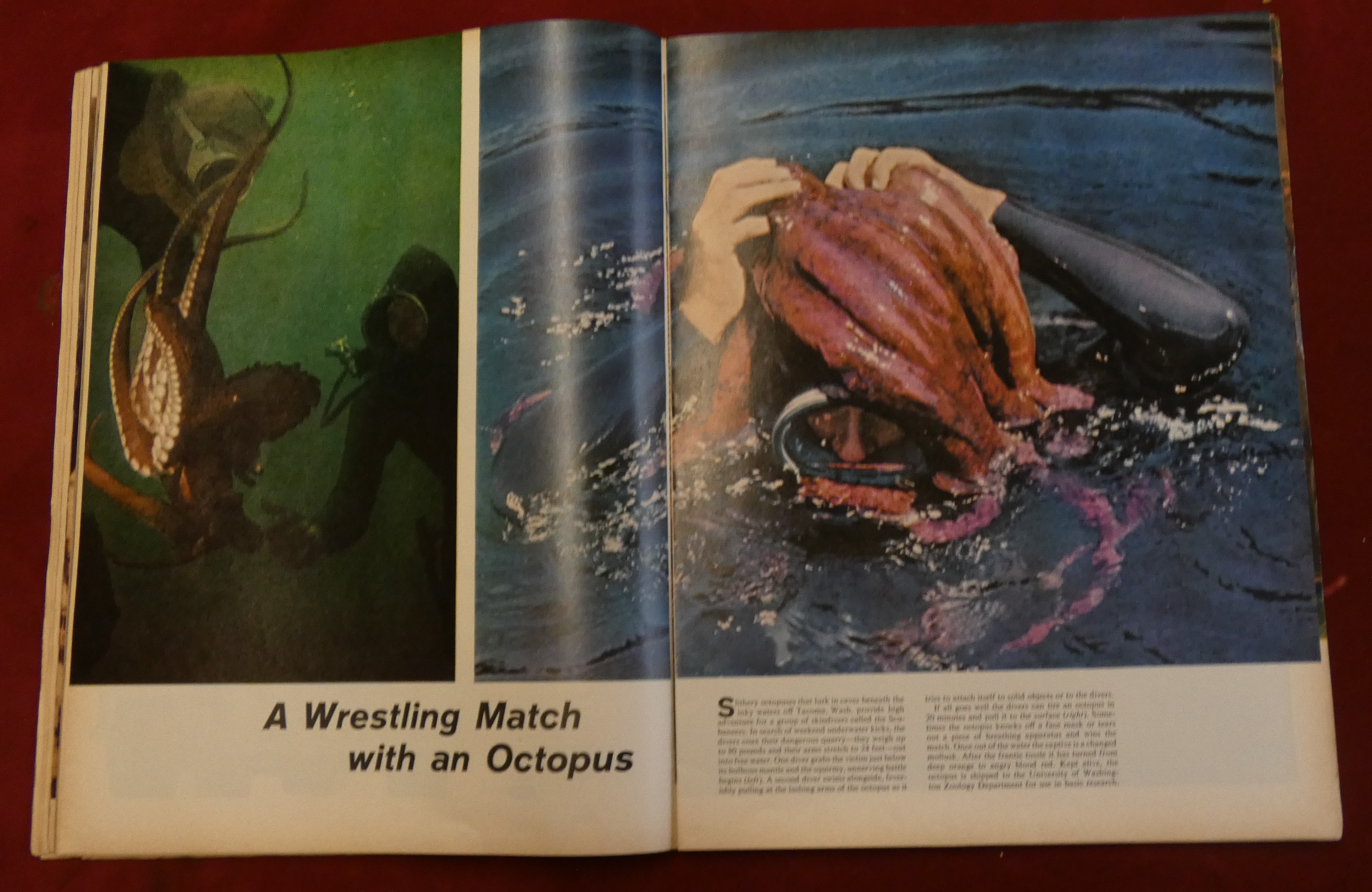
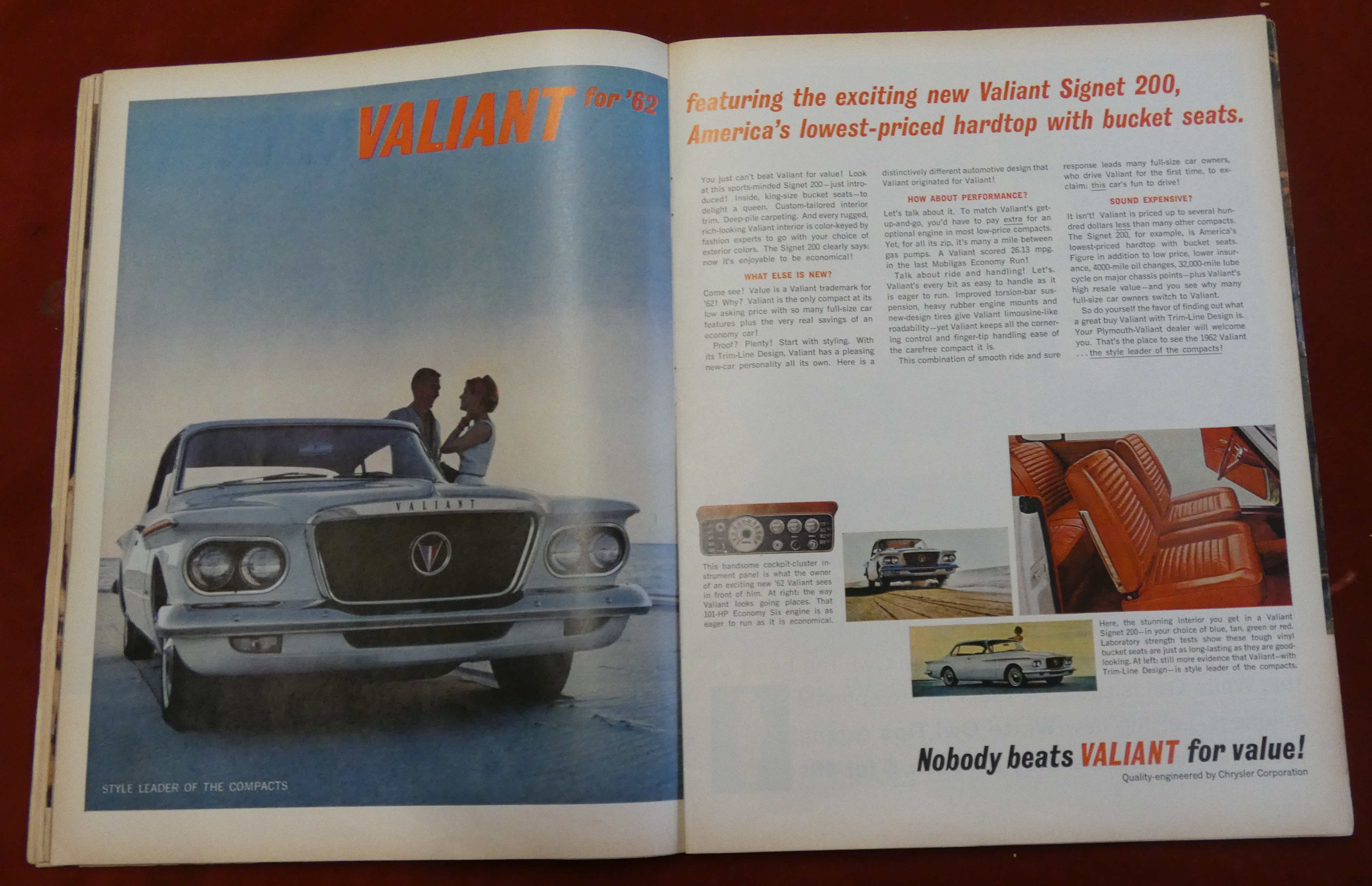
One of the things I have been doing recently at James and Sons is describing an imaging a large collection of old newspapers and magazines. This post looks at that process.
WHAT TO LOOK FOR
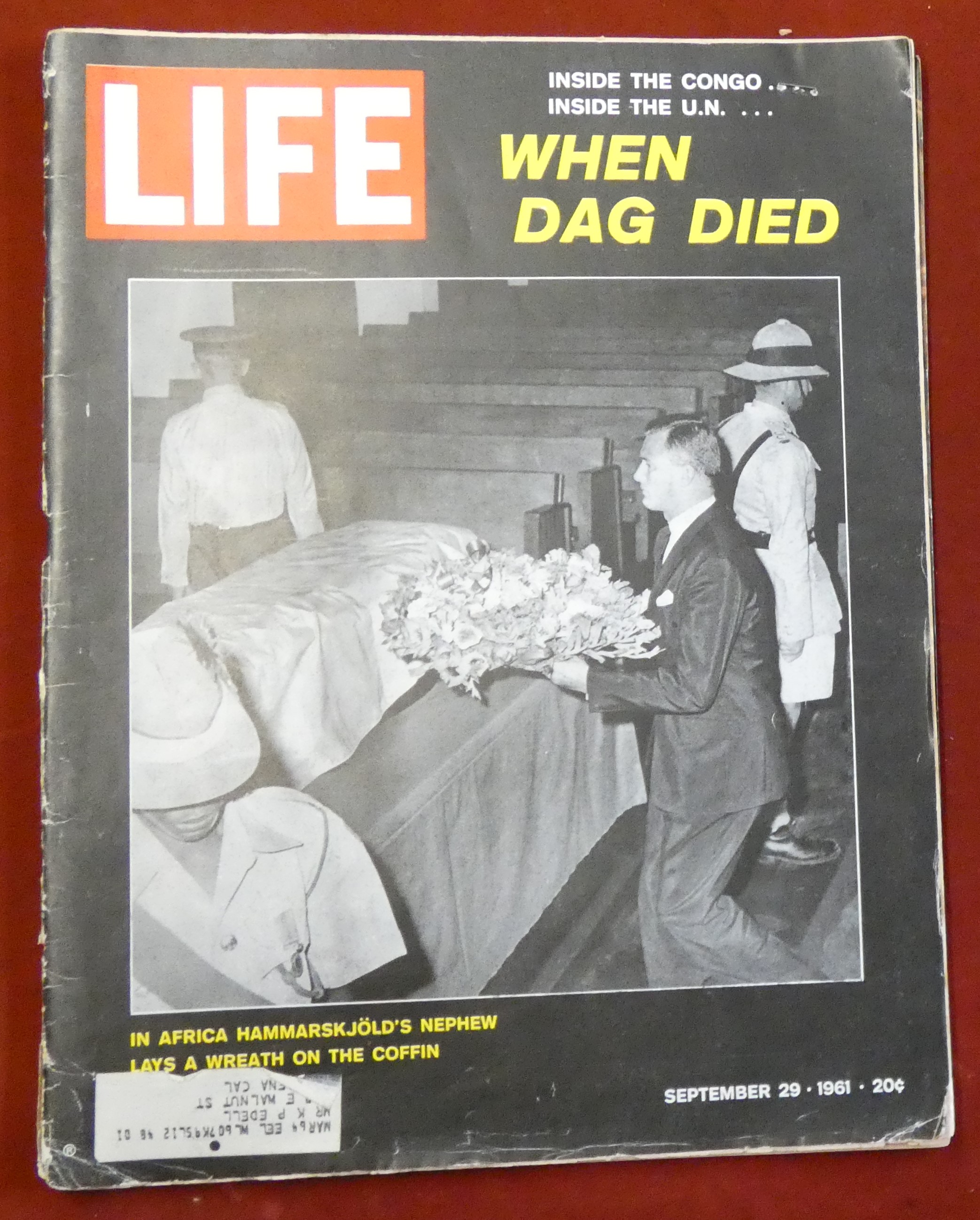
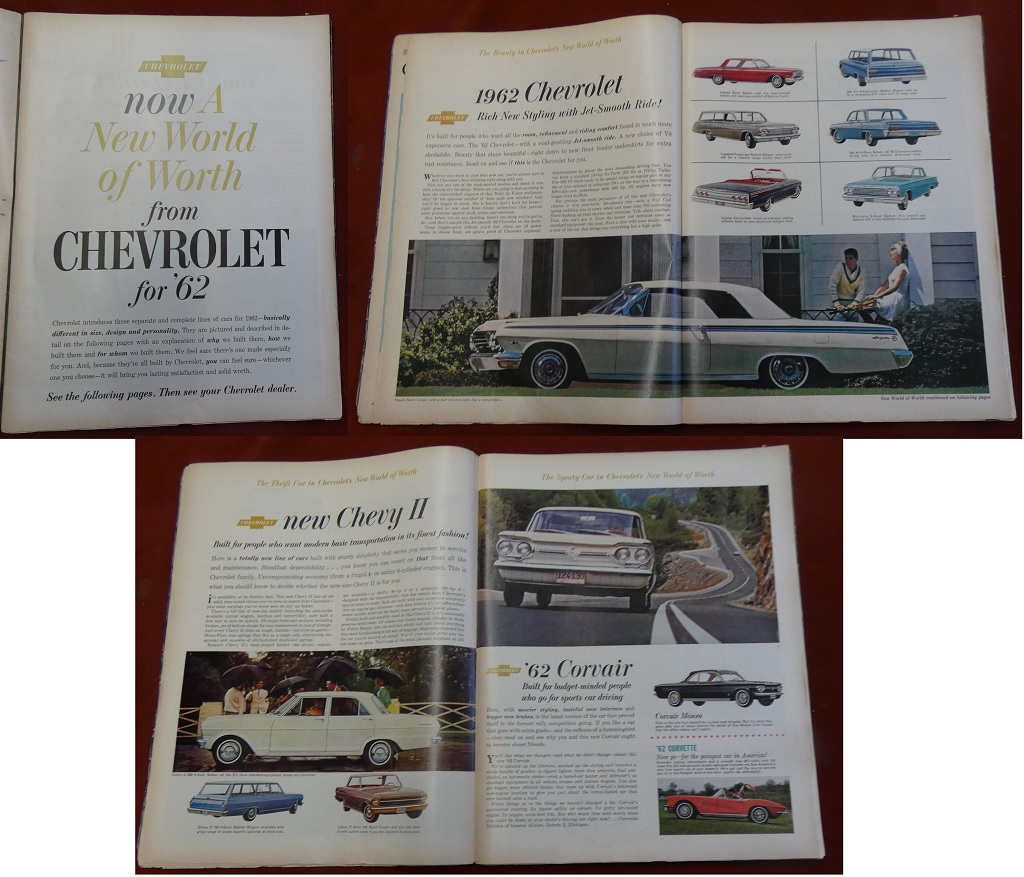
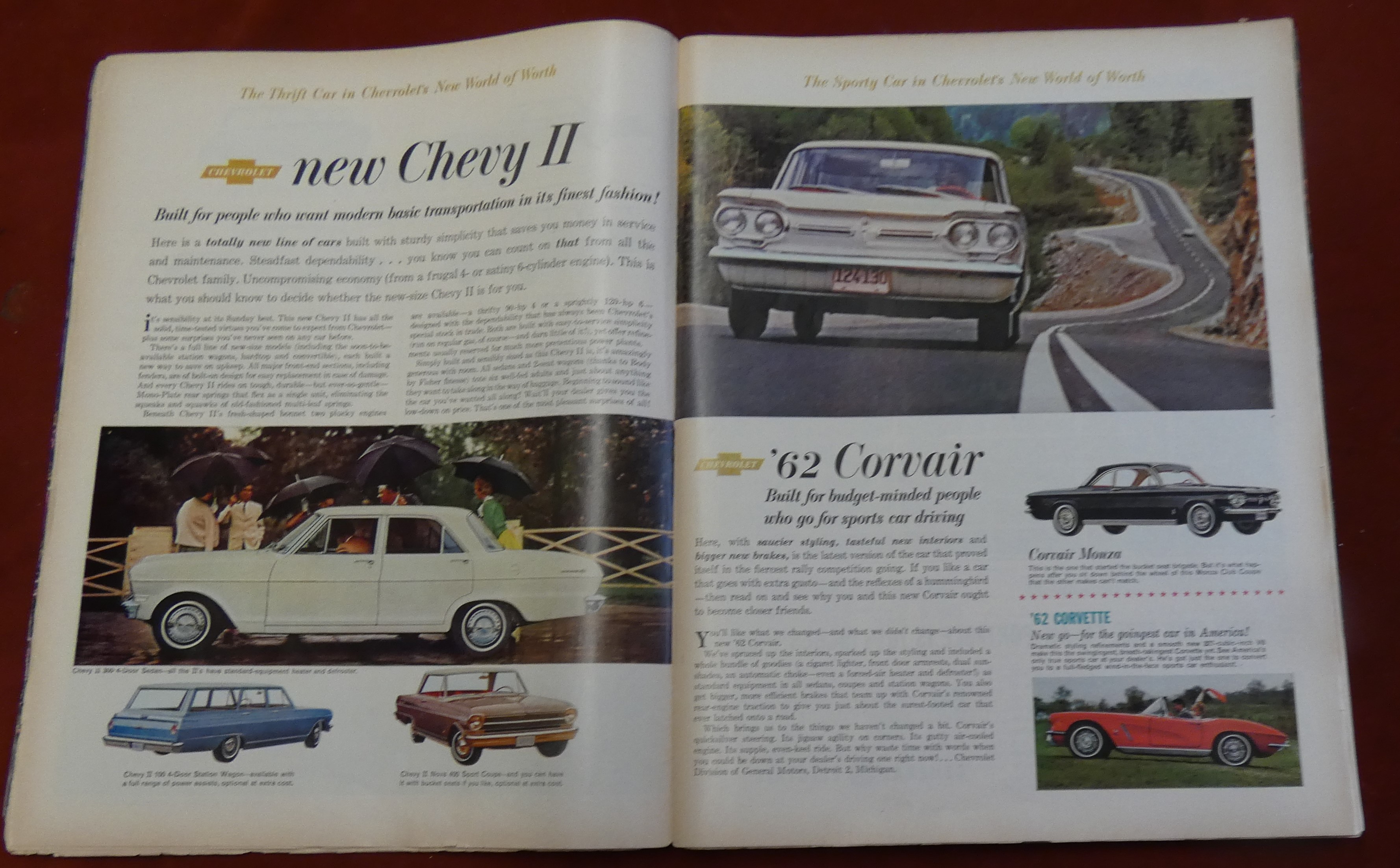
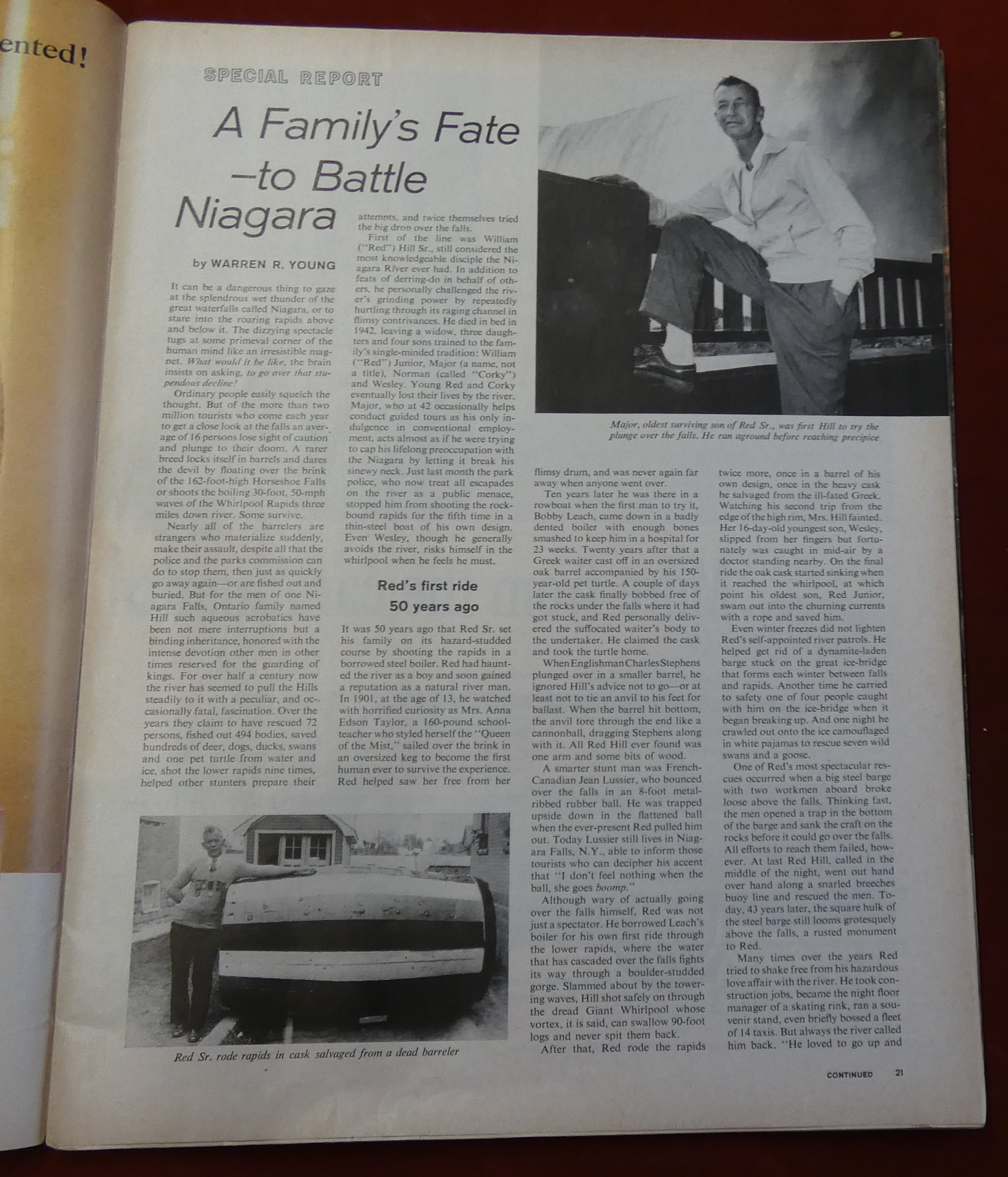
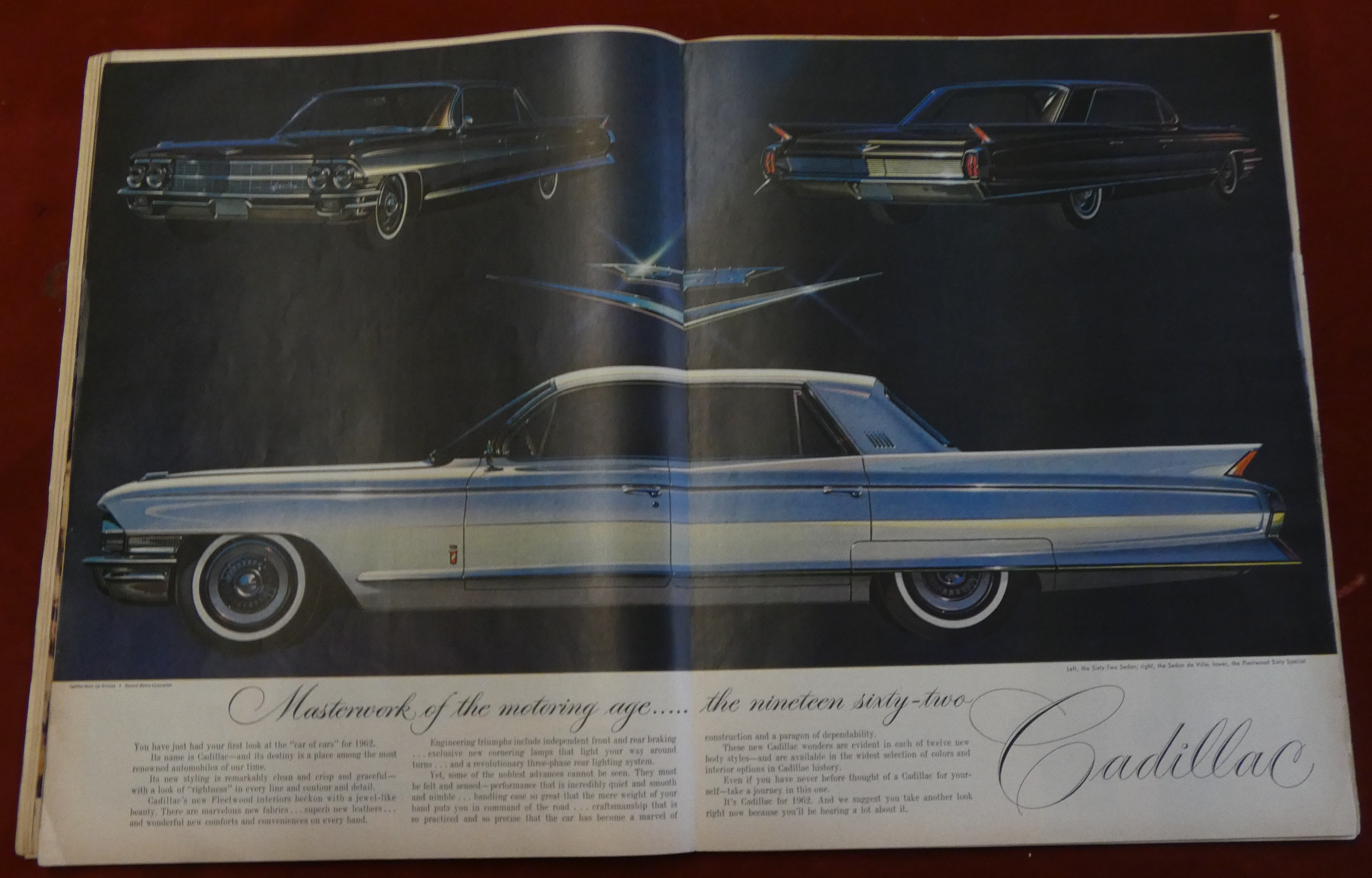
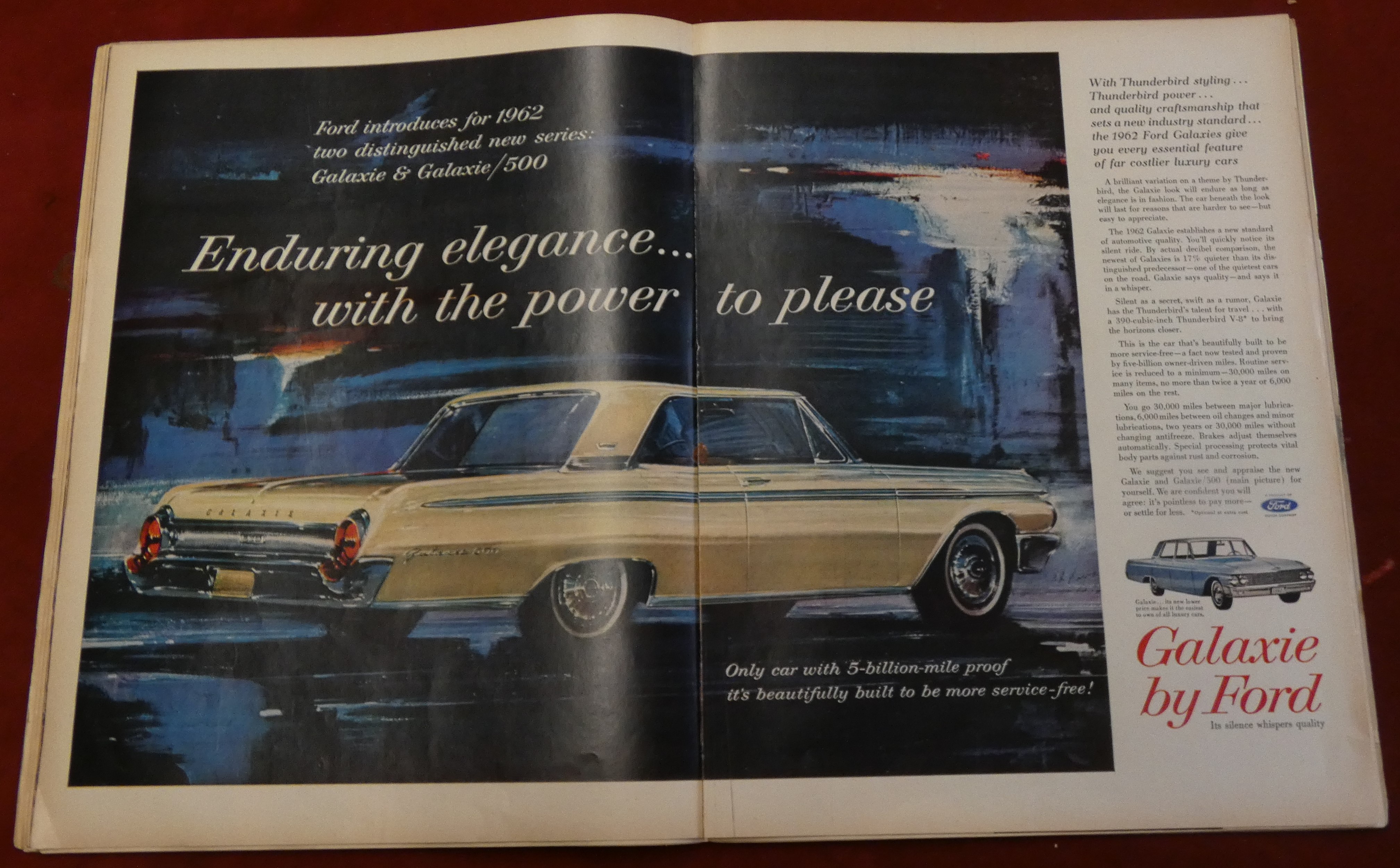
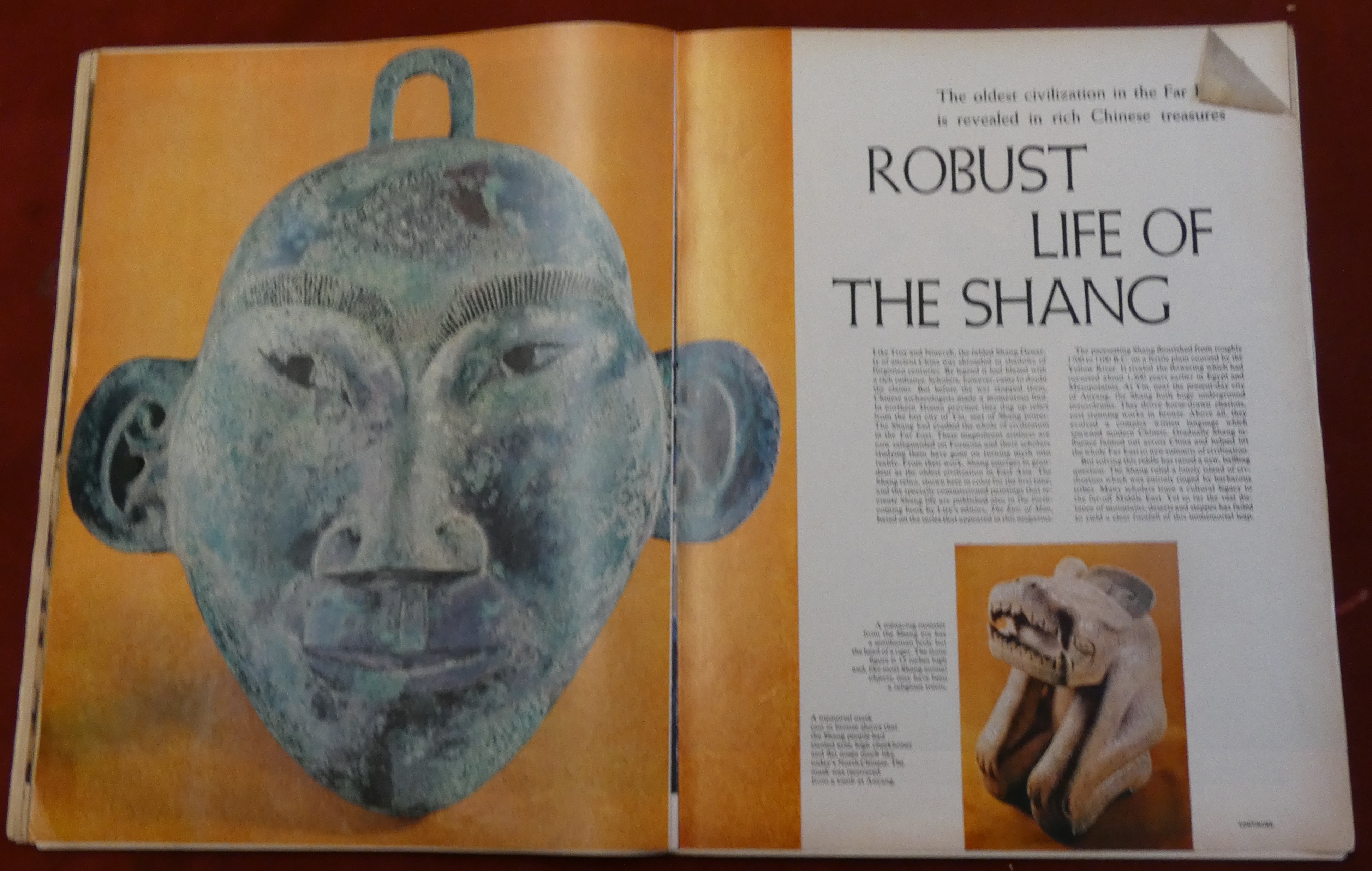
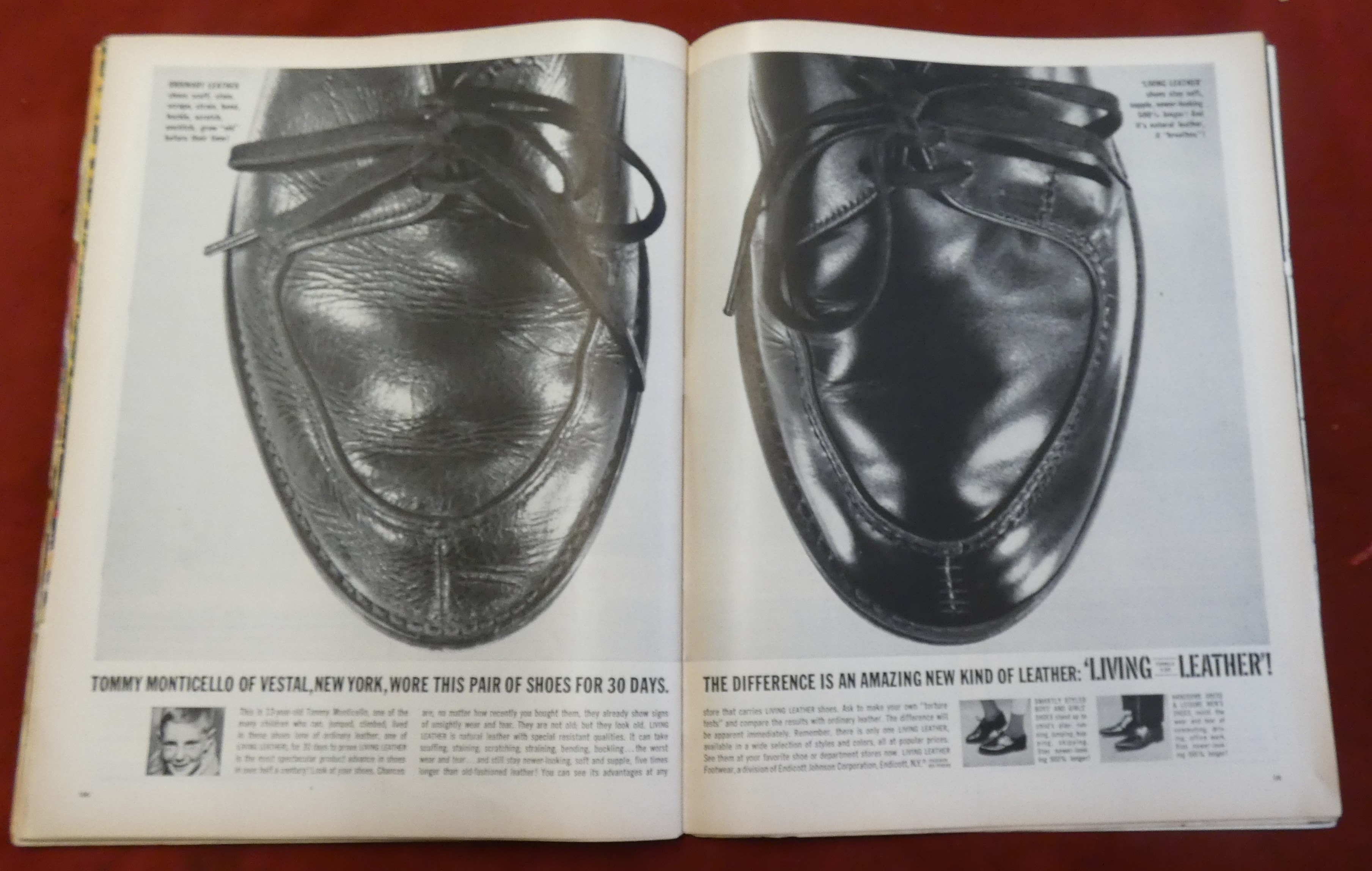
The condition has to be assessed – even if the item is very old one cannot expect imperfections to be overlooked. In the oldest stuff (1850s-1870s in this context) there are rarely any adverts, so it is purely about general content. From the tail-end of the Victorian era onwards ads play a much bigger role, and while genuinely interesting content should be noted it is often the ads that are the main selling point. Once the descriptions have been typed in the image gallery then has to back them up. I have some sample images to show to end this section.
We start with three full page ads from different lots.With this one there were few ads because it was wartime, but there was an abundance of very interesting general content, themed on looking to the future.A full page ad from another lot.This item had some incredible advertisements.The 1962 Chevrolet got not just an advert, but a multipage advertising feature – one full page and two double page spreads.There were three double page spreads advertising Ford products in various parts of the magazine.This was a double page plus a mini booklet.The feature article was beautifully presented.This was just the start of a superb historical feature.
PHOTOGRAPHS
I end with one of my regular galleries…
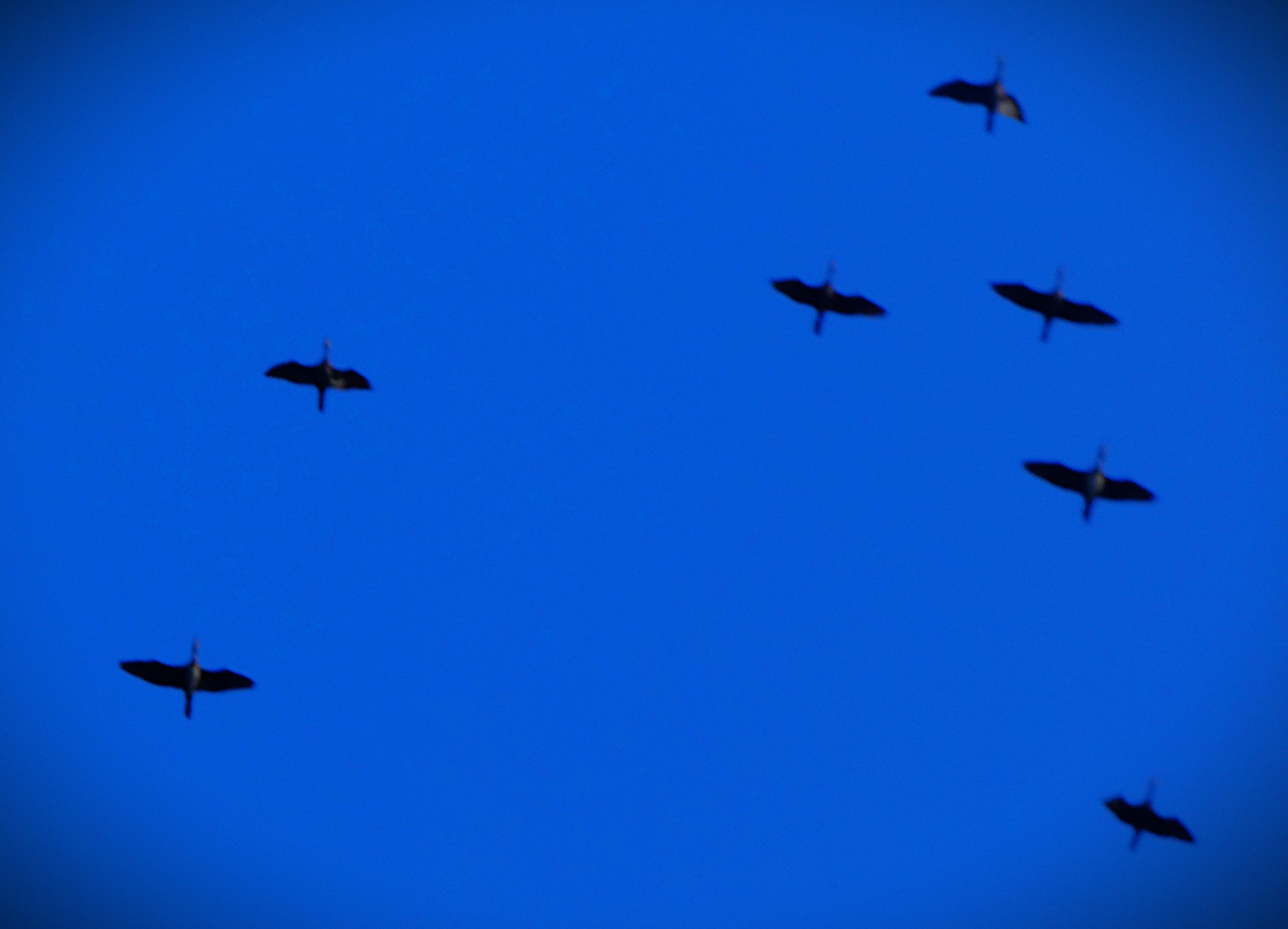
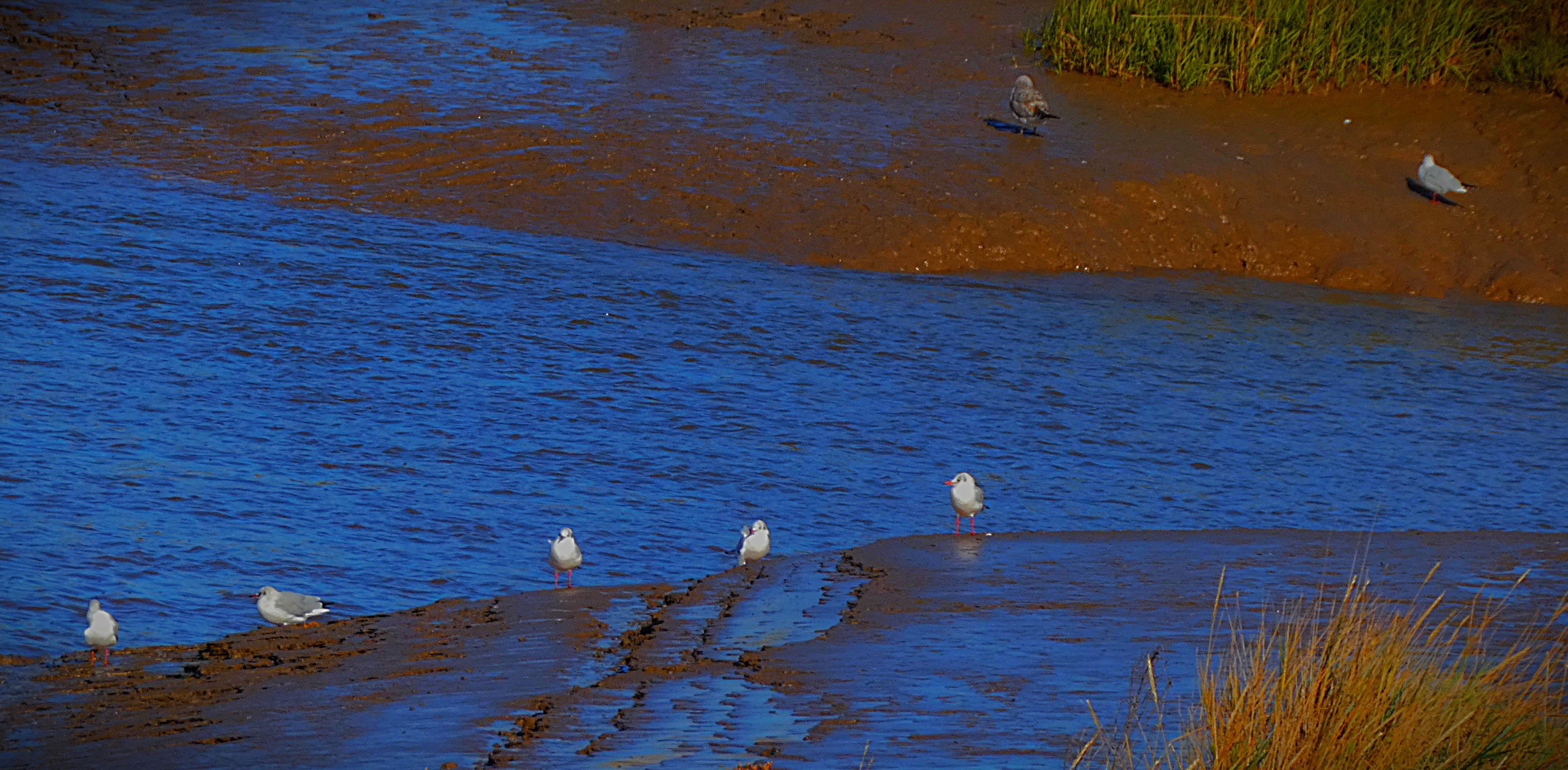
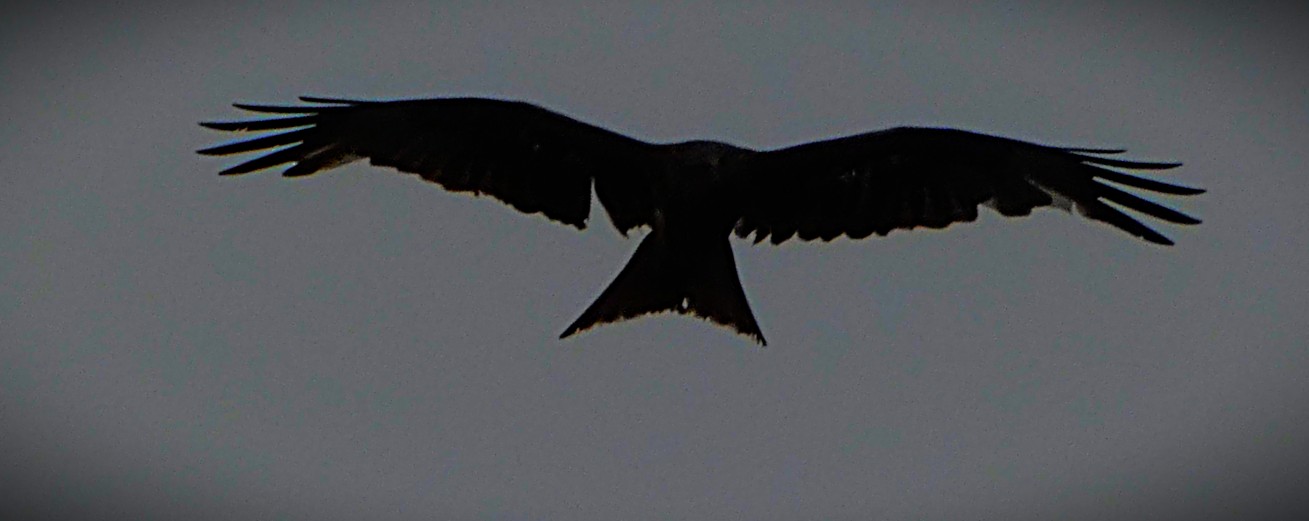
Not a perfect V – the two birds on the bottom left are out of true – but not that far off.This was hovering high overhead as I headed on to the footpath along the east bank of the Great Ouse on my way home from today’s WNAG committee meeting.
A look at the Indian men’s cricket team’s visit to Ireland and England, the latter part of which i s still in progress, a link to a chronological listing of my ‘Arisaig 2026’ posts and a photo gallery that is basically a highlights package of the last month.
I completed my series about my Scottish holiday on Wednesday, and have today created a page which lists all the posts in that series in chronological order. I now move back to the present. The Indian men’s and women’s cricket teams are both in England at the moment, with the latter playing their first ever test match, at a venue (Lord’s) whose pavilion was barred to women within the lifetimes of some of the players. I will have much to say about that match in due course, but as today is day one I look instead at the doings of the men’s side who have been playing T20Is (20 overs per side international matches) in Ireland now England.
THE EMERALD ISLE
Ireland have a bit of a tradition of embarrassing theoretically more illustrious opposition, going back as far as 1969 when they caught a visiting West Indies side on a very green pitch and rolled them for 25. They have added India to their scalp bags. Their victory in the opener might have been put down as a fluke, or to India being unfamiliar with Irish conditions, but when they repeated the dose in the second and last match to win the series it looked like India had major problems.
IN ENGLAND SO FAR
From Ireland India travelled east to England for a five match series. India had put up a good total in the first match when rain intervened and washed the rest of the match out. Three more matches have been played since then, and England have bossed all three. The most recent took place yesterday evening, and showcased most of India’s problems, with one exception – until last night Shreyas Iyer, recently promoted to the captaincy had done little with the bat since taking the reins. Last night he batted beautifully, scoring an unbeaten 80 from 49 balls. The problem was that his team mates combined to score a mere 78-7 from the 71 balls he did not face in the innings, a truly abysmal rate of scoring for this format. That total of 158 did not look likely to pose a threat to a confident England side, and in the end it was made to look an almost comically bad one. Harry Brook led the rampage with 79 not out from just 35 balls, while Phil Salt was also in brutal form. In the previous match India had bowled first, seen England score 201 and responded to a stiff challenge by slumping to 76 all out and defeat by 125 runs. With the final match of the England leg of this tour to take place at 2:30PM tomorrow India’s record for the trip stands at five defeats and one washout – and although at the time of the washout I thought they had been favourites to win that match their subsequent efforts suggest that actually England would have chased that one down as well. I have an idea as to the root cause of India’s problems on this tour: the IPL happens in (generally) small grounds on incredibly flat tracks, where scores of 250 in 20 overs are not uncommon and bowlers are seen as merely providing the deliveries to be hit for yet another succession of sixes, while the pitches in Ireland and England although good for batting have not left the bowlers completely out of things. Indian T20 batters tend to struggle in anything other than conditions tailor made for them, while the bowlers have grown unused to being significant factors.
PHOTOGRAPHS
While I have been concentrating for blogging purposes on my Scottish holiday it has been a splendid time for photography, and the gallery I now present is a highlights package spanning most of the period from 7th June, my first day back from holiday, to the present (reminder that photos can be seen at full size by clicking on them)…
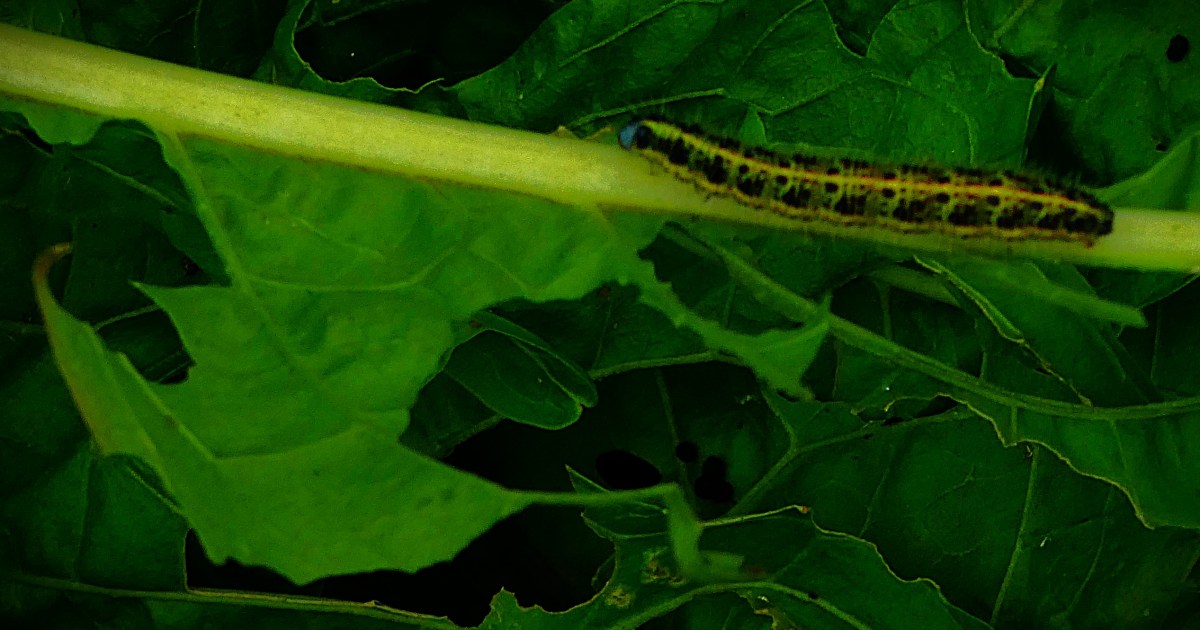
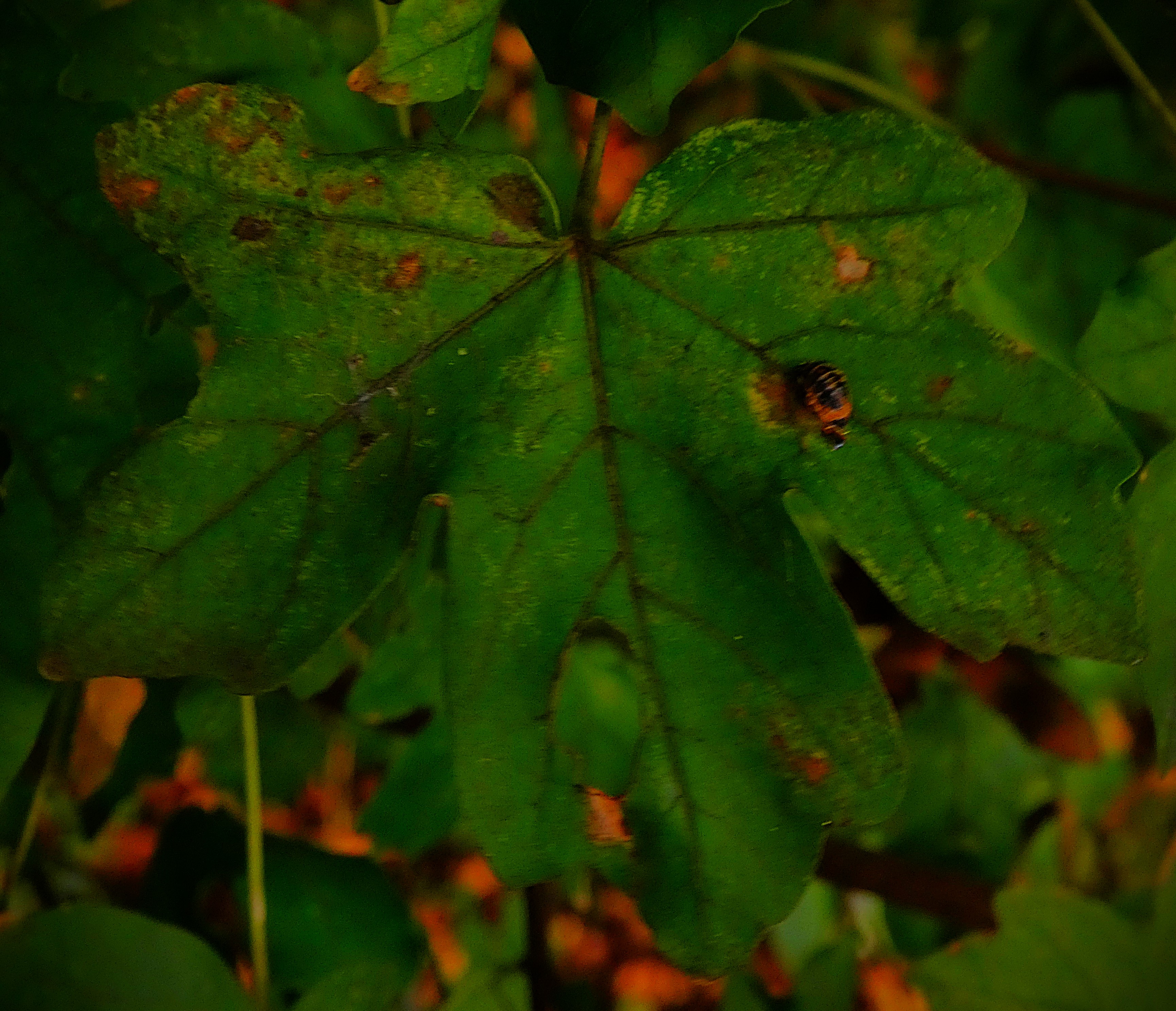
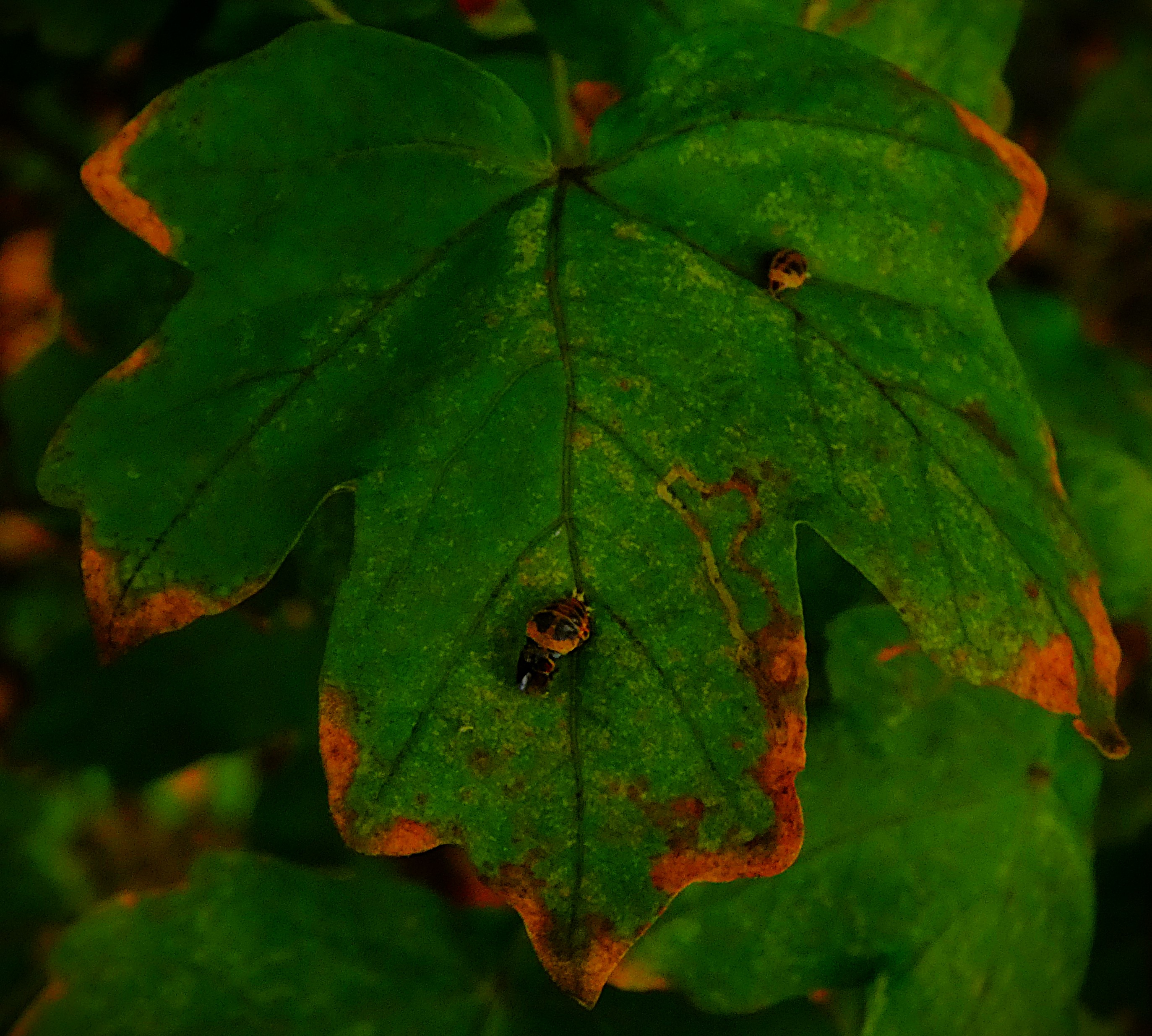
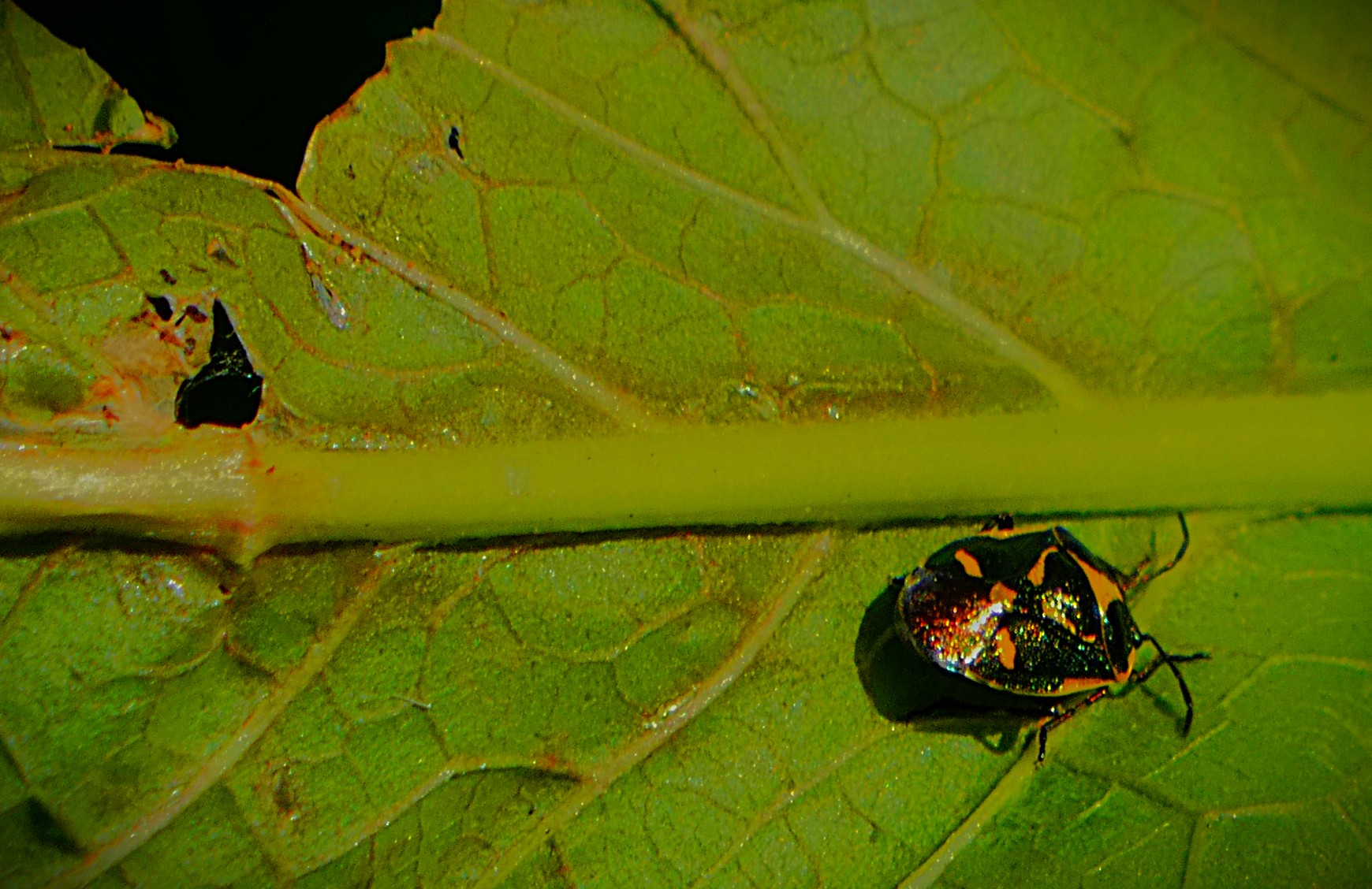
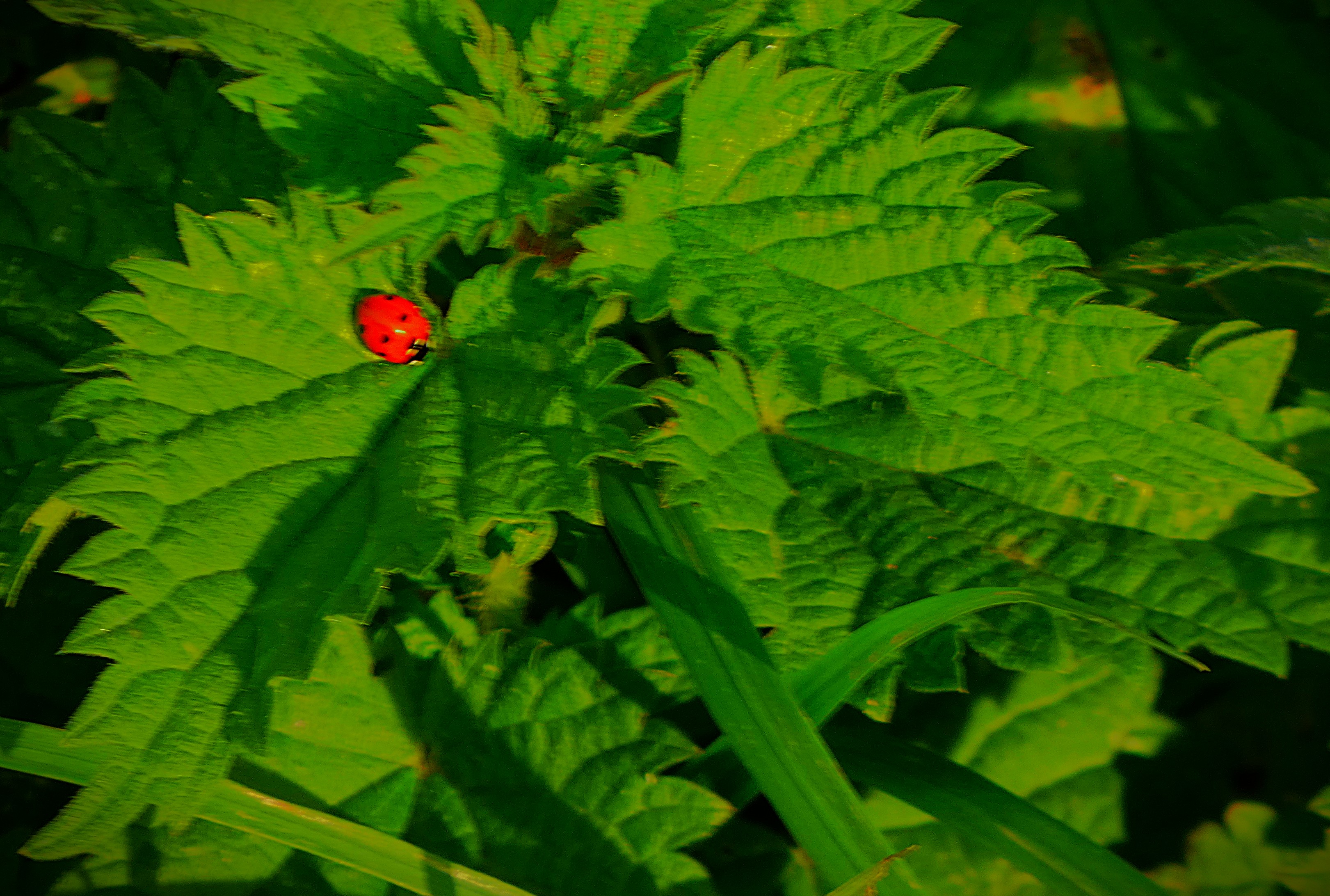
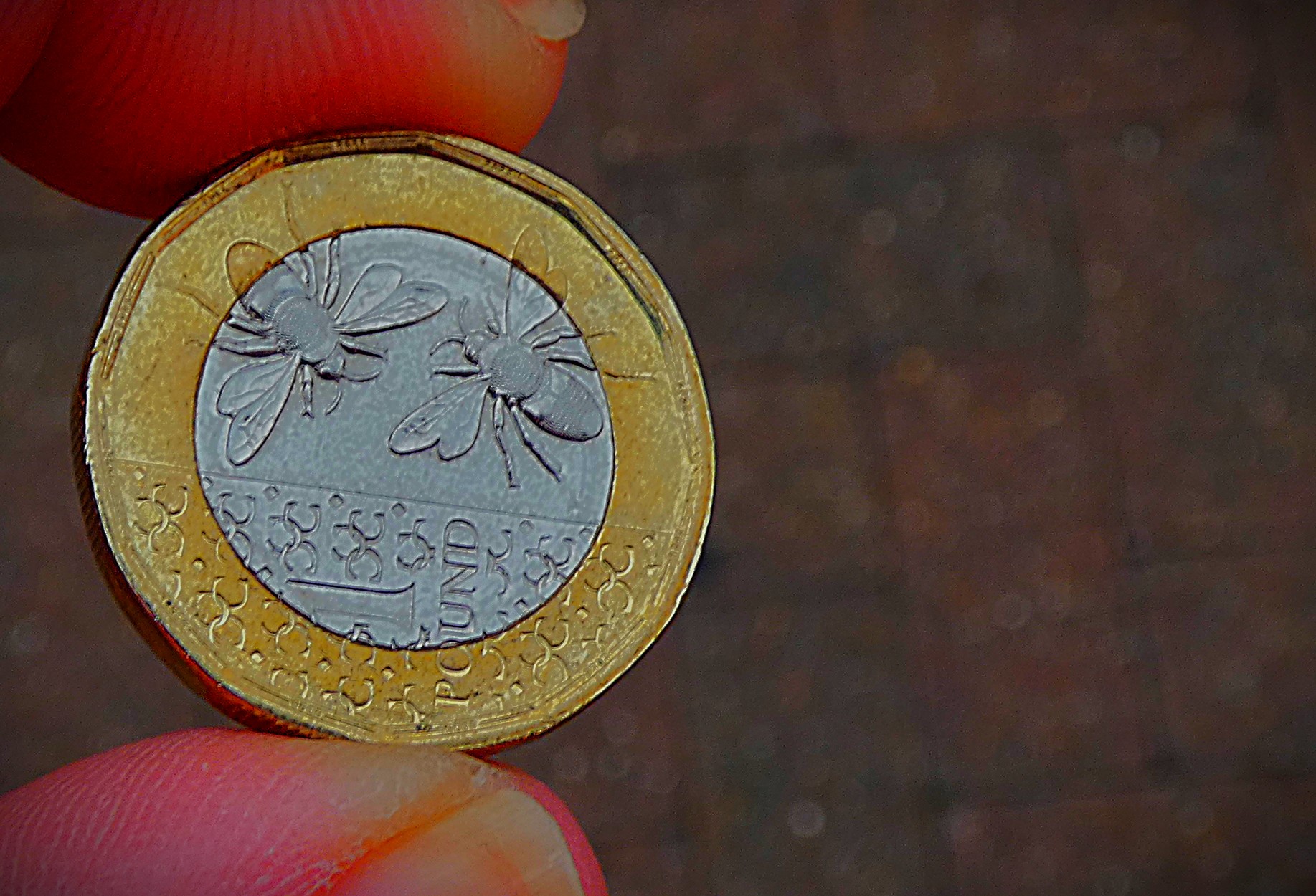
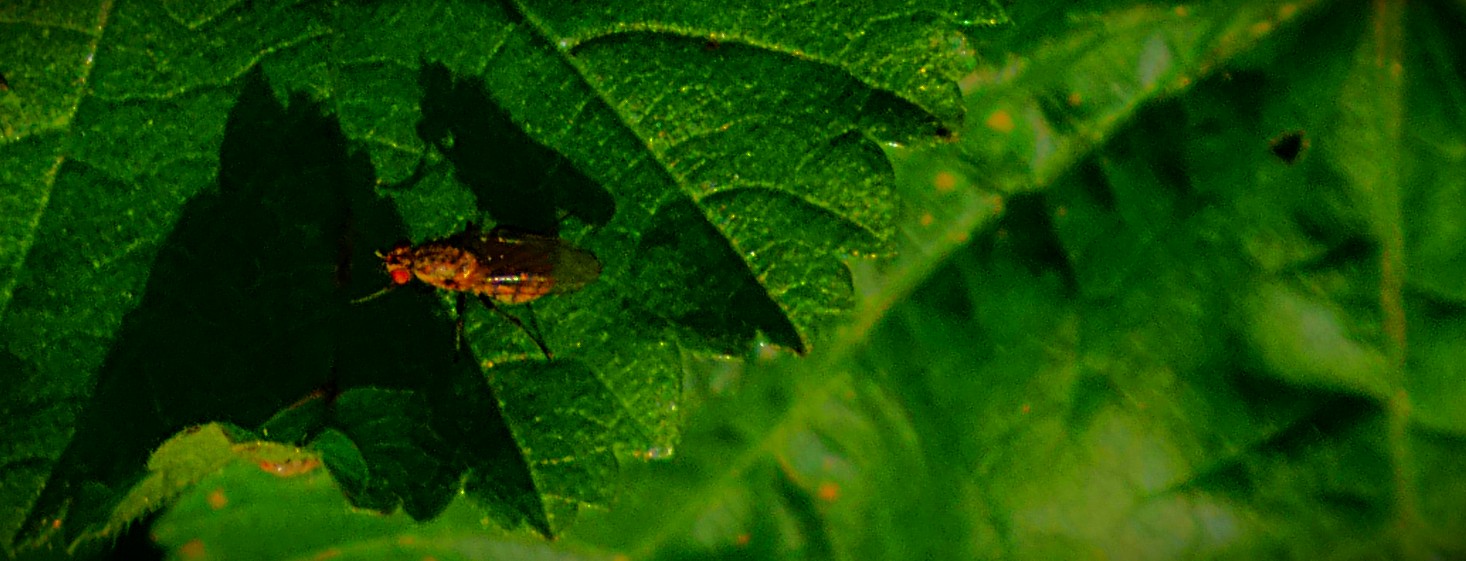
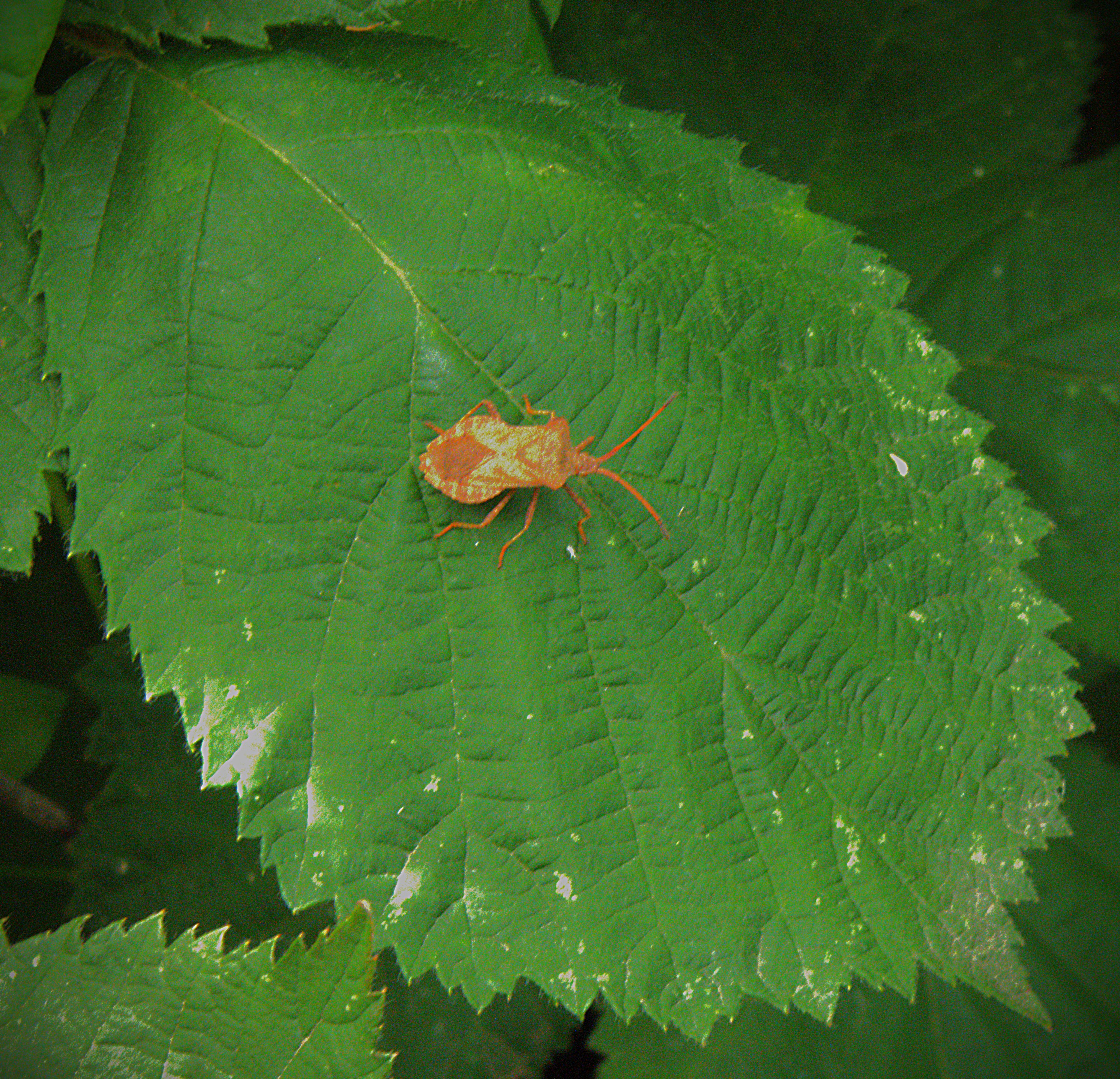
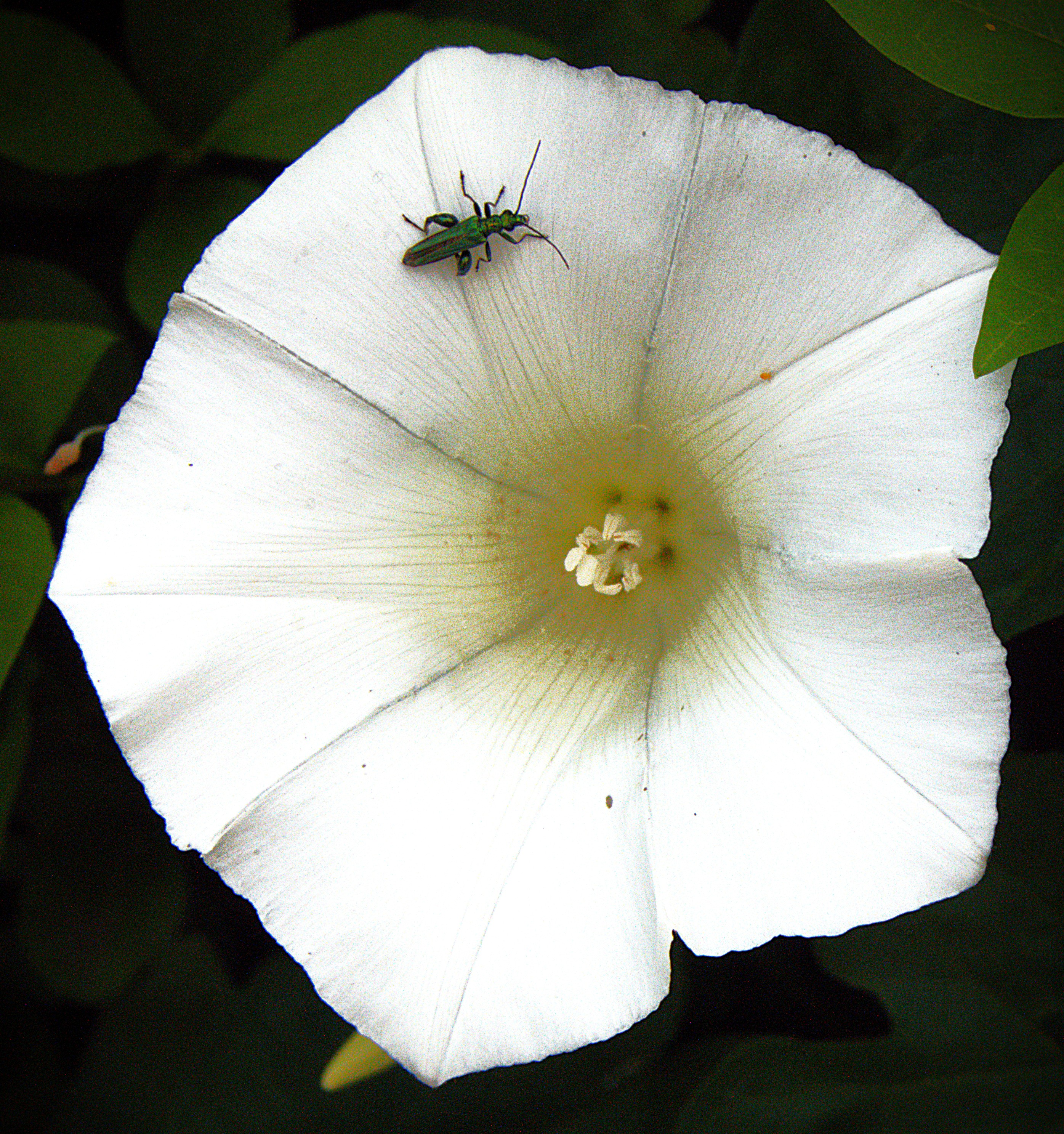
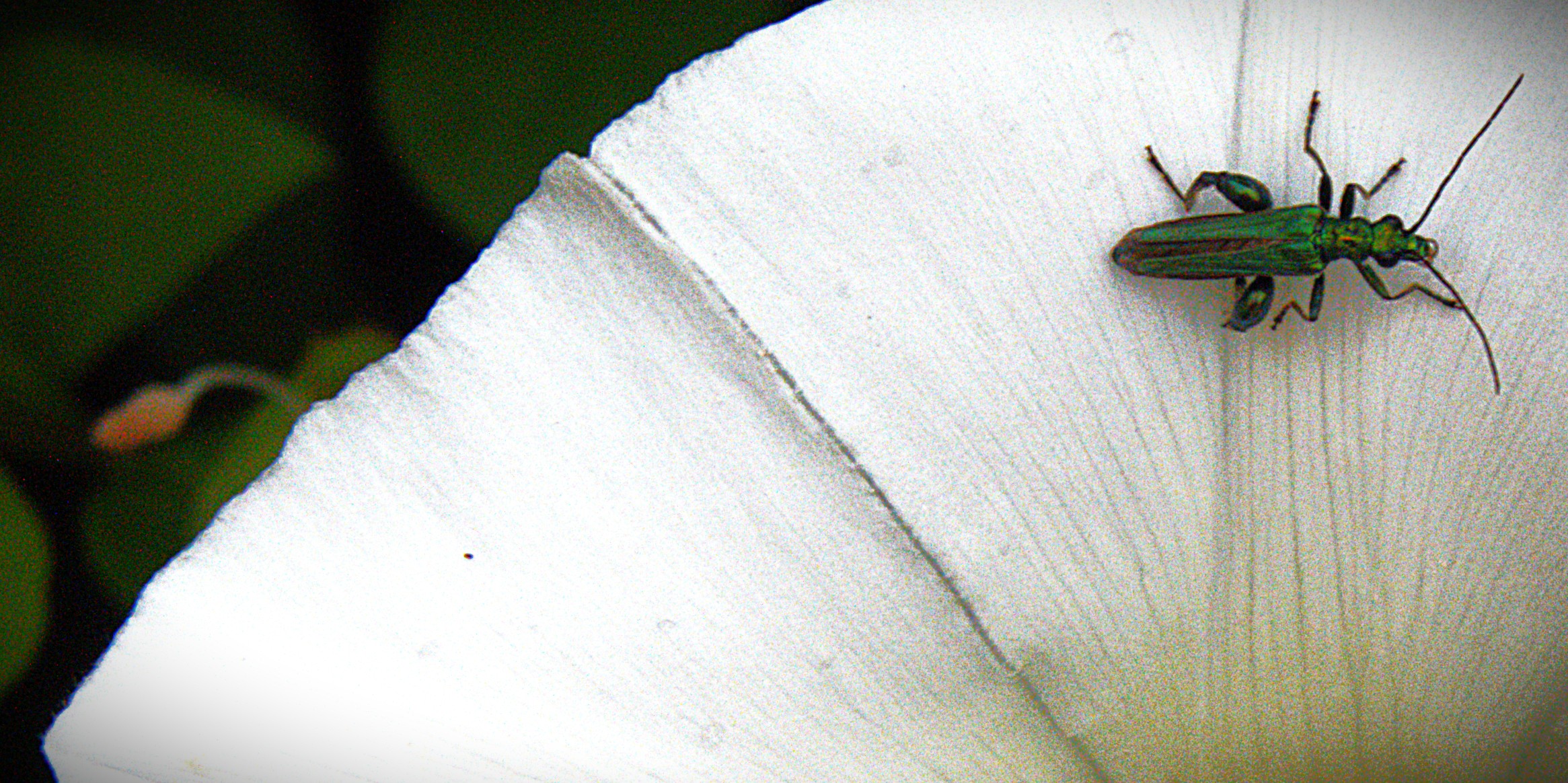
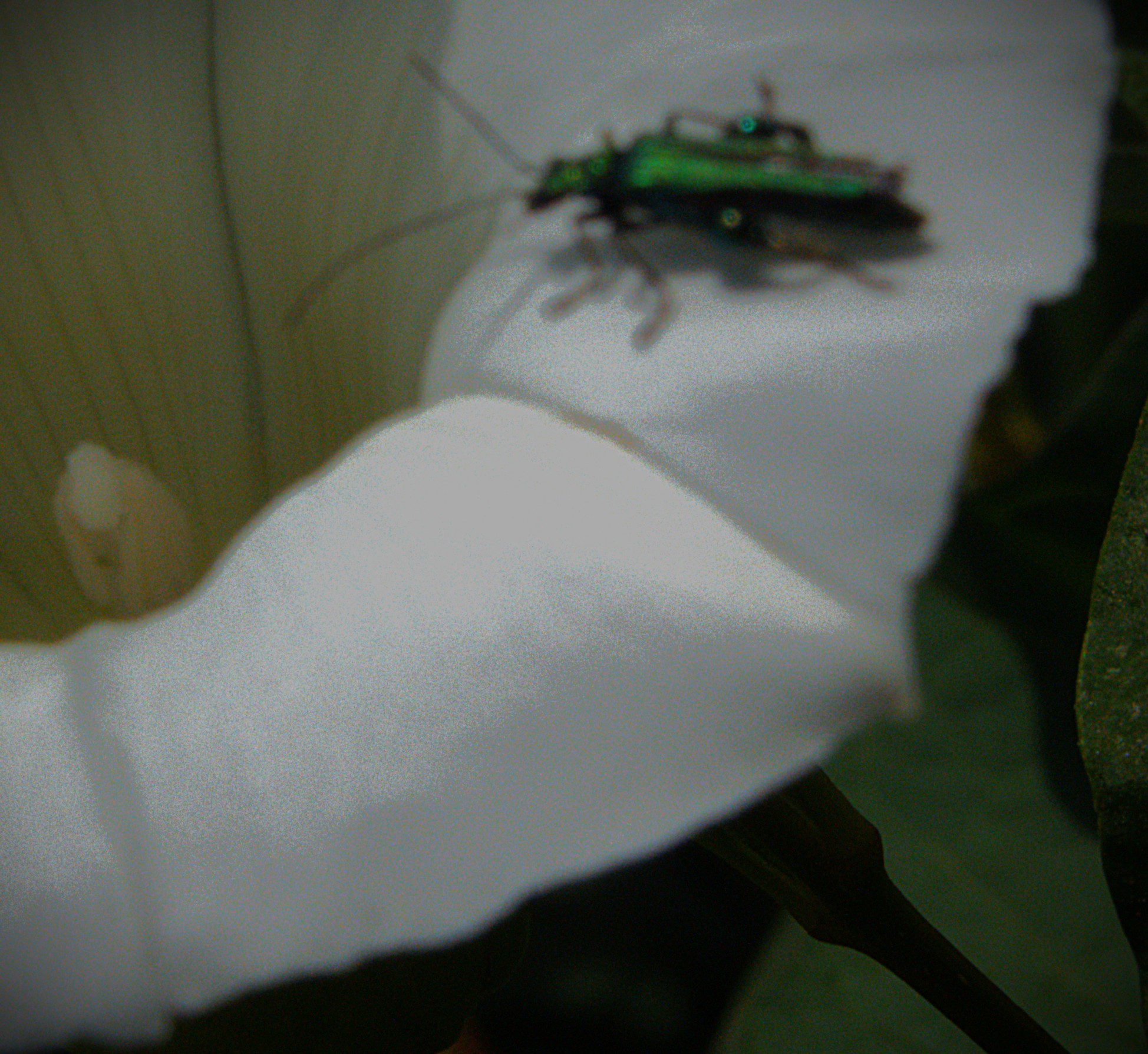
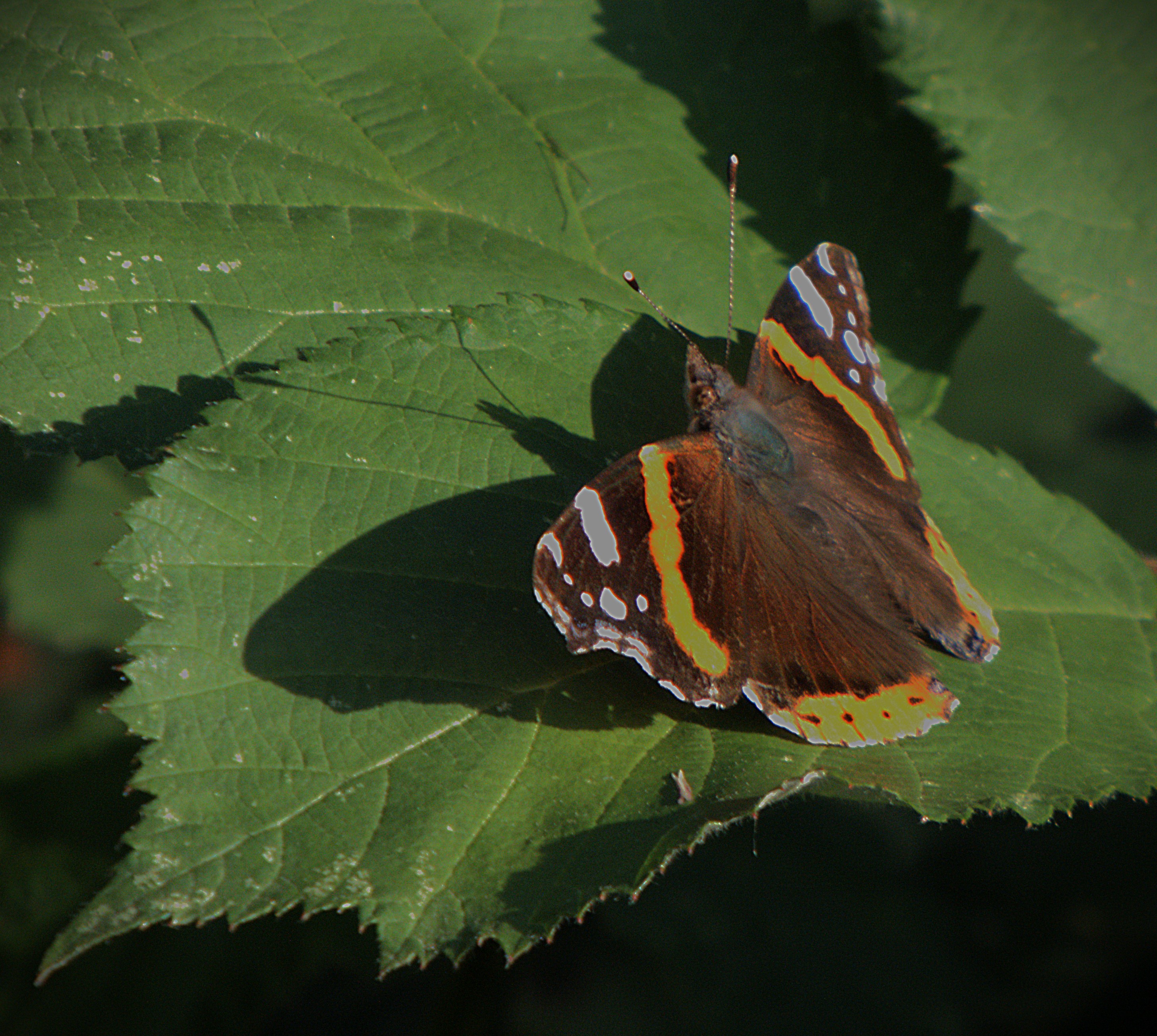
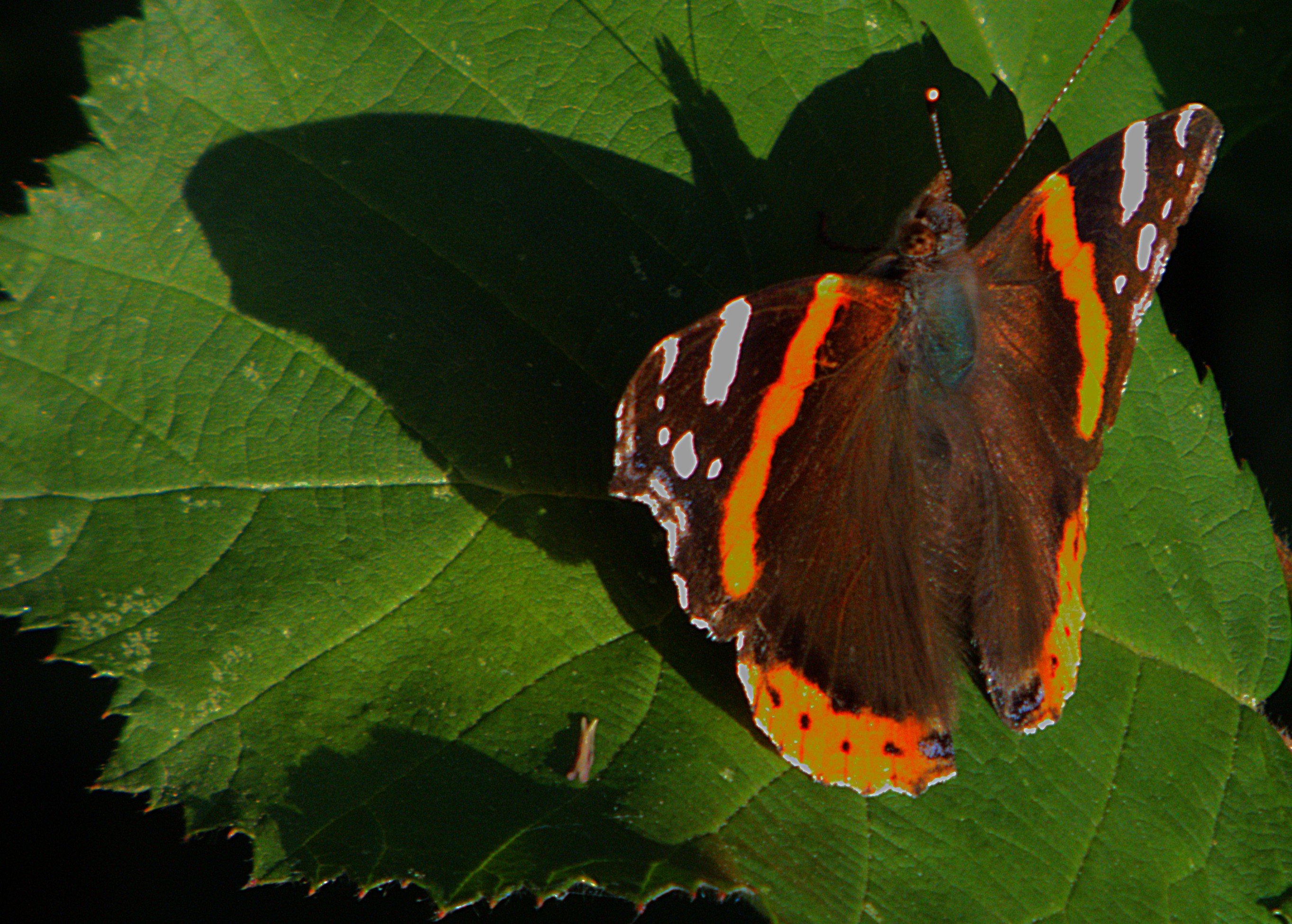
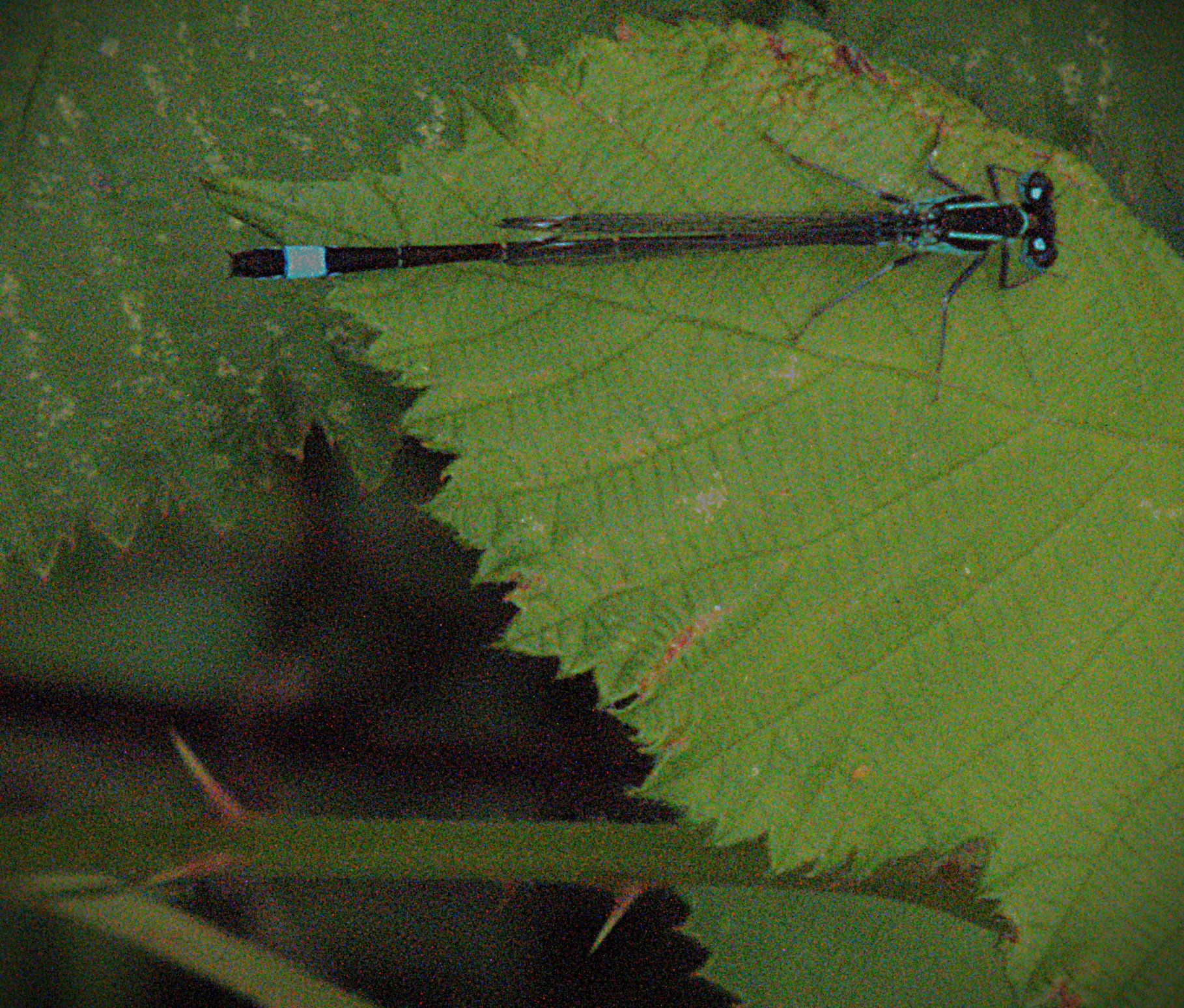
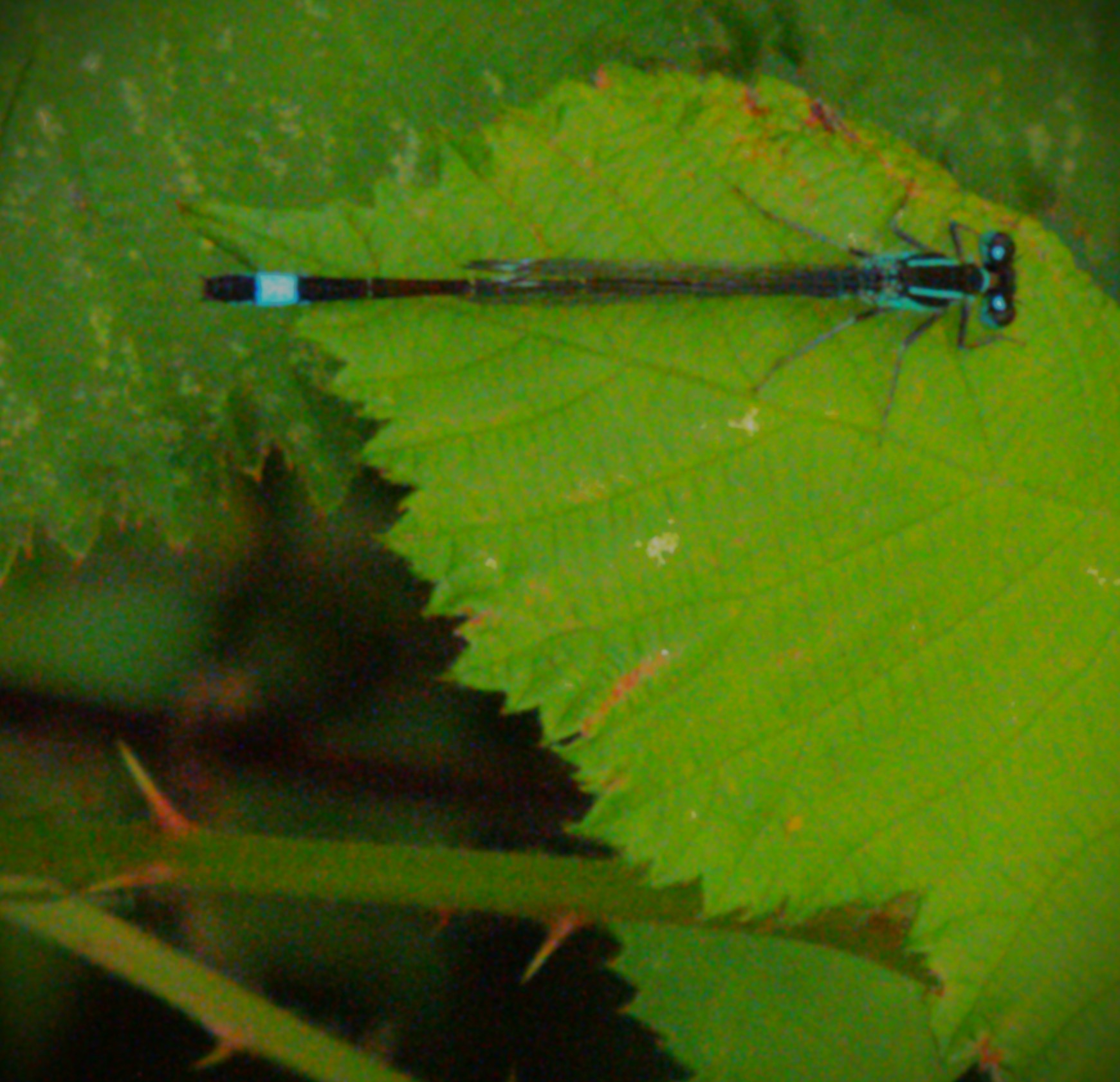
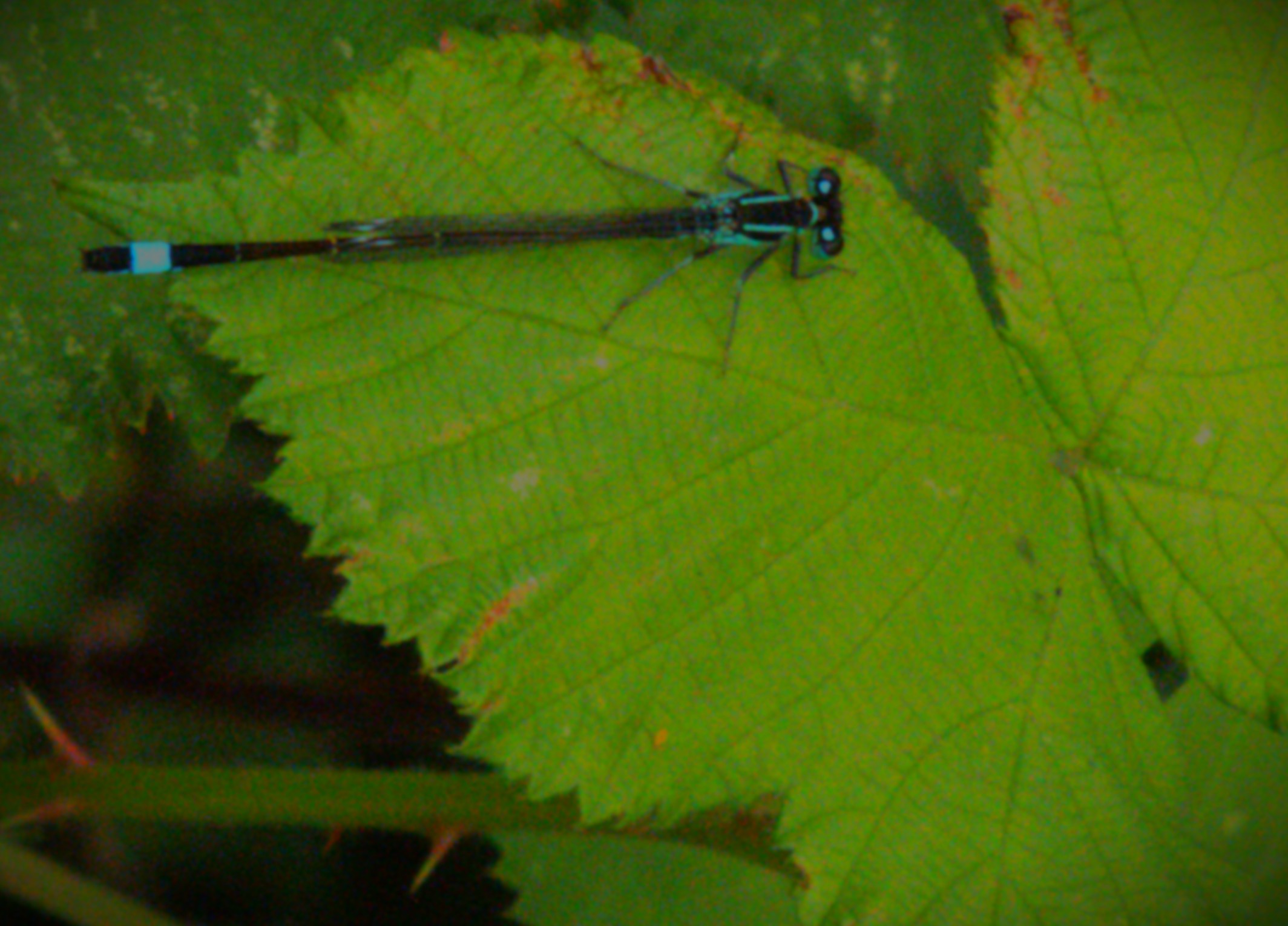
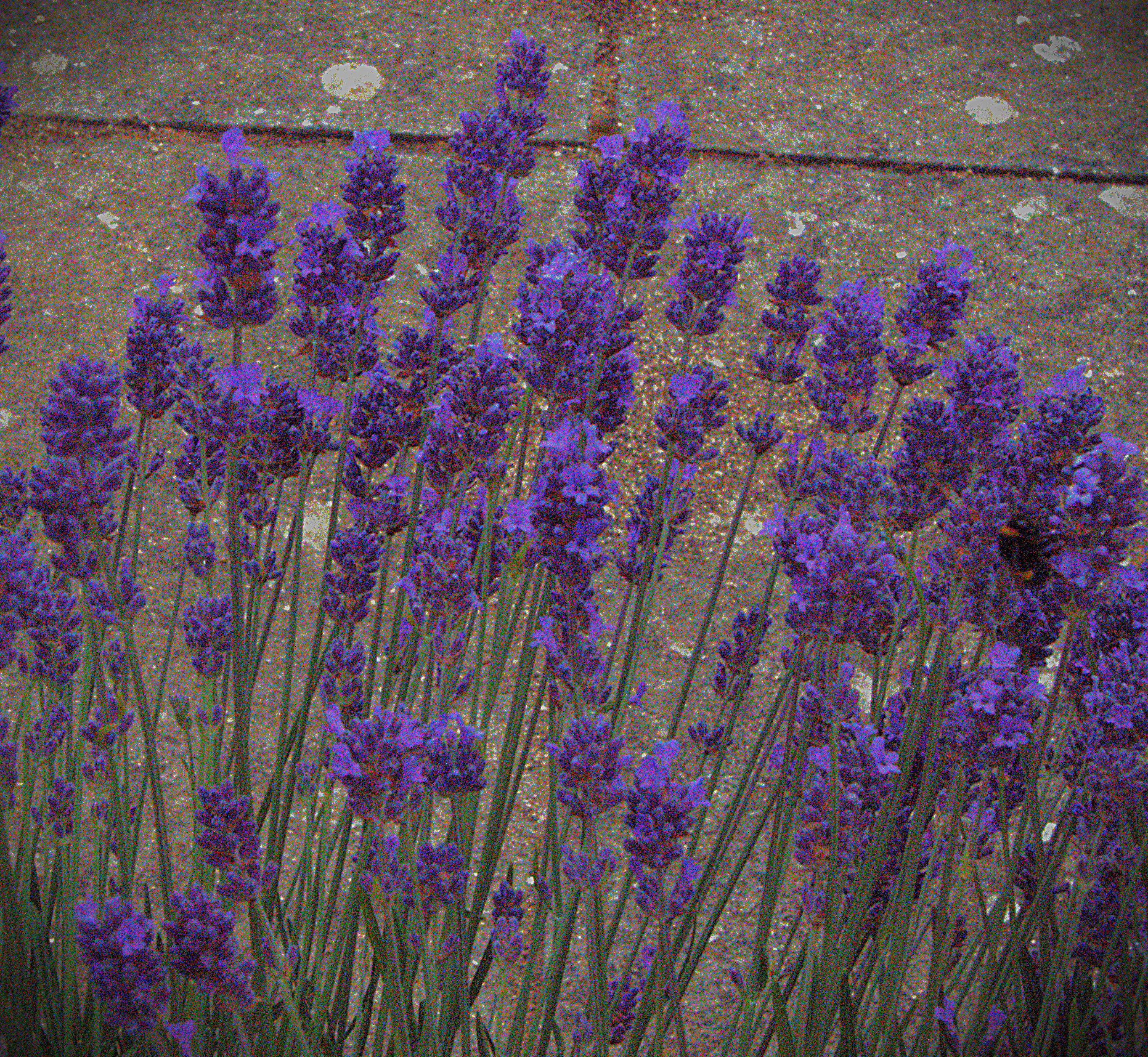
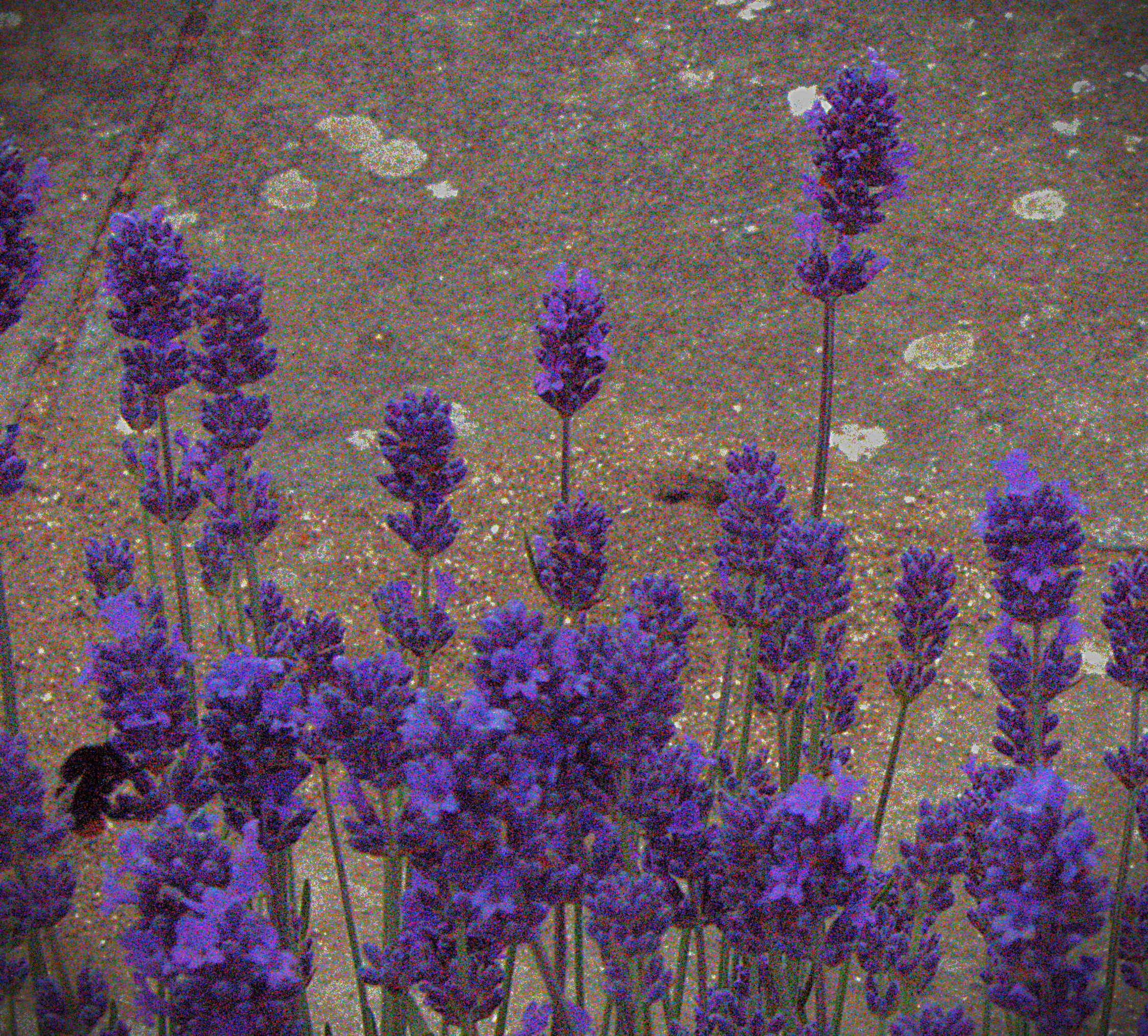
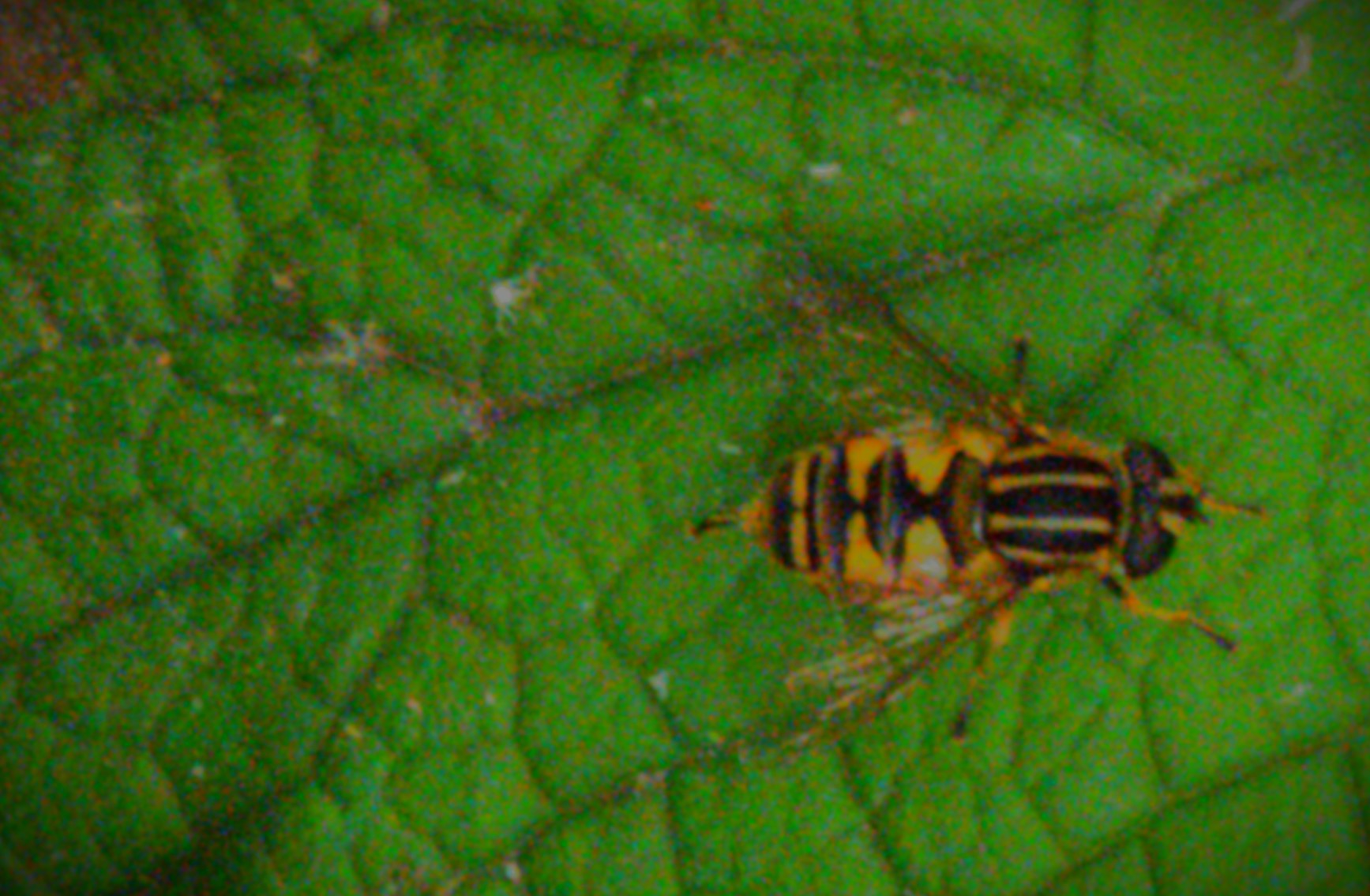
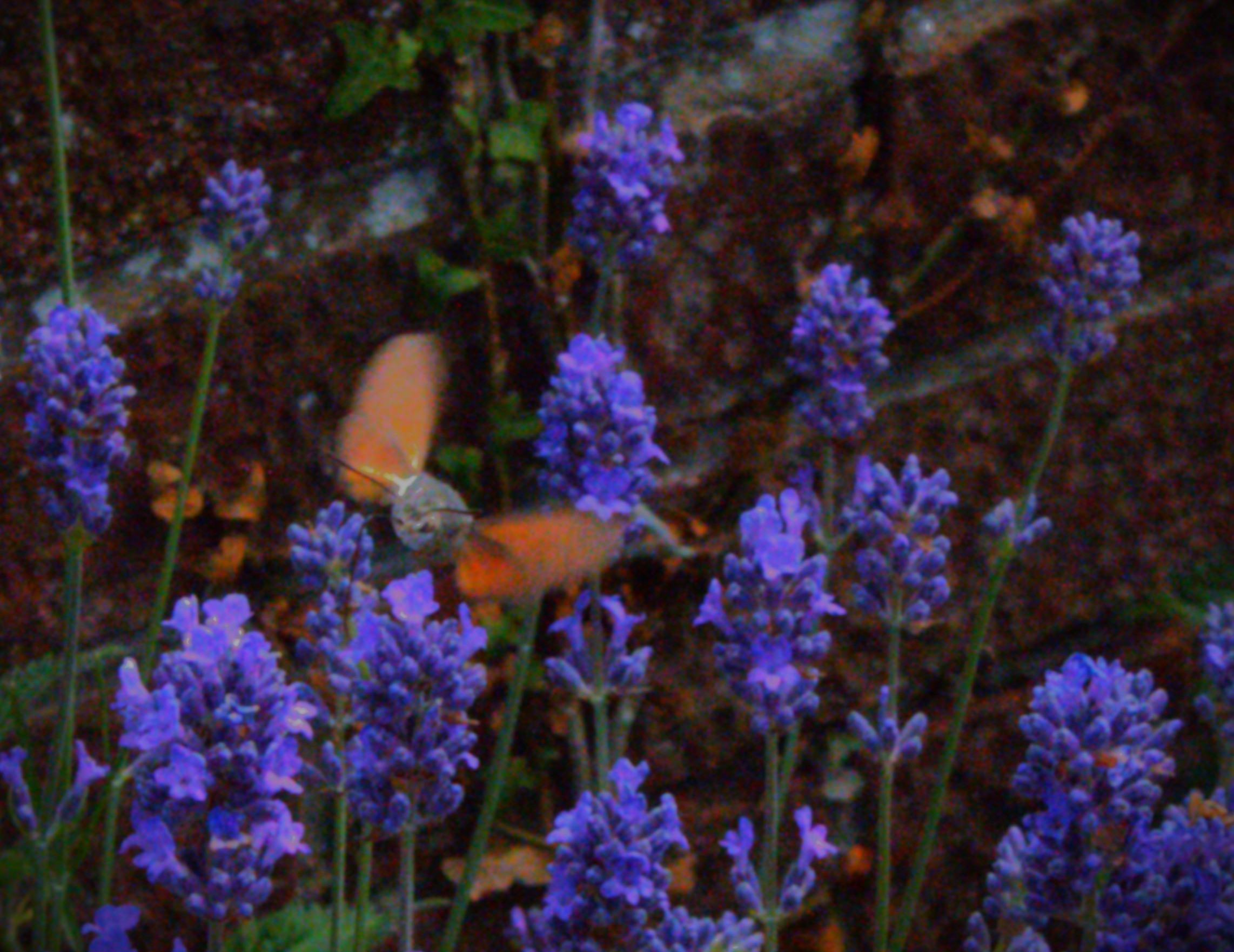
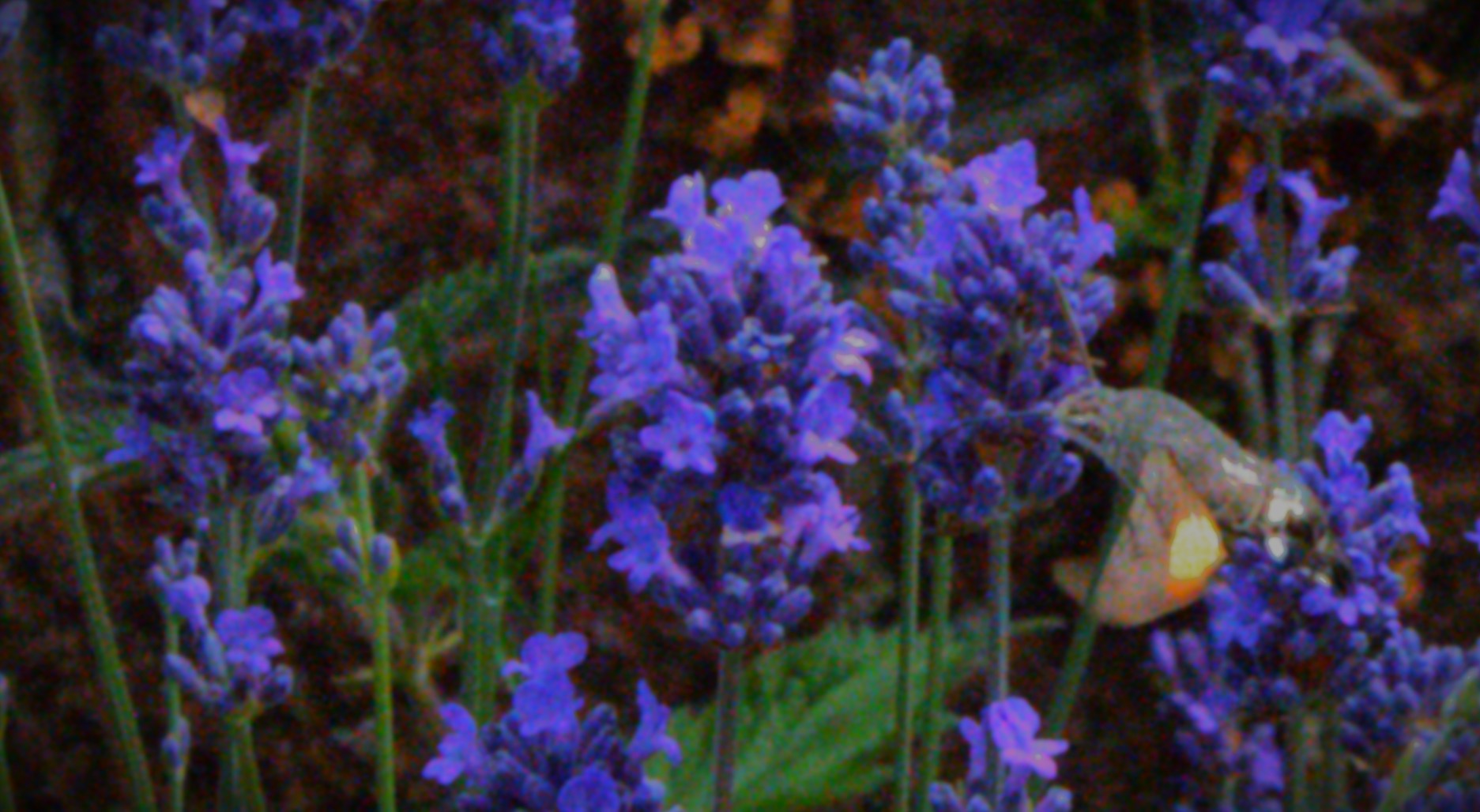
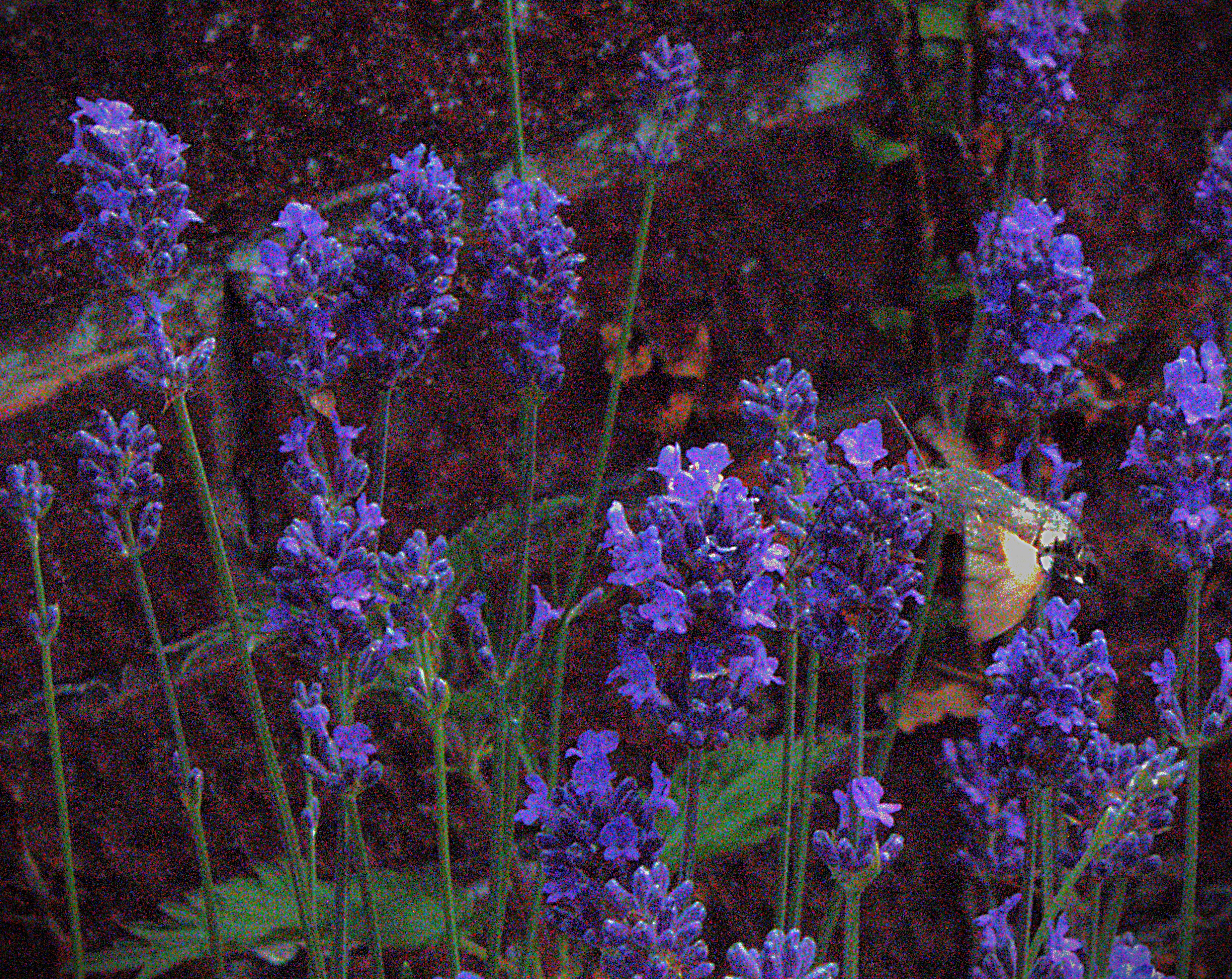
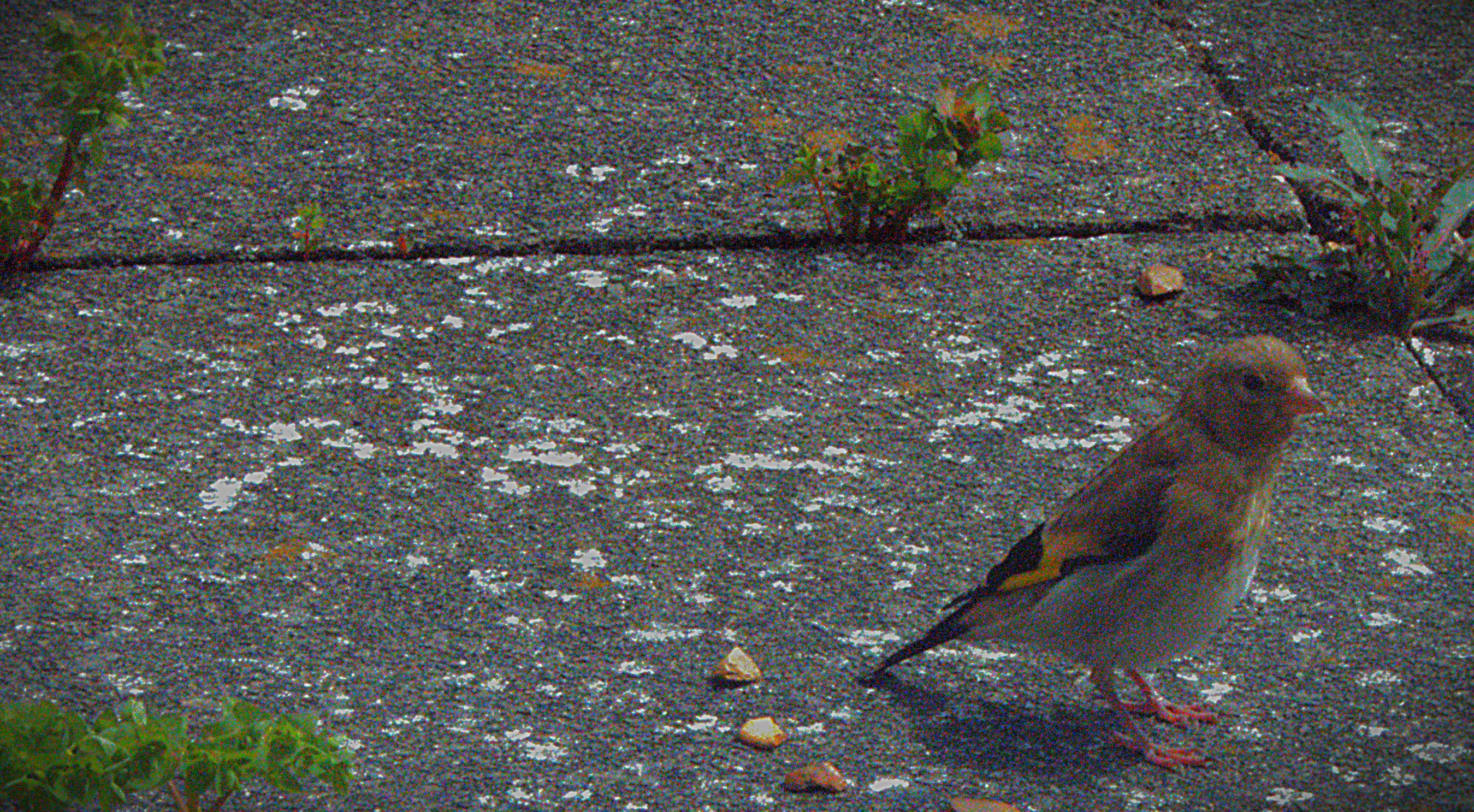
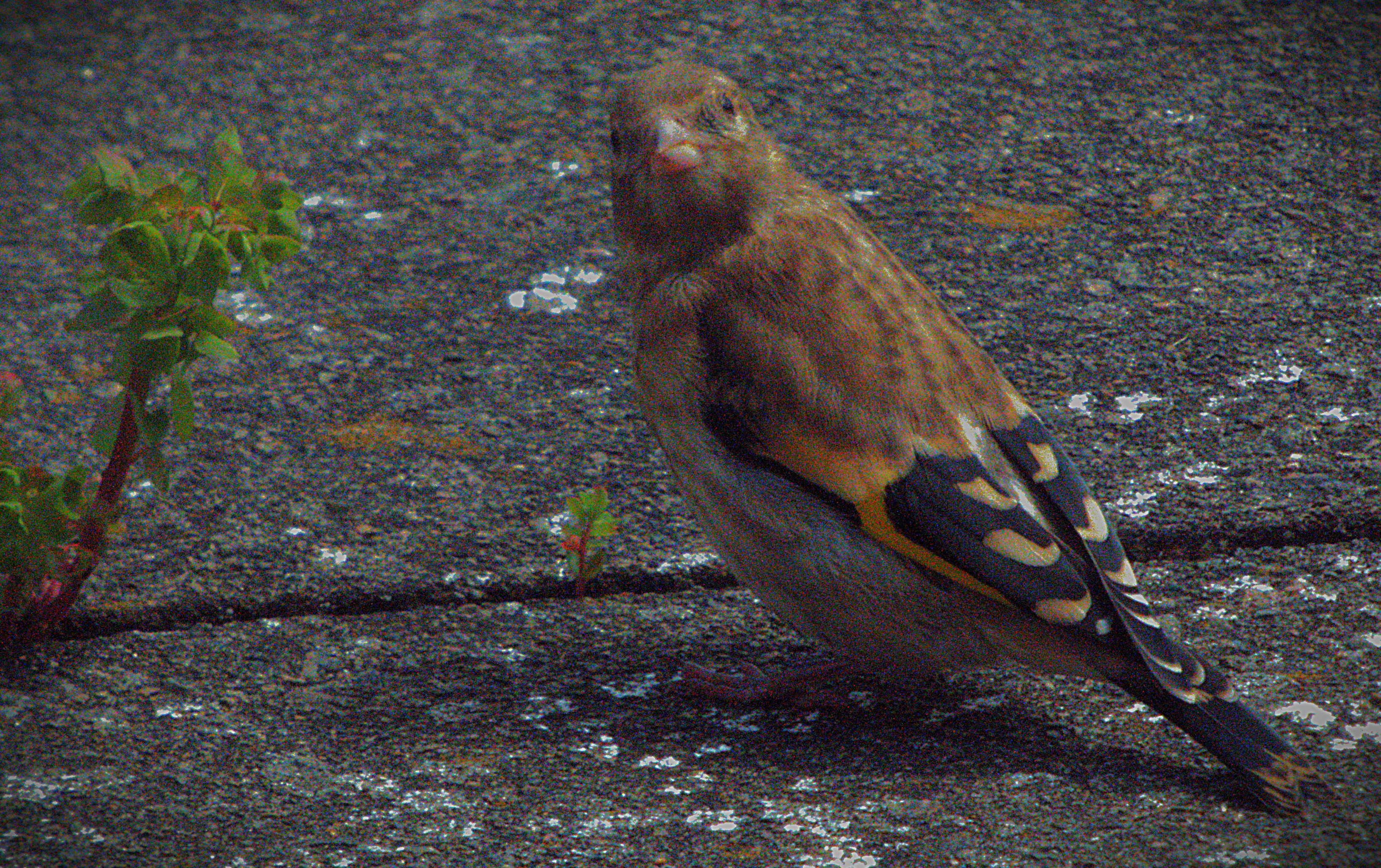
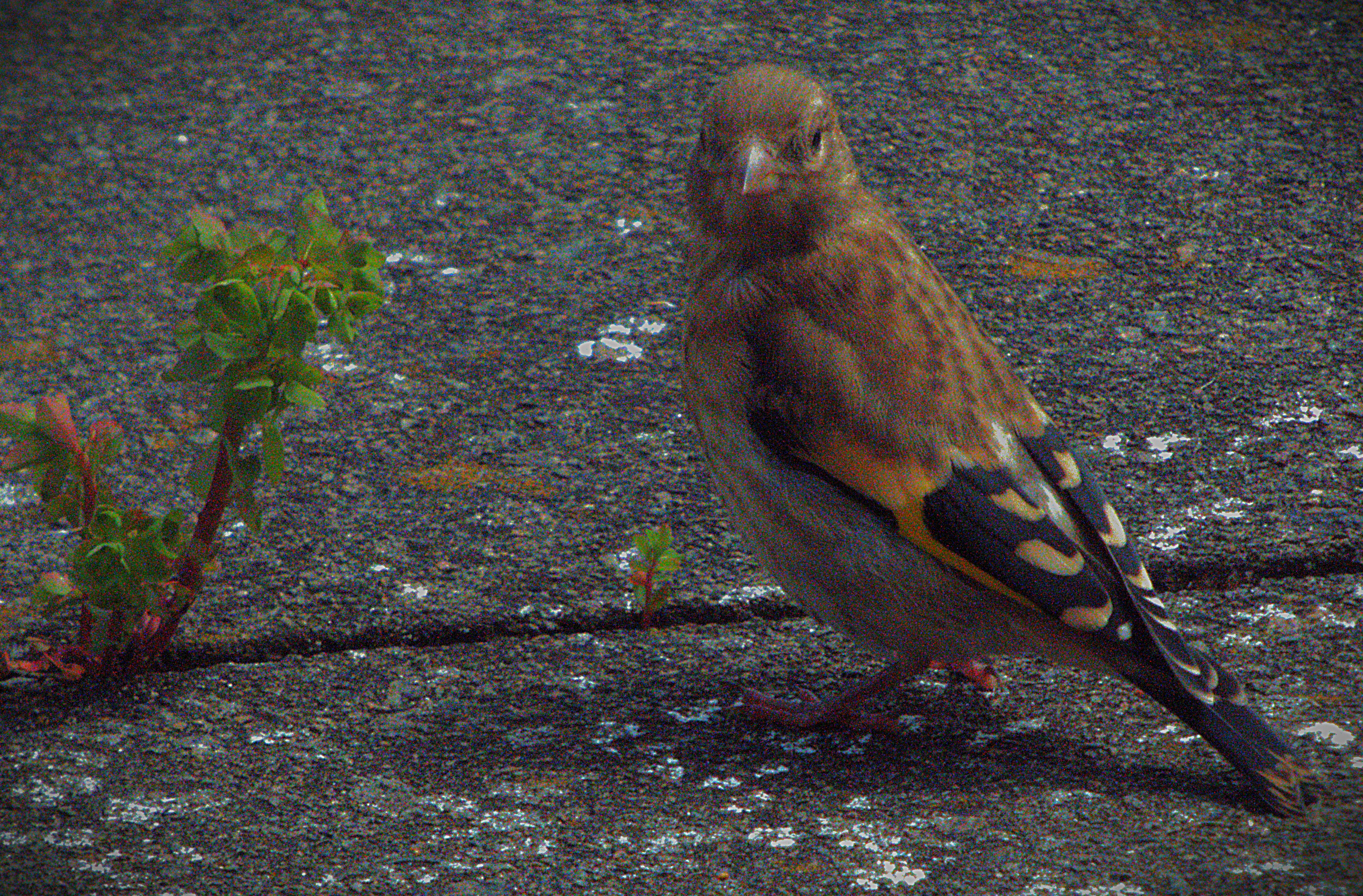
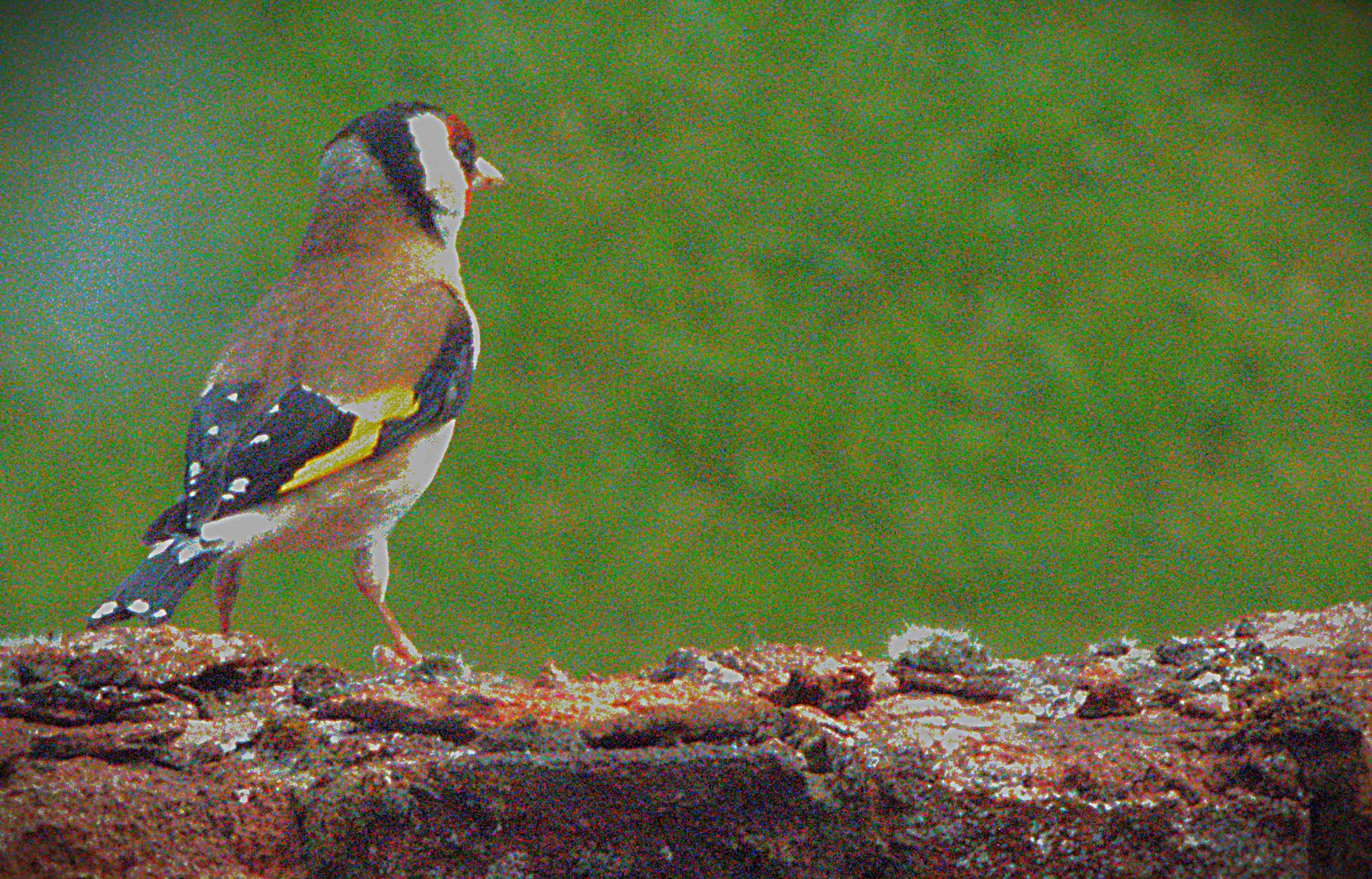
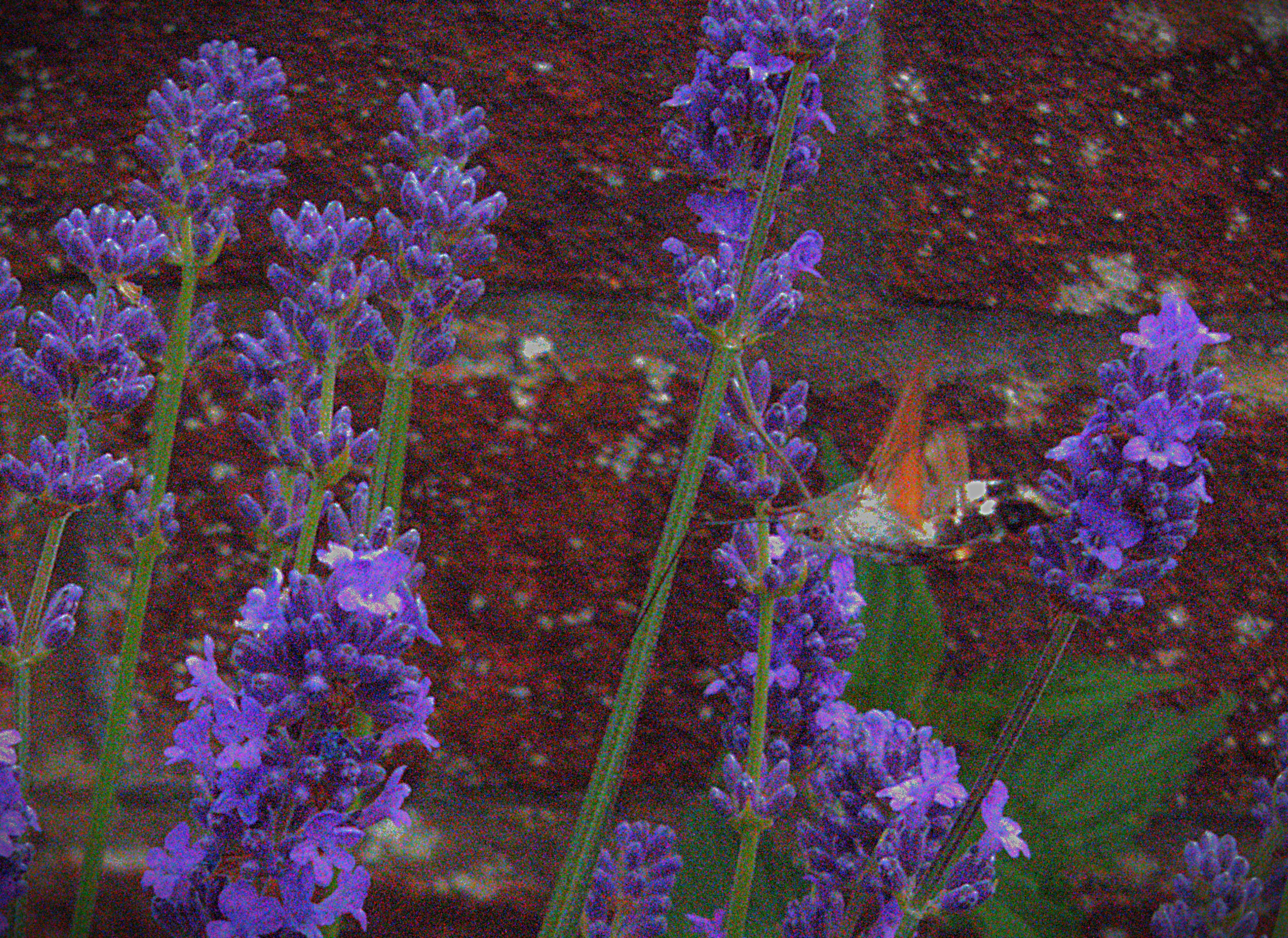
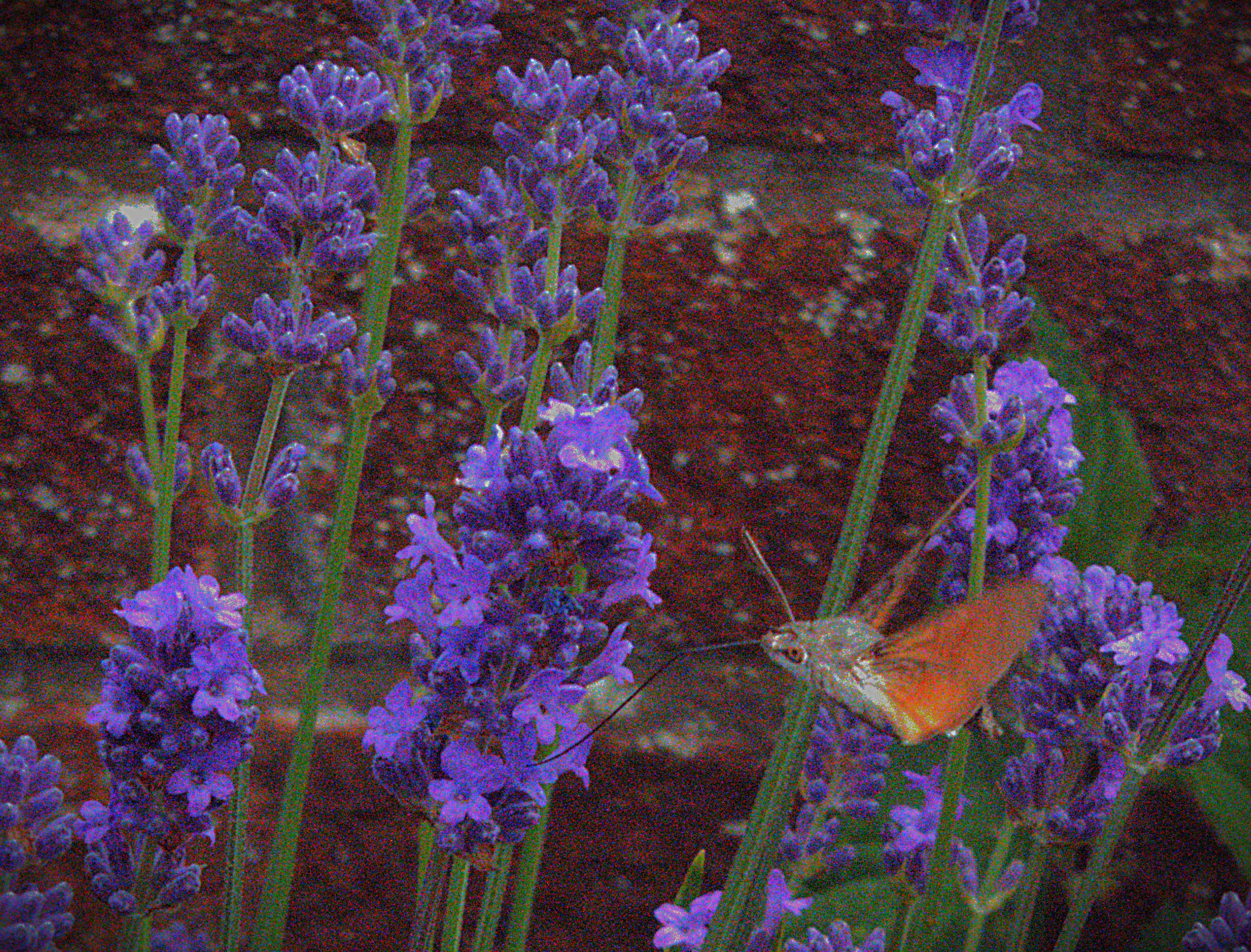
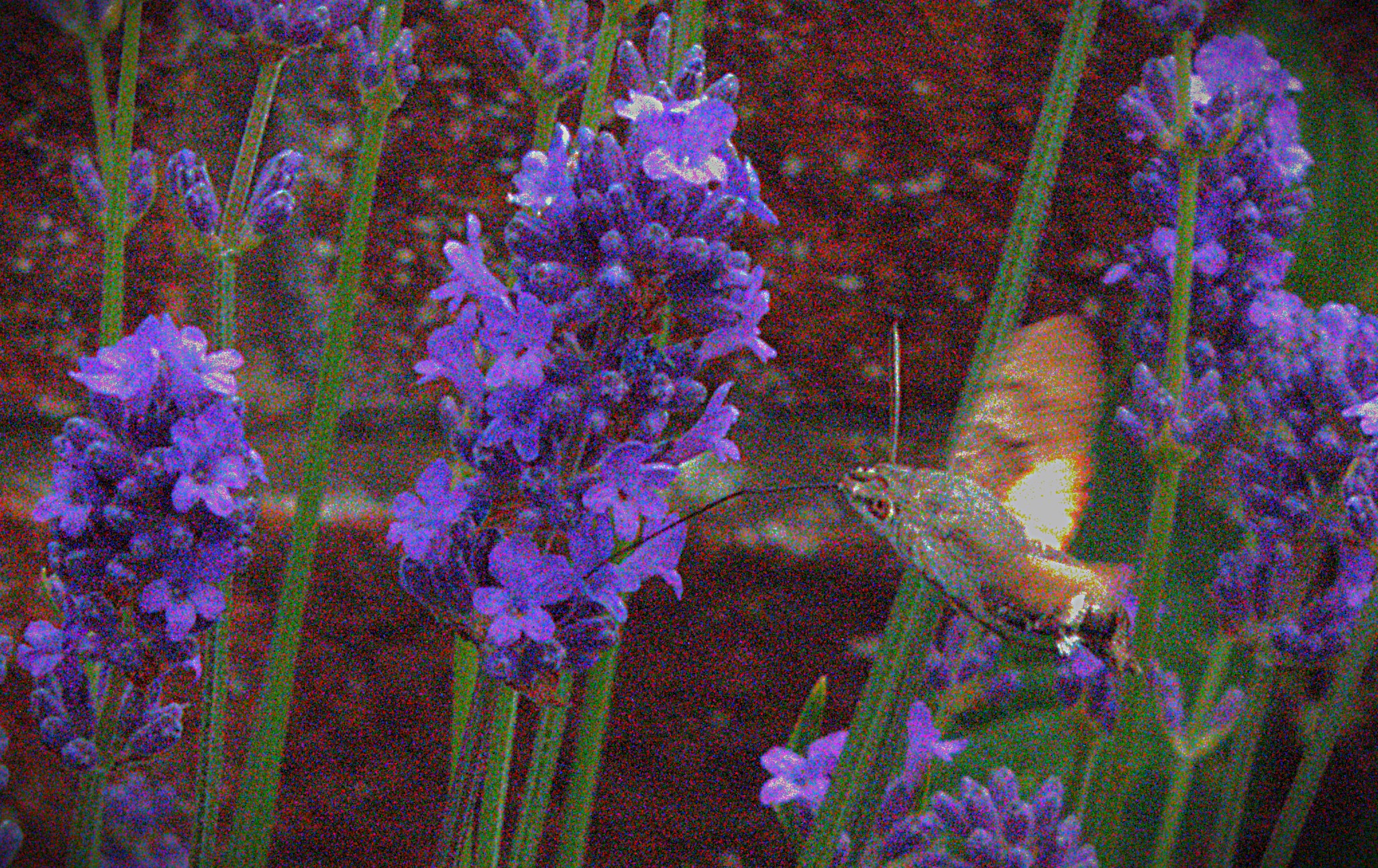
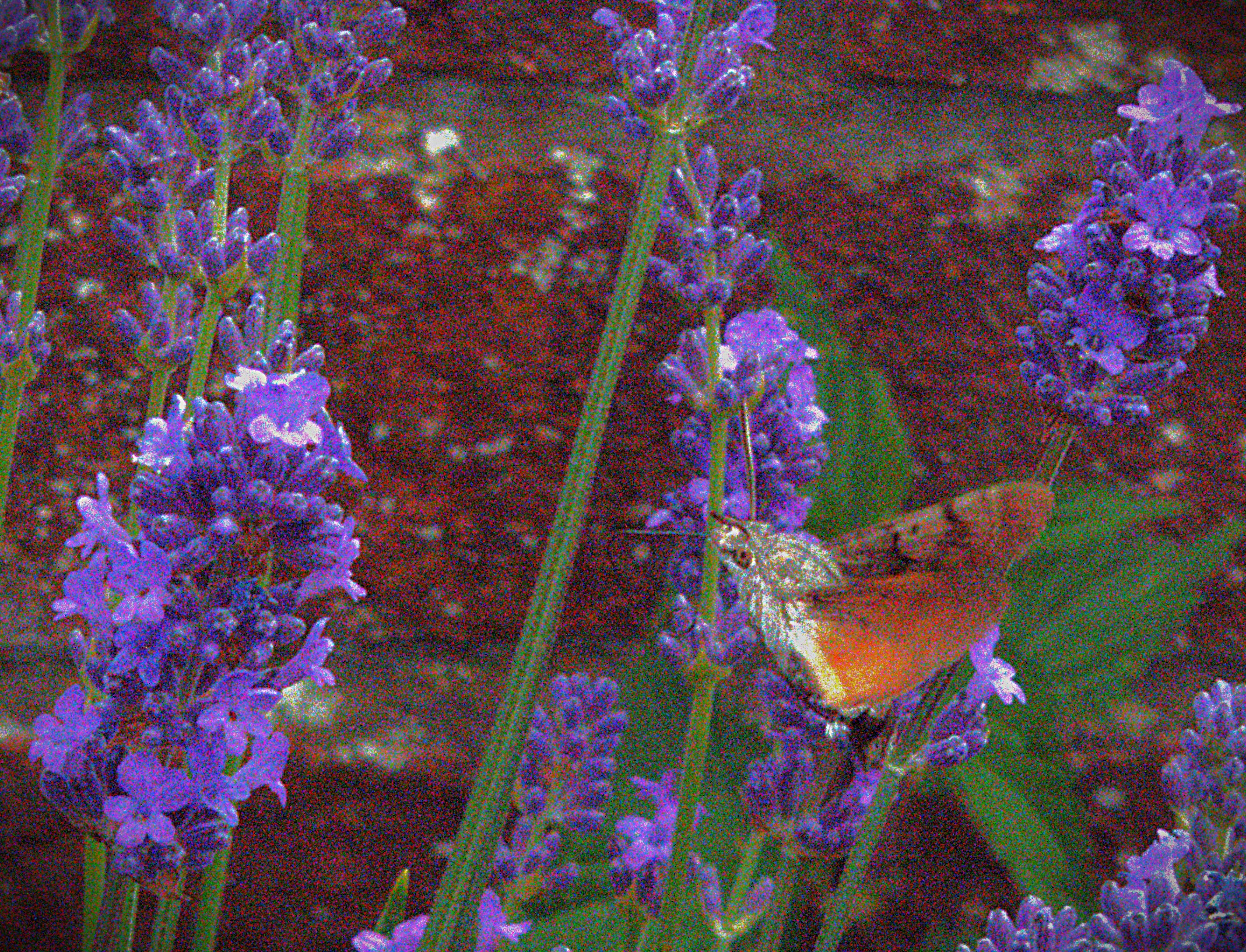
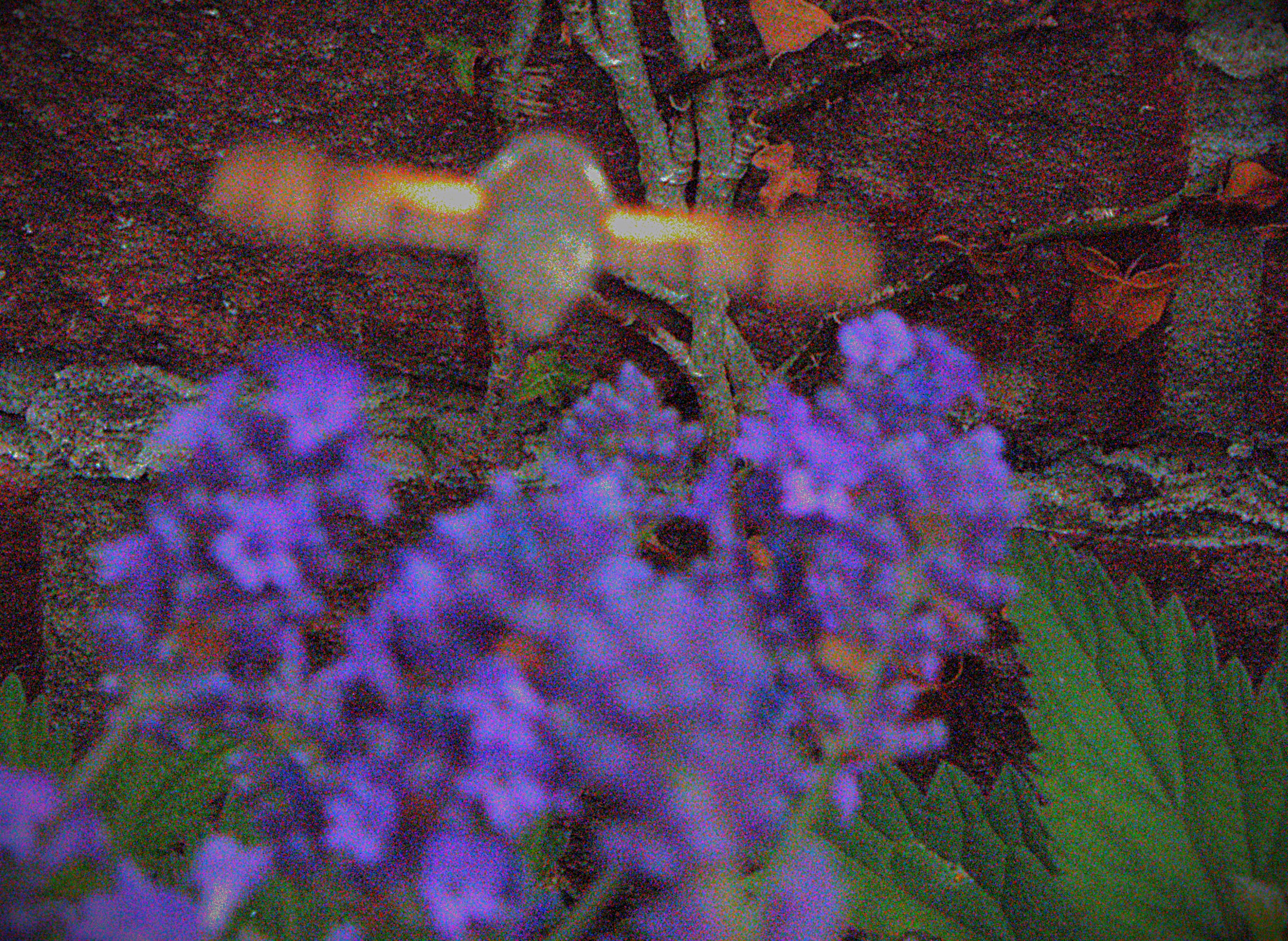
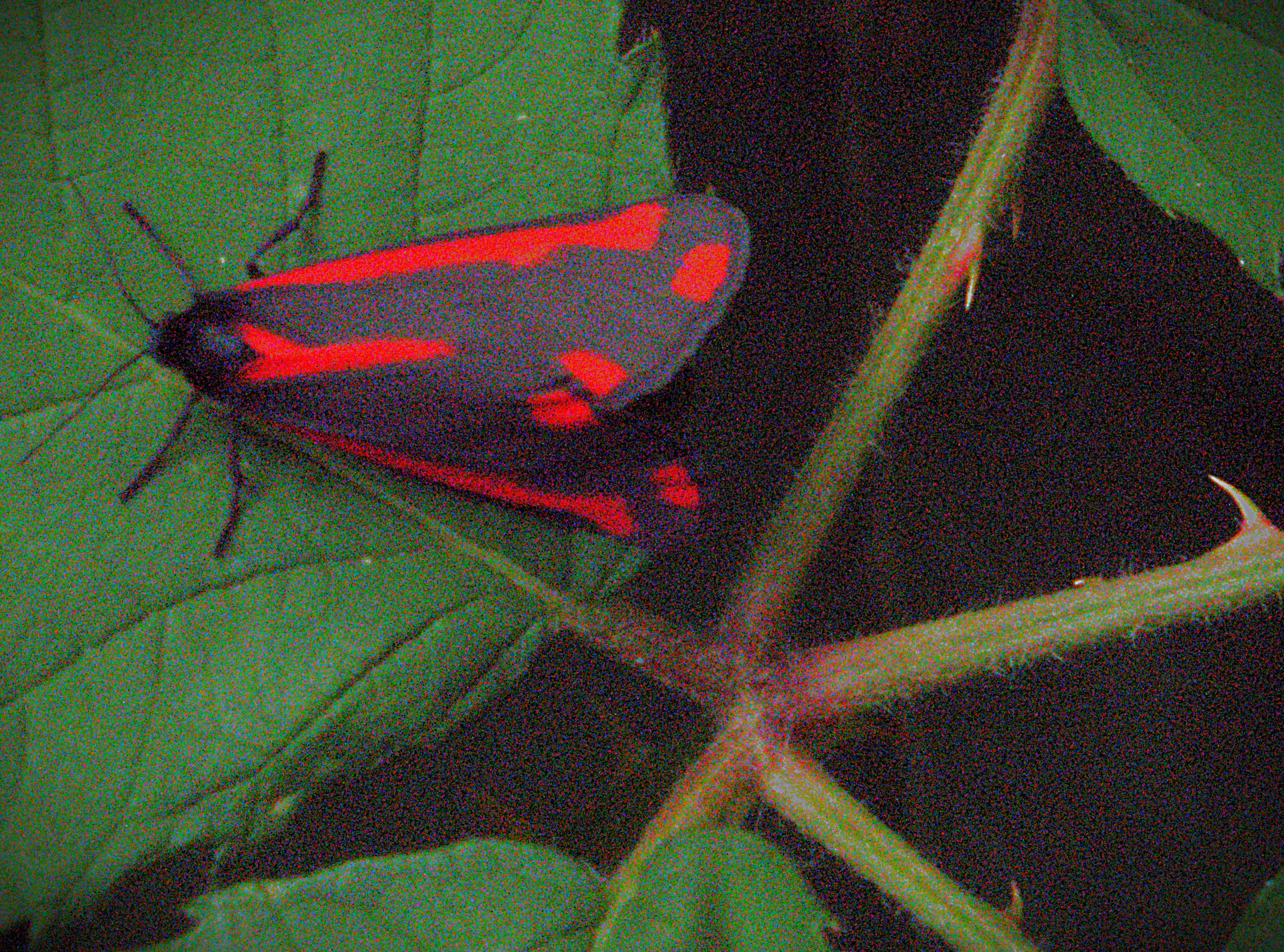
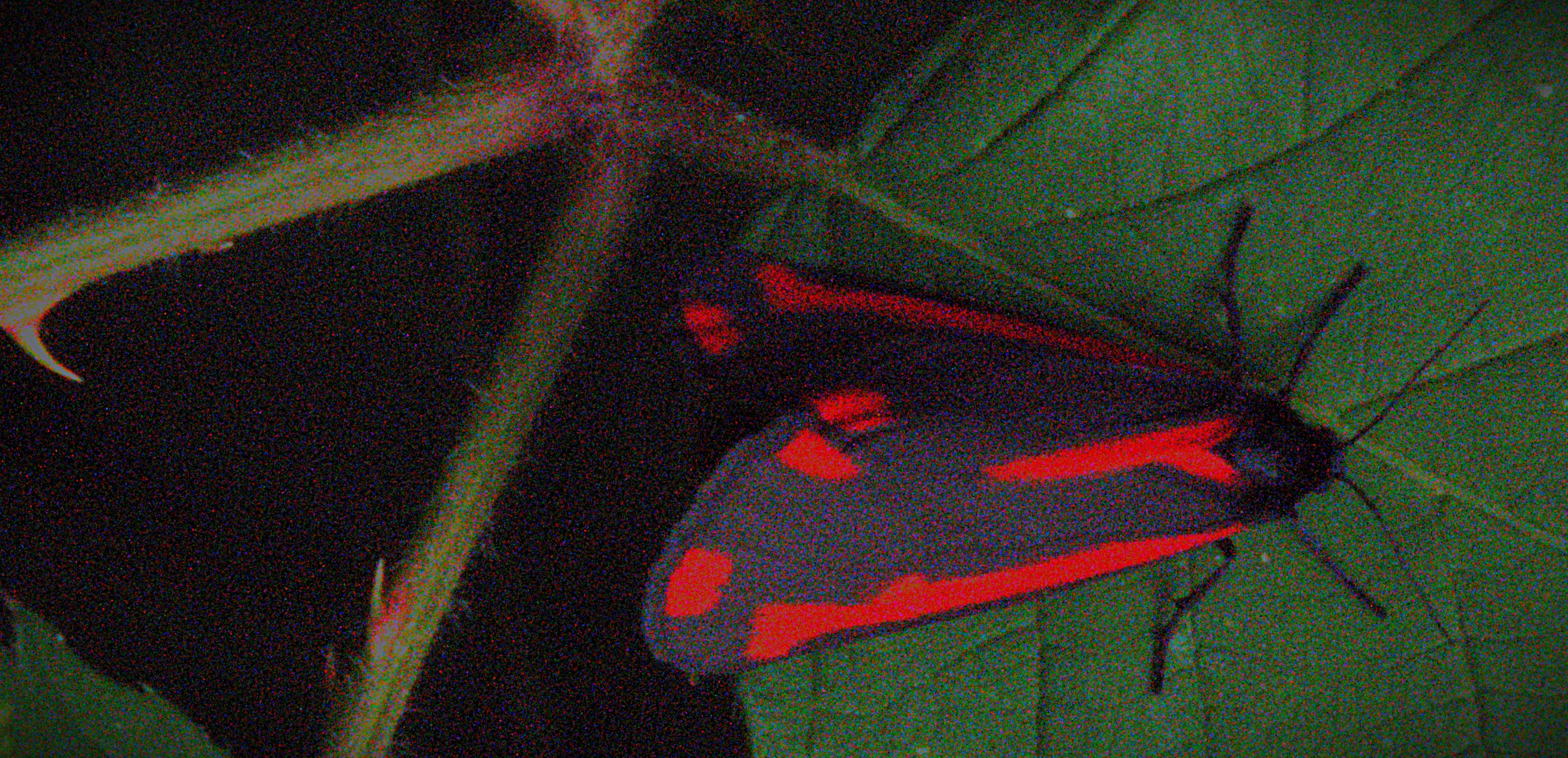
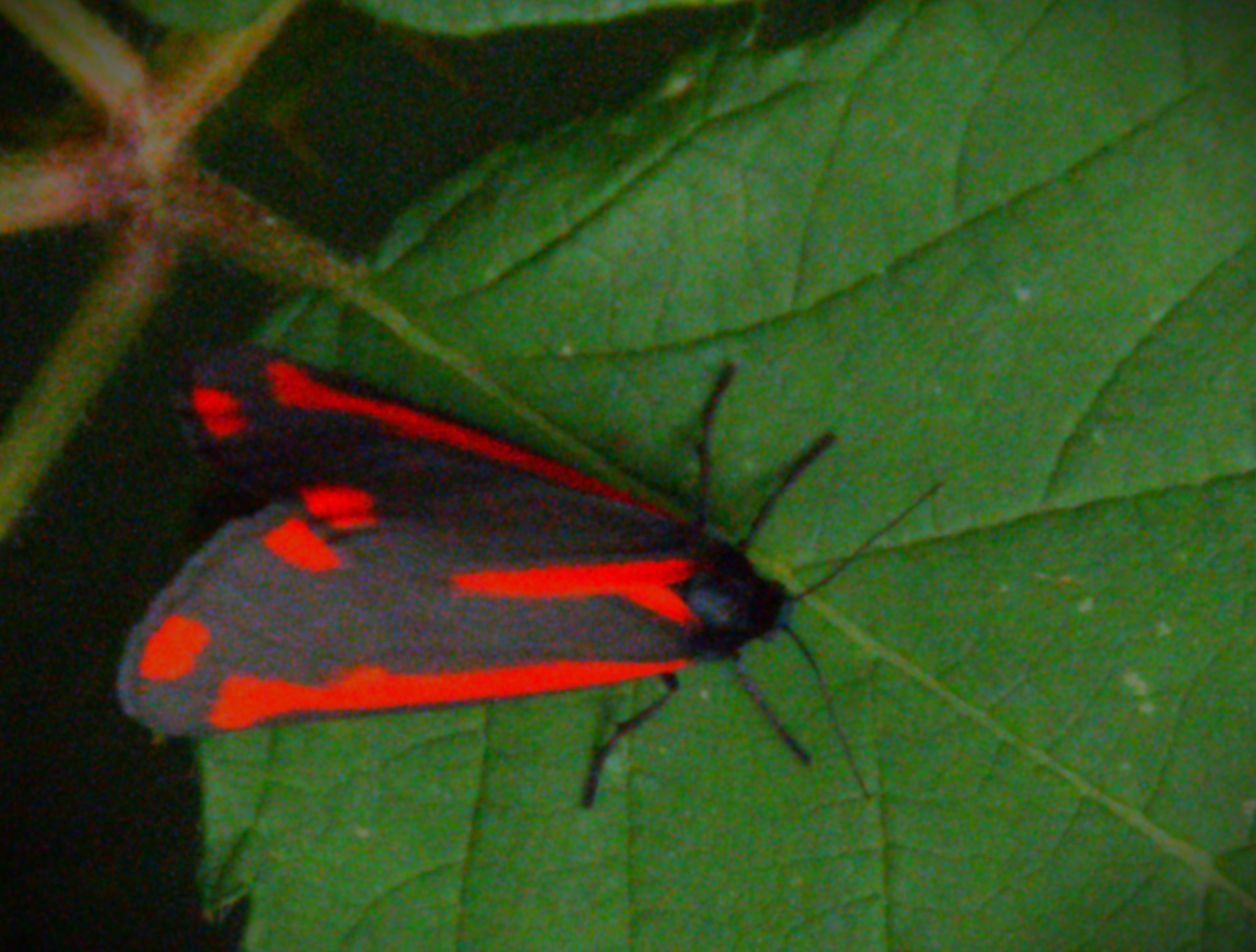
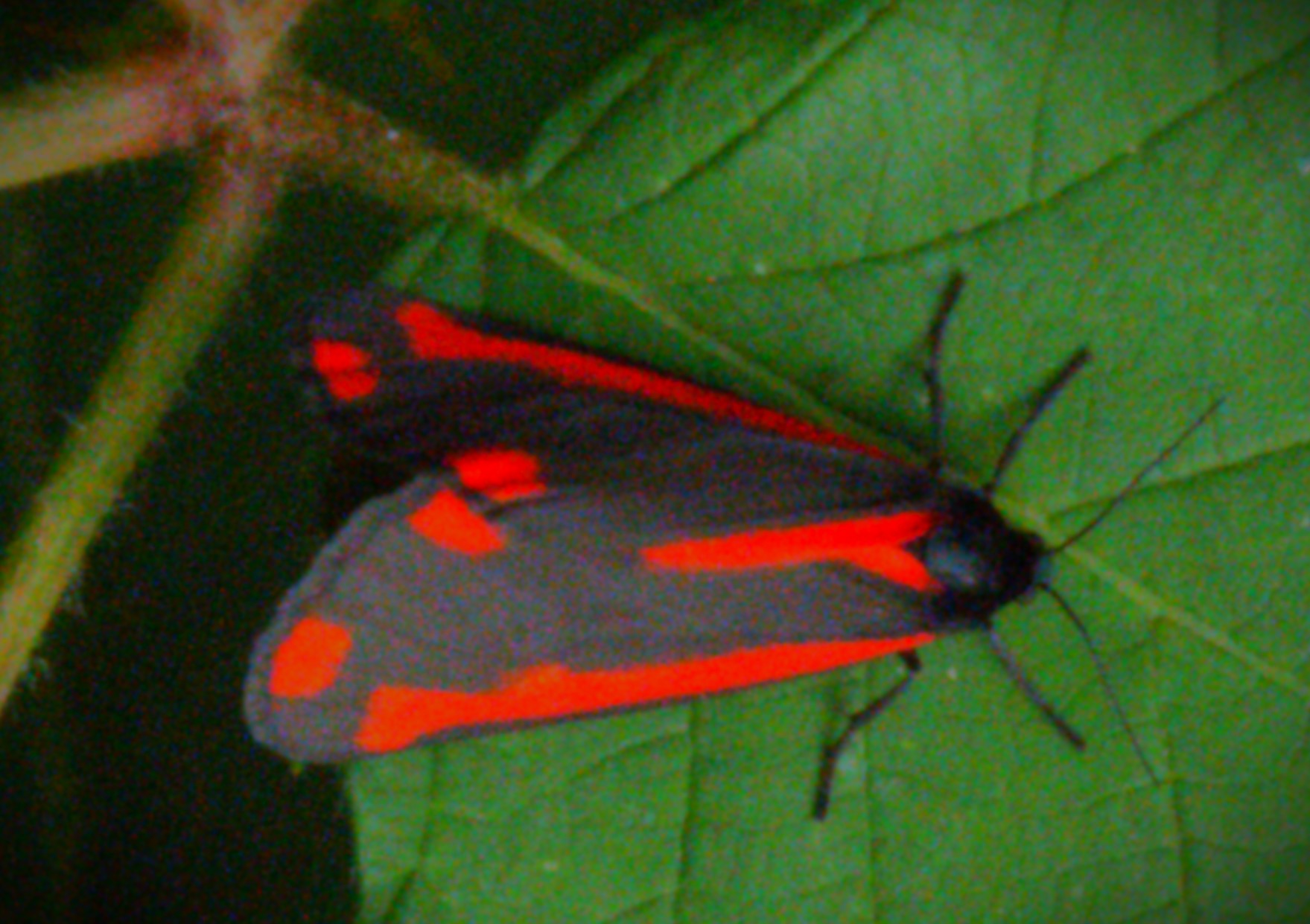
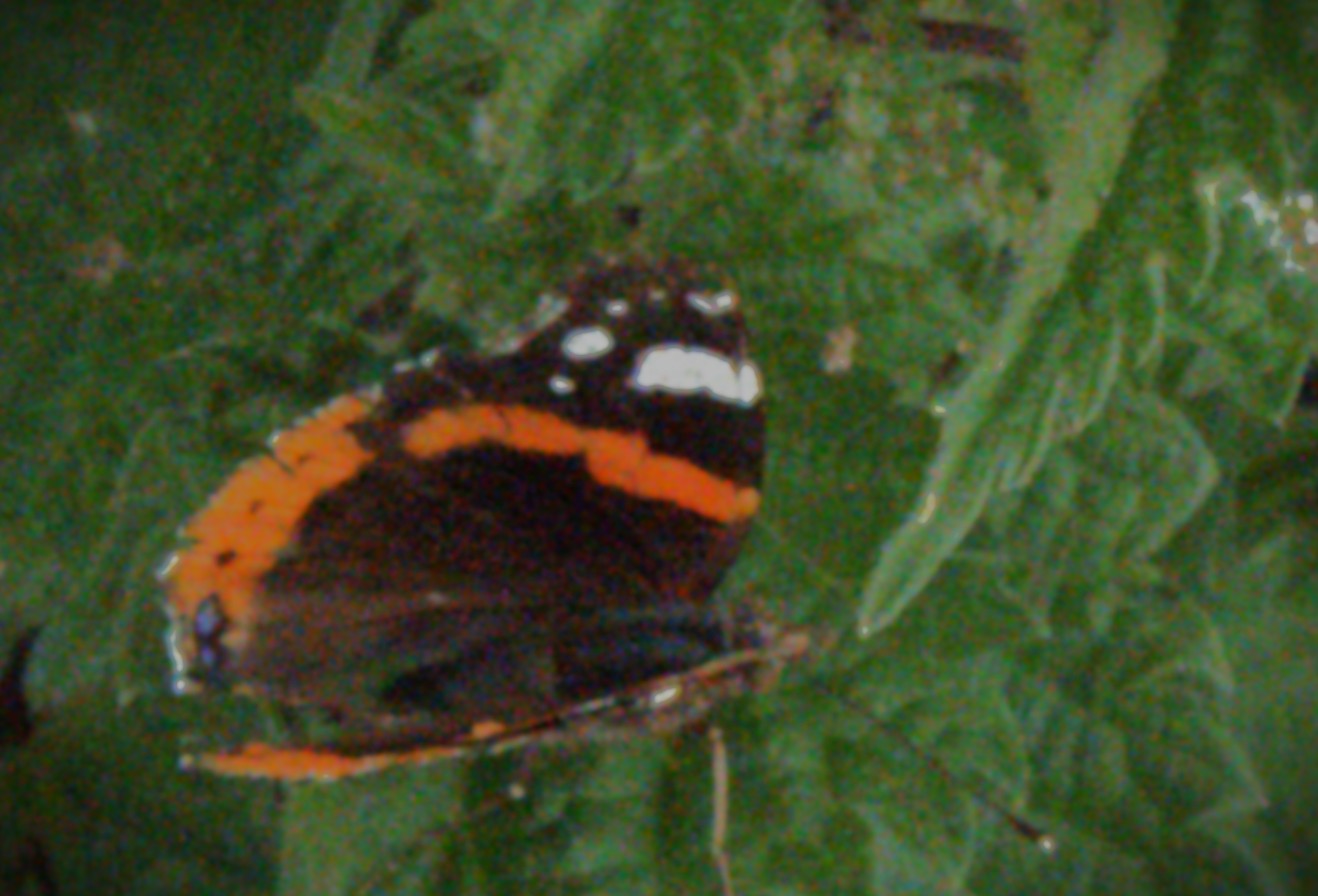
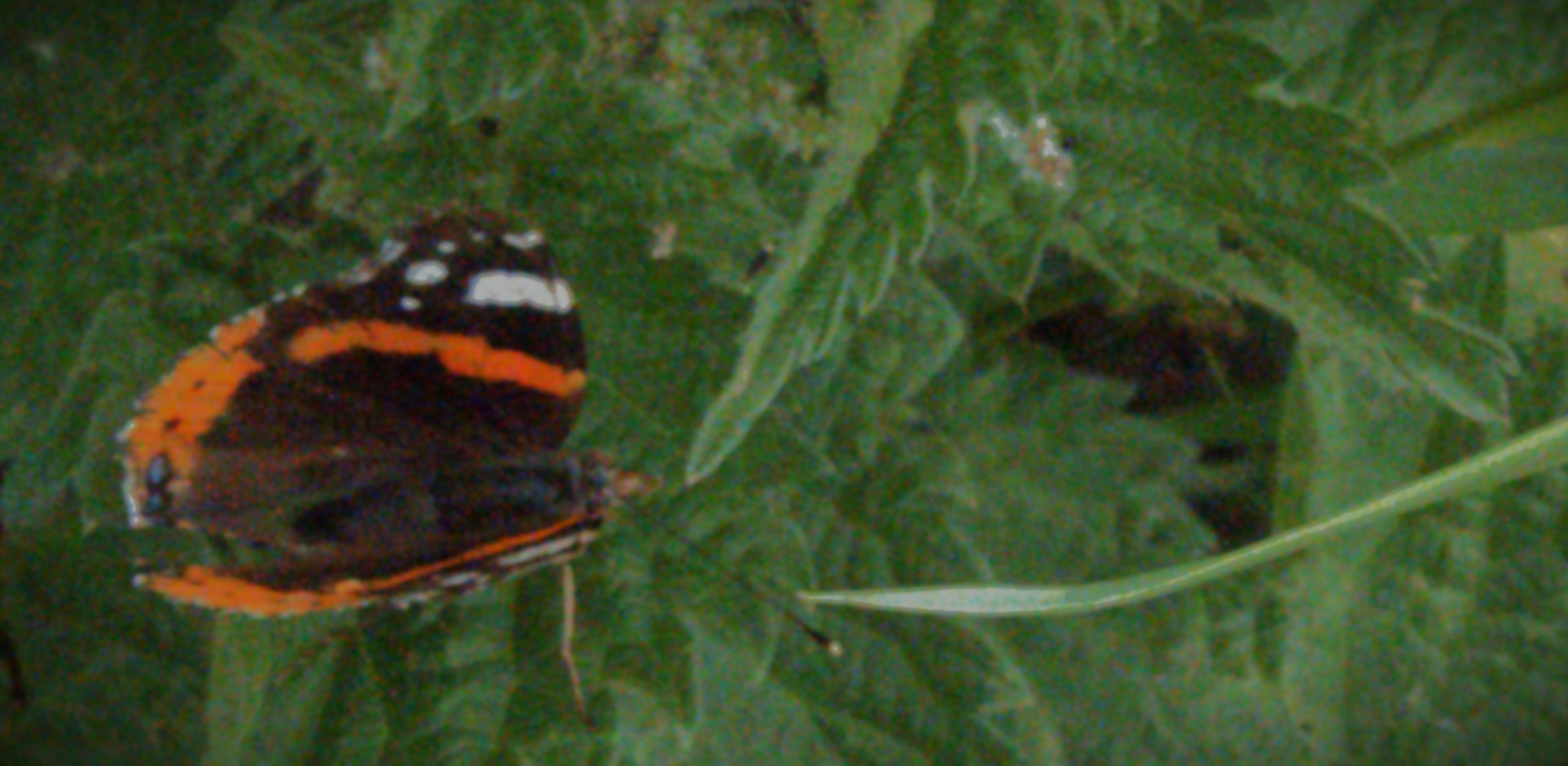
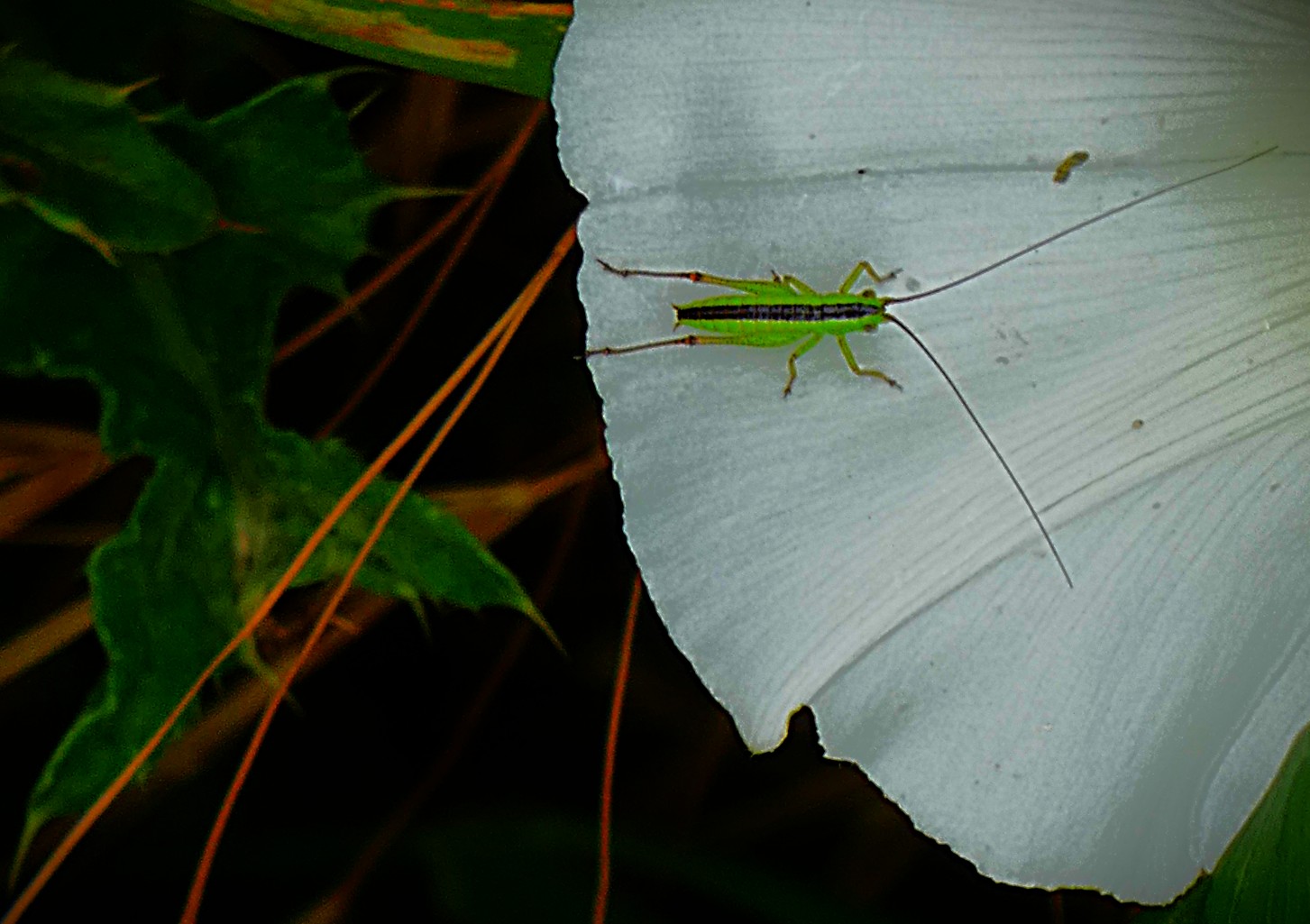
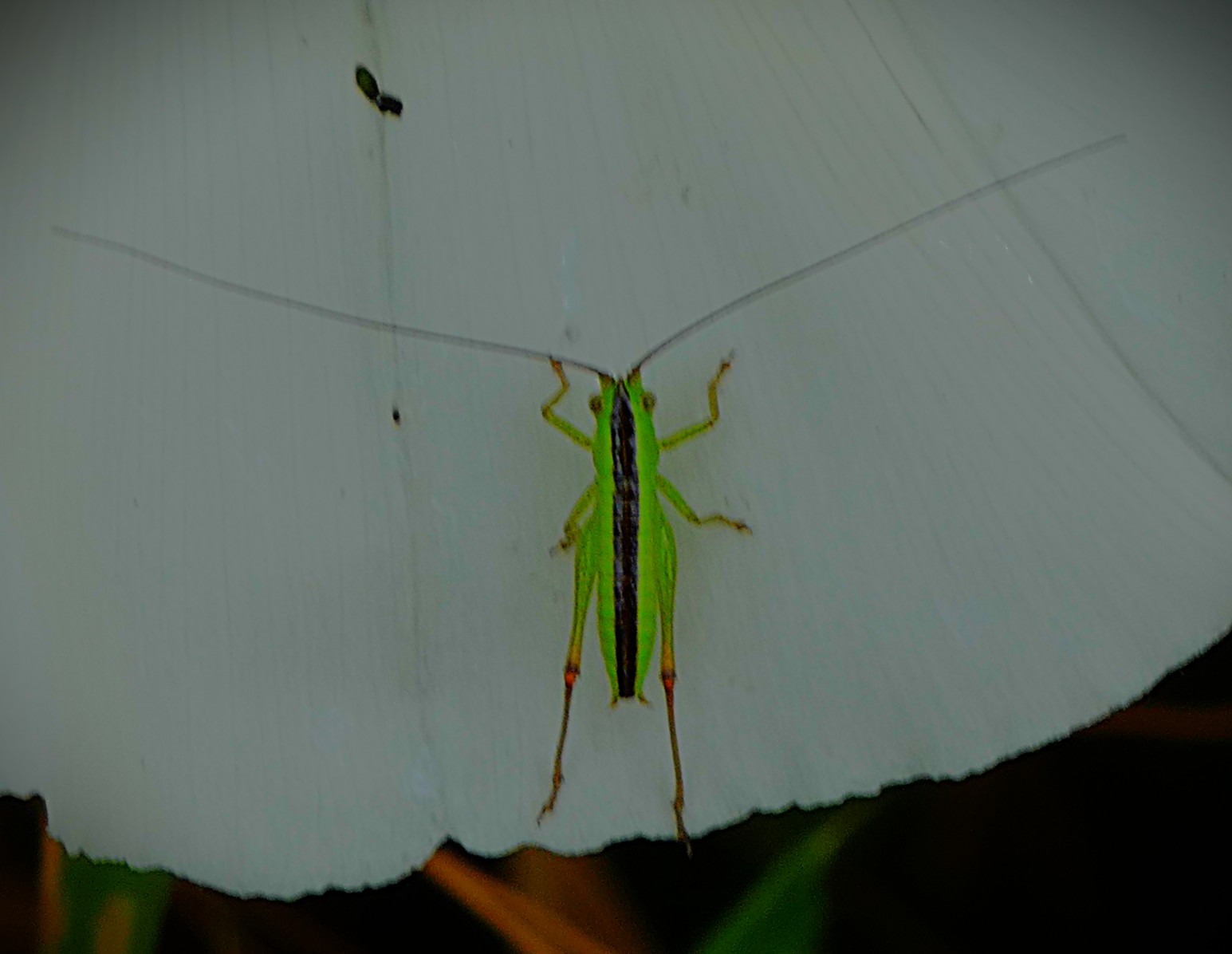
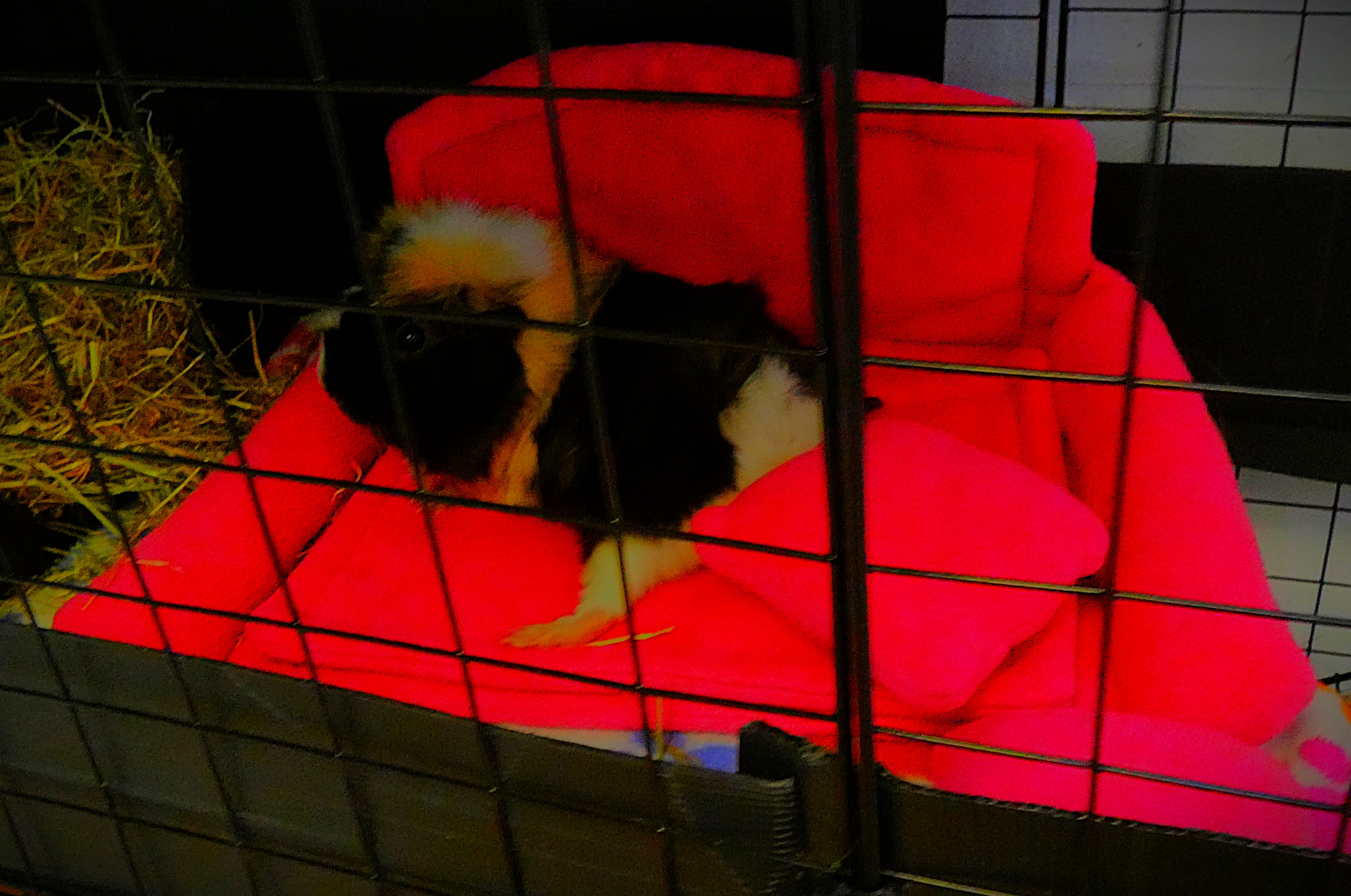
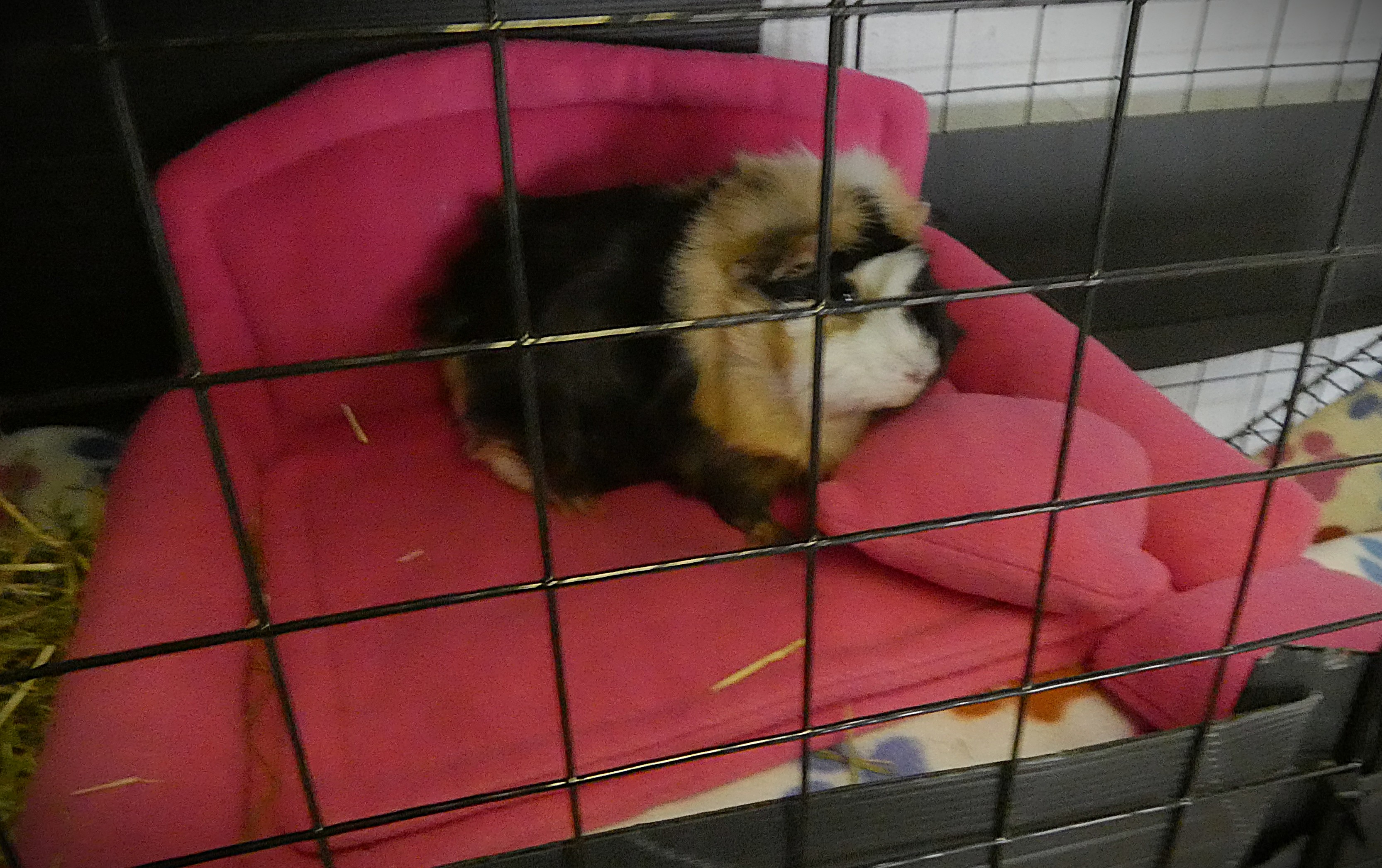
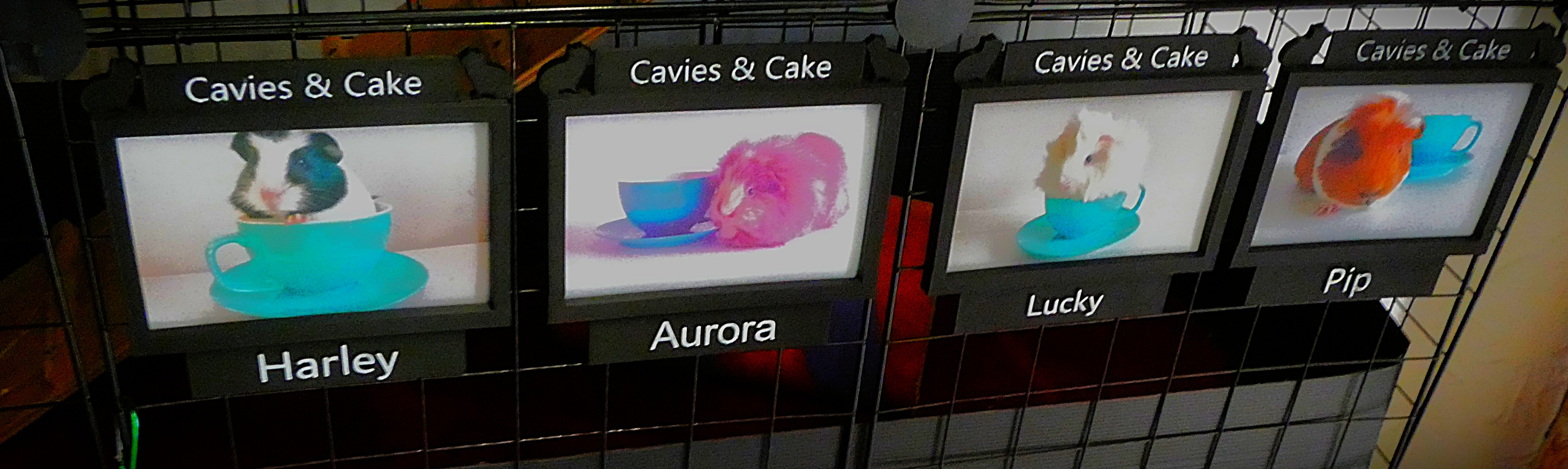
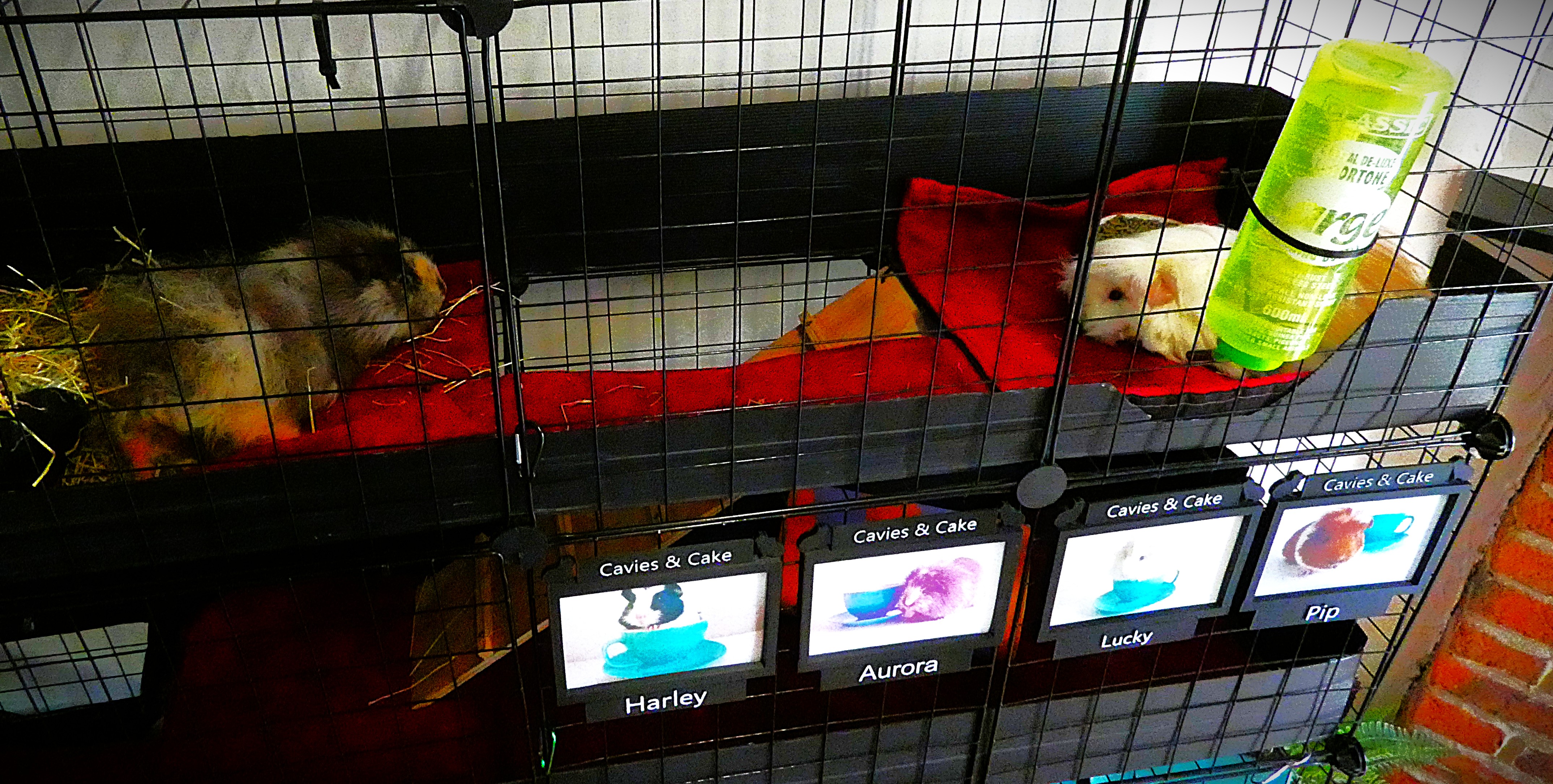
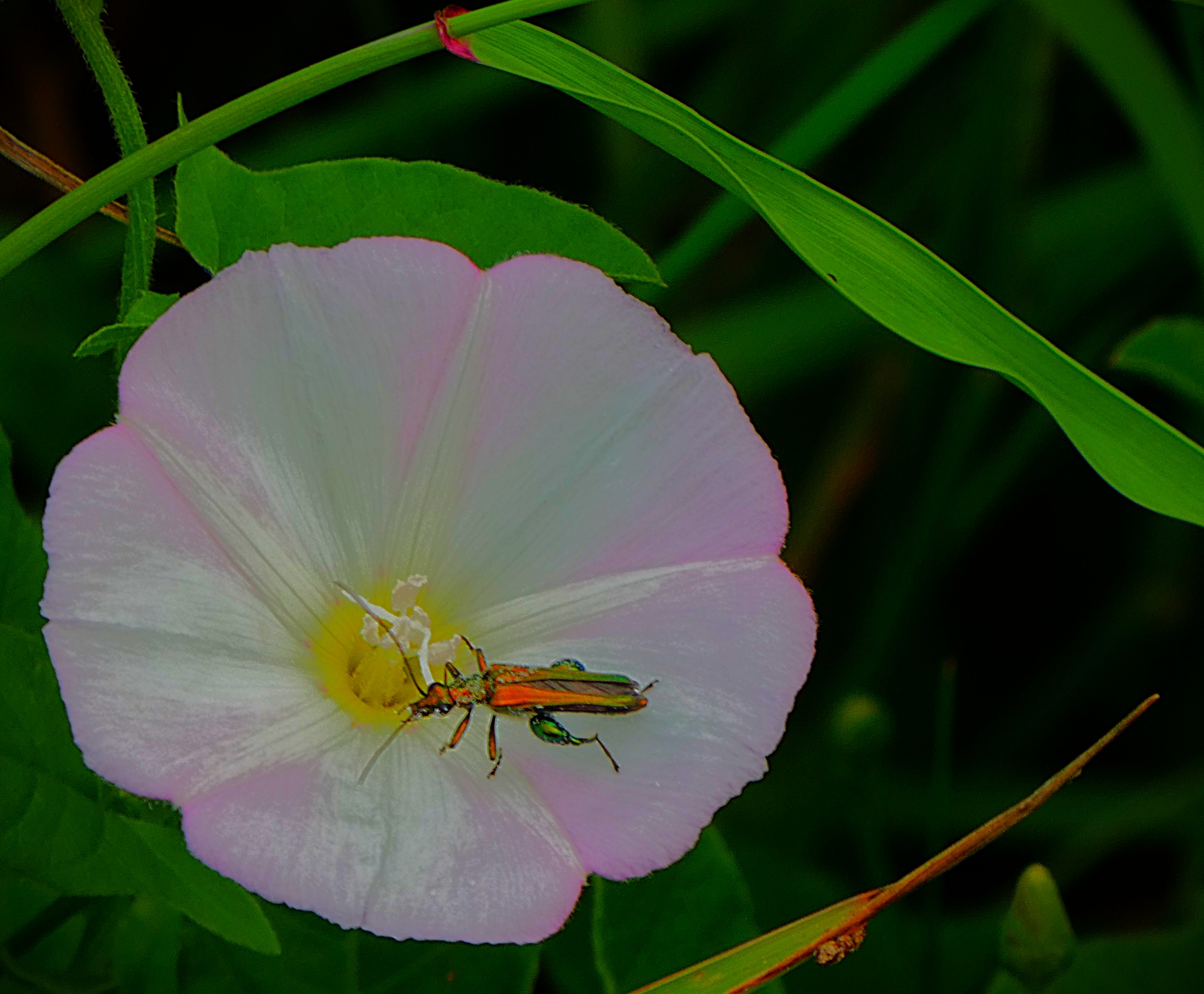
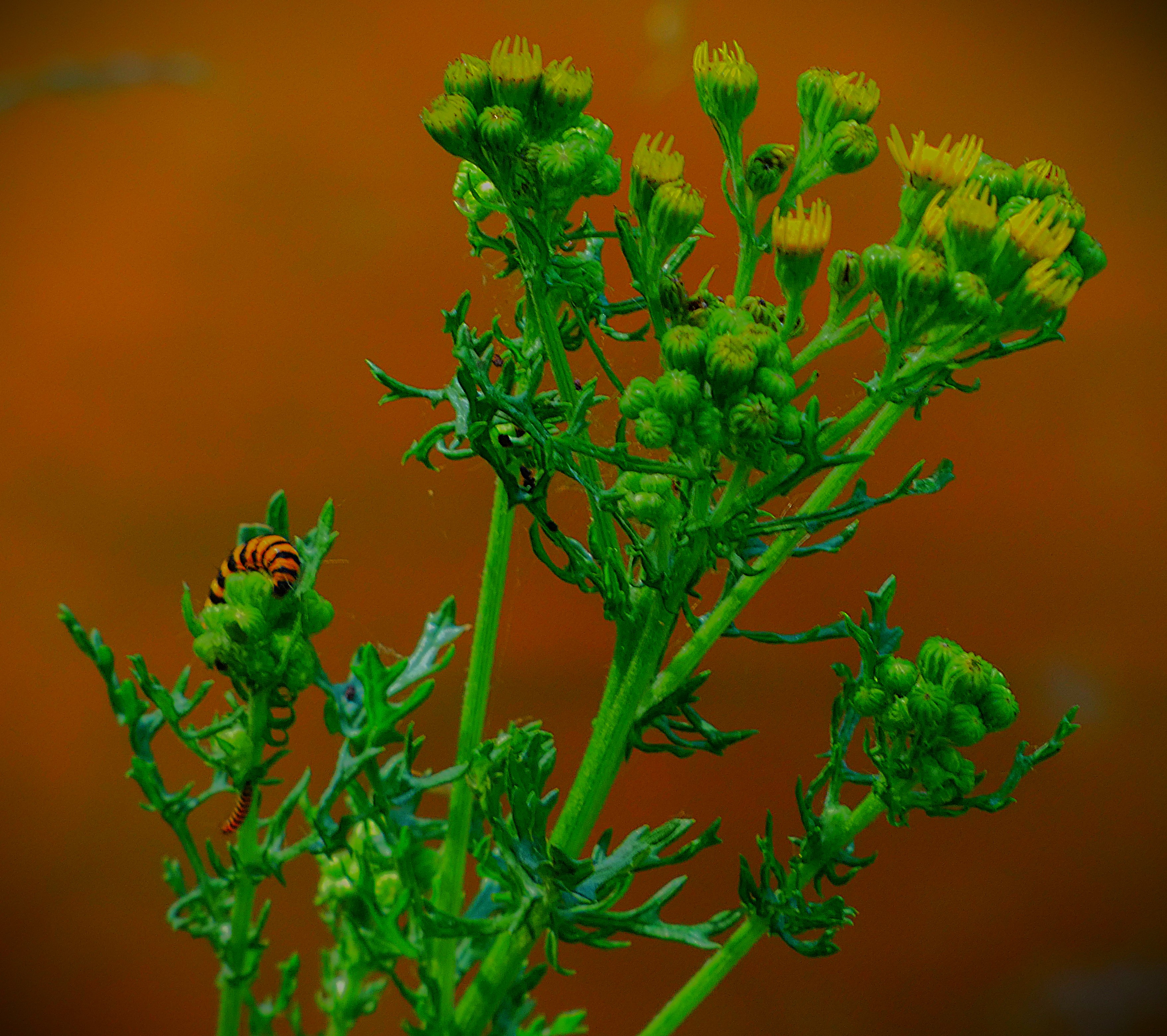
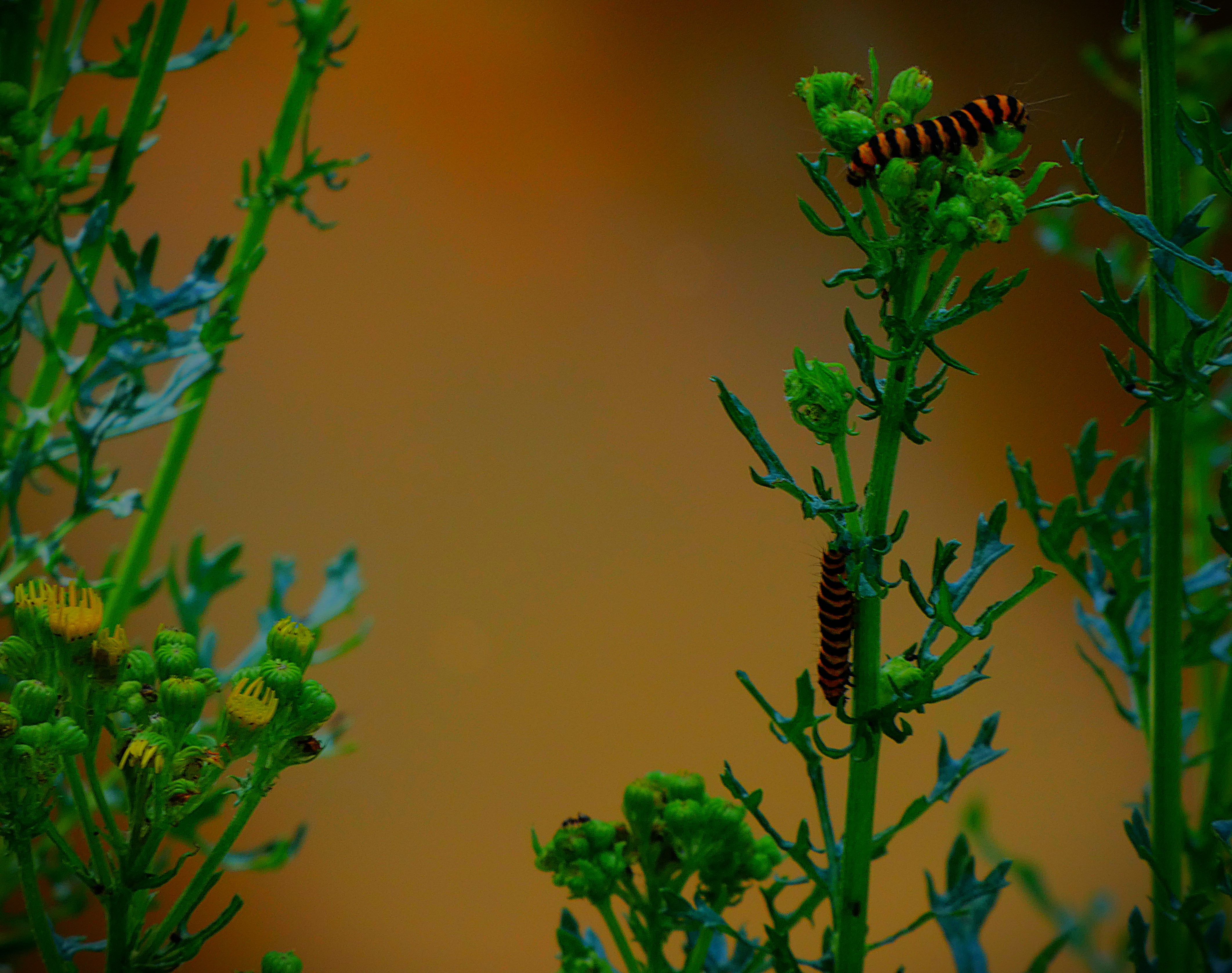
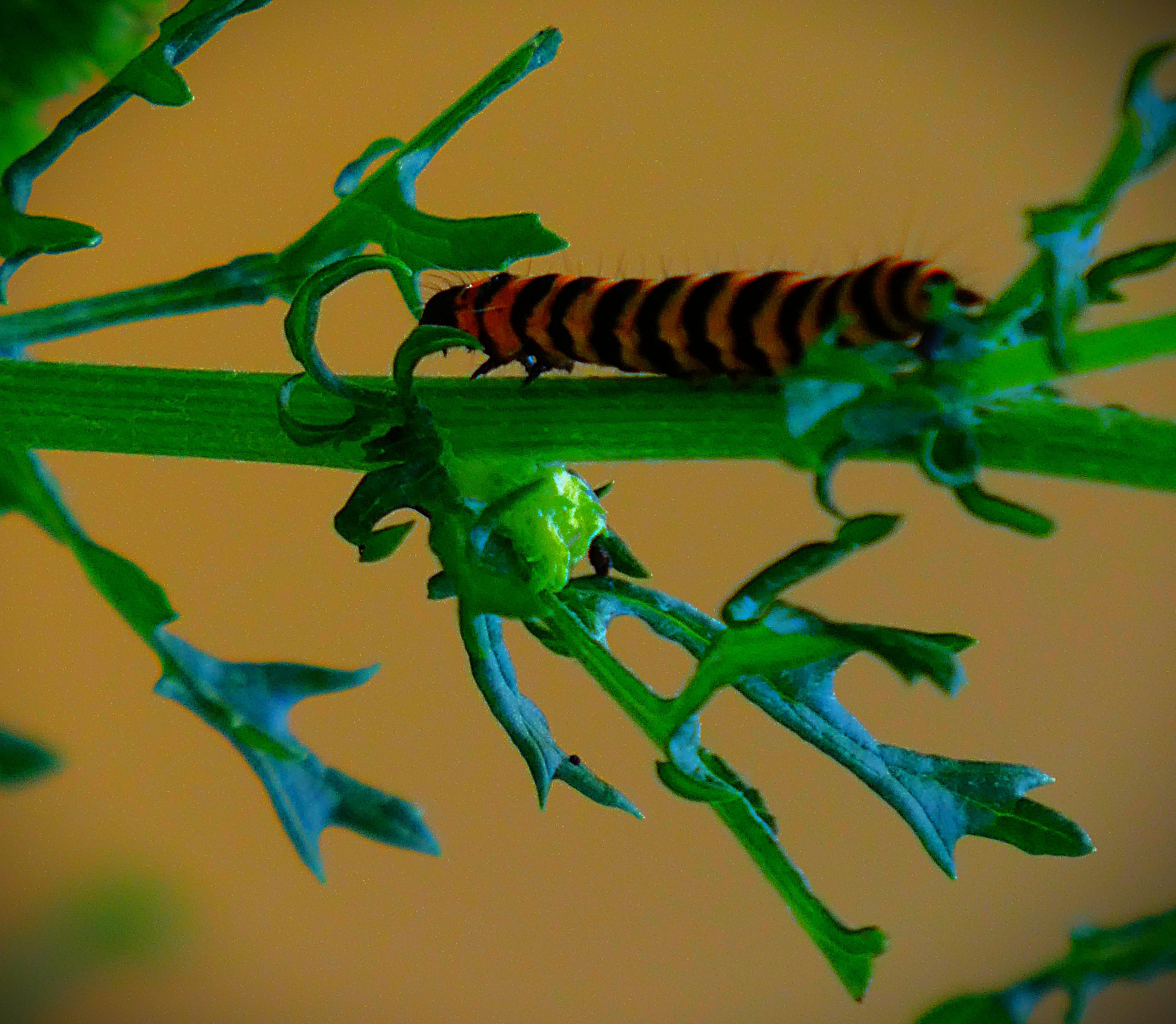
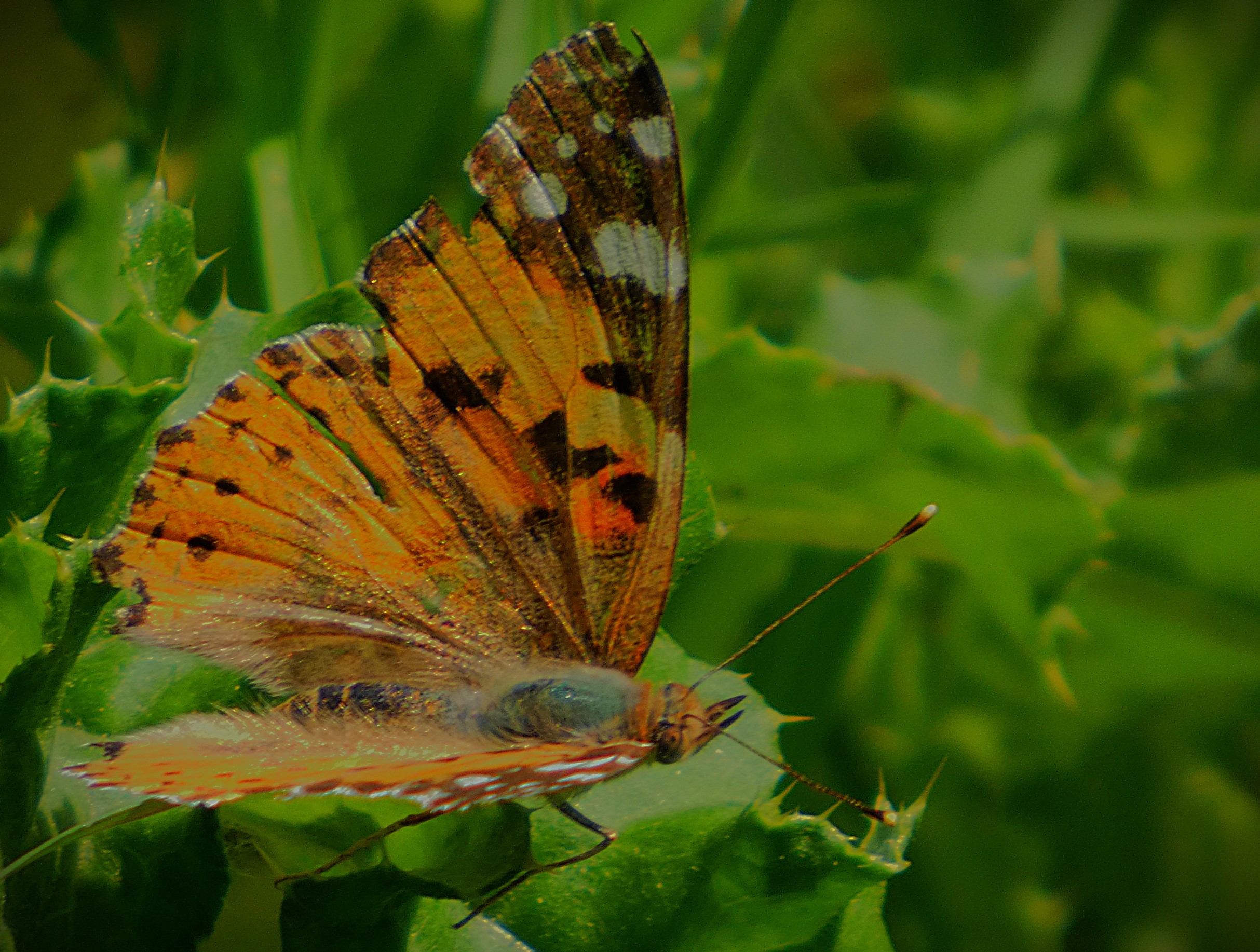
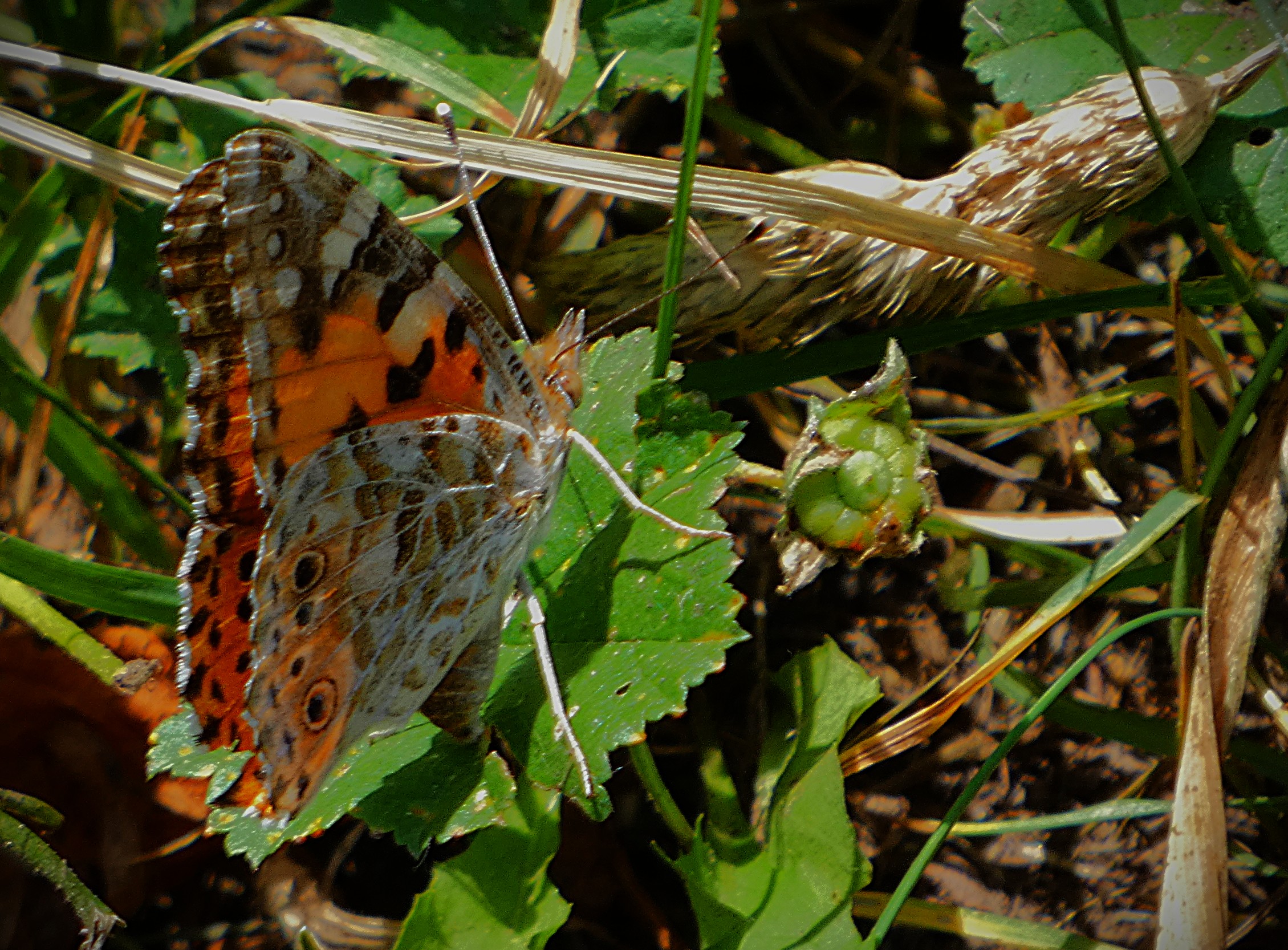
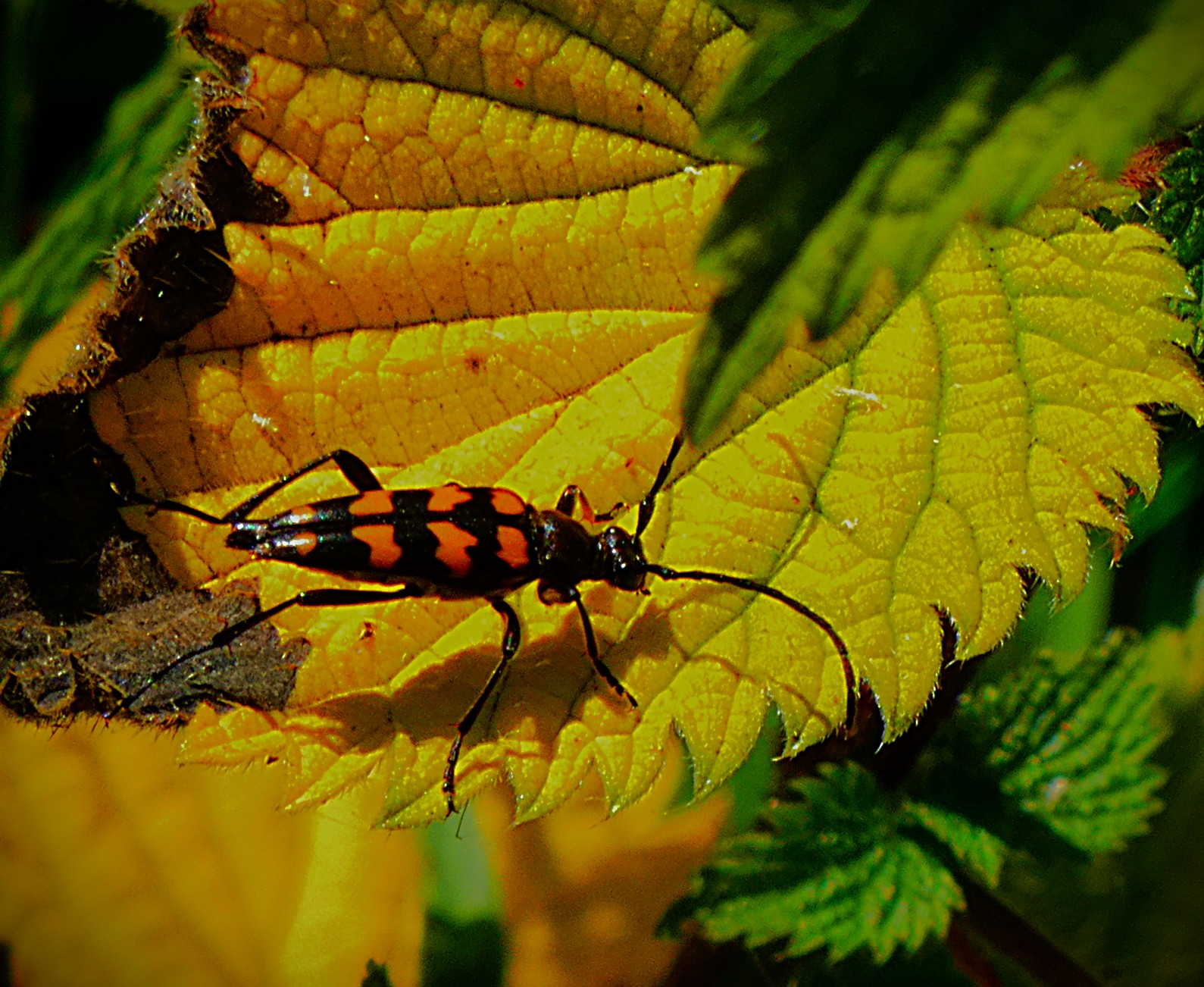
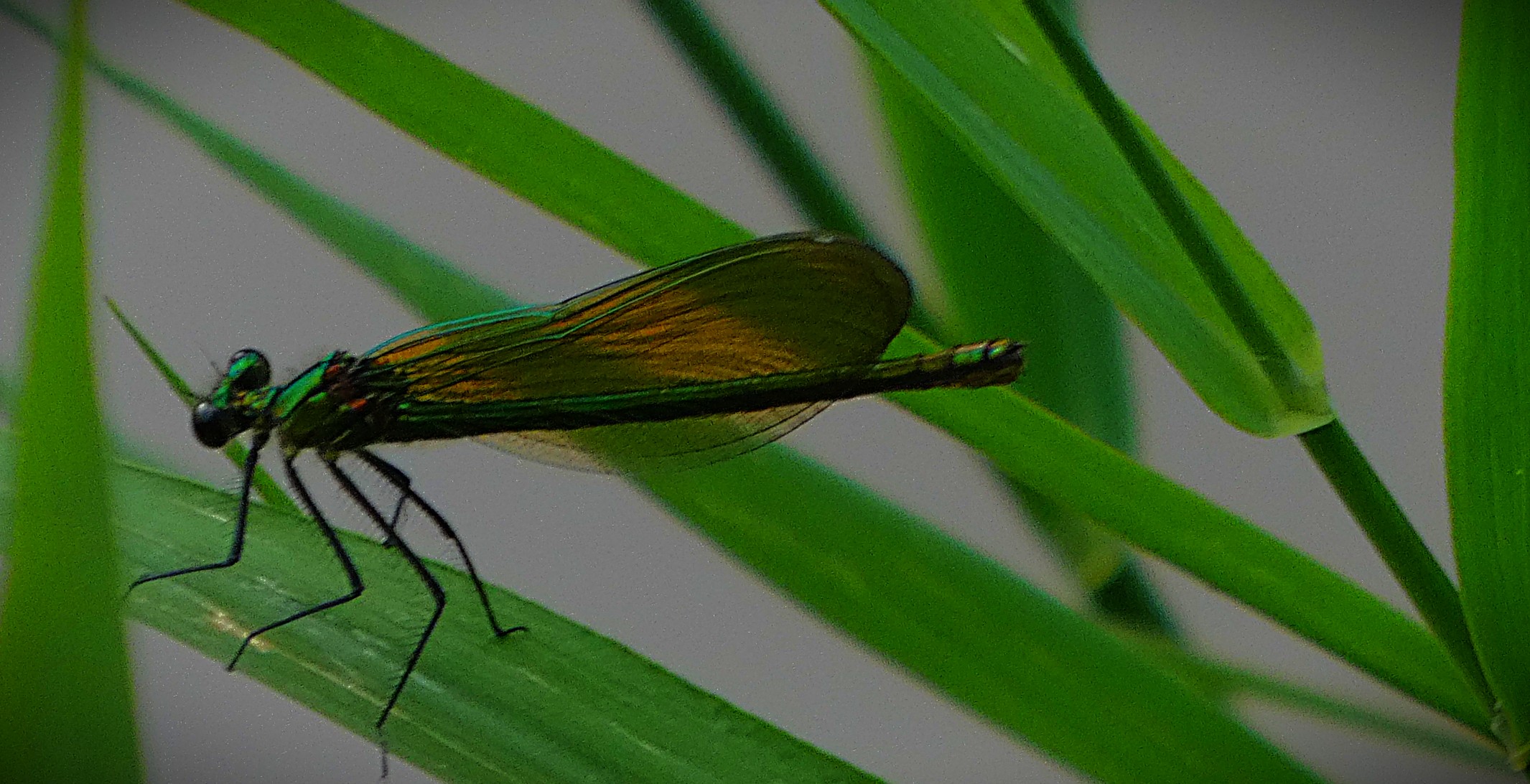
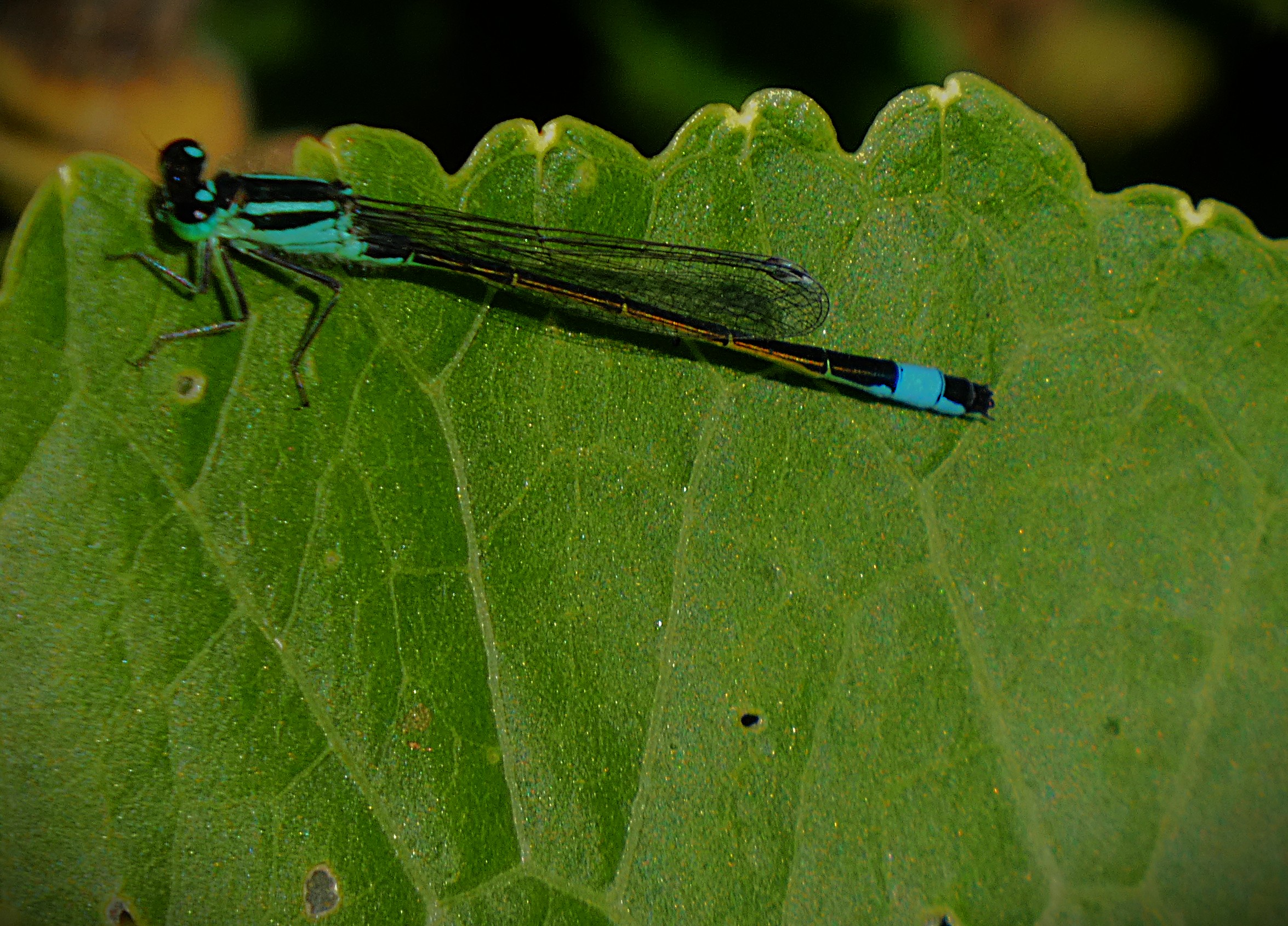
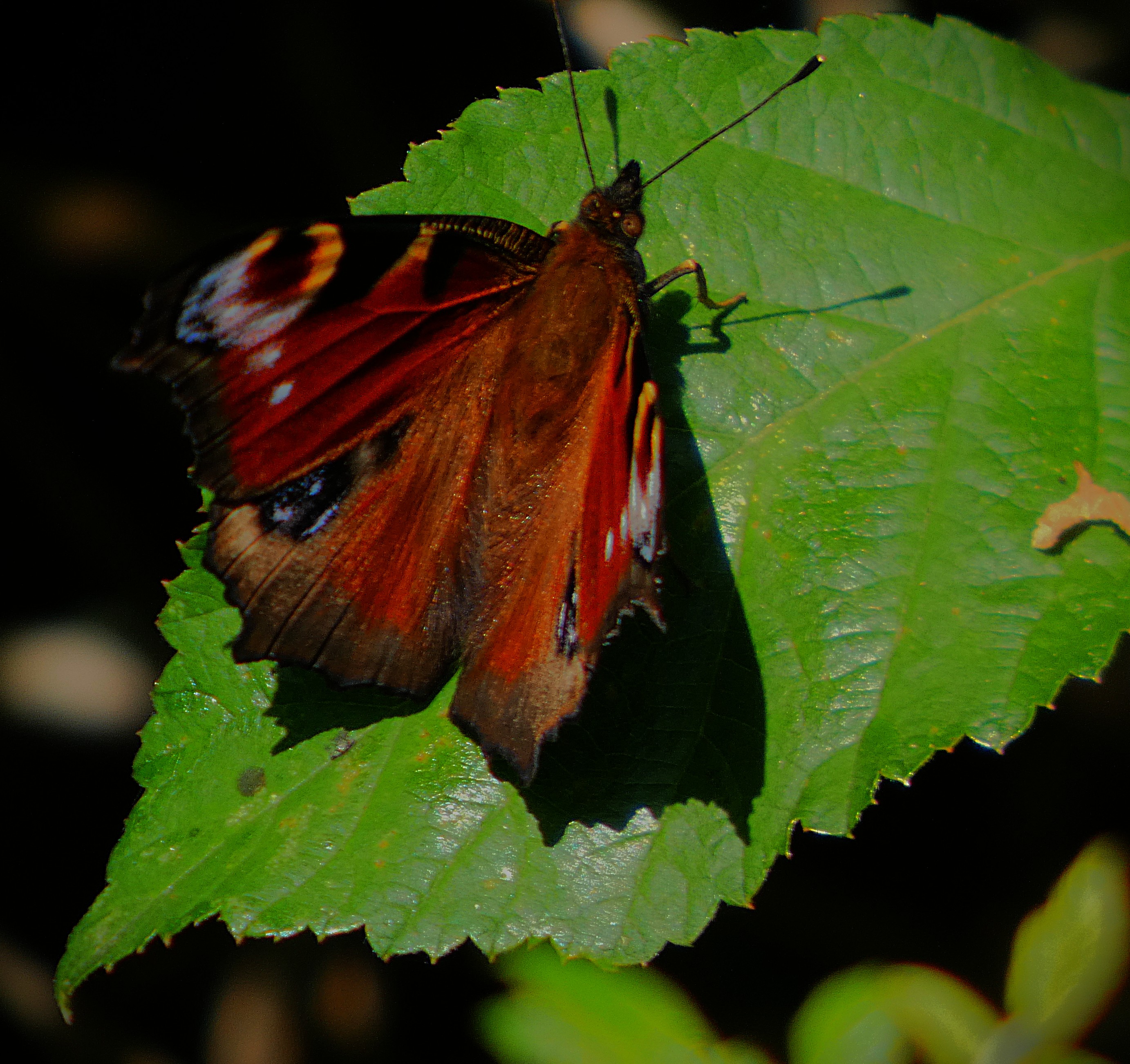
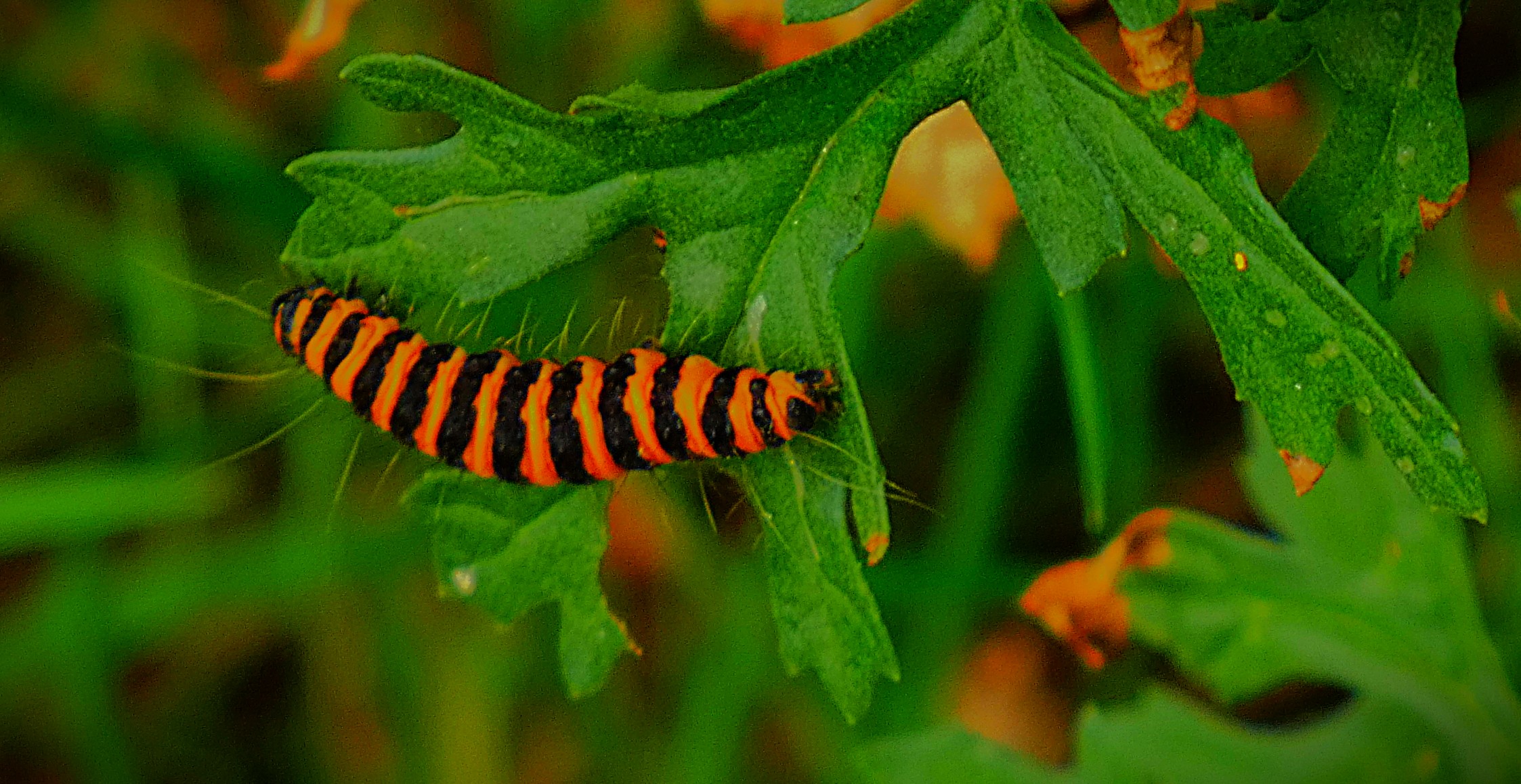
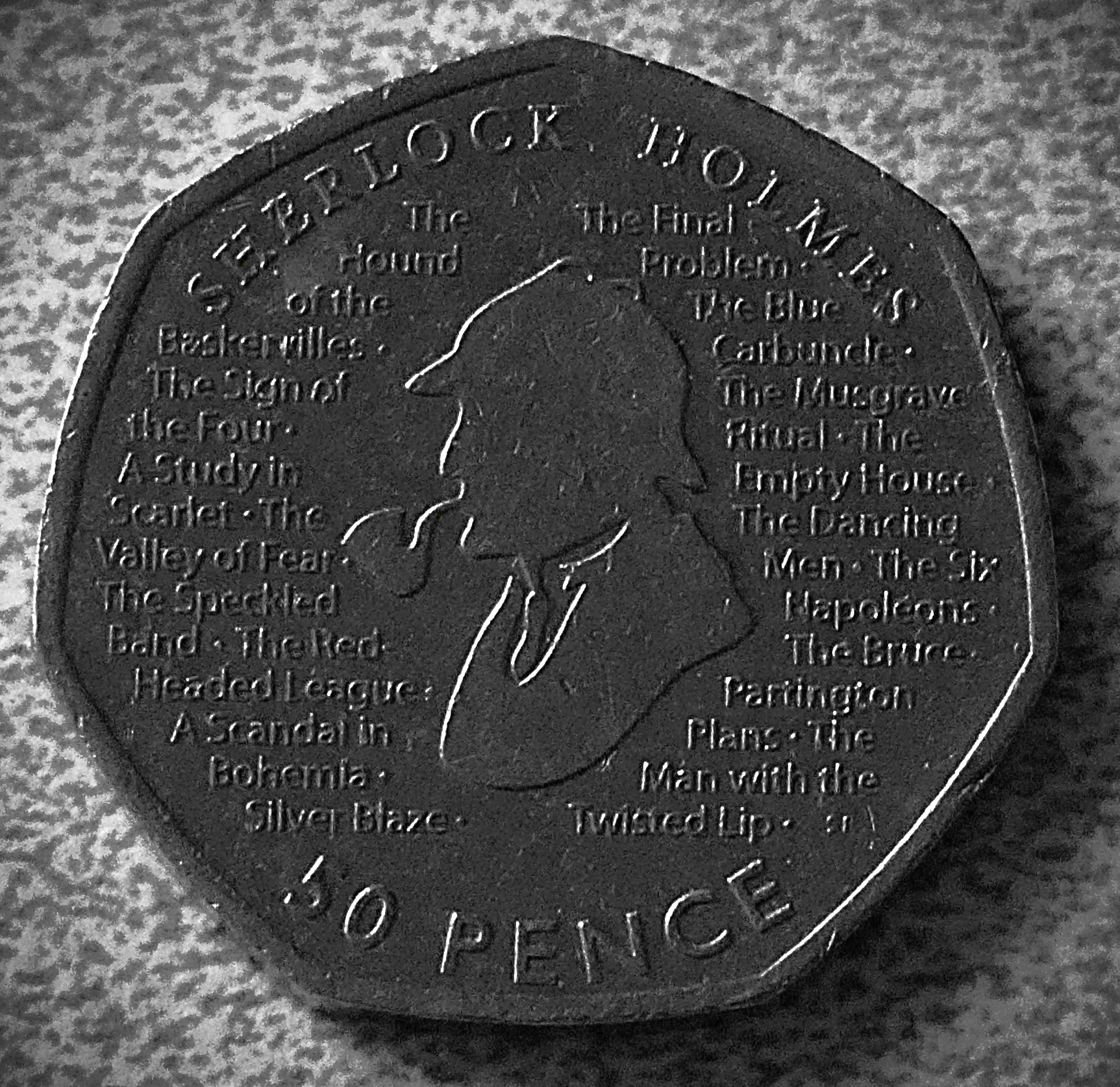
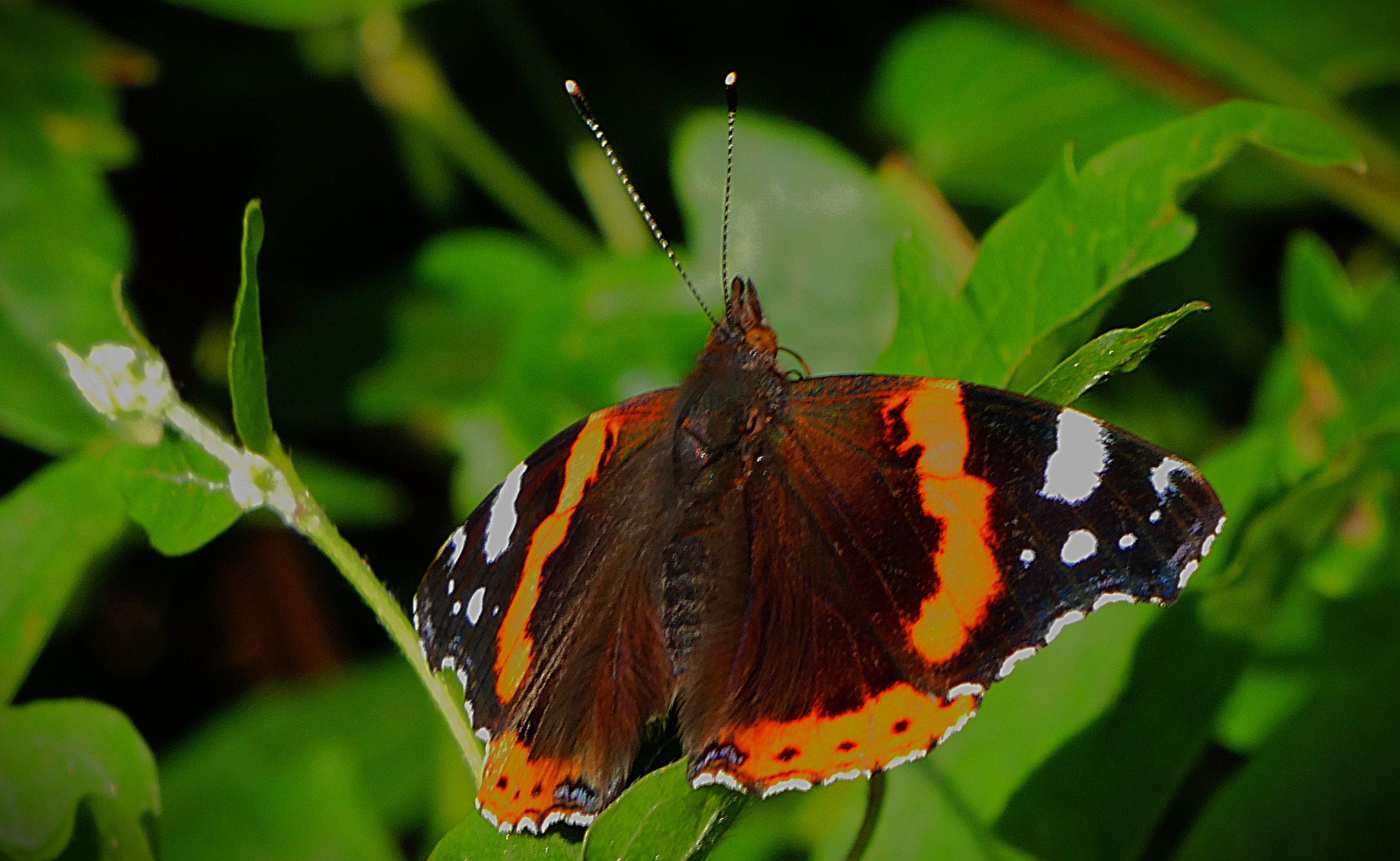
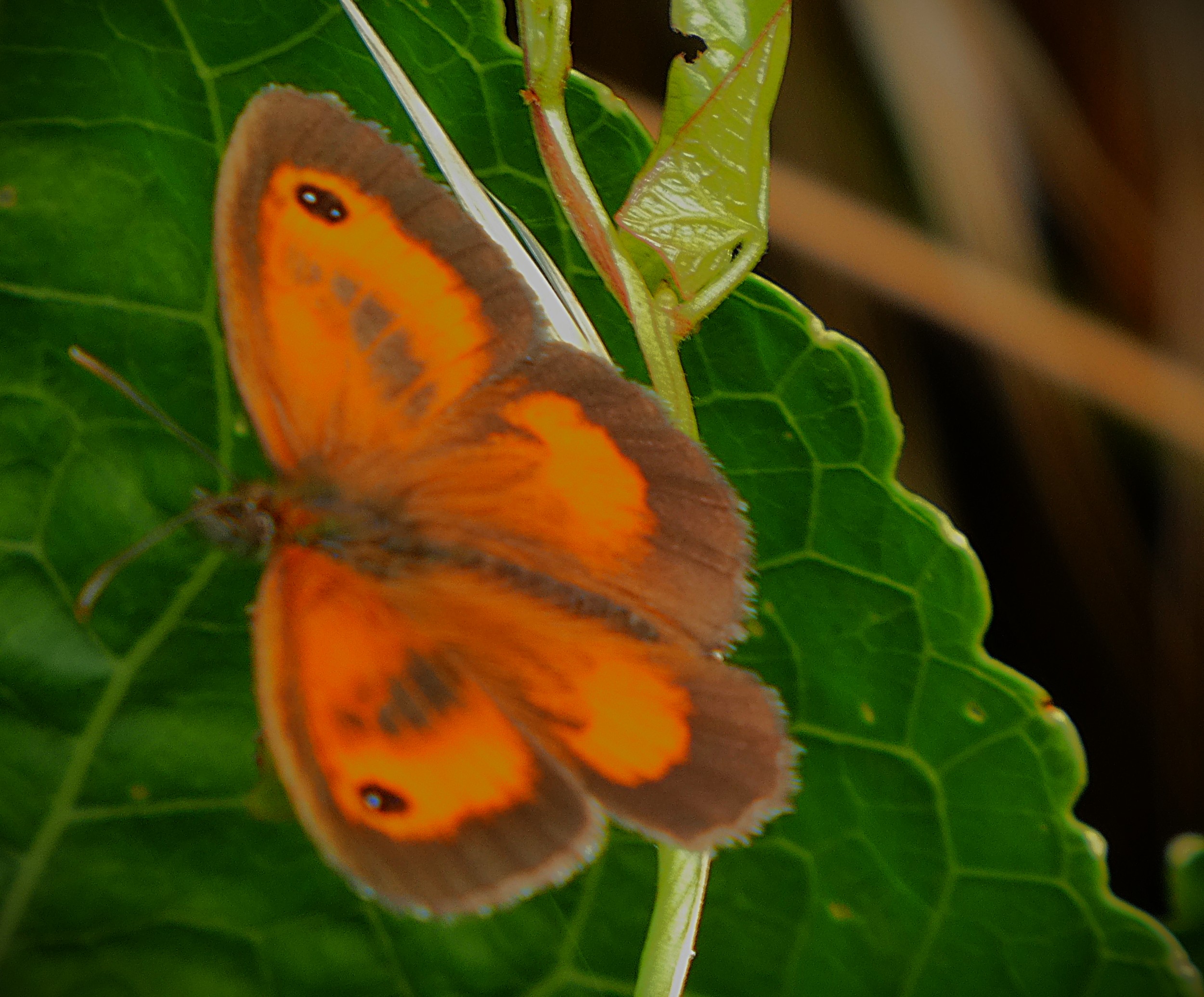
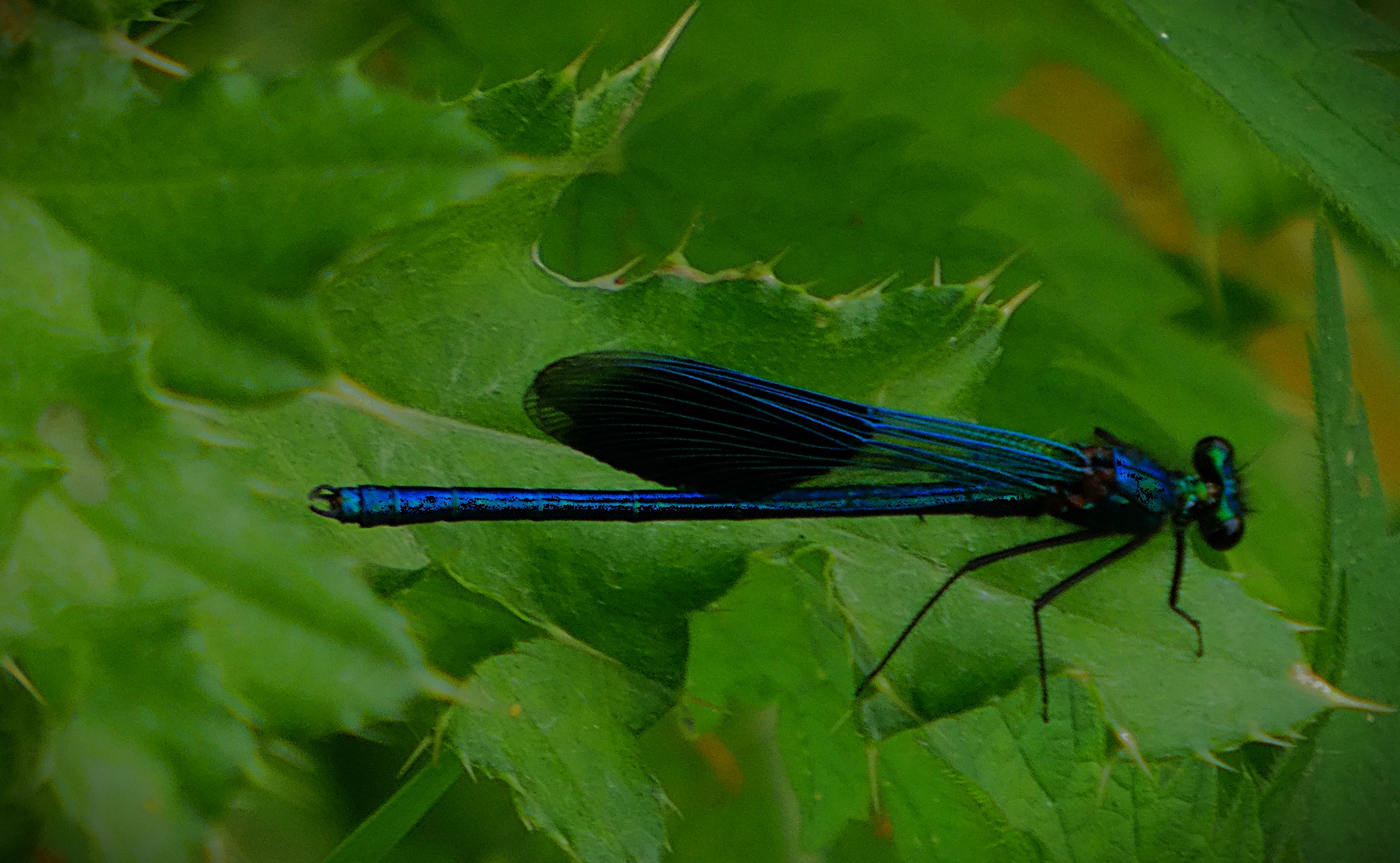
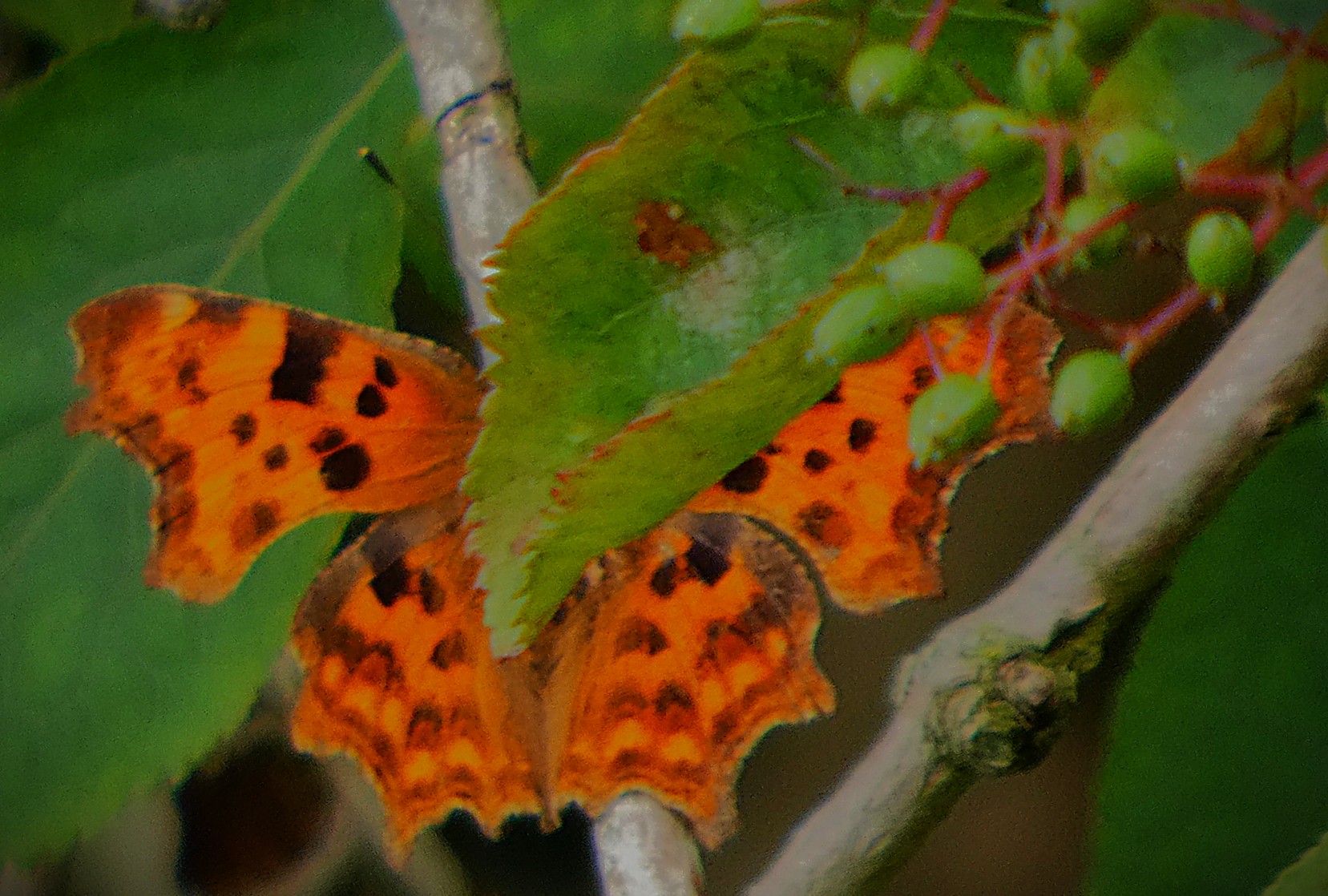
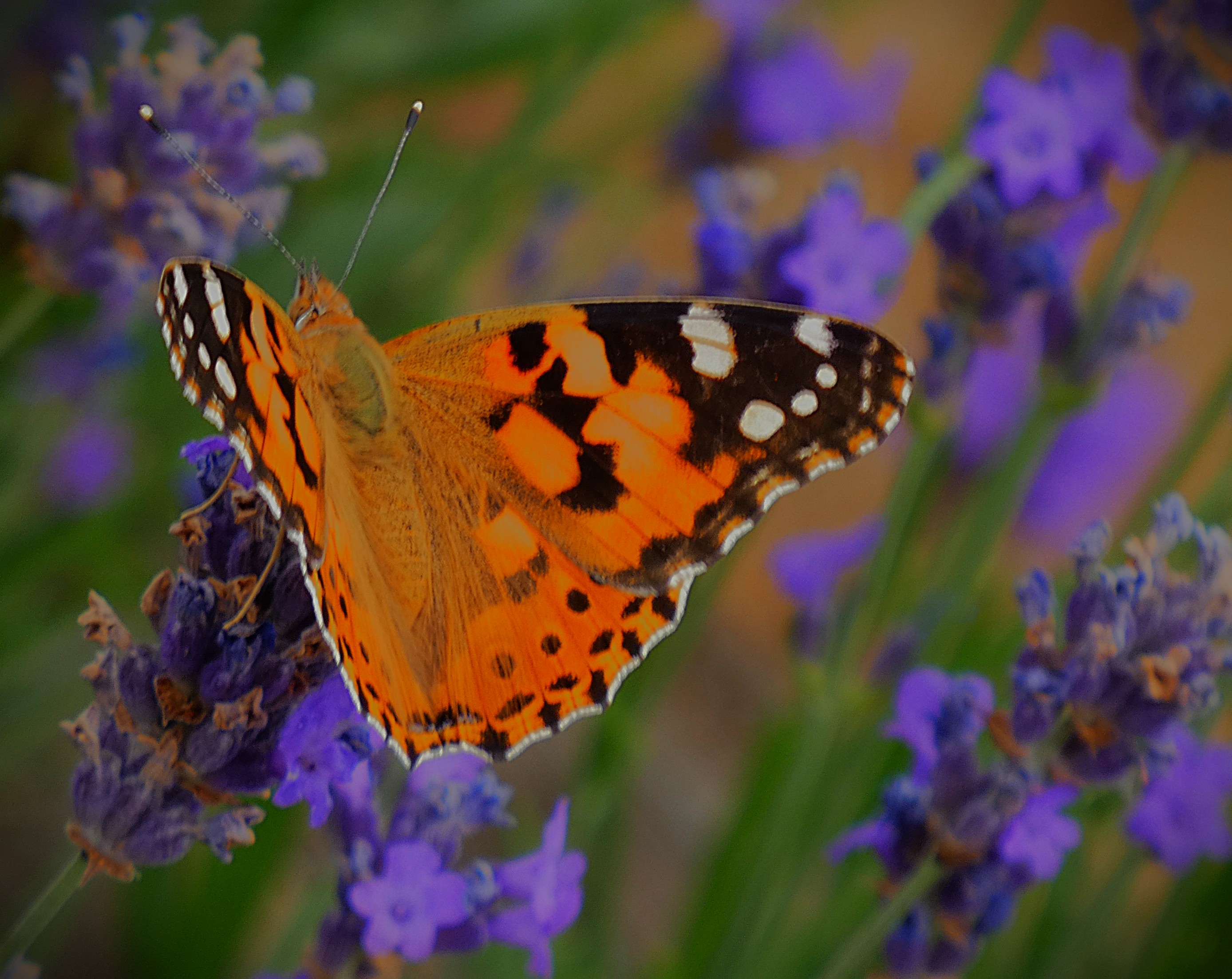
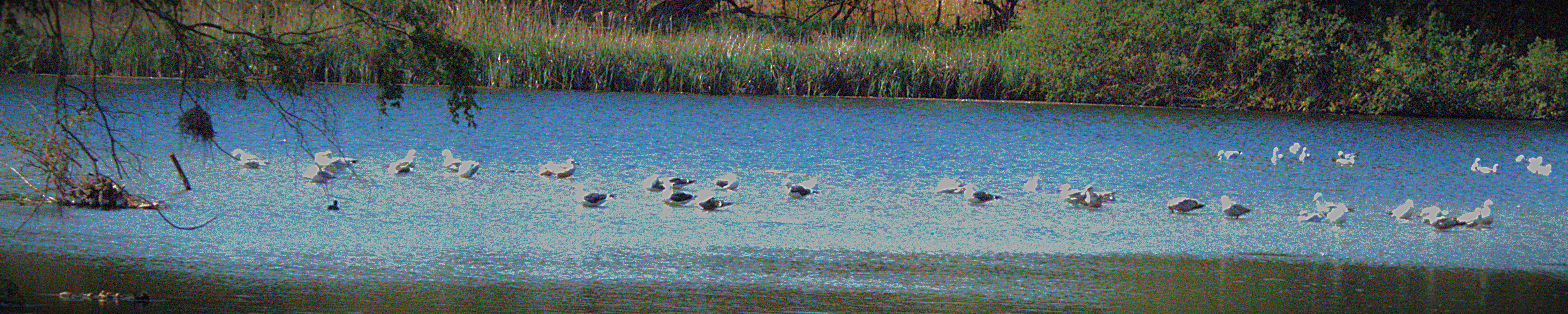
A damselfly with a slender mainly black body and blue ring round the tail segment.Some pictures (six) of a hummingbird hawkmoth among the lavender.Goldfinch pictures taken through my front window.Cinnabar moth (four pics)red admiralAll legs and antennae (two pics)A set of pictures taken at Cavies and Cake in Fakenham just before work one Thursday (I was there with WNAG)Pictures from the NSOs second ever relaxed concert at the Corn Exchange on the 21st of JuneCaterpillars (three pics)A painted lady A spectacular beetle on a nettle leaf.A green damselfly of some description.This insect with a ,long blue body and wings with black tips is a demoiselleCaterpillarA red admiral and a European peacock on the same buddleia head.This coin recently passed through my hands (it is in circulation, not a proof coin).A comma butterfly
The final instalment in my series about the WNAG excursion to Pensthorpe, featuring the Waders Aviary.
Welcome to the final instalment in my little series of posts about the annual WNAG excursion to Pensthorpe which took place a week ago yesterday.
A PLACE TO DIP IN AND OUT OF
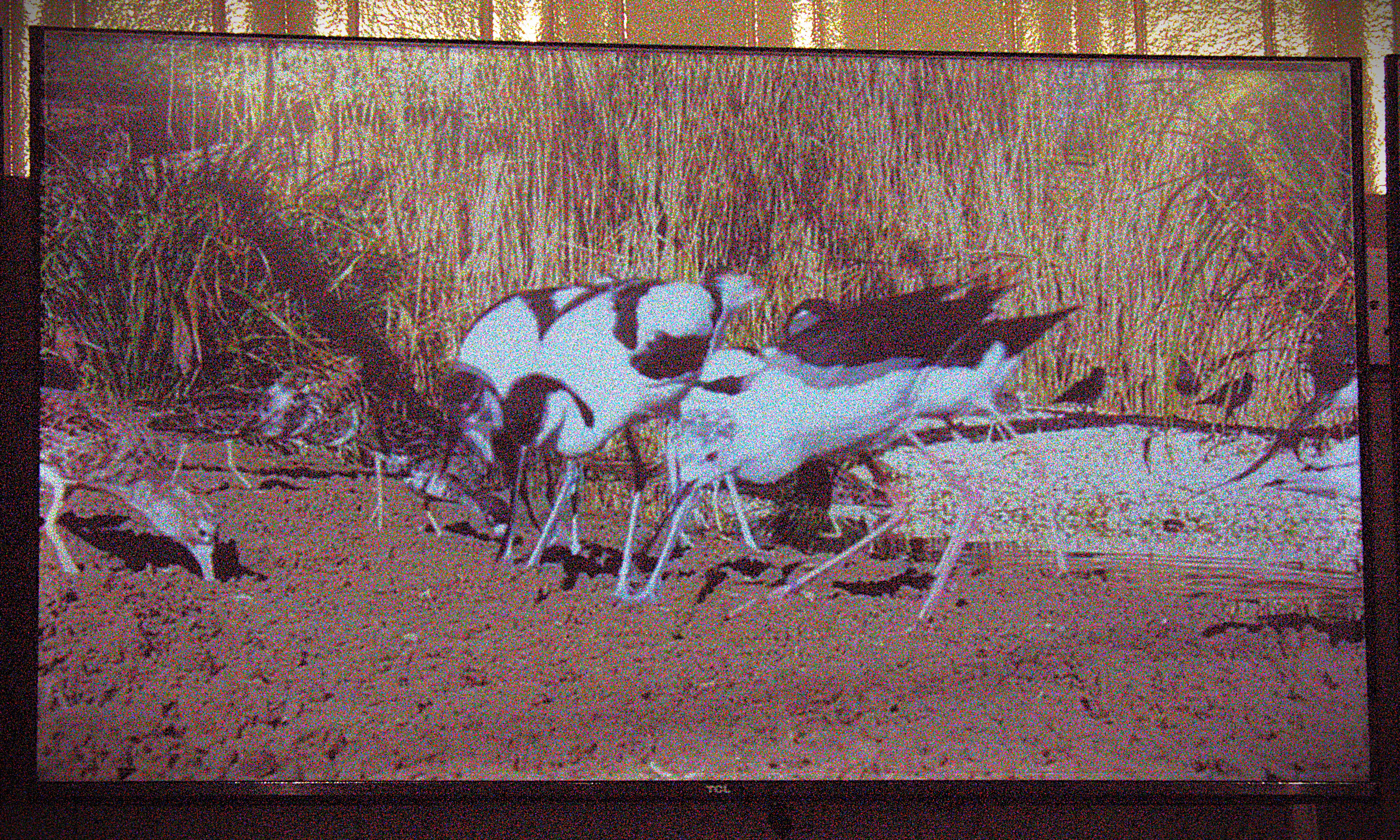
The Waders Aviary at Pensthorpe is well placed for starting your explorations, or for ending them, or for filling in a few minutes, or for many other purposes. It does not have space for a vast number of people, so it is best not to spend too long in there on any one visit, but there is nothing to stop one from visiting several times in the course of the day, as indeed I did. There are a number of bird species to be observed there, not all of them waders, and a visit never disappoints.
PHOTOGRAPHS
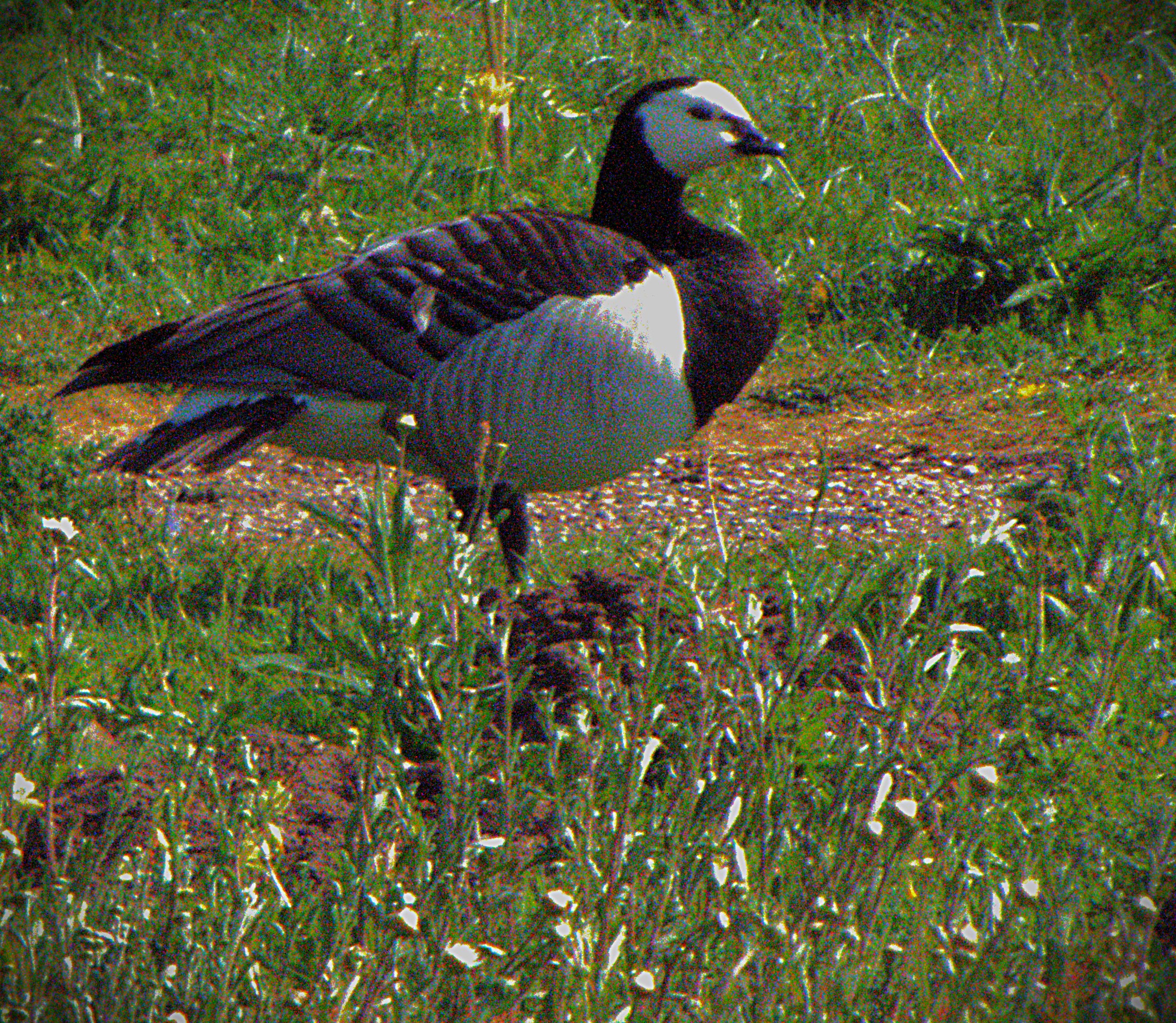
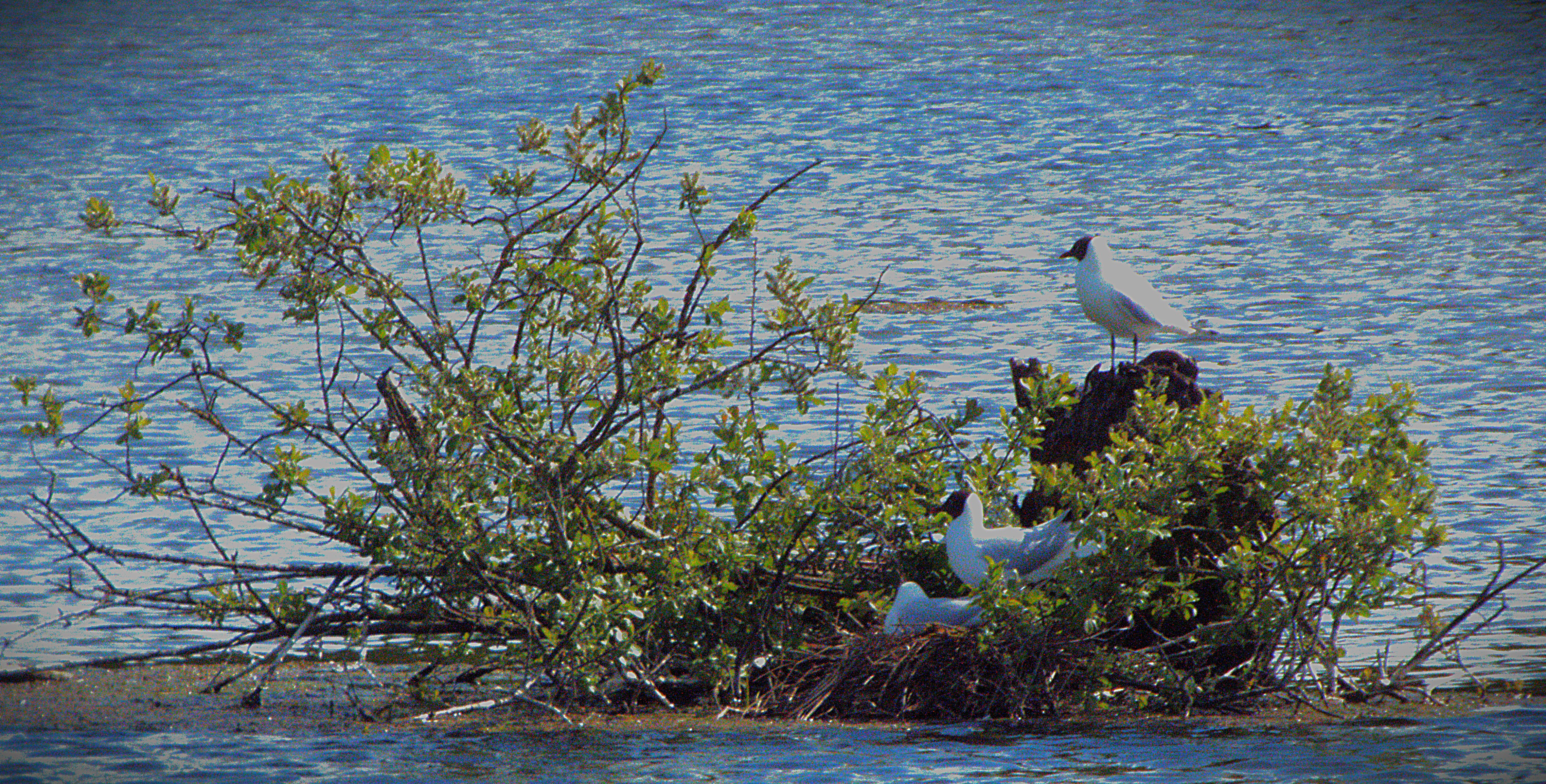
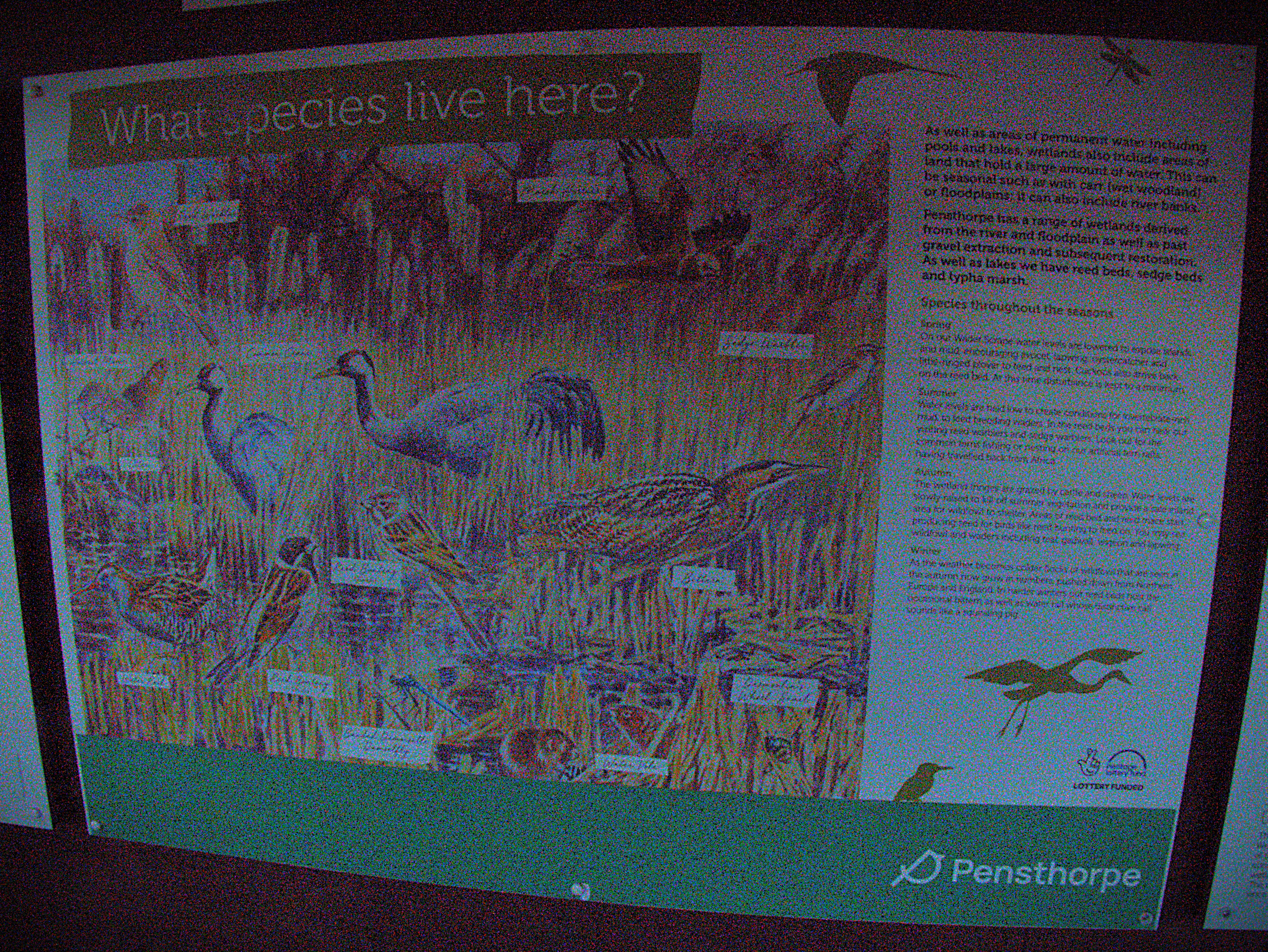
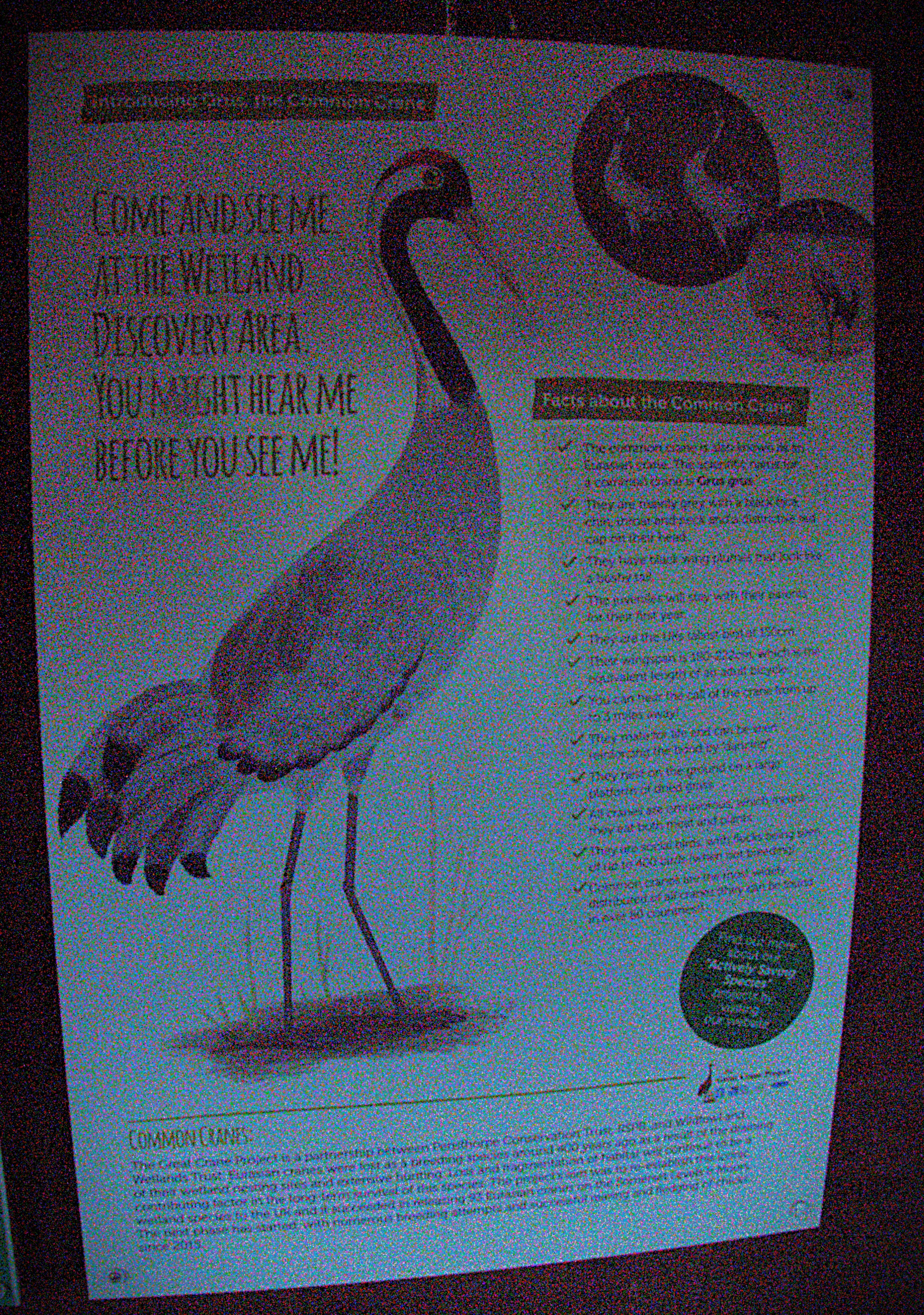
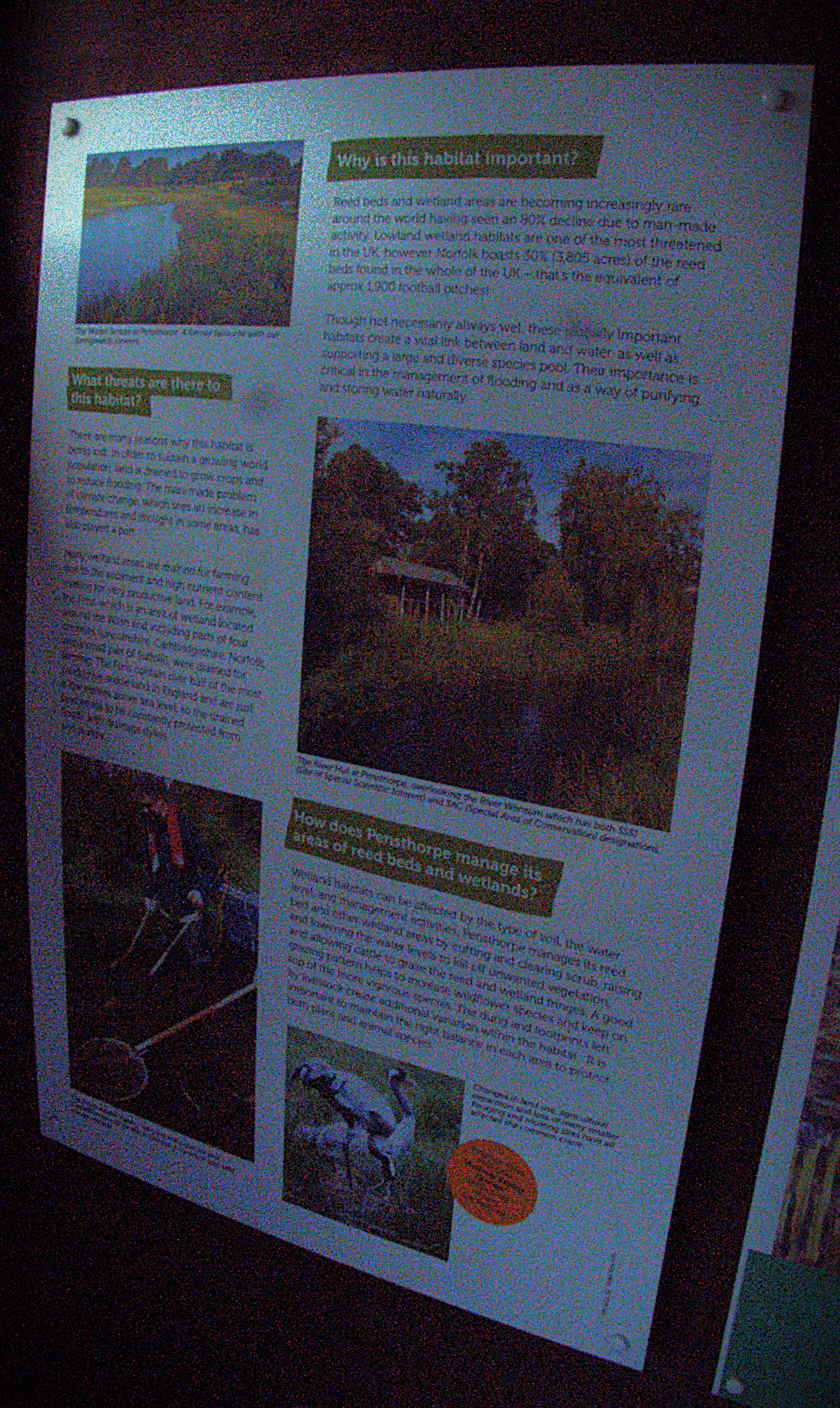
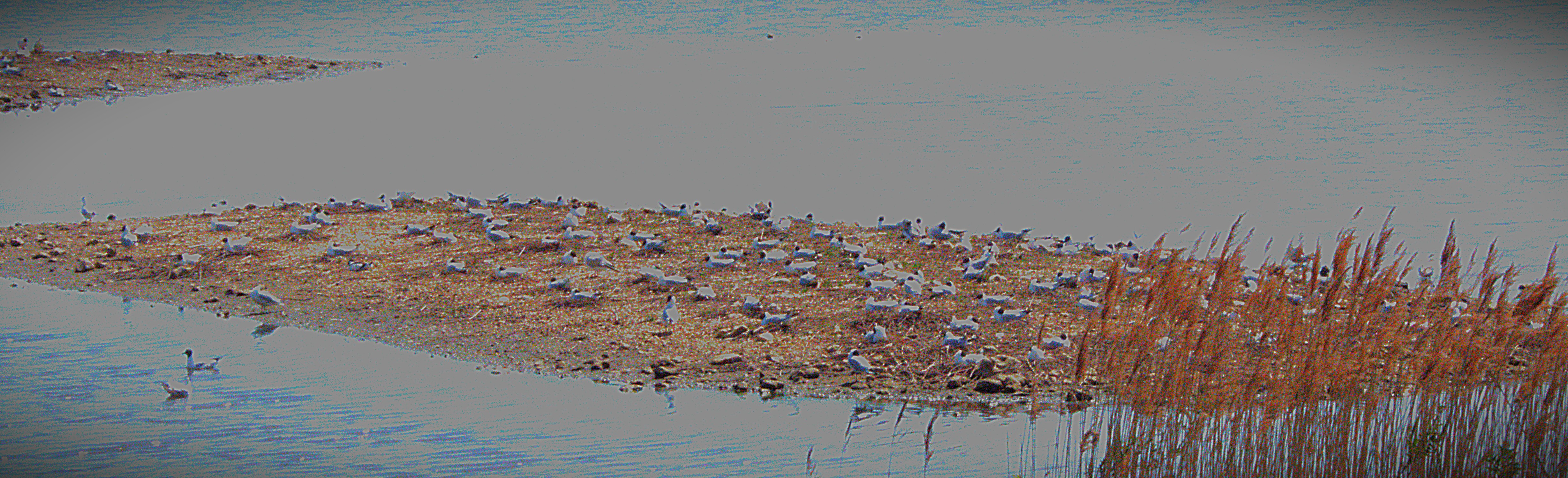
Before I do the full gallery, here are a couple of pictures to help you identify the rest:
Now for the gallery proper…
Two avocet chicks – even at this stage the slight curvature of the beak is noticeable.A black winged stilt – both parts of the name are obvious in this shot.
Continuing my series about The WNAG outing to Pensthorpe last weekend. This one deals with artworks and insects.
Welcome to the sixth post in my little series about the annual WNAG excursion to Pensthorpe which took place a week ago today. Still to come after today are a post about the Waders Aviary and a page linking to each article in the series.
ARTWORK AT PENSTHORPE
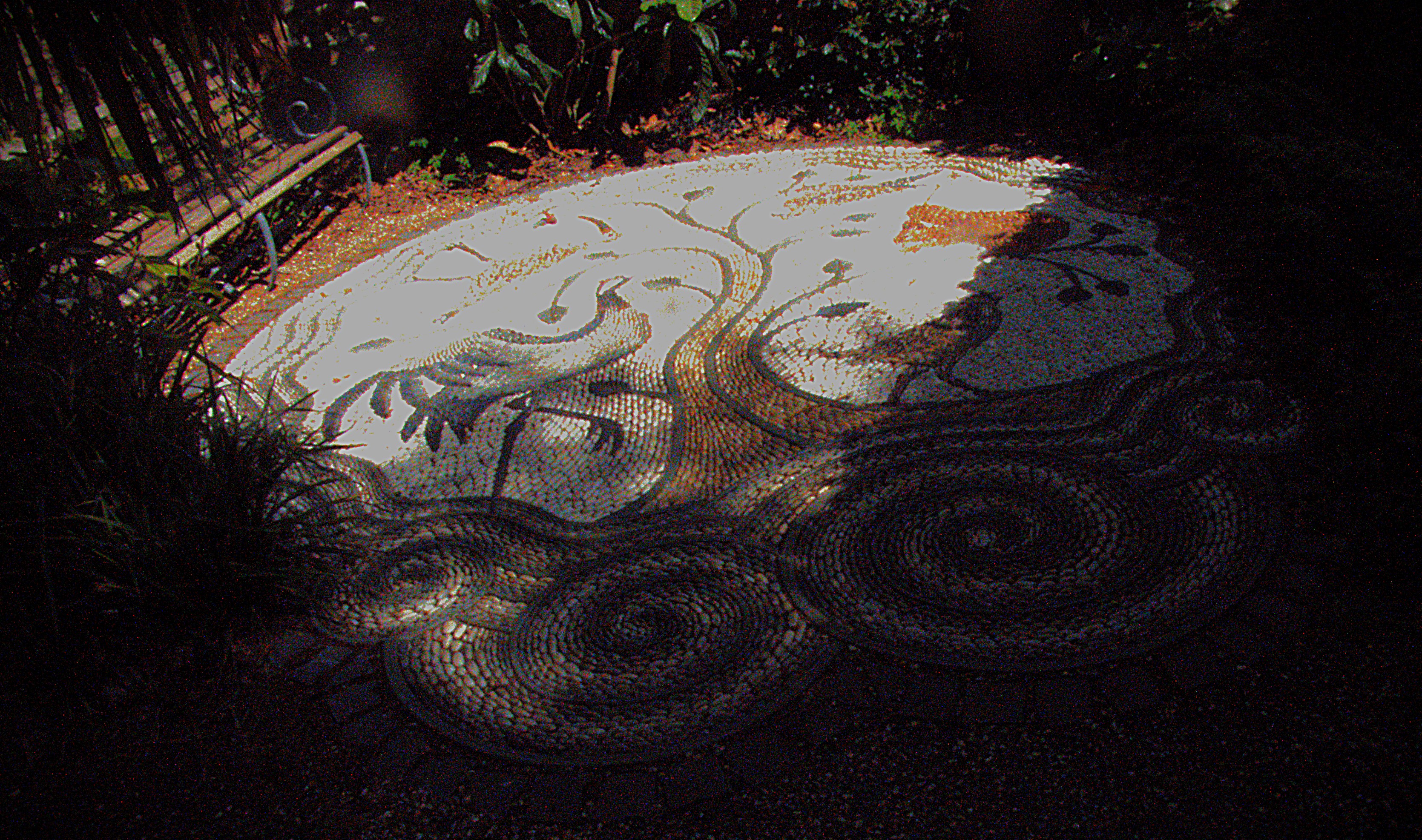
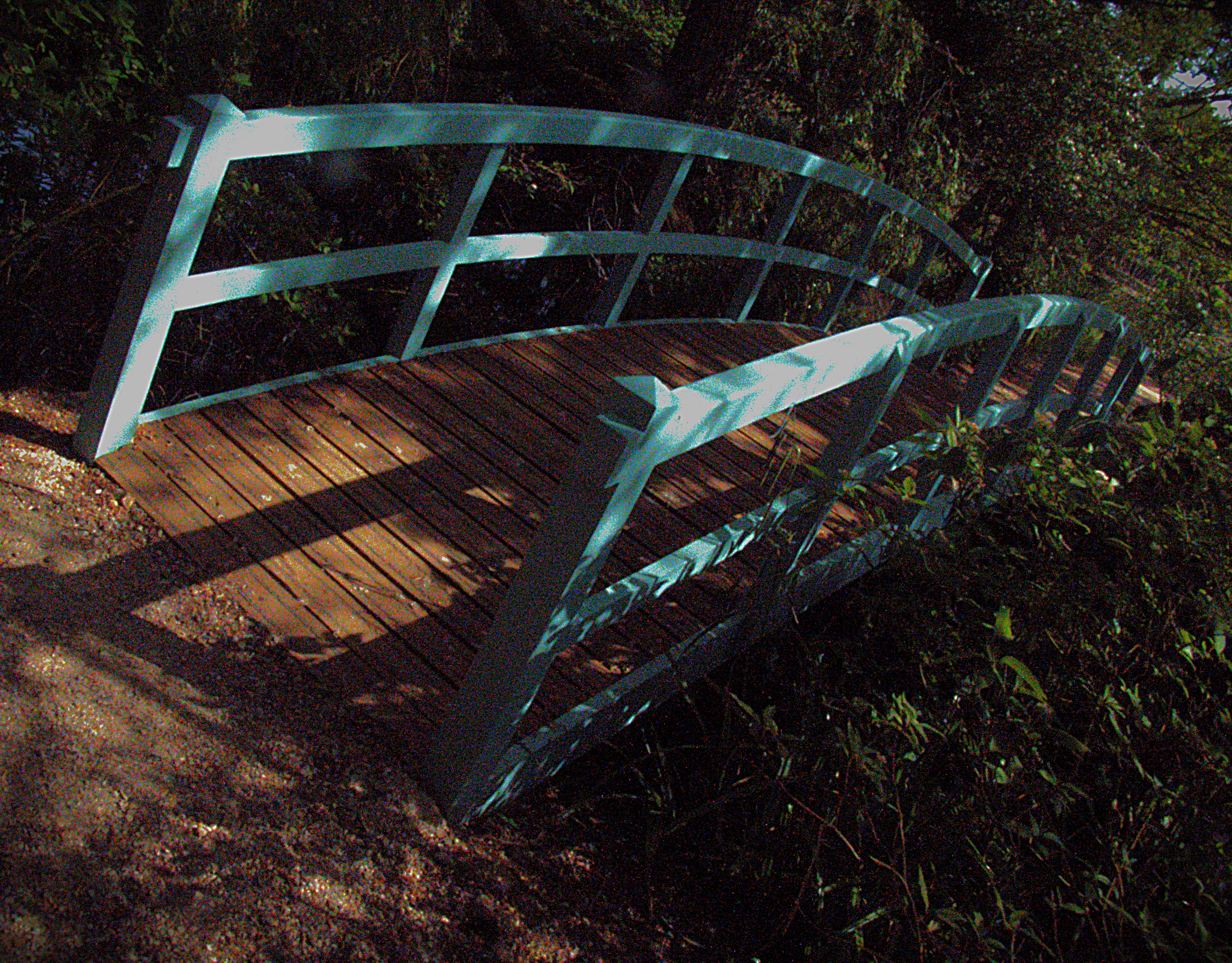
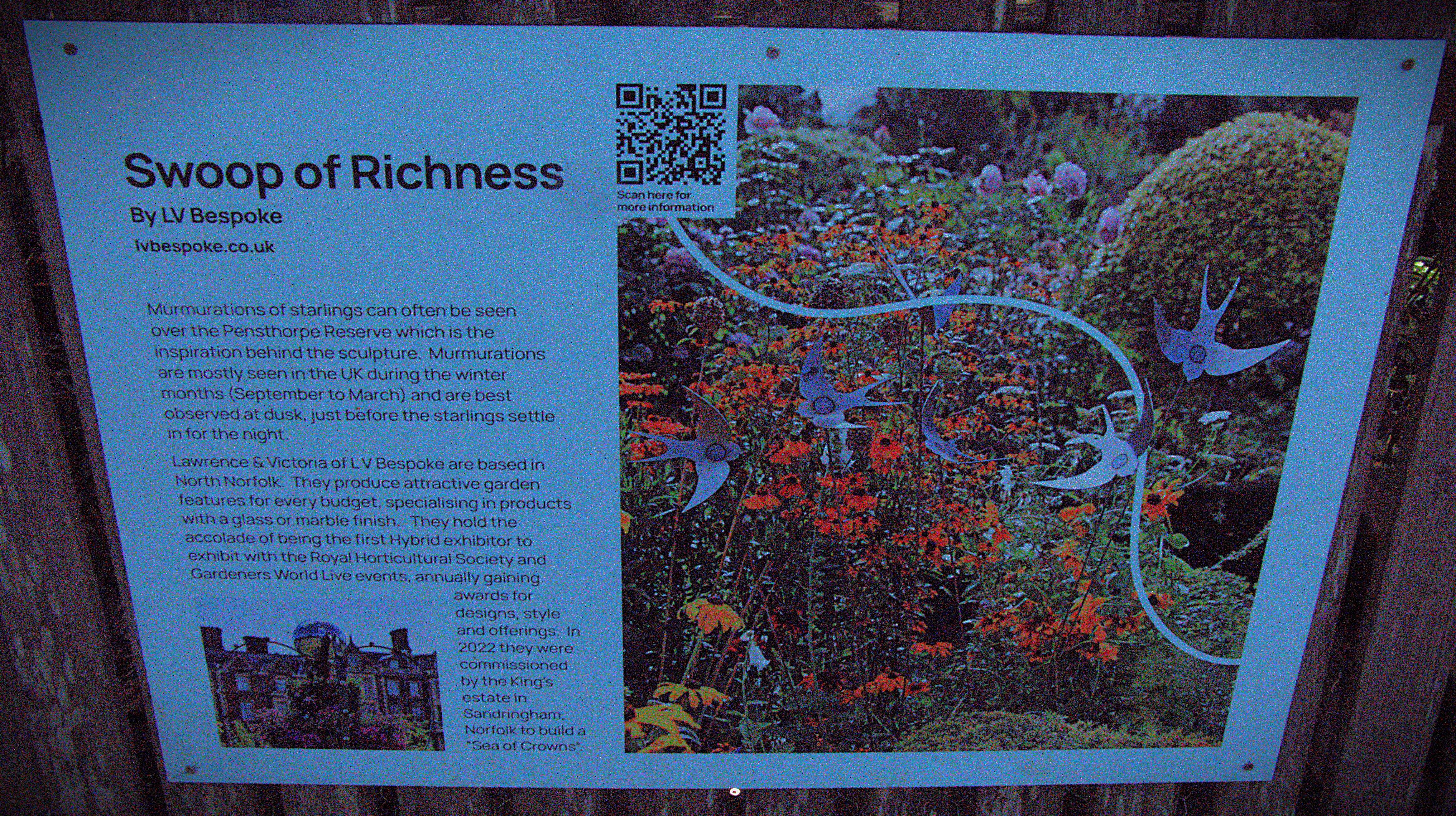
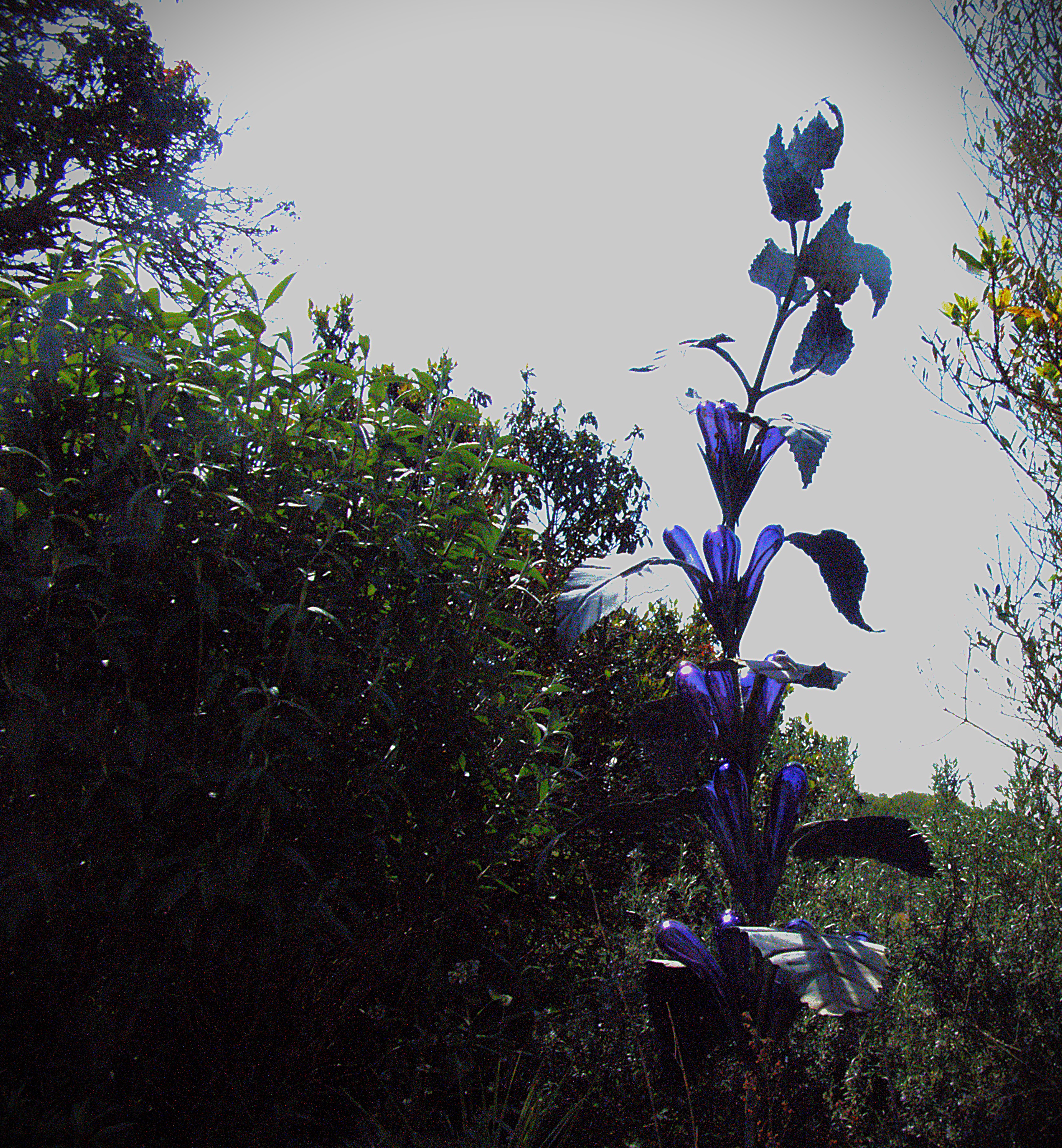
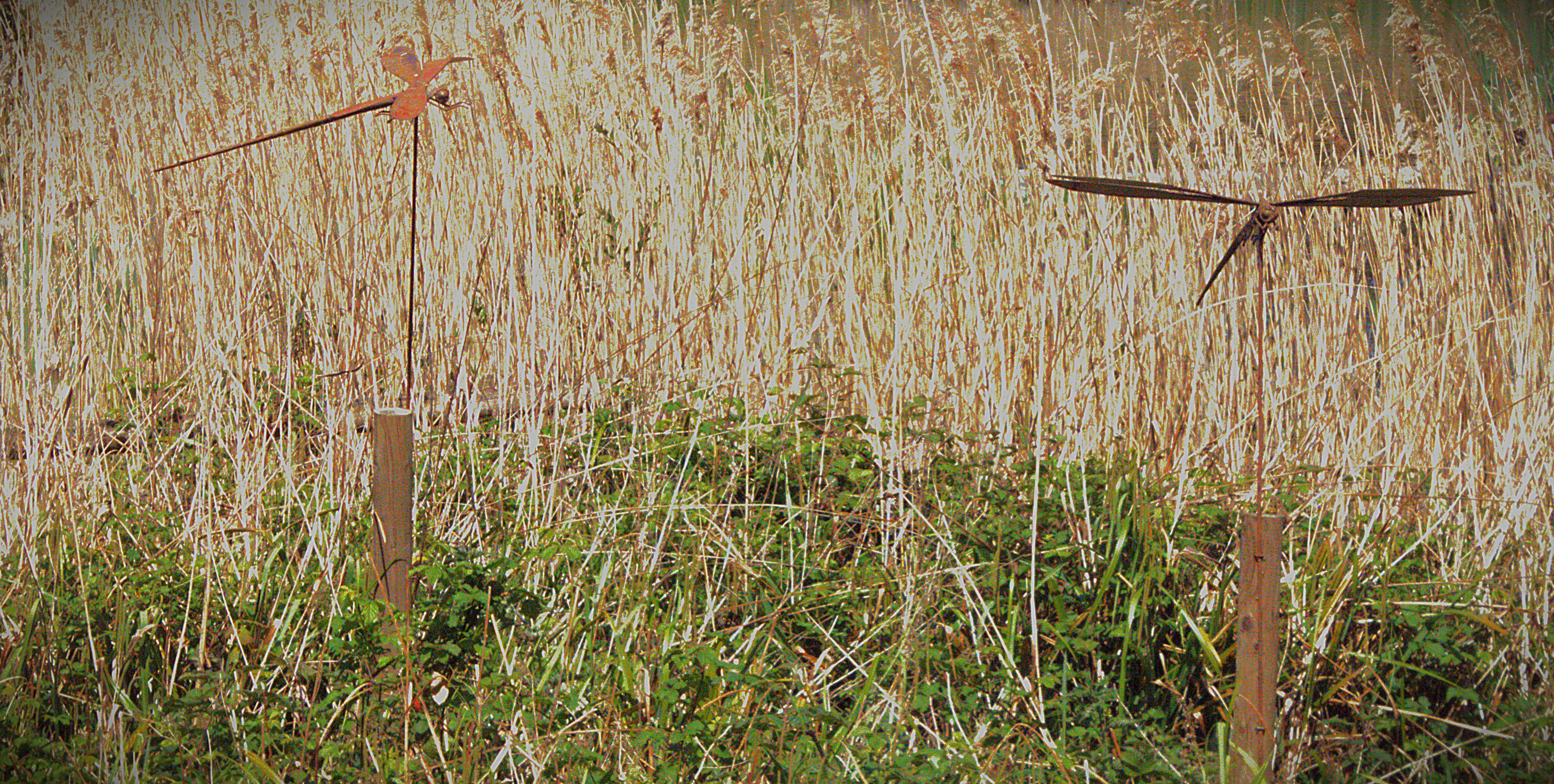
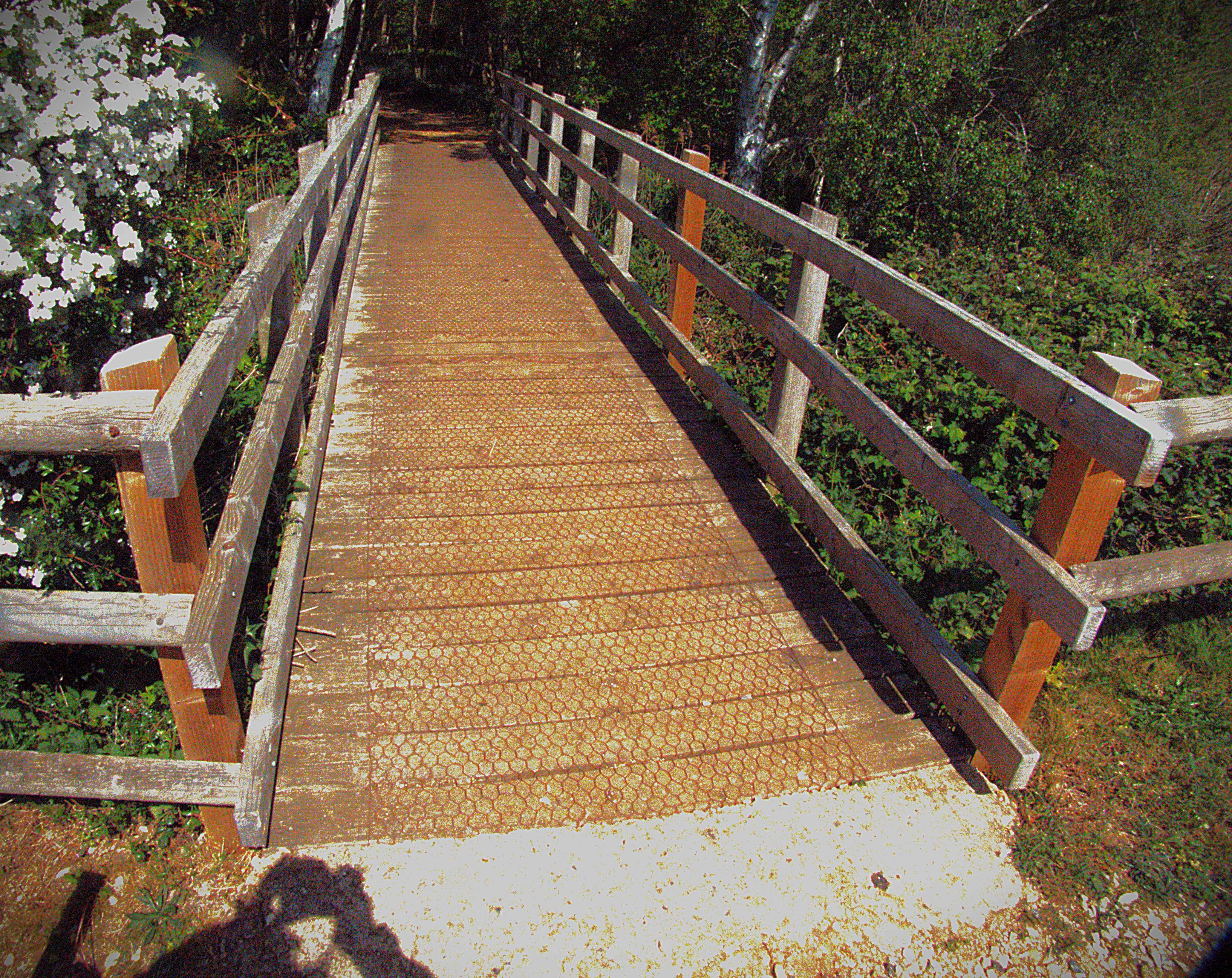
There are many pieces of art dotted around Pensthorpe, and there is also a bridge inspired by a very famous artist. Flowers, birds and insects all feature, as does a fairy standing on a feather, and a heron sculpture in a stream. I also deemed one of the pieces worthy of a very short video:
GALLERY 1: ARTWORK
INSECTS
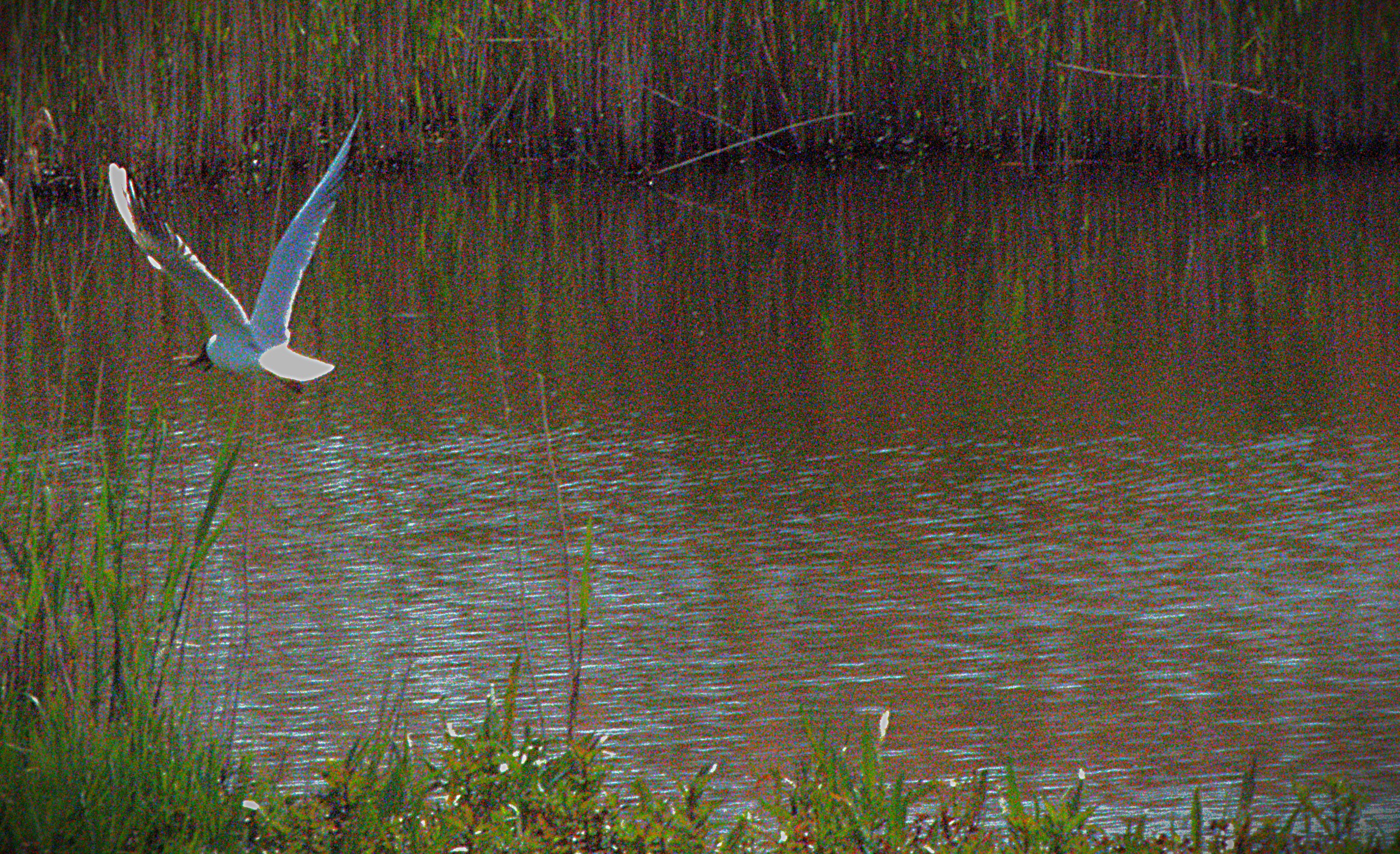
Pensthorpe do not particularly emphasize the insect species that can be seen there, but it is no surprise that there are some fine specimens. I actually saw a damselfly flutter past while on the trailer ride, but not even I could attempt to photograph that one – a small moving target when one is oneself on the move is simply not doable. However I did get some remarkable sightings.
INSECT PHOTOGRAPHS
Two damselflies in one shot – which at that time was a first for me……but I later managed to top it by getting three in a single shot.
Some general pictures from around Pensthorpe, as I continue my series about the WNAG trip there on Saturday.
Welcome to the fifth post in my series about the West Norfolk Autism Group annual excursion to Pensthorpe which took place on Saturday.
GENERAL PENSTHORPE PICTURES
This is the second post I have devoted to the general Pensthorpe experience rather than specific elements of the site, and it is the pictures that will do all the work today…
The fourth post in my series about Pensthorpe, giving the cranes and flamingoes (plus a few other species who were in the same area) their time in the sun.
Welcome to part four of my series about the annual WNAG excursion to Pensthorpe which took place on Saturday
THE CRANE AND FLAMINGO AREA
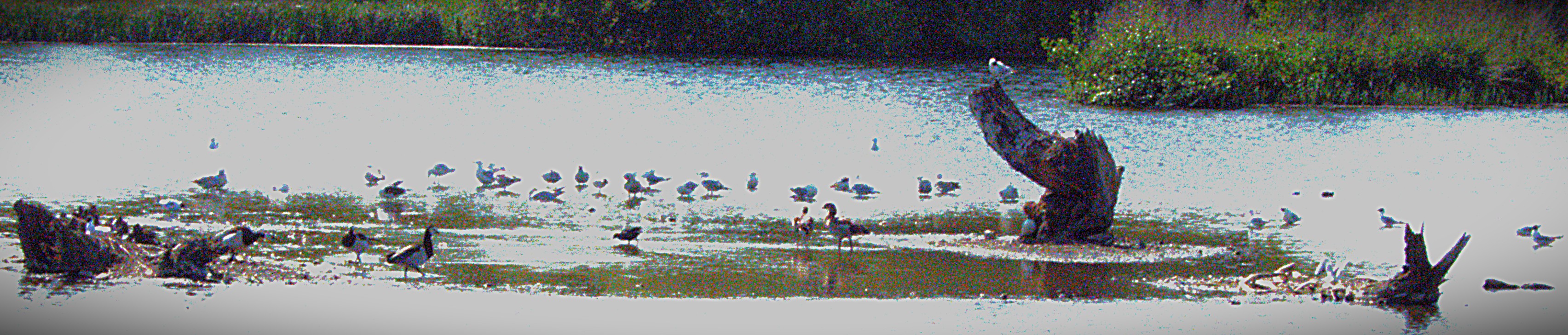
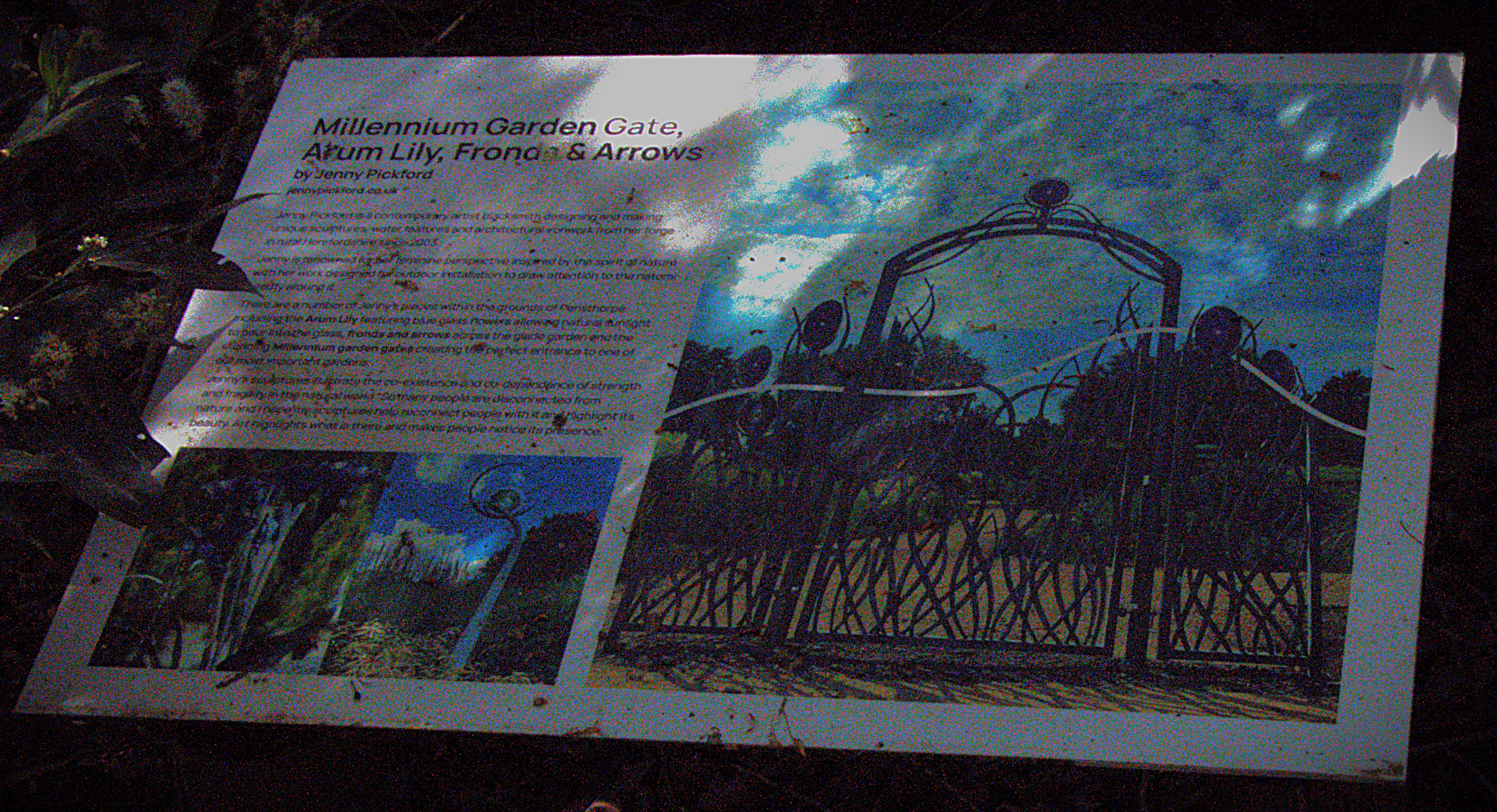
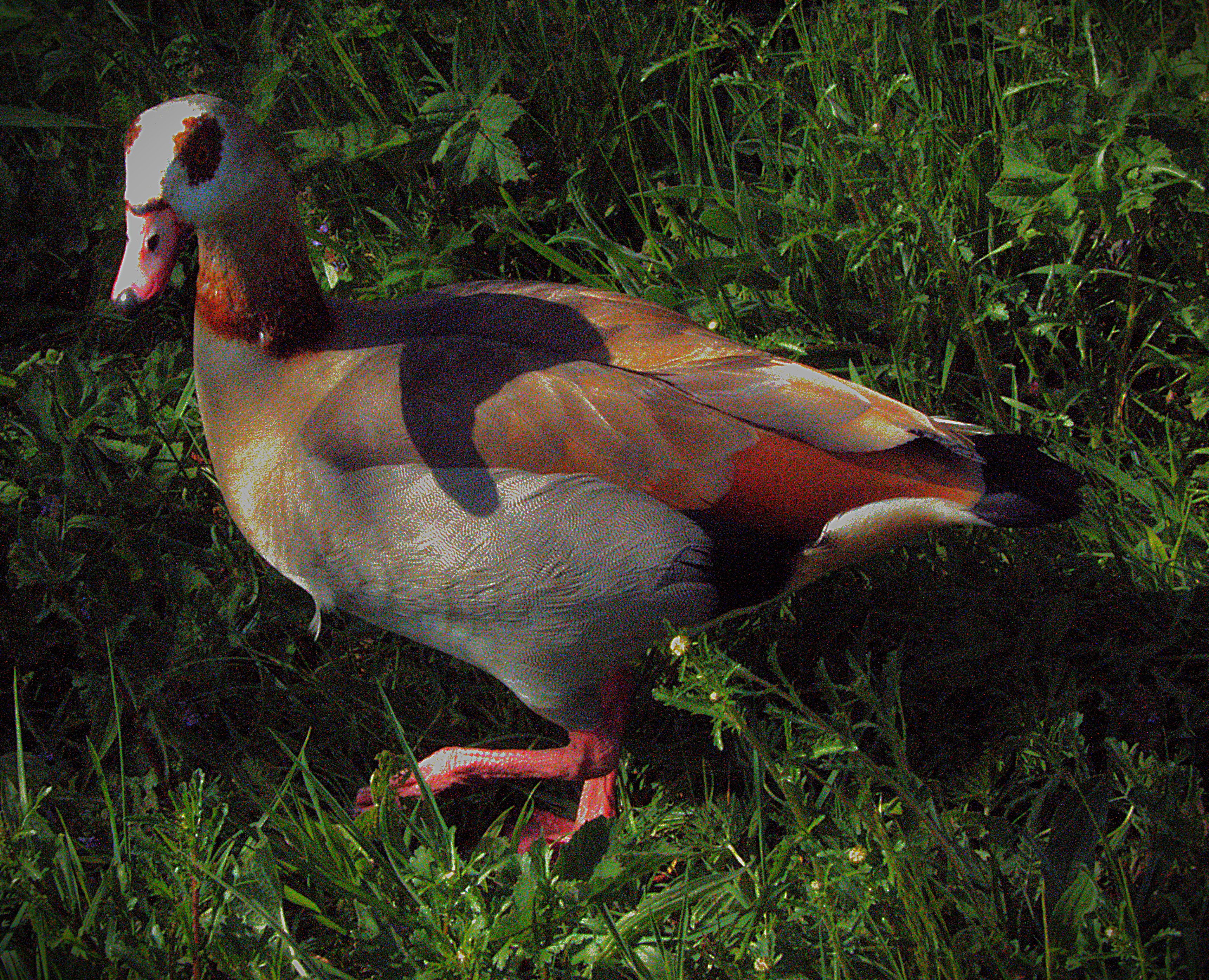
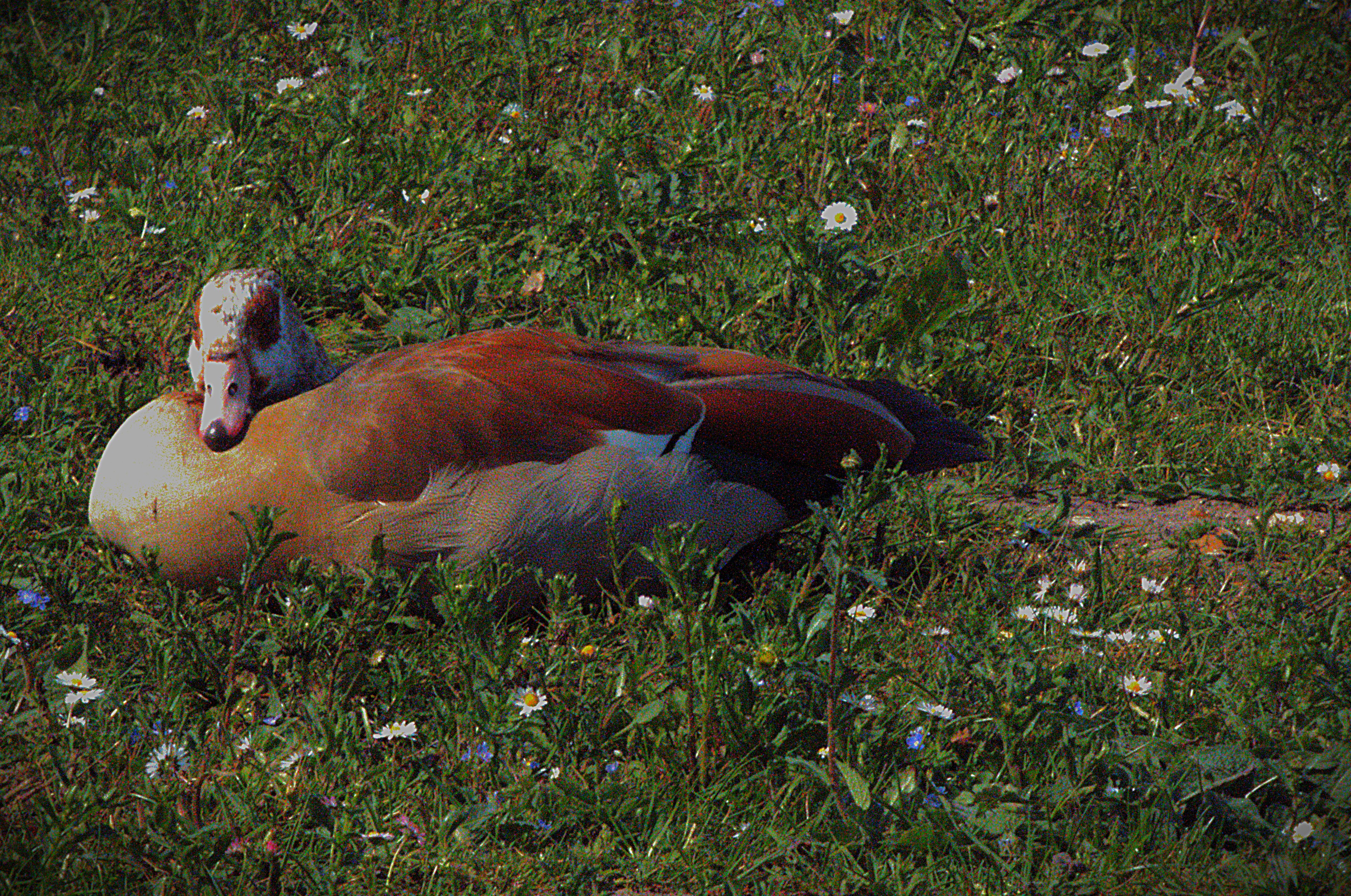
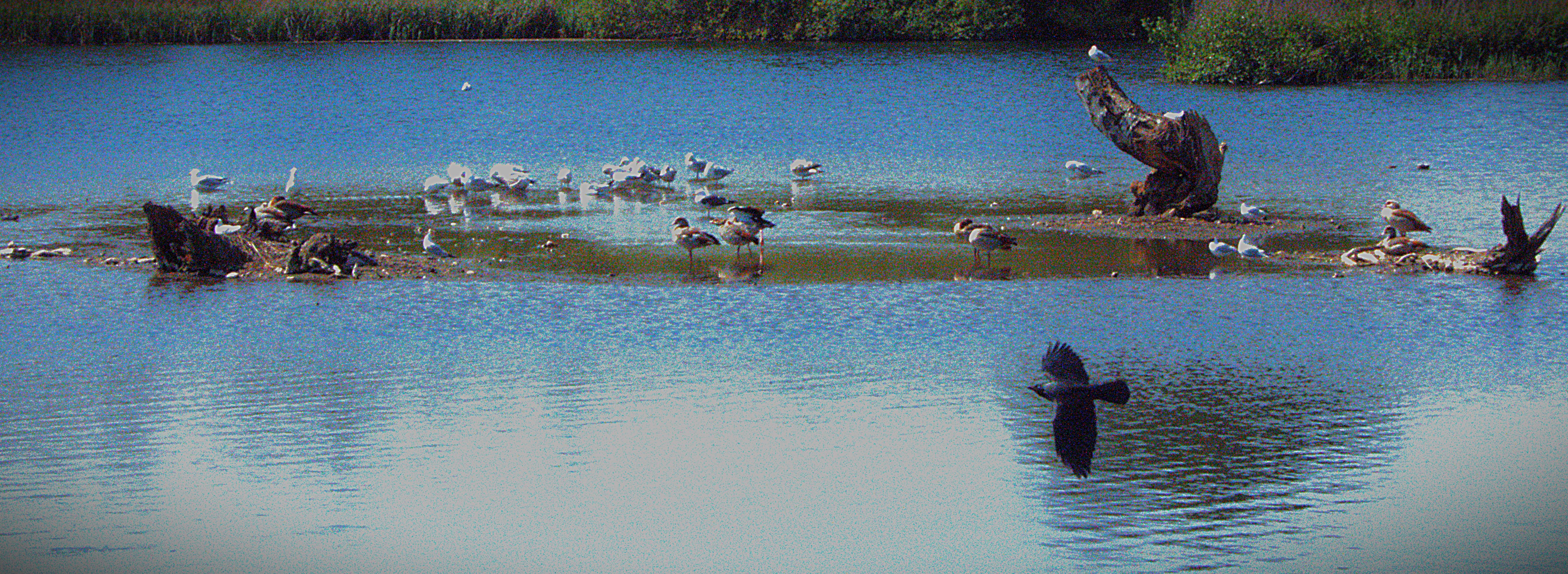
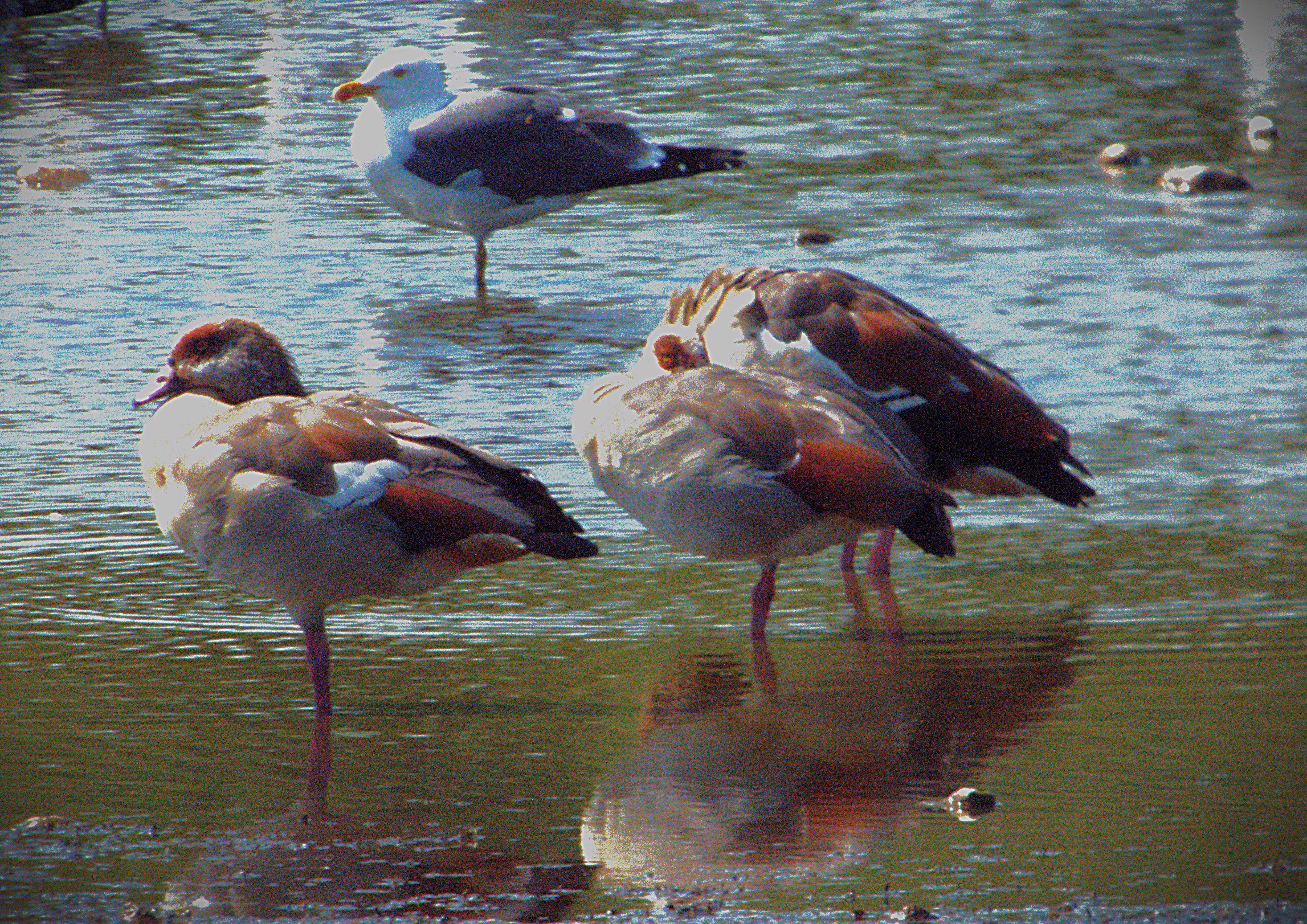
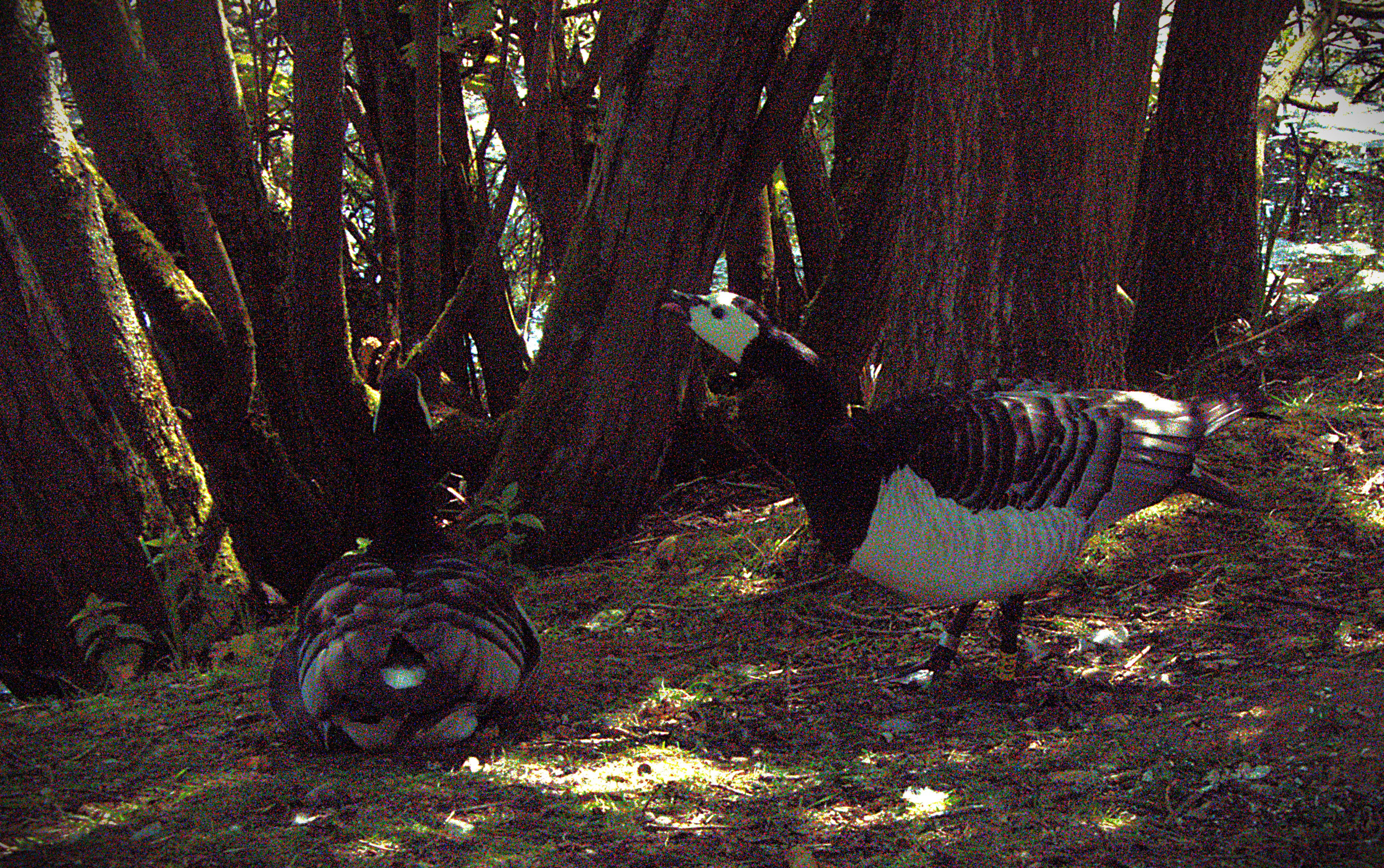
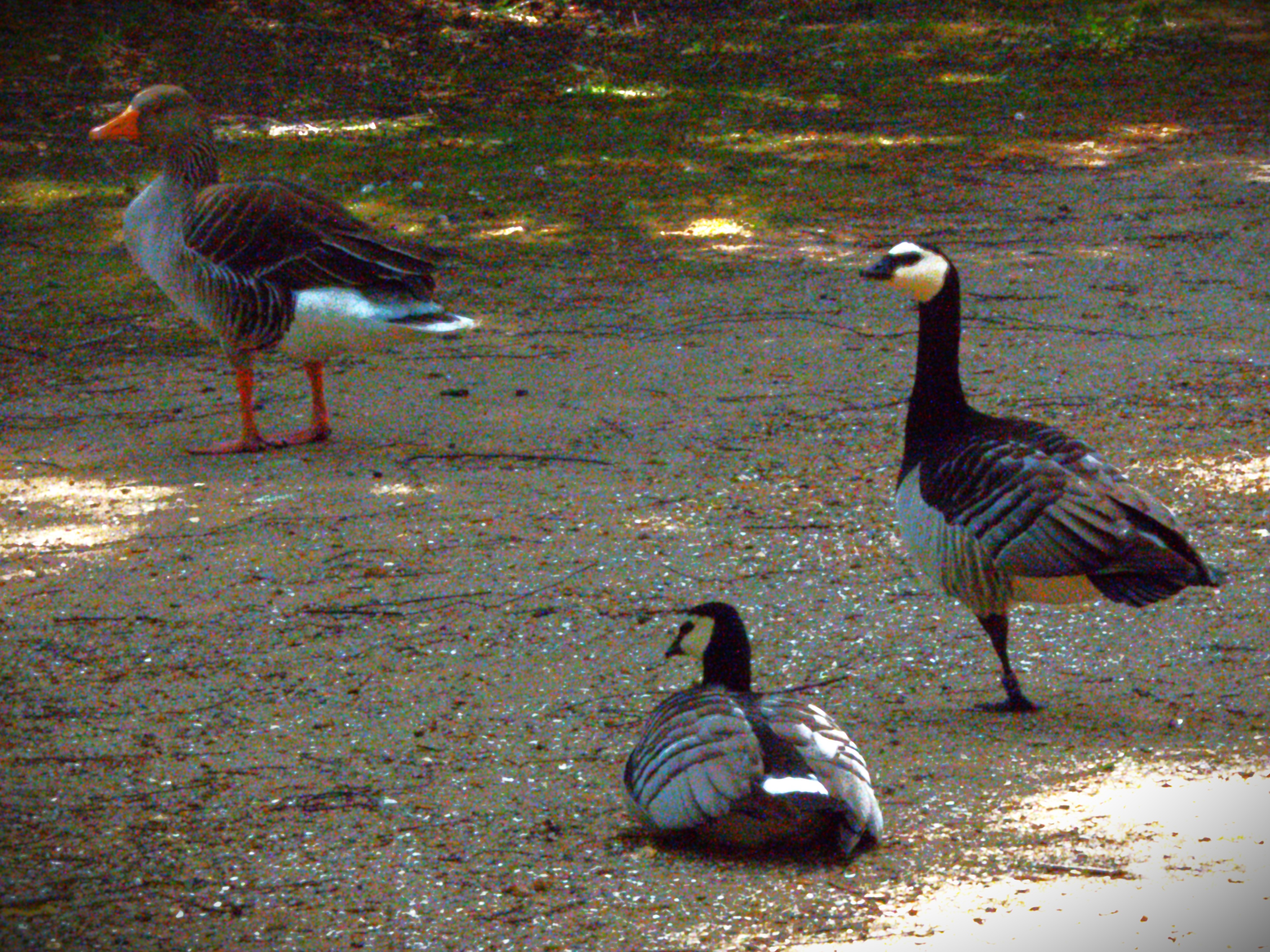
The Crane and Flamingo enclosure at Pensthorpe is close to the Monet inspired bridge, and can be approached initially by way of the Millennium Garden. Once inside the enclosure there is then a split, with Crane Hide one way and the Flamingo pond the other way. These giants of the bird world are not the only species to be seen here – I also observed a pair of shelducks, a pair of Egyptian geese, a pair of oystercatchers, and in the Crane Hide swallows had built nests in the roof and were visiting periodically. I made several visits at different times hoping to ensure that I did not miss anything.
PHOTOGRAPHS
Here is the photo gallery for this area, including every species mentioned above…
An adult swallow visits one of the nests.More from the swallow nesting area. The chicks were periodically poking their heads up and I tried to photograph this happening.
Covering the trailer ride at Pensthorpe, my third post in this series about the annual WNAG outing there.
Welcome to the third post in my series about this year’s annual WNAG outing to Pensthorpe which took place on Saturday.
THE NEW TRAILERRIDE
This year the old set up of a converted Landrover and trailer was out of action, and instead we had tractor-drawn trailer, which meant less capacity, and three trailer slots instead of two. The route was slightly different as well, being a bit shorter. The experience was as enjoyable as ever.
A general post about Pensthorpe, with photographs from around the site that do not fit into any particular category, the second post in my mini-series about the WNAG excursion there on Saturday.
This is the second post in my mini-series about the West Norfolk Autism Group trip to Pensthorpe on Saturday.
EXPLORING PENSTHORPE
The main parts of Pensthorpe are accessed by way of the gift shop, and you have to be wearing a wristband of that day’s colour to prove that you are entitled to be there. Once through the gift shop there are three distinct options:
The Waders Aviary which I will say no more about for now since I am giving it a post to itself.
An exit towards the Millennium Garden and other stuff which is right near the door to the aviary…
A viewing gallery at the far end of which is an exit that takes you out at the edge of a large lake with a wooden bridge across part of it. This is the way that leads ultimately to most of the really interesting stuff in the site, most of which is accessed from the far side of the wooden bridge.
There are several marked walks that one can take, and the site is generally very well signed (there are a couple of exceptions when you get to the further reaches of it) so you can simply follow your own instincts if you so choose, which is generally my approach.
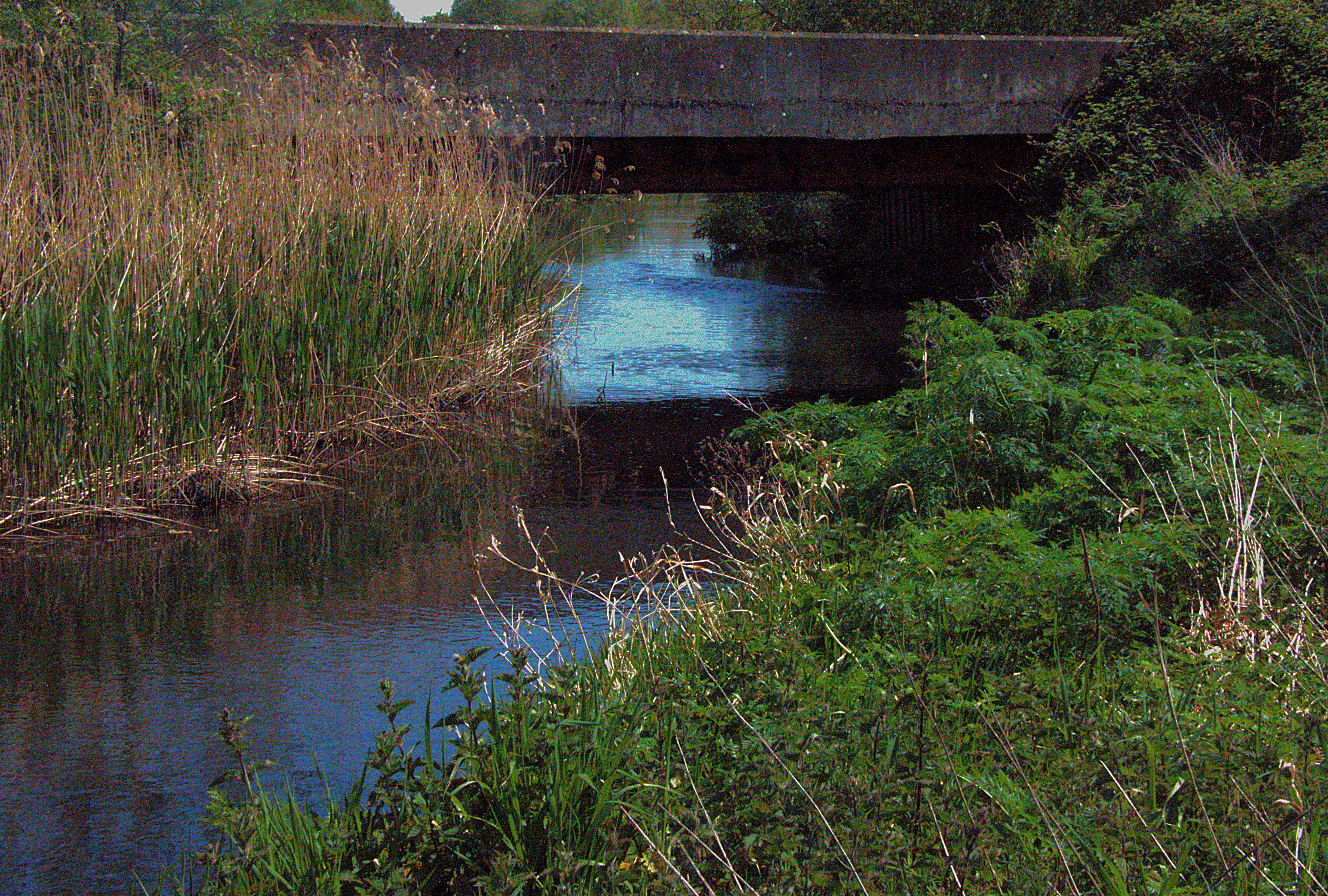
The lake is full of water birds of various types. There is further water beyond, including of course the river Wensum without which Pensthorpe could not exist.
PHOTOGRAPHS
Here are the photographs for this post…
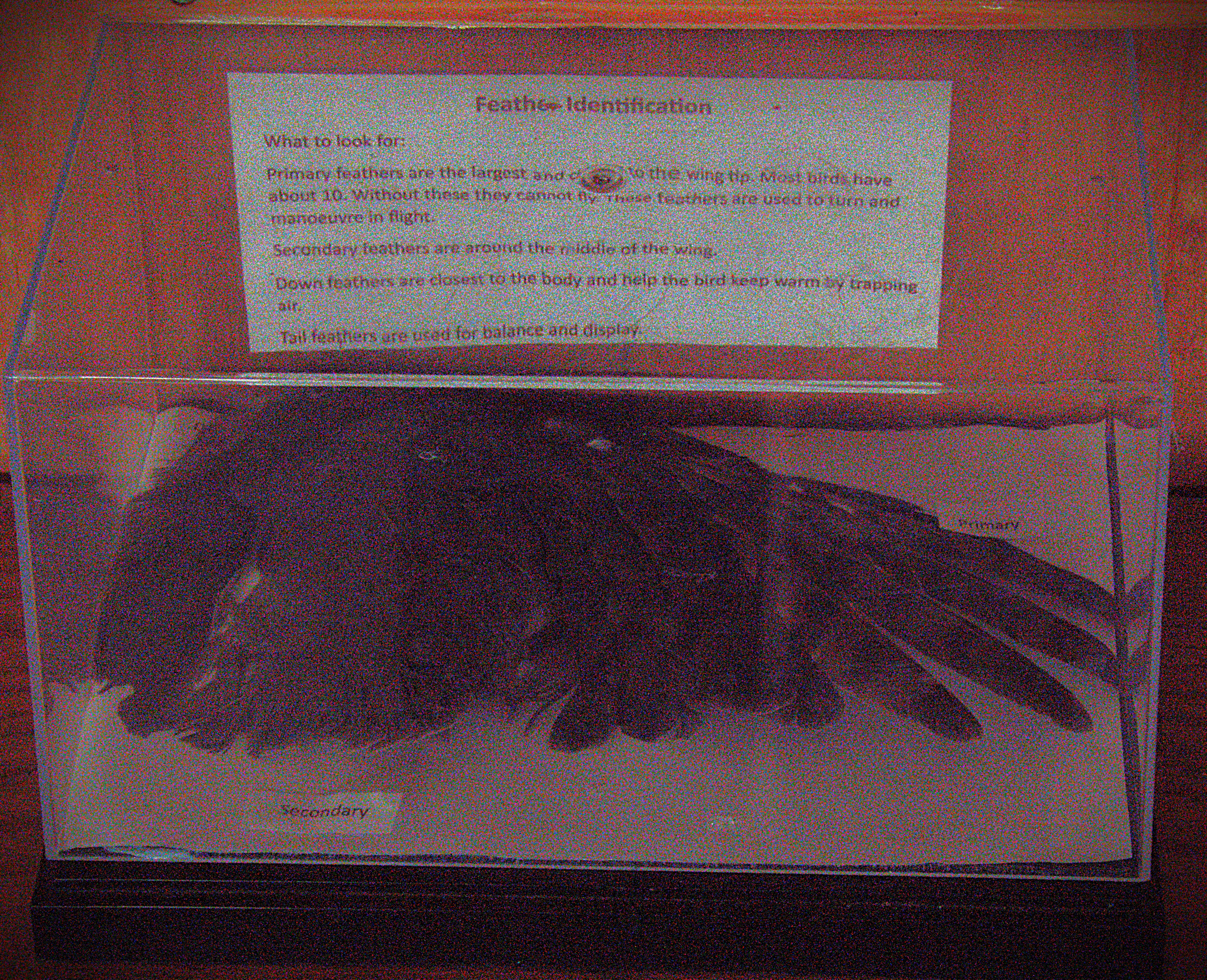
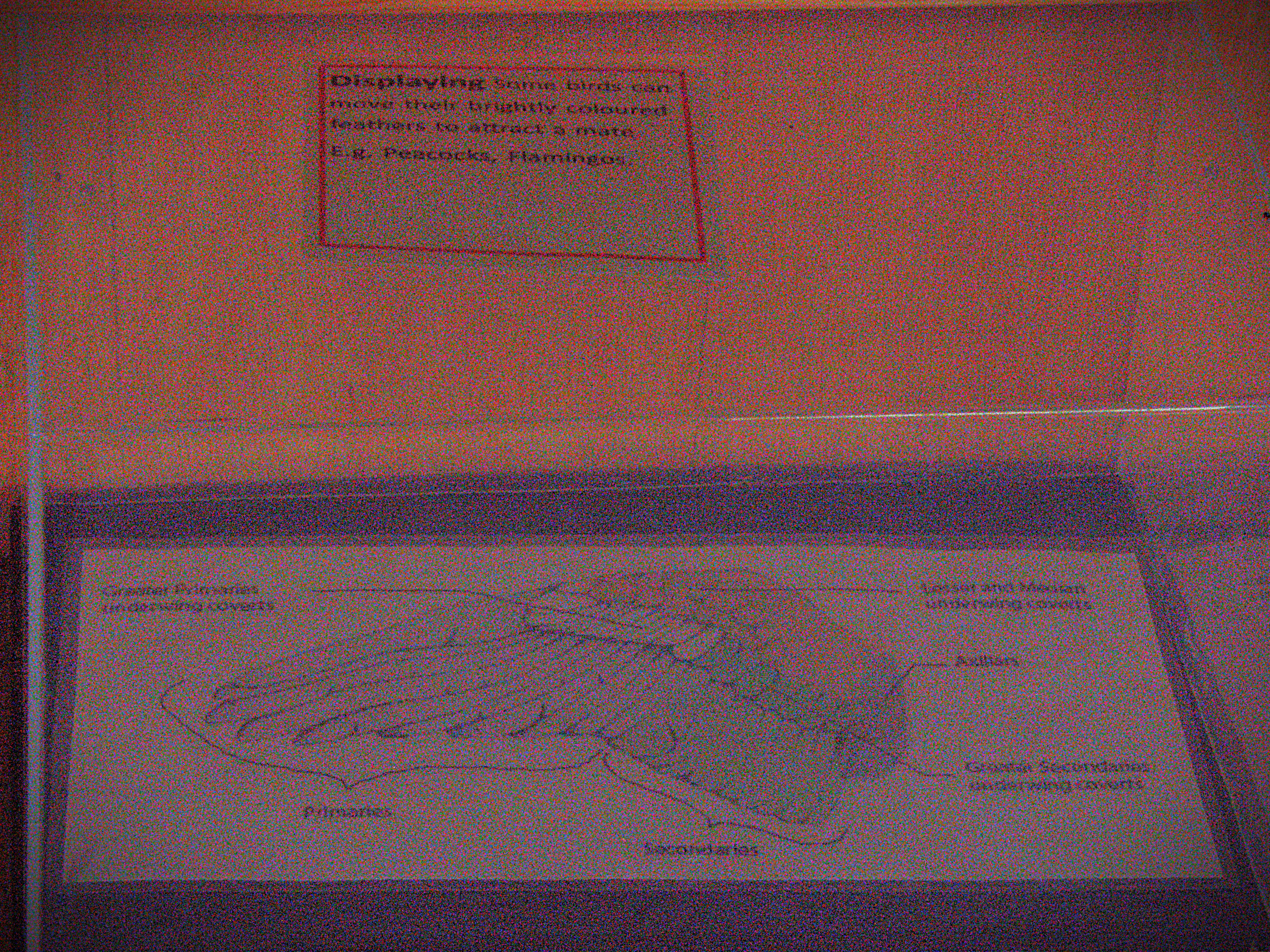
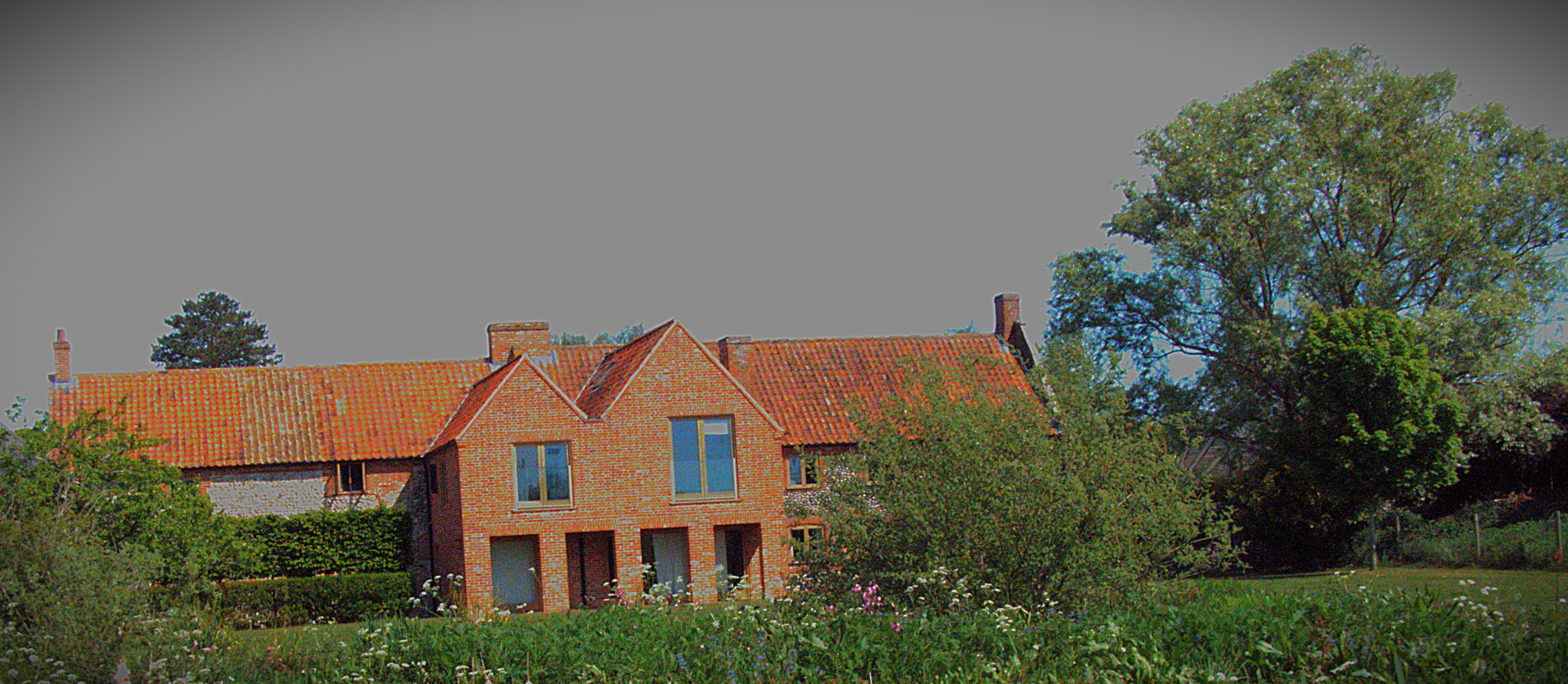
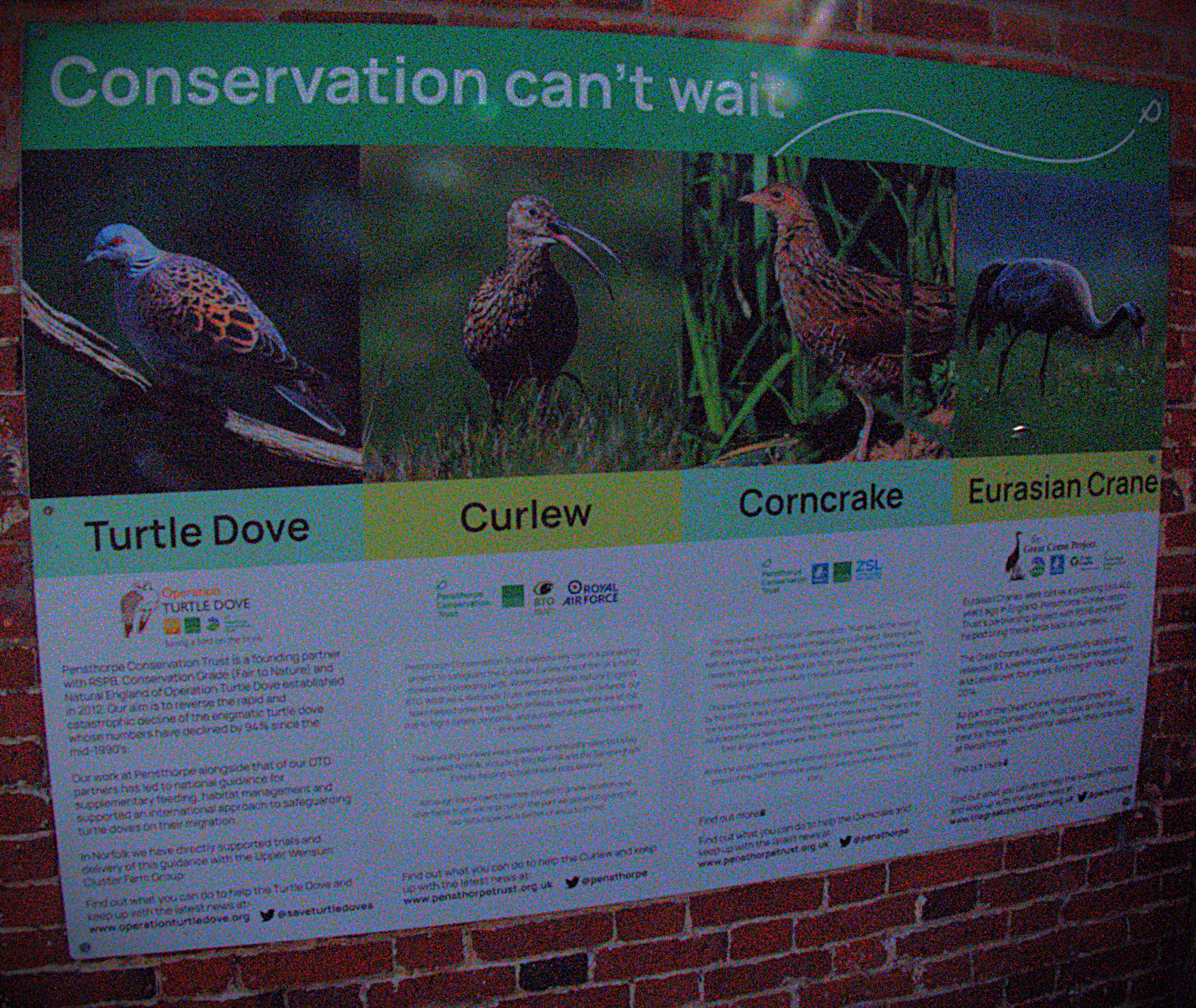
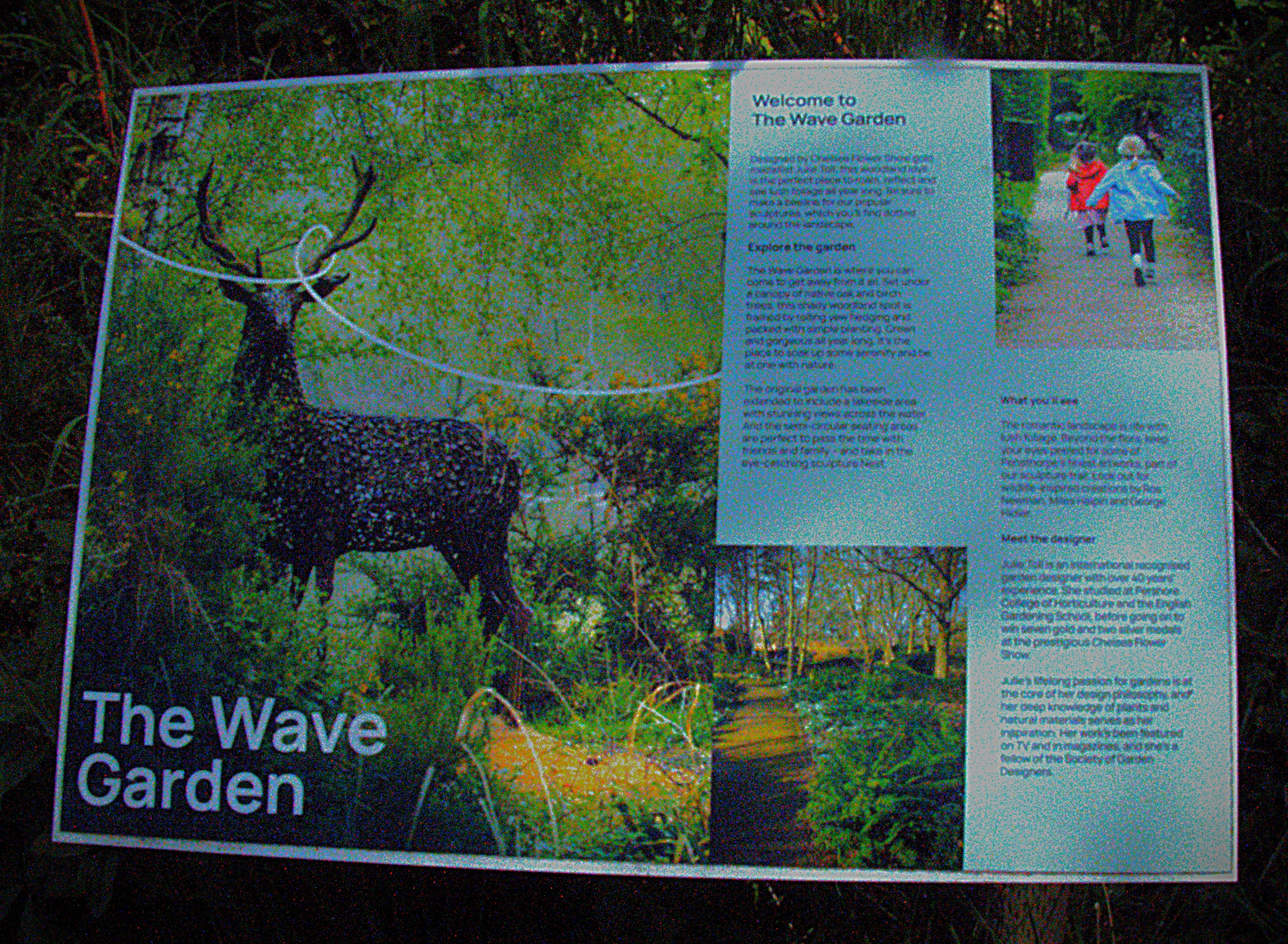
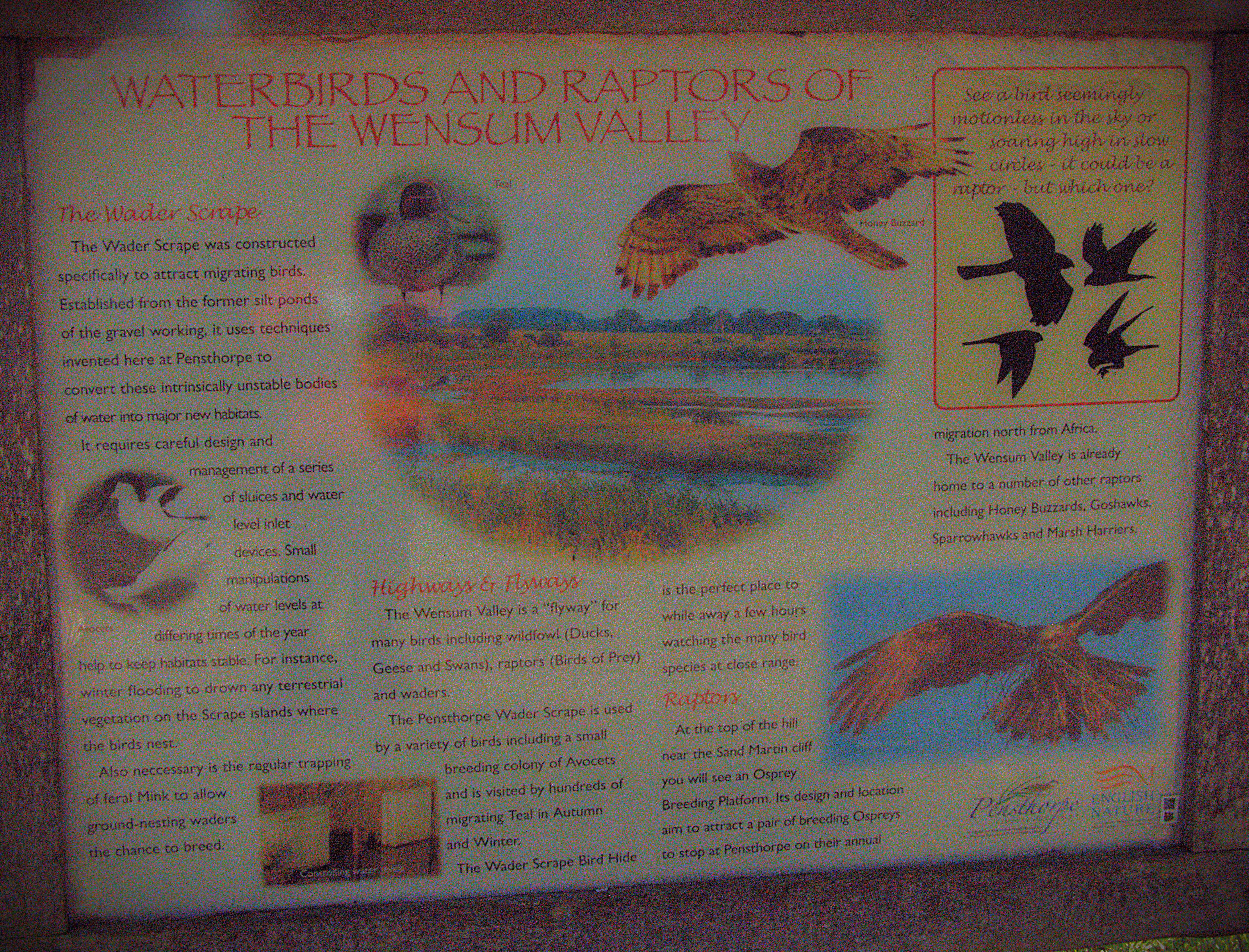
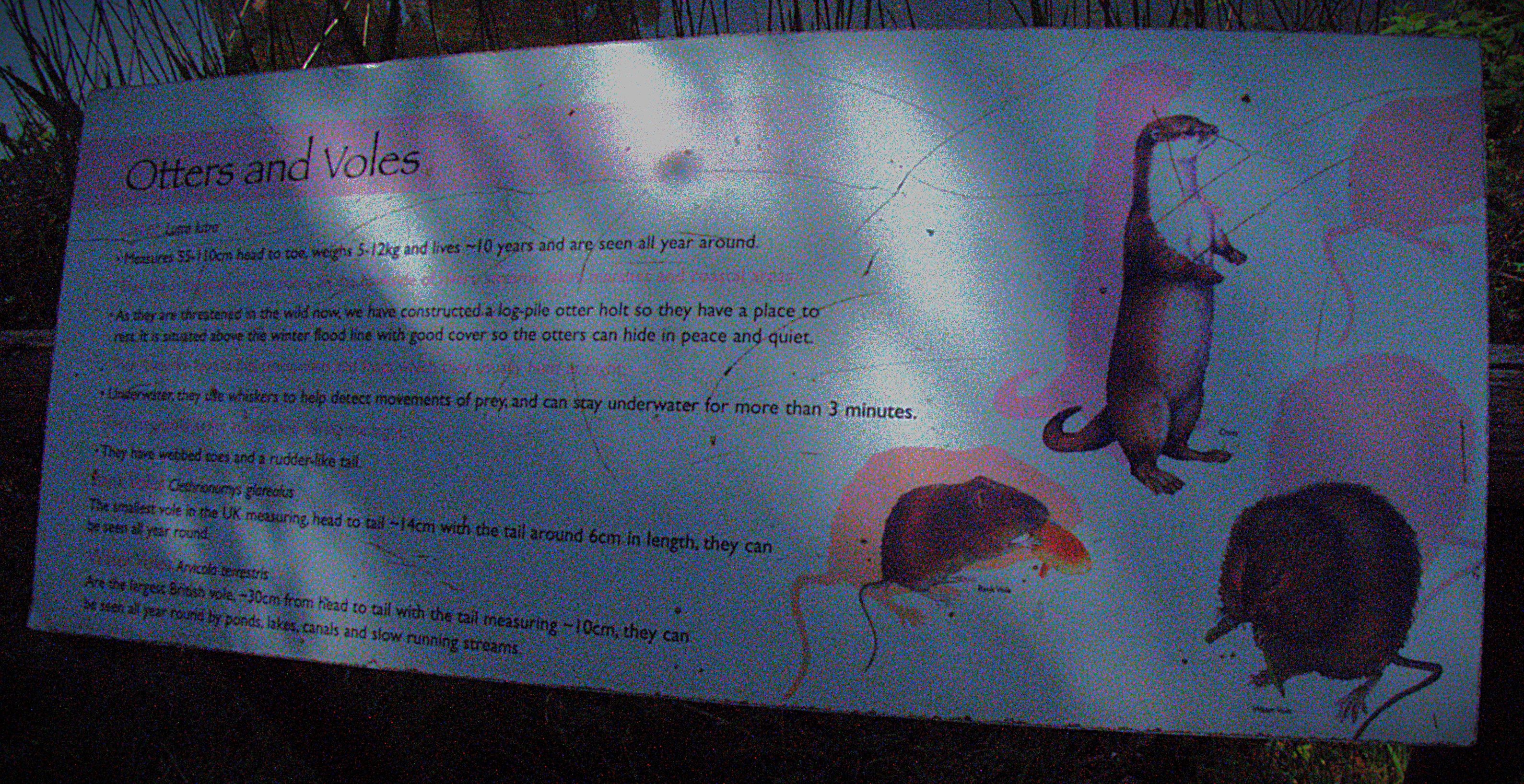
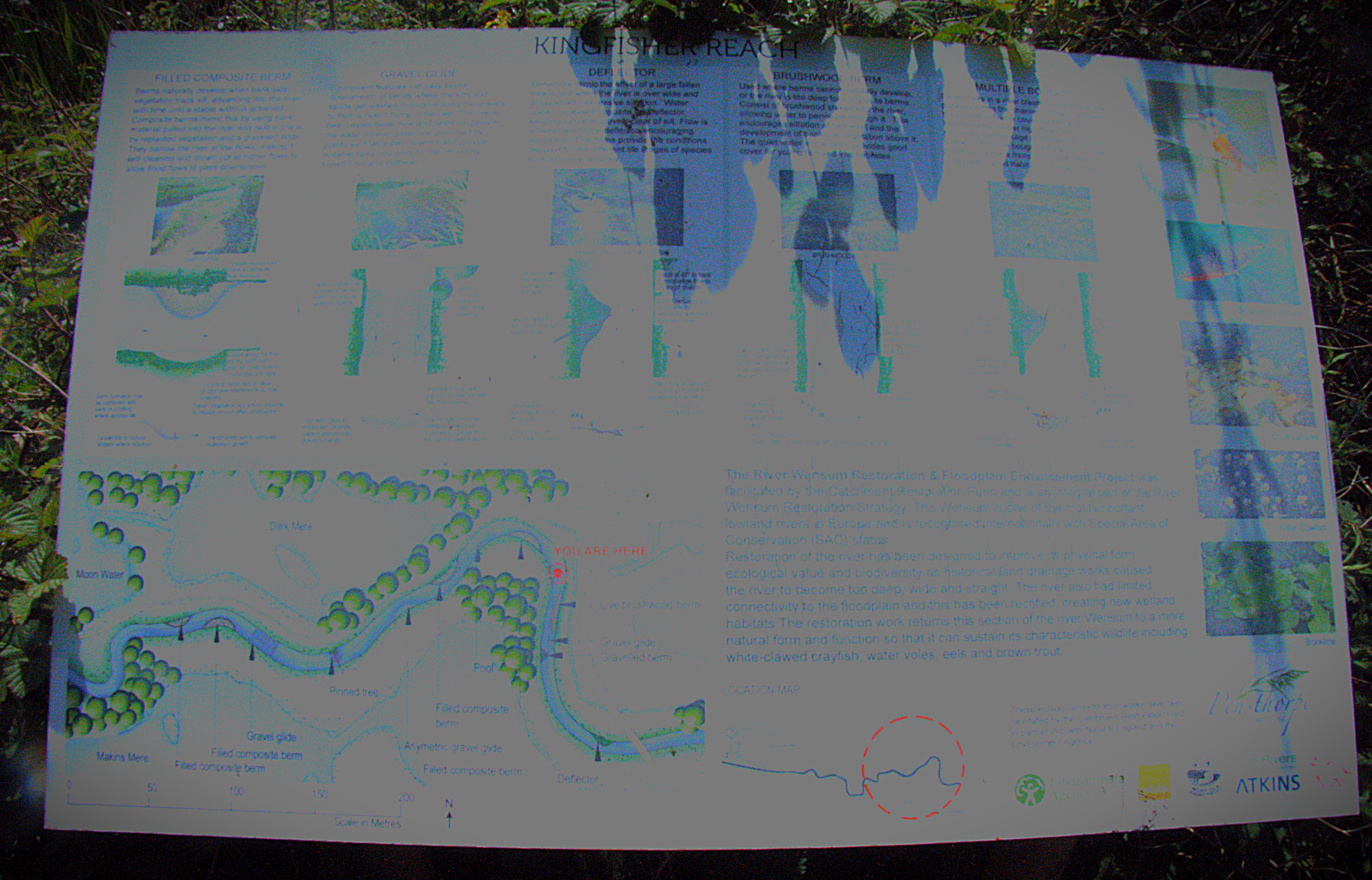
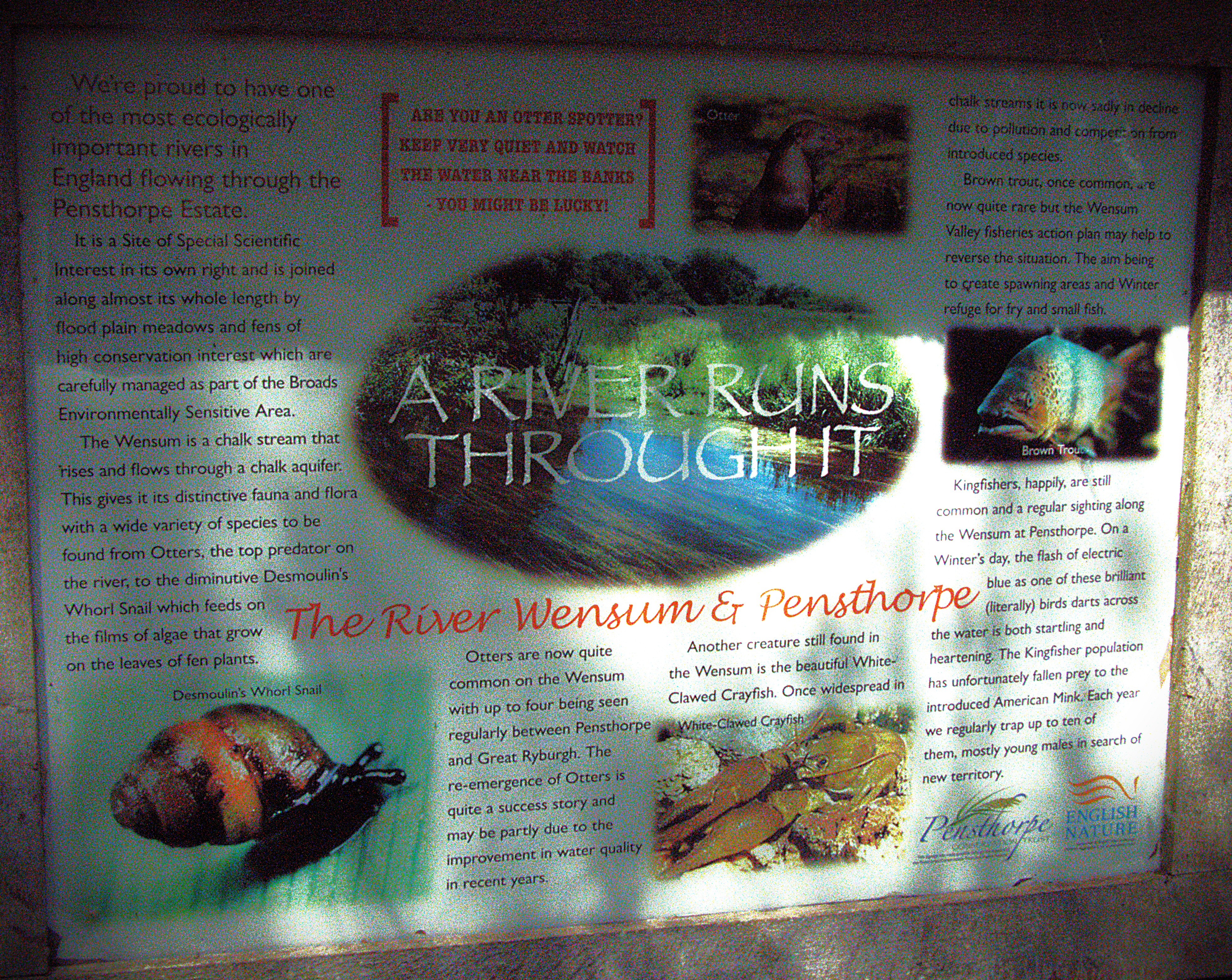
An information board about the Wensum.Pictures of the room set aside for WNAG members to eat in.