
The 45th Ryder Cup

A look back at the Ryder Cup, played at Bethpage Black golf course over the weekend. Also a photo gallery.

Over the weekend the USA and Europe did battle for the Ryder Cup at Bethpage Black golf course, Farmingdale, Long Island, New York. This post looks back at what happened.

On Friday and Saturday team element of the tournament, one set of four foursomes and one set of four fourballs on each day, took place, before the event concluded with the 12 singles matches. In foursomes the players play alternate shots, so only two balls are in play in each group. In fourballs all four players are in action, each playing their own balls. Europe were utterly dominant over these two days, winning all four sets of matches, a first. USian world number one Scottie Scheffler set a less welcome new record – he became the first player in Ryder Cup history to be part of losing pairs in all four sets of matches over the first two days. Europe looked and played like a team, the USA like a collection of individuals. Keegan Bradley, the USian captain, was last involved in a Ryder Cup over a decade ago, while two of his assistants had no prior Ryder Cup experience at all and another, Jim Furyk, had mainly been on losing teams in his own Ryder Cup days. In all Europe led going into the final day by 11.5 to 4.5, with 14 being enough for them to retain the cup and 14.5 enough to win it outright. The biggest end of day two lead ever successfully overturned at a Ryder Cup is 10-6, by the USA at Brookline in 1999 and by Europe in ‘The Miracle of Medinah’ in 2012. In the latter match Europe were 10-4 down with the last two fourballs matches in play, and won both those games, with Ian Poulter putting in an Olympian performance to turn one of them round in its closing stages, whereas at Bethpage the last point on Saturday was won by Europe to extend their lead.

Before the day even started the score line changed. Viktor Hovland for Europe had a neck injury and was forced to pull out, which meant that a USian also had to pull out. As luck would have it the person who had been picked by the captain as the US’s fall guy in this event (each side puts one name in an envelope to cover for emergency withdrawals by the other side) was Hovland’s scheduled opponent anyway, so other than the award of half a point to each team, which made it USA 5, Europe 12 nothing else changed. The USA generally outpoint Europe in the singles, but Europe’s lead was so huge that a US comeback was the longest of long shots. USA did indeed outpoint Europe, but not by as much as they needed to. Only one European actually won a singles match on this day, Ludwig Aberg (that surname is apparently correctly pronounced like “oh-bairj”), but three other Europeans took half points from their matches, so the final score was USA 13 Europe 15. Europe thus retained the Ryder Cup, winning in the USA for only the fourth time.

My usual sign off…

Glory for Gloucestershire

A look back at the finale to the longest day of the English cricket calendar, the T20 blast final between Gloucestershire and Somerset. Also a photo gallery.

I covered the semi-finals yesterday, immediately after the second of them concluded. This post looks at the final, between the two west country sides, Gloucestershire and Somerset.

Both sides were unchanged from their semi-final successes. Gloucestershire won the toss and decided to bowl first. Somerset started fast, but Matt Taylor got Will Smeed with the first ball of the fourth over to make it 28-1. Taylor ended that fourth over by removing the other Somerset opener, Tom Kohler-Cadmore, for 20. Then in the sixth over James Rew became Taylor’s third victim. The third ball of the seventh over, bowled by Oliver Price, got through the defences of Dickson, one of the batting heroes of Somerset’s semi-final victory, for a duck, and Somerset were 42-4 and in a pile of trouble. They never really extracted themselves from this predicament, though skipper Lewis Gregory fought his way to a half century. Gregory’s innings was terminated by David Payne with the penultimate ball of the 19th over, with the score on 123. It was Payne’s 33rd wicket of the tournament, equalling the all time record for a single year of this competition, set by Alfonso Thomas of Somerset some years ago. Only one further run accrued before Jake Ball was out with two balls of the innings left. A toral of 124 left Somerset in ‘miracles required’ territory 0 the previous lowest ever total defended successfully in a final was 145 by Somerset themselves last year and by Leicestershire a few years back.

Somerset needed early wickets to have any chance at all of defending their decidedly modest score, and they did not get them. Miles Hammond and Cameron Bancroft were soon scoring at well above the required rate. A ten wicket win looked likely when both were going great guns. By the time Bancroft finally fell to a catch by Smeed off Davey there were only 13 more needed for the win. Bracey fell cheaply, but by then only six were required. Miles Hammond was there at the end, 58 not out from 41 balls (as compared to Bancroft’s 53 from 42 balls), but it was the new batter, Oliver Price, who ended the chase with a six. Gloucestershire had eight wickets and five whole overs to spare, meaning that overall in their semi-final and final they had 16 wickets and 11.2 overs to spare on their opponents. In losing only four wickets on finals day while winning the trophy they had set a new record – the previous fewest wickets lost on the day by a trophy winning side was five by Northamptonshire. Full scorecard here.

Matt Taylor, whose three early wickets put the skids under the Somerset innings, was correctly named Player of the Match. This is Gloucestershire’s first ever T20 Blast trophy, though just a few years before the launch of T20 cricket they had a very successful one-day side. They were named ‘Champion County’ three times in the 1870s, being unbeaten in two of those seasons, and have been runners up six times since the County Championship was put on an organized footing in 1890. Somerset still have shots at two trophies this season – they are in the final of the One Day Cup, and are challenging hard for the county championship (see here).

My usual sign off (remember to click on images to view them at a larger size)…

All Time XIs – South Africa Since Readmission

The third and final part of mini-series looking at South African cricket history. As usual I also have a fine photo gallery.

This is third part of a mini-series looking at South Africa’s cricket history (follow the links to part one and part two to complete the picture) looking at the period since they were readmitted to international cricket.

  1. *Graeme Smith (left handed opening batter, captain). A superb playing record and a very good win percentage as captain, a role he first took on at a much younger age than most test captains.
  2. Herschelle Gibbs (right handed opening batter). To complement the decidedly functional left hander we have a rather more aesthetic right hander, but one who scored plenty of runs.
  3. Hashim Amla (right handed batter). The only South Africa ever to score a test triple century, just one of many magnificent innings he played over the years.
  4. AB de Villiers (right handed batter, occasional wicket keeper, occasional medium pacer). Best known for his deeds in limited overs cricket, Abraham Benjamin de Villiers was still good enough facing a red ball to average 50 with the bat at test level.
  5. Jacques Kallis (right handed batter, right arm fast medium bowler). If one had to pick a single player as the greatest ever produced by South Africa most people would name this man.
  6. Brian McMillan (right handed batter, right arm medium fast bowler). One of the best players of the period immediately after South Africa were readmitted. He was already close to 30 when the opportunity to play test cricket arose, but still averaged 40 with the bat at that level and took some useful wickets along the way.
  7. +Mark Boucher (wicket keeper, right handed batter). One of the greatest keepers ever to play the game and a handy lower middle order batter.
  8. Keshav Maharaj (left arm orthodox spinner, right handed batter). South Africa is not a country that many visiting spinners of recent times would have fond memories of, and his test record (158 wickets at 31.99 to date) has to be viewed through the lens of how difficult it is to bowl spin in that part of the world these days.
  9. Kagiso Rabada (right arm fast bowler, right handed batter). At 28 years of age he has plenty of power to add to his achievements, and he has already achieved enough that he will rank among the greats of the game even if he does nothing more.
  10. Allan Donald (right arm fast bowler, right handed batter). He had the opportunity to qualify for England through residence, playing county cricket for Warwickshire in the 1980s, but chose not to do so, believing that South Africa would be readmitted in time for him to play for them. They were, and although Donald was nearer 30 than 20 by the time the opportunity came he showed the world what followers of county cricket had already been well aware of – he was both seriously quick and seriously accurate.
  11. Dale Steyn (right arm fast bowler, right handed batter). At his peak he was indisputably the best fast bowler in the world, and his record, as with Donald and Rabada, puts him among the finest ever.

This side has a powerful batting line up, three of the finest fast bowlers ever to play the game, a quality spinner, a great keeper, a great captain, and two of the six batters would be legitimate bowling options as well.

The biggest miss by far was Shaun Pollock. I do not like not having any spin available, and Boucher at six and Pollock at seven would be something of gamble. I always select with long form cricket in mind, so I want the best keeper. But for this latter I could get Pollock in on a minor gamble by playing Quinton de Kock as keeper, have him bat at six (dropping McMillan), Pollock at seven, one place above his most frequent slot for SA, and then my four chosen bowlers.

Dean Elgar was a gritty and determined left handed opener, but with Smith inked in I wanted my second opener to be right handed, so he missed out. Gary Kirsten, another tough left handed opener can have a coaching gig – another job he has done well.

Had Daryll Cullinan been able to handle Australian leg spinners as well as he did other bowlers he would have given me more pause than he actually did. He averaged six runs less per knock at test level than de Villiers to whom I gave his regular number four slot.

Francois ‘Faf’ Du Plessis was a good middle order batter, but South Africa’s power in that department over the years keeps him out. Also in his last innings against England he repeatedly handled the ball – England complained about it, but wrongly IMO did not use the ultimate sanction of appealing against him – the umpire would have had to raise the finger.

Ashwell Prince had a respectable test record but again the strength of the middle order keeps him out.

I would have liked to be able to include Paul ‘frog in a blender’ Adams, but his record was unfortunately not as remarkable as his bowling action.

Two seriously fast bowlers who had to miss out were Mornantau ‘Nantie’ Hayward who was to inconsistent to challenge my actual choices and Anrich Nortje who does not yet have the weight of achievement to merit selection.

My usual sign off…

Pakistan in Trouble in Boxing Day Test Match

A look at the first two days play between Australia and Pakistan at the MCG and a splendid photo gallery.

The Boxing Day test match between Australia and Pakistan at Melbourne has now seen two days play, albeit one of them disrupted by the weather, and is beginning to take shape.

Pakistan won the toss and elected to put Australia in to bat. A truncated opening day ended with the hosts 187-3 after a “curate’s egg” bowling and fielding effort by Pakistan. At 226-4 Australia still looked very well placed, but then Pakistan fought their way back into things, and Australia eventually tallied a mere 318, respectable after being sent in but by no means formidable. Marnus Labuschagne with 63 had the only half century off the bat in the innings, but Pakistan may well come to regret the fact that they allowed Extras to tally a half century as well (52, including 15 wides). Debutant Aamer Jamal claimed three wickets, while Shaheen Shah Afridi, Mir Hamza and Hasan Ali each had two, and Agha Salman, brought on to bowl the last over before lunch on day one, was gifted the wicket of David Warner.

Pakistan began well, and at 124-1 it looked like things were going their way, but then came a passage of play that completely changed things. Pat Cummins removed Abdullah Shafique for 62, hanging on to a hard return chance. Then he widened the breach by bowling new batter Babar Azam for 1. Lyon got Shan Masood for 54, Hazlewood produced a beauty to get through the defences of Saud Shakeel for 9, and Pakistan were 151-5 and in a lot of trouble. Cummins claimed a third scalp of the innings when he got one to take the edge of Salman’s bat to make it 170-6. However Jamal defended stoutly, while wicketkeeper Mohammad Rizwan, who had performed better behind the stumps than 20 byes and 15 leg byes might suggest, batted well. When the cut off time arrived Pakistan were 194-6, with Rizwan 29*. Much rests on him on day three – it will largely by his further contribution or lack of it that decides whether Australia will have a really commanding lead or not. At the moment Australia are in the box seat, but many worse positions than the one Pakistan are currently in have seen sides emerge victorious.

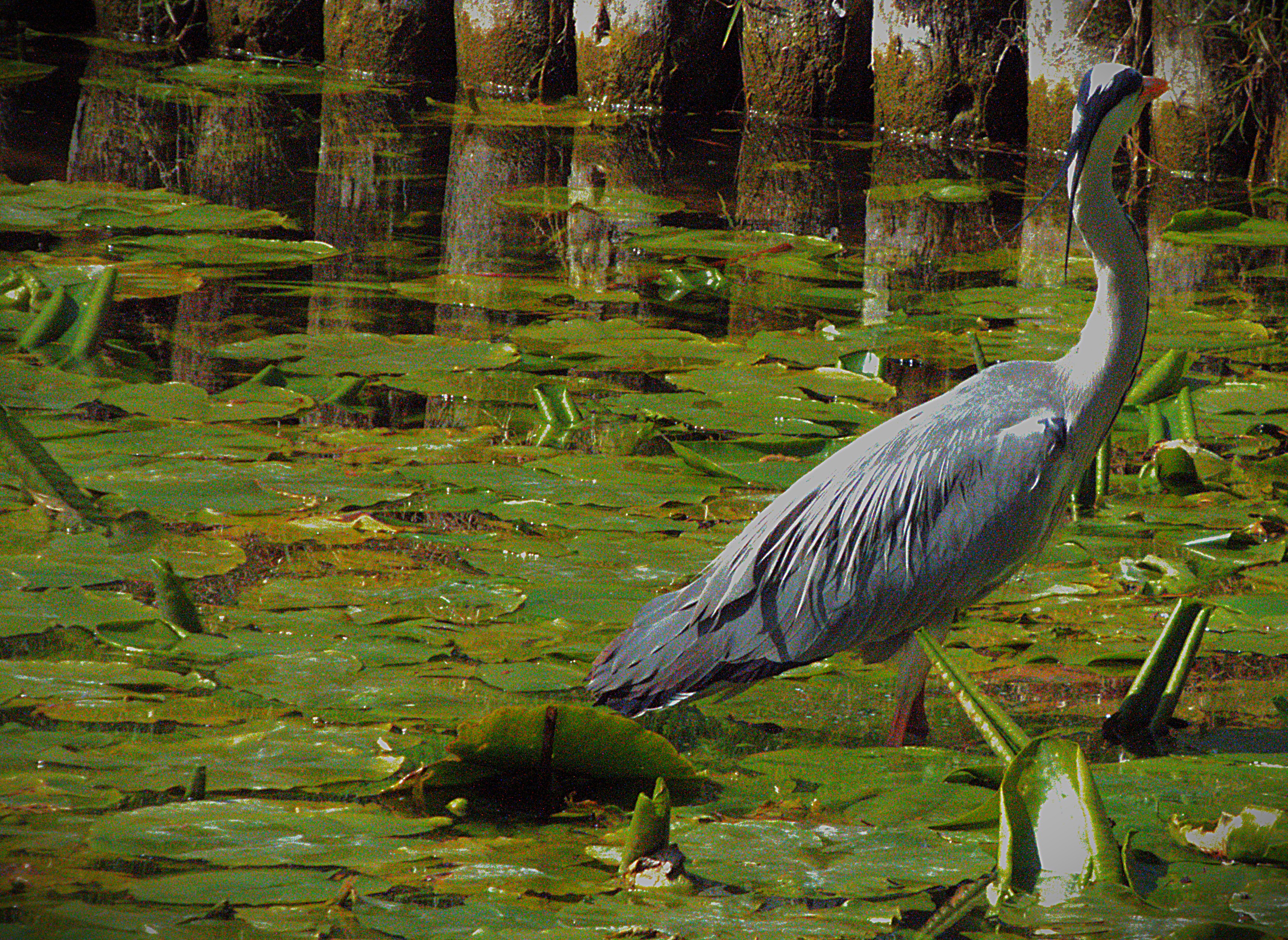
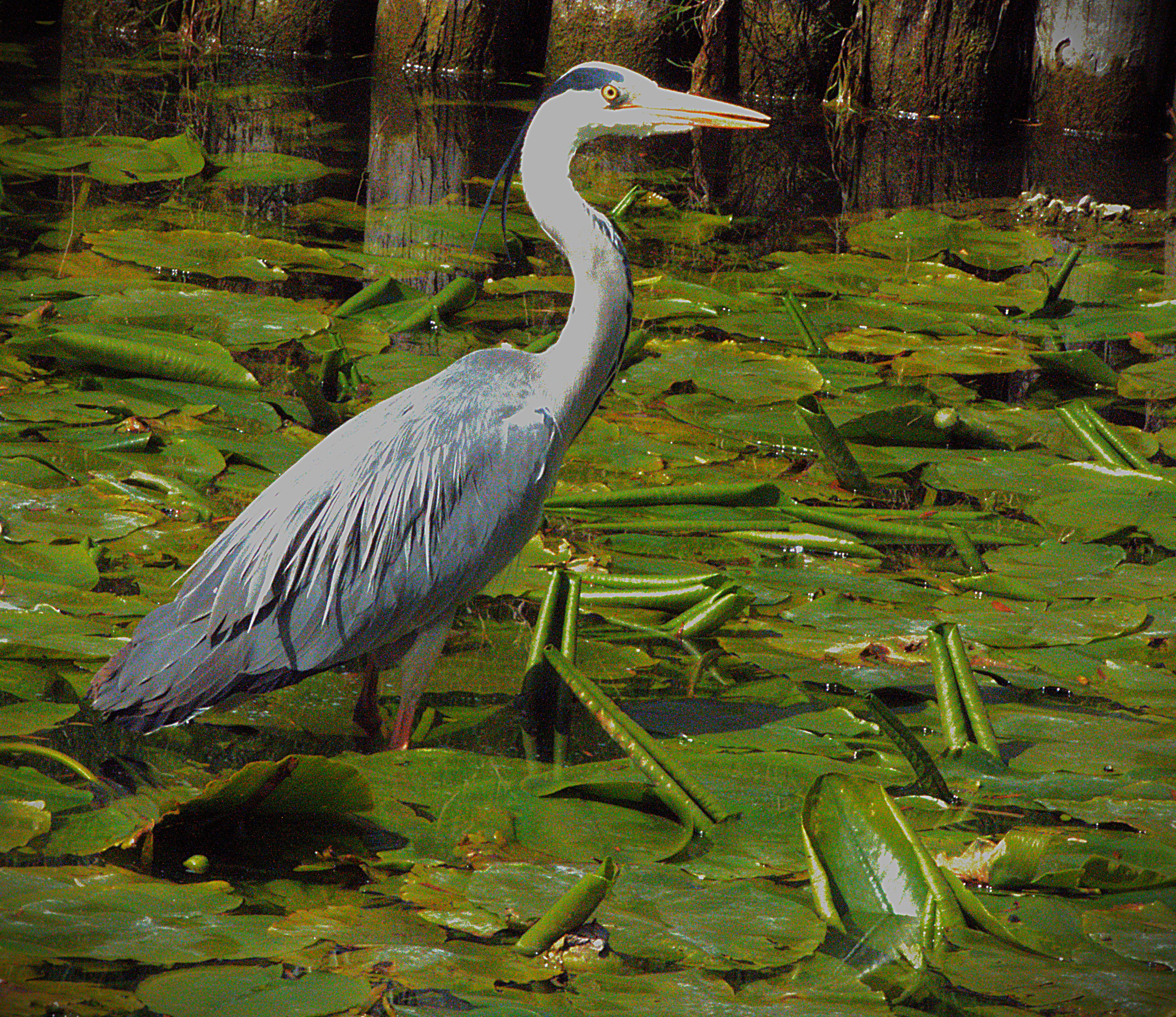
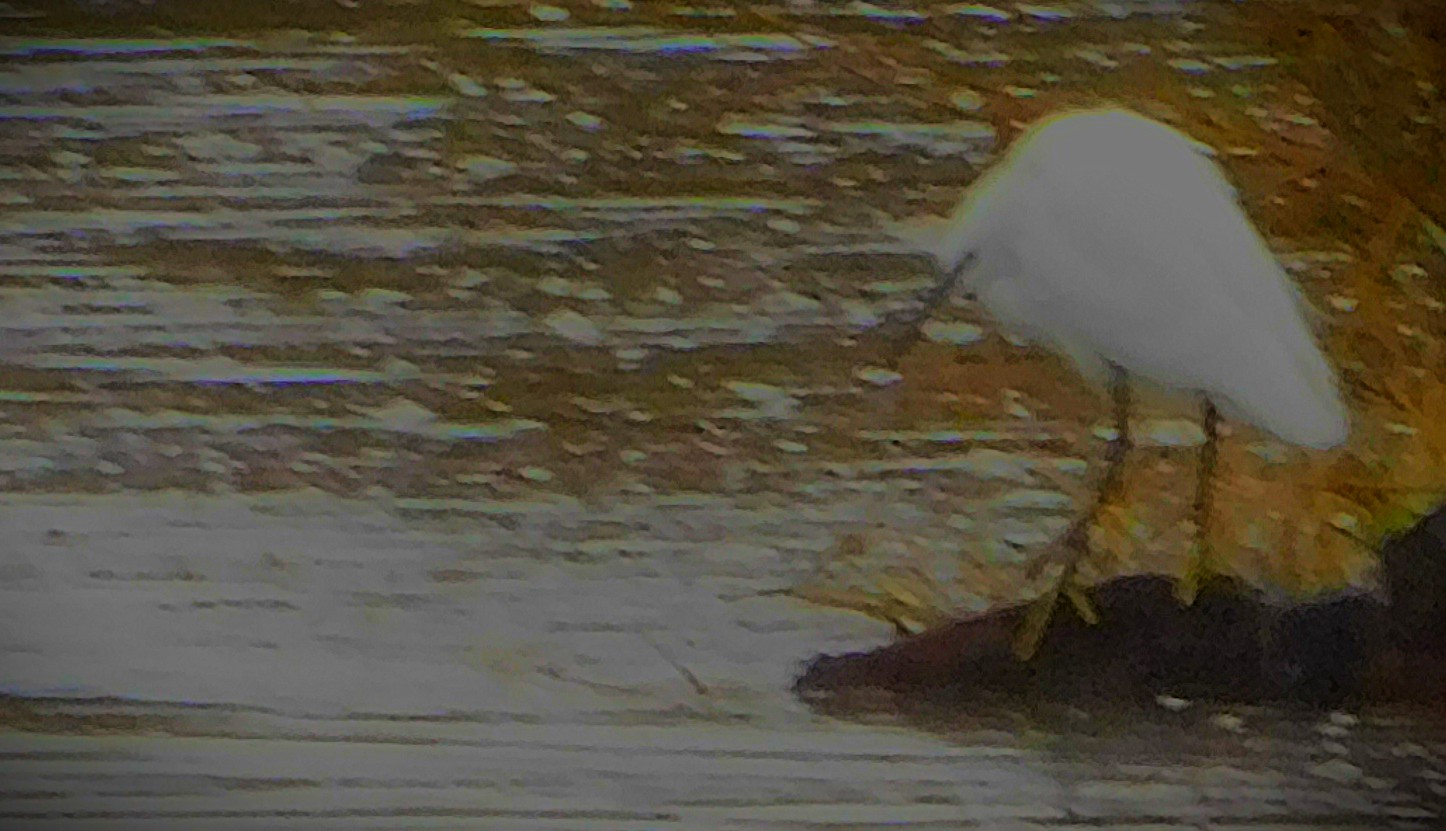
Yesterday morning was bright and sunny, and I got out for a long walk while the weather was pleasant. I was well rewarded, including sightings of an egret and a couple of cormorants among other things…

A Classic and an Upset

An account of an astonishing day at the 2023 ODI Cricket World Cup, one good both for the tournament and for the sport as a whole, though not good for England. Also a photo gallery.

Today saw two matches at the ODI Cricket World Cup, both of which in their own ways were excellent news for the tournament and for the sport as a whole. These are described in today’s post. Yesterday’s game between Pakistan and South Africa turned into an absolute nail biter, South Africa sneaking home by one wicket, and then came today’s events.

Australia got away to an absolute flyer, with the scoring rate almost 12 an over for the first ten overs. However once David Warner and Travis Head were out in quick succession the innings lost momentum for a period. In the end it took a late flurry by Pat Cummins to boost the final total to 388-7. New Zealand also started fast with the bat, and were never wholly out of contention at any stage of the chase. In the end 19 were needed off the final over, and Mitchell Starc, who had a shocking match, had to bowl it. When Jimmy Neesham was run out coming back for a desperate second on the penultimate ball it meant that injured number 11 Lockie Ferguson had to attempt to score six off the one remaining delivery to pull off an epic chase. In the event the delivery was a dot ball and Australia had won by five runs. The aggregate of 771 was a new record for any World Cup match, beating the 754 between South Africa and Sri Lanka (428 plays 326) earlier in this tournament.

The Netherlands batted first and managed to tally 229, being out to the last ball of their 50 overs. It was then that the fun started. In spite of the fact that conditions at Eden Gardens, Kolkata are rather closer to those experienced by Bangladesh on a regular basis than those best known to the Dutch it was the latter who made better use of them. Bangladesh were soon 63-4, then 69-5, then 74-6. A seventh wicket stand of 34 offered temporary reprieve. When the vastly experienced Mahmudullah was eighth out for 20, leaving numbers 9,10 and 11 in the order to score in excess of 100 at over six an over the writing was firmly on the wall, and although the tail enders showed rather more grit than most of their supposed betters with the bat the final margin was 87 runs, a second victory of the tournament for the Netherlands, and a result which condemned England, whose next outing is against hosts India tomorrow, to bottom place in the table, behind Bangladesh on net run rate. The single most damning aspect of a dismal performance by a team who have had test status for over 20 years and signally failed to make full use of being at cricket’s top table was the fact that even in the spin bowling department, always their greatest strength, Bangladesh were outdone by their opponents. Aryan Dutt for the Netherlands was allowed to record figures of 1-26 from his ten overs, while second spinner Colin Ackermann, primarily a batter, emerged with 7-1-25-1. The Dutch are to be congratulated, and I for one will be far from surprised should they add to their two wins in what is left of the group stage.

My usual sign off…

England v Ireland So Far

A look at developments in the England v Ireland ODI so far and a large photo gallery.

The one-day series between England and Ireland should have started on Wednesday at Headingley, but not a single ball was bowled in that game. Today, officially the first day of autumn in the northern hemisphere, is a much pleasanter day than Wednesday was, and the second scheduled match, at Trent Bridge, is proceeding with no weather related problems.

England are not using any of their selected world cup players (tournament gets underway in early October, in India, with a replay of the 2019 final – England v New Zealand) in this series. The XI selected for this match includes four debutants, Sam Hain (batter, ridiculous given his domestic white ball record that he has waited this long), Jamie Smith (batter/ keeper, hugely talented youngster), George Scrimshaw (pace bowler, again very talented, though alsob very inexperienced, and the first Derbyshire player since Dominic Cork in 2002 to feature for England) and Tom Hartley (left arm spinner, decent limited overs record, but a surprise for me to see him in the side).

Ireland put England in, and Phil Salt and Will Jacks opened up for England. Salt made a rapid 28 before he and stand-in skipper Crawley fell in the space of three balls. Then Jacks and Duckett had an excellent stand before Duckett fell for 48. That brough debutant Sam Hain to the crease, and he and Jacks proceeded to share a superb partnership, ended only when Jacks holed out on the boundary trying to bring up his century with a six. Jacks’ 94 was still the third best ever score for England by someone with first two initials WG behind WG Grace’s two test tons – 152 on debut at The Oval in 1880 and 170 at the same ground six years later. Debutant number two, Smith, managed only nine but a fluent 32 from Carse at number seven maintained the tempo. The closing overs featured a race against the clock for Hain to reach a debut century, but four balls from the end he too holed out with the landmark just about in sight – 89 in his case, off 82 balls. England ended up with 334-8 from their 50 overs.

George Scrimshaw was given the new ball, and he had a traumatic start as an international bowler, conceding a number of wides and no-balls. However, with the last ball of his second over he claimed the wicket of Andrew Balbirnie, and then Matt Potts got Stirling with the first ball of the next over. Scrimshaw’s third over was then a massive improvement, going for just a single – 2-0-35-1 becoming 3-0-36-1. Ireland are currently 53-2 in the seventh over, well and truly up with the rate, but already two wickets down.

My usual sign off, courtesy of an evening walk yesterday and more importantly a long walk on the first autumn morning of the year today…

While I have been preparing this for publication the game has moved on. Potts has dismissed Campher to make it 69-3 in the ninth over.

County Championship Action Resumes

A brief look at the resumption of the county championship, an account of a ‘Make your own pizza’ session arranged by the West Norfolk Autism Group and a photo gallery.

After a break for The Hundred and The One Day Cup the County Championship has resumed. I am following developments at The Oval where Surrey host Warwickshire (although at the moment only by way of cricinfo – I am listening to commentary on the third T20I between England and New Zealand.

Surrey are batting first, and are faring reasonably well. Ben Foakes has just become the third Surrey batter to reach 50, after an aggressive innings by Jamie Smith and much less aggressive one from Sibley, although 65 off 174 is not slow by the opener’s regular standards. I missed the morning session due having a commitment elsewhere, though it is fairly clear from what the commentators have had to say that Ed Barnard has been the best of the Warwickshire bowlers so far. Tea is now being taken, with Surrey 224-4.

This morning the West Norfolk Autism Group had a Make Your Own Pizza session for adults, hosted by Pizza Express in King’s Lynn town centre. We started with a lump of dough which had been turned into a pizza base. This process was quite tricky, but I managed to get it done. Once the base was in the baking tray in which it would be cooked the next step was to create a barrier by elevating the edge of the base (as close to the very edge as possible). Then came the application of tomato puree, which was the one element with which I required a little assistance. Then came the selection of ingredients – in my case I said yes to mushrooms, pepperoni and olives and no to the rest (ham, chicken, two types of pepper, both too hot for my tastes, spiced beef and goats cheese), after which it was time add the mozzarella, which needed to be distributed as evenly as possible. Before the cooking there was on e more thing to do – to name our pizzas. I was very pleased with my creation and ate every scrap of it.

My usual sign off…

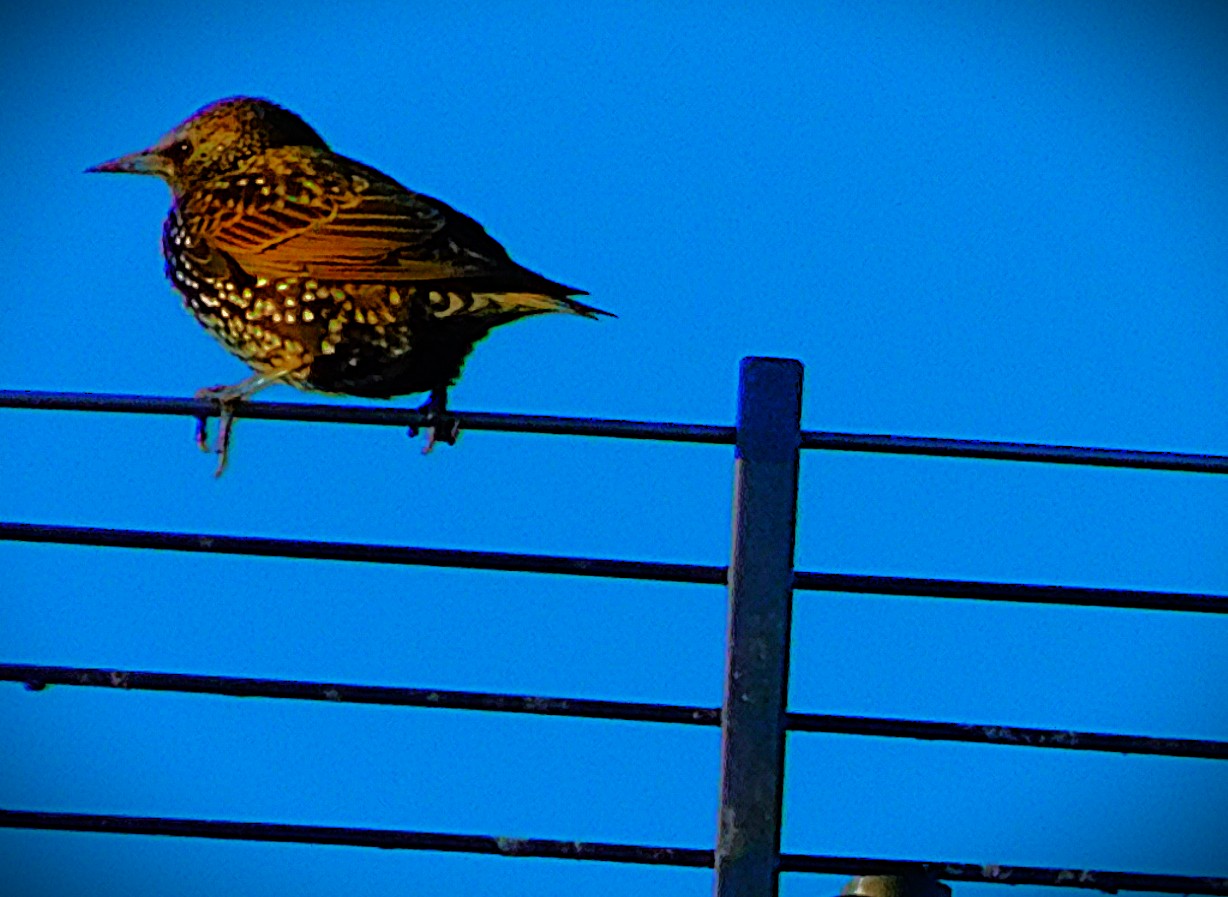
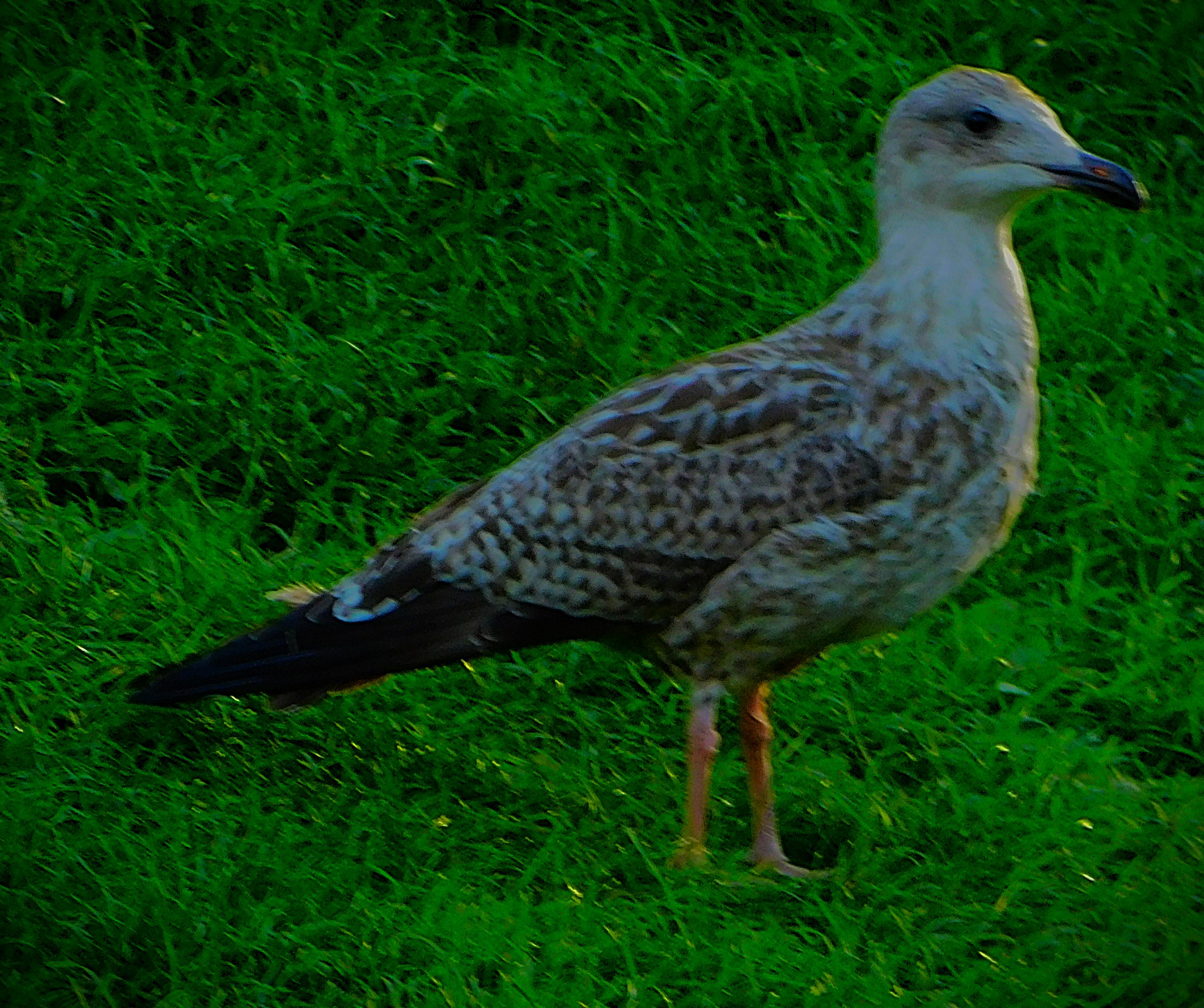
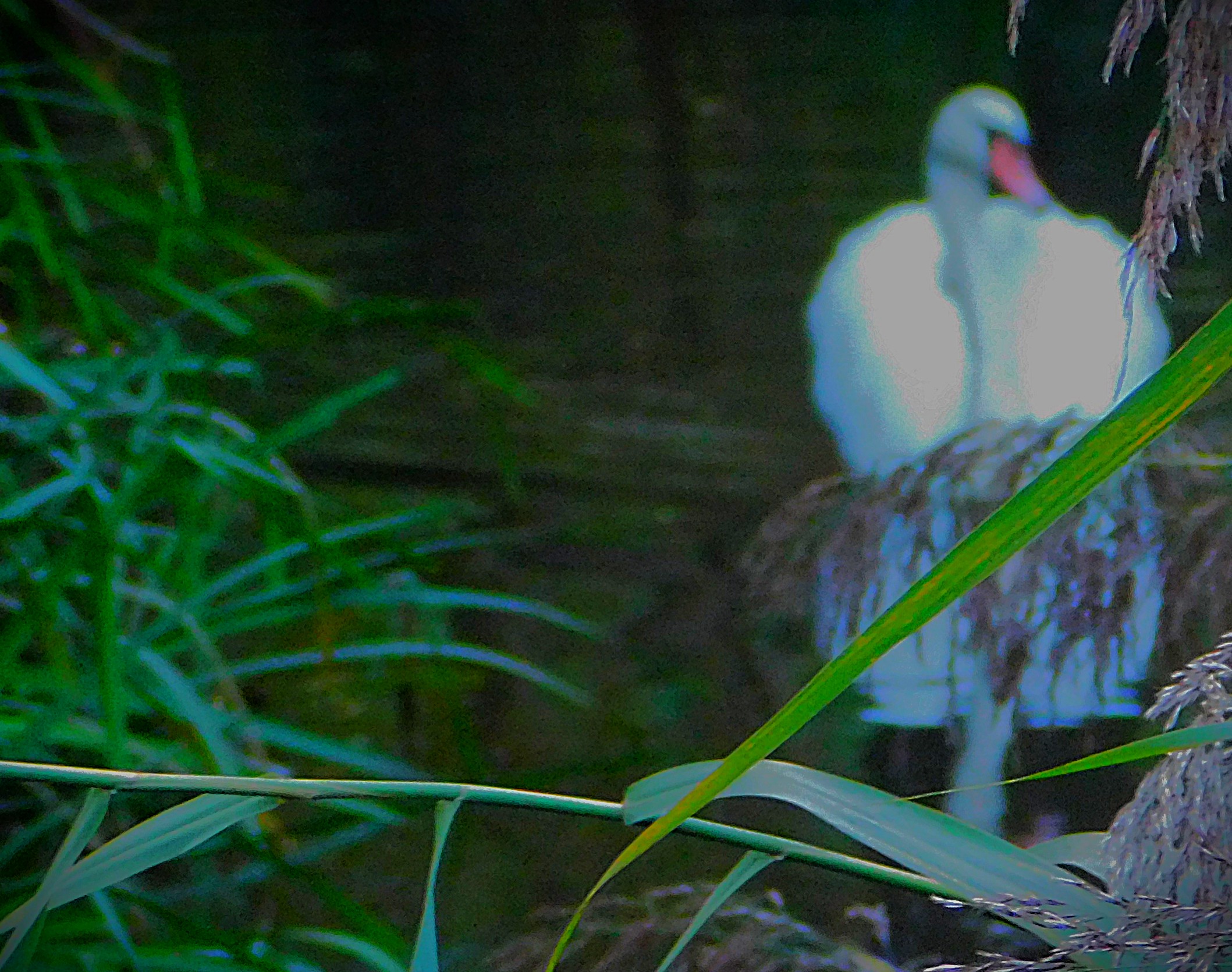
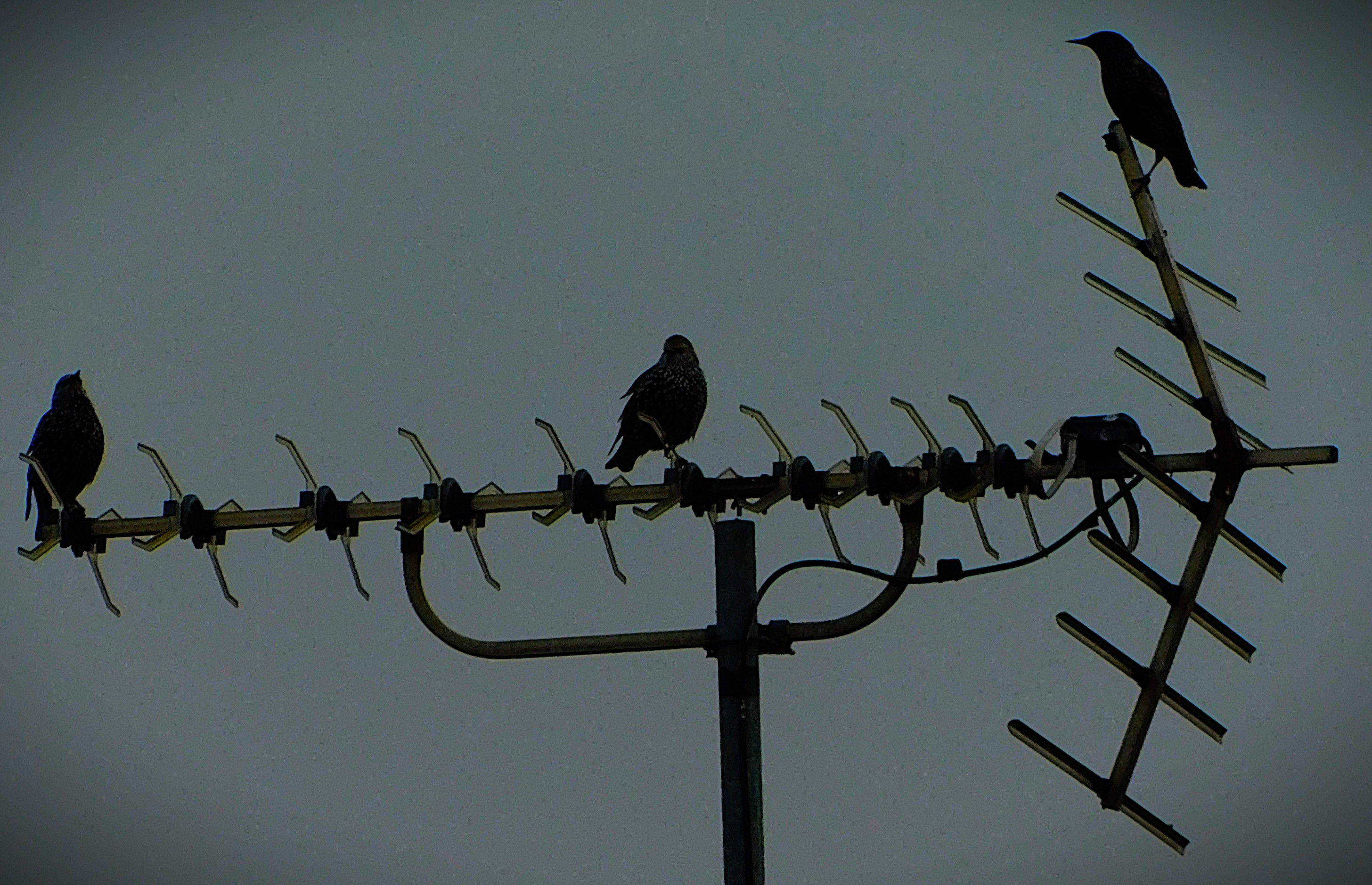
Lake District 2023: Birds of Windermere

A look at the bird life in and around England’s largest lake as part of my series about my holiday in the Lake District.

Welcome to the latest instalment in my series about my holiday in the Lake District. In this post I focus on the bird life in and around Windermere, of which there is a considerable quantity.

BIRDS OF MANY TYPES AND SIZES

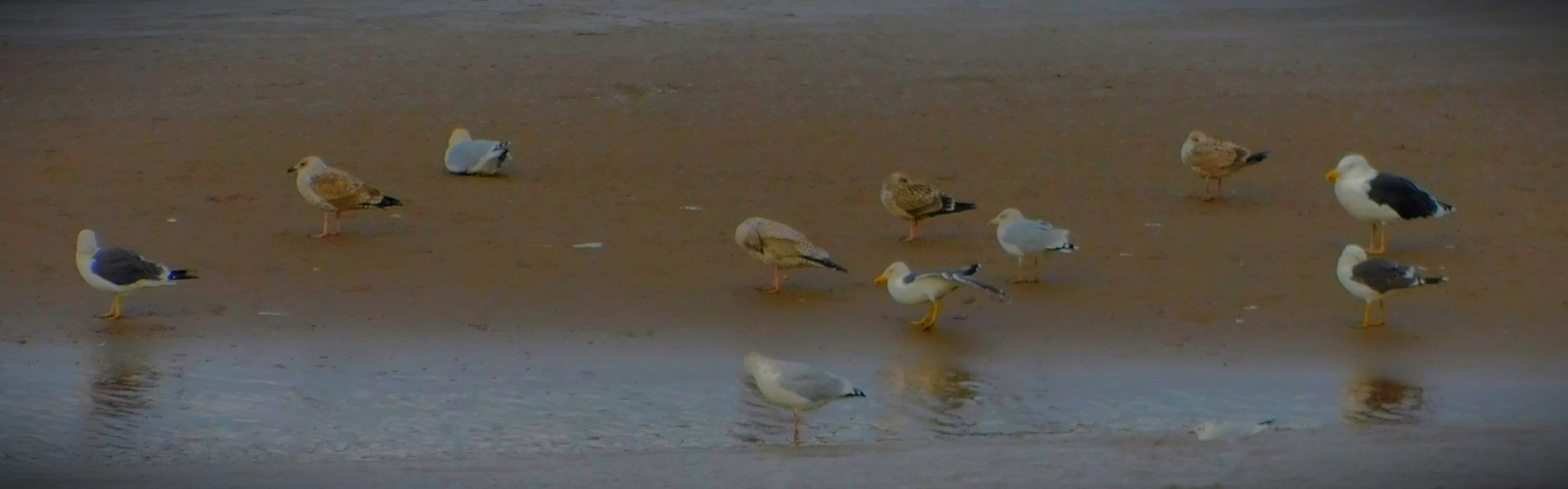
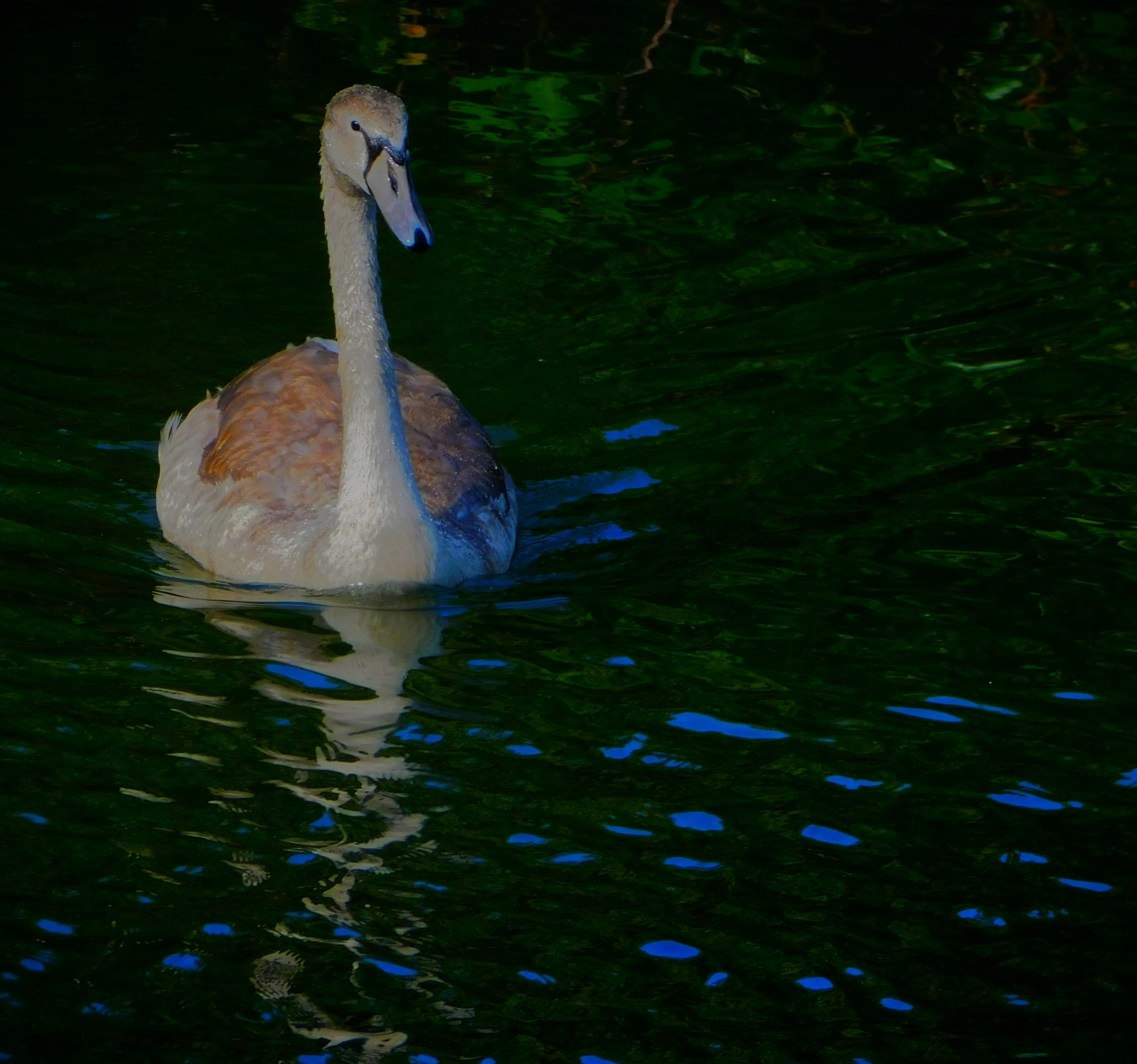
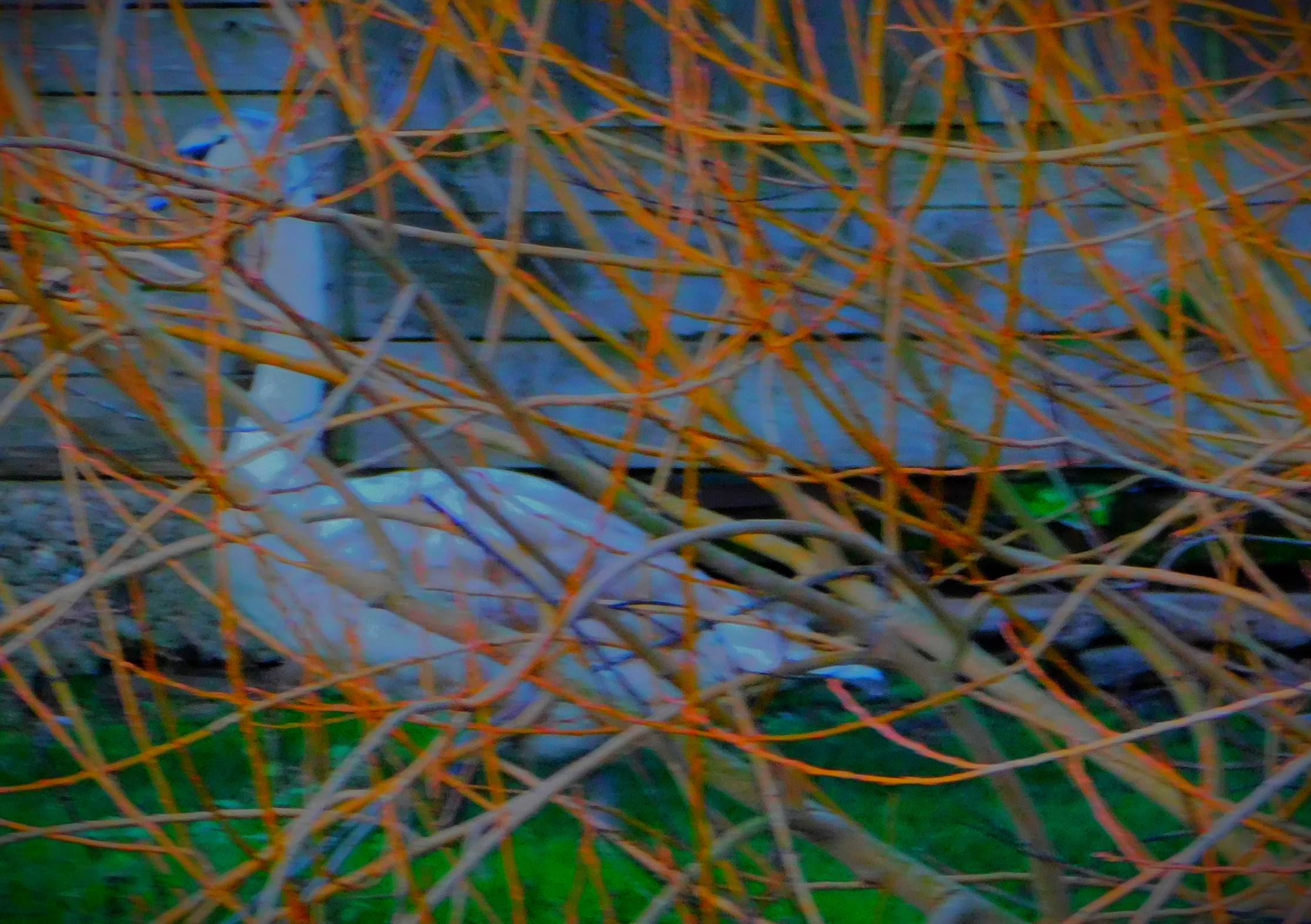
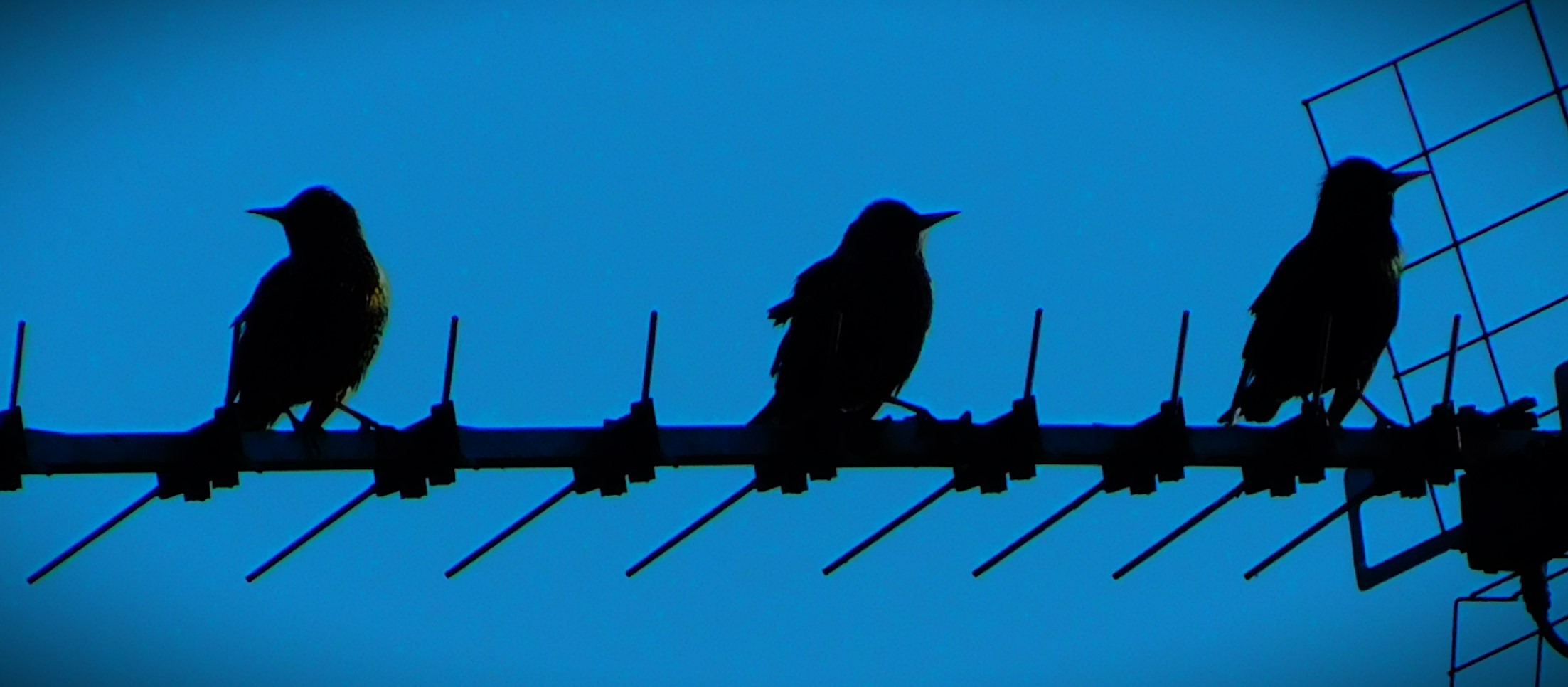
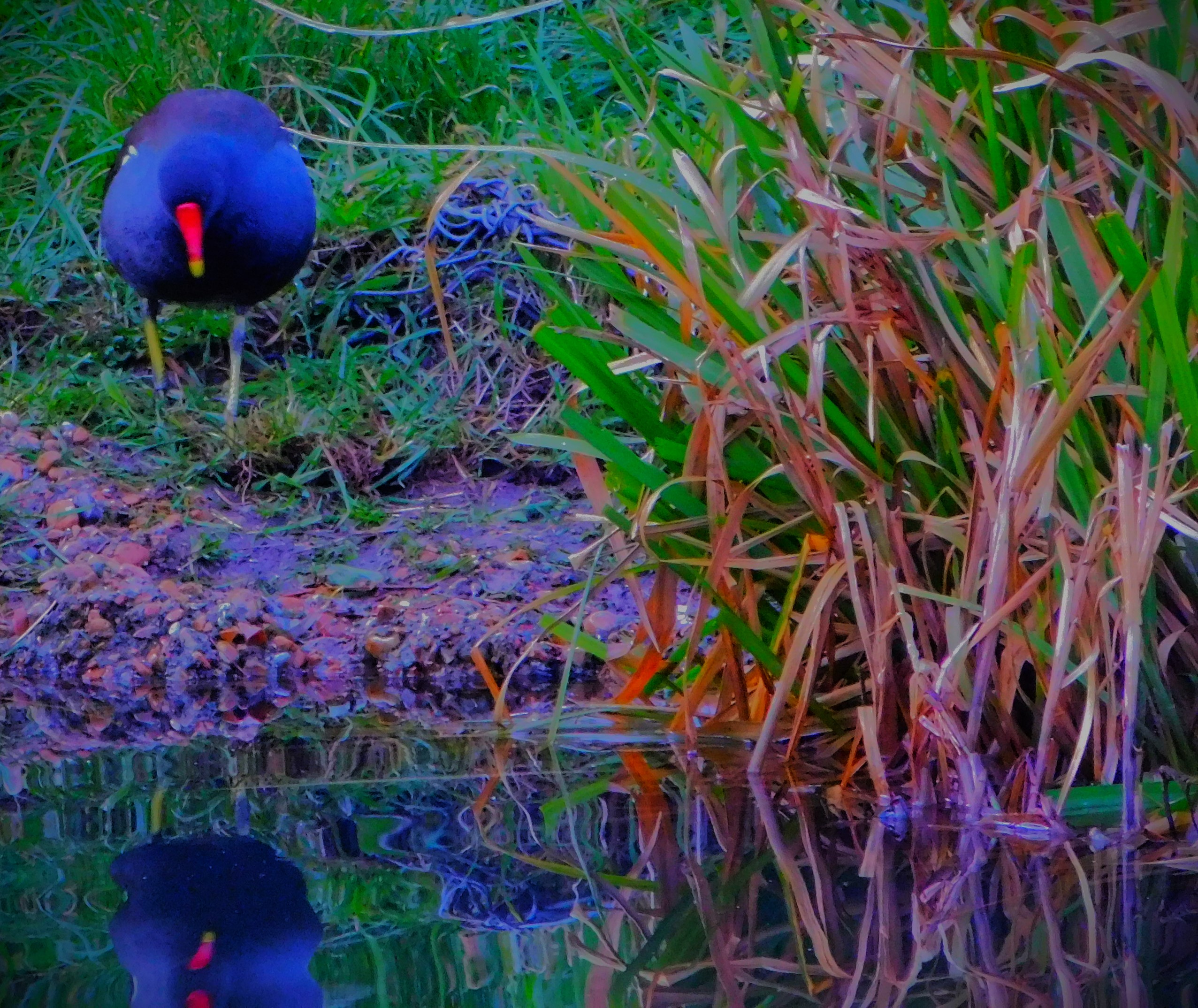
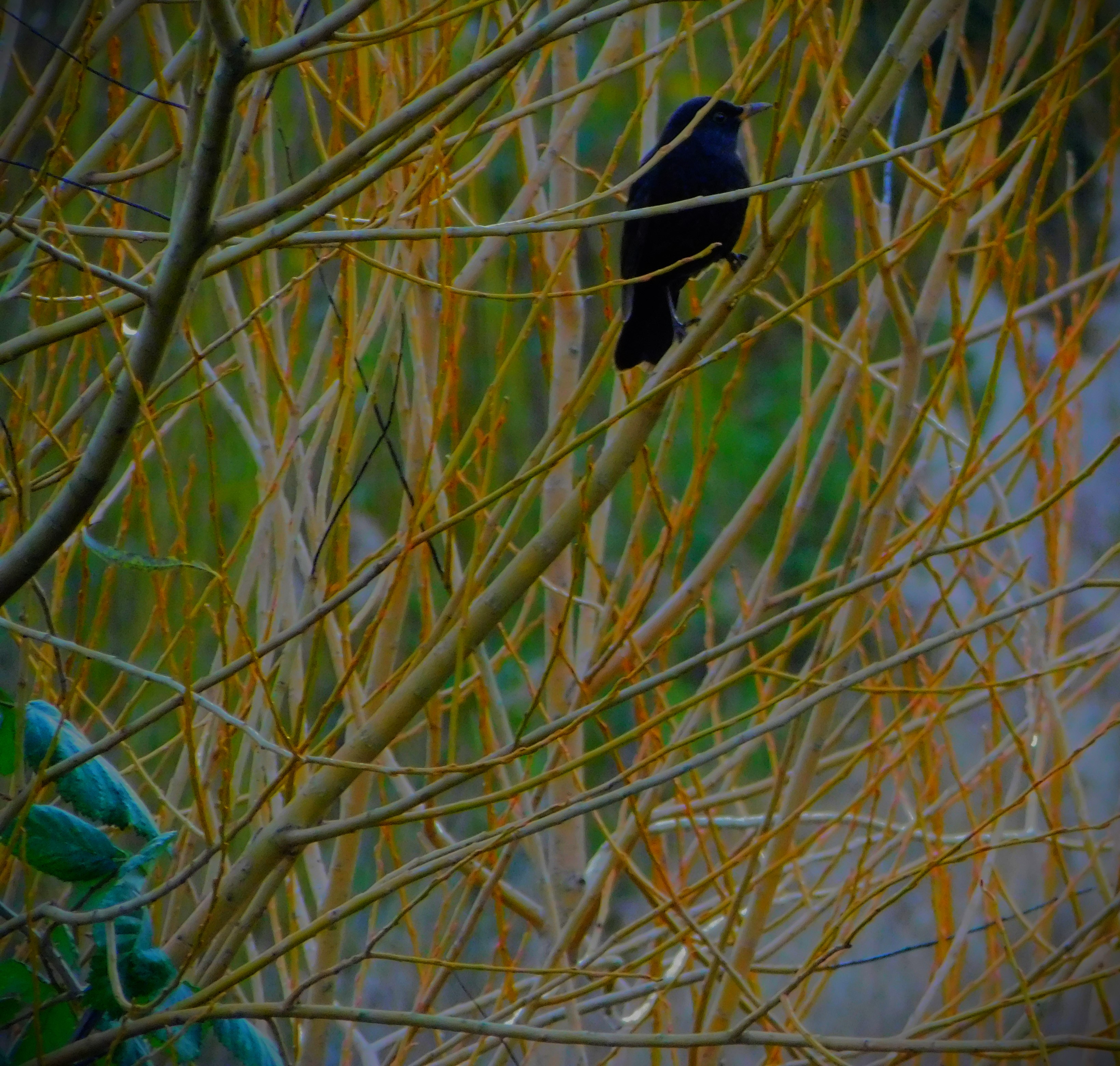
As well as expected water birds (swans, ducks, geese, gulls, terns etc) there were also species that live close to the shores of the lake, including pied wagtails. I have also included in this post a few birds seen a little further from the waters edge.

PHOTOGRAPHS

Autism Revisited

A sequel to the most popular post in this blog’s history, “Autism”.

INTRODUCTION

Welcome to this post, which you may consider to be the official follow up to my most successful ever blog post, which was posted on Saturday under the title Autism.

WHEN BEING AUTISTIC GIVES ME AN ADVANTAGE

Yes – there are situations where having an autistic spectrum condition gives me a positive advantage (or so I see it anyway).

  1. Having a very logical mind goes with the condition, and this works in my favour in several situations, including at the bridge table and in some situations at work. For example, when I am scanning lots of small items I place the packaging organised in the order in which the images will appear on the screen (and if you are scanning a dozen separate items in one go this is very useful). Also, this ultra-logical mindset comes in very useful when working on computers and indeed when (as I have done on a volunteer basis) helping others to learn how to work effectively on a computer.
  2. My skill at mental arithmetic, which also relates directly to the condition. If I wish to ensure that, for example, a grocery shop does not exceed a certain limit that I have in mind I can tot up the bill as I pick out items and guarantee to be close.
  3. Problem solving – precisely because a number of situations are problematic for me that would not be so for a neurotypical person my problem solving skills get more practice than the neurotypical persons.

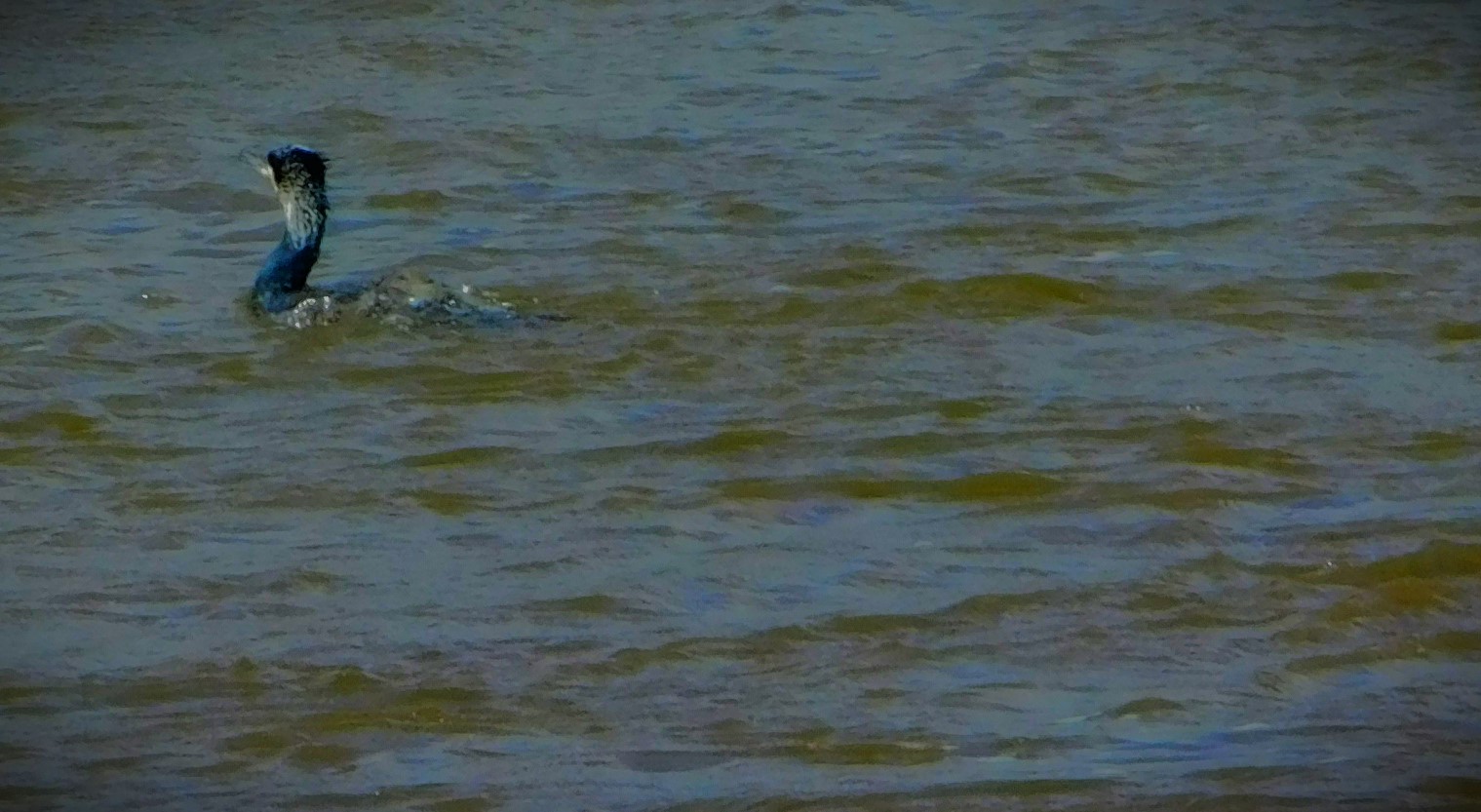
Just one image in this post - one of my more recent cormorant pictures.
Just one image in this post – one of my more recent cormorant pictures.

SOME AUTISM RELATED LINKS

A couple of links here that relate to my subject matter:

  • First, courtesy of autismgazette, a piece about autistic people giving unusual answers to creative questions.
  • My other link, courtesy of scienceblogs, and therefore reflective of one of my biggest interests, about a victory in the war against quackery. Even if the treatment that has earned the person pushing it a jail sentence was not cruel, invasive and abusive (and in fact it is all three, in spades) it would still be bogus. Indeed, as those who read the original post to which this one is a sequel will be well aware I believe that it is based on an idea that is itself bogus – namely that autism should be regarded in the light of a disease and that therefore a cure should be sought.

AFTERWORD

I hope you have all enjoyed this, my second full-length essay in writing about autism from the viewpoint of an autistic person, and that some at least of you will share it.