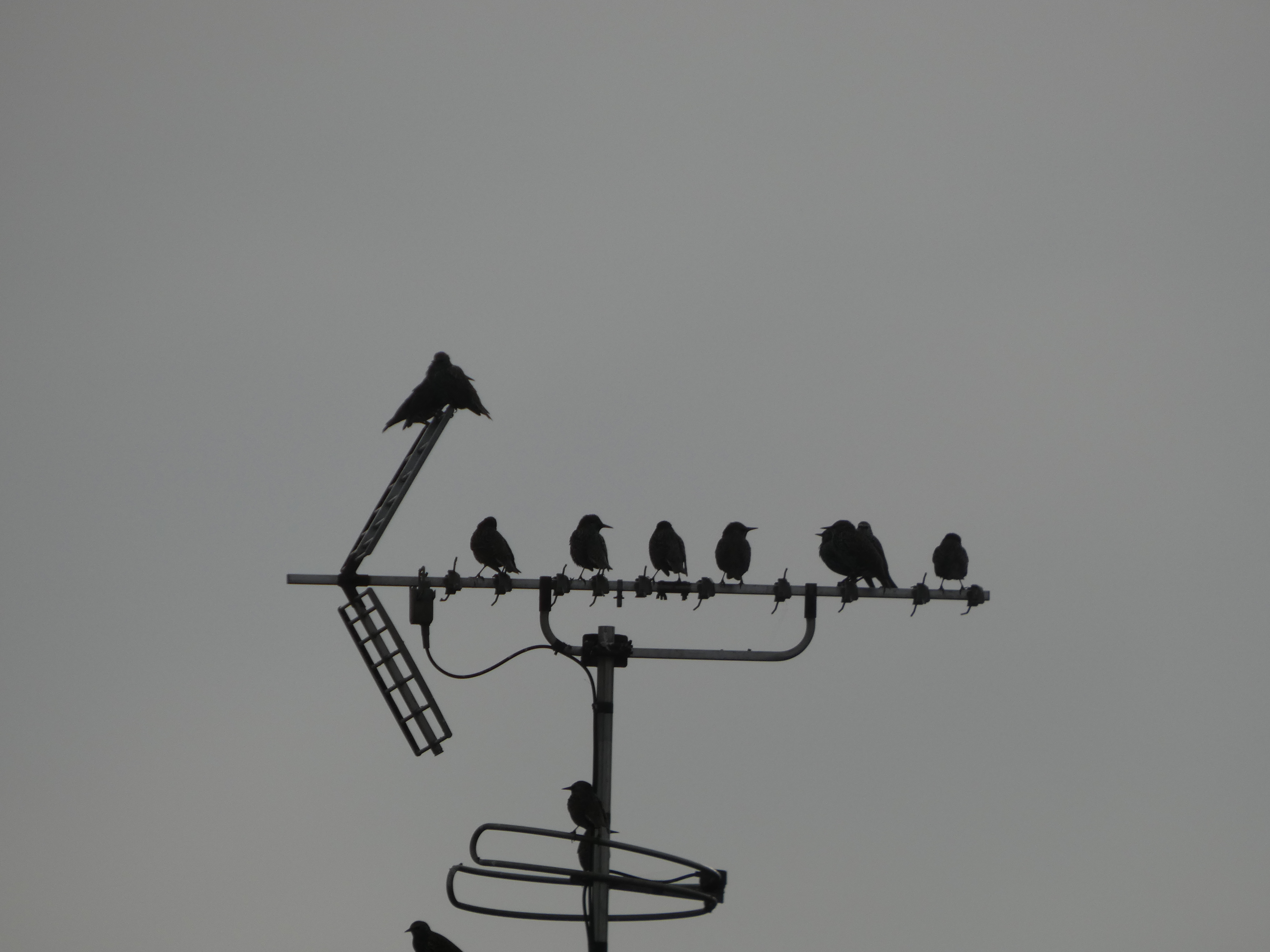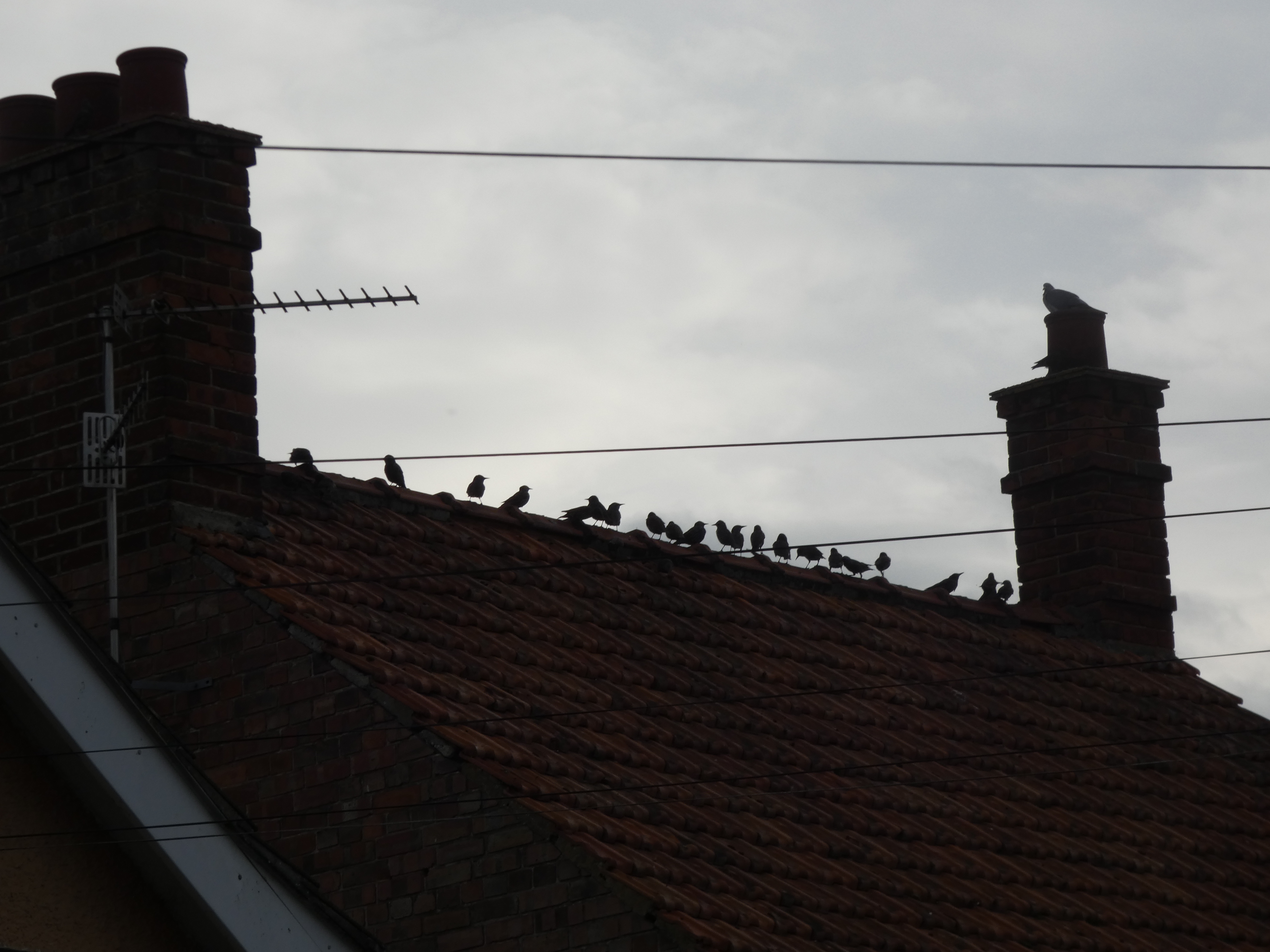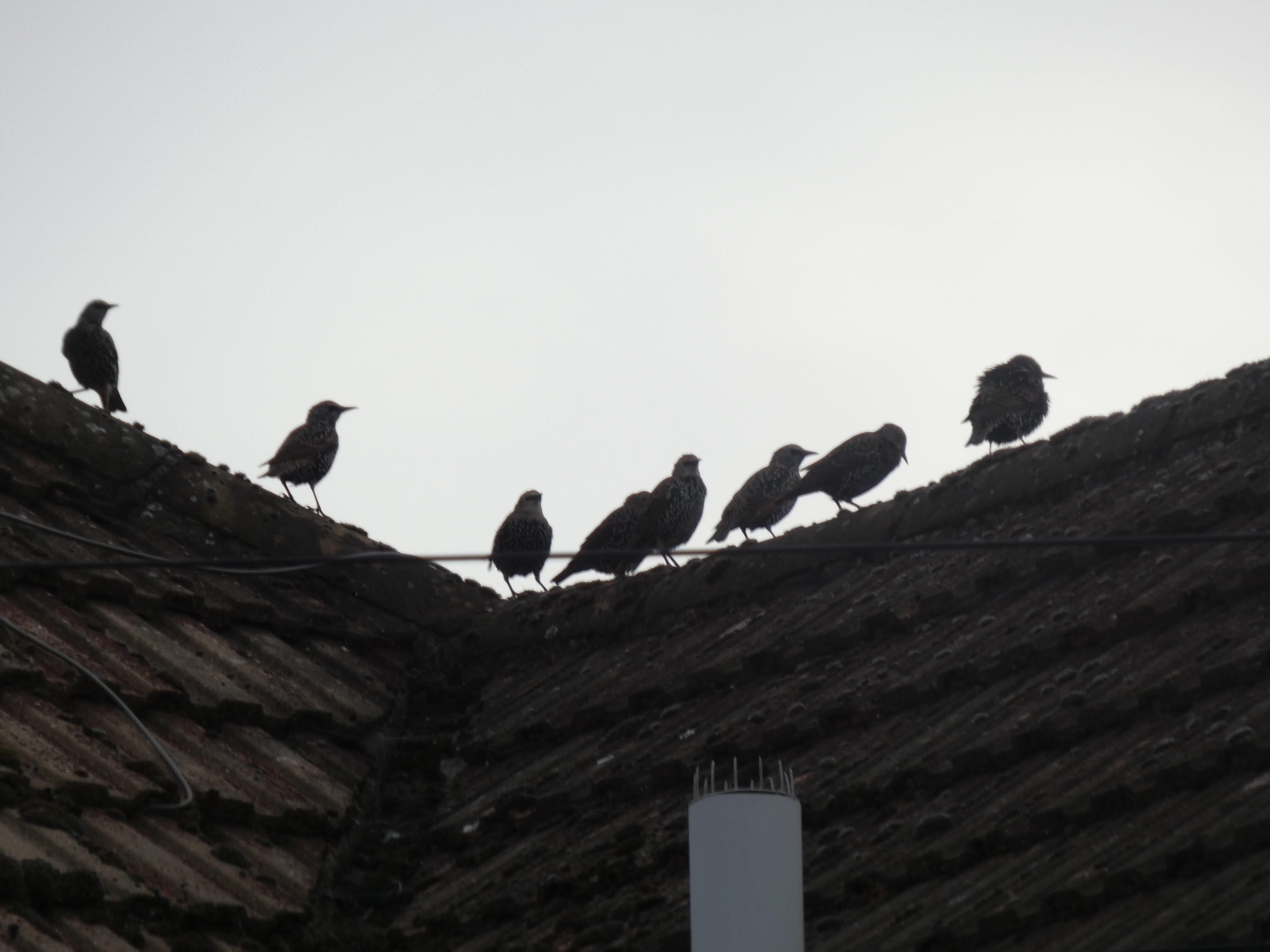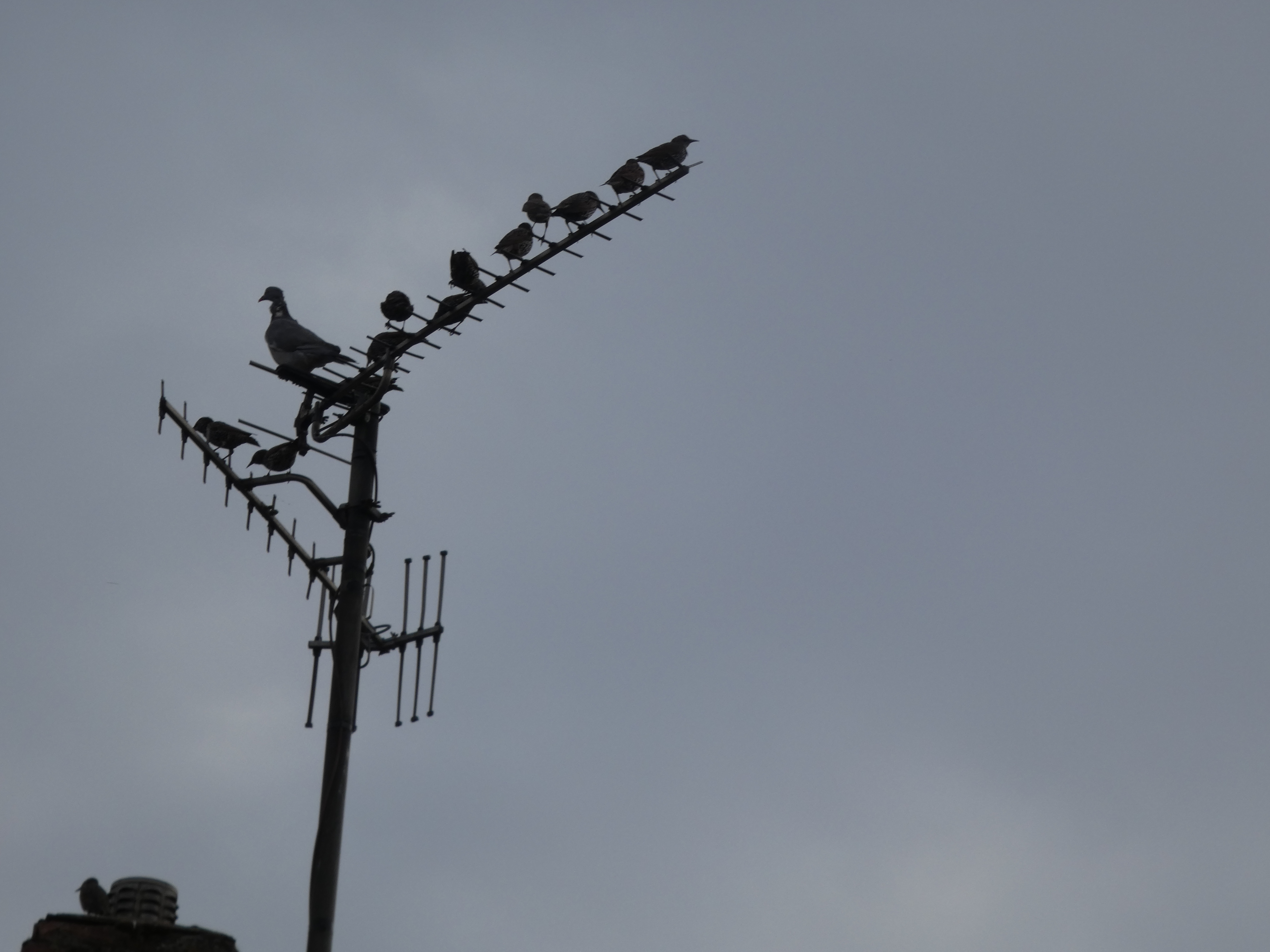
An account of England’s start at the Women’s ODI World Cup, against South Africa in Guwahati. Also a large photo gallery.
The latest edition of the women’s ODI world cup got underway this week. India beat Sri Lanka in the tournament opener, Australia beat New Zealand in the second match, which was harder fought than the eventual 89 run margin suggests – Australia were at point struggling at 127-5, and it was only their immense depth that enabled them to escape from there. Yesterday Bangladesh beat Pakistan by seven wickets. Bangladesh in that game opted for only one front line seam option, with five recognized spinners in their line up. That sole seamer, Marufa Akter, was named Player of the Match, having struck twice in her first over, a start from which Pakistan never recovered. Today saw England in action against South Africa, meaning that all sides have now played one match. The rest of this post looks back at that match.
ENGLAND v SOUTH AFRICA
This match took place in Guwahati in the far north-eastern corner of India. England won the toss and opted to bowl first. They pretty much followed the Bangladesh pattern of selection, going spin dominant, with Lauren Bell the only specialist seamer in the XI, though they also had Natalie Sciver-Brunt’s medium pace available to them, though giving her a full allocation given her recent injury issues would probably have been ill advised in game one of a long tournament. There was little sign of things to come in the first over, bowled by Bell, from which nine runs accrued. That was the last time anything really went South Africa’s way. Linsey Smith took the new ball at the other end to Bell, and her second ball accounted for Laura Wolvaardt, who essayed a drive and succeeded only in sending the ball straight back to Smith who took the return catch. The other opener, Tazmin Brits, was bowled by the first ball of the fourth over, Smith’s second, with the left arm spinner still yet to concede a run, and it was 12-2. South Africa could not come to terms with losing both openers so cheaply. In the fifth over Bell clean bowled Sune Luus to make it 17-3. Three balls later Linsey Smith clean bowled Marizanne Kapp for 4 and it was 19-4. Anneke Bosch and Sinalo Jafta managed a 12 run stand before Sciver-Brunt’s first ball as England skipper (she had been unable to bowl all summer) pinned Bosch so plumb in front that even with the dismissal making the score 31-5 the South African did not bother to go upstairs. Exactly two overs later Chloe Tryon was caught by Capsey off Sciver-Brunt for 2 and it was 38-6, and record books were being consulted for all time low scores in the format. The seventh wicket added 10 careful runs before the first ball of the 14th over saw Nadine de Klerk drive loosely at Sophie Ecclestone and succeed only in edging to slip where Heather Knight held a sharp catch to make it 48-7. Masabata Klaas managed to bat a little time (13 balls in total), but only accrued three runs before Charlie Dean bowled her and it was 60-8 in the 18th over. Sinalo Jafta, the only Protea to reach double figures, had got to 22, and batted pretty well, when she essayed a wild hoick against Ecclestone, missed and was bowled to make it 60-9. When those who are supposed to be able to bat have failed this epically one cannot expect a great deal from numbers 10 and 11, with no batting pedigree whatsoever, and in the circumstances Ayabonga Khaka (6 not out, a slight overachievement compared to her career batting average) and Nonkululeko Mlaba (3) did as well as anyone could have expected. It was Dean who took the final wicket, bowling Mlaba to make it 69 all out from 20.4 overs. Every England bowled who got on claimed at least one wicket, Linsey Smith finishing with 3-7 from four overs, while Sciver-Brunt, Dean and Ecclestone each took two wickets and Bell one. With only 70 to get the question was exactly how comprehensively would England end up winning. Tammy Beaumont never really got going but was not going to miss out on an opportunity to boost her batting average with a ‘not out’ – such opportunities are rarely granted to openers and she has been around a long time. Amy Jones did get going, and her unbeaten 40 from 50 balls put the South African collapse into perspective. Beaumont was 21 not out from 35 balls and South Africa gave away 12 extras (as compared to 8 by England). England won by 10 wickets with 35.5 overs to spare, and will go into their second match with a net run rate of +3.773.
A look at some sporting action on a packed Saturday and a photo gallery.
There has been a lot of excellent sport today. This post is my take on the best of the day.
CRICKET
Hampshire held out for half an hour, adding 12 runs along the way, before James Fuller nicked a ball from Rahul Chahar through to Ben Foakes to be out for 33. Hampshire thus lost by 20 runs, with the Indian leggie, who had never previously taken a five-for in first class cricket, finishing with 8-51. Poor batting accounted for most of the dismissals. It seemed at this stage that Hampshire were going to be relegated, since Yorkshire v Durham was headed for a draw. Then Durham started losing wickets at an alarming rate, and their apparent policy of batting time and not bothering much about runs came back to bite them. Durham actually managed to bat for 44.5 overs in that second innings of theirs. The problem was they only managed 85 runs, which when they were facing a deficit of 129 (346 plays 475 on first innings) was not nearly enough to save them. They lost by an innings and 44 runs, which meant that they ended the season with 144 points, one fewer than Hampshire. It was the second time in a decade that Hampshire had seemed down only for Durham to go down instead of them – in 2016 Hampshire actually ended the season in a relegation position, but financial misdeeds by Durham led to the northern county being relegated and hit with a heavy points deduction for the 2017 season. Although there was first class cricket being played deep into the afternoon, with Middlesex v Gloucestershire seeing the last action of the 2025 English season my focus was elsewhere by then.
RUGBY
At 4PM the final of the women’s rugby world cup got underway at a packed Twickenham. England, on home territory, faced off against Canada, who had beaten New Zealand to claim their place in the final. Canada struck the first blow, with Asia Hogan-Rochester scoring a try on five minutes. The conversion was missed. Three minutes later a magnificent run by Ellie Kildunne saw the outgoing World Player of the Year score under the posts, and Zoe Harrison was unerring with the conversion to put England ahead. England crossed twice more before half time, with Harrison converting both, and although Canada scored a penalty the half time score was 21-8. Amy Cokayne thought she had England’s fourth try and her second, but the score was disallowed for an infringement. England and Canada each scored once, with neither try being converted to make it 26-13. Then Alex Matthews scored her second of the game and Harrison converted, and with under ten minutes left on the clock England were 20 points clear and the match was as good as done. In the dying minutes Sadia Kabeya was named player of the match, which given the utter dominance of England’s pack, of which she was a key part, was no great surprise. The final score remained 33-13. The attendance was confirmed as 81,885, not only a record for a women’s rugby match by a huge margin, but a record for any day of women’s rugby, beating the previous mark, set at a ‘sevens’ event in Paris by over 20,000. Sophie de Goede of Canada was named as the new Player of the Year.
GOLF
This year’s Ryder Cup got underway yesterday at Bethpage Black course on Long Island, New York. Europe were the holders, and by the end of yesterday they had won both the foursomes and fourballs session and were ahead by 5.5 points to 2.5. They also won today’s foursomes, by 3 points to 1 to extend their lead to 8.5-3.5. The fourballs are currently underway, with Europe bossing the top match, marginally behind in the second and the the third and fourth matches currently level. Europe are already assured of a lead going into Sunday’s 12 singles matches, and the key number for them is 14 points out of 28, since as holders they retain the cup in the event of a tie.
PHOTOGRAPHS
My usual sign off…
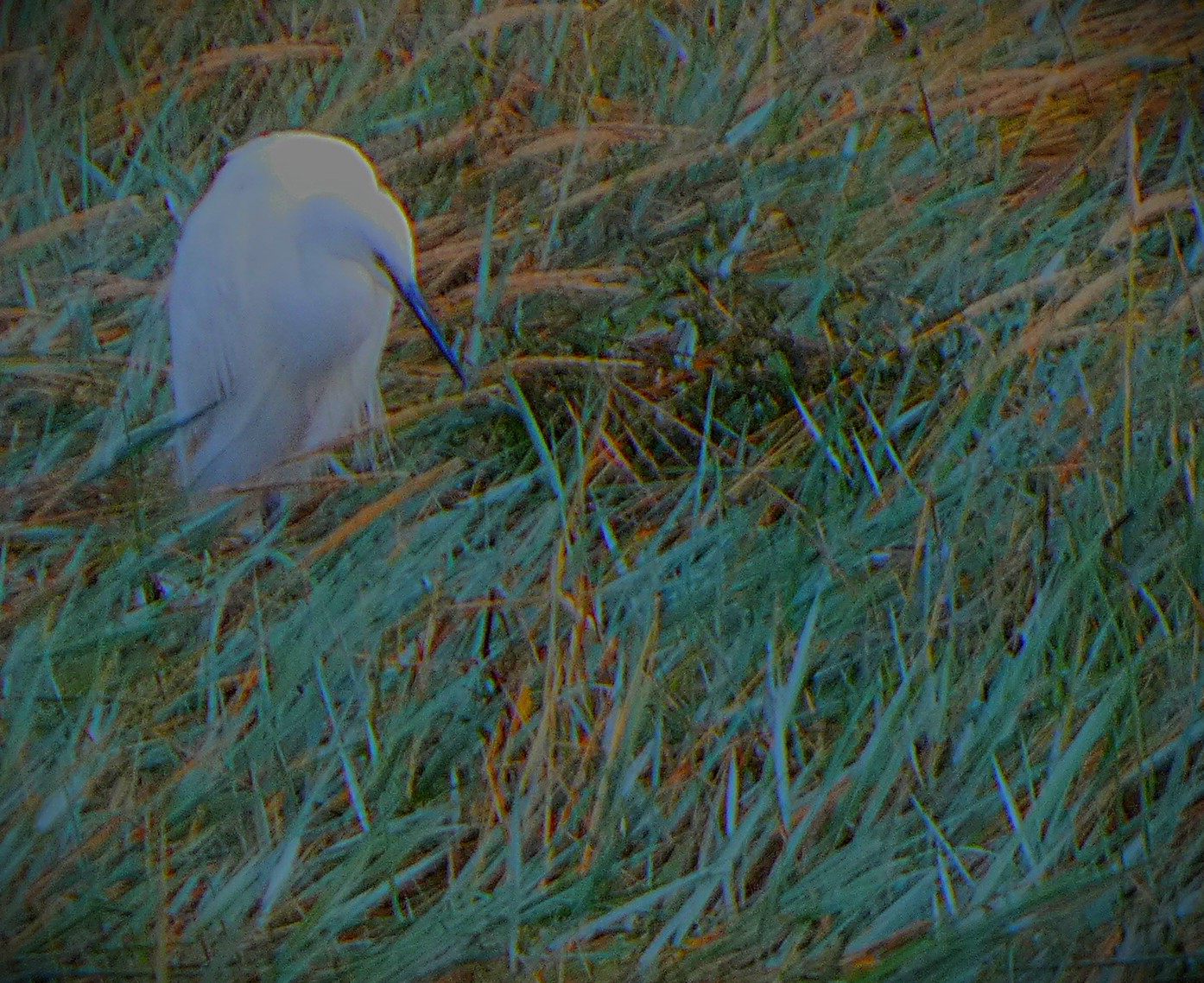
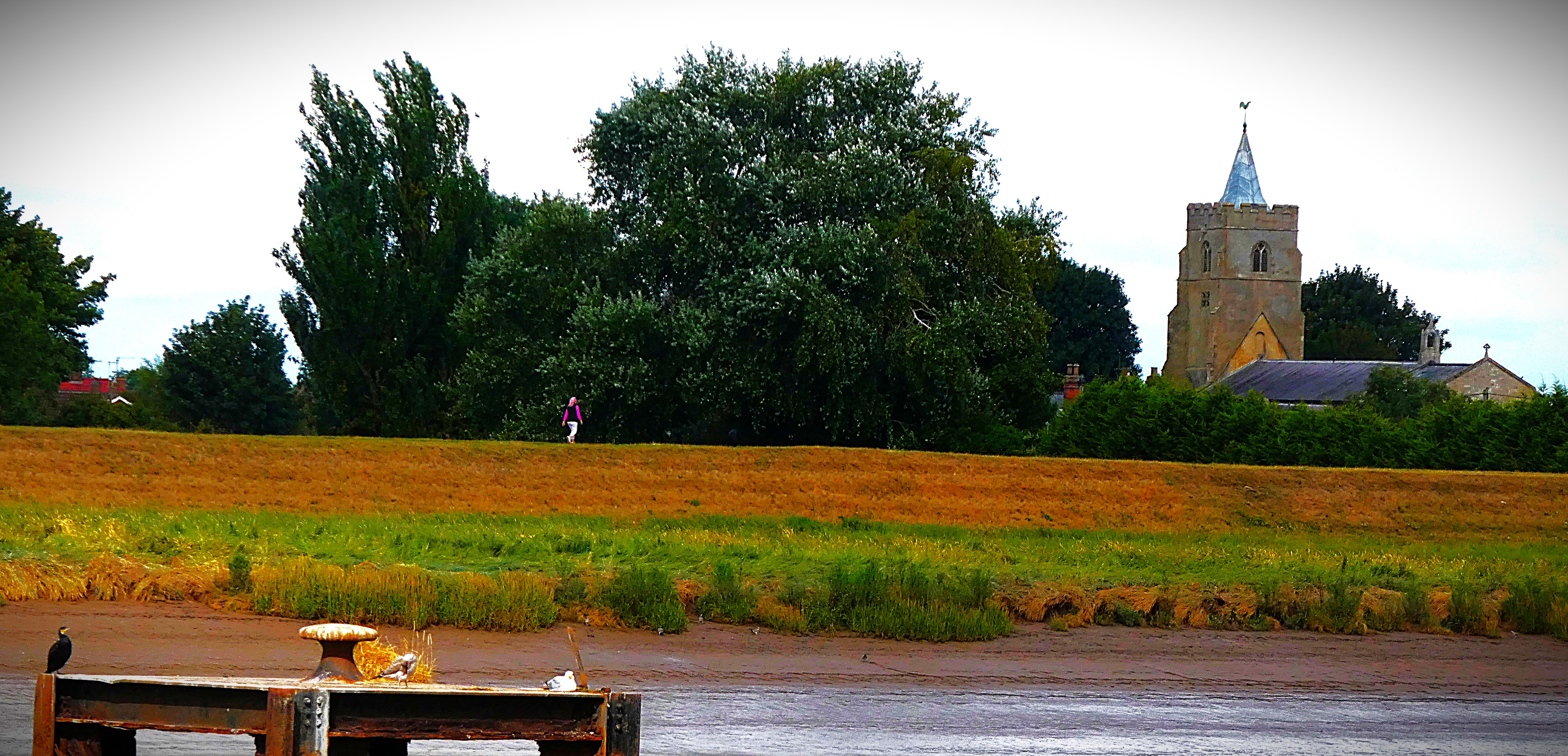
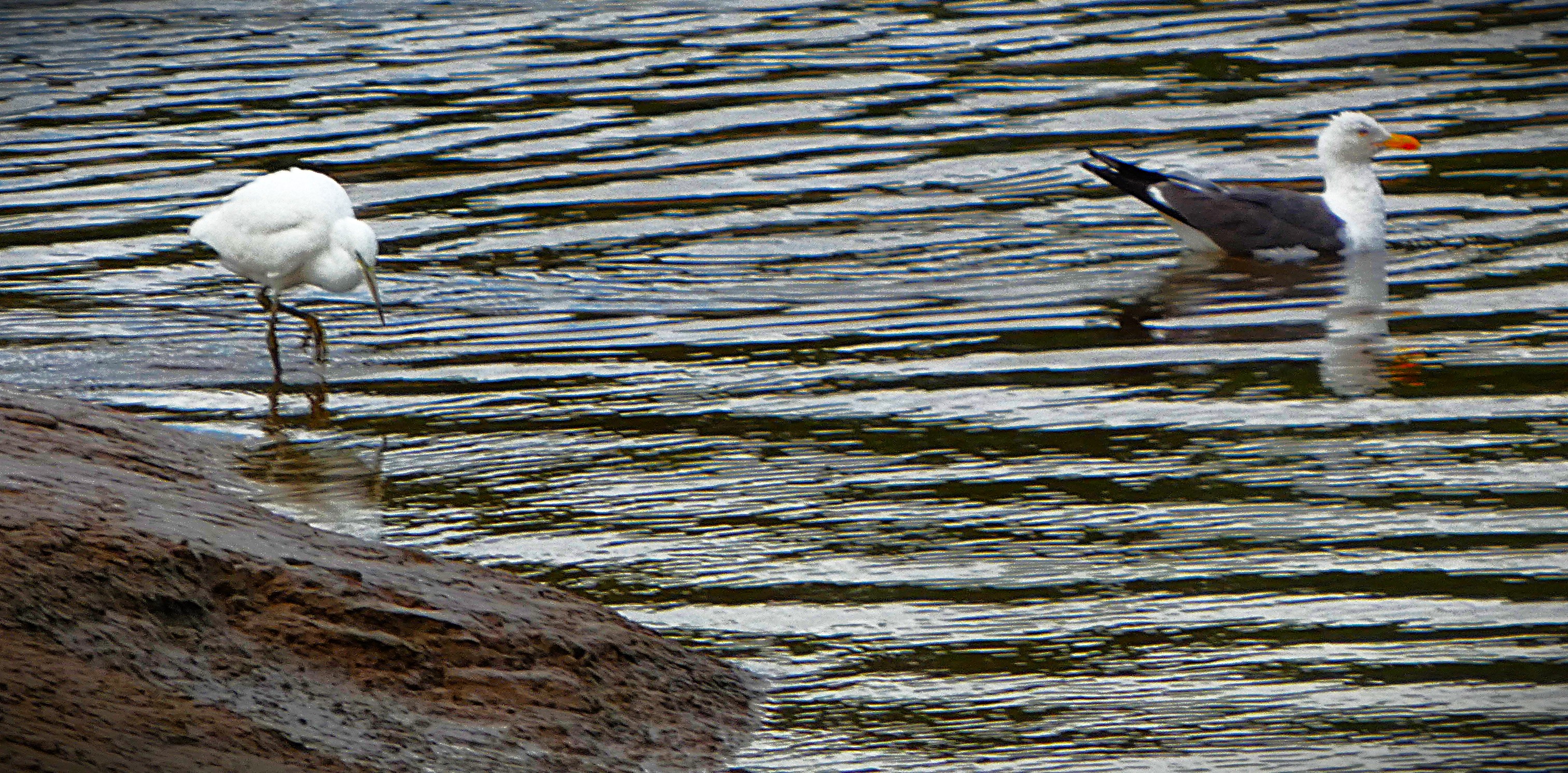
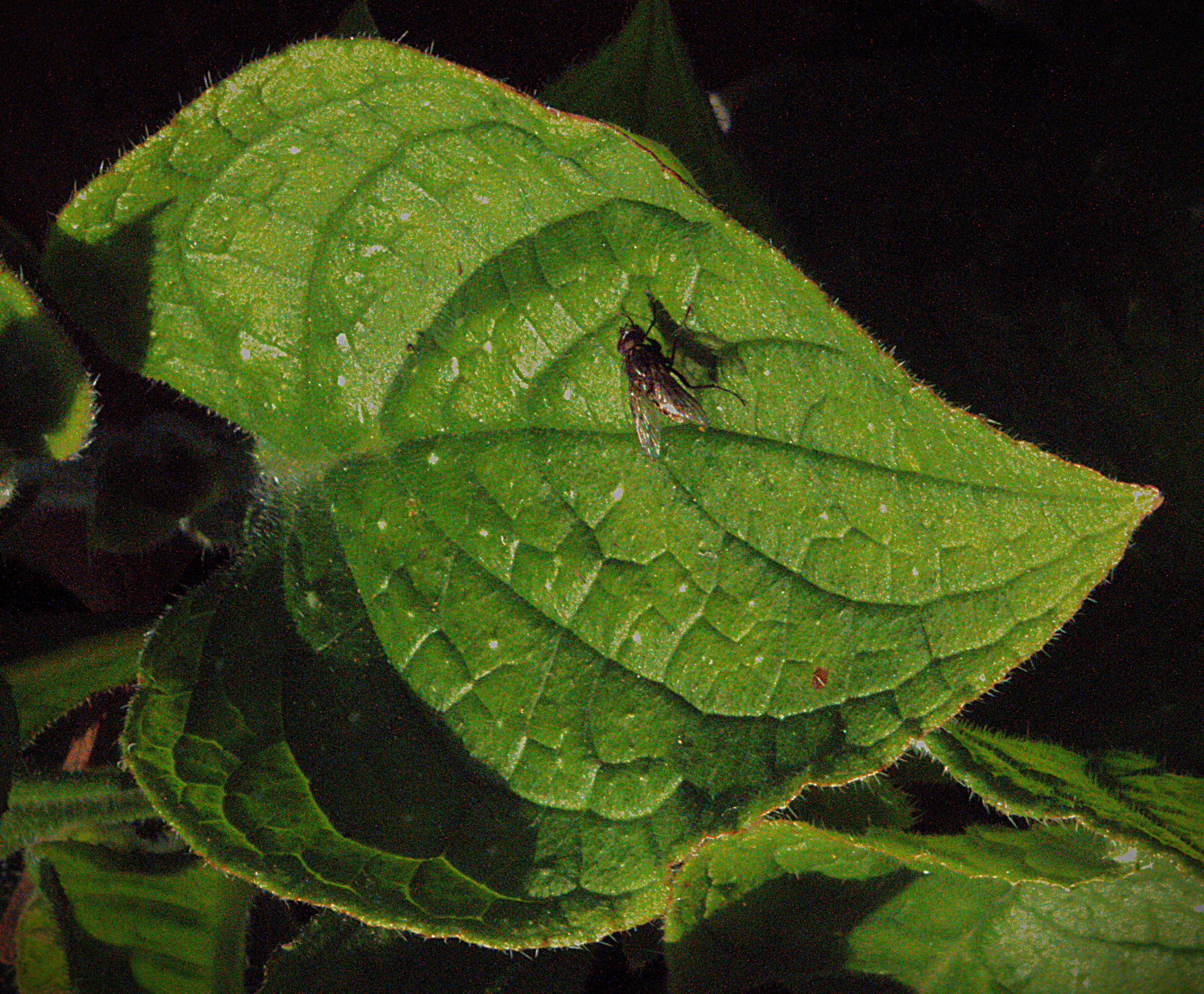
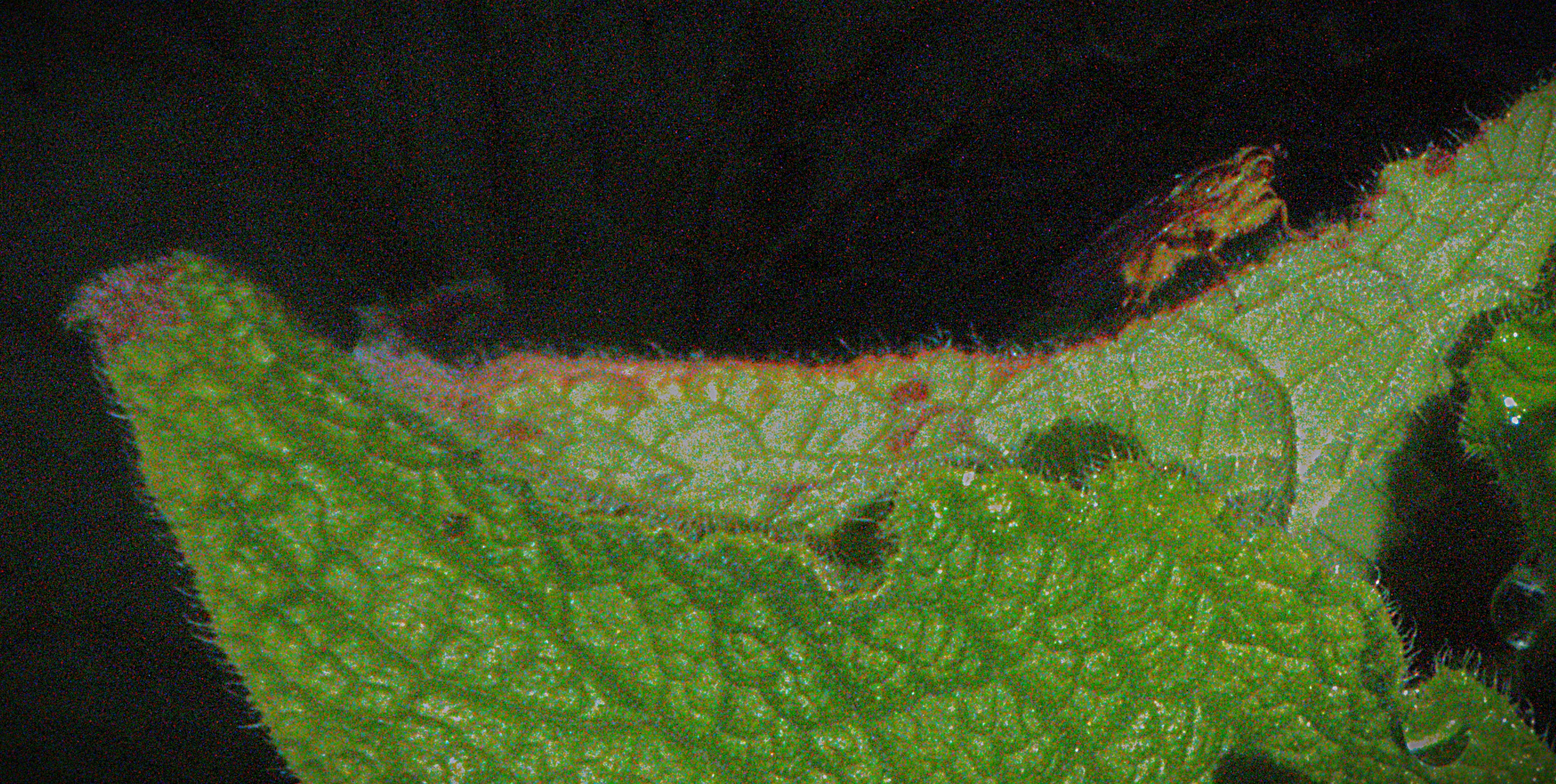
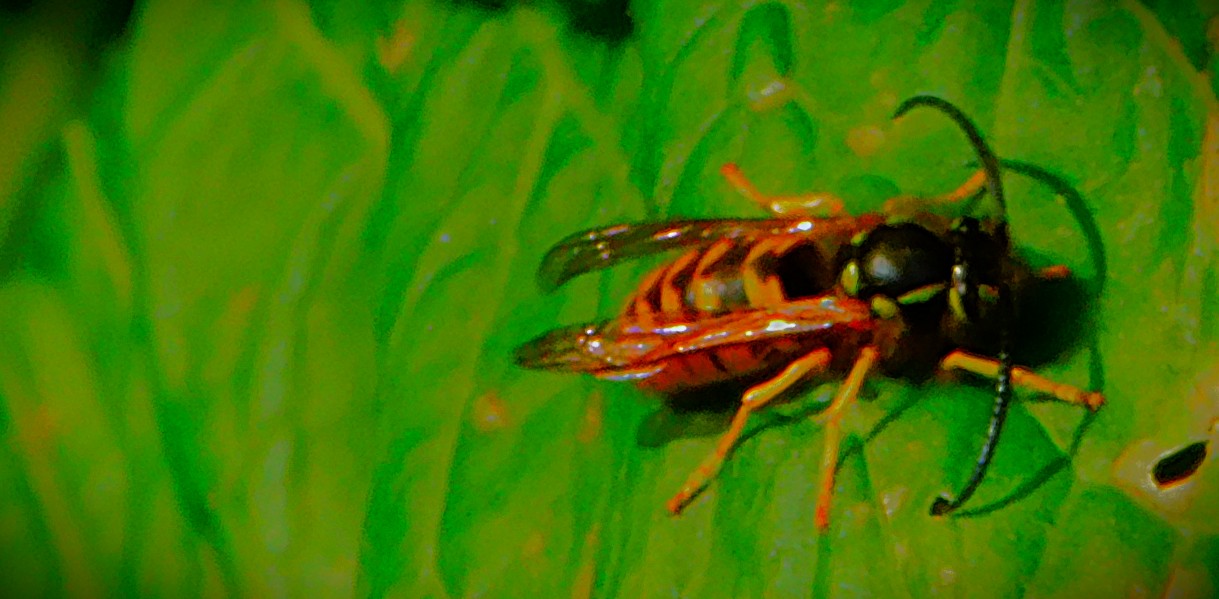
This Egret was at the edge of the Great Ouse, between the pontoon jetty and the lower Purfleet.A ‘compare and contrast’ picture – on the left is a ‘retro’ new build, and on the right an original.A shieldbug of some species or other on a green leaf (next pic is a close up)
A look at developments at Old Trafford since yesterday, including Ben Stokes joining not one but two elite clubs this morning. Also two photo galleries of very different types.
Yesterday, as Root went past Ponting to second place in the all time list of test match run scorers I put up a post about England’s progress in the fourth test of their series against India, at Old Trafford. Since then things have moved forward, largely in England’s favour, although KL Rahul and Shubman Gill are currently batting well for India.
STOKES JOINS TWO ELITE CLUBS
Stokes and Root shared a big partnership, ended not by a dismissal but by a retirement due to cramp on Stokes’ part. Eight runs after Stokes’ retirement Root was finally out for precisely 150. That was 499-5. Neither Jamie Smith nor Chris Woakes did a huge amount with the bat, but between them they lasted long enough for Stokes to feel able to resume his innings at the fall of the seventh wicket. Stokes and Liam Dawson saw things through the close of day three, by when Stokes had advanced his score to 77. England at 544-7 were 186 ahead by then.
Dawson was eighth out at 563, but Carse now provided Stokes with good support. Two landmarks came in quick succession – when Stokes reached three figures he was only the fourth England men’s player to score a century and take a five-for in the same test match, the others being Tony Greig, Ian Botham (five times) and Gus Atkinson. Then when he struck a six to move from 108 to 114 that also took his career tally from 6,999 to 7,005 making him one of only three to have achieved the test career treble of 7,000+ runs, 200+ wickets and 100+ catches, the other two members of this club being Garfield St Aubrun Sobers, the most multi-skilled cricketer ever, and Jacques Henry Kallis, the South African superstar. By now Stokes was in full rampage mode. The fun ended for Stokes when on 141 he holed out to Sudarsan off Jadeja. That was 658-9, already a record test score at this ground, and a lead of precisely 300 on first innings. However, Stokes kept England batting, and Carse and Archer accrued 11 further runs before Carse holed out just short of what would have been his second test 50.
GALLERY ONE: AUCTION PURCHASES
James and Sons had an auction this week, which went reasonably well after a very quiet start. I was successful on two items, lot 293, a small barometer in the shape of a helmsman’s wheel and lot 359, an early (1902) set of railway themed cigarette cards. The images I took of these yesterday morning form this gallery…
The first of four images of the barometer taken in my kitchenThe barometer in its new location, atop my Czech sculpture, which is working admirably as a support for it.Not only did I image all five sleeves of this set, I imaged every locomotive bar one individually.
INDIA’S SECOND INNINGS SO FAR
There was time for a brief burst at India before lunch, and Woakes struck twice in the first over, removing Jaiswal and Sudarsan for ducks. Since then India have had their best period of the match, not having lost a wicket between lunch and tea, nor any since tea as yet. They are scoring fairly slowly, but holding out. At the moment India are 104-2, needing 207 more to avoid the innings defeat. India probably need to bat until at least tea time tomorrow before they can feel safe, and a victory for them from here is as close as anything in red ball cricket can be to impossible.
A brief look back at the women’s Euros semi-final between England and Italy that took place last night and a large photo gallery.
Last night saw the first semi-final of the women’s European Championship, between England and Italy in Geneva, which lies near the base of a mountain pass connecting Switzerland to Italy. This post looks back at the match.
SO NEAR AND SO FAR
Italy took the lead just before half time, through Barbara Bonansea, against the form books, which made England firm favourites. They held on to that lead until close to to end of normal time. 19 year old Michelle Agyemang equalized in stoppage time, of which there was quite a lot. Extra time saw a lot of pressure from England and a lot of resistance from Italy. However, just as Italy were reckoning they had got themselves a shoot out and England were resigning themselves to going to penalties once again, a penalty was awarded to England. Chloe Kelly took responsibility for taking the kick. The Italian goalkeeper kept the penalty out but the ball rebounded into Kelly’s path and at the second time of asking she did put it in the net, and England were through at the last gasp, and had avoided the necessity of a second successive penalty shoot out. The final will take place in Basel on Sunday.
PHOTOGRAPHS
My usual sign off…
The butterfly that appears in this picture and the next was a new sighting for me.This picture and the next four show three six spot Burnet moths that were on teazel heads only a few feet apart – two on one and one on the other.Two egrets at the Nar Outfall.
A look back at the test match that finished yesterday evening in a comfortable win for England, and at some of the other classics that Headingley has served up down the years. Also a photo gallery.
Just after 6:30 yesterday evening Jamie Smith hit Ravindra Jadeja for six, his second such blow in the space of four balls to take England to a five wicket win just after the last hour had been called (there had been rain early in the day, hence the late running of proceedings – in England at this time of year there was absolutely no danger of the light closing in). In truth, for all the size of the target England had been set (371), they never really looked in trouble. This post looks back at the match and some of the other classics that the Yorkshire ground has produced over the years.
INDIAN VULNERABILITIES
At 12:30 on day two India, put in to bat by Stokes, were 430-3 and a total somewhere north of 600 looked likely. Then a collapse set in, and India ended up with 471, still a big score, but a lot less than it might have been. England fought their way almost to parity, managing 465, in the course of which it became obvious that India’s bowling menace began and ended with the great Jasprit Bumrah (the only bowler to have over 200 career test wickets at an average of under 20 a piece). The second Indian innings was remarkably similar in structure to the first – at 333-4 they looked to have wrested the initiative right back, but again they suffered a collapse, the last six wickets going for 31 to make them 364 all out, leaving England to score 371 in the final innings in just over a day. I missed most of the final day’s action (all bar the last hour or so of the chase), but I can tell you that Duckett and Crawley launched the chase with a stand of 188, and that the nearest India came to creating worry was when Duckett (149) and Brook (0) fell in very quick succession to make it 253-4, 118 still needed/ Root and Stokes put on 49 together for the fifth wicket before the skipper was out, and then Smith joined Root for the denouement. This passage of play, most of which I was tuned in for, saw the Indian bowlers horrifically exposed, and it has to be said also saw some undistinguished captaincy from Gill, new to the job at this level. It became clear that he was pinning all his hopes on the second new ball, but it was also clear that England were scoring freely enough that by the time he got to take it he would have very little to defend. In the event Bumrah was off the field when the new ball became due, and Siraj took it from the Kirkstall Lane end, which would have been Bumrah’s natural end to bowl from, and such was Gill’s trust in the capacities of either Krishna or Thakur that he used Jadeja, the spinner, from the other end. Jadeja had found some turn, but he had claimed only one wicket, and even before the Smith onslaught on him that ended proceedings he had been conceding runs at closer to four than three per over (the Smith fusillade pushed that ER over four). Neither Sudarsan, debuting at number three (presumably to avoid him having to occupy Kohli’s former slot one place lower down, which Gill did instead) nor Nair, restored at number six, managed many runs, and from number seven downwards, save for a couple of big hits by Jadeja in the second Indian innings, runs were conspicuous by their complete absence. Bumrah, Siraj and Krishna are all really number 11s, and number eight is probably a position too high for Thakur, though the latter’s medium pace is a very doubtful asset – in this match he was neither economical nor threatening – his two second innings scalps were both down to batter error, not to good bowling. Until this match, in all of first class cricket history (and some 60,000 matches are officially designated as first class) no team had lost a match in which they had had five individual centuries (Jaiswal, Gill, Rahul and two from Pant). If India are going to have as weak an 8-11 as they had in this match they cannot have someone of Jadeja’s type at seven (he is worth his place as a test match number seven, but he is a conventional player by nature, not an explosive one, and with limited time available due to the weakness of the tail an explosive number seven is needed).
ENGLAND STRENGTHS
In the only innings in which they were required England’s 8-11 contributed far more than their Indian equivalents with the bat. Also Josh Tongue, though he did not do very well against the top and middle order did exterminate the Indian tail very swiftly in both innings, emerging with a match haul of seven wickets (and England have often struggled to deal with opposition lower orders in recent times, so if Tongue can do this on a regular basis he will be very useful to England). In terms of that run chase I would say that this was the match in which Stokes/ McCullum England reached maturity – while they scored those 370 runs at a good rate they were also fundamentally disciplined – Duckett, famed for being averse to leaving anything actually declined to play either of the first two balls of his innings on this occasion. Even the Smith blitz at the finish was calculated – the calculation being that although there was a small amount of turn for him Jadeja actually posed little threat. It was not an exciting finish, because by the time the game had reached that stage England had long since been out of any danger. This was not a ridiculous bish-bash-bosh involving a large measure of fortune, it was an absolutely ruthless hunting down of a target that the side knew they would reach so long as they were not bowled out. The match aggregate of 1673 runs for 35 wickets was a record for any match between these two sides. Full scorecard here.
A PLACE OFHEISTS AND HORROR SHOWS
Headingley has long been a ground noted for generation stories. Here are brief mentions of a few of the other classics
The 1948 Ashes match at Headingley was in some ways a precursor to this one – England reached the dizzy heights of 423-2 in their first innings, before then falling away to be all out for 496, Australia replied with 458, England declared on the final morning at 365-8, and Australia made the target of 404 look a stroll in the park, knocking it off for the loss of three wickets.
The third match of the 1981 Ashes at Headingley was Ian Botham’s first back in the ranks after he had bagged a pair in the drawn match at Lord’s and resigned the captaincy just as the selectors were making up their minds to demote him in any case. Mike Brearley, restored as captain as a way for the selectors to buy themselves a bit of thinking time, actually went so far as to check with the all rounder that he actually wanted to play. Bob Willis, then 32 years old and with dodgy knees, also nearly missed out (an invitation was actually sent to Mike Hendrick and then revoked). Australia batted first and scored 401-9 declared on a pitch on which as Brearley told his bowlers “a side could be bowled out for 90”. Botham had taken 6-95 in that innings, has first five-for since before he had become captain. Botham also scored 50 in England’s first innings, was they managed a meagre 174. Australia enforced the follow-on (aversion to doing so is a recent phenomenon), and at first all went well for them. England were 41-4 at one point, then 105-5 when Willey departed. At 133, when the previously impenetrable Boycott was trapped LBW it looked done and dusted, and two runs later when keeper Bob Taylor was dismissed it looked even more so. However, Botham and Dilley now shared an exhilarating stand of 117 in just 80 minutes, Chris Old helped the ninth wicket to add 67 more, during which Botham reached three figures, and even Bob Willis at number 11 provided some support for the reinvigorated all rounder. Many of the England team had checked out of their hotel that morning and now had to book back in for another night – among those who had to do was a certain IT Botham, by then 145 not out. Even with this amazing turnaround Australia still needed only 130 to win, and with lunch on the horizon they seemed to have matters under control at 56-1, just 74 short of the target. At that point Bob Willis was put on to bowl from the Kirkstall Lane end, with his test career on the line. He started by producing a sharp, straight bouncer that Trevor Chappell, who resembled a test class number three in name only, could only fend away for a catch. Then right on the cusp of the interval he struck twice more, removing skipper Kim Hughes, caught in the slips by Botham and then Graham Yallop, caught at short leg by Mike Gatting. Thus at lunch on the final day Australia were 58-4, needing 72 to win, and they suddenly had 40 minutes in which to contemplate the fact that the job was not yet done. After lunch Old rattled Border’s stumps to make 65-5, and then John Dyson, who had been in since the start of the innings essayed a hook at Willis and succeeded only in gloving the ball behind to make it 68-6. Marsh also took Willis on, and Dilley did well at deep fine leg to both hold the catch and keep himself inside the ropes. That was 74-7, and one run later Lawson popped up a catch for Bob Taylor to make it 75-8. Ray Bright and Dennis Lillee staged a late fightback, plundering 35 in four overs, but then Lillee miscued a drive at Willis and Gatting at mid-on ran and dived forward to take the catch and make it 110-9. In the next over Alderman was dropped twice by Old at third slip, but then Willis, summoning up the energy for one more over, his tenth off the reel, produced a yorker that sent Bright’s middle stump cartwheeling, and England, at one stage 92 adrift with only three second innings wickets left had won by 18 runs, only the second time in test history a side had won after following on. Willis, who had been so close to missing the match, and who had been put on for that final spell as a last gamble by Brearley, had taken a ground record 8-43 for the innings.
The 2001 match was a slow burner – it was not until the final innings, with England needing 320 to win that the story happened. That story was Mark Butcher, who was normally a fairly staid batter, suddenly for this one innings batting like Adam Gilchrist in a blue helmet. Butcher in that amazing knock savaged an unbeaten 173 and England won by six wickets after being behind for most of the match.
The 2019 match was one of the great heists of all time. Even with Stokes’ incredible innings it also took Australia burning their last review in the closing stages, which meant that when they found themselves facing a decision a few moments later that would have been overturned they could not send it upstairs.
The match that ended yesterday evening was a worthy addition to the above list – one of only three in which all four innings have been over 350 (Adelaide 1929, and the 1948 match mentioned above being the others).
A look at goings on on day one of the latest round of county championship victories.
The second round of county championship fixtures got underway at 11AM today. I had a commitment which disrupted the morning session for me. This post looks at developments so far.
SURREY v HAMPSHIRE
Surrey drew at Chelmsford in the first round of matches, while Hampshire won their match, Hampshire have lost two old faces from previous years, Mohammad Abbas, who they decided was a spent force, and James Vince who has decided to go full-on cricket mercenary and to base himself in Dubai, while a third veteran, seam bowling all rounder Keith Barker is out for at least the first half of the season. Tom Prest is being given first shot at the vacated middle order slot, while Sonny Baker and Brad Wheal are both featuring as pace bowlers. Hampshire intended to have Jack Edwards as overseas player, but that has fallen through, and they have signed Brett Hampton, a 33 year old New Zealander with no international experience, instead. Hampshire won the toss and bowled, and started excellently with Brad Wheal and former Protea Kyle Abbott each taking an early wicket with the new ball. Hampton came on first change and has not been all that impressive, though he was gifted the wicket of Ryan Patel late in the afternoon session. Baker, the youngster, has been economical but has yet to take a wicket, Wheal is leading the way three wickets and Abbott has two. Dom Sibley has been batting right from the start and is currently on 82 not out in a Surrey score of 218-6. Hampshire have fared well, but they need Surrey all out before the close if they are to claim that their decision to bowl first has worked. As I type Jordan Clark has fallen to the left arm spin of Liam Dawson, edging an attempted cut through to Ben Brown behind the stumps to make it 218-7. Matthew Fisher has just given Baker has first wicket, by way of a return catch, and it is 227-8, with Sibley 83 not out. Roach has just joined the clatter of wickets, bowled by Dawson to make it 233-9. Sibley is 84 not out.
SUSSEX v SOMERSET
I also have an eye via cricinfo on the match at Hove, where Sussex, whose delayed second innings declaration against Warwickshire last time out condemned that match to be a tame draw (see this post) are taking on Somerset. Sussex chose to bat, and are currently 263-9.
PHOTOGRAPHS
My usual sign off…
This is the first of this type of butterfly I ahve seen this year. It is a woodland species, never far from the nearest tree.There is at least one orange tip in this picture – there was pair of them flying around and I got this picture.
A piece of bizarreness from the IPL and a win for the good guys in Wisconsin, plus a large photo gallery.
My main reason for posting is that I have a large photo gallery to share. However I have a couple of small things to share as well.
AN UNBEATABLE RECORD
I was at work yesterday and by the time I was in a position to tune in to the commentary on the IPL match (Lucknow Super Giants v Punjab Kings) there was no real point doing so as it was obvious which way the match was going and there could be no big finish. However, I did keep a cricinfo tab open. Thus I was able to see with my own eyes the calling of officially the most pointless ‘strategic time out’ ever, and while it might be equalled and I can be certain that will not be surpassed: LSG had scored 171-6 from their 20 overs, and at the end of the 16th over of the reply PBKS were 171-2 – scores level, the chasers with eight wickets standing and four whole overs available in which to get that run! It actually took until the second ball on the resumption for PBKS to complete the job.
WINNING IN WISCONSIN
Ordinarily I probably would not even have been aware of an election of a new judge in Wisconsin, but Elon Musk had been putting huge amounts of money behind one particular candidate in the hope of altering the political balance of the Wisconsin Supreme Court. As far as I am concerned a defeat for Elon the Execrable counts as a win, so I am pleased to be able to say that Musk’s candidate has been defeated.
A brief look at Ashwani Kumar’s extraordinary IPL debut and a photo gallery.
Today’s IPL match features Mumbai Indians in action against Kolkata Knight Riders. To say that things are going MI’s way would be a major understatement of the case. This post however looks at one particular player involved in the debacle (from their point of view) that was the KKR innings.
“WE HAVE A DEBUTANT PLAYING FOR US TODAY”
The title of this section refers to the way in which Hardik Pandya, skipper of Mumbai Indians, introduced Ashwani Kumar, a left arm medium pace bowler. After today I do not think either Pandya or anyone else will be in any further danger of struggling to recall the young man’s name. Before he had been called on to bowl he had pouched a catch to make his first mark as an IPL player. It was with the ball, partly because KKR tried to target him and failed miserably, that he made what looks like being the decisive contribution to this match. He started by having KKR skipper Ajinkya Rahane caught by Tilak Varma. He added the wickets of Rinku Singh (caught by Raman Dhir), “impact sub” Manish Pandey (a desperation move brought on by the KKR collapse – it would be more normal for a side batting first to use this to bring in an extra bowler) and West Indian legend Andre Russell (both bowled). His final figures were 3-0-24-4. KKR were not only all out for a beggarly 116, they only lasted 16.2 overs – in other words 22 deliveries were not utilised at all. MI are cruising towards a massive win as I type.
PHOTOGRAPHS
Before I present my full photo gallery I am showcasing a couple of unlucky candidates for the feature image. First up, and the closest contender othe rthan the chosen one is this…

“Four in One” Four bees in a single frame – three flying around and one on a flower head.
The other candidate was this one…
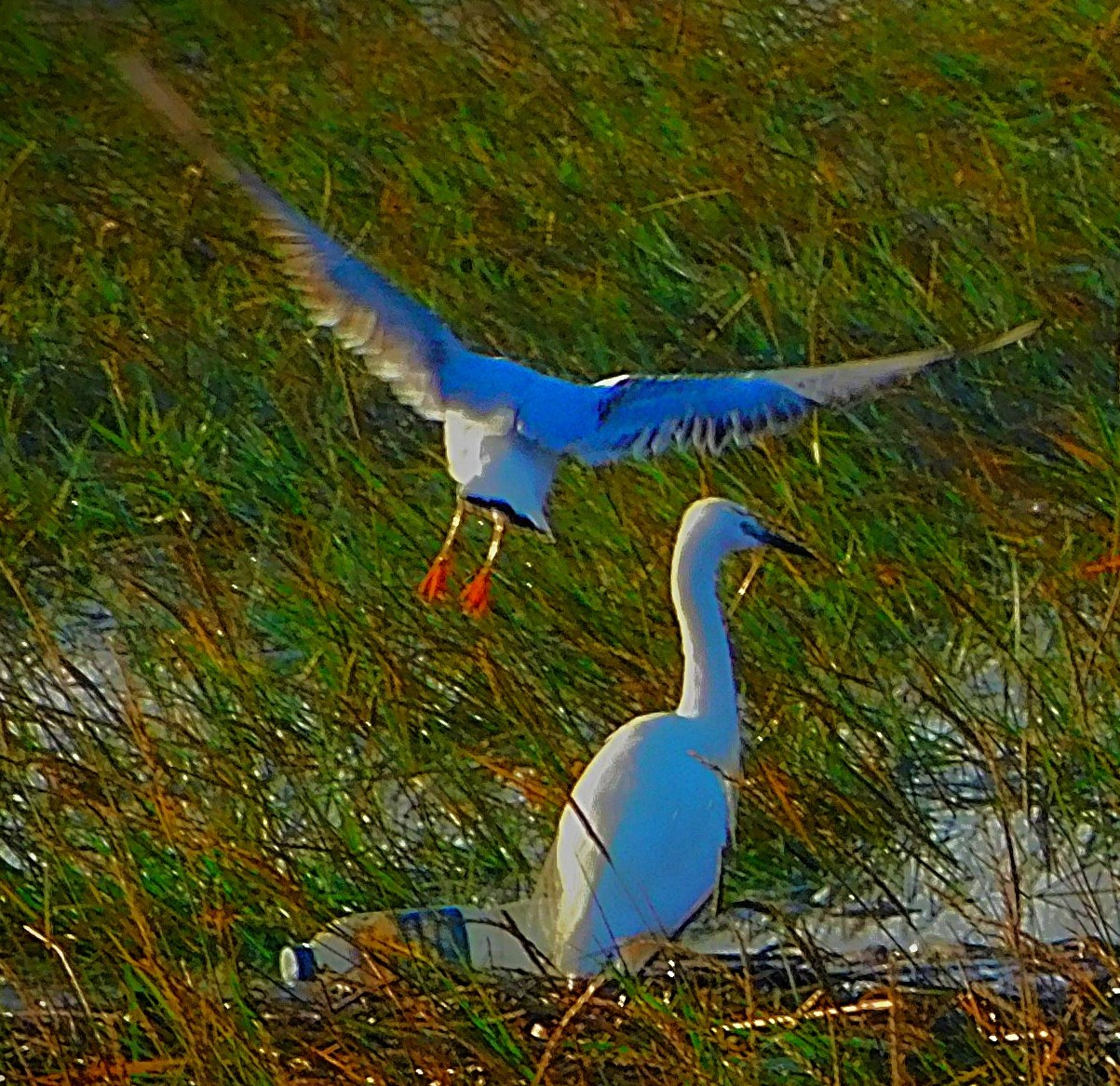
“Egret photobombed by flying gull” An Egret at the edge of the Nar outfall with a flying gull with wings at full stretch in the foreground.
Now for the full gallery…
The chosen feature image “In Formation” – two bees flying exactly parallel to one another, seemingly with a cluster of white flowers as the target.The Egret did also manage to get undivided camera space!A song thrush
A look at yesterday’s Women’s Six nations clash between Wales and England and a photo gallery.
Yesterday in the women’s Six Nations rugby England travelled to Cardiff to take on Wales at the Principality Stadium. England has won comfortably in their opener against Italy, but the Italians had given a good account of themselves in the second half, albeit one not reflected by them scoring many points of their own. Thus they went to Cardiff looking for a complete performance, not just another win.
THE FIRST HALF
Wales started fast, with Jenni Scoble scoring the first try of the match, which was duly converted. England hit back hard with three tries in the next ten minutes, the first from Meg Jones, not merely possessed of a Welsh surname but an actual Welsh speaker. The second try was scored by Sarah Bern, by dint of sheer power. With 27 minutes on the clock Feaunati scored her second try of the match and England’s fourth to secure the bonus point. That was it for first half scoring, but it was clear that holding England at bay was the limit of Welsh capabilities.
THE SECOND HALF
If the first half had been impressive the second half was downright frightening from England, as they absolutely steamrollered the home side. First Ellie Kildunne showed why she is rated by many as the best female rugby player on the planet right now by scoring a hat trick of tries in the space of about ten minutes. Abby Dow was the next to make her presence felt, scoring England’s eighth try. Try number nine came from Abi Burton, who has been through health problems of sufficient magnitude that at one point she was in an induced coma. Dow scored her second, which took England to 60 points. Then in the dying embers of the match Burton, only on the field for seven minutes, scored the second try of an astonishing international debut, with the conversion ending the match. The final score was Wales 12 England 67, and England were not especially flattered by that score line. This tournament, at least for England, is really a warm-up for the upcoming world cup, of which England are hosts. On the evidence of this performance few would dare to bet against the home side lifting that trophy.
A look back at the ending to the test match between Australia and India at the MCG and a large photo gallery.
This post is a few days late – between the Christmas Panto and work I have been busy in the early part of this week. In it I look back at the final day of the Australia v India test match at the MCG.
A RASH SHOT AND A DRS CONTROVERSY
When India reached tea on day five only three wickets down in their second innings, and with Yashavsi Jaiswal and Rishabh Pant having batted through the afternoon session without too many signs of difficulty a draw looked likely. Immediately on the resumption Pant was tempted into a rash shot against a short ball and was caught in the deep, the second time he had tossed his wicket away in the course of this match. This dismissal was not quite as appalling as his first innings one, but he should have taken care to play the ball down in to the ground – India were looking to bat through for a draw, so safety first should have been the guiding thoughts. That opened the door for Australia, and when Ravindra Jadeja and first innings centurion Nitish Kumar Reddy both fell cheaply the door was practically off its hinges. The moment that effectively sealed India’s doom came via the Decision Review System (DRS). Yashavsi Jaiswal, on 84 and playing beautifully was given not out in response to an appeal for a catch. The Australians sent it upstairs. The replay appeared to show a deflection from either bat or glove, but the snickometer did not pick up any sound. Nevertheless, knowing that it was effectively handing the match to Australia, the third umpire, faced with conflicting evidence decided to go with the visual clue rather than the lack of a noise and told the on-field umpire to reverse his decision and give it out. That left Washington Sundar and three tail enders with a long time still to bat, and they did not come close.
Over the five days some 373,000 spectators watched at the ground, a record for a test in Australia, beating one that had stood since the 1936-7 Ashes when the star attraction was a certain DG Bradman.
Pat Cummins, with 90 runs across the two Australian innings and six wickets across the two Indian ones, was awarded the Mullagh Medal for Player of the Match (Johnny Mullagh was part of the all-aboriginal party that toured England in 1868, and showed himself to be a fine all rounder on that tour).
Australia won by 184 runs in the end, and as well as Pant’s two batting errors, the second of which opened the way for India’s final collapse, India were poor in the field, at least four clear cut chances being dropped. Australia now lead the series 2-1, meaning that so long as they do not lose in Sydney they regain the Border-Gavaskar trophy, which has been in Indian hands for a decade. Full scorecard here.
PHOTOGRAPHS
Most of these are from the back end of 2024, but I have included some from today…
The venue for the Pantomime.The first 2025 picture I have posted.