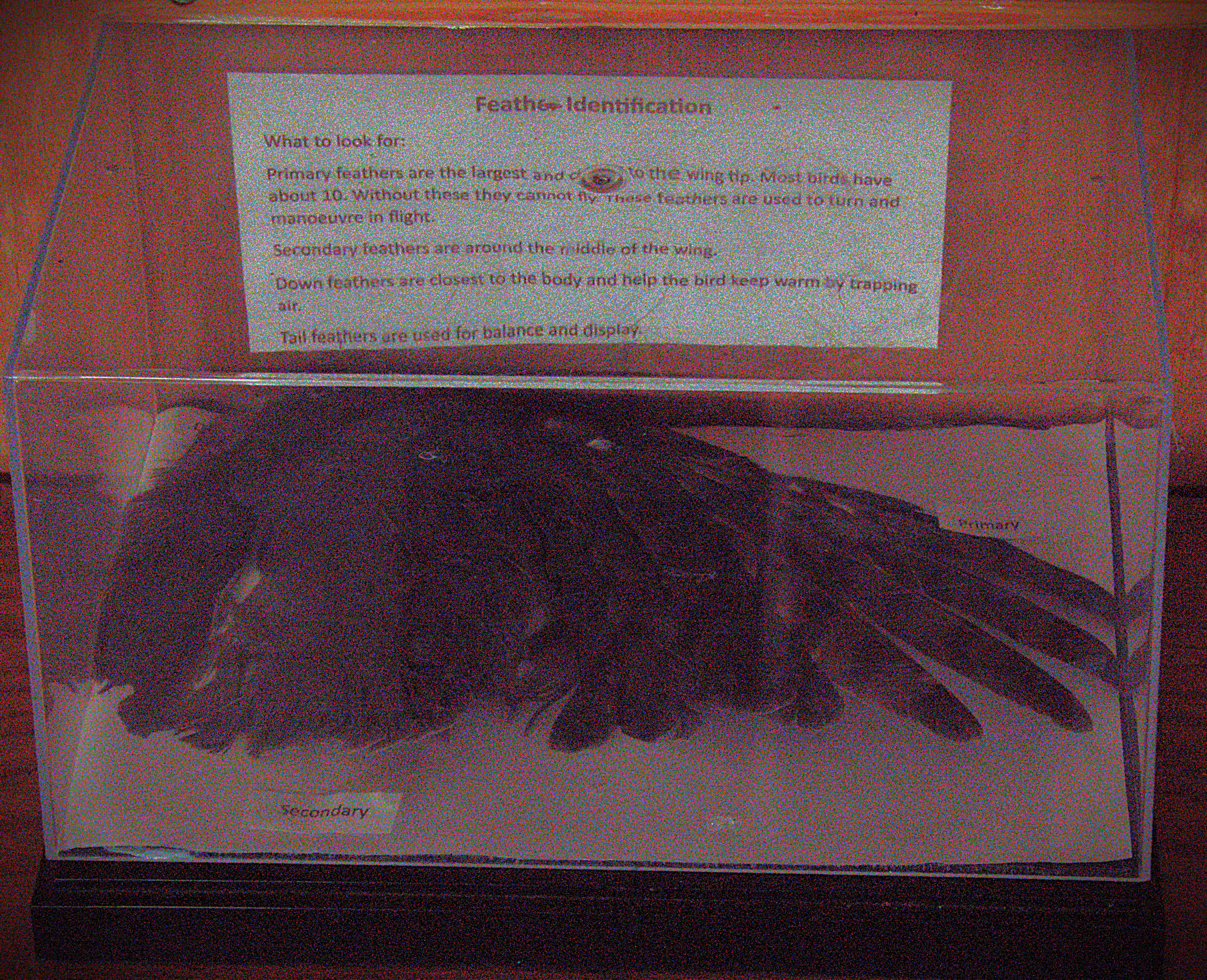
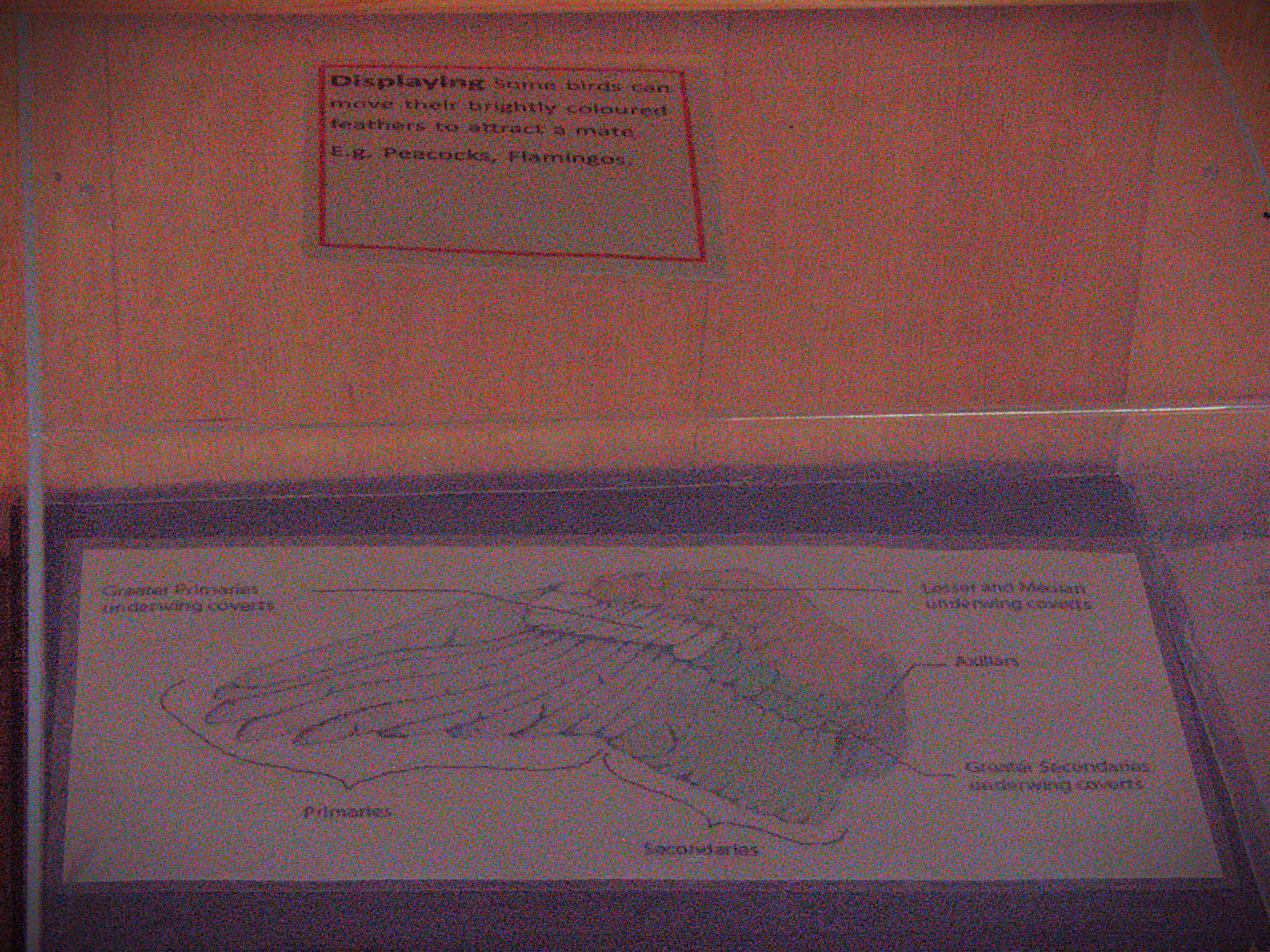
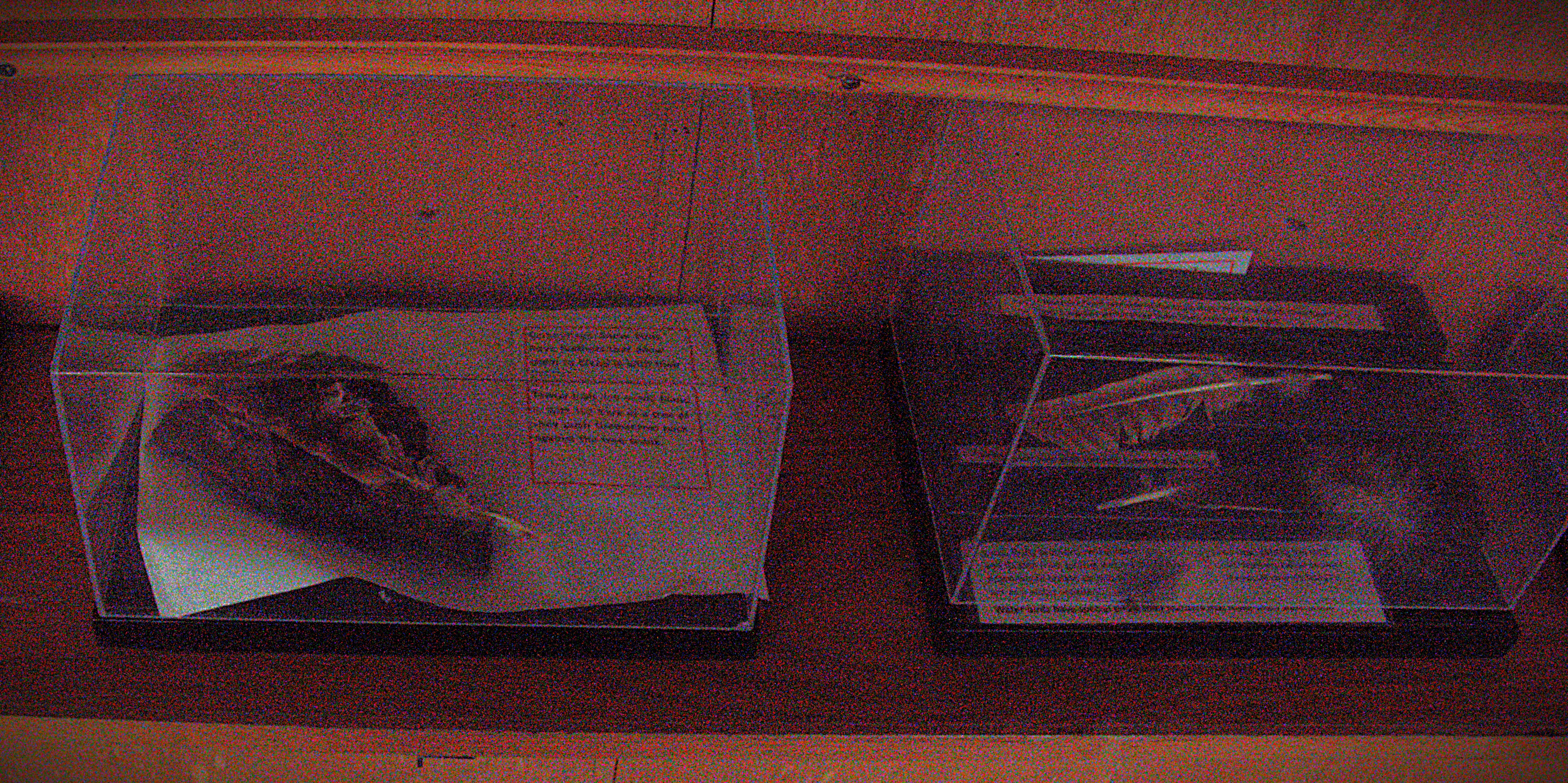
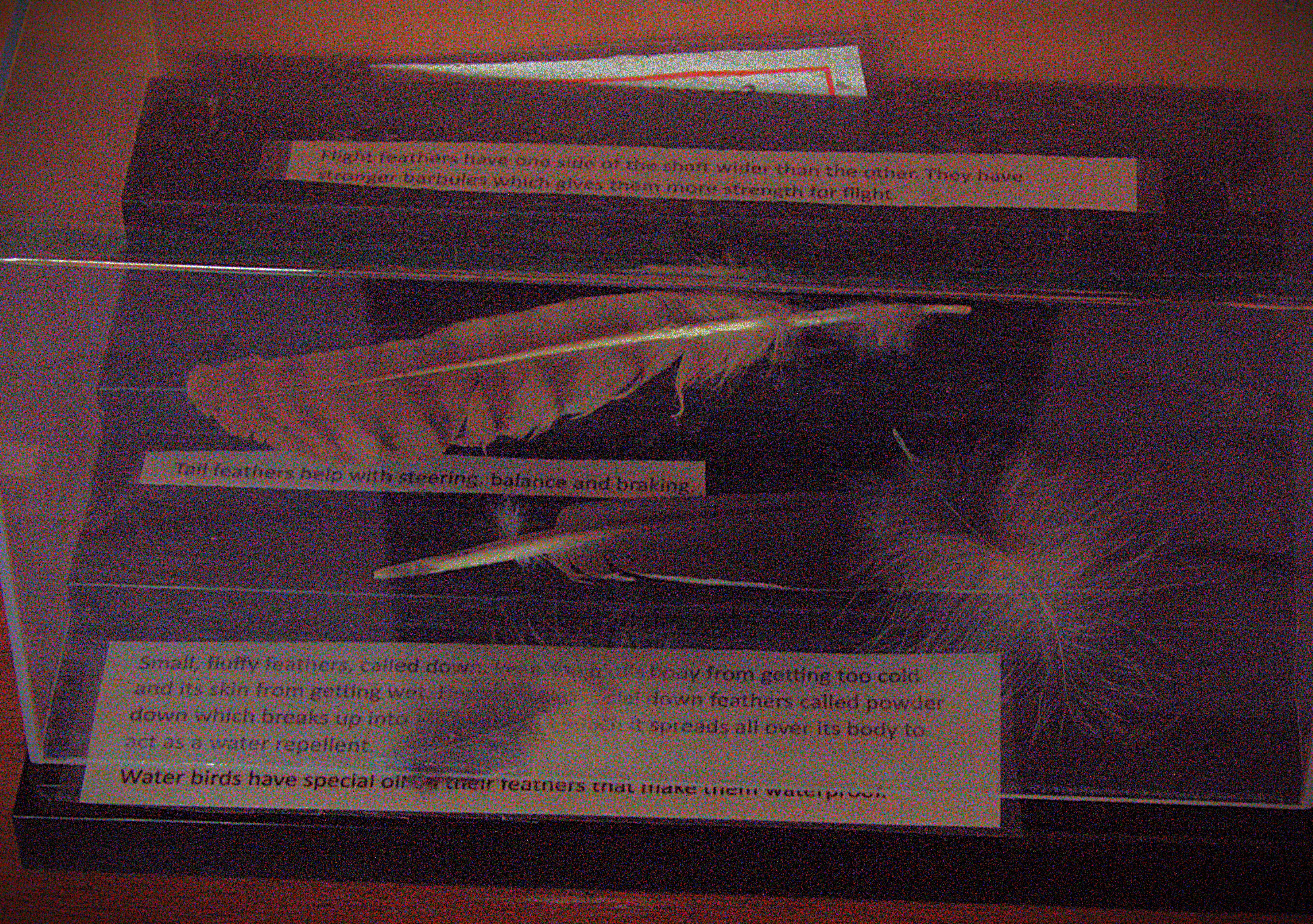
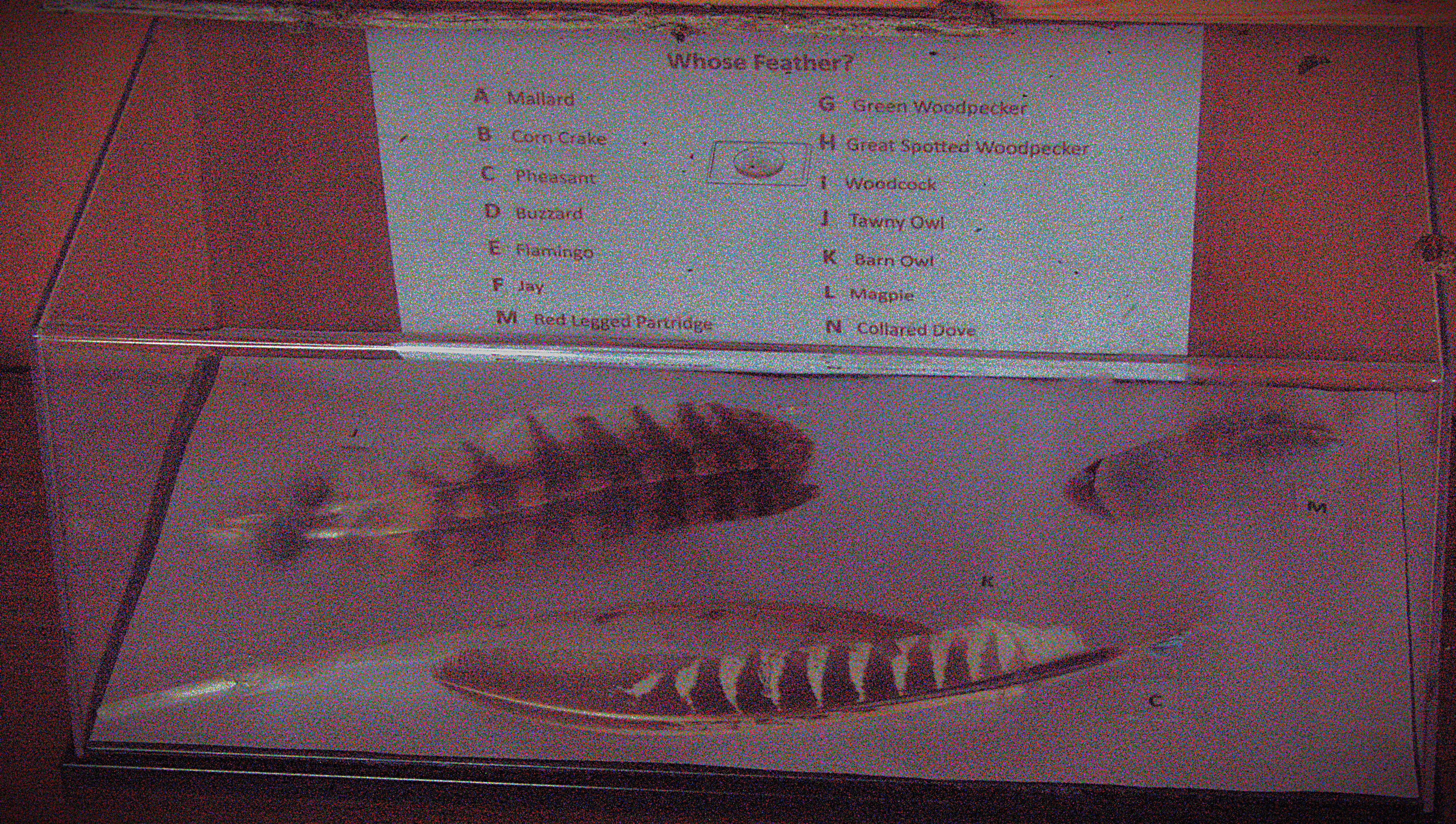
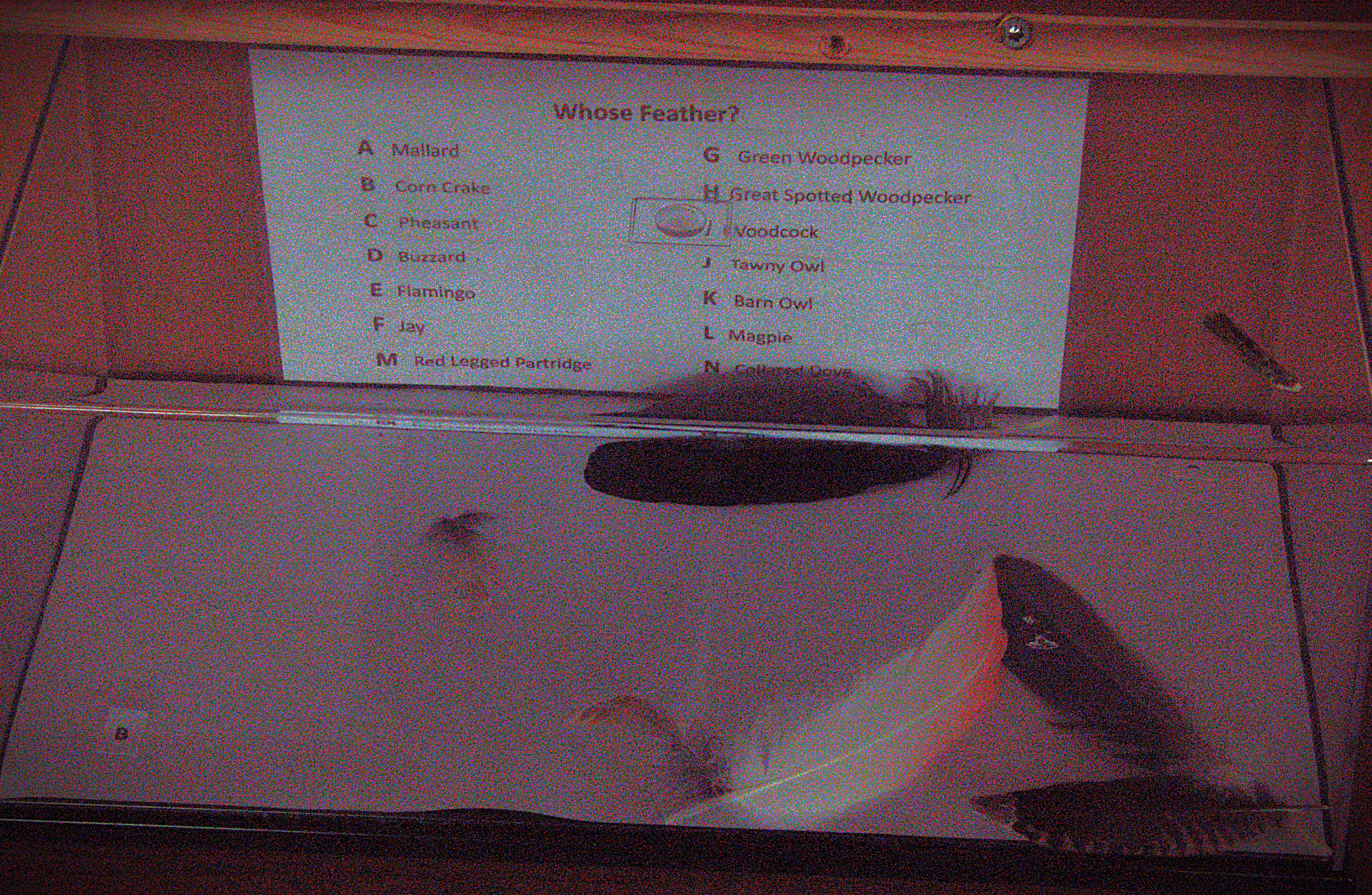
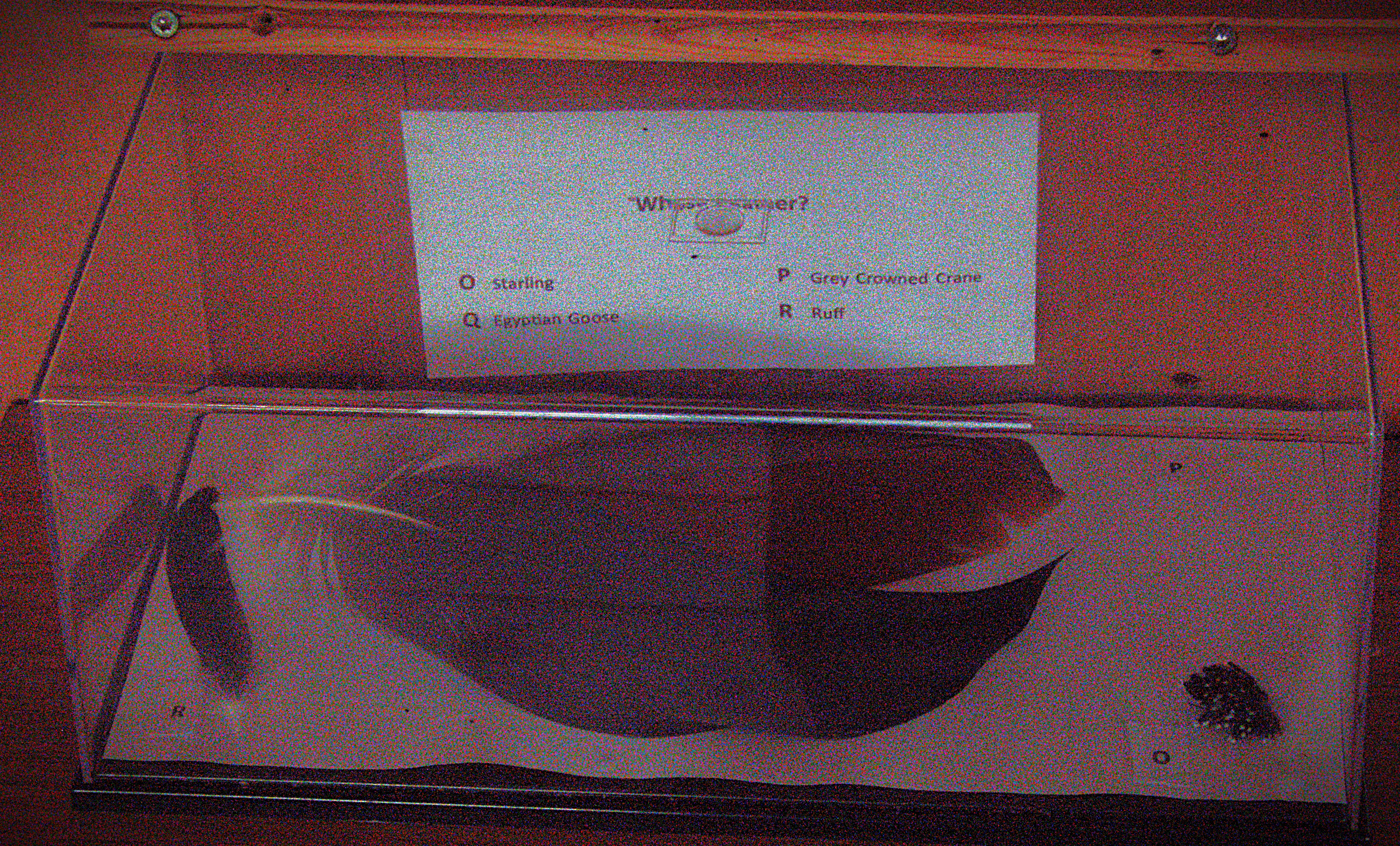
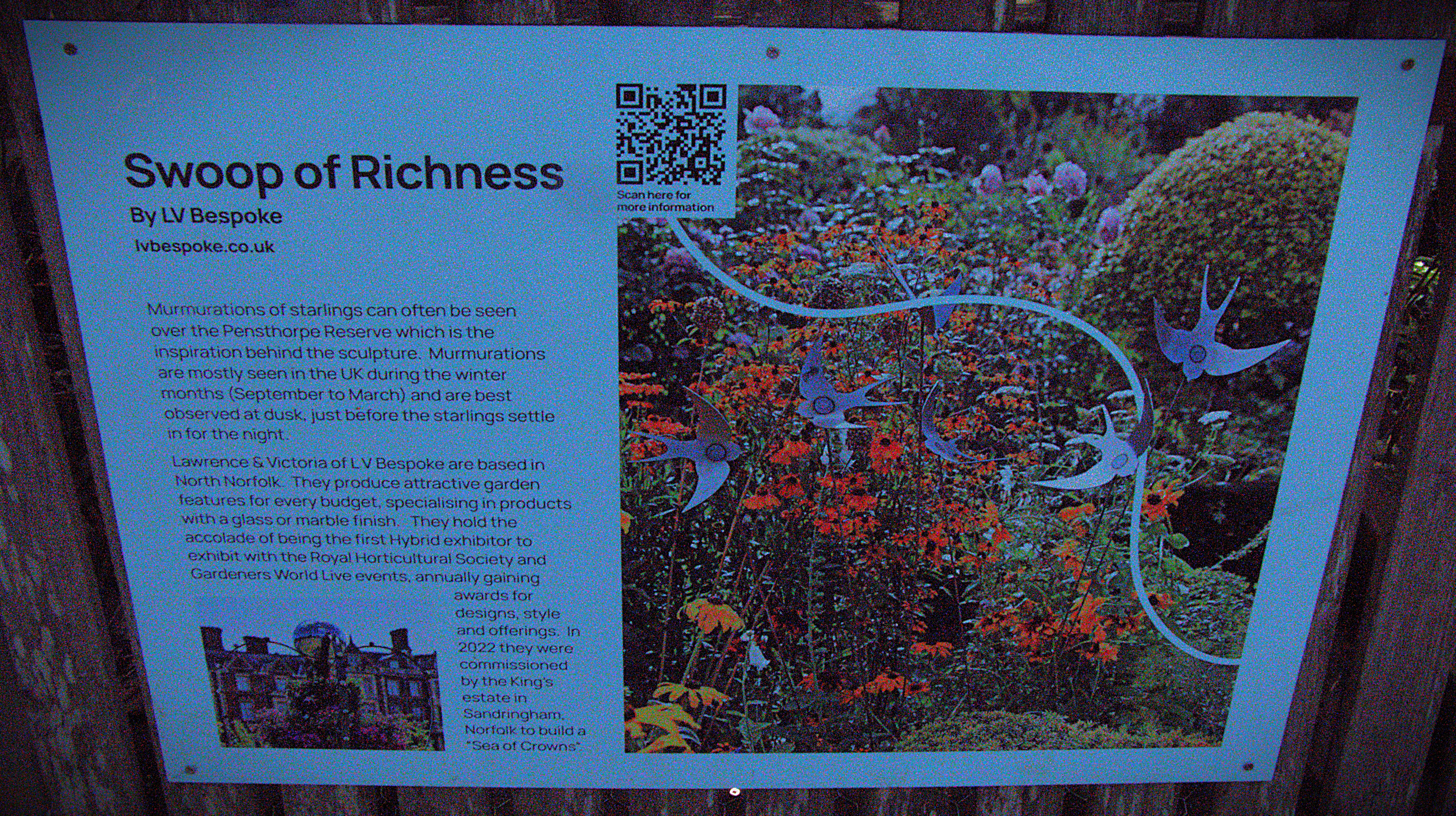
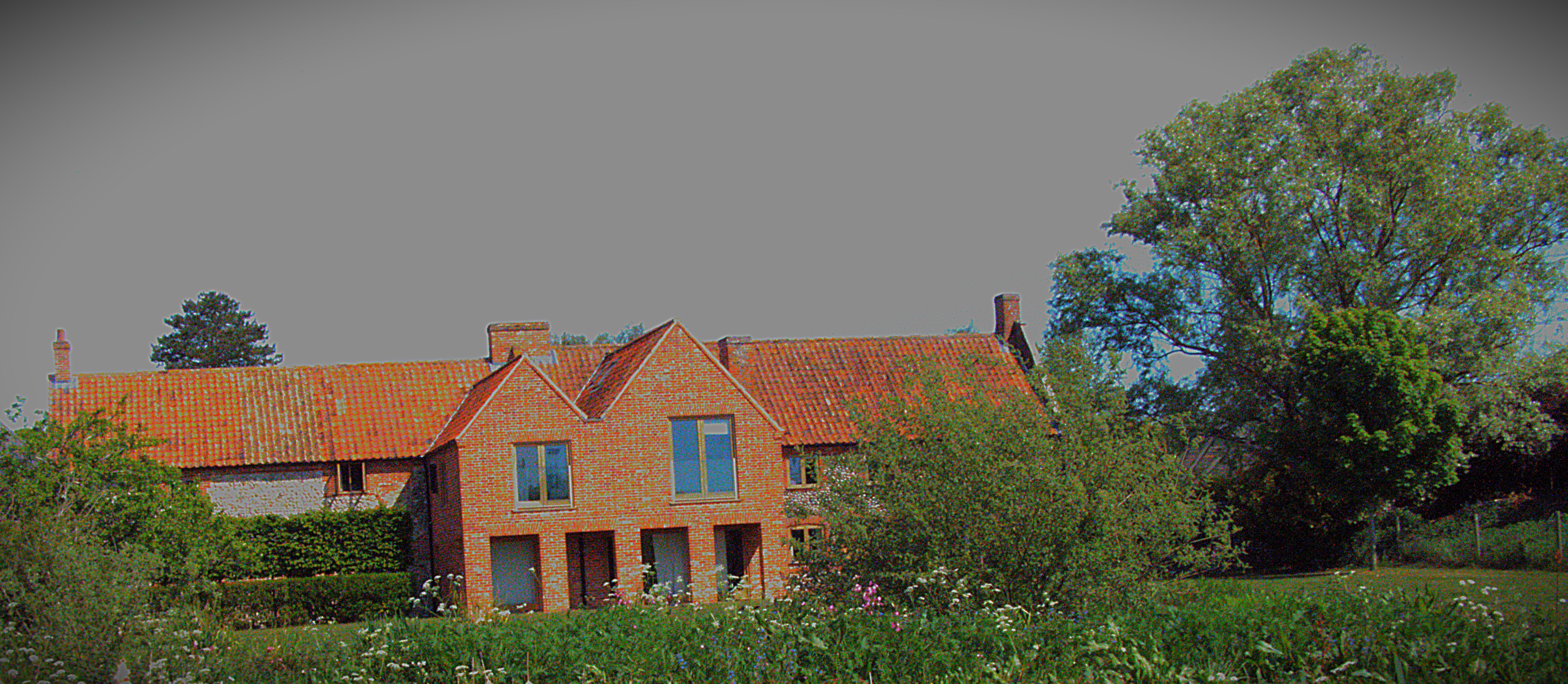
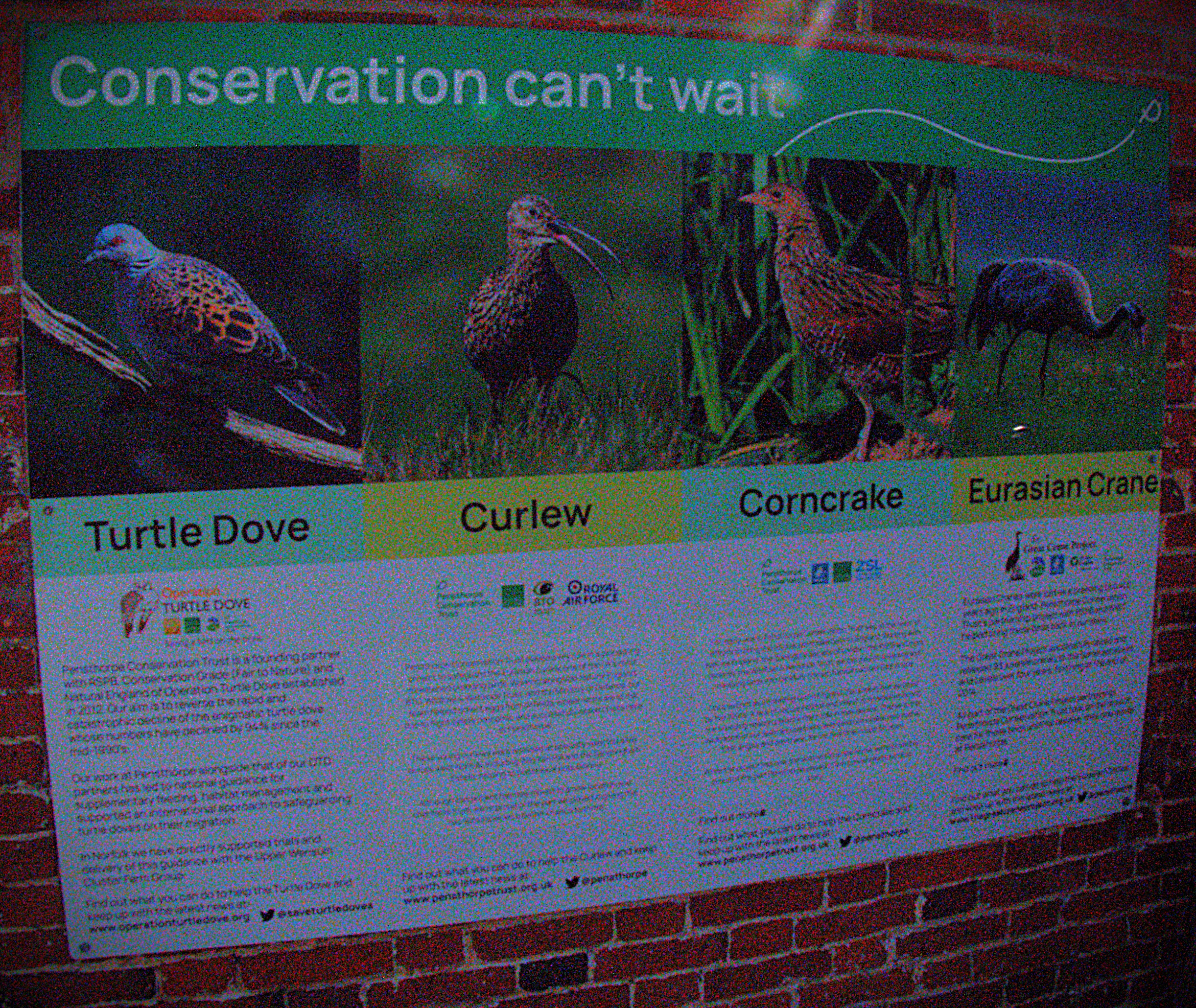
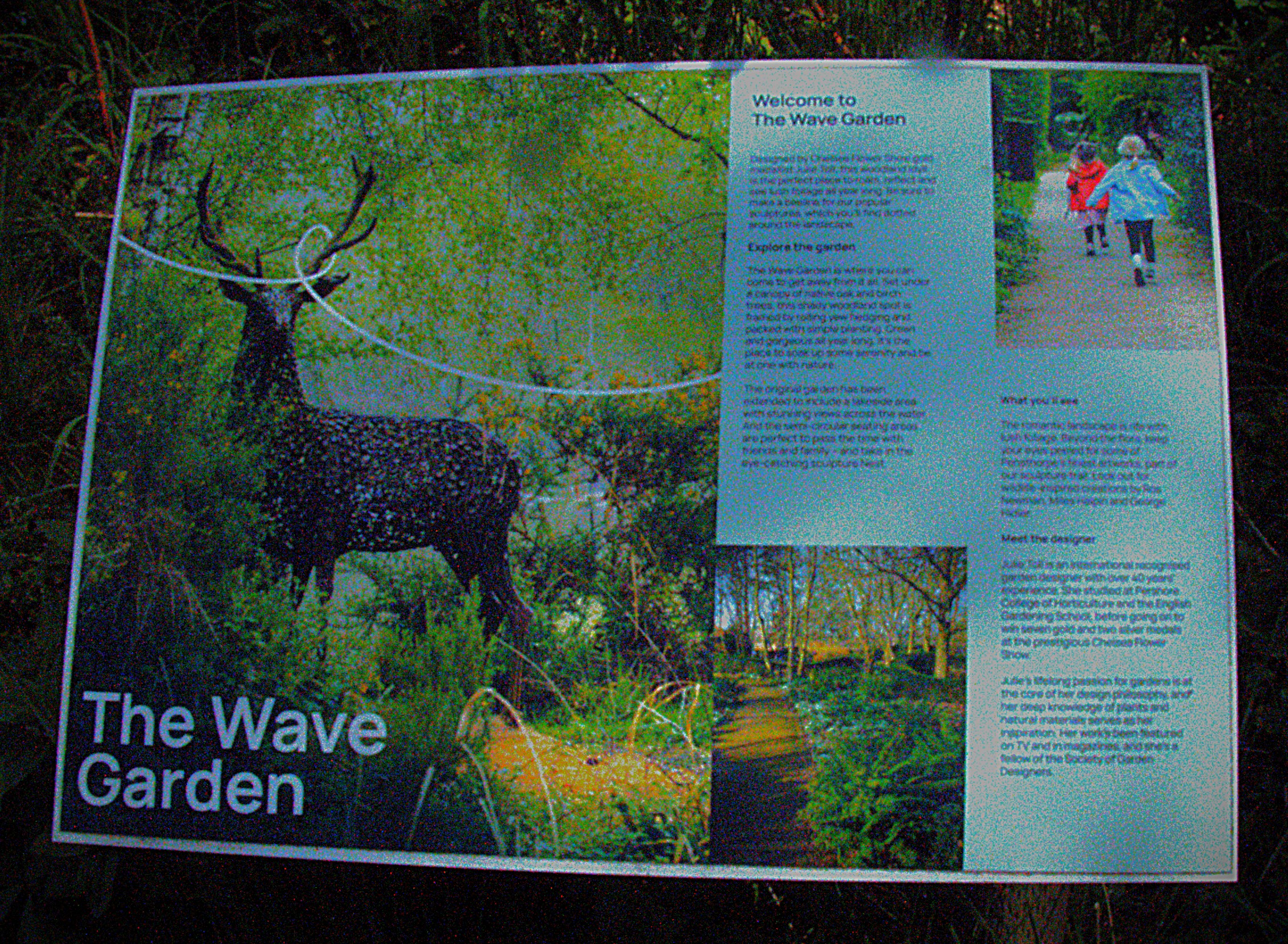
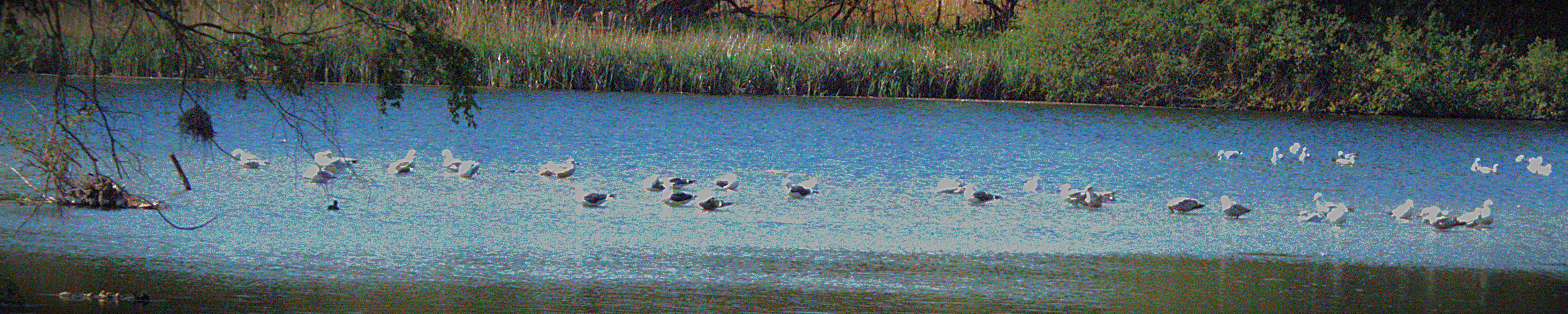
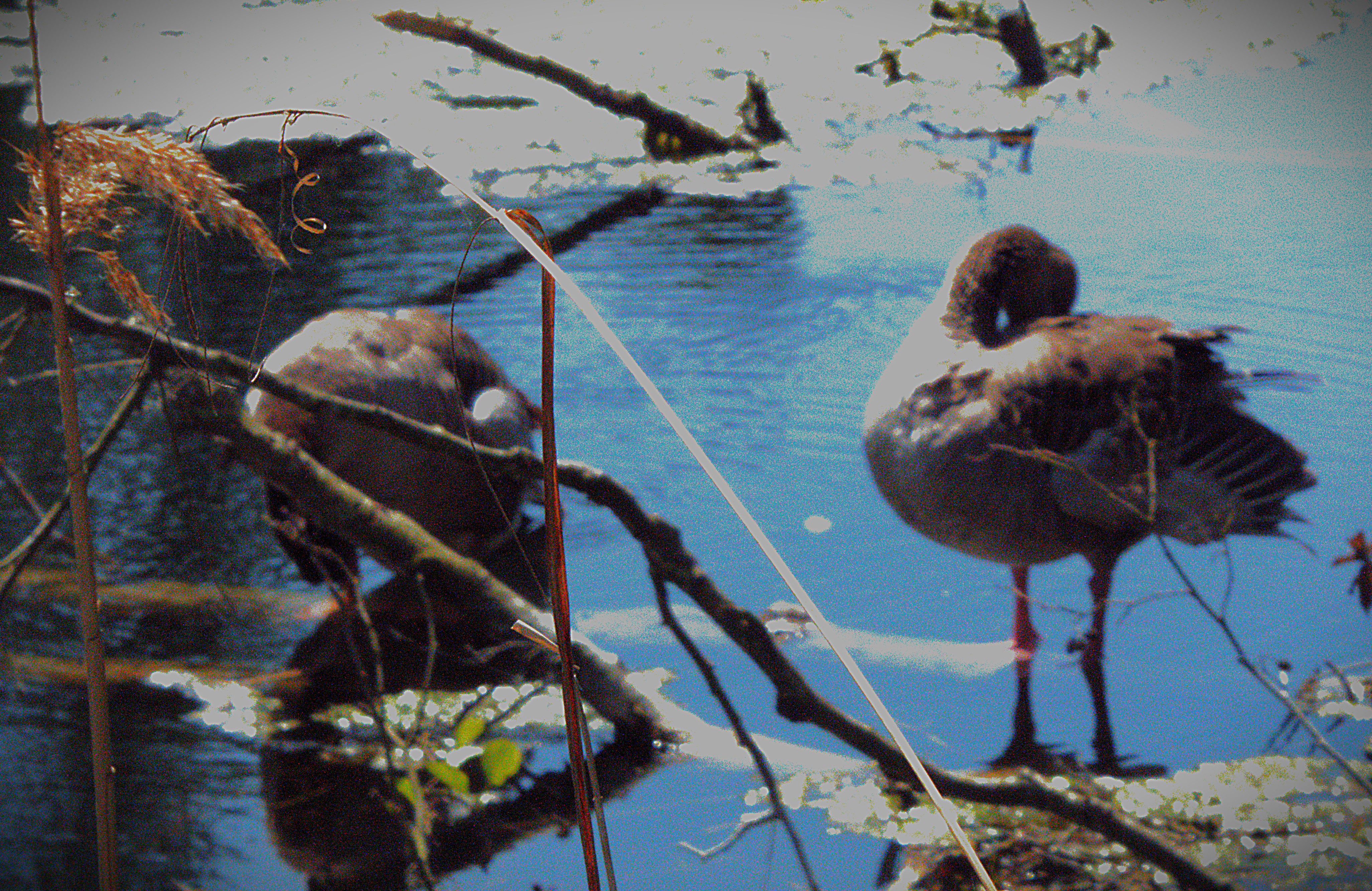
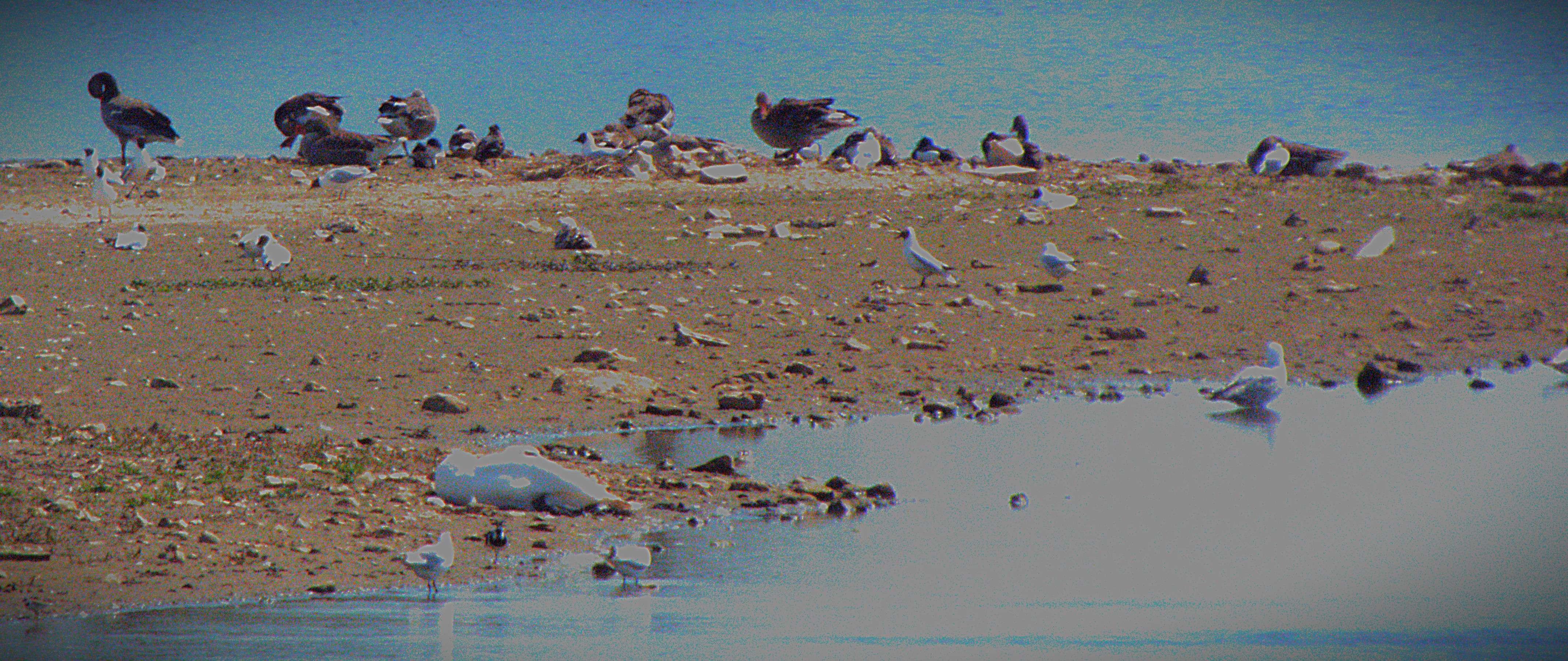
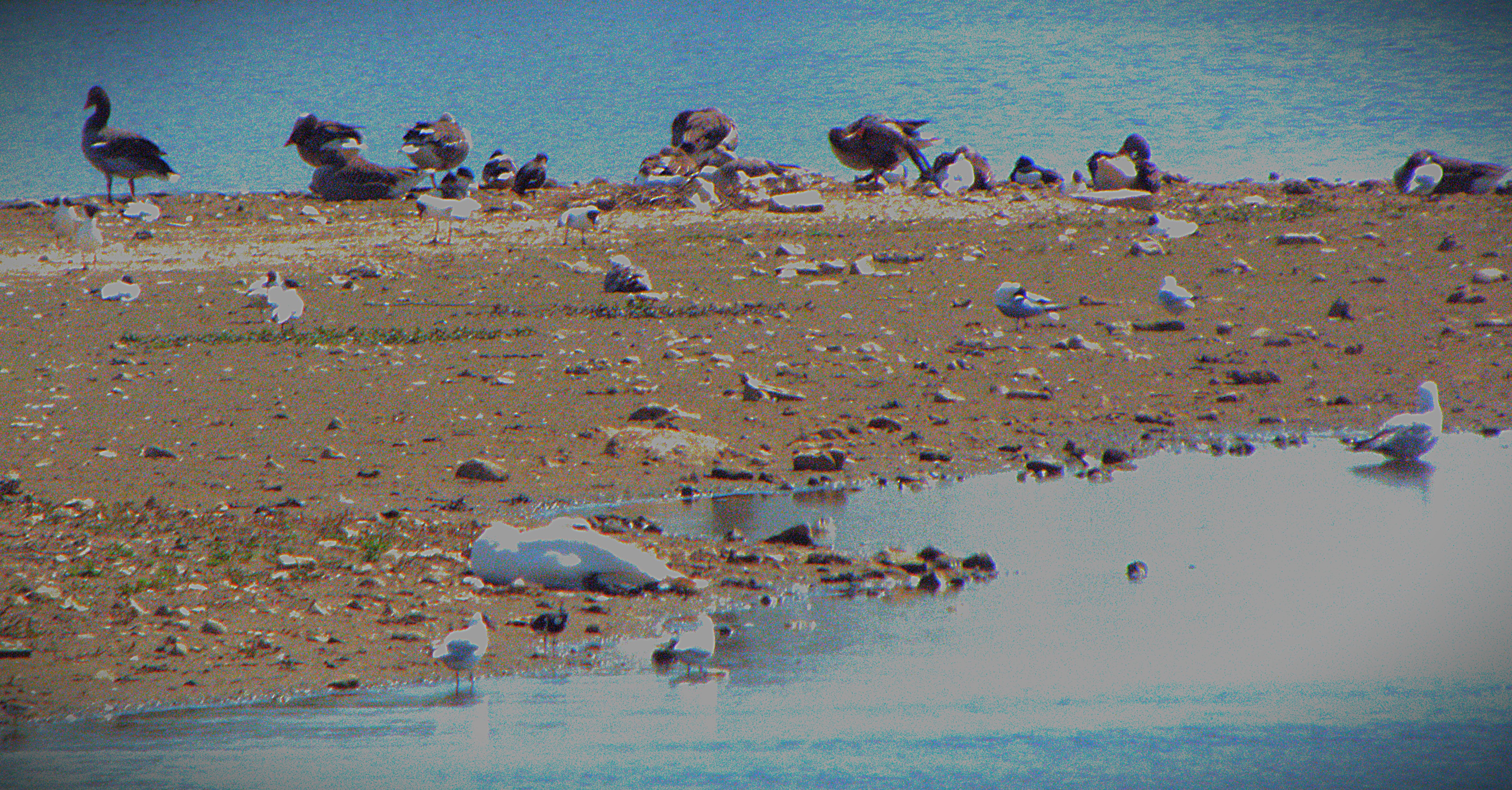
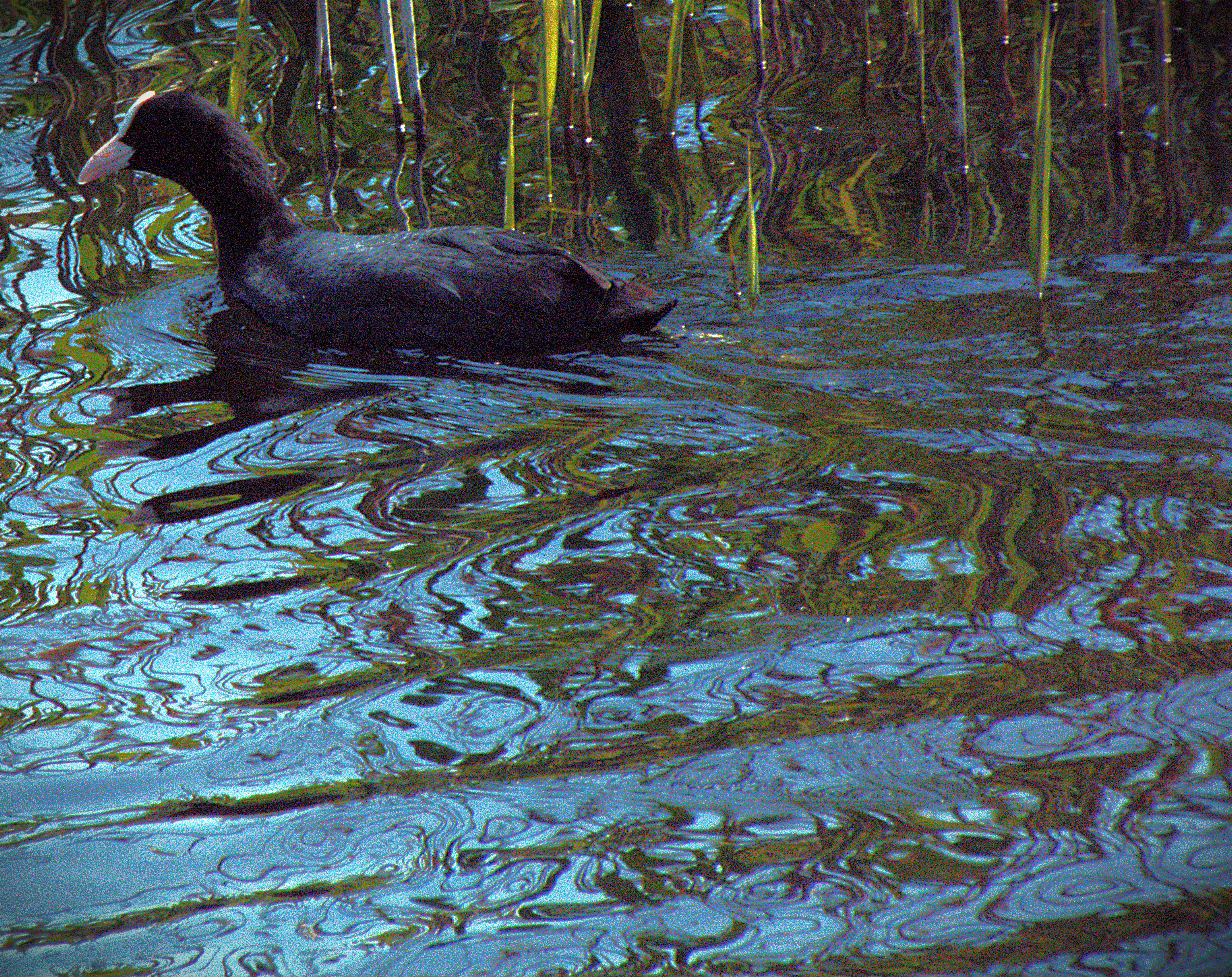
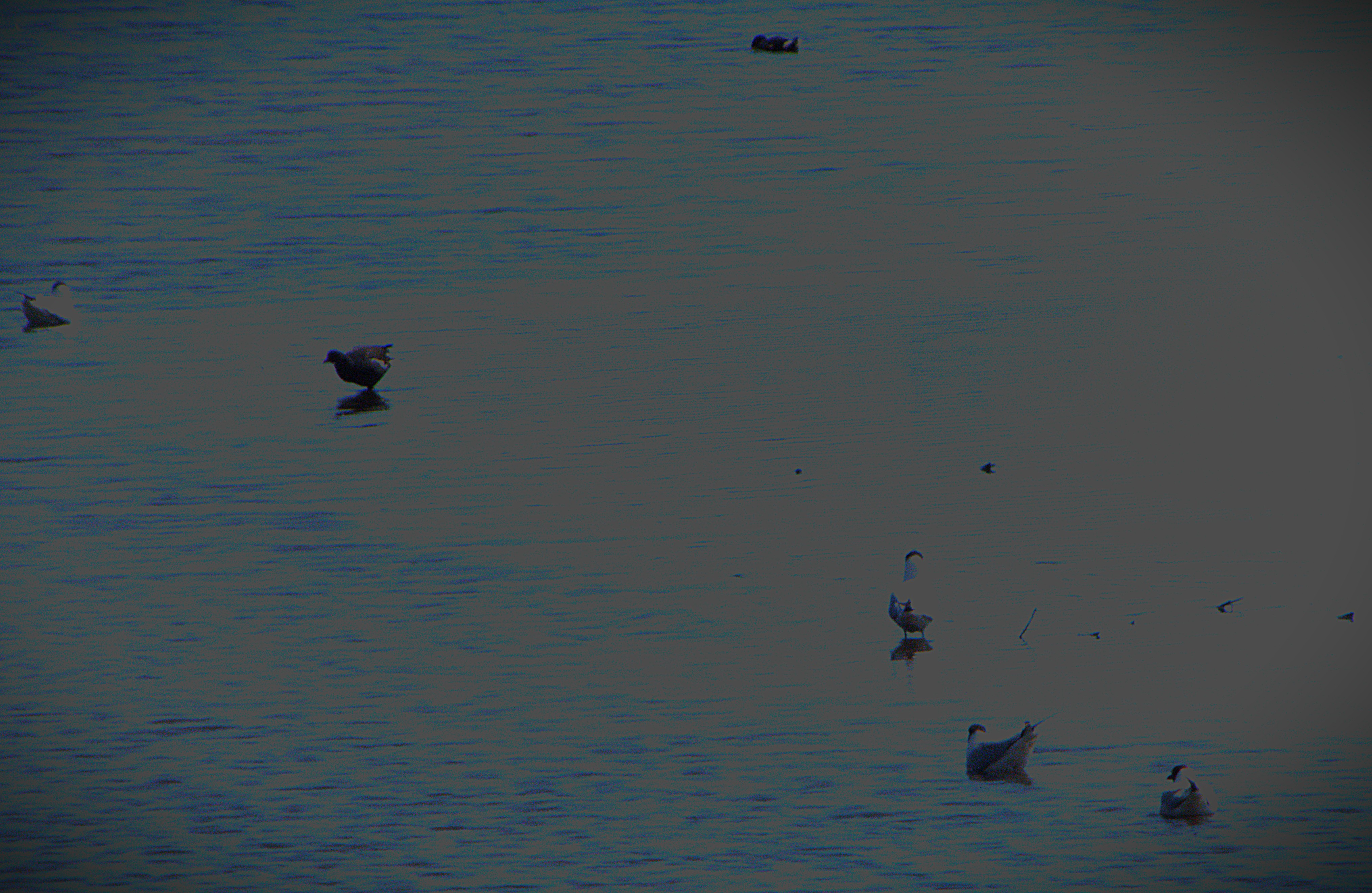
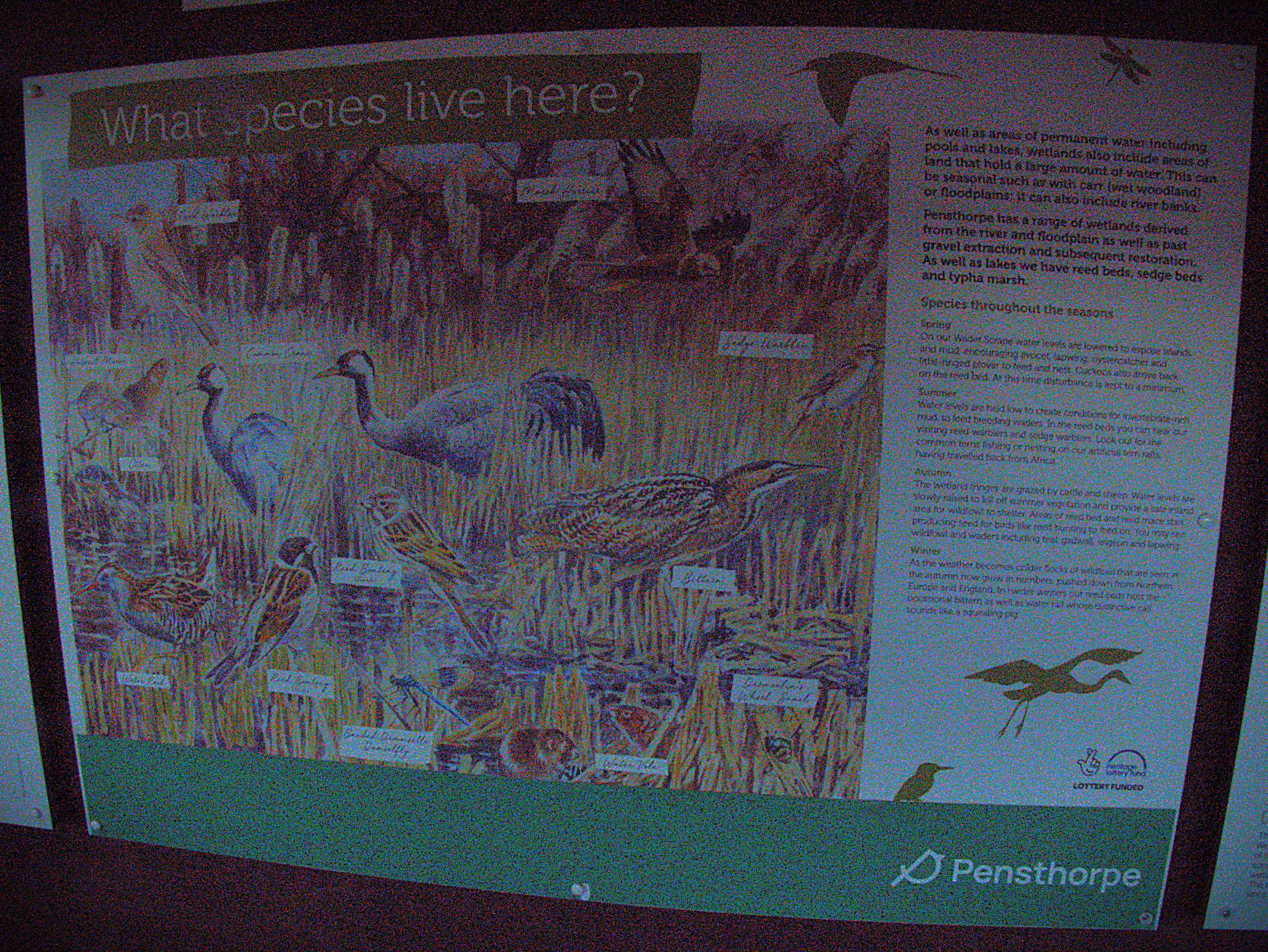
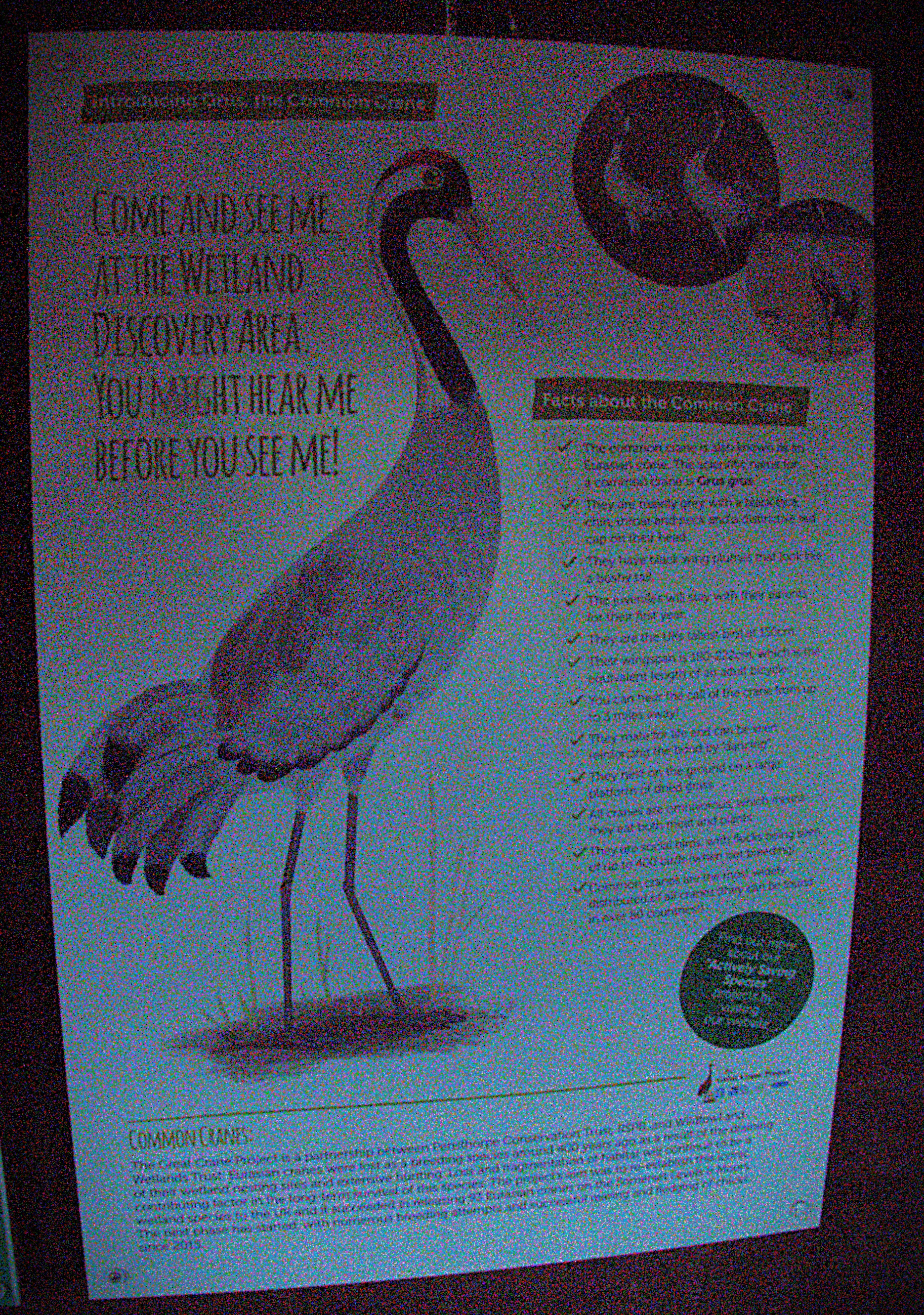
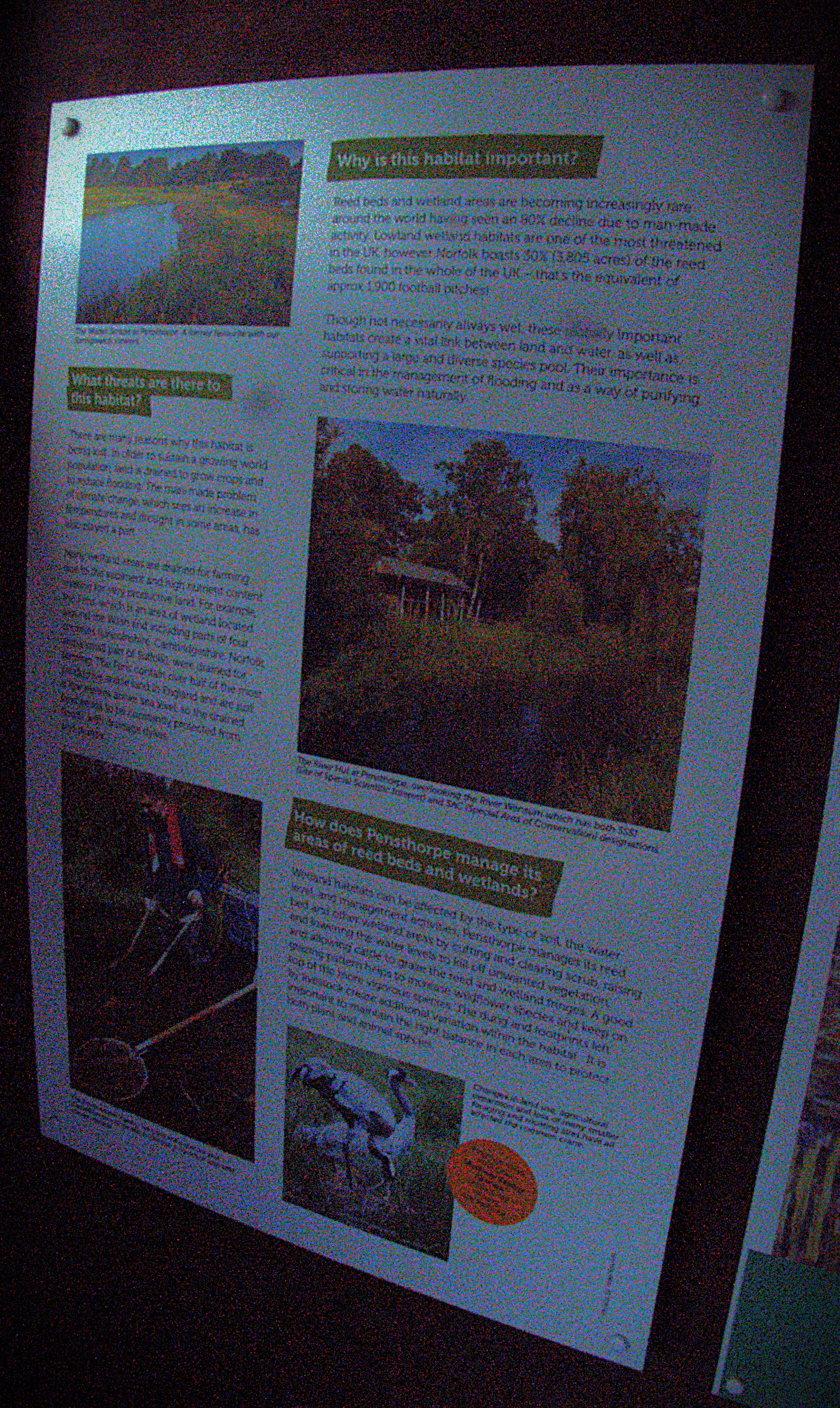
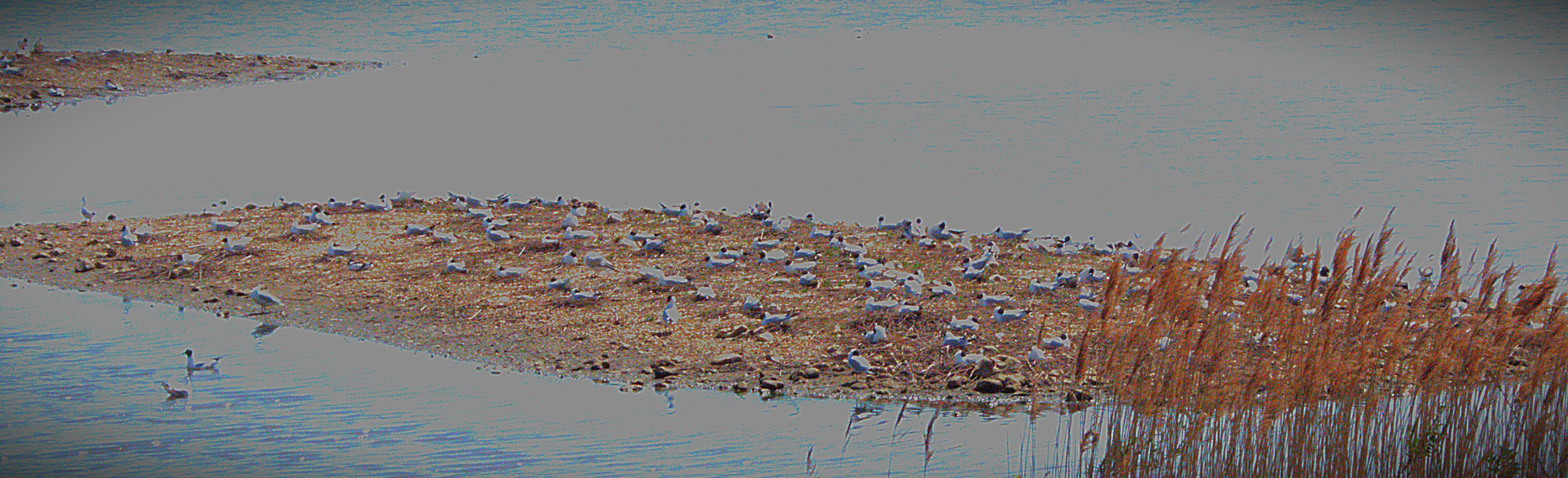
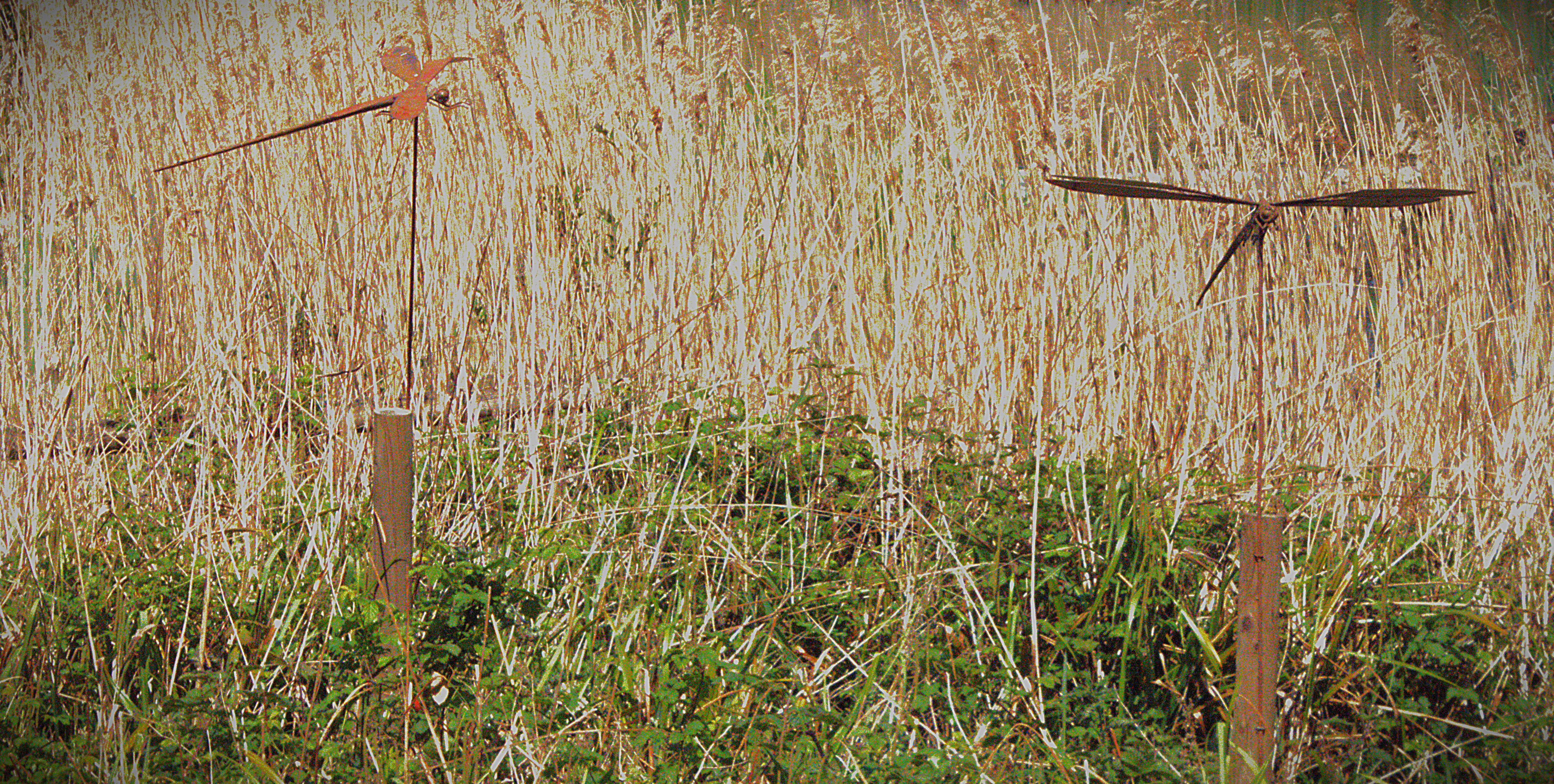
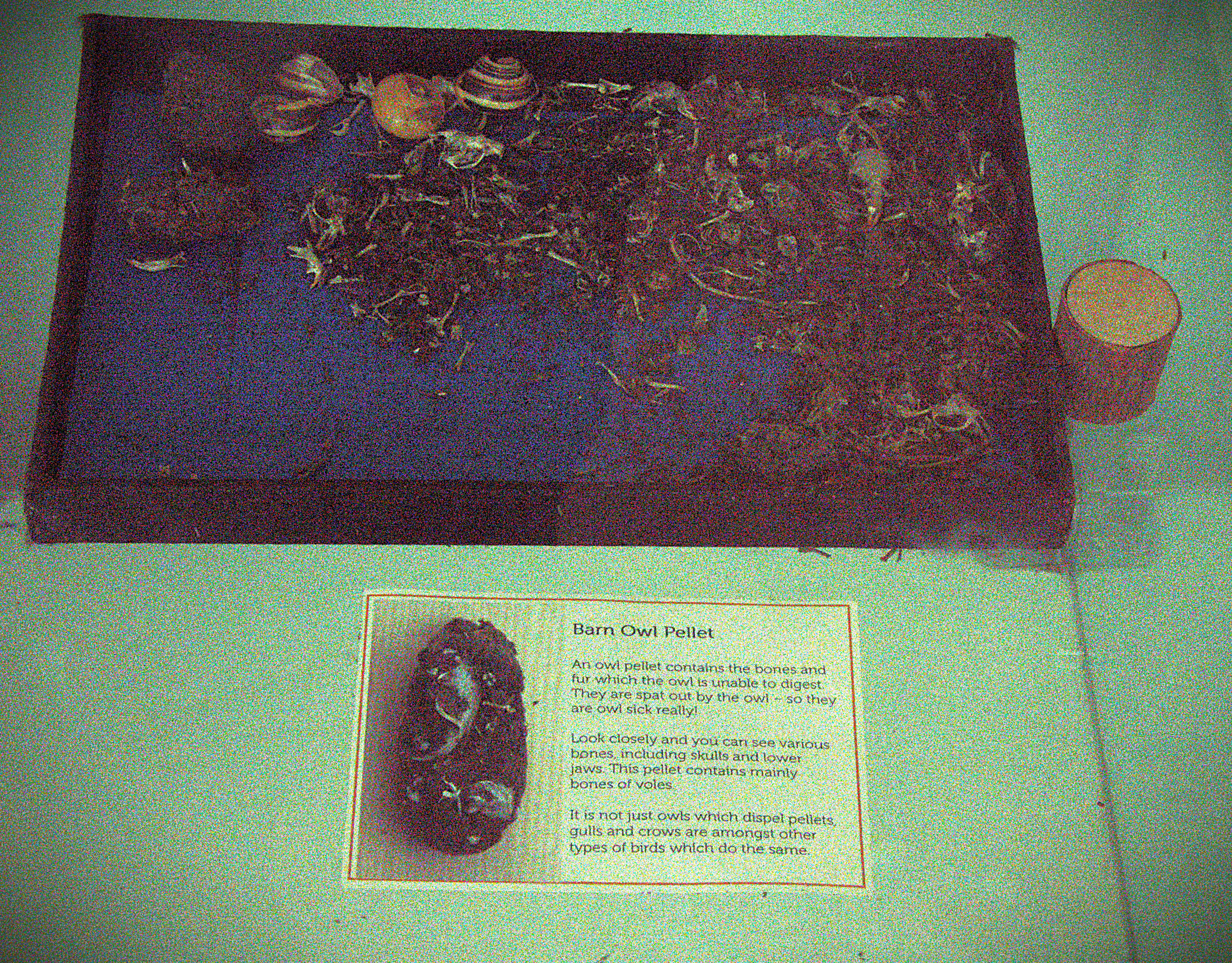
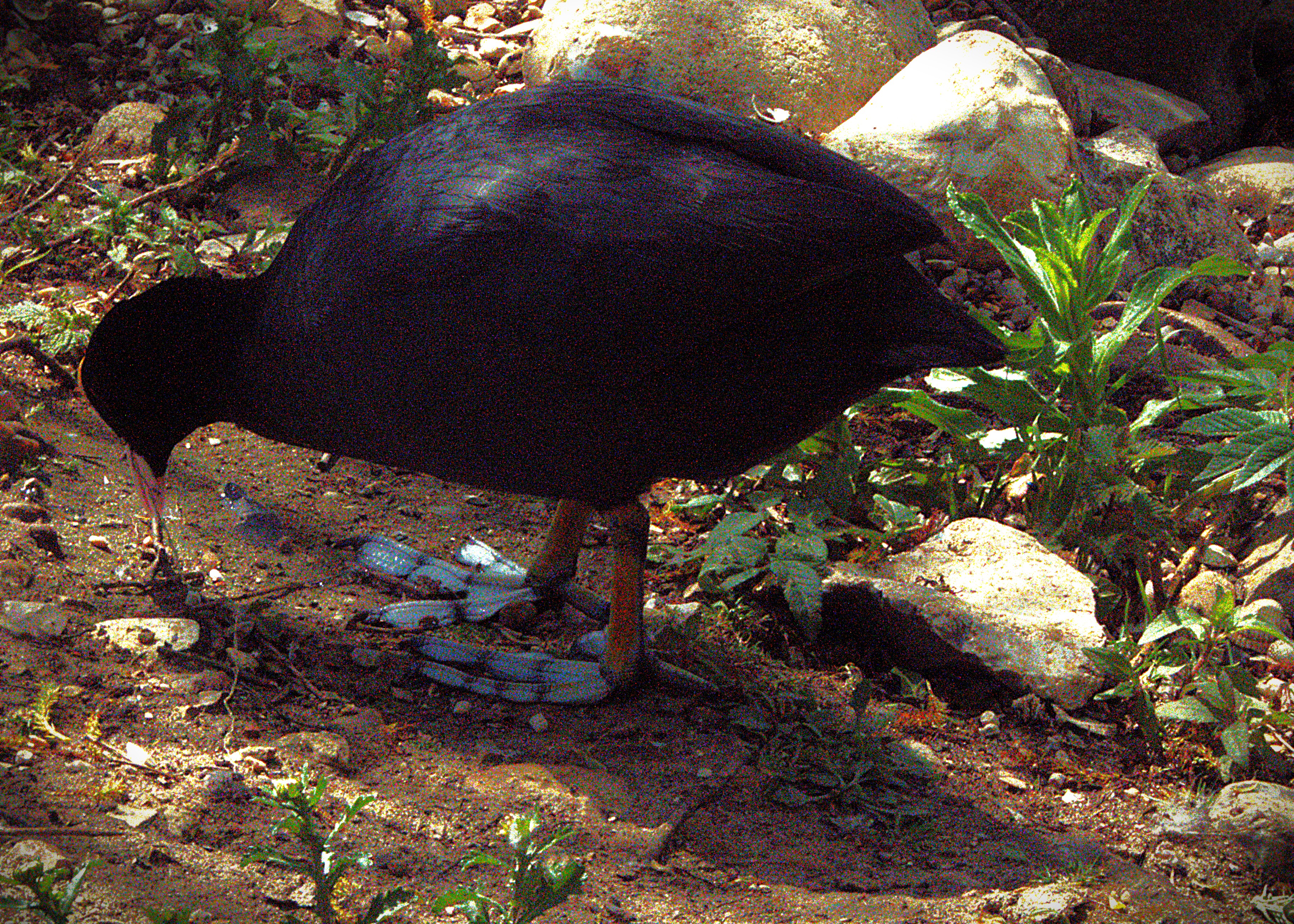
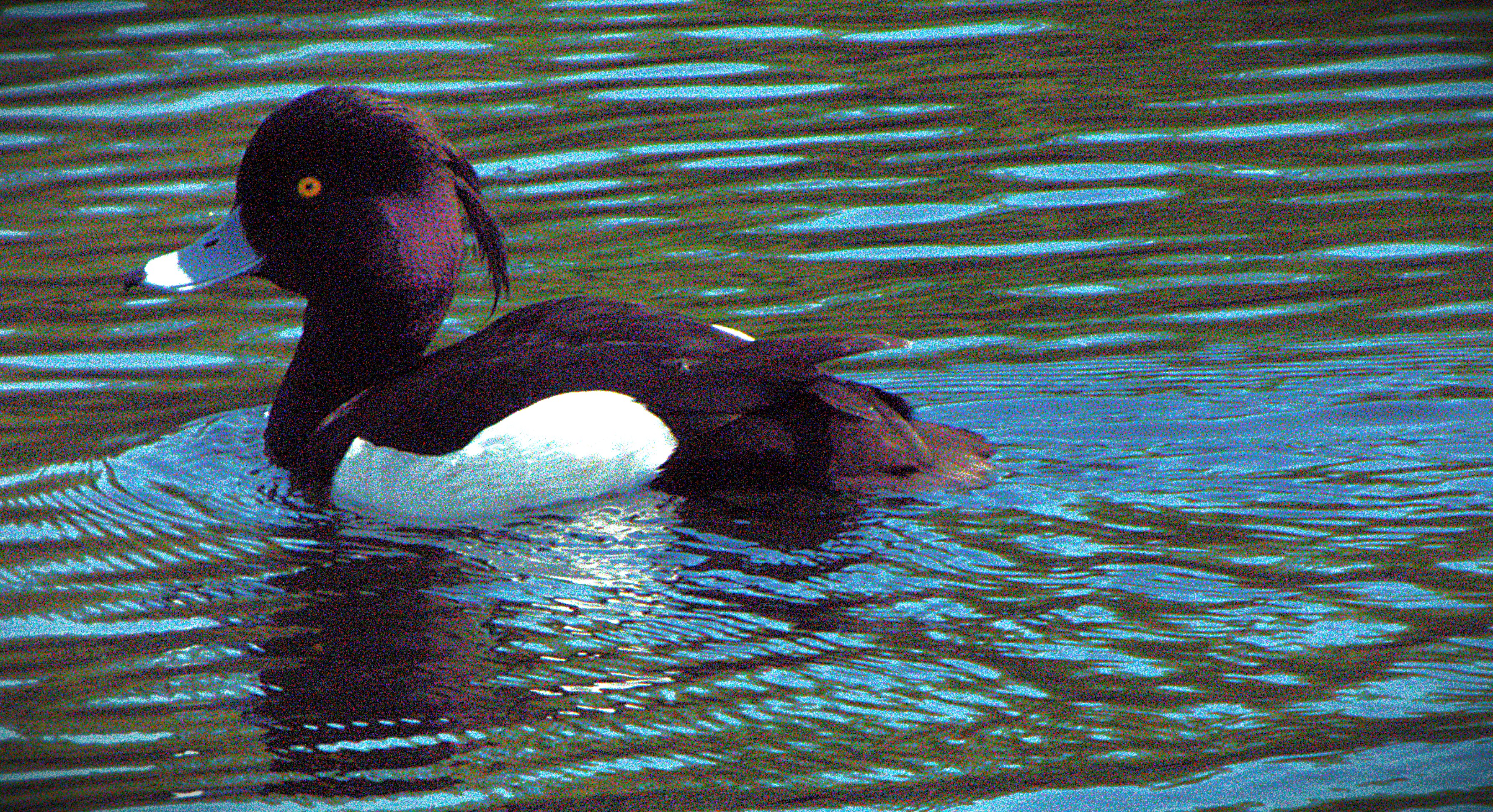
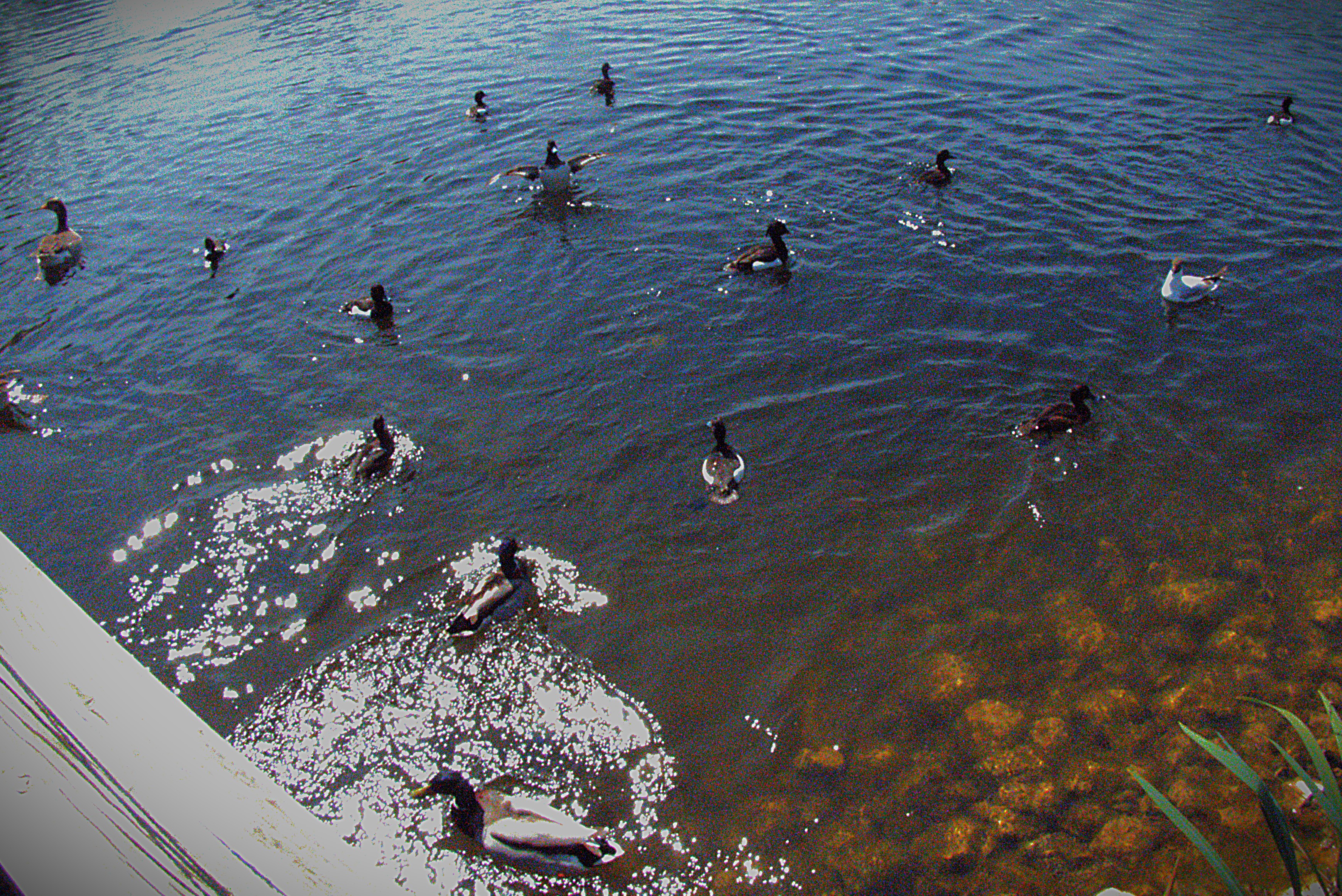
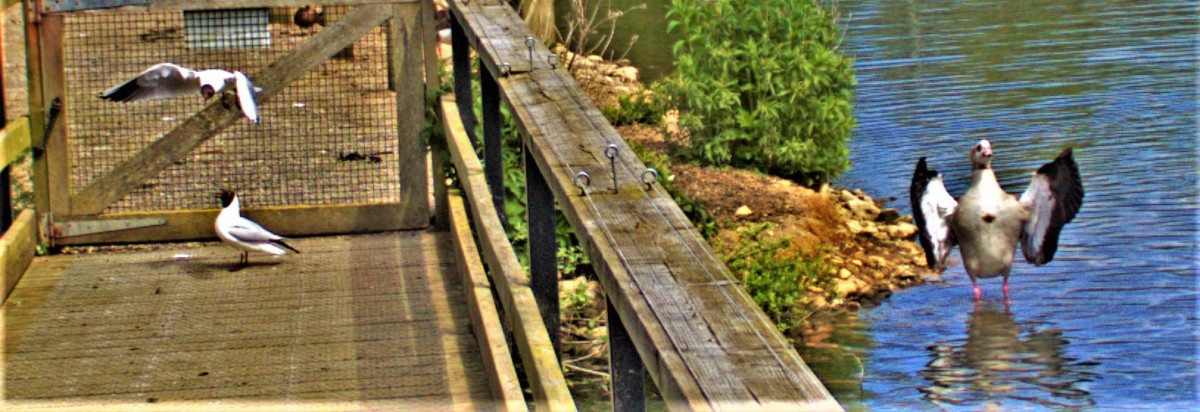
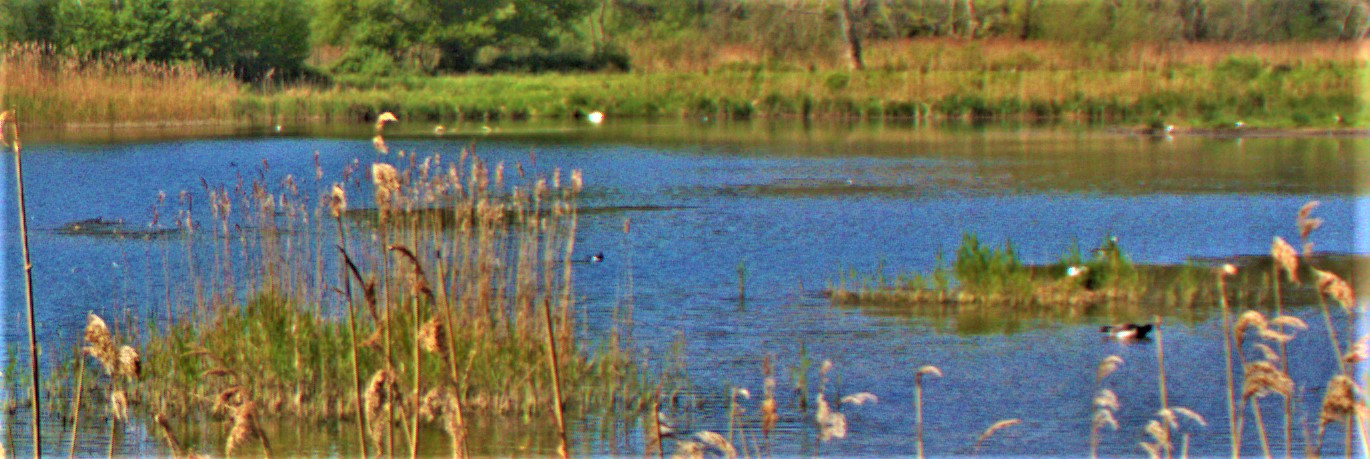
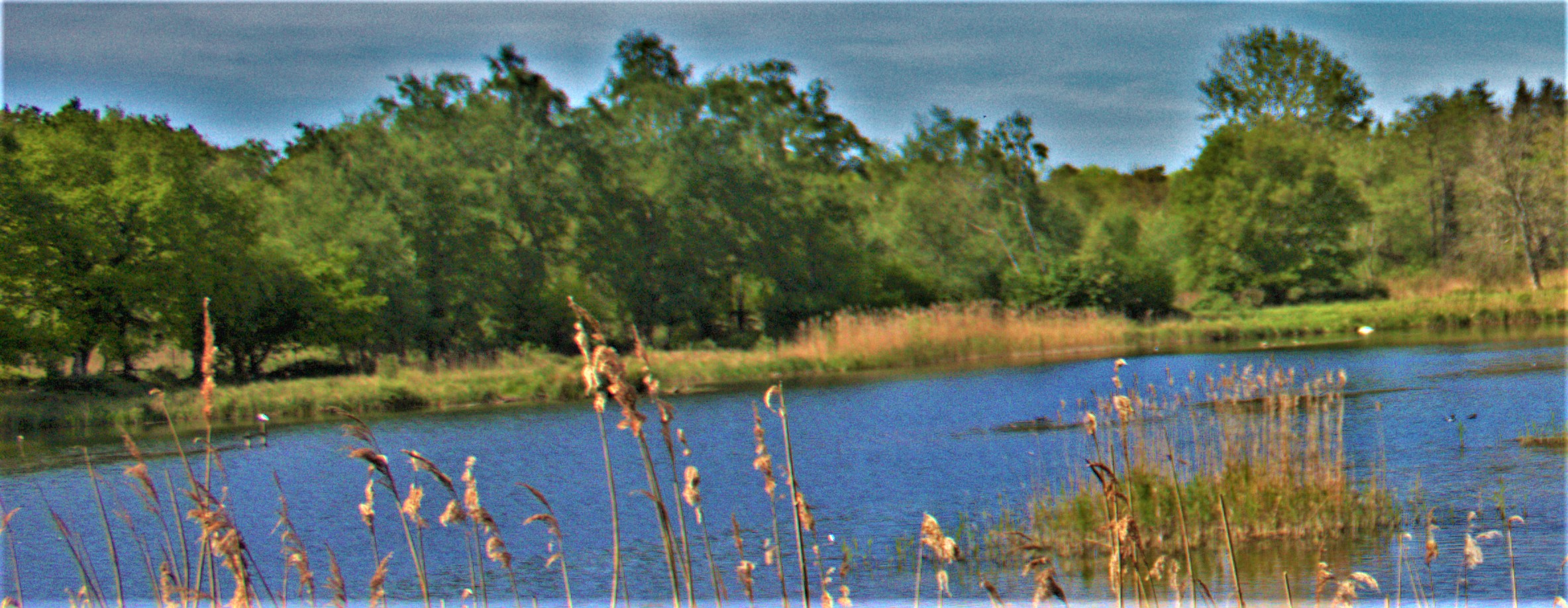
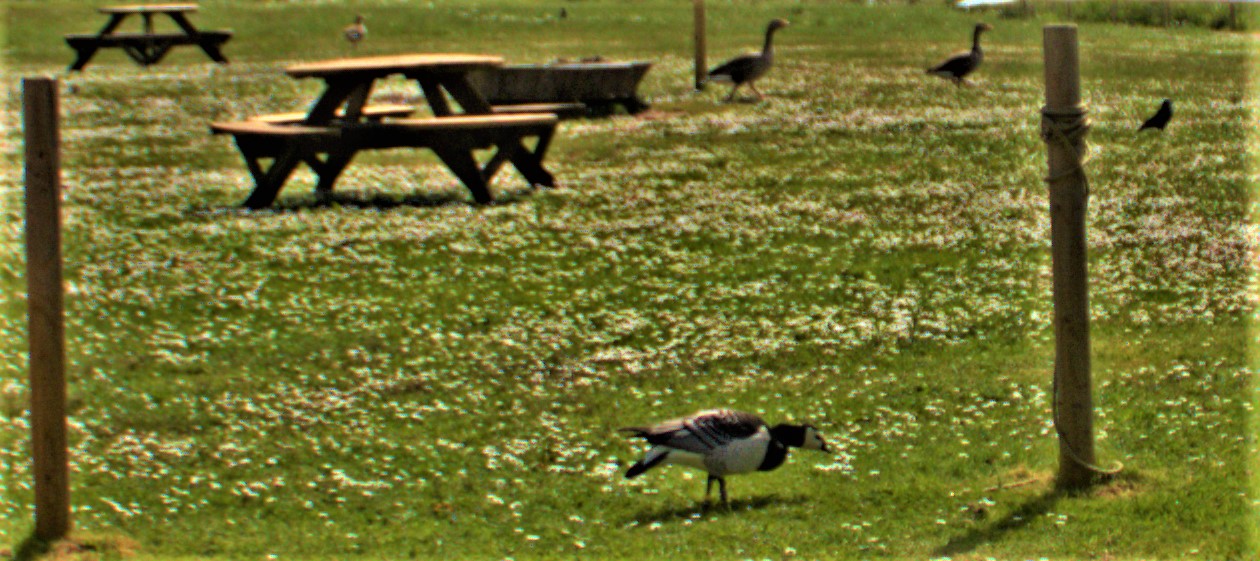
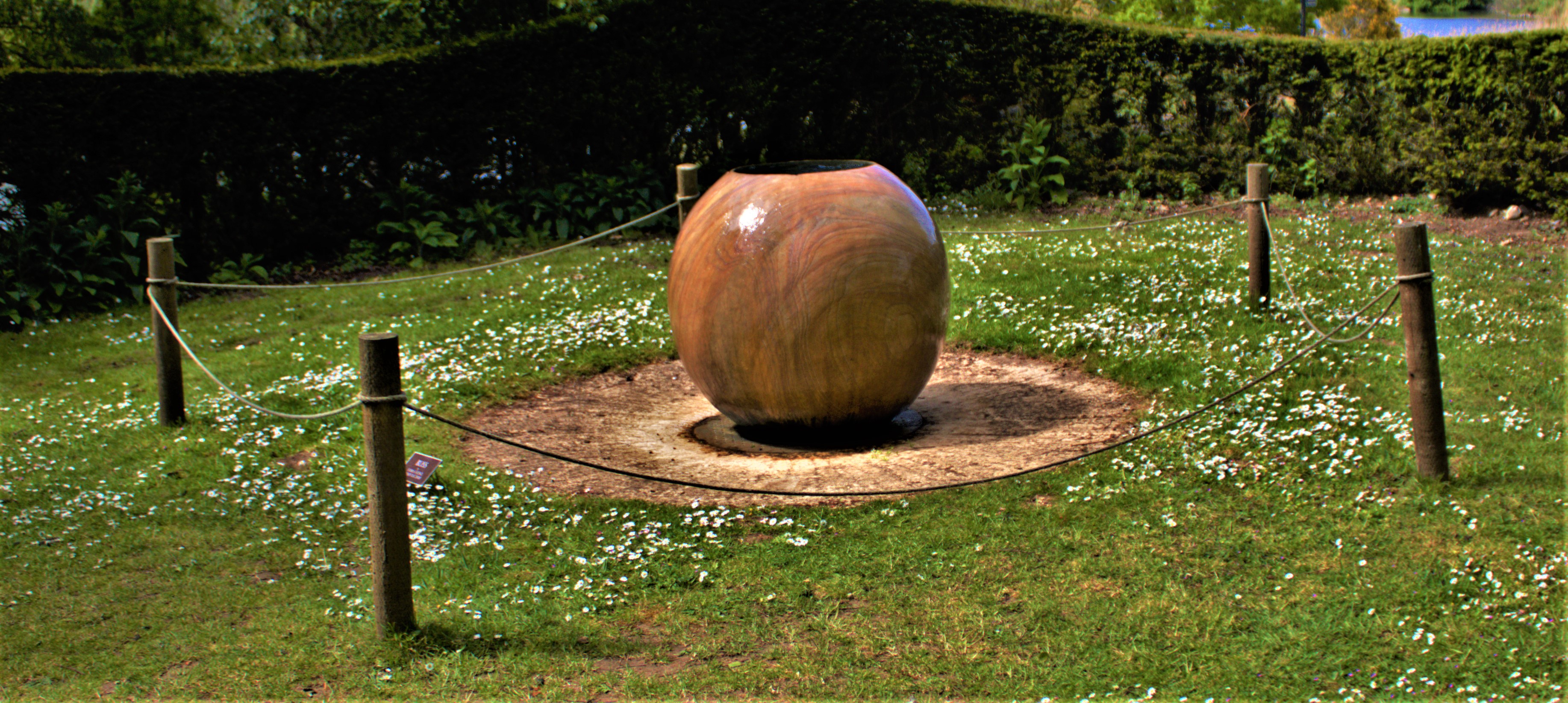
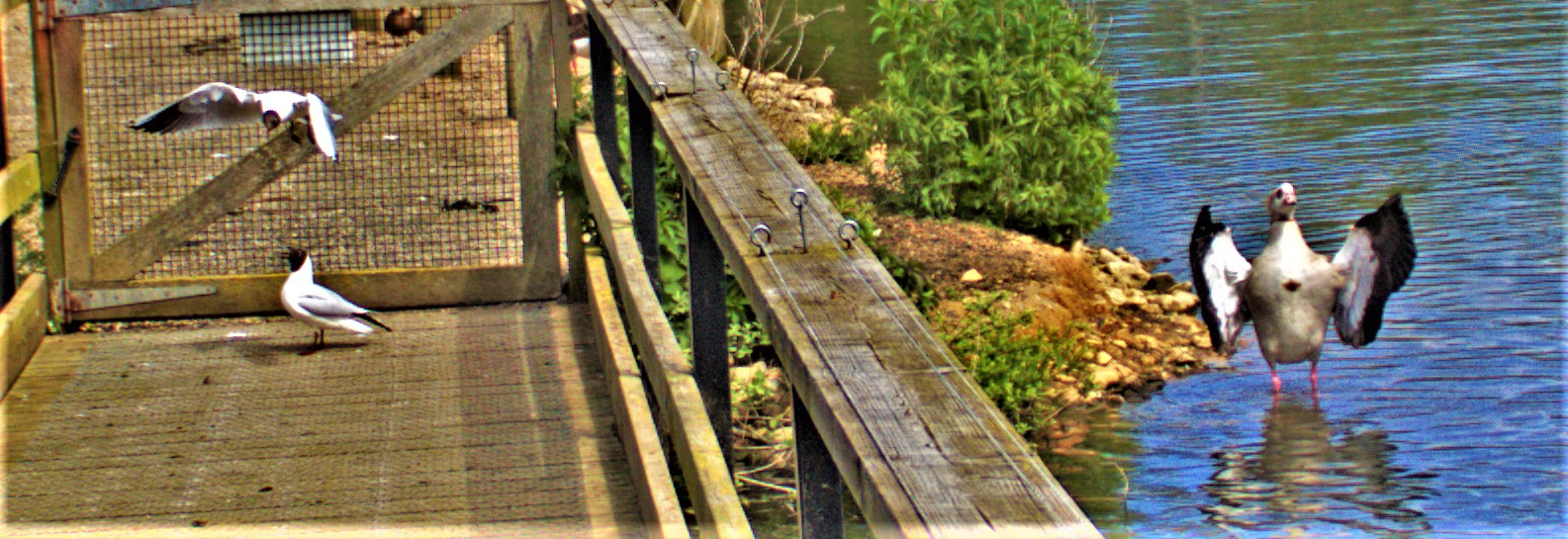
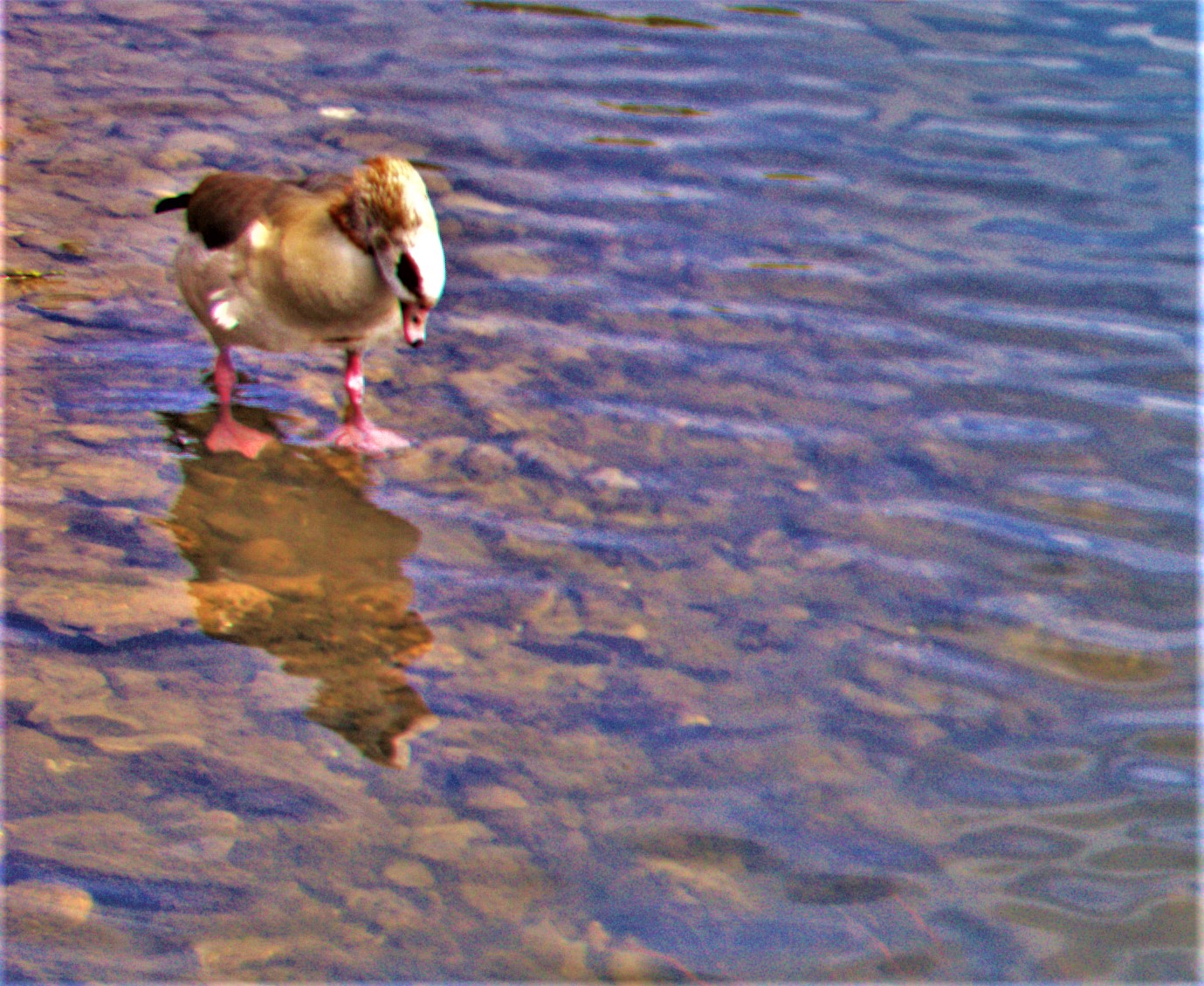
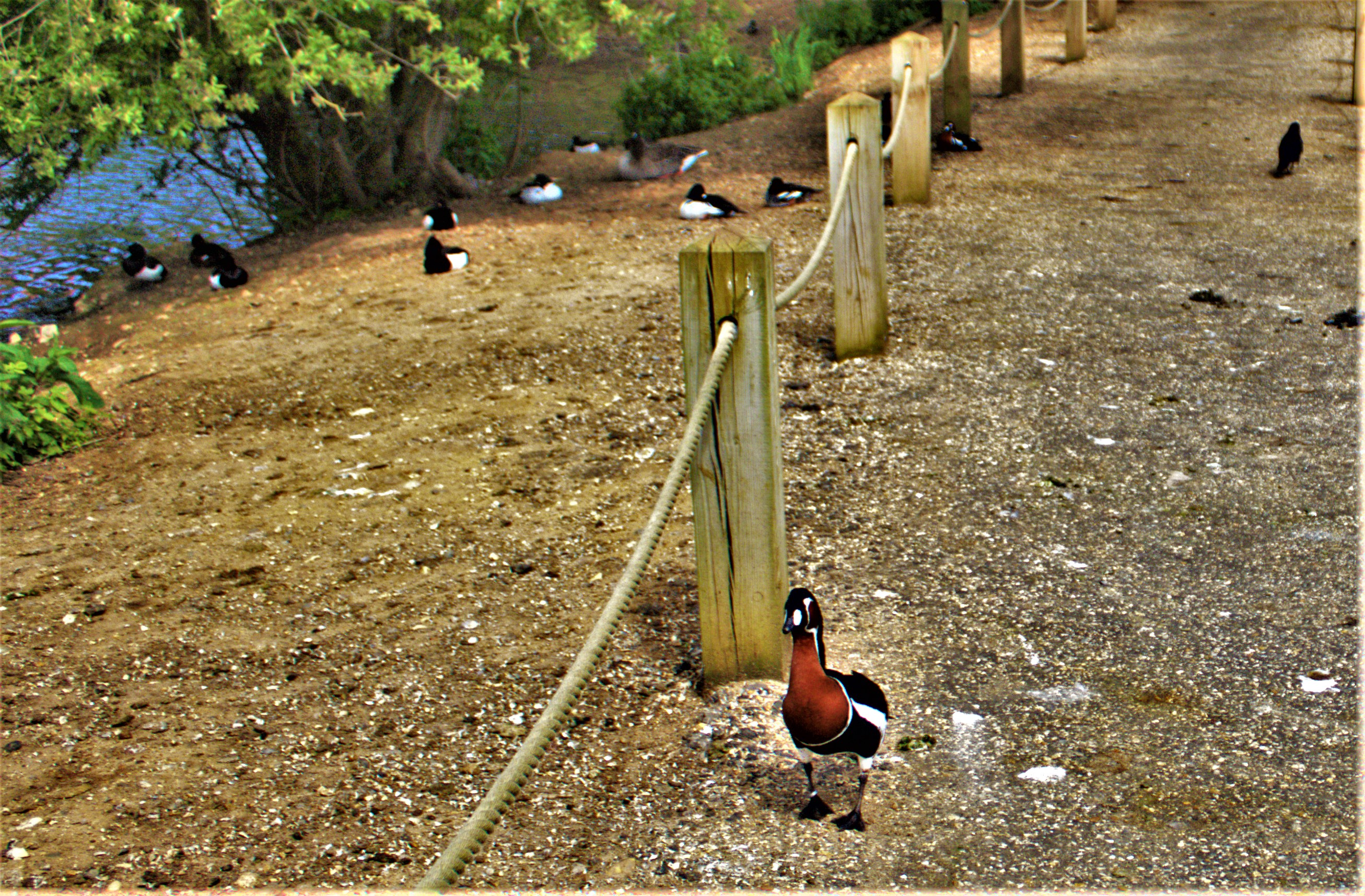
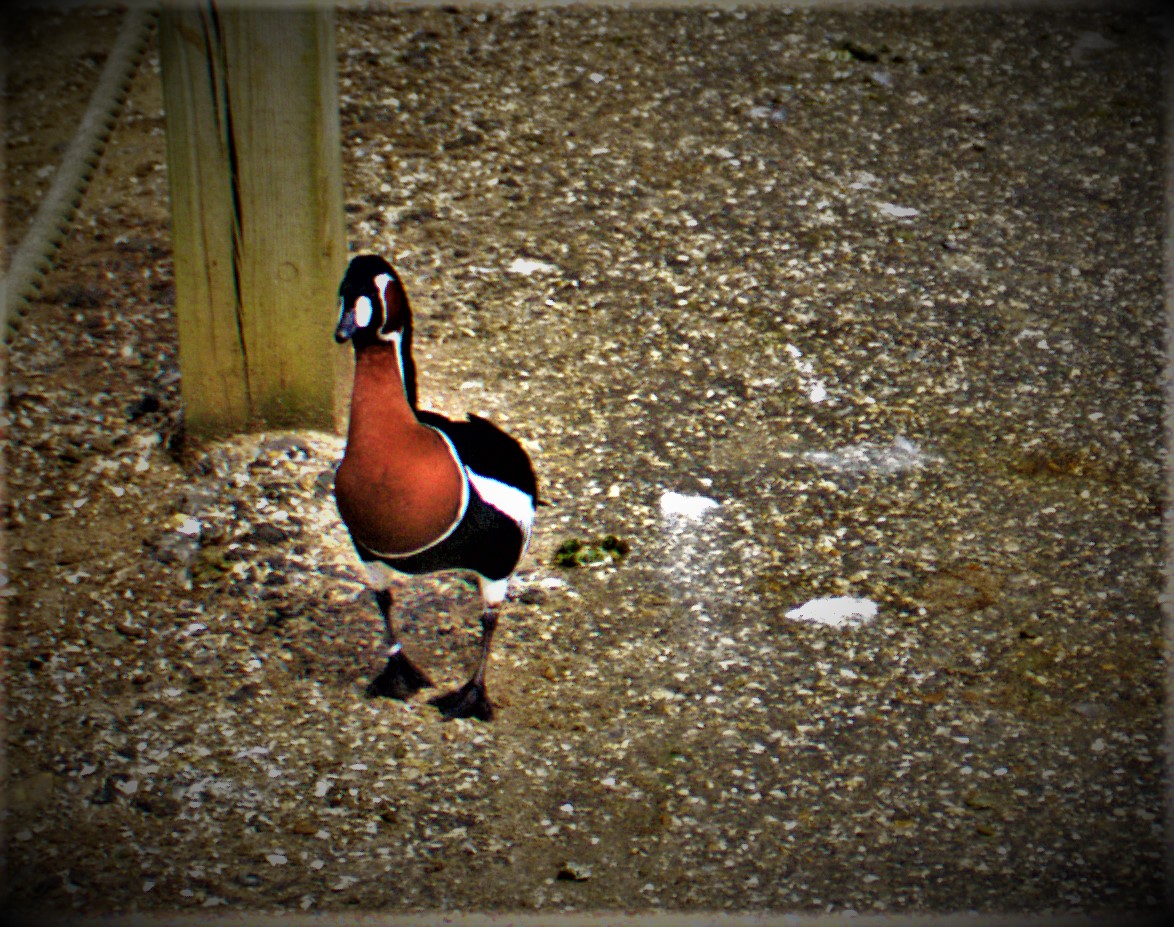
A general post about Pensthorpe, with photographs from around the site that do not fit into any particular category, the second post in my mini-series about the WNAG excursion there on Saturday.
This is the second post in my mini-series about the West Norfolk Autism Group trip to Pensthorpe on Saturday.
EXPLORING PENSTHORPE
The main parts of Pensthorpe are accessed by way of the gift shop, and you have to be wearing a wristband of that day’s colour to prove that you are entitled to be there. Once through the gift shop there are three distinct options:
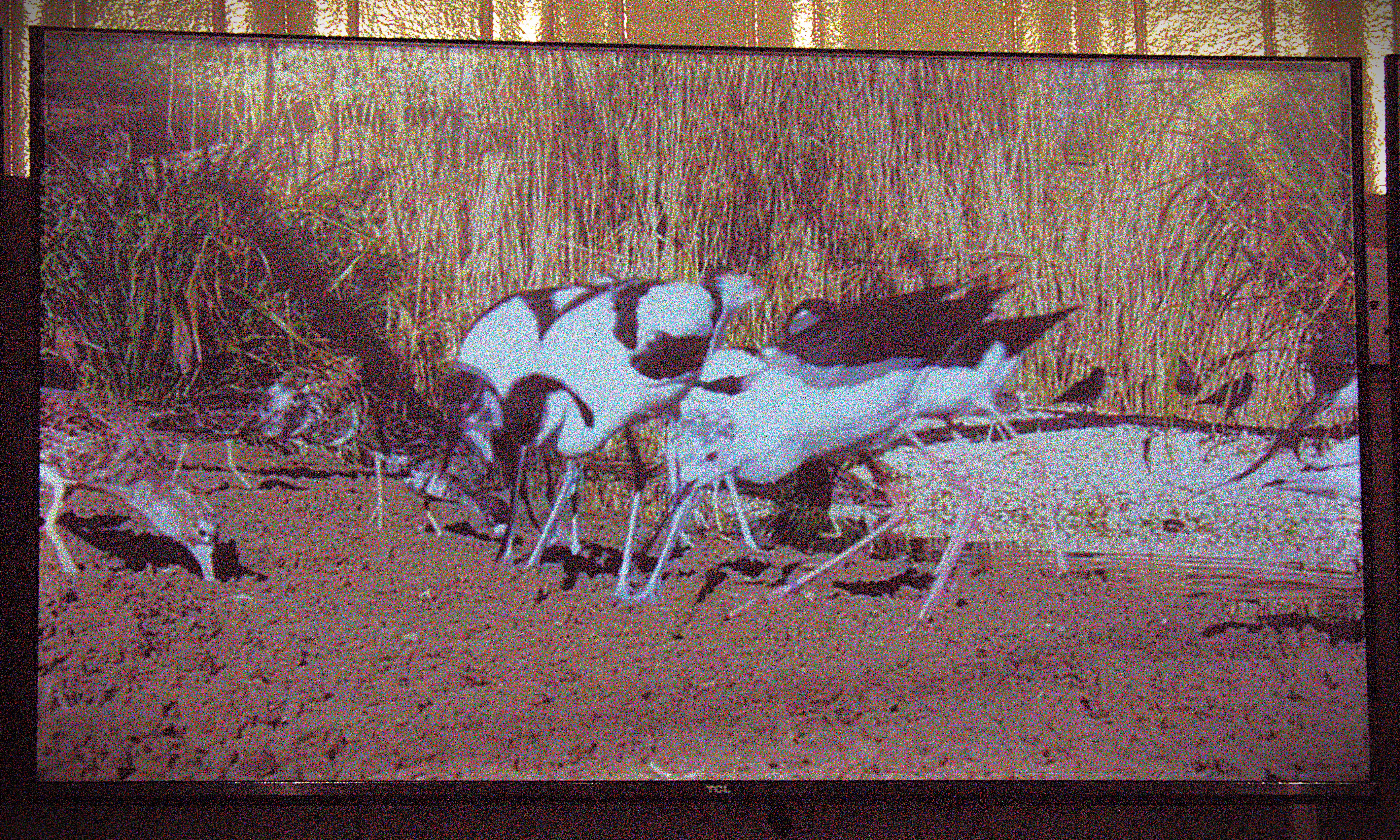
The Waders Aviary which I will say no more about for now since I am giving it a post to itself.
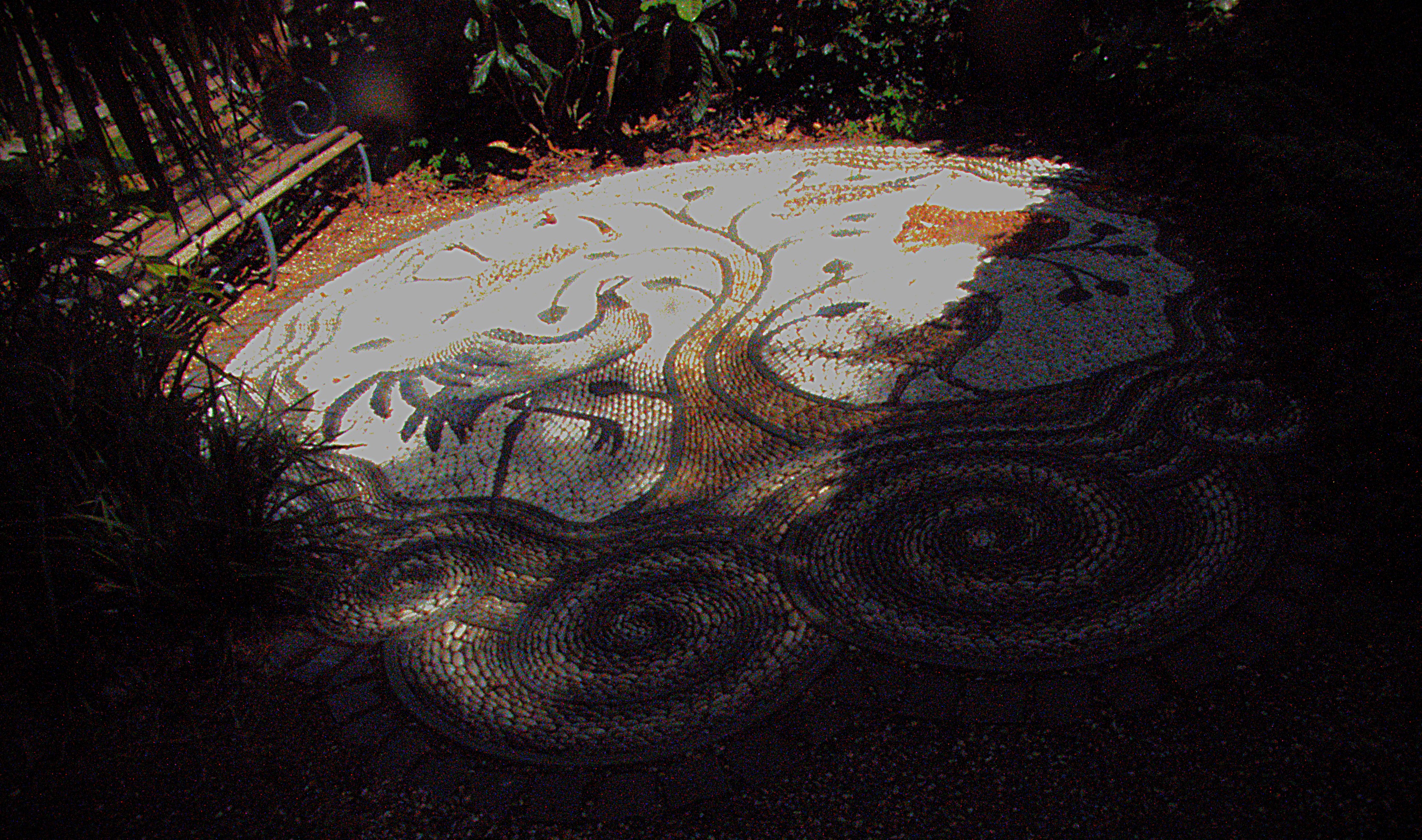
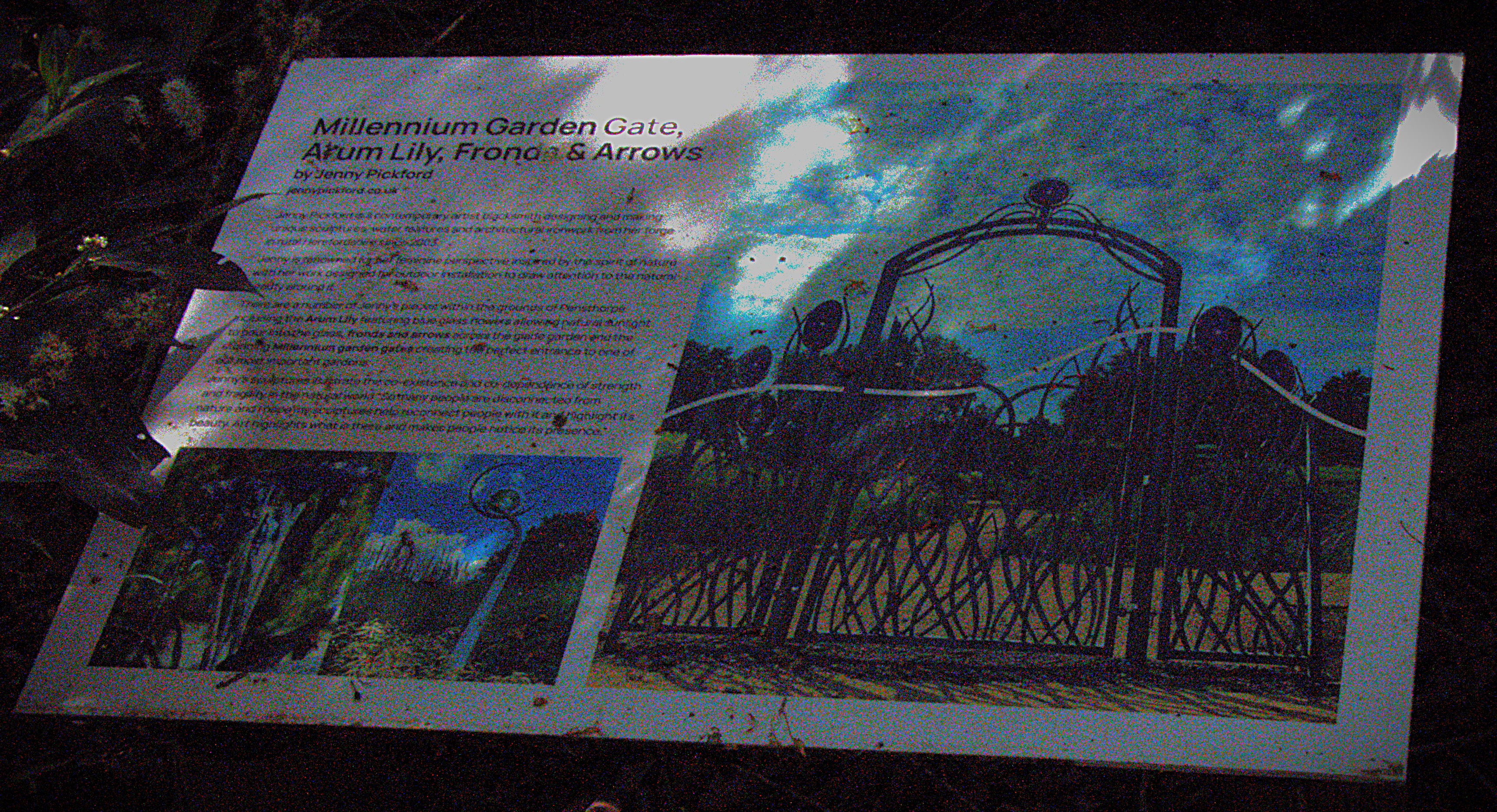
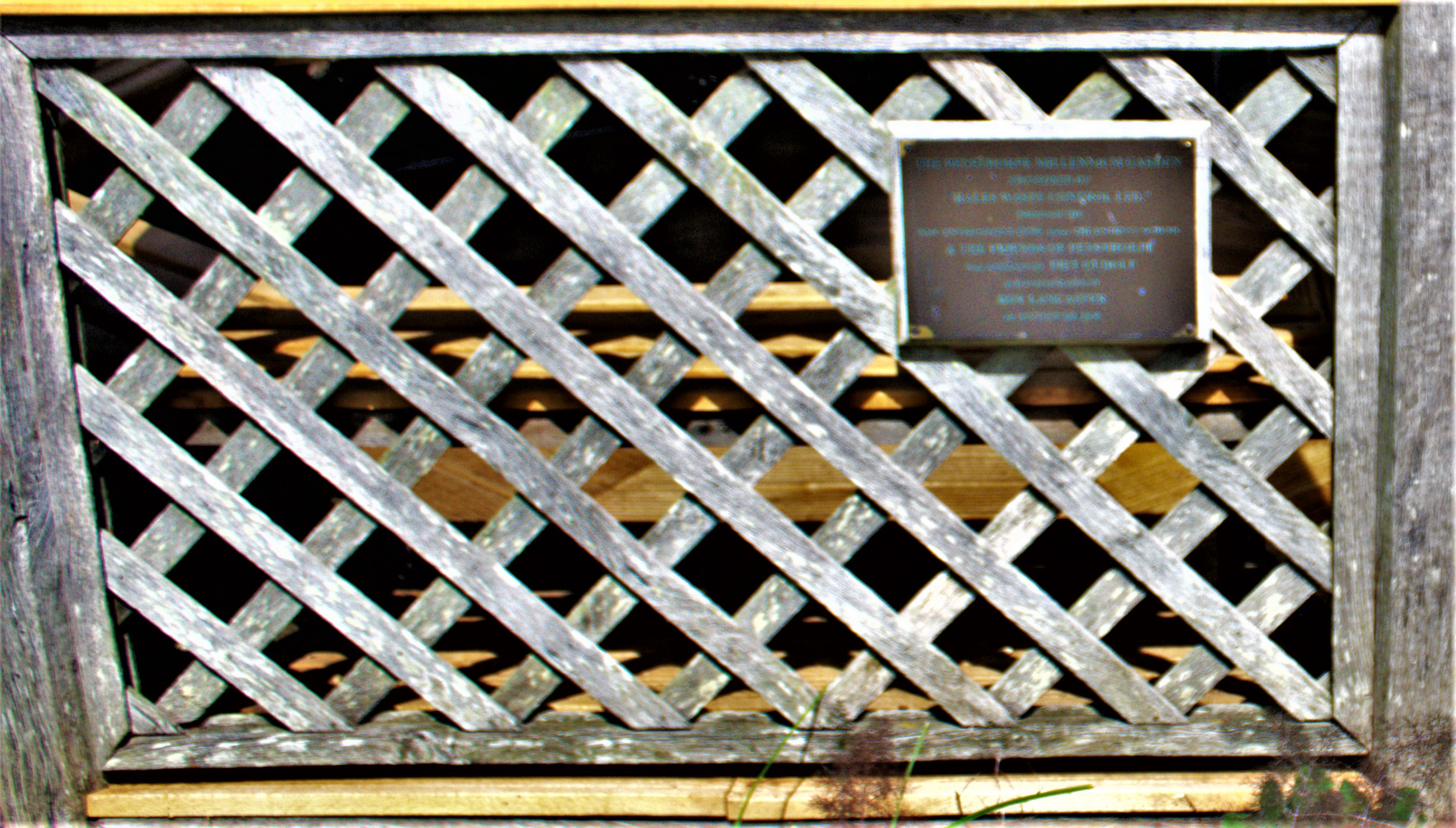
An exit towards the Millennium Garden and other stuff which is right near the door to the aviary…
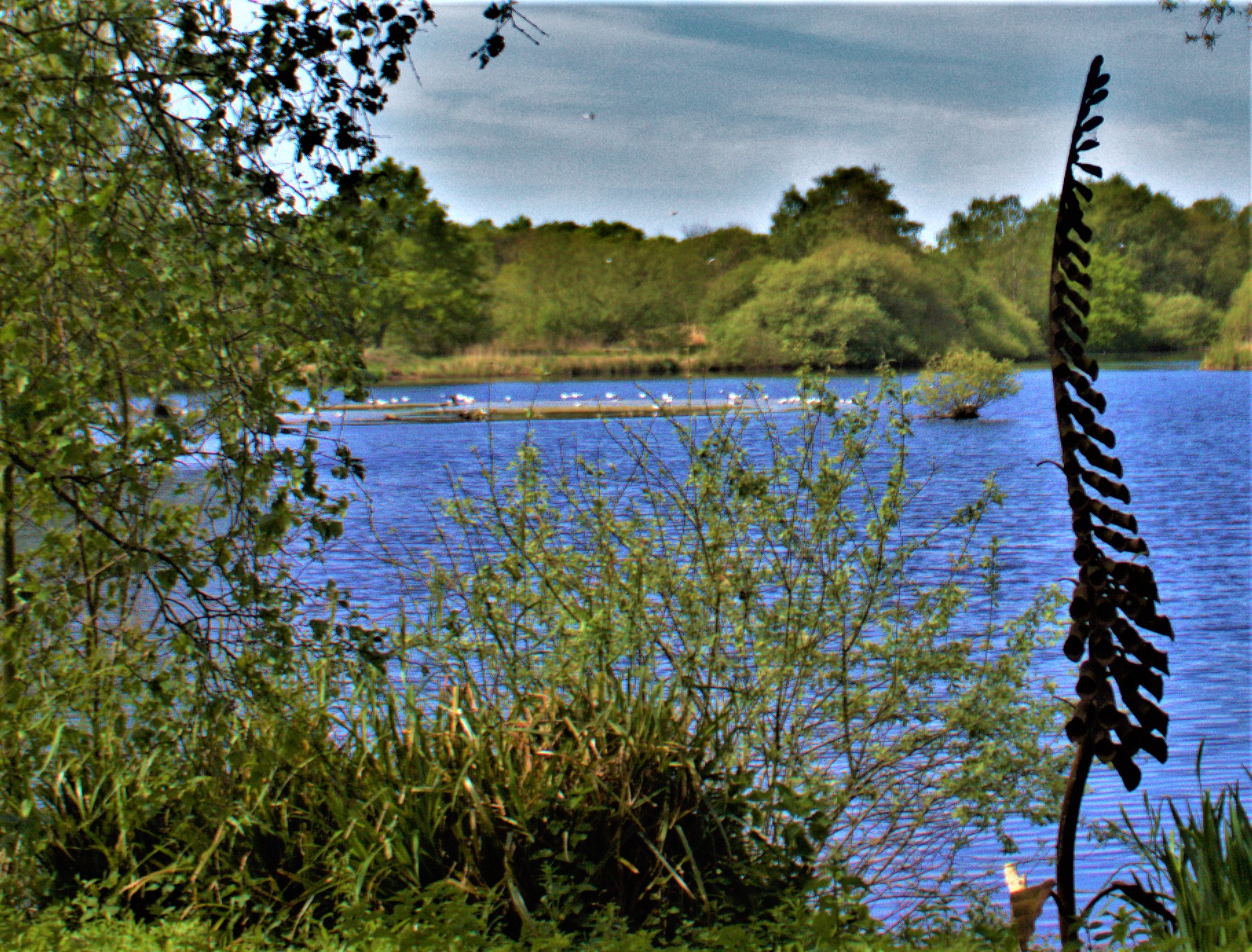
A viewing gallery at the far end of which is an exit that takes you out at the edge of a large lake with a wooden bridge across part of it. This is the way that leads ultimately to most of the really interesting stuff in the site, most of which is accessed from the far side of the wooden bridge.
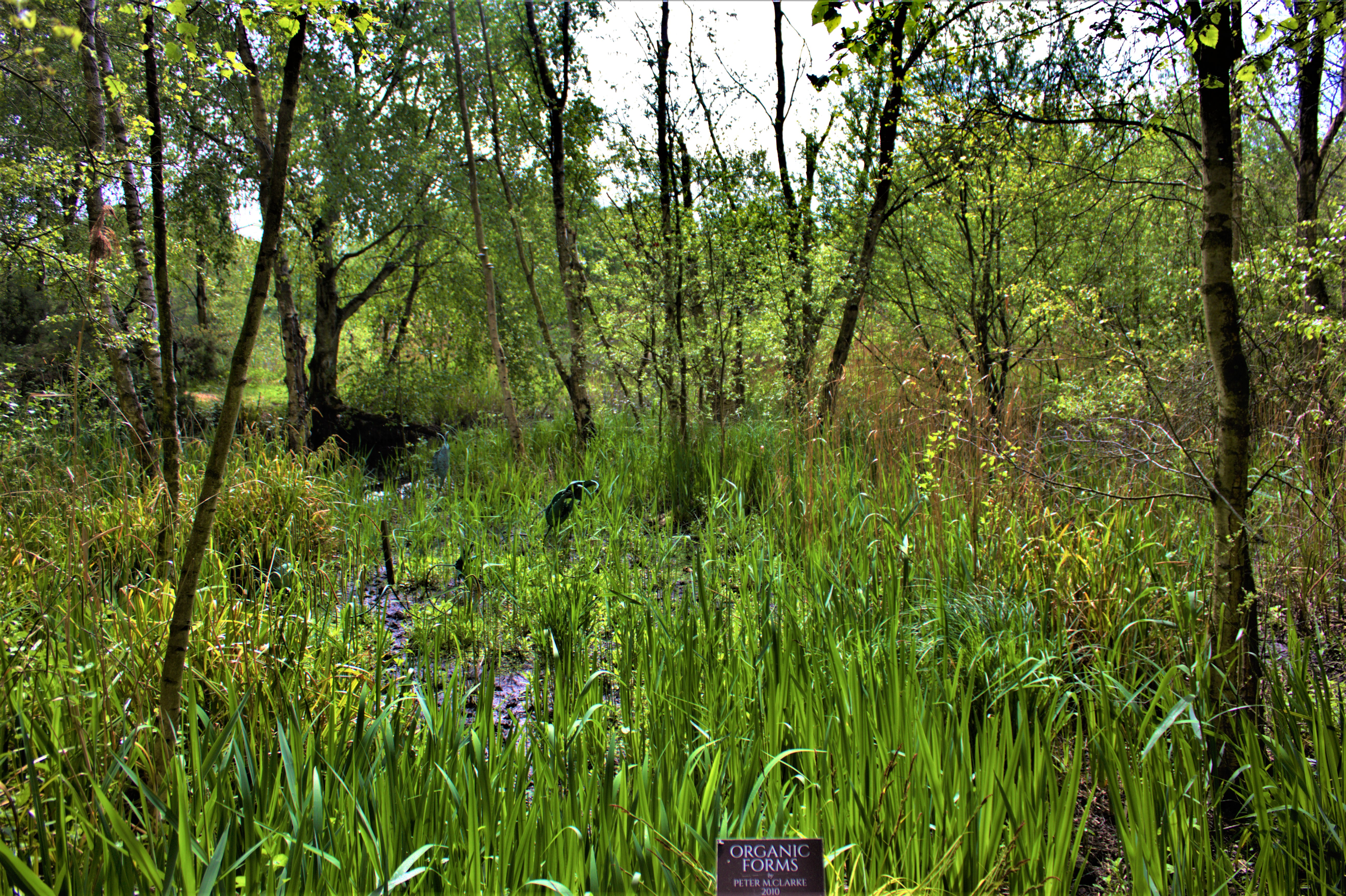
There are several marked walks that one can take, and the site is generally very well signed (there are a couple of exceptions when you get to the further reaches of it) so you can simply follow your own instincts if you so choose, which is generally my approach.
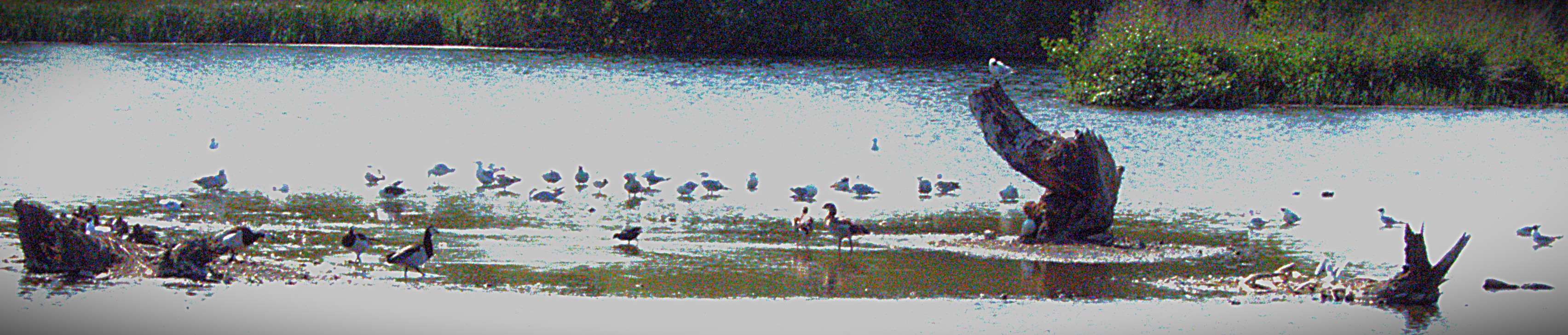
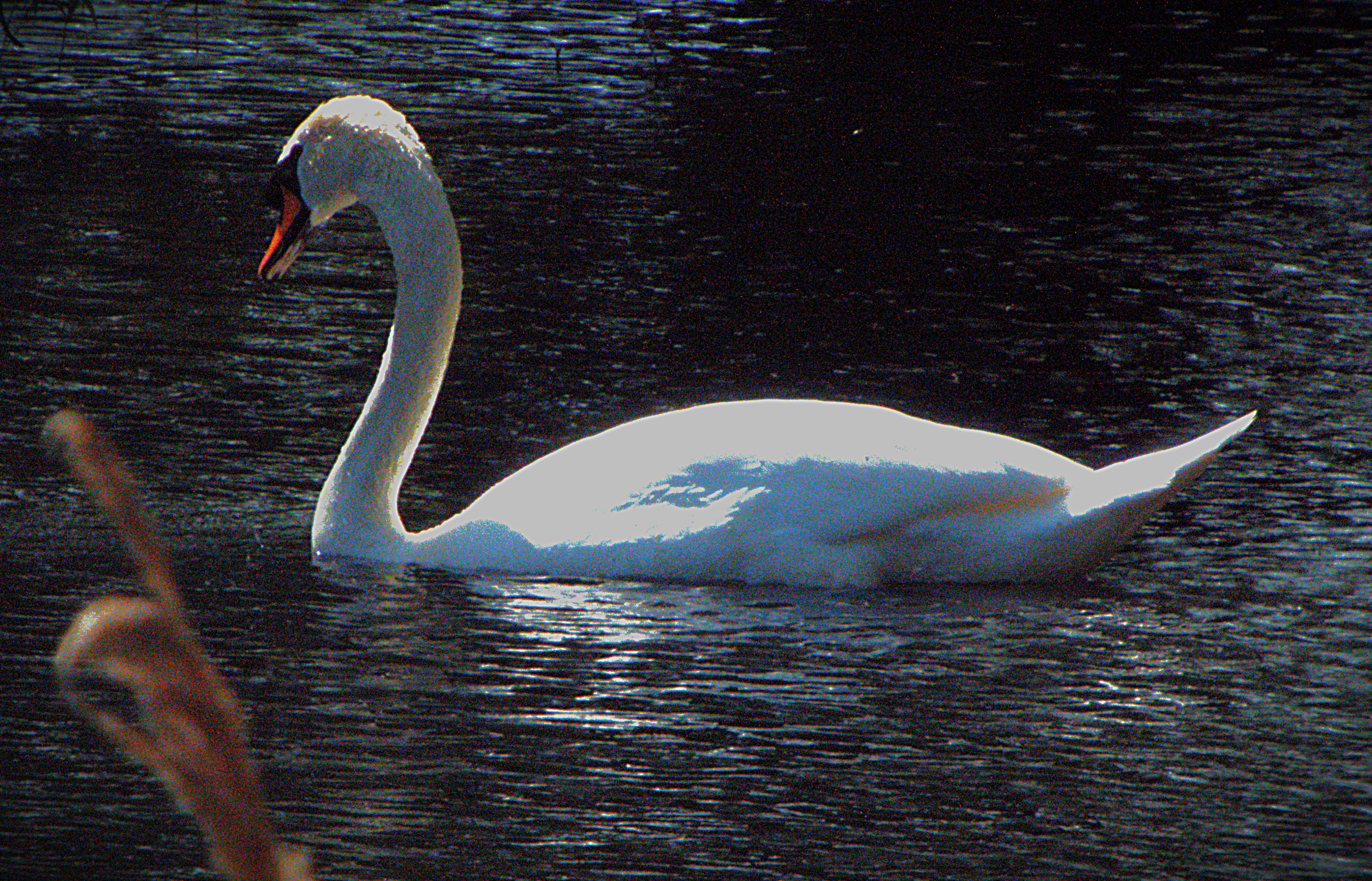
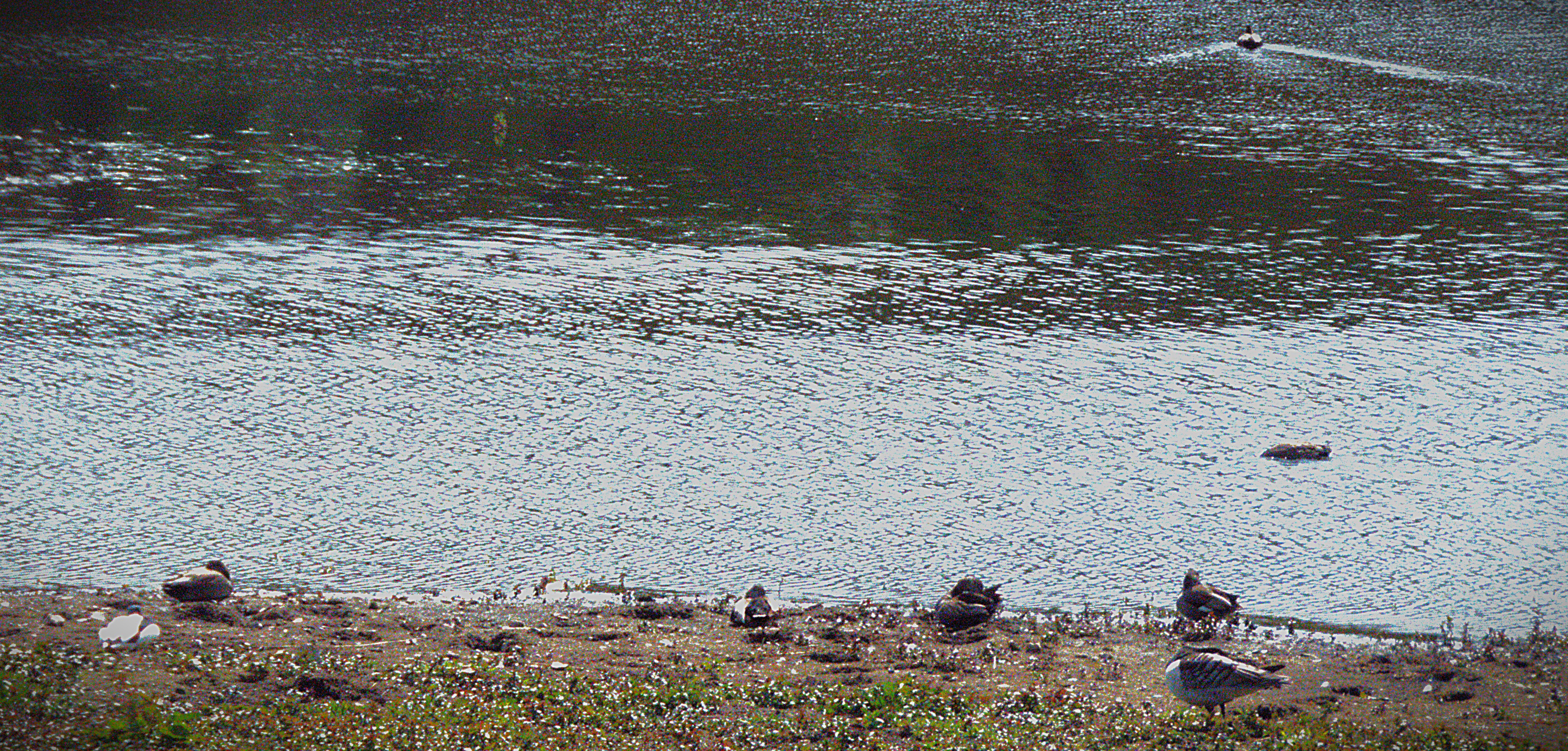
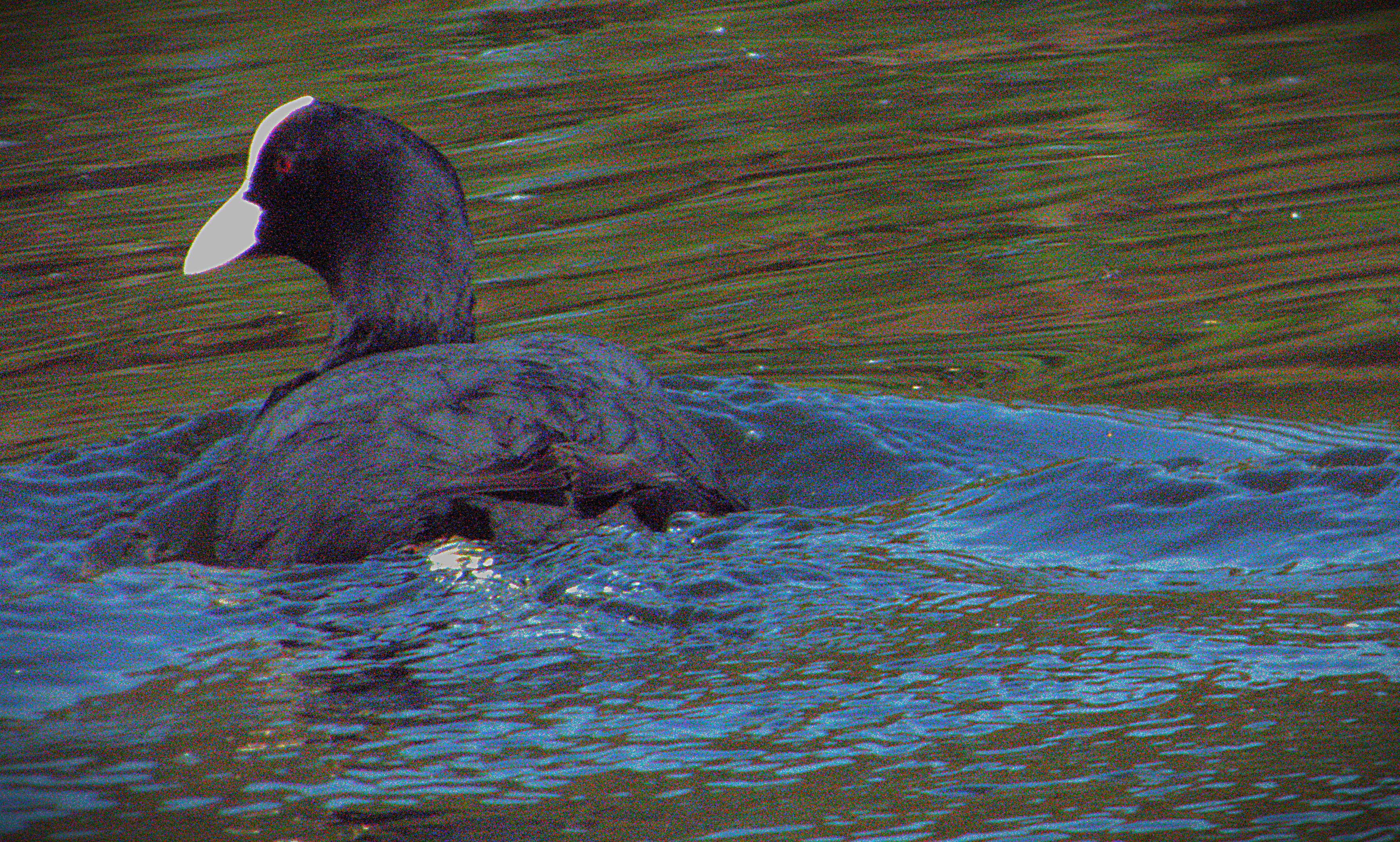
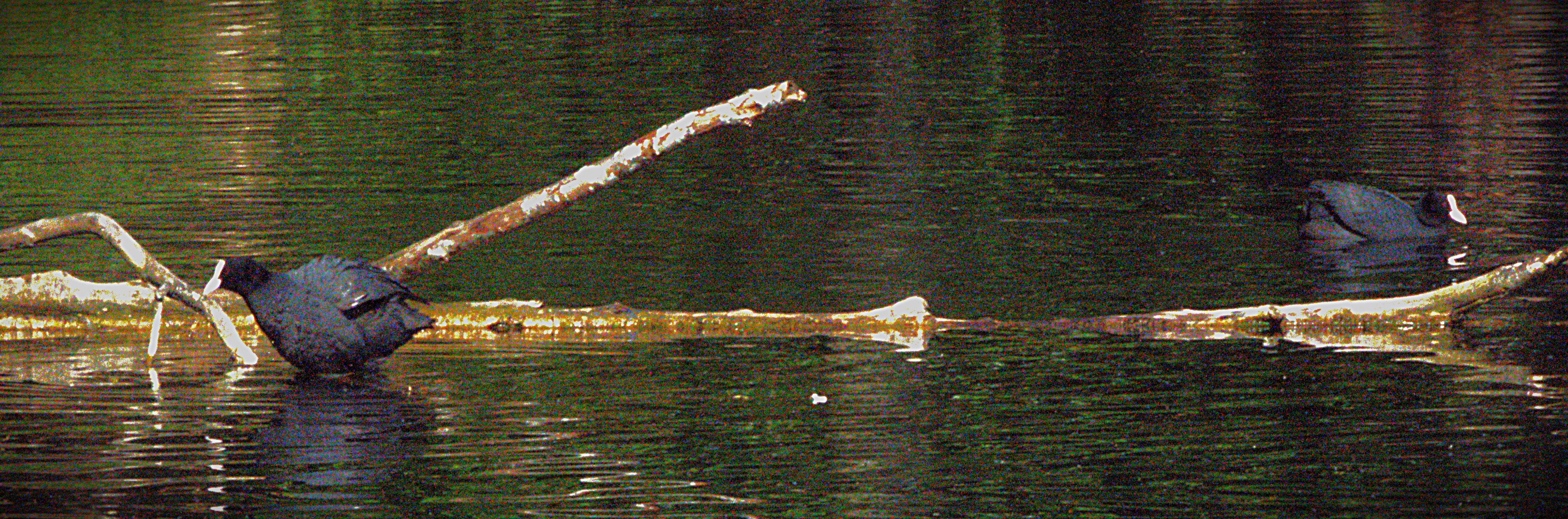
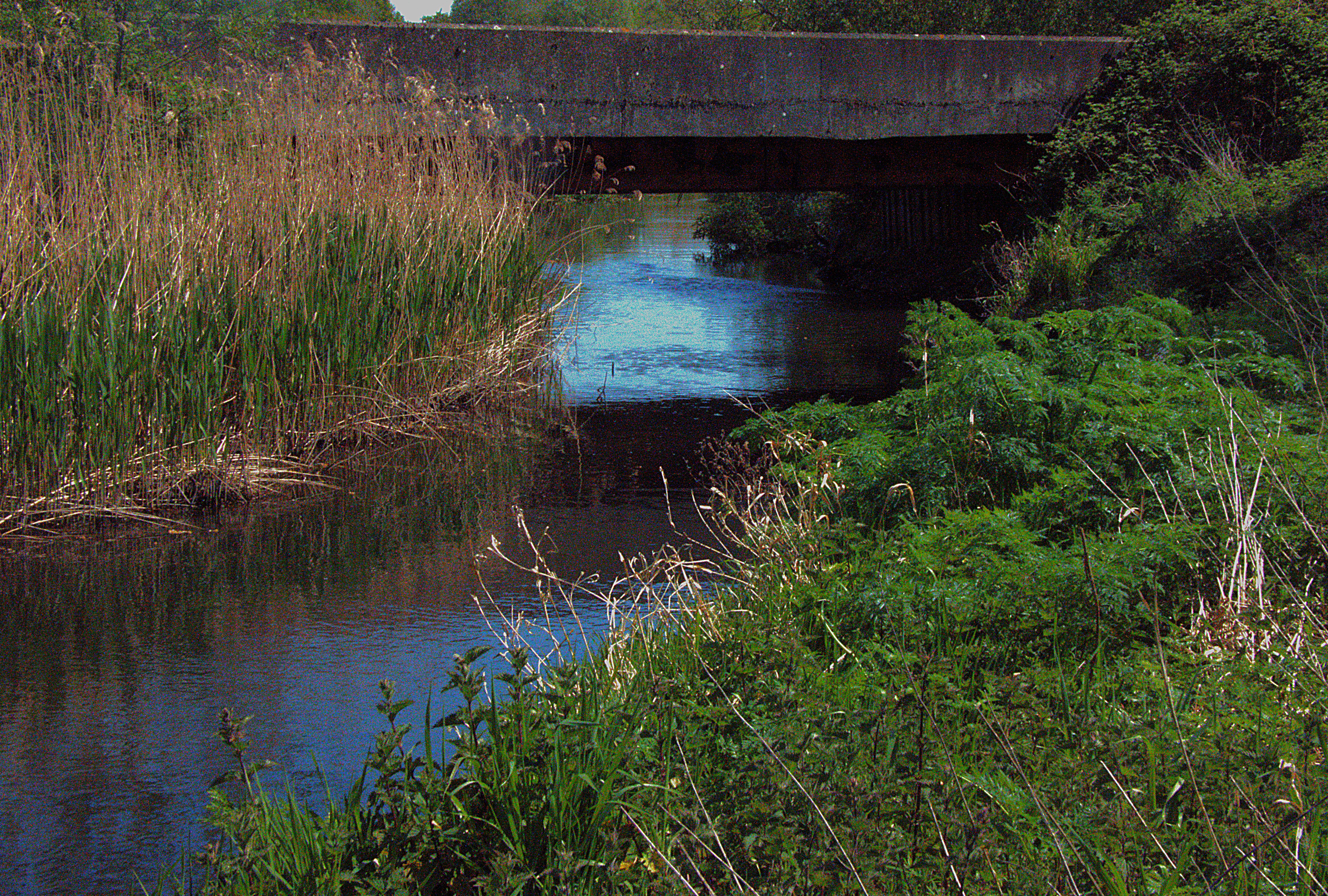
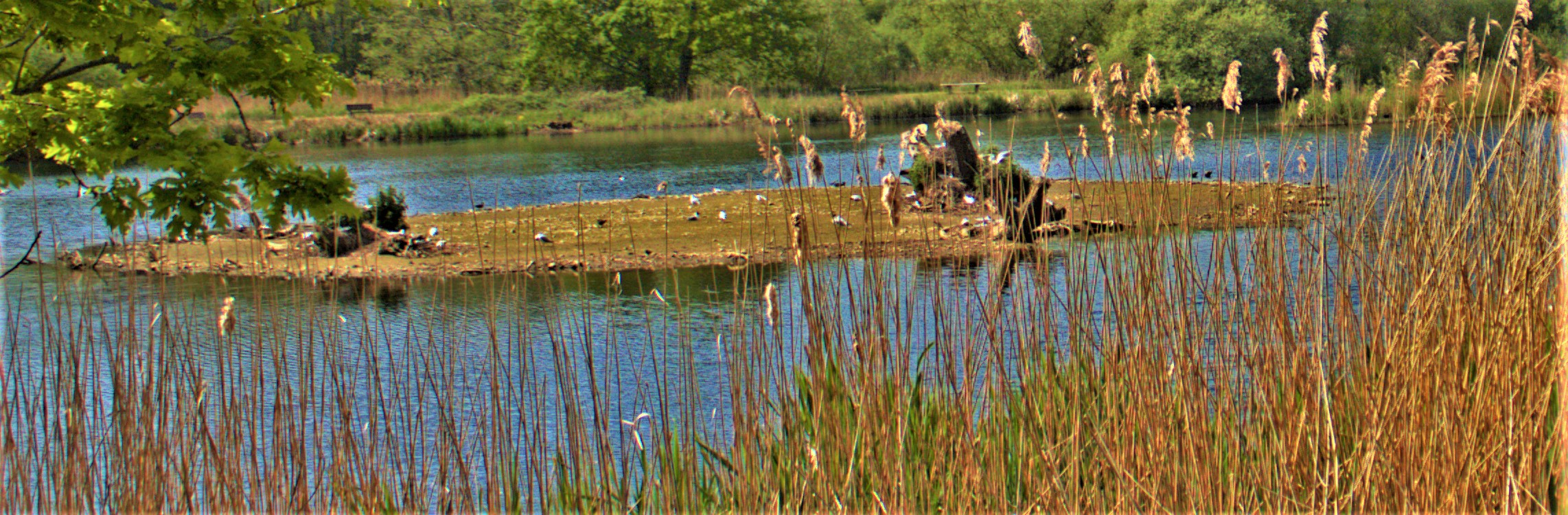
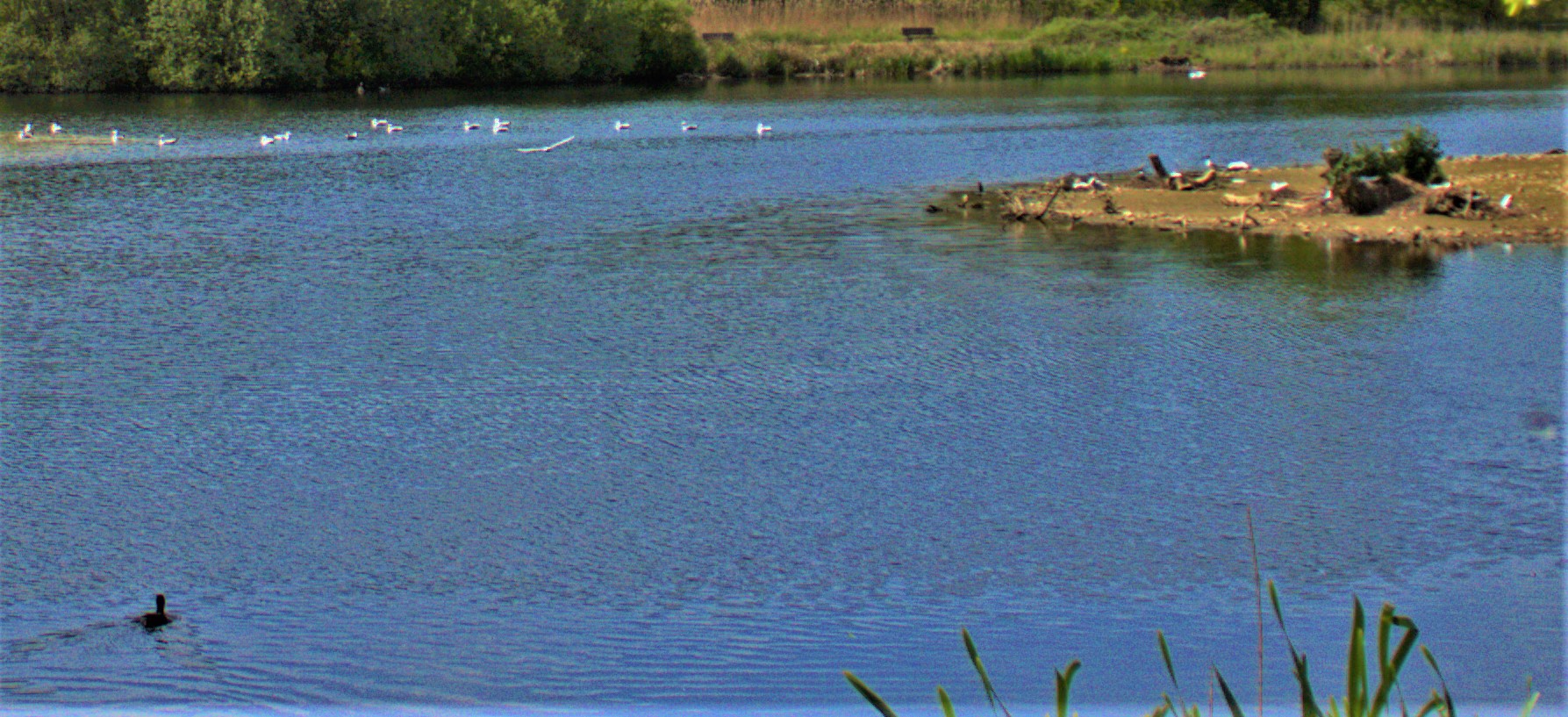
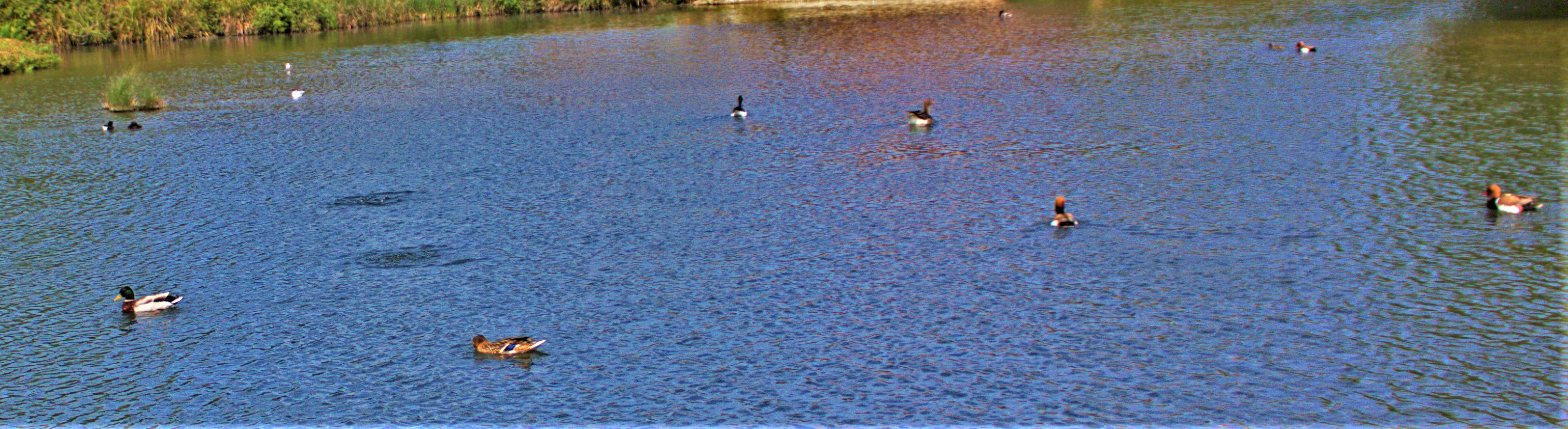
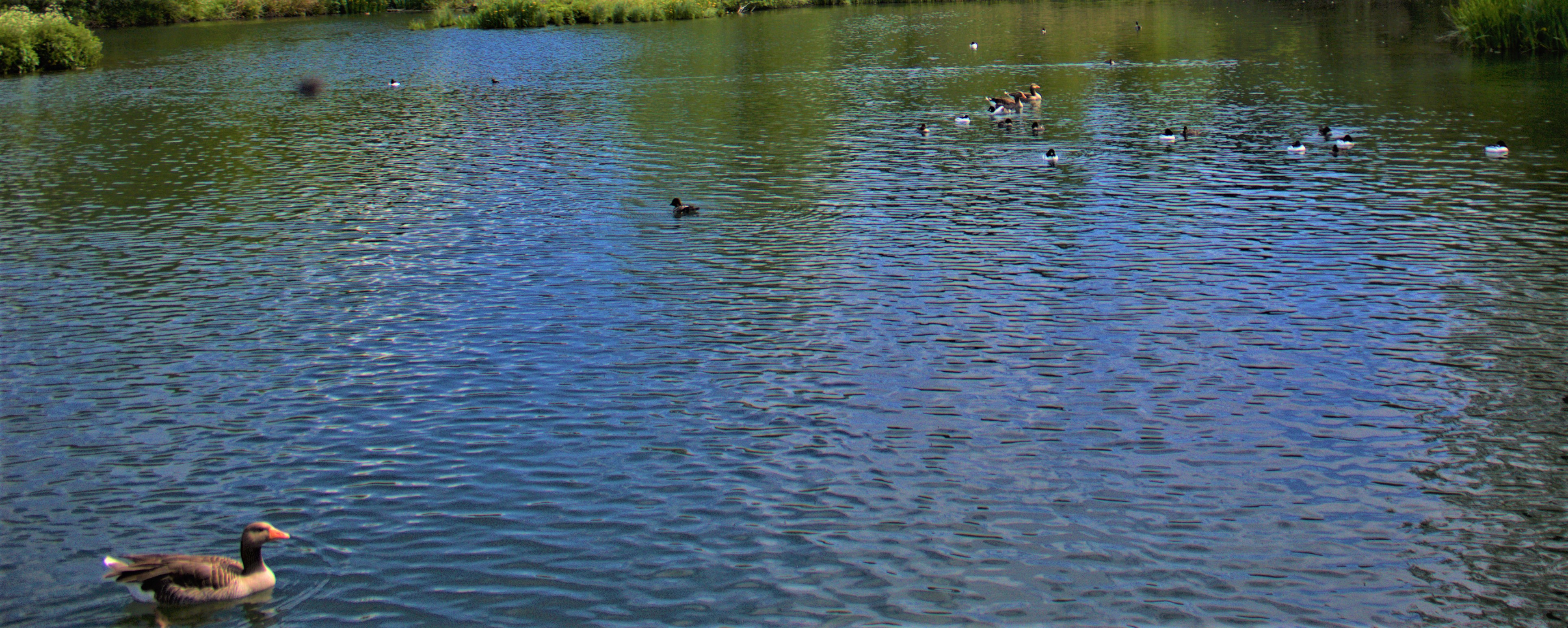
The lake is full of water birds of various types. There is further water beyond, including of course the river Wensum without which Pensthorpe could not exist.
PHOTOGRAPHS
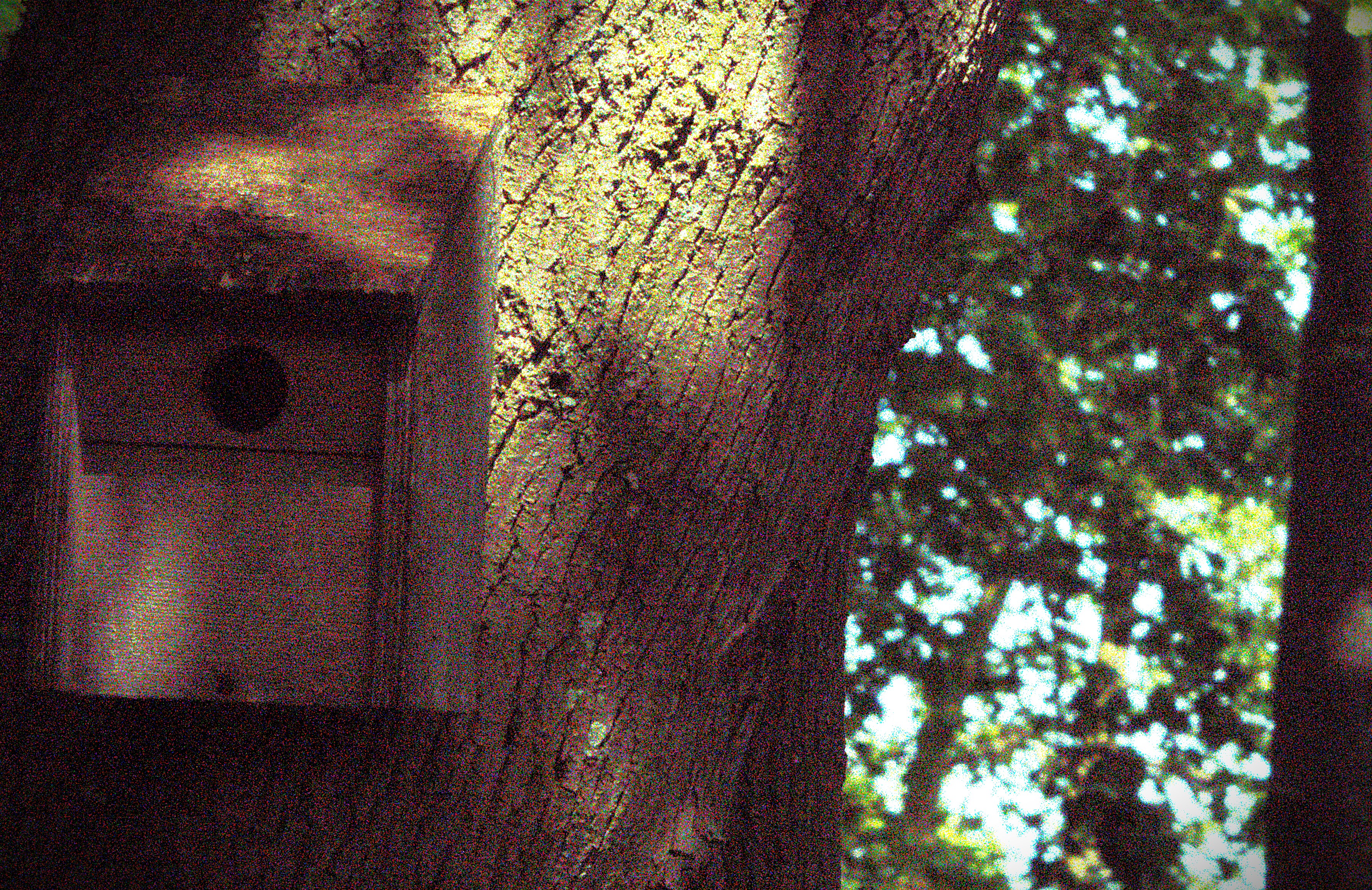
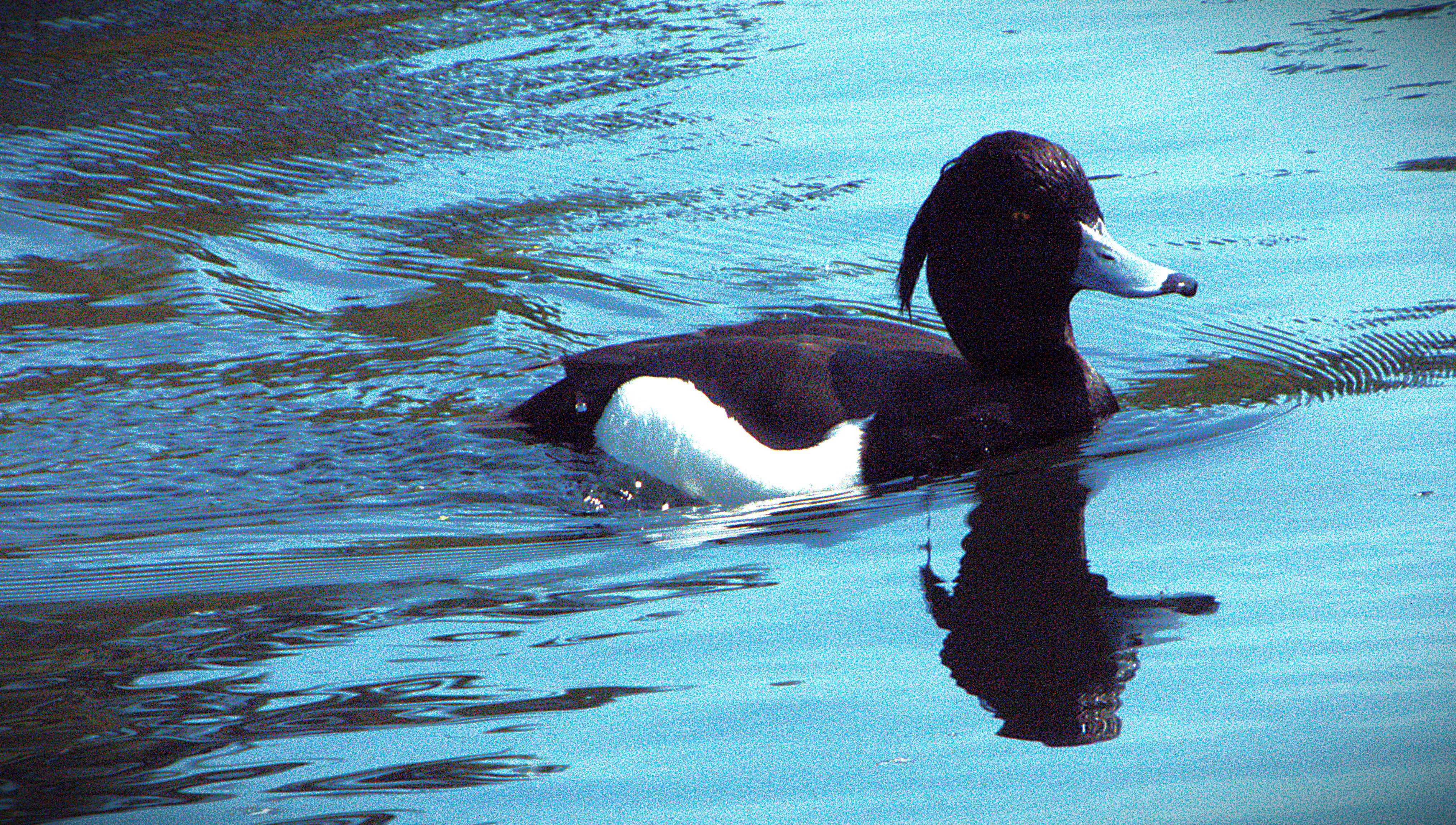
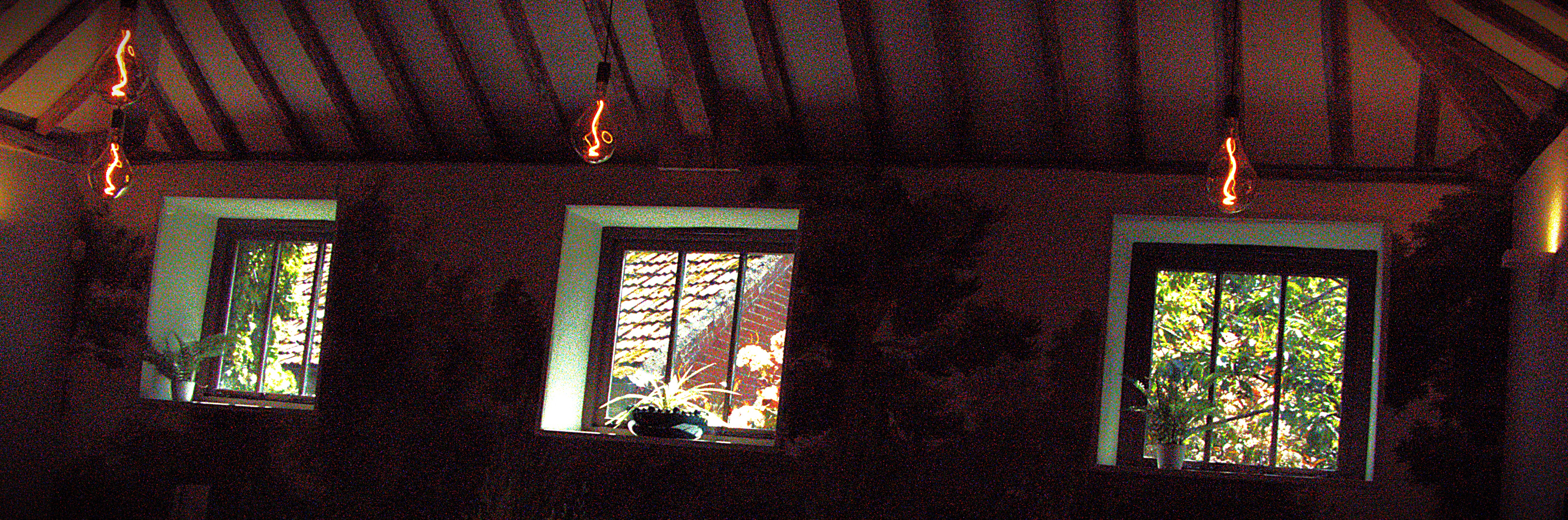
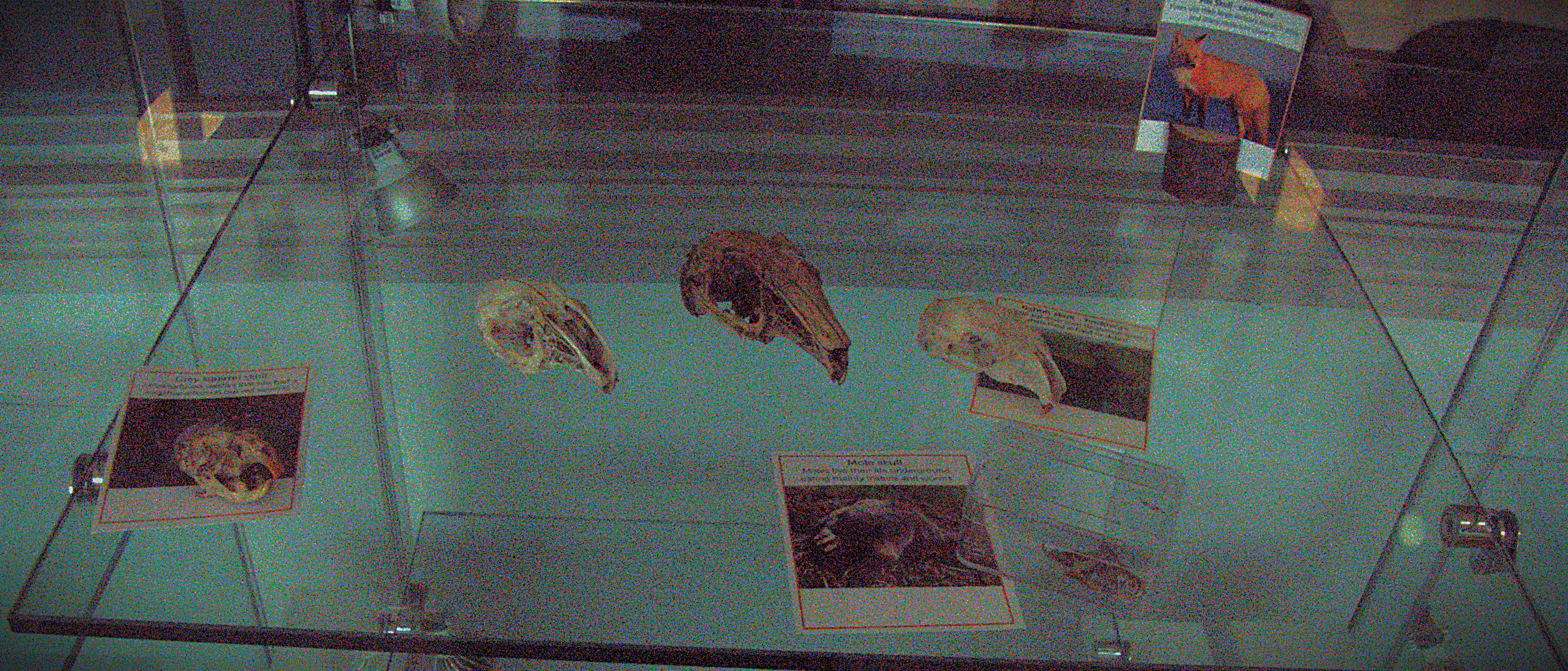
Here are the photographs for this post…
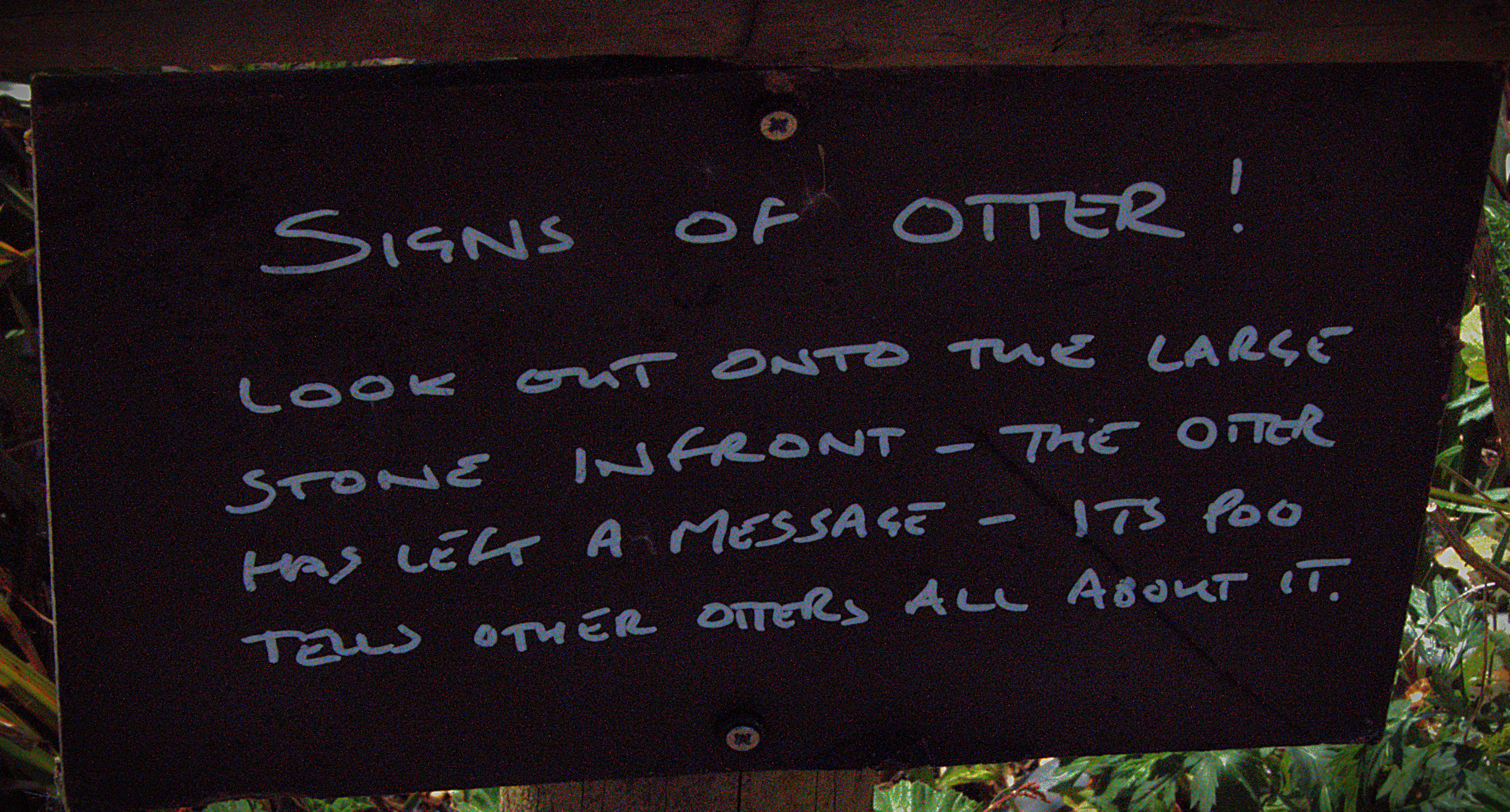
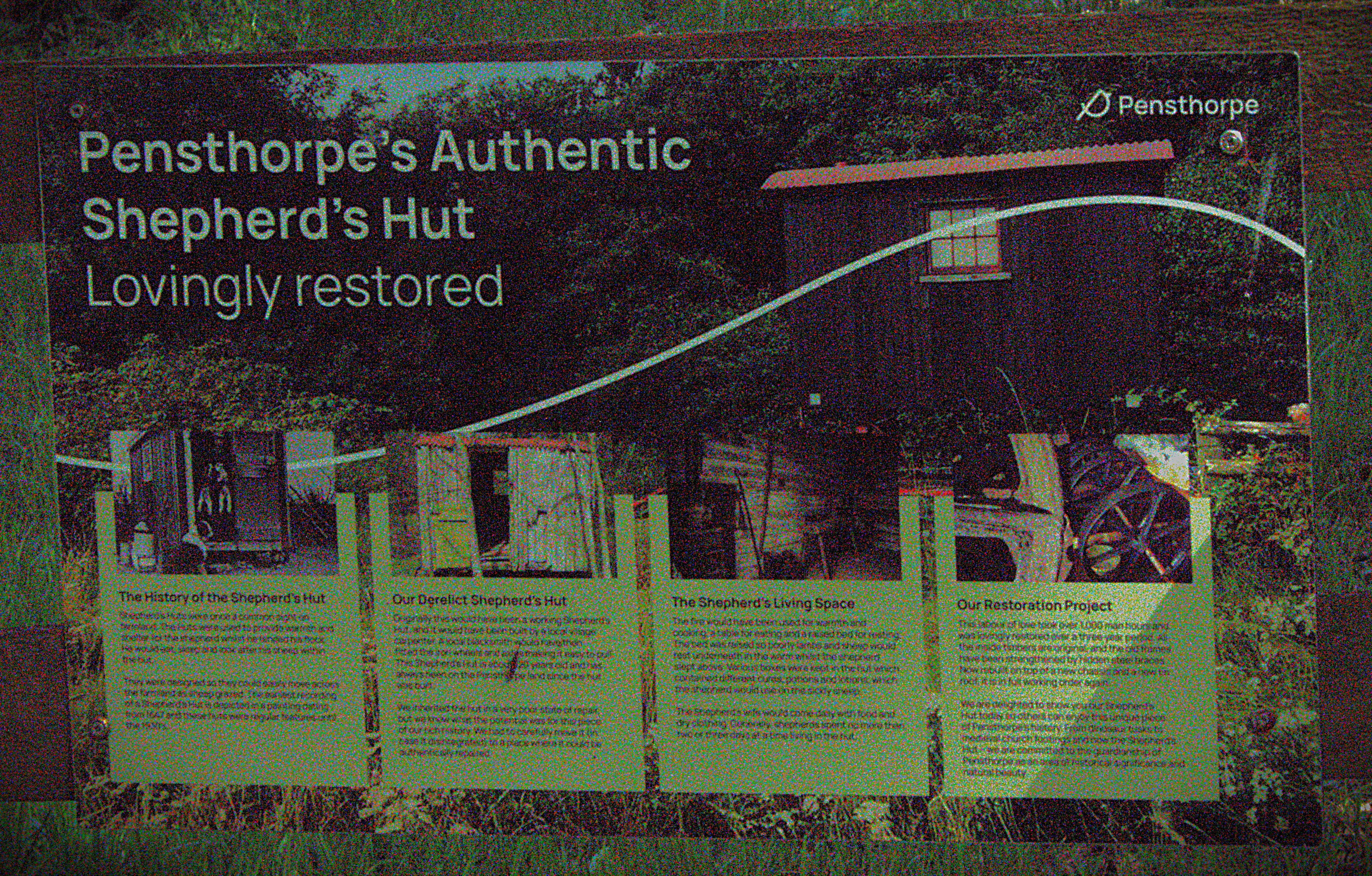
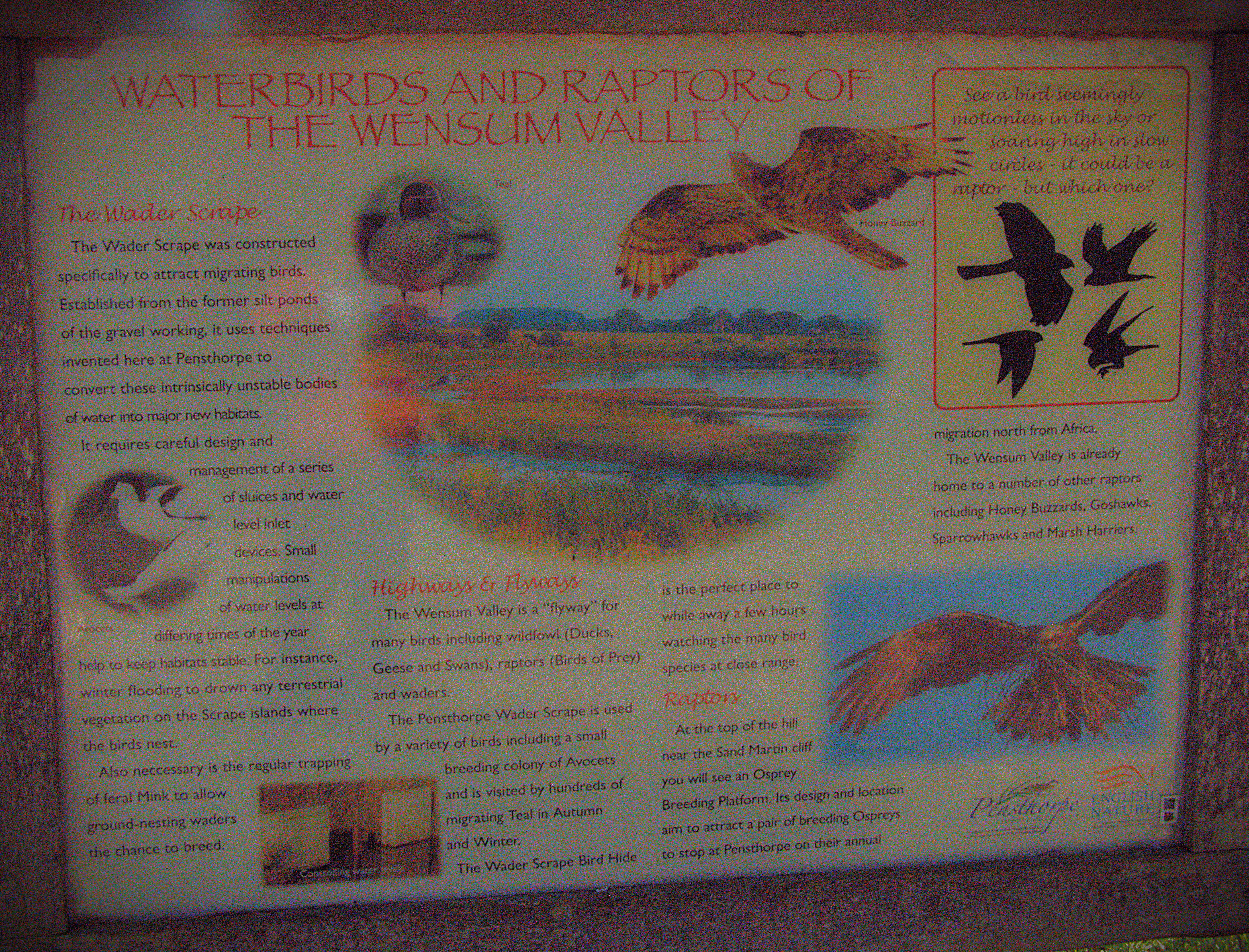
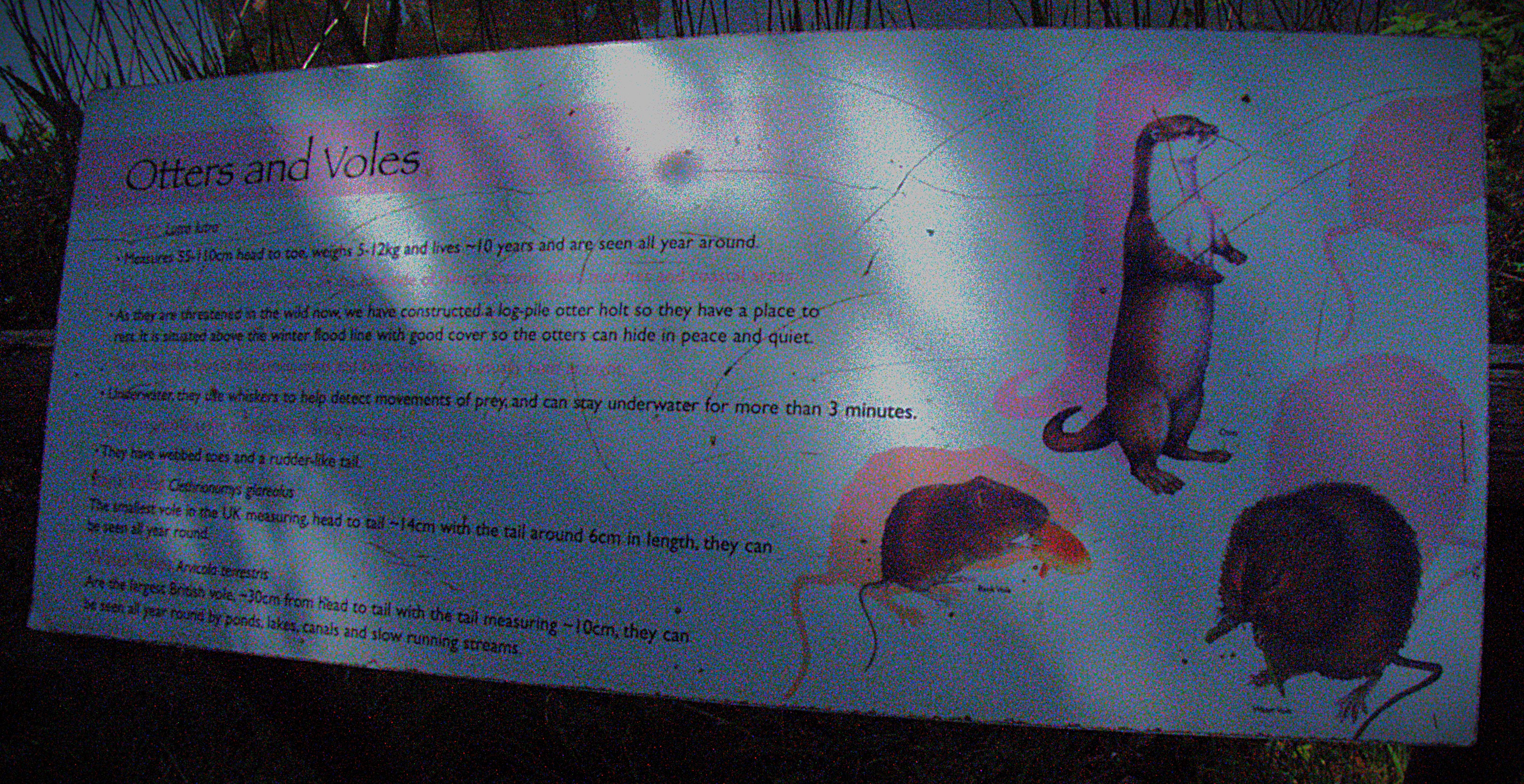
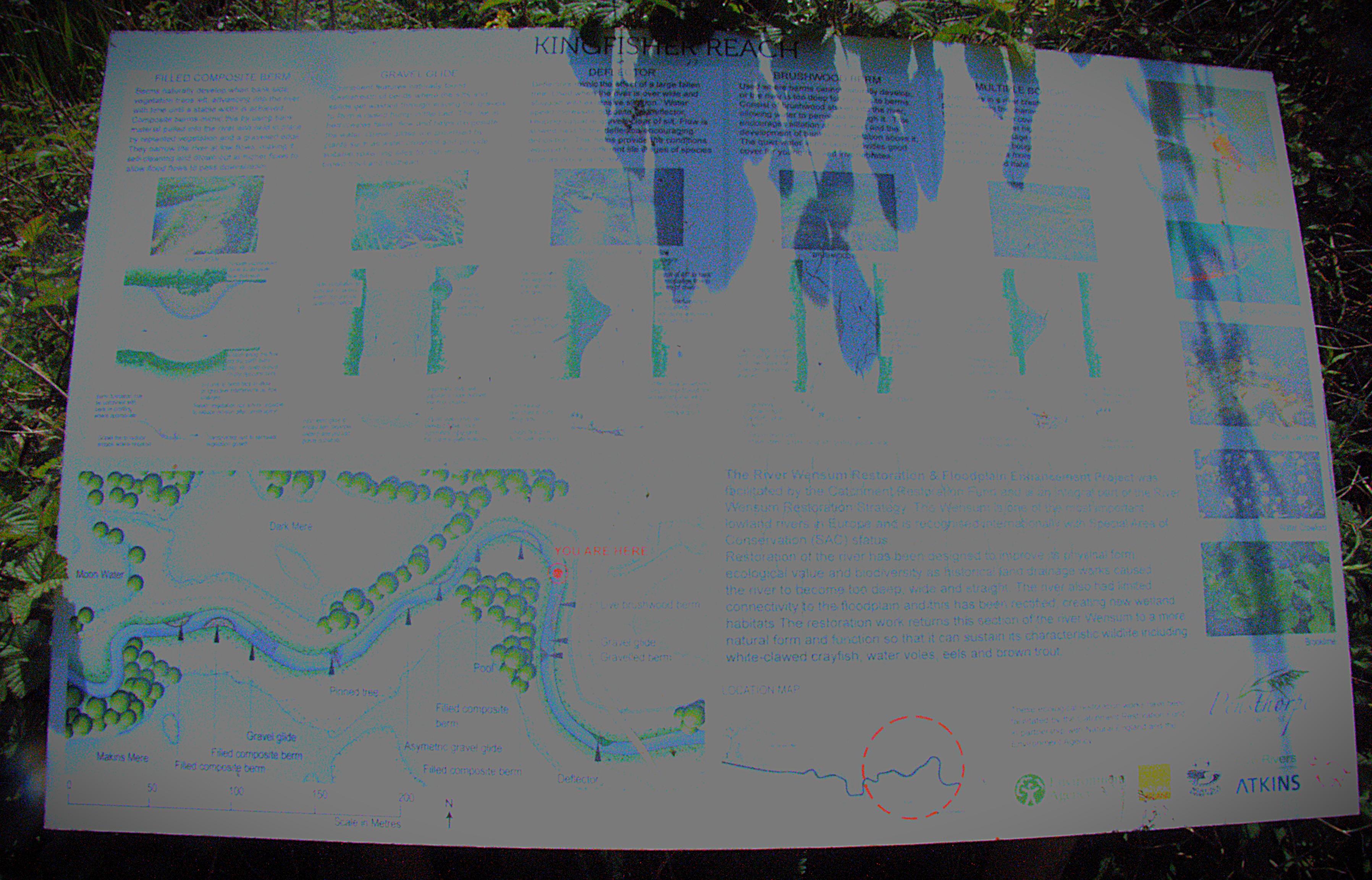
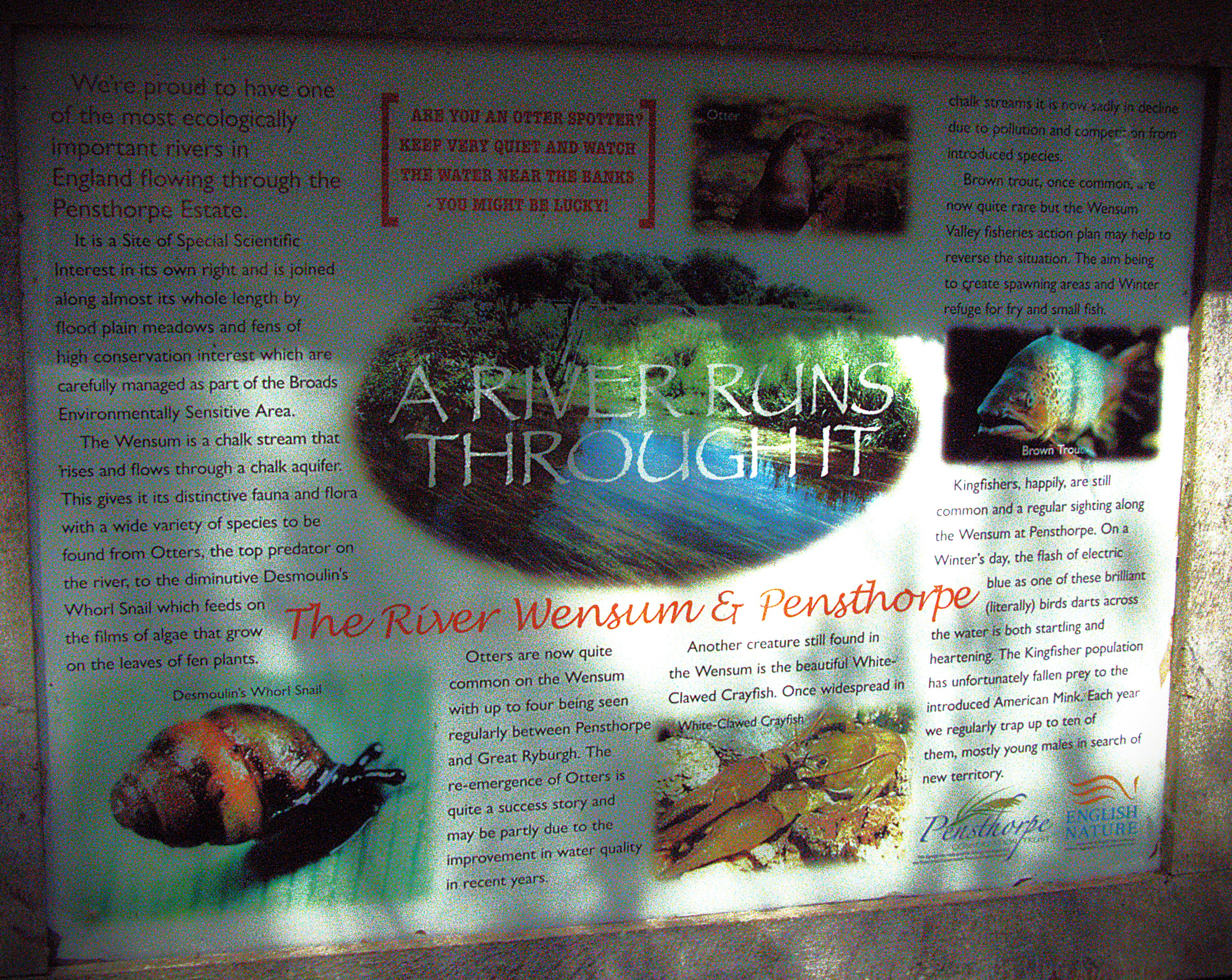
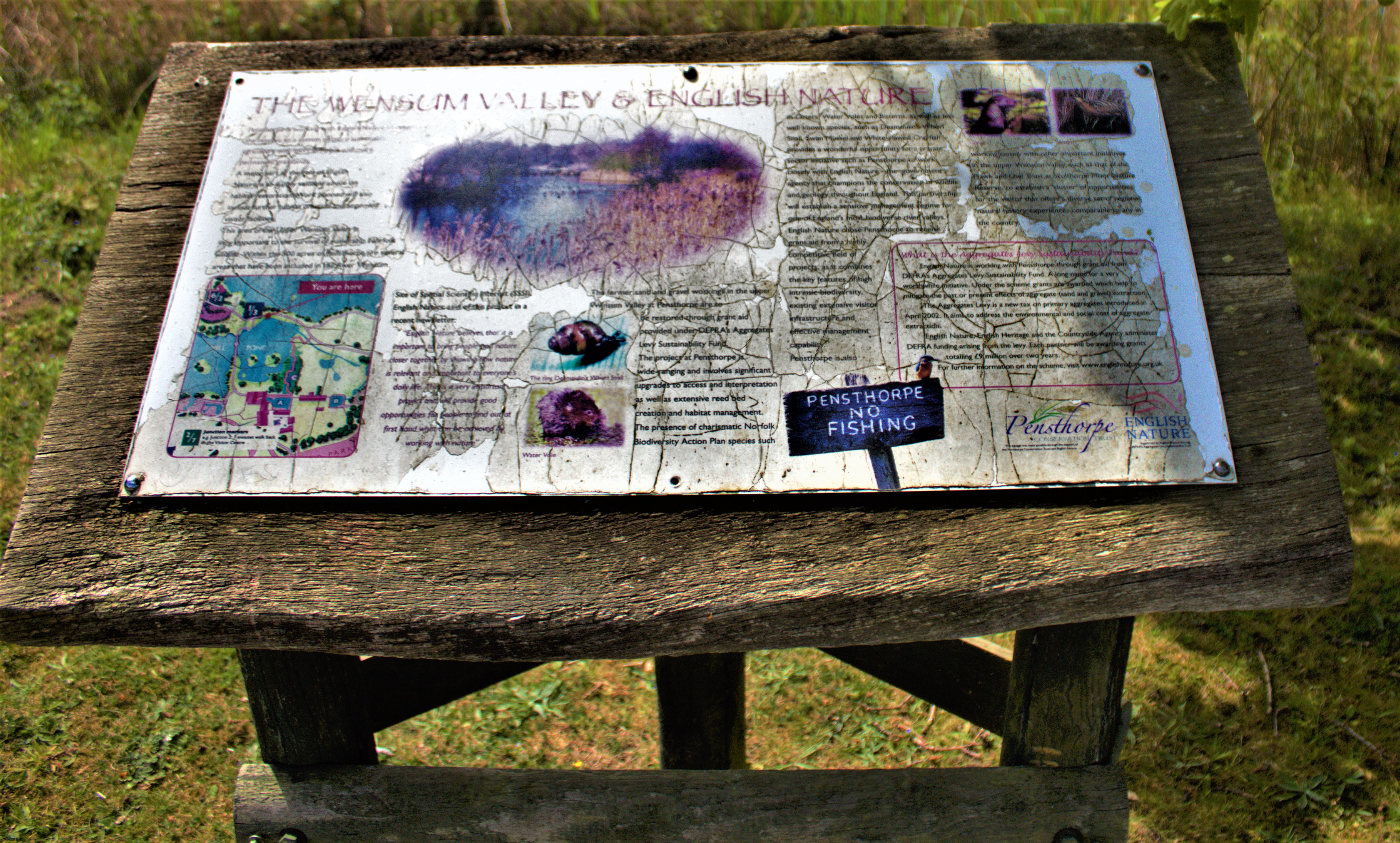
An information board about the Wensum.Pictures of the room set aside for WNAG members to eat in.
Noting that the county championship is only 95 days away, by featuring Tom Soar’s career best. Also the first photo gallery of the new year.
Welcome to a new year. I have decided to make the main body of my first post of 2024 fit with the start of a new county championship season being 95 days away. I then have a photo gallery to share – today has been largely bright and sunny and I have been out and about.
TOM SOAR’S CAREER BEST
Tom Soar is not an illustrious name in the history of cricket, and fast bowling was his main occupation (323 FC wickets at 23.82 with a best of 8-38). His highest score with the bat was 95, and it came in a truly remarkable match.
Somerset had batted first and posted a total of 315, Ernie Robson top scoring with 74. Hampshire began poorly in reply and it would have been even worse for them had Somerset keeper Wickham pulled off a stumping chance against Major Robert Poore. Poore survived, which would have felt ominous to Somerset, given that at Portsmouth earlier that season he had already smashed them for two centuries in the match. Hampshire were 62-4 when Soar joined Poore. The pair put on 196 together before Soar was out for 95. Poore was now joined by another army officer, Captain Teddy Wynyard, and just over four hours this pair proceeded to hammer 411 runs, before Wynyard fell for 225. Poore was out a few balls, for precisely 300 runs more than he had scored at the time Wickham missed that stumping. Hampshire declared at 672-7, an advantage of 357. A dispirited Somerset could only manage 206 at the second time of asking and lost by an innings and 151 runs.
PHOTOGRAPHS
My usual sign off…
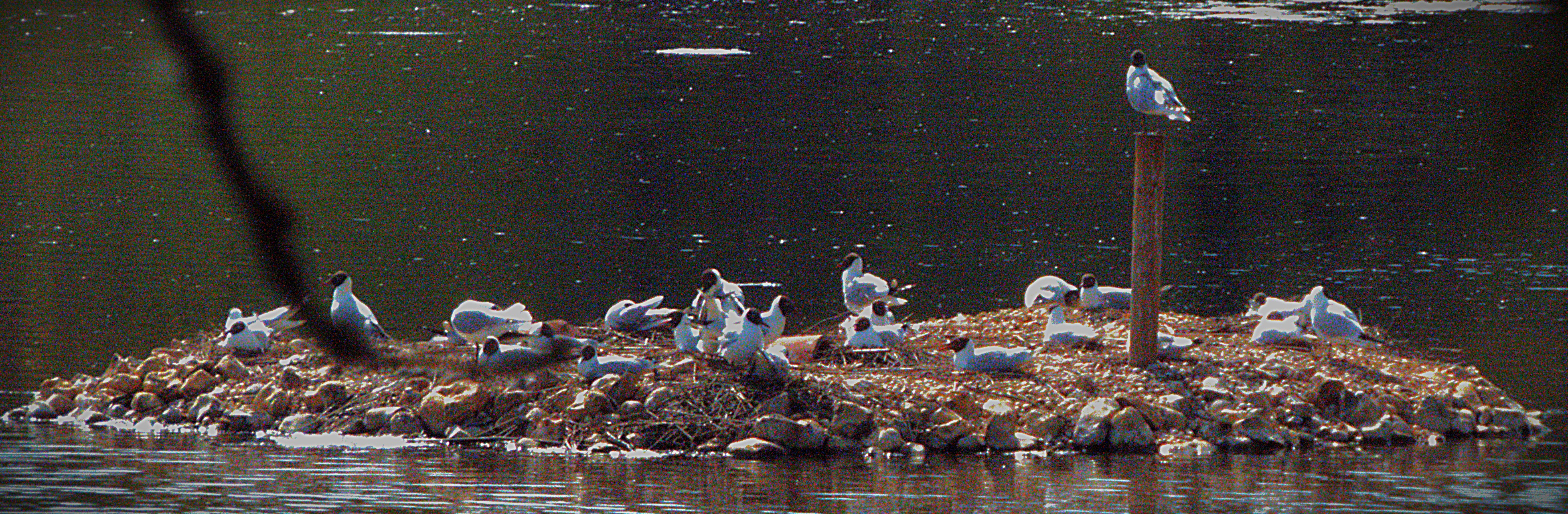
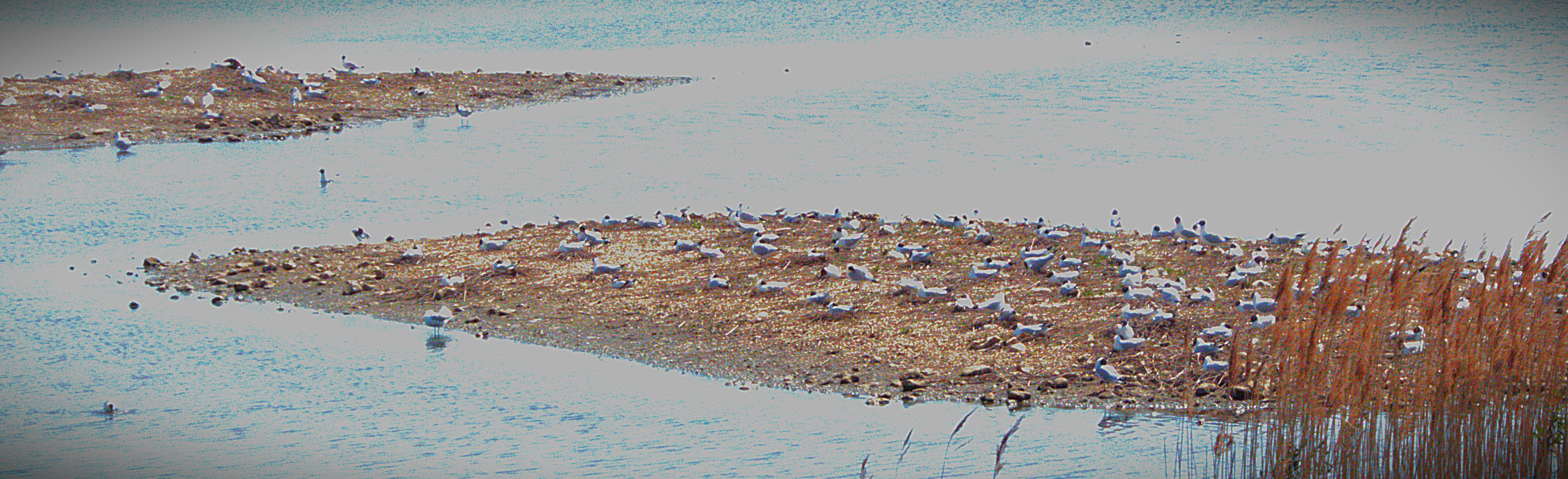
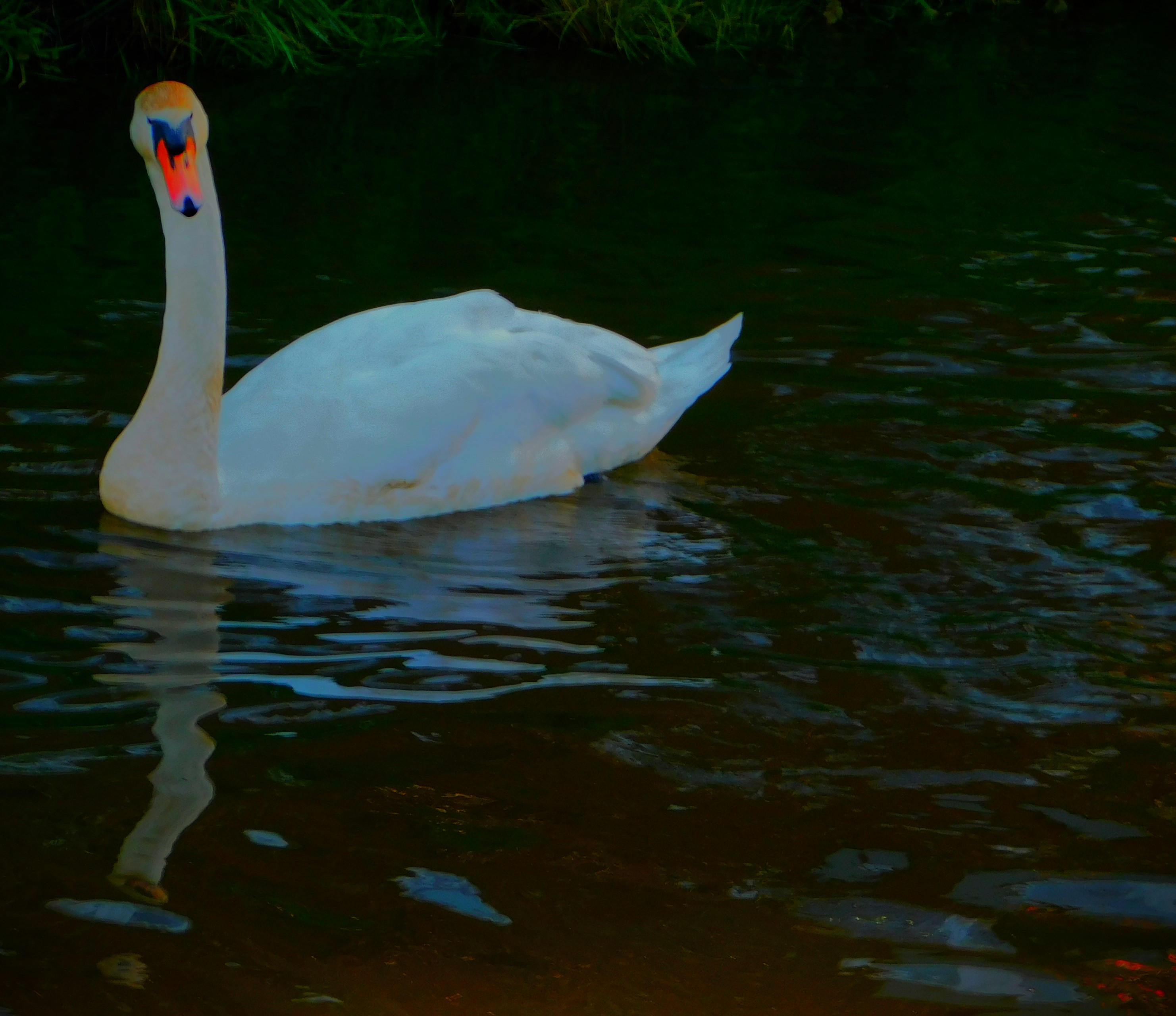
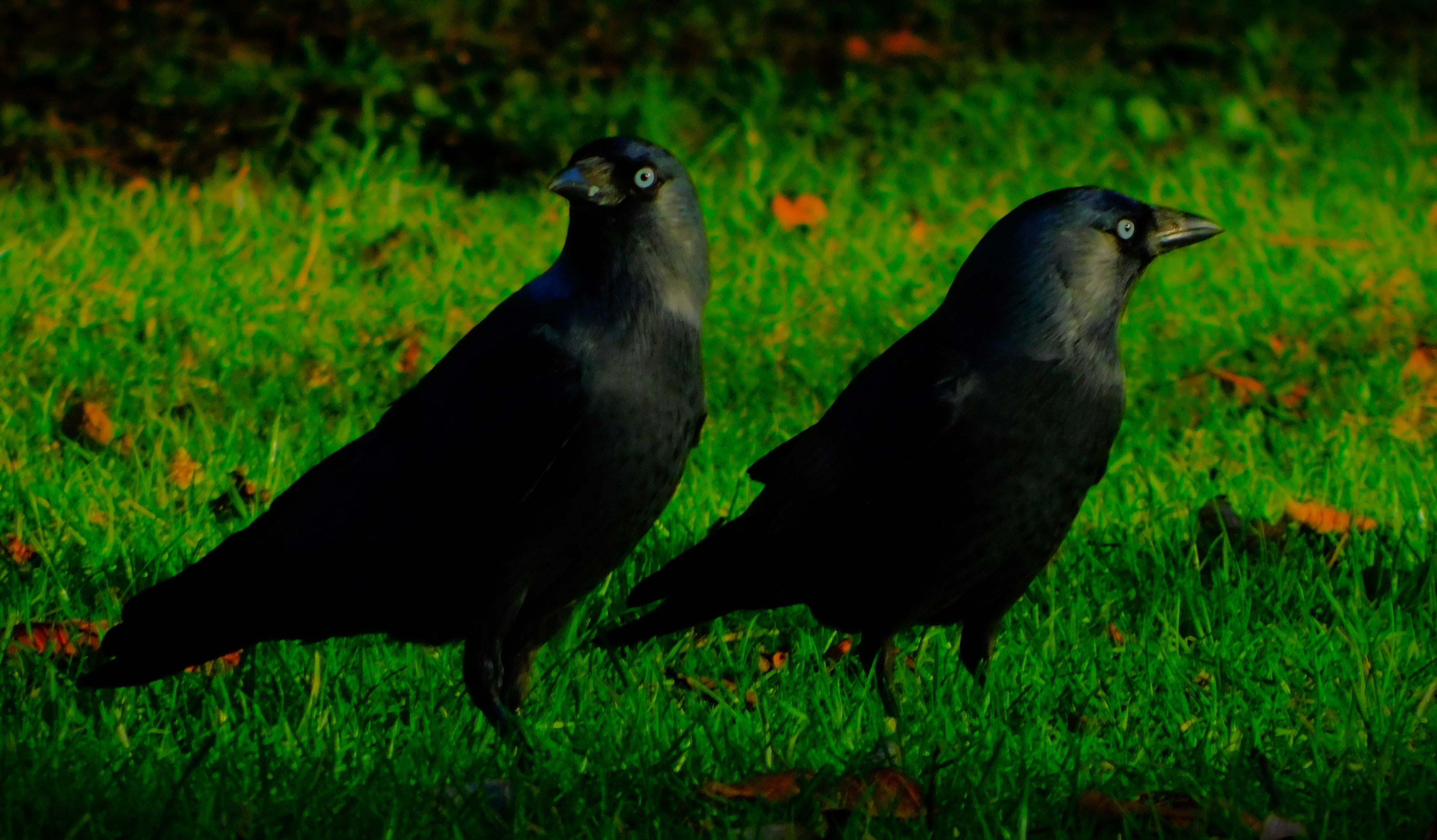
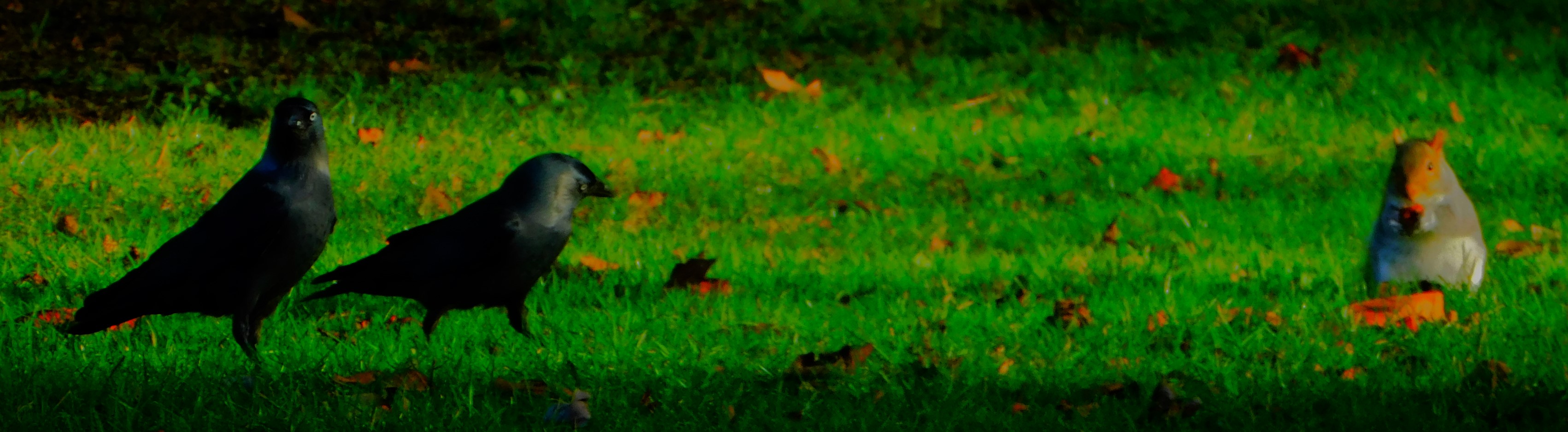
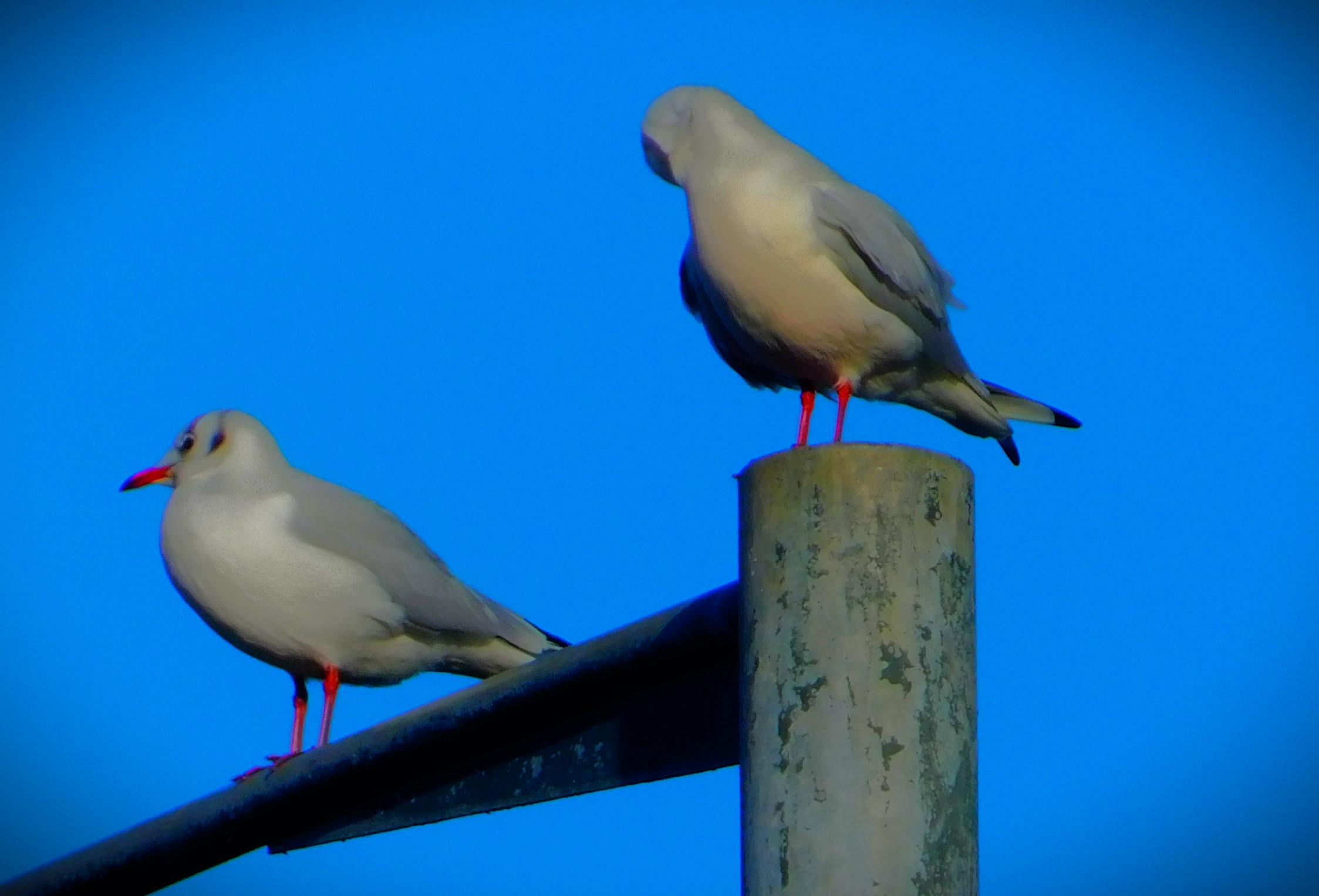
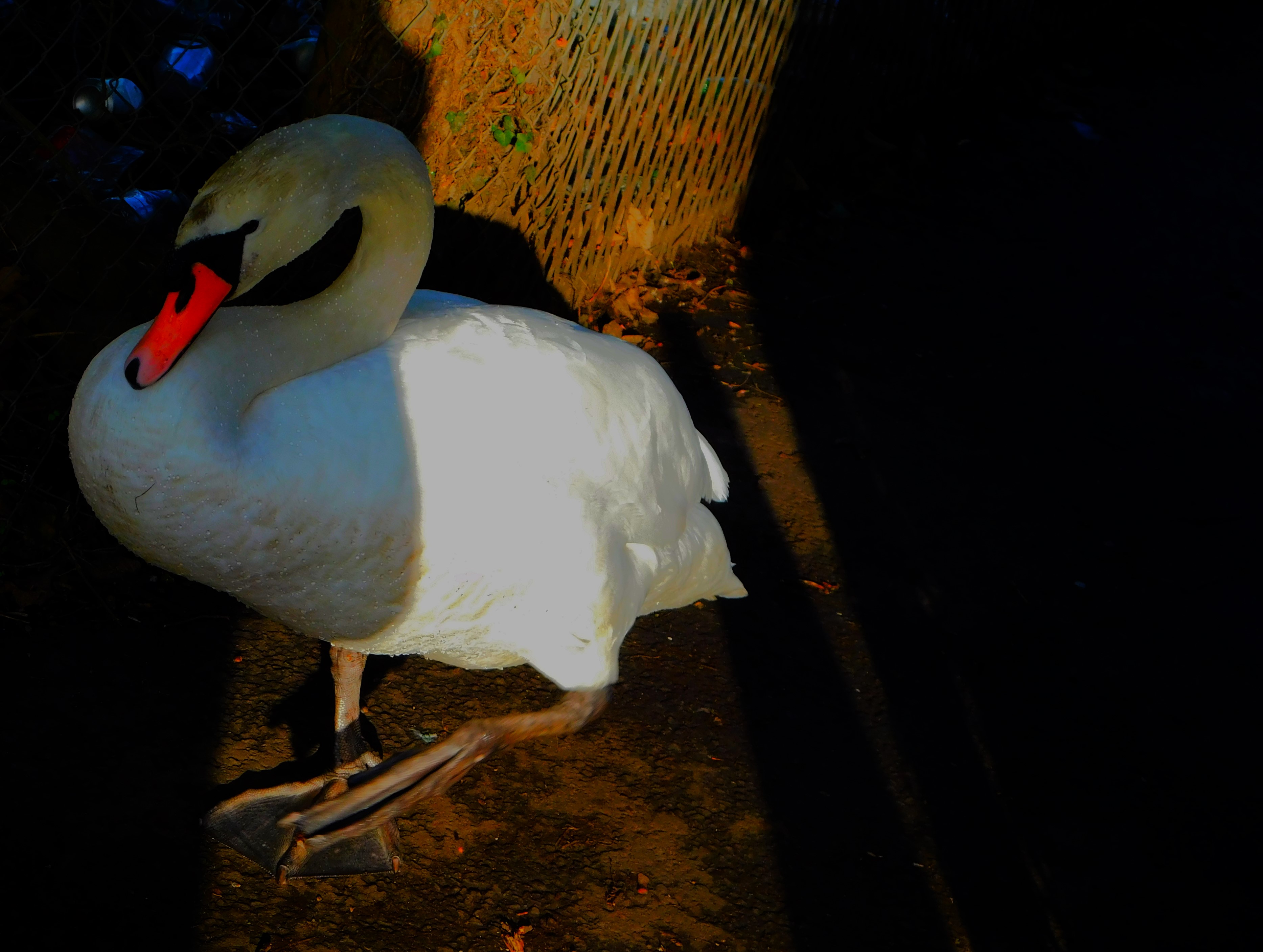
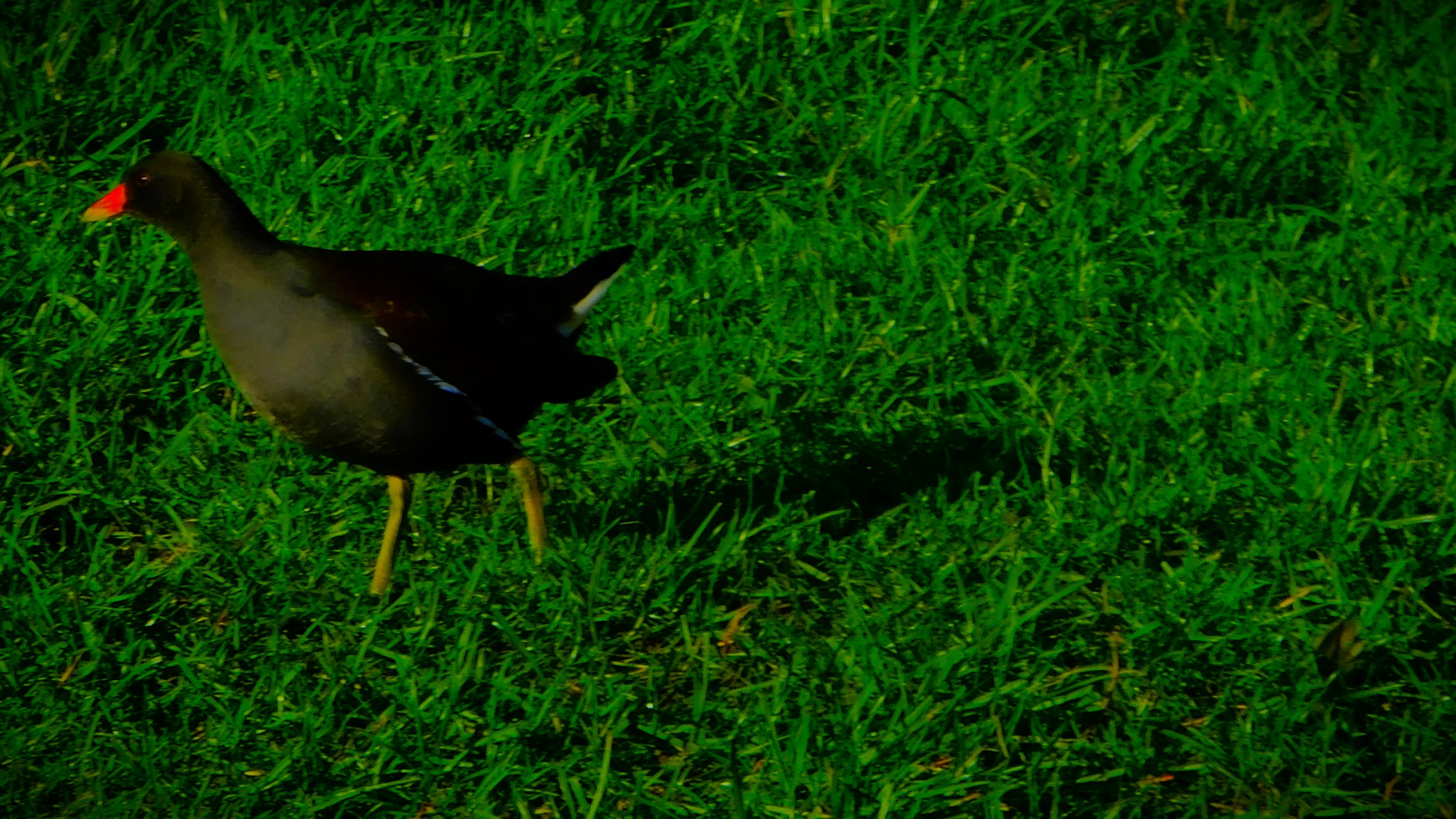
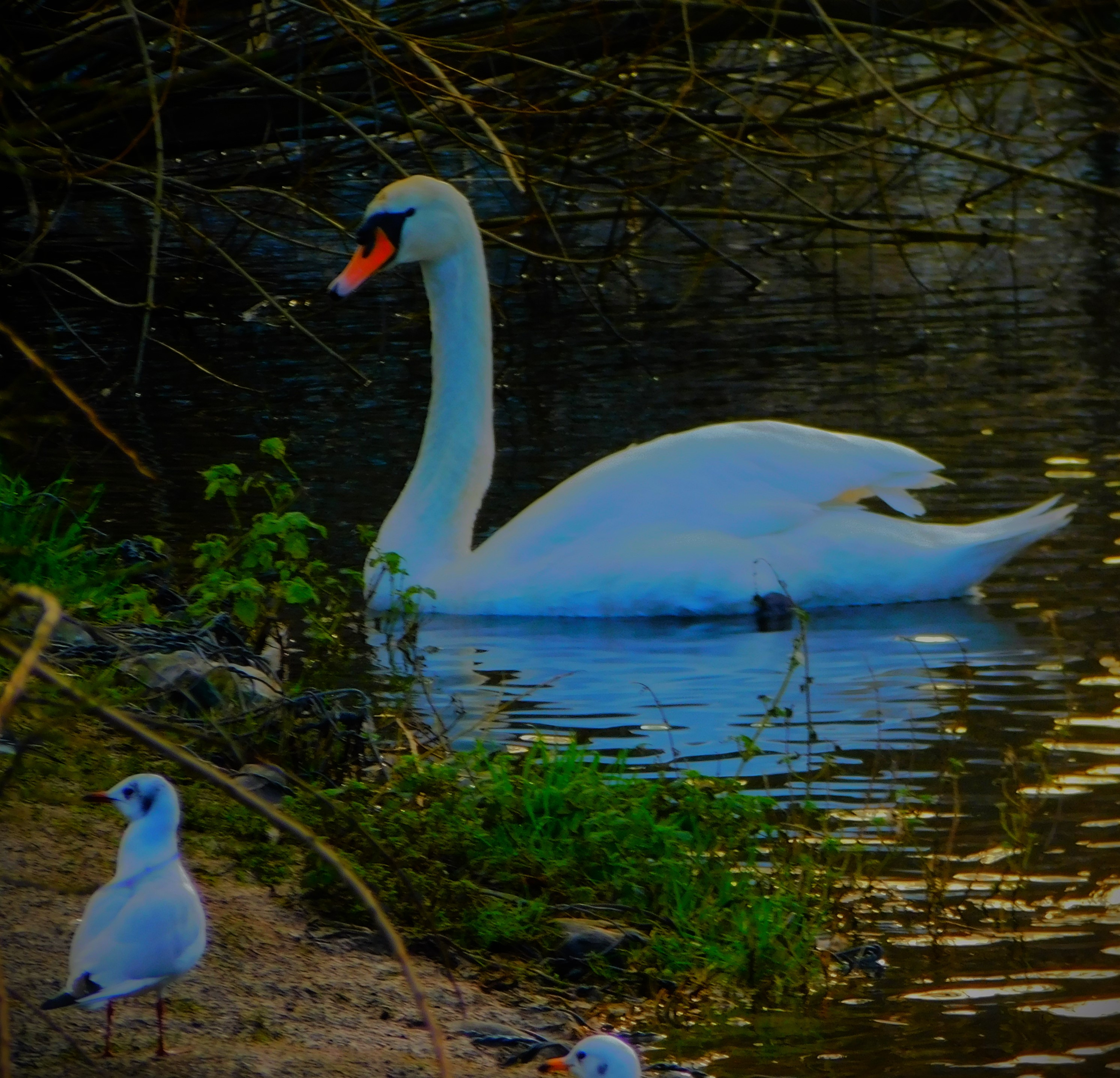
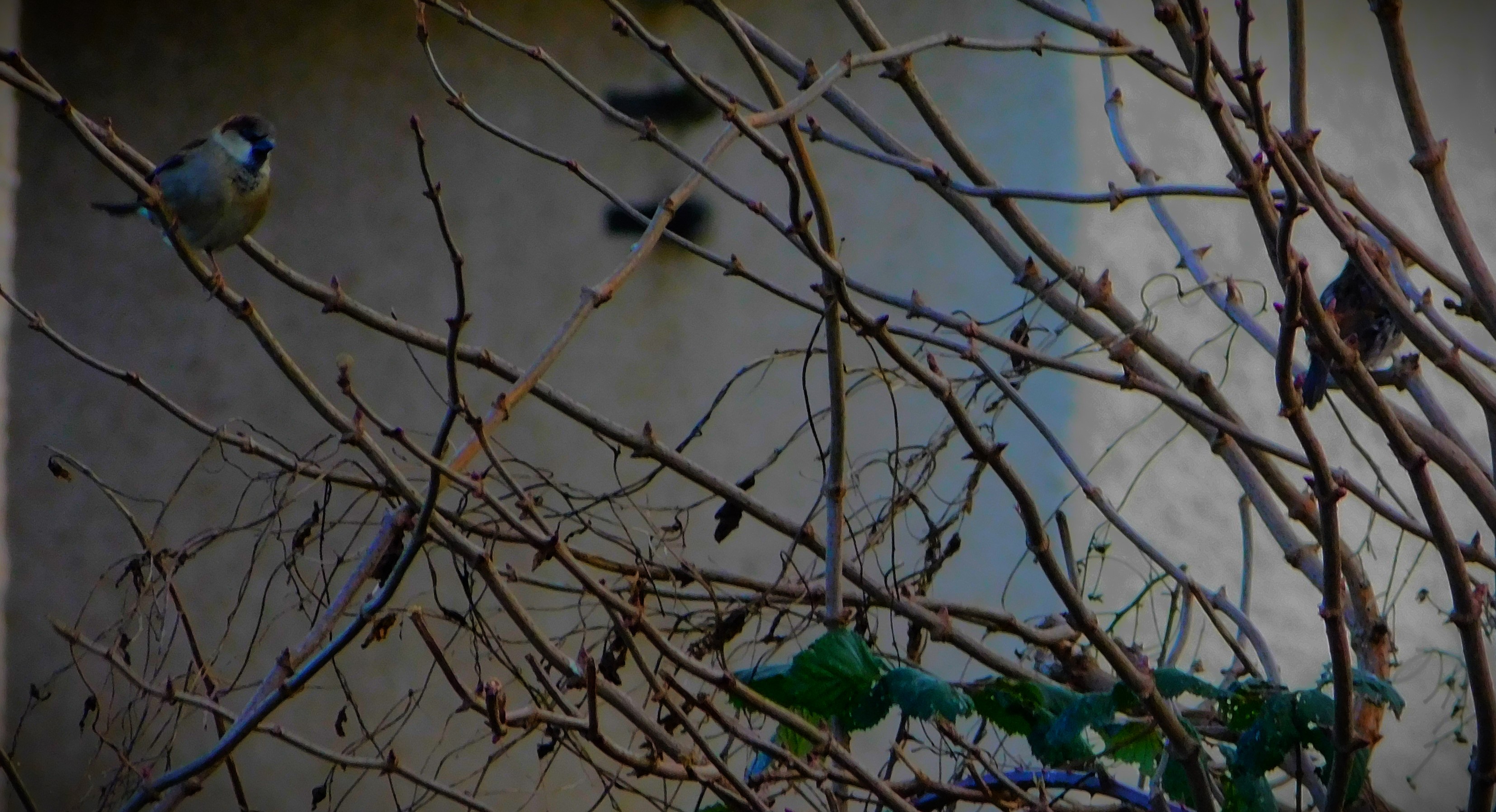
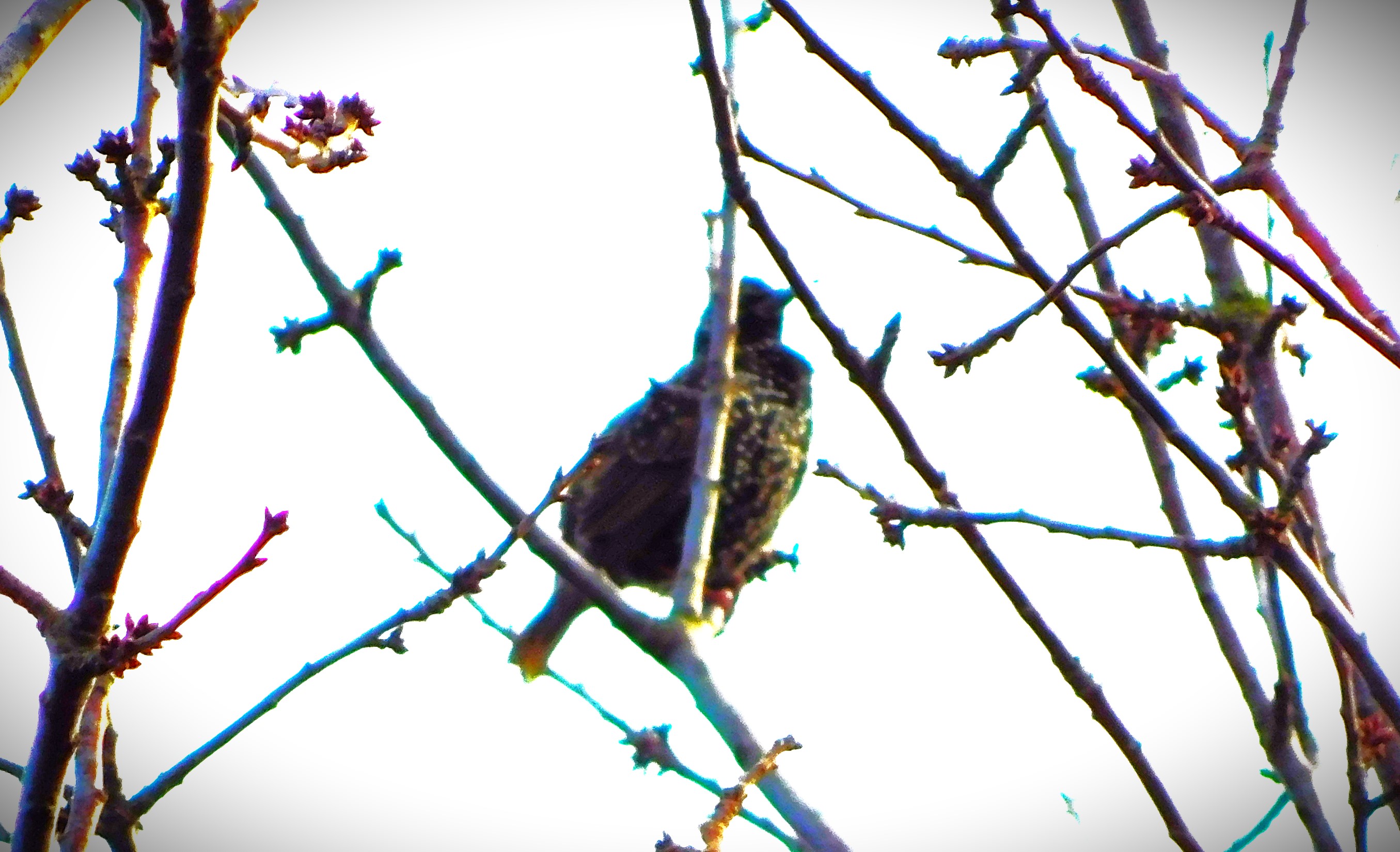
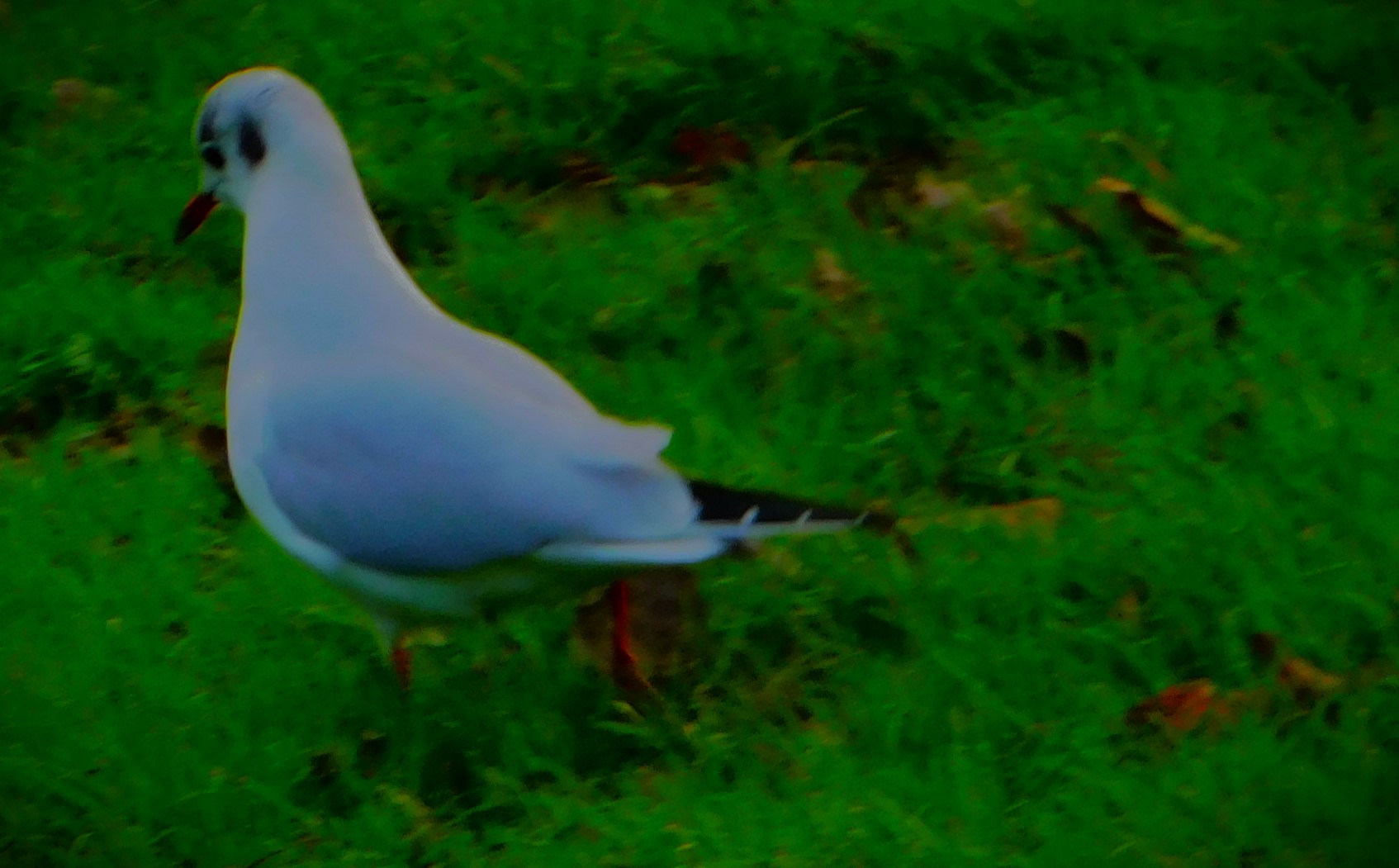
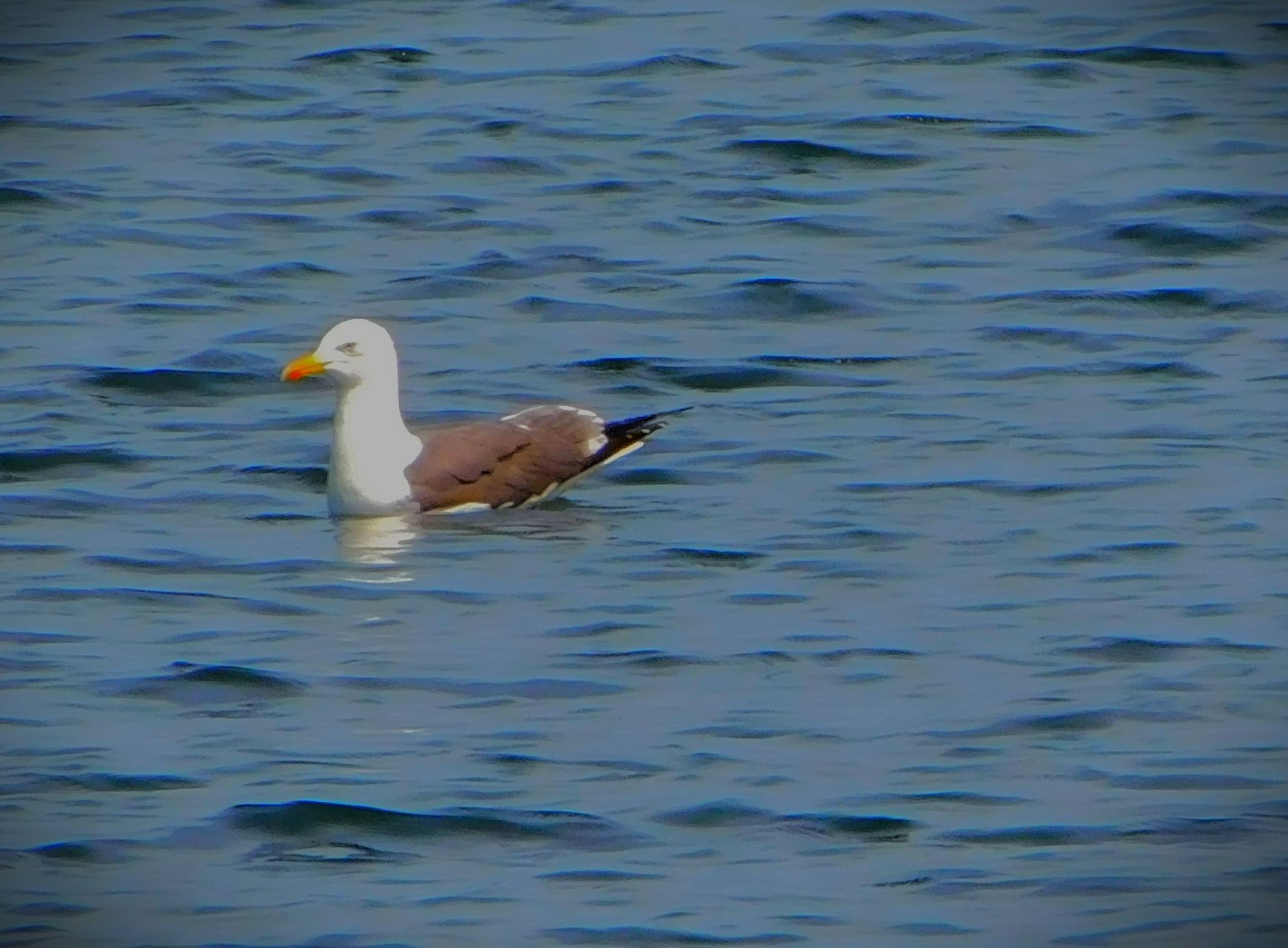
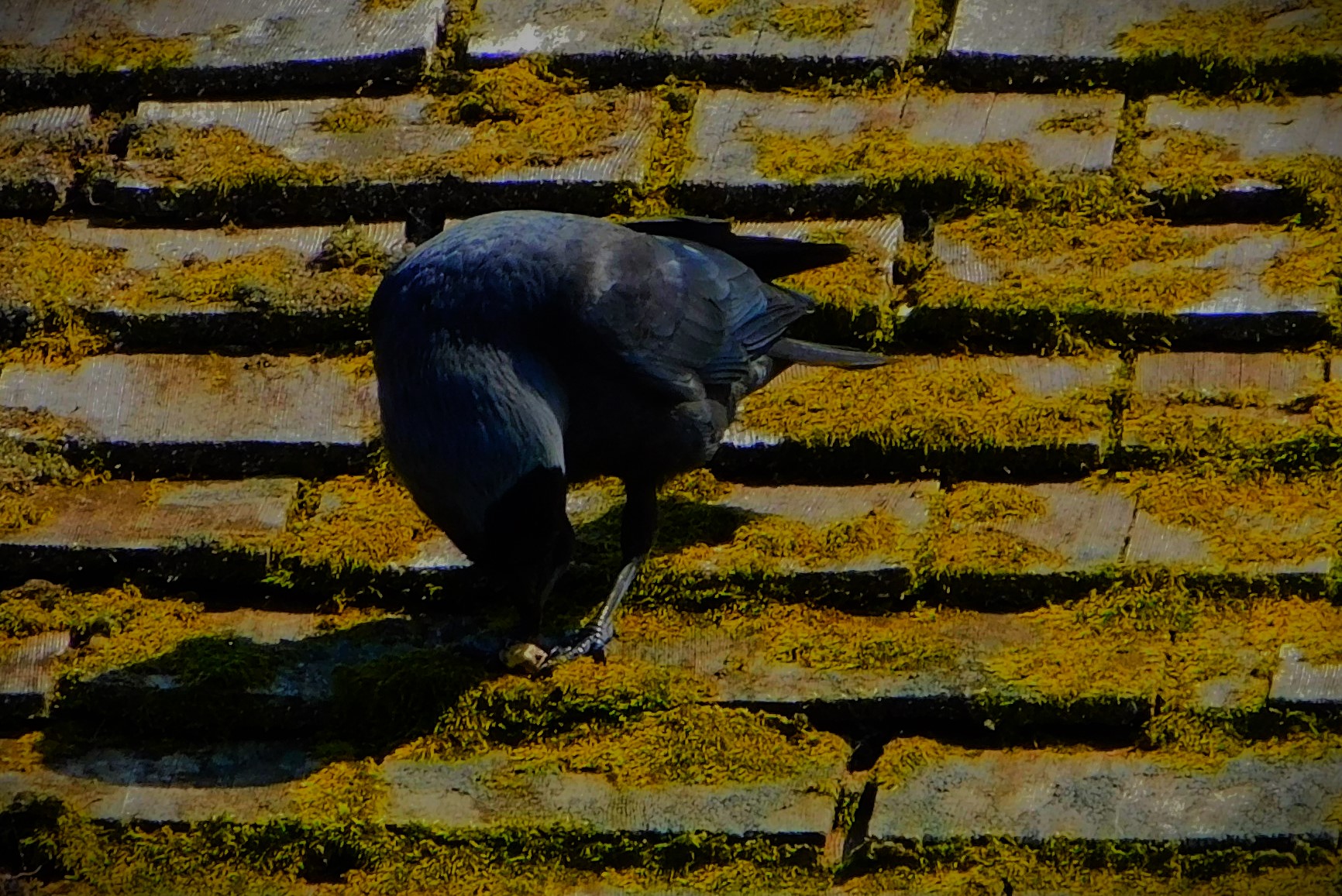
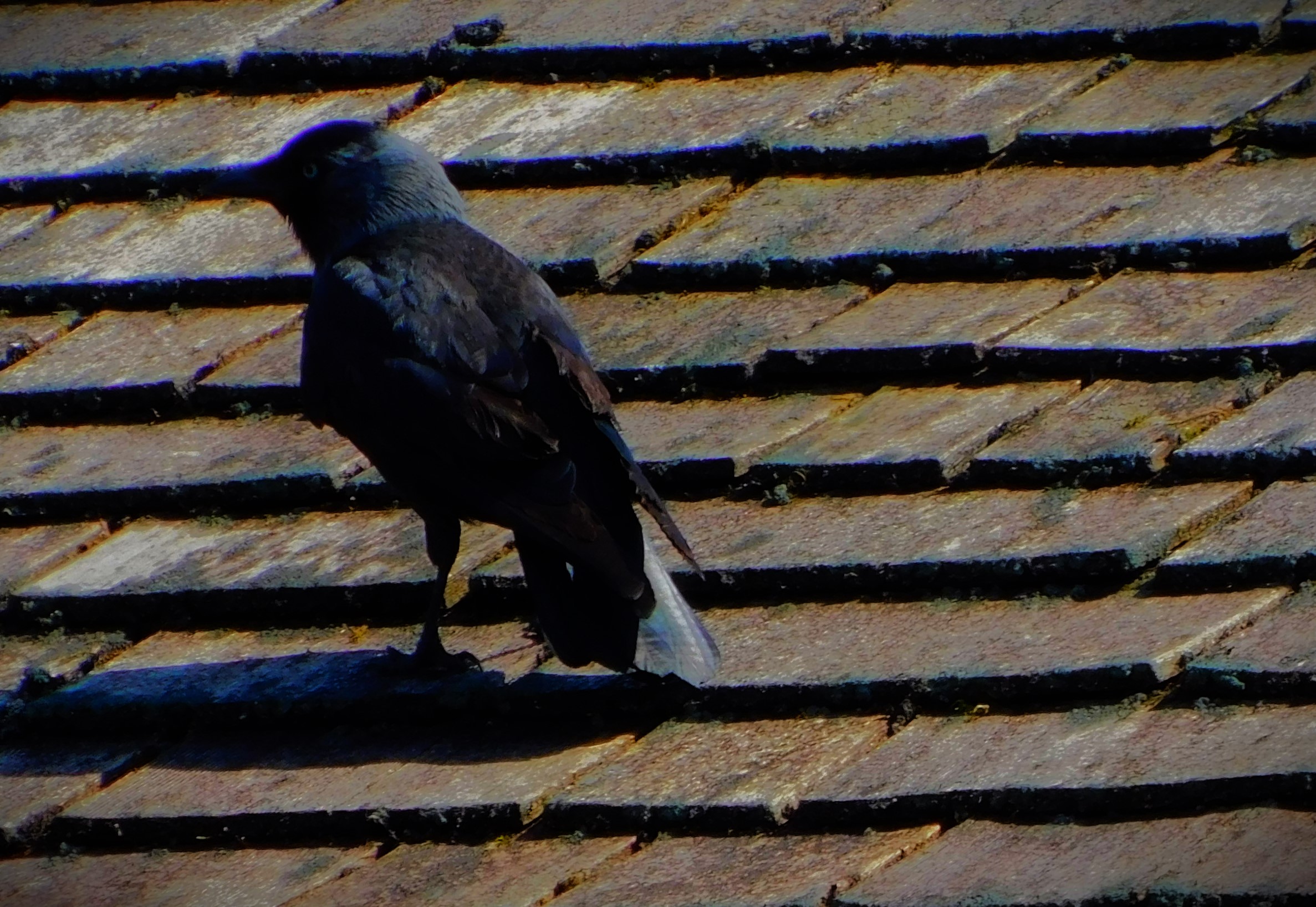
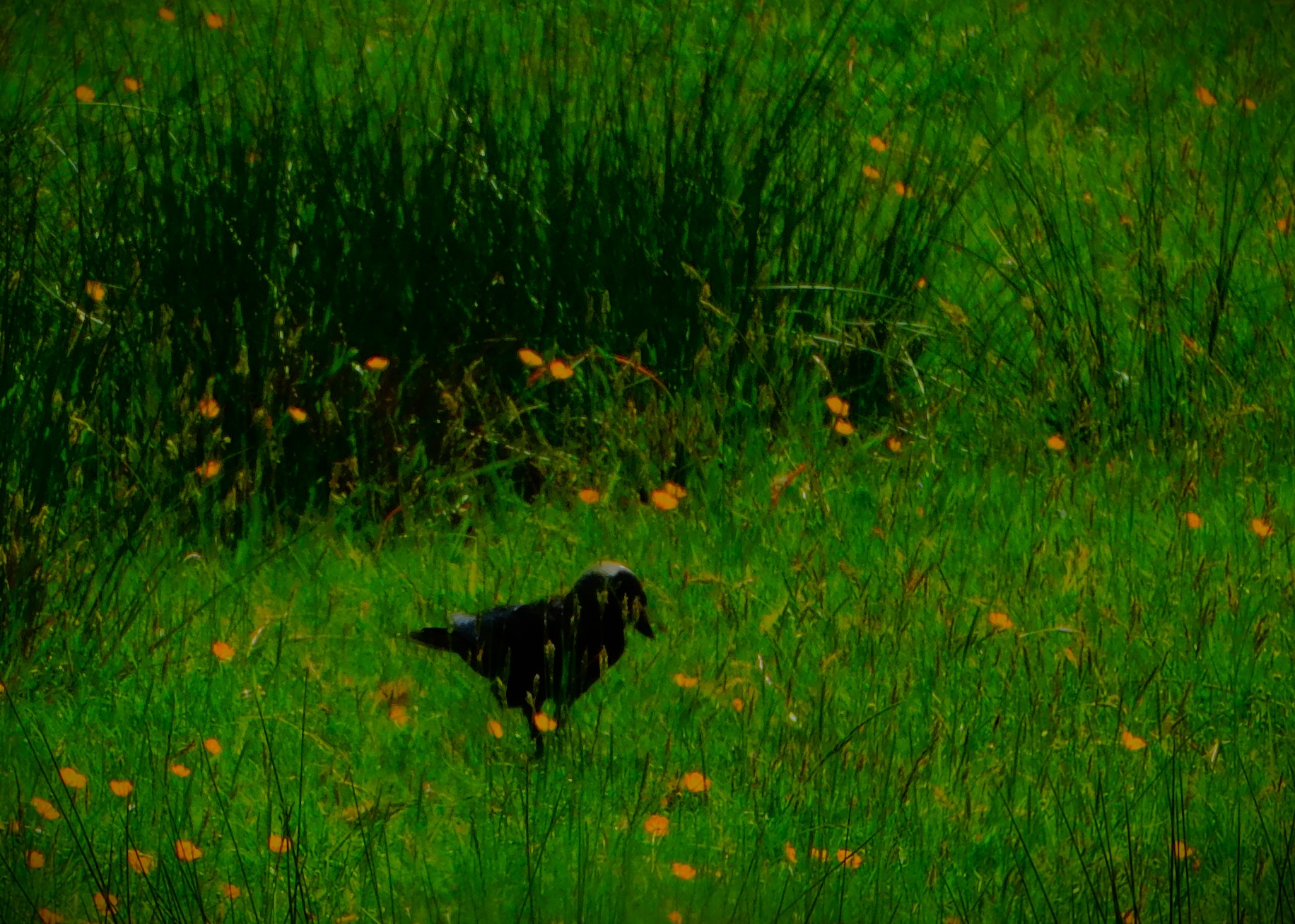
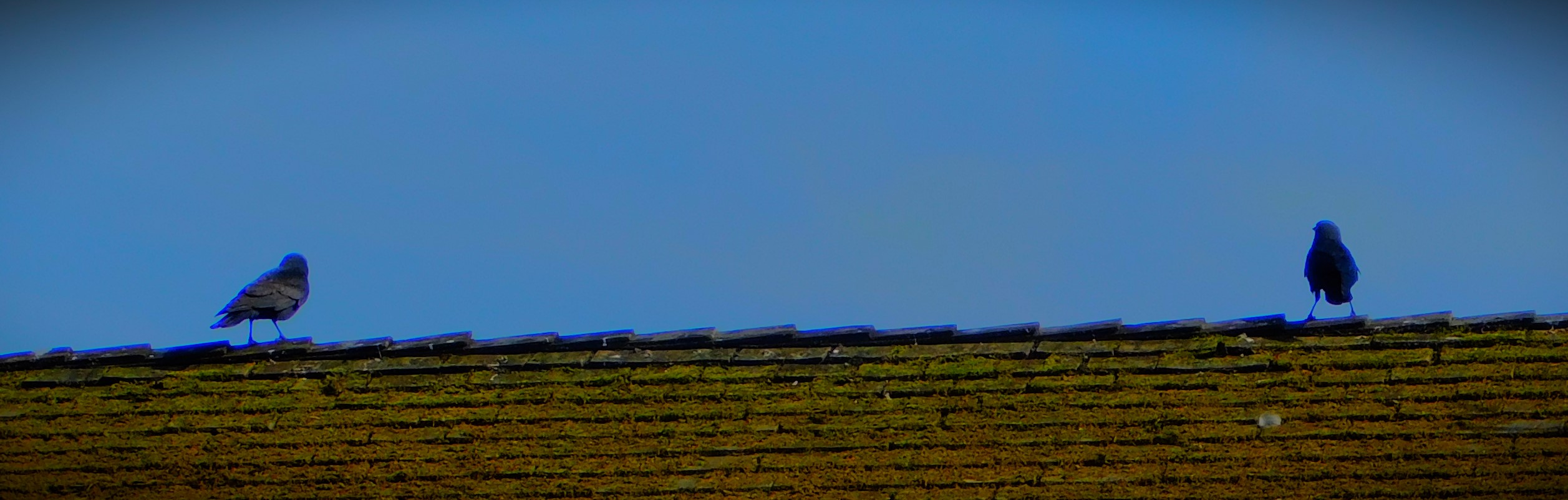
A gathering of gulls.MoorhenWhite duckSwansBlue tit.I think this was a skein of geese, going by the shapes of the birds.BlackbirdMy first starling of 2024JackdawsSparrows
A look at the bird life in and around England’s largest lake as part of my series about my holiday in the Lake District.
Welcome to the latest instalment in my series about my holiday in the Lake District. In this post I focus on the bird life in and around Windermere, of which there is a considerable quantity.
BIRDS OF MANY TYPES AND SIZES
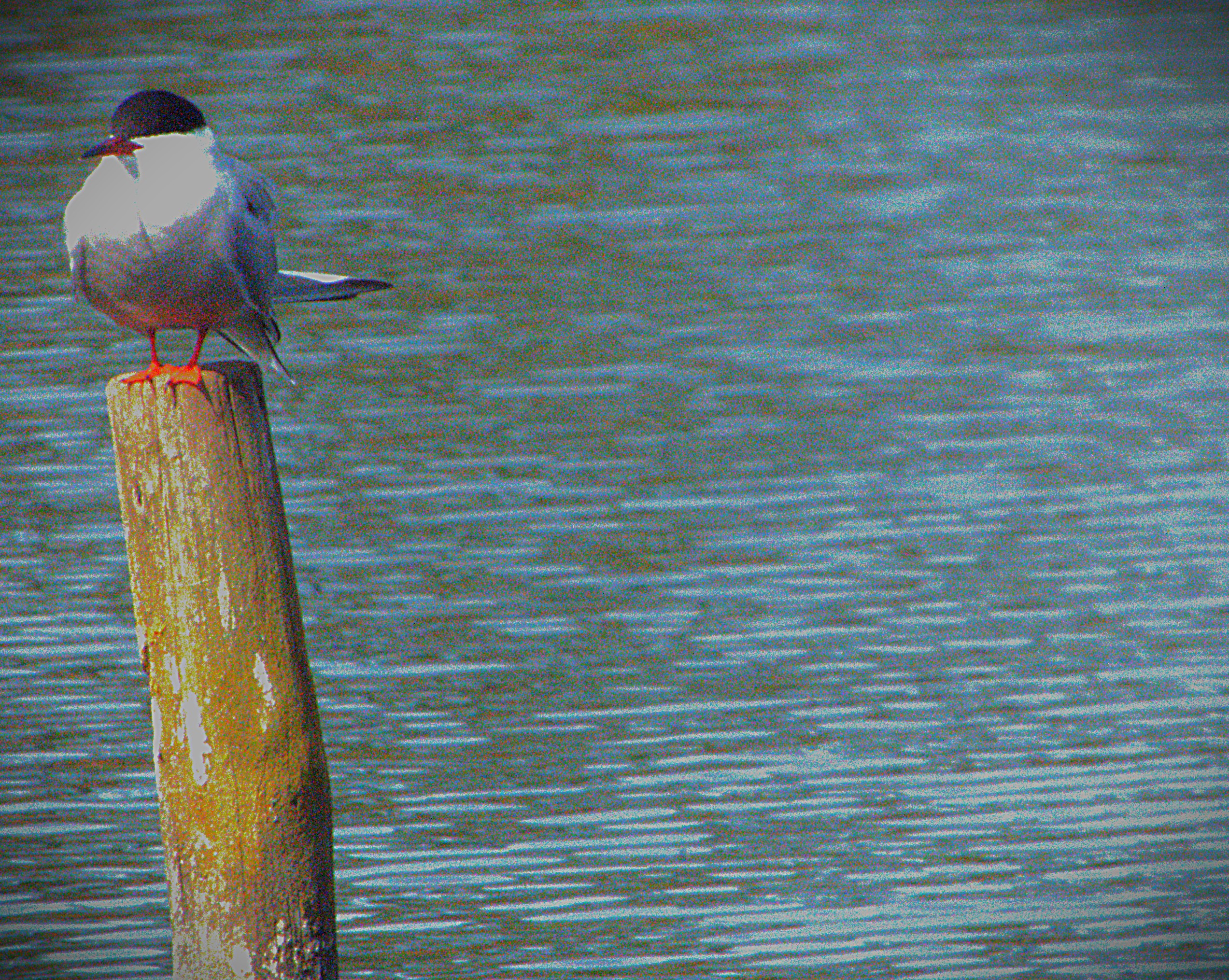
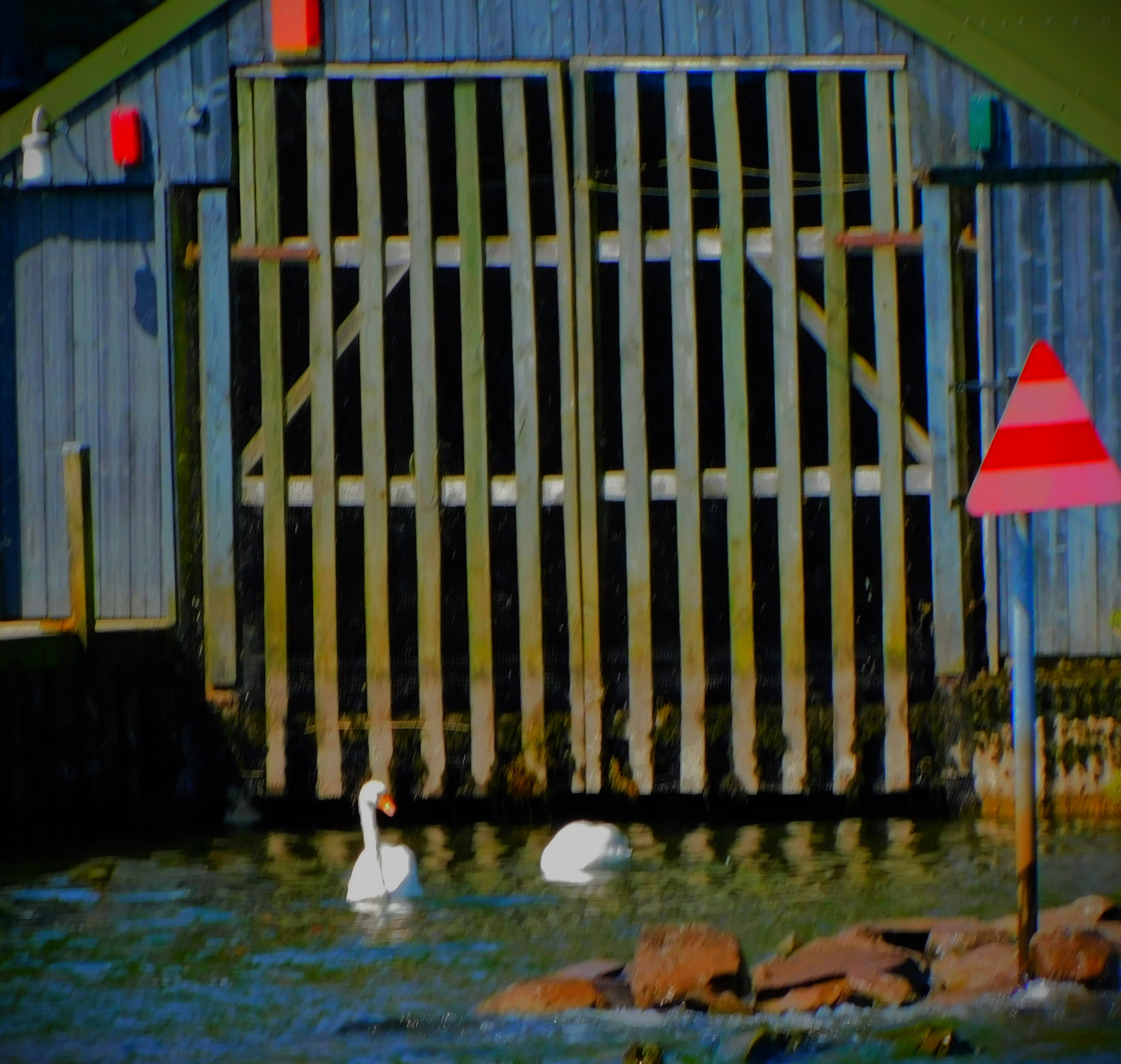
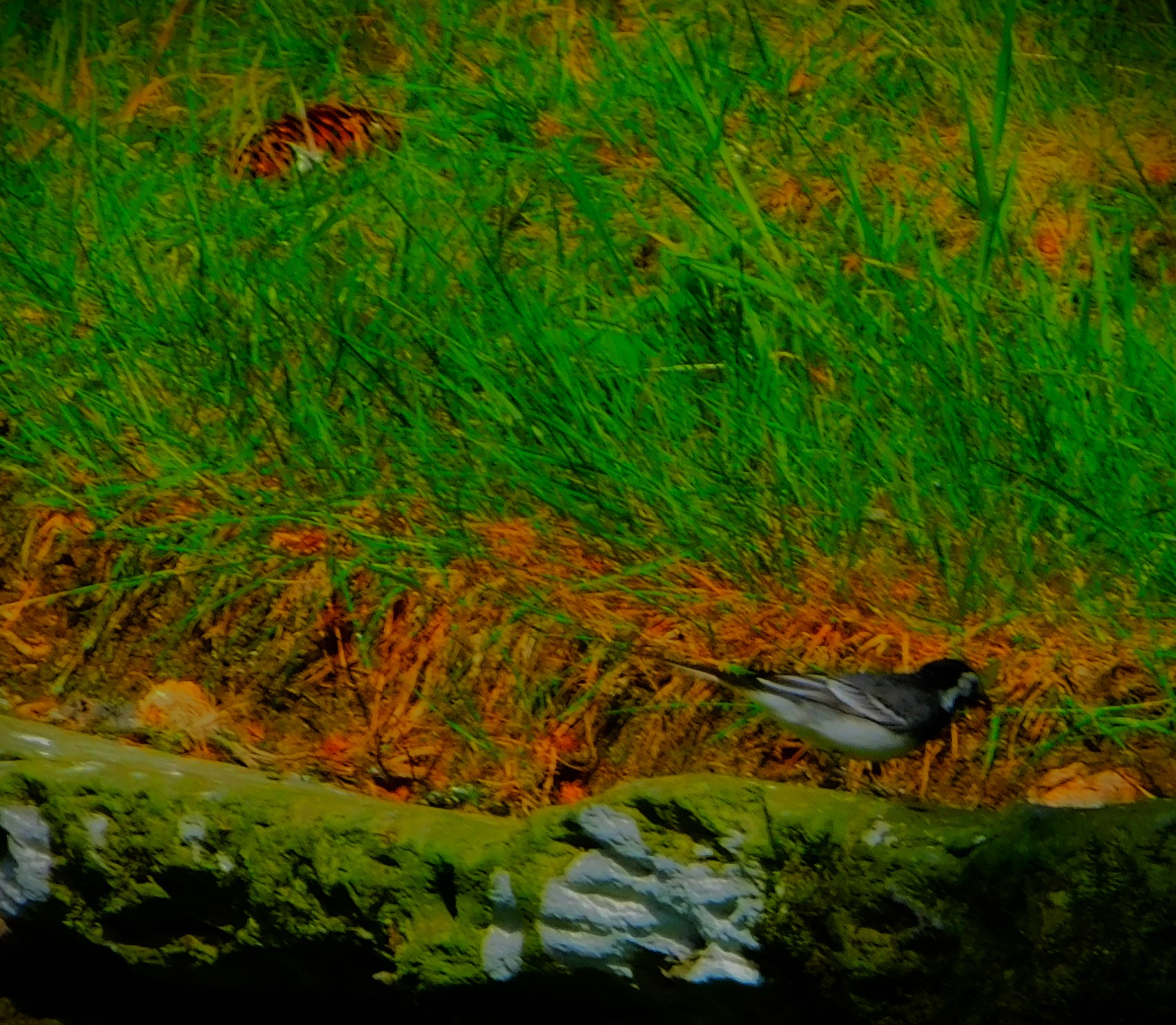
As well as expected water birds (swans, ducks, geese, gulls, terns etc) there were also species that live close to the shores of the lake, including pied wagtails. I have also included in this post a few birds seen a little further from the waters edge.
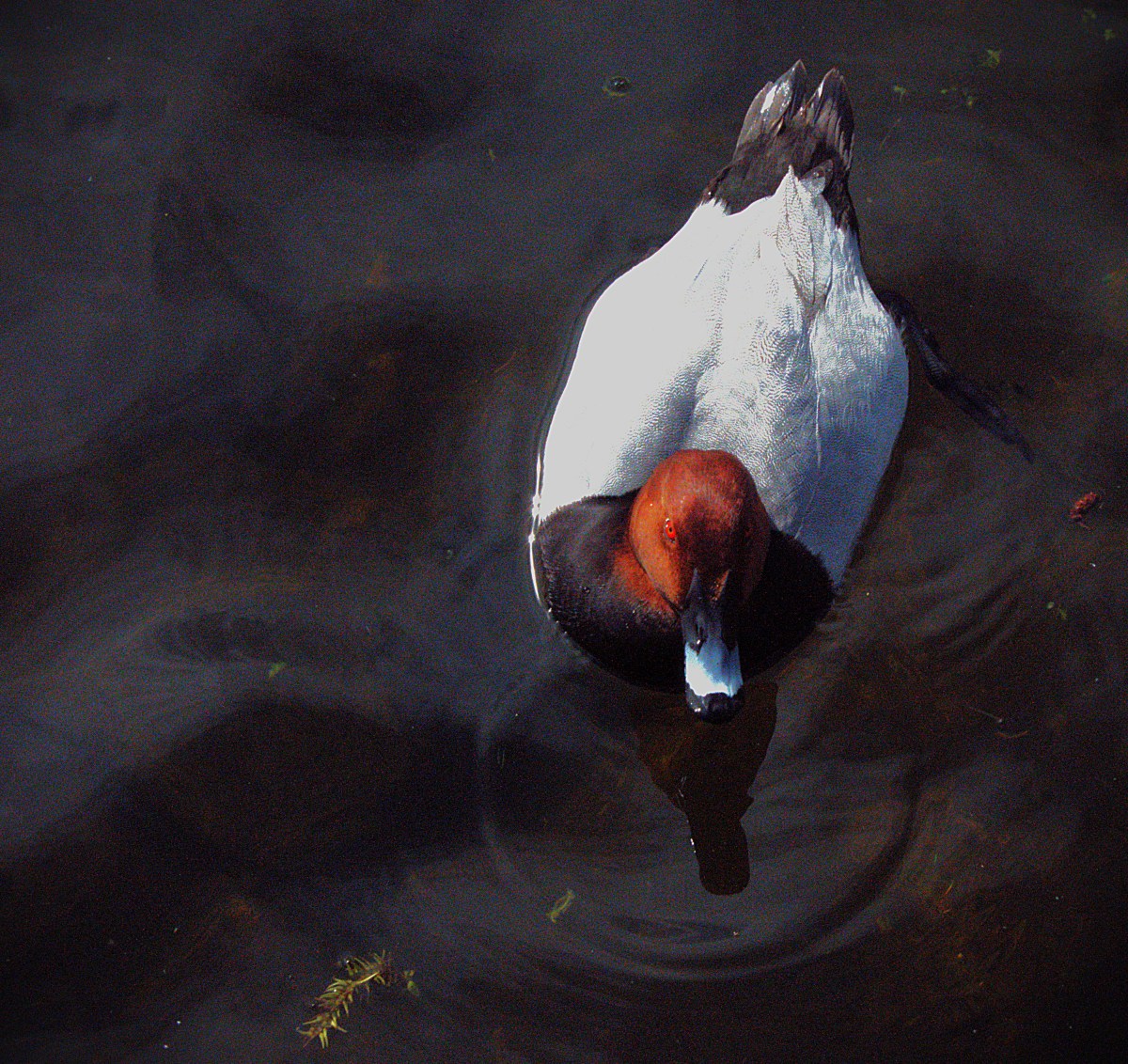
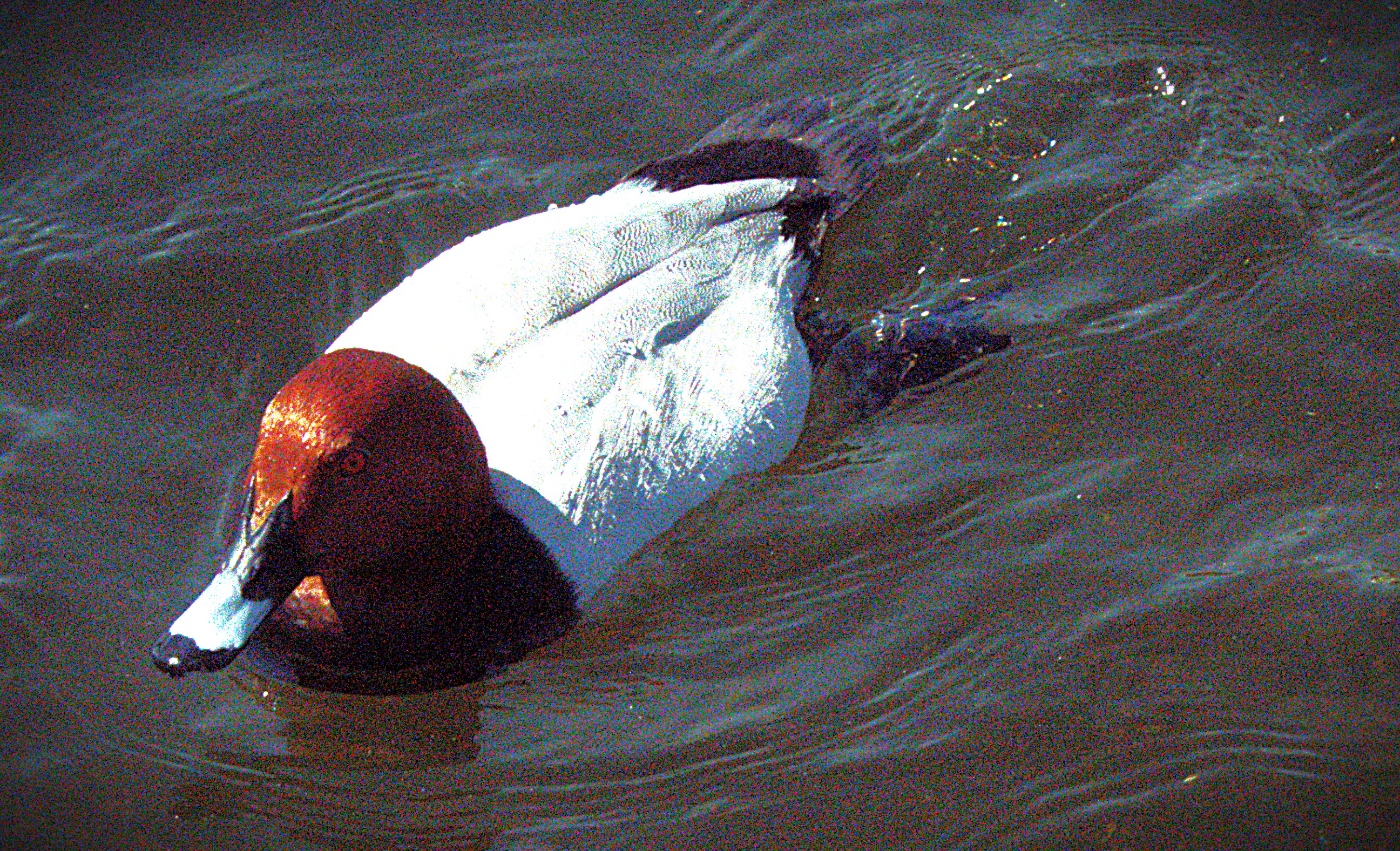
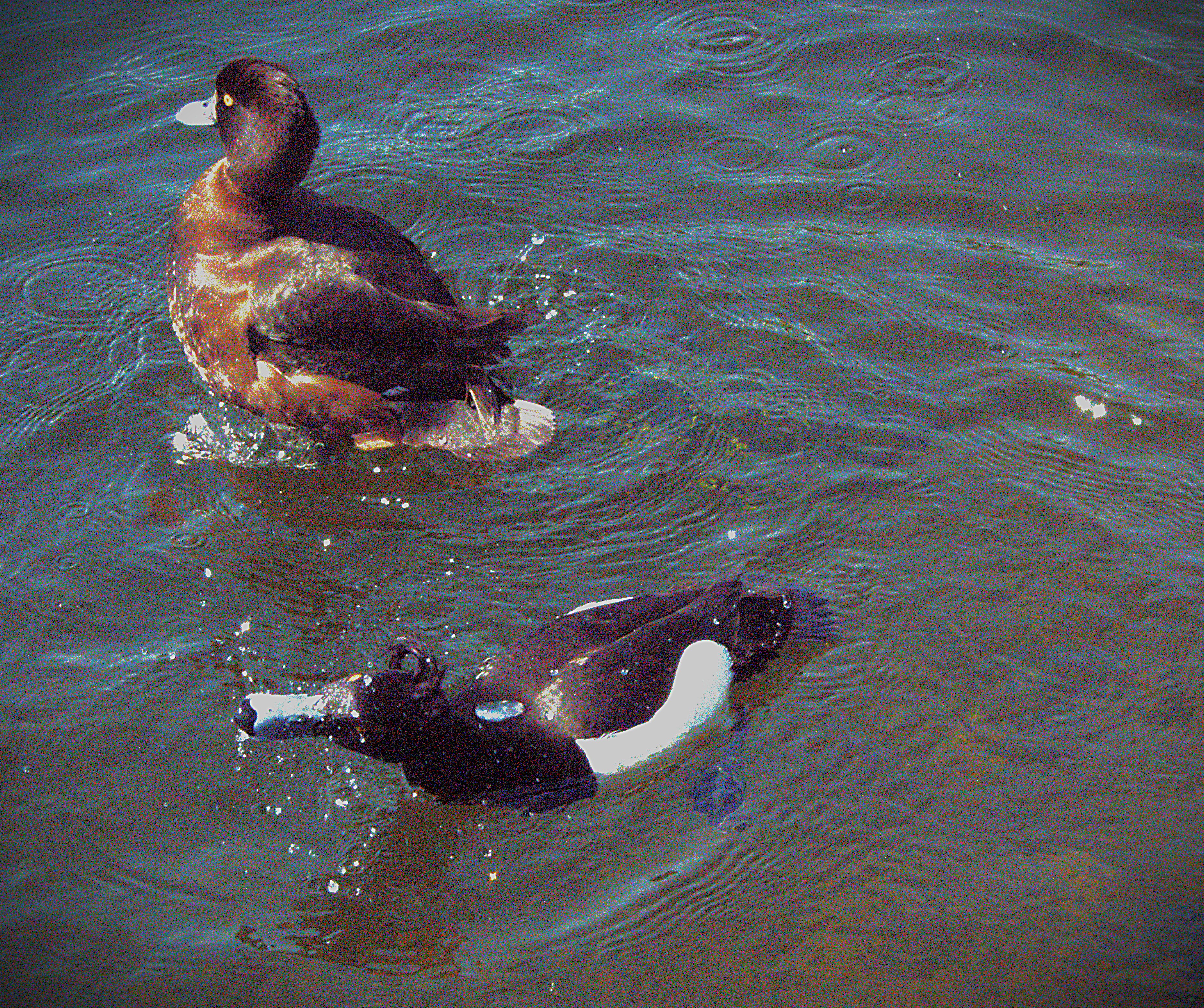
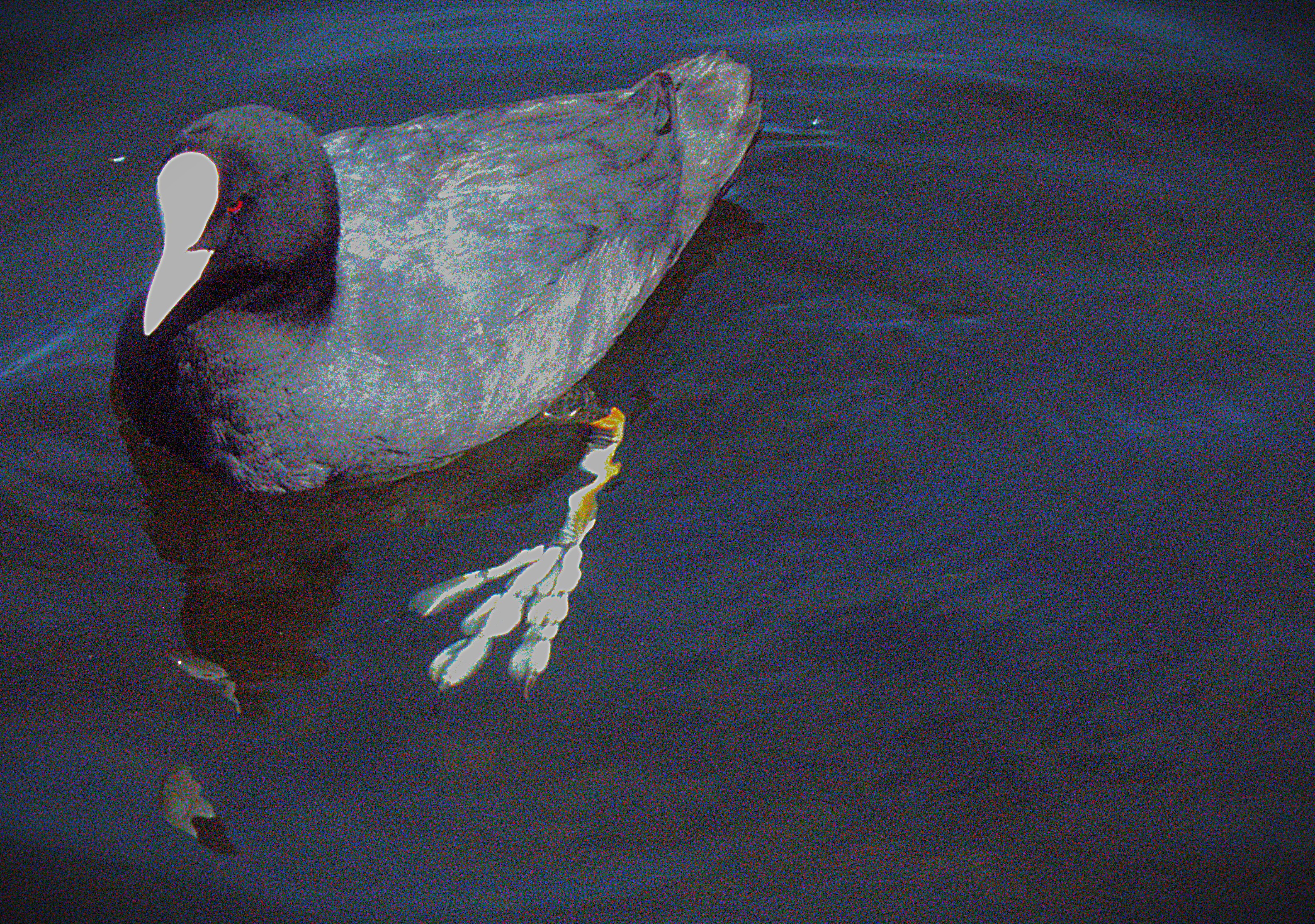
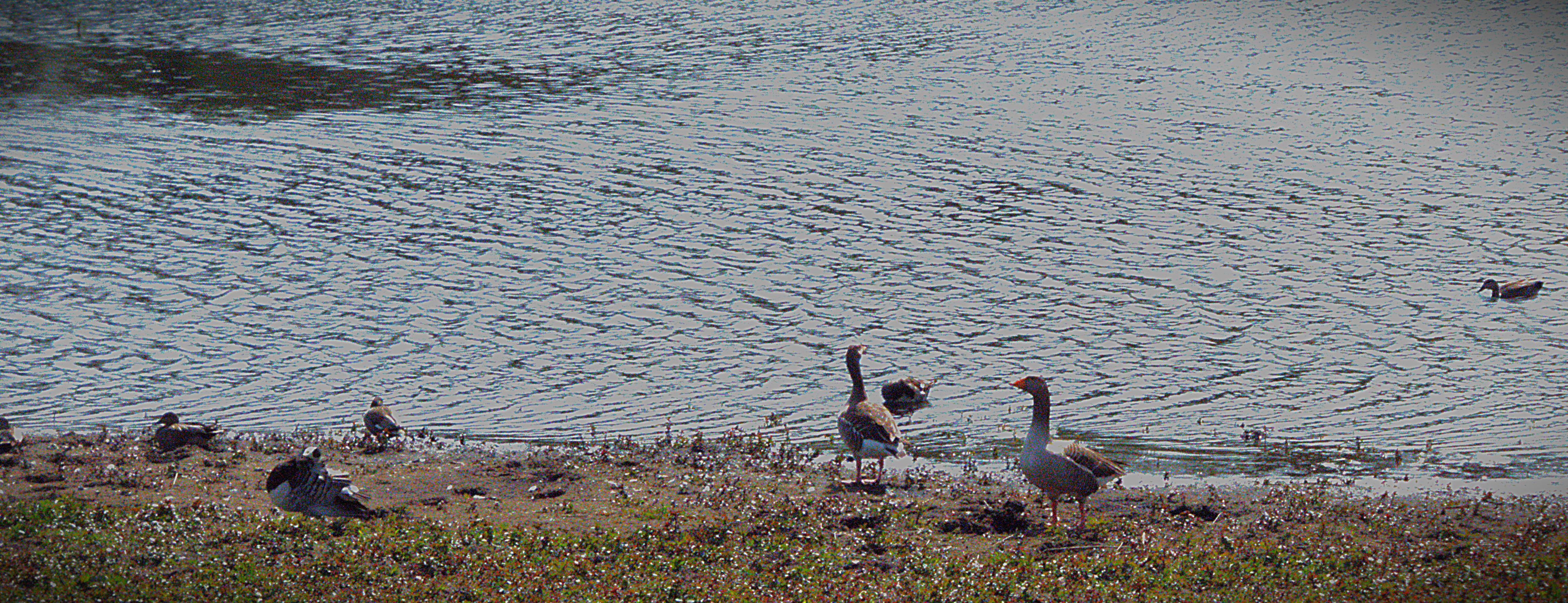
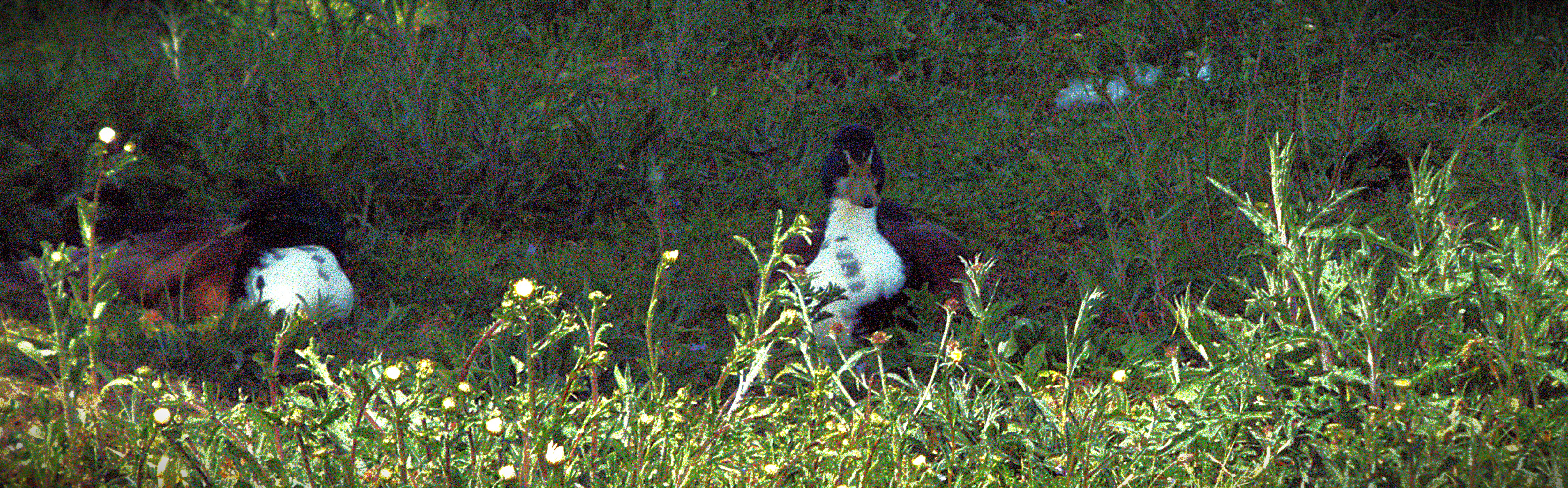
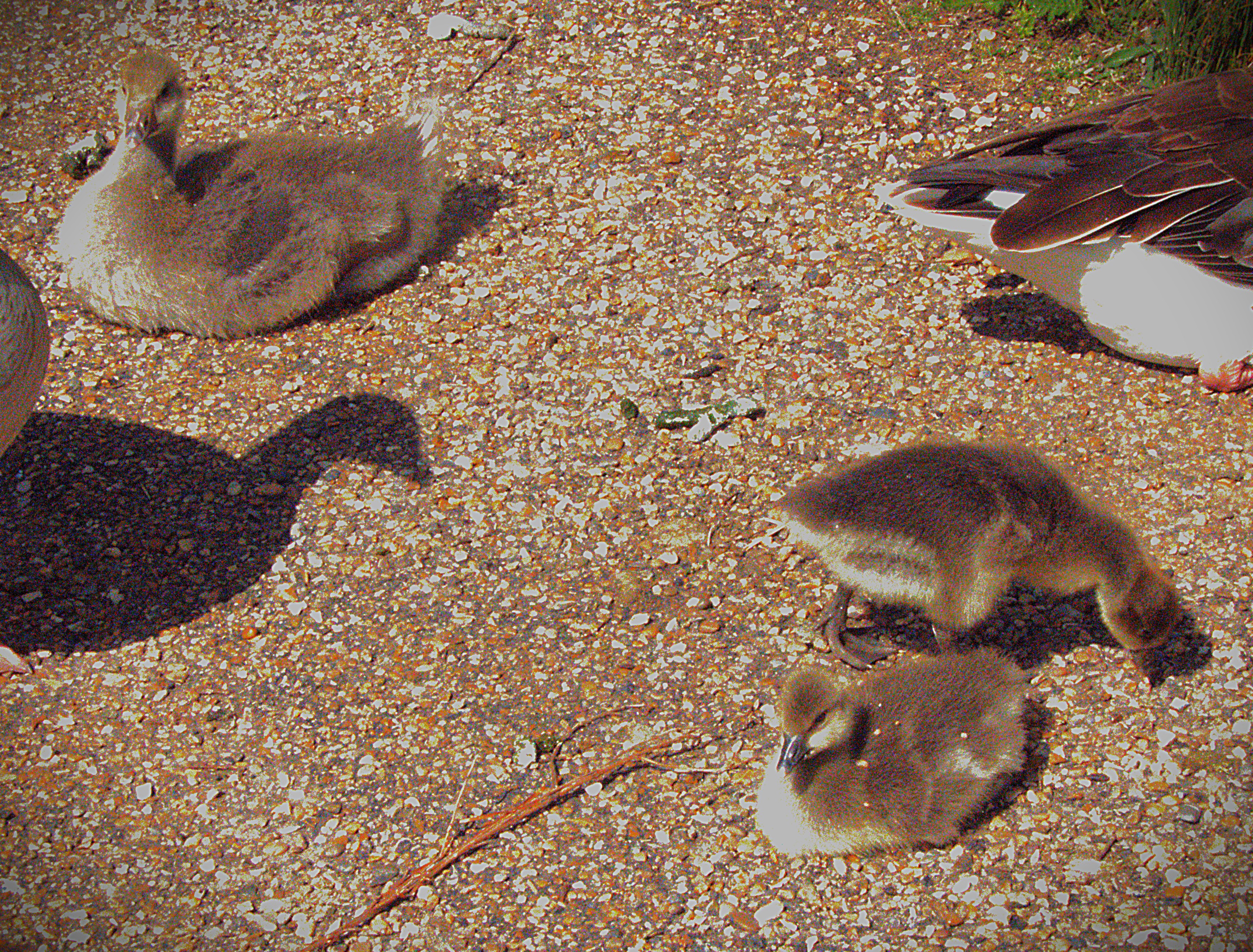
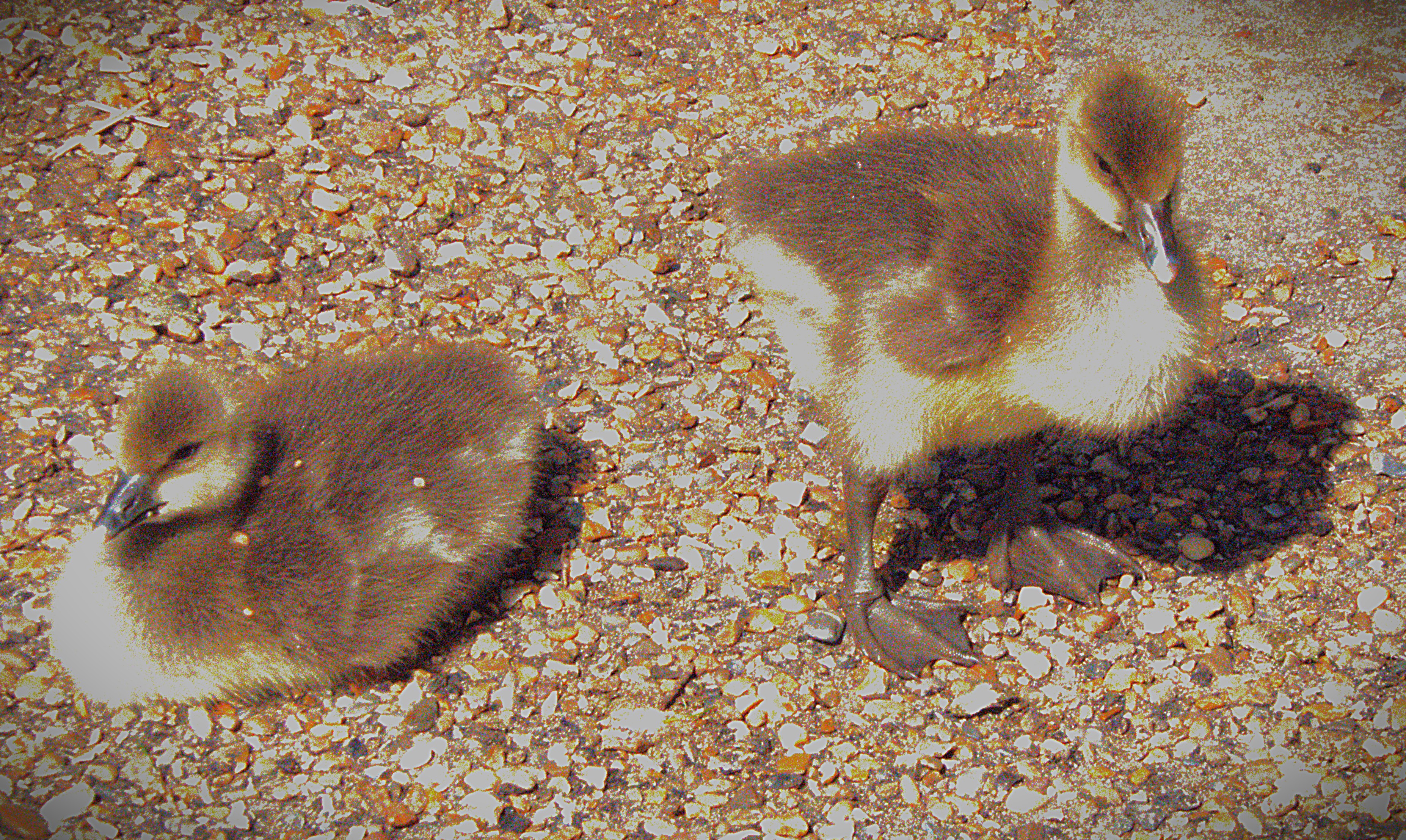
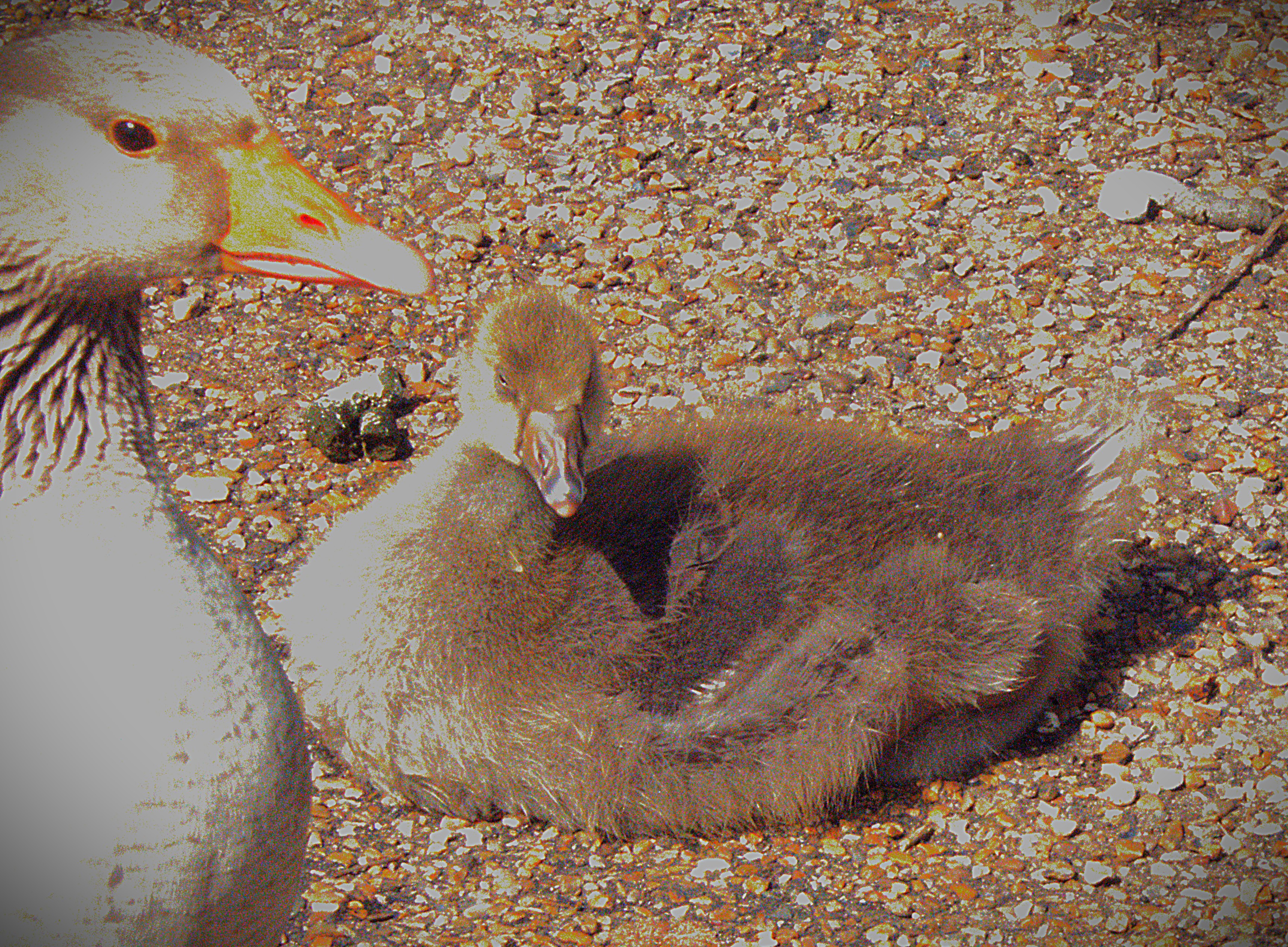
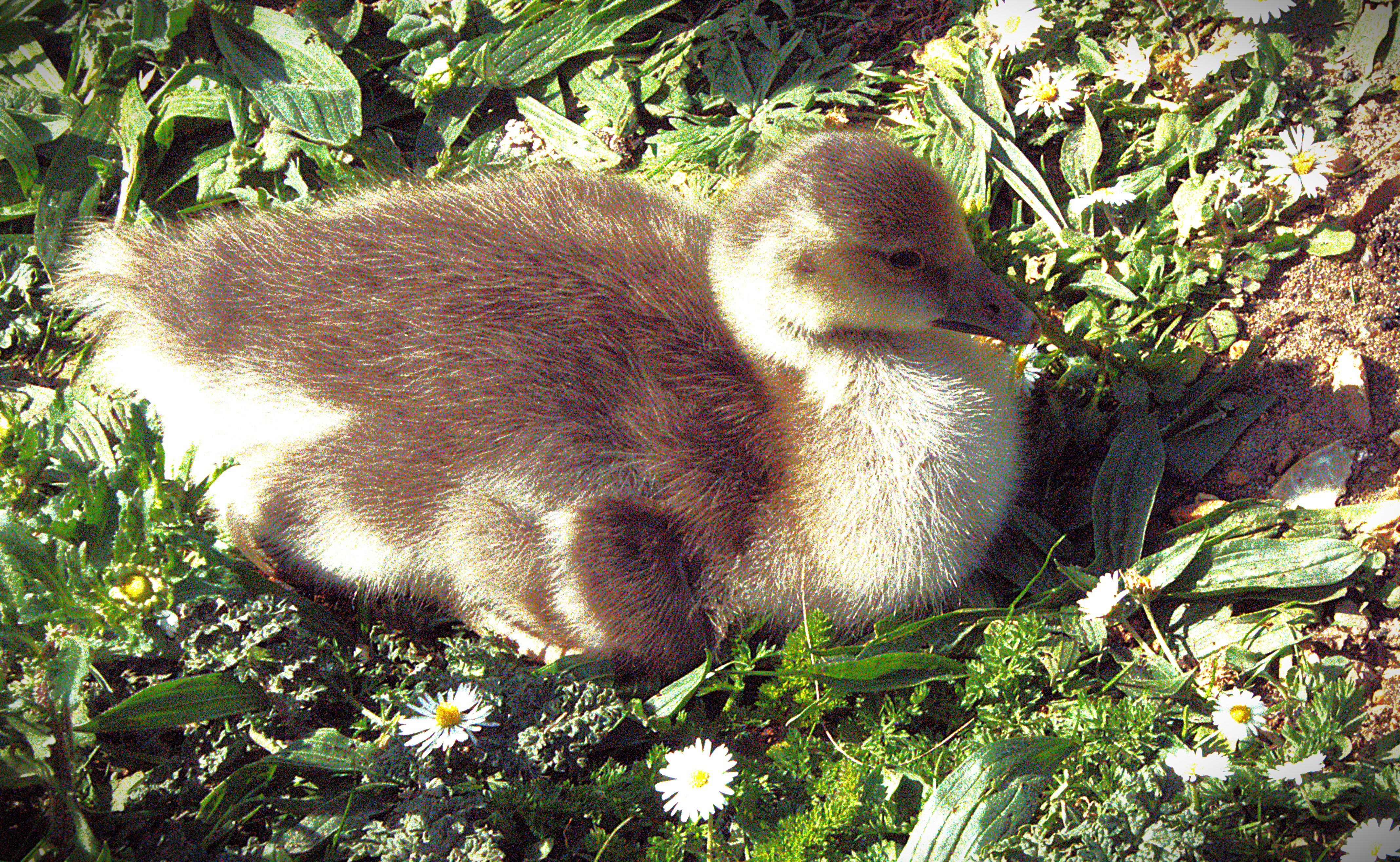
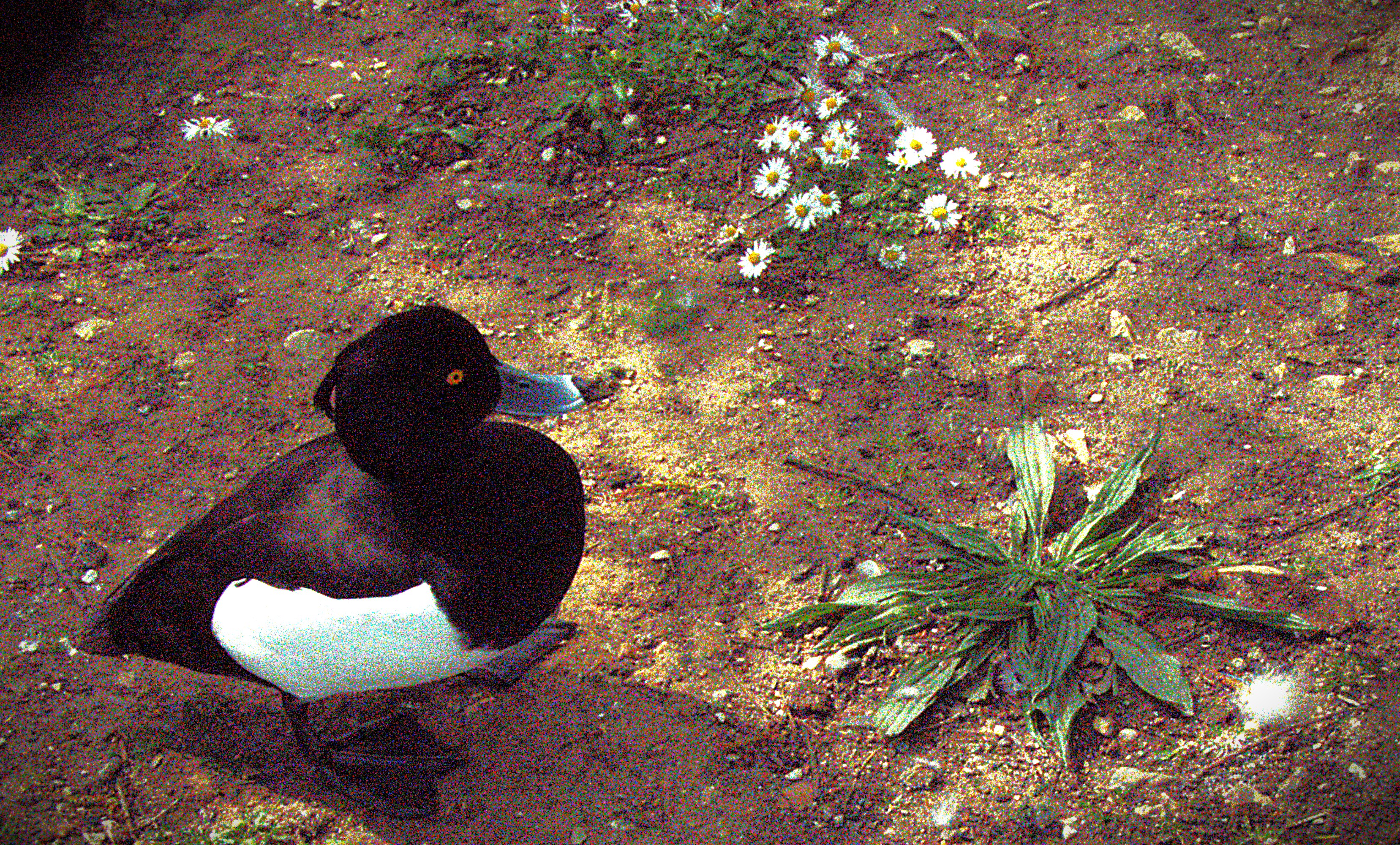
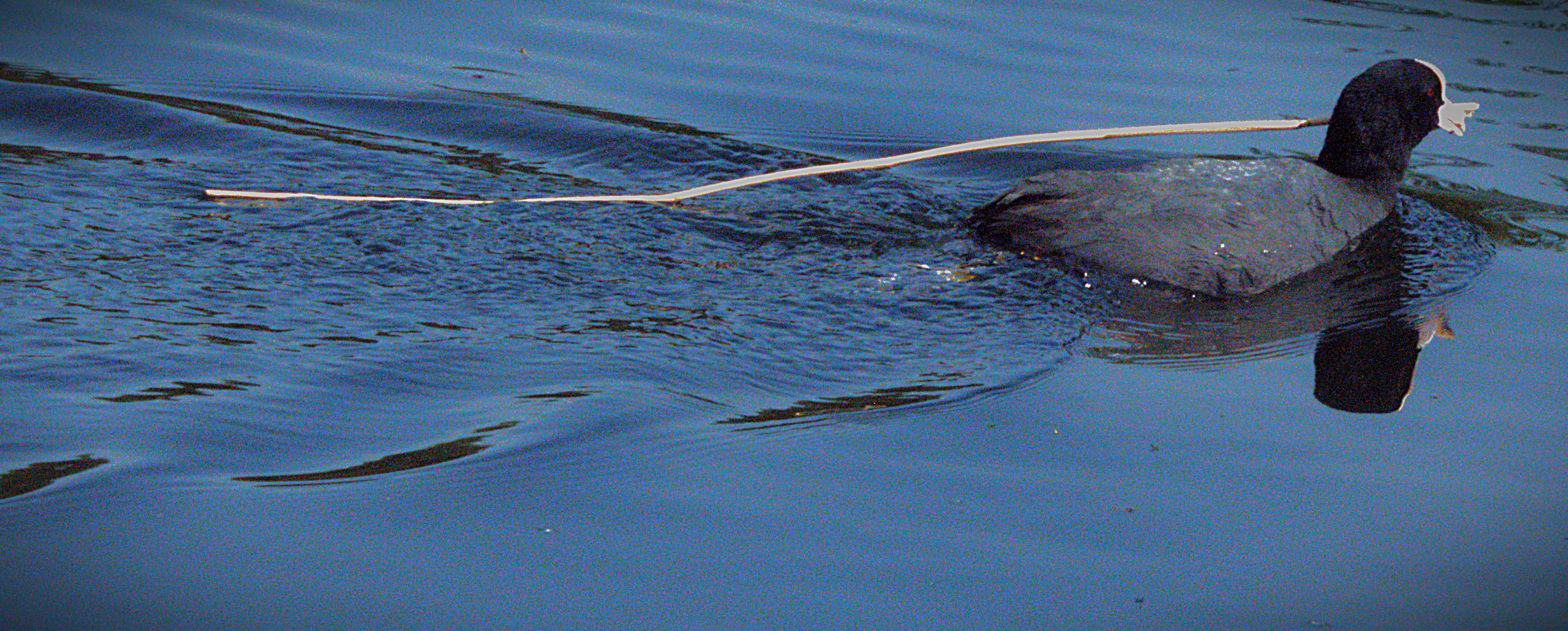
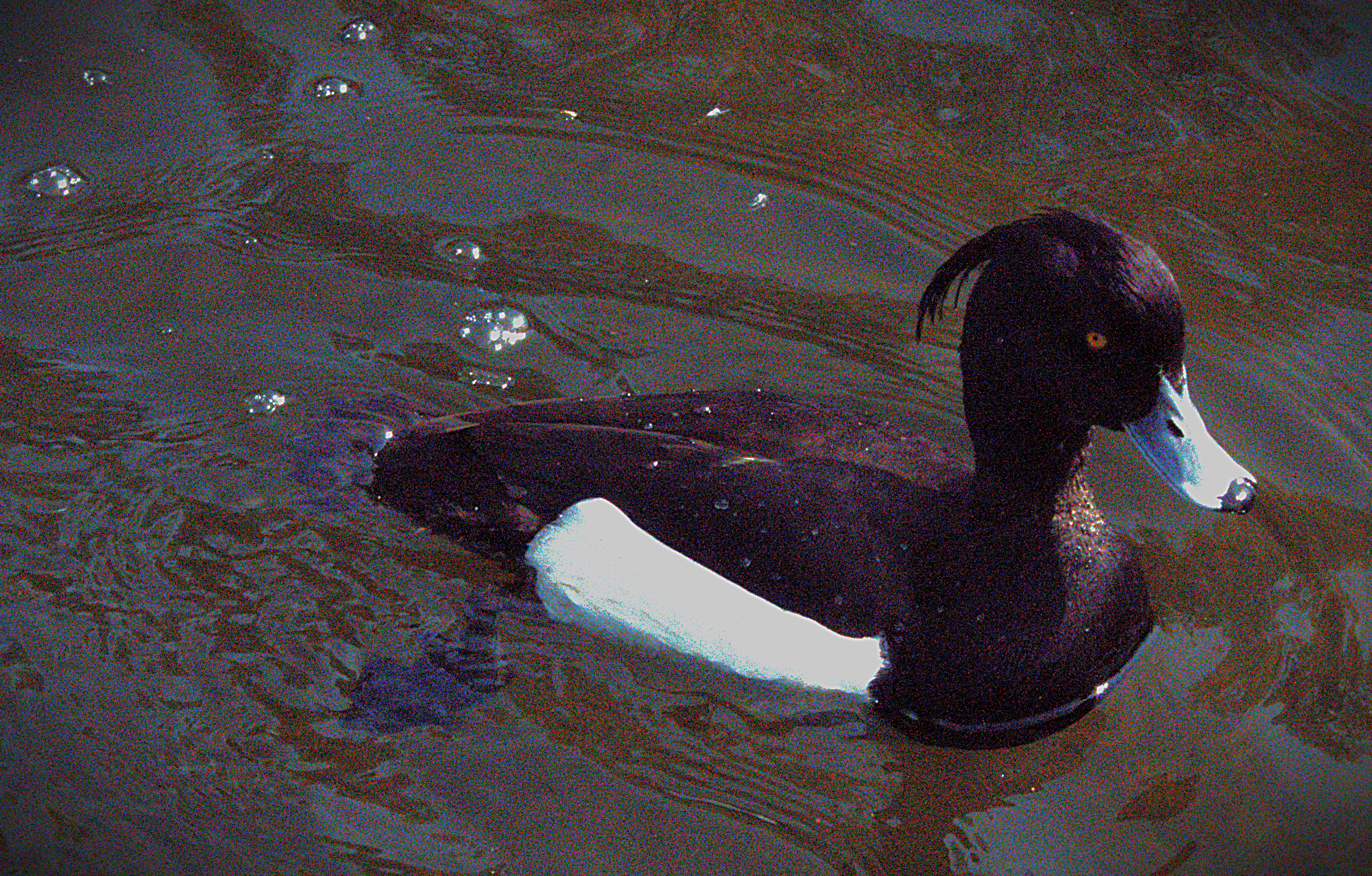
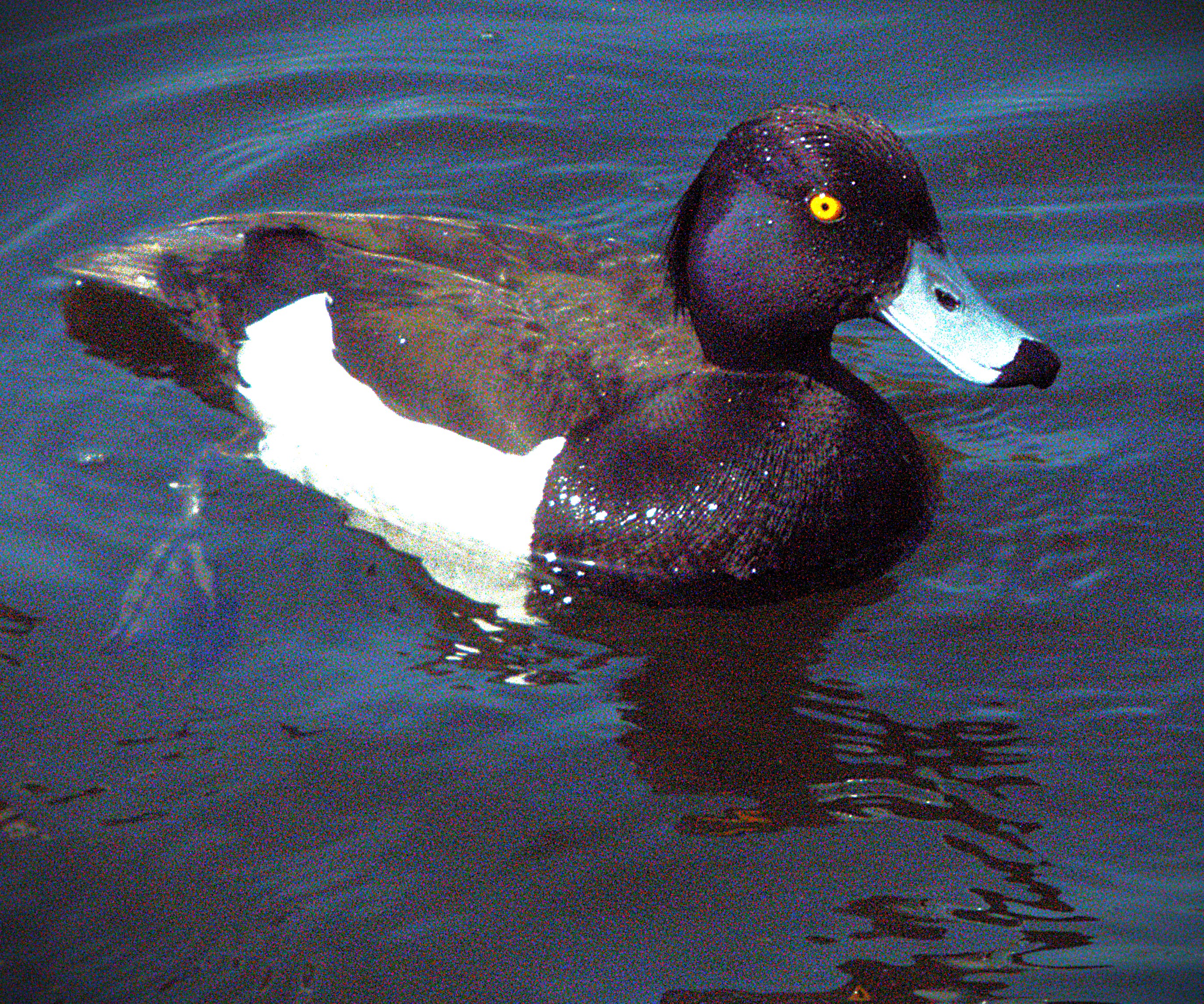
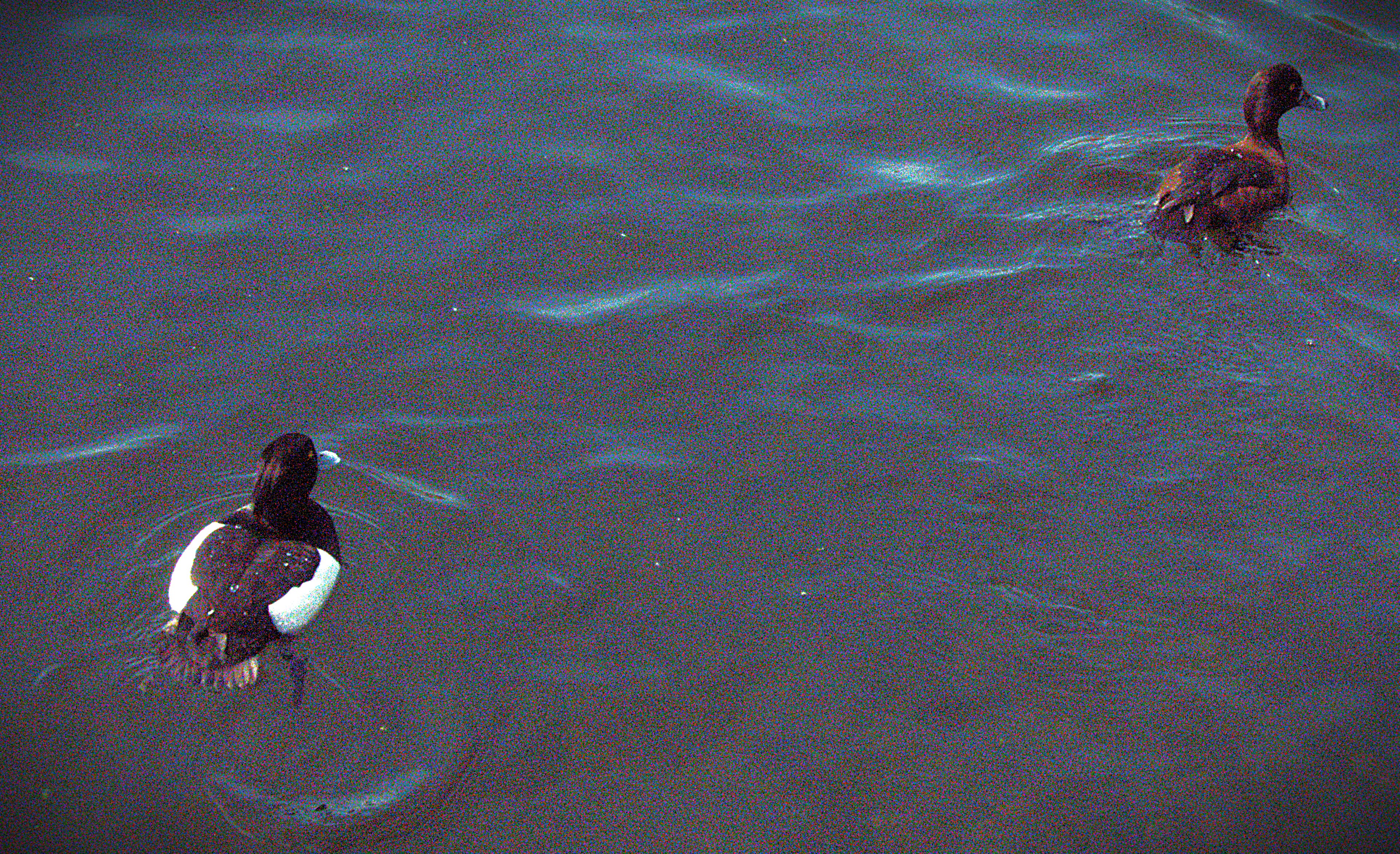
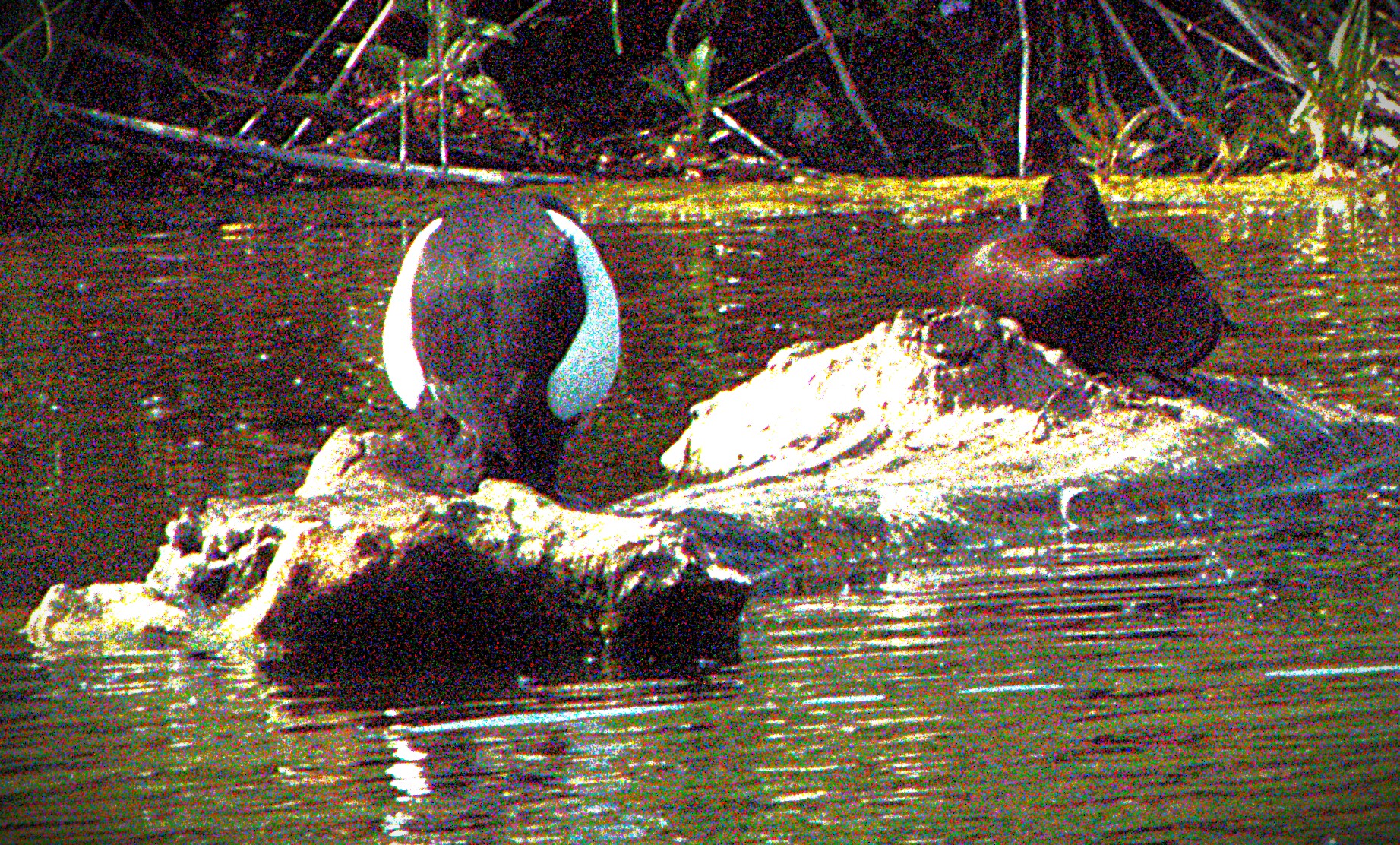
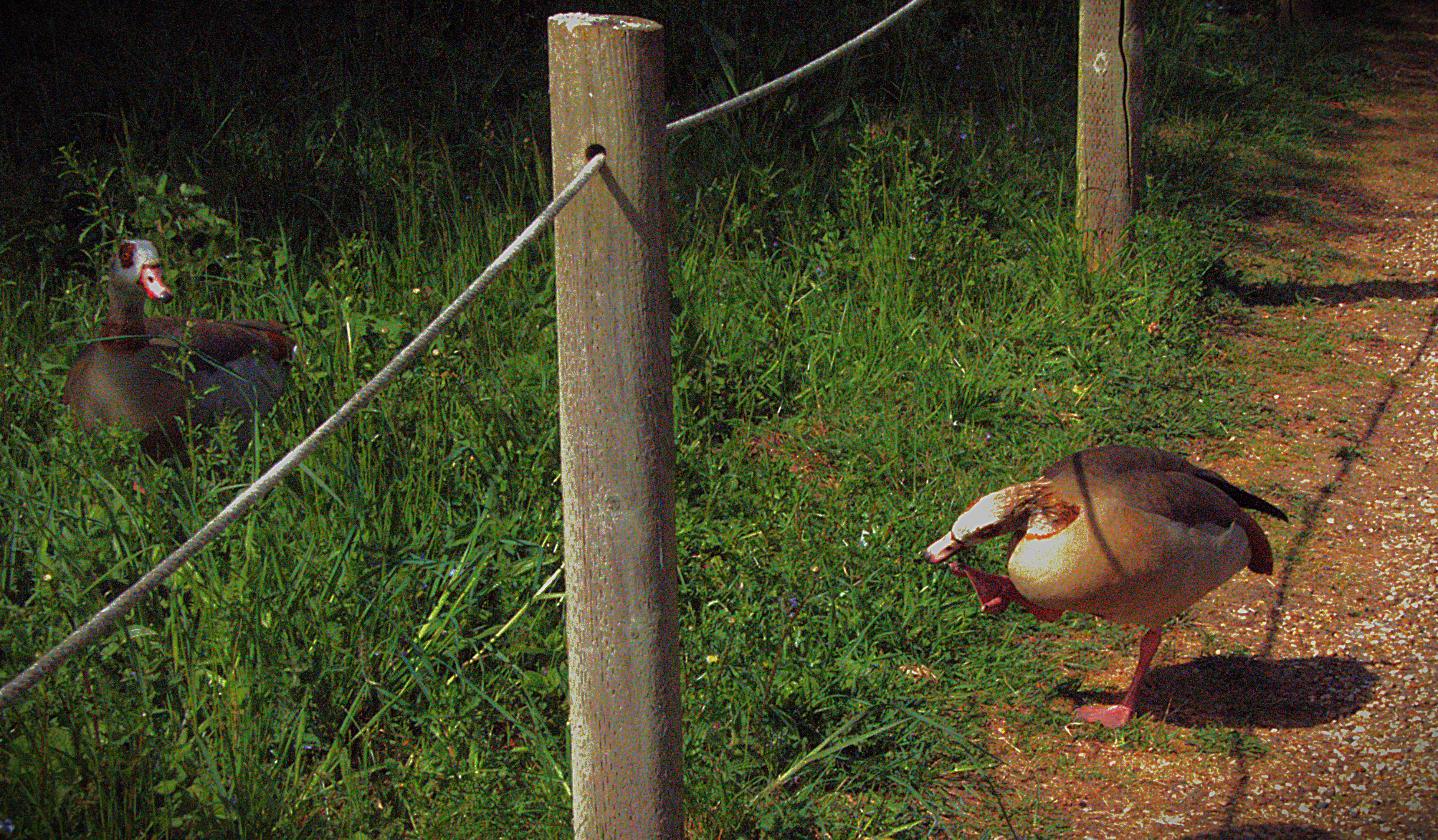
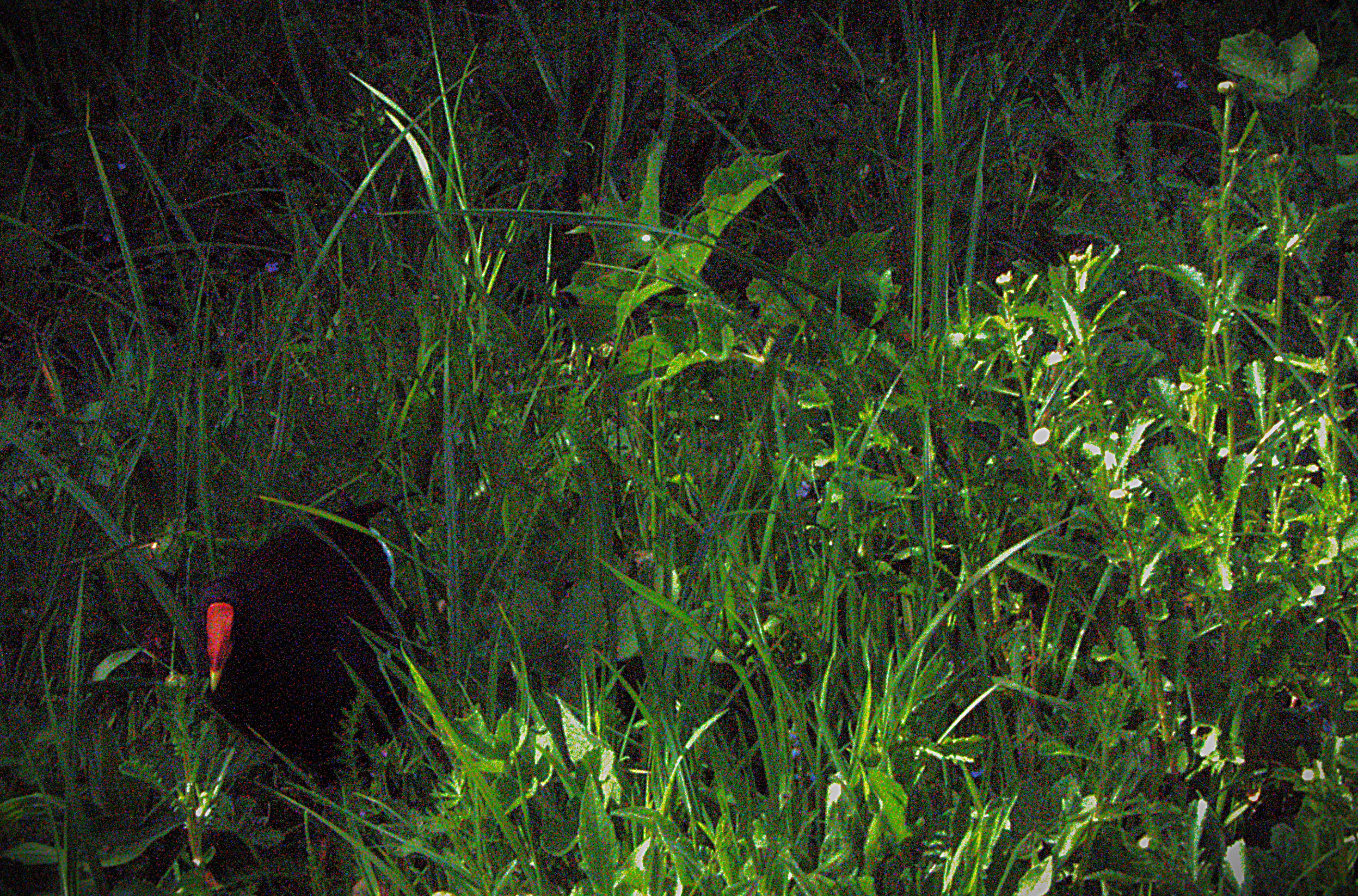
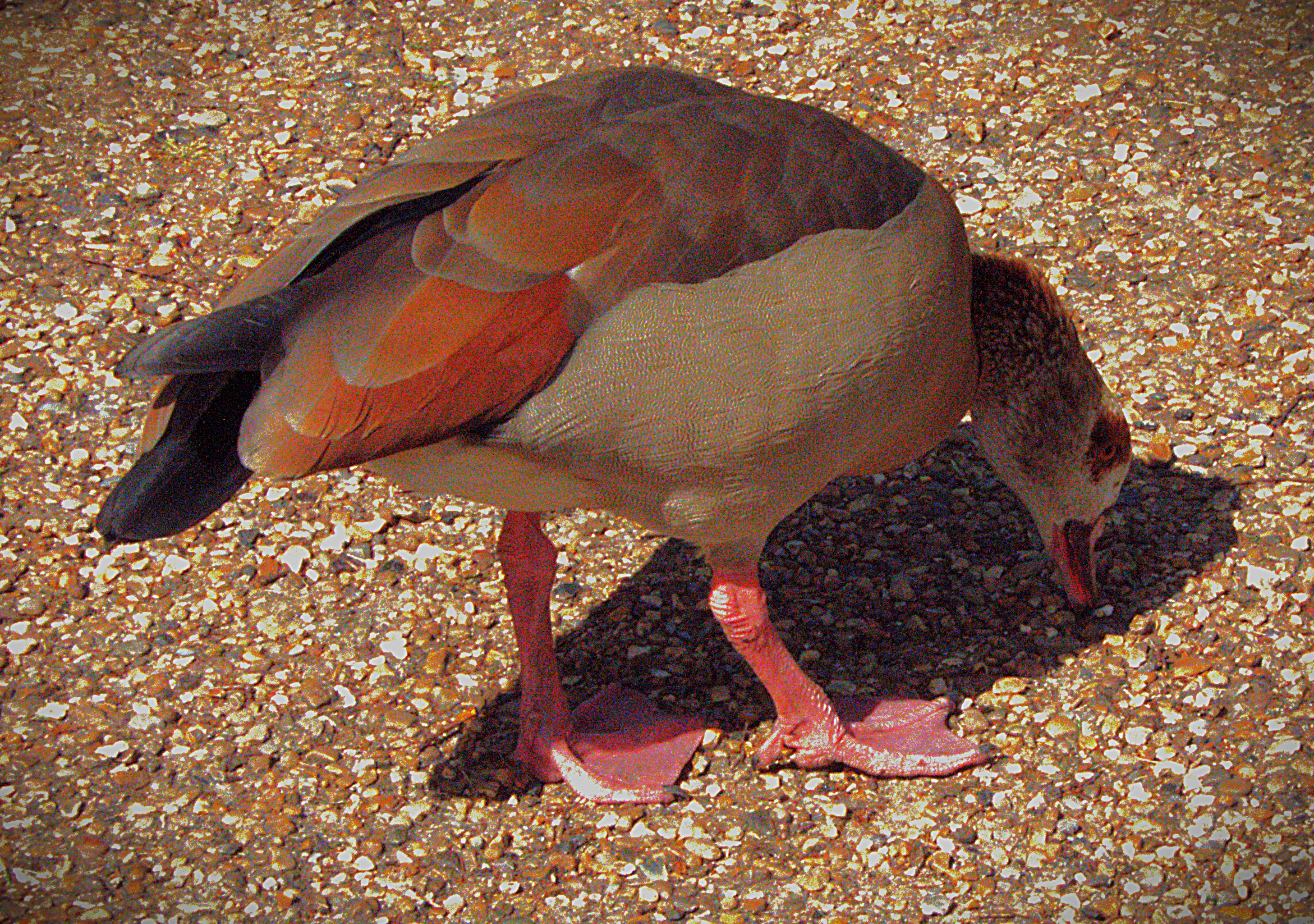
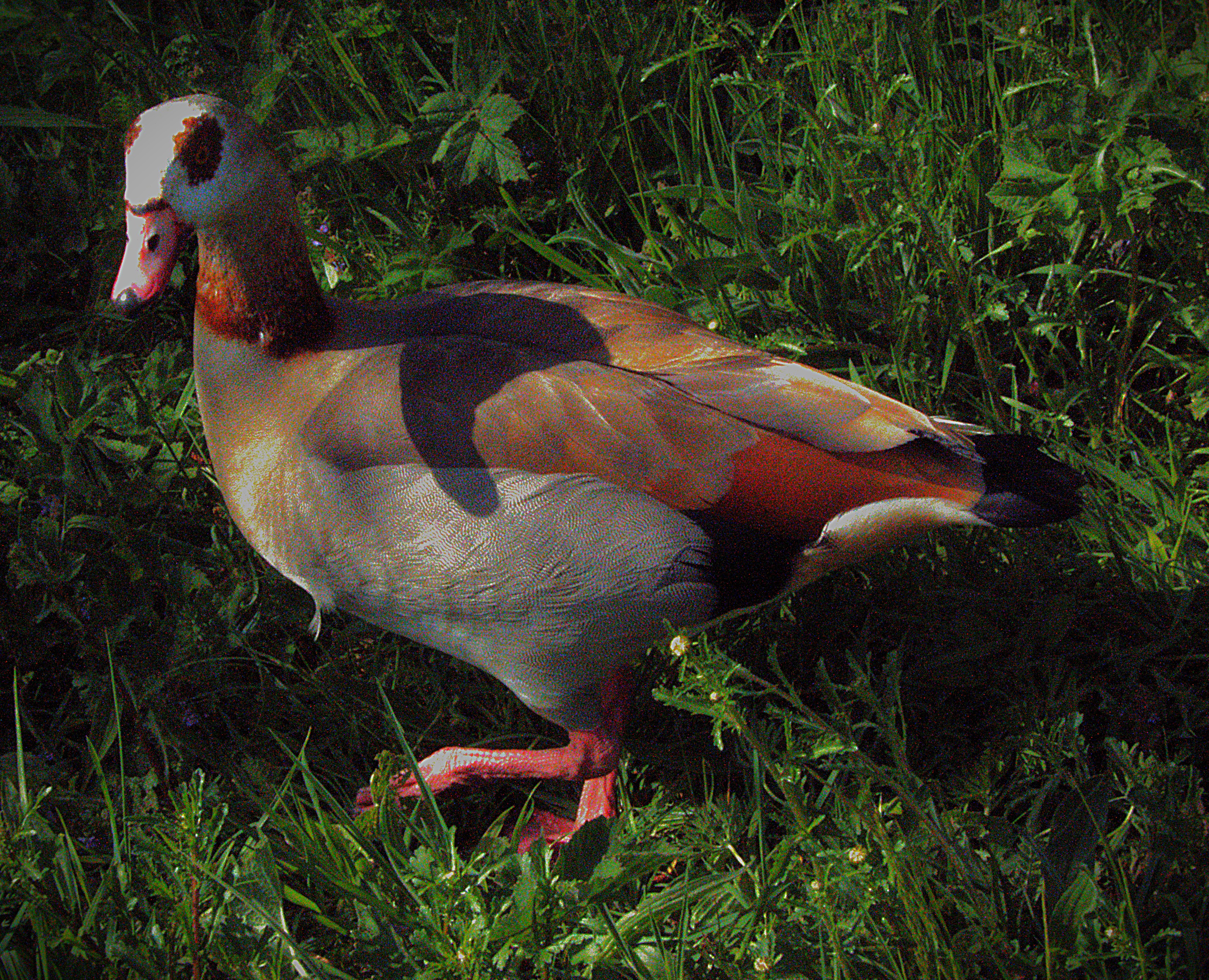
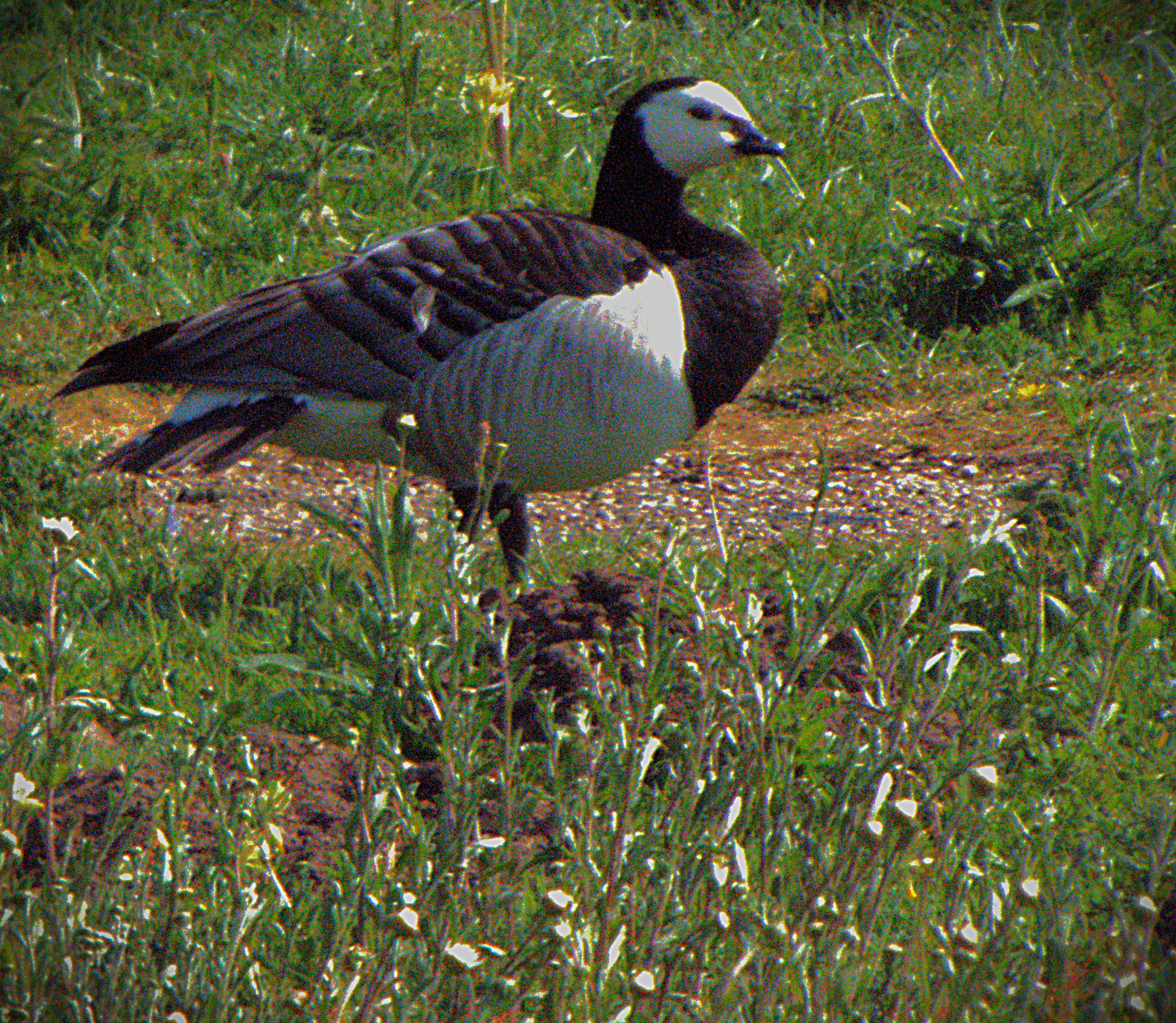
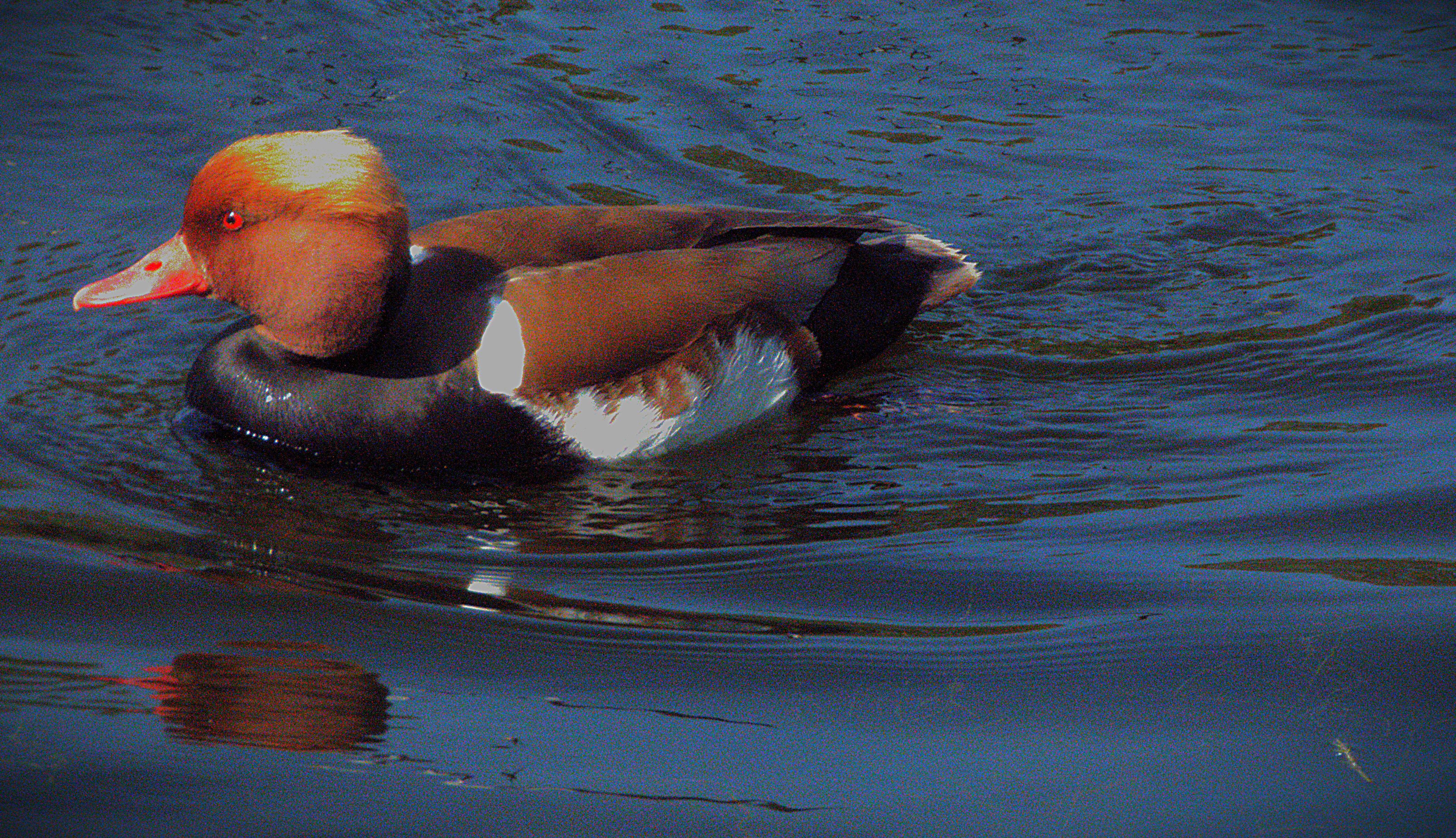
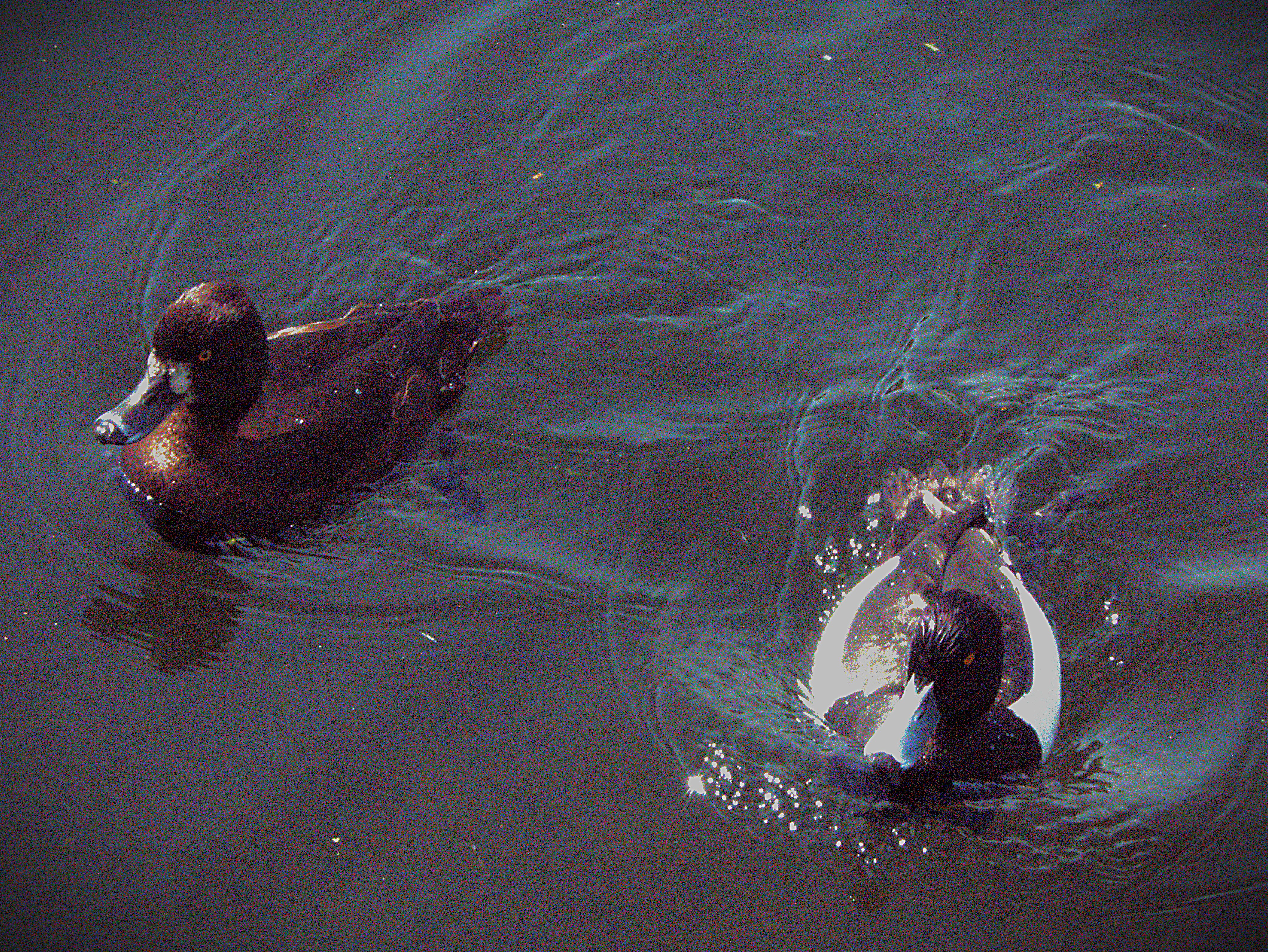
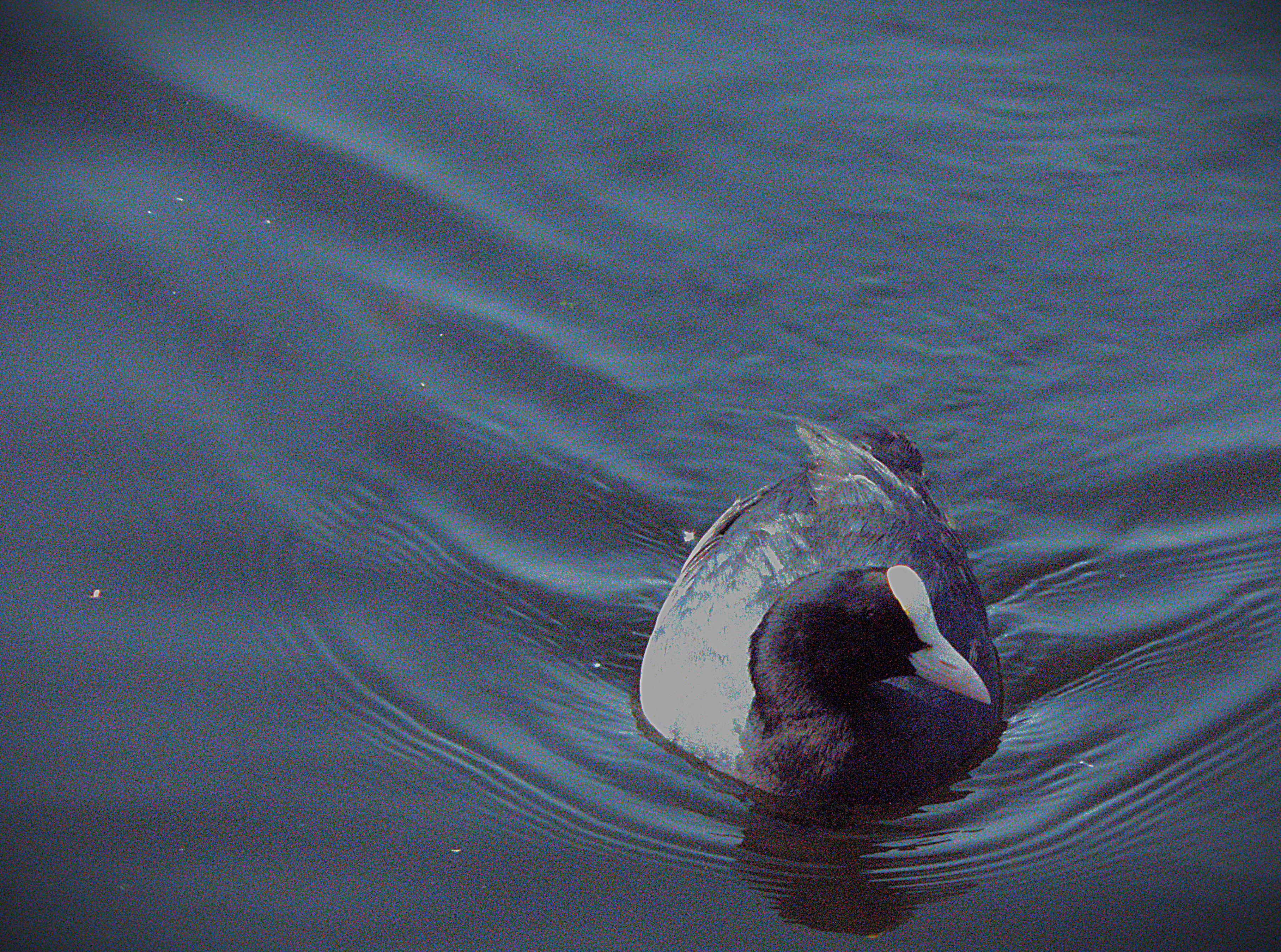
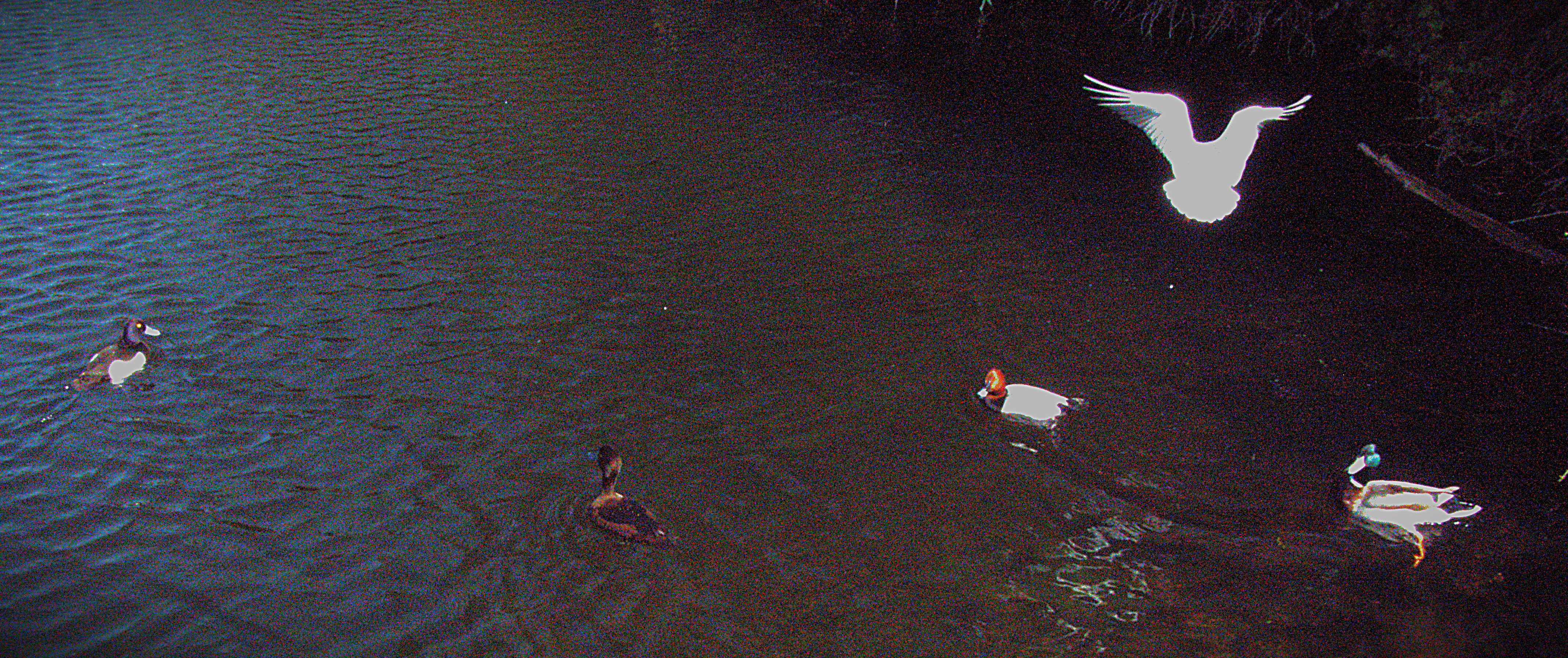
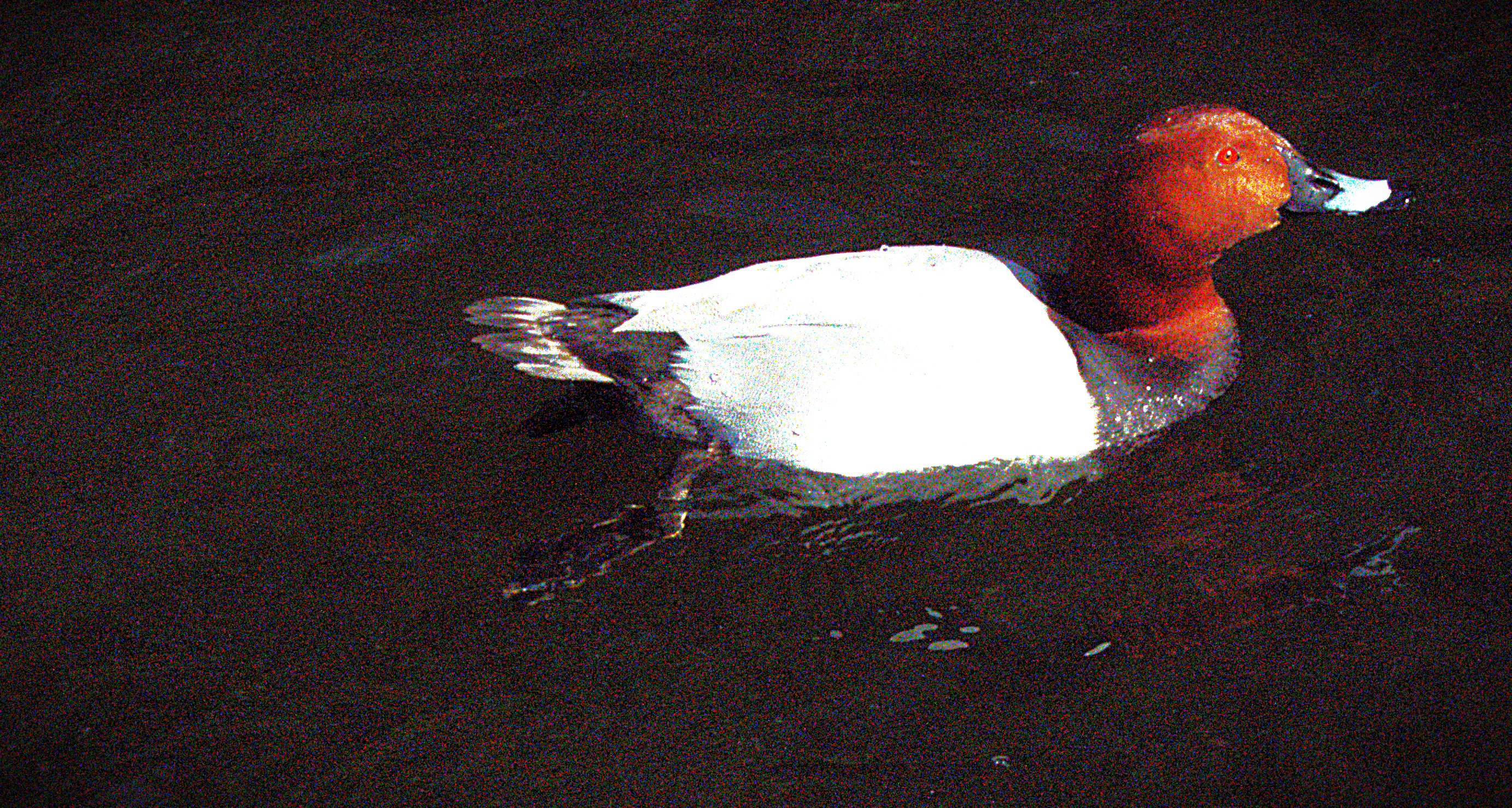
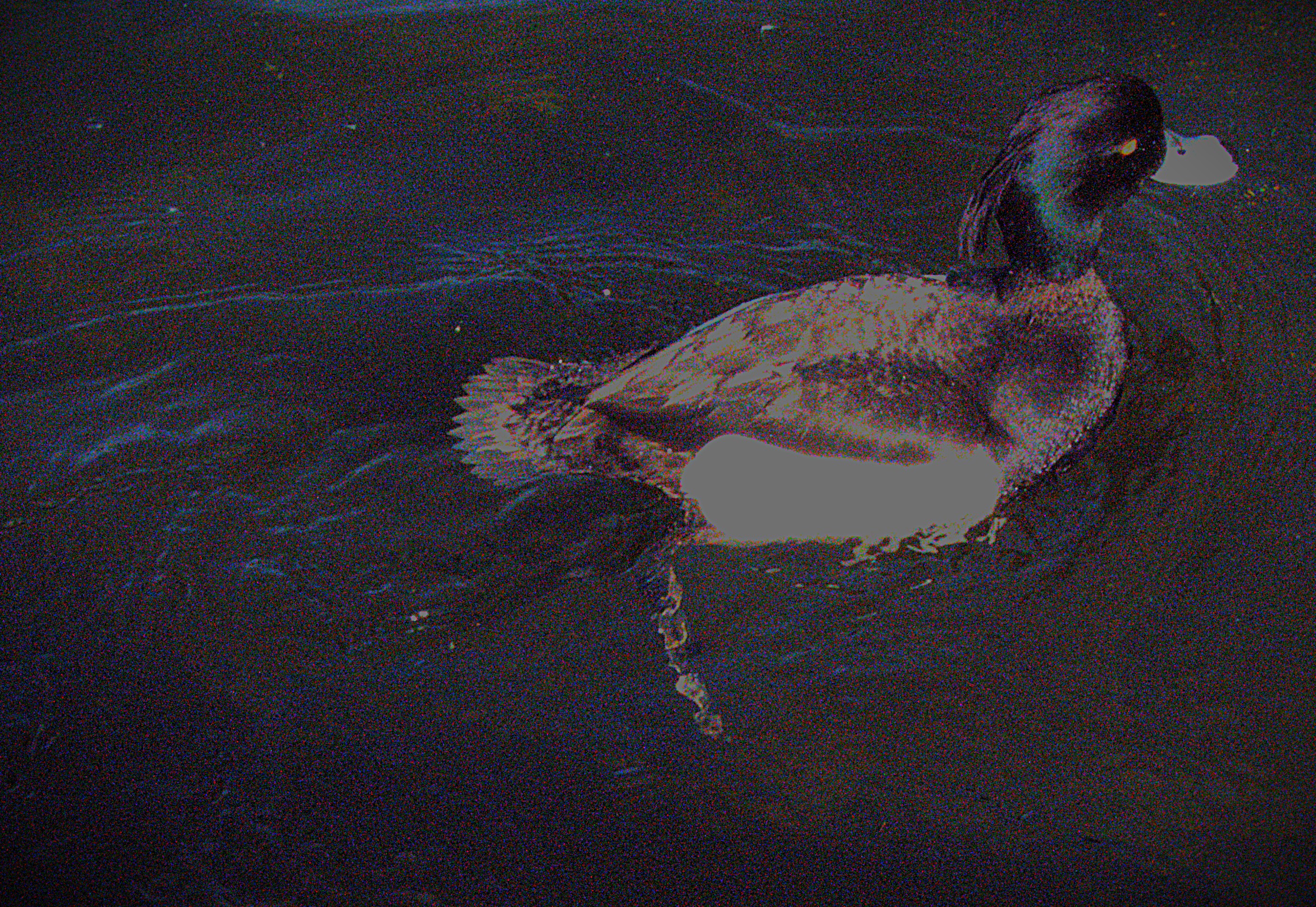
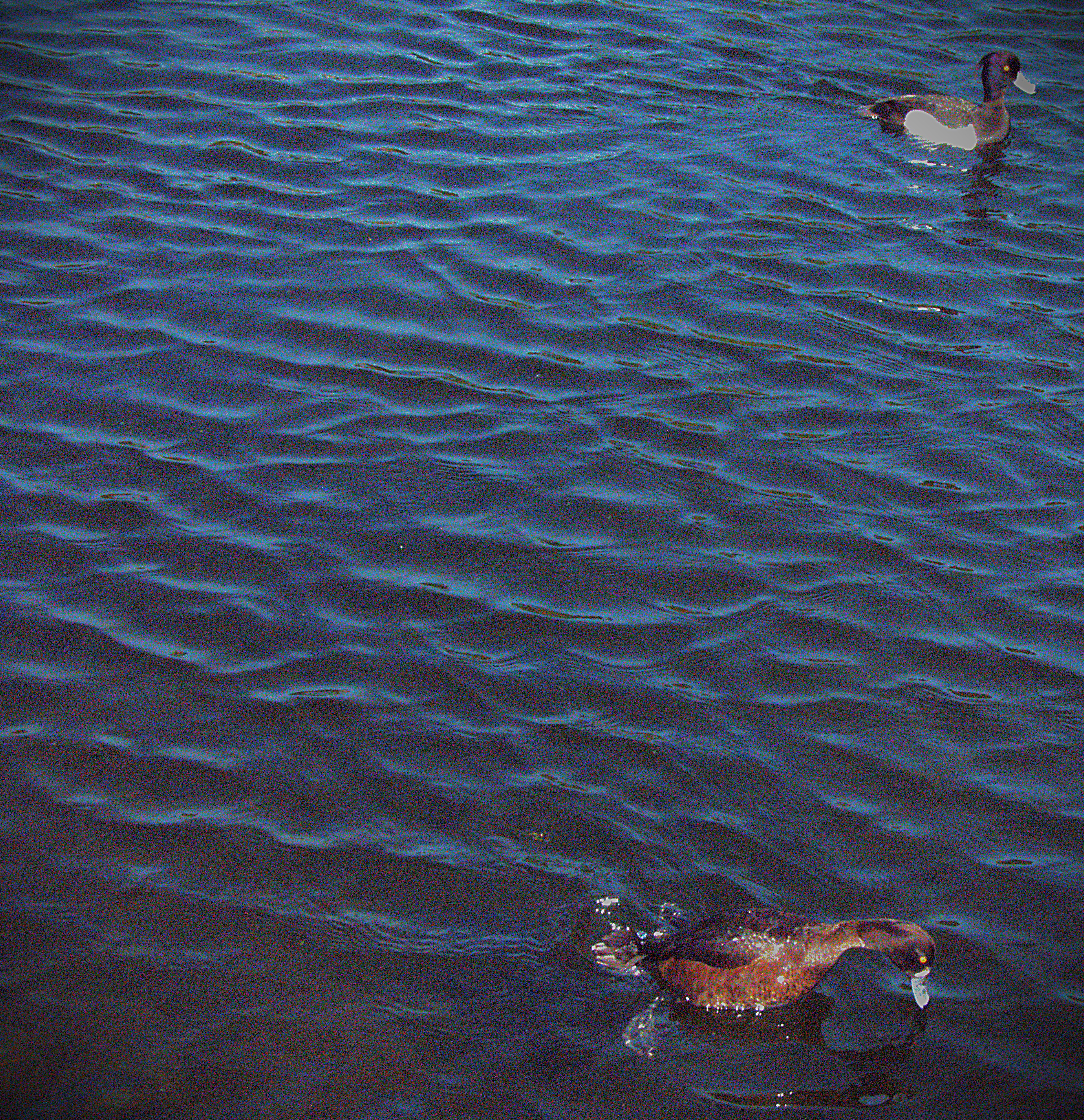
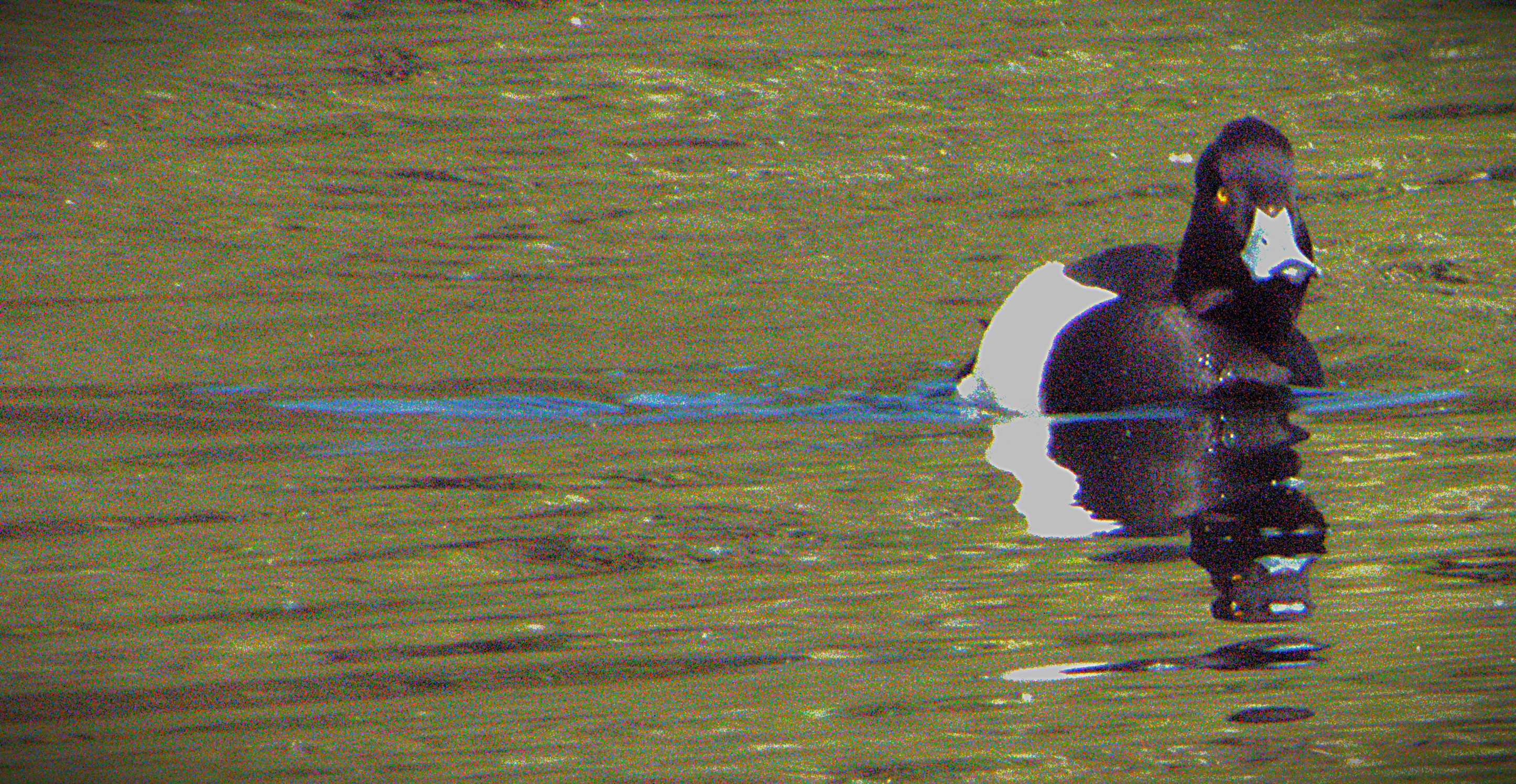
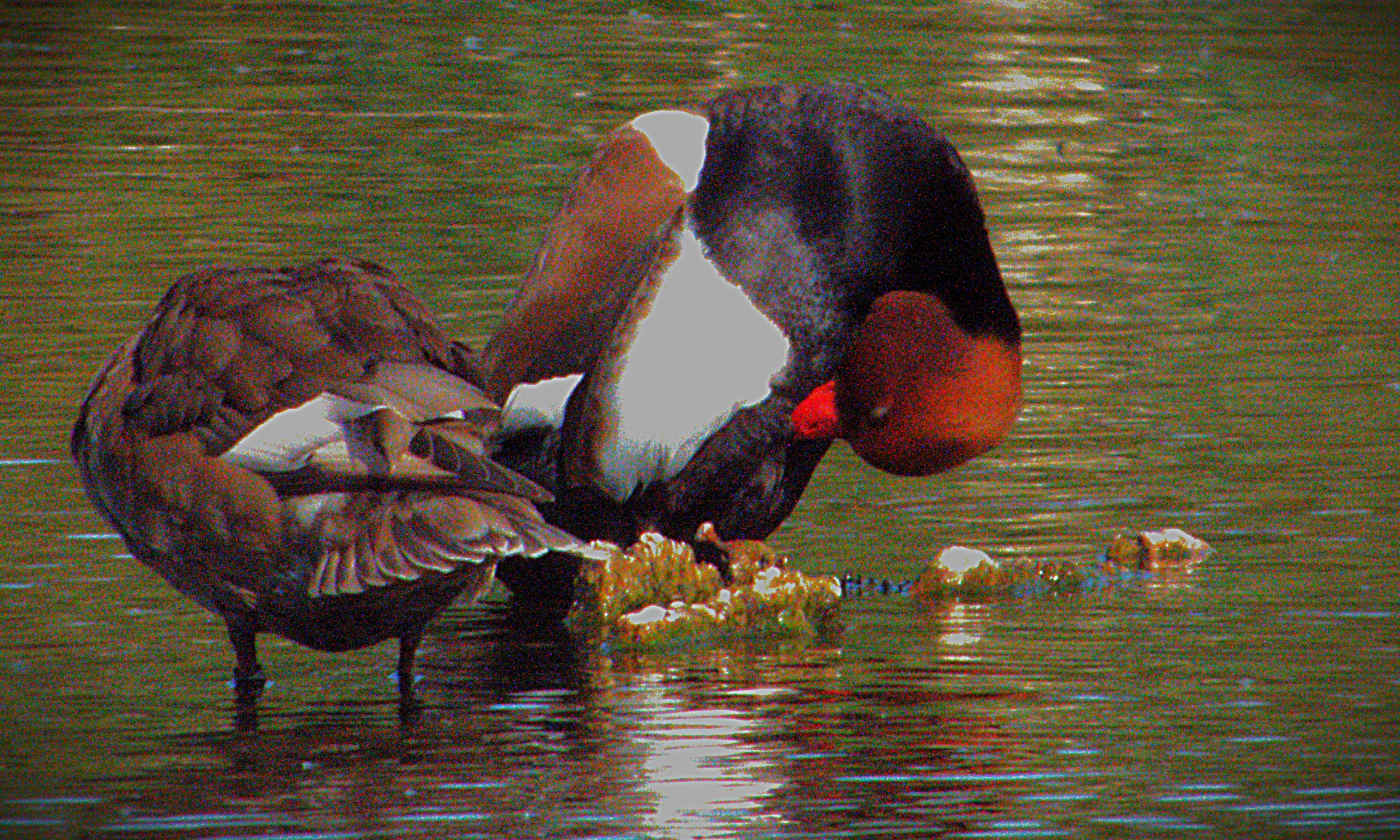
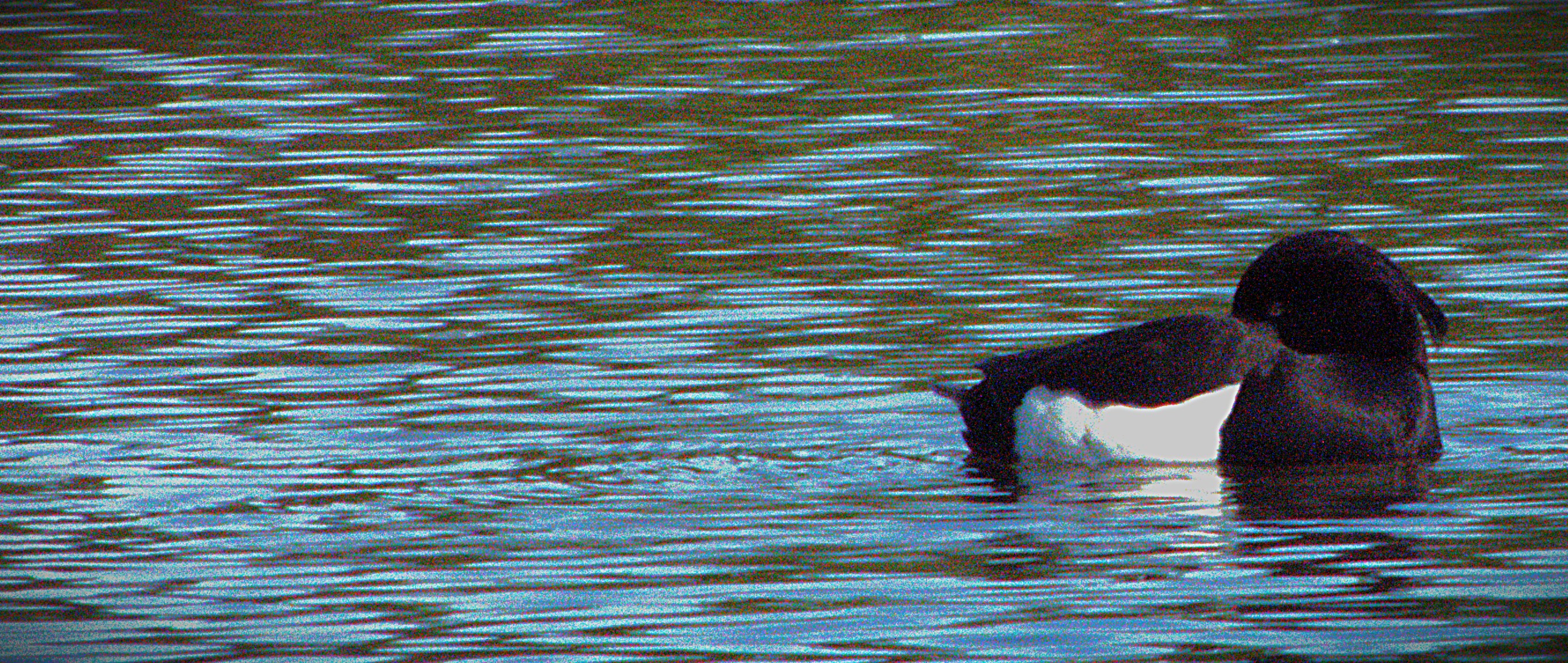
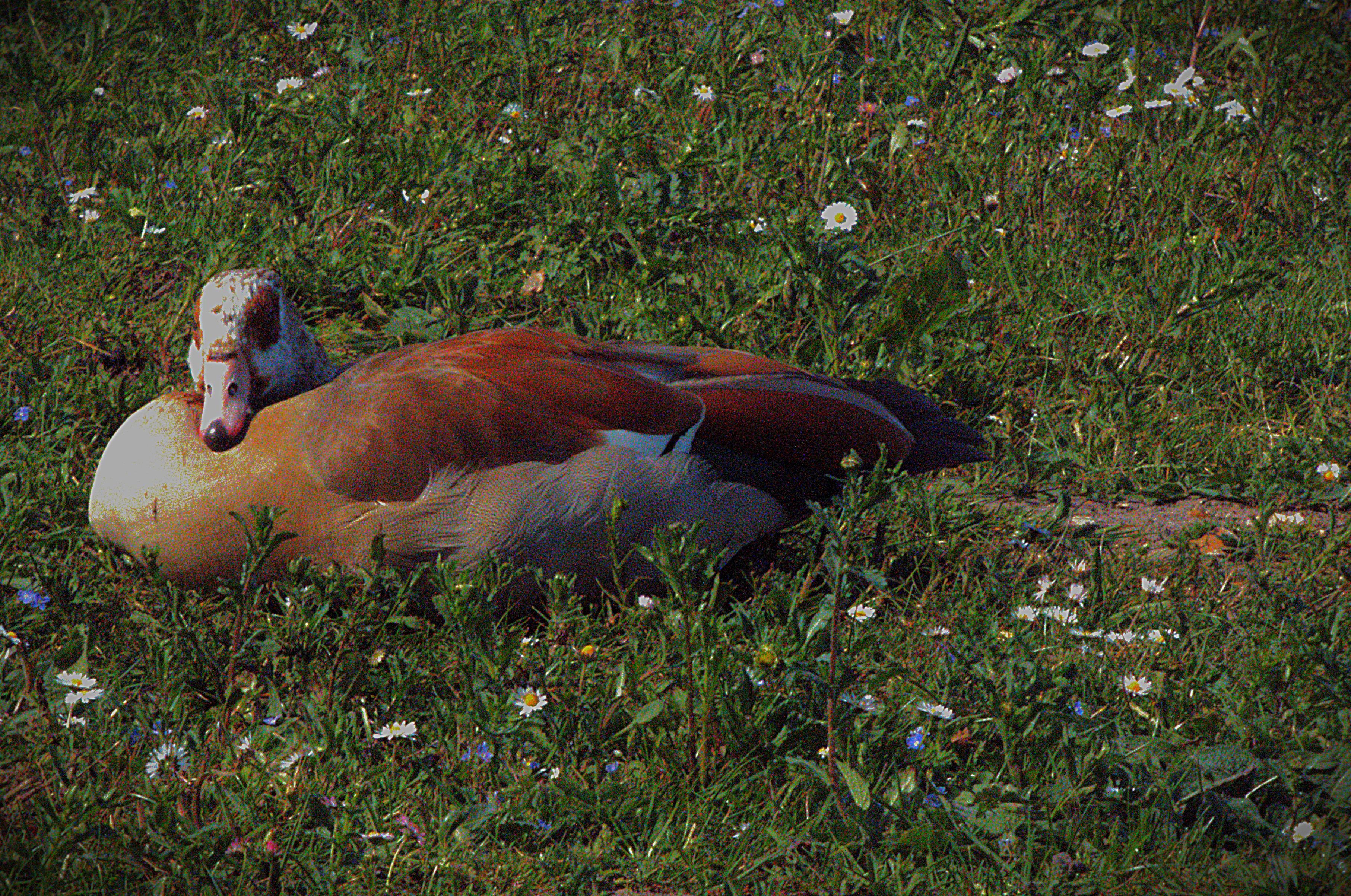
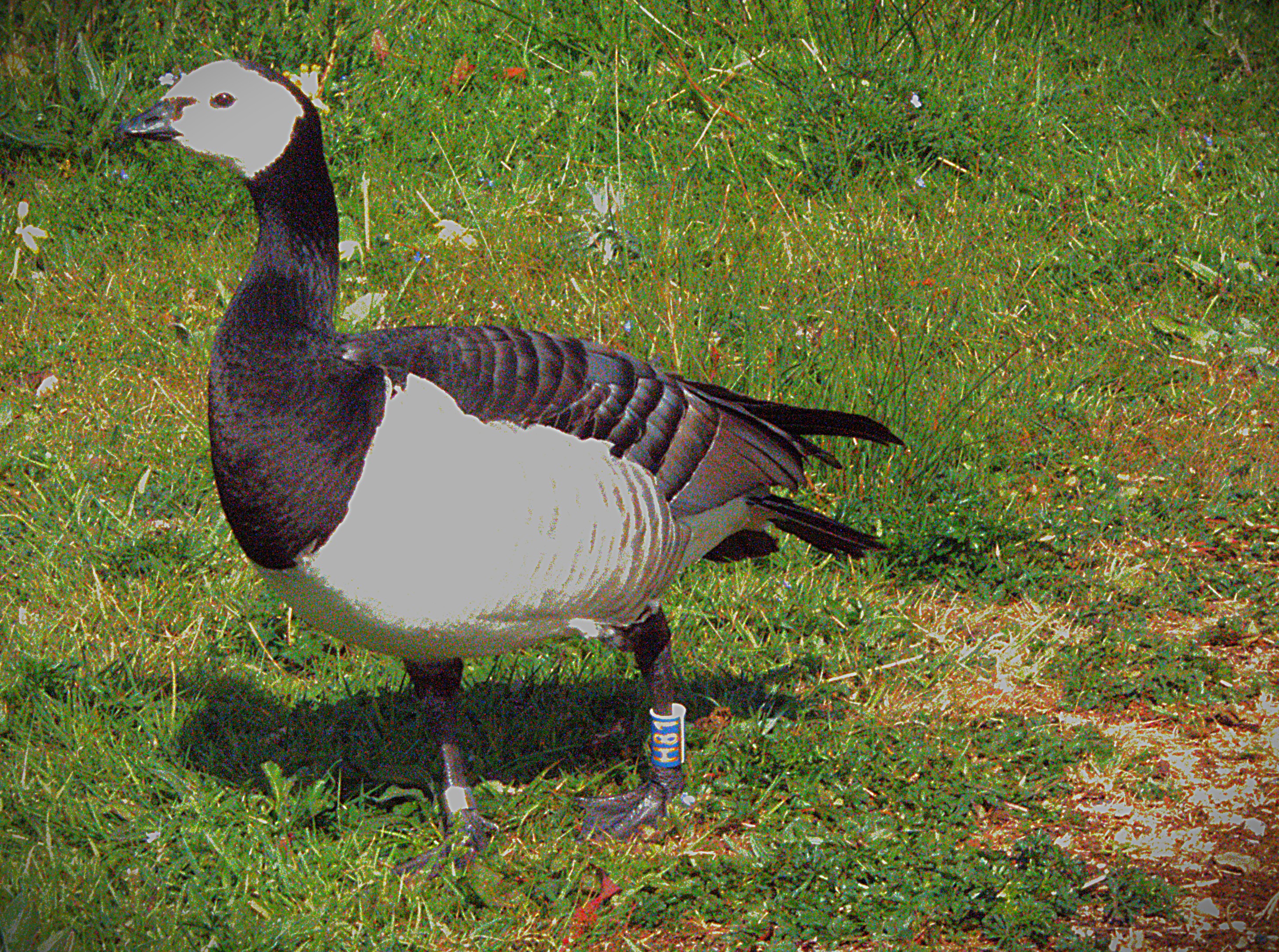
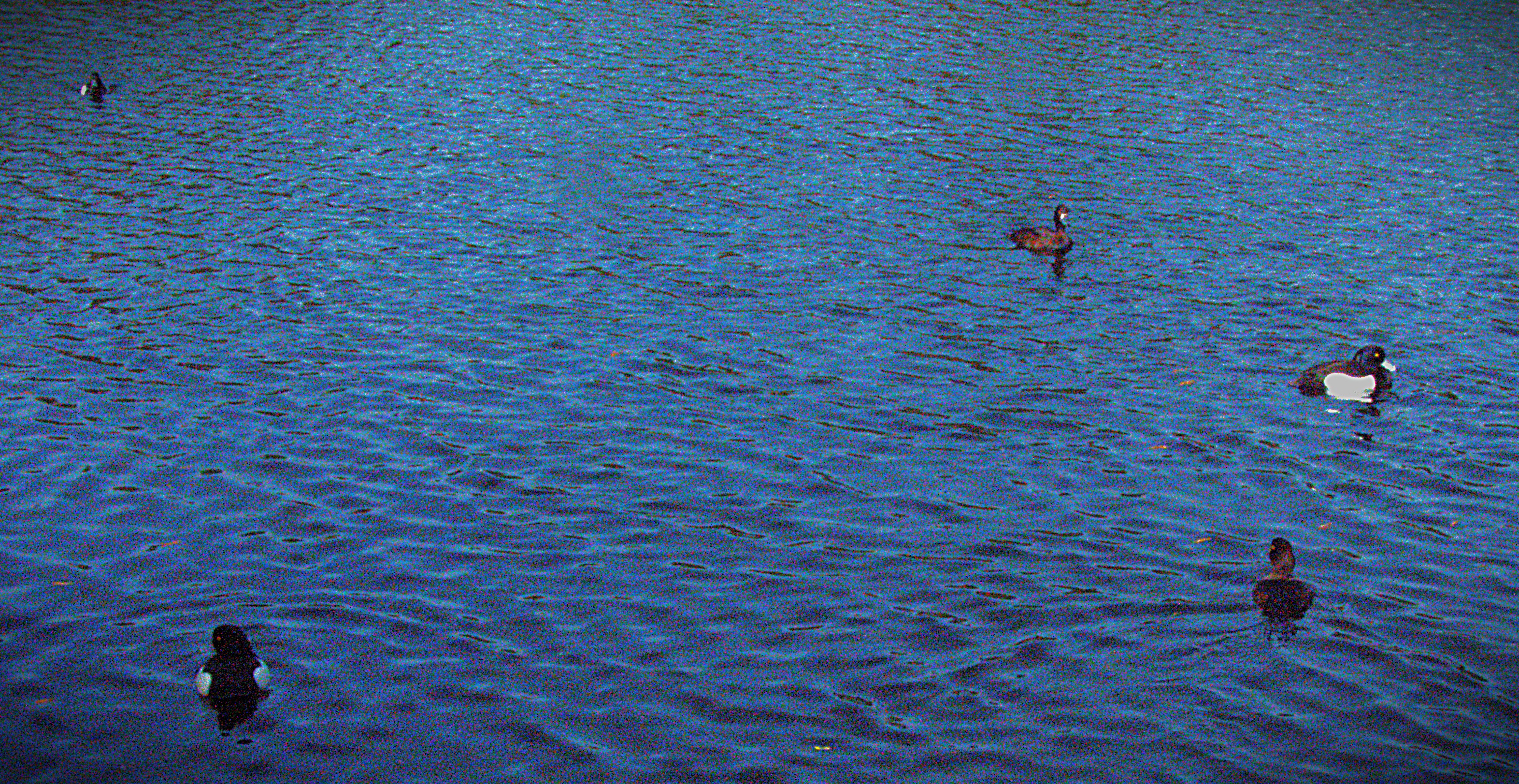
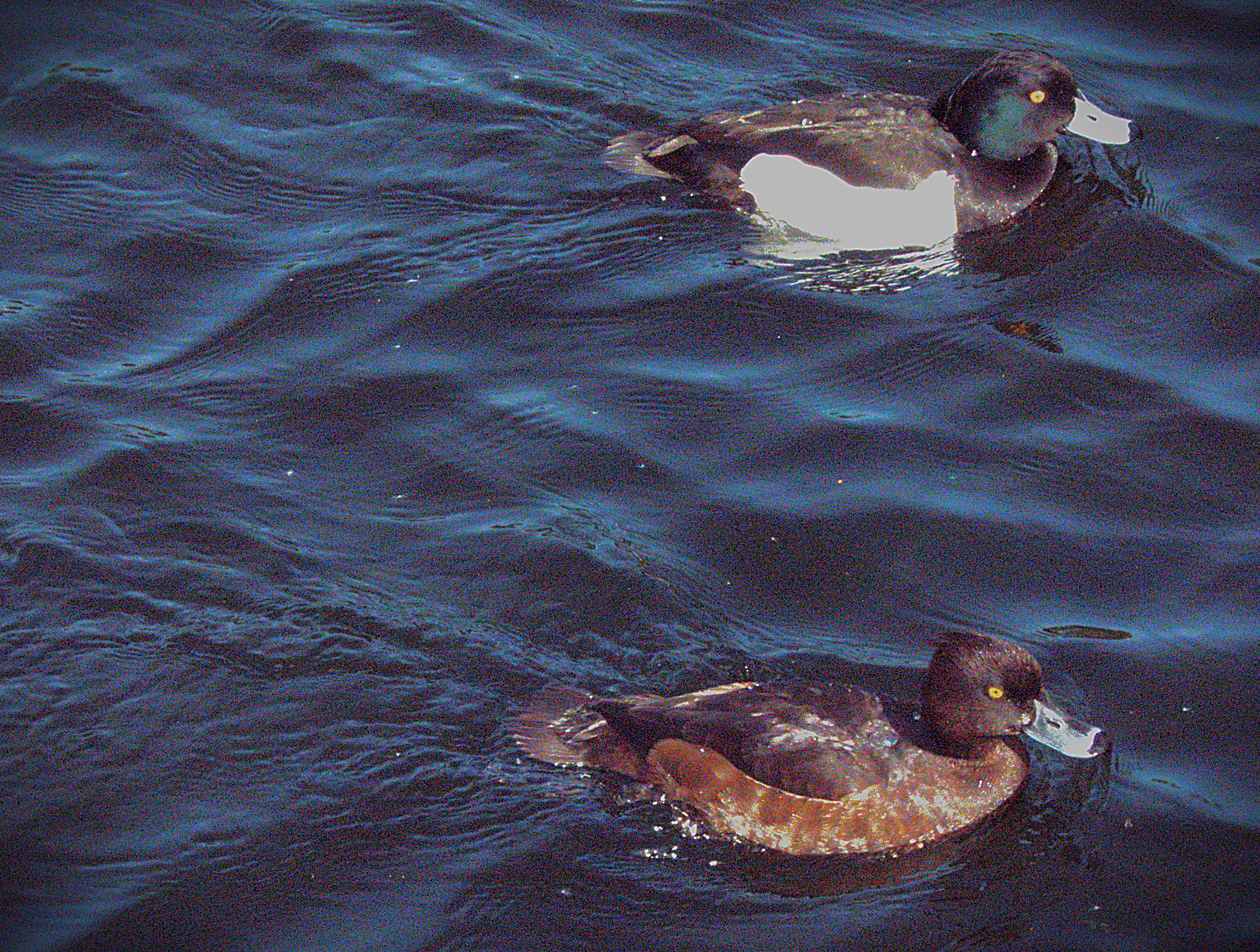
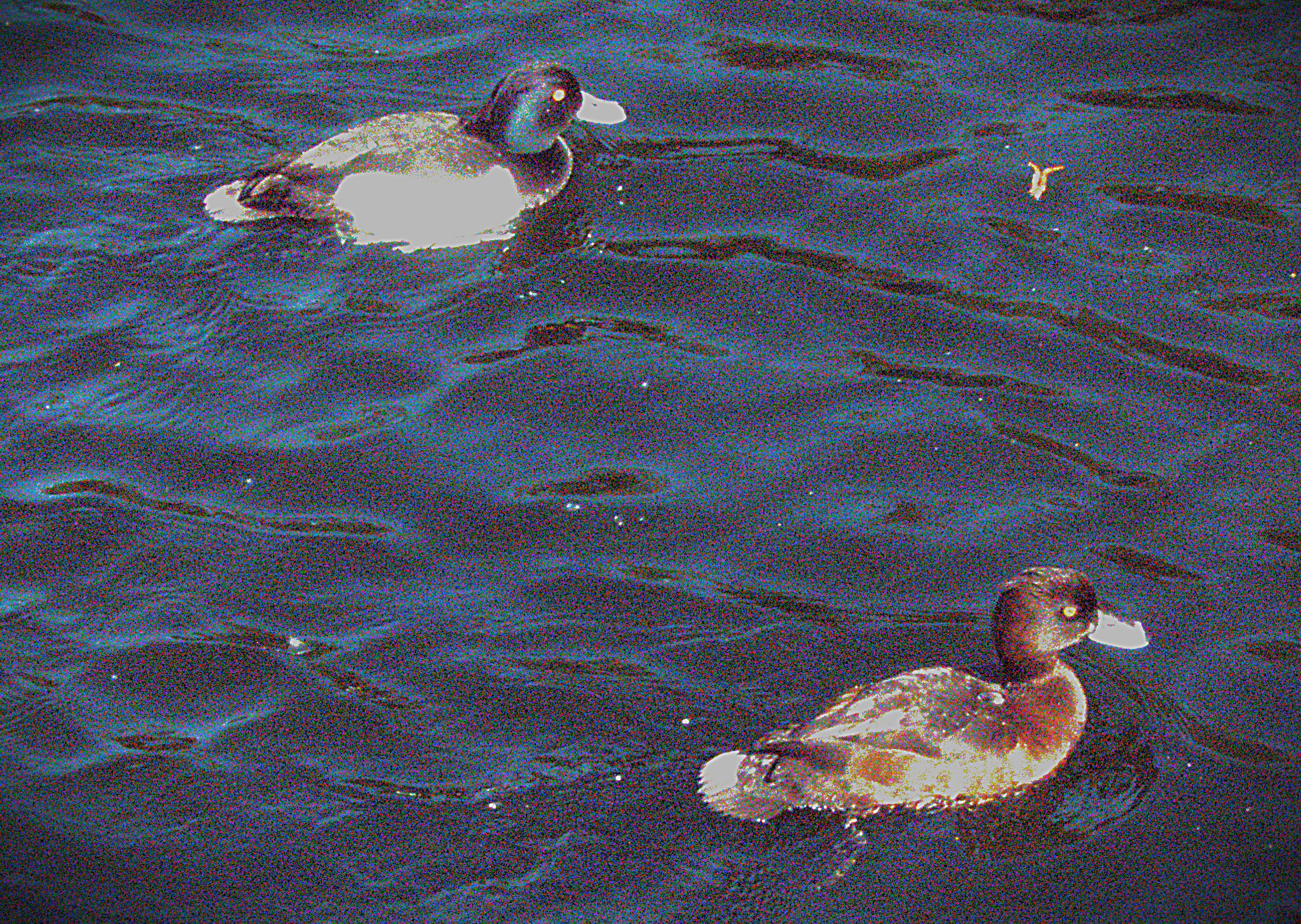
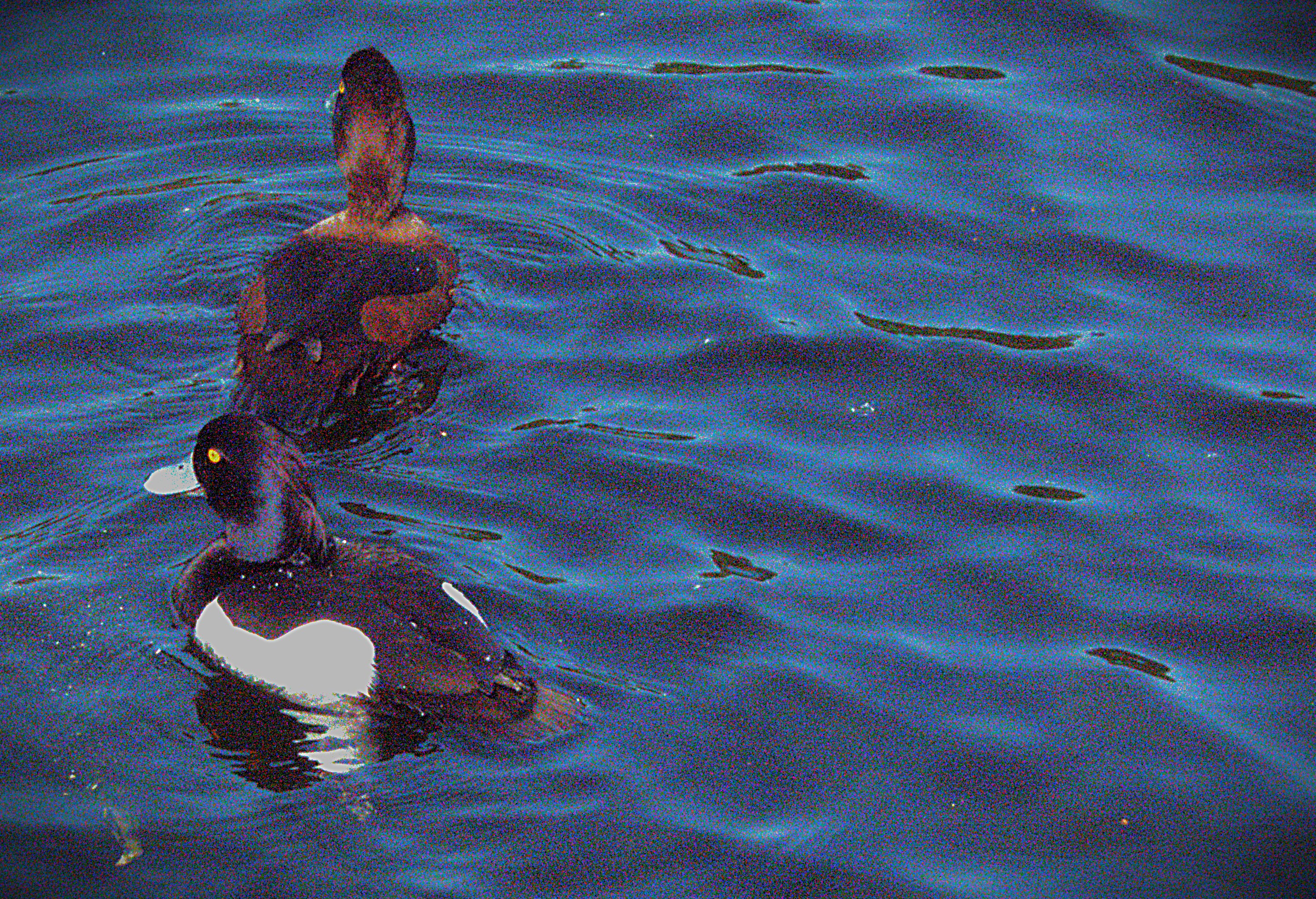
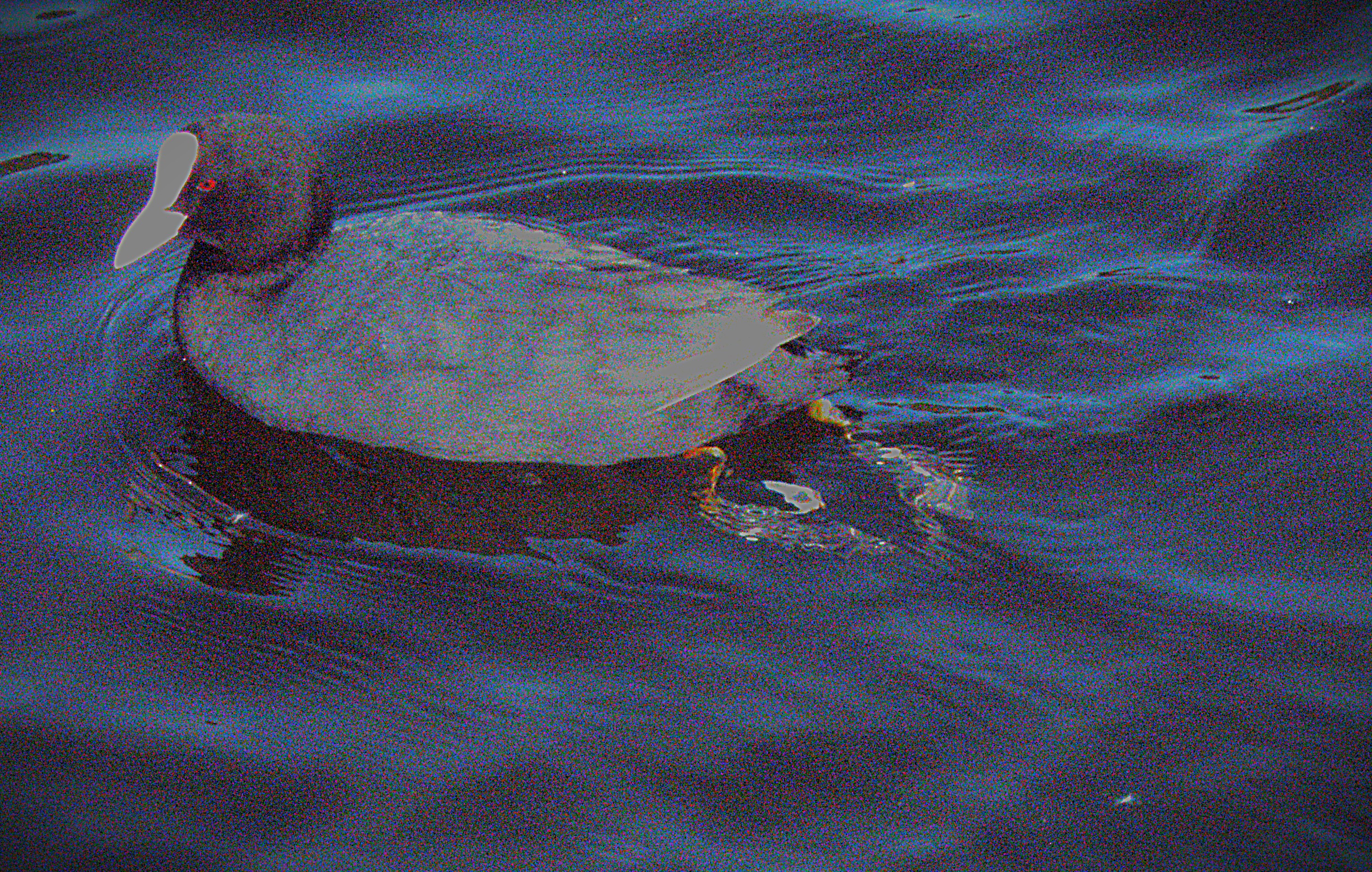
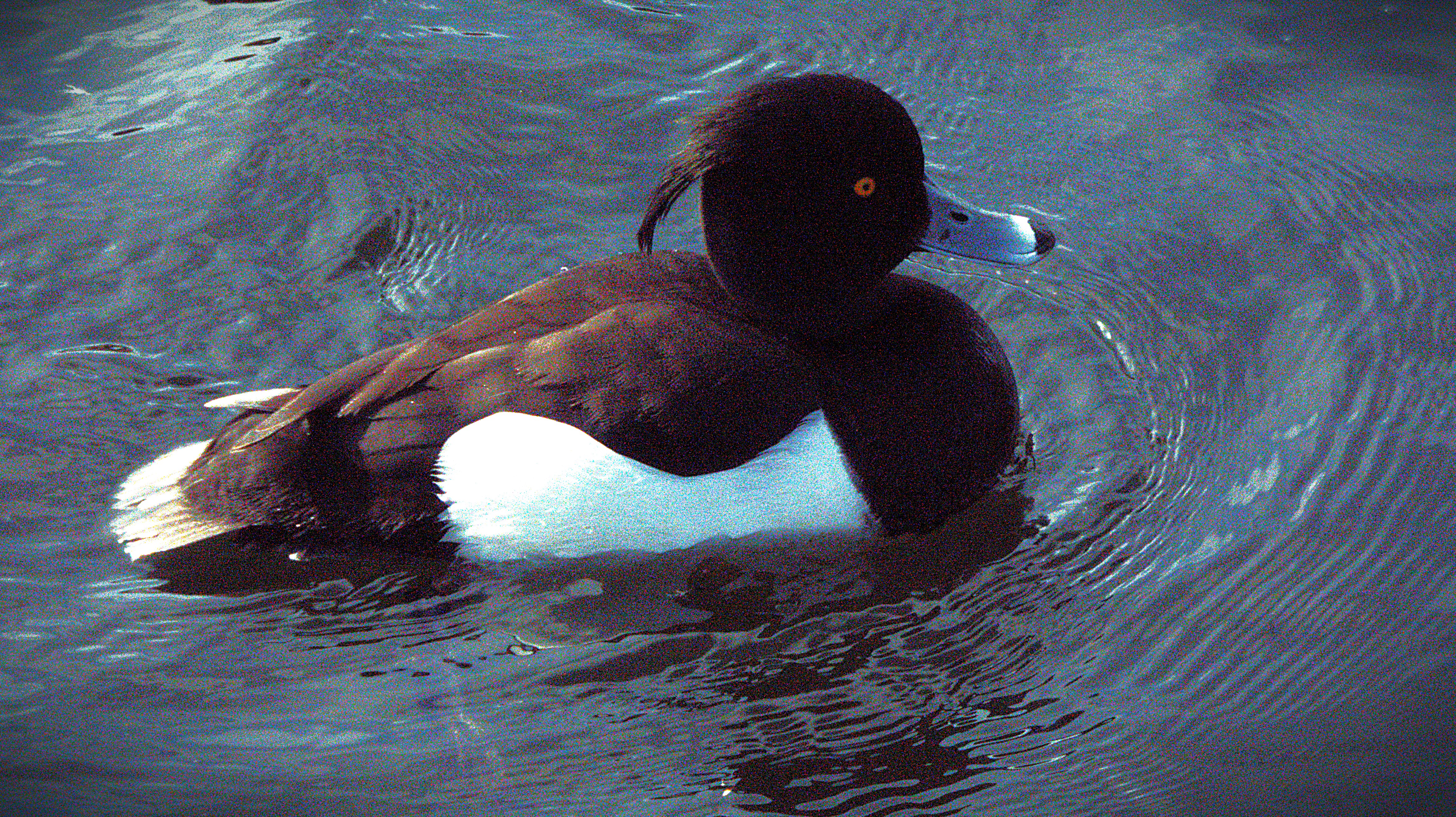
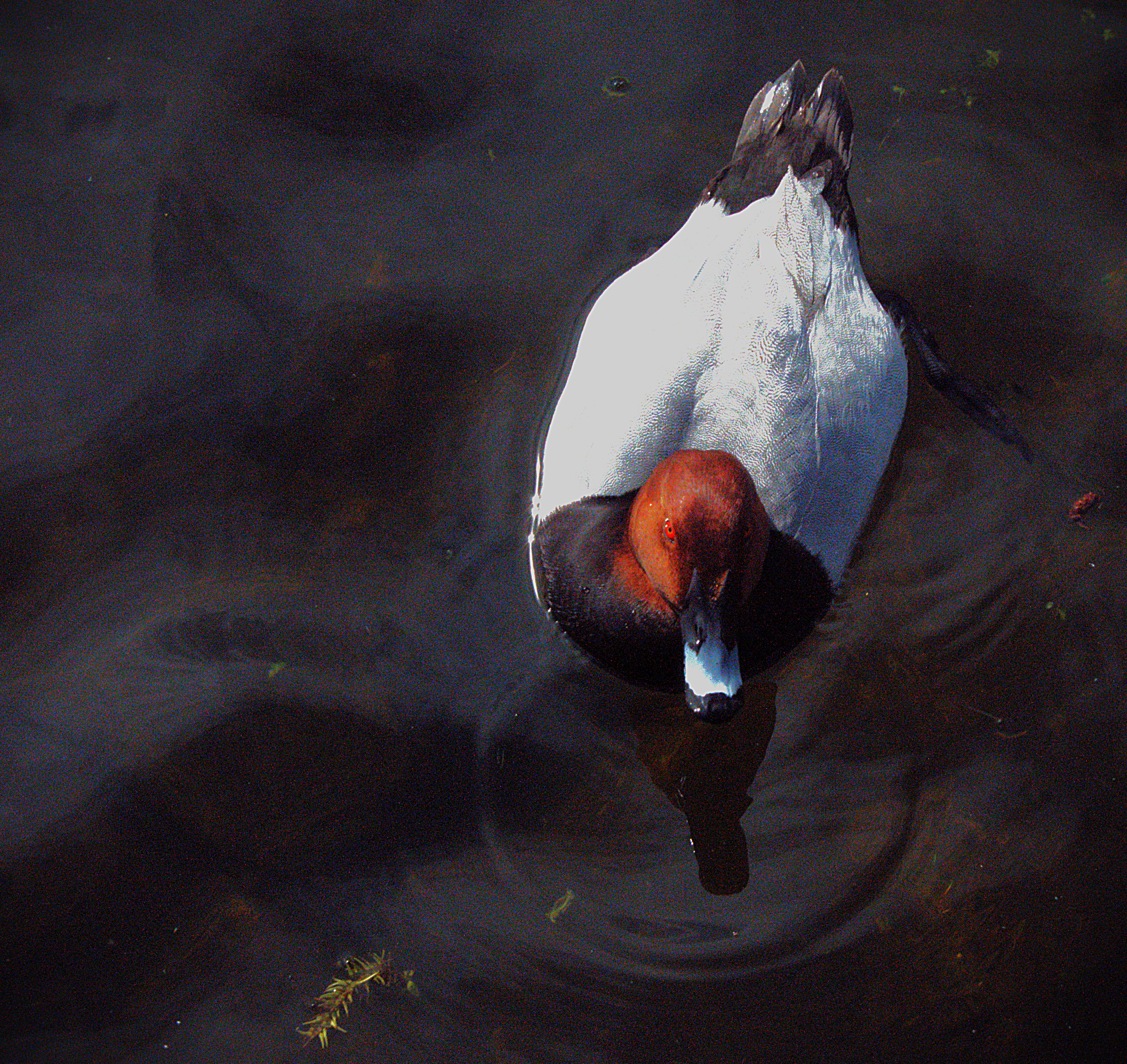
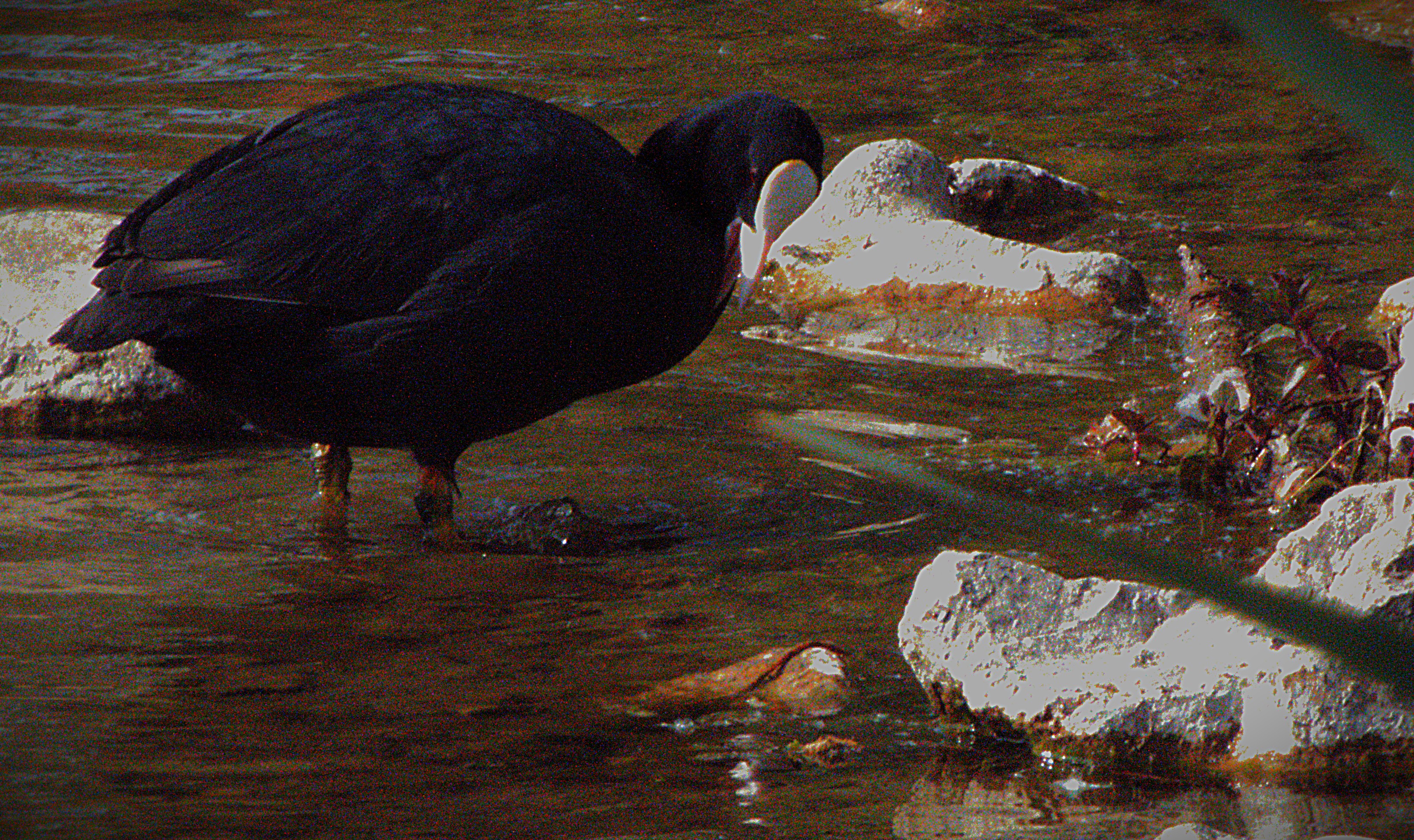
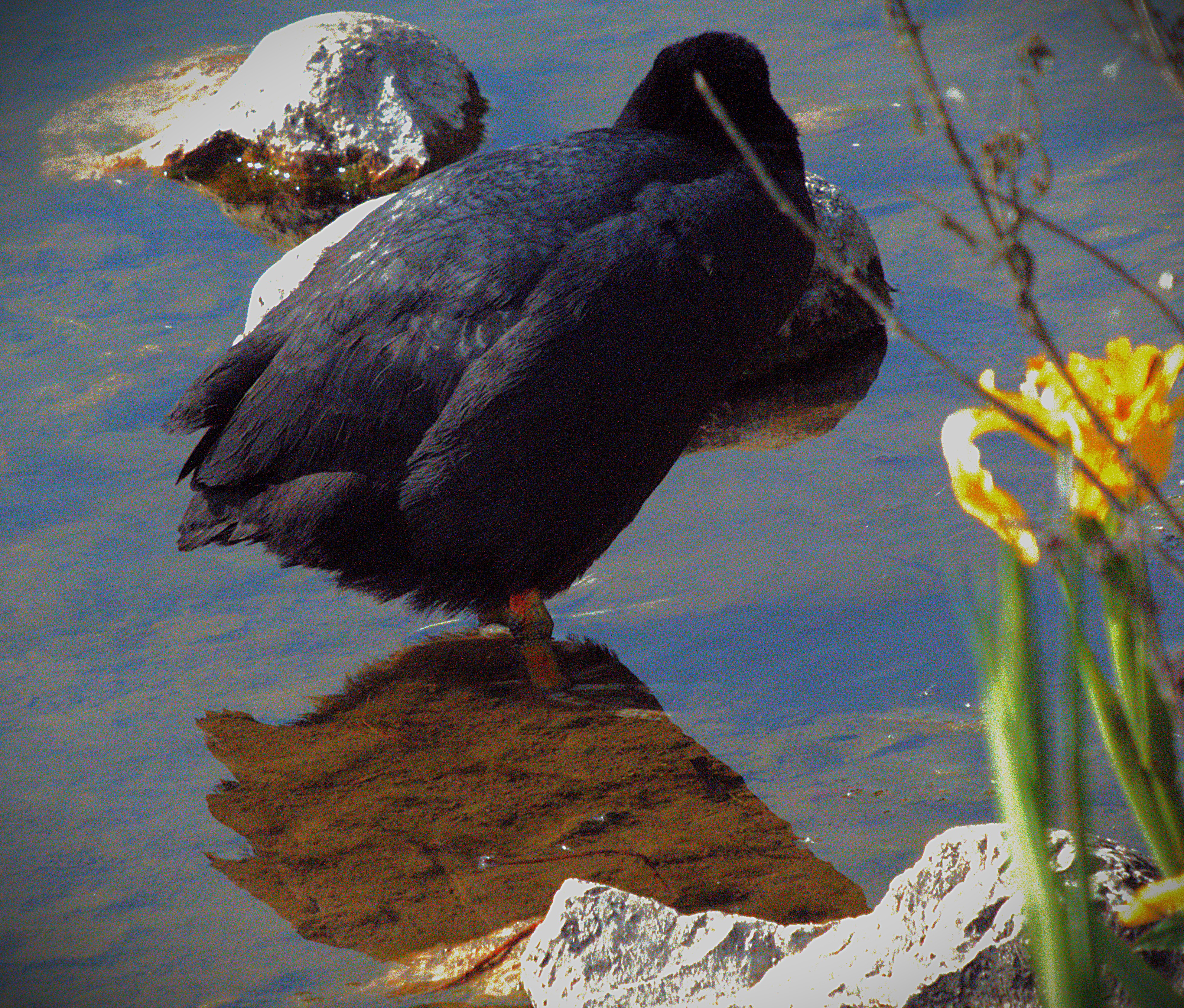
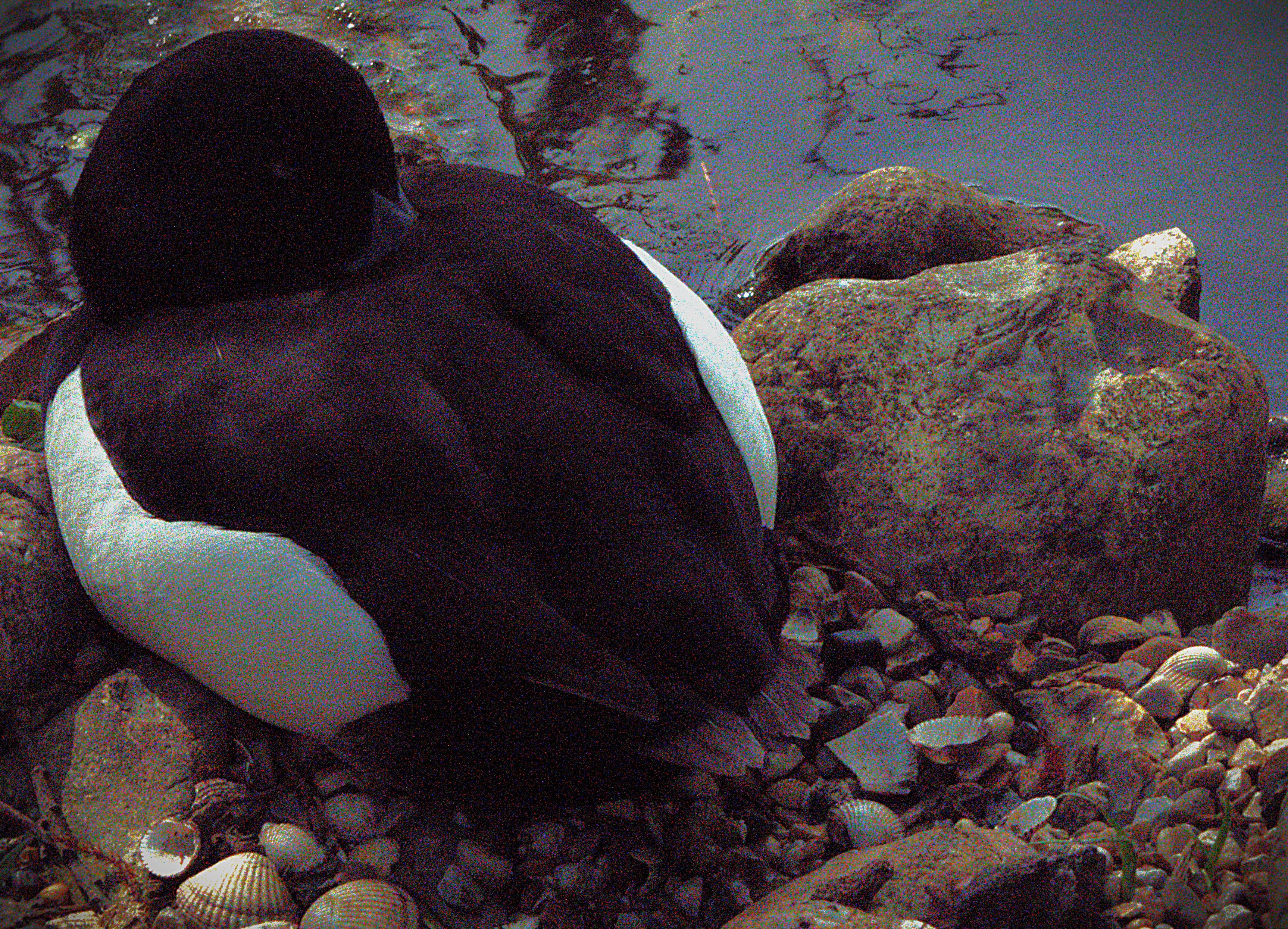
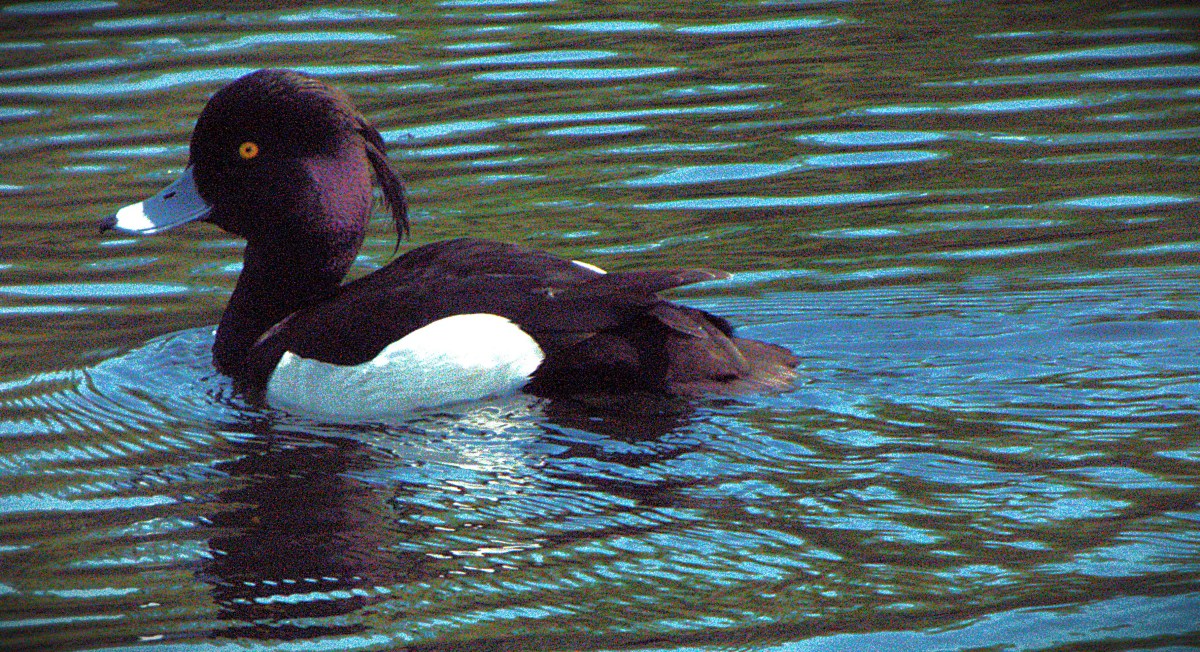
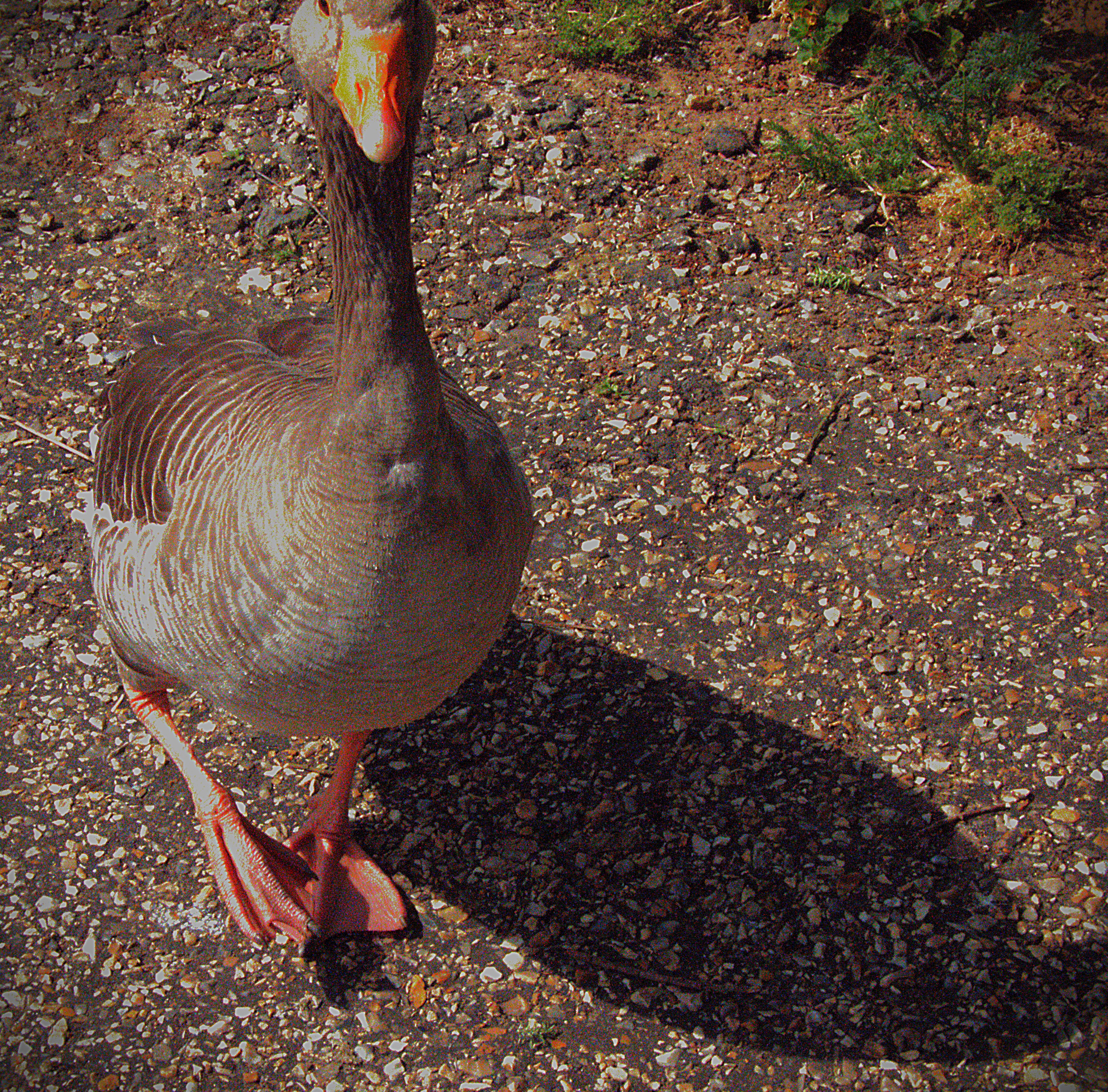
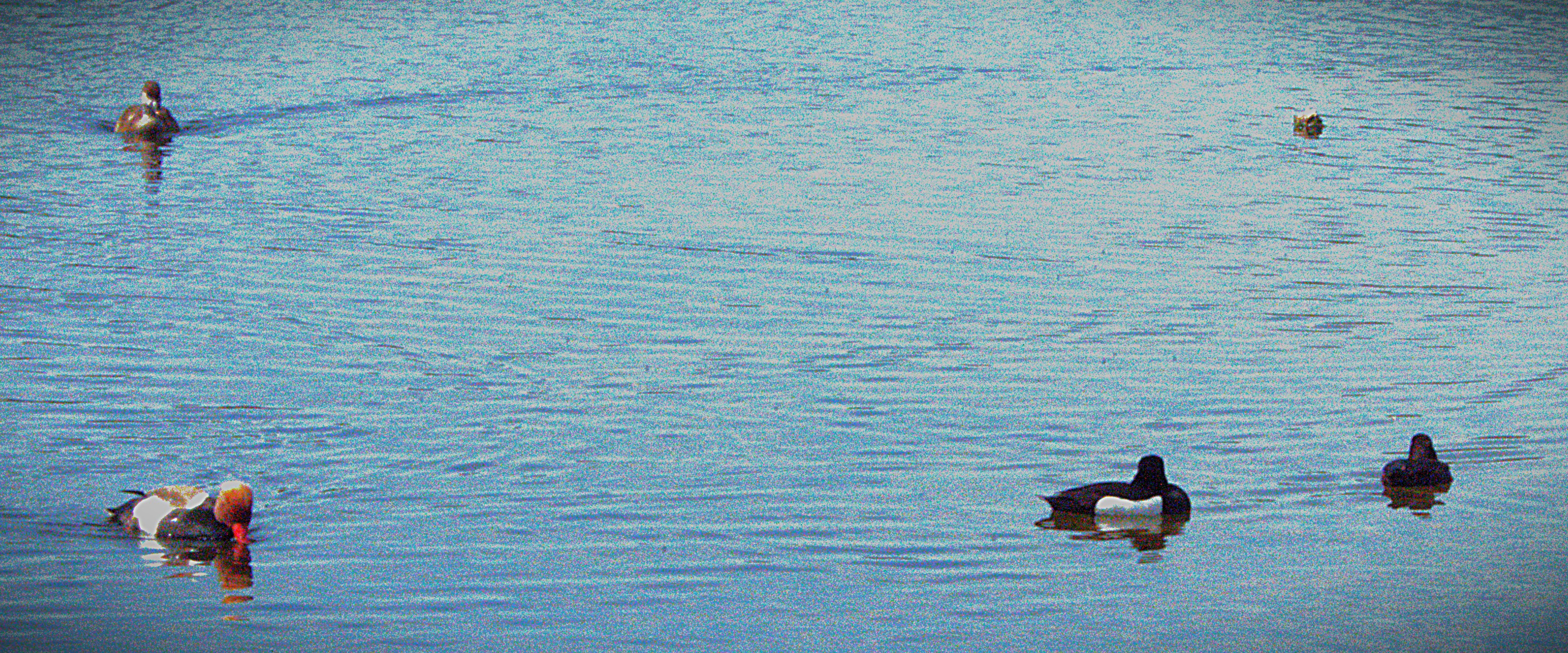
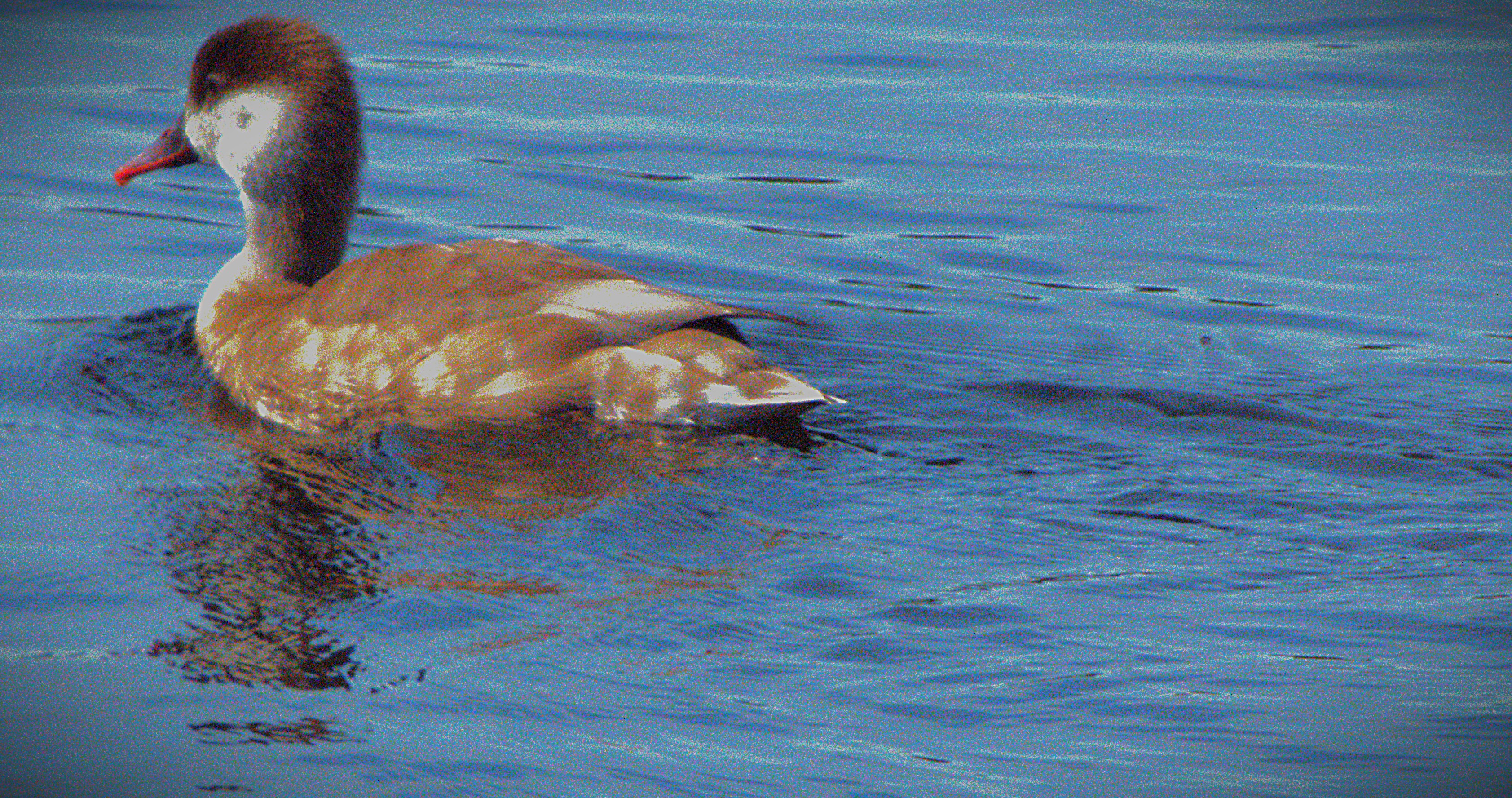
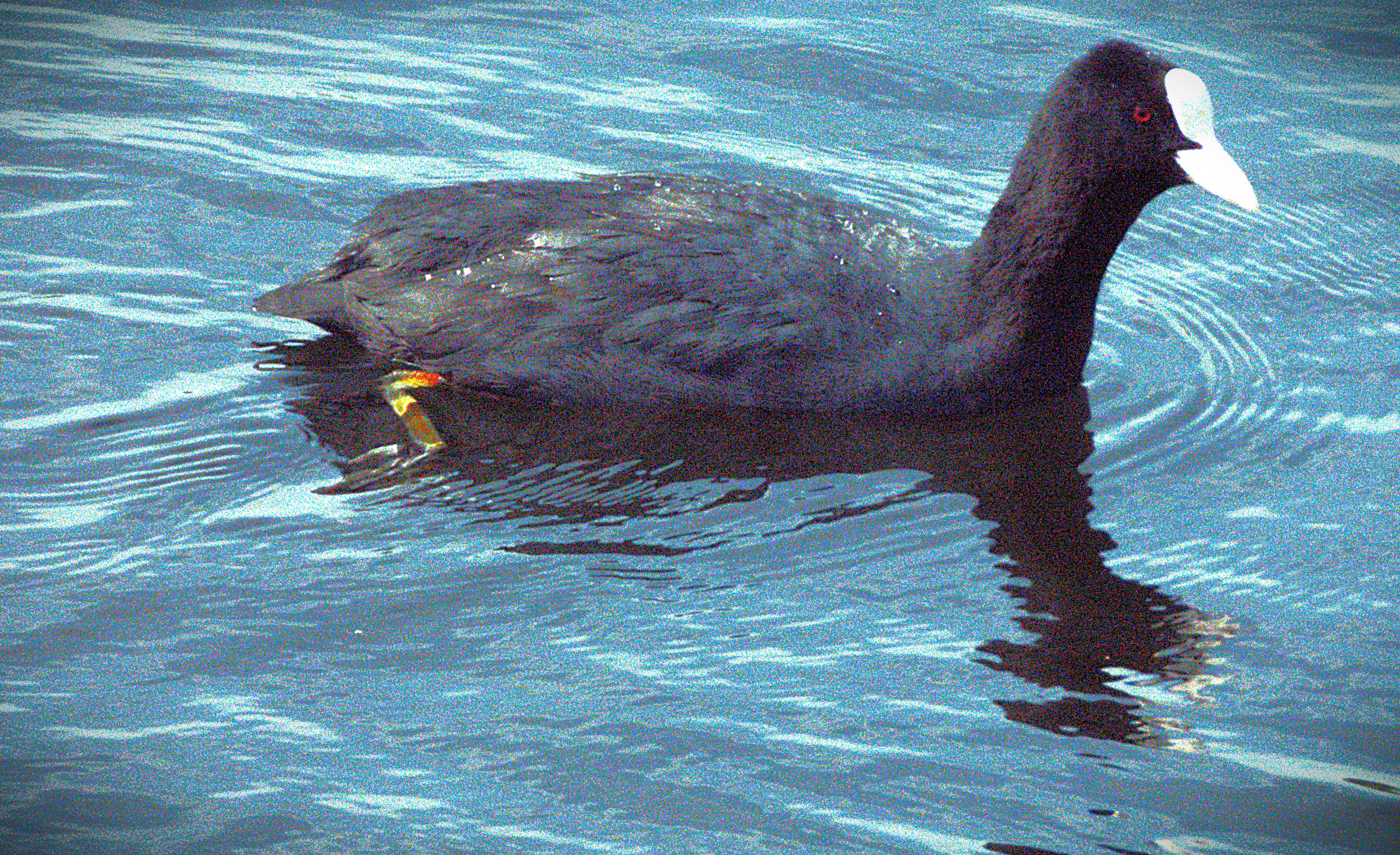
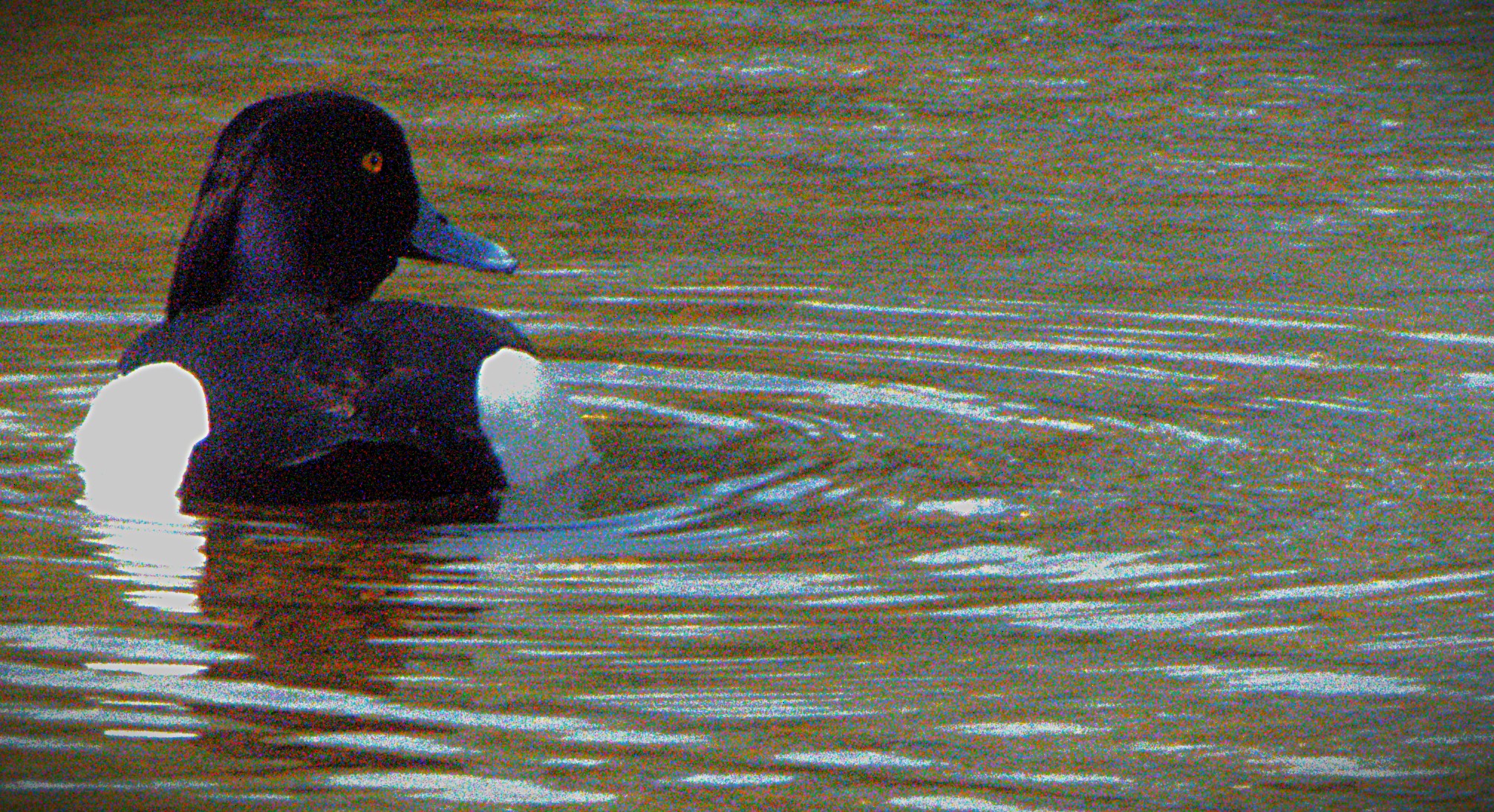
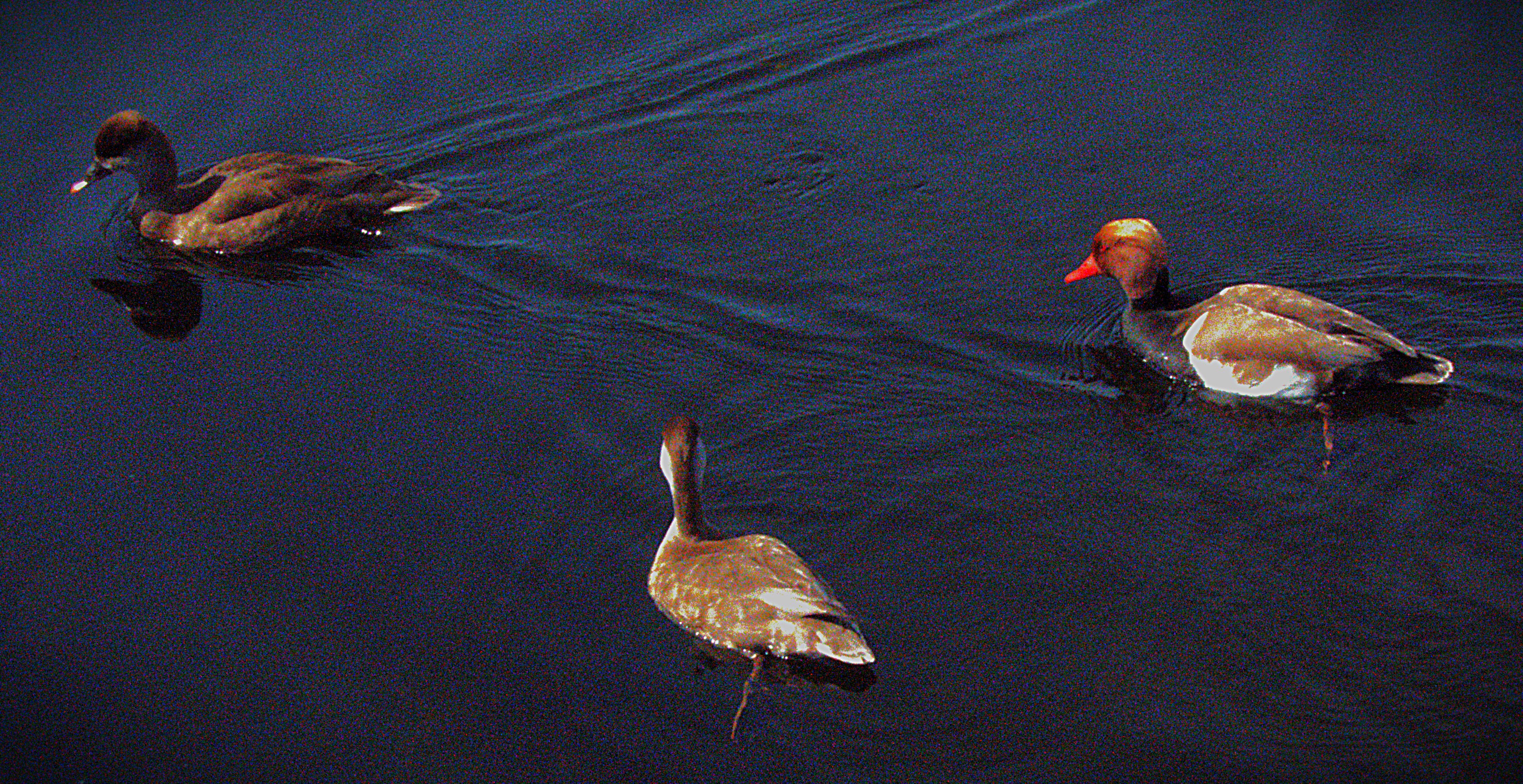
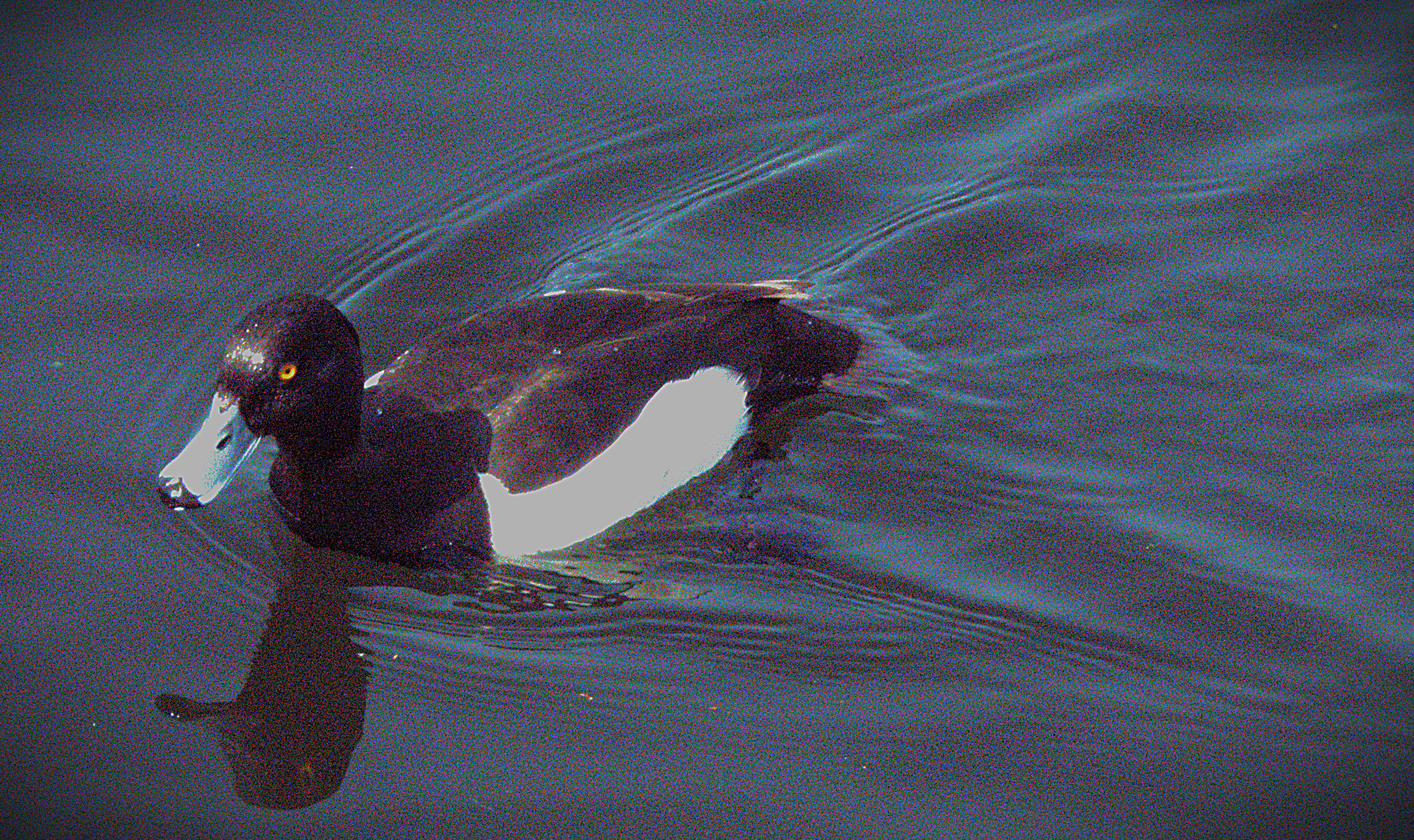
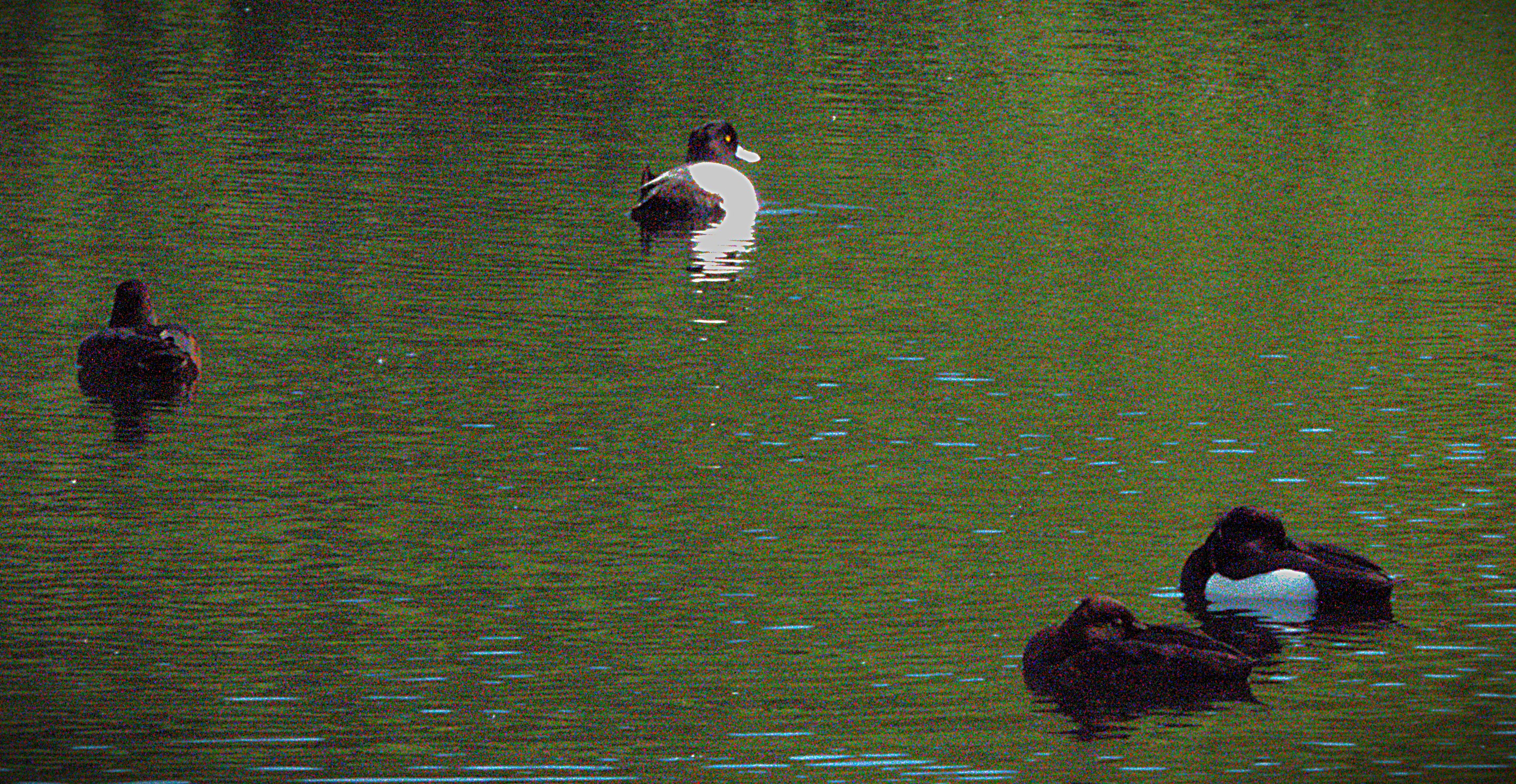
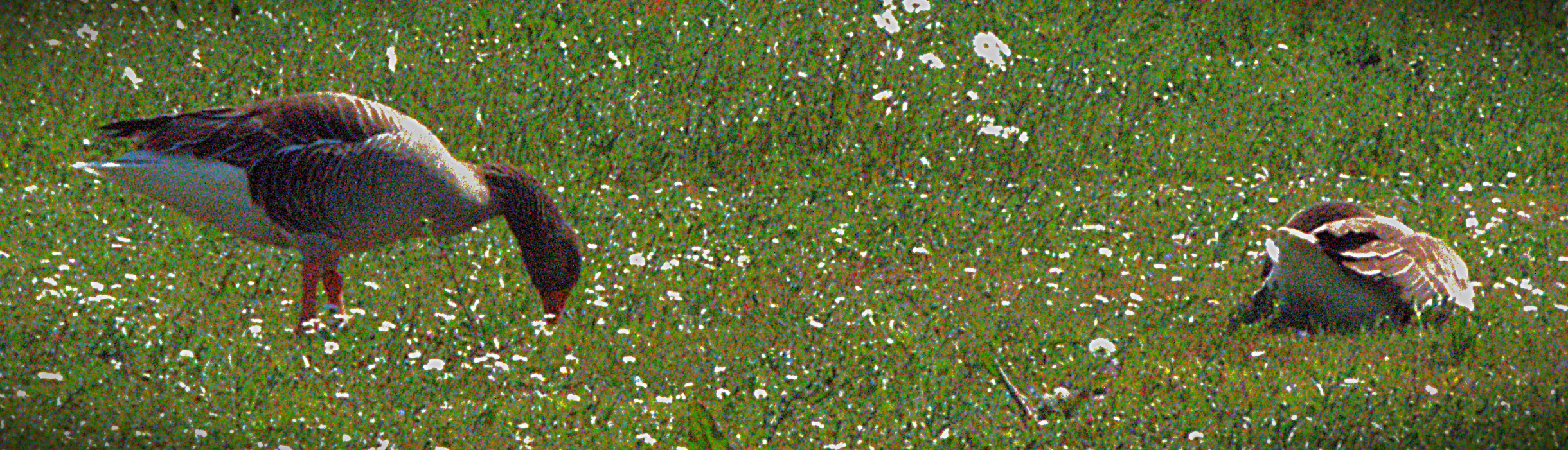
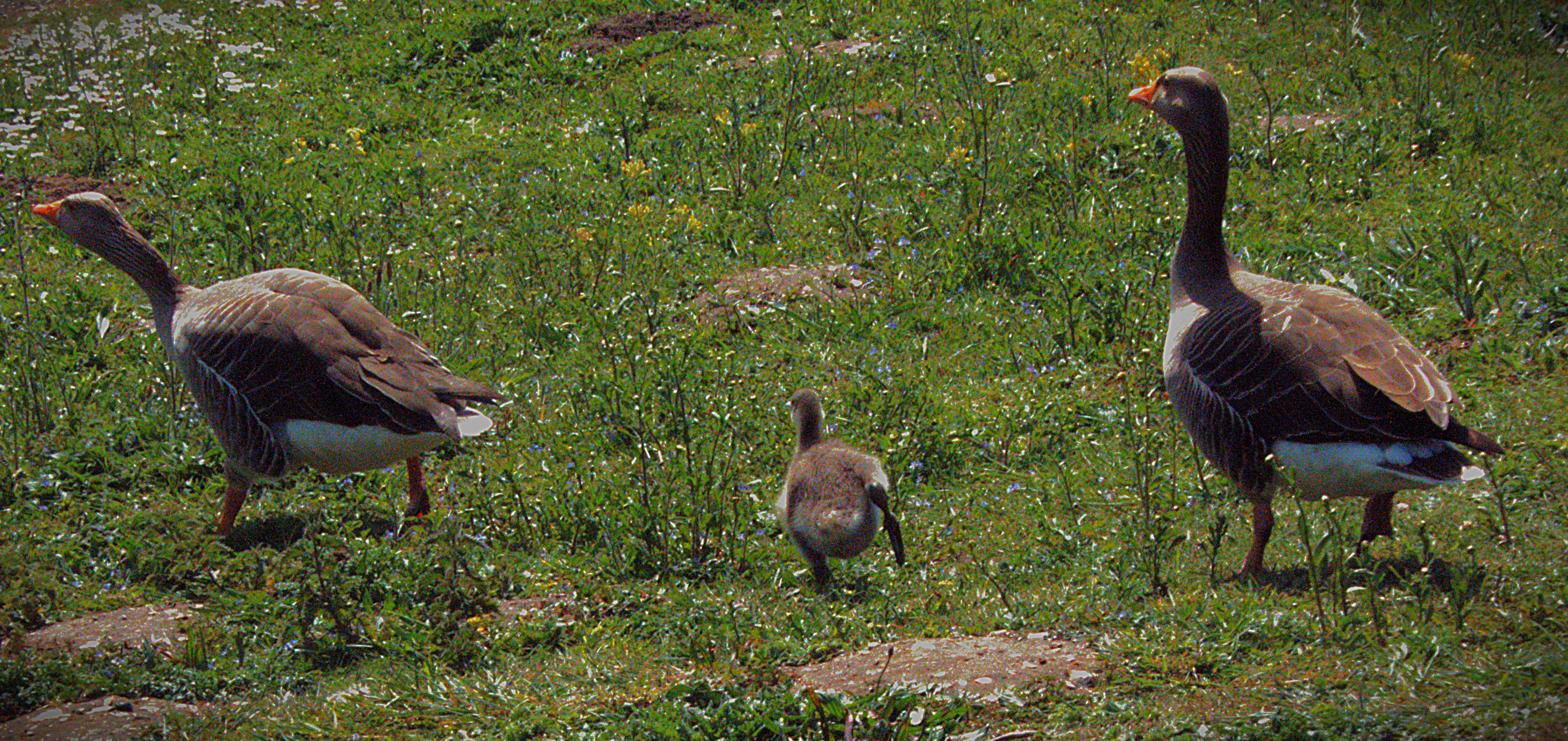
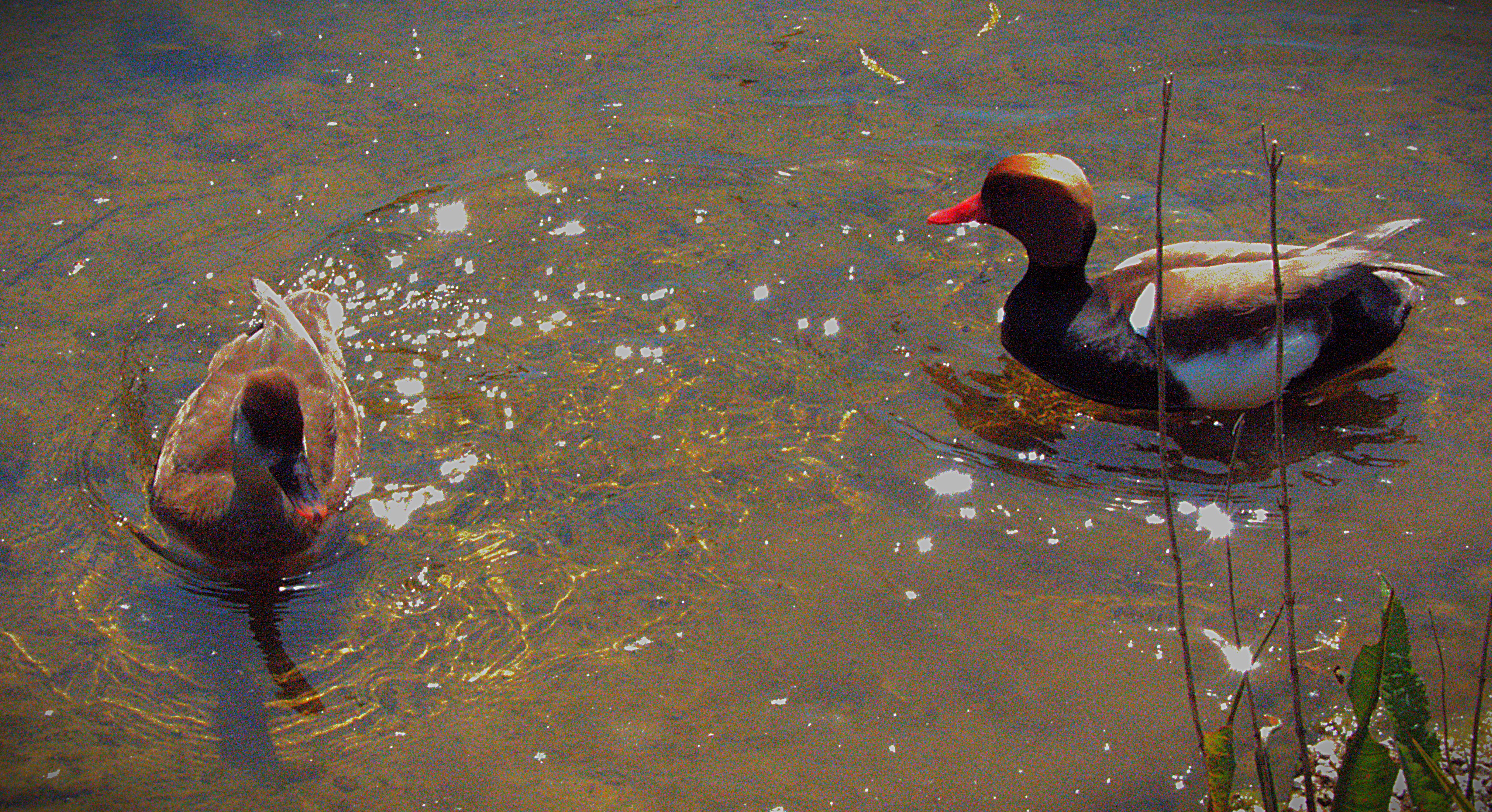
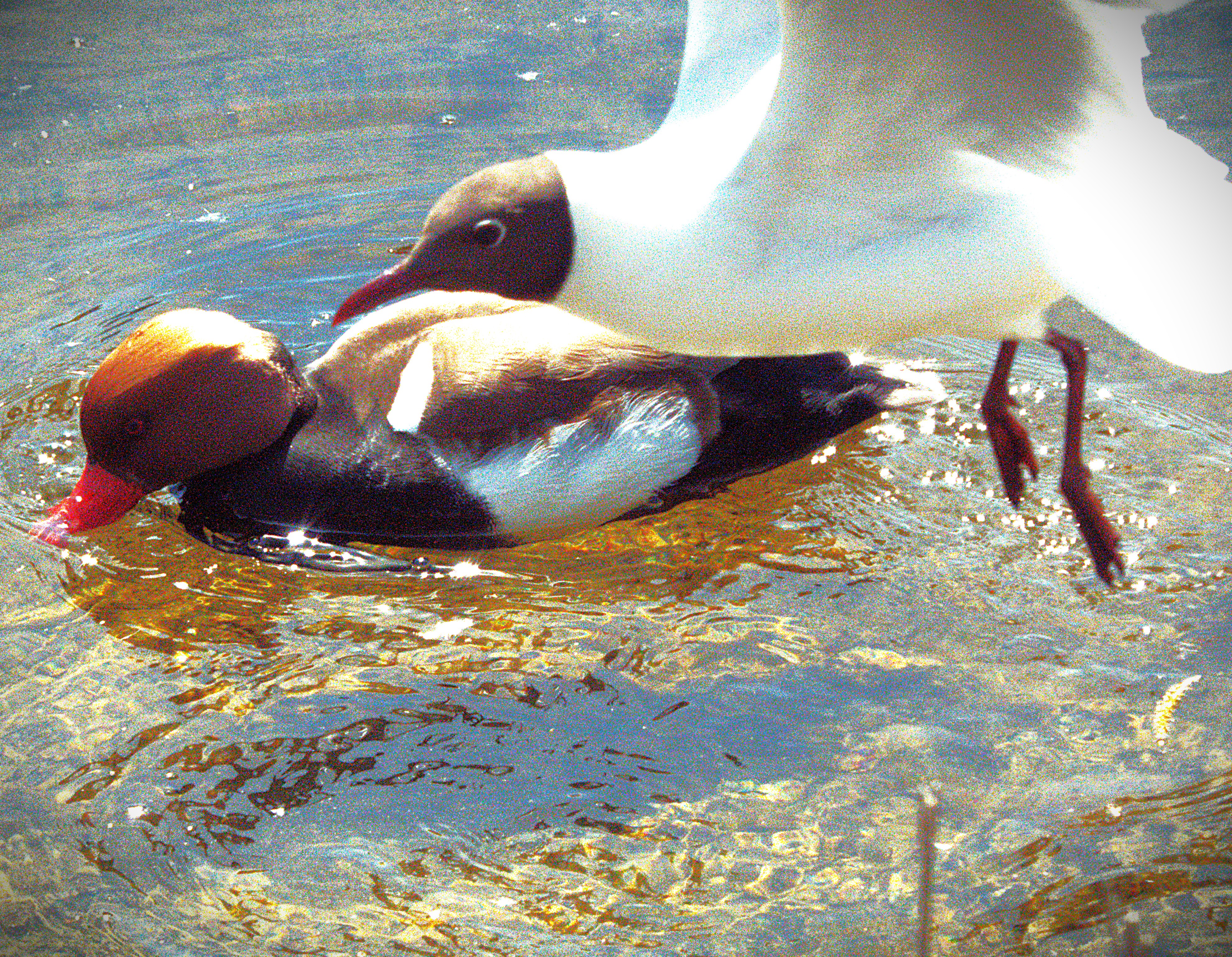
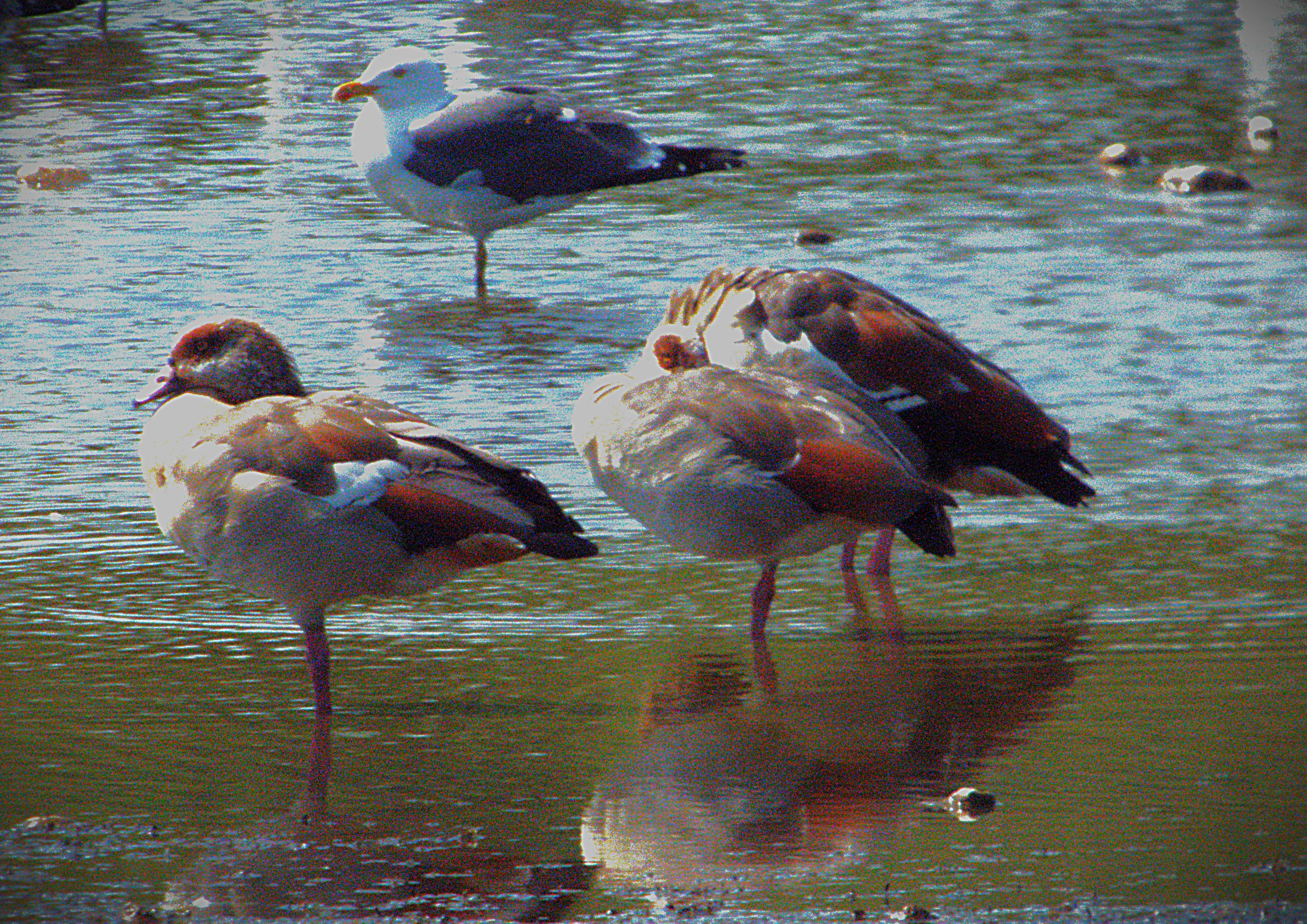
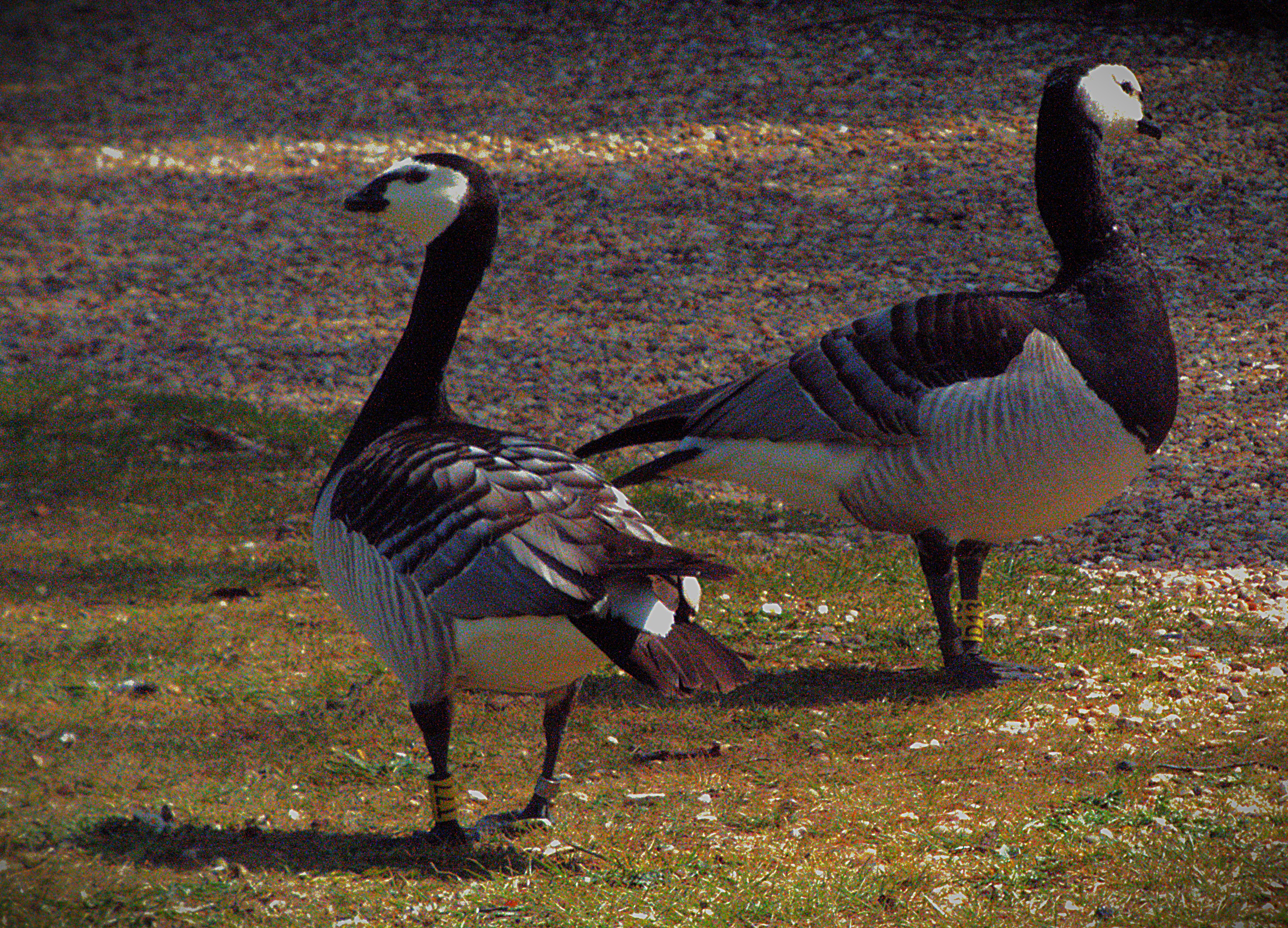
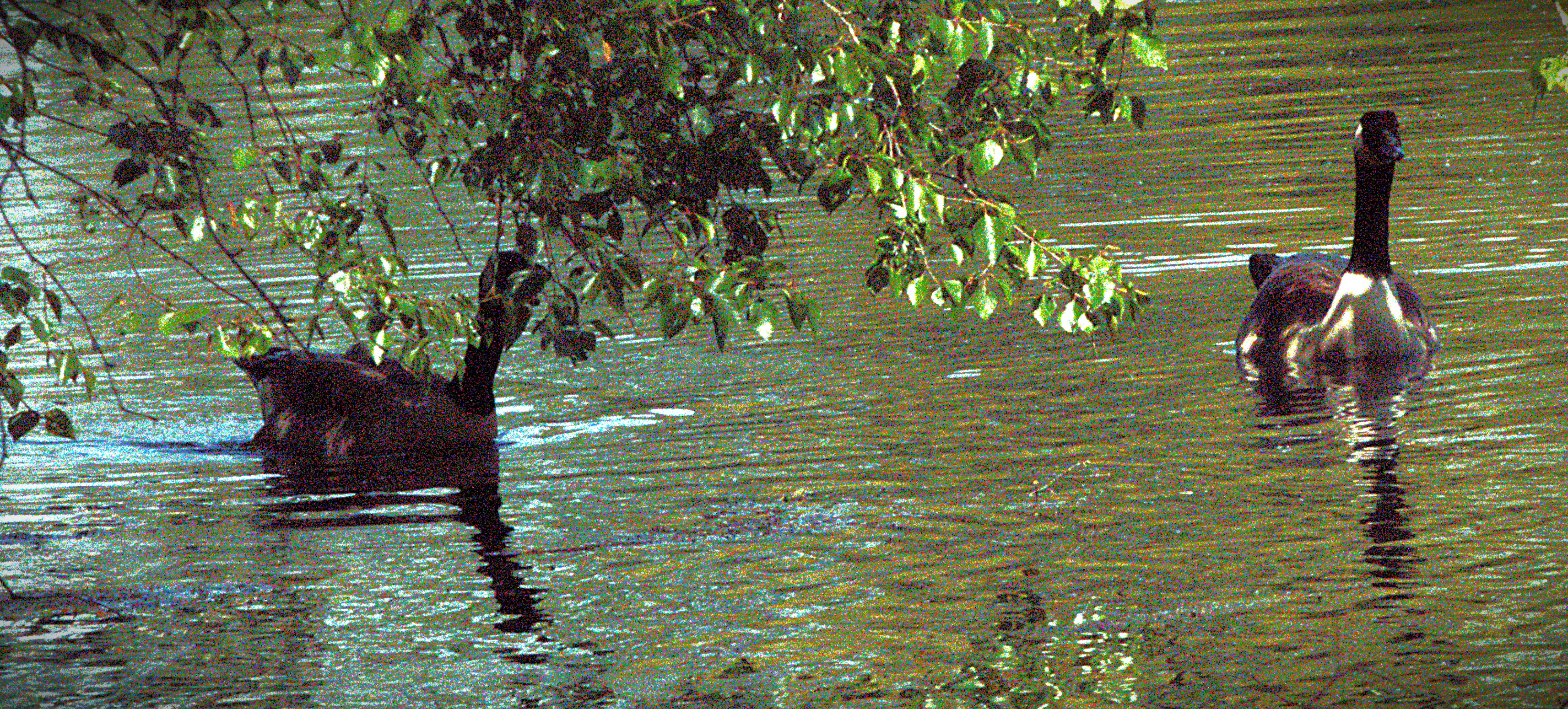
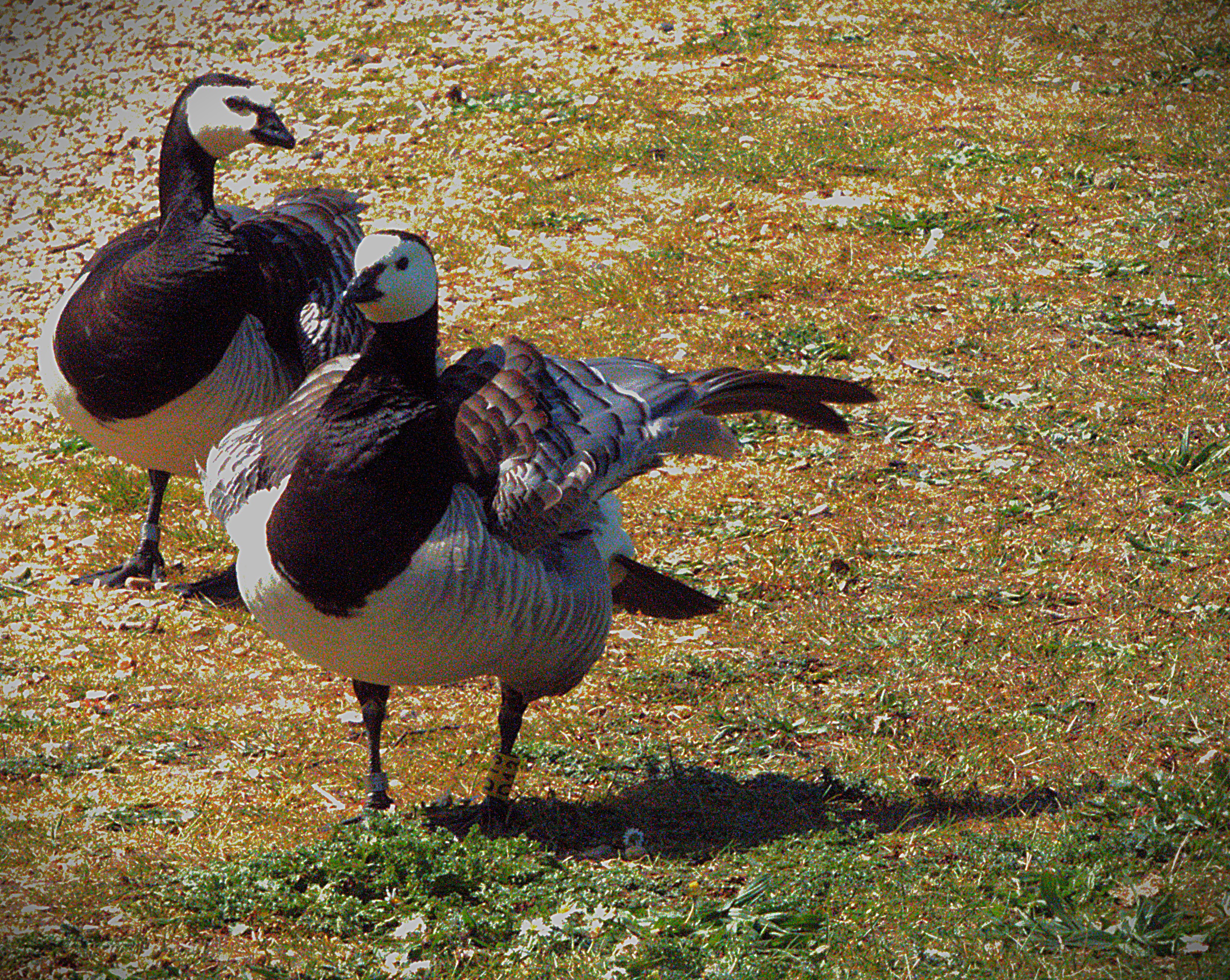
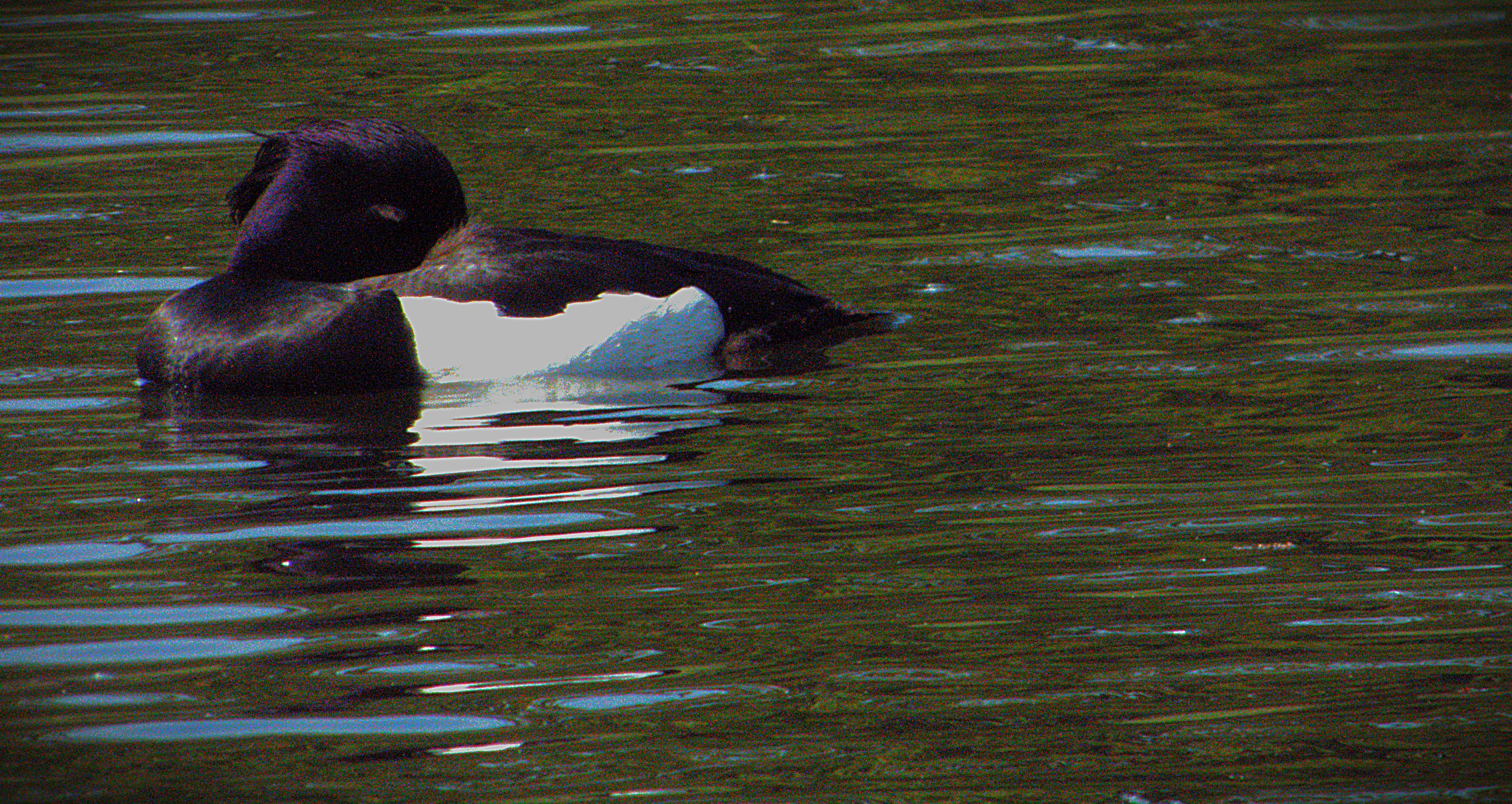
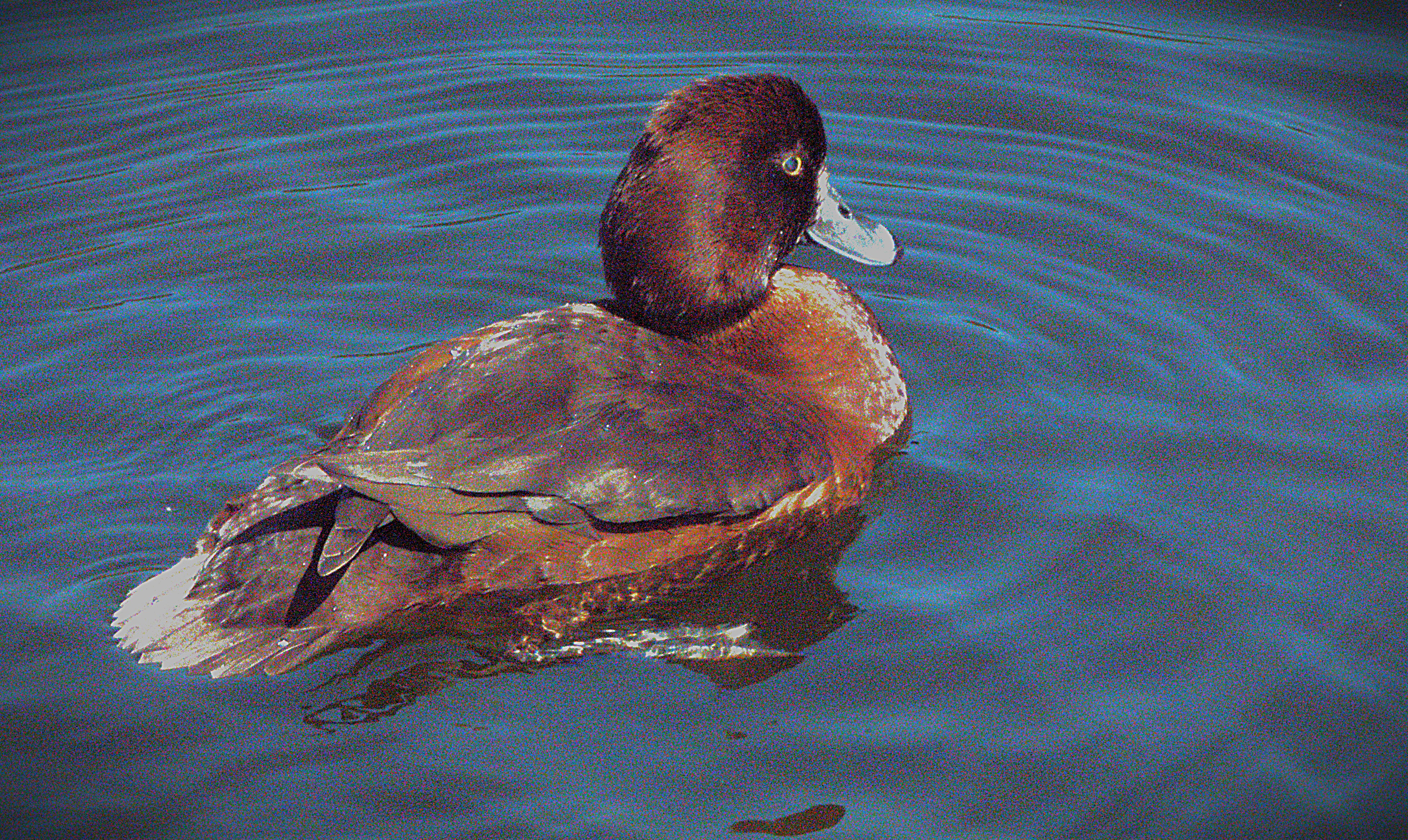
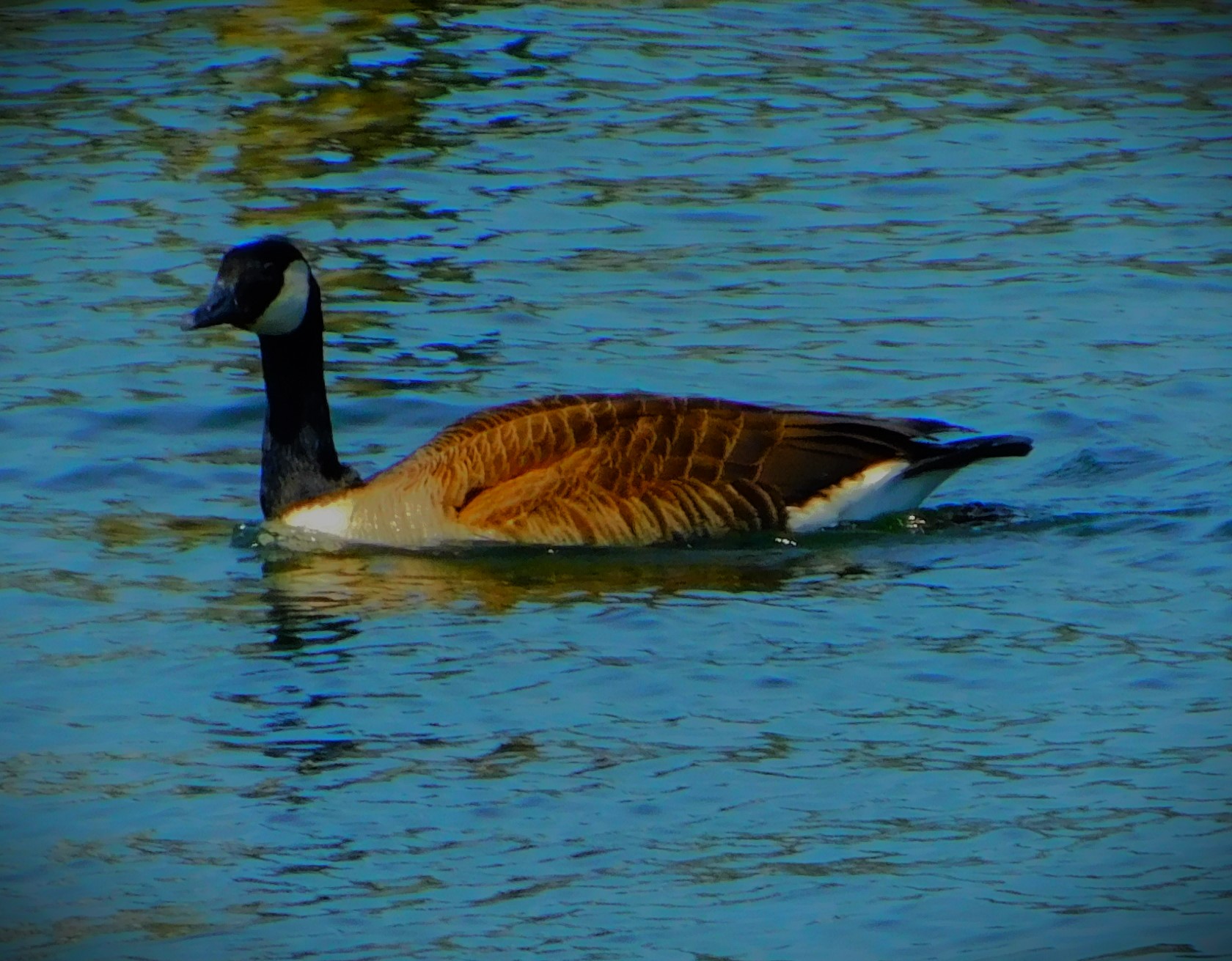
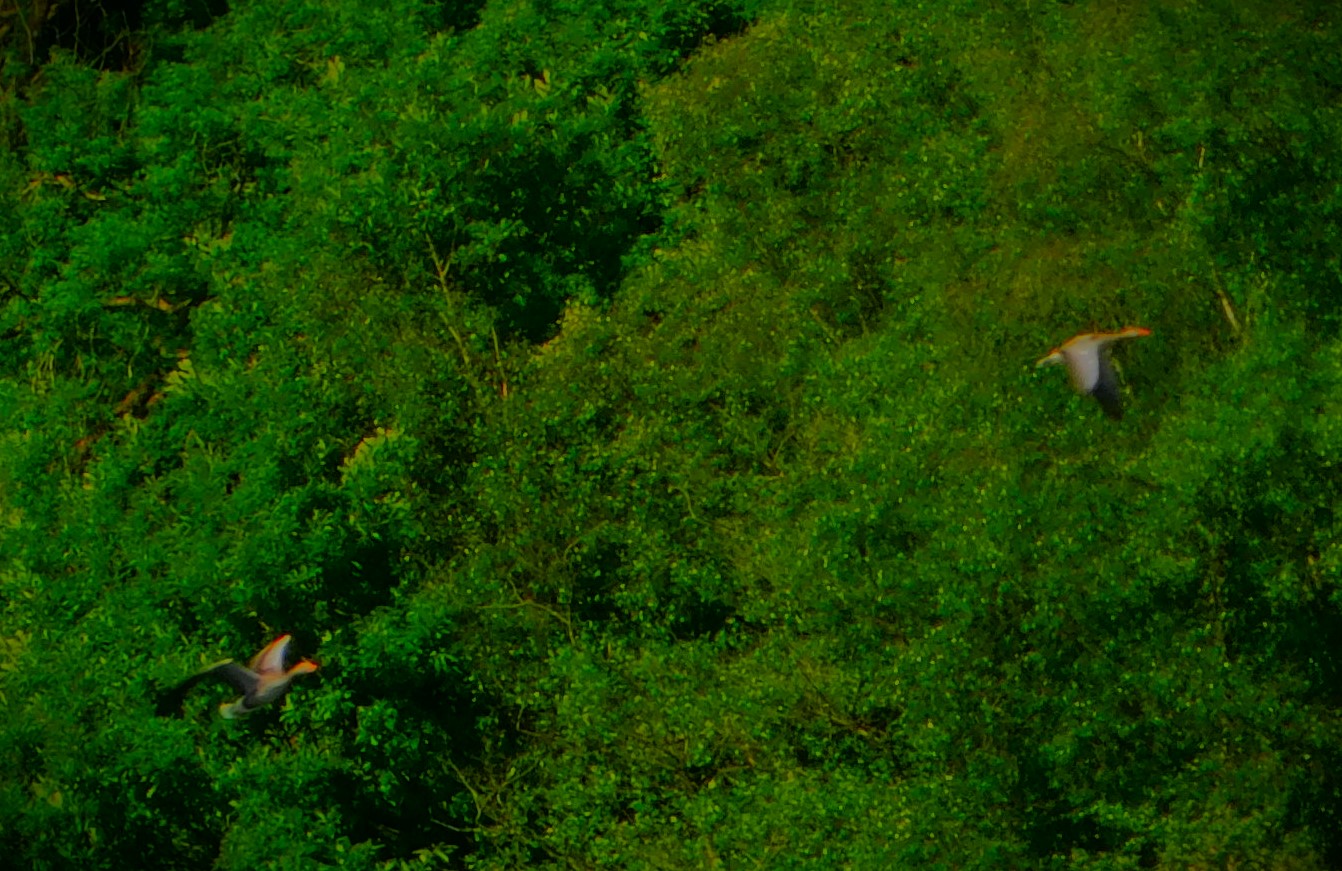
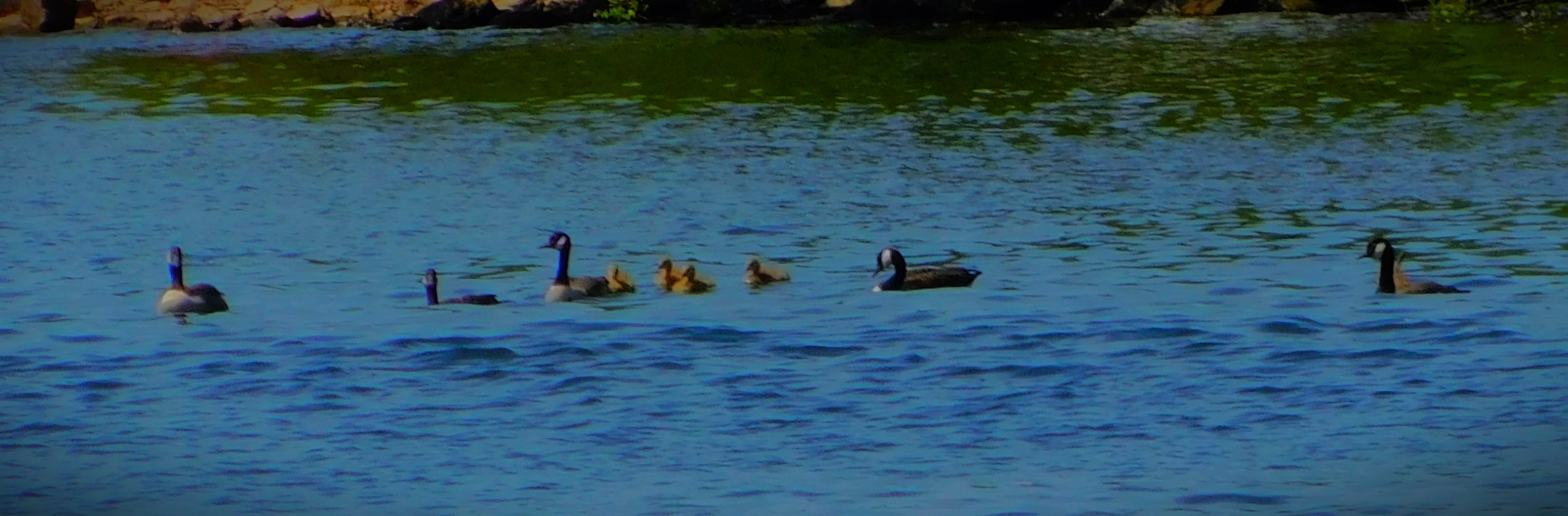
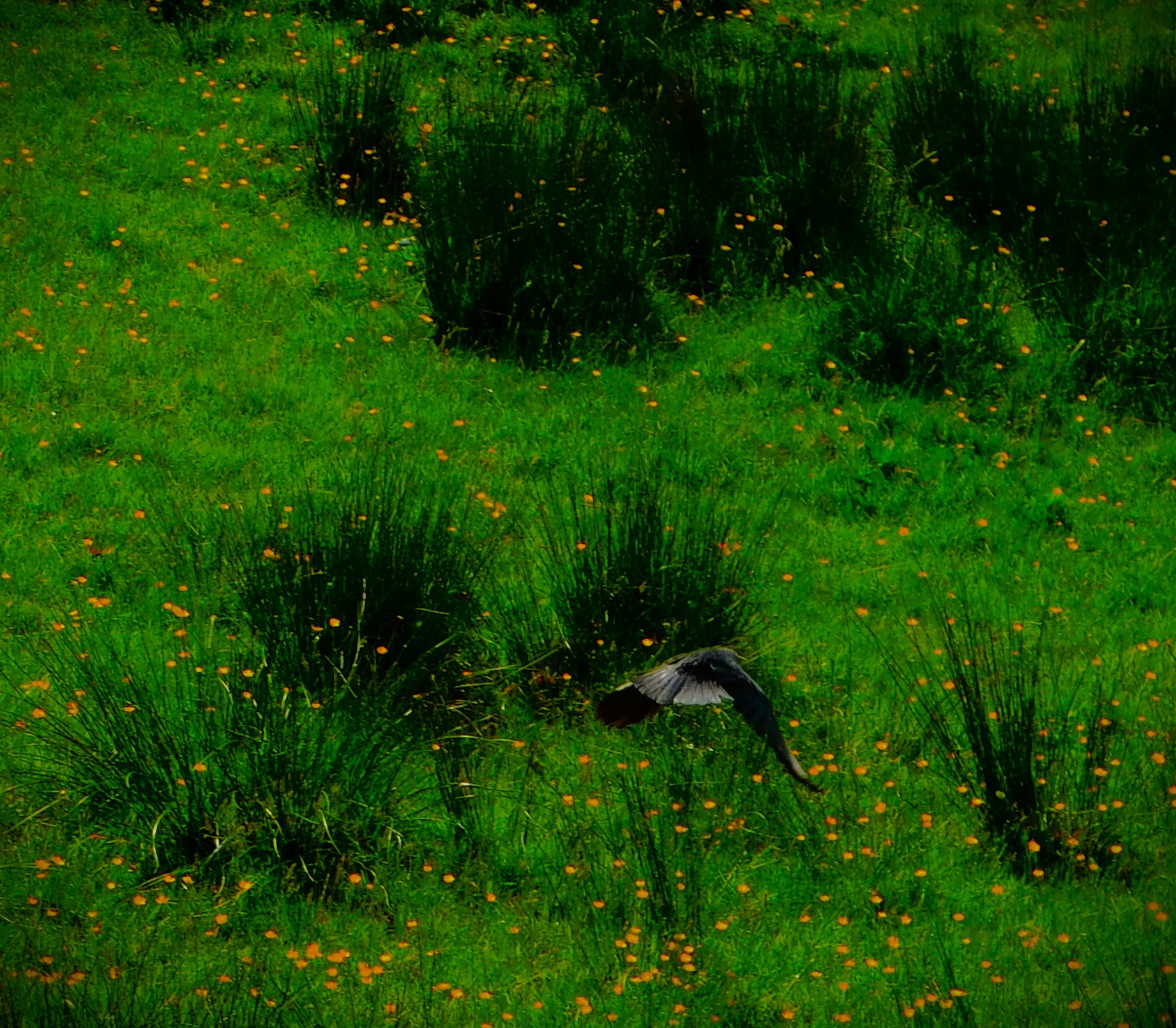
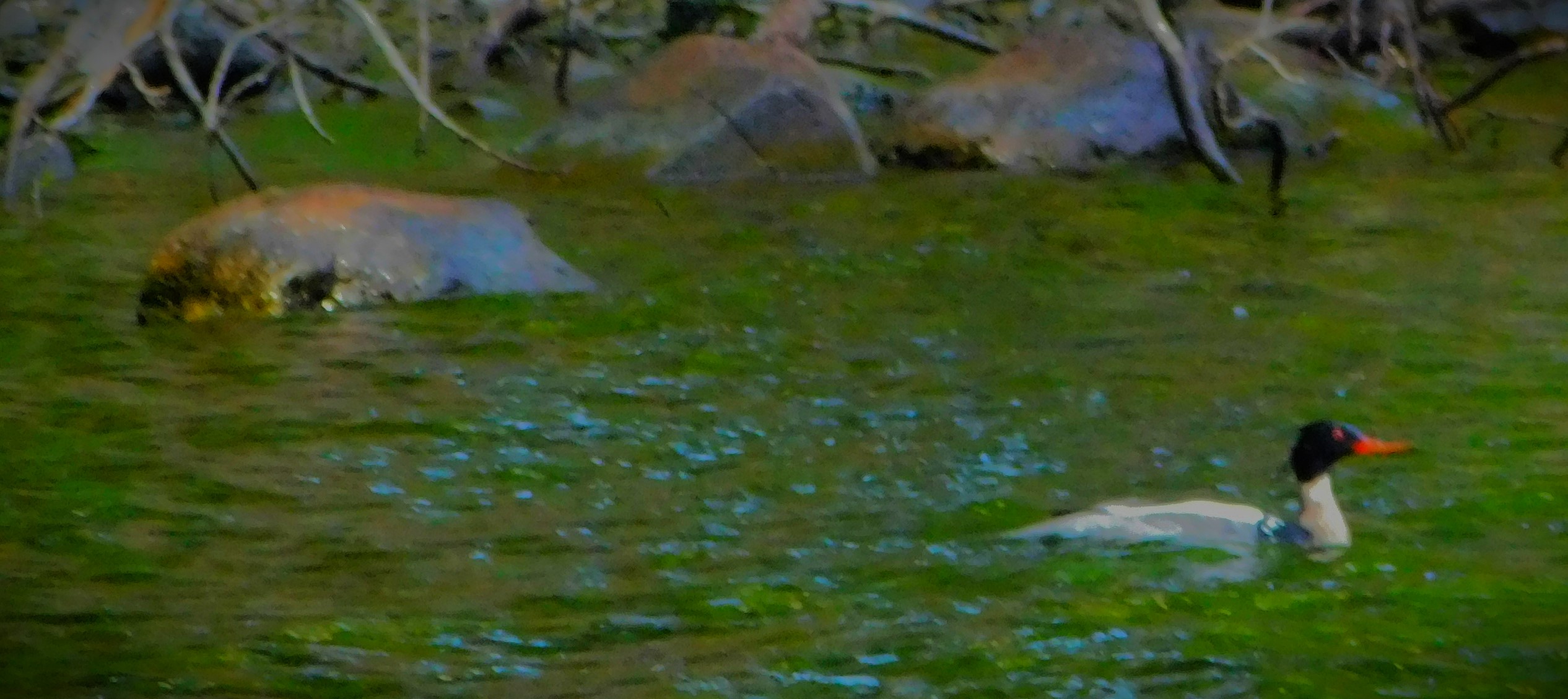
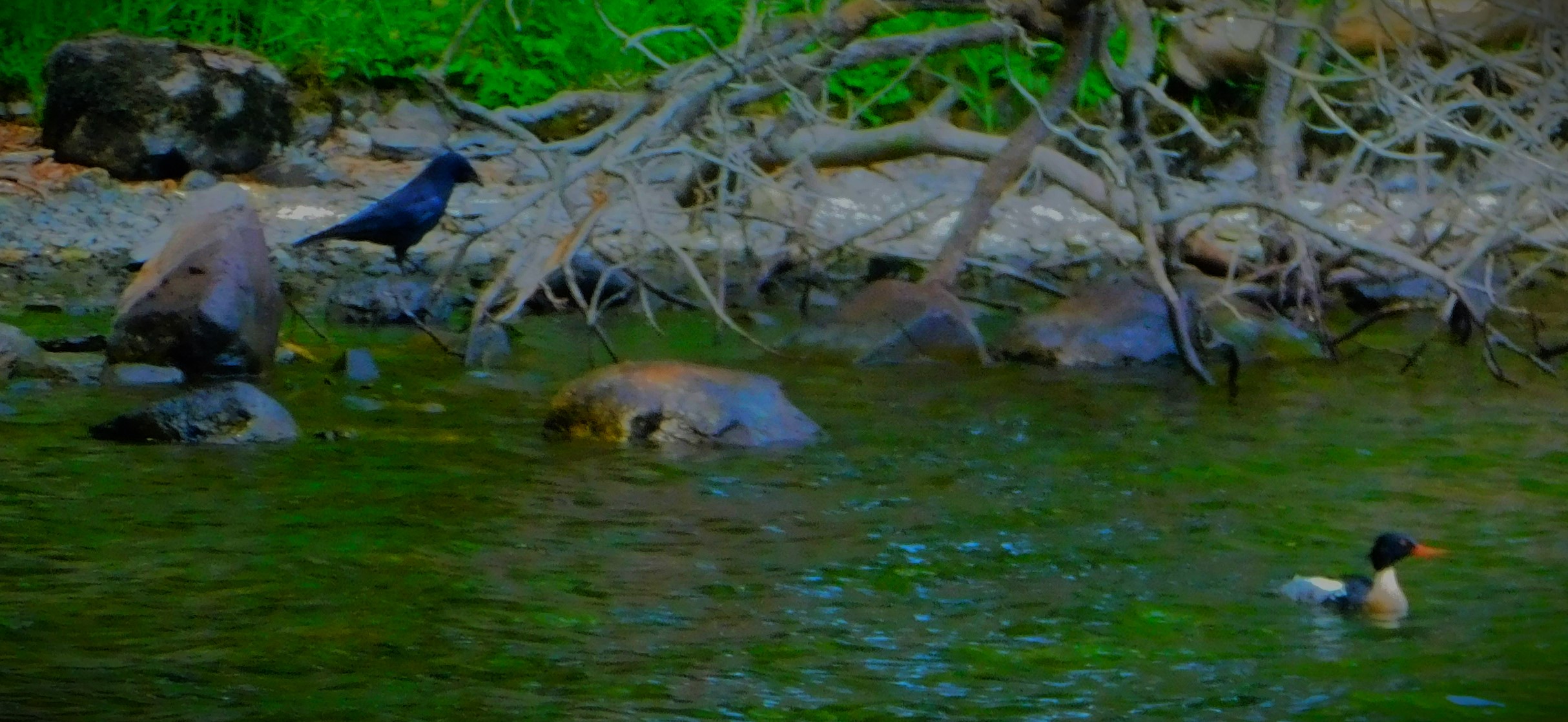
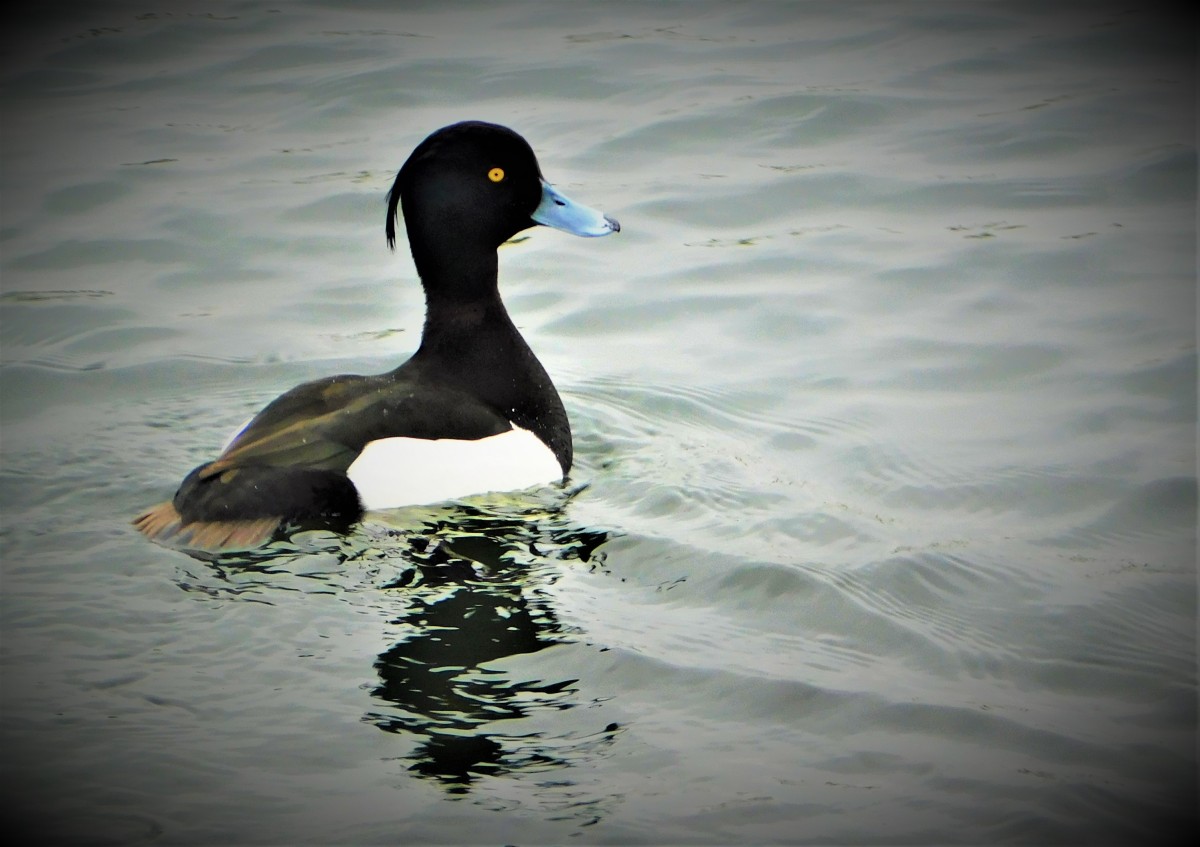
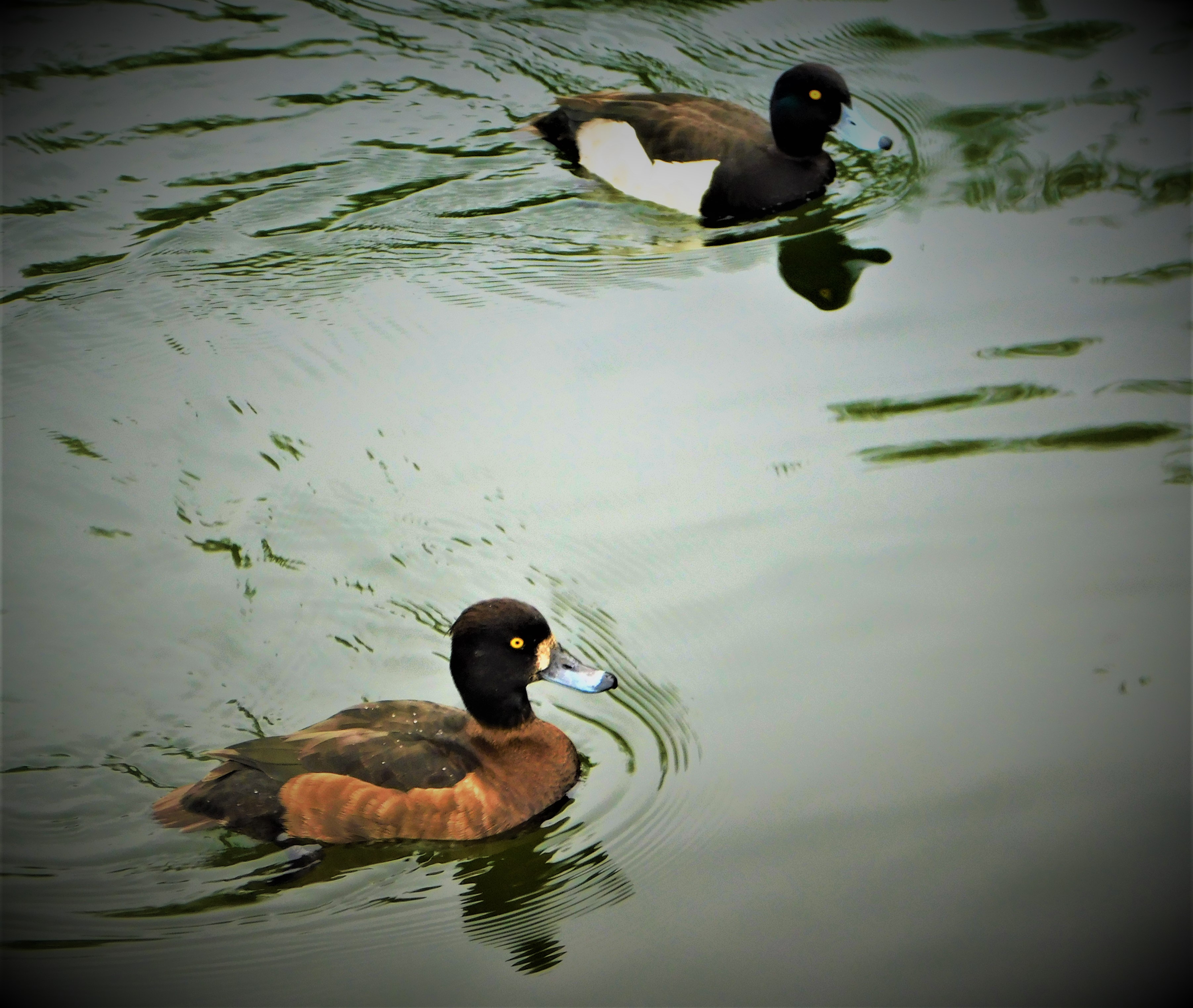
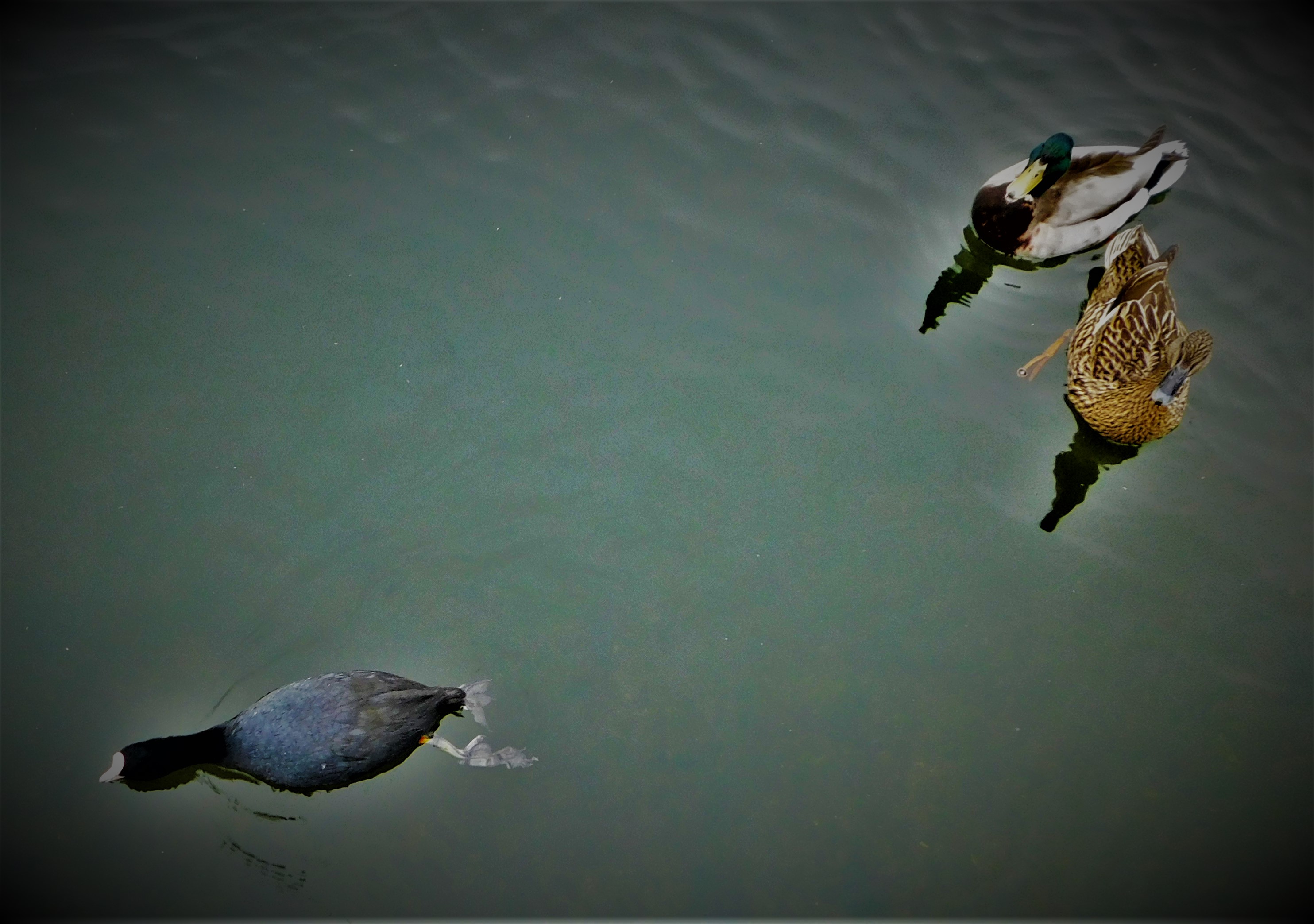
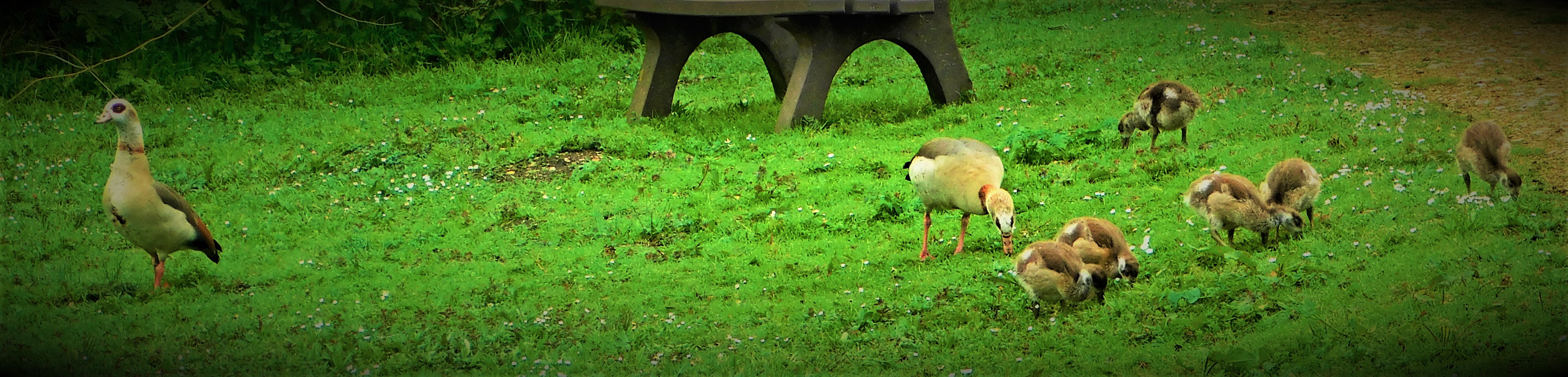
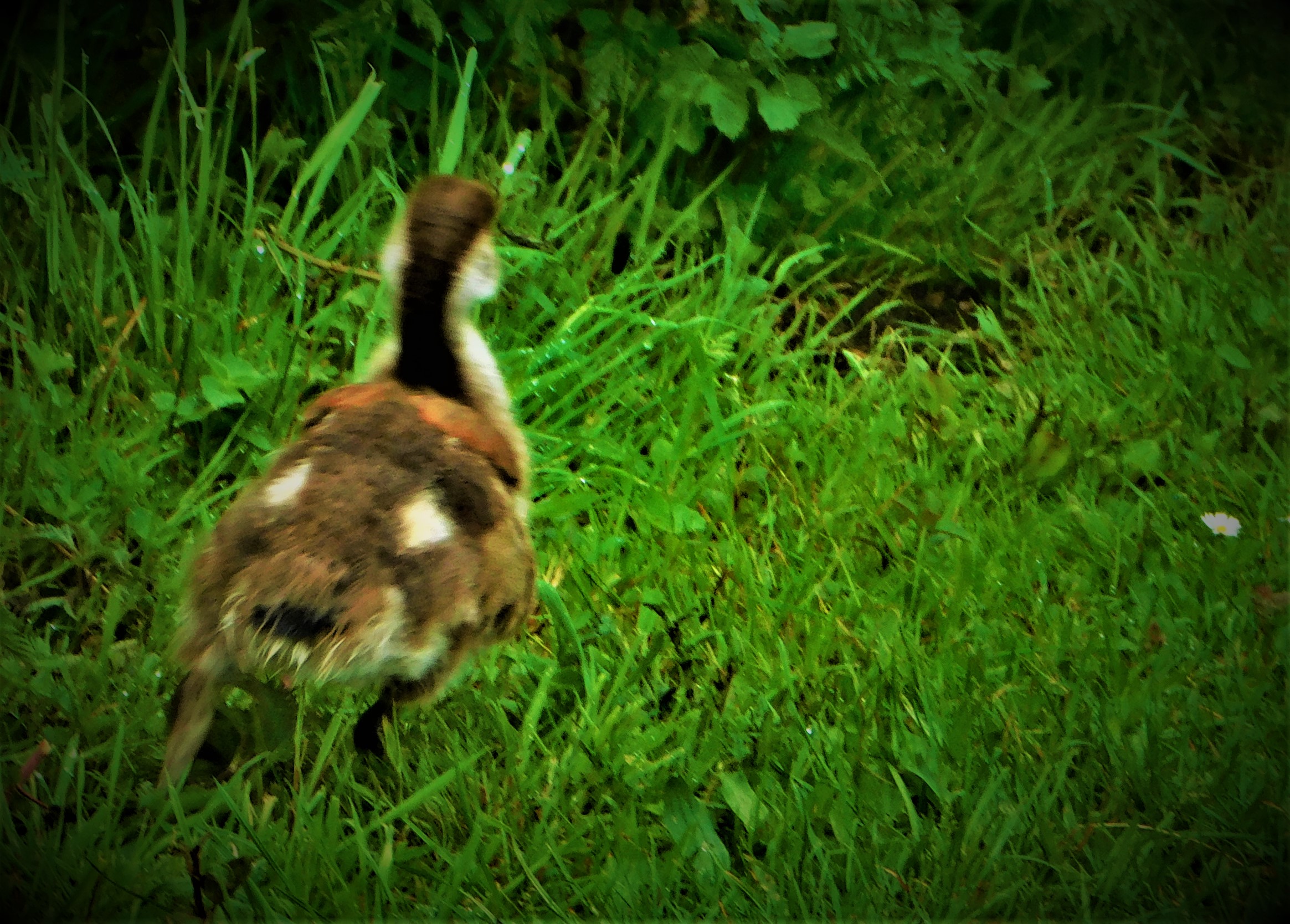
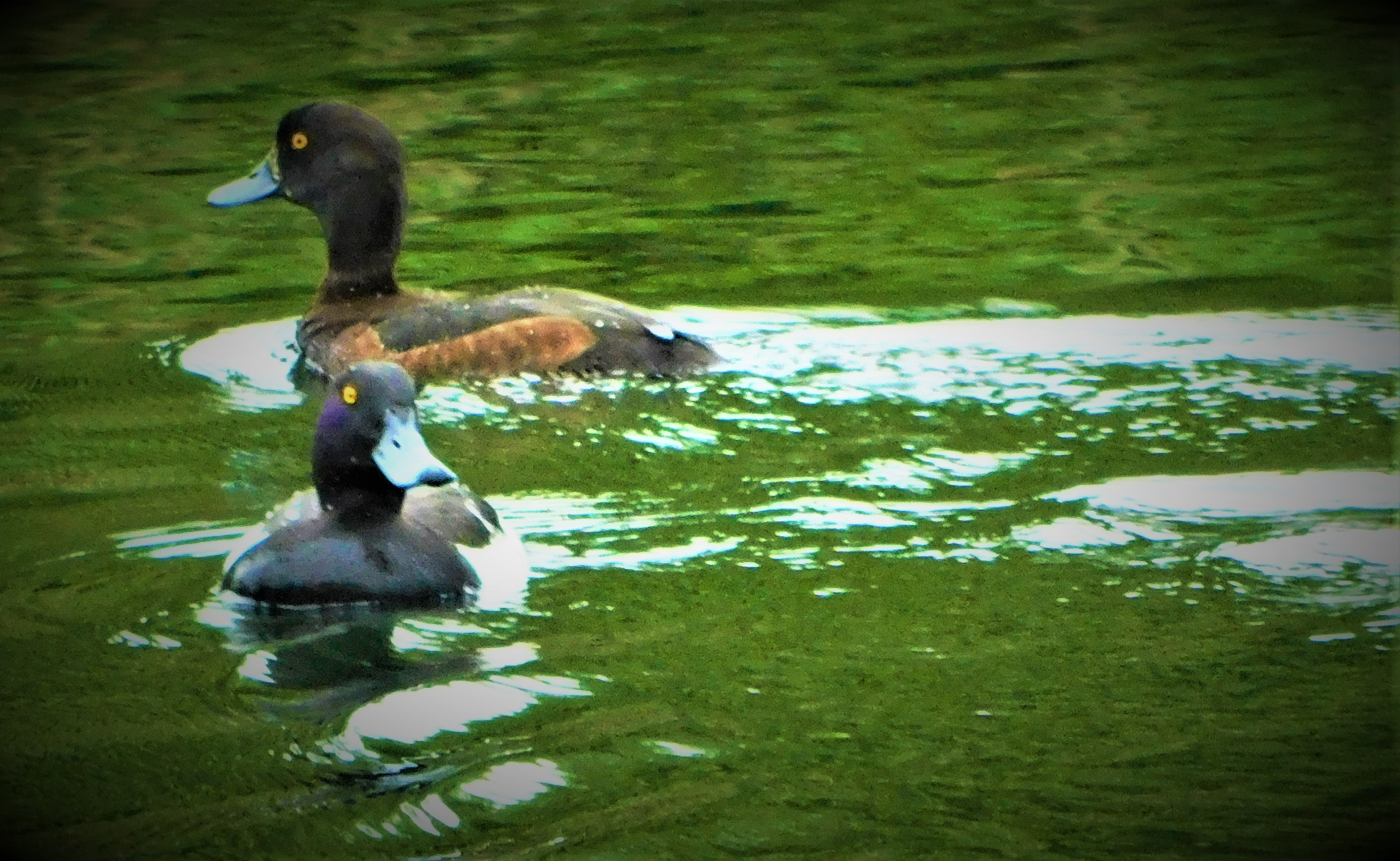
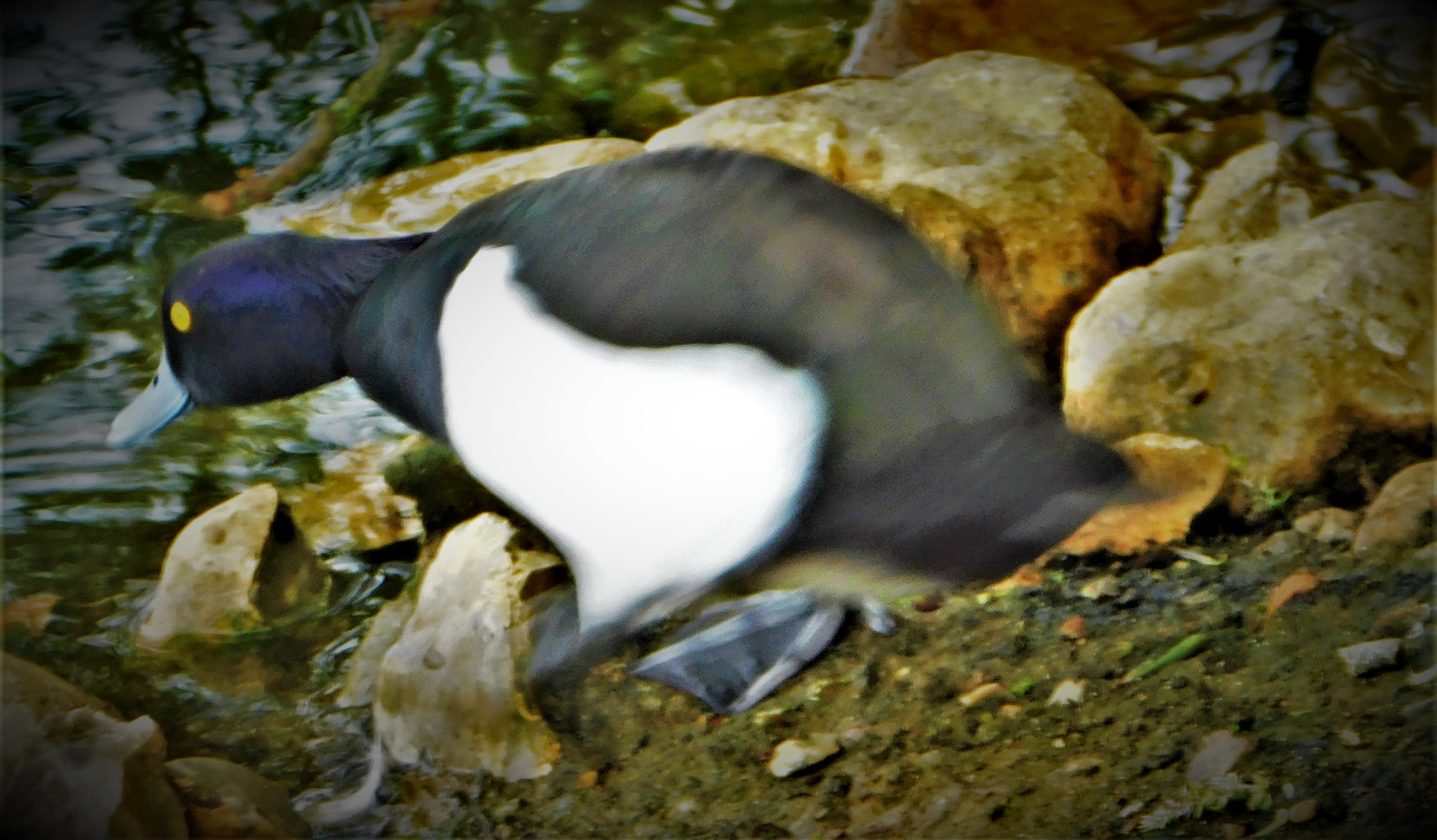
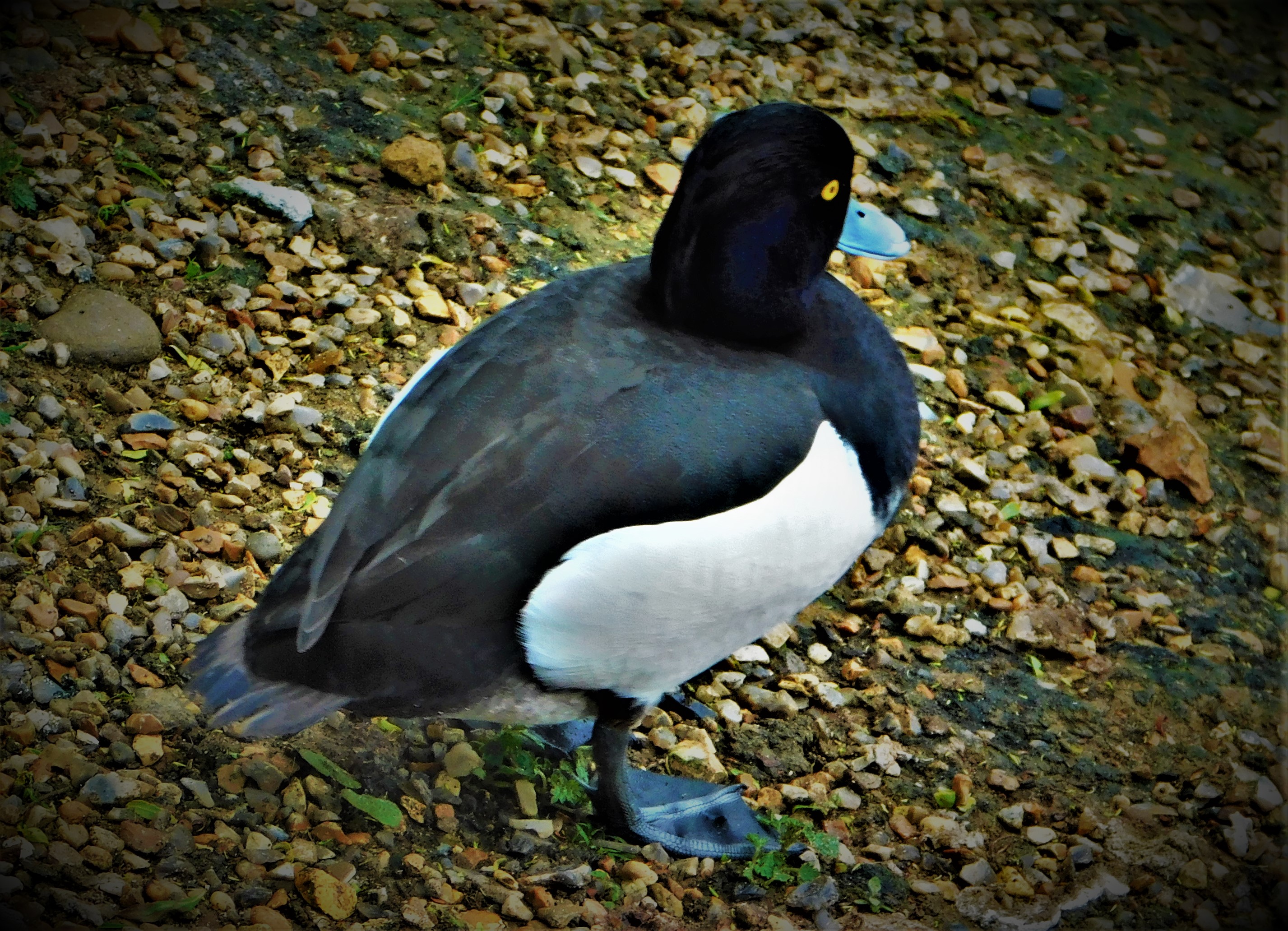
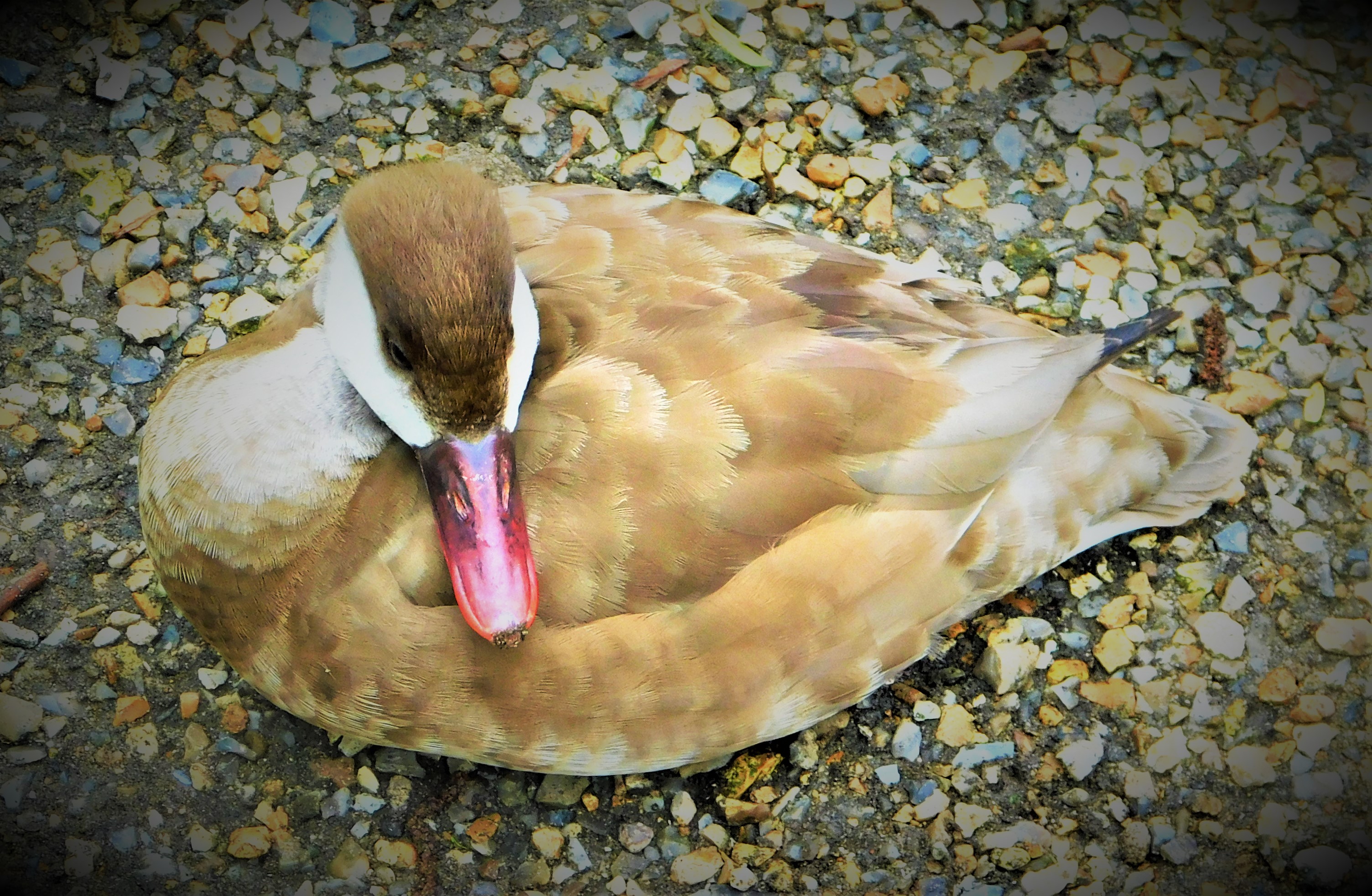
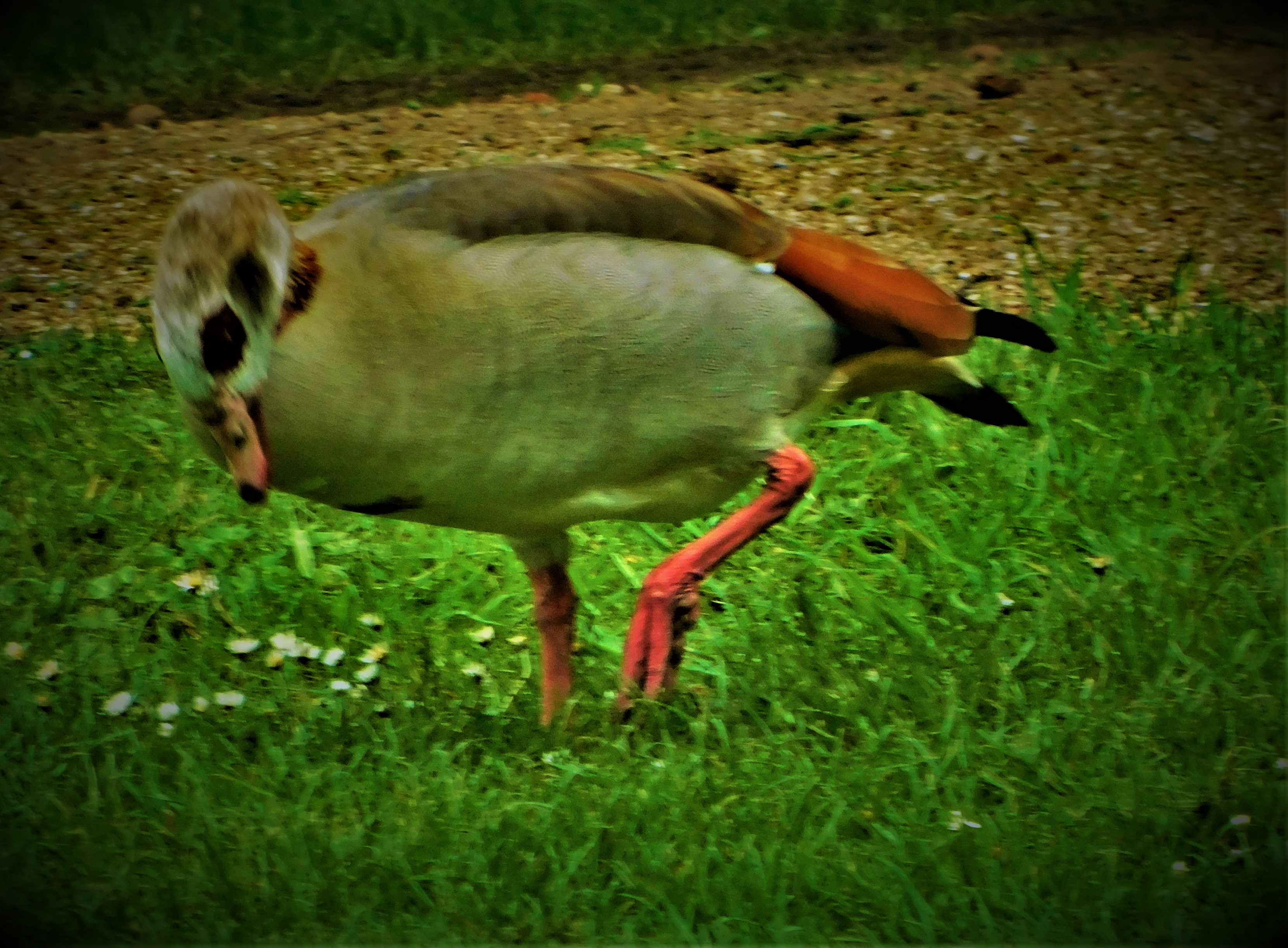
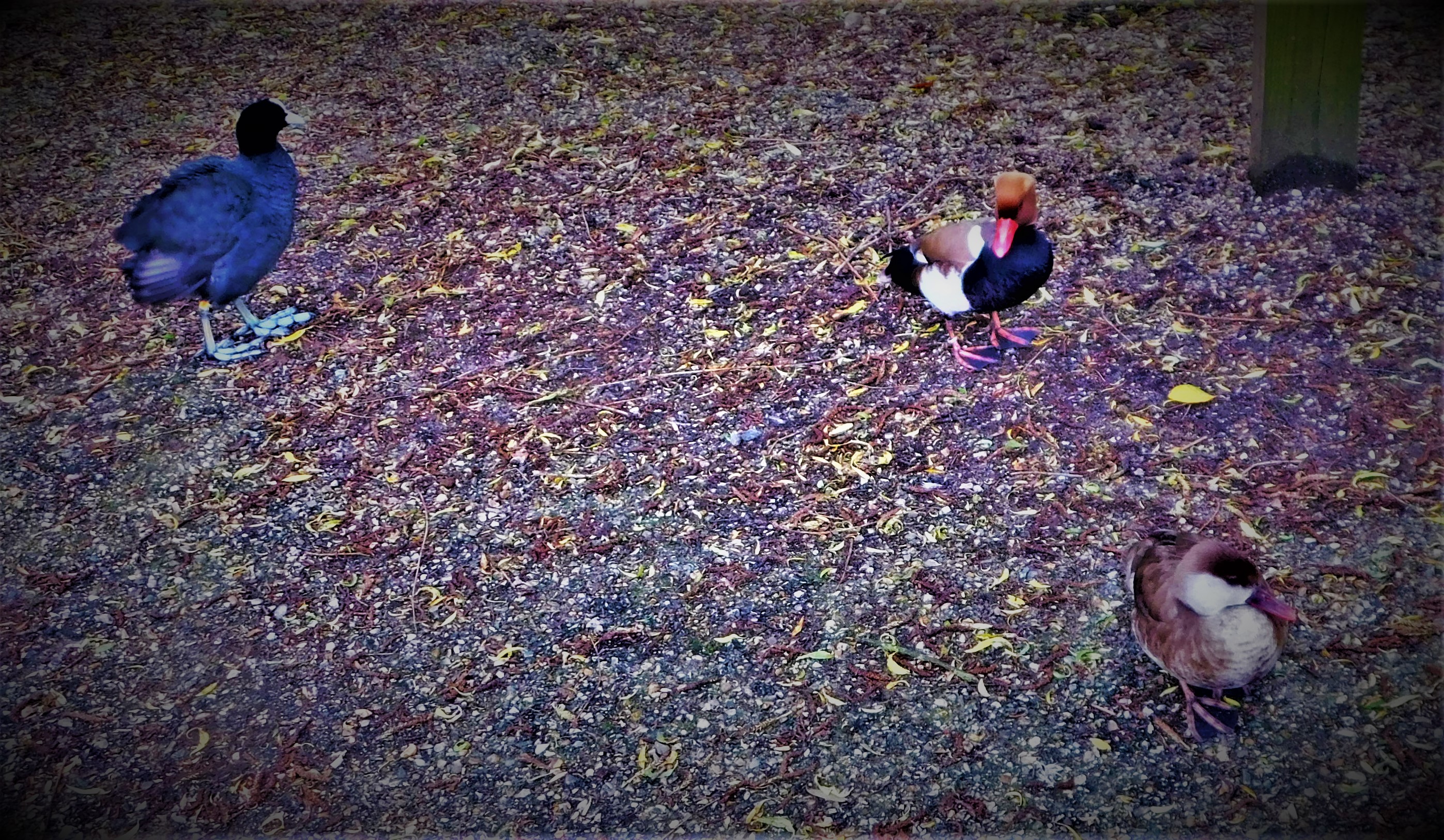
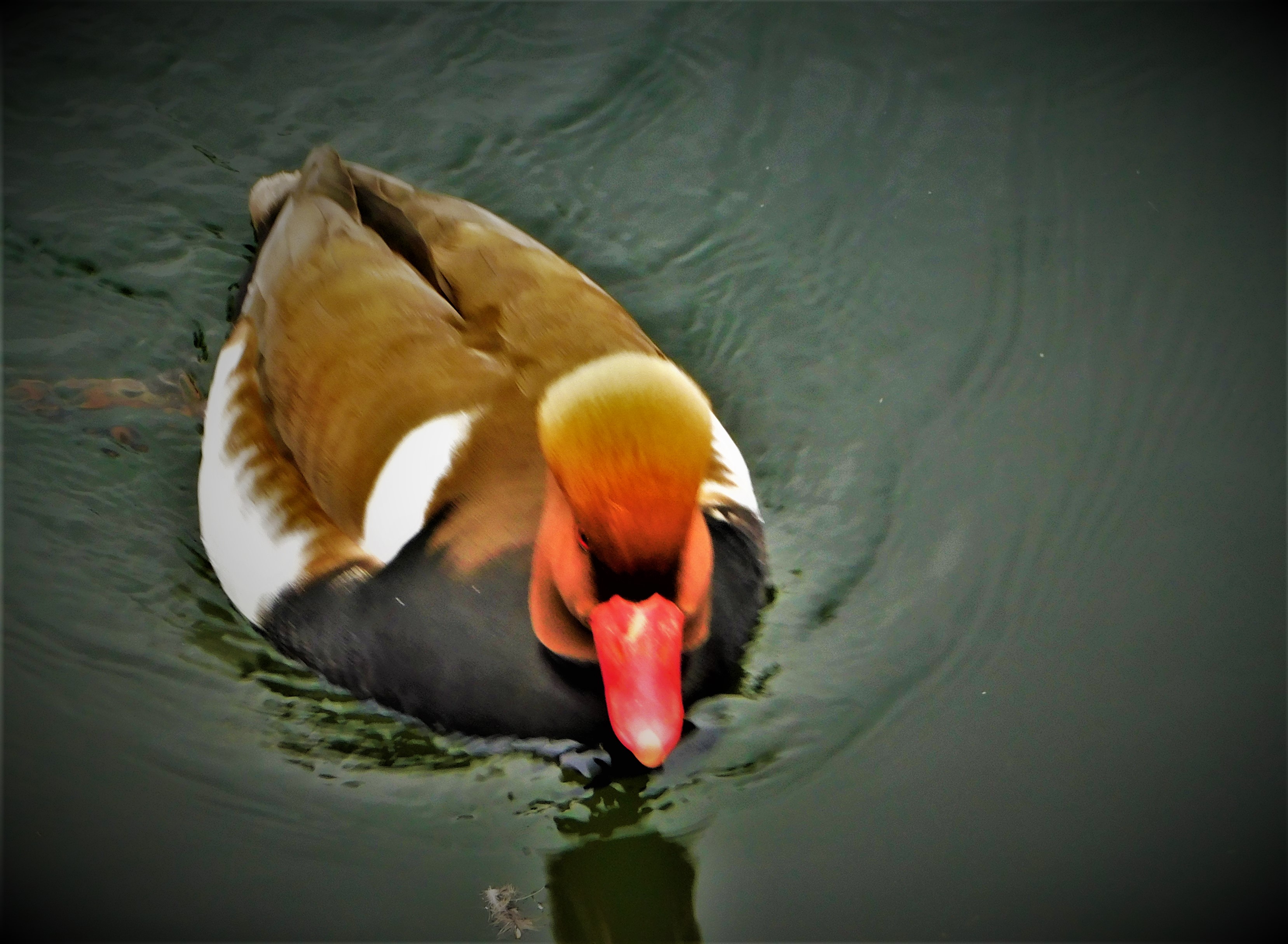
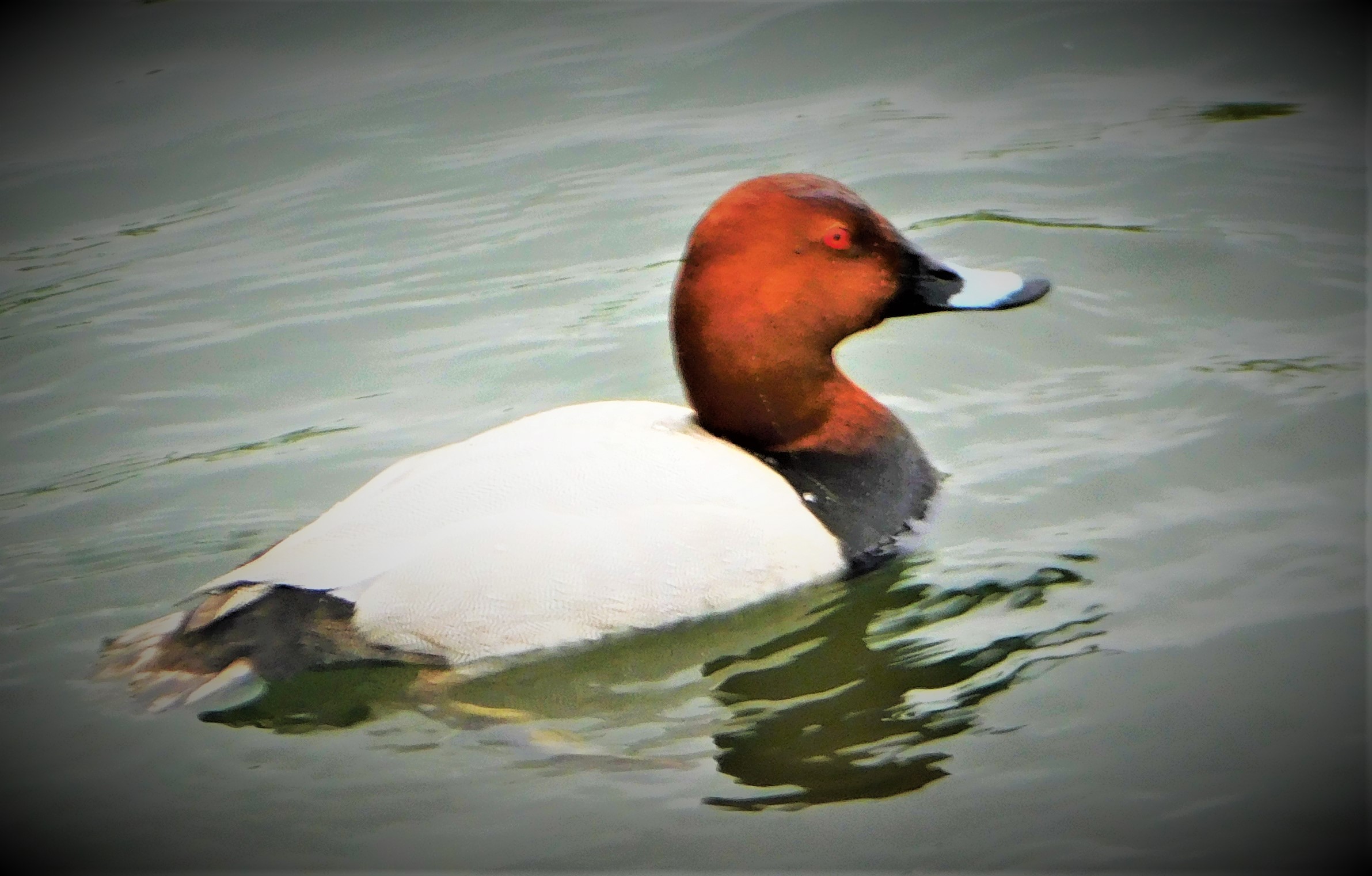
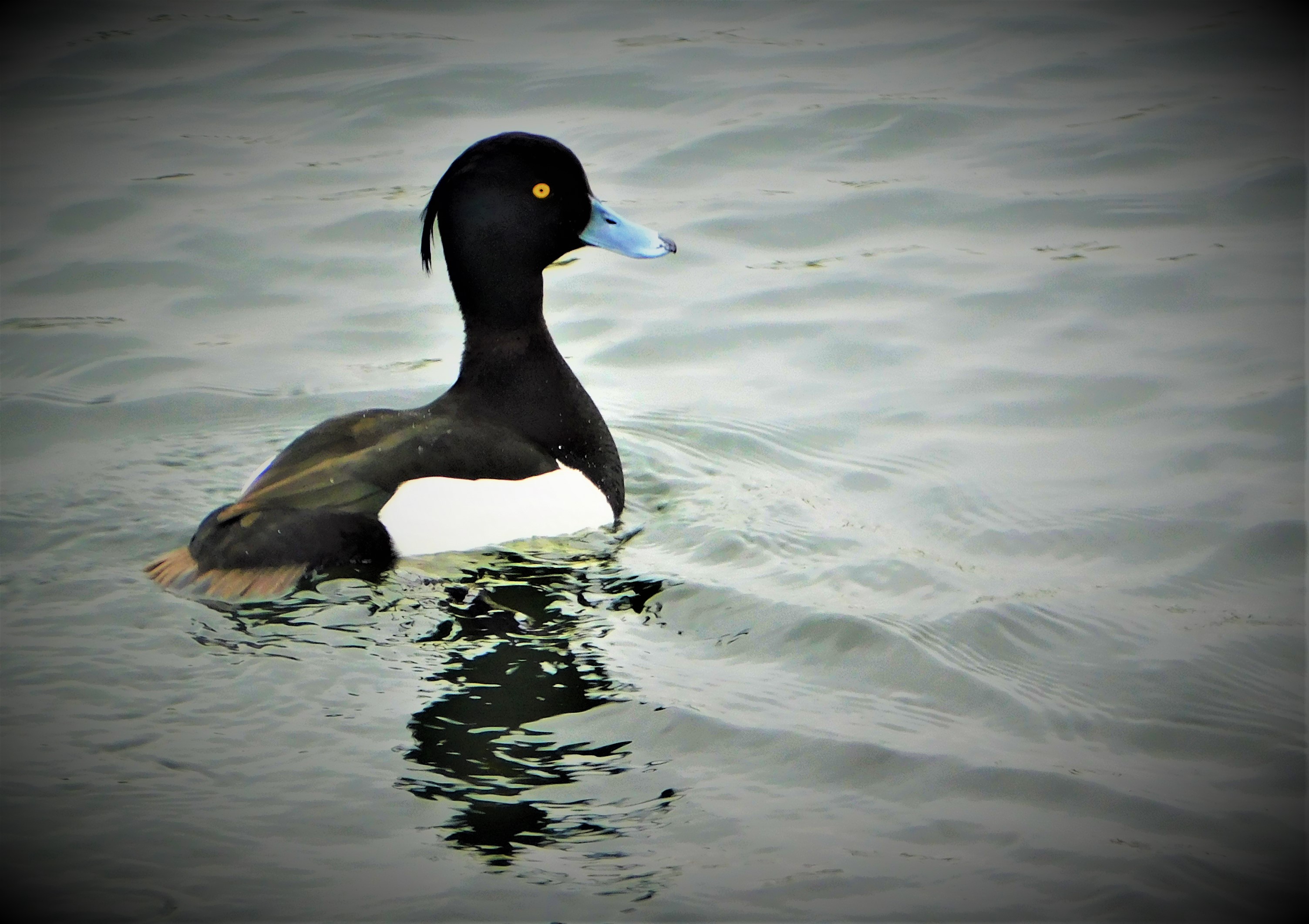
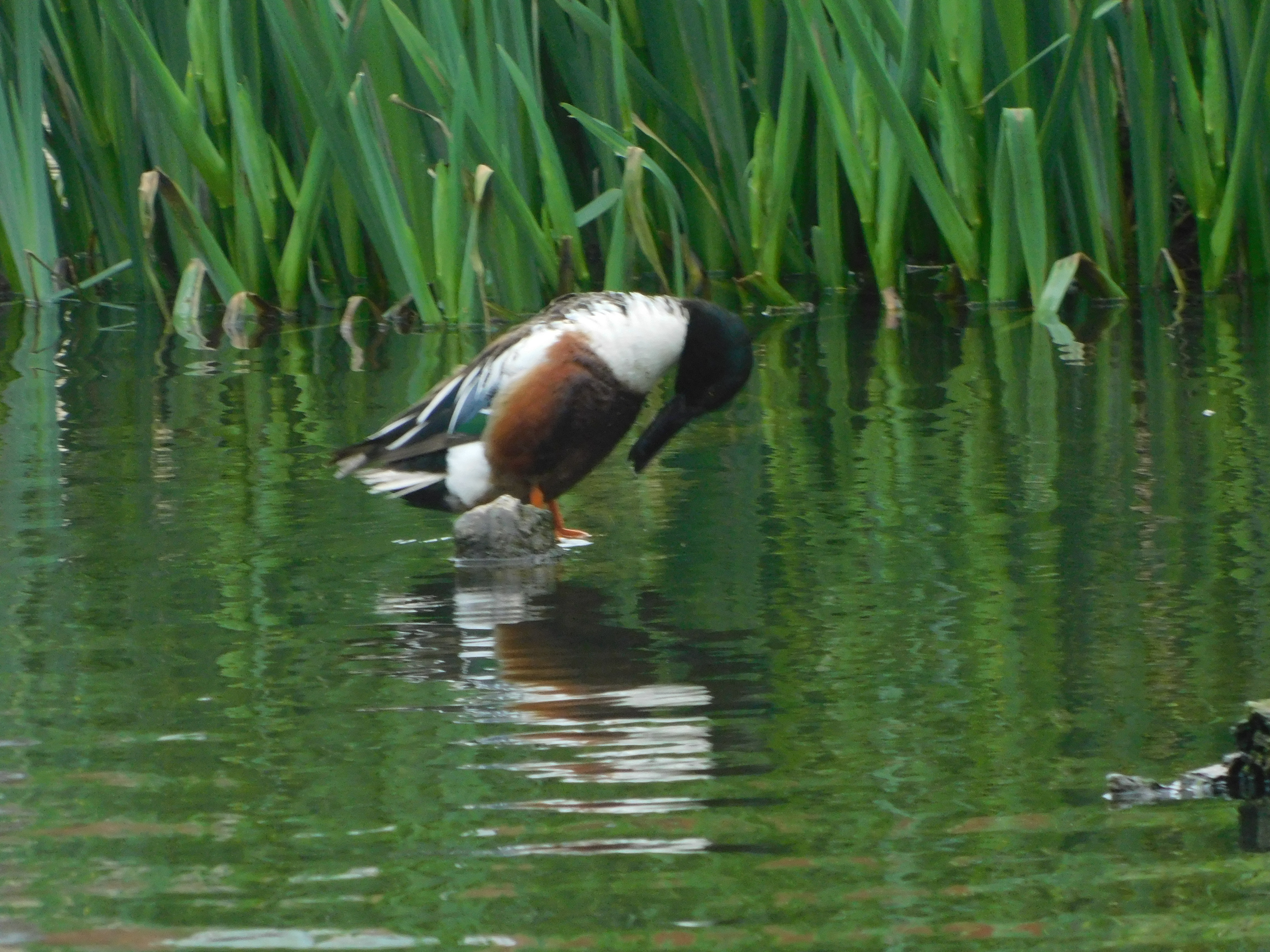
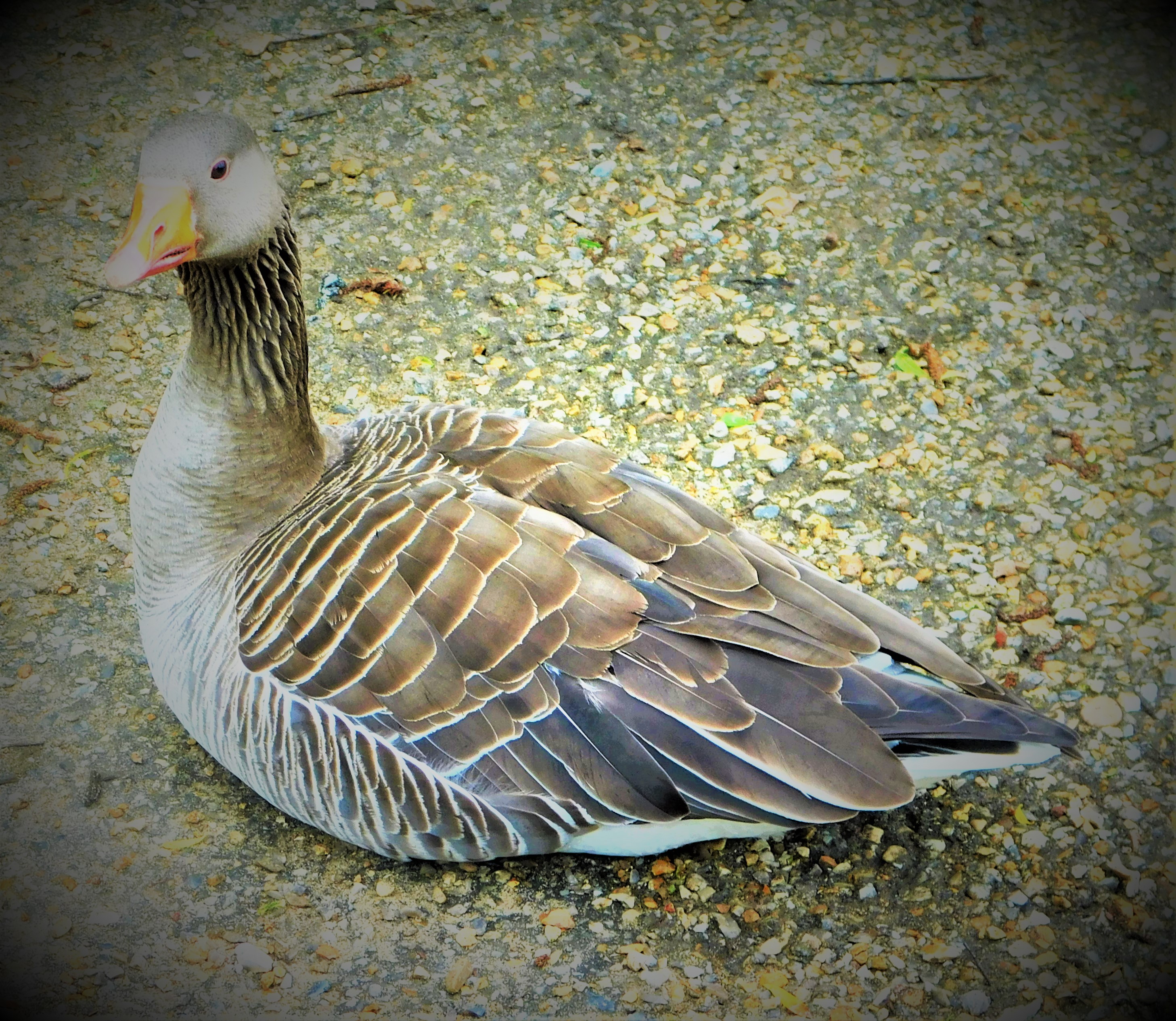
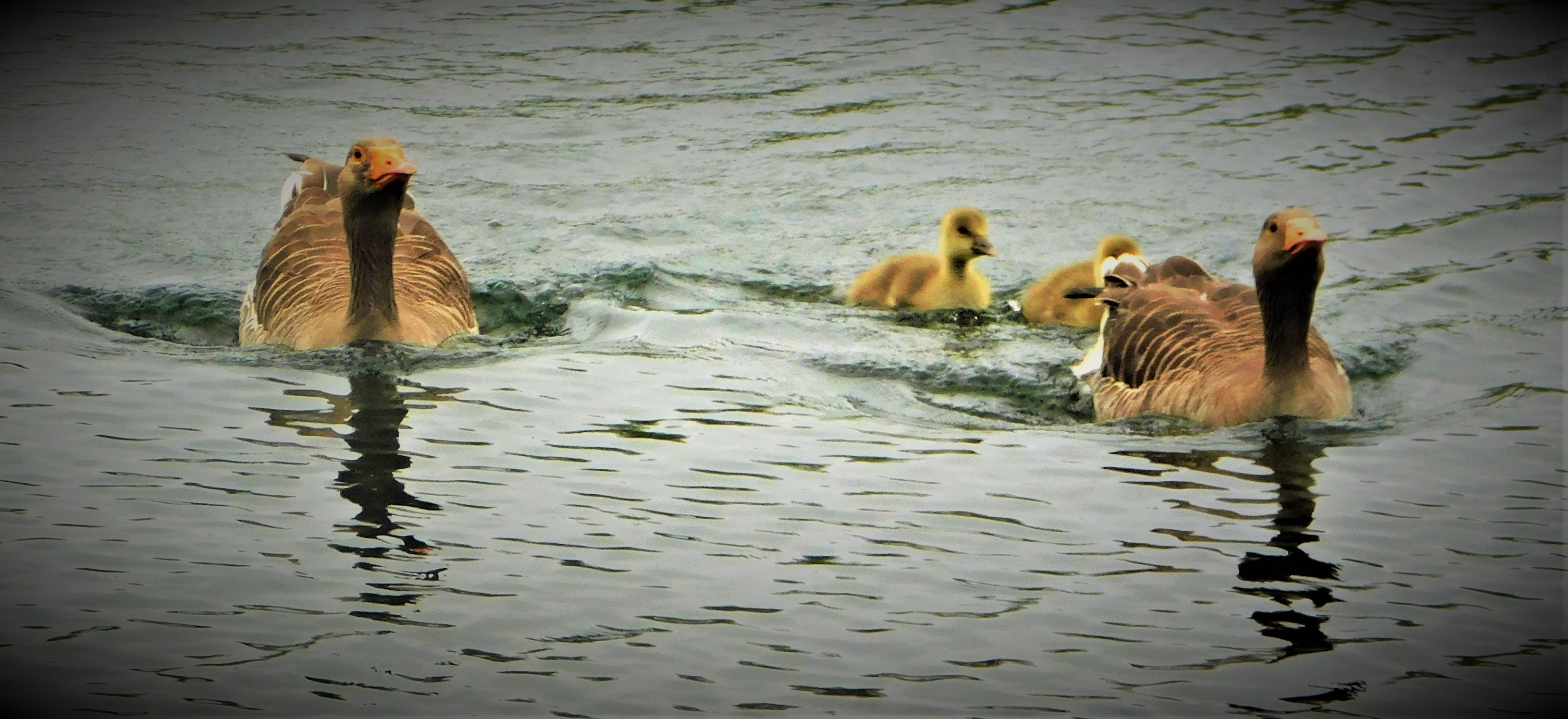
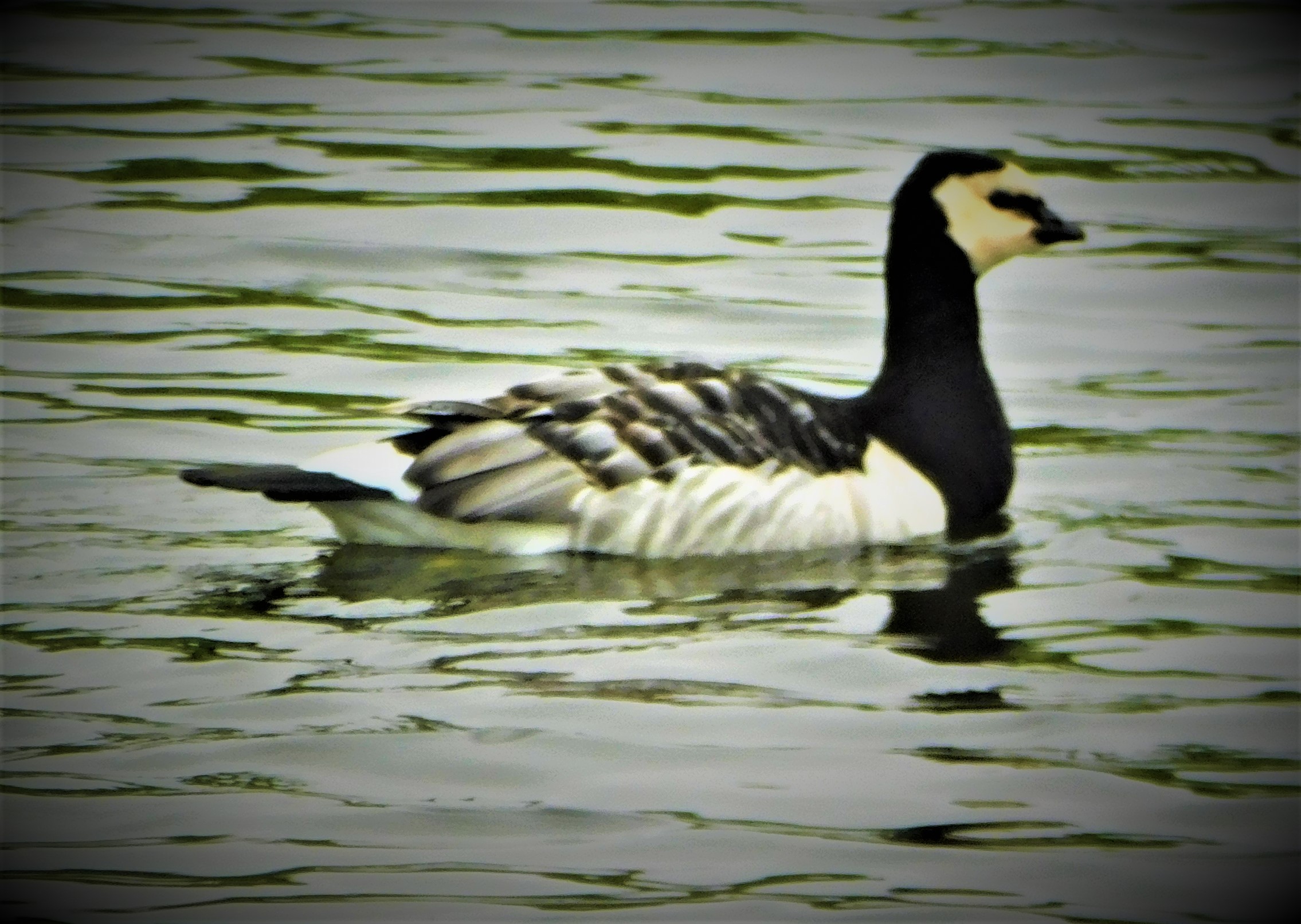
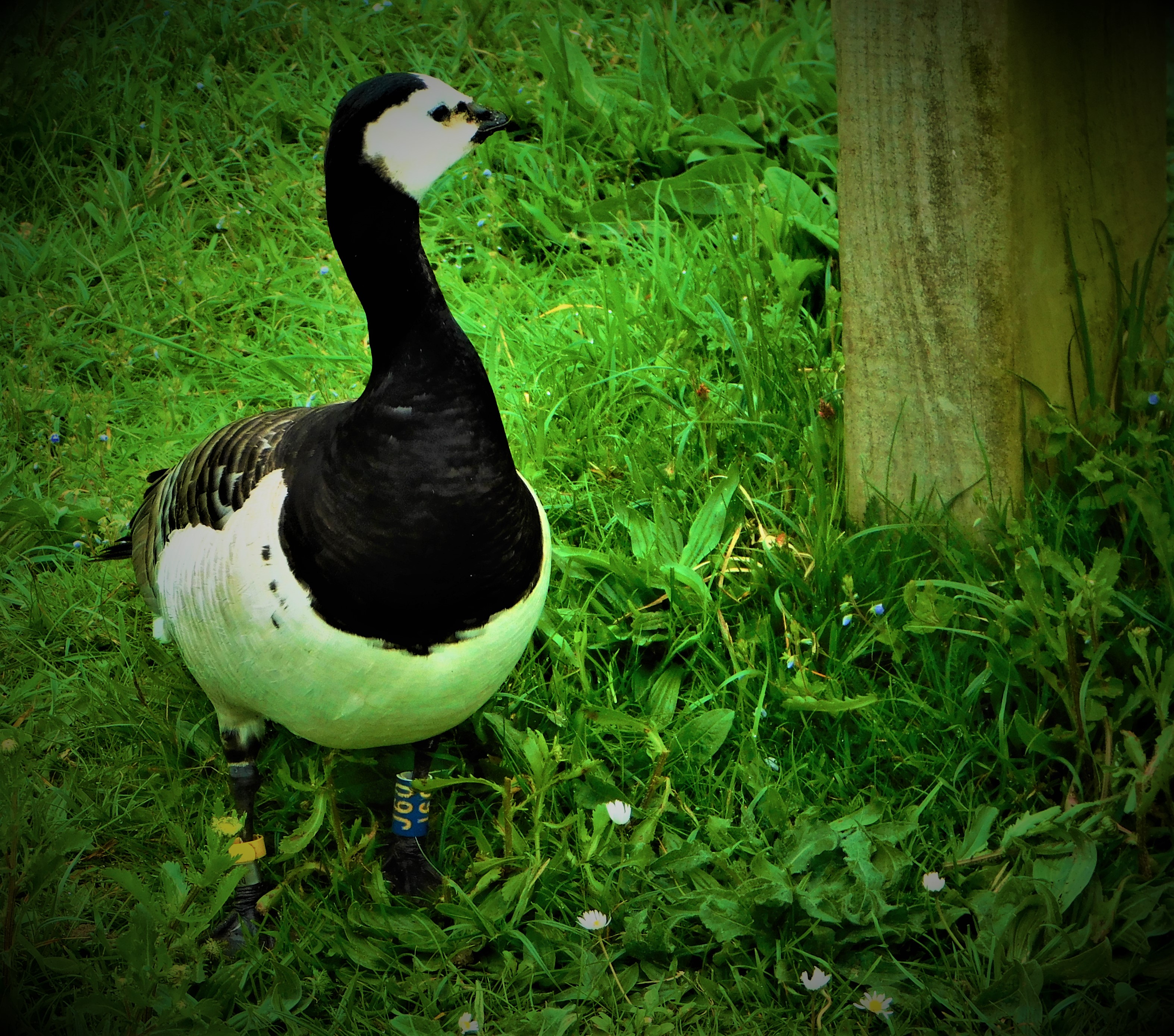
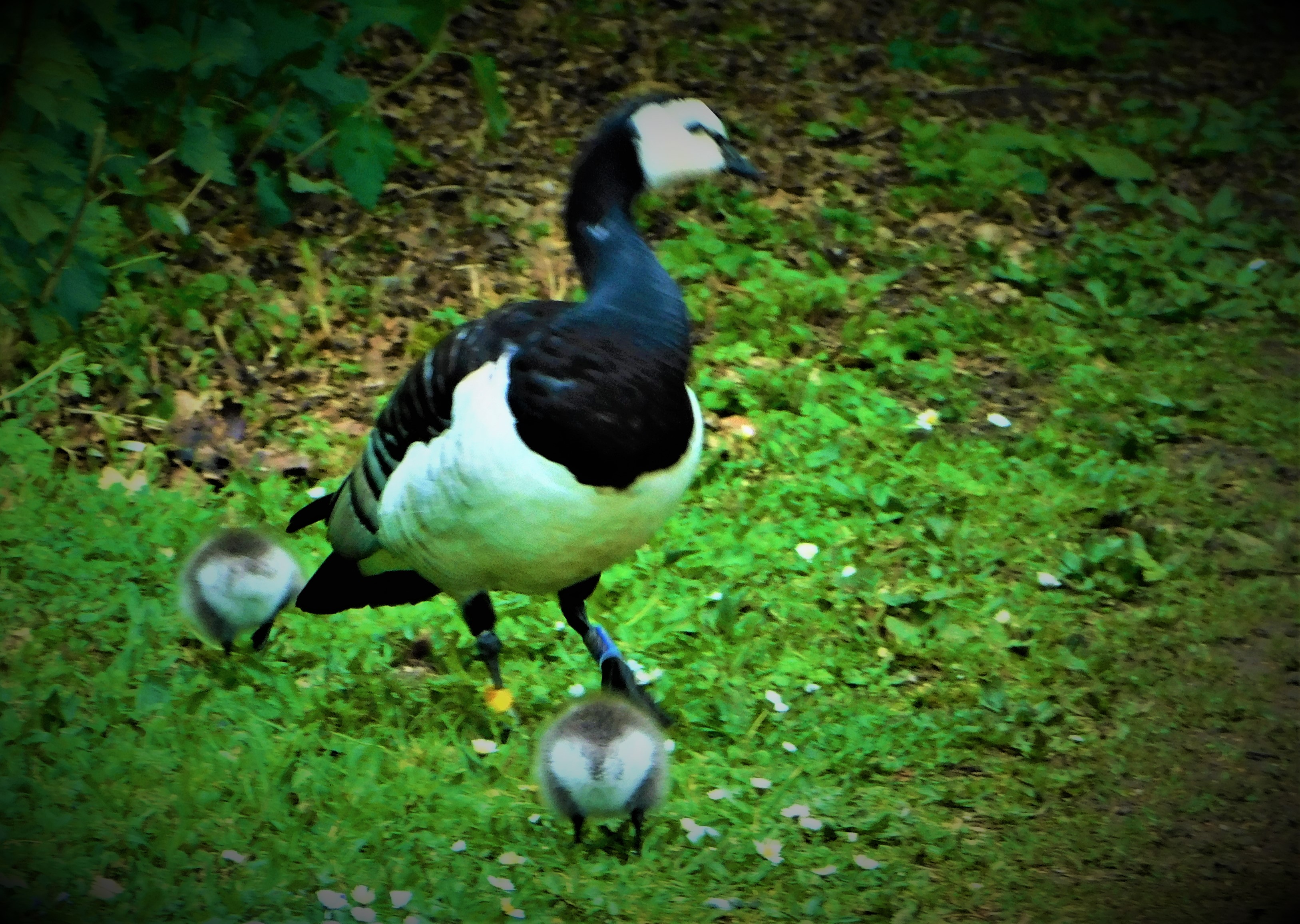
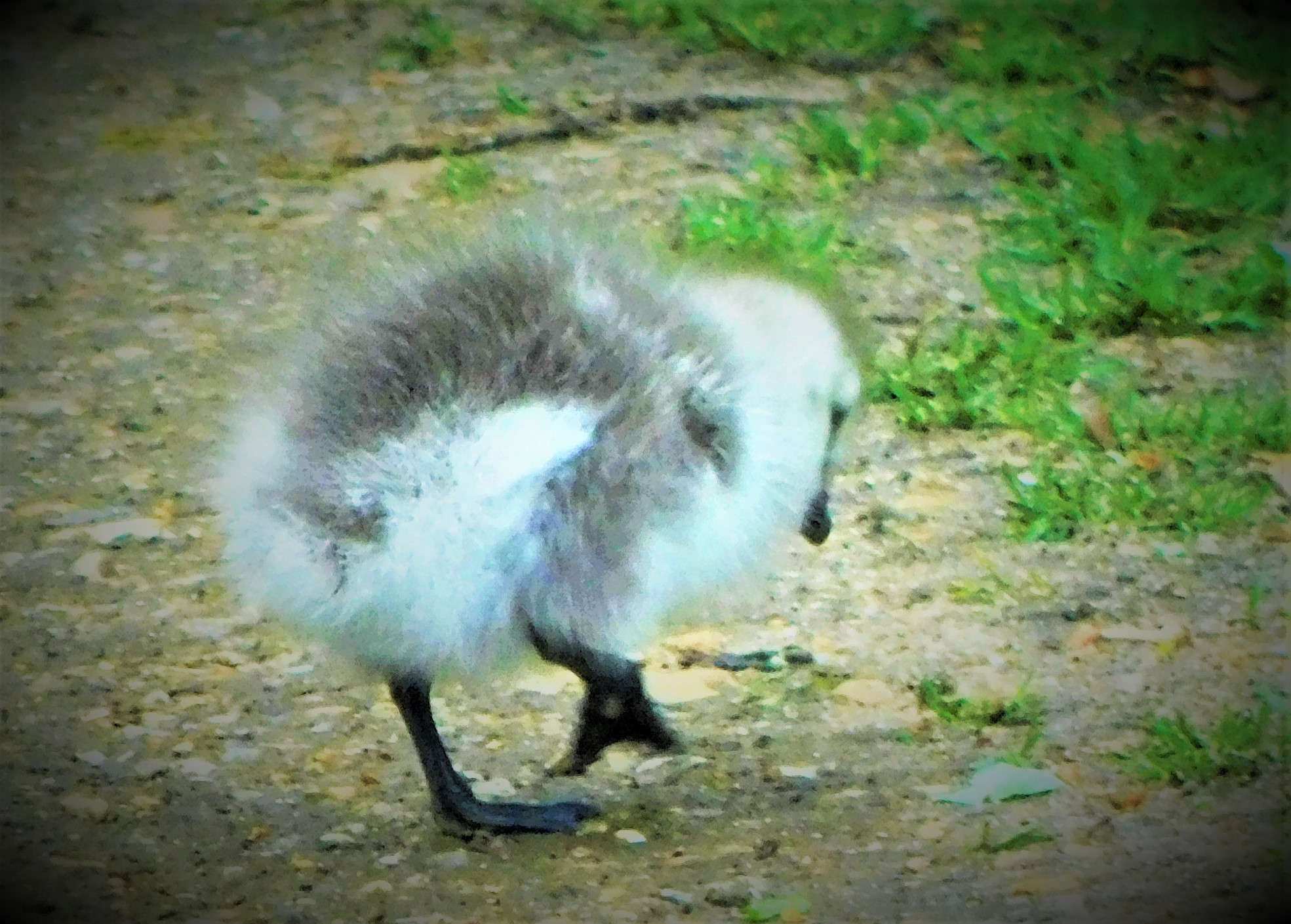
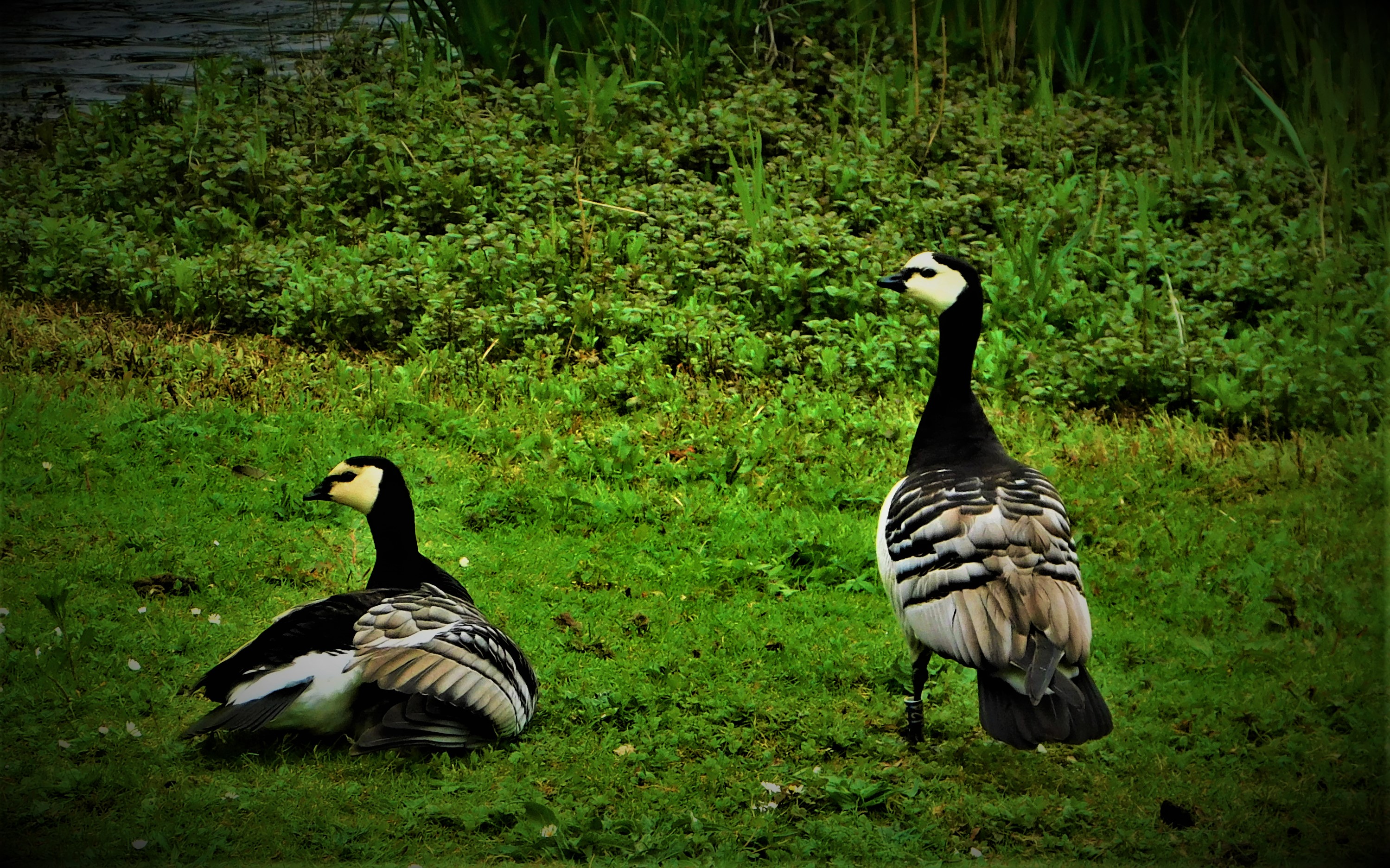
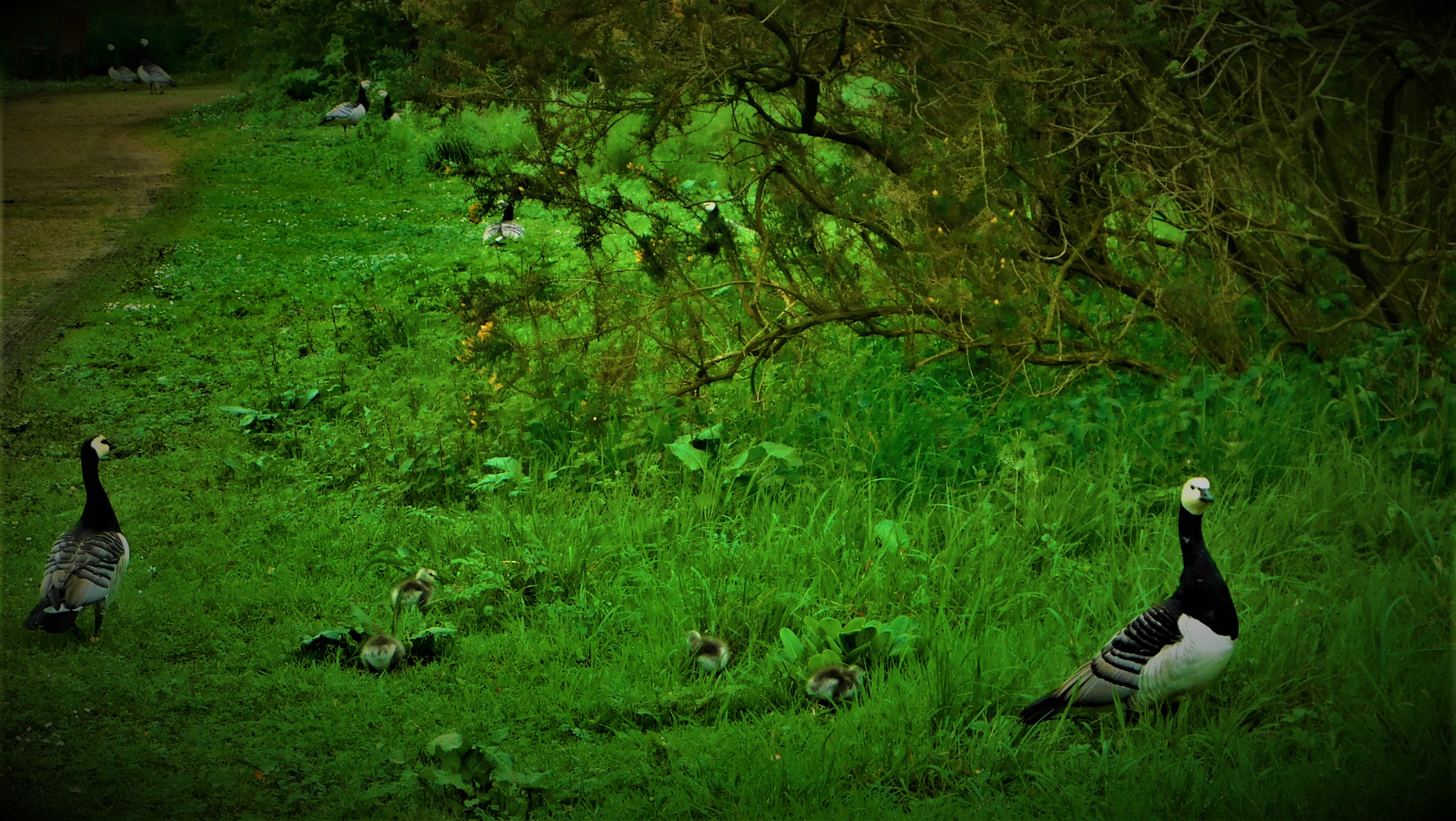
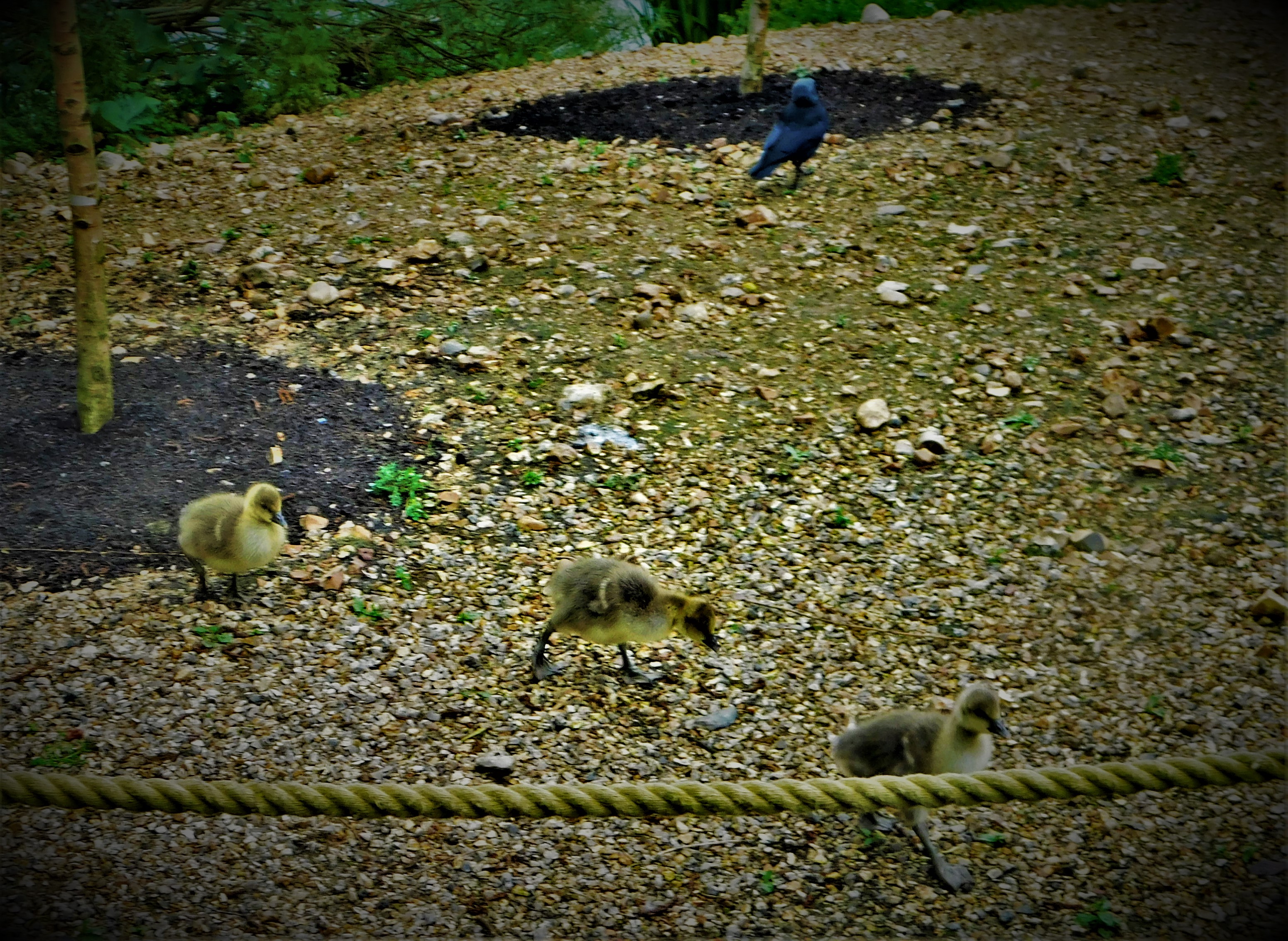
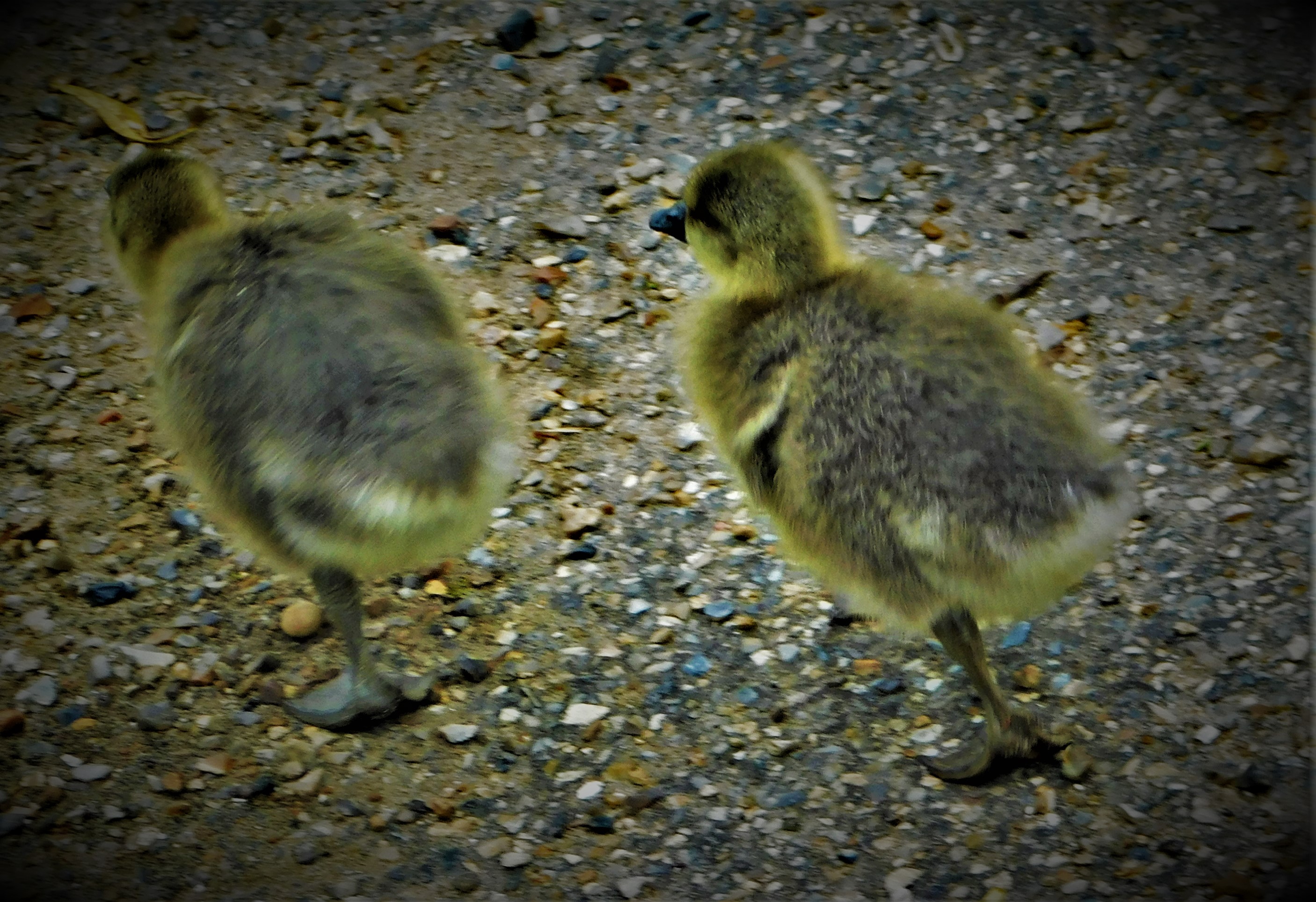
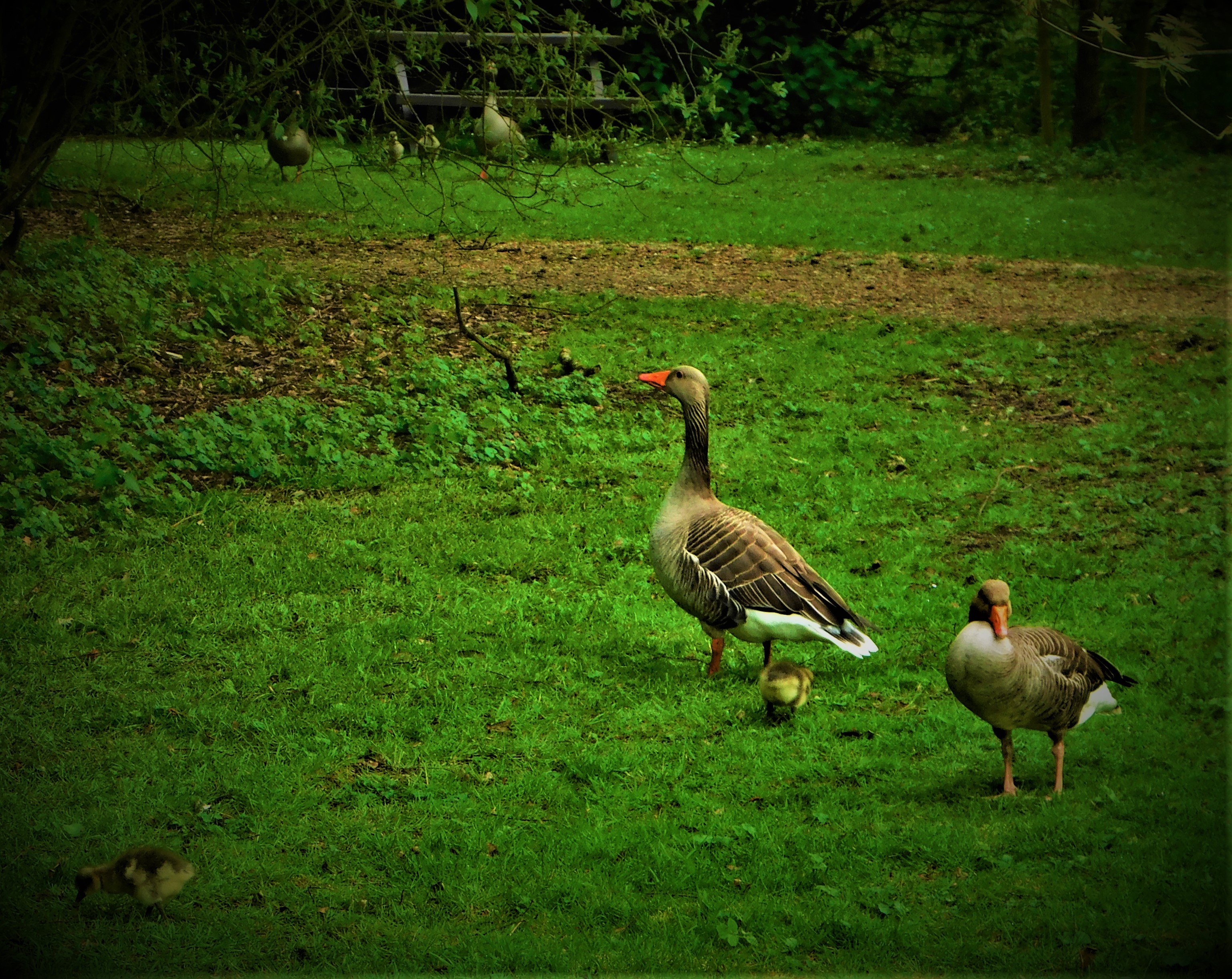
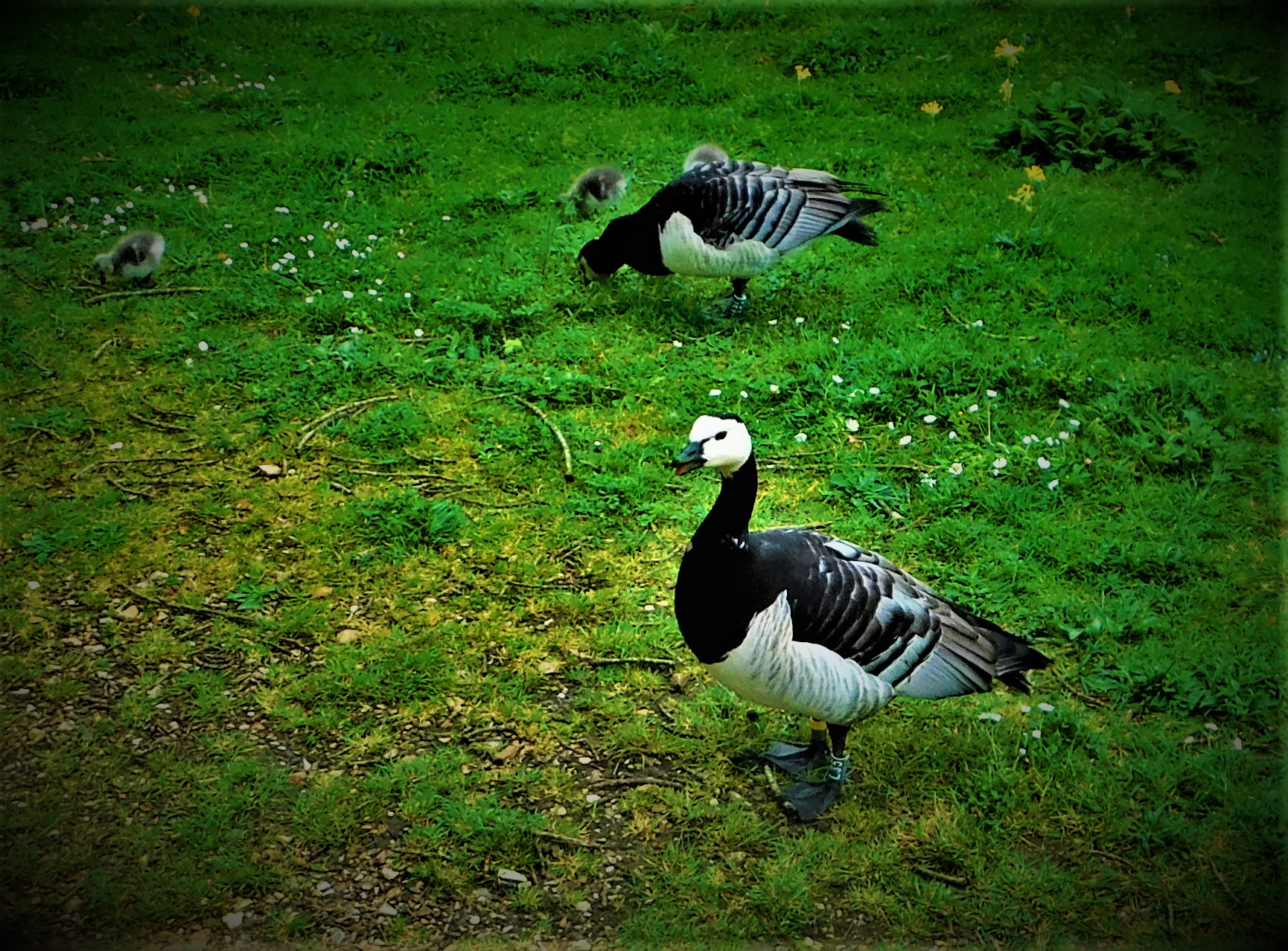
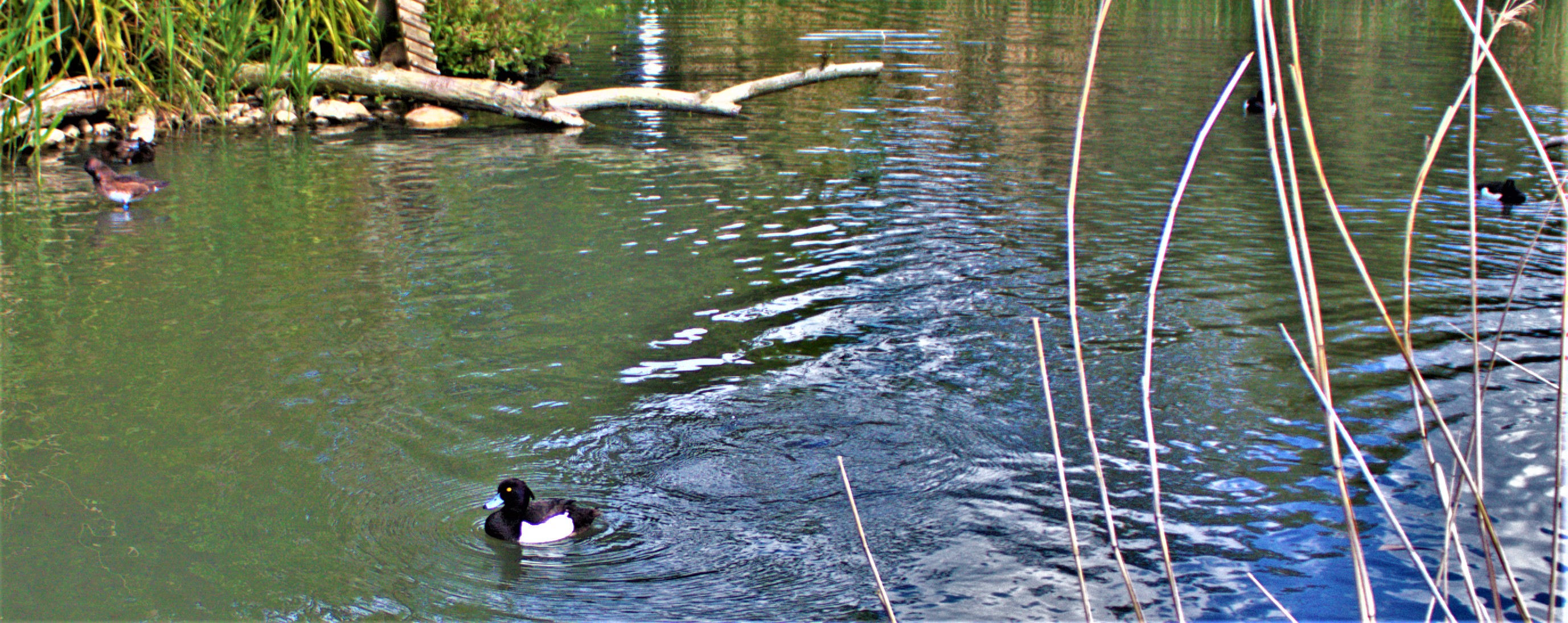
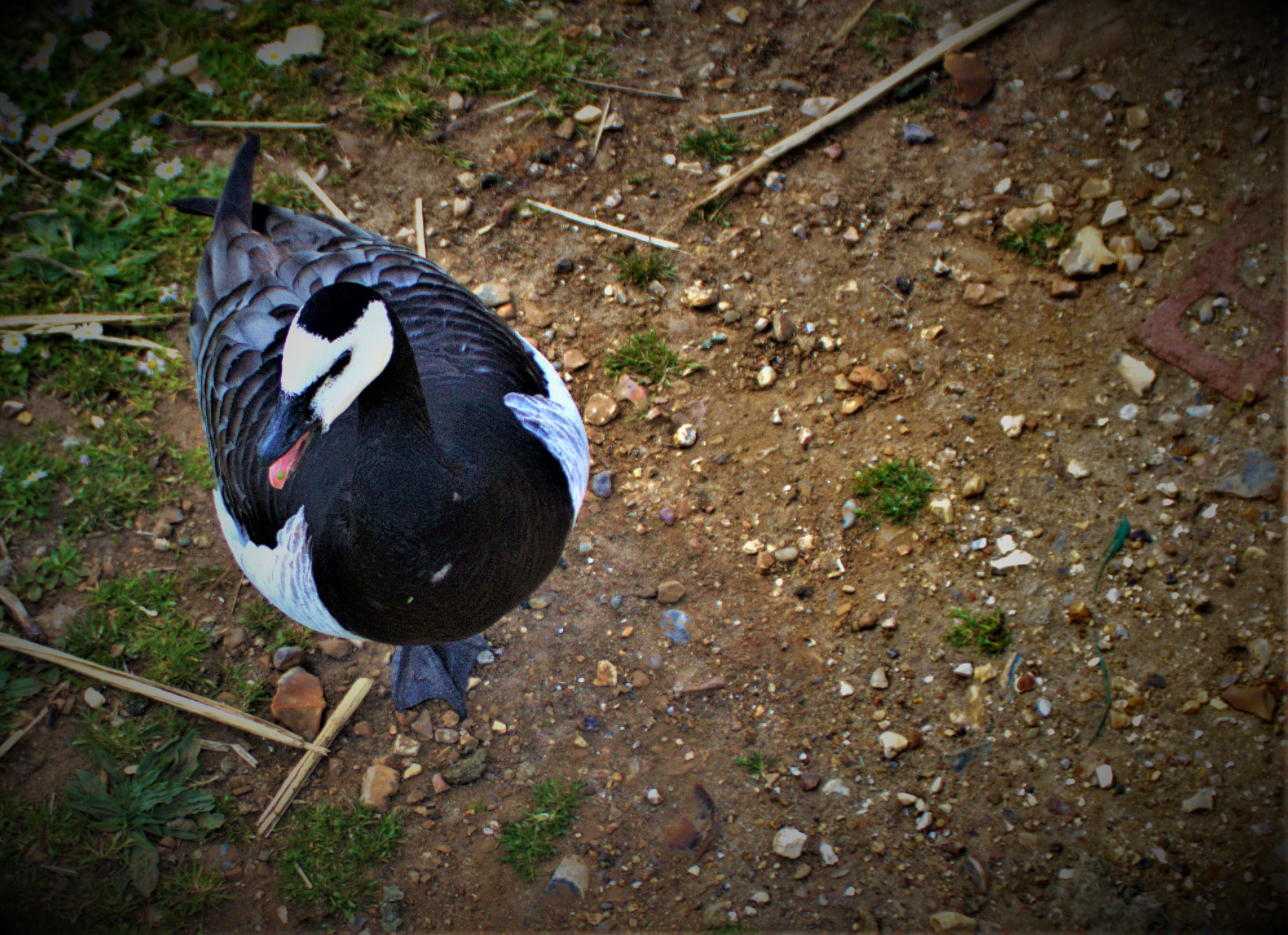
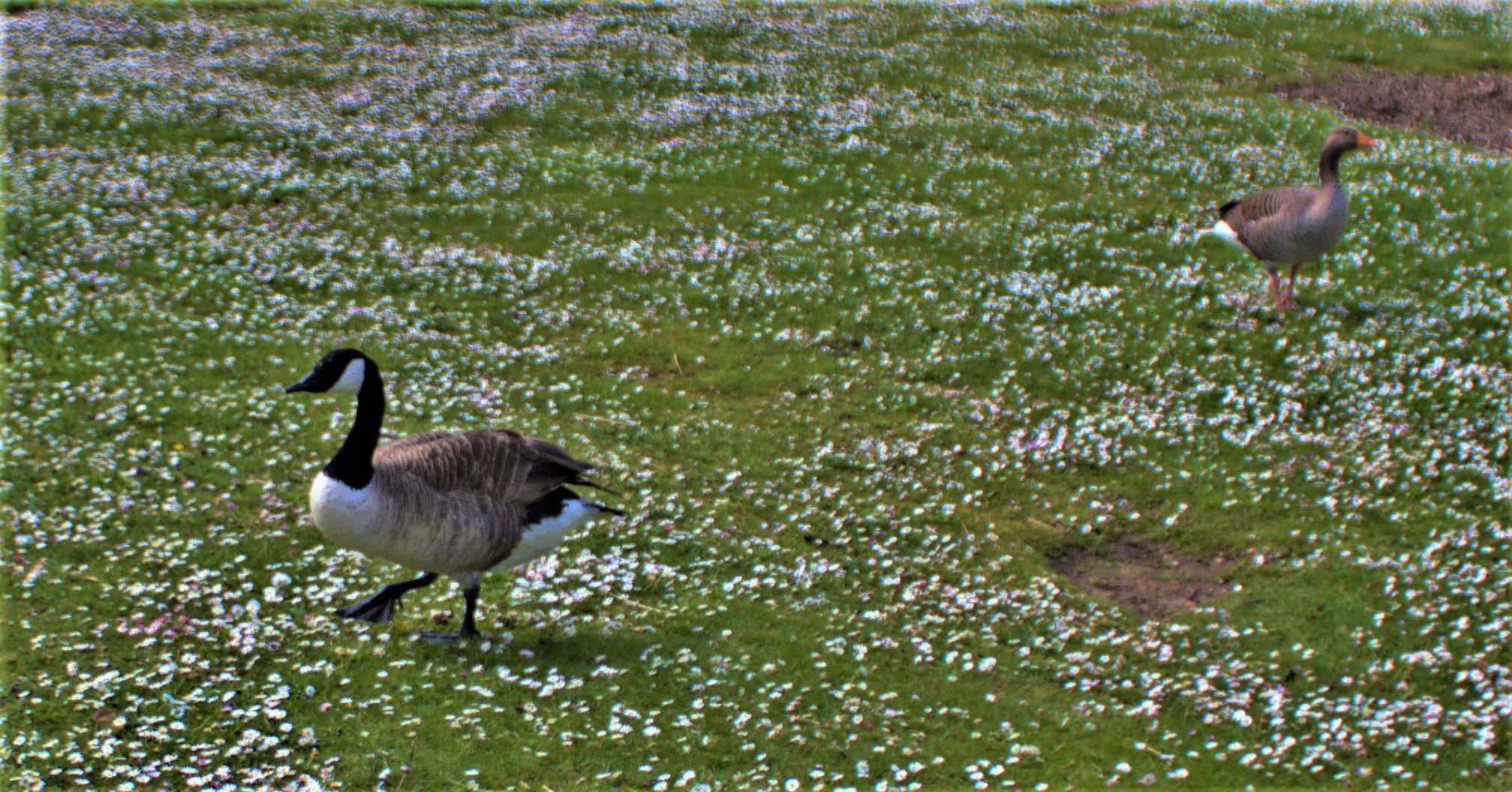
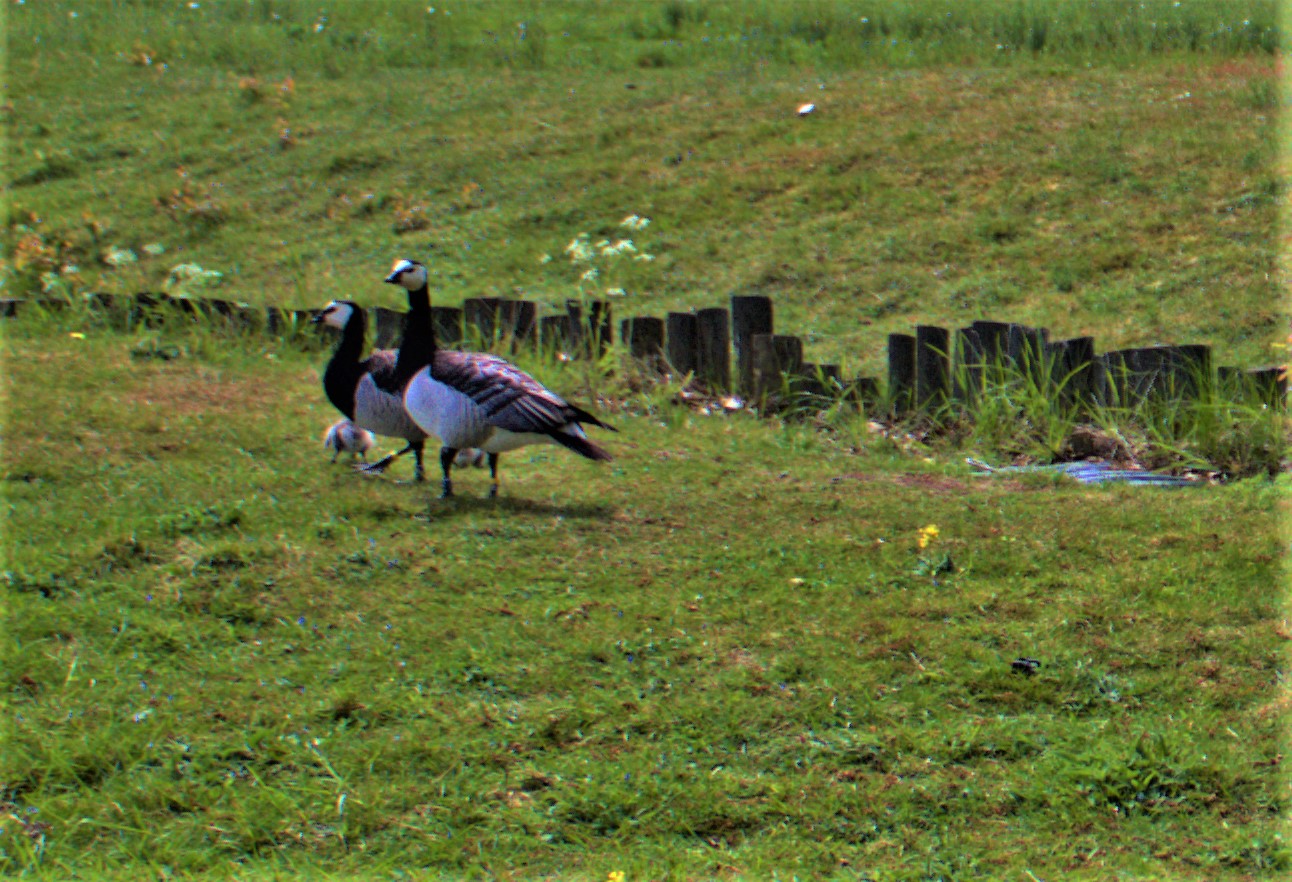
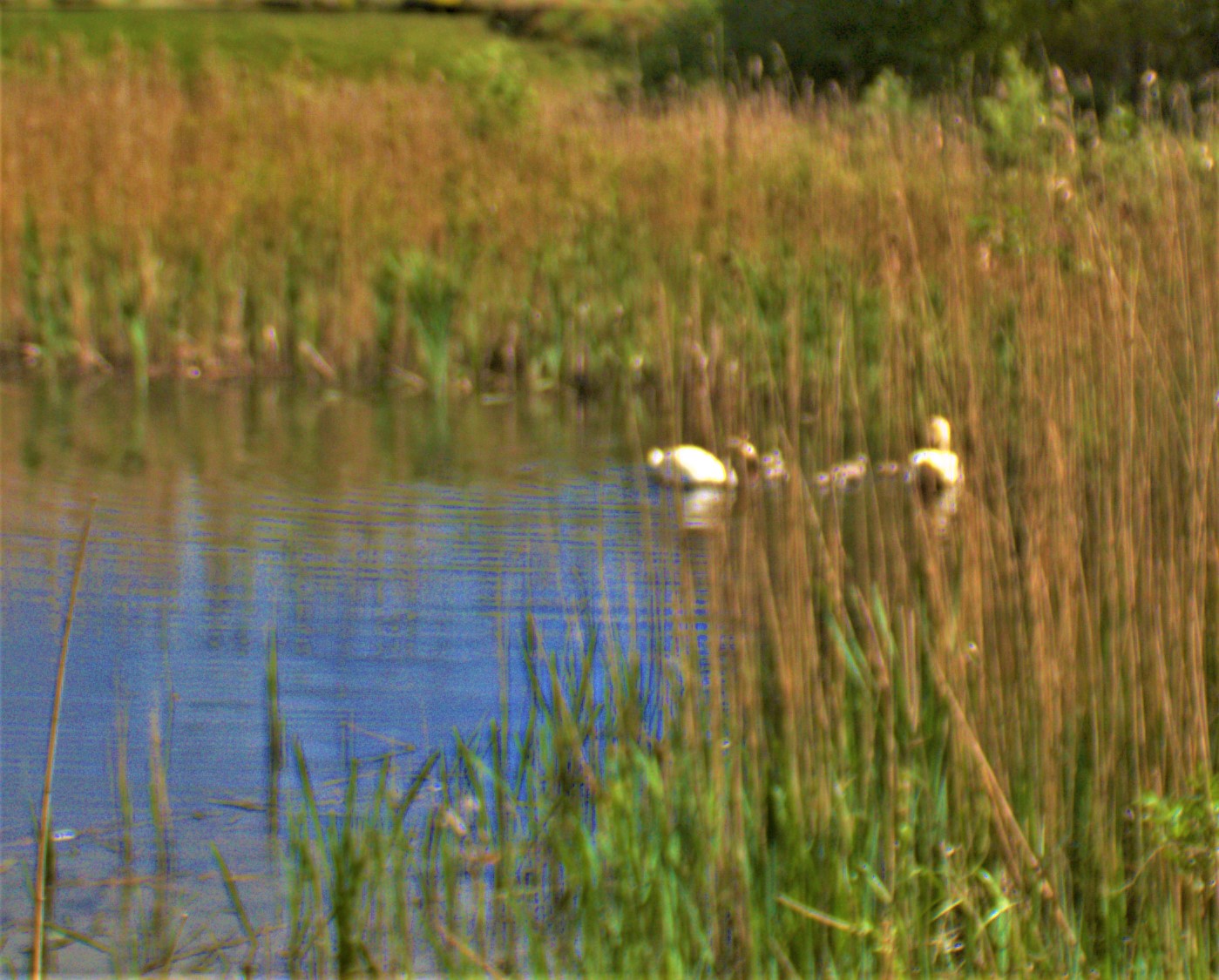
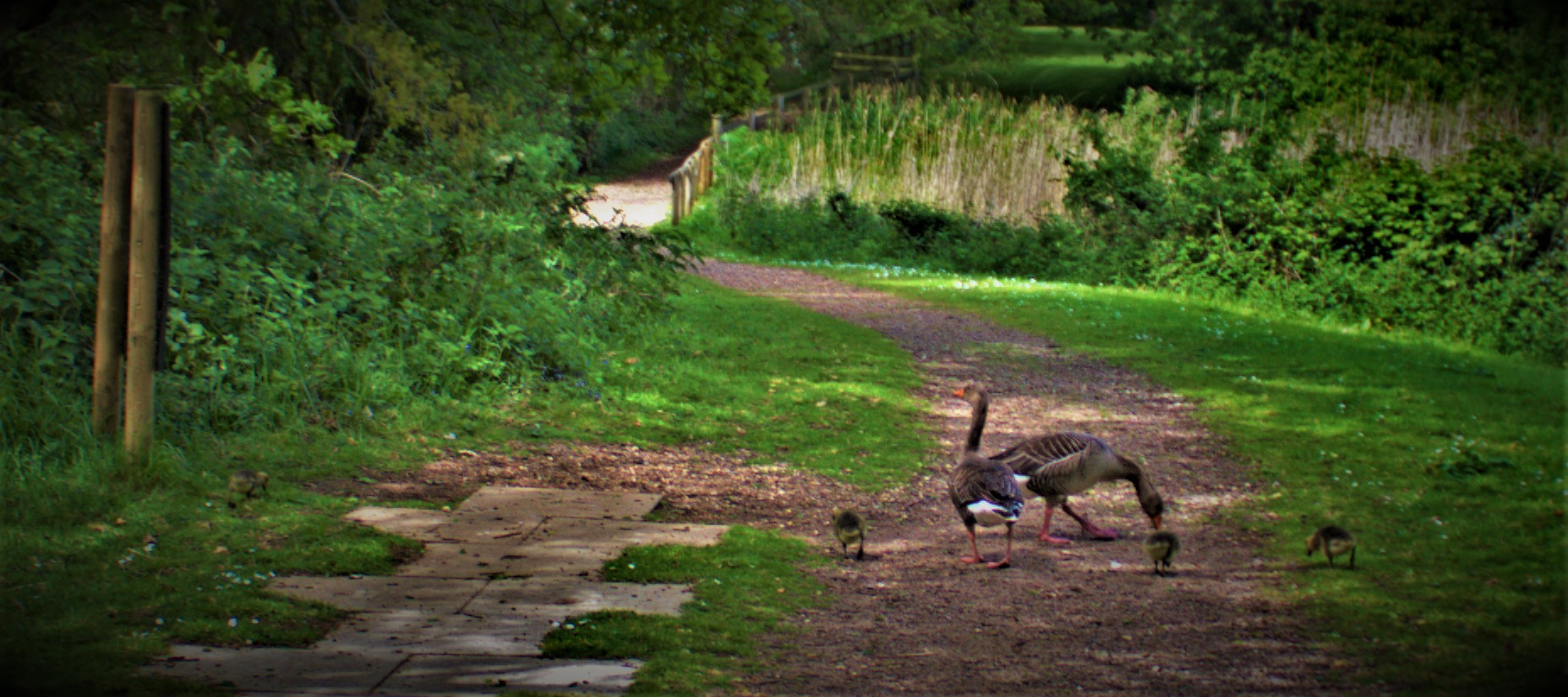
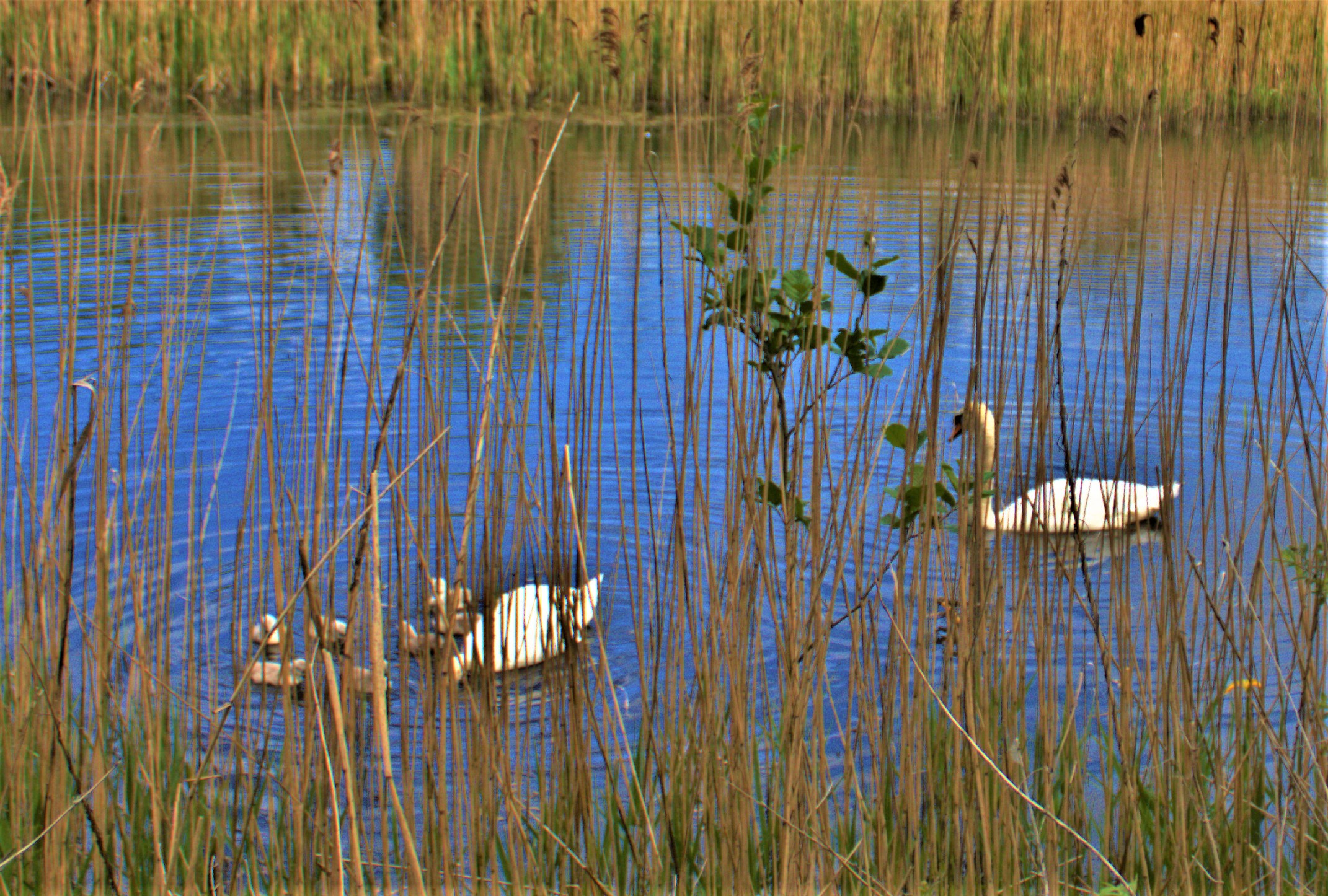
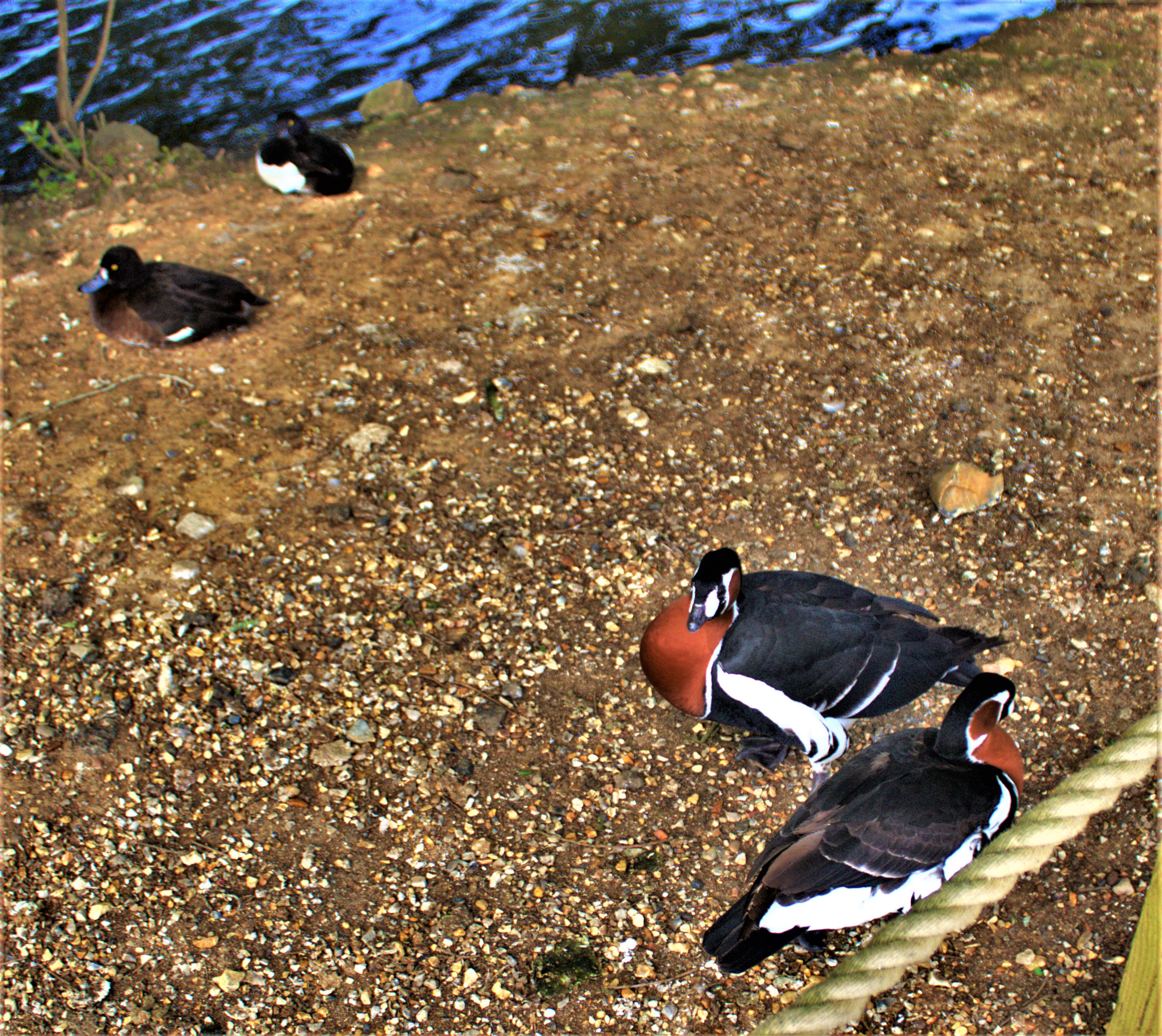
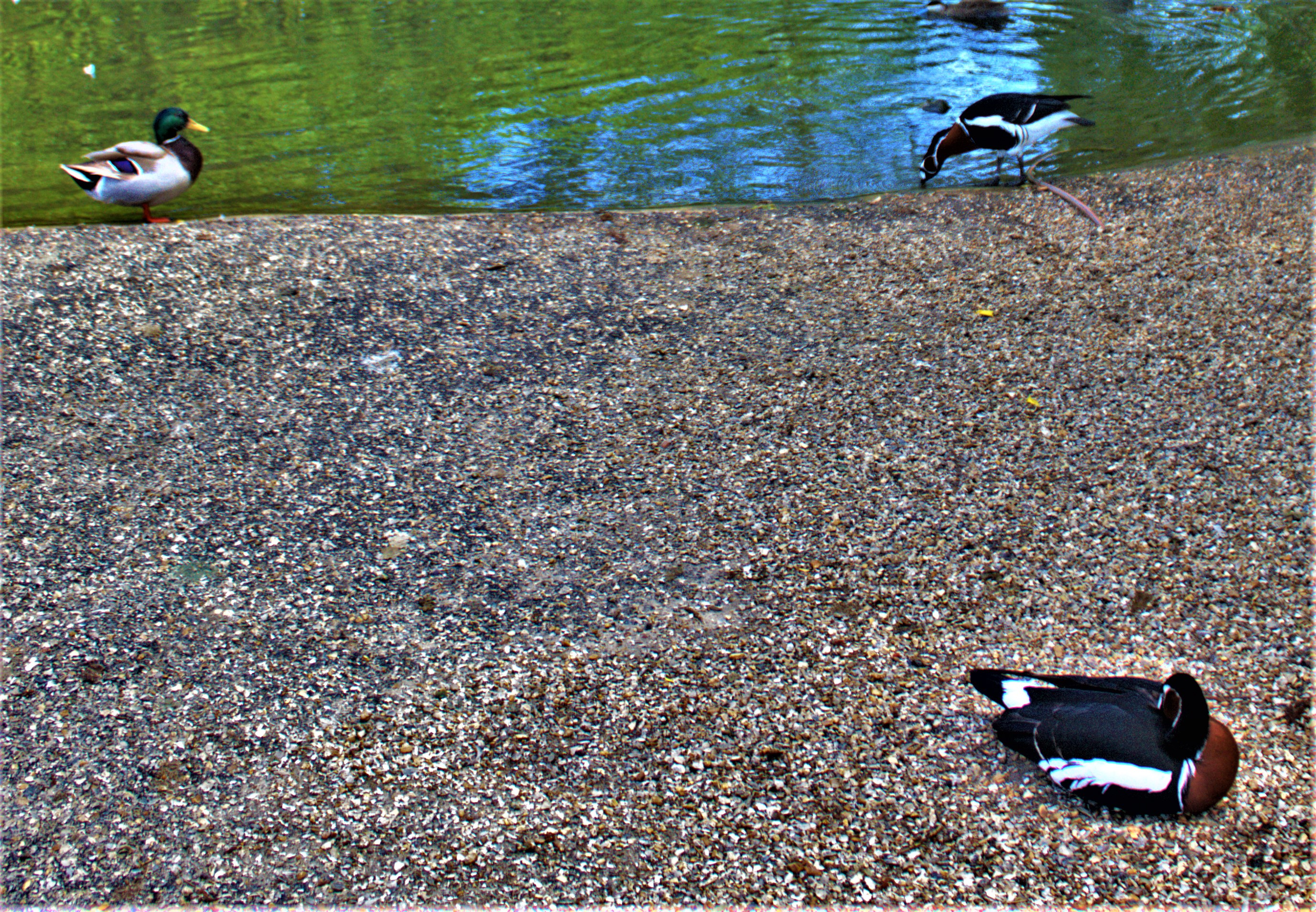
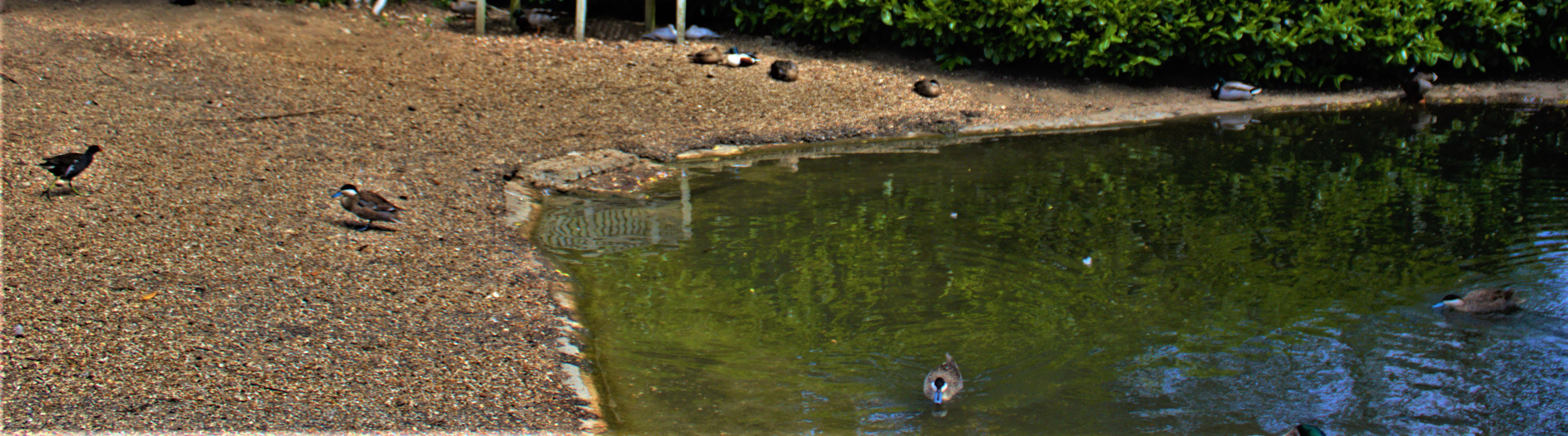
Continuing my mini-series about my visit to Pensthorpe with a look at the ducks and geese that I saw there, which include some exotic species as well as some commonplace ones.
This is the second post in my mini-series (the first is here) about my visit to Pensthorpe yesterday as part of a West Norfolk Autism Group excursion.
MIXING THE MAGNIFICENT AND THE MUNDANE
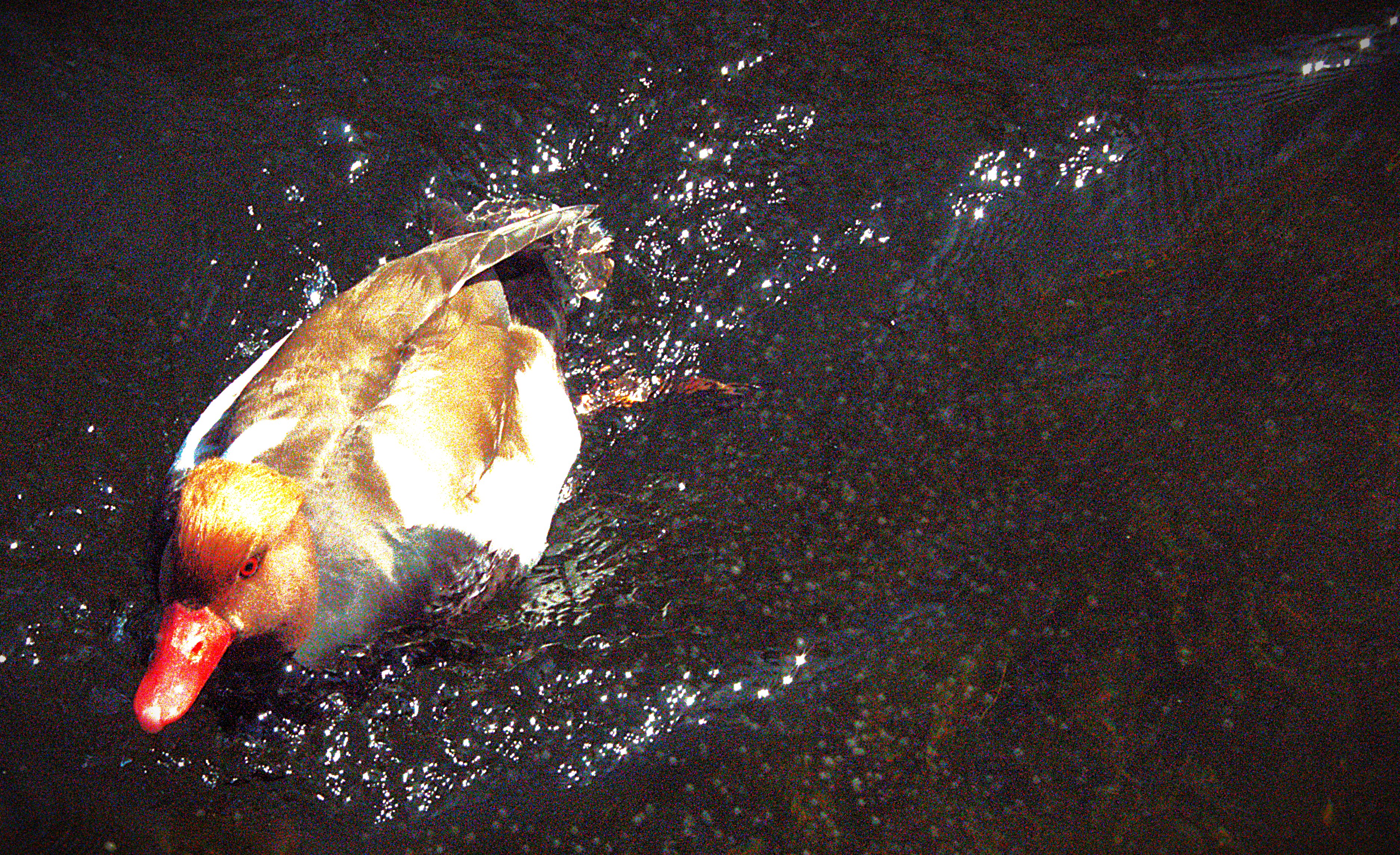
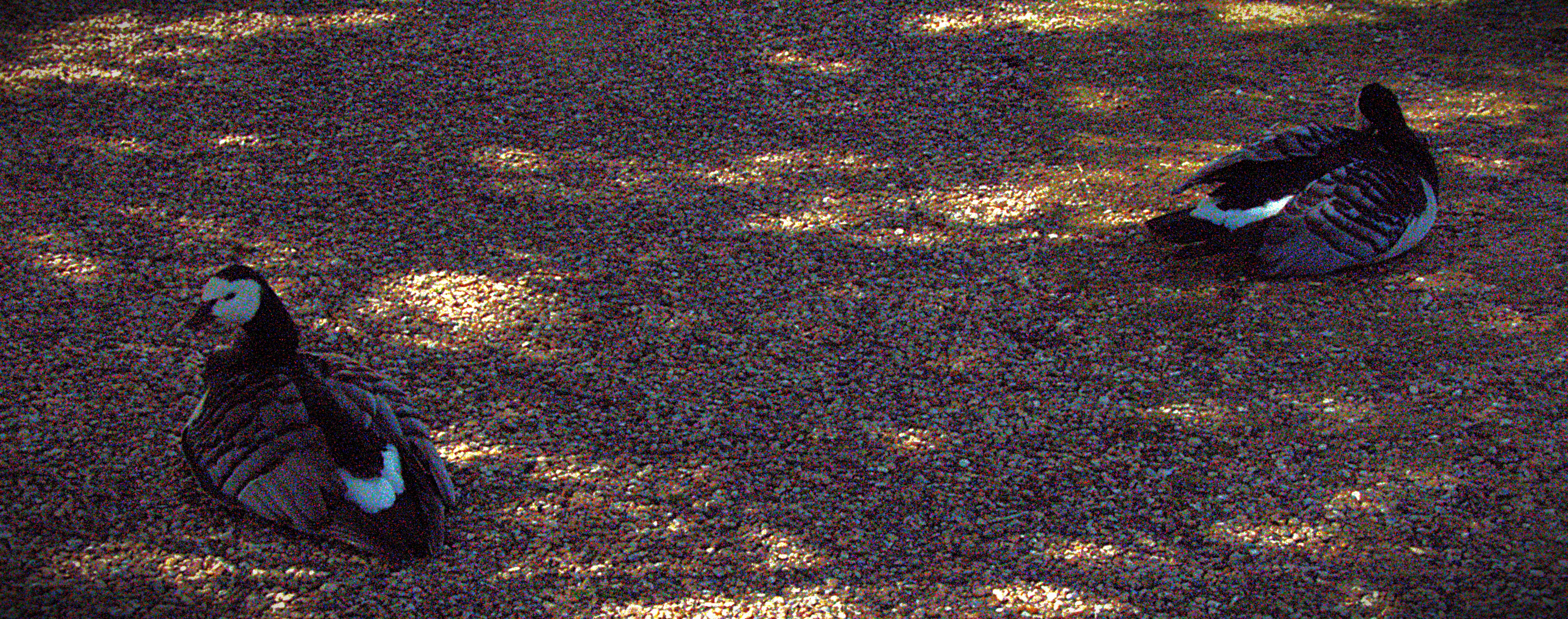
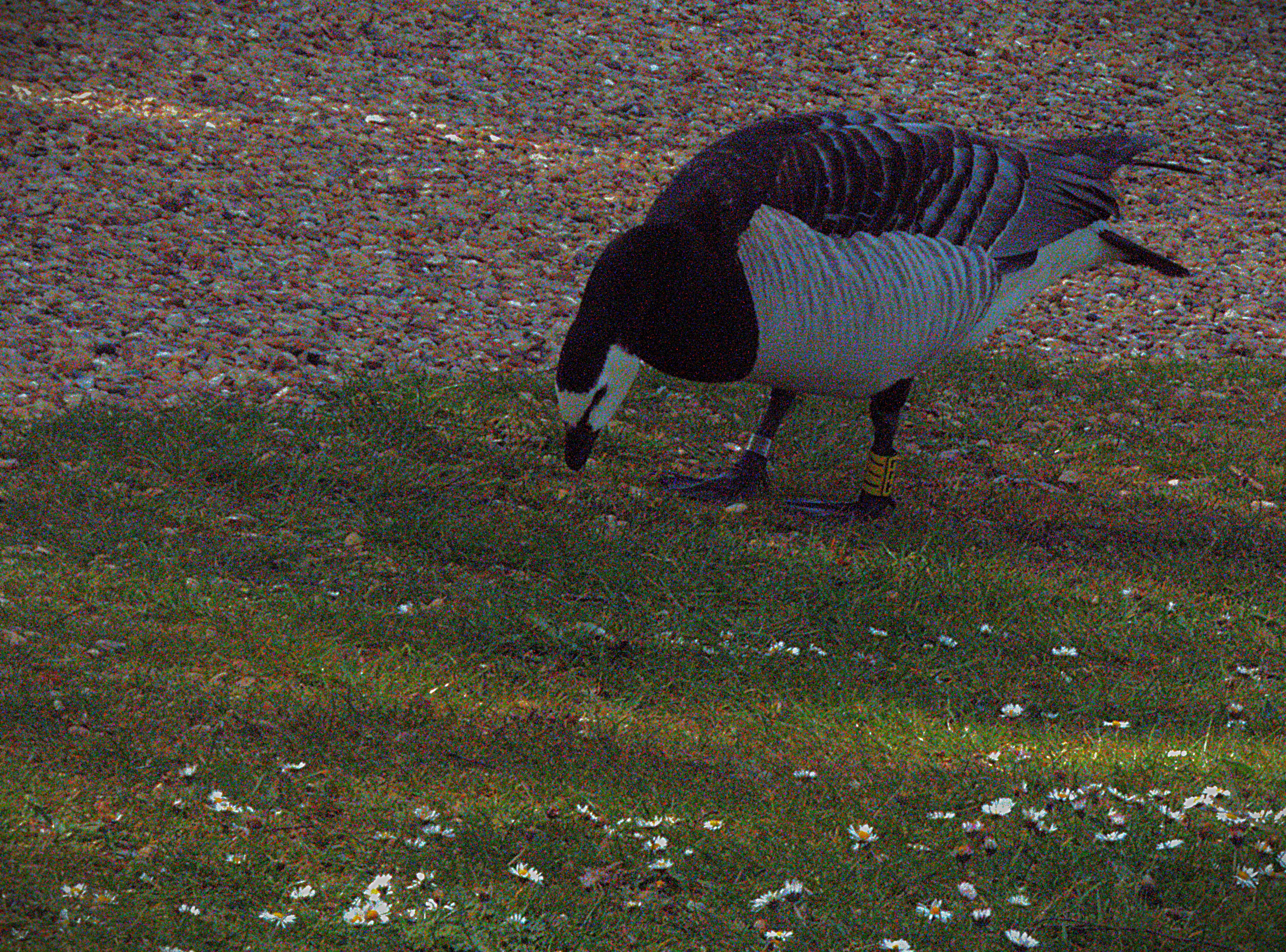
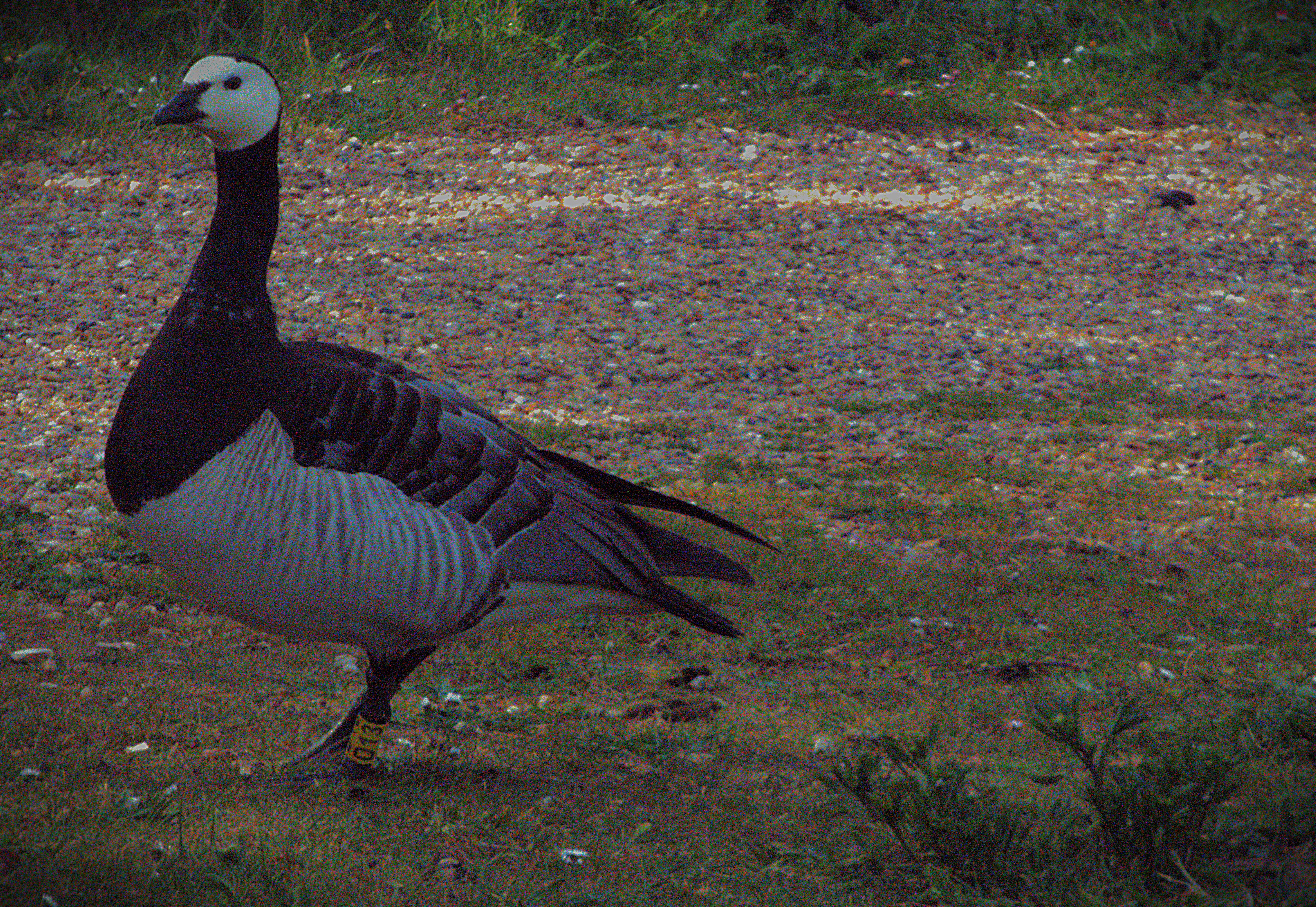
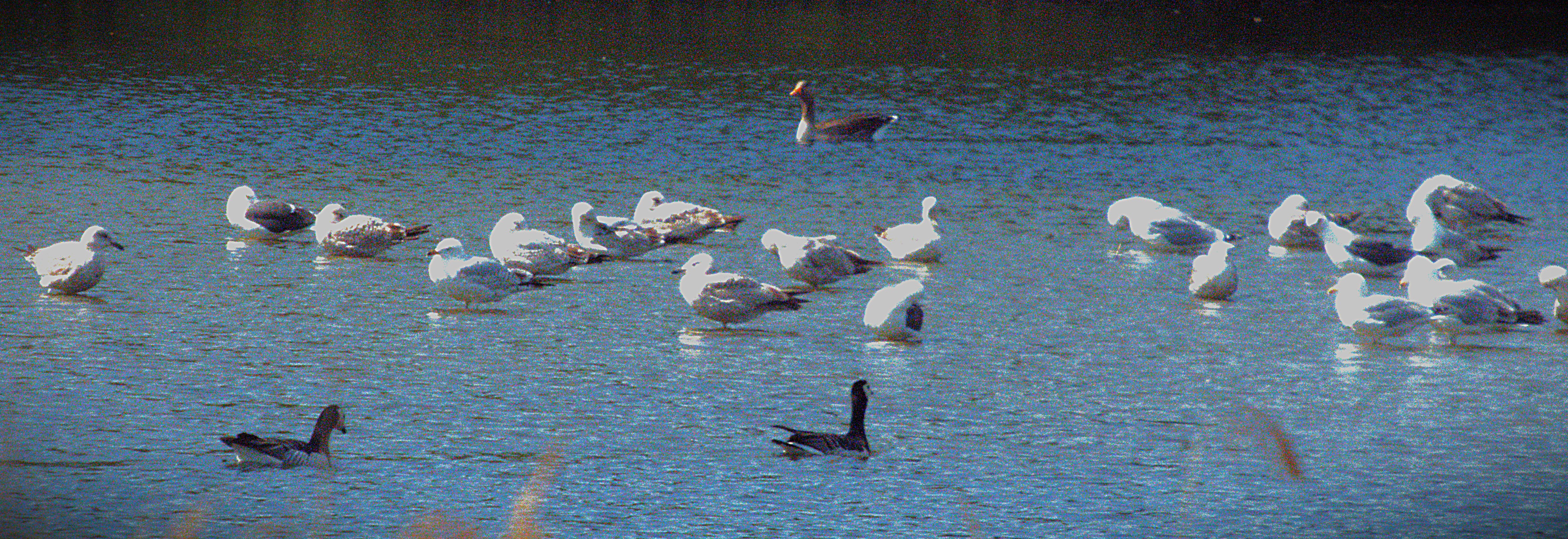
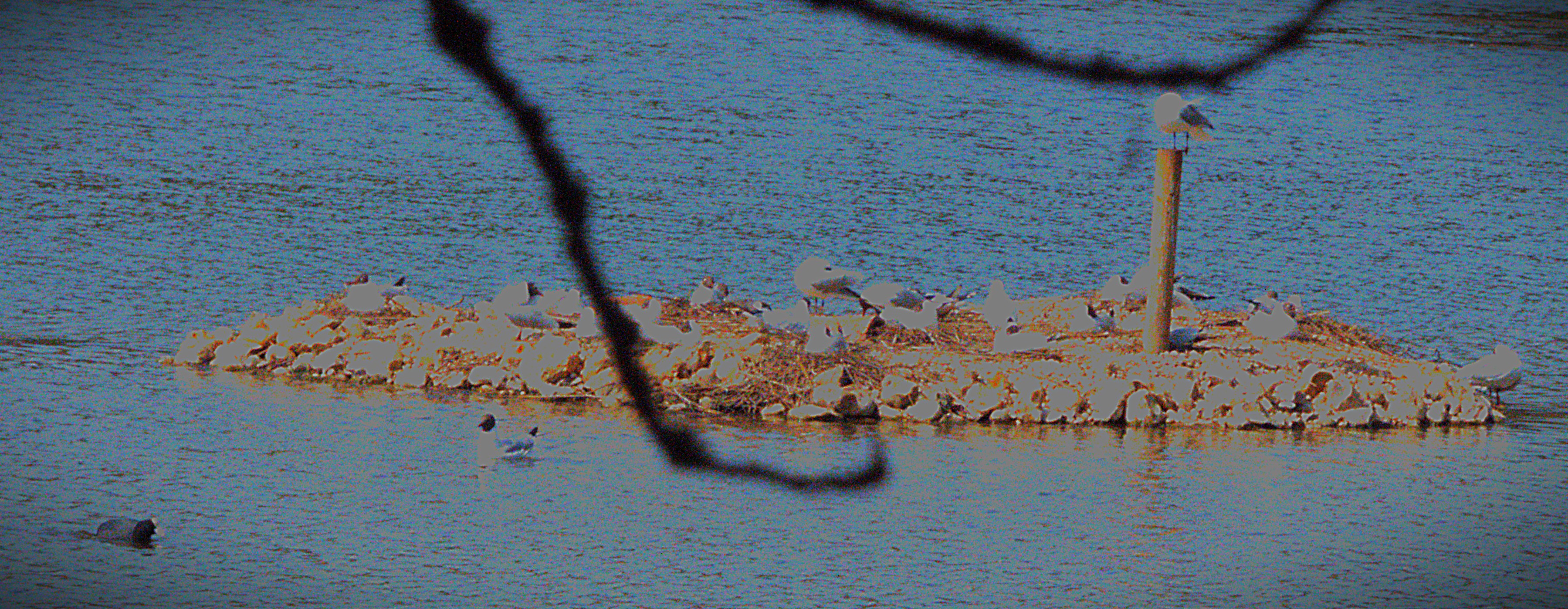
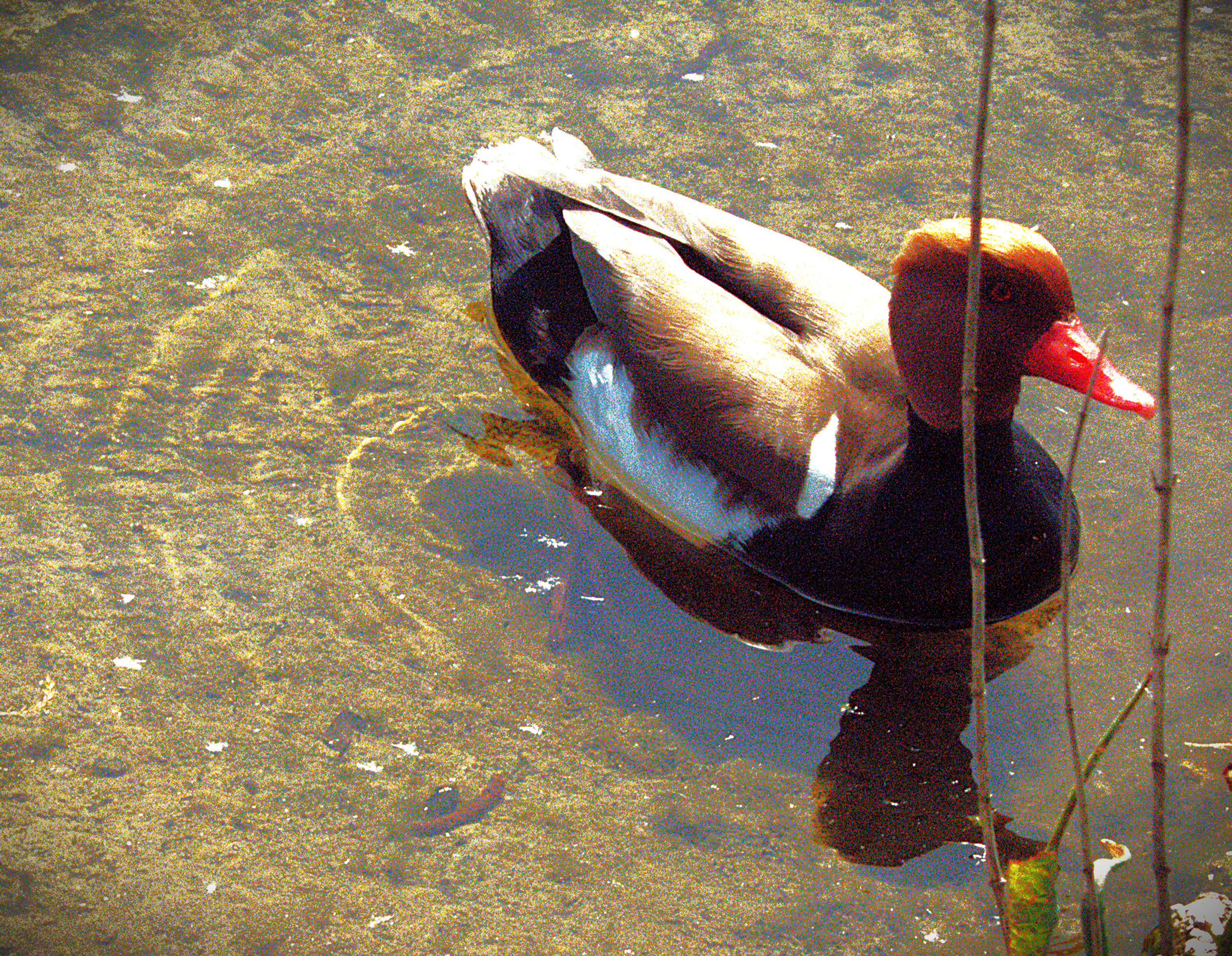
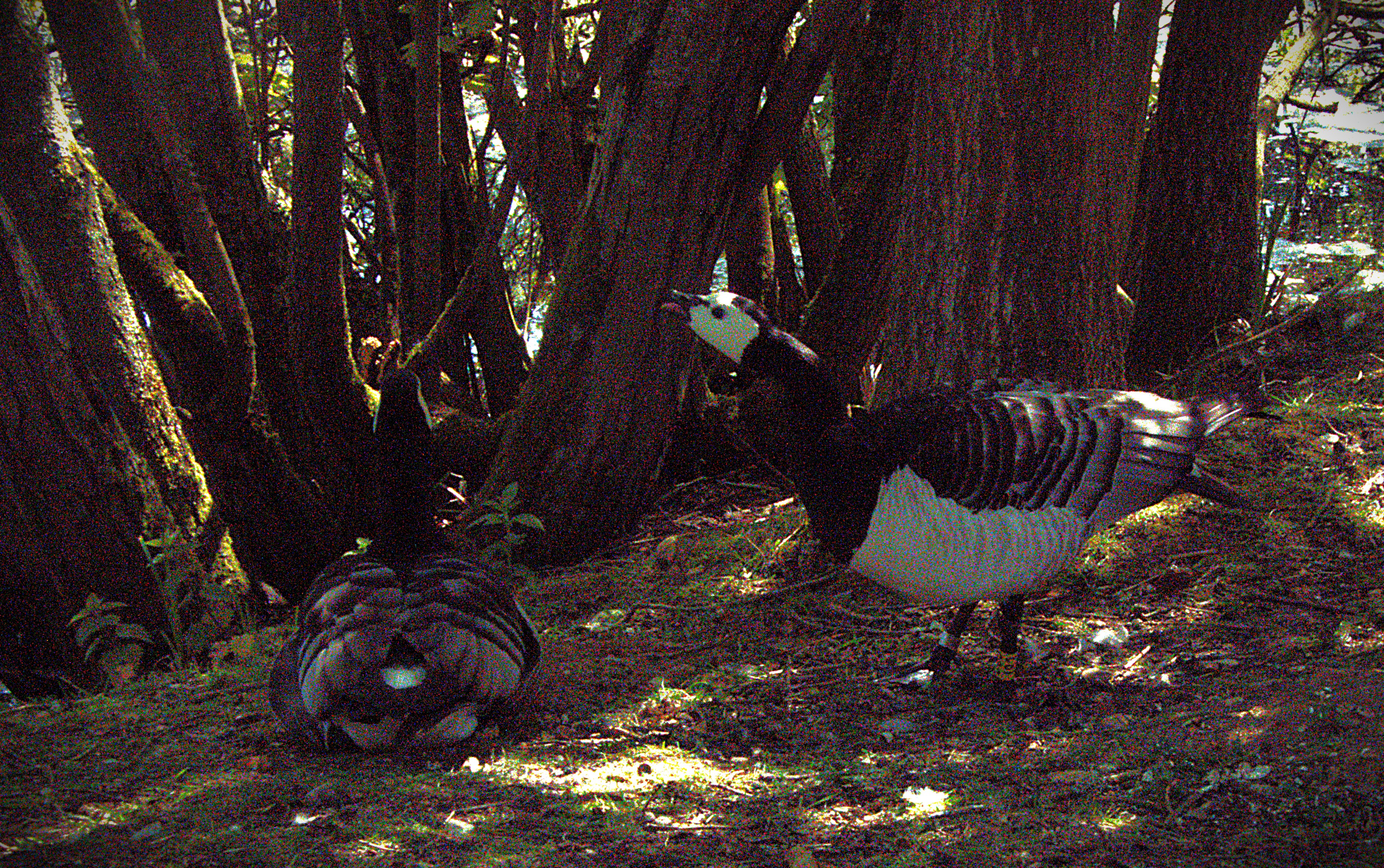
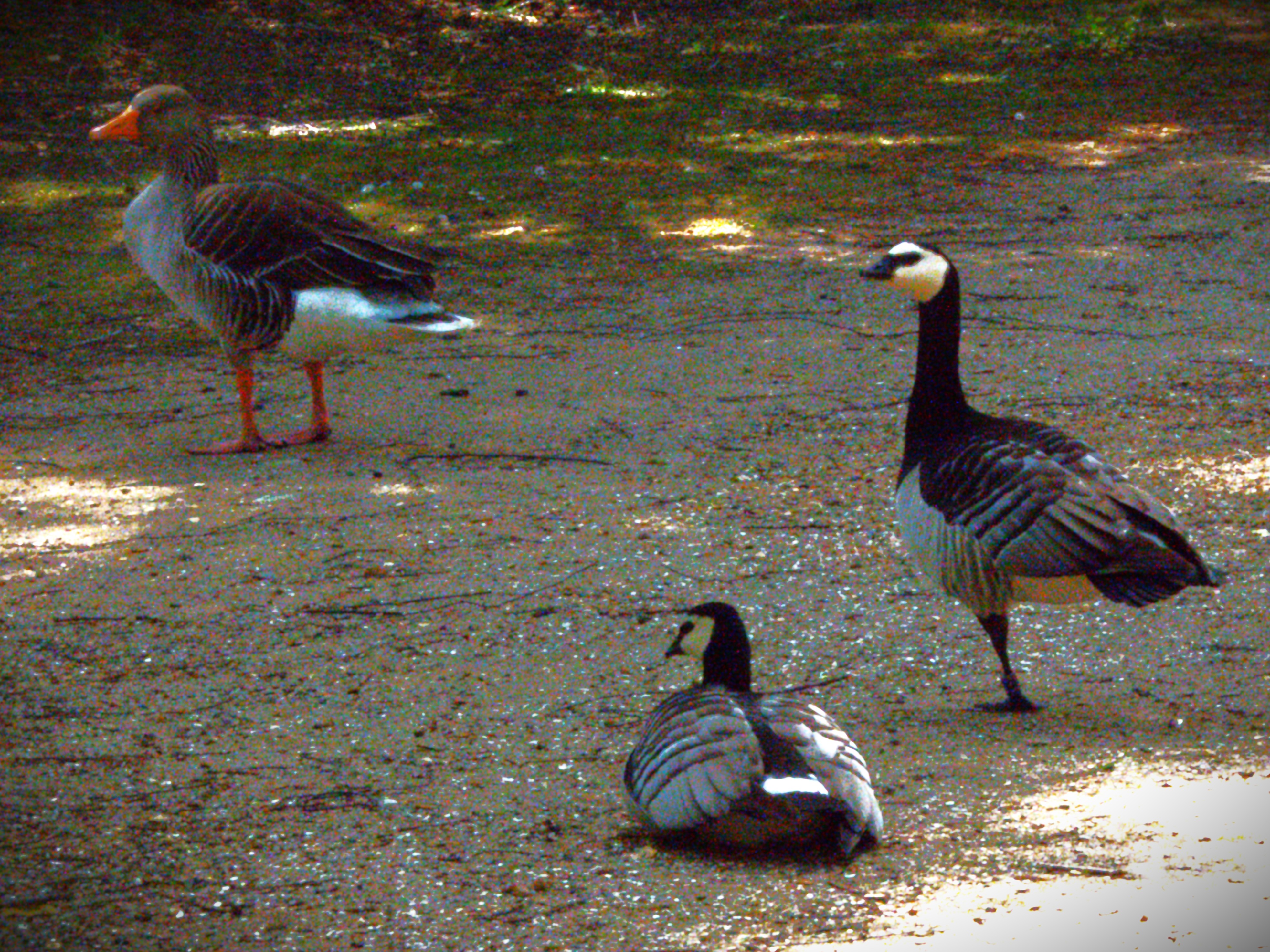
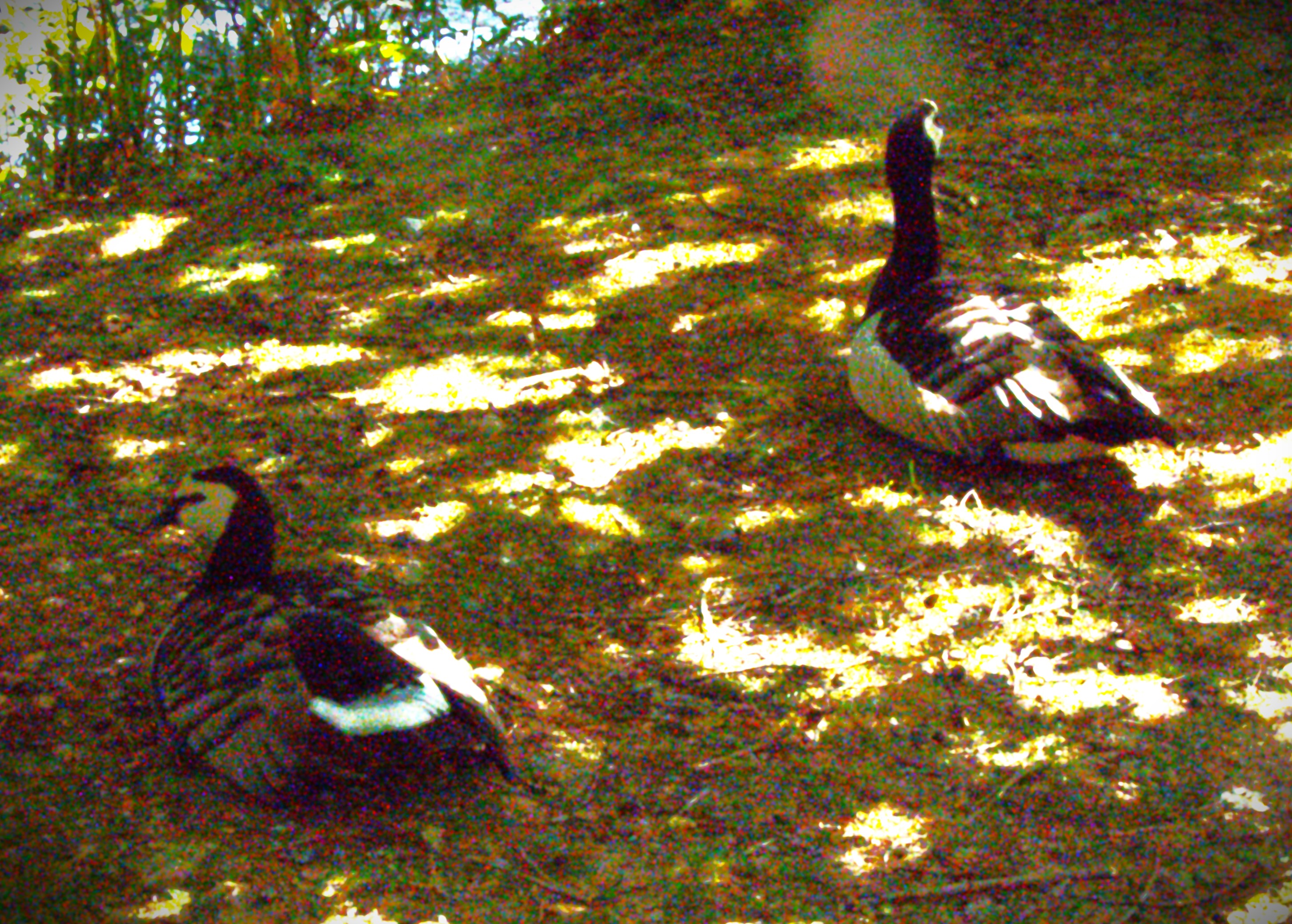
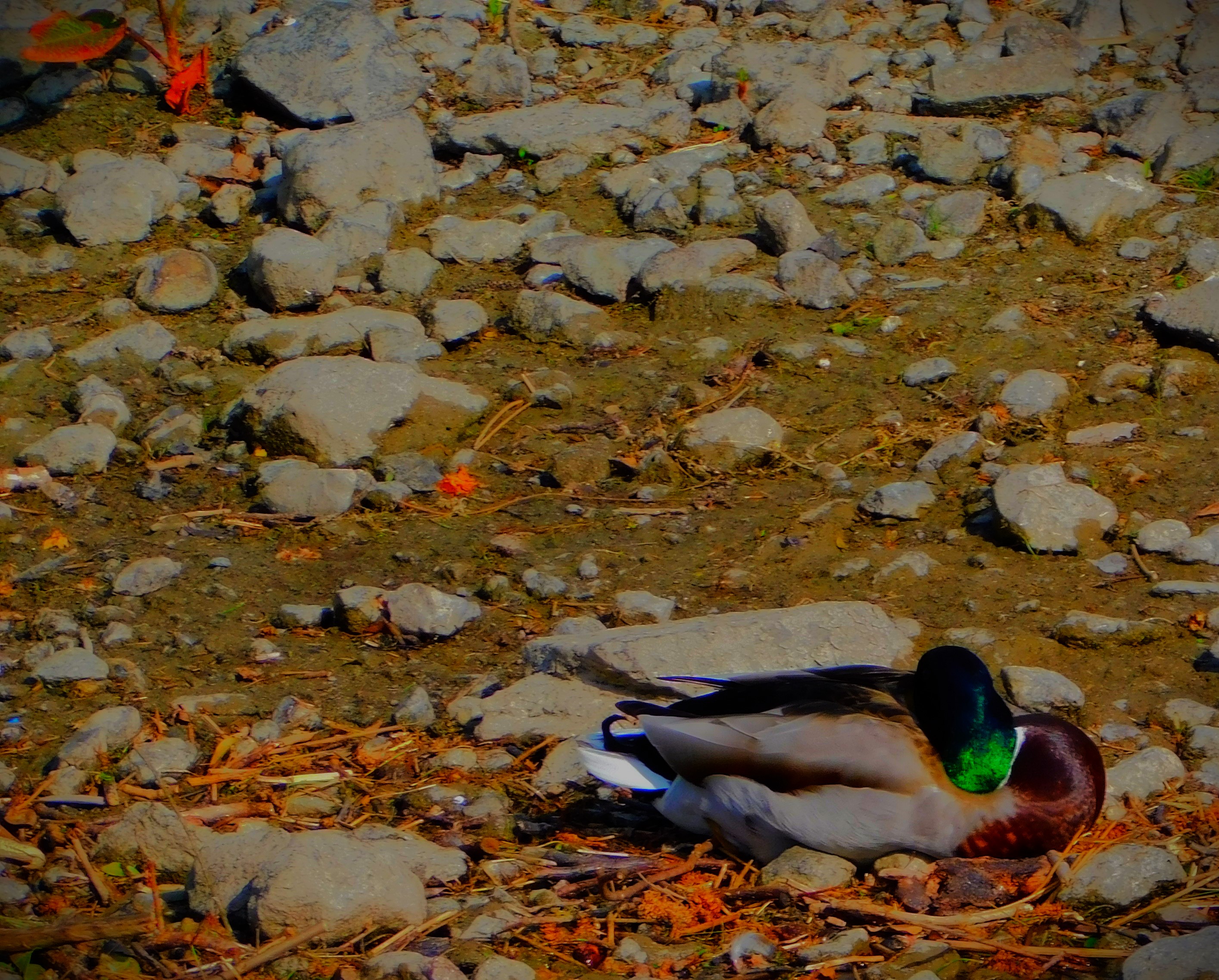
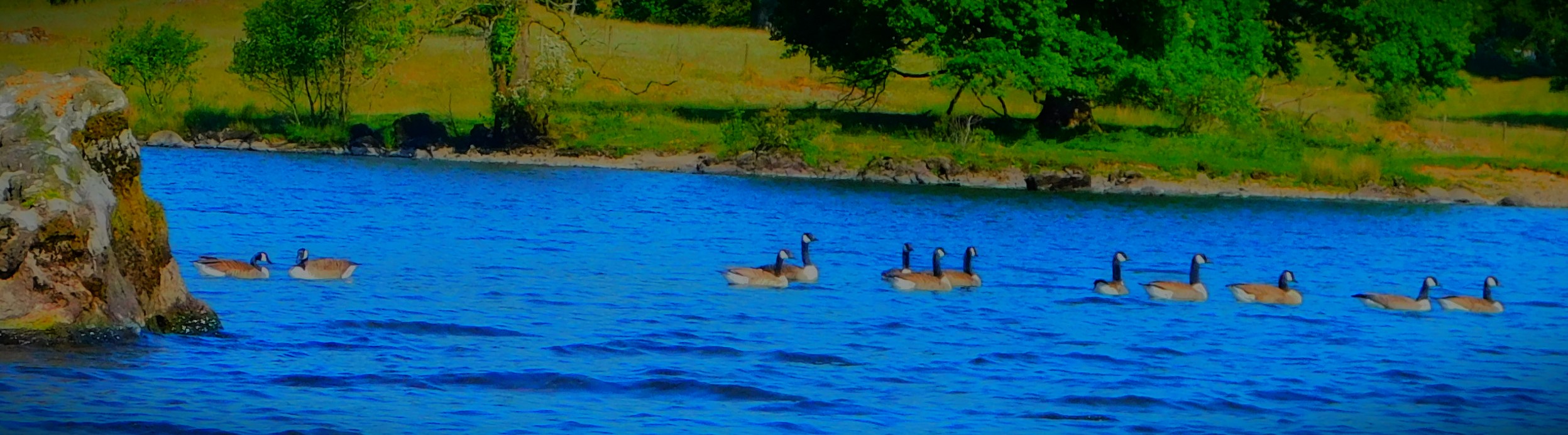
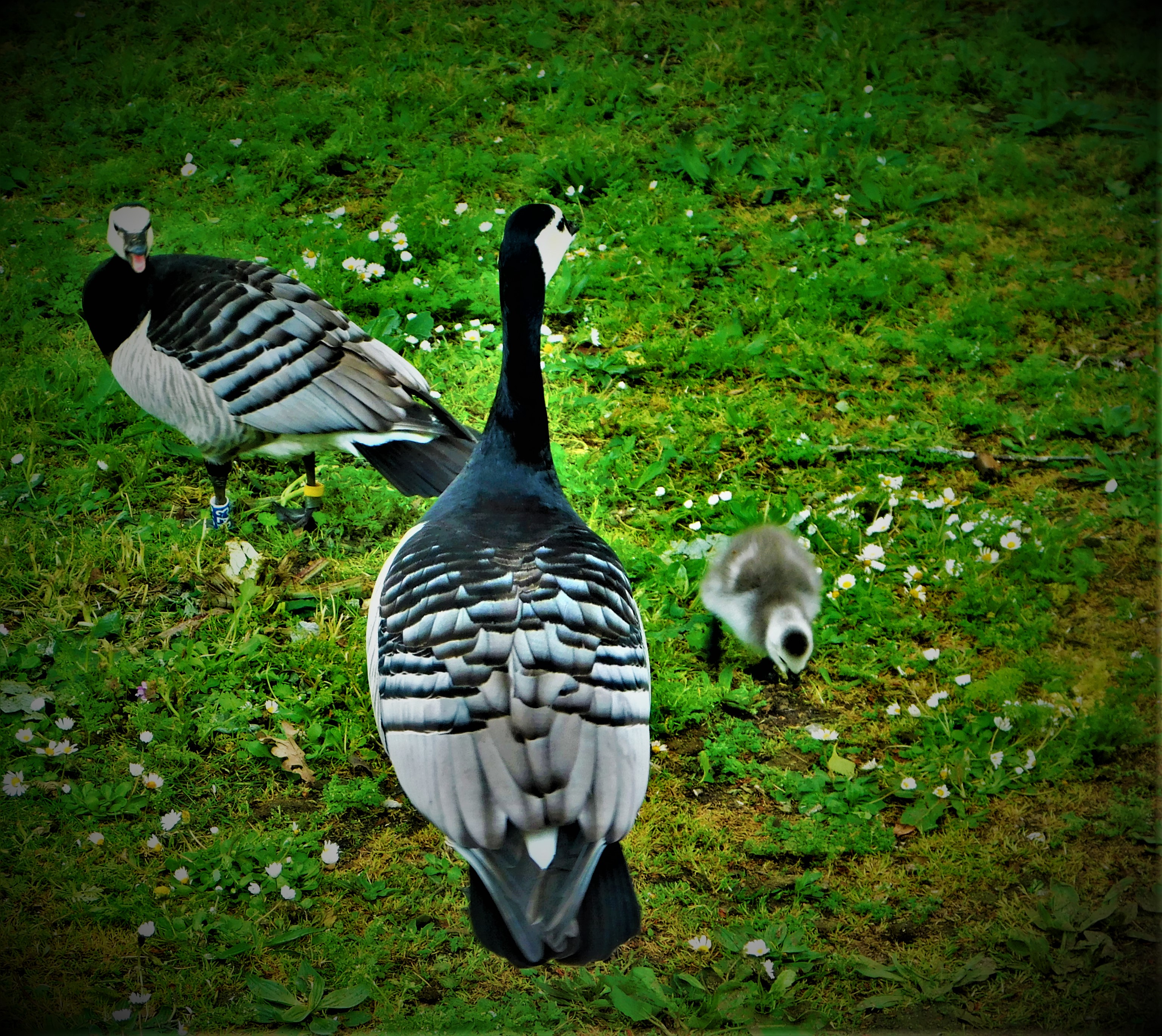
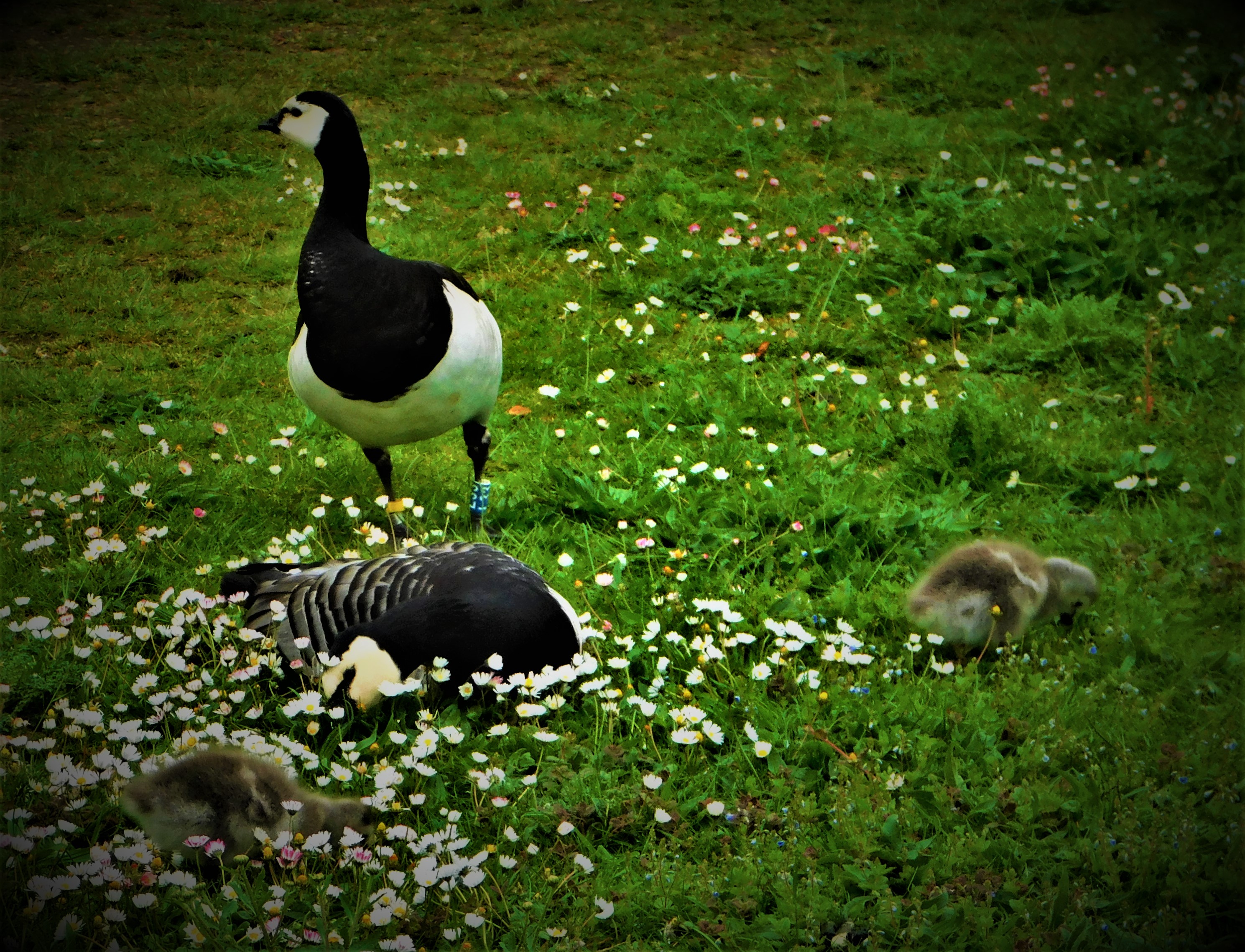
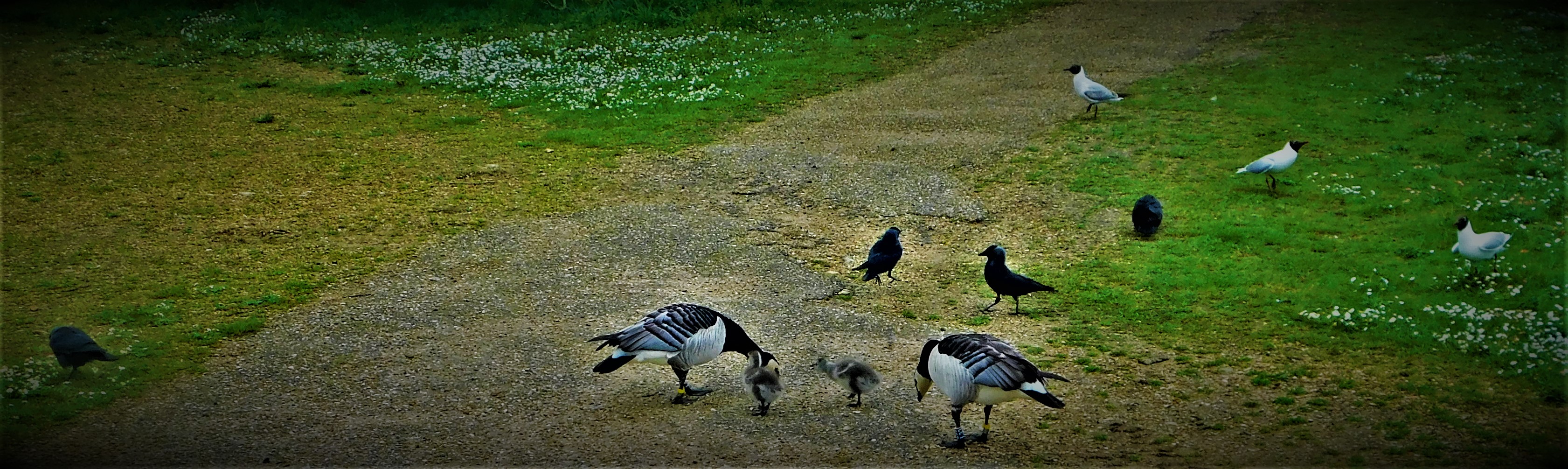
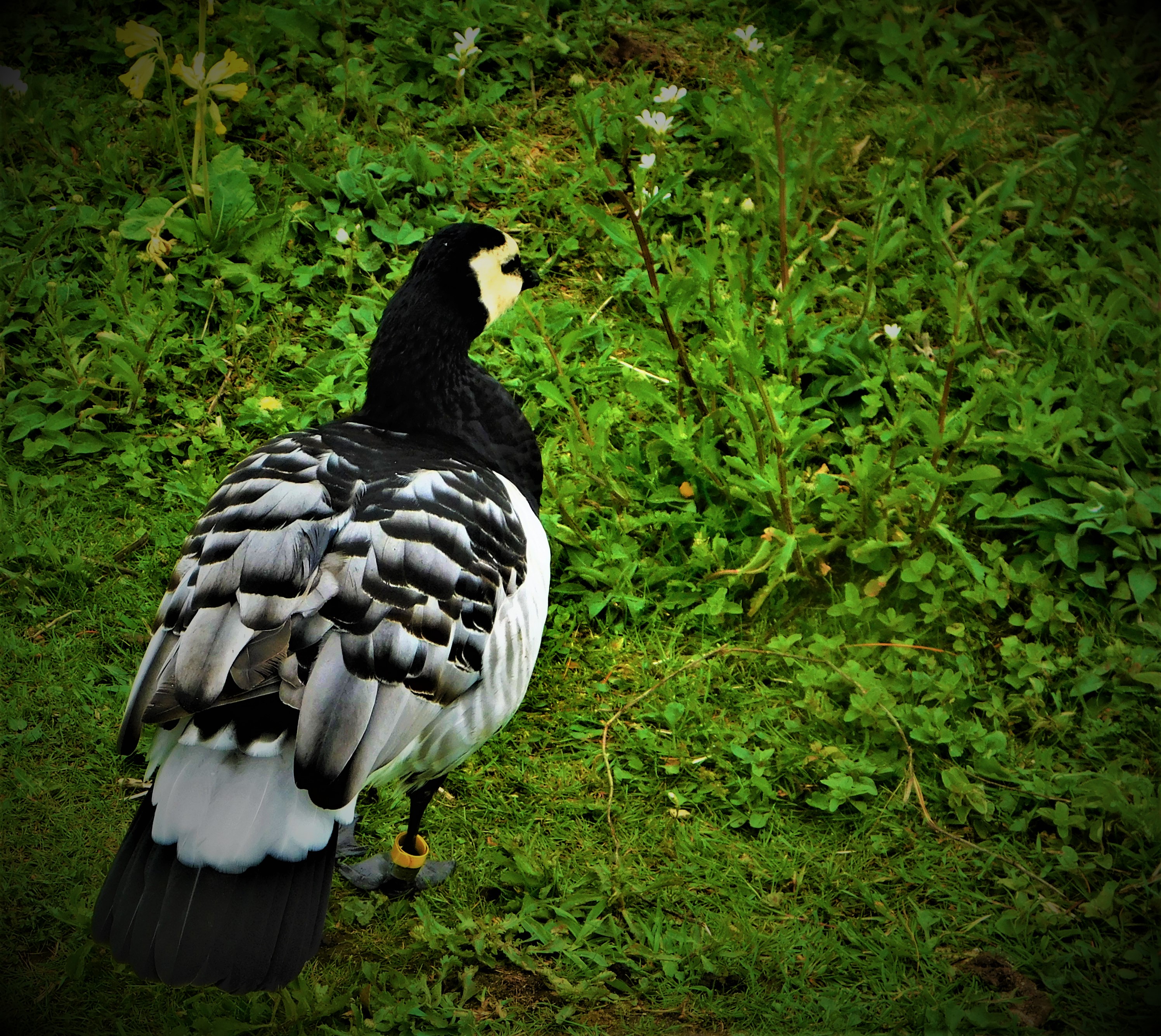
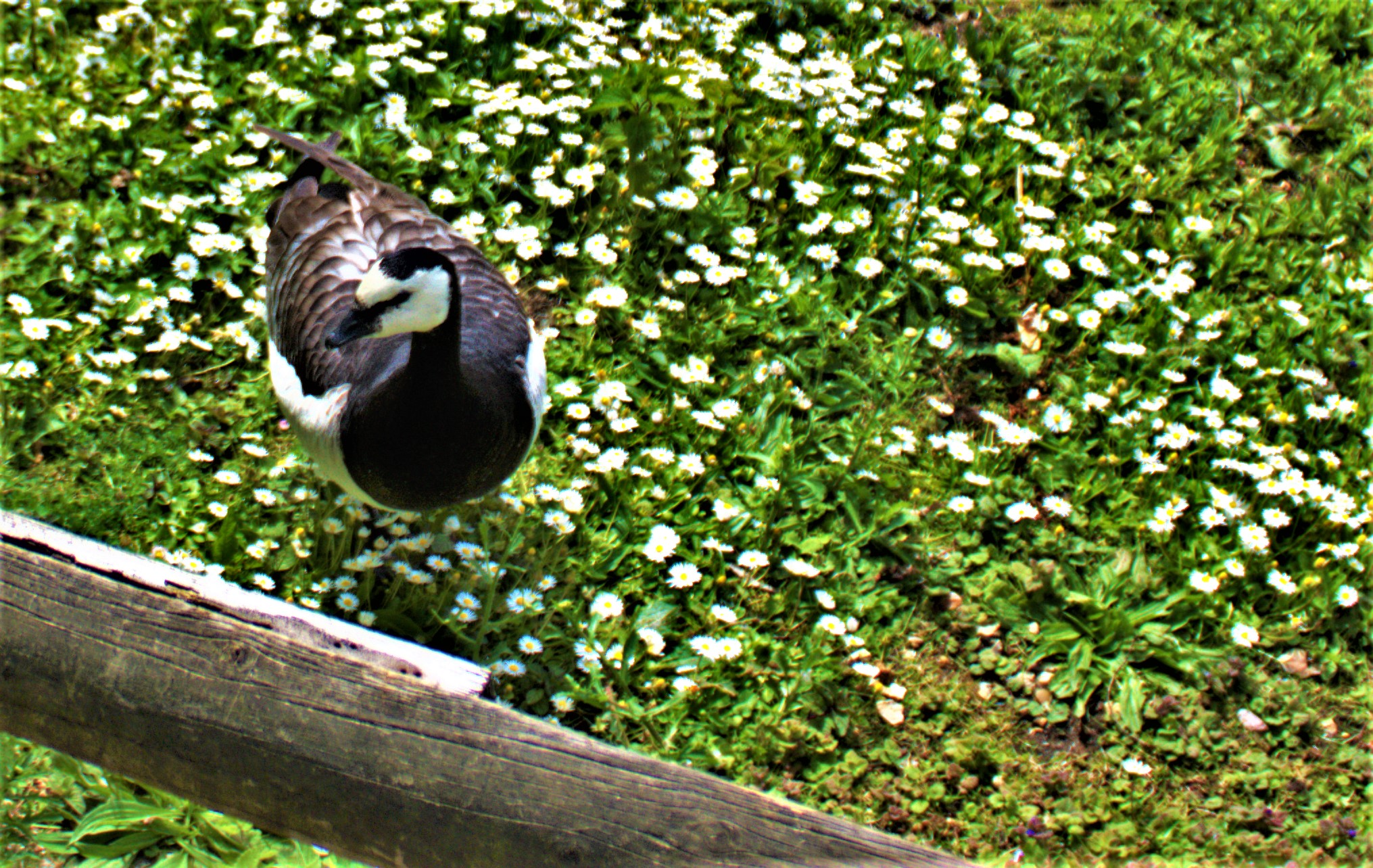
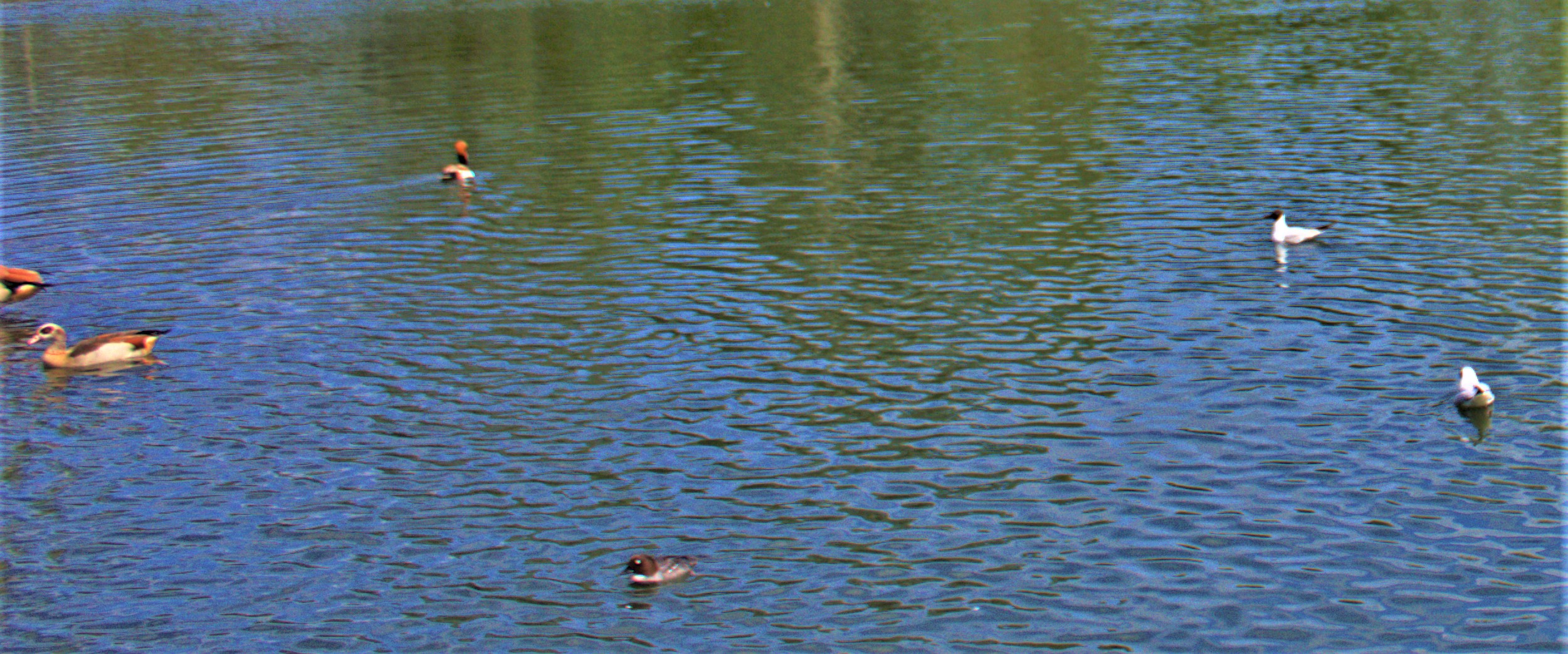
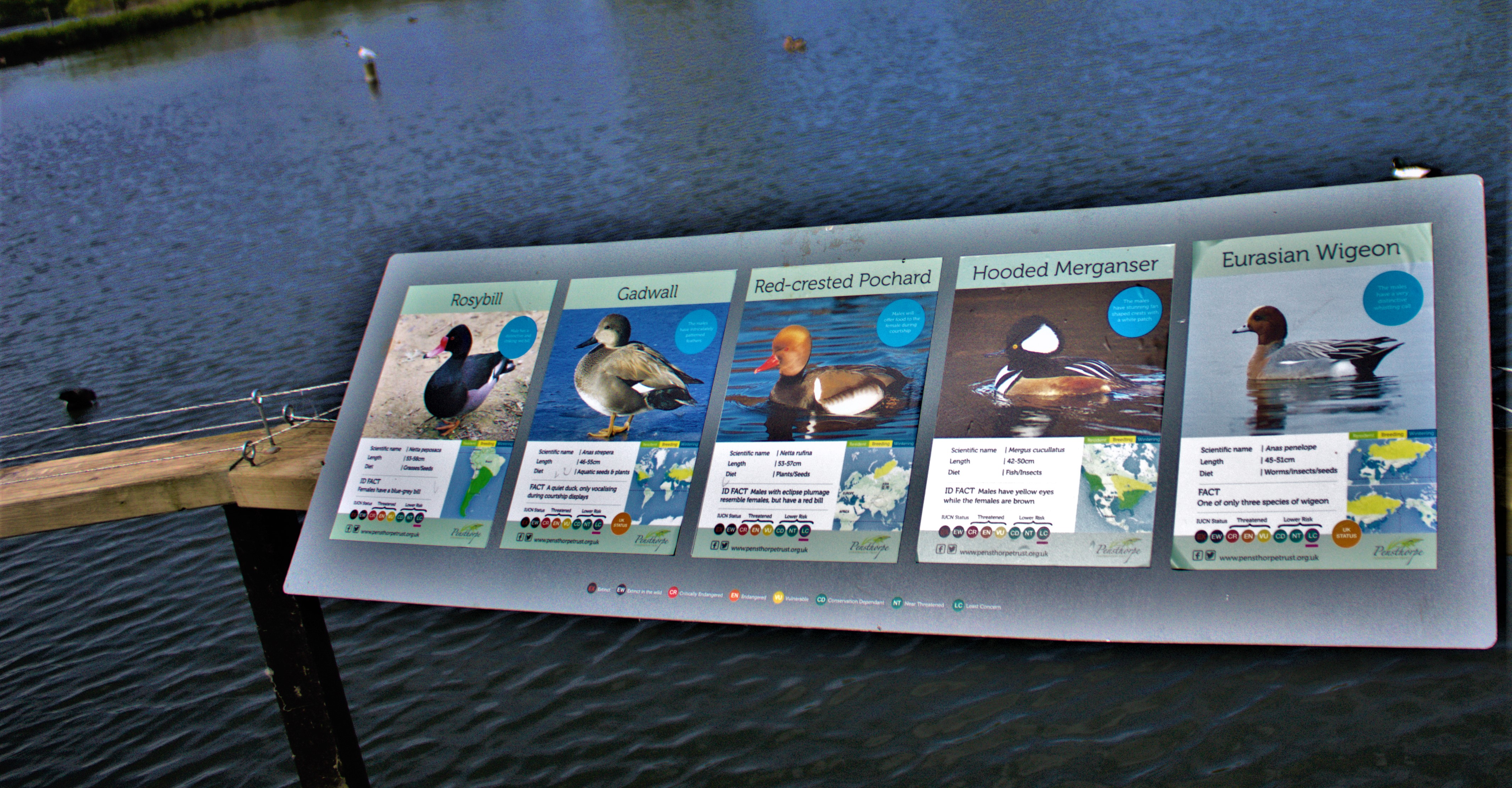
A huge variety of duck and goose species were on show all around Pensthorpe. The Barnacle Geese (black and white coloured and smaller than any other variety of goose at Pensthorpe) were notably aggressive. There were goose families of one sort or another on or around virtually every pathway. Ducks of varying species were using pretty much every available body of water.
I followed the paths onward from the Monet inspired bridge, taking a few detours along the way, until I arrived back near the entrance. I had brought food and water with me, and I consumed them at this point, and finished my book while waiting for the next stage of the day, the ride on the Pensthorpe Explorer.
PHOTOGRAPHS
The same question/challenge that I introduced yesterday’s photo section with applies today…
A look at today’s cricket action and a lot of photographs.
INTRODUCTION
Today’s ODI between England and Pakistan is just past the half way stage. There are also fixtures under way in the county championship. This post looks at all the action.
AROUND THE GROUNDS
First the ODI:
England v Pakistan at Bristol – Pakistan 358-9 from 50 overs, Eng 46-0 after 7 overs.
Pakistan have put up a good total, but not one that is by any means out of England’s reach.Imam-ul-Haqwith 151 was the principal contributor. Chris Woakes took 4-67, a superb performance in the circumstances. I reckon England will chase these down.
With the close of play approaching on day 1 this is what is happening in the County Championship:
Essex v Nottinghamshire – Nottinghamshire 187, Essex 35-0.
This is looking good for Essex. Forties from Ben Slater and Joe Clarke were the only notable batting efforts for Nottinghamshire. Jamie Portertook 4-75 for Essex, while Simon Harmer had 2-20 from 17 overs, an extraordinarily economical performance for a spinner on day 1.
Kent v Yorkshire – Yorkshire 210 all out, Kent 114-4. Yorkshire were 96-6 at one point, but a lower-order fightback got them to respectability, and they have then bowled well. No Yorkshire batter topped 30 – Brook and Tattersall with 29 each were top scorers. Milnes took three wickets and Podmore two. Zak Crawley is going well for Kent, having passed 50. Tim Bresnan has taken two wickets for Yorkshire.
Somerset v Surrey – Surrey 325-6. Centuries from Rory Burns and Dean Elgar saw Surrey dominate most of the day, but late wickets for Somerset have brought them back into things. Lewis Gregorywith 3-44 has been by far the most successful bowler for Somerset.
Glamorgan v Gloucestershire – Gloucestershire 360-6.
This match is taking place not in either county, but instead in Newport, Gwent (Glamorgan play ‘home’ matches in various odd locations, including Colwyn Bay). James Bracey made 152 and Gareth Roderick 88. Marchant de Lange has been the least ineffective of Glamorgan’s bowlers with 3-76.
There are apparently three Koi Carp in this pond – and according to my informant various people have been trying to catch and keep them. I managed to photograph two of them during this visit.
Continuing my “100 cricketers” series with nos 3,4 and 5 in my third XI. Also features some of my photographs.
INTRODUCTION
Welcome to the latest installment in my “100 cricketers” series. Today we look at numbers 3, 4 and 5 in the third XI. For those who are new to the series, the introductory post can be seen here, the post introducing the third XI is hereand the most recent post in the series is here.
With an all attacking opening pair, a player of a different nature was indicated for the number The slot. Jonathan Trott’s adhesive qualities at number three were seen at their finest in the 2010-11 Ashes series, when he helped Alastair Cook to save the opening game in Brisbane, shared a partnership with Cook at Adelaide that set the stage for Kevin Pietersen to deliver a mighty slaughtering and was the rock around which England’s innings in Melbourne was built after Australia had slumped to 98 all out in their first innings. A double century in the series against India in 2011 that saw England claim the world number one test ranking was also noteworthy. Trott’s international career ended up being terminated by mental health issues, but before that happened he had done comfortably enough to prove himself a top test match batsman.
KOLPAK CONTROVERSY
The Kolpak ruling, named in ‘honour’ of the Slovenian handball player responsible for its creation enables players born in foreign parts but having home qualifications through one or both parents. Jonathan Trott benefitted from this ruling to come to England in the first place, but he was clear from the outset that he intended to qualify by residence to represent England, did so and did very well. My real objections are to players who do not intend to make their skills available to the national side but do intend to come and play anyway. I refer both to players who are signed as easy space fillers but who have no real international pretensions and to players such as Jacques Rudolph, Kyle Abbott and Duanne Olivierwho had already played for their native land at full international level. Please note that I am not remotely bothered by birthplace or ancestry – I am concerned with who the players intend to make their skills available to.
A middle-order stroke player who averaged over 50 in test cricket, kept wicket regularly and occasionally had moments with his medium pace bowling, this man forms a neat counterpoint to those who immediately proceed and follow him. Shrewd observers will note that my numbers three and four are both right handed batters, which means that we need a second front-line left hander to go with Chamari Atapattu who is one half of an explosive opening pair, which brings us to…
With three of the top four very attacking in nature, someone who was a bit more of a sticker is called for at number 5. Hailing from one of cricket’s historic cradles, the area round Farnham where Hampshire and Surrey meet, the nuggety left hander averaged in the middle 40s for England at a time when dependable players of any description were at a huge premium for England. He started his international career with a debut century against Australia (had Graham Goochbeen more aggressive with his declaration England may well have won that match) and made runs all around the world thereafter. Eventually he made way for Pietersen, a middle-order batter of very different but just as successful type.
PHOTOGRAPHS
I finish with some of my recent photographs:
The first five pics were taken yesterday when ducks paraded outside my window (possibly fresh a West Indies scorecard!)
Obviously I was not going to miss out on this one!

An account of the 1st ODI between England and the West Indies.
INTRODUCTION
After a test match series most of which is best forgotten England last night started the ODI series against the West Indies in emphatic style. I followed the action on cricinfo, since there was no live commentary.
A RUN FEAST
Chris Gayle, playing his last international series at the age of 39, clubbed a spectacular century for the West Indies. The problem was that although he was smashing sixes like the Gayle of old he was no longer able to run at any sort of speed, and as a result his overall scoring rate was not actually that quick by modern standards as there were too many scoreless deliveries there.
The early lead in England’s response to the West Indies 360 was taken by Jason Roy who pretty much matched Gayle for freedom of stroke play and was also able to run properly, with the result that his strike rate was colossally impressive. Joe Root and Eoin Morgan then took over once he was out, and just before the end Root reached the third inidvidual hundred of the day, while Ben Stokes made an unbeaten 20 at the end to ensure that there would be no final wobble. Root was out at the death, caught of a dreadful full toss that was only just a legal delivery, but England’s margin was six wickets, with eight balls to spare, and at no point during the England innings did the West Indies look other than second favourites.
Although Gayle had a higher score the player of the match award went quite rightly to Jason Roy whose innings put England firmly in the driving seat, a position they never subsequently relinquished. In a match in which 724 runs were scored in 98.4 overs Ben Stokes’ bowling figures (3-37 from 8 overs) were noteworthy. Chris Gayle’s 135 came off 129 balls, so just above 100 runs per 100 balls, while Jason Roy’s 123 occupied just 85 balls – a strike rate of over 140 runs per 100 balls. A full scorecard can be viewed here.
In the early hours of tomorrow morning UK time, the England women take on India in an ODI, while the second match of the series in the West Indies gets underway later the same day.
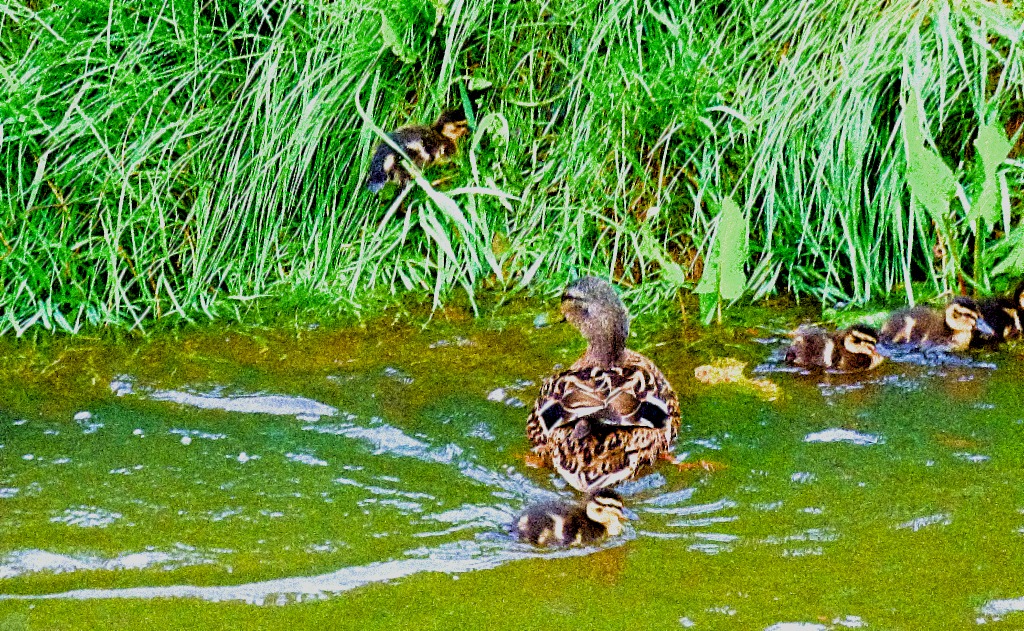
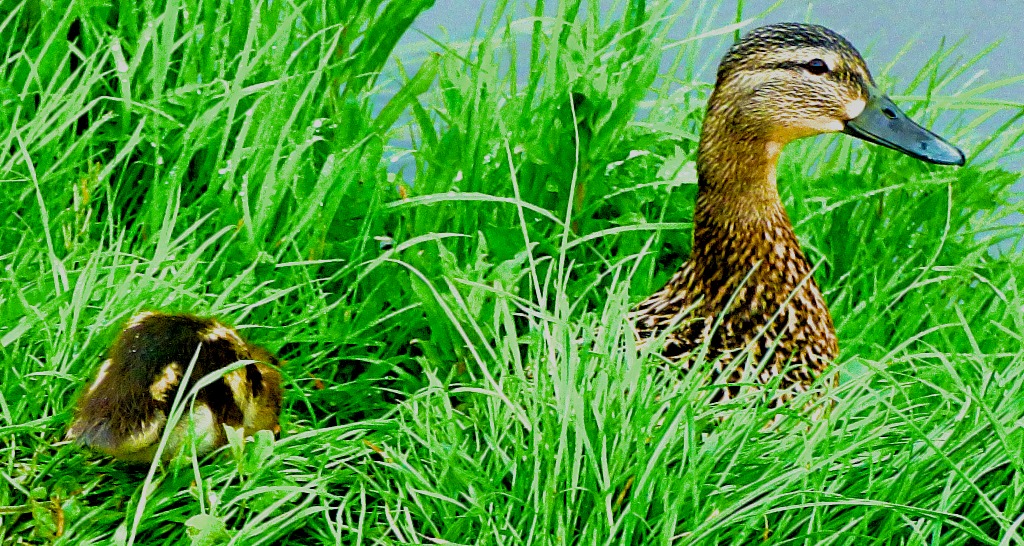
Pictures of ducklings exploring the Gaywood River.
INTRODUCTION
I saw two broods of ducklings while on my way to a Musical Keys session on Saturday.
THE PICTURES
I was delighted to see the ducklings, particularly in that location, on the Gaywood River, where they are far enough from the Great Ouse that they should not fall victim to large and aggressive gulls (yes, gulls do target ducklings).
Links to some of the best pieces from today, includign several about autism, a solution, a problem and some photographs.
INTRODUCTION
This post is divided into three main sections – a sharing section, because there has been some truly outstanding stuff come to my attention today, a problems and solutions section and some photographs.
I have already reblogged stimtheline’s magnificent Autistic Bill of Rights, but I take the opportunity to point you all in that direction once again, complete with a jpg of the suggested Bill of Rights…
My remaining shares in this section are all from a new find…
Not many people have produced three full-length posts in the space of a day that I am eager to share, but this blogger has managed it with the following:
Think Different, on of the best pieces I have ever seen on the theme of embracing one’s diversity, in this case neurodiversity.
The Nuances of Discrimination, which deals with protecting autistic people from discrimination, and is an absolute must-read.
Is Autism a Disability? A wonderful post which tackles head on some of the ways in which the conversation about autism is currently cooked against us from the start. I quote the closing lines of the post as an appetiser:
It’s a label that holds me down and pushes me into a box I can’t escape from. Give me some new words to define me. Or better yet, let me define myself.
A SOLUTION AND A PROBLEM
First, a solution to the problem I posed on Saturday in “Failing to Convert“:
Here is Hamz George’s explanation of why this is so:
Since every statement is false, let us convert them into true statements, and number each statement:
Ann: 1) One of us took the painting. 2) The painting was gone when I left.
Bob: 3) I arrived first, third, or fourth. 4) The painting was still here.
Chuck: 5) I arrived first, second, or fourth. 6) The painting was gone when I arrived.
Tom: 7) Whoever stole the painting arrived after me. 8) The painting was still here.
According to statement #7, Tom is not the thief. #8: Since the painting was there when Tom arrived, he could not have been the last to arrive. Tom must have gone there first, second, or third. #6: The painting was gone when Chuck was there, so he didn’t arrive first. #5: So Chuck got there second or fourth. #4 and #8: As two other members (Bob and Tom) arrived to see the painting, Chuck didn’t get there second, either. So Chuck arrived fourth. #3: This means Bob arrived first or third. #2: Since the painting was gone when Ann left, she didn’t arrive first. Otherwise, no member after her would have seen the painting. So Ann went there second or third and Chuck arrived fourth. But since two other members (Bob and Tom) saw the painting when they arrived, Ann didn’t go there second, either. So Ann arrived third. #3: Therefore, Bob arrived first, and Tom arrived second.
In summary, Bob arrived first. Tom got there next and the painting was still there, so Bob was not the thief, and neither was Tom. When Ann arrived, the painting was still there, but it was gone when she left. So Ann was the one who stole the painting. Chuck arrived last and discovered that the painting was gone.
Although not as dramatic as a few weeks back, The Walks, King’s Lynn’s best known park, is still somewhat lacustrine, which has led to it receiving a most unusual visitor – an Oystercatcher, a wading bird which would normally visit a park and for which King’s Lynn would be the extreme South of its possible living area…
The oystercatcher in shot with a gull.
A close-up of the oystercatcher
a second close-up of the oystercatcher
What my bird book has to say about the oystercatcher
The Oystrecatcher’s range
As you will see there were a few other fine birds on show today…
Close examination of this display of local publicity materials just inside King’s Lynn Library, will make my contribution to it obvious – it has looked like that for some time.
Relevant wiki: Truth-Tellers and Liars
Since every statement is false, let us convert them into true statements, and number each statement:
Ann: 1) One of us took the painting. 2) The painting was gone when I left.
Bob: 3) I arrived first, third, or fourth. 4) The painting was still here.
Chuck: 5) I arrived first, second, or fourth. 6) The painting was gone when I arrived.
Tom: 7) Whoever stole the painting arrived after me. 8) The painting was still here.
According to statement #7, Tom is not the thief. #8: Since the painting was there when Tom arrived, he could not have been the last to arrive. Tom must have gone there first, second, or third. #6: The painting was gone when Chuck was there, so he didn’t arrive first. #5: So Chuck got there second or fourth. #4 and #8: As two other members (Bob and Tom) arrived to see the painting, Chuck didn’t get there second, either. So Chuck arrived fourth. #3: This means Bob arrived first or third. #2: Since the painting was gone when Ann left, she didn’t arrive first. Otherwise, no member after her would have seen the painting. So Ann went there second or third and Chuck arrived fourth. But since two other members (Bob and Tom) saw the painting when they arrived, Ann didn’t go there second, either. So Ann arrived third. #3: Therefore, Bob arrived first, and Tom arrived second.
In summary, Bob arrived first. Tom got there next and the painting was still there, so Bob was not the thief, and neither was Tom. When Ann arrived, the painting was still there, but it was gone when she left. So Ann was the one who stole the painting. Chuck arrived last and discovered that the painting was gone.