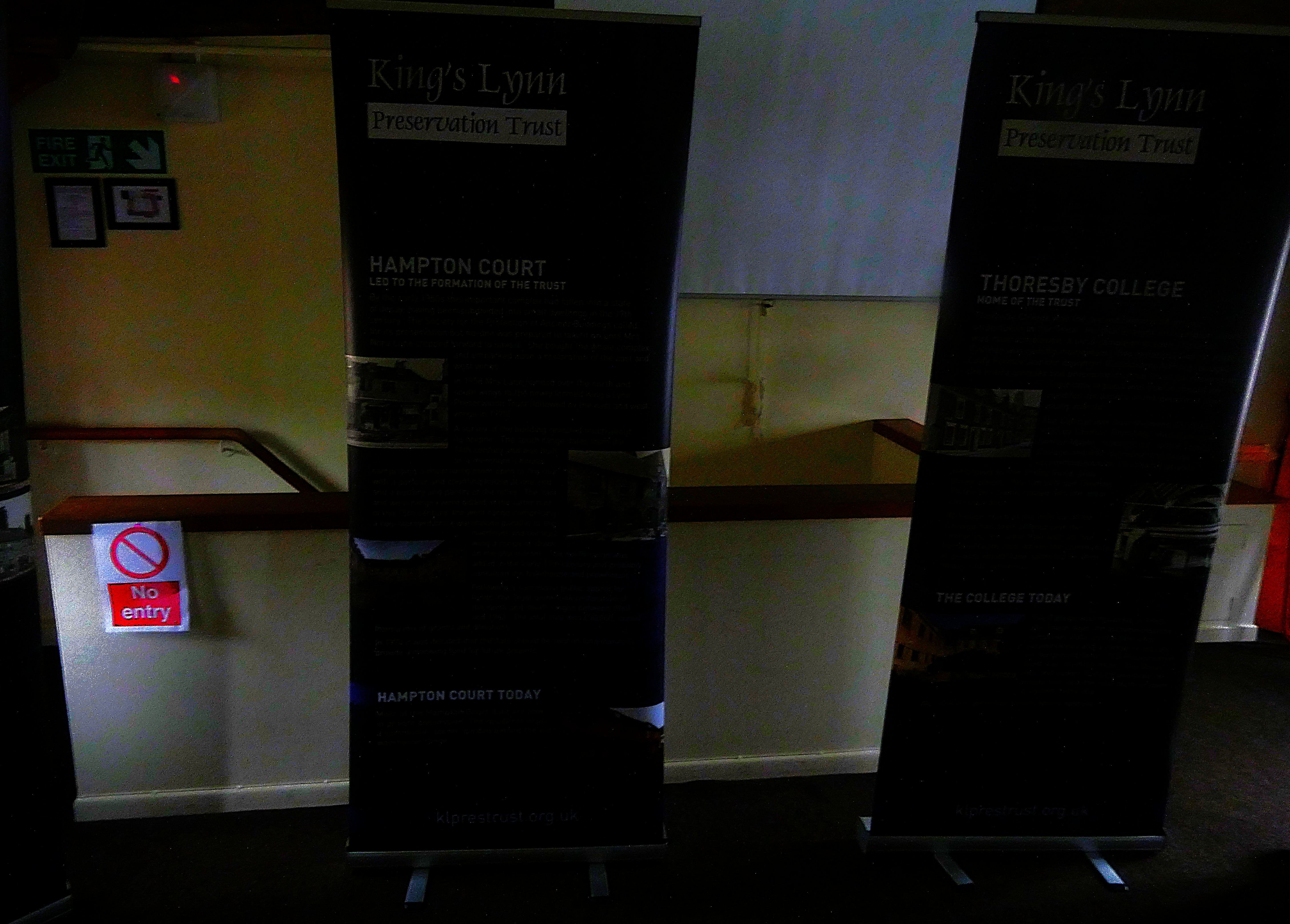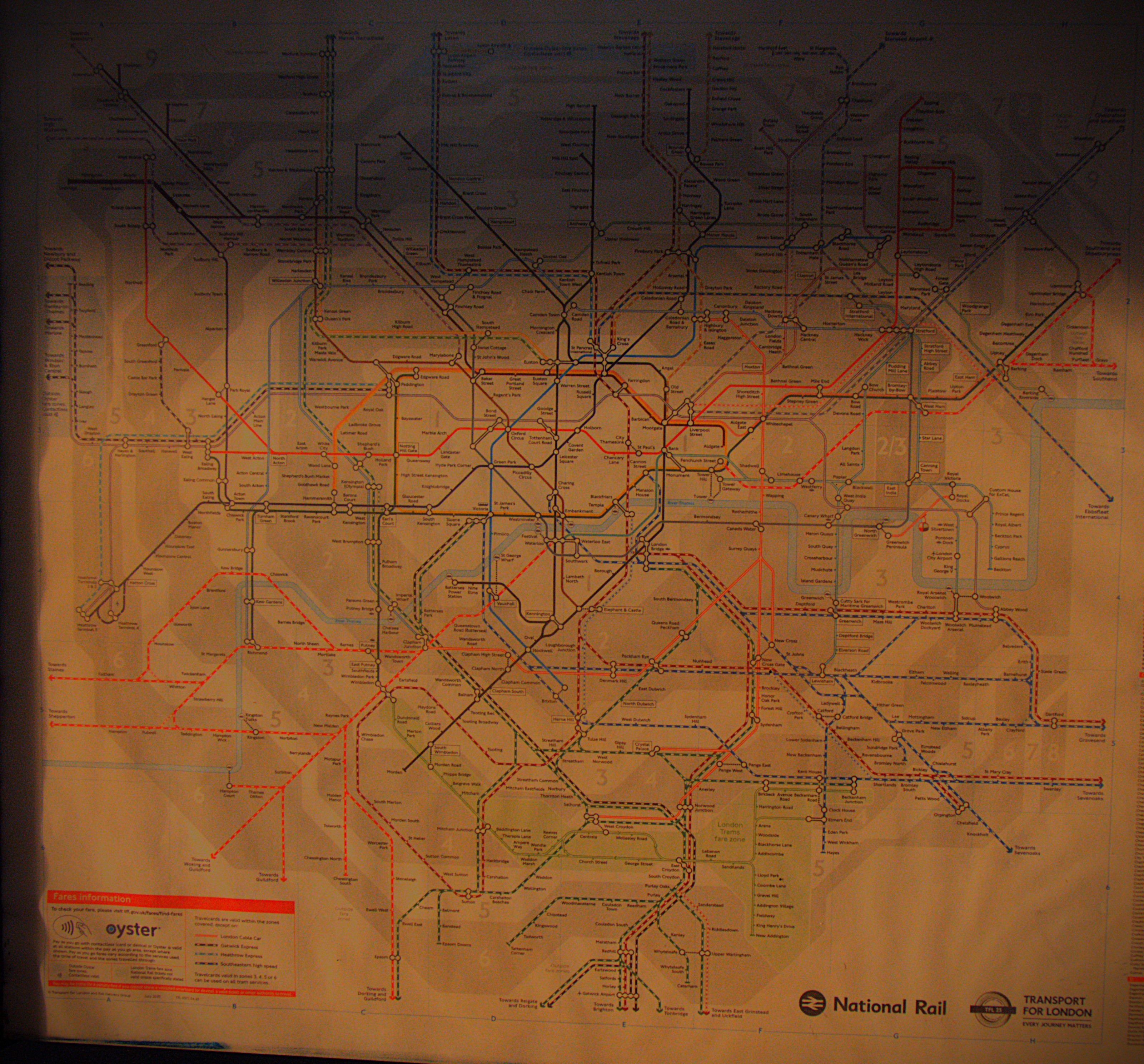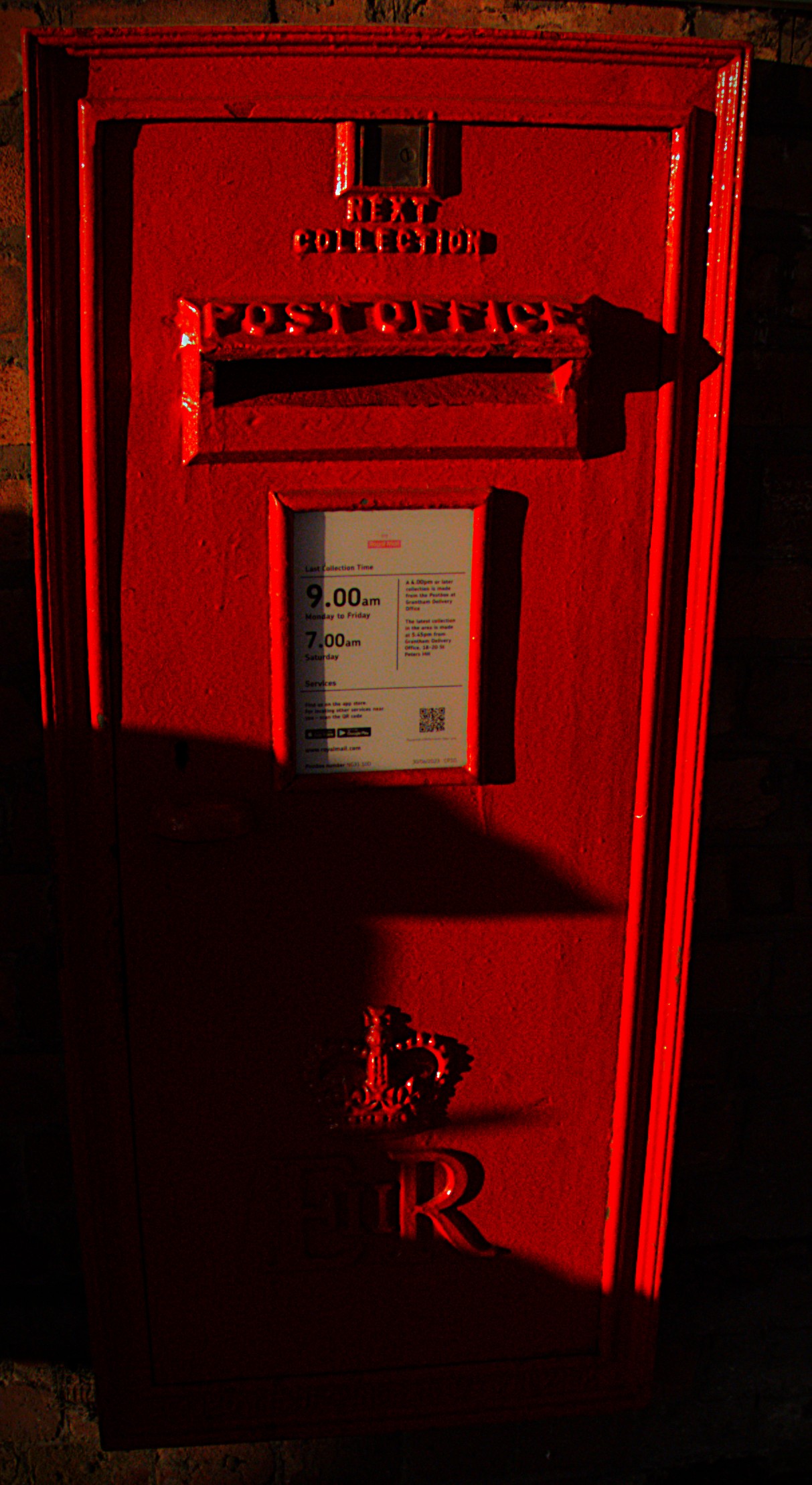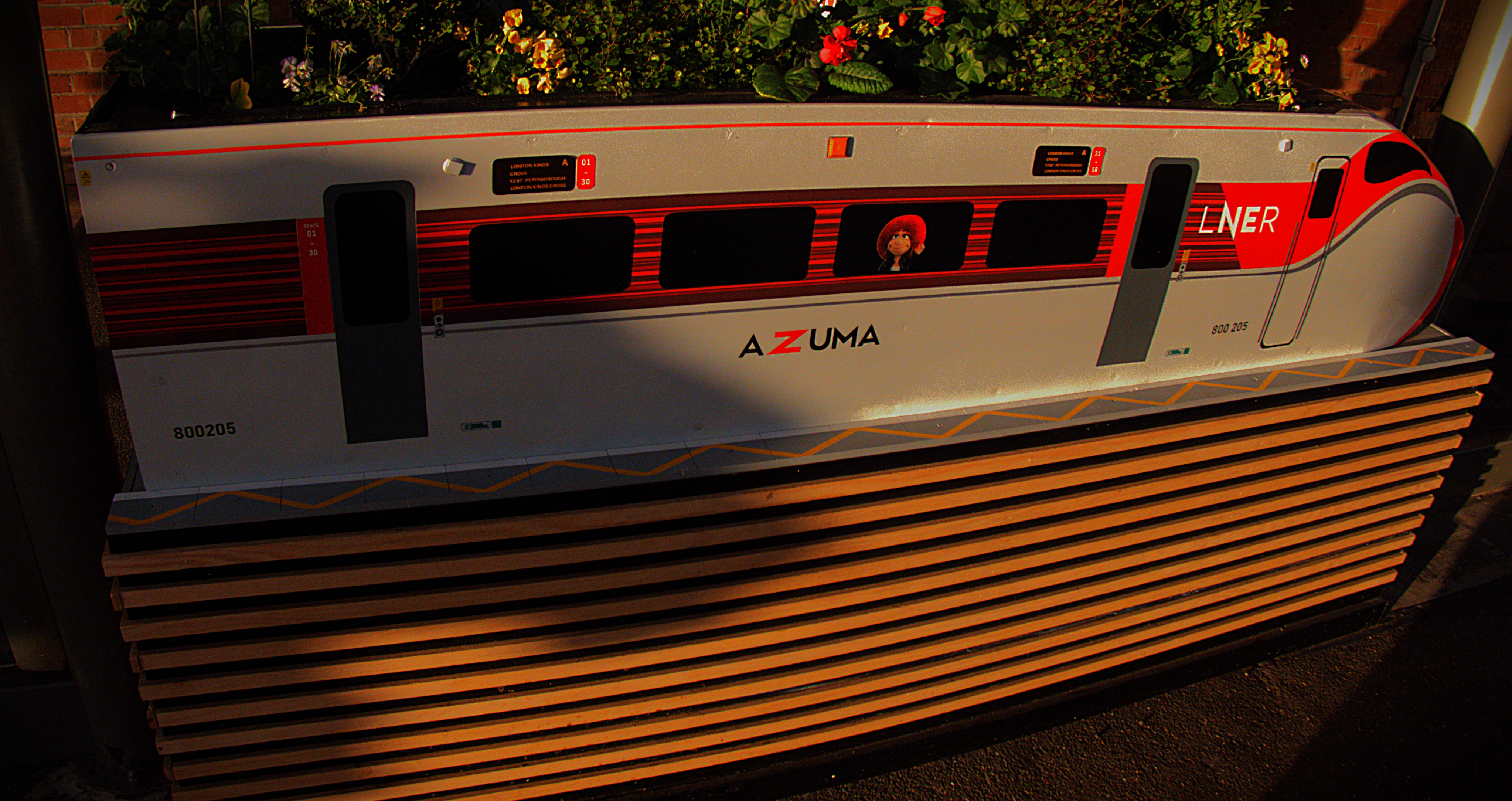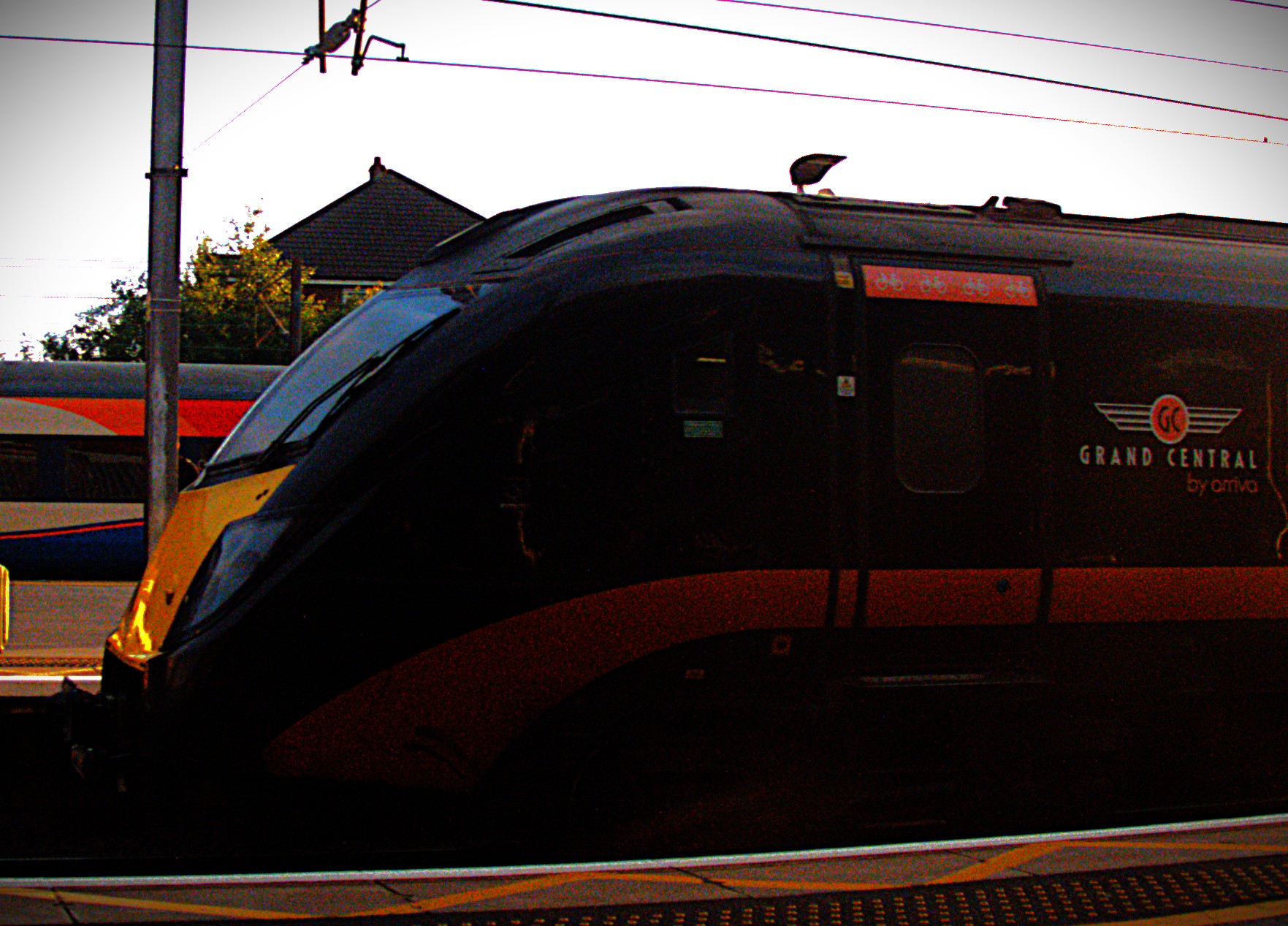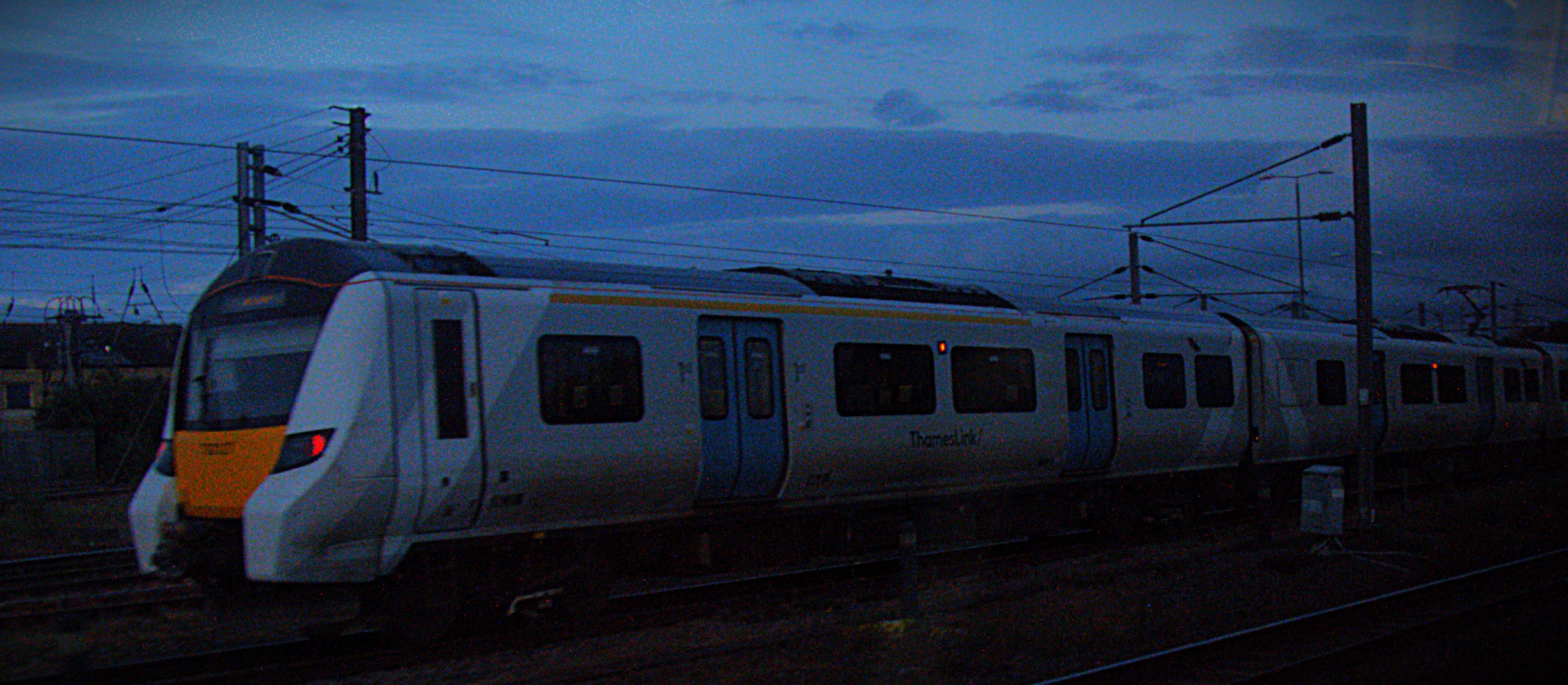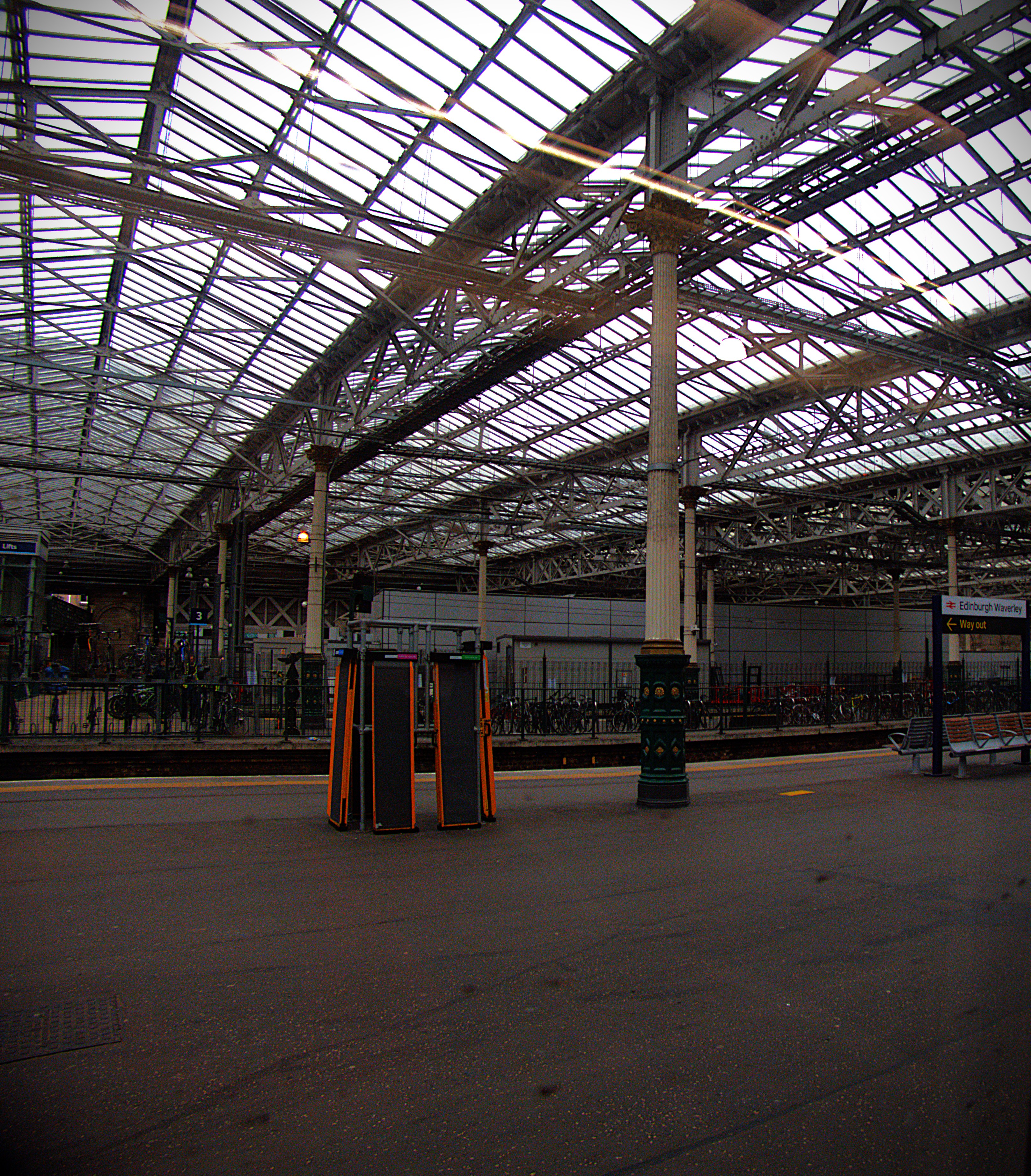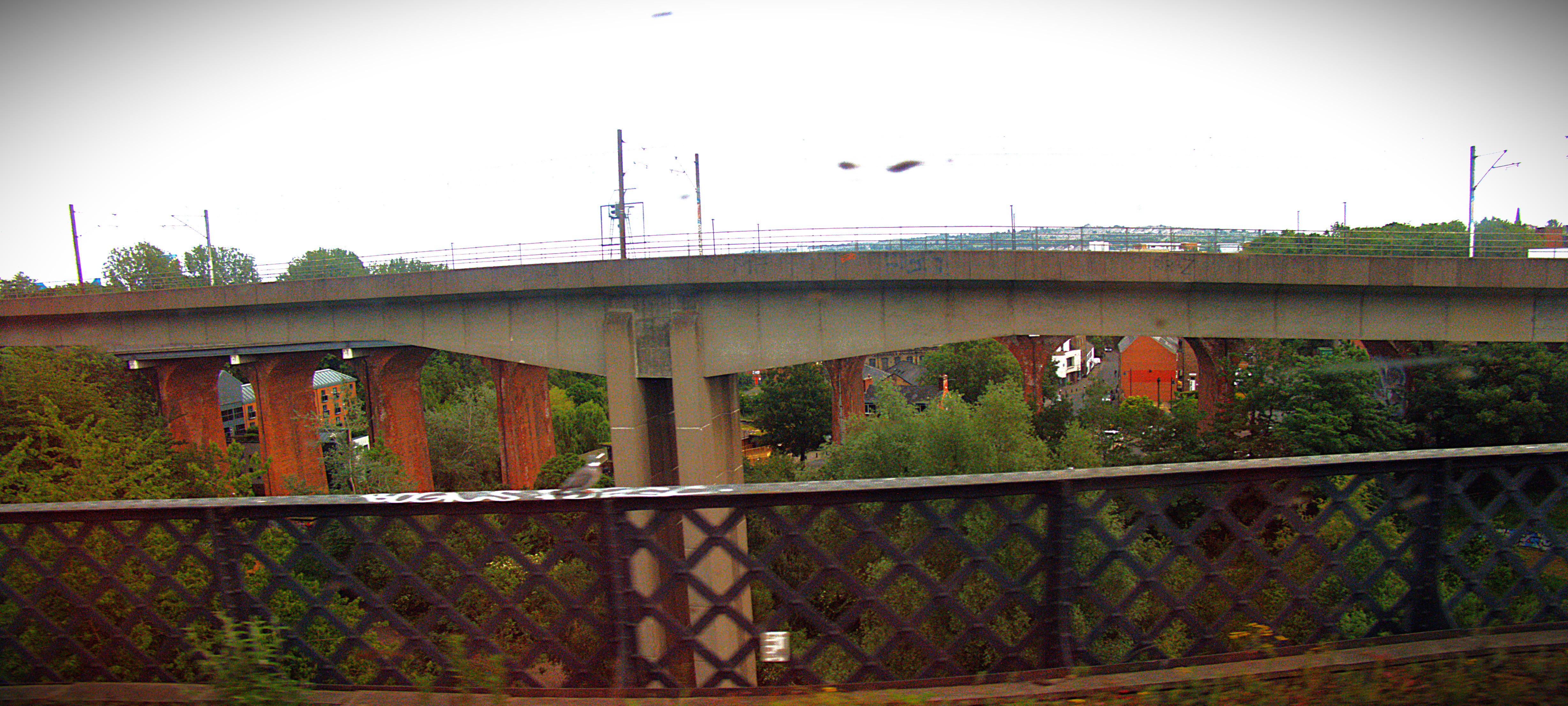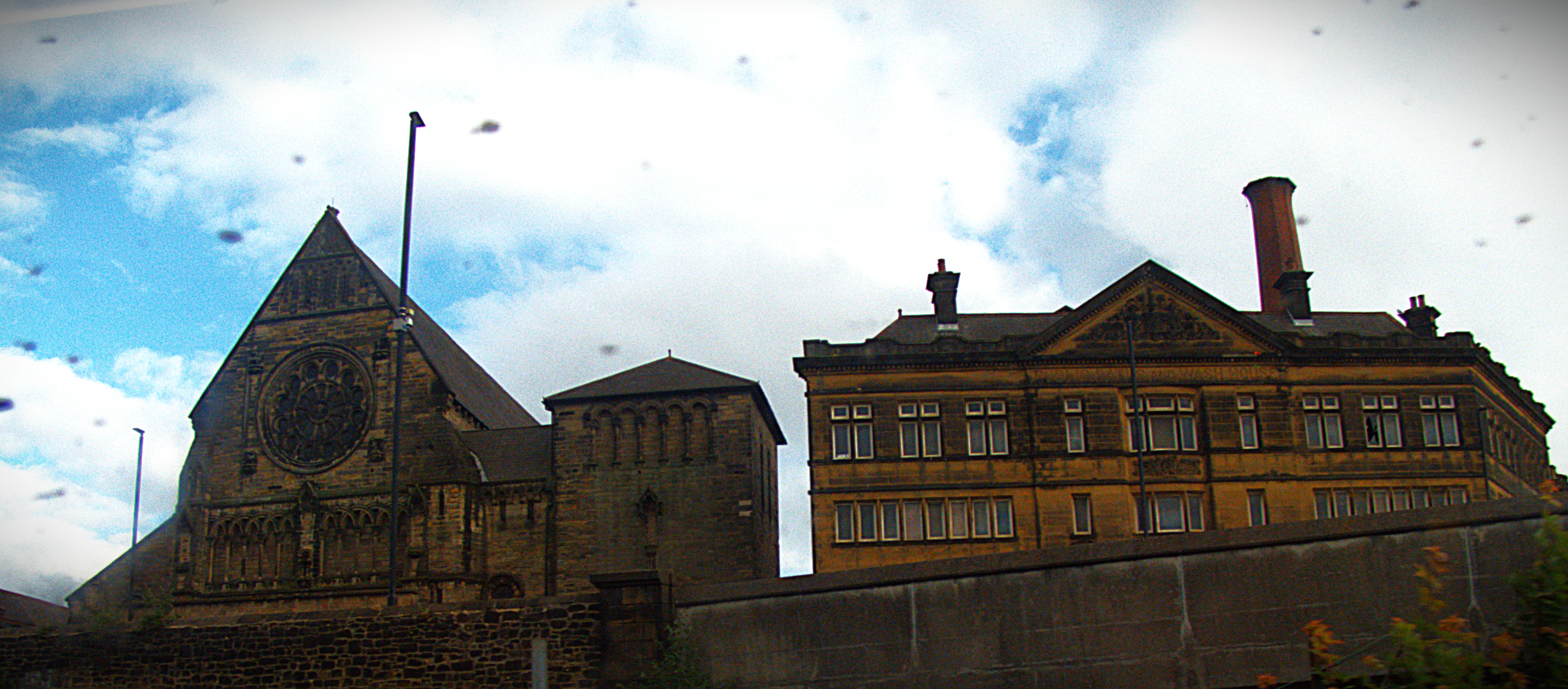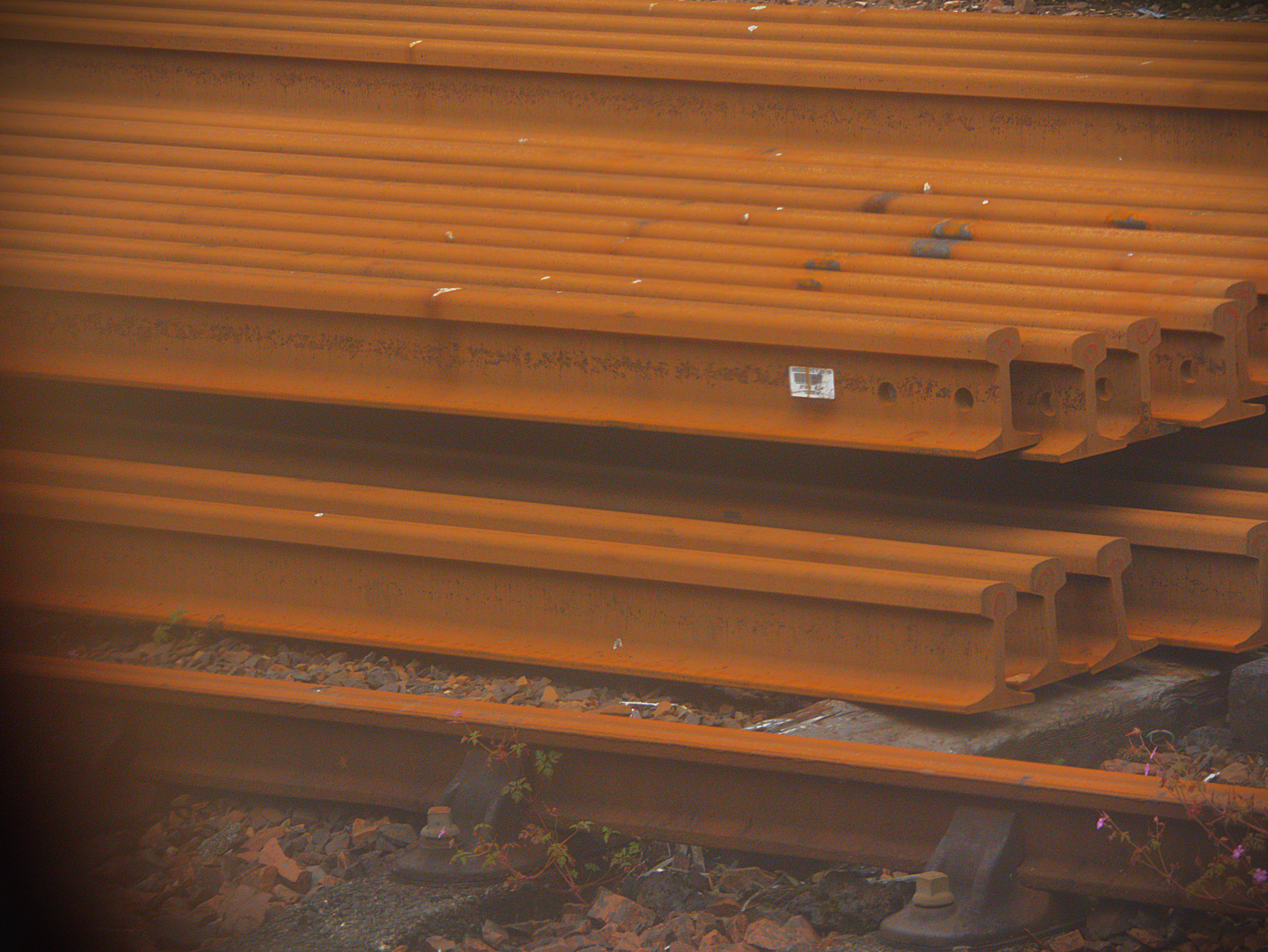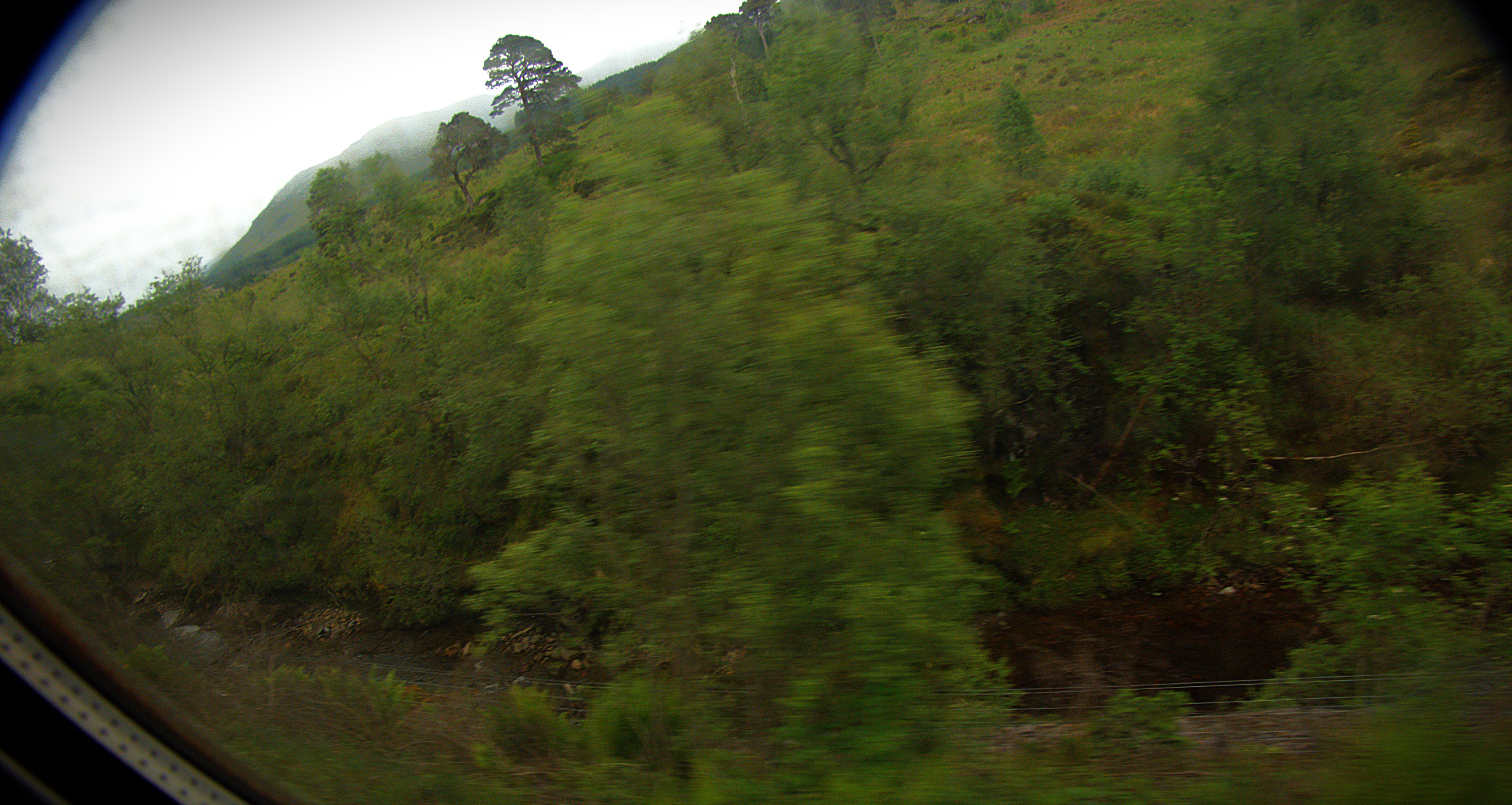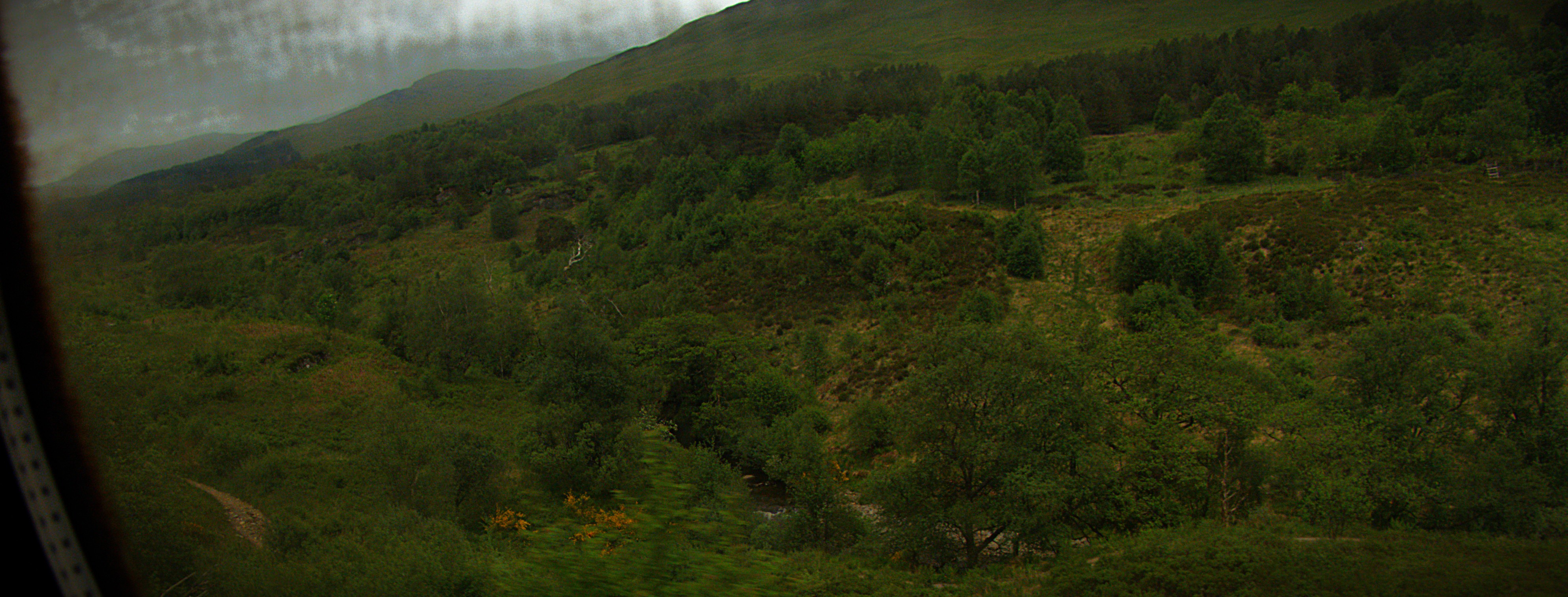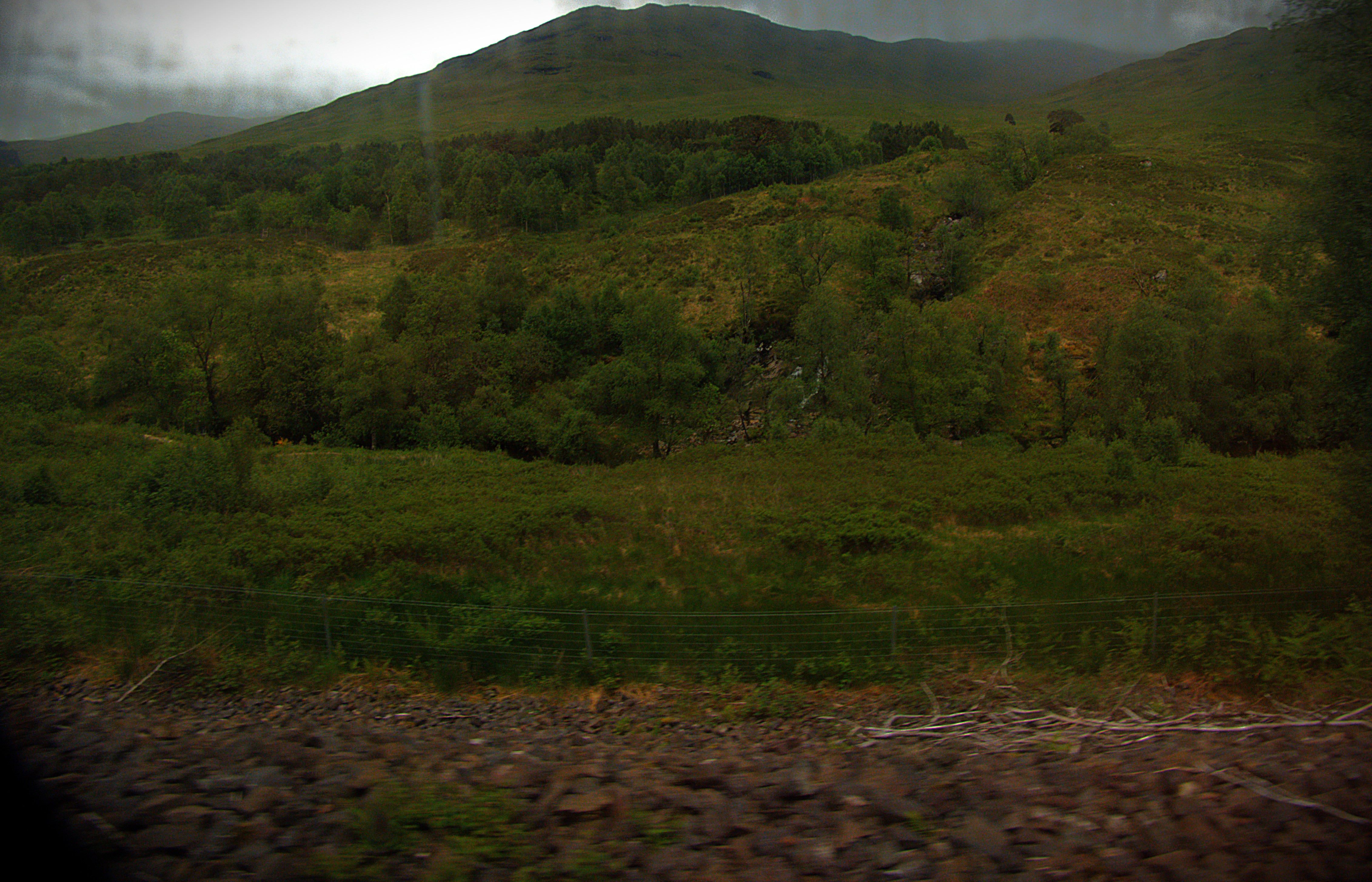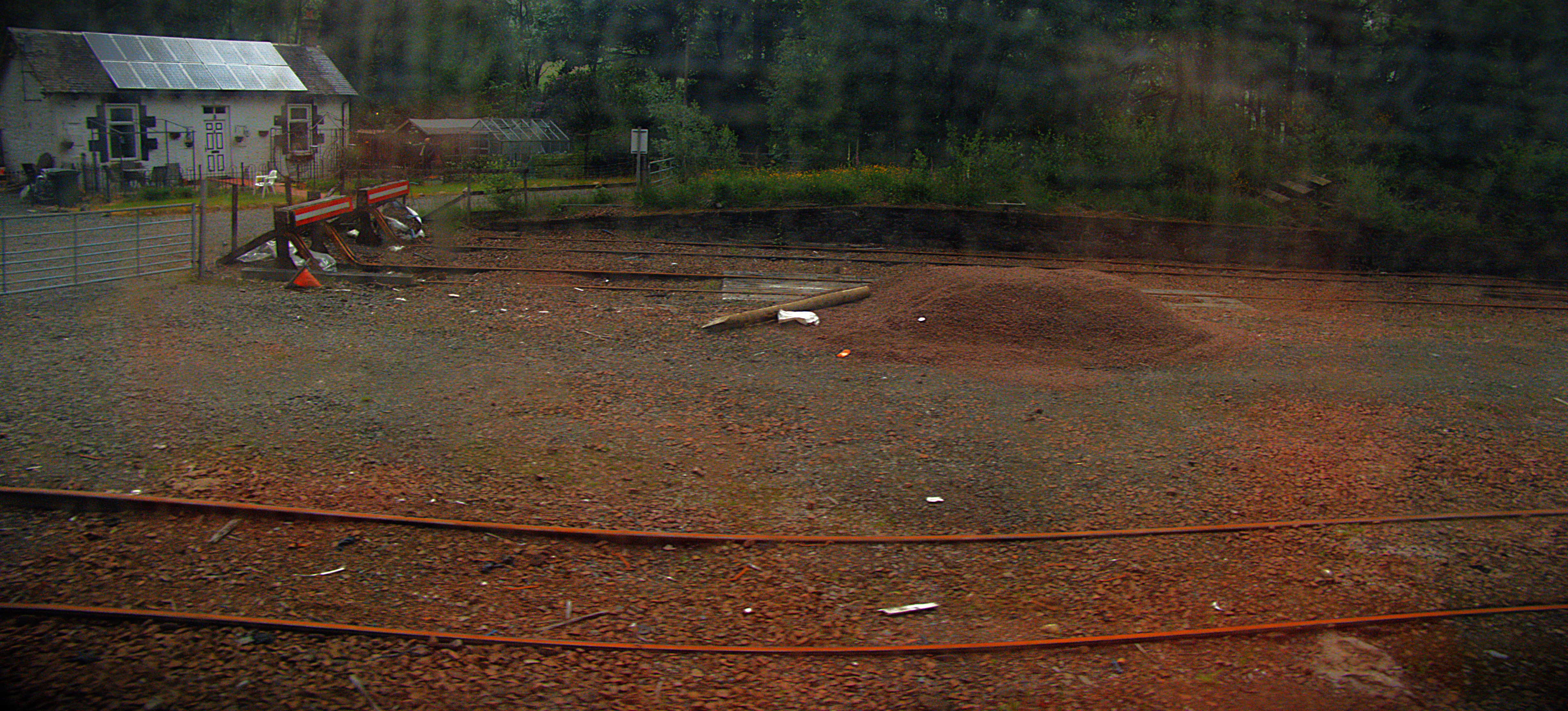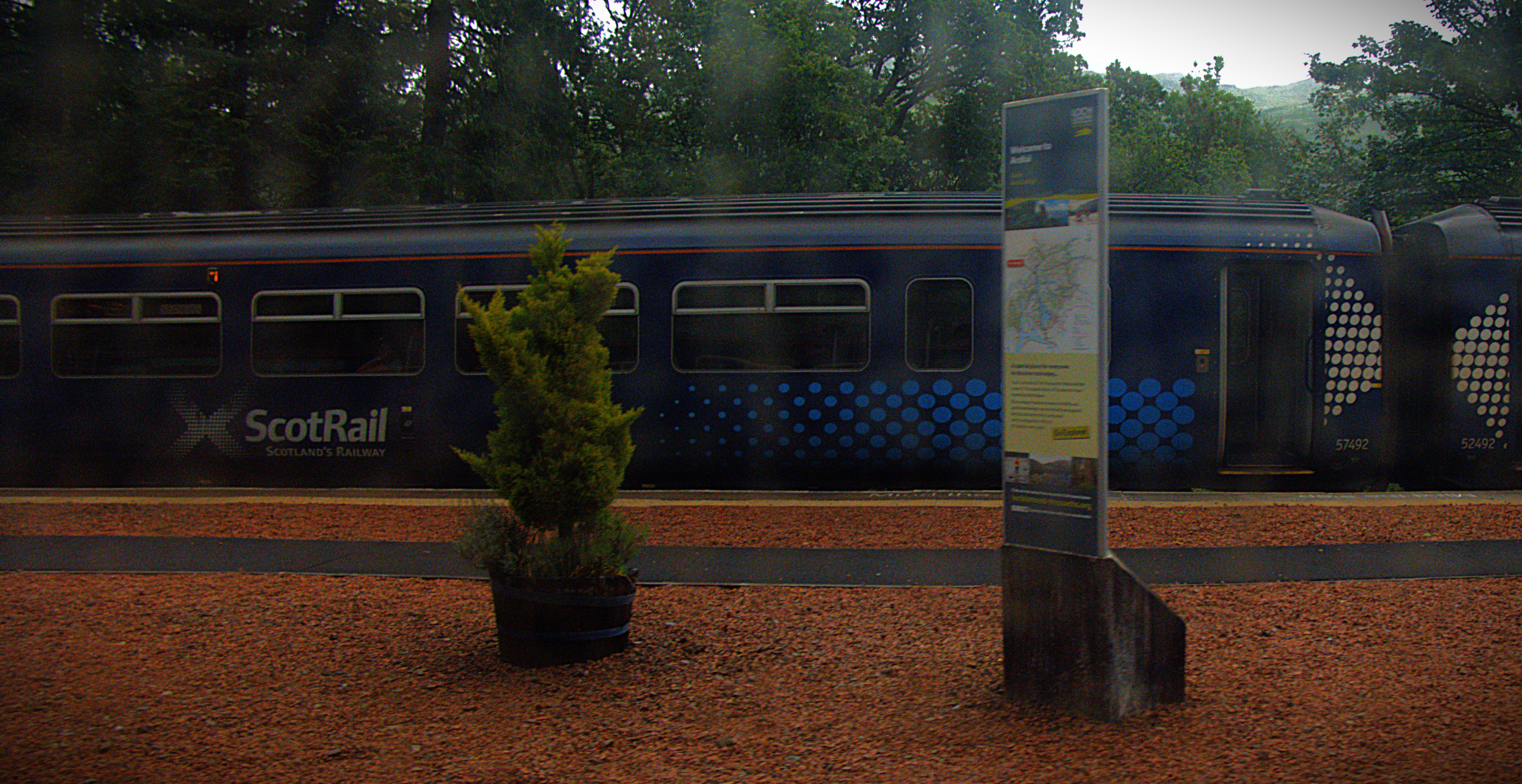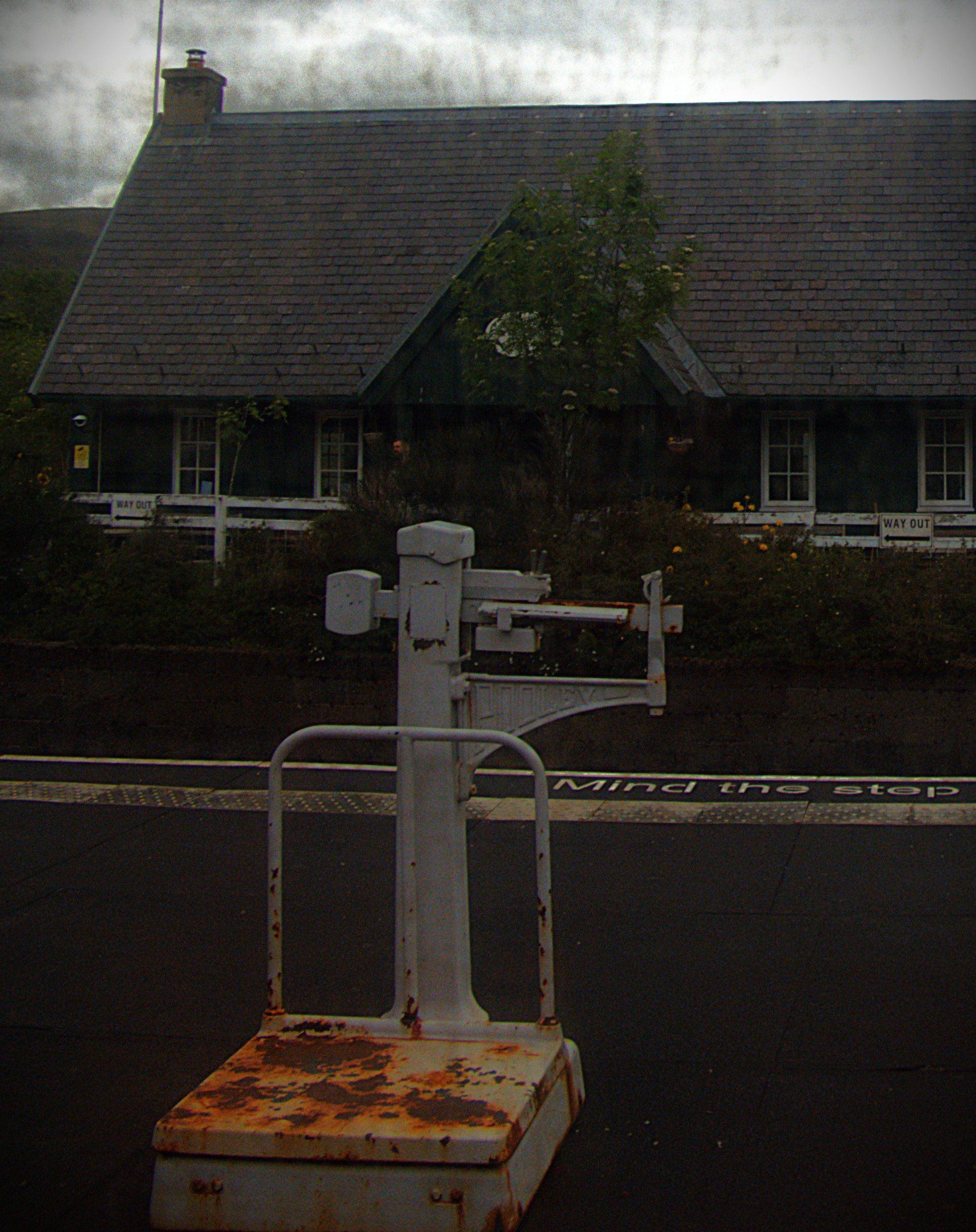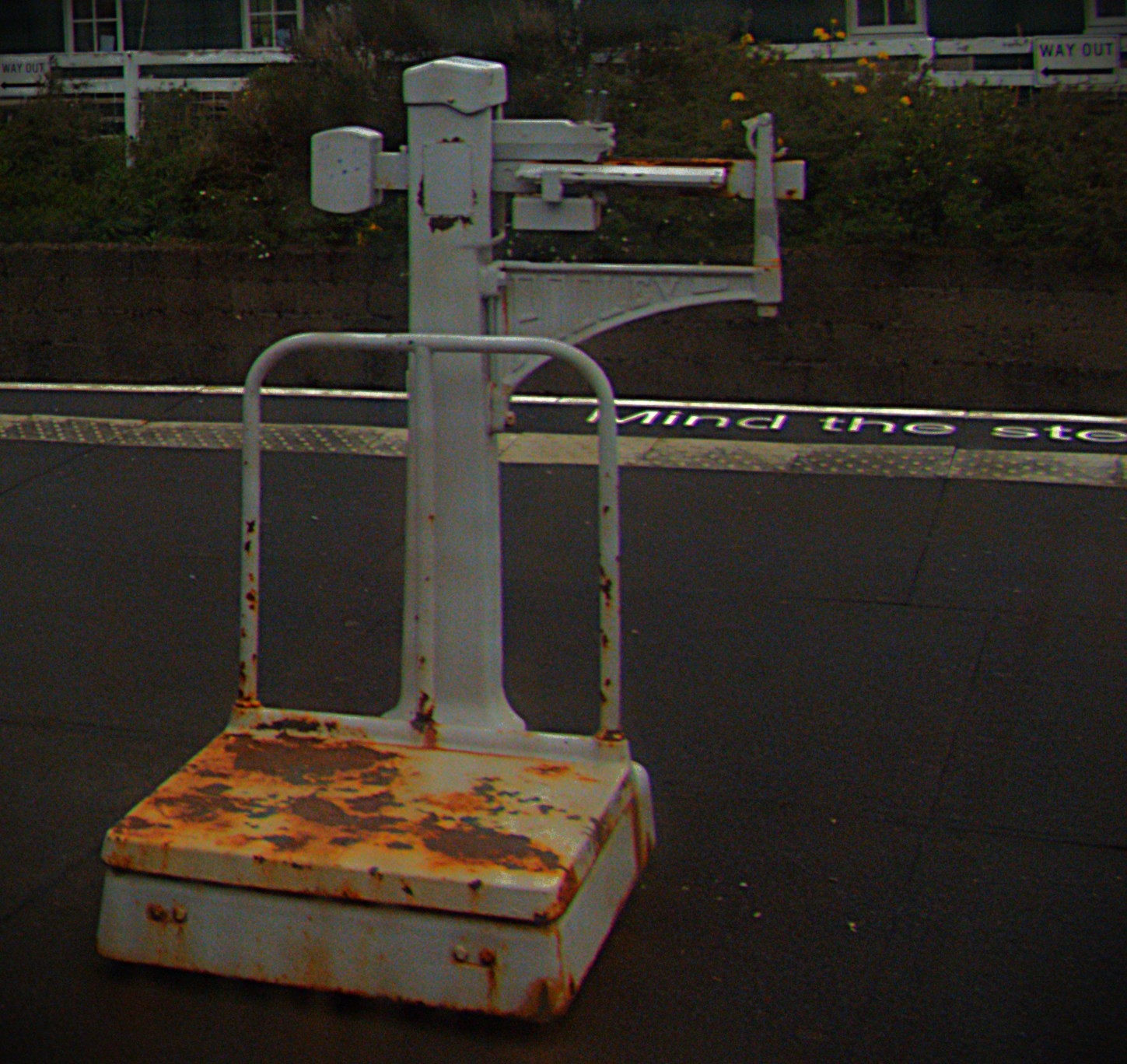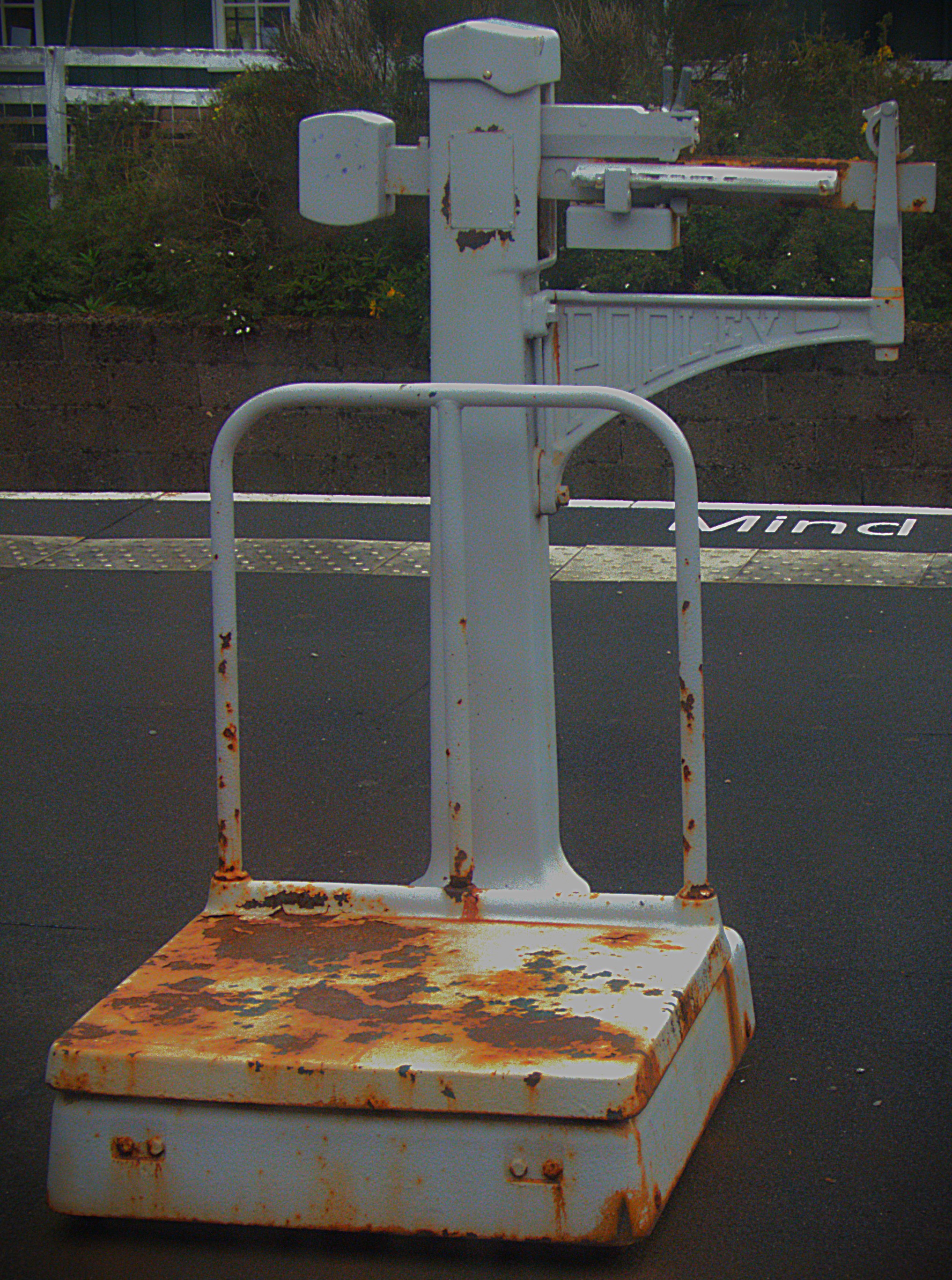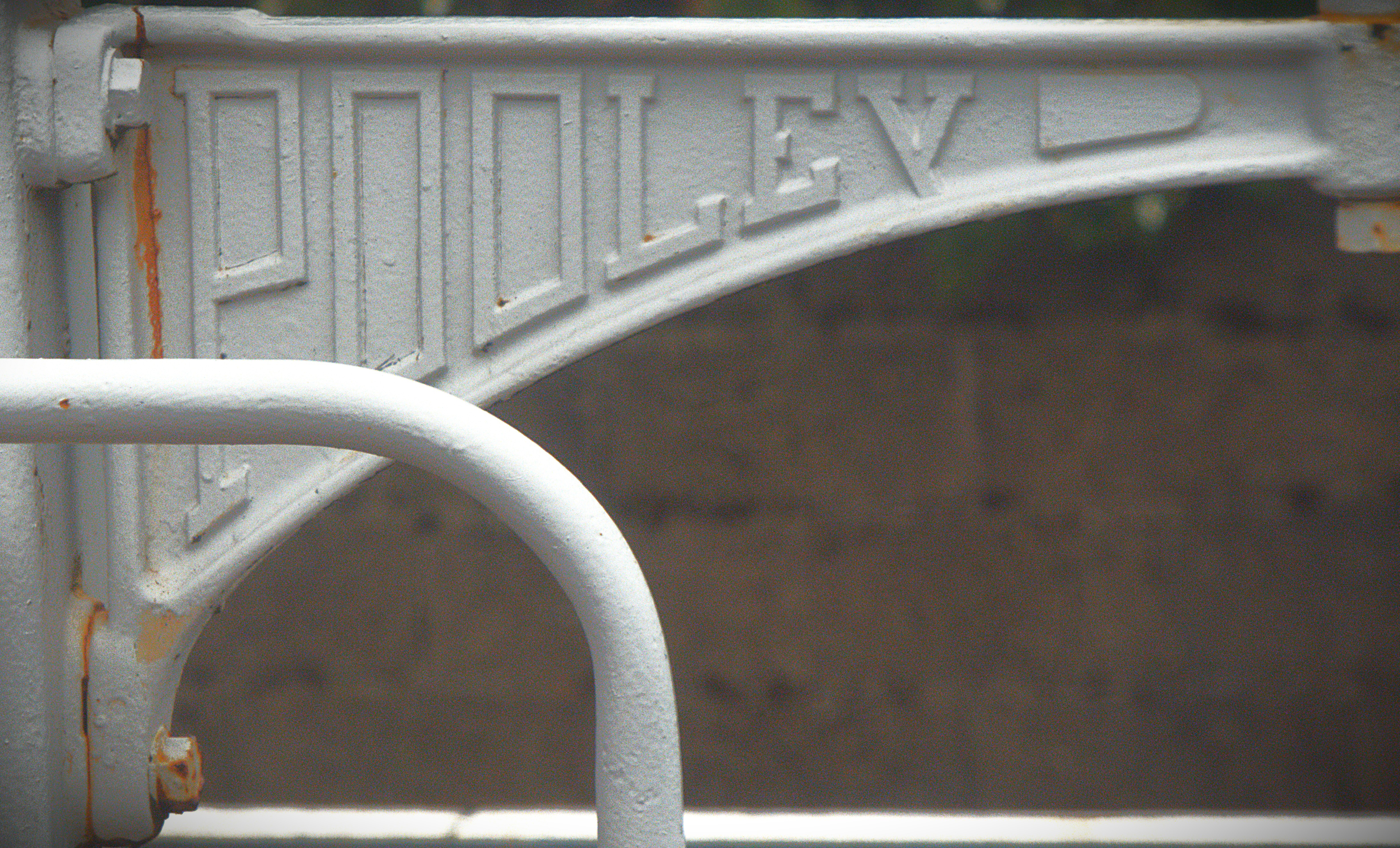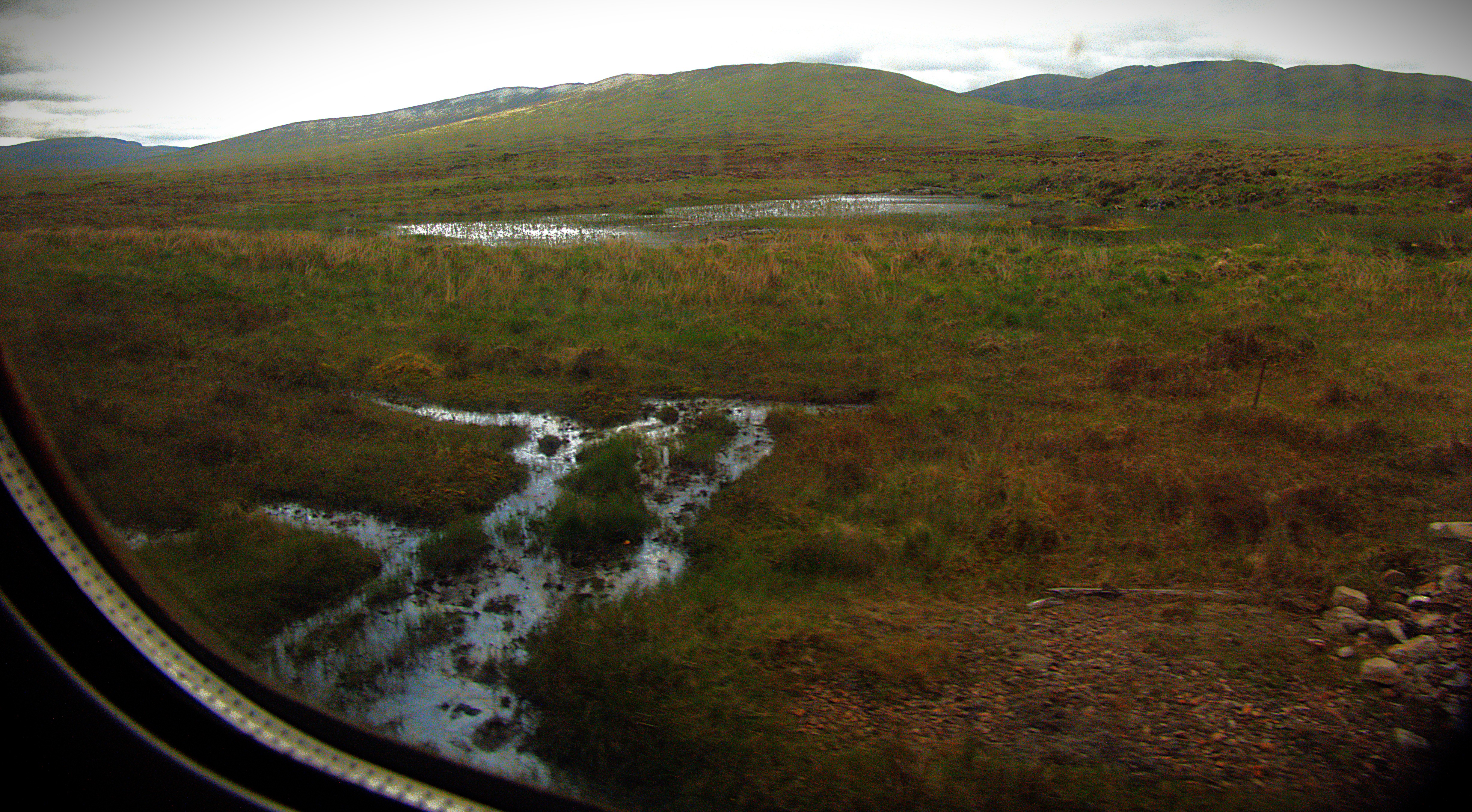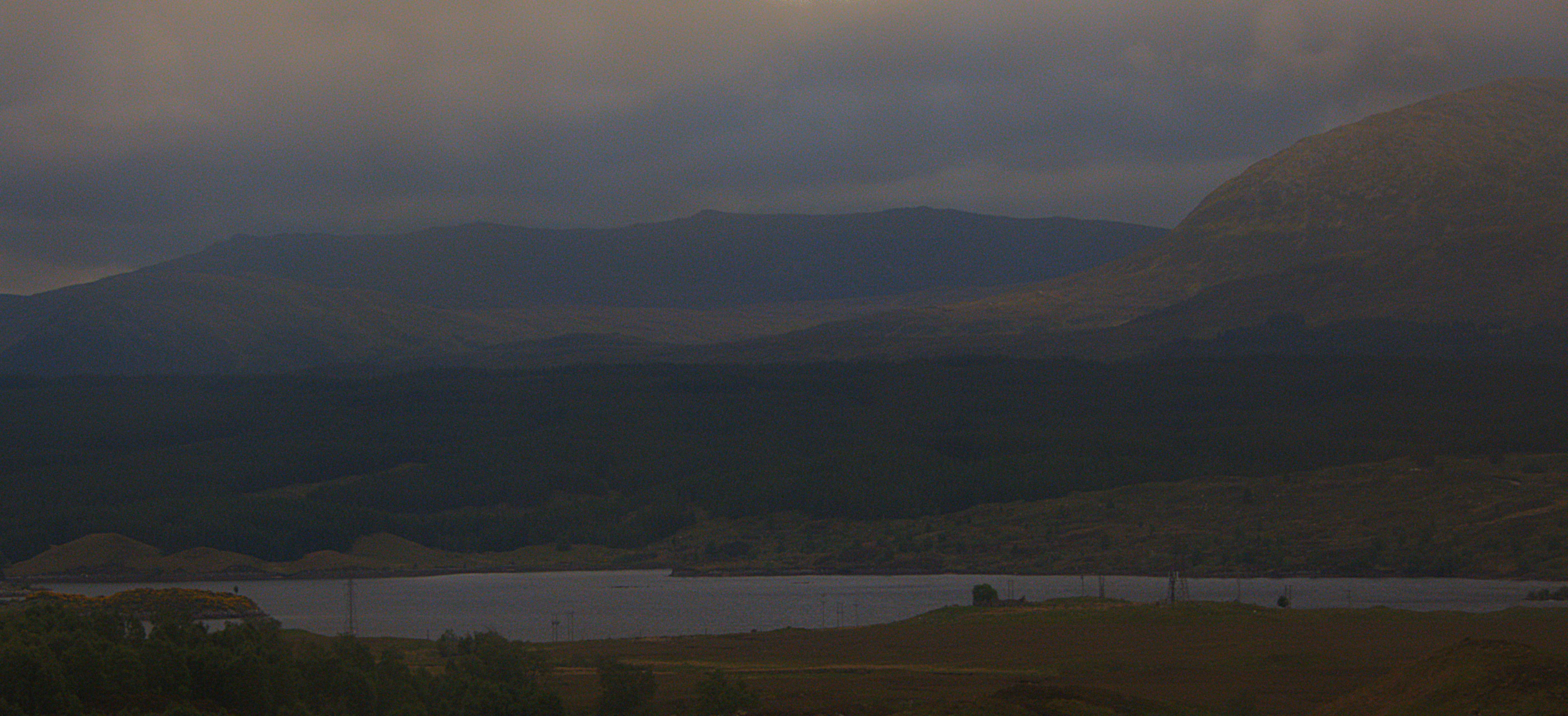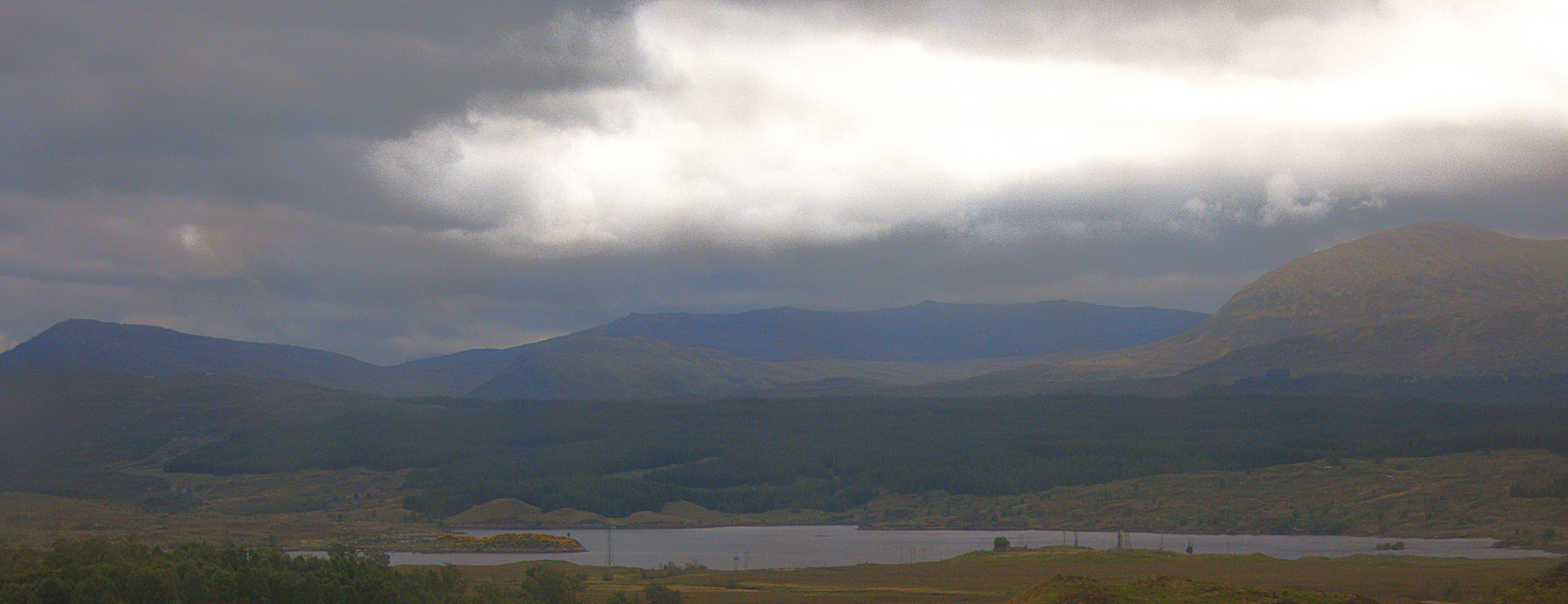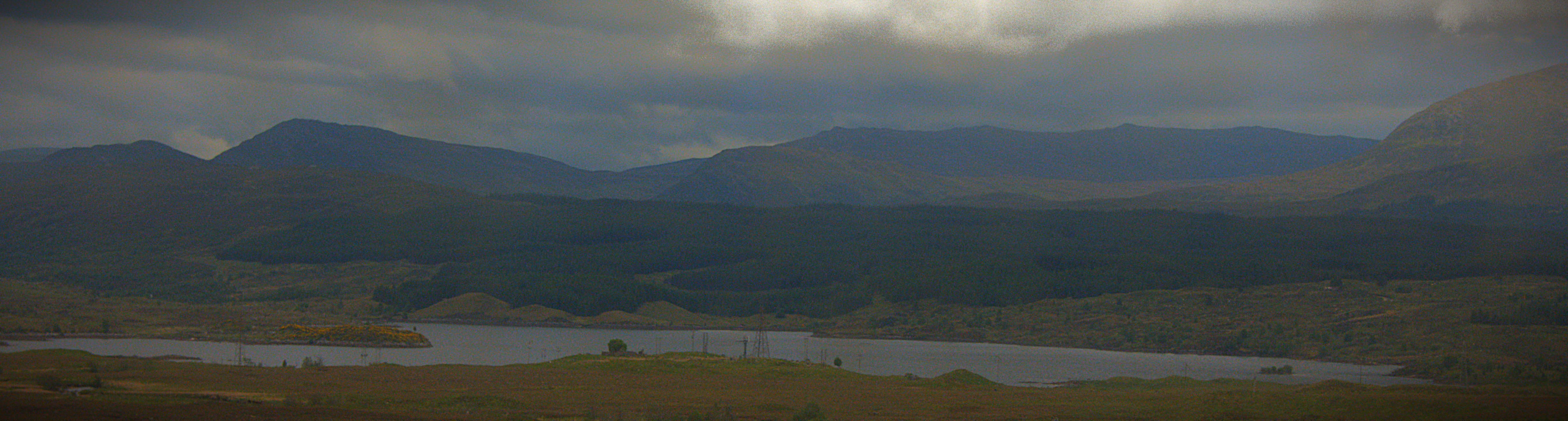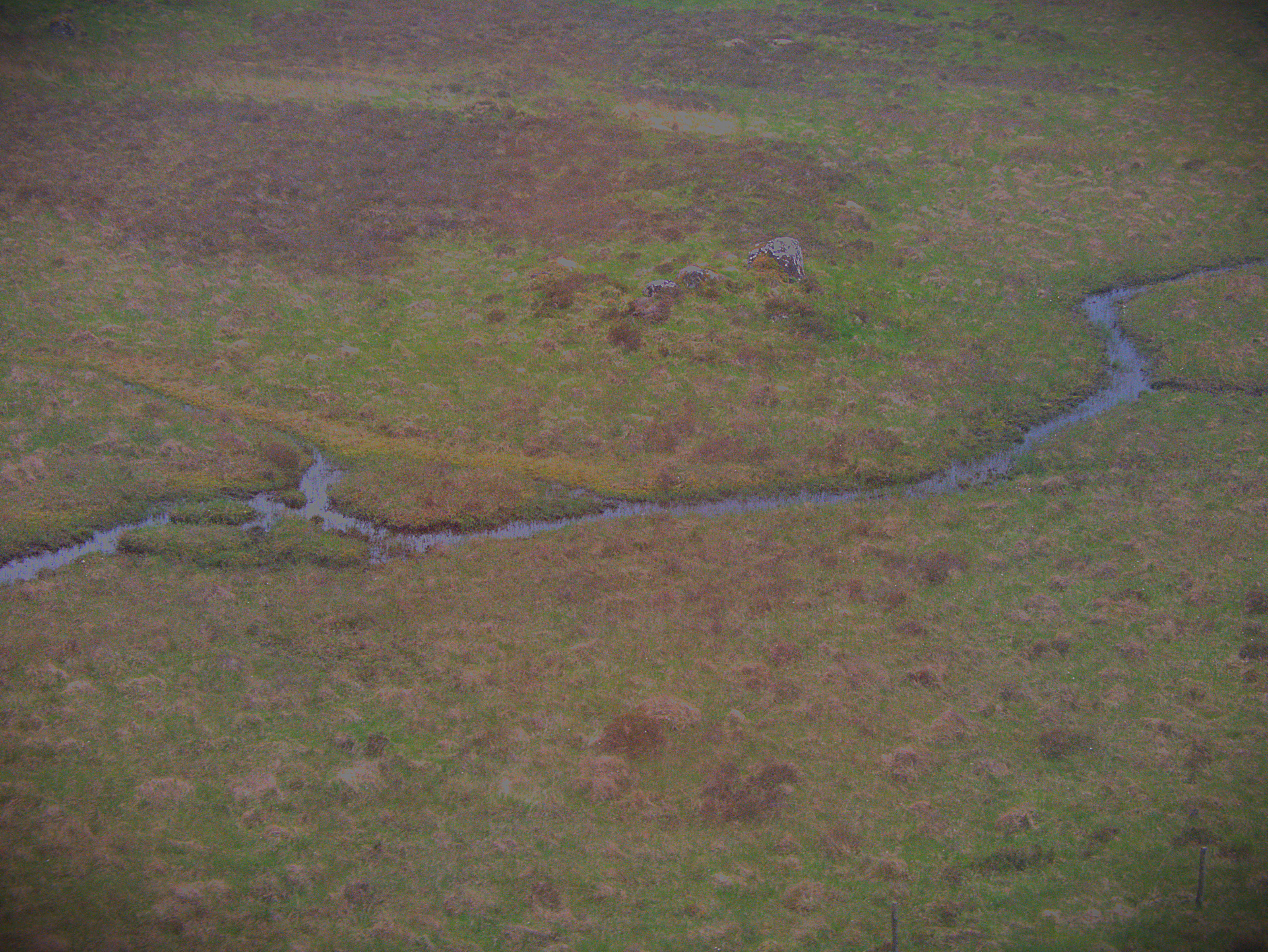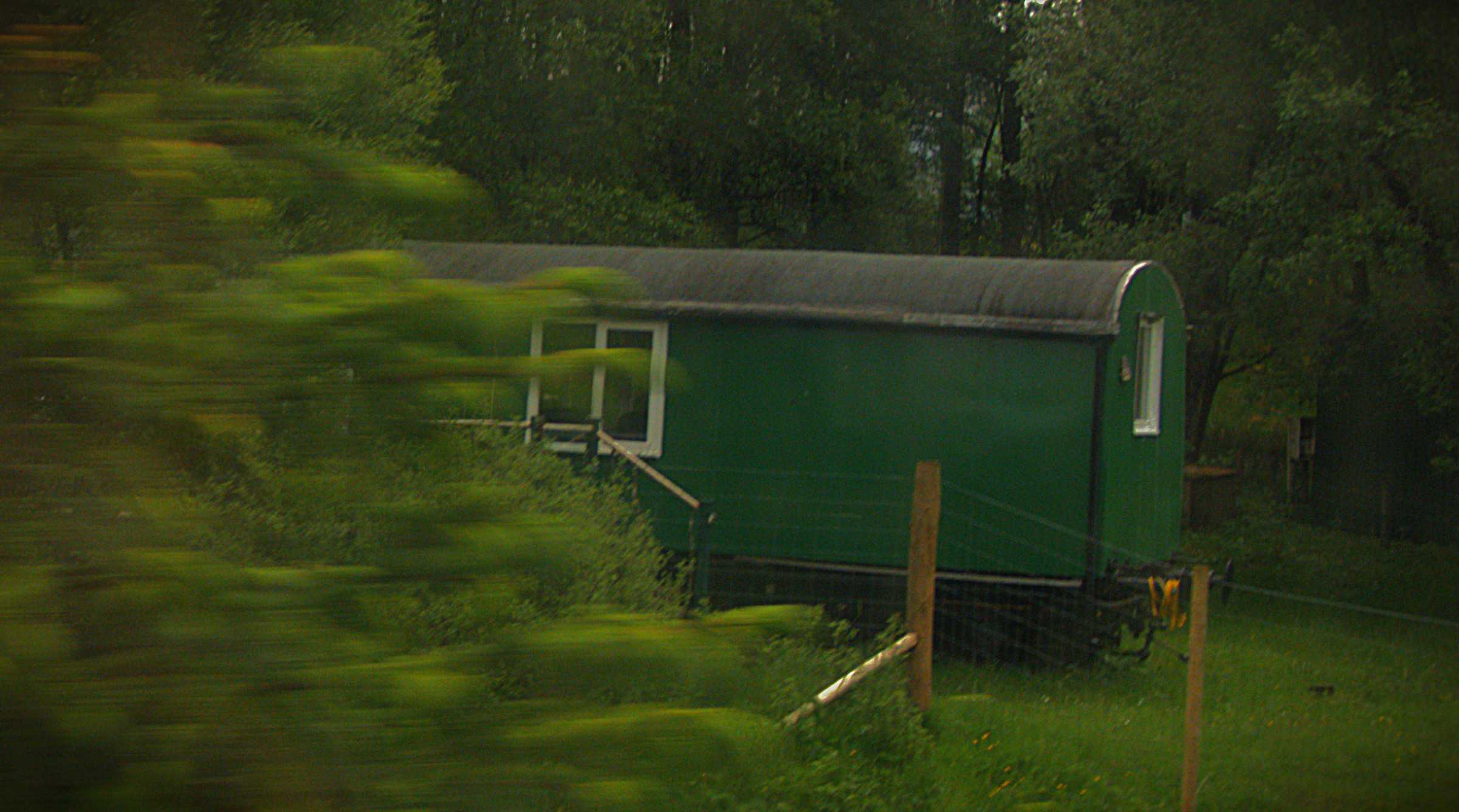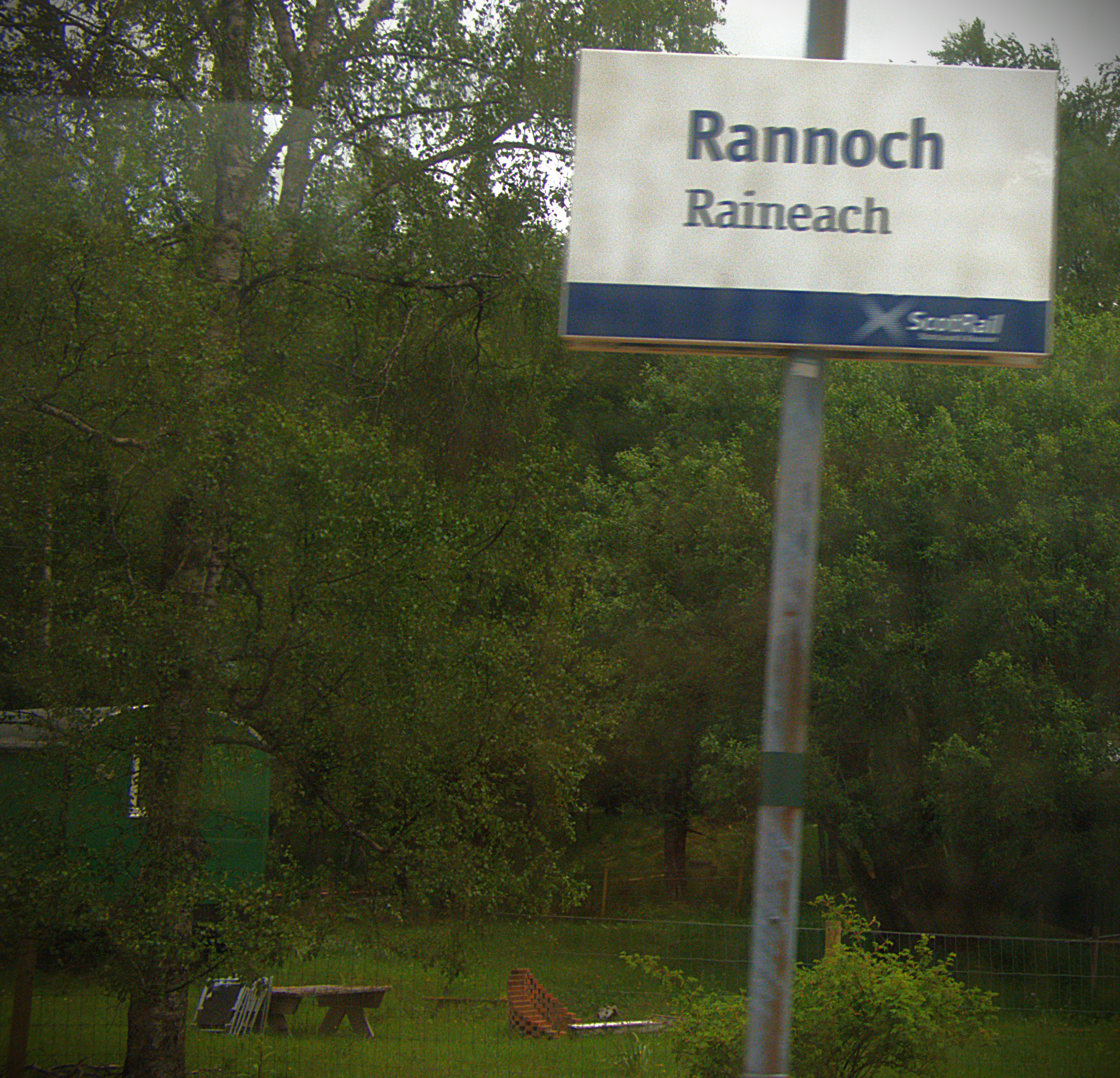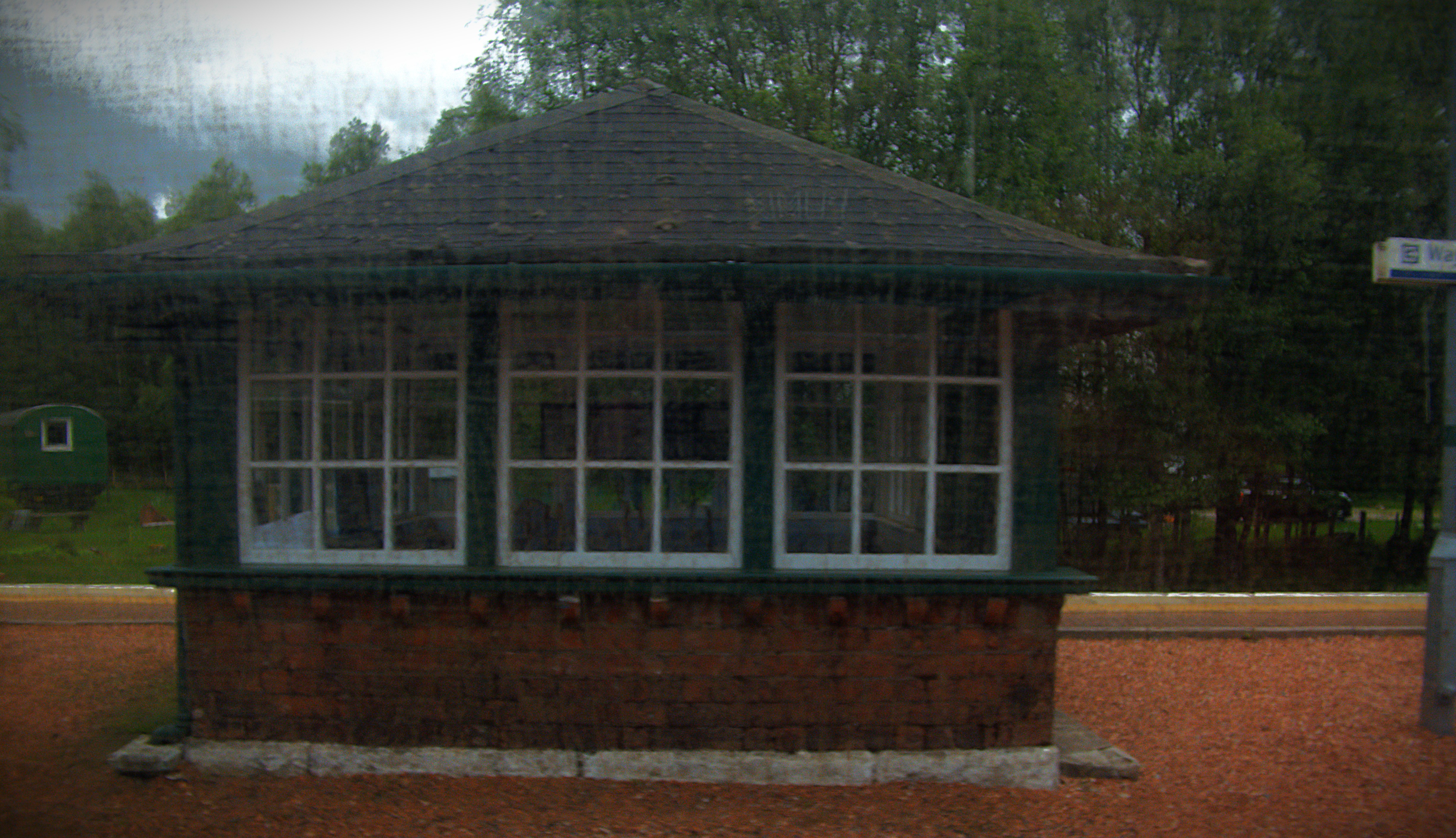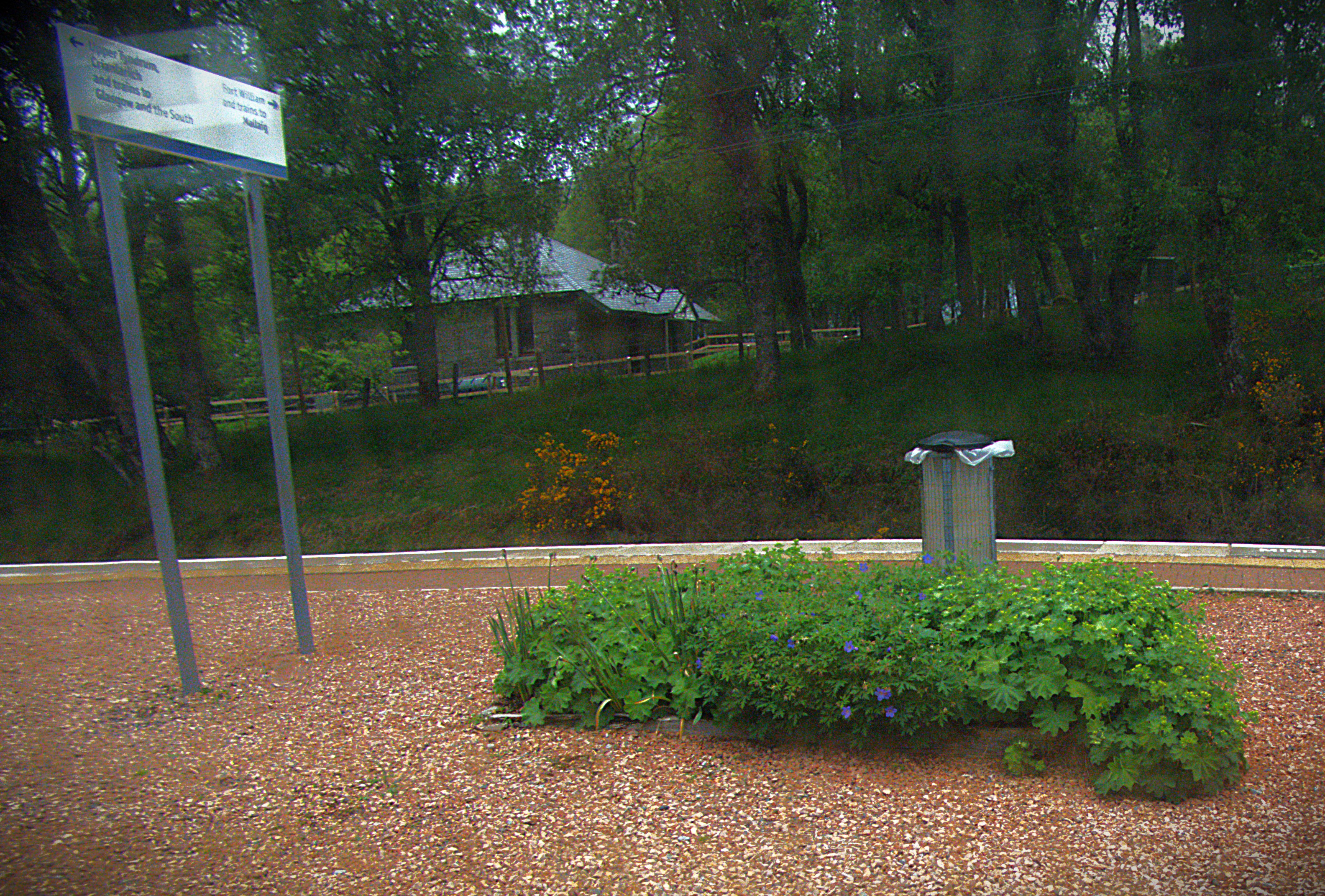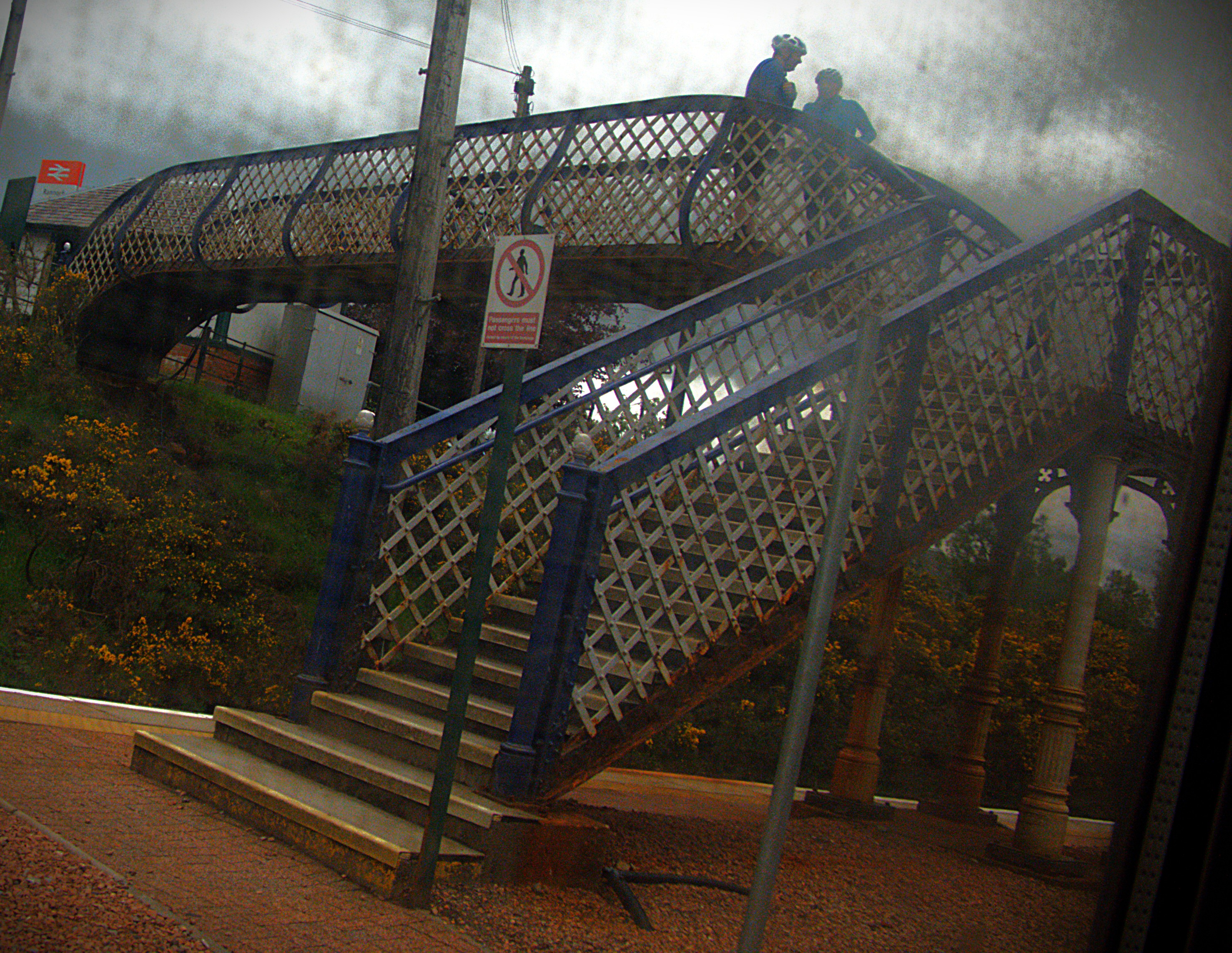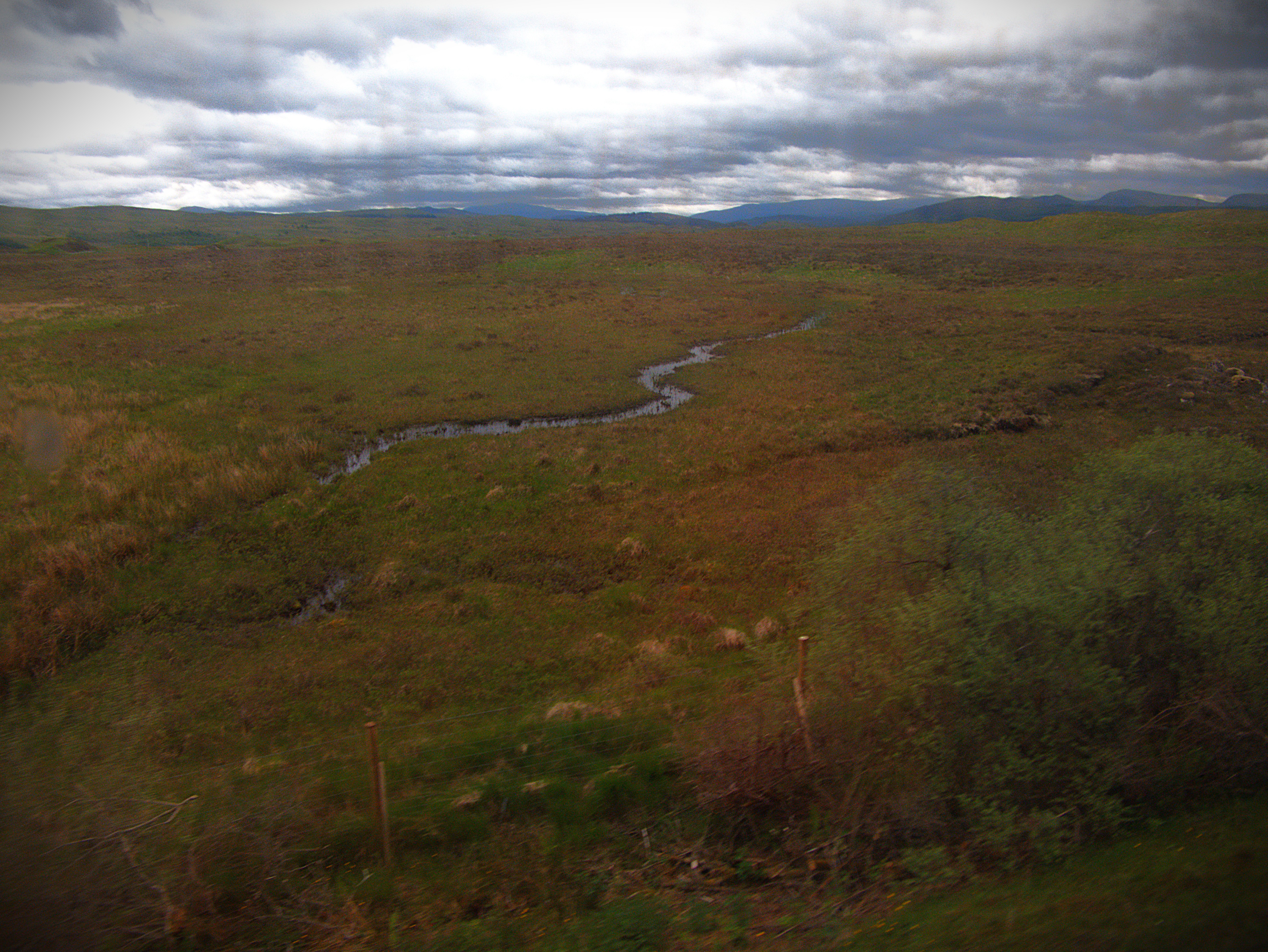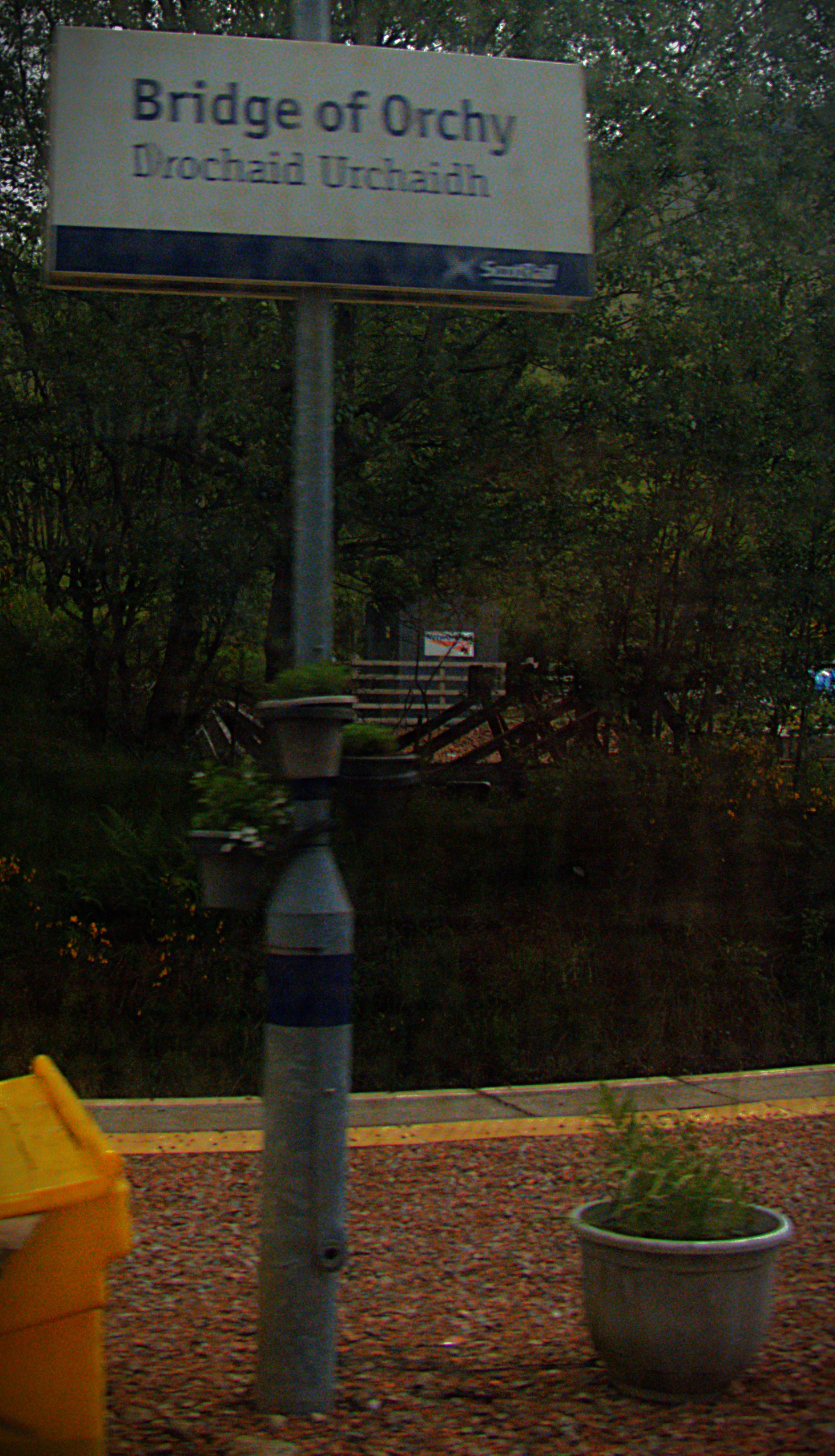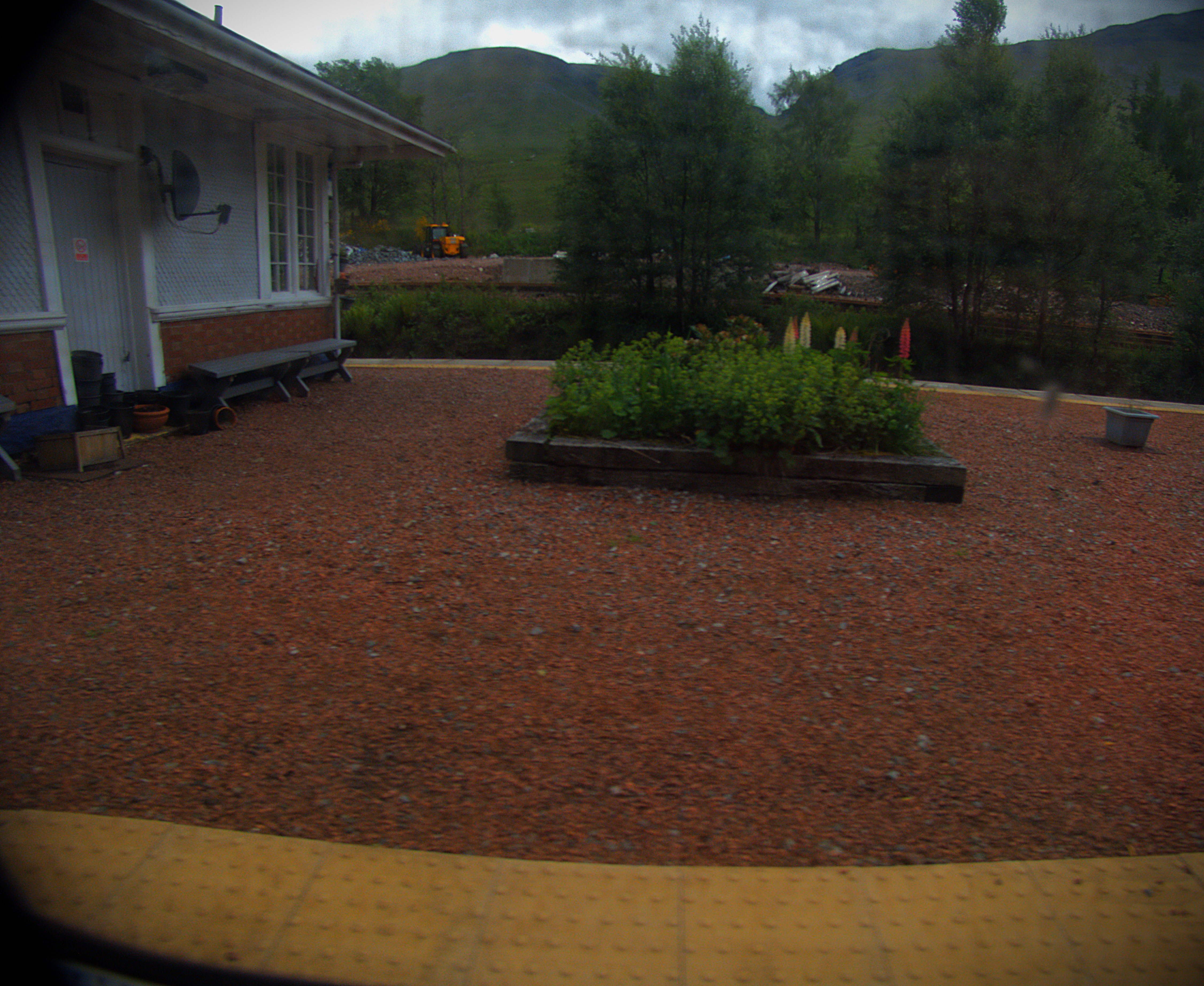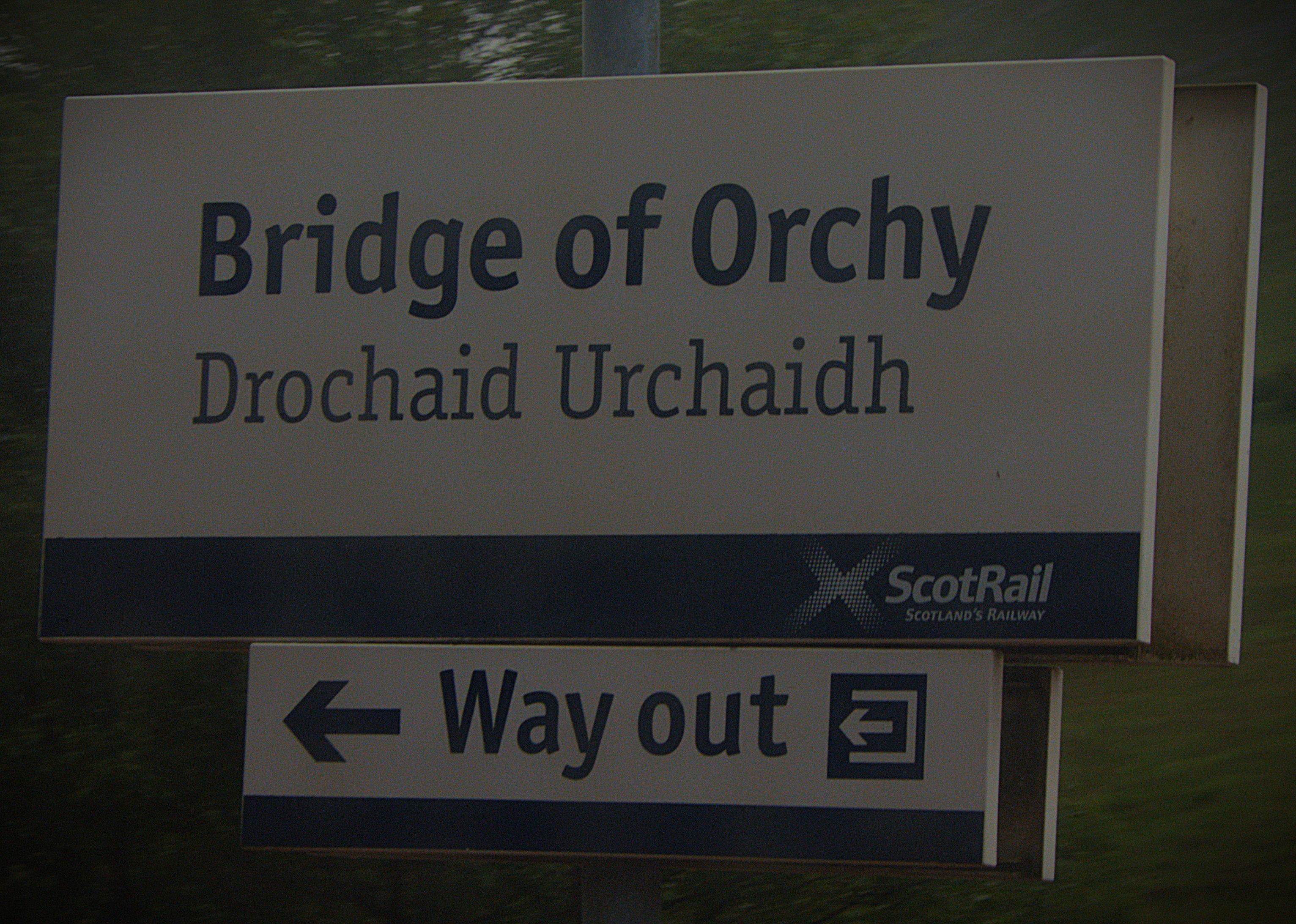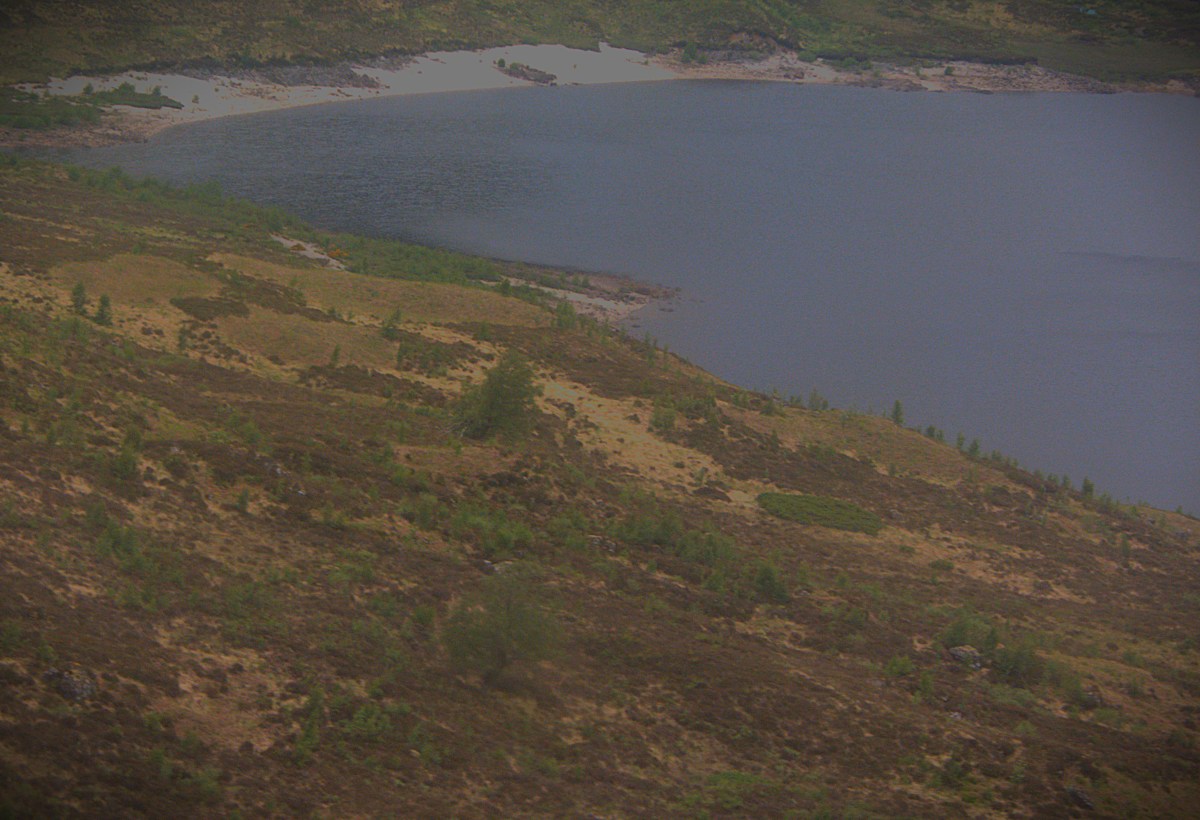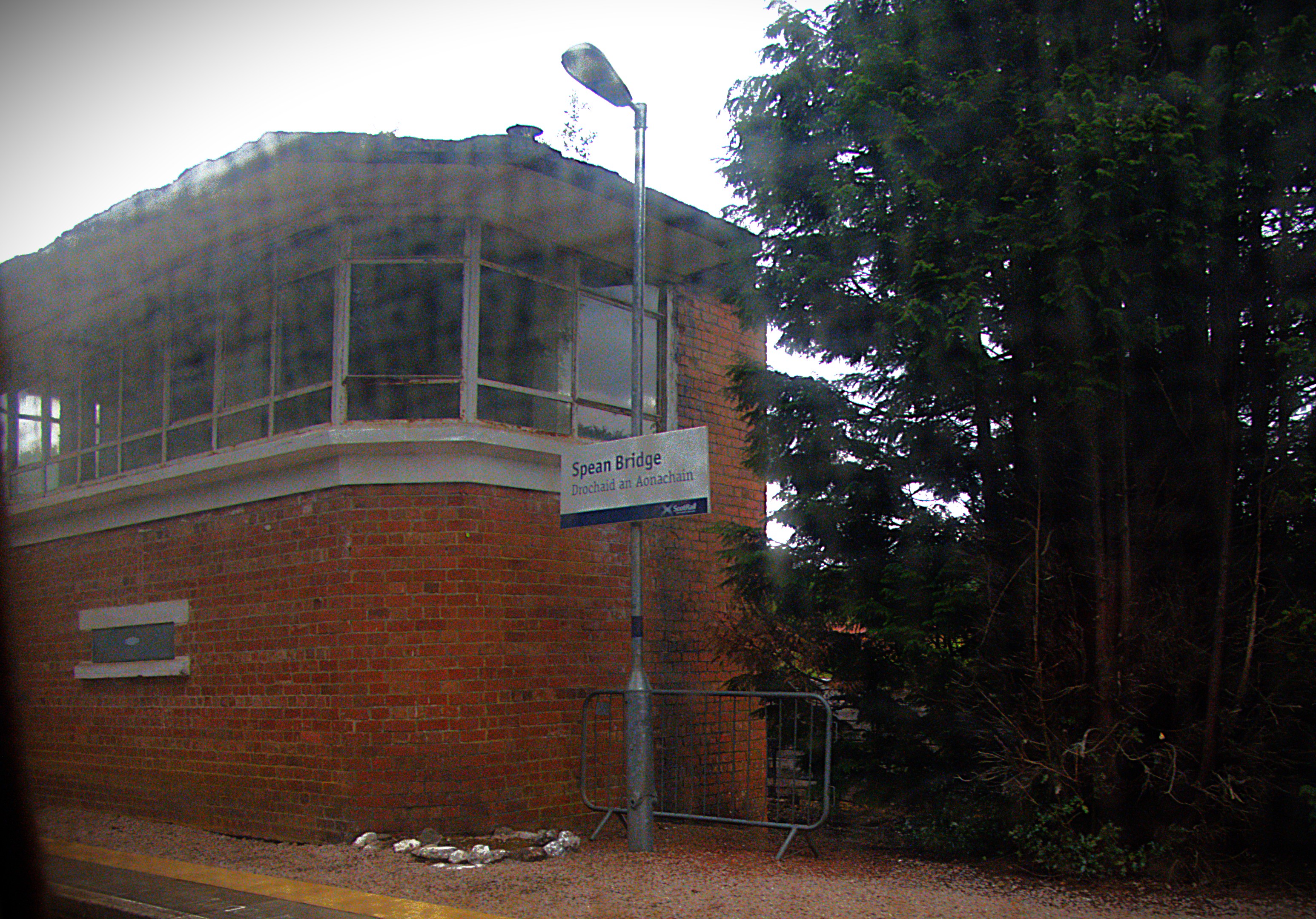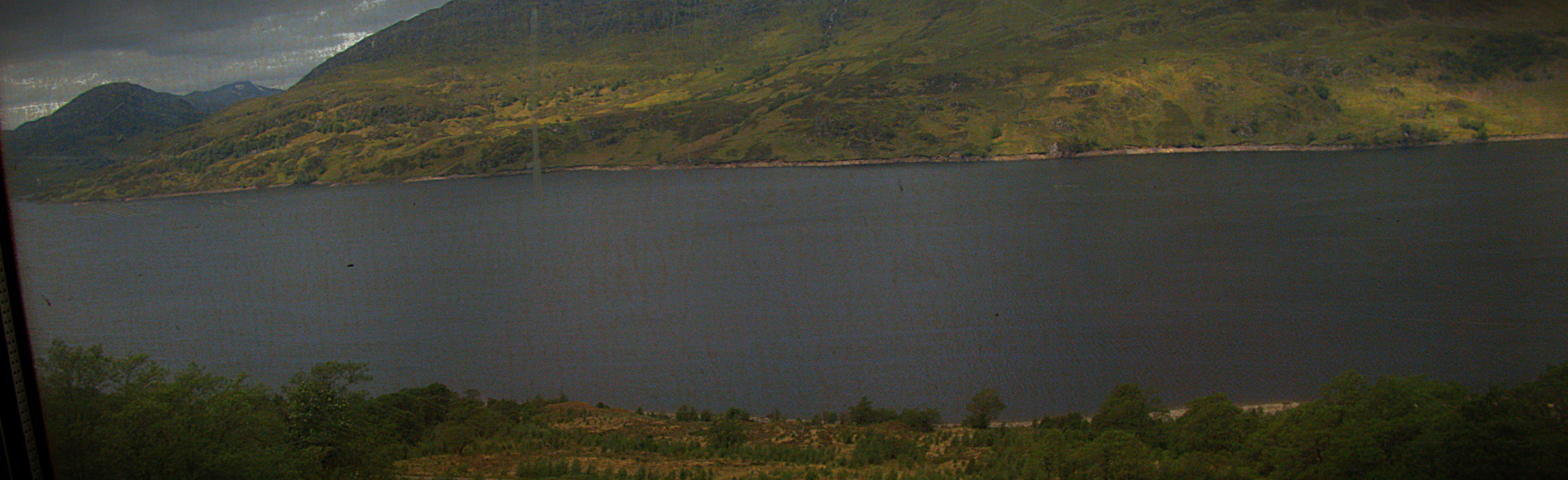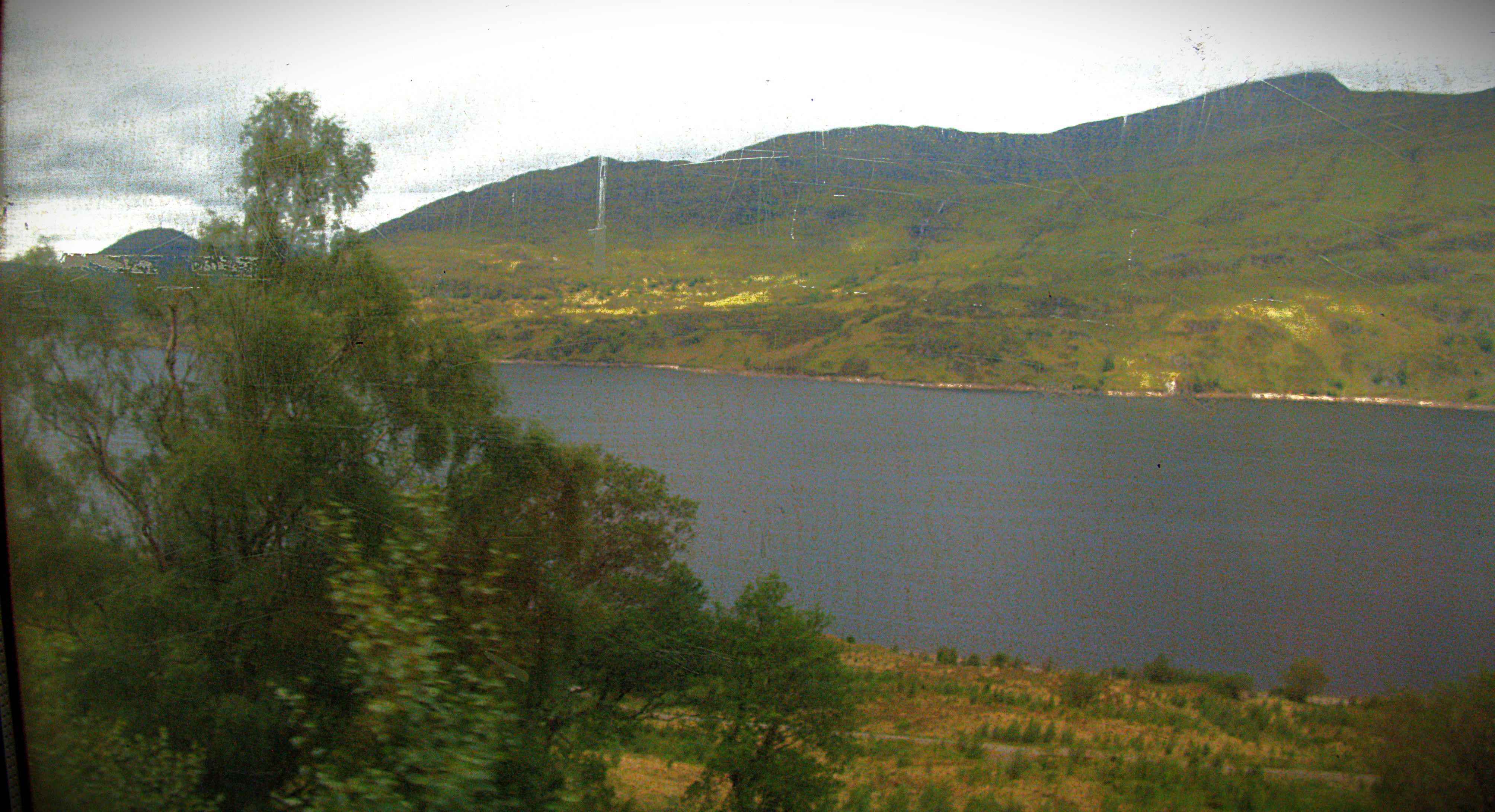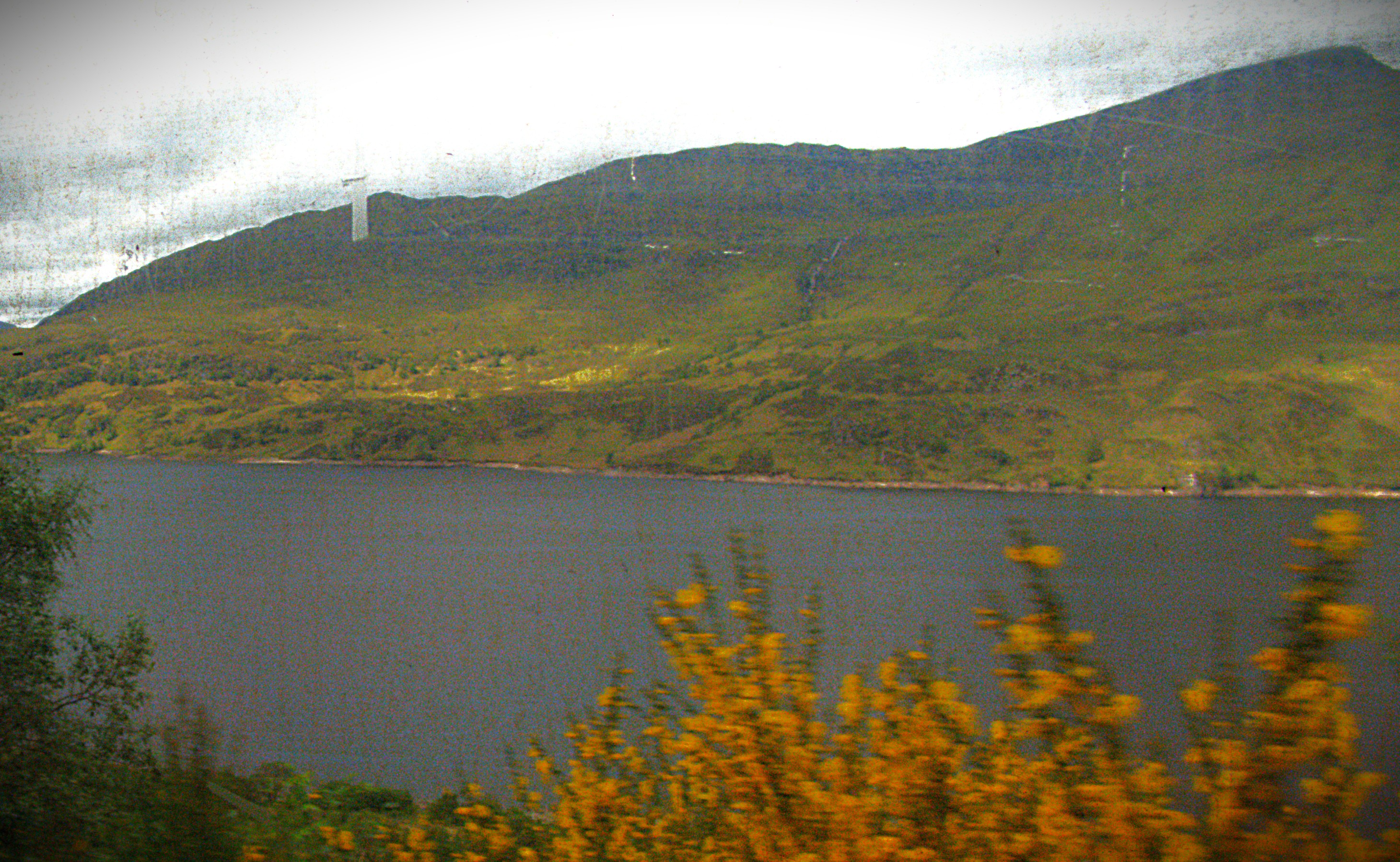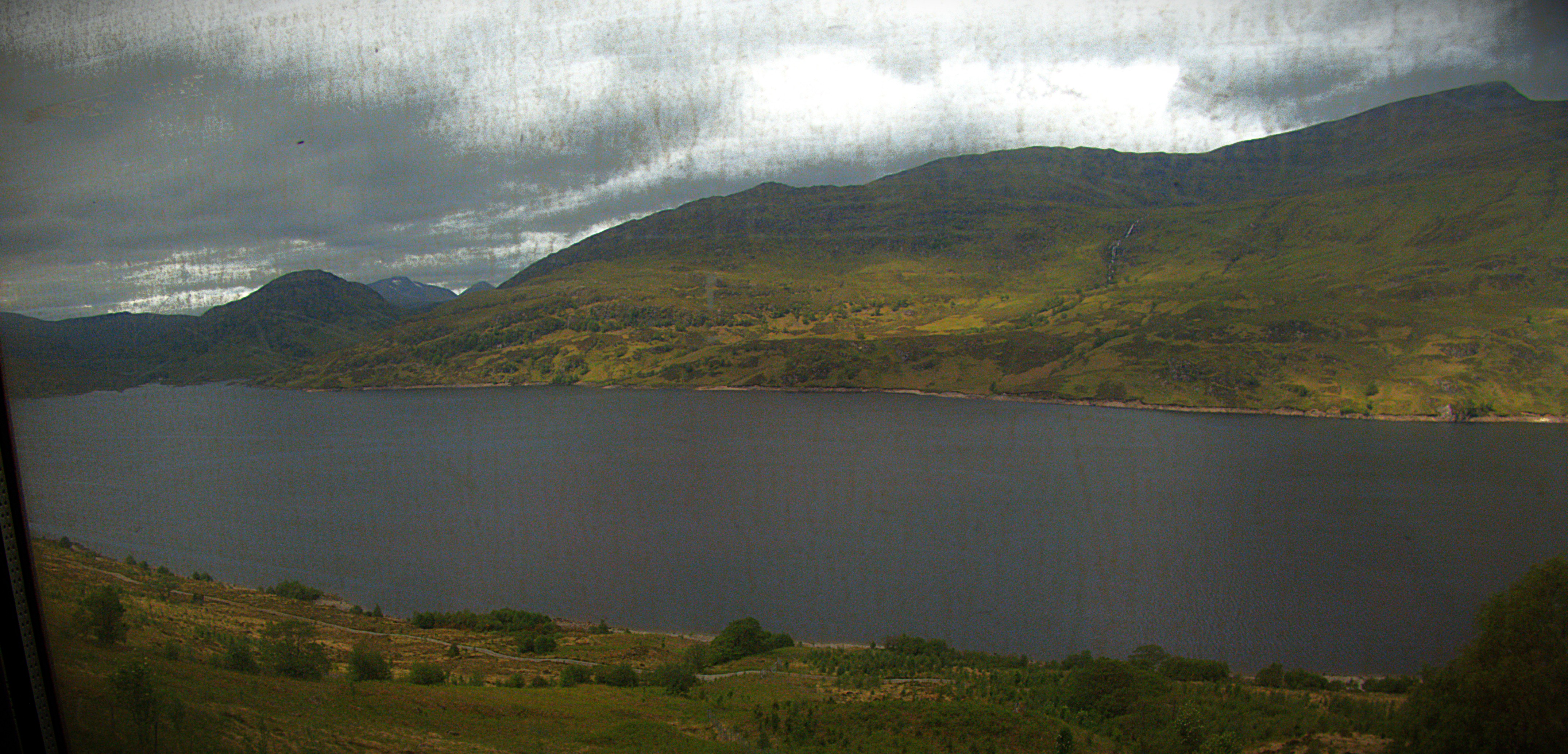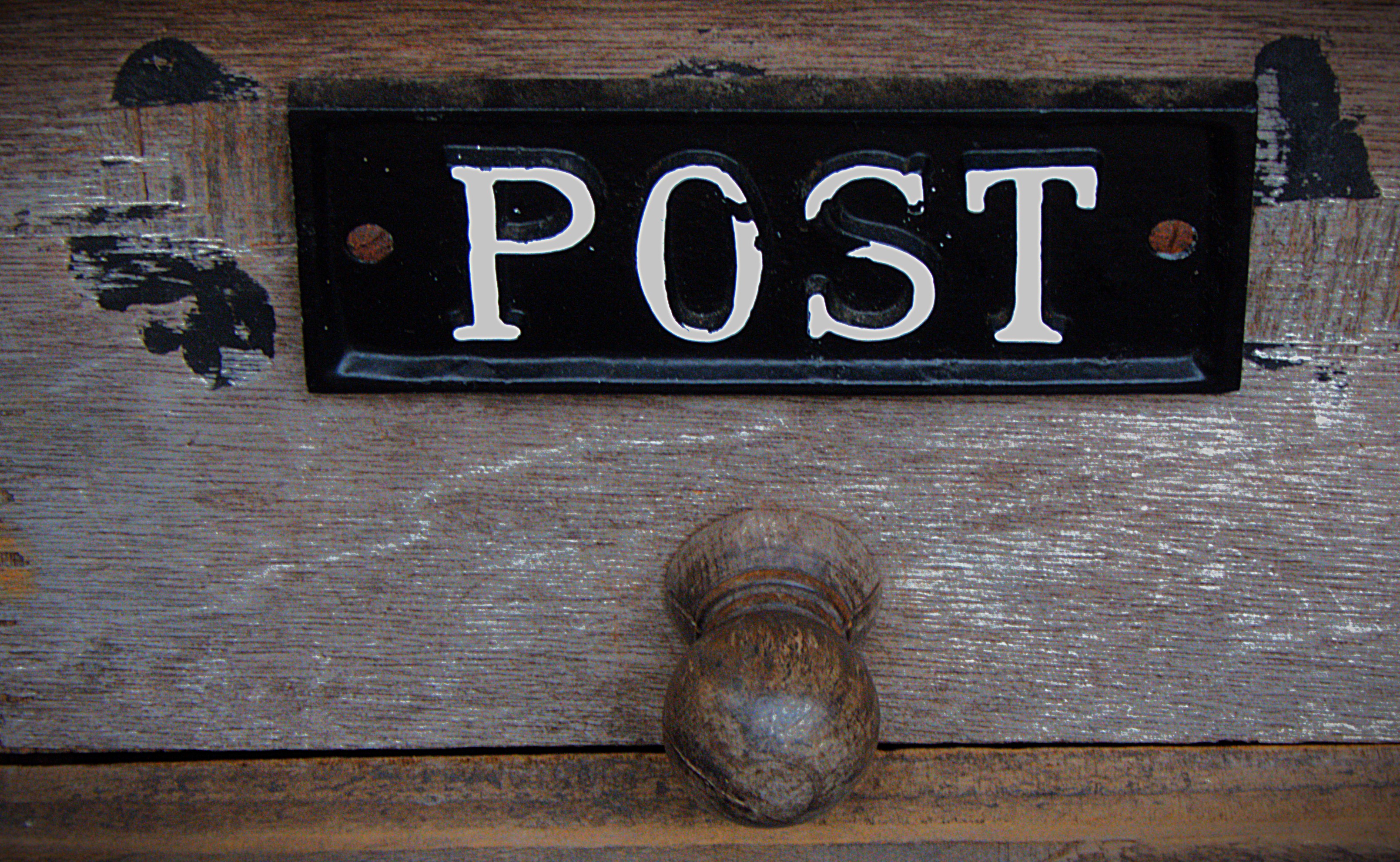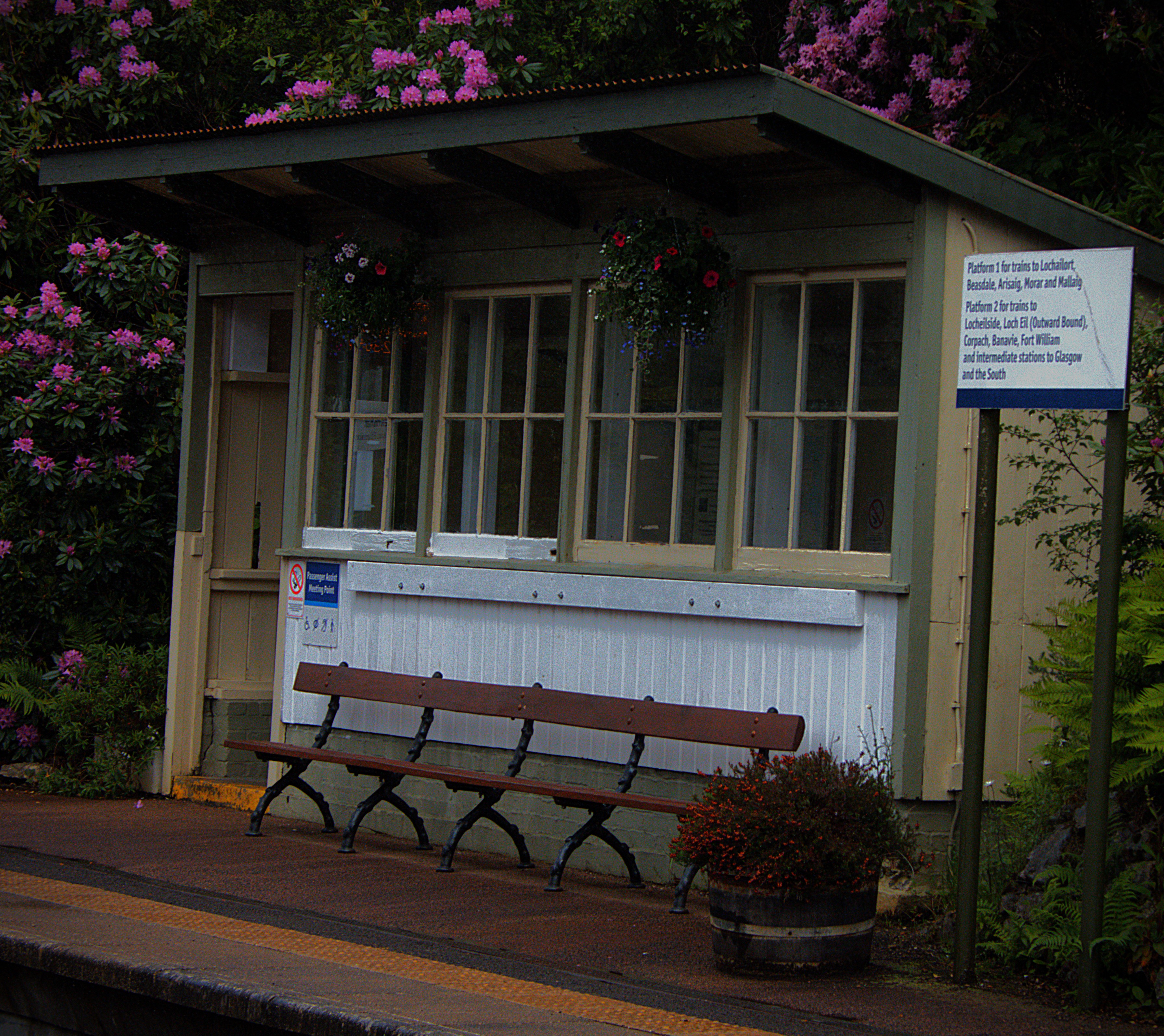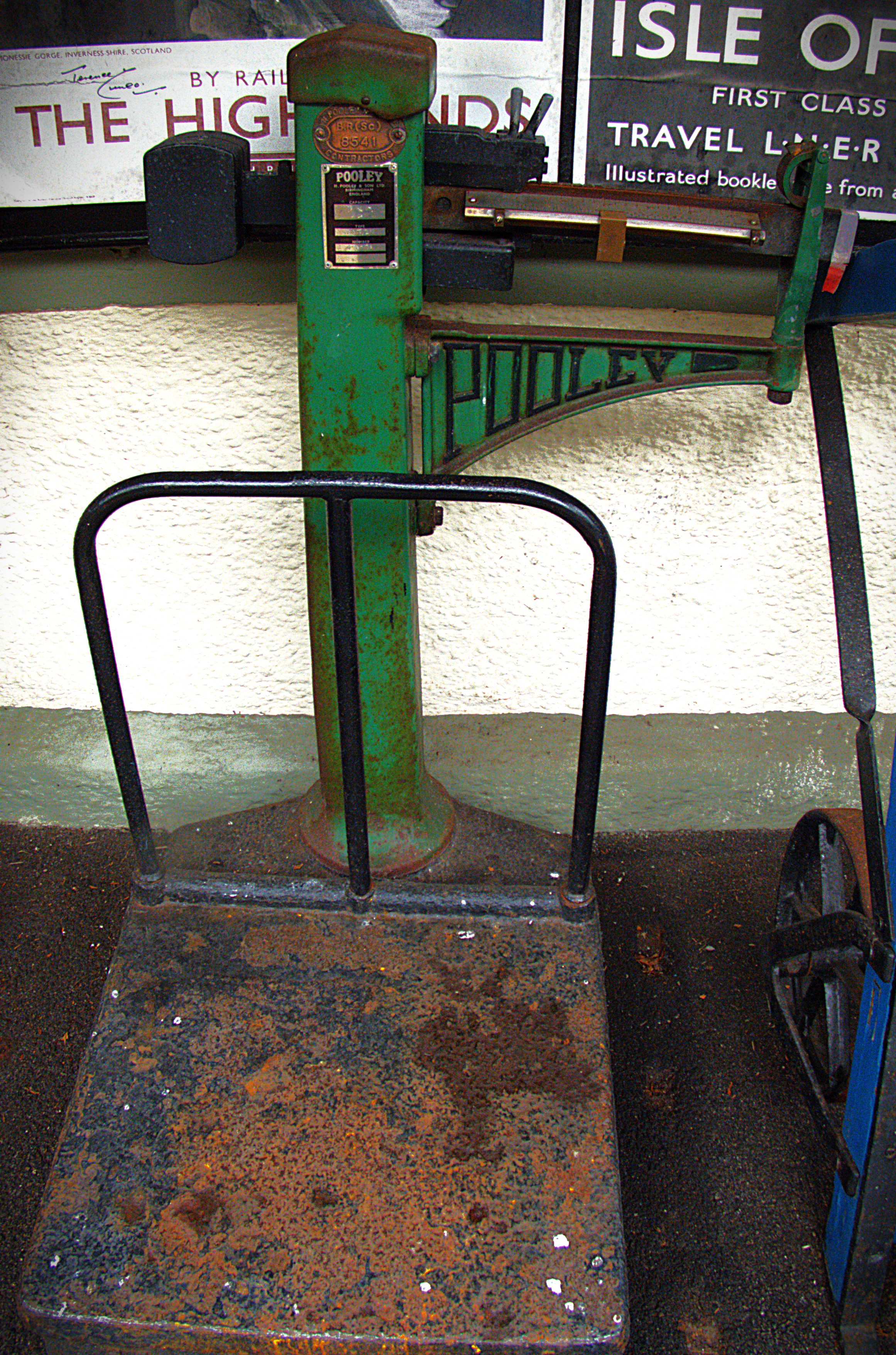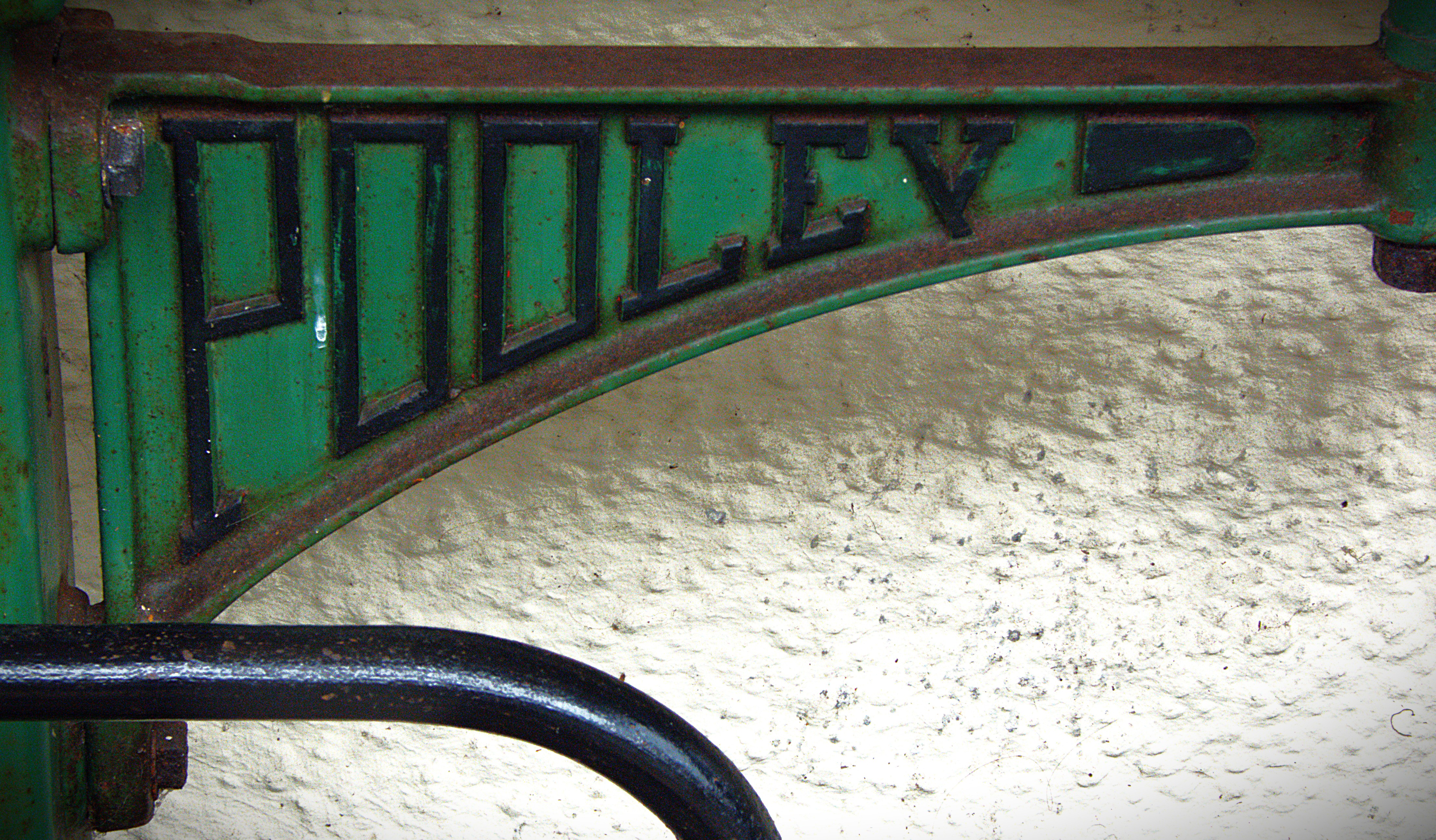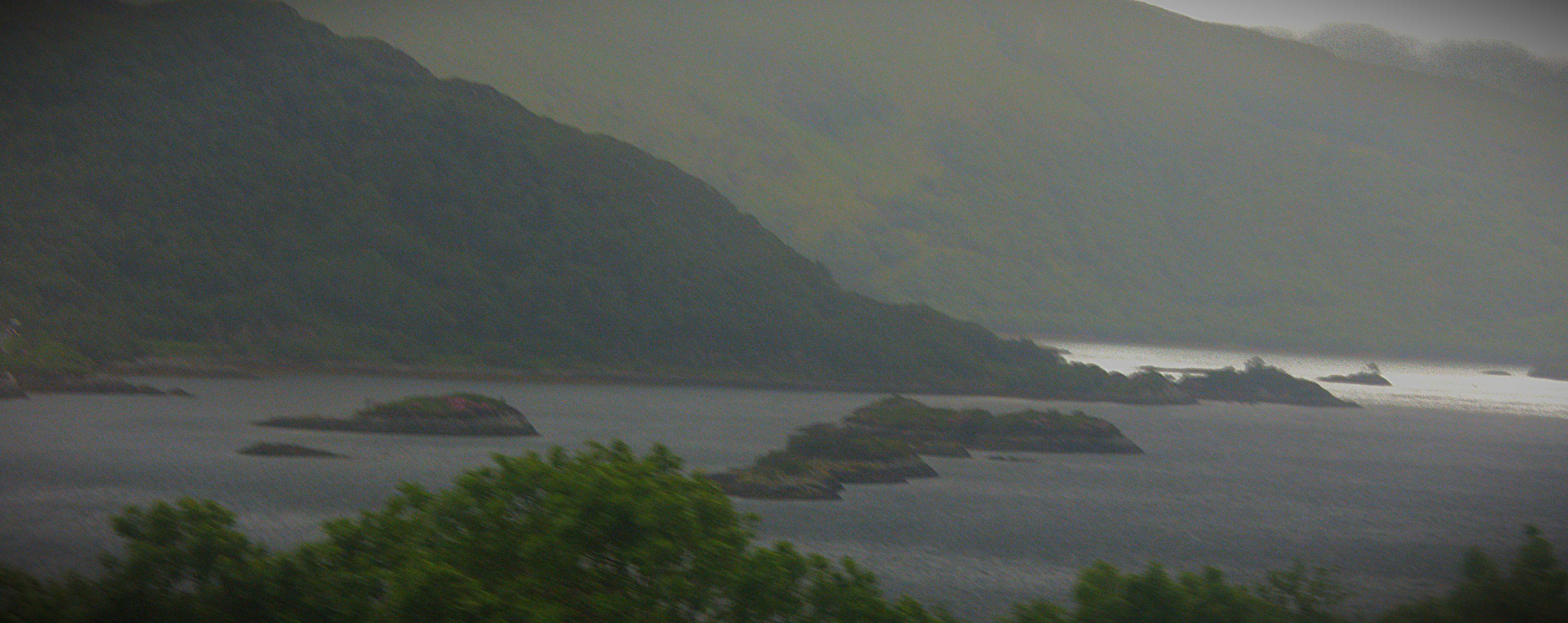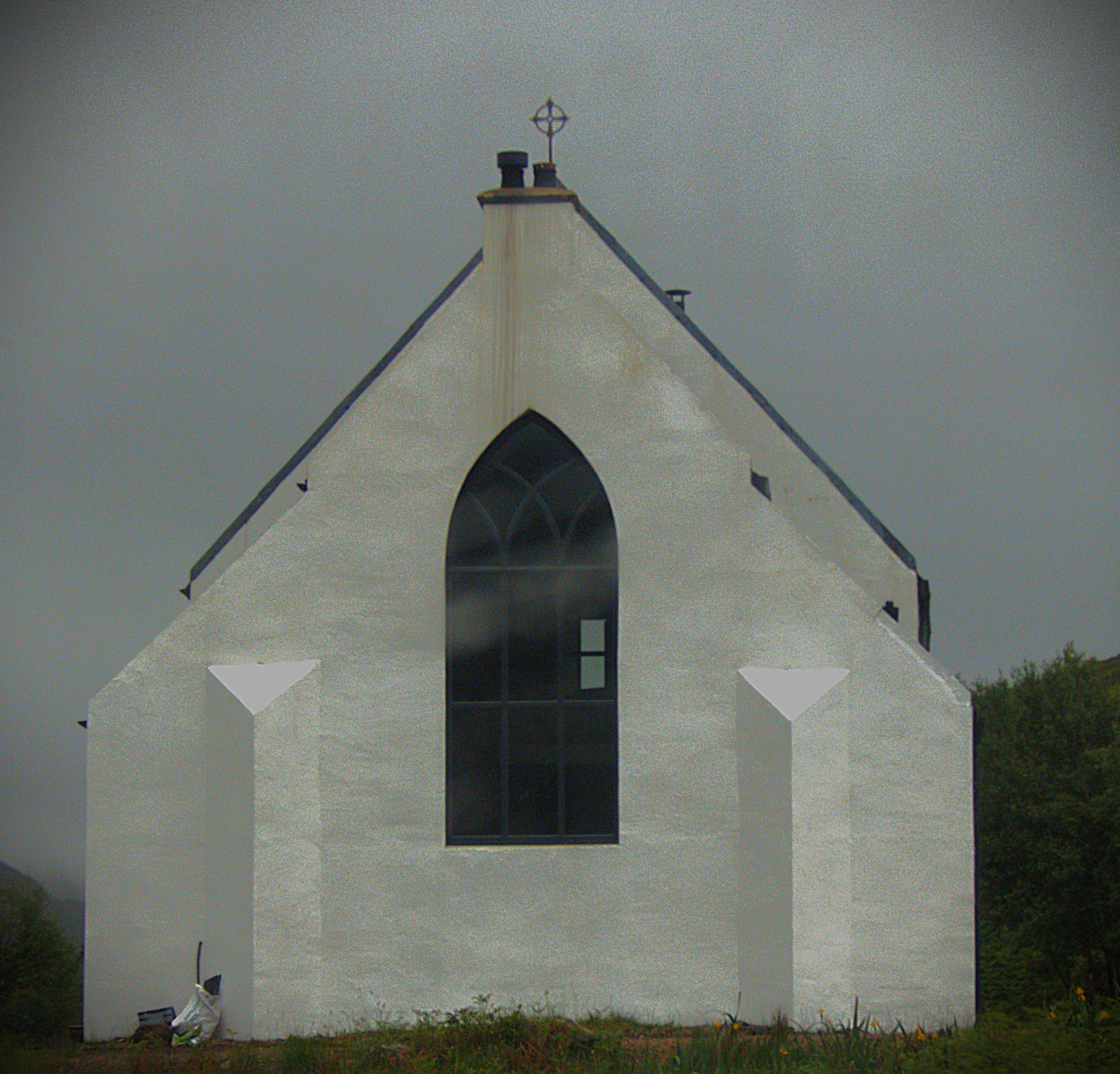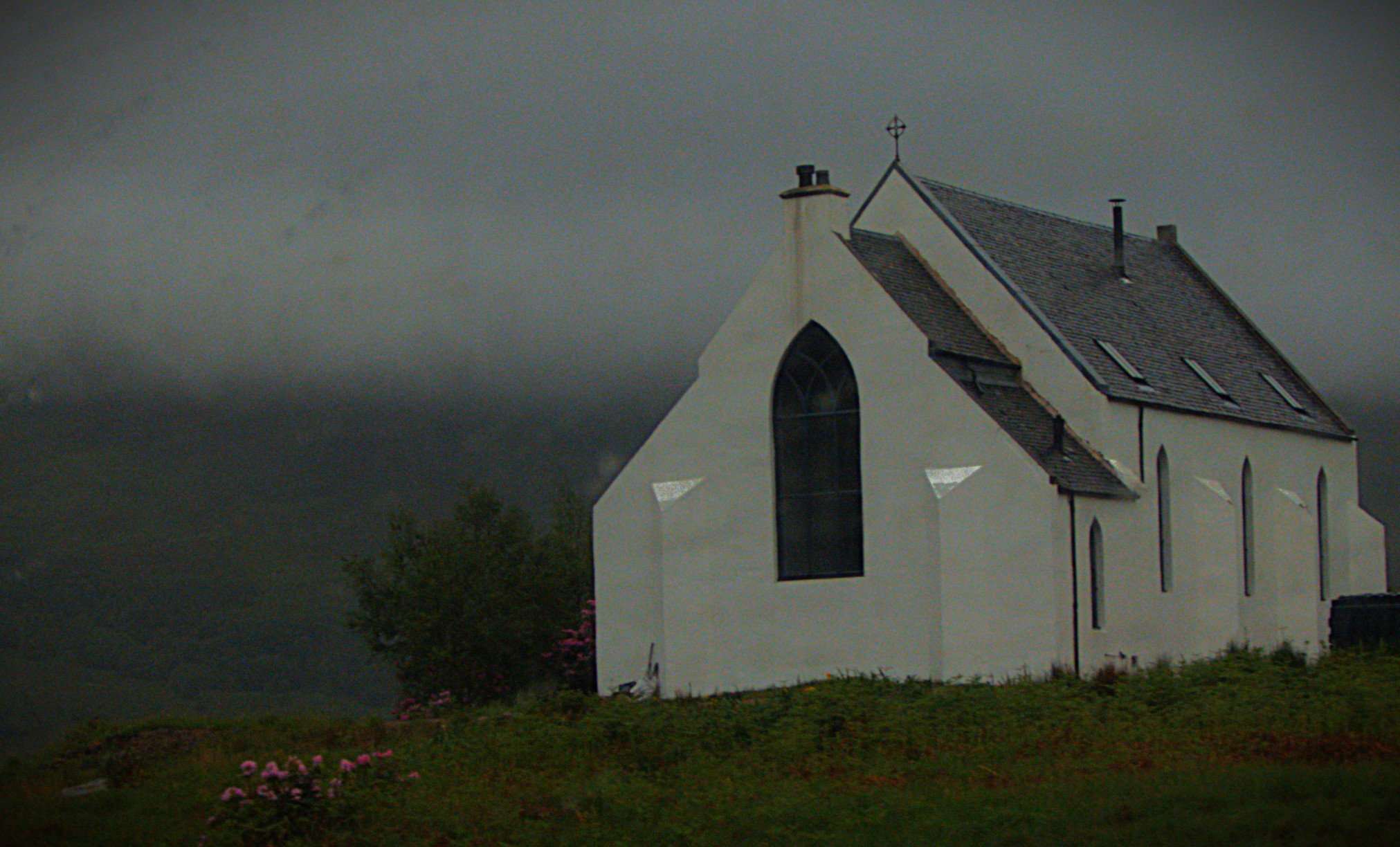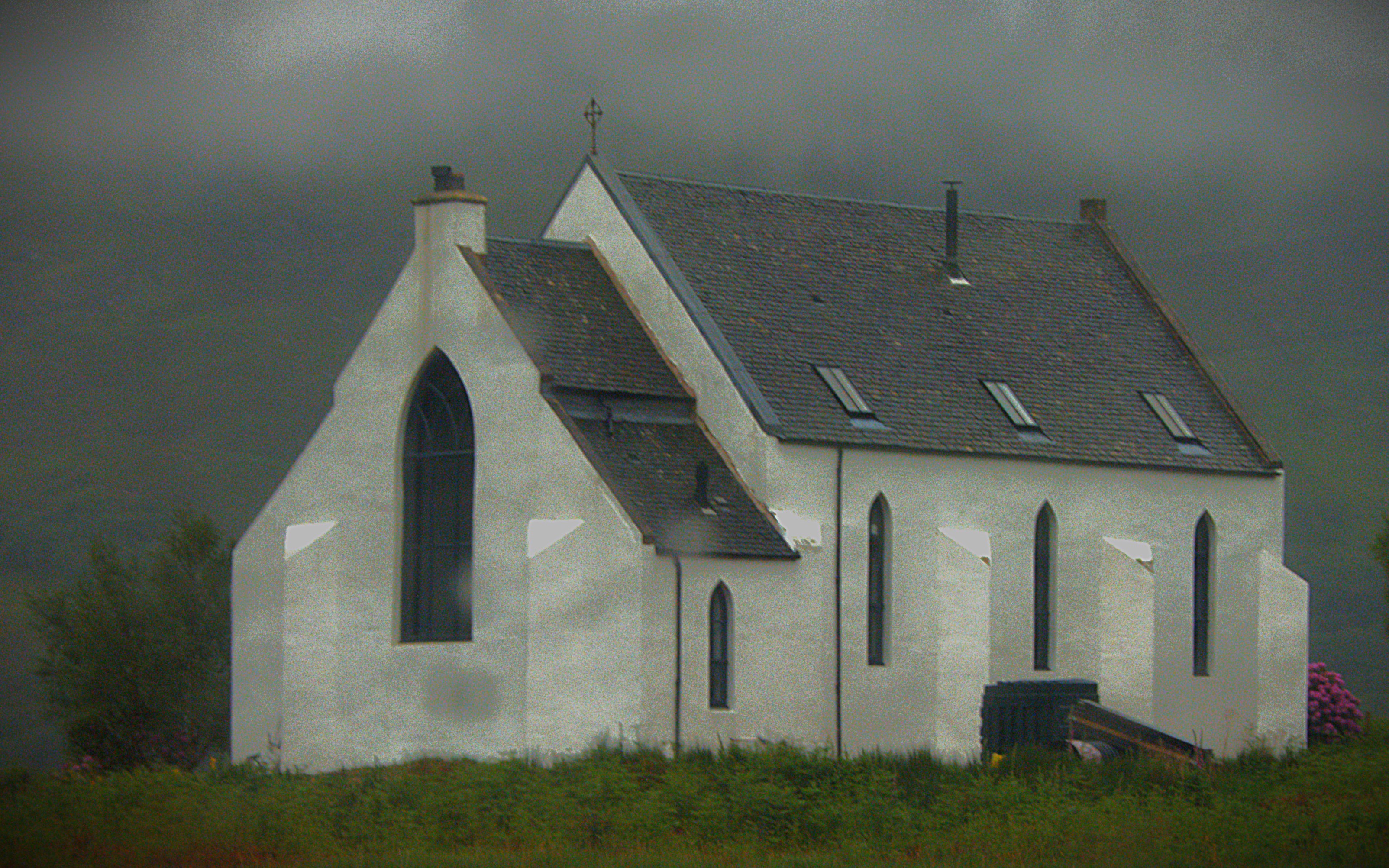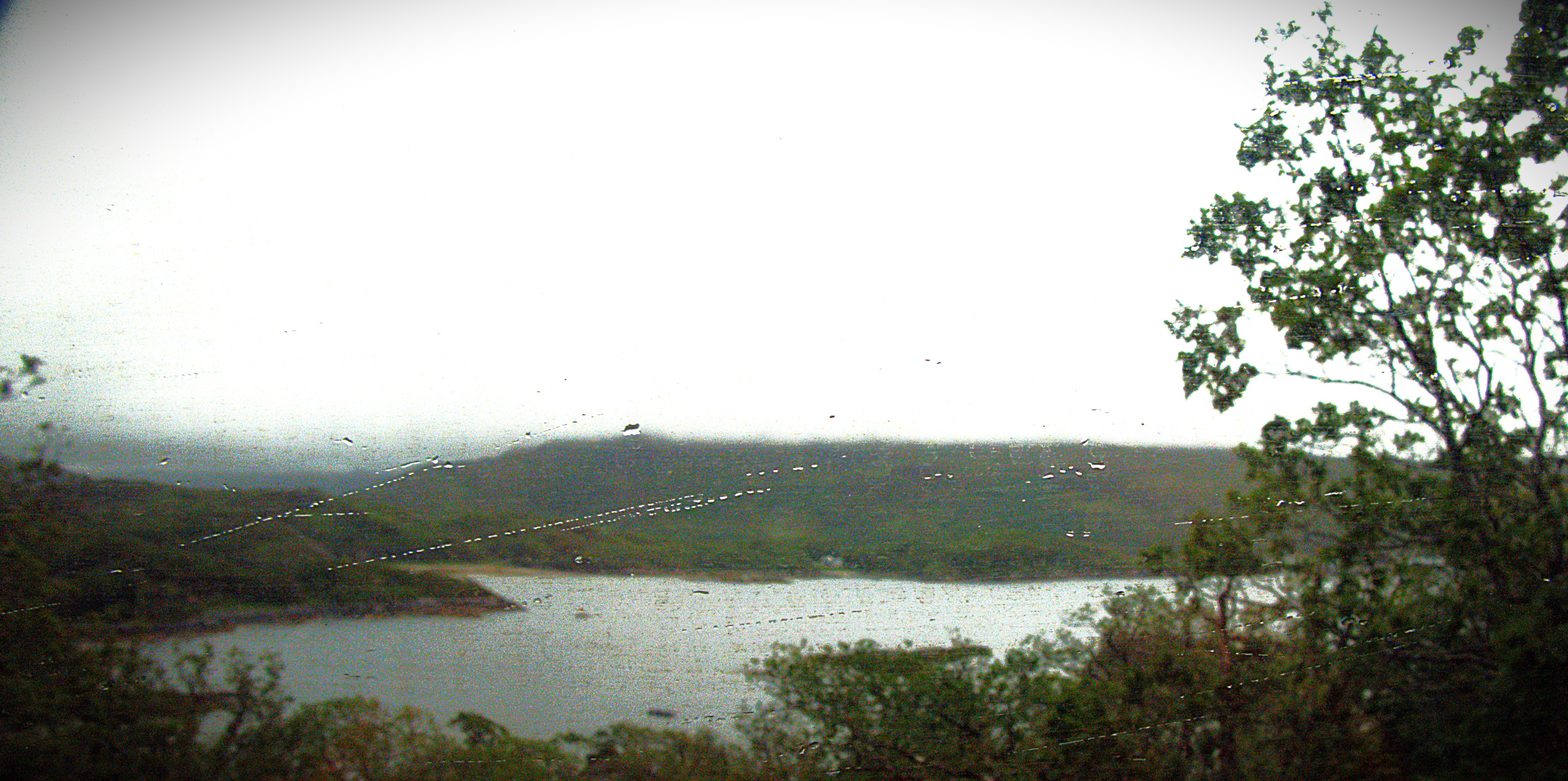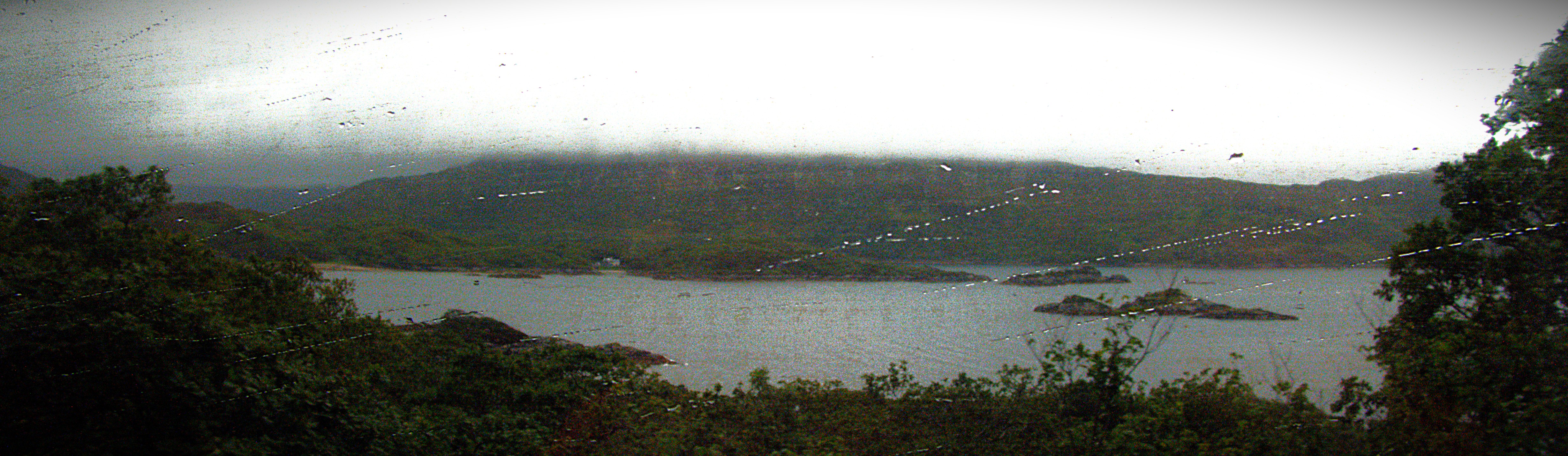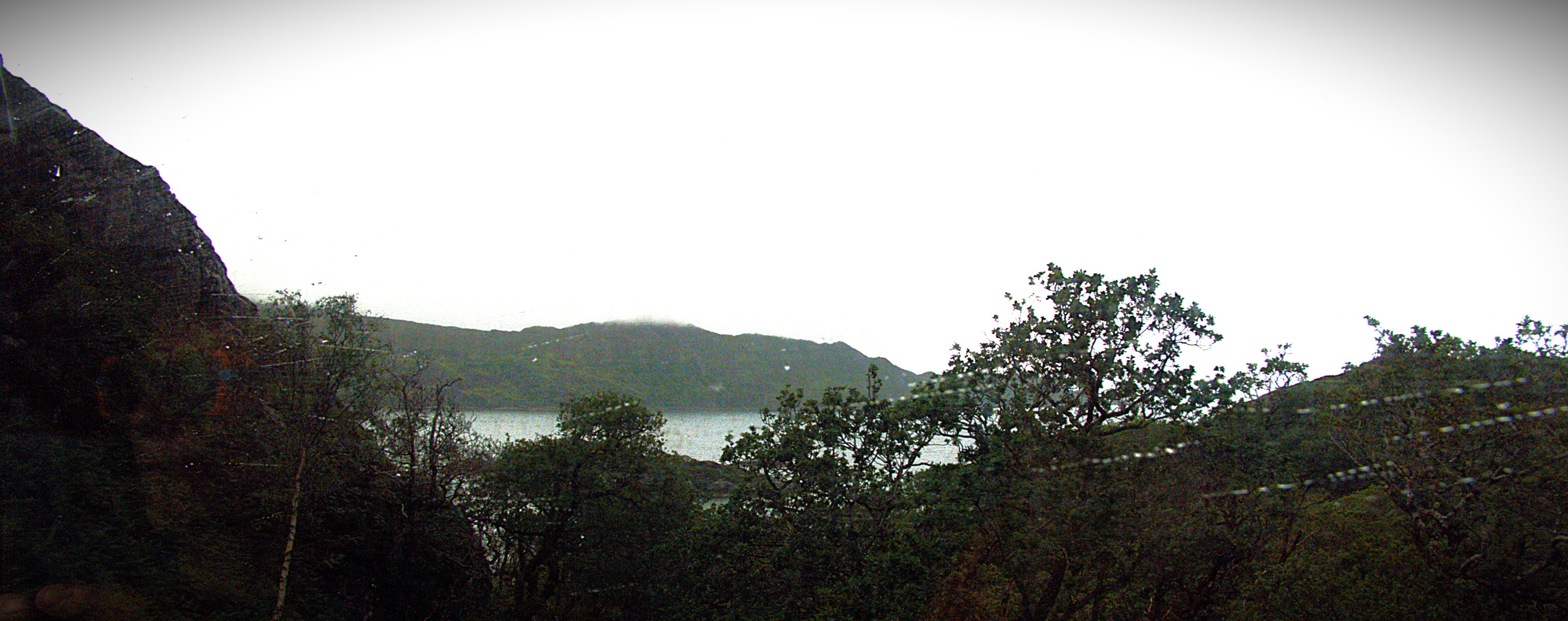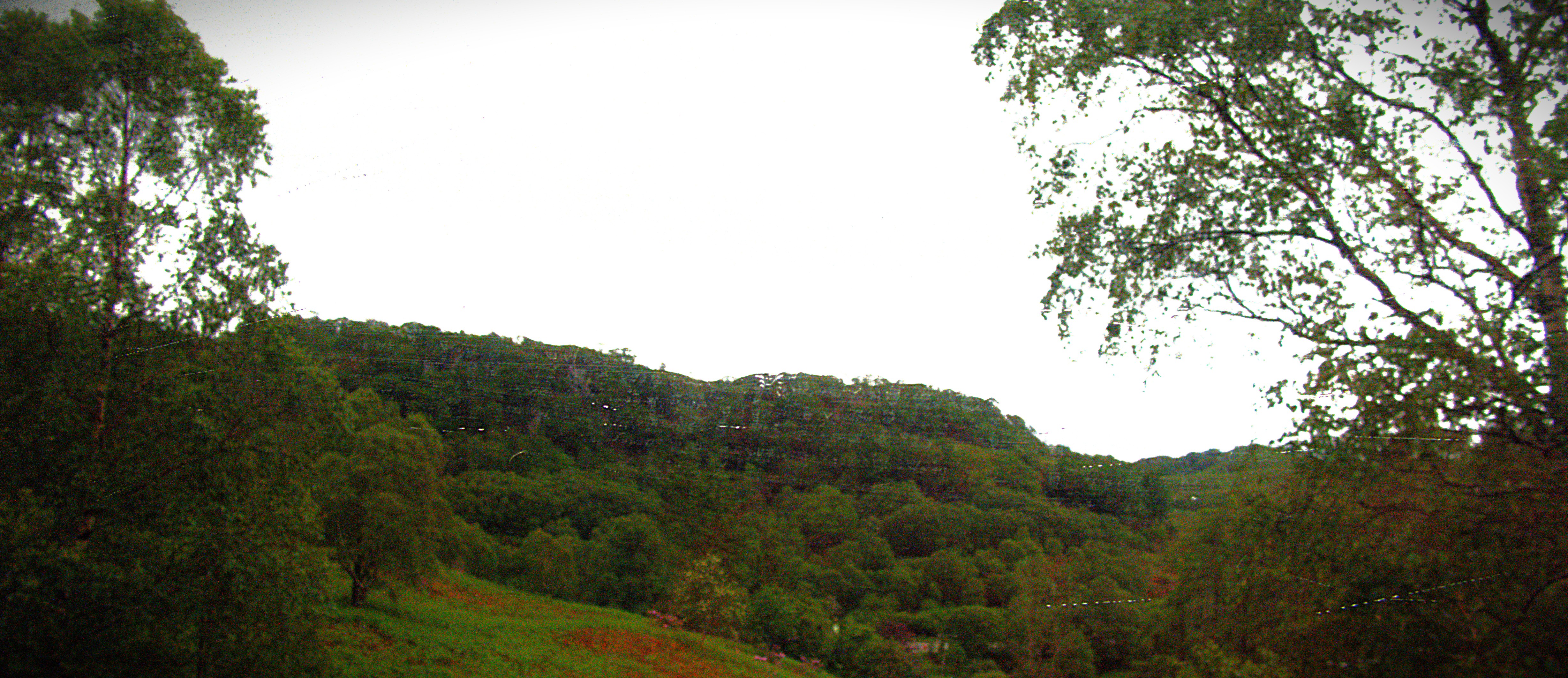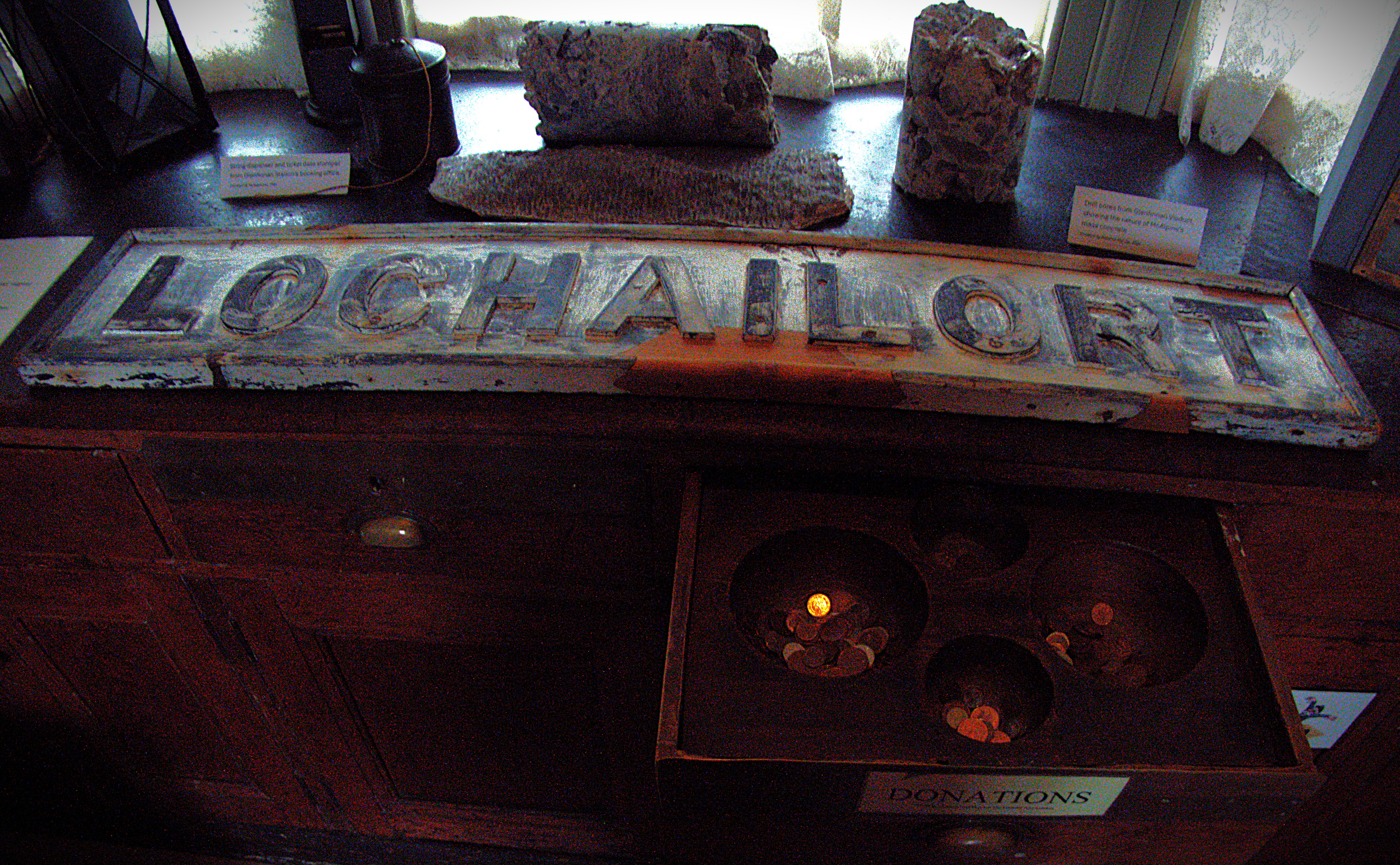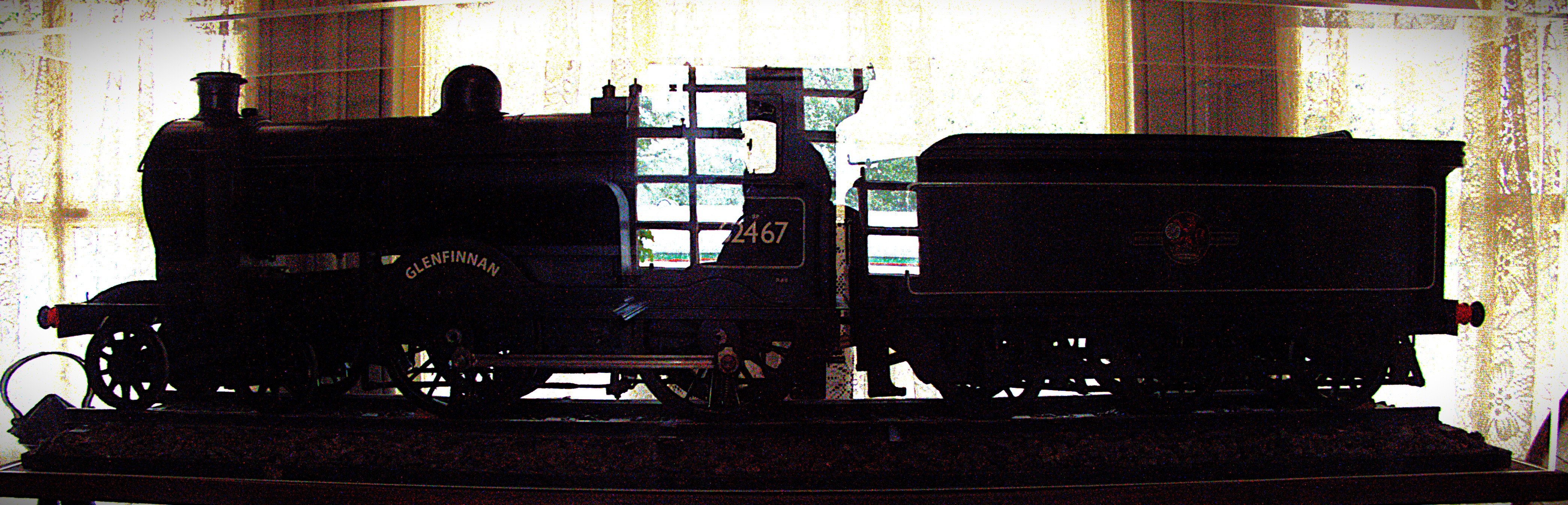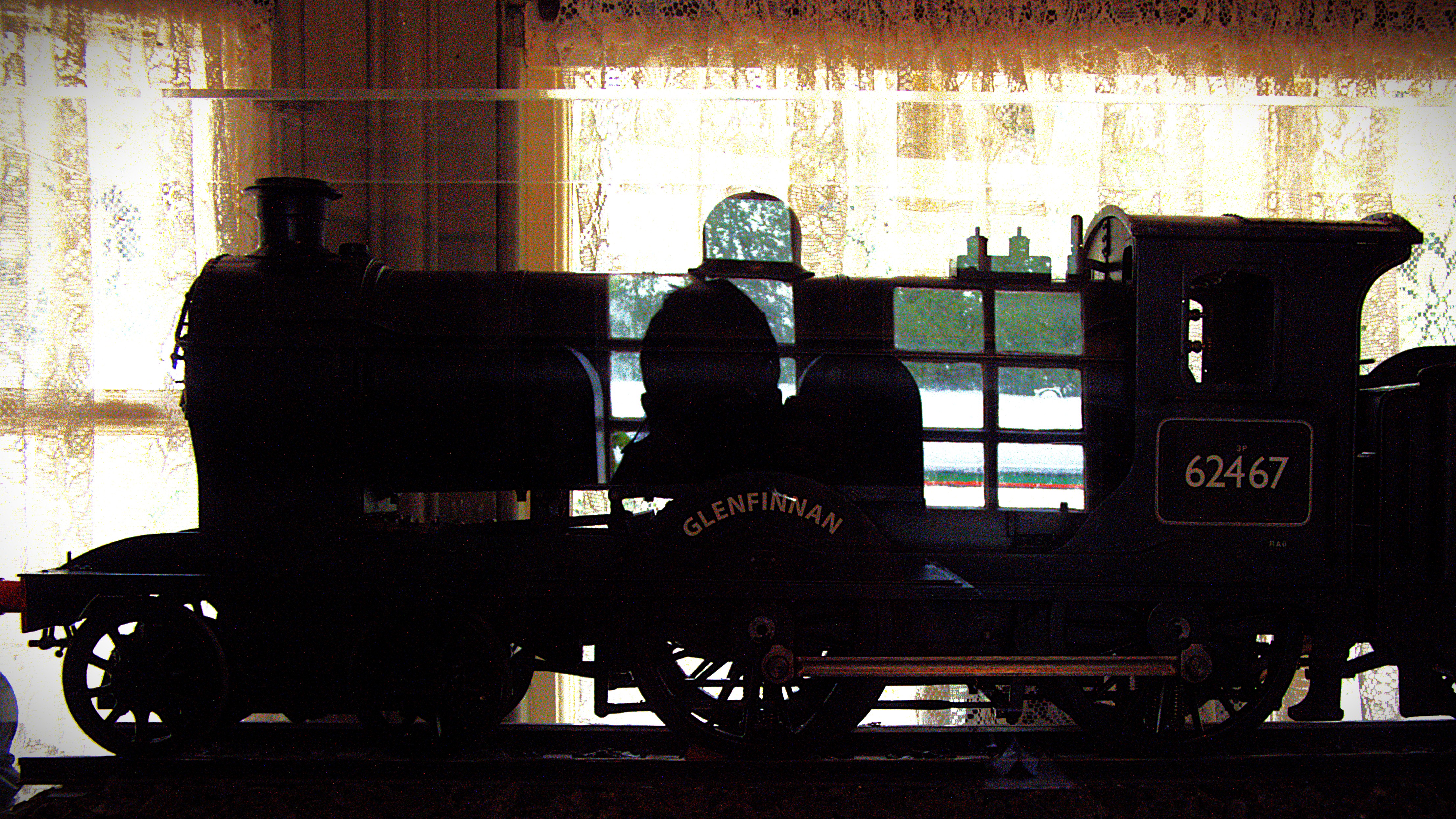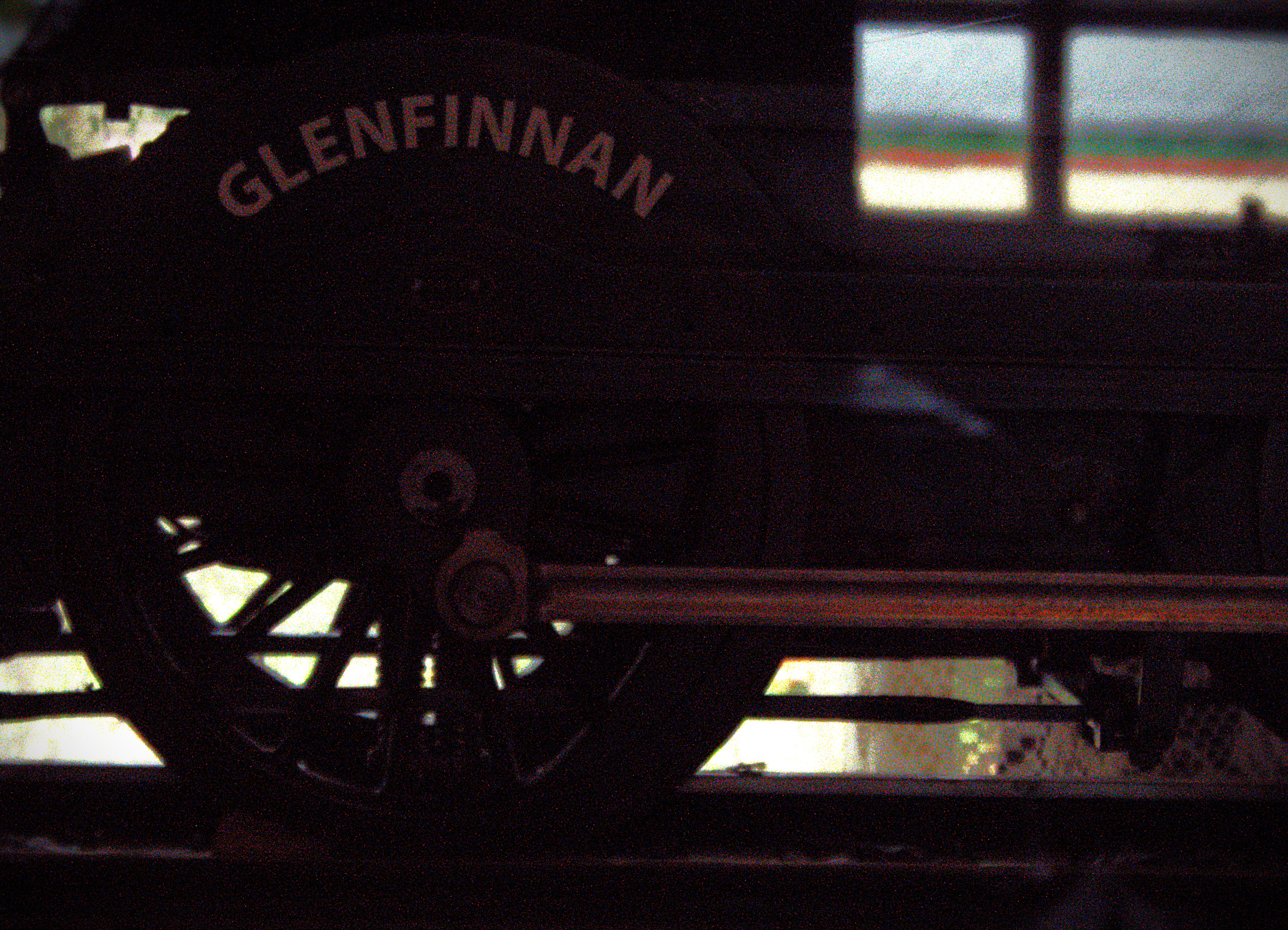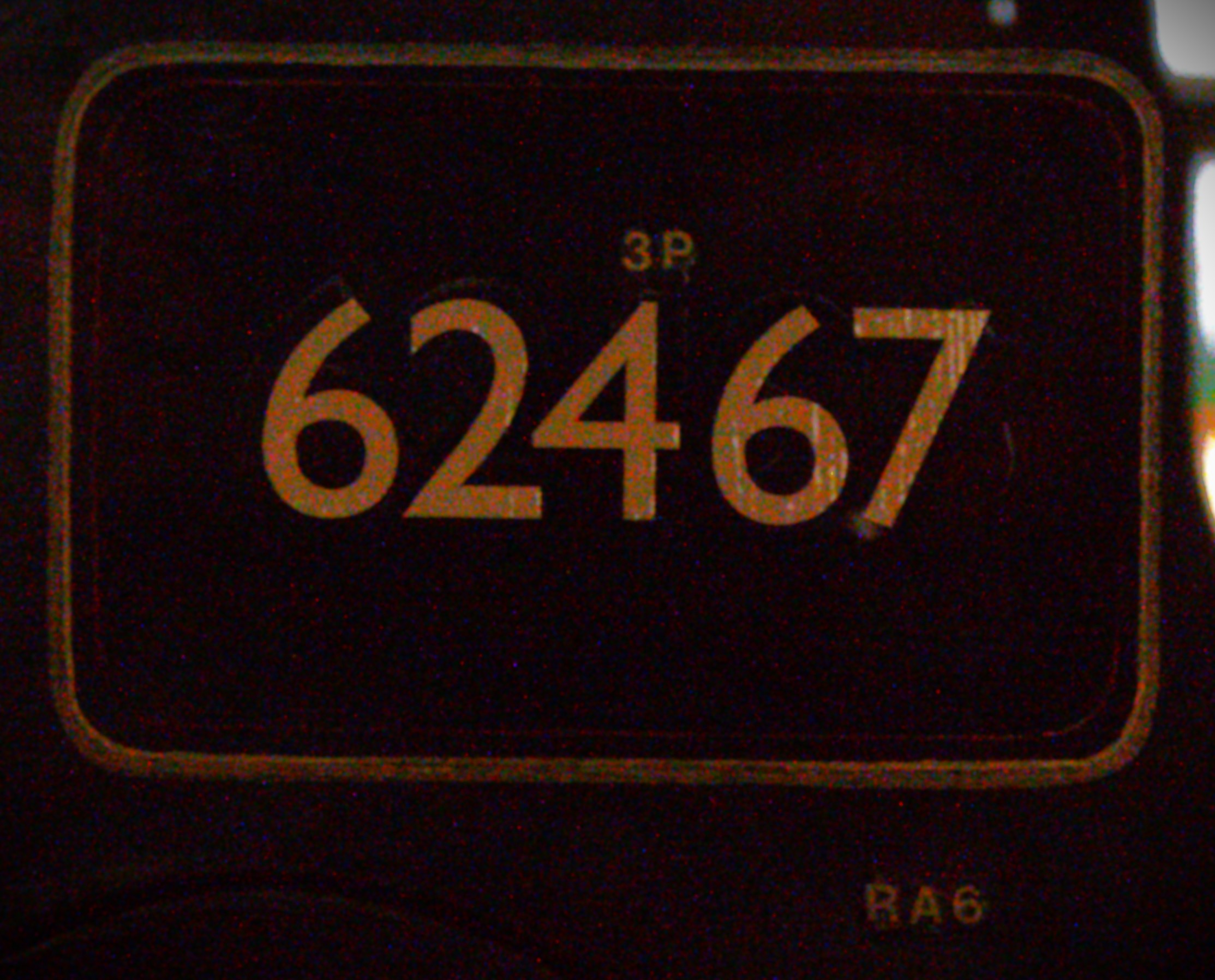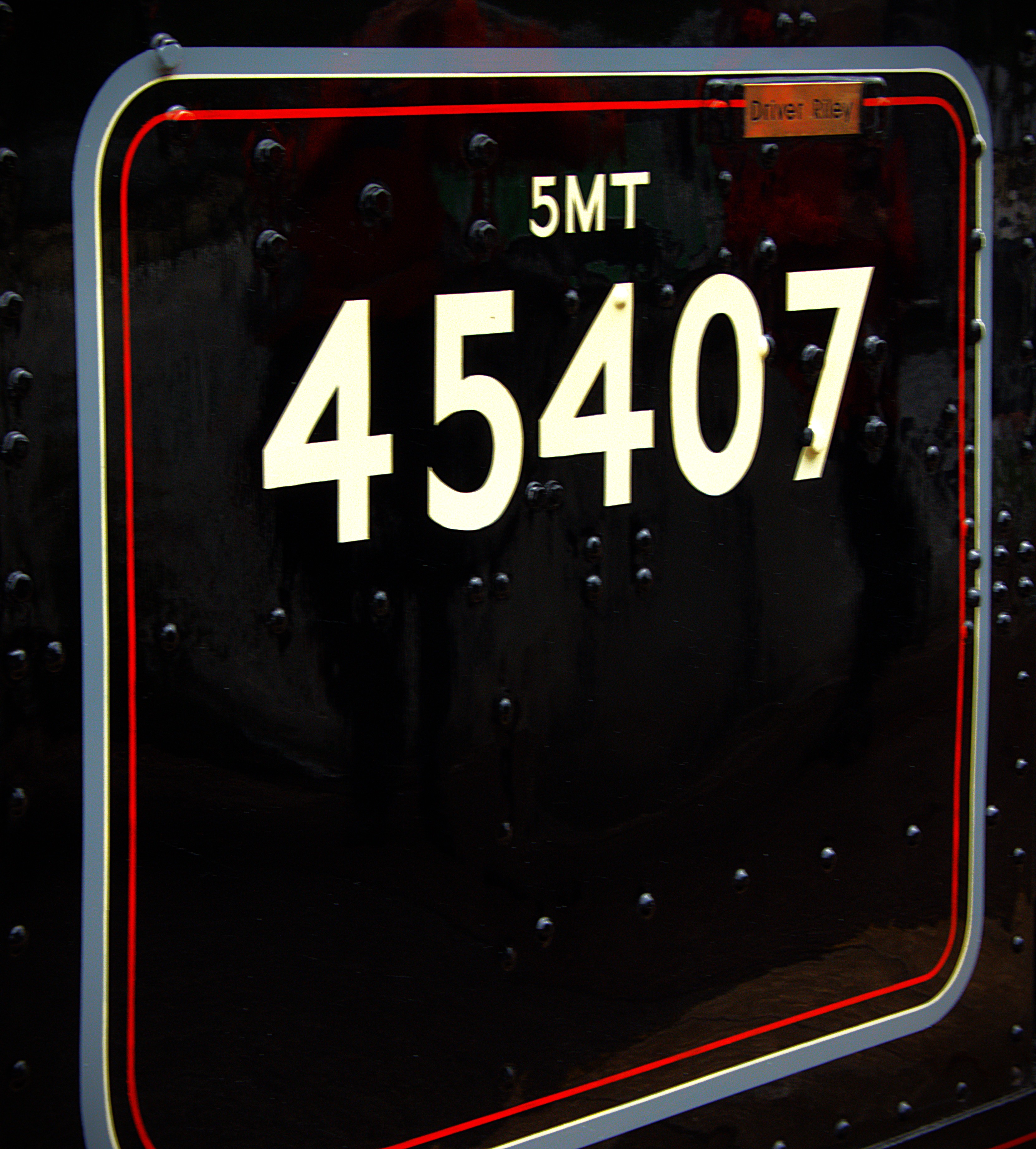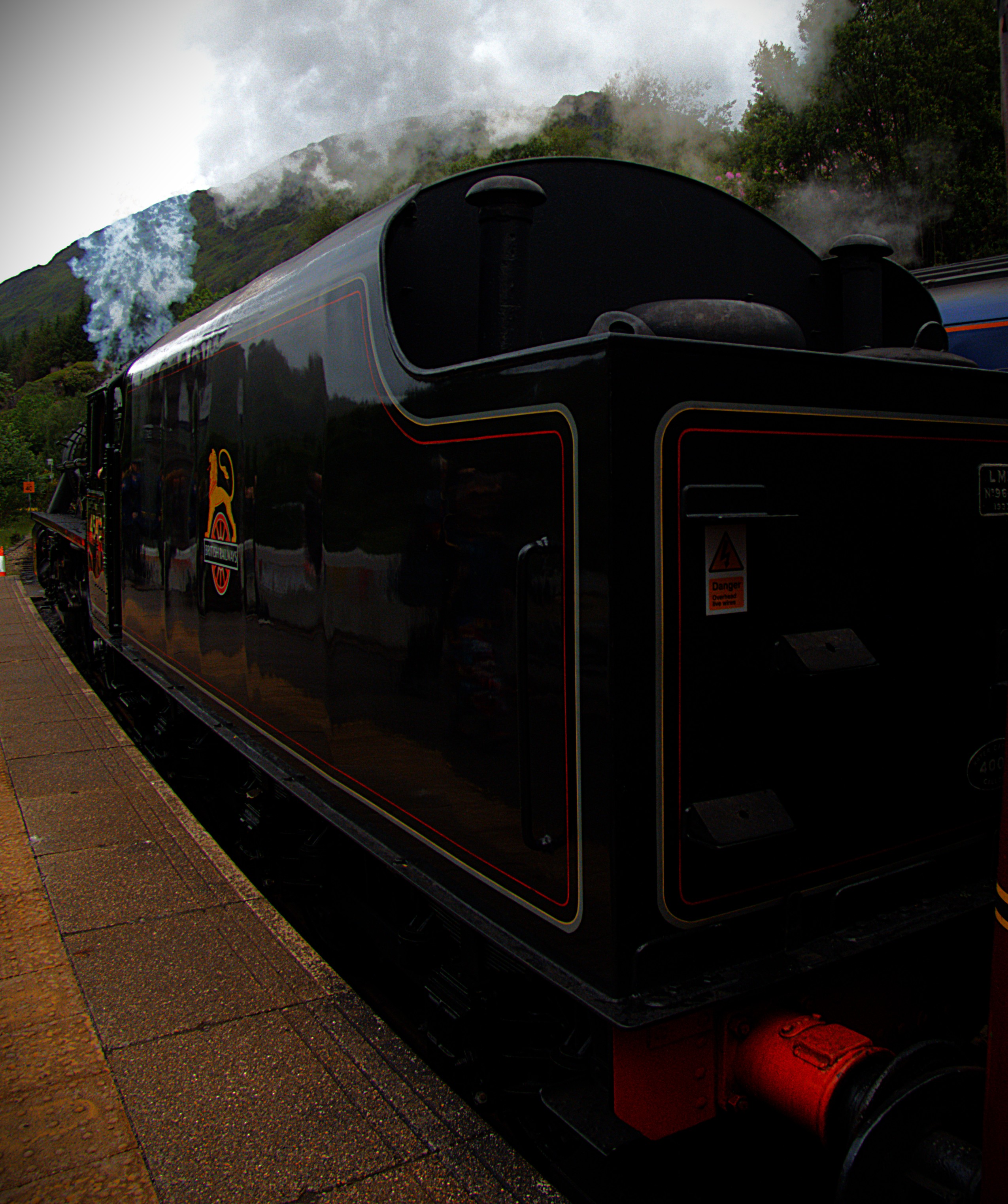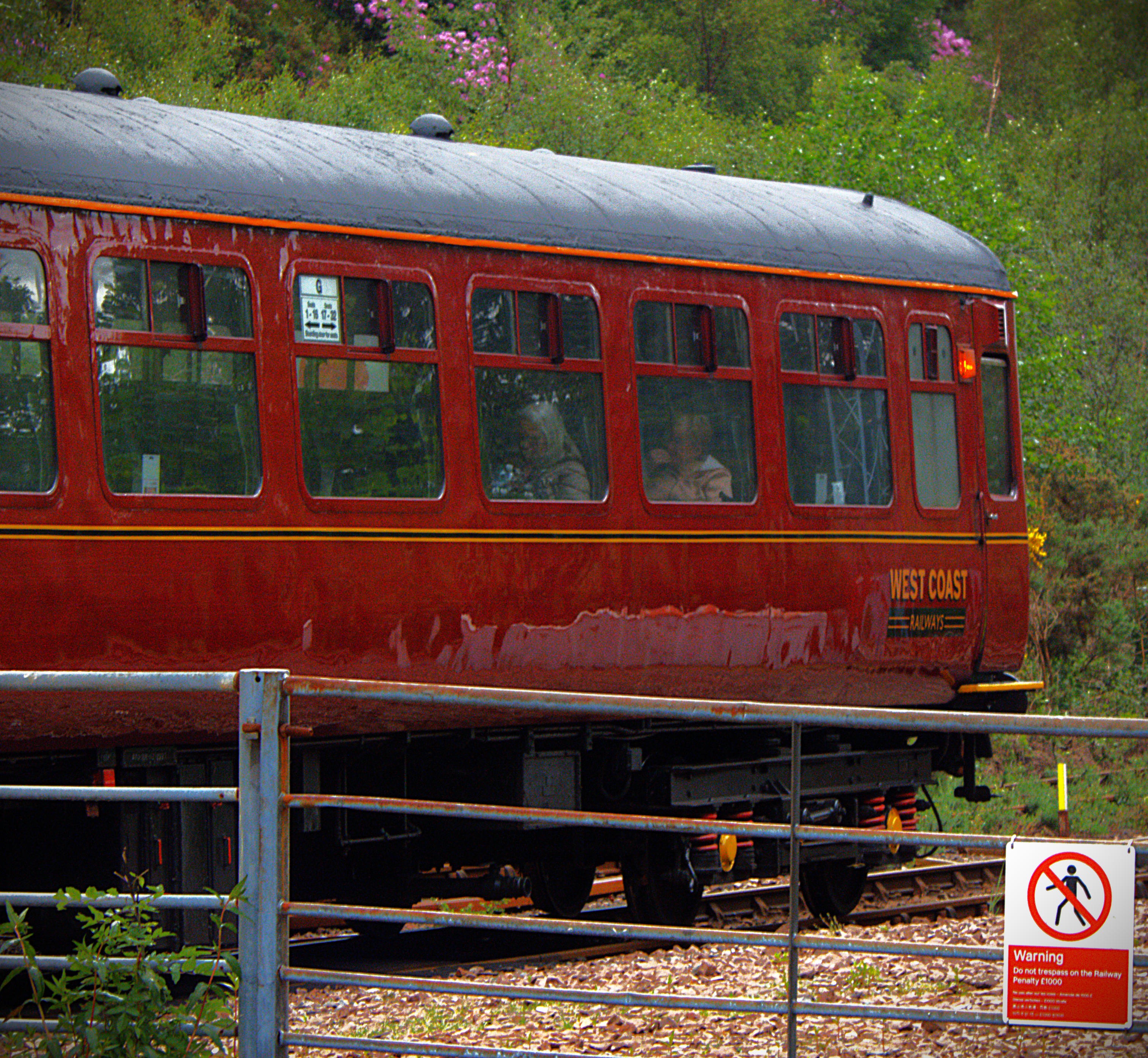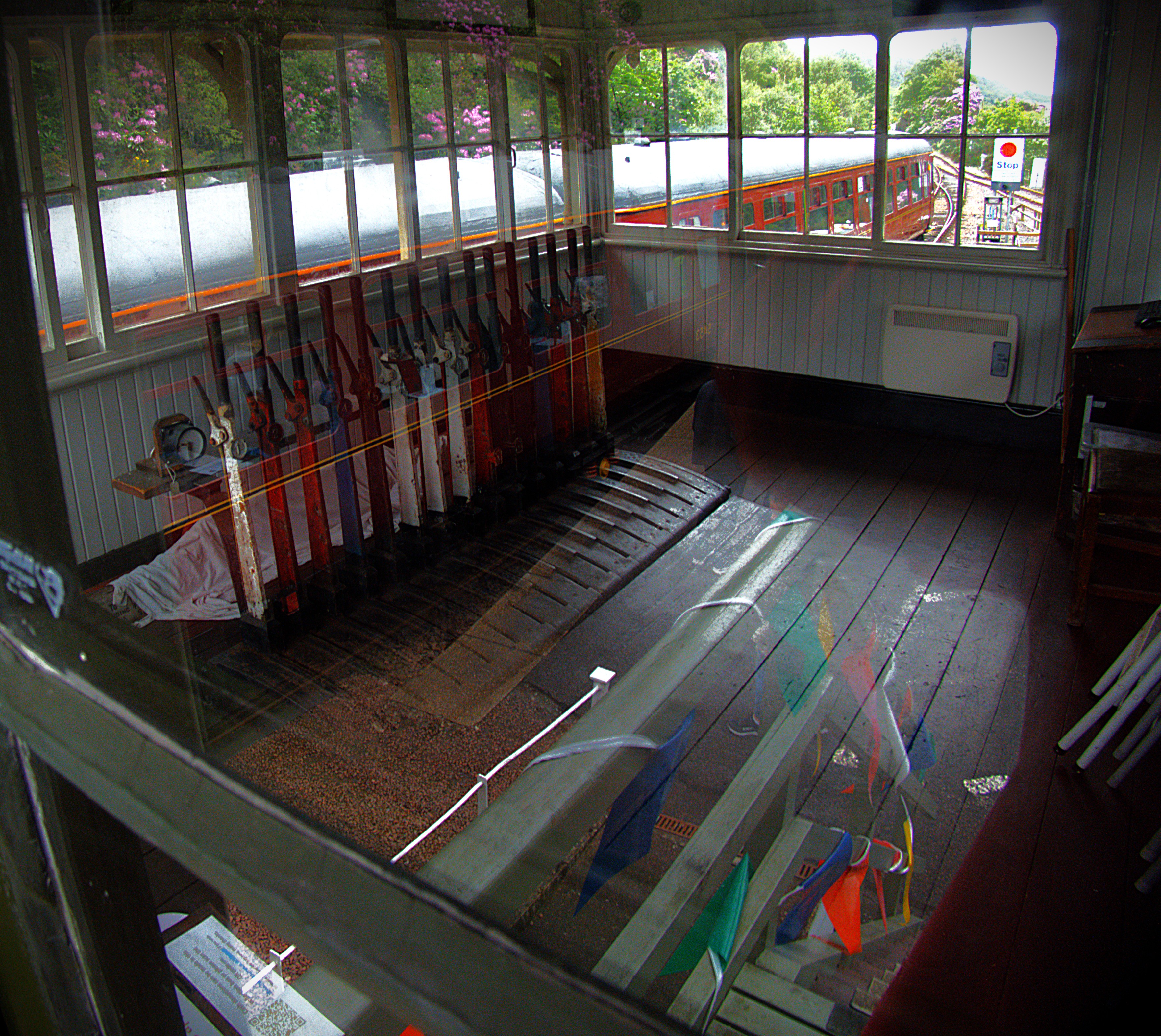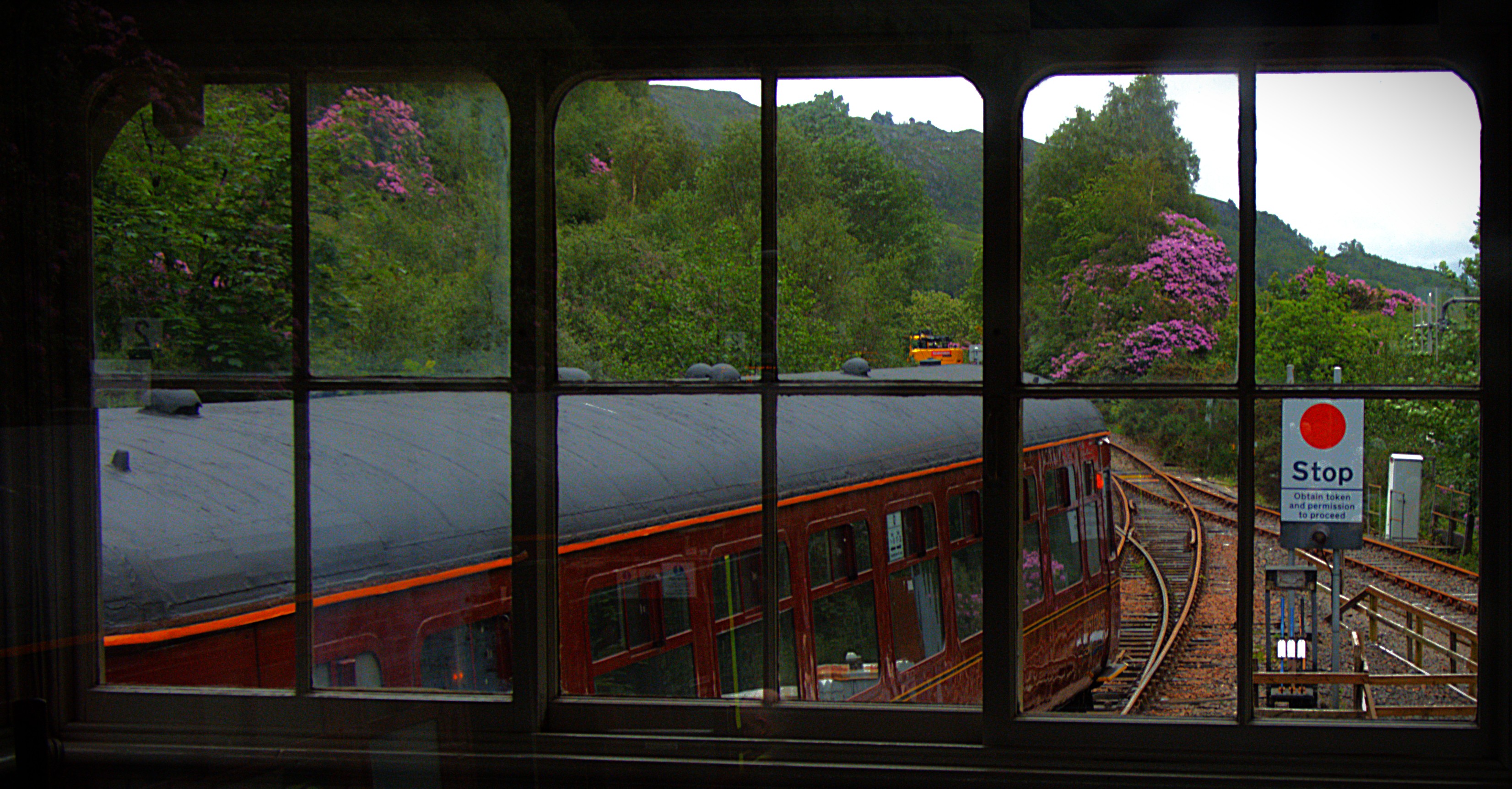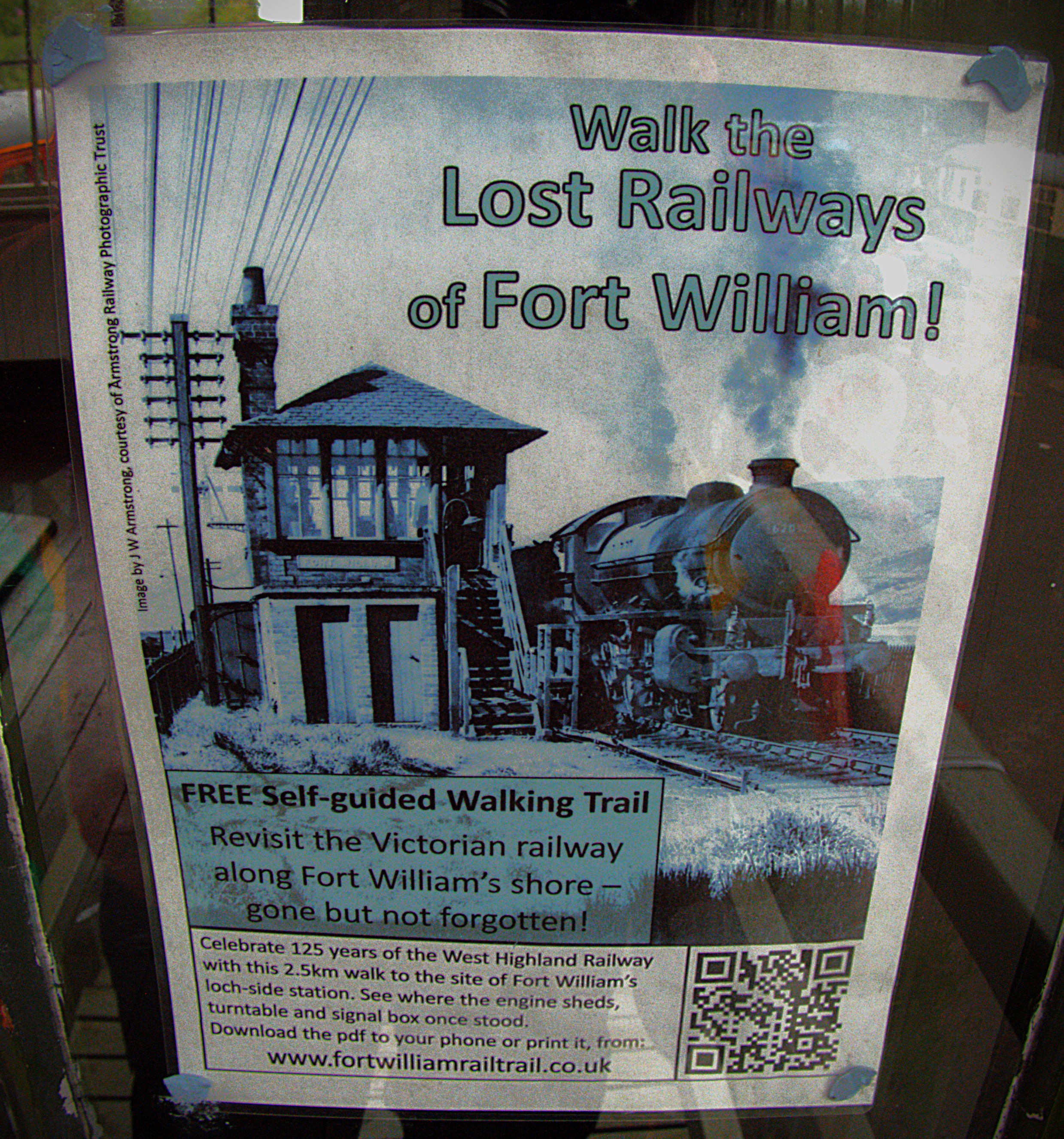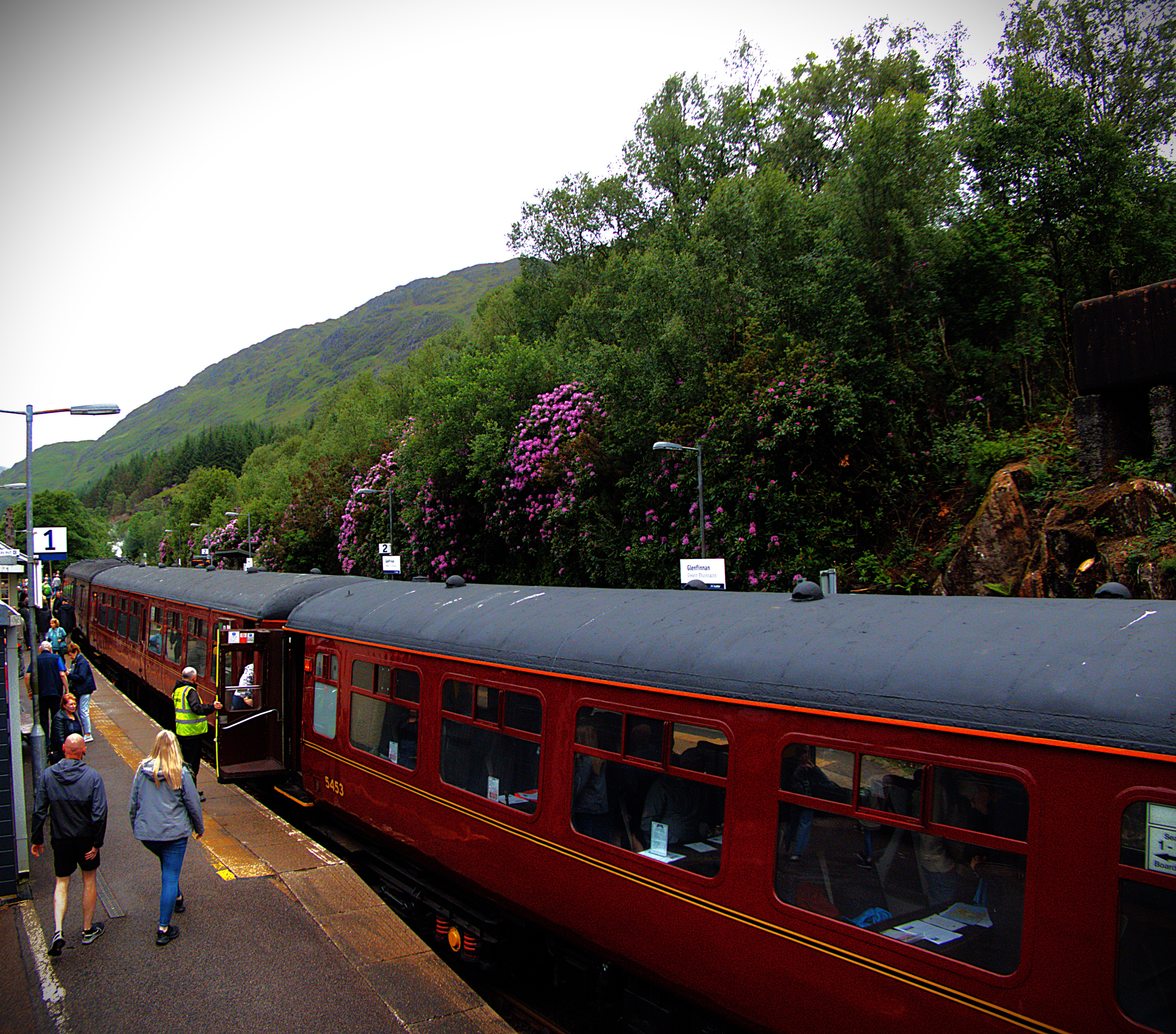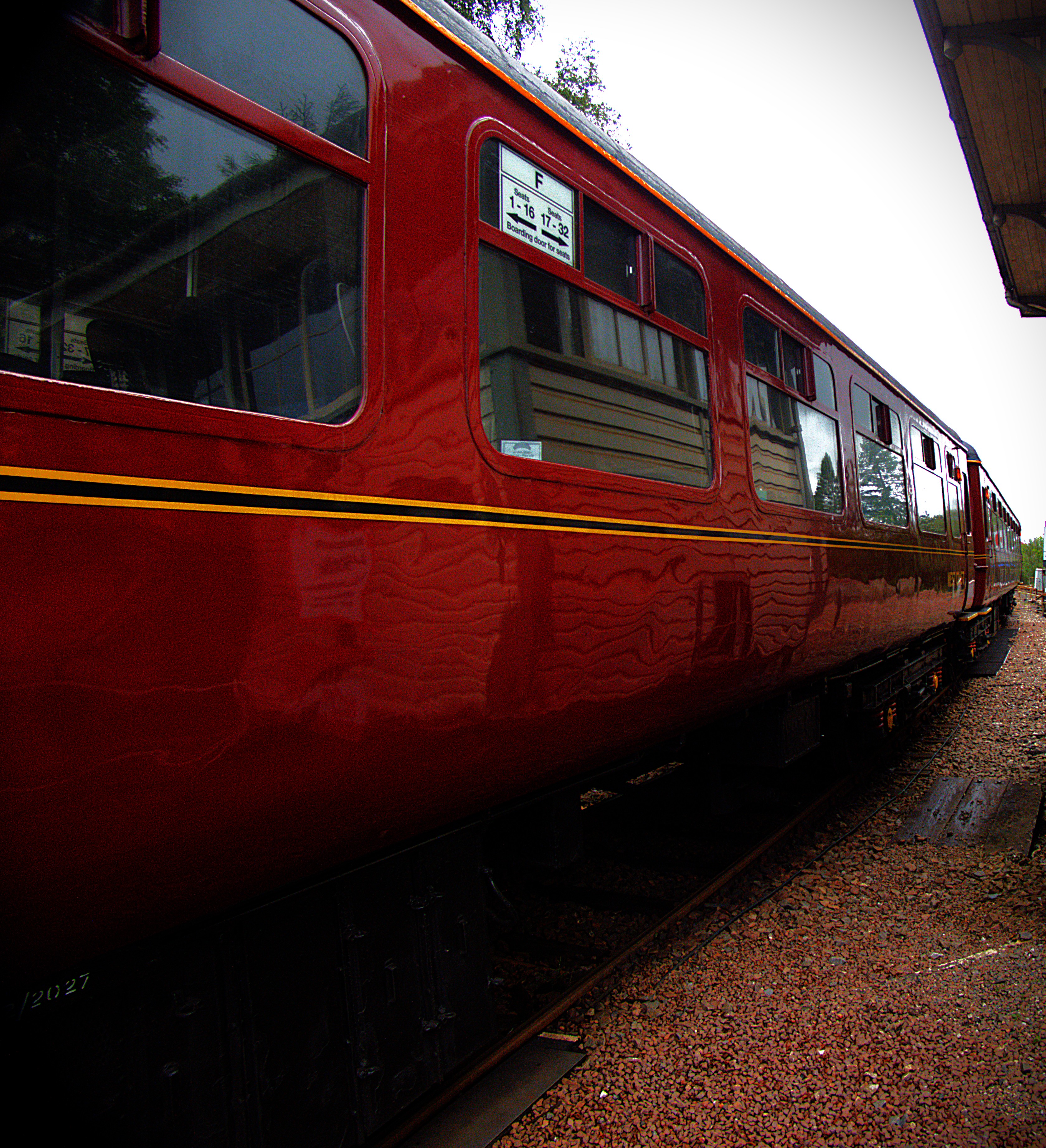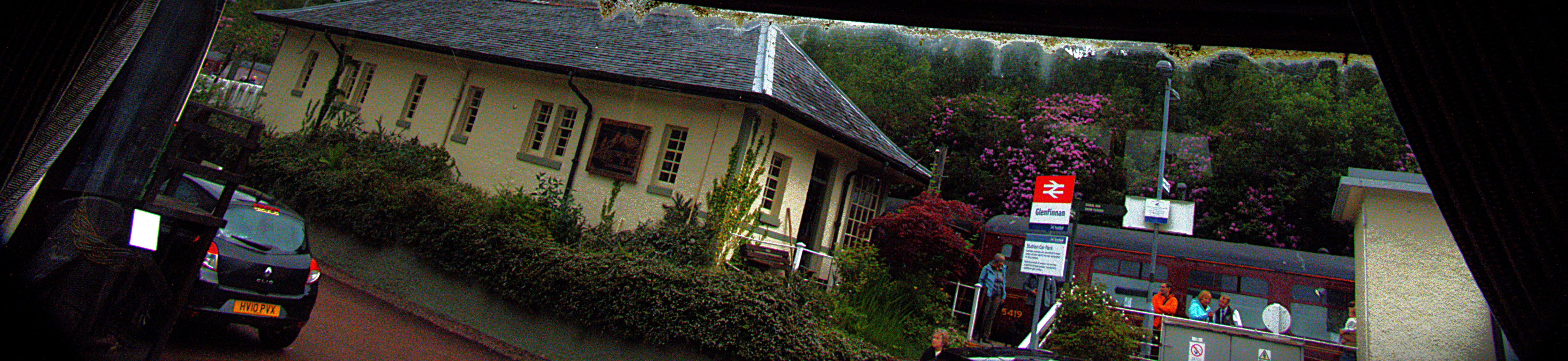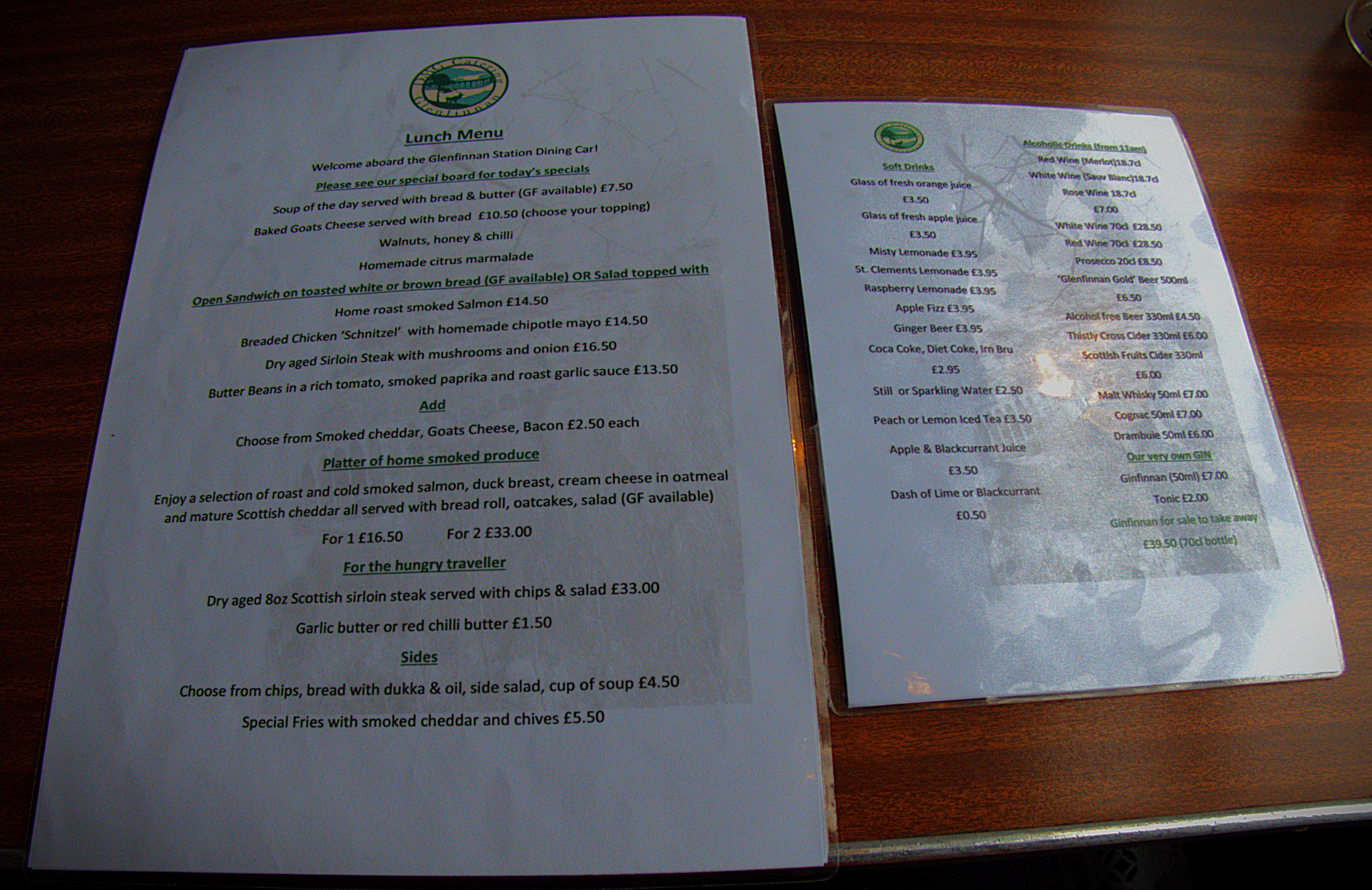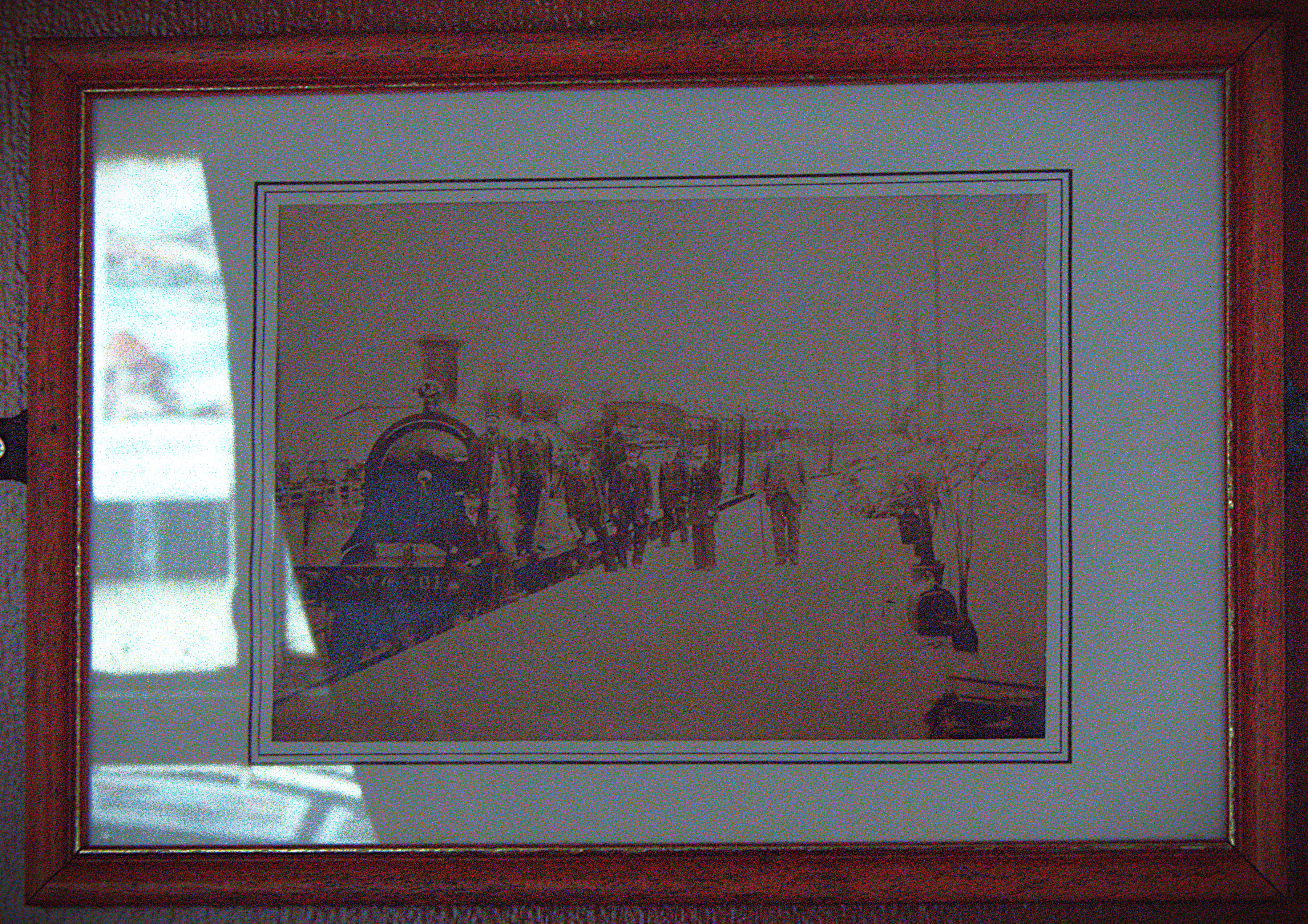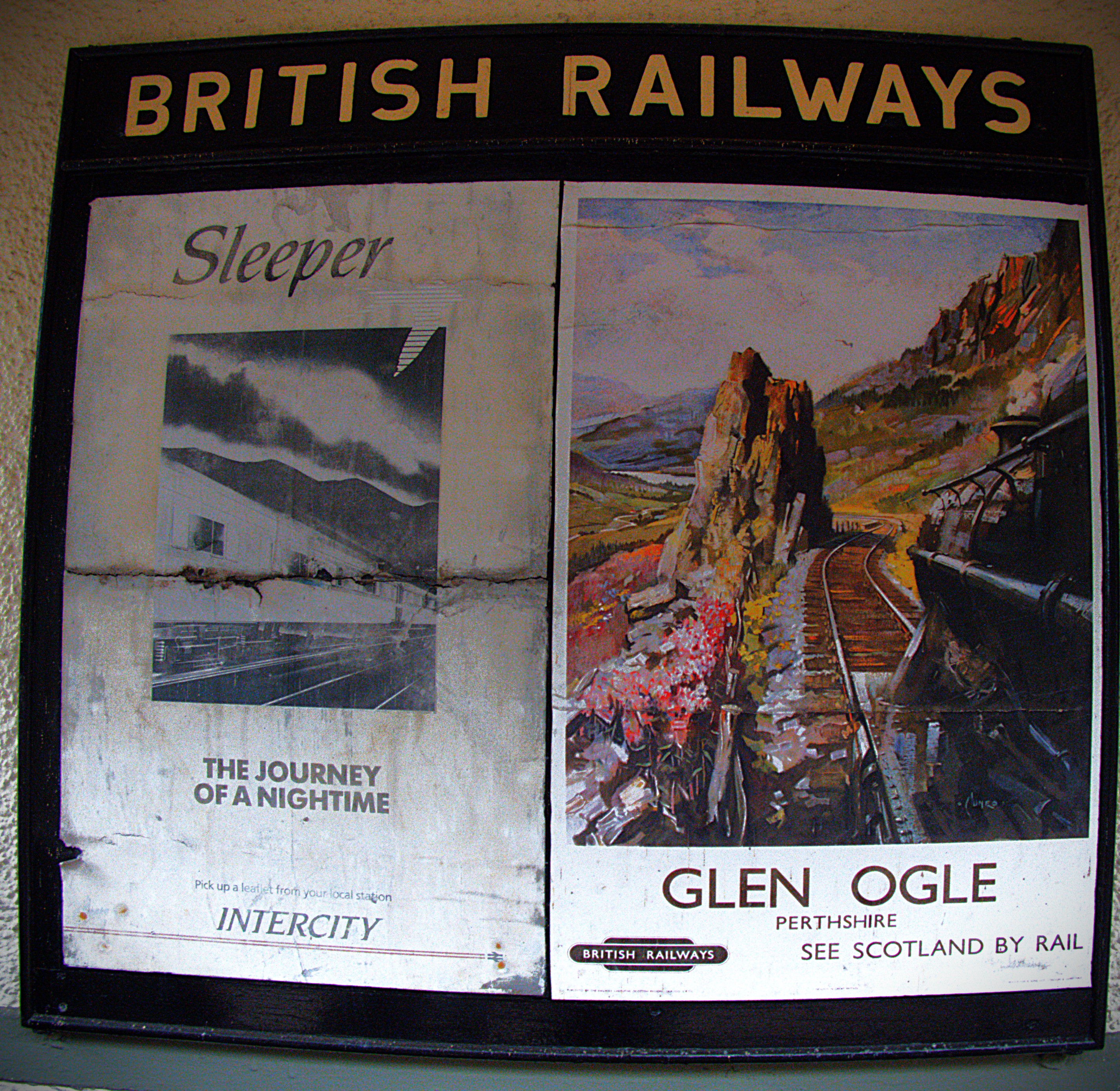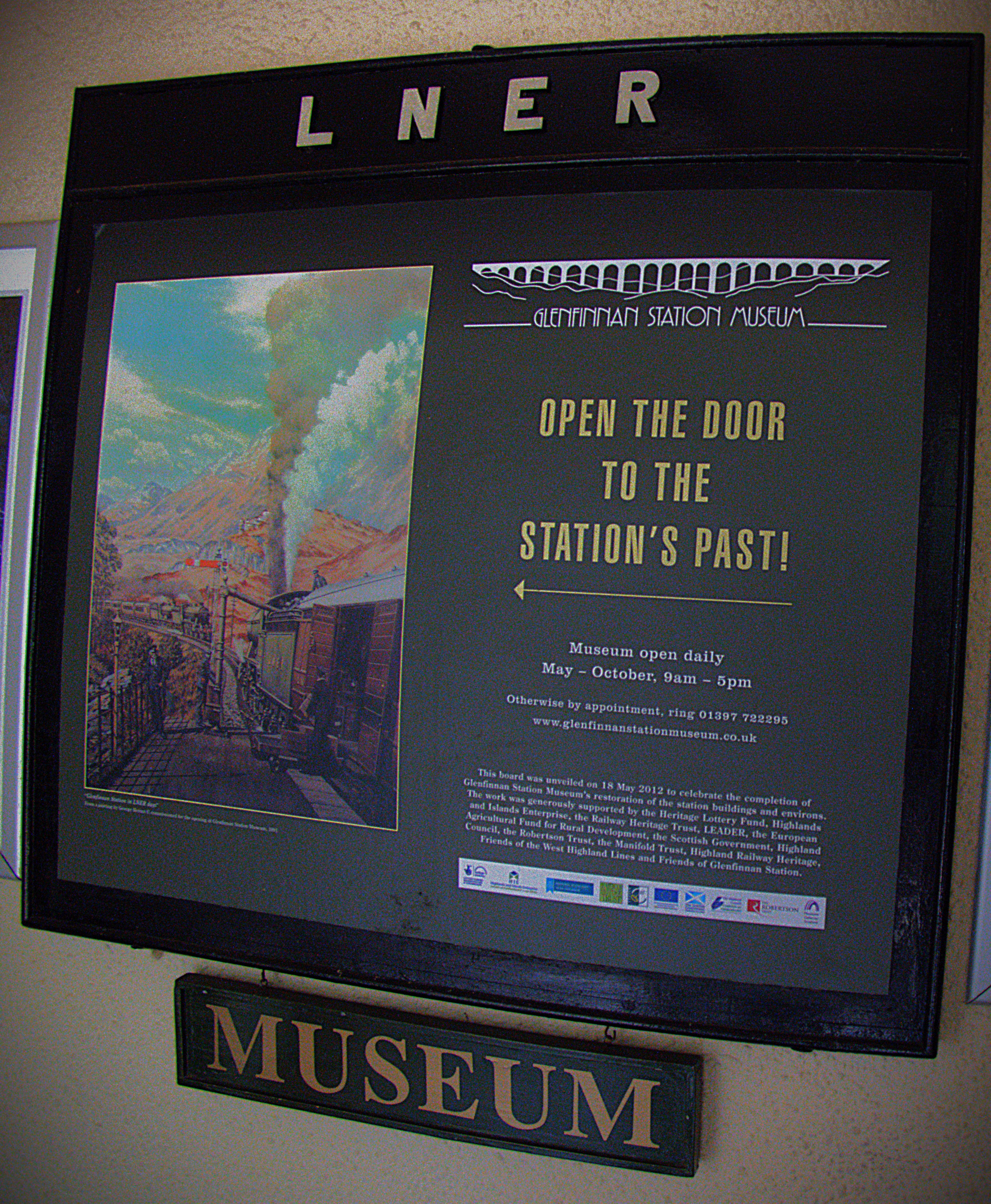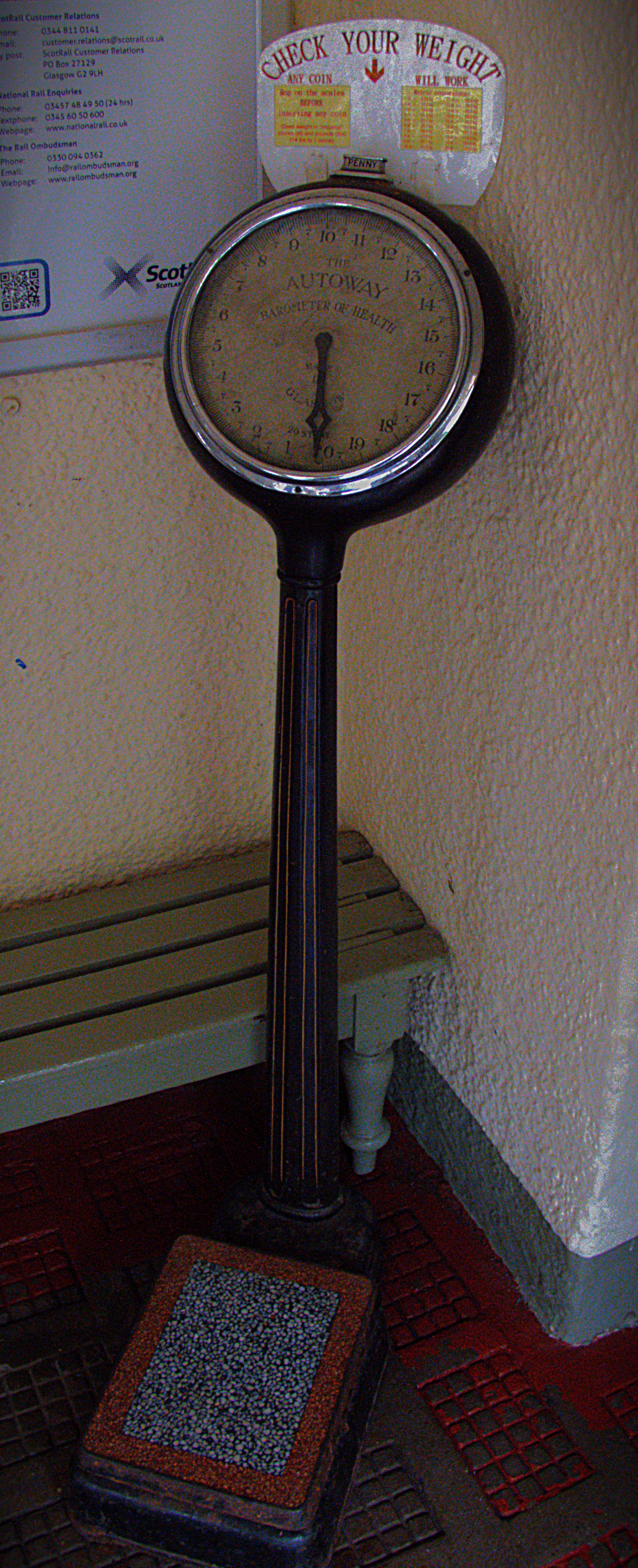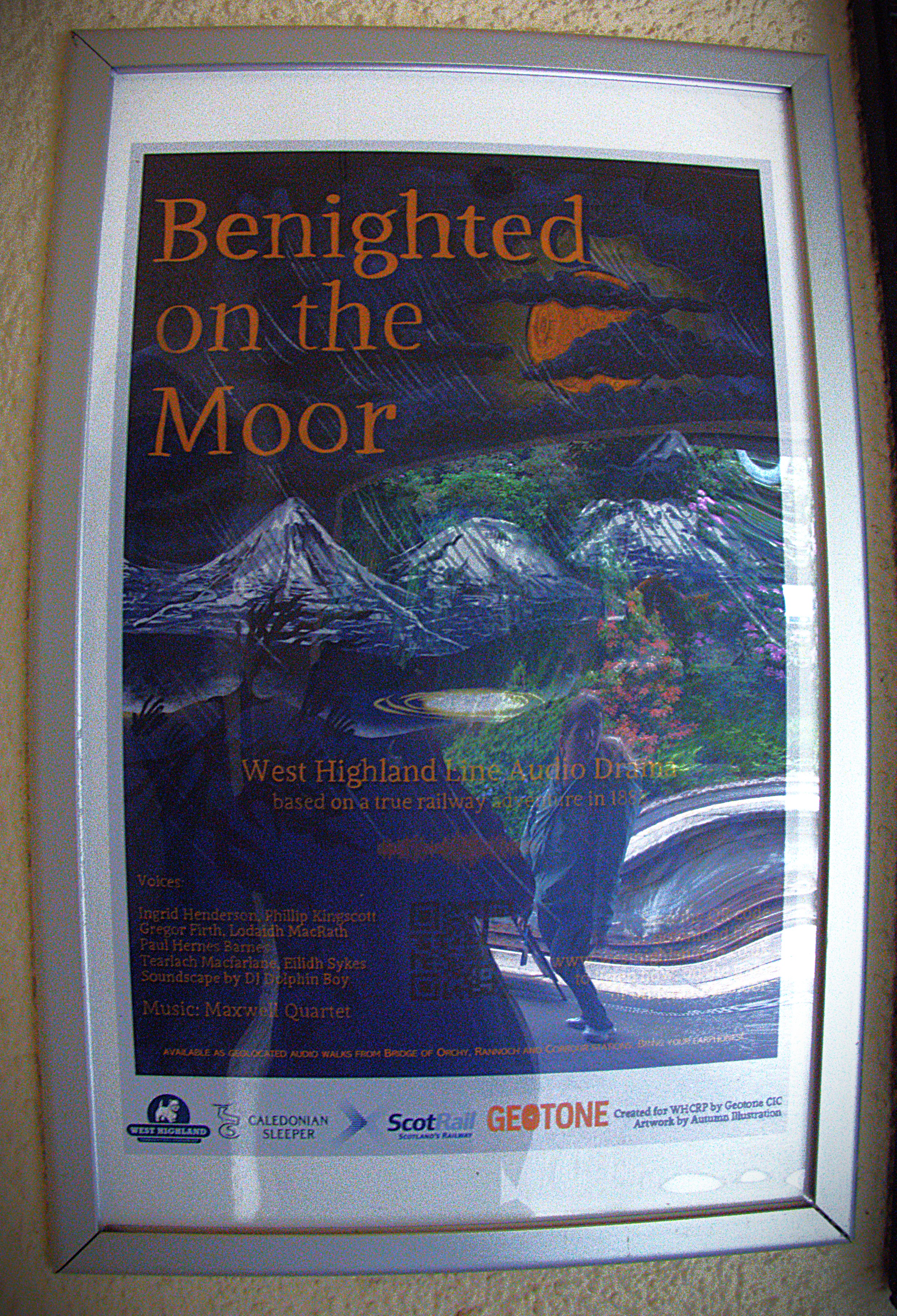
Continuing my account of my Scottish holiday with a look at the journey back from Glenfinnan to Arisaig on the Thursday.
Welcome to the latest instalment in my account of my Scottish holiday (May 30th to June 6th). This is the final post about the excursion to Glenfinnan.
BACK TO ARISAIG
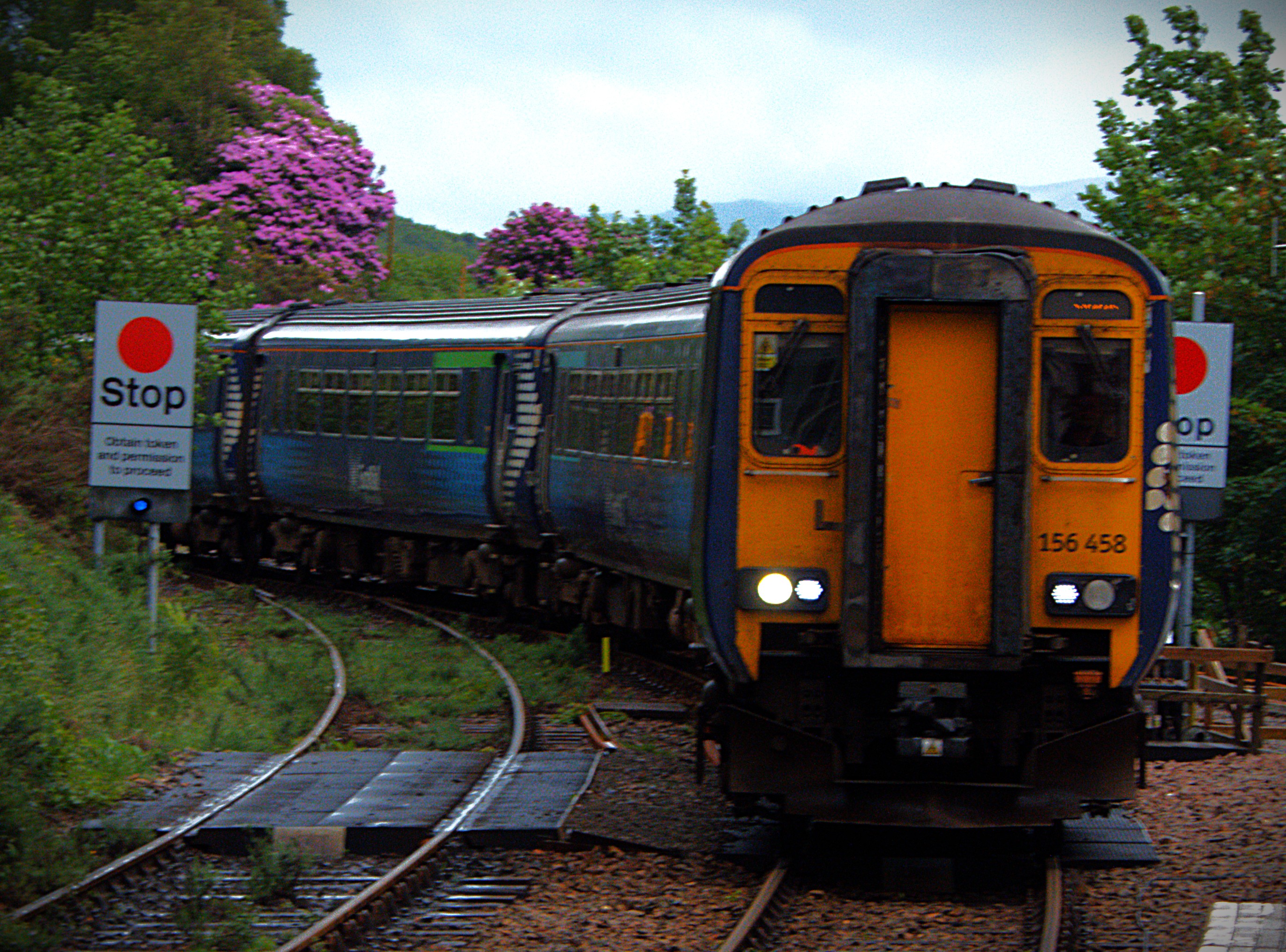
After finishing in the museum we had a few minutes on the platform before catching the train back to Arisaig. We managed to find seats well placed to capture the best sights of the return journey, and the service ran according to schedule.
PHOTOGRAPHS
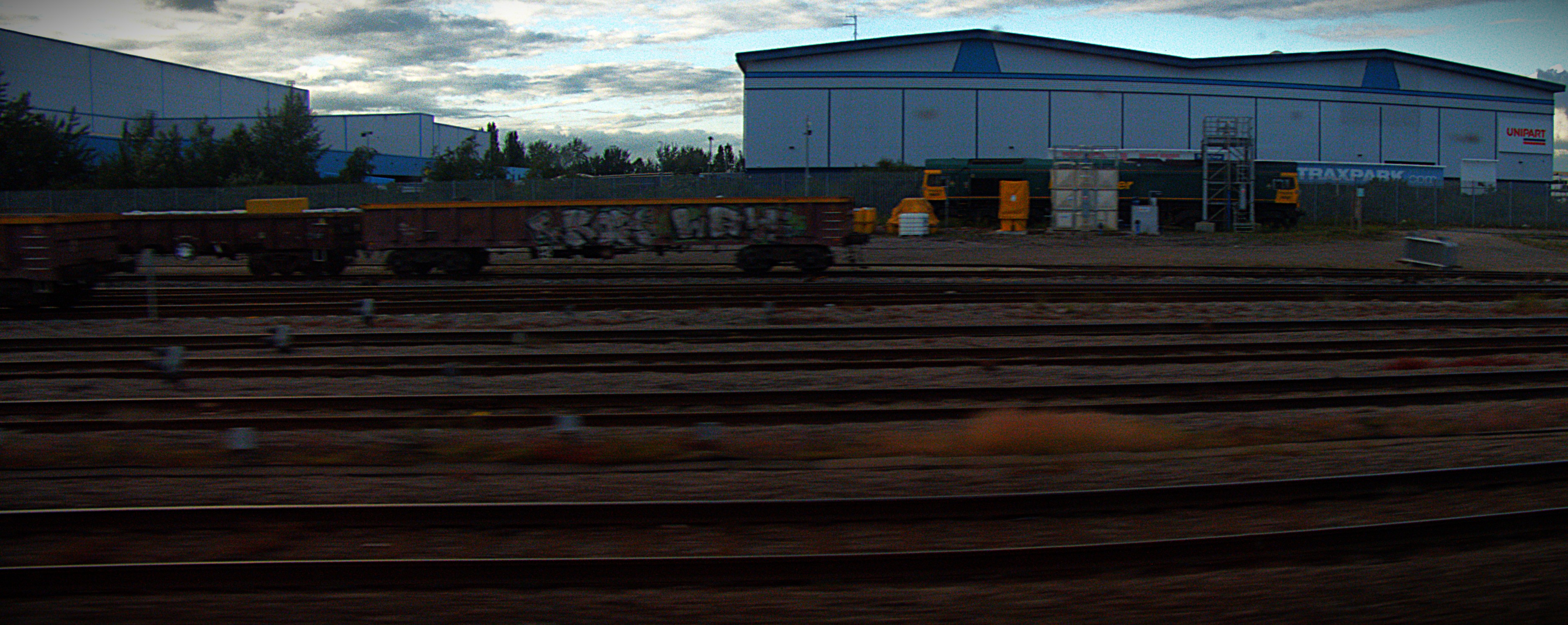
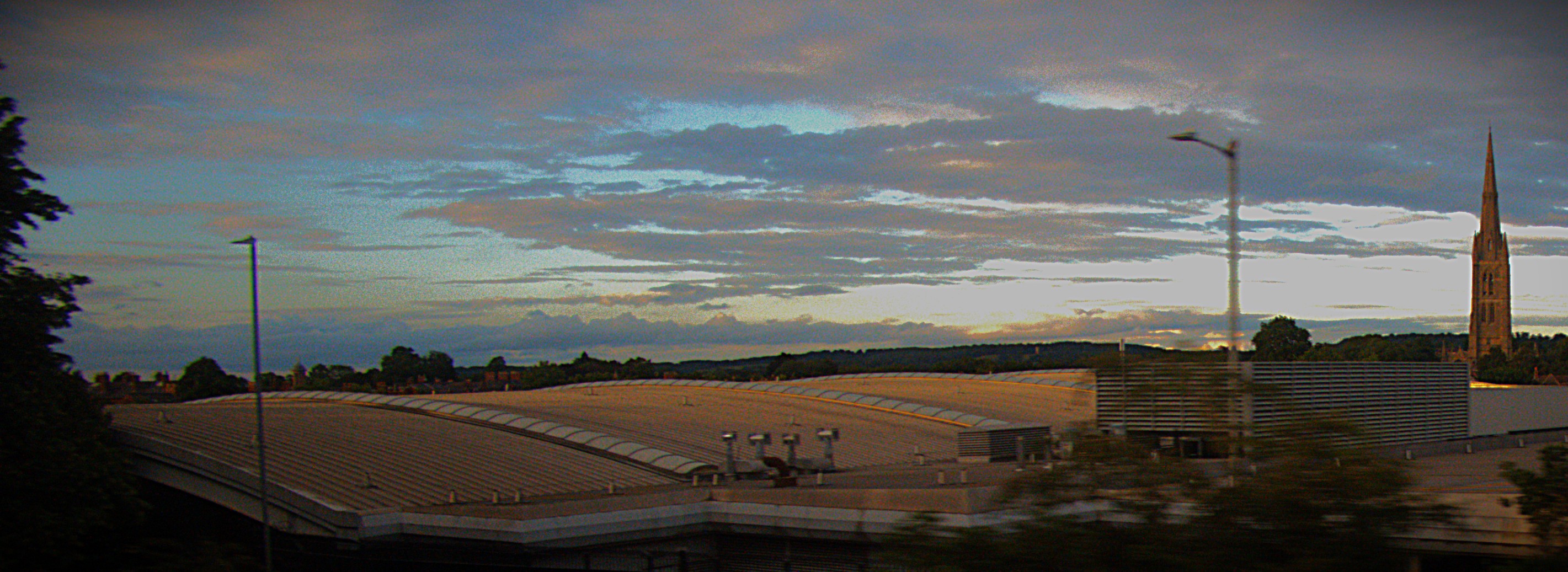
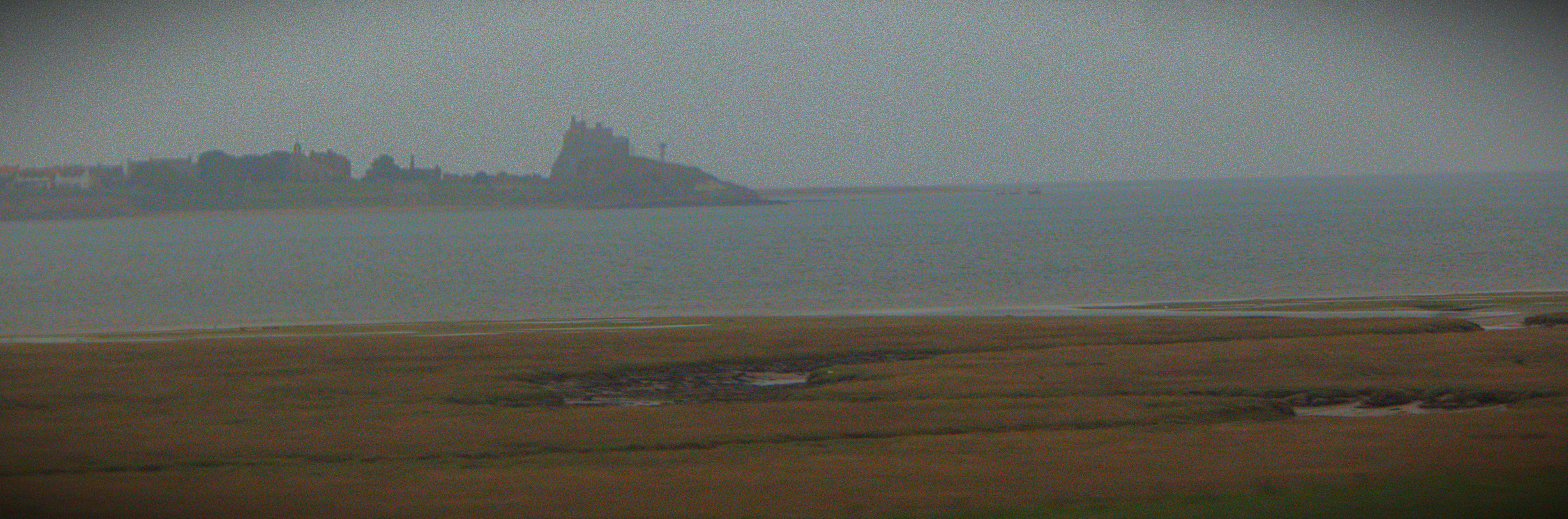
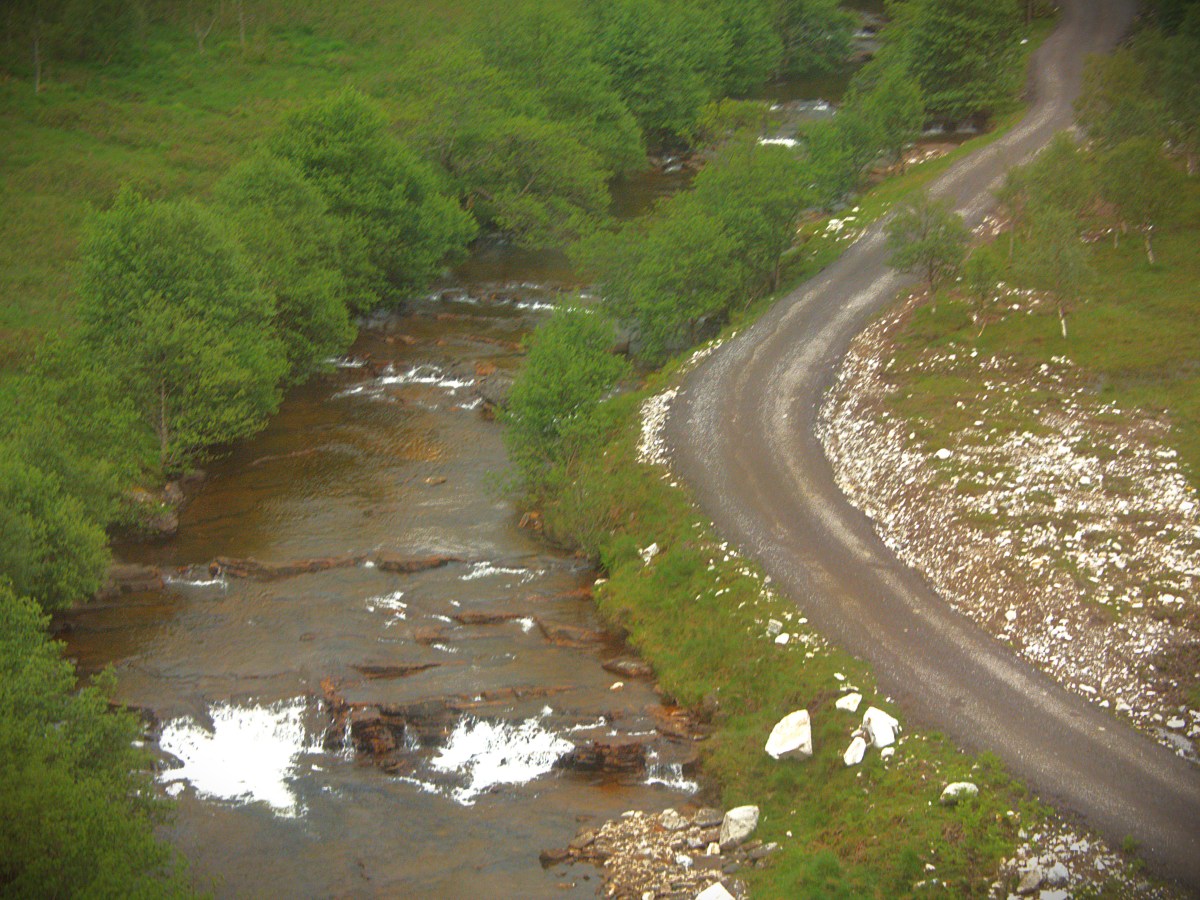
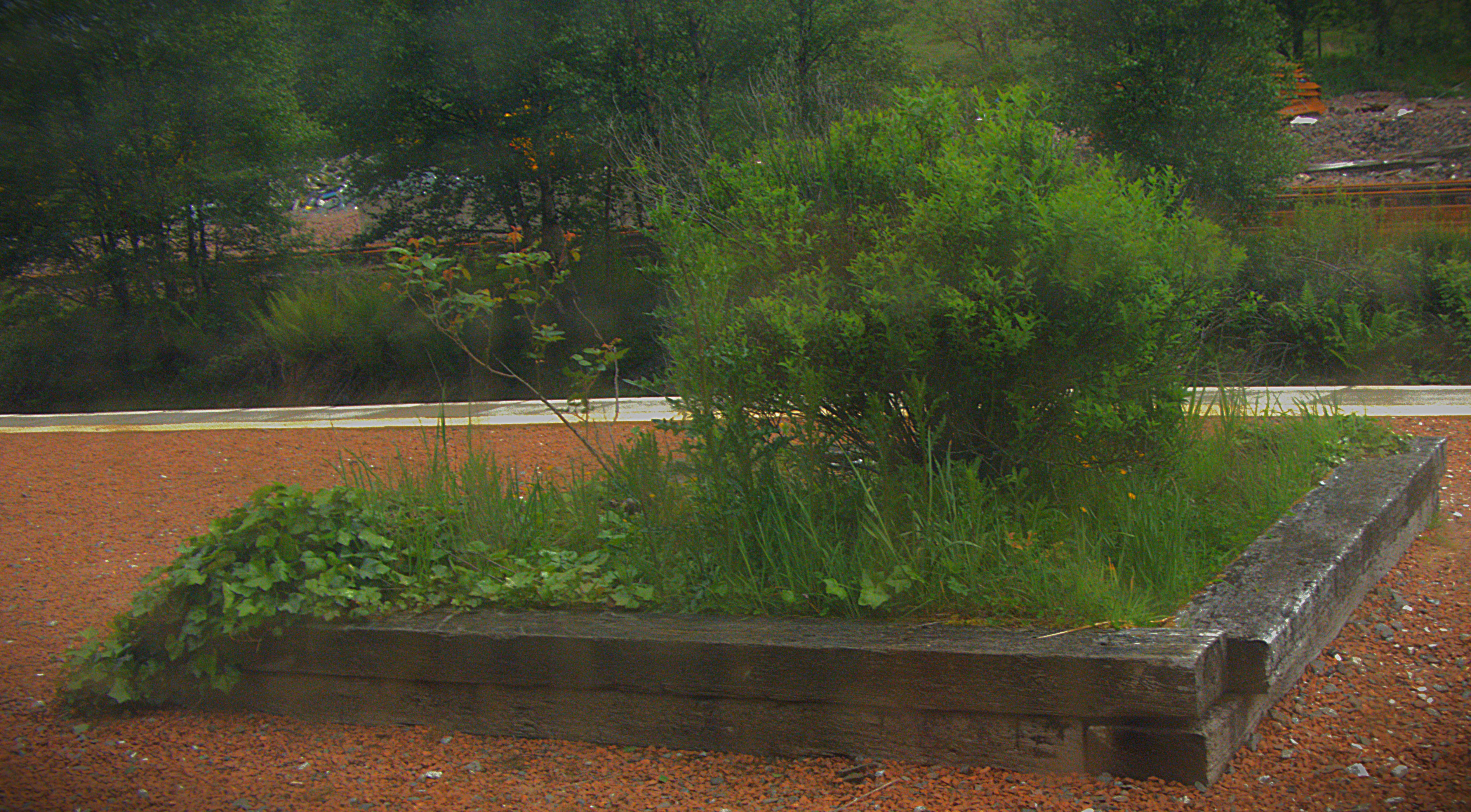
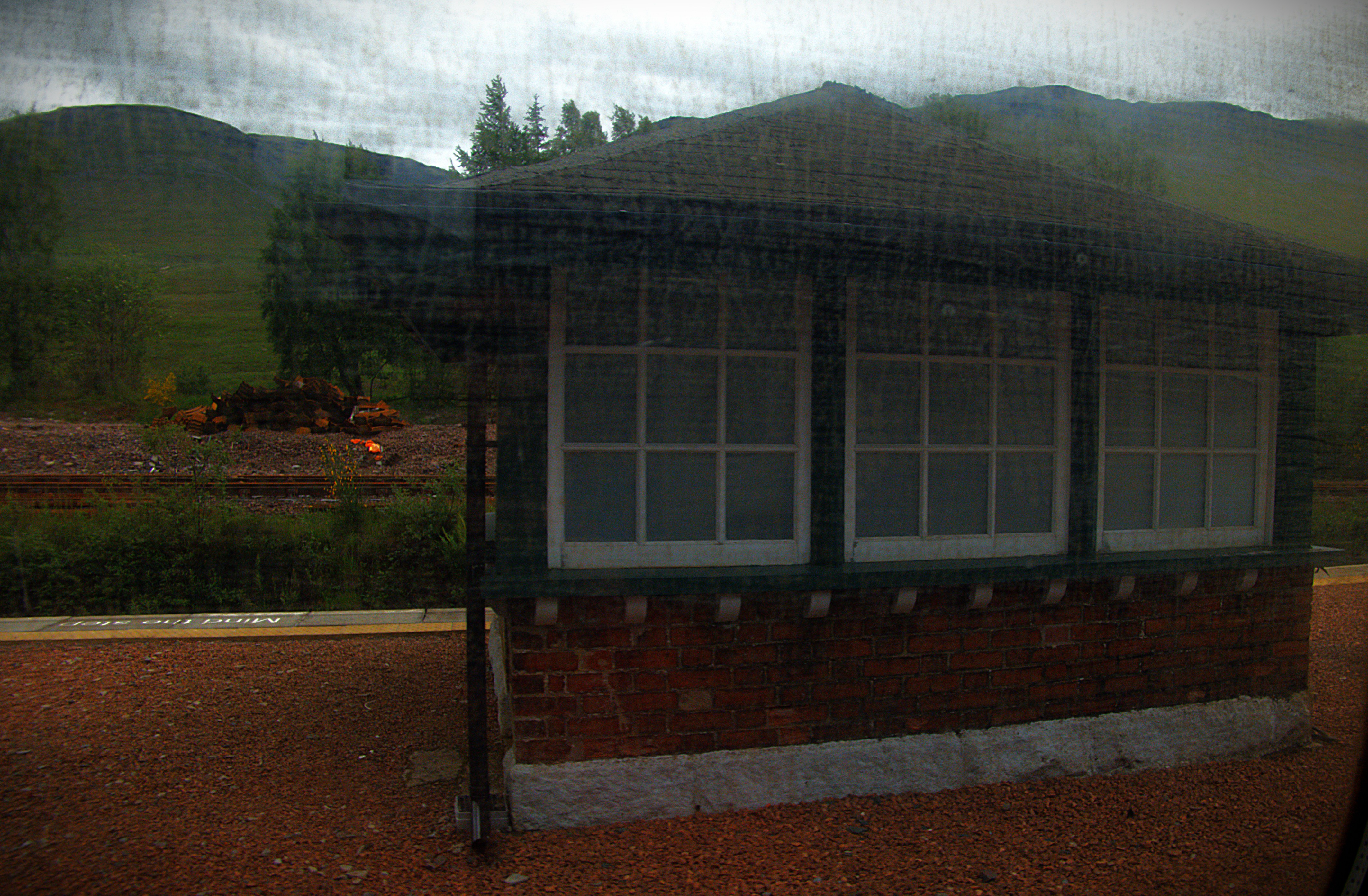
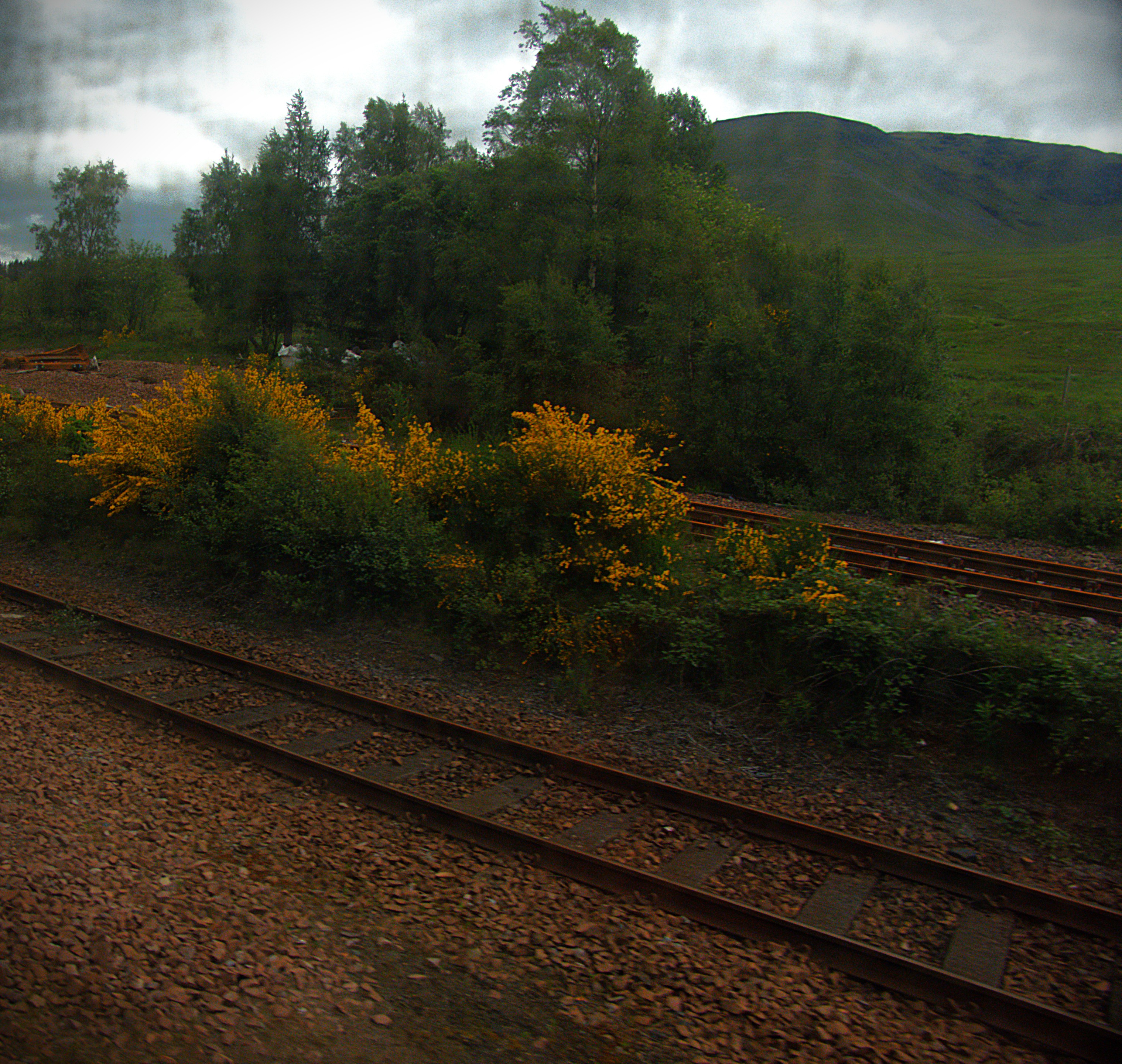
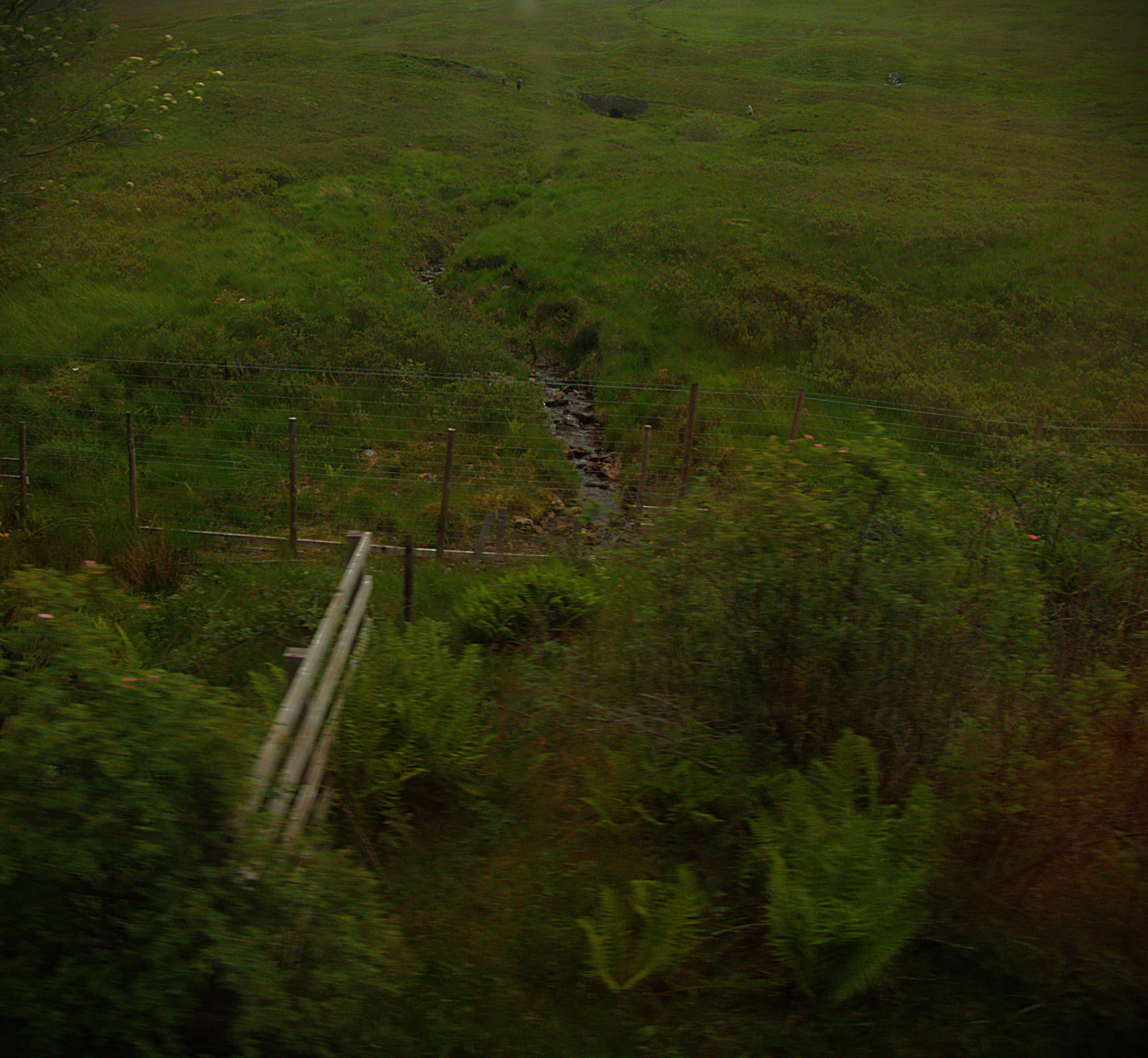
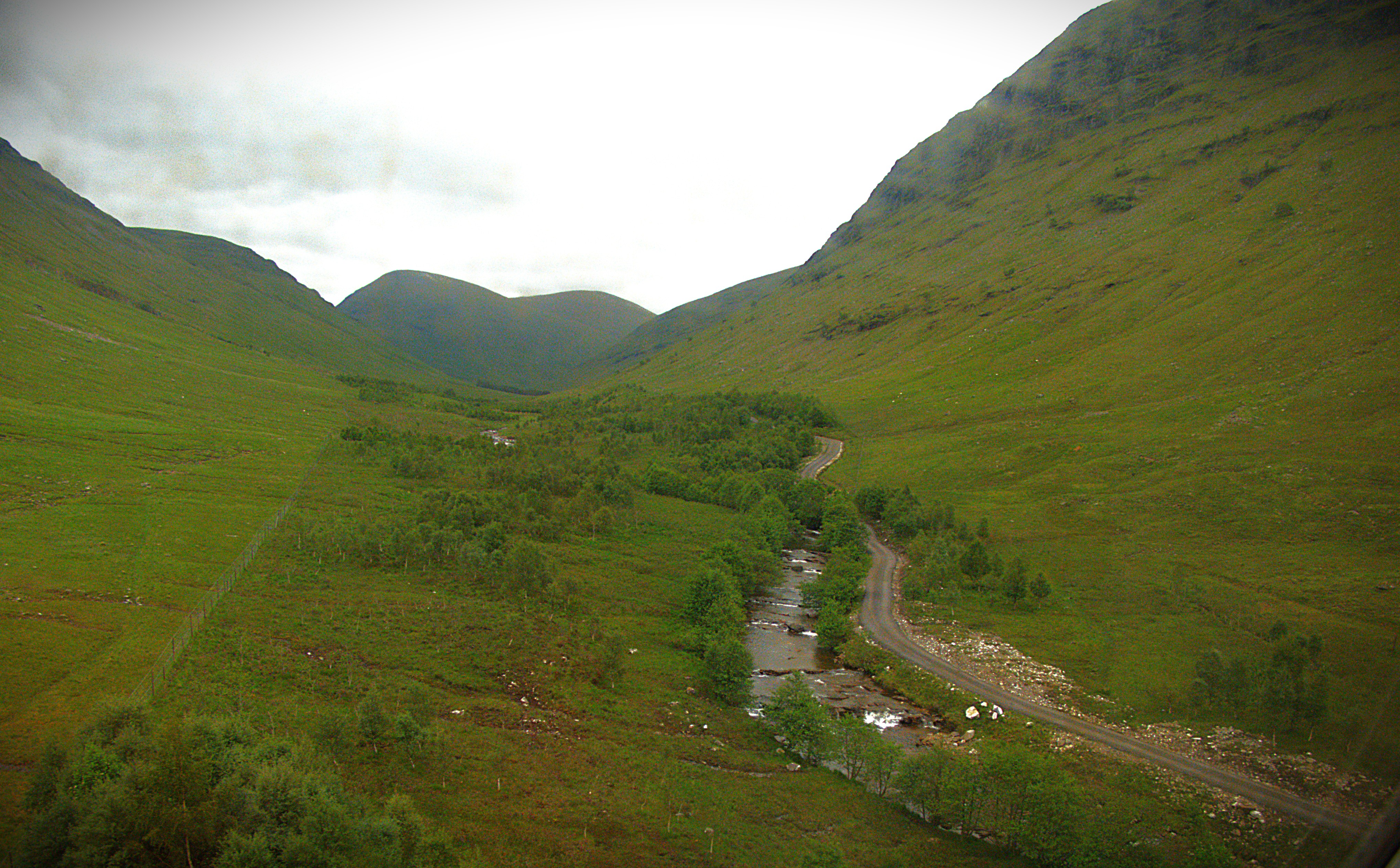
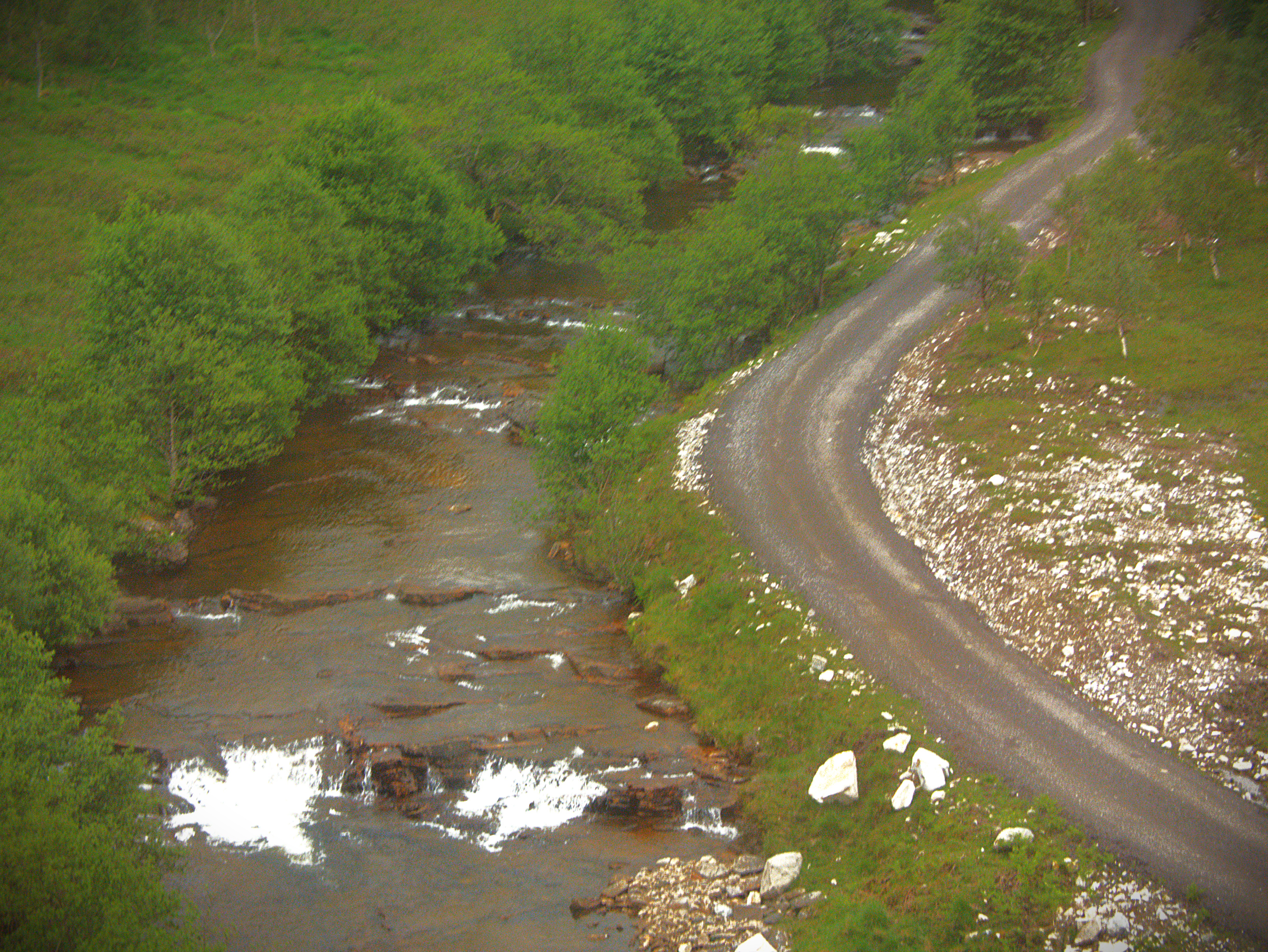
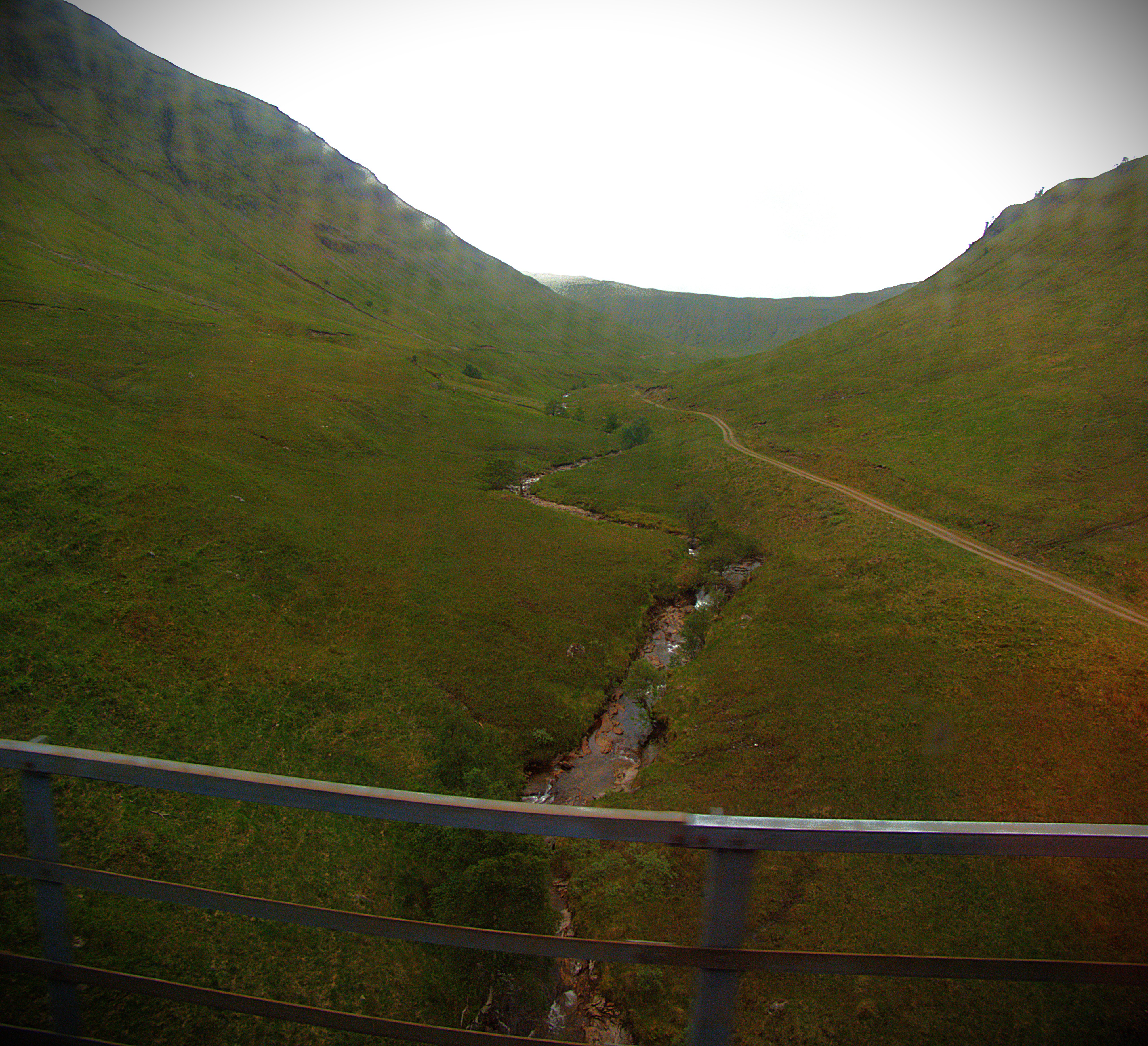
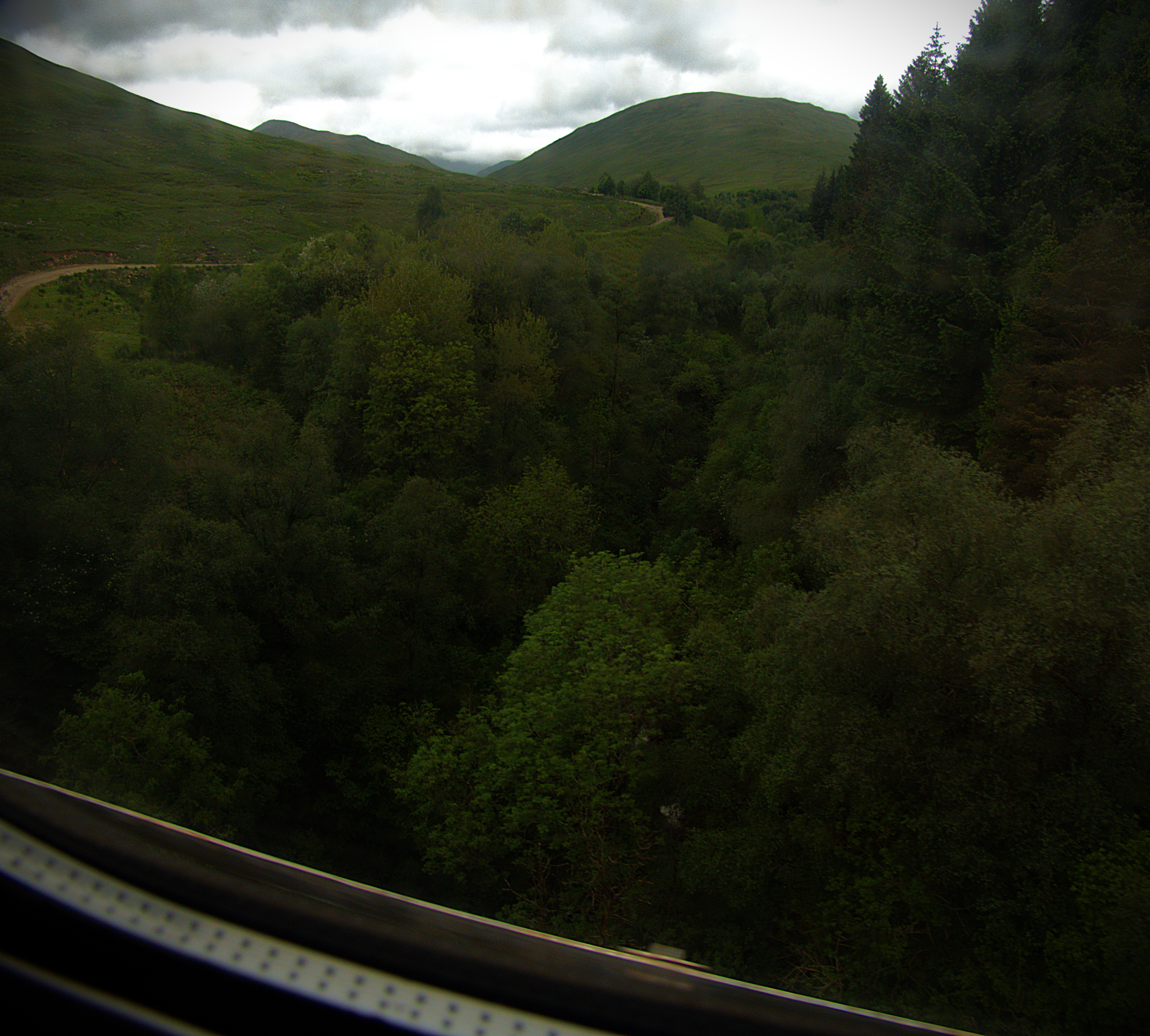
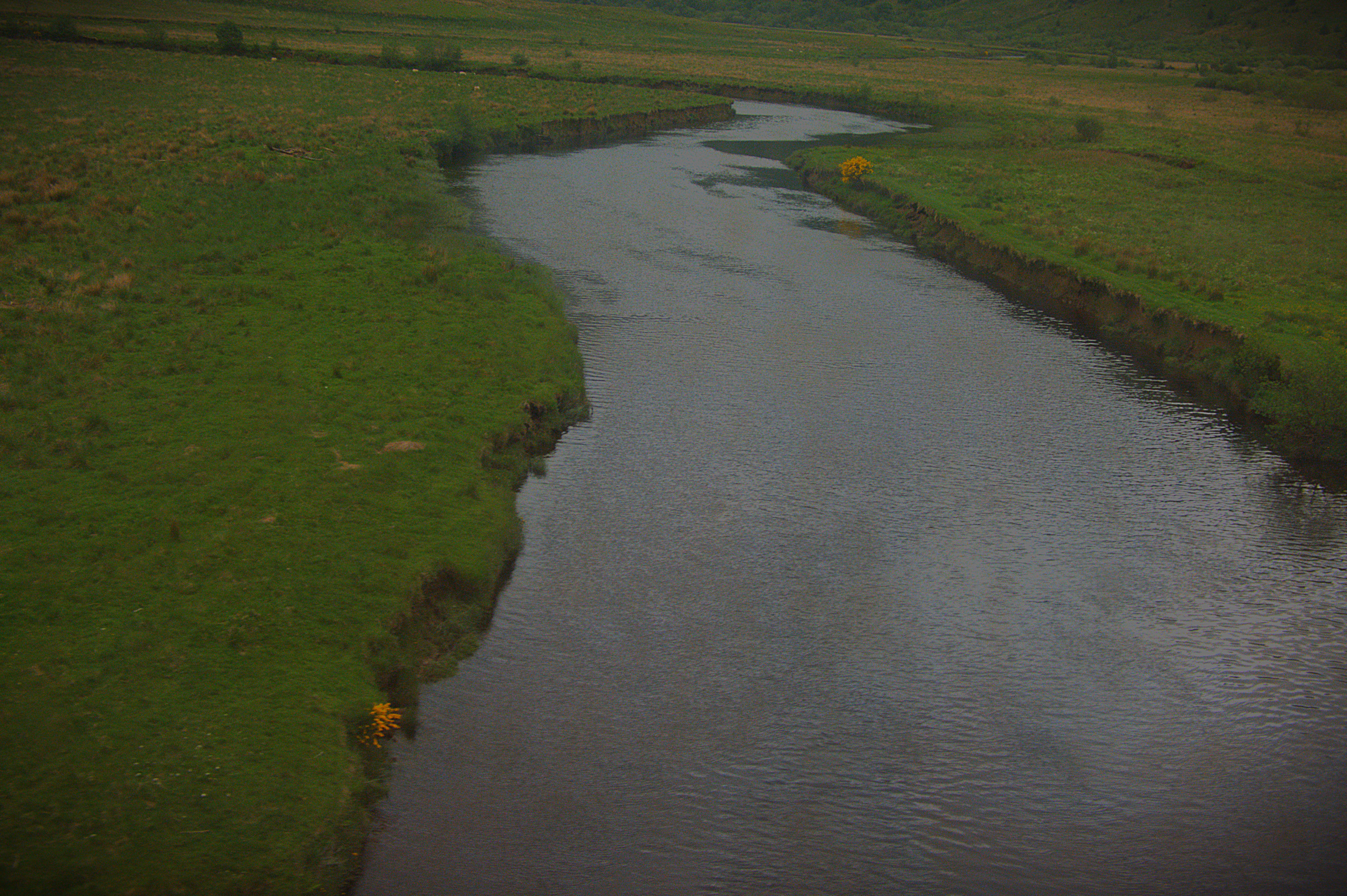
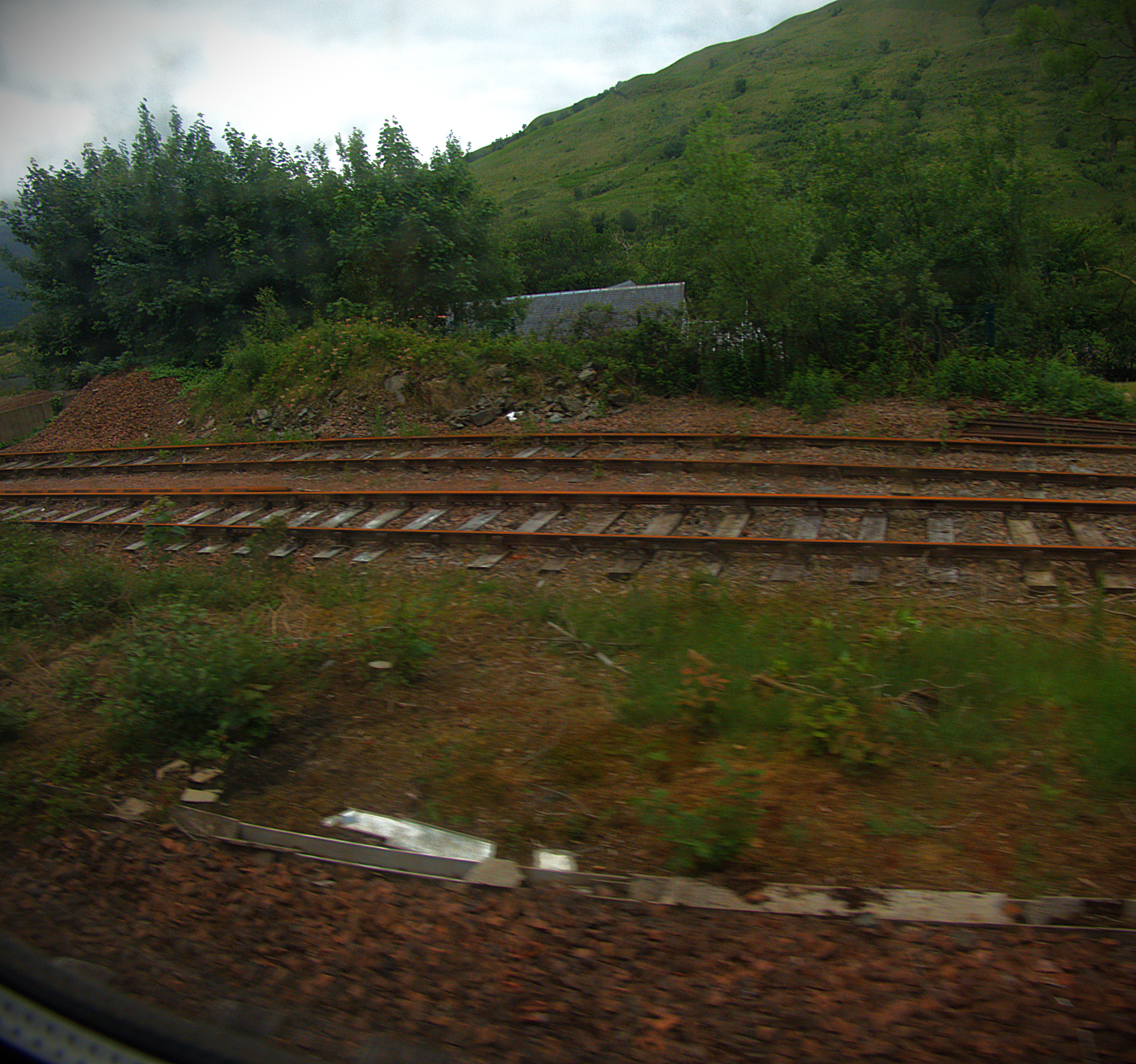
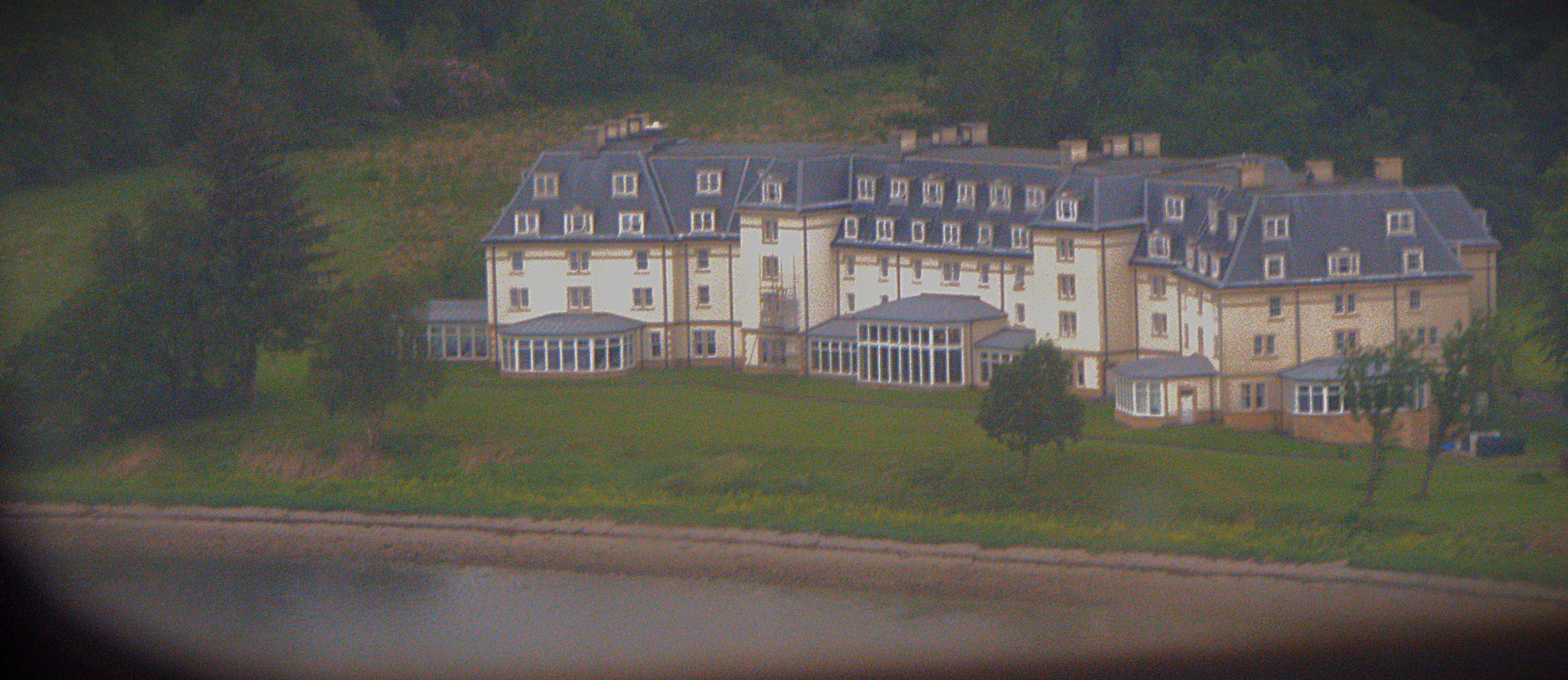
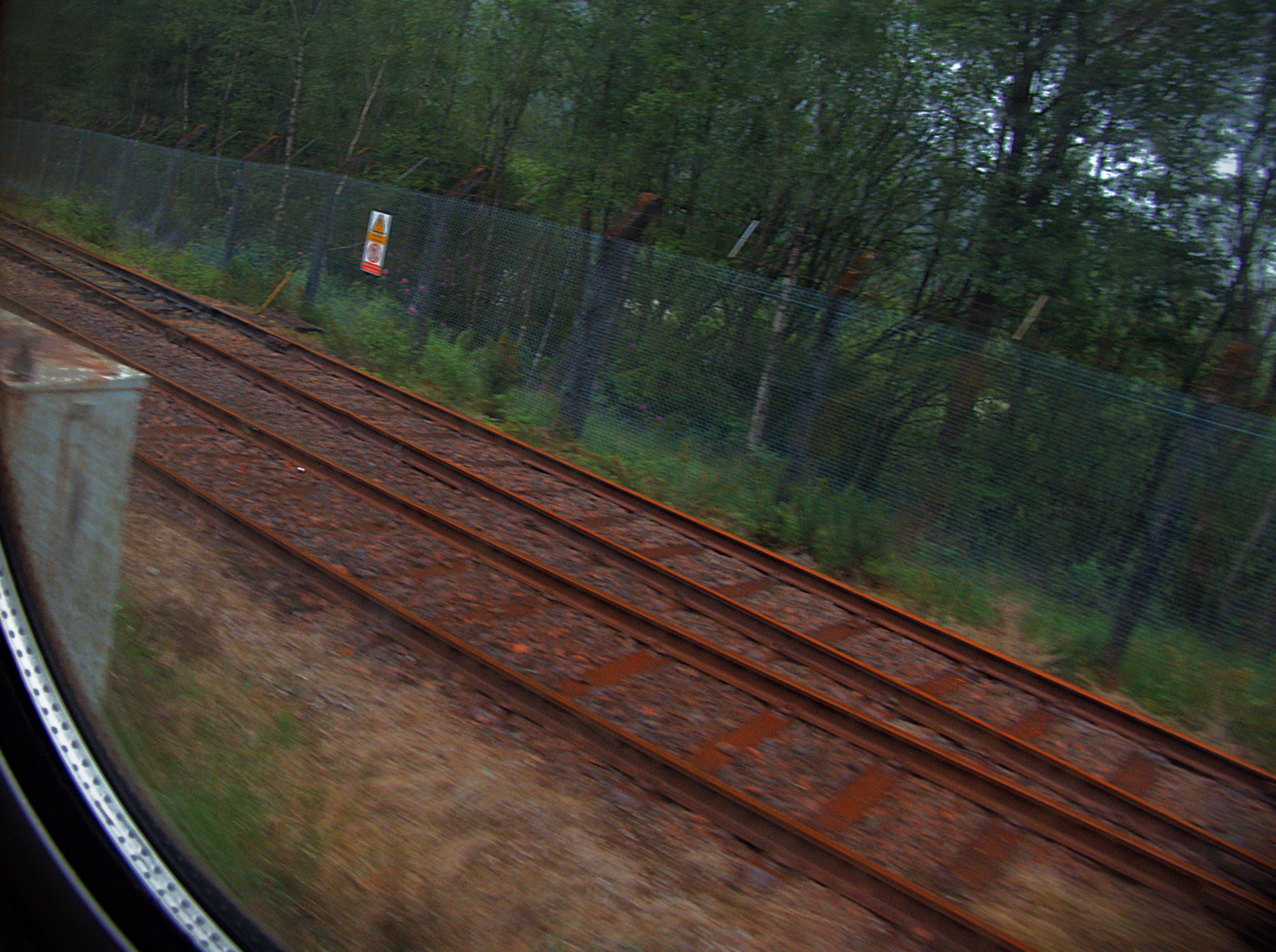
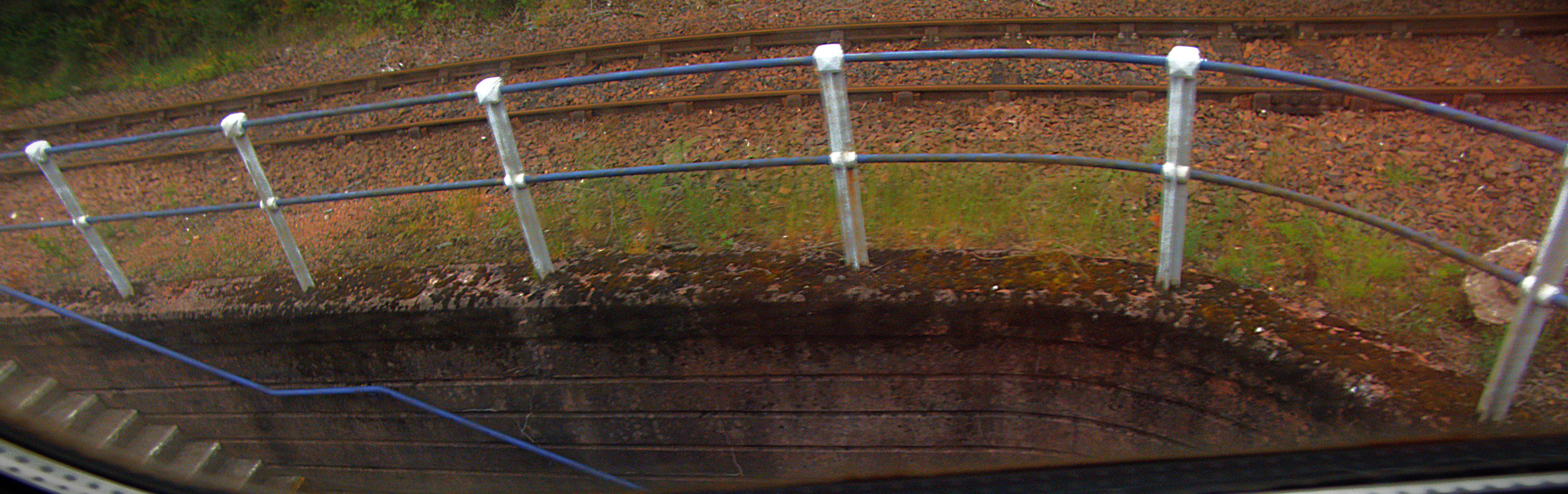
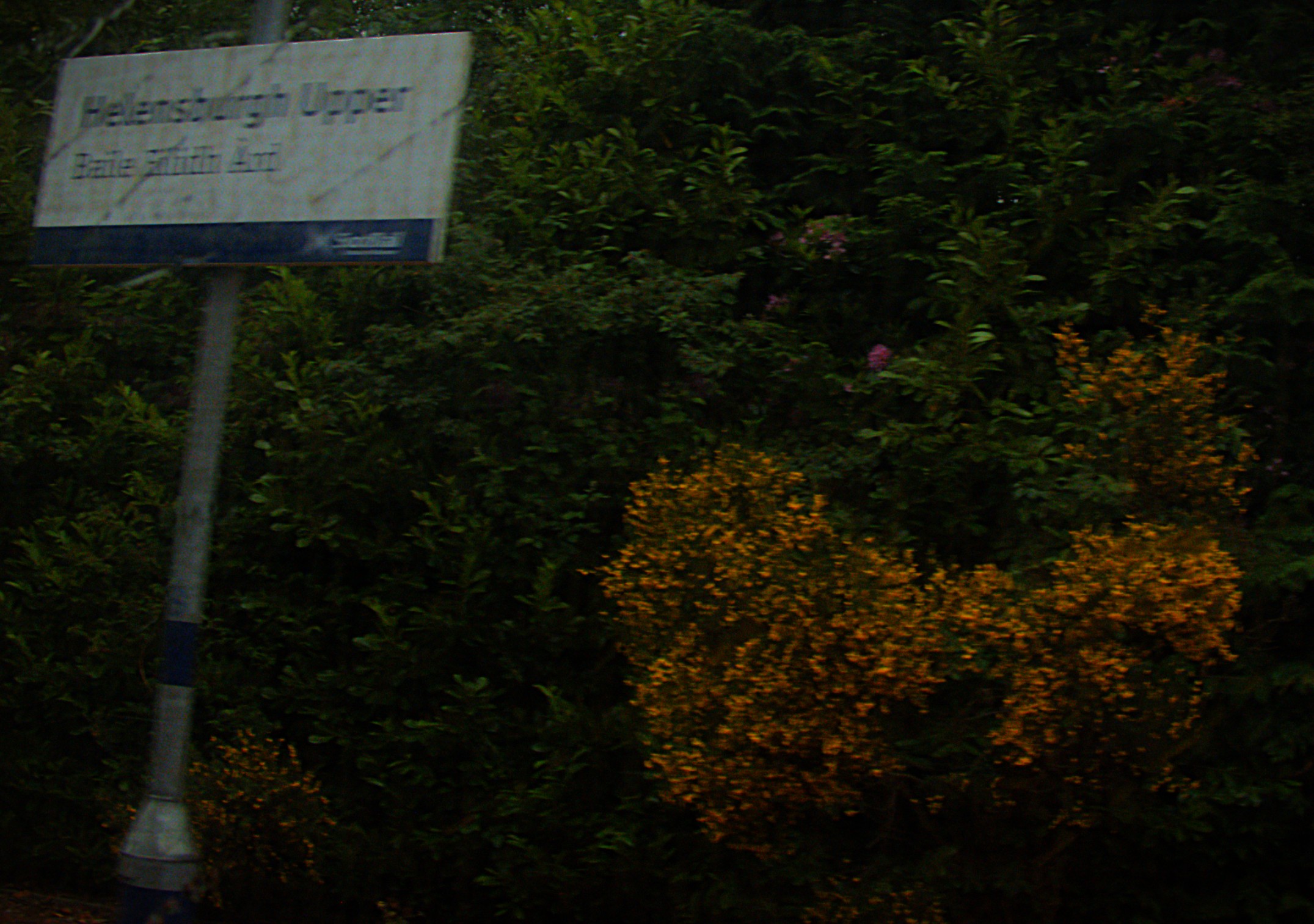
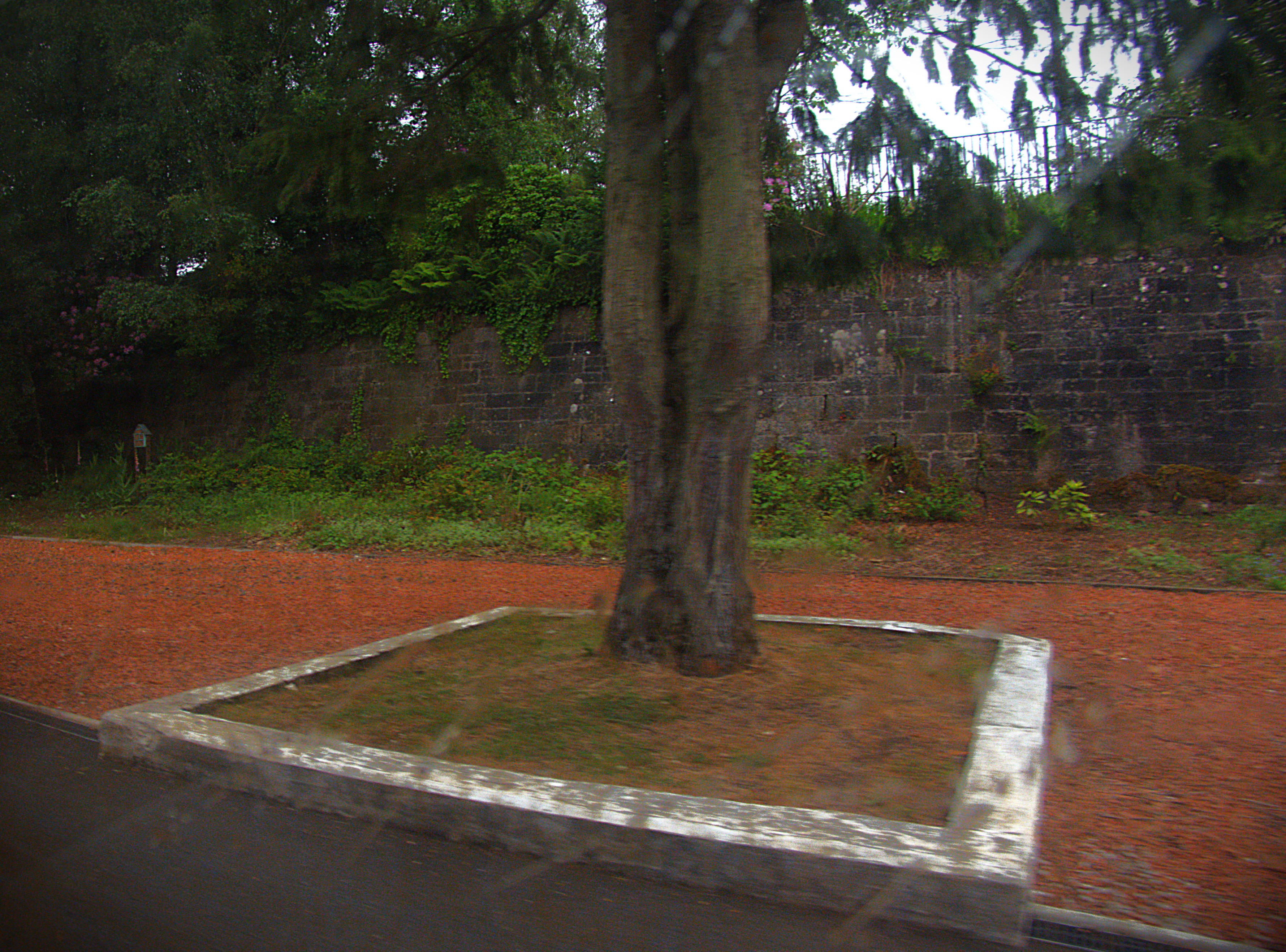
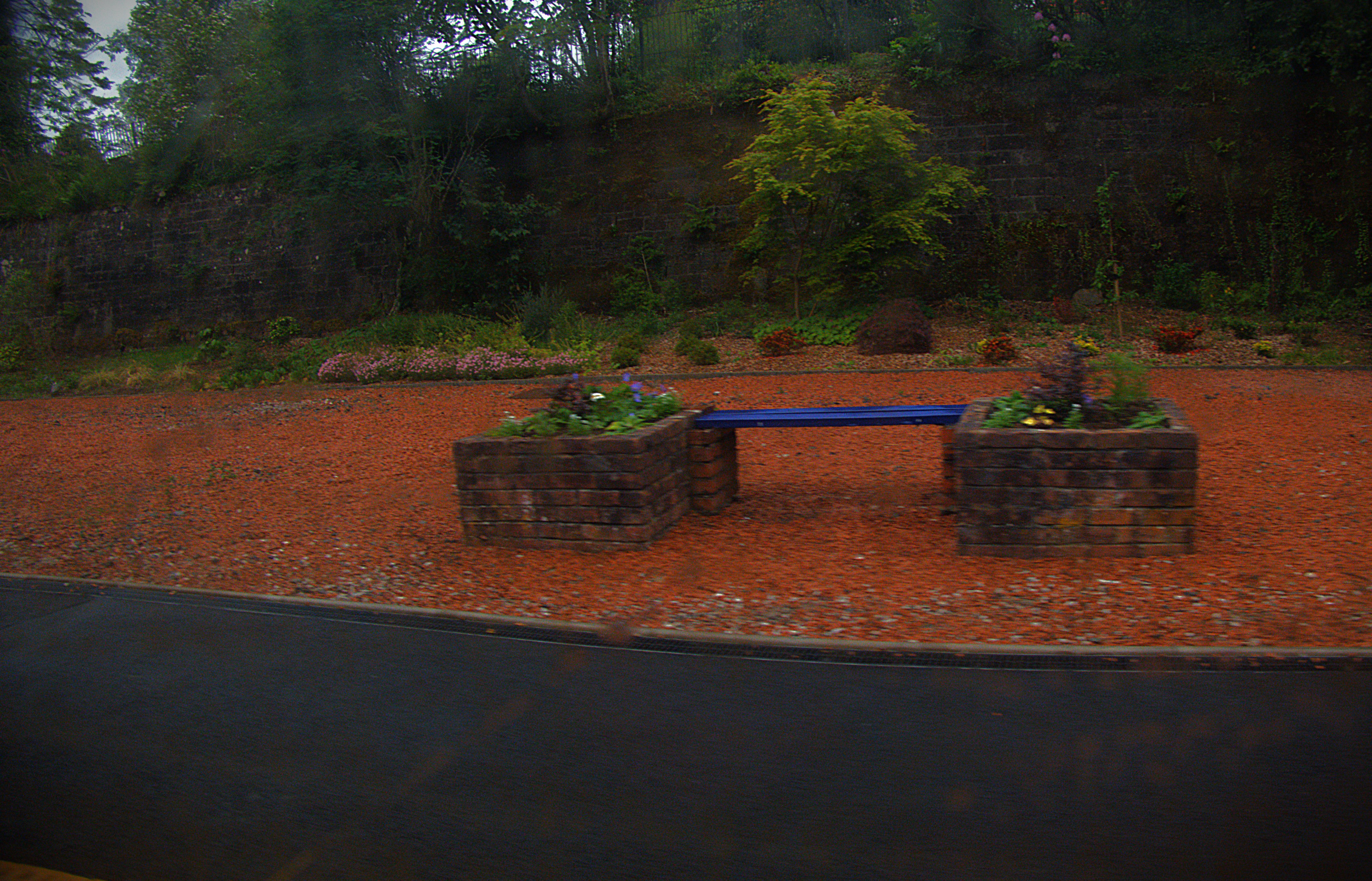
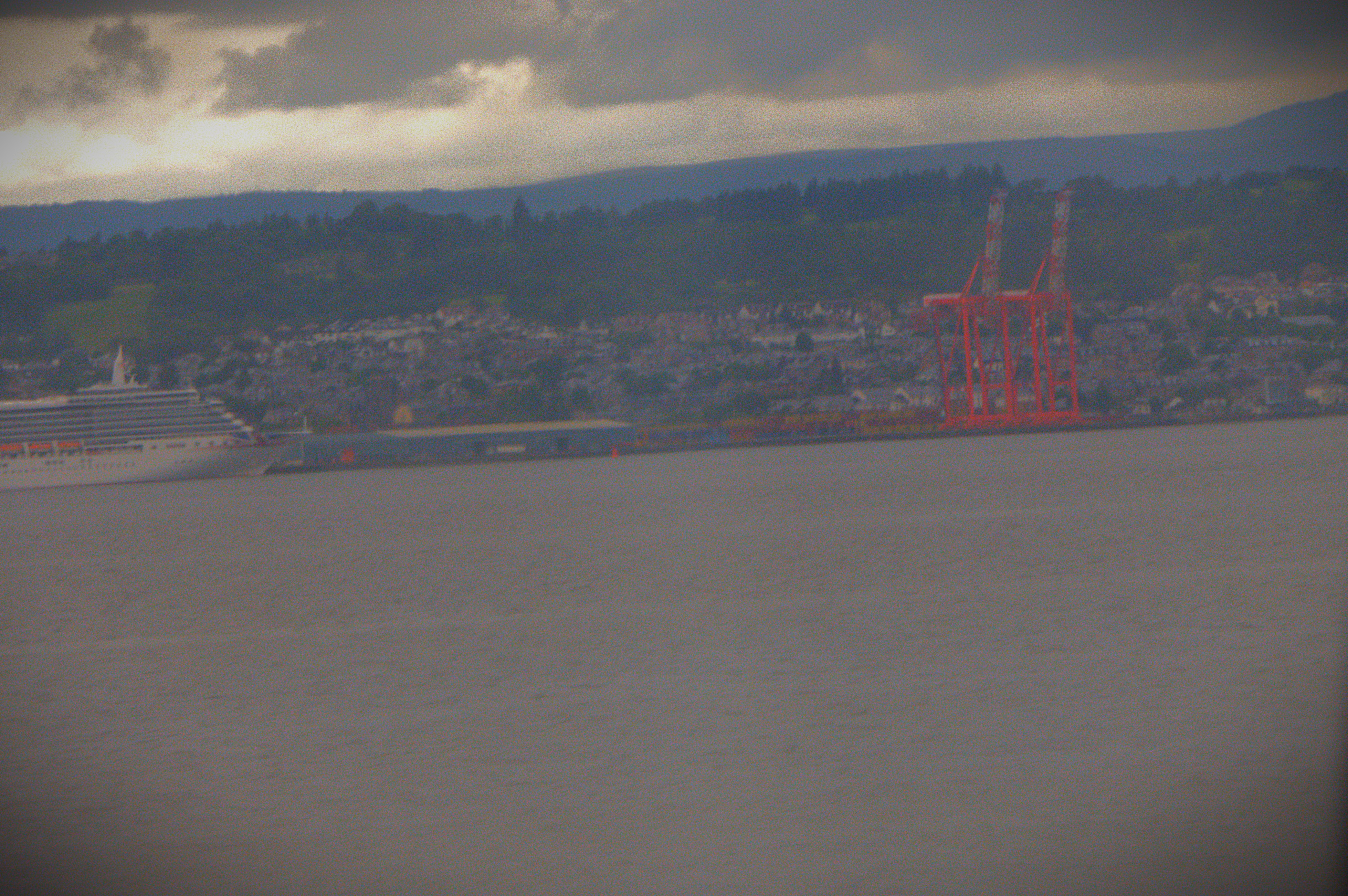
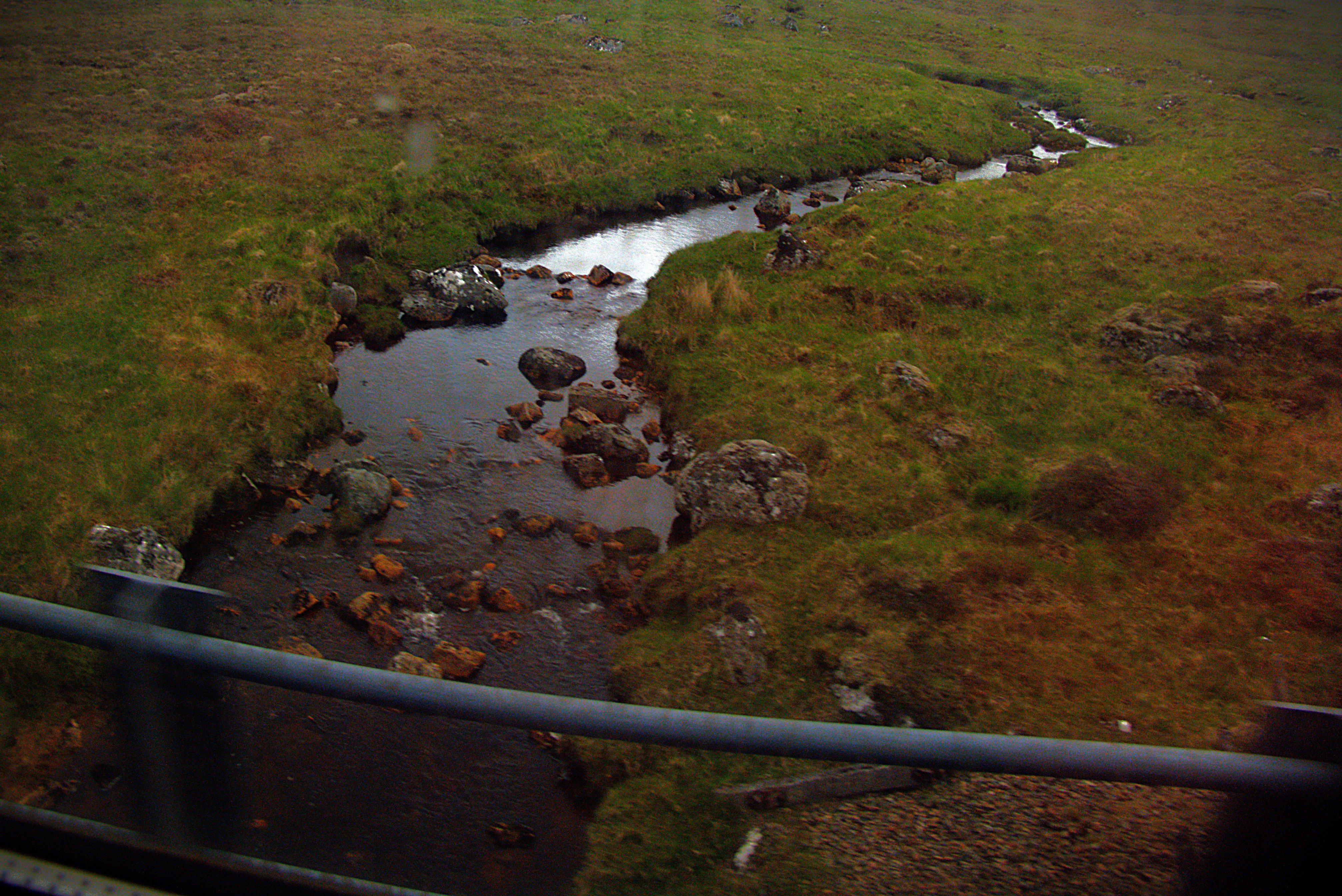
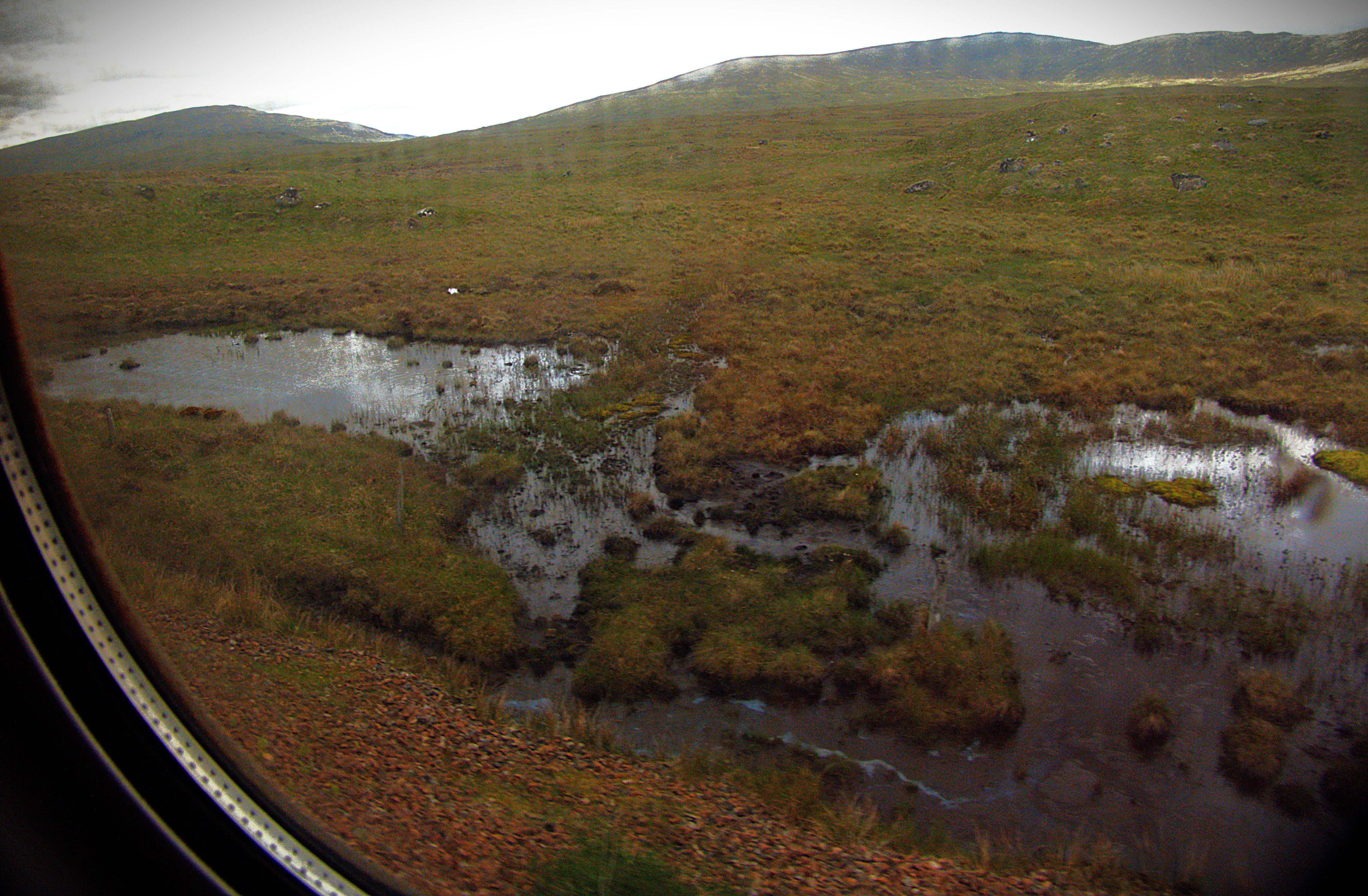
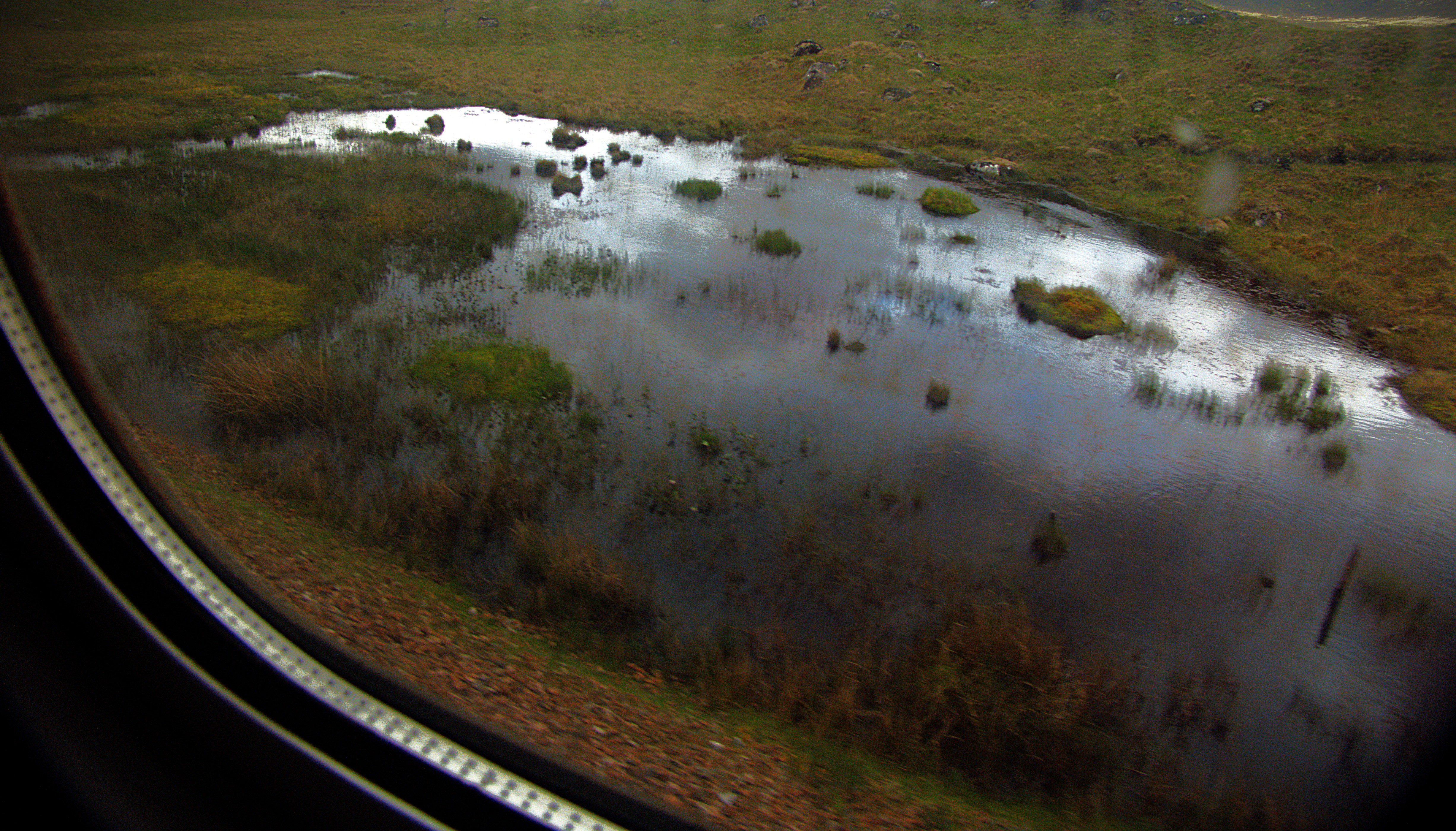
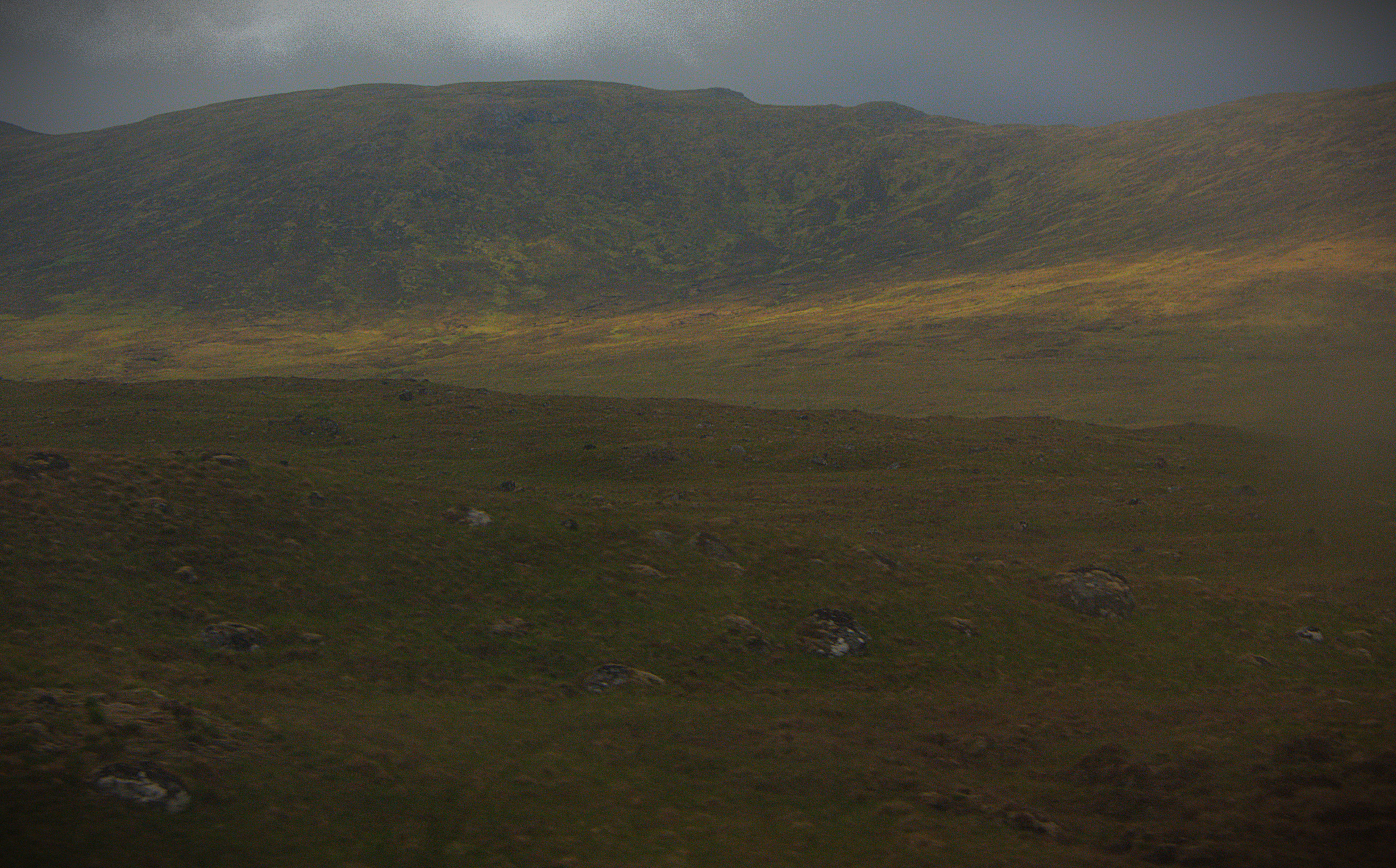
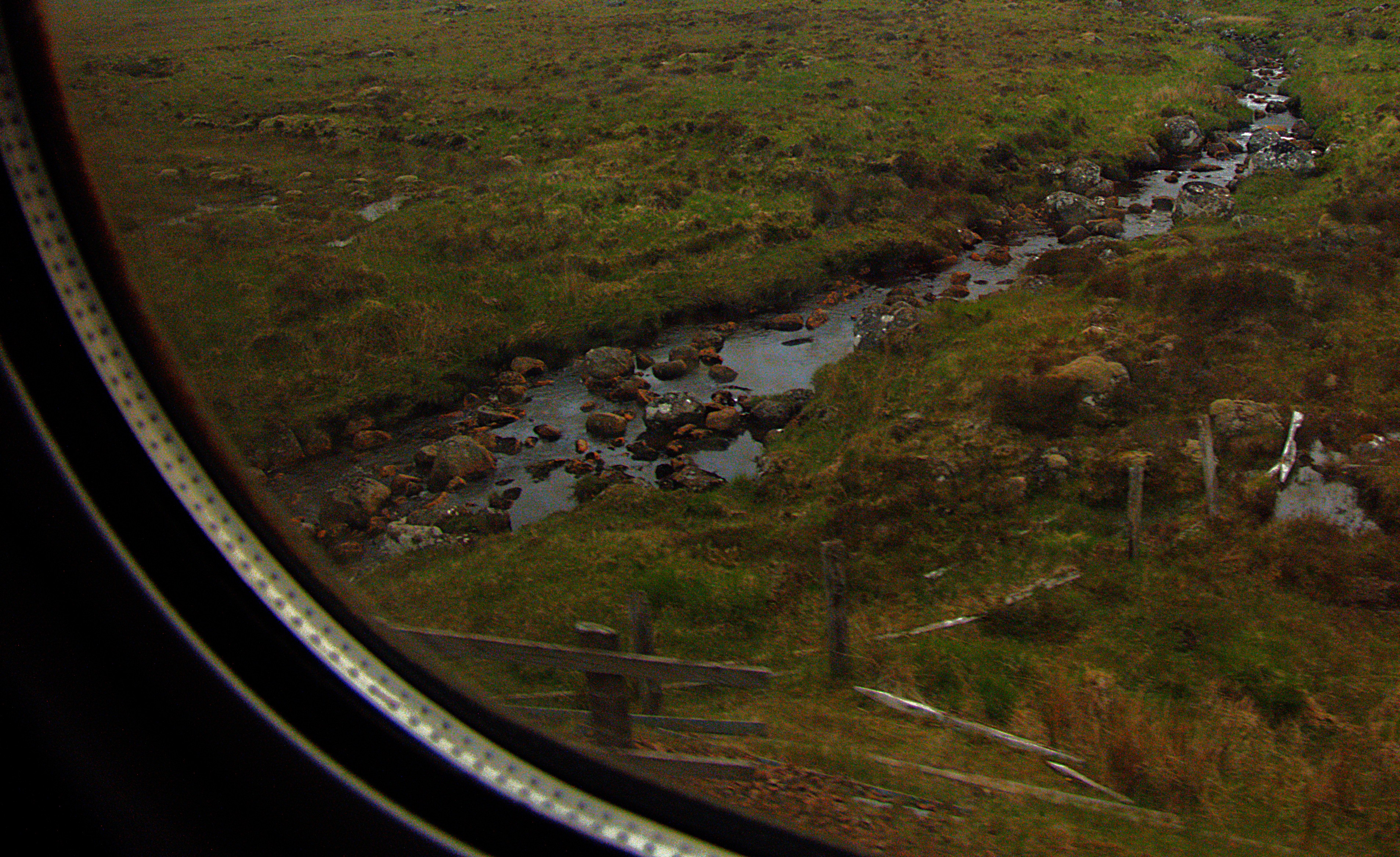
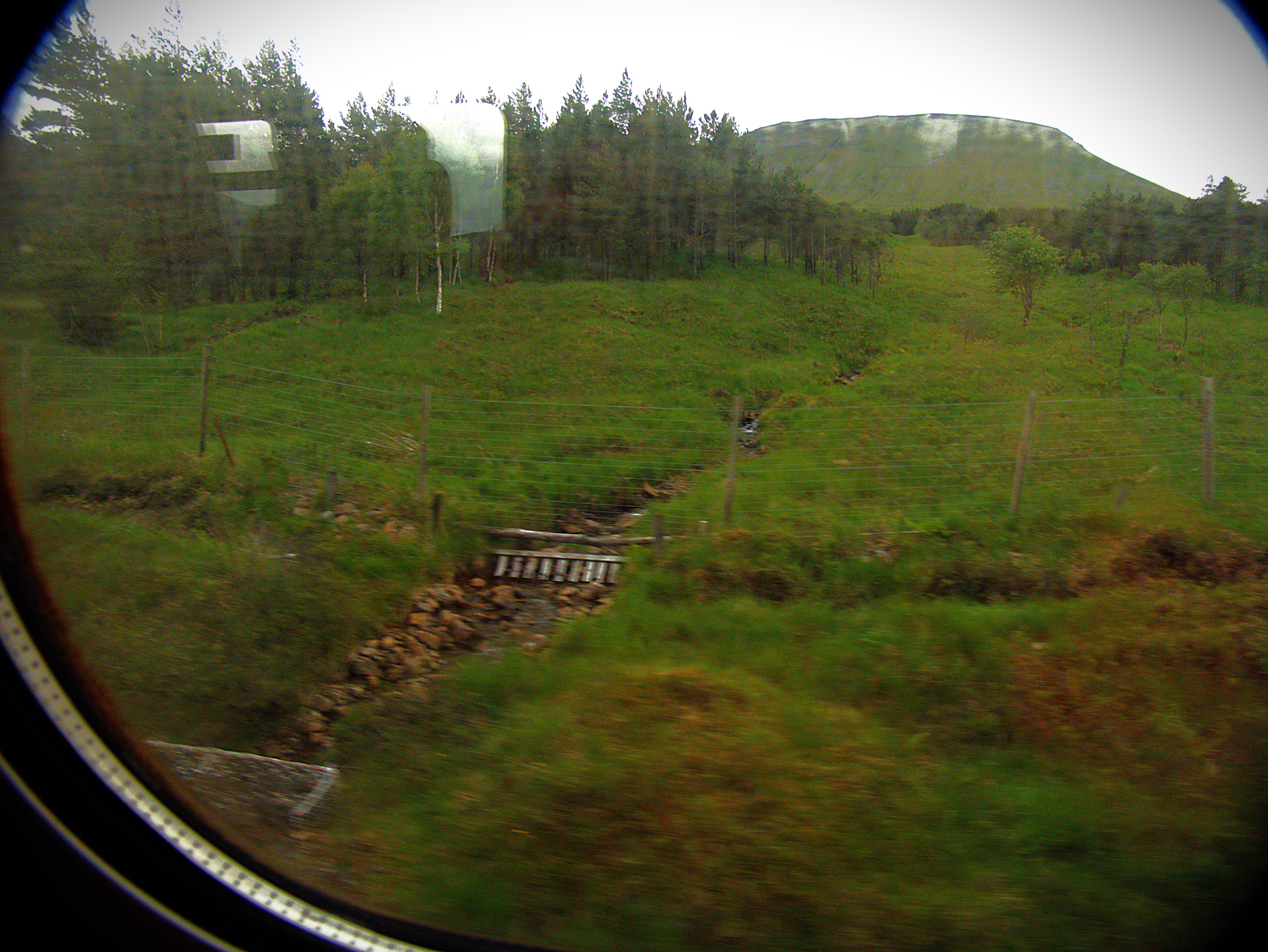
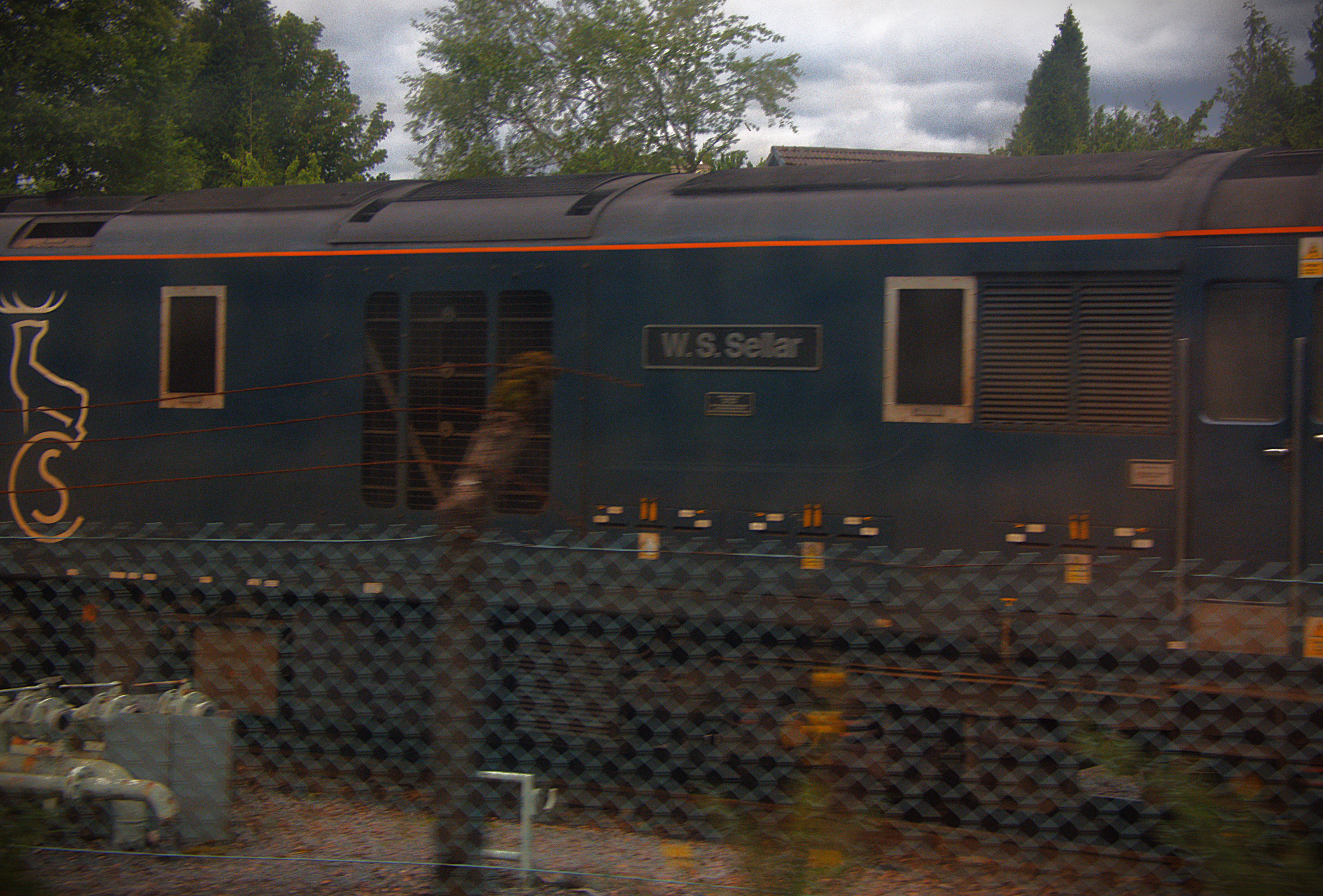
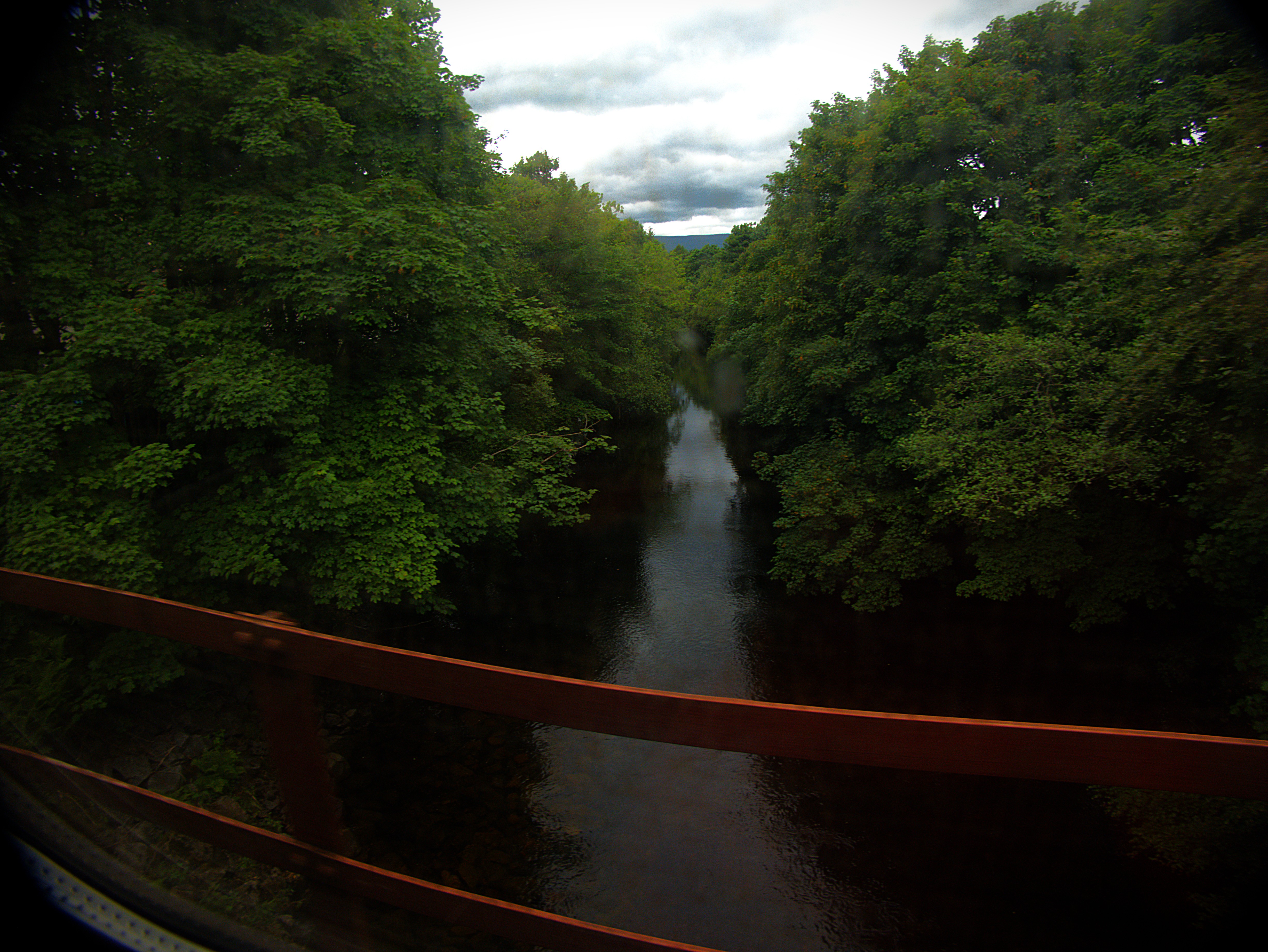
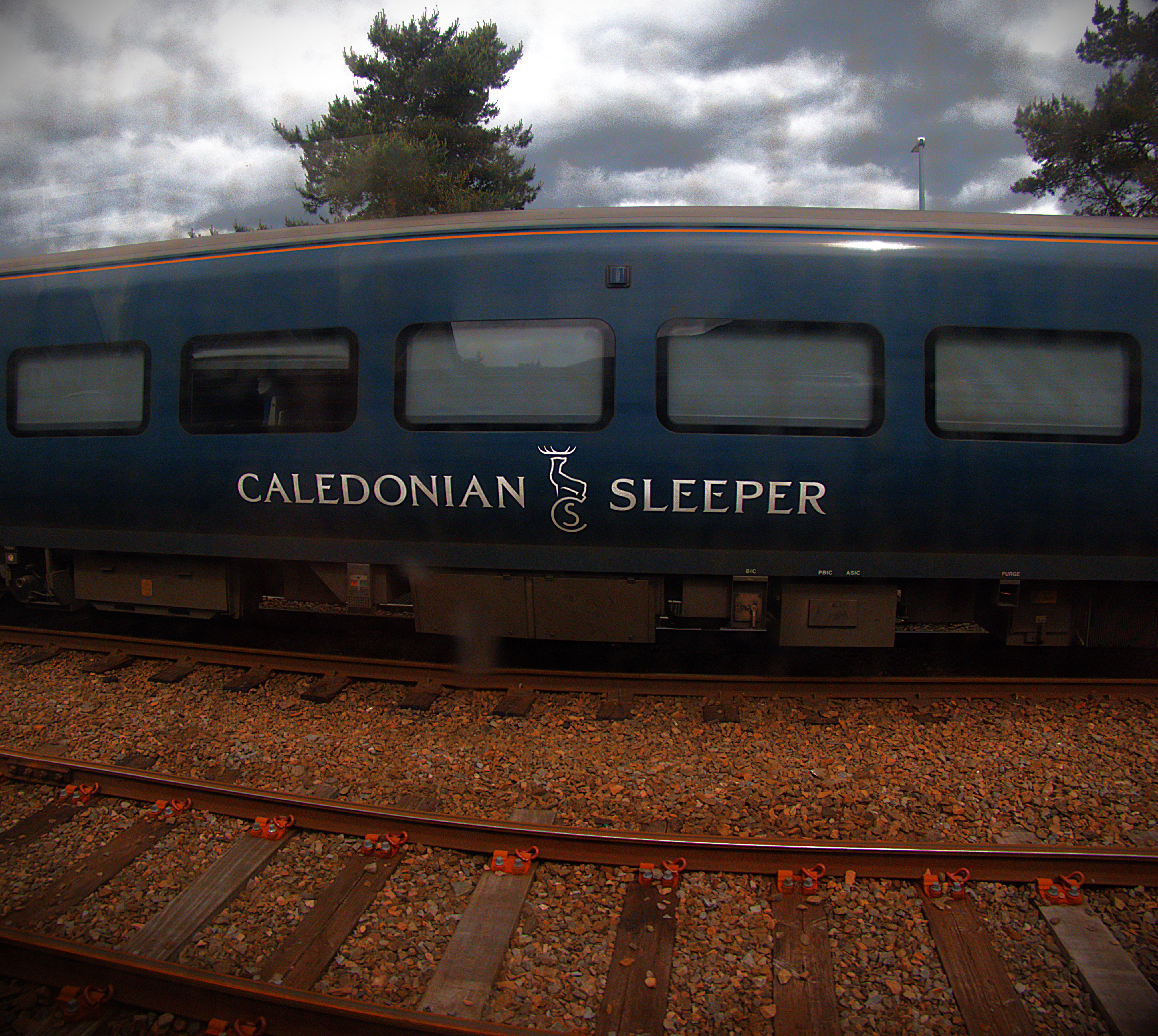
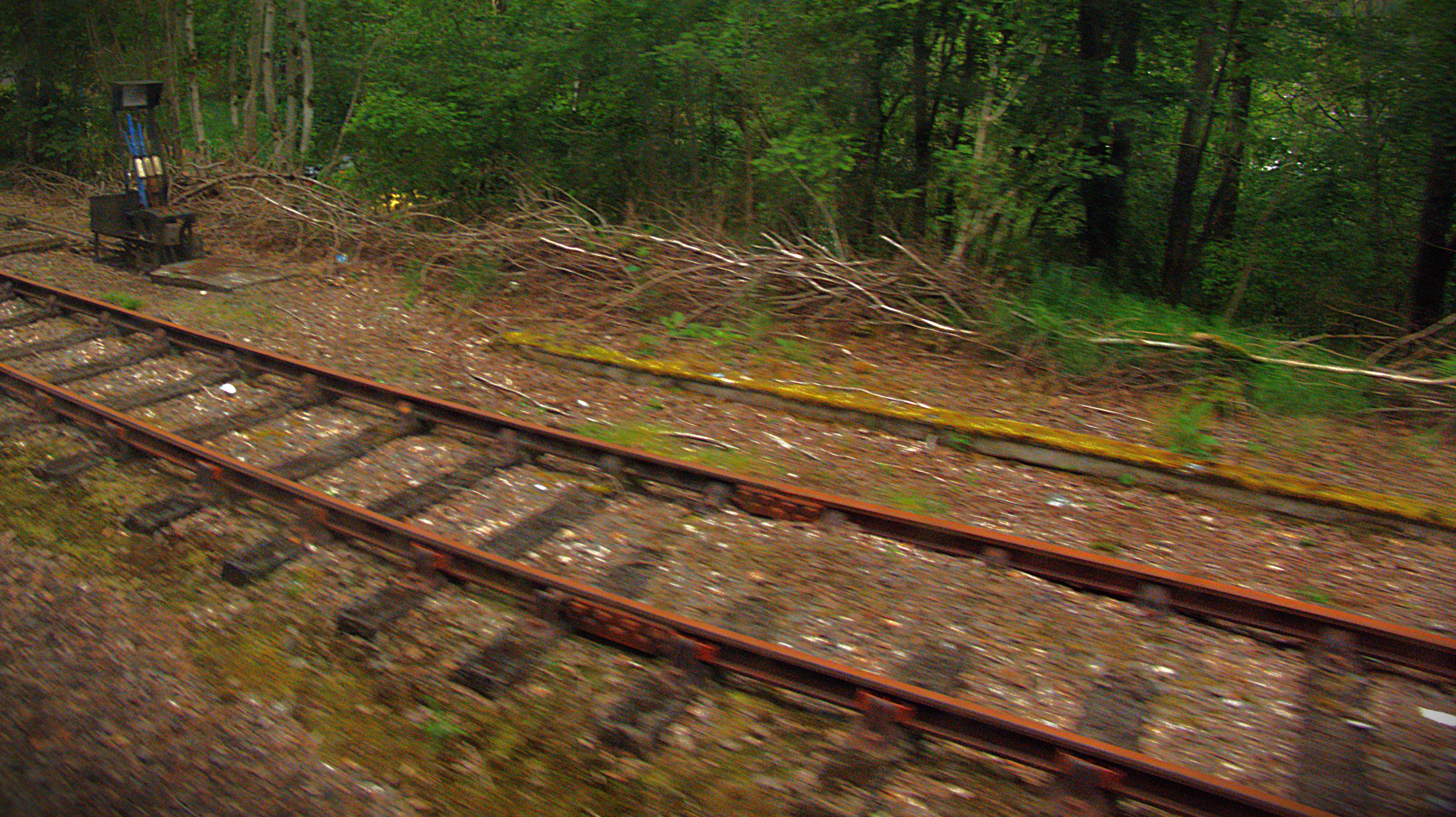
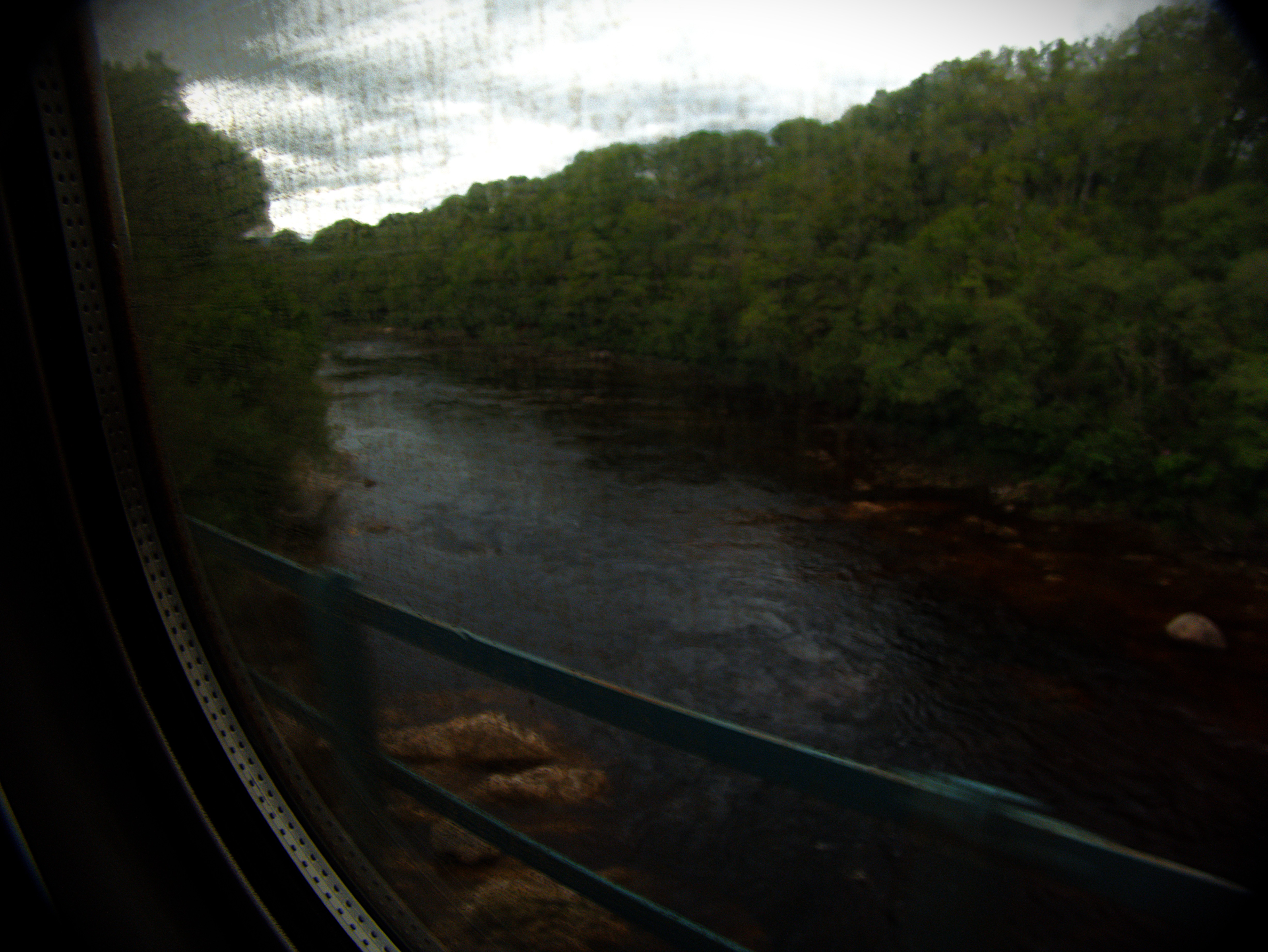
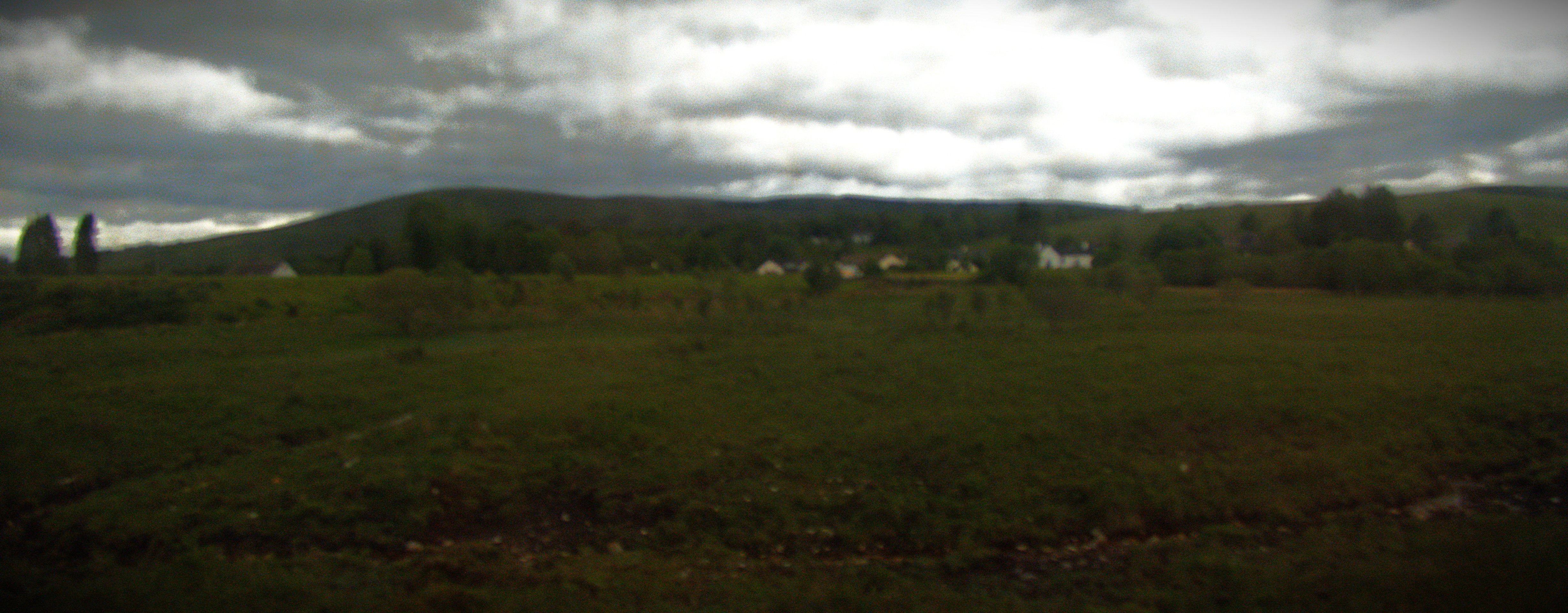
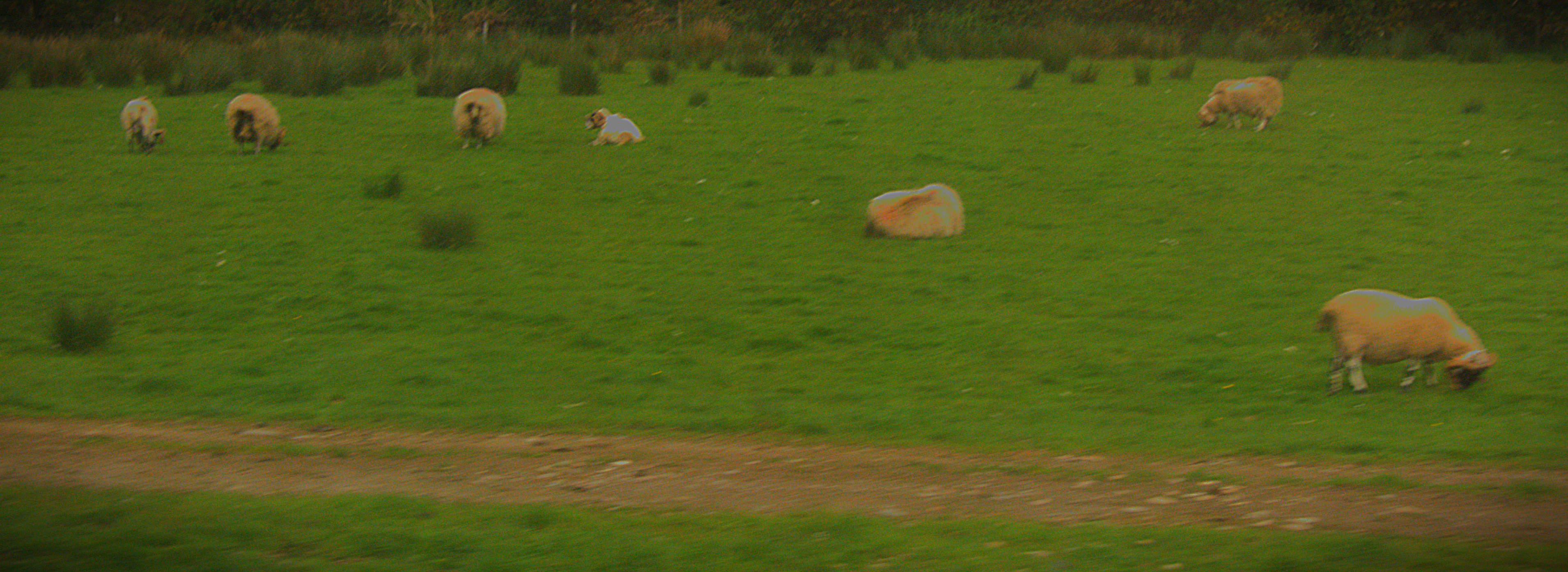
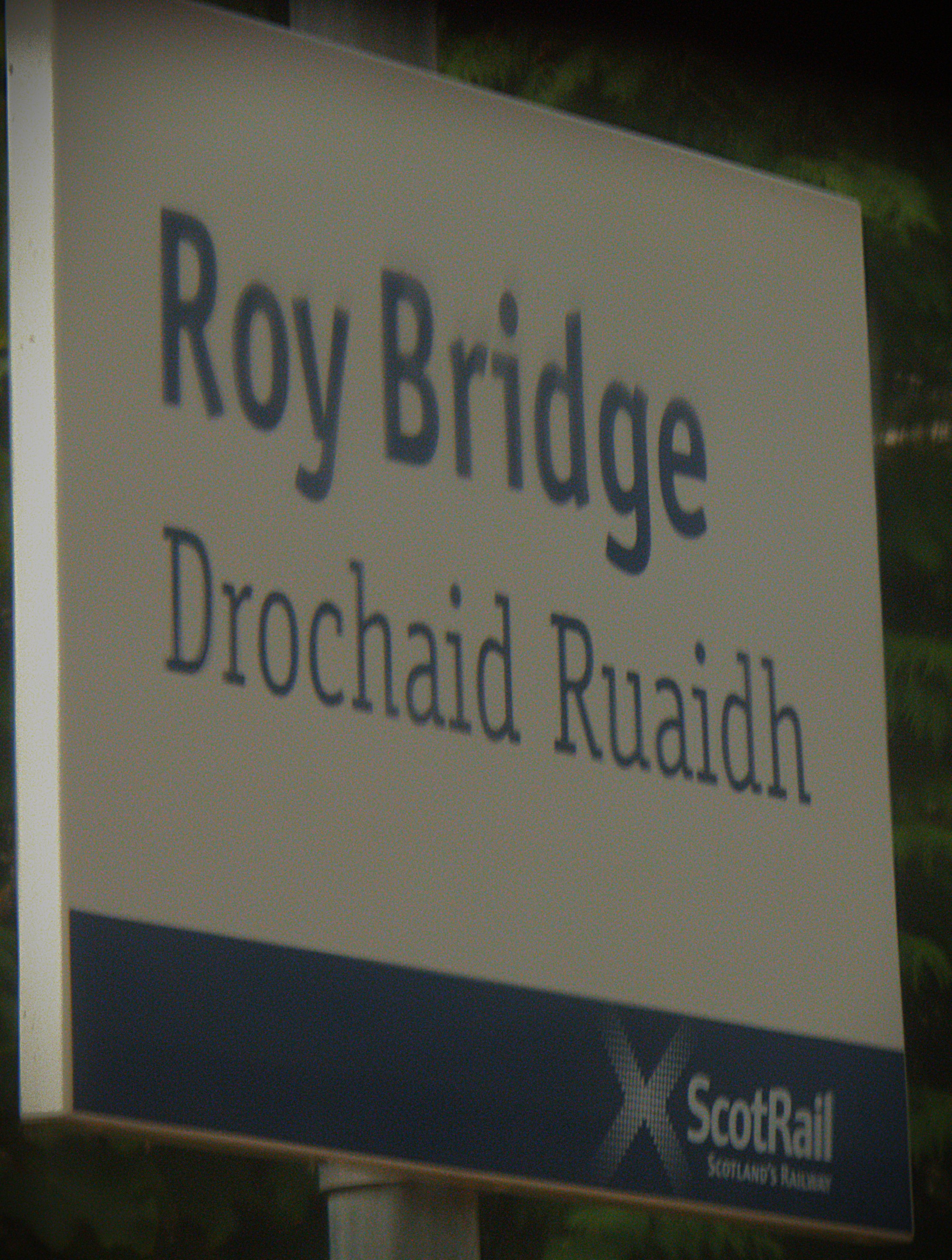
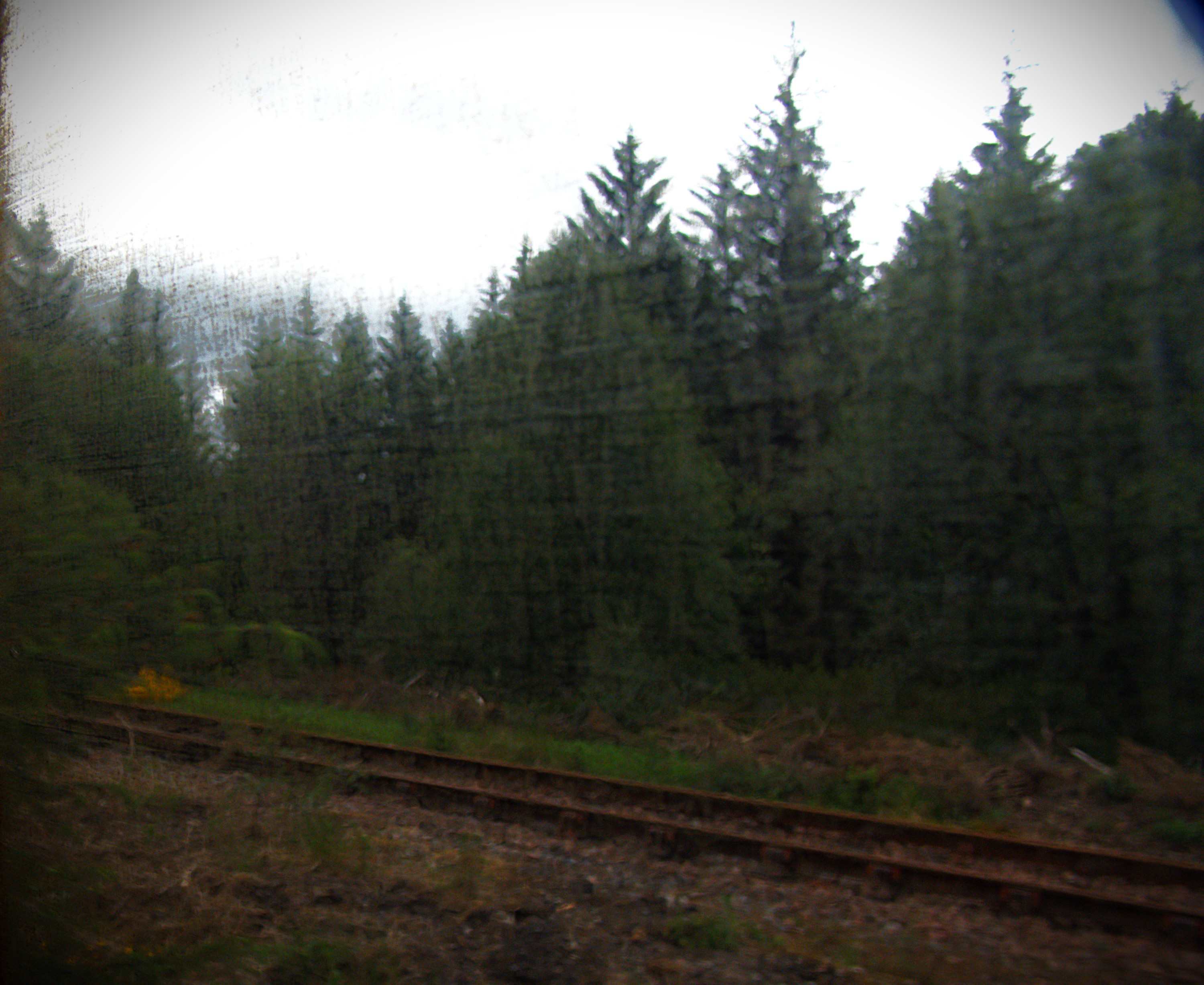
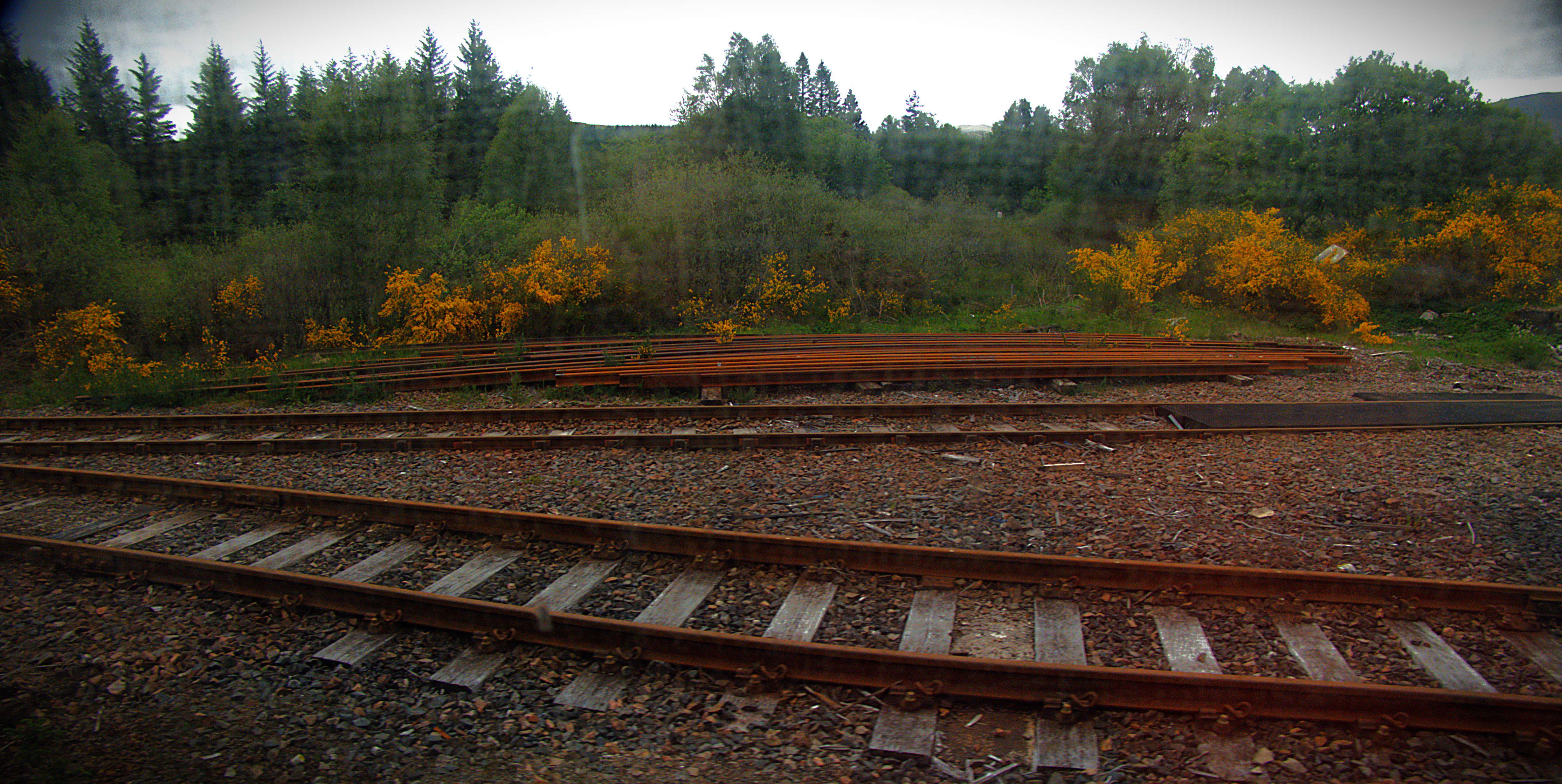
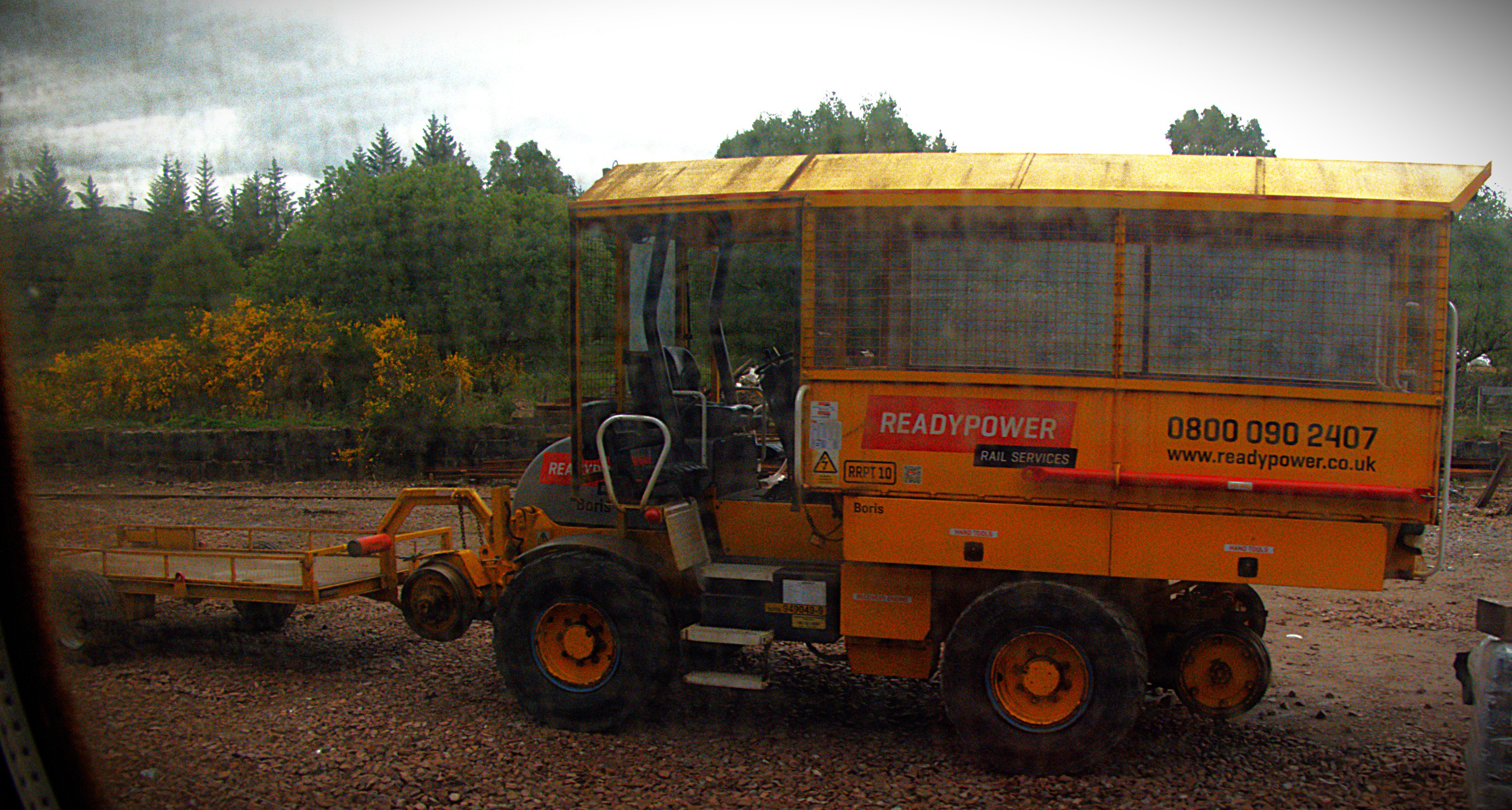
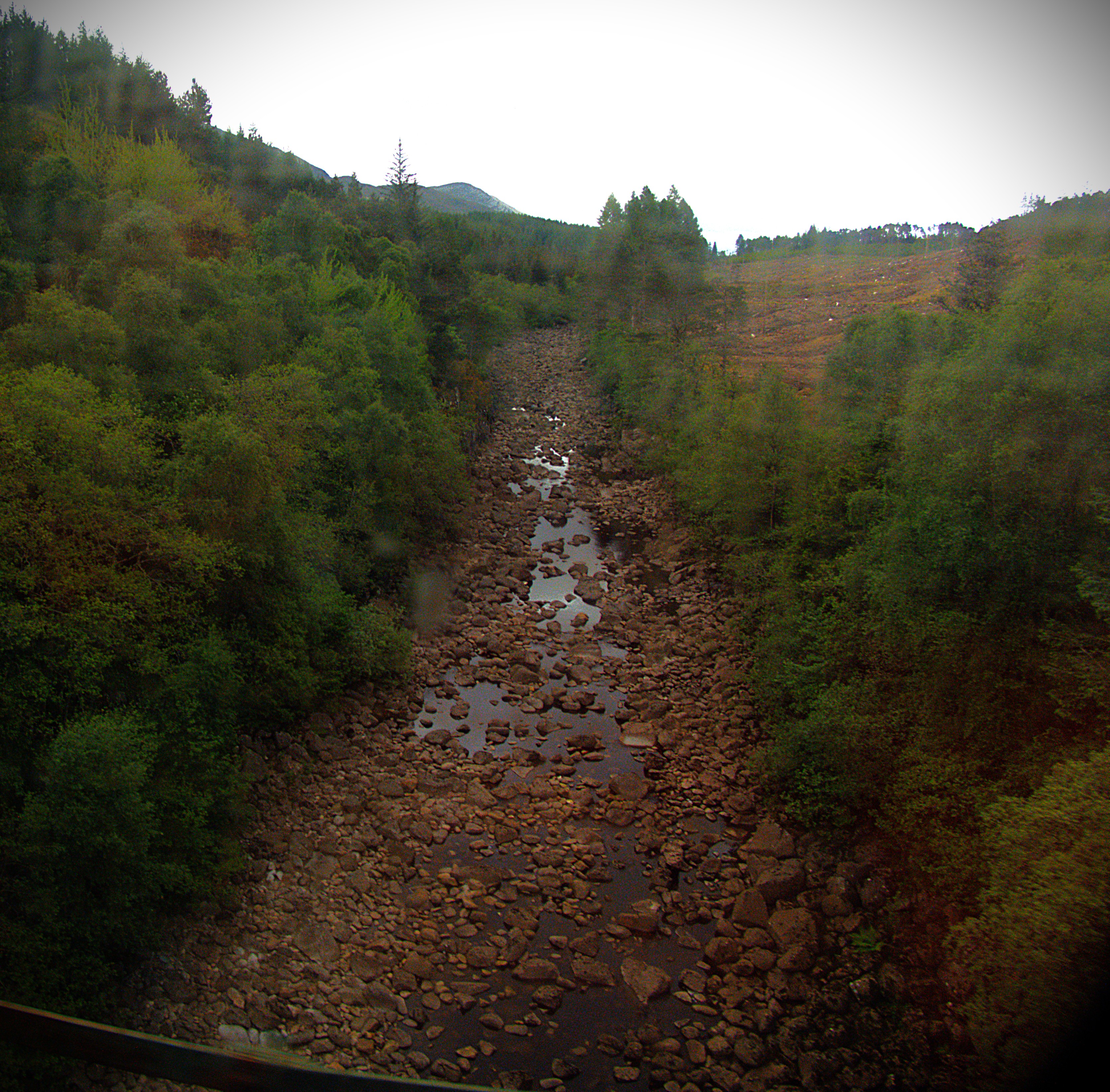
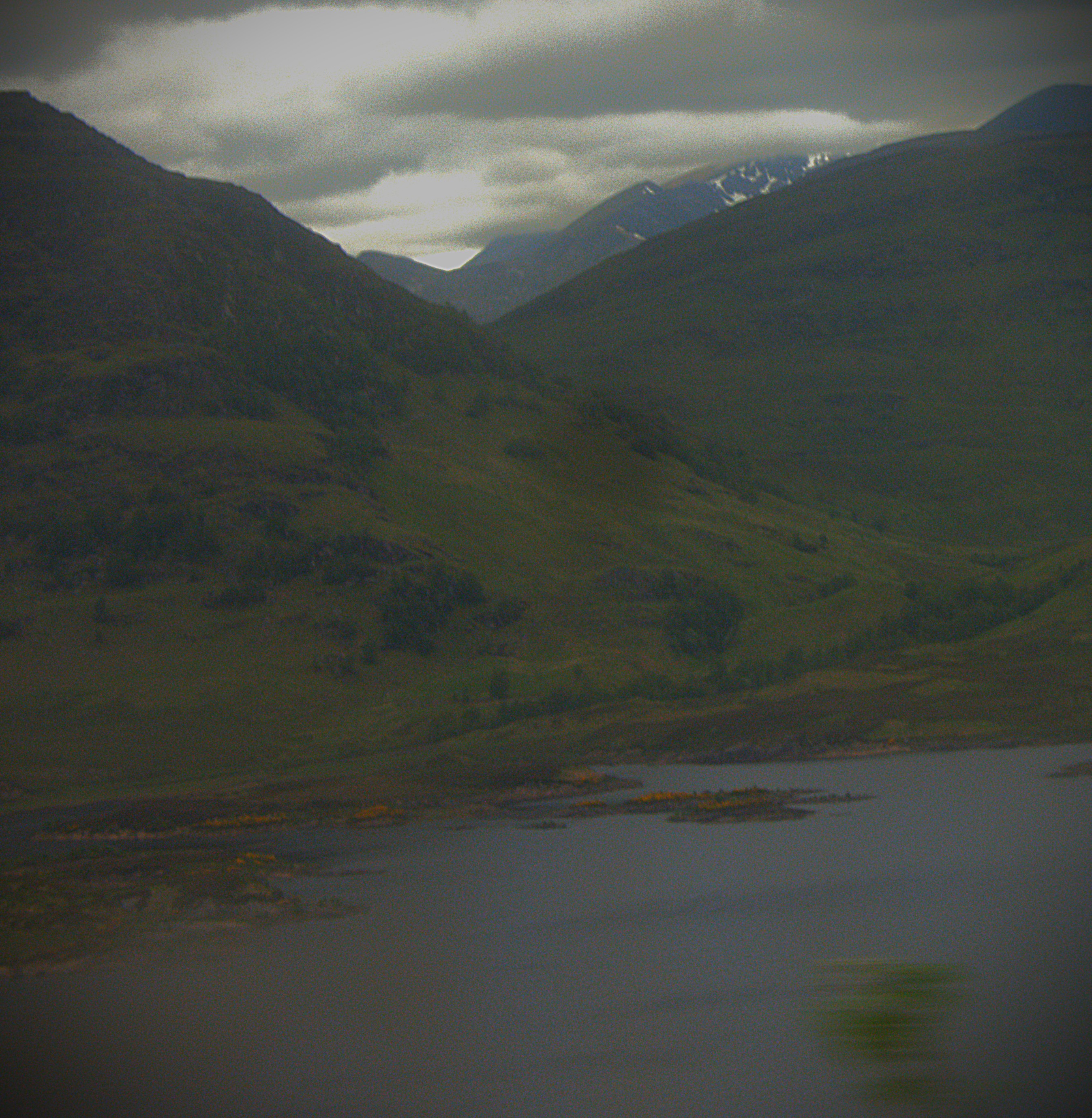
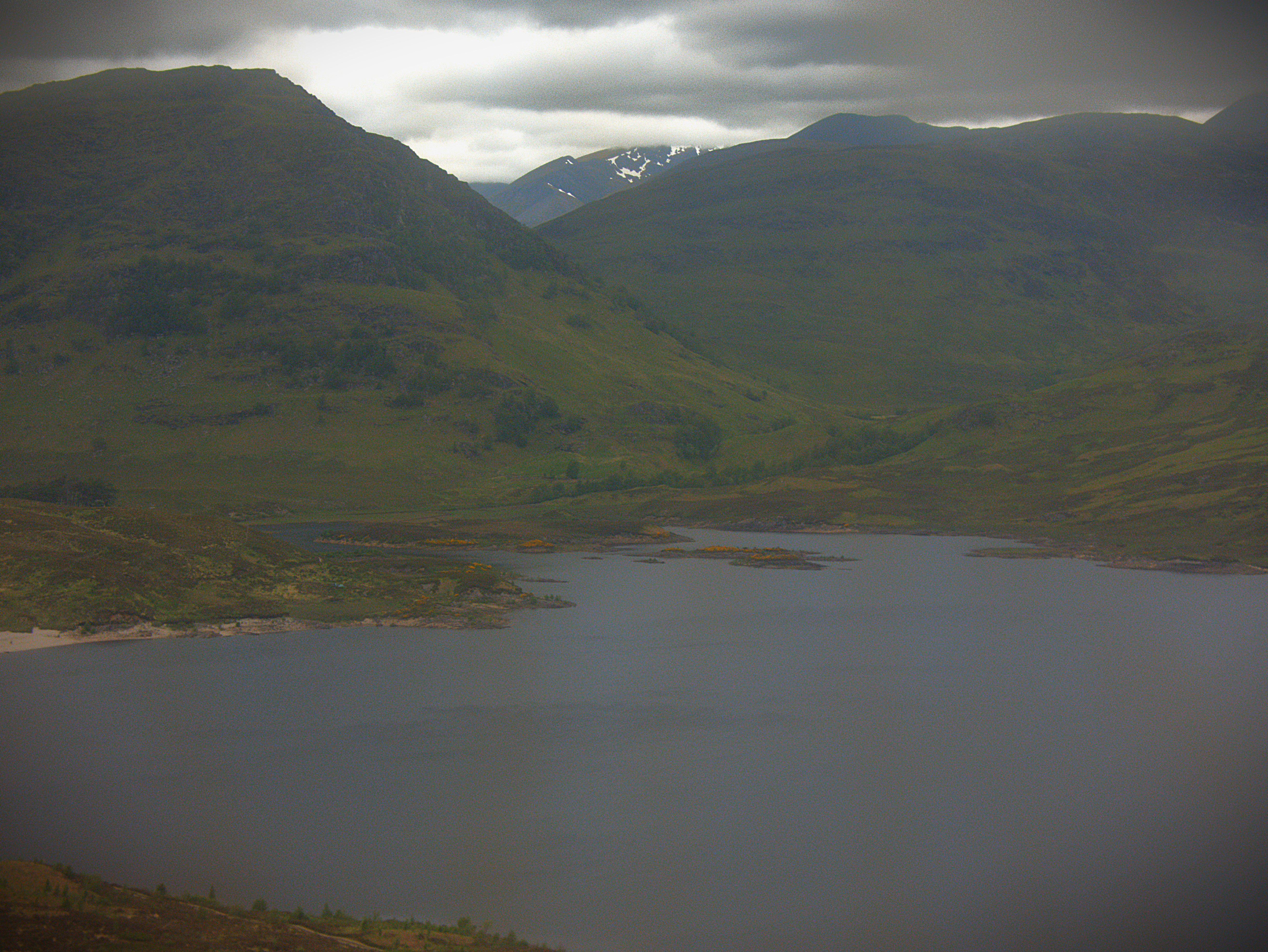
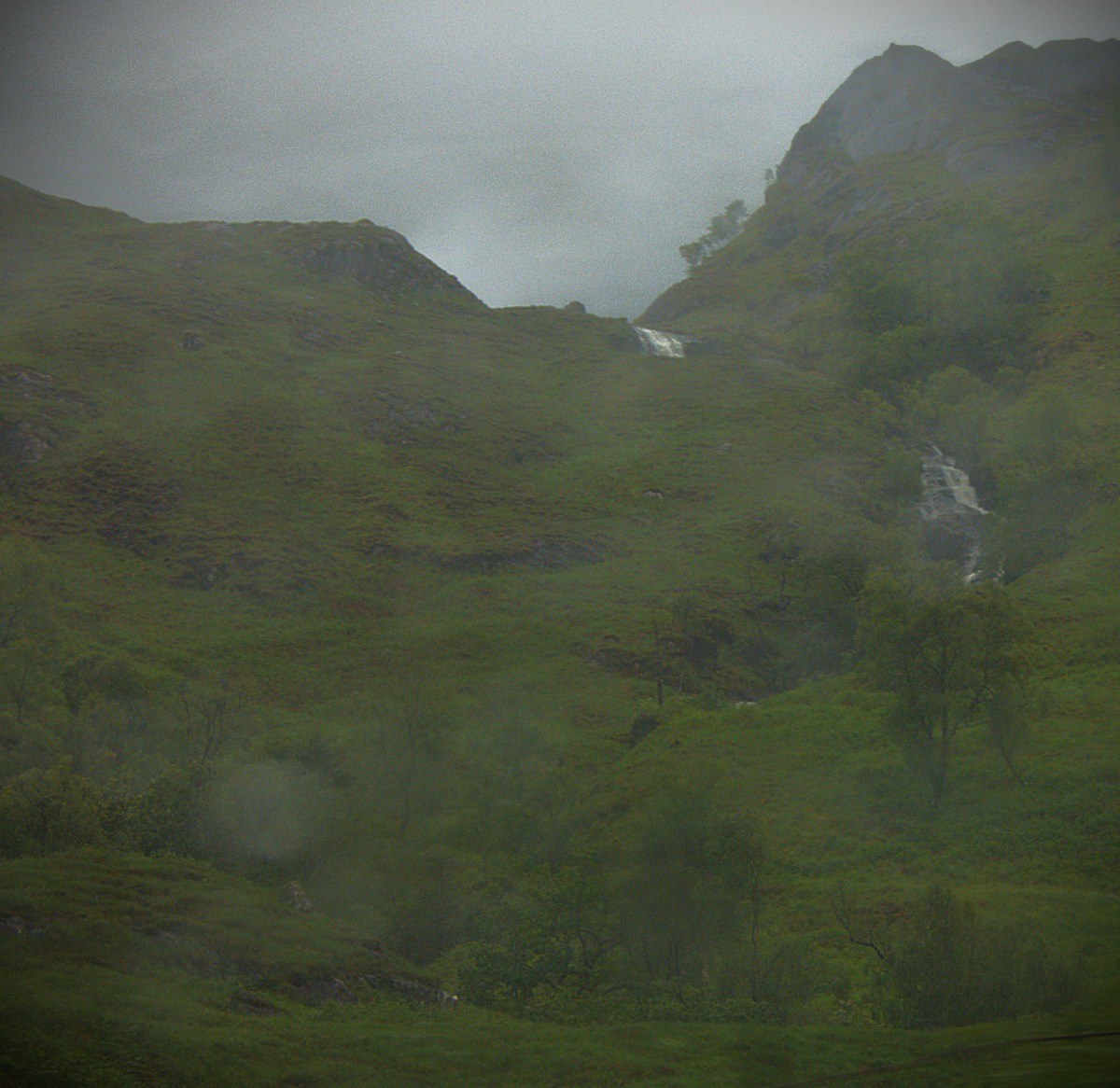
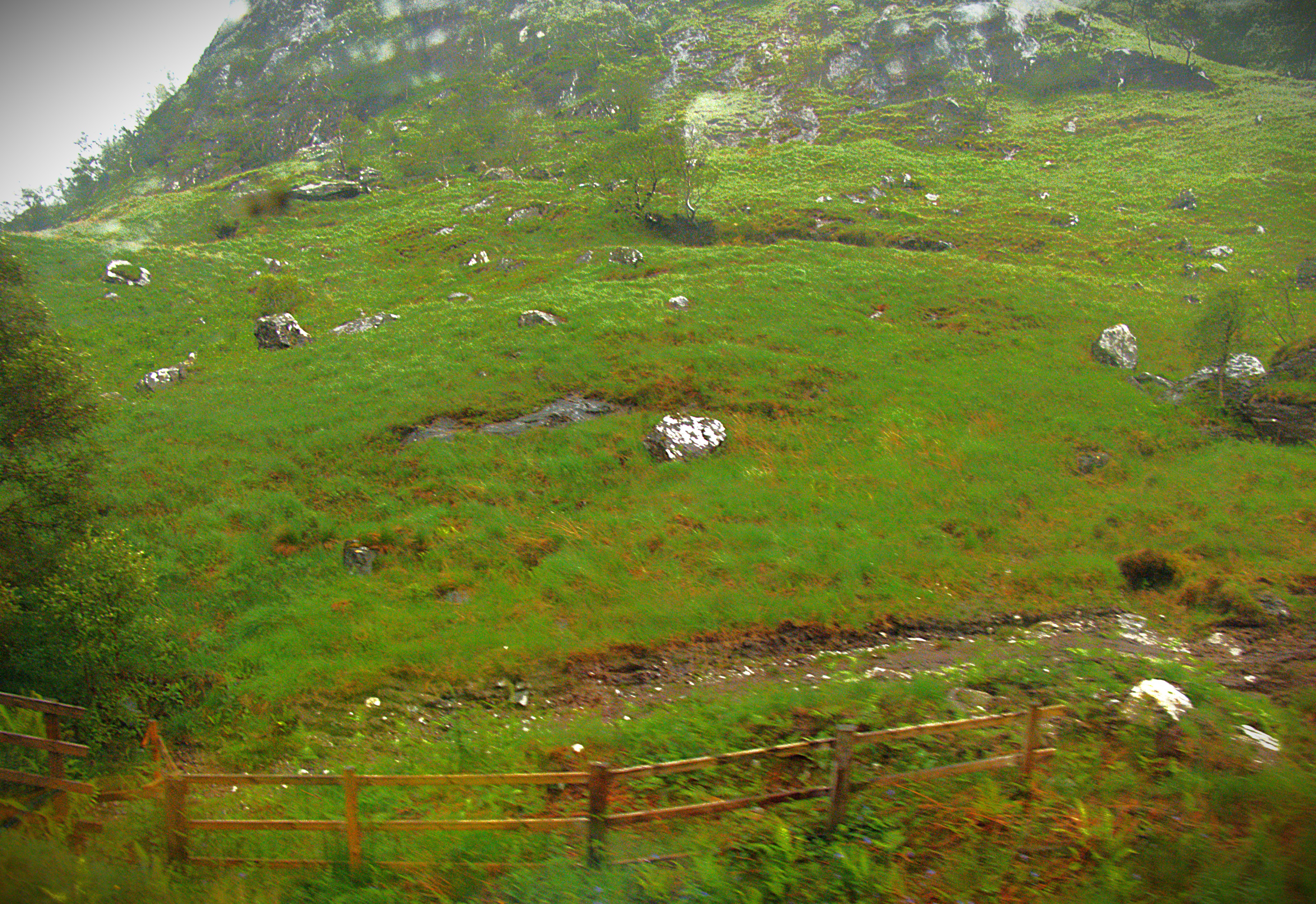
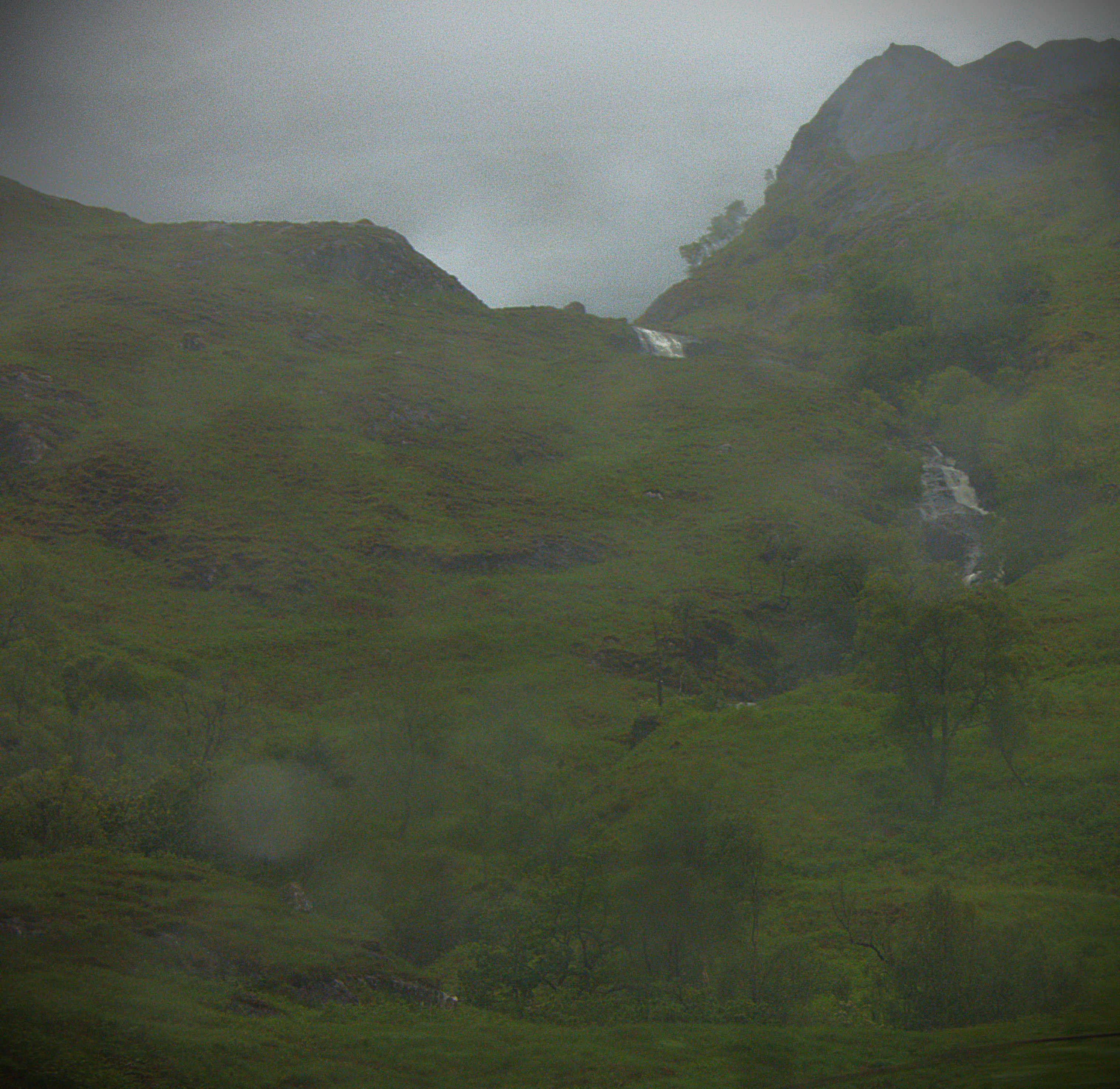
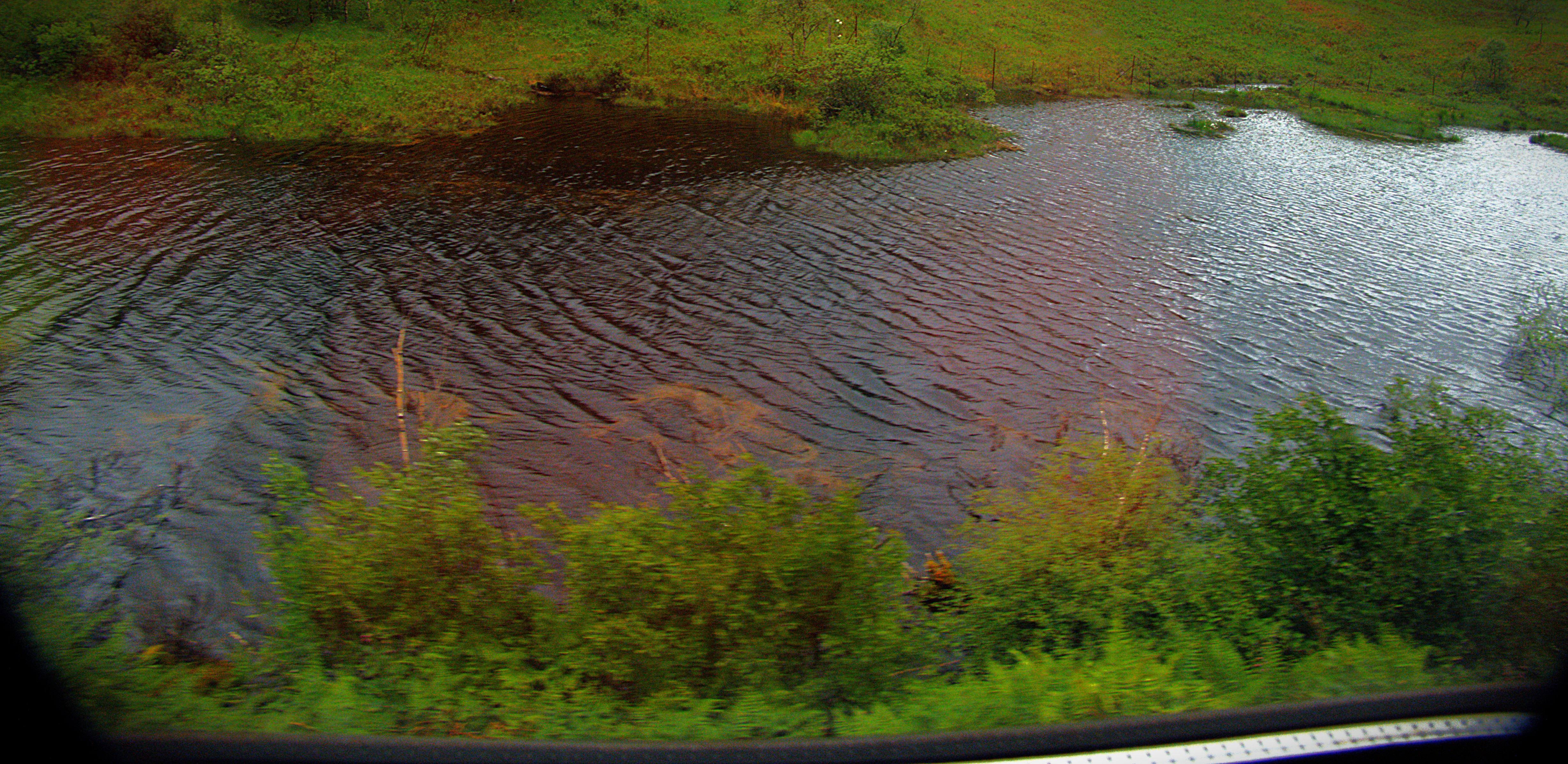
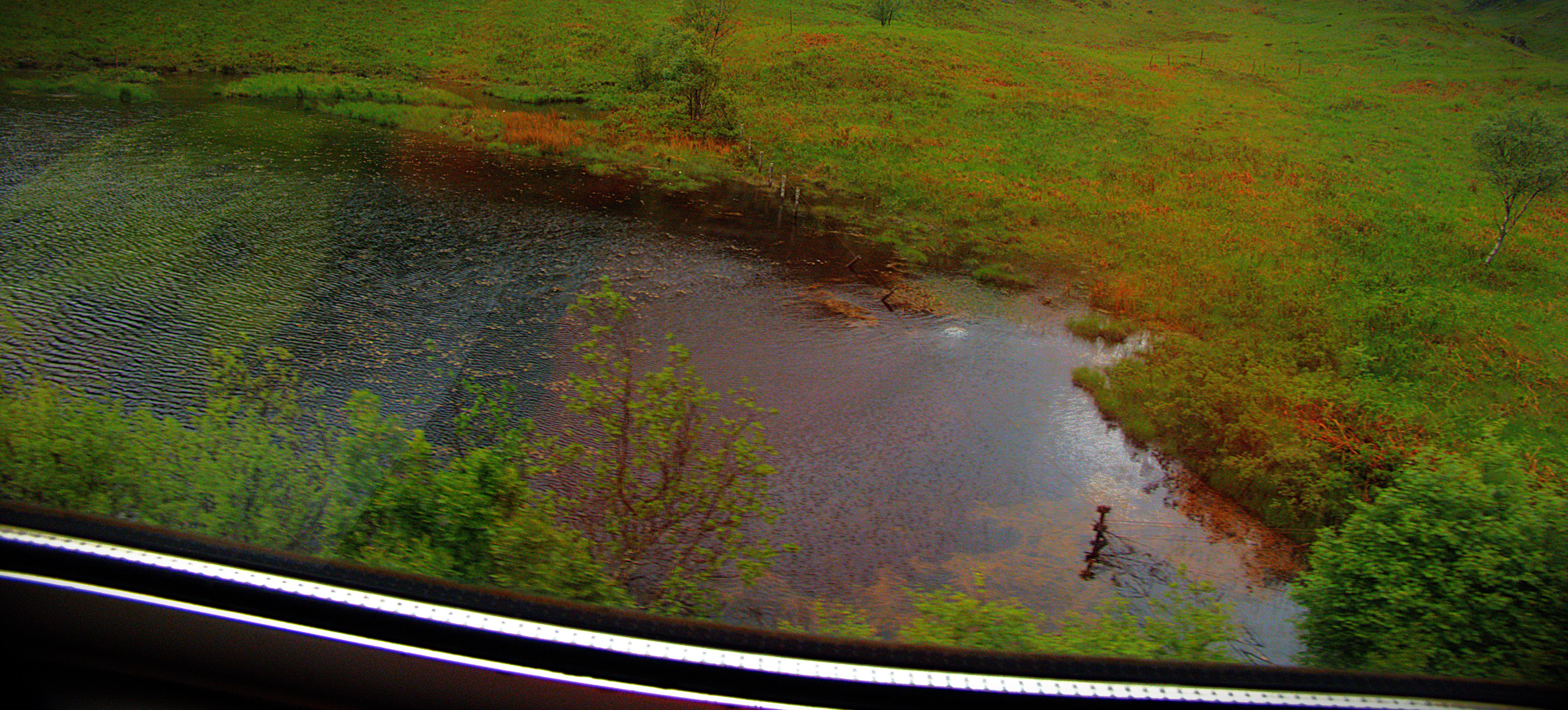
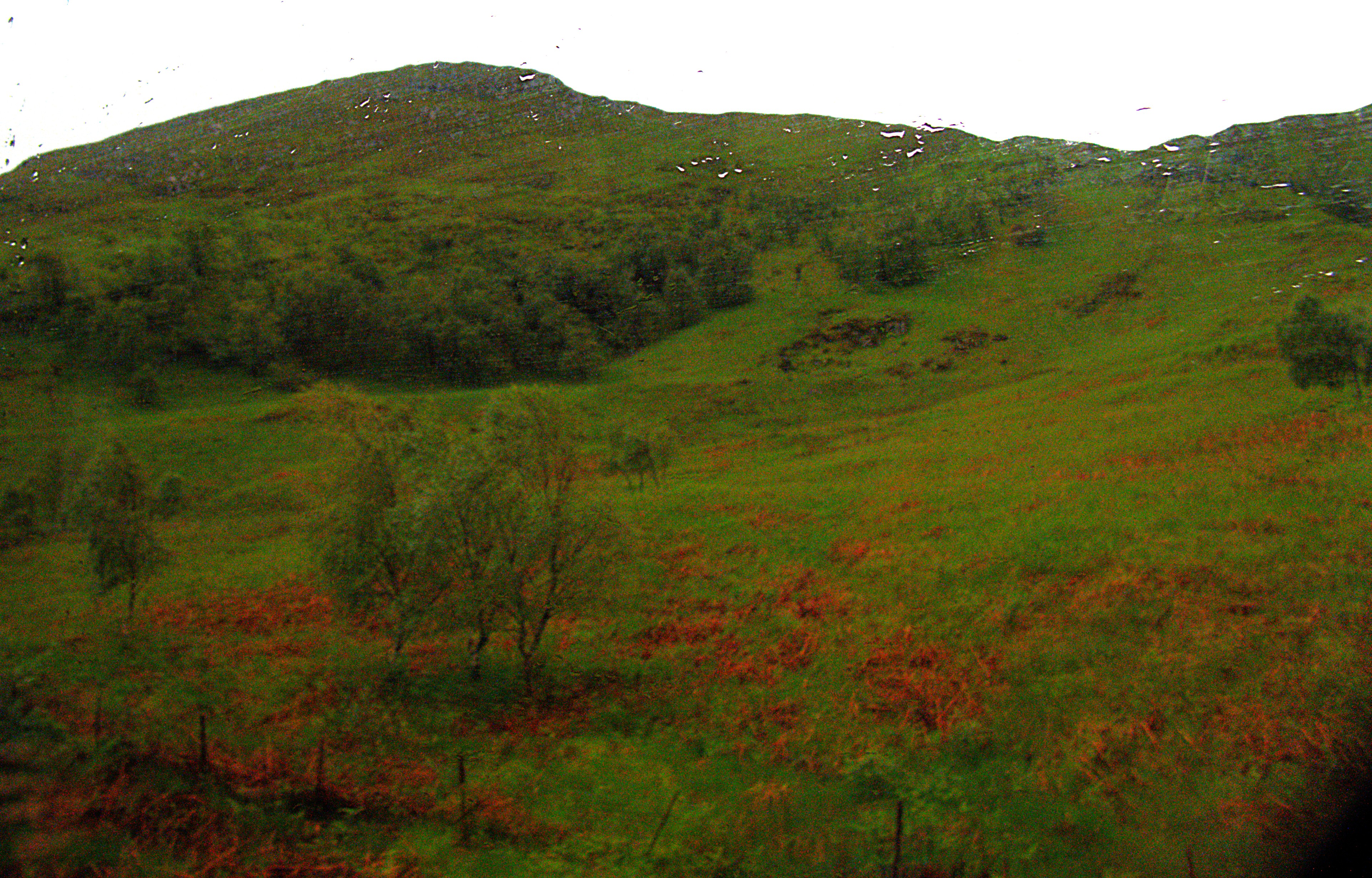
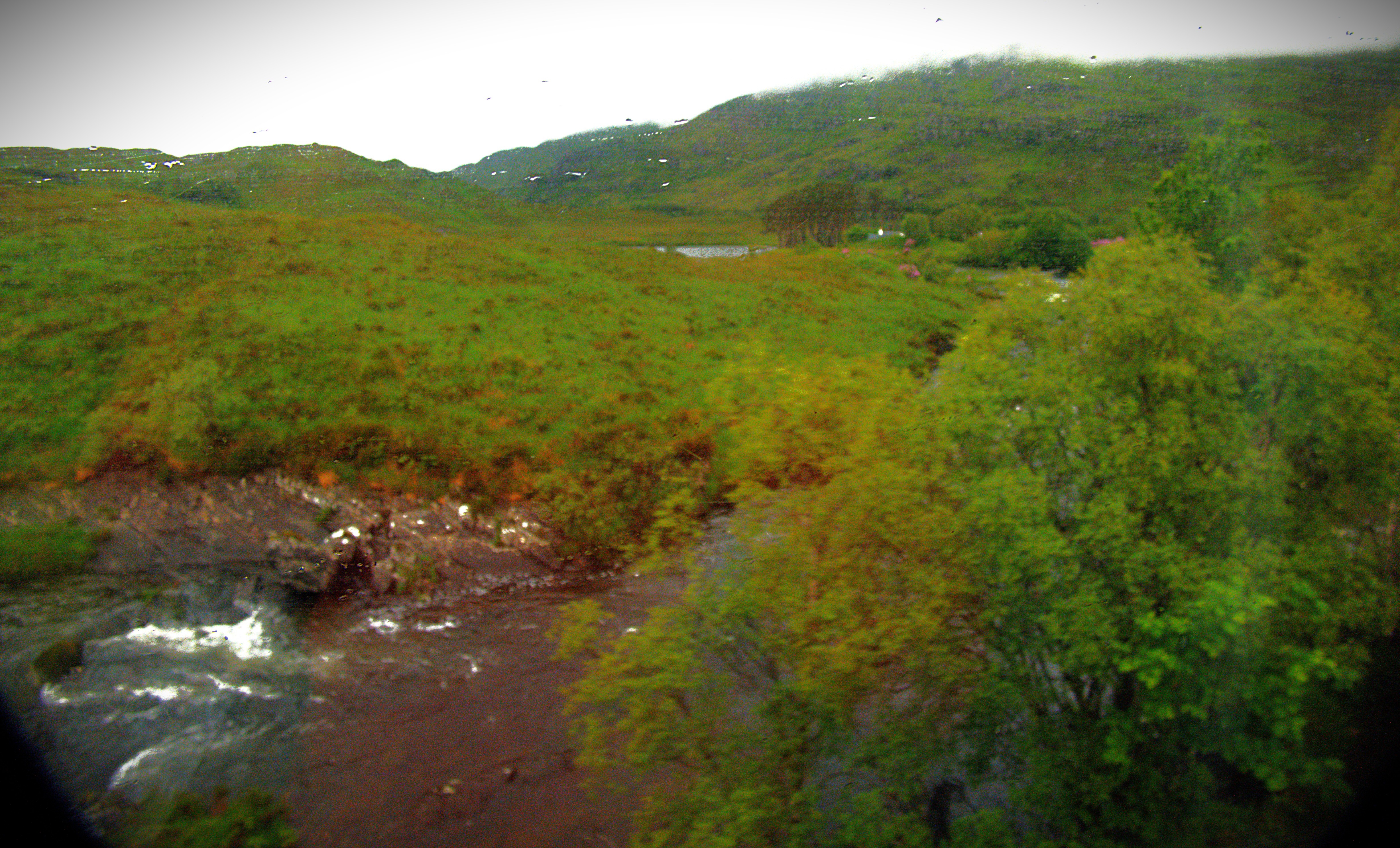
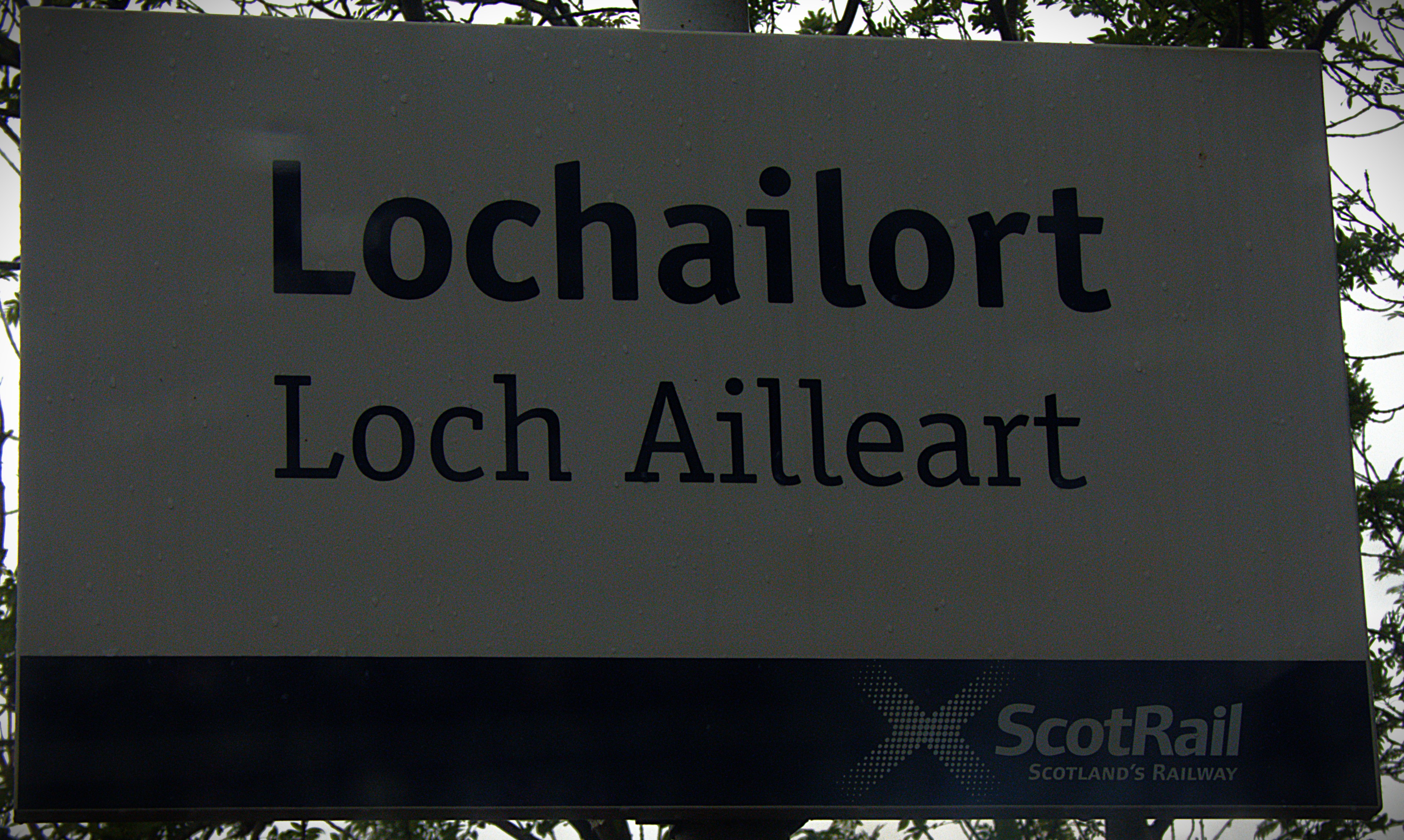
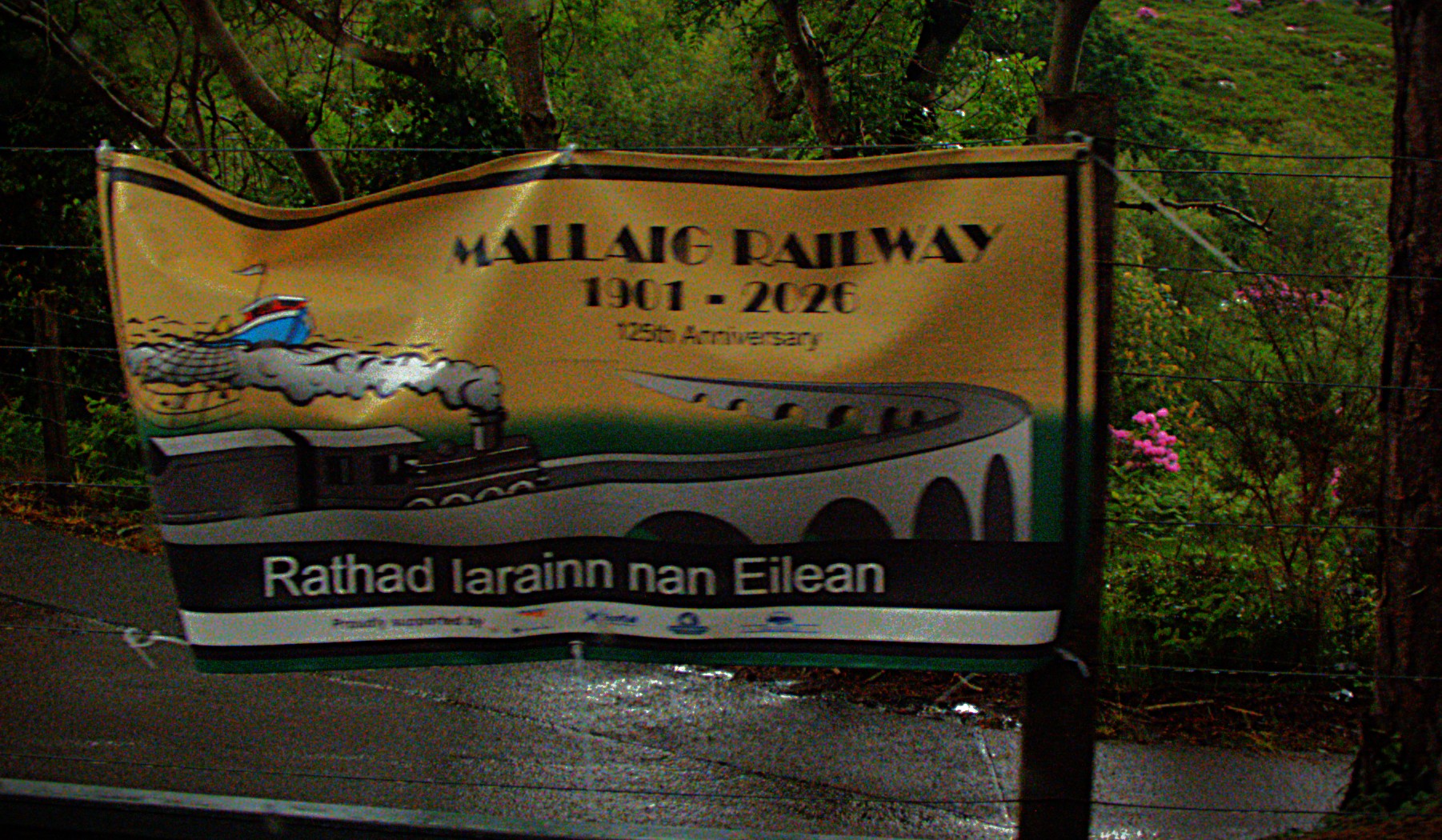
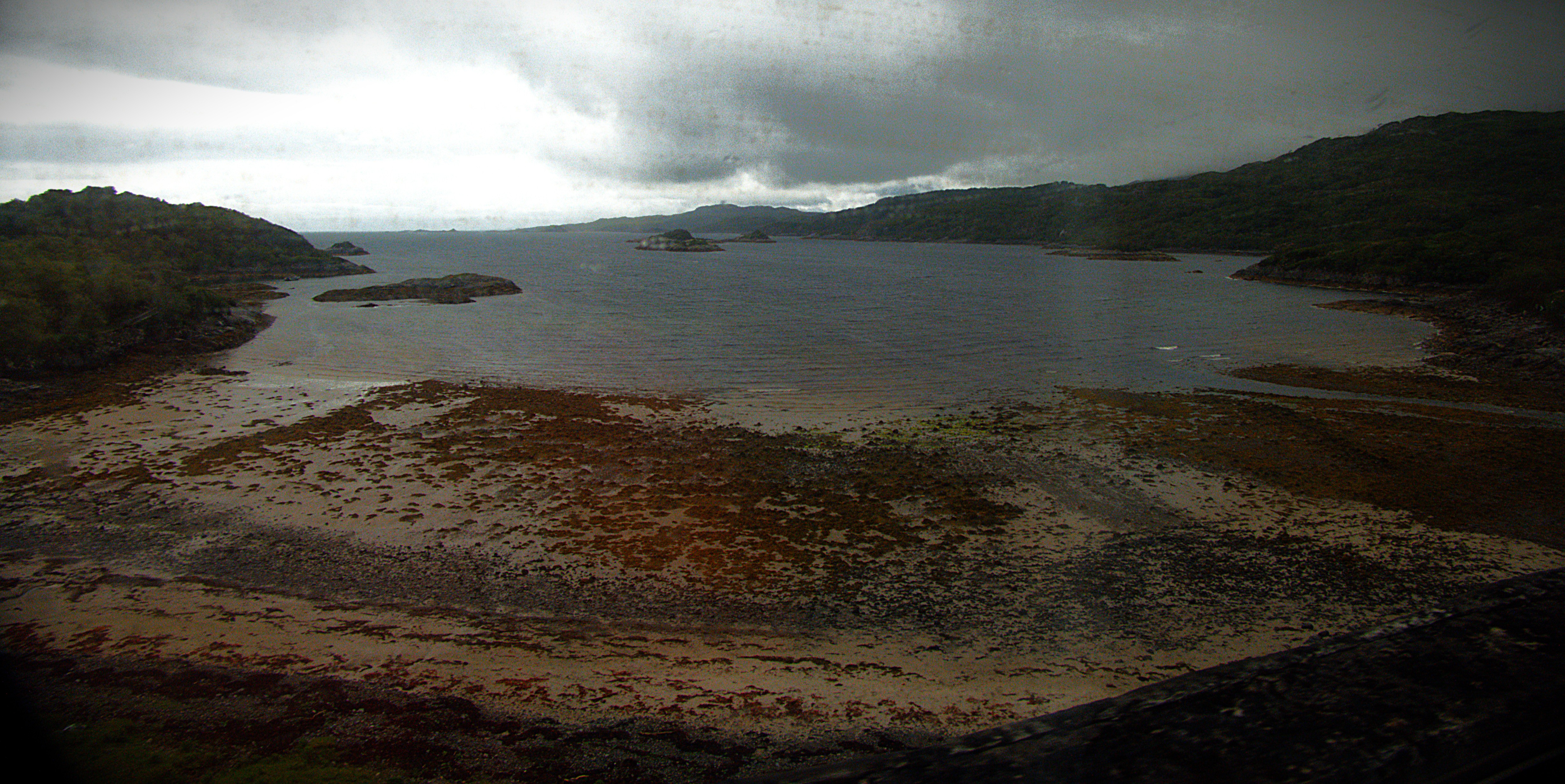
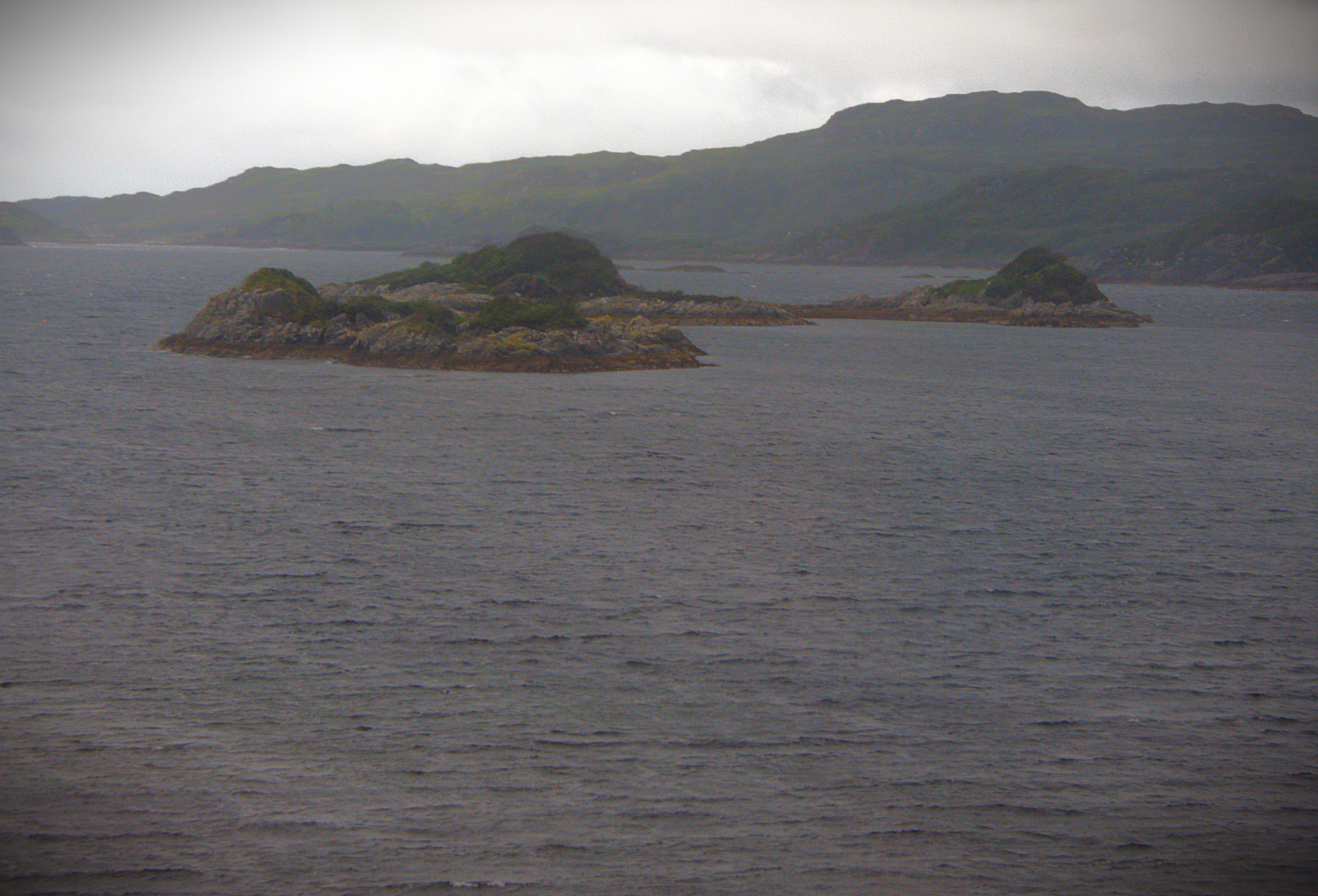
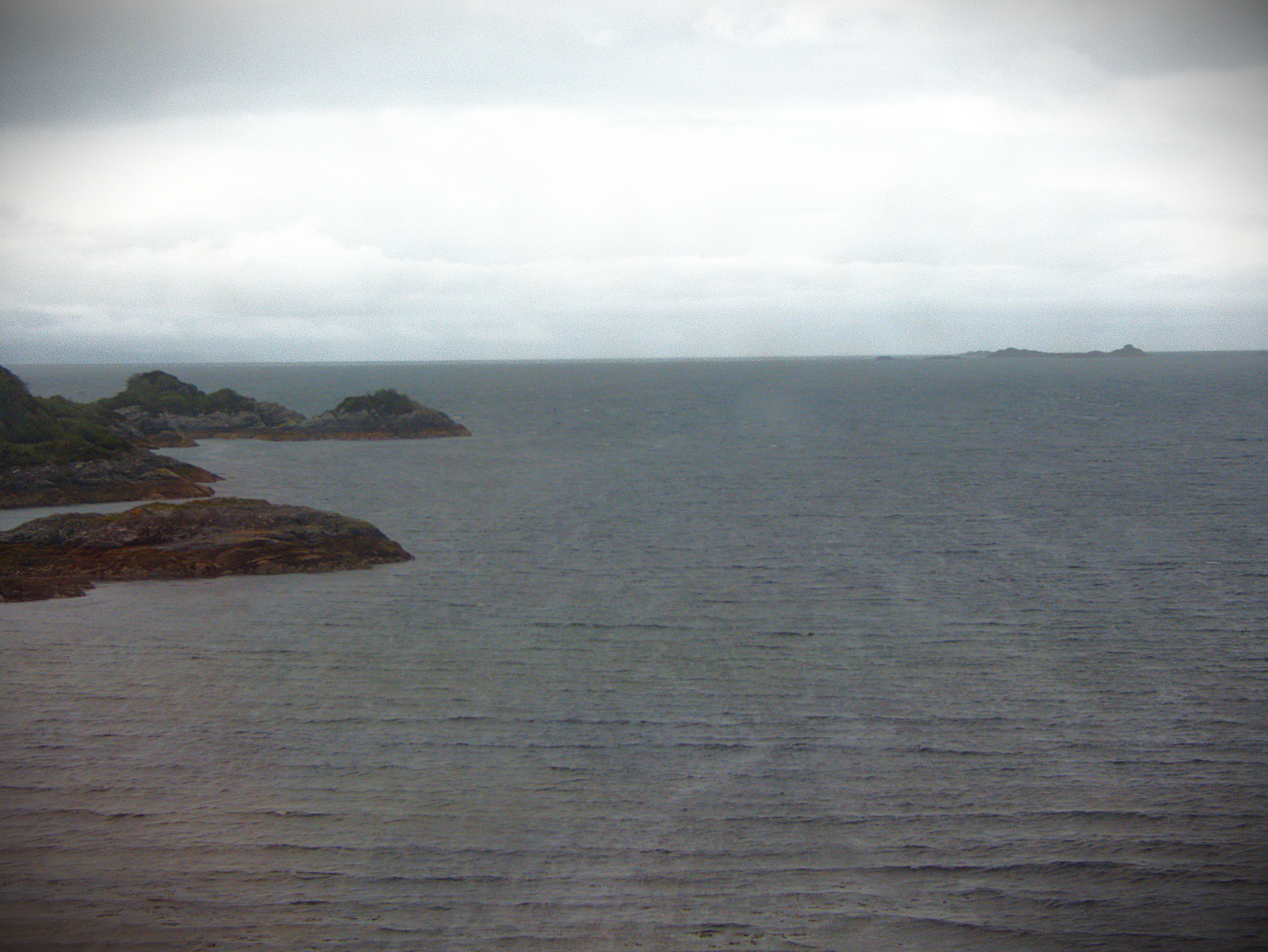
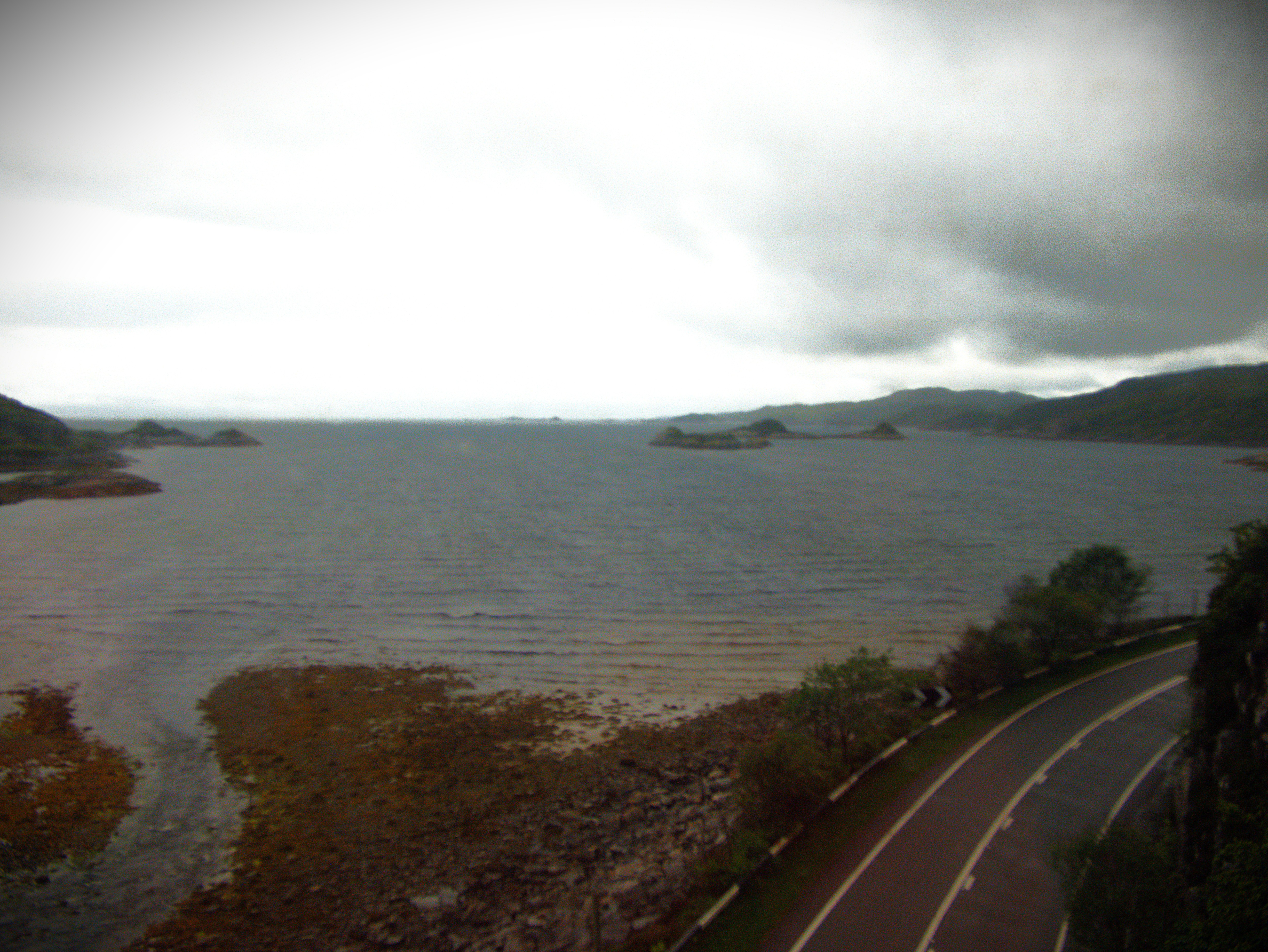
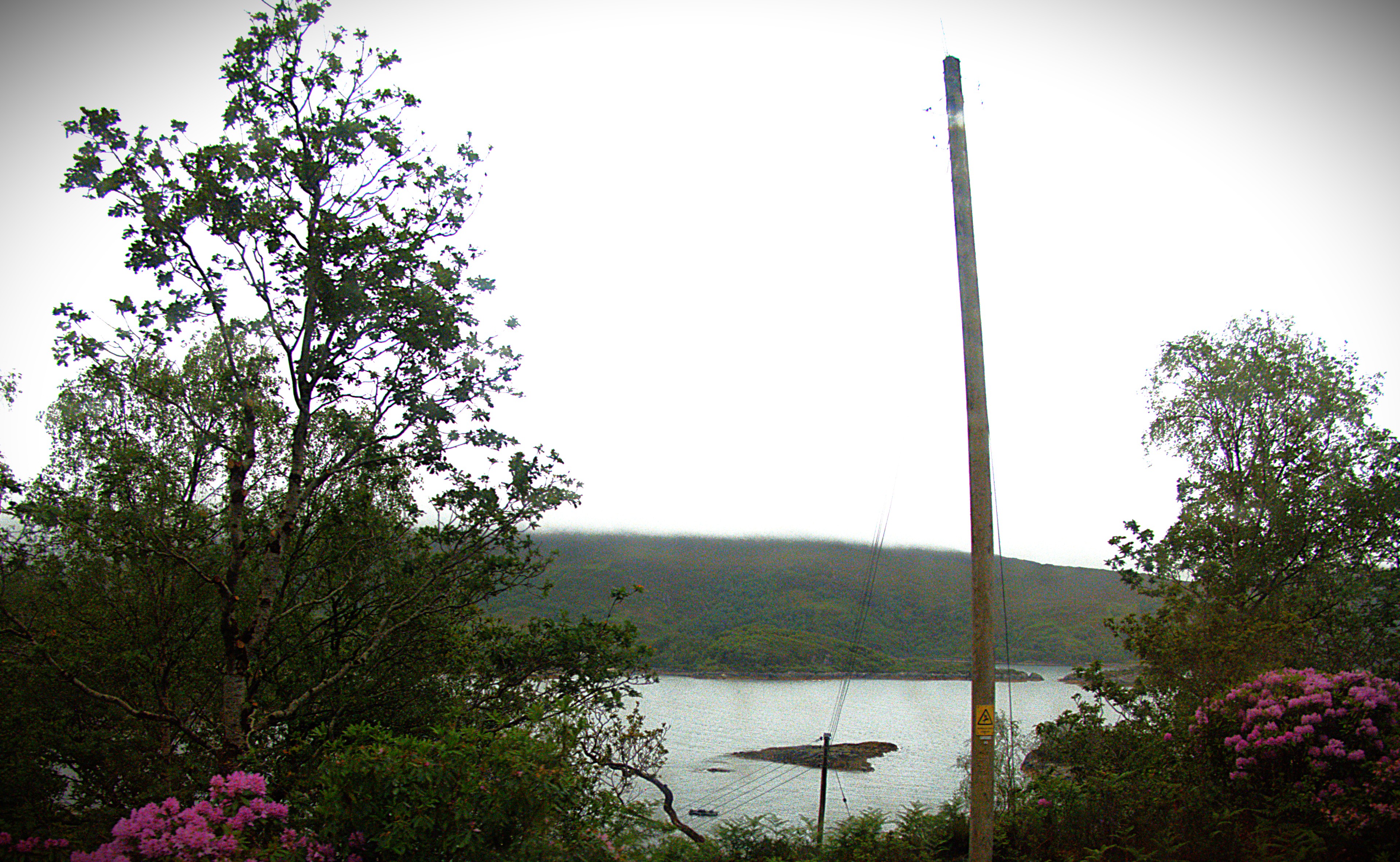
Here are the pictures from the journey back to Arisaig…
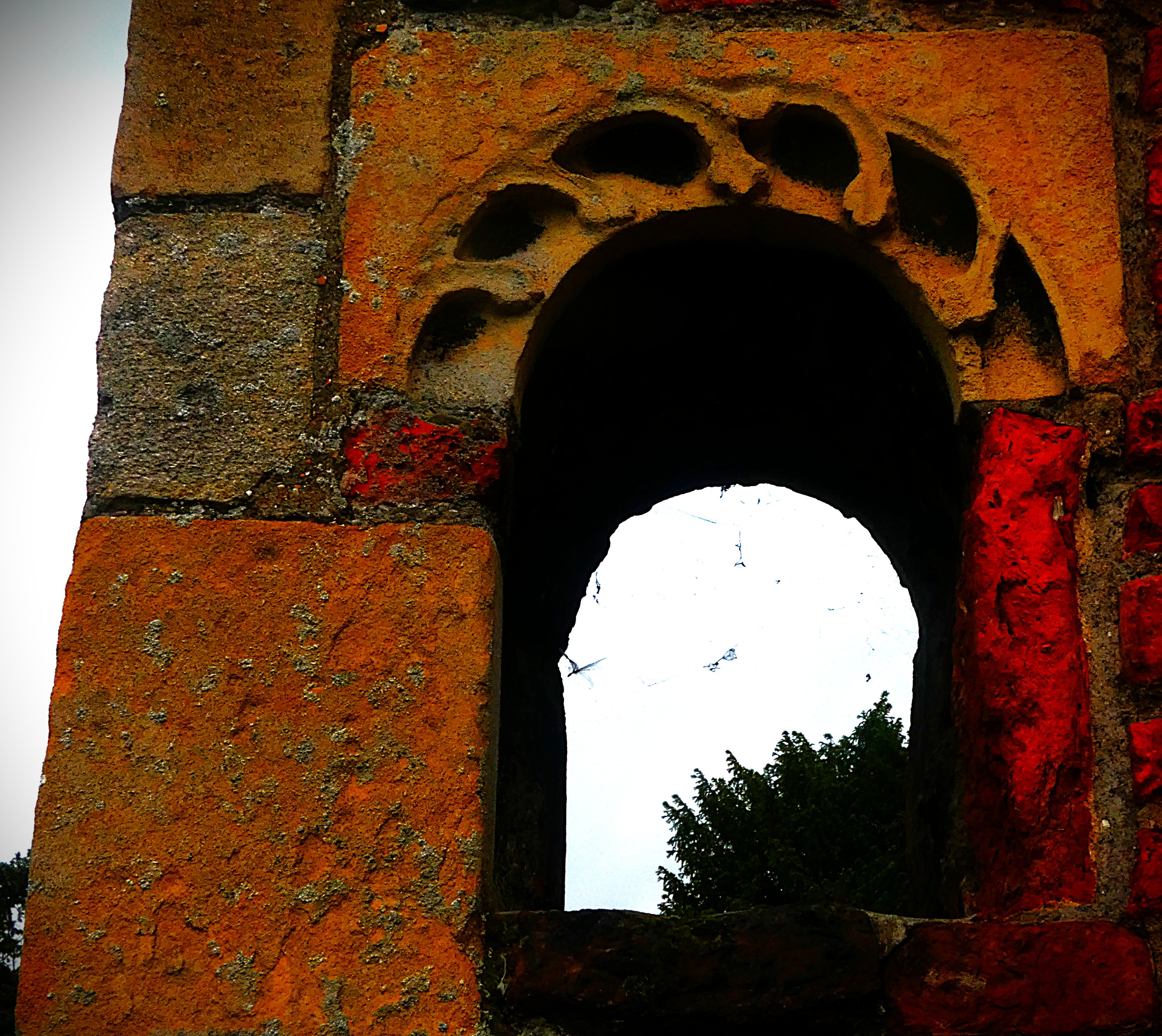
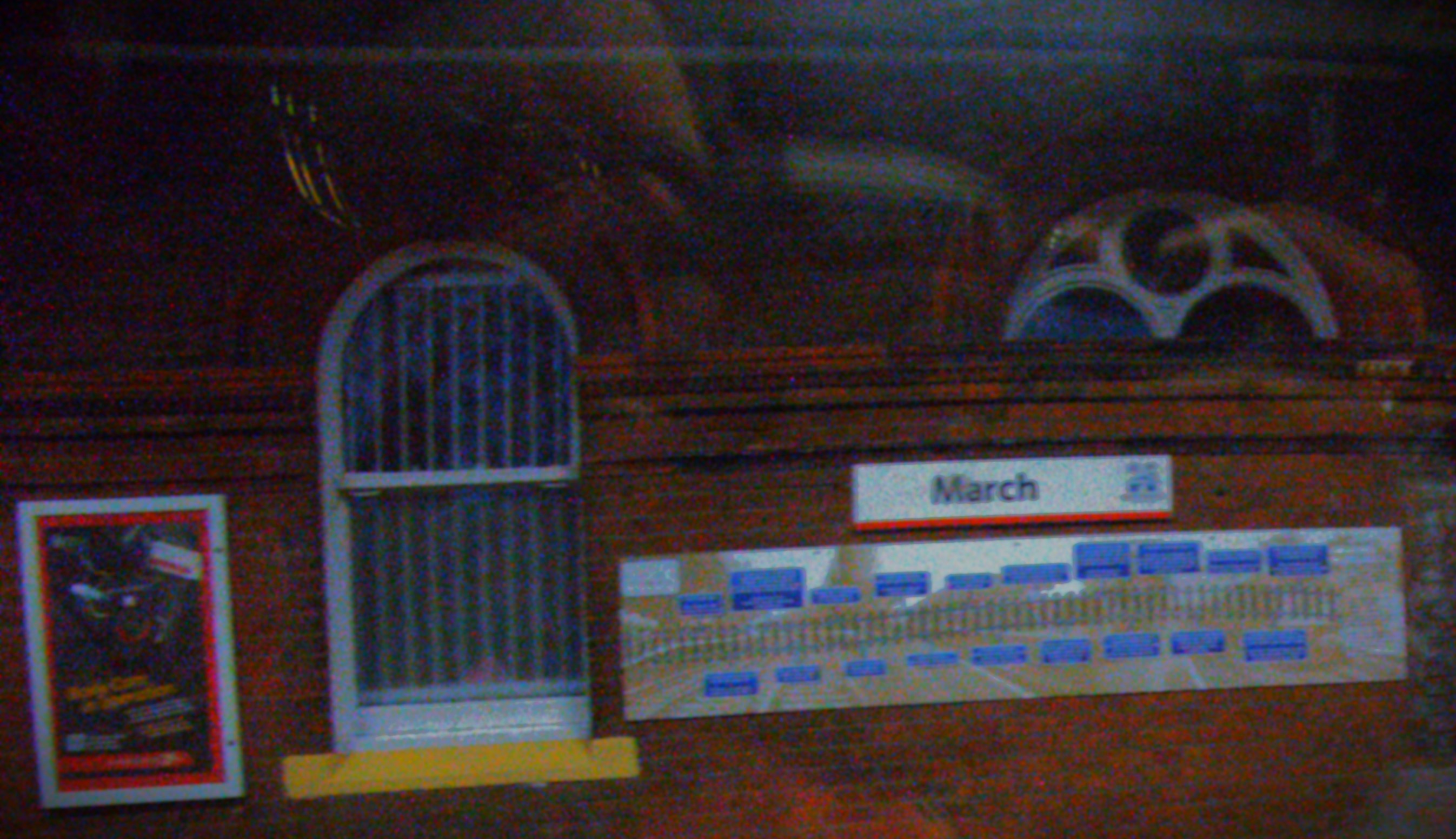
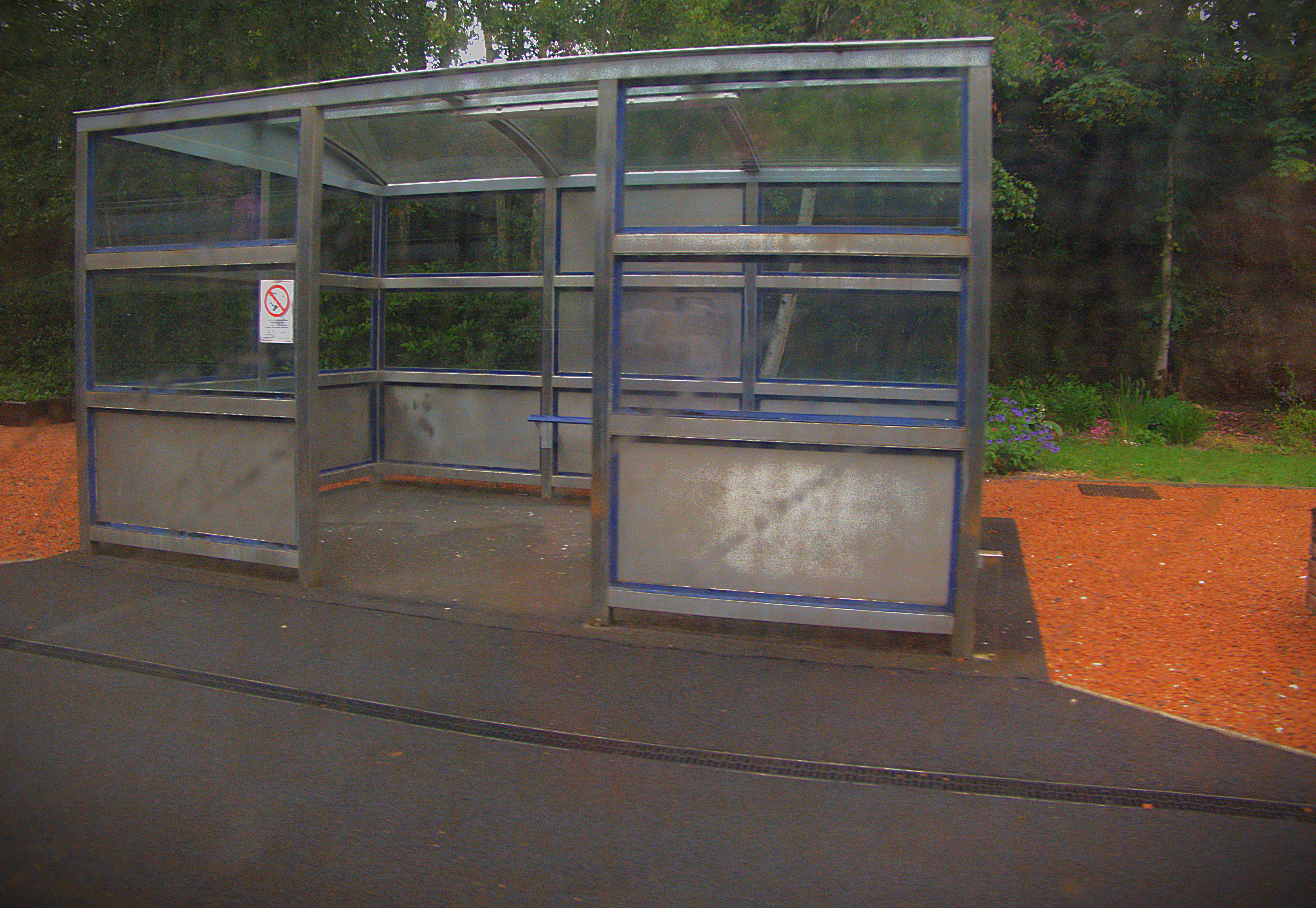
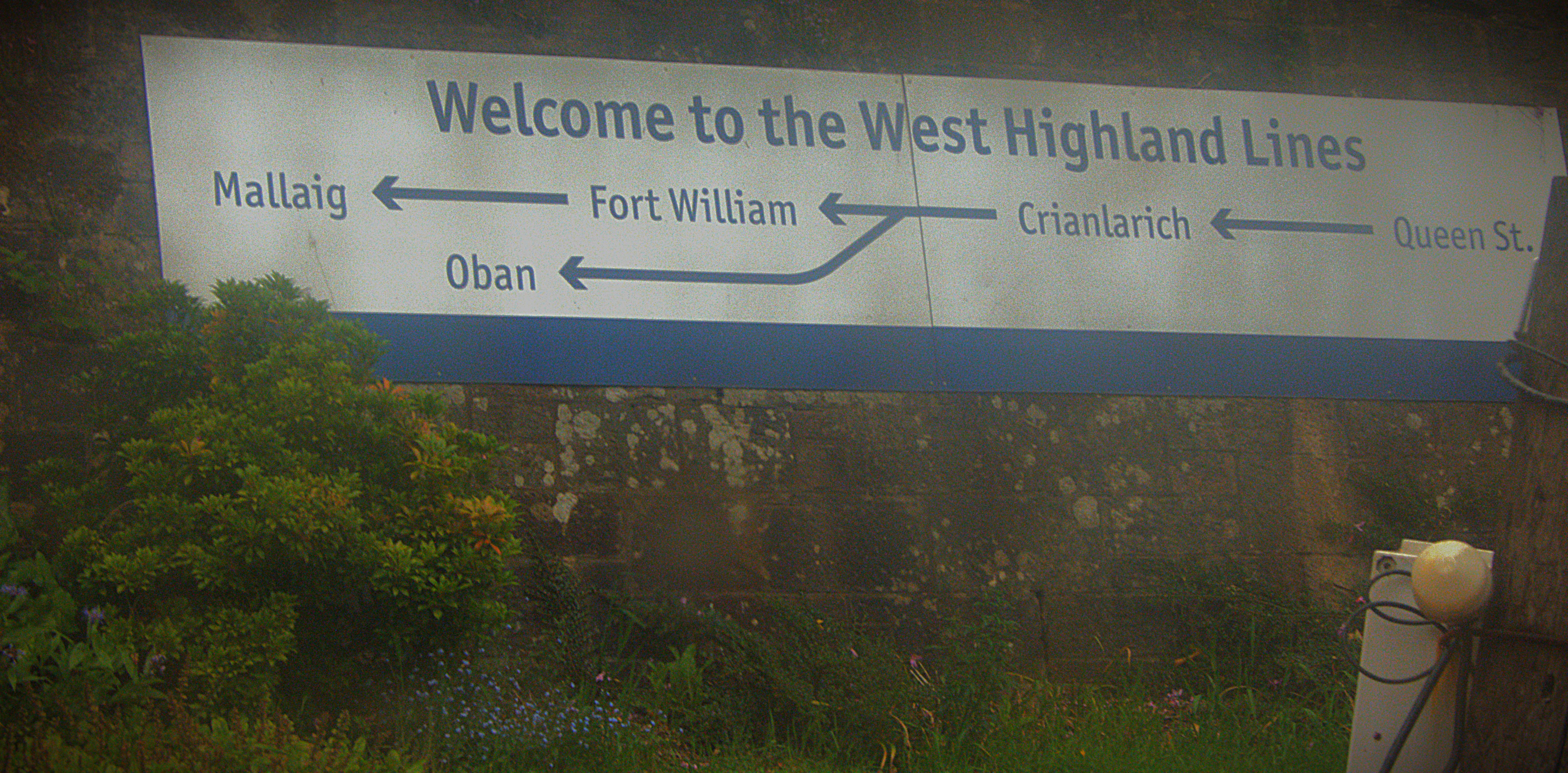
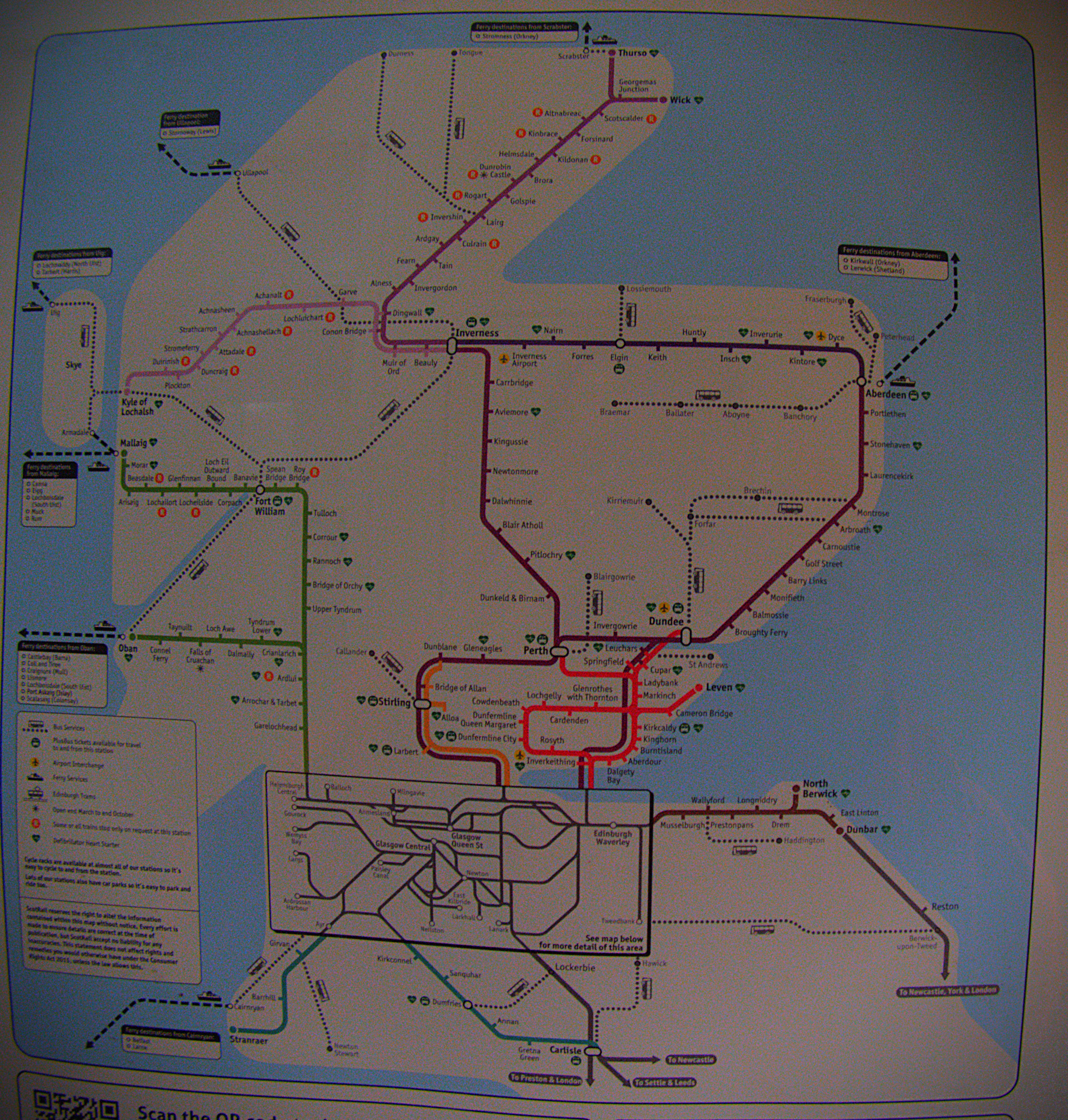
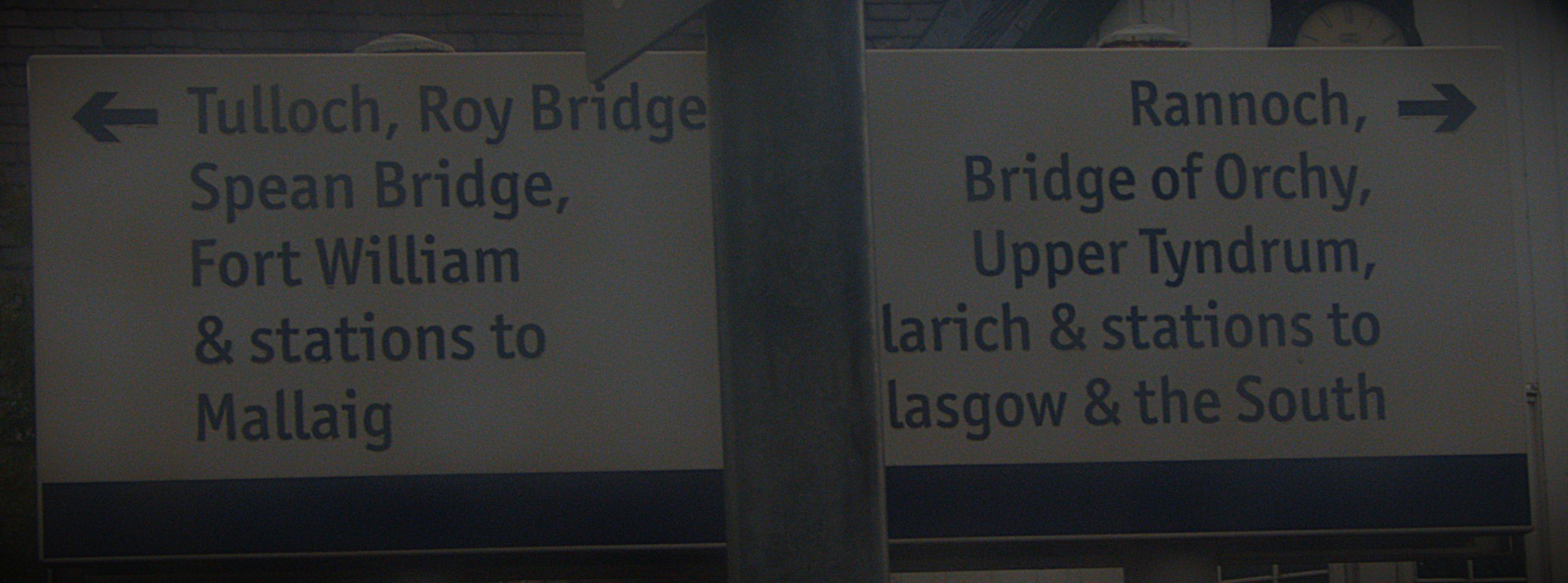
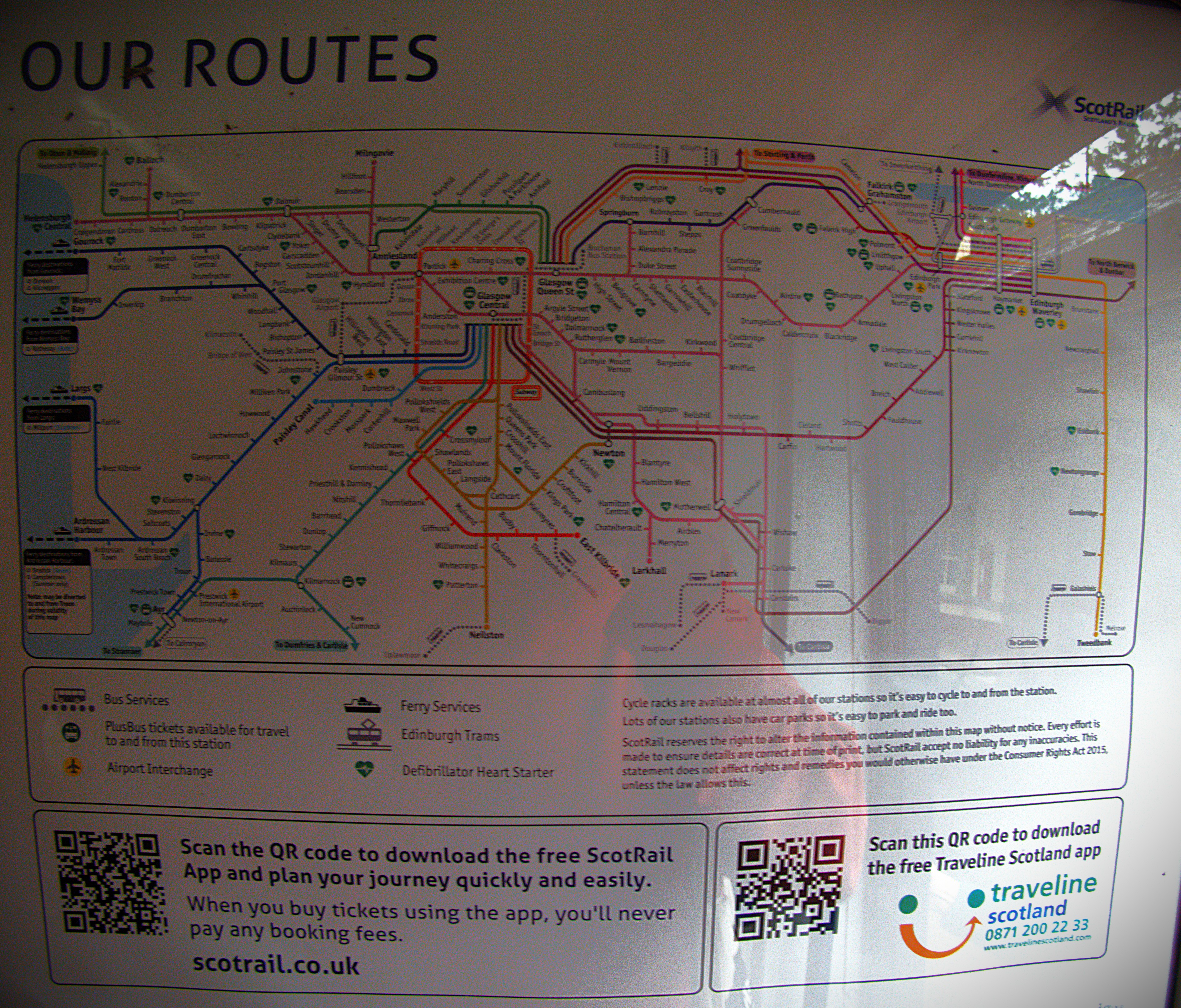
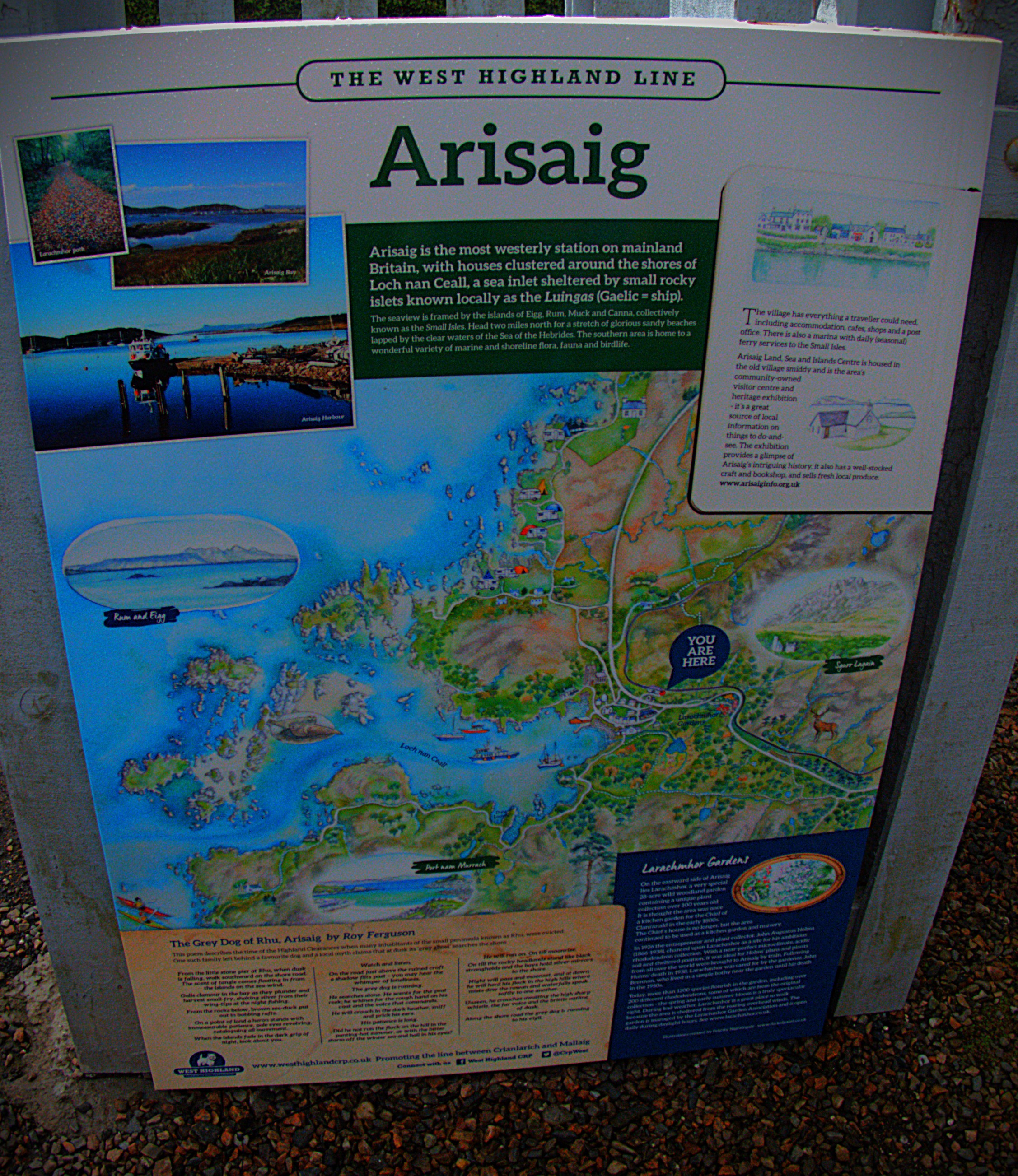
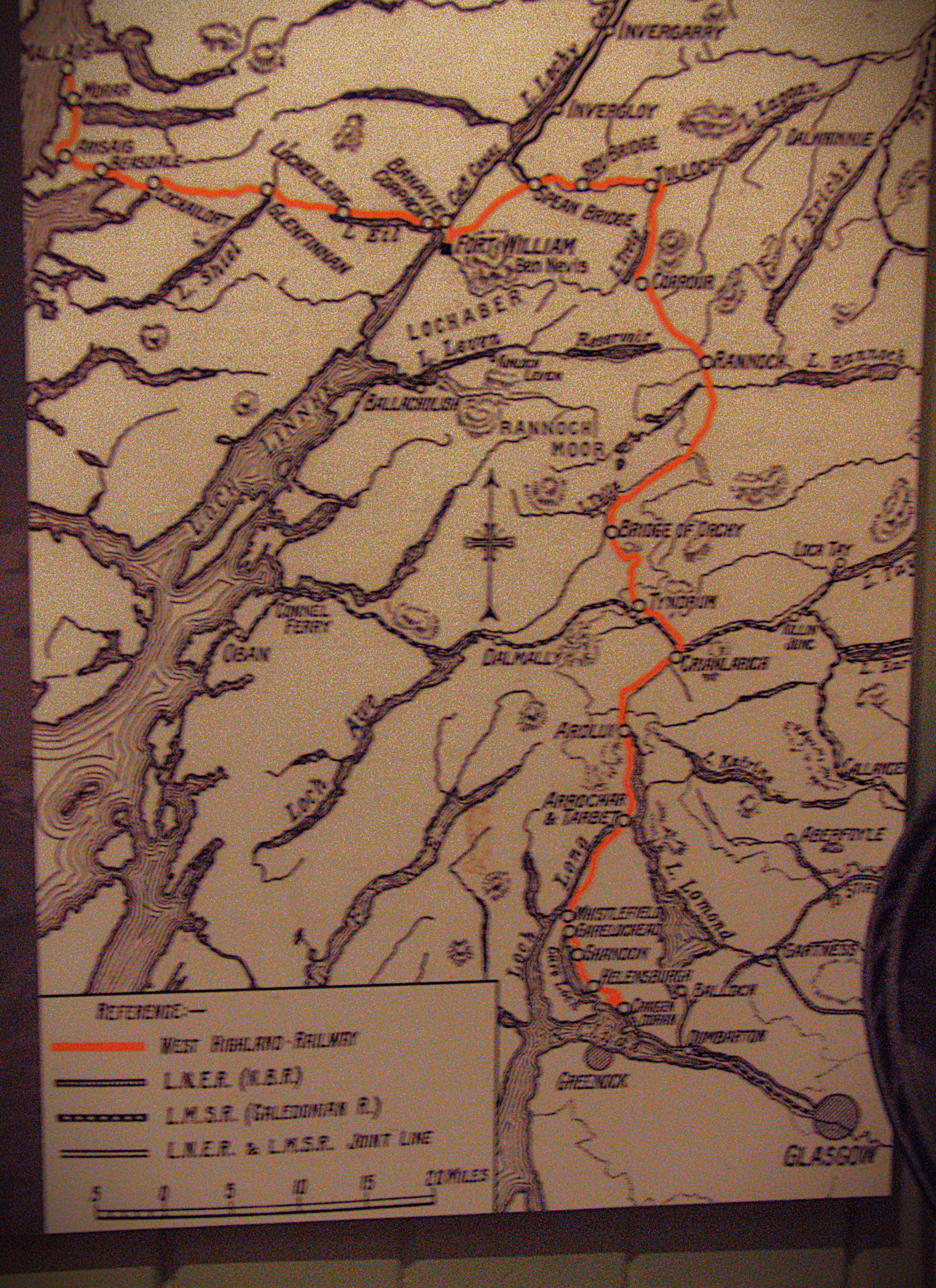
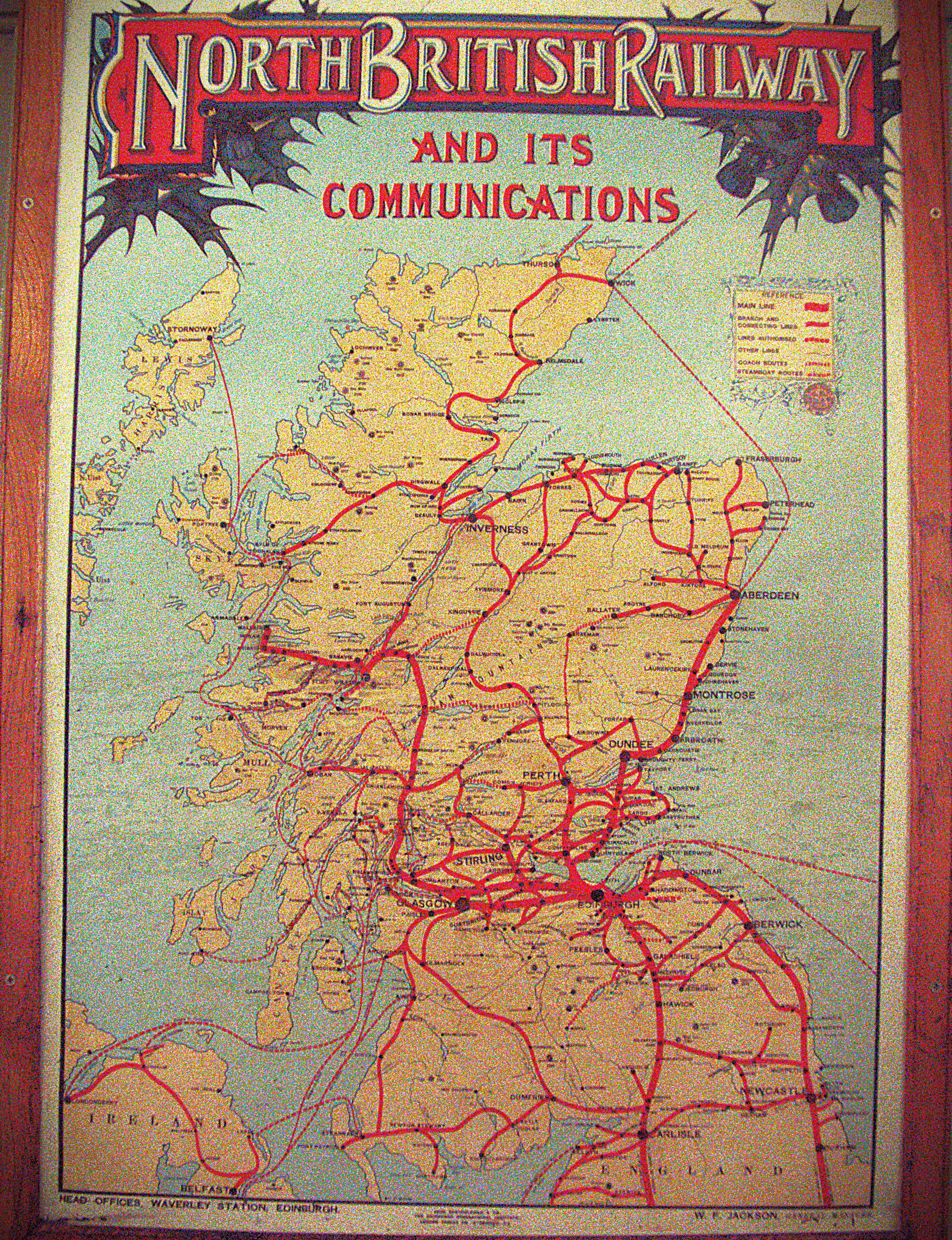
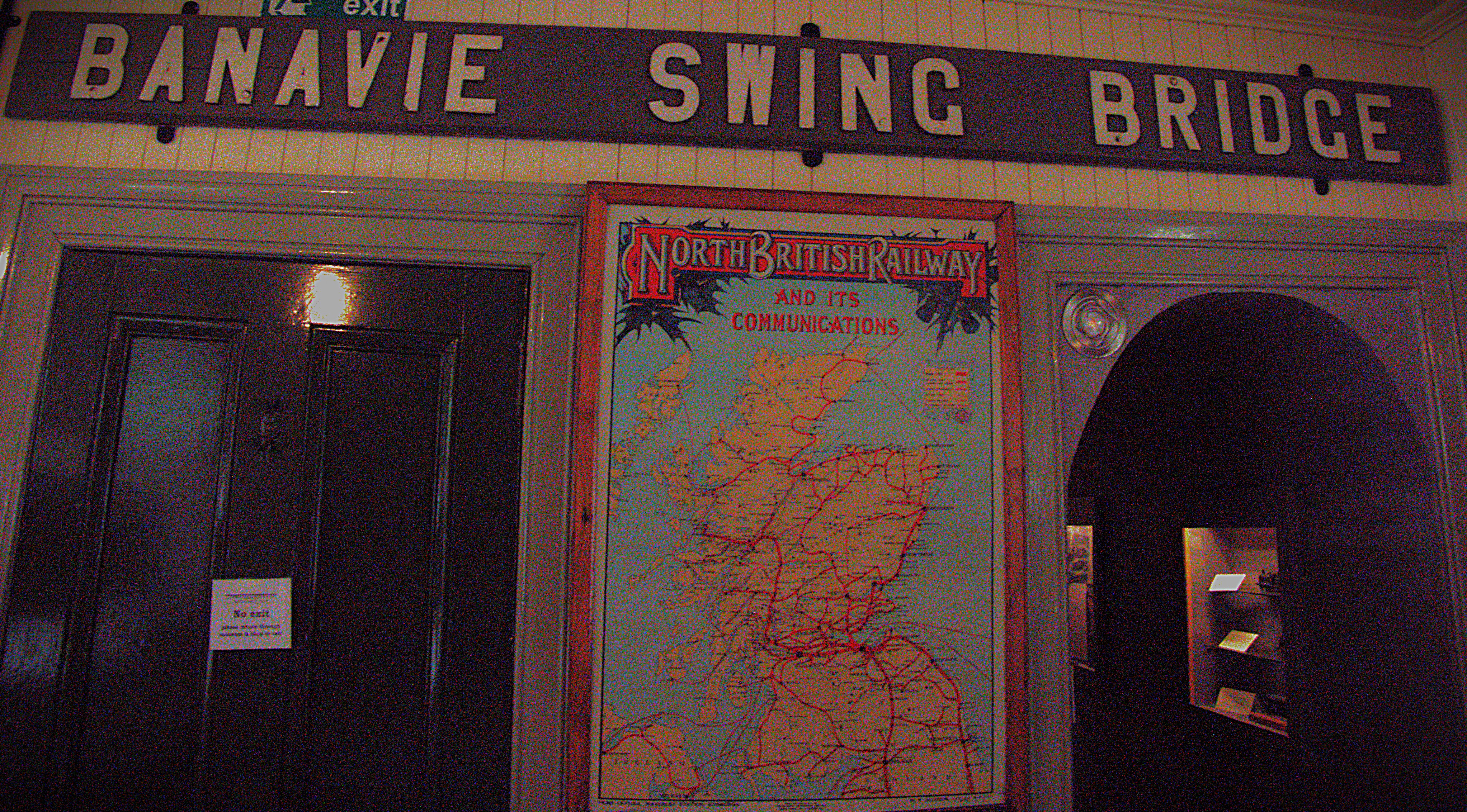
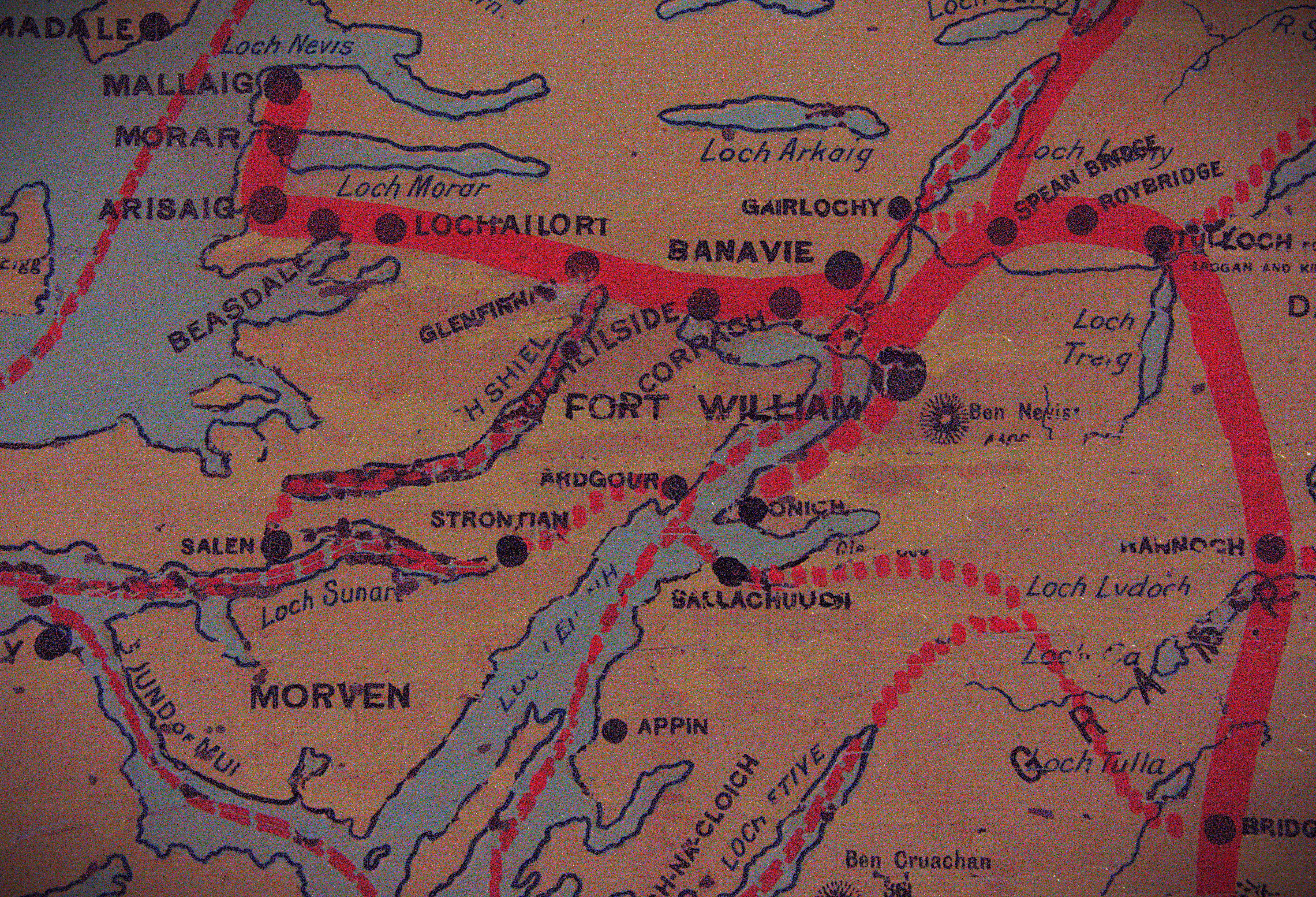
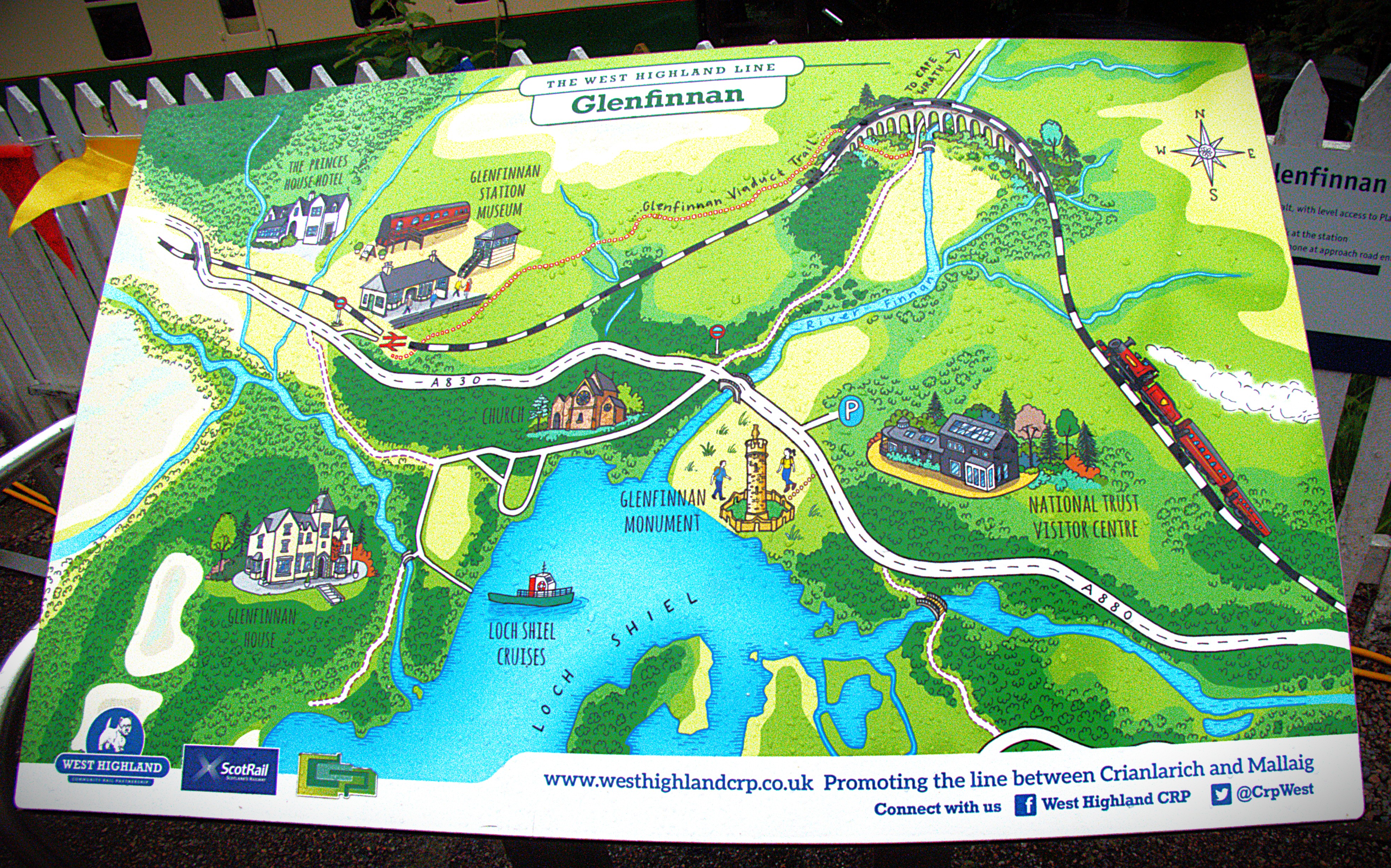
An isolated little church somewhere between Glenfinnan and Arisaig (three pictures)This wonderful map greets arrivals at Arisaig station.
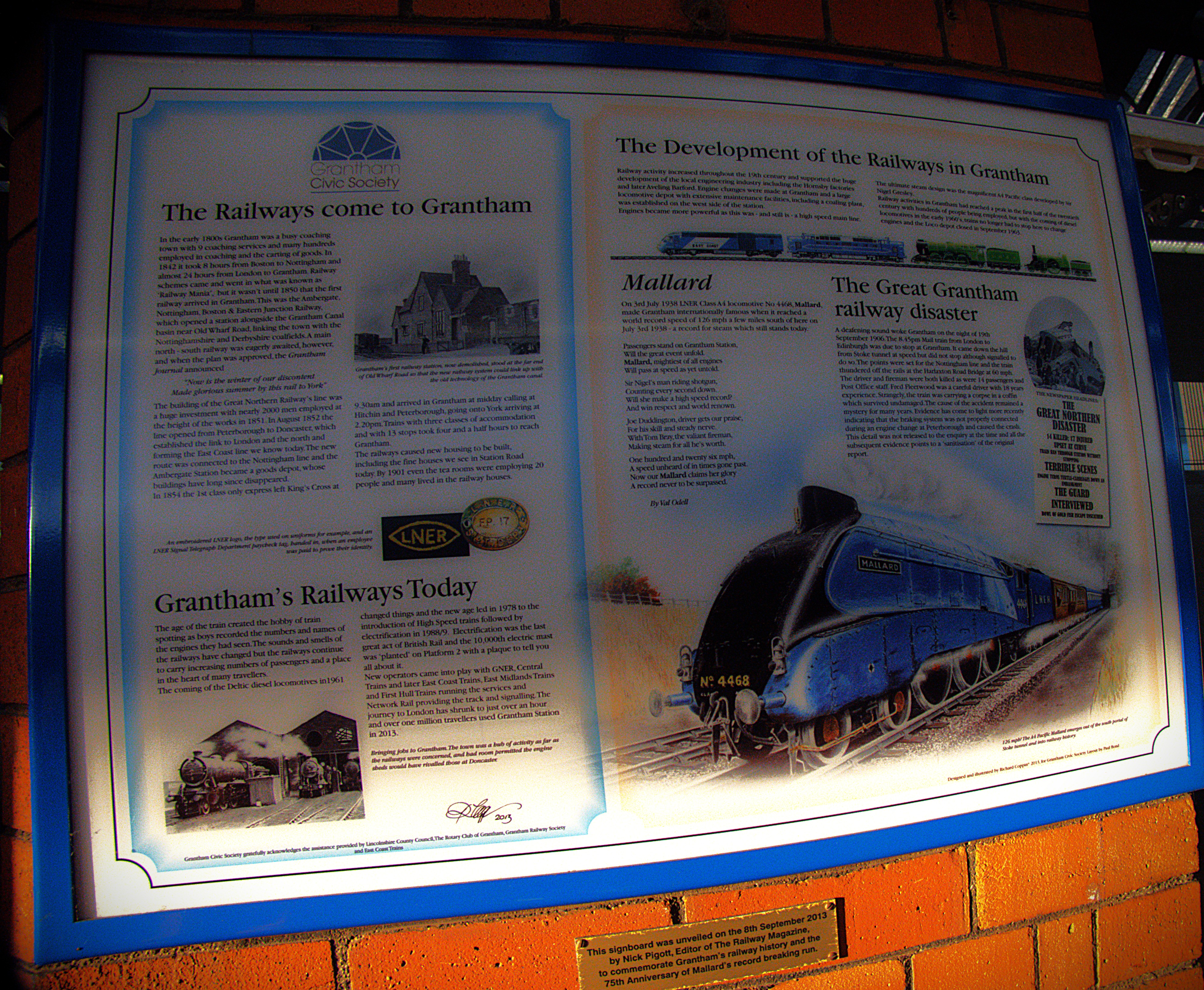
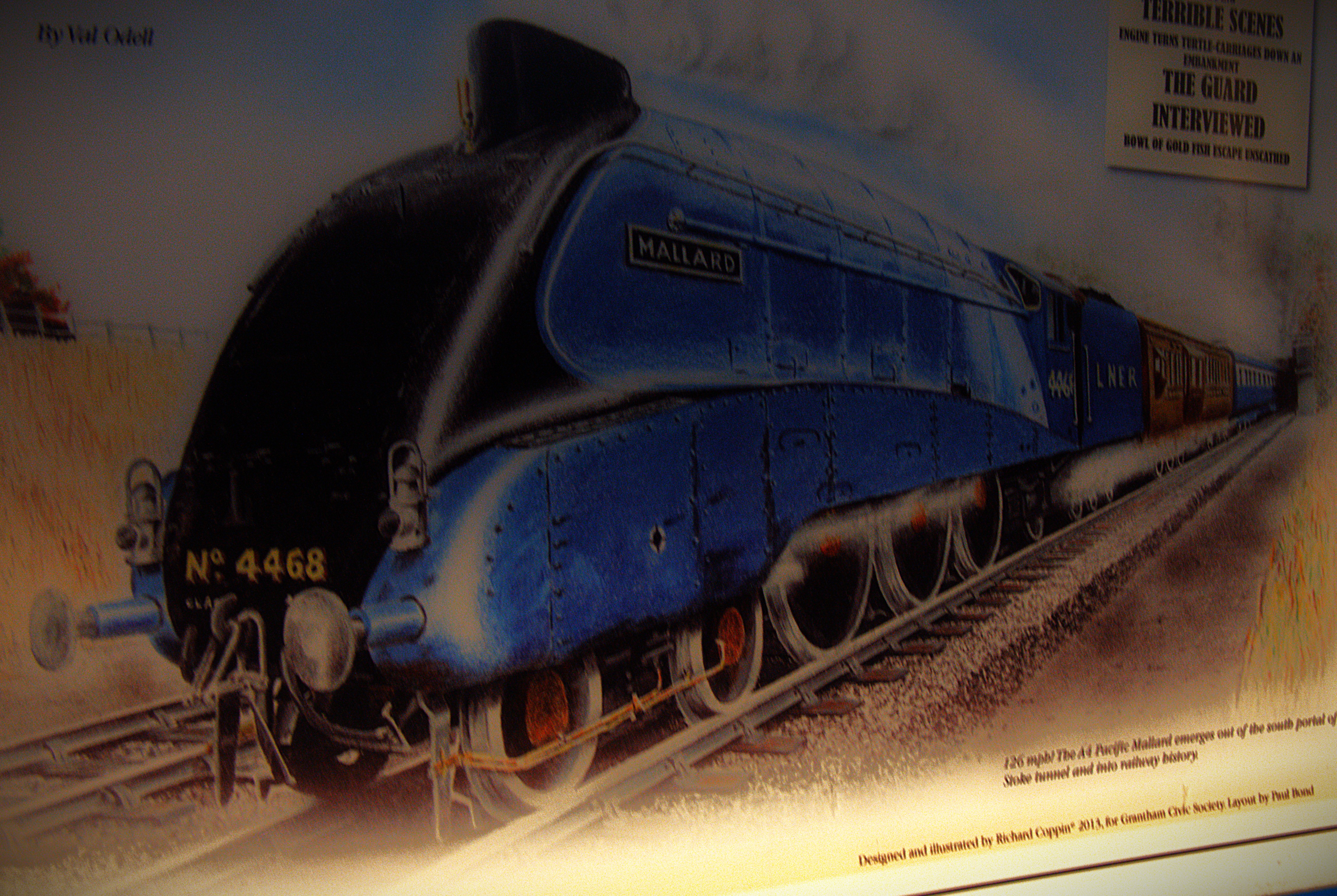
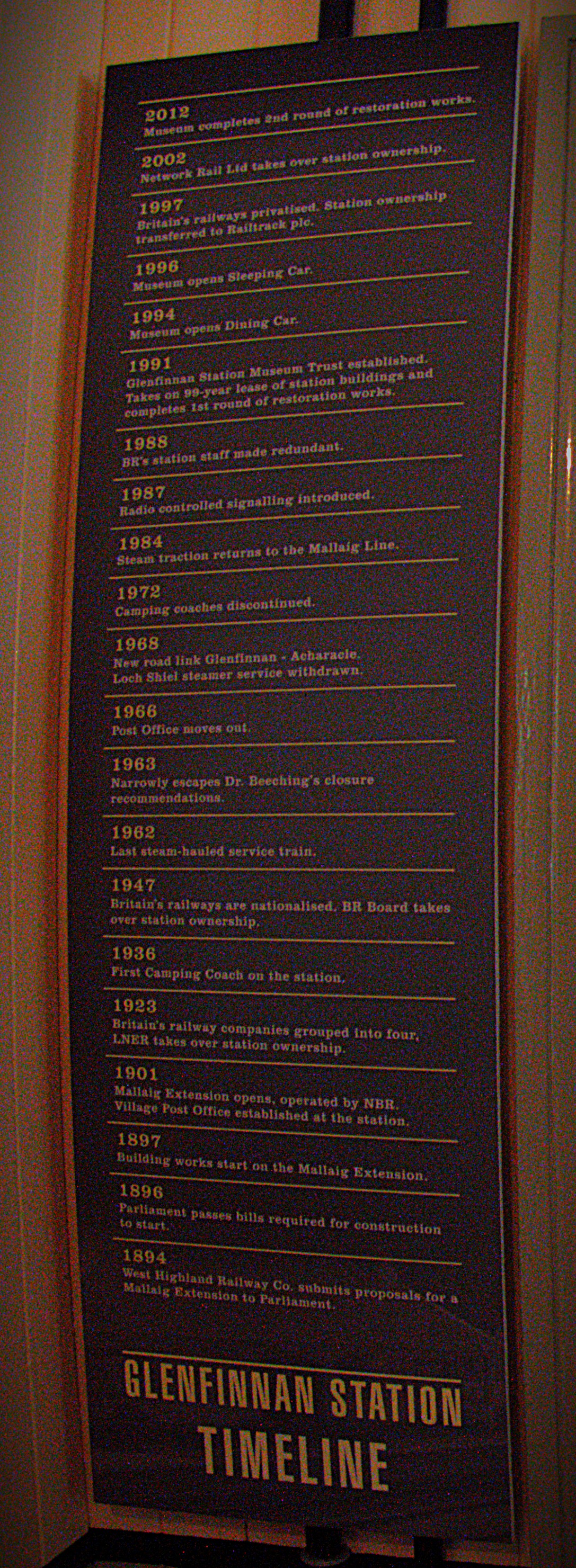
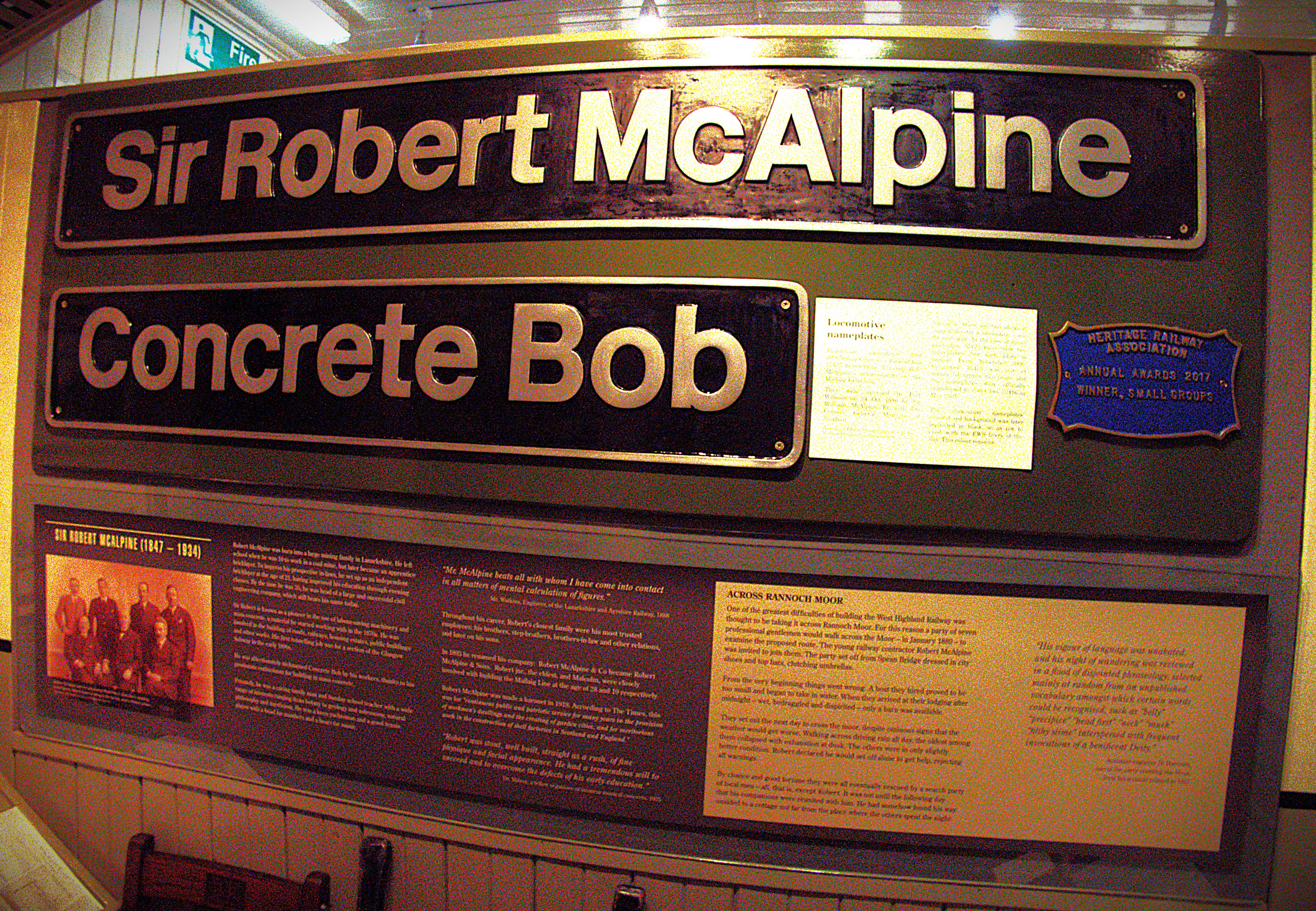
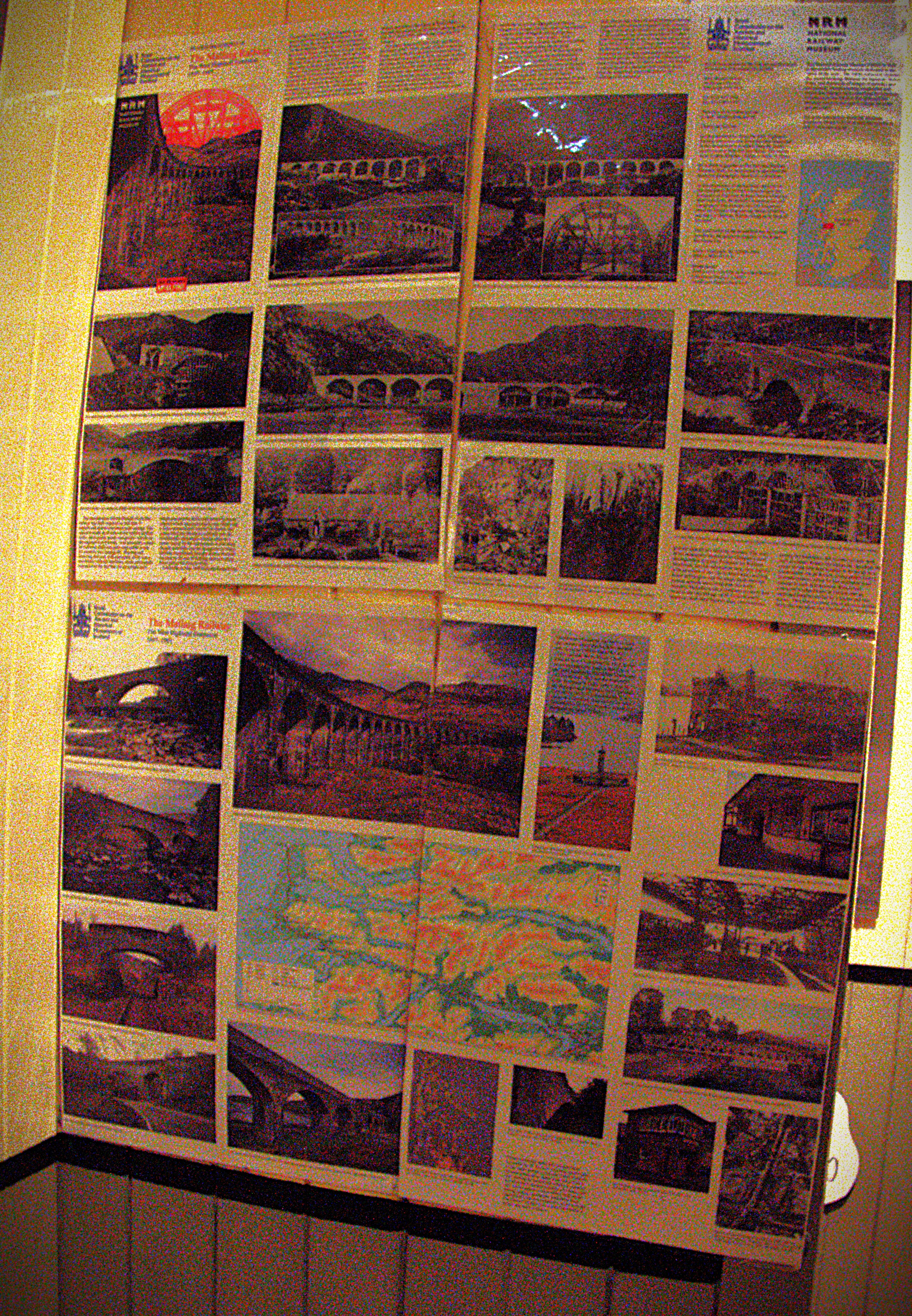
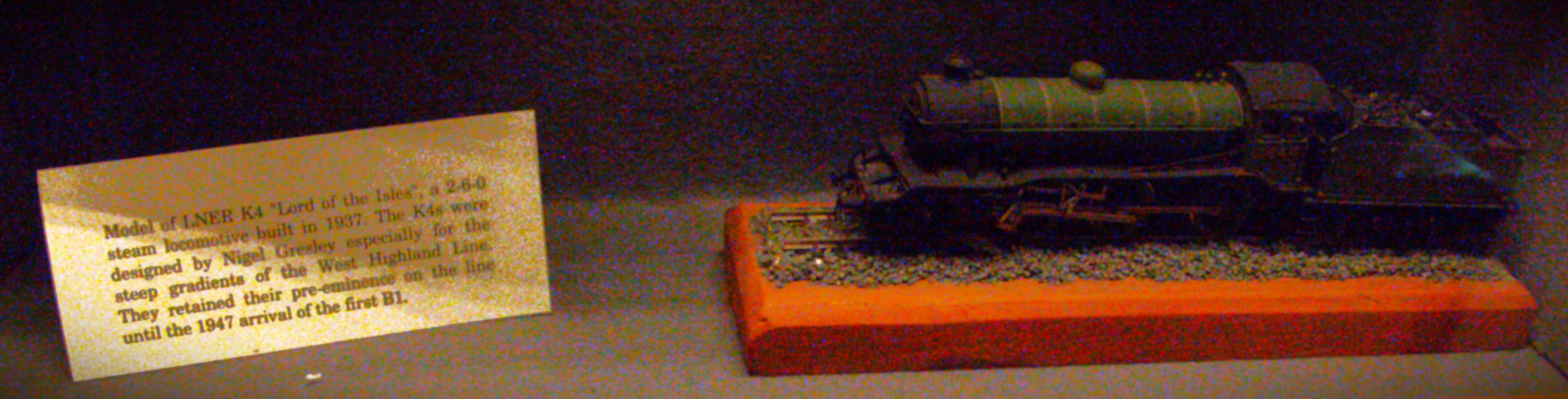
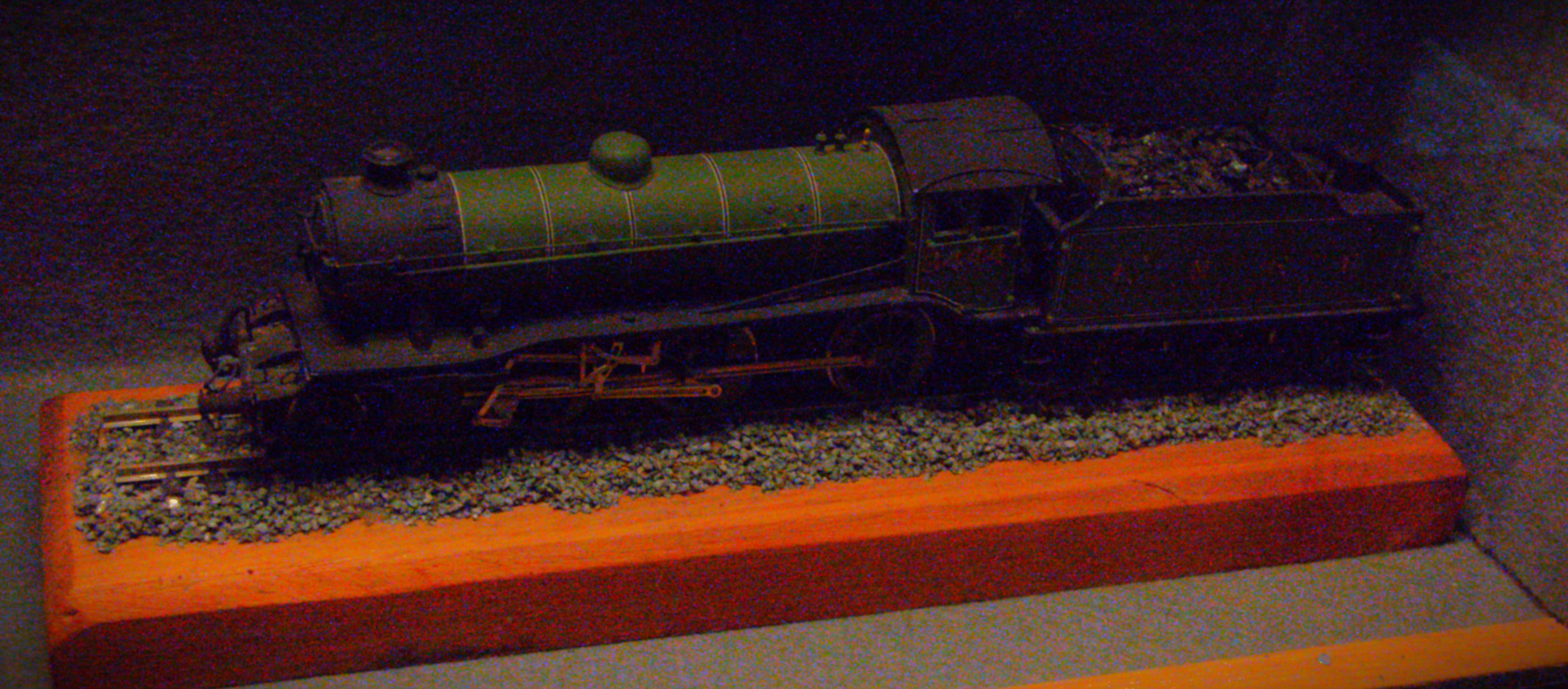
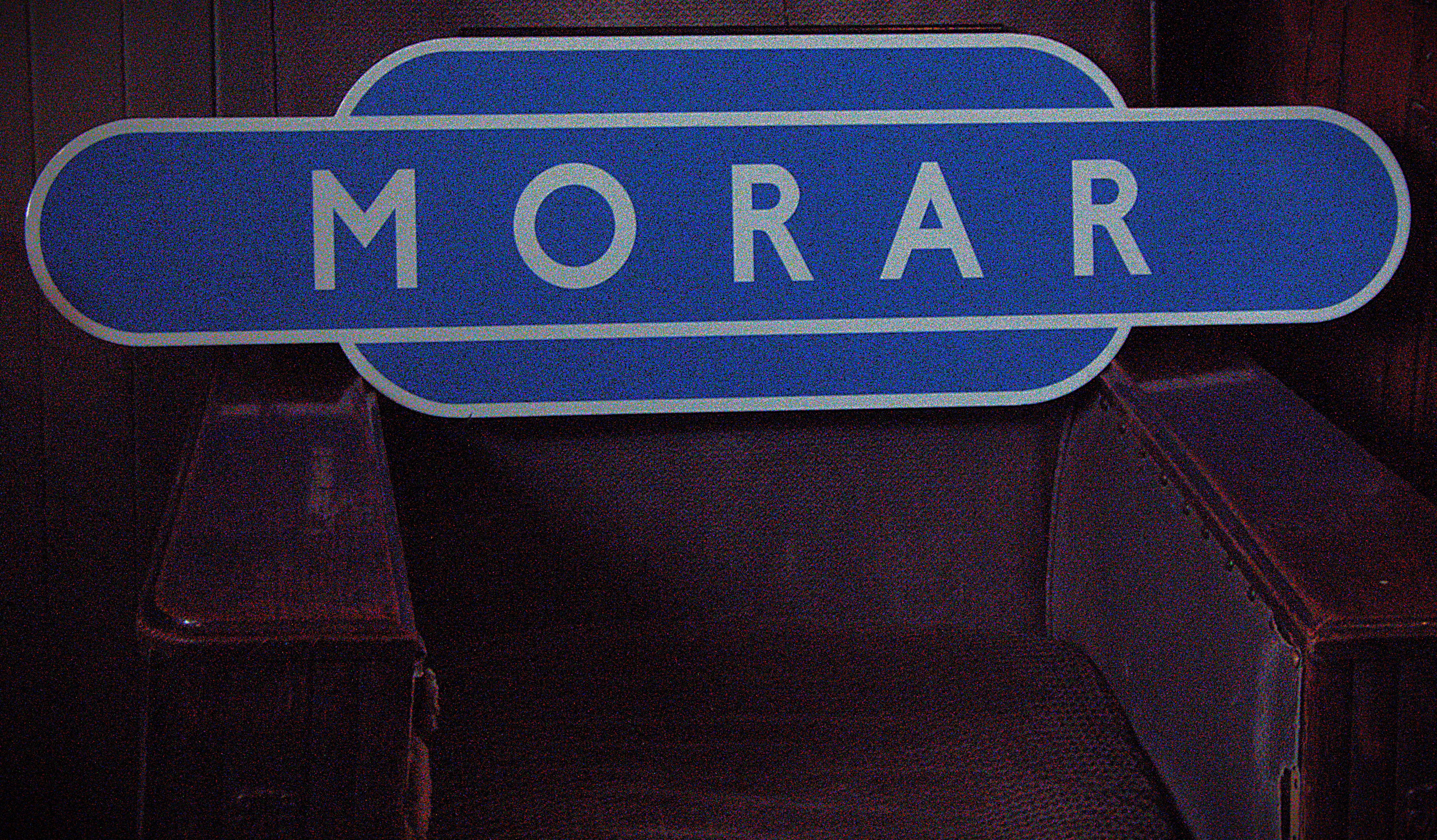
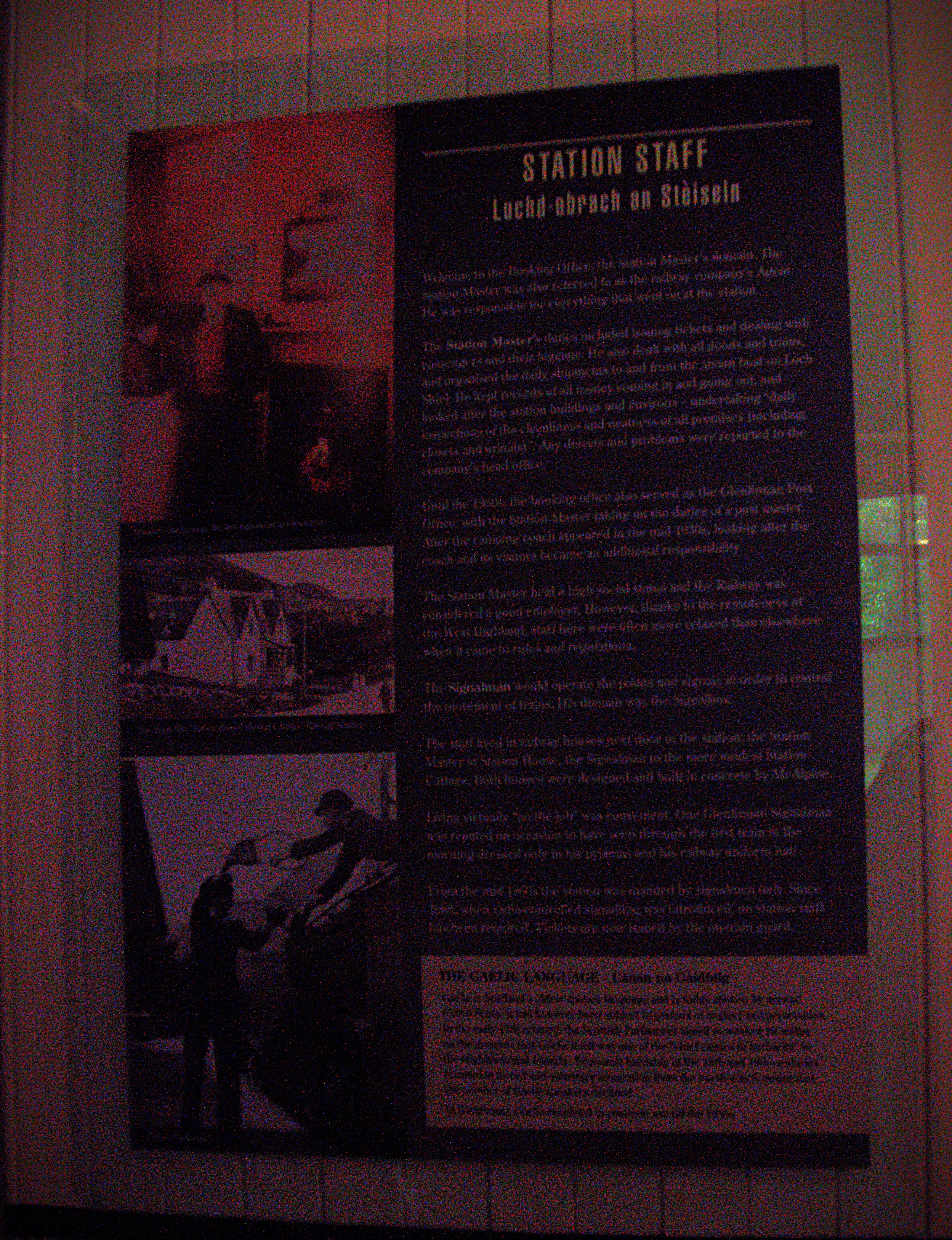
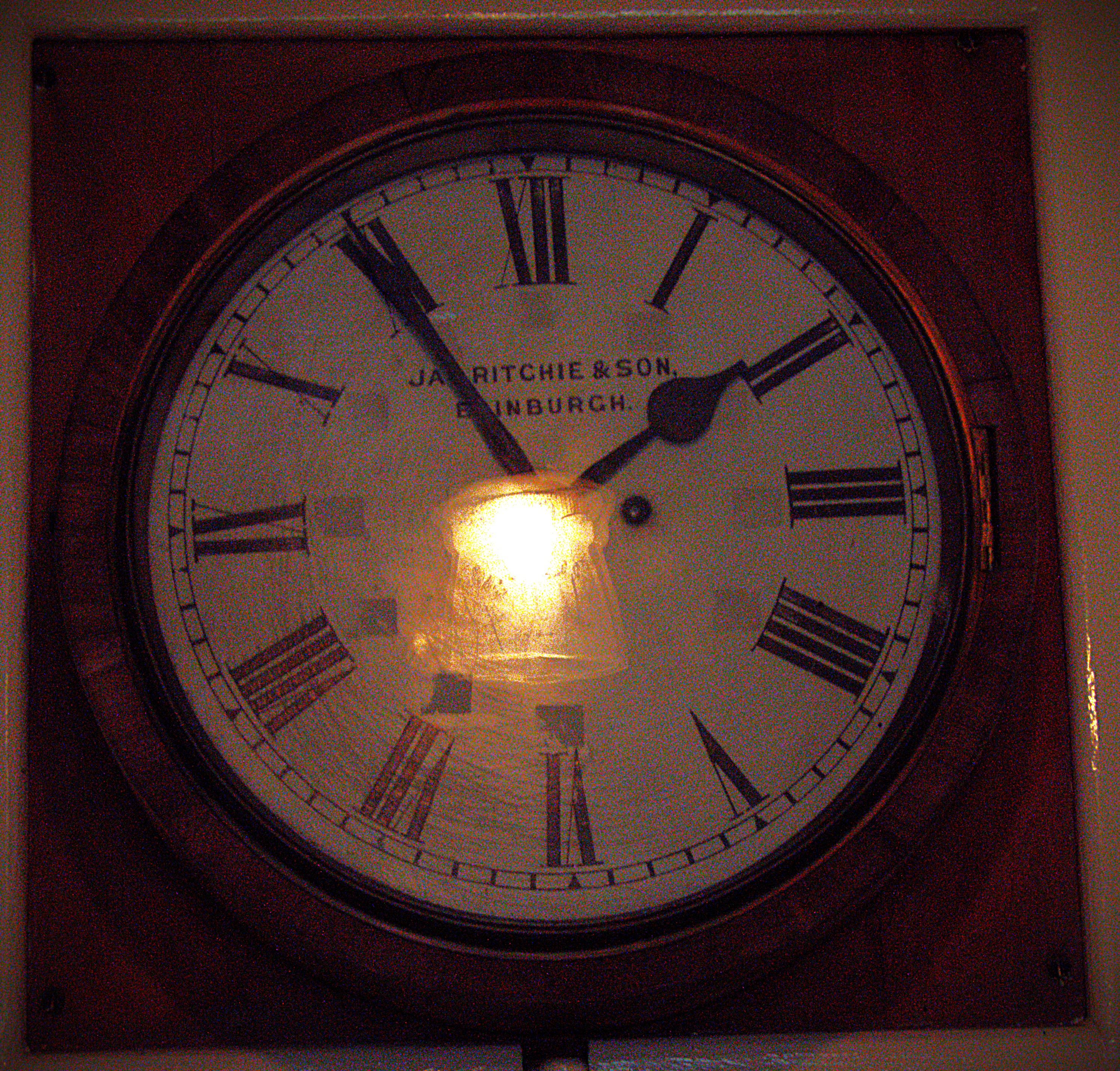
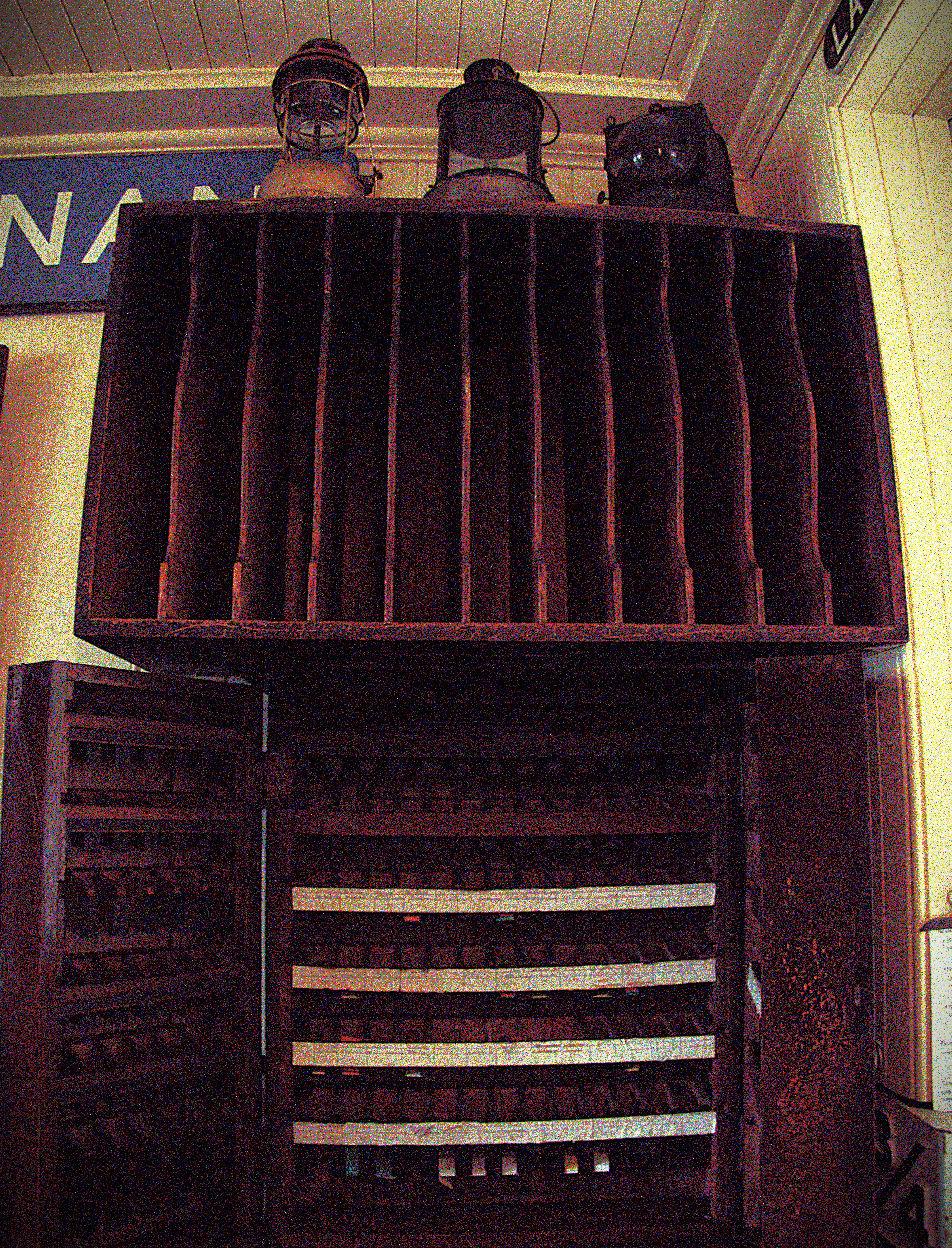
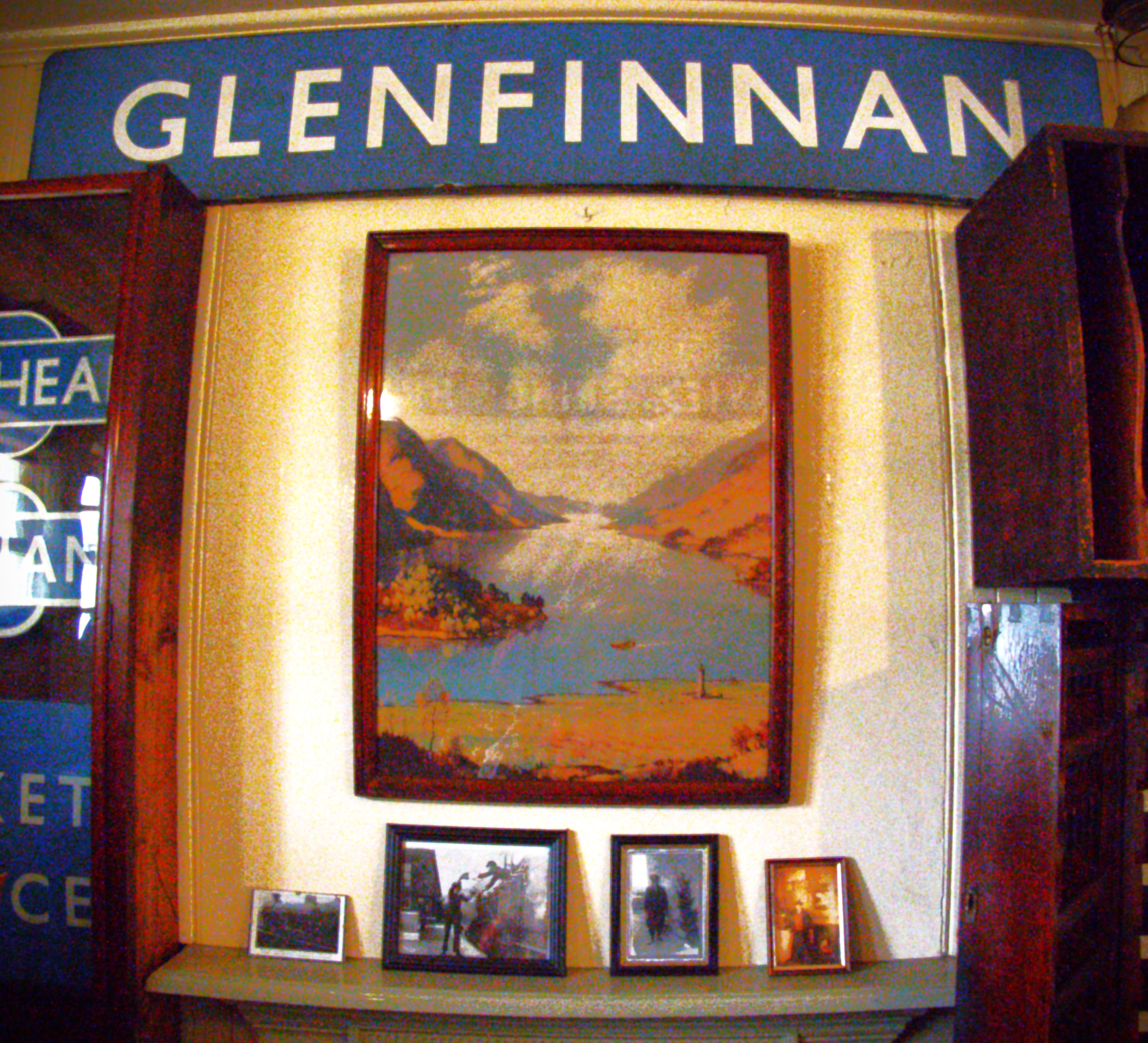
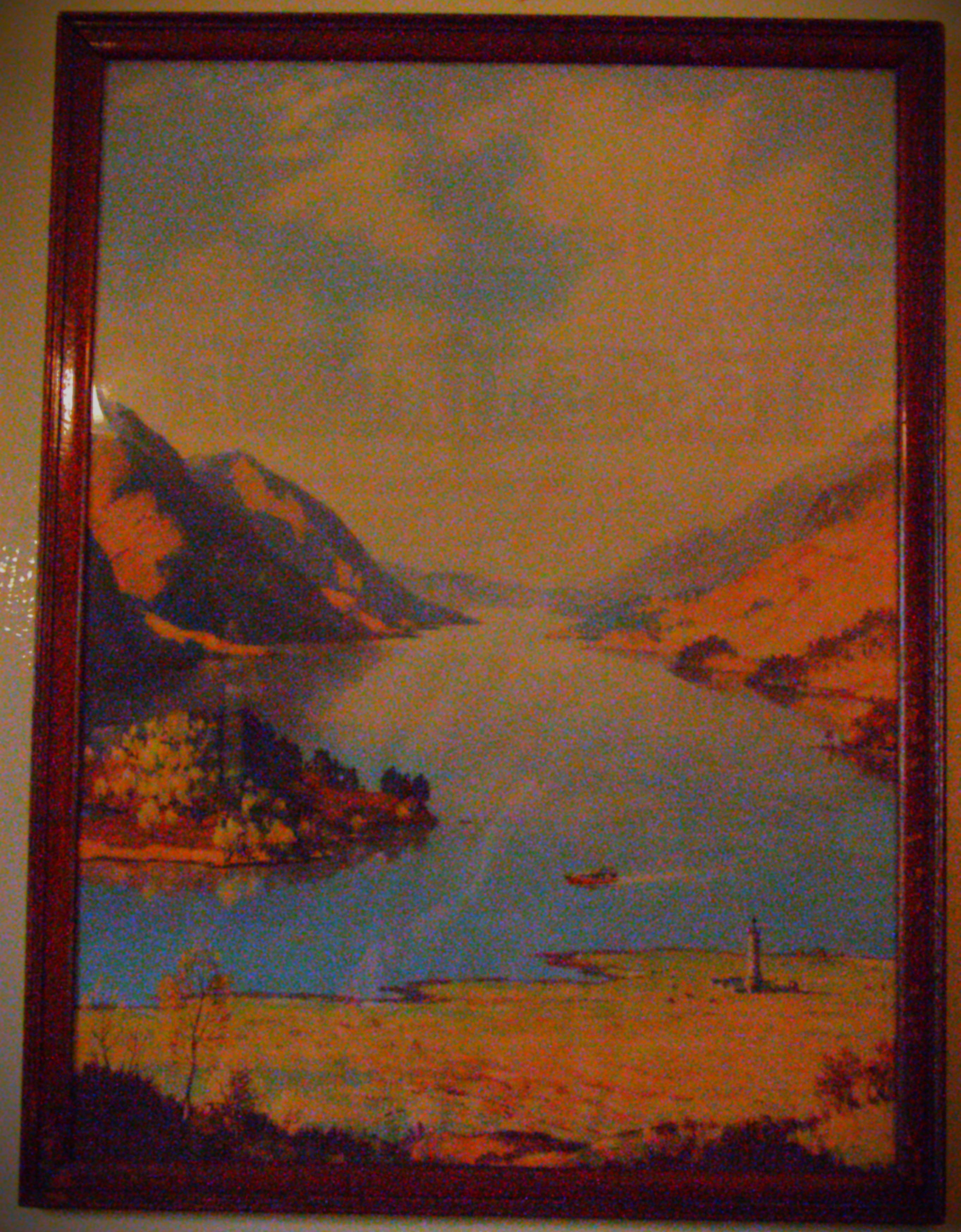
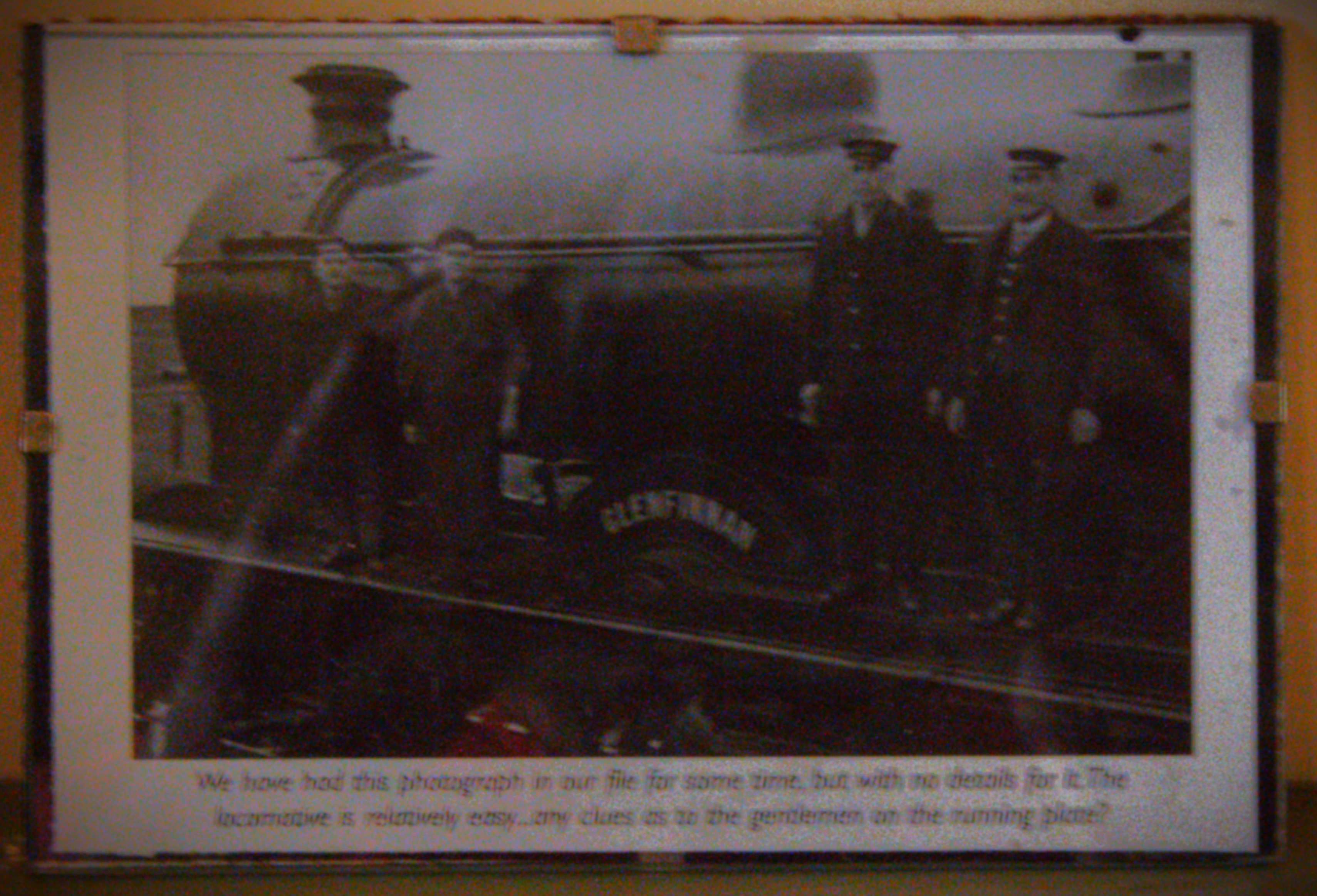
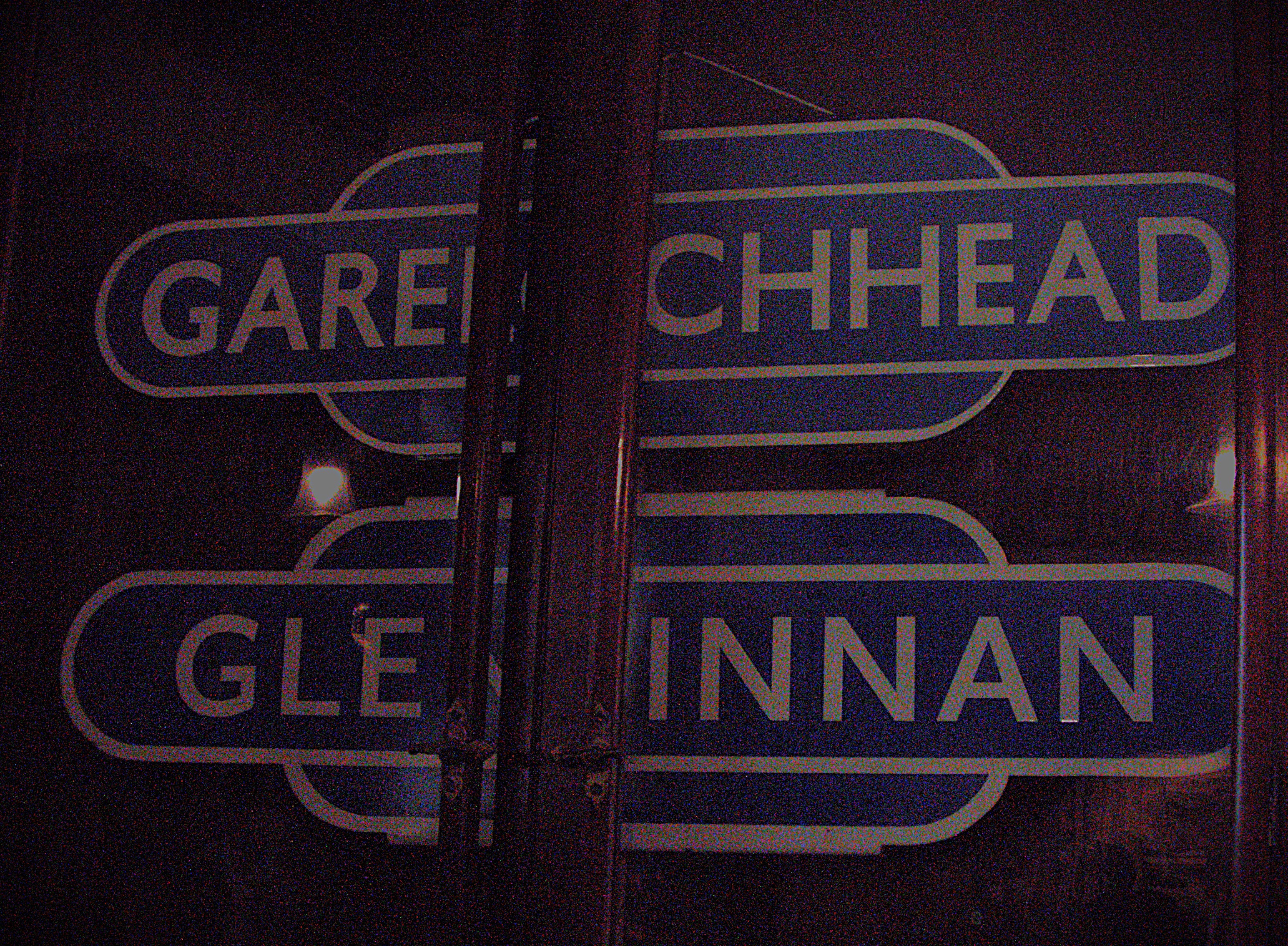
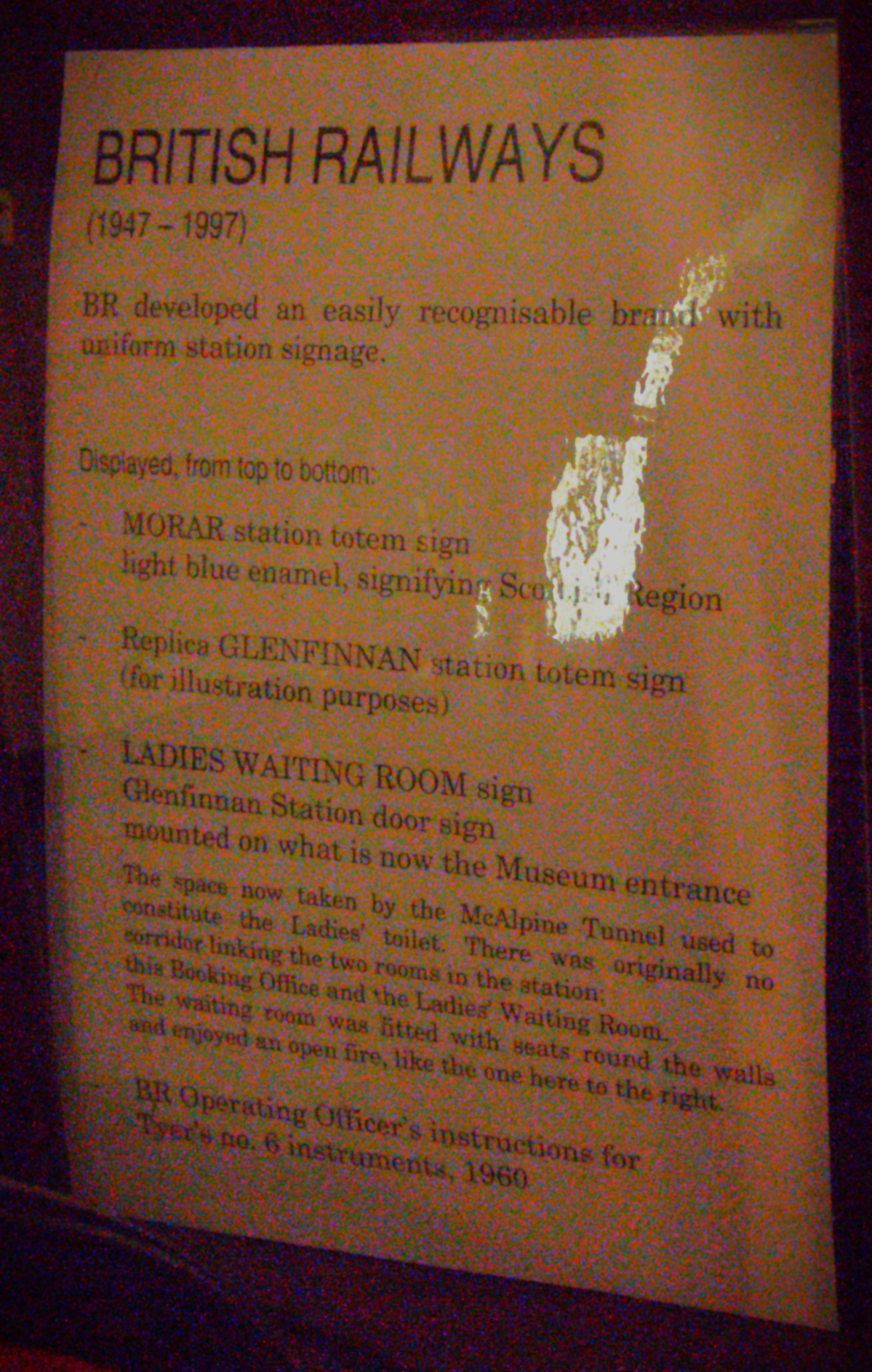
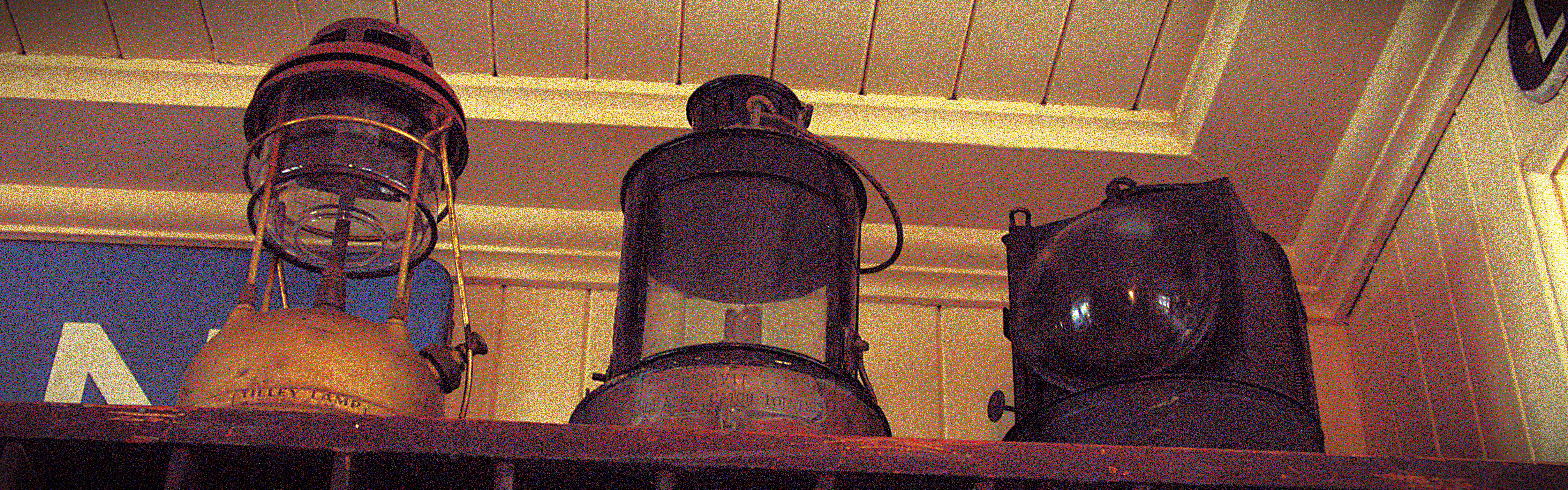
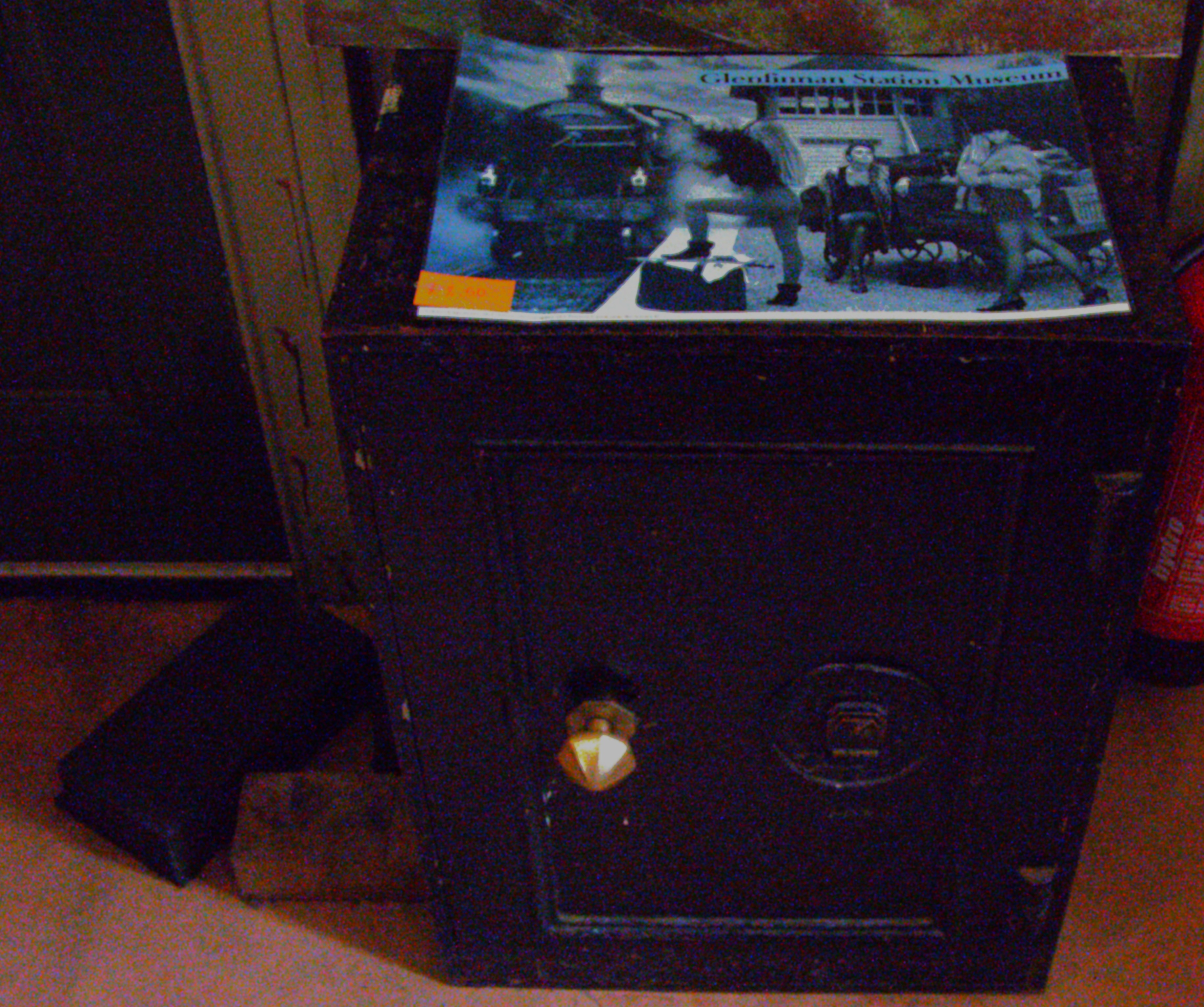
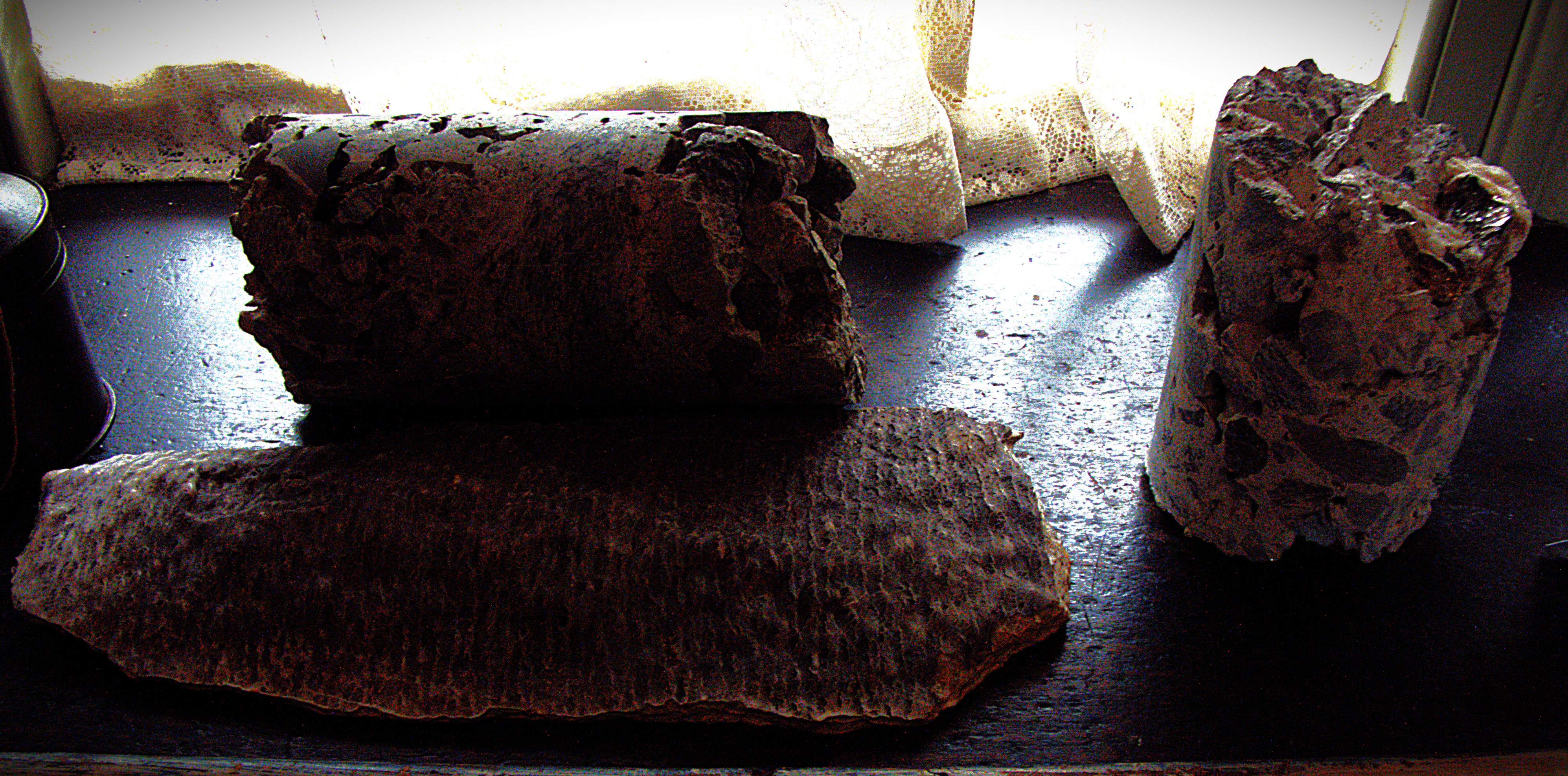
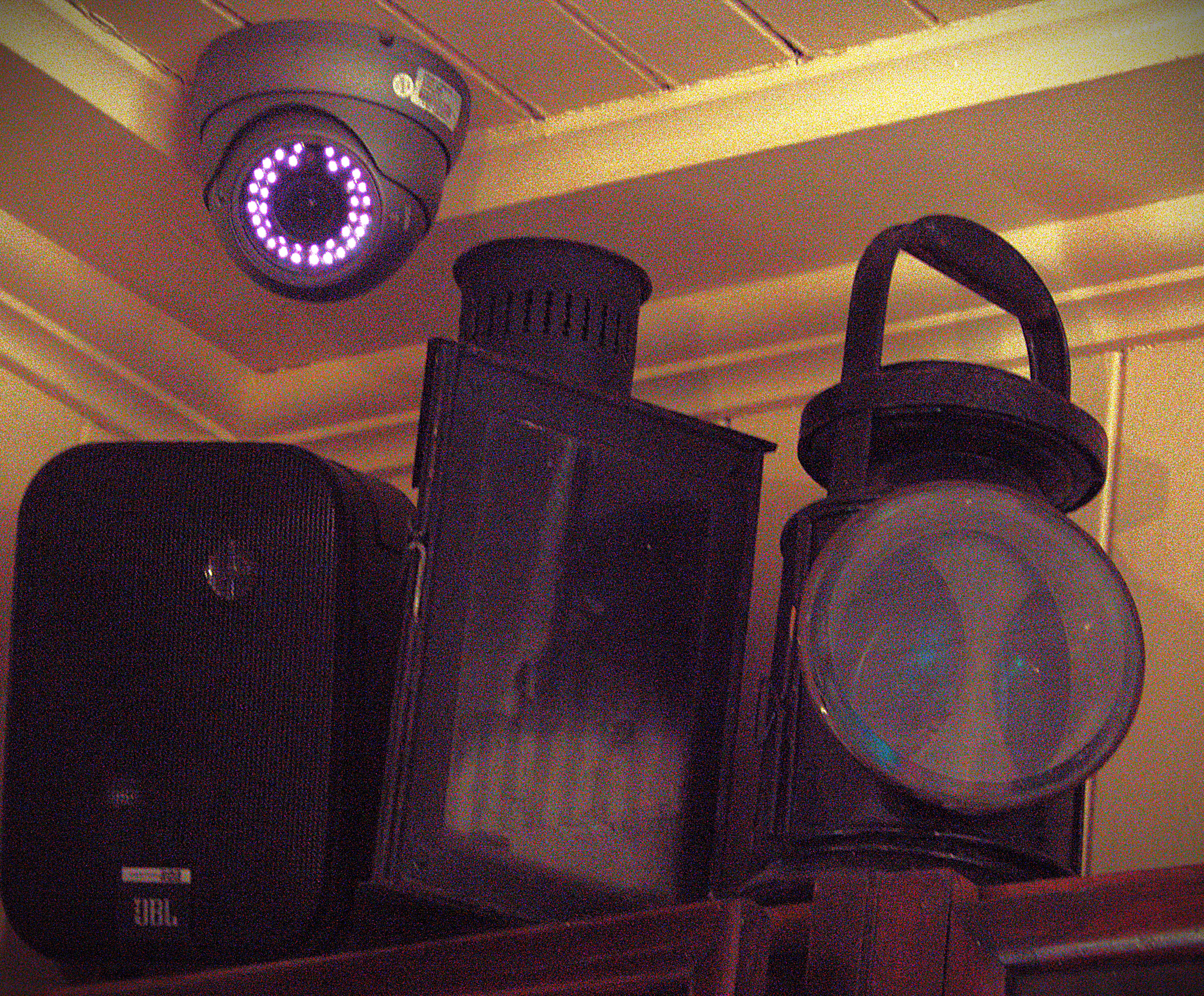
Continuing my account of my Scottish holiday with a look at the Glenfinnan Station Museum, with plenty of photographs.
Welcome to the latest post in my series about my Scottish holiday (May 30th to June 6th). This is my third post about the Thursday.
A COMPACT MUSEUM
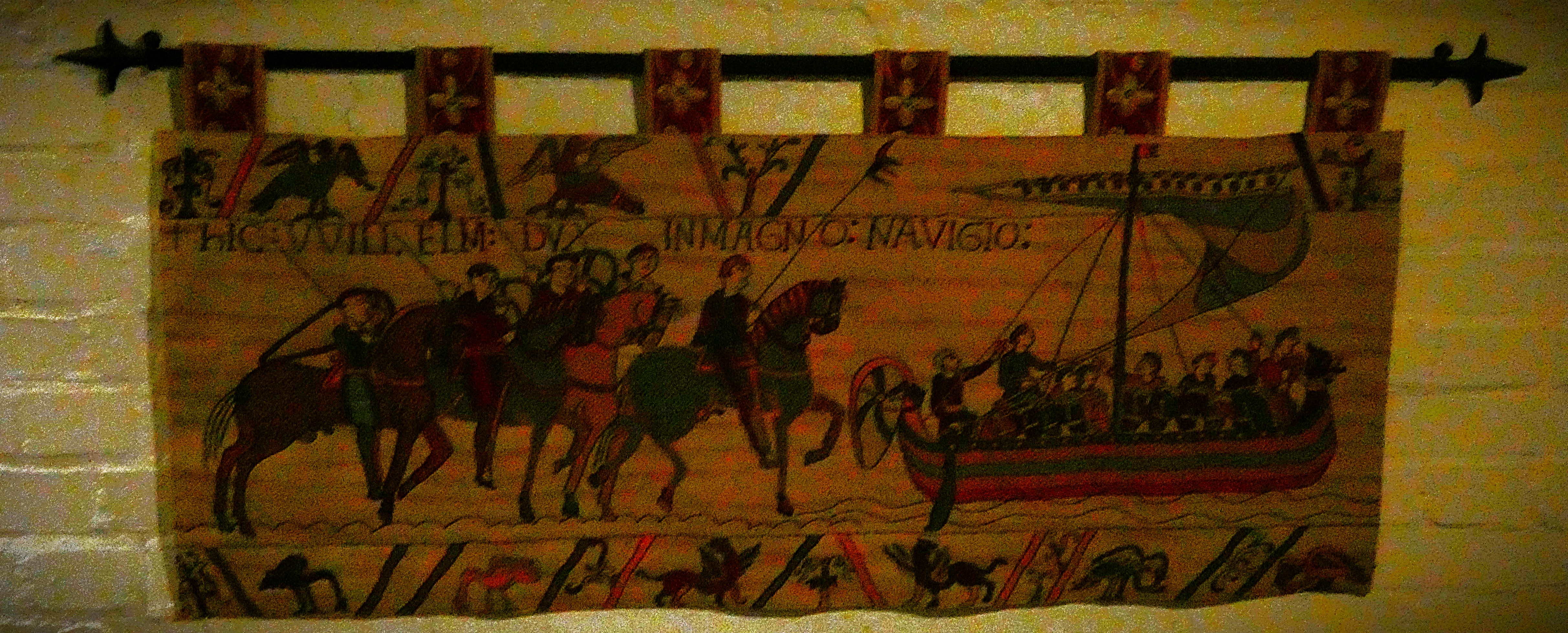
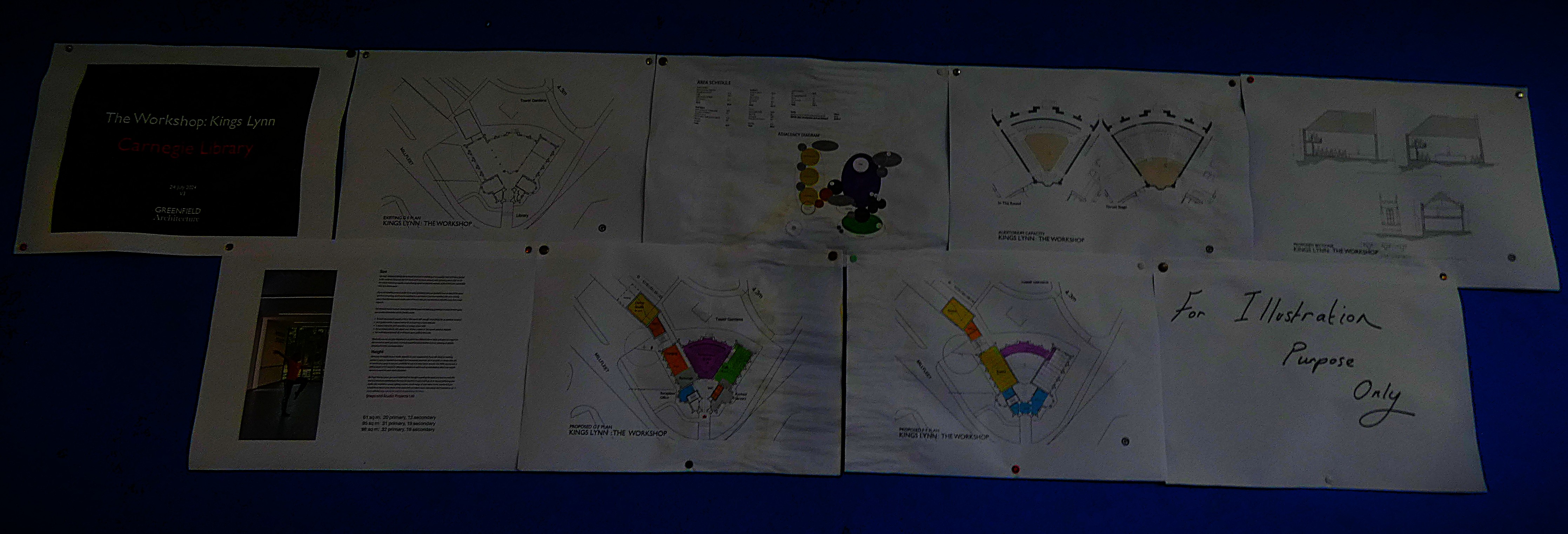
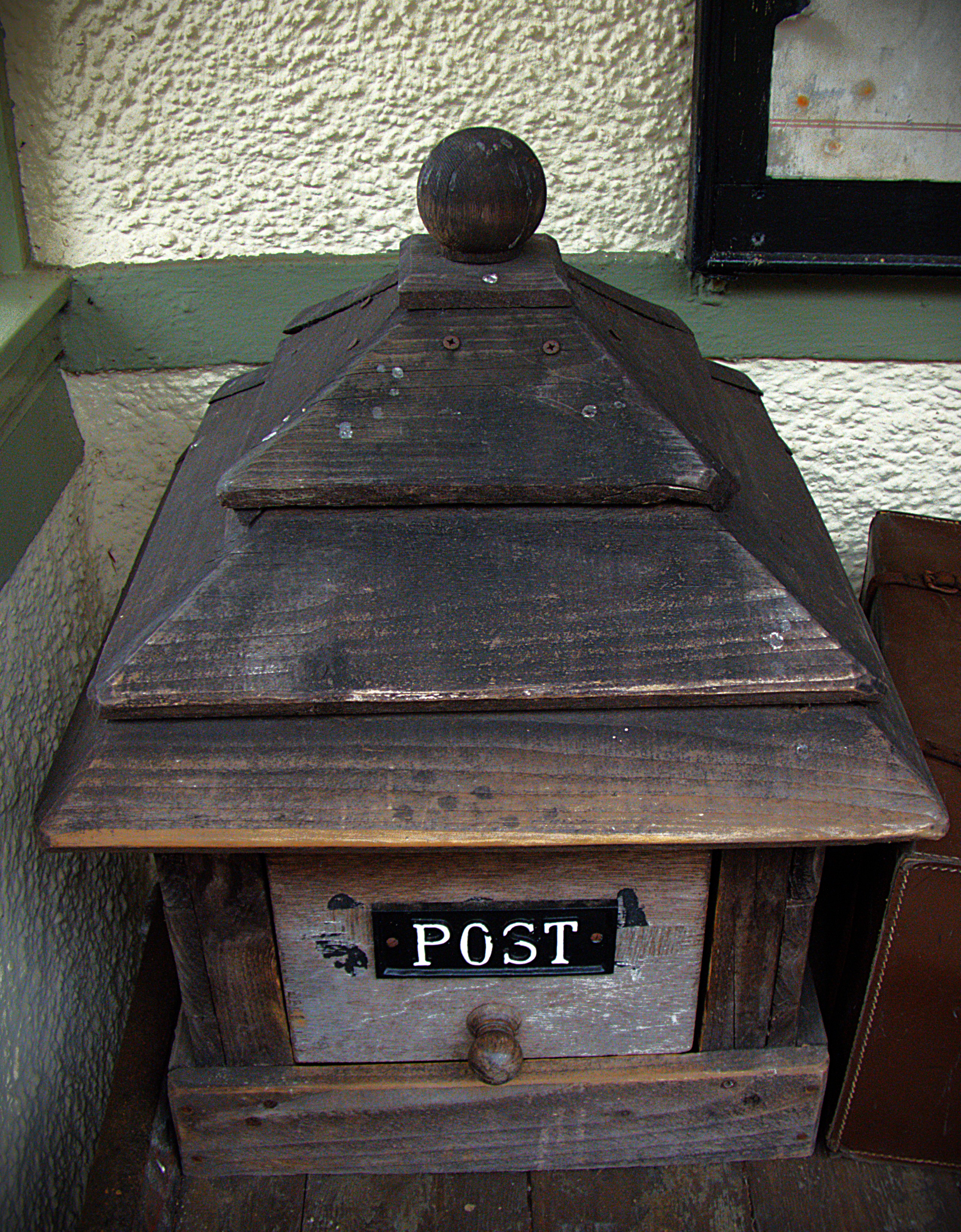
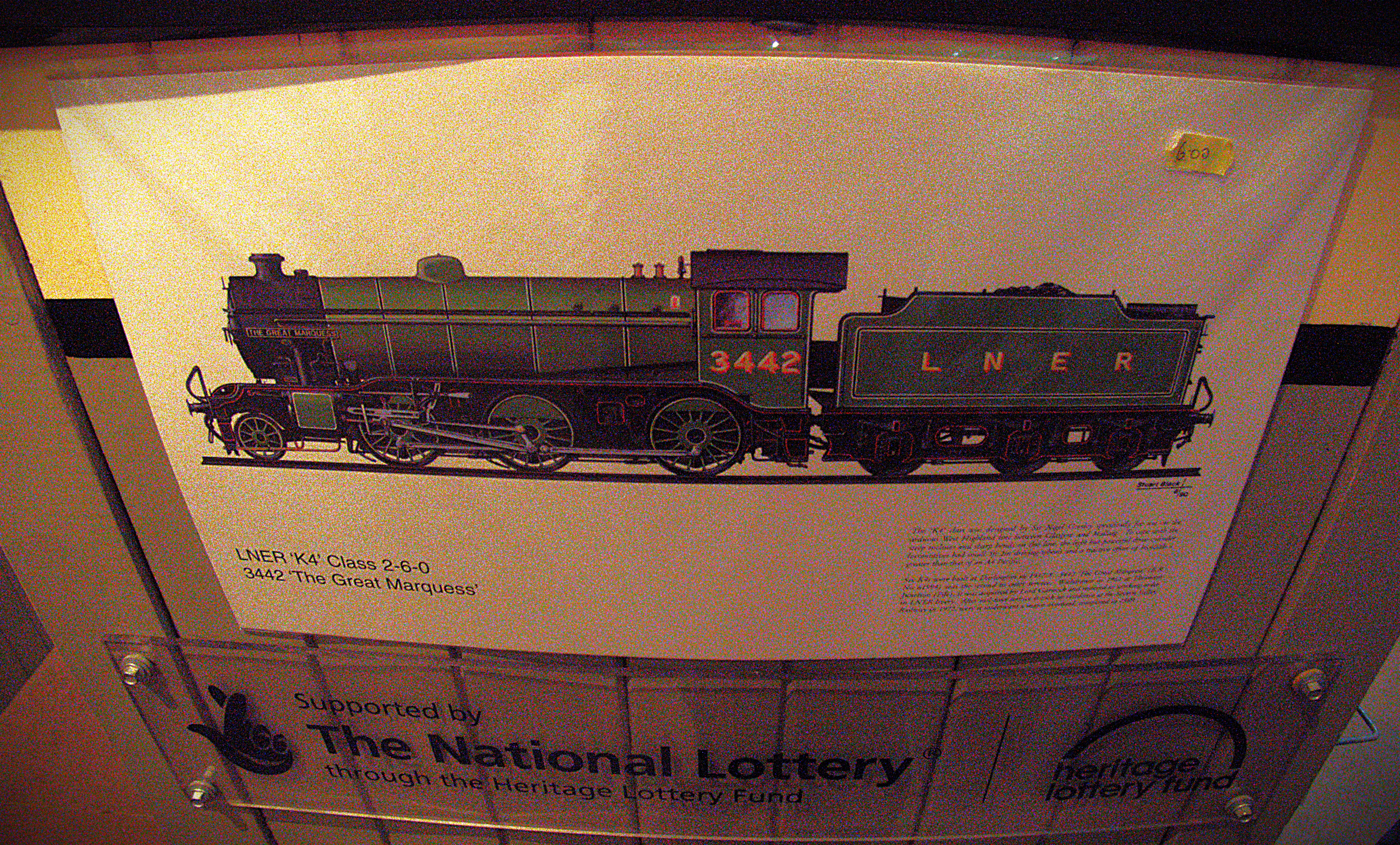
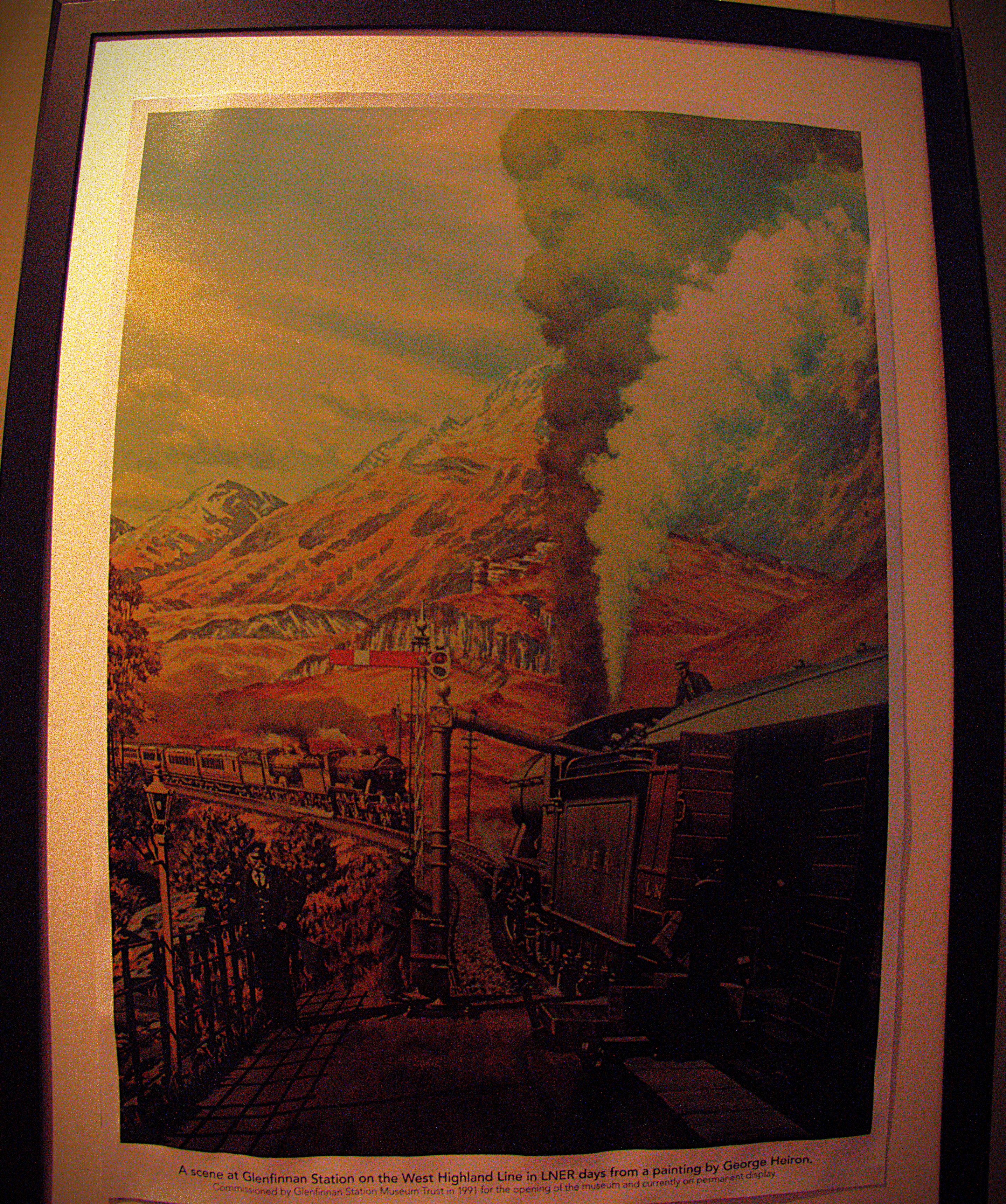
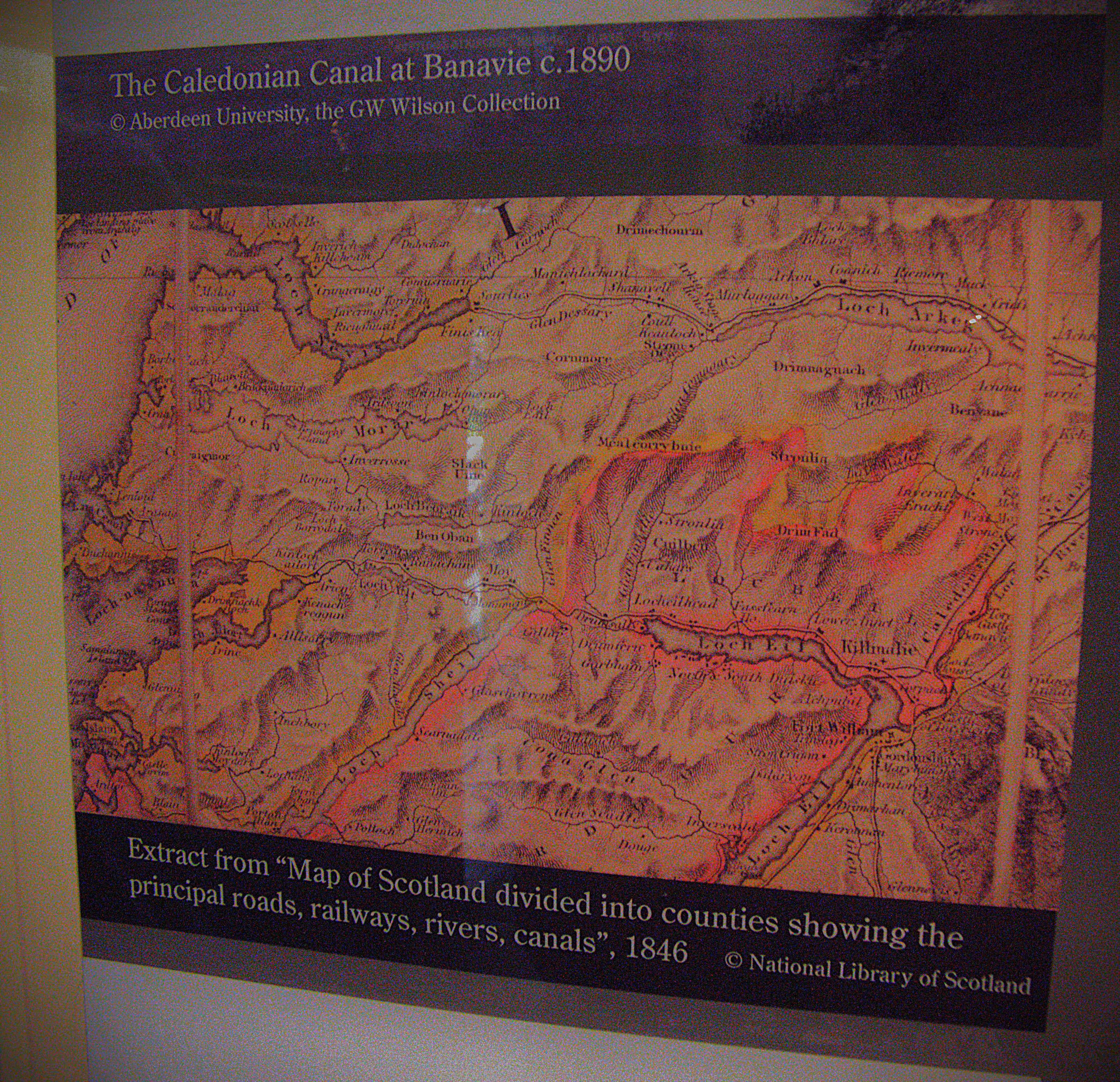
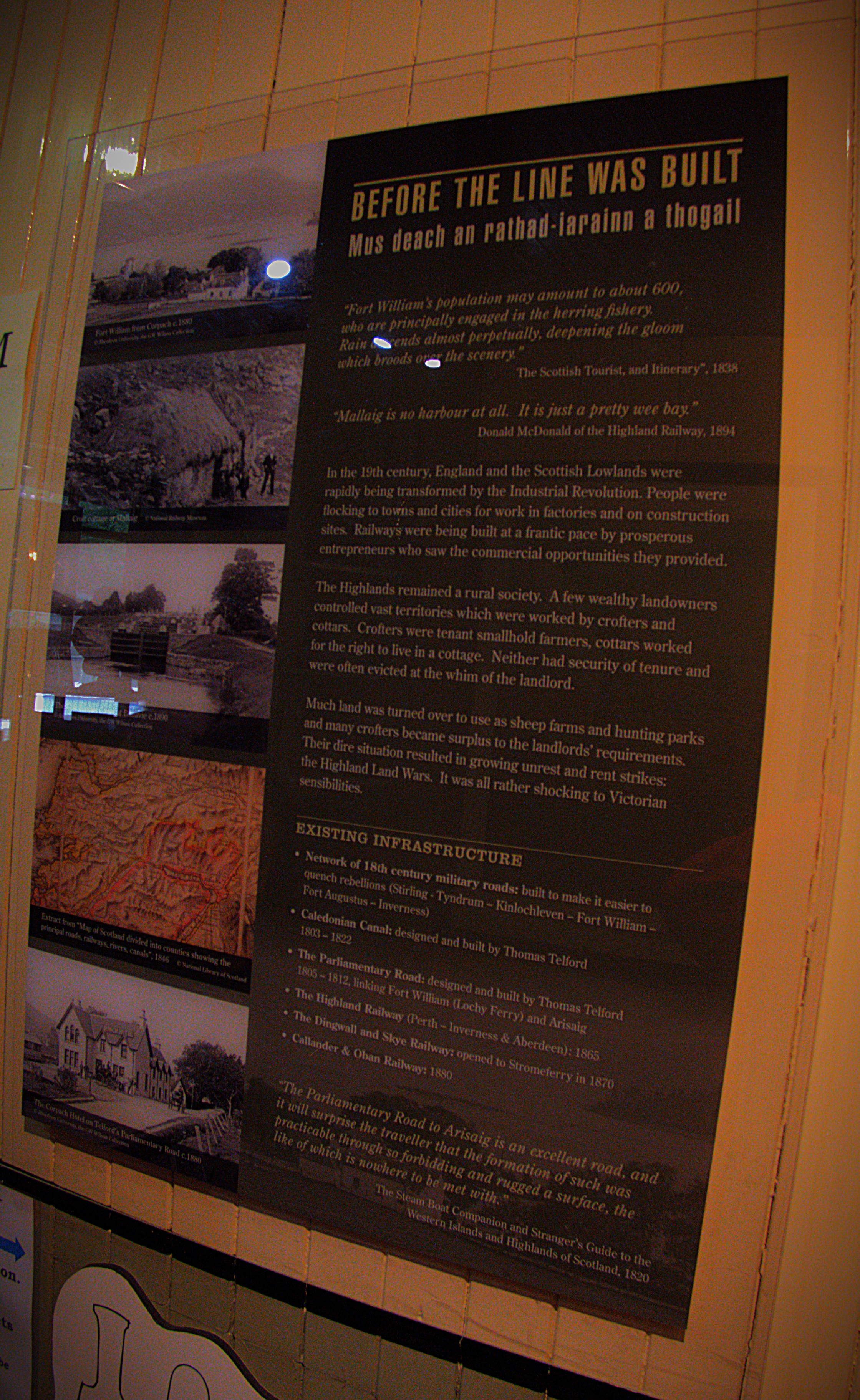
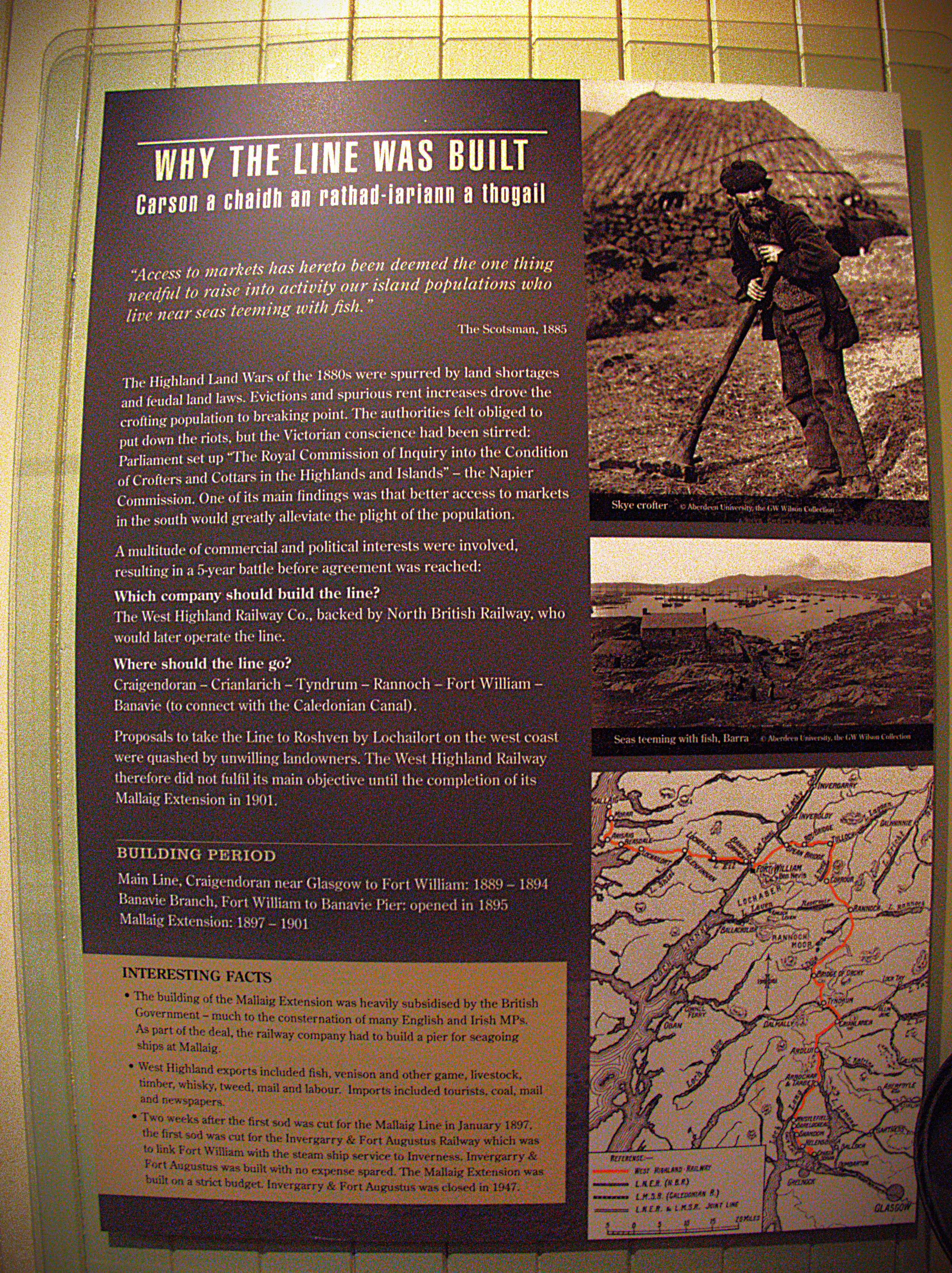
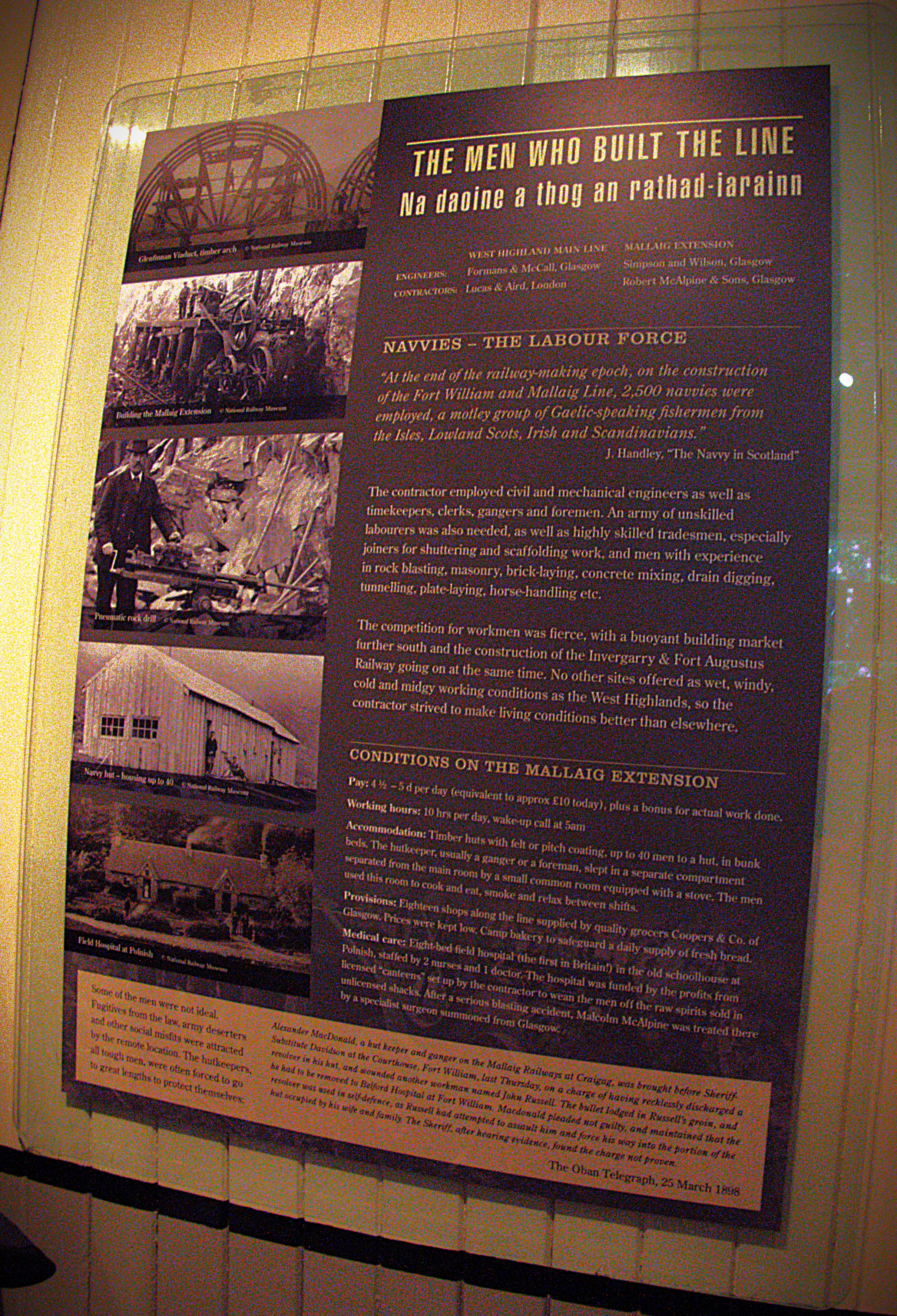
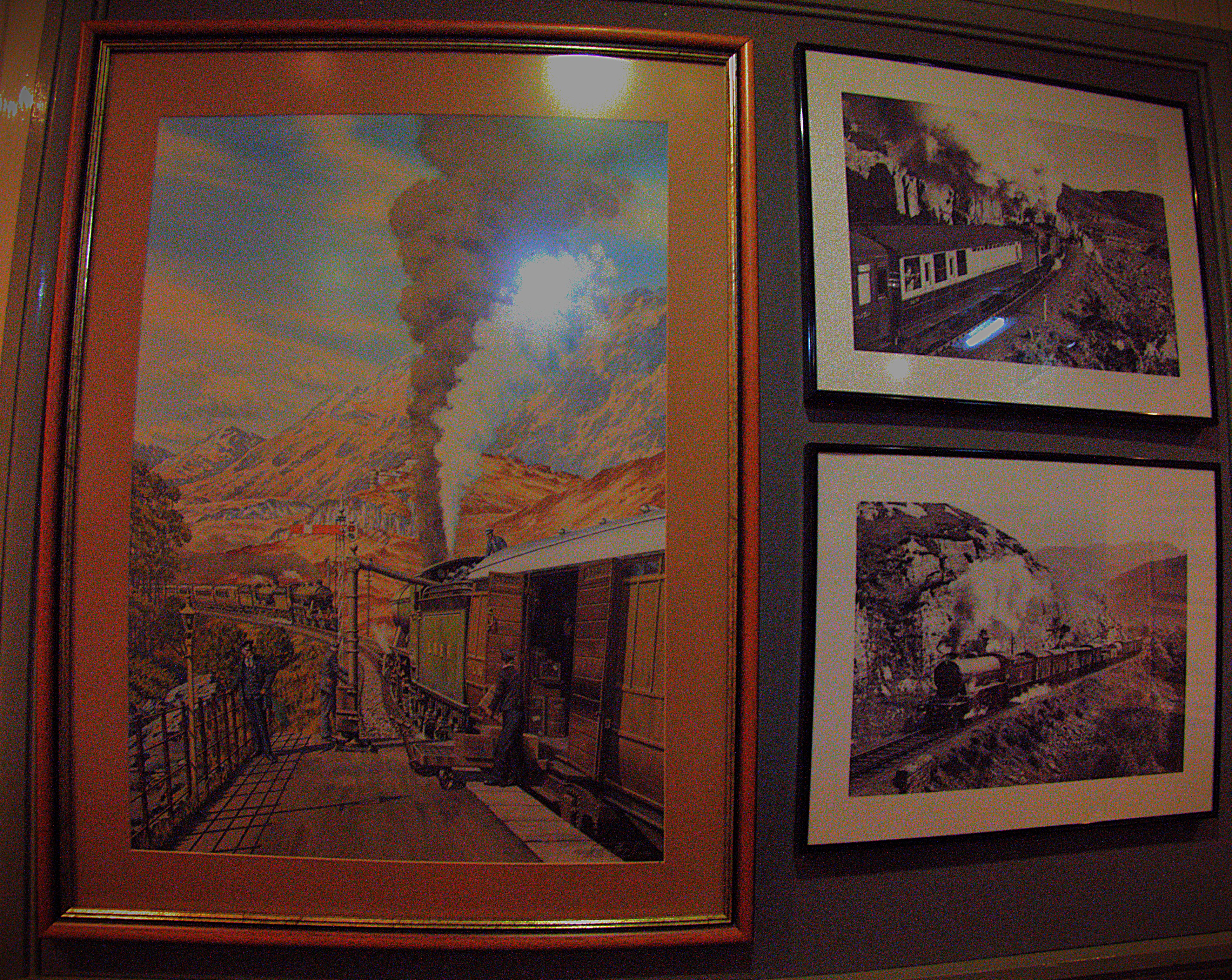
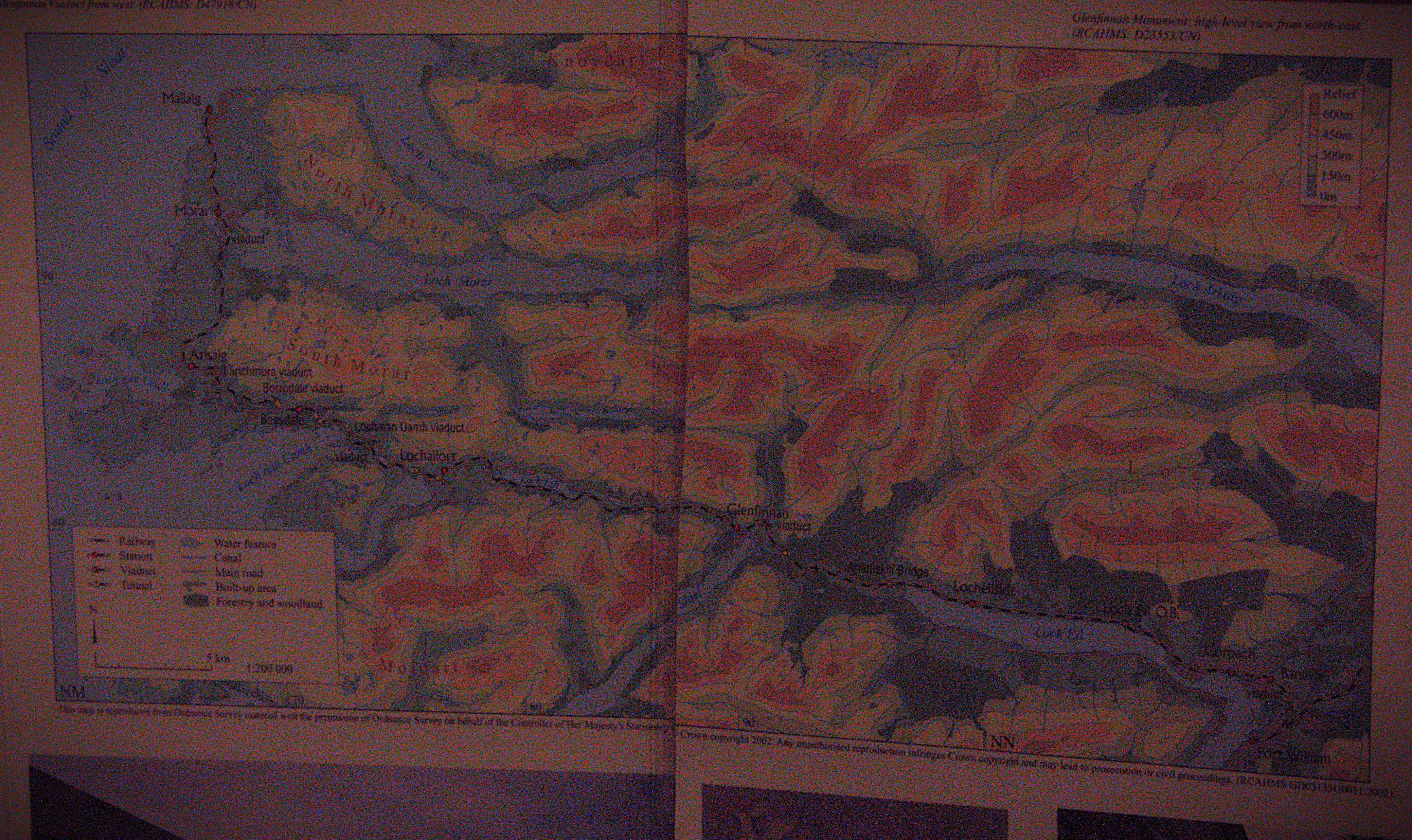
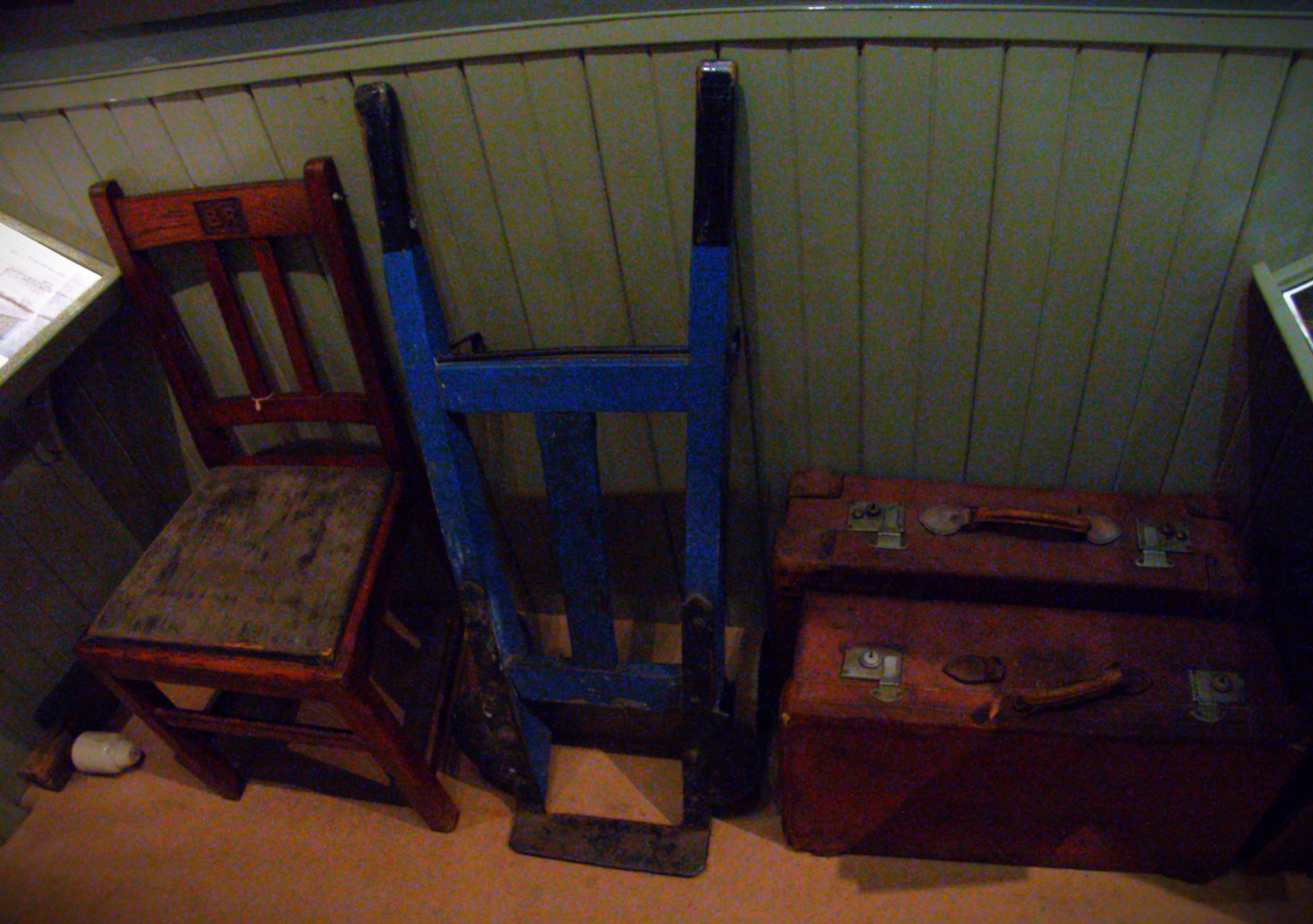
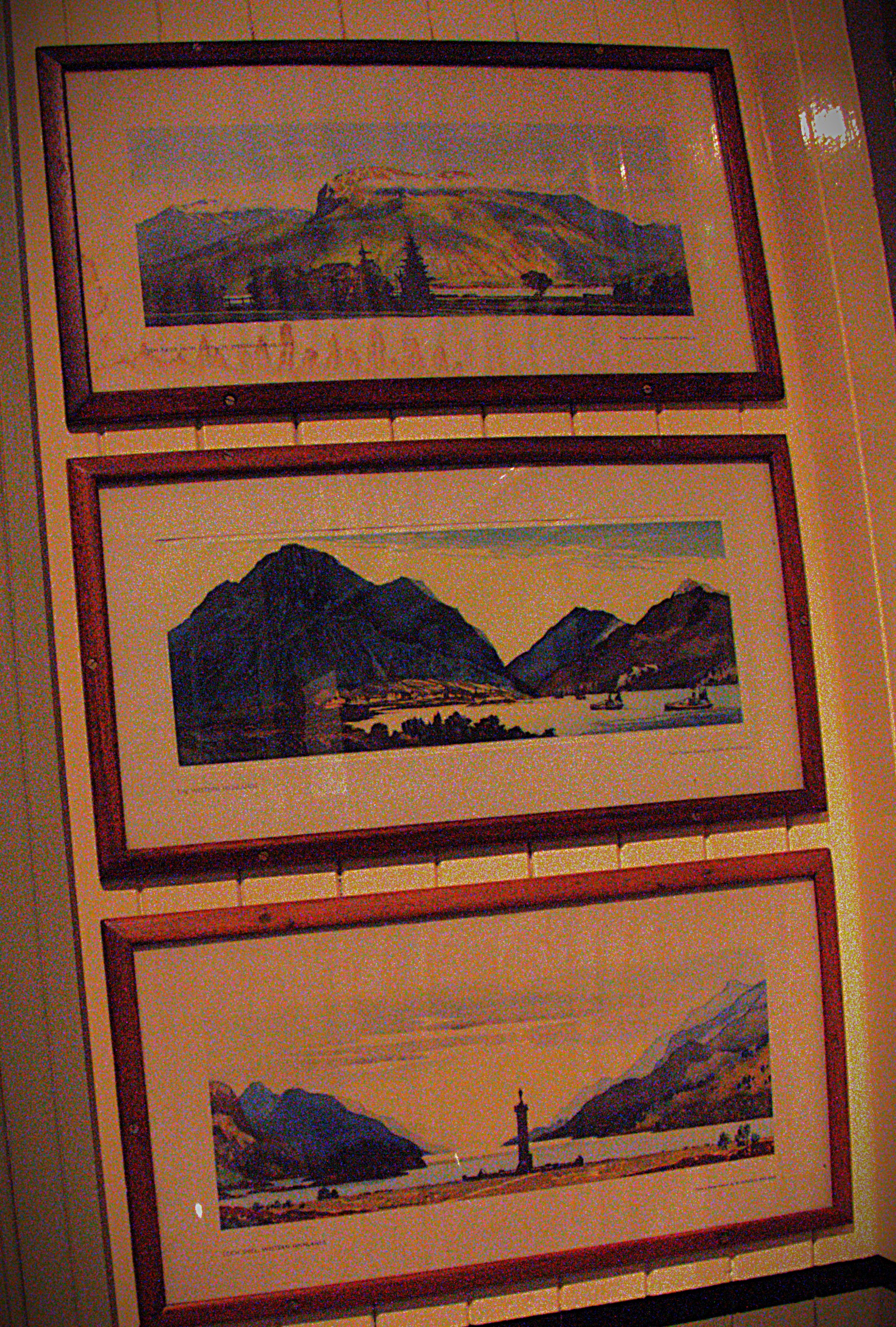
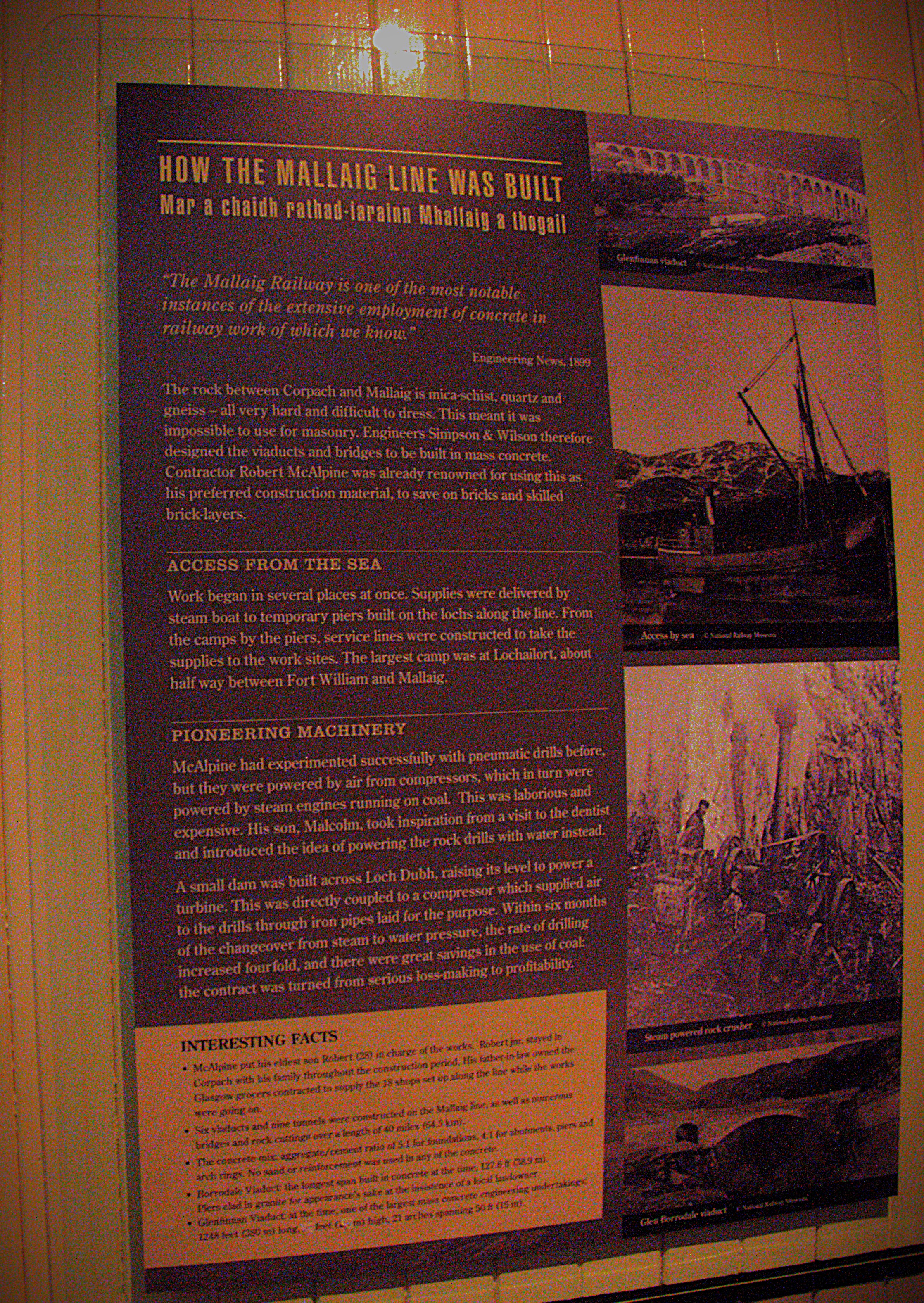
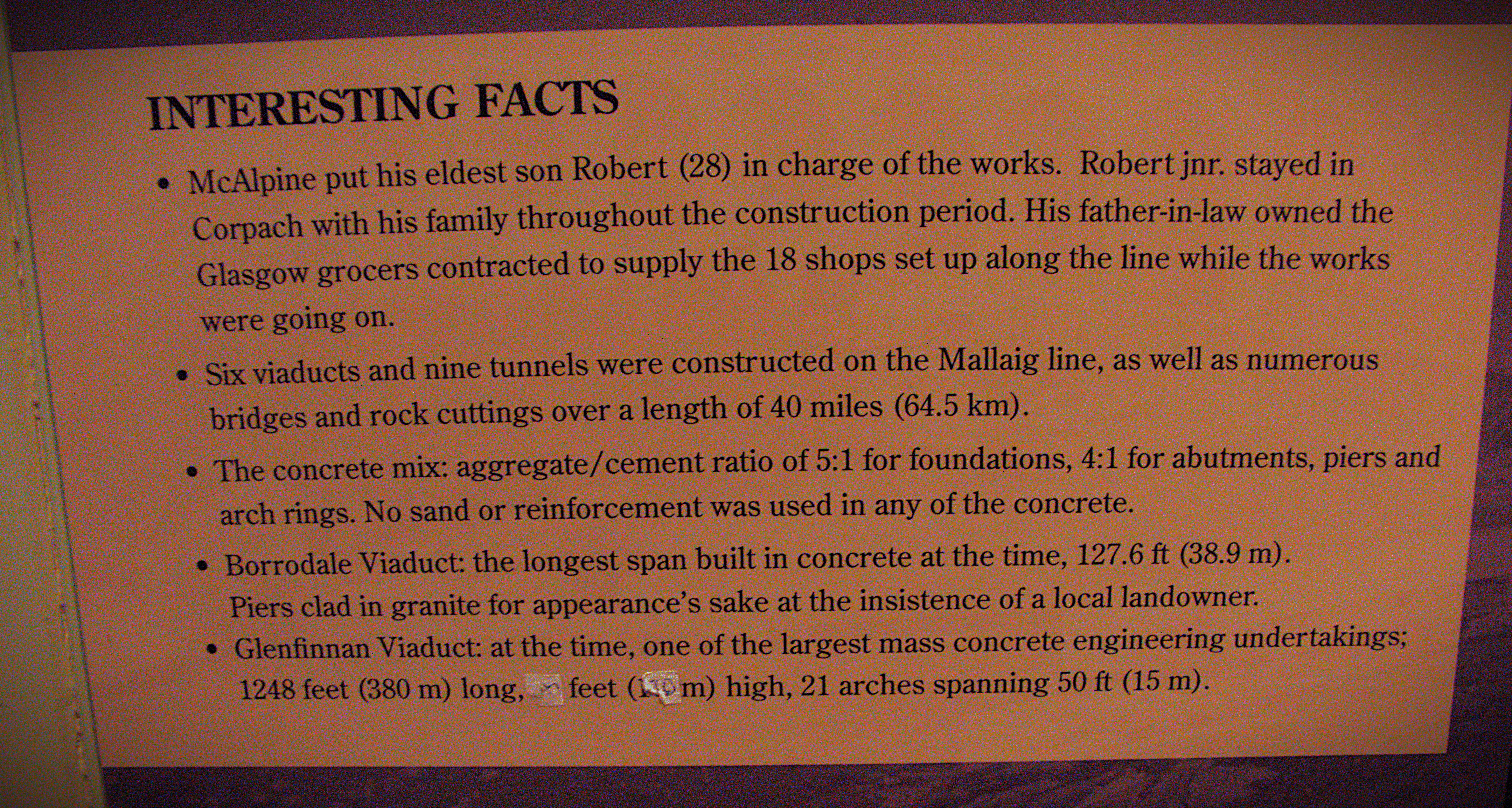
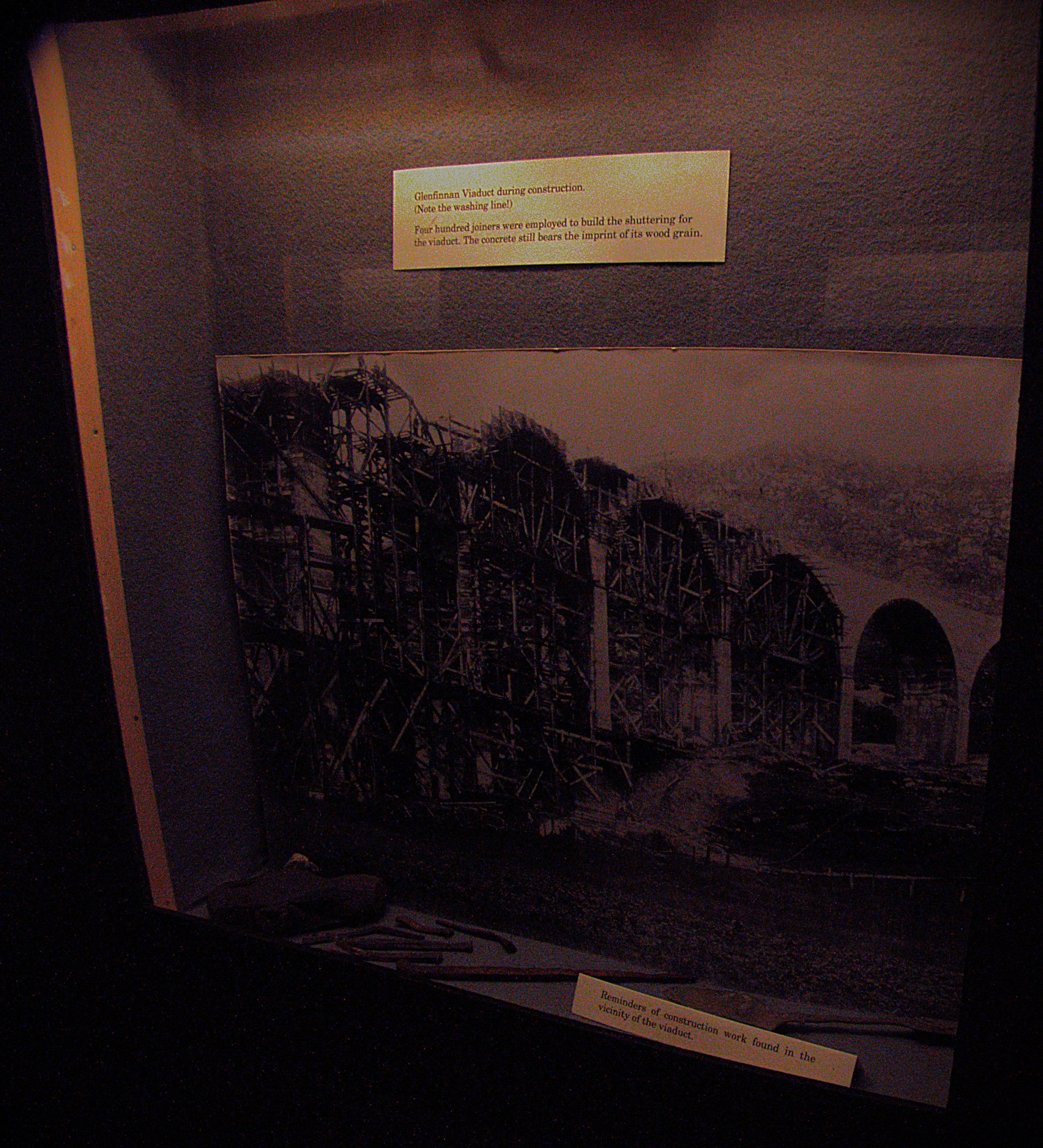
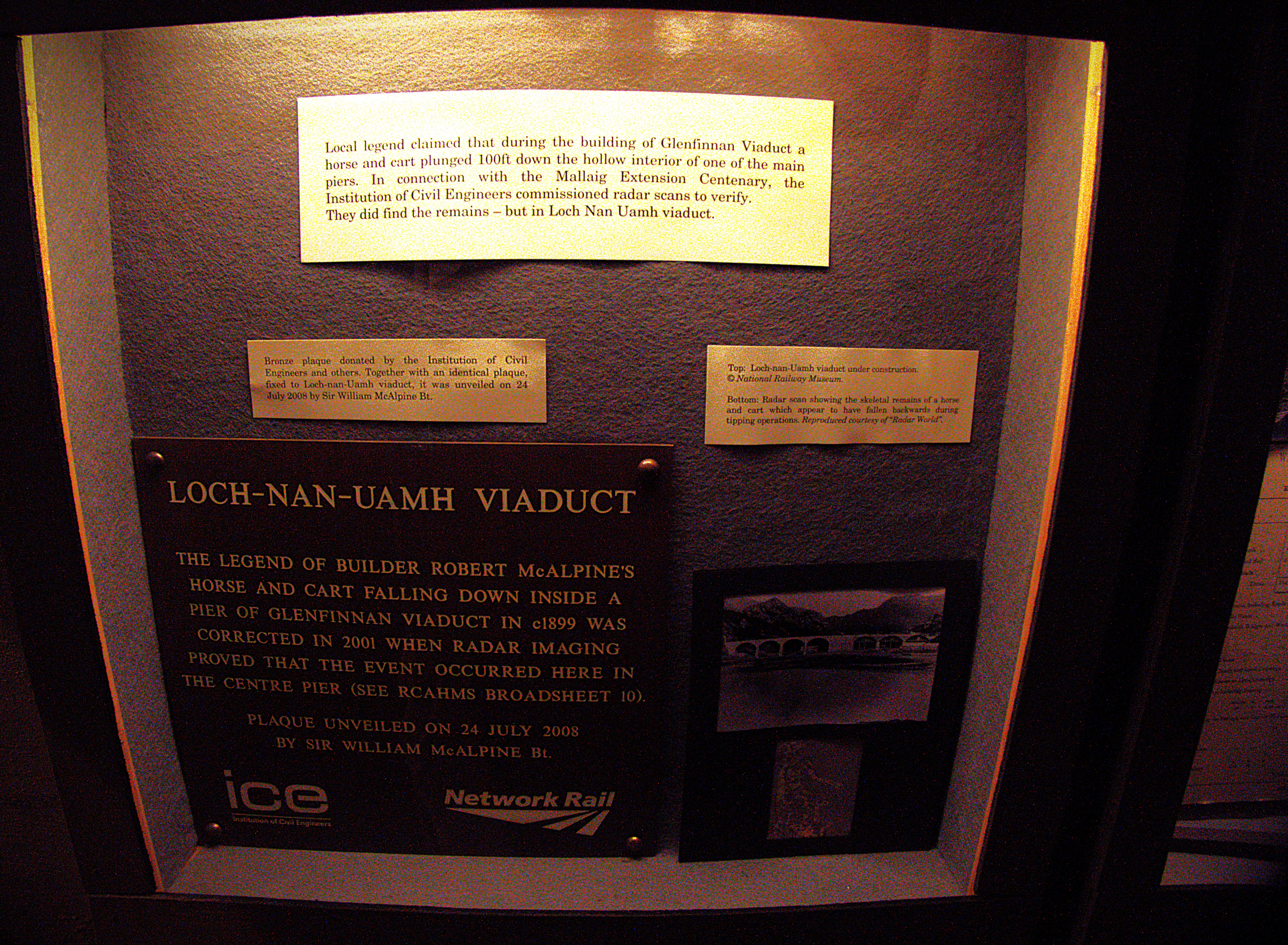
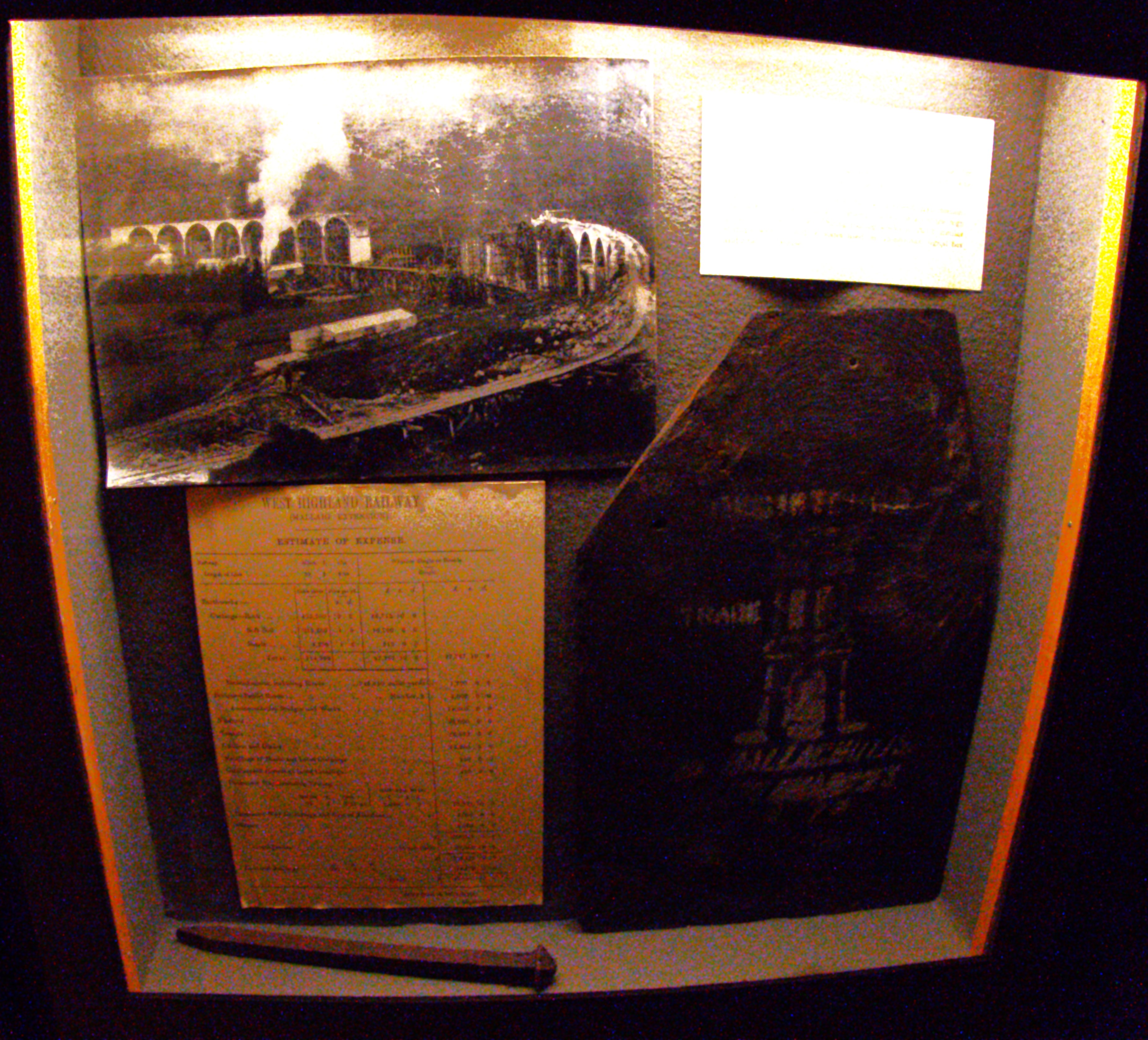
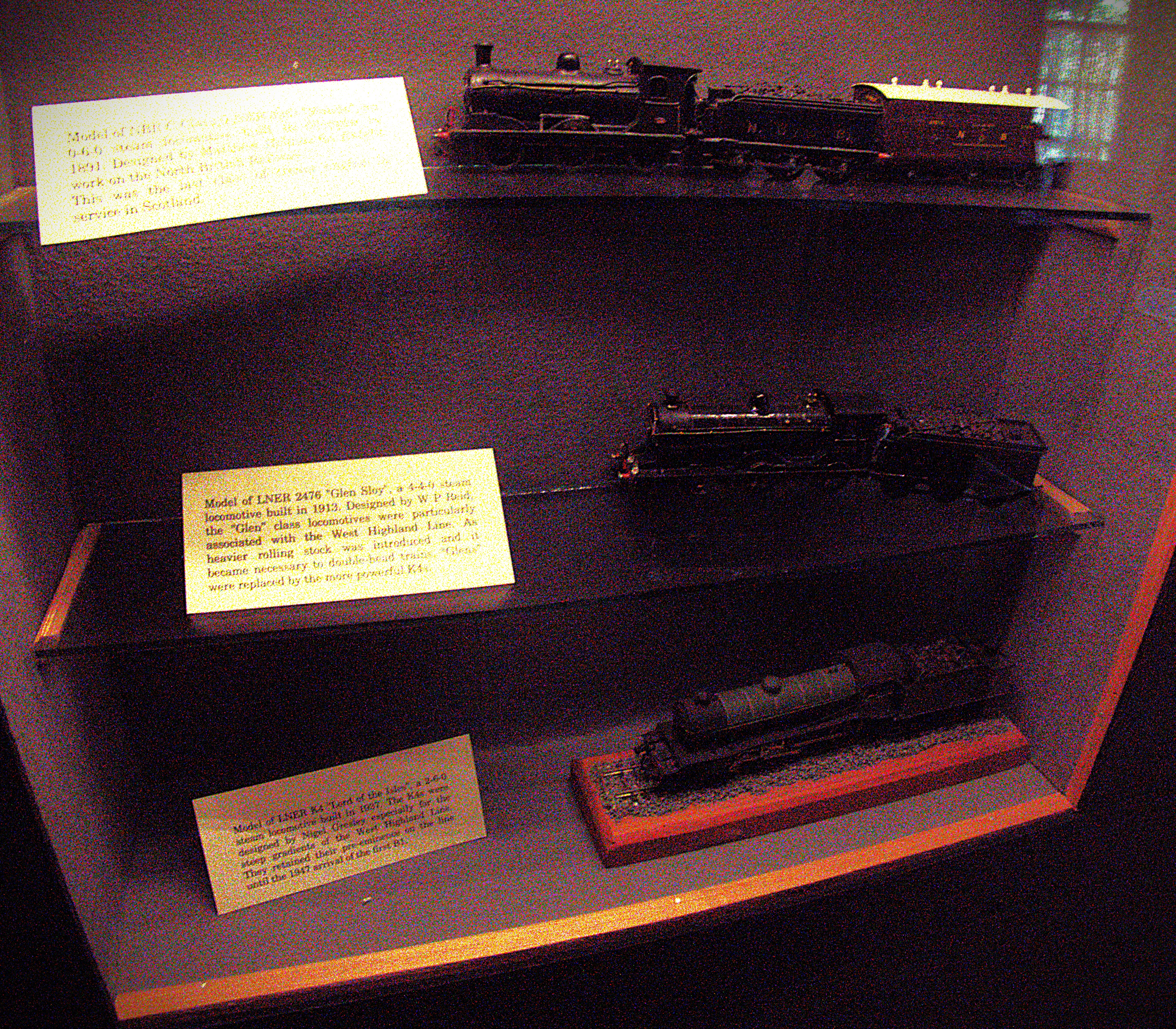
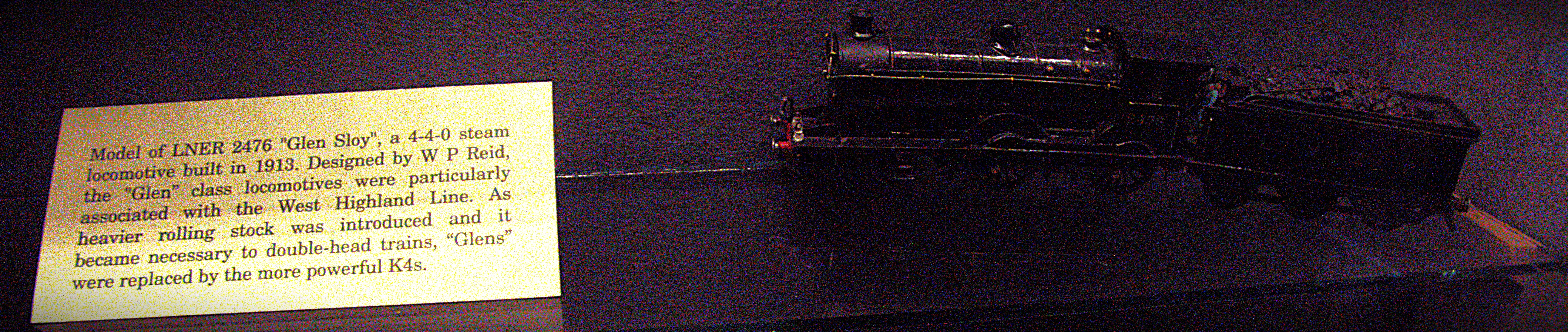
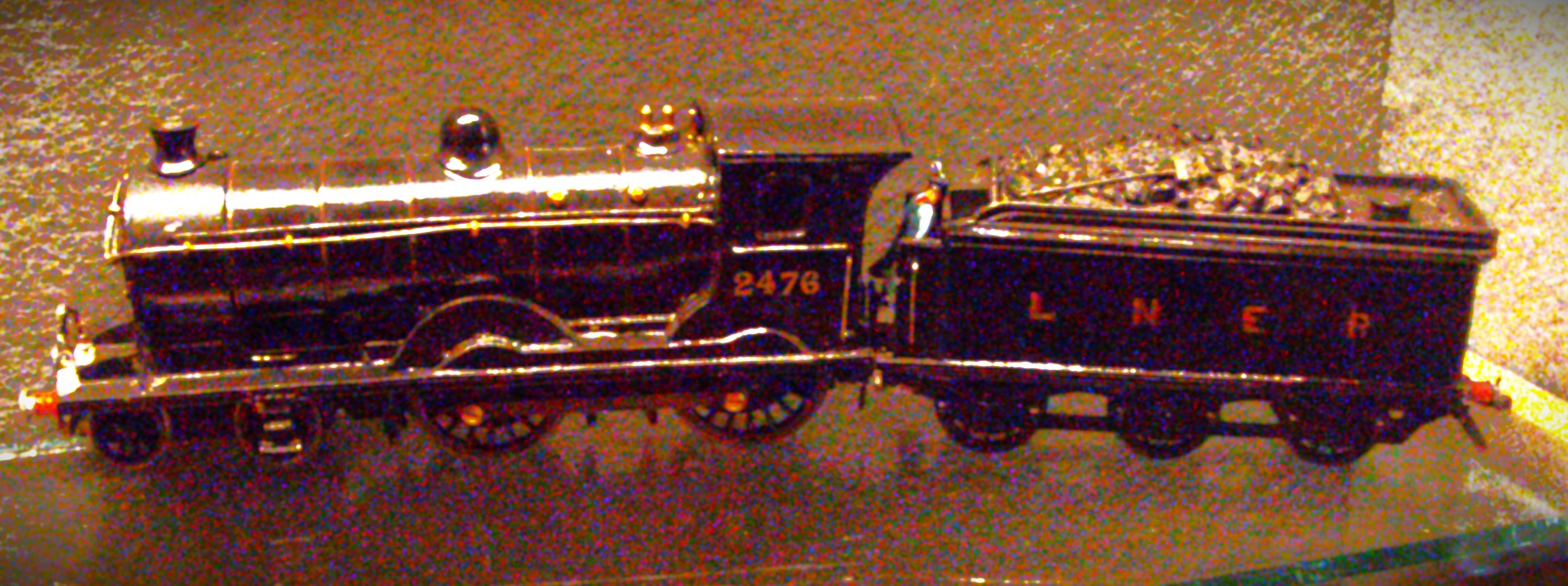
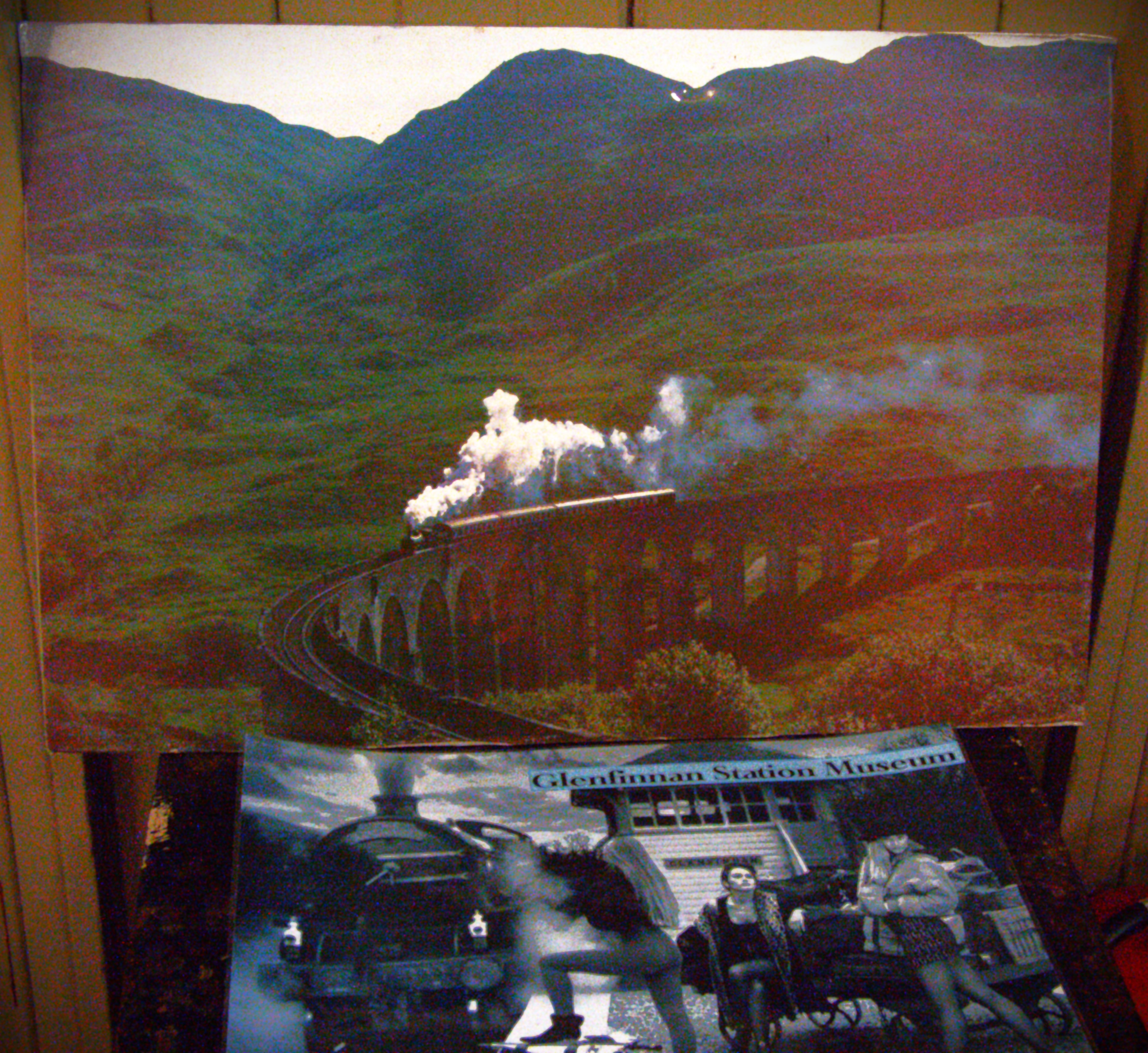
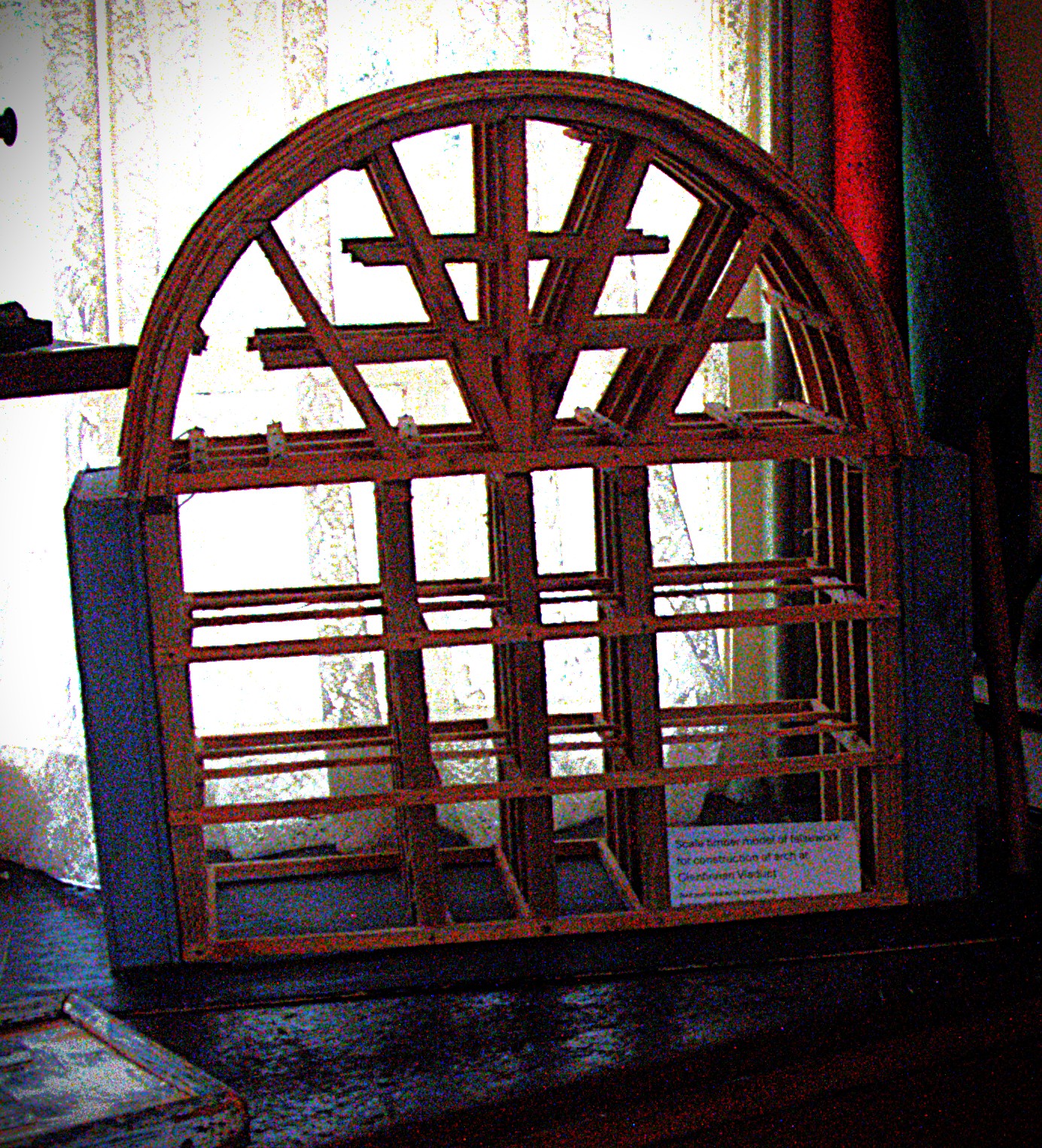
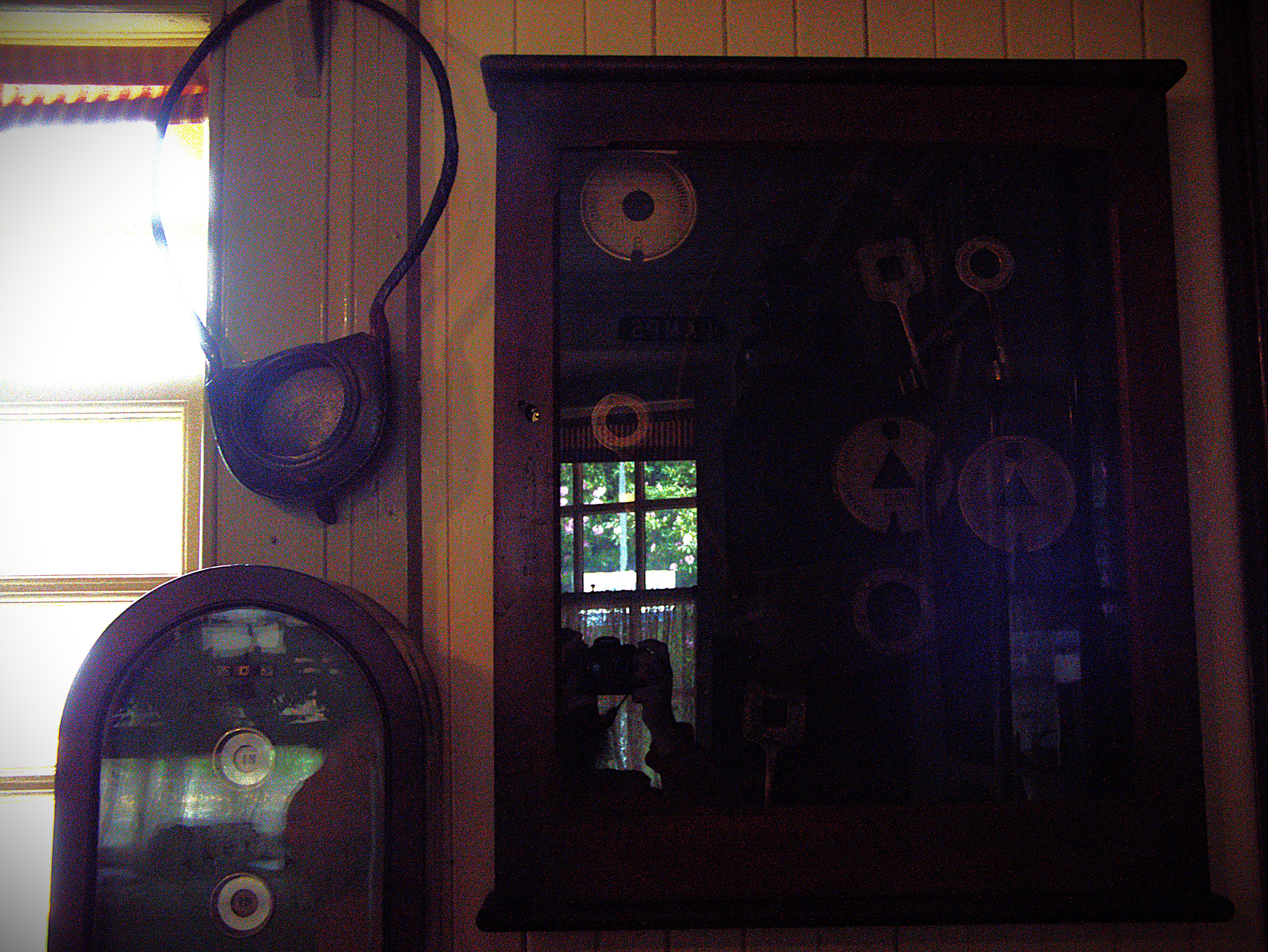
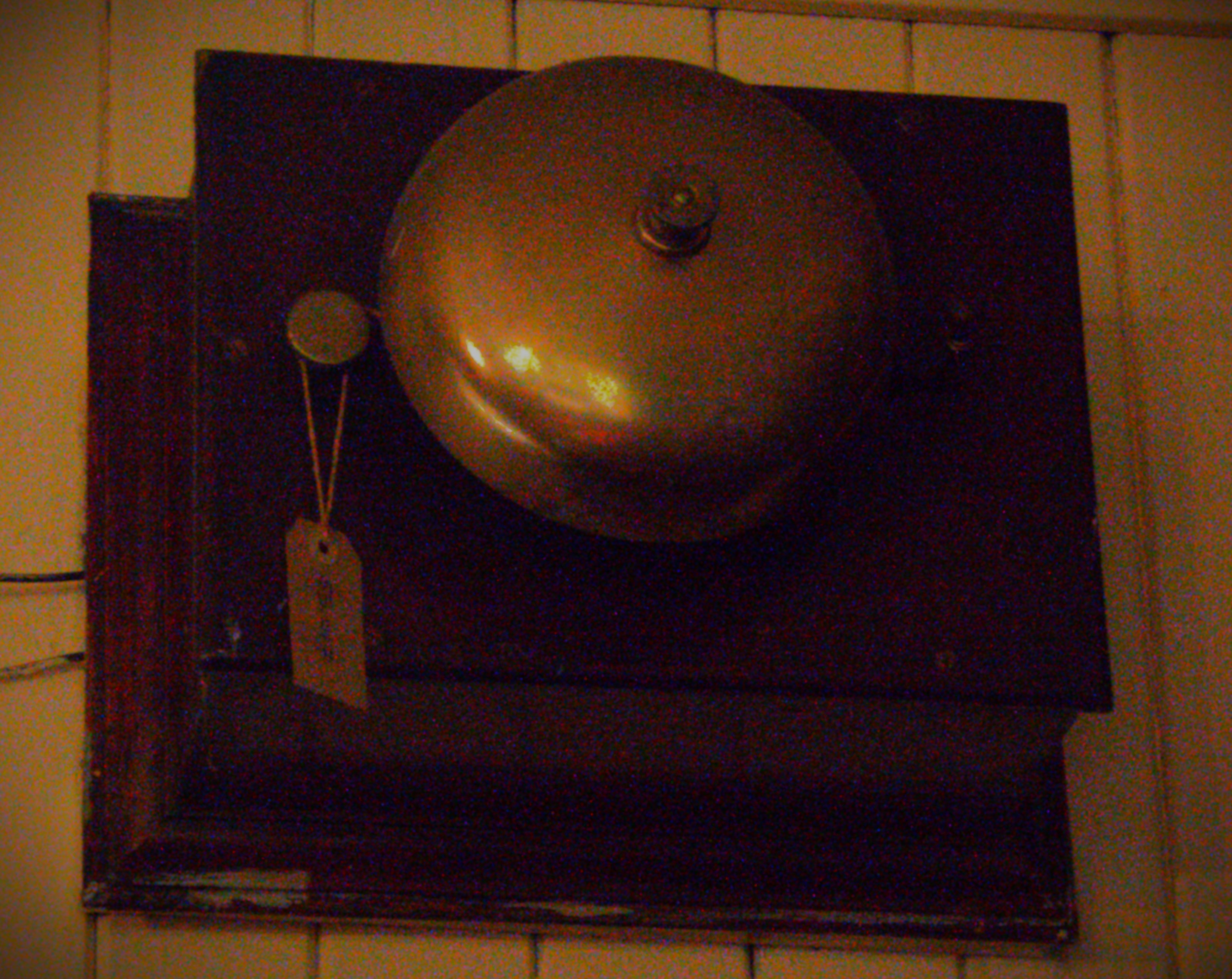
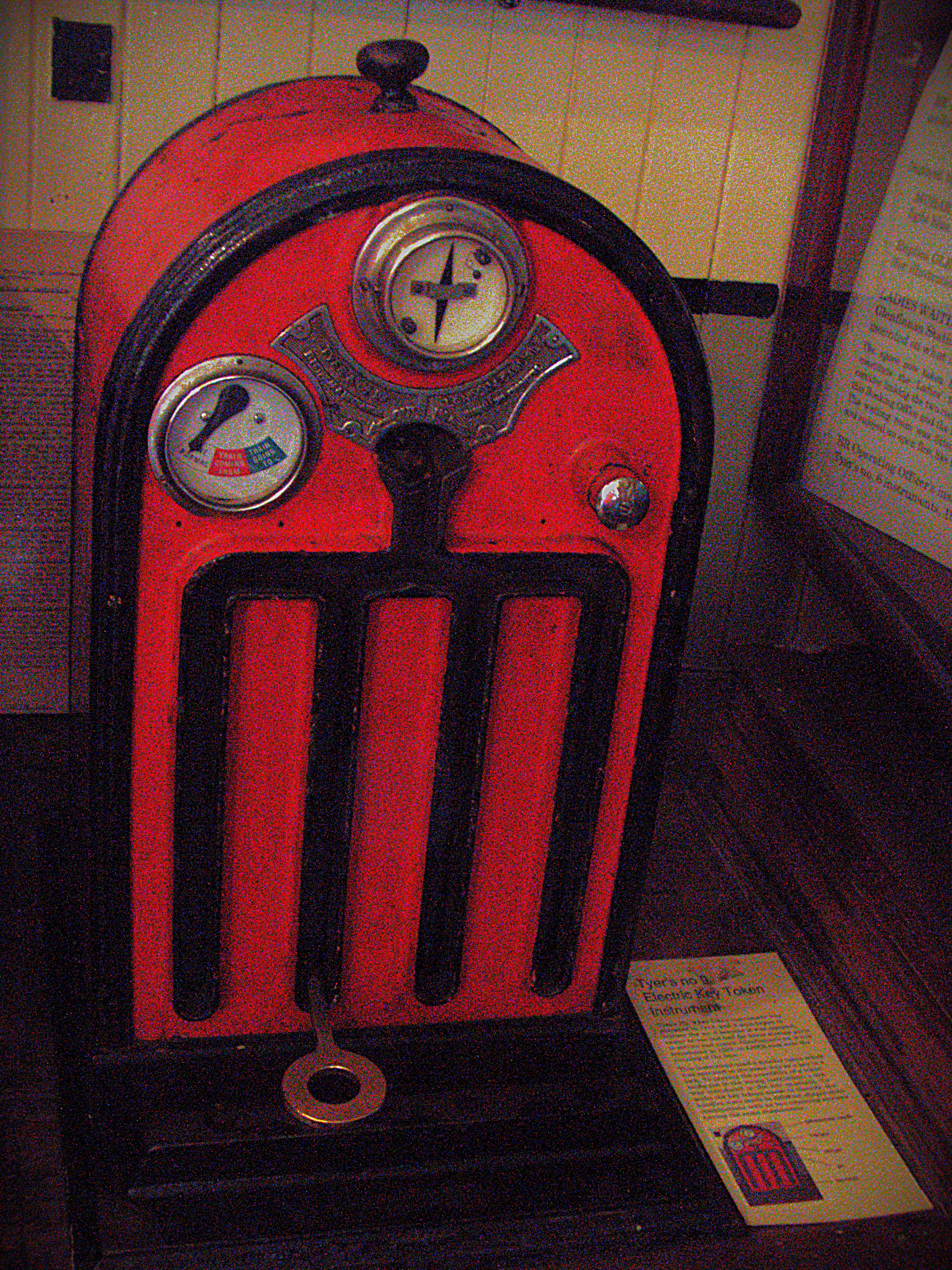
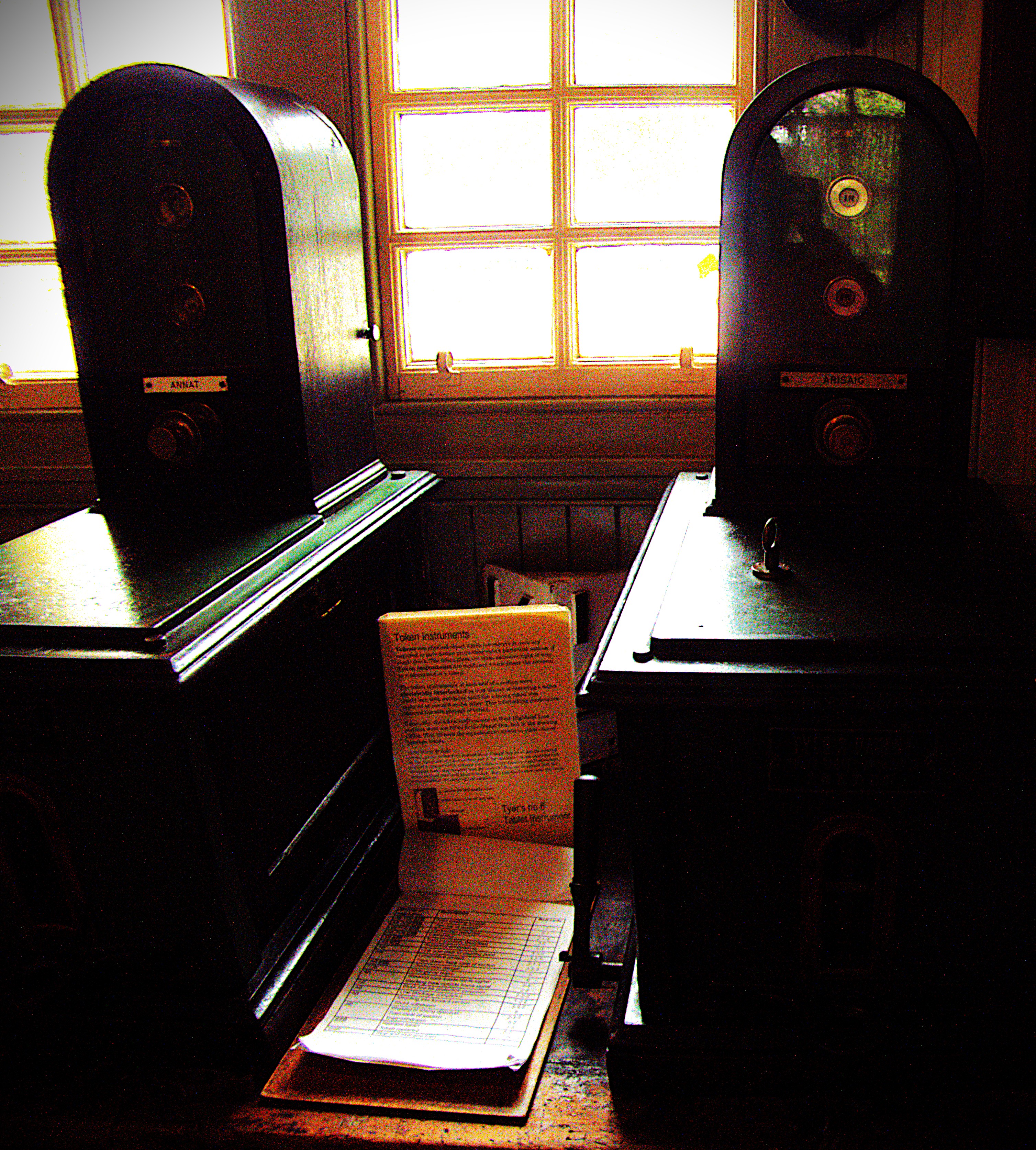
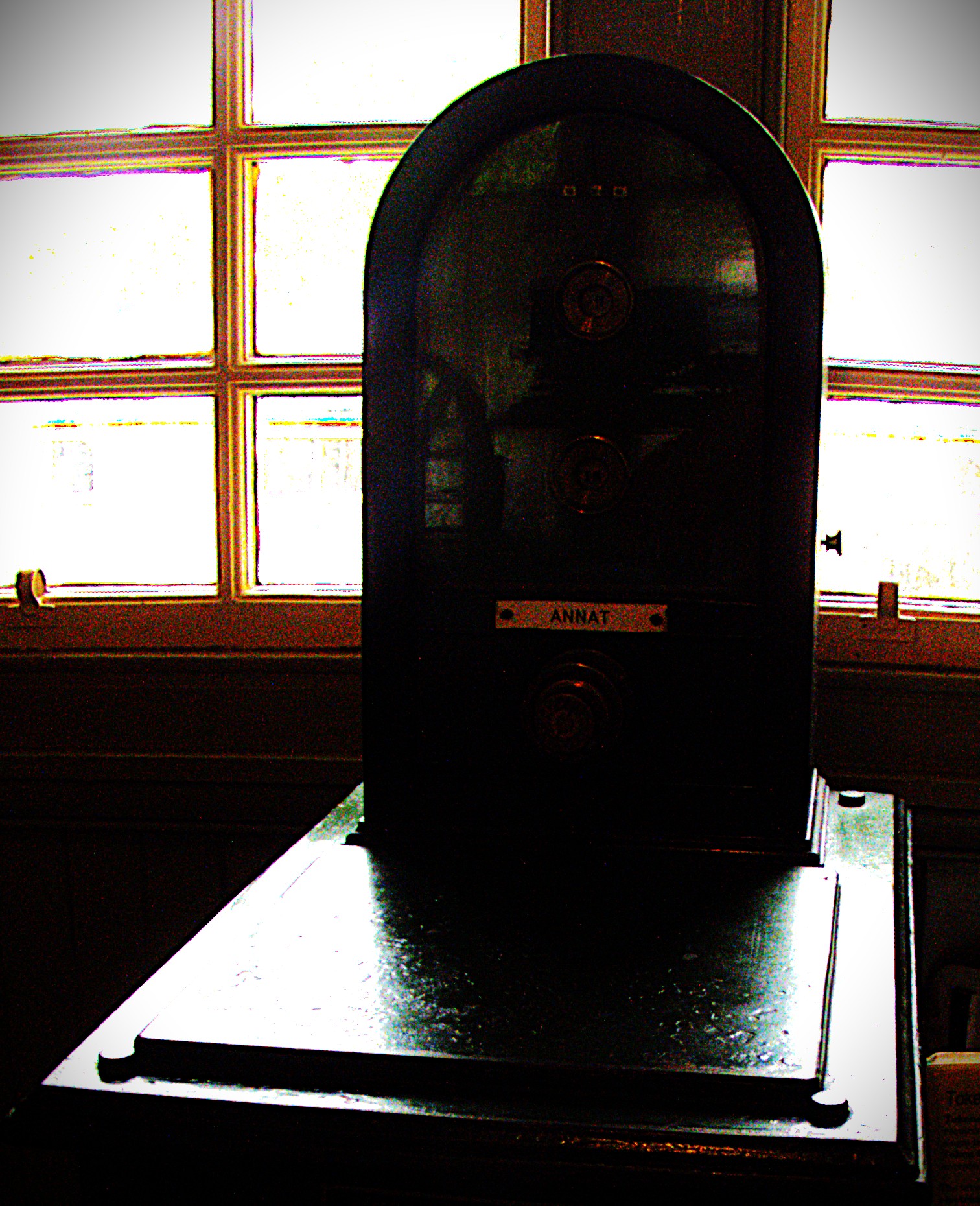
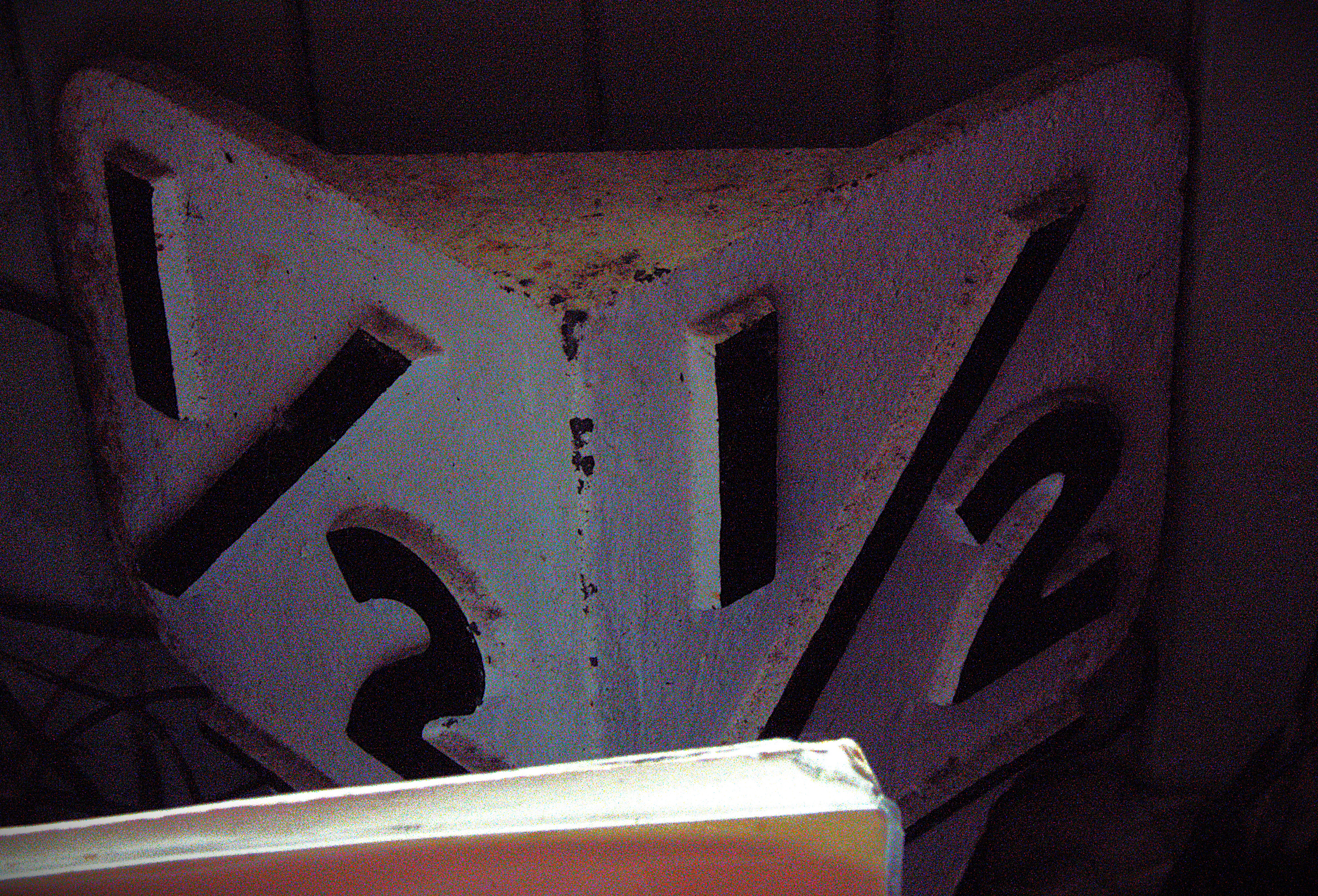
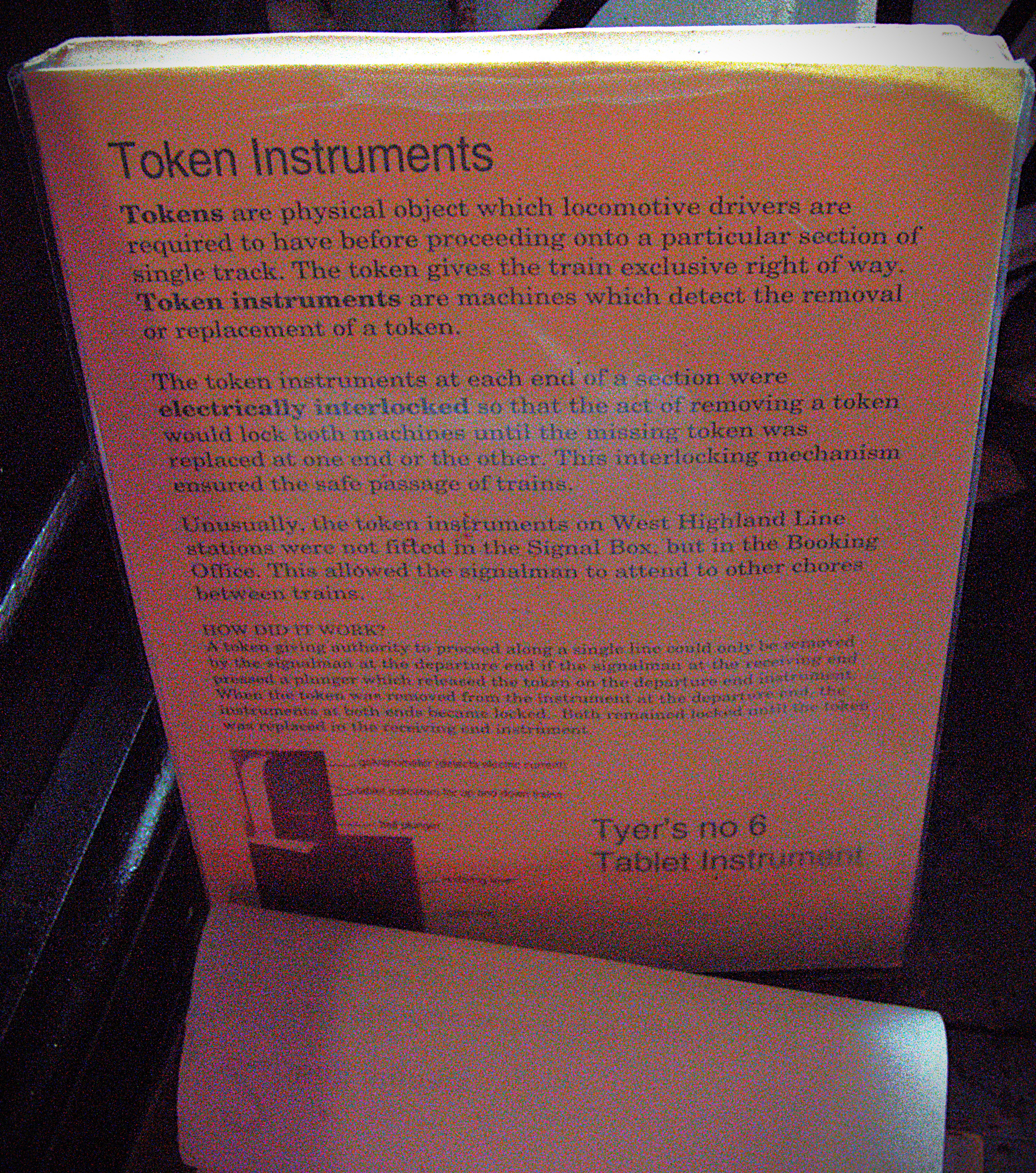
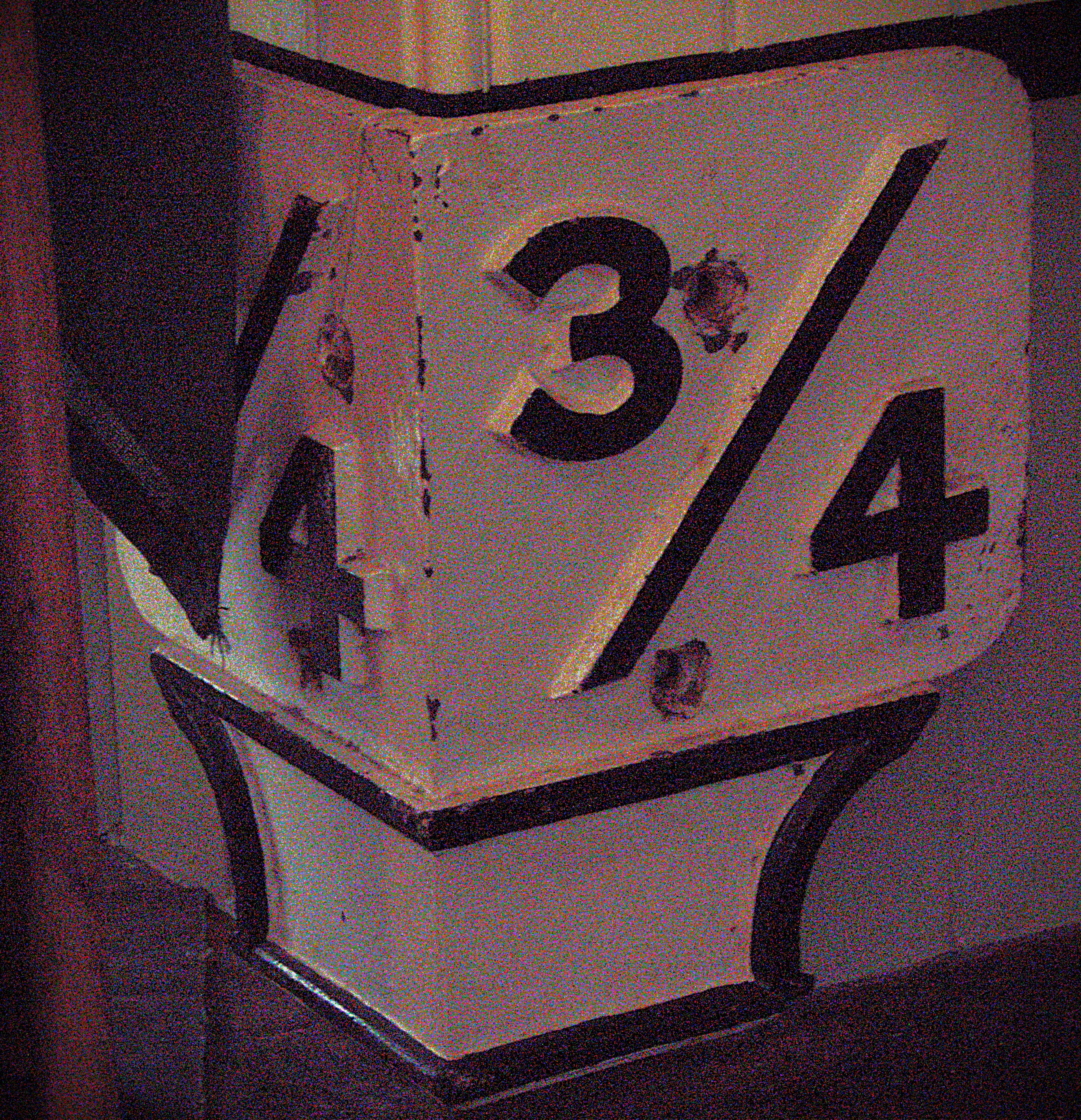
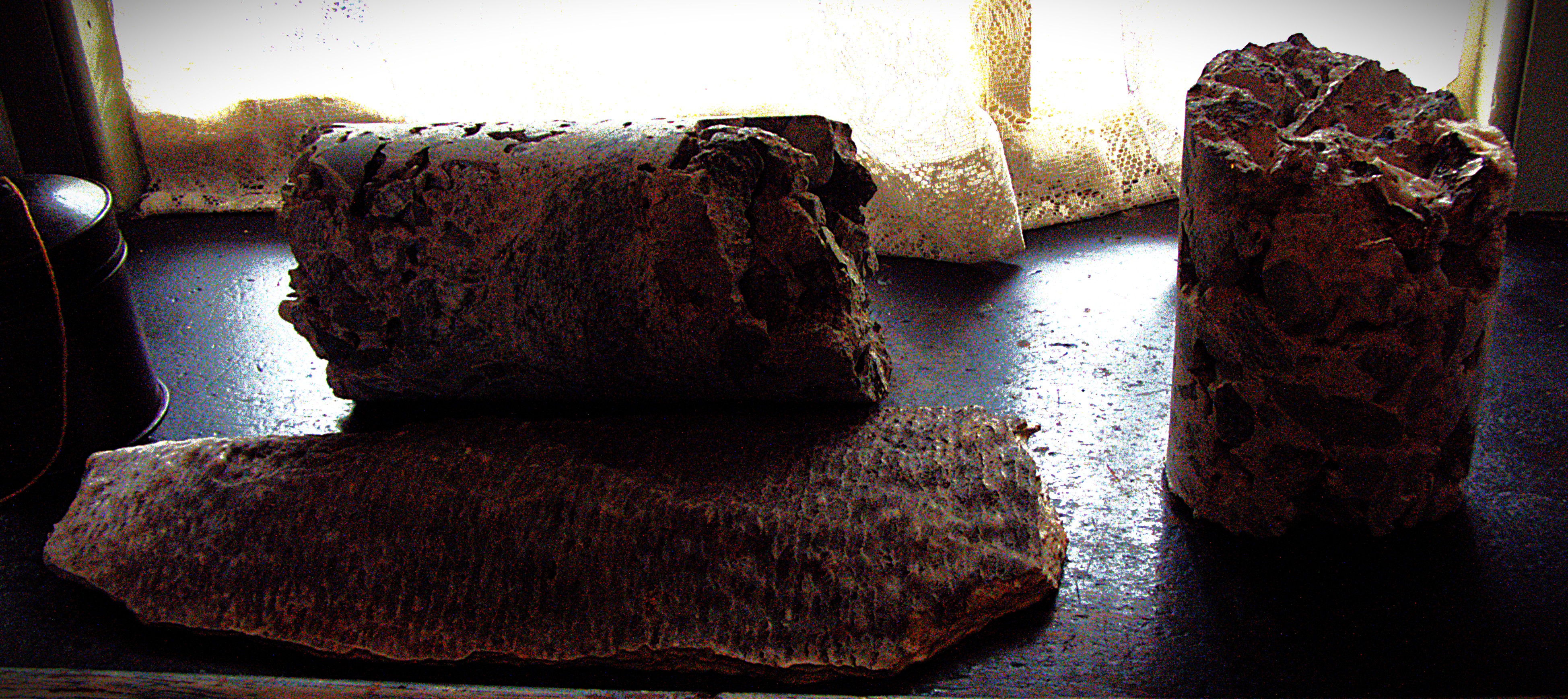
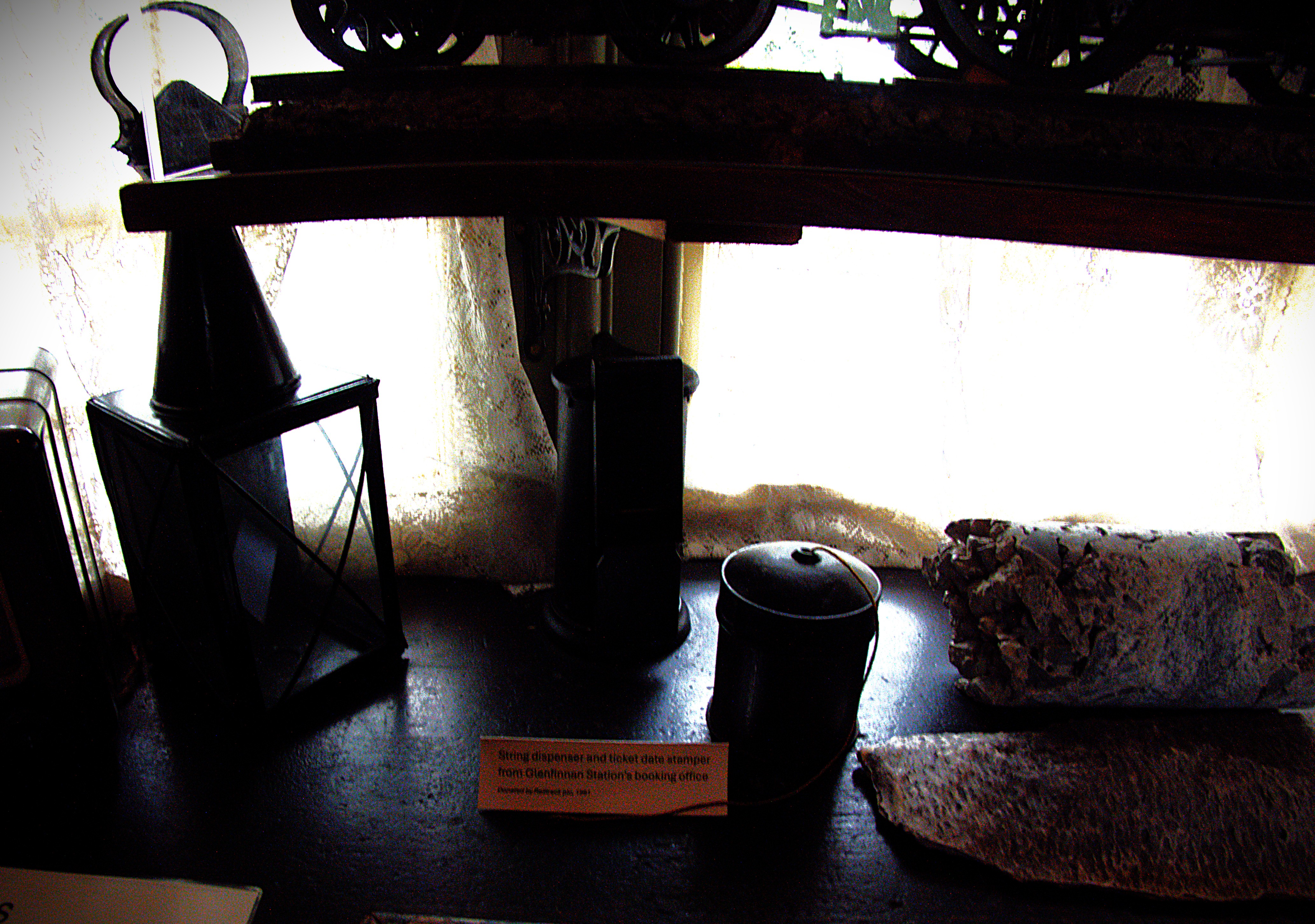
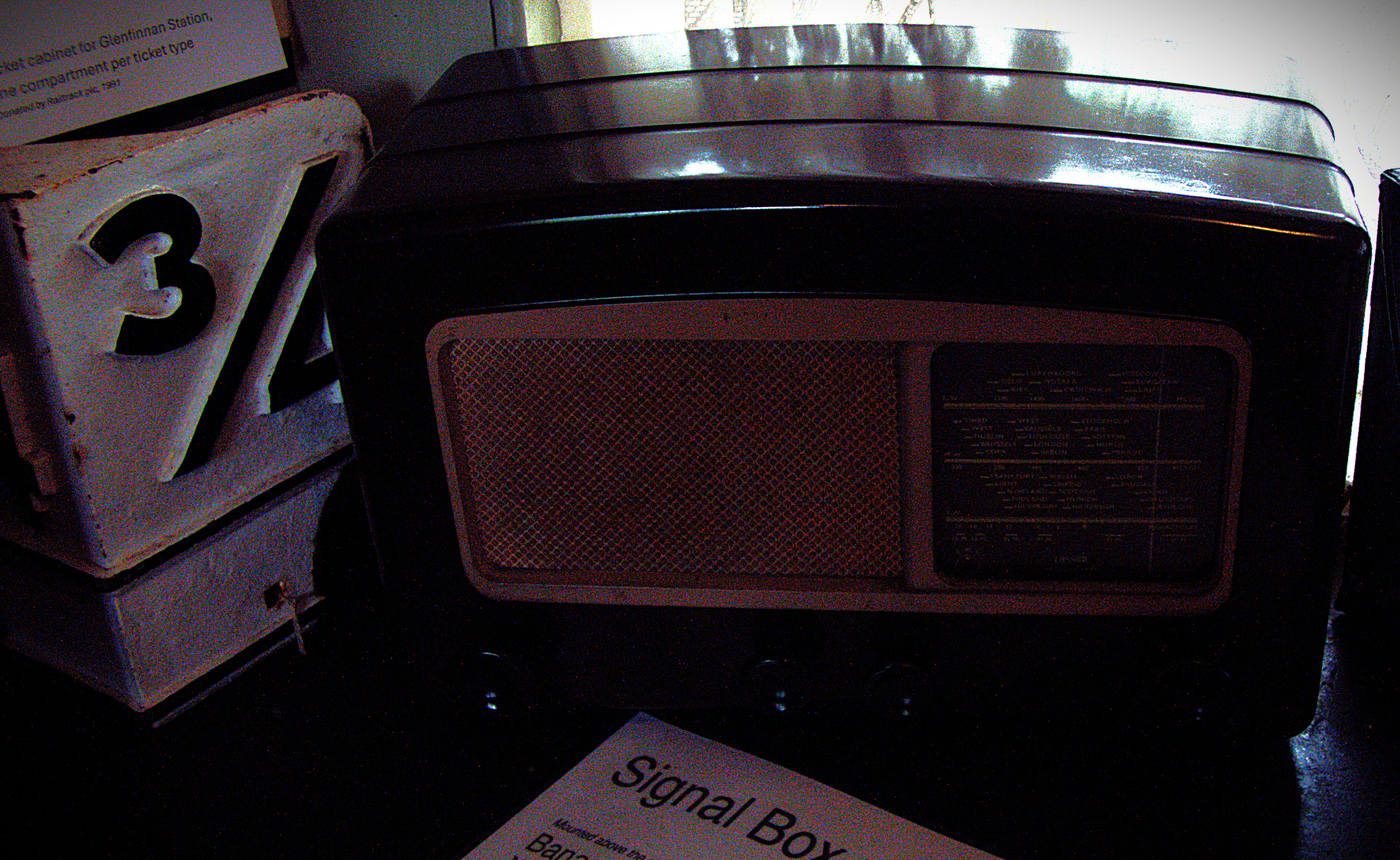
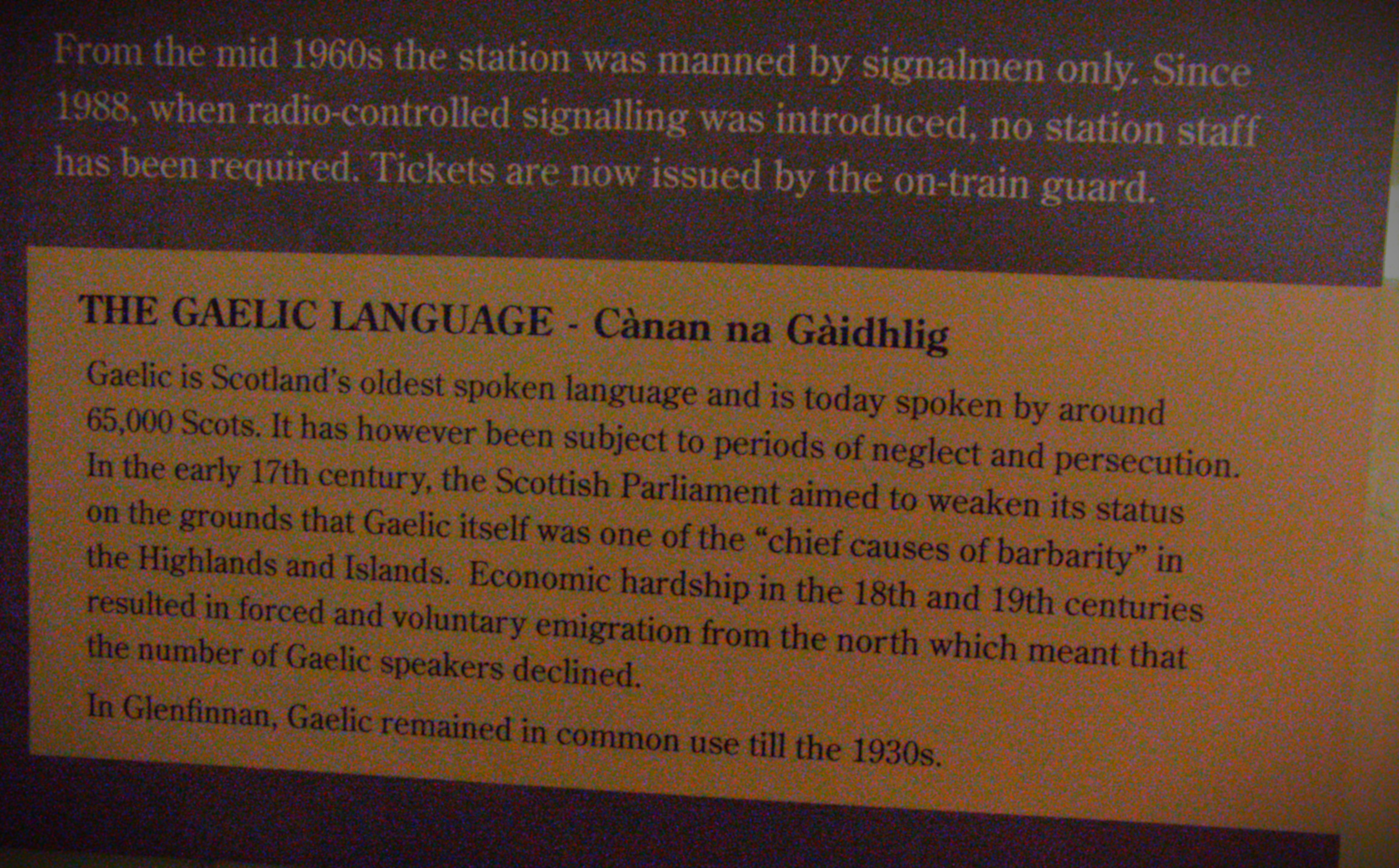
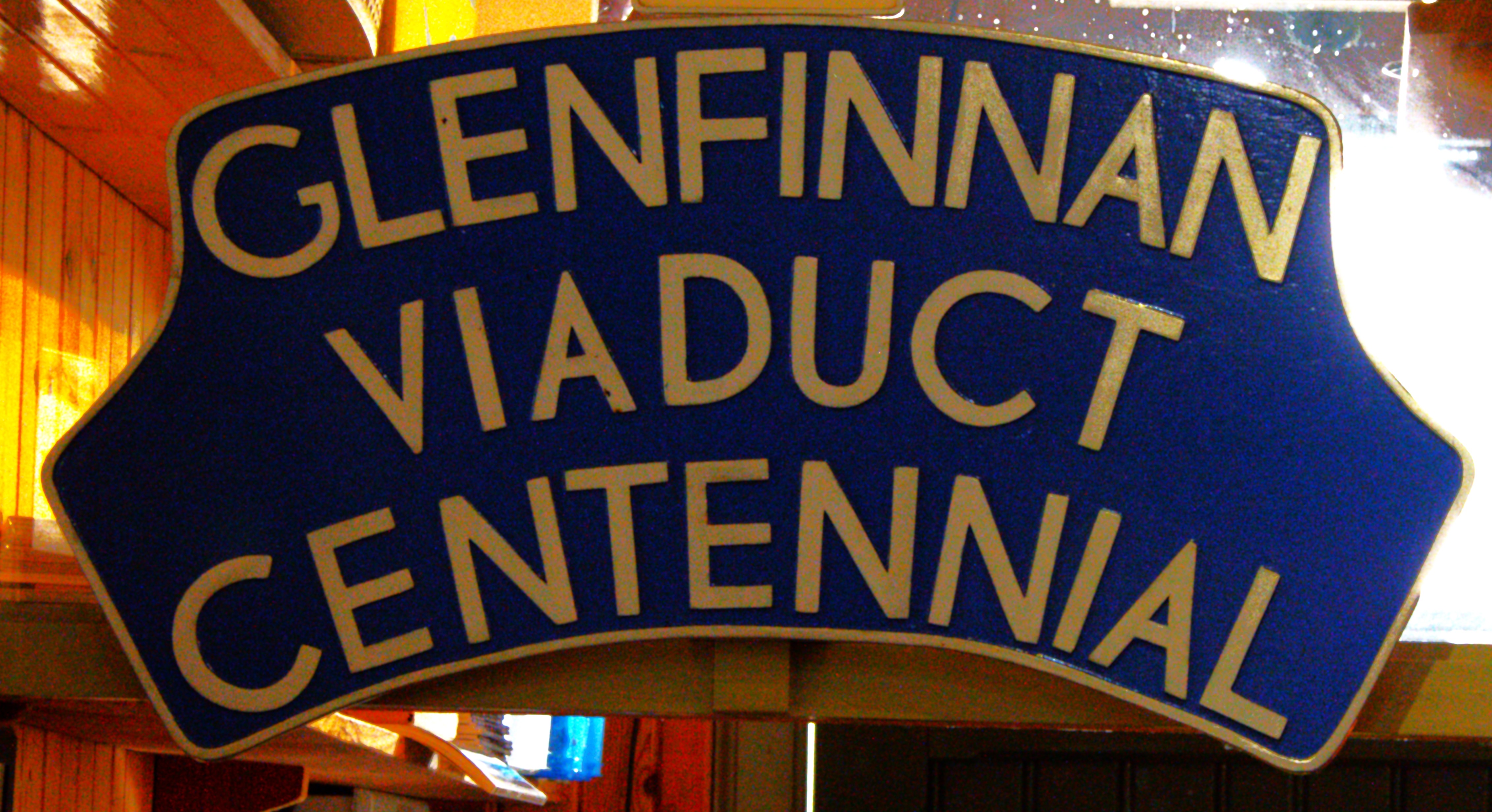
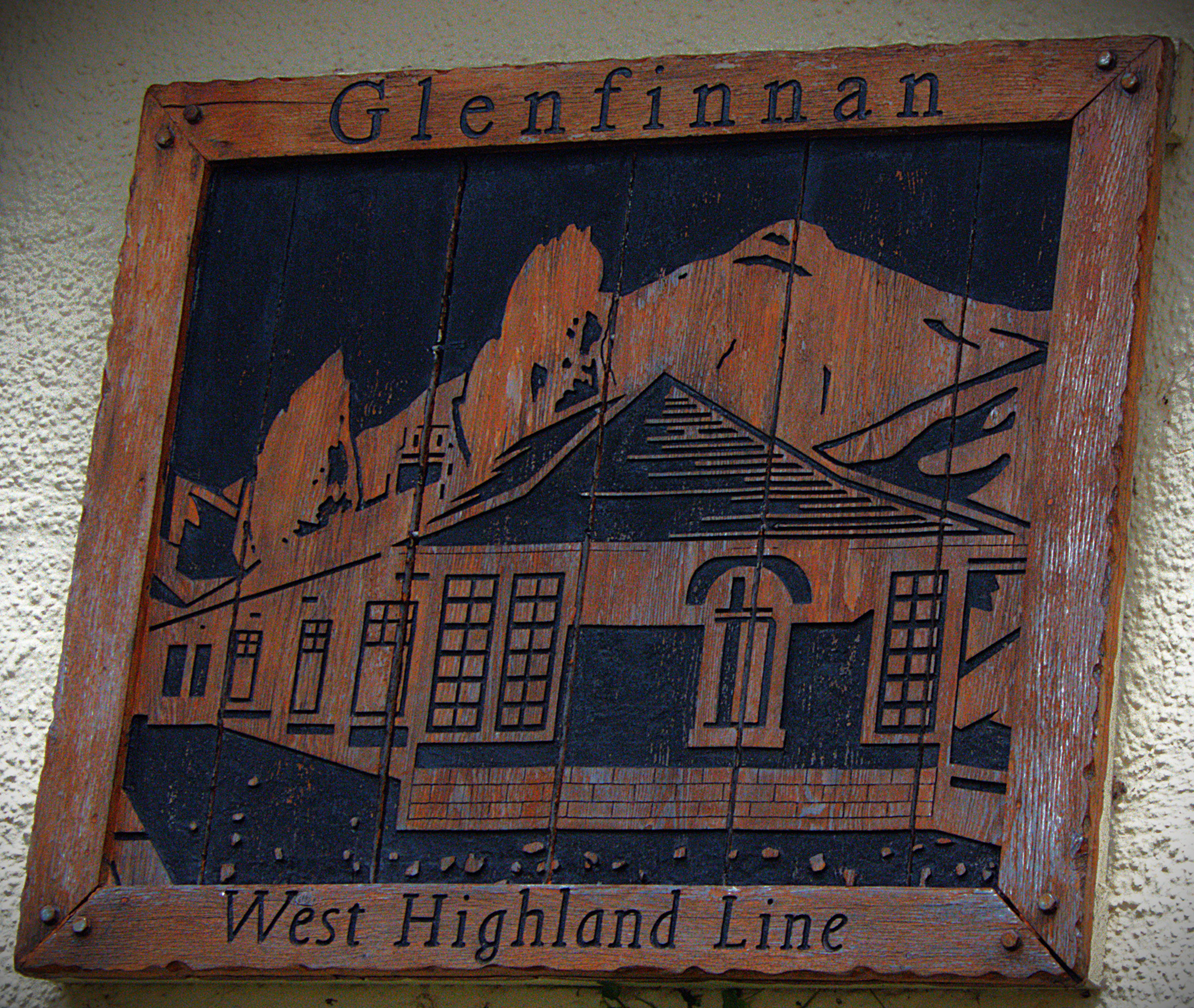
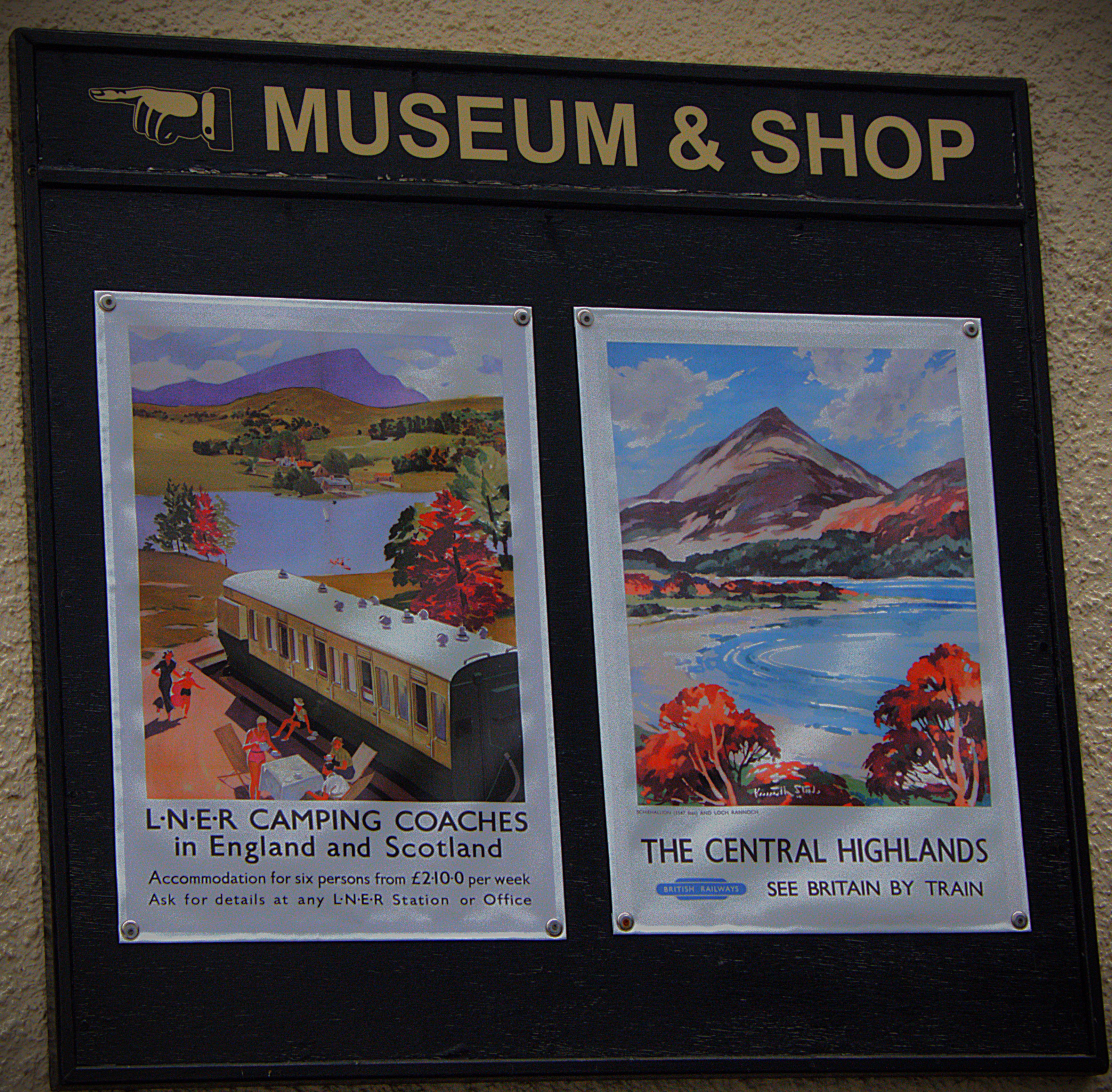
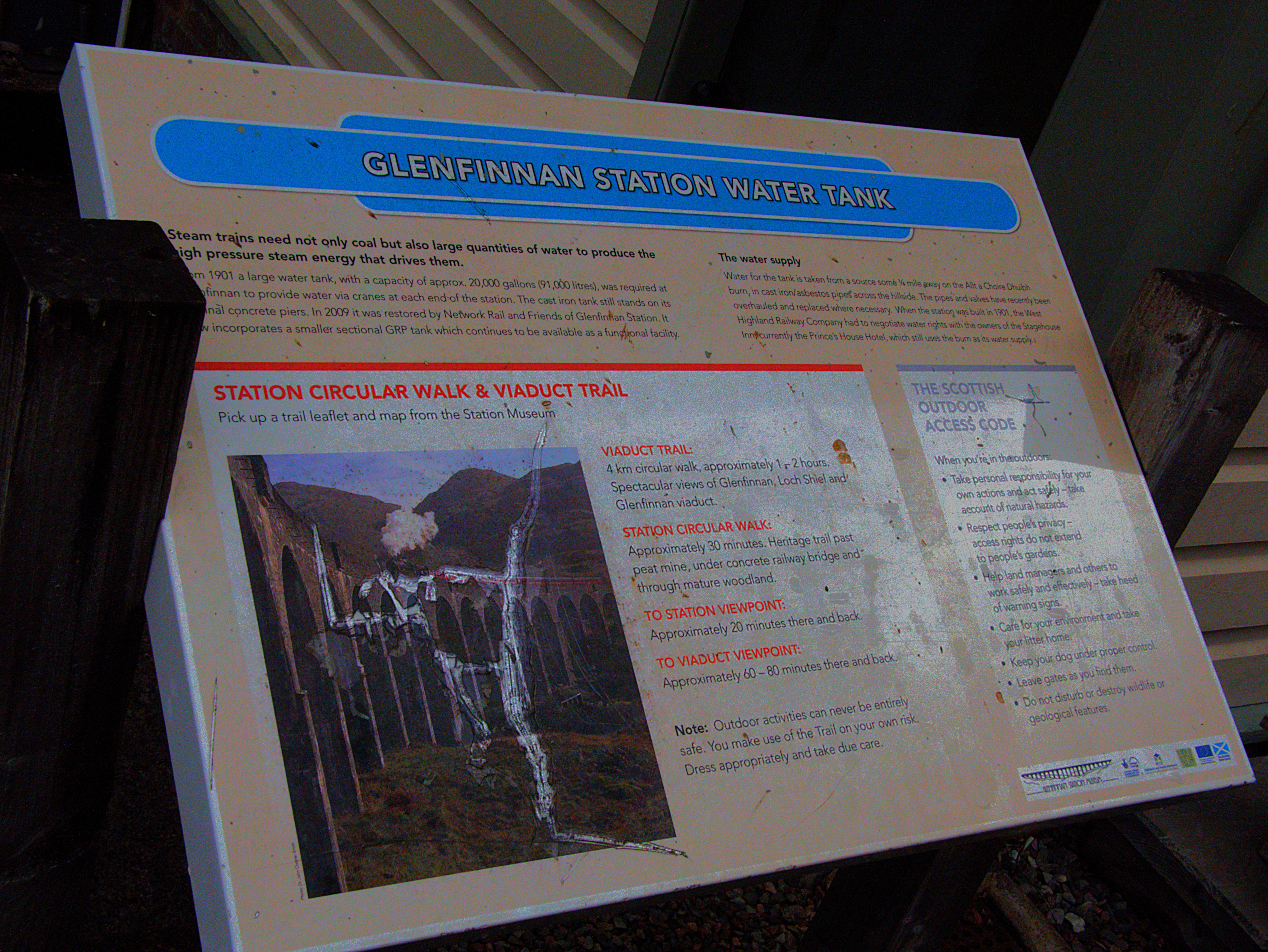
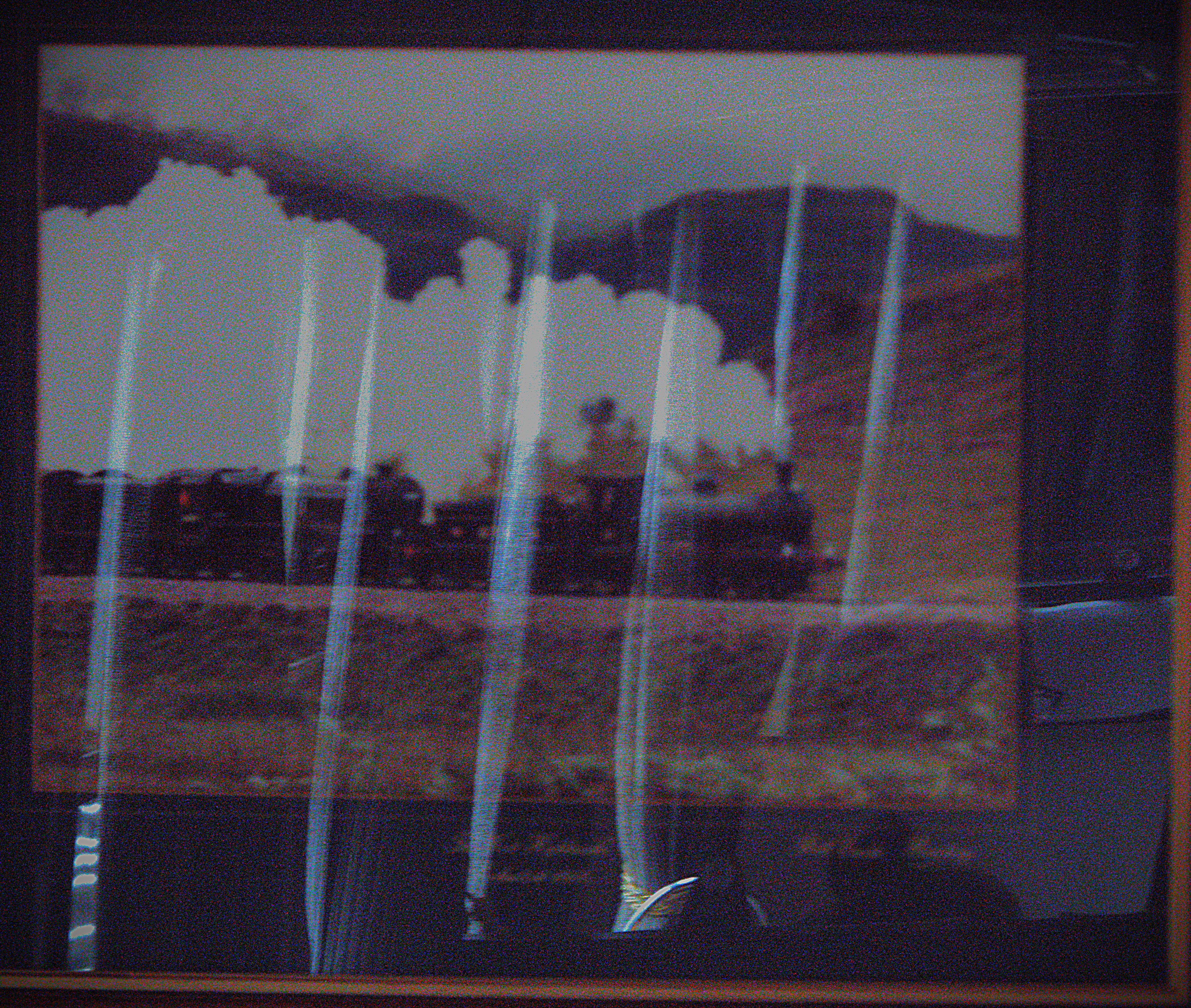
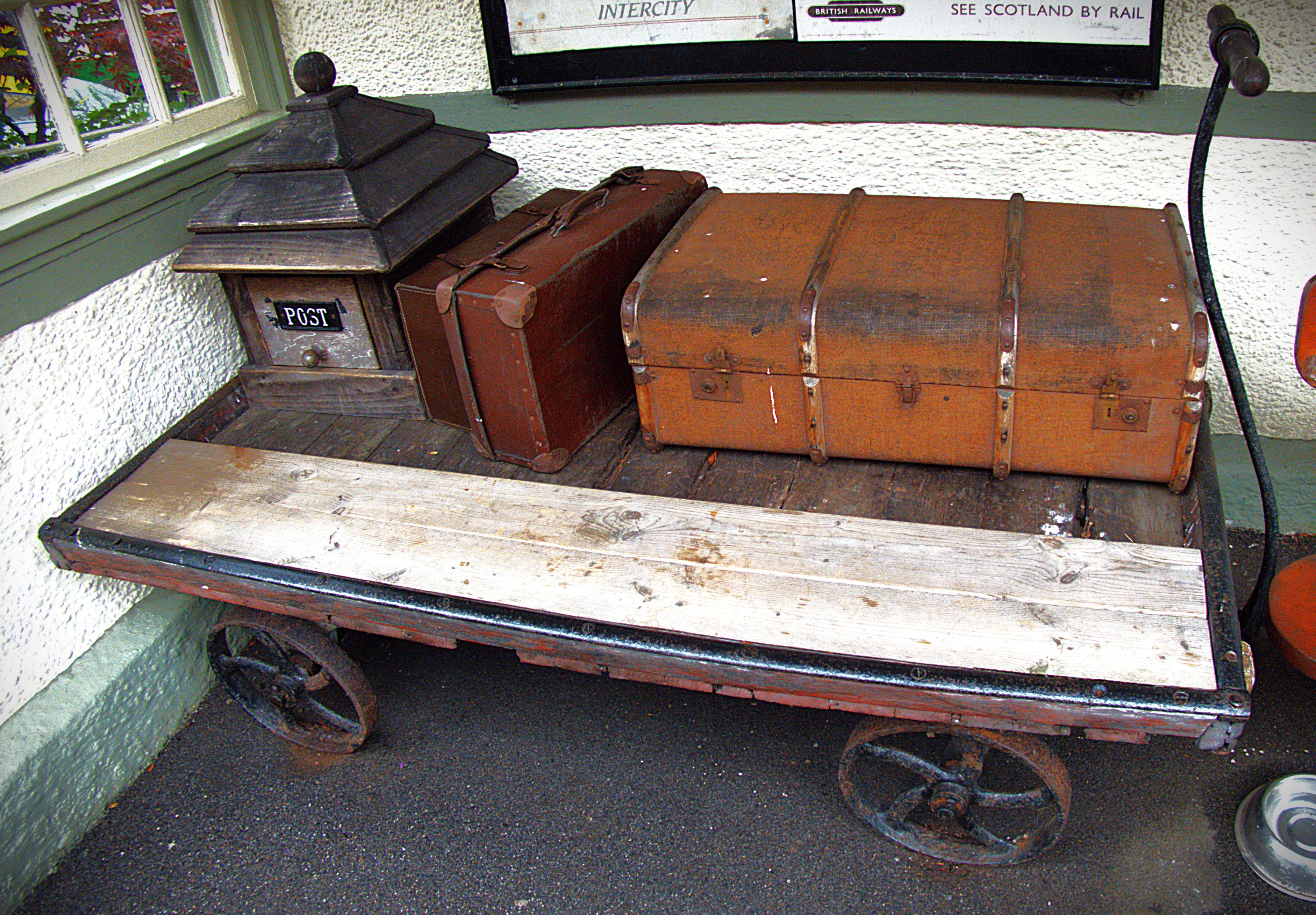
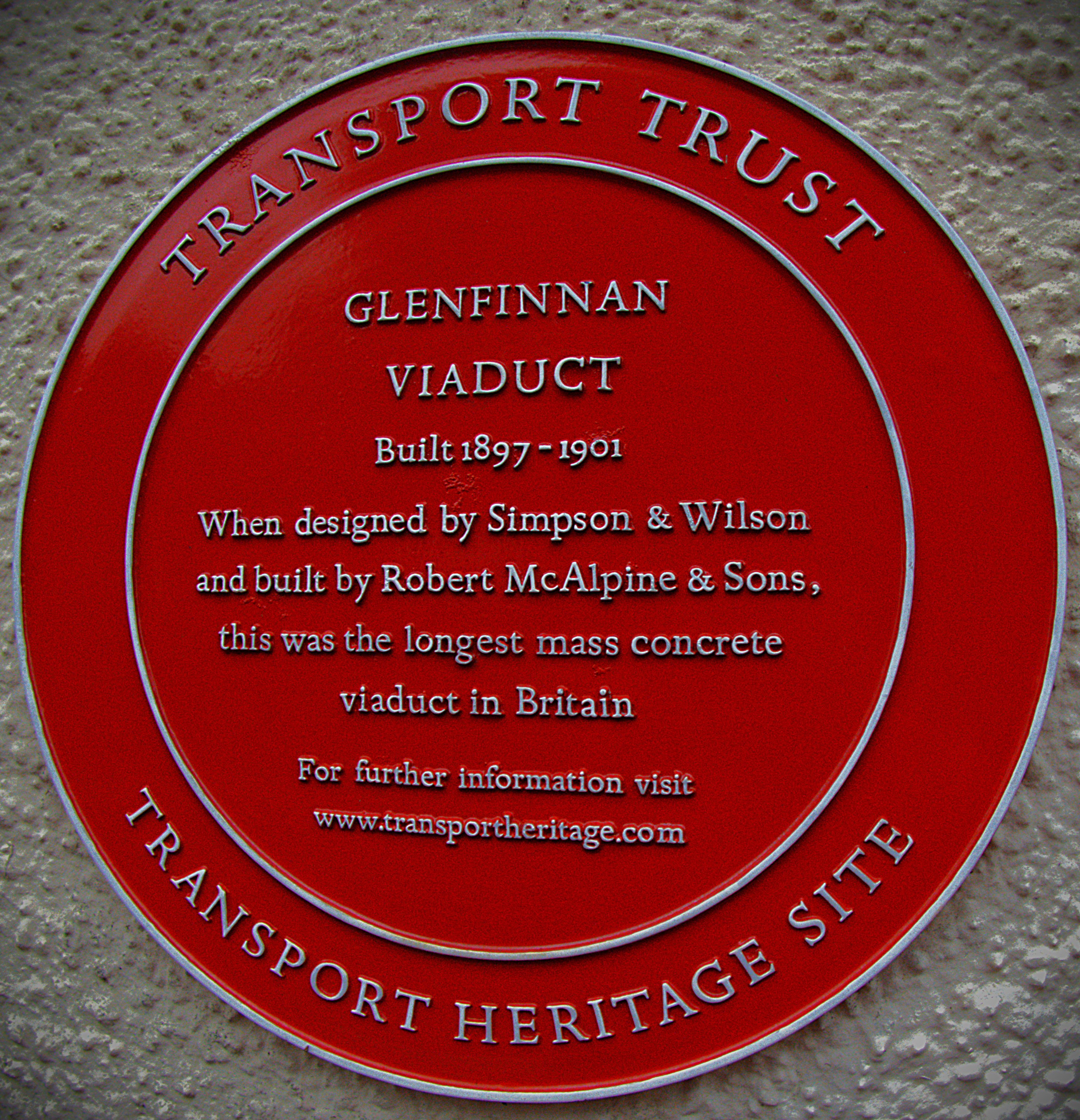
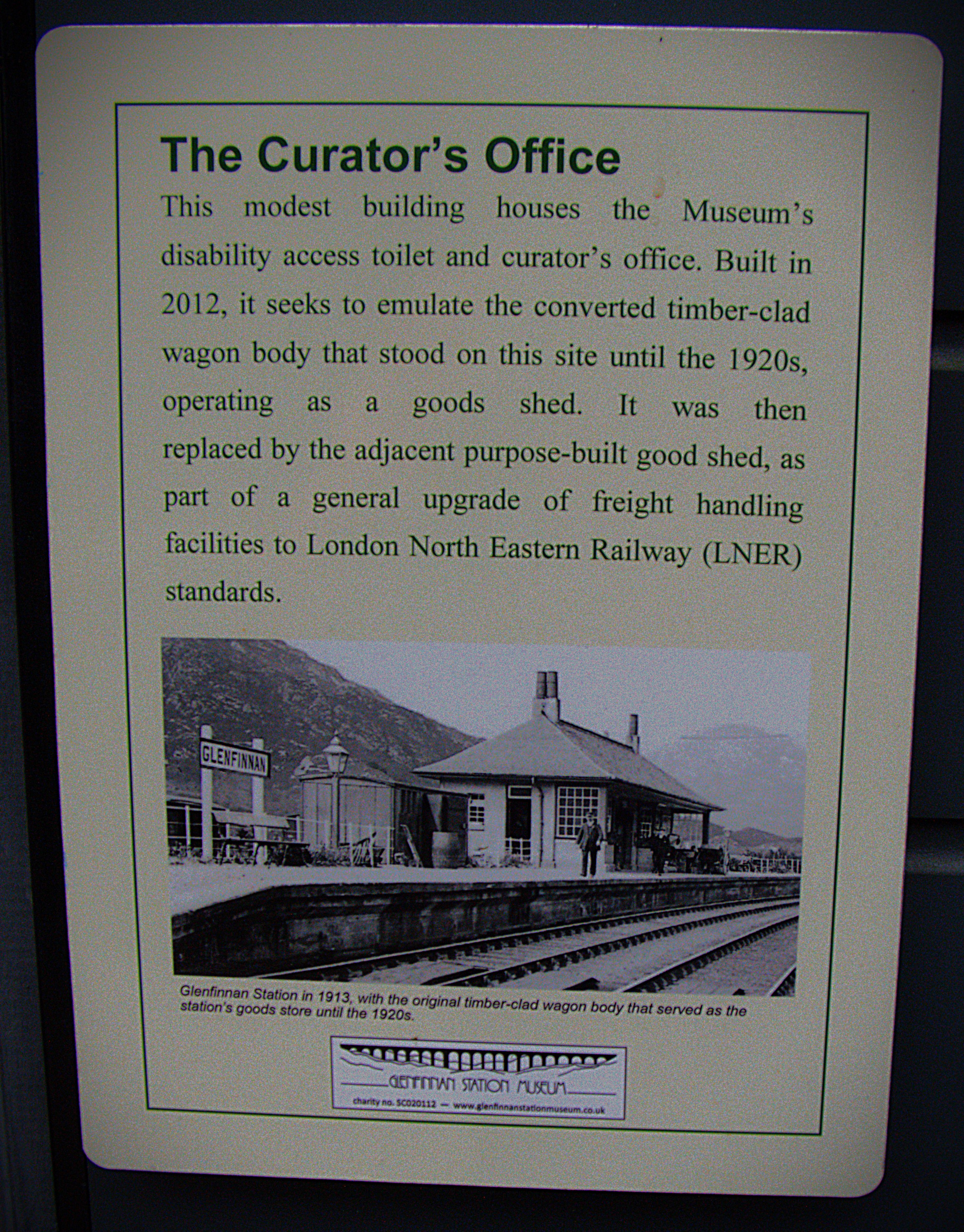
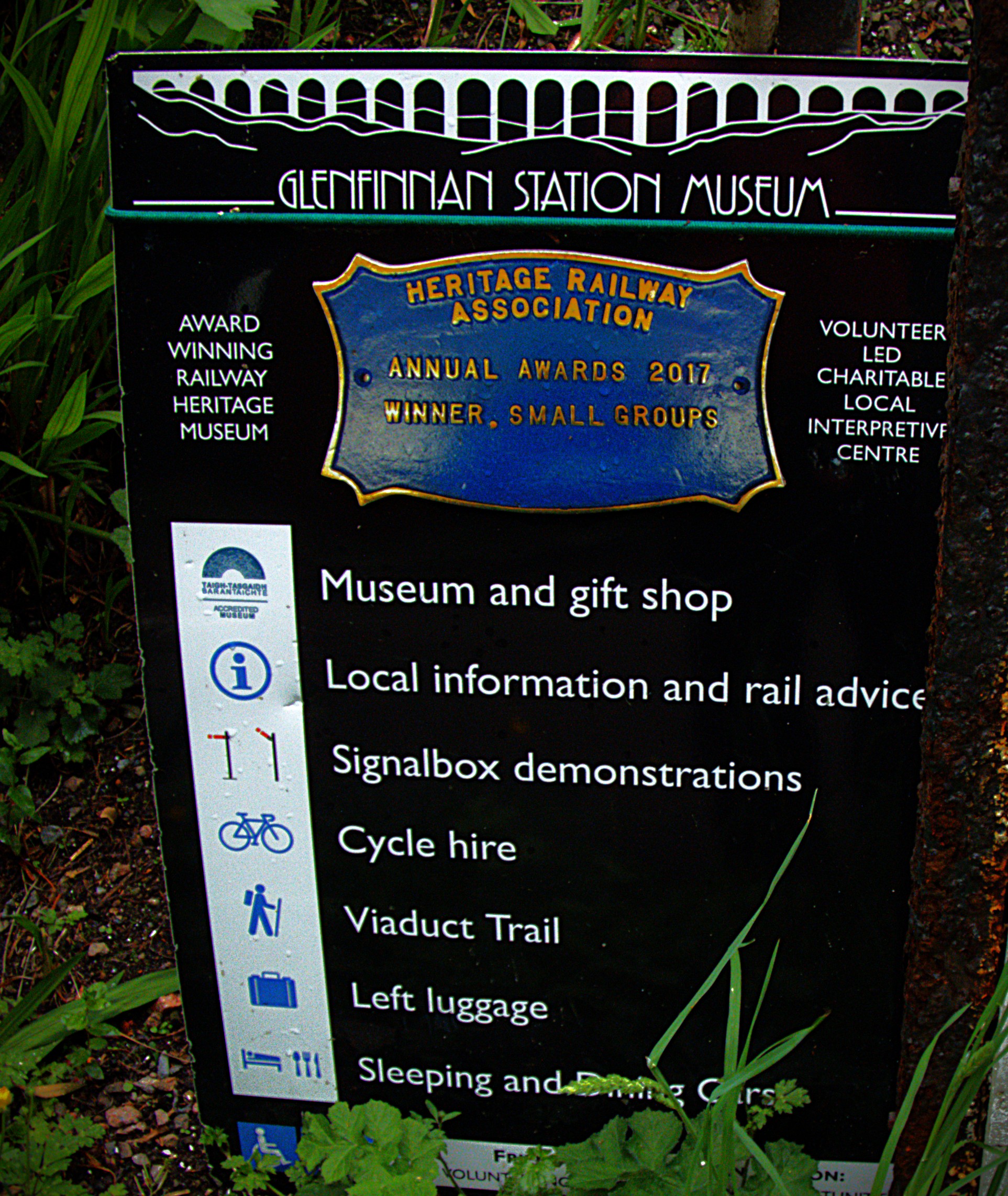
There is a small museum at Glenfinnan station, around the history of the line and the station. For all its small size they have managed to cram a lot of interesting stuff in there. We visited it after the weather intervened sufficiently to prevent as from doing a walk that would have taken in a view of the viaduct. It is well worth a visit.
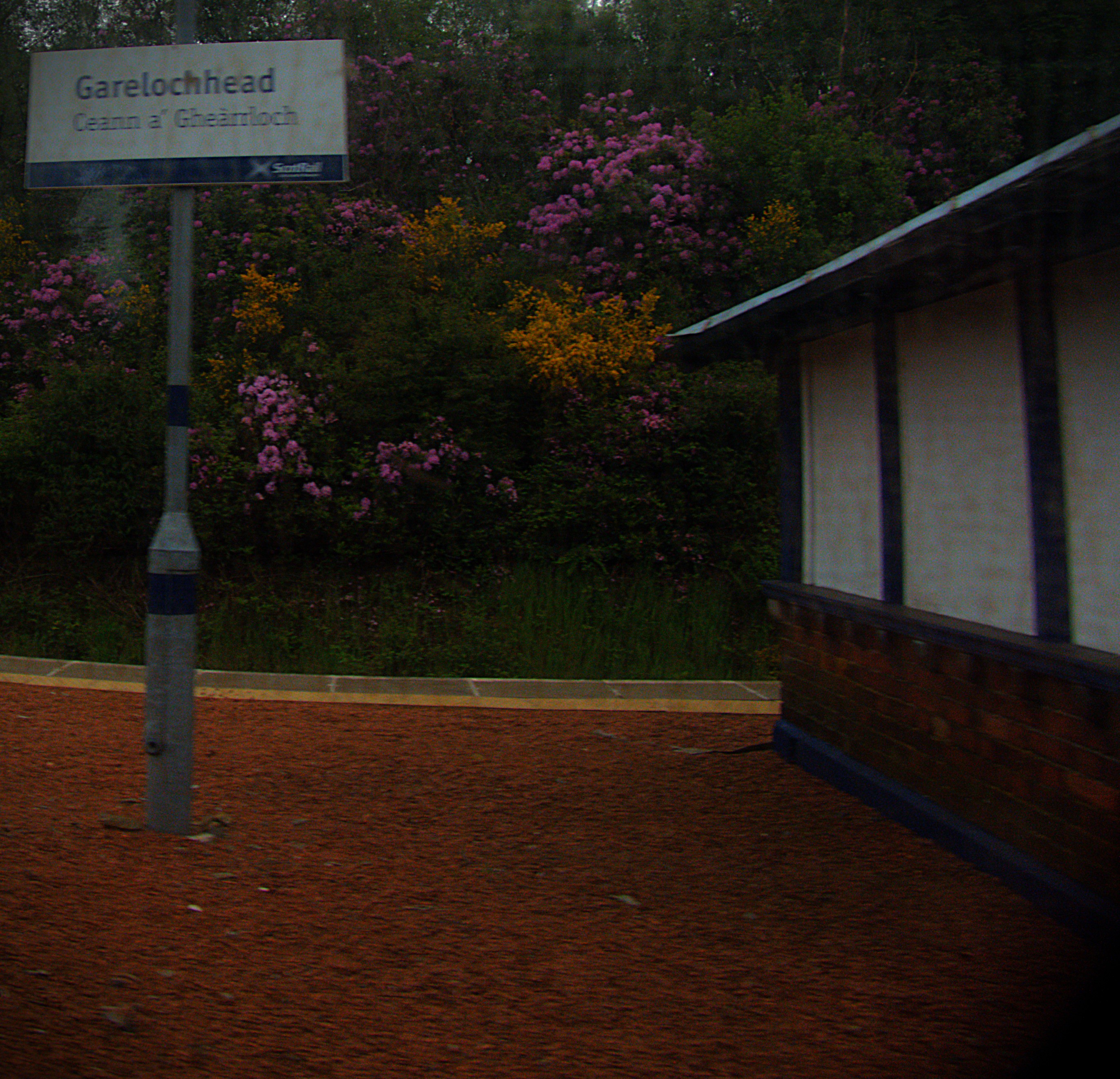
A look at Glenfinnan Station, as I continue the account of my Scottish holiday.
Welcome to the latest instalment in my series about my Scottish holiday (May 30th to June 6th). I started my coverage of the Thursday with a look at the journey from Arisaig to Glenfinnan. This post picks up where the previous one left off.
A MINOR STATION WITH MAJOR INTEREST
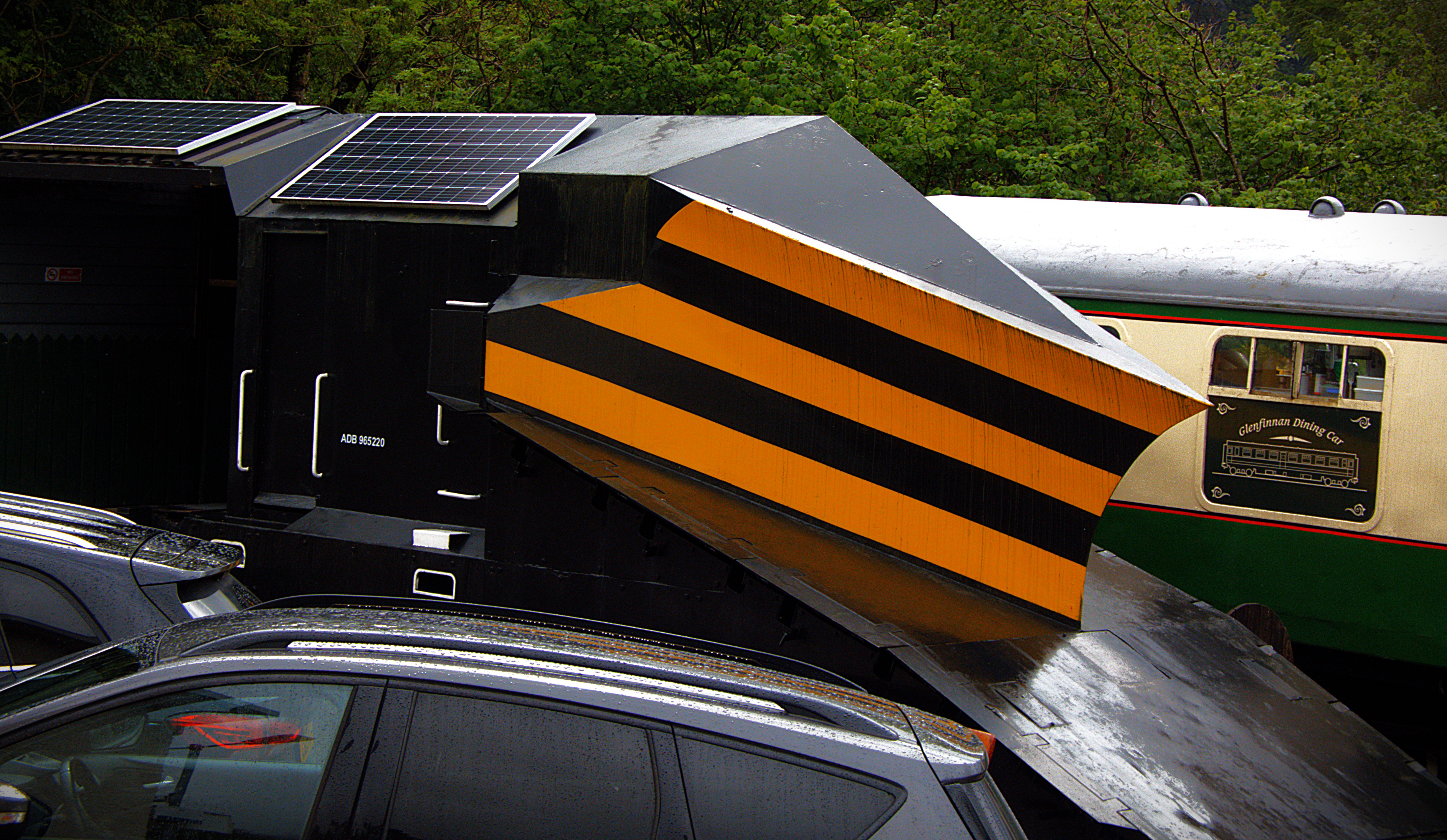
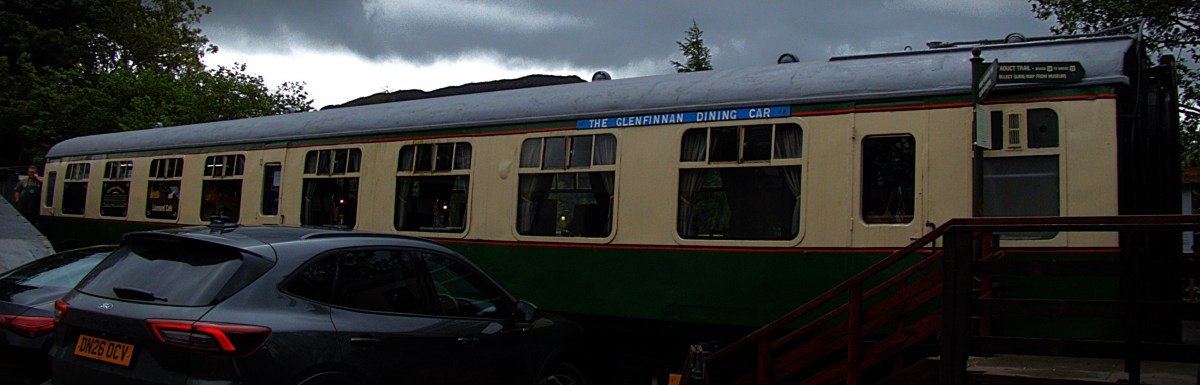
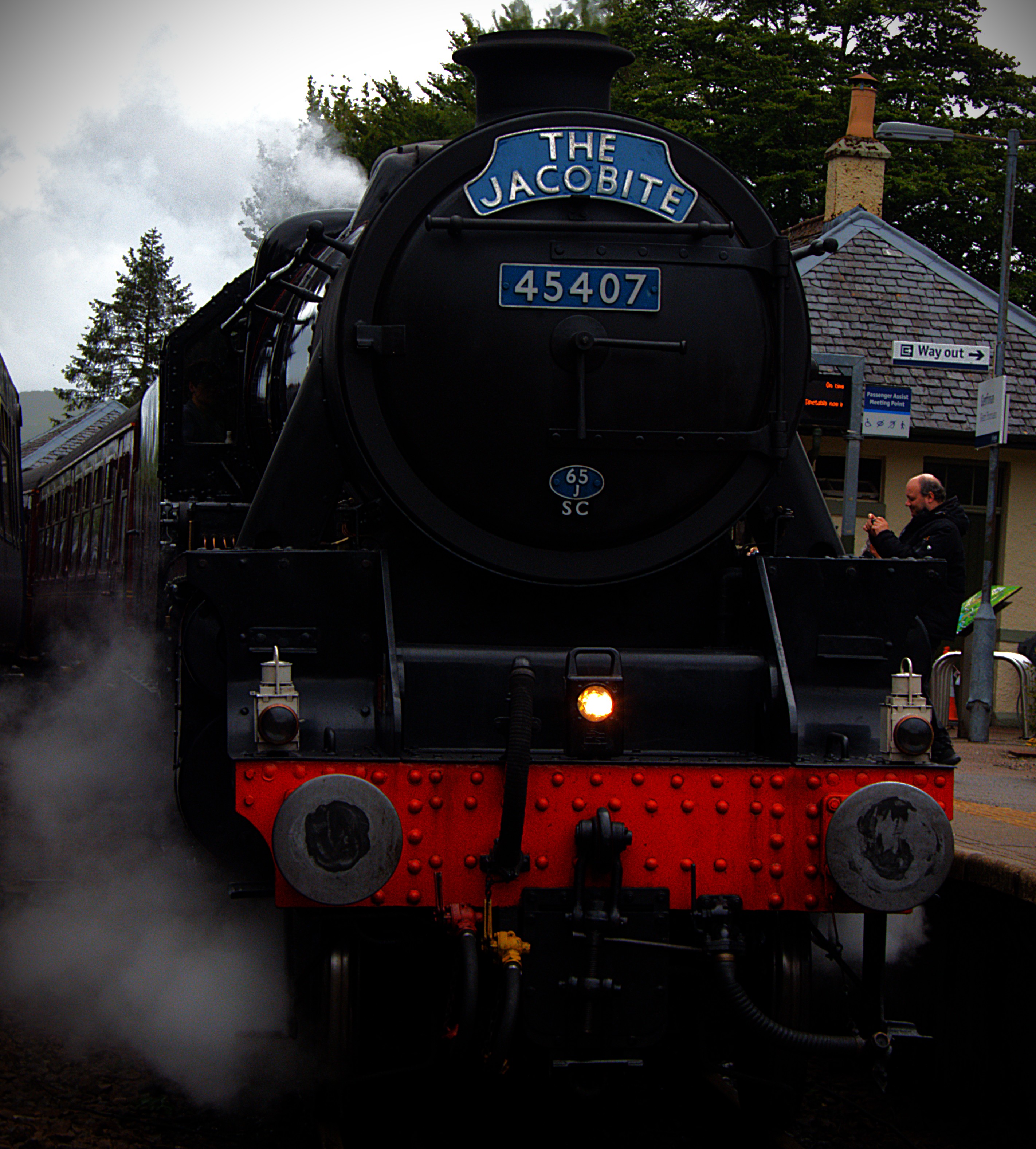
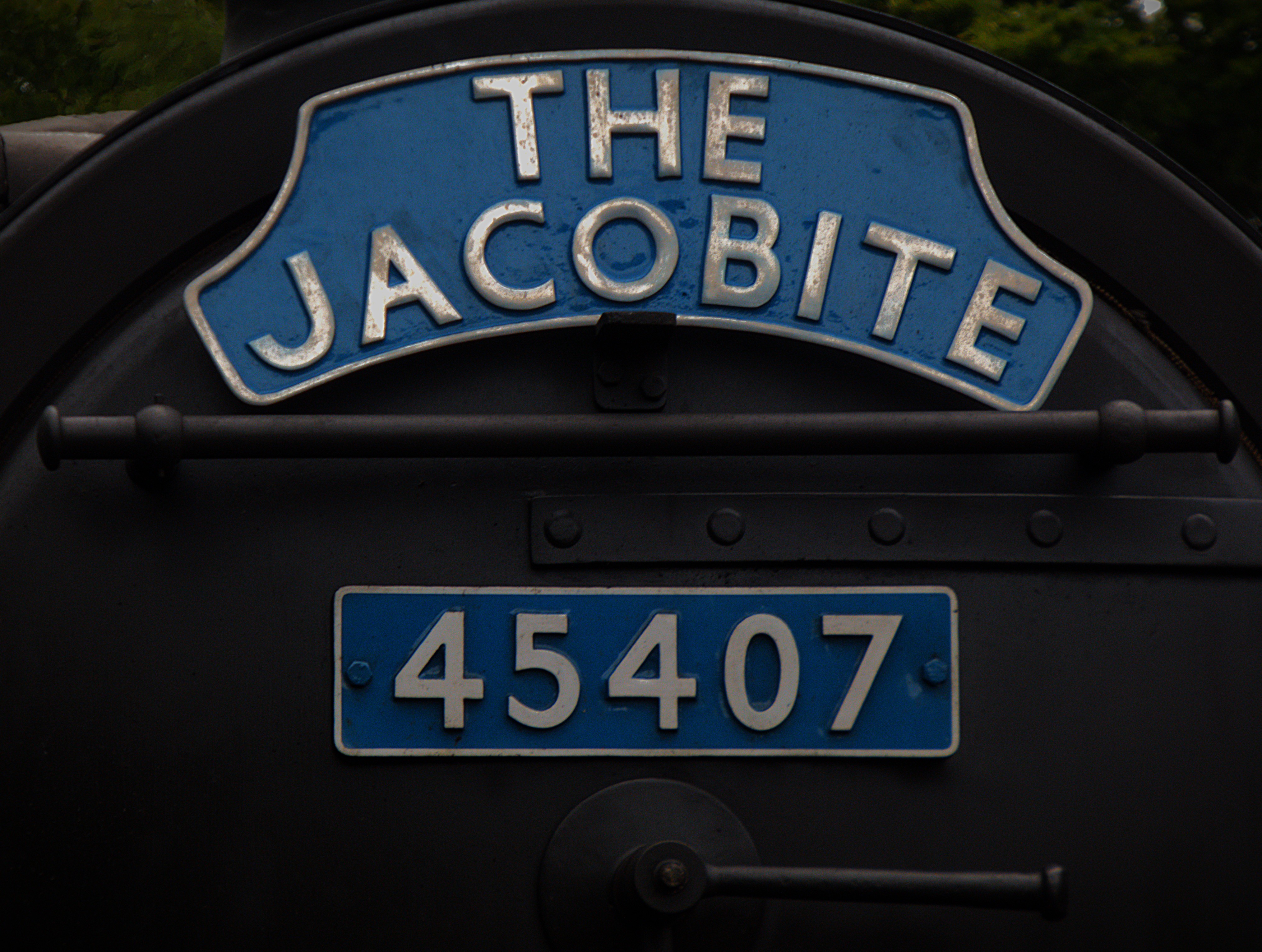
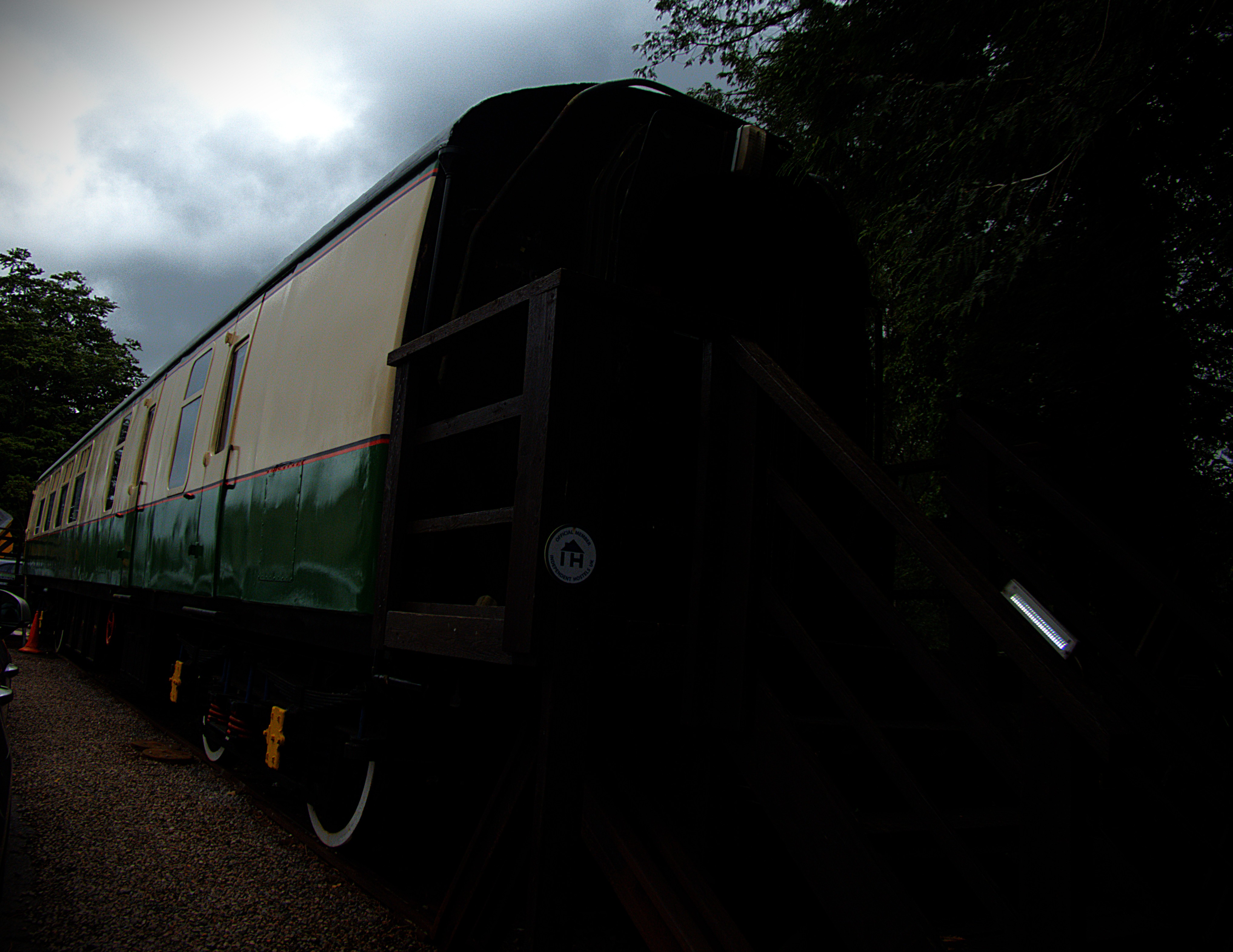
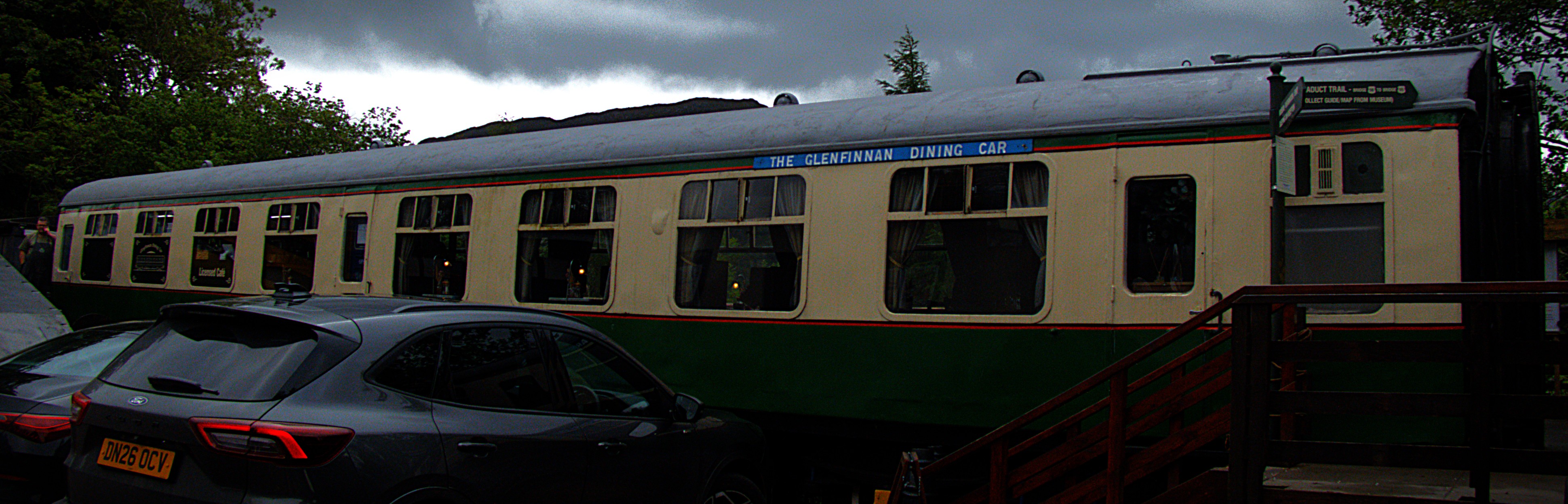
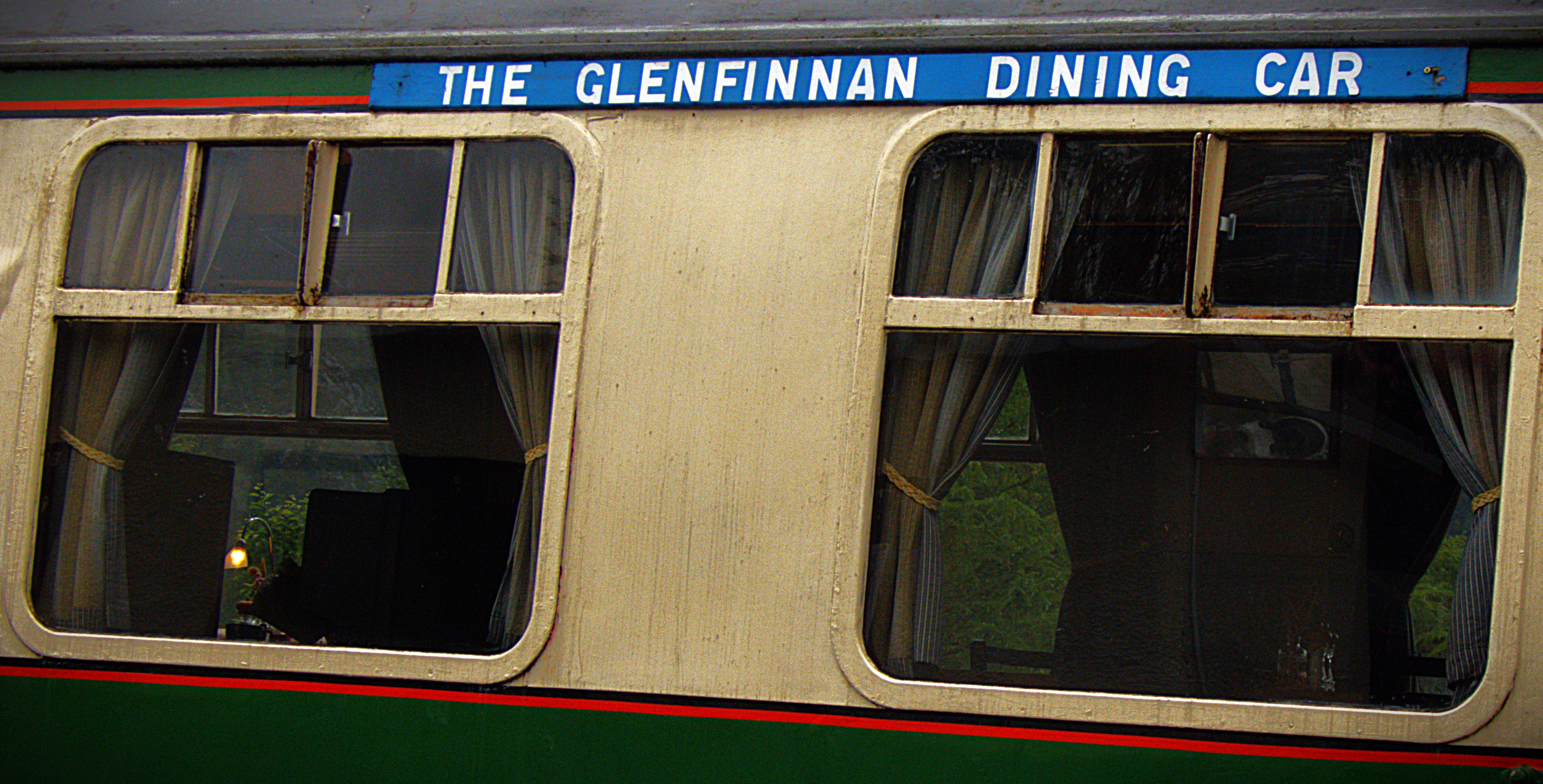
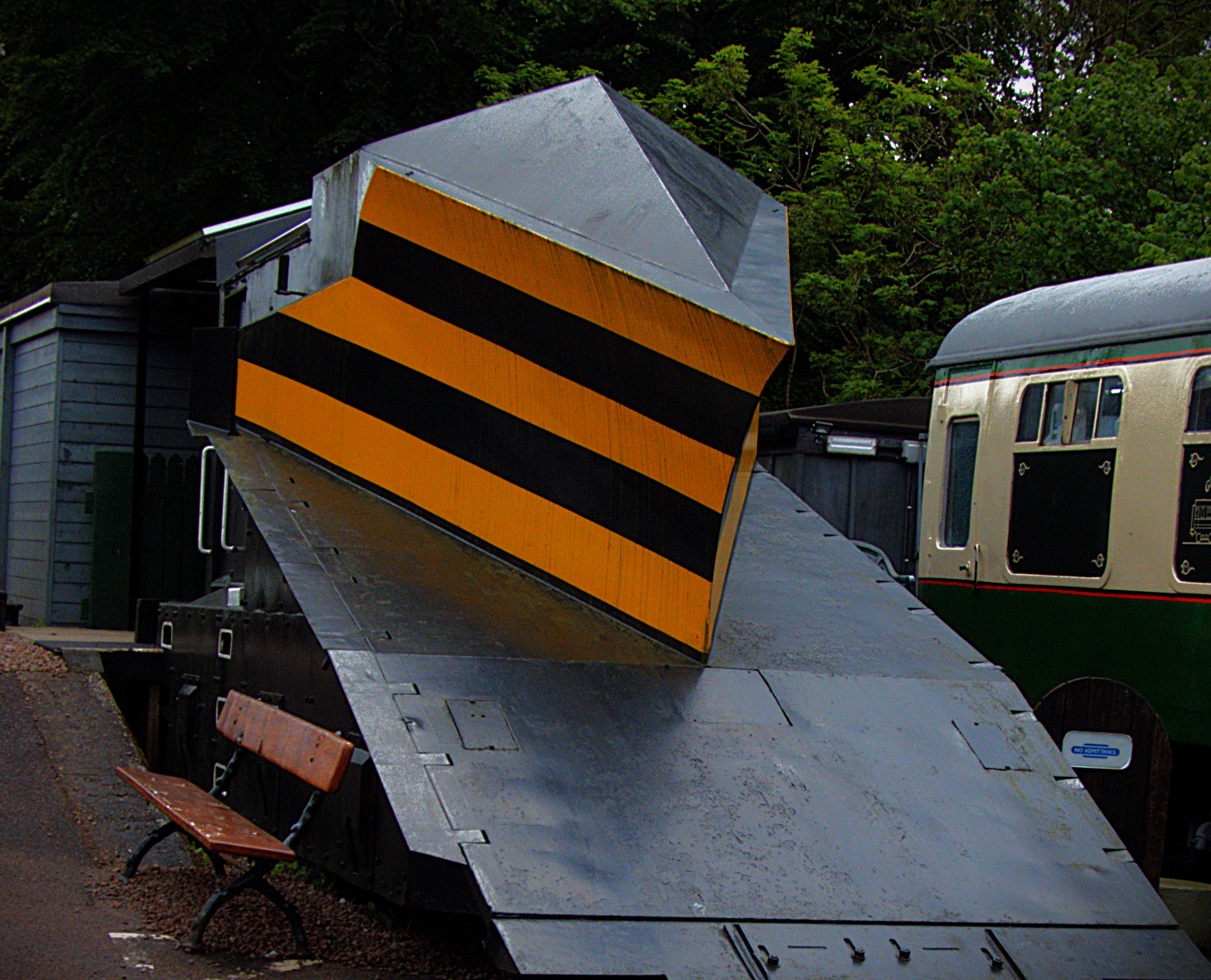
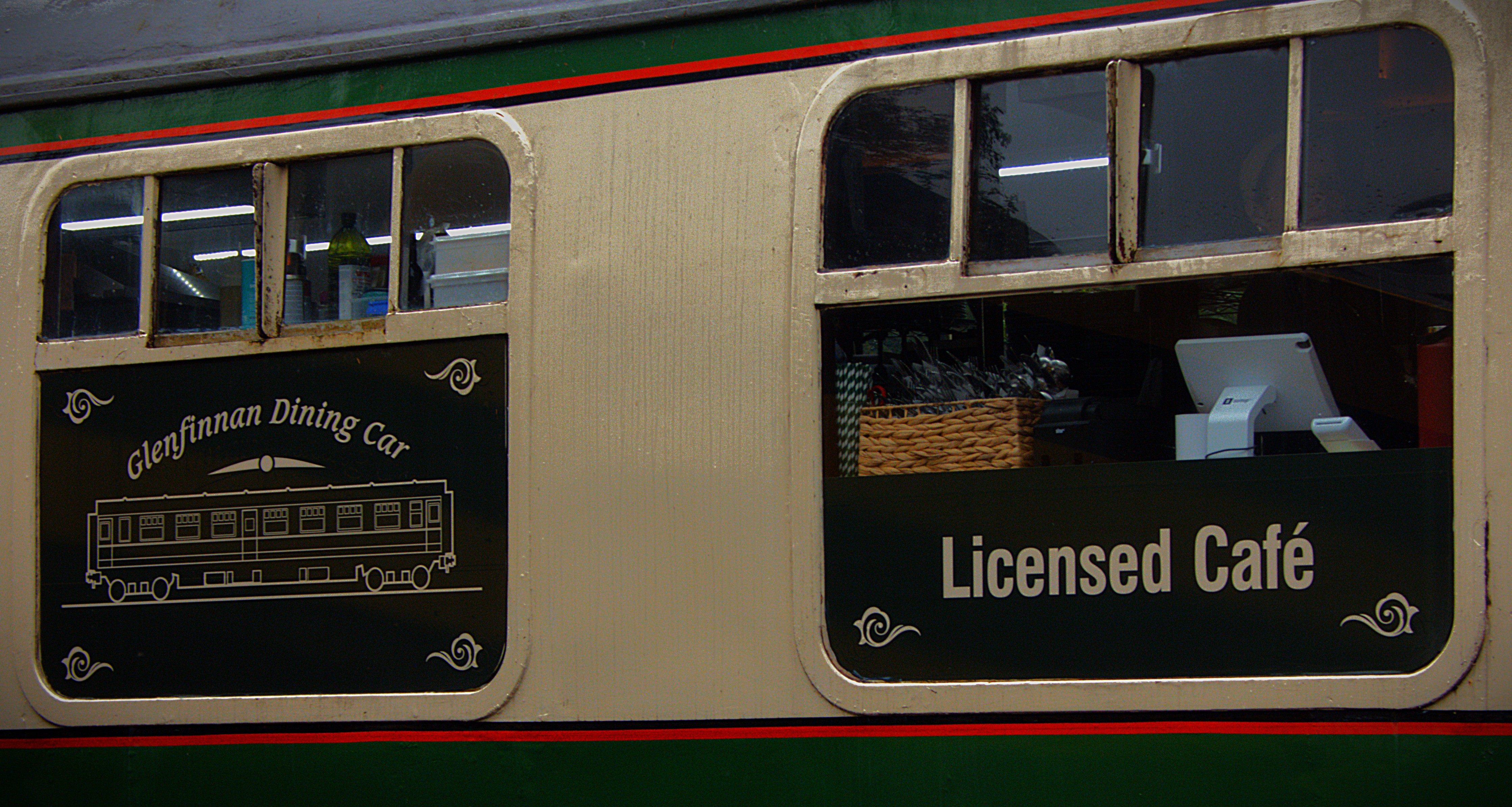
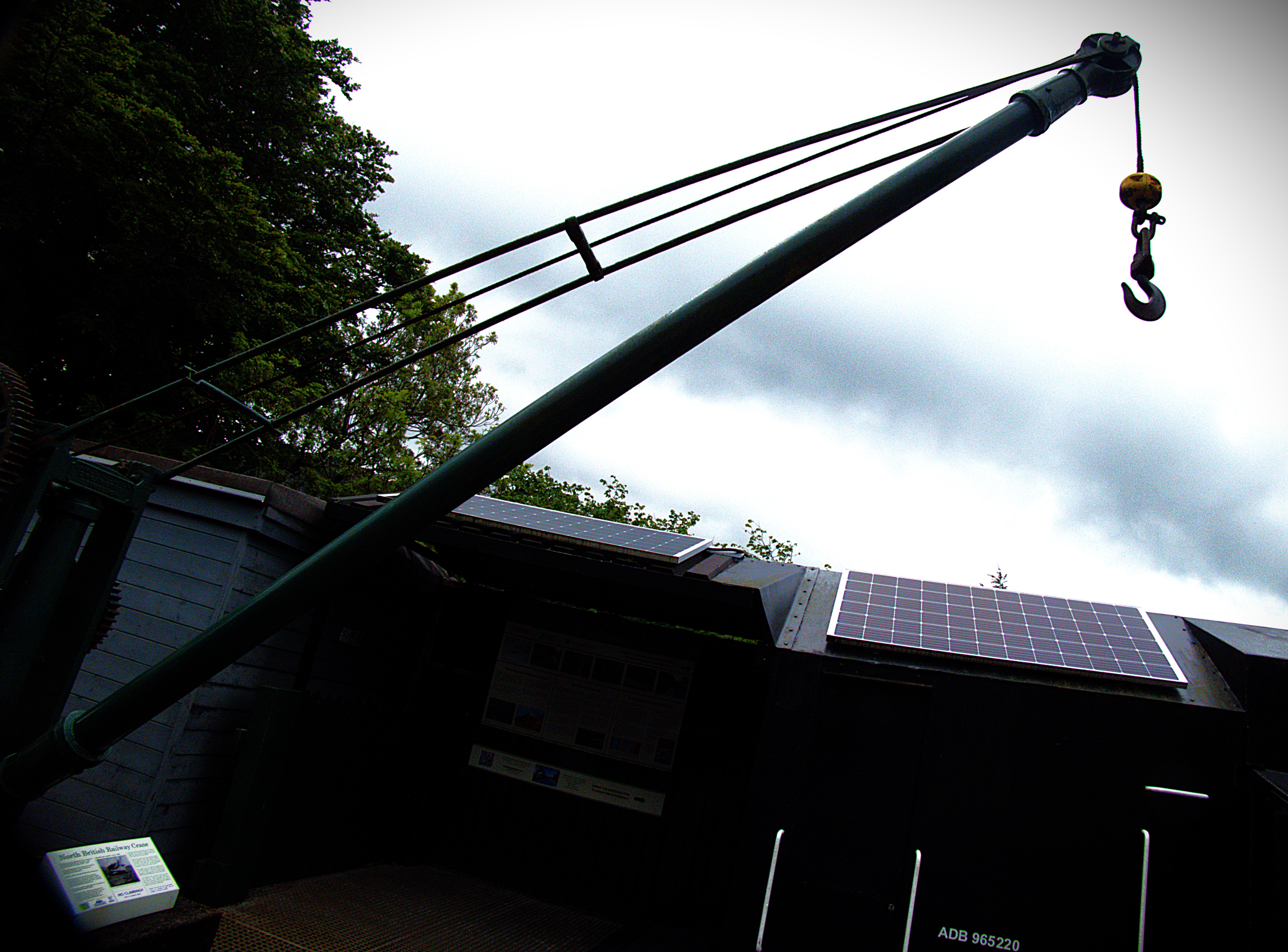
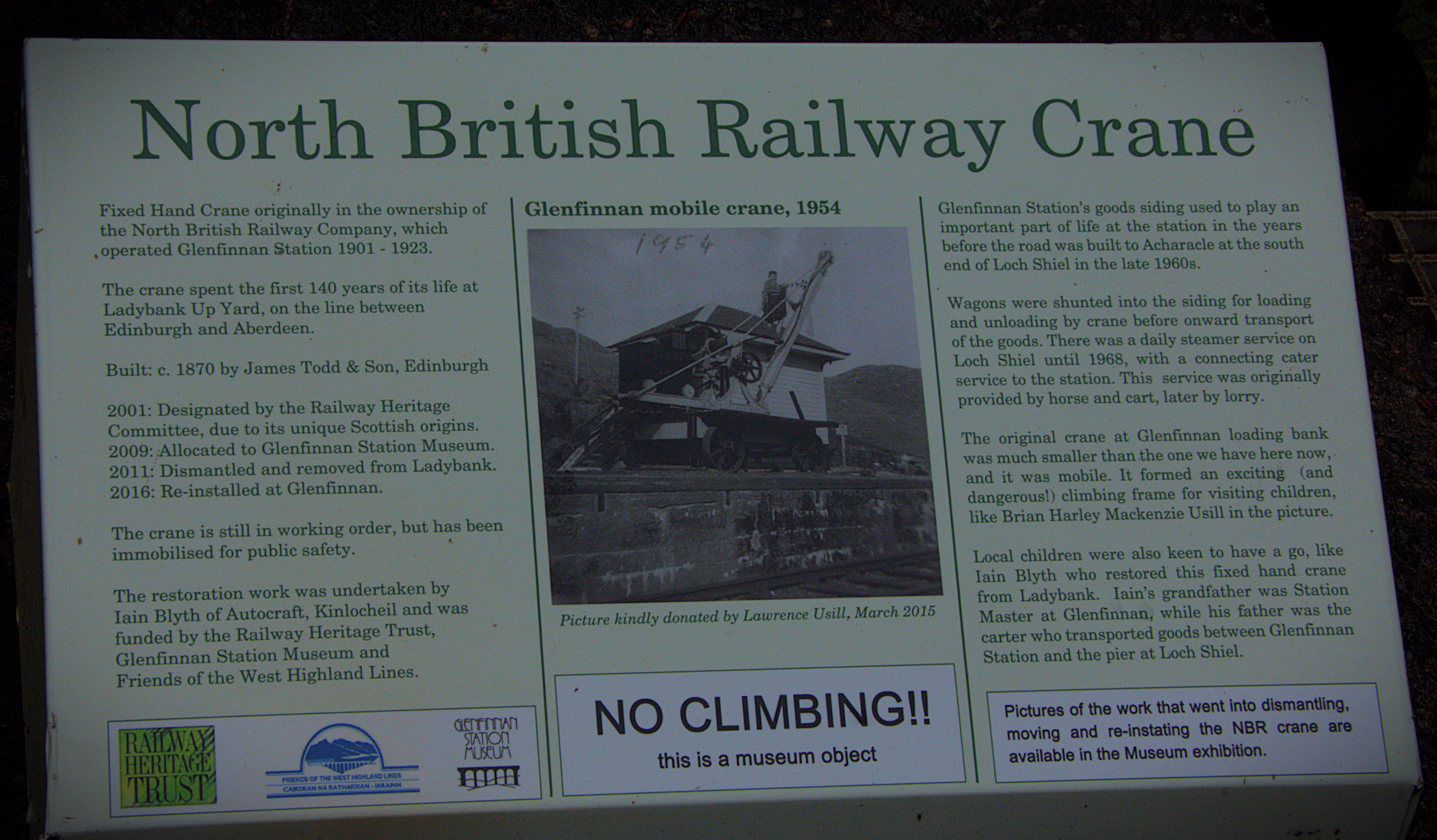
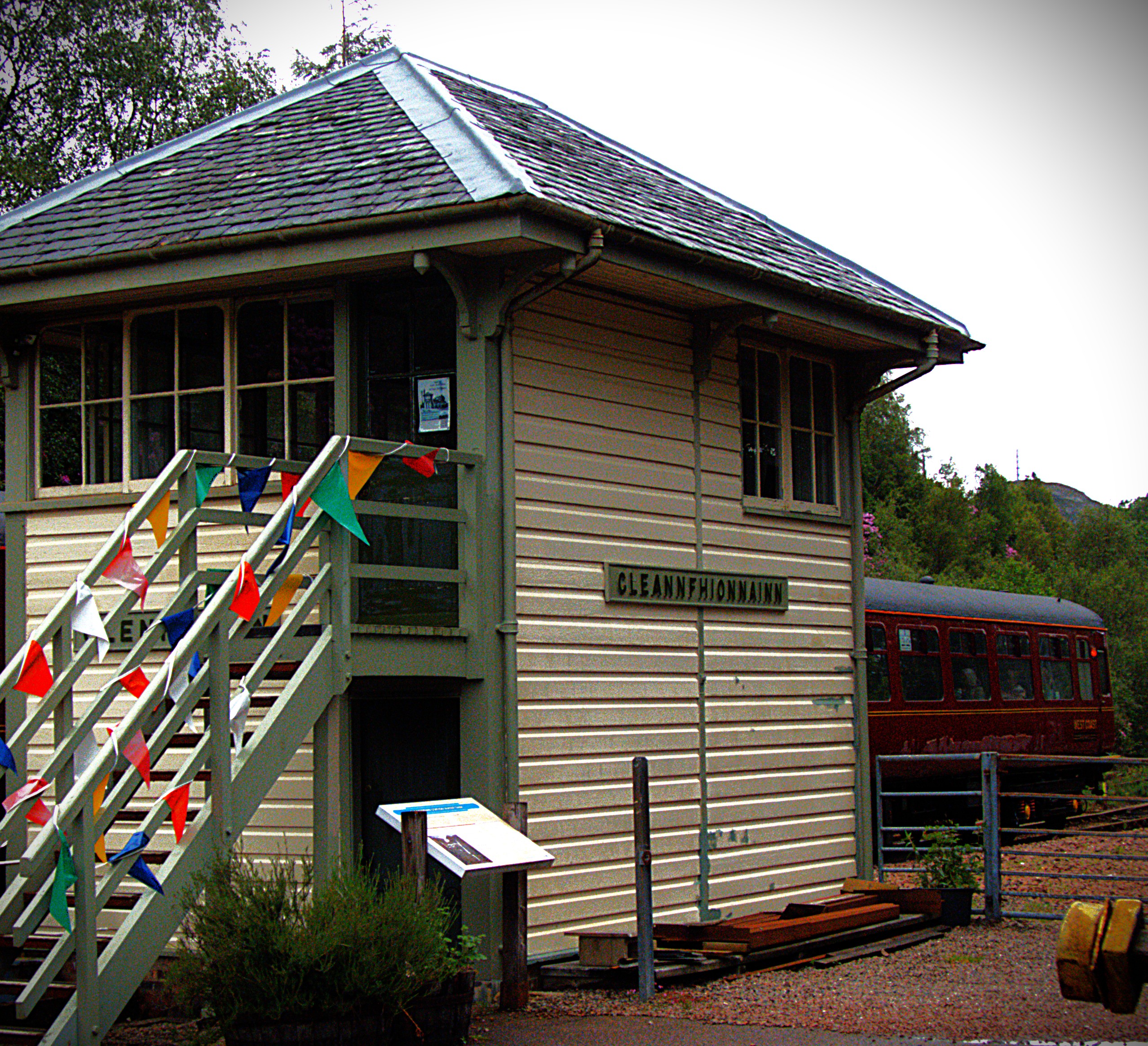
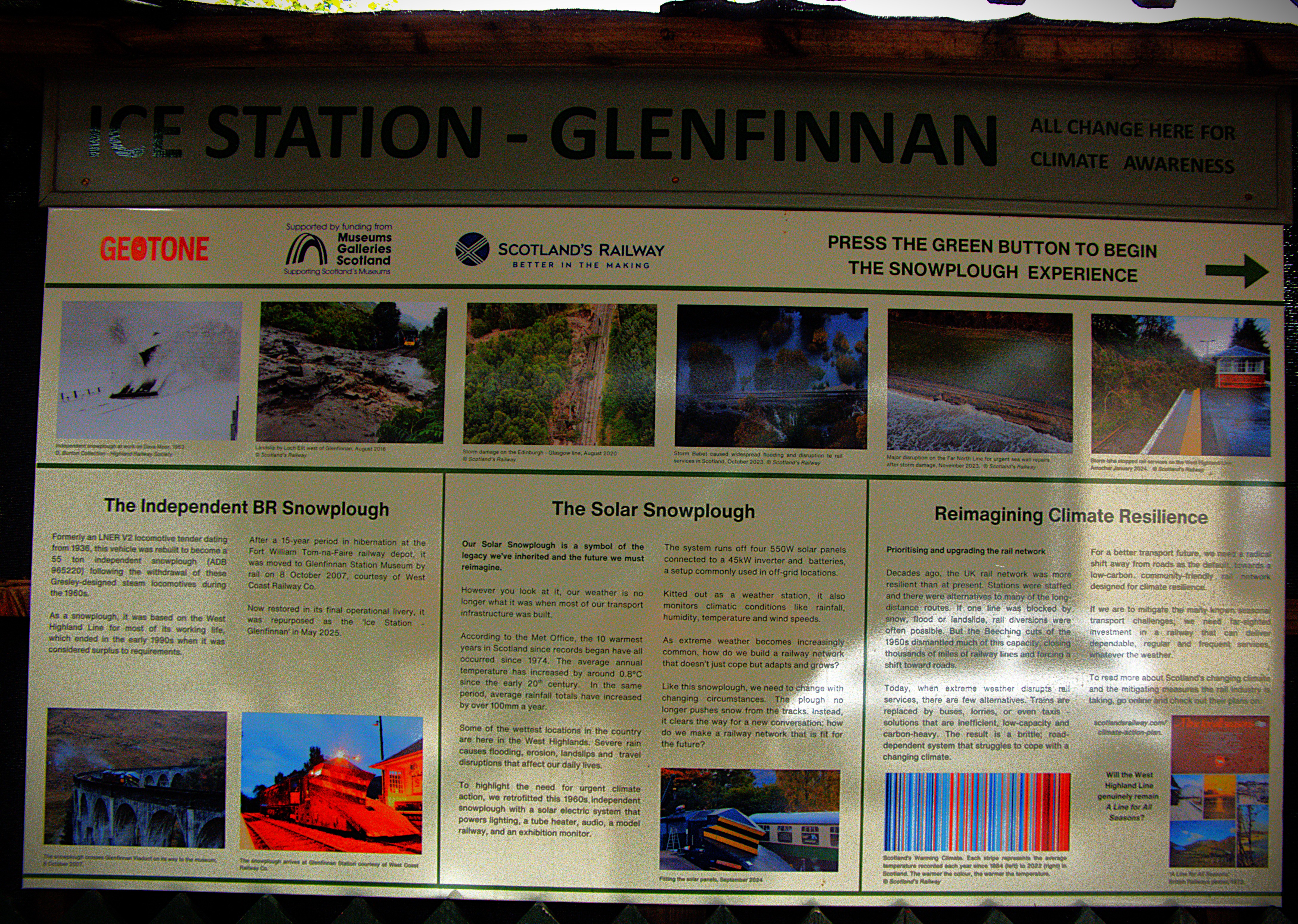
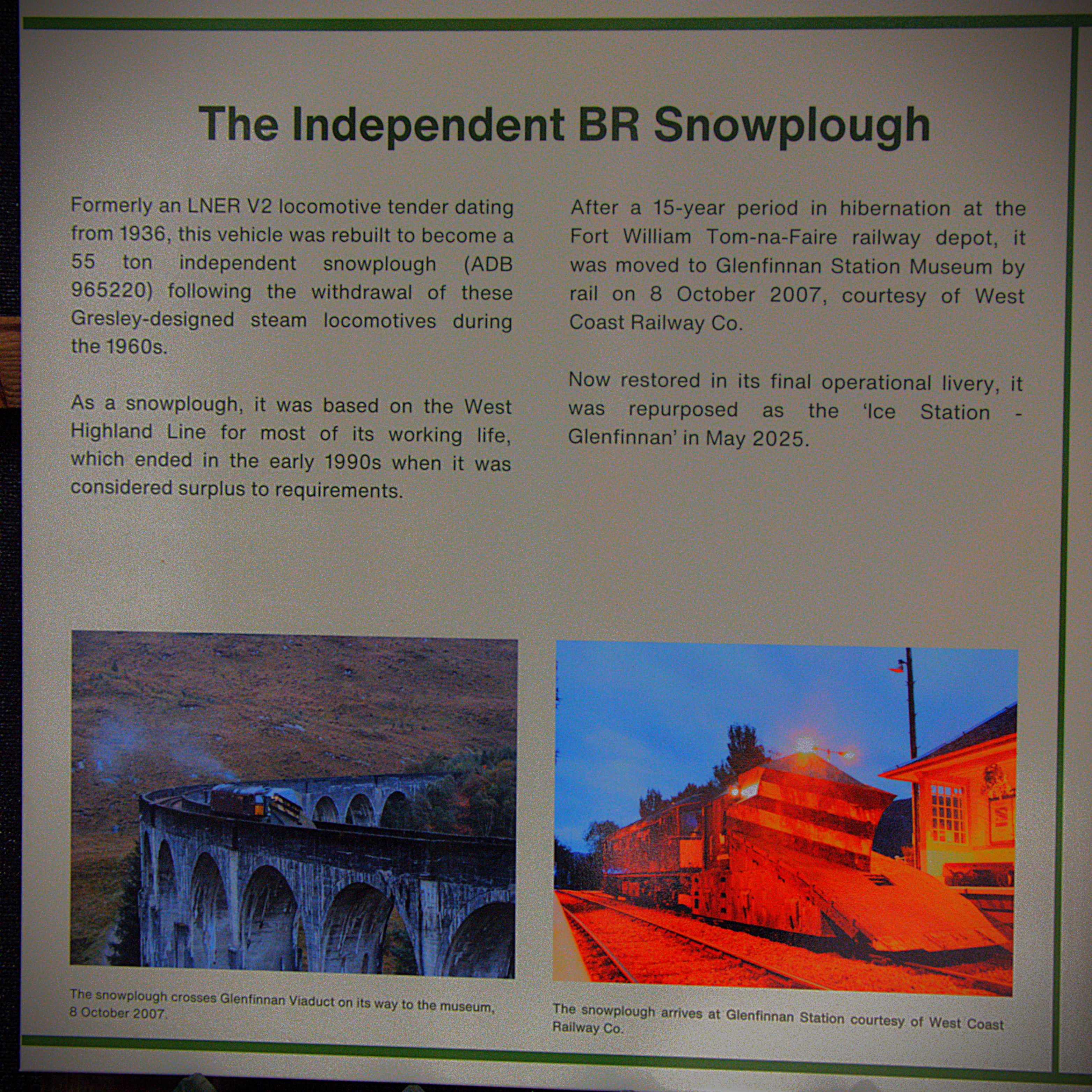
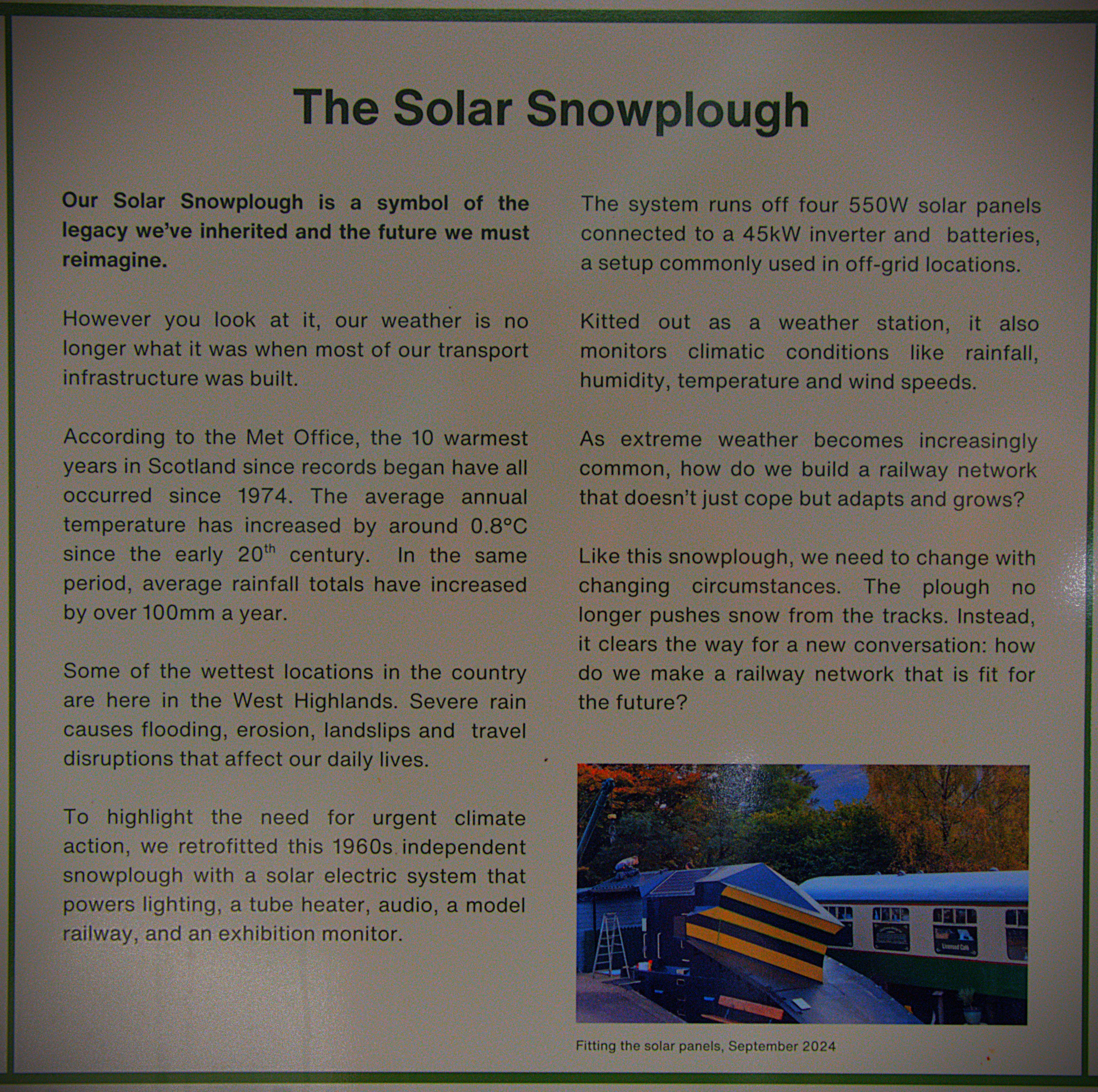
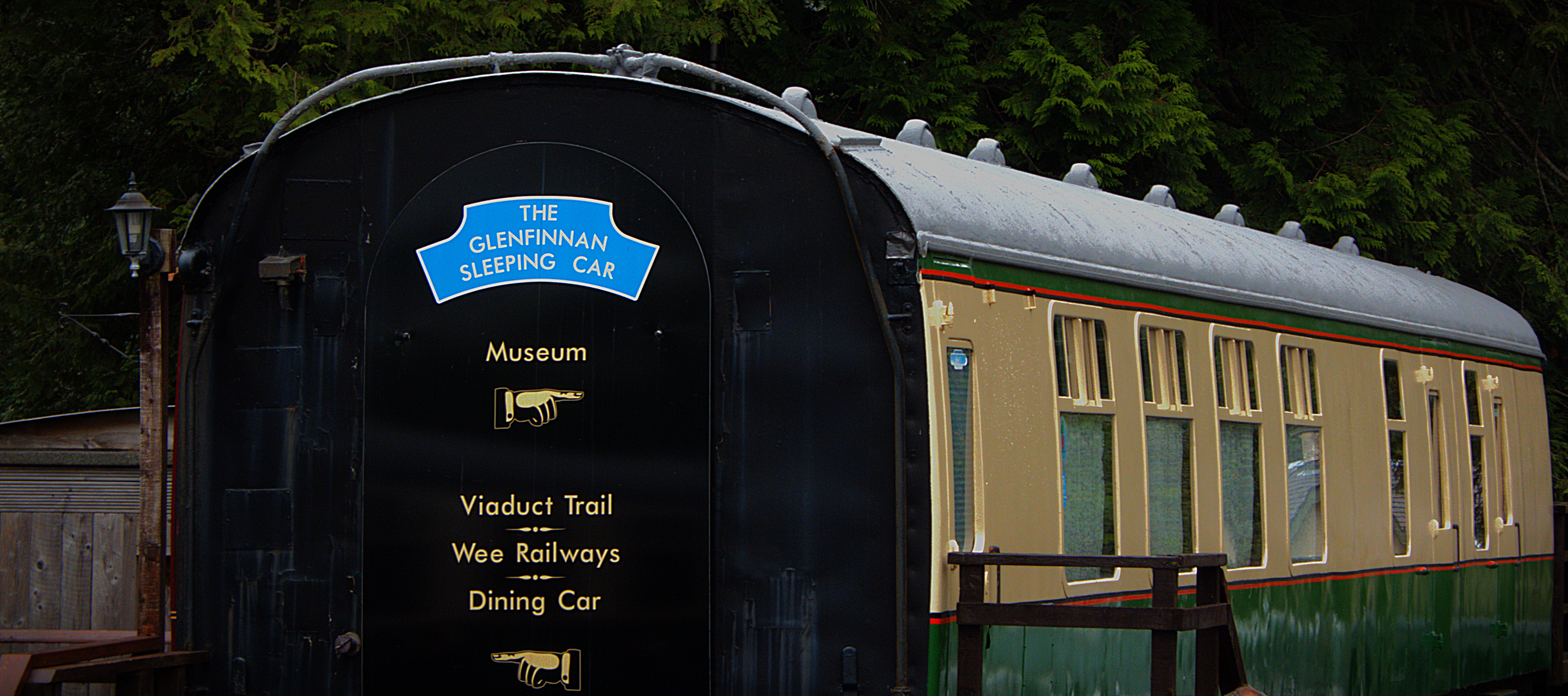
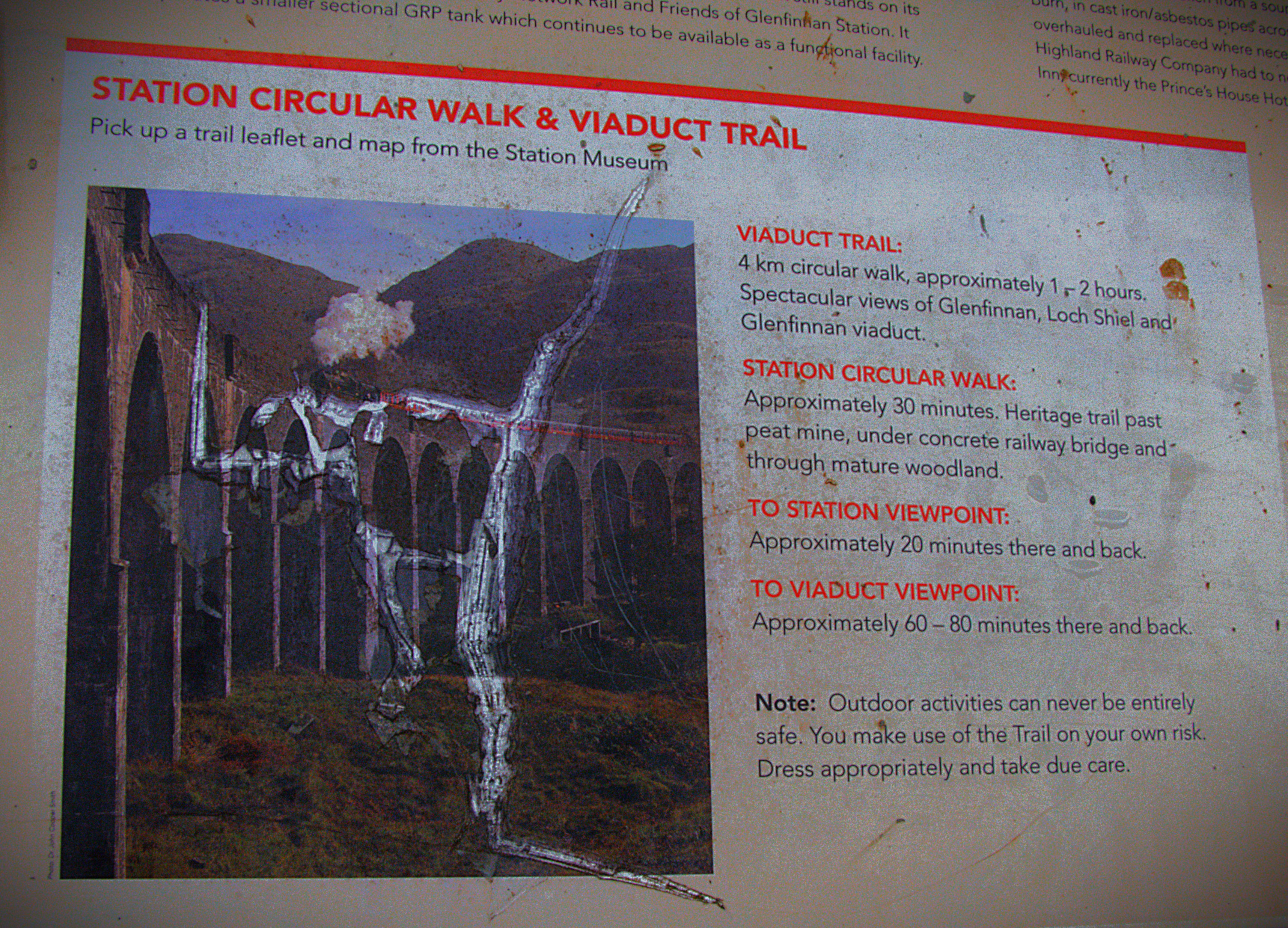
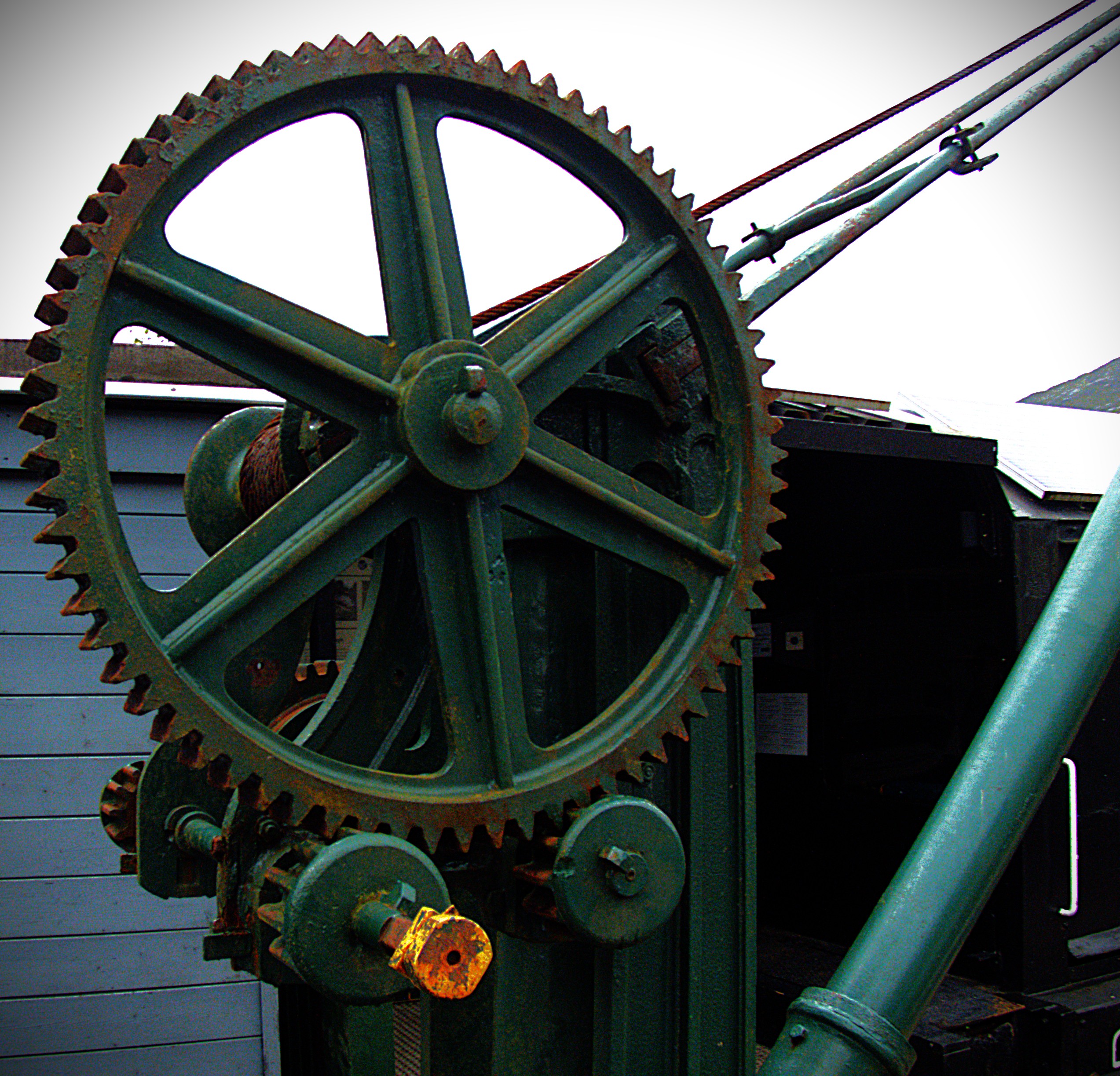
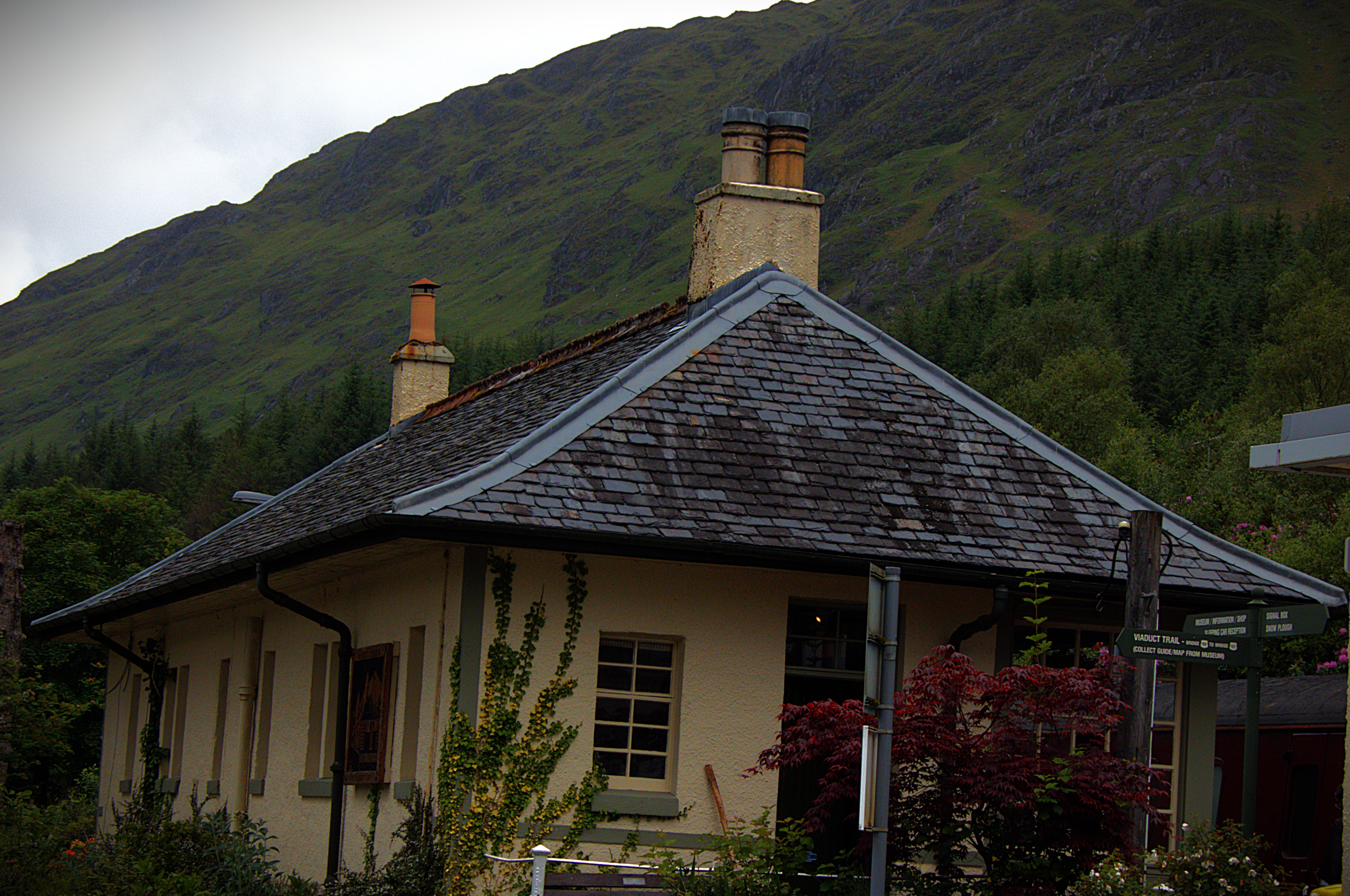
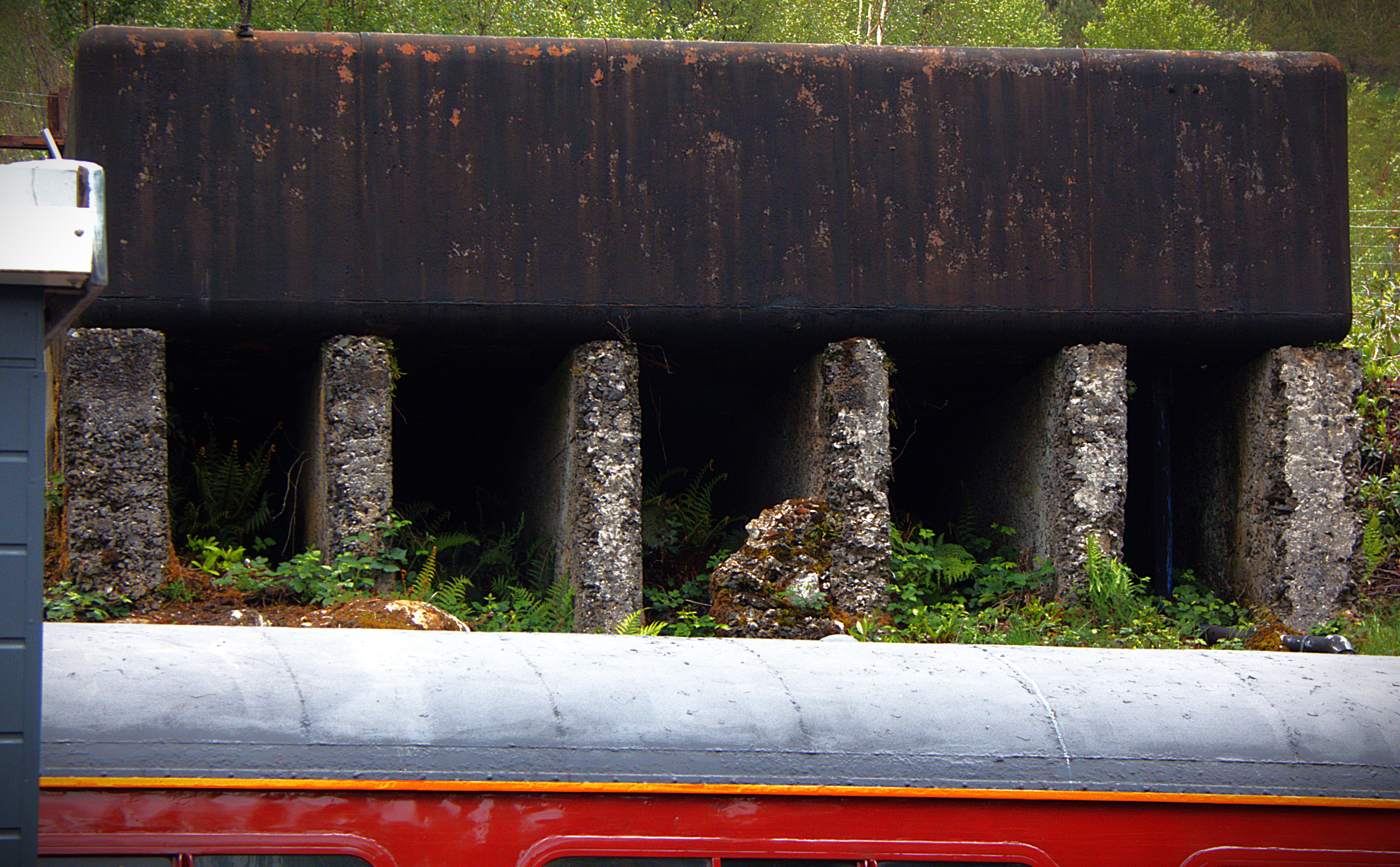
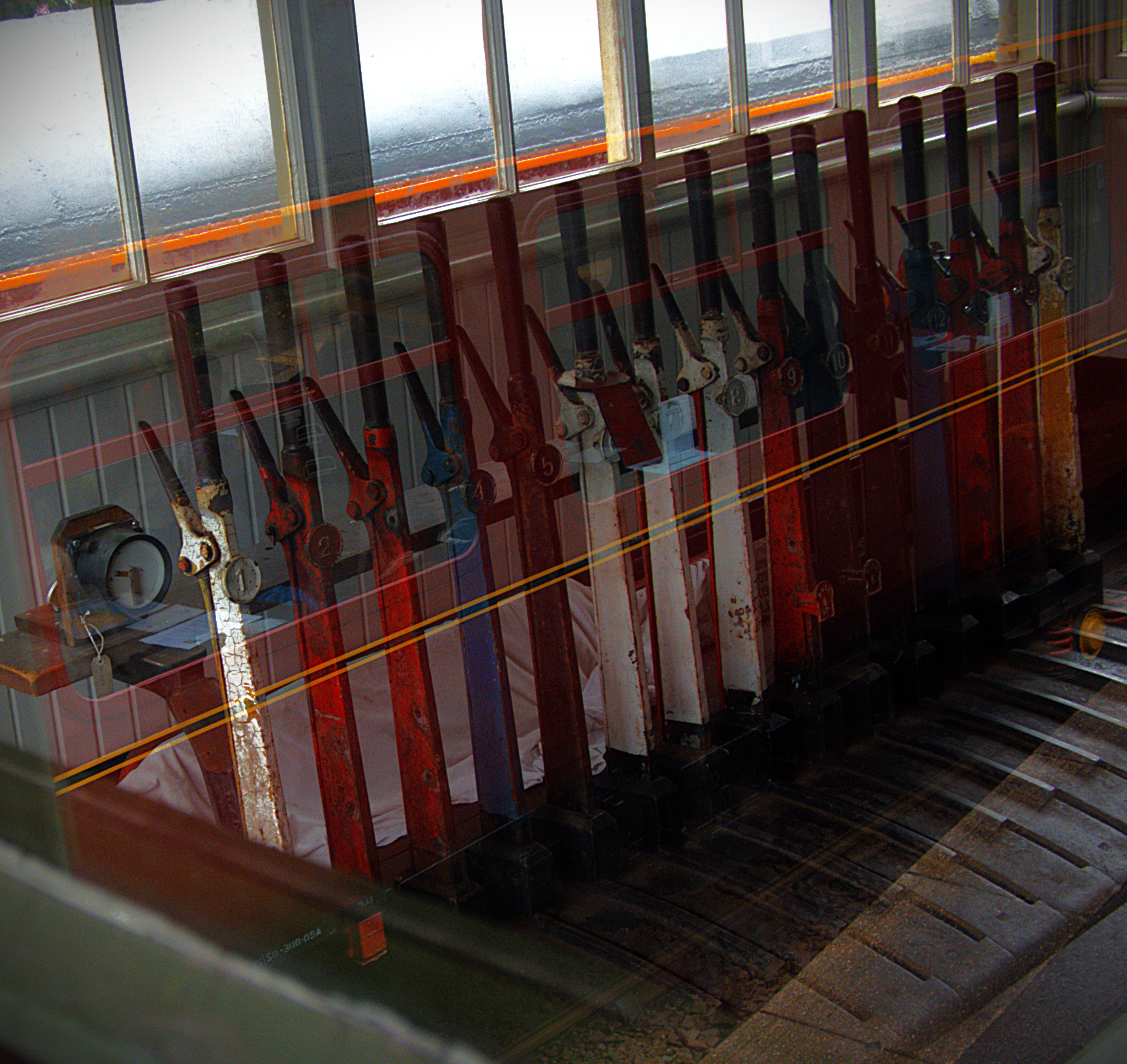
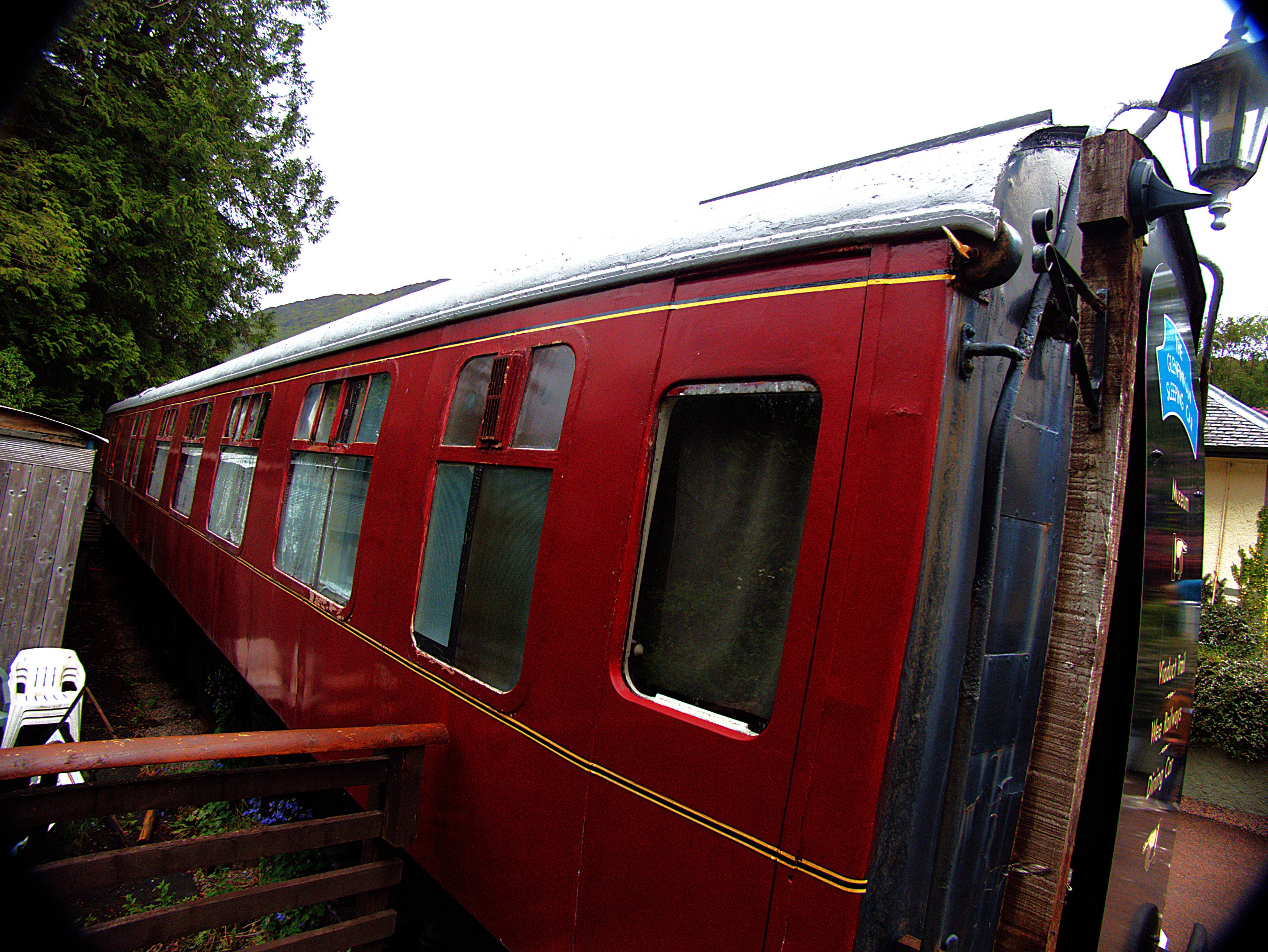
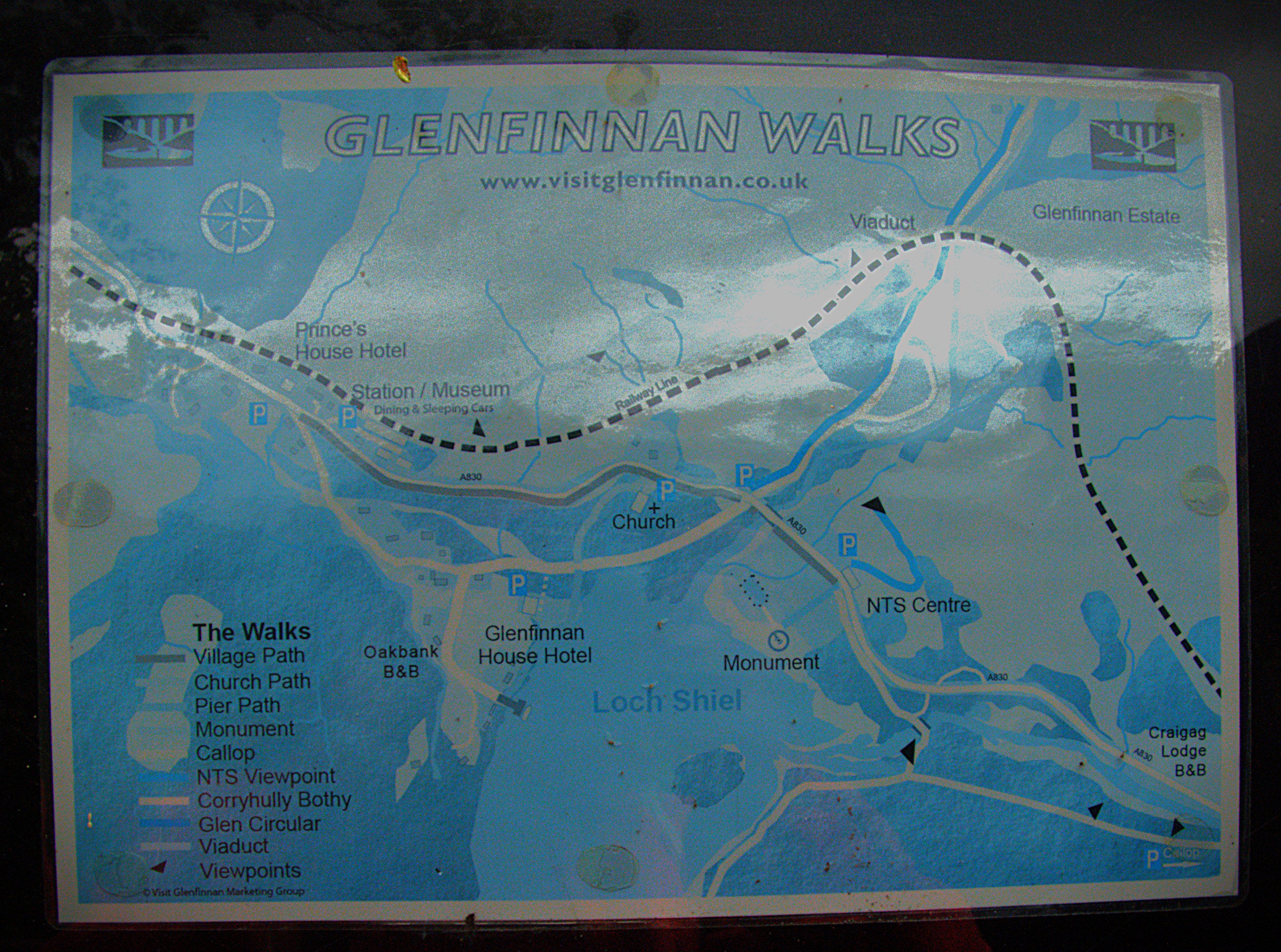
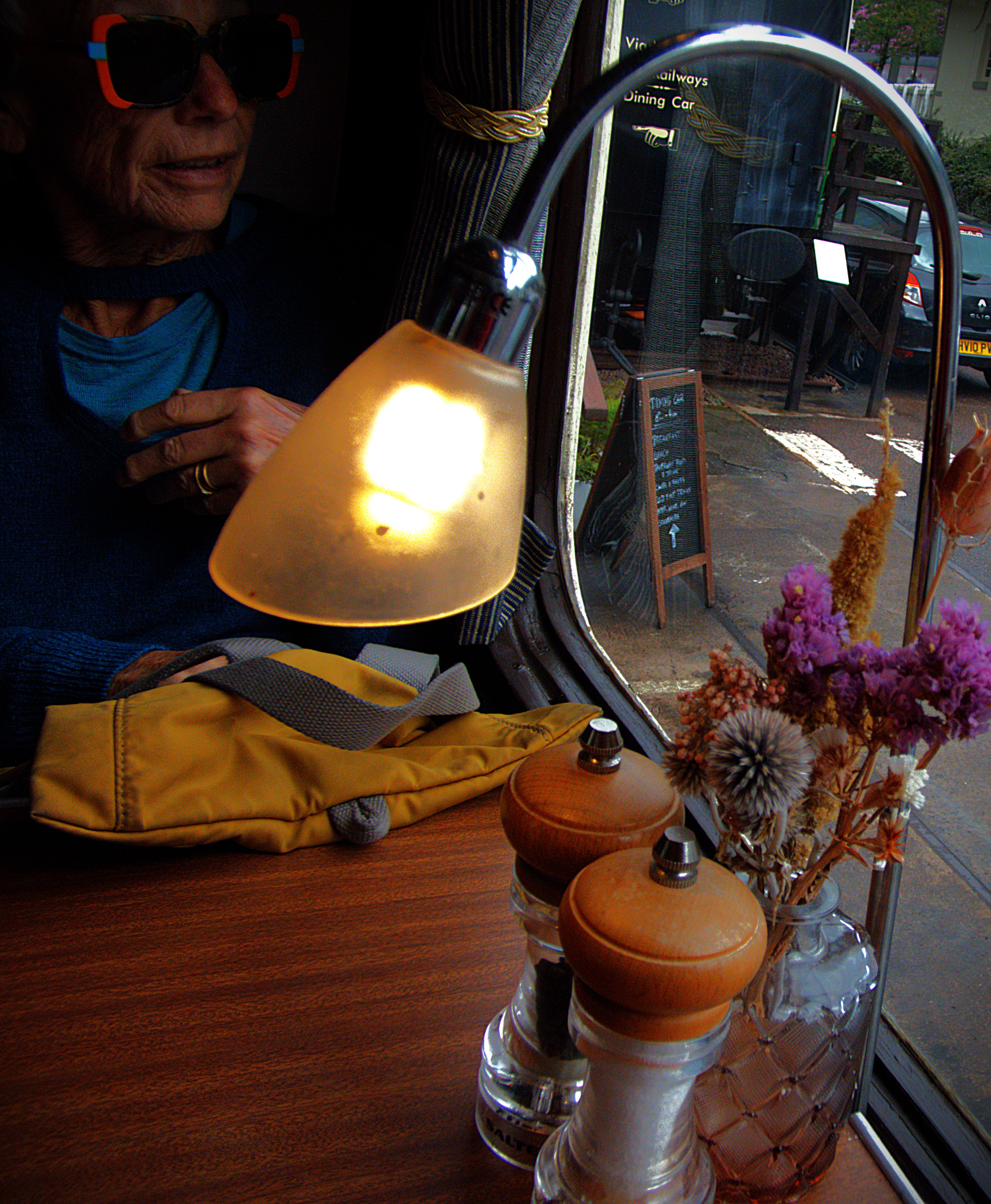
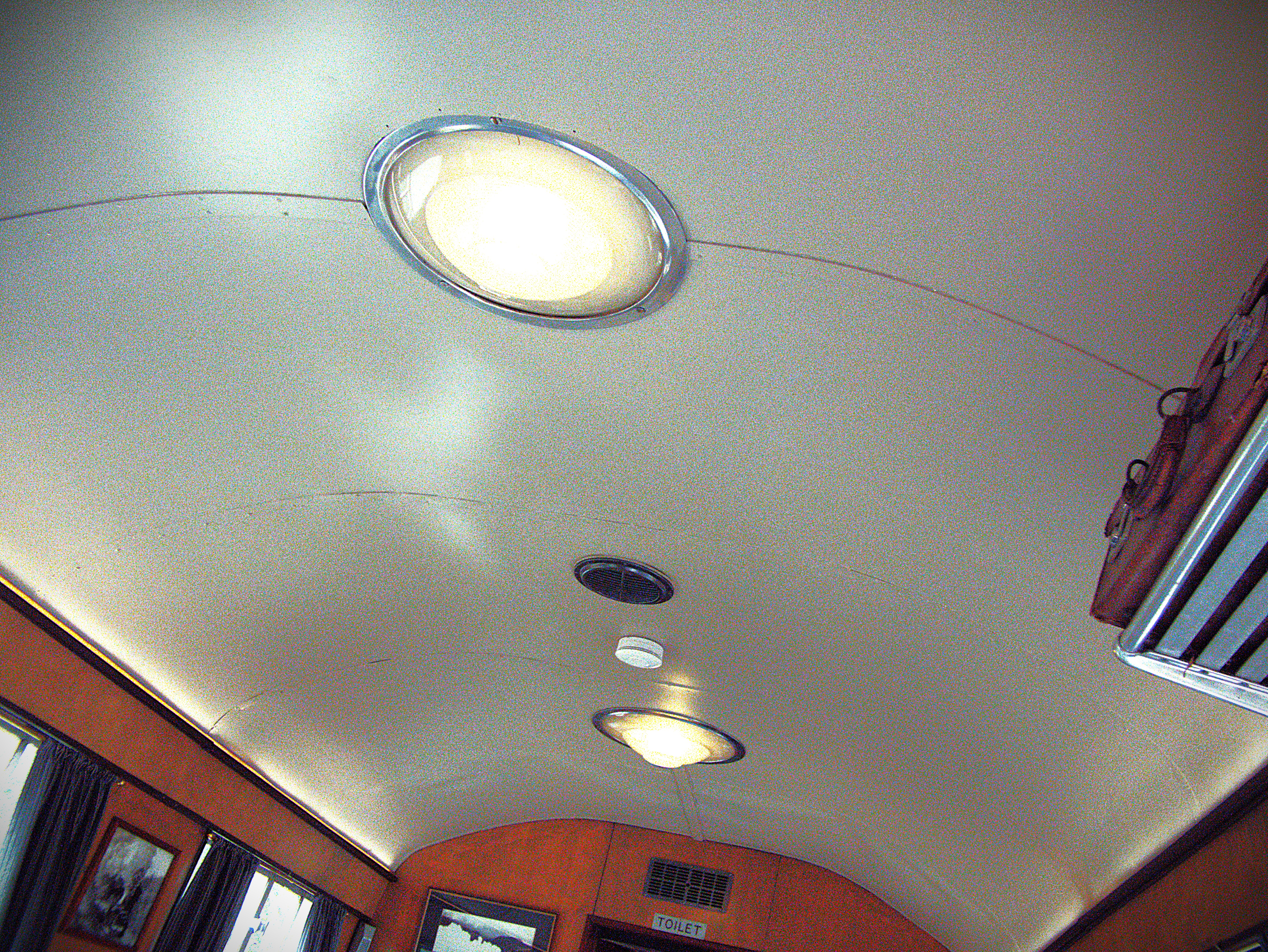
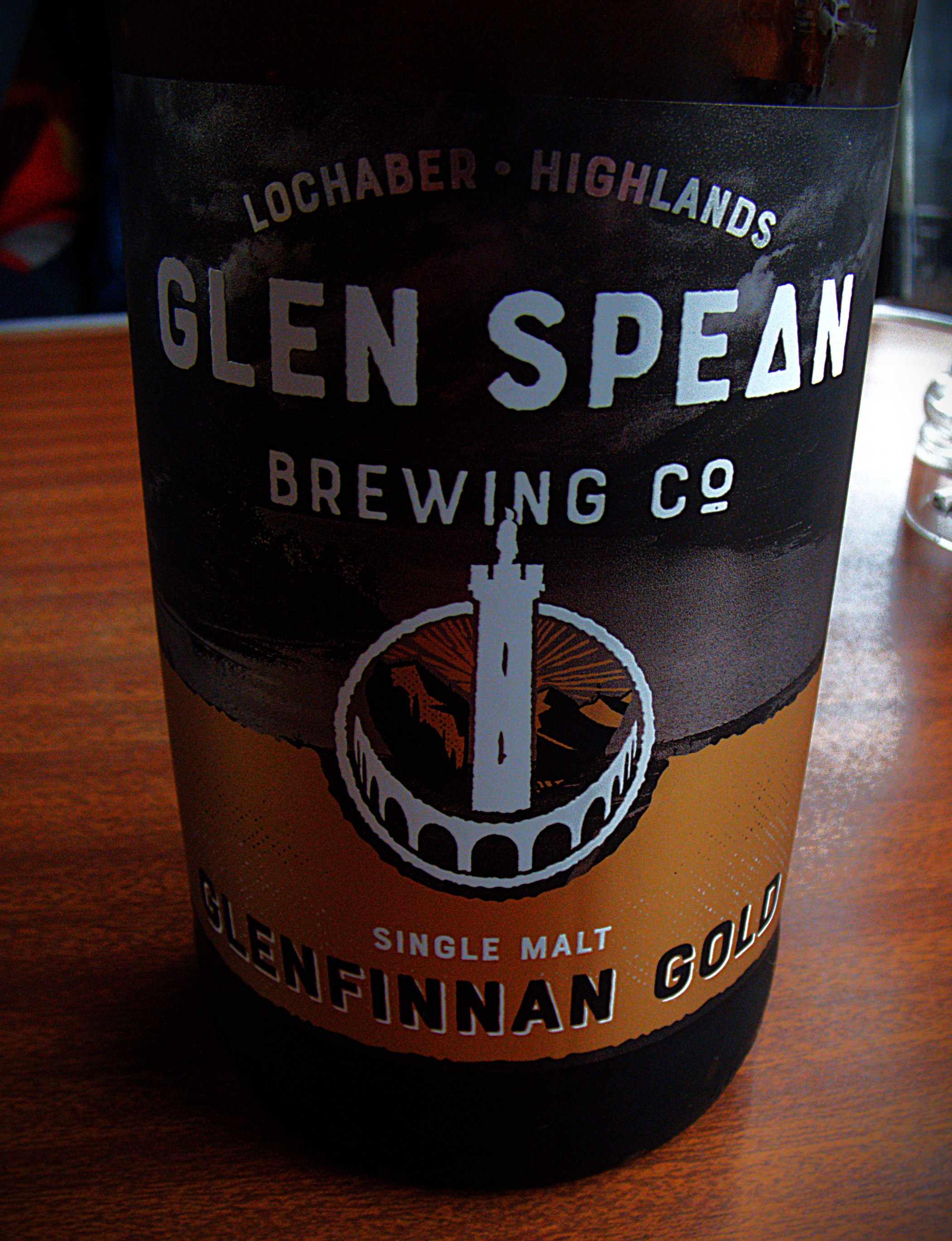
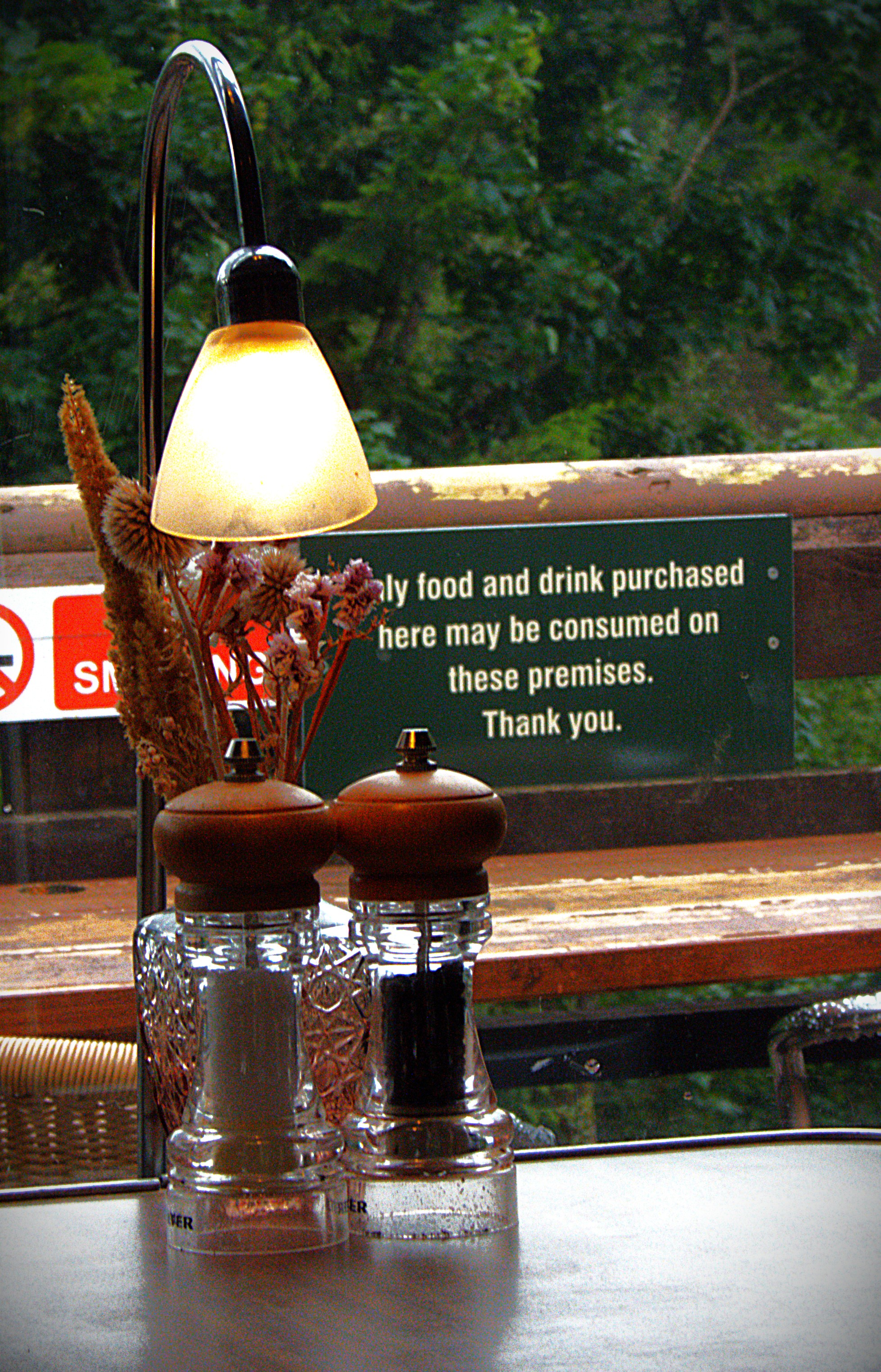
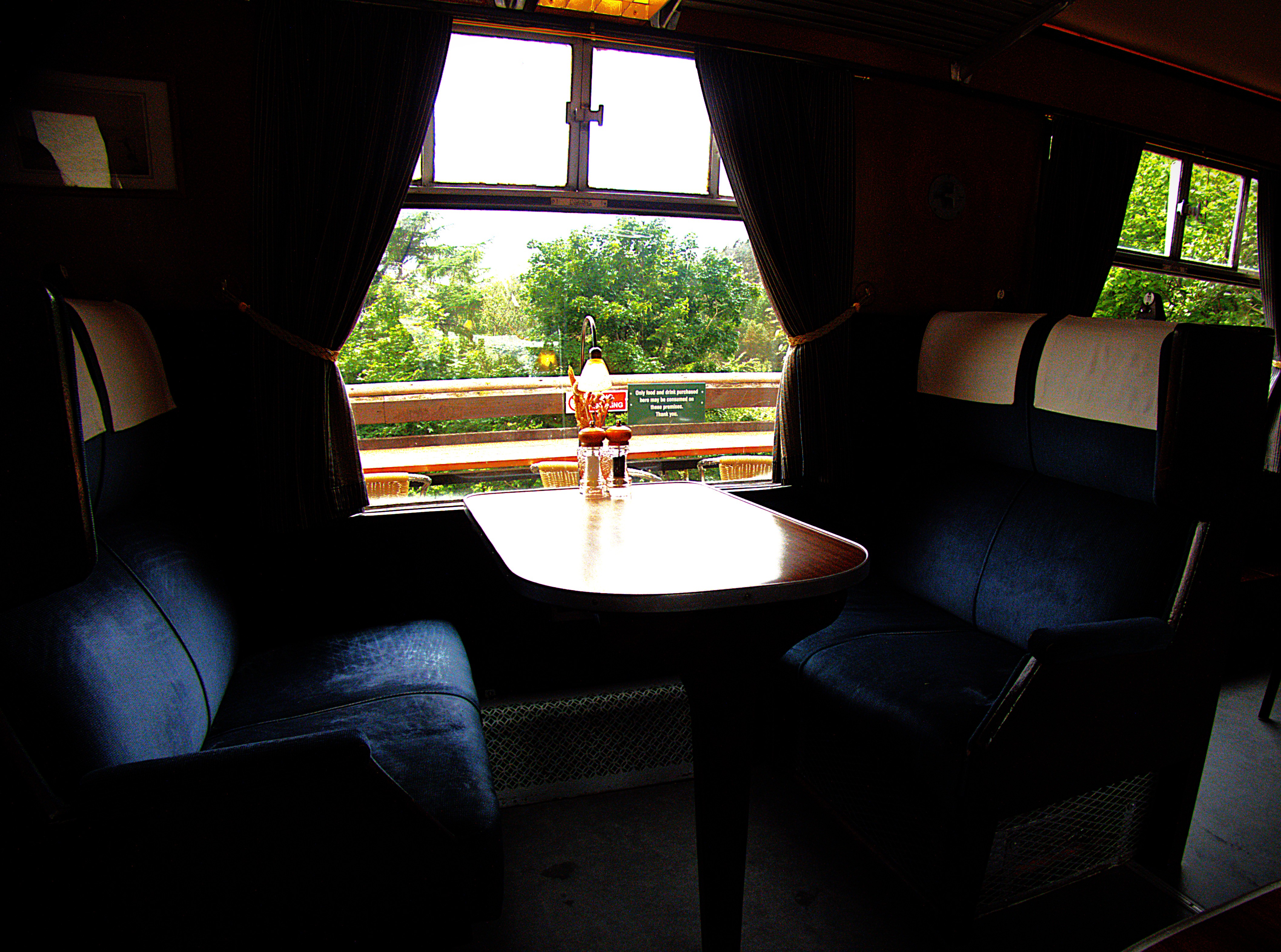
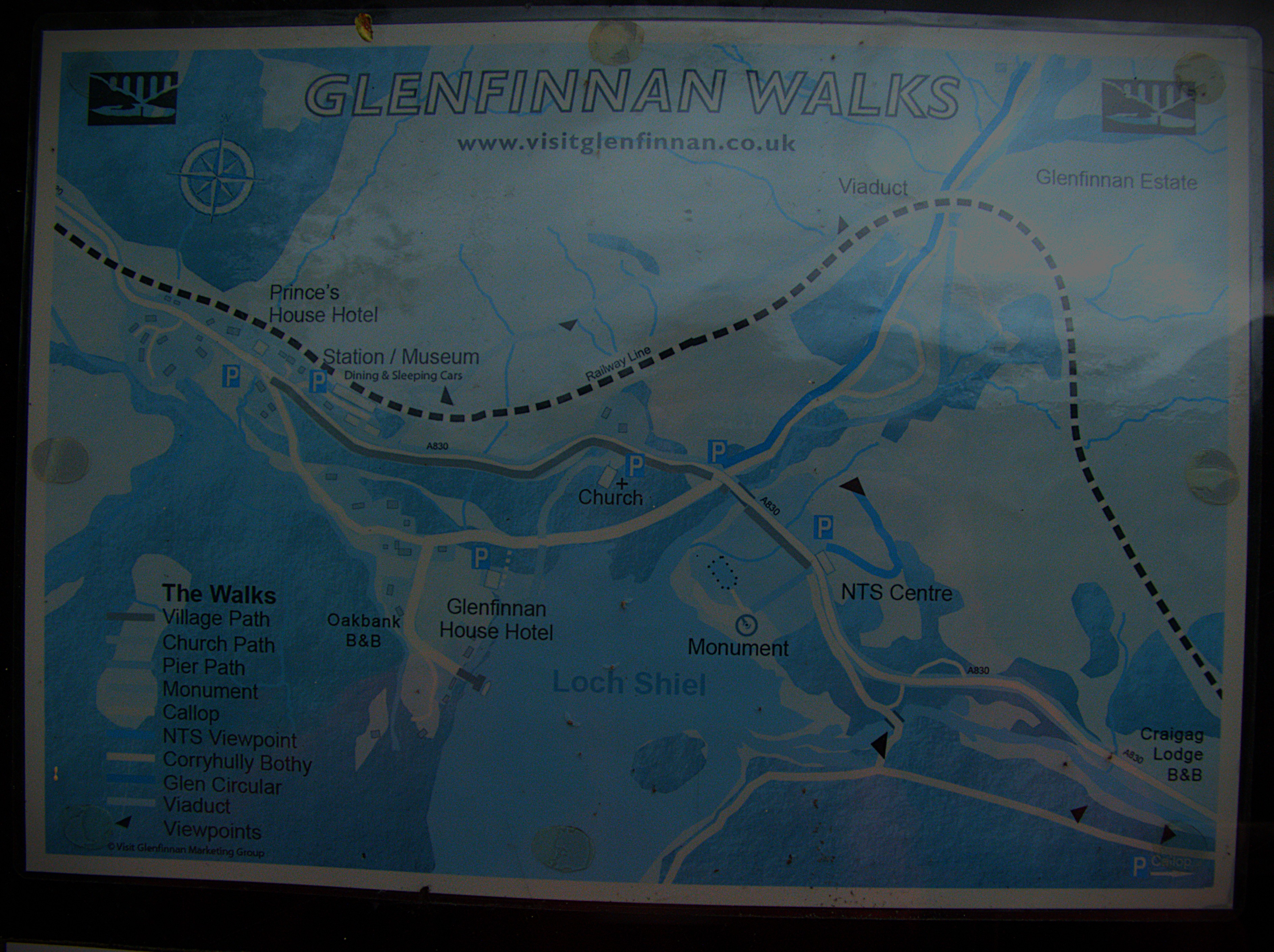
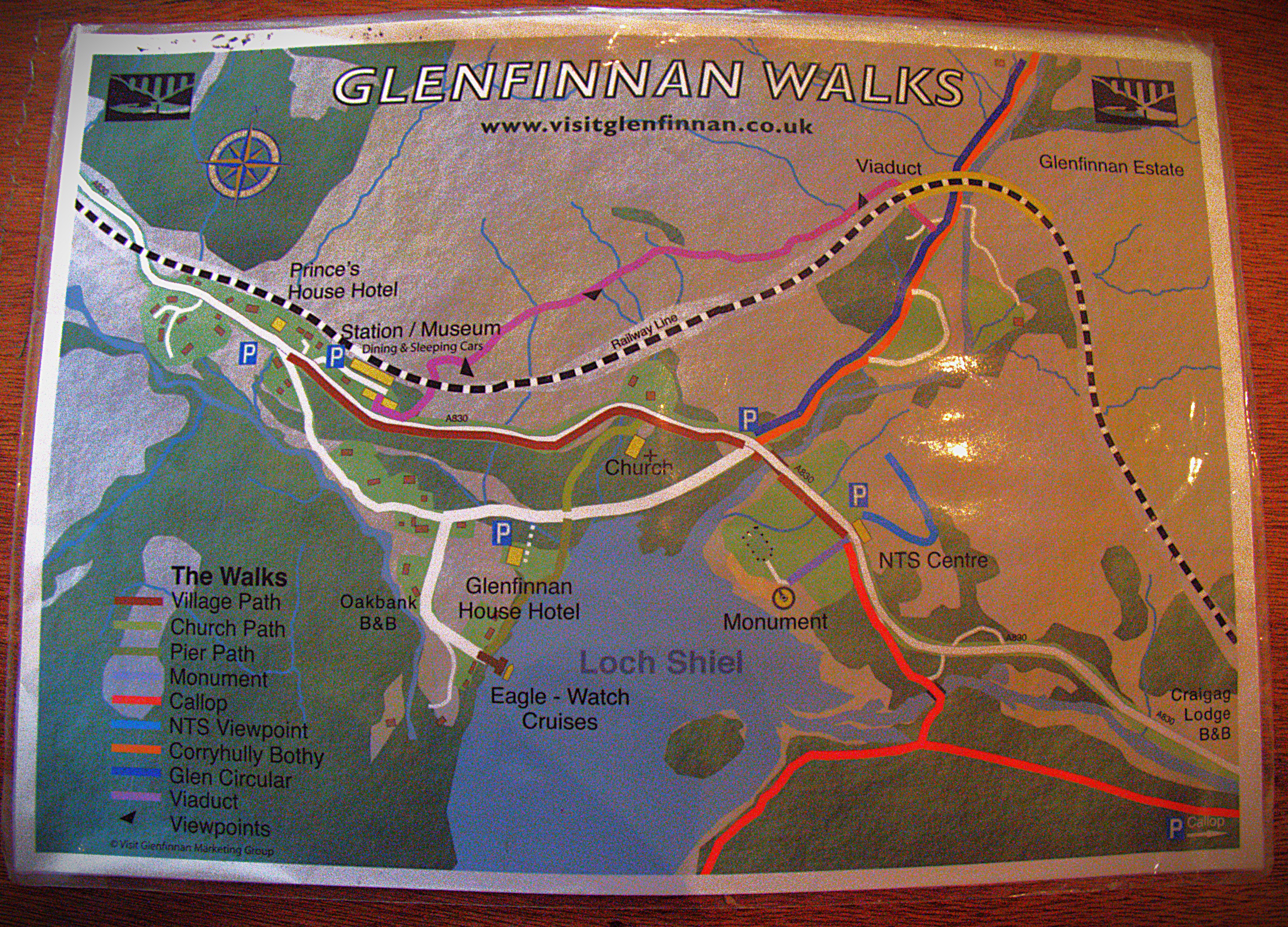
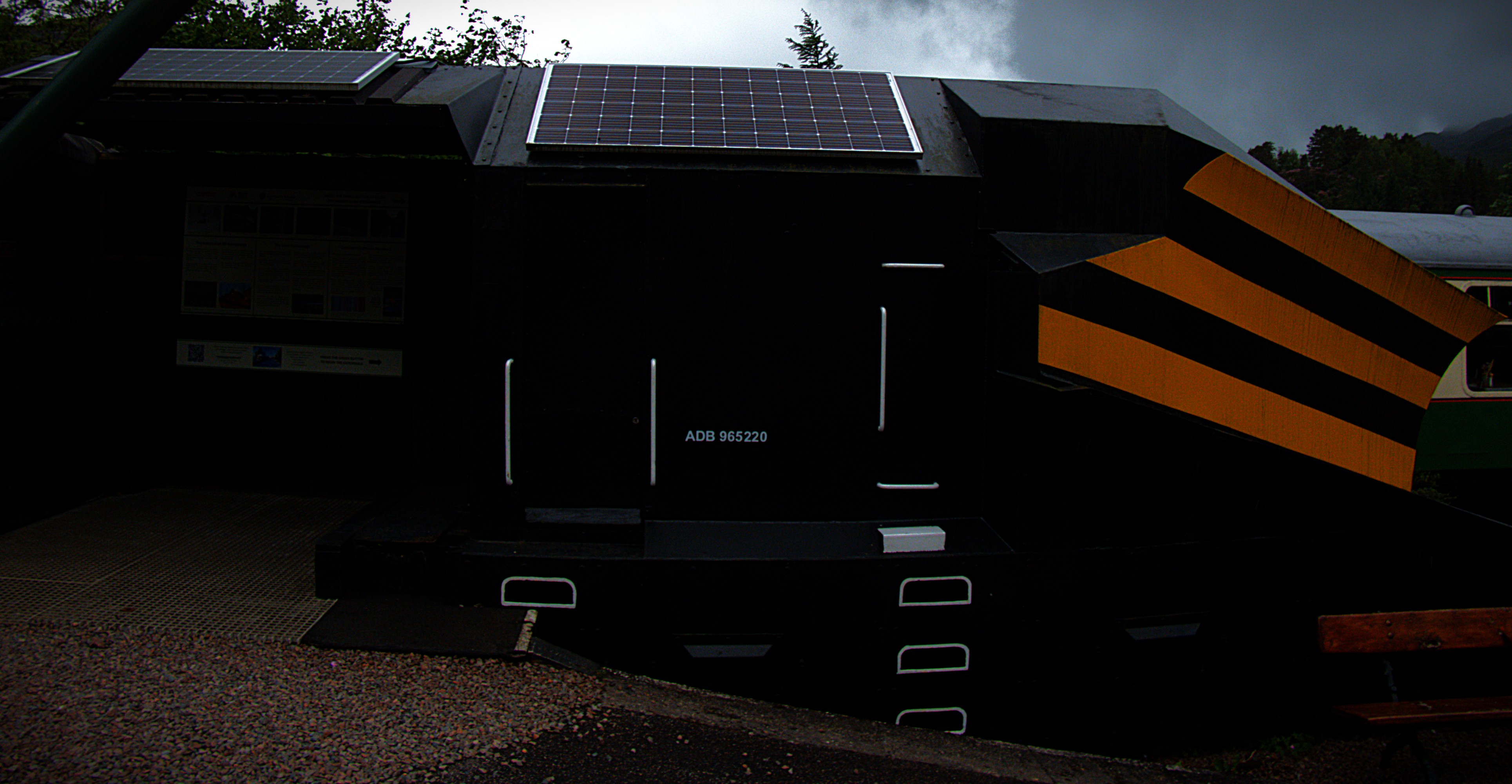
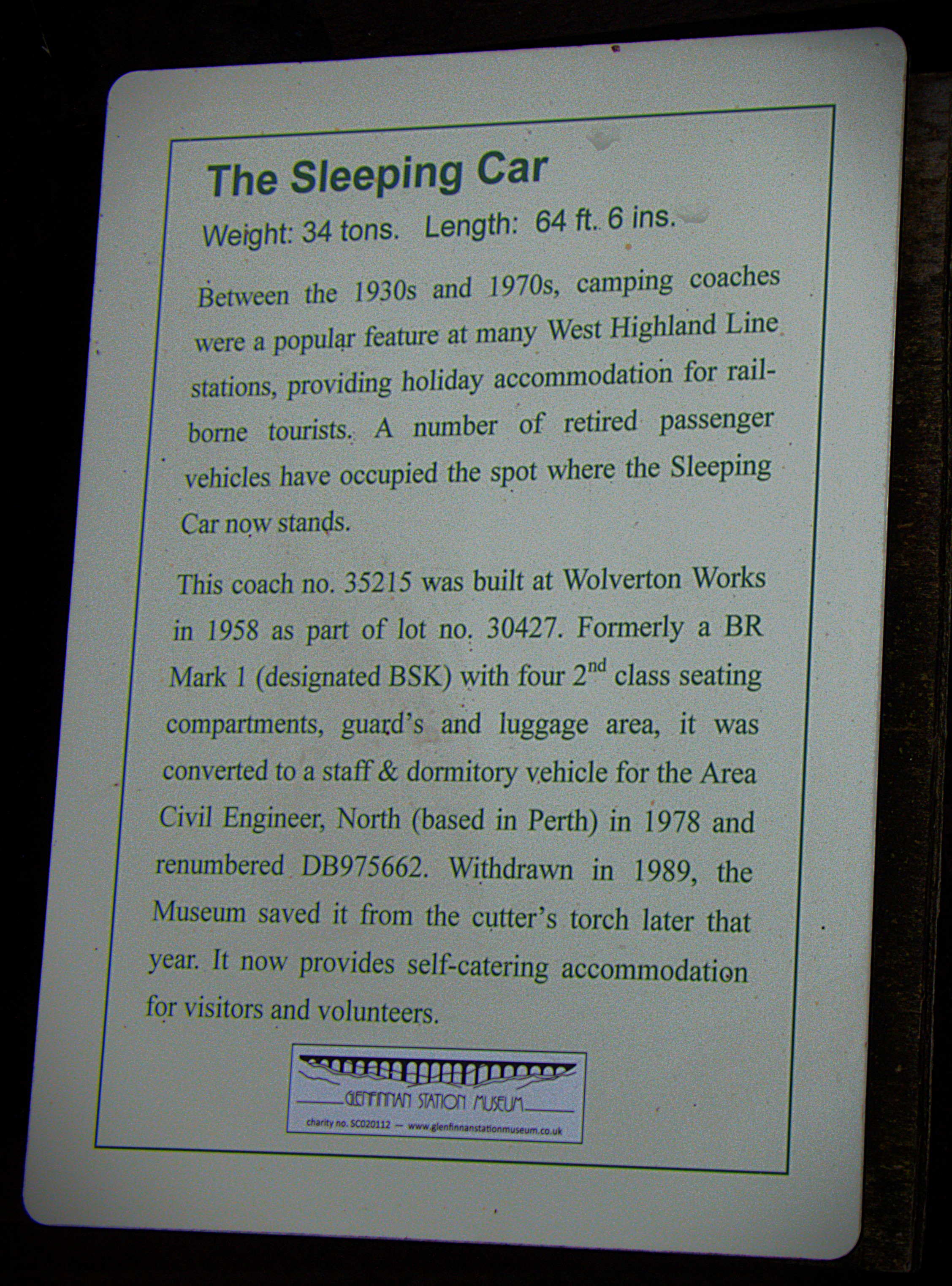
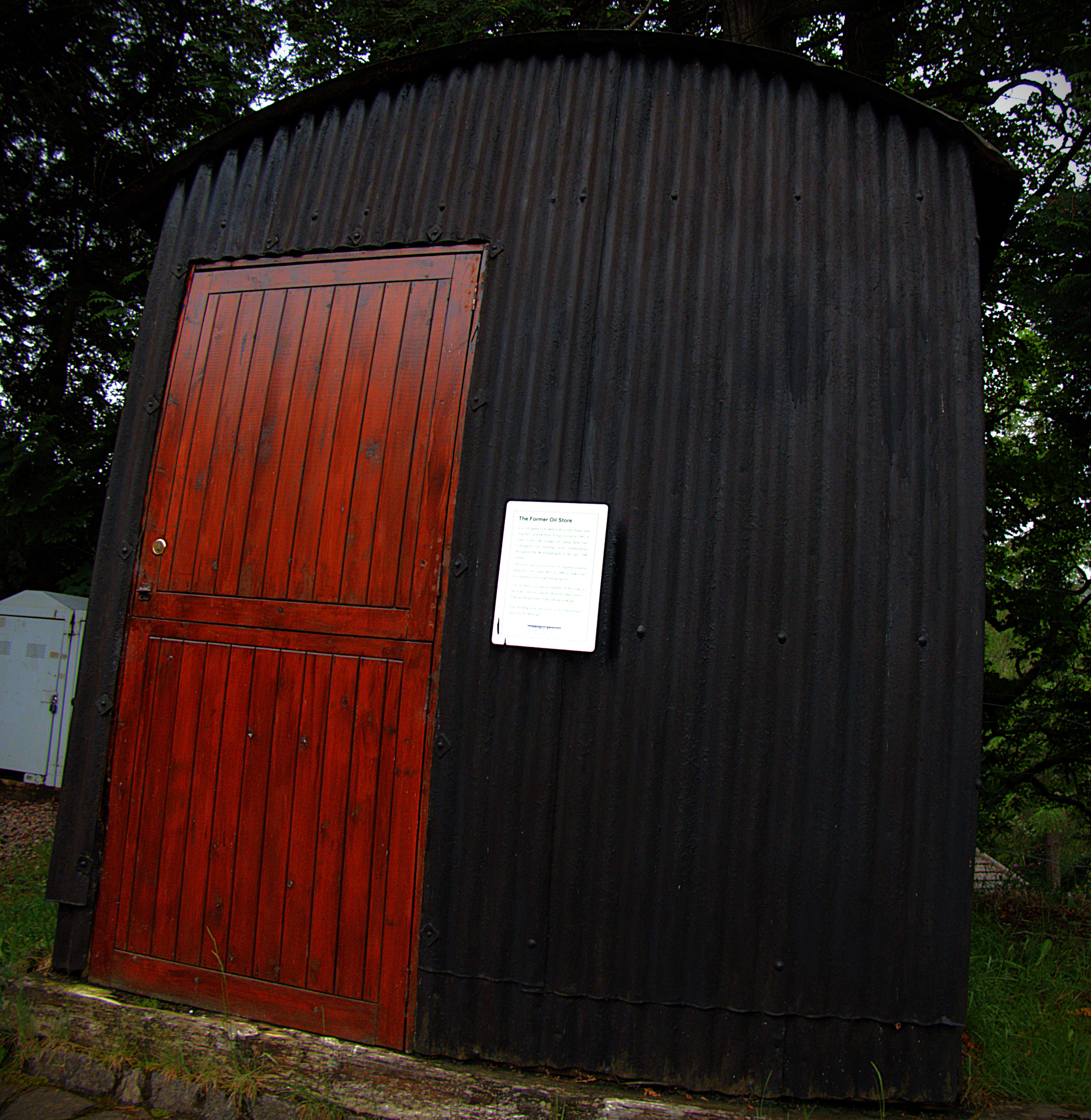
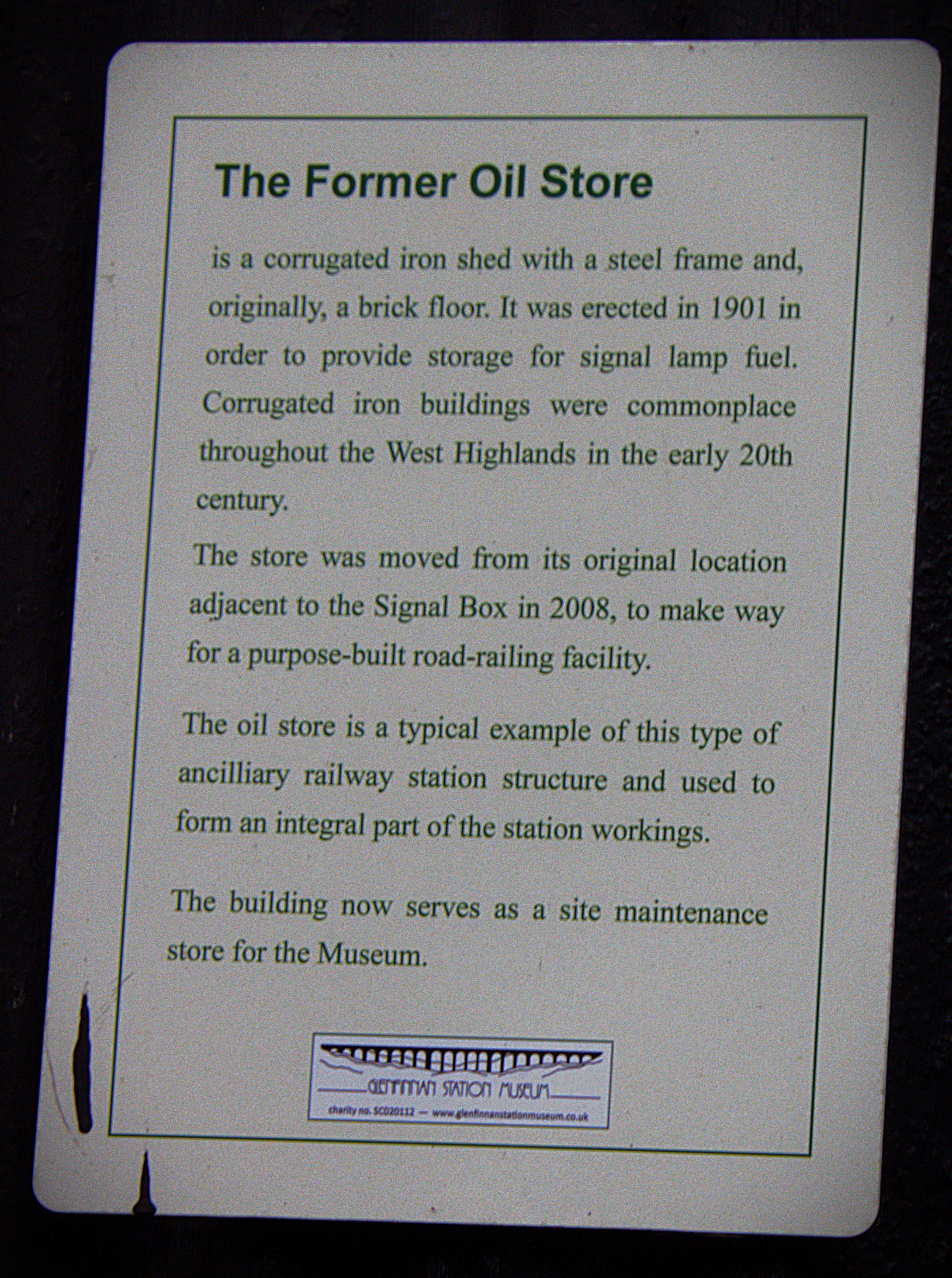
As you will see in the next post in this series Glenfinnan Station is home to a small museum that well repays a visit. It also boasts two old railway carriages, one a sleeper, which you can arrange to stay in for a price, and one a pullman style restaurant carriage in which you can get a splendid meal, as we did. There is also an old oil store, a solar powered snow plough, which saw serious action the winter of 1962-63, an old signal box which you can look at, and a crane. There are also various walks which take in the Glenfinnan Viaduct, though the weather stopped us from doing that. We also overlapped with the westbound Jacobite Express.
Moving on to the Thursday of my Scottish holiday, with an account of a train journey from Arisaig to Glenfinnan.
My account of Scottish holiday (May 30th to June 6th) moves on to the Thursday. This is the first of a number of posts about was originally the only day for which we had nothing planned.
A LATE ADAPTATION
As I mentioned in yesterday’s post, the weather that we had been led to believe was going to blight the Thursday actually showed up a day early. The Thursday by contrast was comparatively benign, so we decided to go out after all. We opted to make the train journey from Arisaig to Glenfinnan and back and do some exploring at Glenfinnan. There was a train heading east from Arisaig at 10:27 (the same train that my return journey from holiday would begin on two days later). It is policy at Arisaig that although all doors could safely be opened they only have one set operational, but we were able to board without too much difficulty. There are two stations between Arisaig and Glenfinnan, but Beasdale and Loch Ailort are both request stops, so we might very well have had an unbroken run. We arrived into Glenfinnan just in time to overlap with the westbound Jacobite Express.
PHOTOGRAPHS
Here is the gallery:
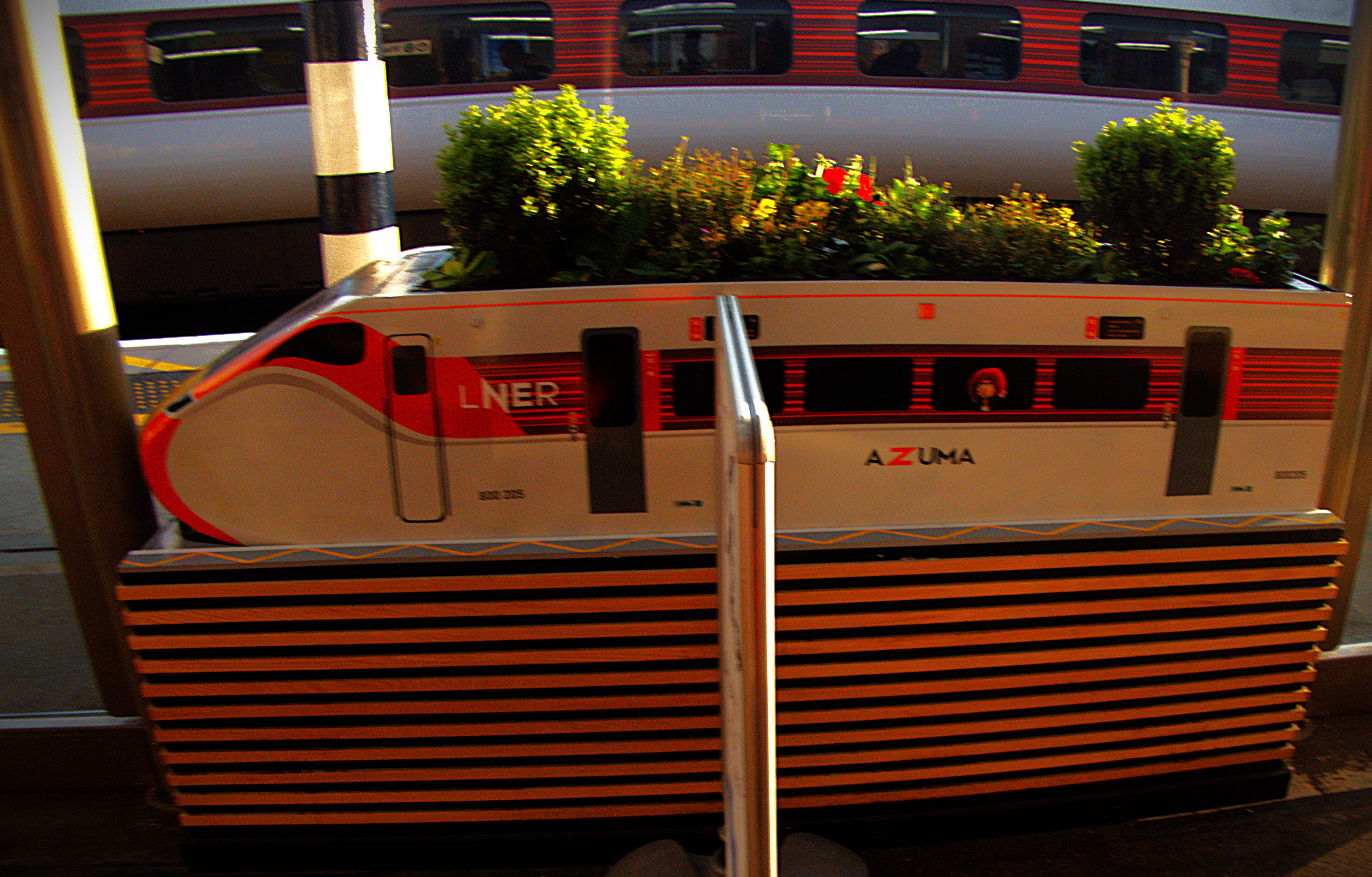
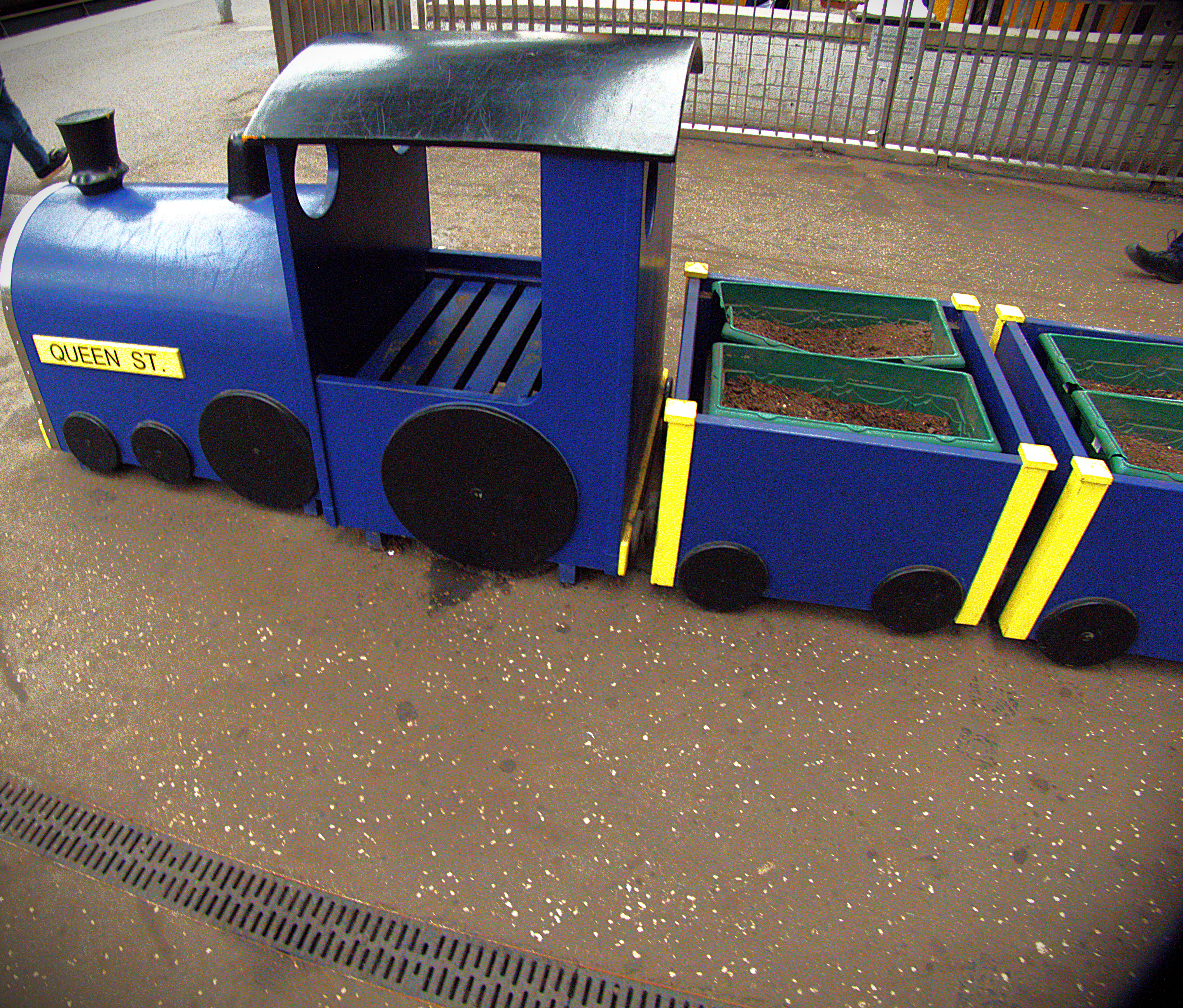
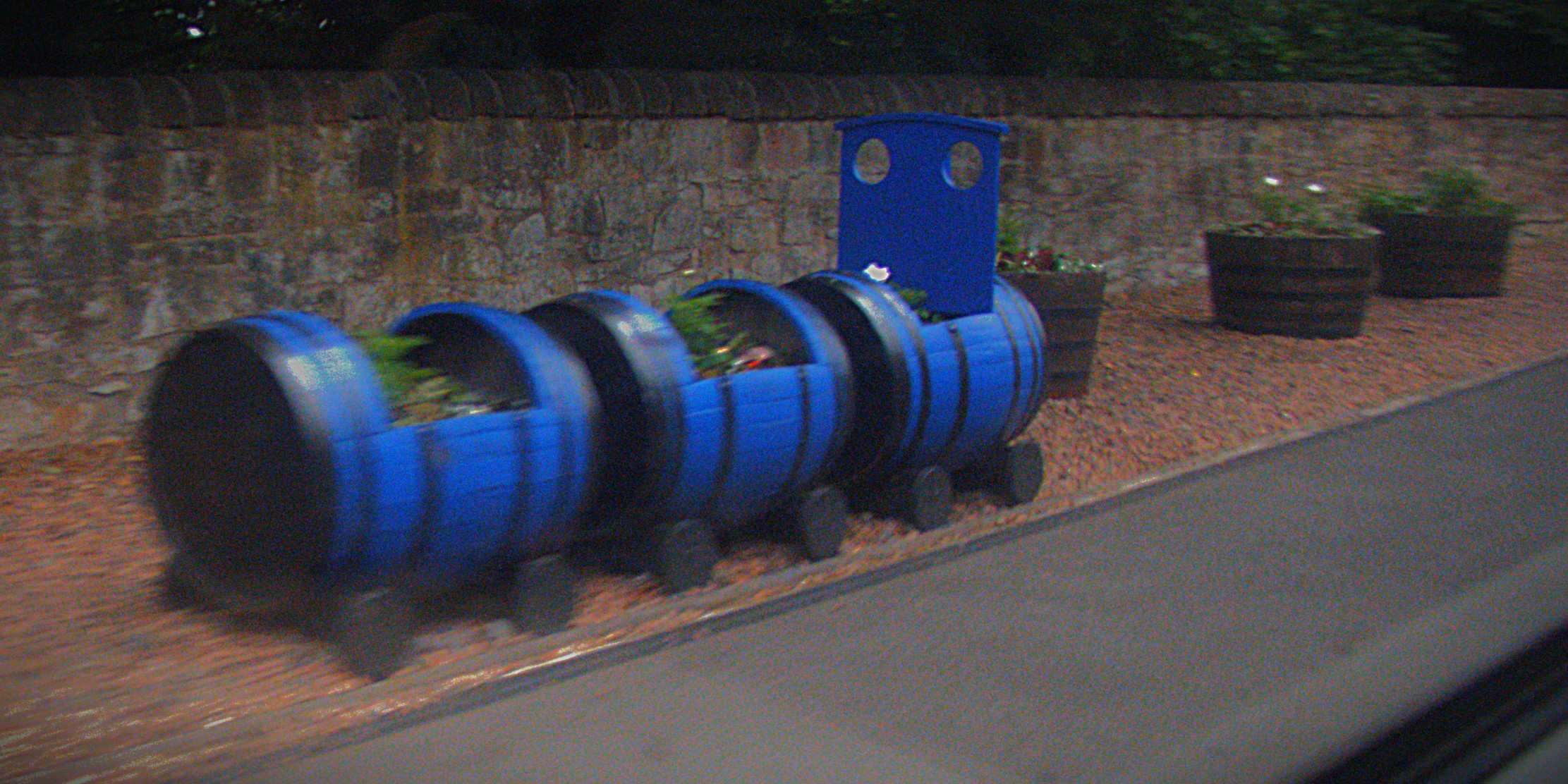
My first picture from inside the train – the entire steam train planter.
An account of an epic journey from King’s Lynn in eastern England to Arisaig in the far west of Scotland, 14 hours door to door, with three photo galleries.
This is the first post in what will be a series about my annual holiday around the time of my birthday, which this year is in Arisaig, reachable by travelling to the westernmost railway station in mainland Britain. This post looks back at a long day’s travelling.
THE PLANNING
I was faced when I started looking at travel options with a choice between either leaving King’s Lynn on the 4:49AM train which would see me arrive in Arisaig at 5:28PM or a later train which would see me arrive at 11:30PM if all went well. Given that I was being met at Arisaig by my parents this was not really a choice at all and I duly accepted the necessity of a hyper-early start to the start.
THE DAY 1: KING’S LYNN TO GLASGOW
I left my flat just a tick after 4AM to walk to the station to catch my first train. I was there good and early and able to take a seat without fuss. My first change was at Ely, and although I had the longer interchange to make, using the curved subway from platform two to platform one I was never in danger of missing my next connection to Peterborough. At Peterborough I had a bit of a wait (it was full daylight and very sunny by then so this was no hardship). My train for the long northward haul to Edinburgh arrived more or less bang on time, and I found my seat without difficulty, and it was unoccupied, so I did not even have to get someone to move (there are people who ignore reservation signs and take prebooked seats, and I will make them move if they have taken mine). The train progressed smoothly through the east midlands and north east England to the Border Bridge at Berwick (the best way to enter Scotland) and then on to Edinburgh without any hitches, and I had enough time at the interchange to be waiting at the platform for my next connection. The run to Glasgow was also clear (Glasgow is Scotland’s largest city and Edinburgh, though smaller, is the capital, so services between the two are fast and frequent).
PHOTO GALLERY 1: TO GLASGOW
A goods train passing through Peterborough during my wait there. I have imaged models of locomotives named after football clubs at work but this was my first sight of one in the flesh.The first of 28 pictures showing various containers on this freight train (no container is pictured more than once).Yellow (at least in this country) is the colour of engineering trains.passing the base of a volcanic rock on top of which there are buildings, just after leaving Waverley in the direction of Glasgow.
THE JOURNEY 2: GLASGOW TO FORT WILLIAM
The journey from Glasgow to Arisaig, a run of just over five hours, covers some of the most scenic railway in Britain. Between Glasgow and Fort William there is a splendid section travelling across Rannoch Moor, which features Corrour, seven miles from the nearest road among others. This section would be THE highlight of most routes of which it was part, but places second to the route beyond Fort William in this case.
PHOTO GALLERY 2: GLASGOW TO FORT WILLIAM
Crianlarich is a dividing point – some of the train splits of and goes to Oban while the remainder continues to Mallaig. It is pretty much an impossibility for anyone to to get caught out because the on-train staff are very attentive to such matters.Decoration at Upper Tyndrum
THE JOURNEY 3: FORT WILLIAM TO ARISAIG
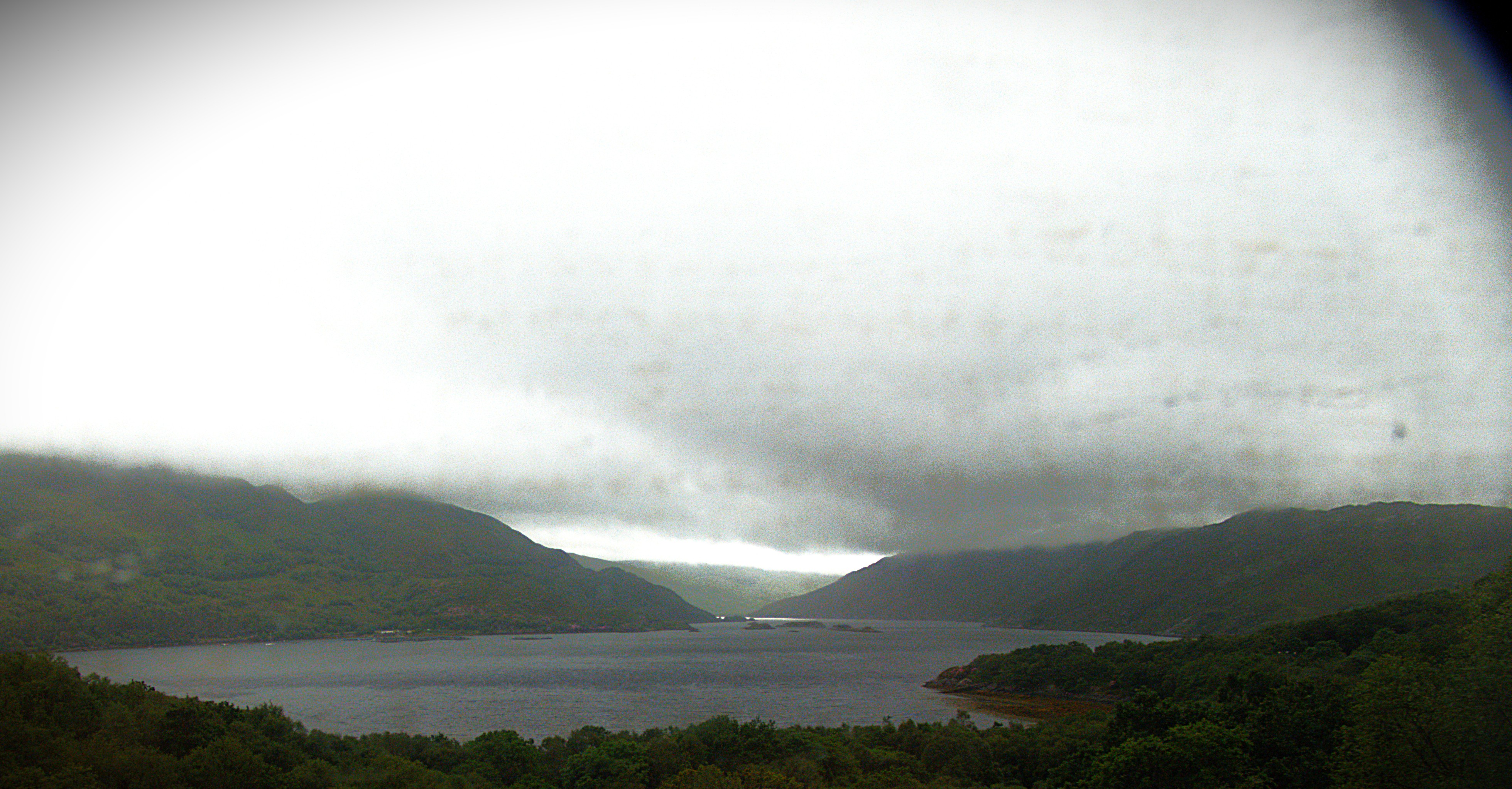
Unfortunately this, the most scenic section of the entire day, also saw the worst weather, and rain spattered windows are not the best medium through which to take photographs. However barring a minor delay at Glenfinnan, where we had to wait for the outgoing train from Mallaig before we could continue the run was smooth, and the scenery was still splendid. We arrived more or less on schedule at Arisaig, and I was met by parents for the last short part of the journey to our accommodation. In all, from my door in King’s Lynn to that of the cottage we are staying in took almost precisely 14 hours.
PHOTO GALLERY 3: FROM FORT WILLIAM ONWARDS
The final tranche of photos from this epic day…
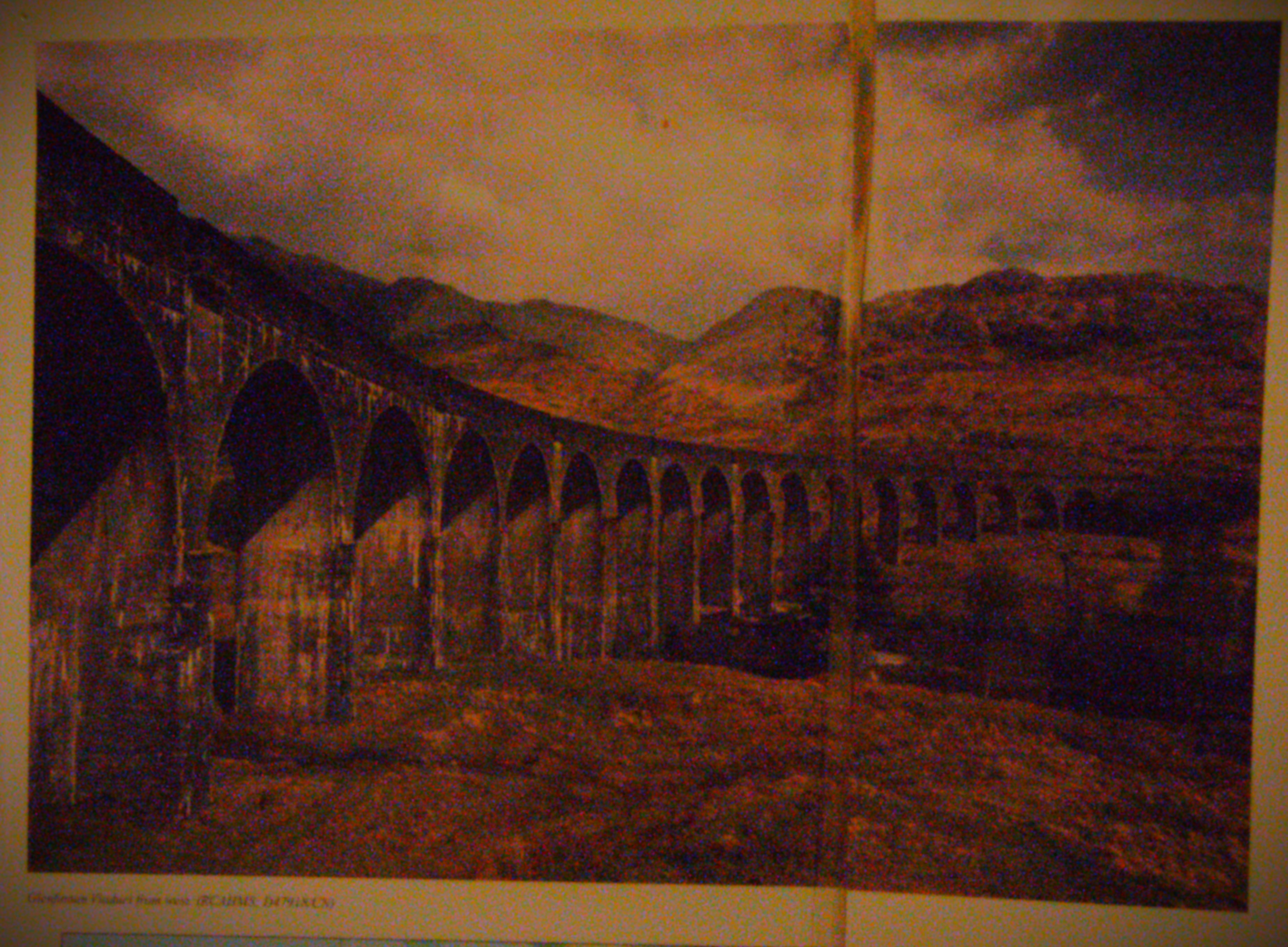
rain spattered windows reduce its splendour, but I think my three pictures of the glorious Glenfinnan Viaduct are still pretty good.There is something splendidly paradoxical about a snow plough with solar panels attached.This signboard/ map greets those disembarking at Arisaig, an experience I had not previously had.
A whimsical exercise inspired by a fairly newly constructed path in King’s Lynn, assessing how the real roundel might be brought here.
This is an exercise in purest whimsy, provoked by a recently constructed set of paths in Hardings Pits near King’s Lynn that I have dubbed ‘Roundel Path’ for their collective resemblance to London Underground’s classic symbol. Here is a photograph:
Roundel Path – I hope this photo, taken this morning illustrates the reason I have so named it.
Before moving in to the main body of this post I re-emphasise that this a purely whimsical exercise, and not even I would actually recommend the adoption of these schemes.
TWO POSSIBLE METHODS
These suggestions are listed from most to least fanciful with even the least fanciful still fairly so.
Over a decade ago I did a personal survey of the Piccadilly line, which among other things recommended a northwards extension from Cockfosters to Welwyn Garden City. Welwyn Garden City is a station that trains from London to King’s Lynn pass but do not stop at en route. Extending all the way to Lynn would require a lot of adjustments at every station that the line would stop at – ideal platform heights are very different for surface and tube stocks which is why I consider this possibility even more unrealistic than the other.
The slightly less ridiculous possibility makes use of the fact that the older subsurface London Underground lines are built to standard railway specifications and would at least not require any platform adaptations. It would require one completely new section of track, from King’s Cross St Pancras (Circle, Hammersmith&City and Metropolitan line shared platforms) to Finsbury Park or some point further north, with an intermediate station at Highbury& Islington, giving some useful connections, joining the existing tracks as soon as it is practical for it to come to the surface. That leaves one further question…
WHICH OF LINE SHOULD RUN THE NEW ROUTE?
There are three possibilities:
The Metropolitan line once extended over 50 miles out into the countryside, and is still much more like a mainline railway than other lines. The disadvantage of the Metropolitan getting this route is that from Baker Street onward trains would heading northwest, having come from basically due north (with a tiny fraction of east).
The Hammersmith and City line, which could abandon the Farringdon to Barking part of its route, all of which is served by other lines.
The Wimbledon-Edgware Road section of the District line could add the stations as far as King’s Cross to its existing route and take over the new route.
PHOTOGRAPHS
I state once again that the foregoing has been a piece of whimsy, not anything serious, before applying my usual sign off…
A new bird sighting for me, tentatively identified as a grey wagtail.This cormorant has evidently developed a taste for this particular tree canopy – I have seen it up there before.Roundel Path
An account of my return journey from Cornwall to Norfolk, with a photo gallery.
This is my final post about my Christmas in Cornwall, and details the return journey.
A JOURNEY OF MANY PARTS
I was travelling on a Sunday, something I normally try to avoid because it can be problematic. I was booked on the 14:15 from Plymouth, and had various subsequent connections to make. We left Fort Picklecombe at 12:45, and arrived at Plymouth station a little over an hour after that. As I was booked in coach A I had to get to the far end of the platform to be able to get to my booked seat. The train ran a little bit late, but not enough to disarrange my subsequent plans (incidentally GWR have already paid compensation for the problems with my outbound journey). Because I was right at the front of the train I would have had to walk the entire length of the platform at Paddington to get to the bridge that gives access to the Hammersmith and City line platforms, which was never a practical proposition. I therefore went through the ticket gates onto the concourse at my end of the platform, and boarded a circle line train at the Praed Street platforms, changing trains at Edgware Road as required. At King’s Cross I found my way to my next train, a non-stop service to Royston from where I would catch a replacement bus to Cambridge North and then board a train for the last stage of the journey to King’s Lynn. Everything on this stage of the journey went smoothly, and I arrived into King’s Lynn station exactly on schedule at 20:48. It remained only to walk home, a journey of about 20 minutes, and then unpack.
PHOTOGRAPHS
It was of course dark for much of the time I was travelling, but not for the really scenic part of the journey before Exeter, though I was on the wrong side of the train to get the full benefit of that.
The first two pictures in this gallery were taken through the car window on the journey to Plymouth.Then there were some pictures taken at Plymouth.Pictures taken in transit from Plynouth start here.On the Praed Street platforms.At Edgware RoadPart of the sign indication the Metropolitan line platforms at Baker Street.This picture should have featured a roundel as well as this, but someone walked right in front of the roundel while I was taking it/Railway 200 stuff at King’s CrossThe route map on the train to Royston.
An account of a “curate’s egg’ journey from King’s Lynn to Fort Picklecombe. Parts of the journey were indeed excellent, and I got some good photos along the way.
I am in Cornwall for Christmas. I travelled down yesterday, which journey I shall be covering in this post, and will staying until Sunday.
THE GOOD: KING’S LYNN TO PADDINGTON
My itinerary for this journey started with catching the 10:45 from King’s Lynn to Kings Cross, so I set off at 10 o’clock sharp to make sure I got to the station in good time. The train ran precisely as per schedule, and at 12:33 I alighted on to Platform 9 of Kings Cross station. The Hammersmith and City line journey from Kings Cross to Paddington, following the original route of the world’s first passenger carrying underground railway was also uneventful. I consumed a light meal courtesy of a branch of Costa that is structurally part of the station, and then it was necessary to be ready for the next and longest phase of the journey…
THE BAD – A GWR HORROR SHOW
Although today’s Great Western Railway has the same name as the company founded by the legendary Isambard Kingdom Brunel, and serves most of the same routes, I do not think that Brunel would be impressed with his company’s modern day namesake. Actually the current GWR should probably be glad that the dead cannot sue under UK law. As I scanned the departure screen on the bridge linking the various platforms at this iconic station (the photo gallery at the end of this post contains some pictures that should go some way to showing you why this station is rated as one of Europe’s finest) I noticed there were some cancellations, and some delays. My own train was among the delayed, and the estimated time was being pushed back in small increments. Eventually at 2:15, 12 minutes after the scheduled departure time we were finally given the platform information. I managed to get to my booked seat, and a few moments later we were finally underway. However the late departure caused us to end up behind a couple of stopping services between Exeter and Plymouth, so the train arrived very late at Plymouth (once I am back in Lynn the company will be hearing from me as I expect compensation from them for both the stress experienced at Paddington and the very late arrival in Plymouth).
THE FINAL STAGE
My sister met myself and my nephew at Plymouth station (he, due to mishaps associated with another train company, South Western, had ended up on the same train as me), and drove us to our final destination, Fort Picklecombe in Cornwall. Apart from the satnav making a few daft mistakes (at one point telling us to make a u-turn when we actually on the Torpoint ferry!) this part of the journey was thankfully uneventful.
PHOTOGRAPHS
Here are the photographs I took yesterday, plus a couple from this morning:
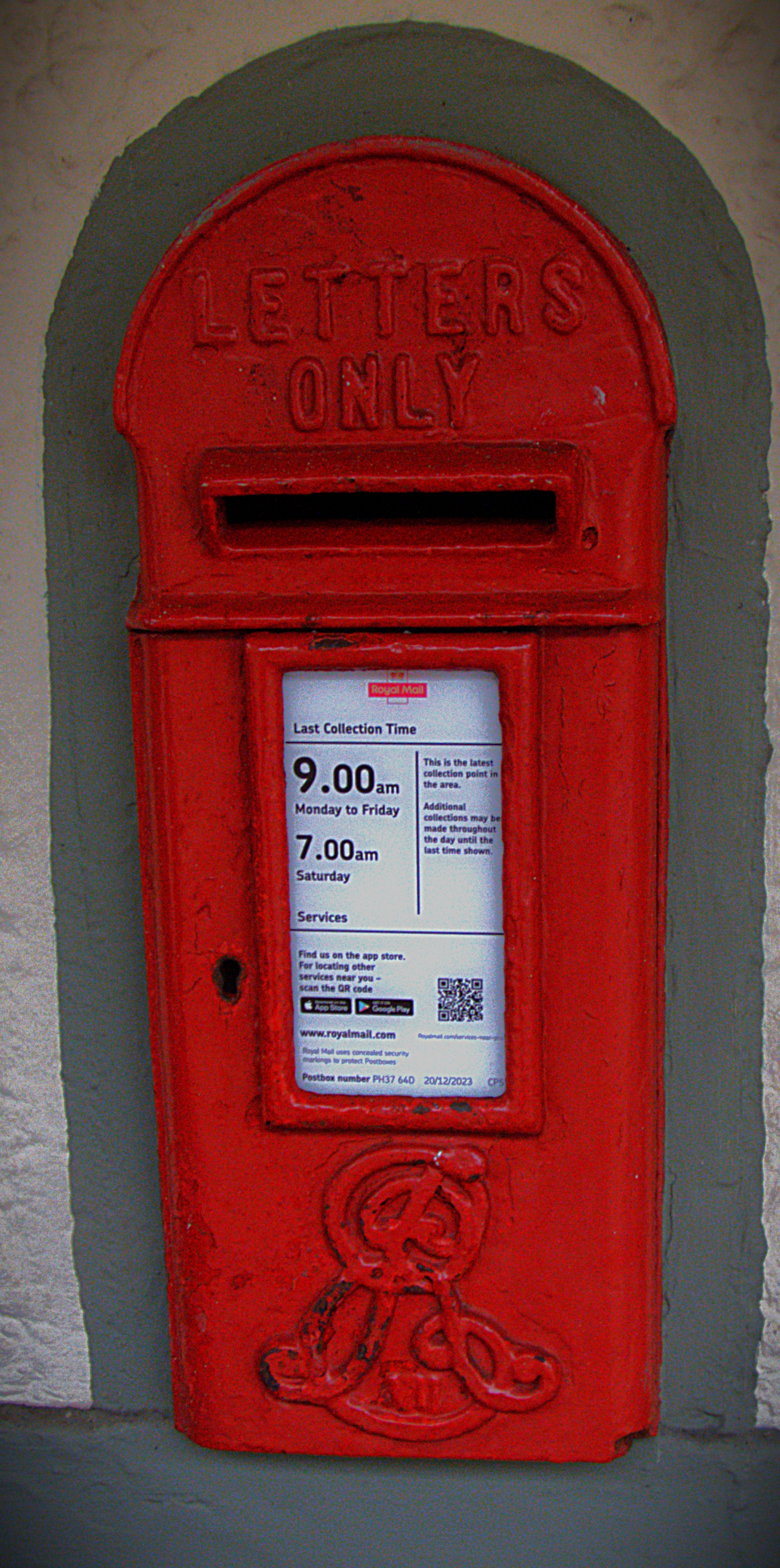
Ely Cathedral, through a train window approaching the station from the north.An inspection train, near Ely.The roof at Kings Cross.A fine combination of central roundel, map to the left and information poster to the right, with a train on the other platform providing the backdroop.A close up of the roundel.This was probably the best picture I got of a roof arch at Paddington station.A reasonably close picture of a Central line train approaching Ealing Broadway and a much more distant one of another train on the same line leaving that station.A District line train at Ealing Broadway. It has steeper sides than the rounded Central line stock, and is also larger, the District having been built to mainline spec, while the deep level tube lines are smaller.This yellow train (see also next picture) is I believe an engineering train.Newton Abbot station features a standard-issue post box at platform level.Two pictures of the lighthouse taken through the window of the living room at Fort Picklecombe.
An account of my involvement in an ‘Unhappy birthday, Elon’ event yesterday, complete with photos.
Yesterday was Elon Musk’s birthday, and activities had been organized in various places to make it an unhappy one for him. I took part in the event in London, outside the Tesla dealership in Park Royal.
THERE AND BACK
I caught the 7:42 train from King’s Lynn to London King’s Cross. I had been speculating over the possibility of travelling on the Metropolitan line to Rayner’s Lane and then going back down the Piccadilly line to Park Royal, but an announcement to the effect that the Metropolitan was experiencing delays saw me change plans and go the direct route along the Piccadilly. I arrived early, and did my best to assist with the setup. I did not stay hugely long, and was back home in time to catch most of the T20I between the England and India women’s teams. Most of the time I was there was spent with a sign urging passing motorists to “HONK IF YOU HATE ELON” – and quite a few did so.
PHOTOGRAPHS
Here are my photographs starting at King’s Lynn Station and ending with a distant view of Ely Cathedral on the return train journey…
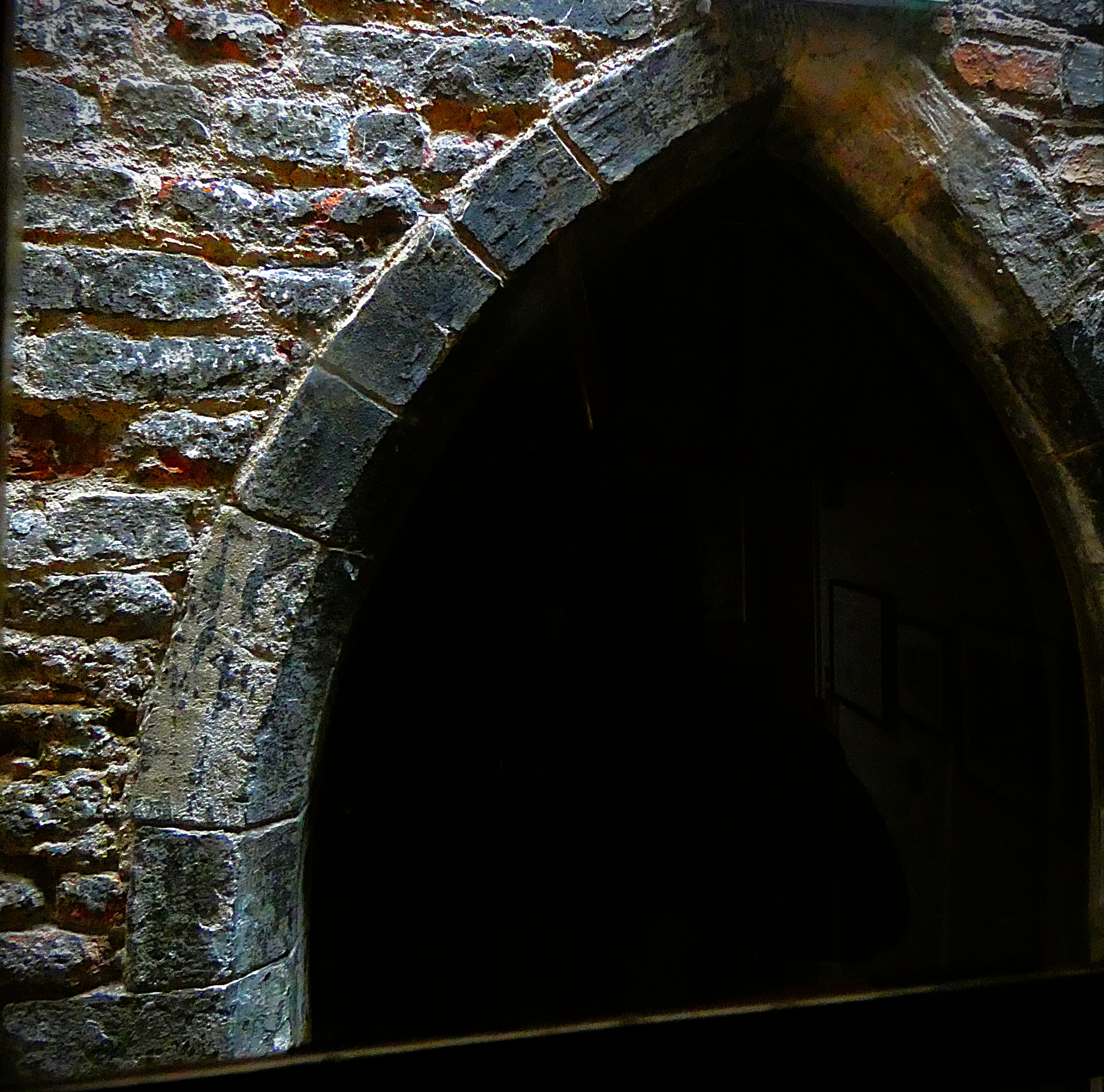
This arch is part of the remnants of a viaduct that carried what is now the Hammersmith and City line by way of a station named Hammersmith Grove Road to Ravenscourt Park for the run to Richmond. Part of the displayA giant ‘unhappy birthday card’The Tesla sign and a protest sign in the same shot.I was delighted to get this picture of the name ‘Covent Garden’ picked out in tiling.
An account of a problematic start to this year’s Scottish holdiay, courtesy of LNER. Also a photo gallery of pictures all taken at various stages of the journey.
I am now ensconced in a tiny hamlet named Achosnich in the far west of the Ardnamurchan Peninsula, which is itself the westernmost past of mainland Britain, where I and my parents are having a holiday around my 50th birthday. The day itself is Saturday, for which I have already scheduled a small post which will come out as near as can be scheduled precisely 50 years after my birth. This post would normally have been entitled ‘Getting There’, but as will become clear this process has been somewhat less straightforward than it should have been.
THE BEST LAID PLANS OF MICE AND MEN…
Up until about 11:30AM yesterday, for all that the day of my birthday had meant a Sunday to Sunday holiday booking and thus travel and the most unreliable day for using public transport, I was feeling pleased with how things were progressing. I had booked from Peterborough to Crianlarich, the closest place to our final destination that I could sensibly book to, and to guard against choppy waters in respect of the opening leg of the journey had opted for the safe option of the 9:25 bus from Lynn to Peterborough, rather than the 10:25 which would have had to run very late to get me in trouble, or to not run altogether. A clear run on the bus saw at Peterborough Station with comfortably over an hour until the train on which I was booked was due, so I purchased some light refreshments and killed time in the station cafeteria, before checking the departure information screen, still with masses of time to spare…
…GANG AFT AGLEY
…it was that look at the departure information screen that blew my travel plans sky high. There in big red lettering against the 12:18 to Edinburgh Waverley was the dread word “CANCELLED”, along with a perfunctory line about a faulty train. Fortunately my parents were not by the point irretrievably committed, and we were able to arrange for me to get the 13:18 to Edinburgh, on which I had established that my ticket would still be valid, since the cancellation was entirely the fault of LNER, and they would pick me up there and we would go together in their car to be a place they had booked that was between Edinburgh and our final destination. There were a few problems around Edinburgh, but we got to where we were staying overnight in time for latish supper. The journey to Edinburgh, save for it being a crowded train (Sunday is a light travelling day, but a combination of a cancelled train and the fact that Sunderland had won a play off final and with it promotion to the Premiership on the Saturday meant that space was at a premium) to the extent that I did not get a seat until Newark Northgate. However, by the time of the stretch between York and Edinburgh, which is where all the scenic stuff is I was not merely seated, I was in a window seat, albeit facing against the direction of travel.
PHOTOGRAPHS
Here is my photo gallery…
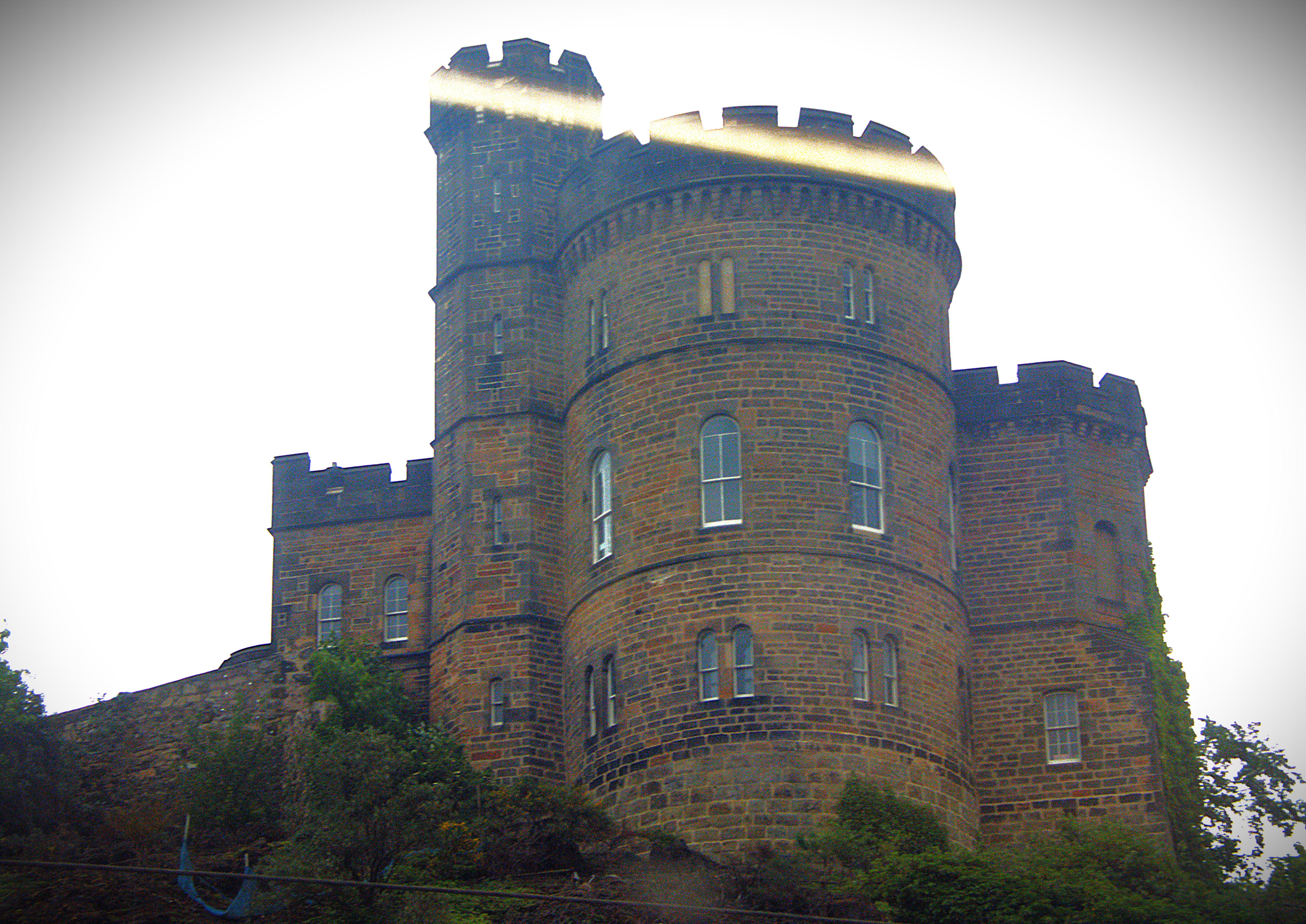
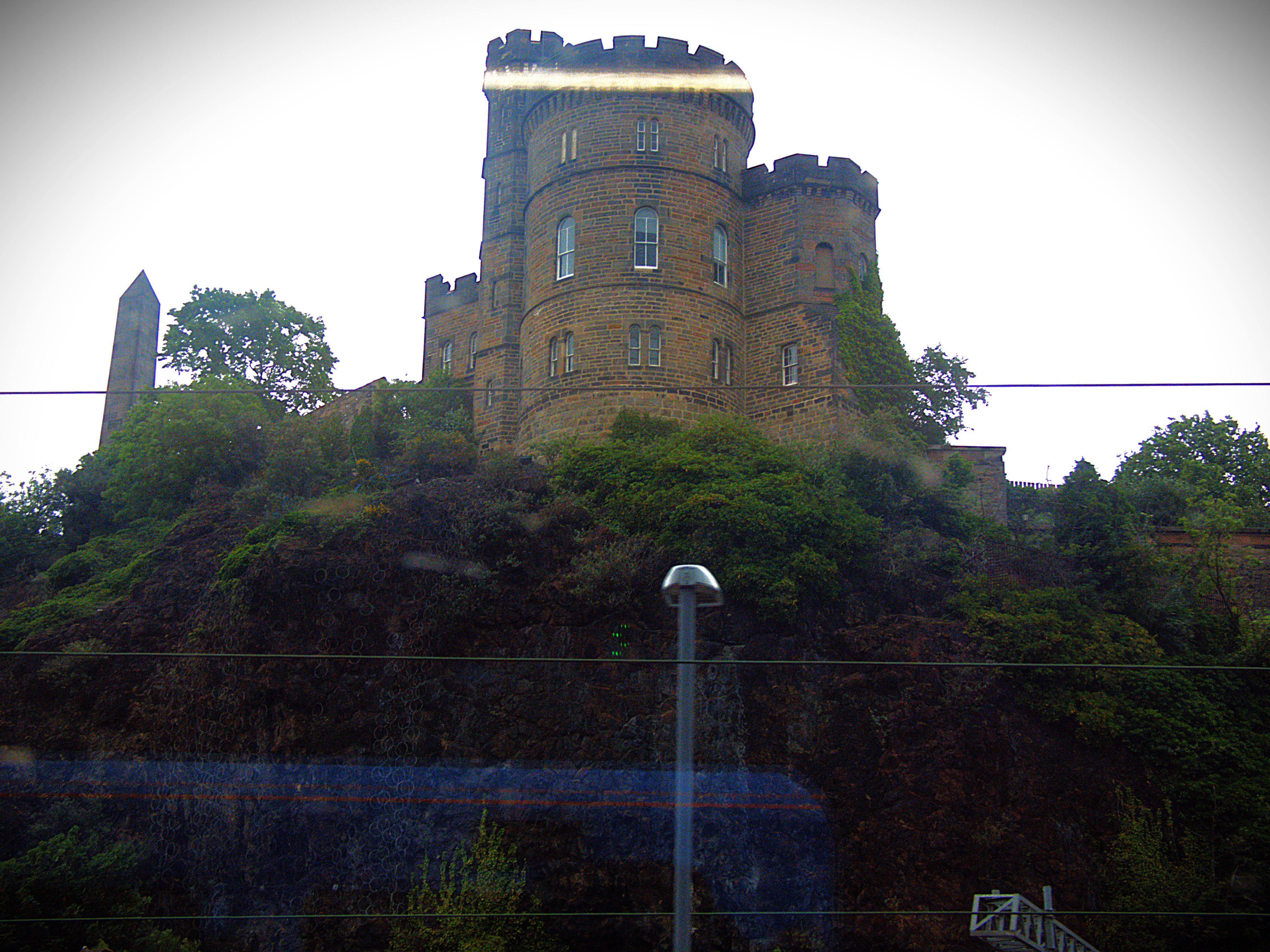
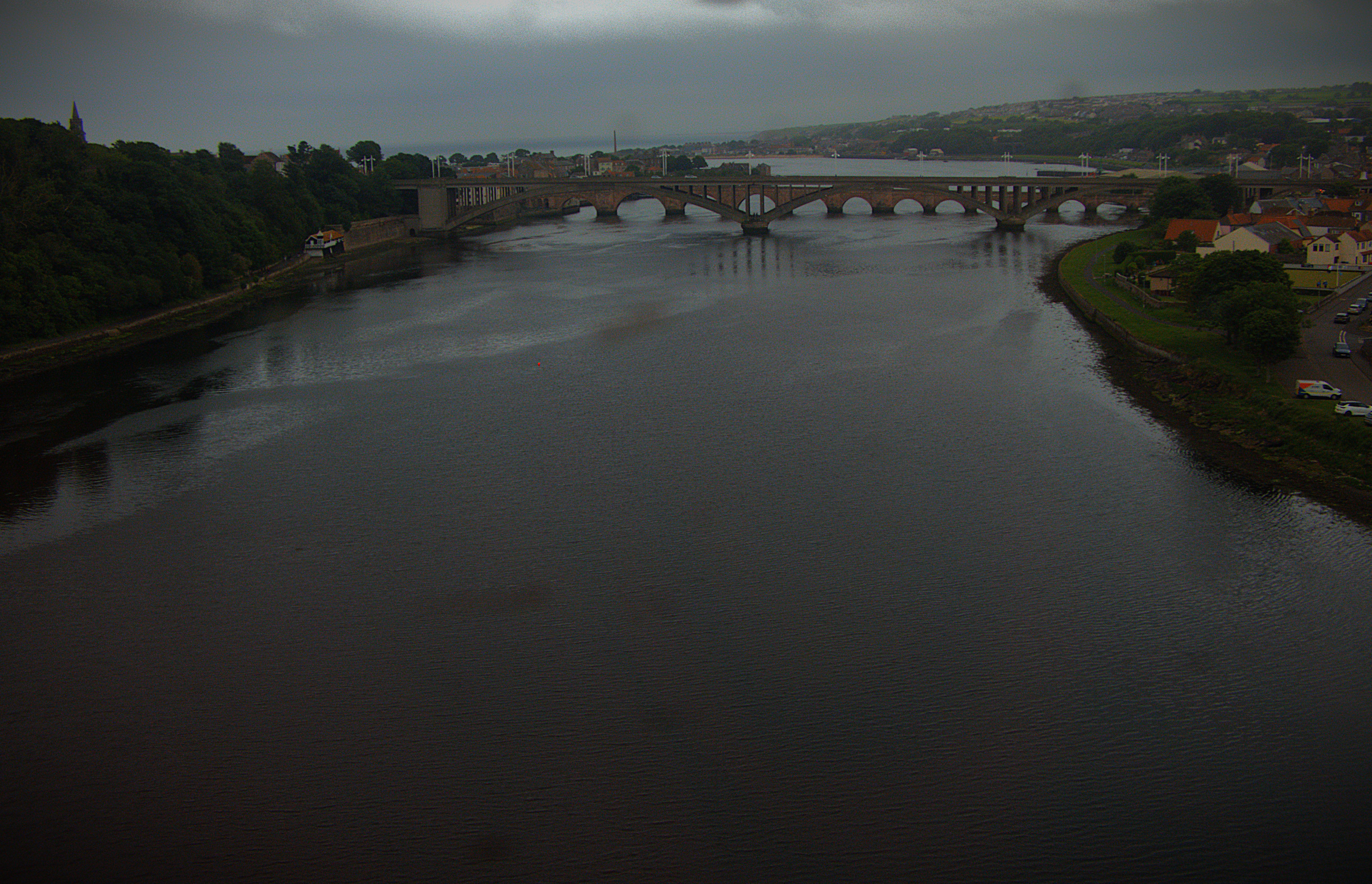
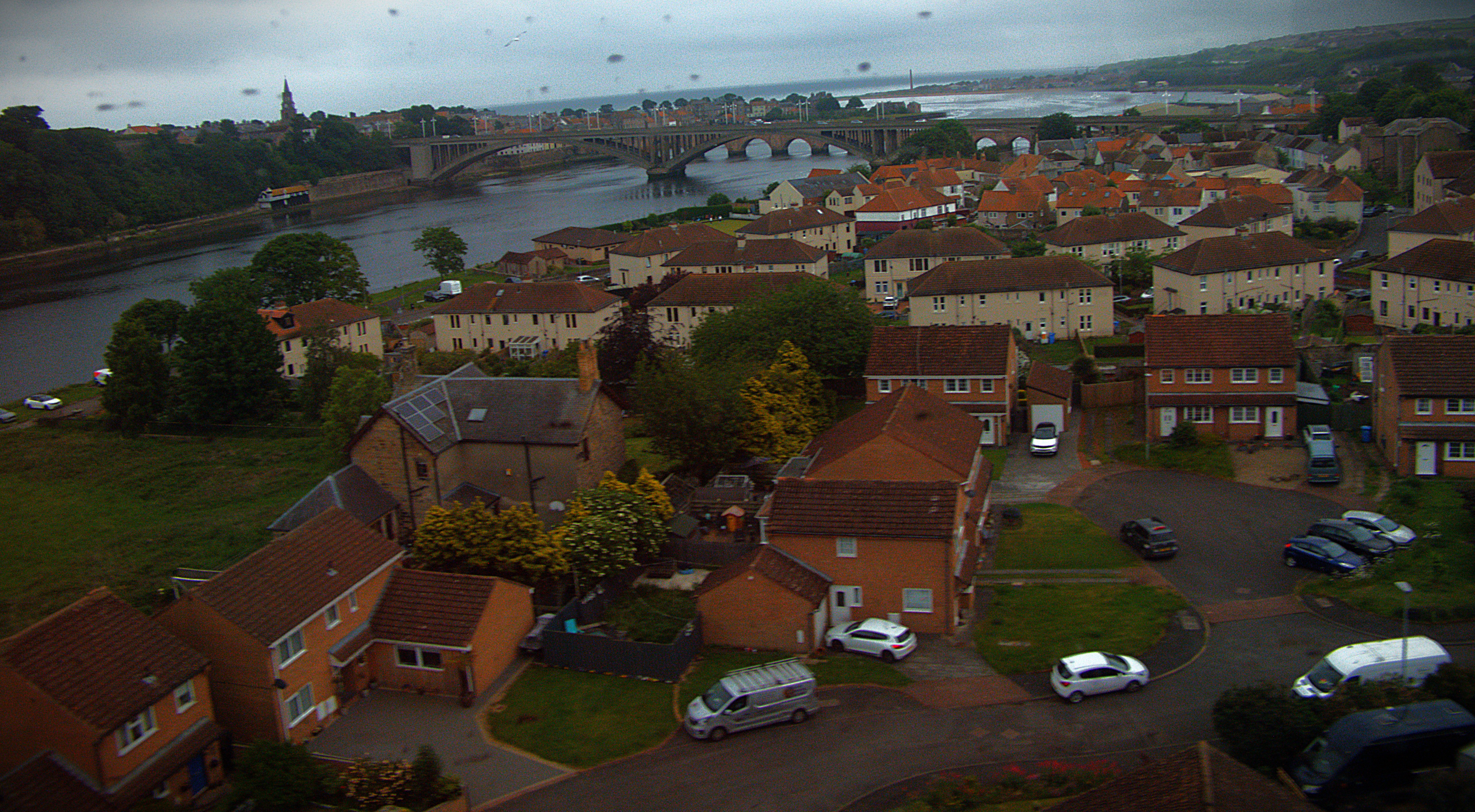
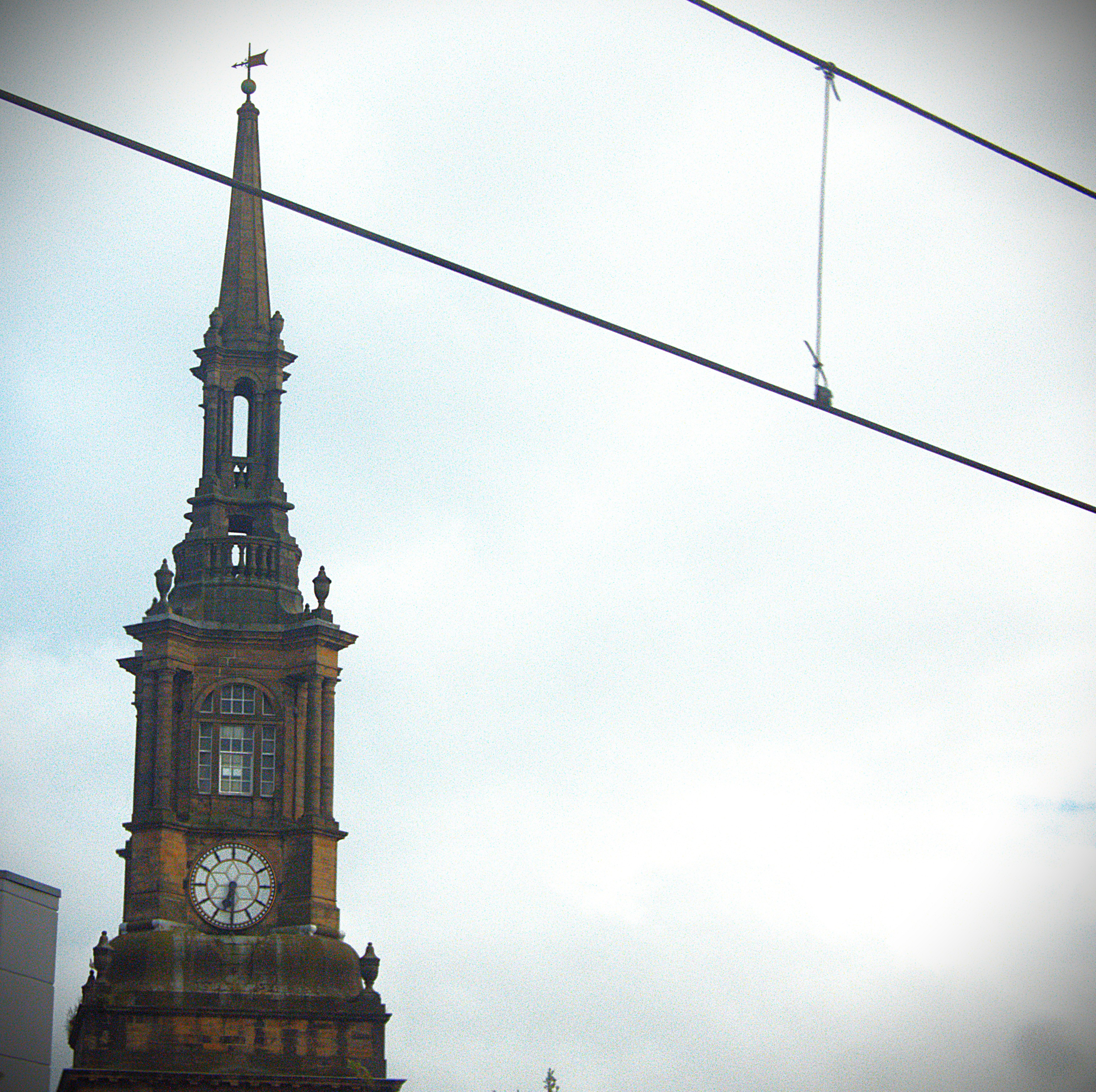
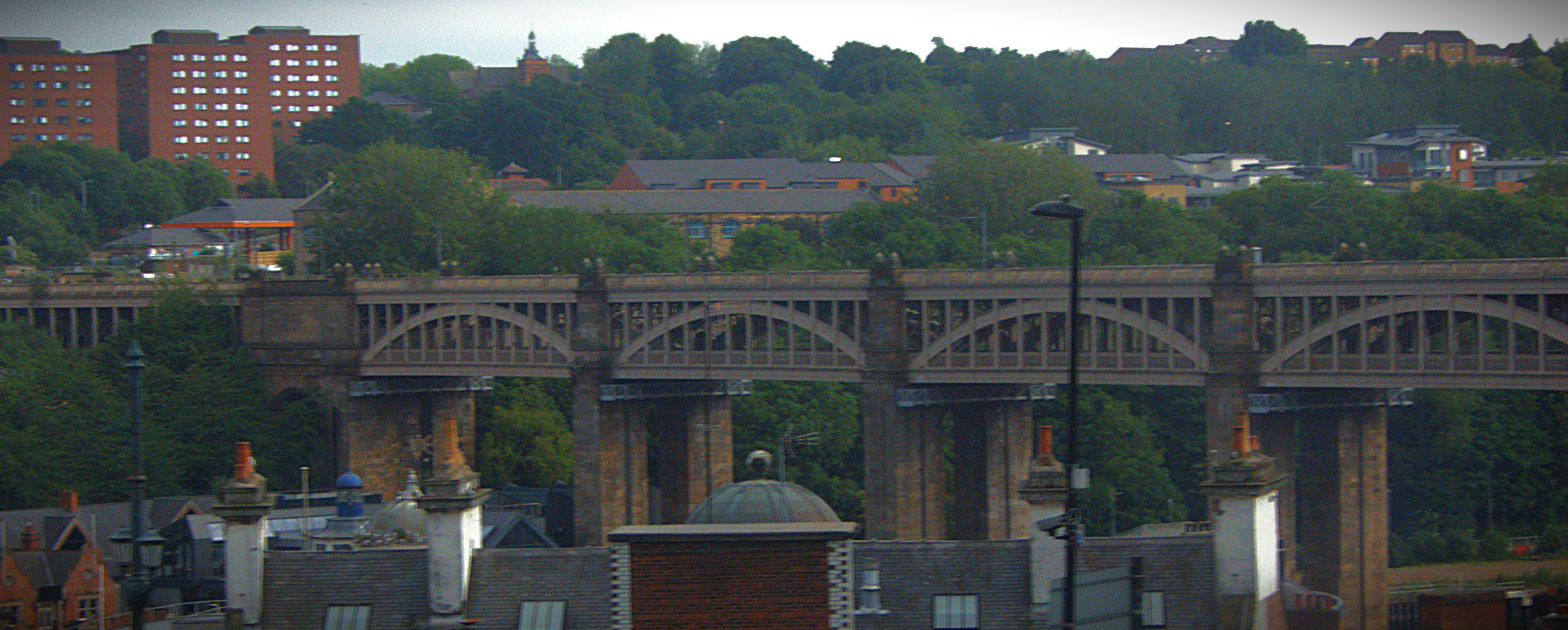
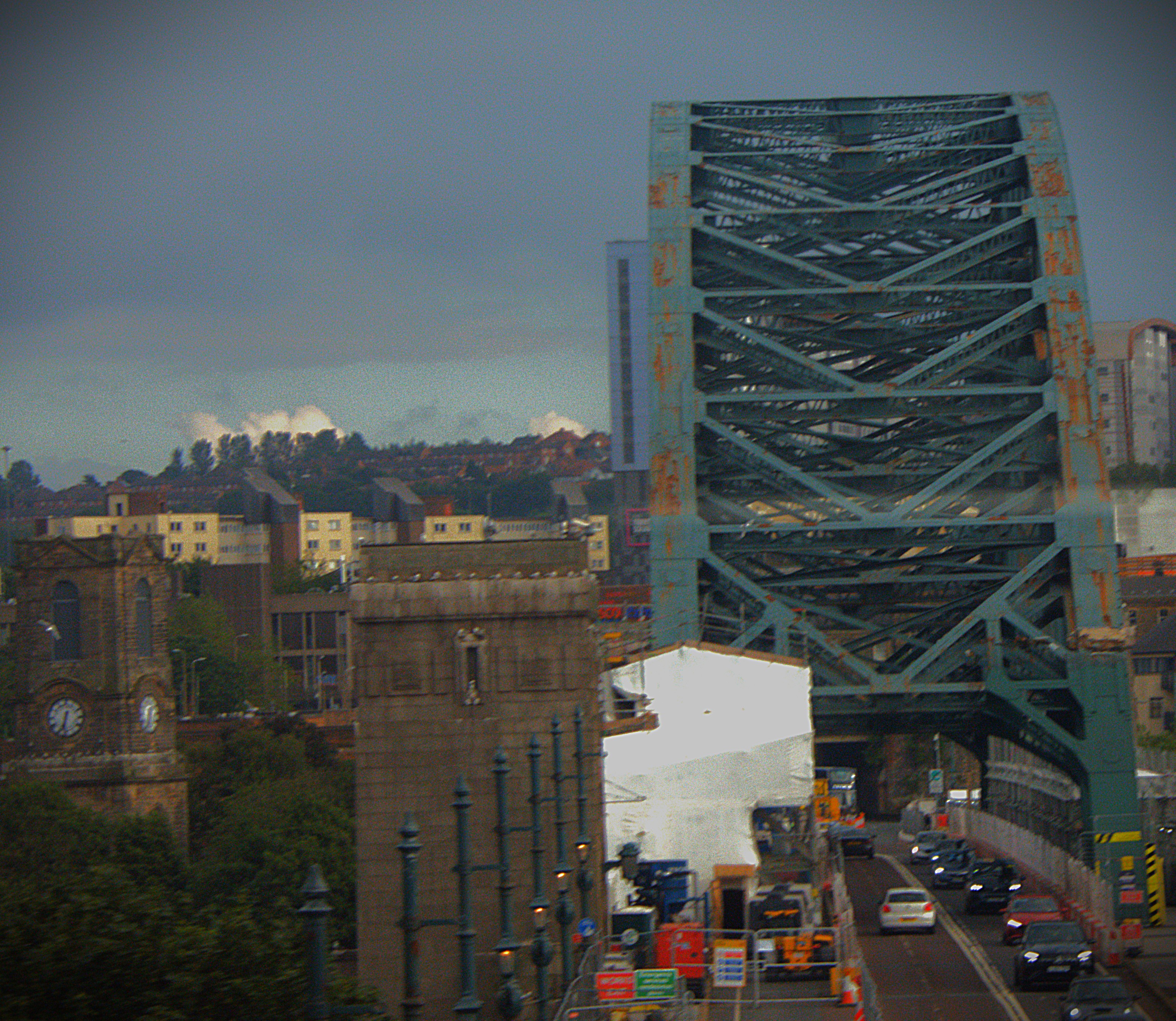
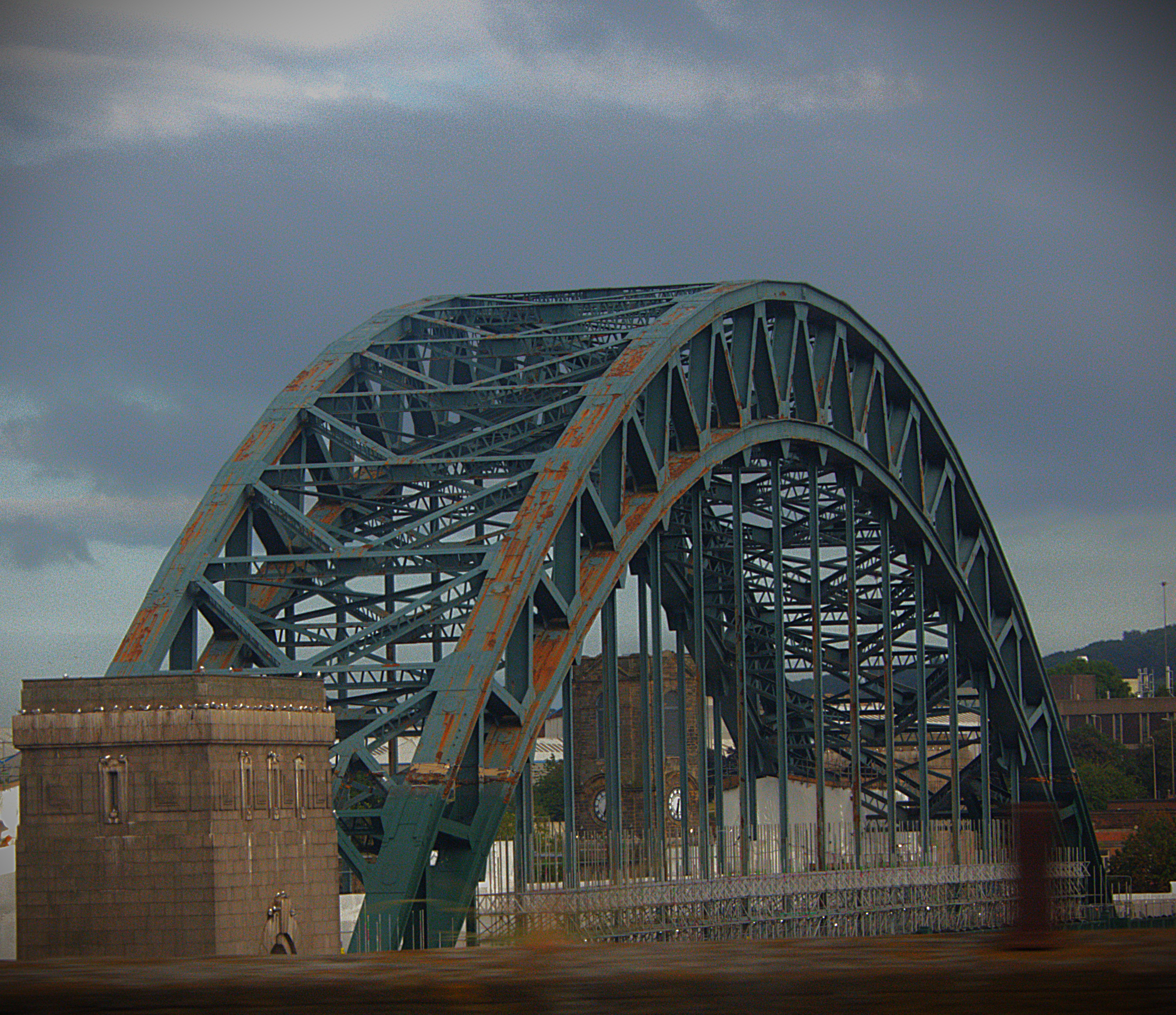
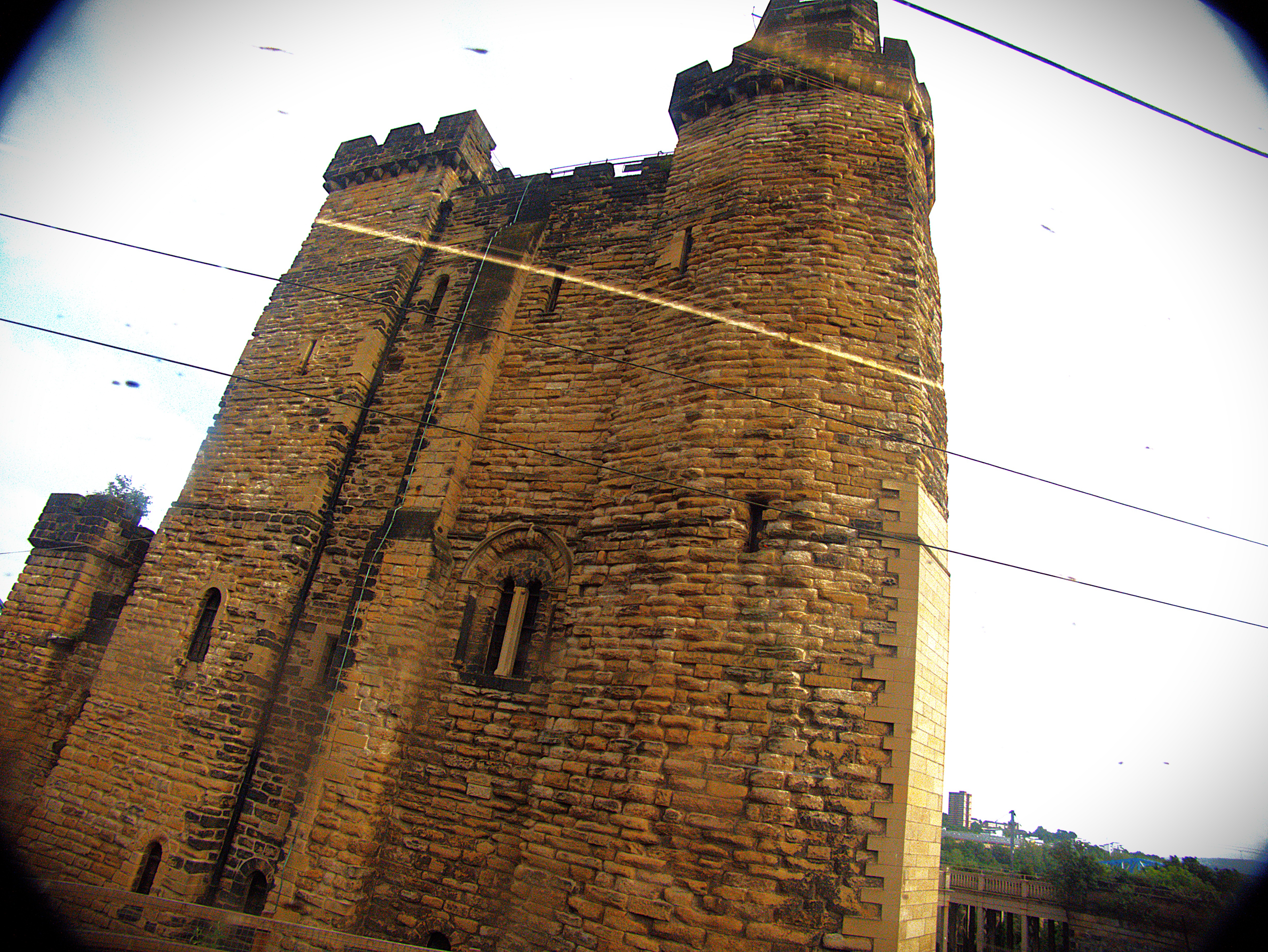
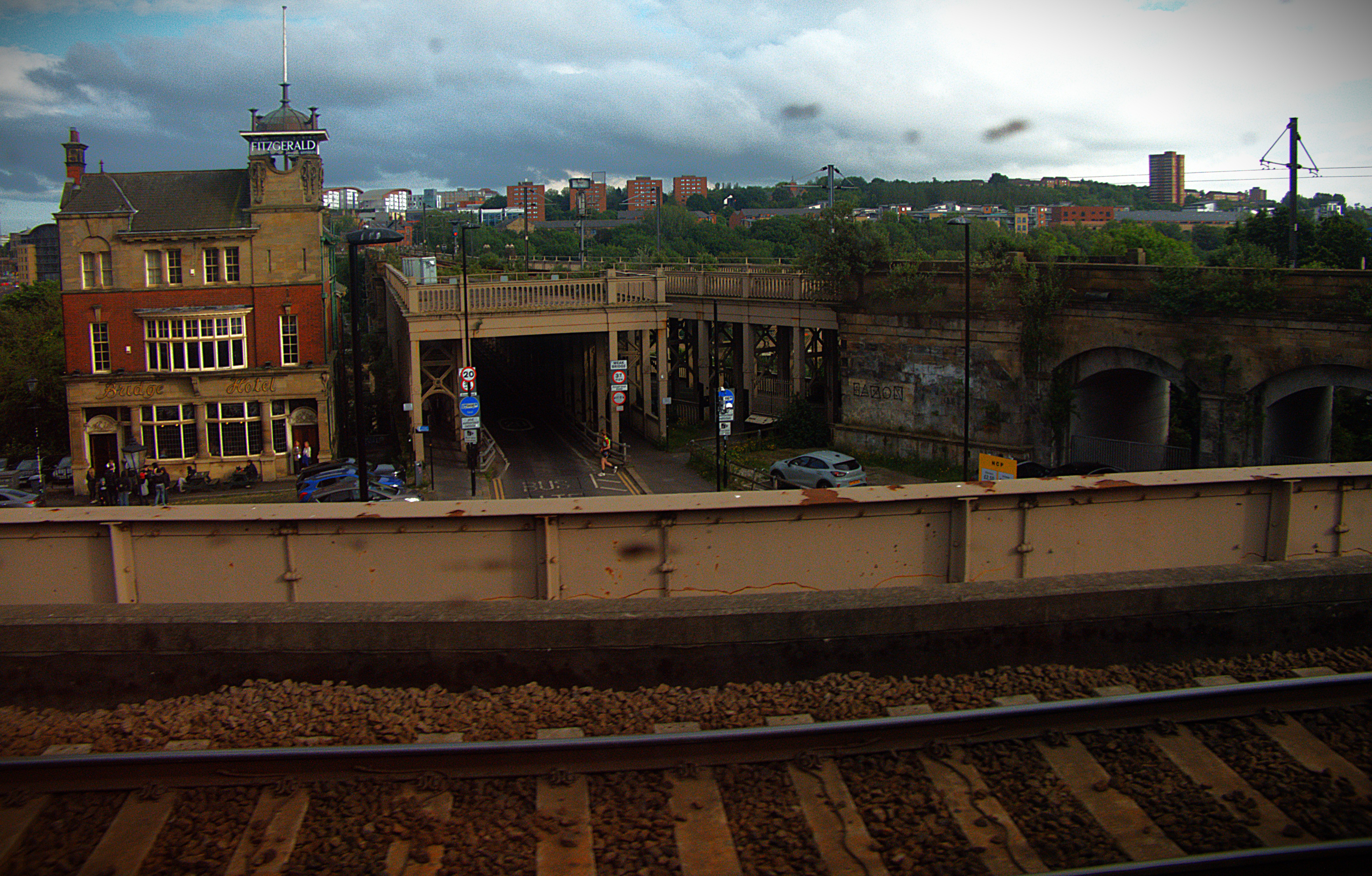
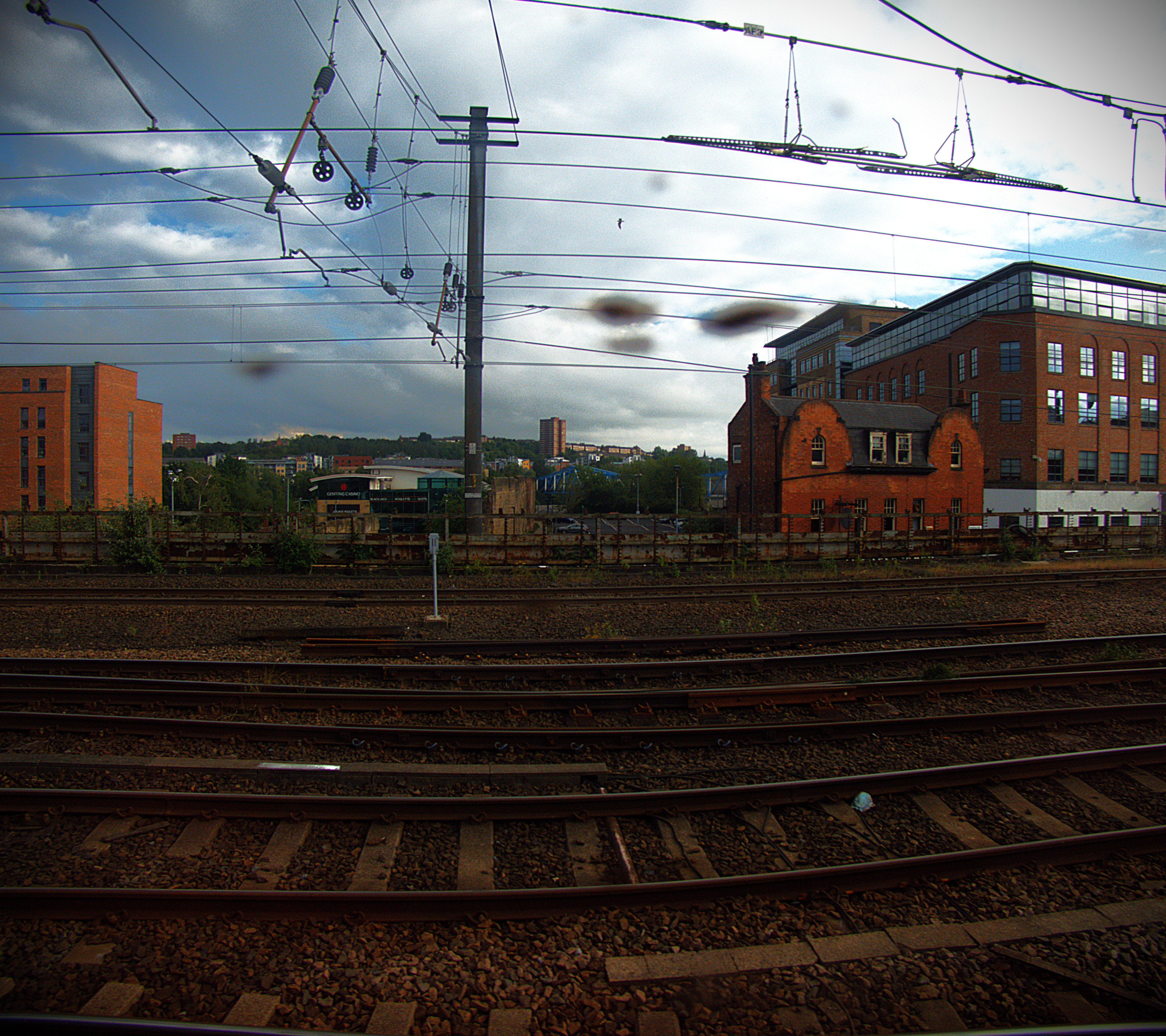
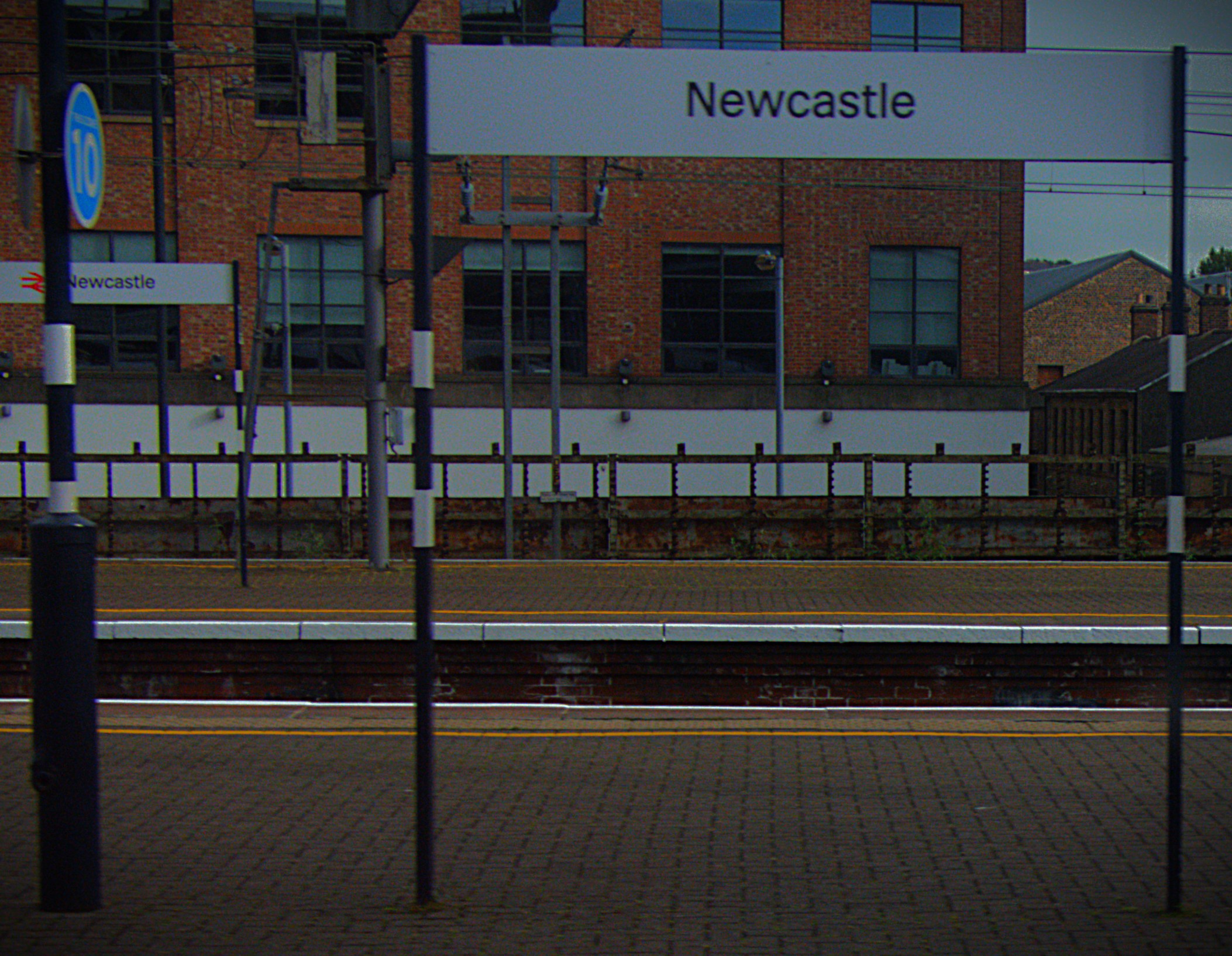
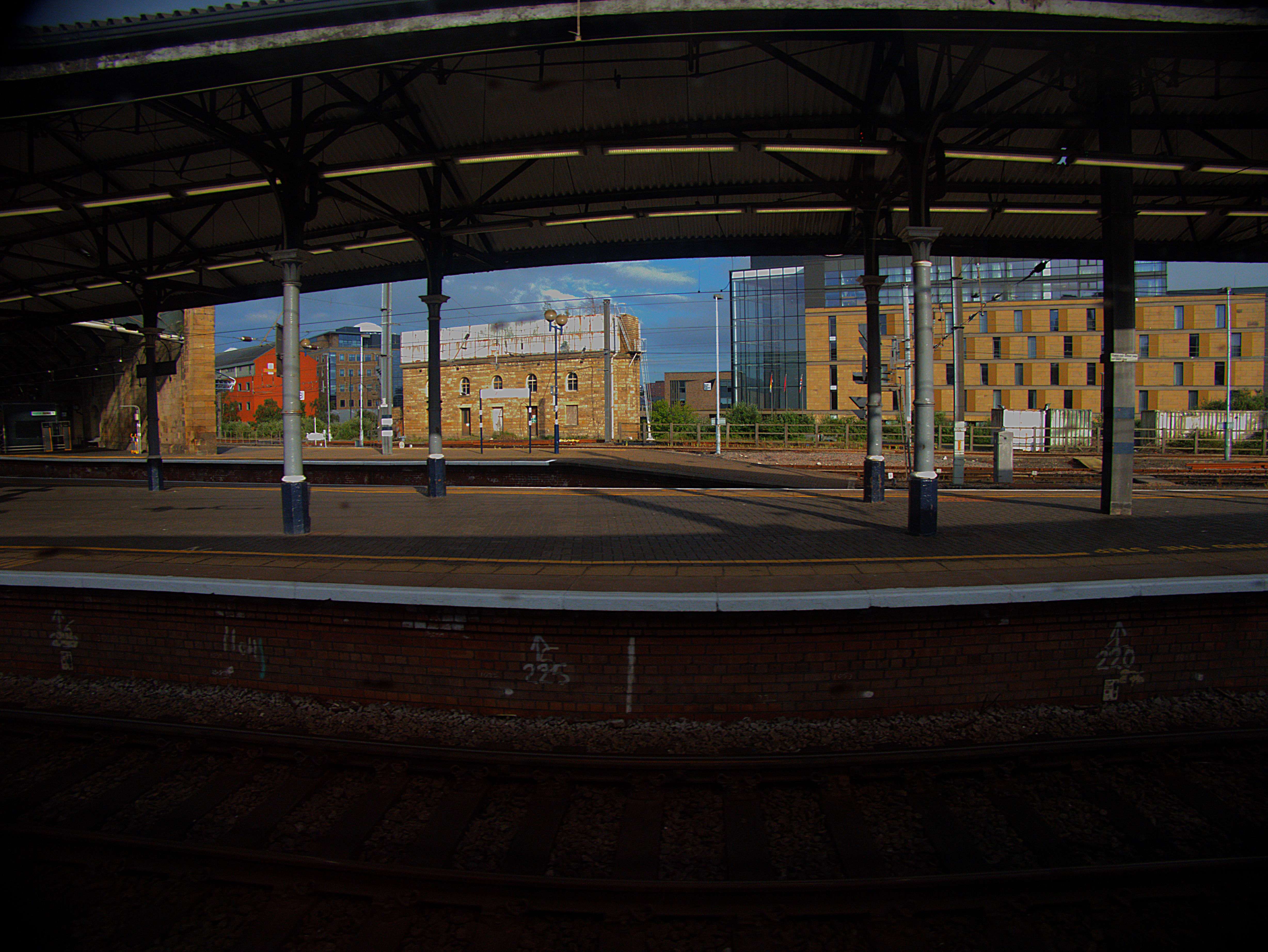
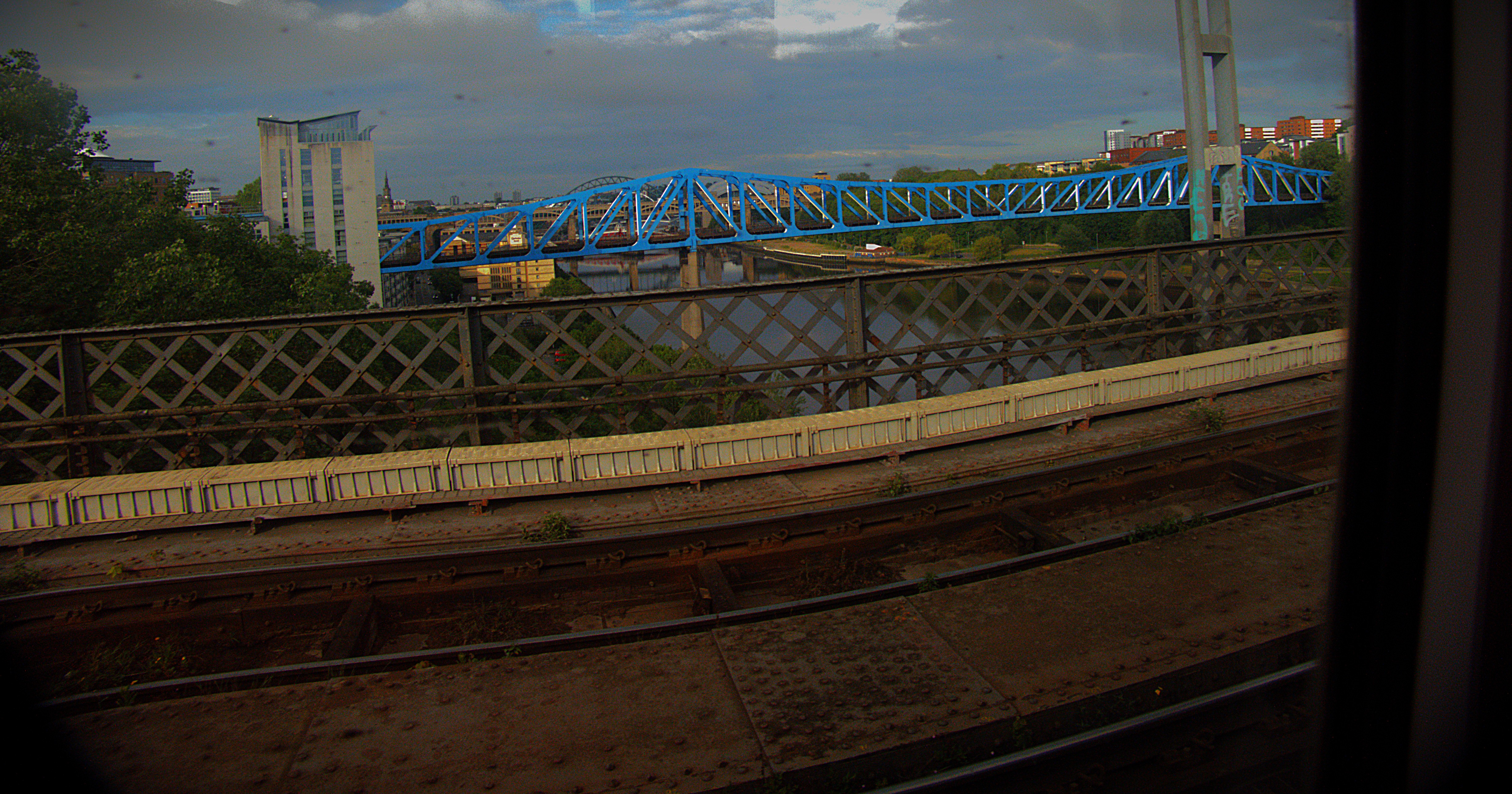
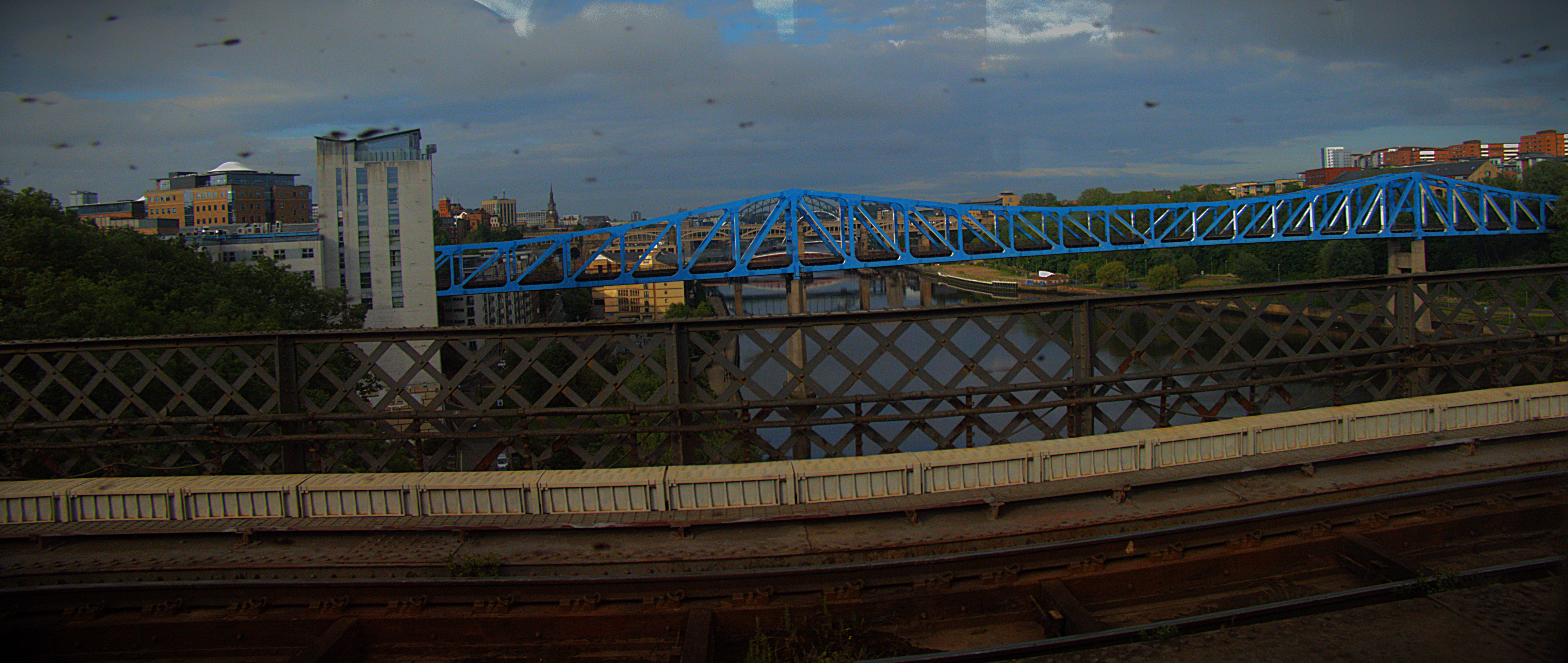
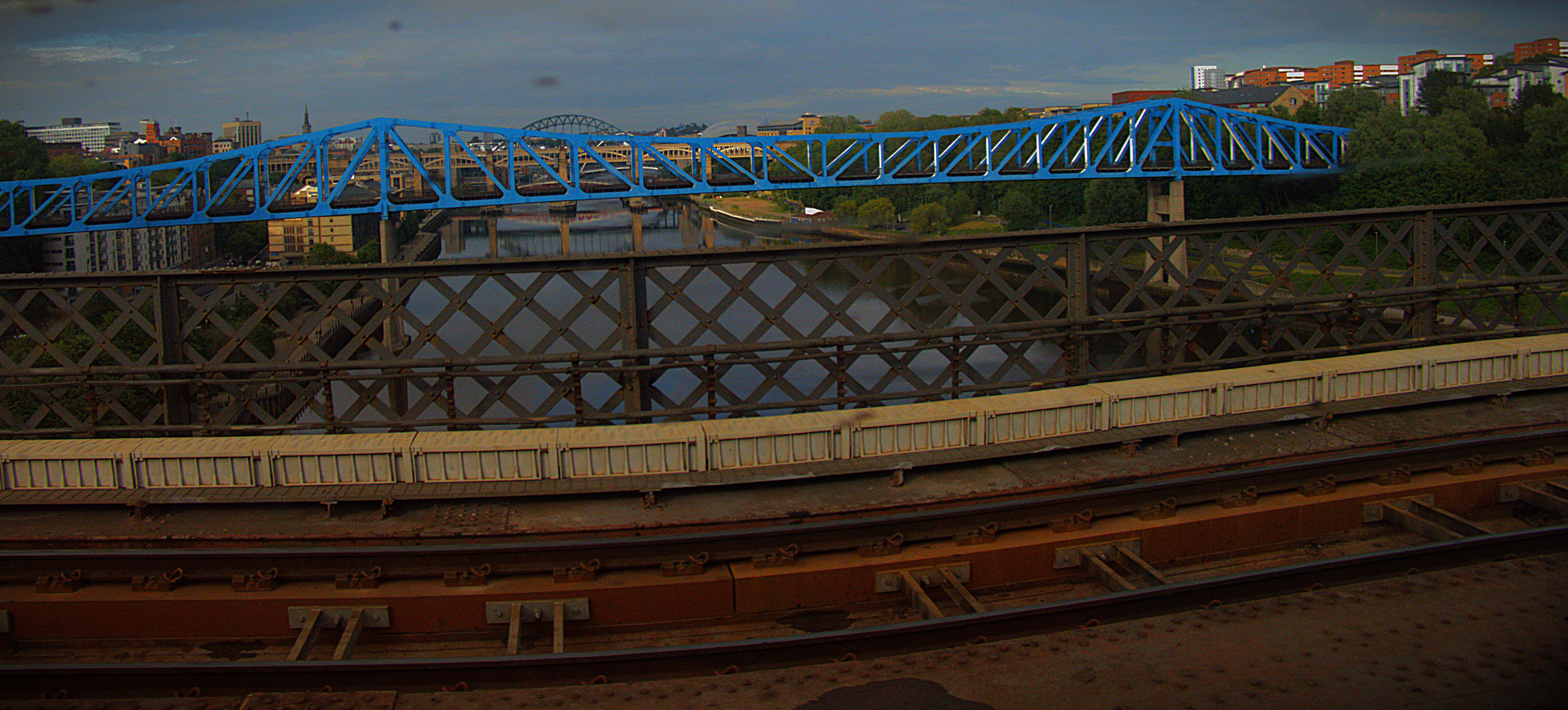
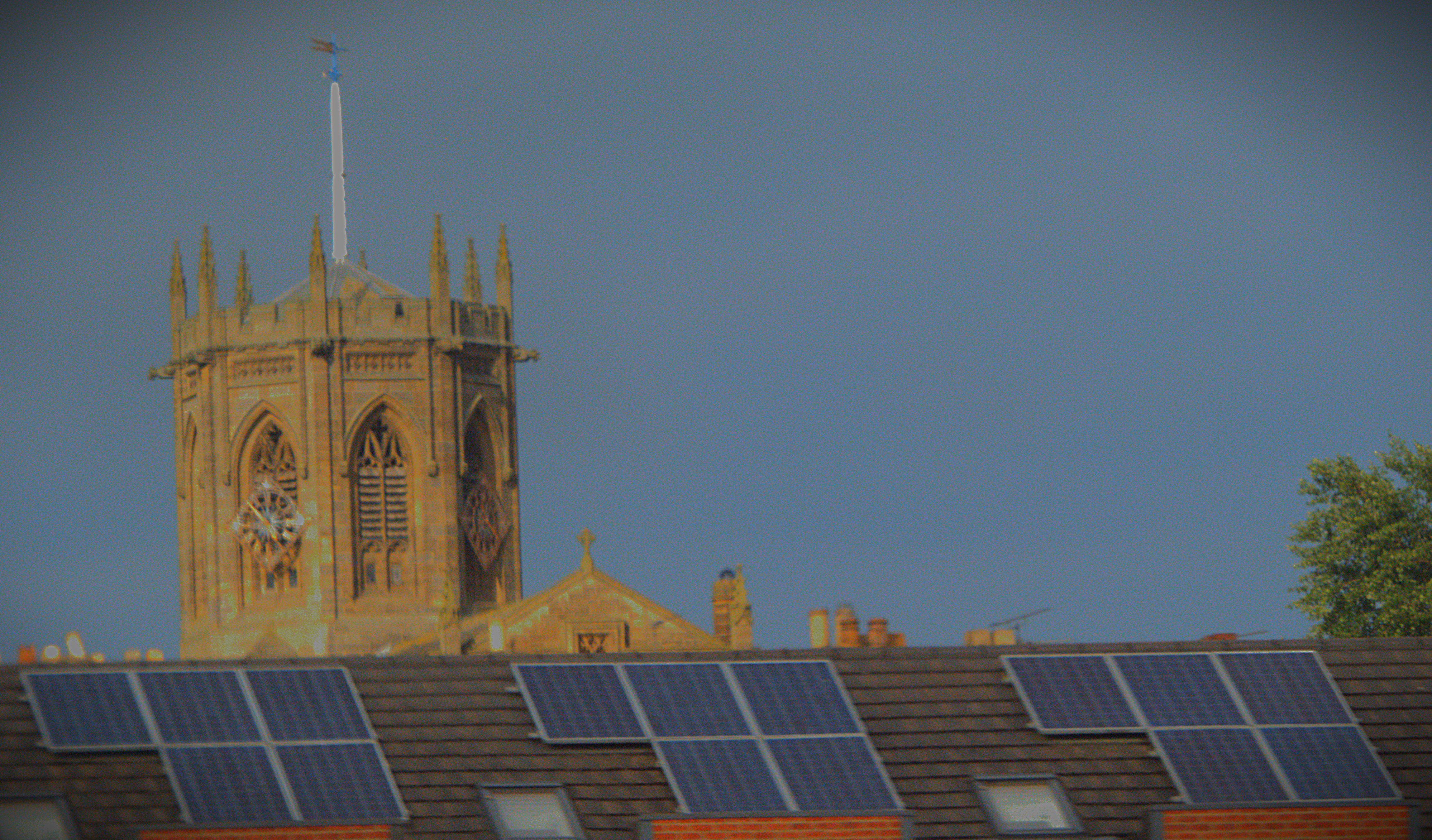
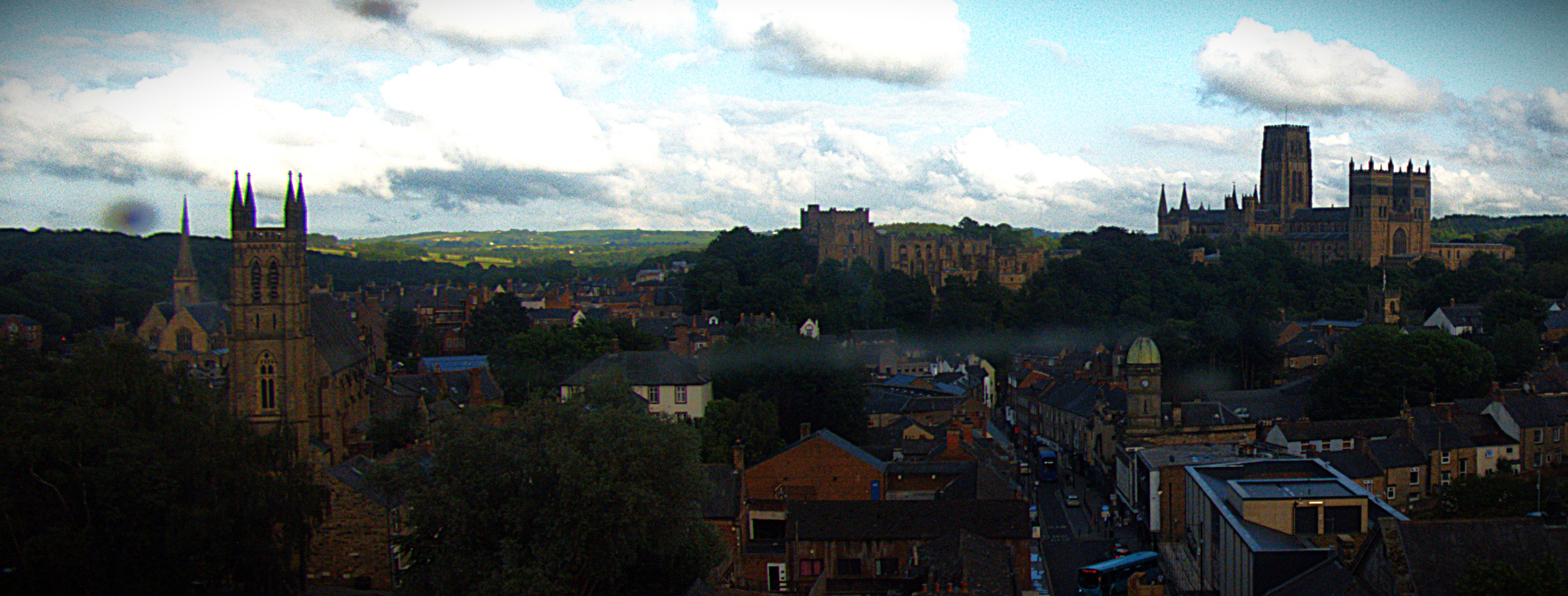
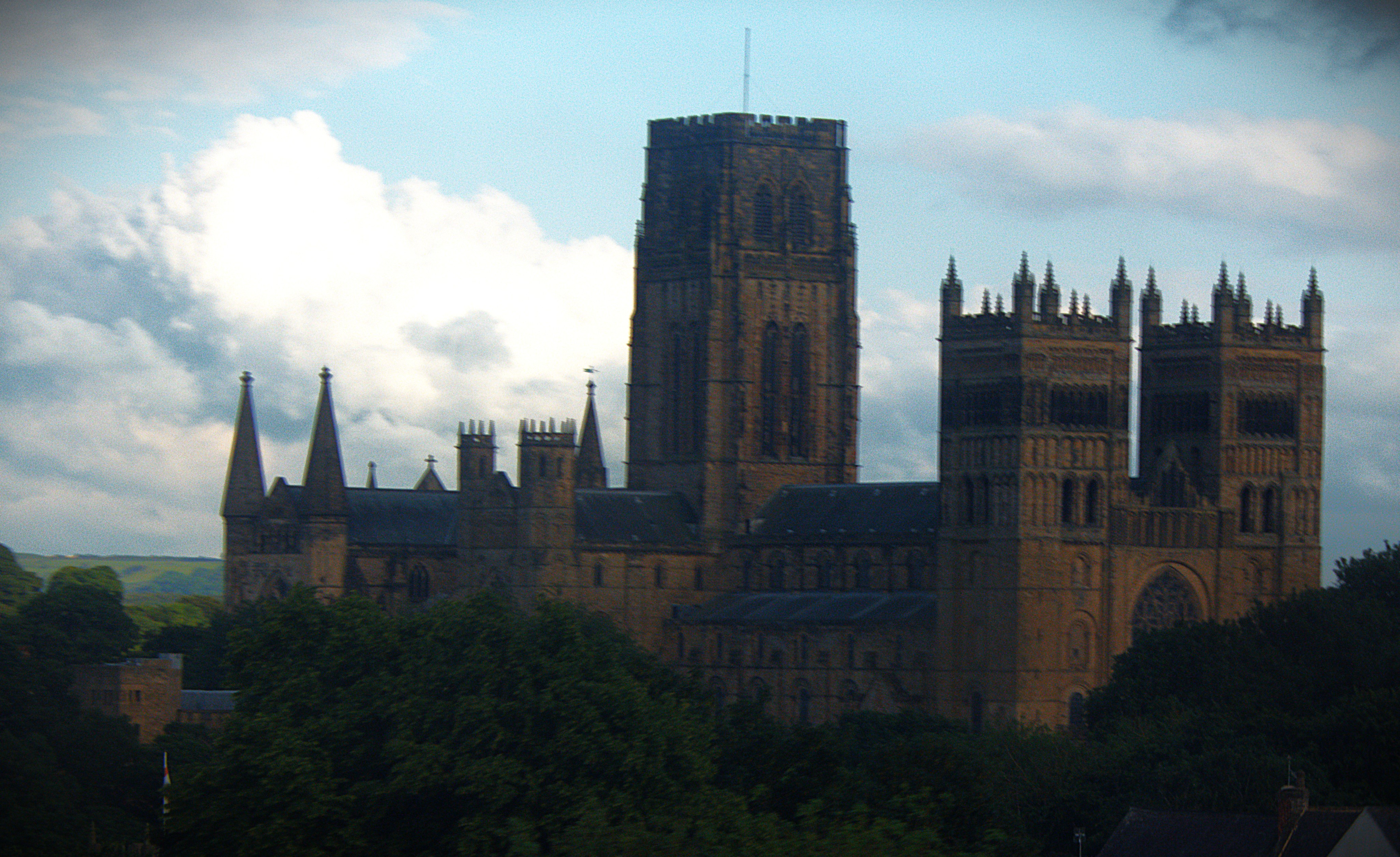
One of the reasons I quite like starting journeys to a holiday destination with the bus trip to Peterborough is that the crossing of the Great Ouse feels like the beginning of the holiday, since save for WNAG committee meetings pretty much all my daily life happens east of that river.After that the only place on the way to Peterborough that really offers photo ops is Wisbech, self styled “Capital of the Fenlands”.PeterboroughYork stationThis page and others like it come from a book that was one of the purchases I made with my birthday present from my friends at WNAGDarlington, the joint oldest passenger station in the world (the Stockton and Darlington route carried its first passengers in 1825, before when railways had been freight only).Durham is dominated by two massive buildings, this one……and this one.Newcastle is a city of bridges.A distant shot of a tram near Newcastle.A close crop showing only the tram and immediate surround.This is the town served by Alnmouth station, though the station itself is a tiny bit inland from the town.This long viaduct is in Berwick Upon Tweed, and it links England and Scotland.The Tweed will never rival the Tyne for bridges, but these are quite impressive.Is it possible to shoot a moving target when you yourself are in motion (and at some speed)? Yes, and this is defintive proof (but successes like this are rare).This is the clock at Edinburgh Waverley station.This establishment (see also previous picture) is directly opposite the Market Street exit from Waverley Station.From here on in the pictures were all taken from the back seat (non-drivers side) of my parents car.