The IPL Super Auction

A brief look at the IPL super auction and a special photo gallery.

The IPL Super Auction is over, and all the 10 squads are assembled. I look at some of the key moments and end with a very special picture gallery.

THREE BIG MONEY OVERSEAS SIGNINGS

Royal Challengers Bangalore made the first big money overseas signing of the auction when they went to 10.75 crore INR (just over £1,000,000) to secure Sri Lankan leg spinning all rounder Wanindu Hasaranga. Hasaranga is a superb T20 player and this was probably a good signing even at such a high price. Punjab Kings did good business when they secured Jonathan Bairstow for 6.75 crore. Nicholas Pooran, neither as good nor as versatile as Bairstow then went for 10.75 crore.

DIFFERING STRATEGIES

Punjab Kings were consistent over the two days, making a number of excellent signings. Liam Livingstone was their most expensive at 11.50 crore, and two very different seam bowling all rounders, India Under 19 star Raj Bawa and Gloucestershire’s quirky veteran Benny Howell were both obtained cheaply. Howell at seven, Bawa at eight, Rabada at nine and two other bowlers at 10 and 11 is a good lower part of the order, while Dhawan, Bairstow and Livingstone will all be in the top half of the order (IPL allows four overseas players in a playing XI and up to eight in a whole squad, which can have a minimum of 18 and a maximum of 25 players), and Bairstow, Livingstone, Howell and Rabada would be my four first choice overseas players from their squad.

Mumbai Indians did little on day one but came to the party on day two. They paid 8.25 crore for Archer, who won’t play this season due to injury, but who they can retain for next season. They also secured Tymal Mills and Tim David. They are unlikely to win IPL 2022, but if Archer is fully fit by then they will be formidable in IPL 2023.

Rajasthan Royals left things very late indeed, making a flurry of signings in the closing stages of the auction when nearly everyone else had completed their squads. They got some useful players at this late stage, but overall their approach cannot be said to have worked.

Royal Challengers Bangalore tailed off after a strong start, and exhausted their budget with several places still available in their squad.

Sunrisers Hyderabad did not even make a strong start, and they too ran out of money rather than filling all 25 slots.

The two new franchises, Lucknow Super Giants and Gujarat Titans both had their moments along the way but neither were entirely impressive.

Delhi Capitals had a solid auction, and they should do well in the tournament.

Chennai Super Kings had a good second day, and their squad looks decent.

Kolkata Knight Riders had a mixed couple of days with some good signings and some questionable ones.

The tournament should be good, though it is overly long. I will be supporting Punjab Kings – they had a superb auction.

All squads can be viewed here.

A SPECIAL PHOTO GALLERY

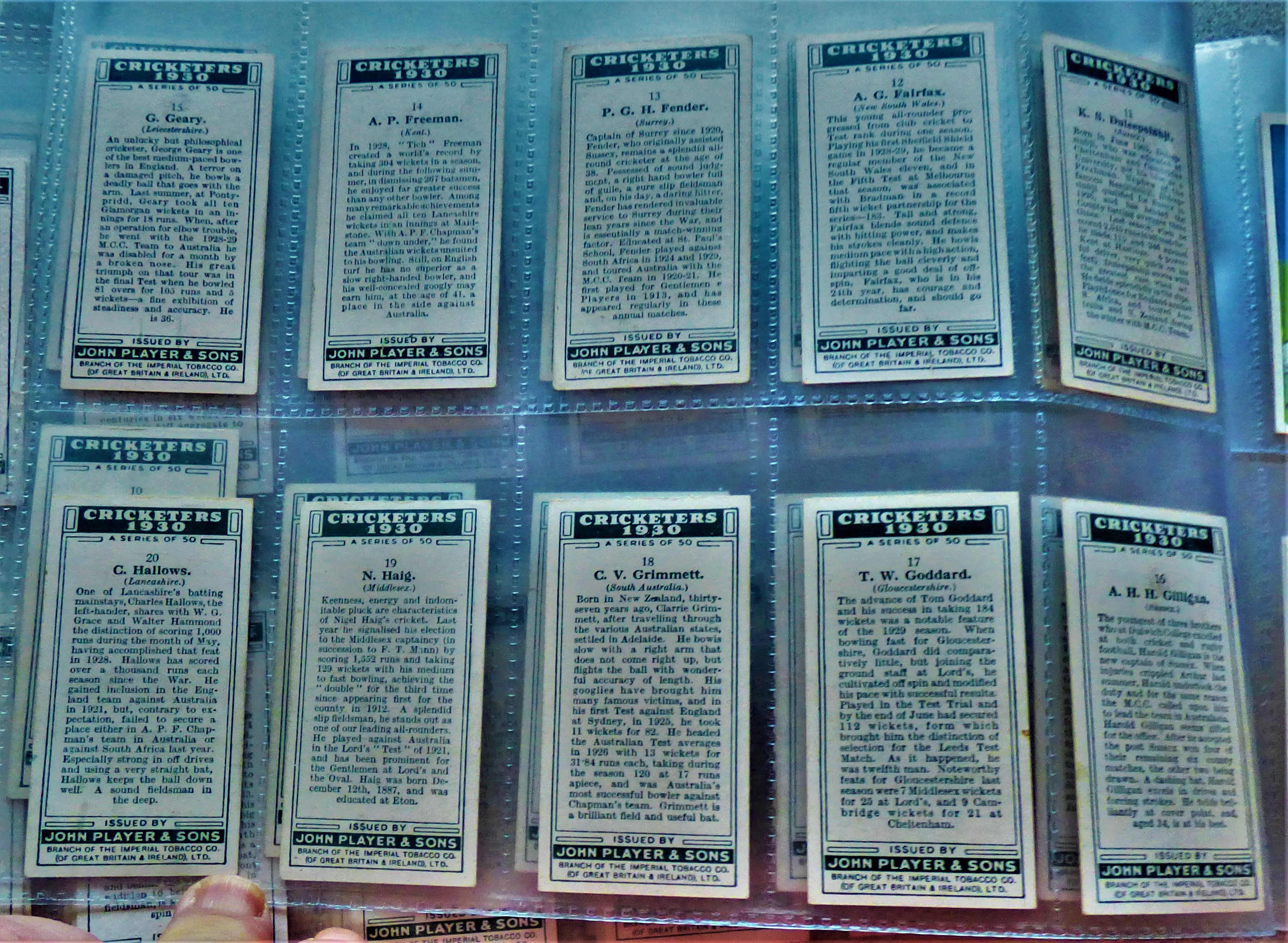
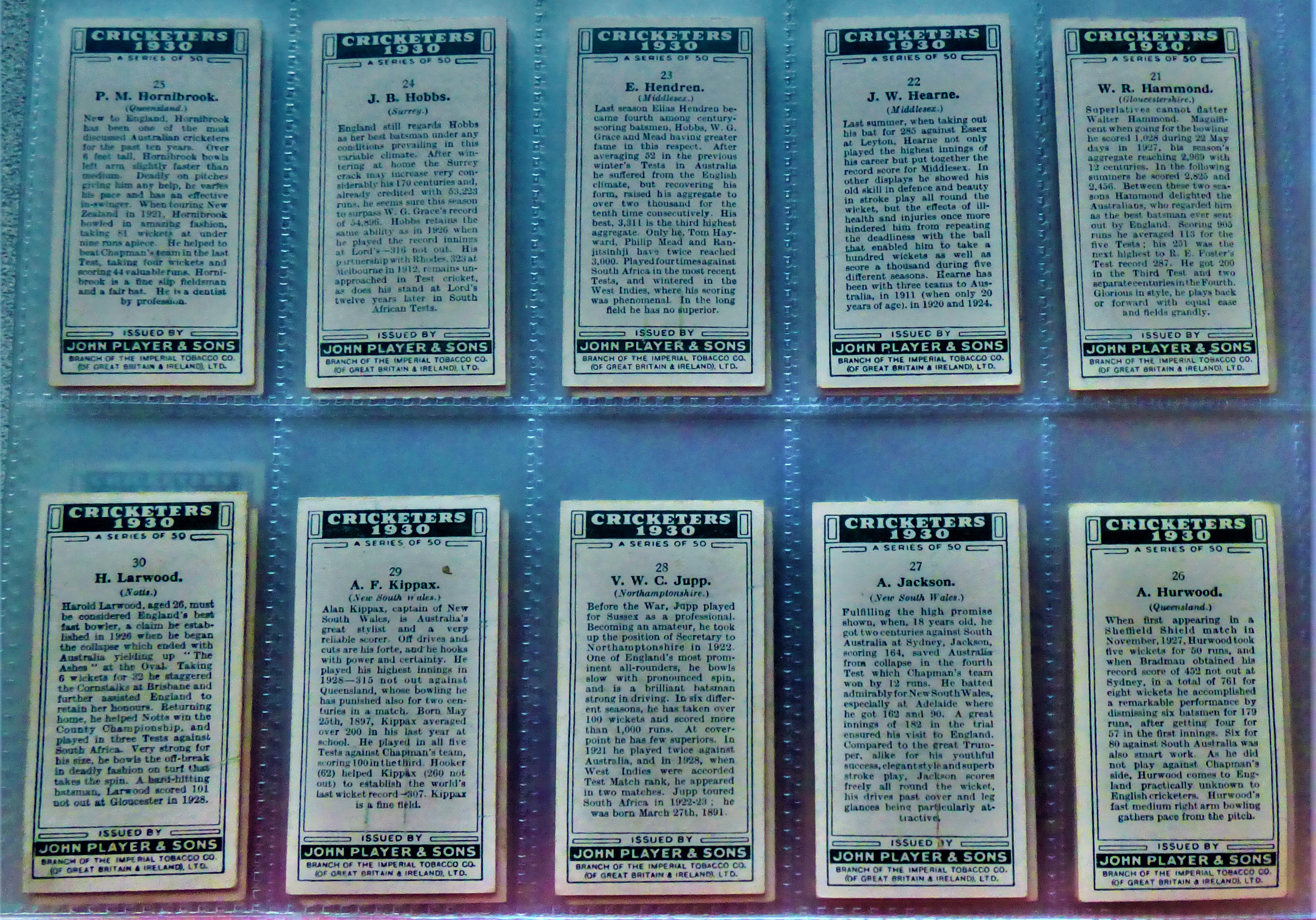
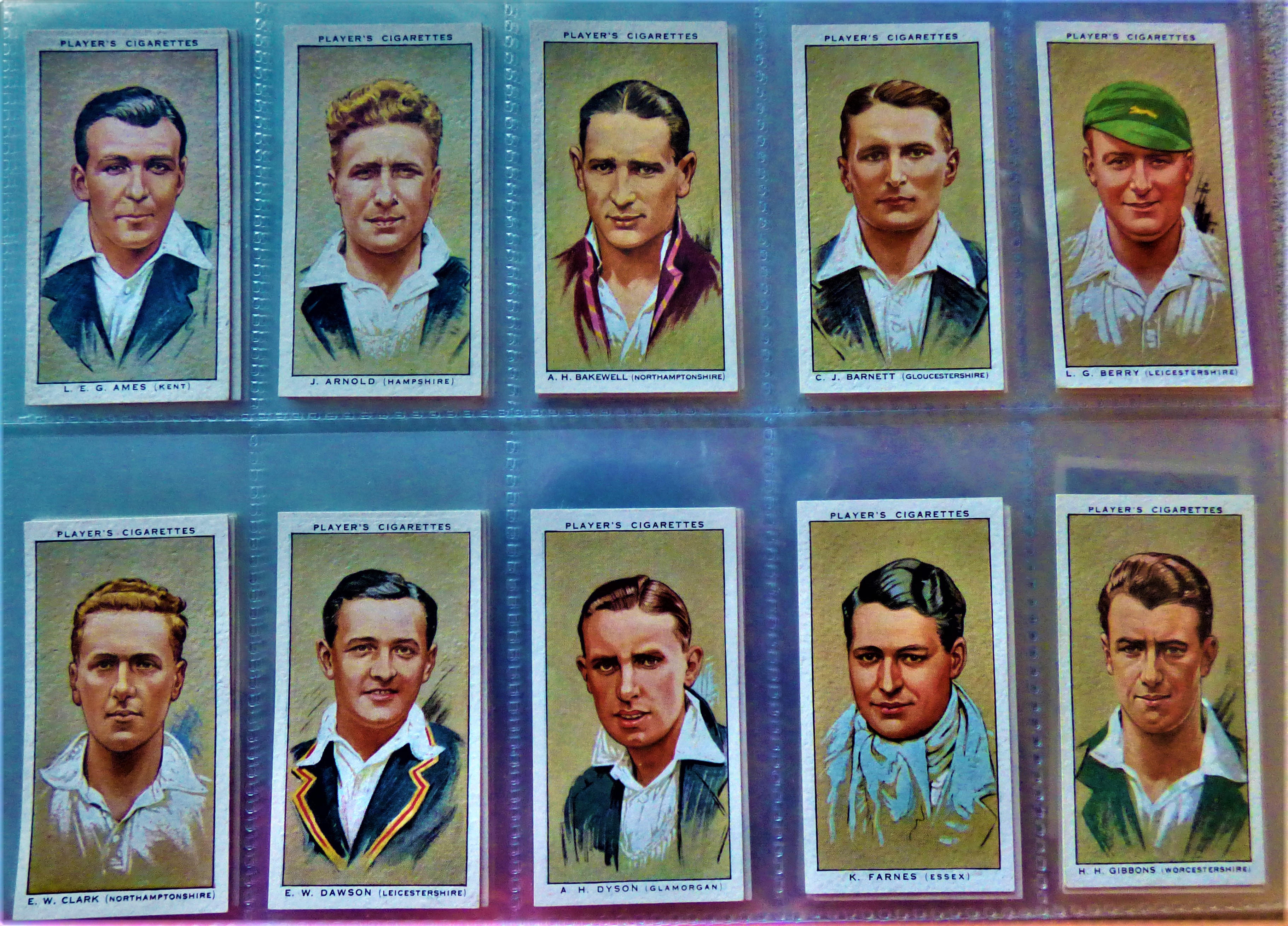
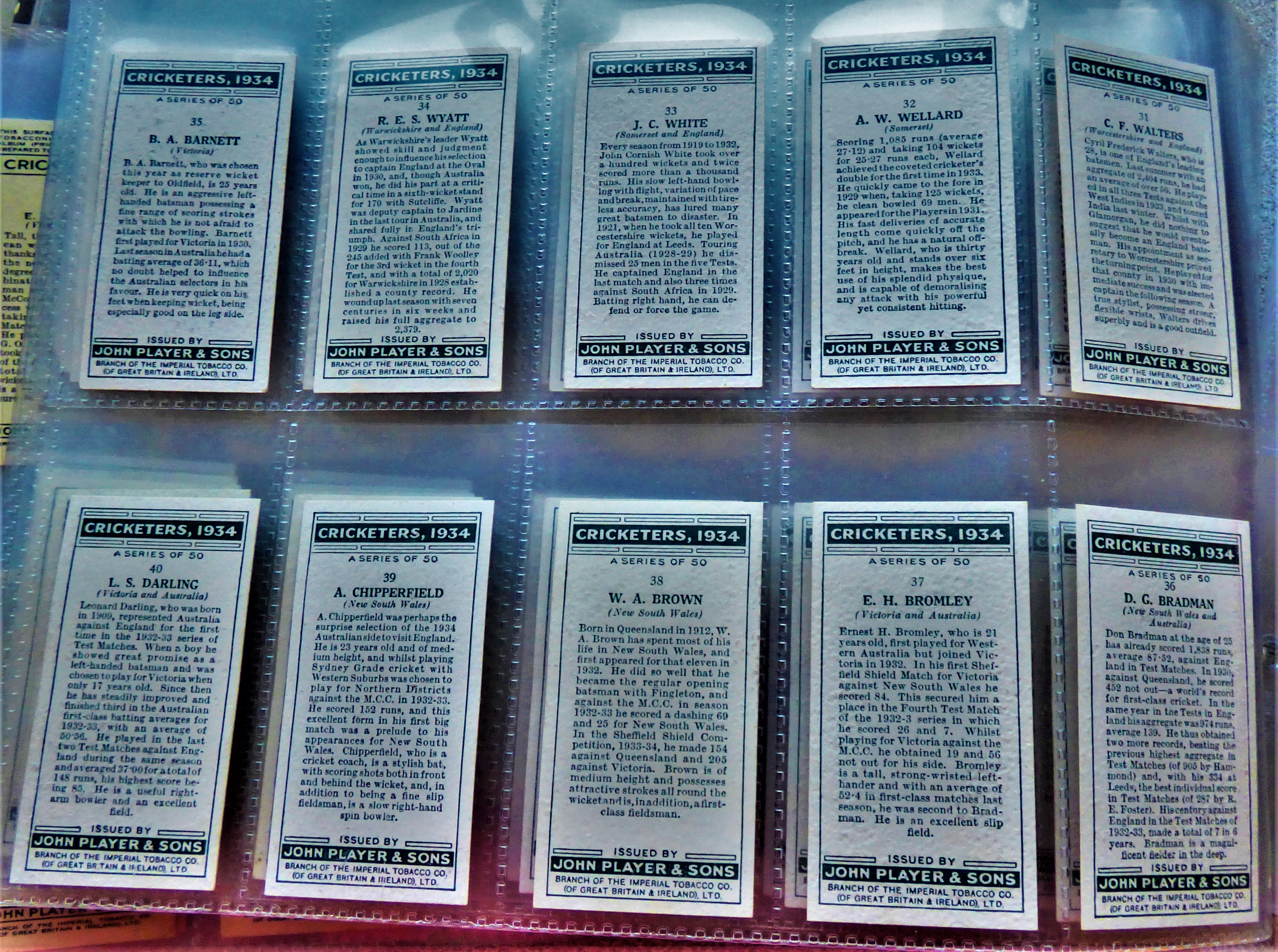
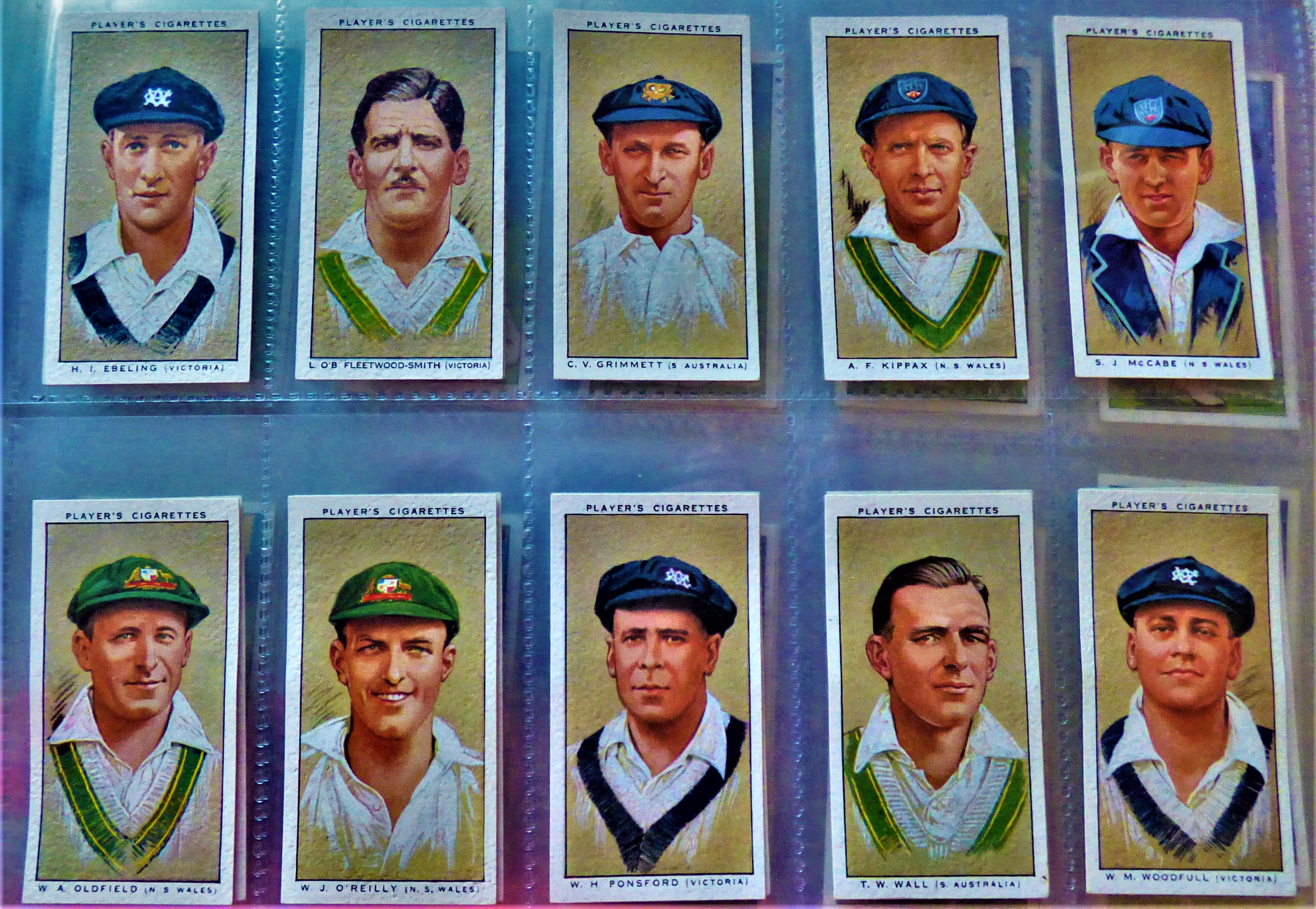
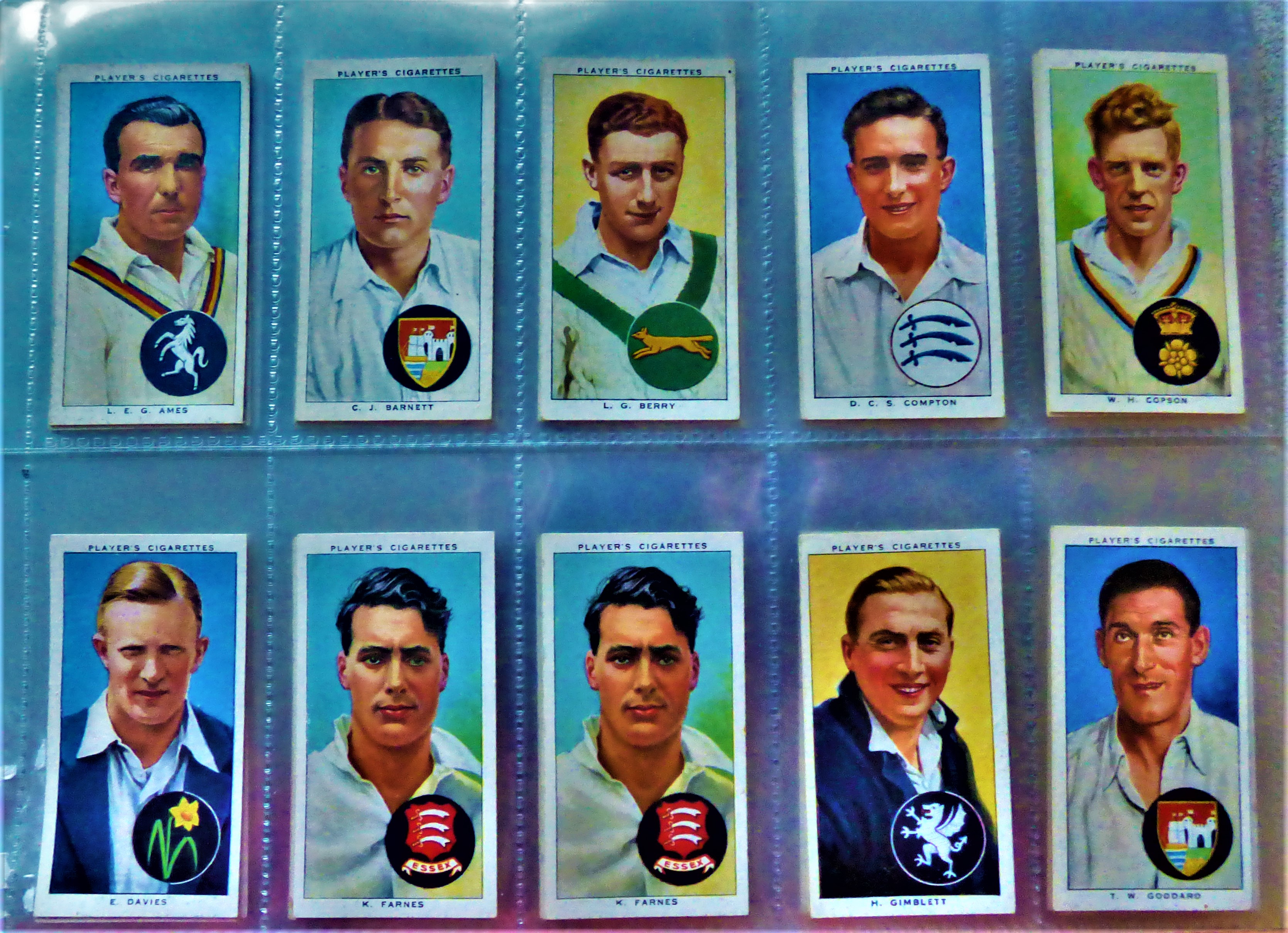
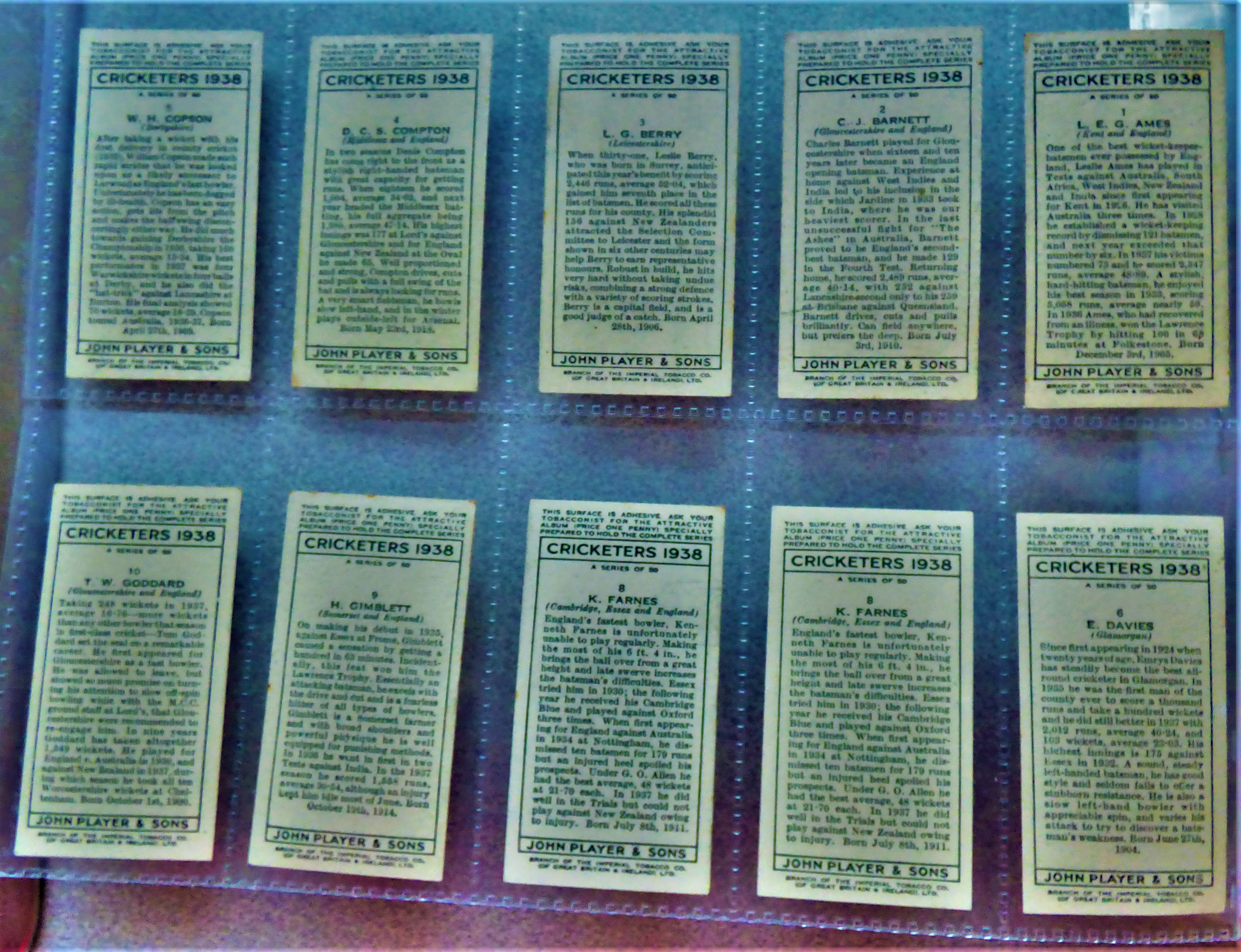
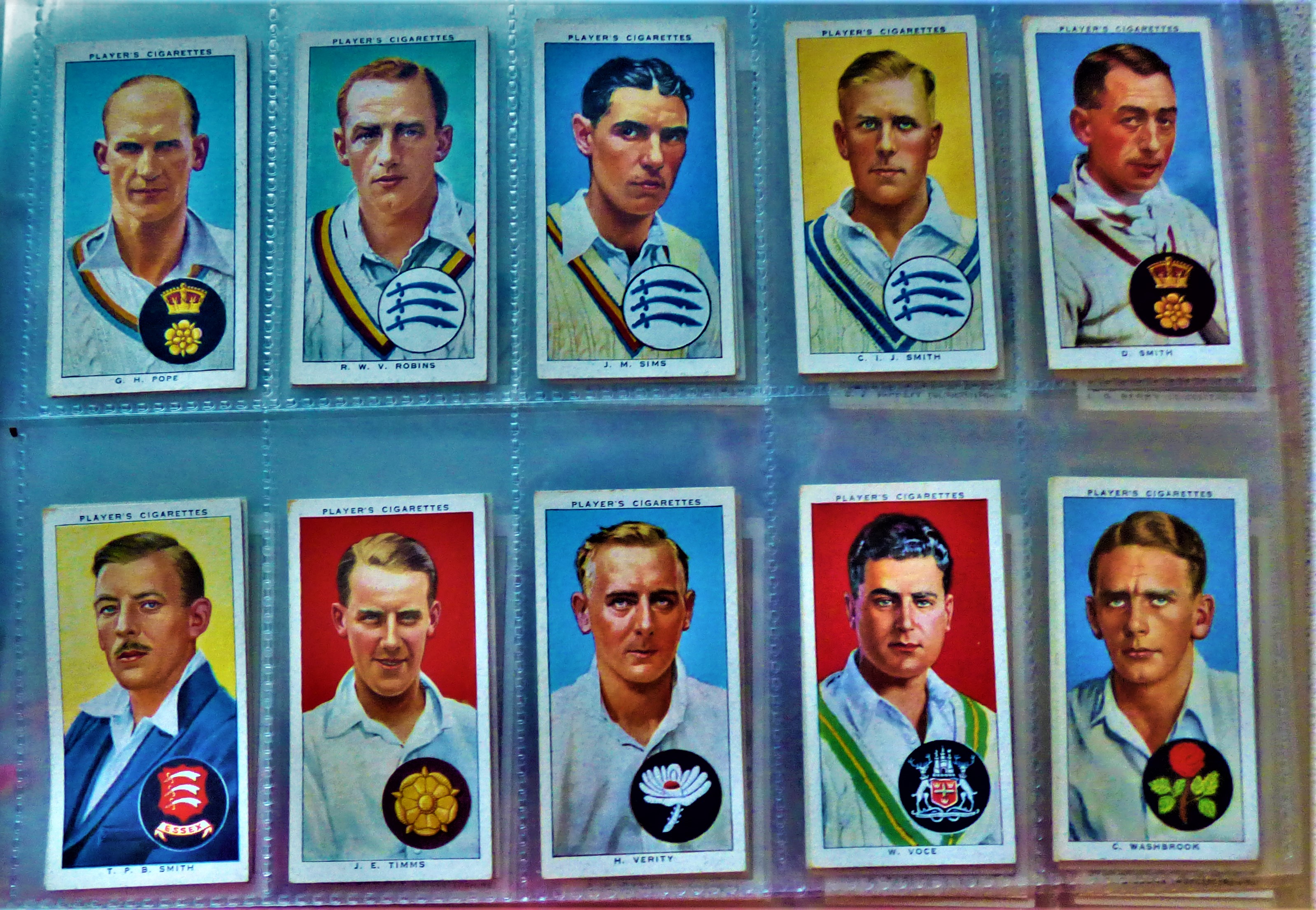
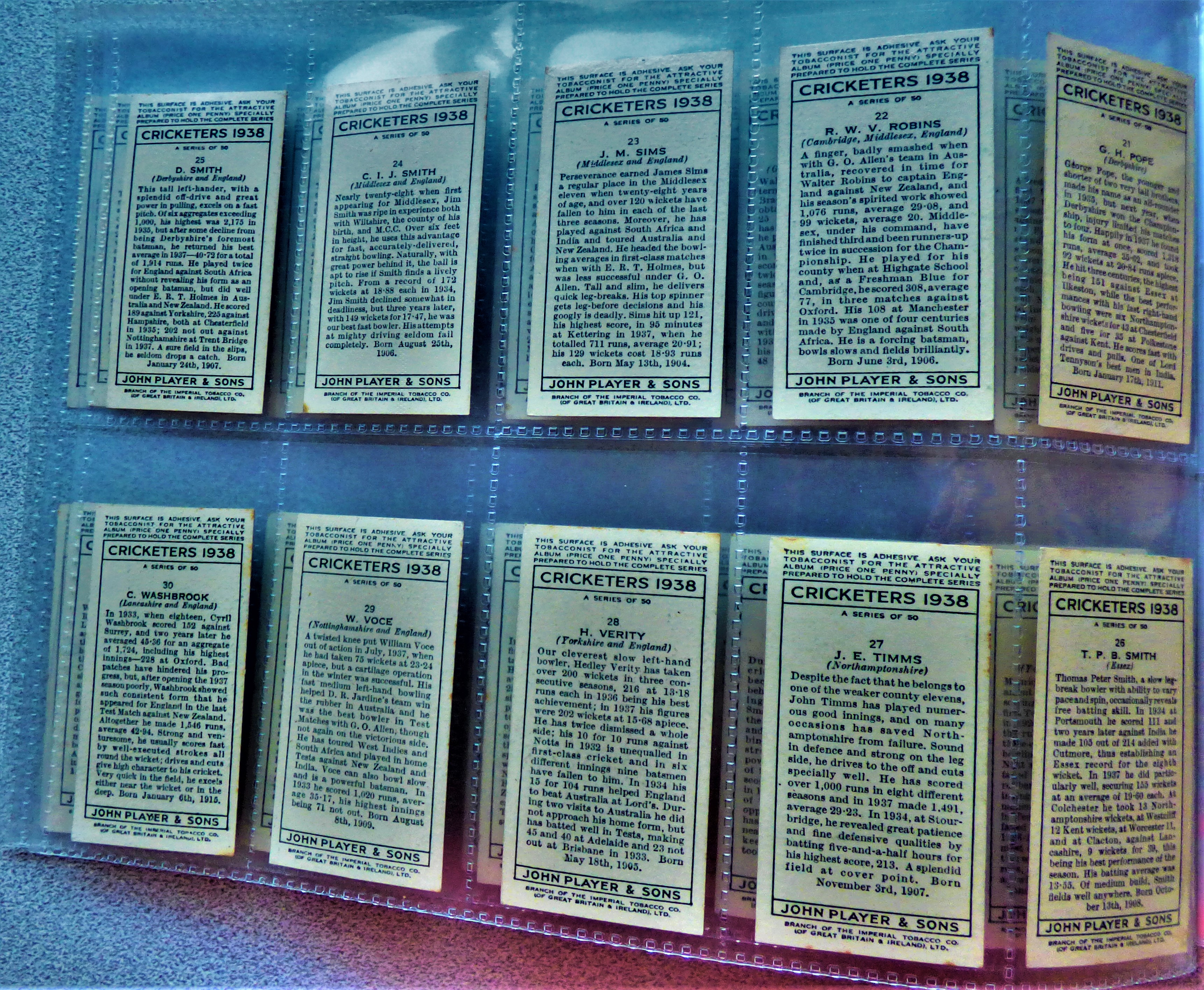
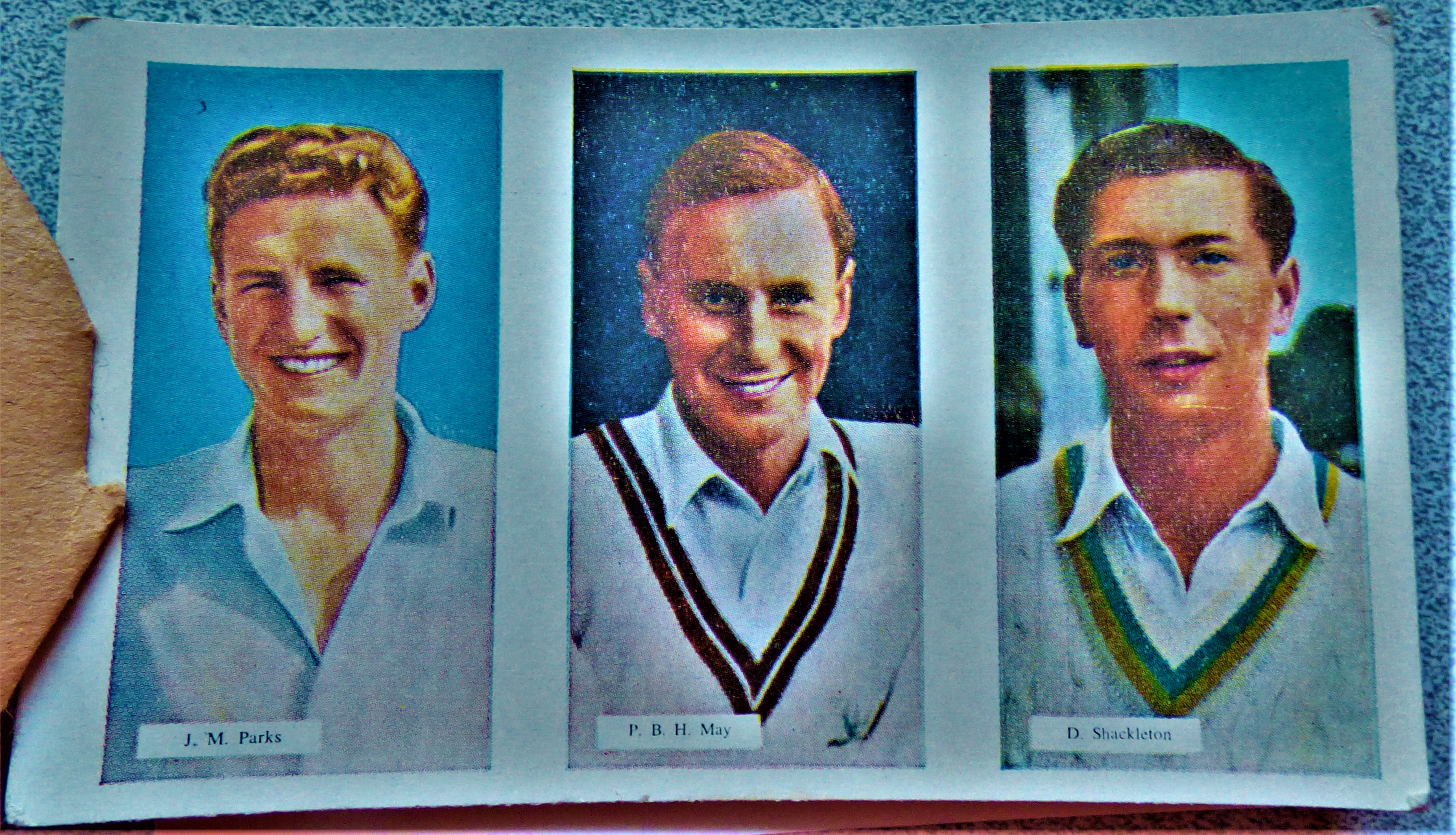
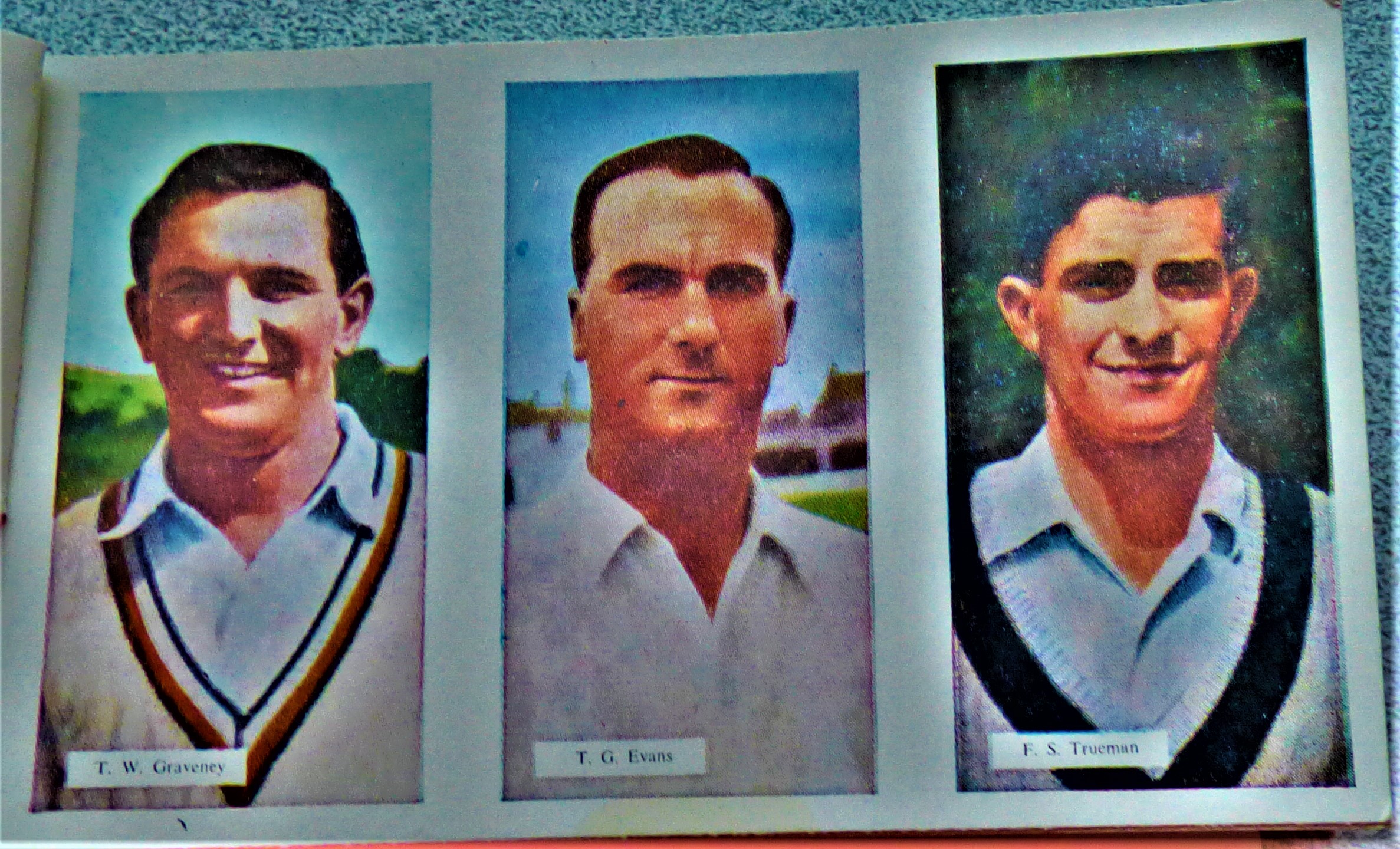
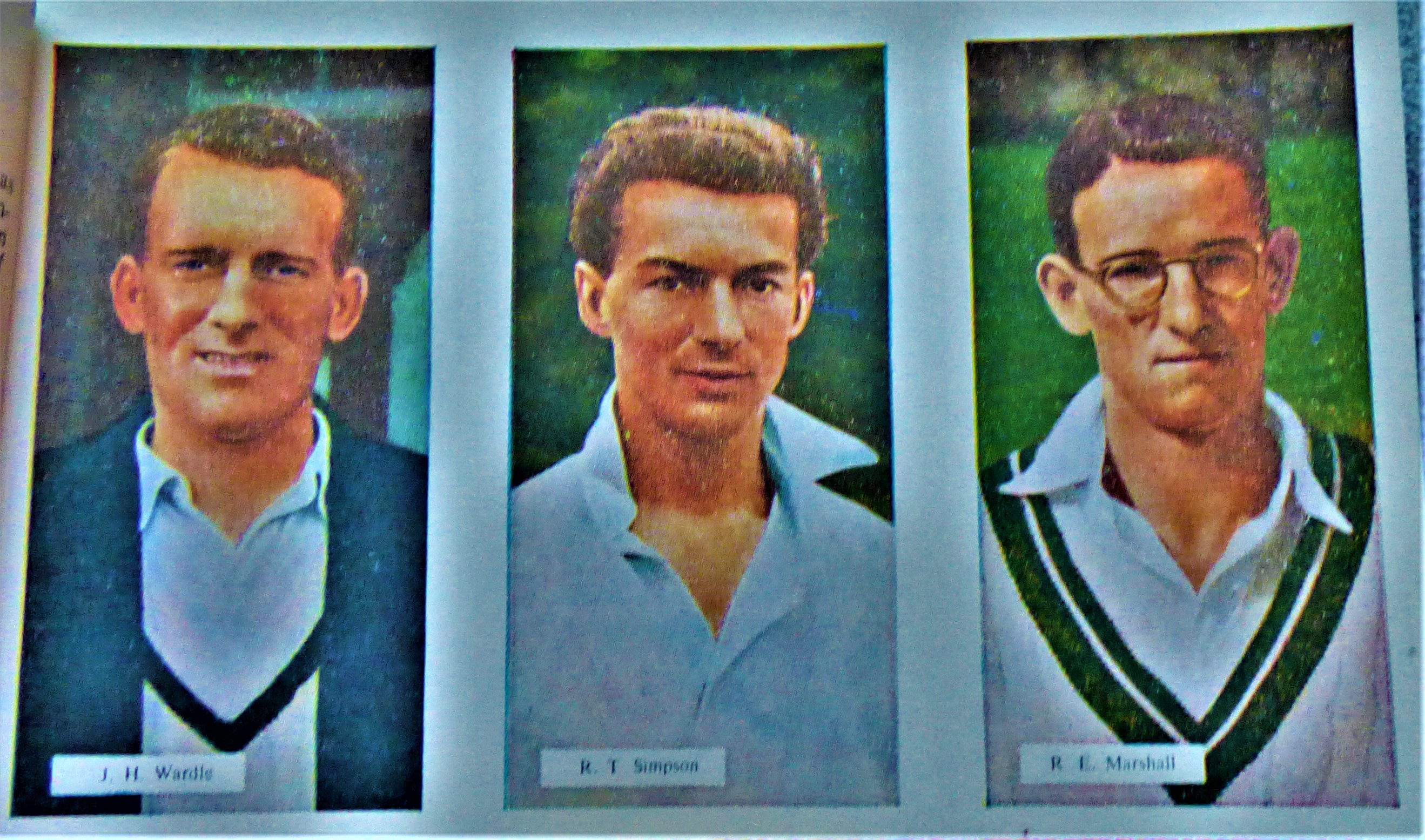
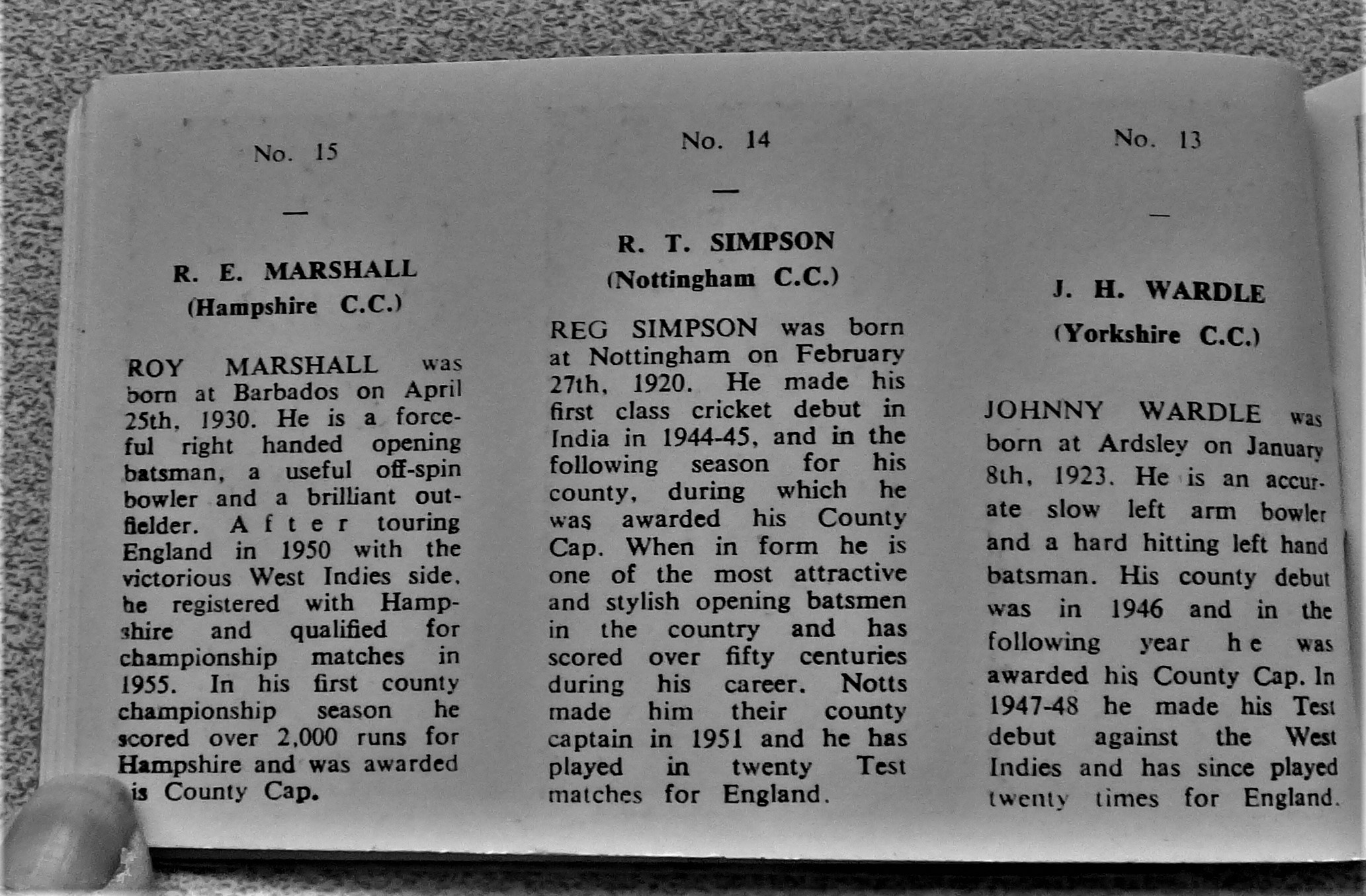
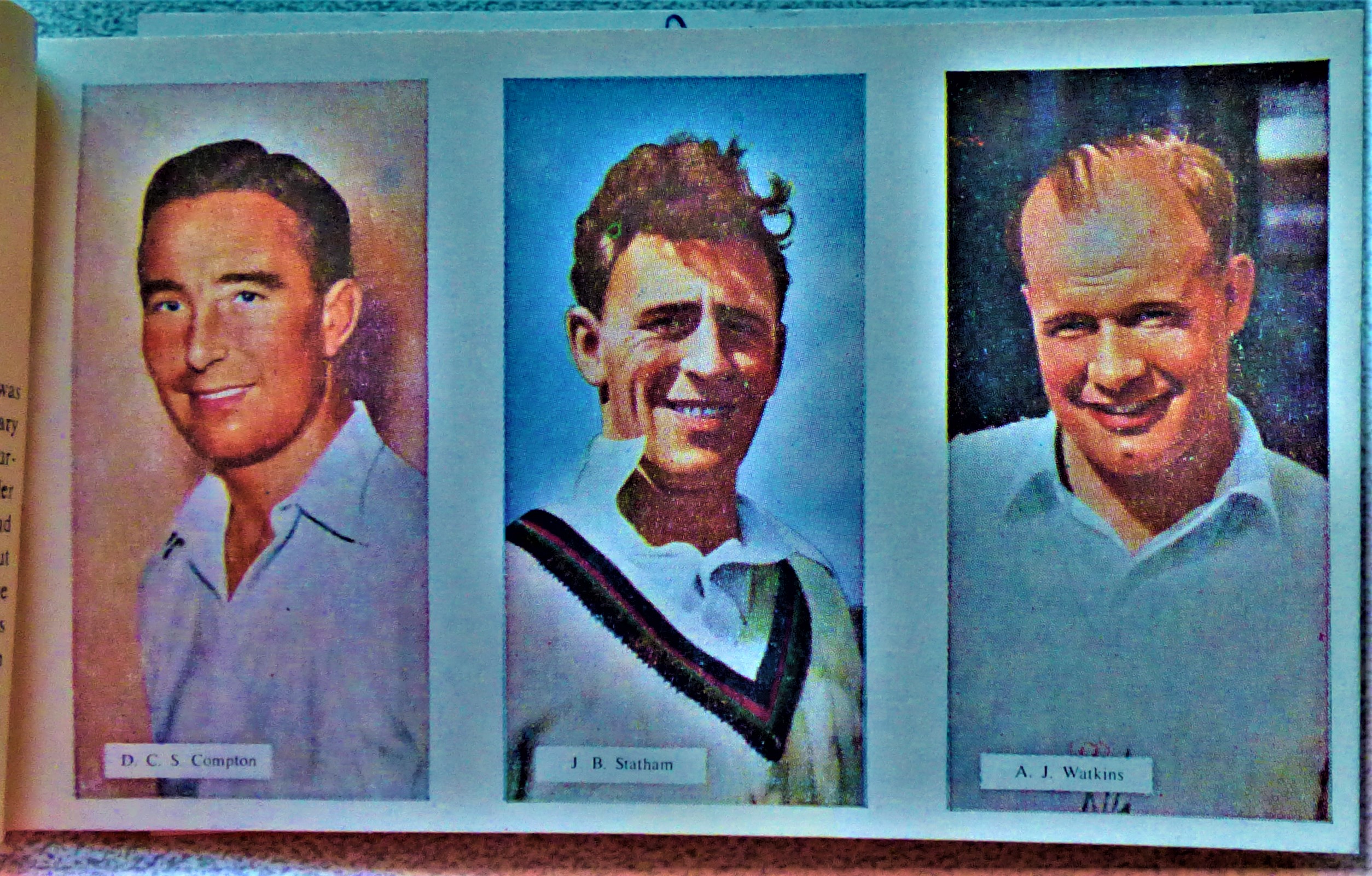
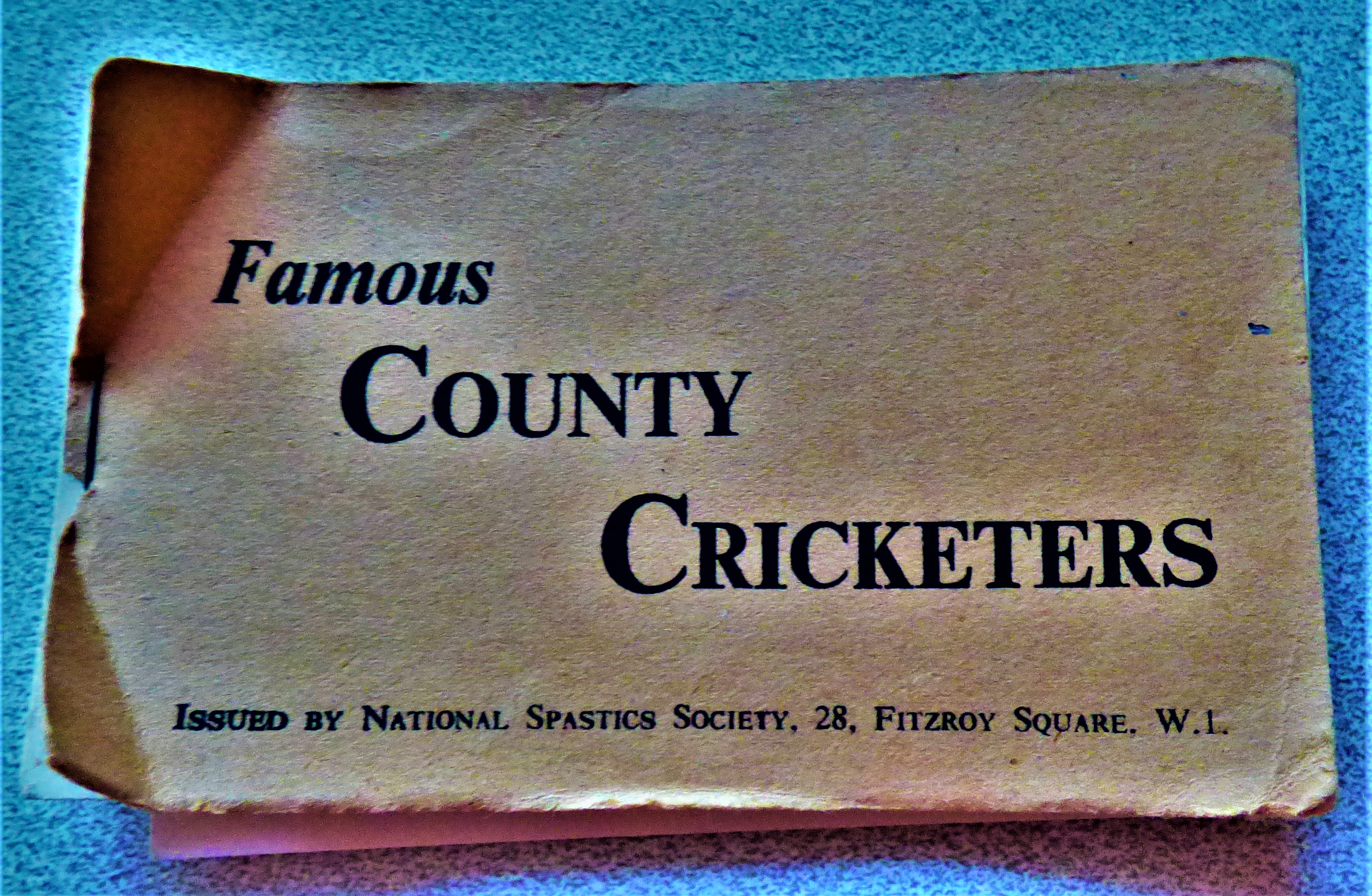
I acquired two lots of interesting cricket related cigarette cards, and they are the subjects of this photo gallery…

Early Thoughts on The Hundred

A look at cricket’s newest format, The Hundred and some photographs.

It has been a while since I last posted here, and it is time to rectify that omission. The new cricket competition, The Hundred got underway on Thursday evening, and I now offer my early thoughts on it.

ABOUT THE HUNDRED

The Hundred differs from other formats of cricket in the following ways:

  • No overs – there are blocks of five balls, a bowler may bowl either five balls or 10 balls at a stretch depending on the captain’s decision, and the players change ends every 10 balls. The total innings duration is 100 balls per side, hence the name. Commentator Dan Norcross made an intriguing Paris Metro based suggestion for naming these blocks – tickets on that transport are purchasable in blocks of five or ten and the word for such a block is ‘carnet’, pronounced ‘Car-nay’.
  • Each bowler may bowl up to 20 balls in the course of the innings.
  • The fielding captain is permitted to take one strategic time out lasting two and a half minutes at any time after the first 25 balls.
  • The first 25 balls are a Power Play in which only two fielders may be placed more than 30 yards from the bat, while for the rest of the innings five may be placed deep
  • If the fielding side have not started the last set of five balls by a certain preset tine they are punished by being required to bring one extra fielder in close.

PROS AND CONS

Many readers will be aware that when it was first mooted I was strongly opposed to The Hundred. I still think that it is cluttering up an already overcrowded calendar, and still have concerns about the absolute marginalization of the county championship, and I also feel that some of those pushing this competition have been unnecessarily antagonistic towards existing fans in their search for new ones. However, it is here to stay, it is very enjoyable. Also, it has undoubtedly been a huge boon for women’s cricket, with the women’s games an integral part of the tournament rather than a sideshow. On Saturday over 21,000 spectators watched the two women’s games, being respectively the largest and second largest ever audiences for a women’s domestic game in this country.

SOME OF THE MATCHES

The highest score of the competition to date came from Jemimah Rodrigues, who with the top order crumbling around her so that the score at one point was 19-4 chasing 131 to win scored 94 not out off 42 balls to carry her side to victory. Alice Capsey, the youngest player involved in the tournament, lit up Lord’s on Saturday morning with a glorious 59 off 41 balls. Yesterday at Manchester saw a bowling dominated day – in the women’s match Birmngham Phoenix tallied 113 batting first, which proved enough to win by 20 runs. Then in the men’s match Phoenix became the first side to be bowled out inside 100 balls, managing a measly 87 off 86 balls. Matt Parkinson for the home side, the Manchester Originals, took 4-9 from 19 balls, finishing the innings by taking three in four balls including as good a ball as a bowler of his type can produce – pitched on leg stump it tilted the middle stump backwards. Just to ensure that the total would never trouble the Originals Phil Salt gave the reply a flying start with 22 off 11 balls, as half the required runs were knocked off in the 25 ball Power Play. Thereafter there was no way for Phoenix to apply any pressure, although Benny Howell, a crafty medium pacer, bowled well for them.

YOUNGSTERS TO THE FORE

At the same time as the new competition is going on, so is the Royal London Cup 50 overs per side competition. With so many first choice players not available to them the counties have had no option but to select quite a number of youngsters. Yesterday’s match between Yorkshire and Leicestershire saw Harry Duke at the age of 19 rack up his first professional century, helping his side to a convincing victory.

PHOTOGRAPHS

My usual sign off…