England’s Record Run Chase

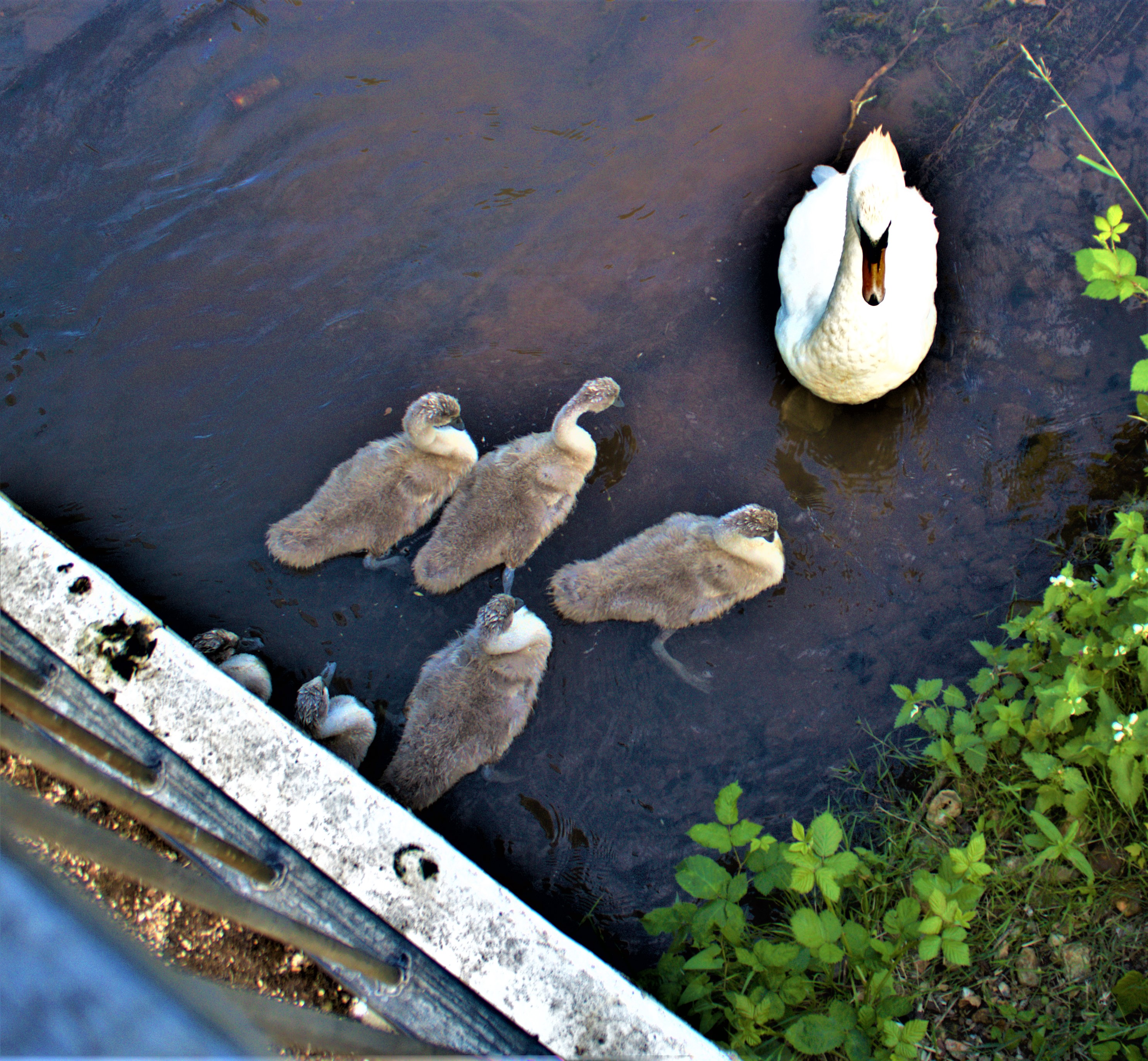
An account of England’s victory over India which they completed earlier today, and some of my recent photographs.

This post looks back at the match just concluded between England and India, officially the fifth of the 2021 series.

A LONG DELAYED FINALE

India won the the fourth test of the 2021 series comfortably, and then in the run up to the fifth test there was a Covid scare in the Indian camp. By the letter of the law the match should have been forfeited since England were able to play and India were refusing to put a team out, but because the BCCI pulls the ICCs strings a compromise was arranged, whereby the match would be played in 2022 instead. England after a miserable winter in Australia and then the West Indies had started 2022 in a blaze of glory, recording three successive spectacular victories over World Test Champions New Zealand (who won’t get to defend their title in consequence of this). India made some curious selecorial decisions (Pujara as makeshift opener when Mayank Agarwal was available, Thakur preferred to Ashwin, Vihari at three and Shreyas Iyer in the middle order all definitely questionable and the persistence with an aging, chronically out of form Kohli didn’t look right either), England had two obvious question marks, Crawley at the top of the order and the decision to drop Jamie Overton for the returning Anderson (Anderson’s return had to happen, but I would have had Broad make way for him).

INDIA IN CHARGE FOR THREE DAYS…

India had the better of all of the first three days, with only a century by Jonny Bairstow restricting England’s deficit on first innings to 132. India were then 126-3 in their second innings by the end of day three, leading by 258. James Anderson had underlined his enduring class in the Indian first innings by taking 5-60 while everyone else was was being thrashed. Rishabh Pant played a great innings for India, and was the centrepiece of their total of 416. At the end of day three (just under four playing sessions ago) you would have got generous odds on an England win, though probably not quite the 500-1 famously offered at Headingley in 1981.

…AND THEN

In the first part of day four India failed to make the most of their advantage, rather frittering away their last seven wickets for the addition of a further 120. Pujara scored a gritty 66, Pant a more flamboyant 57, but overall India would have been disappointed with a total of 245 all out, and would have been aware that they had not completely killed the game when they might have done. Ben Stokes claimed four wickets for England.

Just for once England did not lose their first wicket ridiculously early. Crawley and Lees both batted well, but just before tea Crawley was out for 46, leaving one that bowled him. This meant that Pope had to begin his innings twice over, either side of the interval. He managed the first, but not the second. Then Root made a horrible misjudgement which caused Lees to be run out. That was 109-3, 269 more still needed for victory, and Bairstow joined Root. Not only were this pair still together at the close, they had done a lot to break the back of the chase, taking England to 259-3, 119 short of victory with the final day to come. The final morning began with India surely needing to break the stand quickly, and probably needing to have both players out within the first half hour to keep their hopes alive. India showed themselves mentally already beaten when they set fields that effectively said “help yourselves to singles but please don’t bash us”. Root and Bairstow accepted the singles but did not comply with the second part of India’s implied request – anything loose (and India provided a fair quantity of this) was ruthlessly punished. After just an hour and a half of the fifth day, including two ball replacements (a huge number of balls have needed to be replaced in this season’s tests) the job was completed, with a single off the fourth ball of the 77th over of the innings. England won by seven wickets, Root 142*, Bairstow 114*. Root’s hundred was his 28th in test cricket, obliterating the so-called ‘curse of 27’, a piece of nonsense that had arisen due to Steven Smith and Virat Kohli both being stuck on 27 test tons for some considerable time. The truth is that a total of 20 players have scored as many as 27 test centuries, and 16, including Root, have gone on to at least 28, while only four (Allan Border, Graeme Smith, Steven Smith, Virat Kohli) failing to do so. It was also Root’s fifth test hundred of 2022, to follow the six he scored in 2021. Bairstow’s century was his fourth in five test innings, his sixth of 2022 and his second of this match. The Root/ Bairstow stand of 269* was the fourth biggest ever in a fourth innings behind 301 by Arthur Morris and Don Bradman at Headingley in 1948 (Aus won by seven wickets), 287* by Gordon Greenidge and Larry Gomes at Lord’s in 1984 (WI won by nine wickets) and 280 by Bill Edrich and Paul Gibb at Durban in 1939 (a preposterous draw, with England 654-5 chasing 696 for victory when play had to be abandoned). This was also the fourth successive time England had chased 275 or over to win a test match, and England’s record successful run chase, beating the 362-9 at Headingley in 2019.

Bairstow was named Player of the Match for his twin tons, and Root Player of the Series for his 737 runs across the five matches. Virat Kohli’s only noteworthy contributions to this match were sledging Bairstow when that worthy was struggling in the first innings, since which moment Bairstow scored a further 207 runs for once out and a disgraceful display of aggression at the fall of an English wicket yesterday which involved charging straight across the pitch and earned him a ticking off from the umpires and may yet have further repercussions in the form of a fine or even a ban.

For England, as well as the two batting guns Root and Bairstow, Anderson maintained his high standing, Potts looked the real deal, Leach came back well from a hammering in the first innings (1-28 from 12 overs in the second). Broad, two second innings scalps not withstanding, looks to be a fading force at test level. Lees and Pope both deserve extended runs in the side (Pope has just been assigned a new role at number three and has done quite well there, and Lees has shown a lot of promise). Zak Crawley’s second innings 46 should not be enough to save him from the axe, and I fully expect Lees to have a new opening partner against South Africa in six weeks time. India’s carelessness with the bat on the fourth morning probably cost them 100 runs, but the way this England handle fourth innings run chases even that might not have been enough. A full scorecard of the match can be viewed here.

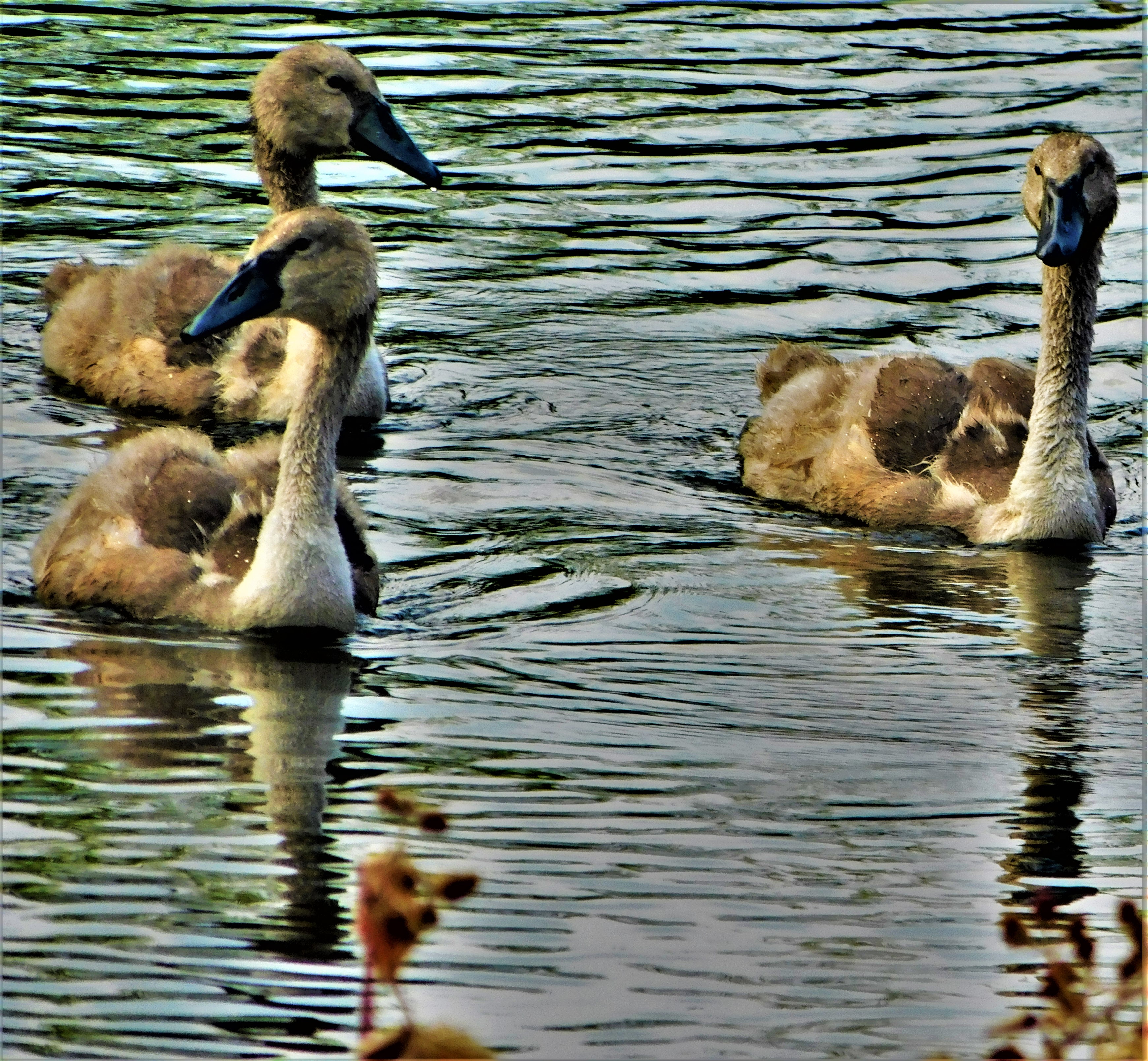
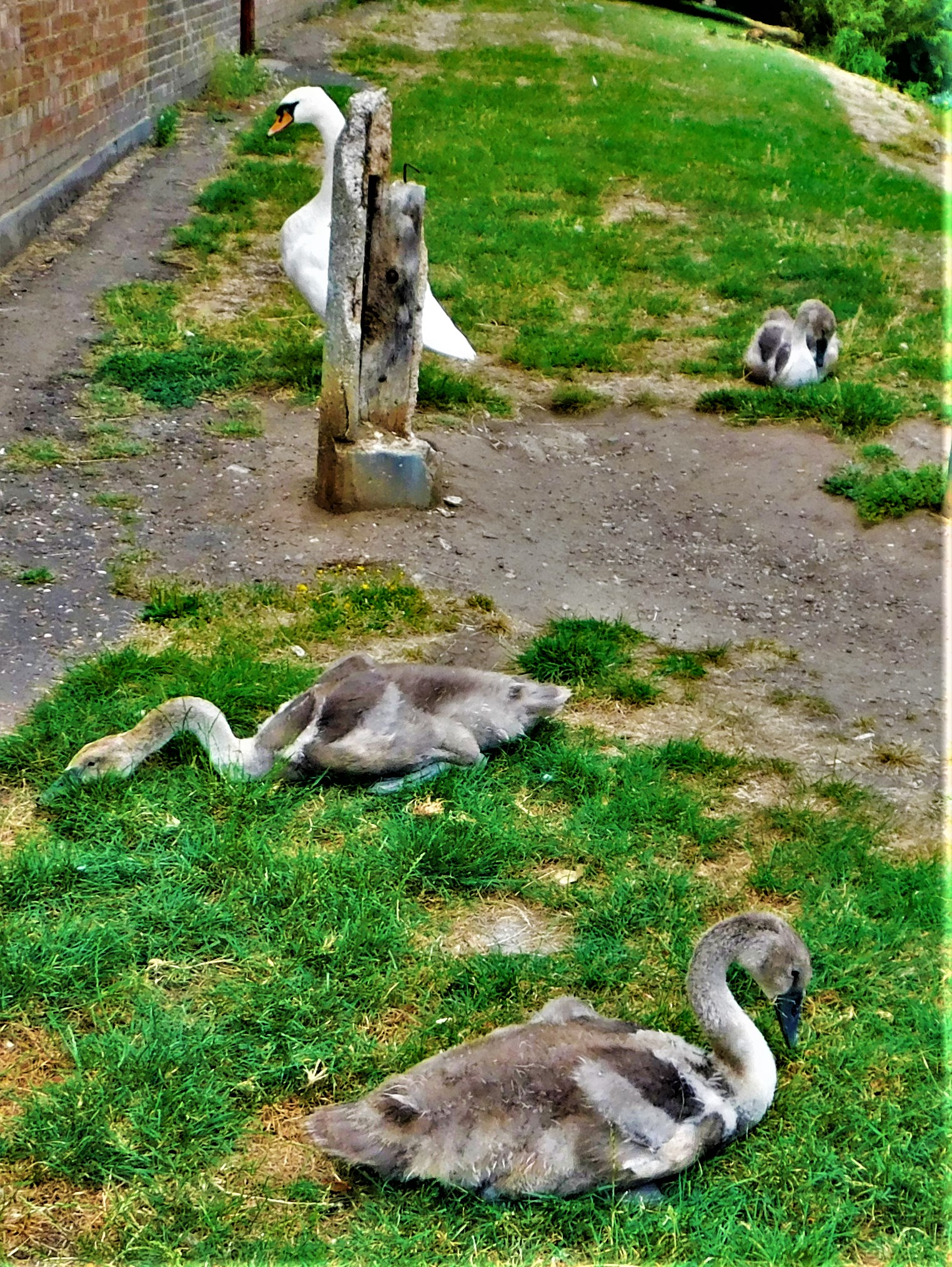
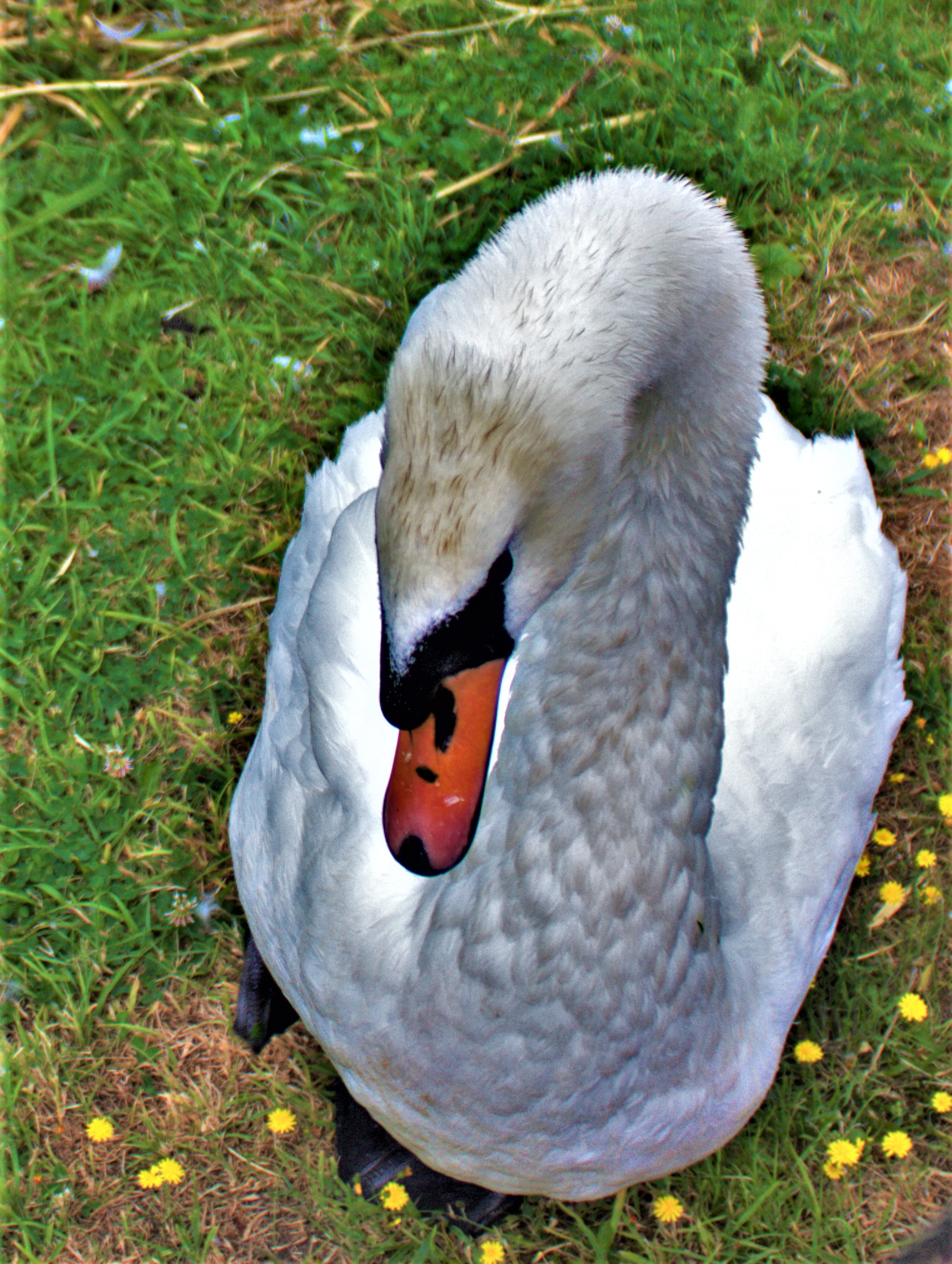
PHOTOGRAPHS

My usual sign off…

A Classic Match That Was One Day Too Short

An account of the test match between the England and South African women’s teams which took place on Monday to Thursday of this week.

I was delighted when it was announced that England and South Africa women’s teams would be playing a test match this summer. I was less delighted that it was scheduled for only four days rather than the five that men’s test cricket gets, and this little distinction was to prove of considerable importance to the result.

ALL CHANGE FOR ENGLAND

At the start of this season Anya Shrubsole announced her international retirement after an illustrious career, highlighted by 6-46 in the 2017 World Cup final. In the run up to the match Katherine Brunt announced that she was retiring from test cricket but would still play white ball internationals. Then Emily Arlott was injured in the run up to the match, which meant that Issy Wong was promoted from travelling reserve to full squad member. Eventually, England decided that one spinner (the incomparable Sophie Ecclestone) was sufficient and opted to strengthen the batting by giving the number seven slot in the order to Alice Davidson-Richards. The new look seam attack was led by veteran Kate Cross, supported by Wong and Lauren Bell plus the all round skills of Natalie Sciver. Batting wise there were not a huge number of surprises: Emma Lamb, in magnificent form in domestic cricket, was chosen to open alongside the experienced Tammy Beaumont, with skipper Knight at three, Sciver four, Sophia Dunkley at five and keeper Amy Jones at six. Thus the full XI in batting order read: Beaumont, Lamb, *Knight, Sciver, Dunkley, +Jones, Davidson-Richards, Ecclestone, Cross, Wong, Bell.

INEXPERIENCED SOUTH AFRICA

South Africa had not played a test since 2014, so scandalously small is the amount of women’s test cricket. Dane Van Niekerk was still recovering from a broken ankle, and in the run up to the match Shabnim Ismail, star bowler, went down injured, as did big hitting middle order batter Chloe Tryon. For some unknown reason in form pacer Ayabonga Khaka was not considered for selection. All of this meant that SA took the field with only two players out of 11 having prior test experience.

DAY ONE: KAPP’S HORATIAN PERFORMANCE SAVES SA

On Monday June 27th South Africa batted first. With Cross, Bell and Wong all highly impressive in the early stages SA were soon in trouble at 45-4. Wong claimed her first test wicket with an absolute peach of a ball to clean bowl Laura Wolvaardt (no mean feat this – the young SA opener had scored a ton in the warm up match against England A, and a repeat of that in this match would have been no great surprise. At this point Marizanne Kapp came to the crease for South Africa. She proceeded to play an innings of utter brilliance, enabling South Africa to reach the respectability of 284 all out, of which her share was precisely 150. Kate Cross had the best figures for England, with 4-63, with Bell 2-54, Wong 1-54, Ecclestone 1-33, Sciver 1-29 and Davidson-Richards 1-39 all also taking wickets.

DAY TWO: SCIVER AND DAVIDSON-RICHARDS

Beaumont and Lamb put on 65 for the first England wicket, but thereafter a collapse set in, with Knight experiencing a rare failure at test level. The score when debutant Davidson-Richards walked out join Sciver was 121-5. By the close of play this pair were still in occupation, Davidson-Richards having become the first England debutant of either sex to take at least one wicket and score a century on test debut since WG Grace did so in the first test ever played on English soil in 1880, and Sciver having also passed three figures. England, having looked deep in trouble when the pair came together were now 39 runs to the good, and it was fairly clear that only one side now had a chance of winning the match.

DAYS THREE AND FOUR: A TALE OF WEATHER WOES

Davidson-Richards was out early on the third morning, but Ecclestone now provided excellent support for the unstoppable Sciver, scoring a perky 35 and helping the seventh wicket to raise a further 86. Cross was next in, and her run out heralded the England declaration at 417-8, a lead of 133. Sciver with 169* had beaten her captain’s test best by a single run, was eight short of Claire Taylor’s 177, 10 short of Rachael Heyhoe-Flint’s 179 and 20 short of the all time England women’s test record of 189 held since 1935 by Betty Snowball. Also possibly relived by the declaration were Aussies Michelle Gozsko (204) and Ellyse Perry (213*).

The weather from this point on was hugely uncooperative and allowed only 68.1 further overs in the course of a day and a half (and the women get through their overs at a good rate – on day two 100 overs took six hours 12 minutes of playing time to bowl – rather less long than it takes the men to bowl the 90 that is their minimum requirement for a day). In those overs South Africa amassed 181-5 in their second innings. Cross and Wong each took two wickets, the latter’s haul including Wolvaardt for the second time in the match, and Ecclestone one. The combination of the allocation of only four days and bad weather on each of the last two of those days made this the sixth successive women’s test to end in a draw. A full scorecard can be viewed here.

LOOKING FORWARD

Women’s cricket is in excellent health, and both sides deserve a lot of credit, England for coming out firing with a new look bowling attack, and for ultimately dominating the contest, and South Africa for showing considerable resolve with depleted ranks. There need to be more women’s test matches, and those matches NEED TO BE SCHEDULED FOR FIVE DAYS.

PHOTOGRAPHS

My usual sign off…

All Time XIs: Ultimate Talents

A look at a selection of record breaking and utterly unique cricketers by way of explaining the unanswerability of the question “who was the greatest ever cricketer”.

This post was provoked by a question I saw posted on twitter yesterday: who was the greatest cricketer of all time. This question is of course unanswerable and to explain why this is so I have assembled a touring party of 17 all of whom were about as good as players of their type can be. All of these players have attributes that mean that the claim that they stand alone in cricket history is unassailable, and I explain why in the course of my look at that them.

FIRST XI IN BATTING ORDER

  1. JB Hobbs – right handed opening batter, occasional right arm medium pacer. ‘The Master’, scorer of more FC runs and more FC centuries than anyone else in the history of the game.
  2. *WG Grace – right handed opening batter, right arm bowler of various types through his career. The most dominant player of any era, towering over his contemporaries both literally and metaphorically.
  3. DG Bradman – right handed batter, occasional leg spinner. A test batting average of 99.94, maintained over 52 matches at level needs no further comment.
  4. SR Tendulkar – right handed batter, occasional bowler. The only player to have scored 100 centuries across formats in international cricket.
  5. FE Woolley – left handed batter, left arm orthodox spinner. The only cricketer to tally over 10,000 FC runs, take over 1,000 wickets and hold over 1,000 catches in the course of a first class career.
  6. GS Sobers – left handed batter, left arm bowler of every type known to cricket. The most complete cricketer the game has ever seen.
  7. GH Hirst – right handed batter, left arm fast medium bowler. Achieved the feat of 1,000 runs and 100 wickets in first class matches in each of 10 successive seasons, including the only ever instance of 2,000 runs and 200 wickets in the same FC season.
  8. +RW Taylor – wicket keeper, right handed batter. The most wicket keeping dismissals (1,649 of them – 1,473 catches and 176 stumpings) of anyone in first class cricket history.
  9. W Rhodes – left arm orthodox spinner, right handed batter. More first class wickets than anyone else in the game’s history, even though there was a phase in his career when he hardly bowled. He also scored almost 40,000 runs in FC cricket.
  10. SF Barnes – right arm fast medium bowler, right handed batter. The best wickets per game ratio of anyone to play 20 or more tests – 189 in 27 matches, at 16.43 each = seven wickets per match. Generally regarded as the greatest of all bowlers.
  11. T Richardson – right arm fast bowler, right handed batter. The fastest to the career landmarks of 1,000 FC wickets (134 matches) and 2,000 (327 matches). From the start of the 1894 season to the end of the 1897 season he took just over 1,000 wickets, a period of wicket taking unique in cricket history.

This is a well balanced XI of awesome power. Now onto…

THE RESERVES

These are my six designated reserves:

  1. H Sutcliffe, right handed opening batter. My reserve opener was the ultimate big game player. His overall FC average was 52.02, his overall test average 60.73 and his overall Ashes average 66.85. As he himself once said to Pelham Warner “ah Mr Warner, I love a dogfight”.
  2. JH Kallis, right handed batter, right arm fast medium bowler. Has a fair claim to be regarded as the best batting all rounder ever to play the game. He didn’t master the full range of skills that Sobers did, hence his place as a reserve rather than in the starting XI.
  3. GA Faulkner, right handed batter, leg spinner. The only cricketer to have finished a career of over 20 test matches with a batting average of over 40 and a bowling average of less than 30.
  4. GL Jessop, right handed batter, right arm fast bowler. The most consistently fast scorer ever to play the game.
  5. +LEG Ames, right handed batter, wicket keeper. The only recognized keeper to have scored 100FC hundreds, also holds the record for most career stumpings in first class cricket – 418.
  6. GA Lohmann, right arm medium fast bowler, right handed batter. The man with the lowest career bowling average of anyone take 100 test wickets – 10.75.

CONCLUSIONS

This little collection of players fully illustrates why there is no definitive answer to the question I saw on twitter yesterday. I also missed the taker of 800 test wickets (Muralidaran), the only player to score 5,000 test runs and take 400 test wickets (Kapil Dev), the holder of the record test and first class individual scores (Lara), and quite a few others who have and deserve to have legions of fans. If forced to provide a single player as answer to this question I would consider WG Grace to be less far wrong than any other single answer.

PHOTOGRAPHS

My usual sign off…

England 3 New Zealand 0: A Retrospective

A look back at the England v New Zealand test series.

Having finally concluded my series about my Scottish holiday I now look back at the series between England and New Zealand that concluded yesterday.

MATCH ONE: A NEW ERA DAWNS

The length of England’s injury list in the fast bowling department and well justified concerns about the top order batting made what already seemed a tough ask appear even tougher. However, Matt Potts of Durham, given his call up to fill one of the vacant slots in the pace bowling department had a superb debut, Broad and Anderson both bowled well on their return to the side, and England won impressively.

MATCH TWO: A DRAMATIC TURNAROUND

Prospects didn’t seem too rosy when England put New Zealand in on a flat pitch and the visitors racked up 550 in the first innings. However, England responded in kind, with Ollie Pope, whose presence at number three, where he had never previously batted in FC cricket, was a cause of some disquiet making a big hundred, Joe Root confirming his status as the greatest England batter of the 21st century with 176 and various other players producing runs. NZ managed to set England 299 to win, having looked in trouble at one stage of their second innings. When Root departed early and England were three down still needing well over 200 for the win the prognosis looked grim. Jonny Bairstow, enjoying a remarkable revival to his career in red ball cricket, played a remarkable innings, with Ben Stokes providing his principal support. Bairstow scored the second fastest test century by an England batter ever, beaten only by Gilbert Jessop’s 1902 effort against Australia, also in a fourth innings run chase. The Yorkshireman was 136* when England completed a five wicket win, with keeper Foakes undefeated at the other end in support.

MATCH 3: 55-6 AND THEN…

James Anderson was unable to play this match, meaning that Devonian born Surrey fast bowler and lower middle order batter Jamie Overton got a first test cap. New Zealand tallied 329 in the first innings, Leach the left armspinner answering some increasingly vociferous critics with 5-100. When Jamie Overton walked out to bat the score was 55-6 and NZ were probably contemplating enforcing the follow on. They were to end up in deficit on first innings. Overton on debut was 89* by the end of the second day, and the seventh wicket stand between him and Bairstow was worth 209, England being 264-6. On day three Overton agonisingly failed to complete a debut century, falling on 97. Bairstow went on to 162, the lower order providing some support, and England, all out for 360, led by 31 on first innings. NZ mustered 326 second time round, with Mitchell and Blundell sharing yet another long partnership in the middle order. Leach, remarkably, achieved a second five wicket haul, 5-66 this time, on a pitch that has seldom been kind to spinners in recent times. England thus need 296 to win. Lees was out early on this occasion, Crawley made a very fortuitous 25 before a chance offered to the slip/ gully region (a mode of dismissal he suffers unacceptably often), but Joe Root and Ollie Pope saw England to 183-2 by the end of day four, 113 more needed and eight wickets standing. Pope did not last long on the final morning, but his departure merely signalled more Bairstow fireworks. Bairstow was a little too brilliant on this occasion, depriving his fellow tyke Root of what would have been that worthy’s 28th test century. England won by seven wickets and taken the series 3-0. Leach was named Player of the Match for his bowling effort, while Root just pipped Bairstow to the Player of the Series award.

POSITIVES AND NEGATIVES

The new mindset that Brendon ‘Baz’ McCullum has instilled in his charges has been a huge positive. The comeback from the depths of 55-6 in reply to 329 in the third match illustrated the spirit in the camp. Pope finally seems to be reproducing his first class form in the test arena, Bairstow has been a revelation, reigniting a test career that looked done not so long ago. Potts and J Overton have both shown great promise early in their test careers, with Potts in particular seeming destined for great career. Leach has ended any discussion about who England’s no1 test spinner is with his bowling at Headingley (with a tour to Pakistan coming at the end of the summer the question of back up spinners will need looking at, and I have several ideas there which I will explore more fully nearer the time). Although temporarily indisposed (lower back pains which turned out to be an early symptom of Covid) Foakes remains first choice keeper. Lees has played a couple of decent knocks at the top this series, and Pope is looking good at three (and in any case that experiment needs rather more time than one three match series before it can be judged). A new opener is needed to replace Crawley. After 24 test matches Crawley averages 26.68 overall, and much less than that as on opener – in the course of this series Crawley’s average as an opener dipped below that of Mike Brearley, and of course for a lot of Brearley’s career his batting was not the main reason for him having a place in the side. While I can understand that it would have been difficult to call up a replacement opener for the one-off match against India that starts on Friday I am absolutely certain that there should be a new name up top (for me one of Chris Dent or Ben Compton) by the time the series against South Africa gets underway.

Overall this series has been hugely positive for England, and although India are likely to prove tougher opposition England are better placed than one could have imagined when they left the West Indies a few months ago with a record showing one victory in their last 17 test matches.

PHOTOGRAPHS

As always I conclude this post by sharing some of my photos…

All Time XIs – Music and Militaria – An Update

Updating one of my posts from my all-time XIs series and sharing some of my photographs.

This time two years ago when no one knew when or even if live cricket would be able to resume I did a series of posts themed on All Time XIs. This post updates one of those posts to reflect a spectacular new arrival on the cricket scene.

THE ORIGINAL

The original post that I am making a minor update to can be found here. Below is the infographic displaying both teams from that post:

THE UPDATE

Walter Gilbert, the number five in the original Music XI, in as a namesake of the great WS Gilbert, was an obscure cousin of WG Grace (the WG in his name standing for William Gilbert, after the author of “De Magnete”) whose record was hardly outstanding and whose career ended in sad circumstances. Pakistan Women have just given a debut to Tuba Hassan (the tuba is the largest of the brass instruments), a leg spinner who is good enough with the bat to have opened in domestic cricket. She had a sensational first international outing, taking 3-8, and on the strength of that I am dropping Gilbert and bringing her in. Thus, the new teams read:

PHOTOGRAPHS

My usual sign off…

Women’s T20 Challenge Underway In India

A look at the start of the Women’s T20 Challenge. Also some photographs.

The BCCI have yet to get round to creating a women’s IPL, but they do stage a small tournament, the Women’s T20 Challenge. This post looks at developments in the first match, which started at 3PM UK time today.

A NEW COMPETITION RECORD

The Supernovas won the toss against the Trailblazers and opted to bat first. With an over of their innings to go they have already set a new all time competition record, being 160-7 at the end of the 19th. As I write the eighth wicket has gone to the first ball of the final over. Harmanpreet Kaur, Harleen Deol and Deandra Dottin all topped 30 for the Supernovas, while Hayley Matthews, Poonam Yadav and Salma Khatun have all bowled respectably for Trailblazers. These bowlers faring well is not great news for Trailblazers – Supernovas spin bowling features Sophie Ecclestone (England, SLA, world number one ranked female bowler) and Alana King (Australia, leg spin). Confirmed that Supernovas have 163 to defend.

PHOTOGRAPHS

My usual sign off…

Thoughts On New England Squad

My thoughts on the England squad for the first two tests against New Zealand, announced today.

The England squad for the first two tests against New Zealand was announced today – the first major announcement since the appointment of Brendon McCullum as new head coach of the test side. Also announced today was the appointment of Matthew Mott as new head coach of the England men’s white ball side. Mr Mott has experience of rendering a powerful side close to invincible having come to this job from being head coach of the Aussie Women’s side, who became during his tenure arguably the most dominant international cricket side there has ever been. The rest of this post looks at the new test squad and my thoughts about it.

THE SQUAD

The screenshot below, from the secret pear (Worcestershire are known as The Pears) twitter account shows the squad:

THE BATTERS AND KEEPER

Zak Crawley and Alex Lees will open. Lees is a sound call, having demonstrated in the West Indies that he can bat for decent periods of time. Crawley is a quite abysmal selection, with a test average of 28.60, which drops to 22.16 if you take his one freak performance against Pakistan out of the equation, and is 18.60 since he scored that 267. He averages 30.5 for Kent, and is averaging less than 20 for them this season. Among the openers to have shown form this season, which Crawley has not, are Burns, Sibley, Tom Haines, Chris Dent and Crawley’s own Kent team mate Ben Compton. Any of these five would definitely have been a better pick than Crawley.

Ollie Pope is scheduled to bat at three, which is one place higher than he has ever batted for Surrey. Pope is a fine batter who may yet start reproducing his county form at test level, but seeking turn him into a number three is a) foolish and b) downright insulting to Bohannon, Bracey and Abell (Bohannon has an FC average 47.5, while the other two have scored runs this season though can’t match his record) all of whom are regular number threes England might have turned to.

Joe Root will bat in the number four slot where he has been so brilliant down the years, the first likely pick that I unequivocally agree with.

Jonathan Bairstow is likely to bat at five in spite of the fact that a) he has a poor record there at test level and b)he is not currently playing long form cricket having followed the money to India, and c)he has not exactly had a sparkling IPL either. Harry Brook has earned his place in the squad with an avalanche of runs for Yorkshire (over 750 this season and we are still in mid-May, and I would prefer to see him picked ahead of Bairstow but suspect Bairstow will get the nod.

Number six will be the new skipper, Ben Stokes. Number six is a sensible slot for an all rounder, but whether Stokes can cope with being skipper and being fast bowling all rounder remains to be seen. Nonetheless this one is indisputable for the present.

Number seven and the gloves will almost certainly both go to Ben Foakes who has had a fine early season for Surrey and deserves an extended run in the England side. For those who are hellbent on getting Bairstow in one way to do so would to put Foakes at five, where he bats for Surrey and Bairstow at seven, where he has done well for England in the past.

THE BOWLERS

The pace/swing/seam department is severely injury hit (ironically the oldsters, Anderson and Broad are both fully fit). I am pleased that Matty Potts who has been bowling like a demon for Durham has been included and slightly disappointed that Parkinson of Lancashire has not, but Jack Leach, chosen to fill the spinners slot (and only one will play on an English pitch) is in excellent form and I don’t grudge him his place. I expect that the perceived need to deepen the batting will see an England 8,9,10,11 of C Overton, Broad, Leach, Anderson, but I would like to see Potts make his debut in place of C Overton in that line up. If you are getting the impression that I am a good deal less bothered by the bowling than I am by the batting give yourself 10/10 – I am not unhappy with the chosen bowlers whereas I consider that the batting choices leave a lot to be desired.

XIs – THEIRS AND MINE

I end the business part of this post with two XIs – the one I think will be named and the one I would name from the selected squad.

Their likely XI: Crawley, Lees, Pope, Root, Bairstow, *Stokes, +Foakes, C Overton, Broad, Leach, Anderson.

The XI I would name from this squad (though like the Irishman being asked for directions “I wouldn’t start from here”): Crawley, Lees, Pope, Root, Brook, *Stokes, +Foakes, Potts, Broad, Leach, Anderson.

Overall I award the selectors 6/10 for their efforts – Crawley’s retention on its own is worth three marks off, while Bairstow cannot be regarded as an ideal test selection, and while circumstances allow for leniency regarding the seam/ swing/ pace selections I also cannot approve the continuing refusal to pick Parkinson. Also as I have said I regard the attempt to turn Pope into a number three as foolish, and between them these misgivings amount to another mark off in addition to the hit for retaining Crawley.

PHOTOGRAPHS

My usual sign off…

The County Championship 2022 So Far

A look back at the most recent round of county championship fixtures.

Another round of County Championship fixtures reached its conclusion yesterday, and this post looks at some of these matches.

STOKES’ INNINGS

Newly appointed England test skipper Ben Stokes was playing his first match since that announcement, turning out for Durham against Worcestershire. By the time Stokes got to the crease in the Durham 1st innings the score was 360-4 and Worcestershire had already bowled about 100 overs. Stokes proceeded to blast 161 off 88 balls including taking 34 (6, 6, 6, 6, 6, 4) off a single over from Josh Baker. This prompted a player turned pundit known in certain circles as FIGJAM (an acronym for F*** I’m Good – Just Ask Me) to jump on his hobby horse calling for the franchising of county cricket. He was roundly taken to task for this, and subsequent developments confirmed that his slating of the Worcestershire bowlers was misguided to put it kindly – Durham declined to enforce the follow on, declared their second innings at 170-1, and Worcestershire saved the match quite comfortably, 21 year old Jack Haynes batting through the final day for a maiden first class century (120*). Stokes bowled 30 overs across the two Worcestershire innings without taking a wicket.

FOUR CONTRASTING MATCHES

I followed parts of four of the matches via the live commentaries available on the bbc website (open a browser, enter http://www.bbc.co.uk/cricket in the address bar, then click the button for live commentaries and select your match). Initially I opted for Surrey v Northants, which ended just over a day early, following a clinical performance by Surrey. Surrey racked up 401 in their only innings, Burns scoring a century and Sam Curran, Jordan Clark and Gus Atkinson all scoring useful runs as well. It was only a good innings by Luke Procter (83*) that enabled Northamptonshire to score 194 in their first innings, and Surrey rightly enforced the follow on. The second Northamptonshire innings improved slightly on the first, but Surrey won by an innings and six runs.

My next port of call was Hampshire v Gloucestershire, where Hampshire won in spite of some curious captaincy by James Vince. Having scored 342 in their first innings Hampshire bowled Gloucestershire out 179, an advantage of 163, which in a four day match is sufficient to be able to enforce the follow on. However, even though this opportunity was combined with a further opportunity to bowl an awkward mini-session at the Gloucestershire second innings and then return refreshed after a night’s rest, Vince took the coward’s option of batting again. He then selfishly tried to protect himself from batting that evening by sending in two nightwatchers, the first of them with nine overs still to be bowled. He still had to go in before the close of play anyway. Hampshire eventually achieved a lead of 367 and Gloucestershire set off in pursuit. There were times when it looked like Vince’s bizarre captaincy was going to be punished, but in the end Gloucestershire came up almost 100 short and Vince got away with it.

Then I switched over to Lancashire v Warwickshire, where three wickets for Matt Parkinson had opened up an outside possibility of a win for the home side. In the event Briggs (28*) and Benjamin (22*) did enough for hands to be shaken an hour before the scheduled close. In view of the tall scoring that has generally been the norm so far this championship season Parkinson’s cumulative bowling figures for the season of 17-397 at 23.36 a piece (very close to his overall career record of 119 at 23.35) are excellent, and to me constitute an ironclad claim to a test spot.

Cheteshwar Pujara has been scoring huge runs for Sussex this season, and their match against Middlesex was no exception. Sussex set Middlesex a tough target of 370 in 77 overs, and Middlesex to their credit went for it, Sam Robson leading the way with 149. By the time I joined the coverage Max Holden and Martin Andersson were together with Middlesex just under 100 away from the target and ahead of the run rate. They stayed together to see the chase through and Middlesex got home with seven wickets and three overs to spare – a tremendous final day run chase by them. Incidentally as a further illustration of how good Parkinson has been this season, Sussex had a former England leg spinner in their bowling attack, Mason Crane, and on a fourth day pitch all he could produce was 16-0-81-0, whereas Parkinson’s figures at Old Trafford were 3-64 from 34 overs.

These matches all had great moments, and all showed in their different ways a county game that contrary to the rantings of certain former international players is in fine health.

PHOTOGRAPHS

My usual sign off…

The Smith XI

Inspired by Jamie Smith’s batting at Bristol in the last round of championship games I have selected a team comprised entirely of Smiths (he is twelfth person). Also includes some of my photographs.

This post was inspired by Jamie Smith’s double century for Surrey against Gloucestershire in the last round of county championship fixtures.

THE XI IN BATTING ORDER

For reasons that will become obvious I am including a twelfth person on this occasion.

  1. Graeme Smith (left handed opening batter) – the South African’s record confirms him as one of the finest openers of the modern era. He was also a candidate for the captaincy which I have awarded instead to his opening partner.
  2. *Mike Smith (MJK Smith, right handed opening batter, captain) – The Warwickshire stalwart averaged over 40 in FC cricket.
  3. Robin Smith (right handed batter) – An excellent player of fast bowling but had the gloss taken off his test record when he was found badly wanting against Shane Warne. Still even with the deleterious effect of Warne on his overall record he finished with a test average of 43.
  4. Steven Smith (right handed batter, occasional leg spinner) – The best test batter of the modern era, and possibly his country’s second best ever behind Donald Bradman.
  5. Collie Smith (right handed batter, occasional off spinner) – killed in a road accident at the age of 26 but he had already achieved plenty of note, including scoring 168 in a test innings and racking up a triple century in a Lancashire League game.
  6. Sydney Smith (left handed batter, left arm orthodox spinner) – West Indian born but primarily associated with Northamptonshire. He averaged 31 with the bat and 18 with the ball, figures that would probably equate to 46 and 27 on today’s more batting friendly surfaces. Three years after his arrival at Northamptonshire the county finished second in the championship, a position that they are yet to improve on 110 years later.
  7. +Ian Smith (right handed batter, wicket keeper) – A fine keeper and a good enough bat to have test centuries, including a top score of 173.
  8. ‘Big Jim’ Smith (CIJ Smith – right arm fast medium bowler, very aggressive right handed lower order batter) – still holds the record for the quickest 50 scored of genuine bowling, reaching the landmark in 11 minutes (overall innings 66 in 18 minutes). A good enough quick bowler to be selected for England at his peak.
  9. Peter Smith (leg spinner, attacking lower order batter) – his most famous performance came with the bat, for Essex against Derbyshire, when he came in at number 11 and proceeded to smash 163 out of a last wicket stand of 218. That innings helped him to achieve the season’s double of 1,000 runs and 100 wickets in first class matches for the first time in his career.
  10. Haydon Smith (right arm fast bowler, right handed tailender) – the Leicestershire quick will form a useful new ball pairing with ‘Big Jim’ in this team.
  11. ‘Razor’ Smith (off spinner, right handed tail ender) – over 1,000 FC wickets at 17.55 a piece. The Surrey and London County player completes a highly dangerous spin trio who all do different things with the ball (of the three Peter Smith the leg spinner is probably the least threatening, but even he took his FC wickets at 26.55 a piece.
  12. Jamie Smith (right handed batter, wicket keeper). The inspiration for this post. His double century at Bristol took his FC average north of 40, but he is not his county’s first choice keeper and I could not leave out Collie Smith to get him into the 11, so for the moment he is twelfthy for this team.

A LOOK AT THE XI

The team has a very strong top five, a genuine all rounder at six, an excellent keeper/ batter at seven, two useful hitters at eight and nine and only two out and out tailenders. The bowling his excellent variety, although it is short in the pace department. I would expect this team to give a good account of itself on most surfaces (only on a green seamer might they be in trouble).

HONOURABLE MENTIONS

Given the lack of pace bowling I will start with that department. Gloucestershire left armer Mike Smith did not have a good enough record to merit selection, though he was a good county bowler. Warwickshire all rounder Paul Smith, who bowled fast medium, could only have been accommodated had I left out one of Collie or Sydney Smith, and I did not feel that I could drop either to make way for him.

There were two wicket keeping candidates other than Ian Smith, both with Warwickshire connections – ‘Tiger’ Smith and Alan Smith.

Off spinner Neil Smith, for all that he was briefly an England cricketer, was not of the same calibre as the spinners I have selected. Had Sydney Smith not had an ironclad case for inclusion as an all rounder I might have included a female in the shape of left arm spinner Linsey Smith.

Chris Smith might have had the opening slot I awarded to MJK. David Smith (Surrey, Worcs, Sussex, picked for the 1986 tour of the Caribbean) was a good county player but not (in spite of the fact that he attended a previous incarnation of my own secondary school) good enough to qualify for selection.

Finally, I deliberately did not pick the guy known in his Cambridge days as ‘Smith’ – KS Duleepsinhji, because I would have considered it hypocritical to avail myself of this “cheat code” given my own condemnation of the conduct of a certain county at which a senior overseas pro was referred to as ‘Steve’ by folk who weren’t prepared to pronounce his real name.

PHOTOGRAPHS

My usual sign off…

England Test Prospects For 2022 Season

A look ahead to the upcoming test summer with Ben Stokes as new captain.

The county championship season 2022 is in full swing, and there have been plenty of successes to celebrate from home grown talents. Ben Stokes has been appointed test captain in succession to Joe Root who resigned that office just before the season started (not a decision I would personally have made, but one that for the moment has to be accepted). Given recent batting efforts by England in test cricket only those two can be said to have nailed down front line batting slots while the bowling is somewhat more settled although finding a genuinely fast bowler who can stay fit remains a challenge, and spin options are somewhat limited. In the rest of this post I look at who is doing what and form my team and some likely alternatives for the coming season.

THE OPENERS

Alex Lees deserves an extended run having been selected for the tour of the West Indies and acquitted himself well there. I would like a right hander to partner him at the top of the order and Zak Crawley is not it for me – he averages below 30 for England and not much above that for Kent. Dominic Sibley is a possibility for a recall, but Tom Haines of Sussex had a good season last season and is in the runs again this time round, and he would be my choice. Rob Yates of Warwickshire is another prospect.

NUMBERS THREE AND FOUR

Joe Root will obviously fill one of these slots, and for me that would be number four owing to the fact that there are two regular number threes who are having outstanding seasons for their counties: James Bracey of Gloucestershire and Josh Bohannon of Lancashire. Bohannon has significantly the better overall record and has recently scored his maiden FC double century, and he would be my choice, with Bracey among the reserves.

NOS FIVE AND SIX

The skipper has one of these slots, leaving one other to fill. For me because his FC record is so far ahead of any other contender that slot goes to Ollie Pope though with a warning that if he fails to deliver some big scores in this summer’s test matches it will be the end of the road for him as a test player.

THE KEEPER AND BOWLERS

The keeper is an obvious choice – it is long past time that Ben Foakes was given an extended run at the highest level. The bowling is tougher, but based on form and fitness I would pick Woakes, who is one of the best in the world when playing in England (he is of questionable value abroad, which complicates matters but I regard his selection for home games as a must), and a 9, 10, 11 of Anderson, Mahmood and Parkinson (I believe it is time for England to trust the leg spinner who is improving rapidly and has a very impressive FC record). Oliver Edward Robinson has bowled well for England since his call up, but there have been fitness issues, notably in the later stages of The Ashes in Australia.

THE FIRST CHOICE XI

In batting order:

  1. Haines
  2. Lees
  3. Bohannon
  4. Root
  5. *Stokes
  6. Pope
  7. +Foakes
  8. Woakes
  9. Anderson
  10. Mahmood
  11. Parkinson

THE RESERVES

Among current openers Rob Yates of Warwickshire should be on the radar, while Ben Compton of Kent is making a strong case for being fast tracked (five centuries in his first 13 FC matches, current batting average 61 for just over 1,000 runs) into international cricket. There is also a case for Gloucestershire veteran Chris Dent who has just racked up a double century against Surrey in the course of which he has passed 10,000 FC runs at an average of 38.

Among middle order batters Dan Lawrence is of course in the mix, and I would add to him the names of James Bracey, Tom Abell and Jamie Smith, the last named another recent double century maker (that innings has pushed his career average above 40, and he is definitely on an upward trajectory at the age of 21).

There are various keepers doing well on the county circuit, and my personal pick for reserve keeper is Kent’s Oliver George Robinson.

Among the seam bowlers Stuart Broad is still going strong, Oliver Edward Robinson may merit further consideration if he can sort his fitness out, the Overton twins have both been in excellent form this season and if one of Archer, Stone or Wood can enjoy an injury free period they would be in the mix.

Jack Leach is the next best specialist spinner behind Parkinson, with youngsters Carson, Moriarty and Virdi all also on the radar. However it is unlikely that in England anyone would pick two specialist spinners, which brings Liam Patterson-White of Nottinghamshire into the equation. He bowls left arm spin and is a more than useful lower order batter. His averages are currently just the wrong way round – 25.45 with the ball and 24.65 with the bat, but he has plenty of time in which to improve, being only 23 years old.

FORECAST

For all that I am not entirely convinced that Stokes is the right choice as captain prospects are not altogether bleak, especially if some of the players I have named are given their opportunities. The batting is where there have been serious problems, and lots of players are scoring heavily in the early part of this season.

PHOTOGRAPHS

As usual I end this post by sharing some of my recent photographs…