All Time XIs – Ones That Got Away

Today we look at players whose careers caused them to make major moves.

INTRODUCTION

Welcome to another ‘all time XI‘ cricket post. Today our we look at players whose talents were overlooked somewhere along the line, but who came through. We have an XI mainly comprising players who made it big after their first county overlooked them, with an overseas player to boost them and an XI of players who moved countries to make it. A little bit of good news – when TMS live coverage, as opposed to the ‘retrolive’ I am currently enjoying, resumes, it will be without the obnoxious Boycott.

THE ONES THAT GOT AWAY – COUNTY

  1. Jack Hobbs – right handed opening batter, occasional right arm medium pace bowler. While his mentor and fellow Cambridge native Tom Hayward was lobbying Surrey on his behalf the man himself wrote to Essex requesting a trial. The letter was ignored, but thankfully Surrey listened to Hayward. 61,237 first class runs at 50.65 and 197 centuries rather emphatically demonstrates which county got this one right!
  2. *Wilfred Rhodes – left handed batter, left arm orthodox spinner. There is an entry in the Warwickshire year book for 1897 which reads “unfortunately it was not possible to offer a contract to W Rhodes of Huddersfield.” In that same year of 1897 Bobby Peel, the incumbent Yorkshire left arm spinner, disgraced himself and saw his first class career brought to a sudden close. Rhodes was given his chance for his native county, took 13 wickets in the match first time out for them and never looked back. He and Hobbs opened together for England just before World War 1, and on one occasion against the old enemy they put on 323 together to launch the innings, Hobbs first out for 178, Rhodes second out, with the score at 425, for 179.
  3. Charles Burgess Fry – right handed batter. Having grown up in southwest London, albeit attending boarding school in Derbyshire (Repton, where he competed for sporting honours with the Palairet brothers, Lionel who subsequently opened for Somerset and Richard, assistant manager of the 1932-3 Ashes tour party) he began his county career for Surrey. Unfortunately for him and Surrey he took a slightly too obvious shine to the wife of then skipper Kingsmill Key, leading to his departure from the county, and the start of his association with Sussex.
  4. Phil Mead – left handed batter. He began his career with Surrey, where he was considered to be mainly a bowler, and they let him go. He signed for Hampshire, and ended his career with the 4th highest career aggregate of first class runs (55,061) and also 4th highest ever tally of centuries (153) ever assembled.
  5. David Gower – left handed batter. When Leicestershire made enquiries about speaking to a talented teenage left hander his native Kent raised no objections, and David Ivon Gower headed for the east midlands. A few years later at the age of 21 he was making his England debut and announcing his presence at the highest level by hitting his first ball at that level for four and going on to score 58. Later that year he scored his maiden test century, and then that winter his maiden Ashes century, ultimately becoming only the second England batter to reach 8,000 test runs. When he decided to leave Leicestershire, he considered two options, Kent and Hampshire, and for the second time it was Kent who missed out, as he signed for Hampshire.
  6. Len Braund – right handed batter, leg spinner. Like Phil Mead he failed to make a sufficient impression on the folk at The Oval. He headed for Somerset, and after an incident in which he was selected for a game at Lord’s before having served his residential qualifiying period he went on to a distinguished career for both Somerset and England.
  7. +Ben Foakes – wicket keeper, right handed batter. To be unwilling to drop the veteran James Foster to make way for a talented youngster is understandable, but allowing said youngster to fly the coop altogether is less so. Foakes signed for Surrey, and has subsequently played for England, a position that many think should be his as a matter of course, rather than merely for a handful of appearances.
  8. Albert Trott – right arm slow bowler, right handed batter. Overlooked for the 1896 tour of England after a sensational start to his test career (and the captain of that party was his brother Harry) he made his own way to Blighty and signed for Middlesex. In 1899 and 1901 he combined a haul of over 200 first class wickets with a tally of over 1,000 first class runs (an equivalent in today’s shorter FC season would be 100 wickets and 500 runs). He and Wilfred Rhodes were together when the Players completed a dramatic chase of 501 in under seven hours to beat the Gentlemen at Lord’s in 1900.
  9. Jim Laker – off spinner. When Surrey made enquiries about signing a young spinner from Bradford no one up north thought to raise an objection. James Charles Laker duly became a Surrey cricketer, and went on to become the greatest off spinner of the era, and possibly the greatest England ever had, with all due respect to Mr Swann.
  10. Frank Tyson – right arm fast bowler. Lancashire failed to impressed by a young quick bowler, and he headed for pastures new, in this case Northamptonshire. In the next few years Lancashire would discover just what a rick they had made, as Frank Holmes Tyson blazed across the cricketing skies like a meteor. In a final irony Tyson’s greatest cricketing moments came in partnership with Brian Statham of Lancashire.
  11. Derek Shackleton – right arm medium pacer. A reverse of Phil Mead, who was overlooked at The Oval because his bowling was not up to standard. Shackleton was viewed in his native north (he was born and raised in Todmorden) as a batter, his bowling rarely used. He moved south to Hampshire, and after a brief and unsuccessful dalliance with leg spin he reverted to his natural medium pace, and in 1949 achieved his first season haul of 100 first class wickets, a feat he would repeat for every season until 1968, 20 successive seasons in total, ending his career with the eighth highest total of first class wickets ever recorded.

This team has a fine top five, a genuine all rounder in Braund, a great keeper who can certainly bat and a great quartet of bowlers. Tyson and Shackleton would probably combine well as an opening pair, and Trott, Laker, Braund and Rhodes are an excellent looking slow attack.

INTERNATIONAL ESCAPEES XI

  1. Roger Twose – left handed opening batter, occasional medium pace bowler. He played well for Warwickshire but was never able to attract the attention of the England selectors. So when the opportunity to play for New Zealand arose he accepted gratefully. His test record was modest but he did superbly in ODIs.
  2. Roy Marshall – right handed opening batter. When he first appeared on the scene there were those who thought he would be a match for the ‘three Ws’ who dominated Caribbean batting at the time. In the event he signed for Hampshire, and scored stacks of runs for them, his test promise remaining unfulfilled.
  3. Stewie Dempster – right handed batter. A brief but spectacular career for New Zealand, which saw him average 65.72 in 10 test matches ended when he signed for Leicestershire, who he served well for a long period.
  4. Kevin Pietersen – right handed batter, occasional off spinner. Believing that his talents were going unrecognized in his native South Africa he moved to England. With an English mother the qualifying period was less for him than if he had had no connection to England, but still long enough for him to burn his bridges at one county (Nottinghamshire), and it was only after a move to Hampshire that he played for his new country. He top scored in both innings of his debut test, albeit in a losing cause, and at the end of that series played the innings that ensured that England would regain The Ashes. He went on to average just a bit below 50 in test cricket.
  5. Basil D’Oliveira – right handed batter, right arm medium pace bowler. The colour of his skin condemned him to second class status in his native South Africa, but he managed to escape, helped by John Arlott. By the time he was called up for England he was 35 years old, but he still averaged over 40 in test cricket, playing his last match at that level as a 41 year old. The events surrounding the aborted 1968-9 tour of South Africa finally forced people to take notice of the way South Africa conducted itself, and a visit by Bradman in 1971 in which he met with South African leader Vorster and was shocked by the latter’s behaviour and attitudes led to the final banishment of apartheid South Africa, although Ali Bacher and others made misguided efforts on their behalf by doing things like organizing rebel tours, it was only after the abolition of apartheid that South Africa were readmitted.
  6. Sydney Smith – left handed batter, left arm orthodox spinner. He was born in the West Indies, long before they became a test nation. He got to show what he could do in front of wider audience because he qualified by residence for Northamptonshire. He did the double in his first season for them, and enjoyed a most distinguished career for them.
  7. +Sammy Guillen – wicket keeper, right handed batter. He was picked for his native West Indies for a tour of New Zealand, stayed there and ended up playing for them later in his career.
  8. Simon Harmer – off spinner, useful lower order batter. After playing five tests for South Africa he decided to sign for Essex as a ‘Kolpak’, and has rendered them colossal service. He is now qualified by residence for England, but the rise of Dominic Bess, the fact that Amar Virdi is clearly knocking on the door, the presence of spinners of other type such as Leach and Parkinson, and the more distant but visible prospects of the likes of Liam Patterson-White and the all round talents of Lewis Goldsworthy mean that at least as far as I am concerned it would be a retrograde step for him to be selected for England at this stage. This is not intended as a reflection on Harmer, a denigration of his qualities, or least of all a suggestion that people who have started elsewhere should not play for another country. It is his misfortune that he has qualified at the same time as England after a fallow few years have started to develop some serious spinning talent.
  9. Jofra Archer – right arm fast bowler. The Barbadian born fast bowler, inspired by Chris Jordan, decided to try his luck in England. Having qualified by residence for his new country he played a crucial role in its triumph in the 2019 World Cup, including being chosen the bowl the ‘super over’ that settled the final. He subsequently had some great moments in the test arena, and will be part of England’s plans for some years to come.
  10. Neil Wagner – left arm fast medium bowler (mainly bouncers). Another who left South Africa to find fulfillment elsewhere, in his case in New Zealand. He has had considerable success for New Zealand.
  11. Clarrie Grimmett – leg spinner. He had cause for reckoning that he had to move if he was going to make the most of himself as a cricketer – as it happened he was already 38 by the time his native New Zealand gained test status, and in spite of treading a winding road that involved trying his luck in NSW and Victoria before finally breaking through for South Australia, he had been playing test cricket for over five years for his new country. His test career ended when he was not selected for the 1938 tour of England, but he played on in first class cricket until World War Two caused Australian first class cricket to be suspended in 1941.

This team has a good top five, a genuine all rounder at six, a fine keeper and four well varied bowlers. Archer and Wagner should combine well with the new ball, and D’Oliveira and Twose can provide seam back up, while Grimmett, Harmer and Smith are a fine trio of spinners.

THE CONTEST

The contest, for what I shall call the ‘Learie Constantine Trophy’ would be a good one. I certainly could not forecast a winner.

LINK AND PHOTOGRAPHS

I have introduced the concept and the teams, but just before bringing th curtain down I have an excellent video from Alex Collins about the importance of conservation:

Time for my usual sign off…

IMG_0548 (2)IMG_0549 (2)IMG_0549 (3)IMG_0550 (2)

IMG_0552 (2)
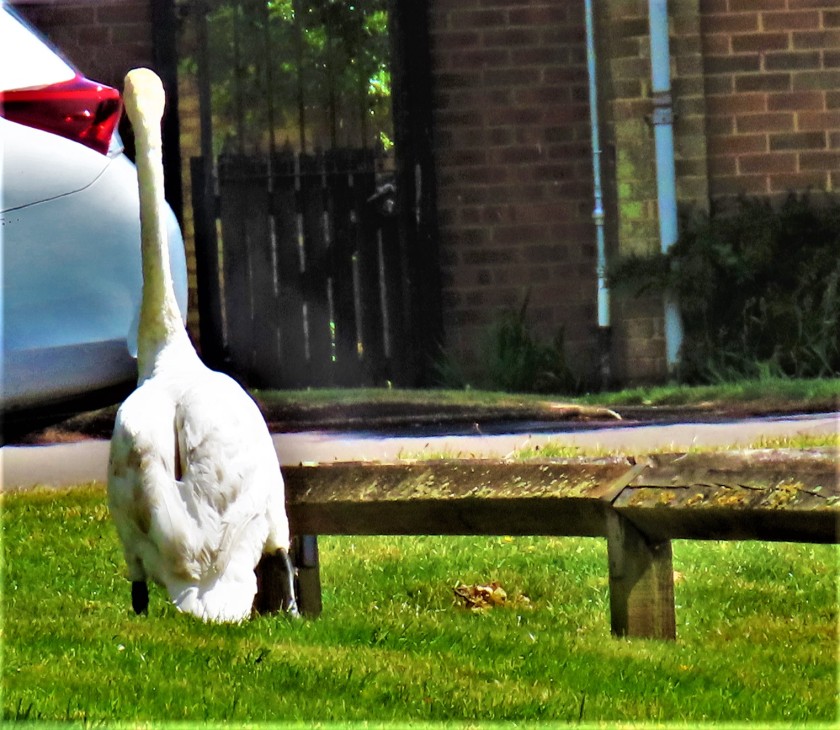
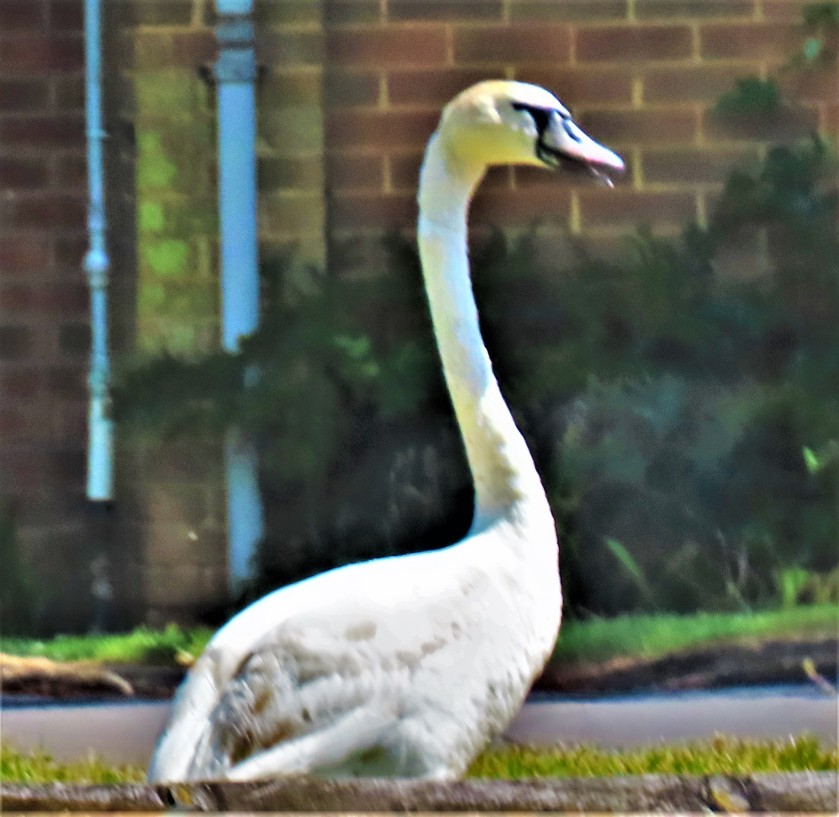
The first time I have ever seen a swan on the patch of grass outside my bungalow. They are much more aquatic in nature than ducks, and walk very inelegantly.

IMG_0553 (2)IMG_0554 (2)IMG_0555 (2)

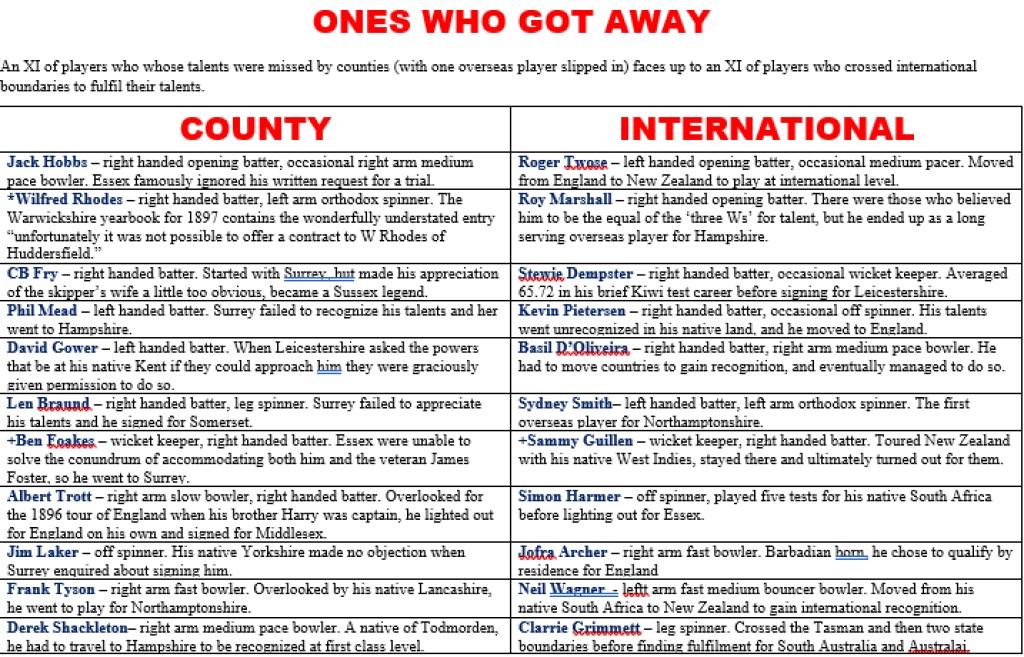
Ones That Got Away
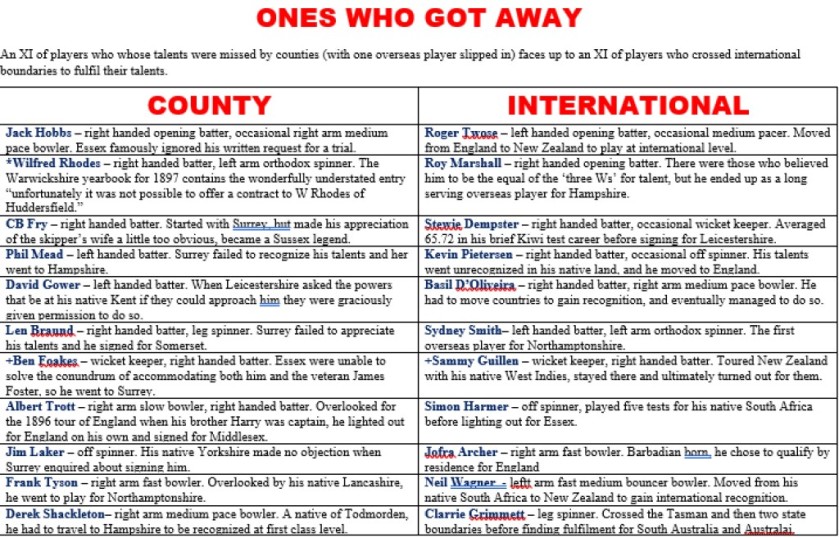
The teams in tabulated form.


England Poised For Pyrrhic Victory At The Oval

A view of where things stand in fifth Ashes test at The Oval, and what the likely result means for England, plus a photo section that invites reader involvement – one of these pictures will be in the 2020 wall calendar.

INTRODUCTION

England seem likely to make the 2019 Ashes series a 2-2 draw either later today or some time tomorrow, after a good second innings batting performance secured their control of a game in which Australia by dreadful batting ceded the initiative to England on Friday. This post, written as I prepare myself for Heritage Open Day, looks at what is going on there and examines the merits and demerits of what the likely result of this match means for England. However, before I get into the main body of this post there is a small matter of business to attend to…

A CORRECTION TO MY PREVIOUS POST

On previous occasions when such has been necessary I have made it clear that it is policy on this blog not to do the equivalent of burying corrections in six point type in the middle of page 27. Therefore I am giving due prominence to a mistake I made in regard to this year’s County Championship. Somerset are indeed comfortably ahead of Essex at the top with no one else having a chance of taking the title, but I said in my previous post that they had a game in hand. This was an error – I misread the presentation of the table on cricinfo as saying that the game Essex were playing, which was still in progress, was their 13th, because their games played appeared as 12* which I took to mean that they had already played 12. In actuality the game in progress was their 12th, and I take this opportunity to correct the error. What this means is if Somerset and Essex both win their next games, Somerset will need a draw in their final match, which is a showdown against Essex to secure the title, if Somerset win and Essex don’t then Somerset will effectively be over the line with a game to spare, while victory for Essex and any other result for Somerset would make the final game a true “winner takes all” affair.

A POTENTIAL PYRRHIC VICTORY

The phrase “Pyrrhic victory” comes from king Pyrrhus of Epirus who won a battle against the then fledgling Roman empire but said when congratulated on his victory “I cannot afford another such victory”. Not many years later Epirus became a province of Rome. Why do I describe the victory that England are approaching in the fifth Ashes test as Pyrrhic?

  1. The Ashes are still Australia’s, so it changes nothing in that regard, while
  2. By giving a 2-2 series scoreline it creates an excuse for inaction on the part of the selectors that would not be there had the final scoreline been the 3-1 to Australia that cricketing justice demands, so on that ground it is a classic case of a victory that is at least potentially damaging to the victor’s long term hopes
  3. Several players who should probably be facing the axe have produced performances that may just save them (Buttler with two decent innings in the game, and Denly with a second innings 94 – such is the proportion of his runs that have now come in second innings efforts that he is turning into a batting equivalent of Andy Caddick, only less good, to name but two). 

Thus in many ways it would actually be better for England if Australia pulled off the mammoth second innings run chase that will be facing them. There were three unequivocal pluses for England in the first three days of this game – Burns‘ first innings 47, Archer’s second haul of six wickets in a test innings and Sam Curran’s wickets (although he does not have the pace to pose much of a threat when the ball is going through straight – without lateral movement he is a blunt sword). Australia have not been at the races in the three days we have had thus far, but I acquit them of trying to lull England into a false sense of security because I am well aware that no Aussie team would ever willingly accept defeat at England’s hands – it is just happens to be the case that a poor performance here may end up helping them in the long term, depending on exactly how ostrich-like Ed Smith and co turn out to be.

Given the size of the total Australia will be facing, and the only remotely likely way they will get anywhere near chasing to down, just for the record Steve Smith needs 224 to bring his series aggregate to 975 and claim one of Don Bradmans records for himself.

PHOTOGRAPHS

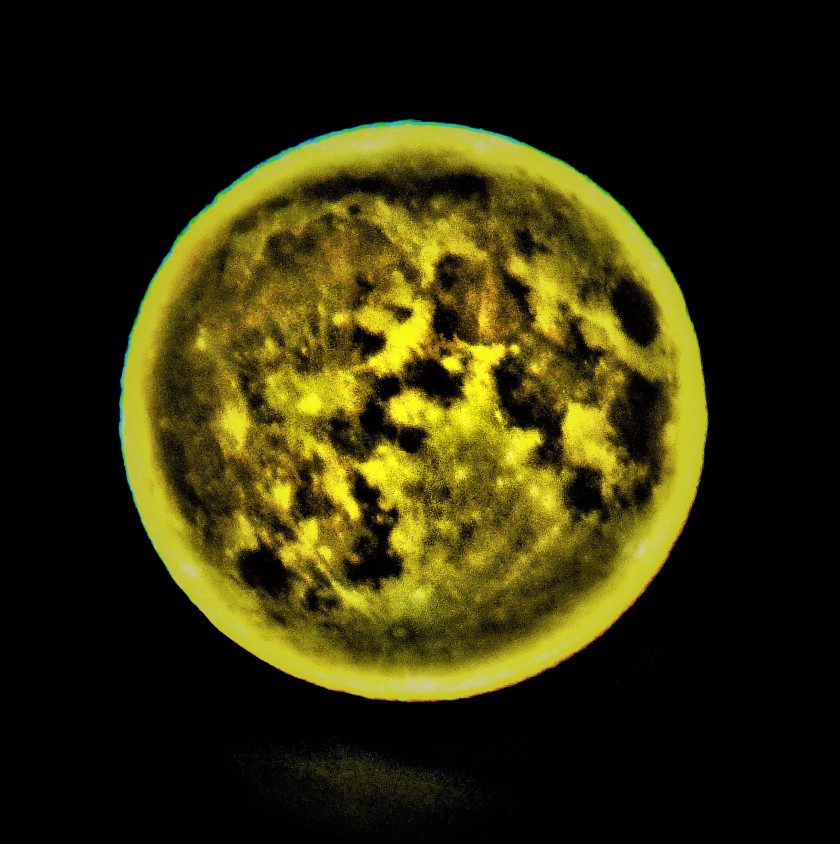
A variation of my usual sign off. I am presenting various pictures of a full moon from a couple of days ago, one of which will feature in my 2020 wall calendar. Please use the comments to nominate your choice…

P1270220 (2)P1270220 (3)P1270220 (4)P1270220 (5)P1270220 (6)P1270220 (7)P1270220 (8)P1270220 (9)P1270220 (10)P1270220 (11)

New Shoes and England Looking Down Both Barrels

More (as promised) on my new shoes and an account of England’s Ashes Woes, as well as lots of photographs.

INTRODUCTION

In my previous post I included a picture of my new shoes, bought in Holt on Wednesday along with a challenge to my followers. In this post I complete that story and look at England’s current woes in the Ashes series.

THE SHOES

First up, the picture from my previous post and its accompanying challenge:

P1260532 (2)
The pair of shoes – can you identify their many plus points from this picture (all will be revealed in my next post)?

Here are the particularly good points of these shoes as I noted them:

  • Soft and padded leather uppers
  • user-friendly and sturdy laces
  • soles that are a) thick, meaning that they should last a long time and b) rubber, meaning that they will provide good grip even in wet conditions
  • Also, an advantage that is often available to me as a man with size seven (40 in Continental Europe) feet, they were massively discounted – £49 instead of £125.

Well done if you identified all the above. Here are some more pictures looking more closely at some of the features identified:

P1260534 (2)
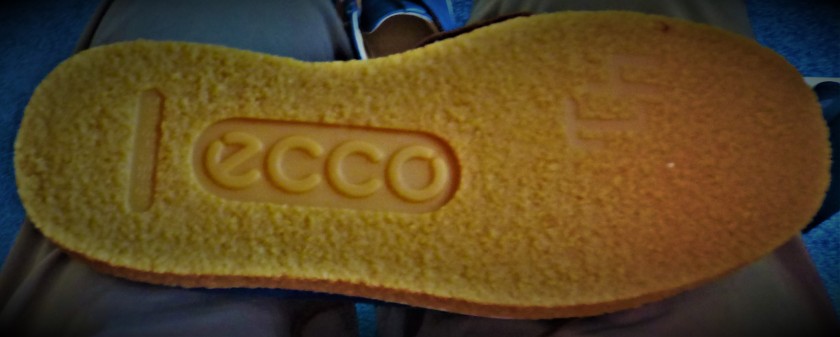
The full underside
P1260535 (2)
The Ecco name

P1260536 (2)

P1260537 (2)
See what I mean about the thickness of the soles?

I wore the shoes for a couple of hours on Wednesday to get an early feel for them, and was pleased. Yesterday I put them to a stiffer test, because my physio session was cancelled due to staff sickness. Thus I decided that a long walk was in order (see the photos at the end of this post), and used it to give the new shoes their first real test. They passed with flying colours – my feet were aching by the end of the walk, but that was tiredness, not because the shoes had caused them any problems.

ENGLAND’S ASHES WOES

After a magnificent bowling effort yesterday, spearheaded by Jofra Archer (6-45) accounted for Australia for 179 (and that after they had been 136-2) England’s batters proceeded to throw away the good start, slumping to 67 all out, with only Joe Denly (12) making double figures. Broad has claimed an early wicket in Australia’s second innings, but given that short of rain of ‘ark building’ intensity a draw is now a virtual impossibility it has hard to see how England can keep their Ashes hopes alive. At minimum they need a superlative bowling effort after having had a mere 27.5 overs respite and then a jolly sight more application in their second innings to have a chance.

All of the problems in this innings (most of the wickets were given rather than being taken) are ones we have seen before. The following are the most obvious needs for this squad (and with the Ashes likely gone the last two tests should be used for experimentation):

  1. An opening batter alongside Burns (Roy is not suited to this role in red ball cricket, though he may be able to handle no 3 if the openers see off the new ball). Absent anyone who has made a really commanding case I once again suggest the radical solution of dropping Tammy Beaumont a line and seeing if she is up for having a go alongside the men (I first suggested this about a year ago).
  2. Roy or Stokes (if you fancy a calculated gamble) at no 3, to enable…
  3. Root to revert to no 4 where he really belongs.
  4. Ollie Pope in at no 5 to stiffen up the middle order (he is fresh off the back of a double century, and has a first class average of almost 60).
  5. Stokes down a place to no 6 if you don’t put him at no 3, otherwise Ben Foakes to bat here as keeper
  6. If Stokes is at no 6, then Foakes bats 7, otherwise Roy (if deep batting is needed) or Lewis Gregory (if you want five genuine bowlers possibly with Stokes as 6th).
  7. No change needed at nos 8-11 – the bowlers acquitted themselves well, though Sam Curran has to be considered, and a second spinner (for my money either Matthew Parkinson or Helen Fenby depending on how radical you are prepared to be) should be in the squad.

Thus my 13 for the 4th match would be: Burns, Beaumont, Stokes, *Root, Pope, +Foakes, Roy, Woakes, Archer, Broad, Leach, Gregory, Fenby, with the first 11 names listed likely to play unless conditions warrant Gregory for Roy or Fenby for Roy if two spinners are warranted. As for Denly, he has had too many nearly innings, most of them given away by ill-judged shots and has to go. Australia’s new opener Harris has just fallen to Jack Leach making Australia 36-2. Eight more wickets and then some much better batting now the requirement.

PHOTOGRAPHS

My usual sign off…
P1260538 (2)P1260539 (2)P1260540 (2)P1260541 (2)P1260545 (2)P1260546 (2)P1260547 (2)P1260547 (3)P1260548 (2)P1260550 (2)

P1260550 (3)
I have noticed huges numbers of flies that mimic wasps in King’s Lynn this year, including a numnber that I photographed yesterday.

P1260551 (2)P1260552 (2)P1260552 (3)P1260553 (2)P1260553 (3)P1260554 (2)P1260554 (3)P1260555 (2)P1260556 (2)P1260557 (2)P1260558 (2)P1260558 (3)P1260559 (2)P1260559 (3)P1260560 (2)P1260560 (3)P1260561 (2)P1260562 (2)P1260563 (2)P1260564 (2)P1260565 (2)P1260566 (2)P1260571 (2)

P1260573 (2)
A swallow captured in flight…
P1260573 (3)
…and cropped much closer

P1260574 (2)P1260576 (2)P1260578 (2)P1260579 (2)P1260580 (2)P1260581 (2)P1260582 (2)P1260583 (2)P1260584 (2)P1260585 (2)P1260586 (2)P1260587 (2)P1260588 (2)P1260589 (2)P1260590 (2)P1260591 (2)


The Greatest World Cup Final Ever

An autistic cancer survivor’s eye (and ear) view of yesterday’s World Cup Final at Lord’s.

INTRODUCTION

First a little bit of background about the occasion from my point of view. On Friday I went in to hospital for a procedure known as a “Radical Inguinal Orchidectomy” as the latest stage in the treatment of the cancer that less than a year ago threatened to kill me. The operation was performed under general anaesthetic, and I was kept in hospital overnight, and only discharged on the Saturday once I had demonstrated my capacity to walk unaided. Thus yesterday, the day of the Mens Cricket Cup World Final, was my first full day out of hospital after the operation.

THE MATCH ITSELF

New Zealand had beaten India through a splendid display of controlled seam and swing bowling to qualify for the final while England had disposed of arch-rivals Australia with satisfying ease to book their place in the final. Everything seemed to point to an England win, but New Zealand had dealt very well with theoretically far superior opposition in the semi-final. As it was on free-to-air TV (the first time any cricket match in England has been thus broadcast since 2005) I was initially picked up by my father and taken over to my aunt’s house to watch the match. England bowled well to restrict New Zealand to 241. New Zealand however learned well from the England bowlers and England were soon behind the required rate. I missed a tiny bit of the England innings when I was taken home, being by then thoroughly exhausted. Back in my own home I listened to the astonishing climax and followed the ball-by-ball updates on cricinfo. The possessor of the coolest name in international cricket, Colin de Grandhomme, bowled the most economical allocation of 10 overs by anyone in the entire tournament (1-25), but Jos Buttler and Ben Stokes kept cool heads and kept England just about in contention deep into the final overs. When the final over began England needed 16 to win, and they got 15 of them to tie (aided by a very fortunate four overthrows which gave them six instead of two on one of the deliveries), which meant a “super over’. Ben Stokes and Jos Buttler took centre stage once more, while after a long delay Trent Boult accepted responsibility for bowling the over for New Zealand. England made 15 runs of the over. 24-year old Jofra Archer accepted responsibility for bowling the final over, while New Zealand sent out Jimmy Neesham and Martin Guptill. Archer’s first delivery was somewhat harshly called a wide, and then Neesham blasted a six, at which point it looked all over for England, but Archer responded and eventually it came to two needed of one ball, with Guptill on strike for the first time. Guptill hit it out into the deep, where Jason Roy fielded, and arrowed in a superb throw to Jos Buttler who whipped the bails off to run out Guptill, who was obliged by circumstances to go all out for the second. Thus the super-over contest had also ended in a tie. The next method of dividing the two teams if the super over did not work was on boundaries hit, and on that criterion England were ahead and so finally, after three previous losing finals (1979, 1987-8 and 1991-2) England’s men had won a cricket world cup. The Women’s cricket world cup is also held by England courtesy of a wonderful piece of bowling by Anya Shrubsole at Lord’s two years ago. This is the first time any country other than Australia have held both men’s and women’s world cups simultaneously. A low scoring day provided just about the most thrilling contest ever seen in any sport, with England taking the spoils by the narrowest possible margin – the cricket equivalent of winning by a Planck Length!

This match is ‘Exhibit A’ in the argument against anyone who dares claim that cricket is boring. Cricket has produced plenty of extraordinary games before in its long history – Warwickshire v Hampshire in 1922, when Hampshire recovered from bowled out for 15 in their first dig to win by 155 runs, Headingley 1981, when Ian Botham, with assistance from Graham Dilley, Chris Old and Bob Willis gave England something to defend when they seemed down and out, and Willis than saved his international career by taking 8-43 to win it for England being just two that spring to mind. Also, the 2nd, 3rd, 4th and 5th test matches of the 2005 Ashes series were all classics in their different ways.

This match on its own would probably be sufficient to call this the greatest world cup ever, but there were plenty of other good matches along the way.

Ben Stokes with his Herculean efforts in this match redeemed himself completely for a somewhat chequered past. Also, he has shown a consistency here that has previously eluded him – his 84 was his fourth 80-plus of the tournament and he also scored a 79. One way of accommodating him in the test side, which needs to be thought about would to gamble a little by having Ben Foakes at five, followed by Stokes, Gregory, Bess, Archer, Leach and Anderson, meaning that Stokes would be fourth seamer, backing up the main attack of Archer, Anderson, Gregory and the spinners.

PHOTOGRAPHS

My usual sign-off…

P1250535 (2)P1250536 (2)P1250538 (2)P1250539 (2)P1250540 (2)P1250541 (2)P1250542 (2)P1250543 (2)P1250544 (2)P1250546 (2)P1250547 (2)

England Test XIs With Two Spinners

Some possible ways to incorporate two spinners into the England test team.

INTRODUCTION

This post is inspired by a post that appeared this morning on Toby’s Sporting Views. He was writing about an excellent bowling performance by Somerset’s spinners against Nottinghamshire on day two of their match, and I am looking specifically at an aspect he raised relating to this, namely two spinners playing for England in the Ashes tests this summer.

SETTING PARAMETERS

I am basing all my possible XIs around five specialist batters with Ben Foakes at six and wearing the gloves. The other fixed position, since he is indispensable in test cricket at present is James Anderson at no 11 and as one of new ball bowlers. Therefore the positions up for dispute are 7, 8, 9 and 10, which will be filled by two spinners and two quicks. Thus form my purposes each permutation will involve four cricketers, as I need not mention the others. Neither Adil Rashid nor Moeen Ali have done enough with the ball of late to merit consideration, and Lancashire’s Matthew Parkinson while promising is not as yet ready for elevation, so the two spinners would be Leach and Bess, becoming a latter day Lock and Laker.

1: THE PURE ENGLISH

In so far as such a line-up can be typical English this one is. It features Lewis Gregory at number 7, Sam Curran at number 8 and sharing the new ball with James Anderson, with Bess and Leach the two spinners at nos 9 and 10.

2: EXTRA PACE I

This one dispenses with Curran, and brings in either Jofra Archer or Mark Wood to bowl outright fast, sharing the new ball with Anderson.

3: EXTRA PACE II

This one dispenses with Gregory, having Curran move up to seven and playing one of Archer or Wood  along with the two spinners and Anderson. This is more of a gamble as it misses out on Gregory’s batting, which is better than that of any of the others.

4: THE OUTRIGHT GAMBLE

This one dispenses with both Curran and Gregory, and brings in both of the super-speedsters Wood and Archer, one of whom would perforce come on first change. This would likely mean Archer at no 7, Bess at no 8, Leach no 9, Wood no 10 and Anderson no 11, which is where the gamble is – there is no one who can really be called an all-rounder here, just five bowlers.

5: ANOTHER GAMBLE

My final possibility features picking Ben Stokes as a front-line batter and fill-in pacer, and having only four top-line bowlers, Curran, Bess, Leach and Anderson. If one of Curran or Anderson were to break down this side would then be using Stokes as a new-ball bowler, which makes it a very high risk strategy.

THOMAS’S PICK

Overall I would like one out and out ‘blitzman’ bowler in the team, and picking only two top line pacers for a test match is too rich even for my blood, so with all respect to Sam Curran I am going for Extra Pace I as my bowling combo. Injuries not intervening a possible line-up for match 1 if I was doing the selecting would be:

  1. Beaumont (see here for more on this controversial choice)
  2. Burns
  3. Roy (no 3 has been difficult for some time and Roy is at least in splendid form)
  4. *Root 
  5. Buttler
  6. +Foakes
  7. Gregory
  8. Archer
  9. Bess
  10. Leach
  11. Anderson

PHOTOGRAPHS

My usual sign off…

P1250416 (2)P1250418 (2)P1250421 (2)P1250424 (2)P1250425 (2)P1250426 (2)P1250427 (2)P1250428 (2)P1250430 (2)P1250431 (2)P1250432 (2)P1250433 (2)P1250434 (2)P1250436 (2)P1250438 (2)P1250440 (2)P1250441 (2)P1250442 (2)P1250443 (2)P1250444 (2)P1250445 (2)P1250446 (2)P1250448 (2)P1250449 (2)P1250451 (2)P1250452 (2)P1250530 (2)