An Epic Test Match

A look at the women’s Ashes, some thoughts about women’s test cricket (make matches five days, like the men’s are, an)d play much, much more of it) and some photographs

This post looks at the ongoing Women’s Ashes series in Australia, and especially at the test match in Canberra that concluded with an extraordinary closing session at just after 7:30AM UK time this morning. Before going on to the match and associated issues I need to set the scene with…

THE WOMEN’S ASHES:
AN OVERVIEW

Unlike the Men’s Ashes, which is purely about test matches the Women’s Ashes as currently constituted is a multi-format series: Three T20Is, One test match and Three ODIs. The limited overs games are worth two points each, the test match four points. Australia are the current holders, which means that England need to win the series outright to reclaim them – a drawn series would see Australia retain.

THE STORY SO FAR

It has been uncharacteristically rainy in Australia while this series has on (not one, but two matches in the driest of all Australian cities, Adelaide, adversely affected by rain). Australia won the only one of the T20Is to have enough play to get a definite result, which took them into the test match with a four points to two lead in the series. Thus, a win for them in the test would ensure that they retained the Women’s Ashes, while a draw or an England win would keep the series alive.

A GREAT TEST MATCH

The women play scandalously little test cricket (more on this theme later), to the extent that Katherine Brunt, the most experienced player on either side, who made her test debut in 2005 was playing just her 14th test match in all.

England won the toss and decided to bowl, a decision that looked good early on when three Australian wickets, including the prize scalp of Ellyse Perry, fell quickly, but four Australians topped the 50 mark, two coming close to centuries but falling just short. Katherine Brunt bowled with immense fire and passion, and when Australia declared at 337-9 she had figures of 5-60.

England’s response began atrociously, and although skipper Heather Knight batted with great courage and determination support for her was sadly lacking. At low water mark the score was 169-8, when Sophie Ecclestone the left arm spinner joined her at the crease. Ecclestone resisted bravely, batting a long time in support of her captain and contributing 34 to a stand that ended up worth precisely 100. Kate Cross, the number eleven, helped a further 28 to accrue for the last wicket, meaning that England were 40 behind on first innings. Knight had scored 168 not out by the end of the innings, the second highest ever women’s test score against Australia, 11 short of the 179 that Rachael Heyhoe-Flint scored at The Oval back in the 1970s.

England bowled pretty well again, with Katherine Brunt claiming a further three wickets, in the process becoming the first woman to record 50+ wickets in all three international formats. Australia declared a second time, at 216-7, challenging England to get 257 from 48 overs for the win. To their full credit England responded in kind and went for the runs. Both openers got into the 30s this time, Knight added 48 more runs to her first innings heroics, Natalie Sciver scored a half century, and a lightning quick 45 from Sophia Dunkley, including successive sixes off Annabel Sutherland put England ahead of the rate. Sadly these players all got out before the job was done, and the middle and lower order panicked in the closing stages. There were two overs left when the ninth wicket fell and Kate Cross joined Sophie Ecclestone. Cross saw out the first of these overs, bravely taking a single off the final ball to accept responsibility for seeing the final over out as well, rather than put the pressure on the much younger Ecclestone. Alana King on test debut accepted responsibility for bowling the make or break over (did I mention that the women play scandalously little test cricket?). Cross saw out the first five balls with varying degrees of assurance, and King at the last bowled a rare poor ball to bring the match to an end. England in the end had scored 244-9 in the chase, finishing 12 runs adrift with one wicket standing in a draw that, drab sounding result notwithstanding, has to go down as one of the great test matches played by players of either sex, fit to stand alongside Manchester 2005 or Lord’s 1963 to name just two other draws that remained live right up until the final ball.

There could of course be only one candidate for Player of the Match – one of the greatest test innings ever played, a major contribution in the second innings and her captaincy made Heather Knight quite simply the only choice, and it was confirmed within a few minutes of the last ball being bowled.

WOMEN’S TEST CRICKET

This match, the two matches India Women have recently played (one in England and on in Australia) have made two things very clear. Firstly women’s tests need to be five days, just like men’s tests are – four days are only enough for a result if there is some artifice used, like Australia’s two declarations in this match. Secondly, there need to be far more women’s test matches. I like the multi-format series, but would alter the balance, lengthening it so that there could be at least three test matches and maybe even five (I do not like even numbers of test matches in a series, though I could live with four) in that portion of the series. India playing a couple of recent test matches is a step in the right direction, but only a baby one. Test matches (and more than one at a time) should be part of many more women’s series than they are.

A CURRENT WORLD WOMEN’S TEST XI

Given how little test cricket is played this exercise is quite a challenge, and one of my picks is I admit a cheat, but hope that my justification gets me the blog equivalent of ‘jury nullification’ and a ‘not guilty’ verdict:

  1. Smriti Mandhana (left handed opening batter, India). Wonderful to watch, and as her 127 not out against Australia in Australia shows, she knows how to go big.
  2. Laura Wolvaardt (right handed opening batter, South Africa). She has yet to play test cricket, but everything about her play suggests that she would be a star in the format, so I am cheating and picking her for this XI on a hunch.
  3. *Heather Knight (right handed batter, occasional off spinner, captain). Her performance in this match speaks for itself, and her 168 not out was her second 150+ score in just nine test appearances.
  4. Meg Lanning (right handed batter, vice captain). The Australian skipper has a great record, and for me has to play.
  5. Ellyse Perry (right handed batter, right arm fast medium bowler). Though by her own mighty standards this was a very ordinary match for her she has an amazing overall test record, and has to be in the team.
  6. +Amy Jones (right handed batter, wicket keeper). The best keeper on the planet and a fine middle order batter.
  7. Natalie Sciver (right handed batter, right arm medium fast bowler). A must pick for me, and with Lanning and Perry occupying, as they have to places higher in the order she gets the conventional all rounders slot.
  8. Sneh Rana (off spinner, right handed batter). The Indian off spinning all rounder had a fine game against England in India, bowling well and helping her side to save the match with the bat.
  9. Katherine Brunt (right arm fast medium bowler, right handed batter). One of the all time greats of the game, eight wickets in the match this time round to demonstrate her enduring brilliance.
  10. Sophie Ecclestone (left arm orthodox spinner, left handed batter). Manuka Oval had little to offer her, but she is undoubtedly the best female spinner in the world at the moment and has to be in the side.
  11. Darcie Brown (right arm fast bowler, right handed lower order batter). The fastest bowler in the side, selected for that reason. She caused problems in both innings of the match just concluded.

This XI has great batting depth, and a dazzling range of bowling options (the all round skills of Perry and Sciver enable the luxury of a having four genuine seam options and two front line spinners, an attack that can be manipulated to suit all conditions.

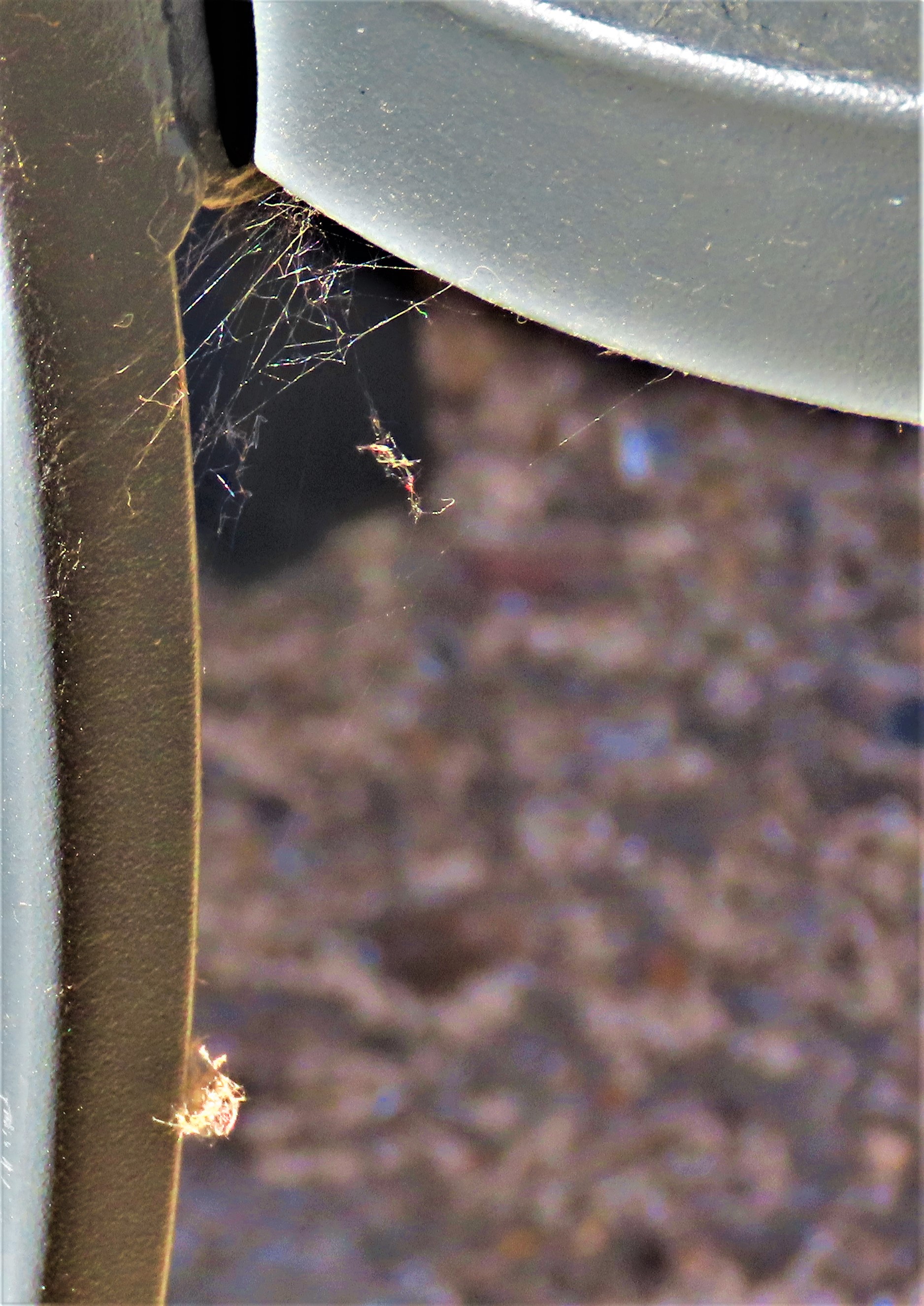
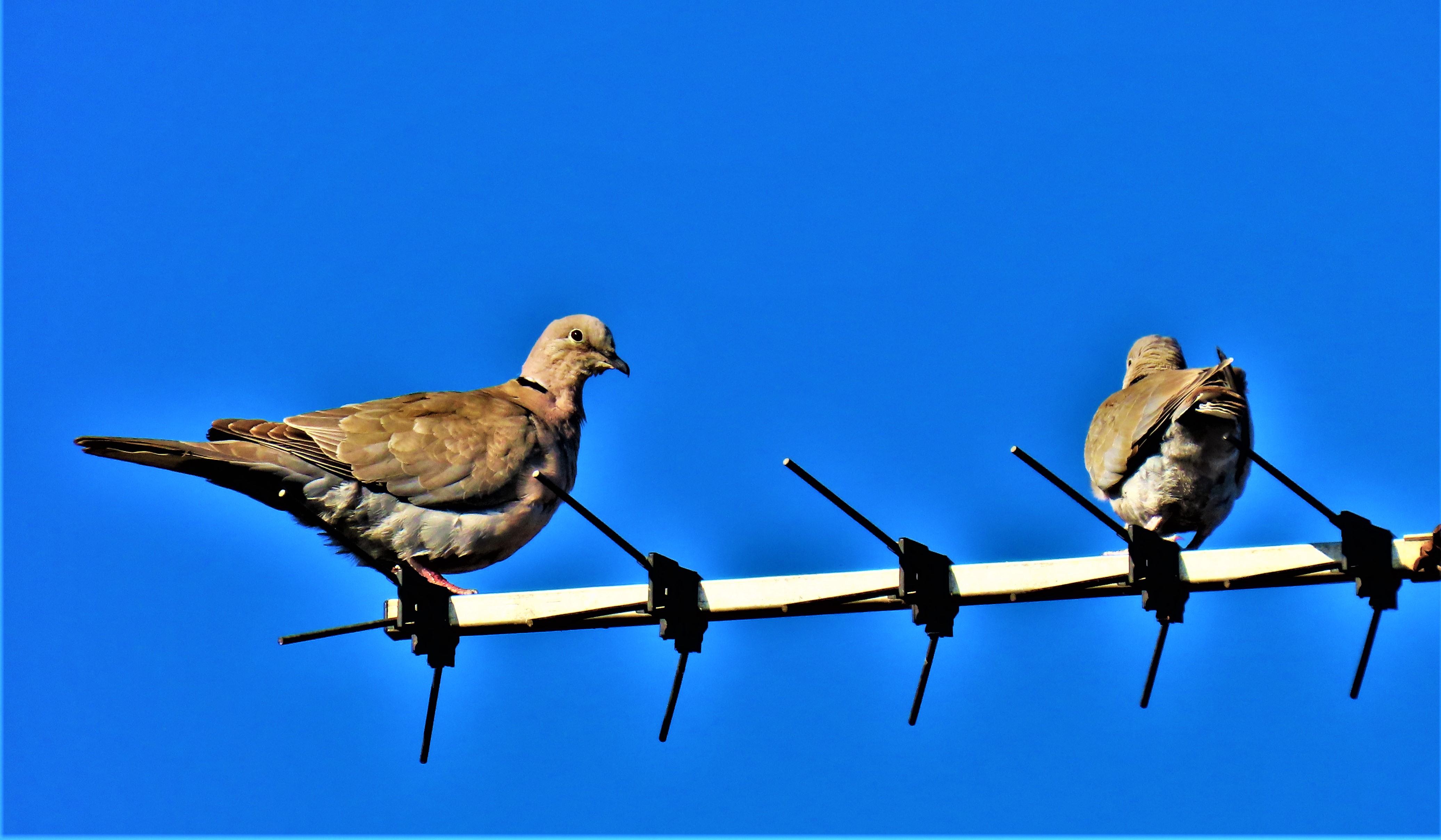
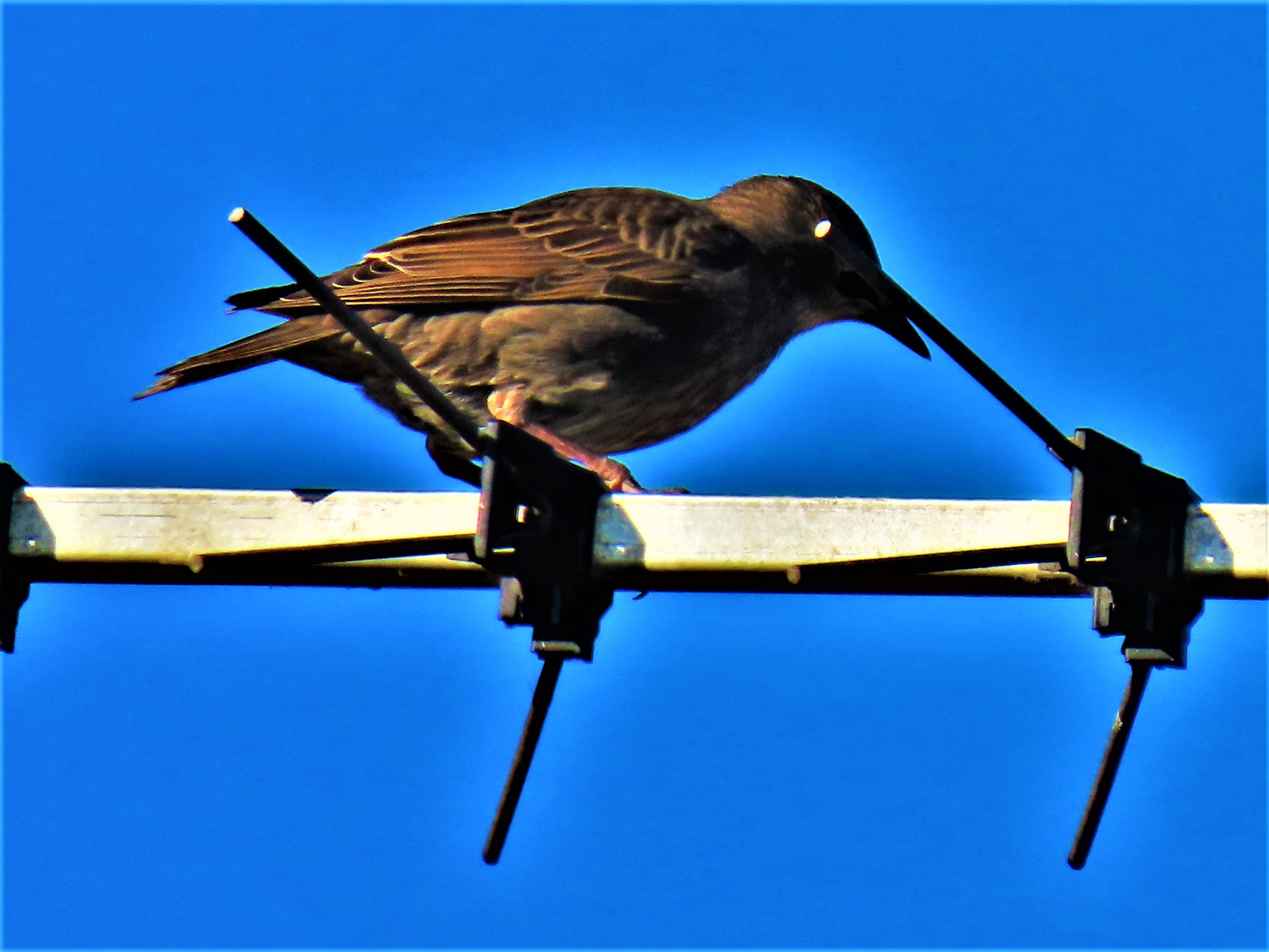
PHOTOGRAPHY

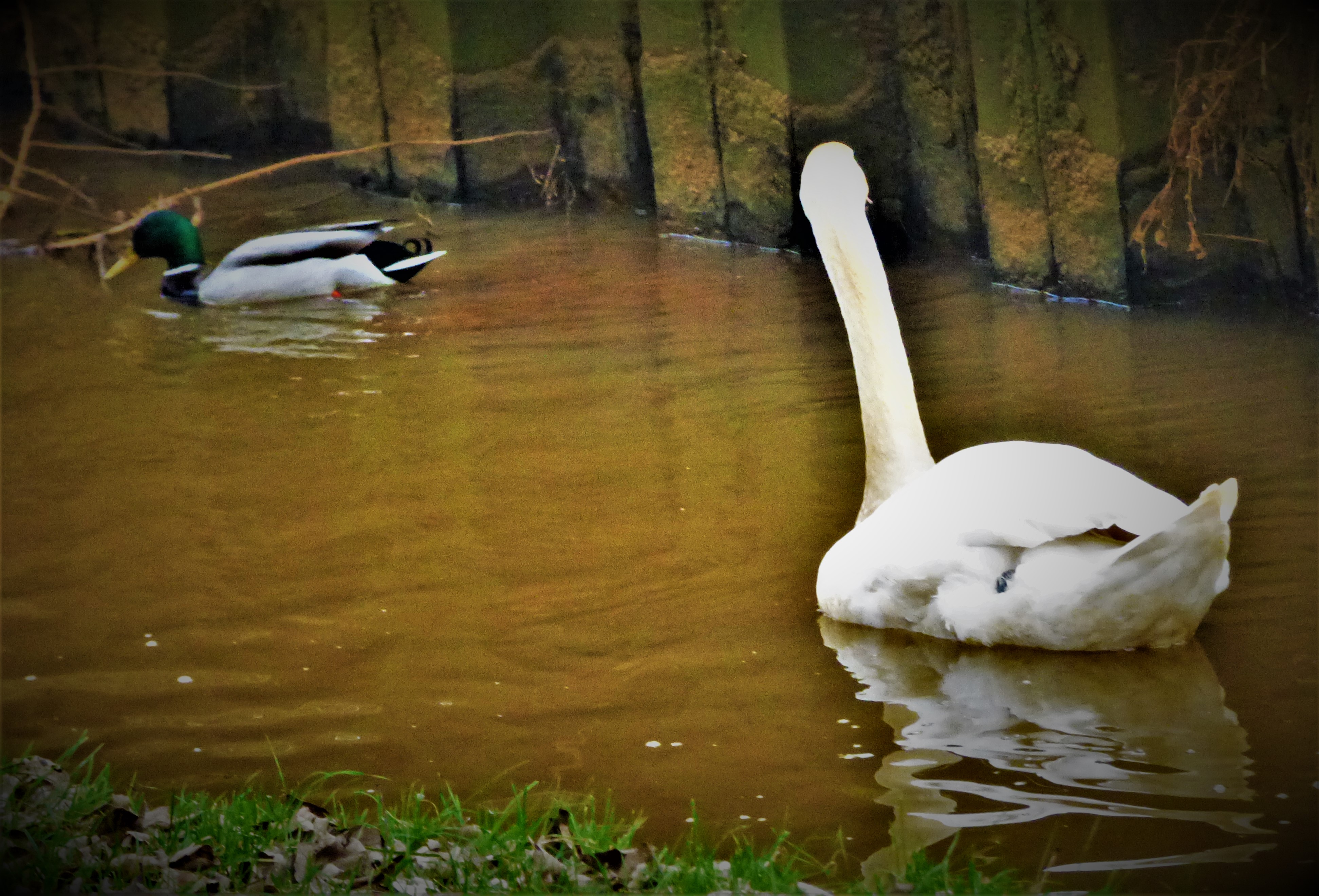
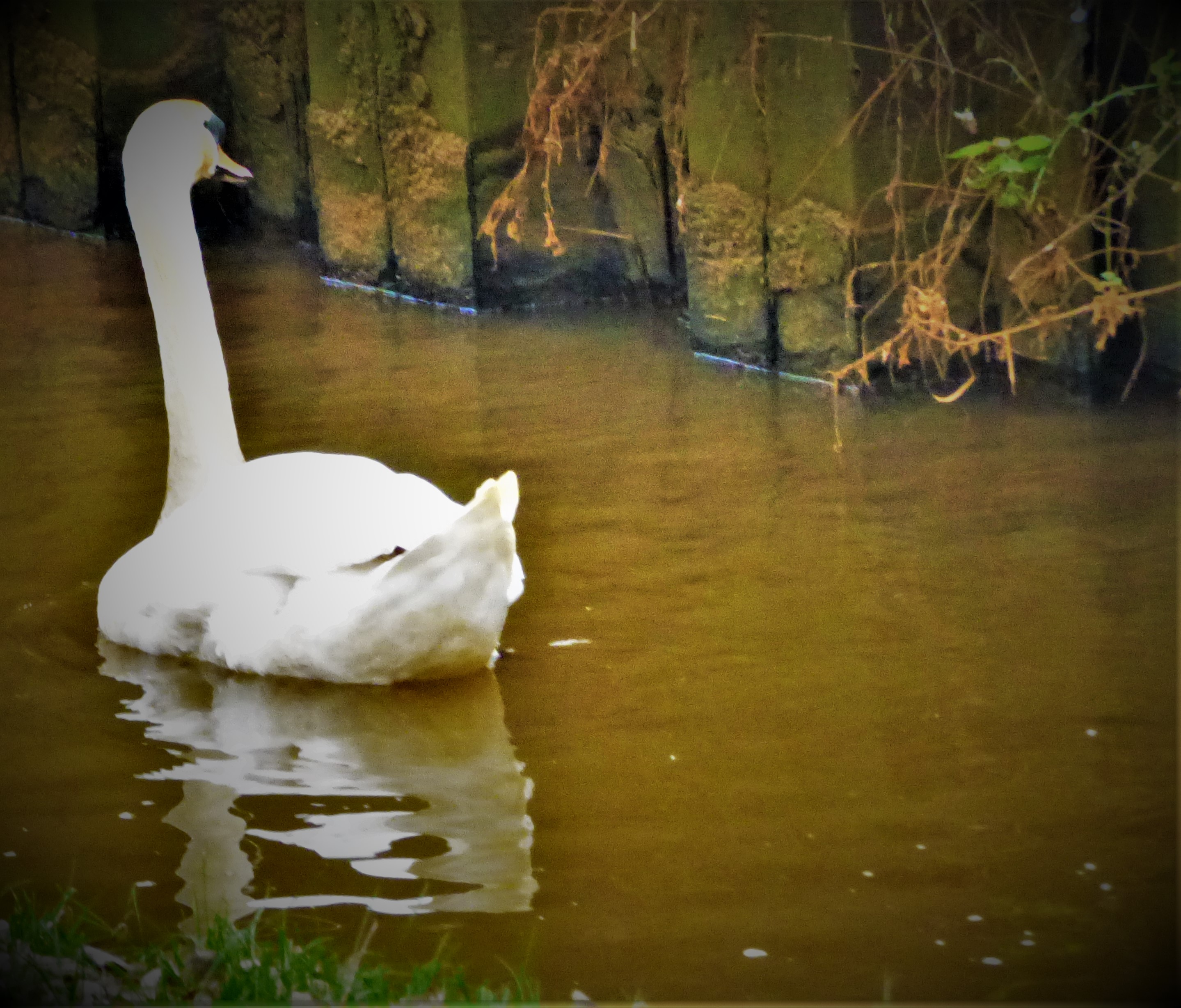
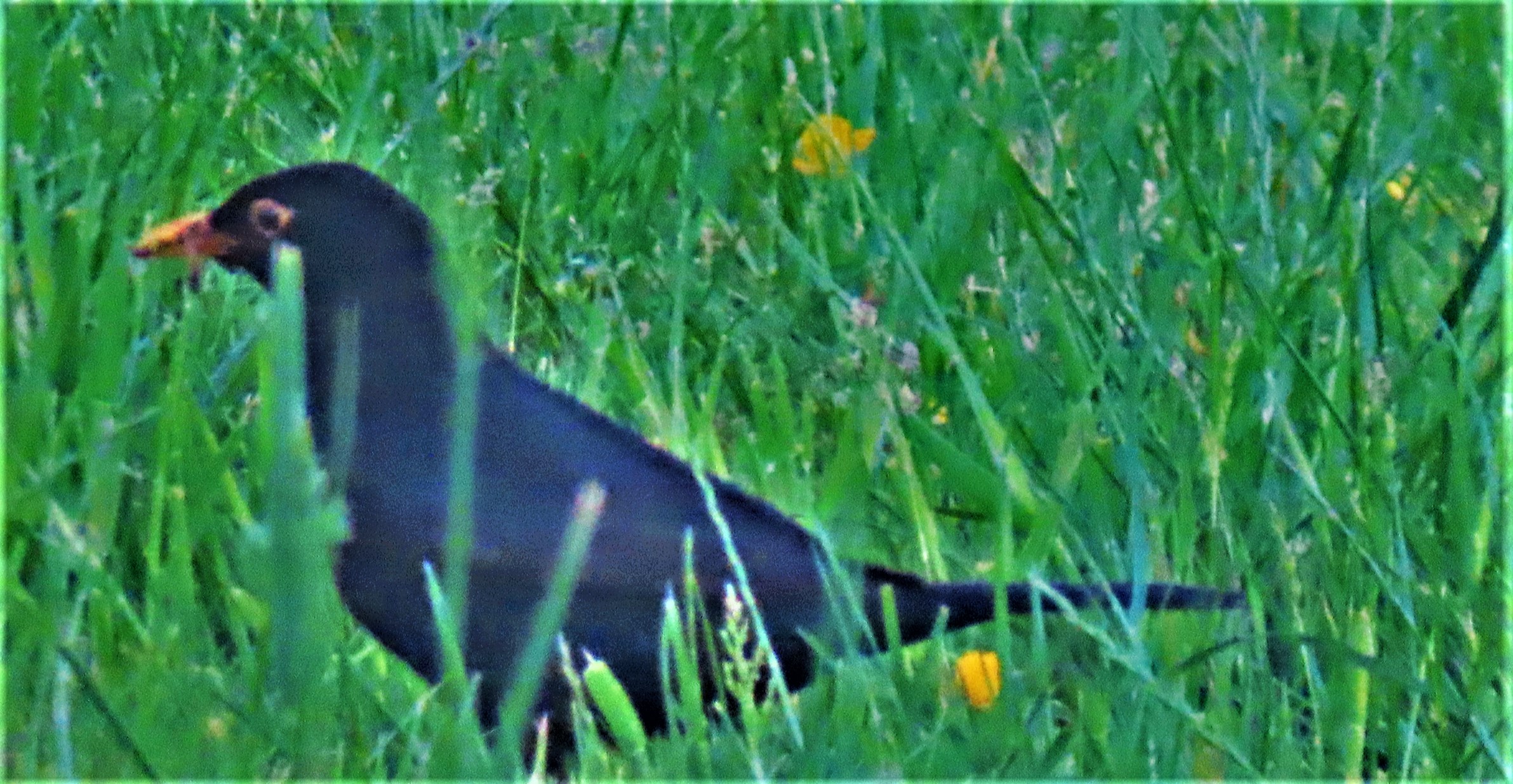
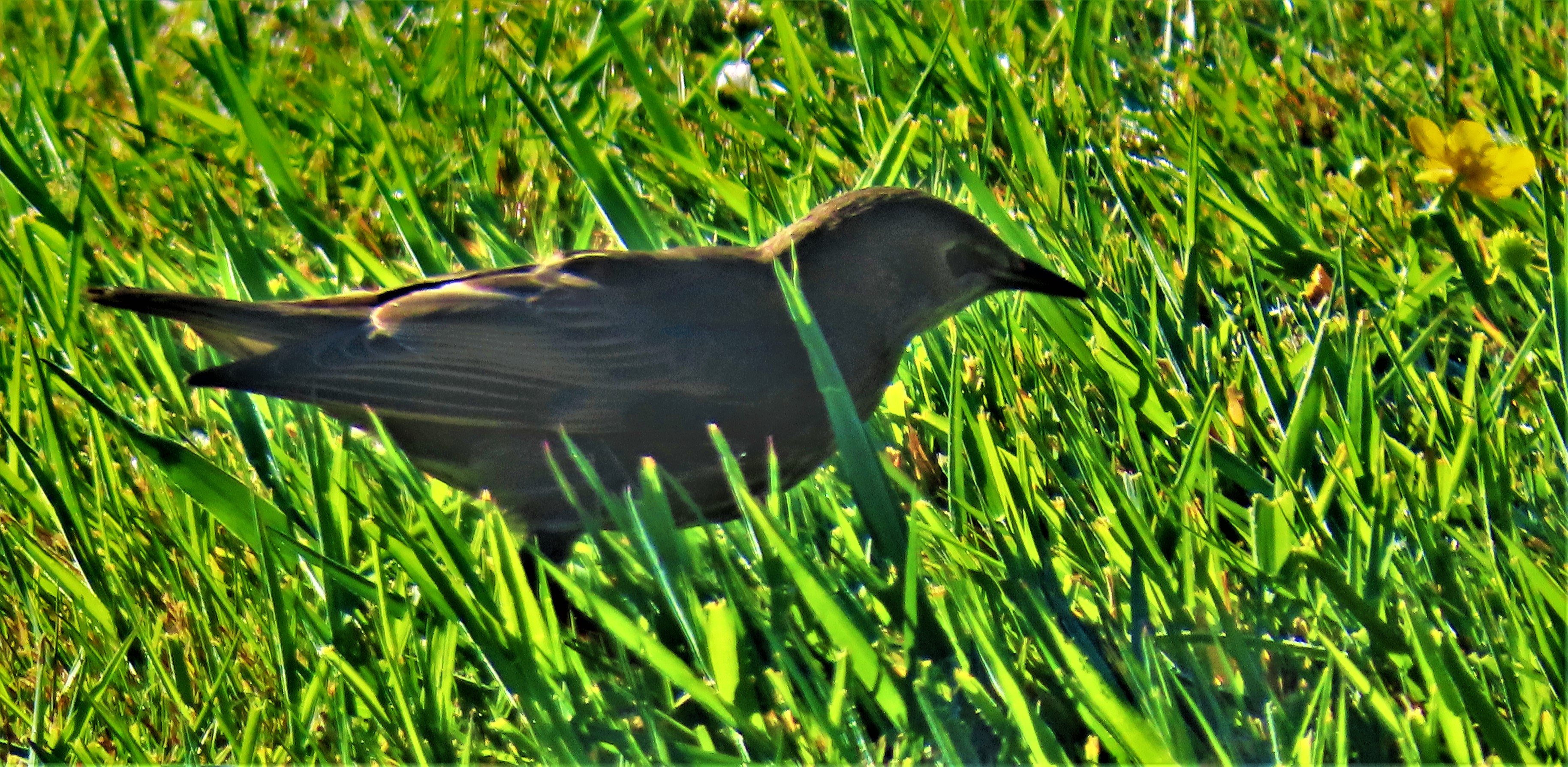
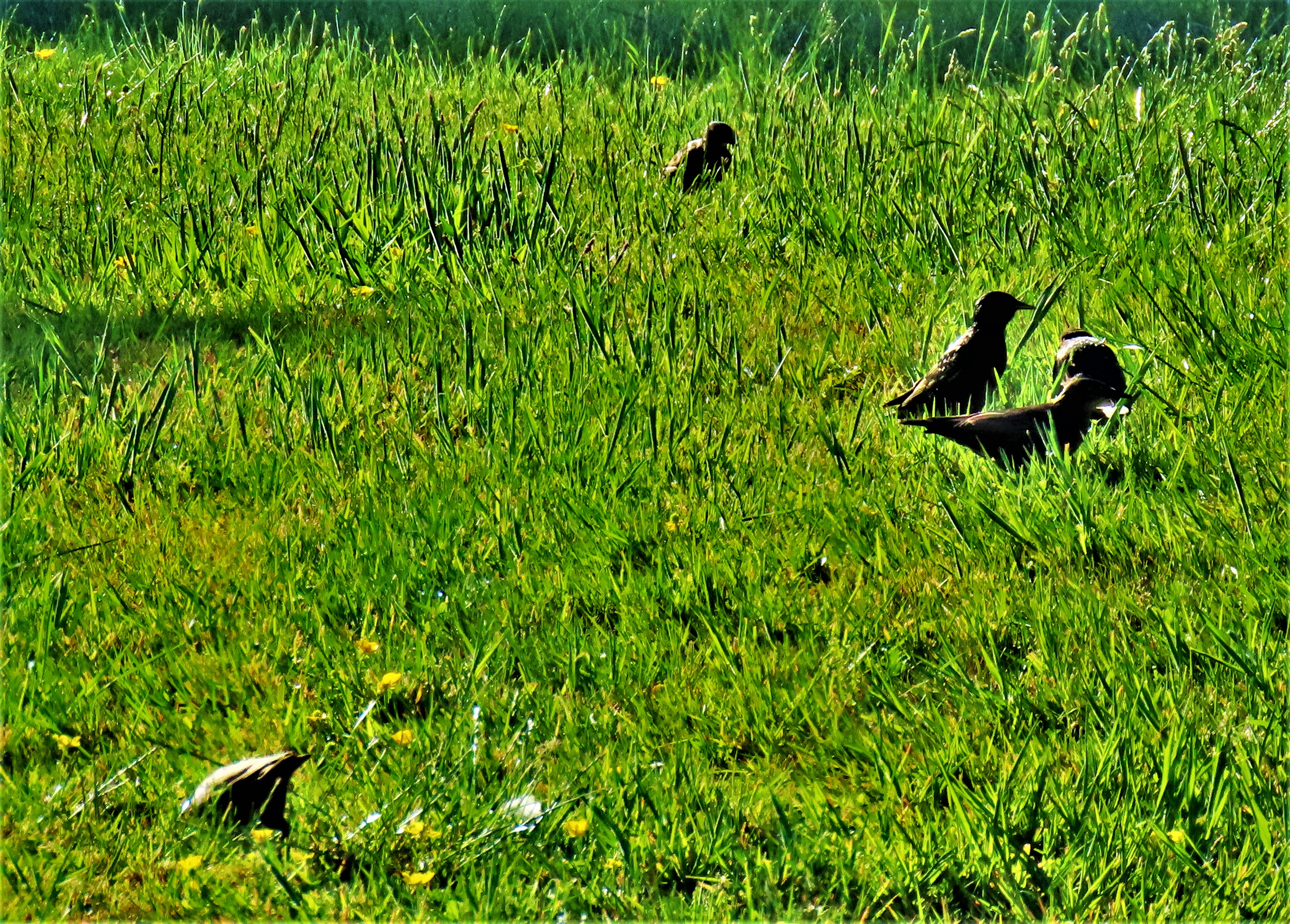
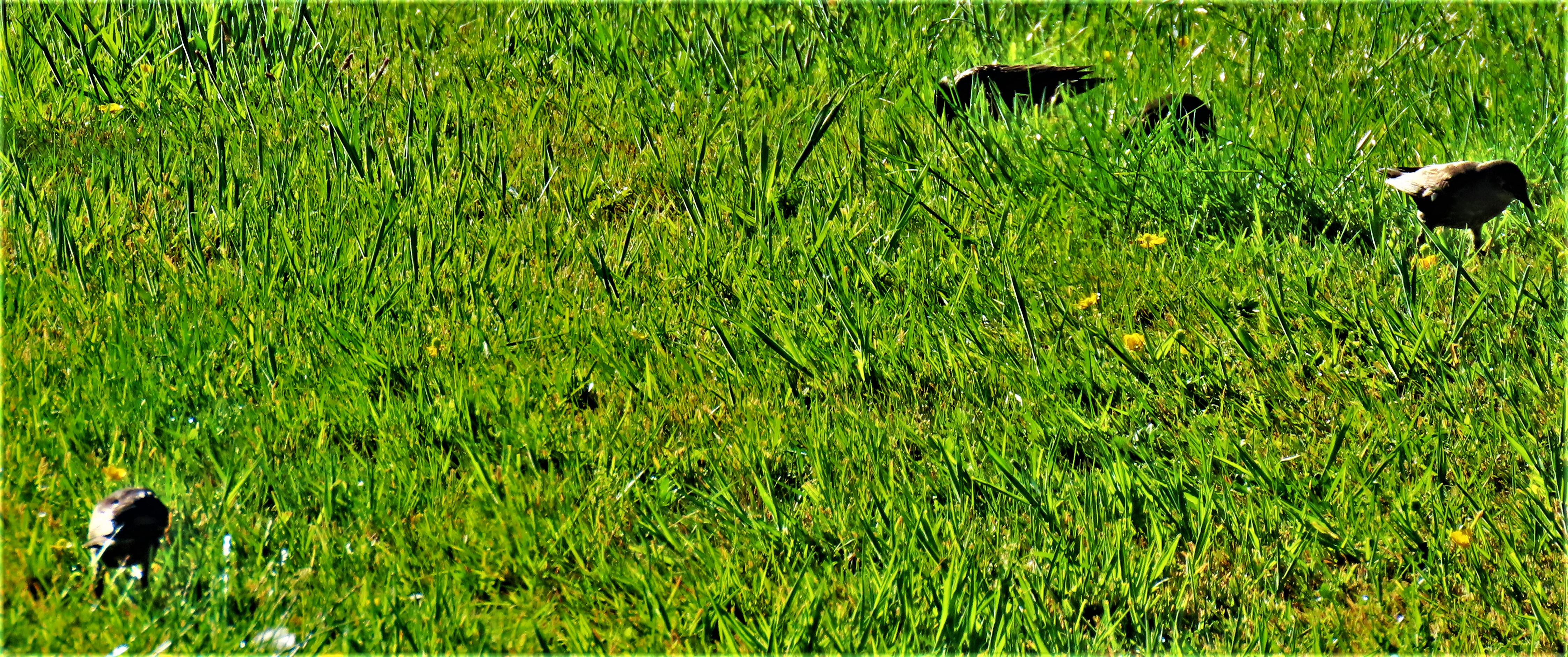
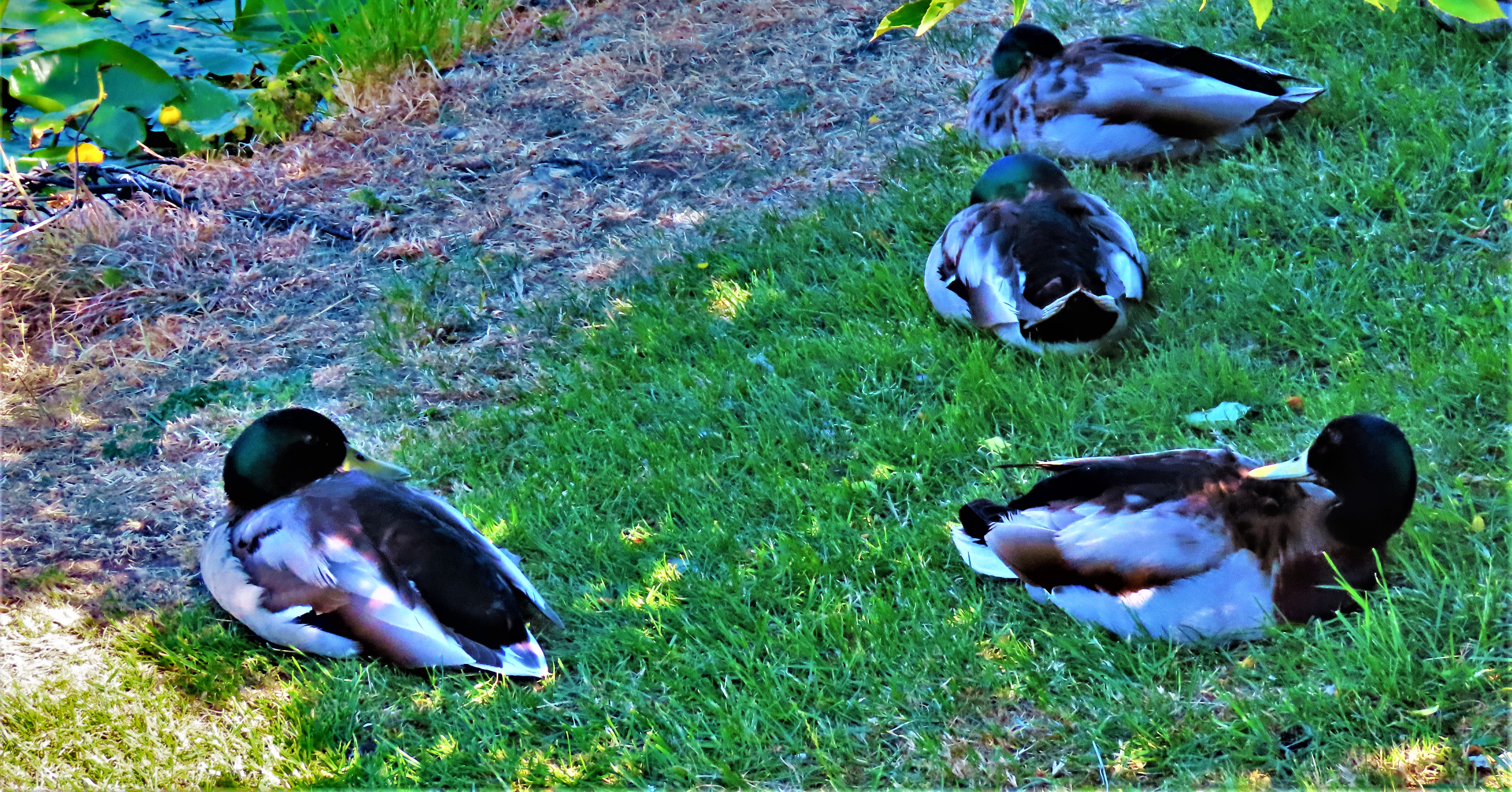
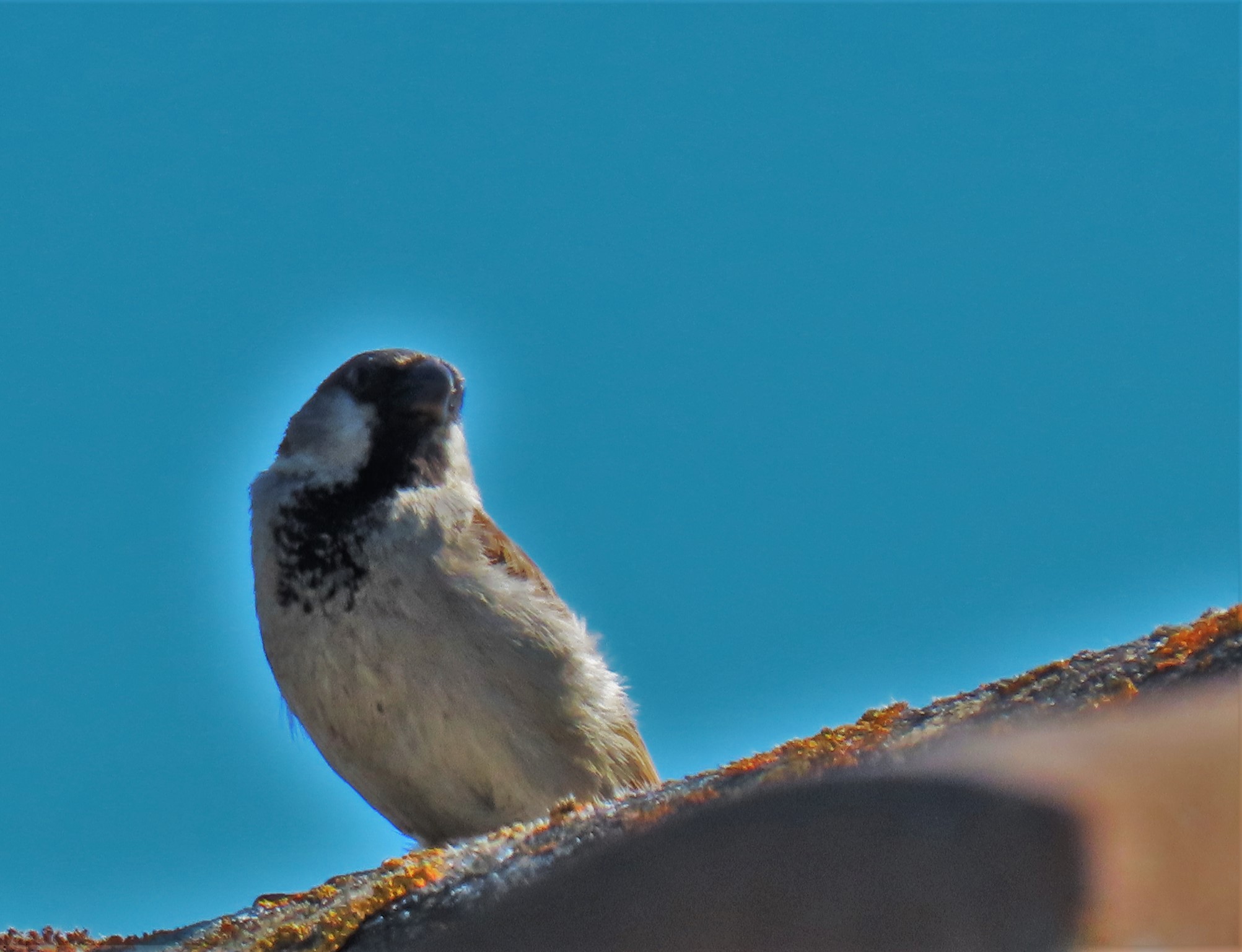
As usual I end this post with some of my recent photographs…

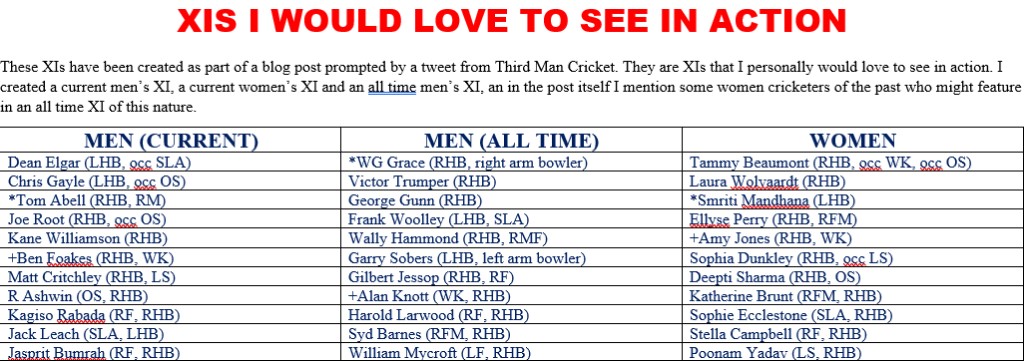
XIs I Would Want To Watch

This post was inspired by a tweet from Third Man Cricket, which I reproduce below to set the scene:

https://platform.twitter.com/widgets.js

I shall be producing three XIs – a current men’s XI, an all time men’s XI and a current women’s XI. In the latter I will mention several names who would feature in an all time version.

MEN’S CURRENT XI

  1. Dean Elgar (left handed opening batter, occasional left arm orthodox spinner). The South African has established himself as one of the best long form openers around, and he is a natural counterpoint to the other opening batter.
  2. Chris Gayle (left handed opening batter, occasional off spinner). The greatest T20 batter the world has yet seen, he can also handle long form cricket, as evidenced by two test triple centuries.
  3. *Tom Abell (right handed batter, right arm medium pacer, captain). With Elgar and Gayle opening he would likely get to the middle somewhat later than he usually does for Somerset, for whom he plays. Until September when things went pear shaped both for him and for Somerset he was having a fantastic season, and I for one look forward to seeing him playing test cricket.
  4. Joe Root (right handed batter, occasional off spinner). Since the start of 2021 seven test centuries have been scored by England batters, and six of those stand to the credit of Joe Root.
  5. Kane Williamson (right handed batter). The Kiwi recently led his side to victory in the first ever World Test Championship final.
  6. +Ben Foakes (right handed batter, wicket keeper). The best keeper currently playing the game, and at no6, with a bit of ballast between him and the genuine tail enders he should fare well.
  7. Matt Critchley (right handed batter, leg spinner). His bowling is not necessarily going to feature (as you will see I have gone spin heavy). He has had an excellent season for Derbyshire and would certainly be in my Ashes tour party.
  8. R Ashwin (off spinner, right handed batter). The best off spinner currently playing the game, and as England learned in India recently a more than useful lower order batter.
  9. Kagiso Rabada (right arm fast bowler, right handed batter). One half of an explosive new ball pairing I have selected.
  10. Jack Leach (left arm orthodox spinner, left handed batter). England’s best current spinner, with 340 FC wickets at 26 a piece. His test record from 16 games reads 62 wickets at 29.98, very respectable. His next outing unless that tour gets cancelled will be in The Ashes later this year.
  11. Jasprit Bumrah (right arm fast, right handed batter). His spell on the final afternoon at The Oval broke England’s resistance in that match. He is also one of the select few visiting fast bowlers to have rattled the Australians in their own backyard.

This side has a strong batting line up, with everyone down to Ashwin at eight capable of major contributions, and has a splendid range of bowling options, though some my consider it light on seam/pace options, with Tom Abell the only bowler of that type other than the new ball pair. Ashwin and Leach should function well together as a spin duo, and although this is mainly about players I would want to see in action I would expect this combination to fare well against any opposition.

MEN’S ALL TIME

  1. *WG Grace (right handed opening batter, right arm bowler of various types through his career, captain). The founding father of cricket as we know it, his career figures are staggering – 54,896 first class runs, beaten only by Hobbs, Woolley, Hendren and Mead, and 2,876 wickets, beaten only by Rhodes, Freeman, Parker, Hearne and Tom Goddard. From hitting a then ground record 224 v Surrey at The Oval (maiden FC ton) to saving a Gentlemen vs Players match by scoring 74 on his 58th birthday, his great moments in FC cricket spanned 40 years.
  2. Victor Trumper (right handed opening batter). In the wet season of 1902 he had what was virtually a royal progress around England, amassing 2,570 runs in first class matches for the Australians, including 11 centuries. The highlight both of that season and of his career came in the fourth test match at Manchester, when reached his century before lunch on the first day. England hit back strongly, and at one stage in the final innings were 92-3, needing only a further 32 to complete victory, but a batting collapse saw them all out for 120 giving Austalia victory by three runs and with it The Ashes.
  3. George Gunn (right handed batter). One of cricket’s great eccentrics, he could do almost anything depending on his mood. He once gave his wicket away because he did not want to bat in the hot weather, and on another occasion he responded to being told that lunch was being taken later than usual by getting himself out so that he could eat at his regular time. He was would dance down the pitch against fast bowlers. Neville Cardus described him as “o rare George Gunn”. His brother William was an England regular and also the original Gunn of Gunn & Moore batmakers. Although she is also a native of Nottinghamshire as far as I am aware Jenny Gunn who has recently finished a long career for the England women’s team is unrelated to him.
  4. Frank Woolley (left handed batter, left arm orthodox spinner). The only player ever achieve the first class career treble of 10,000 runs, 1,000 wickets and 1,000 catches. He scored his runs at a tremendous rate, and must have been incredible to watch in action.
  5. Wally Hammond (right handed batter, right arm medium fast bowler). His chief glory was his cover drive, rated by Don Bradman as the greatest example of that shot the he ever saw (and Bradman as well as being the best batter ever to play the game saw almost every great player of the 20th century).
  6. Garry Sobers (left handed batter, left arm bowler of every type known to cricket). The most complete player the game has ever known, and surely one of the most watchable as well.
  7. Gilbert Jessop (right handed batter, right arm fast bowler). The fastest scorer the game has ever seen, a fine bowler (it was actually in this capacity that he was first selected for England) and a gun fielder.
  8. +Alan Knott (wicket keeper, right handed batter). One of the greatest ever exponents of the keepers art and a more than useful lower middle order batter, noted for his ability to improvise long before that was a major thing in cricket.
  9. Harold Larwood (right arm fast bowler, right handed batter). One of three English fast bowlers to have blitzed the Aussies on their own pitches, along with Tyson in 1954-5 and Snow in 1970-1. In the final match of the 1932-3 Ashes, what turned out to be his last ever test appearance, he scored 98 as nightwatch. On his previous tour of Australia in 1928-9 he had scored 70 from no9 in the first test match.
  10. Syd Barnes (right arm fast medium bowler, right handed batter). 189 wickets from just 27 matches, an average of seven wickets per game, and they cost him only 16.43 a piece. His great weapon was a leg break, delivered at fast medium pace. The only bowler other than him to master a delivery of this type was Alec Bedser.
  11. William Mycroft (left arm fast bowler, right handed batter). The only non-test player in the XI, but over 800 FC wickets at 12 a piece. In 1876 he became the first player ever to take 17 wickets in a first class match, for Derbyshire against Hampshire, but Hampshire sneaked home by one wicket.

This side is fantastically equipped in all departments, and would fare well against most combinations.

WOMEN’S CURRENT XI

  1. Tammy Beaumont (right handed batter, occasional wicket keeper, occasional off spinner). The diminutive opener demonstrated her enduring class with a superb century against New Zealand at her home ground of Canterbury in the last international fixture of the 2021 season. Her innings laid the foundation for a late onslaught from Danni Wyatt and Sophia Dunkley that propelled England to 347-5 from 50 overs, a total that NZ never looked like chasing.
  2. Laura Wolvaardt (right handed batter). The South African has not yet played test cricket (the women don’t get to play nearly enough of that format) but all indications, including the fact the she is much better in ODIs than in T20Is are that she would be at home in that format.
  3. *Smriti Mandhana (left handed batter, captain). The stylish Indian has just burnished an already hugely impressive record by scoring a test century against Australia in Australia, at Carrara.
  4. Ellyse Perry (right handed batter, right arm fast medium bowler). The best all rounder of either sex currently playing the game. If she learns to bowl spin (both off and leg spin would be required) she would rival Sobers for the title of the most complete cricketer of them all.
  5. +Amy Jones (right handed batter, wicket keeper). A brilliant wicket keeper and a fine attacking batter.
  6. Sophia Dunkley (right handed batter, occasional leg spinner). She has rapidly established herself as an England regular.
  7. Deepti Sharma (left handed batter, off spinner). The Indian all rounder helped to build on the platform that Mandhana’s innings referred to above gave India in Carrara, scoring 59 of her own.
  8. Katherine Brunt (right arm fast medium, right handed batter). The veteran from Barnsley remains a formidable bowler, has developed her batting to the point of being not far short of a genuine all rounder, and is always hugely entertaining.
  9. Sophie Ecclestone (left arm orthodox spinner, right handed batter). She takes her international wickets at 20 each and at the age of 22 is the best finger spinner currently playing women’s cricket.
  10. Stella Campbell (right arm fast, right handed batter). The tall (1.86 metres = 6′ 1″ in old money) Aussie teenager is a perfect contrast to the much shorter Brunt. She is also significantly quicker than the Yorkshirewoman, as the tweet below from Hypocaust shows:

https://platform.twitter.com/widgets.js

11. Poonam Yadav (leg spinner, right handed batter). From the tallest member of the side, and its fastest bowler, to the shortest and its slowest bowler. She tosses the ball so high that one sometimes wonders whether air traffic control towers pick up tiny white dots on their radar screens when she is bowling. The method is undoubtedly effective for her – she has a magnificent record.

This side features a strong batting line up and a beautifully balance bowling unit, with Campbell, Brunt and Perry to bowl pace and the trio of Yadav, Ecclestone and Sharma providing three very different spin options.

I have chosen not to an all-time women’s XI, but the following players not named above would all be ones I would want to accommodate somehow: Charlotte Edwards (right handed opening batter), Enid Bakewell (right handed batter, left arm orthodox spinner), Carole Hodges (right handed batter, off spinner), Karen Rolton (right handed batter), Sarah Taylor (right handed batter, wicket keeper) and Cathryn Fitzpatrick (right arm fast bowler, right handed batter)

PHOTOGRAPHS

My usual sign off…

All Time XIs – England Women

Today we look at the England Women for our ‘all time XI’ cricket themed post.

INTRODUCTION

Welcome to the latest installment in my ‘all time XI‘ cricket series. Today is Monday,, which means that it is tipme to look at an international set up, and today’s subject is the England Women’s set up.

ENGLAND WOMEN IN MY LIFETIME

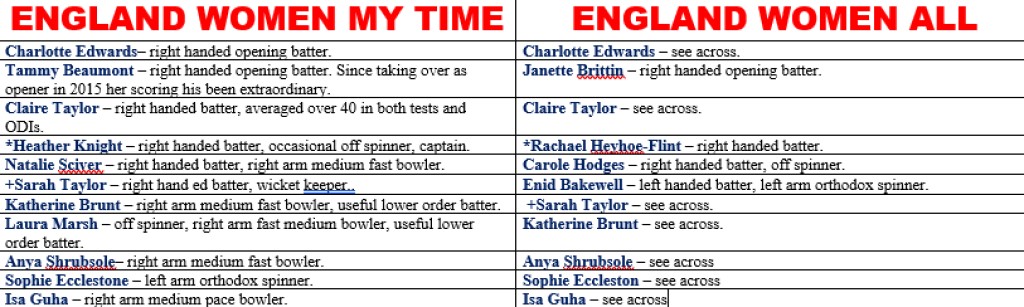
  1. Charlotte Edwards – right handed opening batter. She was an England regular for two decades, and her departure from the international scene caused some controversy when it final;y happened. However, it was undoubtedly the right decision, and within a short time the England Women had reaped rich rewards for making it. I first saw her in action as a teenager, when her more experienced team mates were by and large unable to offer any kind of resistance to Australia, and she chiselled out 74.
  2. Tammy Beaumont – right handed opening batter. She was moved up to the top of the order after Edwards’ departure and almost immediately began making big scores there. Regular readers of this blog will know that back in 2018, with Cook obviously due to retire soon and Jennings due for the chop (having replaced the proven international failure Mark Stoneman) I advocated that she be given an opportunity to play alongside the men. As it happened Rory Burns who had made an unanswerable case for selection came in, Jennings stayed on for the winter, and Joe Denly got given his test chance. After a disastrous experiment with Jason Roy as red ball opener and a summer of top order strife England subsequently turned to Dominic Sibley who had made a clear case for inclusion and also elevated Zak Crawley on rather less firm ground. I expect that when test cricket resumes post covid-19 the England men’s top three will read Sibley, Burns, Crawley, as it should, and that top three would be the most solid looking England have boasted since Strauss, Cook and Trott were in their prime.
  3. Claire Taylor – right handed batter. She averaged over 40 in both test cricket and ODIs, and no 3 was her regular position.
  4. *Heather Knight – right handed batter, occasional off spinner, captain. She has proven an outstanding captain since being given the job in succession to Edwards, and he record with the bat is excellent as well, while she has taken important wickets with her off spin.
  5. Natalie Sciver – right handed batter, right arm medium pacer. The Tokyo born all rounder has been one of the first names on the team sheet ever since first being picked for the side.
  6. +Sarah Taylor – right handed batter, wicket keeper. One of the two finest keepers I have ever personally seen in action (the other being Ben Foakes) and a magnificent batter as well. Her presence, plus the batting abilities of the next two in the order enables to the selection of five top line bowlers.
  7. Katherine Brunt – right arm medium fast bowler, useful lower middle order batter. She was a pure bowler when she came into the side, but has developed her batting, not quite in the manner of Ellyse Perry and Kiwi Sophie Devine to the point where it is arguably more important to the side than her bowling, but certainly to a sufficient extent to justify selection at no7.
  8. Laura Marsh – off spinner, right arm fast medium bowler, useful lower order batter. A multi-purpose bowler, and perfectly capable of batting for long periods in support of a more established batter, as she demonstrated famously in partnership with Heather Knight.
  9. Anya Shrubsole – right arm medium fast bowler. Brunt’s regular new ball partner. She was the hero of the 2017 Women’s World Cup final, taking six wickets to enable England to defend a fairly modest total against India, an achievement that saw her become the first female to appear on the front cover of Wisden.
  10. Sophie Ecclestone – left arm orthodox spinner. The best of the collection of young spinners currently doing well for England Women, which also features the likes of Kirstie Gordon, Linsey Smith, Sarah Glenn and Sophia Dunkley, with others such as Helen Fenby on the fringes.
  11. Isa Guha – right arm medium pacer. She made her international debut at the age of 17, bagging three cheap wickets to begin a journey that would see her at one time rated the best female bowler on the planet. She is probably better known today as an entertaining commentator who is a regular and welcome part of TMS. She did most of her international bowling into the wind, with Brunt often bowling with the wind at the other end.

This team has a formidable top six, including an incredible wicket keeper, and a collection of five bowlers who between them tick every box save leg spin.

ADDITIONS TO THE ALL TIME XI

  • Janette Brittin – right handed opening batter. Her record demands inclusion, although Beaumont still has time in which to change that.
  • *Rachael Heyhoe-Flint – right handed batter. Amagnificent captain, and a batter who averaged 45.54 in test cricket and just over 58 in ODIs.
  • Carole Hodges – right handed batter, off spinner. A magnificent all-rounder, whose feats included an ODI performance in which she scored 96 with the bat and her bowling figures included a hat trick.
  • Enid Bakewell – left handed batter, left arm orthodox spinner. An extraordinary all round record, averaging almost 60 with the bat and under 17 with the ball, including being the firsst player of either sex to score a century and claim a 10-wicket haul in the same test match.

Rejigging the team to include these legends gives us a batting line of Edwards, Brittin, C Taylor, *Heyhoe-Flint, Hodges, Bakewell, +S Taylor, Brunt, Shrubsole, Ecclestone, Guha. This makes the batting formidably strong, and gives us three front line seamers in Brunt, Shrubsole and Guha backed by three topline spinners, Ecclestone, Bakewell and Hodges. The similarity in bowling style between Bakewell and Ecclestone can be coped with.

HONOURABLE MENTIONS

I have already mentioned the phalanx of young spinners currently available to England Women, and I add to that list Alex Hartley, who was part of the 2017 World Cup winning squad, and up-and-coming off spinner Mady Villiers. Isabelle Wong, still in her teens, is quicker by some way (and actually styles herself as a fast bowler, as does her Aussie contemporary Tayla Vlaemink) than any of the seamers I have picked, and I fully expect her to force her way into consideration sooner rather than later. There has been one previous player of Chinese ancetsry to play international cricket, Ellis Achong after whome the ‘chinaman’ was named, and there was also a Sheffield Shield player many years ago by the name of Hunter Poon, while in my brief umpiring career I saw a boy who I believe to have been of Korean descent, named Kim (but no relation AFAIK to the ruling family of North Korea!) take 6-6 in a spell. Three fine all rounders who I could not find space for were Jo Chamberlain, player of the match in a world cup final back in the day,  Melissa Reynard, an unglamorous but mighty effective middle order accumlator and bowler of medium pace, and Jenny Gunn, possessor of the slowest ‘slower ball’ yet seen in international cricket. Danielle Wyatt would be a shoe-in for a T20 side, but her record in other formats is not good enough for her be given serious consideration in this exercise.

WOMEN PLAYING ALONGSIDE THE MEN

I reckon that a female playing alongside the men at the highest level is something that will be seen before too many more years has elapsed. Arran Brindle nee Thompson scored a century in men’s league fixture a few years ago. While it is unlikely that a female could ever bowl as fast the quickest men, batting does not depend solely or even principally on power – timing and placement are key, and there is also no reason why a female spinner should not prove deadly, and I have named a female wicket keeper as one of the best I have ever seen in that department. Of course women who can hold their own alongside the top men,if we do see such, will always be rarities, but I refuse to accept that the possibility should be ruled out entirely.

AN INVITATION

One of my twitter followers, Iain Davidson McKane, suggested that I might offer to produce these to fill third party requests. So, keeping things sensible (perhaps study previous posts in this series to see what I have already done), I now ask readers who have an ‘all time XI’ idea for me to suggest it in the comments. If you have a blog of your own and mention that as well then if your idea works and I can produce a post about it I will link to your blog.

PHOTOGRAPHS

And it is time for my usual sign off…

IMG_0339 (2)IMG_0341 (2)IMG_0342 (2)IMG_0345 (2)IMG_0347 (2)IMG_0350 (2)IMG_0352 (2)IMG_0353 (2)IMG_0355 (2)IMG_0356 (2)IMG_0358 (2)IMG_0359 (2)IMG_0360 (2)IMG_0362 (2)IMG_0364 (2)IMG_0365 (2)IMG_0366 (2)IMG_0367 (2)IMG_0368 (2)IMG_0370 (2)IMG_0371 (2)IMG_0372 (2)

IMG_0373 (2)
For the first time in over two months I have been somewhere other than my bungalow and its bit of garden – not very far afield (I don’t trust this government an iota, and although I am prepared to go out walking now I remain exceedingly cautious).

IMG_0374 (2)IMG_0375 (2)IMG_0376 (2)IMG_0378 (2)IMG_0379 (2)IMG_0380 (2)IMG_0381 (2)IMG_0383 (2)IMG_0386 (2)IMG_0387 (2)IMG_0388 (2)IMG_0389 (2)IMG_0390 (2)

EW
The teams in tabulated form.