

Today is finals day in the T20 Vitality Blast, the longest day of the English cricketing year – both semi-finals and the final take place on one day. The venue this year is Edgbaston, and since none of the four teams involved are based there I will use strict alphabetical order when referring to the matches. This was the second straight time that all four semi-finalists were from the south group. The format of the day is that the first semi-final starts at 11AM, the second at 2:30PM and the final, which is still to come and is played under lights, at 6:45PM. This post looks at the two semi-finals.
SOMERSET v SURREY
Somerset are the holders, Surrey have such strength in depth that they are a threat in any competition. Somerset won the toss and opted to bowl first. Surrey started well, and it looked ominous for Somerset when skipper Gregory inexplicably allowed a ball passing within half a metre of him to go the boundary without even trying to stop it. However, Gregory made amends with the ball, helping to put the skids under Surrey’s good start. In the end it took a bit of a final flourish to get Surrey up to their final total of 153-9, no more than respectable.
It looked a good deal more than respectable when Somerset were 7-3. However Sean Dickson and James Rew proceeded to settle in and then share an all time finals day record partnership for any wicket, 144 in total before Dickson perished in the moment of victory for 78 off 57 balls. New batter Gregory hit his second delivery for six to secure to the victory, and to add insult to injury for Jordan Clark it was also called no-ball meaning that it cost him eight runs in total. James Rew was 62 not out from 44 balls in what was his debut in this competition. This makes it twice in three days across formats that Somerset have put one over on Surrey. Full scorecard here.
GLOUCESTERSHIRE v SUSSEX
Gloucestershire were probably the least fancied of the four semi-finalists. Sussex had boosted their own stocks by absolutely annihilating Lancashire in their quarter-final. Sussex won the toss and decided to bat first, a decision they soon had cause to regret. David Payne was supremely economical, taking 1-9 from his four overs of left arm seam. At one stage Sussex were 44-5 and then 64-7. The eighth wicket stand between Jack Carson and Oliver Edward Robinson was worth 37 and at least spared Sussex the humiliation of having less than 100 to defend. The first ball of the 19th over ended the innings with the score 106, leaving Gloucestershire with an easy task. Miles Hammond, who had taken four catches in the field, the most ever by a non-wicket keeper in this competition (not the first Hammond of Gloucestershire to feature in such records – the legendary Wally Hammond once pouched ten in the course of a first class match, still a record for non-keeper a century on), was out cheaply for just 7, but Bancroft and Bracey had a good partnership for the second wicket. Cameron Bancroft reached 39 before he was second out, and Oliver Price joined James Bracey. Bracey was especially impressive as this pair moved towards victory. Just before the end Robinson, who had bowled his four overs of right arm medium pace for 23 runs but no wickets, excellent in most circumstances but here failing to answer Sussex’s biggest requirement, shelled a very straightforward chance from Bracey, a single accruing. Price took another single, and then Bracey secured Gloucestershire their place in an all west country final by driving one down the ground for six. Gloucestershire had eight wickets and 6.2 overs to spare, dealing even more ruthlessly with Sussex in this semi-final than Sussex had dealt with Lancashire in their quarter-final. Scorecard here.
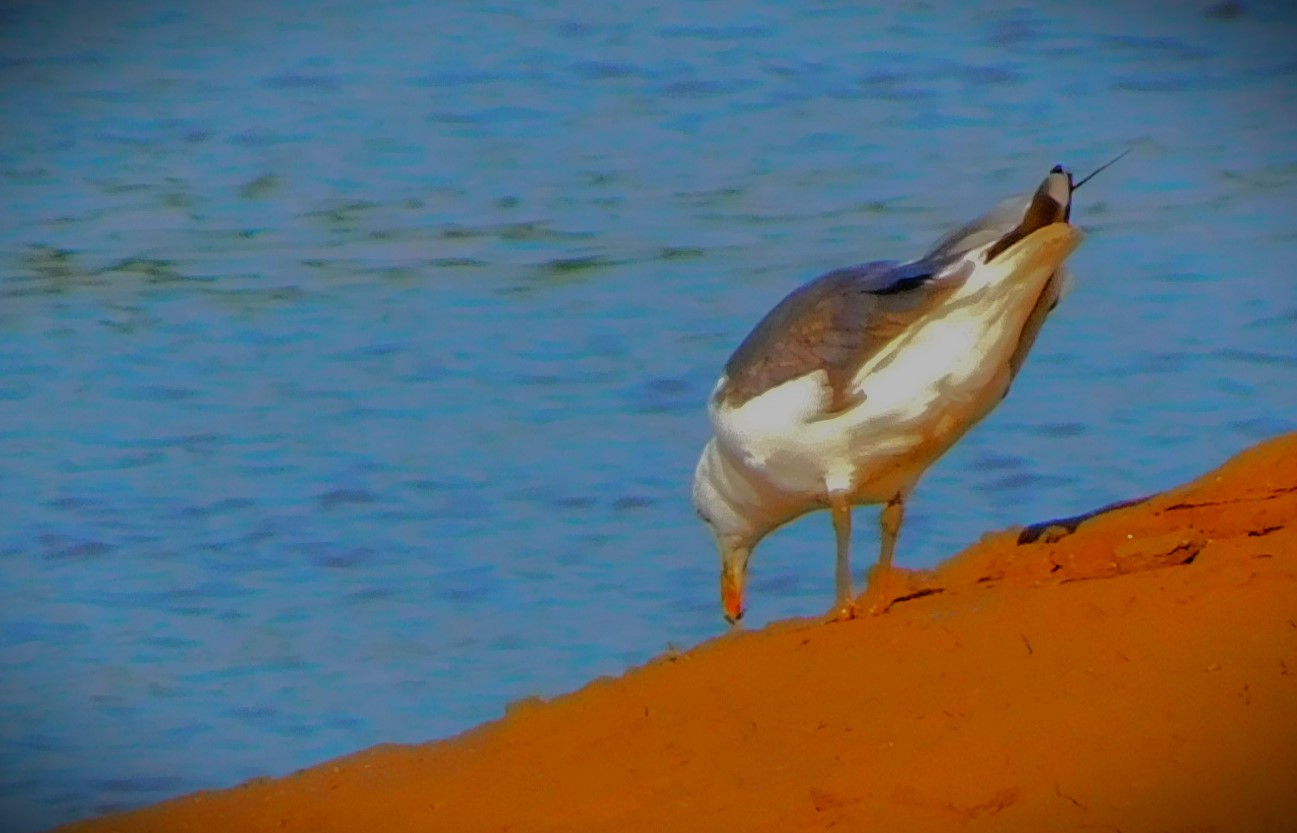
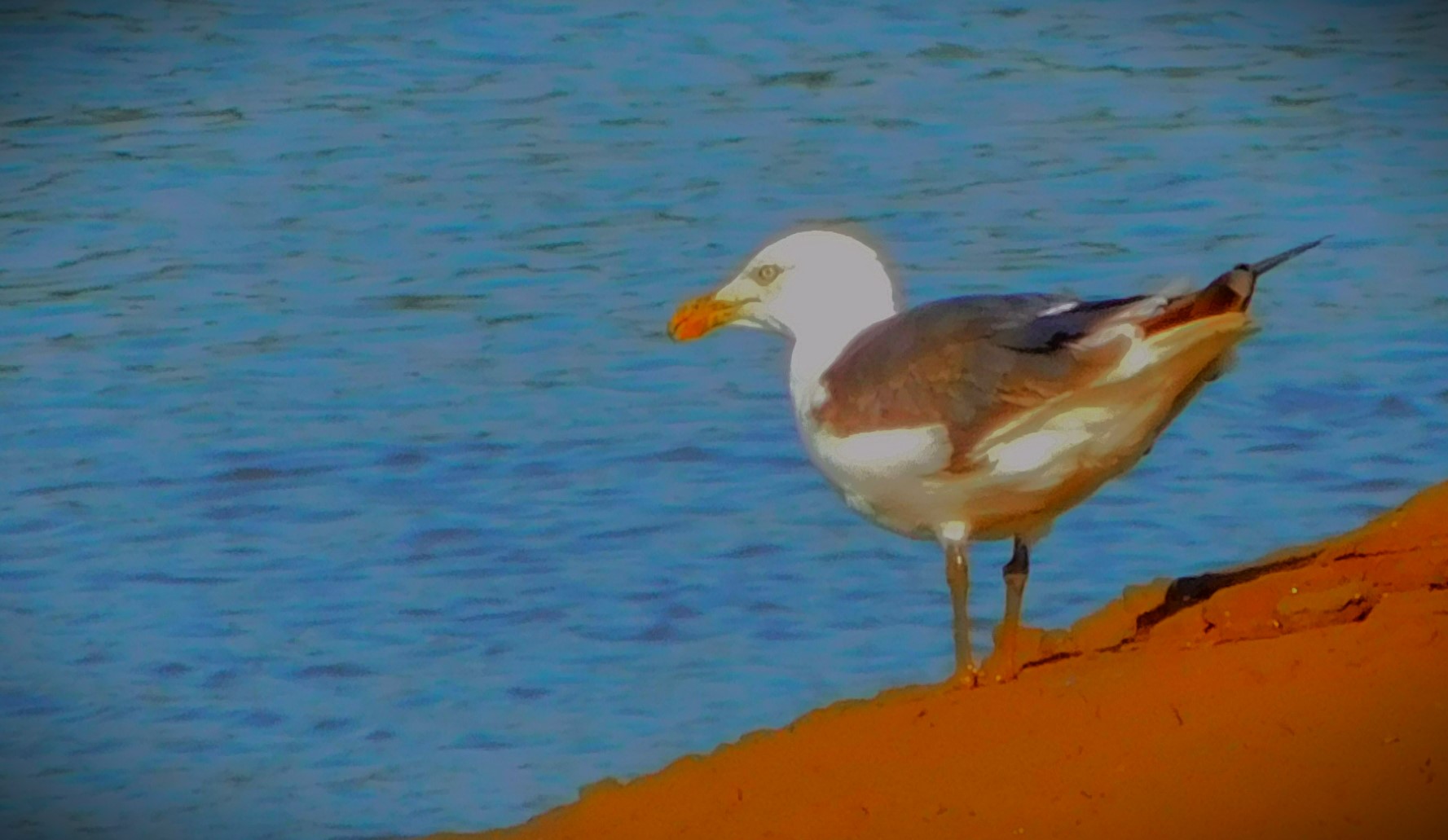
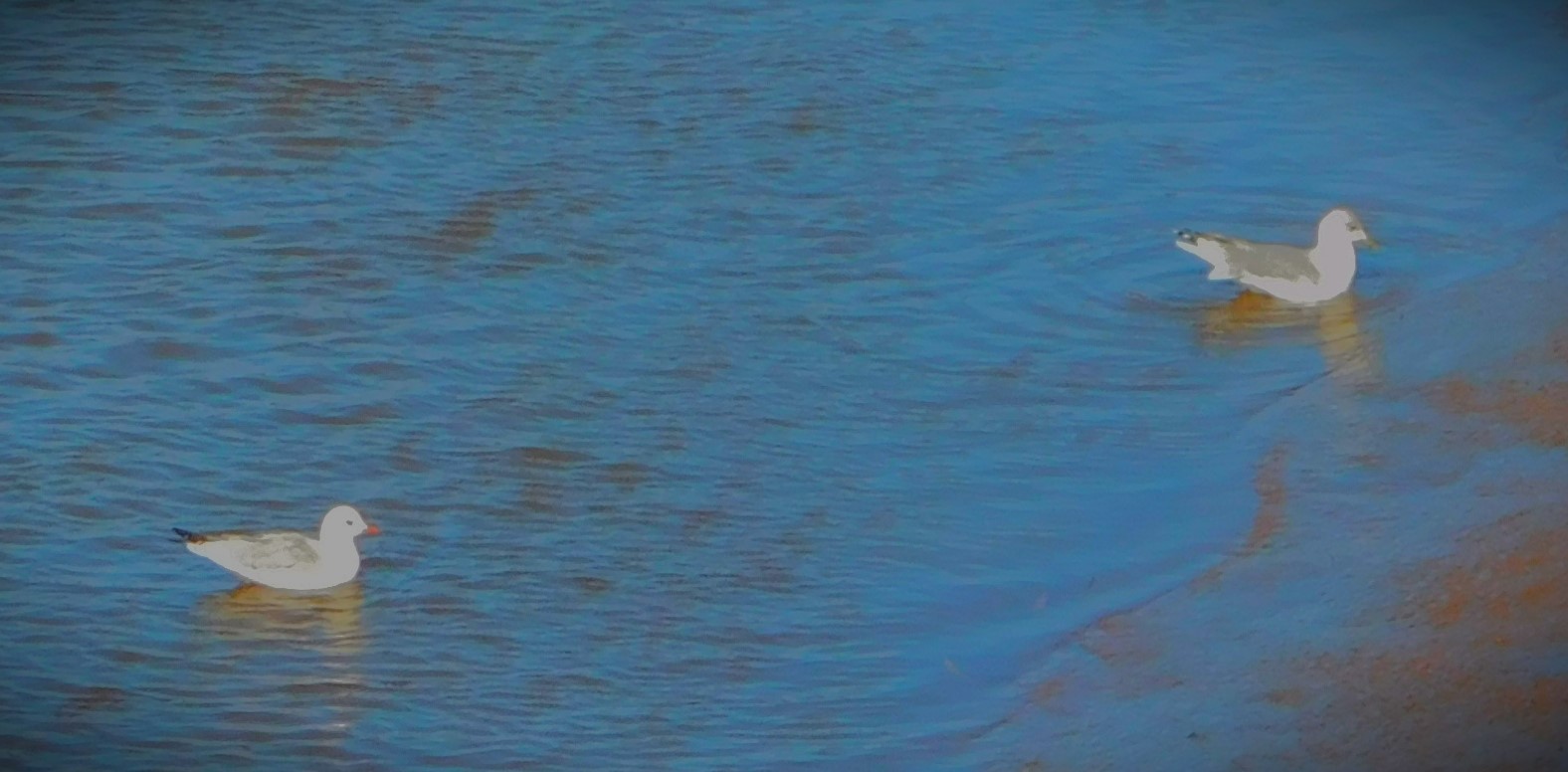
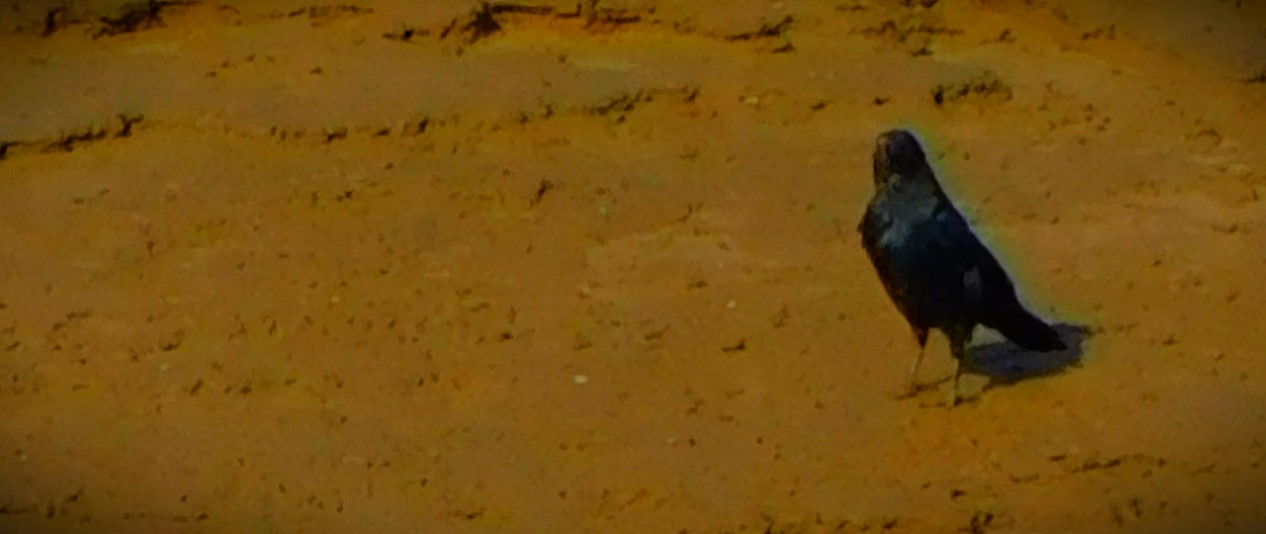
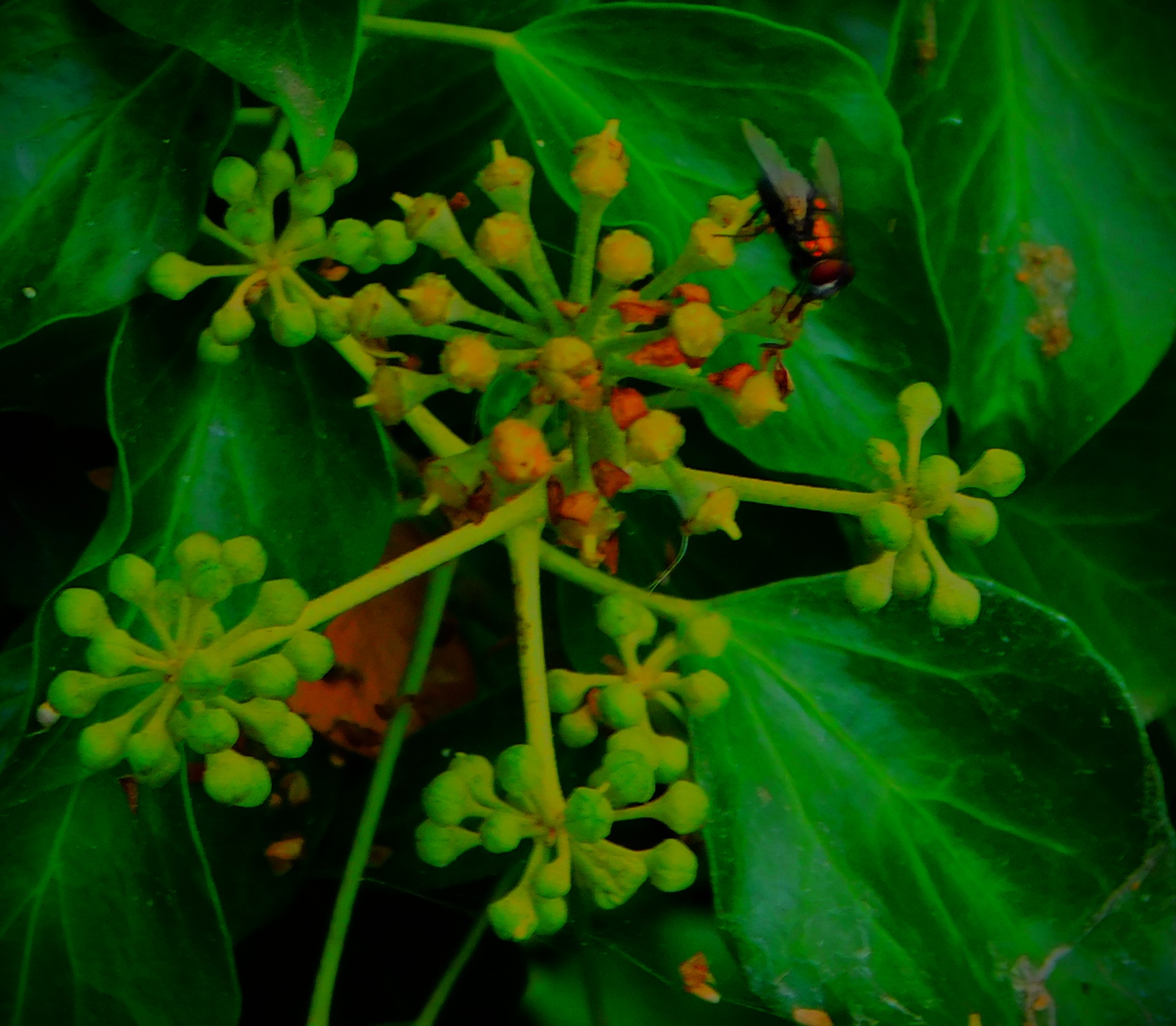
PHOTOGRAPHS
Just before my usual sign off, the toss has just happened for the final, with Gloucestershire winning it and opting to bowl first. Now for the photographs…




















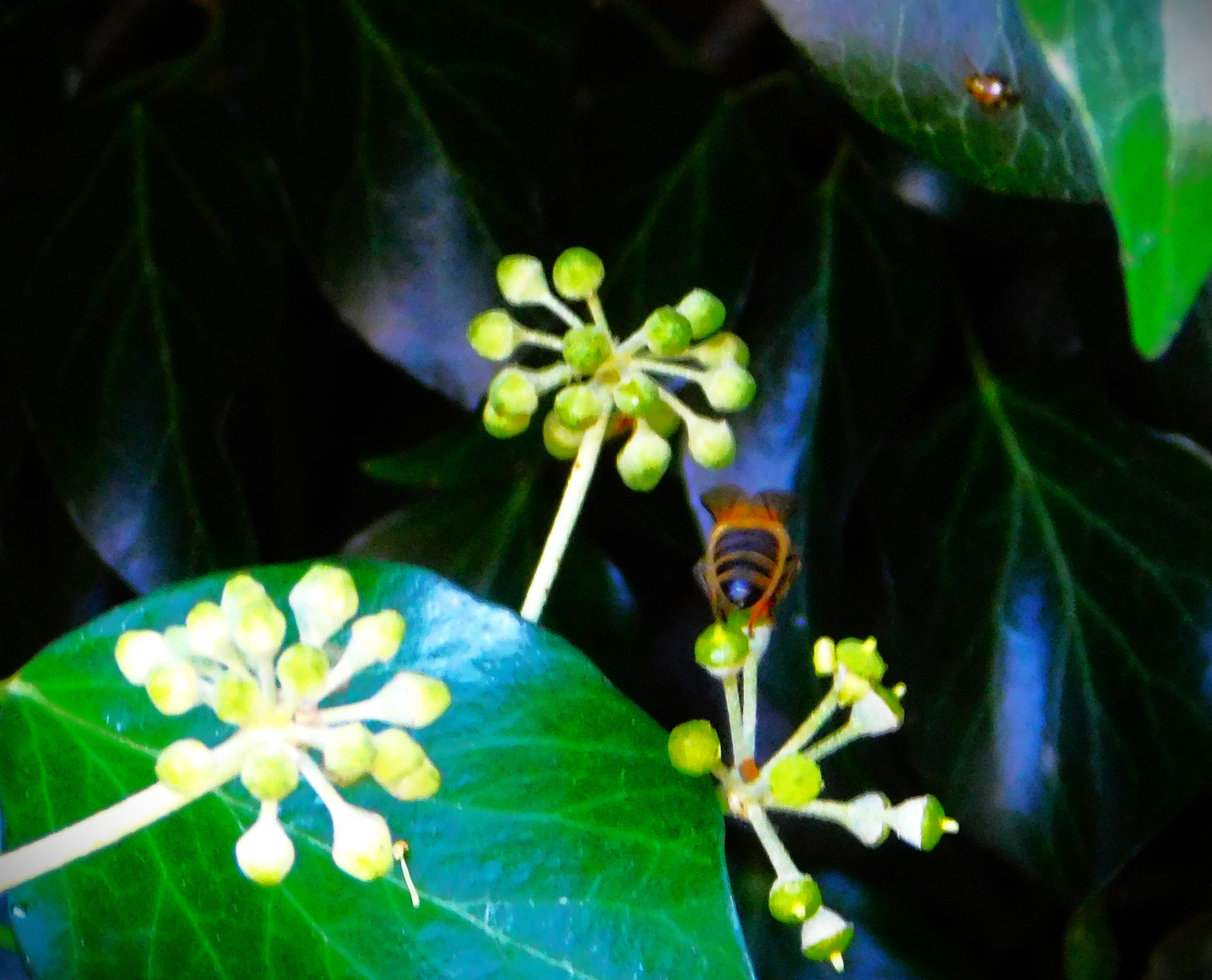
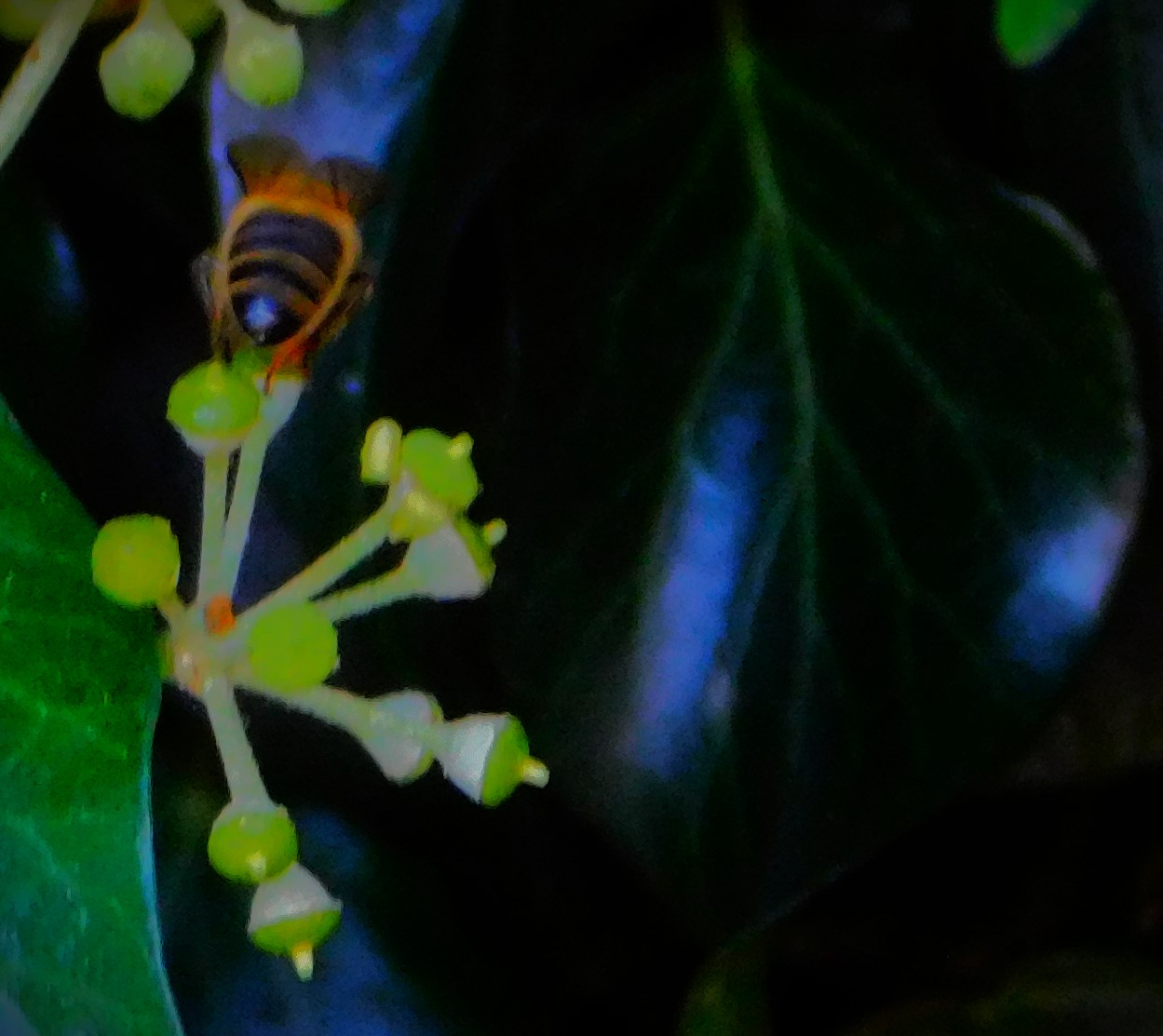
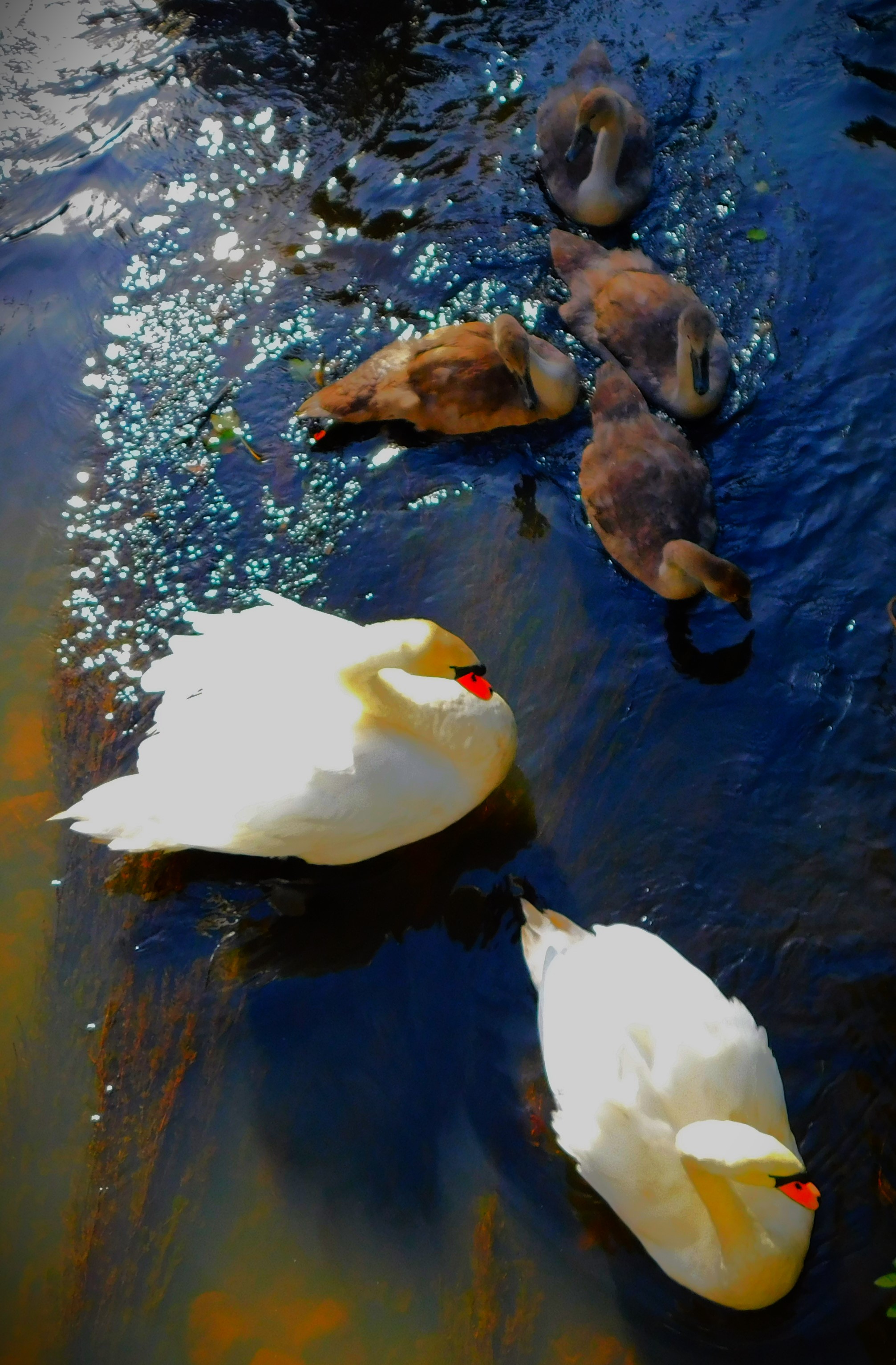
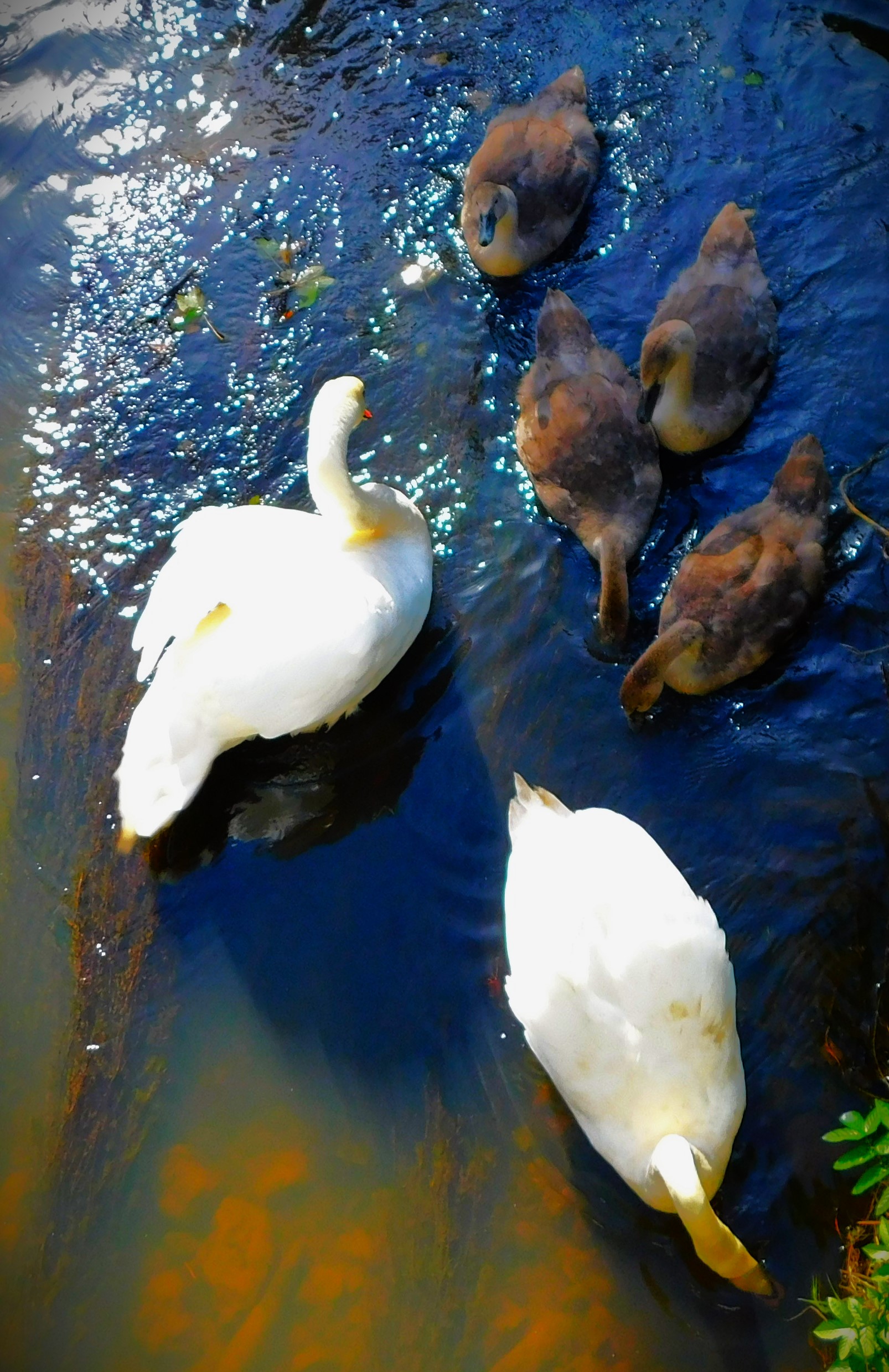


































 aspiblog
One thought on “How a West Country Derby Final Came to Be”