England’s Poor Start to ODI Series

A look back at the first two matches of the ODI series between the England and Australia men’s teams and a photo gallery.

The England men’s side are finishing their home season with a One Day International series against Australia. This post looks at developments in that series so far.

At 214-2 with plenty of time to go in their innings England seemed set for a 350+ score. Then Ben Duckett and Harry Brook got out in quick succession in near identical fashion, each giving Marnus Labuschagne return catches. That put the skids under the innings, and wickets continued to fall. In the end England were all out in 49.4 of their 50 overs for 315, a total which was at least 50 short of what it should have been. Labuschagne, a batter who bowls rather than a genuine all rounder, had figures of 3-39. It was soon obvious that England would have their work cut out to defend this score. In the end Travis Head, who played a quite magnificent innings, was joined for the killing partnership by Labuschagne. Head, unlike Duckett who had thrown his wicket away for 91, batted right through to the end, which came with six whole overs and seven wickets to spare, topping 150 in the process, while Labuschagne was unbeaten on 77 at the other end. Scorecard here.

In the second match, which took place yesterday, Australia found themselves batting first, and England bowled well. When Australia lost their ninth wicket at 221 a 1-1 series score looked likely, even though Brydon Carse had been shockingly expensive. However England now resorted to the tactic of feeding Carey singles so that they could bowl at the number 11, Hazlewood. Hazlewood is a genuine number 11, but even he is capable of presenting a straight bat to a couple of deliveries per over. With no real pressure being imposed due to the decision not to attack Carey the last wicket accrued 49 before Carey was caught off the fourth ball of the 45th over for 74. Hazlewood was unbeaten on 4, but he had done all that the combination of Carey’s good batting and England’s poor tactics had required of him.

One result of this last wicket stand was that instead of heading into the innings break on the back of a clatter of wickets (the 7th, 8th and 9th had fallen quite close together) the sides returned to the pavilion with the momentum definitely with Australia. Australia had Salt and Jacks out fairly quickly, with just 28 on the board. Brook fell with 46 on the board, and then at 65 England suffered a double blow, as Duckett (32) was out to a fine return catch by Hardie, and then Livingstone feathered the next ball behind and Carey held another fine catch. Jamie Smith and Jacob Bethell added 55 for the sixth wicket, before Bethell gave Starc a catch off Maxwell. Carse then joined Smith for what might look like a respectable seventh wicket stand, but the problem was he failed abysmally to rotate to the strike – 56 balls were bowled between the fall of the sixth and seventh wickets, and Carse faced 40 of them, which is not what the balance of strike should be between a front line batter and a bowler who bats. It was Smith who was seventh out, for 49, a dismissal that more or less sealed things, although Adil Rashid did his best from number nine. England did just top 200, being all out for 202, giving Australia victory by 68 runs. Scorecard here.

Australia are thus 2-0 up in the series with three to play.

My usual sign off…

Surrey Give Stewart Super Send Off

A look back at the two matches which in combination set the seal on Surrey’s third successive county championship title, a link and a photo gallery.

Just over half an hour into day four of the penultimate round of county championship fixtures Anderson Philip, a West Indian pacer currently playing for Lancashire, bowled James Rew for 31 to give his side victory by 168 runs. Lancashire thus enter the final game of the season with a chance to avoid relegation. At the other end of the table, with Surrey having cleaned up Durham yesterday afternoon, it meant that the gap between Surrey and Somerset was now 28 points, which is too many to be bridged in a single match, since only 24 can be taken in one match. Surrey have thus secured a third straight title, a feat last achieved by any county in 1968, when Brian Close skippered Yorkshire to a third straight title.

On day two Surrey built a huge lead over Durham, with Ryan Patel scoring a career best 134. Durham then sent a nightwatch into open their second innings, 153 adrift, and when that tactic failed promptly doubled down by sending in another nightwatch. The second nightwatcher did make it through to the close, but Durham were in a total mess. Day three was a work day for me, and my attention once home from work was mainly on the first ODI of a series between England and Australia. Durham lost two wickets very early on day three, and although they did avoid the humiliation of an innings defeat they only managed to take a lead of 24. Rory Burns and Dominic Sibley unsurprisingly knocked these runs off without being separated. Scorecard here. Alec Stewart is leaving the position from which he has overseen the recent Surrey ascendancy at the end of this season, and this result and that of the Somerset match confirm that he will bow out on an appropriately high note.

After both sides had been all out on day one, Lancashire batted right through day two. There was a controversial incident in their innings when George Balderson was run out by at least a yard but umpire O’Shaughnessy failed to give it out. At that point Lancashire were just over 270 in front, and they were add a further 120 to their lead before they were all out. Somerset, needing 393 to win or 392 to tie (or rain to intervene and save them) to keep their championship hopes alive (a draw or tie would leave Surrey able to secure the title on bonus points alone irrespective of the result of their final game, while a loss would end Somerset’s challenge right there) reached the close of day three on 204-6, with Kasey Aldridge having been dismissed by what became the last ball of the day. Day four started atrociously for Somerset, with the first ball of the day, from Luke Wells, bowling skipper Lewis Gregory for a first ball duck. A few moments later a ball from Anderson Philip kept low to pin Craig Overton LBW for 4 and make it 209-8. The ninth wicket added 11, 9 of them to Brett Randell, before James Rew misjudged and took a single with four balls of a Luke Wells over to go, exposing Randell to Wells’ mixed spin, against which the Kiwi could be expected to be less comfortable than against pace/seam. Sure enough, Wells produced one that was too good for the Kiwi and bowled him to make it 220-9. Four runs later came Philip’s delivery that got through Rew and ended it with Lancashire home by 168 runs. Scorecard here. Somerset’s final match against Hampshire will decide second and third spots in the table, but the title is securely in Surrey’s hands. Elsewhere Sussex did enough to confirm that they will be in division one next season, securing promotion with a game to spare, and results were bad enough for Kent that their relegation, a formality for some time, was finally confirmed, again with a match to spare.

As mentioned in the introduction it is 56 years since any county secure three straight championships. However there have been longer streaks of dominance. Surrey themselves hold the record with seven successive titles in the 1950s (1952-8 inclusive). Yorkshire won four in a row in the 1920s. Surrey had a sequence of six outright wins and a shared title in the late 1880s and early 1890s , though that started before the competition was put on a fully organized footing in 1890, as did the whole of Nottinghamshire’s dominant period in the first half of the 1880s. All of these sides, and the Yorkshire side that won seven titles in total during the 1930s had stellar bowling units, and that is also the present Surrey outfit’s greatest strength. Other sides may have first choice bowlers of similar stature to Surrey’s, but Surrey have incredible depth. Surrey can (and at times this season have) be without a fistful of first team regulars and still put a formidable XI on to the pitch, whereas for most other counties the soft underbelly starts to show with a few absentees.

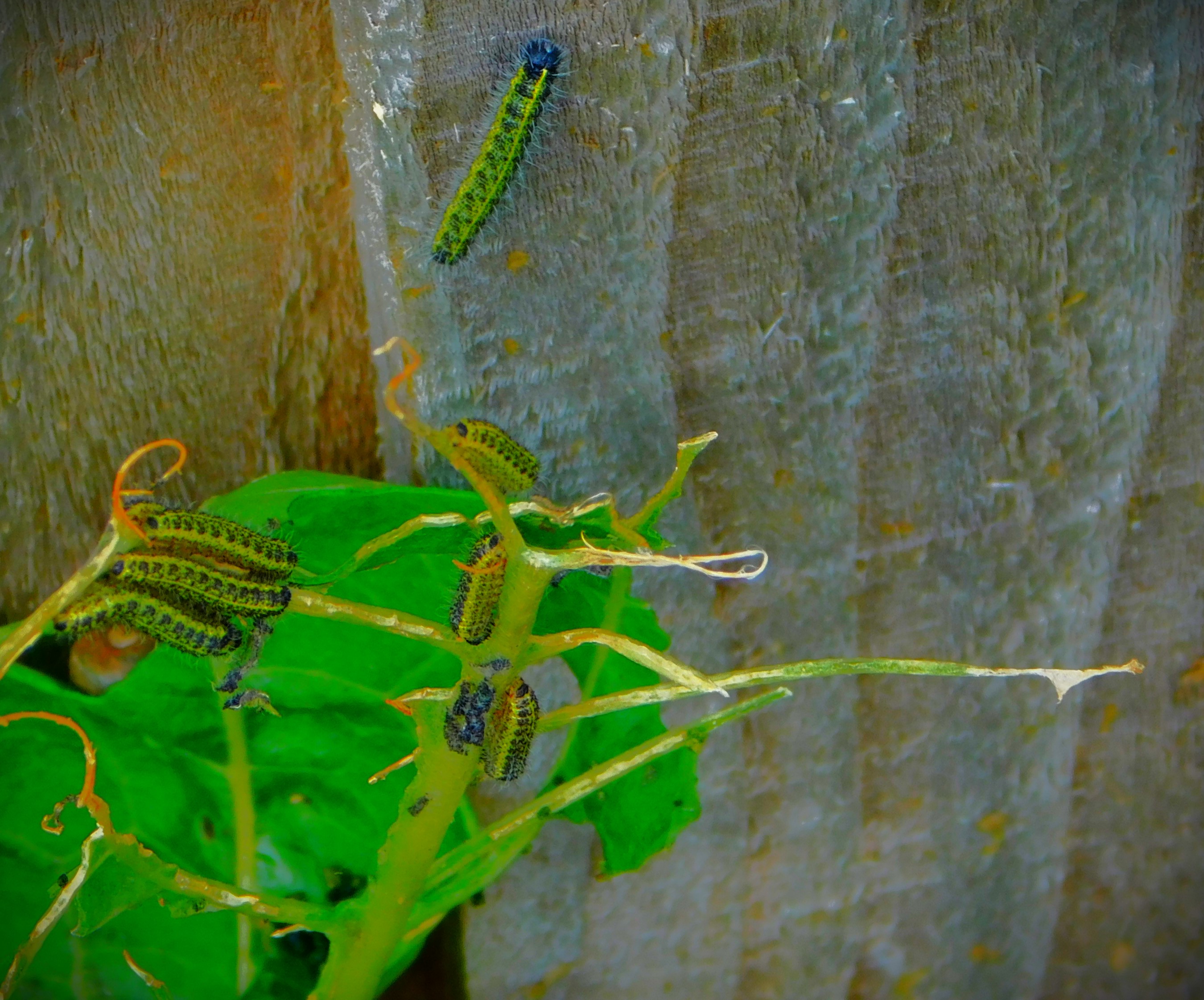
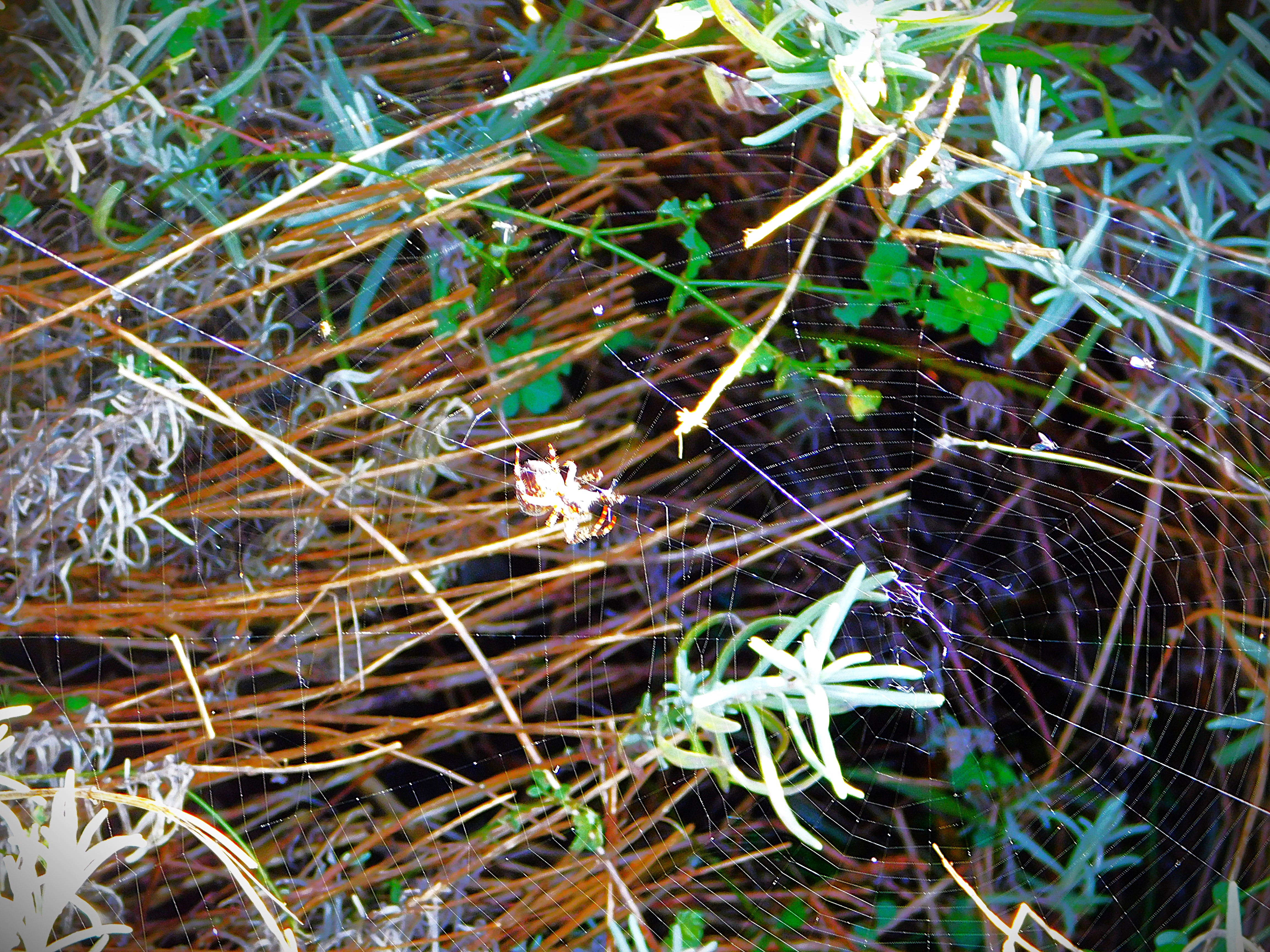
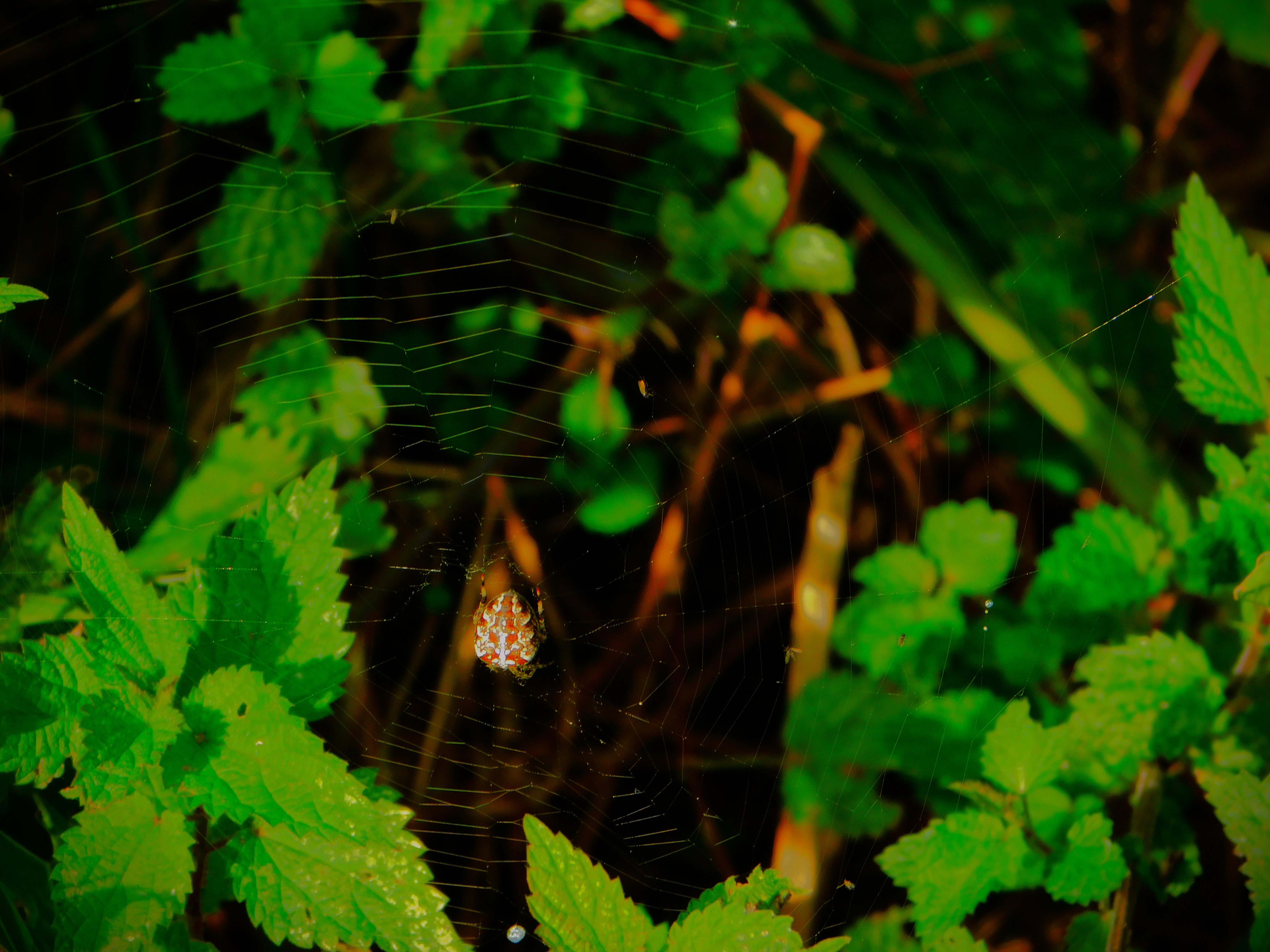
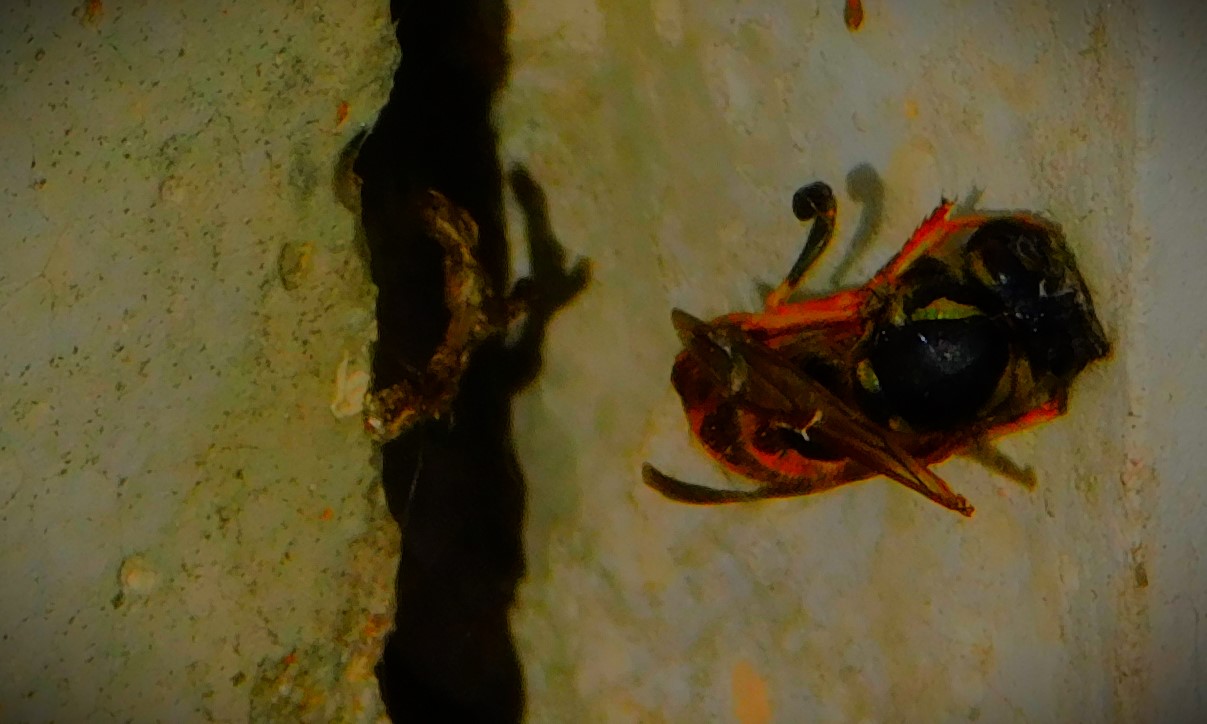
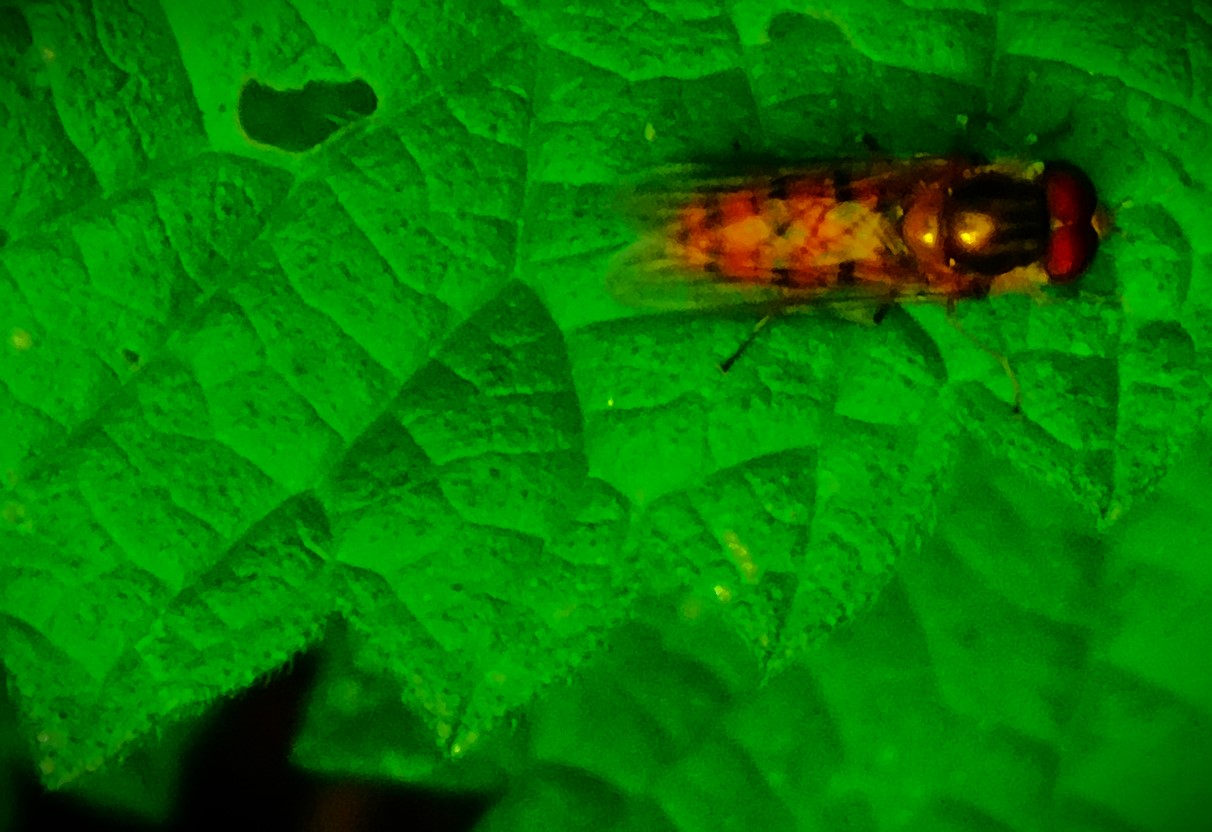
Just before my usual sign off, a link to an article from futurity.org which connects closely with my photo gallery since it is about bees.

Now for my own photos…

County Championship Crunch Contests

A look at goings on in the two most important county championship fixtures of this penultimate round of games – Lancashire v Somerset and Surrey v Durham. Also a large photo gallery,

After the previous round of County Championship matches Surrey held a slender eight point advantage over Somerset at the top of the table (Hampshire are the next closest challengers but they would need a quite remarkable series of events to unfold for them to get past both of the top two) thanks to Somerset beating Surrey. Surrey are bidding for a third successive title, a feat last achieved by anyone in 1968, while Somerset have never won the title, or been named ‘Champion County’ in the years before 1890 when the competition was first put on an organized footing. This post looks at what is going on in the matches involving these counties in this round.

Both were for different reasons in need of a big haul of points from this match. Lancashire are looking relegation full in the face, while Somerset have that eight point gap to close on Surrey – and the weather forecast for the time of the final round of fixtures is not hugely promising. Unfortunately the ground staff at Old Trafford did not get the memo, and left a large amount of grass on the pitch, meaning that the seamers had a fine old time. By the end of yesterday both sides had had their first innings, and while each got the full haul of three bowling points they also each collected zero batting points. Lancashire mustered 140, Somerset 146. Lancashire have batted better second time round, and their lead has recently crossed 150, with six second wickets still standing. Josh Bohannon made a fine 60, and first class debutant Harry Singh batted a very long time for his 31 (142 balls). Currently Rocky Flintoff (son of Andrew) is batting alongside Lancashire keeper Matty Hurst, and the score is 162-4, a lead of 156. Matty Hurst has just gone, playing a loose shot off Randell, giving the Kiwi seamer has second Somerset wicket, in his third bowling innings for the county, Craig Overton taking the catch in the slips. Lancashire, 164-5, lead by 158 overall. Rocky Flintoff has been absolutely done by a beauty from Jack Leach which has bowled him for 27 to make it 168-6, the youngster having just hit a boundary. Lancashire 162 ahead now.

Durham, batting first yesterday, scored 262, Colin Ackermann leading the way with 78 not out. Surrey are currently 214-5 in response. Rory Burns made 55, Ryan Patel is currently 47 not out, and Durham have given away 35 extras. While I have been recording a couple of Lancashire wickets falling Surrey have moved on to 220-5, with Ryan Patel now past 50.

My usual sign off…

Glory for Gloucestershire

A look back at the finale to the longest day of the English cricket calendar, the T20 blast final between Gloucestershire and Somerset. Also a photo gallery.

I covered the semi-finals yesterday, immediately after the second of them concluded. This post looks at the final, between the two west country sides, Gloucestershire and Somerset.

Both sides were unchanged from their semi-final successes. Gloucestershire won the toss and decided to bowl first. Somerset started fast, but Matt Taylor got Will Smeed with the first ball of the fourth over to make it 28-1. Taylor ended that fourth over by removing the other Somerset opener, Tom Kohler-Cadmore, for 20. Then in the sixth over James Rew became Taylor’s third victim. The third ball of the seventh over, bowled by Oliver Price, got through the defences of Dickson, one of the batting heroes of Somerset’s semi-final victory, for a duck, and Somerset were 42-4 and in a pile of trouble. They never really extracted themselves from this predicament, though skipper Lewis Gregory fought his way to a half century. Gregory’s innings was terminated by David Payne with the penultimate ball of the 19th over, with the score on 123. It was Payne’s 33rd wicket of the tournament, equalling the all time record for a single year of this competition, set by Alfonso Thomas of Somerset some years ago. Only one further run accrued before Jake Ball was out with two balls of the innings left. A toral of 124 left Somerset in ‘miracles required’ territory 0 the previous lowest ever total defended successfully in a final was 145 by Somerset themselves last year and by Leicestershire a few years back.

Somerset needed early wickets to have any chance at all of defending their decidedly modest score, and they did not get them. Miles Hammond and Cameron Bancroft were soon scoring at well above the required rate. A ten wicket win looked likely when both were going great guns. By the time Bancroft finally fell to a catch by Smeed off Davey there were only 13 more needed for the win. Bracey fell cheaply, but by then only six were required. Miles Hammond was there at the end, 58 not out from 41 balls (as compared to Bancroft’s 53 from 42 balls), but it was the new batter, Oliver Price, who ended the chase with a six. Gloucestershire had eight wickets and five whole overs to spare, meaning that overall in their semi-final and final they had 16 wickets and 11.2 overs to spare on their opponents. In losing only four wickets on finals day while winning the trophy they had set a new record – the previous fewest wickets lost on the day by a trophy winning side was five by Northamptonshire. Full scorecard here.

Matt Taylor, whose three early wickets put the skids under the Somerset innings, was correctly named Player of the Match. This is Gloucestershire’s first ever T20 Blast trophy, though just a few years before the launch of T20 cricket they had a very successful one-day side. They were named ‘Champion County’ three times in the 1870s, being unbeaten in two of those seasons, and have been runners up six times since the County Championship was put on an organized footing in 1890. Somerset still have shots at two trophies this season – they are in the final of the One Day Cup, and are challenging hard for the county championship (see here).

My usual sign off (remember to click on images to view them at a larger size)…

How a West Country Derby Final Came to Be

A look at the two T20 Vitality Blast semi-finals, Somerset v Surrey and Gloucestershire v Sussex, and a large photo gallery.

Today is finals day in the T20 Vitality Blast, the longest day of the English cricketing year – both semi-finals and the final take place on one day. The venue this year is Edgbaston, and since none of the four teams involved are based there I will use strict alphabetical order when referring to the matches. This was the second straight time that all four semi-finalists were from the south group. The format of the day is that the first semi-final starts at 11AM, the second at 2:30PM and the final, which is still to come and is played under lights, at 6:45PM. This post looks at the two semi-finals.

Somerset are the holders, Surrey have such strength in depth that they are a threat in any competition. Somerset won the toss and opted to bowl first. Surrey started well, and it looked ominous for Somerset when skipper Gregory inexplicably allowed a ball passing within half a metre of him to go the boundary without even trying to stop it. However, Gregory made amends with the ball, helping to put the skids under Surrey’s good start. In the end it took a bit of a final flourish to get Surrey up to their final total of 153-9, no more than respectable.

It looked a good deal more than respectable when Somerset were 7-3. However Sean Dickson and James Rew proceeded to settle in and then share an all time finals day record partnership for any wicket, 144 in total before Dickson perished in the moment of victory for 78 off 57 balls. New batter Gregory hit his second delivery for six to secure to the victory, and to add insult to injury for Jordan Clark it was also called no-ball meaning that it cost him eight runs in total. James Rew was 62 not out from 44 balls in what was his debut in this competition. This makes it twice in three days across formats that Somerset have put one over on Surrey. Full scorecard here.

Gloucestershire were probably the least fancied of the four semi-finalists. Sussex had boosted their own stocks by absolutely annihilating Lancashire in their quarter-final. Sussex won the toss and decided to bat first, a decision they soon had cause to regret. David Payne was supremely economical, taking 1-9 from his four overs of left arm seam. At one stage Sussex were 44-5 and then 64-7. The eighth wicket stand between Jack Carson and Oliver Edward Robinson was worth 37 and at least spared Sussex the humiliation of having less than 100 to defend. The first ball of the 19th over ended the innings with the score 106, leaving Gloucestershire with an easy task. Miles Hammond, who had taken four catches in the field, the most ever by a non-wicket keeper in this competition (not the first Hammond of Gloucestershire to feature in such records – the legendary Wally Hammond once pouched ten in the course of a first class match, still a record for non-keeper a century on), was out cheaply for just 7, but Bancroft and Bracey had a good partnership for the second wicket. Cameron Bancroft reached 39 before he was second out, and Oliver Price joined James Bracey. Bracey was especially impressive as this pair moved towards victory. Just before the end Robinson, who had bowled his four overs of right arm medium pace for 23 runs but no wickets, excellent in most circumstances but here failing to answer Sussex’s biggest requirement, shelled a very straightforward chance from Bracey, a single accruing. Price took another single, and then Bracey secured Gloucestershire their place in an all west country final by driving one down the ground for six. Gloucestershire had eight wickets and 6.2 overs to spare, dealing even more ruthlessly with Sussex in this semi-final than Sussex had dealt with Lancashire in their quarter-final. Scorecard here.

Just before my usual sign off, the toss has just happened for the final, with Gloucestershire winning it and opting to bowl first. Now for the photographs…

County Championship Race Going to the Wire

A look back at the top of the table County Championship clash between Somerset and Surrey at Taunton, and a huge photo gallery.

A round of county championship fixtures took place this week, starting on Monday and ending on Thursday. Days two and four were thus work days for me, limiting what I actually got to hear about at the time. The big tie of the round was between second place Somerset and leaders Surrey. In county championship fixtures there are 16 points for a win, eight points for a draw and no points for a loss, with each side able to earn up to eight bonus points. These points, awarded in the first 110 overs of each team’s first innings are slightly lopsidedly awarded, five for batting and three for bowling. The bowling points are awarded for taking three, six and then nine wickets, the batting points for reaching scores of 250, 300, 350, 400 and 450. This post now looks back at the Taunton summit meeting with these extra details in mind.

When Surrey arrived in Taunton they were 24 points clear of Somerset, meaning that a win would effectively close the deal on their third successive title, a draw would still leave them firm favourites and a defeat would open the race right up, though unless Somerset took a maximum of 24 points (16+8 as described in the introduction) and Surrey 0 the visitors would still be at the top of the table. Somerset batted first, and their first innings was precisely contained within the first day, their last wicket falling on the stroke of time with their score at 317. Tom Banton made a superb 132 and there were useful supporting contributions from Tom Abell, Archie Vaughan (son of Michael, and there will be much more about him later in this piece) and James Rew. Shakib Al Hasan, at Surrey on the most temporary of temporary contracts, claimed four wickets and Daniel Worrall three. This, since the innings was done inside 110 overs, meant that Somerset took two batting points and Surrey a full haul of three bowling points.

When I was able to join the coverage on day two it looked like Somerset were headed for a big first innings advantage – Surrey were almost 100 adrift and had only three wickets standing. However at this point Tom Curran, playing his first first class match in almost two years (he is a white ball specialist, and has played plenty of high level limited overs cricket in that period) proceeded to swing things back towards Surrey, ending with a score of 86 off 75 balls, and getting Surrey to 321. Archie Vaughan had 6-102 with his off spin, and veteran left arm spinner Jack Leach had 4-105, having wheeled through 48.2 overs. Although Surrey had faced over 110 overs in total they had passed 300 before the end of the 110th, and Somerset had got them nine down by the end of the 110th, so with the game now a one innings shoot out each side had claimed a total of five bonus points. This meant that there were now three possible final points scenarios at the end of the match: Surrey lead by 40 if they win, Surrey lead by 24 in the event of a draw and Surrey lead by eight if Somerset win.

Tom Banton was injured and not expected to bat for Somerset in their second innings. Surrey worked their way through the Somerset second innings. At 153-9 it looked like they had a decent chance, but then to general surprise (and not a little criticism on social media) the injured Banton hobbled out to the middle to join Craig Overton. By the end of a truncated day this pair had extended the Somerset score to 194. I was to find out that they had added a further 30 on the final morning before Banton was out for 46, leaving Overton unbeaten on 49. Jack Leach and Archie Vaughan set to work on getting through Surrey for a second time. When I checked in on the score at Fakenham library it looked like time was Somerset’s enemy – Surrey were three wickets down at that point, with Sibley and Foakes batting together, and only two hours or thereabouts left. By the time I got home Surrey were nine down and desperately trying to bat out time for the draw. With the final ball of the 78th over, and almost certainly time only for one more over after it had the wicket not fallen, Leach got one on to Worrall’s pads and the umpire raised the finger to confirm that it was LBW. County Championship games are not generally televised, and this one wasn’t, so even if it might have saved him Worrall had no recourse to DRS and Somerset could start celebrating as soon as that finger went up. Surrey were all out for 109, giving Somerset victory by 111 runs. Jack Leach had 5-37 for that final innings, and young Archie Vaughan had the other five, for only one run more, giving him 11-140 in the match as well as that first innings 44. This was a classic match, and even as someone who grew up in south London, a short trip along the Northern line from The Oval, I say without hesitation that the final result was a good one not just for Somerset, but for the County Championship, which is now a genuine contest at the top, and indeed for the game of cricket. Full scorecard here.

My usual sign off…

Hubris and Nemesis

A look back at the England v Sri Lanka test match at The Oval which Sri Lanka won by eight wickets at lunch time on Monday, and a photo gallery.

My second most recent post here was titled “England in Control in Spite of Themselves” This post brings that story up to date.

The light closed in with Dhananjaya de Silva and Kamindu Mendis still in residence. Pope continued to treat the occasion lightly, using Root in partnership with Bashir when the light was too bad for pacers. This approach would have been justified for five or six overs just to see if anything good happened, but Pope kept it going for 17 wicketless overs which yielded 69 runs.

This was Heritage Open Day (see here), so I missed the early part of the day. England had done well with the ball in the morning, claiming a first innings lead of 62, and had lost Duckett by the time I joined the coverage. Lawrence made his highest score to date as an opener (35), but it was an incredibly unconvincing innings, and his name is absent from the squad to tour Pakistan, with Crawley fit again. However, this was where phase one of England’s punishment for their earlier lackadaisical approach began, and only one score higher than Lawrence’s would be registered in the innings, as Sri Lanka found their bowling mojo with a vengeance. Jamie Smith did his best for the cause, with a magnificent 67, the last 50 of which, with tailenders in at the other end, came in 17 balls. Even with this performance to lift it the whole innings mustered a mere 156, the lowest total England have ever scored in a home match v Sri Lanka (previously 181, also at The Oval, in 1998 when Muralidaran weaved his webs to the tune of 9-65). That left Sri Lanka needing 219 to win. Pope started out as though he had 400 to defend rather than just over 200, and runs were soon coming at an alarming rate. Woakes took a return catch to dismiss Karunaratne for 8, but that was the only scalp for England that evening, and Sri Lanka scored 94 runs before the light closed in, with Pathum Nissanka completing his second 50 of the match, both of them at better than a run a ball.

England never looked like getting back into things, and the game was done on the stroke of lunch, Nissanka hitting a four which took his share of the spoils to 127 not out, to give Sri Lanka an eight wicket win. Kusal Mendis fell to a superb catch by Bashir off Atkinson for 39, but Angelo Mathews provided excellent support for Nissanka, who was simply majestic. He showed England how to score rapidly AND safely – the split between boundaries and running between the wickets was almost 50/50 – 13 fours and two sixes = 64 in boundaries, and therefore 63 out of 127 actually run, but he was adept at picking gaps and getting back for twos. Nissanka was Player of the Match for his performance, absolutely rightly. Root was Player of the Series, and Kamindu Mendis was named Sri Lanka’s Player of the Series. Match details here.

My usual sign off…
England in Control in Spite of Themselves

Yesterday morning the third and final test match of the series between England and Sri Lanka got underway at The Oval. This post looks at developments so far.

The biggest news selection wise was the debut of 20 year old left arm pacer Josh Hull, a very controversial selection given his lack of first class experience. However Hull’s bowling was delayed as Sri Lanka won the toss and put England in to bat, as they virtually had to with an all seam attack and grey skies overhead. Unfortunately for them they did not bowl well, and Duckett and Pope certainly batted well. Duckett threw a century away when he holed out for 86, but Pope did reach three figures. There had been one stoppage for bad light already (it is long past time that they had a stock of pink balls at test venues to allow play to continue under the lights in these circumstances – ball changes are so frequent anyway that swapping a red ball for a pink one would hardly even raise an eyebrow), and with England 221-3 after 44.1 overs the light intervened once again, this time ending the day’s play.

Brook and Pope resumed at 11 o’clock on a rather brighter day. Brook never suggested permanence, benefitting from a truly awful drop by Asitha Fernando early on, but failing to make use of it. Smith looked to be playing more patiently but fell cheaply in the end. Thereafter, with the shining exception of Pope who went on to pass 150, the England batting became increasing feckless and irresponsible. They were all out for 325, leaving Sri Lanka one over to negotiate before lunch. All ten England wickets were out to catches, and even the one that went behind the wicket (to gully) was an attacking shot that went wrong rather than a bowler finding the edge.

Sri Lanka got to lunch without loss, and enjoyed their best opening stand of the series so far. The end of it was entirely self-inflicted, Nissanka going for a run that was never there which resulted in his partner Karunaratne being out by two yards or thereabouts. This was particularly unfortunate for Karunaratne since he was on 6,999 test career runs at the time. Kusal Mendis helped Nissanka add 34 more for the second wicket before he edged Woakes to Brook, the 12th wicket of the match and the first to be an authentic seamer’s dismissal, the grey skies notwithstanding. Angelo Mathews never looked comfortable at the crease, and with his own score on 3 and Sri Lanka on 86 he was third out, caught by Pope off Stone. Five runs later Josh Hull claimed his first test scalp, having Nissanka caught at extra cover for 64. Two runs later Stone pinned Chandimal plumb in front (Chandimal reviewed, and the replay showed that it was indeed stone dead). That was 93-5. Dhananjaya de Silva and Kamindu Mendis, the latter of whom has been Sri Lanka’s best batter this series have batted sensibly, and tea has just been taken with the score 142-5. To all appearances England are in full control, but few sides can have looked less impressive while getting into such a position.

Overlapping with this match is a match at Belfast between the Irish and English women’s sides, Kate Cross’s first international match as captain. Ireland are fighting hard, but Cross (who already celebrated her elevation by recording her best ever international bowling figures in any format – 6-30) is currently proving an excellent partner for Bess Heath. England need 31 more to win, so it is not done yet.

My usual sign off…

Surrey Book Their Place on Finals Day

A look back at the first of the T20 Blast quarterfinals, between Surrey and Durham last night, and a photo gallery.

Yesterday evening saw the first of the T20 Vitality Blast quarter-finals, with Surrey playing against Durham at The Oval. This post looks at how the match unfolded.

Surrey won the toss and decided to bowl. Graham Clark, whose brother Jordan was playing for Surrey, was out in the first over, without scoring. Durham continued to fare poorly in the early stages, and when their fourth wicket fell with the score at 36 an early finish looked likely. However a combination of some good batting and some very poor death bowling revived Durham’s fortunes to the extent that they had 162 to defend. What should have been the last ball of the innings was called no-ball, and then the extra delivery was smashed for four. This was still a poorish score for The Oval, where 180 is about par.

Surrey did not have things all their own way in the chase. However, the fourth wicket pair of Dominic Sibley and Sam Curran shared an excellent partnership. Sibley was eventually out for an excellent 67, which included bringing up his 50 with a reverse scoop for six. That brought Tom Curran in to join brother Sam for the closing stages. By this point the question was how much time would Surrey have to spare, and in the end it proved to be precisely two overs.

My usual sign off…

England Go 2-0 Up Over Sri Lanka

A look at the closing stages of the test match between England and Sri Lanka at Lord’s, and a photo gallery.

Just after 5PM on a sunny Sunday (the first day of meteorological autumn) Lahiru Kumara hit a catch to Olly Stone off the bowling of Chris Woakes and the second test match between England and Sri Lanka was over, with England comprehensive winners. This post looks the final stages of the match (see here and here for previous posts about the development of this match).

Sri Lanka lost the first wicket of their second innings just as I was preparing yesterday’s post for publication. Karunaratne and Nissanka resisted for a time, but Stone had Nissanka caught by Root to make it 43-2. The light was dodgy by then, and although there was potential an hour and 41 minutes before the final cut off time Sri Lanka sent in Prabath Jayasuriya, hoping that the light would close in quickly. This strategy had the disadvantage that it would mean that Kamindu Mendis, Sri Lanka’s best batter of the series to date would be coming in at number eight, and it could have backfired far worse than it actually did, though it cannot honestly be accounted a success. The light did close in as Sri Lanka were hoping, and they went in to today needing precisely 430 more with eight second innings wickets standing.

Jayasuriya did not last massively long before Woakes had him caught by Brook to make it 60-3. Angelo Mathews joined Karunaratne and they put on 55 together, in the course of which Karunaratne become the first batter in positions 1-3 on either side to top 50 in an innings in this series. Unfortunately Karunaratne, a left hander who featured in my all time Ks XI and has moved his test average to the right side of 40 since then, did not go on much beyond 50 on this occasion. He had reached 55 when a ball from Stone took his glove on the way through to keeper Smith and it was 115-4. Chandimal now joined Mathews and proceeded to bat as though he was looking for a quick win, rather than facing a target that was still over 350 runs away. It was Mathews who was the first of the pair to go in the end, inexcusably for so experienced a player he allowed a sequence of dot balls to get to him, essayed a lofted drive against Shoaib Bashir and picked out Woakes to make it 174-5. Not long later the final instalment of the Atkinson show began, when Chandimal turned a ball from him round the corner, straight into the waiting hands of Dan Lawrence to make it 192-6. He had scored 58, but it was not the sort of innings that Sri Lanka needed in that situation. Kamindu Mendis, who should have been further up the order rather than a place down on his usual number seven, played his worst test knock to date, surviving a mere five balls and scoring four before he edged Atkinson to Duckett at third slip to make it 200-7. The effect that the promotion of Prabath Jayasuriya had on him is the main reason I rate the move a failure overall. Dhananjaya de Silva and Milan Rathnayake now shared the best Sri Lankan partnership of the match, making merry against an old ball that was doing precisely nothing on a pitch that never displayed any demons. The coming of the new ball was always likely to change things, and it did. The first ball of the fourth over with it, bowled by Atkinson found its way into the stumps by way of Dhananjaya de Silva’s bat, dismissing the Sri Lankan skipper for 50 and making it 273-8. Rathnayake hit some impressive shots, including successive boundaries off Atkinson, but the ball after thex second of those shots, the third of the 86th over found the edge and Smith did the rest to make it 288-9, and give Atkinson his fifth wicket of the innings, his seventh of the match and his 33rd in the five test matches he has played to date. It was the first time an England player had combined a century and a five-for in a test match since the last of Ian Botham’s five such games, at Wellington in 1984. Four more runs accrued before, like a ham actor stealing the last line from an Oscar winner, Woakes got the wicket of Kumara as described in the introduction and England had won by 190 runs. Atkinson was named Player of the Match, correctly in my view – he and Root both had outstanding matches, but Atkinson’s was the more impressive, and Root’s copybook was blotted by a couple of dropped catches. A shared award between Atkinson and Root would have been acceptable, but I would have been annoyed had it gone to Root on his own. Scorecard here.

My usual sign off…