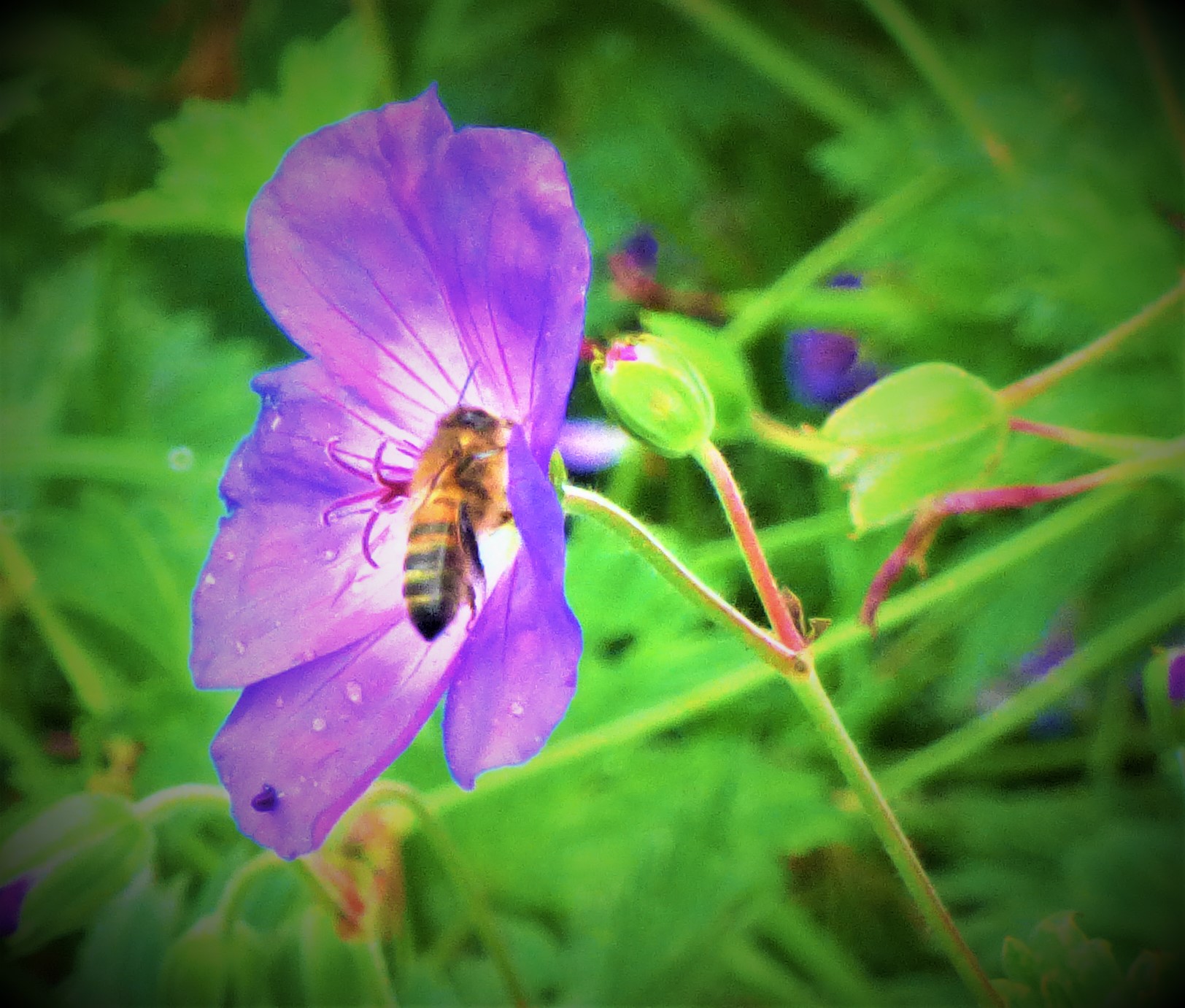
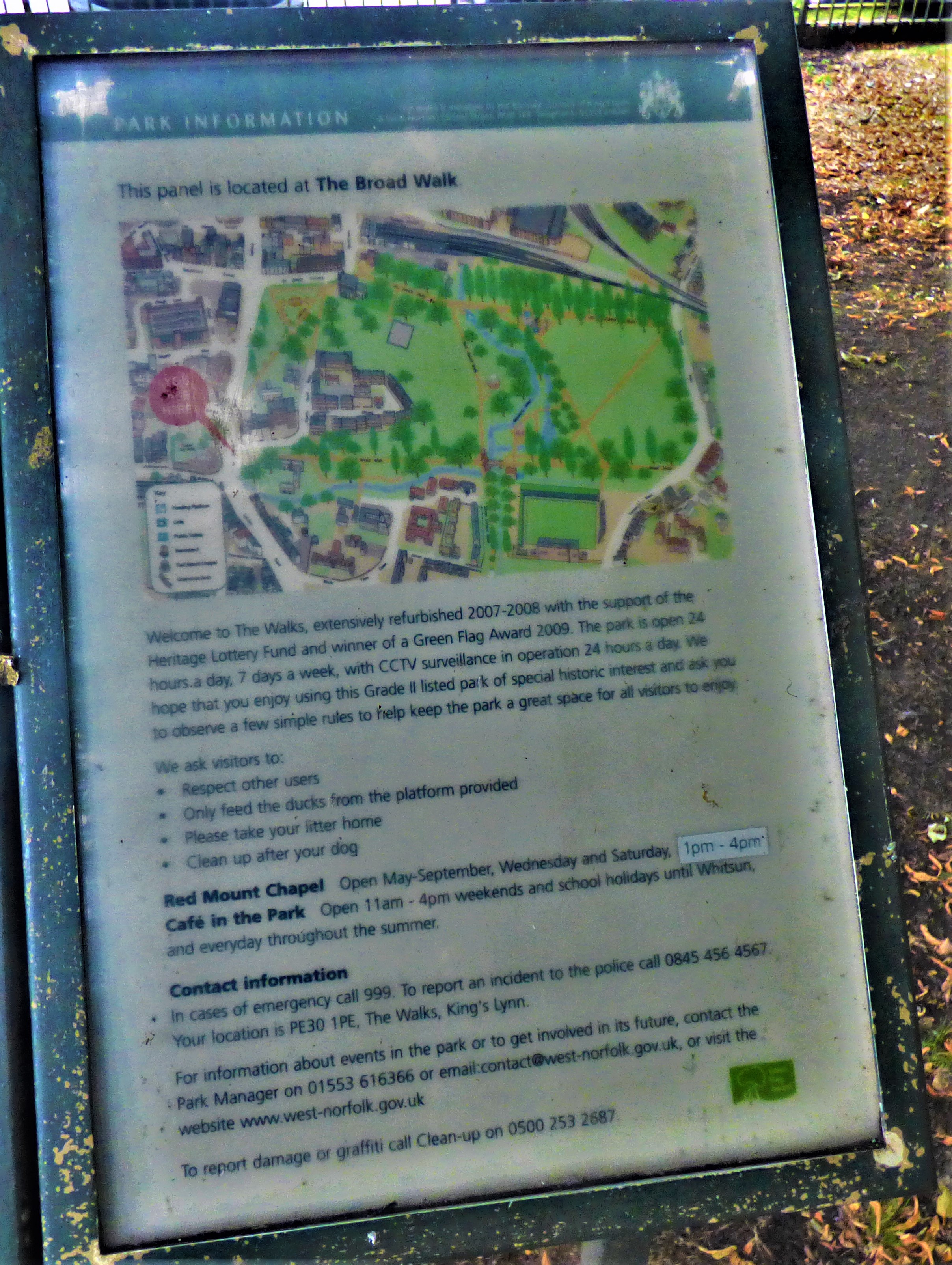
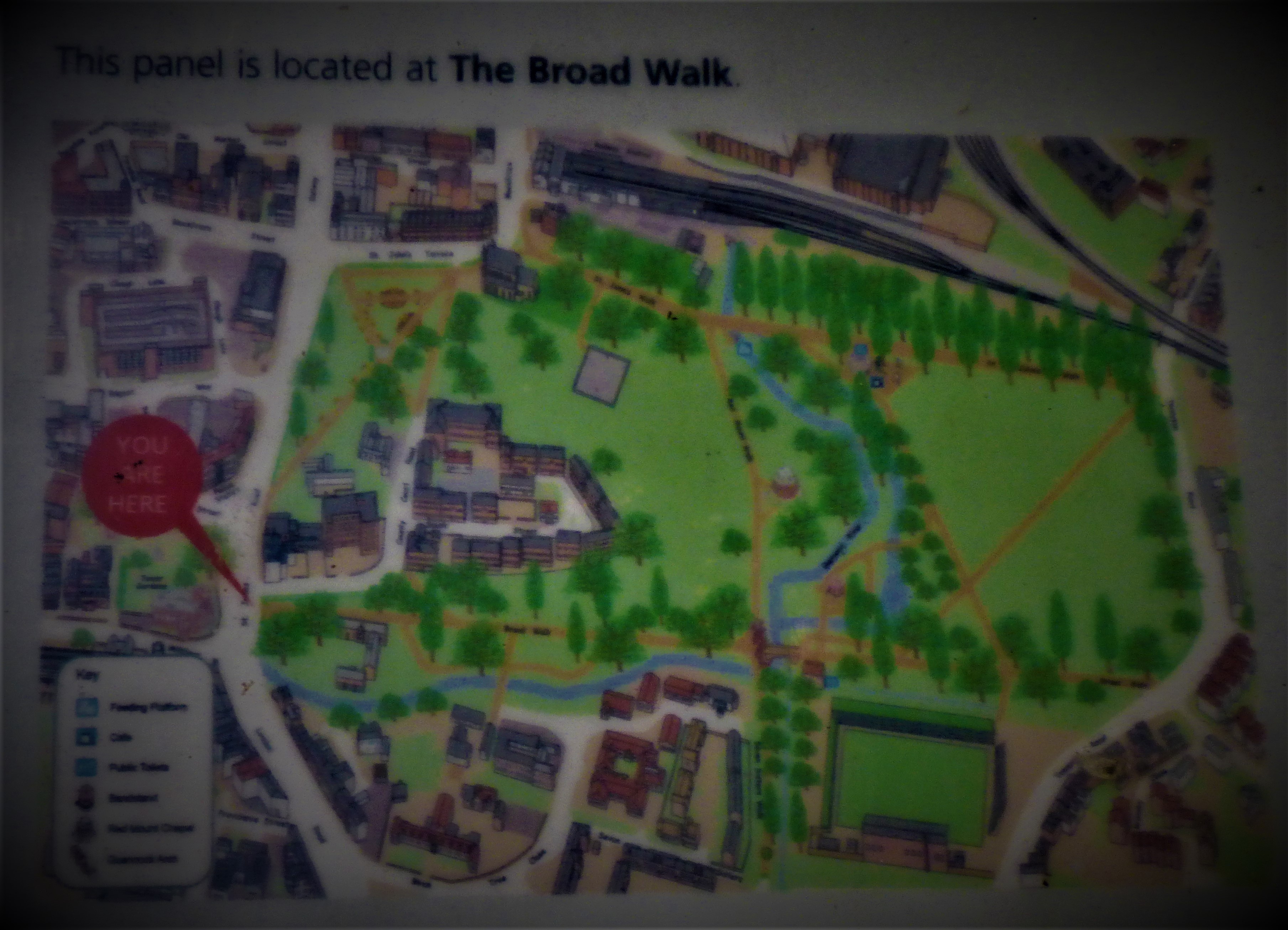
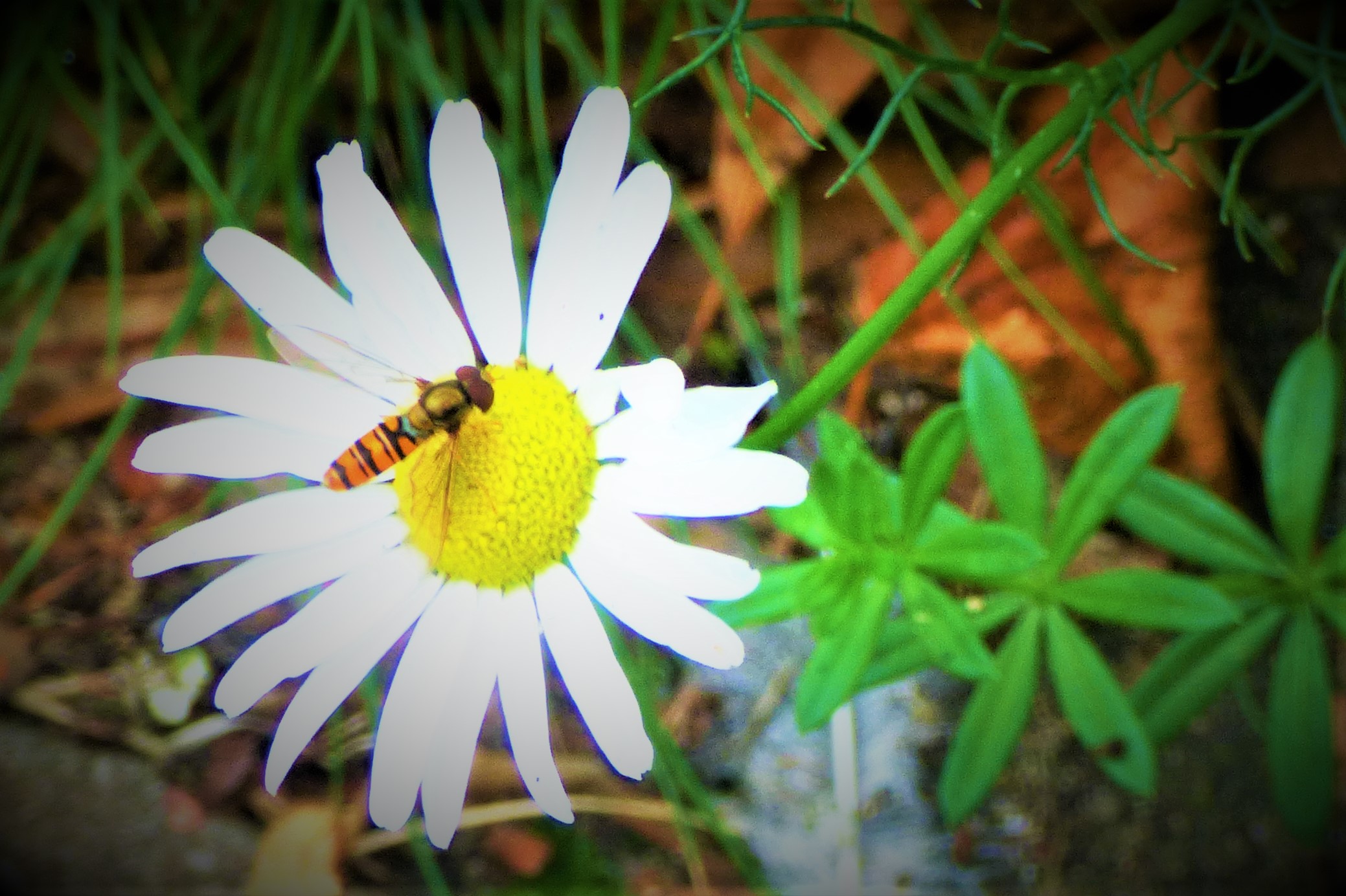
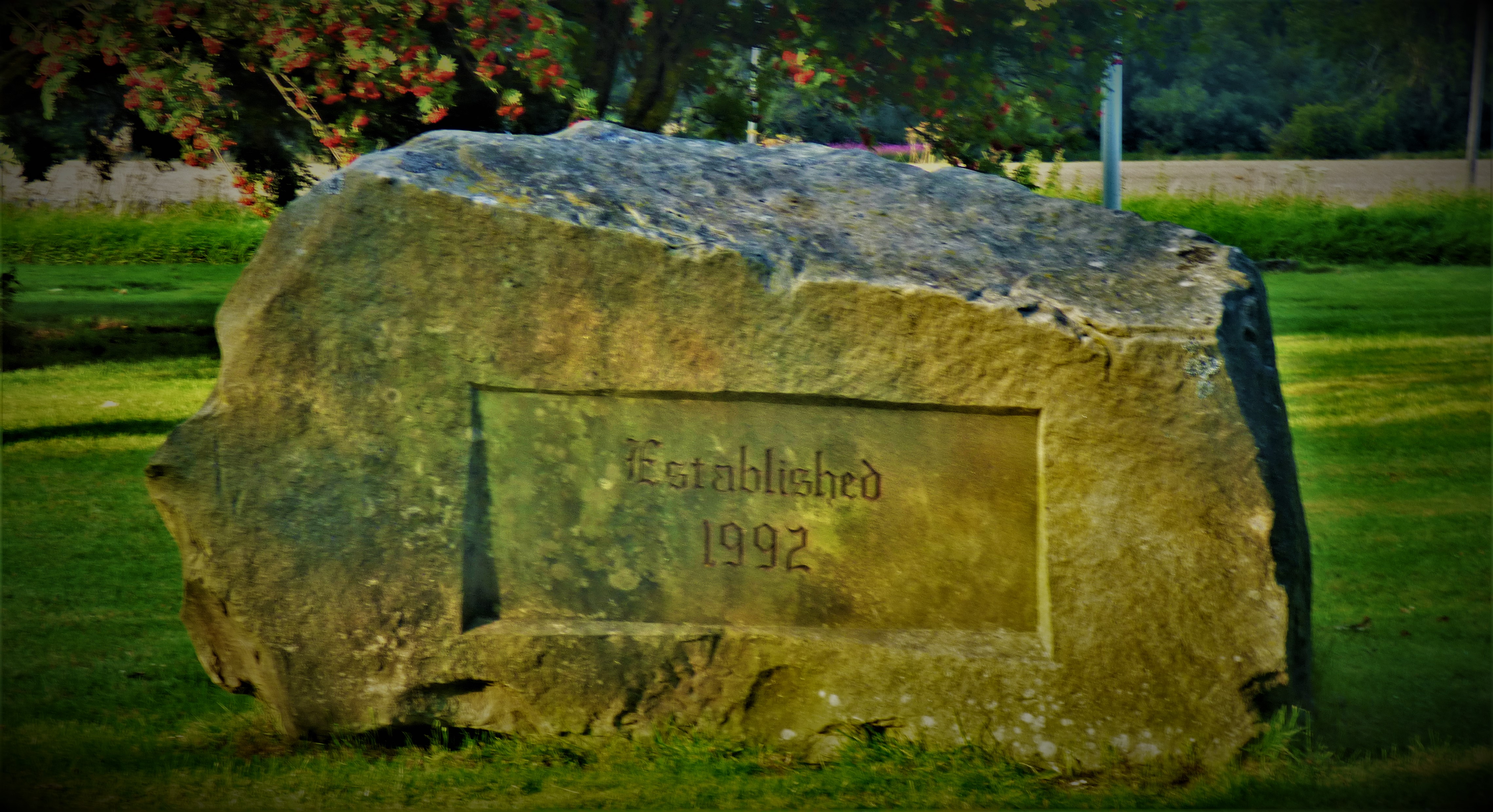
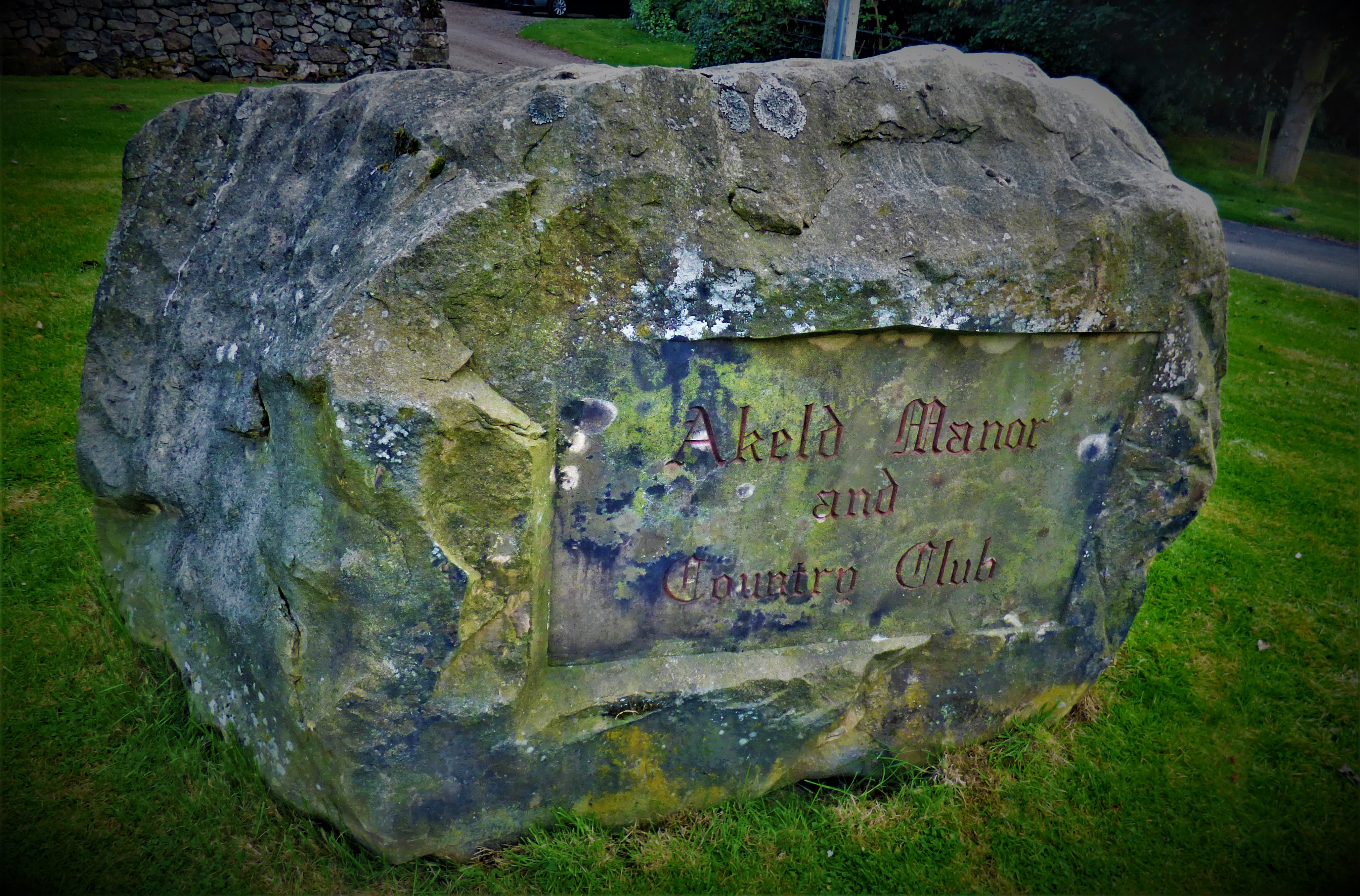
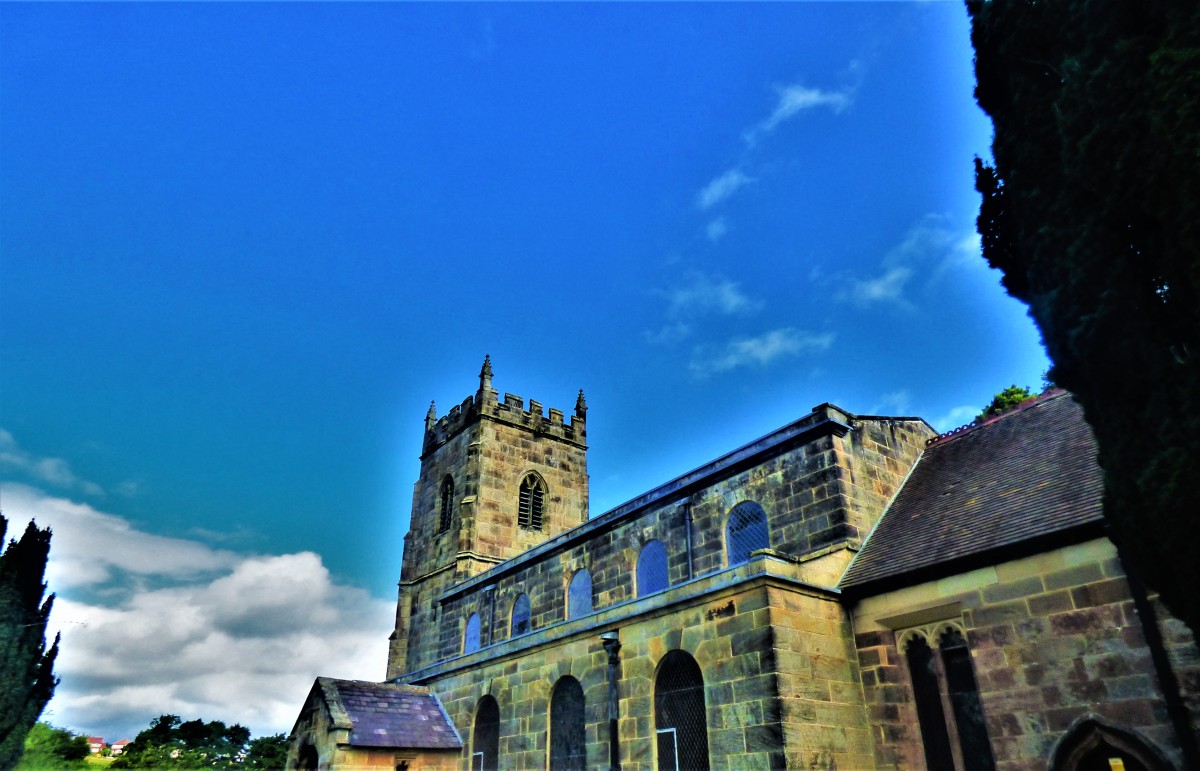
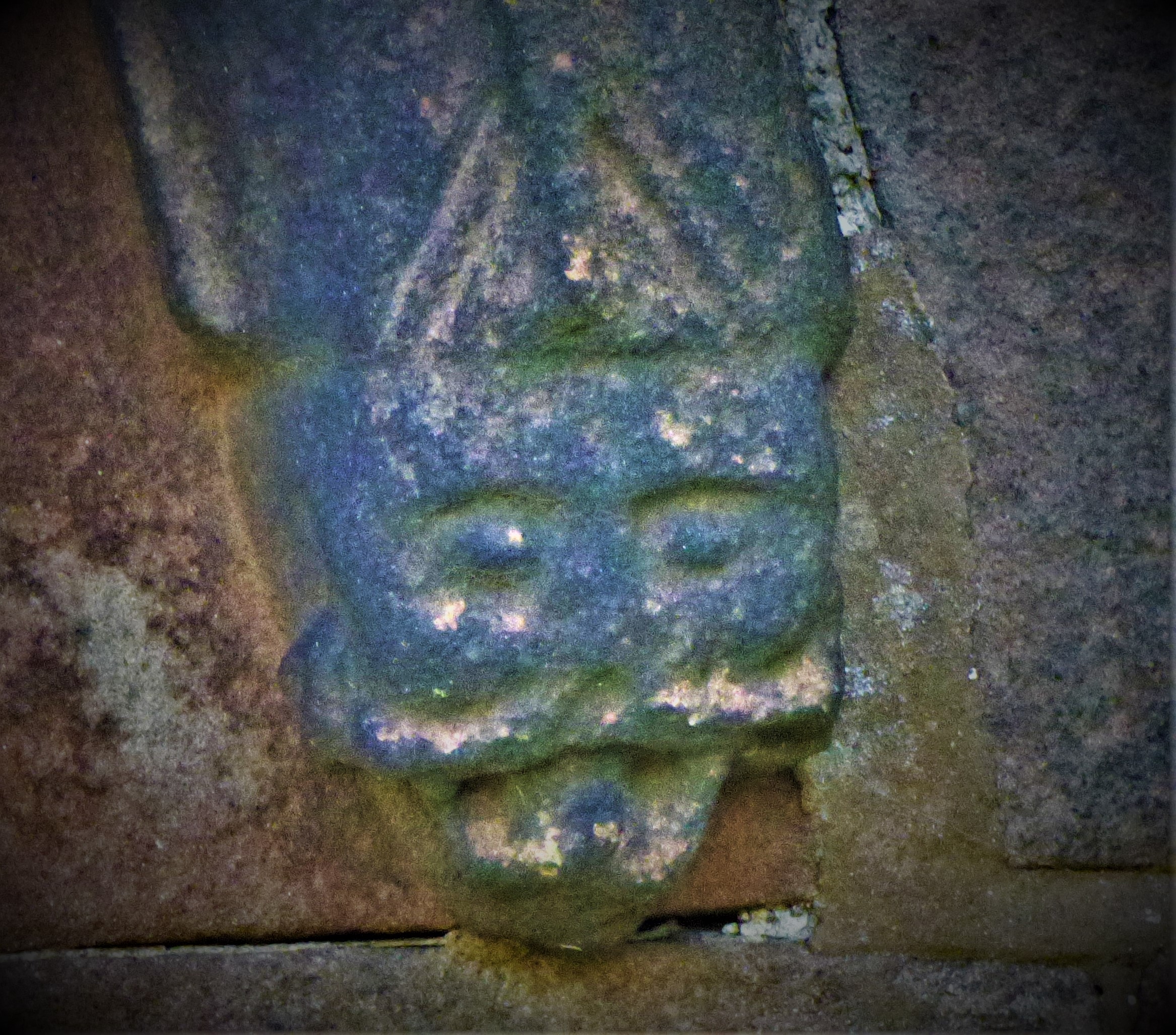
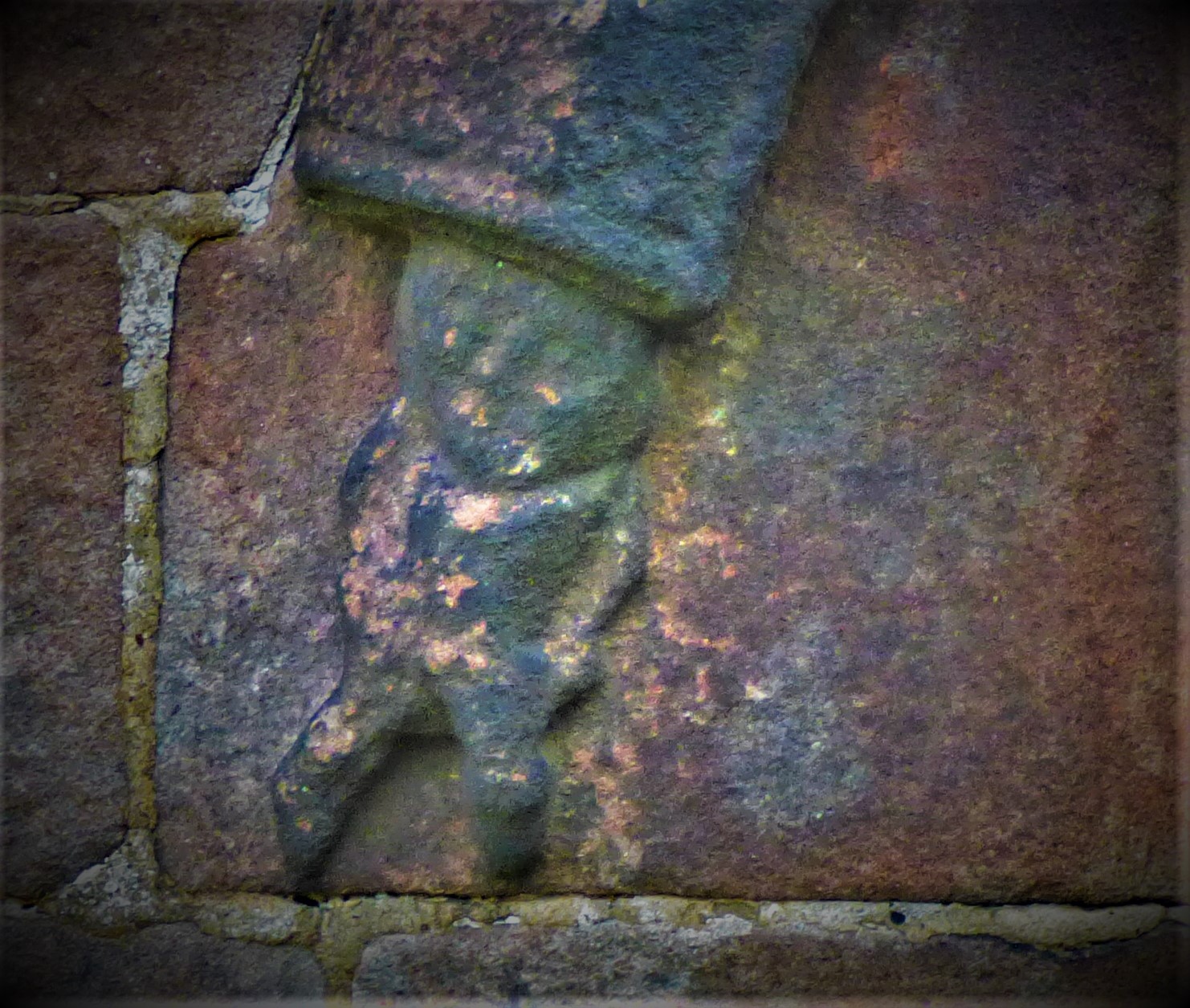
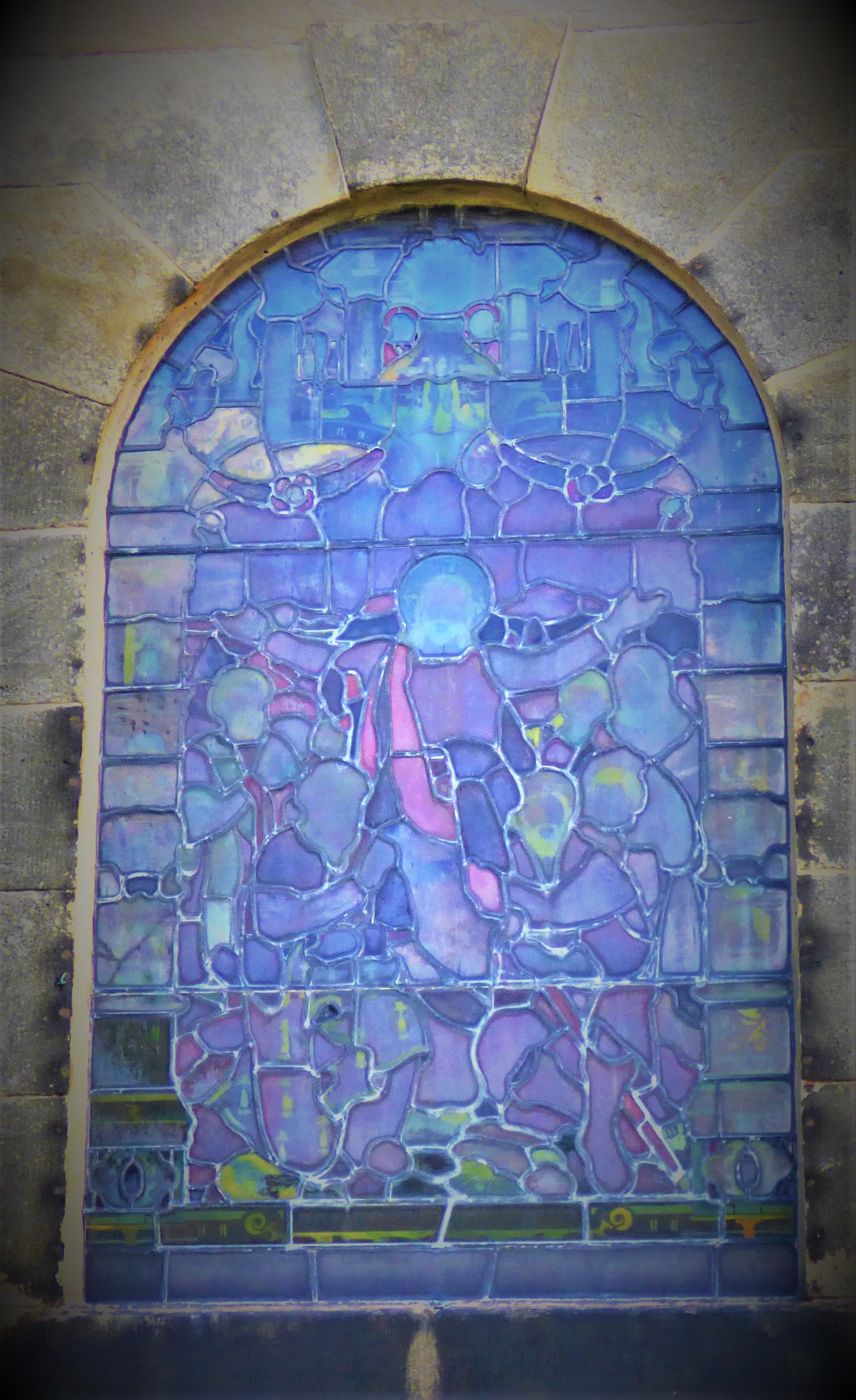
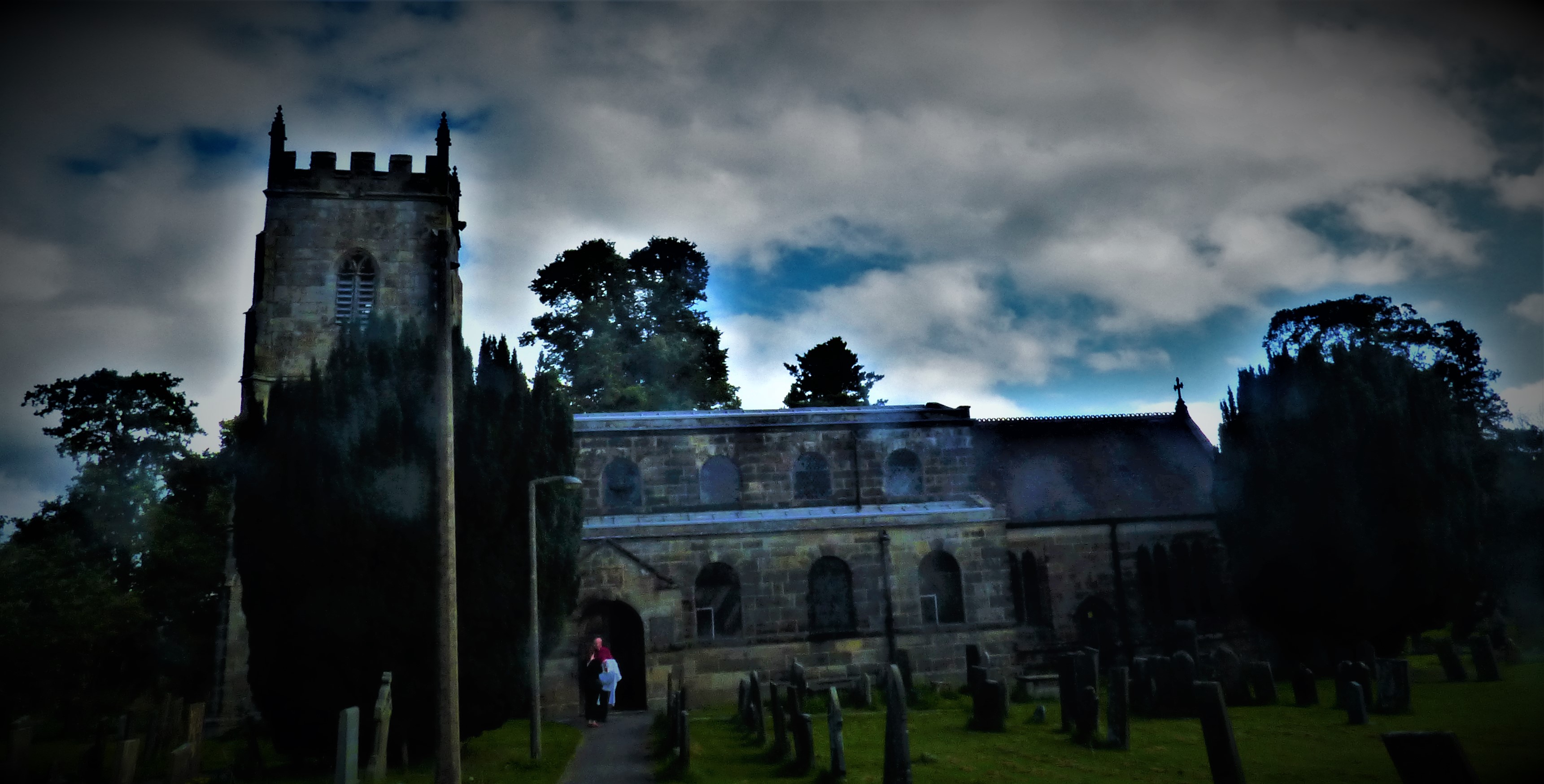
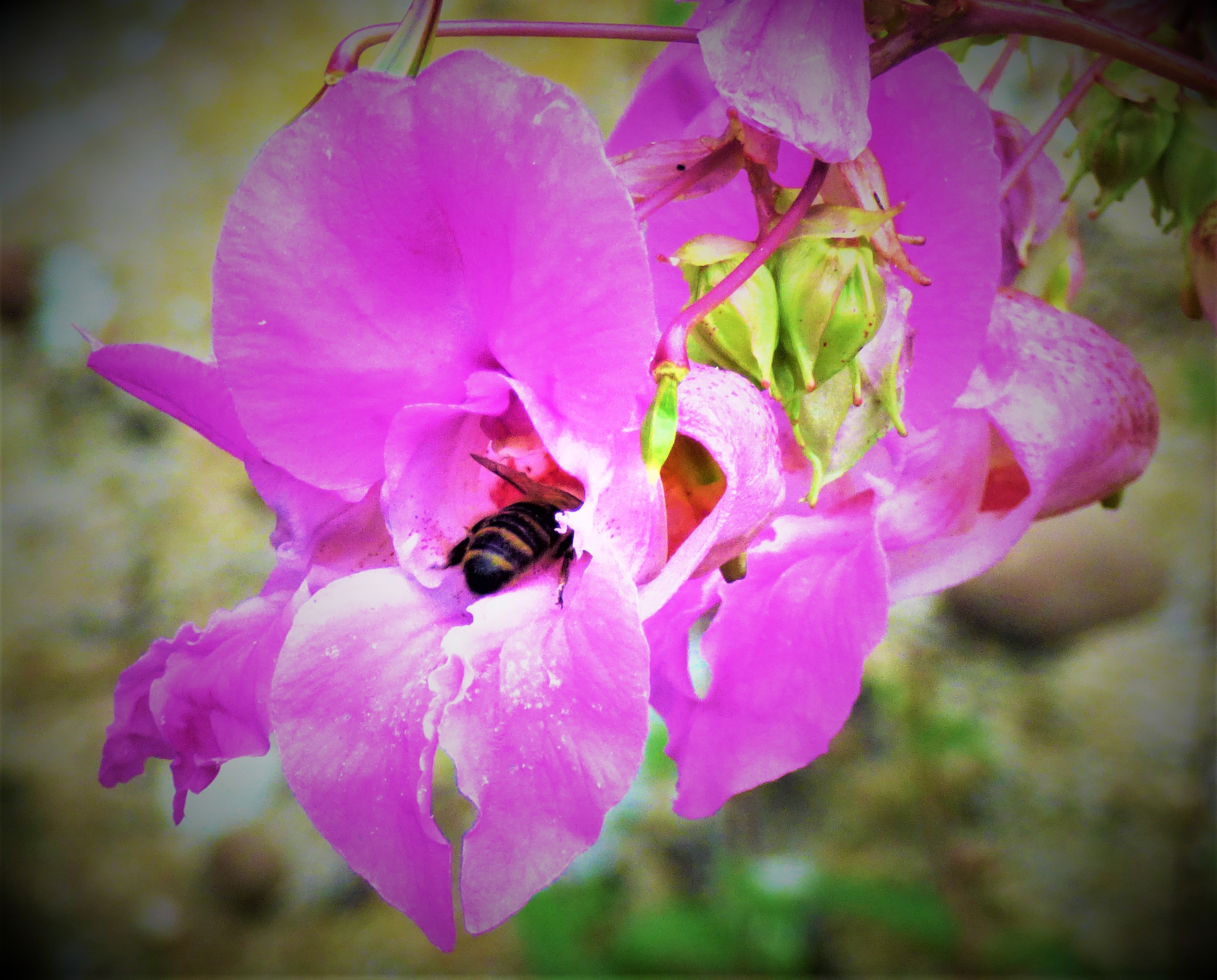
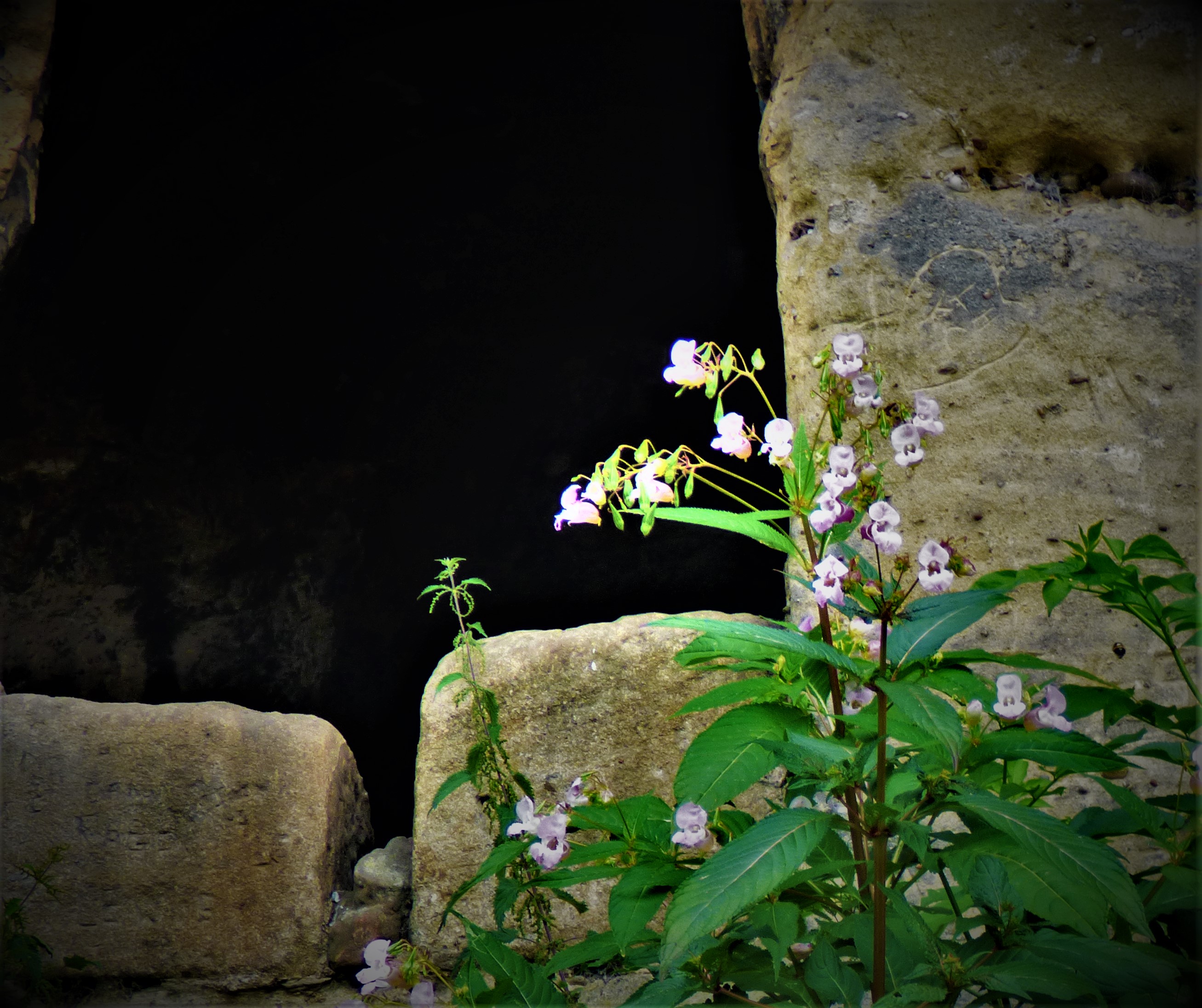
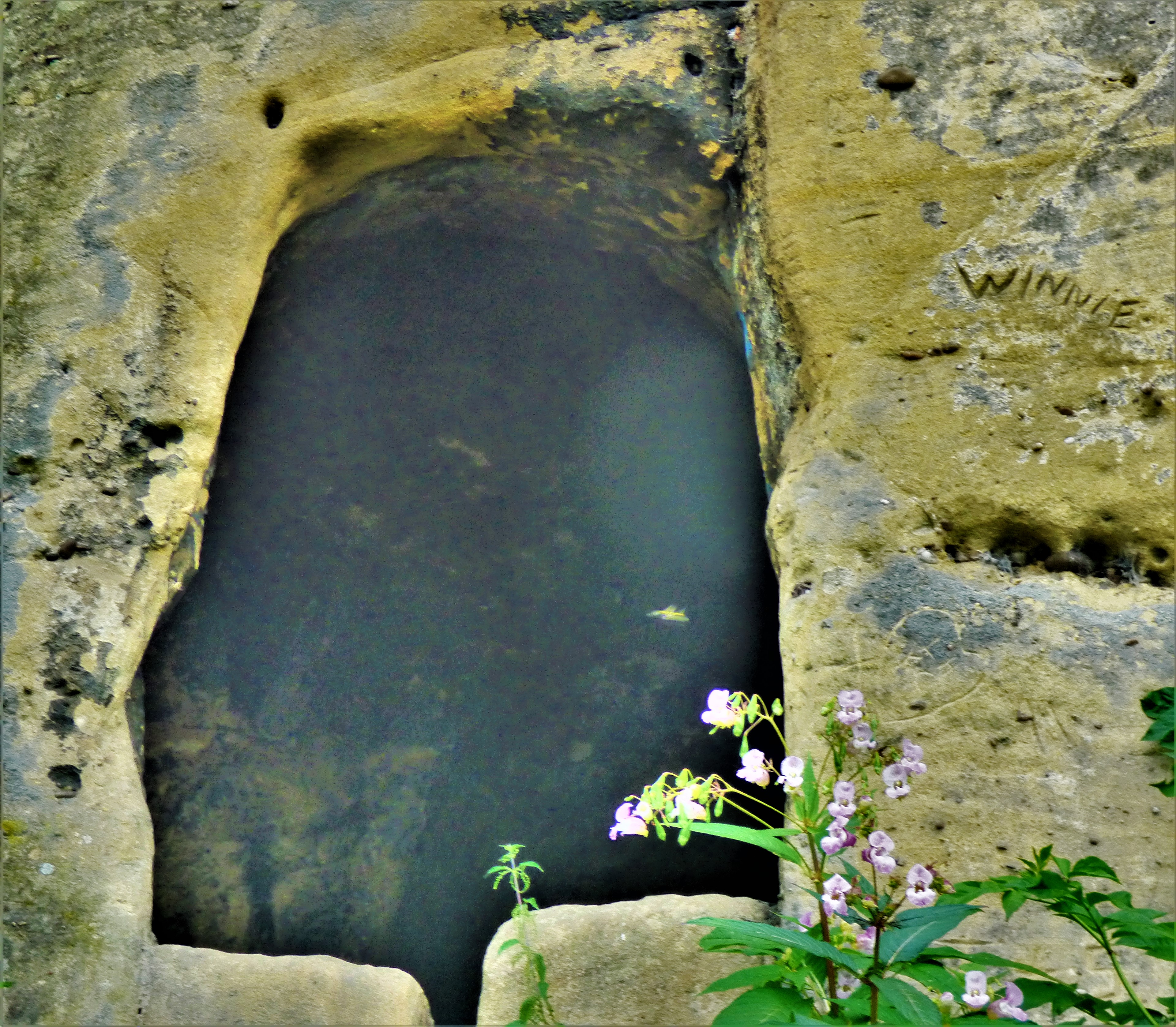
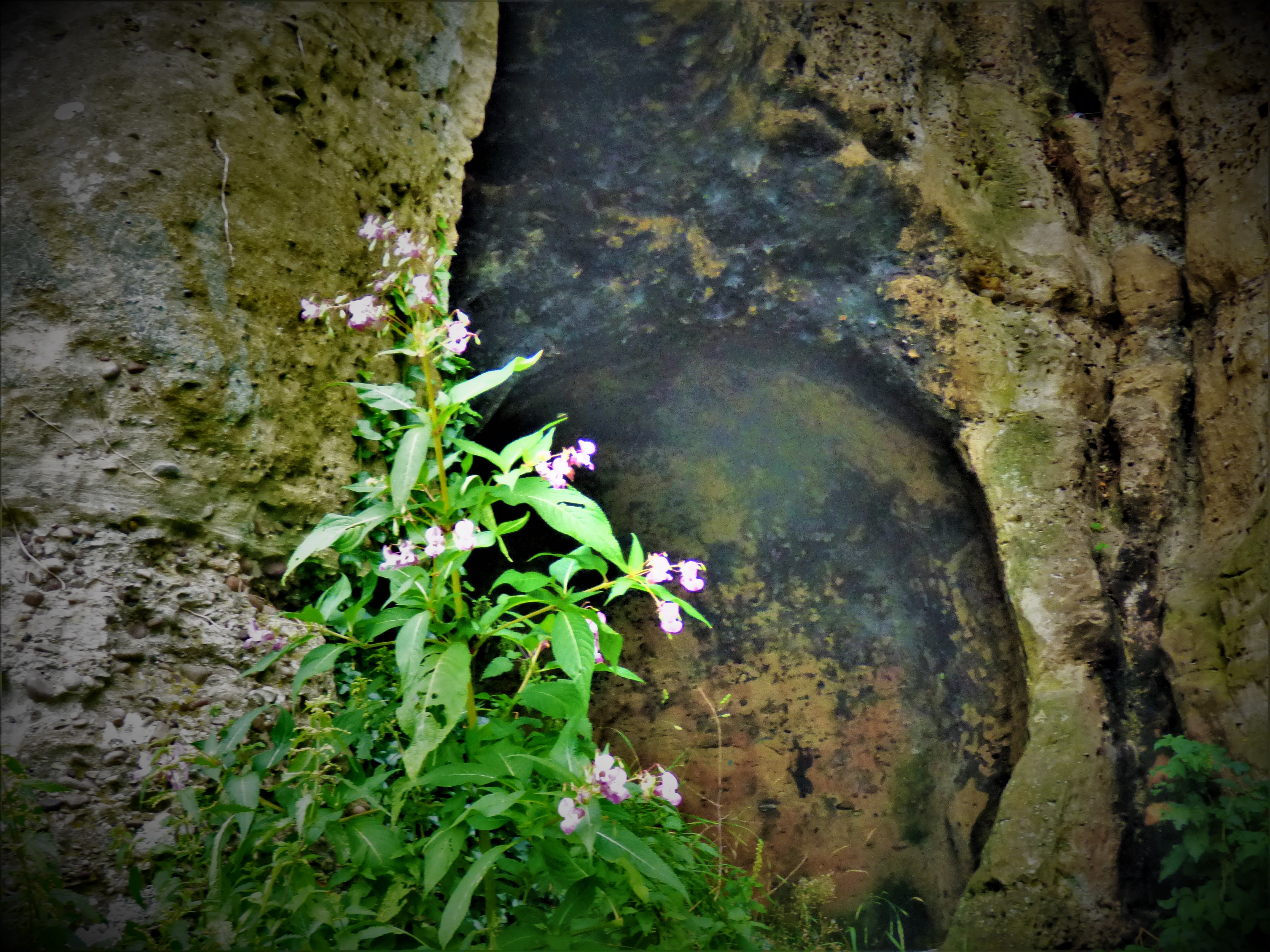
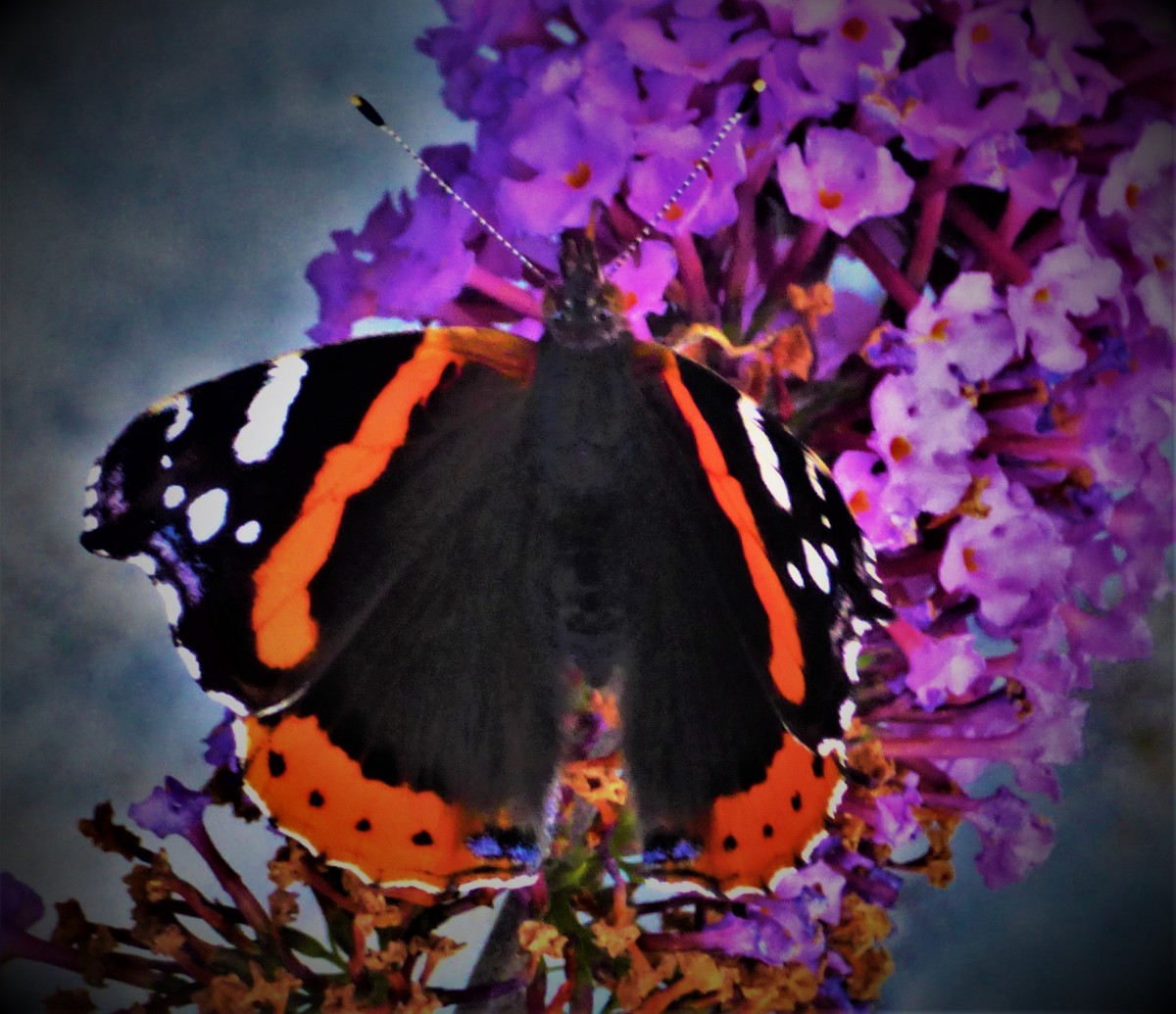
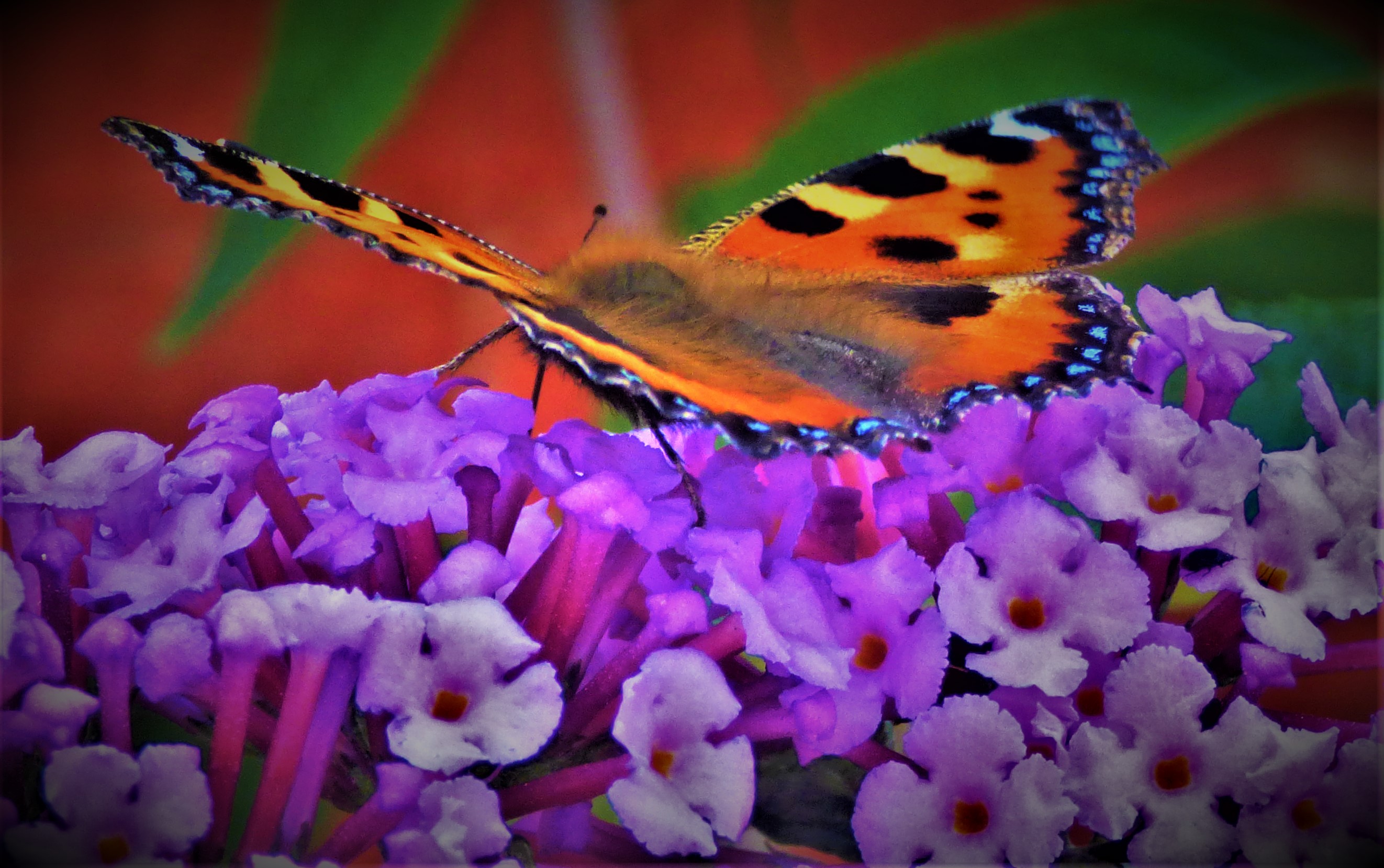
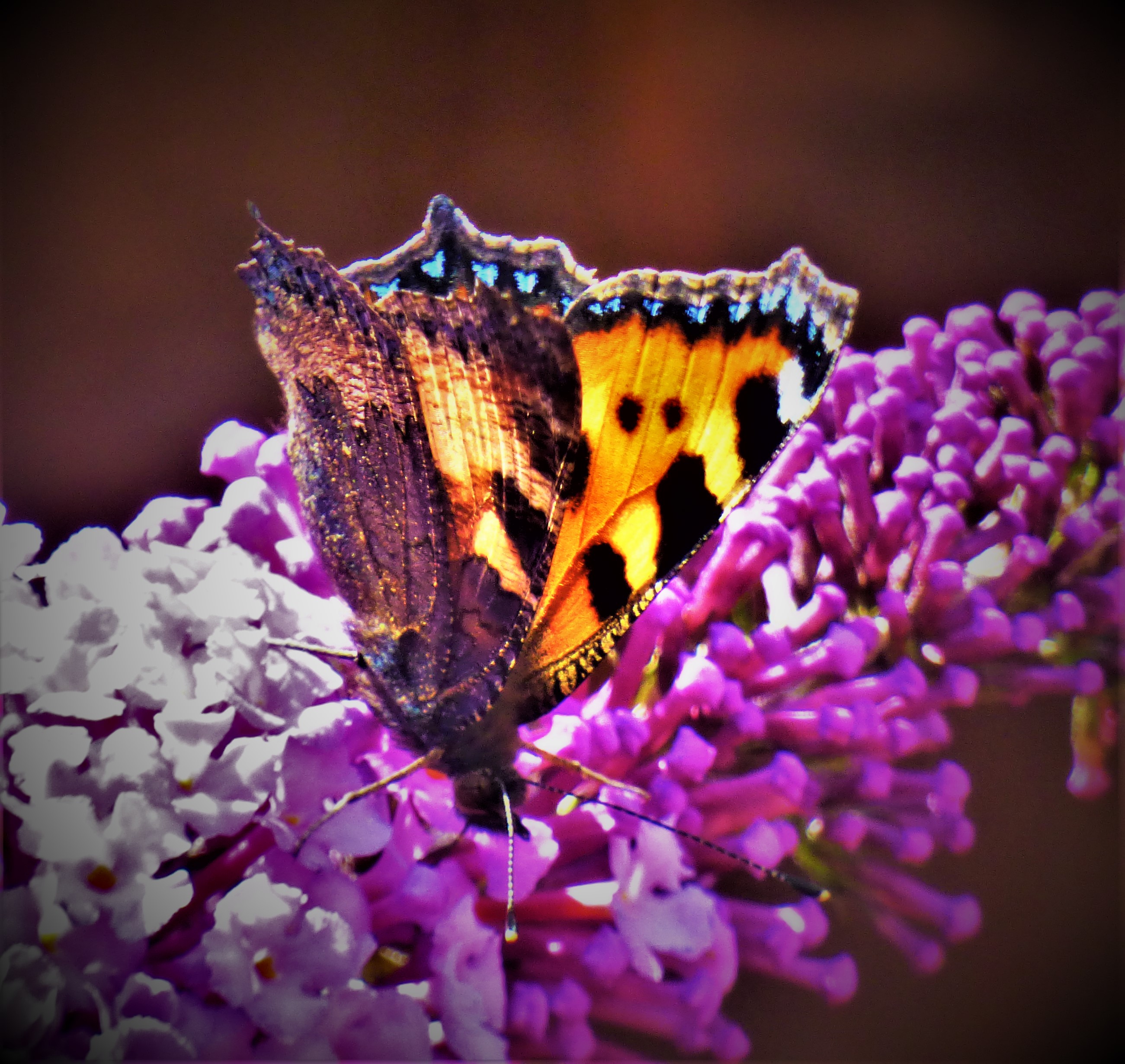
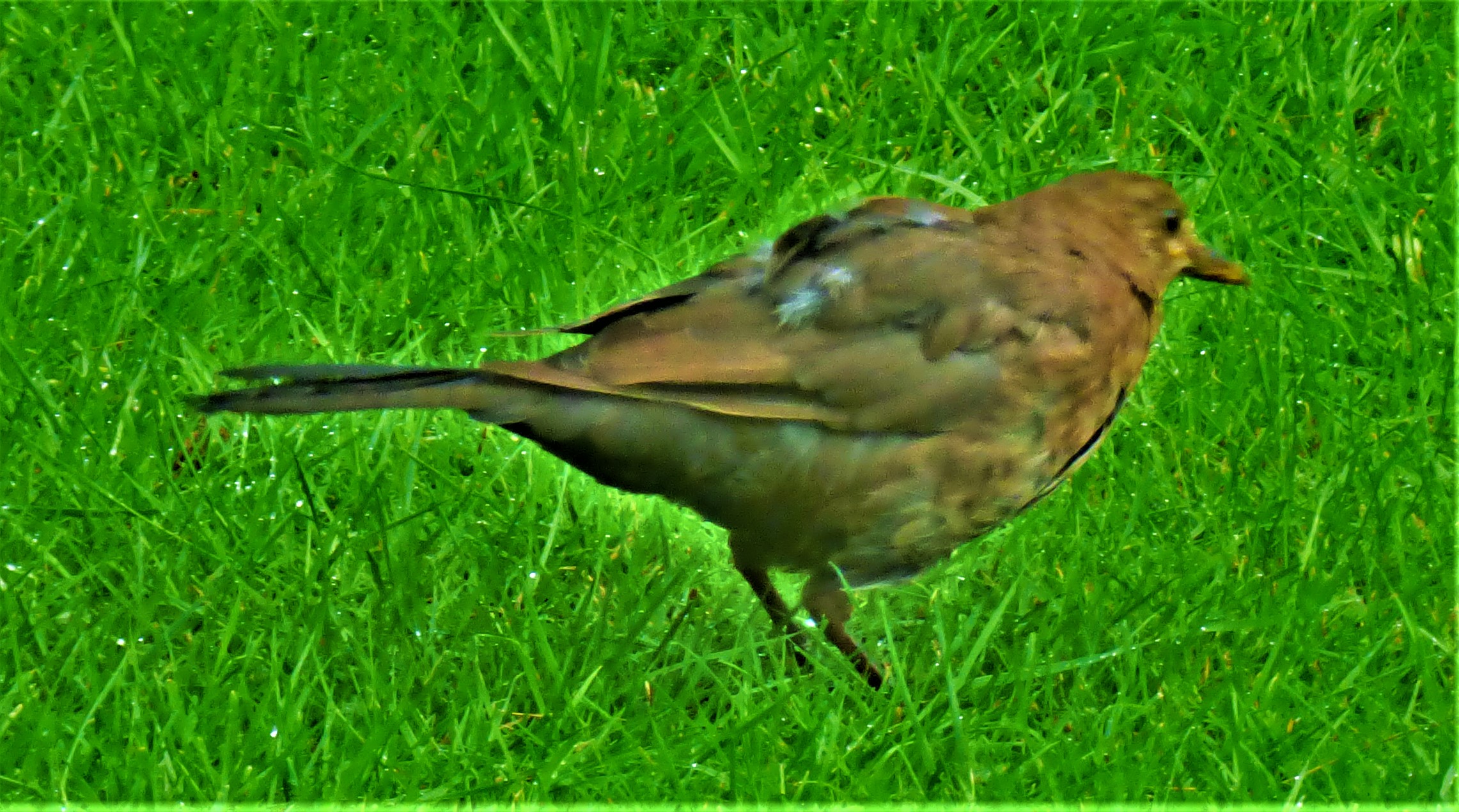
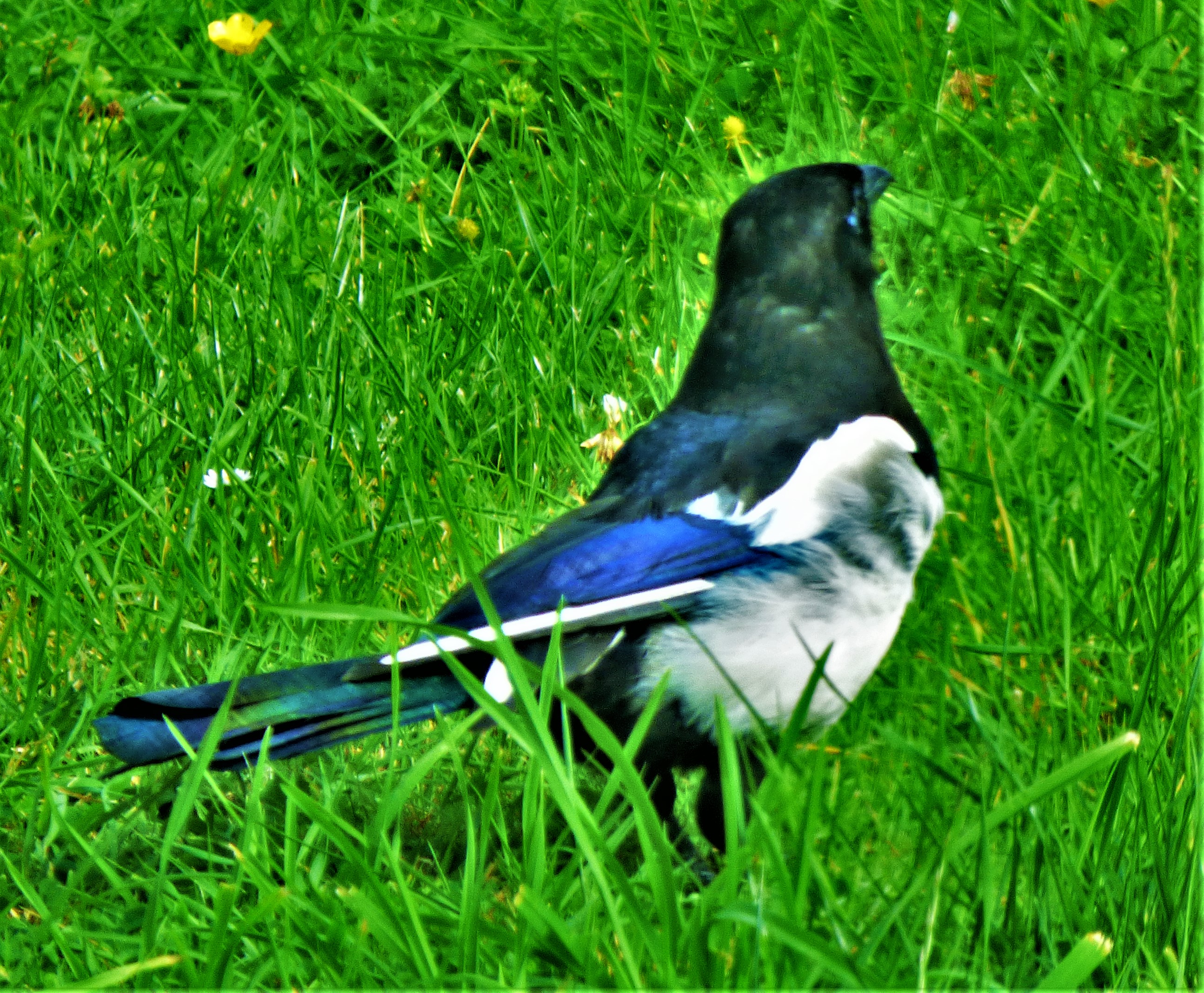
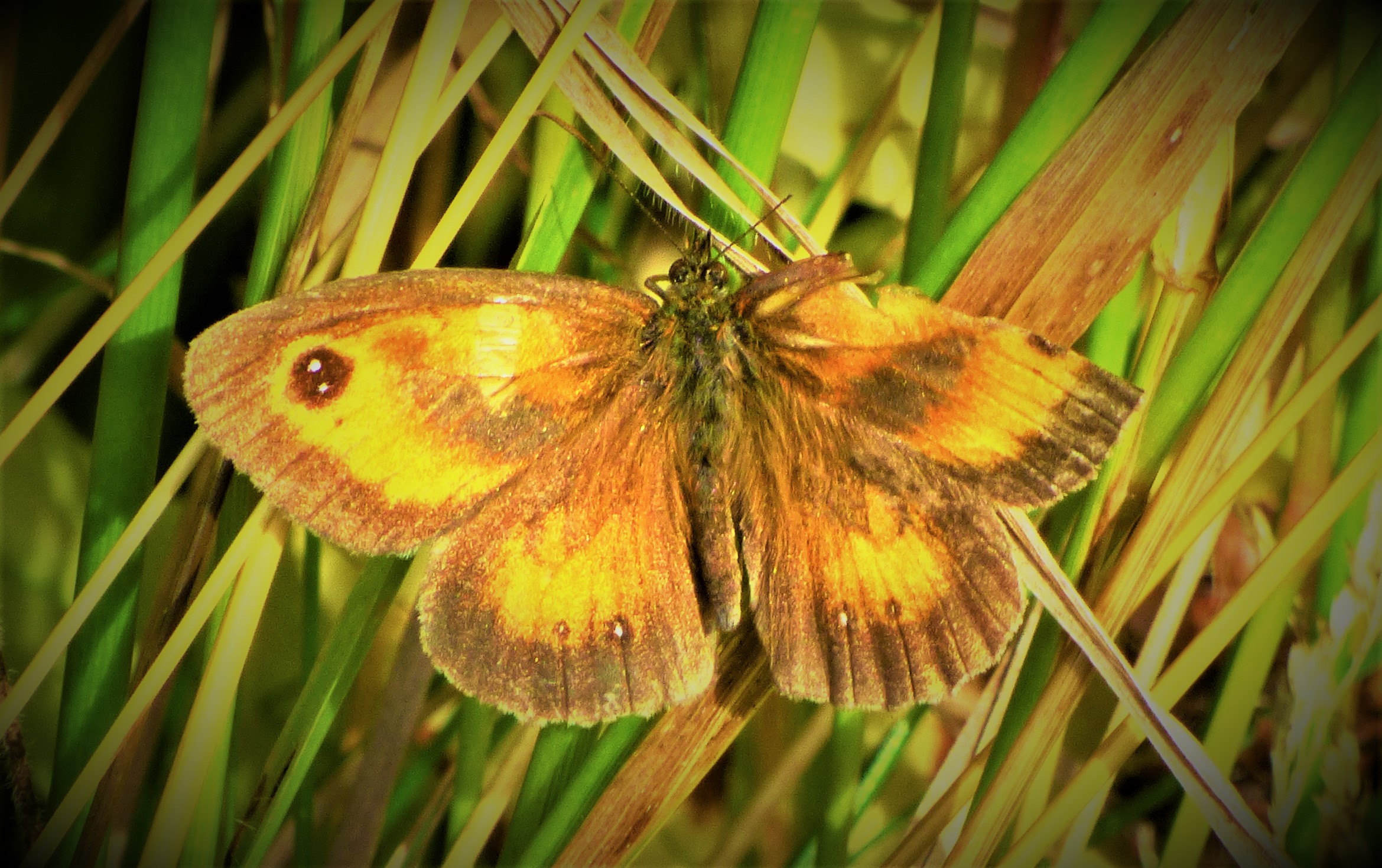
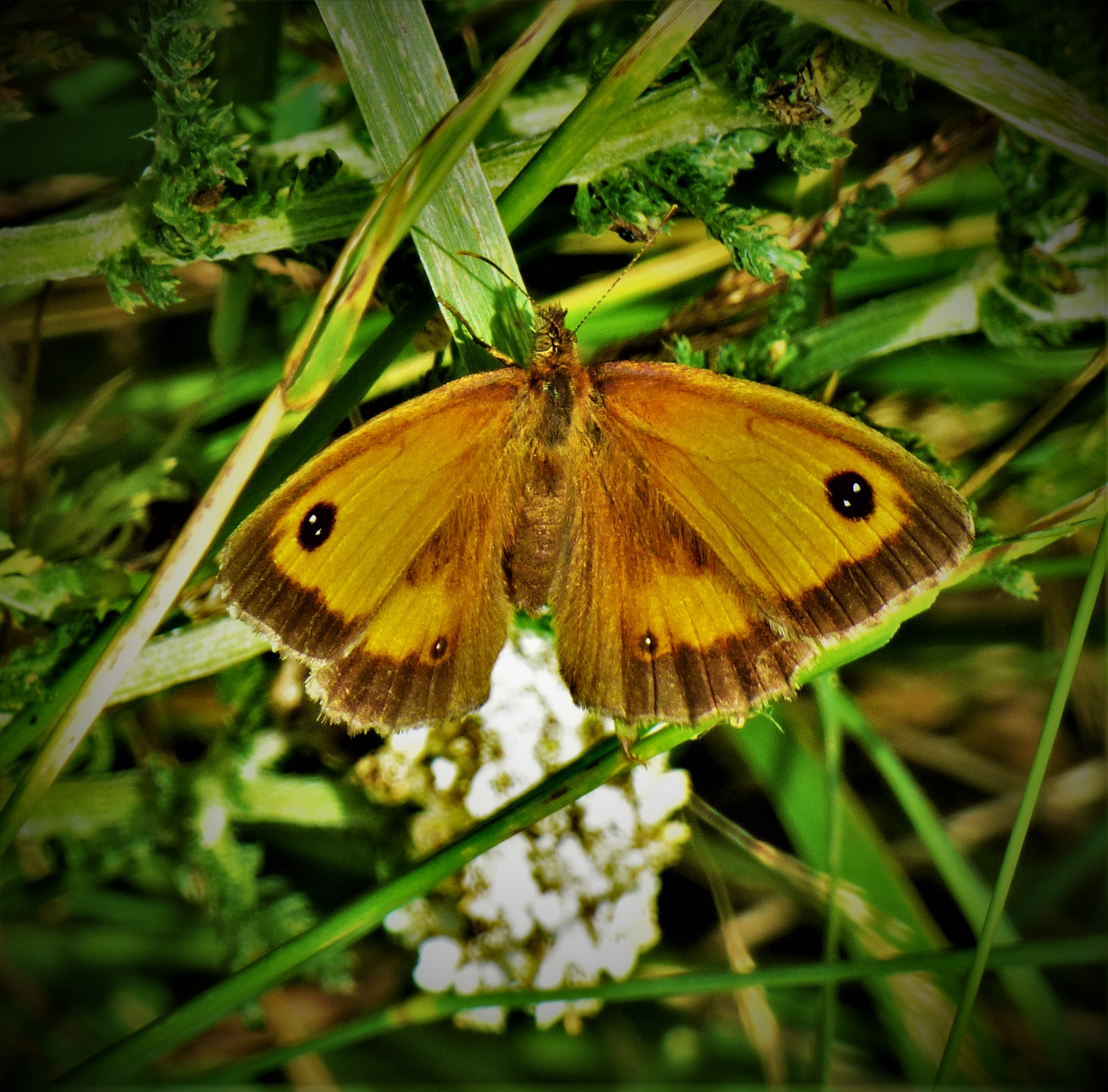
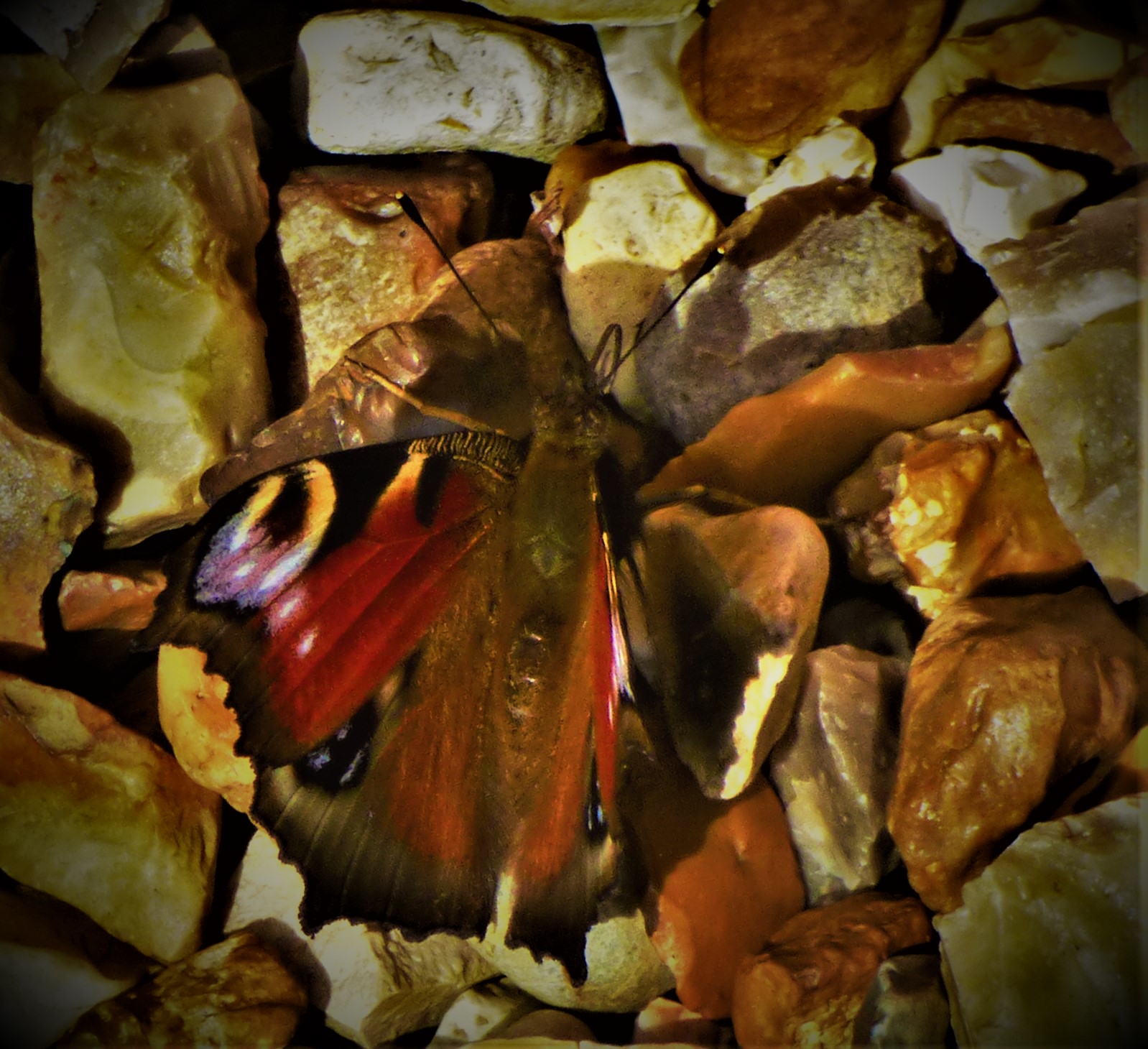
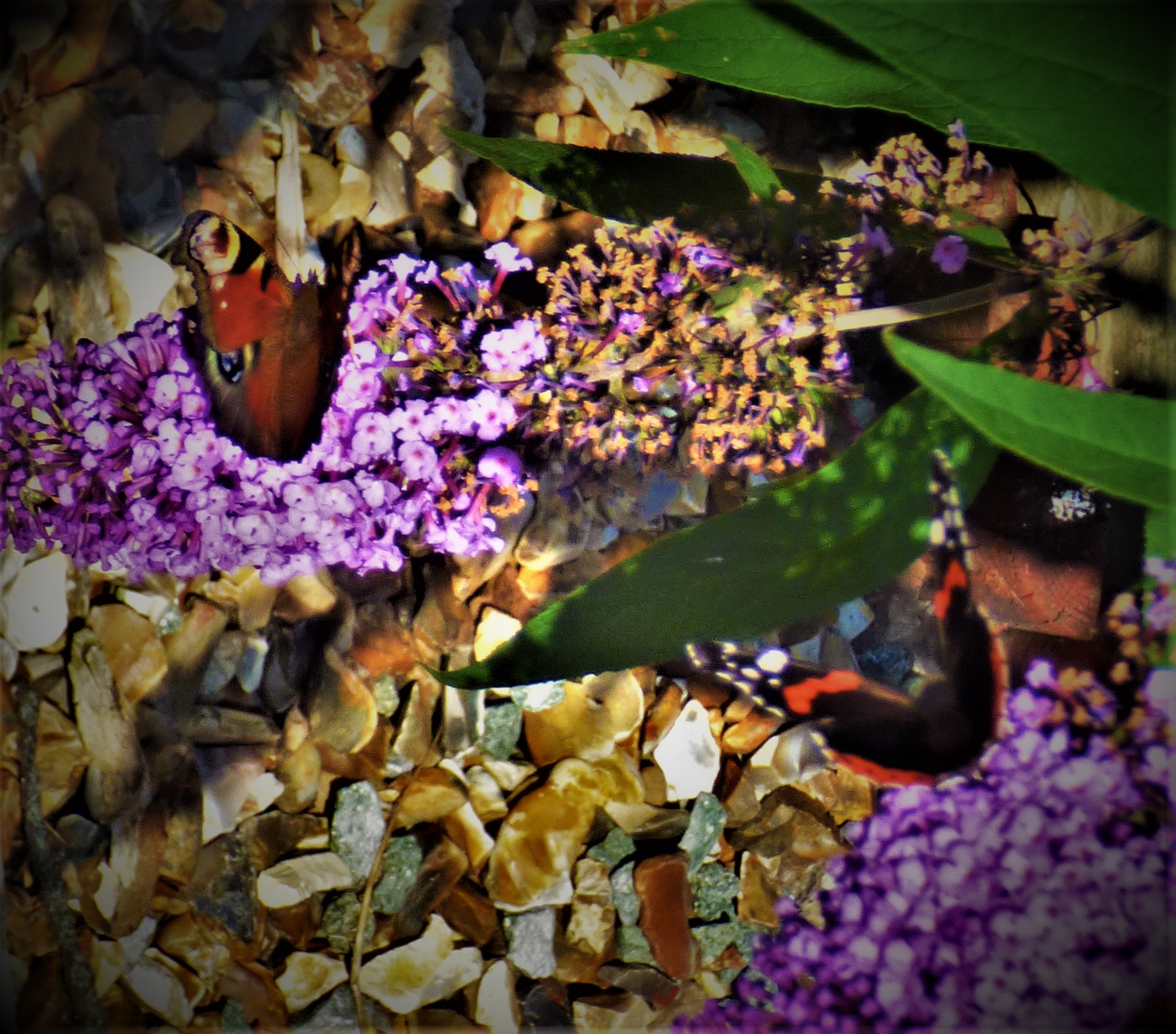
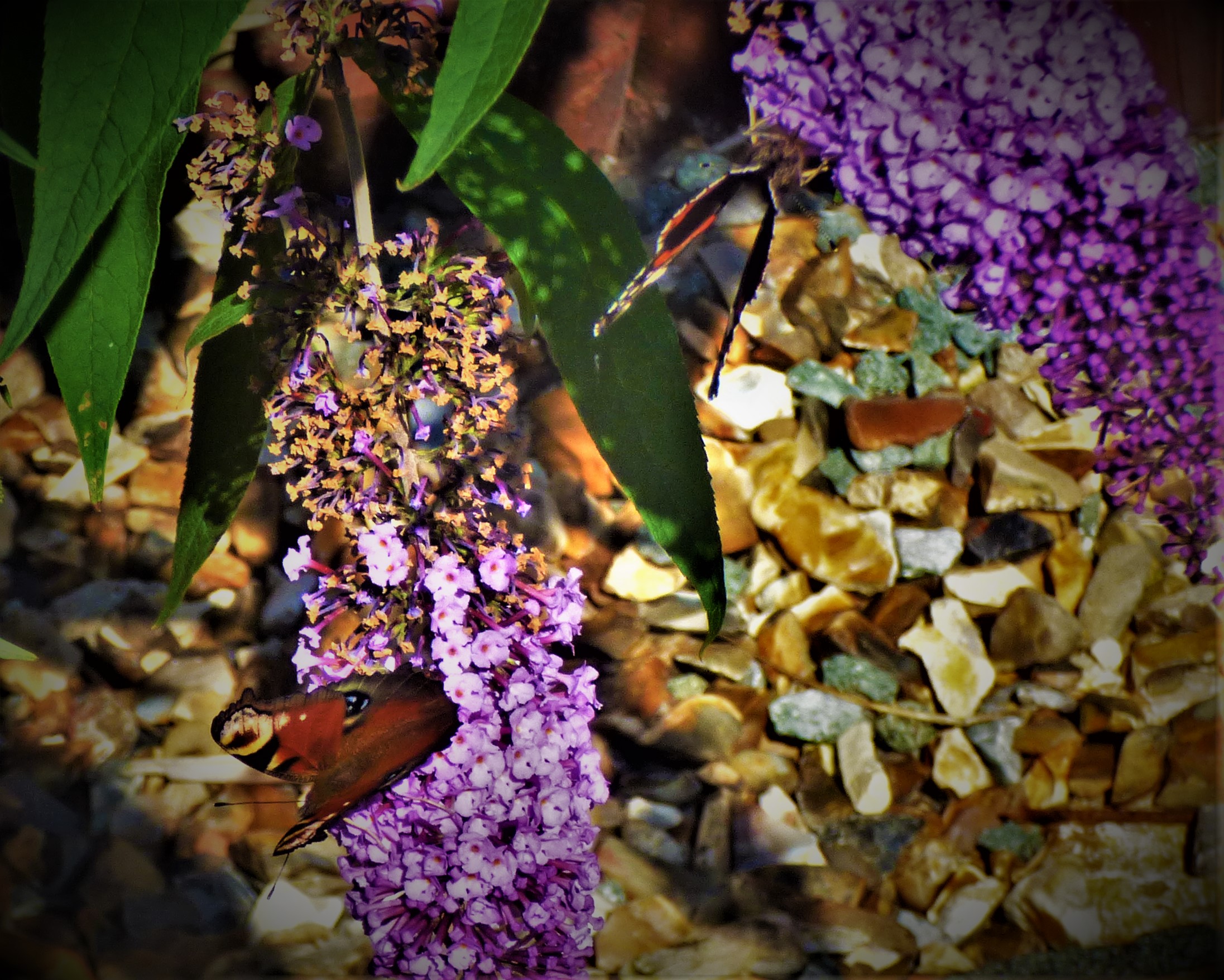
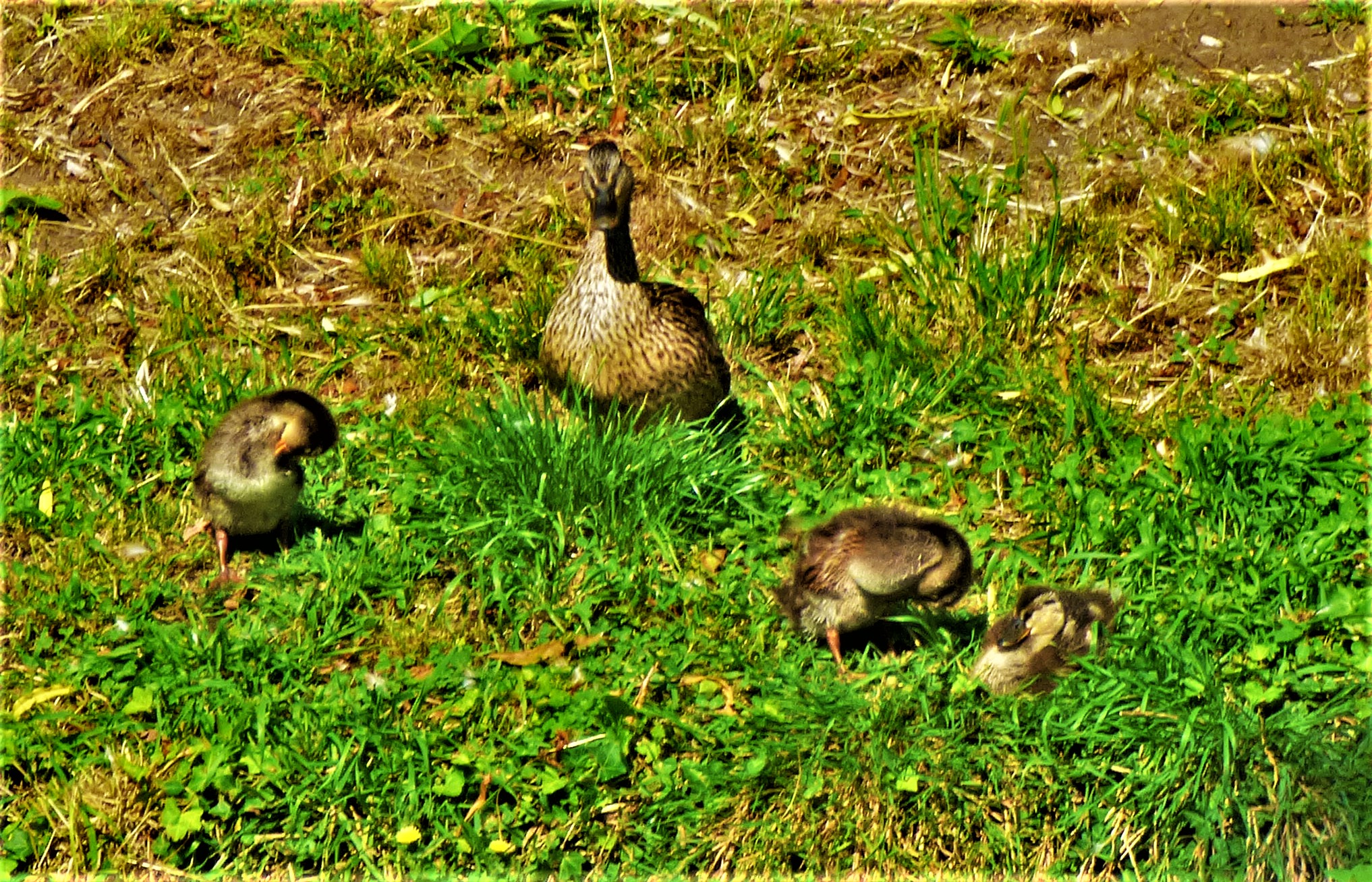
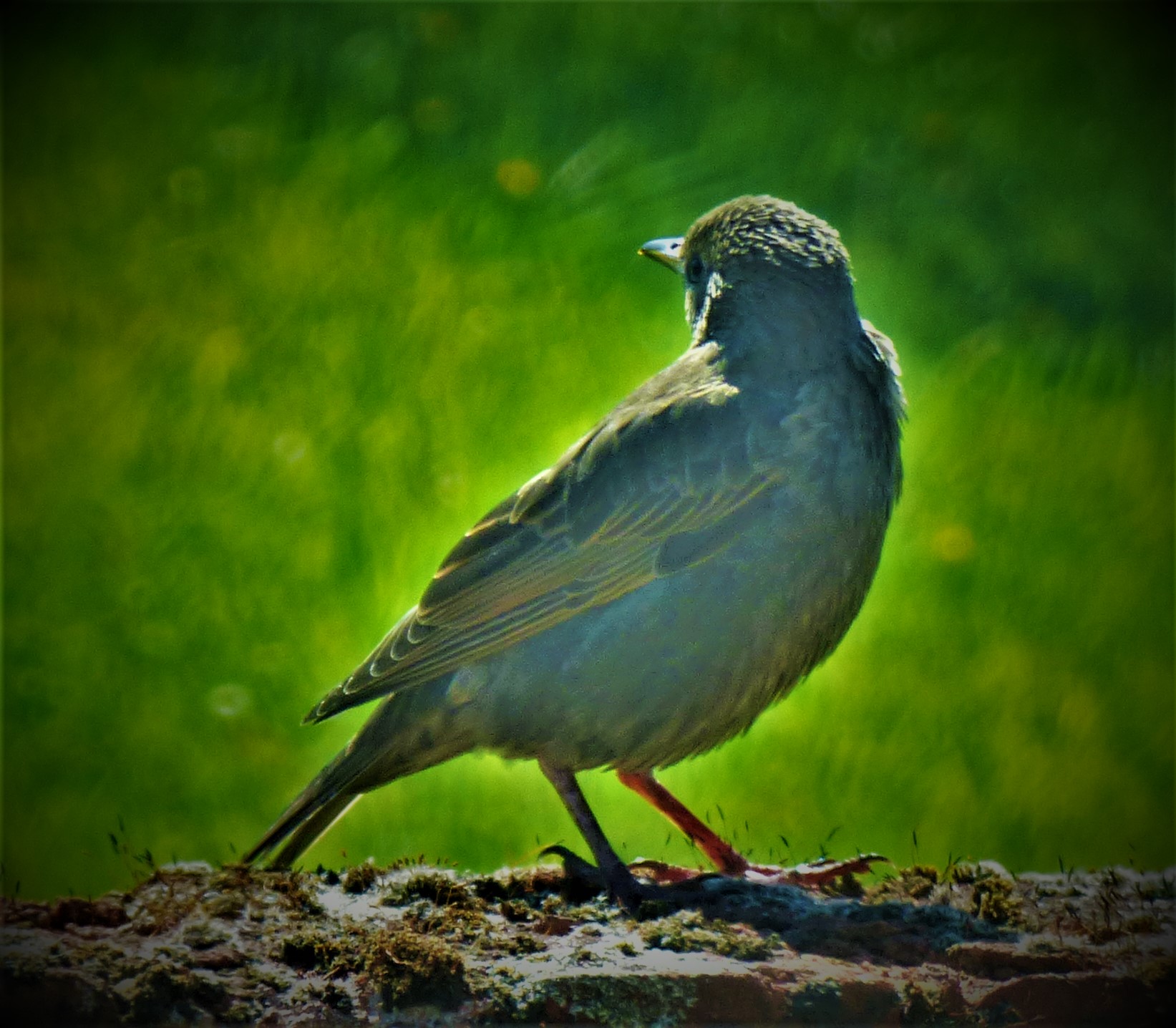
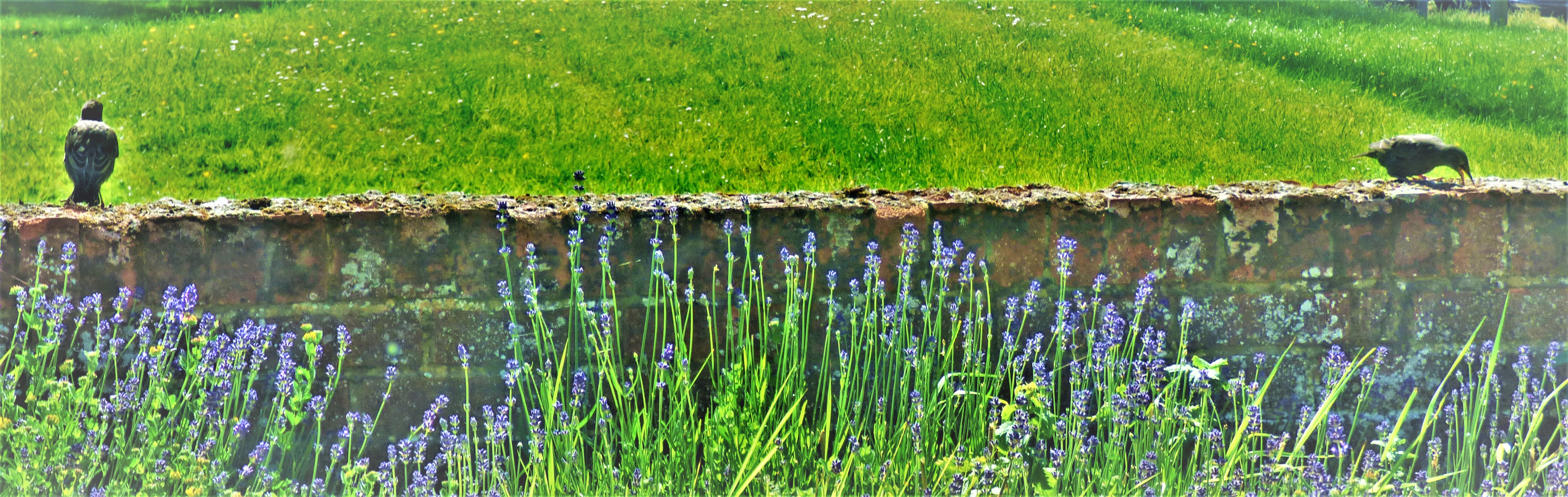
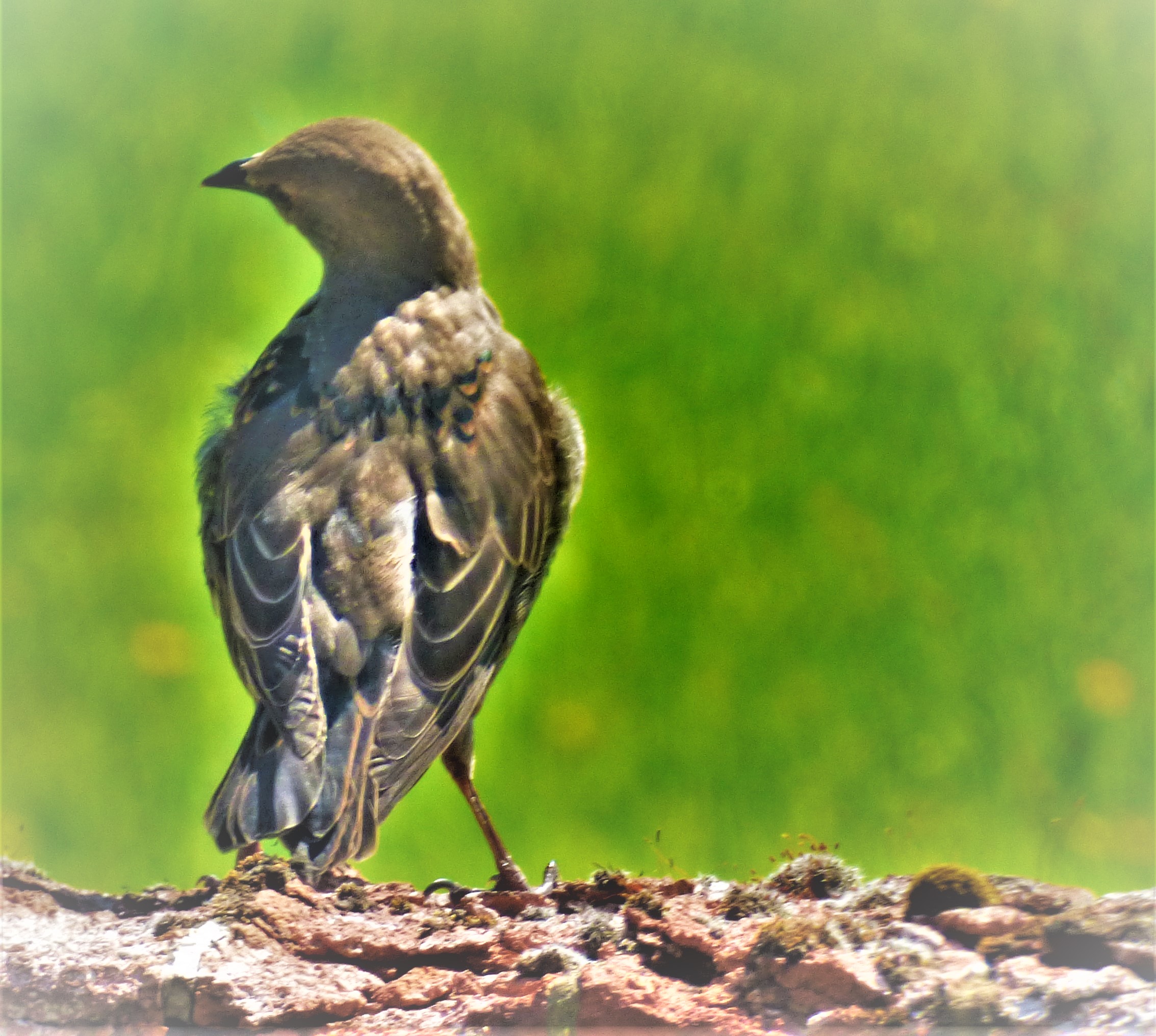
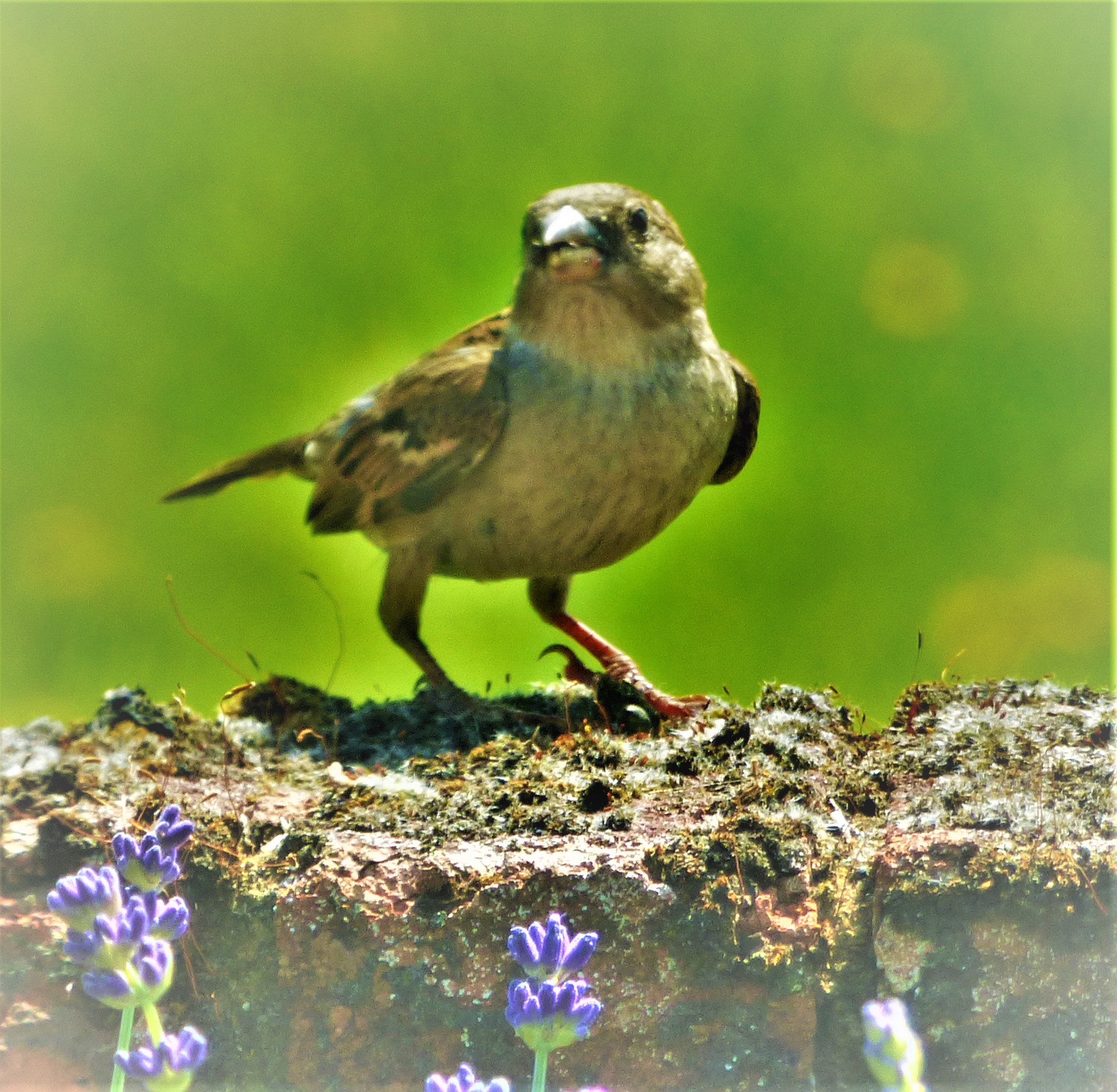
An account of my day in Wick near the end of my recent Scottish holiday.
We have reached the last full day of my Scottish holiday (May 28 – June 5th), the Friday which I spent in Wick (a mix up over booking times meant that I had an extra day in Scotland after we were supposed to leave the house in which we had been staying, having missed the first day, so I was booked into a hotel in Wick, from whence I was departing early on the Saturday morning).
ARRIVING IN WICK
I was dropped at the Norseman Hotel in Wick, where I would be staying overnight. Unfortunately it was far too early to check in, but fortunately I was able to deposit my larger bag at the hotel which meant that I had at least some freedom of movement.
ETYMOLOGICAL NOTE
Wick derives from Old Norse and means ‘bay’ in English. It is most often seen as a place name ending, with -wich, as in Norwich, an alternative version. The -vik of Narvik in northern Norway derives from the same root. The fact that Wick has no prefix indicates that when it was first settled it was the only bay in the area that was considered significant.
EXPLORING WICK
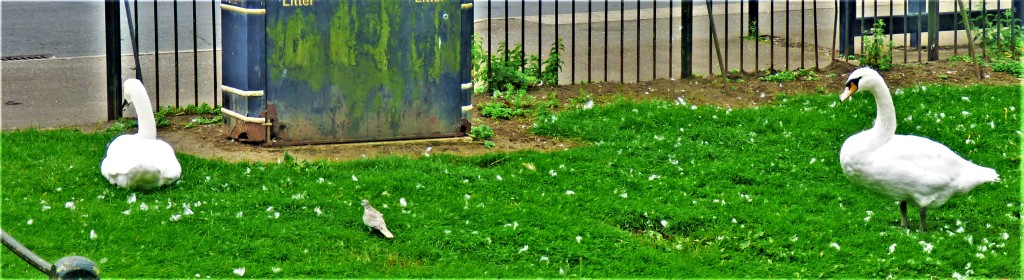
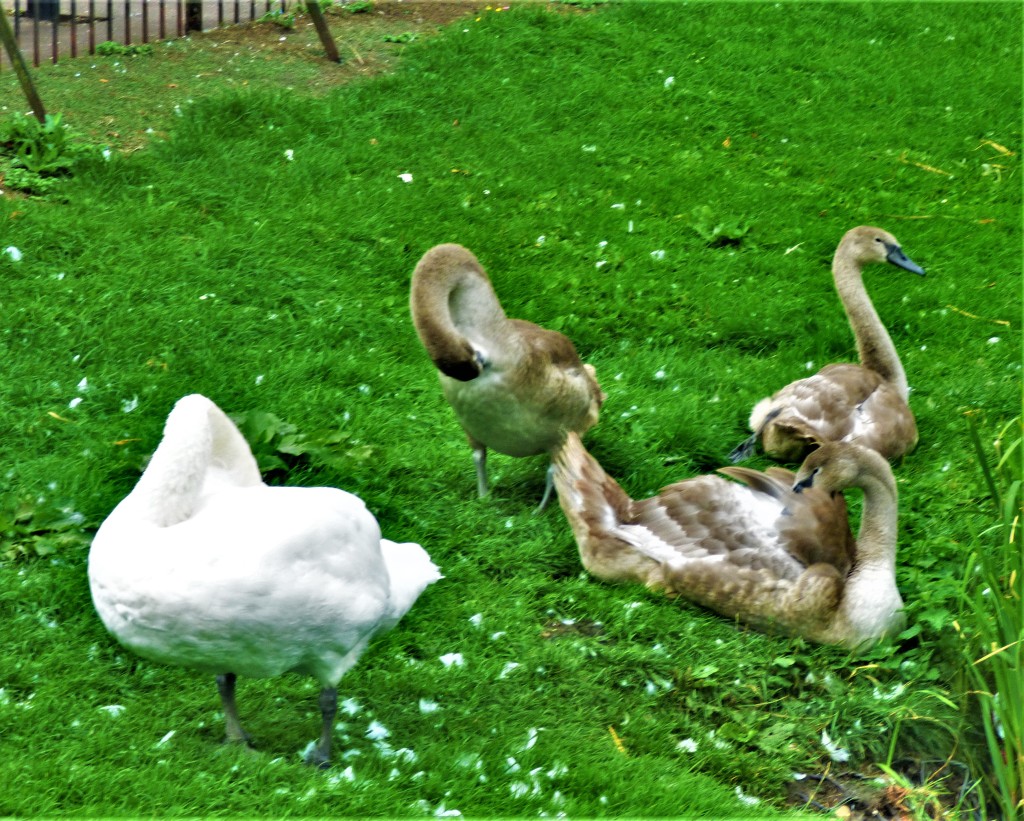
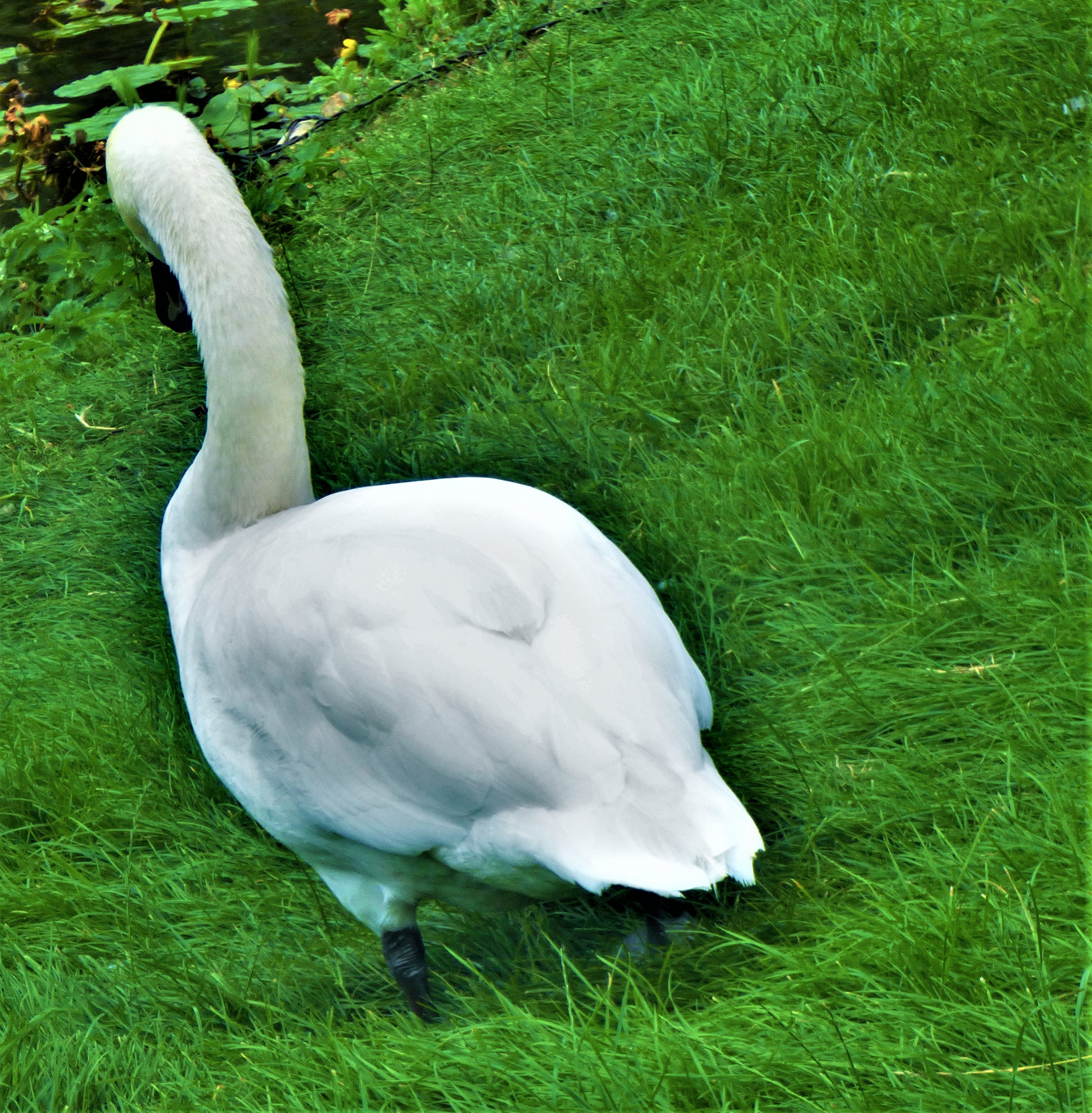
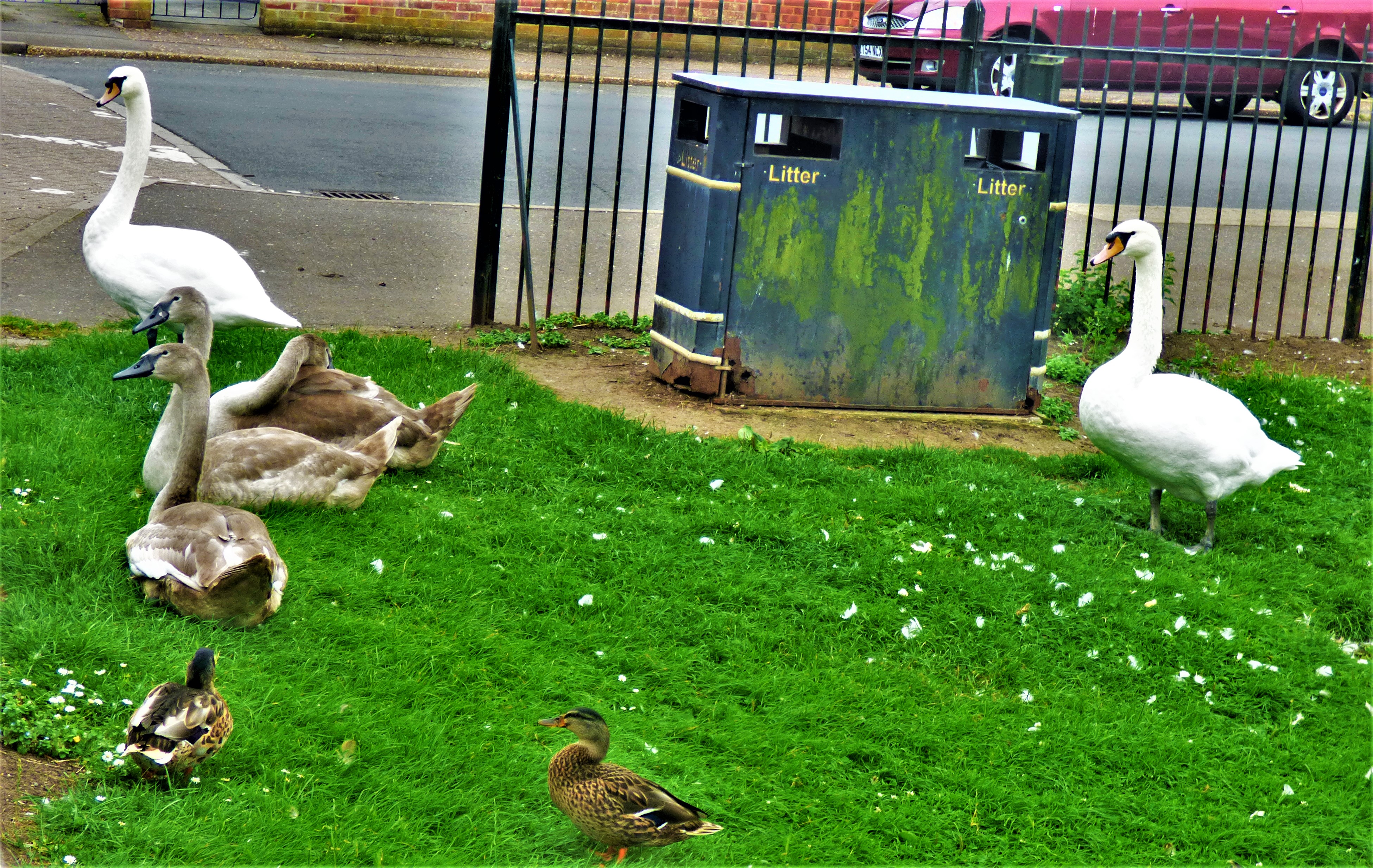
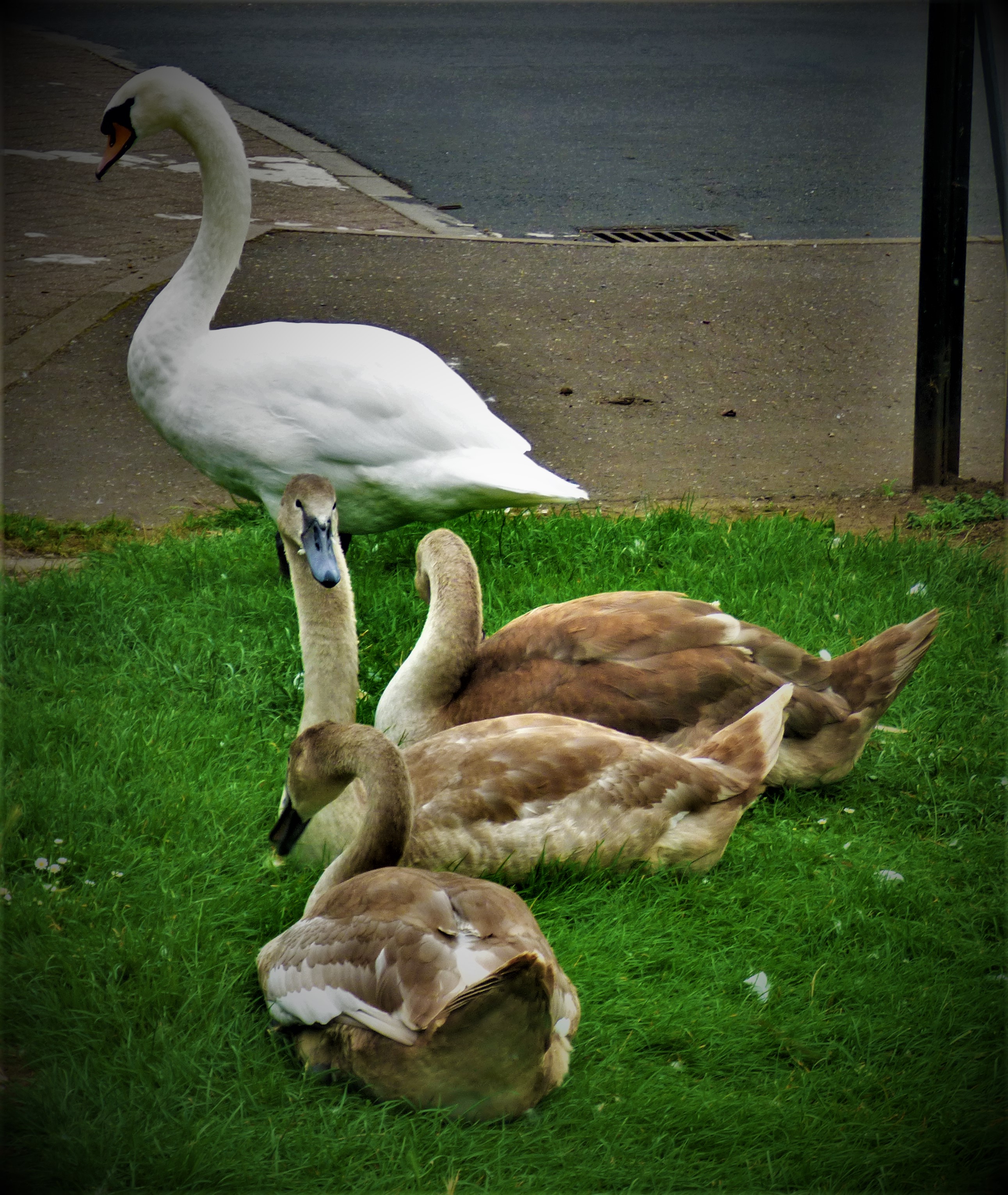
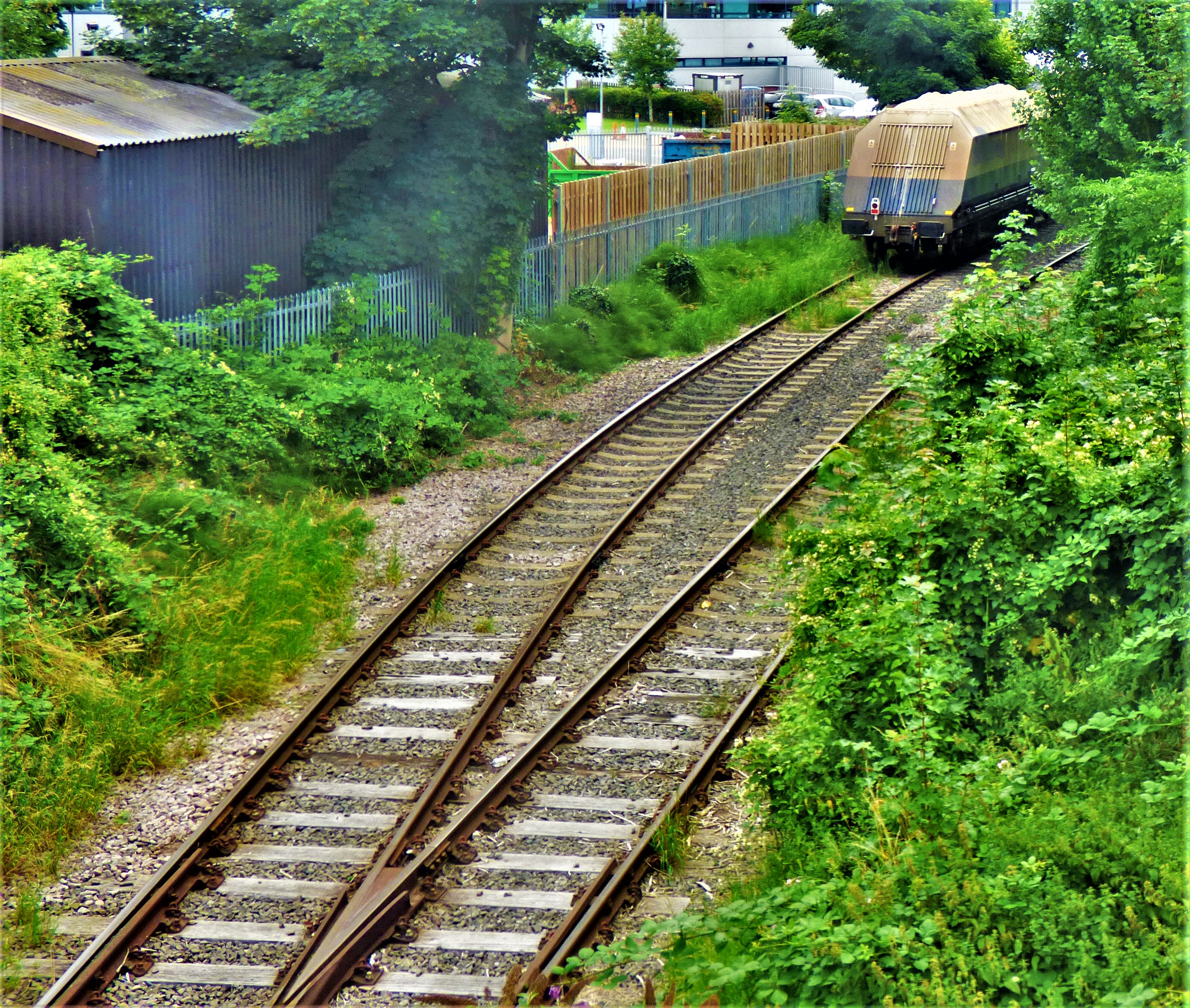
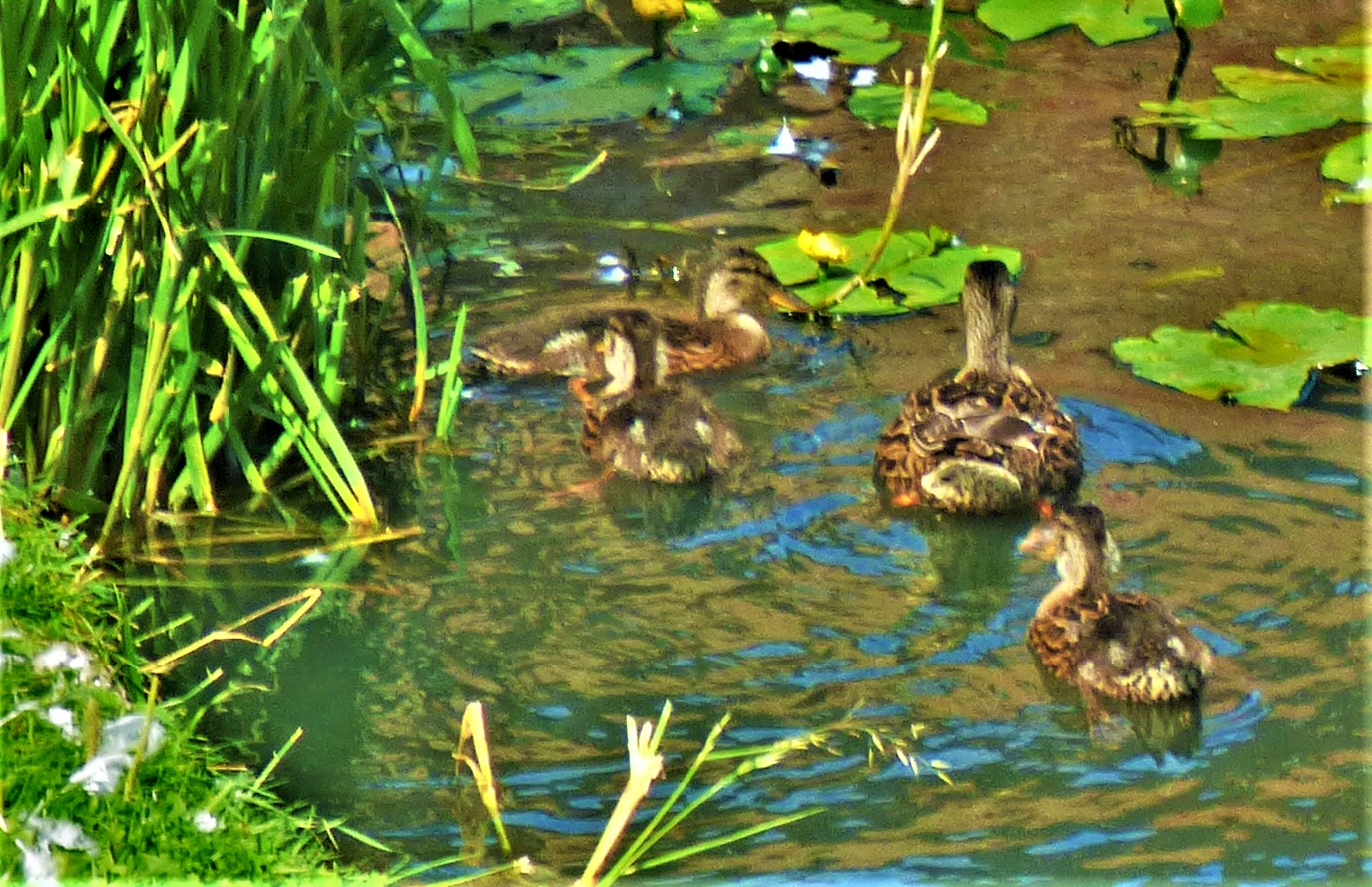
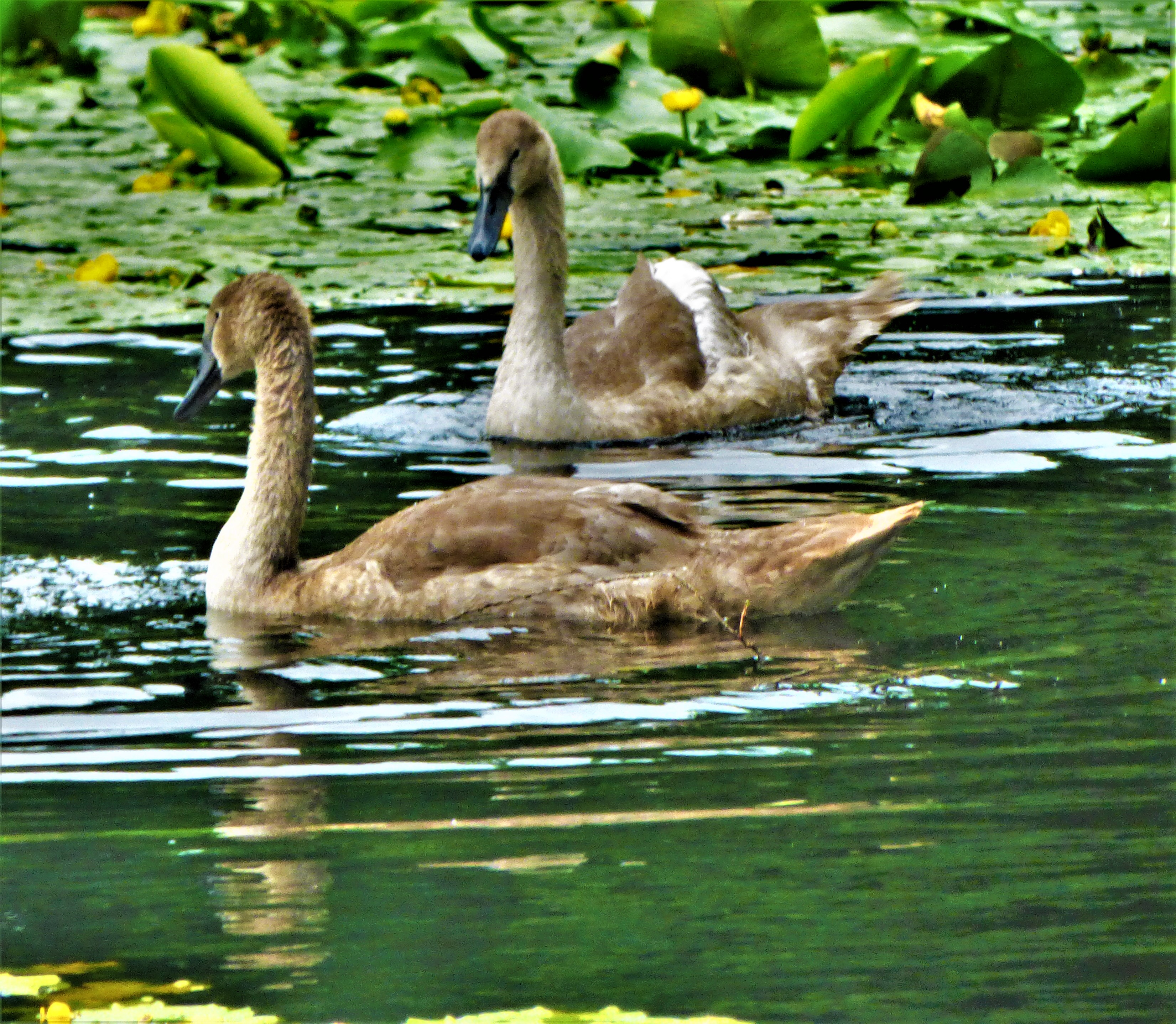
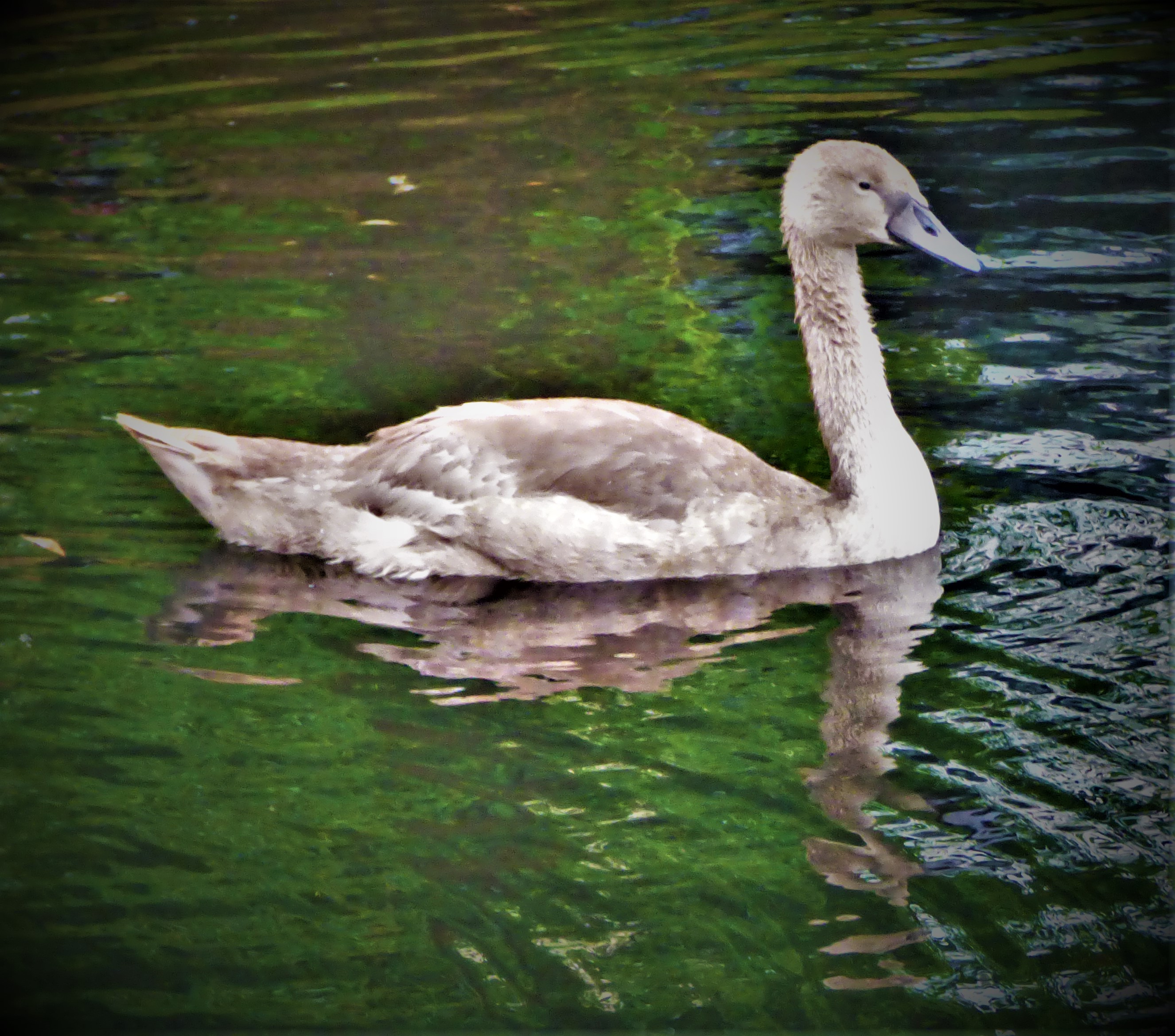
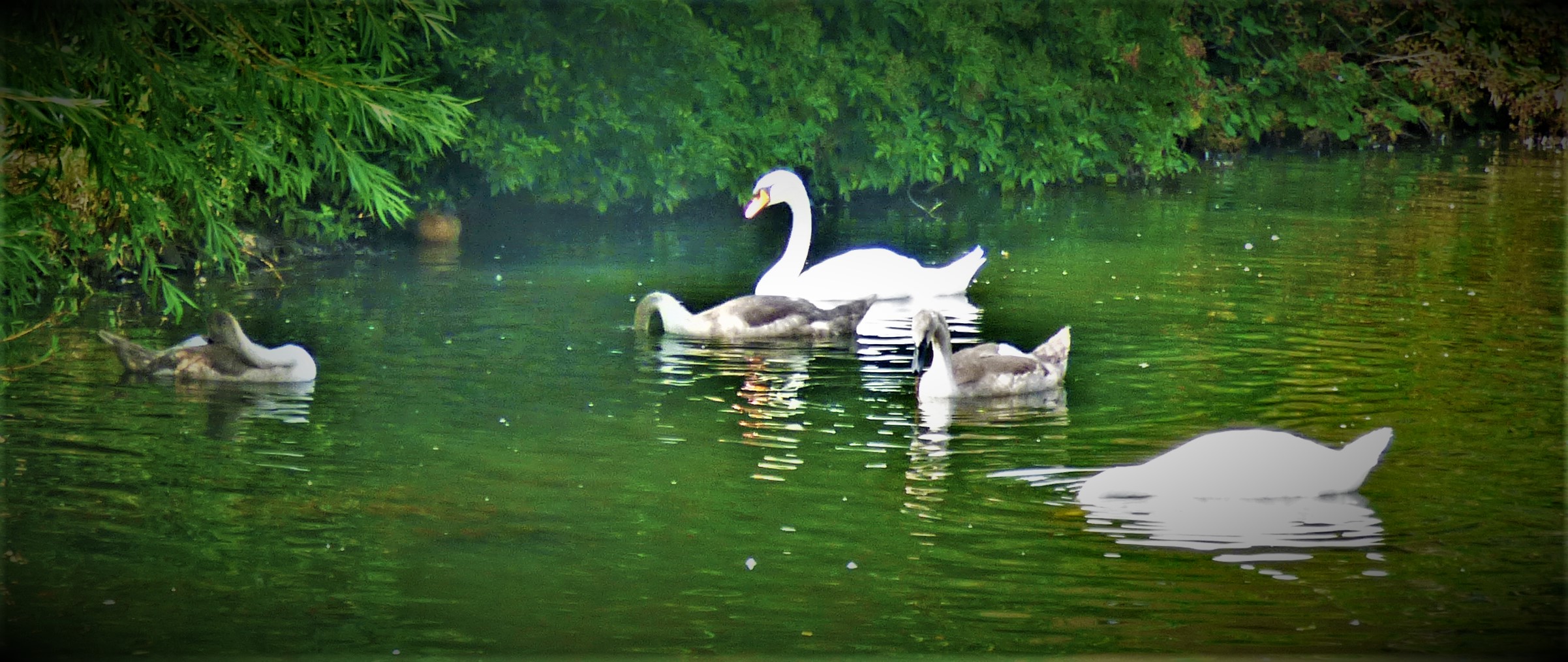
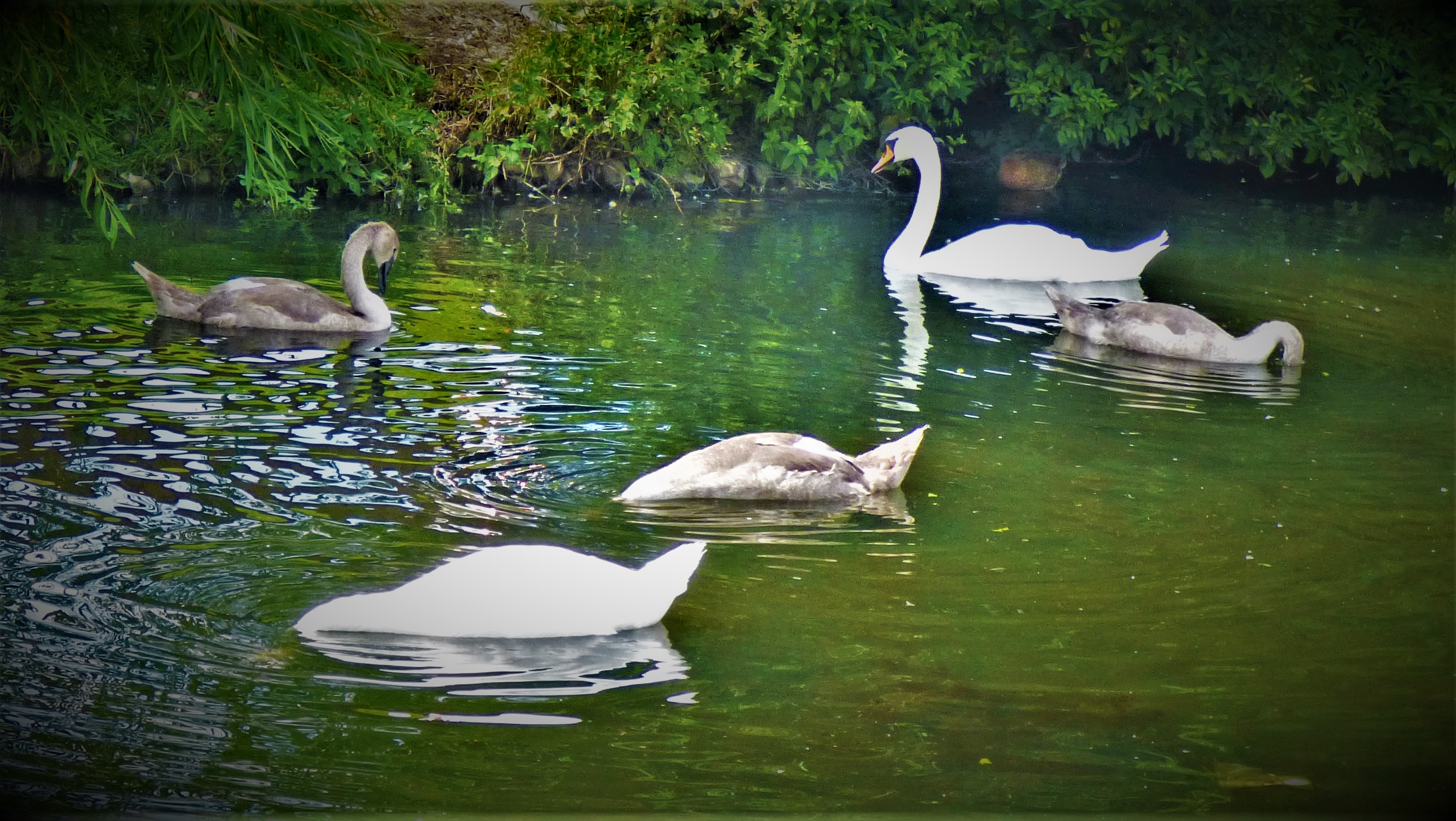
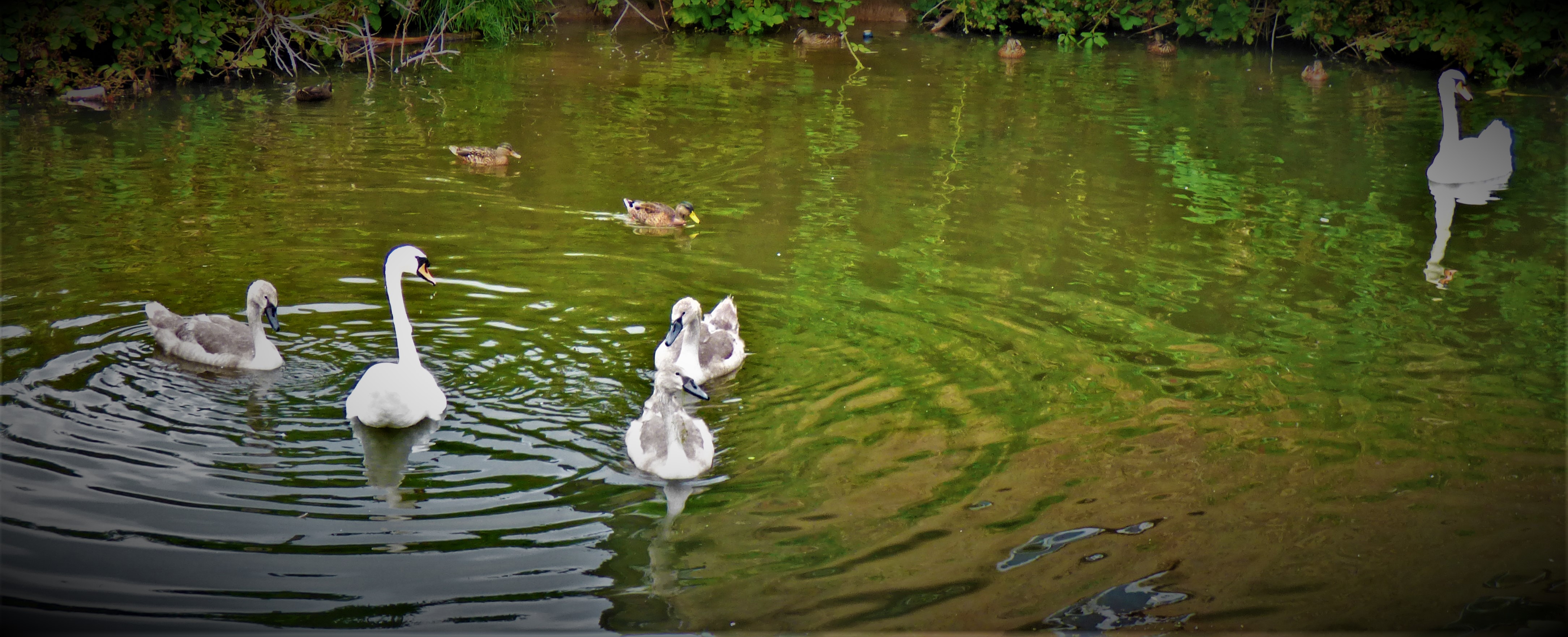
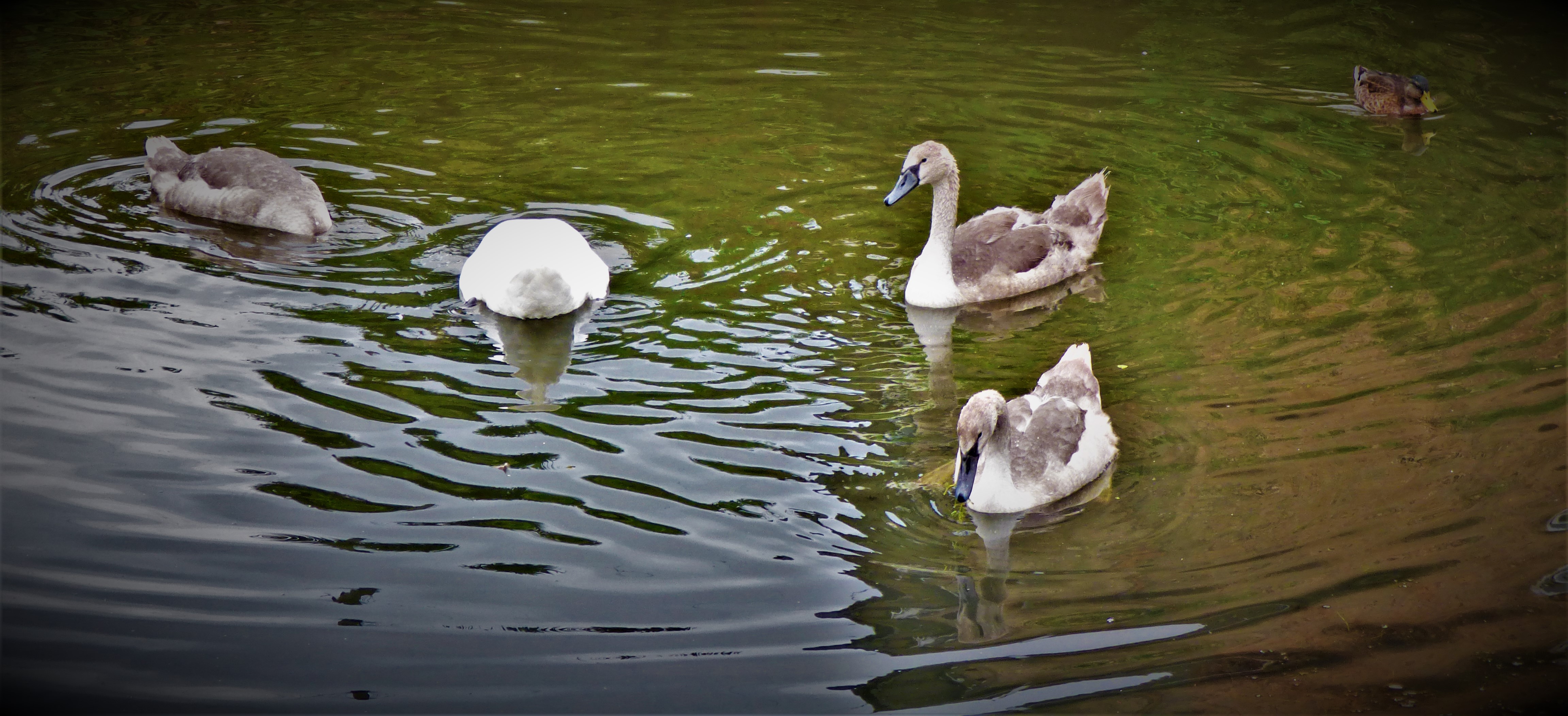
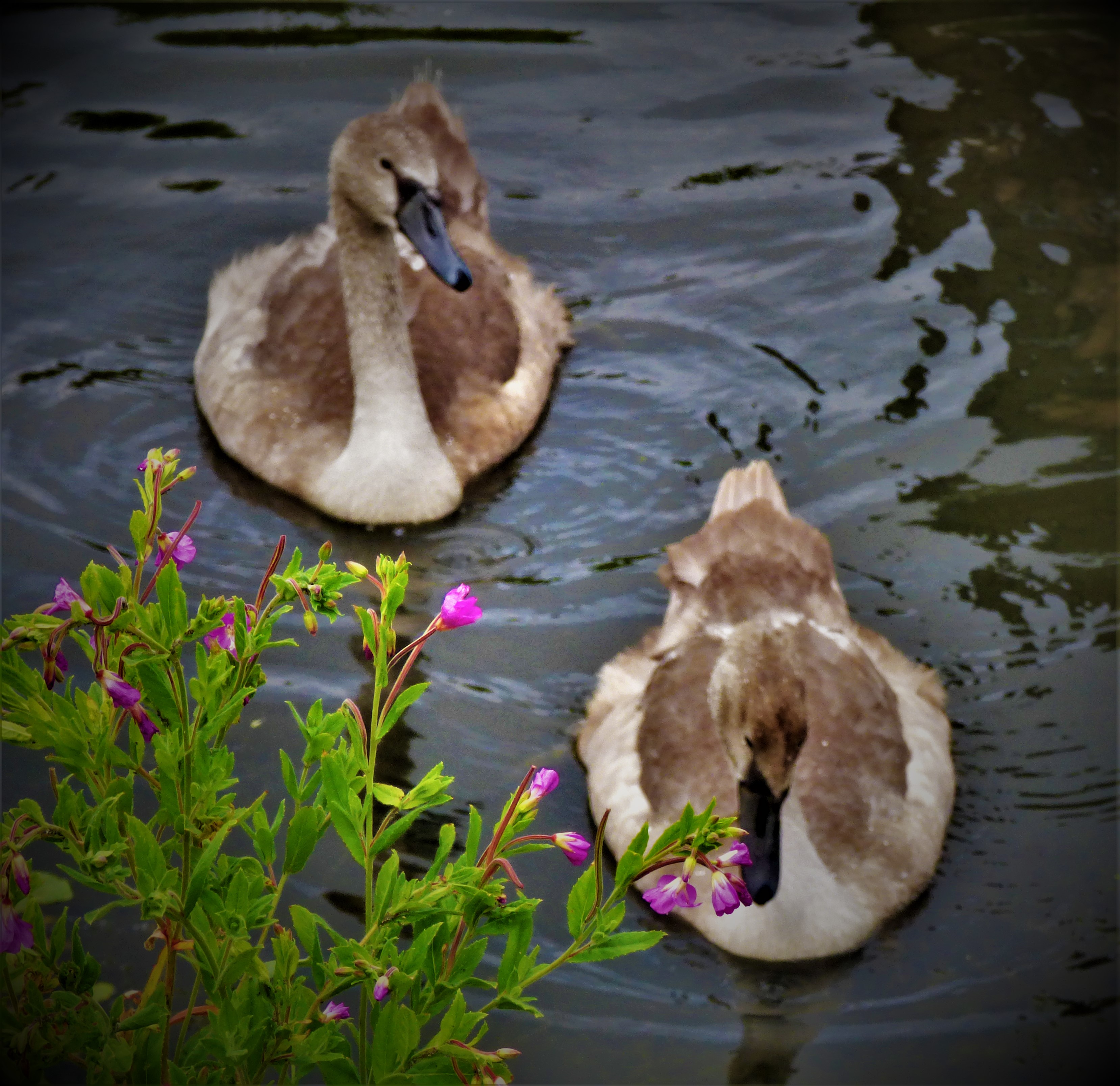
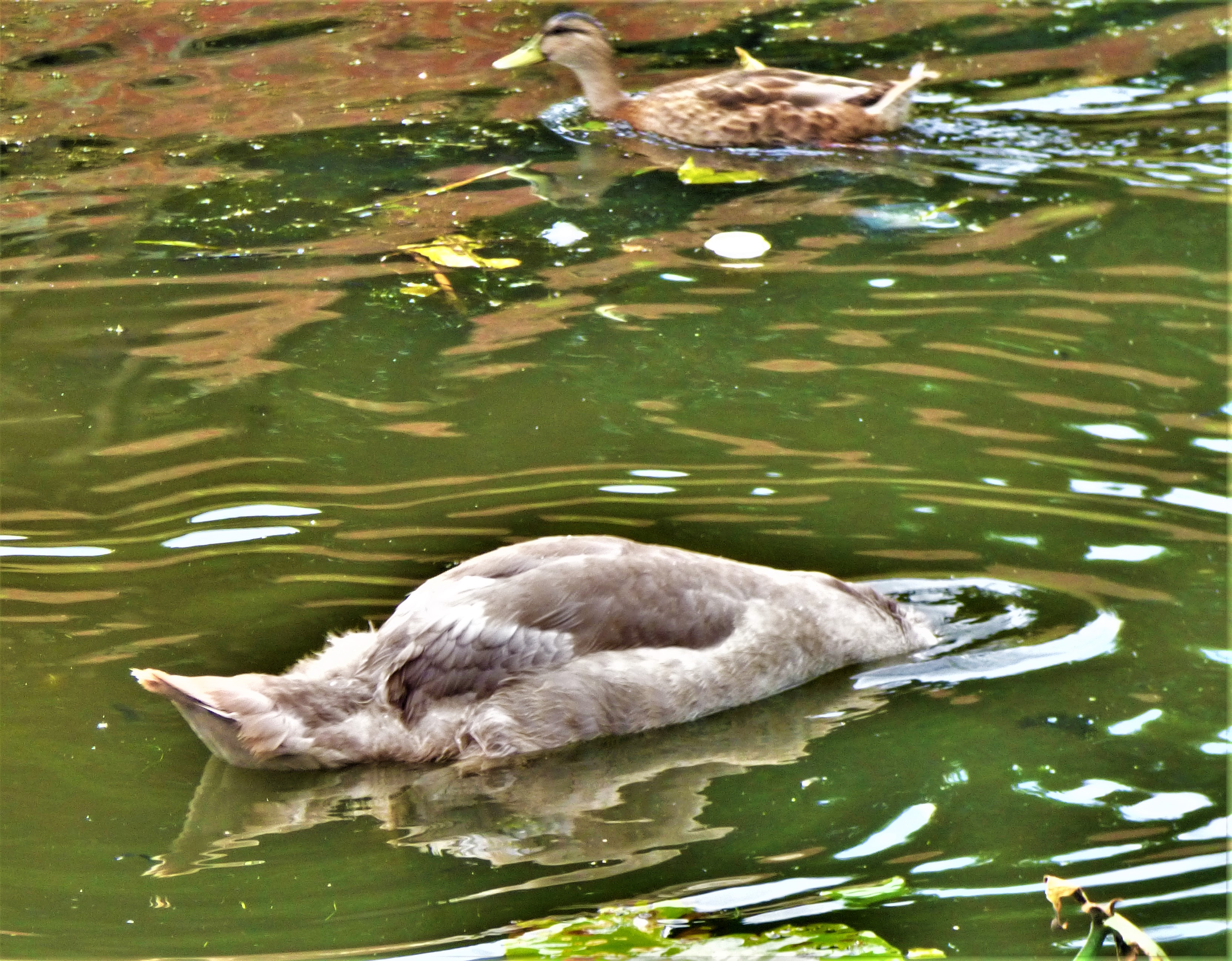
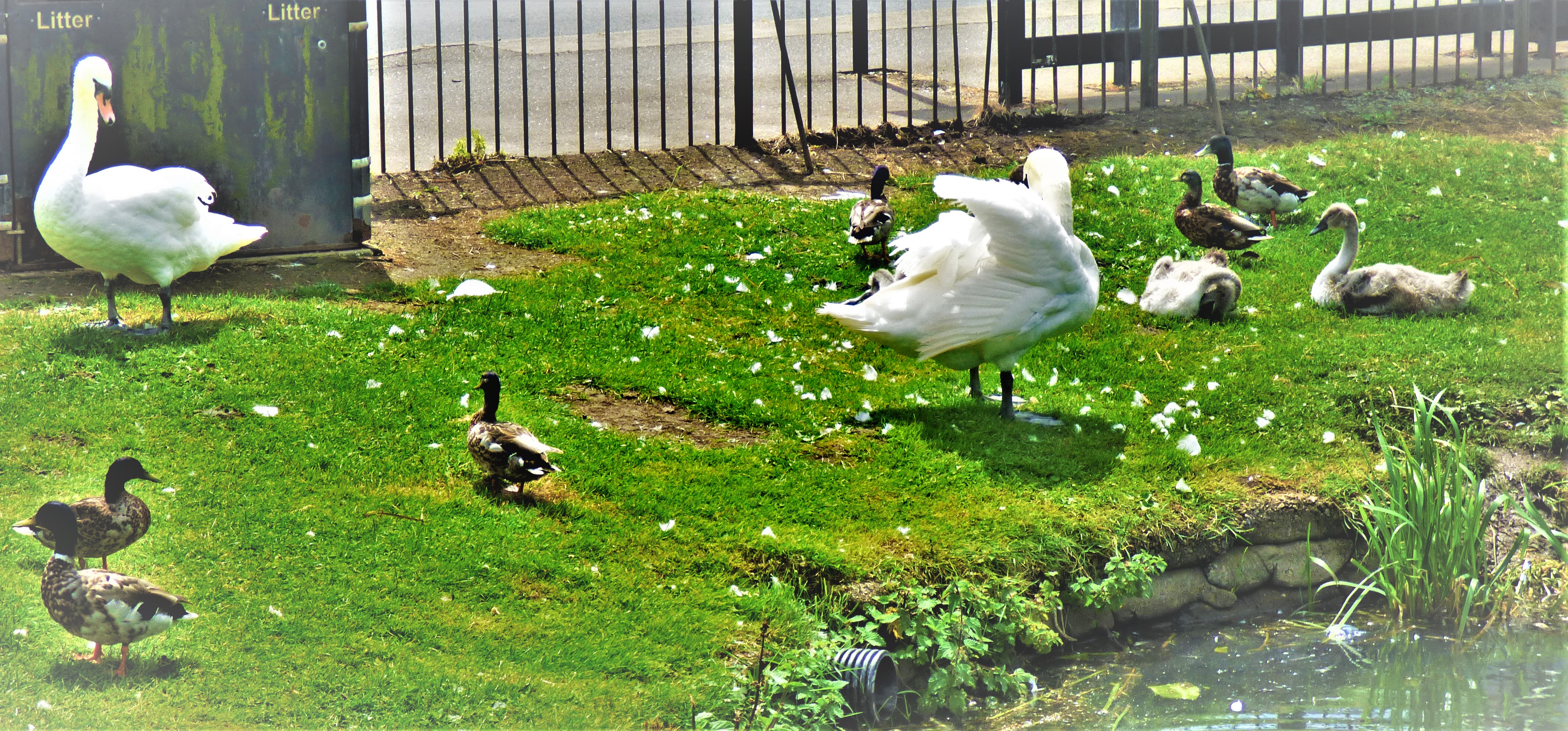
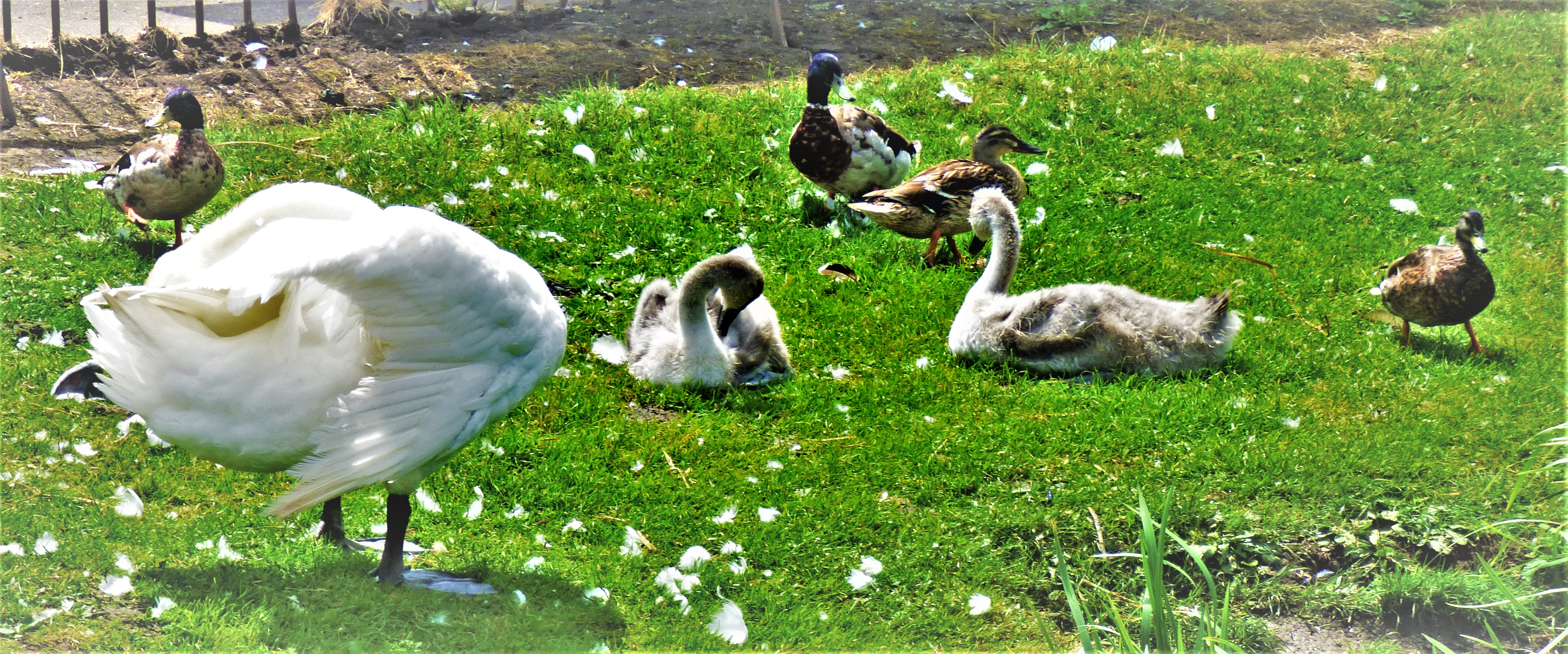
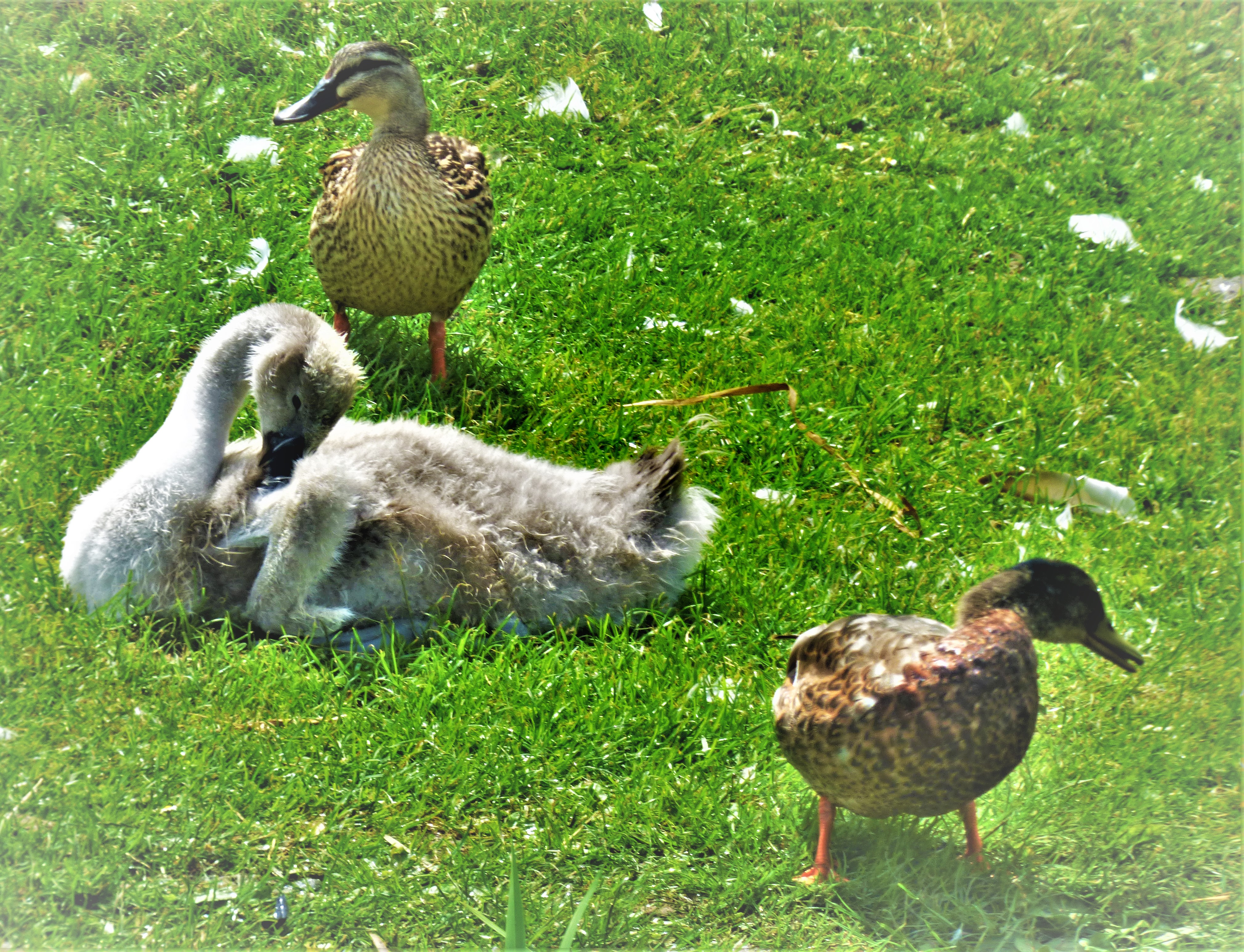
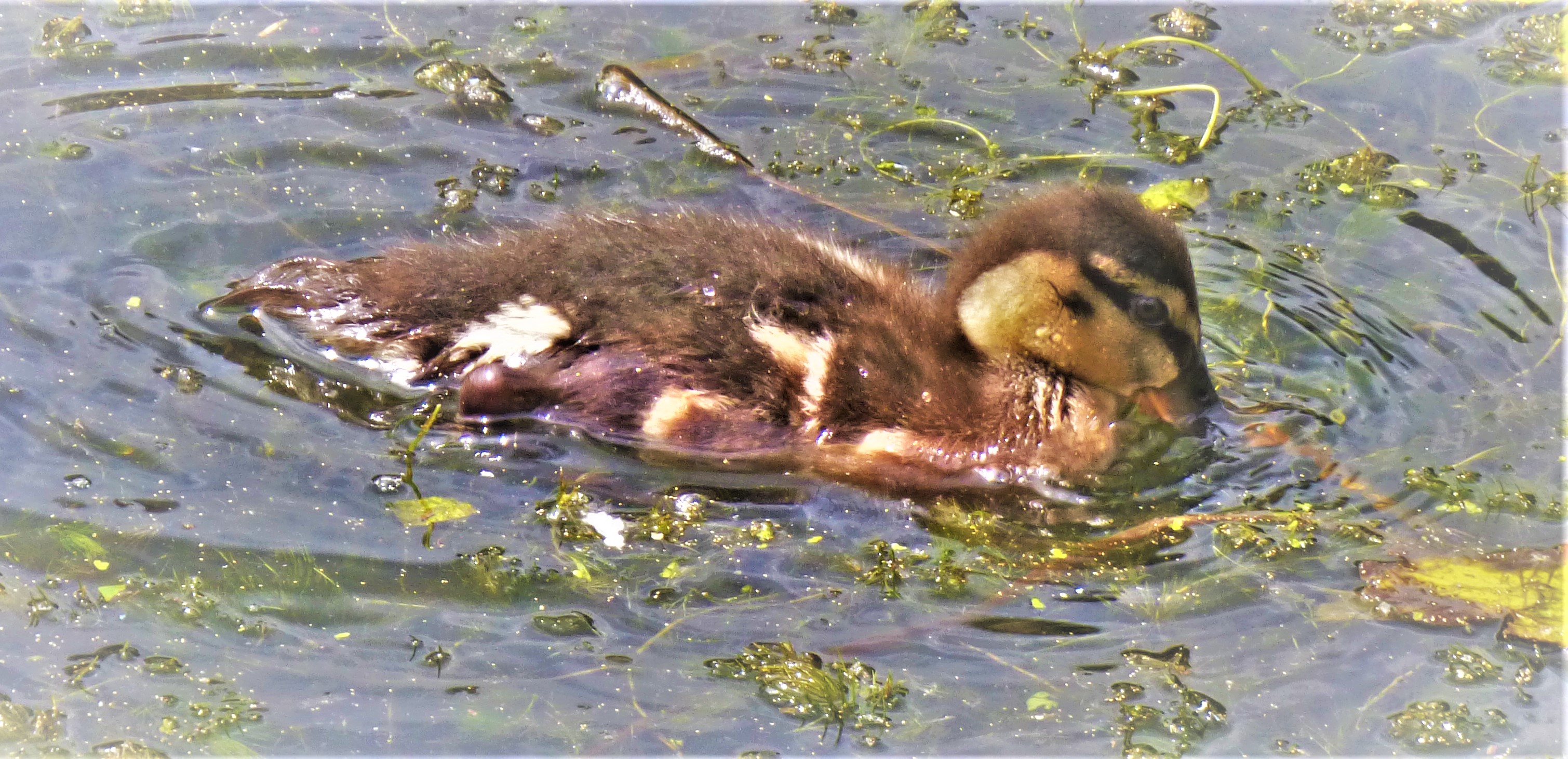
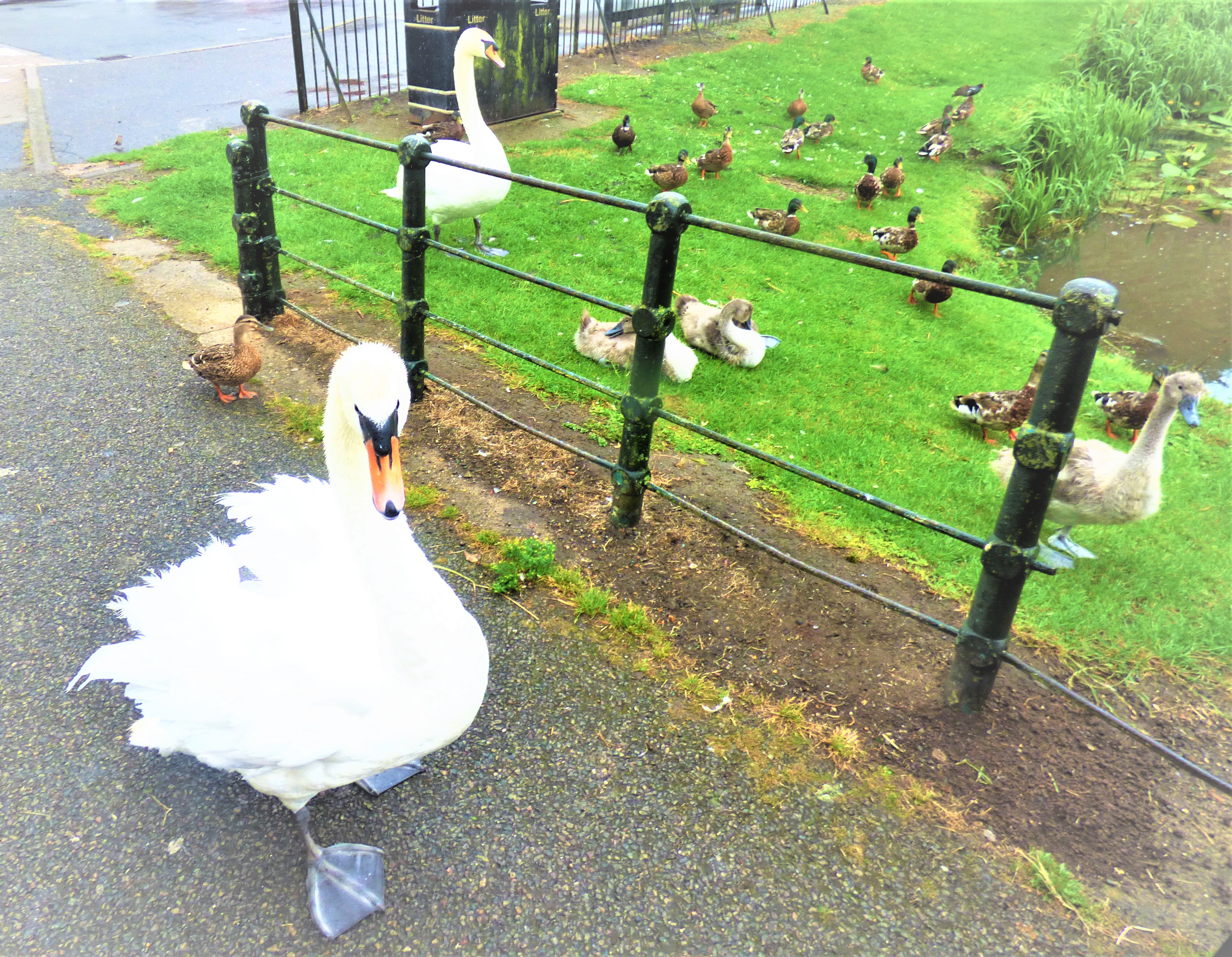
My explorations started by following the Wick River inland. This was a nice walk, with lots of bird life in evidence along the way. When I got to back to Wick I explored the town itself. I also took the opportunity to locate the railway station and make sure I knew how to get there the following morning. After a visit to a cafe I was finally able to check in to the hotel. In the event I did not head back out until the following morning, being very tired. The hotel room was perfectly pleasant, although the wifi connection that the hotel so wants its guests to know about proved to be rather unreliable.
The latest post about my Scottish holiday looks at Castle Mey.
I resume my account of my Scottish holiday (28 May to 5 June) with an account of the Thursday which featured a visit to Castle Mey.
THE CASTLE ITSELF
We started our visit to this landmark with seeing what we could of the castle itself. Unfortunately only a tiny fraction of the building was open to the public, and just as unfortunately they had a no indoor photography rule which annoyed me. They also focussed their information purely on the building’s last private owner, the Queen Mother, completely ignoring its prior history as one of the Sinclair family (earls of Caithness for centuries) seats.
THE GARDENS
The gardens are spectacular, although our exploration did not begin well – we tried to enter the walled garden through an entrance that was clearly signed as being the way in only to be snapped at by an overly officious attendant who did point us to the correct way in – they had instituted a one-way system round the walled garden due to Covid but had not bothered to update their signage. Once we had cleared that hurdle however all went very nicely.
THE ANIMALS
After the gardens it was time to go and look at the animals. These were quite remarkable, including a variety of birds ranging from finches to geese, as well as sheep, piglets, pygmy goats and a donkey. There was also a lot of information available about all the animals we encountered there.
After we had finished looking at the animals we had some food and drink at the cafe before heading off.
DUNCANSBY HEAD
After Castle Mey we paid a quick visit to Duncansby Head, to see the view from the top (see wildlife cruise for another angle on this location).
PHOTOGRAPHS
I have plenty of photographs of everything save the inside of the castle…
The castle
Saxony ducks – they look a little like supersized mallards.
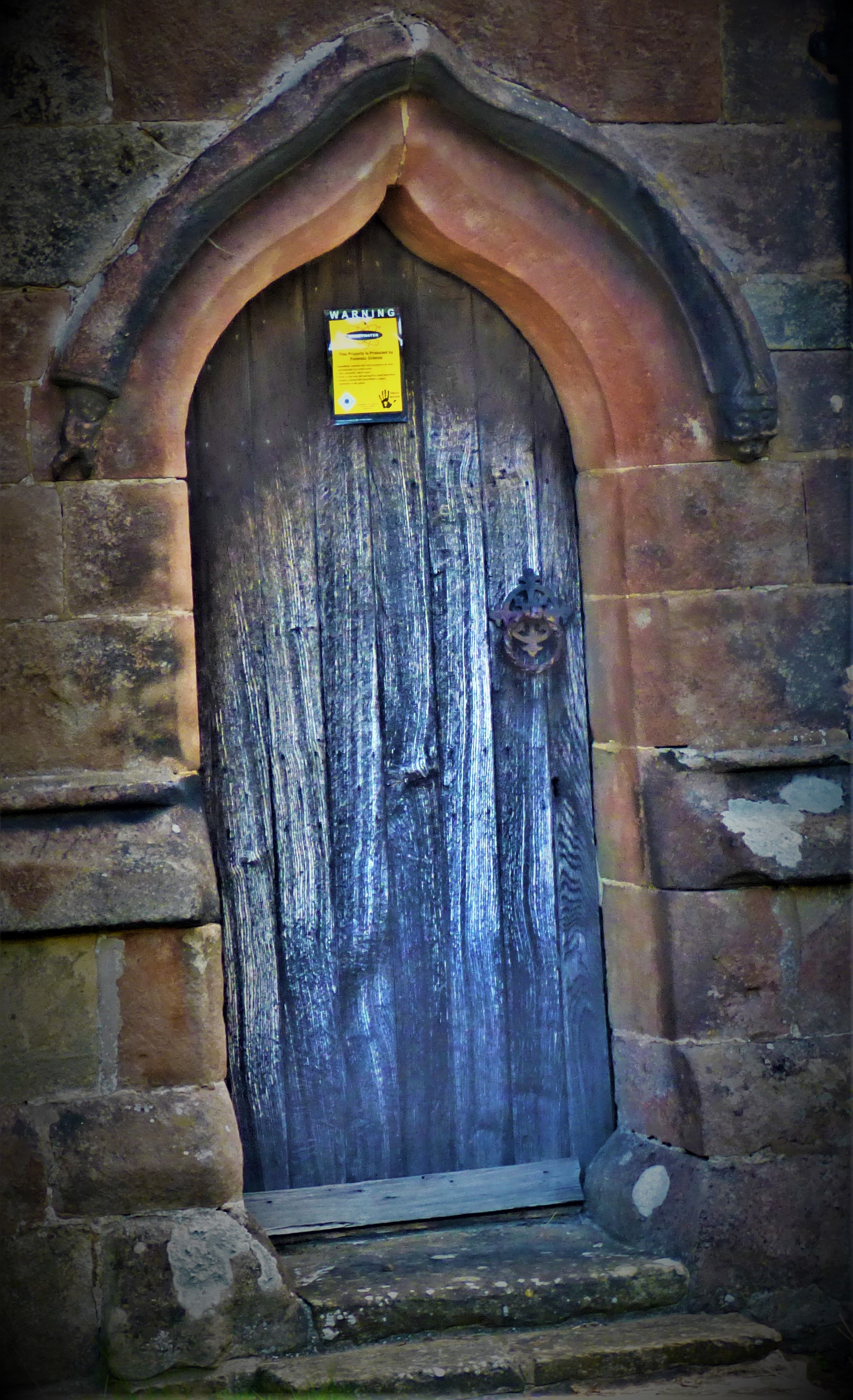
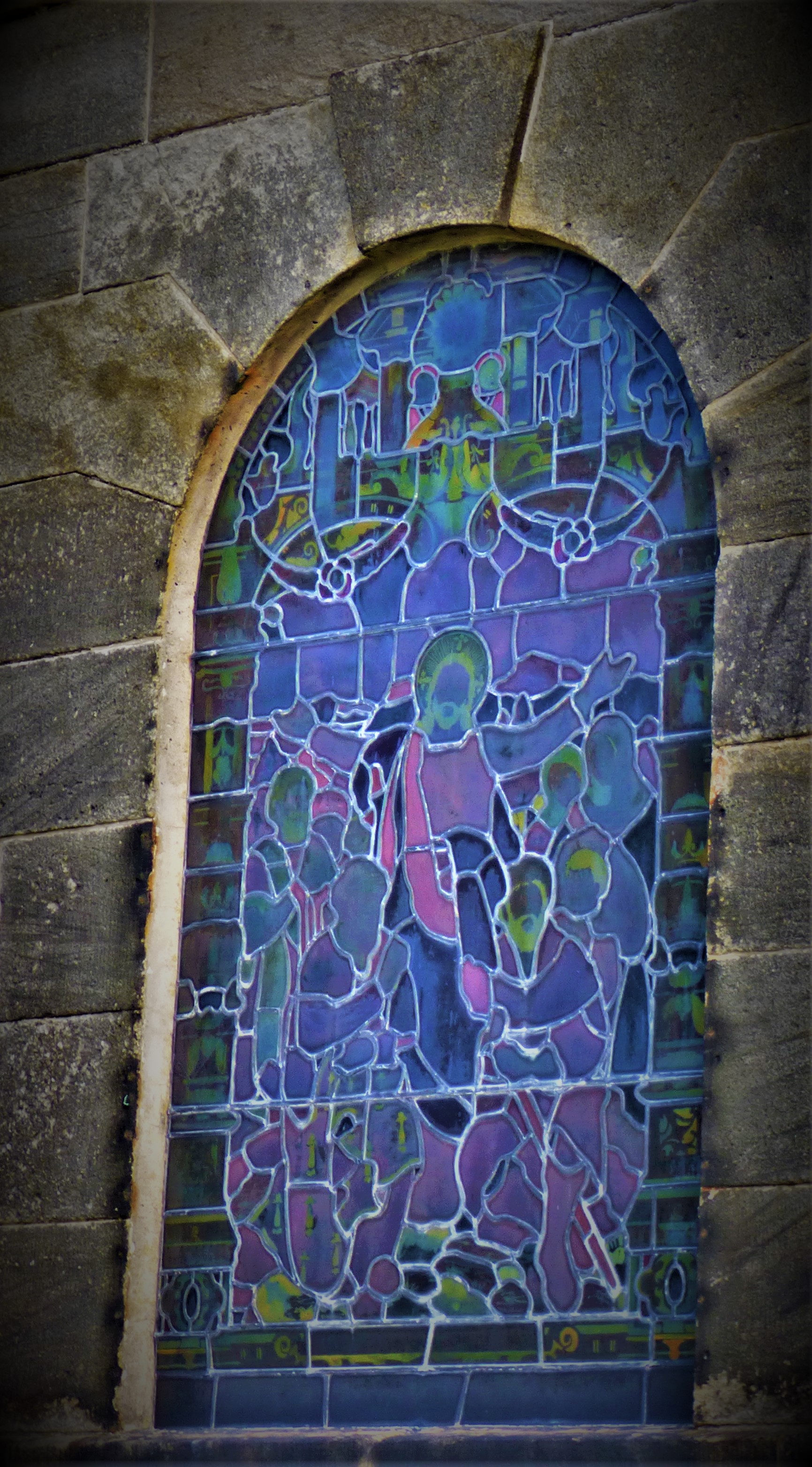
Looking ahead to the morrow, when I would be in Wick.
A couple of views of Stroma (the name derives from the same root as maelstrom) en route from the castle to Duncansby Head.
This latest post about my Scottish holiday (May 28th – June 5th including travel) deals with the events of the Wednesday.
FLAGSTONES
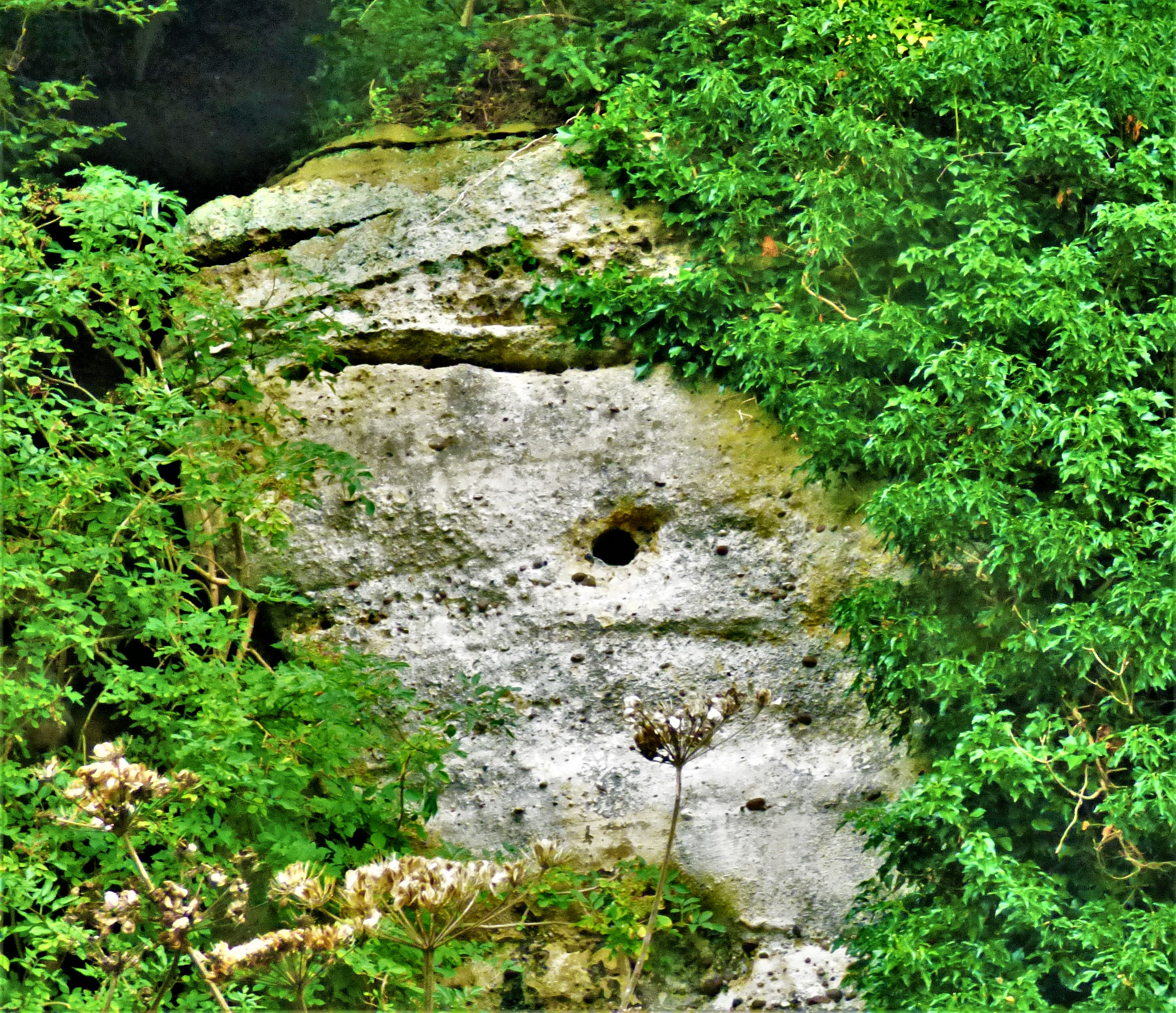
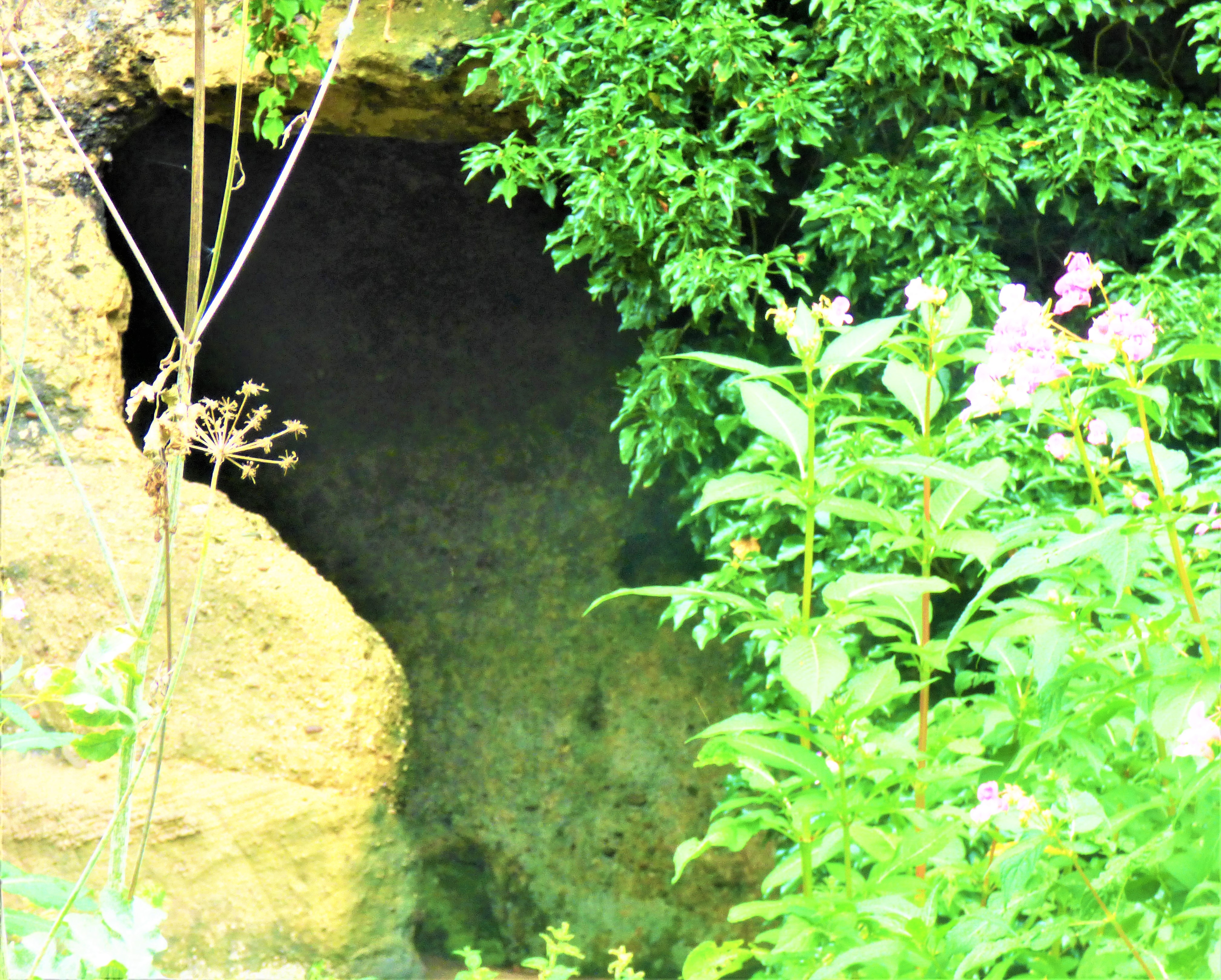
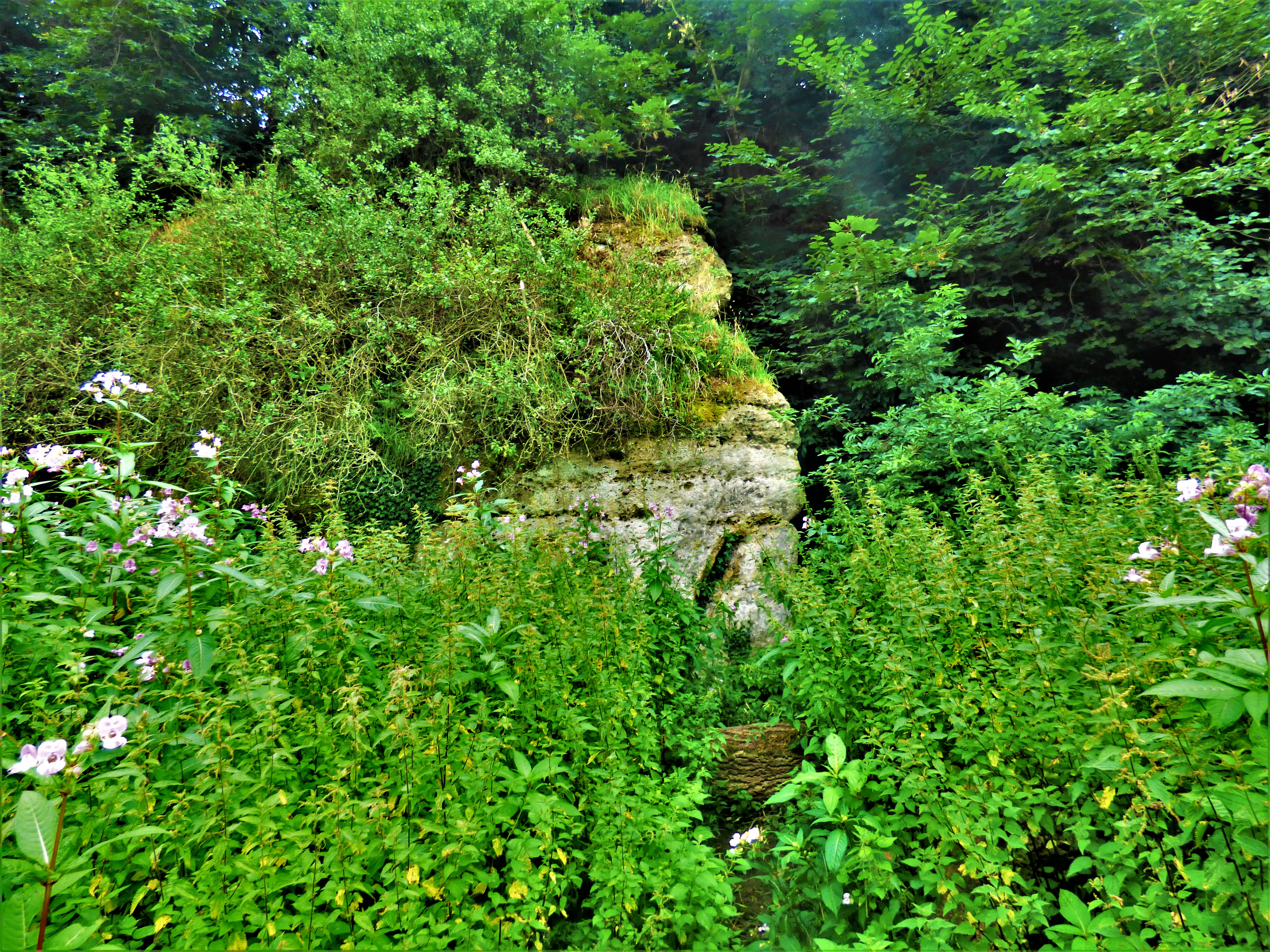
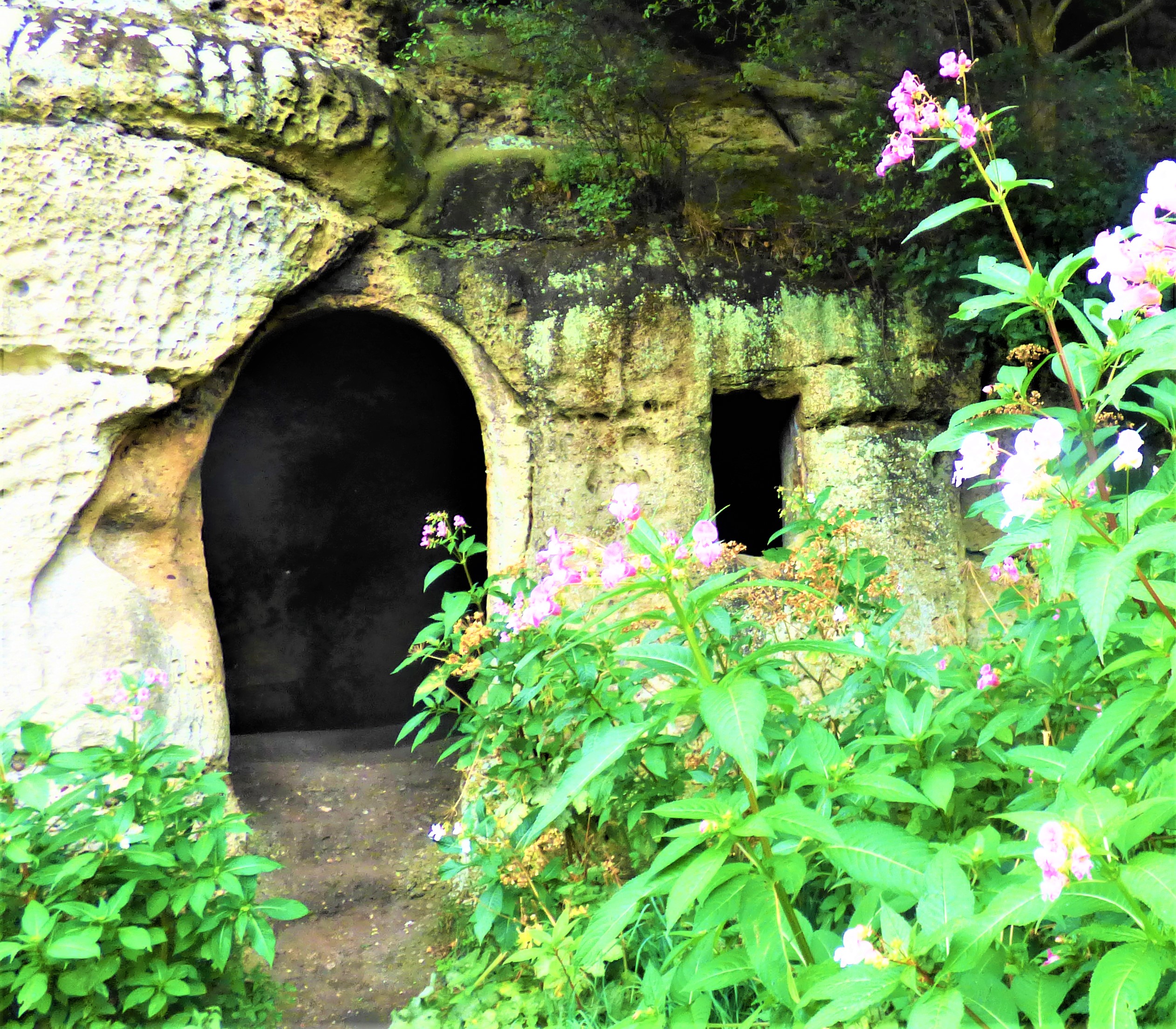
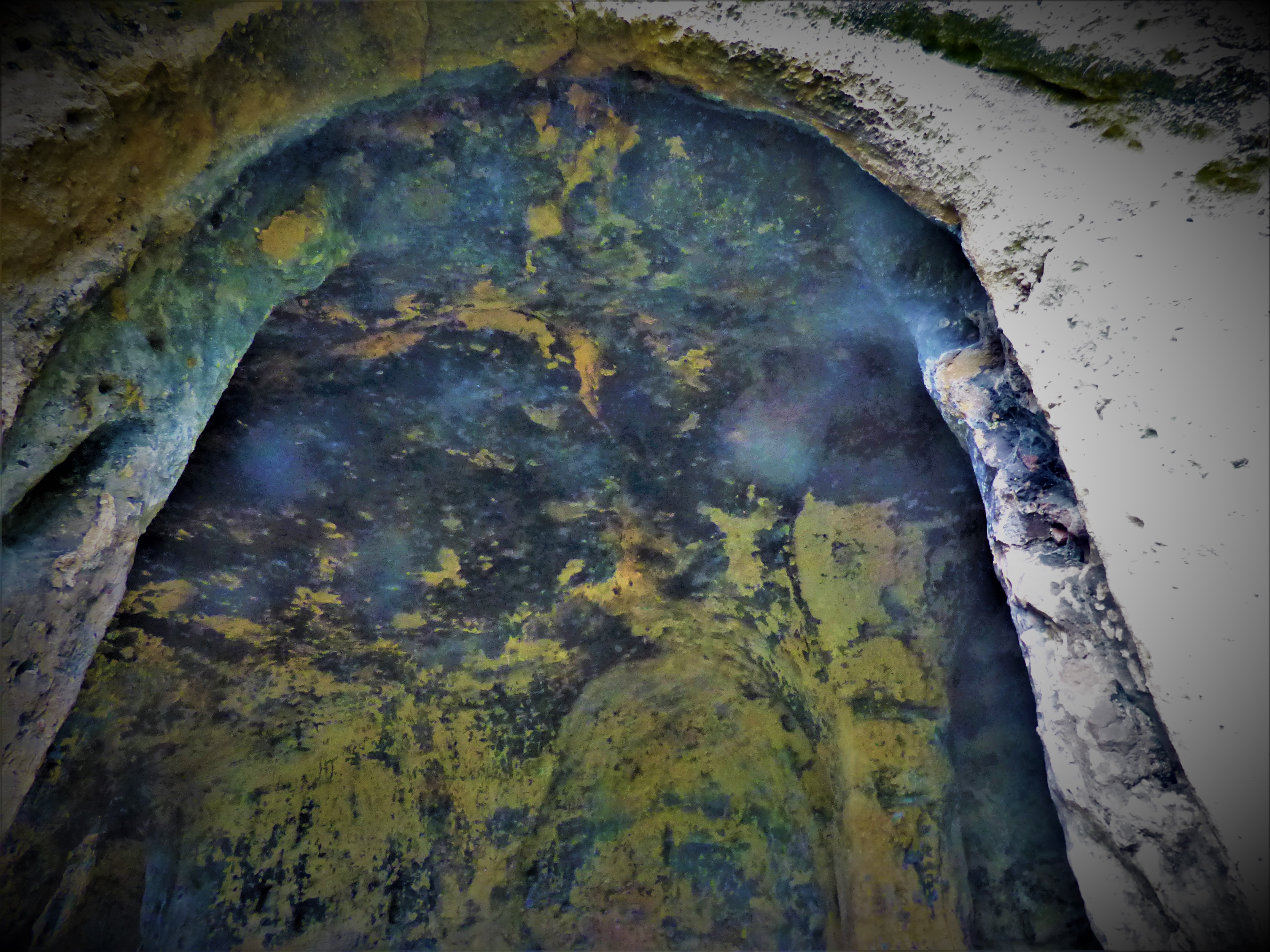
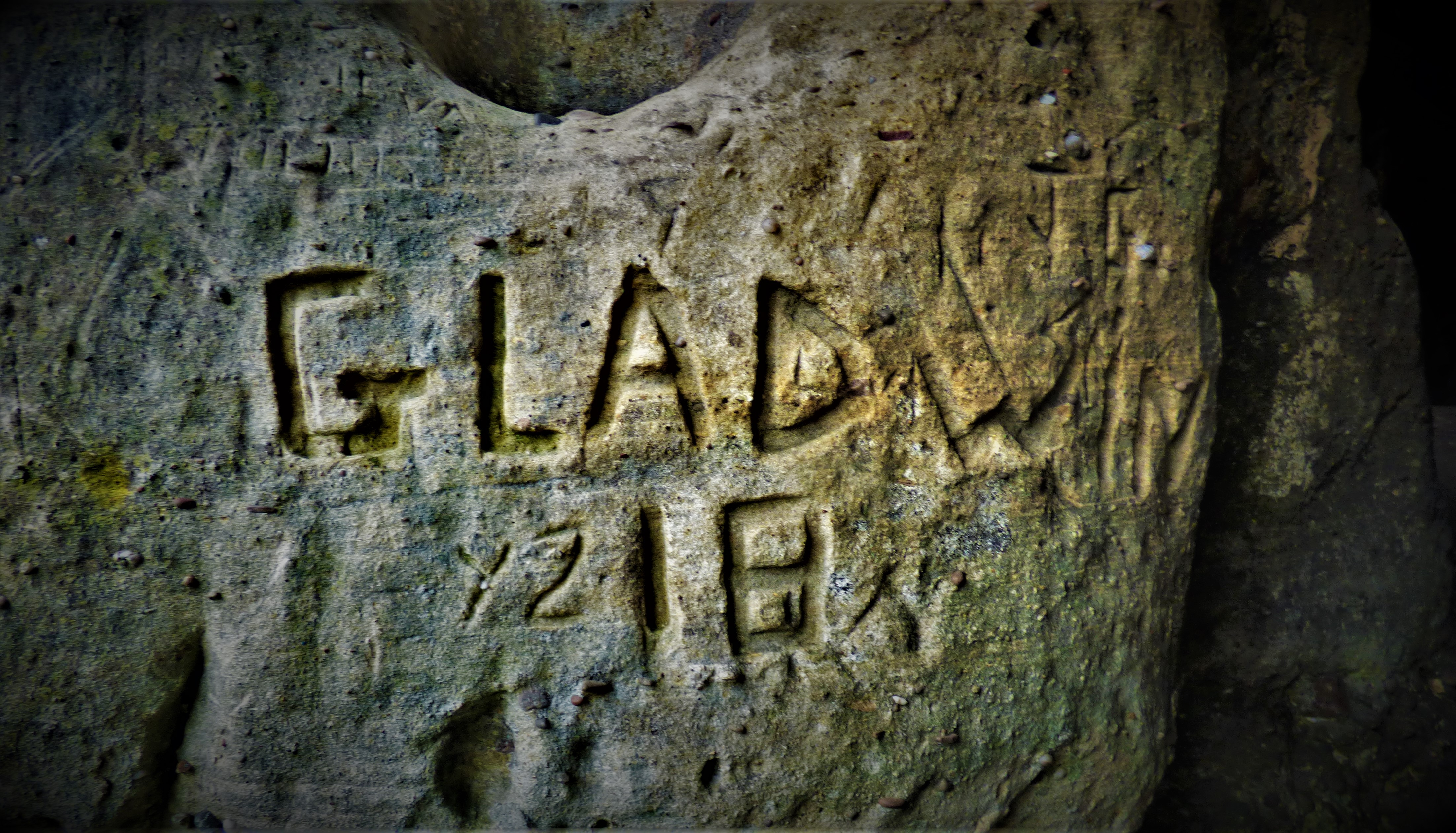
Those who have seen some of my earlier posts will have noted a lot of natural rock formations that look sculpted. It is very easy to cut large flat slabs of rock from these formations, and such slabs are known as flagstones, from the Old Norse word Flaga. Near Castletown is a historic trail which gives the history of flagstones, once a major export from this part of Scotland. In the same area is a walk out to an old battery.Thirdly this same area is home to the remnants of the quarry from which the stone was extracted which contains a few samples of flagstone art.
The Victorian battery is not safely accessible, but there is a WWII relic that can be got to, and the walk out along the side of Dunnet Bay is very scenic.
The flagstone art is misdescribed as sculpture which it really isn’t, but it was worth devoting a few minutes to.
The three things between them make for a decent outing, and there is plenty to see.
A MEAL IN THURSO
That evening we went out for supper at a restaurant in Thurso. The food was quite excellent, and they served a decent beer as well. I opted for kiln smoked salmon to start and beef for the main course.
Continuing my account of my Scottish holiday with a distillery tour and the cooking of a meal.
Thus post, the latest in my series about my Scottish holiday (May 28 to June 5), covers a visit to the Wolf Burn distillery and my cooking of the subsequent evening meal.
THE WOLF BURN DISTILLERY
In it’s current incarnation, using a couple of warehouse buildings just outside Thurso this distillery is a mere eight years old, though many years ago there was another distillery of the same name. The name comes from a local river, the Wolf Burn (a burn in Scotland is a small river – probably the best known to the world at large under this designation is the Swilcan Burn which crosses St Andrew’s golf course).
The tour began with an explanation of how the malt is prepared before the distillation process can even start, before describing the latter. Incidentally if anyone ever tells you that a peaty element in a whisky comes from the water they are fibbing (as the guy at Talisker on the Isle of Skye did when I visited their establishment) – that flavour element is created by the malt being smoked by burning peat.
The other major contributor to the final flavour of a whisky is the type of cask in which it is matured – this distillery uses casks that have previously been used for Sherry, Madeira, Bourbon and others, and each has its own influence on the final flavour of the product.
The casks are stored up to three high and no higher – heat rises and one does not want the product to overheat while it is maturing.
The experience ended with a sampling of the products. This started with something called Aurora which had been matured in sherry casks and which I found overly sweet and not very much like a whisky. Second up was Northland, matured in American Oak quarter casks. This was preferable to the first. The third sample was an unscheduled bonus, and was decent but not great. The Langskip was is the strongest of their products, 58% alcohol, but for me it was outdone by the final product, the Morven, of which I purchased a bottle to go with the free glass we were each given as souvenirs.
I enjoyed this visit and hope that things go well for the distillery.
VARIATIONS ON A FAMILIAR THEME
That evening I cooked the main meal, doing my chicken and coriander concoction. There were a few tweaks by necessity: the house had no blender, so I created the ginger paste by grating ginger into a cup, adding a bit of water and using the plastic handle of a chopping knife as a mixer. I also had to assess quantities of ground cumin and ground coriander by eye as there were no measuring spoons. Also none of the pans were non-stick, which meant that the chicken needed careful attention while it was cooking. However, the only thing I had come up short on in the early stages of the cooking was the salt, quite a lot of which I had to add at the last checkpoint to generate sufficient flavour. In the event the meal was good and every scrap of it got eaten, though the flavour was not quite up to my usual standards. Given the circumstances however I am pleased with the result.
An account of the first part of Tuesday as I work through my Scottish holiday, from which I returned on Saturday just gone.
Welcome to the latest post in my account of my holiday in Scotland, from which I got home very late on Saturday (a combination of that, a long day of travel and poor internet connections at the hotel I stayed in on Friday are the reason I have not put a post up for a few days). Today I cover the first activities of the day after my birthday (See here for the main event of that day), when after a brunch we set off to visit Dunnet Head and the remains of St Mary Crosskirk, a 12th century chapel the burial ground of which is still very well preserved before going on a distillery tour in the afternoon.
DUNNET HEAD
Dunnet Head is the northernmost point of mainland Britain and is noted for its bird life, though I did not get to see much of the latter. There is an ordinance survey summit marker at the highest point of the head, a viewing area from which one can enjoy splendid sea views and a lighthouse designed by Robert Stephenson of the great engineering family which played a huge role in railway history (the novelist Robert Louis Stephenson was also of this family, being Robert of lighthouse fame’s grandson).
St Mary’s Crosskirk
The walk to access this ruin is in parts steep, including a staircase that looks more unpleasant to walk than it actually is. It also takes one past a wind farm, while there are some splendid views along the way. The chapel itself is missing its entire roof and part of its walls.
PHOTOGRAPHS
Here are some pictures from both attractions…
A road map of the corner of Scotland where this holiday took place.
The cliffs of Dunnet Head
The bridge across the river to reach the monument.
The bridge and in the foreground the older stone crossing.
An account of a wildlife cruise on the afternoon of my birthday.
This post describes the main activity of the day of my birthday (Monday), a wildlife cruise. The route of the cruise was from John O’Groats harbour past Duncansby Head to Duncansby Stacks beyond and then back. There were a variety of sea birds on display, including guillemots, razor bills, shags and various breeds of gull. There are sometimes puffins in the area but I do not think we saw any that day. Also supposedly resident in these waters are seals and otters, but I saw neither. However it was a very enjoyable cruise.
OUTWARD BOUND
The walk to the harbour starts along an open road with no footpath before one comes to the path that leads to the John O’Groats hotel, at which point you can access various locations, including the harbour. We boarded the boat with no problems, and by the time we set out on the cruise it was very full.
Although there were some signs of life in the open water it was only when we got level with the head and then the stacks beyond (for an explanation of what a stack is in this context visit this article which explains how they form) that we saw creatures in huge number. The guillemots predominated (they look a little like tiny penguins, although unlike the Antarctic’s most famous bird they can fly), but a few razor bills were in evidence, as were a number of shags (they look similar to a cormorant).
The boat arrived back at the harbour and after waiting for things to clear a bit we made our way back on to terra firma.
HOMEWARD BOUND
We took an exploratory route home, attempting to locate a route back which would eliminate the main road. This was unsuccessful, and we reverted to the route we knew. My mother’s shoes were causing her trouble by this stage, so my father went to fetch the van to the point where the path joins the road and I accompanied my mother to that meeting point. The problems with the homeward walk notwithstanding it was a very enjoyable day.
PHOTOGRAPHS
I have loads of photographs to go with this post and I hope you enjoy them:
These birds love the mill wheel.
An oystercatcher.
Back on land – this oystercatcher was in the grounds of the John O’Groats hotel.
An account of a visit to a ruined castle that nowadays doubles as a wildlife haven.
On the morning of my birthday we travelled to Wick to do some essential shopping, and on the way back as a warm up act to the main event of the day, a wildlife cruise which I shall write about in due time we called in at the ruins of Castle Sinclair Girnigoe.
RUIN AND WILDLIFE HAVEN
In it’s heyday this castle would have been an imposing sight (it was very obviously built to intimidate, and had little in the way of style), although its location is testament to the absence of any kind of field artillery – even Ballistae and scorpions as used by the Romans hundreds of years before it was built could have caused mayhem by targetting the rock formations around the castle and effectively subjecting those in the castle to a hail of rock fragments – in Scotland in that period. Nowadays it is an impressive ruin, and also home to many kinds of wildlife, both fauna and flora. There are some stunningly good views out over the sea. If you ever happen to be in this corner of Scotland it is worth a look, though it would not be the main event of one’s day.
PHOTOGRAPHS
My photographs begin with a few from before we got to the castle, cover the walk from the parking area to the castle and the castle itself:
The Girnigoe pics start here.
Places on a similar latitude.
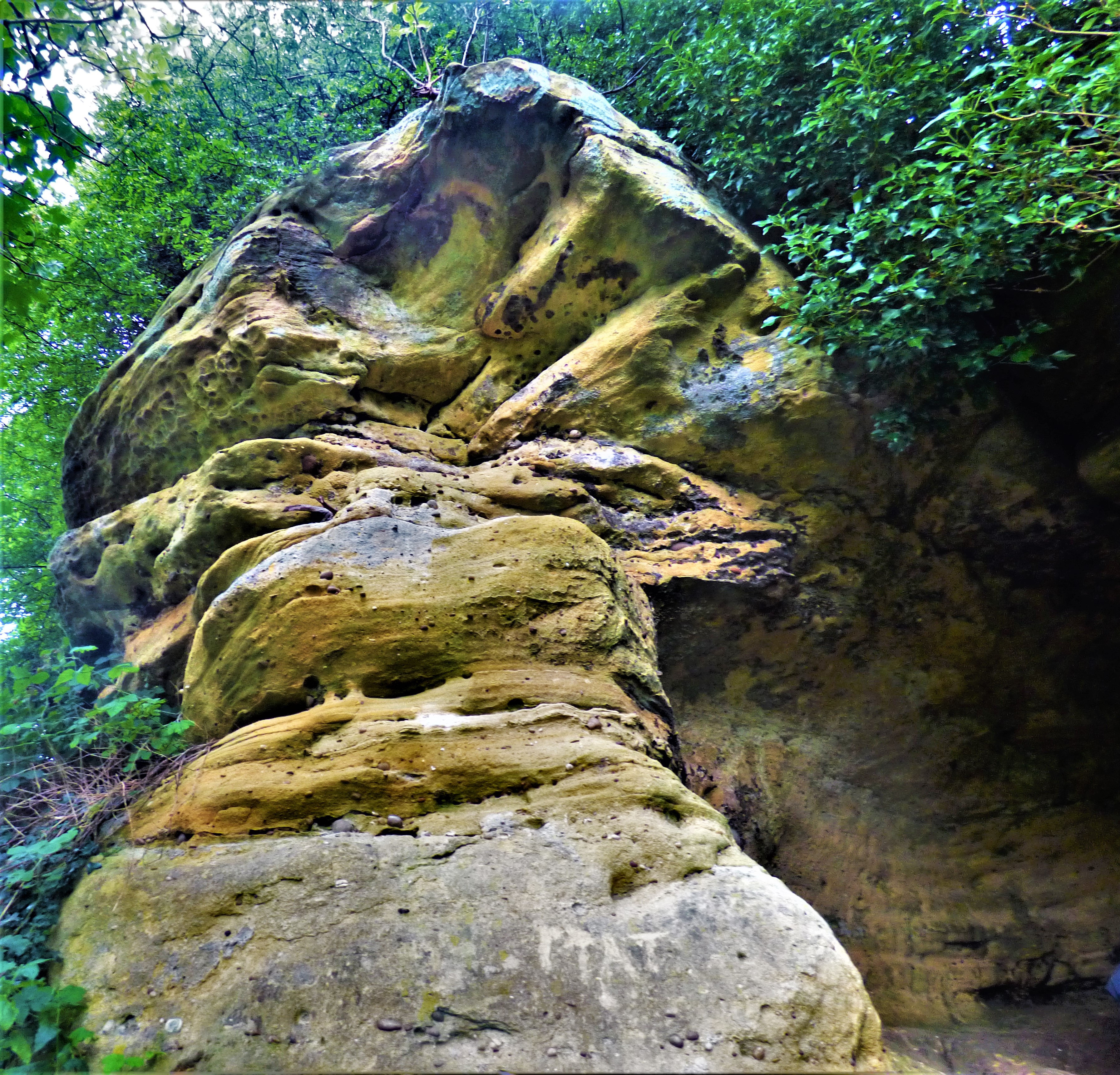
This is NOT part of the ruins – it is a natural rock formation, one of many such in the area.
The most terrifying looking ladder I have ever seen – and this part of Scotland can get seriously windy as well.
A look at John O’Groats and its environs – pics from my first full day of this Scottish sojourn.
This post looks at my first full day of this Scottish sojourn, and at a walk we did from John O’Groats to the beginning of Duncansby Head. Duncansby Head is most north-easterly point of the British mainland, while a few miles down the road is Dunnet Head, the most northerly point of the British mainland.
THE END OF BRITAIN
Other than it’s geographical location John O’Groats itself has rather little to recommend it (the name derives from a 15th century Dutchman Jan de Groot – the dutch Groot being pronounced the same as groat, which way back when was a small silver coin worth fourpence), but the walk out towards Duncansby Head is interesting though rough in places. There is a lot of bird life in these parts that one would see no where else in Britain – birds that are mainly creatures of the arctic but which sometimes come south.
I chose some beers from the John O’Groats brewery (I opted for an oatmeal stout which in a quite dreadful pun is named ‘Deep Groat’).
Today as you will find has been much busier,but yesterday I was not fully recovered from being in transit for 23 hours.
An account of a journey to Scotland that almost went off the rails before it had really started.
Welcome to this first post in a series I shall be putting up about the holiday I am currently enjoying in Scotland with my parents. I am up here for a week which includes my birthday (the day itself is tomorrow, and it is my 46th). We are staying just outside John O’Groats. This post tells the story of my journey up here to set the scene.
PLANNING
The nearest the railway gets to to John O’Groats are the two northern outposts of Wick and Thurso, and these days the end of that line runs as follows: Georgemas Junction, Thurso, Georgemas Junction, Wick, so it made sense to arrange to travel to Thurso and from Wick. I booked from London to Thurso to incorporate an overnight journey, and then later from Wick to King’s Lynn. Thus I had to travel from King’s Lynn to London to connect with the overnight train from Euston. My plan was to get the 17:40 from King’s Lynn and have almost two hours in which to progress along the Euston Road from King’s Cross and on to the train (going onto the underground to travel one stop is in this case literally worse than useless – the interchanges between overground and underground at King’s Cross and vice versa at Euston are both lengthy. Probably the least bad way to do it by public transport would be to use the Circle/Hammersmith & City/ Metropolitan to Euston Square and cross Euston Road at surface level. However it is a fairly short walk along the Euston Road and that method is undoubtedly best…
BEST LAID PLANS O’ MICE AND MEN GANG AFT AGLEY
I boarded the 17:40 from Lynn to London without issue, but then the problems hit. First our departure was delayed because of power problems in the Finsbury Park area, then when we were finally cleared to depart our driver was instructed to run as a shuttle between Lynn and Cambridge, and those of us needing to get to London had to change to a Greater Anglia train. It was soon obvious from the stated timings of this service that staying on to Liverpool Street, from whence I would have to travel to Euston Square was a non-starter, so the only hope of avoiding a long delay, the cost of a night at the Holiday Inn on Euston Road and the cost a new single to Thurso the following day was to change at the last stop before Liverpool Street, Tottenham Hale, and get the Victoria line to Euston. Fortunately the problems between Lynn and London had used up my allocation of misfortune and I made it to my seat on the overnight train. Although this train was fractionally late into Inverness I still had over an hour and a half there before the final public transport leg of my journey to Thurso began. This, the sole purely Scottish leg of the journey, went absolutely smoothly and the train arrived in Thurso precisely when it was supposed to.
SOLUTION TO A TEASER
In my last post I included a teaser from brilliant.org and a little addition of my own:
A small additional question: can you identify the four mathematicians after whom Carl, Leonhard, Emmy and Sophie are named (answers to both parts of this question in my next post).
Here is Chew-Seong Cheong’s published solution to the main problem:
As for my little addition: Carl is quite clearly from Carl Friedrich Gauss, Leonhard is equally obviously a tribute to Leonhard Euler, Emmy is Emmy Noether, a great German mathematician of the early 20th century and Sophie is Sophie Germain, who has a class of prime numbers named after her. Sophie Germain primes are those primes where if you multiply them by two and add one you also get a prime number.
PHOTOGRAPHS
These photos comprise one taken en route to King’s Lynn station, two taken on the Victoria line train between Tottenham Hale and Euston, a number taken between Stirling and Inverness on the overnight train, a number from the Inverness to Thurso train and a couple taken at the house where we are staying:
The King’s Lynn picture
London Underground centred on the Victoria line.
The Victoria line
The Stirling to Inverness pics start here.
The Inverness planter – the next pic starts the Inverness-Thurso leg.
Station art at Thurso – the remaining pictures are from after the public transport section of the journey.
The clock at the house we are staying in.
A decorative pewter plate at the house we are staying in.
A look at Surrey v Gloucestershire, a mathematical teaser, an article and some photographs.
Although I am giving some details from a cricket match and have used that as my title this is not exclusively a cricket article. I also wish to take the opportunity to welcome any new readers who may come to the site as a result of an article about me in the Lynn News, a screenshot of which is the feature image of this post. Also, I am going off on holiday later today, to northern Scotland (I will be travelling on an overnight train for some of the journey), and posting may be limited for the next eight days for that reason.
SURREY V GLOUCESTERSHIRE
This match has seen some dramatic swings in the just over four sessions it has been going for. At 105-1 Surrey looked in control, at 183-5 the pendulum had swung towards Gloucestershire, and by the close yesterday at 285-5 it was evenly poised. Hashim Amla, the former South African international, had a ton to his name by the close and Jamie Overton at n07 reached 50 off the final ball of the day. Overton fell to the first ball of the morning, which brought Sean Abbott to the crease. Gloucestershire then made a very odd call, seeking to keep Amla off strike to attack Abbott who is a decent lower order batter and had been sent in ahead of someone with 10,000 FC career runs to his name. This backfired horribly, Abbott making 40 out of a stand of 61. His dismissal at 346 brought Rikki Clarke (he of the 10,000 FC runs) to the crease, and at the moment he and Amla are still together. The score is now 385-7, with Amla closing in on 150. To come are the two specialist spinners, Virdi and Moriarty. Gloucestershire have been excellent thus far this season, but it is hard to see any way for them to win this game from here.
A MATHEMATICAL TEASER
I regularly feature problems I have encountered on the website http://www.brilliant.org here, sometimes adapated, and I do so again today:
A small additional question: can you identify the four mathematicians after whom Carl, Leonhard, Emmy and Sophie are named (answers to both parts of this question in my next post).
PHOTOGRAPHS
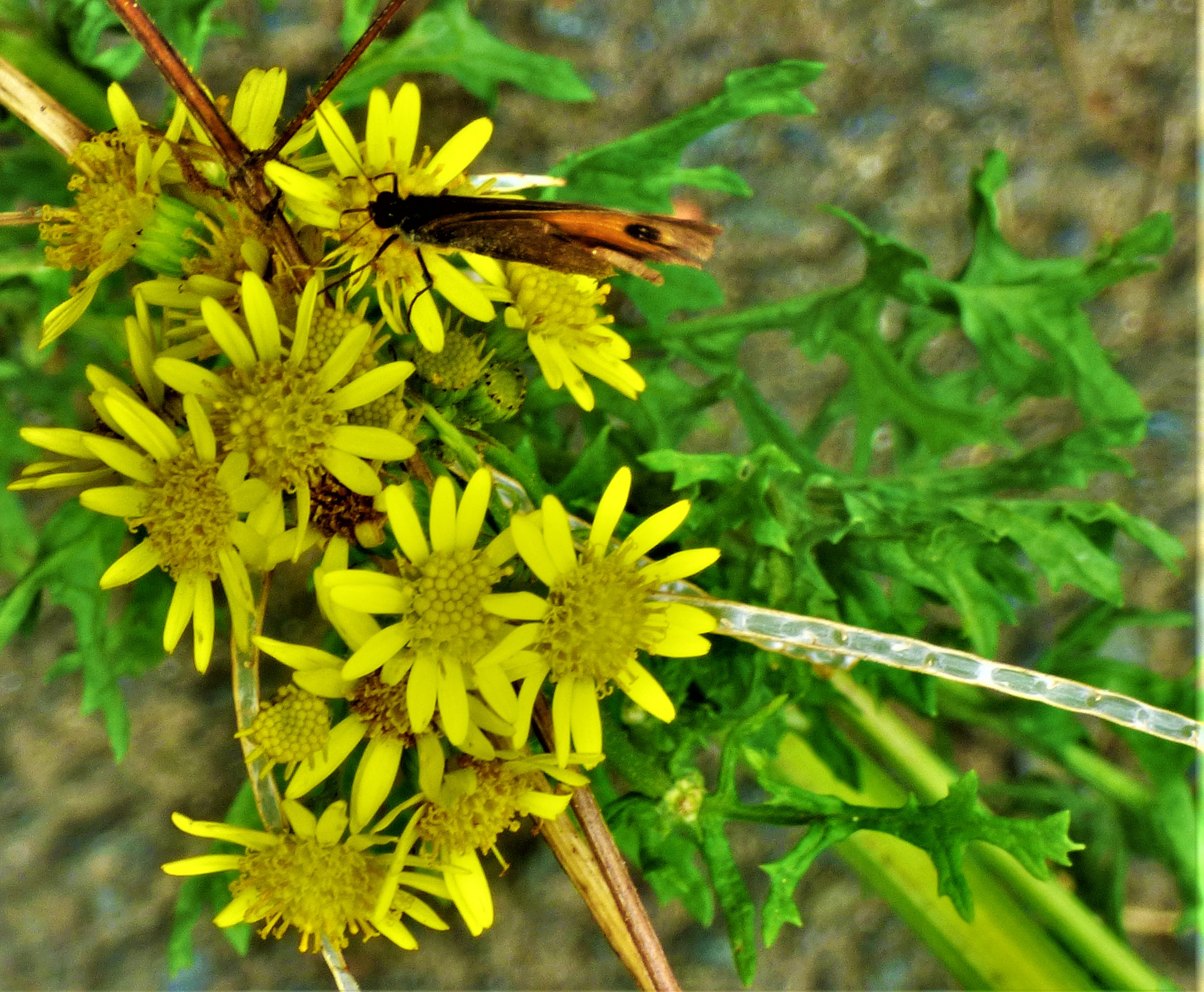
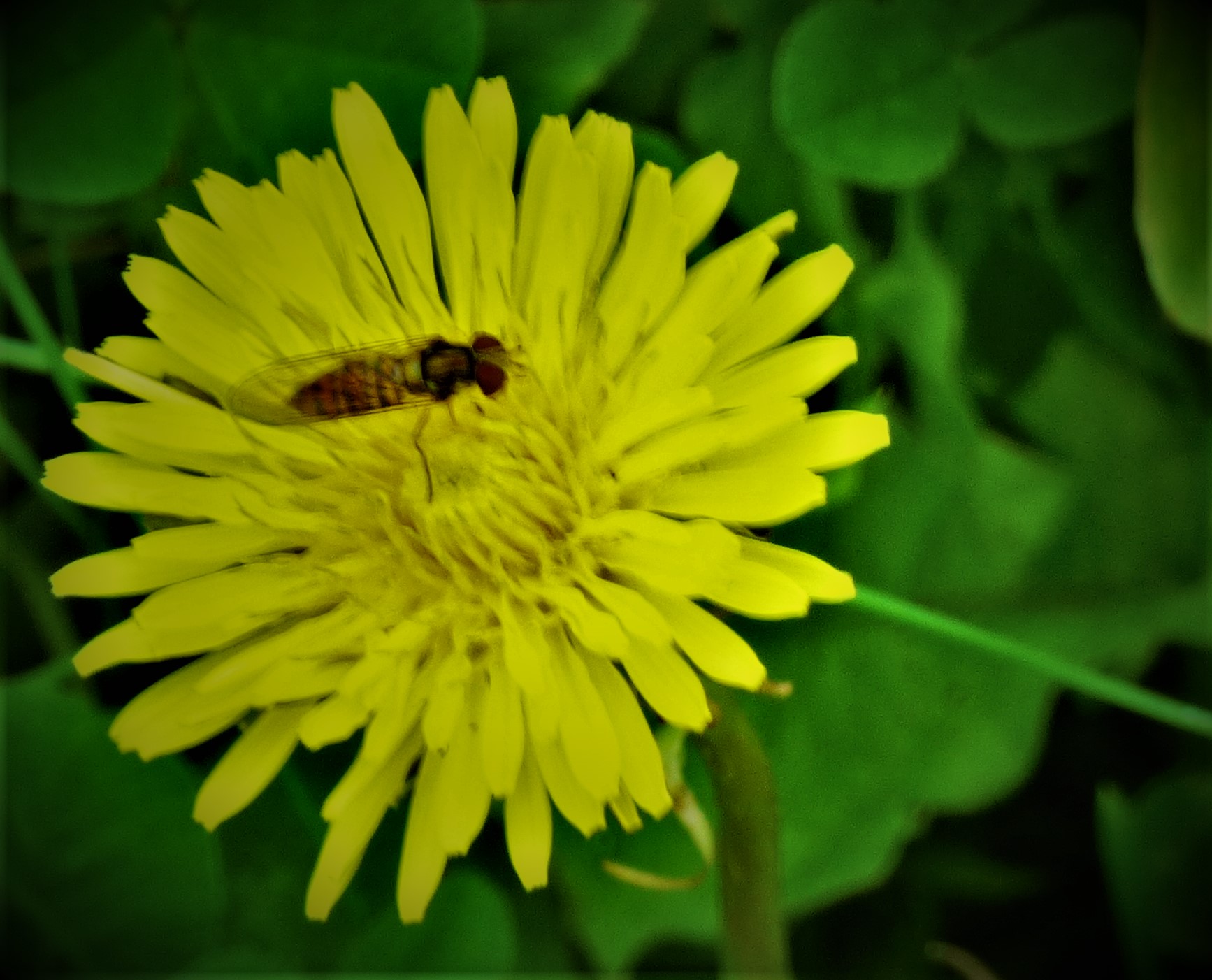
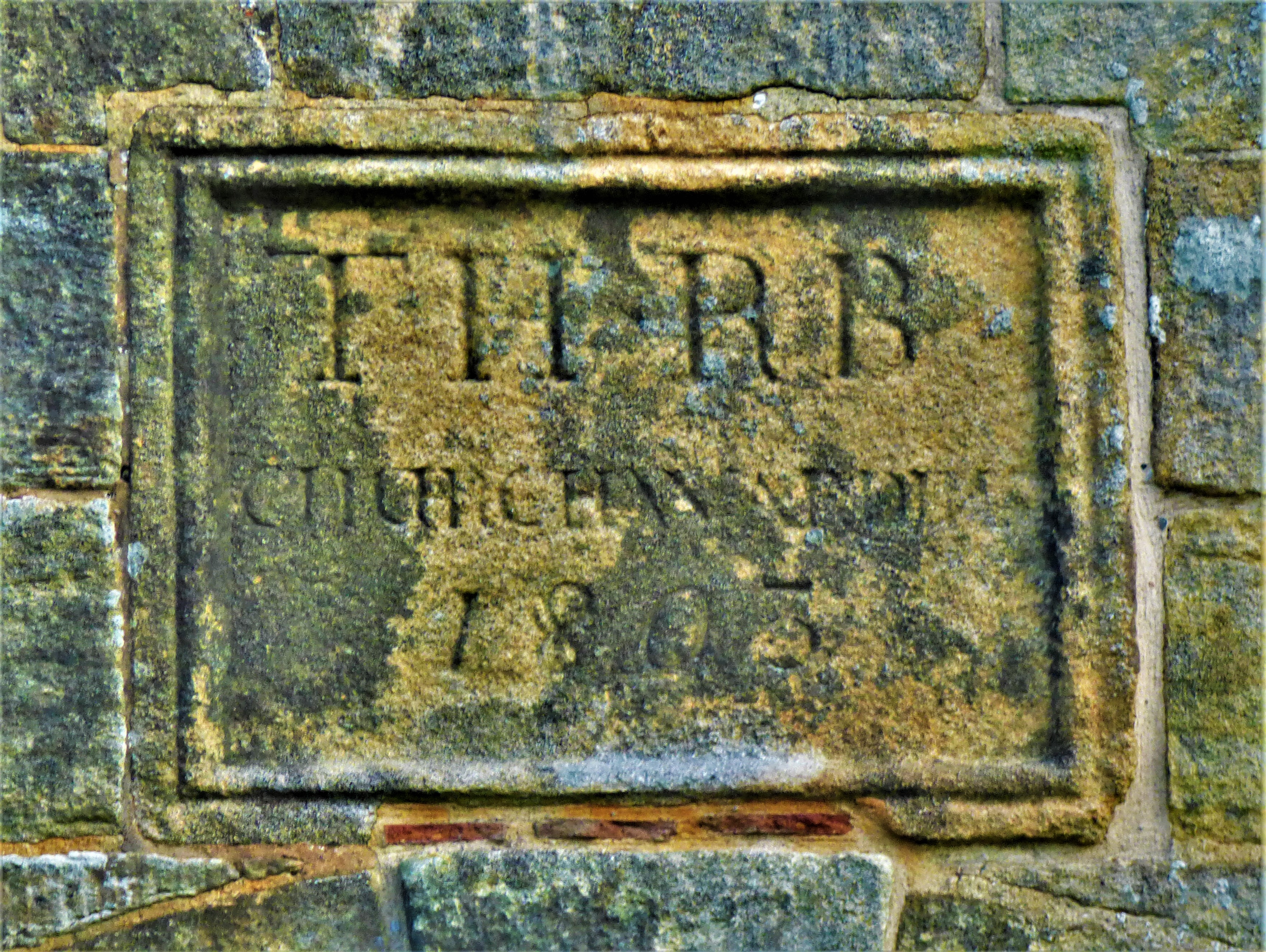
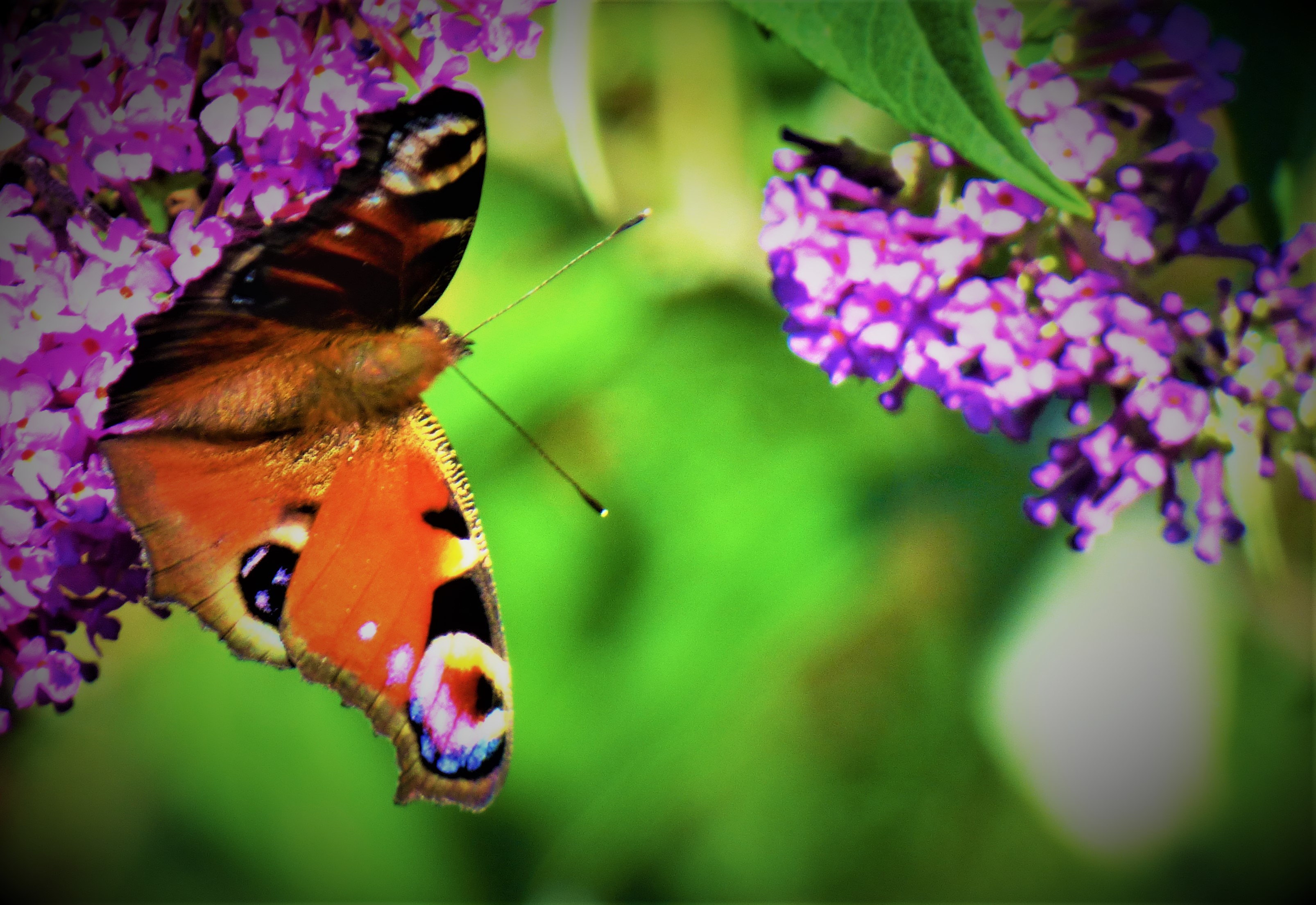
I always include photographs in my blog posts, and I have some for you now: