

An extraordinary test match ended in Perth today after a mere two days of playing time. This post looks back at the events of an action packed second day (I covered yesterday here).
THE MORNING
The final wicket pairing for Australia did not hold things up for very long, though they did enough for Brendan Doggett to have made Scott Boland being sent in ahead of him look ridiculous. It was Brydon Carse who took that wicket, his third scalp of the innings, dismissing Nathan Lyon with the aid of a catch by Ben Duckett.
In the first innings Crawley was dismissed for a duck by the sixth ball. In the second he lasted one ball less long for the same tally, and again the dismissal was a self-inflicted one, this time hitting a return catch to Starc for the left armer’s eighth wicket of the match. Duckett and Pope fared well together for a time, and reached the lunch break with the score 59-1, a lead of 99 overall, and at that point England were short-priced favourites.
THE AFTERNOON
England had added six to their lunchtime tally when Ben Duckett edged one from Boland to Smith in the slips to go for 28. Ollie Pope, the sole English batter who seemed to grasp the necessity of placing the ball and running well on a ground as big as this one, was caught behind off Boland for 33, his second decent knock that fell short of a big score in the match to make it 76-3. That soon became 76-5, as the two Yorkshiremen Root and Brook each played poor shots, Root’s resulting in him being bowled by Starc, while Brook’s was caught by Khawaja. At 88 Ben Stokes edged one from Starc through to Carey to complete his second batting failure of the match. Smith and Gus Atkinson added 16 runs before Smith was adjudged out caught behind after a prolonged review, the sound appearing to come a fraction after the ball passed the bat, but not being causable by anything other than a nick. Then came England’s last decent period of the match, as Atkinson and Brydon Carse shared a sparky 50 partnership for the eighth wicket. Archer and Wood helped the score advance by a further 10 runs after that. Scott Boland had taken four wickets after looking toothless in the first dig, Starc and Doggett, who could be proud of his debut at the highest level, three each. In essence though this was a story of bad English batting, as they tried to hit everything, demonstrating that they had learned nothing from their first innings. In total they batted a mere 67.3 overs for their two innings, and there were a raft of self-inflicted dismissals. As for this second innings, the top individual score was achieved by Gus Atkinson, a bowler who is a goodish lower order batter but comes some way short of being accurately described as an all rounder. Still, Australia’s target of 205, which they would begin their attempt on after the tea break, would if achieved be the highest team total of the match, and only once in Ashes history, at Headingley in 2019 had that previously happened.
THE EVENING
Khawaja was once again unable to open, and on this occasion Australia chose to promote Travis Head to open with Jake Weatherald, enabling Labuschagne to occupy his preferred number three slot and Steve Smith the number four slot. Head and Weatherald batted very well, England did not bowl as well as they had in the first innings, partly because they were not allowed to do so. Head scored his first 20 at just about a run a ball, indulging in sensible aggression rather than mindless baseball type swinging at everything. It was after this early sensible period that he really exploded, having earned the right to do so. Carse got rid of Weatherald with 75 runs on the board, the debutant’s share being 23. Labsuchagne, in his preferred slot, played much more expansively than first time round, but again not resorting to mindless aggression, but it was Head who was in charge. Head reached his century from his 69th ball, the joint sixth fastest in test history, and the second fastest ever in The Ashes, with 12 fours and four sixes. He continued in similar vein after reaching the landmark. The ask was down to a mere 13, with the certainty of a finish that evening (eight extra overs were available if needed) when Head was finally out, well caught by Pope off Carse. Smith joined Labuschagne for the last rites. Labuschagne reached 50 with a six that also levelled the scores, but could not score of the last ball of that over, which meant that Steve Smith scored the actual winning run. The margin was eight wickets, and the match had undergone pretty much a 180 degree turn in the space of two sessions, from heavily in England’s favour to ultimately dominated by Australia. Mitchell Starc’s ten wicket match haul saw him named Player of the Match, a decision with which I have to disagree. Many of Starc;s wickets were given rather than being taken, and the contribution that settled the match belonged to Travis Head, who produced a masterpiece which started with the match still in the balance, if not somewhat in England’s favour and ended with the deal almost sealed in Australia’s favour. The last time an England side lost the opener in Australia and emerged victorious at the end of the series was in 1954-5, when Hutton’s side rebounded by winning matches two, three and four. Just to increase the task for England this time the next match, at Brisbane, is a pink-ball day/night match, a format at which Australia are close to untouchable. This was a match that England could and should have won, but indiscipline with the bat let them down badly, and while the bowlers rescued them once they could not do so twice.
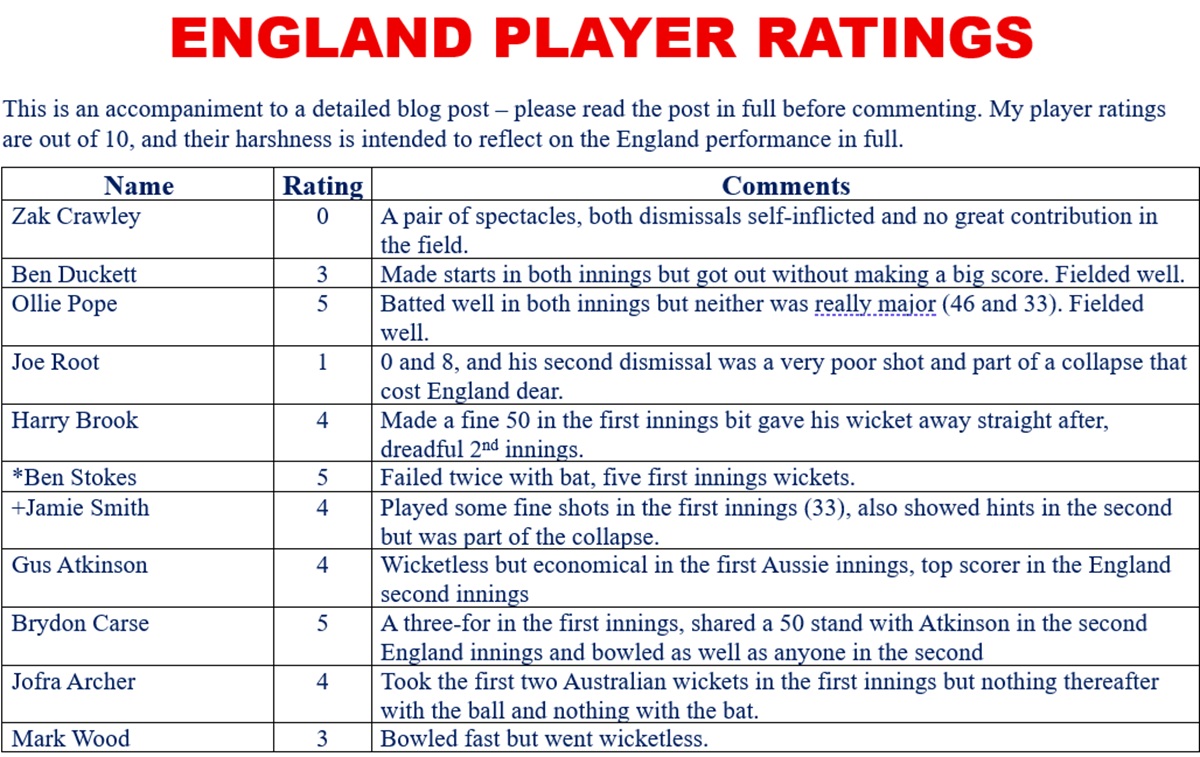
ENGLAND PLAYER RATINGS
These are given in batting order, and are marked out of 10, and they are harsh.
- Zak Crawley – 0. The opener bagged a pair, was culpable for both dismissals, and did nothing of note in the field, therefore it is not possible to award him even a single point.
- Ben Duckett – 3. Played nicely in both innings, but neither contribution was substantial. He did his job in the field.
- Ollie Pope – 5. The only England batter to show signs of adapting his game to suit this ground – he scored ten threes across the two innings. He also fielded well.
- Joe Root – 1. A duck in the first innings, 8 in the second, and he was part of the collapse that opened a way back into the match for Australia, playing a poor shot to boot.
- Harry Brook – 4. A good 50 in the first innings, but his second innings failure was down to an awful shot, and he was the middle of three wickets to fall at the same score in that innings.
- Ben Stokes – 5. Two failures with the bat. His first innings five-for looked to wrenched the initiative back for England, and he looked helpless in the face of Travis Head in the final innings.
- Jamie Smith – 4. His first innings 33 was impressive for as long as it lasted, his second innings dismissal would probably not have been given in the days befor technology, and he kept competently.
- Gus Atkinson 4. Though he personally went wicketless he was part of England’s good first innings bowling performance, and he top scored in England’s second innings, batting in a way that should have roundly embarrassed most of those above him in the order.
- Brydon Carse 5. Five wickets in the match, although the fifth came too late to be of real relevance, and took part in a 50 partnership in the second English innings that seemed to have given them hope.
- Jofra Archer – 4. Took the first two Australian wickets to fall, but did little of note thereafter.
- Mark Wood – 3. Bowled fast though not for any great reward. As with all his fellow bowlers he has to be regarded as less at fault for the debacle than the batters.
PHOTOGRAPHS
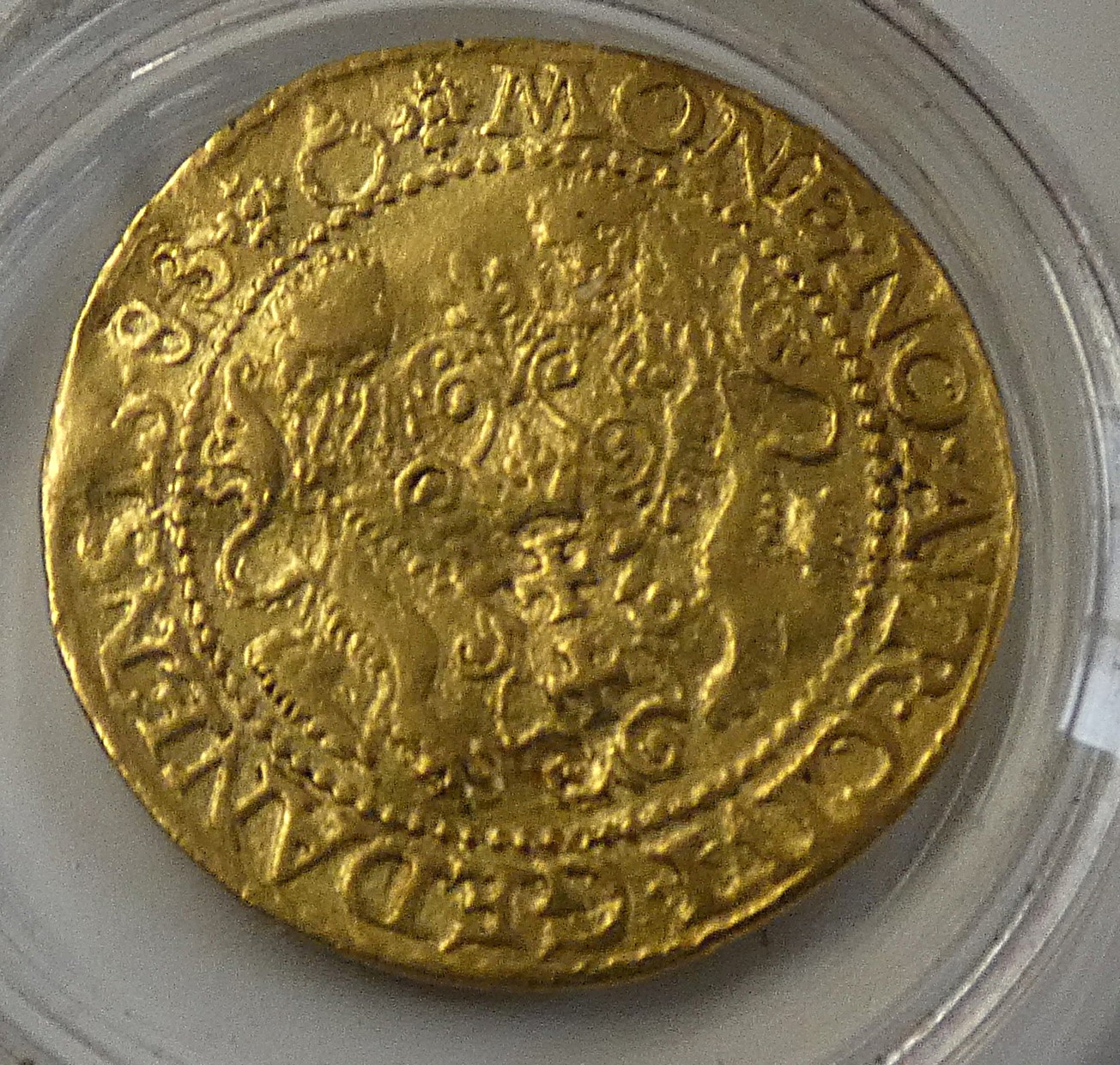
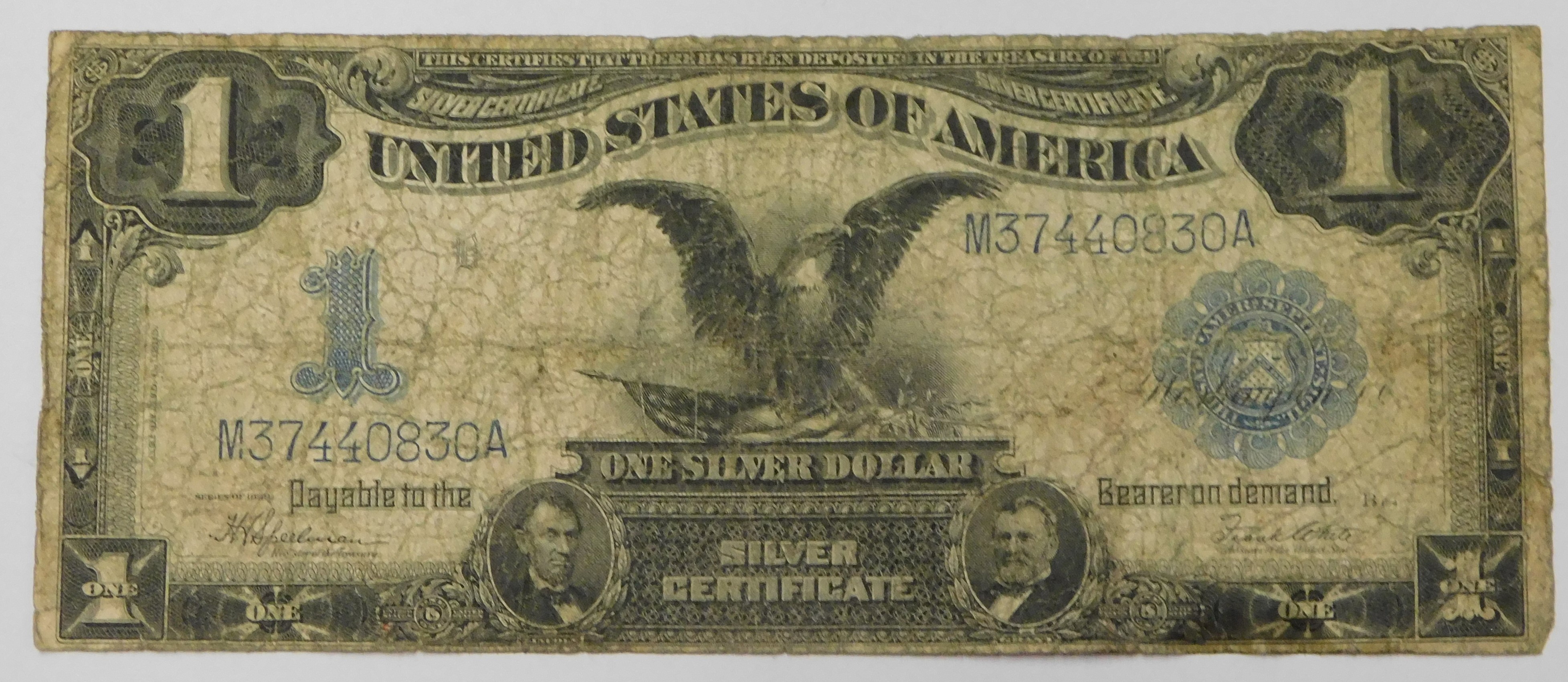
Some of the photos in this gallery are from James and Sons upcoming auction on December 2nd – go here or here for more…






















































 aspiblog