Channel Islands 5: A Cricketing Journey to Alderney

Journeying through cricket history and from King’s Lynn to Alderney in honour of John Arlott.

Having reached Alderney in my account of my recent holiday it is now time for a special post in honour of John Arlott, the legendary cricket commentator, who lived his last years on the island. We will travel through considerable space and time in the course this journey.

STOP ONE: CAMBRIDGE

Cambridge, which my route from King’s Lynn to Portsmouth passed through, was the birthplace of Jack Hobbs, ‘The Master’. It also provides a specialist spinner for the XI since after his falling out with Yorkshire, which ended his first class career, Johnny Wardle played minor counties cricket for Cambrigeshire.

STOP TWO: VAUXHALL

The train from Waterloo to Portsmouth passes through but does not stop at Vauxhall, which overlooks The Oval, home of Surrey County Cricket Club. It is not my purpose to pick an time Surrey XI here (I did that a while back) so I am not actually using this location to pick any players – I am merely noting it.

STOPS 3,4 AND 5: SURBITON, WOKING, GUILDFORD

As with Vauxhall the train passes through Surbiton. Surbiton is not in itself of major relevance, but a line branches off here to Thames Ditton and Hampton Court, and at one time of his life the legendary fast bowler Tom Richardson had a home in Thames Ditton.

Woking, the first stop on the London-Portsmouth route, was home for many years to the Bedser twins, Alec (right arm fast medium, useful lower order batter) and Eric (right handed batter, off spinner).

Guildford, also a scheduled stop on the route, is home to the earliest verifiable reference to the great game of cricket. Testimony regarding the usage of a piece of land, made in 1598 and referring to the childhood of the man testifying, tells us that some form of cricket was being played in Guildford by the 1550s. Surrey still play the odd match at Guildford and one of the more recent of those games featured Kevin Pietersen scoring a double century in the course of which he hit a number of balls into the river Wey which flows past the ground.

STOPS 6-7: GODALMING AND PETERSFIELD

Godalming is home to Charterhouse School, where George Geary (Leics and England) was cricket coach for a time and one of his charges was Peter May. More recently Martin Bicknell (Surrey and England) has been director of cricket there.

Petersfield has a connection that dates to much earlier in cricket’s history: John Small, one of Hambledon’s finest batters in that clubs glory days of the late 18th century, lived there. According to John Nyren in “Cricketers of My Time” Small was a keen skater and enjoyed skating on the surface of Petersfield Pond when that body of water froze over in the winter.


STOP 8: PORTSMOUTH

Portsmouth was one of Hampshire’s out grounds when such were regularly used. In 1899 Major Robert Poore smashed Somerset for twin tons there, and then confirmed his liking for west country bowling by scoring a career best 304 in the return match at Taunton (when another army officer, Captain Teddy Wynyard, scored 225, in a sixth wicket stand of 411).


STOP 9: GUERNSEY

Guernsey has not to my knowledge produced any significant cricketers, though it has produced a couple of well known sportspeople: tennis player Heather Watson, at one time British number one, and footballer Matt Le Tissier who played for Southampton for many years. However it did indirectly give me a squad member, because it was there that I consumed bottle of ginger beer whose place of origin was significant:

Bundaberg, where this variety of ginger beer comes from, was the birthplace of Don Tallon, Australian keeper batter named by Bradman as keeper in his all time XI and considered by many of his contemporaries to have been the best ever in that role.

THE TERMINUS: BRAYE ROAD, ALDERNEY

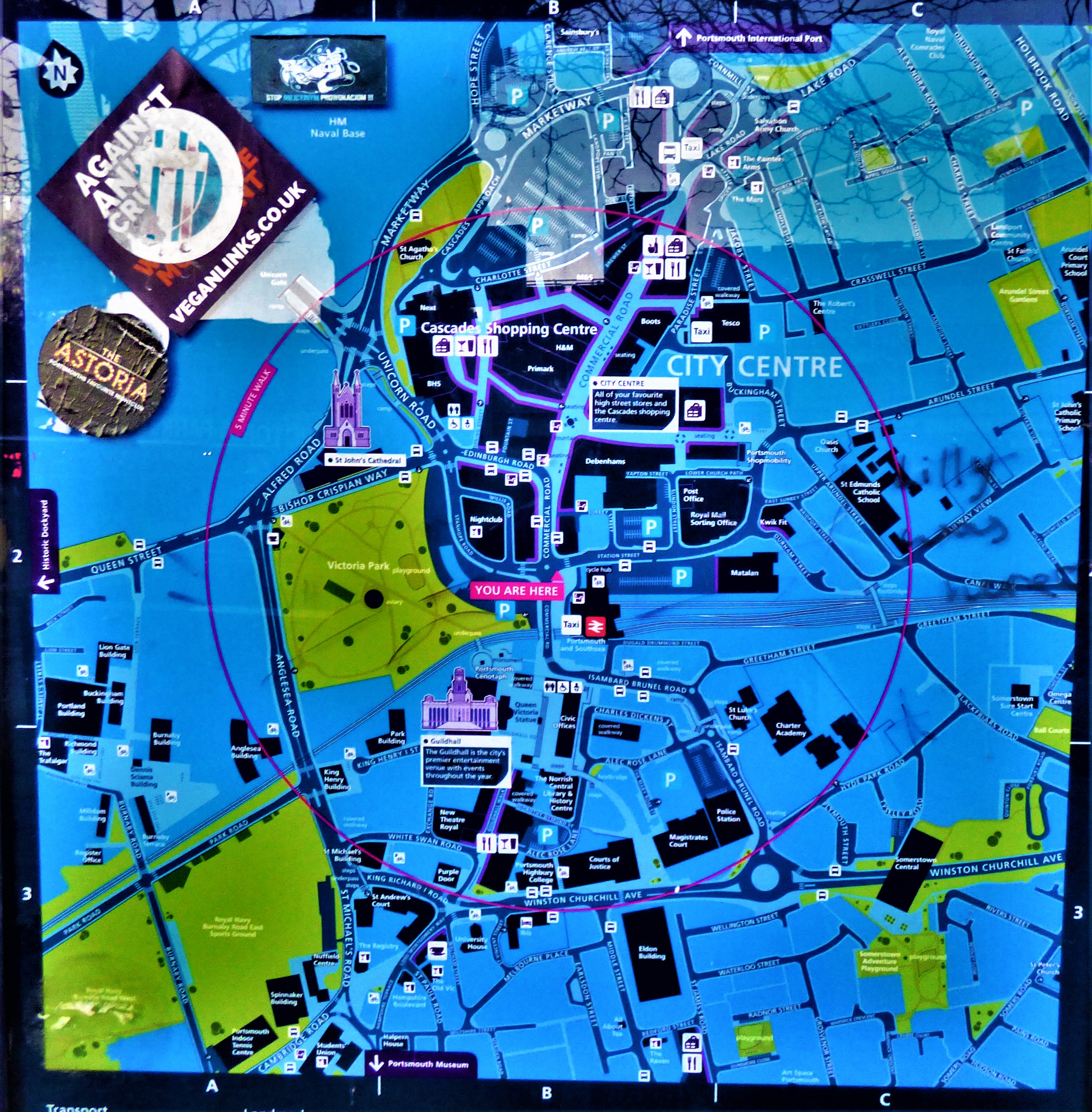
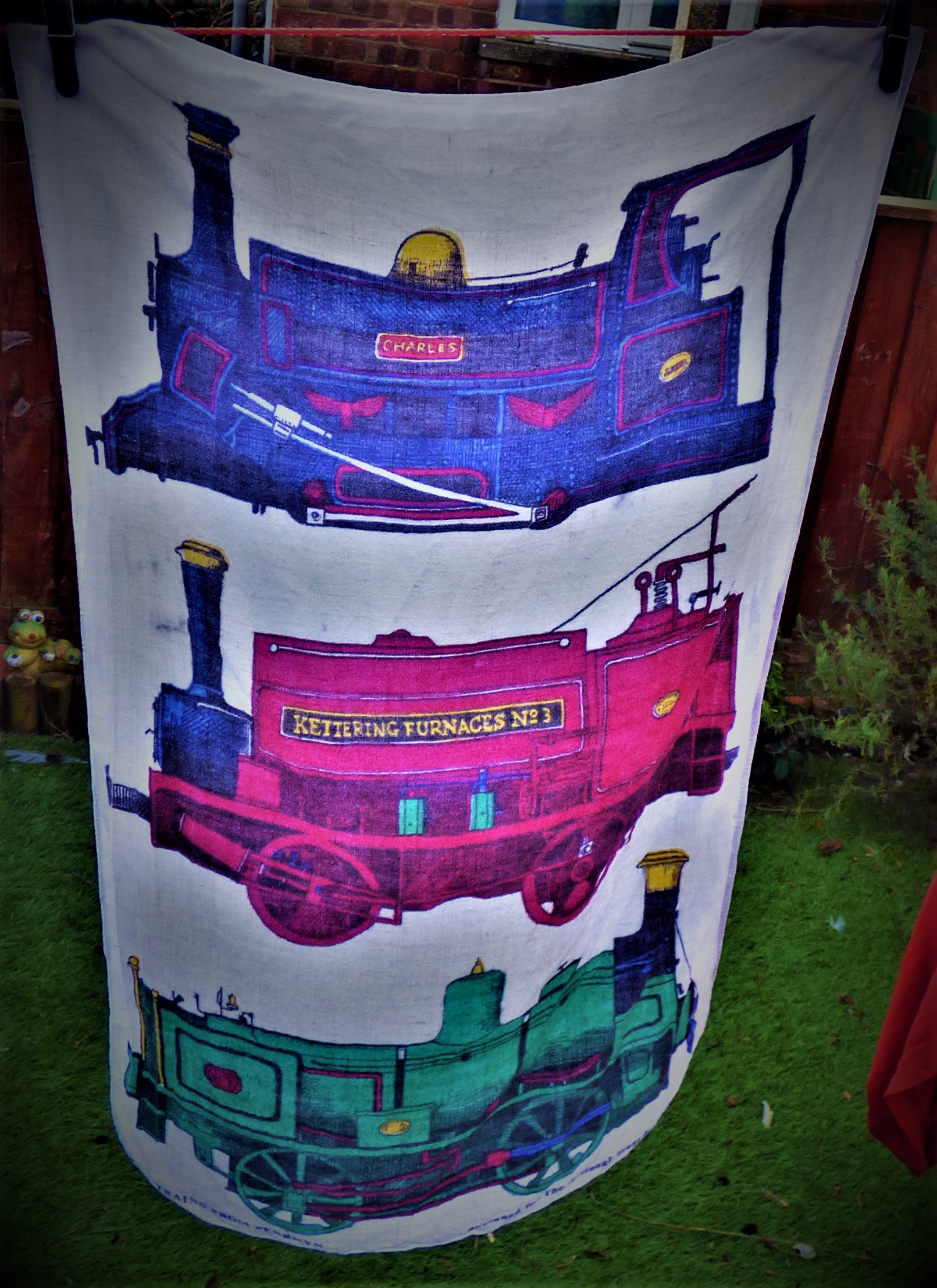
Braye Road is one terminus of the Alderney Railway, once a genuine commercial railway transporting stone from a quarry, now a heritage railway using carriages of 1938 tube stock (I was not able to travel it being there too early in the year for it to be open). It also gave me, by way of a piece of lateral thinking, a final player for my cricket journey:
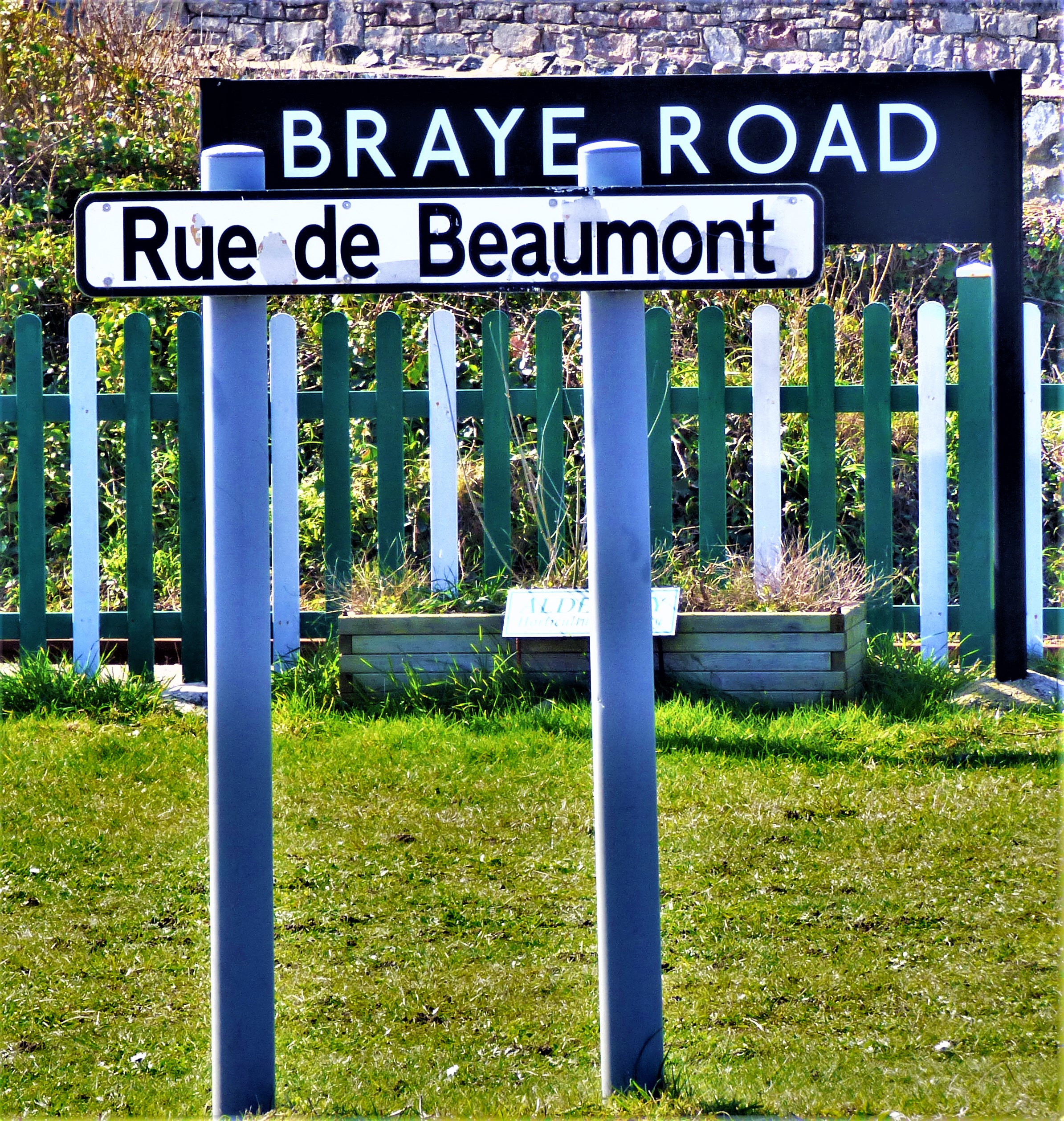
The cricket significance of this picture lies in the name of the road rather than that of the station: it provides a tenuous link to opening batter Tammy Beaumont.

SELECTING OUR XI

In terms of the players I have linked to specific locations we have:

Jack Hobbs, Johnny Wardle (Cambridge), Tom Richardson (Surbiton/ Thames Ditton), Alec and Eric Bedser (Woking), Kevin Pietersen (Guildford), Peter May, George Geary, Martin Bicknell (Godalming), John Small (Petersfield), Major Robert Poore (Portsmouth), Don Tallon (Guernsey, by subterfuge), Tammy Beaumont (Alderney, by cunning use of a street sign). These are 13 players, from whom 11 must be selected. My XI in batting order is:

  1. Jack Hobbs
  2. Tammy Beaumont
  3. John Small
  4. Peter May
  5. Kevin Pietersen
  6. Eric Bedser
  7. +Don Tallon
  8. George Geary
  9. Alec Bedser
  10. *Johnny Wardle
  11. Tom Richardson

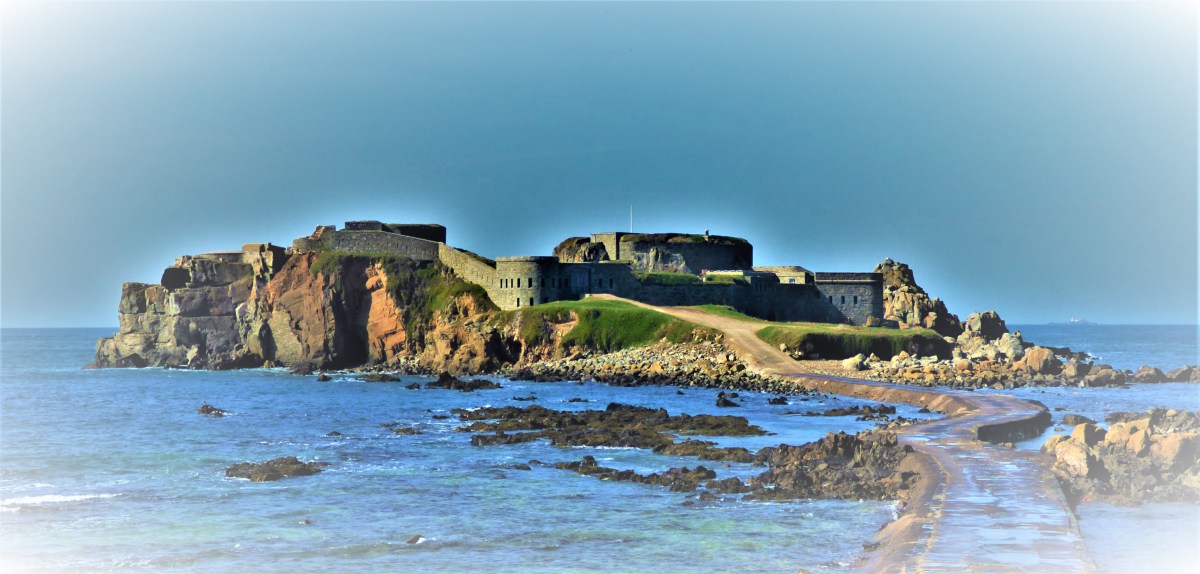
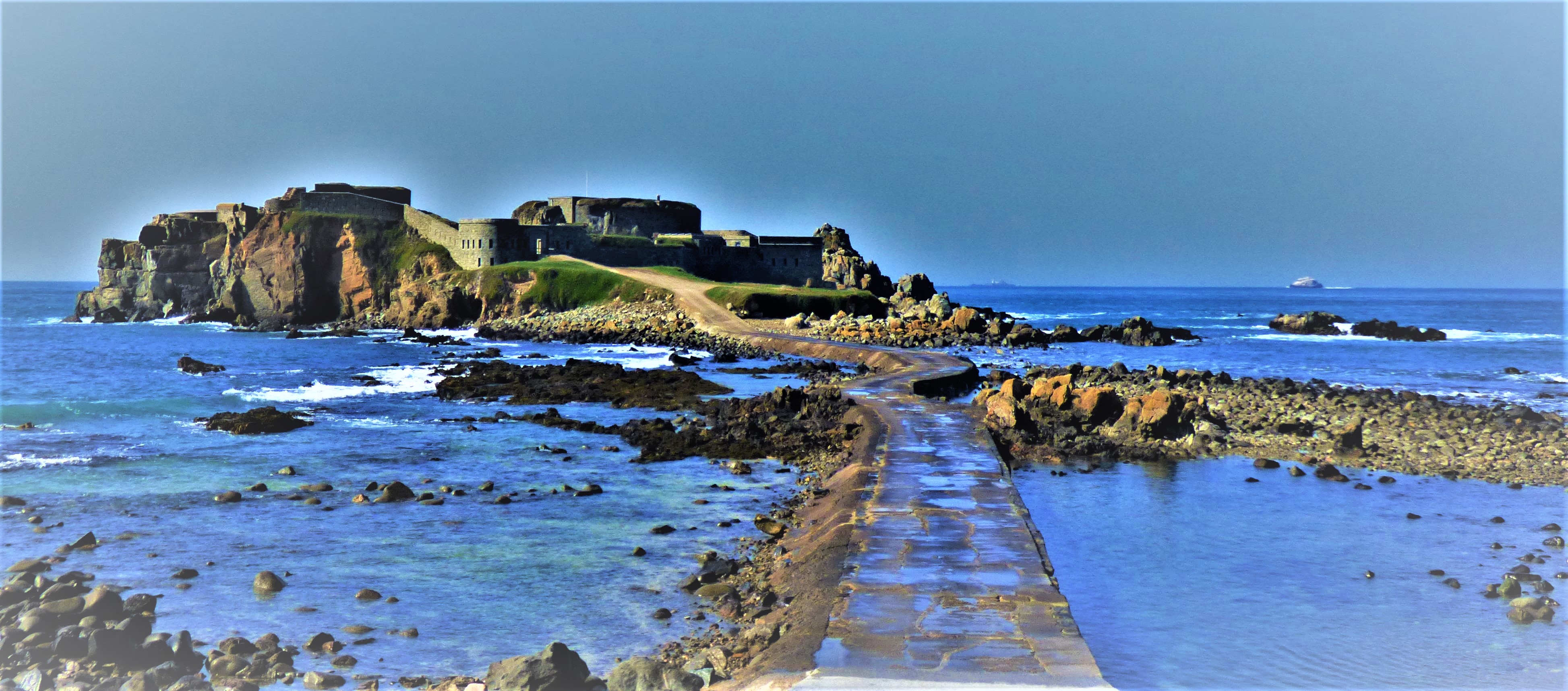
This XI is well balanced, with good batting depth. The bowling has a genuine speedster in Richardson, two high quality fast medium/ medium fast bowlers in Geary and A Bedser, a great left arm spinner in Wardle and off spin back up from E Bedser, with Hobbs’ medium pace as sixth bowling option. I end this post with a view of Fort Clonque:

A Draw in Antigua

A look back at the West Indies v England test match in Antigua.

The first test match in three match series between the West Indies and England ended in a draw yesterday. This post looks back at the match.

THE PRELIMINARIES

England made a cautious selection, opting for both Woakes and Overton, leaving out Saqib Mahmood. The West Indies meanwhile went for Holder at number six and four specialist bowlers as well. Joe Root won the toss and chose to bat first.

ENGLAND FIRST INNINGS

England made a disastrous start, slumping to 48-4. A fightback spearheaded by Bairstow and featuring good contributions from Stokes, Foakes and Woakes saw England end the first day 268-6 and possible back on track. On the second morning England battled on to 311 and it looked very much game on.

WEST INDIES FIRST INNINGS

West Indies did not score at all quickly, but they batted a very long time on a surface which had little life. Wood, the only bowler England had who was capable of bowling genuinely fast, left the field injured fairly early in the innings. Leach bowled well but without luck, keeping things tight but not taking wickets. Stokes, supposedly having his workload managed, was made to bowl 28 overs in the innings. Eventually the West Indies were all out for 375, Nkrumah Bonner scoring a very slow century to anchor the innings.

ENGLAND SECOND INNINGS

Zak Crawley delivered with the bat for once, and Root moved into second place on the England century makers list and became the leading scorer of centuries as England captain (24 in his career, still nine short of Alastair Cook’s tally and 13 as skipper). With Wood injured a measure of caution was necessary when it came to the declaration, and Root declared leaving WI a target of 286 in 70 overs.

WEST INDIES SECOND INNINGS

It was soon obvious that West Indies were not going to attempt the target, but when they lost their fourth wicket with quite a bit of time remaining England had genuine hope. Root made a point about his team’s mindset by staying out there until West Indies had six wickets left with only five balls to go – only then did he accept the draw. There was some adverse comment about this, but he did the right thing, not giving up on the chance of victory until he absolutely had to.

PHOTOGRAPHS

Time for my usual sign off…

An All Time XI All From Different Countries

A variation on the all-time XI, this time requiring every player to come from a different country. Also some photographs.

I have one other thing to mention besides my main topic, which is a revisit to the All Time XI theme which I have explored here many times, especially during the period immediately after Covid-19 was officially declared a pandemic.

THE BRIEF

This is to be an All Time XI with every selected player coming from different countries. It is to be a team that will pose a formidable threat in any and all conditions, so variety is essential. There are some players (Bradman and Sobers e.g) whose preeminence is such that they have to be their country’s representative, and in the case of some of the minor nations who are represented they had only one player wh0 could even be considered. This in turn limited who could be picked from other countries where the field was theoretically wider.

THE TEAM INCLUDING 12TH

  1. Jack Hobbs (England, right handed opening batter and occasional medium pacer). “The Master”, scorer of 61,237 FC runs including 197 centuries, scorer of 12 Ashes centuries. The oldest ever test centurion, the last of his centuries at that level coming at Melbourne in 1929 by when he was 46 years old. My English representative is highly likely to be one half of a pair that gets the innings off to a strong start.
  2. Sunil Gavaskar (India, right handed opening batter, occasional medium pacer). He was the first to reach the milestone of 10,000 test runs. He had an excellent technique and seemingly limitless patience. One would absolutely ideally prefer one of the openers to be left handed but I can’t see many new ball bowlers queuing up for a crack at this opening pair!
  3. Don Bradman (Australia, right handed batter, occasional leg spinner). The greatest batter ever to have played the game (his test average of 99.94 puts him almost 40 runs an innings ahead of the next best, his FC average of 95.14 puts him 24 an innings ahead of the next best at that level). He is also vice captain of the team.
  4. Graeme Pollock (South Africa, left handed batter, occasional leg spinner). The best test average of any left hander to have played 20 or more test matches, 60.97 per innings.
  5. Garry Sobers (West Indies, left handed batter, left arm bowler of every type known to cricket). Quite simply the most complete player the game has yet seen and one whose absence from this XI I could never countenance.
  6. +Mushfiqur Rahim (Bangladesh, right handed batter, wicket keeper). One of the great stalwarts of Bangladesh cricket, an excellent keeper and a gritty middle order batter whose test record would almost certainly be even more impressive than it actually is had he been part of a stronger side.
  7. *Imran Khan (Pakistan, right handed batter, right arm fast bowler). Has a strong case to be regarded as the greatest genuine all rounder in test history (batting average 37, bowling average 22), and a great captain as well (he is designated skipper of this side, and one of very few who could possibly see Bradman named vice captain rather than captain).
  8. Rashid Khan (Afghanistan, leg spinner and useful right handed lower order batter). This one was fairly inevitable – I need a wide range of top class bowling options, and a leg spinner of undisputed world class who hails from a minor nation is pretty much indispensable in that regard.
  9. ‘Bart’ King (USA, right arm fast bowler, useful right handed lower order batter). The original ‘King of Swing’, taker of over 400 FC wickets at 15 a piece, and good enough with the bat to average 20.
  10. Richard Hadlee (New Zealand, right arm fast bowler, useful left handed lower order batter). With genuine respect to today’s Kiwi side, comfortably the strongest they have ever been able to field, he remains his country’s greatest ever cricketer.
  11. Muttiah Muralitharan (Sri Lanka, off spinner, right handed tail end batter). 800 test wickets, taken at a rate of six per game. At The Oval in 1998, on a pitch that was quite hard and quite dry but basically blameless he claimed 16 English wickets in the match (7-155 in the first innings, and then after SL had taken a lead of 150, spearheaded by Jayasuriya scoring a double hundred, 9-65 in the second English innings).
  12. Andy Flower (Zimbabwe, left handed batter, wicket keeper, occasional off spinner). This man covers as many bases as possible as 12th – while I would not relish him coming in for any of the front line bowlers given that he is very much a part timer, and Sobers and Bradman can both be considered impossible to cover for anyway he won’t massively weaken the side even in a worst-case scenario.

RESULTS AND PROSPECTS

I start this little section by looking at the bowling, as it is that department that separates winners and also-rans. A pace bowling unit of Richard Hadlee, ‘Bart’ King and Imran Khan is awesome by any reckoning, and if there is definitely nothing for spinners, there is Sobers in his faster incarnations as fourth seamer. If spinners are called for, Rashid Khan and Muttiah Muralitharan are two of the all time greats, and offer a contrast, being leg spinner and off spinner respectively, and Sobers can bowl left arm orthodox and left arm wrist spin support. Thus there are bowling options available to meet every eventuality, and this side can be very confidently expected to take 20 wickets in any conditions.

The batting features a pair of openers who are highly likely to give the innings a strong start, a trio of fast and heavy scoring batters at 3, 4 and 5, a keeper who scores lots of runs at six, a genuine all rounder at seven, and three bowlers who can genuinely bat as well. Murali is the only bunny in a very deep batting order.

A number of the players in this XI, most notably Hobbs, Bradman and Sobers are rated among the the finest fielders ever to have played the game, and there are no carthorses anywhere, so they will give a good account of themselves in this department as well.

Finally, with Imran Khan as captain and Don Bradman as vice captain and Hobbs also there to be consulted this team has tactical acumen to burn and is highly unlikely to be outmatched in that area.

Thus this team seems to tick every box, and I would confidently expect it to dispose of any opposition put in front of it.

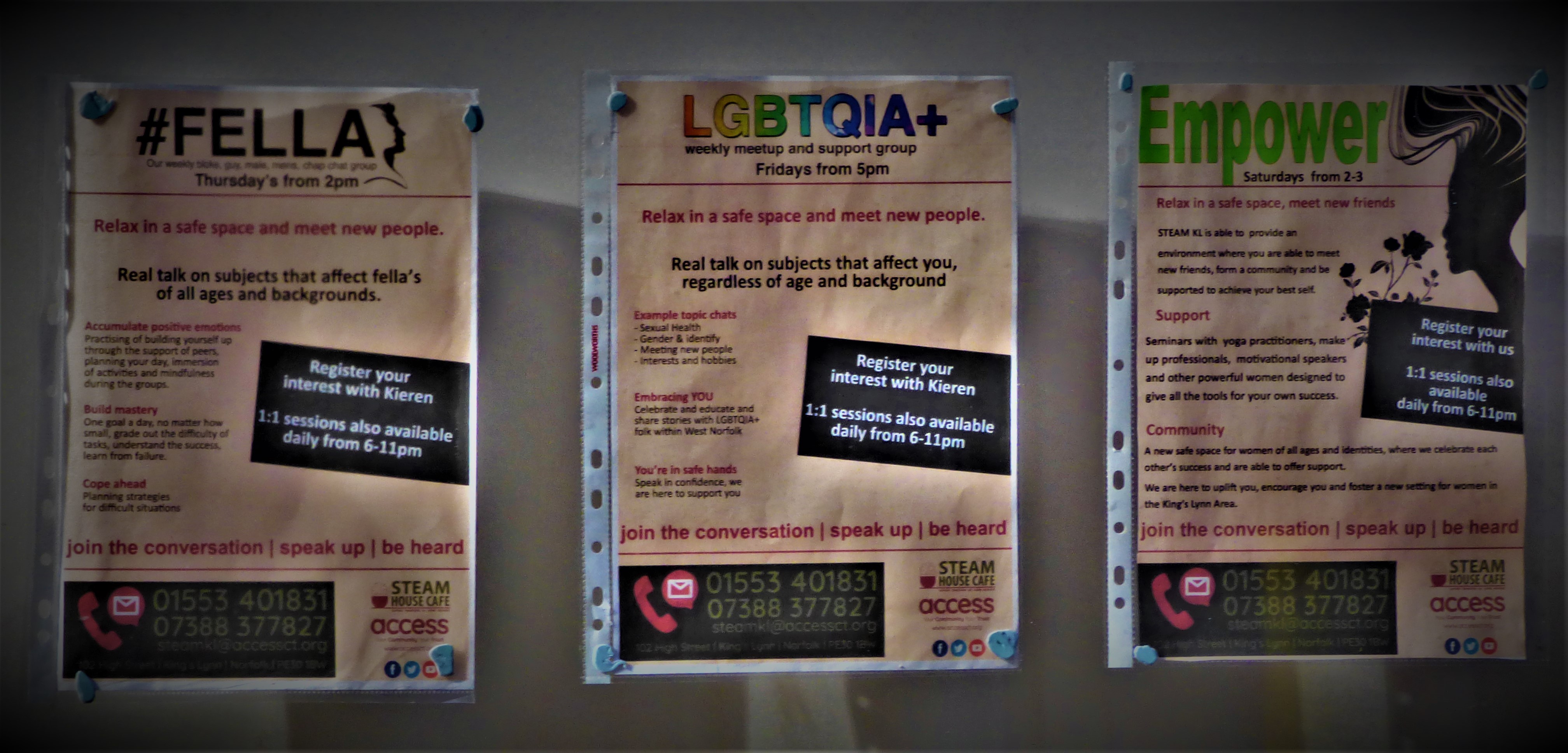
THE STEAM HOUSE CAFE

The STEAM House Cafe on King’s Lynn High Street is a cafe-style safe space for people with mental health issues, and I was there yesterday as part of a group from NAS West Norfolk. We and they are hoping to be able to organize something there specifically for autistic people.

PHOTOGRAPHS

Time for my usual sign off…

A brief summary of the XI.

The IPL Super Auction

A brief look at the IPL super auction and a special photo gallery.

The IPL Super Auction is over, and all the 10 squads are assembled. I look at some of the key moments and end with a very special picture gallery.

THREE BIG MONEY OVERSEAS SIGNINGS

Royal Challengers Bangalore made the first big money overseas signing of the auction when they went to 10.75 crore INR (just over £1,000,000) to secure Sri Lankan leg spinning all rounder Wanindu Hasaranga. Hasaranga is a superb T20 player and this was probably a good signing even at such a high price. Punjab Kings did good business when they secured Jonathan Bairstow for 6.75 crore. Nicholas Pooran, neither as good nor as versatile as Bairstow then went for 10.75 crore.

DIFFERING STRATEGIES

Punjab Kings were consistent over the two days, making a number of excellent signings. Liam Livingstone was their most expensive at 11.50 crore, and two very different seam bowling all rounders, India Under 19 star Raj Bawa and Gloucestershire’s quirky veteran Benny Howell were both obtained cheaply. Howell at seven, Bawa at eight, Rabada at nine and two other bowlers at 10 and 11 is a good lower part of the order, while Dhawan, Bairstow and Livingstone will all be in the top half of the order (IPL allows four overseas players in a playing XI and up to eight in a whole squad, which can have a minimum of 18 and a maximum of 25 players), and Bairstow, Livingstone, Howell and Rabada would be my four first choice overseas players from their squad.

Mumbai Indians did little on day one but came to the party on day two. They paid 8.25 crore for Archer, who won’t play this season due to injury, but who they can retain for next season. They also secured Tymal Mills and Tim David. They are unlikely to win IPL 2022, but if Archer is fully fit by then they will be formidable in IPL 2023.

Rajasthan Royals left things very late indeed, making a flurry of signings in the closing stages of the auction when nearly everyone else had completed their squads. They got some useful players at this late stage, but overall their approach cannot be said to have worked.

Royal Challengers Bangalore tailed off after a strong start, and exhausted their budget with several places still available in their squad.

Sunrisers Hyderabad did not even make a strong start, and they too ran out of money rather than filling all 25 slots.

The two new franchises, Lucknow Super Giants and Gujarat Titans both had their moments along the way but neither were entirely impressive.

Delhi Capitals had a solid auction, and they should do well in the tournament.

Chennai Super Kings had a good second day, and their squad looks decent.

Kolkata Knight Riders had a mixed couple of days with some good signings and some questionable ones.

The tournament should be good, though it is overly long. I will be supporting Punjab Kings – they had a superb auction.

All squads can be viewed here.

A SPECIAL PHOTO GALLERY

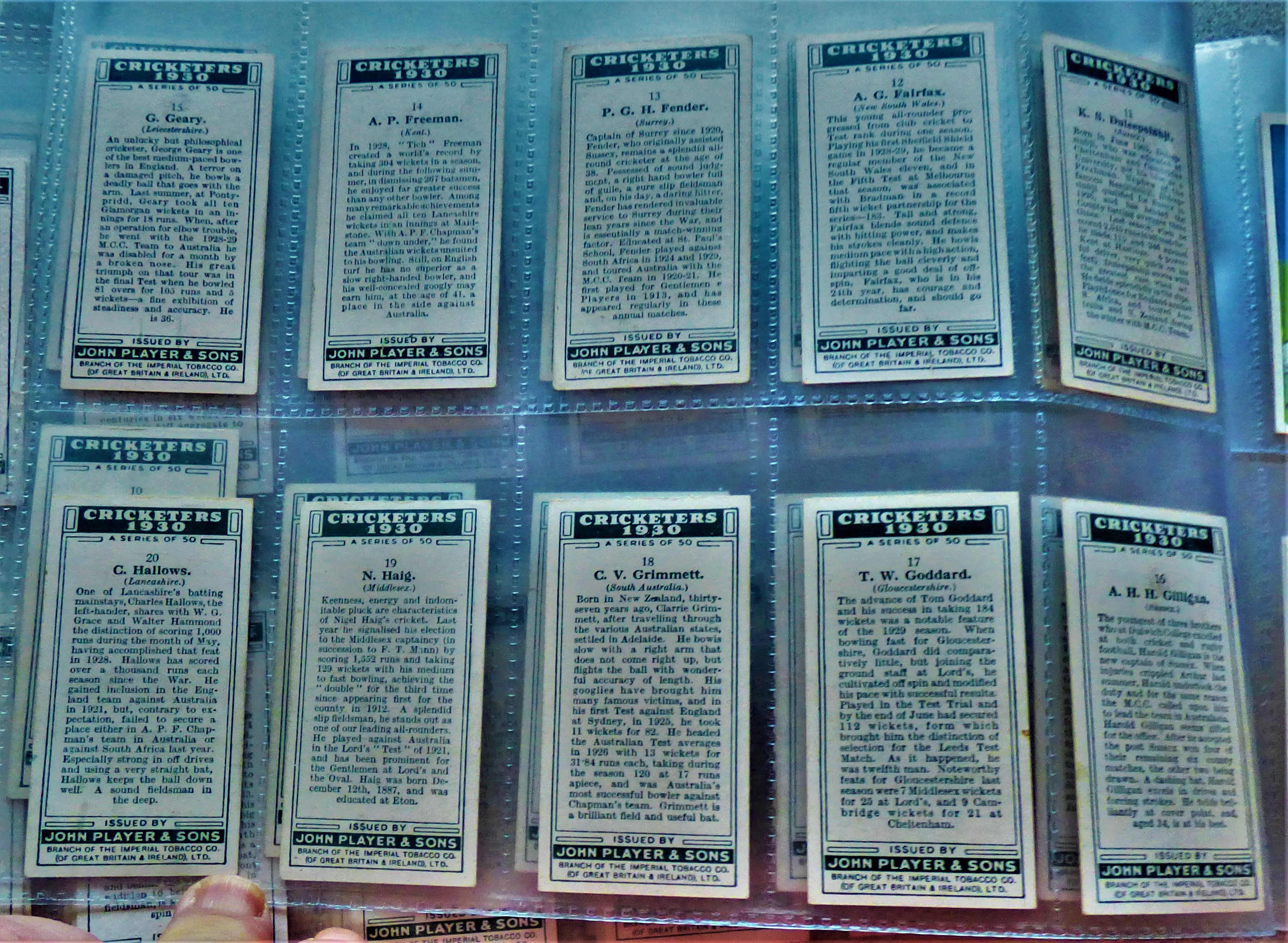
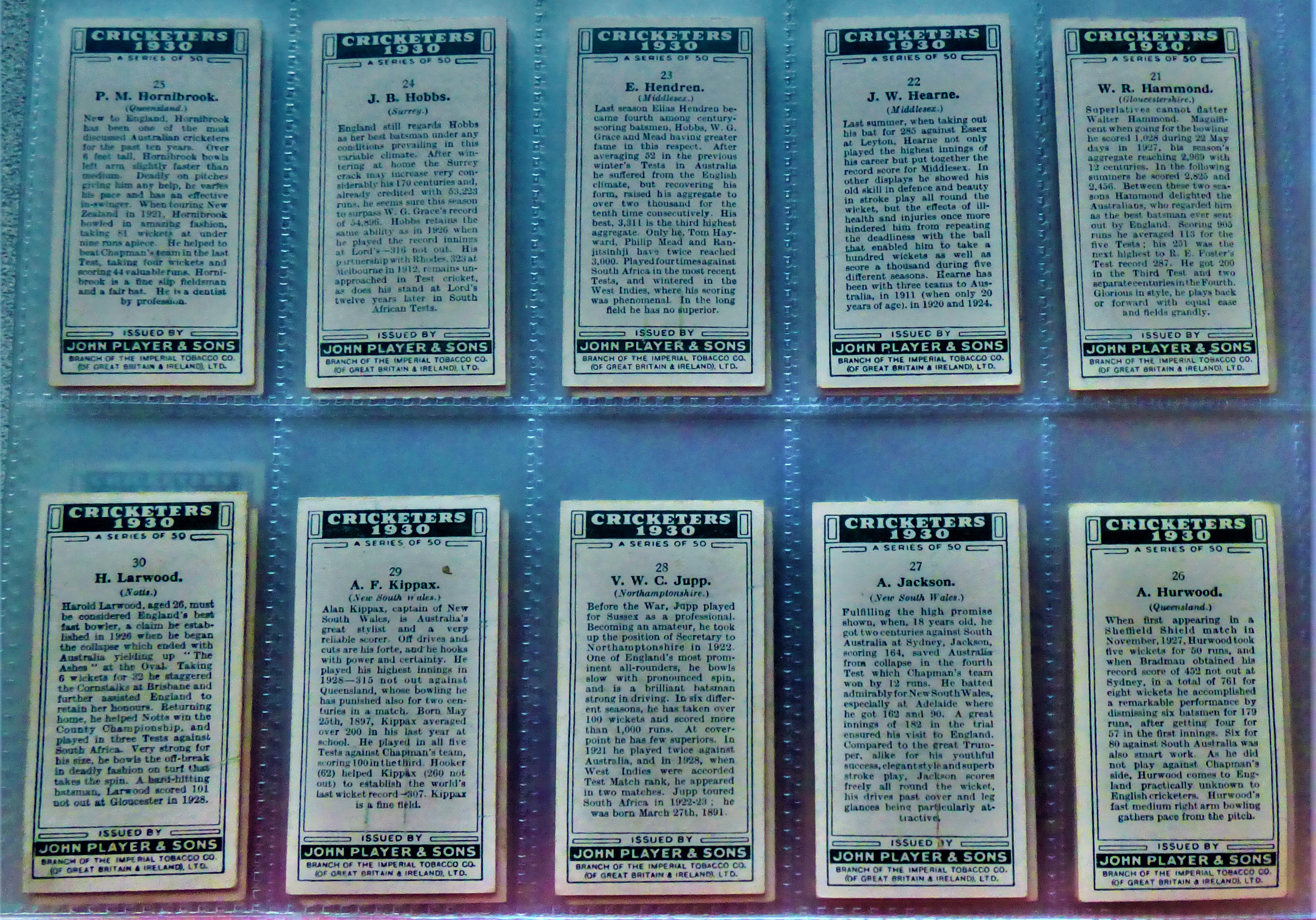
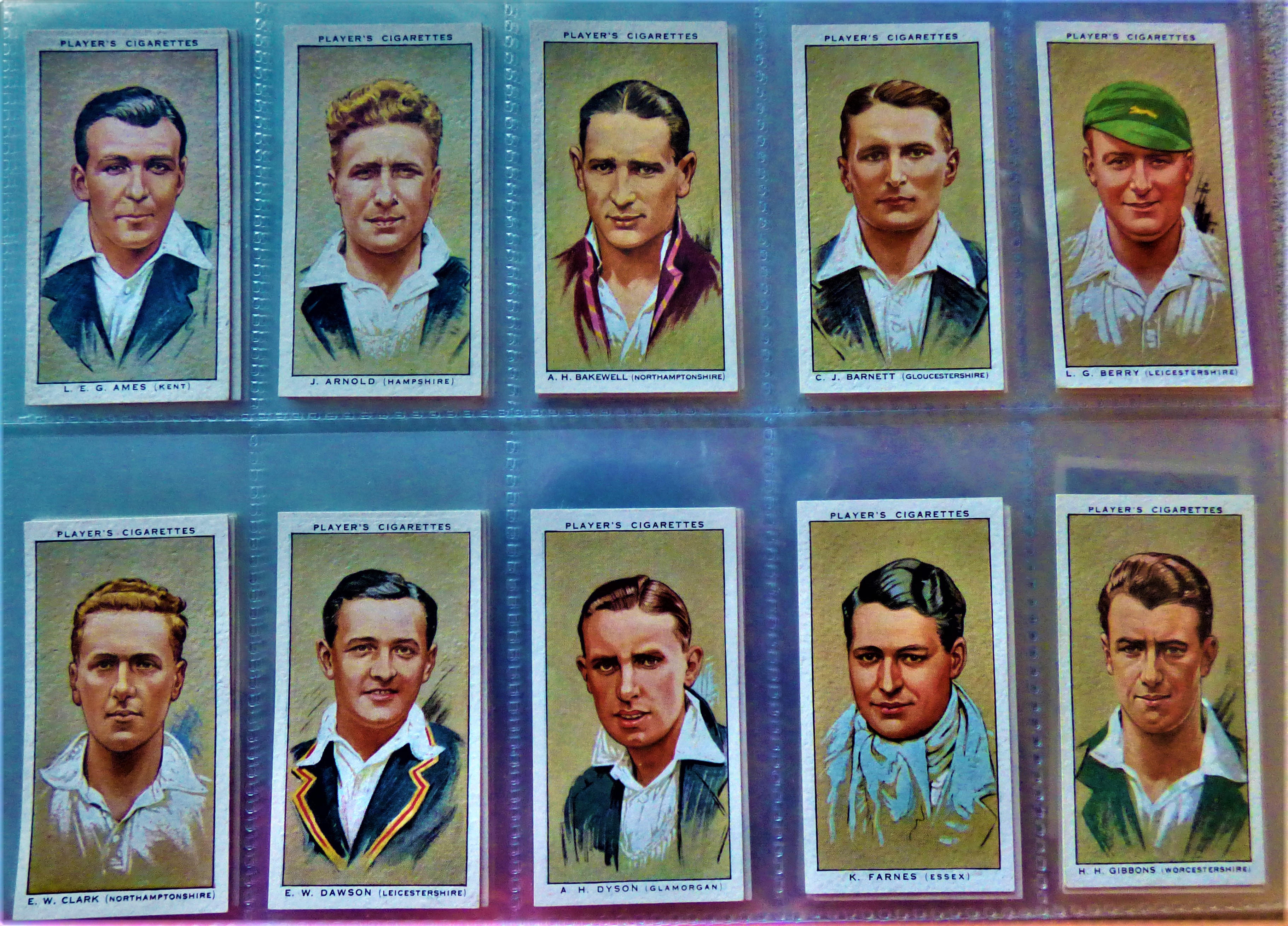
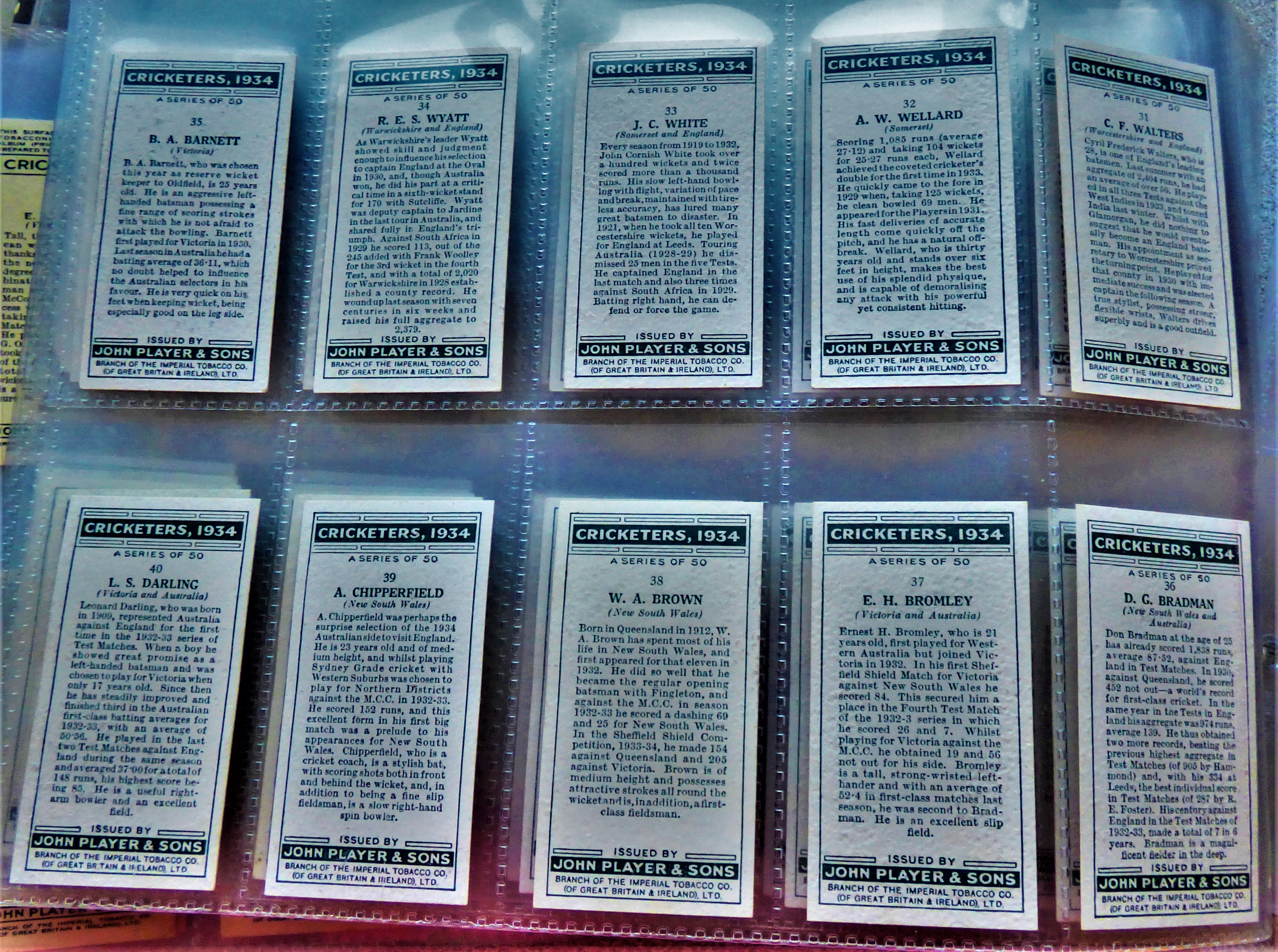
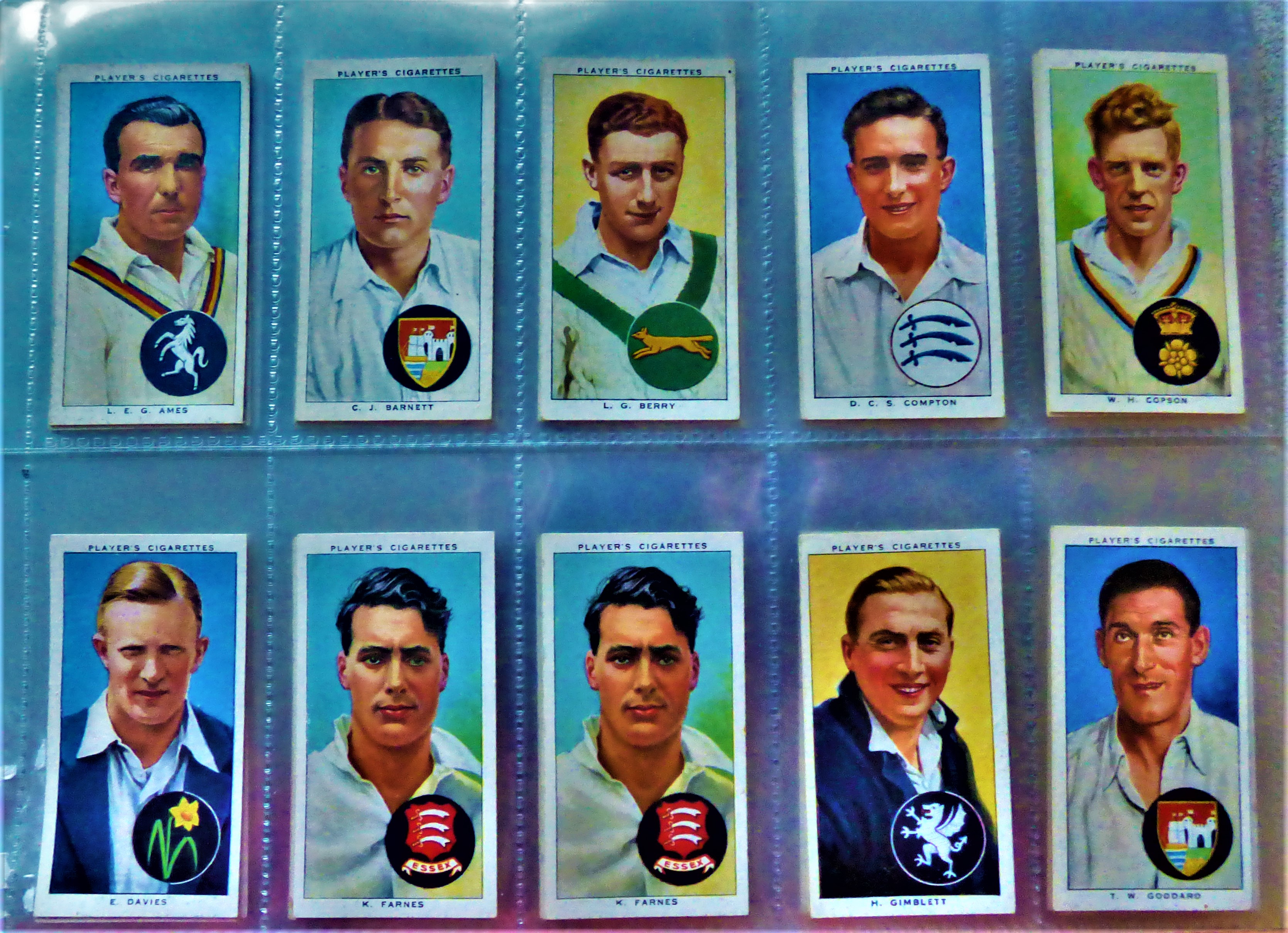
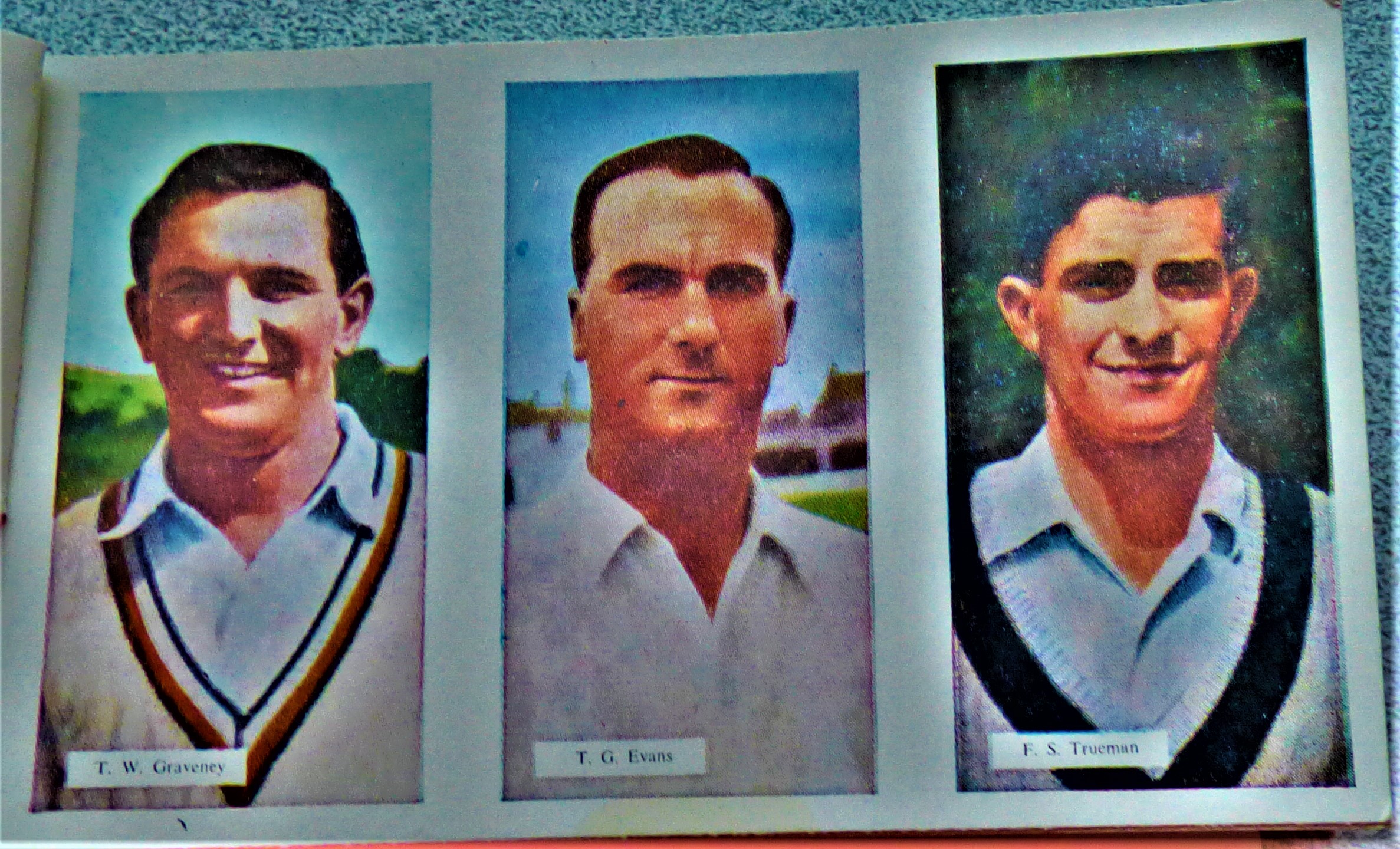
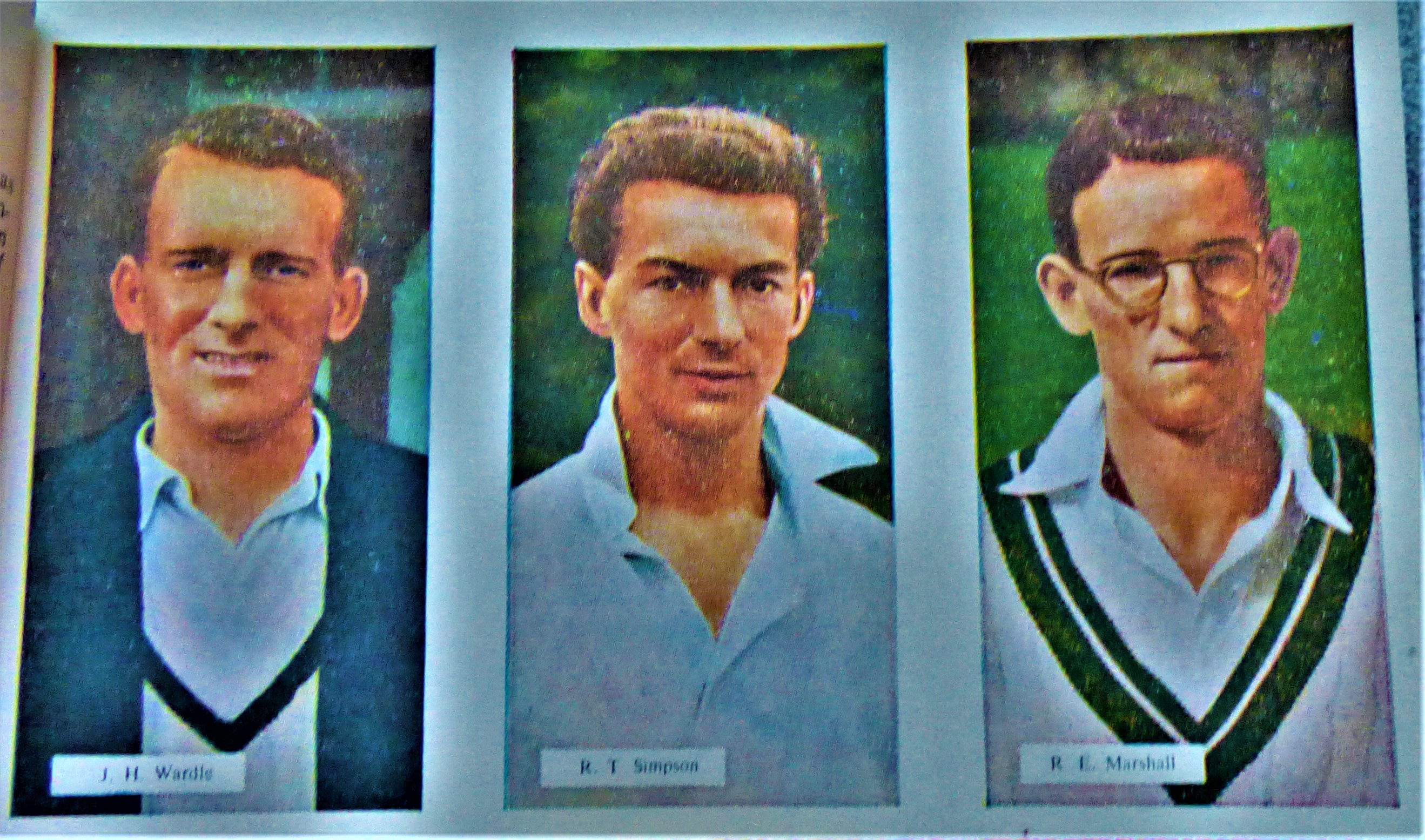
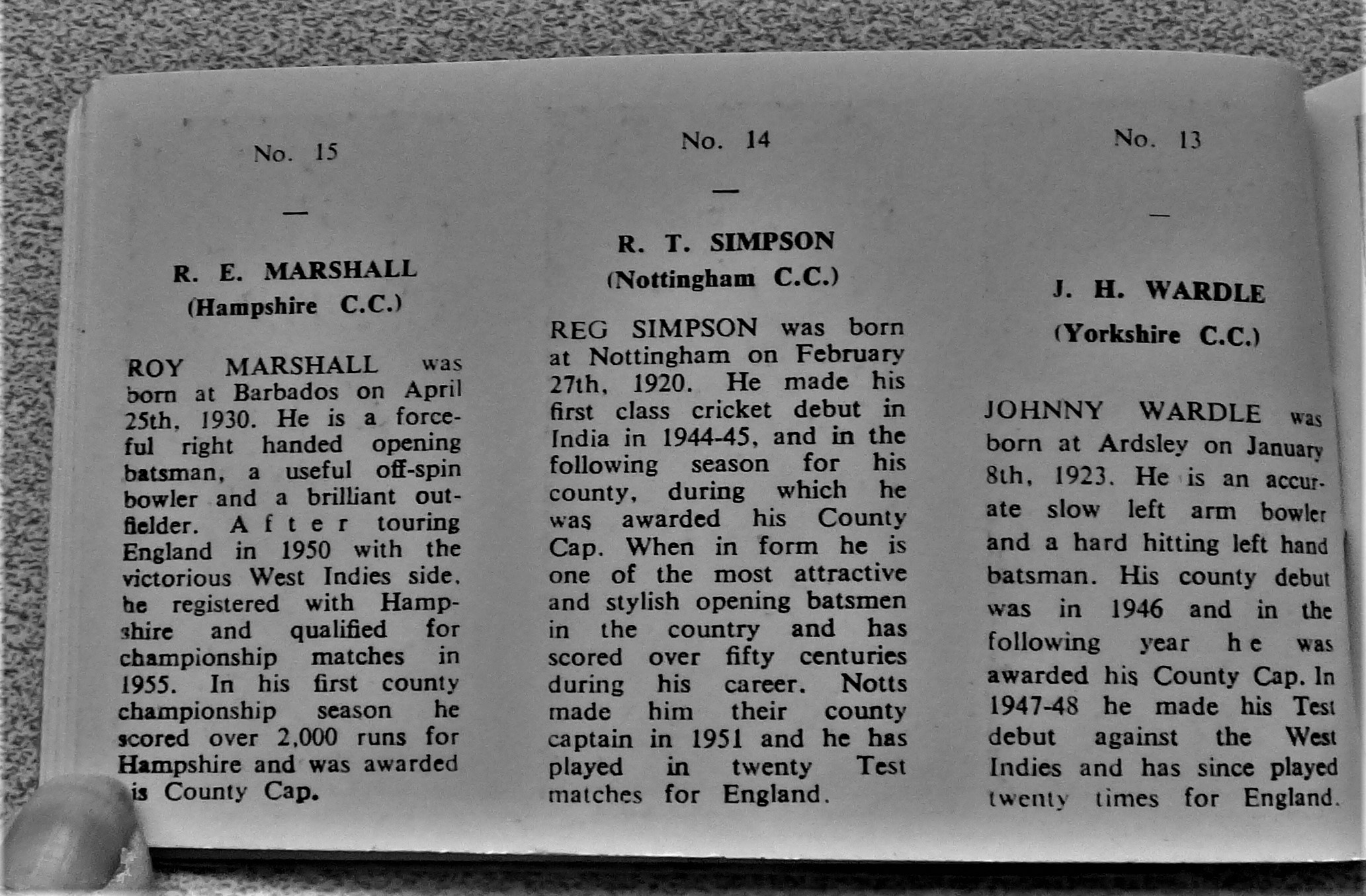
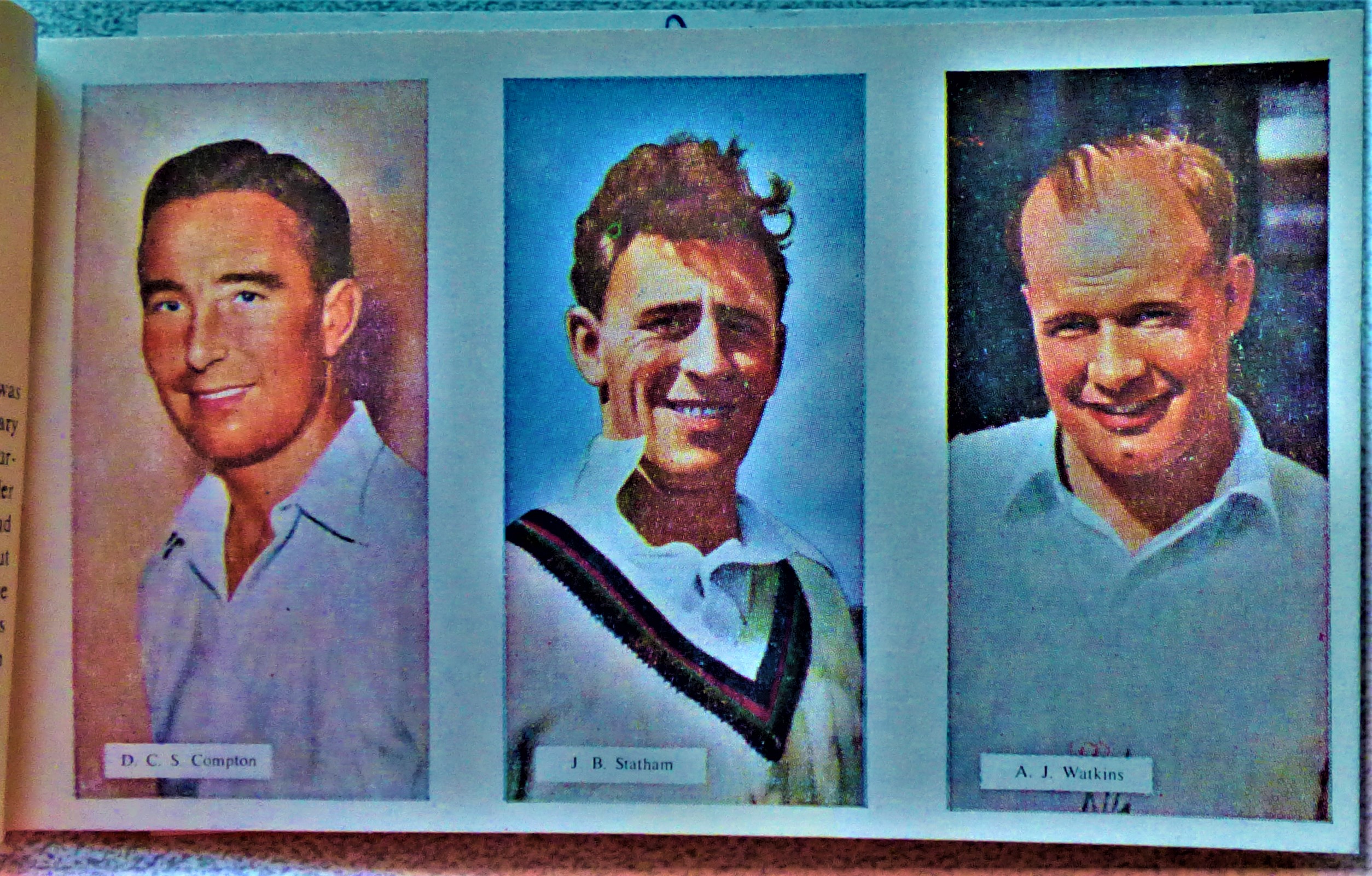
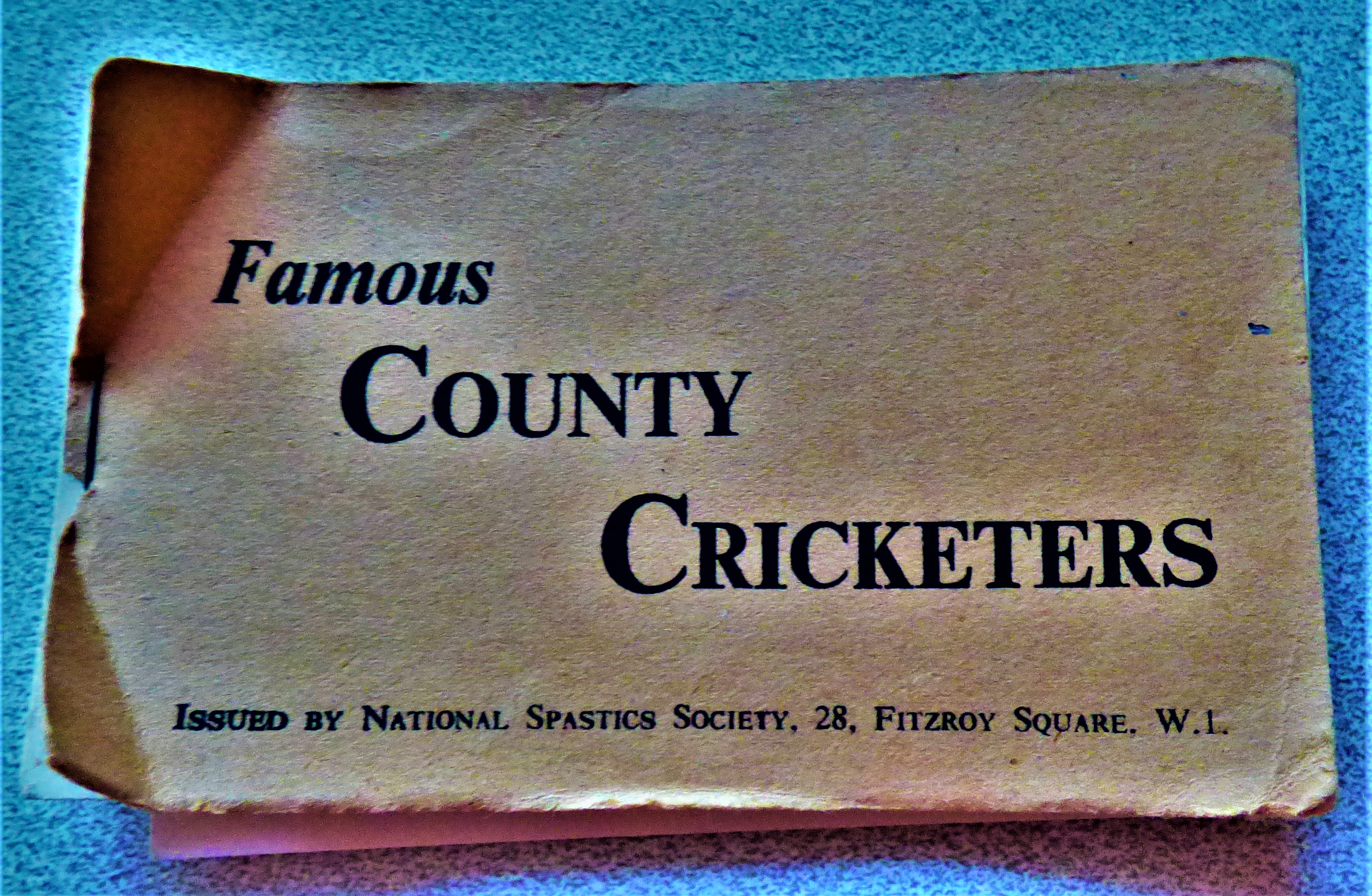
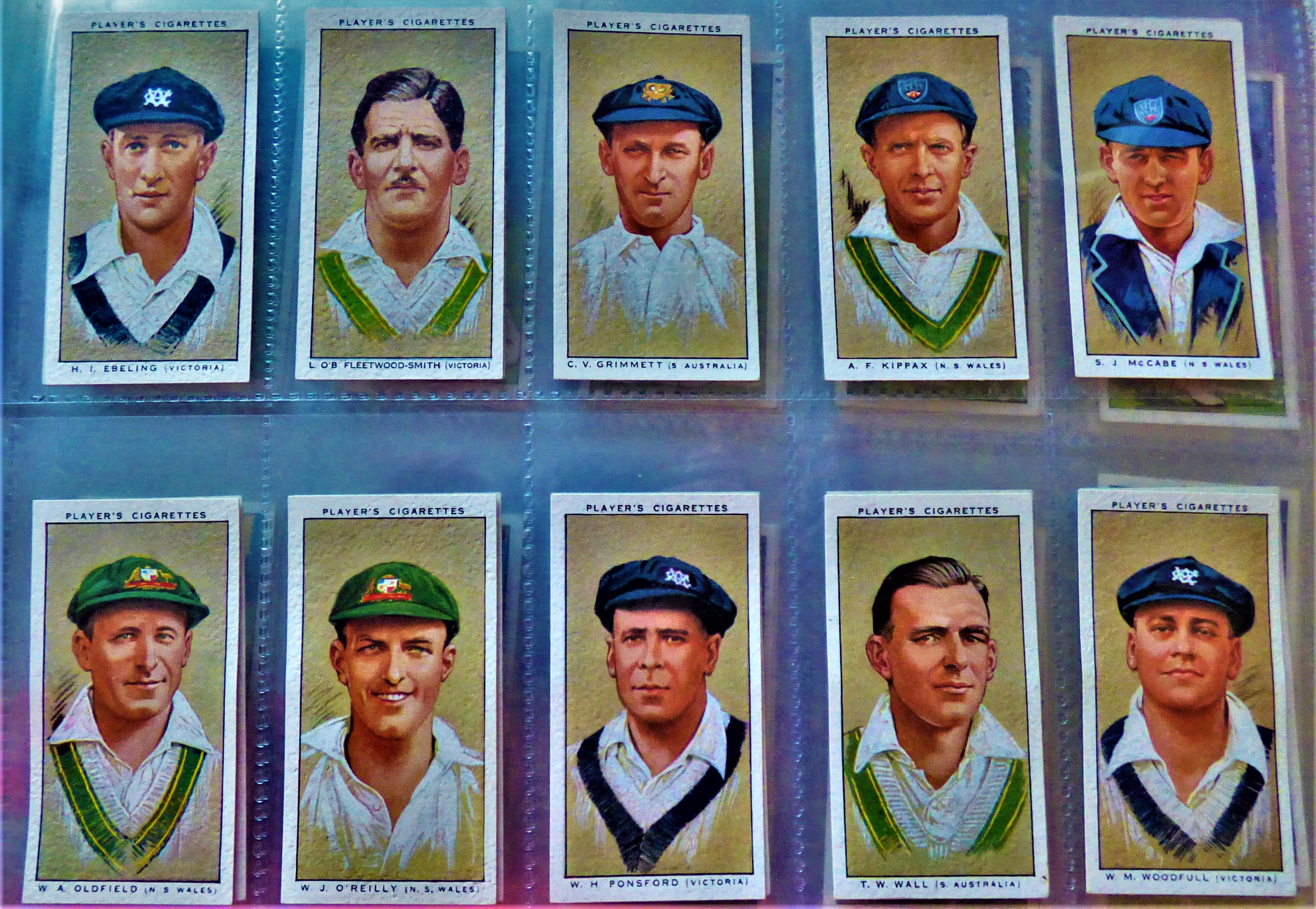
I acquired two lots of interesting cricket related cigarette cards, and they are the subjects of this photo gallery…

The England Test Squad For The Caribbean

A look at the England squad selected for the test series in the Caribbean and some of my own photographs.

After the debacle of the Ashes in Australia (|Australia 4, the weather 1, England 0) a number of ECB management figures departed which was welcome news, although Tom Harrison remained in post. Paul Collingwood was appointed interim head coach, with Andrew Strauss taking over as director of cricket. Their first job together was to pick the party for the test tour of the Caribbean, and this post looks at their choices and includes a suggestion for the permanent head coach role.

INTRODUCING THE SQUAD

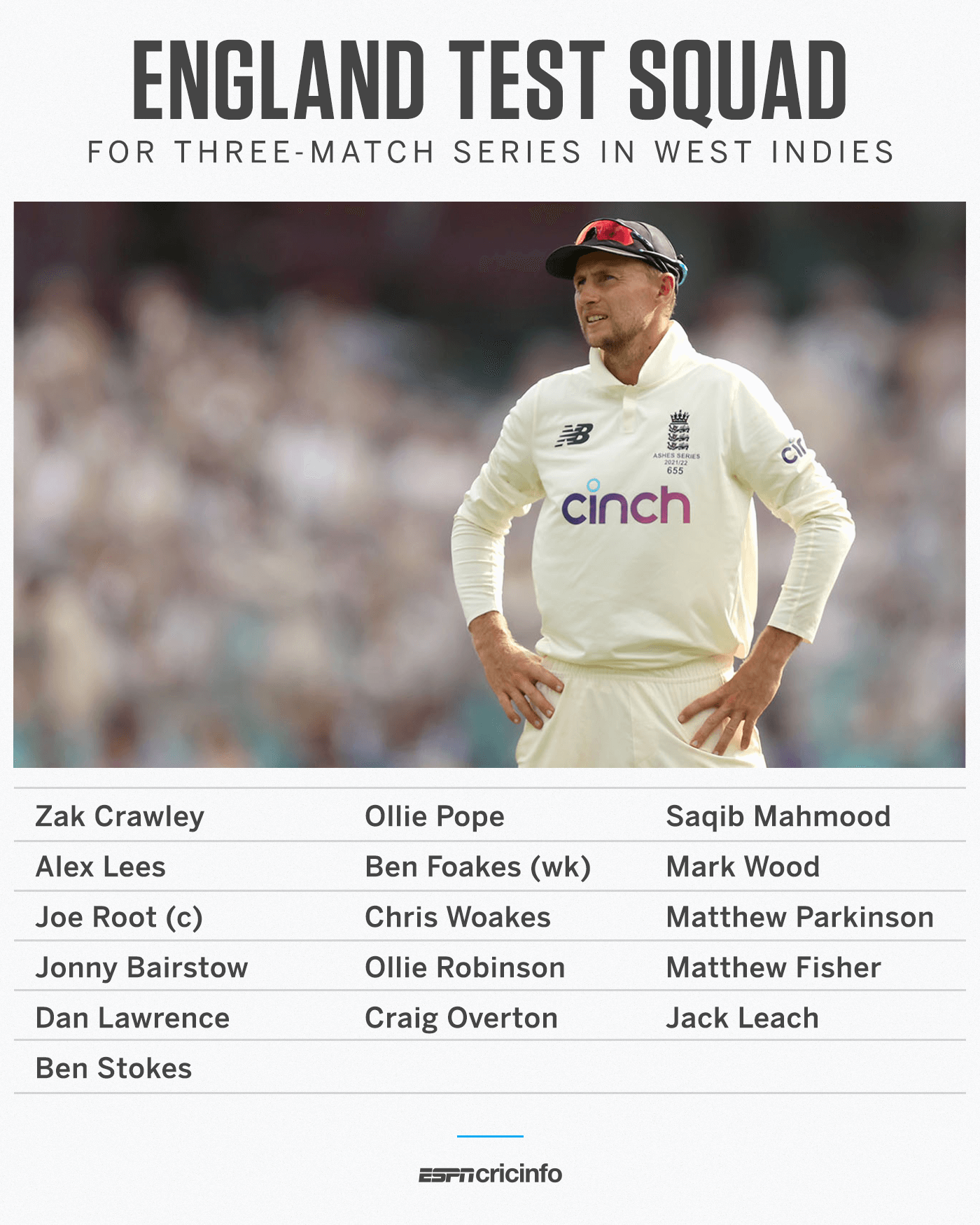
There is an article on cricinfo about the squad which I urge to read (click here), and I use their graphic to introduce the squad:

Story Image

THOUGHTS RE THE SQUAD

This is one of the worst selections I have ever seen done for England (and I have seen a lot). There are only two recognized openers, Lees (whose presence I welcome, he has built a fine record at Durham over the last few years) and Crawley (averages in the low 30s at FC level and less than that at test level, a poor selection). There is no recognized number three at all (apparently Root, one the best number fours England have ever had, is going bat there, a quite awful call by Strauss/Collingwood). Pope and Lawrence are fine middle order players though neither have done anything great at test level as yet. Stokes of course is a great player. Bairstow does not have a great test record, but he did score a century in the only game in Australia in which England were not utterly destroyed (with the assistance of some weather interventions they hung on for a draw nine down in the second innings). Foakes is one of three selections I am genuinely pleased about (I welcome the inclusion of Parkinson the leg spinner in a full squad for the first time, and Jack Leach has been mishandled but is still the best current English spinner). While I understand the thinking behind the inclusion of Woakes – his all round skills theoretically give England more options – but in practice outside England his bowling is insignificant, which means that what you actually have is an averagely good lower middle order batter. Craig Overton is good cricketer, but unlikely to pose much of a threat with the ball in the Caribbean. Mark Wood, Ollie Robinson and Saqib Mahmood are all fine bowlers and I welcome the inclusion of Mahmood, not quite out and out fast, but quicker than most English seamers. Matthew Fisher has played 21 FC matches for Yorkshire, in which he has taken 63 wickets at 27.52, a respectable but not outstanding record, and he is yet another of the right arm fast medium brigade with which English cricket is overstocked. Neither James Anderson nor Stuart Broad have been included in the party. Defenders of this move are arguing that this tour is being used for experimentation and that we already know what Anderson and Broad are capable of. To this I say: pshaw – England should by now have learnt that they are not strong enough as a test side to take any opposition lightly, especially away from home, and first and foremost their target should be win the current series.

Other than the two veterans (Anderson especially, who at 39 continues to be majestic with the ball) the players I feel have been worst treated in this shambles are Abell, Bohannon and Bracey, three recognized number threes with good recent records, any one of whom could have been included in this party to fill that slot. I also feel that Crawley is very fortunate to be persisted with – a recall for Sibley, or elevation for any one of Libby, Haines or Yates would have looked a better move.

I conclude this section by congratulating West Indies in advance for the series win they have just been handed by the England selectors.

THE HEAD COACH ROLE GOING FORWARD

As far as I am concerned Collingwood by his role in this utter shambles of a selection process has just ruled himself straight out of the permanent role as head coach. The right person for head coach of the test side for me is Gary Kirsten, who should have had the job when it was given to Silverwood instead. Kirsten wants split coaching roles, so that the ODI and T20 sides have a head coach of their own. I am happy to go along with this, and I suggest that the head coach of these sides should be Charlotte Edwards who after an awesome playing career has gone on to build up an excellent coaching record.

PHOTOGRAPHS

Time for my usual sign off…

An Epic Test Match

A look at the women’s Ashes, some thoughts about women’s test cricket (make matches five days, like the men’s are, an)d play much, much more of it) and some photographs

This post looks at the ongoing Women’s Ashes series in Australia, and especially at the test match in Canberra that concluded with an extraordinary closing session at just after 7:30AM UK time this morning. Before going on to the match and associated issues I need to set the scene with…

THE WOMEN’S ASHES:
AN OVERVIEW

Unlike the Men’s Ashes, which is purely about test matches the Women’s Ashes as currently constituted is a multi-format series: Three T20Is, One test match and Three ODIs. The limited overs games are worth two points each, the test match four points. Australia are the current holders, which means that England need to win the series outright to reclaim them – a drawn series would see Australia retain.

THE STORY SO FAR

It has been uncharacteristically rainy in Australia while this series has on (not one, but two matches in the driest of all Australian cities, Adelaide, adversely affected by rain). Australia won the only one of the T20Is to have enough play to get a definite result, which took them into the test match with a four points to two lead in the series. Thus, a win for them in the test would ensure that they retained the Women’s Ashes, while a draw or an England win would keep the series alive.

A GREAT TEST MATCH

The women play scandalously little test cricket (more on this theme later), to the extent that Katherine Brunt, the most experienced player on either side, who made her test debut in 2005 was playing just her 14th test match in all.

England won the toss and decided to bowl, a decision that looked good early on when three Australian wickets, including the prize scalp of Ellyse Perry, fell quickly, but four Australians topped the 50 mark, two coming close to centuries but falling just short. Katherine Brunt bowled with immense fire and passion, and when Australia declared at 337-9 she had figures of 5-60.

England’s response began atrociously, and although skipper Heather Knight batted with great courage and determination support for her was sadly lacking. At low water mark the score was 169-8, when Sophie Ecclestone the left arm spinner joined her at the crease. Ecclestone resisted bravely, batting a long time in support of her captain and contributing 34 to a stand that ended up worth precisely 100. Kate Cross, the number eleven, helped a further 28 to accrue for the last wicket, meaning that England were 40 behind on first innings. Knight had scored 168 not out by the end of the innings, the second highest ever women’s test score against Australia, 11 short of the 179 that Rachael Heyhoe-Flint scored at The Oval back in the 1970s.

England bowled pretty well again, with Katherine Brunt claiming a further three wickets, in the process becoming the first woman to record 50+ wickets in all three international formats. Australia declared a second time, at 216-7, challenging England to get 257 from 48 overs for the win. To their full credit England responded in kind and went for the runs. Both openers got into the 30s this time, Knight added 48 more runs to her first innings heroics, Natalie Sciver scored a half century, and a lightning quick 45 from Sophia Dunkley, including successive sixes off Annabel Sutherland put England ahead of the rate. Sadly these players all got out before the job was done, and the middle and lower order panicked in the closing stages. There were two overs left when the ninth wicket fell and Kate Cross joined Sophie Ecclestone. Cross saw out the first of these overs, bravely taking a single off the final ball to accept responsibility for seeing the final over out as well, rather than put the pressure on the much younger Ecclestone. Alana King on test debut accepted responsibility for bowling the make or break over (did I mention that the women play scandalously little test cricket?). Cross saw out the first five balls with varying degrees of assurance, and King at the last bowled a rare poor ball to bring the match to an end. England in the end had scored 244-9 in the chase, finishing 12 runs adrift with one wicket standing in a draw that, drab sounding result notwithstanding, has to go down as one of the great test matches played by players of either sex, fit to stand alongside Manchester 2005 or Lord’s 1963 to name just two other draws that remained live right up until the final ball.

There could of course be only one candidate for Player of the Match – one of the greatest test innings ever played, a major contribution in the second innings and her captaincy made Heather Knight quite simply the only choice, and it was confirmed within a few minutes of the last ball being bowled.

WOMEN’S TEST CRICKET

This match, the two matches India Women have recently played (one in England and on in Australia) have made two things very clear. Firstly women’s tests need to be five days, just like men’s tests are – four days are only enough for a result if there is some artifice used, like Australia’s two declarations in this match. Secondly, there need to be far more women’s test matches. I like the multi-format series, but would alter the balance, lengthening it so that there could be at least three test matches and maybe even five (I do not like even numbers of test matches in a series, though I could live with four) in that portion of the series. India playing a couple of recent test matches is a step in the right direction, but only a baby one. Test matches (and more than one at a time) should be part of many more women’s series than they are.

A CURRENT WORLD WOMEN’S TEST XI

Given how little test cricket is played this exercise is quite a challenge, and one of my picks is I admit a cheat, but hope that my justification gets me the blog equivalent of ‘jury nullification’ and a ‘not guilty’ verdict:

  1. Smriti Mandhana (left handed opening batter, India). Wonderful to watch, and as her 127 not out against Australia in Australia shows, she knows how to go big.
  2. Laura Wolvaardt (right handed opening batter, South Africa). She has yet to play test cricket, but everything about her play suggests that she would be a star in the format, so I am cheating and picking her for this XI on a hunch.
  3. *Heather Knight (right handed batter, occasional off spinner, captain). Her performance in this match speaks for itself, and her 168 not out was her second 150+ score in just nine test appearances.
  4. Meg Lanning (right handed batter, vice captain). The Australian skipper has a great record, and for me has to play.
  5. Ellyse Perry (right handed batter, right arm fast medium bowler). Though by her own mighty standards this was a very ordinary match for her she has an amazing overall test record, and has to be in the team.
  6. +Amy Jones (right handed batter, wicket keeper). The best keeper on the planet and a fine middle order batter.
  7. Natalie Sciver (right handed batter, right arm medium fast bowler). A must pick for me, and with Lanning and Perry occupying, as they have to places higher in the order she gets the conventional all rounders slot.
  8. Sneh Rana (off spinner, right handed batter). The Indian off spinning all rounder had a fine game against England in India, bowling well and helping her side to save the match with the bat.
  9. Katherine Brunt (right arm fast medium bowler, right handed batter). One of the all time greats of the game, eight wickets in the match this time round to demonstrate her enduring brilliance.
  10. Sophie Ecclestone (left arm orthodox spinner, left handed batter). Manuka Oval had little to offer her, but she is undoubtedly the best female spinner in the world at the moment and has to be in the side.
  11. Darcie Brown (right arm fast bowler, right handed lower order batter). The fastest bowler in the side, selected for that reason. She caused problems in both innings of the match just concluded.

This XI has great batting depth, and a dazzling range of bowling options (the all round skills of Perry and Sciver enable the luxury of a having four genuine seam options and two front line spinners, an attack that can be manipulated to suit all conditions.

PHOTOGRAPHY

As usual I end this post with some of my recent photographs…

England Floundering

A look at goings on in the Ashes series so far, a brief glimpse ahead to the rest of it and then a longer look at an (IMO) much needed potential Great Reset of English Cricket. Also some photographs.

This post looks at England’s start to the 2021-22 Ashes series and at what might be done going forward.

THE GABBA

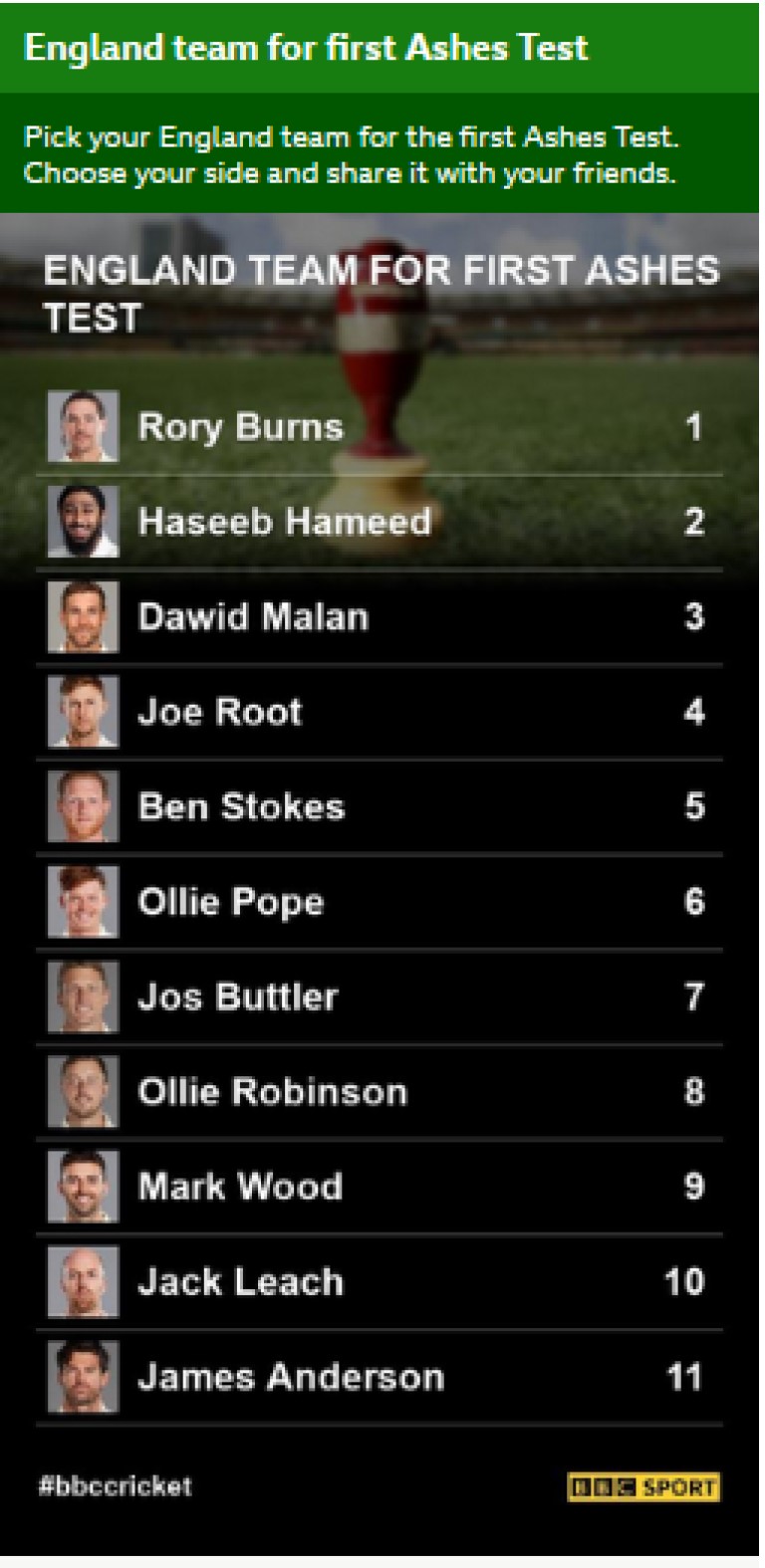
After a rain ruined build up England won the toss and chose to bat. The chosen XI was Burns, Hameed, Malan, *Root, Stokes, Pope, +Buttler, Woakes, Robinson, Wood, Leach. Batting first was the right call, and the XI looked well chosen though it was surprising that neither of the veterans Anderson or Broad got picked (inserting the opposition at the Gabba has a shocking history). Unfortunately, the tone was set for England by Rory Burns who shuffled across his crease to the first ball of the series and made a leg stump half volley look like a swinging yorker – bowled for a duck, England 0-1 one ball into the series. Although Pope, Buttler and Woakes all showed some fight, England never looked like posting a big enough total, and were all out for 147. Robinson, Woakes and Wood all bowled decently, Leach was rusty after playing little recent cricket and took heavy punishment, Stokes was not fully fit and did little. Warner and Labuschagne both batted well but were overshadowed by Travis Head whose place in the XI had been questioned in some quarters. Australia’s number five scored an amazing 152, getting his team to a final total of 425, a lead on first innings of 278. England then had their best period of the series to date, ending day three on 220-2 with Malan and Root in the 80s. Unfortunately both batters fell right at the start of day four, and thereafter the innings was a procession, and England in the end mustered only 297, leaving Australia 20 to win. They lost one wicket just before getting there, which enabled Labuschagne to become the first non-opener to be 0* (0) in a test match – on every previous occasion this happened the target had been one and had come off one ball.

ADELAIDE

Adelaide is one of the most beautiful of all cricket venues, set amidst the city’s northern parklands and with St Peter’s Cathedral part of the backdrop, along with the river Torrens. It is also known for being a batters paradise, and if the ball does anything there it turns. Australia had lost Hazlewood to injury and Cummins because he was identified as a close contact of a covid-positive after eating at a restaurant the night before the game. Steve Smith of sandpaper infamy was thus elevated to the captaincy, while Michael Neser and Jhye Richardson filled the vacant fast bowling slots. England, in defiance of logic, common sense and Adelaide history went in without a specialist spinner and with four right arm fast medium bowlers backed up by Stokes.

Australia won the toss and decided to bat (in view of their circumstances and the nature of the Adelaide pitch a decision to bowl would have made Ponting’s insertion of England at Edgbaston in 2005 look like a stroke of genius!). England bowled accurately, but were consistently half a yard or so too short to be maximally effective with the result that the ball went past the edge of the bat many times but the batters had little real trouble. Additionally, one of the few genuine chances created by England was squandered when Buttler dropped an absolute sitter offered by Labuschagne. Australia ended the opening day on 221-2 from 89 overs (England’s over rate, which had already cost them their match fees at Brisbane was once again an utter disgrace). Ominously skipper and part time off spinner Joe Root got a few balls to turn when he bowled a spell on this opening day.

In the early part of the second day (today) England fared reasonably well, and the fifth Aussie wicket fell at 331. However, Steve Smith was still at the crease, and wicket keeper Alex Carey proceeded to score a 50. Michael Neser on debut at no8 scored a rapid 35, Smith fell just short of a century (93, trapped LBW by one from Anderson that kept low). Mitchell Starc and Jhye Richardson then shared a brisk, carefree partnership for the ninth wicket, before Richardson snicked one from Woakes and was caught behind. Woakes had shown the problem with selecting him overseas because “we want a number eight who can score runs”, namely that he is ineffective overseas in his main role: bowling – before being gifted that wicket which triggered a declaration at 473-9 Woakes had conceded 100 runs without ever posing a threat.

Before a thunderstorm brought an early close to proceedings England lost both openers, Burns to Starc and Hameed to the debutant Neser (the bowler’s second delivery in test cricket). Malan and Root were in occupation, with England 17-2.

Australia are 18 wickets away from going 2-0 up in the series, and in very little danger of being beaten whatever happens in the next three days.

LOOKING AHEAD 1: THE REST OF THE SERIES
England are in deep trouble and have boxed themselves into a corner by sending home the Lions players en bloc, including Bracey who had just scored a battling hundred in the Lions last innings and Foakes, England’s best keeper. They have also left themselves little choice but to persist with Burns and Hameed since the only back up opener they have averages 11 in tests in 2021, 18.80 outside his one big innings at that level overall. They cannot go without a spinner again, and I also think they need to pick Wood for the rest of the series so that they have some genuine pace available. For the MCG I would select: Burns, Hameed, Malan, *Root, Stokes, Pope, +Buttler, Robinson, Wood, Leach, Anderson. At the SCG I might rotate Broad in for Anderson. The final match will be played at Bellerive Oval, Tasmania and much remains to be seen before thinking about that one.

LOOKING AHEAD 2: TIME FOR THE GREAT RESET

Before any of the suggestions I am about to make can be acted on one thing has to happen: Chris Silverwood, an unmitigated failure as England head coach, has to be given his P45.

Of the batters I would retain only Root and Stokes from the current squad. The bowling situation looks better, but although I advocate for him to be given this series I believe that like Bess and Ali before him Jack Leach has had his confidence ruined by the hamfisted way in which he has been managed and going forward would look to the younger spinners.

  1. Openers: unless Burns and Hameed go really well in what is left of this series I would want two new openers, and I see five who merit consideration for that role: Hasan Azad, Sam Evans, Tom Haines, Jake Libby and Rob Yates.
  2. Number three: Tom Abell, with Bracey in reserve. I would also be strongly inclined to name Abell as captain right from the start – Root is not a good captain, while his batting is indispensable.
  3. Nos 5,6,7: Stokes will occupy one of these slots, Ben Foakes will be at six and keeping wicket (he averages 38 to Buttler’s 31 in FC cricket and is a far better keeper). Ollie Pope will usually be the third of this trio, either batting down at seven or up at five, with Stokes in the slot he doesn’t get (I want Foakes at six to reduce the chances of him having to bat exclusively with the bowlers).
  4. The fast bowlers: Woakes in England remains in contention (I kept an open mind about him succeeding overseas, knowing him to be much improved of late, but his bowling has been toothless so far this tour). I want at least one of Archer, Stone and Wood in the side, fitness permitting. If none of these three are available then Brydon Carse or Saqib Mahmood (the latter is not express, but he is quicker than the common run of English seamers) would be considered. Henceforth only one of the two uber veterans can ever be in the side at a time. Robinson has earned his spurs and would be part of the squad and most likely the final XI.
  5. The spinners: I would establish a spinner’s camp, the first members of which would be Matt Parkinson, Jack Carson, Amar Virdi, Dan Moriarty and Liam Patterson-White (the last named is almost good enough with the bat to be classed as an all rounder, and would combine well with any of the first three should two spinners be warranted. England’s handling of spinners has been shocking in recent years, and needs to change.

A new look England to front up against the next test match opposition, the West Indies might have an XI of: Haines, Yates, *Abell, Root, Pope, +Foakes, Stokes, Robinson, Archer/Stone/Wood, Anderson and Parkinson, or if feeling bolder still, select two of the expresses to go with Robinson and Parkinson (assuming they are fit).

Making such huge changes is high risk, but persisting with the current non-working test set up means accepting the certainty of further failure in the premier format of the game. I prefer letting the dice fly to resignation.

PHOTOGRAPHS

My usual sign off…

Ashes Ahoy

A preview of Ashes 2021-22, with official coverage starting at 11PM UK time.

Official coverage of the 2021-22 Ashes series gets underway at 11PM tonight UK time, on five live sports extra for radio fans like me and on BT Sports for TV fans. The preliminaries have been turbulent for both sides, though at least England’s woes have largely been weather related (no on-field preparation time due to ridiculous amounts of rain), whereas for the second time in a few years an Australian test skipper has stepped down mired in scandal.

ENGLAND

England welcome Ben Stokes back into the fold after a layoff for mental health reasons. Sensibly Pope, a massive talent and one seemingly well suited to Aussie pitches has been preferred for the number six slot to the perennially underachieving at test level Jonathan Bairstow (a magnificent ODI opener and a fine T20I number four, the two international roles he should now make his sole focus). The basic question left is between Woakes (for extra batting depth and arguably bowling variety), Broad (for maximum bowling firepower) and Leach (there is some talk of going without the spinner, but with Stokes back there is no excuse – three front line pacers plus Stokes as back up is plenty in that department). My own final 11 would be: Burns, Hameed, Malan, *Root, Stokes, Pope, +Buttler, Robinson, Wood, Broad, Leach but I would not unduly quarrel with Woakes being picked ahead of Broad.

AUSTRALIA

Cynics would say that the loss of Tim Paine probably leaves Australia better equipped both batting and keeping wise than they were with him in post (Alex Carey makes his test debut as keeper-batter). Pat Cummins, who was Paine’s vice captain takes over the captaincy for this series (it is not common for a specialist fast bowler to be given this role – the last for England was Bob Willis who held the reins from 1982 to early 1984, and the only one ever to perform the role for Australia was Ray Lindwall in the 1950s – he stepped in on the field due to an injury). Mysteriously, Steve Smith, who could surely never be trusted with the captaincy again, has been appointed vice captain. Australia have a tried and not very trusted at no5 in Travis Head, a newbie at no six in Cameron Green and a debutant keeper in Carey. They have an experienced pace trio of Cummins, Hazlewood and the express paced but sometimes erratic Starc, and the second best test off spinner currently playing the game (sorry Nathan Lyon, Ashwin is definitely ahead of you). Their batting has three proven stars in Warner, Labuschagne and Smith.

PROSPECTS

While neither could be described as top class both of England’s openers, Burns and Hameed, have demonstrated an ability to bat time in test matches, and they provably gel well as a pair – three test century opening stands together already. Malan at number three is frankly a backward looking selection, but he may perform well. Obviously the skipper, batting in his regular number four slot, will be crucial to England’s chances, and at least the Burns/Hameed combo should insure that he is not too often coming in with the ball still new and shiny. It is a huge relief to have Stokes back in action, and a good series for him could well swing things England’s way. This is the series for Pope, who enjoys the type of pitches that Australia usually provides, to establish himself beyond question in England’s middle order, and I am expecting big things from him. Buttler has a respectable test batting record, and though he is not the equal of Foakes as a keeper I can understand why England have opted for him. The bowling, even with Anderson rested due to a minor calf issue, looks impressive. Robinson has been a revelation since his elevation to the test match ranks, Wood is quick and performs well away from home, Leach pays less than 30 per wicket and takes only just short of four wickets per game in his career to date and could well be crucial in this series, Broad has previously had success at the Gabba, and Woakes if picked will probably perform well.

Australia are in some turmoil, with four of their top seven genuinely questionable, though their bowling unit is its usual formidable self. Also Cummins is new to captaincy and there are at least two major ways a bowling captain can err – they can bowl themselves into the ground in an effort to lead by example, and they can go the other way and not give themselves enough overs. Also captaincy can have an adverse effect on form – Ian Botham took 7-48 in his last bowling innings before becoming England captain and 6-95 in his first after resigning the role, but never managed a five-for as captain.

A further factor in the equation is that due to their quarantine policy Perth (where England have only ever won one match, under Brearley in 1978) is off the roster, and if the weather forecasts are correct the opener at the Gabba is highly likely to be drawn.

Thus, even though it is half a century since an England team regained The Ashes down under (three retentions in that period, in 1978-9, 1986-7 and 2010-11), I really believe that England have a genuine chance. Australia will start as favourites and rightly so, but if England get everything right the upset is a definite possibility.

PHOTOGRAPHS

My usual sign off…

Scorchers Win WBBL07

The final of the Women’s Big Bash League 2021 has just finished. Adelaide Strikers who annihilated Brisbane Heat and then Melbourne Renegades to qualify for the final came up just short against the Perth Scorchers, who qualified directly for the final by virtue of winning the league stage outright.

SCORCHERS INNINGS

Although Tahlia McGrath (4-0-14-1) and Megan Schutt (4-0-19-1) were typically economical, Scorchers posted a respectable 146-5 from their 20 overs with major contributions from Sophie Devine and Marizanne Kapp. Amanda-Jade Wellington, leading wicker of the tournament and joint lead wicket taker of any WBBL tournament had an off day for once.

STRIKERS REPLY

Strikers got off to a horribly slow start and although they subsequently revived their innings well they were always well behind the required rate. With four overs to go they needed 53, and although Madeline Penna counterattacked successfully in the 17th over, the 18th and 19th were both far too economical for that stage of an innings, and Strikers needed 22 off the last over. Peschel bowled two wides in the course of the final over, but the other deliveries were good enough that 14 were needed off the final ball. Only a single eventuated, and Scorchers were home by 12 runs.

A MULTI-TALENTED TEAM

Although she did not play the final today, this part of the post is inspired by an Adelaide Strikers player, all rounder Jemma Barsby. She bowls both off spin and left arm orthodox spin, which is a combination of talents I have not previously come across. I have put together an XI of players who had talents in multiple areas, which I list below in batting order with brief comments on their range of talents.

  1. *WG Grace – right handed opening batter, right arm bowler of various styles, captain.
  2. +George Brown – right handed batter, right arm fast bowler, wicket keeper. He was good enough as an opener to be selected for England in that role, he took a decent haul of wickets as a bowler, and Hampshire’s best bowler of his era, Alec Kennedy, rated him the best keeper who ever kept to him.
  3. Garry Sobers – left handed batter, left arm bowler of pretty much every type known to cricket. The most complete player the game has thus far seen.
  4. Wally Hammond – right handed batter, right arm medium fast bowler, occasional off spinner.
  5. Liam Livingstone – right handed batter, leg spinner, off spinner.
  6. Keith Miller – right handed batter, right arm fast bowler, occasional off spinner.
  7. Mike Procter – right handed batter, right arm fast bowler, occasional off spinner.
  8. Jemma Barsby – right handed batter, off spinner, left arm orthodox spinner.
  9. Alan Davidson – left handed batter, left arm fast bowler, occasional left arm orthodox spinner.
  10. Len Muncer – off spinner, leg spinner, right handed batter.
  11. Bill Johnston – left arm fast medium bowler, left arm orthodox spinner, left handed batter.

12th: Frank Worrell, RHB, LFM, occ SLA. Honourable mentions: Ellyse Perry, RHB, RFM, also a football international and Cecil Parkin, an off spinner with a raft of variations.

PHOTOGRAPHS

My usual sign off…

World T20 Semi-Final Line Ups Complete

A look at the semi-finalists at the T20 World Cup, my team of the tournament and some photographs.

We now know who will be contesting the semi-finals of the T20 World Cup in the UAE. This post looks at the routes the four teams took to reach the SF stage and names an XI of the tournament.

ENGLAND DOMINANT UNTIL THEIR FINAL GAME

England won their first four games, and did so comfortably, accruing a massive net RR of +3.183 in the process. Their last game was against South Africa, third in the group, yesterday. In yesterday’s first game Australia had comfortably beaten West Indies, which meant they were well placed to qualify. South Africa needed a big win to qualify. South Africa batted first and did the first bit very well indeed, scoring 189-2 from their 20 overs. That left England needing 87 to qualify, 106 to top the group, 131 to eliminate South Africa and 190 to make it five wins from five. England went for the win, and went into the 20th over of their innings with a chance of pulling it off. Liam Livingstone hit the longest six of the tournament along the way, a 112 metre monstrosity of a hit. The first three balls of the 20th killed England’s hopes stone dead, as three successive batters holed out to boundary fielders, giving Rabada one of the more bizarre hat tricks ever seen in top level cricket (Charles Townsend’s 1899 effort for Gloucestershire v Somerset, when all three victims were stumped by keeper WH Brain is also noteworthy in this department). SA emerged victorious by 10 runs, but had not quite done enough, and found themselves knocked out in spite of winning four of their five group games, including beating the group winners (England). Australia went through in second place.

THE OTHER GROUP

The second group comprised India, Pakistan, New Zealand, Sri Lanka, Scotland and Namibia. This morning and very early afternoon UK time New Zealand took on Afghanistan, with India also having a mathematical chance of qualifying, should Afghanistan win by a small margin and then India beat Namibia tomorrow. In the event, with the exception of Najibullah Zadran (73 off 48 balls), no Afghan batter could get going and they posted a modest 124-8. NZ were never in serious trouble against so modest a target, and got home off the first ball of the 18th, confirming their SF place and India’s elimination. This is a case of cricketing justice being done and seen to be done – NZ had won four of their five matches, and had they lost someone would have been qualifying with three wins out of five when a team in the other group went home with four out of five. Pakistan are just starting their last group match against Scotland, in a bid to be the only team to record a 100% win record at the Super 12 stage. India have been the biggest disappointment of this tournament, succumbing tamely to massive defeats at the hands of Pakistan (ten wickets) and New Zealand (a mere eight wickets, but more time in hand than Pakistan had had). It is possibly also significant that their most commanding batting performance saw skipper Kohli, one the 21st century’s greatest batters, not bat at all. Kohli’s last international century in any format was scored almost exactly two years, and it maybe that an outstanding career is approaching its close.

THOMAS’S TOURNAMENT XI

Before giving more details, my team in batting order:

+Jos Buttler (Eng, RHB, WK)
*Babar Azam (Pak, RHB, captain)
Charith Asalanka (SL, LHB, occ OS)
Aiden Markram (SA, RHB, occ OS)
Asif Ali (Pak, RHB, RMF)
Wanindu Hasaranga de Silva (SL,LS, RHB)
Chris Woakes (Eng, RHB, RFM)
Mark Watt (Sco, SLA, LHB)
Anrich Nortje (SA, RF, RHB)
Shaheen Shah Afridi (Pak, LF, LHB)
Tabraiz Shamsi (SA, LWS, RHB)

12th: Liam Livingstone (Eng, RHB, LS/OS)

There were three players contending for two opening slots, and I would not argue with those who went for the proven combination of Babar Azam and Mohammad Rizwan, but on any honest reckoning Buttler has been the best opener on show in this tournament, scoring both heavily and very fast.

My choice for number three has really announced himself during this tournament, showing serious talent (anyone who can whip an Anrich Nortje delivery over midwicket for six as he did against SA is a heck of a player).

Aiden Markram has had a superb tournament, and like the rest of his team is entitled to consider himself unlucky to not be still involved. As well as his batting he has been useful with the ball for SA.

Asif Ali is there just in case the team finds itself in a tight finish, in which situation he is a virtual cheat code.

Wanindu Hasaranga de Silva has been one of the stars of the tournament, batting well in the middle order and being devastating with his leg spin.

Chris Woakes has been very important to England’s success in this tournament to date, and it is noteworthy that England’s sole loss saw him have a poor game.

Mark Watt has been for me the Associate Nations Player of the Tournament, taking wickets in every match to date, and generally being very economical. He has also played one crucial innings, when he helped to rescue his side from 56-6 against Bangladesh.

Anrich Nortje has been consistently excellent with the ball, testing all his opponents to the fullest.

Shaheen Shah Afridi has been outstanding with his left arm pace. This place was a toss up between him and Trent Boult, who plays the same role for NZ (Mitchell Starc of Australia has not had his finest tournament) but I have gone for Afridi for his extra pace.

Tabraiz Shamsi is the best bowler of his type in the world, and has managed to enhance an already considerable reputation in the course of this tournament.

Liam Livingstone gets the 12th man slot because he covers lots of bases – he can spin the ball either way and is a ferocious batter.

This team has a stellar top four, a cheat code finisher, two magnificent all rounders of very different types and four wonderfully contrasting specialist bowlers. There are runs aplenty in this line up, and a mouthwatering array of bowling options. I regret not being able to find a place for any of the Aussies, but none has been definitively the best in the tournament in their role.

PHOTOGRAPHS

My usual sign off…