All Time XIs – Match Ups 27

Continuing my extended analysis of how the all time XIs I selected for each letter of the alphabet fare against one another. Also a photo gallery.

Welcome to the latest instalment in my extended analysis of how the all time XIs I selected for each letter of the alphabet fare against one another. Today is the Fs last day in the spotlight.

THE Fs V THE Vs
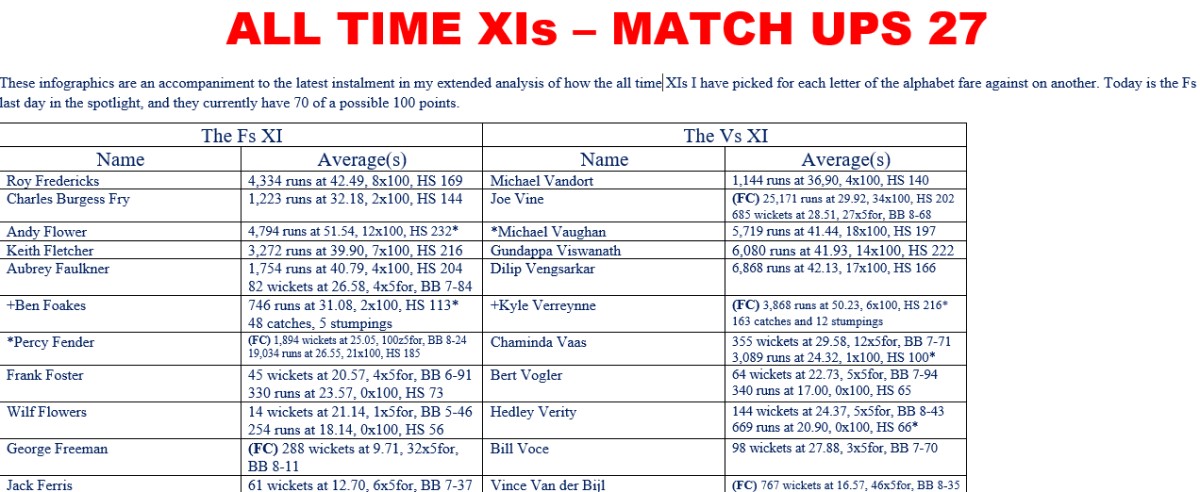
The Fs win the first three batting match ups, the Vs win the no 4 and 5 slots, but Faulkner’s bowling mitigates his narrow loss to Vengsarkar on the batting front. Verreynne is significantly ahead of Foakes on FC batting average, although Foakes out batted him in the only test series in which both have featured, and Foakes is also the better keeper. Fender, whose captaincy I rate ahead of Vaughan’s, outbats Vogler, though the Saffa was much the better bowler. Foster and Vaas is a good battle – Foster was the classier bat, Vaas probably the better bowler, especially given that in this XI he would be third seamer in a strong attack rather than opening bowler in a moderate one. Verity is far ahead of Flowers as a bowler, though the Notts man was a better batter. I would rate Freeman and Ferris a better new ball pairing than Voce and Van der Bijl. Ferris can definitely be ranked ahead of Voce as a left arm seamer, though like Voce he was metaphorically overshadowed by a team mate who was an even more fearsome bowler than himself. Freeman and Van der Bijl both missed out on test cricket, Freeman because he retired just before test cricket started, Van der Bijl because SA were personae non grata during his playing days. On my usual method of allowing for bowlers being more expensive now than they were in the 19th century Freeman’s bowling average of 9.71 becomes 14.56, while Van der Bijl had an FC bowling average of 16.54, two runs a wicket more expensive than Freeman’s adjusted figure. The Fs have better batting, a better captain, a better keeper and better pace bowlers while the Vs have better spinners. I will allow the Vs spinners their day and score this one Fs 4, Vs 1.

THE Fs V THE Ws
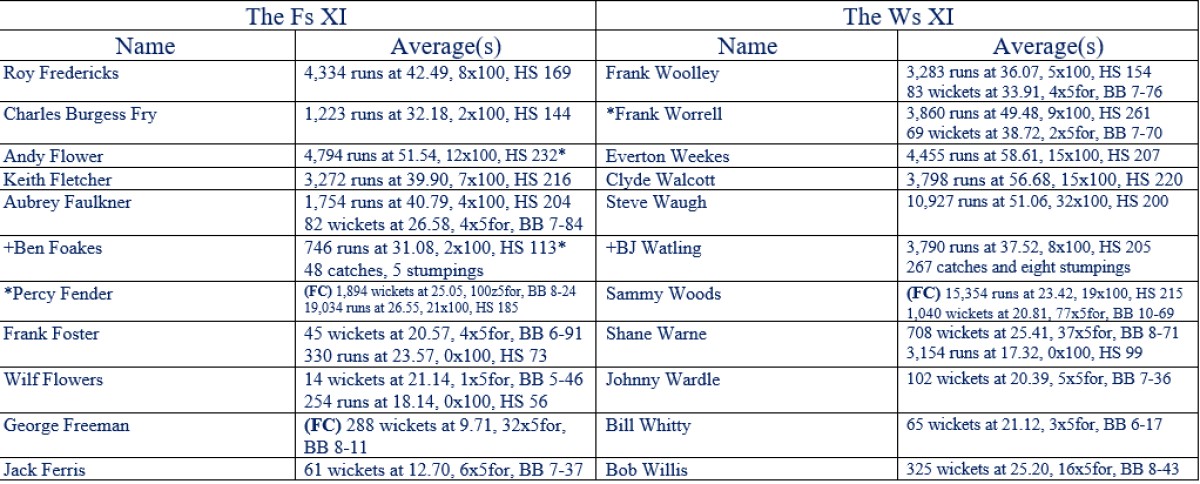
The Fs have the better left handed opener, while the Ws have the better right handed opener, and both Ws openers offer bowling options. The Ws boss the 3-5 slots batting wise, although Faulkner outranks Worrell and possibly Woolley as a bowler. Watling outranks Foakes as a batter, but Foakes is clear as a keeper. Woods and Foster are about equal as pace bowling all rounders, Warne is way ahead of Fender with the ball, but Fender was the finer batter. Wardle was a much better bowler than Flowers. Ferris outranks Whitty as a left arm pacer, while I would rate Freeman ahead of Willis. Worrell was at least the equal of Fender as a captain. I think the Ws are far enough ahead in batting and spin bowling to make up for their deficit in pace bowling and award them a narrow win – Fs 2, Ws 3.

THE Fs V THE Xs
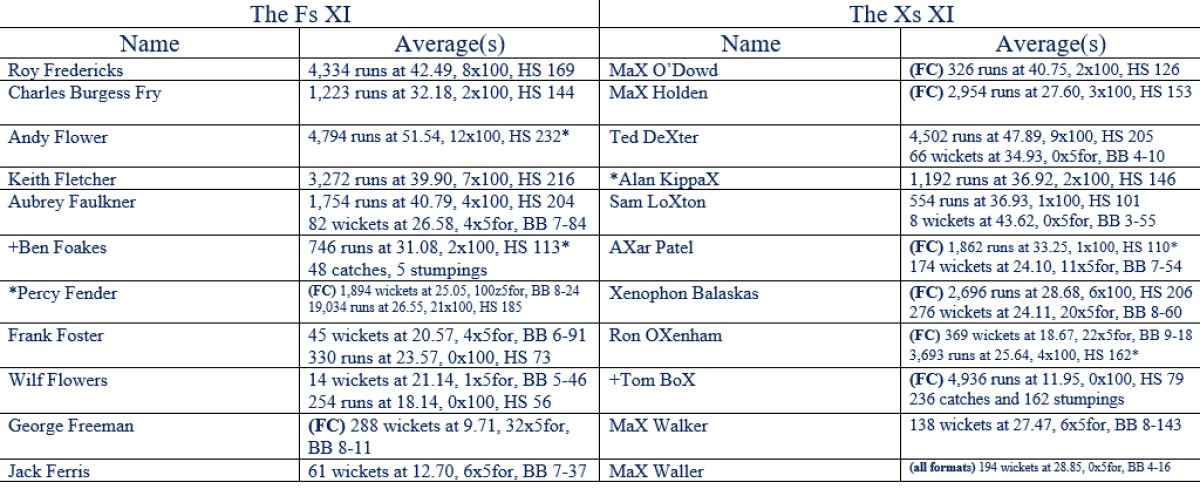
The Fs win the batting and pace bowling hands down, but the Xs are closer in spin bowling, and Box may even have been a better keeper than Foakes. Fender was definitely the finer skipper. I cannot see the Xs causing the Fs any problems and can only score this as Fs 5, Xs 0.

THE Fs V THE Ys
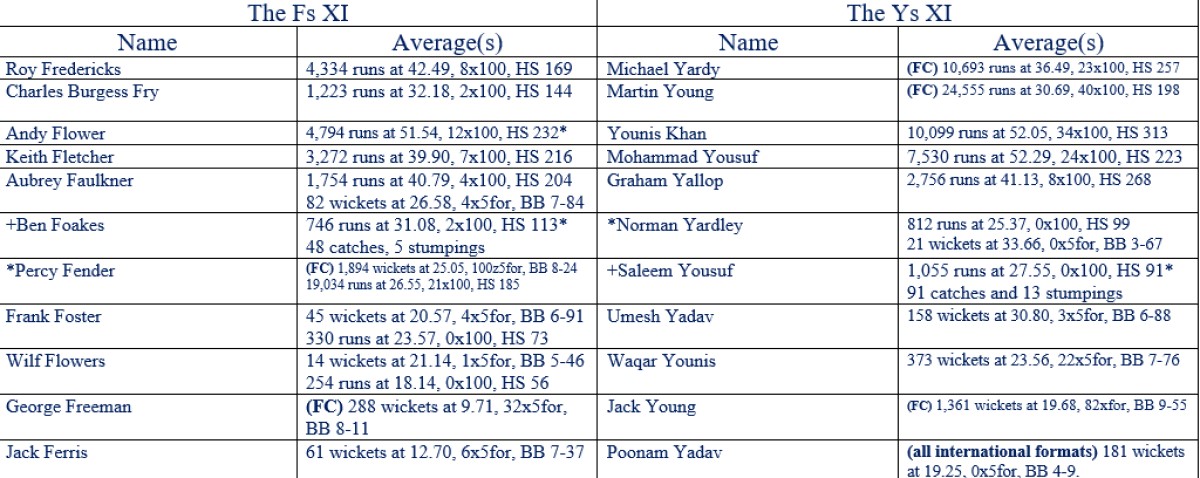
Younis Khan and Mohammad Yousuf win their batting match ups for the Ys, and Yallop narrowly wins the batting element of his match up with Faulkner, although the latter offers a bowling option. Foakes is comfortably ahead of Saleem Yousuf in both departments, Yardley is massively outpointed by Frank Foster, and similarly the Fs have the better new ball pairing. Poonam Yadav rates highest of the three leg spinners involved in this match, and Jack Young was a finer bowler than Wilf Flowers, so the Ys must be conceded an advantage in spin bowling. I score this one Fs 4, Ys 1.

THE Xs V THE Zs
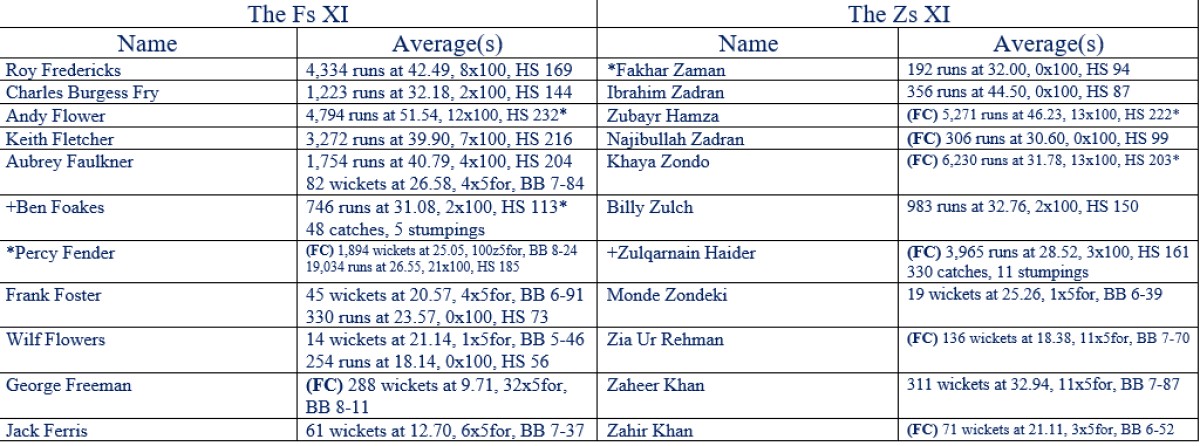
The Fs win the first five batting slots, and have a genuine bowling option in there in the form of Faulkner. Foakes outranks Zulqarnain Haider in both departments, Zulch was a better batter than Fender but the latter offers a bowling option and also outranks Zaman as a captain. Zondeki and Zaheer Khan are massively outpointed as a new ball combo by Freeman and Ferris, while the Fs have a third seamer of high class in Frank Foster whereas the Zs have no back up seam options. The Zs two spinners are unproven, whereas the Faulkner/ Fender/ Flowers trio were all quality practitioners. Fs 5, Zs 0.

THE Fs FINAL RESULT

The Fs scored 20 of a possible 25 points today, giving them a final score of 90 out of 125, 72% and currently top of the rankings among those teams who have been fully analysed.

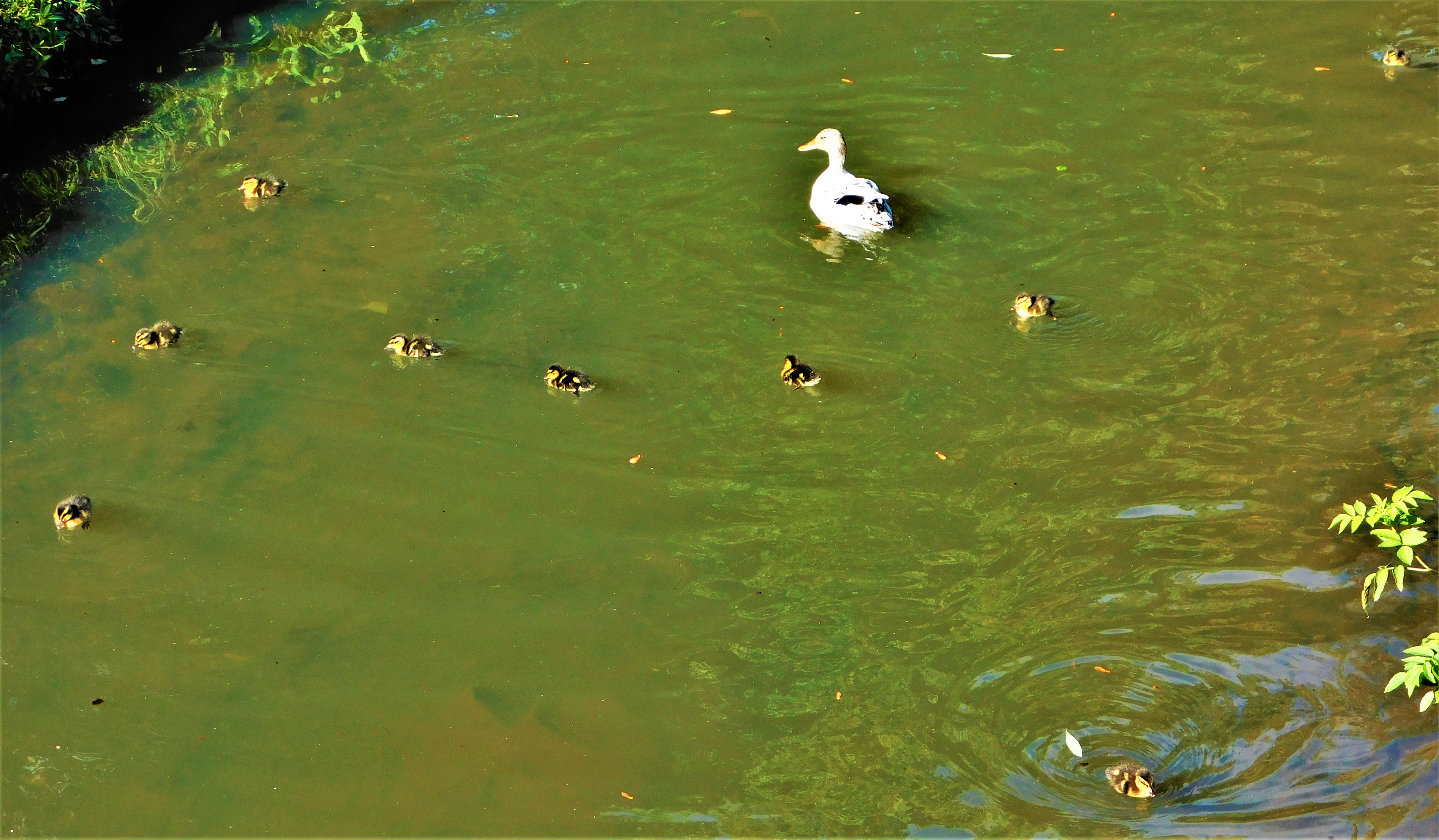
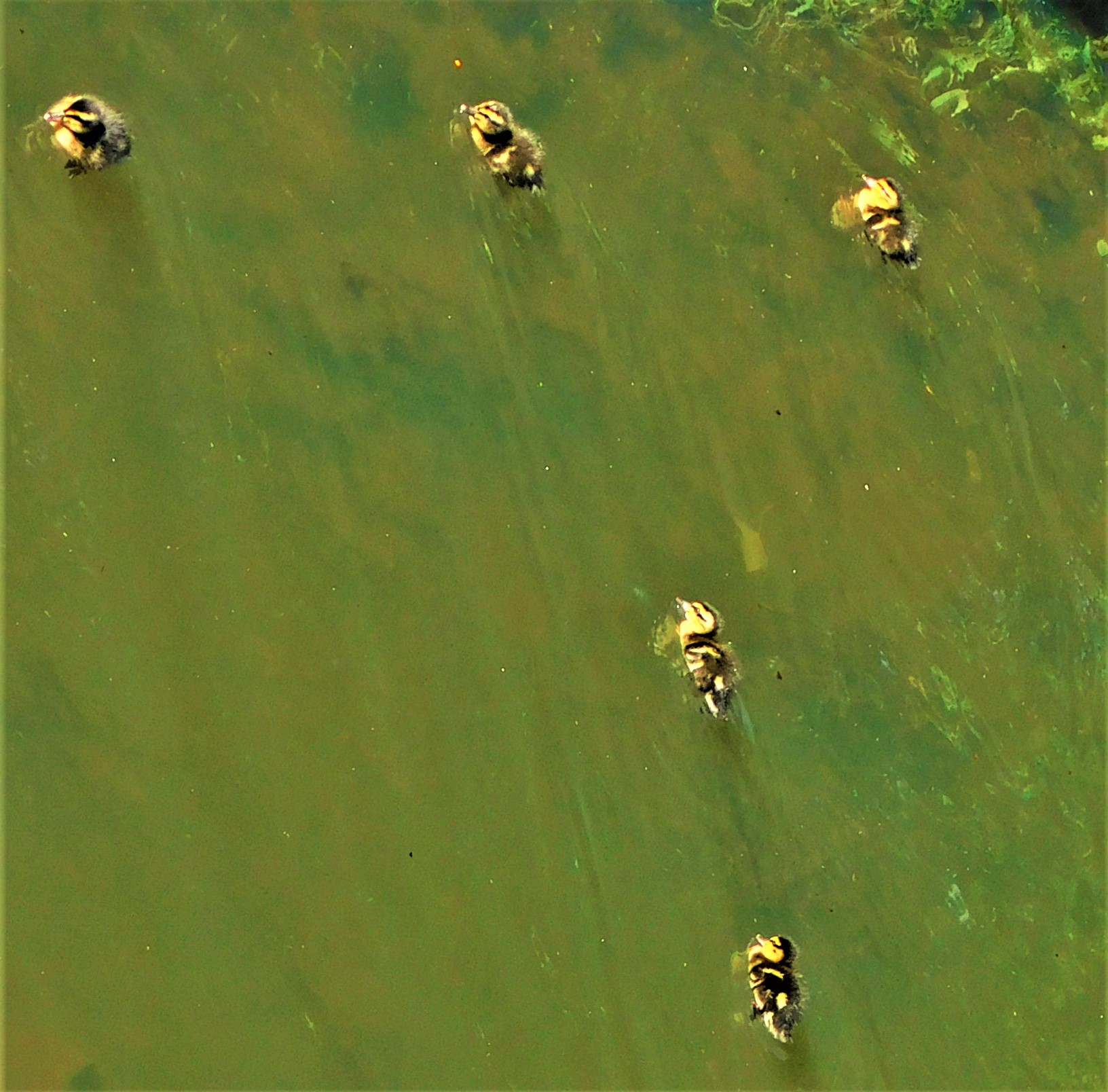
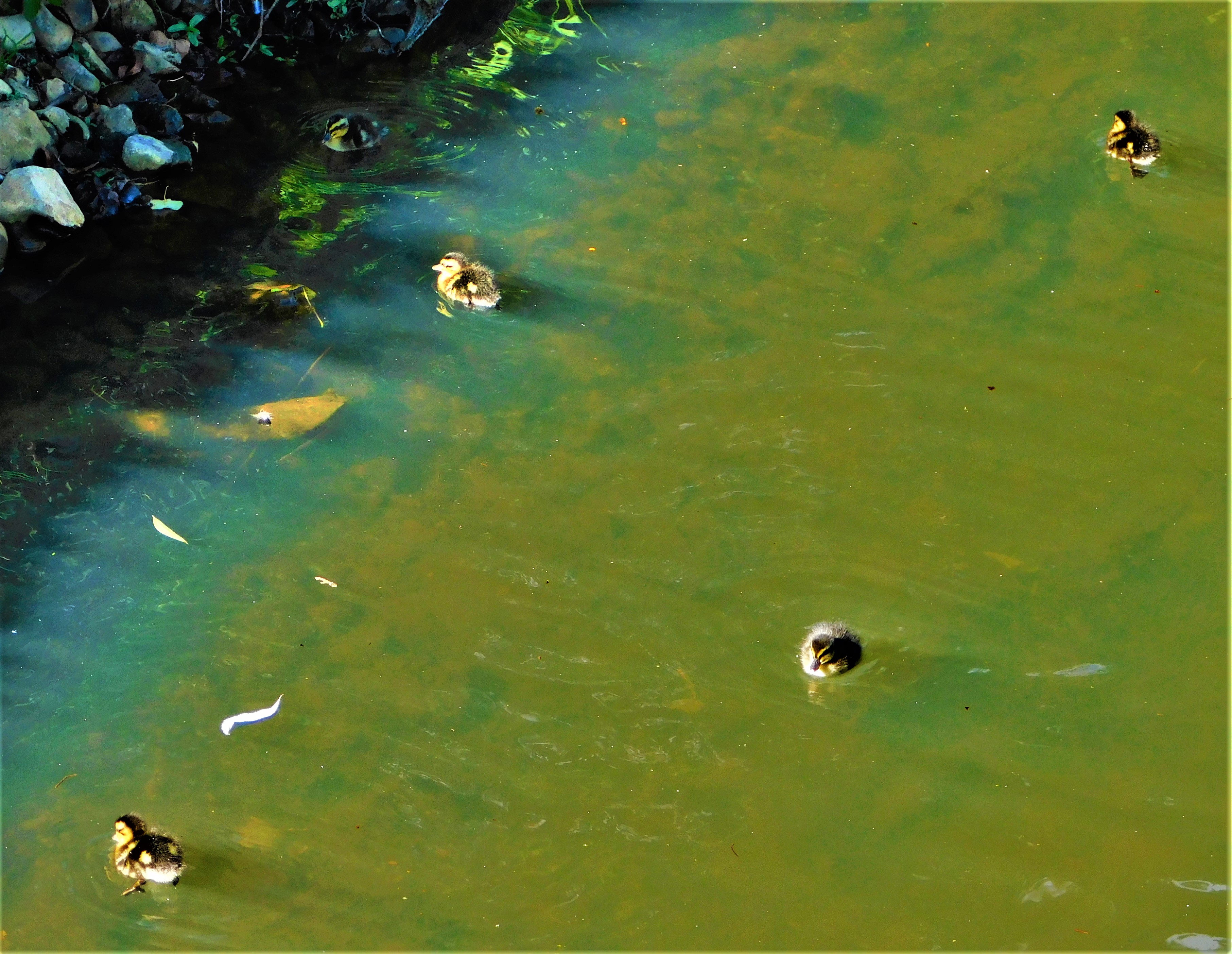
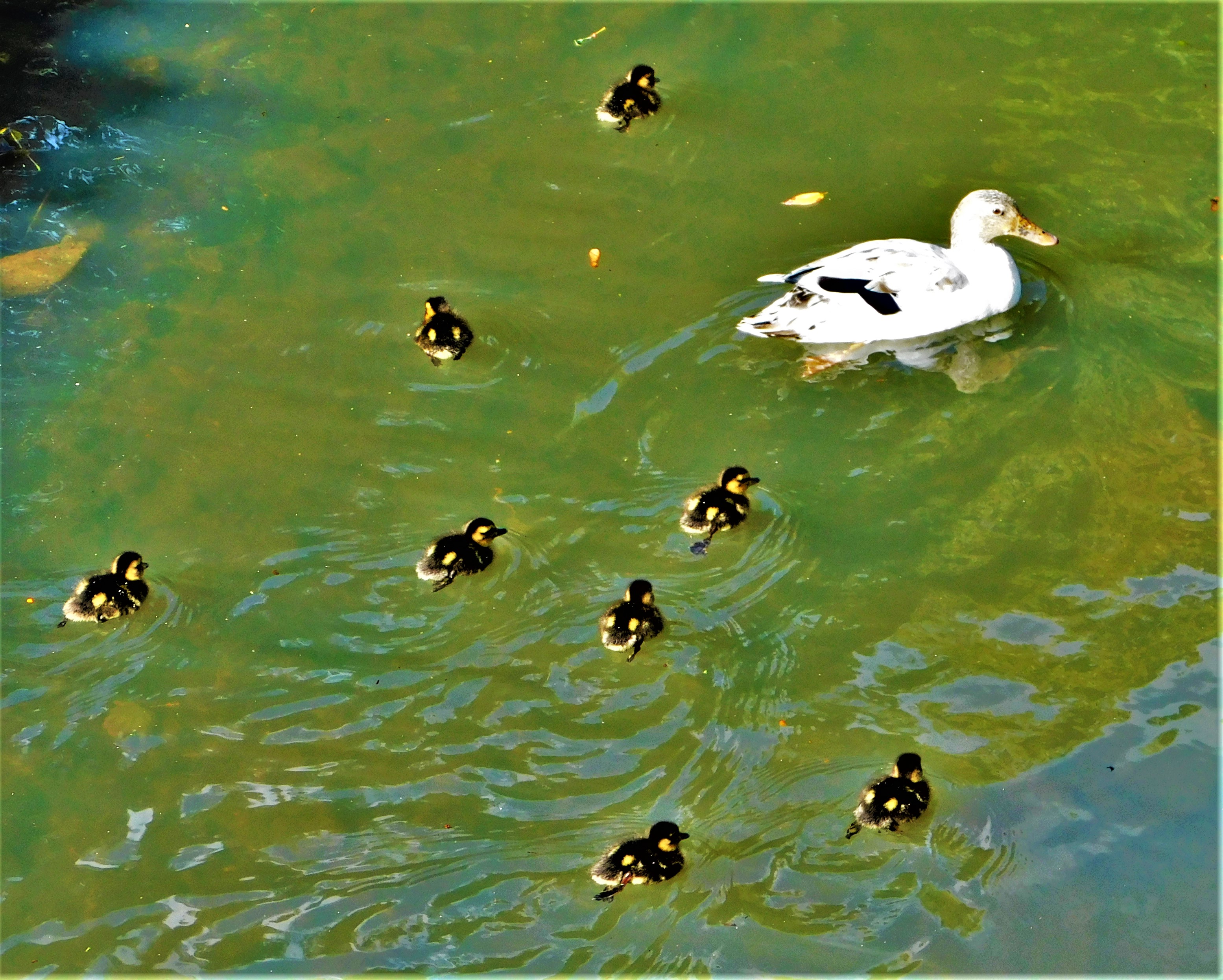
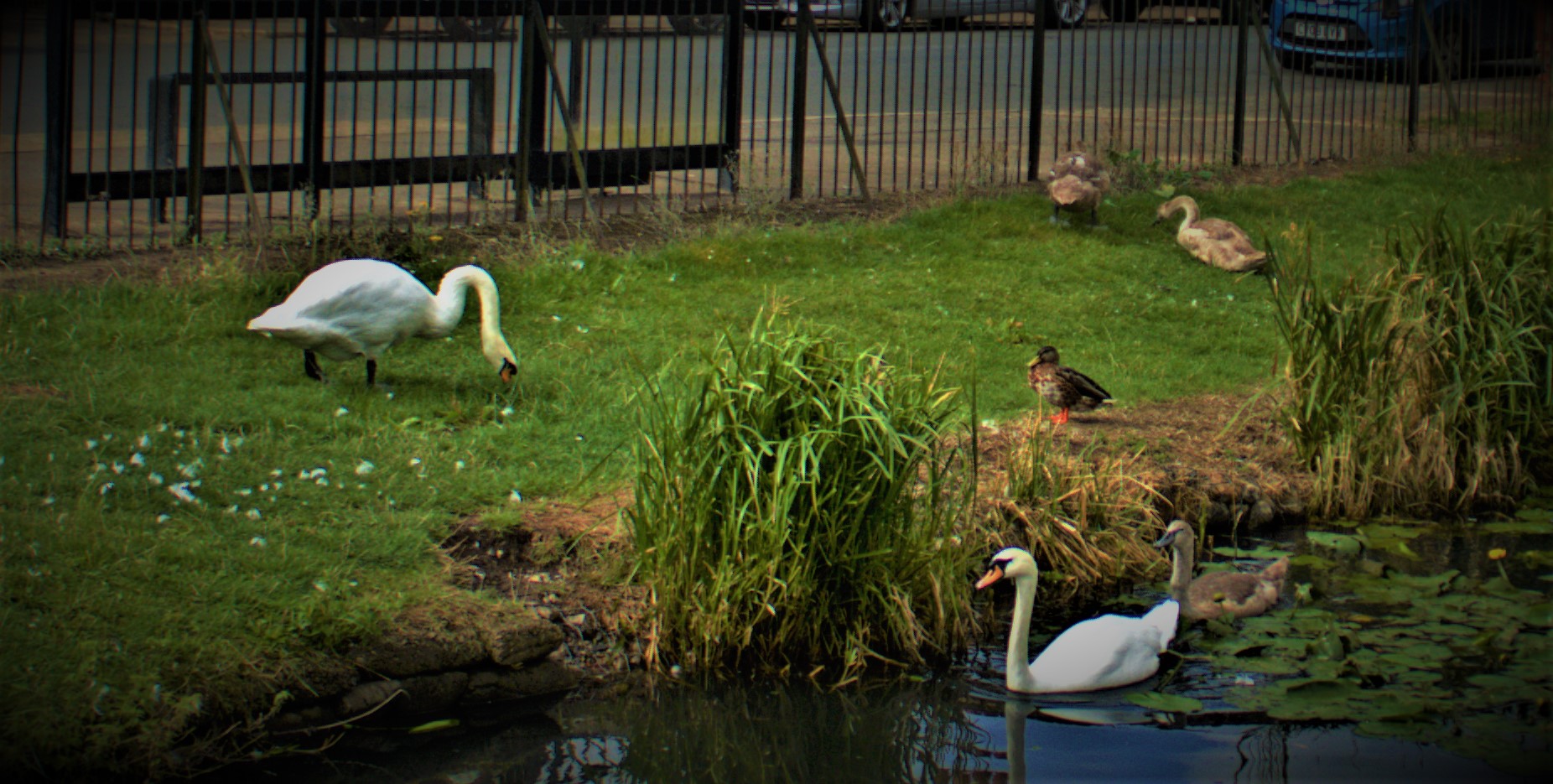
PHOTOGRAPHS

My usual sign off…

All Time XIs – The Letter V

Continuing my exploration of the all time XIs theme with a look at players whose surnames begin with V.

I continue my exploration of the all time XIs theme with a look at players whose surnames begin with the letter V. There were many challenges with the selection of this side, which I will elucidate through the post.

THE XI IN BATTING ORDER

  1. Michael Vandort (Sri Lanka). A left handed opening batter, his test record was respectable rather than outstanding.
  2. Joe Vine (Sussex, England). A right handed opening batter and a leg spinner. His job for much of his career was to bat defensively for long periods – Sussex sides of his time were well equipped with stroke makers, but no so much with folk capable of playing the anchor role. An innings of 202 in five hours late his career showed that he could play more expansively when the situation allowed. His batting and bowling averages are the right way round.
  3. *Michael Vaughan (Yorkshire, England). A right handed batter, occasional off spinner, and an excellent captain, a role I have given him in this side.
  4. Gundappa Viswanath (India). A right handed batter possessed of consdierable grit and determination. He averaged over 40 in test cricket.
  5. Dilip Vengsarkar (India). A right handed batter who averaged 42 in test cricket. He scored tough runs as well – he averaged a run more per innings against the West Indies, utterly dominant in his era, than he did in overall test cricket. At Headingley in 1986 when no one else on either side could score even one 50 he produced innings of 61 and 102.
  6. +Kyle Verreynne (South Africa). A right handed batter and a fine wicket keeper. He is still establishing himself at test level, but he averages over 50 in FC cricket, and his keeping skills are abundantly clear.
  7. Chaminda Vaas (Sri Lanka). A quality left arm fast medium bowler who never benefitted from having adequate seam support, and a useful left handed lower order batter. I freely admit that he is one place higher than would be ideal, but none of the bowlers I have named could accurately be described as mugs with the bat.
  8. Bert Vogler (South Africa). A leg spinner, part of the great ‘googly quartet’ that South Africa fielded in the years 1907-10. His test wickets cost 22 a piece and came at well over four per match. In first class cricket his averages were the right way round – 20 per innings with the bat and 18 runs per wicket with the ball.
  9. Hedley Verity (Yorkshire, England). One of the greatest of all left arm orthodox spinners. 144 test wickets at 24 a piece in a decade that featured doped pitches and Bradman’s batting is a fine record, and he also averaged 20 with the bat in test cricket. At first class level he was an absolute destroyer, claiming is wickets at 14.90 a piece, which enabled him to have batting and bowling averages the right way round.
  10. Bill Voce (Nottinghamshire, England). A high quality left arm fast medium bowler, and a useful lower order batter. He was part of the 1932-3 England side that won 4-1 down under, and was the best bowler in the side four years later in a 2-3 defeat.
  11. Vintcent Van Der Bijl (South Africa). The only member of this XI not to play test cricket, due to apartheid, but regarded as a great bowler by all who met him. The deeds at test level of the likes of Garner, Ambrose and McGrath are testament to how effective exceptionally tall bowlers can be at that level. He took his FC wickets at 16.57 a piece, though he doesn’t quite join the list of players in this side with their averages the right way round since he only averaged 16.20 with the bat.

This side contains an opening pair likely to build a good platform for the engine room of Vaughan, Viswanath and Vengsarkar to cash in on, a keeper who is also a genuinely high class batter, and a strong and varied bowling unit. Van der Bijl and Voce with the new ball will pose a challenge for anyone, and I suspect that Vaas as third seamer in a strong attack rather than opening bowler in an ordinary one would be even better than he actually was in the circumstances he faced, while Verity and Vogler are on reckoning a quality pair of contrasting spinners. My selection here absent a genuine all rounder (Vine, though a respectable bowler definitely does not merit the title all rounder) is an extreme example of my preference for strong bowling resources even if it means slightly limited batting. I refer sceptical readers to the deeds of Yorkshire in the 1930s and Surrey in the 1950s for examples of champion sides who were such precisely because of their bowling strength.

HONOURABLE MENTIONS

I start this section with a subsection devoted to a single player…

ADAM VOGES

Ignoring current players, a couple of whom are in the mix, this man has the highest batting average among those to have played 20 or more test matches, so why does he miss out? Quite simply because he cashed in on some pop-gun attacks, and in the only Ashes series he was part of, he like his team came a cropper. Thus, at the risk of enraging worshippers of the baggy green, I declined to select him.

OPENING BATTERS

Pieter Van Der Bijl (father of Vintcent) did well in his five test matches, including coming within a few runs of notching twin tons in the last ever timeless test match, at Durban in 1939. Murali Vijay had a respectable record for India. In short form cricket, especially T20, Elyse Villani of Australia’s women’s team would have a strong case, but there is a notable falling off in her record even between T20 and OD cricket.

MIDDLE ORDER BATTERS

Hanuma Vihari has a magnificent record in Indian domestic cricket, but has never delivered at international level, and his best position is number three, reserved in this XI for skipper Vaughan. Martin Van Jaarsveld had a solid record in domestic cricket but his test record was modest, whereas Vaughan,Viswanath and Vengsarkar were all proven at the highest level. Mike Veletta had a decent record in Australian domestic cricket, but a test batting average of less than 20 tells its own story about him at international level. Lou Vincent of New Zealand was no more than a goodish middle order batter, reflected by averaging in the mid thirties. Bryan Valentine of Kent had an excellent record in the few test matches he got to play, and I regretted not being able to include him. Dane Van Niekerk of South Africa Women is excellent at T20, good at OD cricket, but has hardly played any long form cricket.

WICKET KEEPERS

Other than Verreynne two candidates entered my thoughts. Sadanand Viswanath was one of the most talented keepers India ever produced, but that talent was largely unfulfilled, especially at international level. He has 25 years experience as an umpire however, so there is a role for him. Ricardo Vasconcelos started sensationally at Northamptonshire, but has fallen back in recent years, with his FC batting average standing at 34.

BOWLERS

The two bowlers I most regret not being able to accommodate were both left arm spinners, and unsurprisingly could not challenge the claims of Hedley Verity. Alf Valentine, the second of ‘those two little pals of mine’, took the first eight wickets to fall in the first test innings in which he ever bowled, but his overall record was not as good as Verity’s. Daniel Vettori of New Zealand may well be the second best spinner ever to have been born in the land of the long white cloud behind Clarrie Grimmett, who played his test cricket for Australia, but he comes some way short of challenging Verity.

PHOTOGRAPHS

Our cricketing journey through the letter V is at an end and all that remains is the usual sign off…