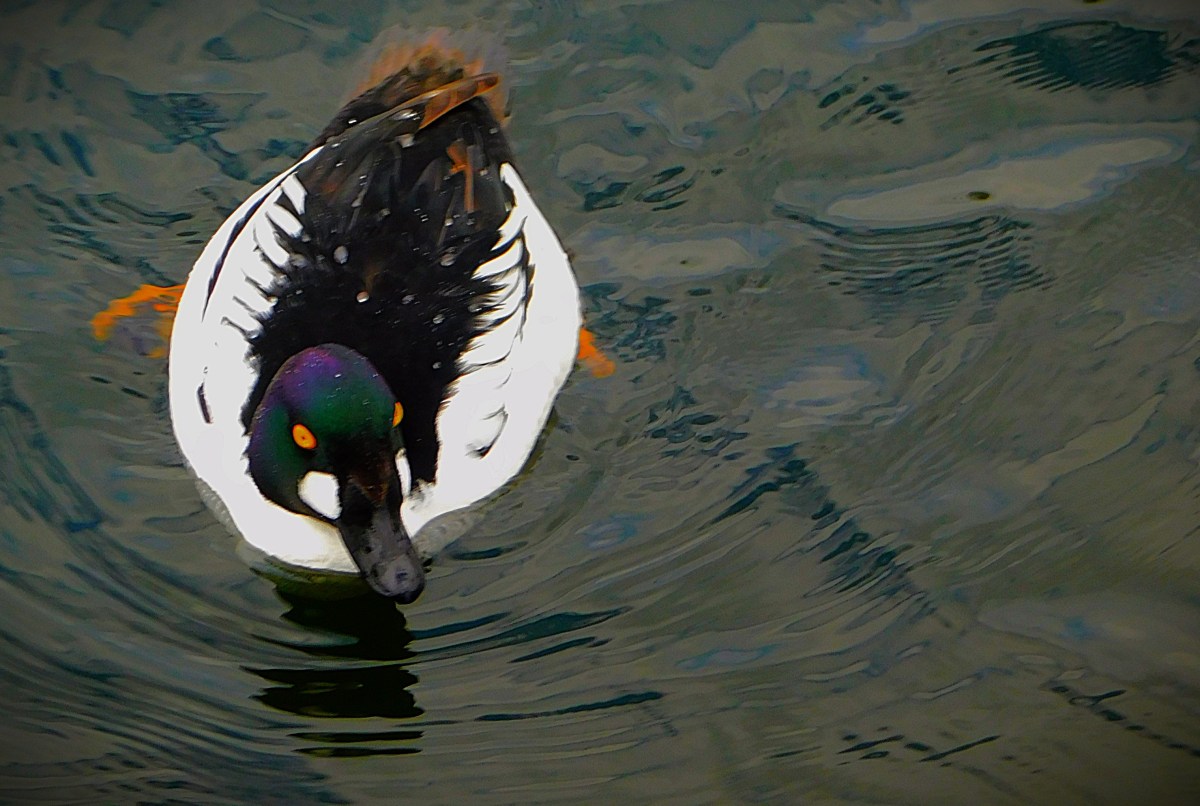
Pensthorpe 2025 2: The Discovery Centre and General

The second post in my Pensthorpe series: A look at the Discovery Centre and the rest of my general photos,

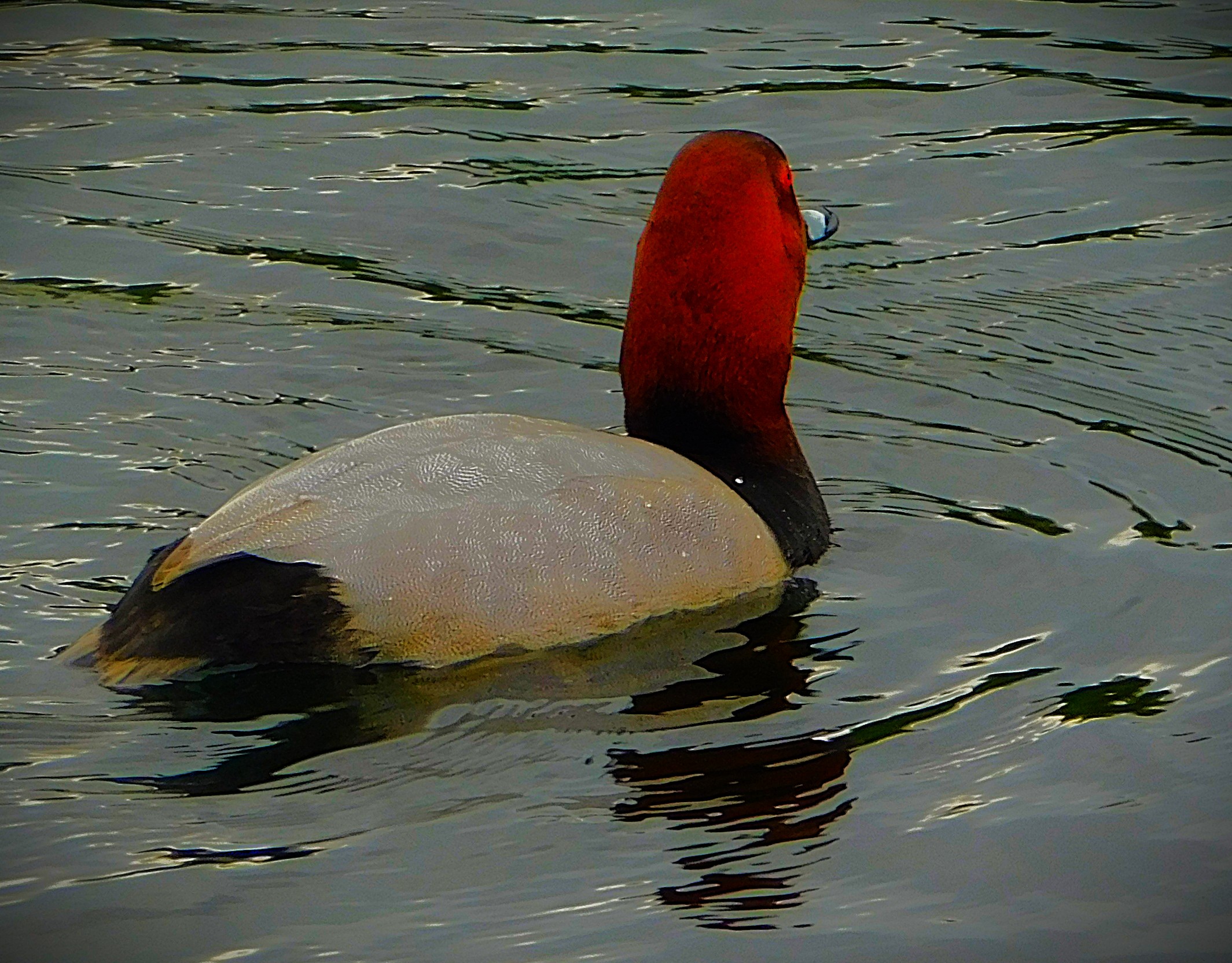
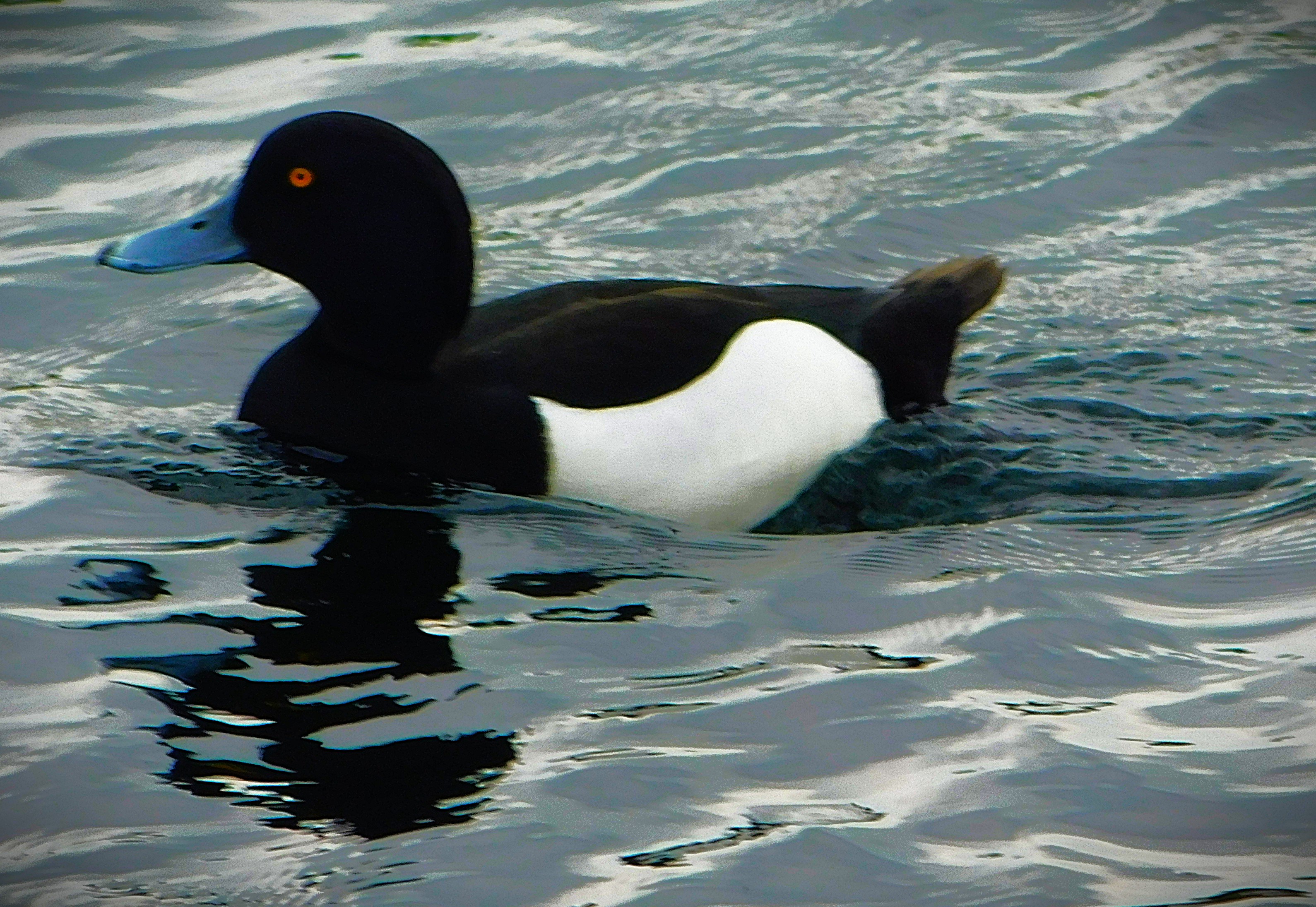
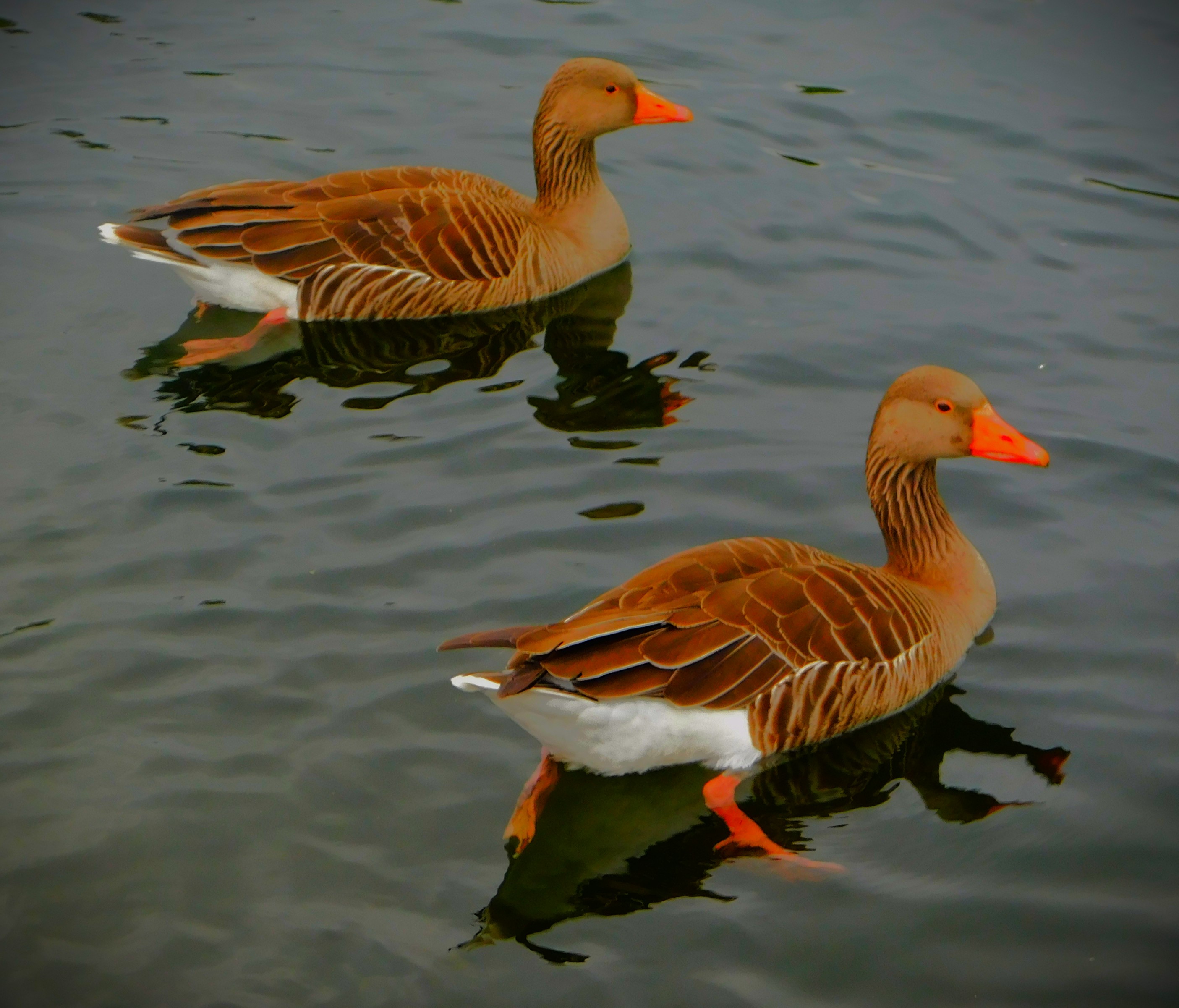
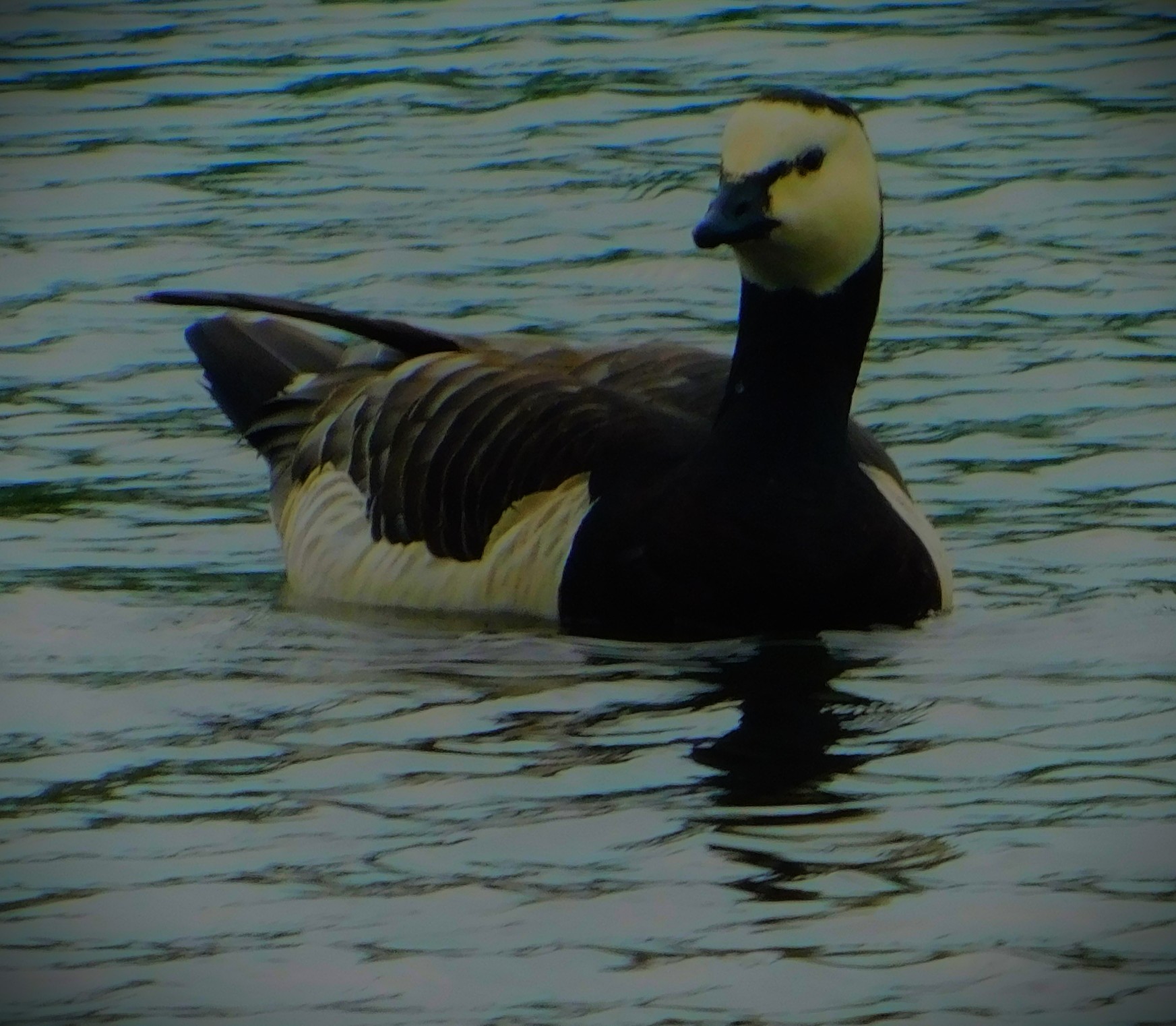
This is the next post in my series about the West Norfolk Autism Group outing to Pensthorpe Nature Reserve (68 of us went in total). It features the Discovery Centre and those of the general photos that I have not already shared.

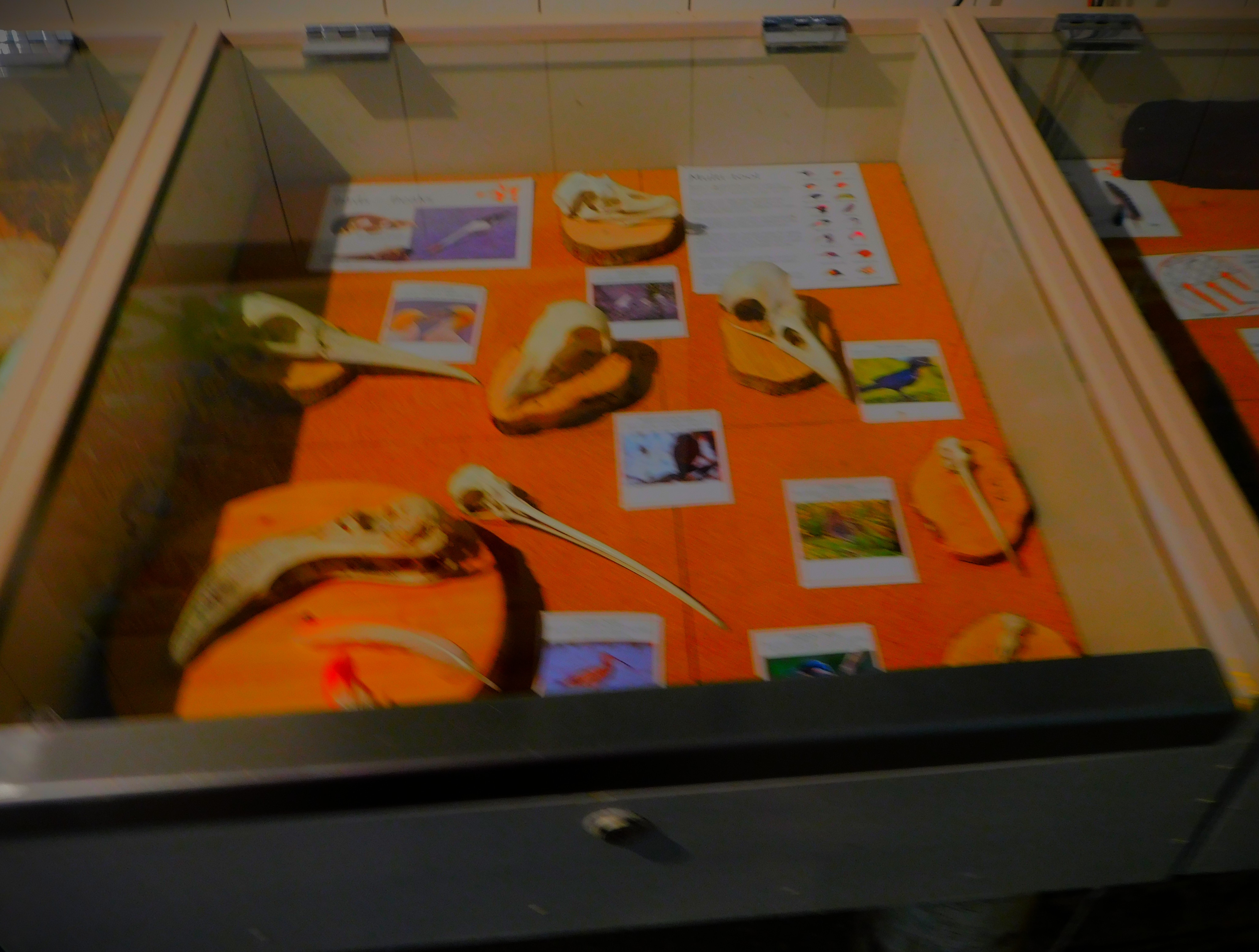
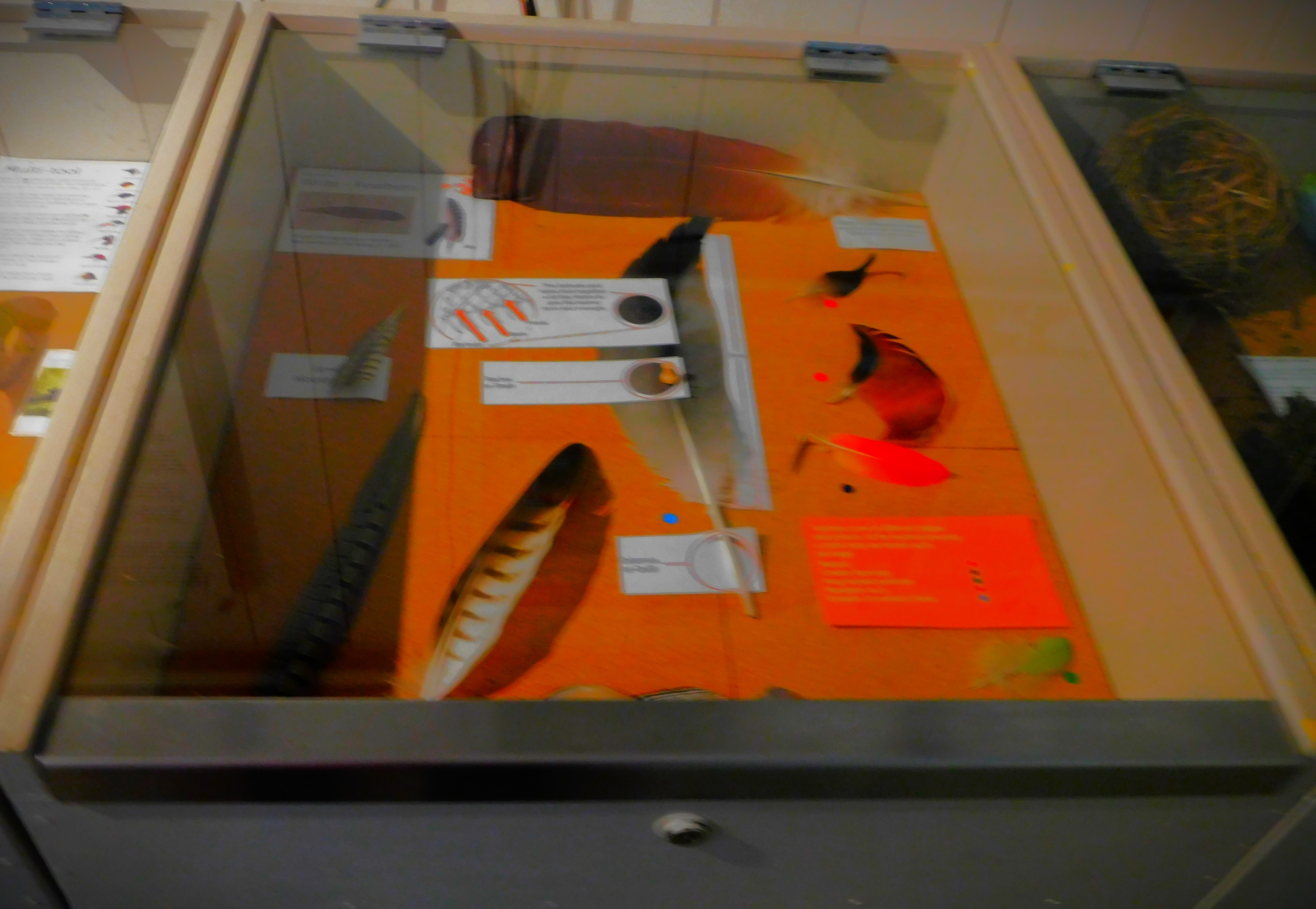
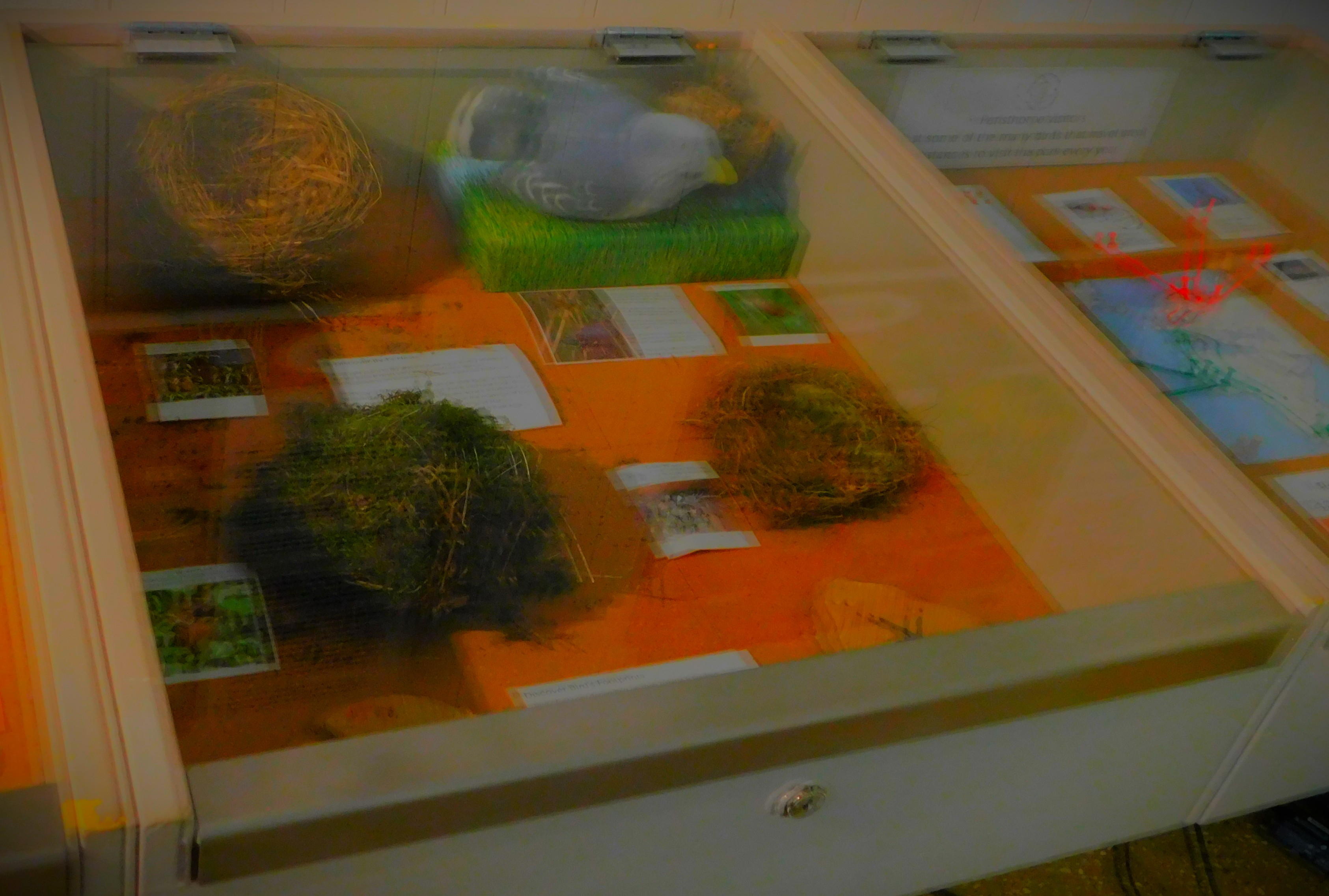
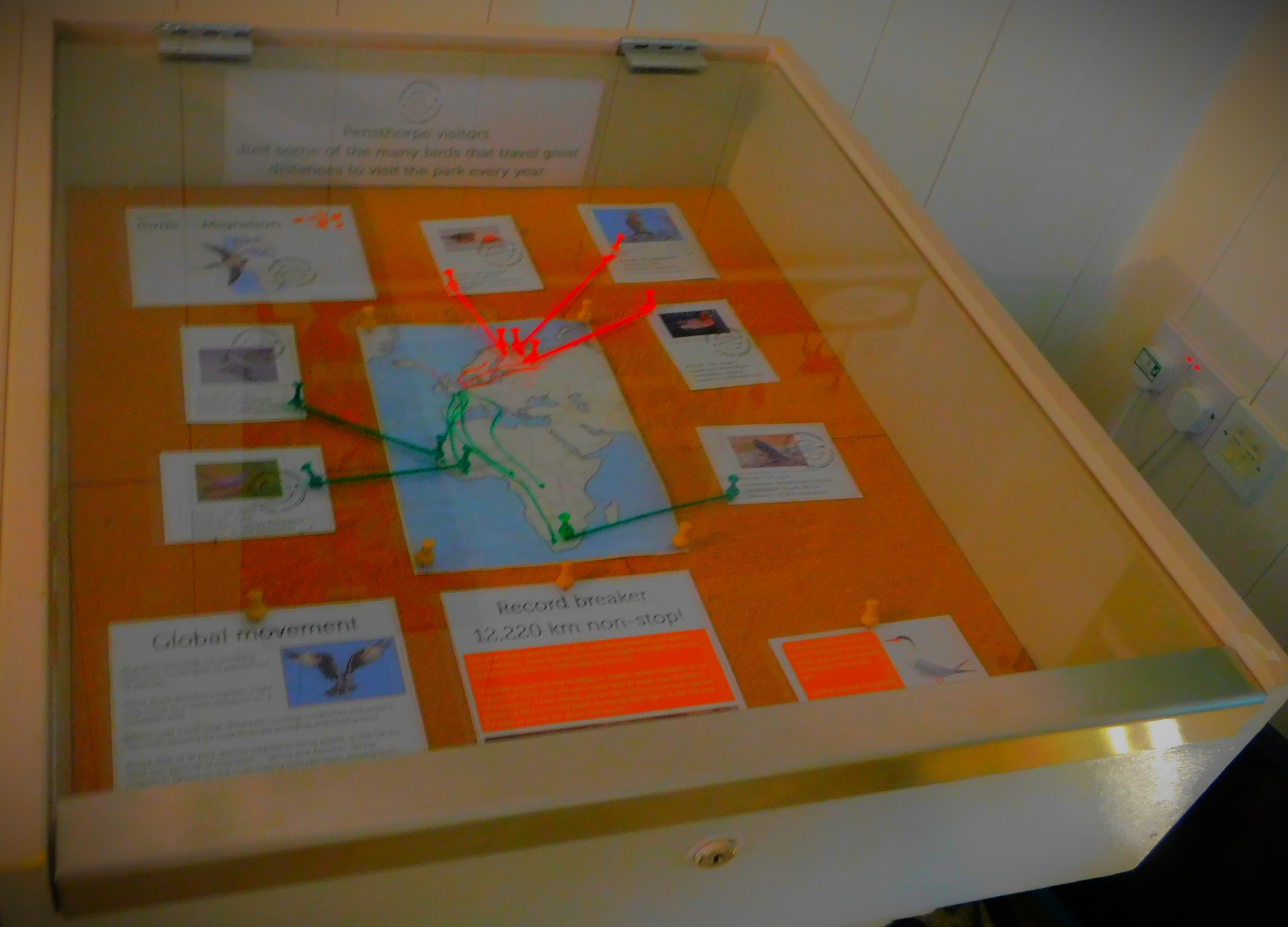
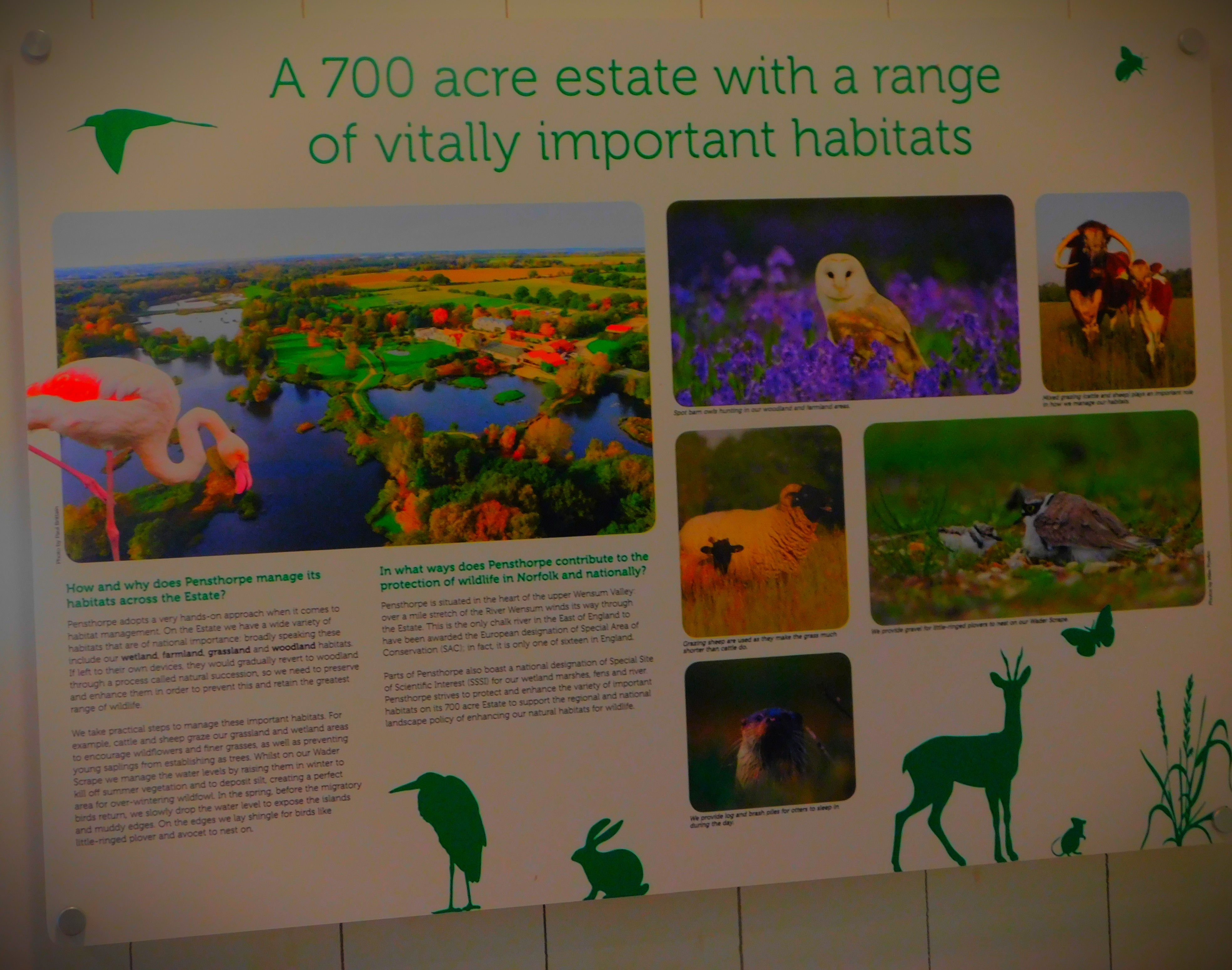
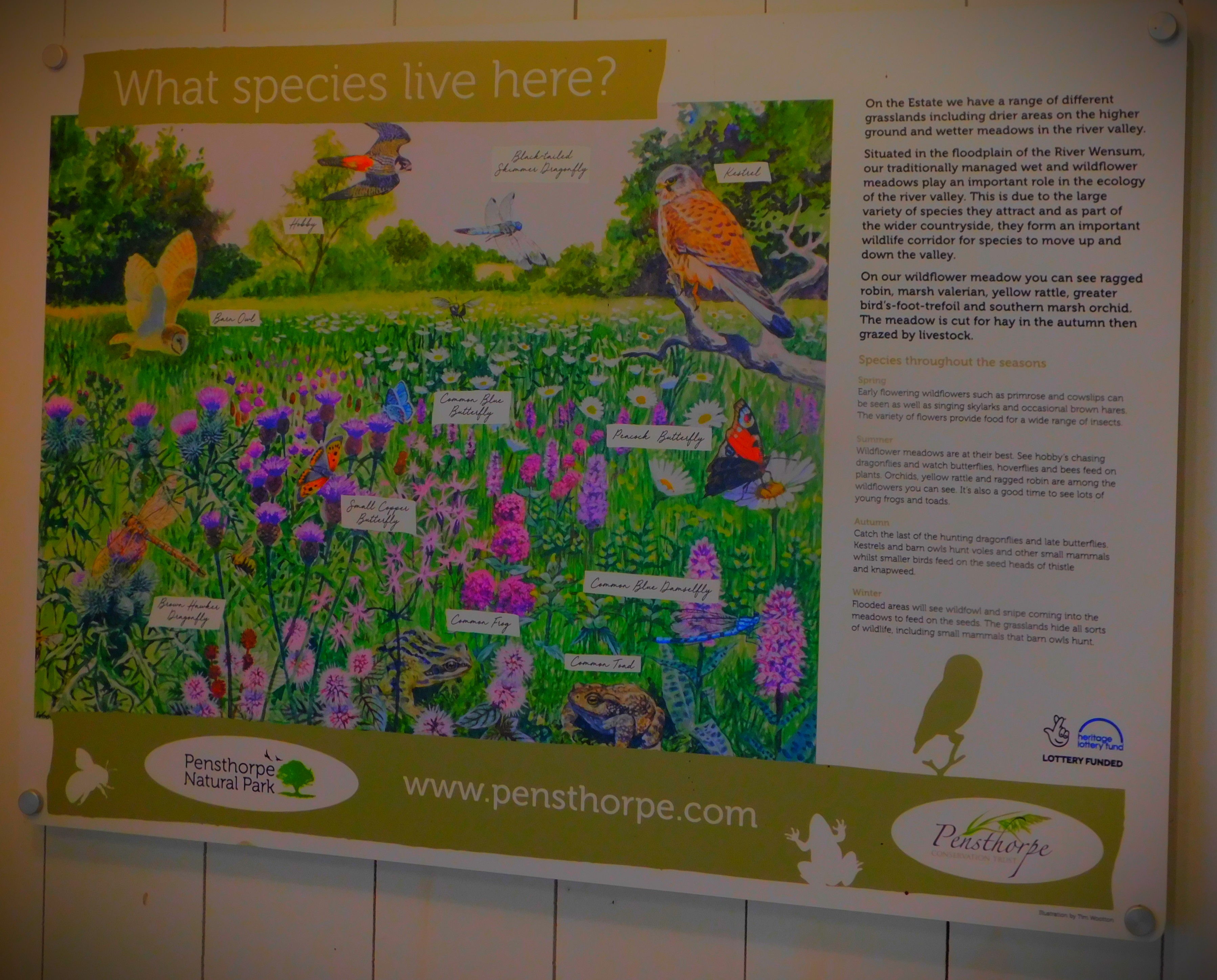
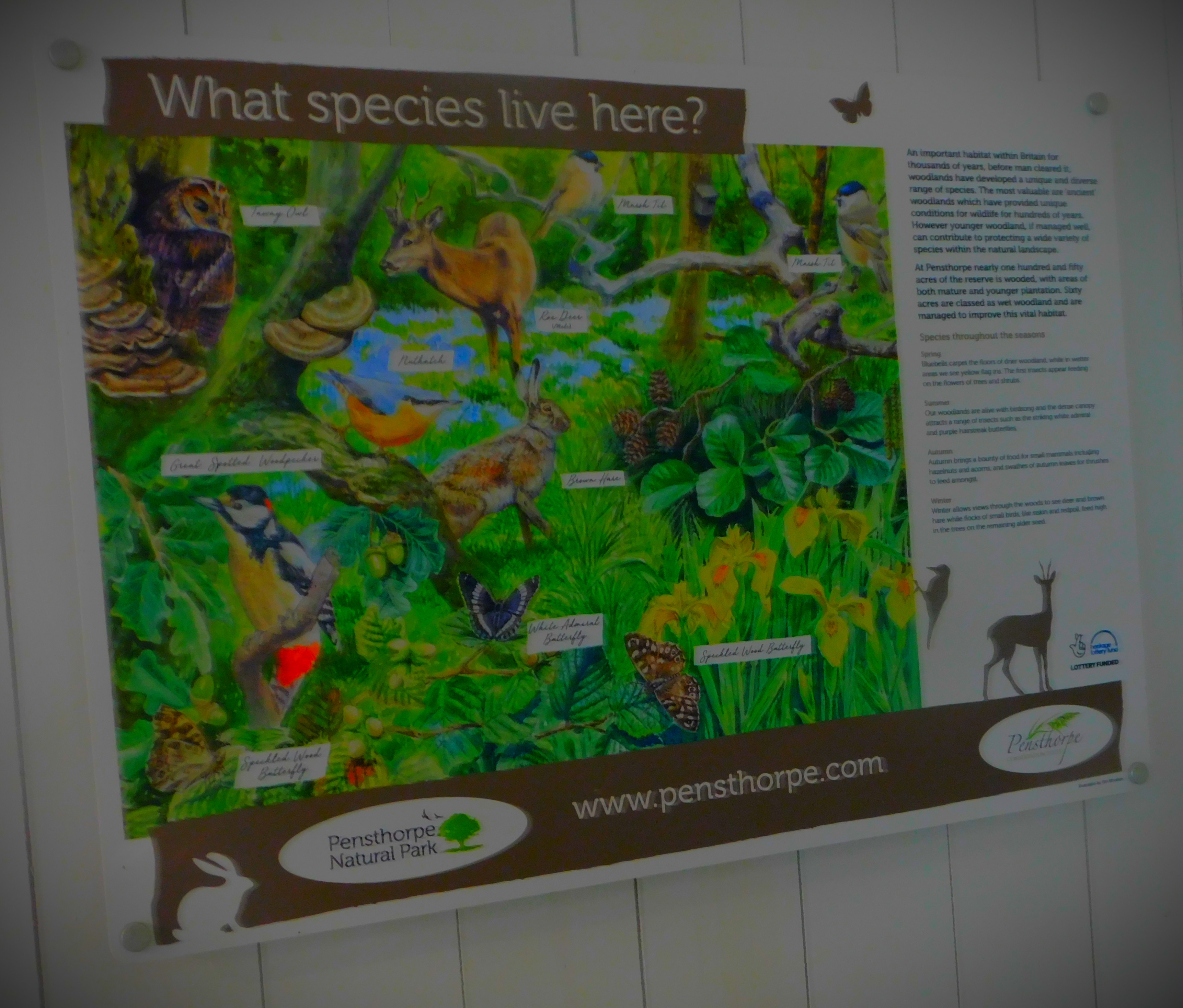
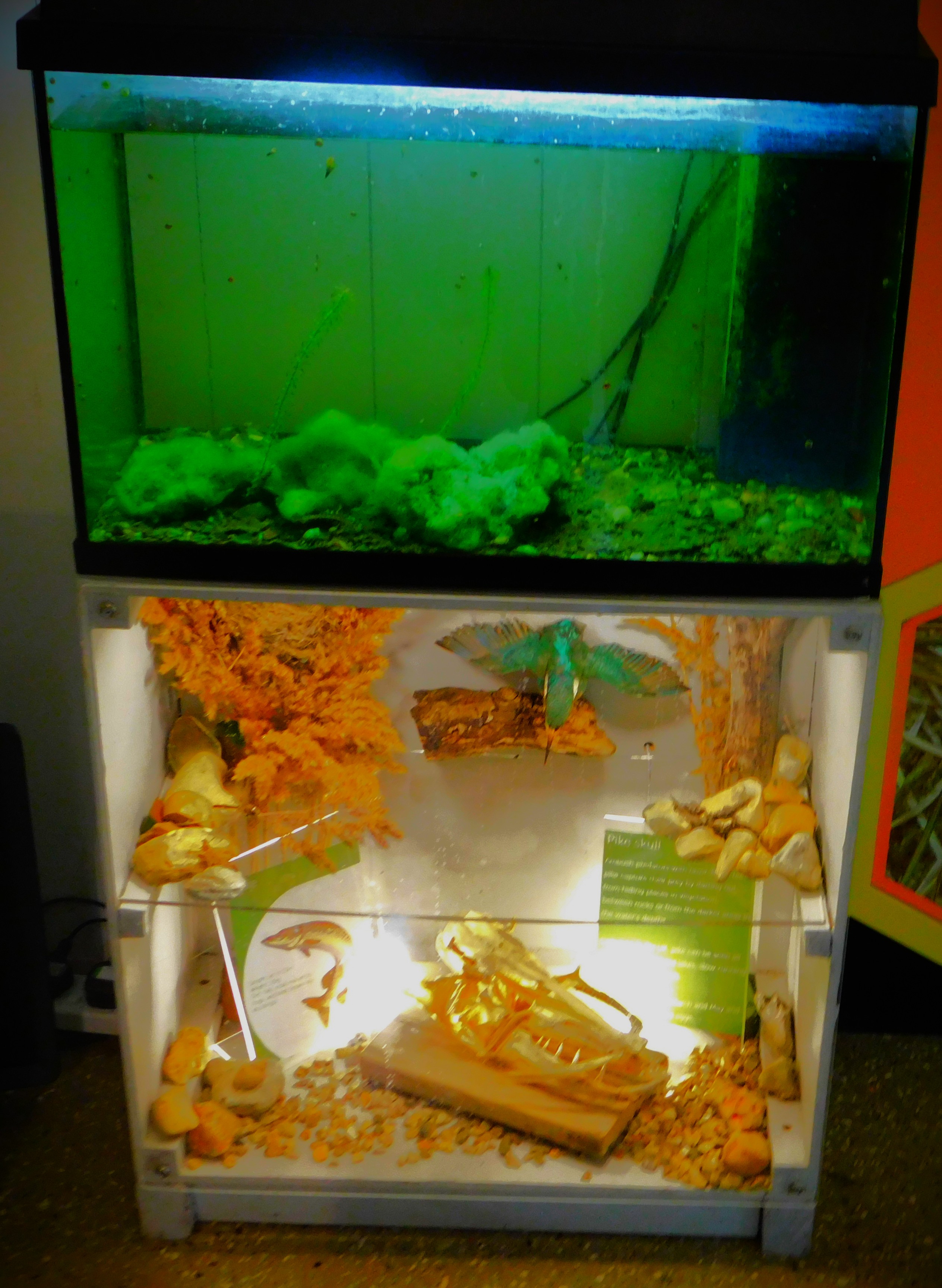
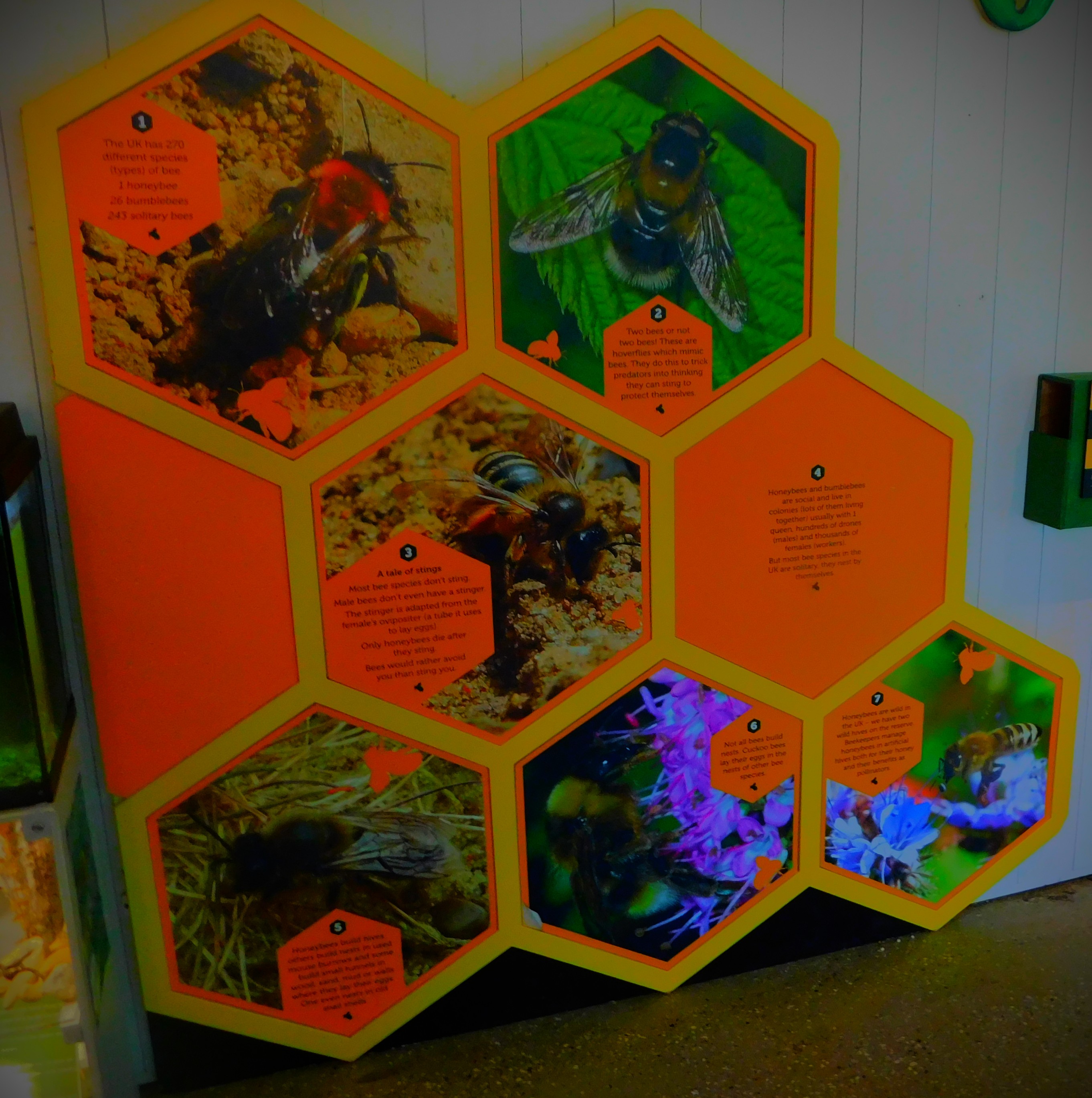
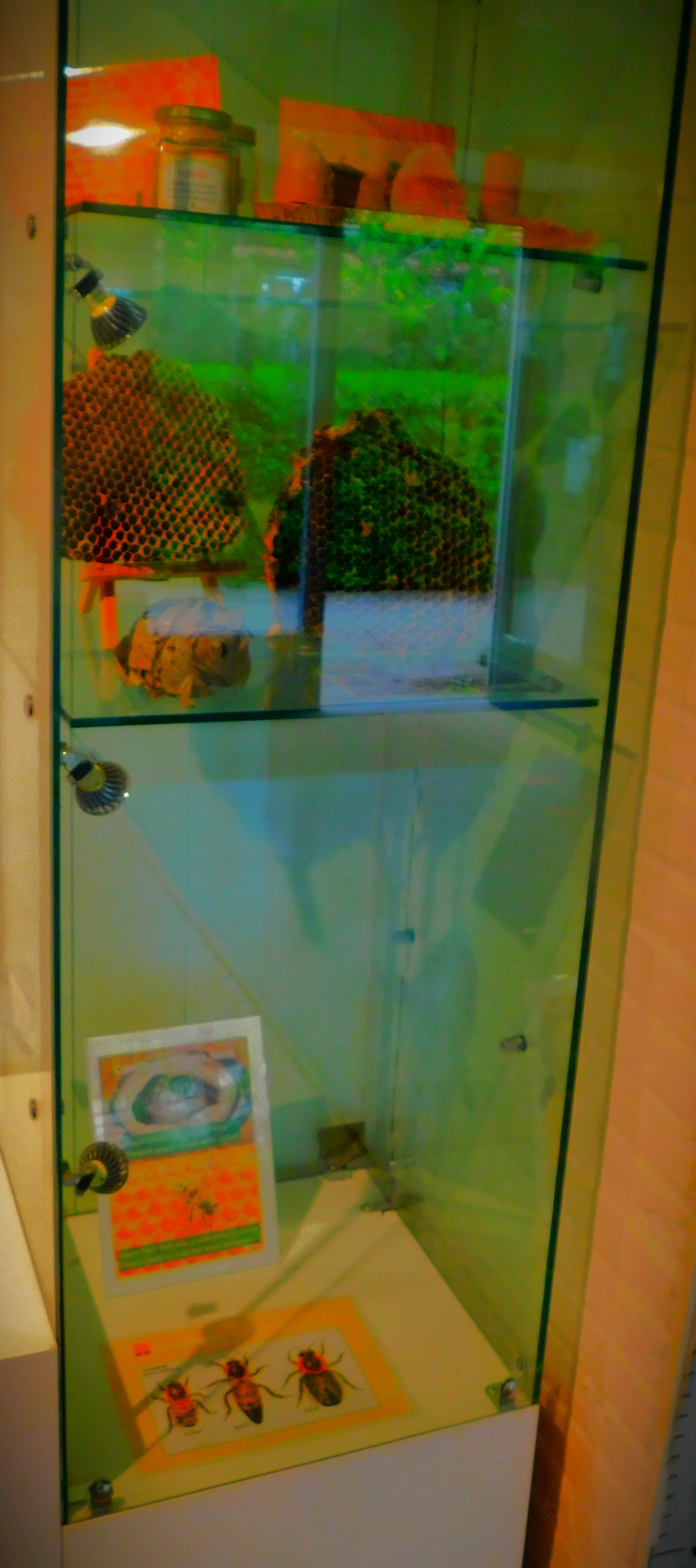
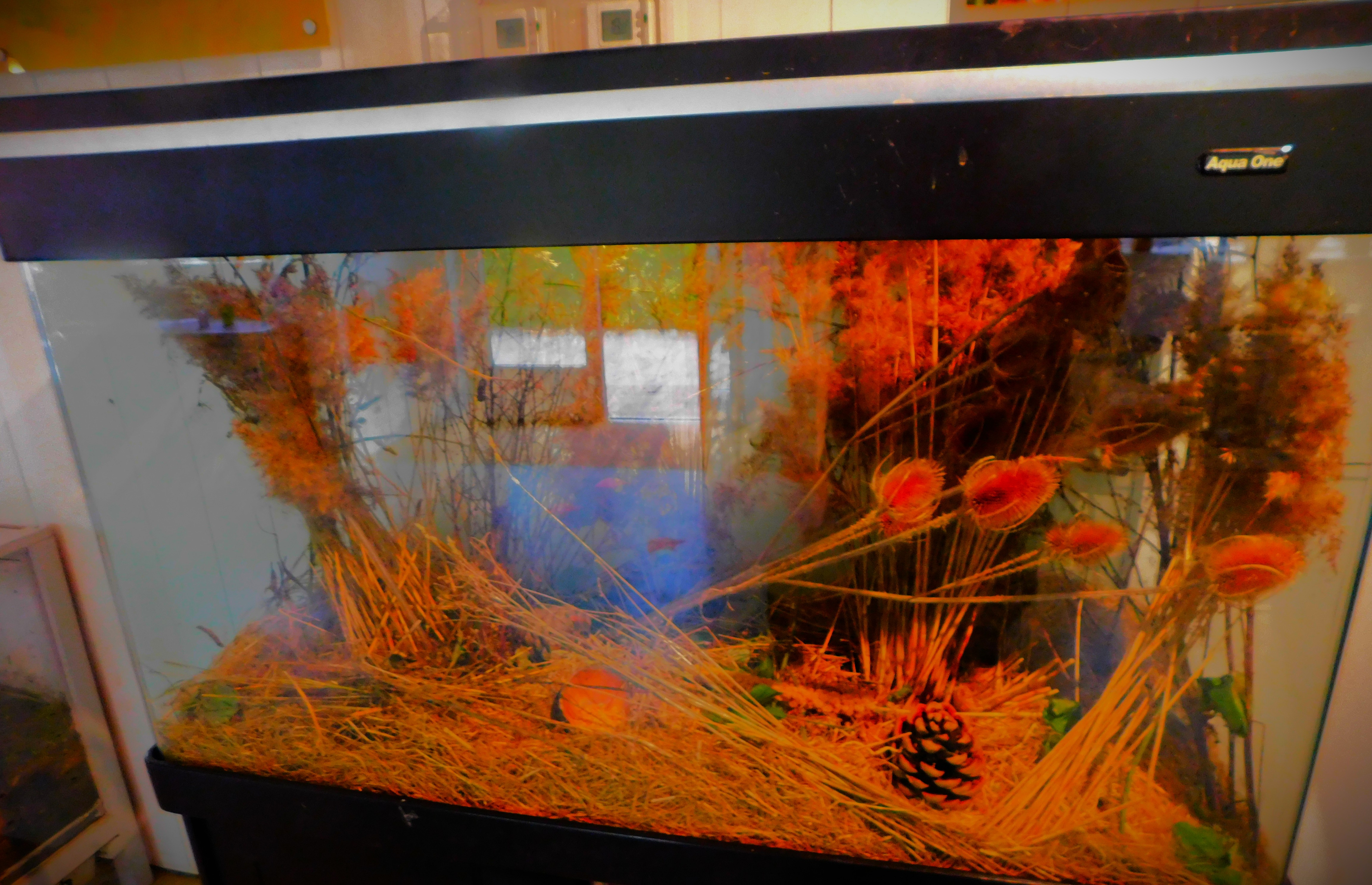
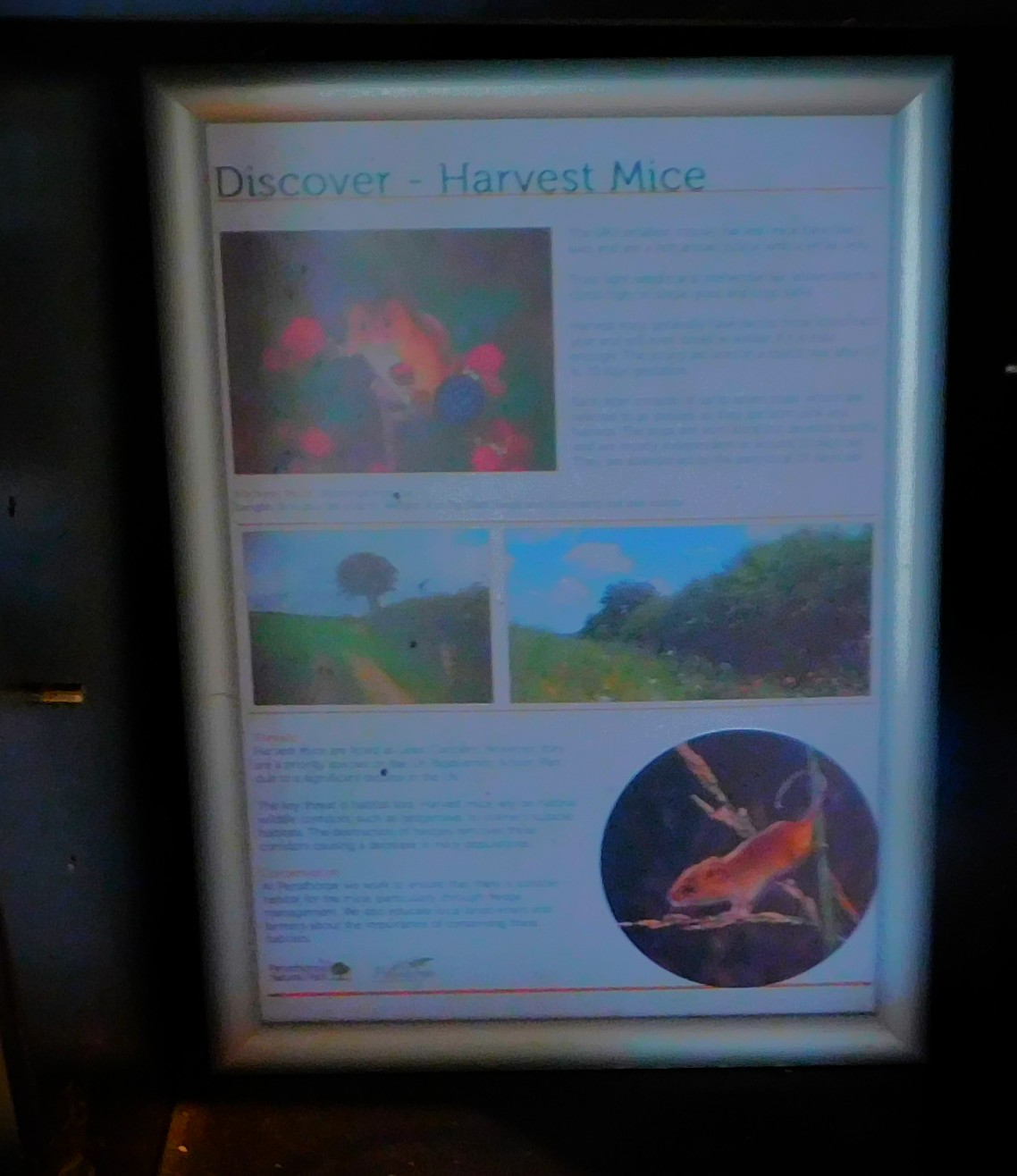
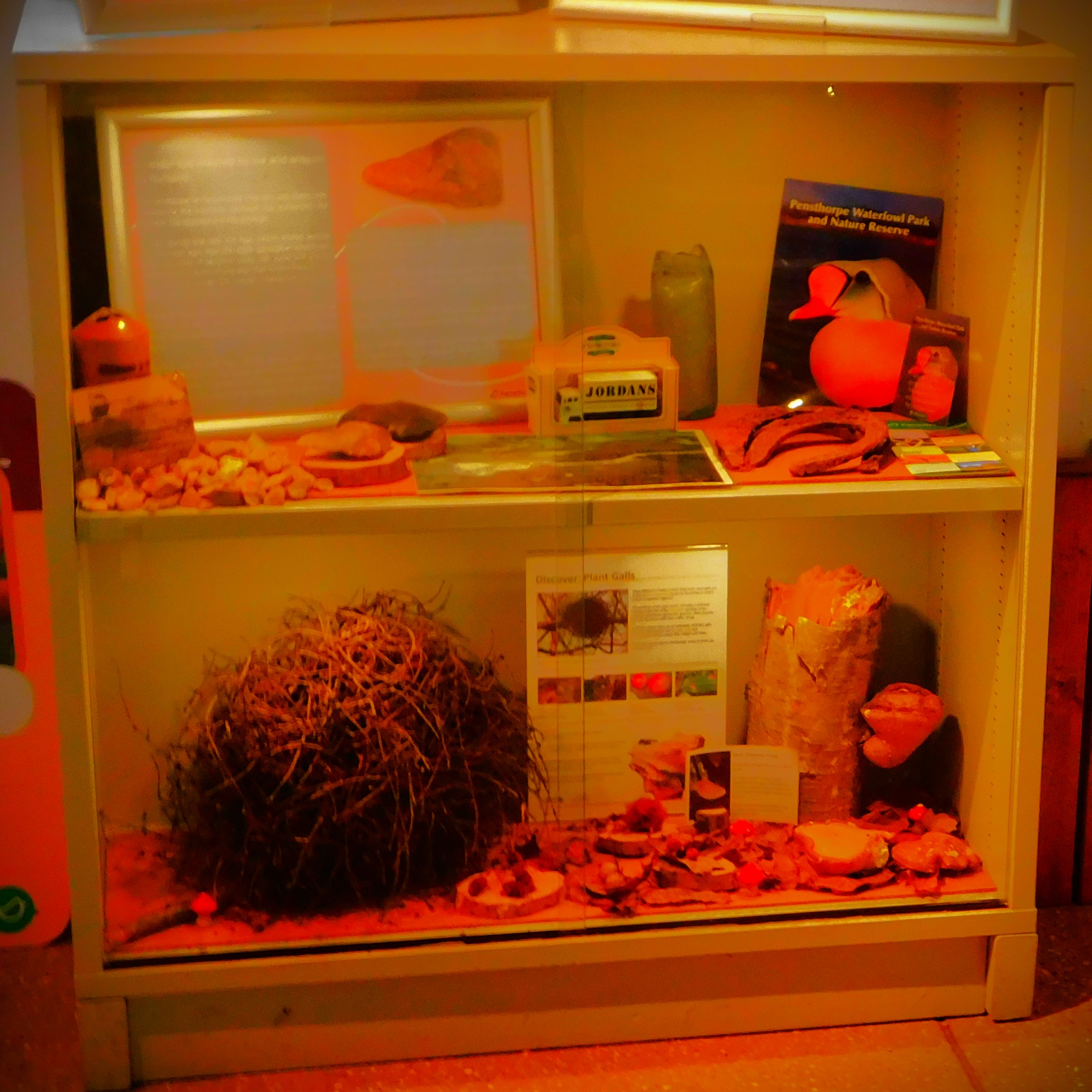
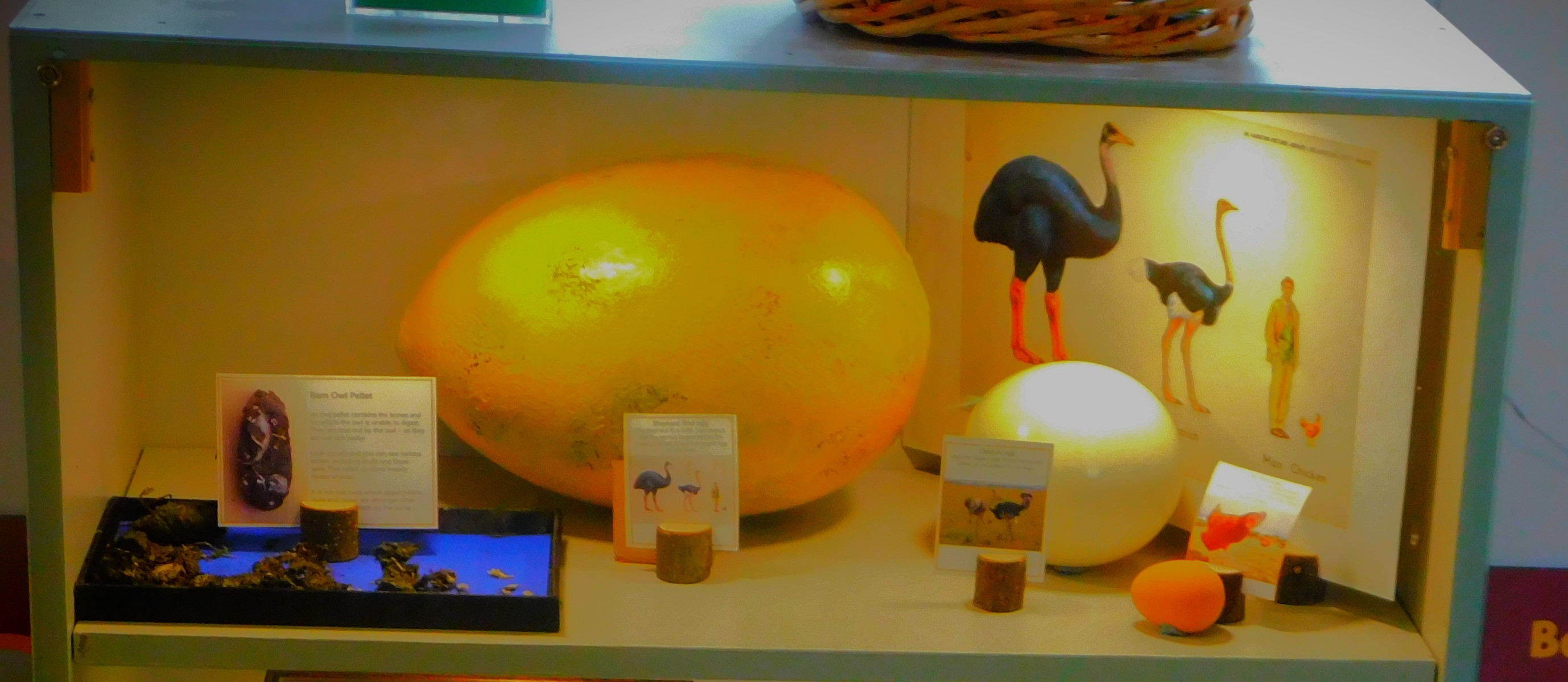
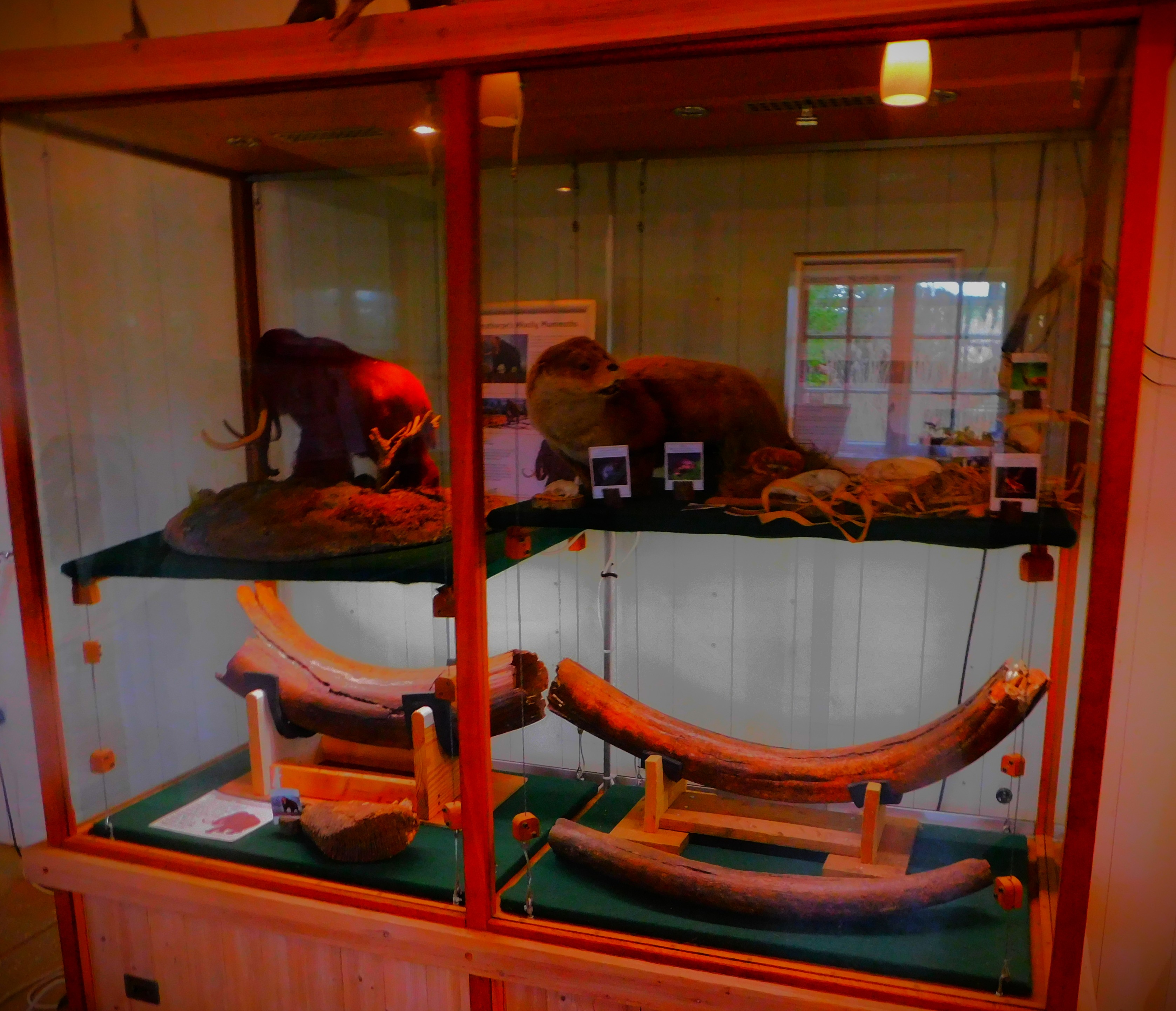
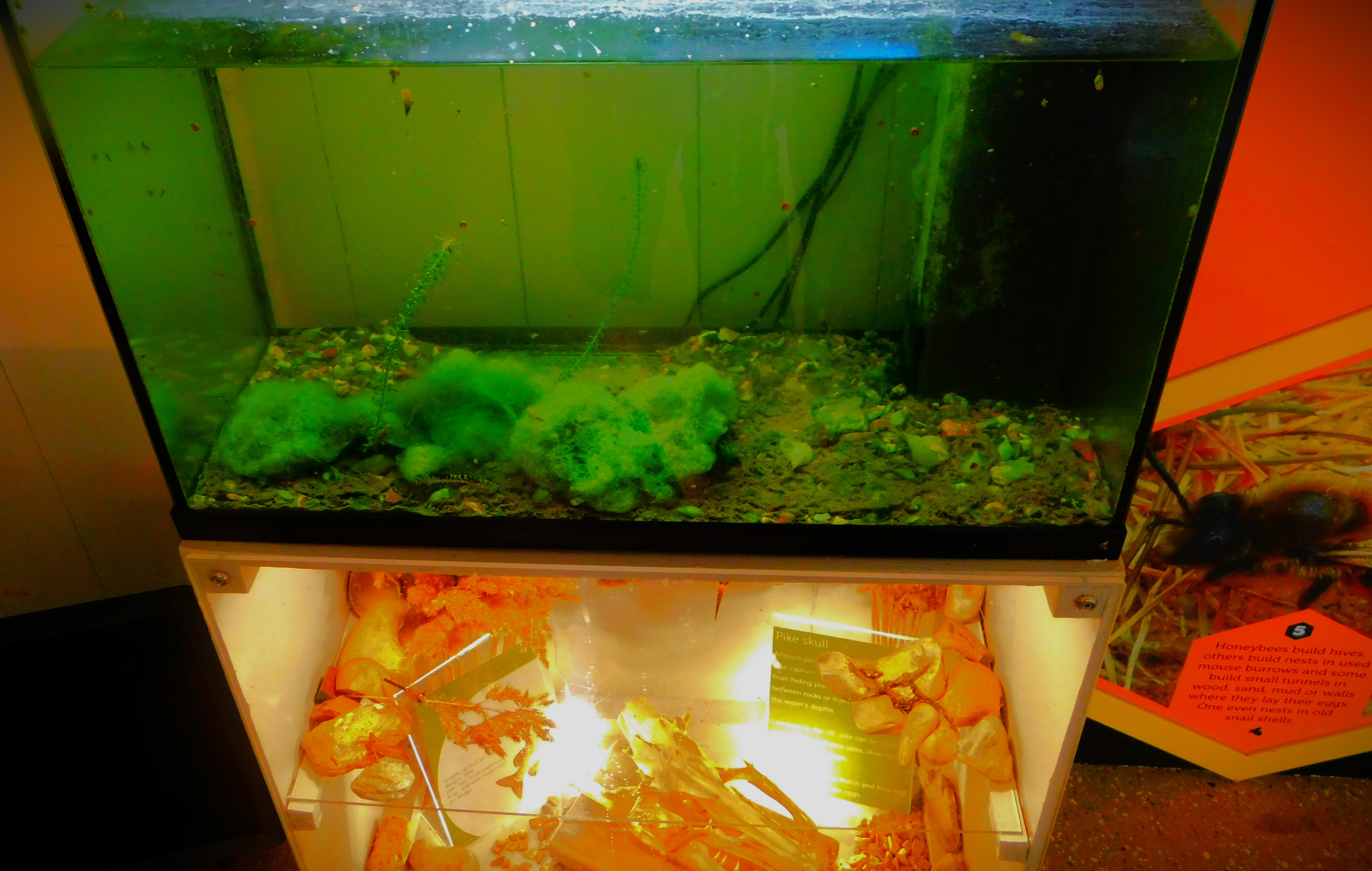
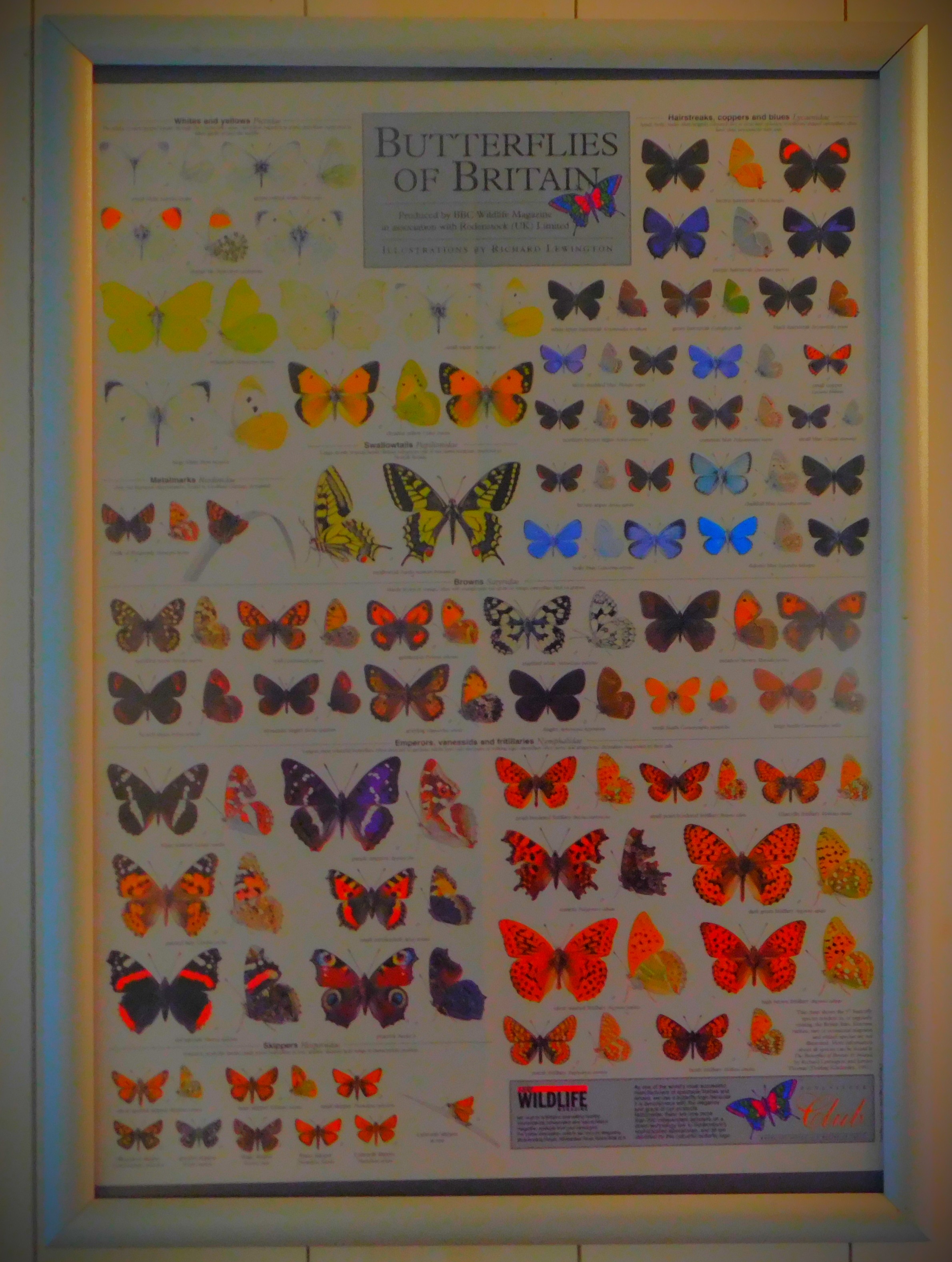
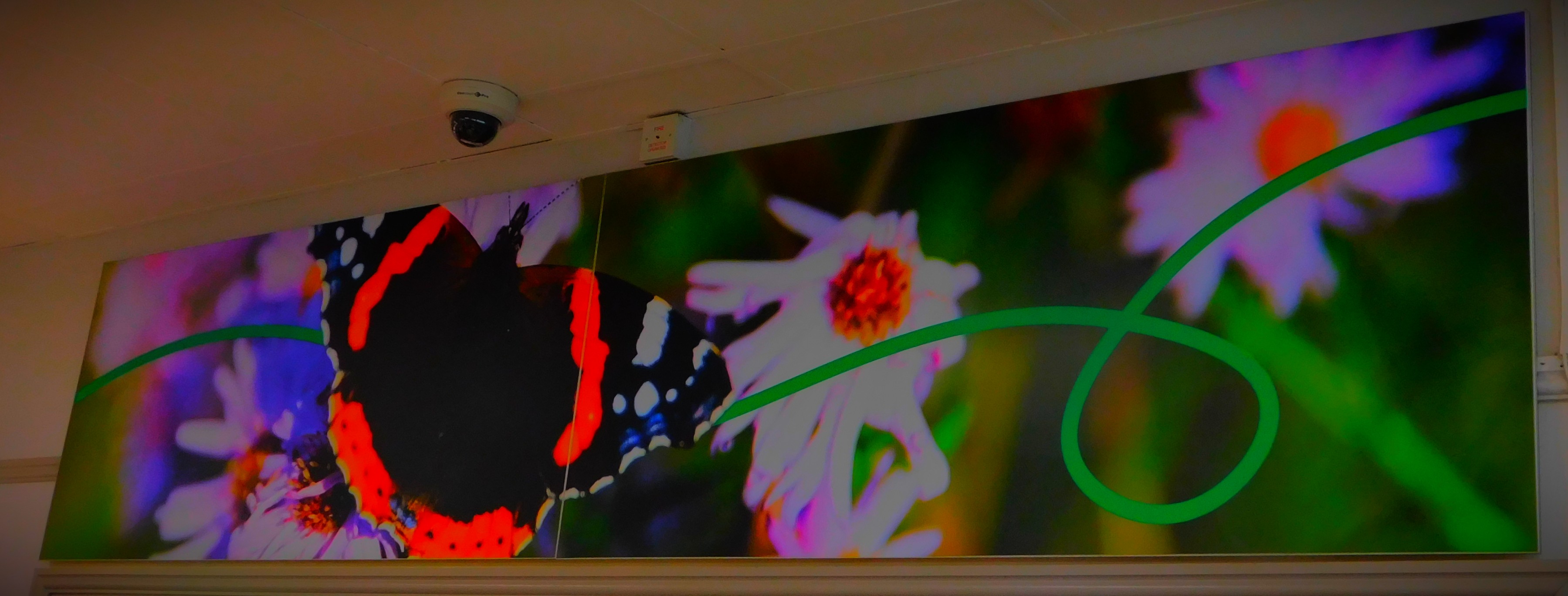
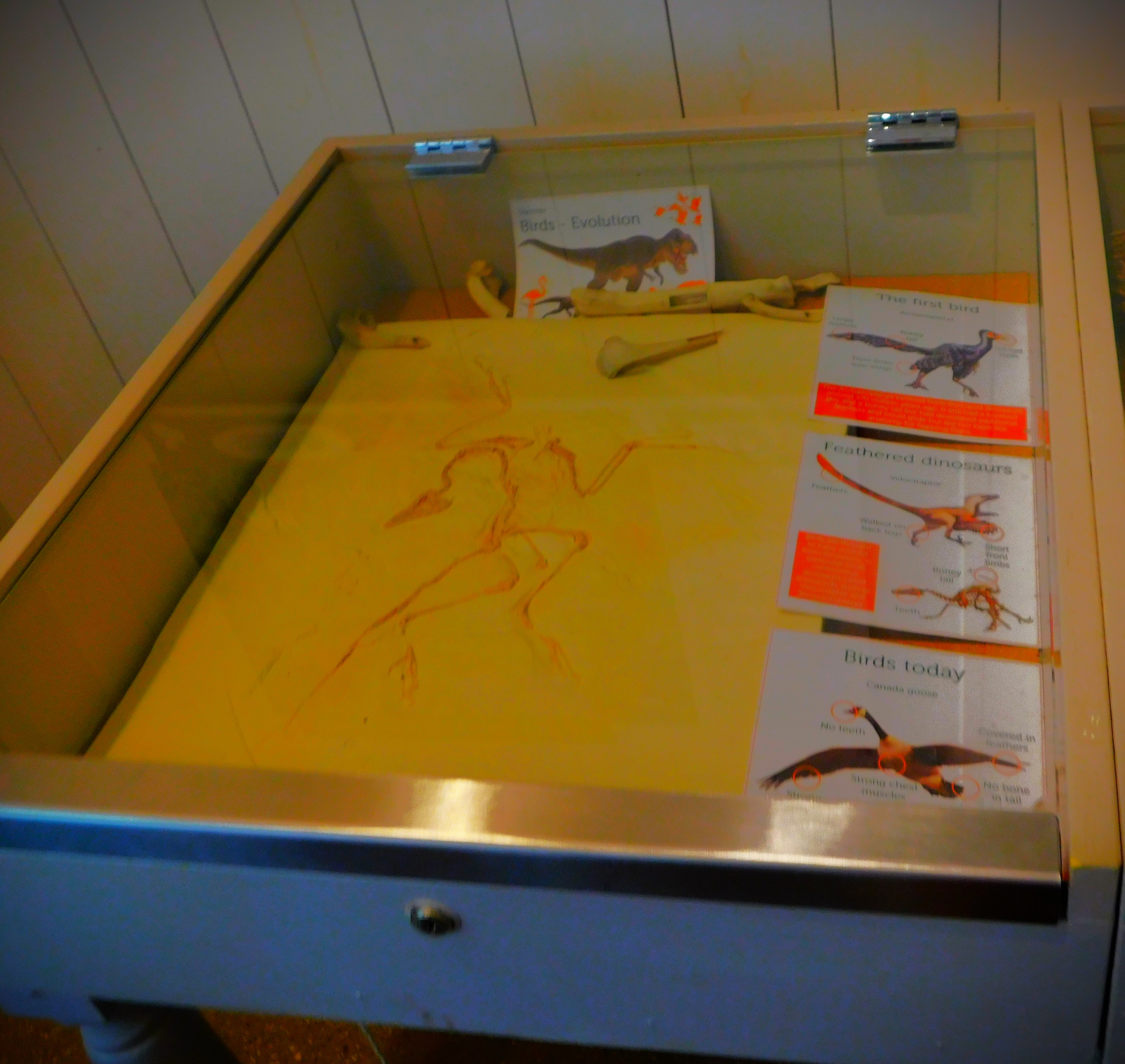
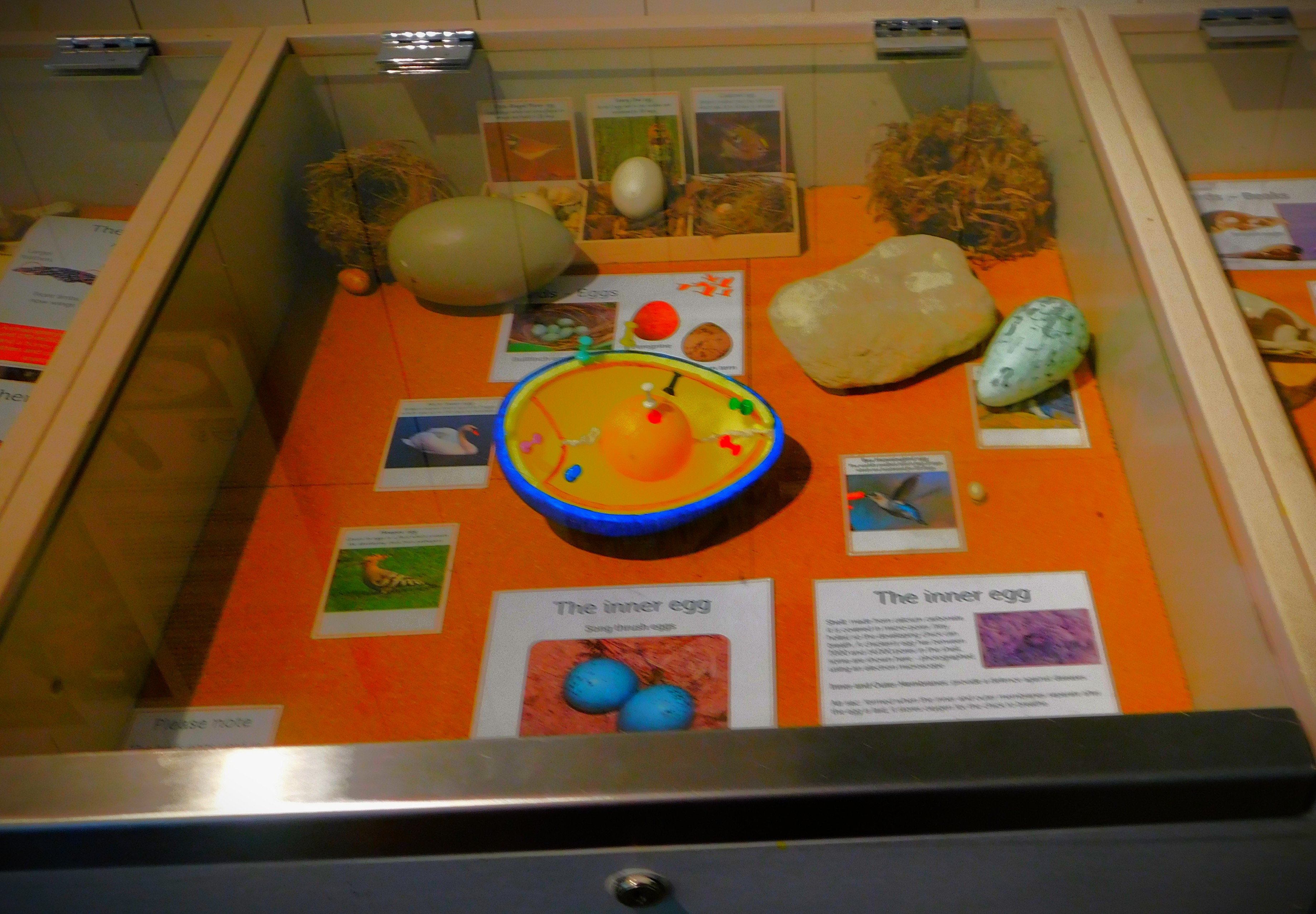
The Discovery Centre at Pensthorpe is a small museum featuring exhibits about the natural history and evolution of birds, stuff about bees, stuff about the area through the ages, and a couple of mini-habitats – a fish tank and specially created habitat tank for harvest mice (as well as being tiny – an adult harvest mouse weighs 4-6 grammes – these creatures are exceedingly shy, and they did not show themselves while I was in there). Though I would recommend visiting it at least once when at Pensthorpe there is no need fit such a visit into any kind of plan for exploring the site – it is located close to the main entrance and can be fitted in any time you fancy.
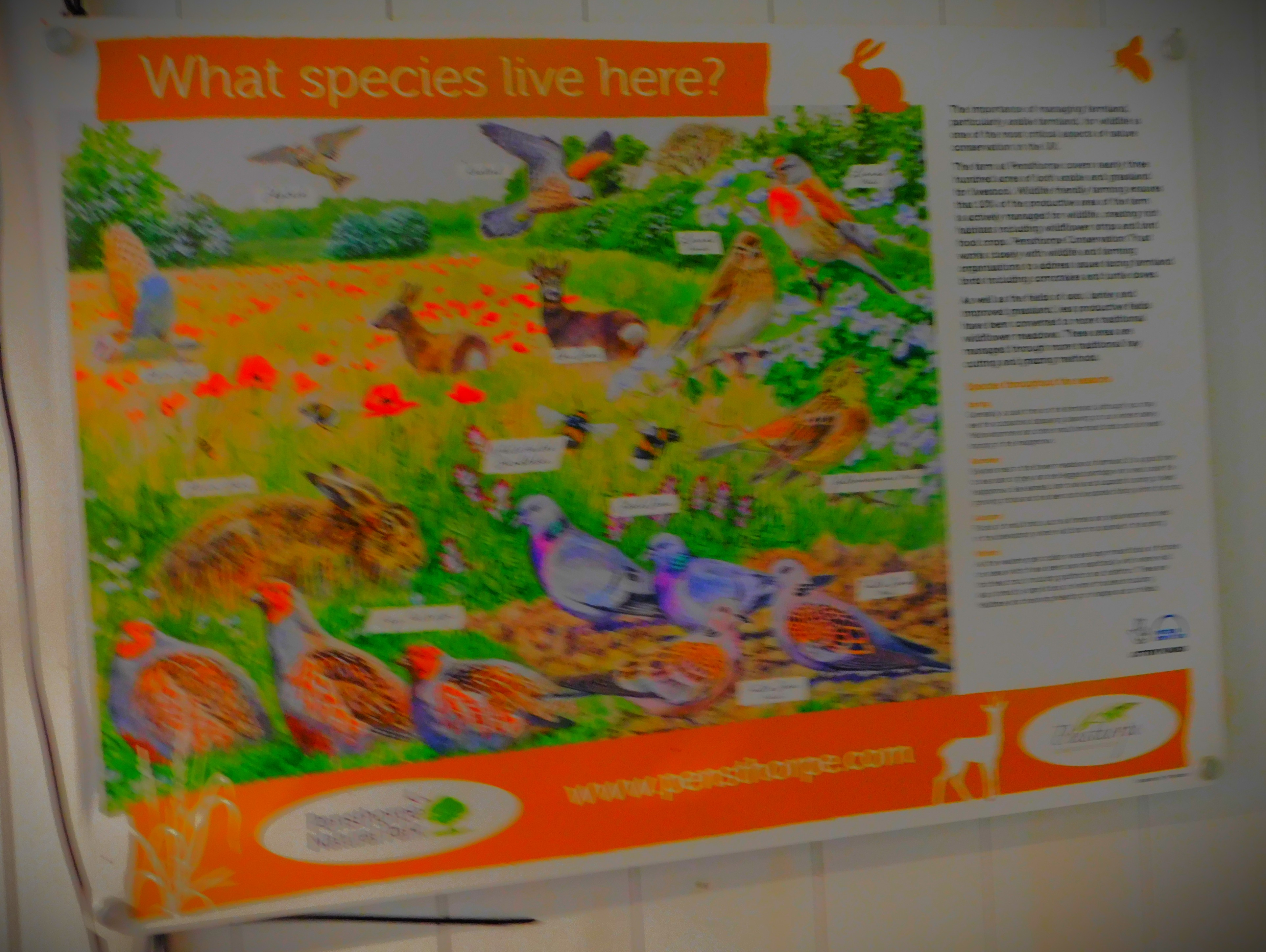
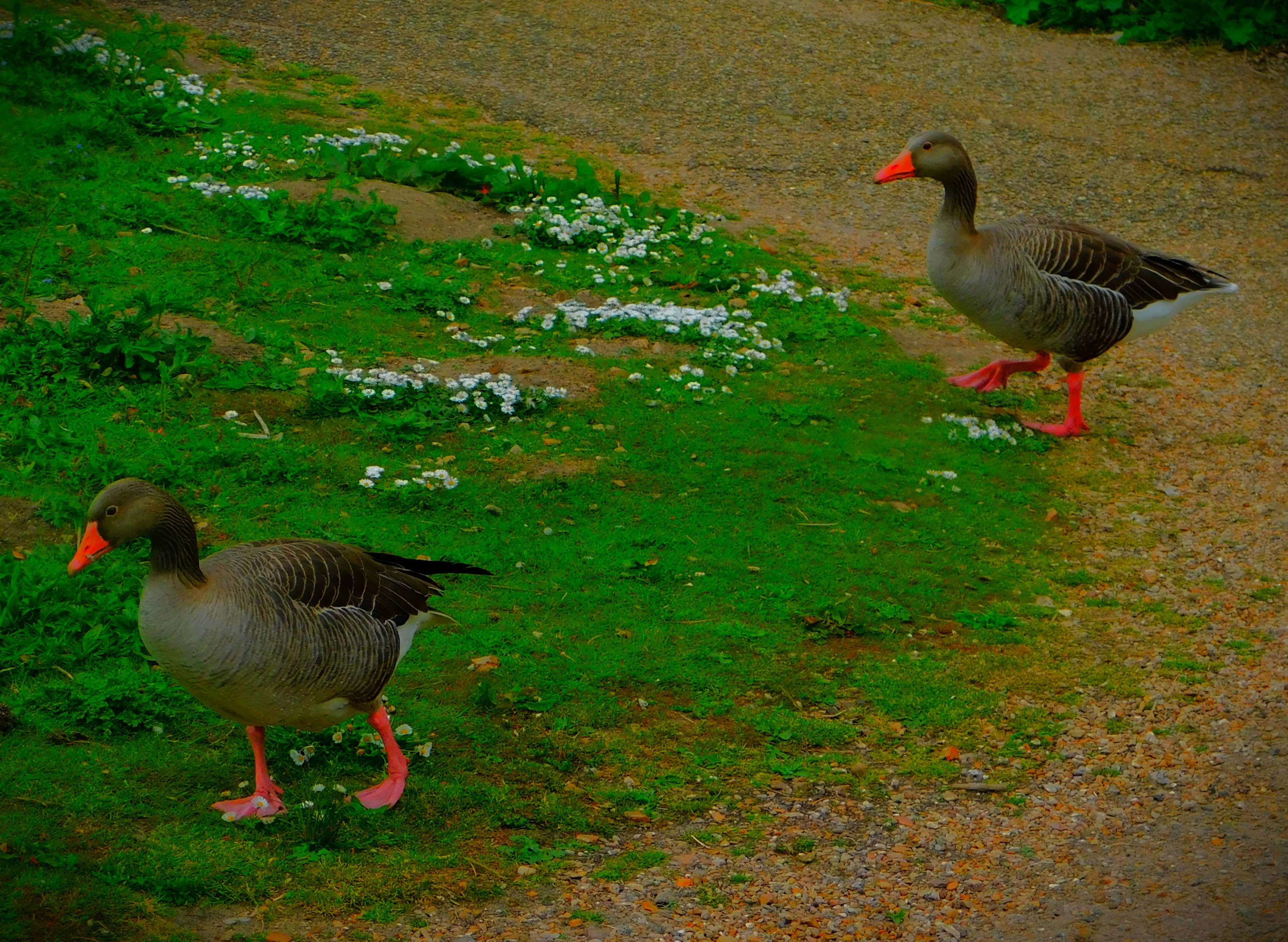
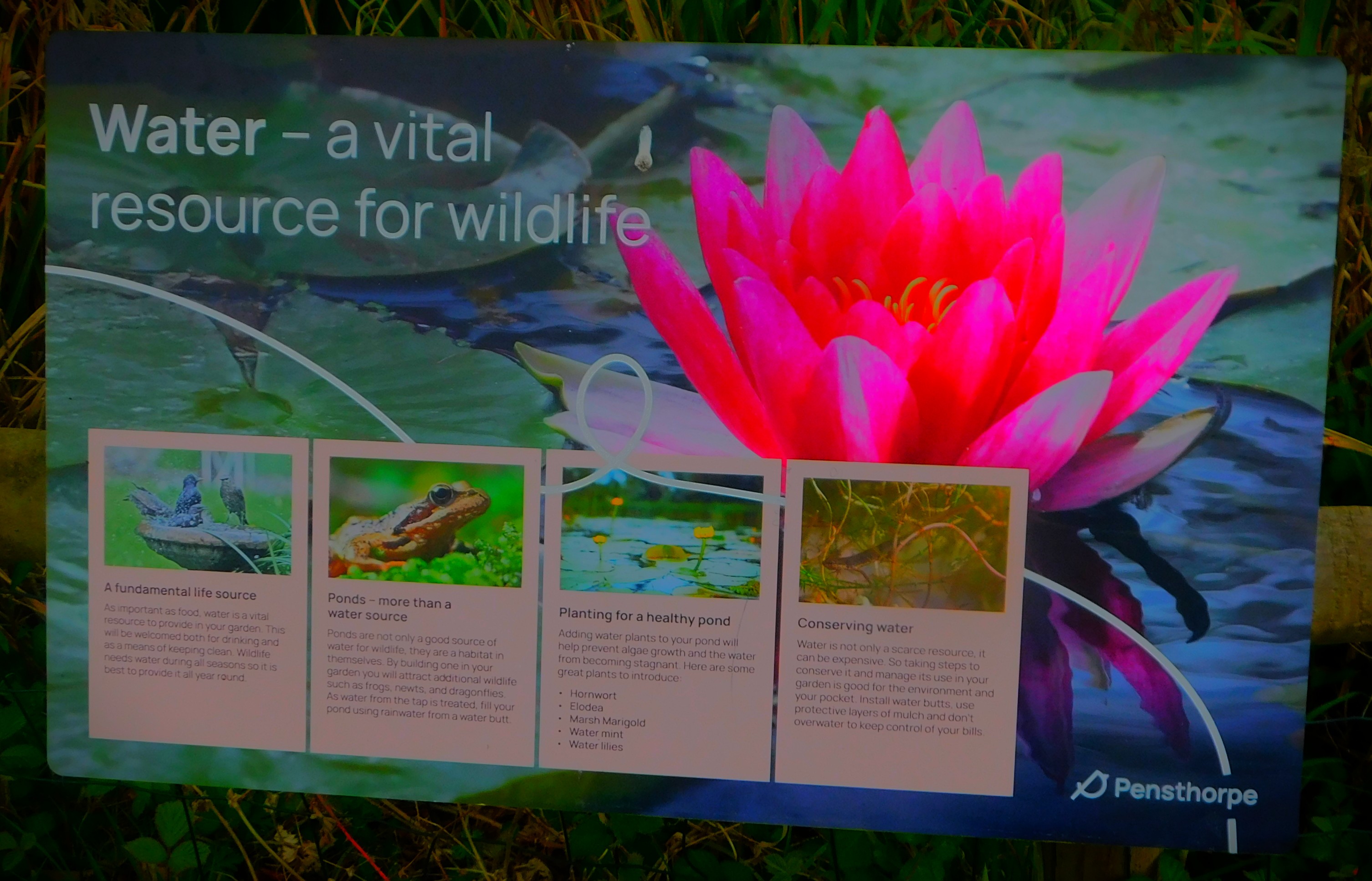
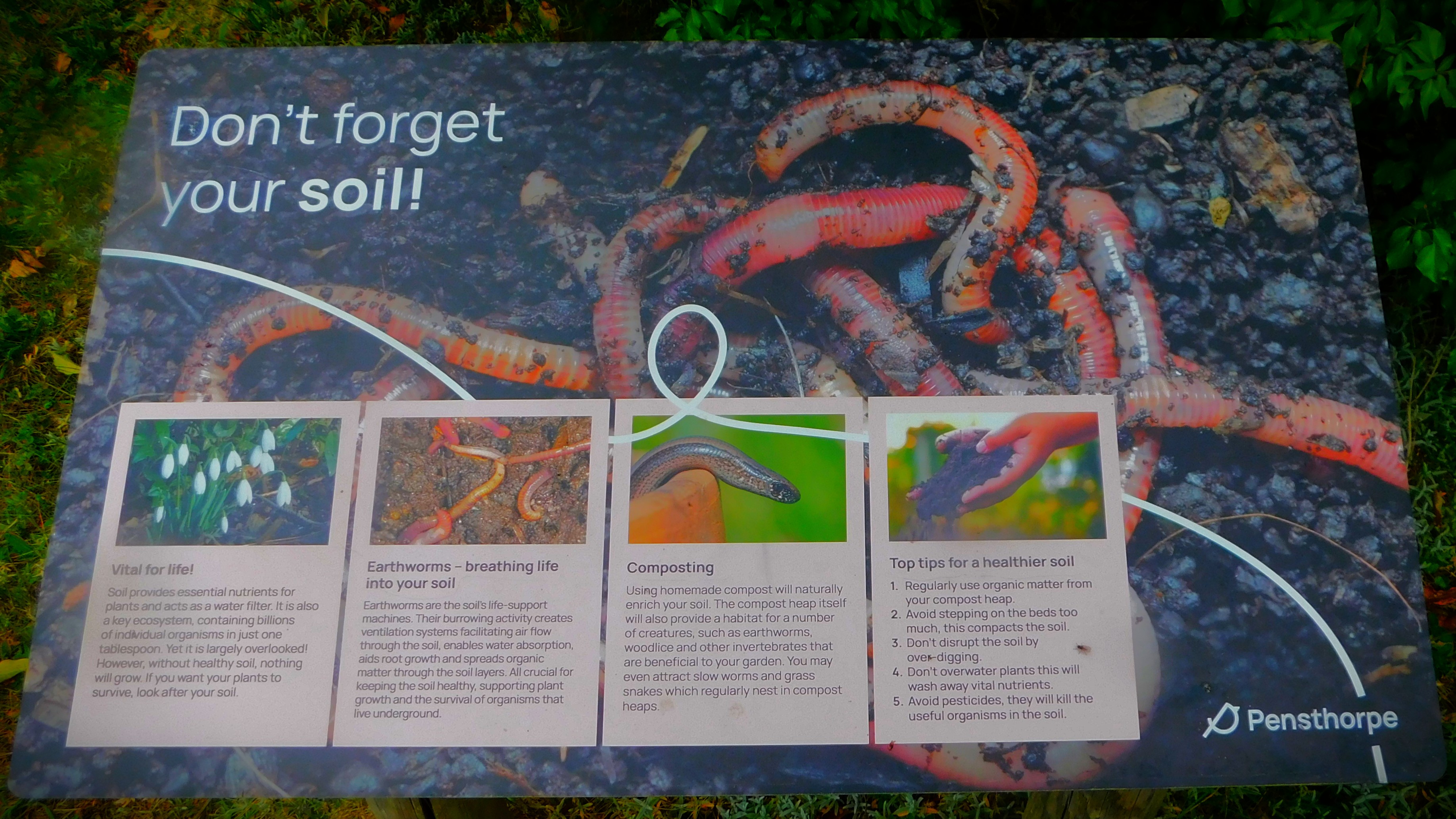
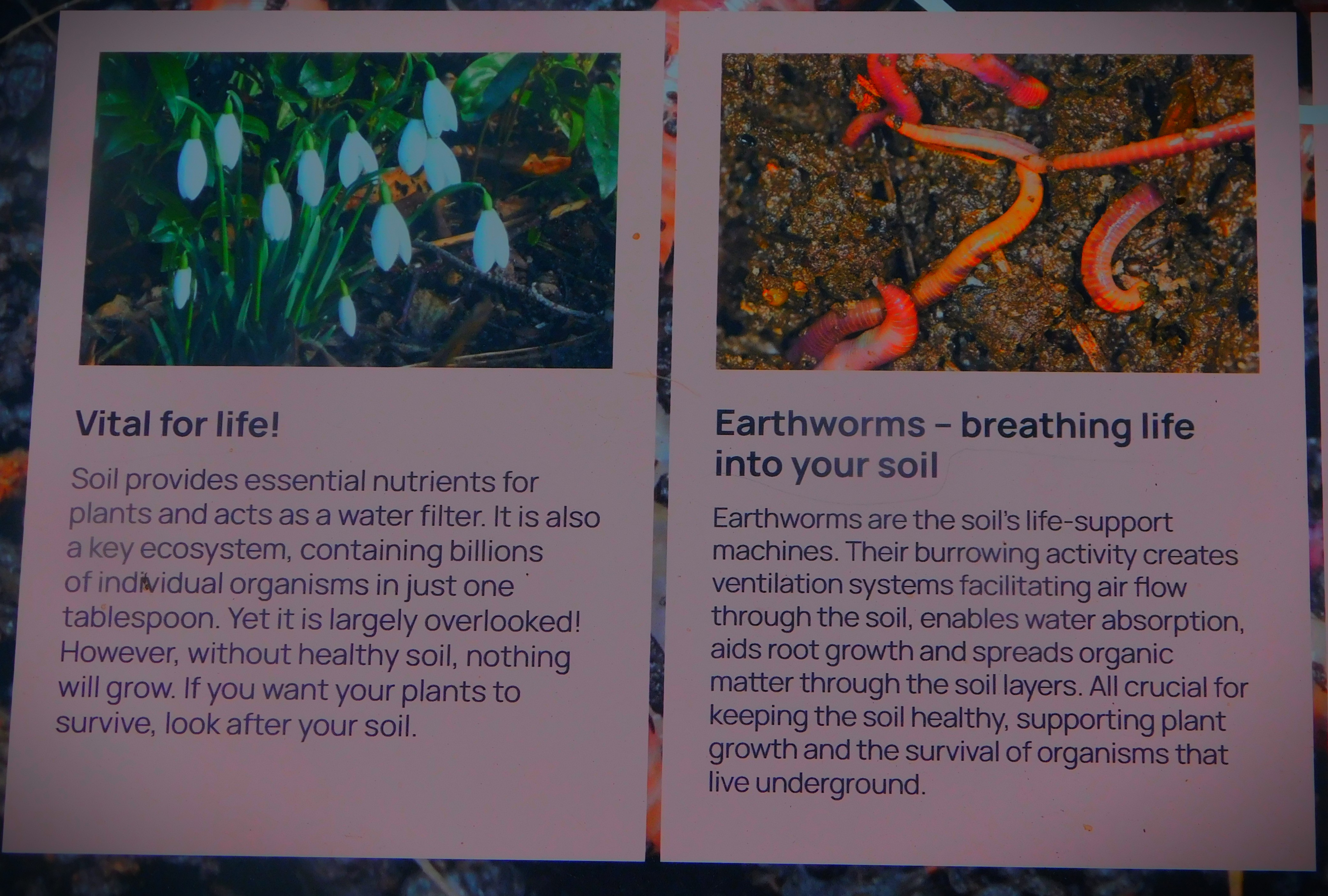
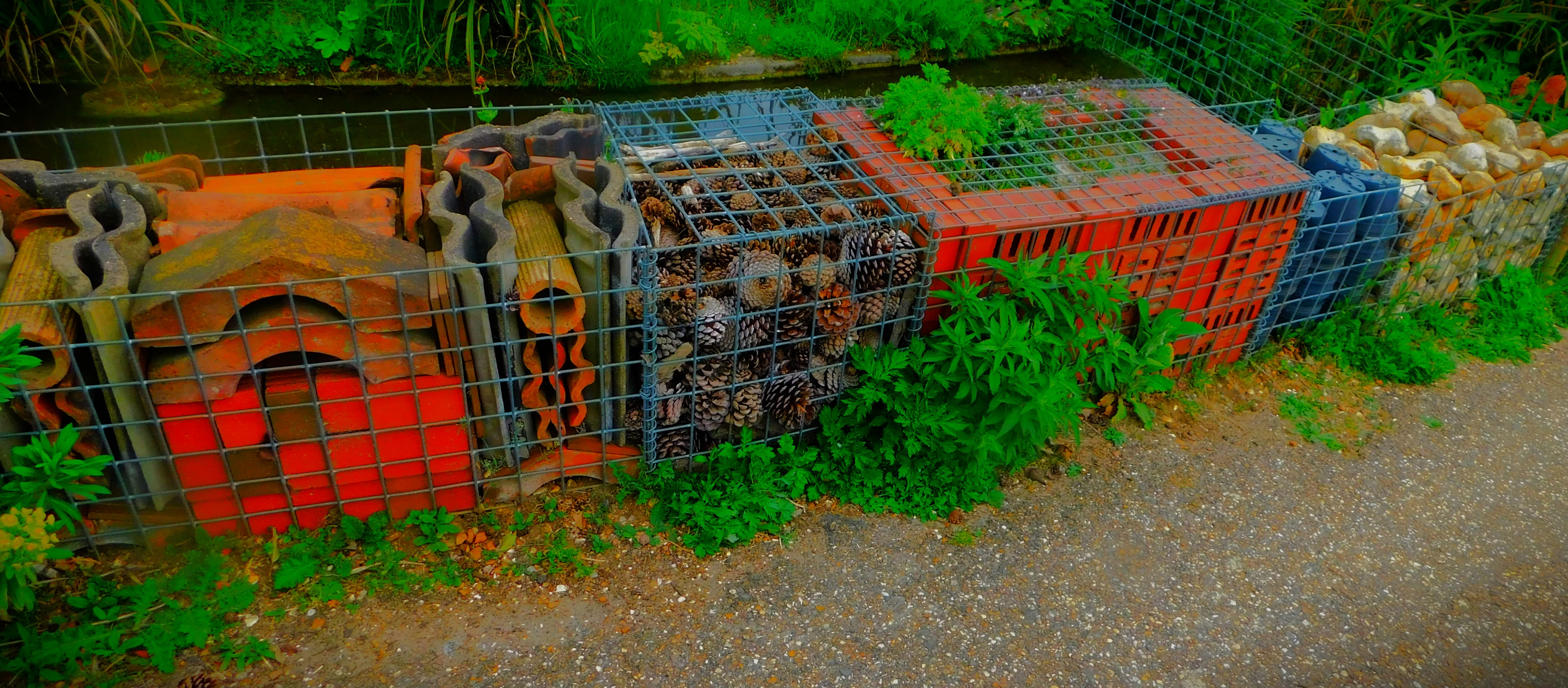
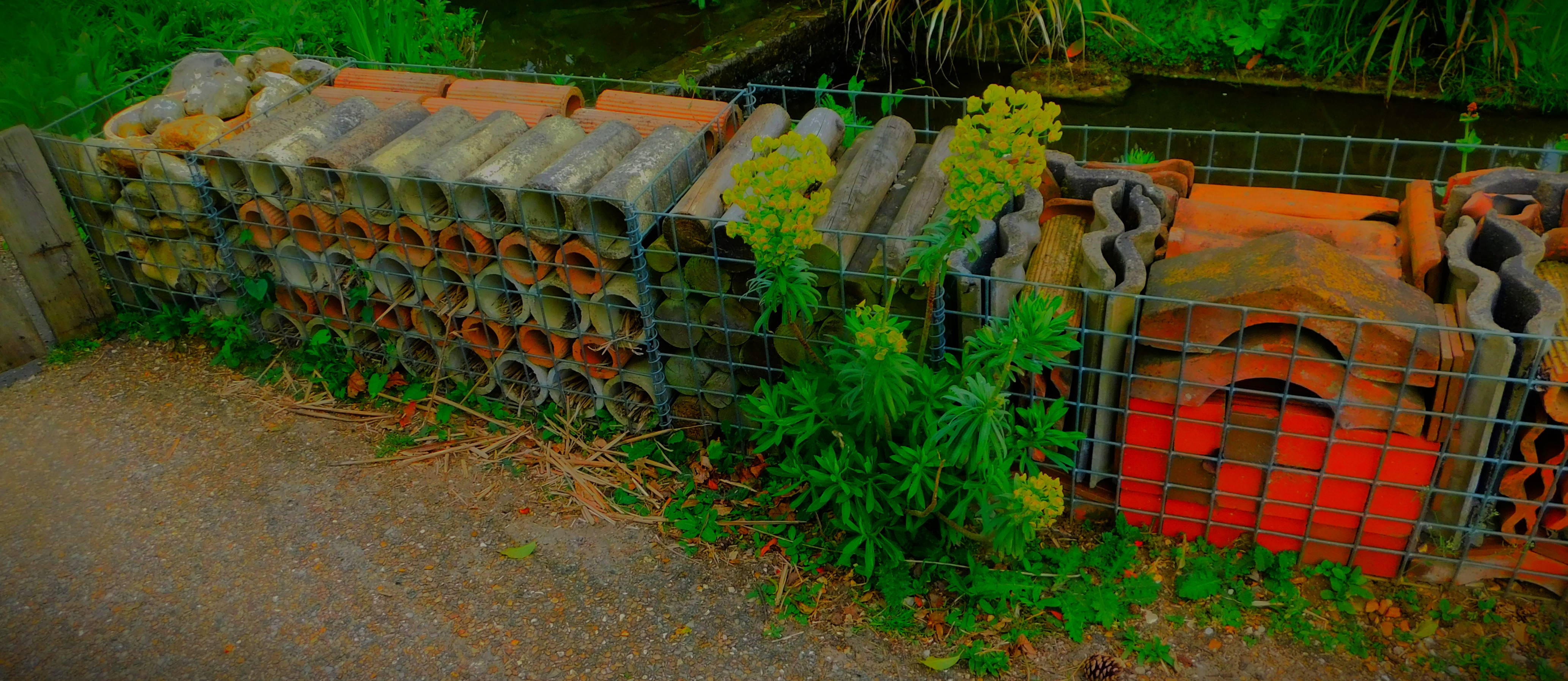
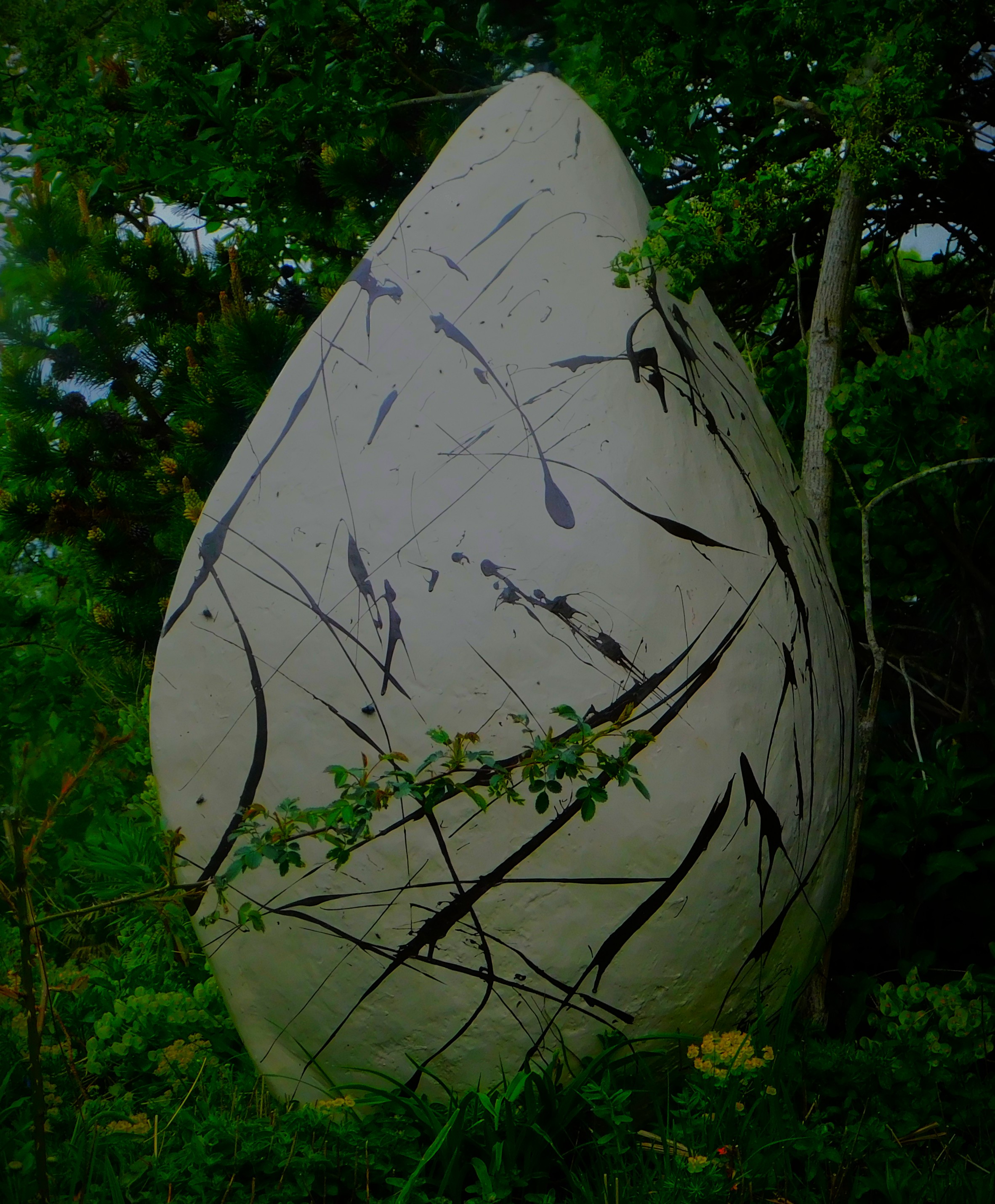
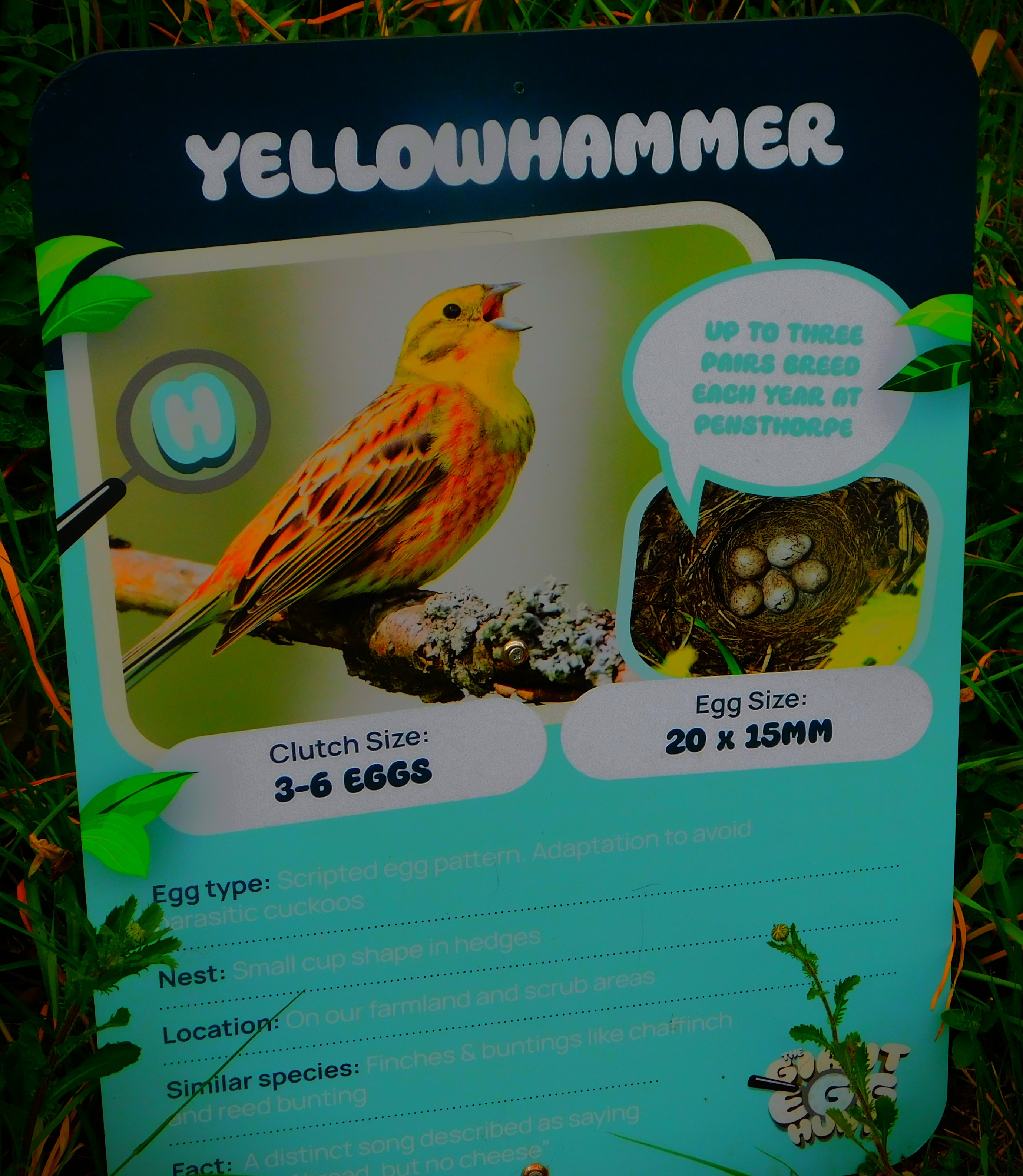
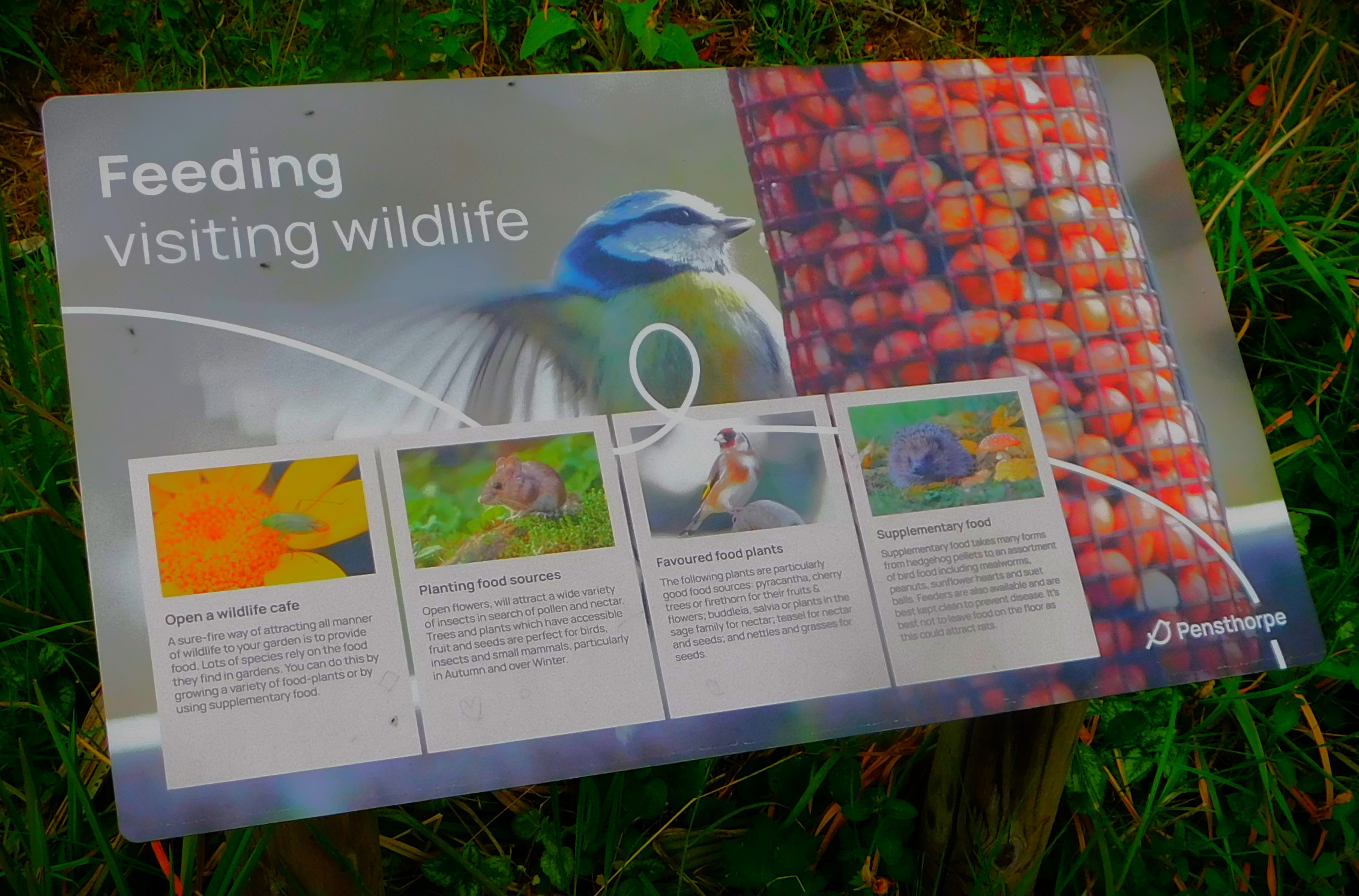
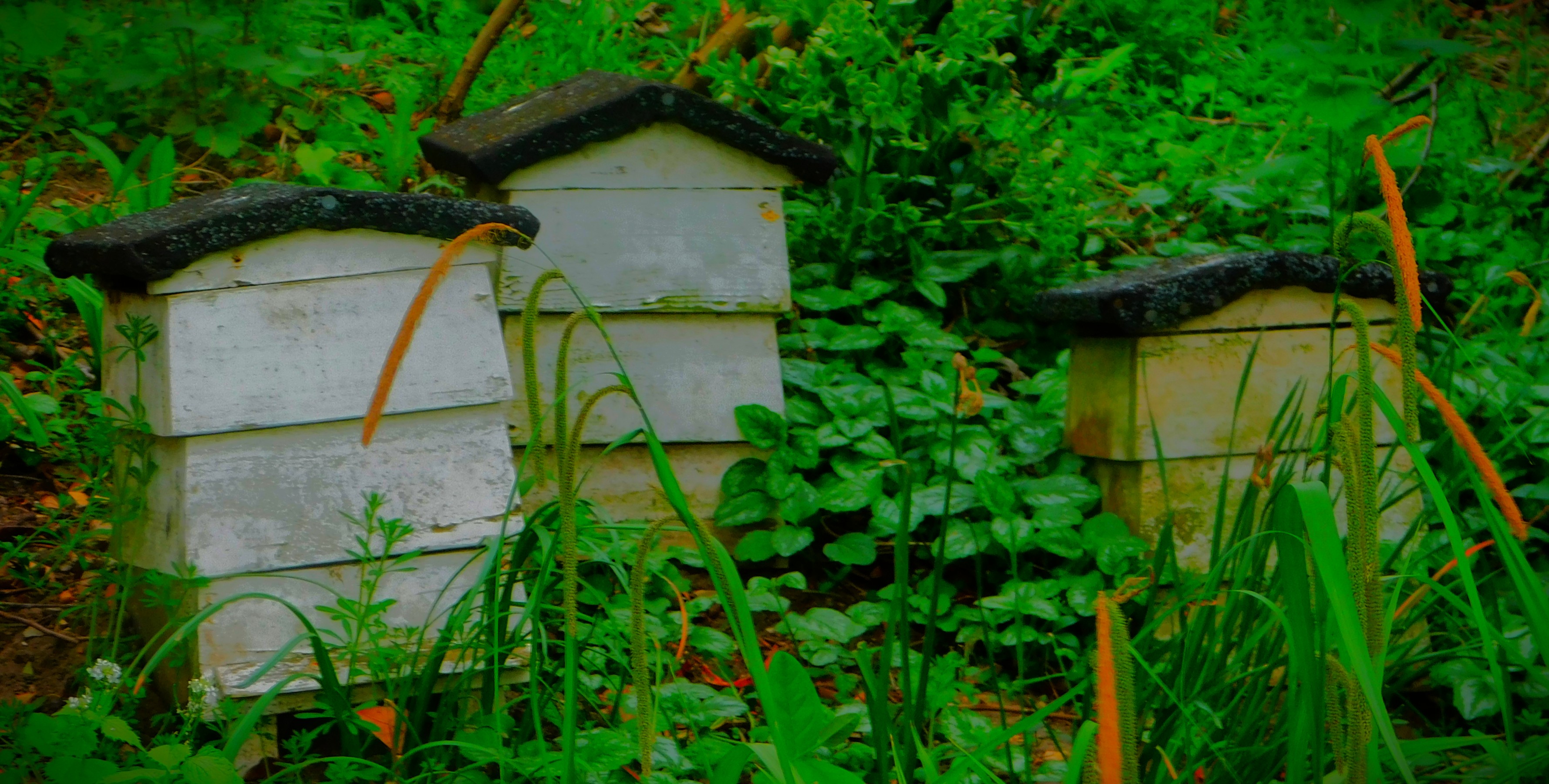
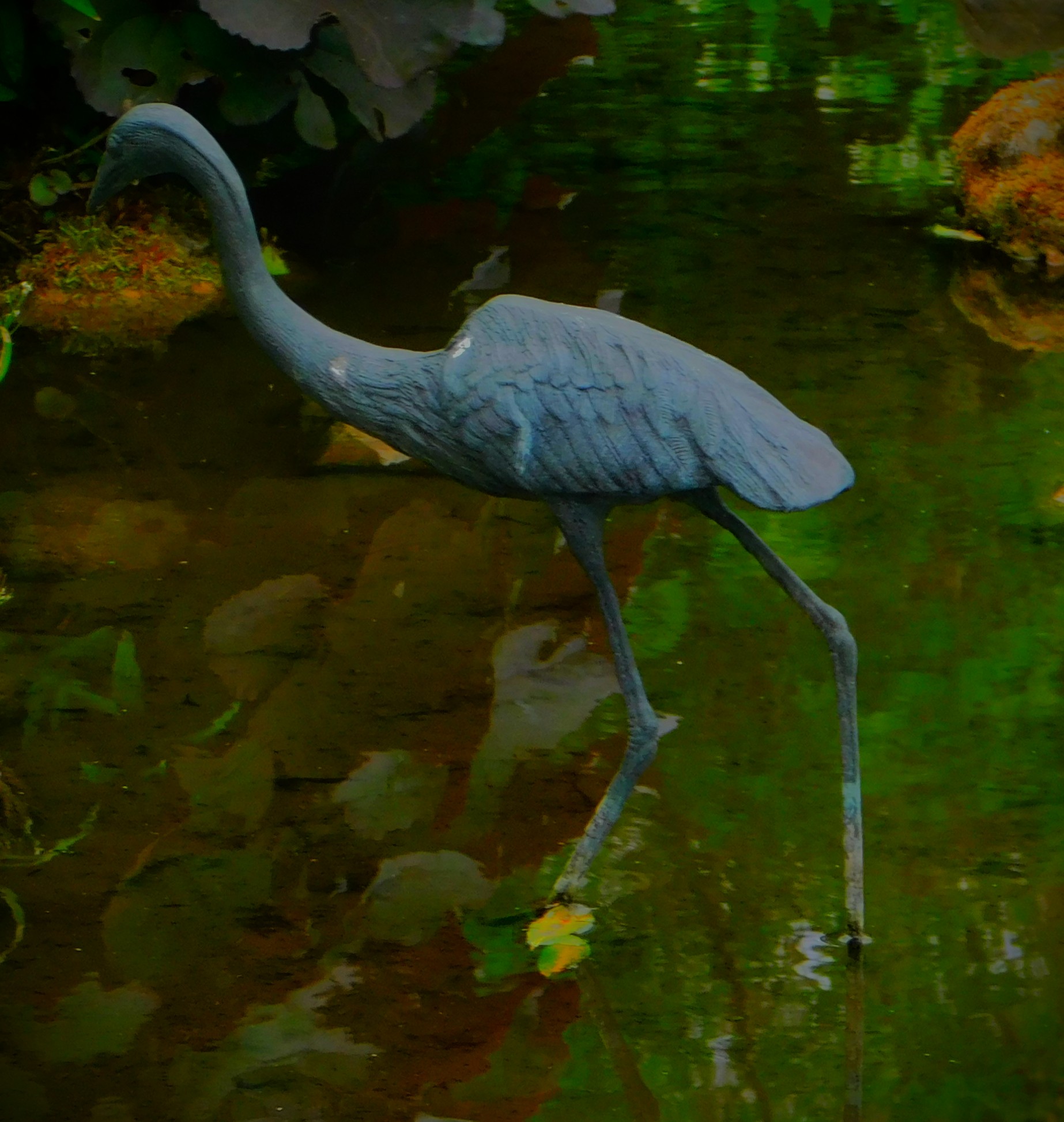
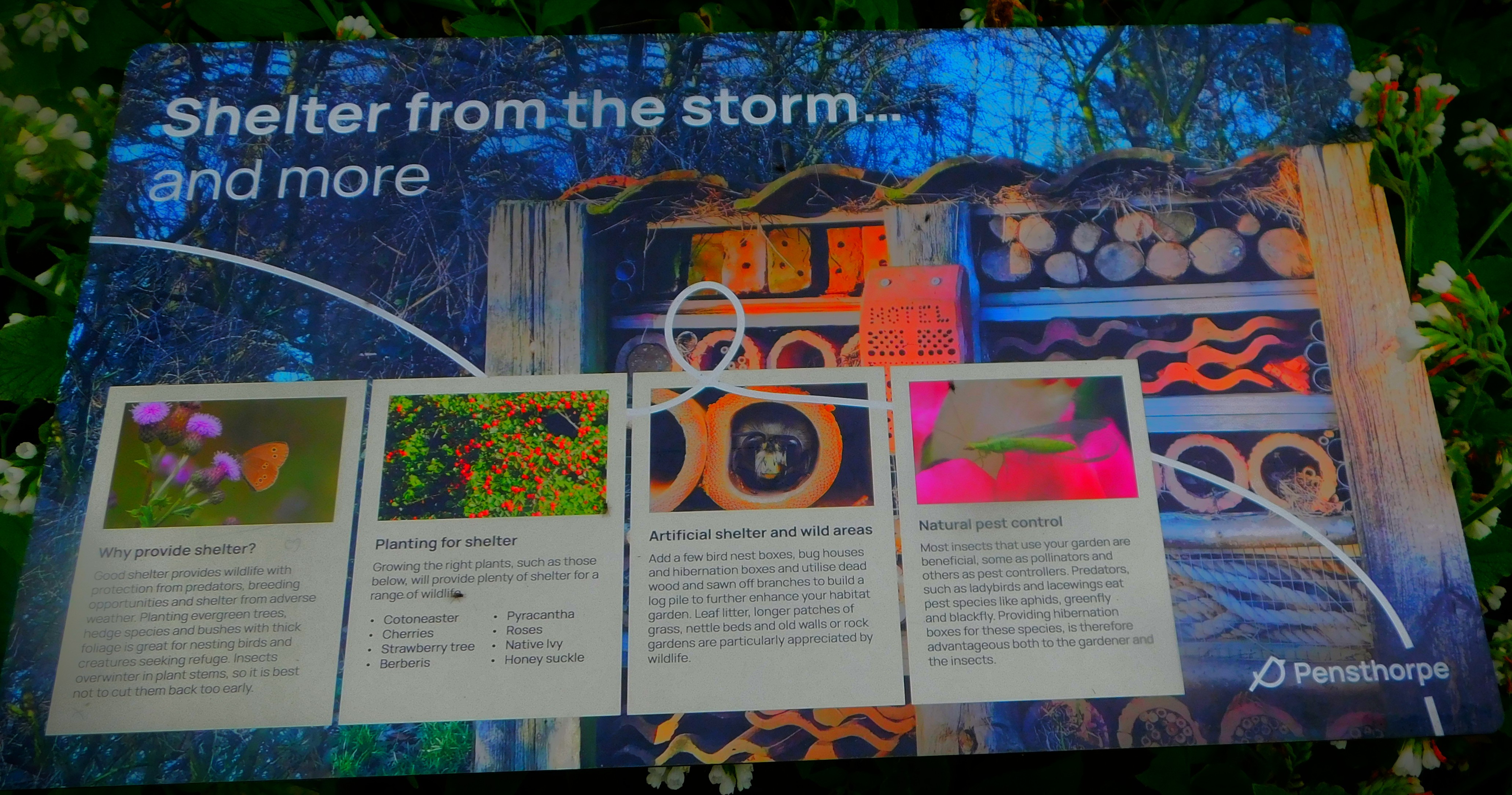
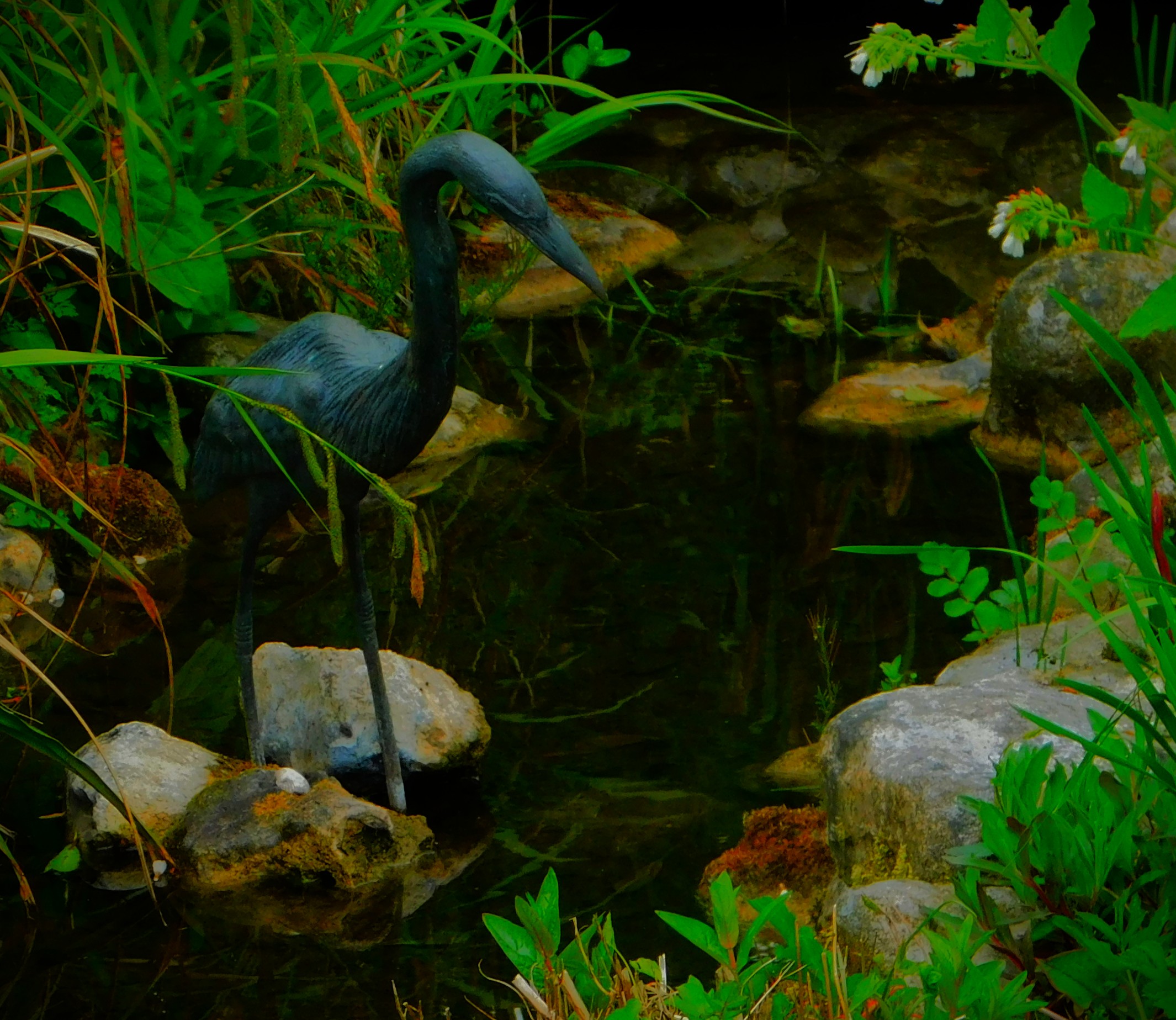
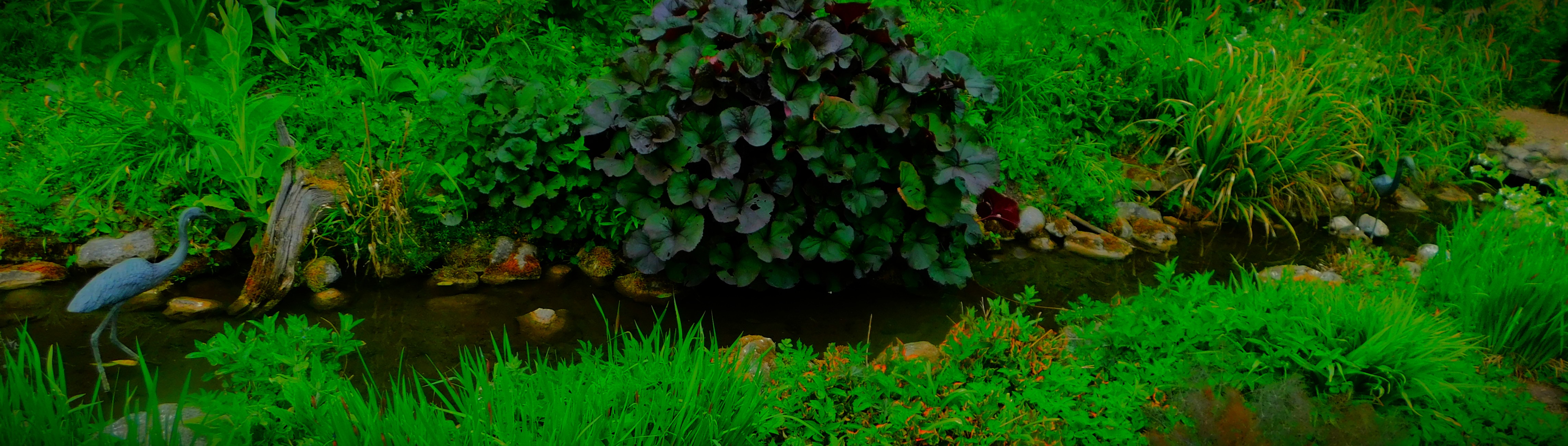
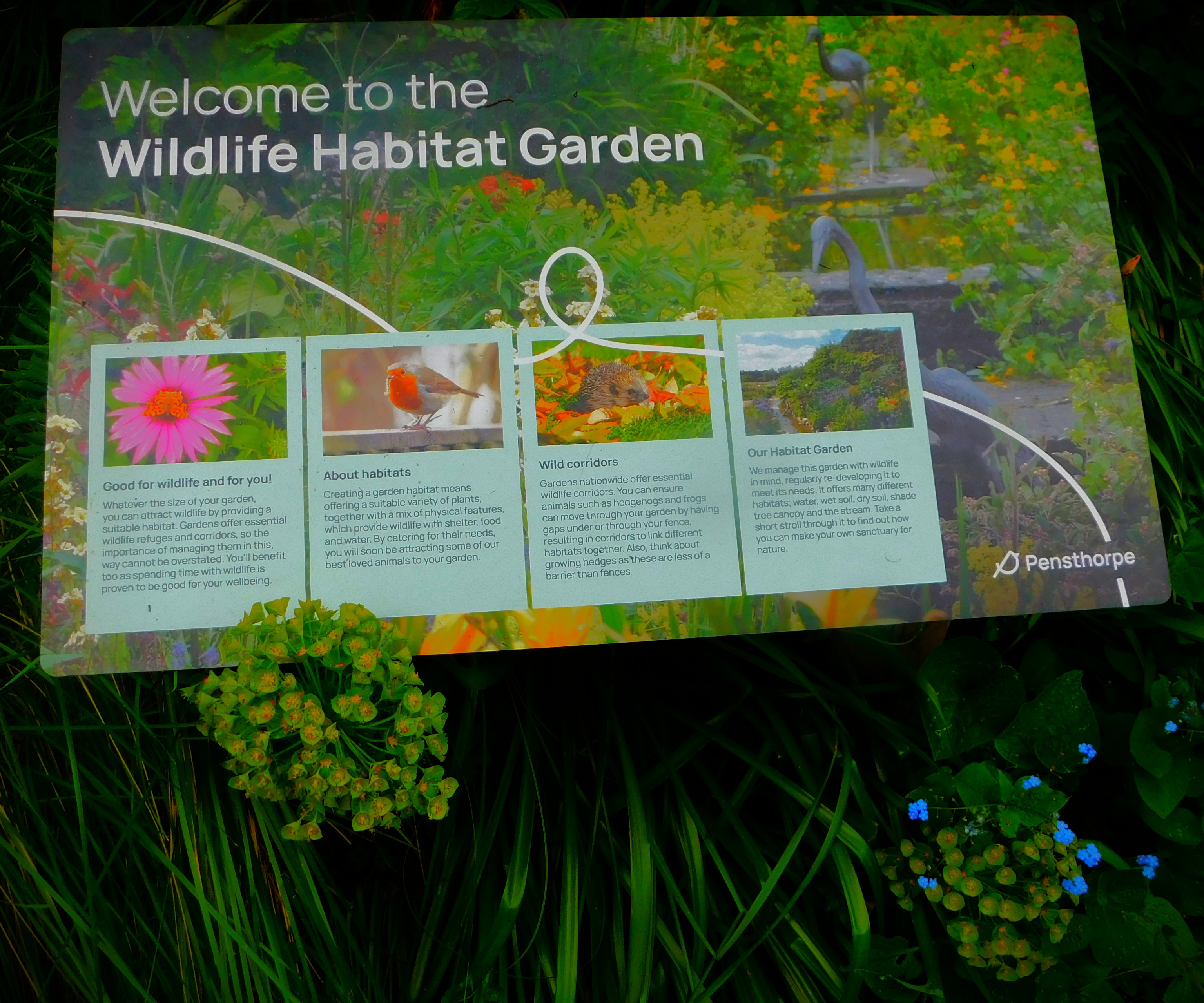
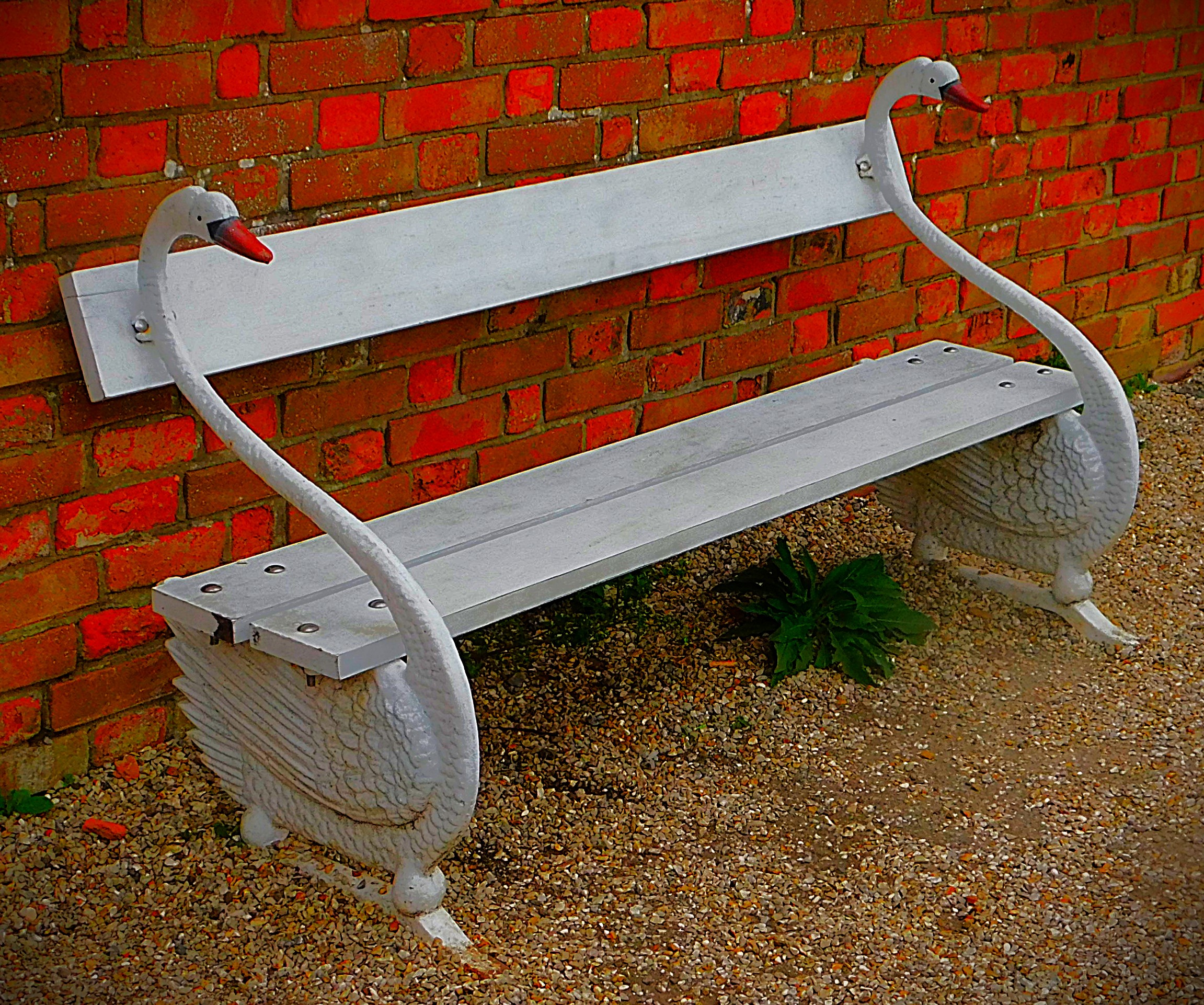
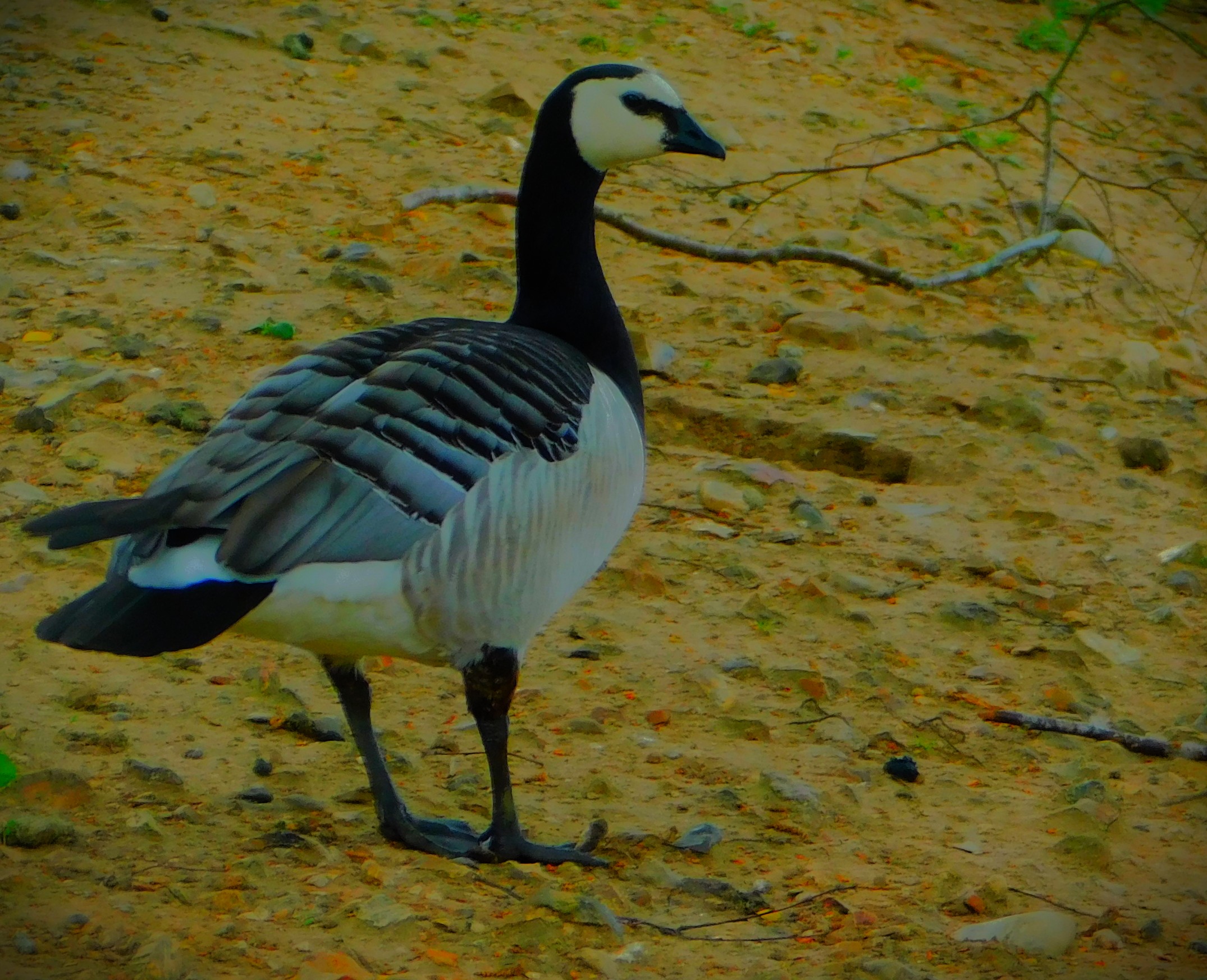
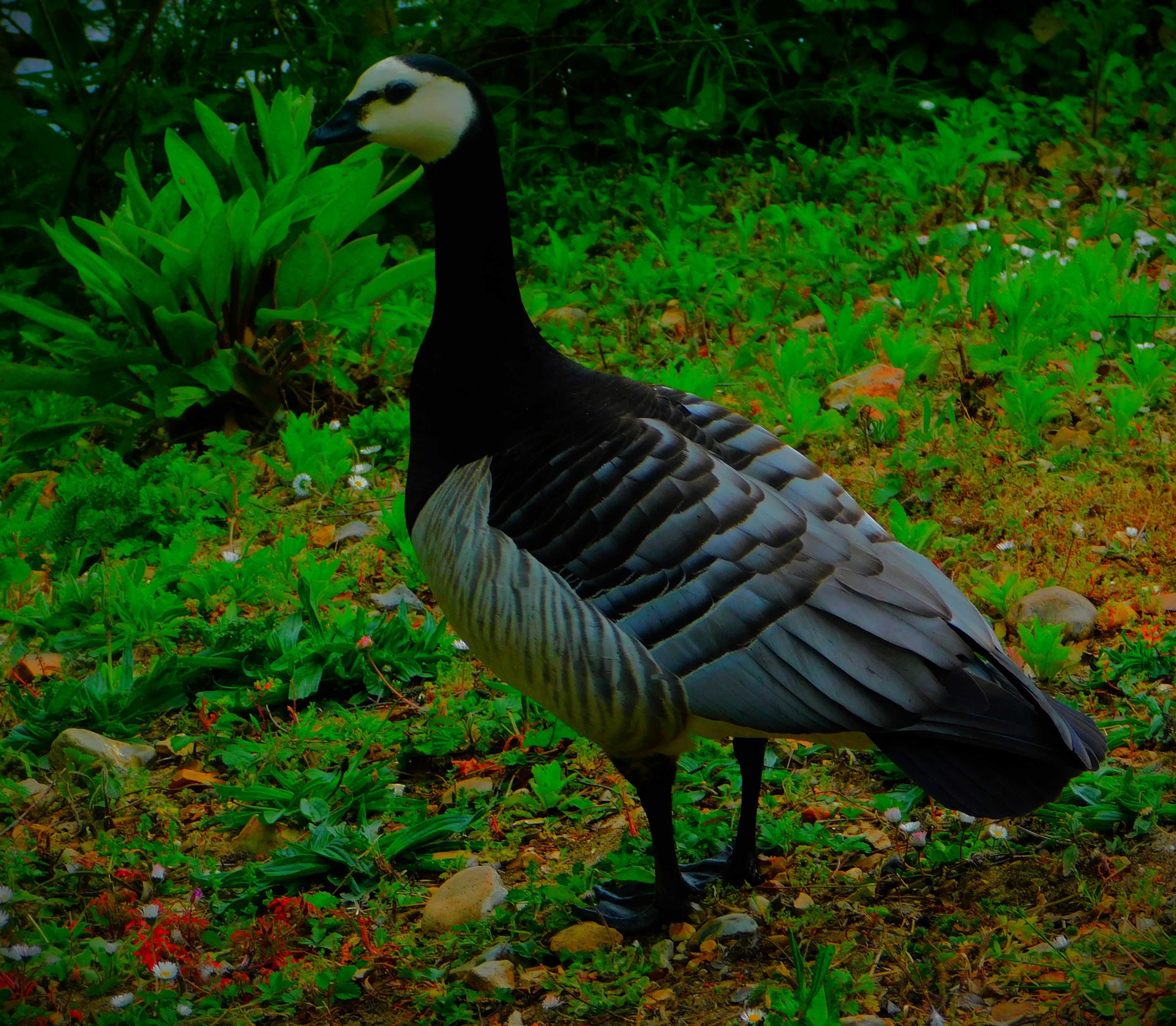
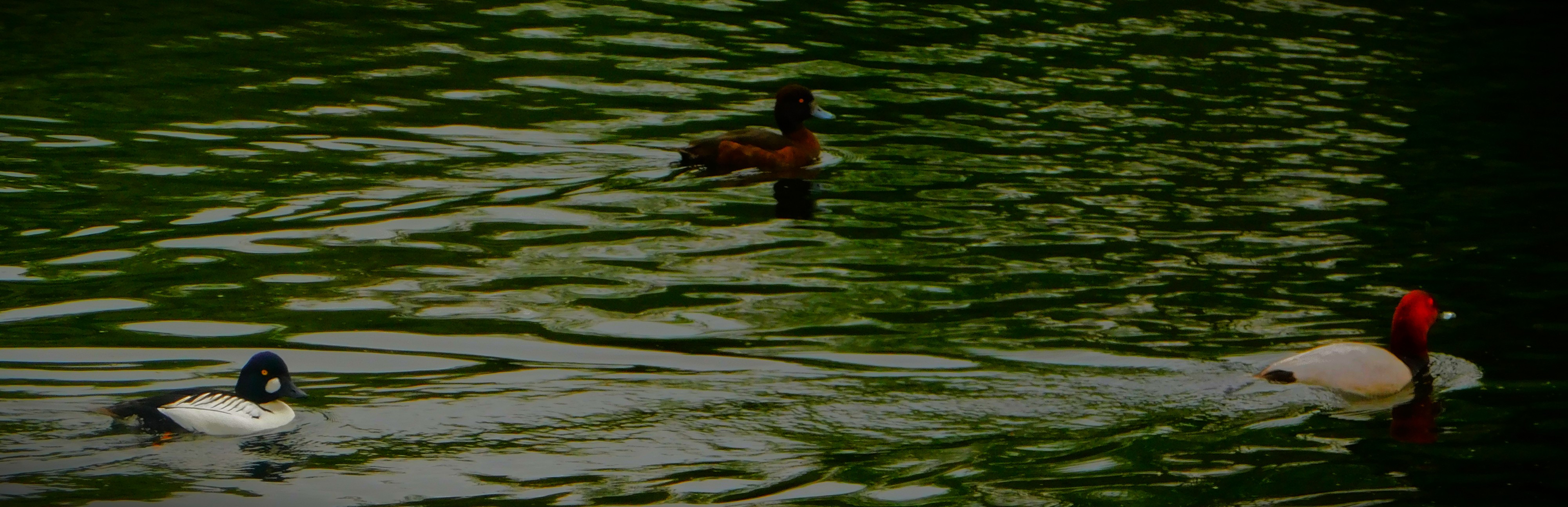
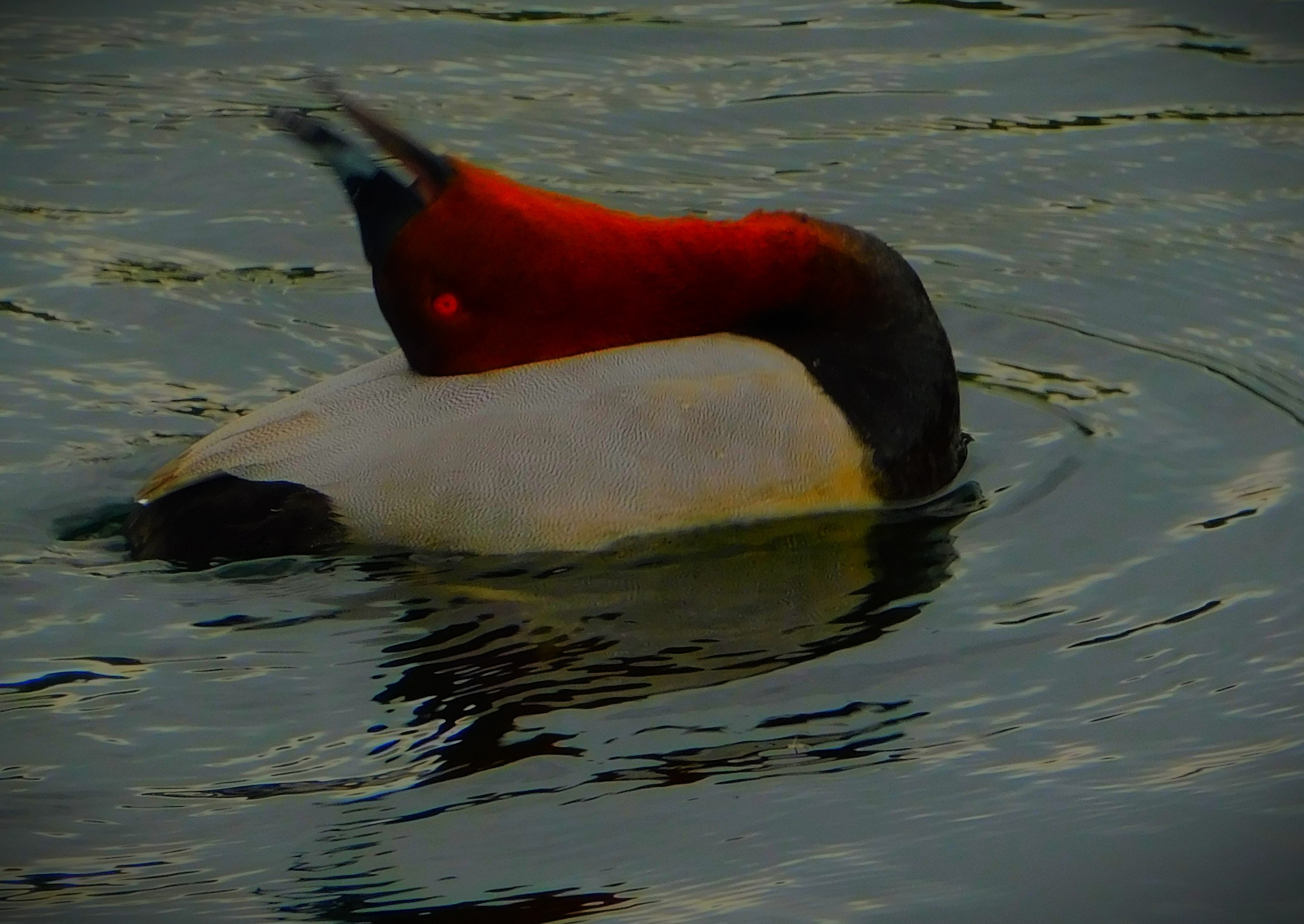
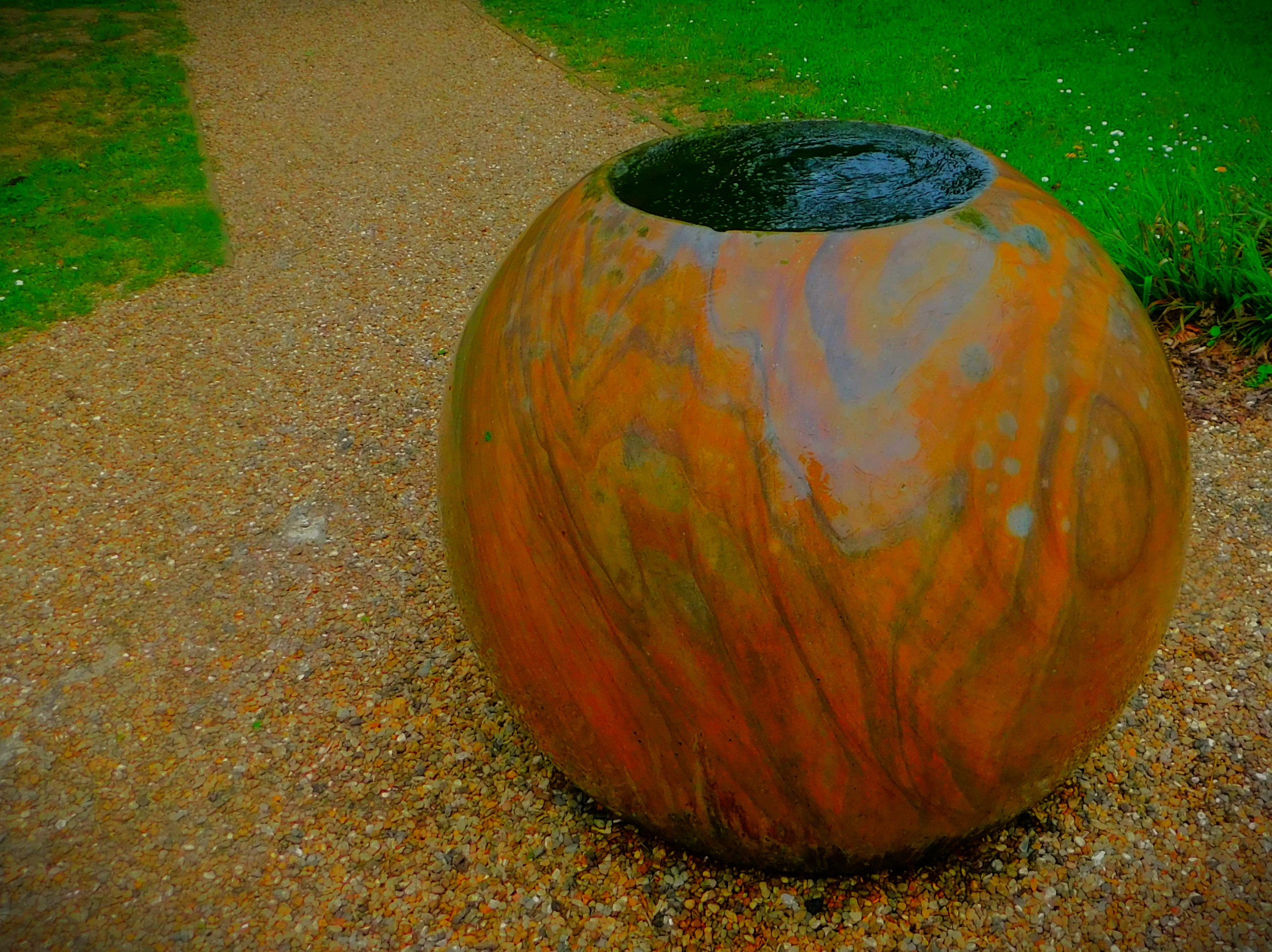
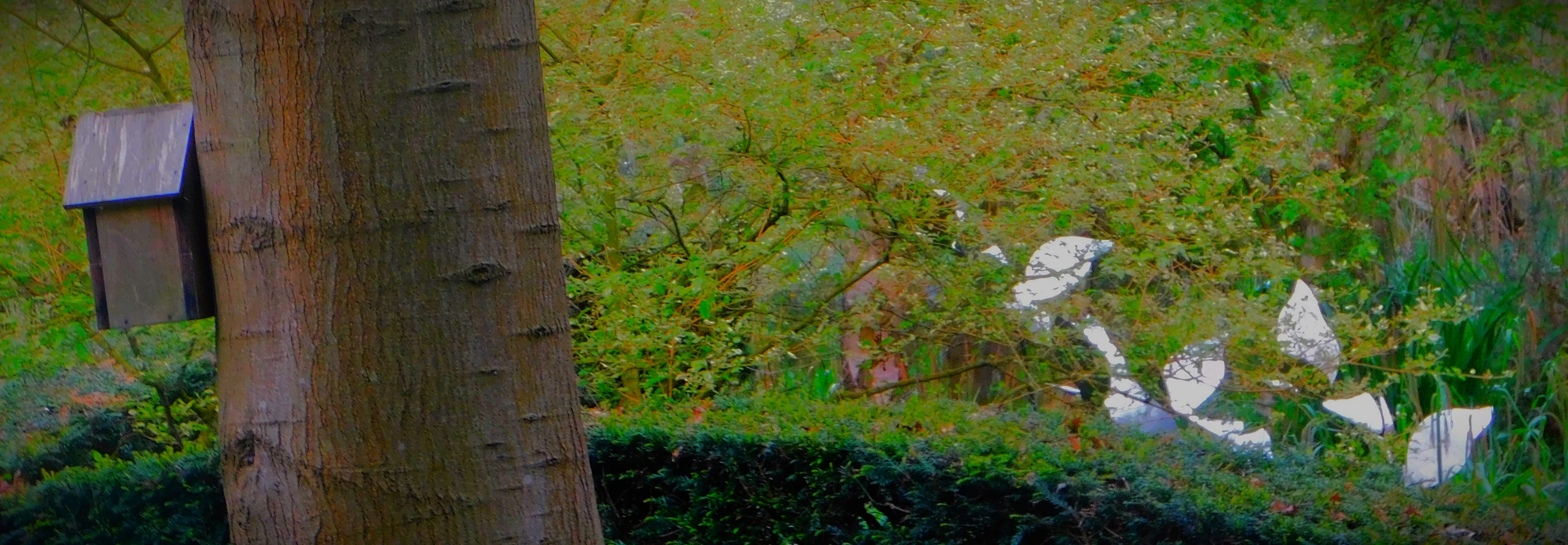
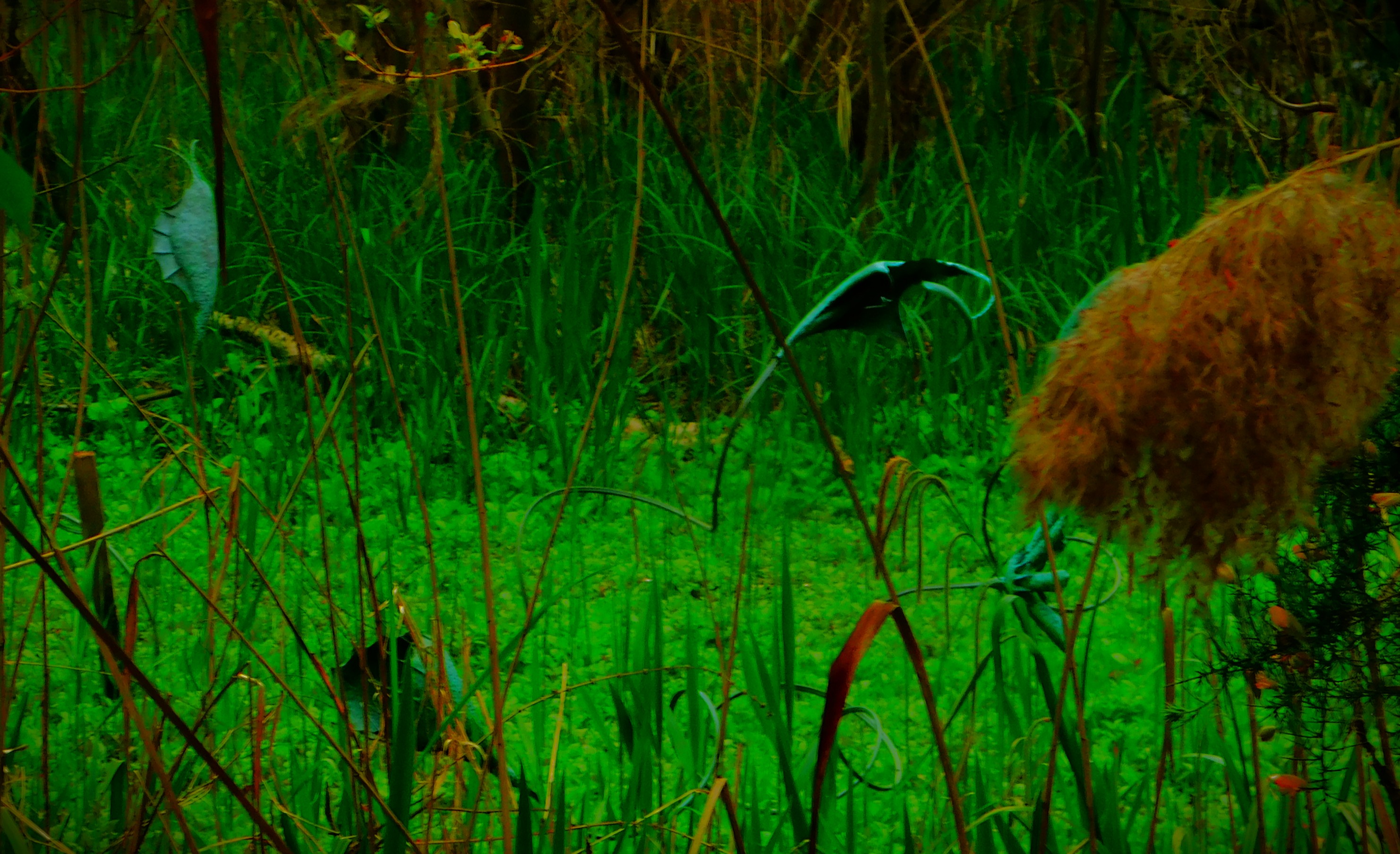
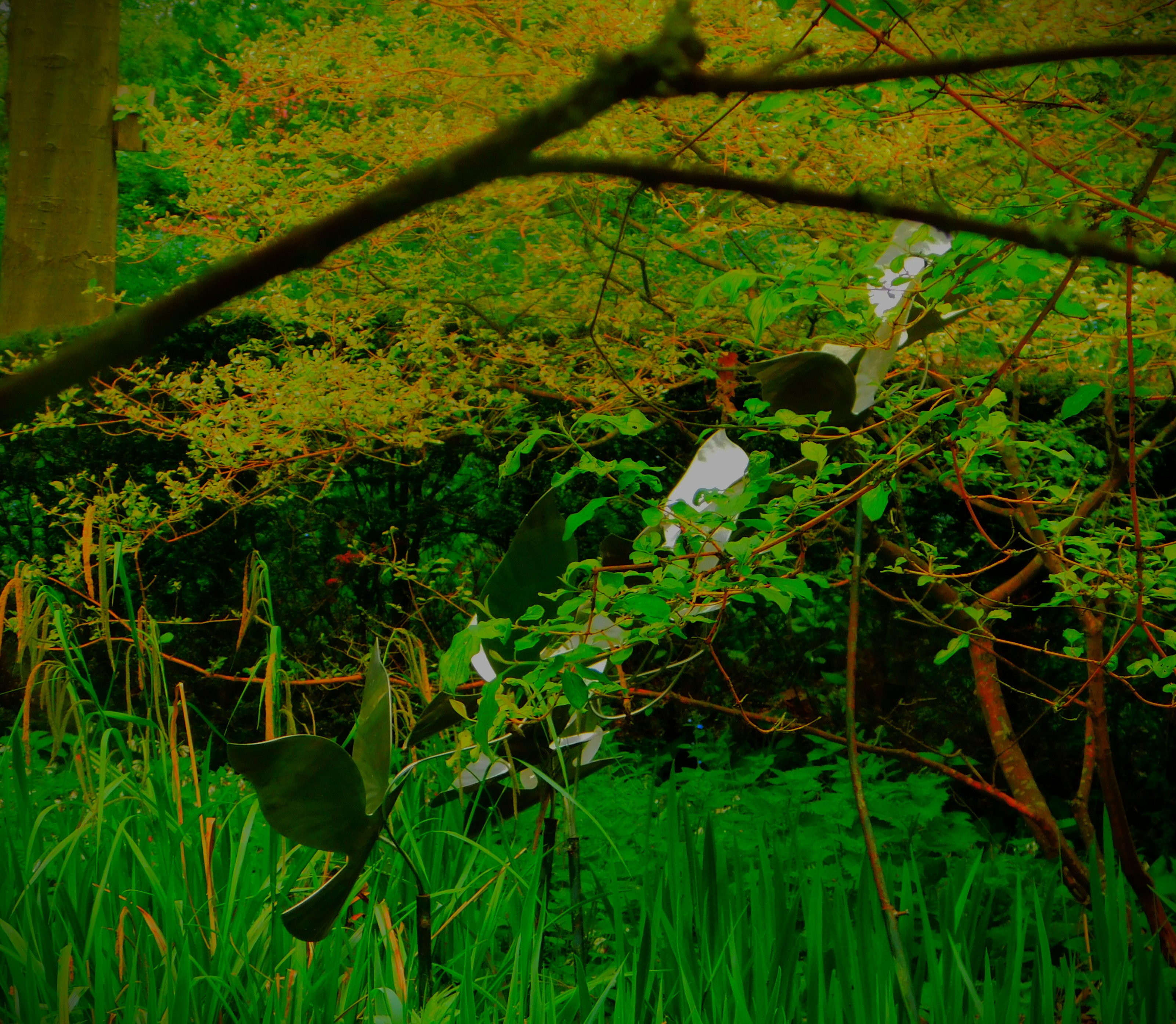
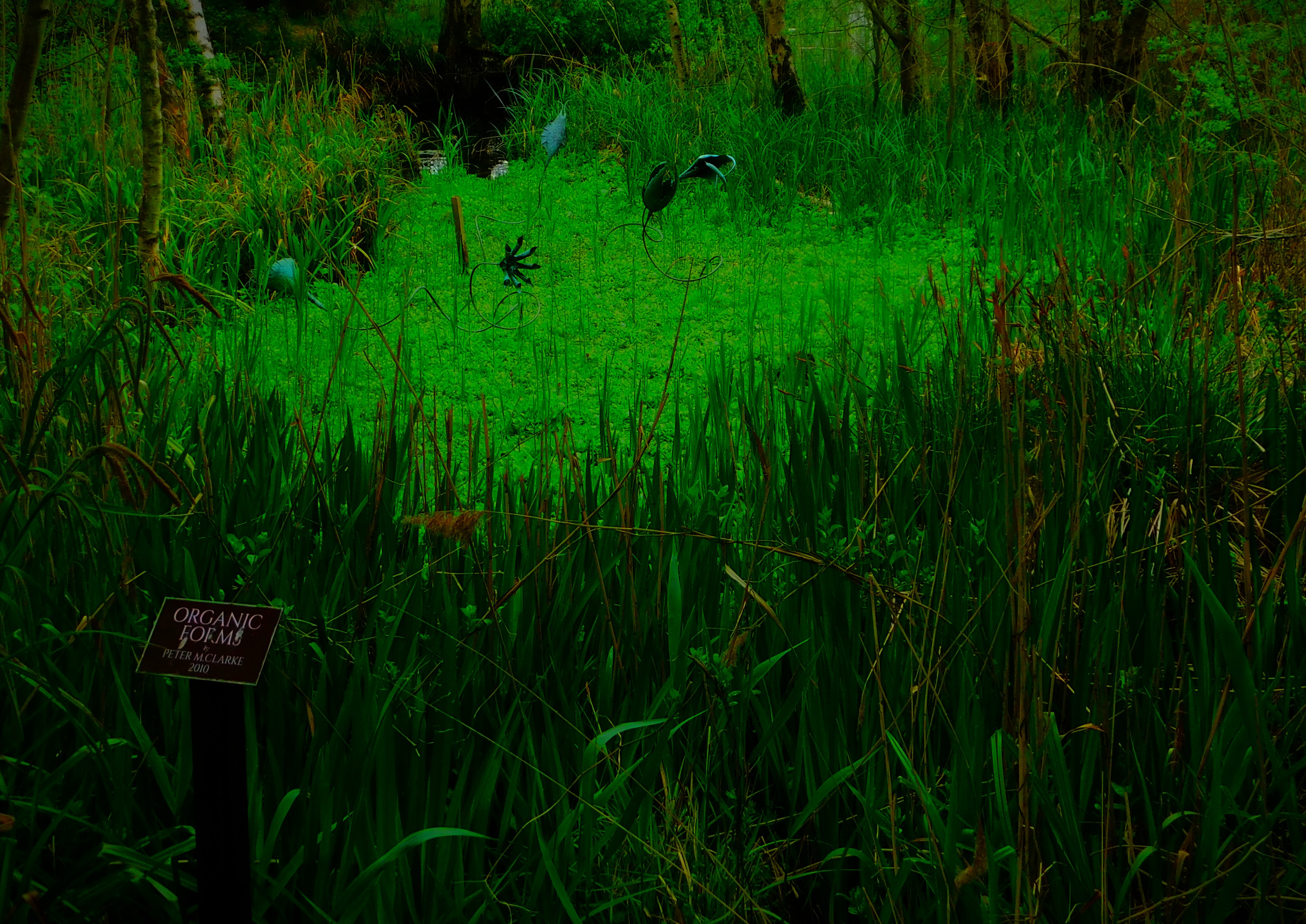
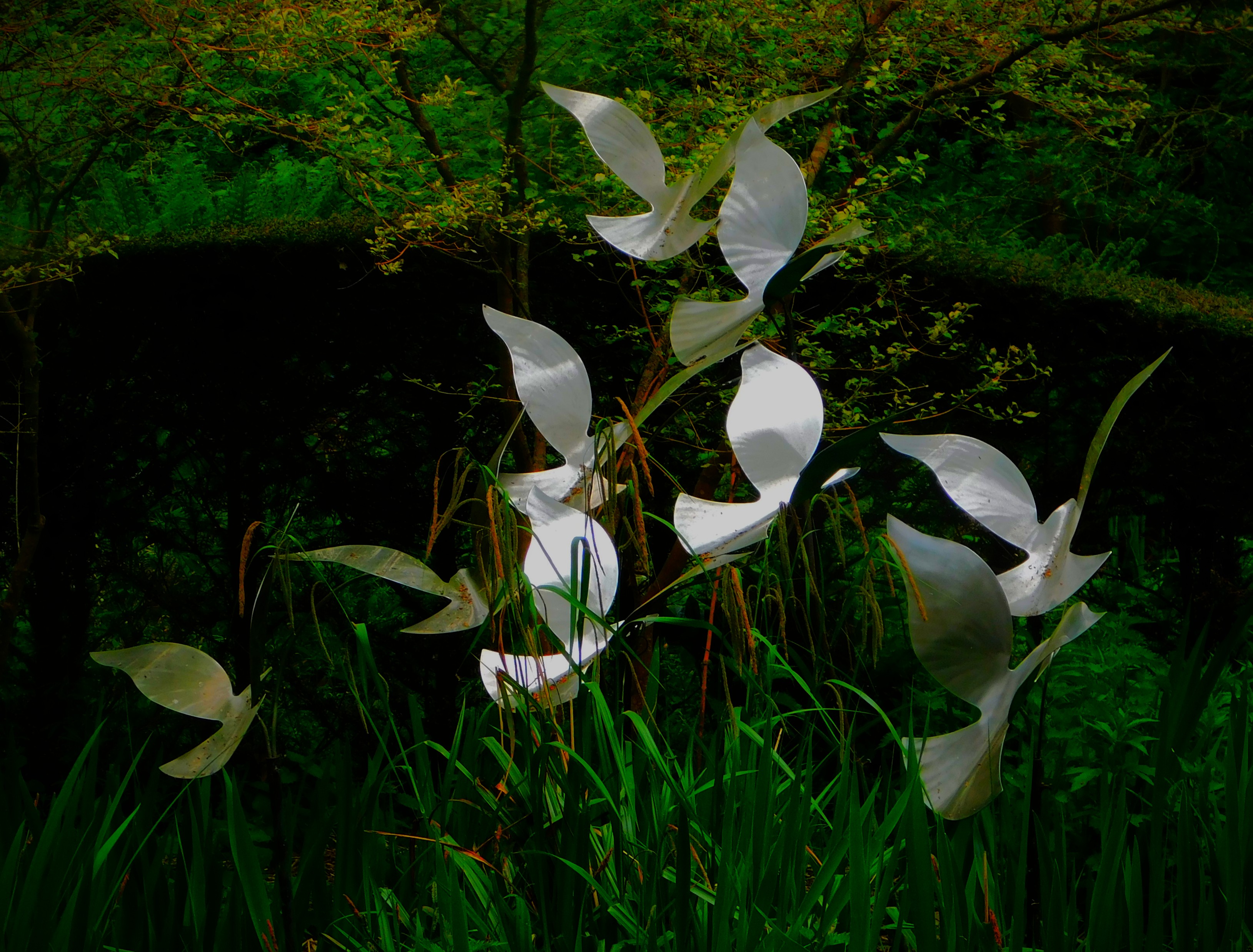
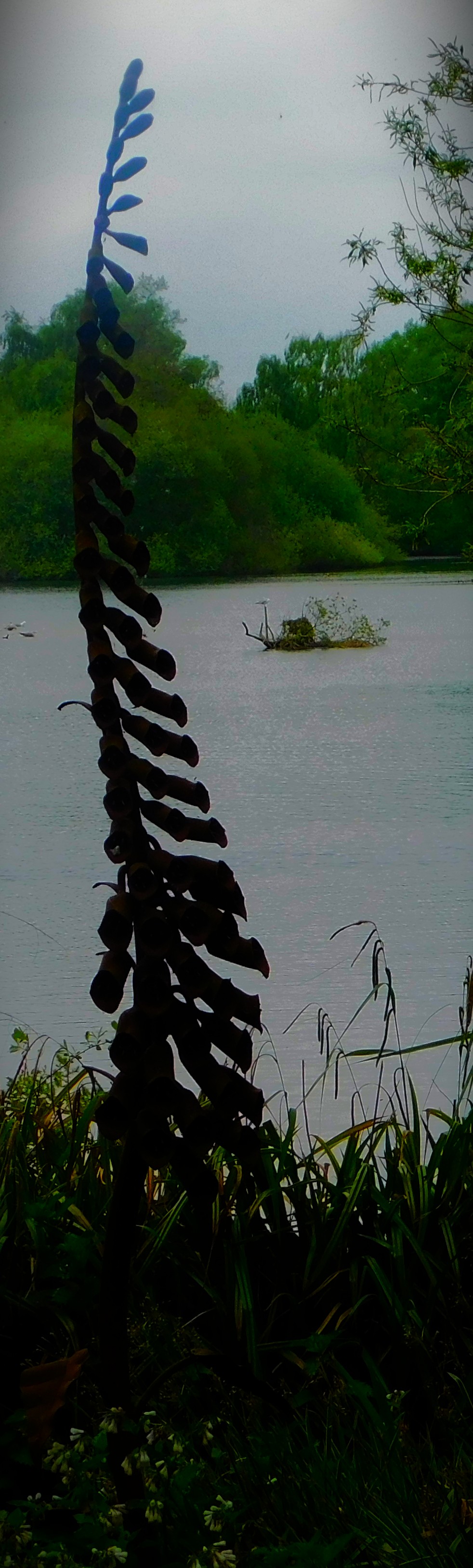
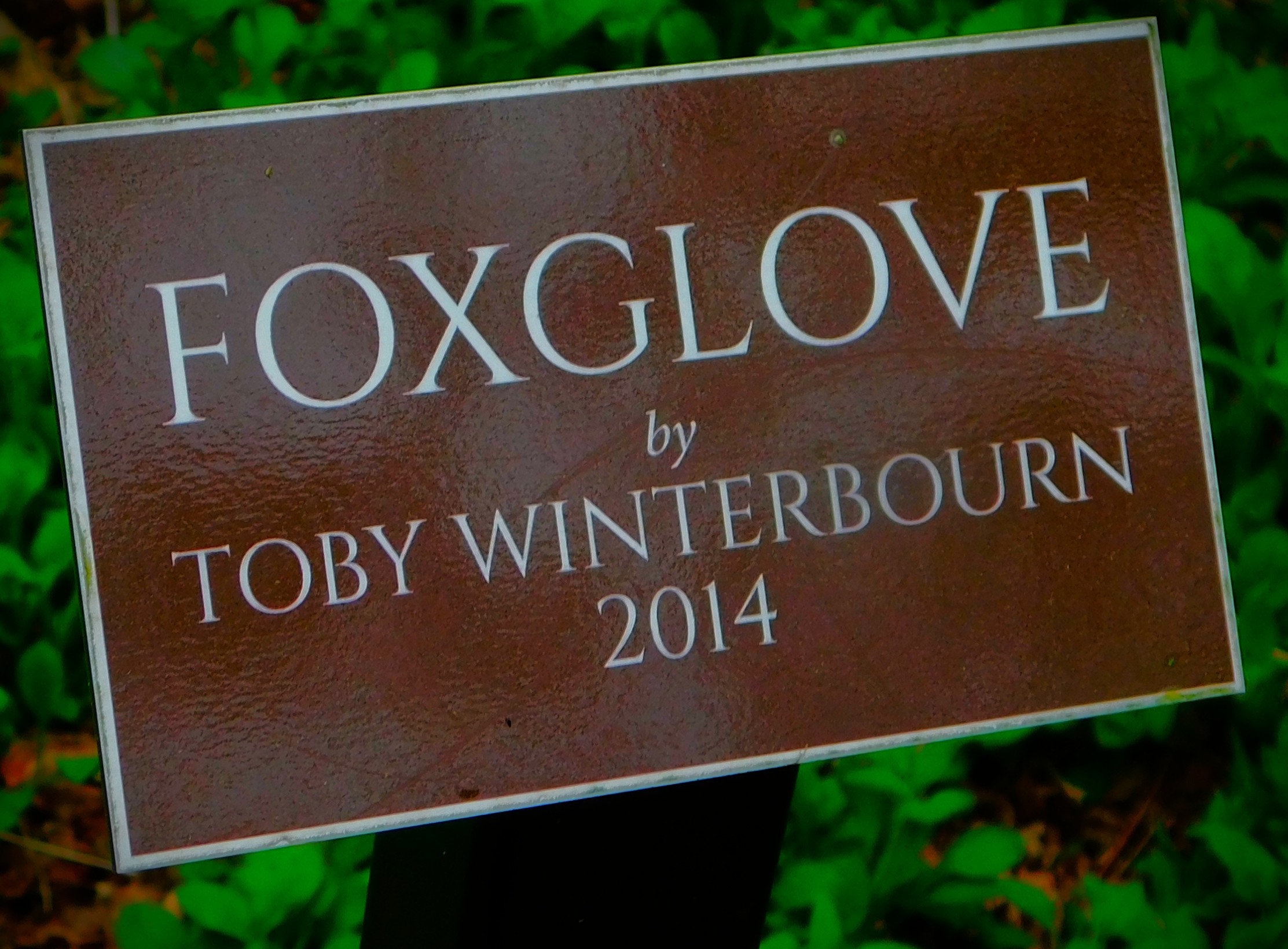
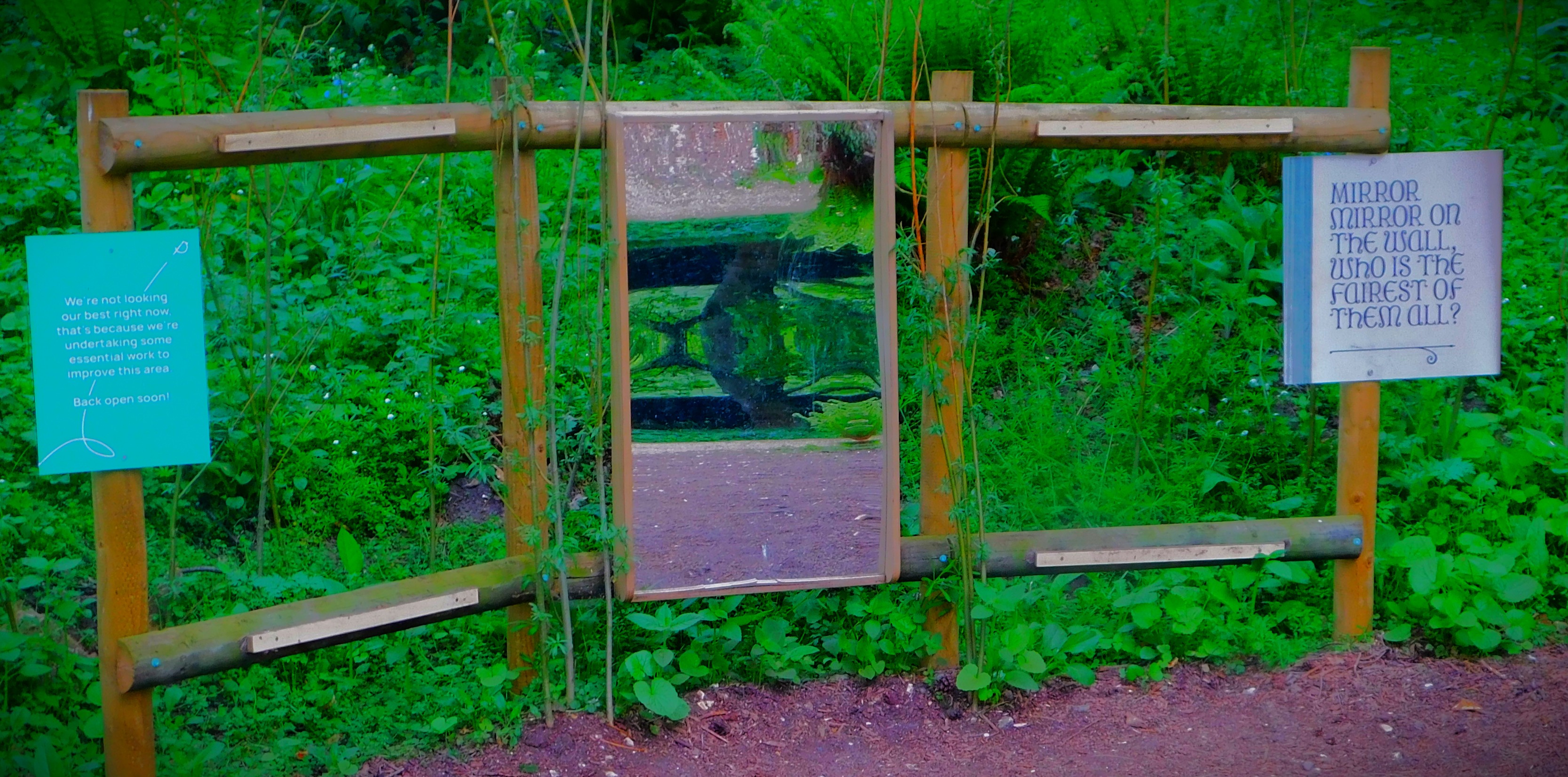
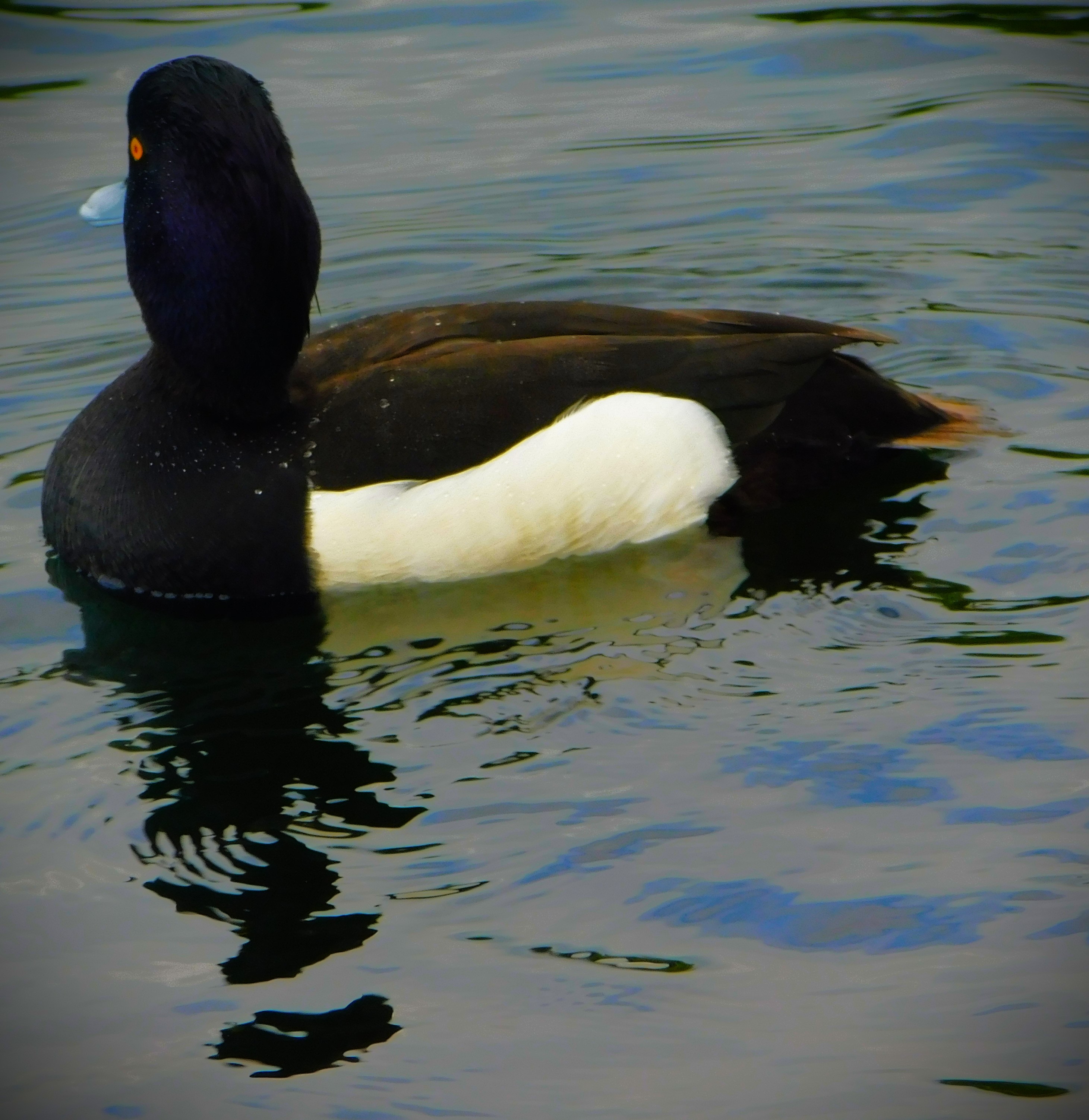
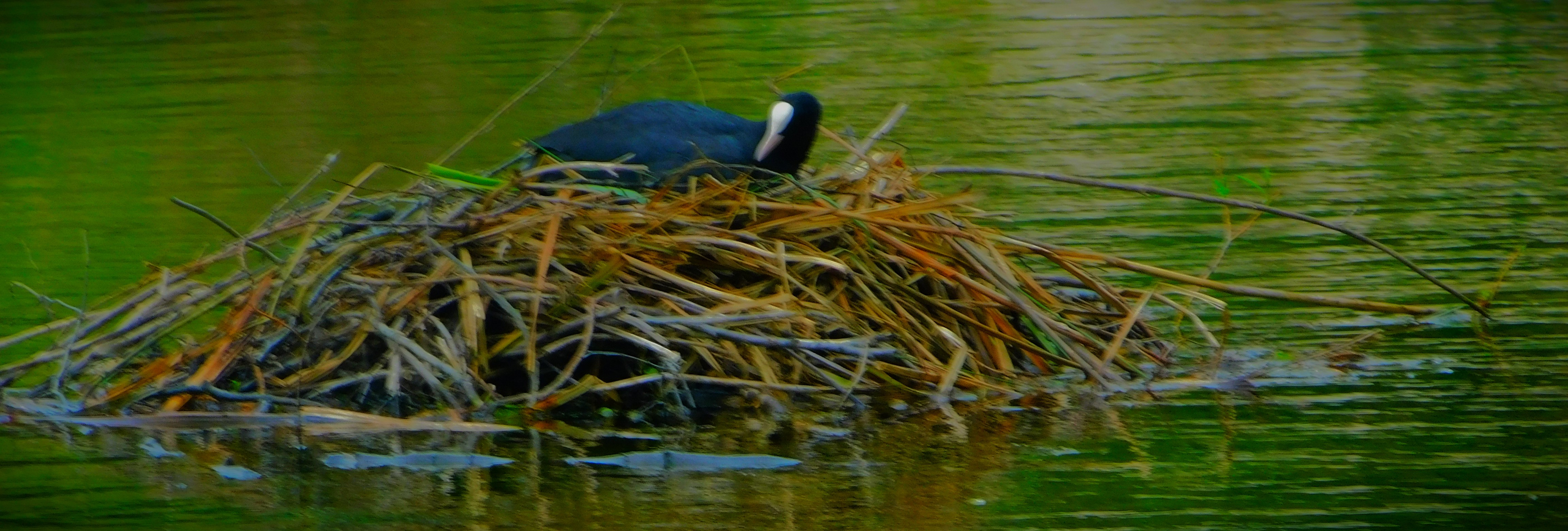
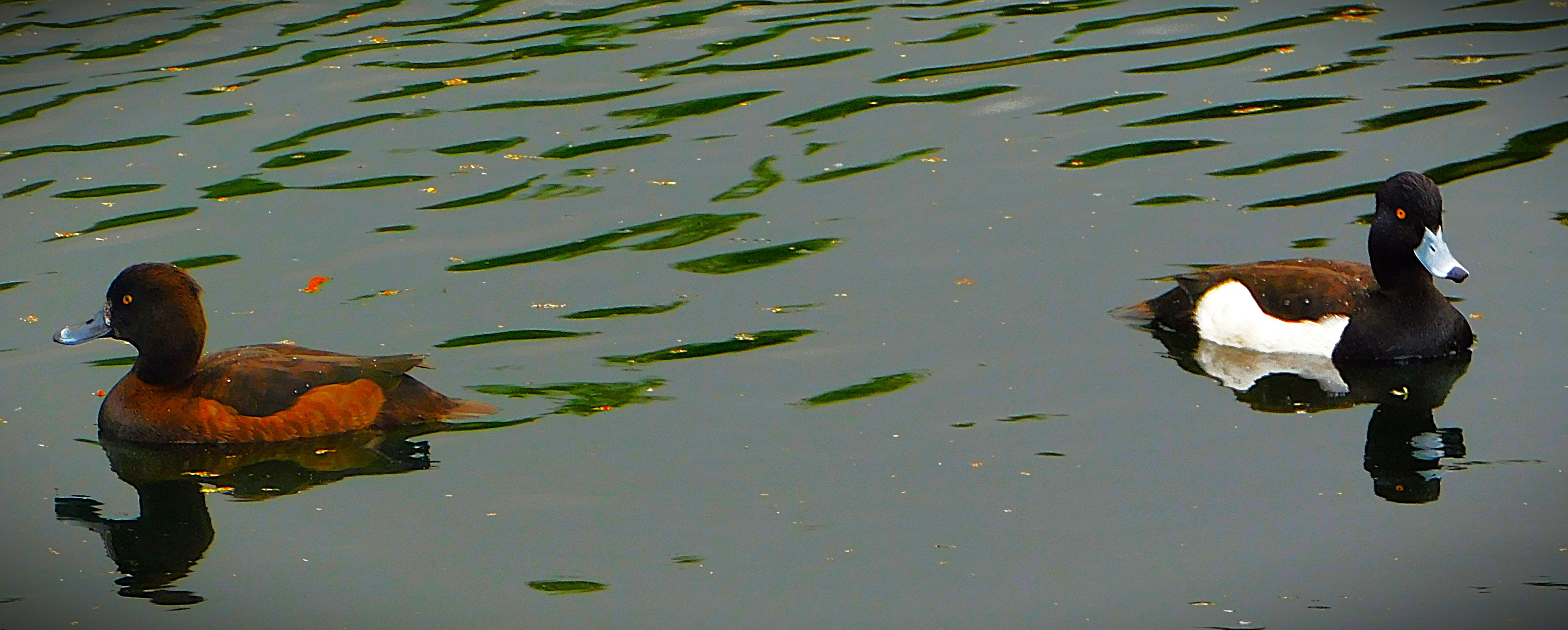
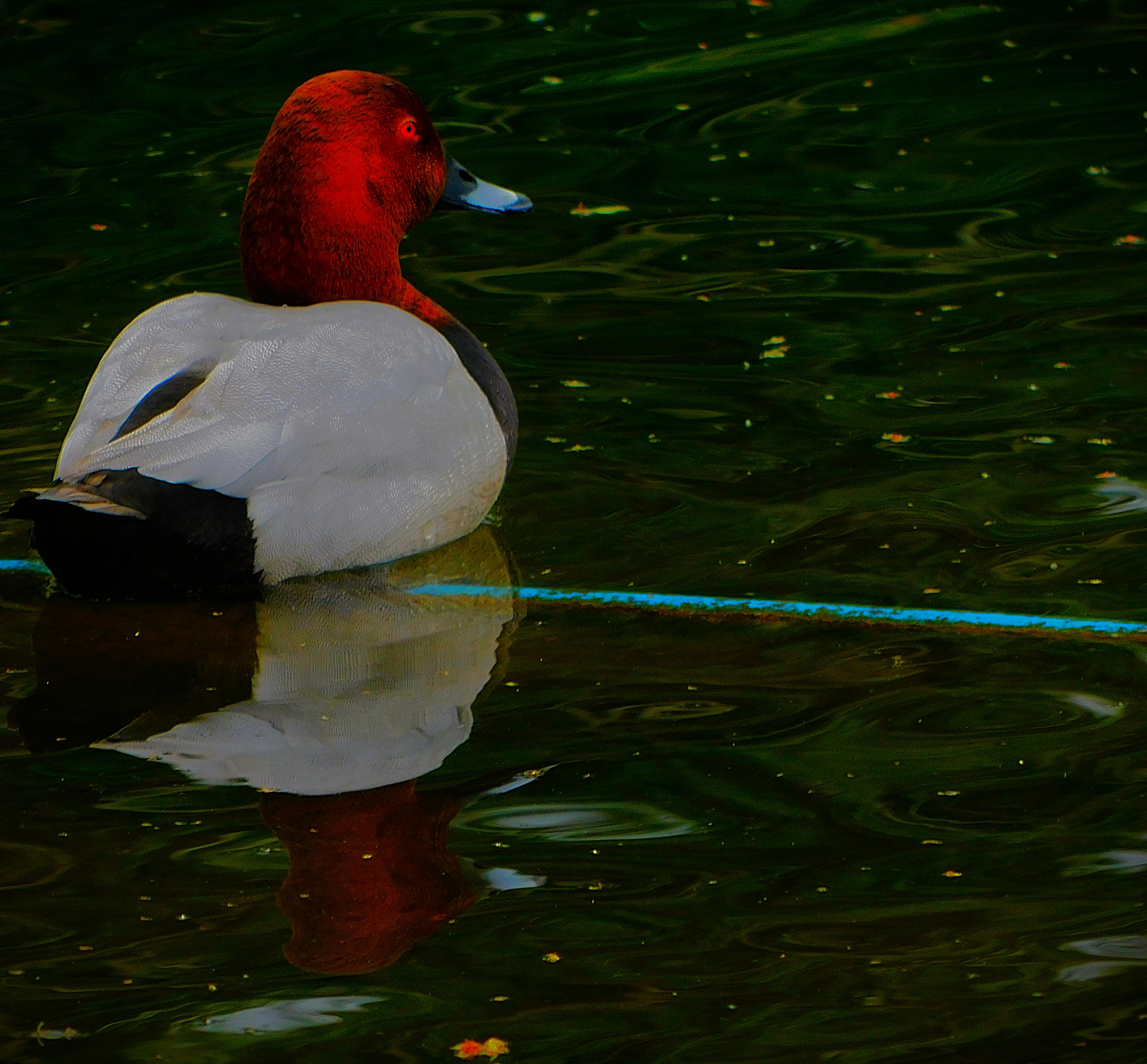
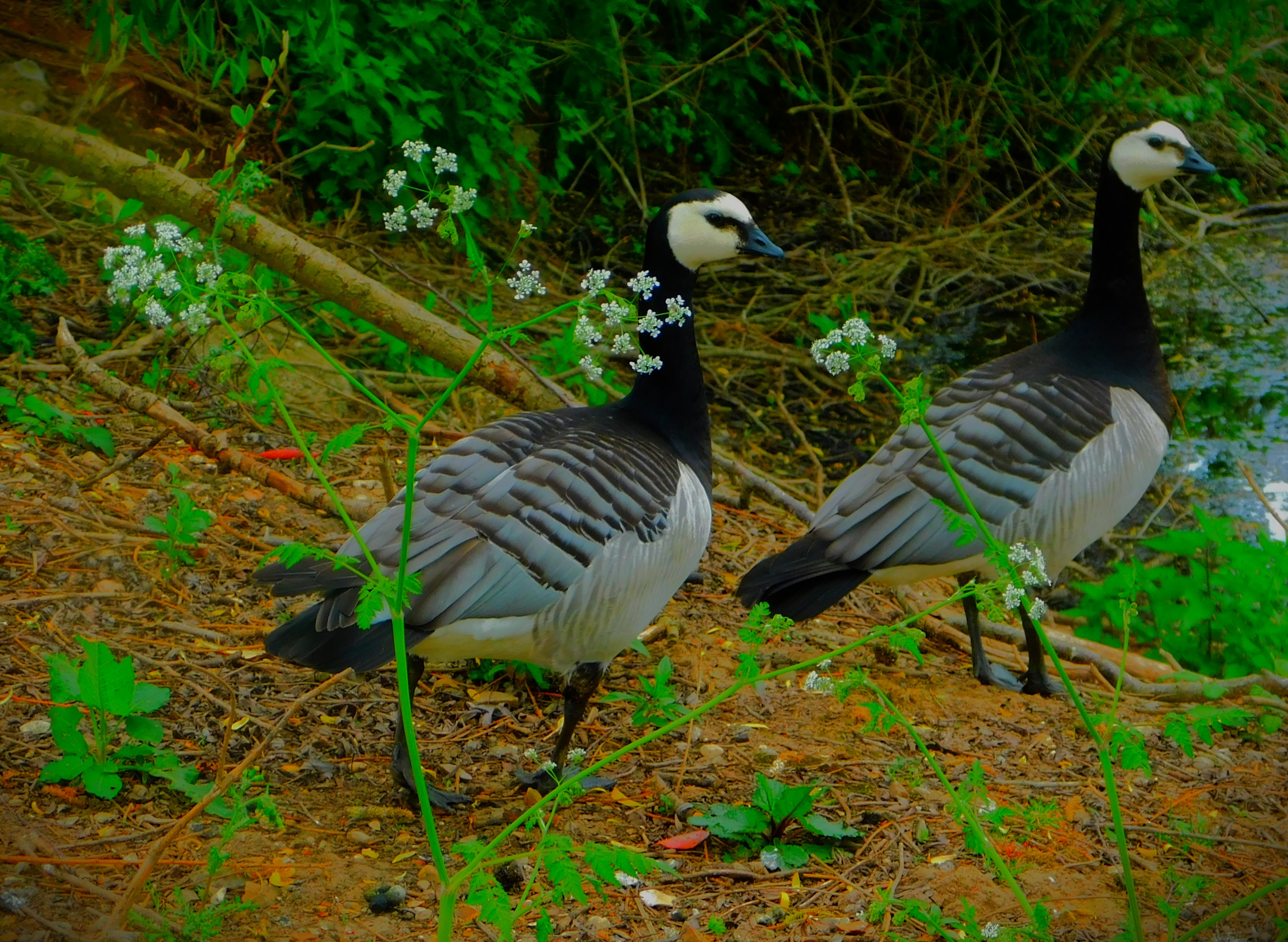
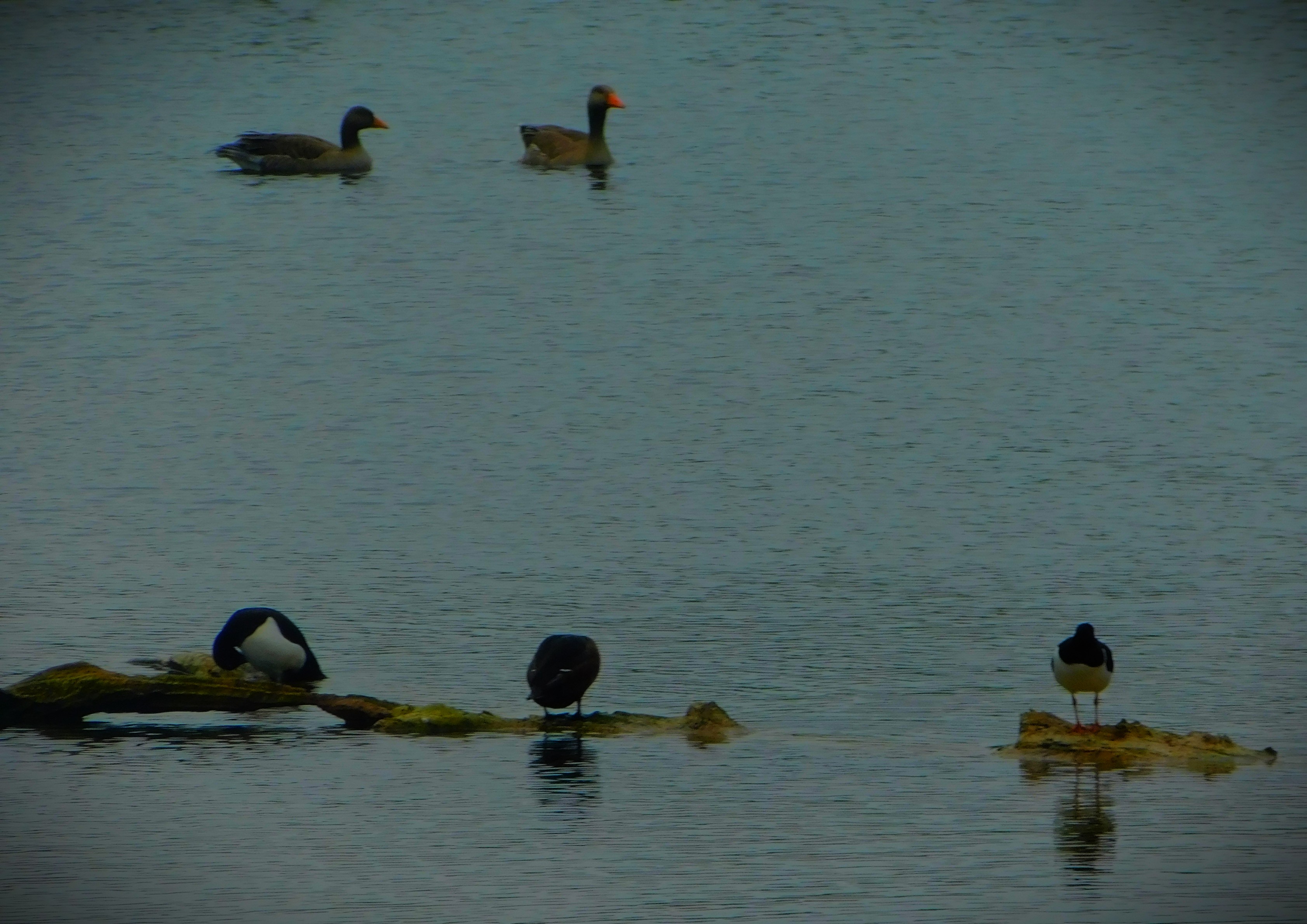
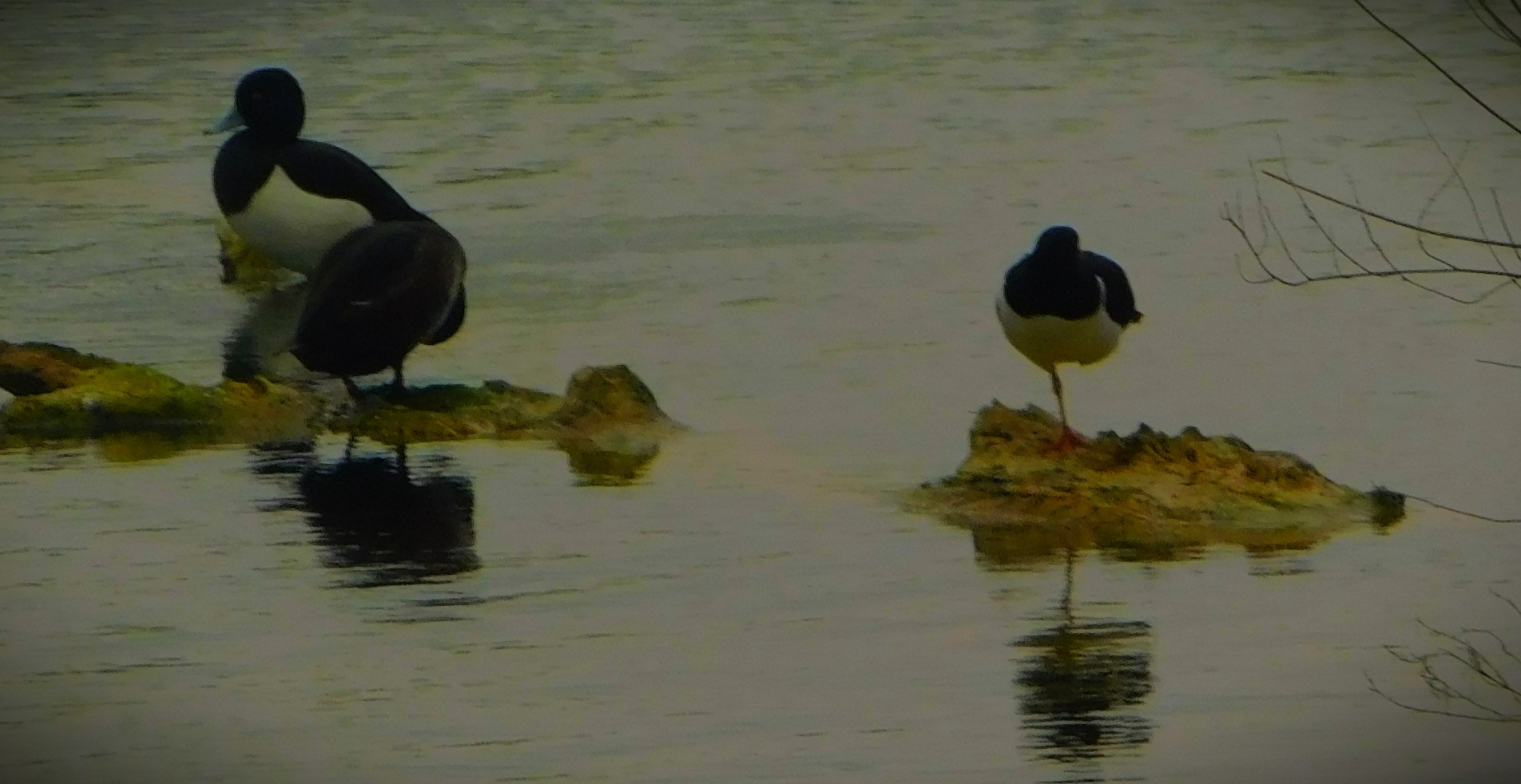
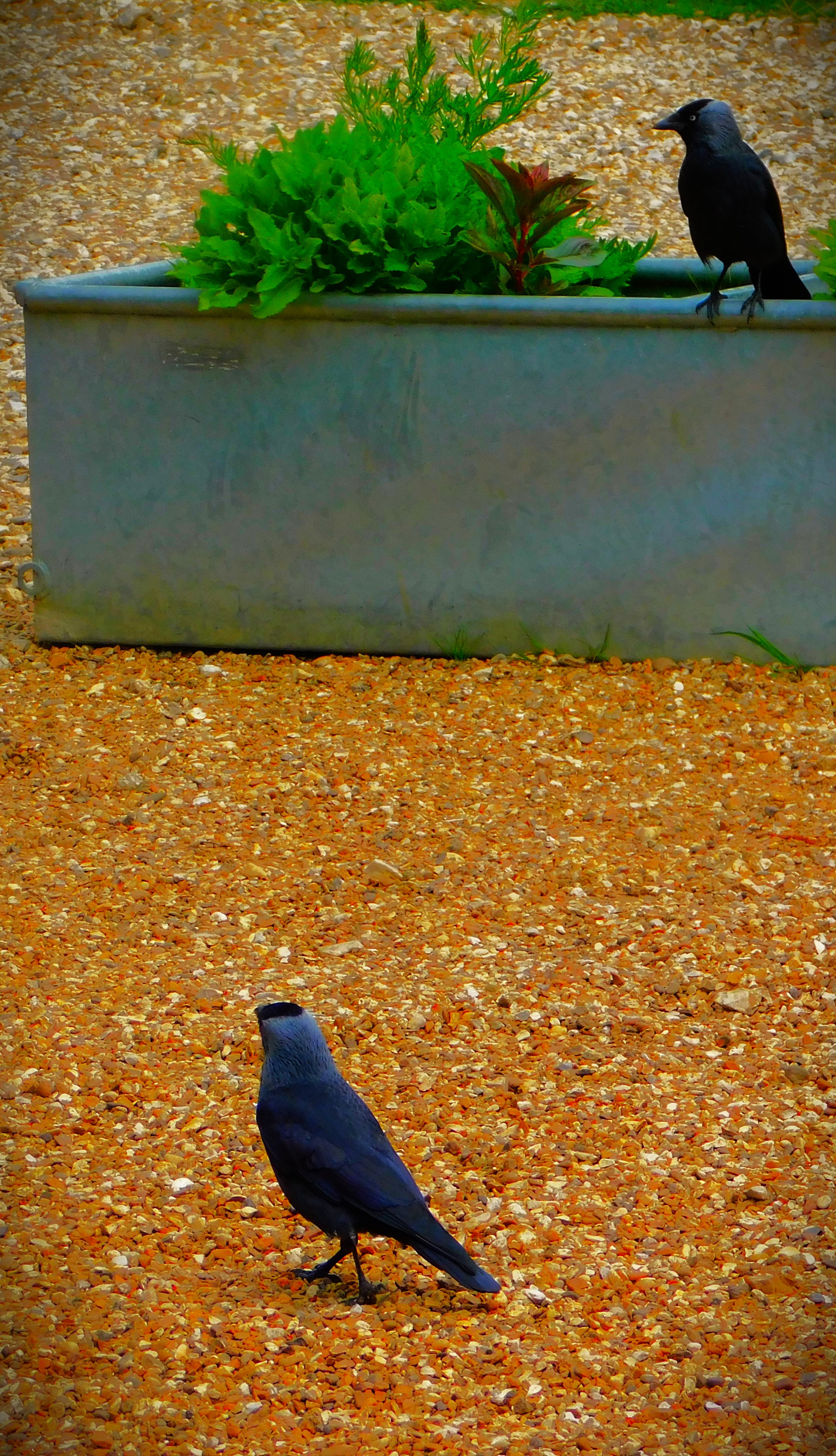
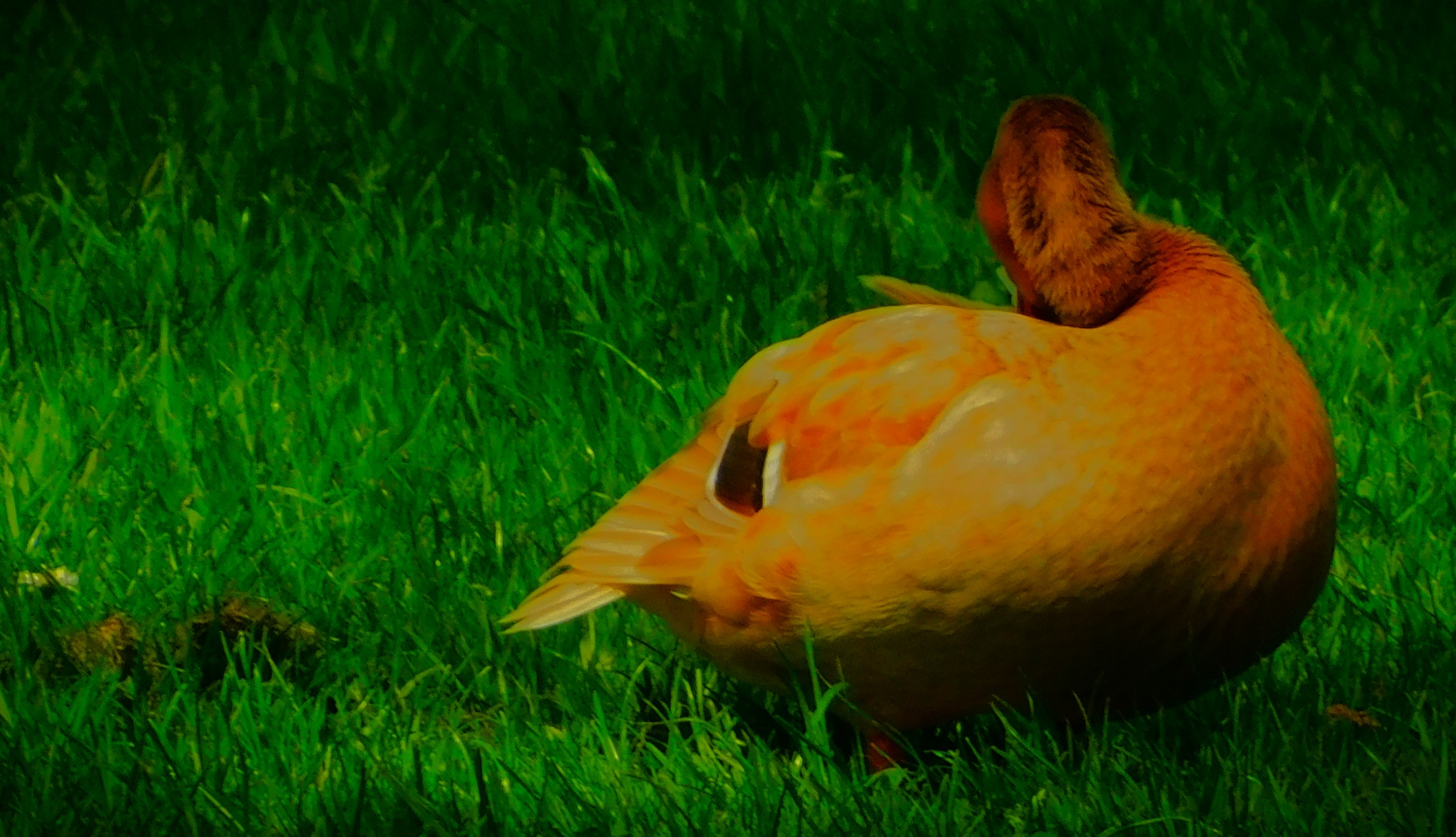
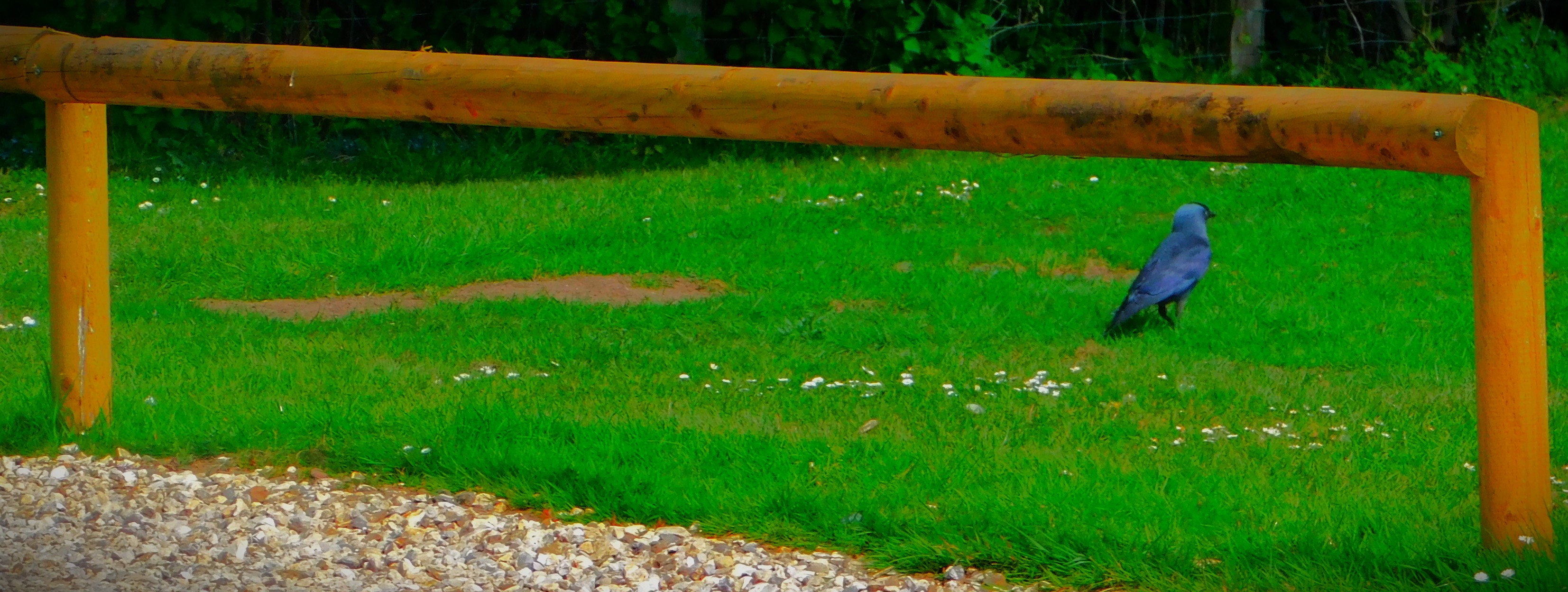
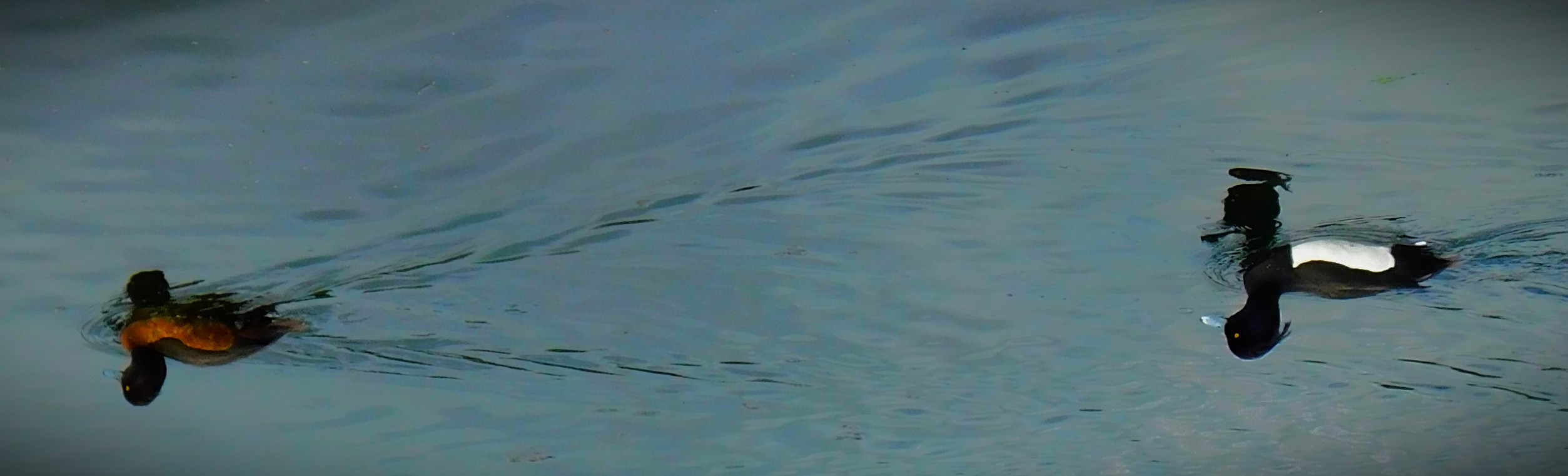
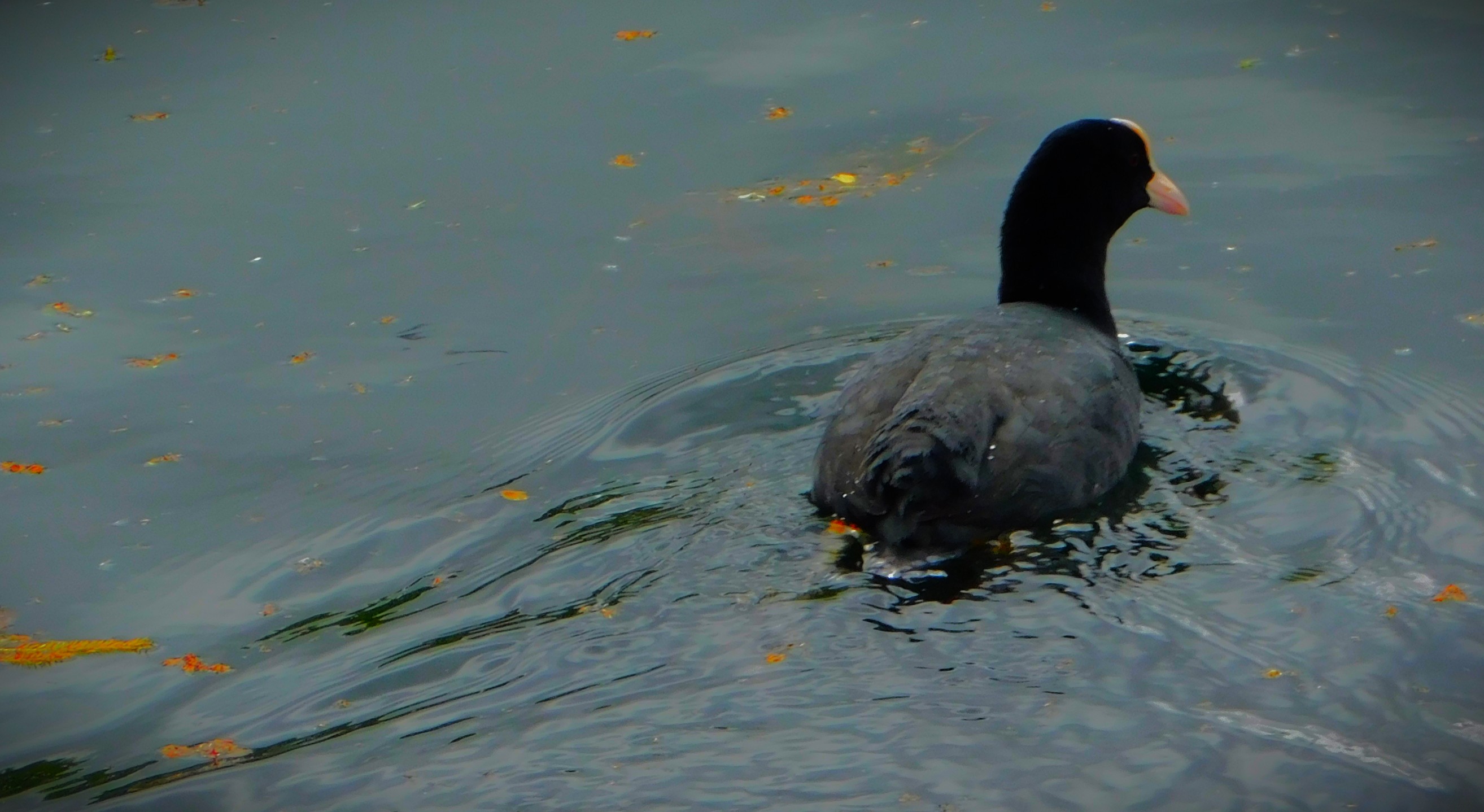
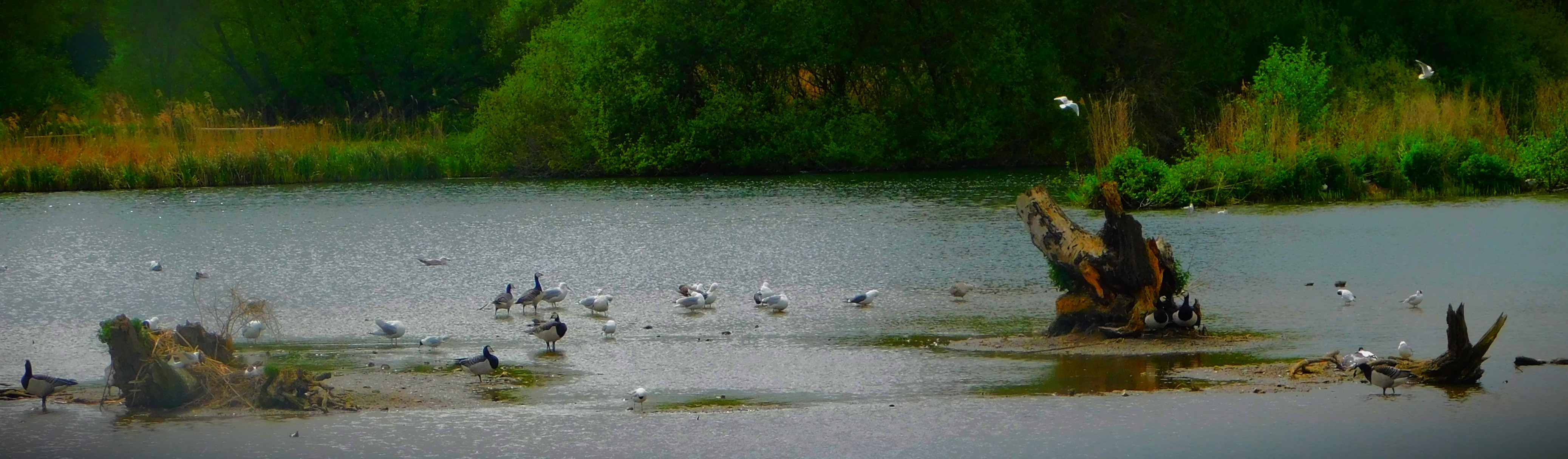
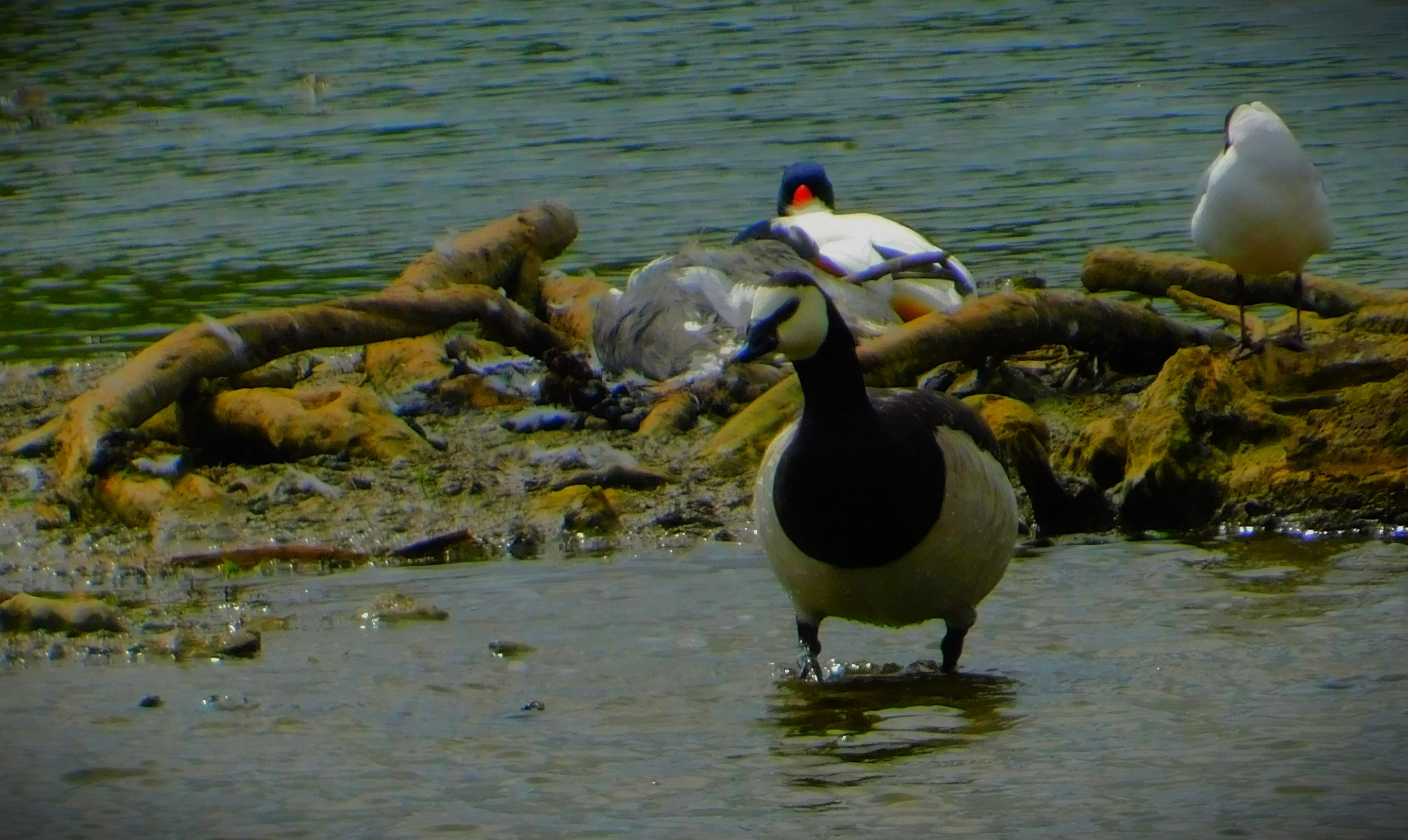
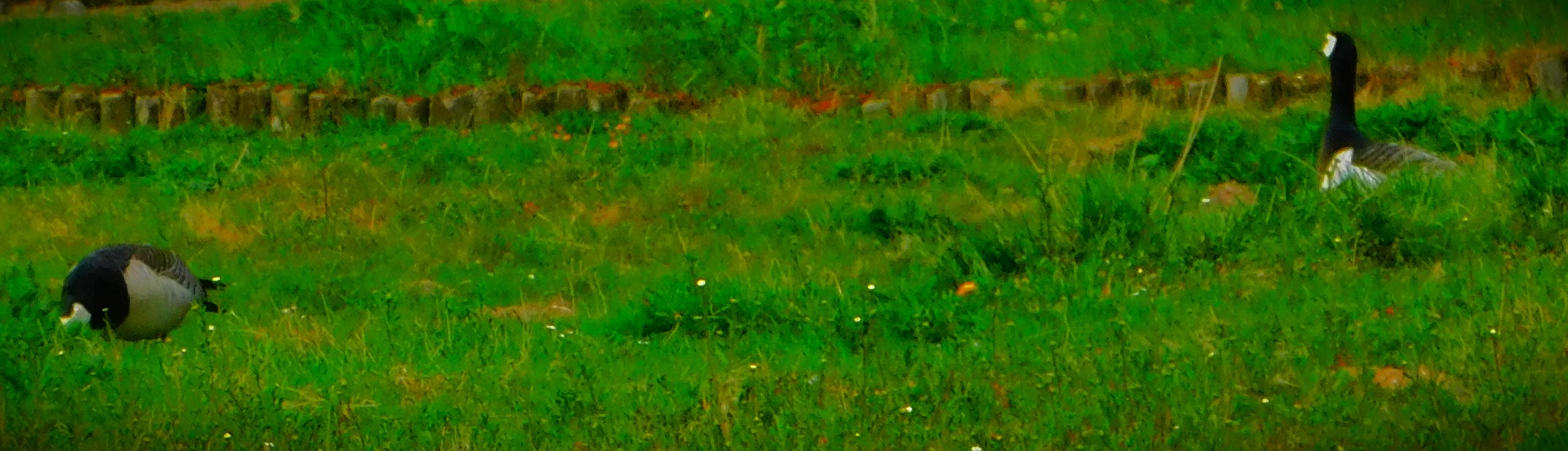
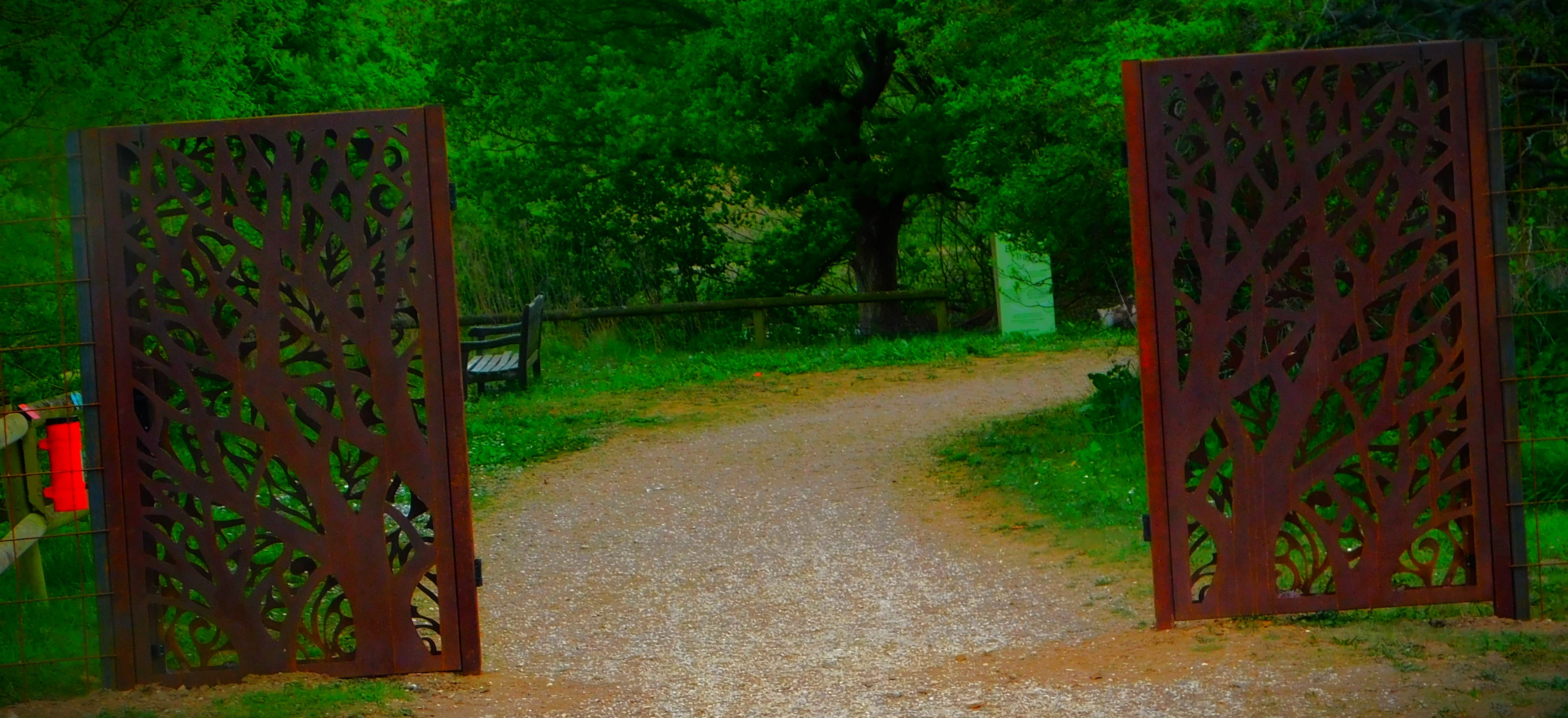
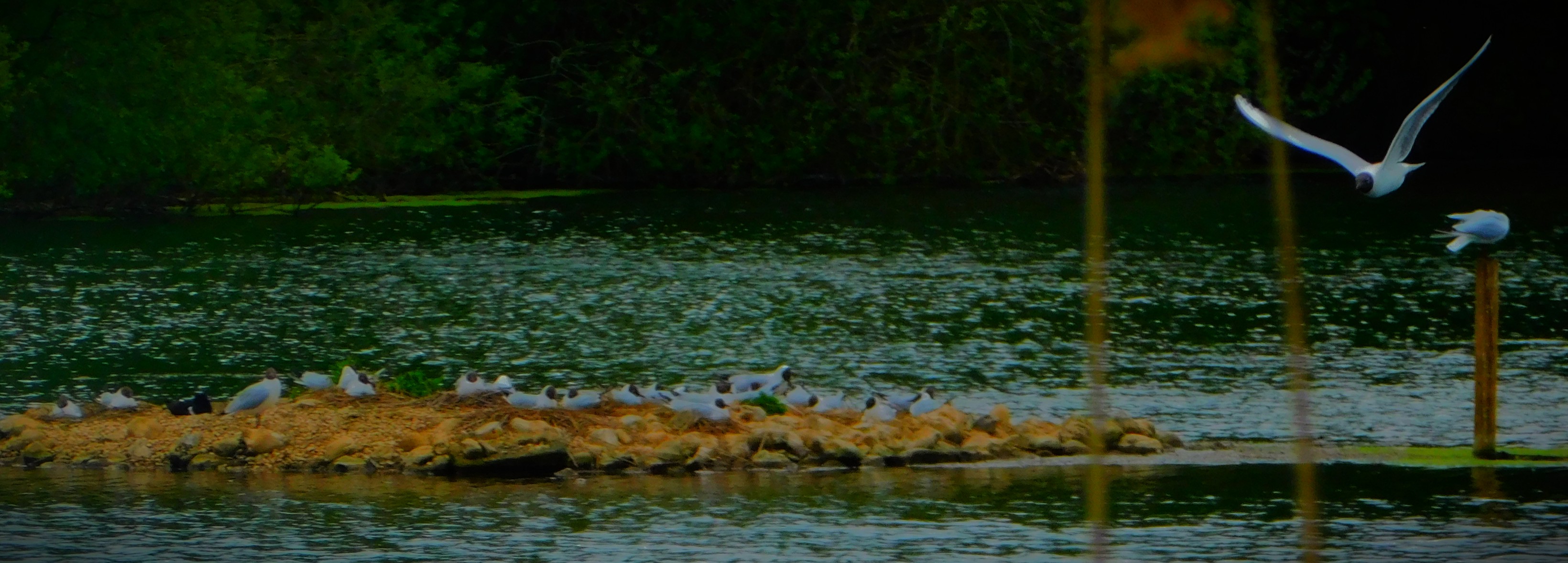
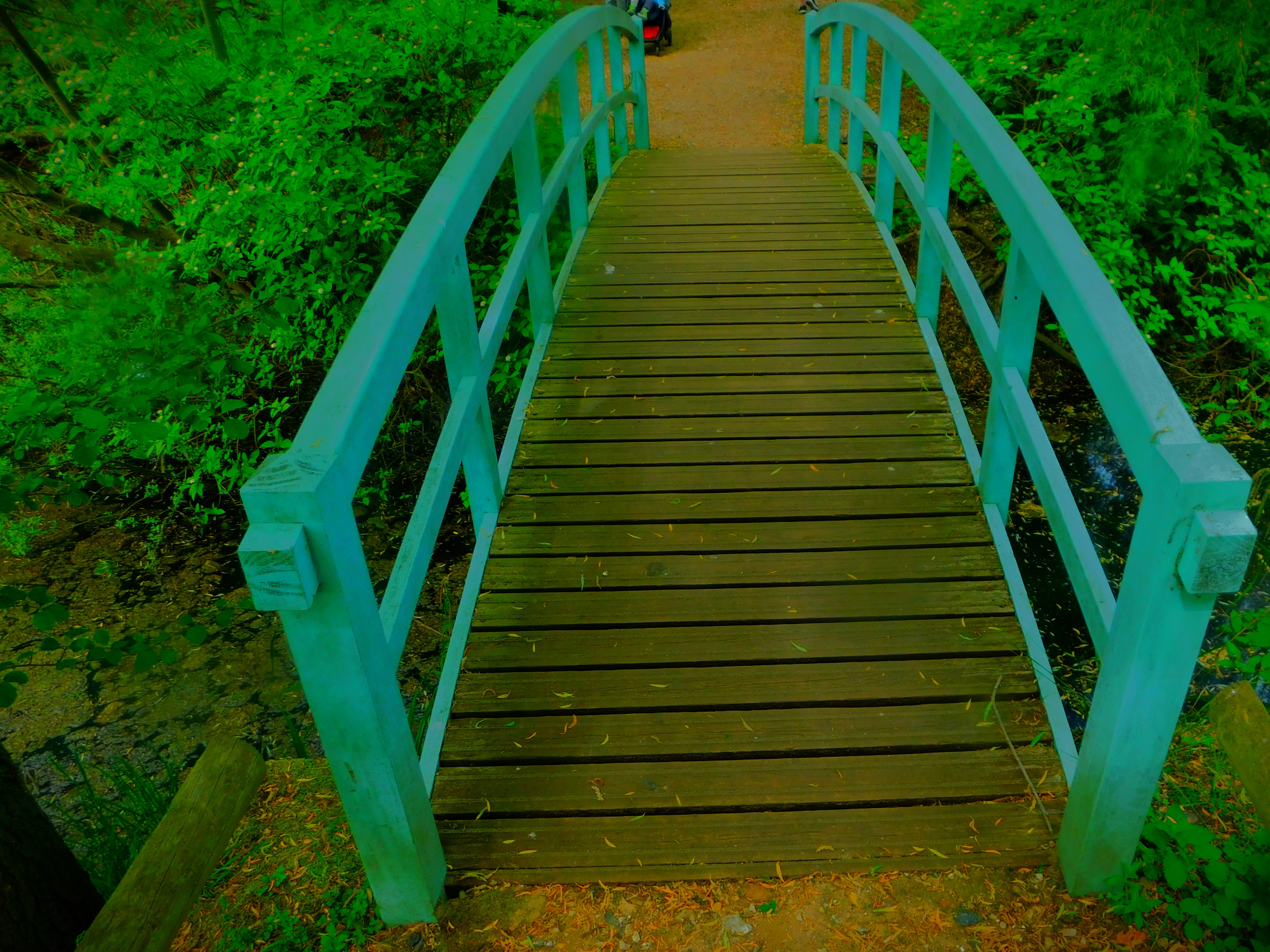
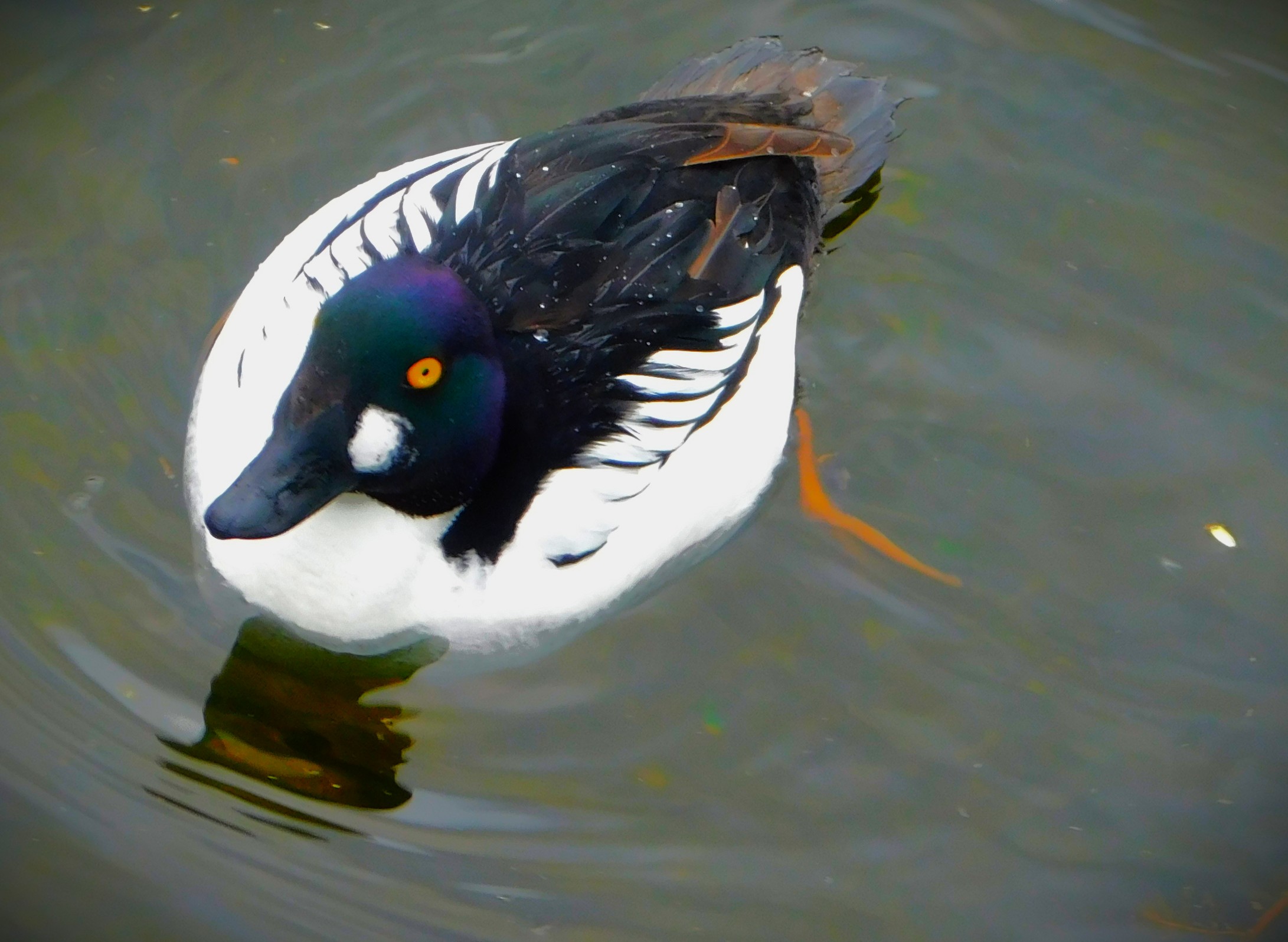
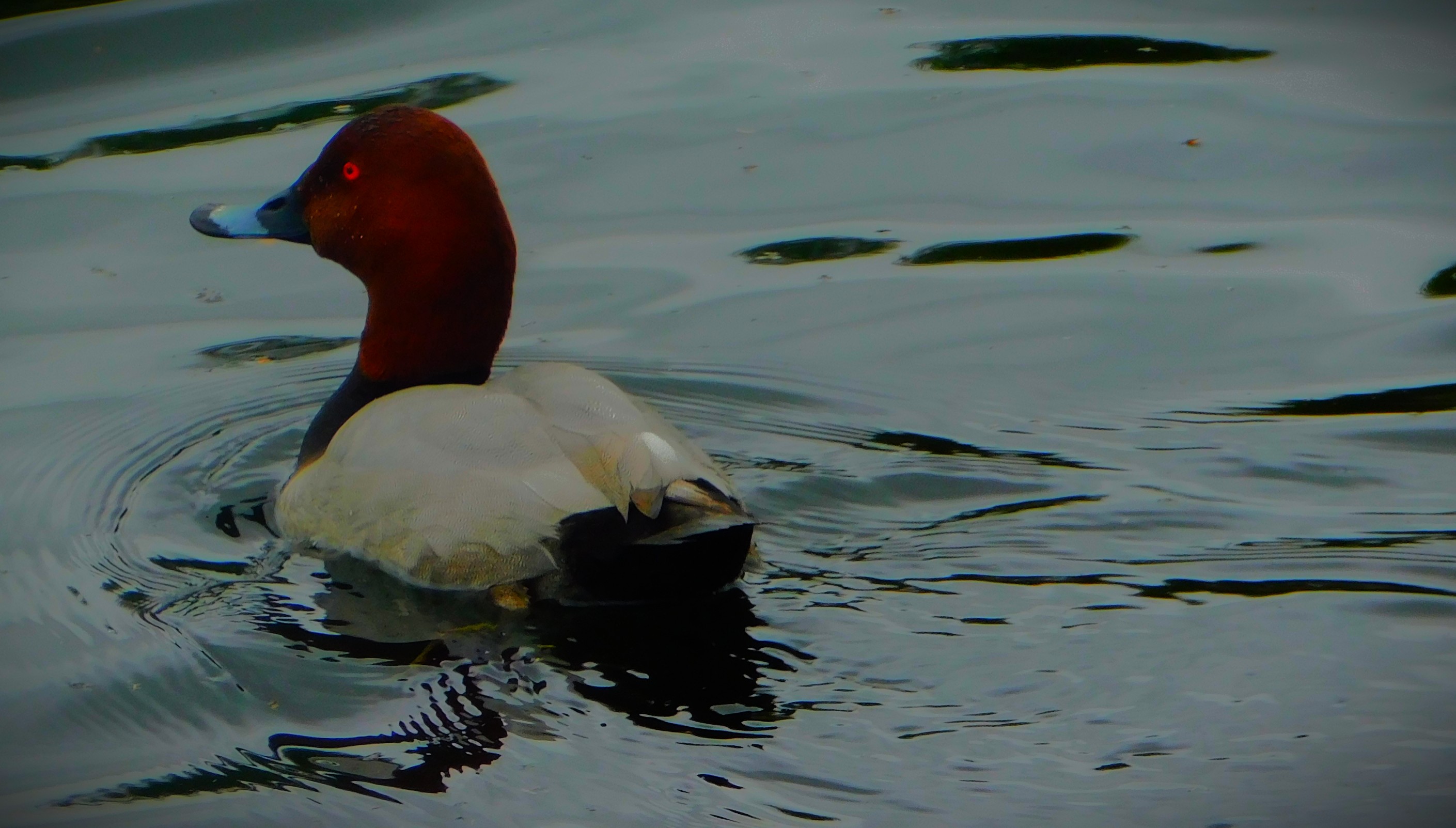
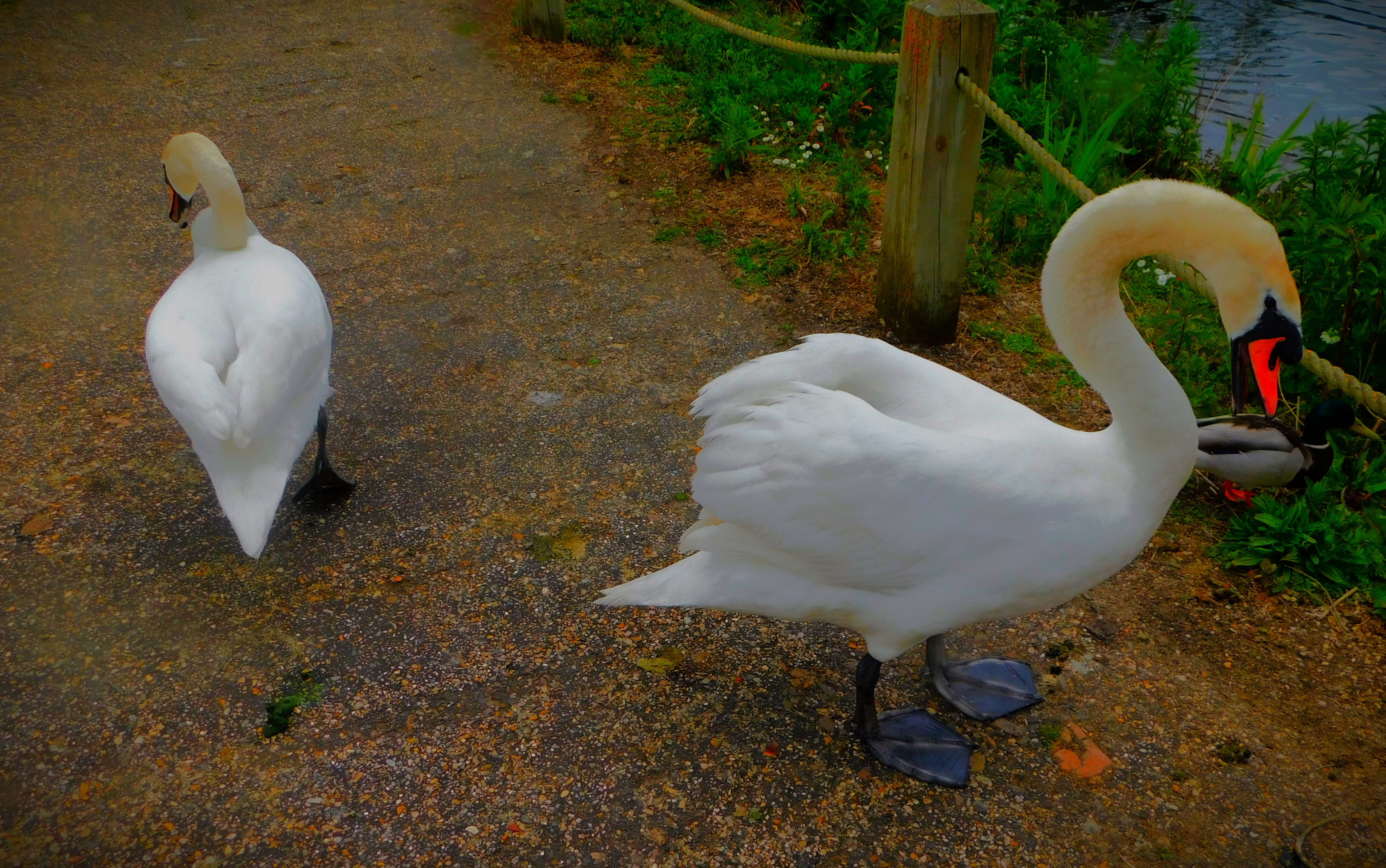
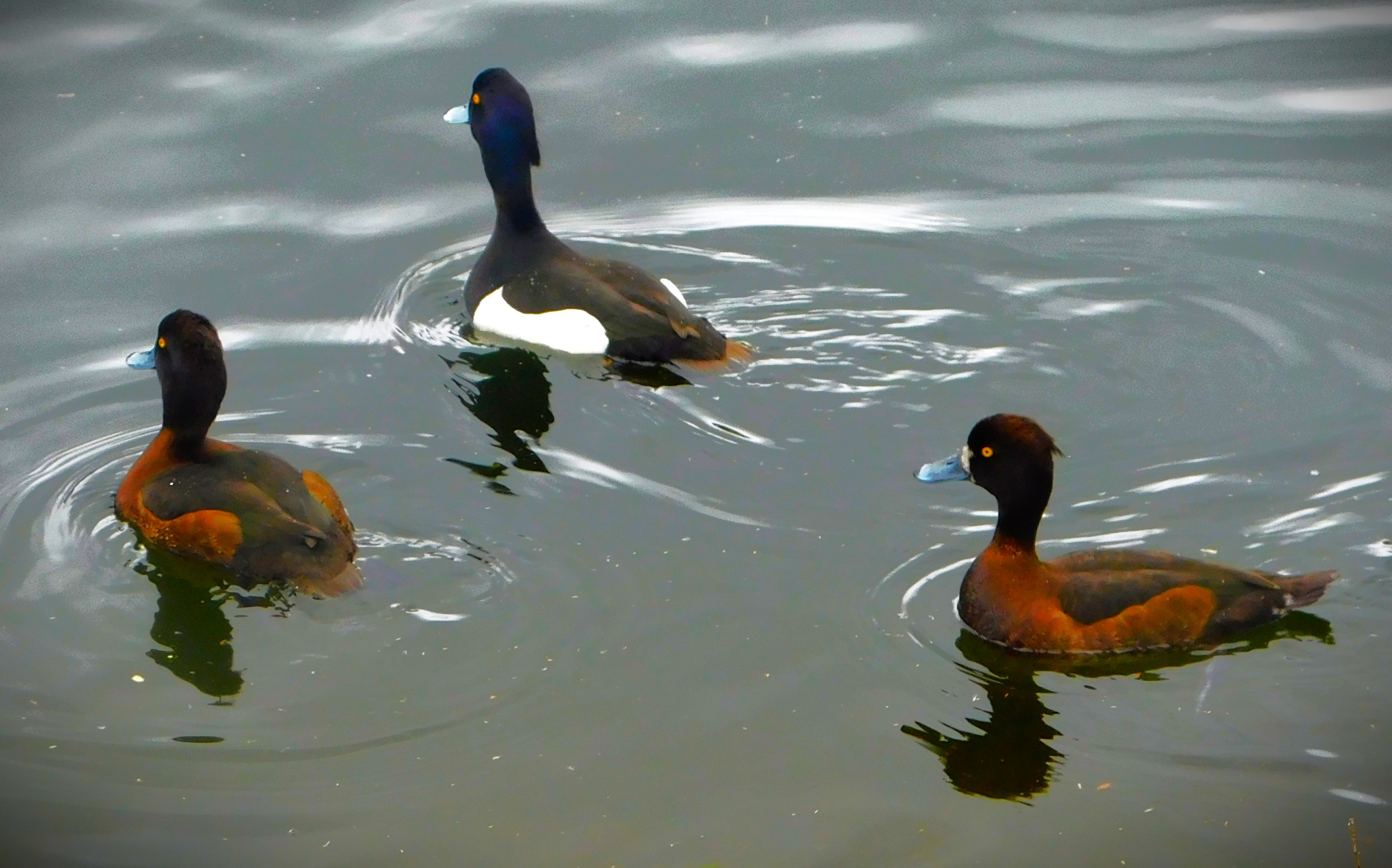
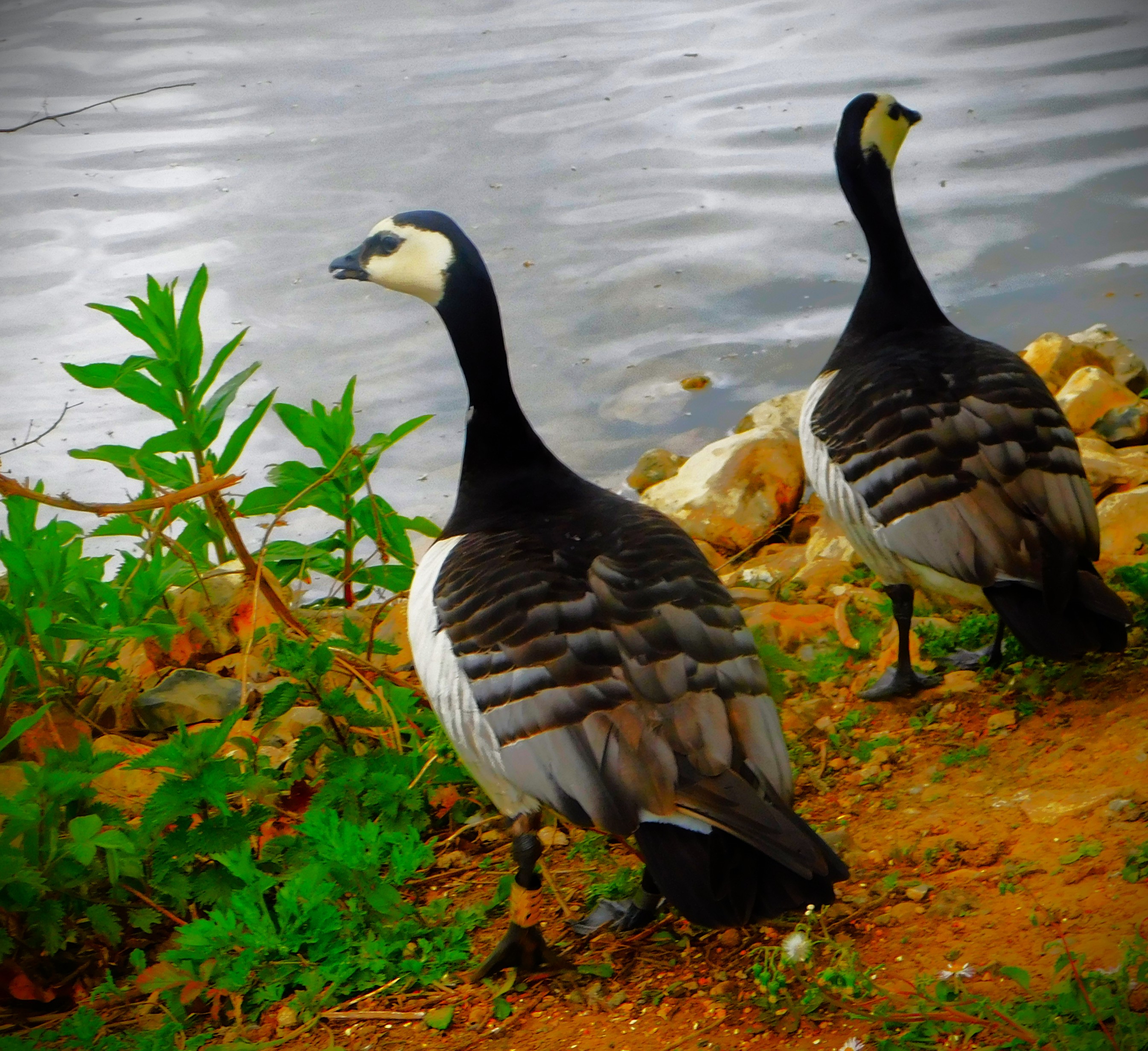
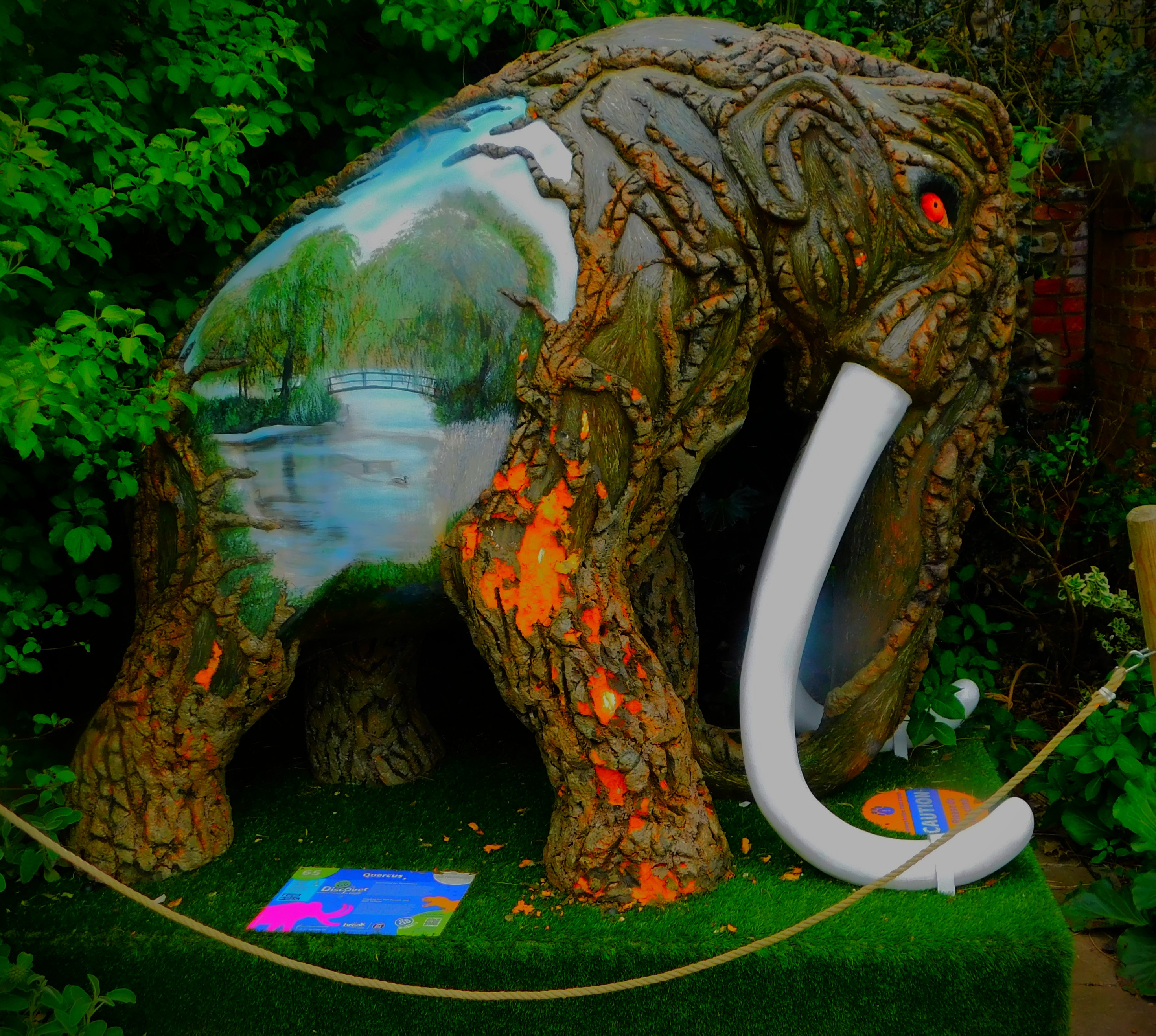
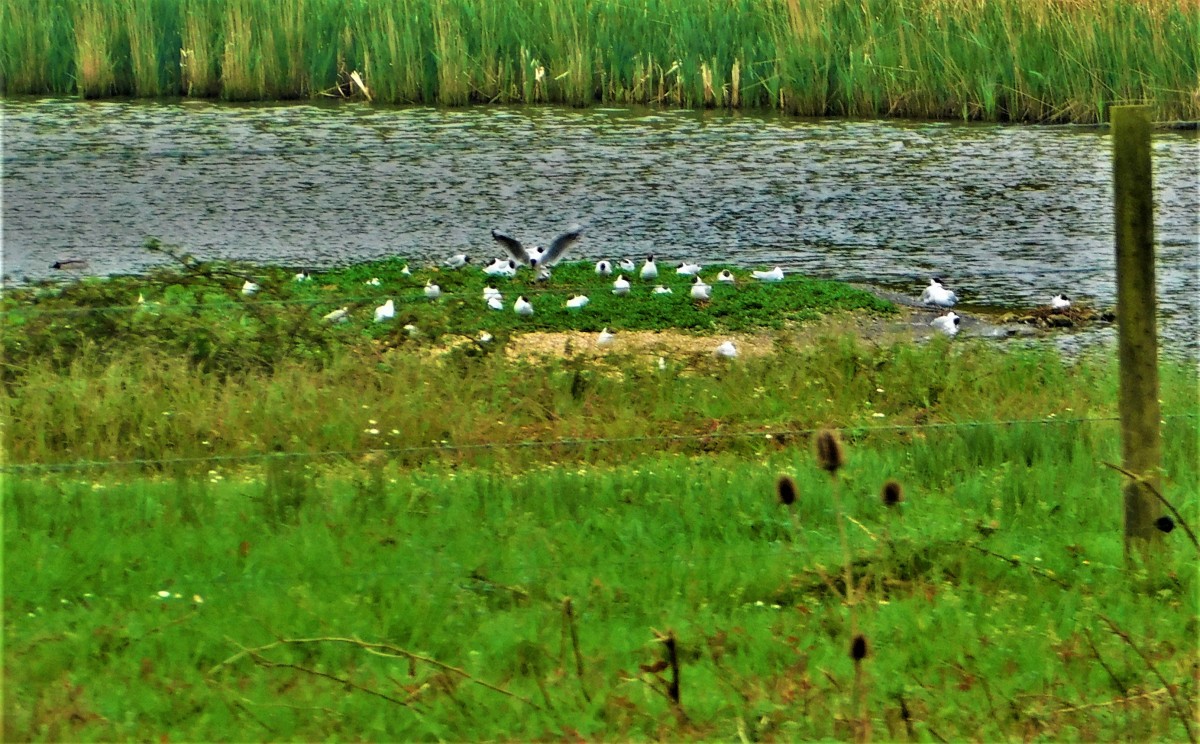
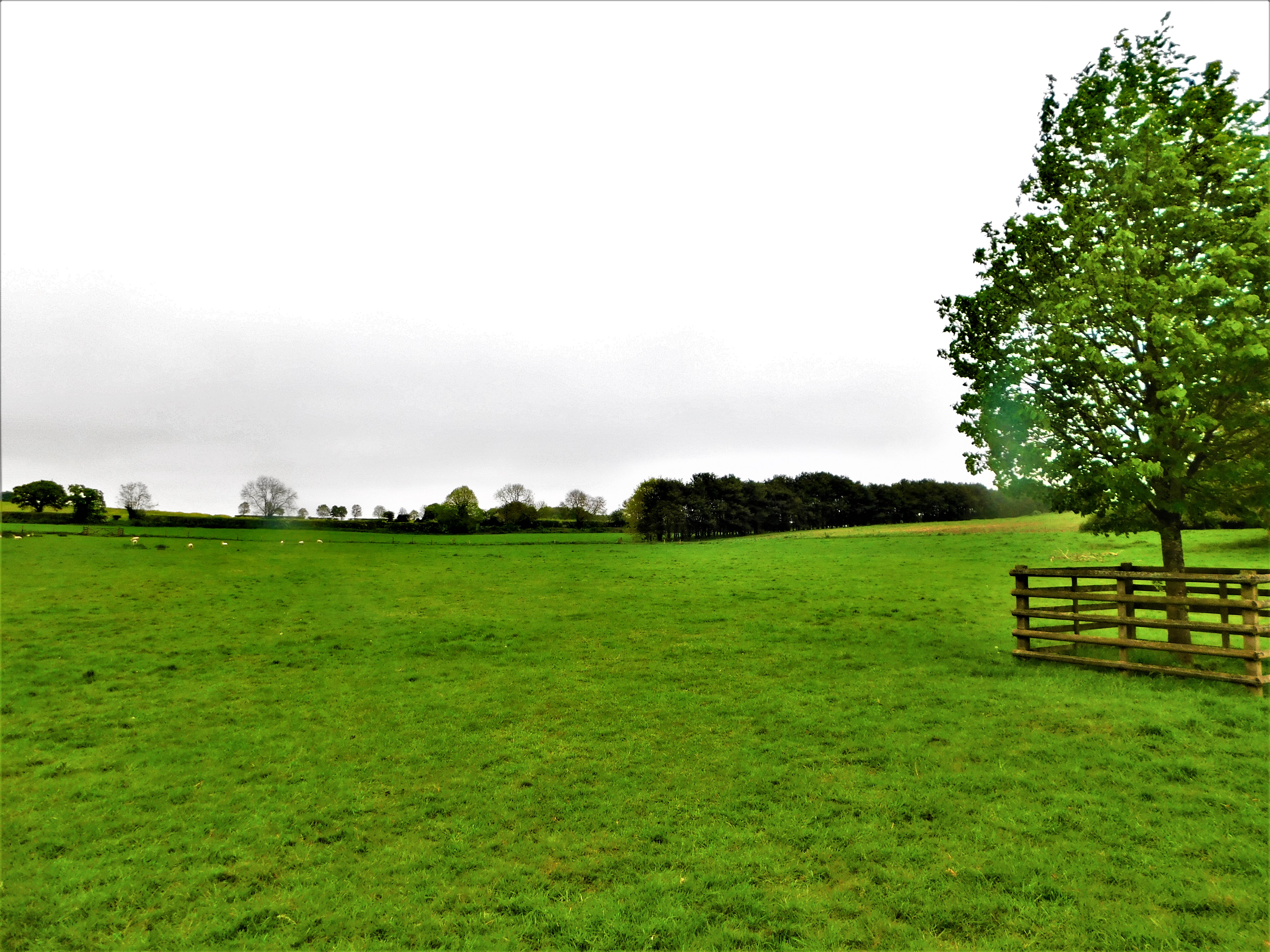
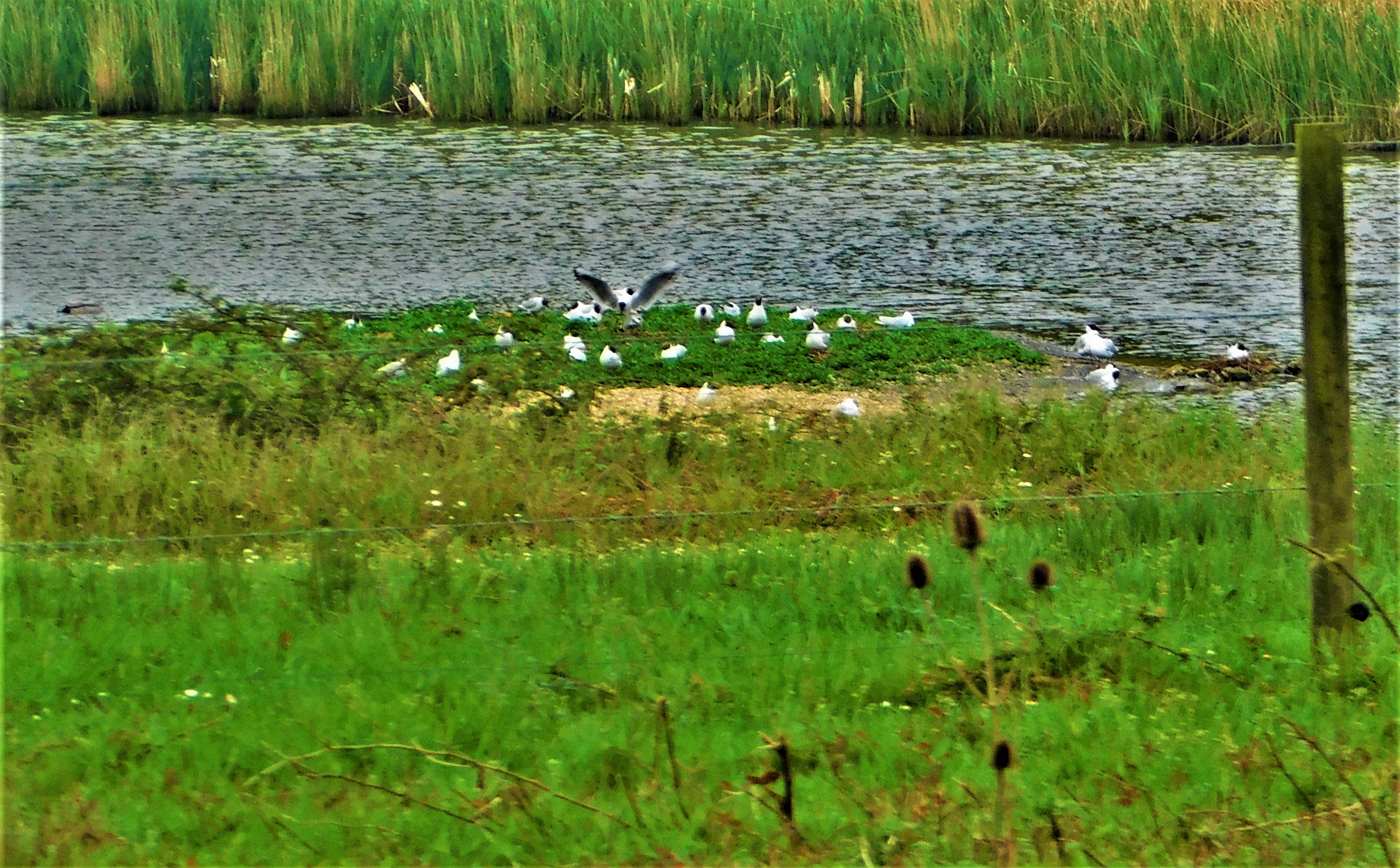
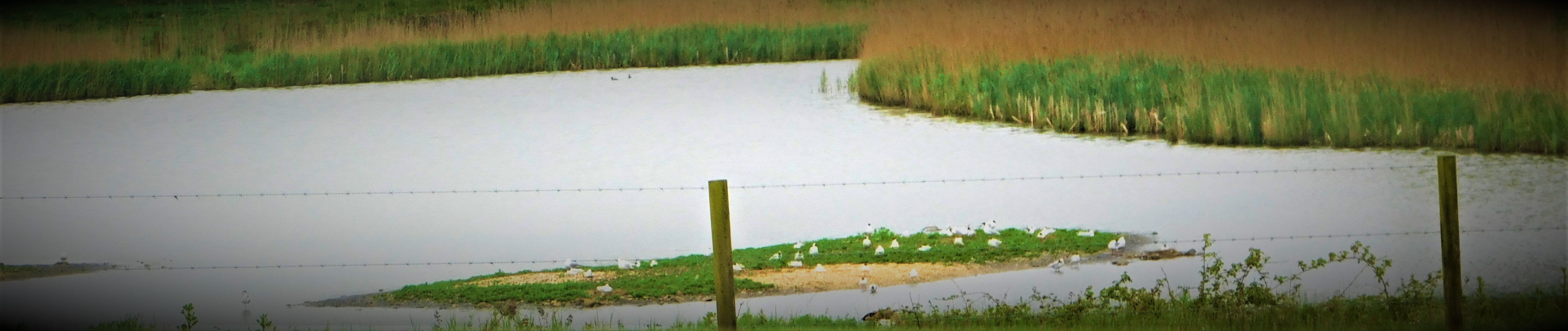
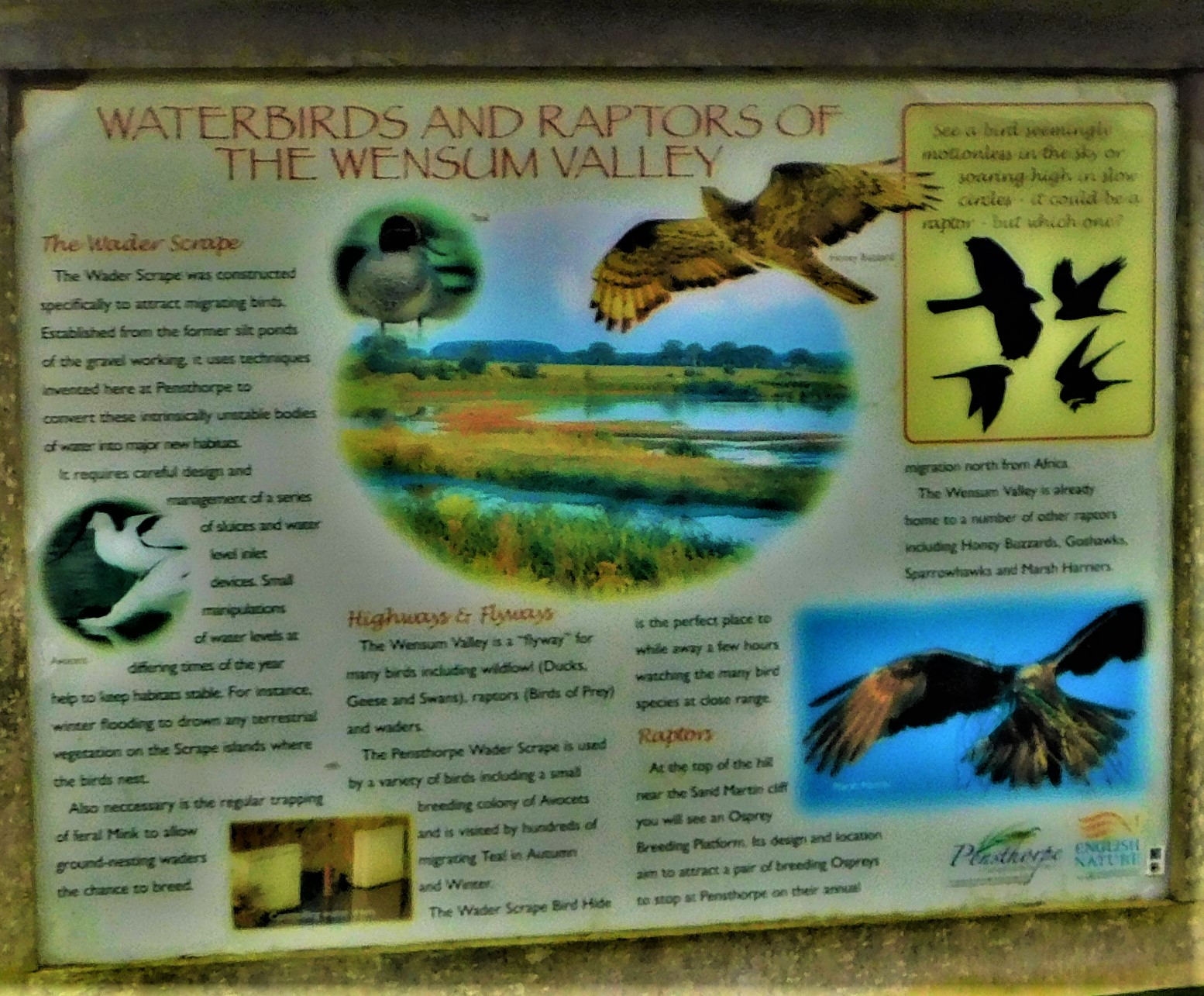
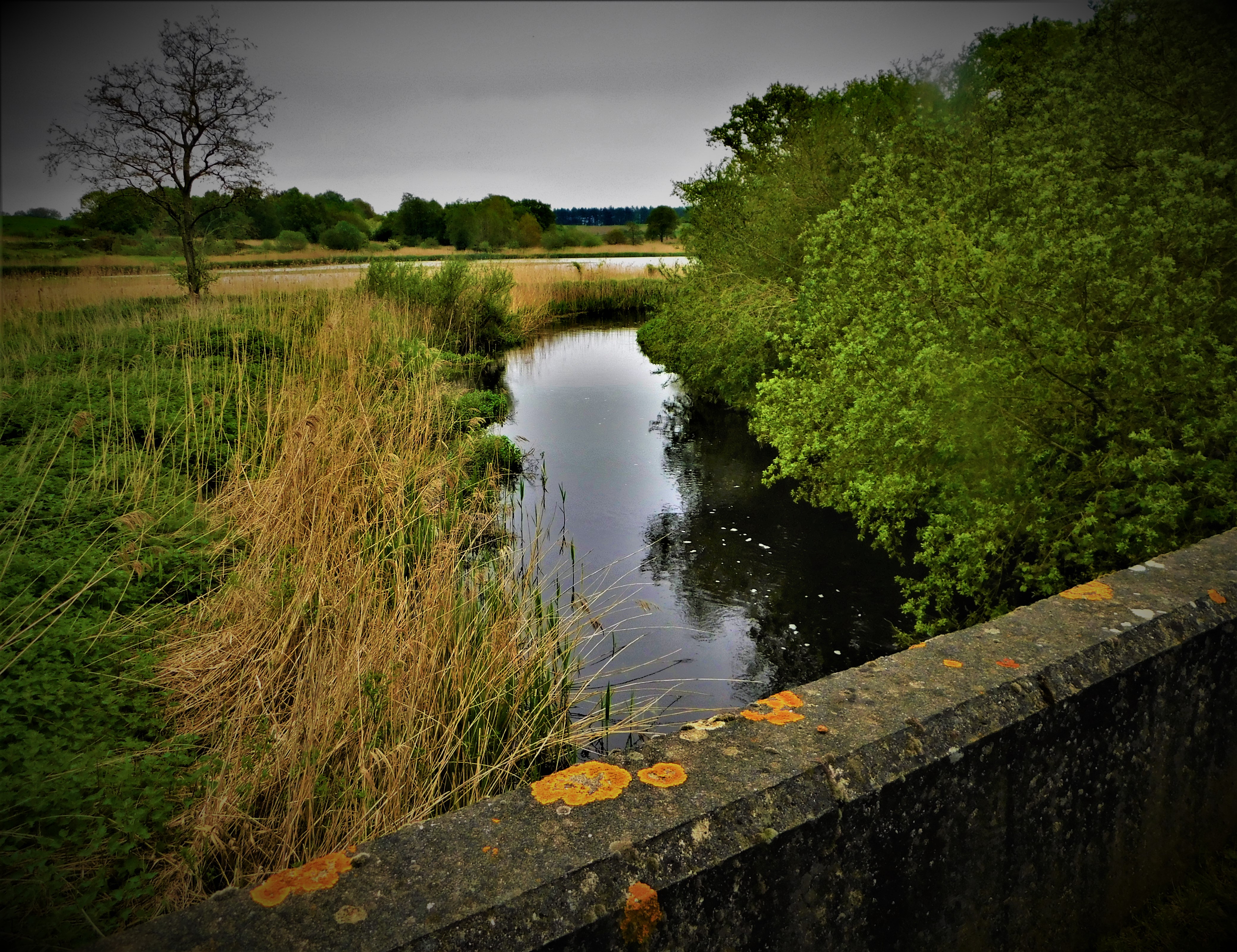
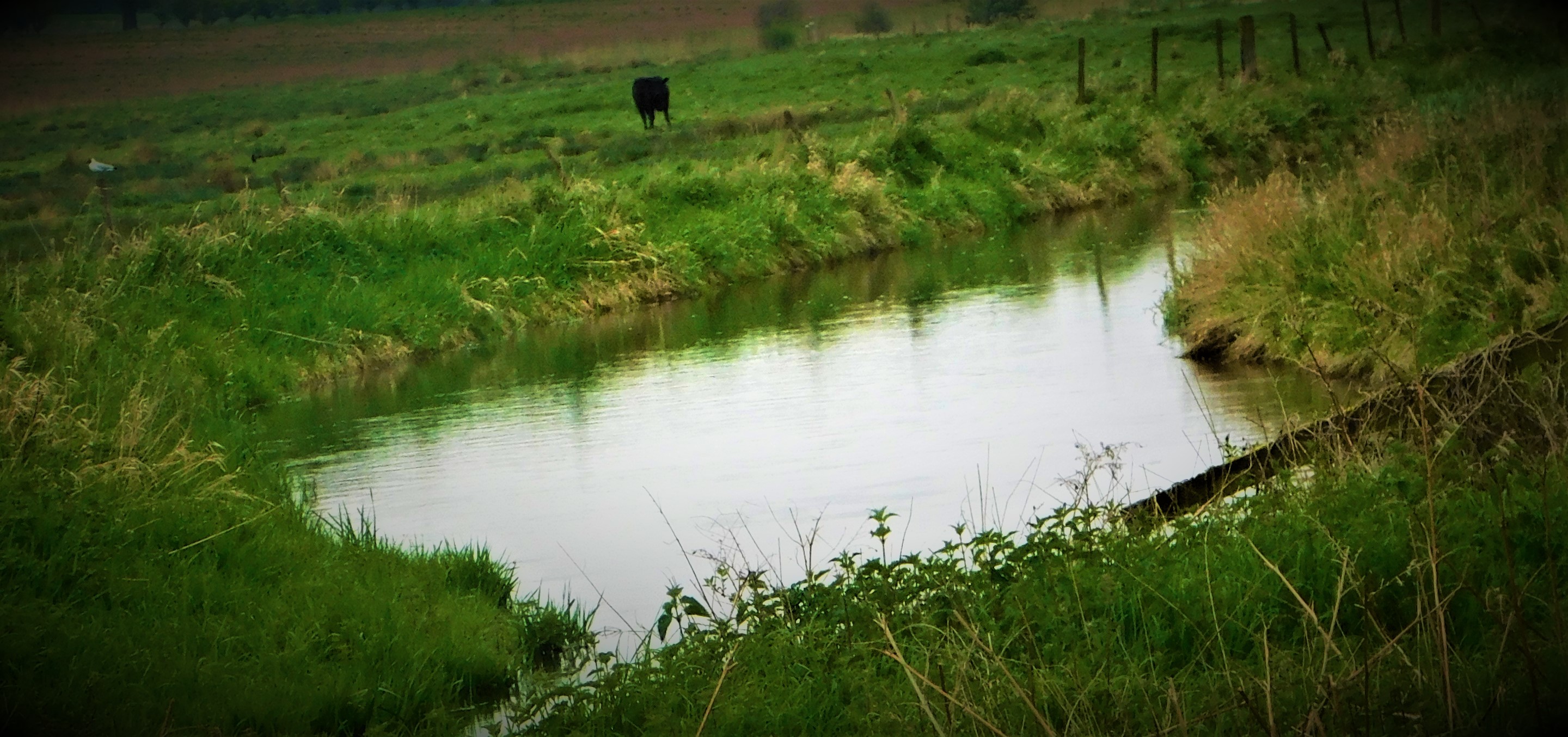
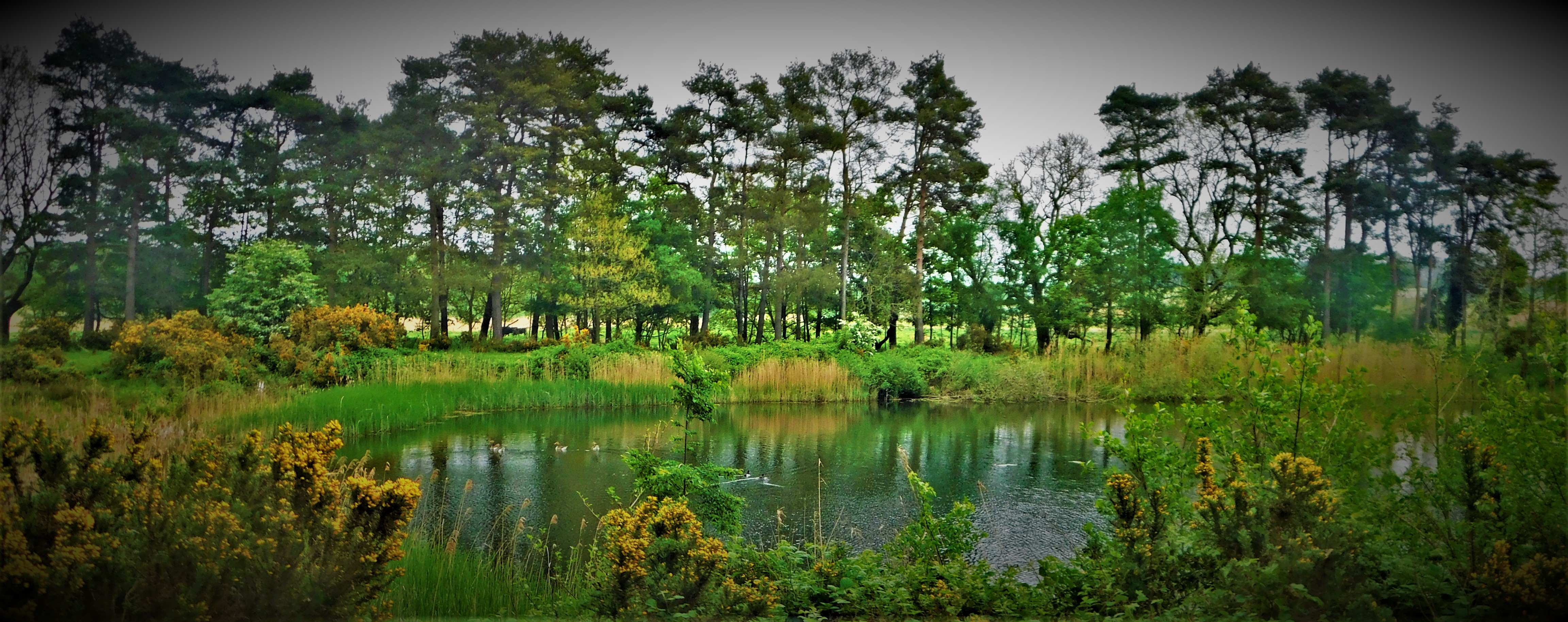
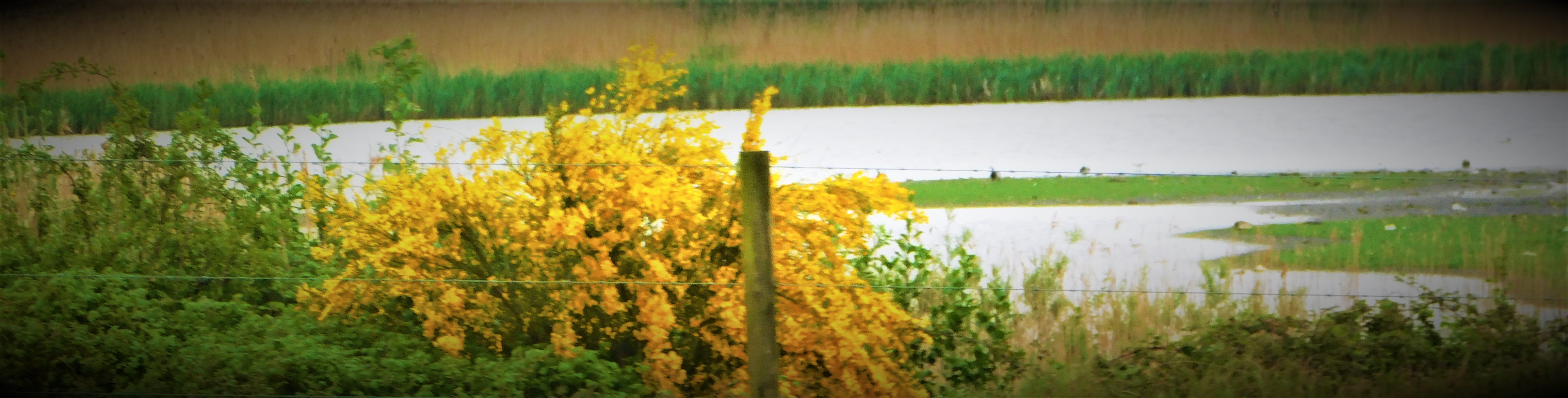
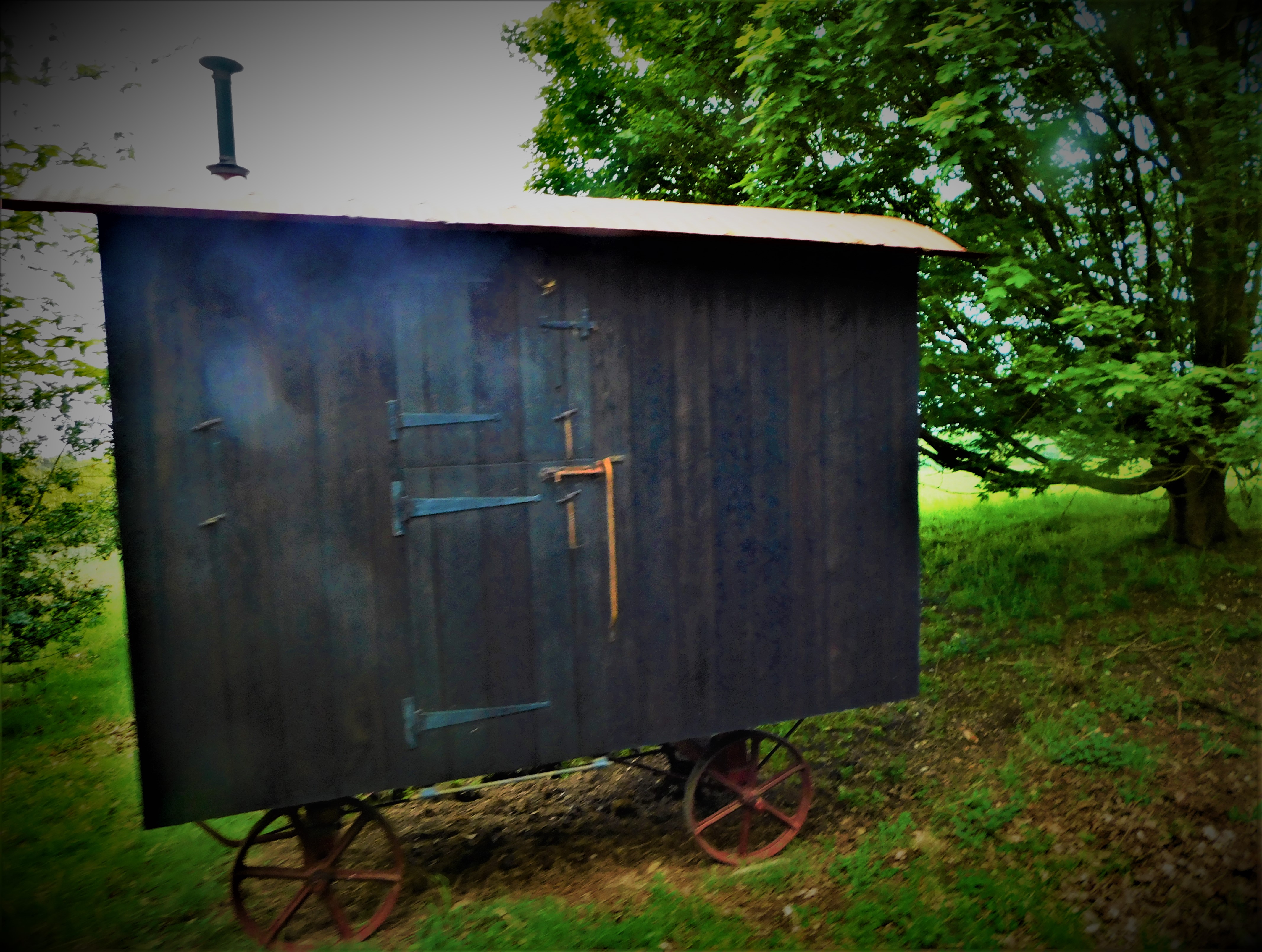
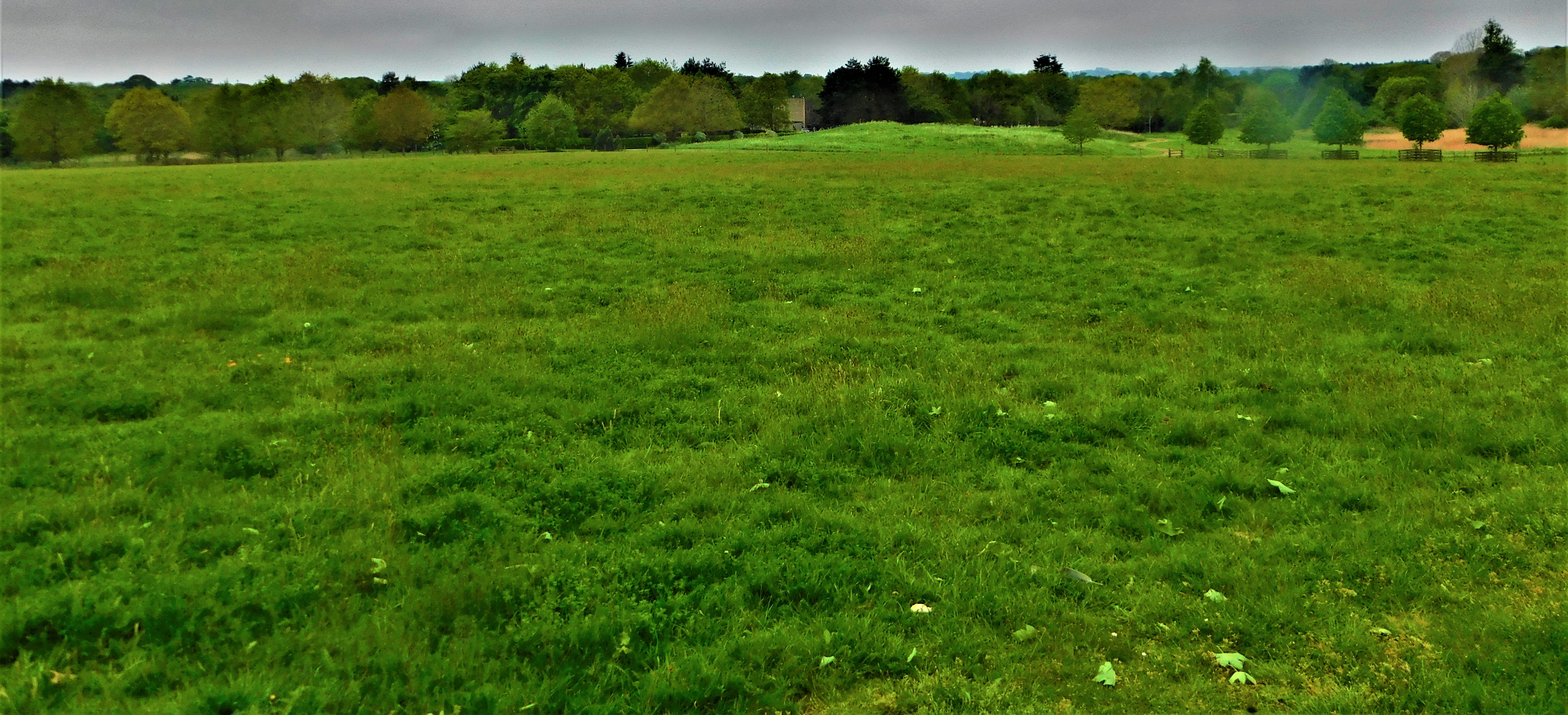
As well as the specific locations of interest there is an enormous amount to be seen just walking around the site – huge numbers of water birds of a wide variety, sculptures, art works of various kinds, a great variety of habitats, and lots of information boards all of which merit attention.

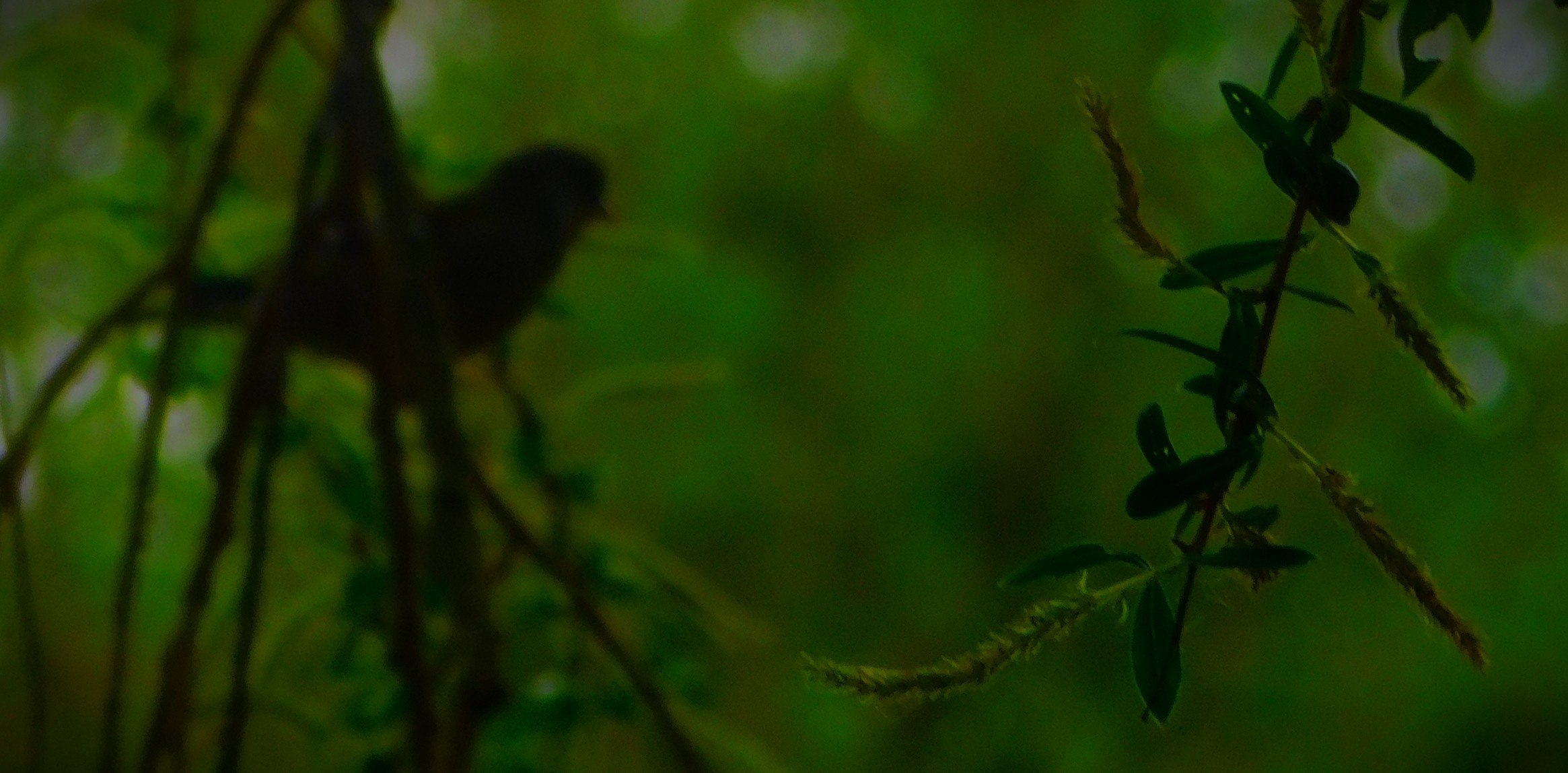
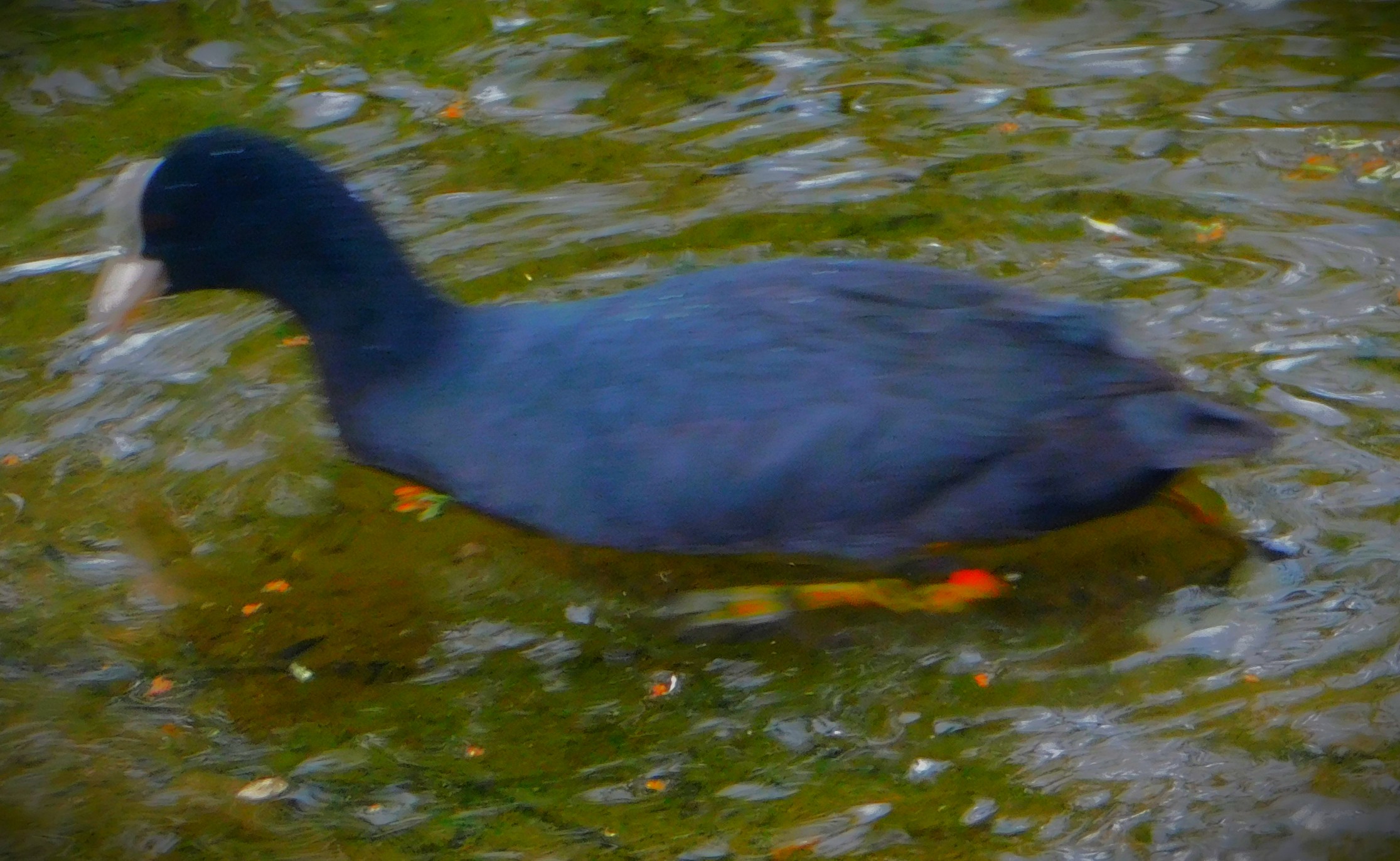
This the second half of the general photo gallery…
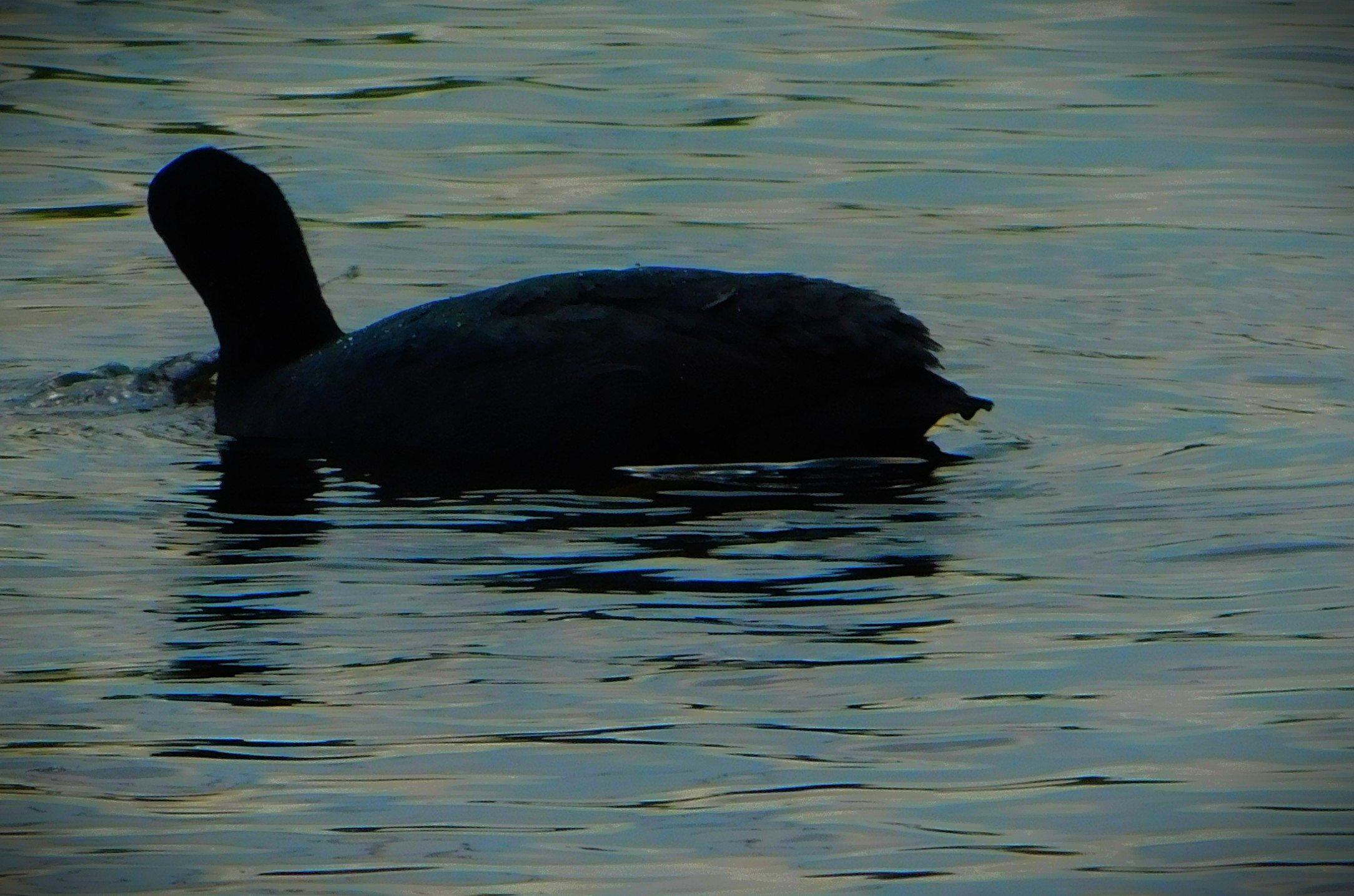
Pensthorpe 2023 – The Explorer

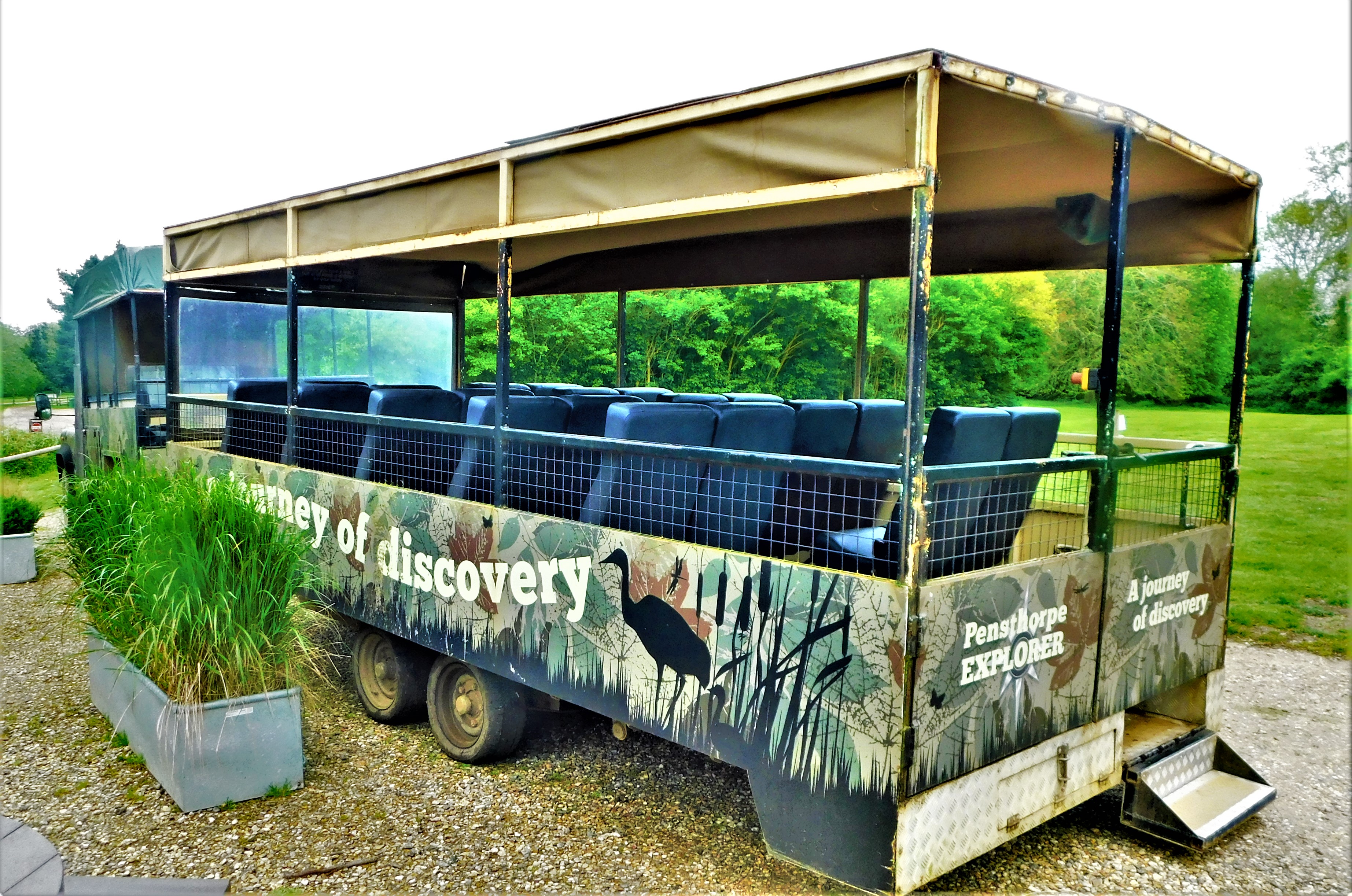
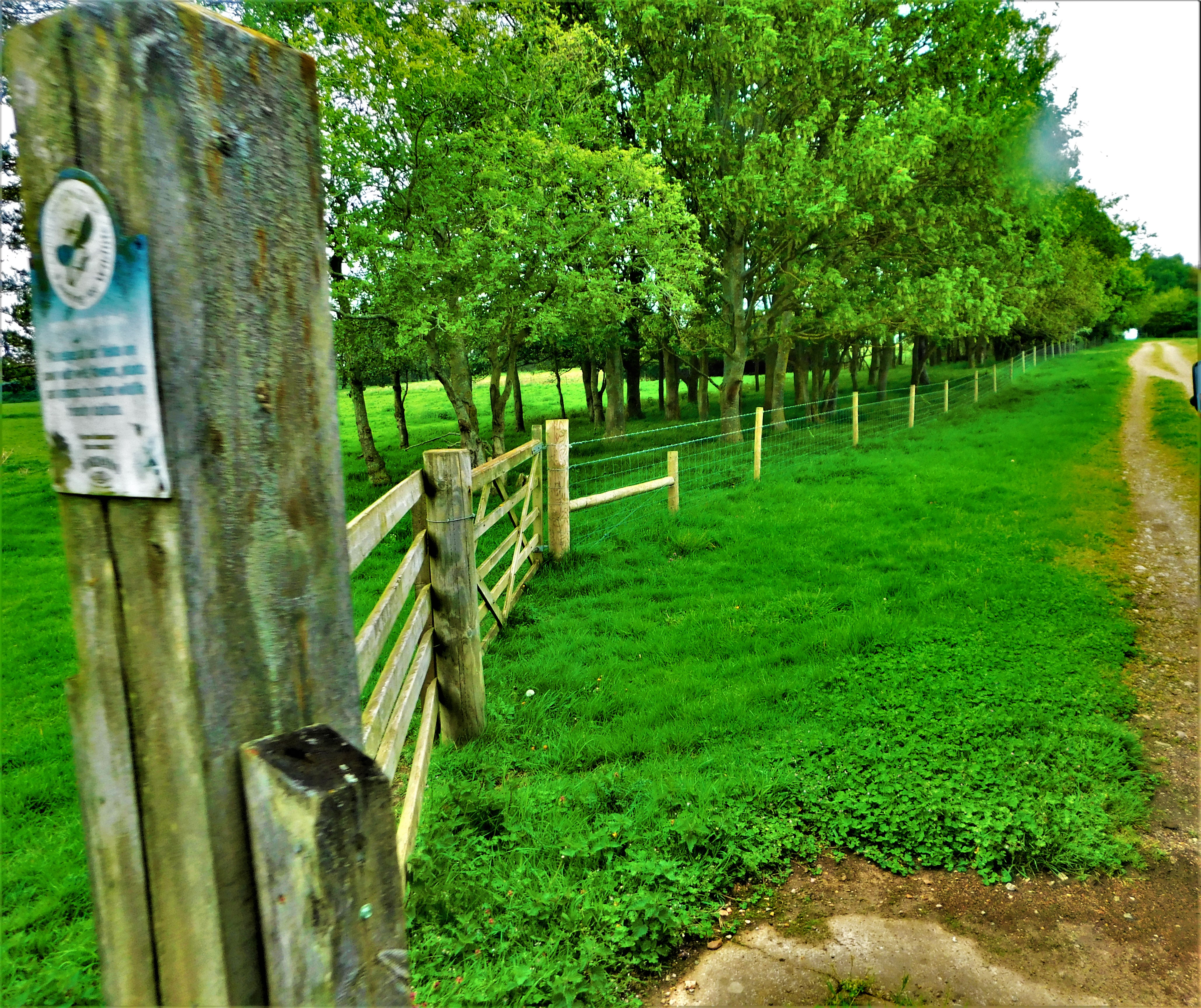
The penultimate post in my Pensthorpe series, dealing with the Explorer ride.

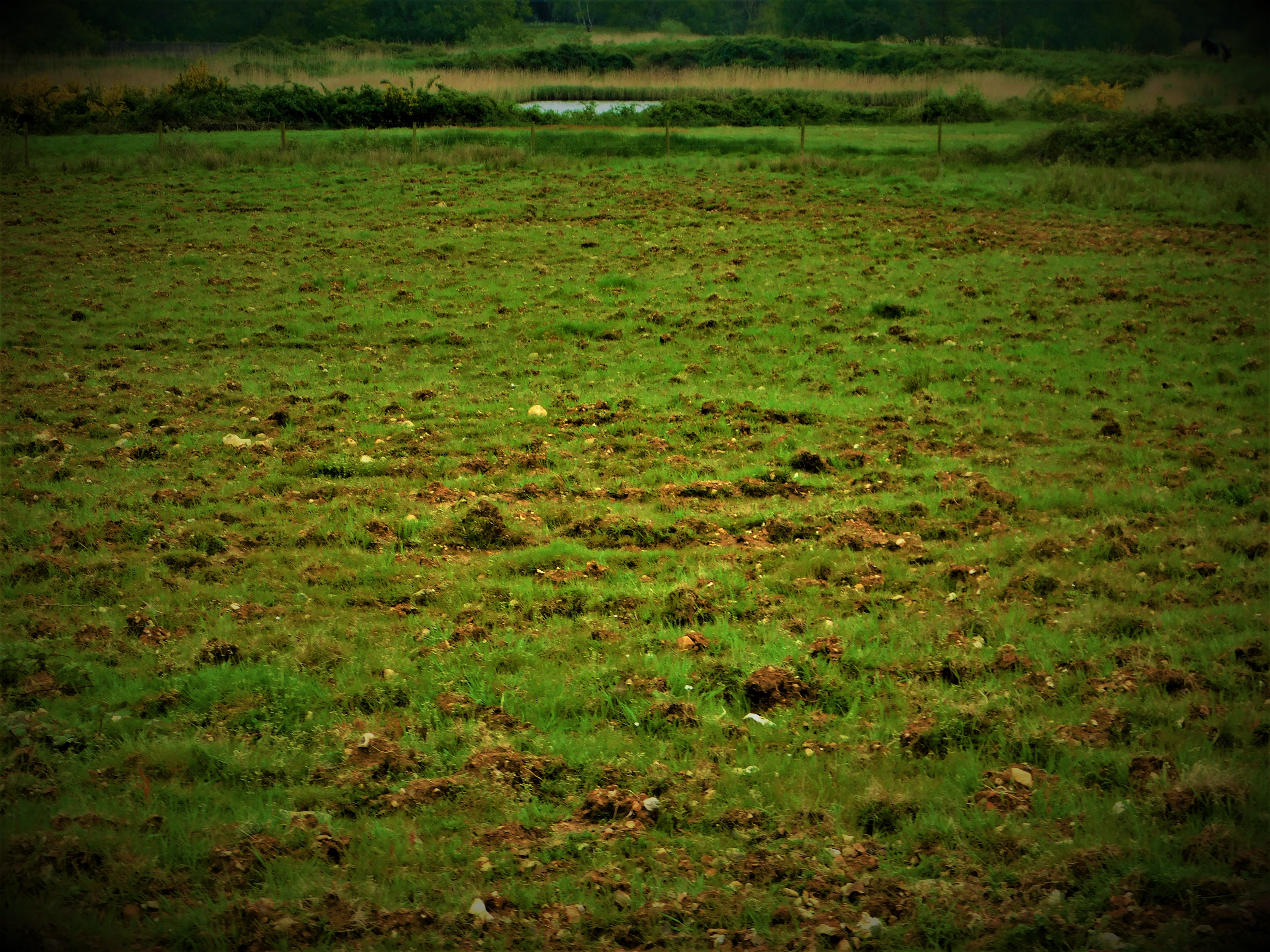
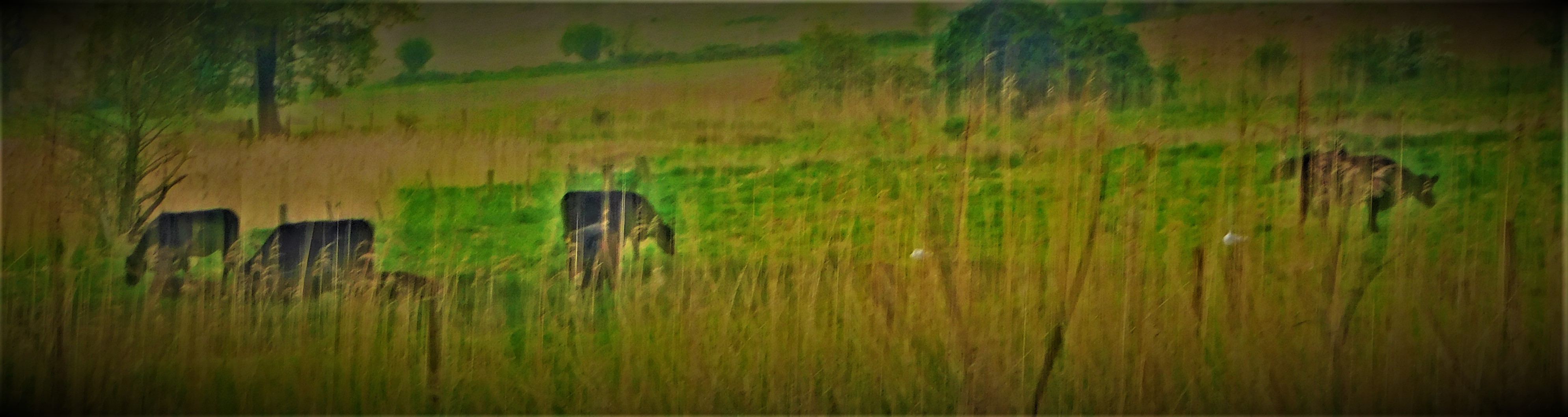
This is the fourth post in my series about my part in the West Norfolk Autism Group excursion to Pensthorpe on Saturday. This one looks at the trip on the explorer which showed as the stuff we could not get on foot.

AN INFORMATIVE JOURNEY

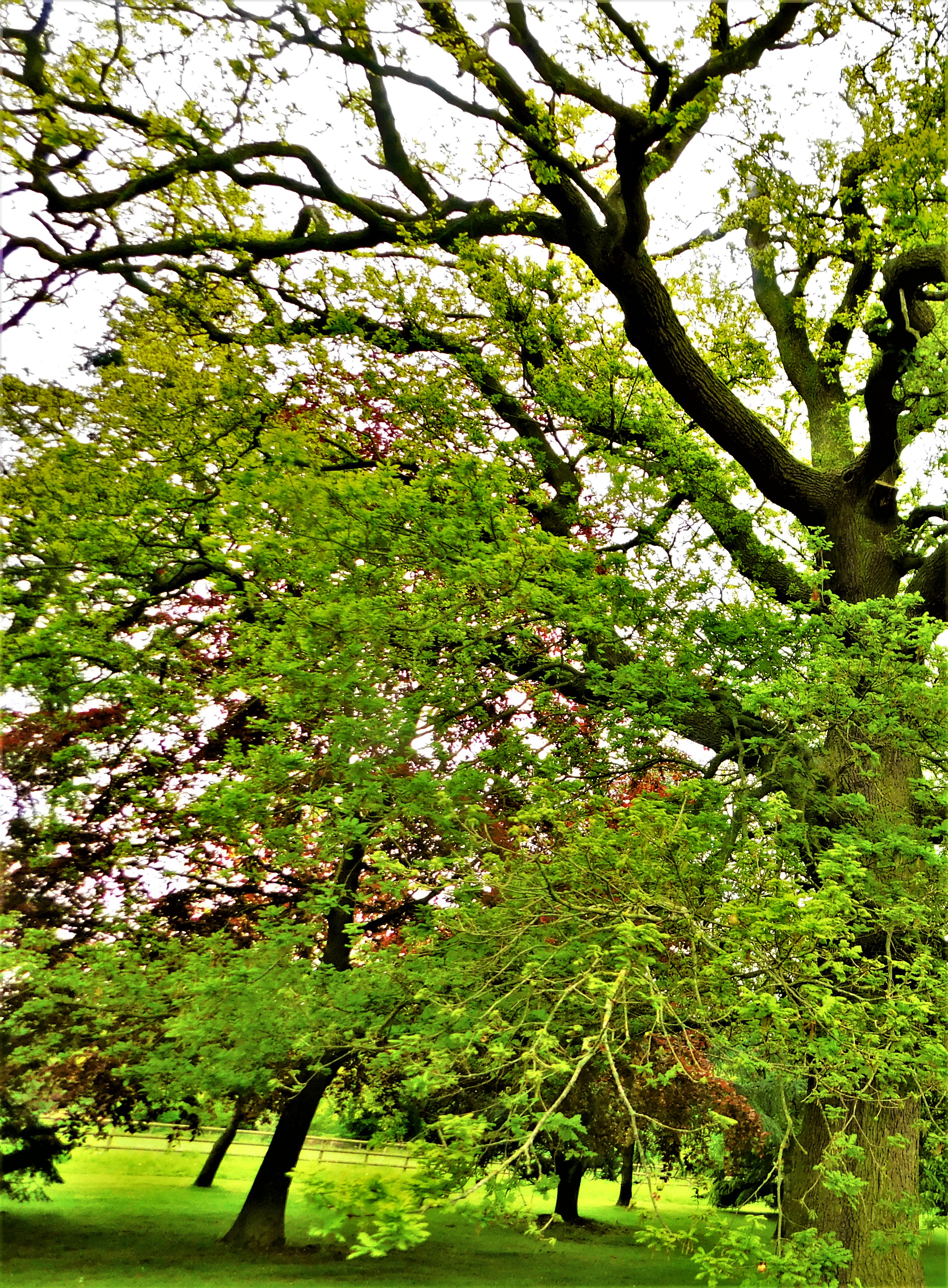
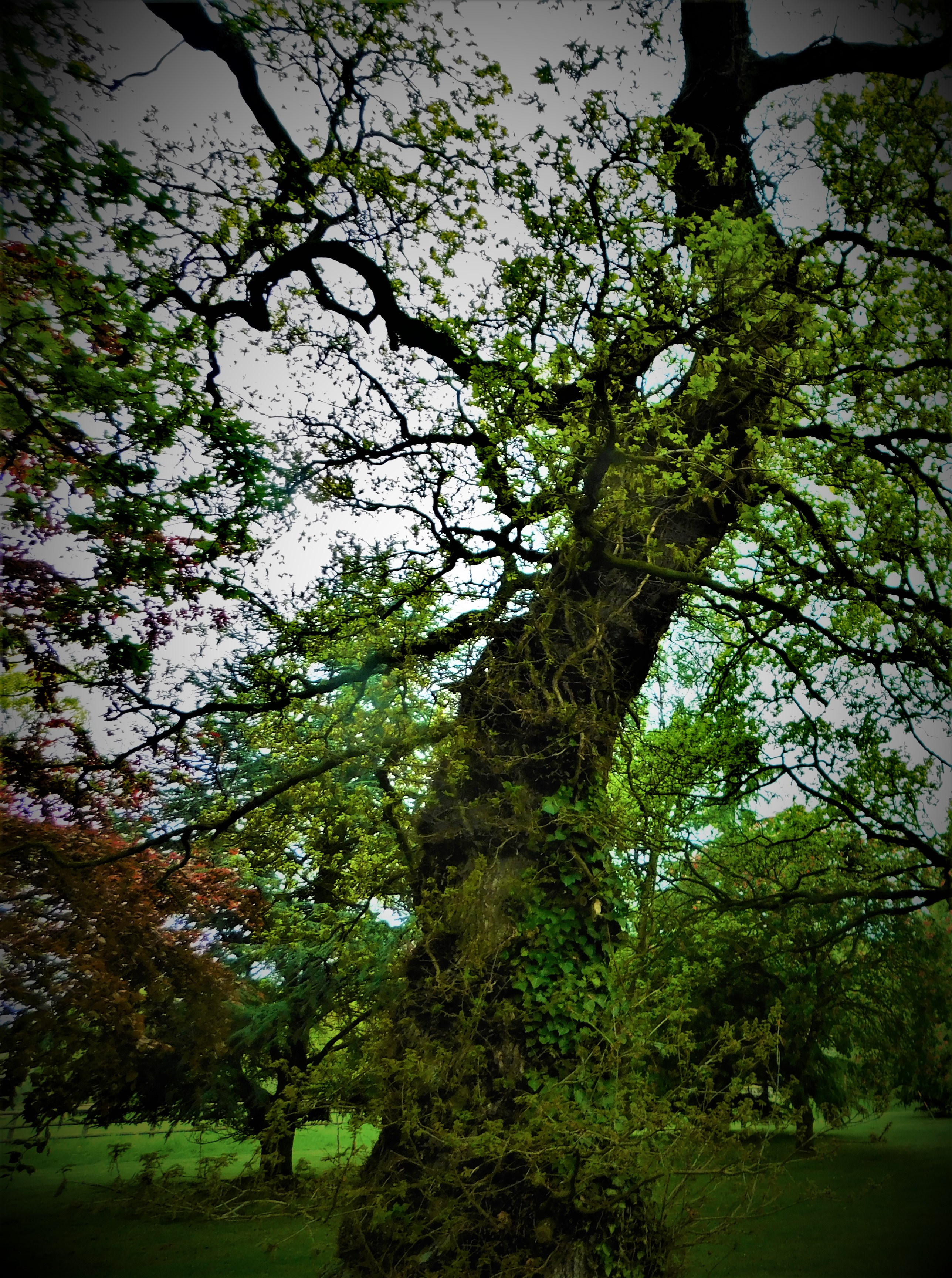
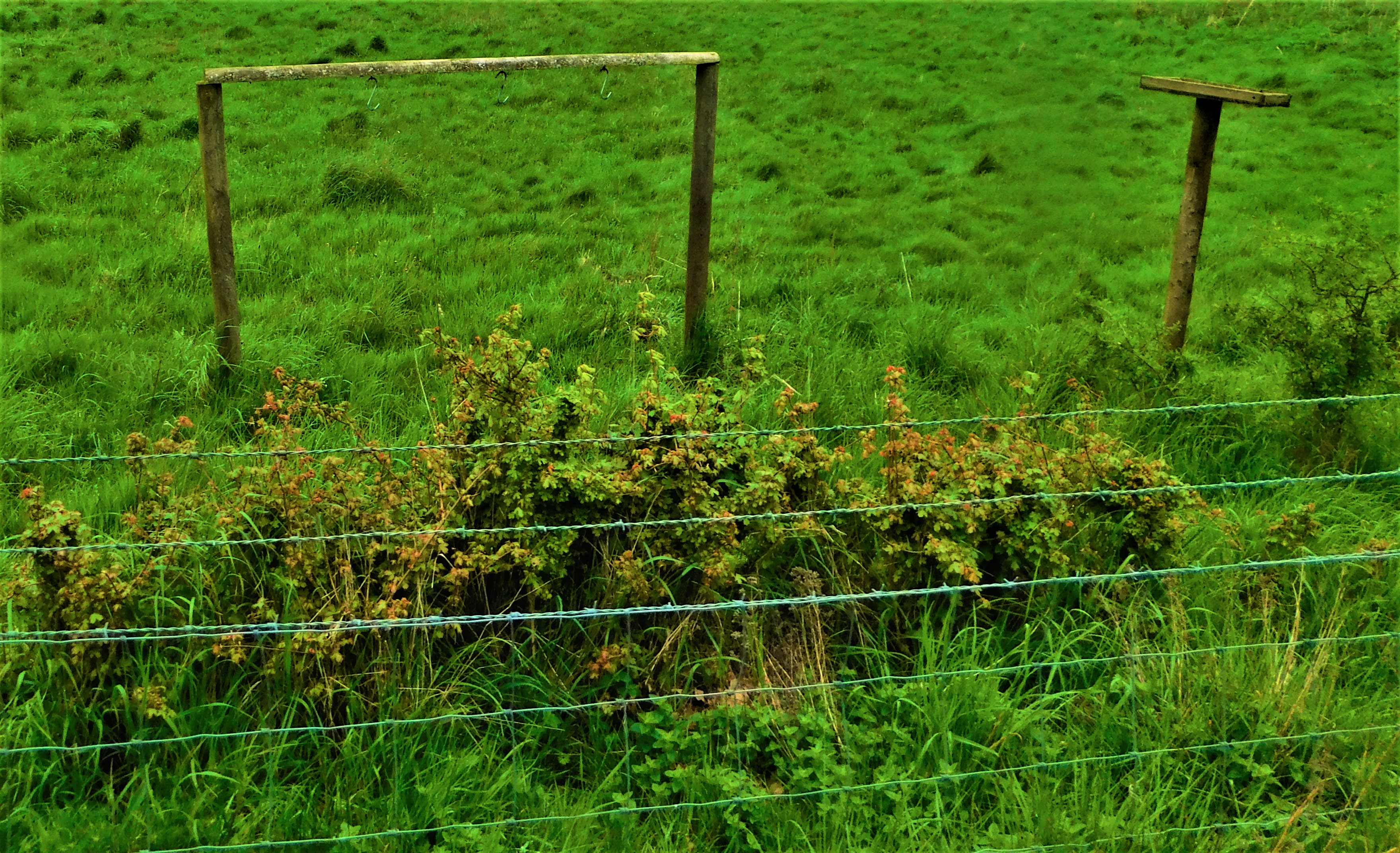
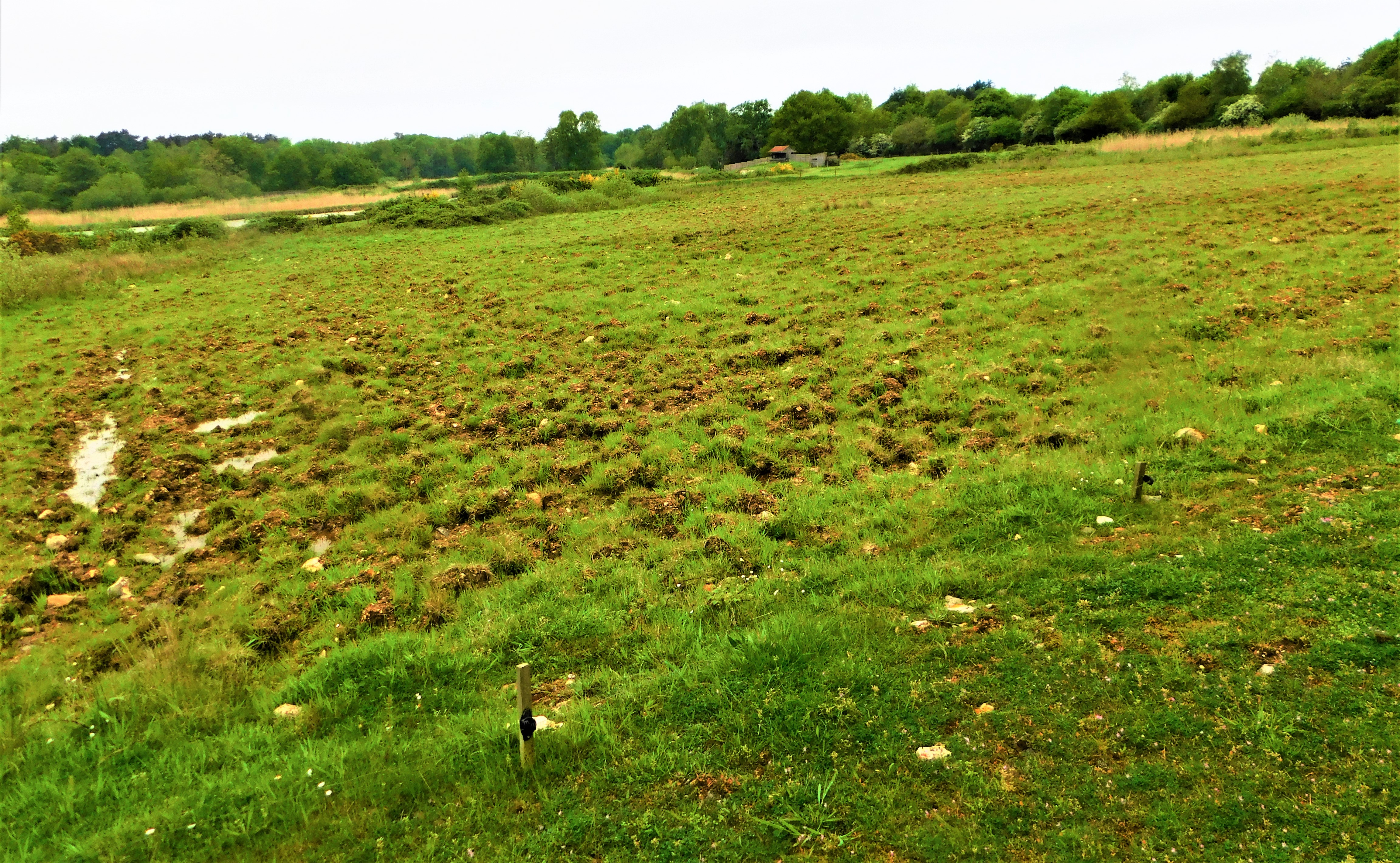
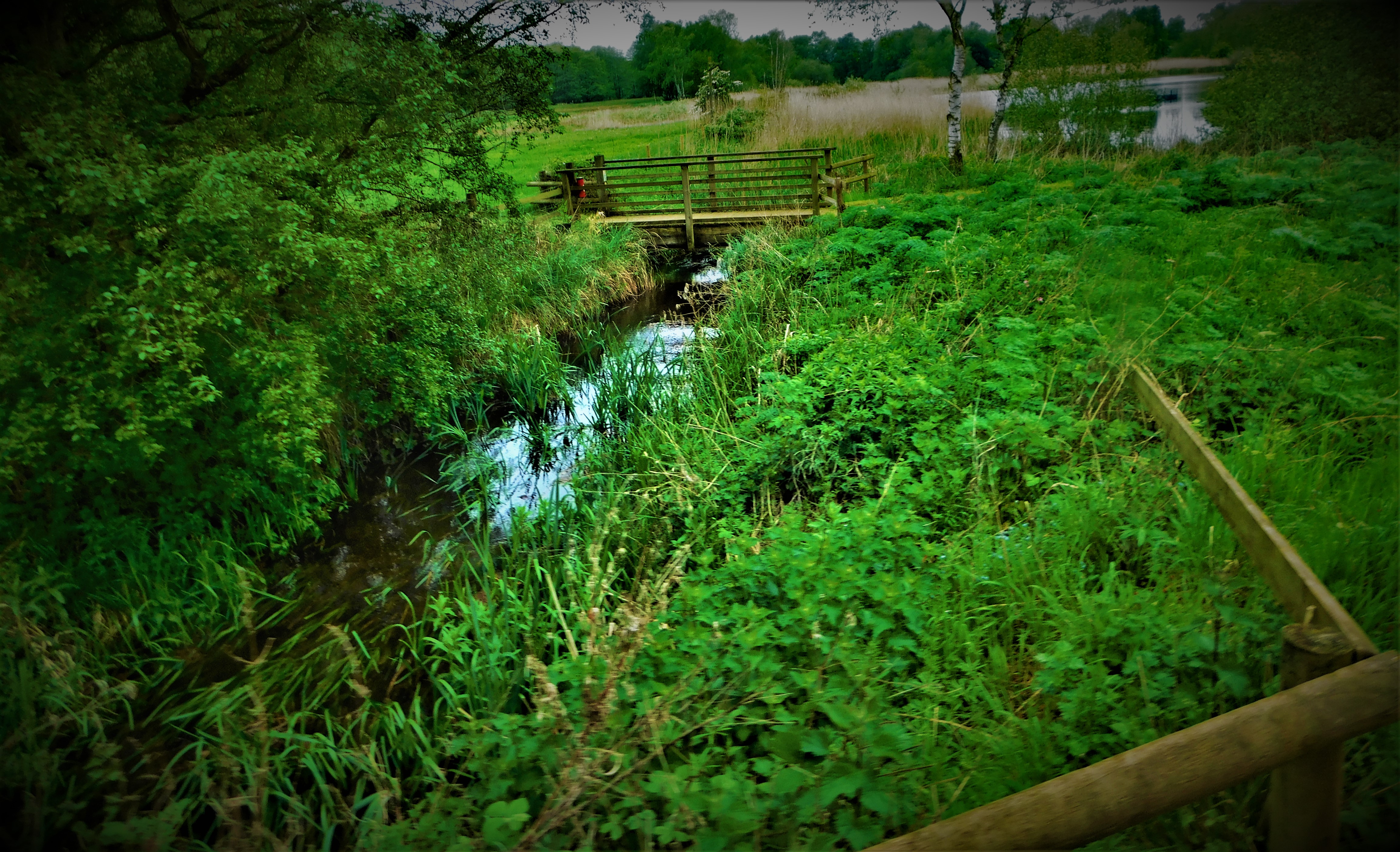
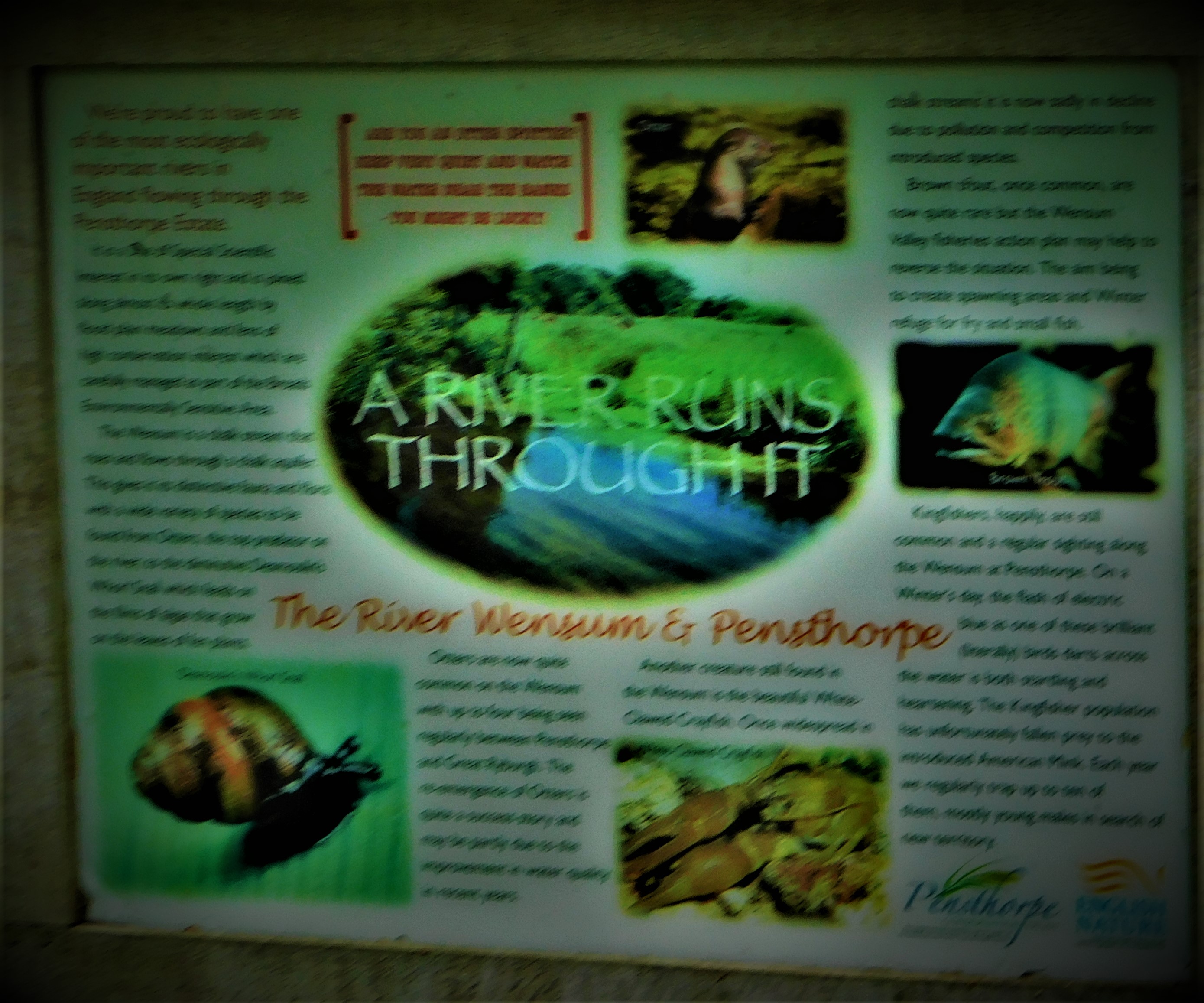
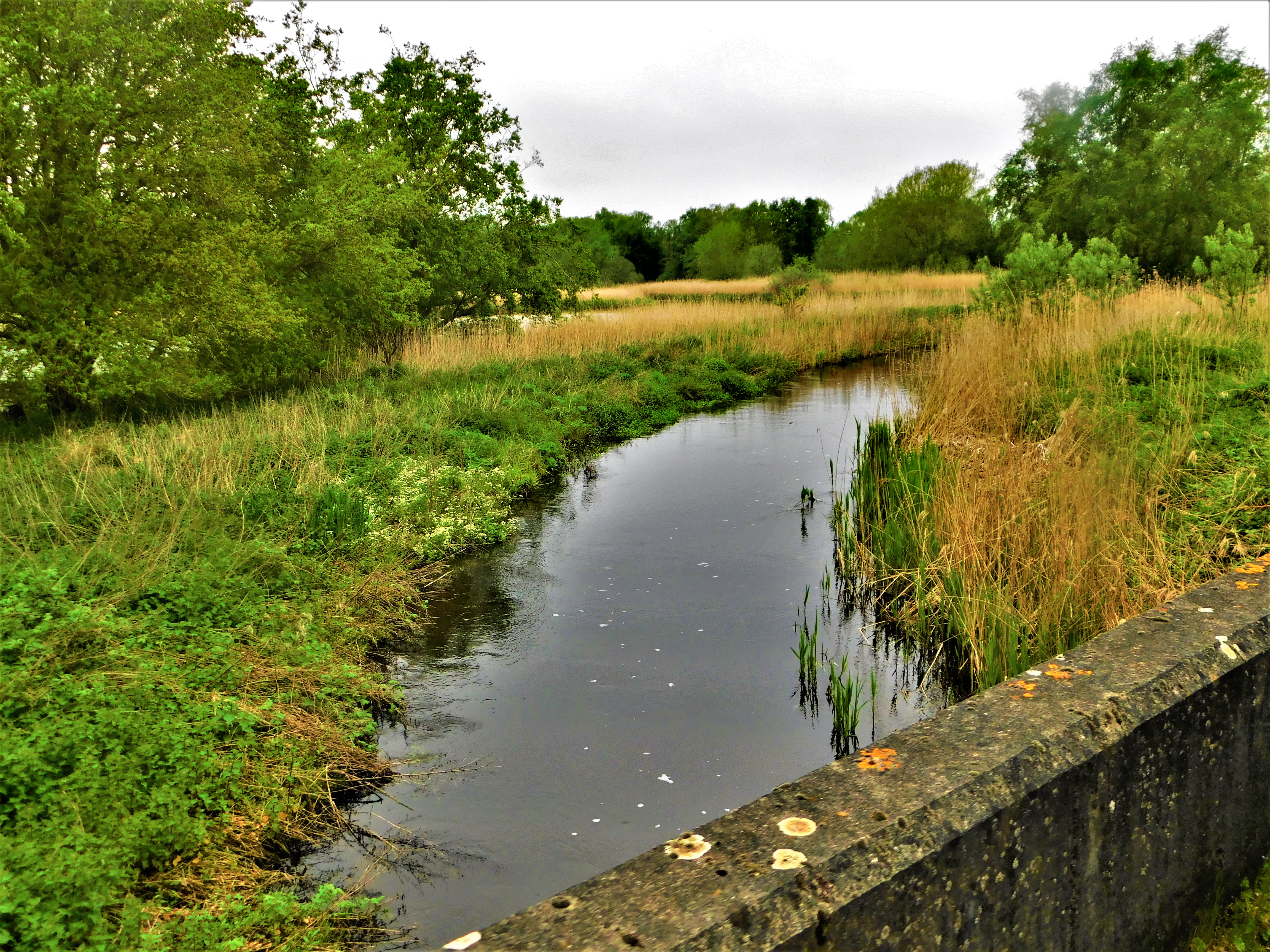
With the explorer due to leave at 12:00 I was ready for it by 11:50, and I got an excellent seat, at the front left of the trailer (most of the really interesting sights are off to the left as one travels, so sitting on the left side of the vehicle is a good idea). Our driver/guide gave us extraordinarily wide ranging information of everything from present arrangements at Pensthorpe, to the effects of WWII on the land (food shortages meant that every last ounce of crop had to be extracted from the land, which meant that the soil was hugely overworked and took a long time to recover), to the history of human settlement at Pensthorpe, to details of Pensthorpe’s position at the southern edge of the northern ice-sheet during the last era of glaciation and the effect that that had on the local landscape. There were also details about oak trees, and how the three survivors of the great storm of 1987 could be proven to be such (oaks don’t produce acorns until they are 40 years old or more, which means that an acorn bearing oak dates from 1983 at the earliest, and all three trees are acorn bearing), nesting boxes of various kinds (three different species of owl were catered for, plus bats (specifically pipistrelles, a tiny species about the size of a human thumb) whose boxes were organized in a group of three at different angles, as bats don’t like to be warm, so need to be able to move out of the sun), and other nesting platforms. The ecological importance of the Wensum, as a chalk river, was also stressed. One part of our route had once been a railway line, transporting goods (it never had a passenger service), which fell victim to Dr Beeching 60 years ago.

It was a cold journey due to the weather, which is one reason why I did not go round a second time, but it was very enjoyable in spite of the conditions.