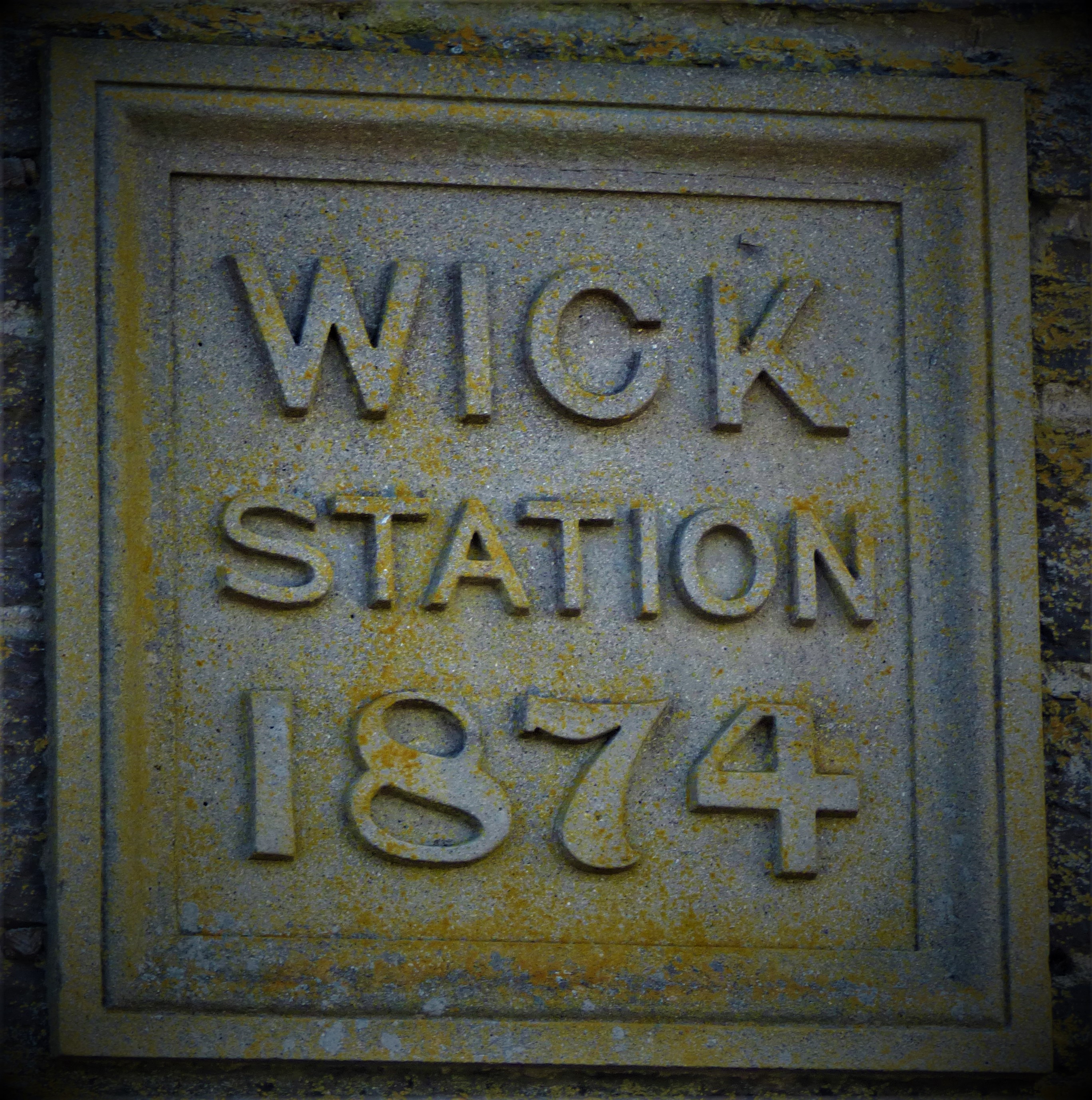
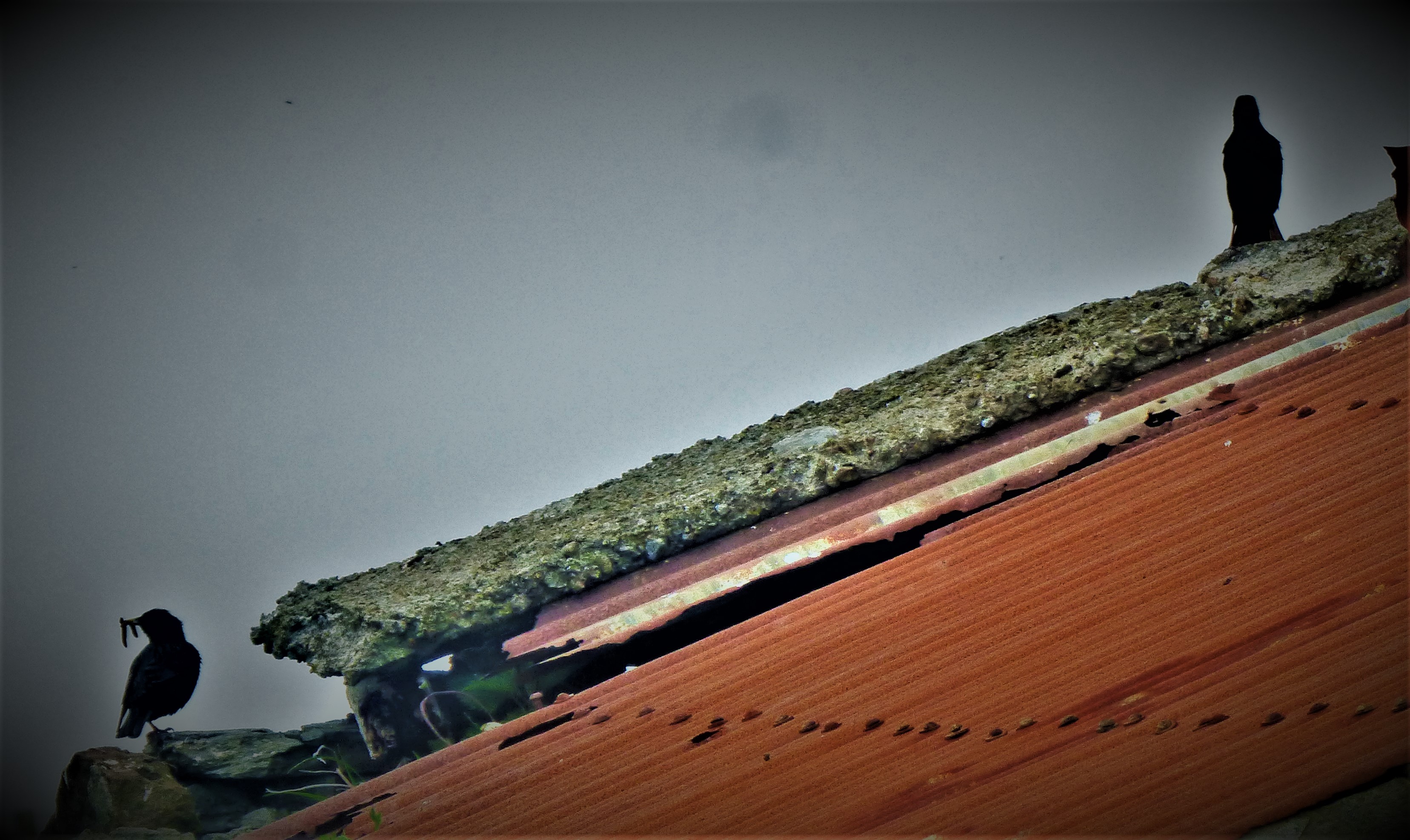
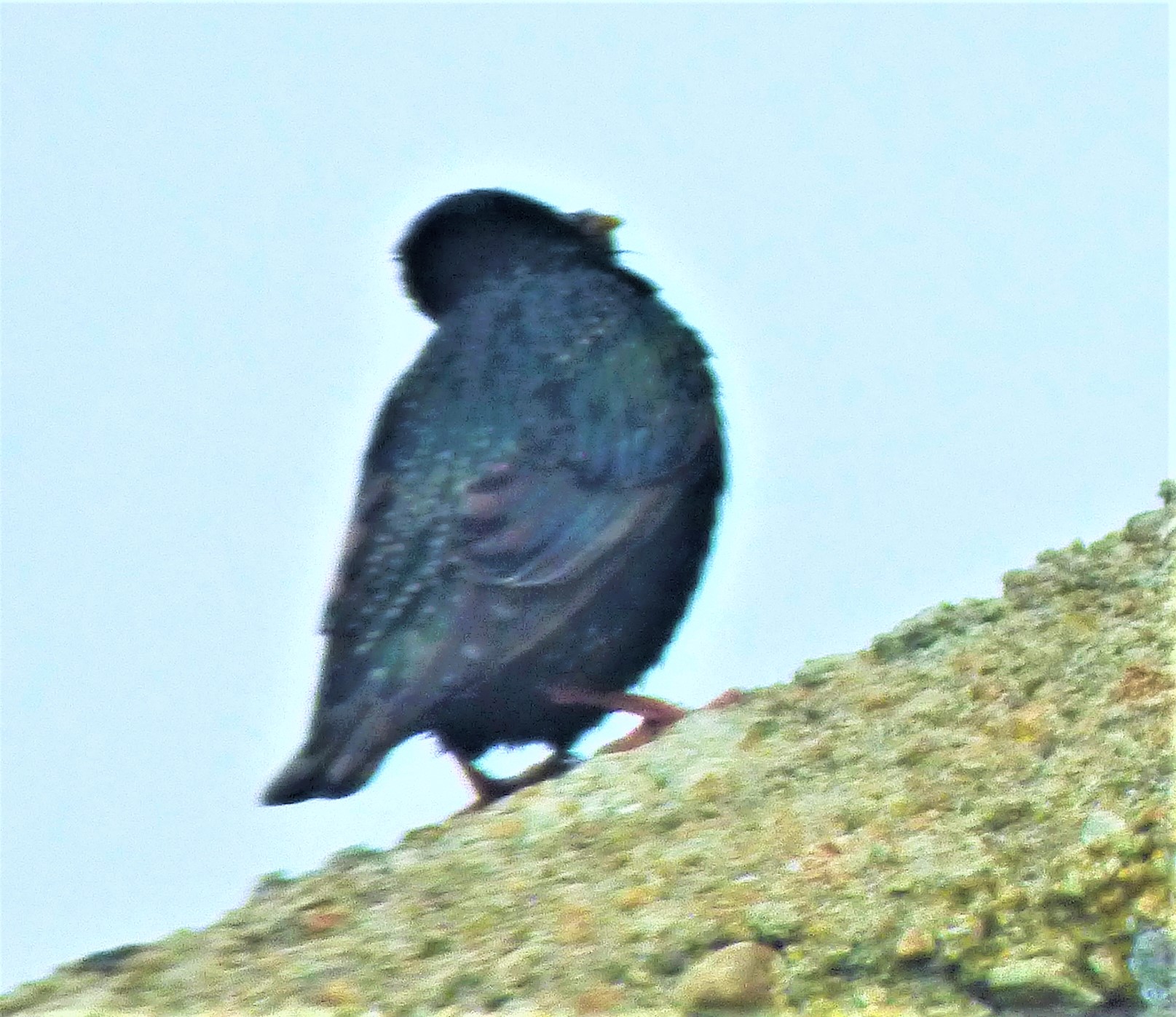
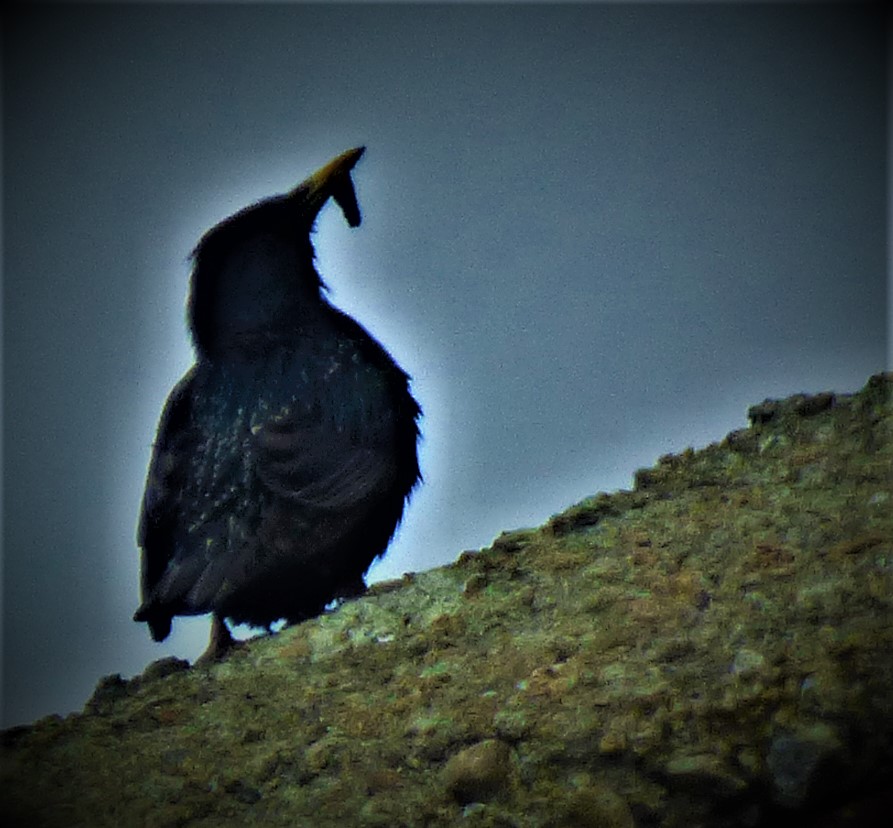
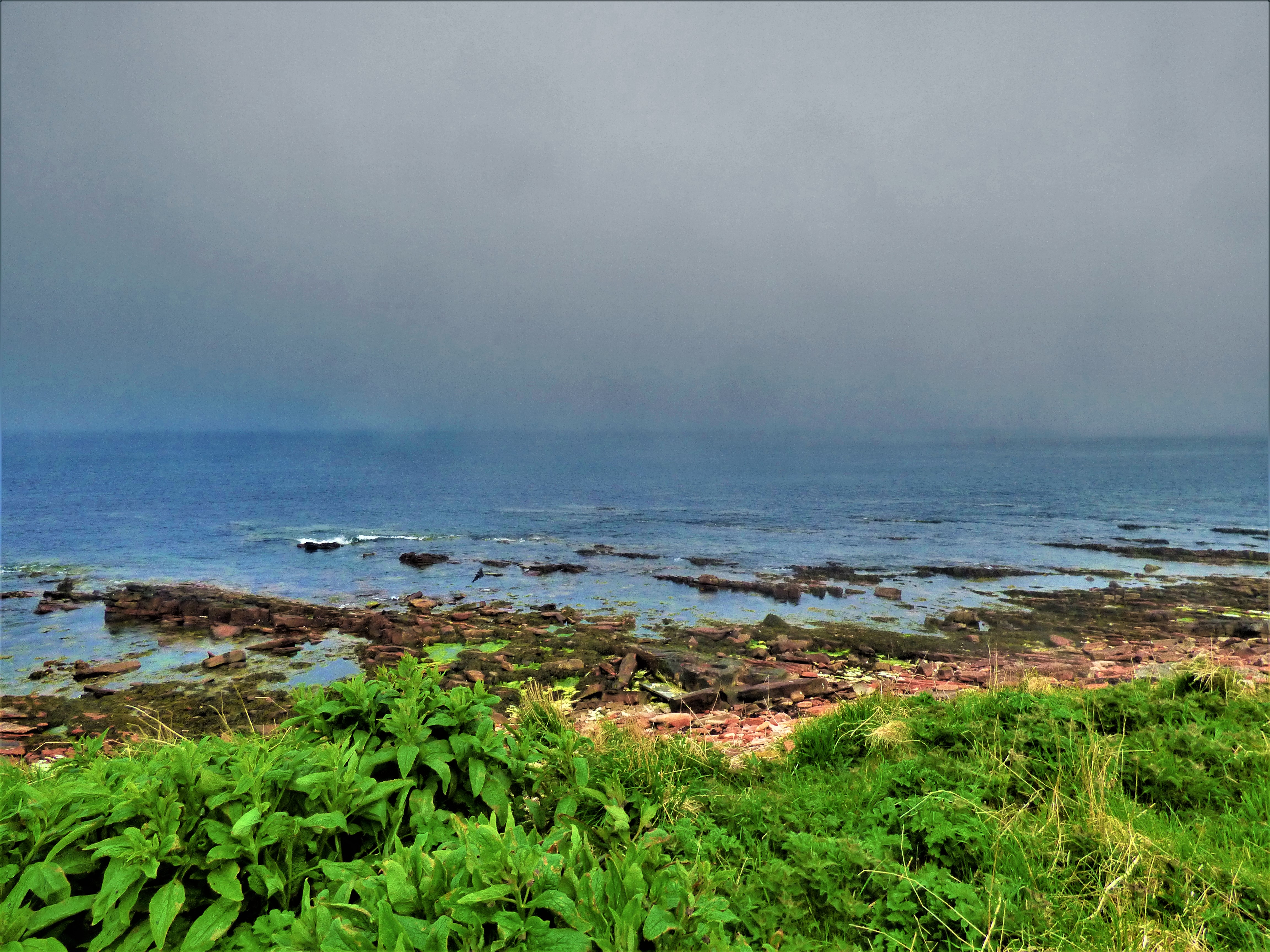
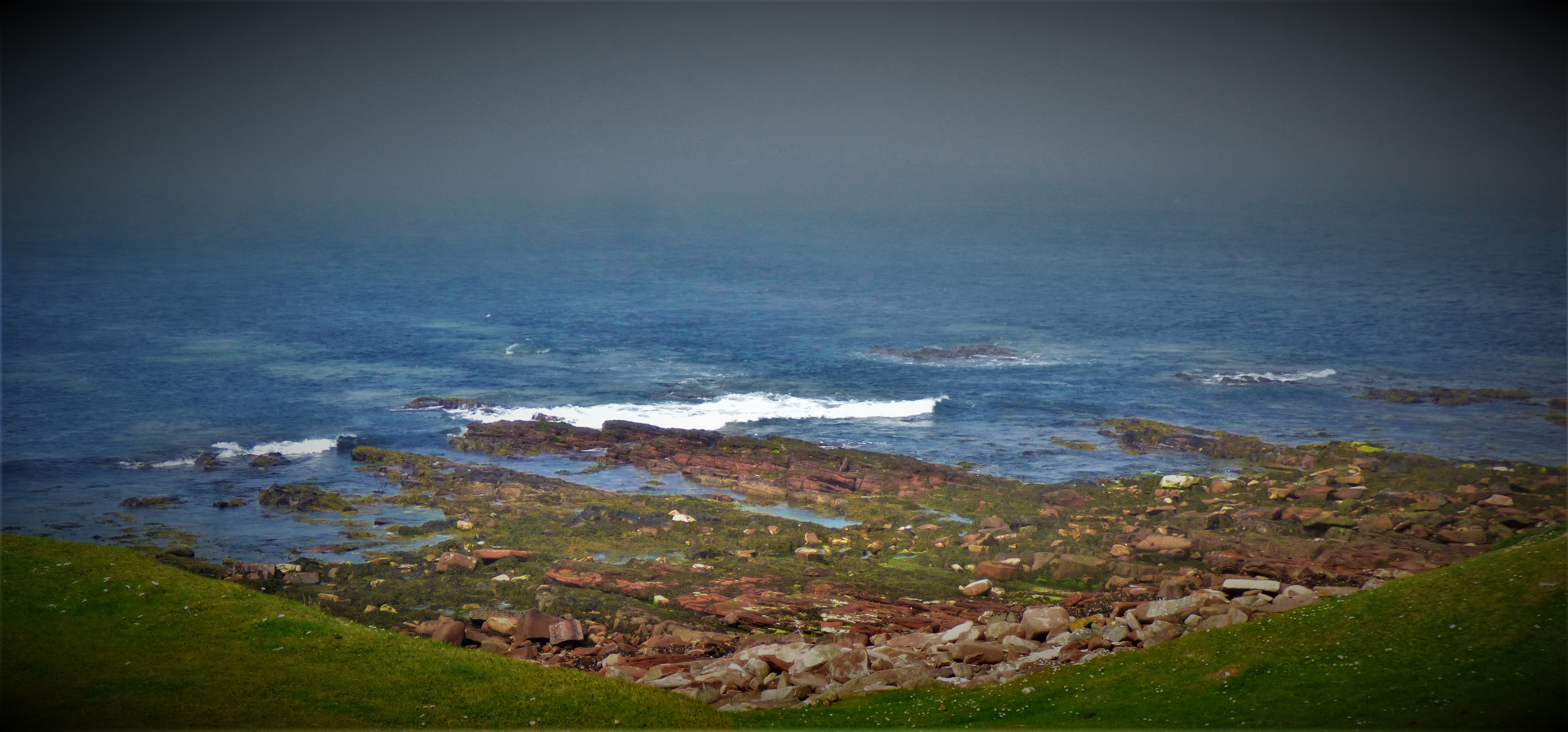
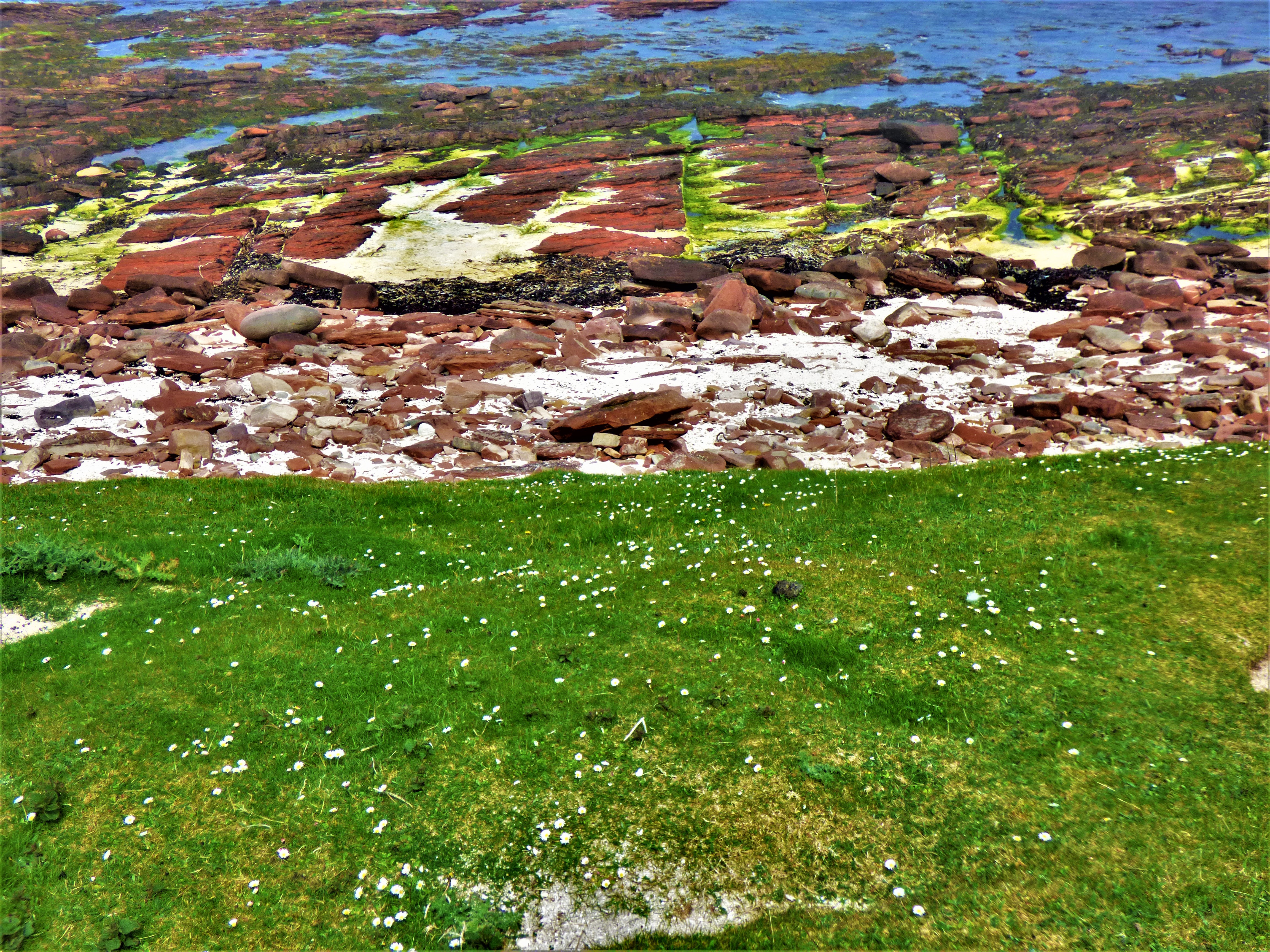
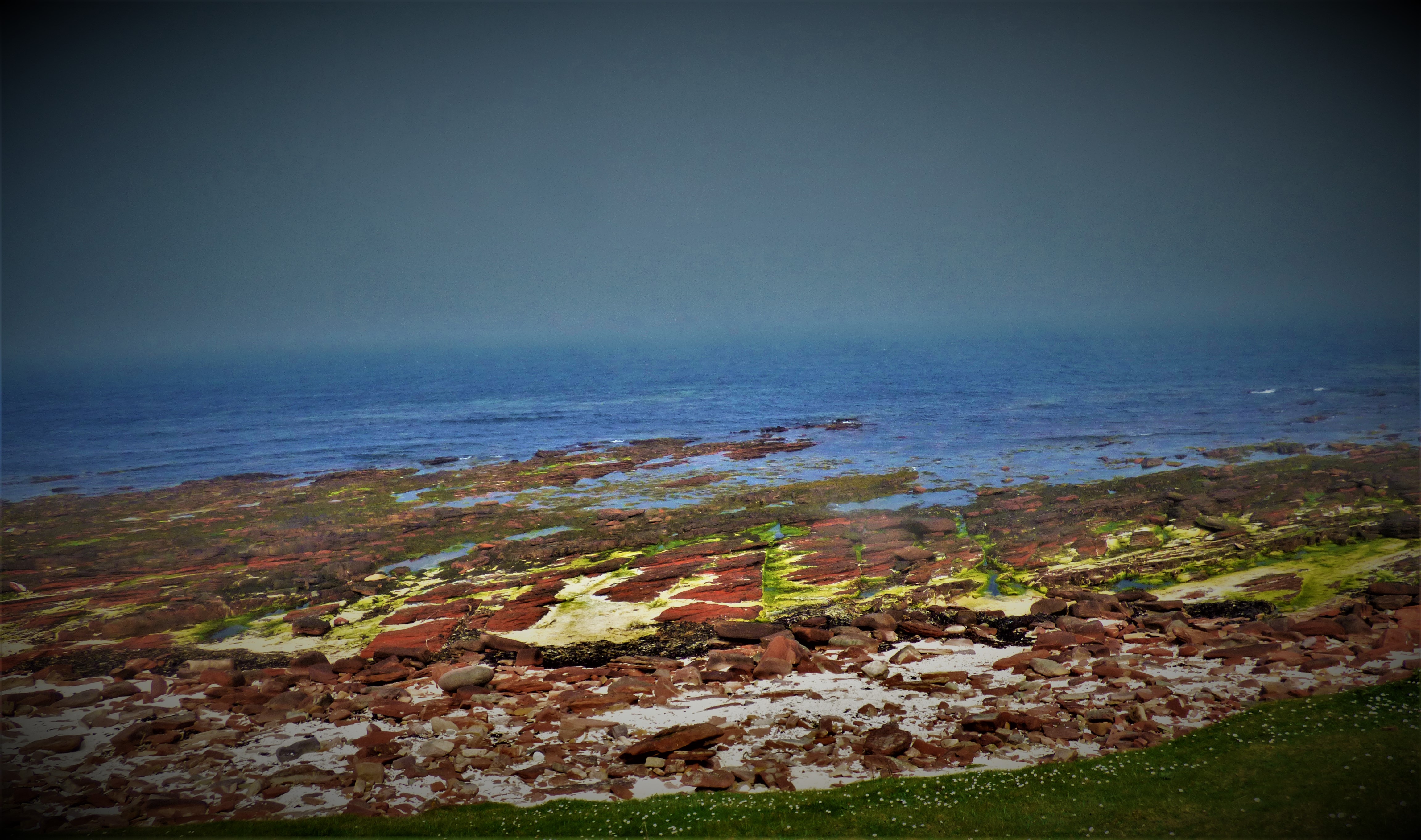
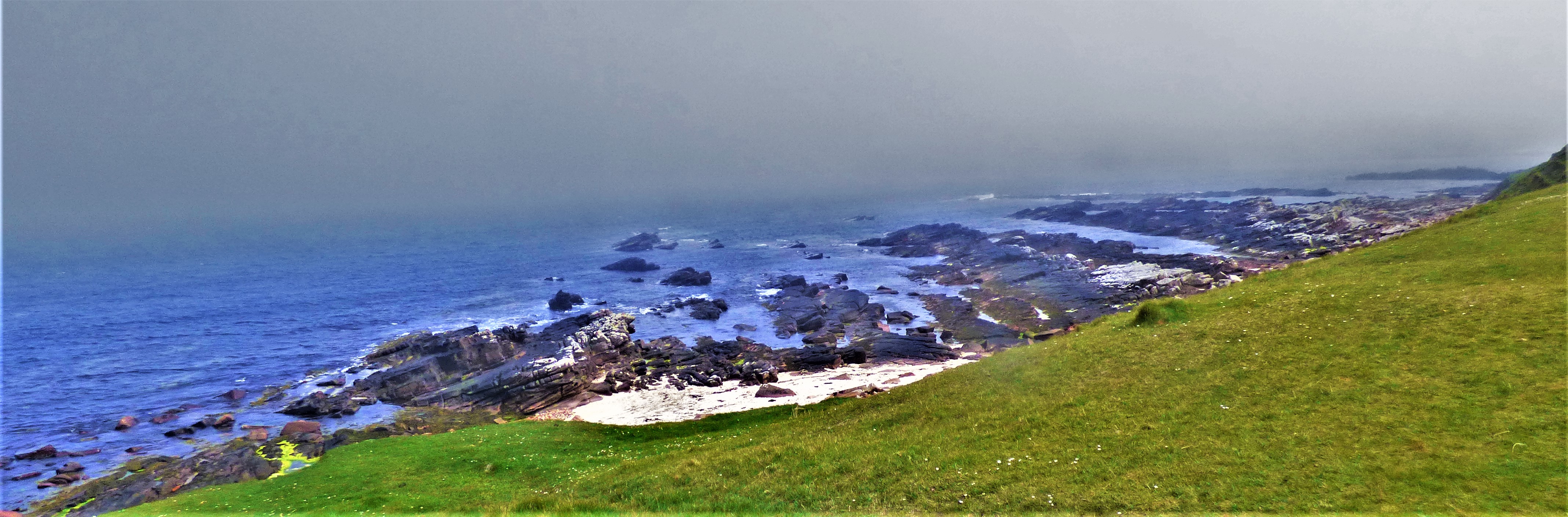
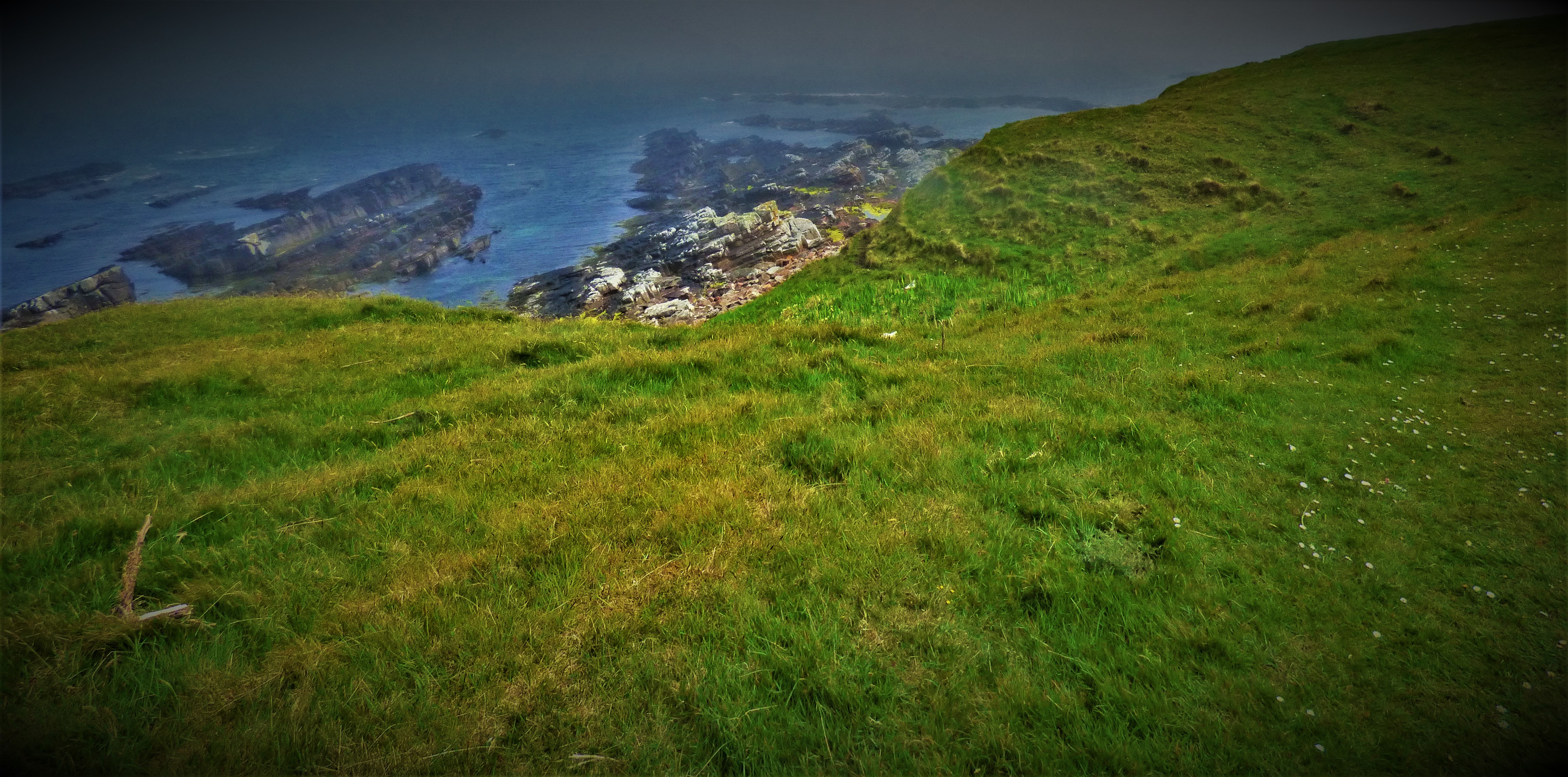
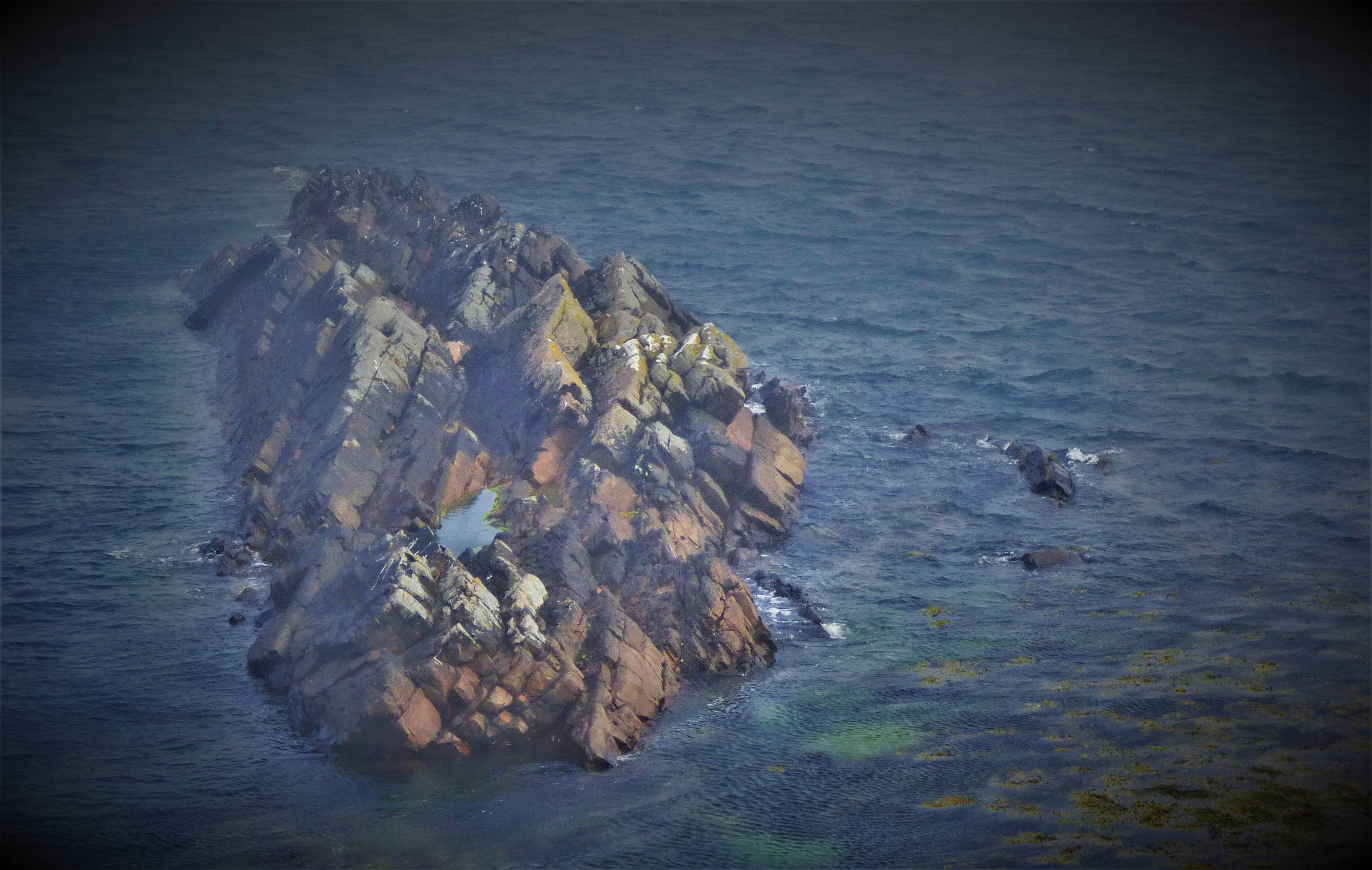
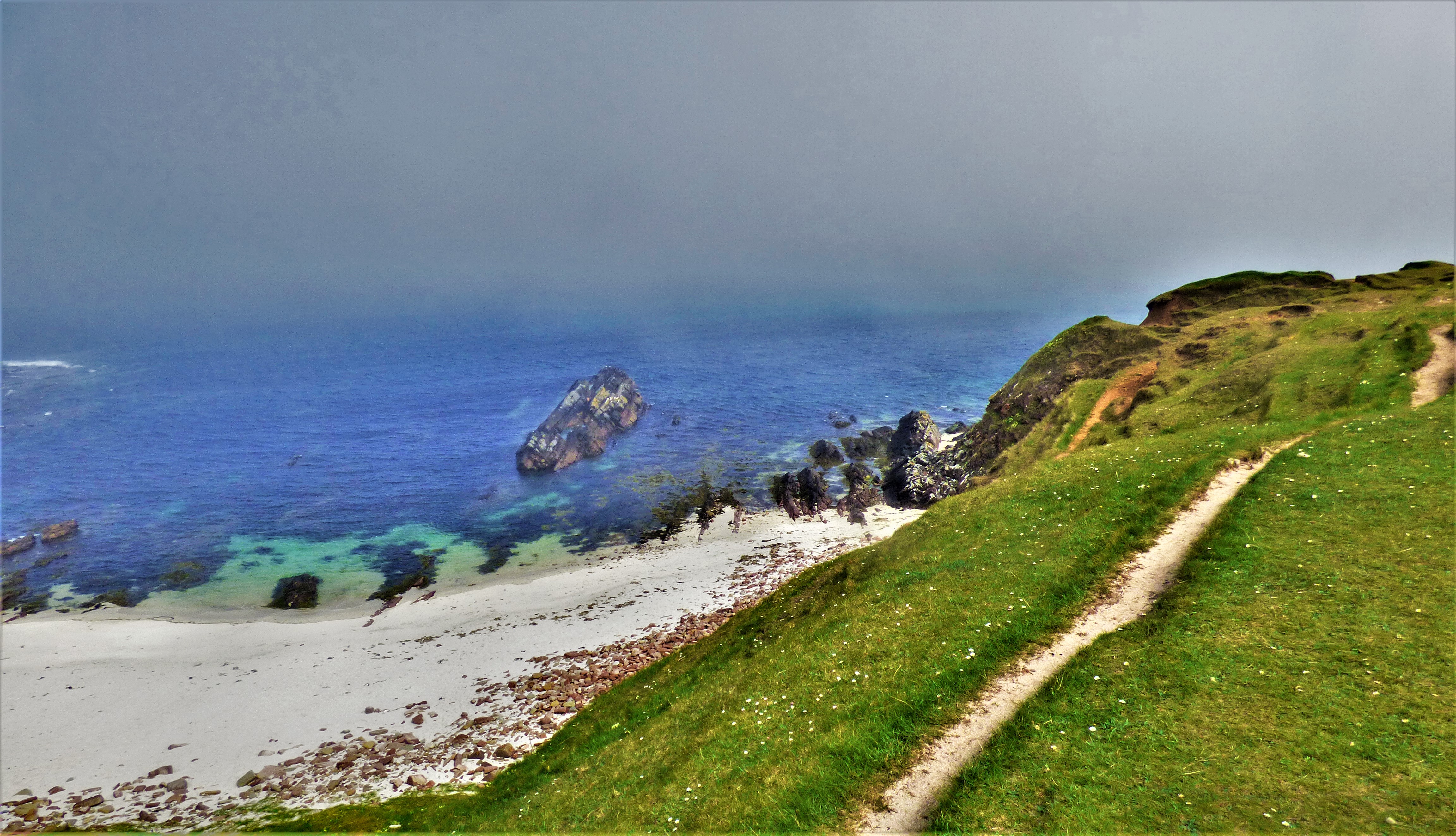
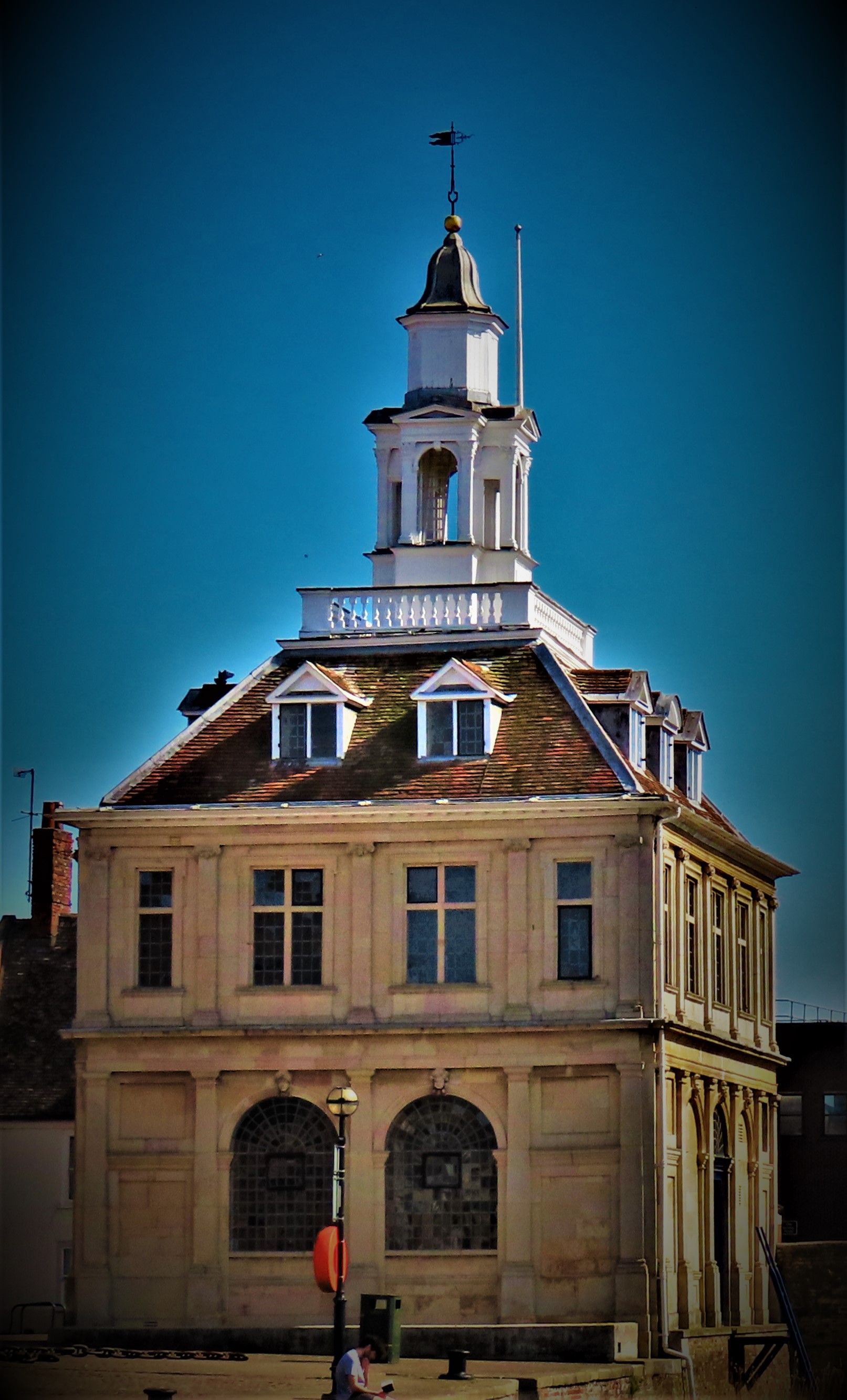
Scotland 2021: Wick

An account of my day in Wick near the end of my recent Scottish holiday.

We have reached the last full day of my Scottish holiday (May 28 – June 5th), the Friday which I spent in Wick (a mix up over booking times meant that I had an extra day in Scotland after we were supposed to leave the house in which we had been staying, having missed the first day, so I was booked into a hotel in Wick, from whence I was departing early on the Saturday morning).

ARRIVING IN WICK

I was dropped at the Norseman Hotel in Wick, where I would be staying overnight. Unfortunately it was far too early to check in, but fortunately I was able to deposit my larger bag at the hotel which meant that I had at least some freedom of movement.

ETYMOLOGICAL NOTE

Wick derives from Old Norse and means ‘bay’ in English. It is most often seen as a place name ending, with -wich, as in Norwich, an alternative version. The -vik of Narvik in northern Norway derives from the same root. The fact that Wick has no prefix indicates that when it was first settled it was the only bay in the area that was considered significant.

EXPLORING WICK

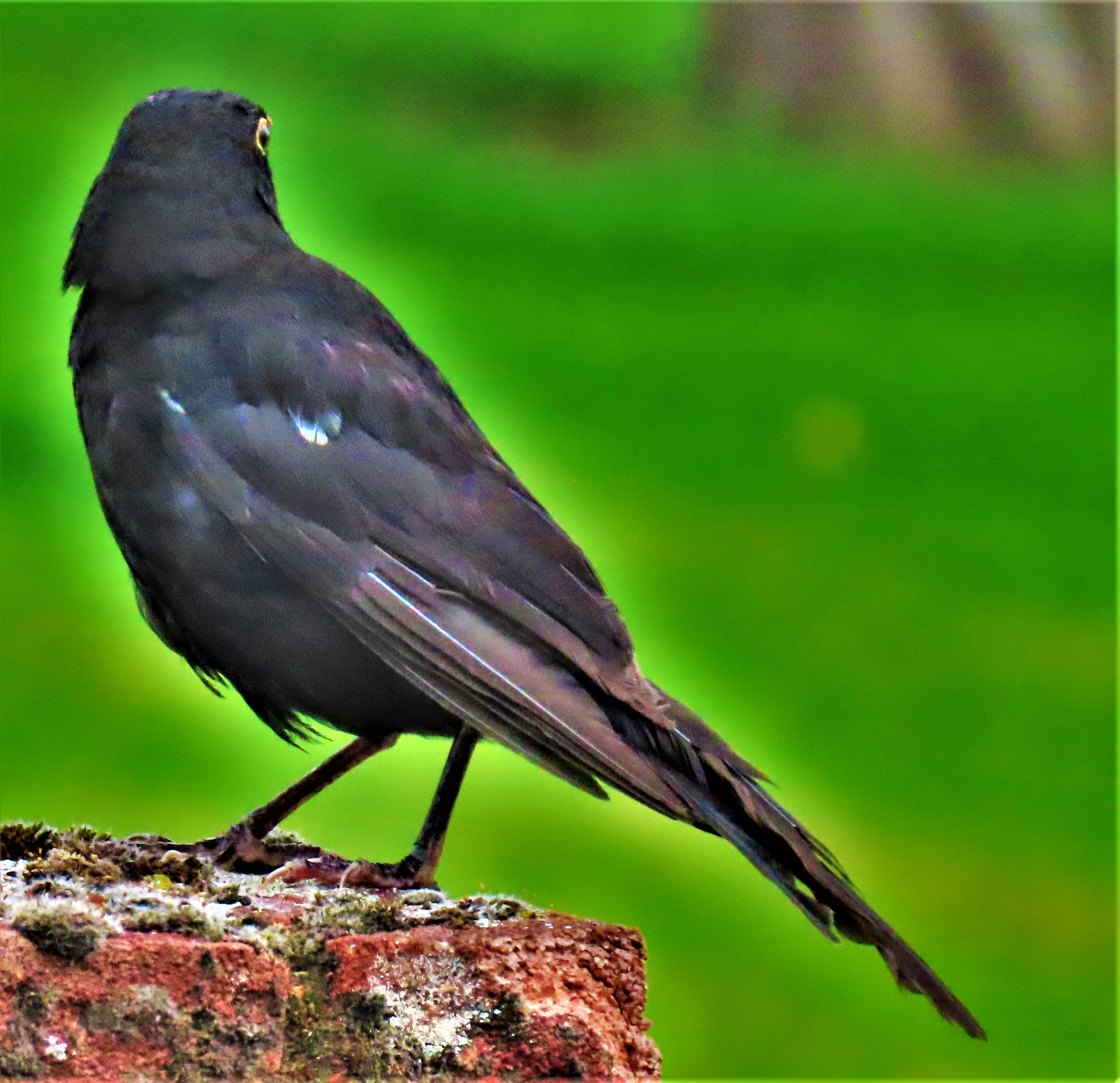
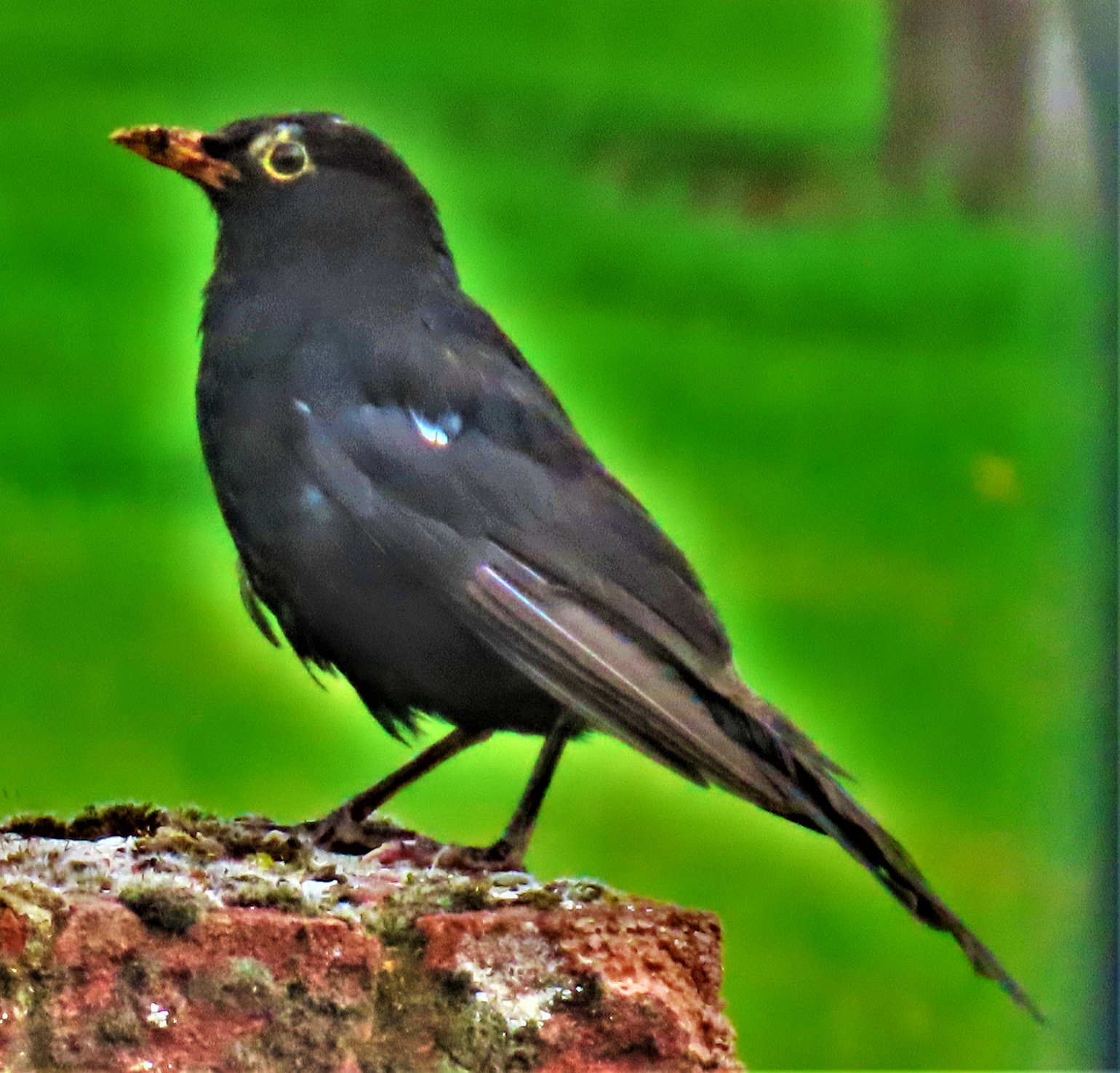
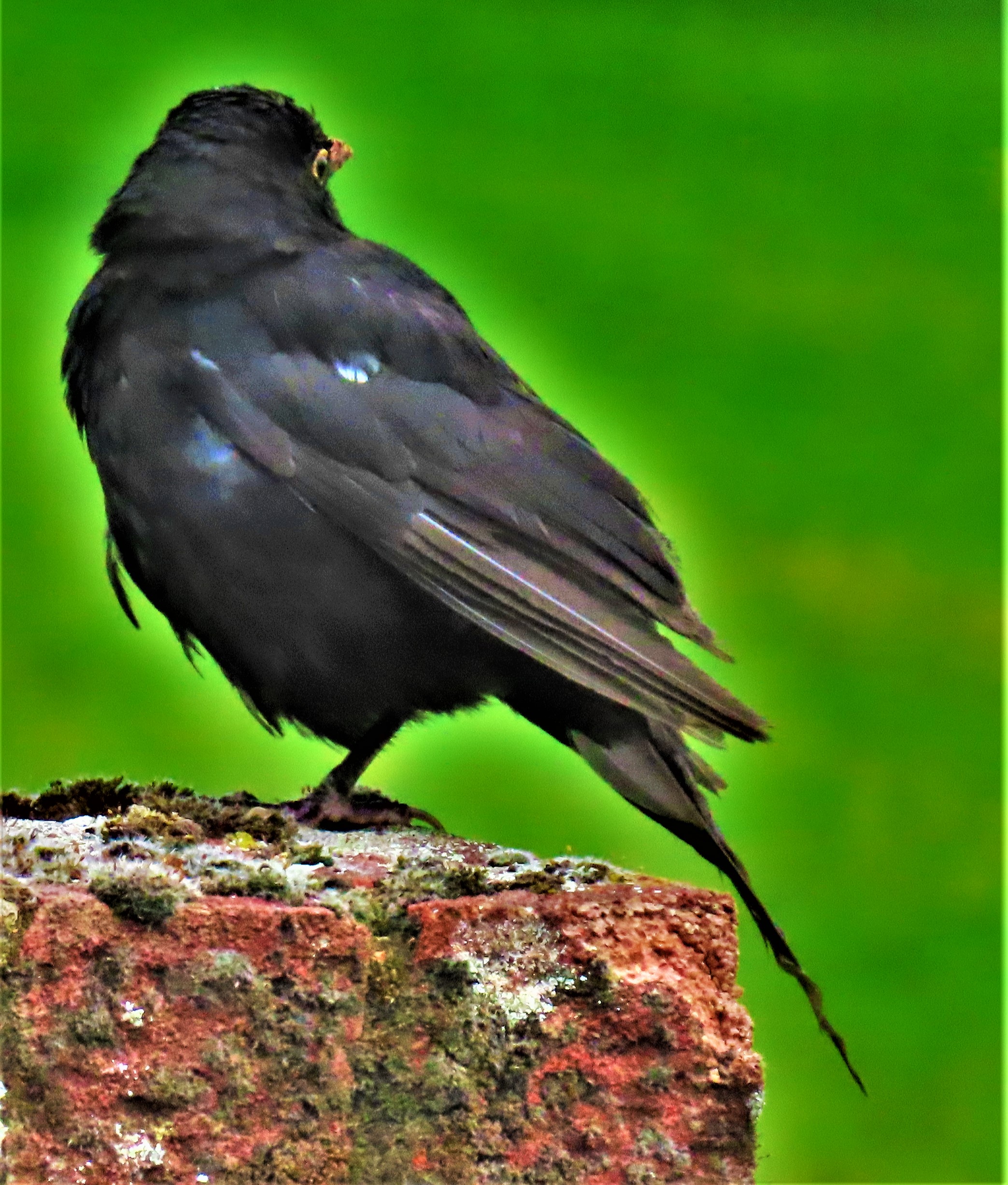
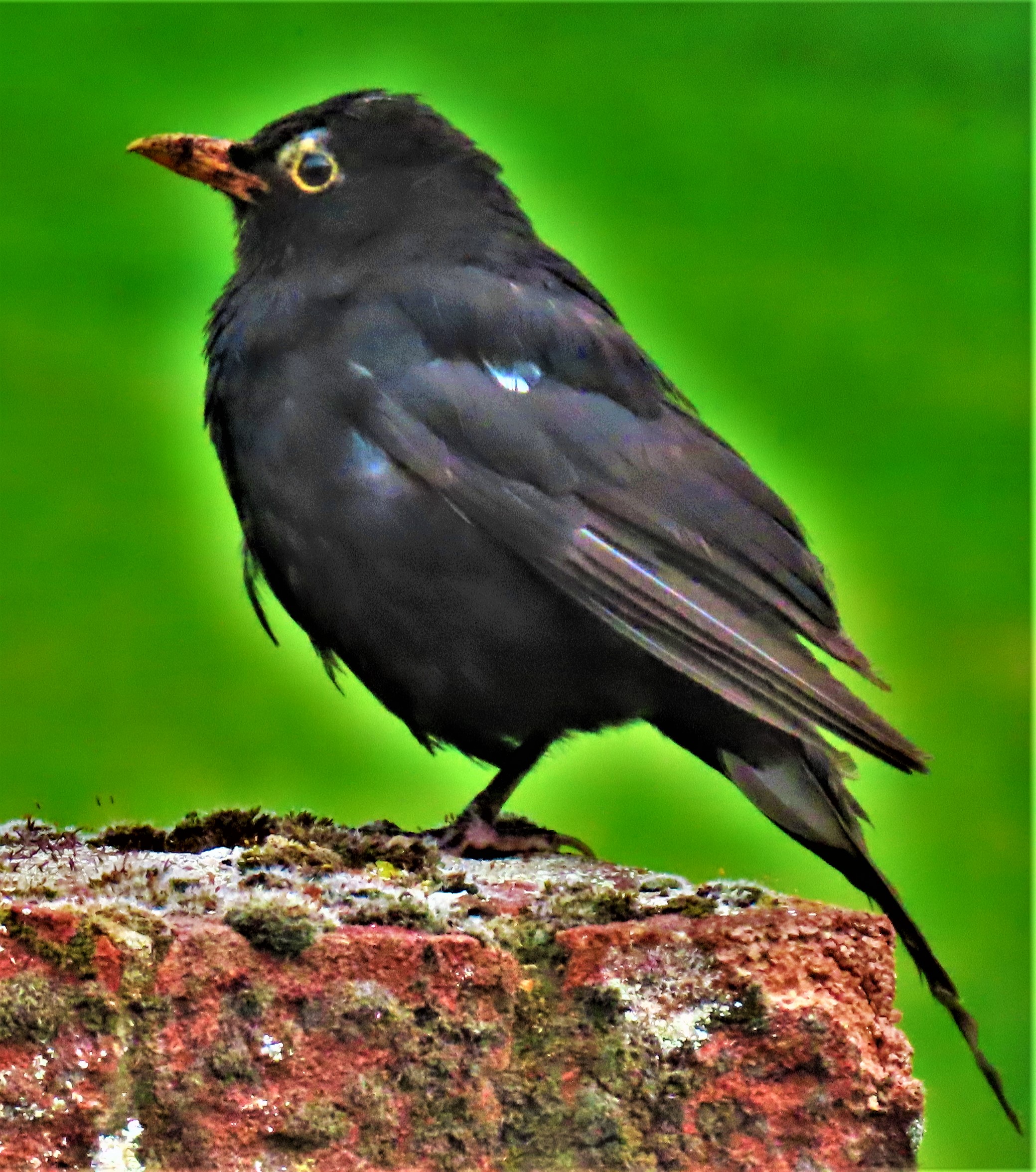
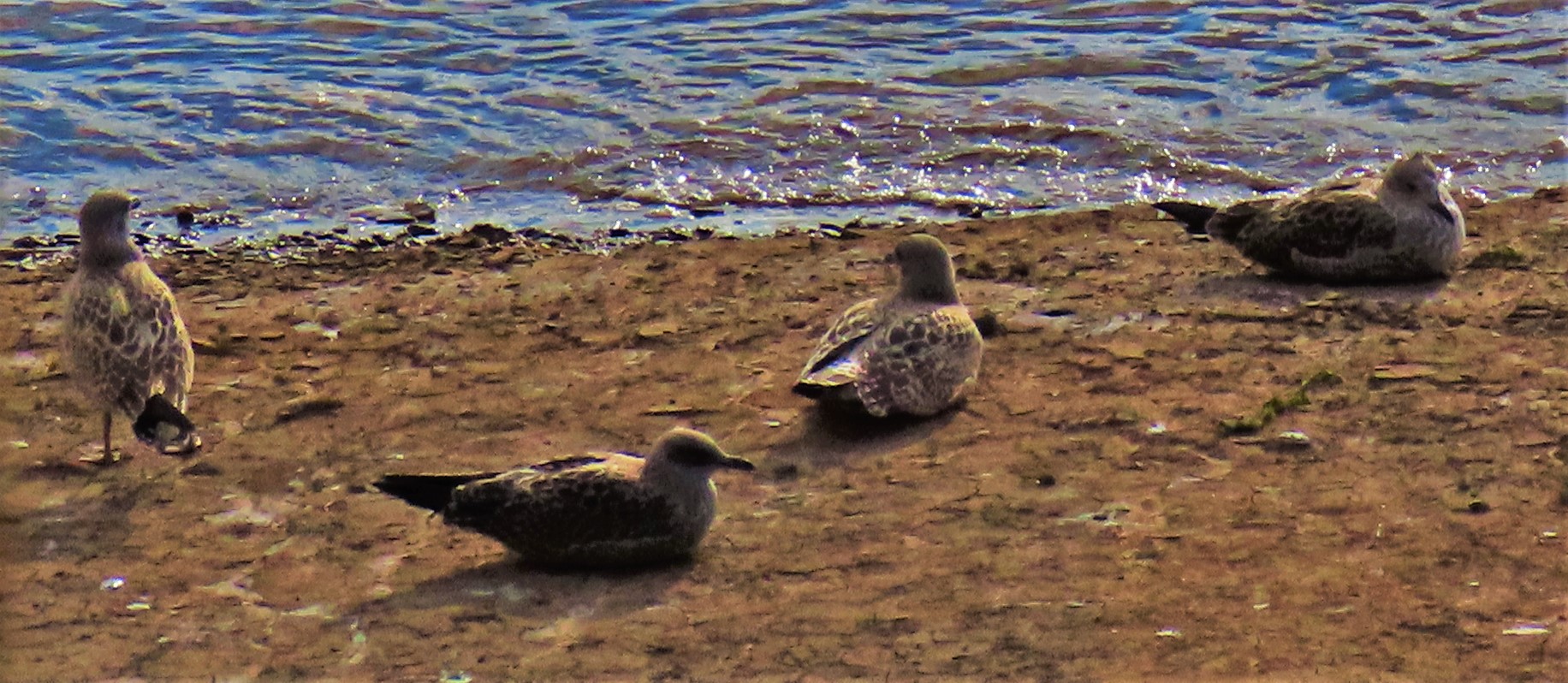
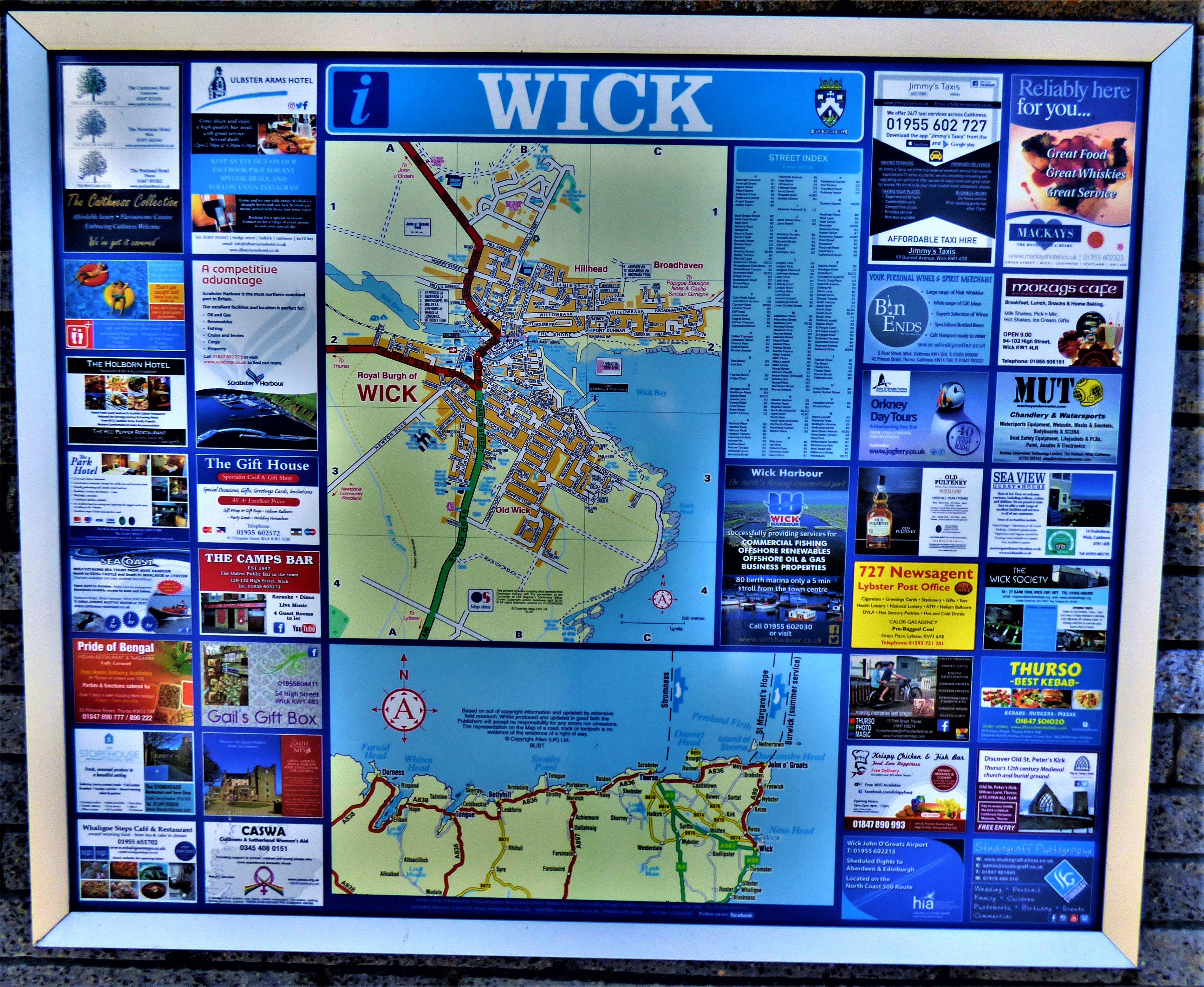
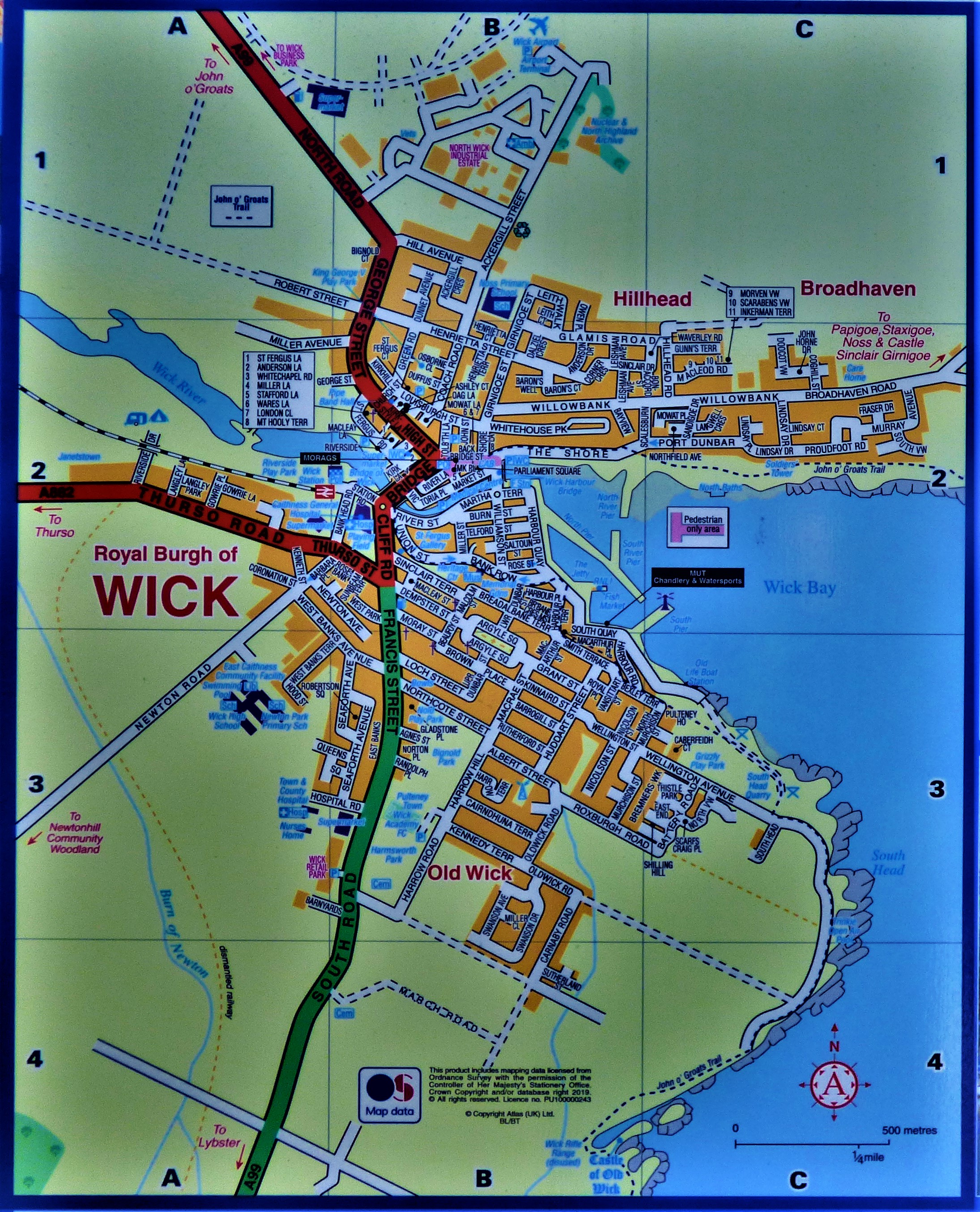
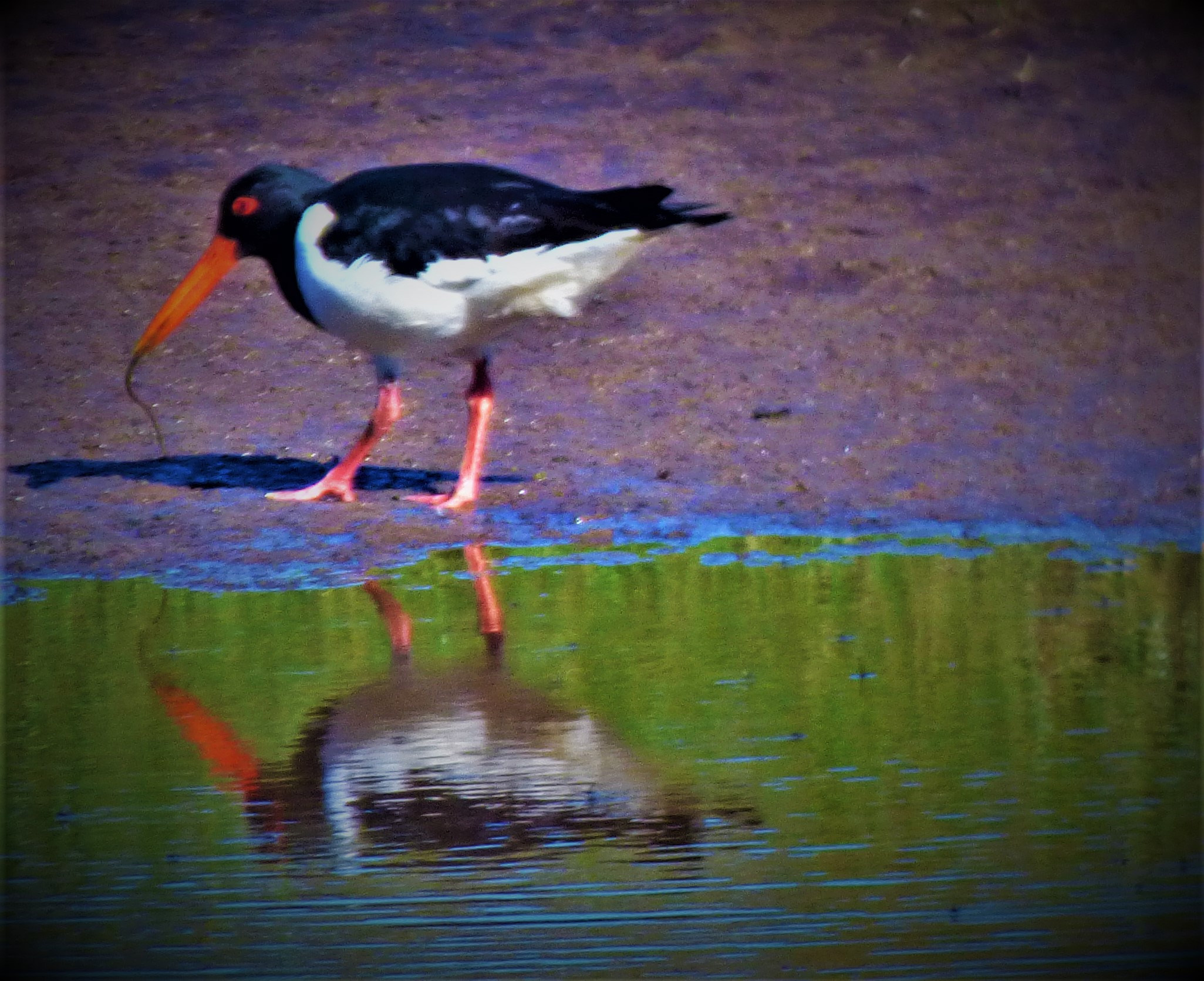
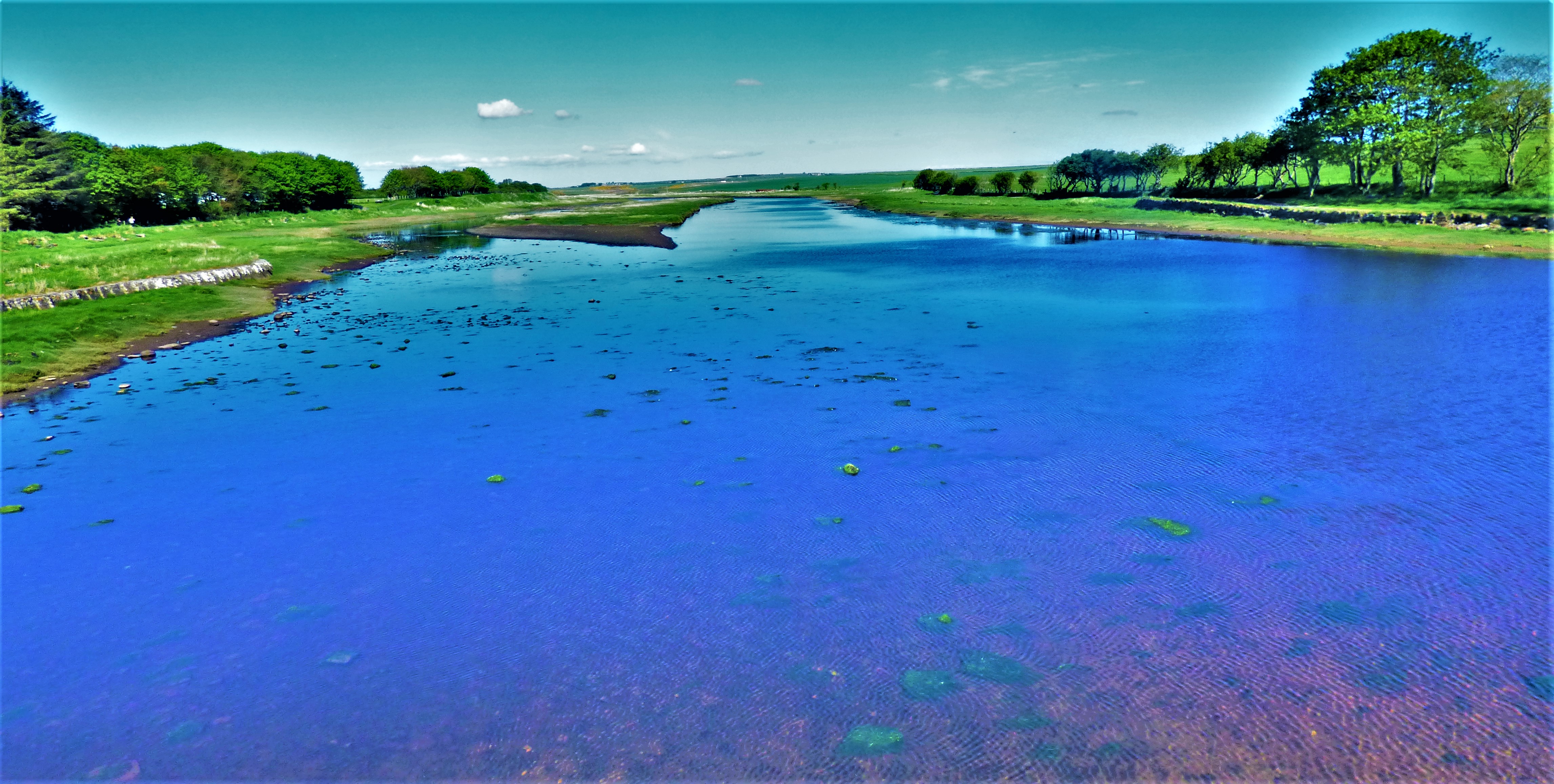
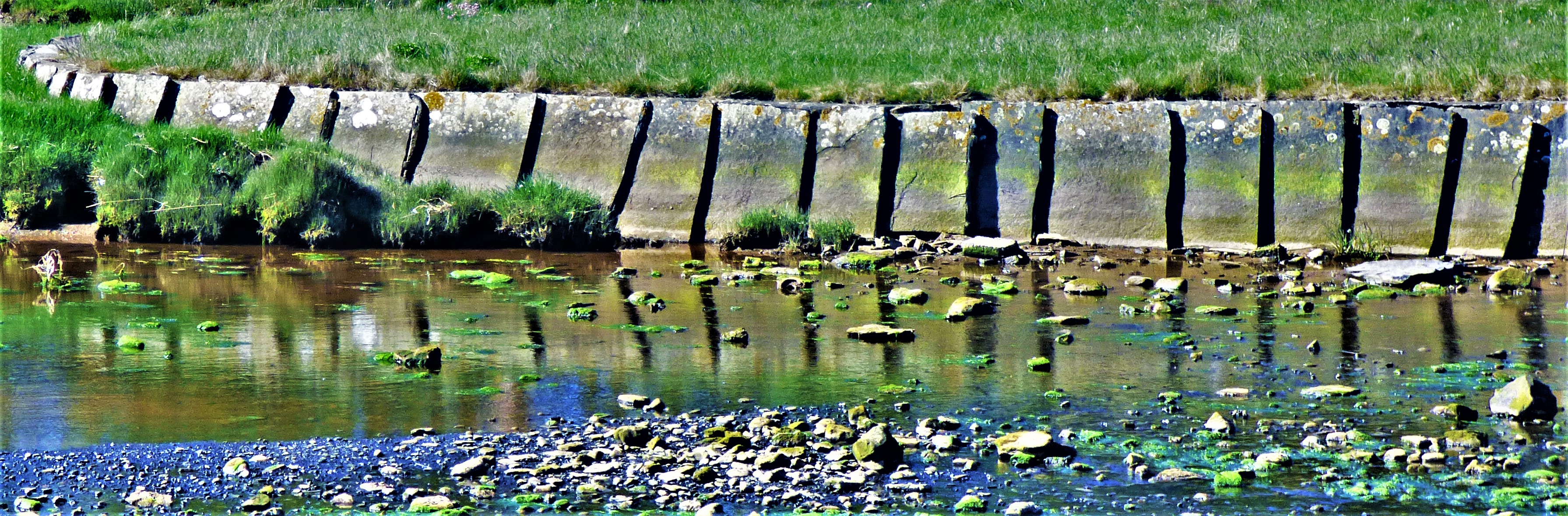
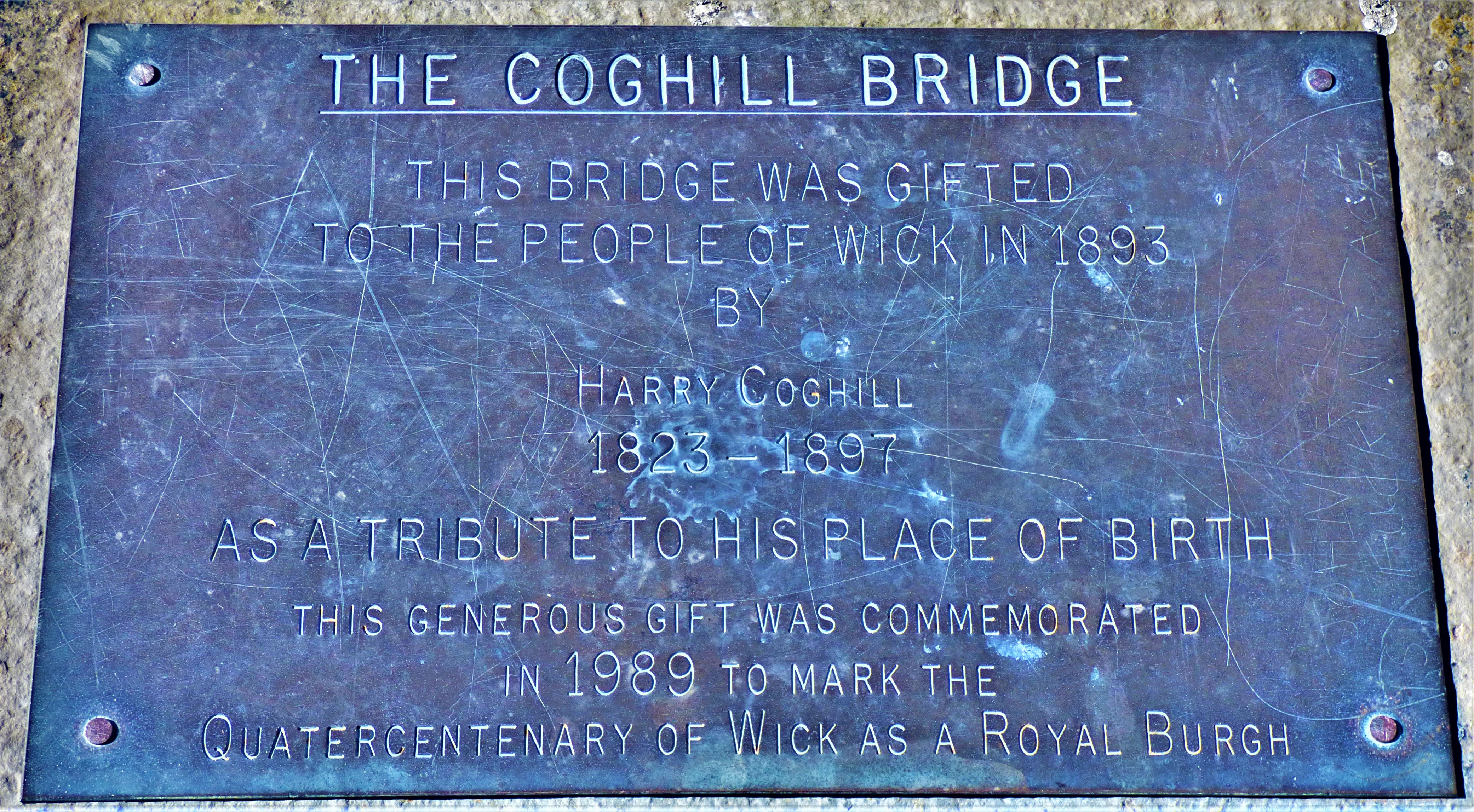
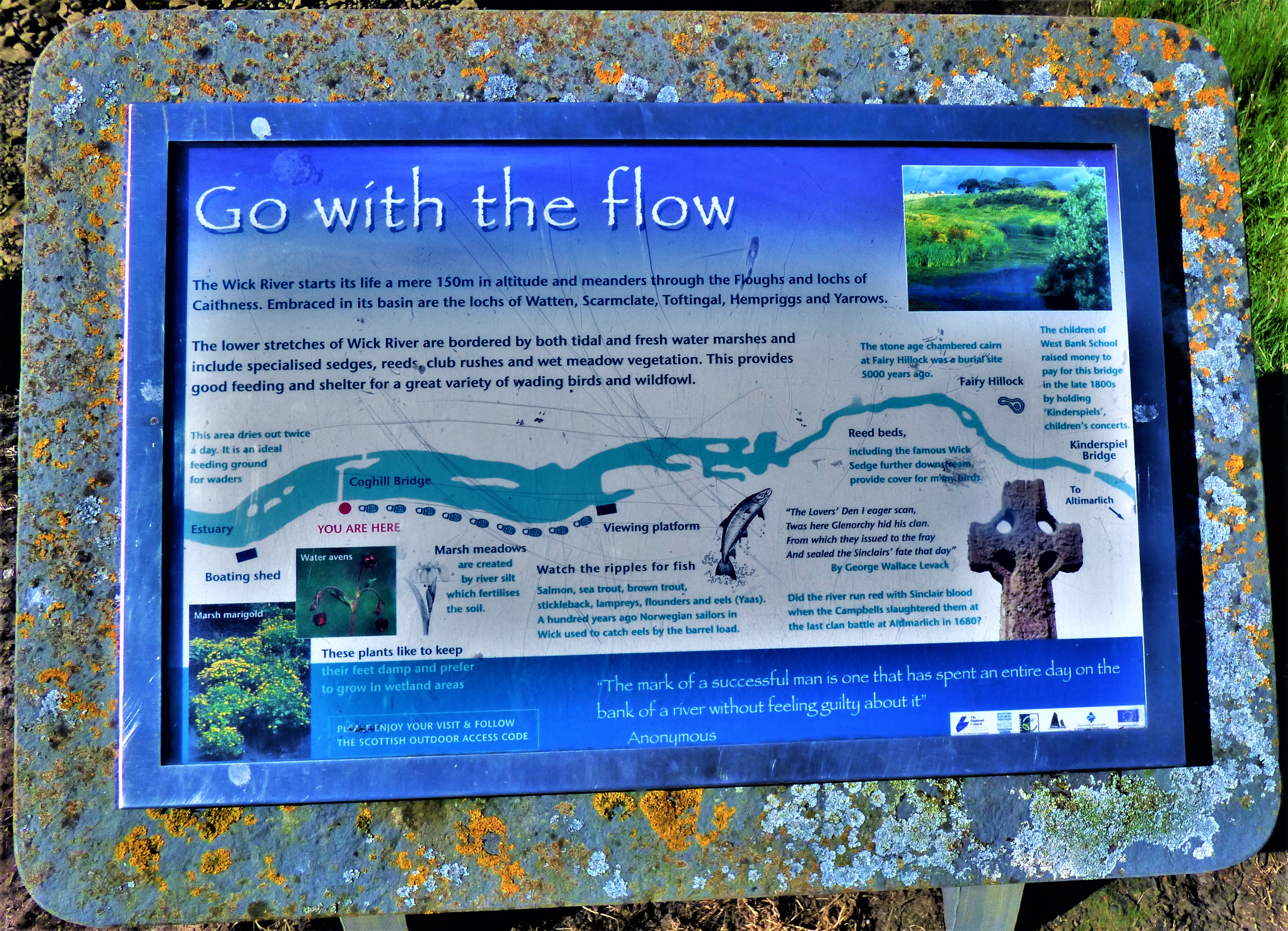
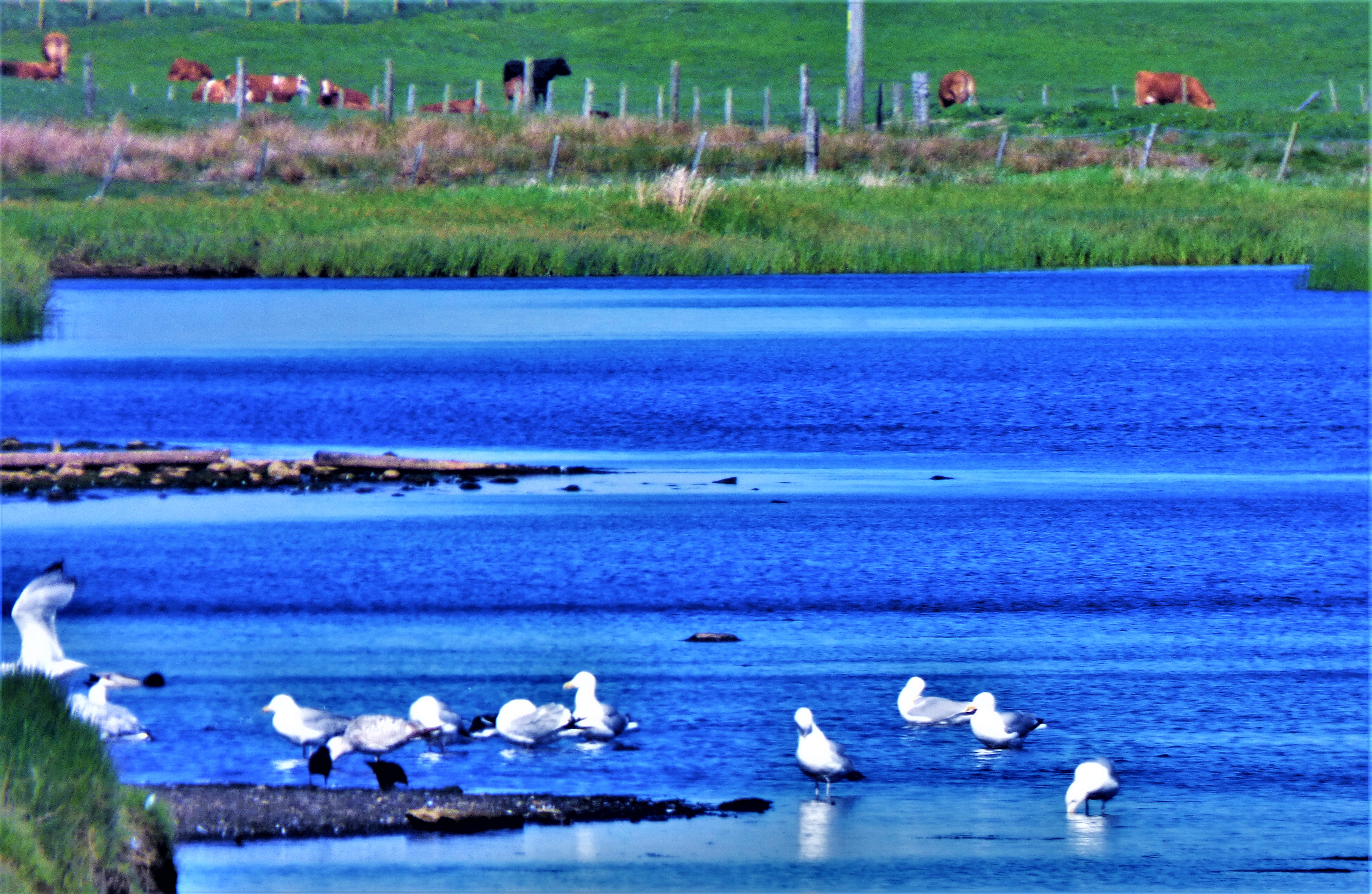
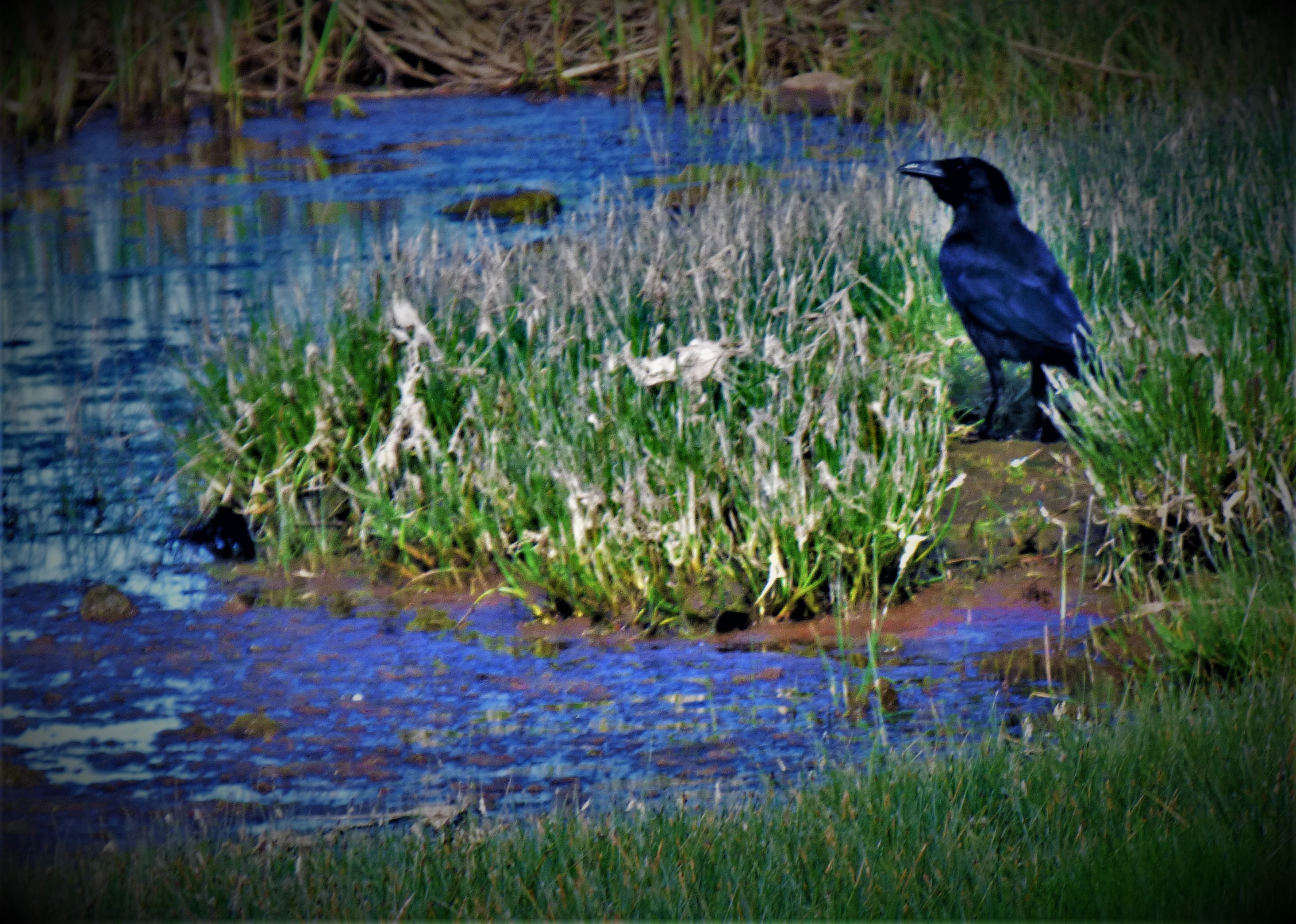
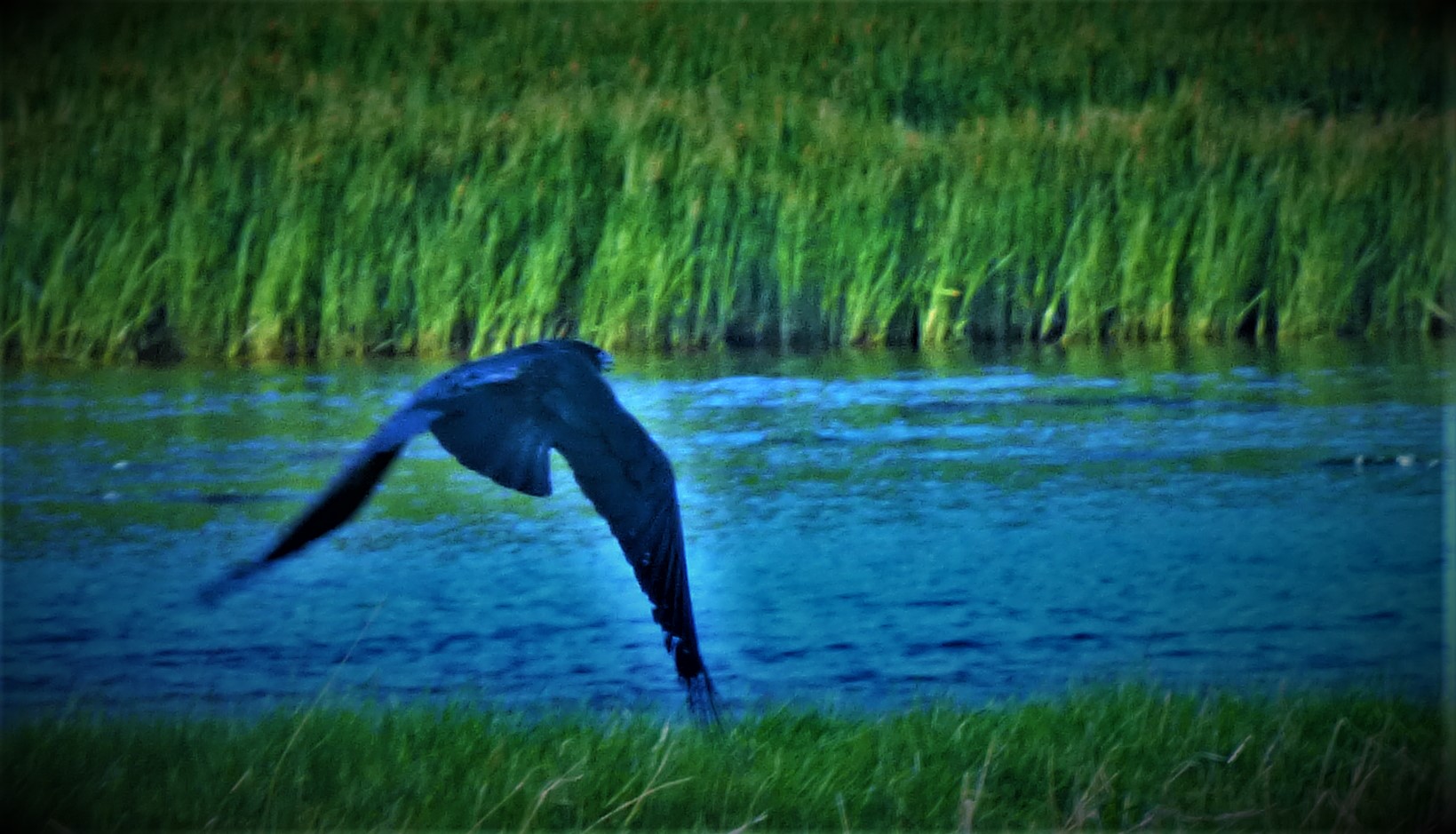
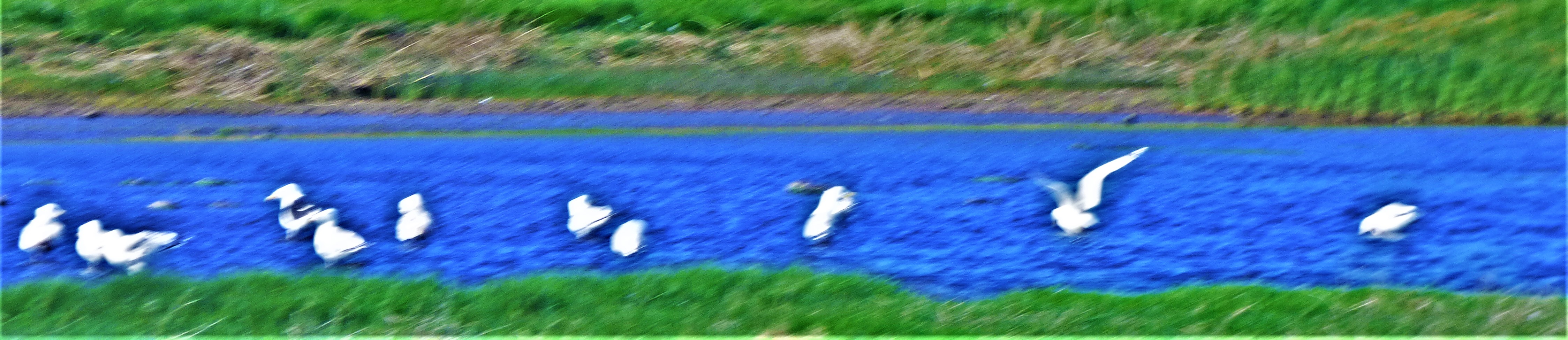
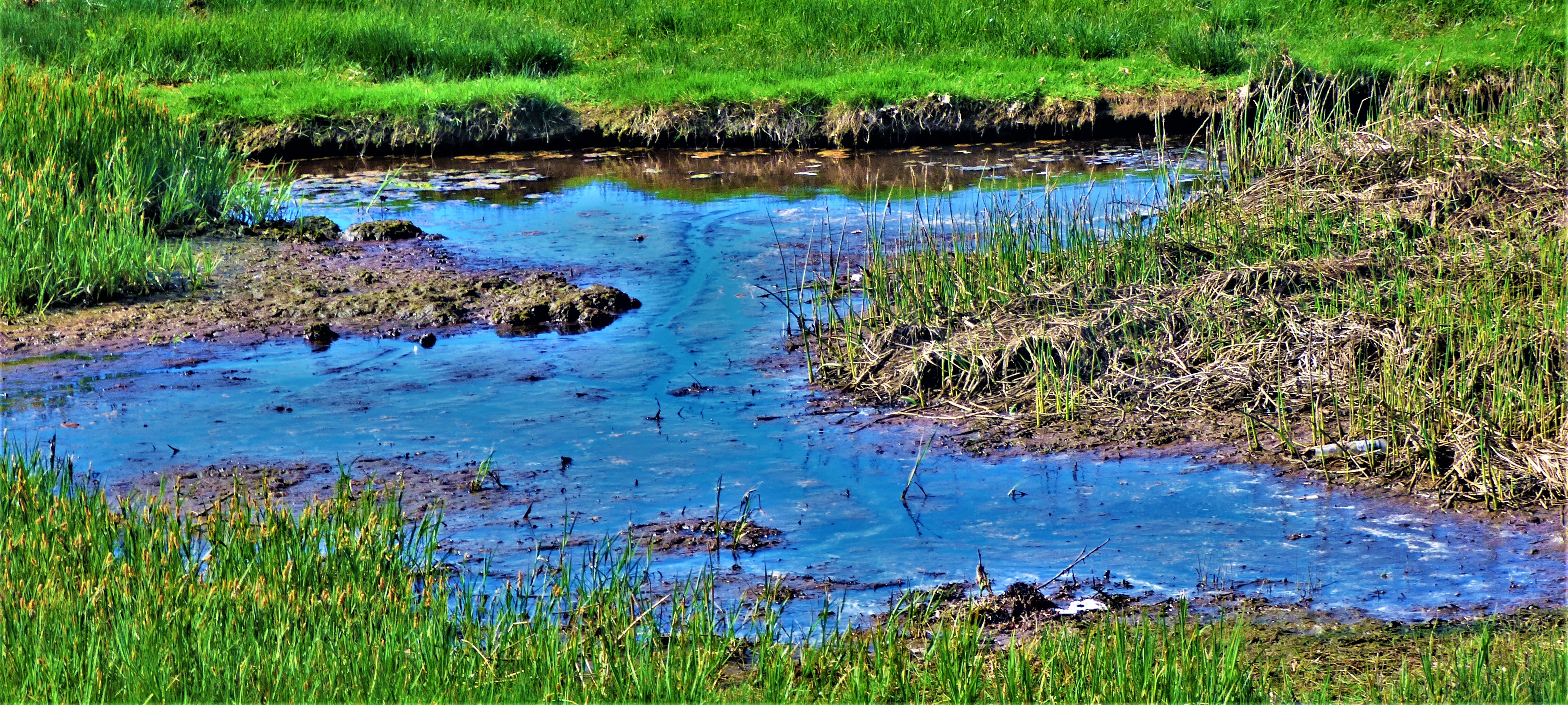
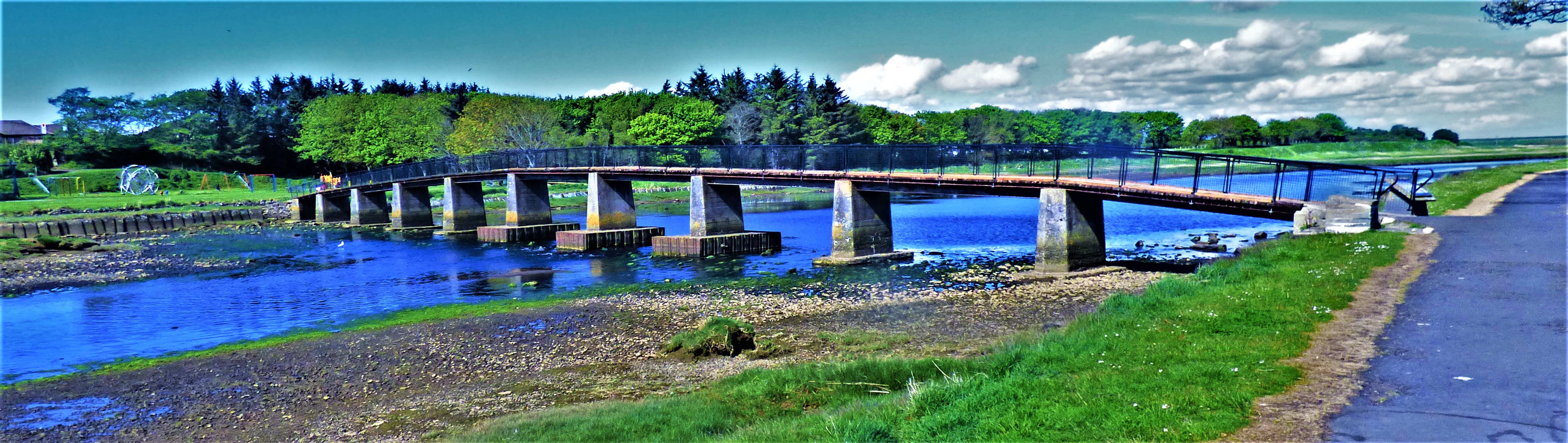
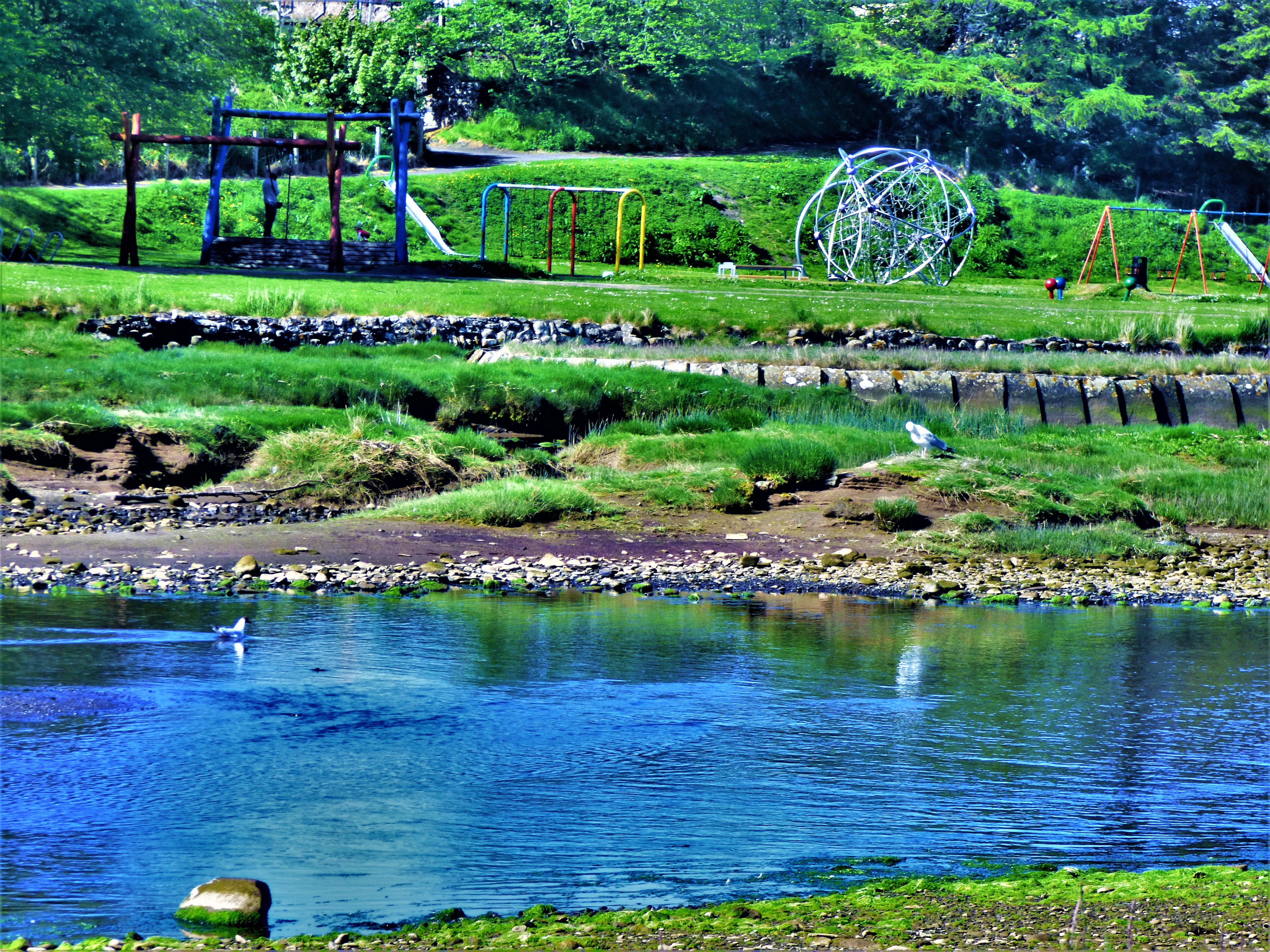
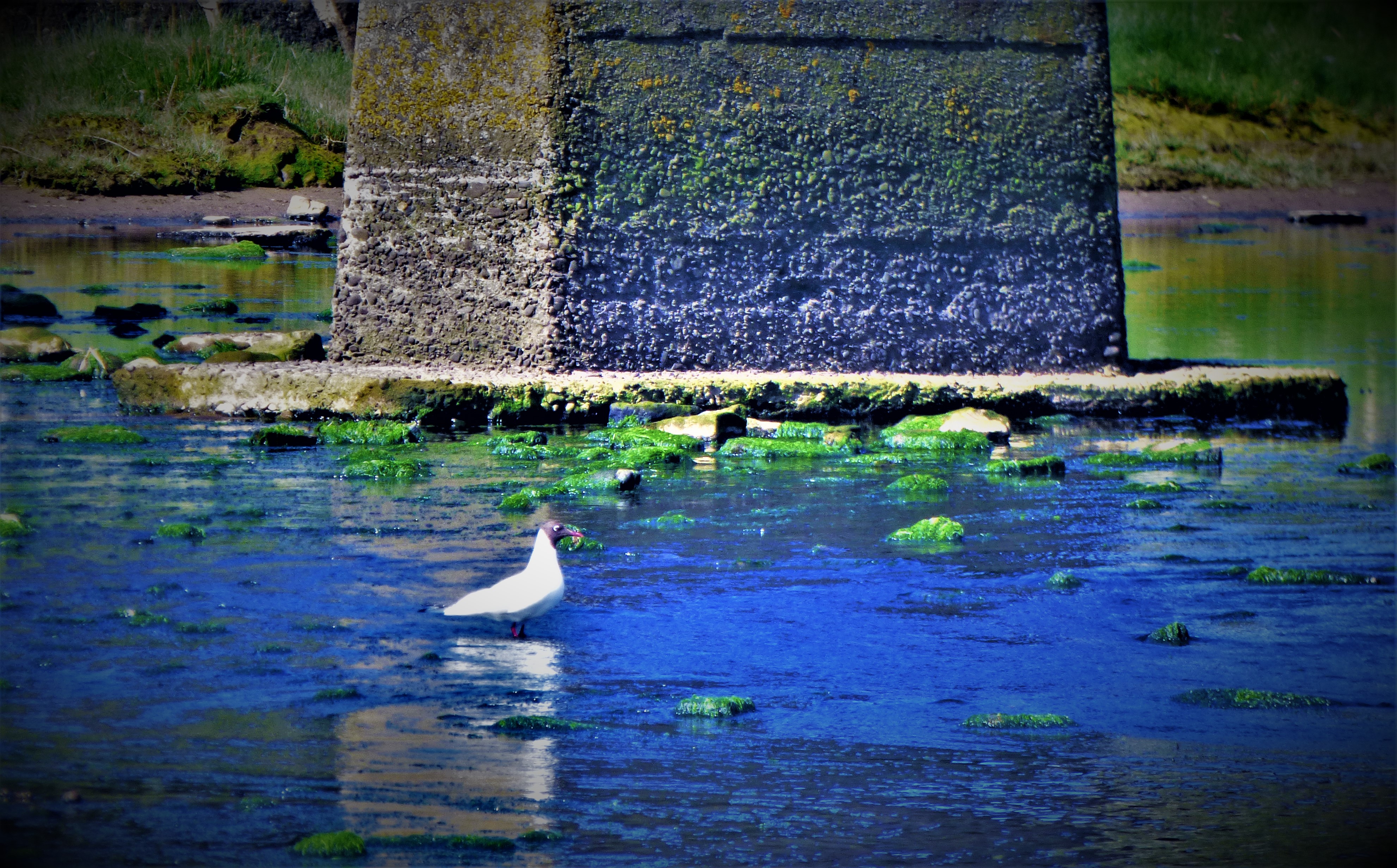
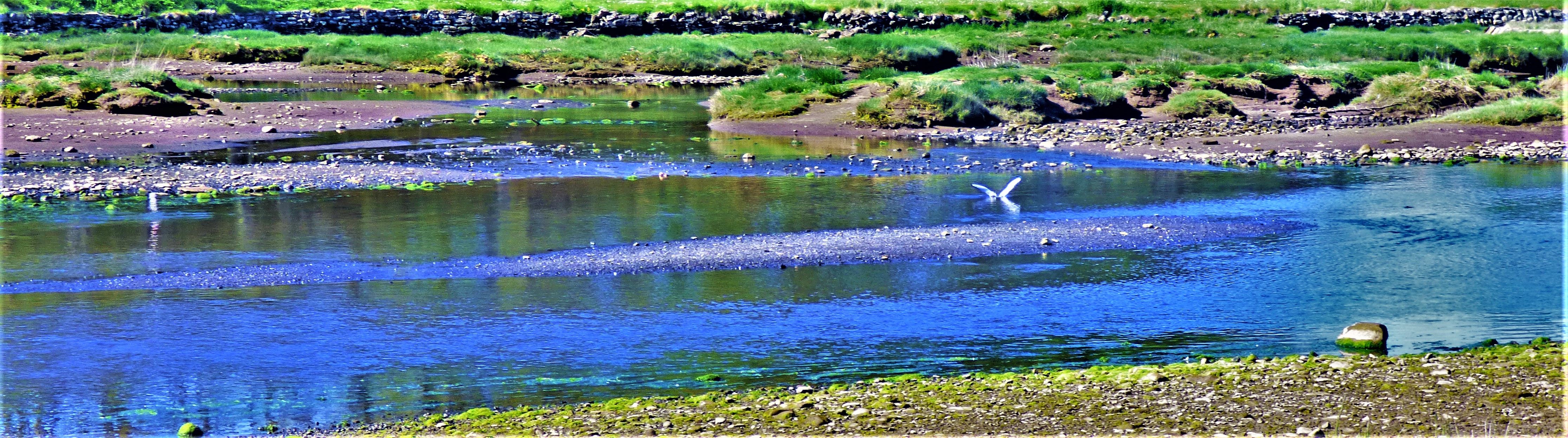
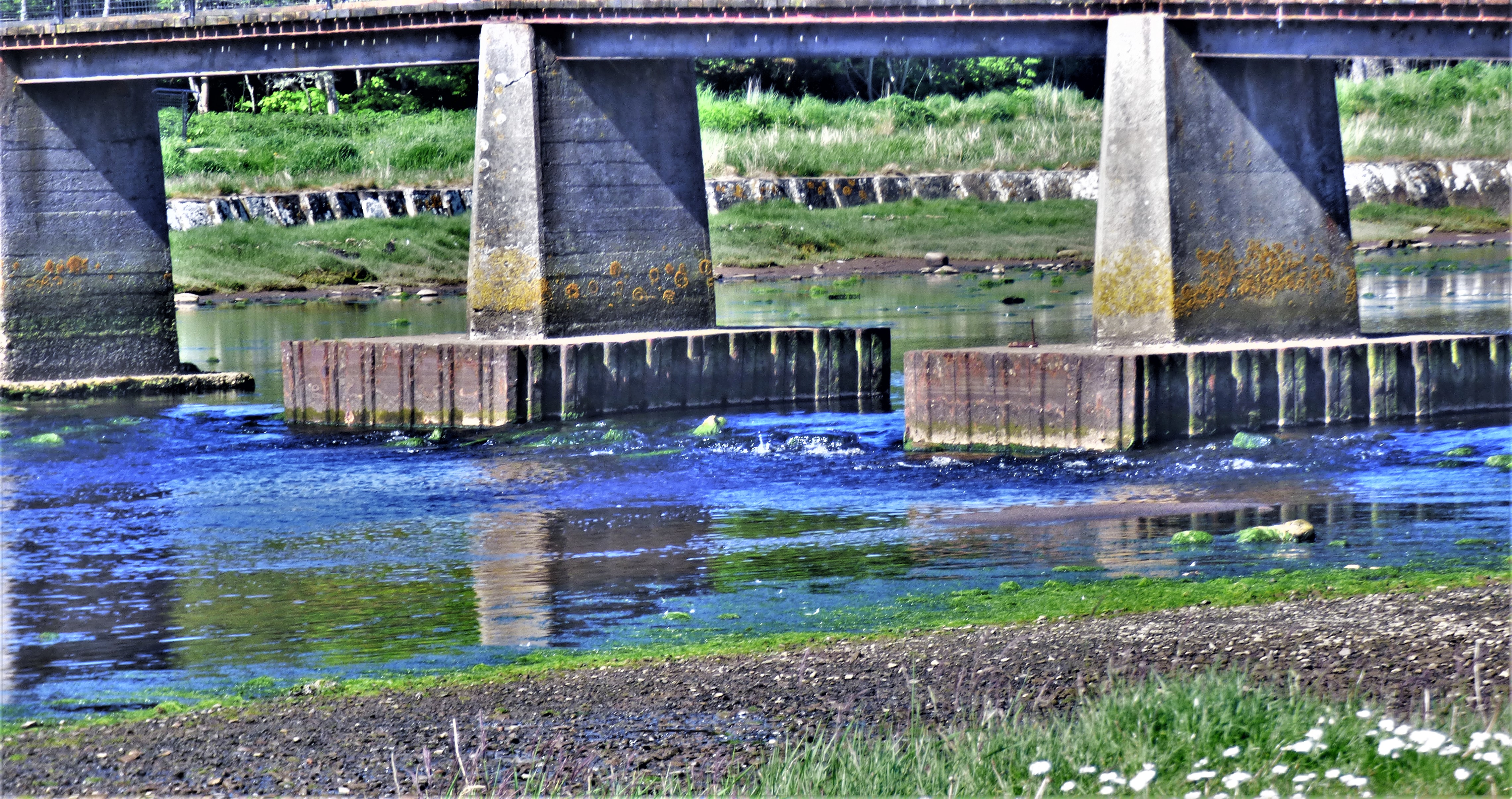
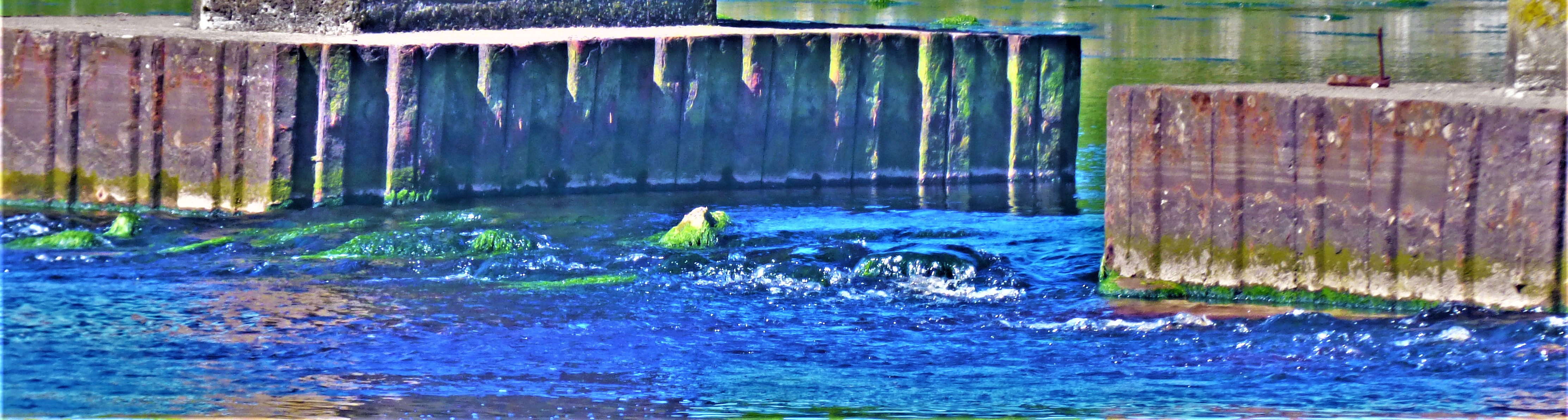
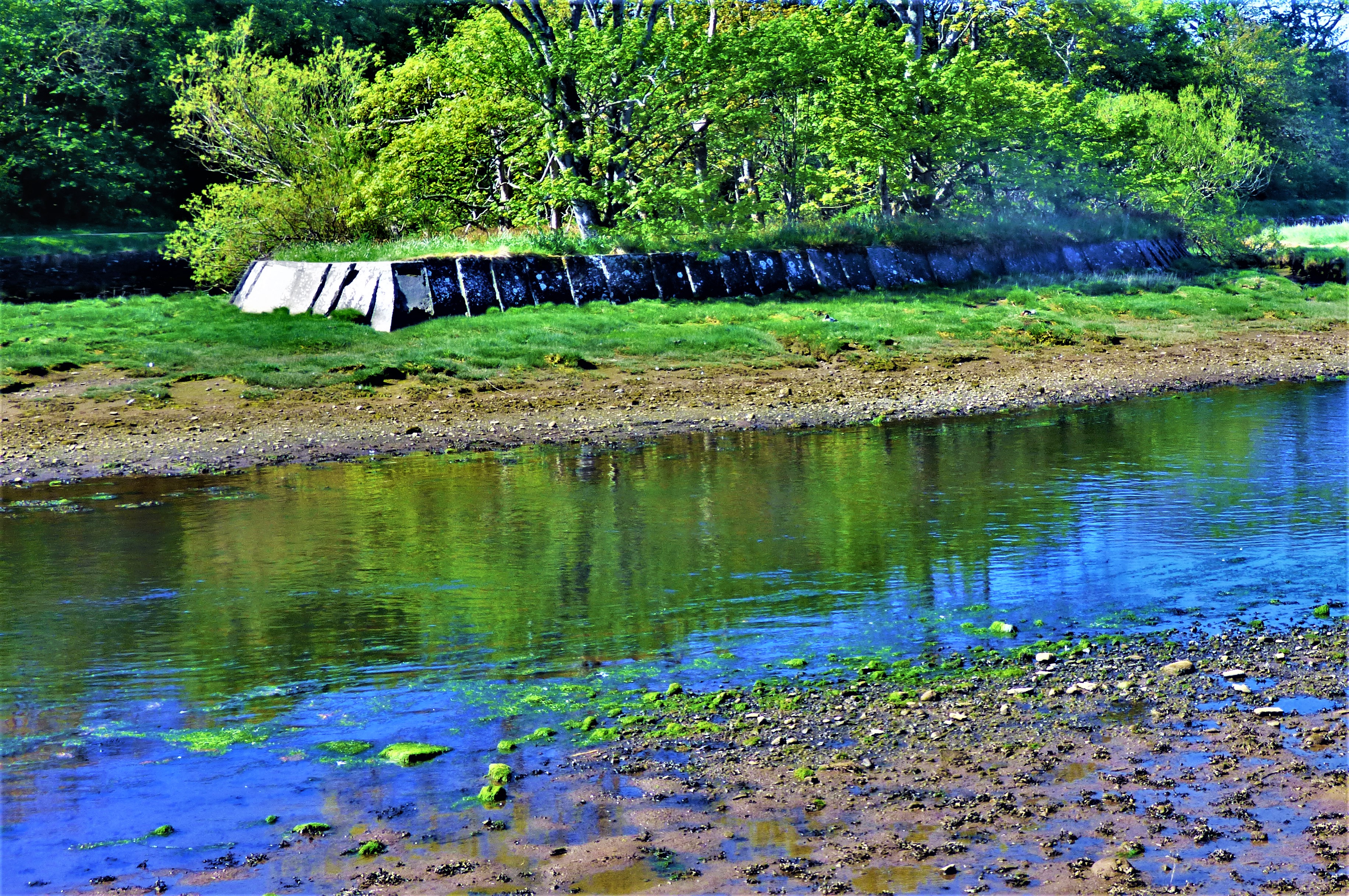
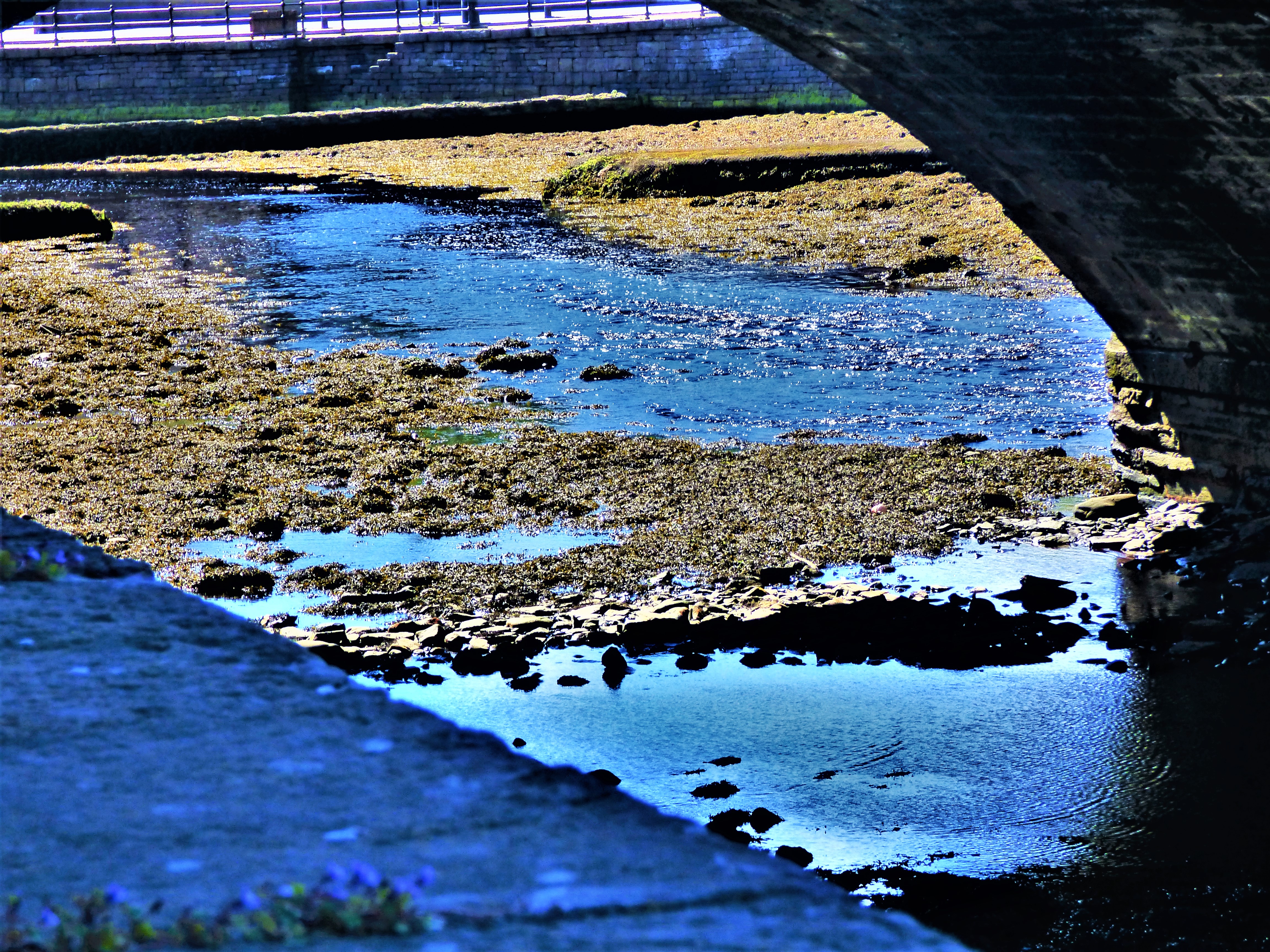
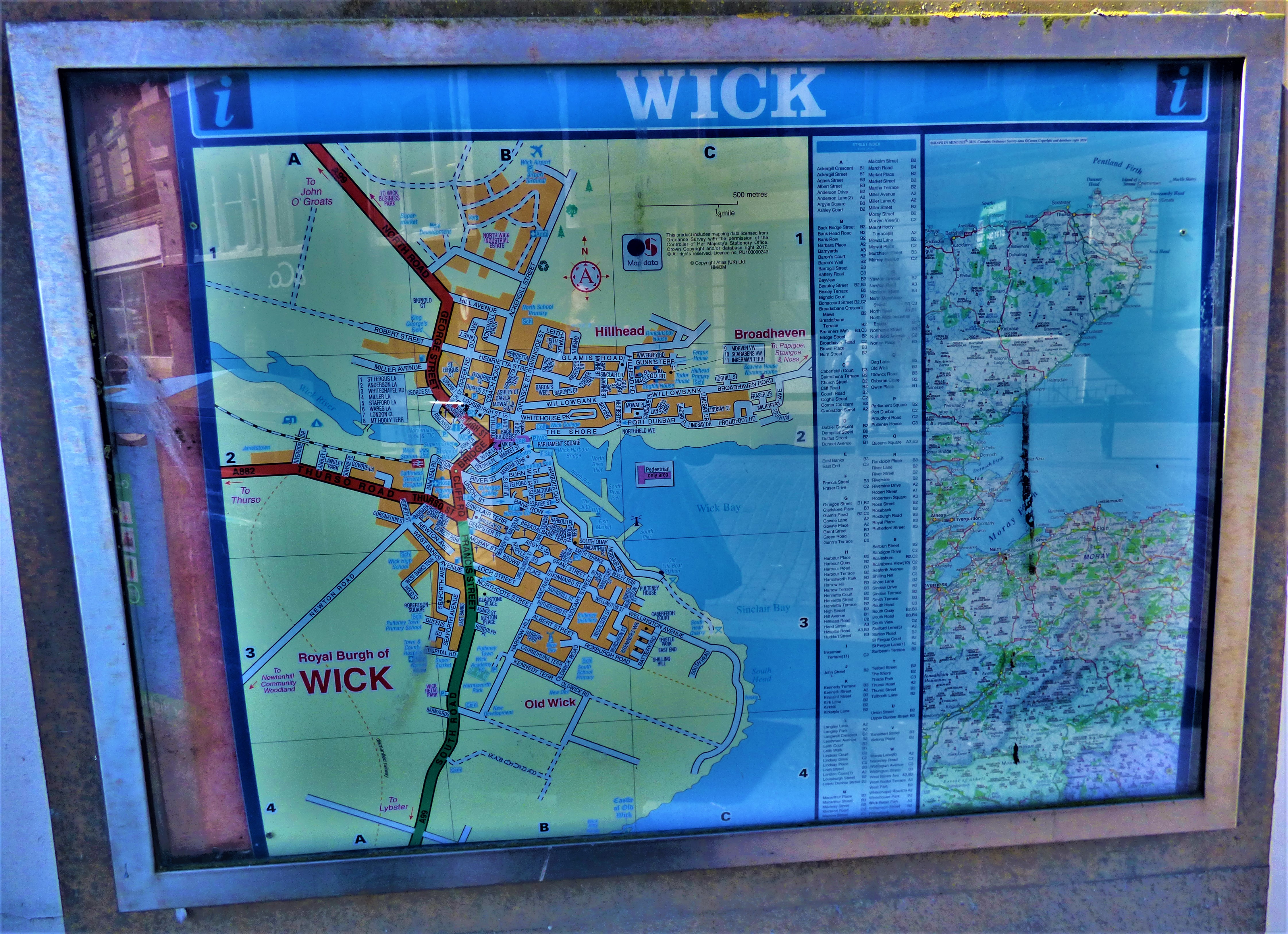
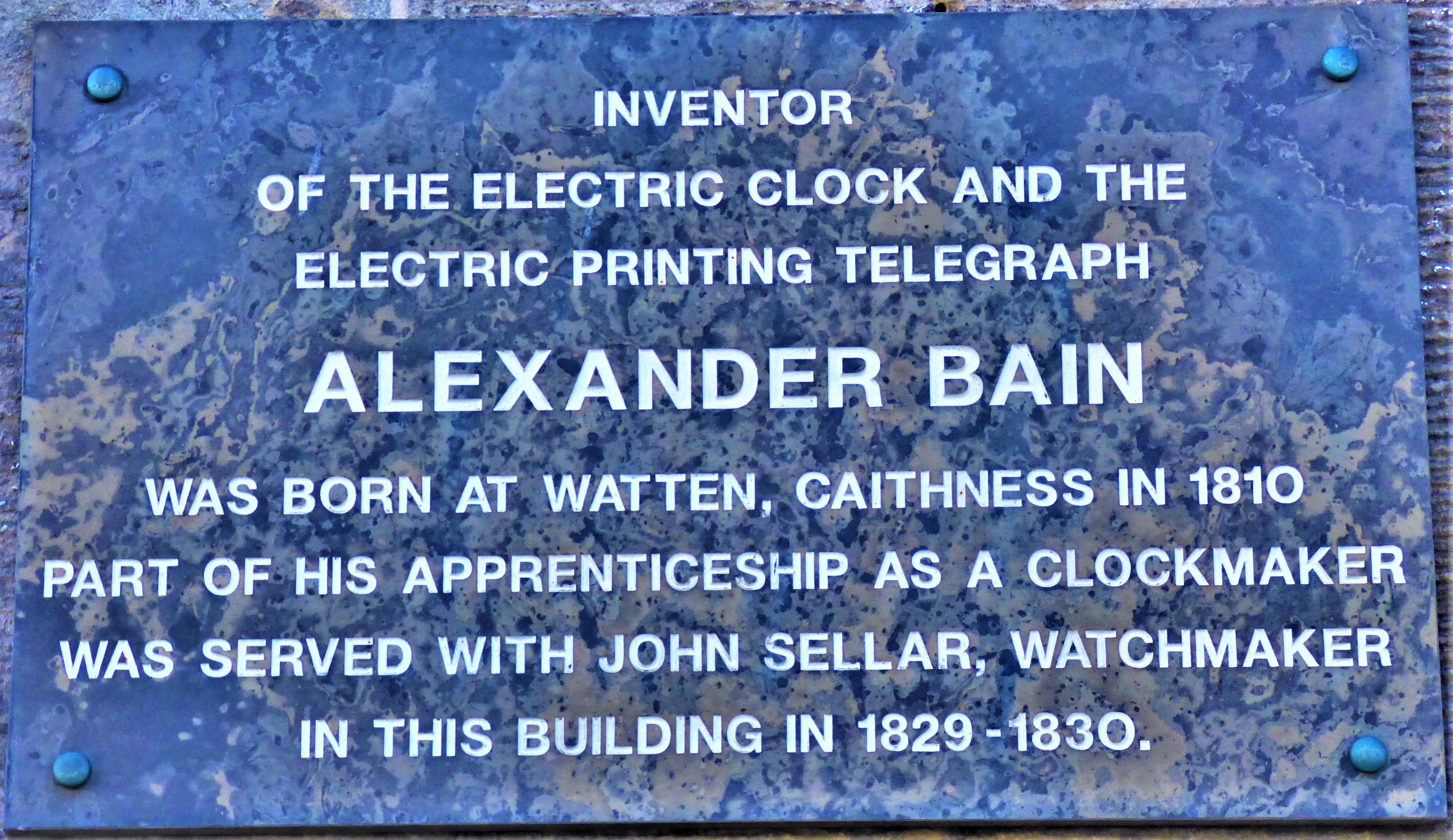
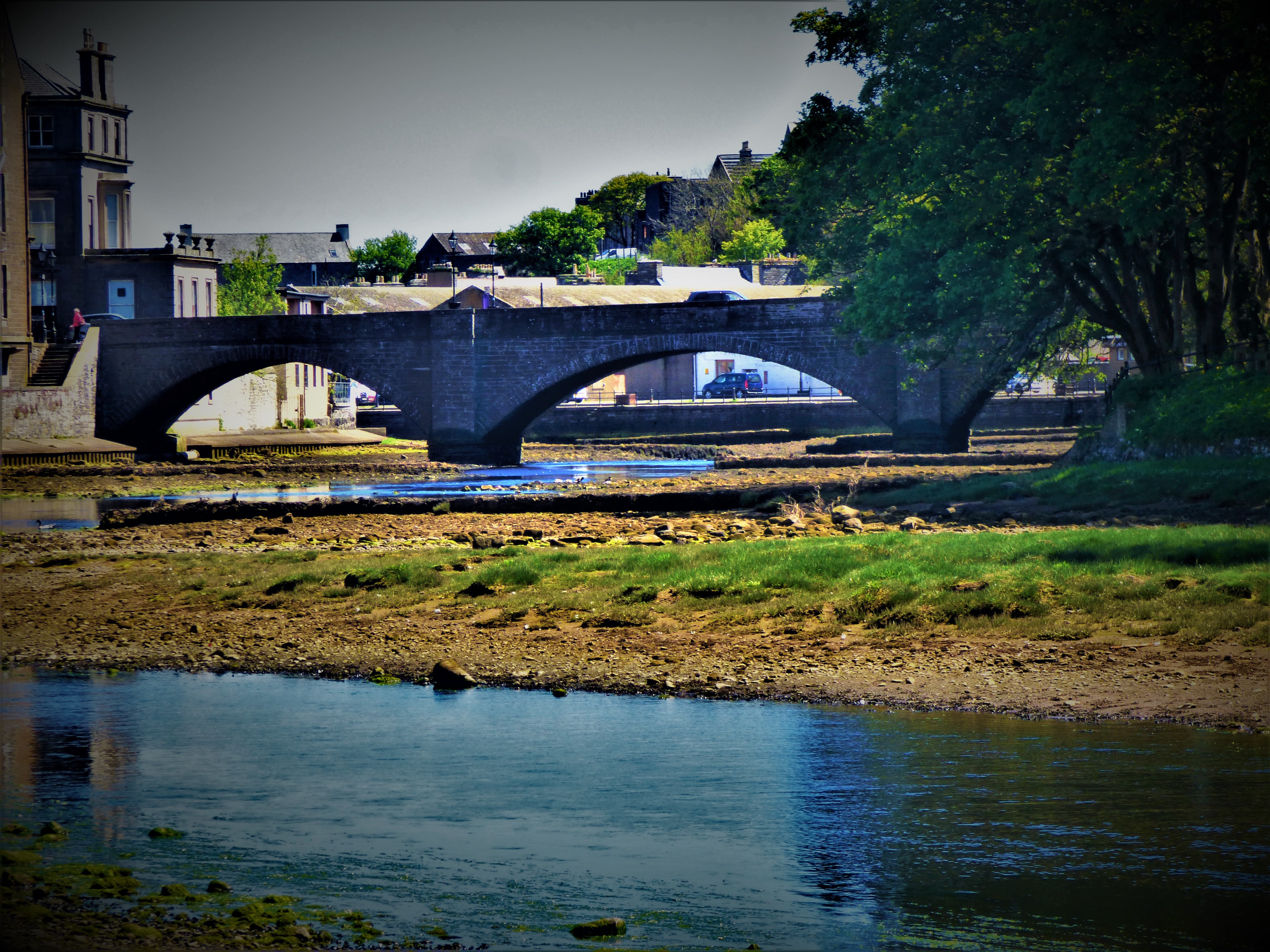
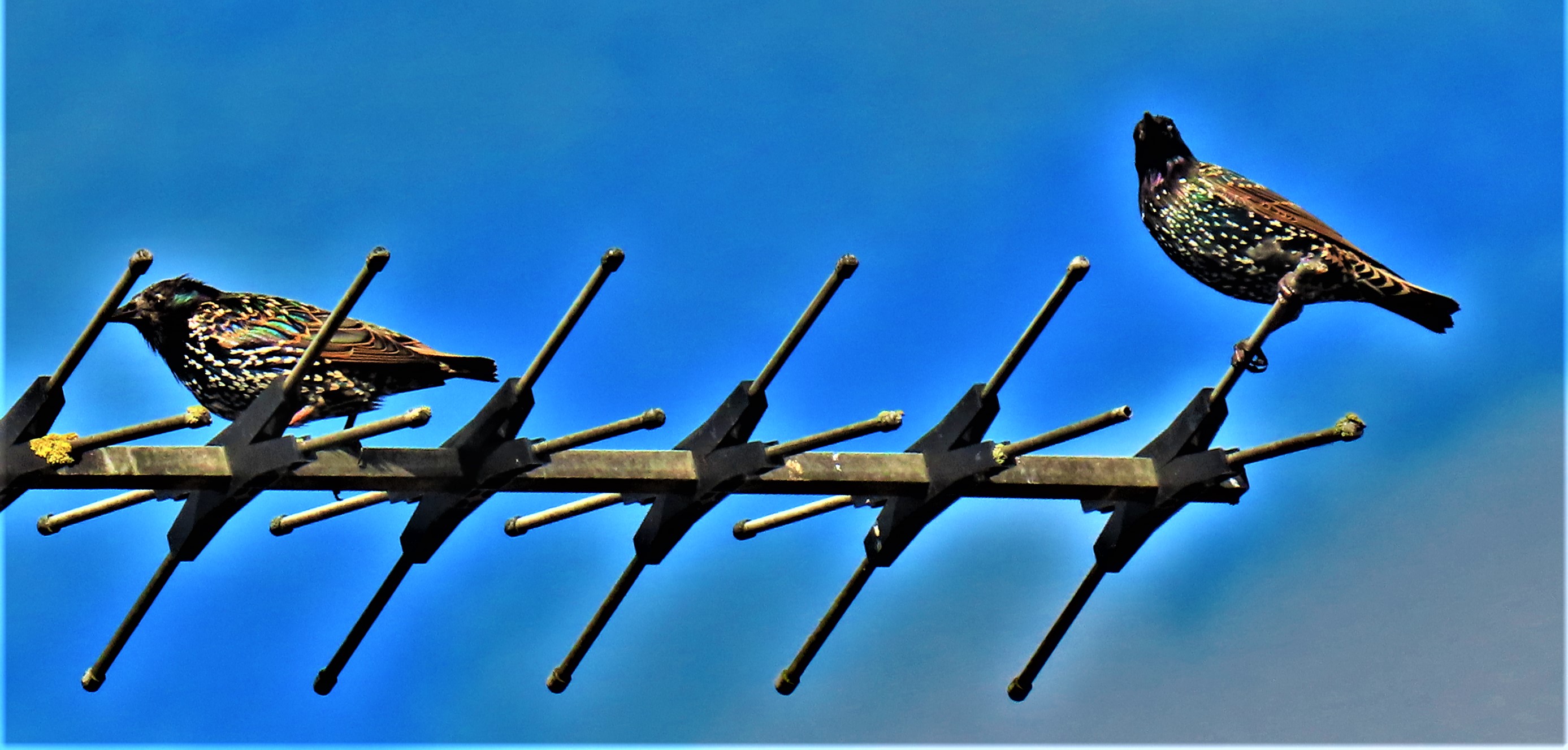
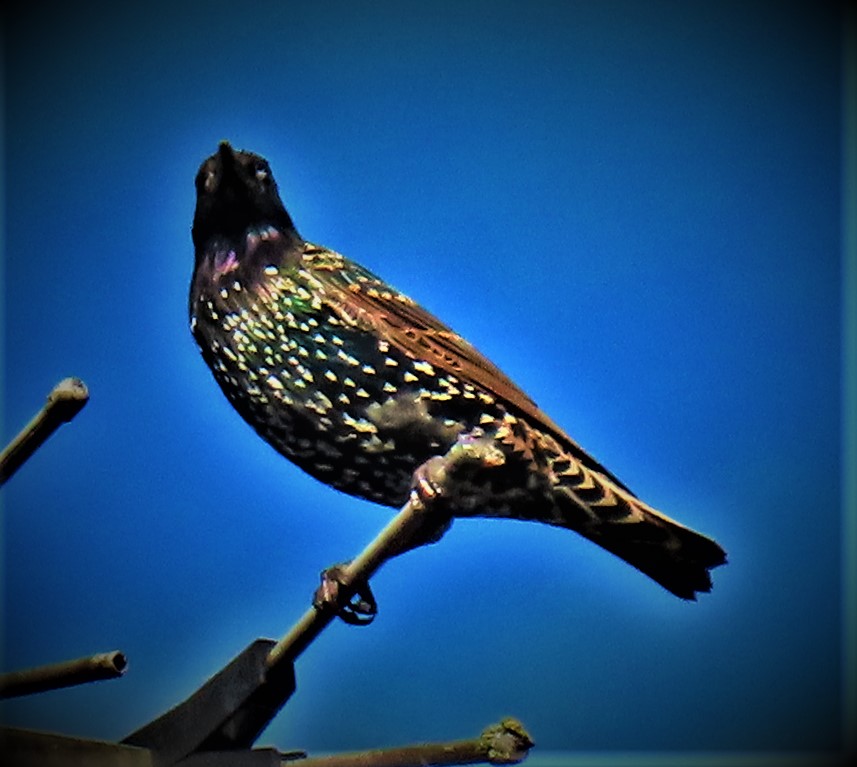
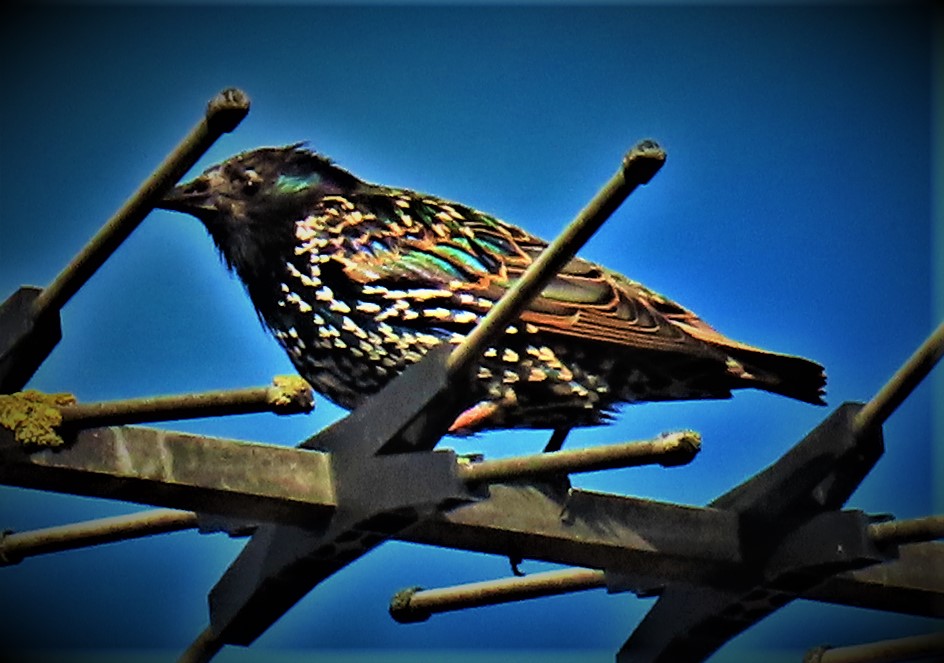
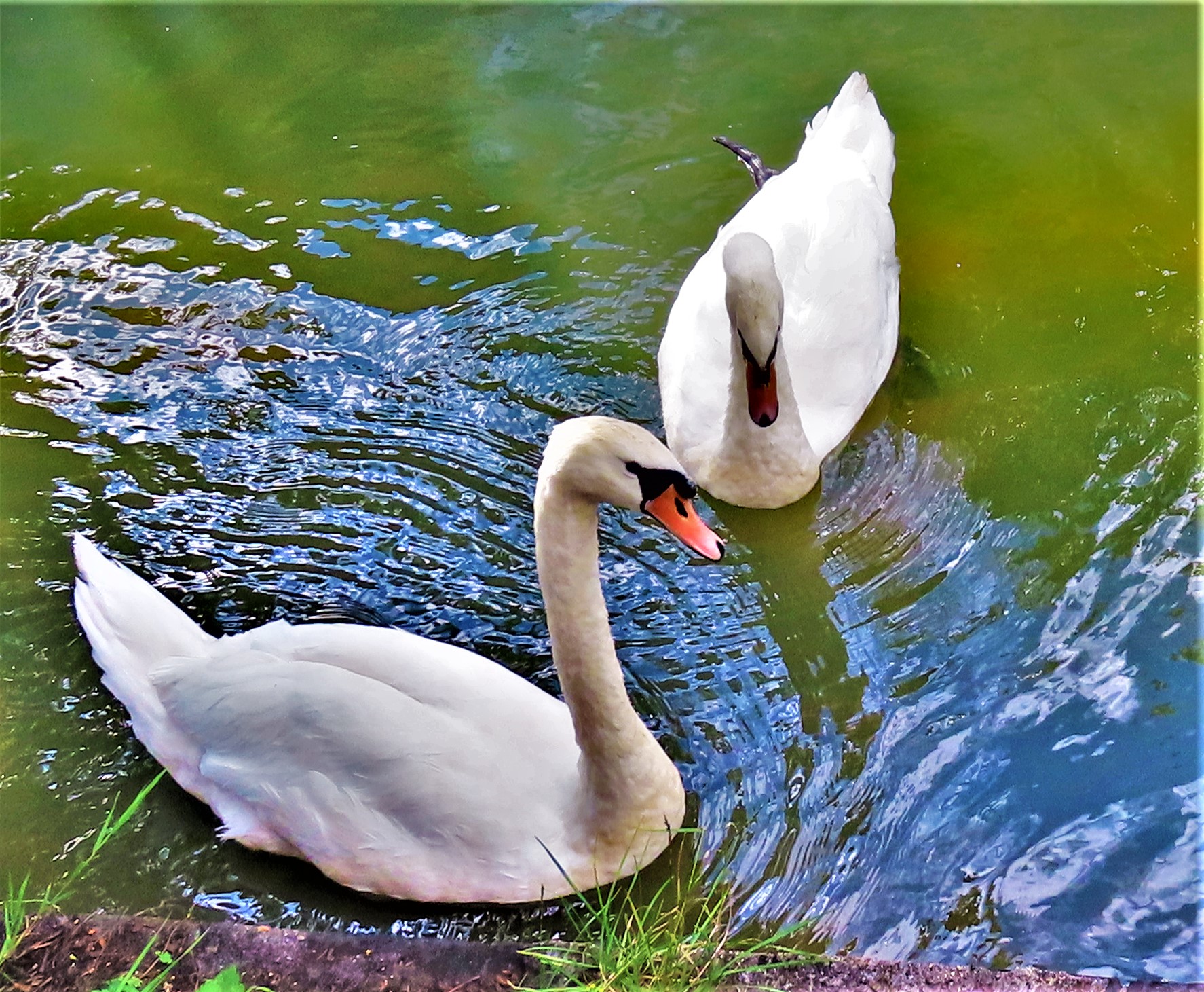
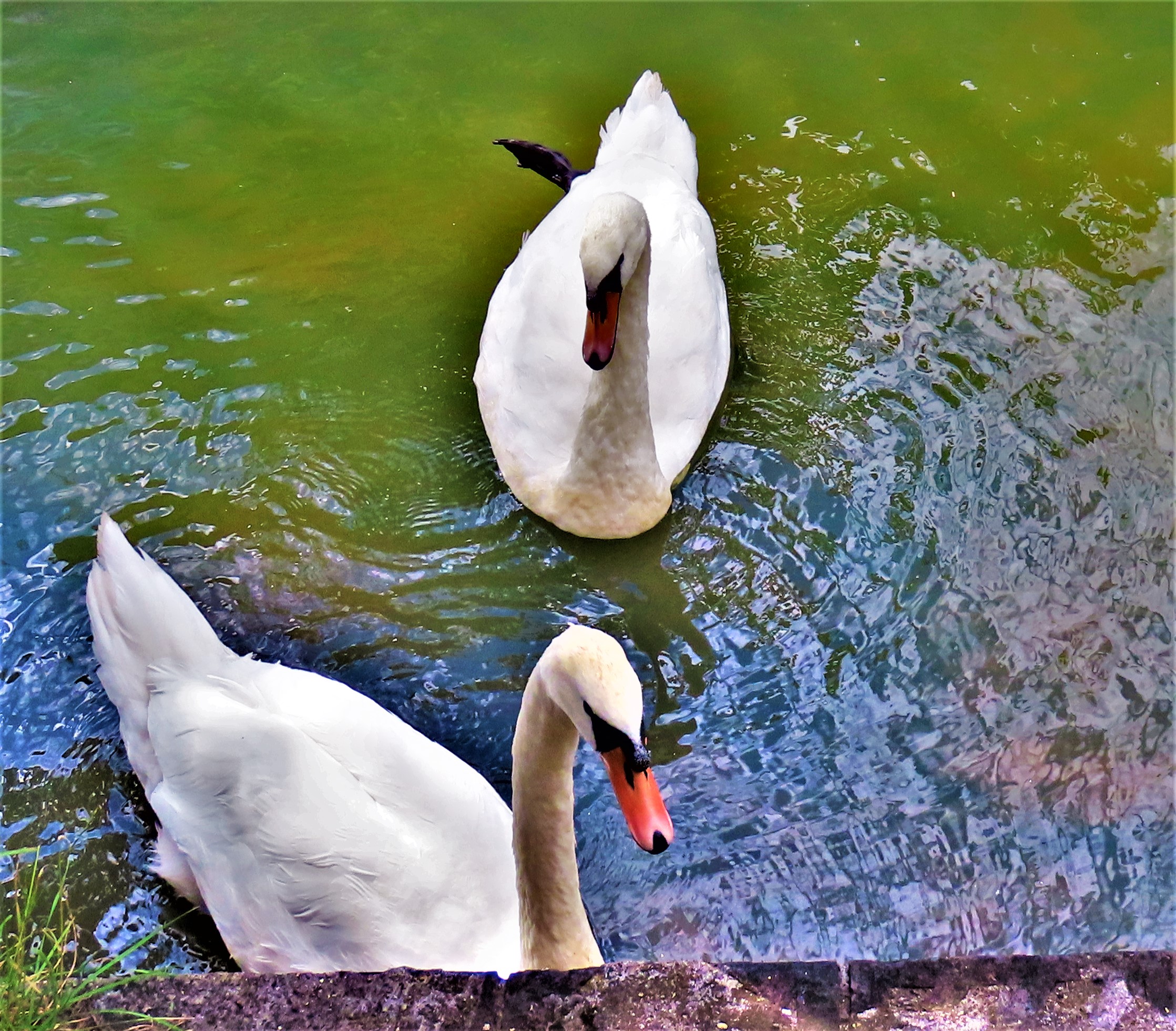
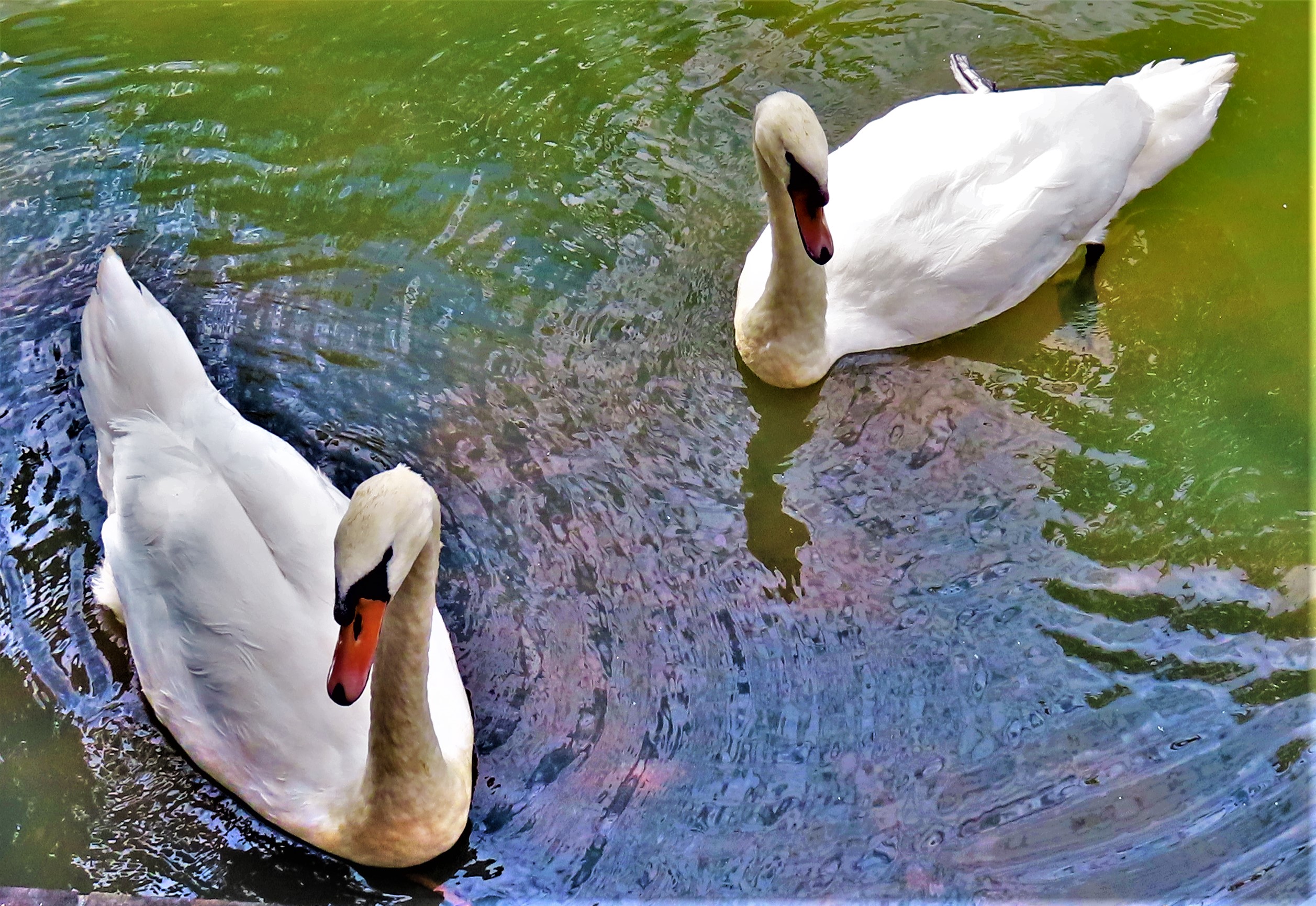
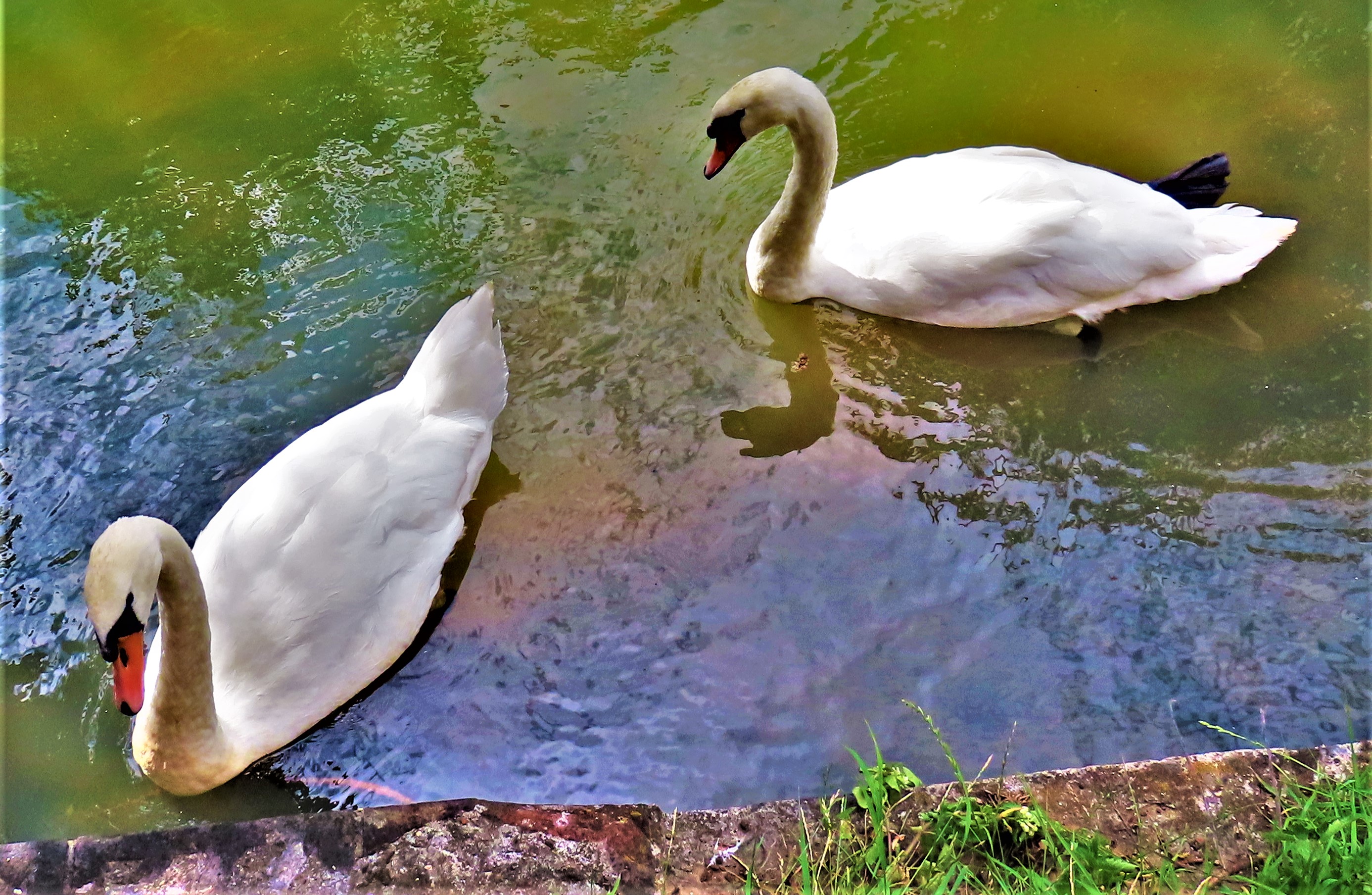
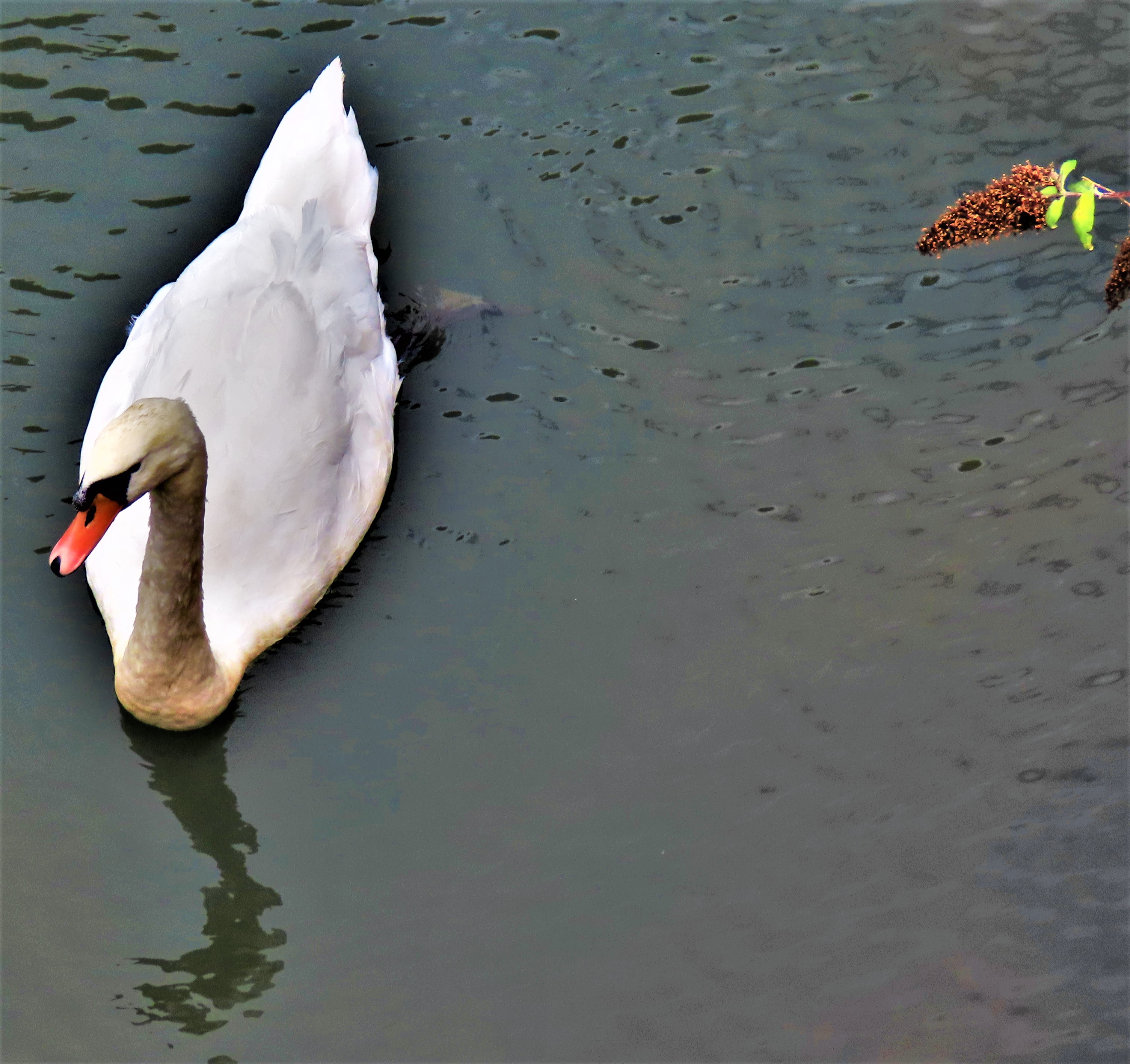
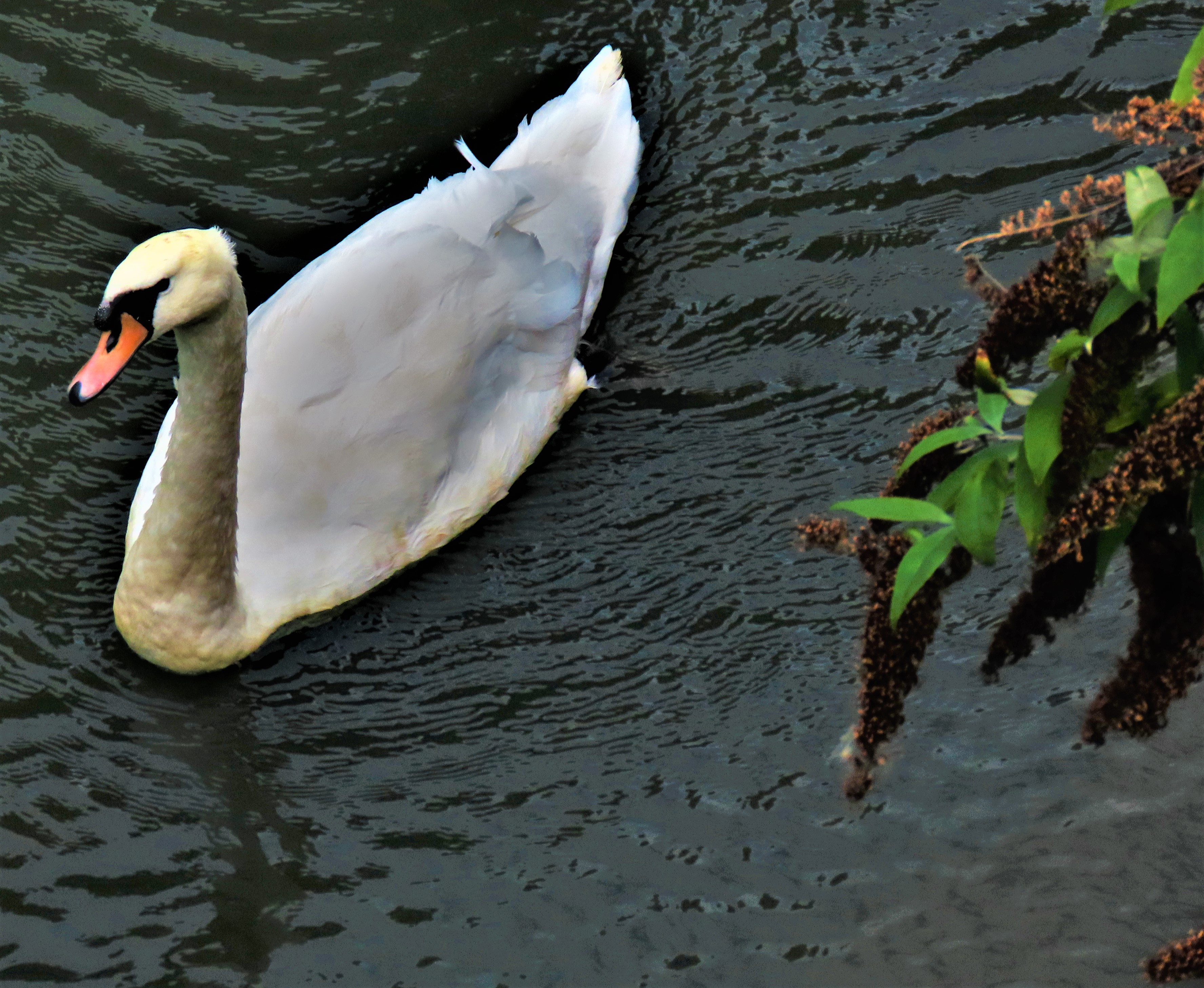
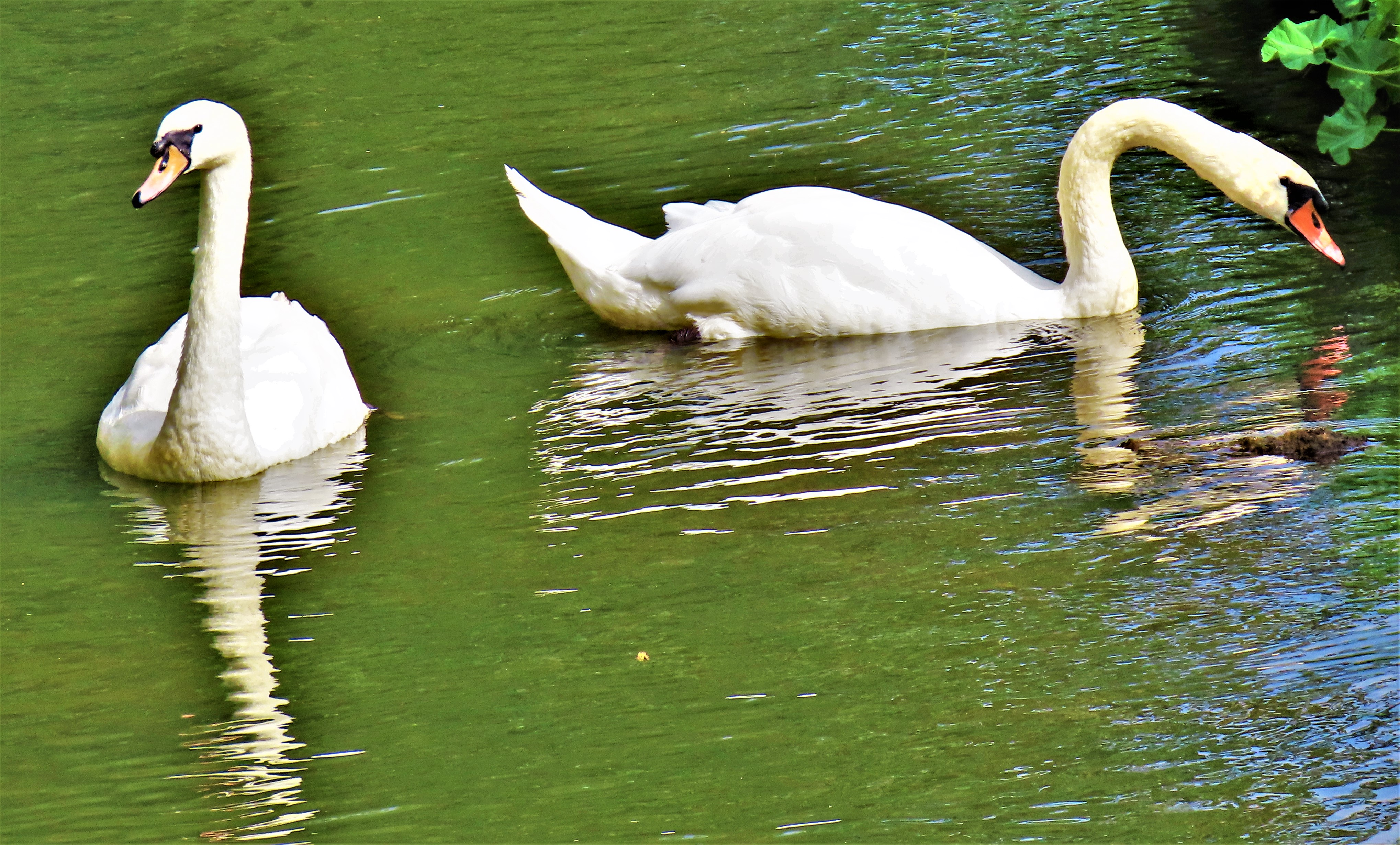
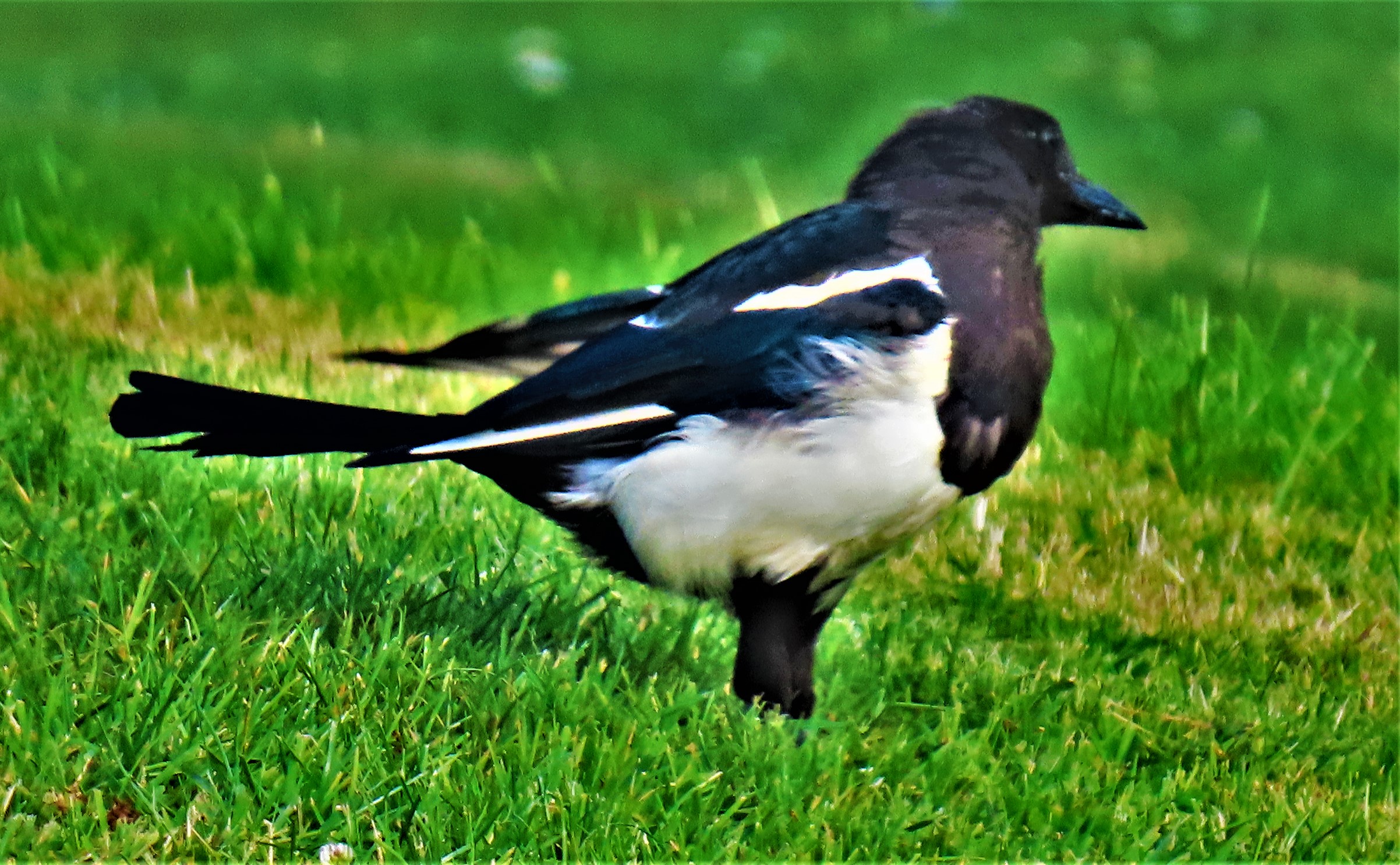
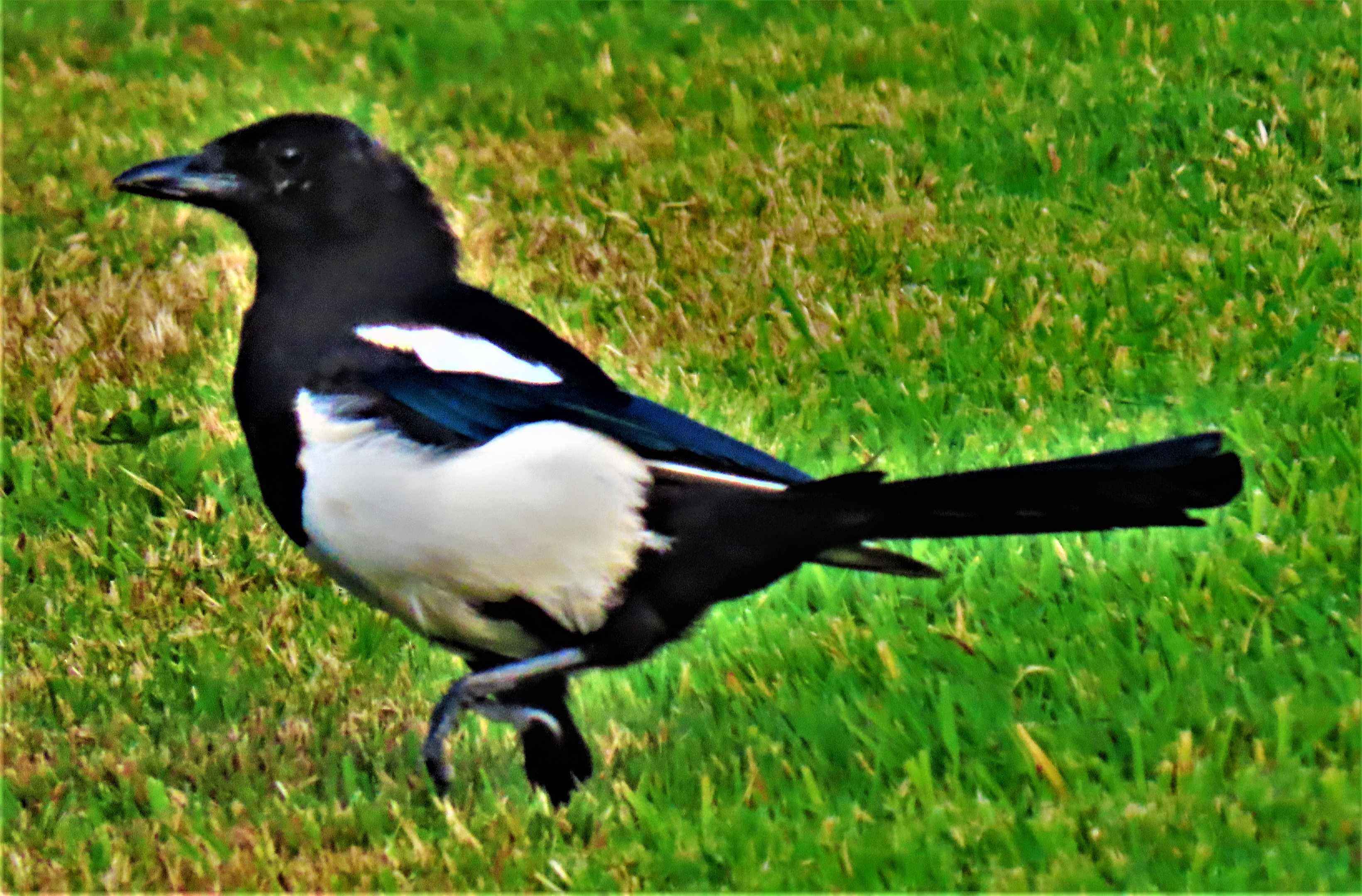
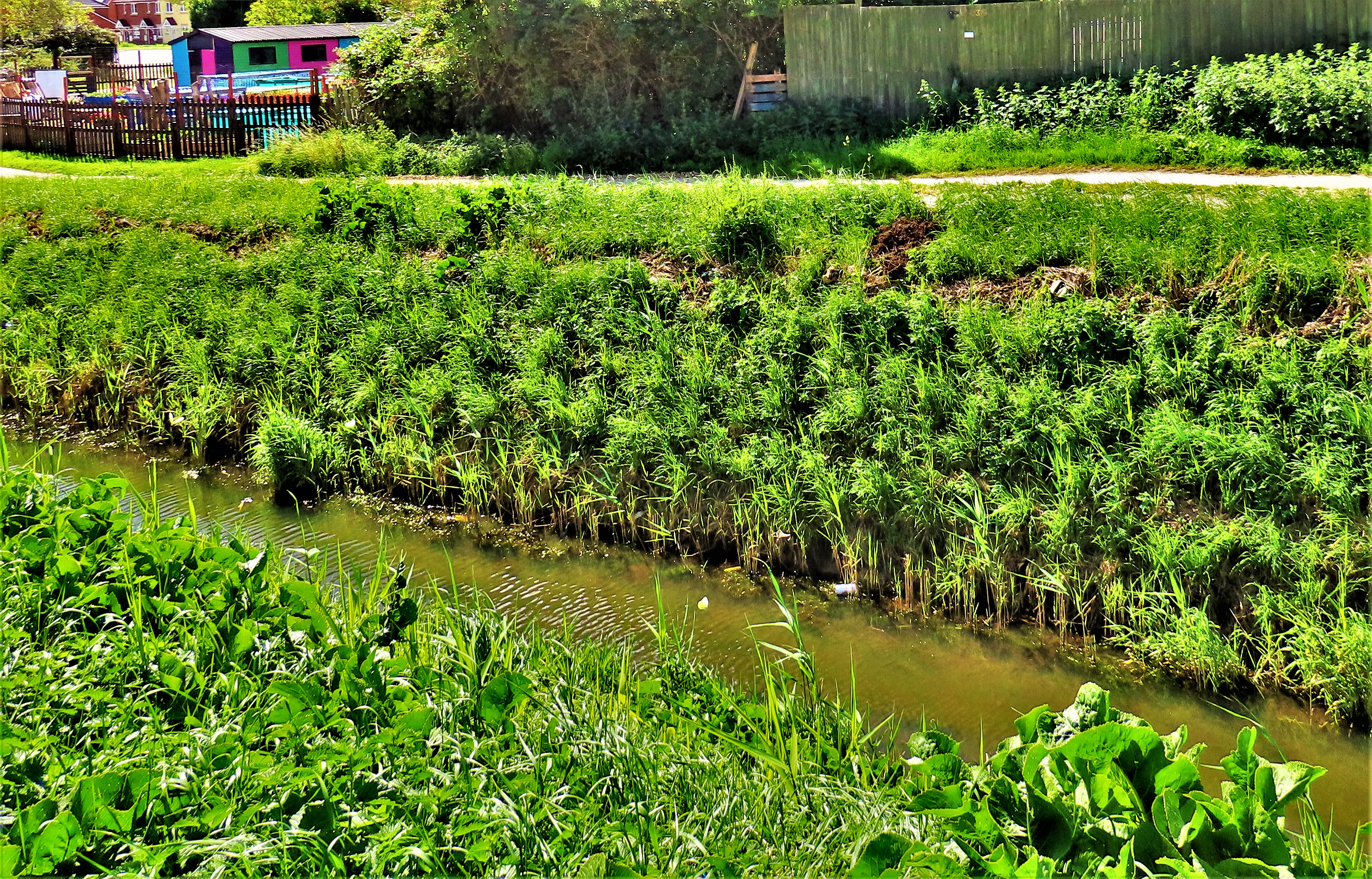
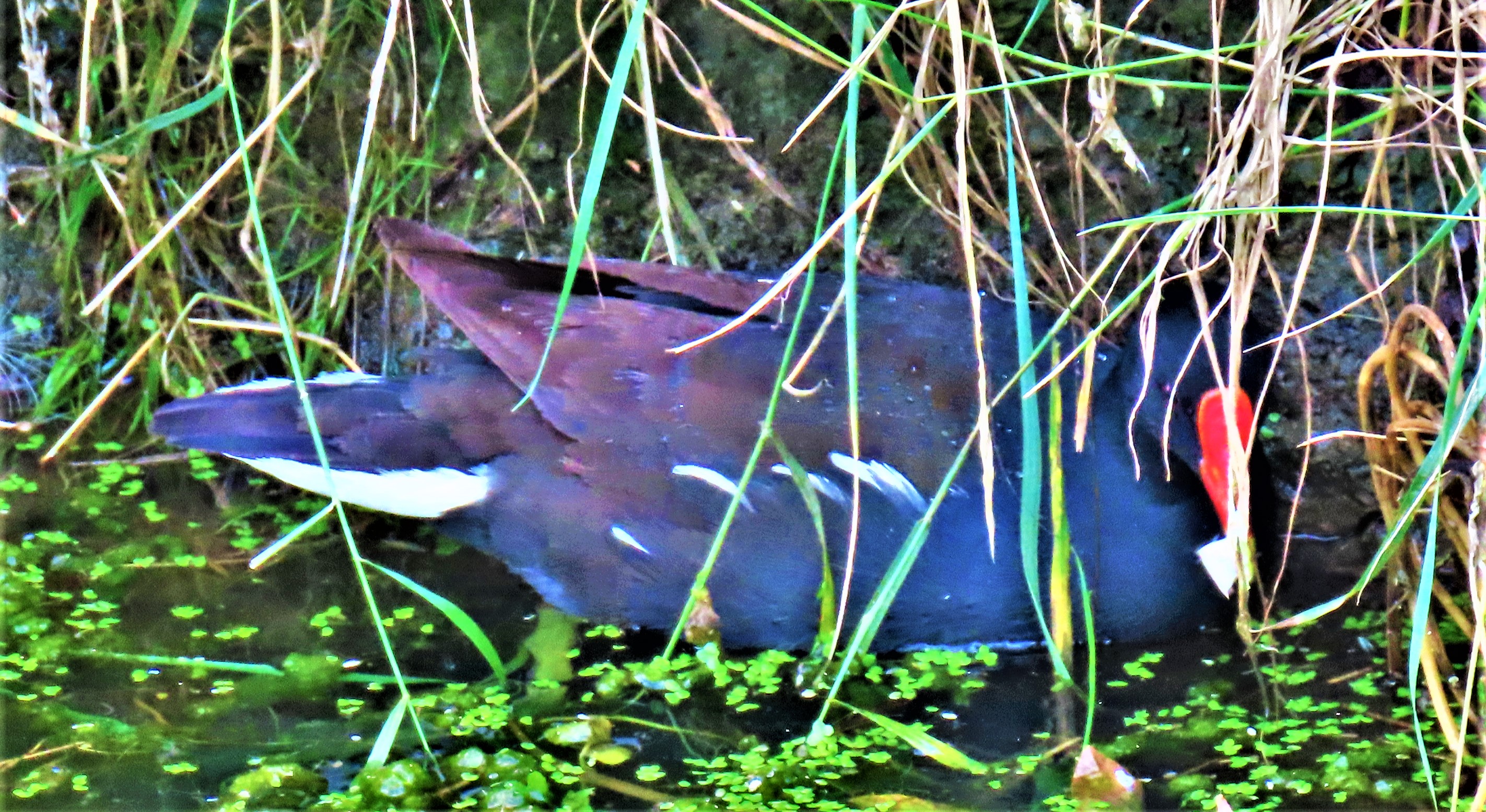
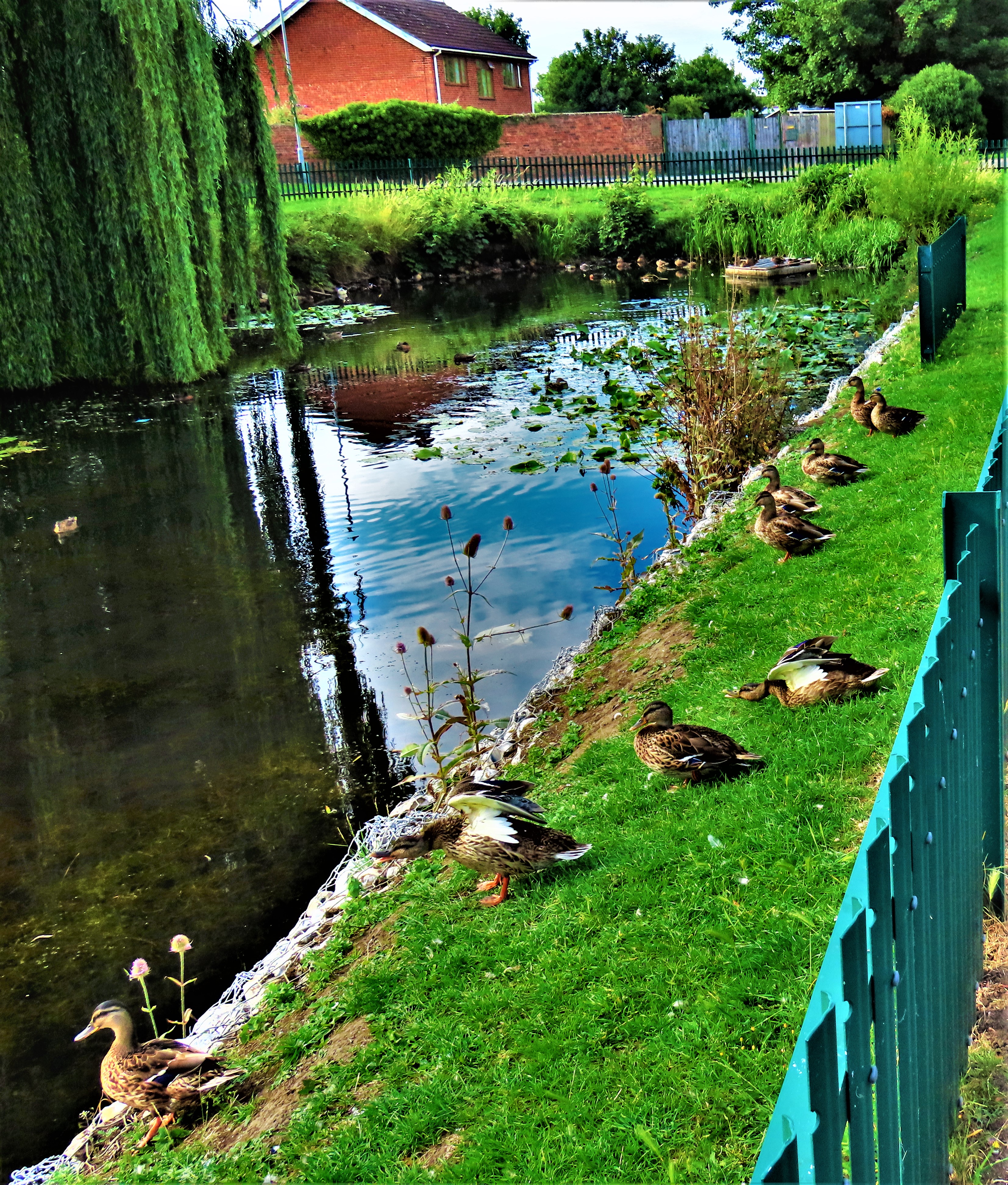
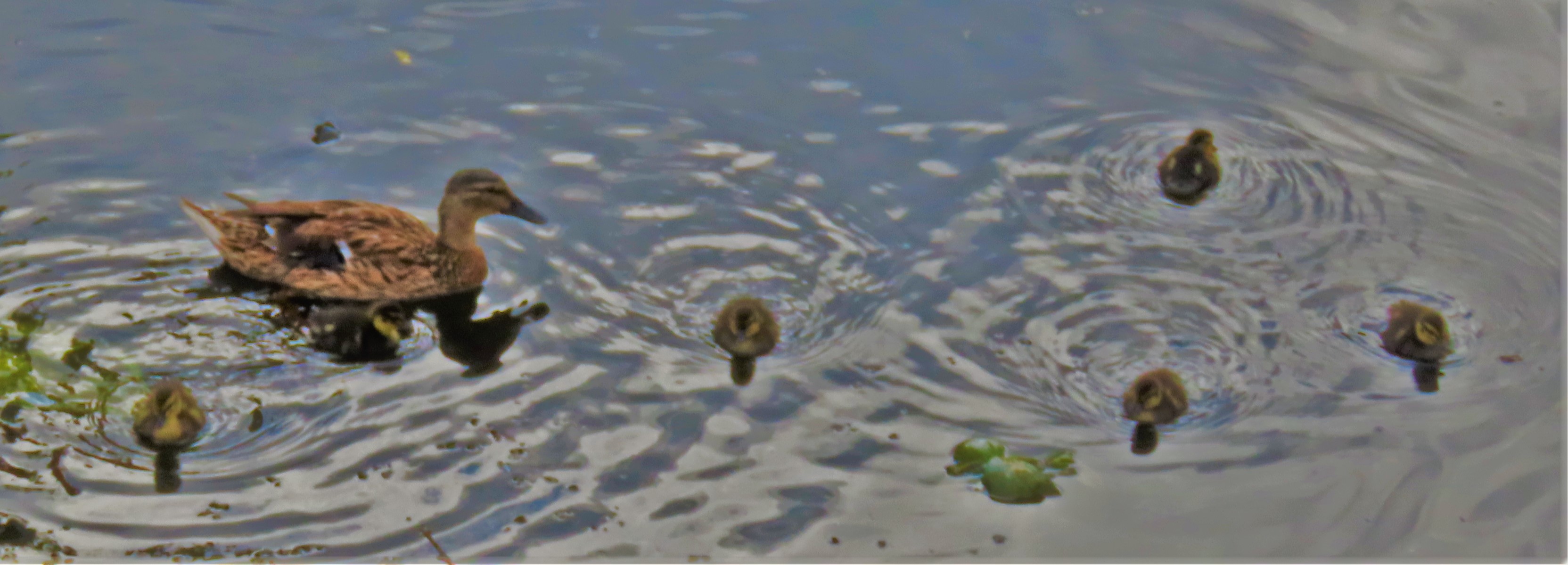
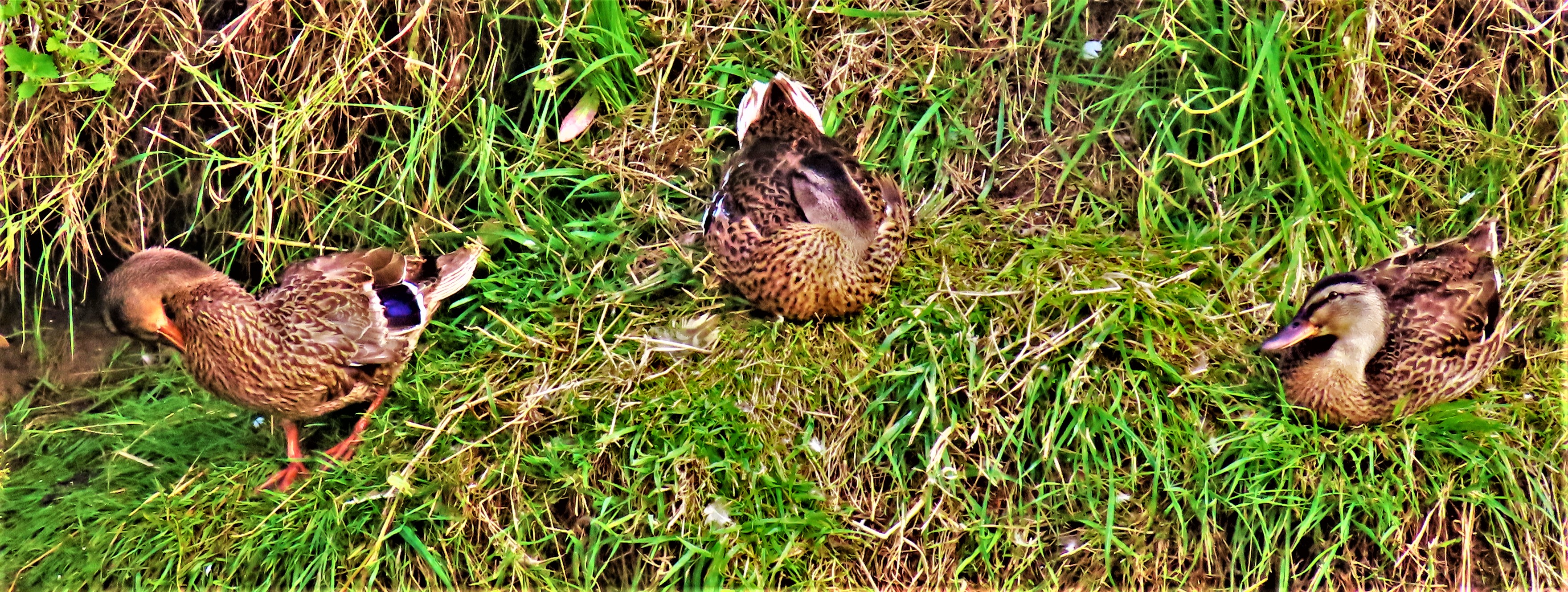
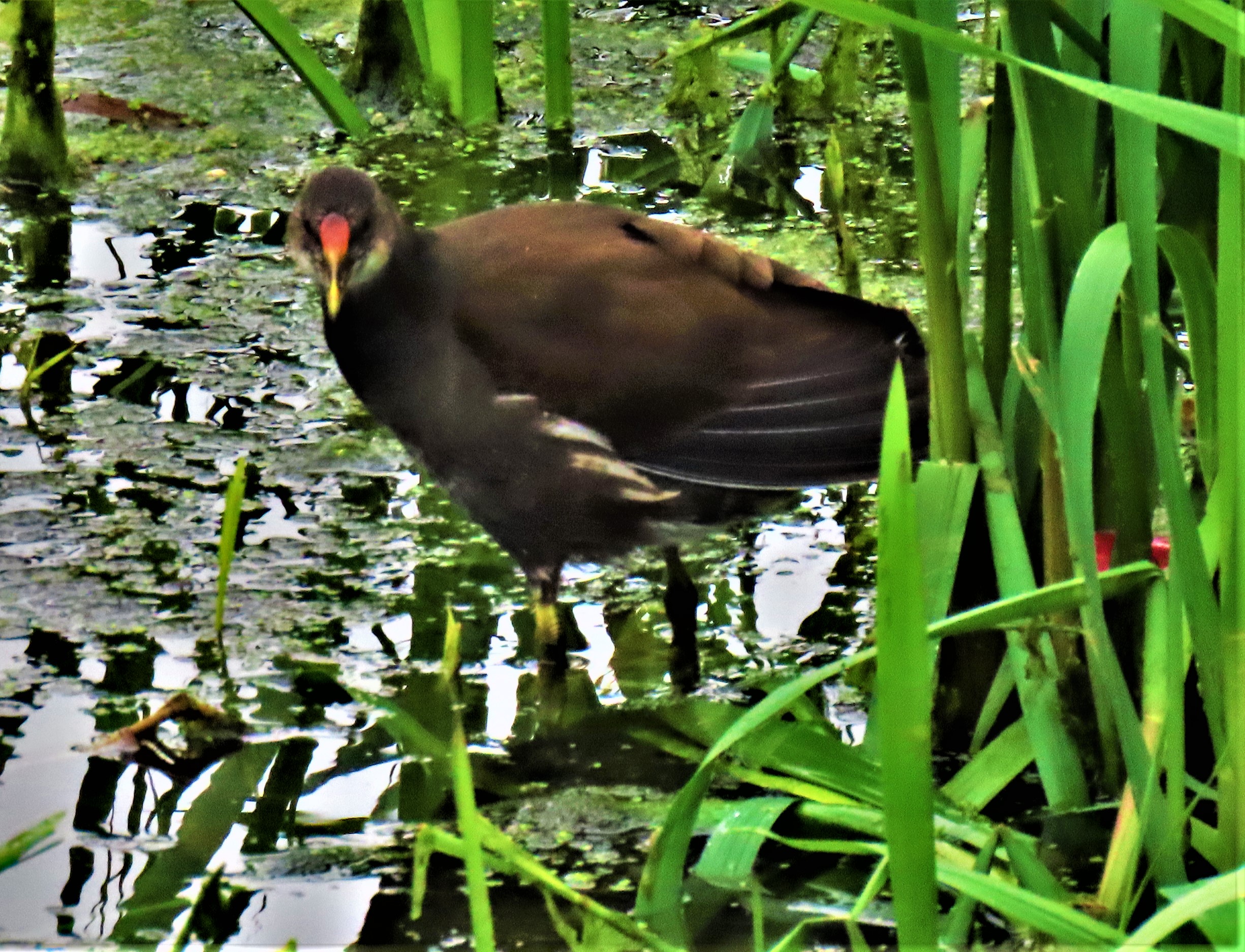
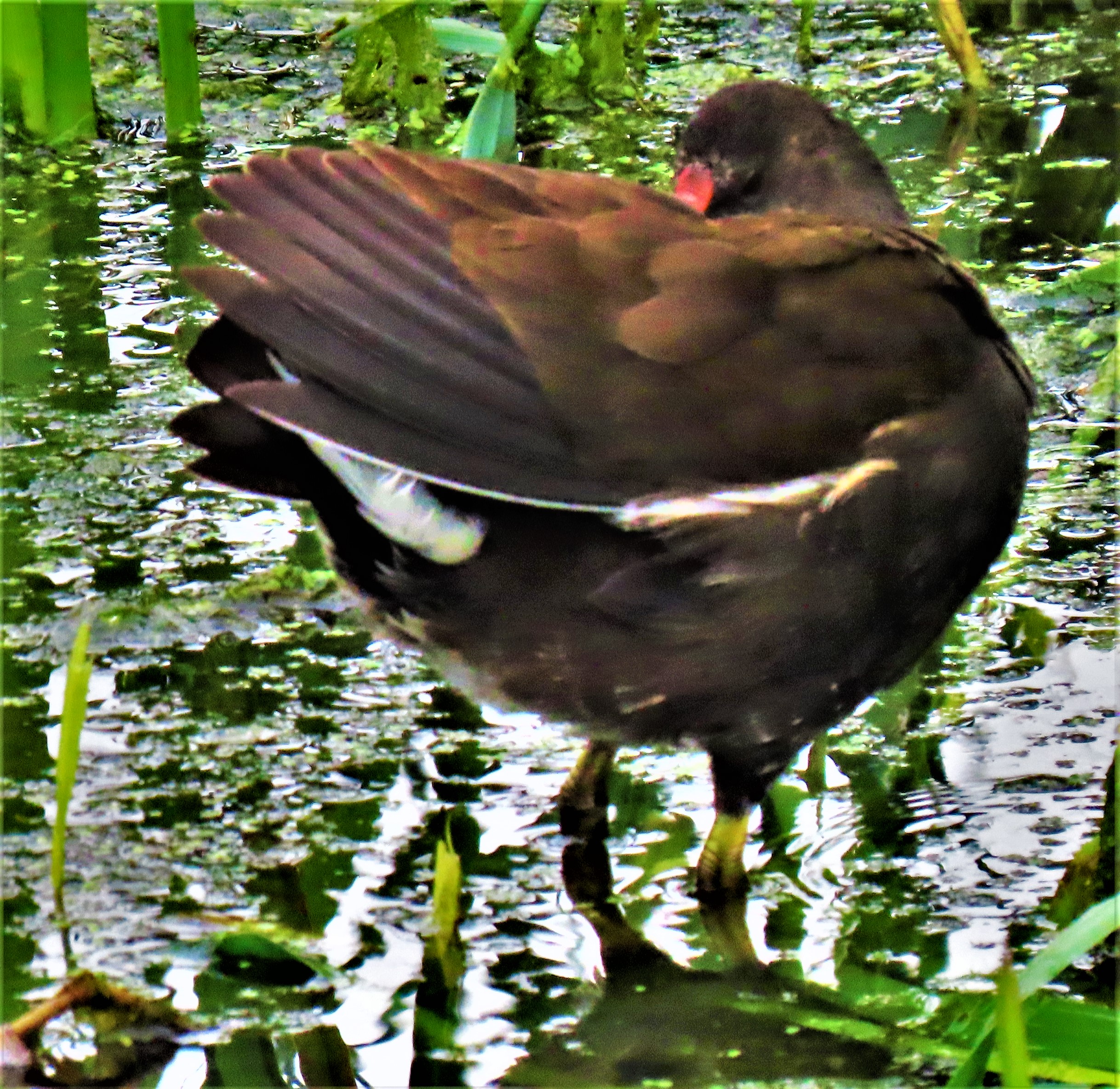
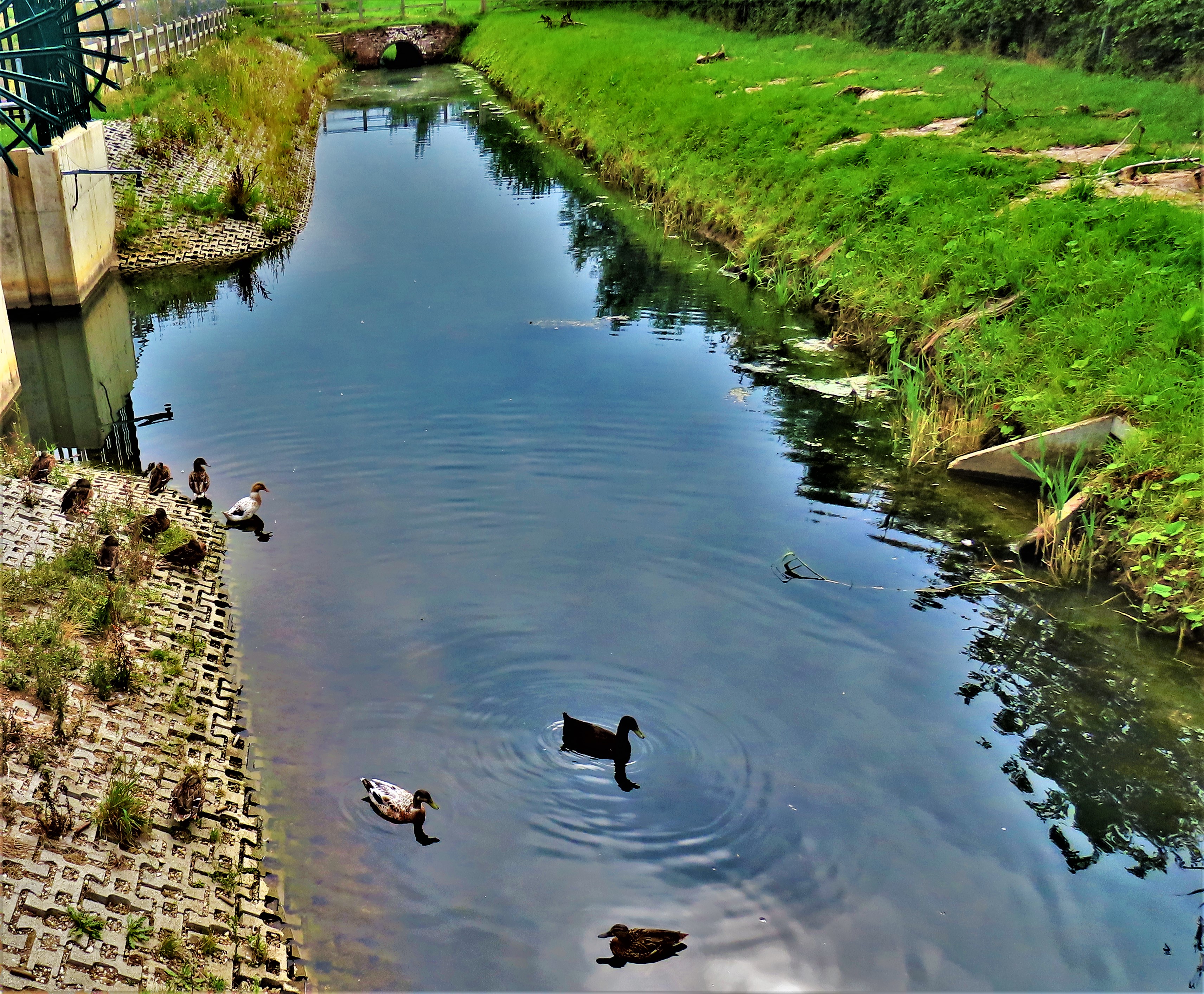
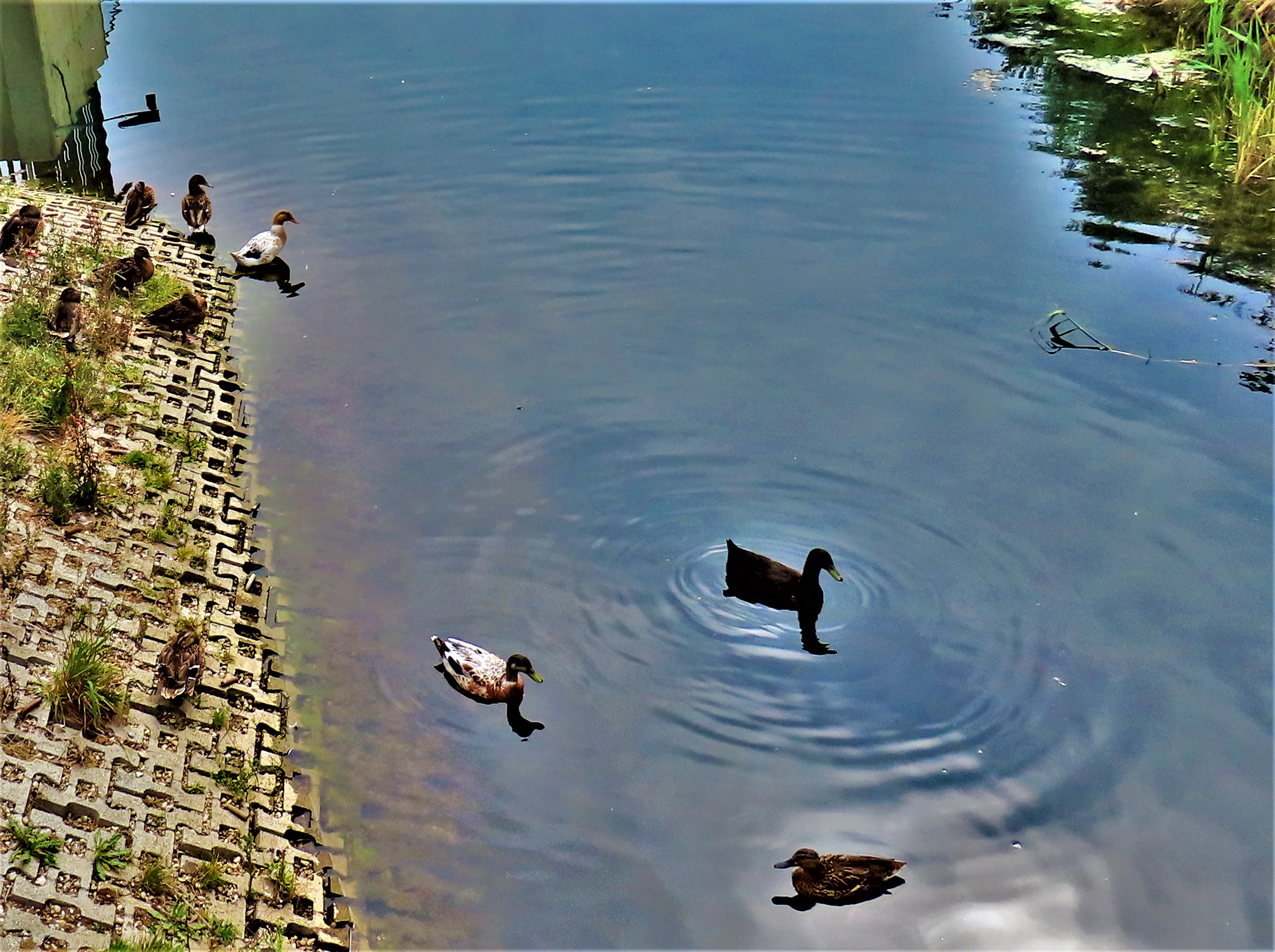
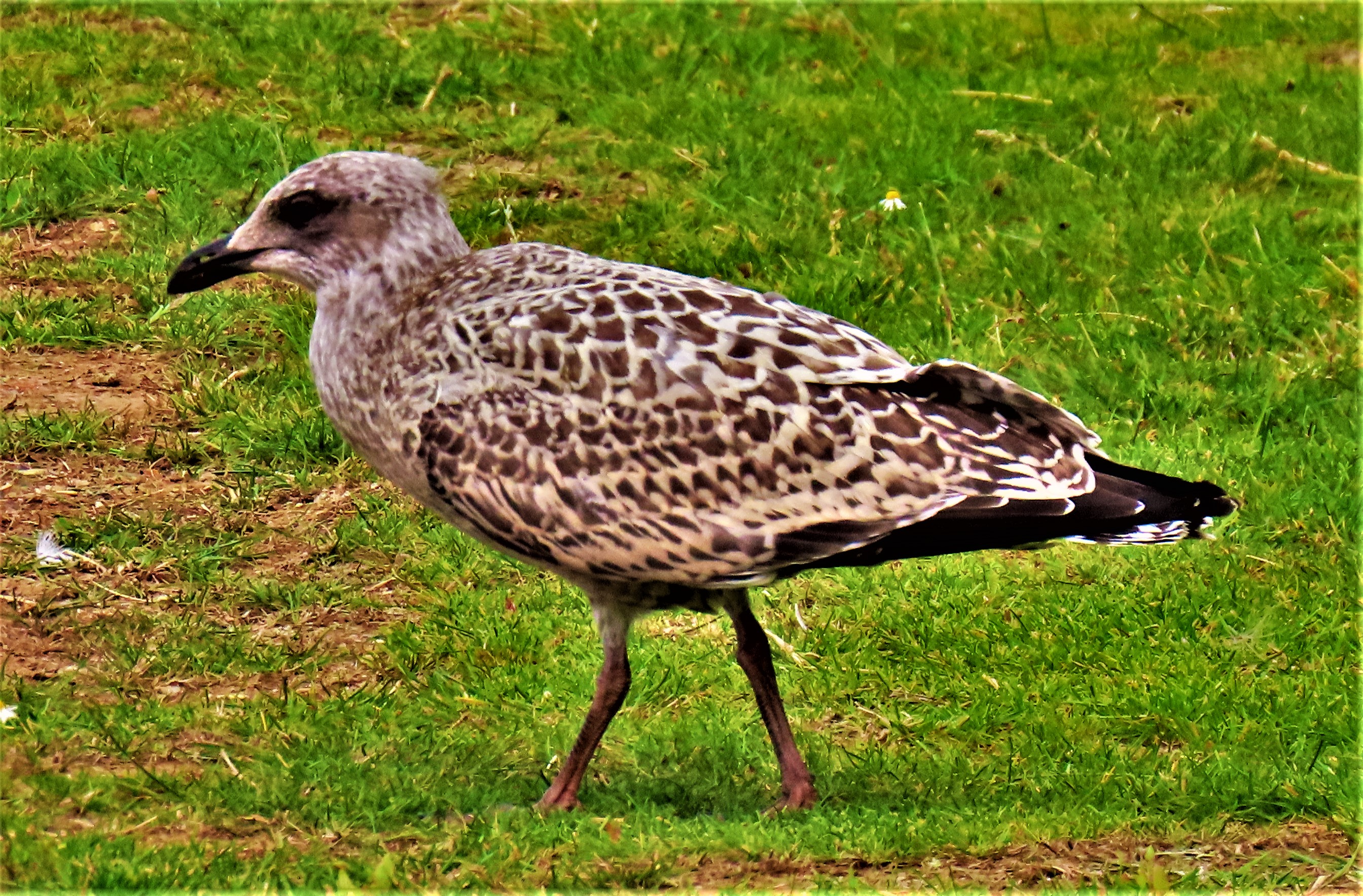
My explorations started by following the Wick River inland. This was a nice walk, with lots of bird life in evidence along the way. When I got to back to Wick I explored the town itself. I also took the opportunity to locate the railway station and make sure I knew how to get there the following morning. After a visit to a cafe I was finally able to check in to the hotel. In the event I did not head back out until the following morning, being very tired. The hotel room was perfectly pleasant, although the wifi connection that the hotel so wants its guests to know about proved to be rather unreliable.

PHOTOGRAPHS

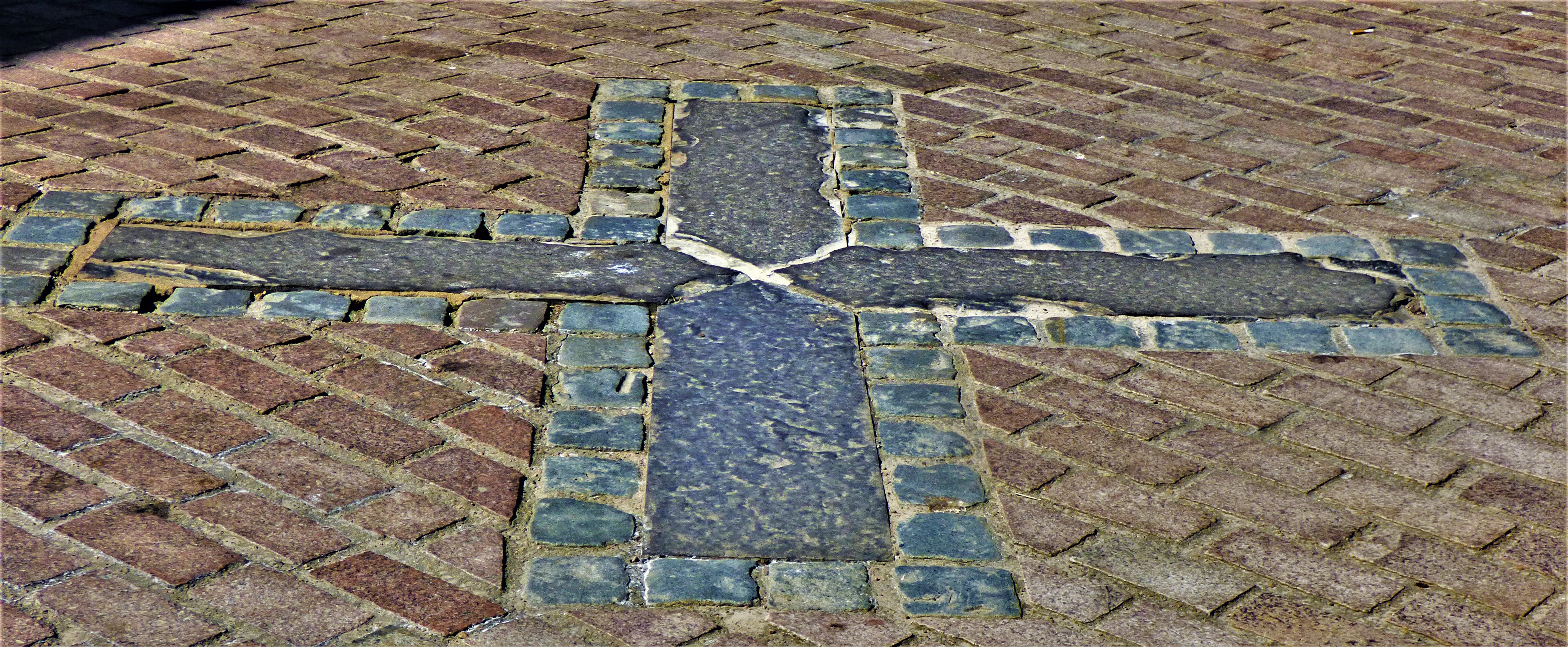
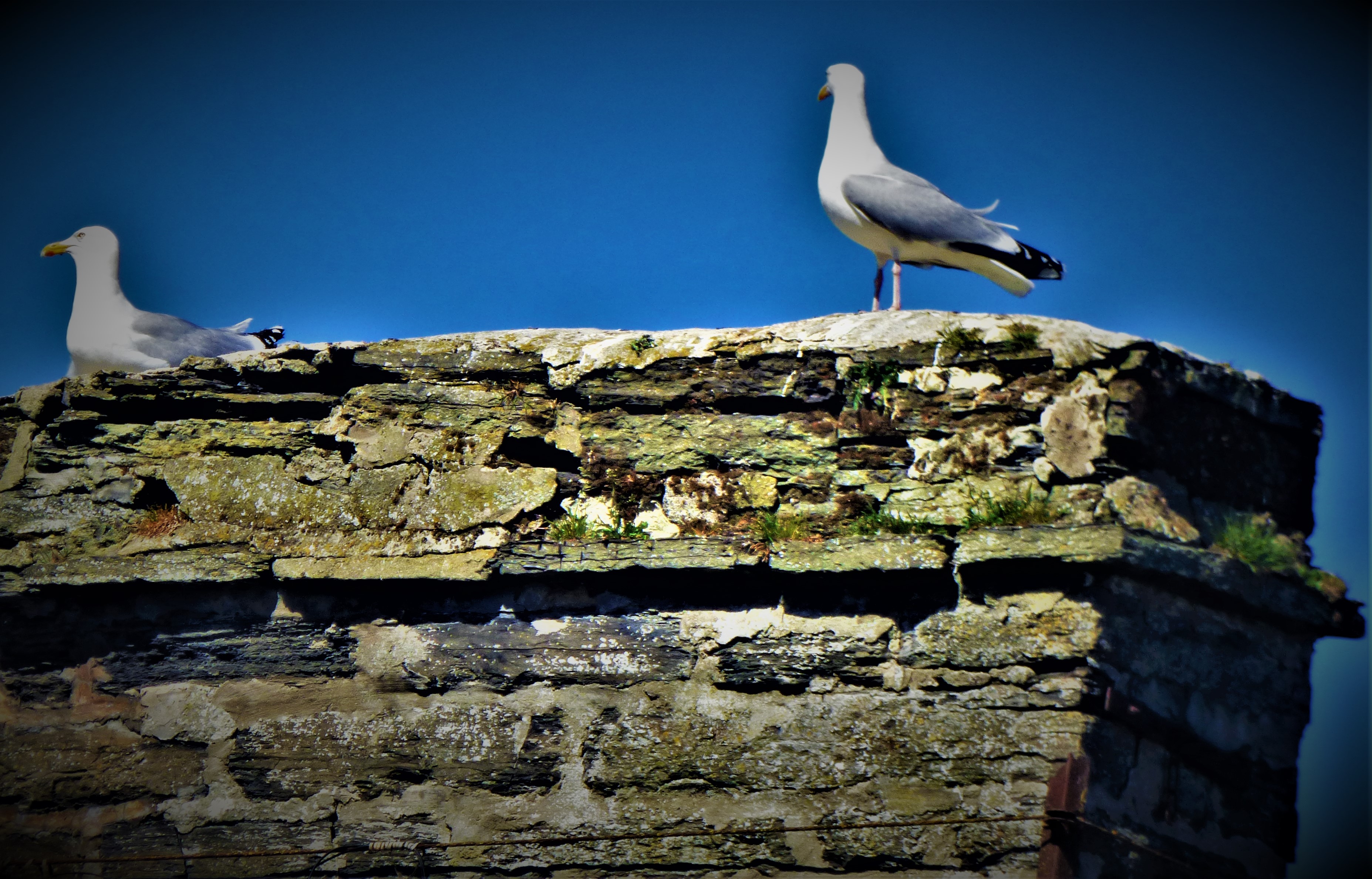
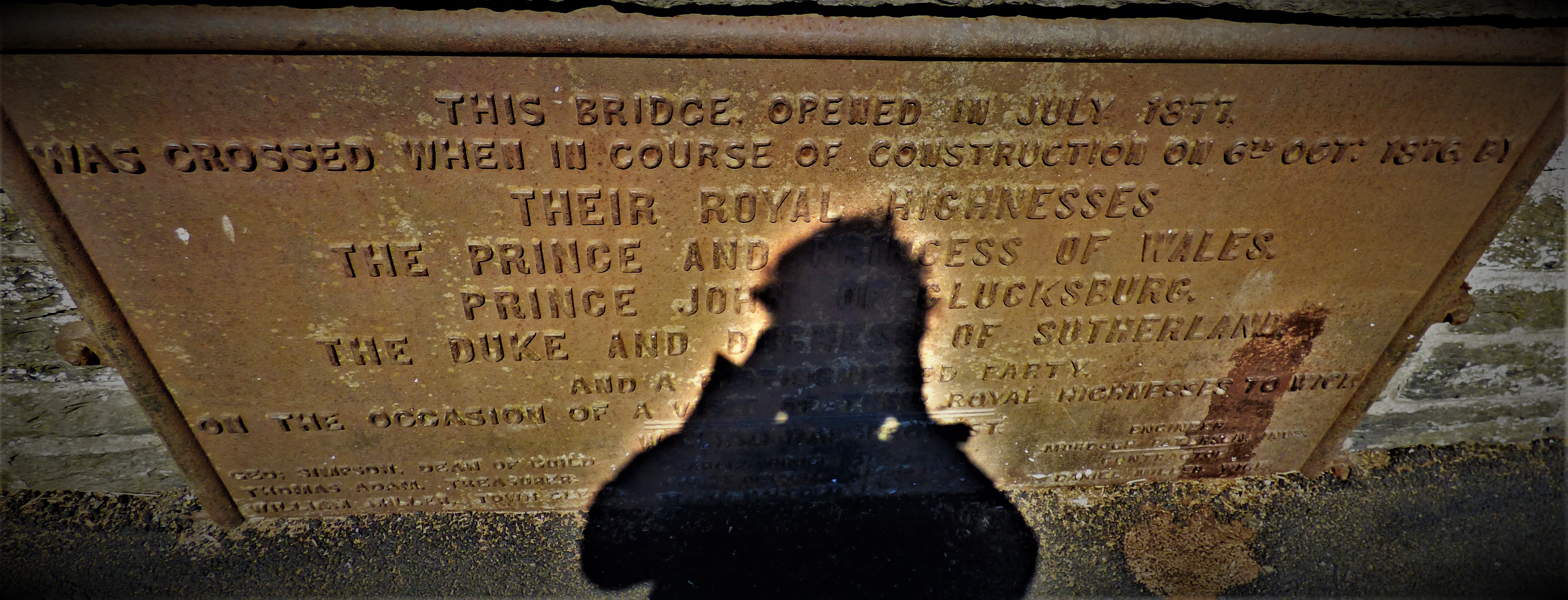
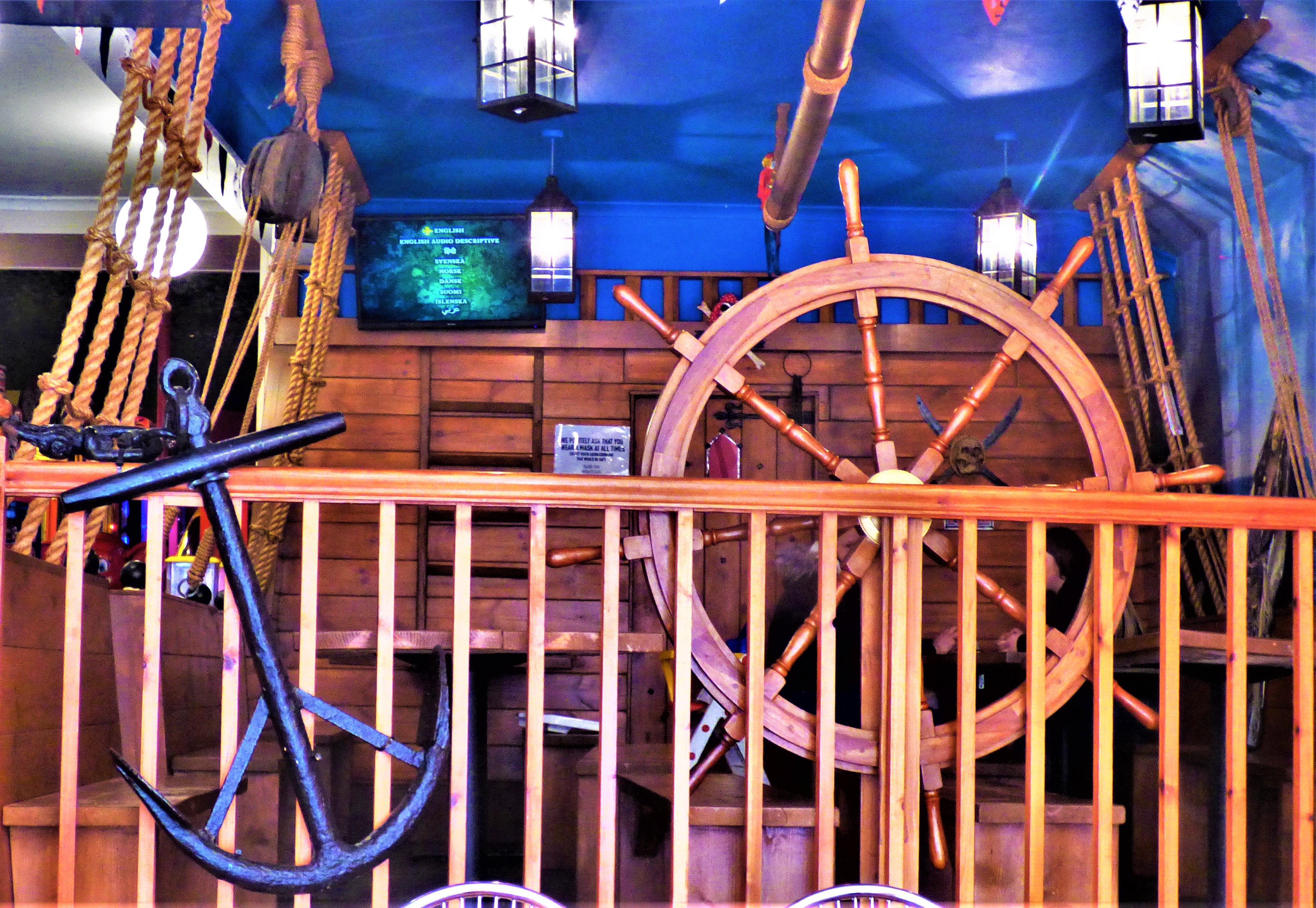
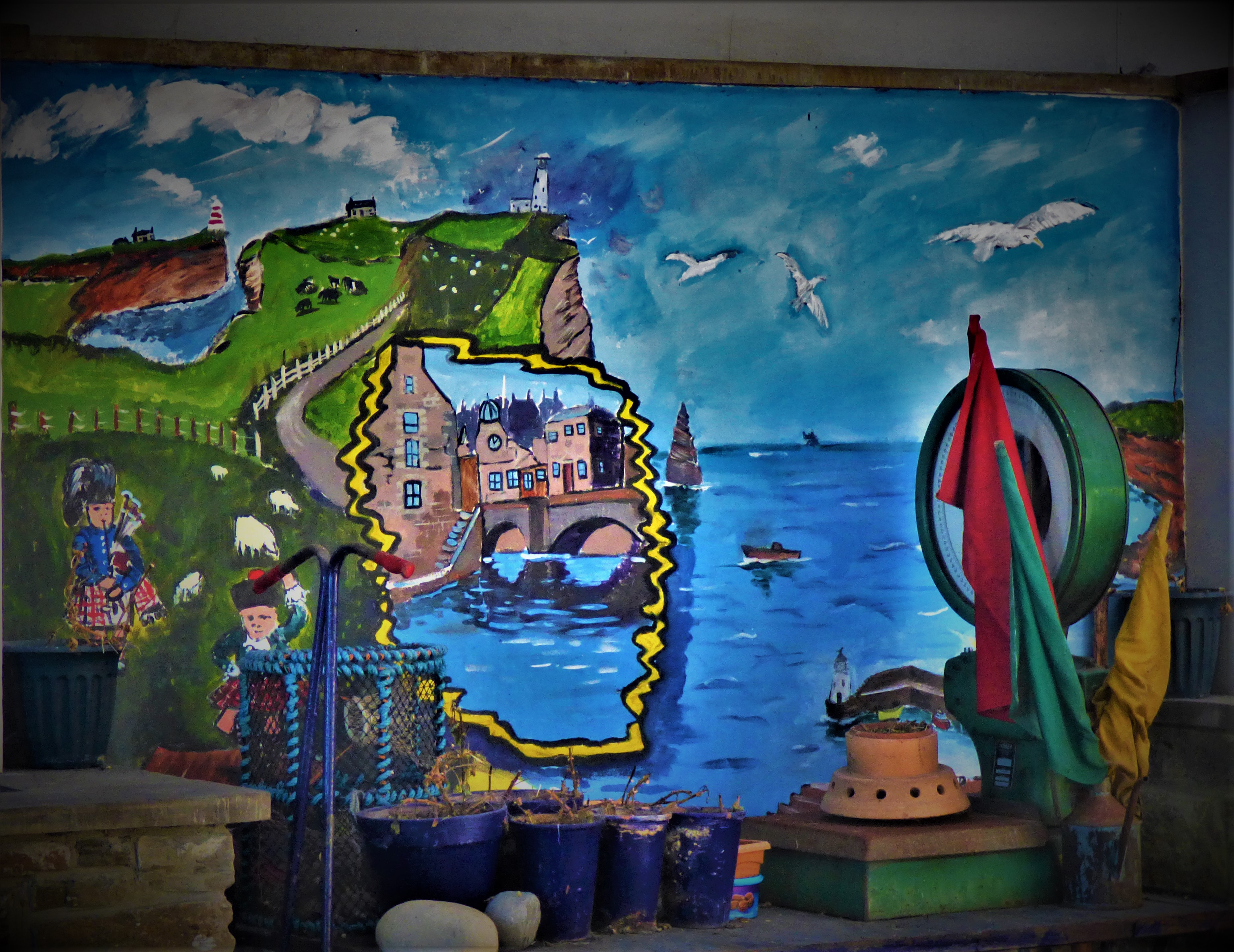
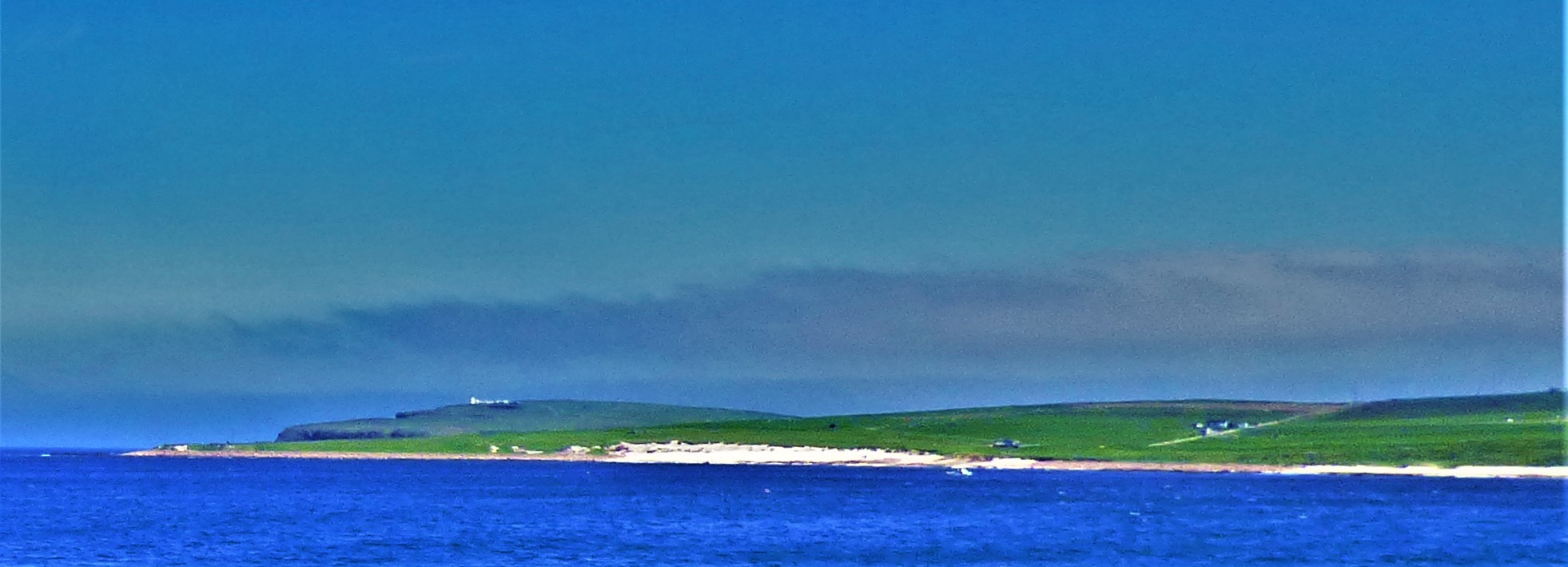
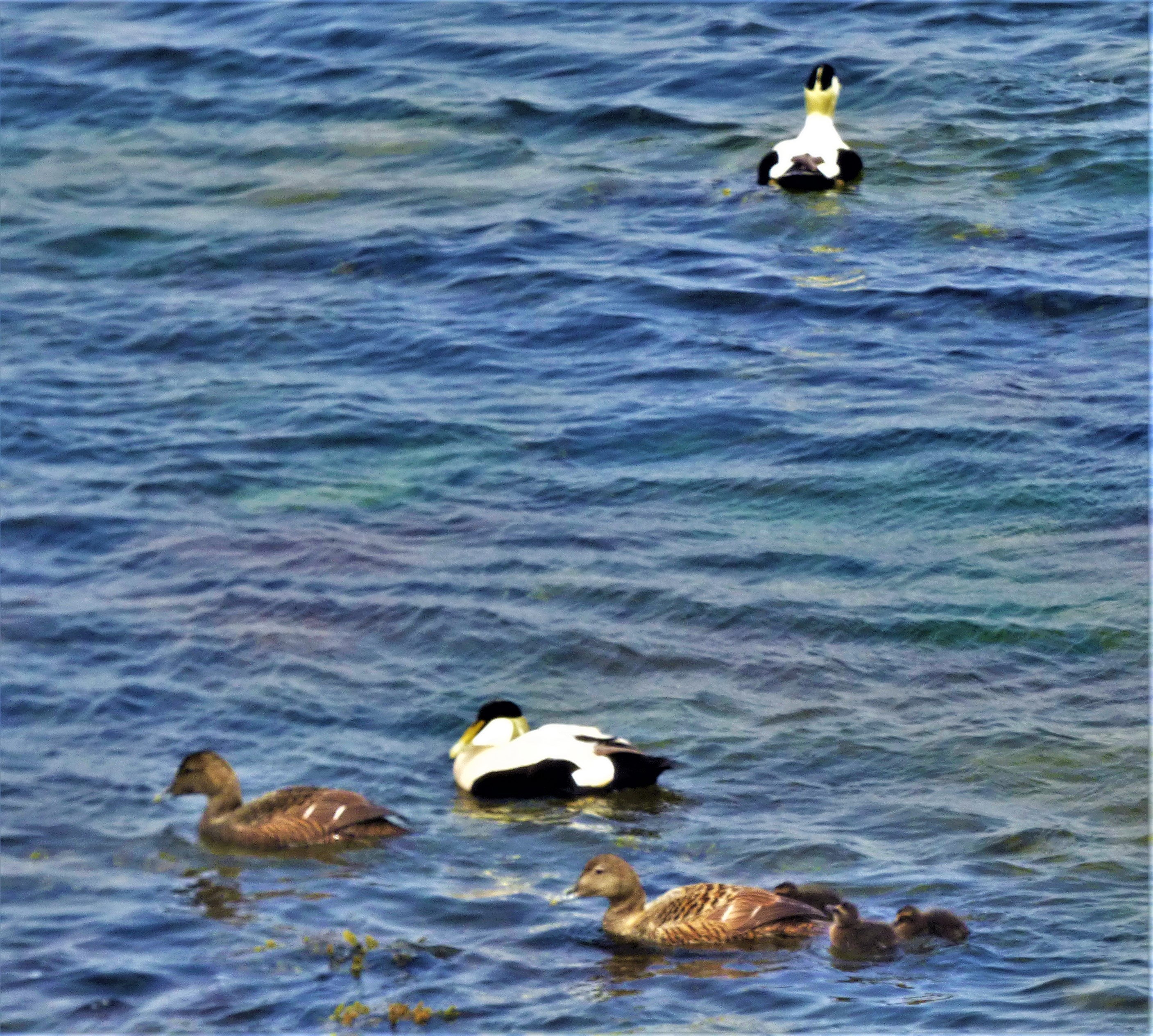
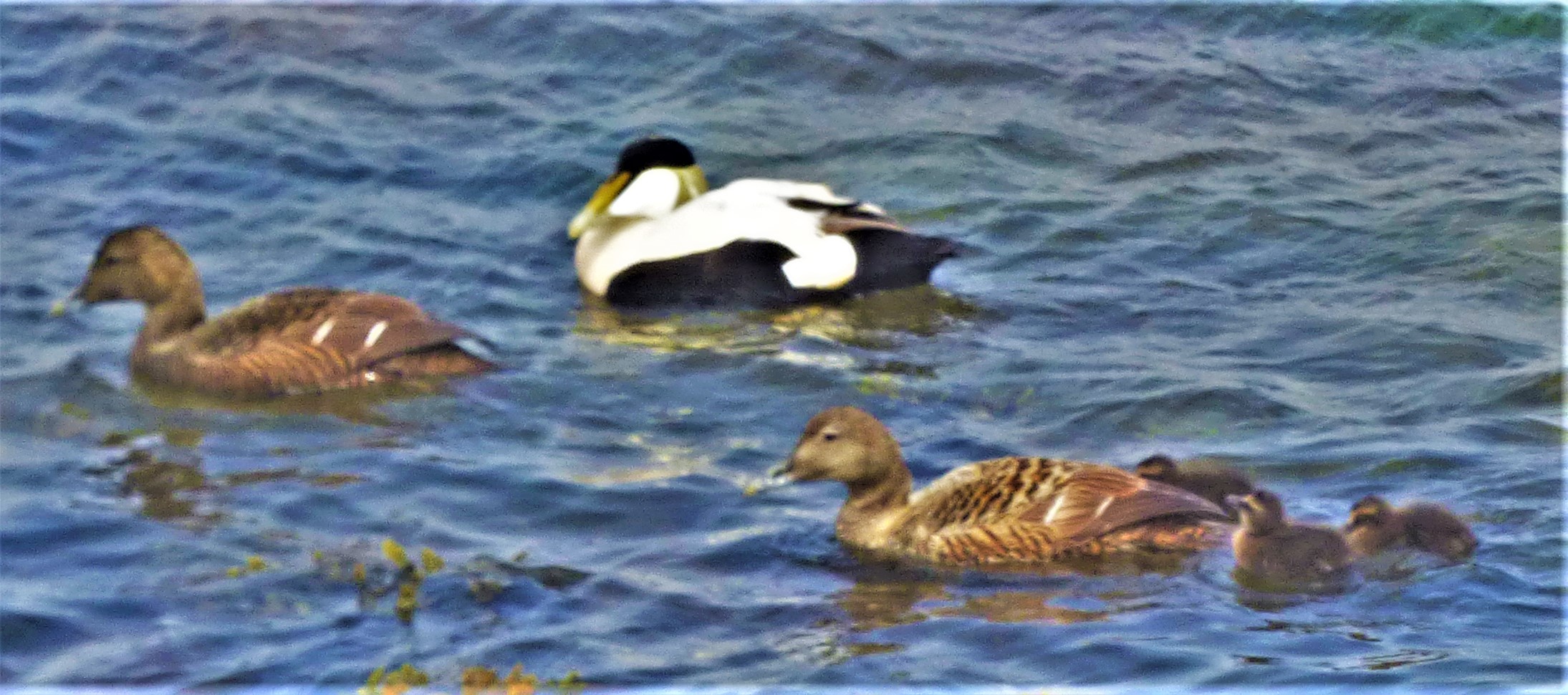
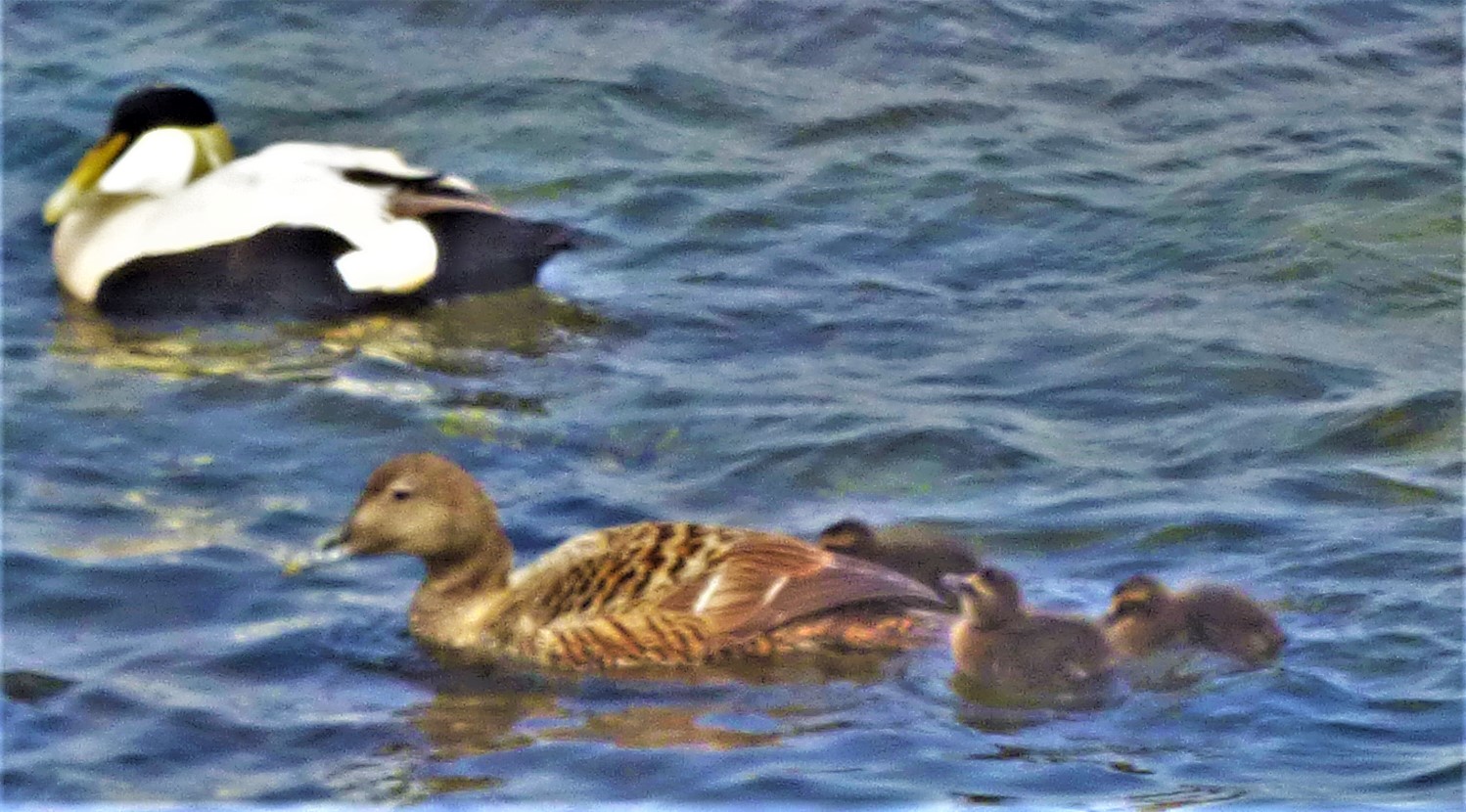
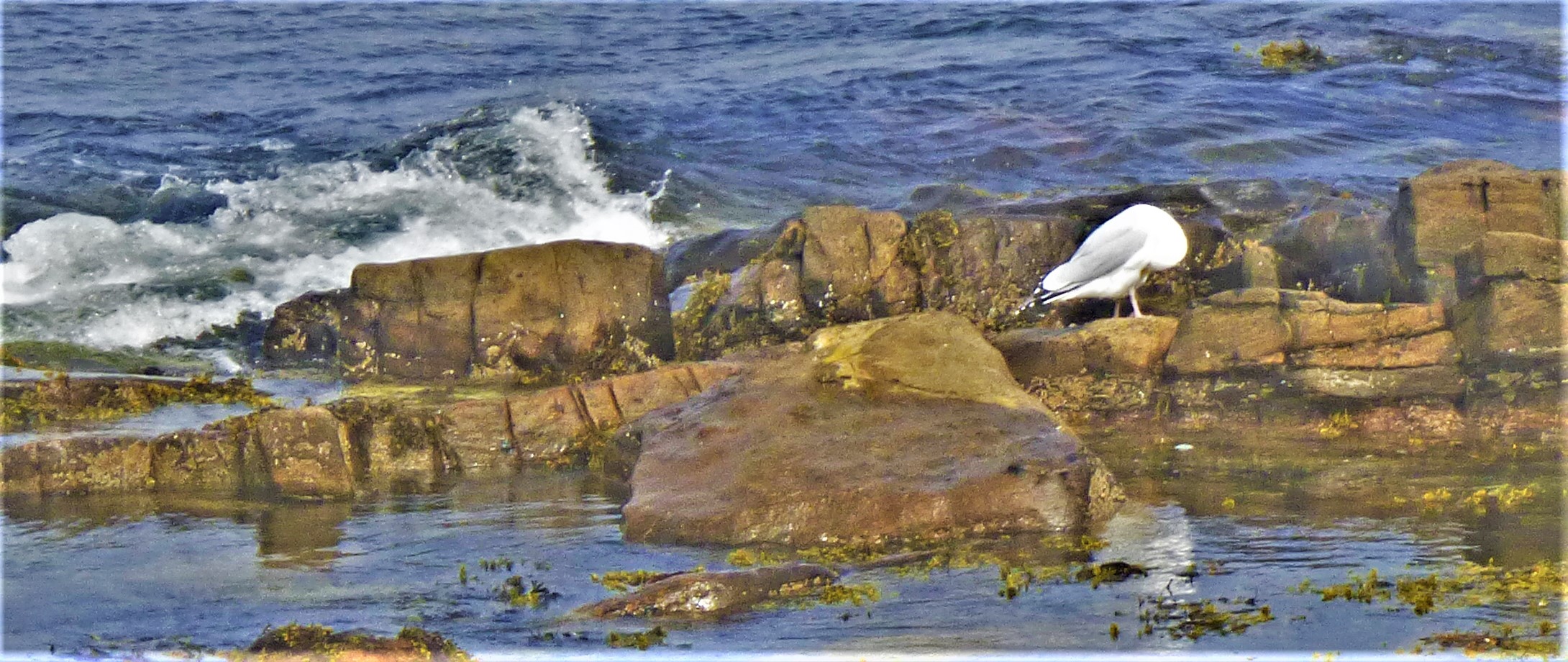
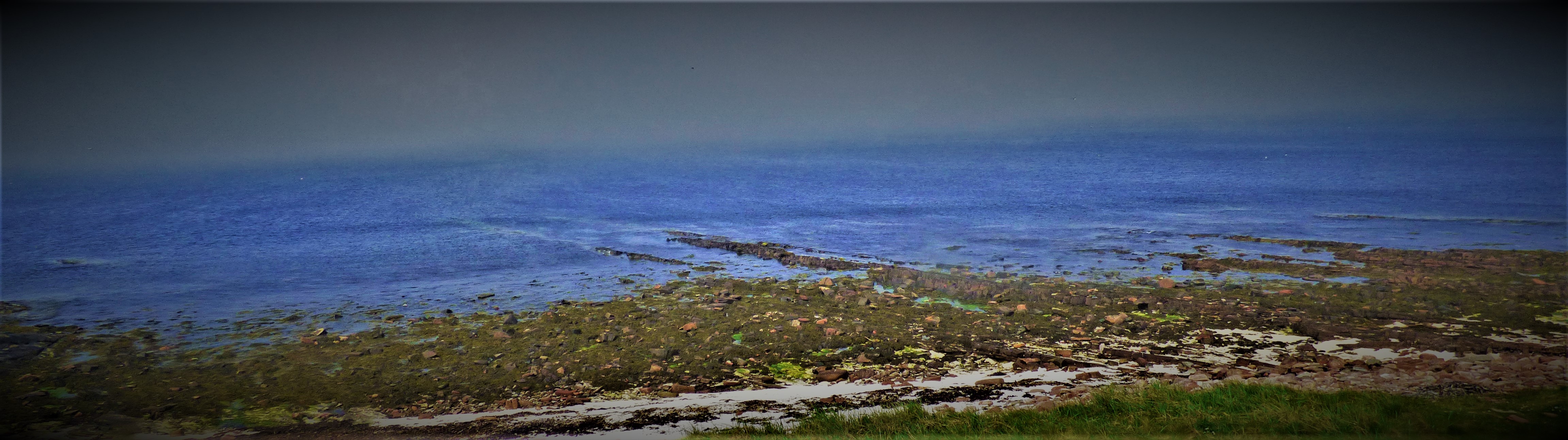
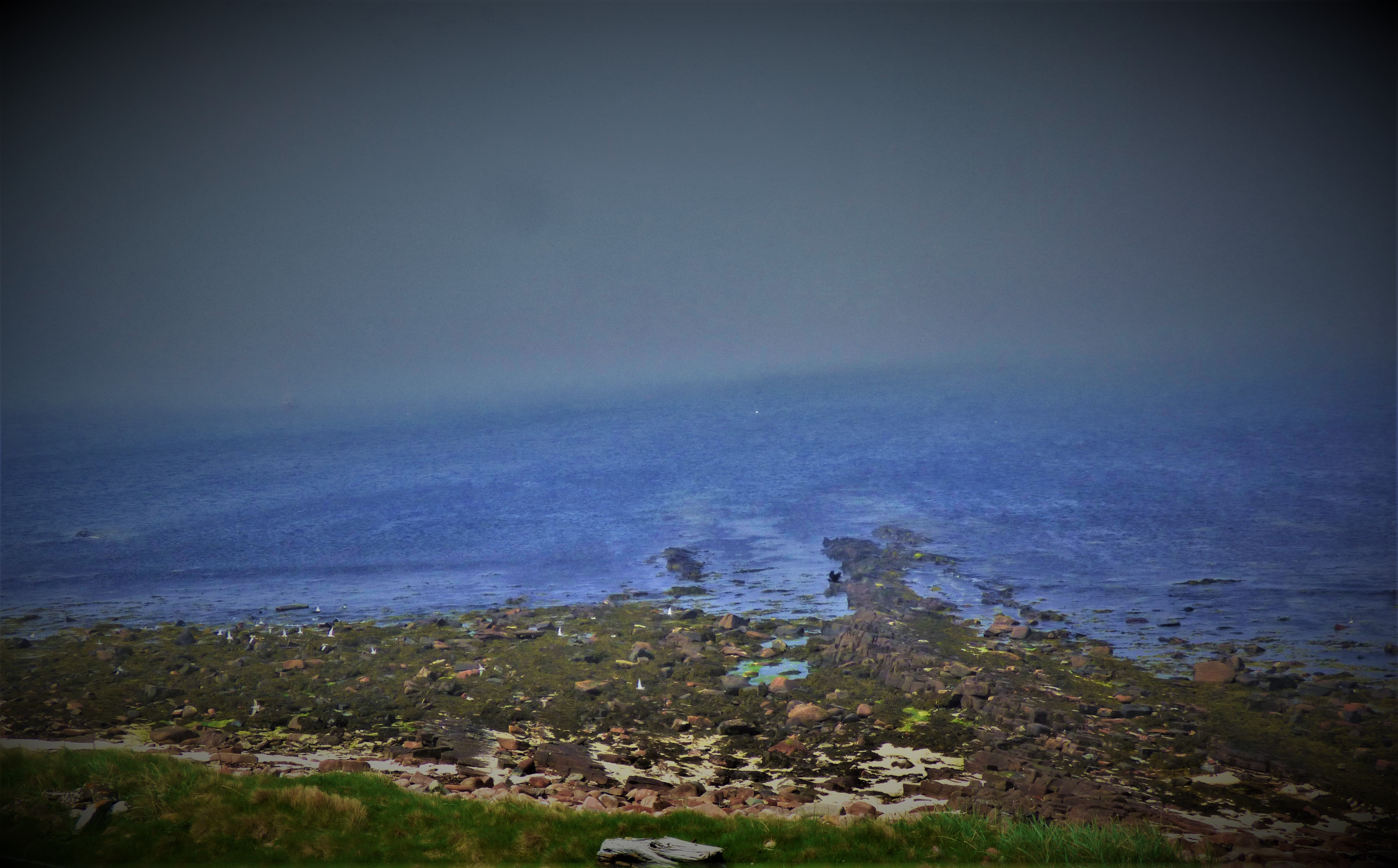
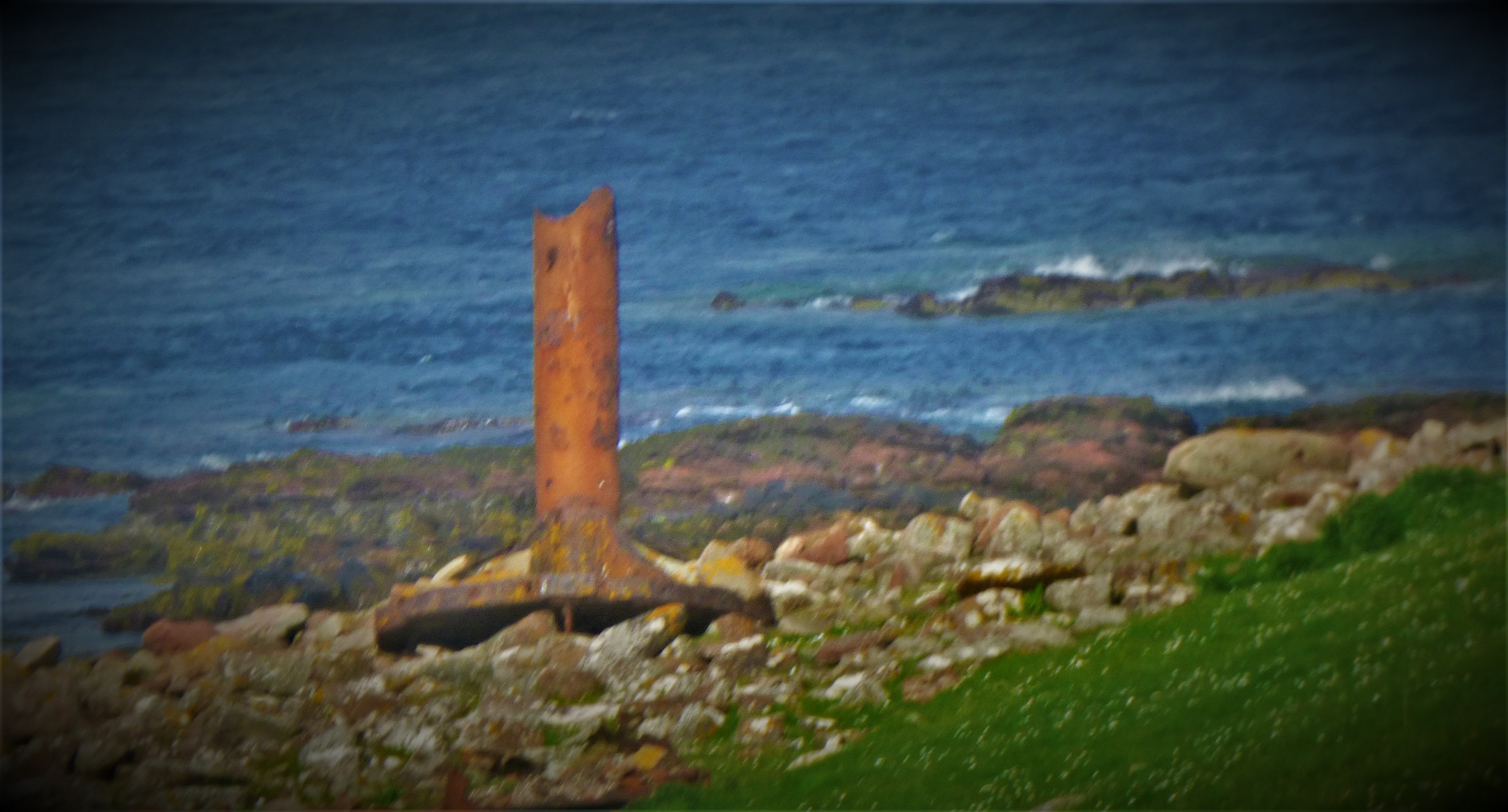
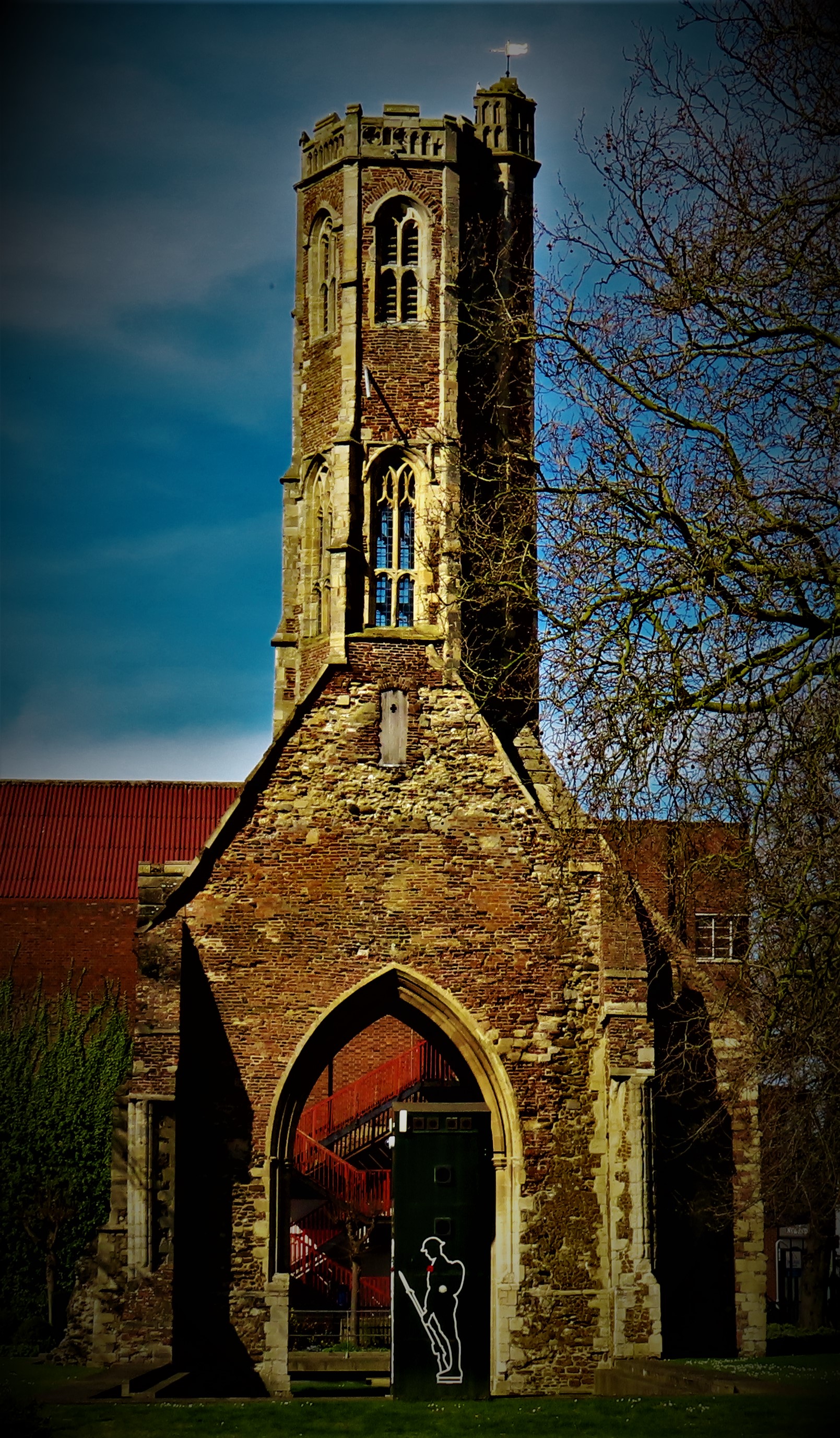
I got lots of good pictures while in Wick…

Scotland 2021: Wildlife Cruise

An account of a wildlife cruise on the afternoon of my birthday.

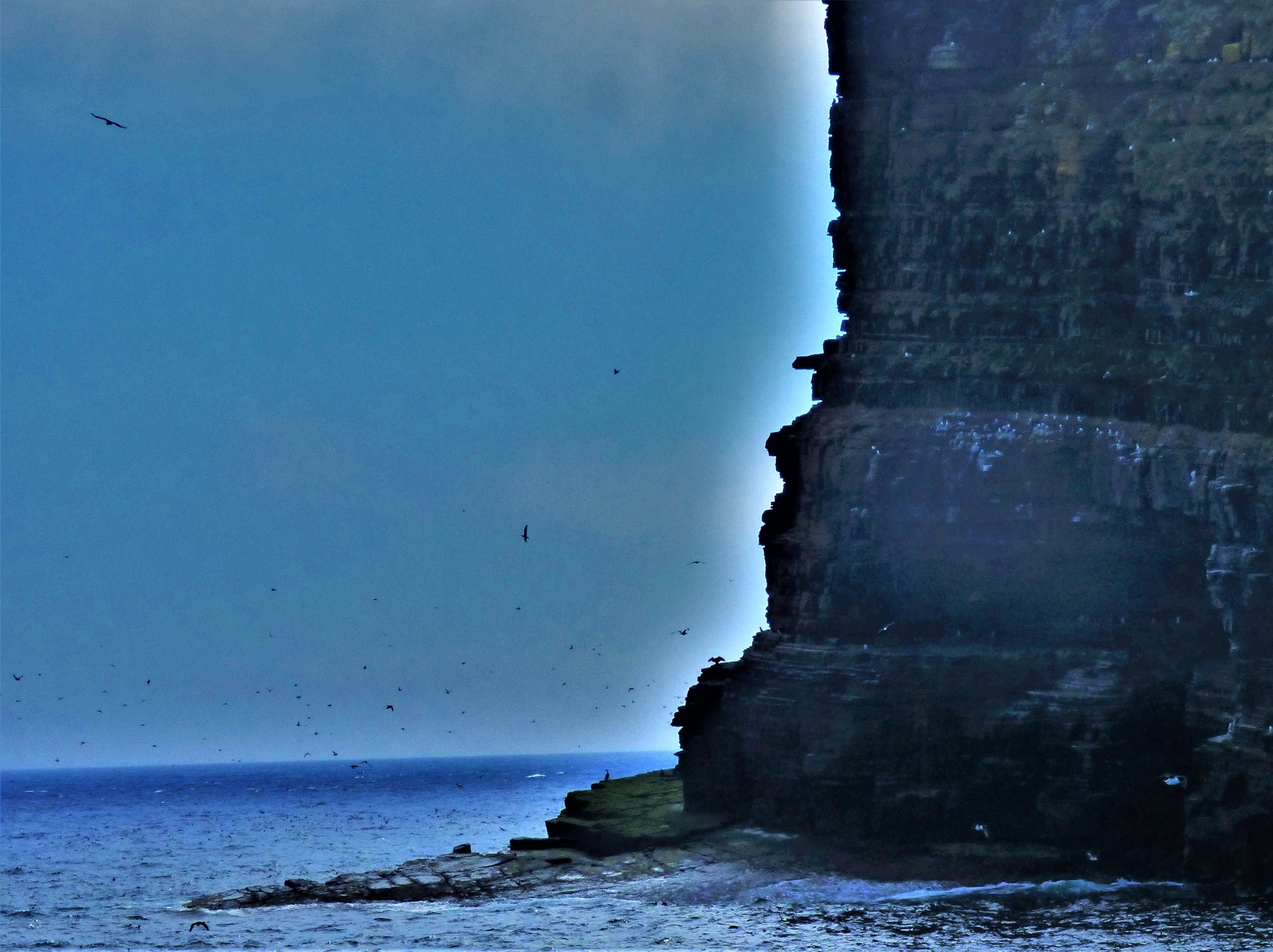
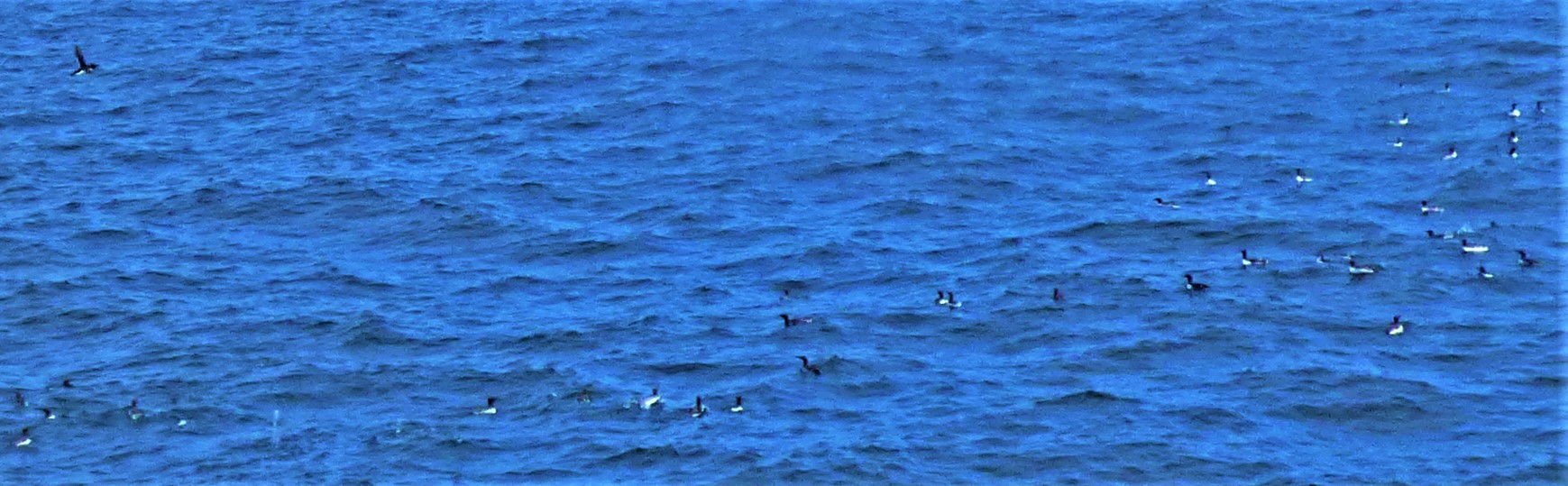
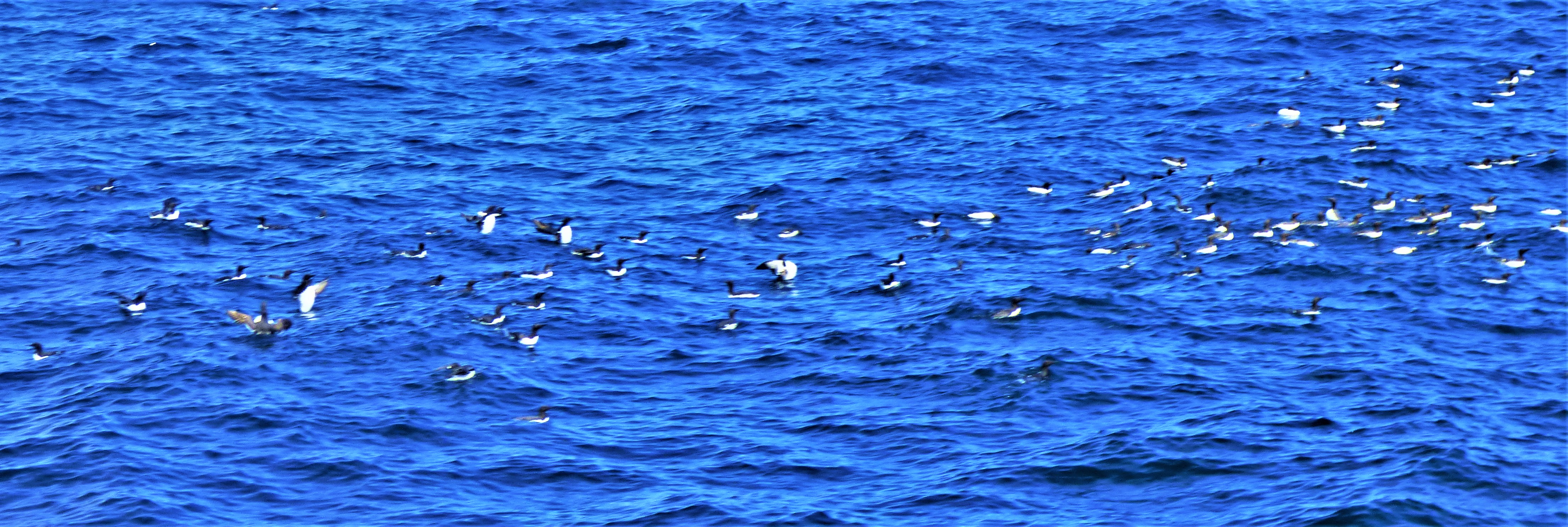
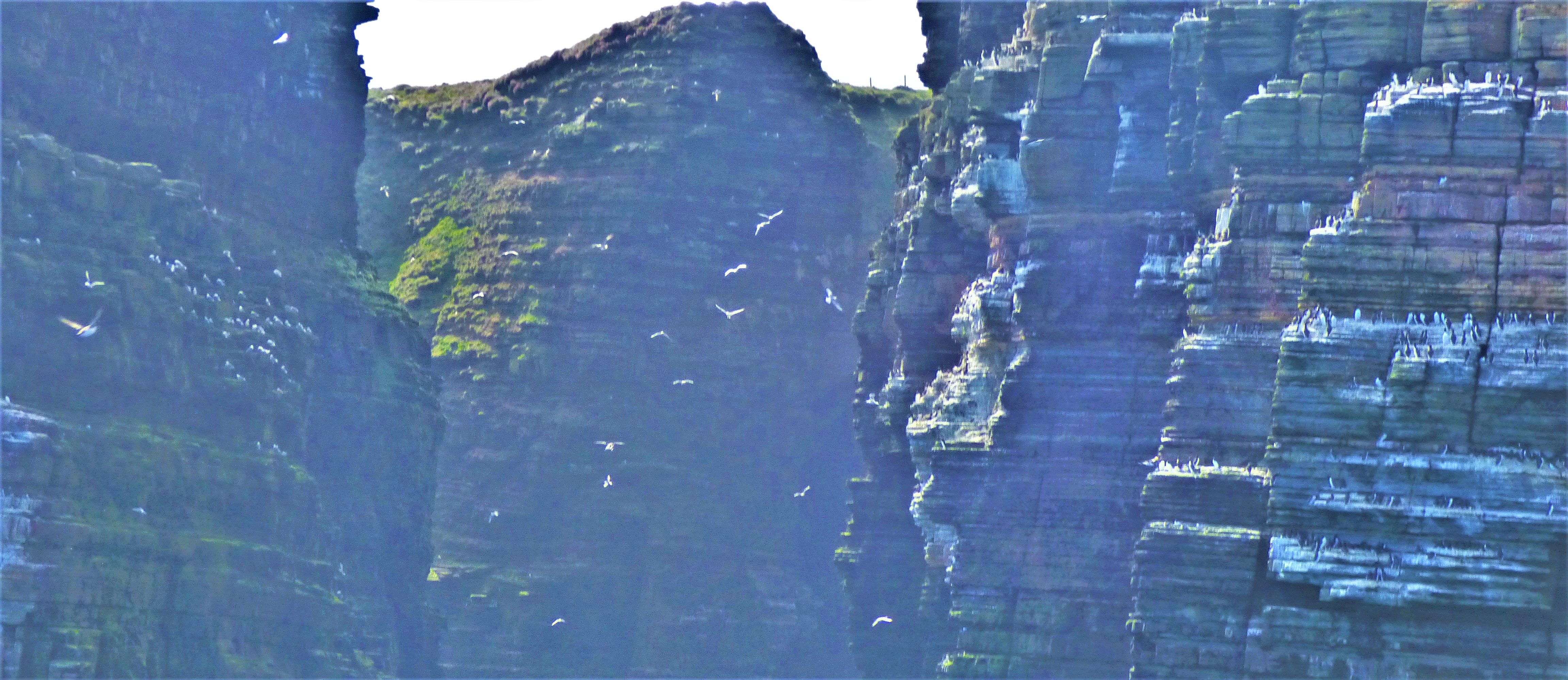
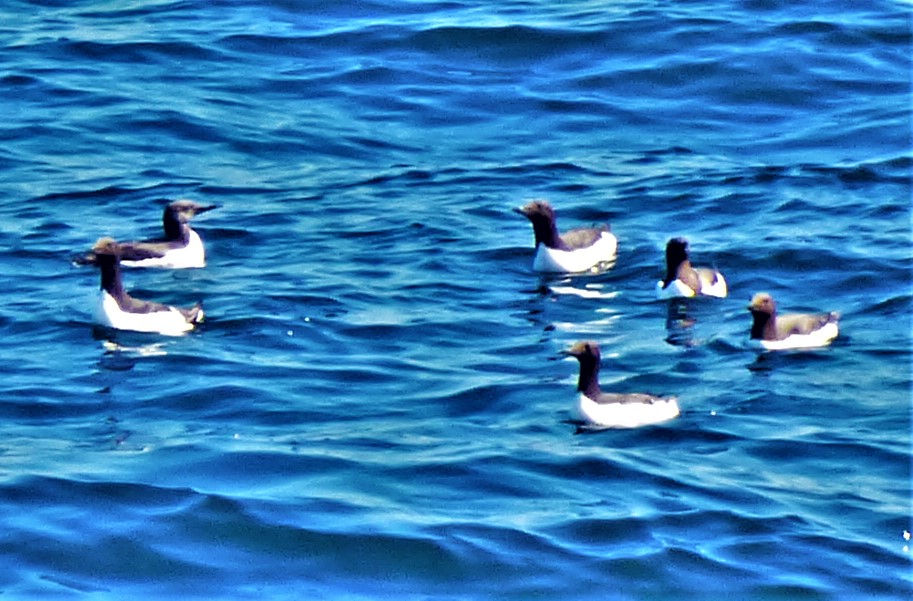
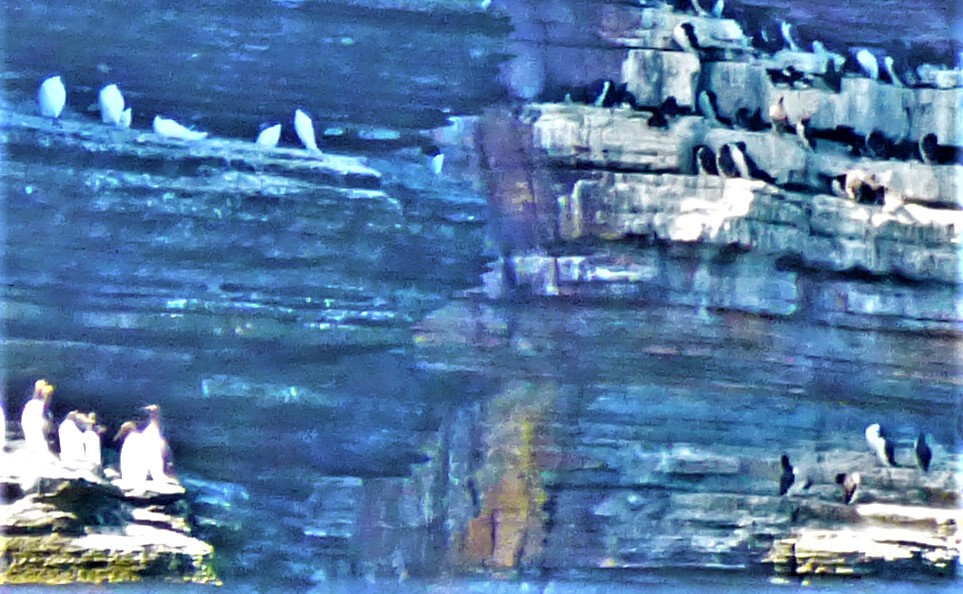
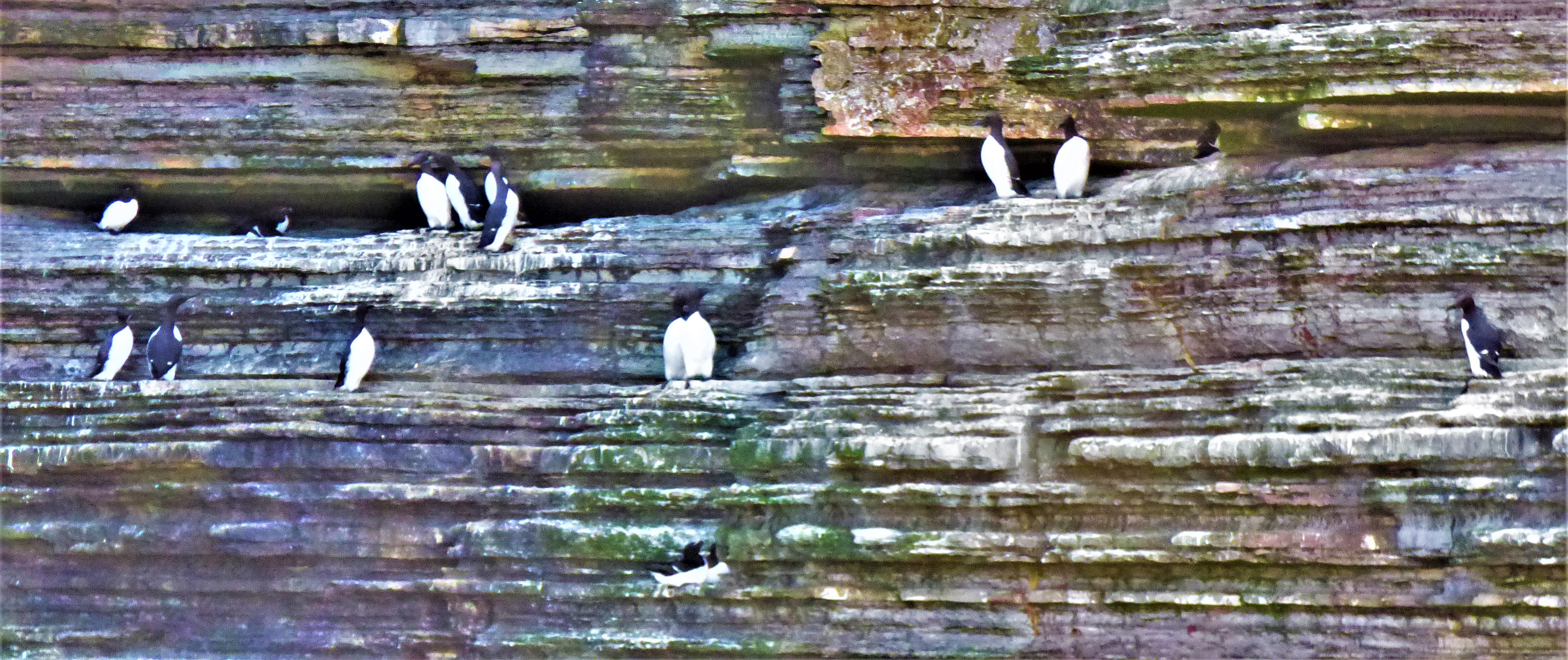
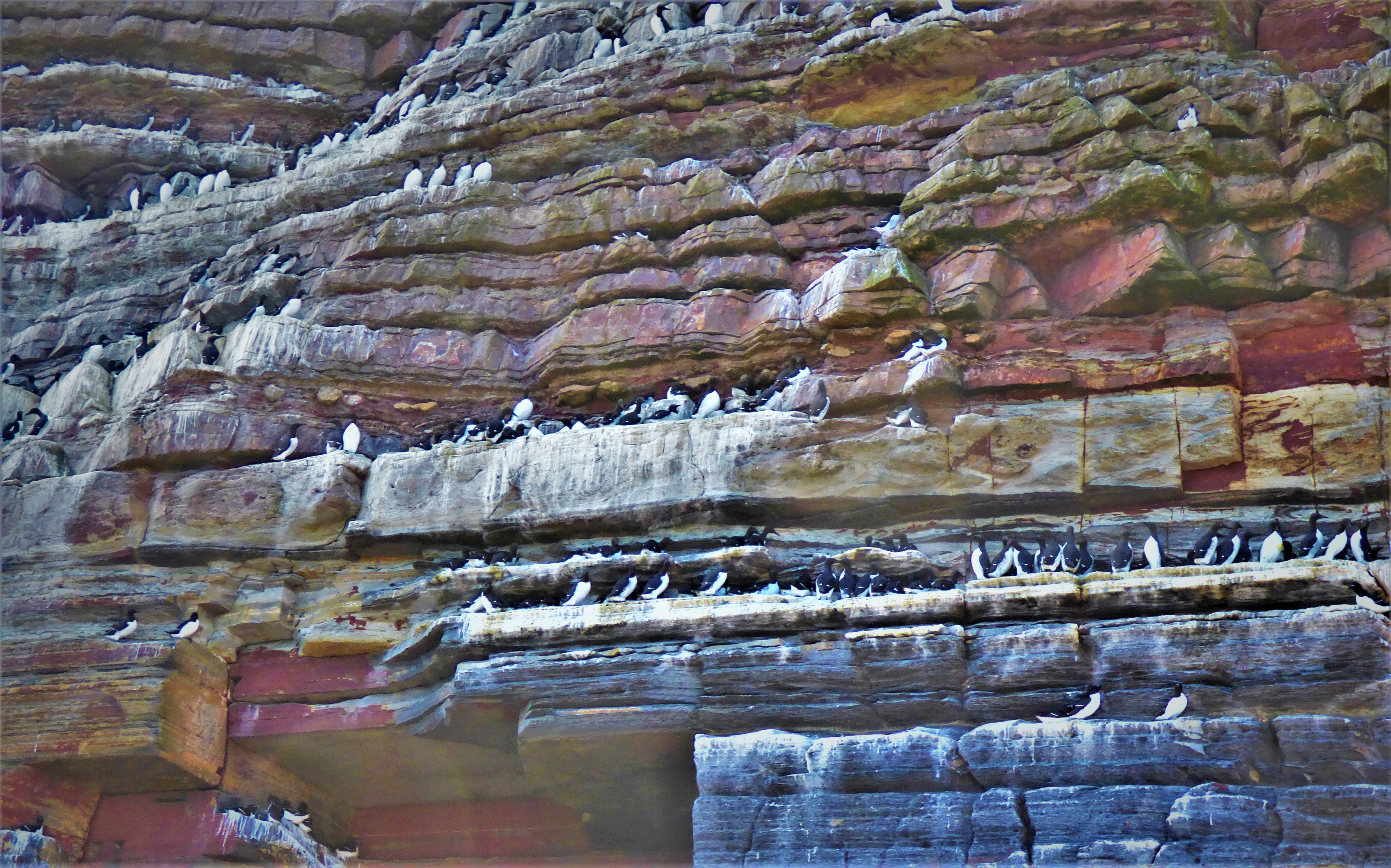
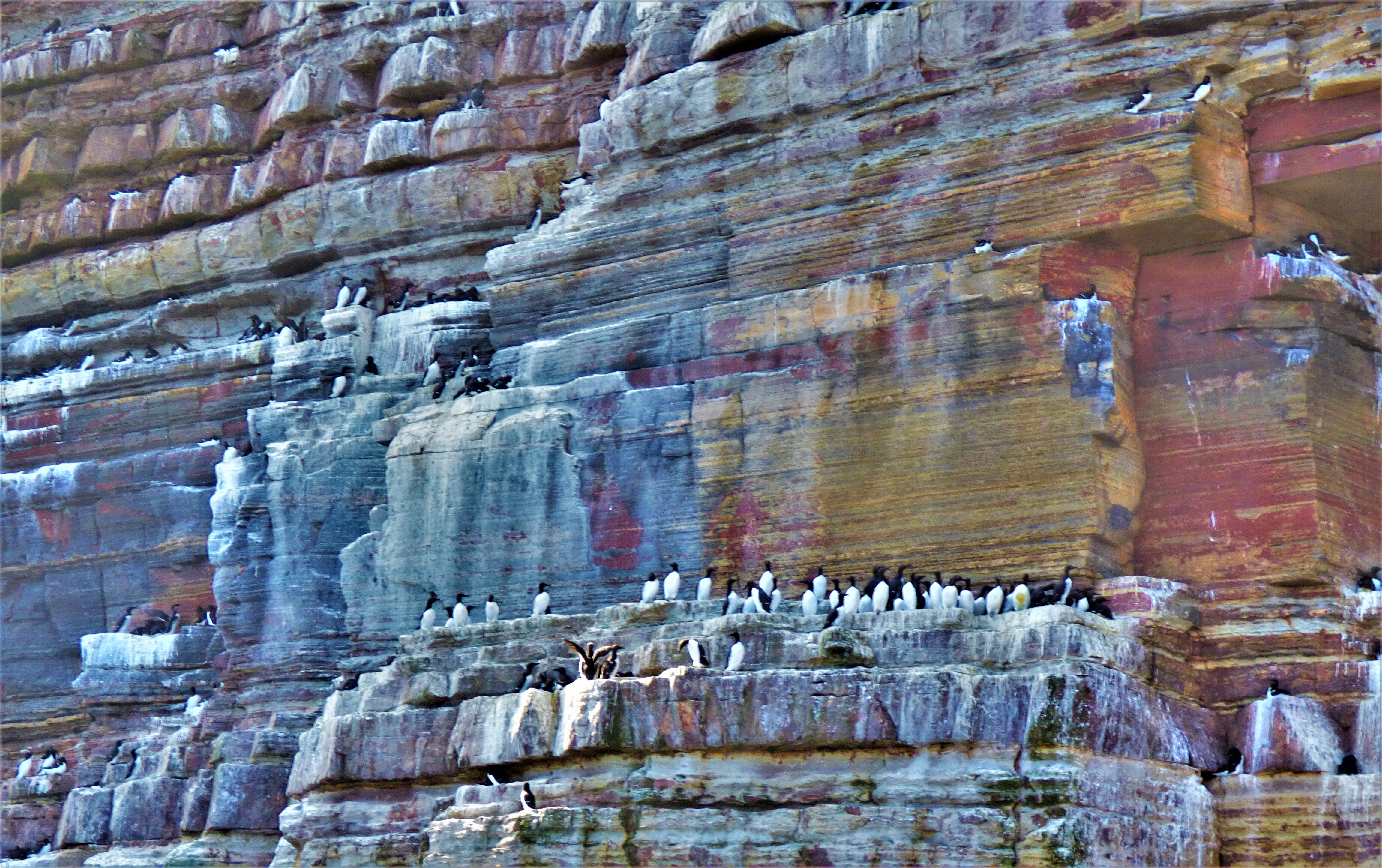
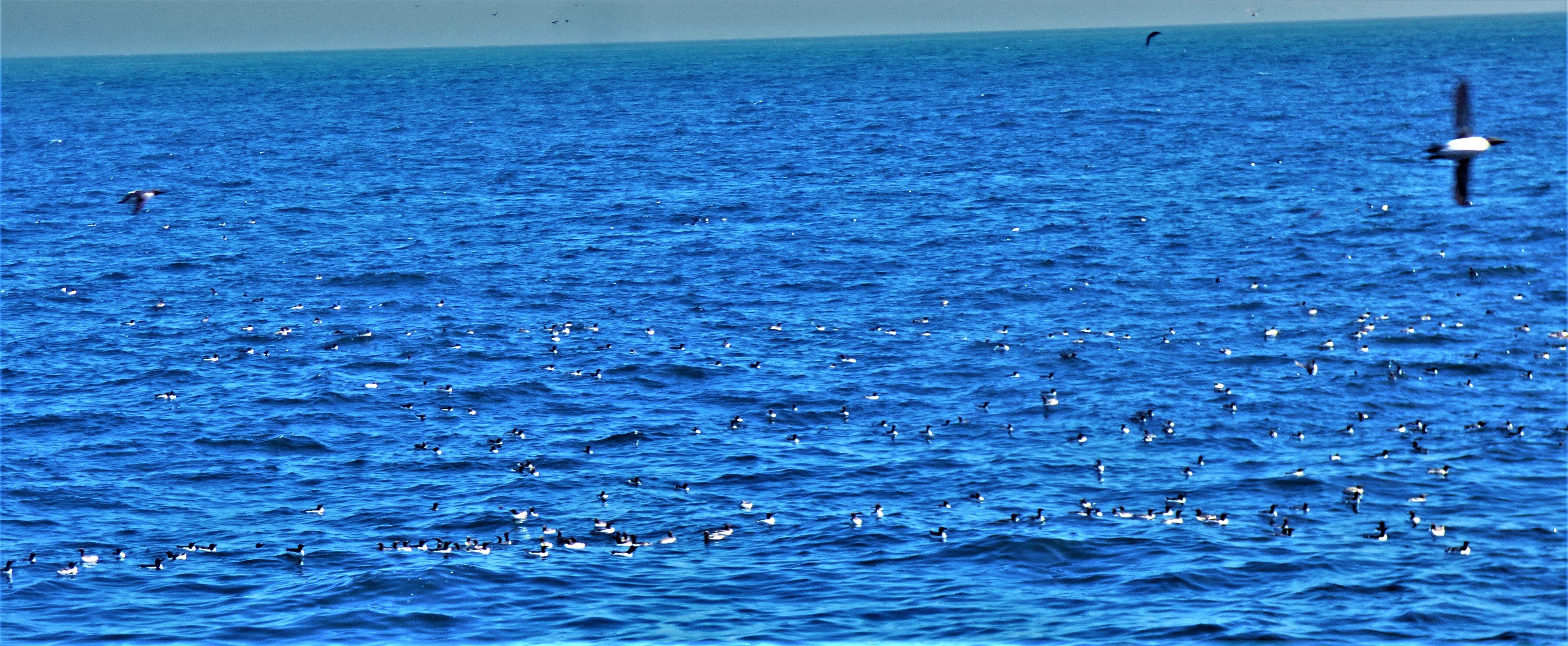
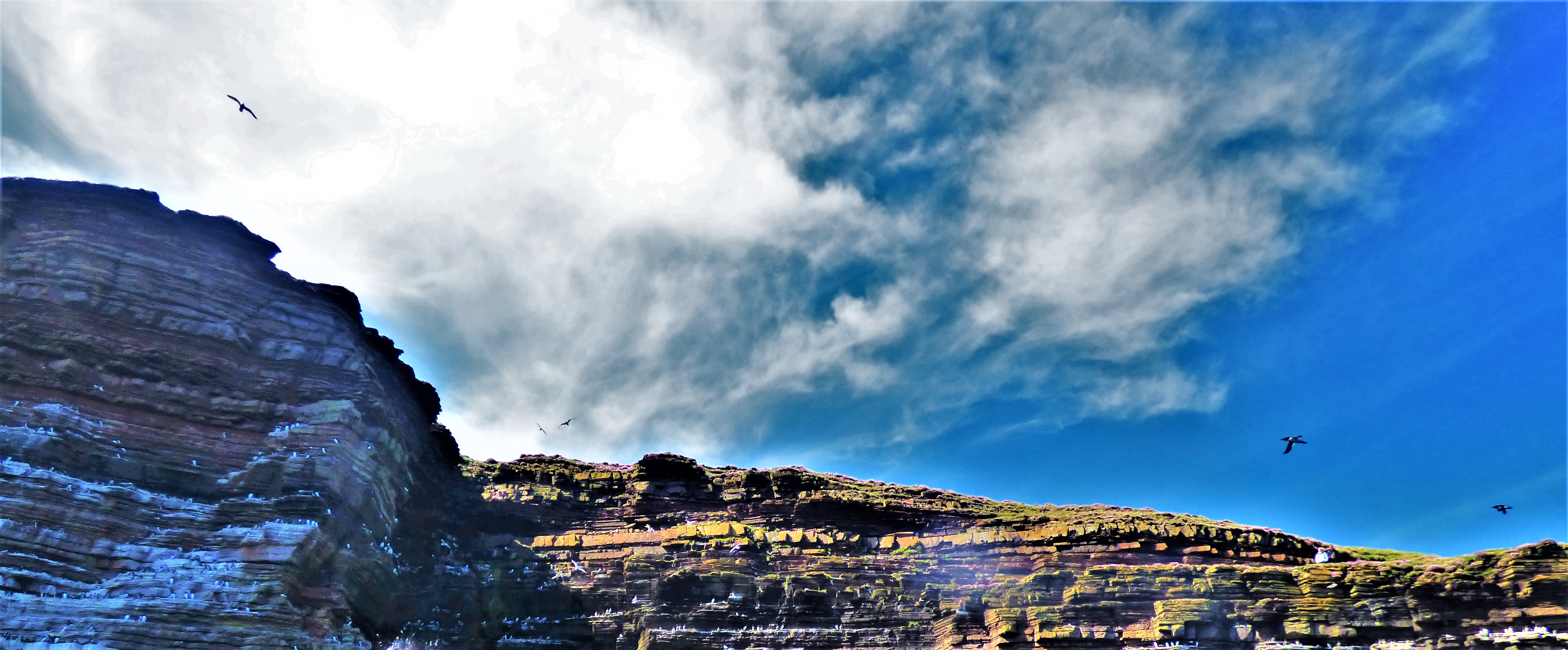
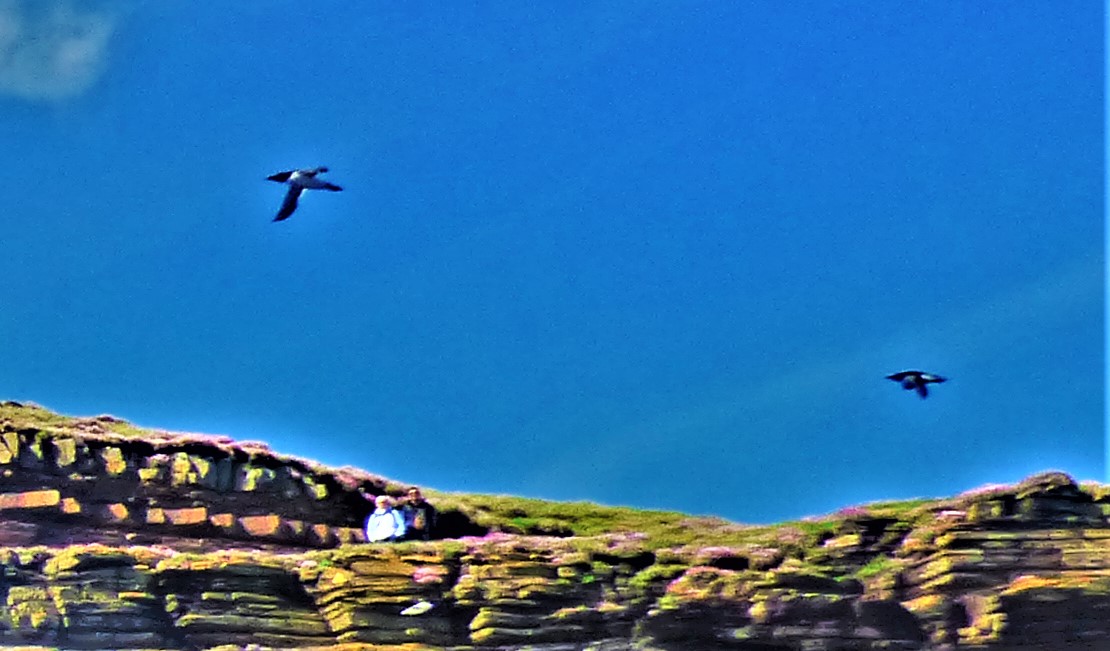
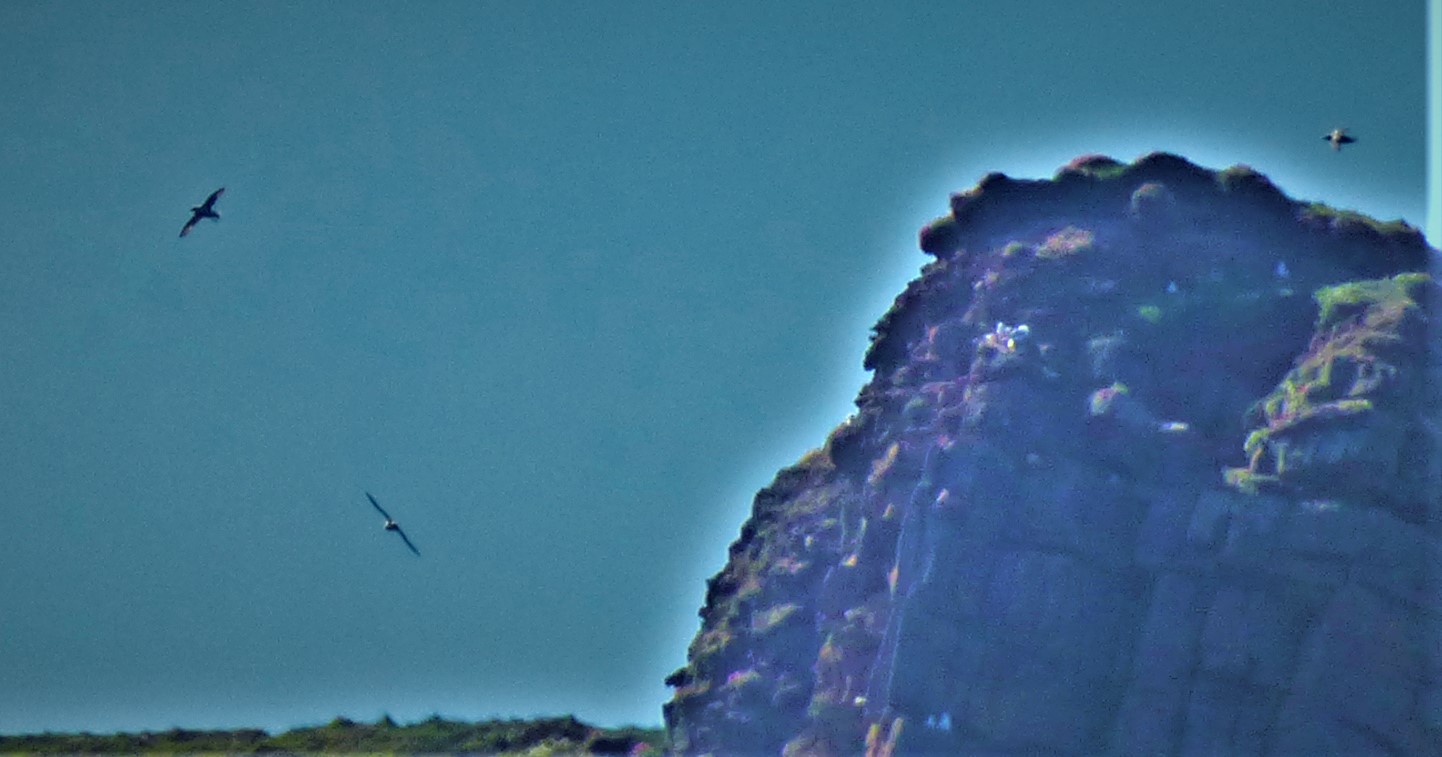
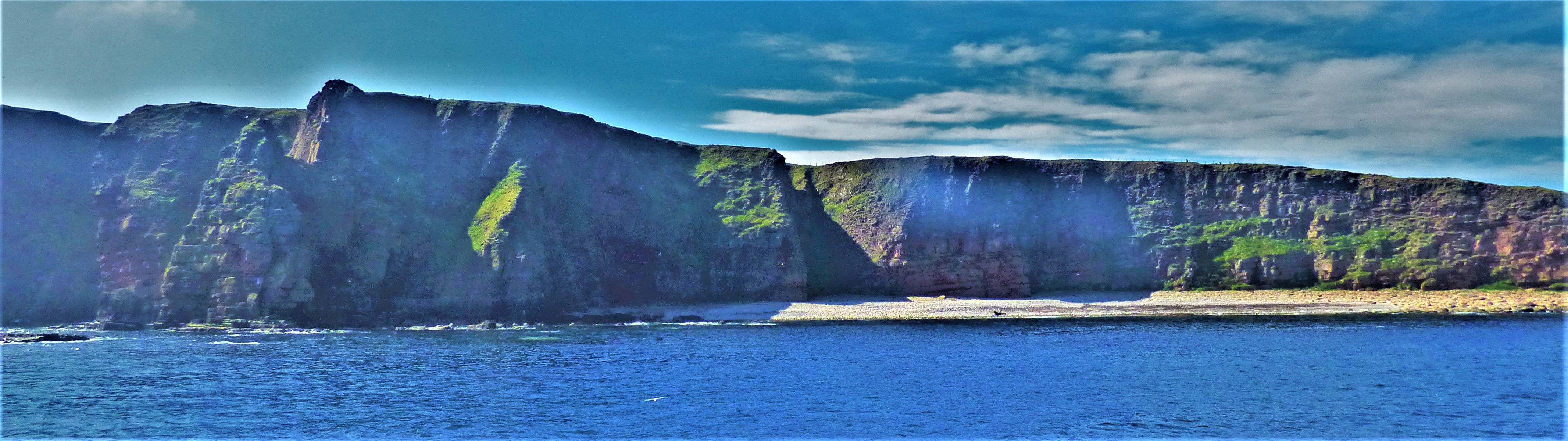
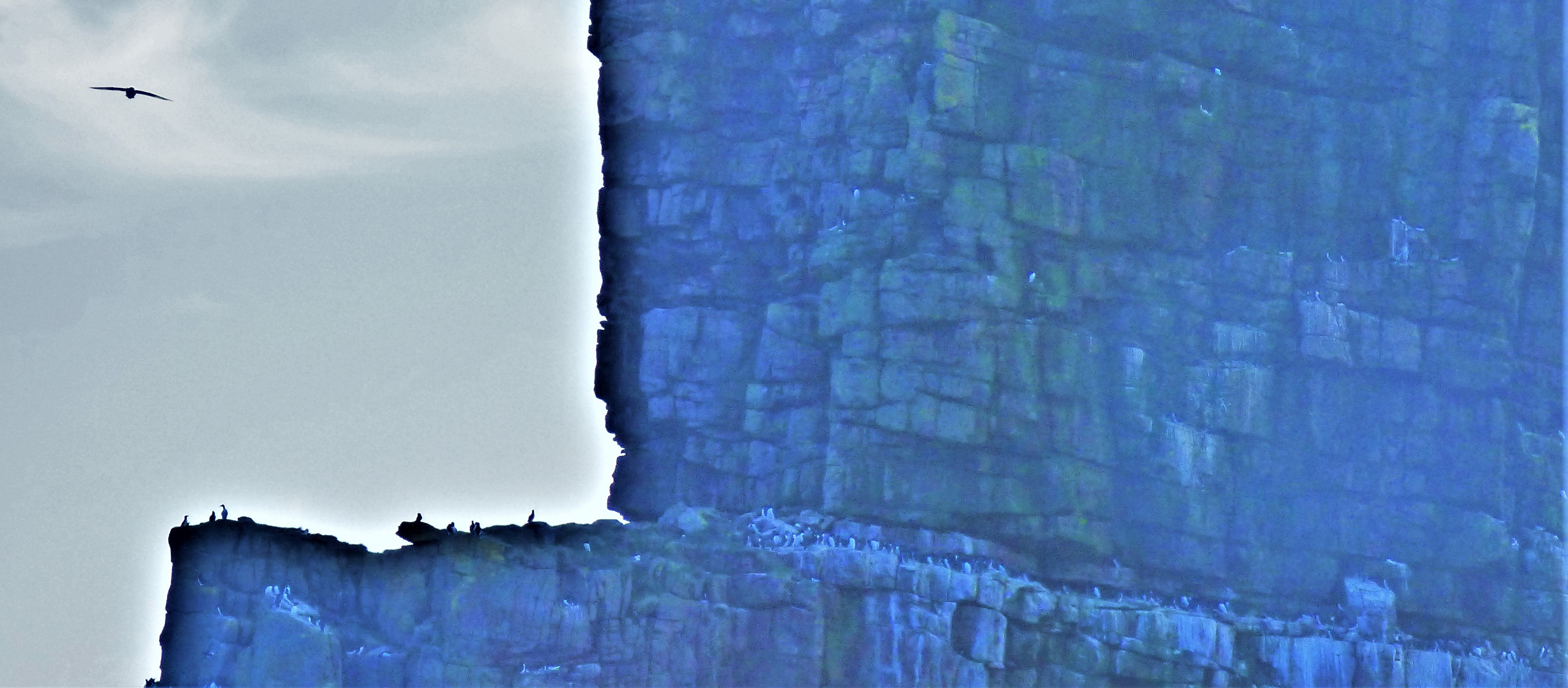
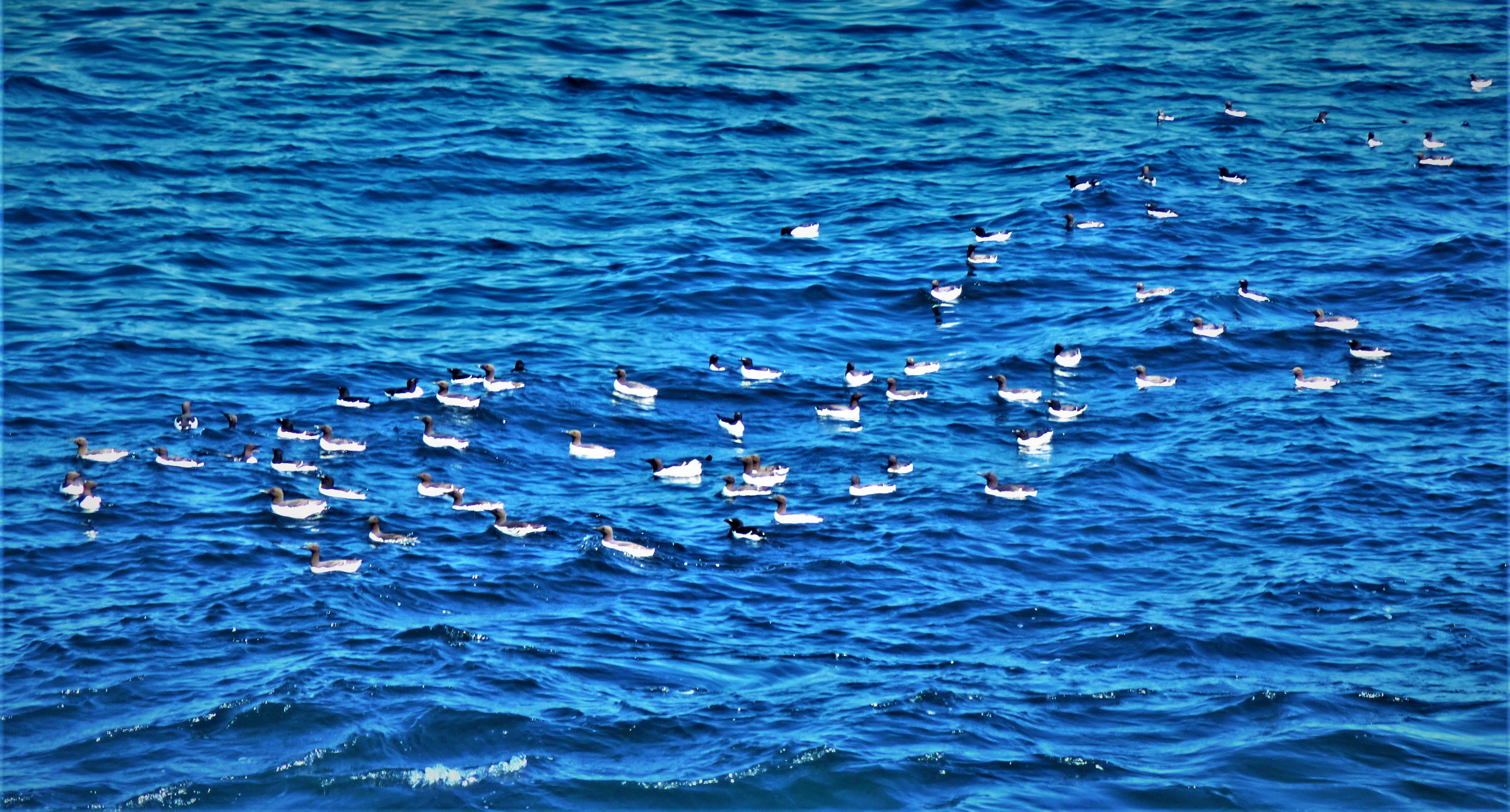
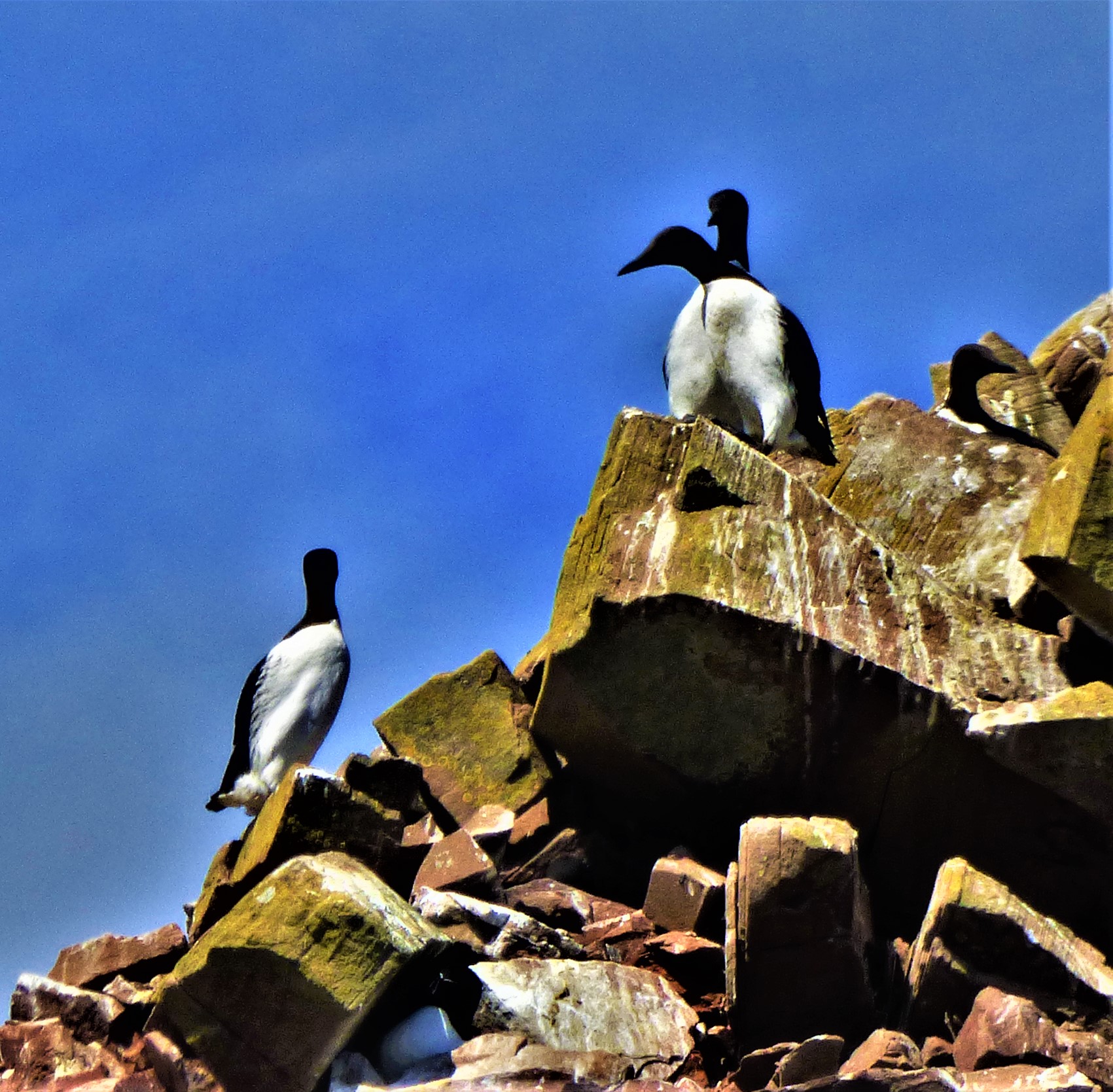
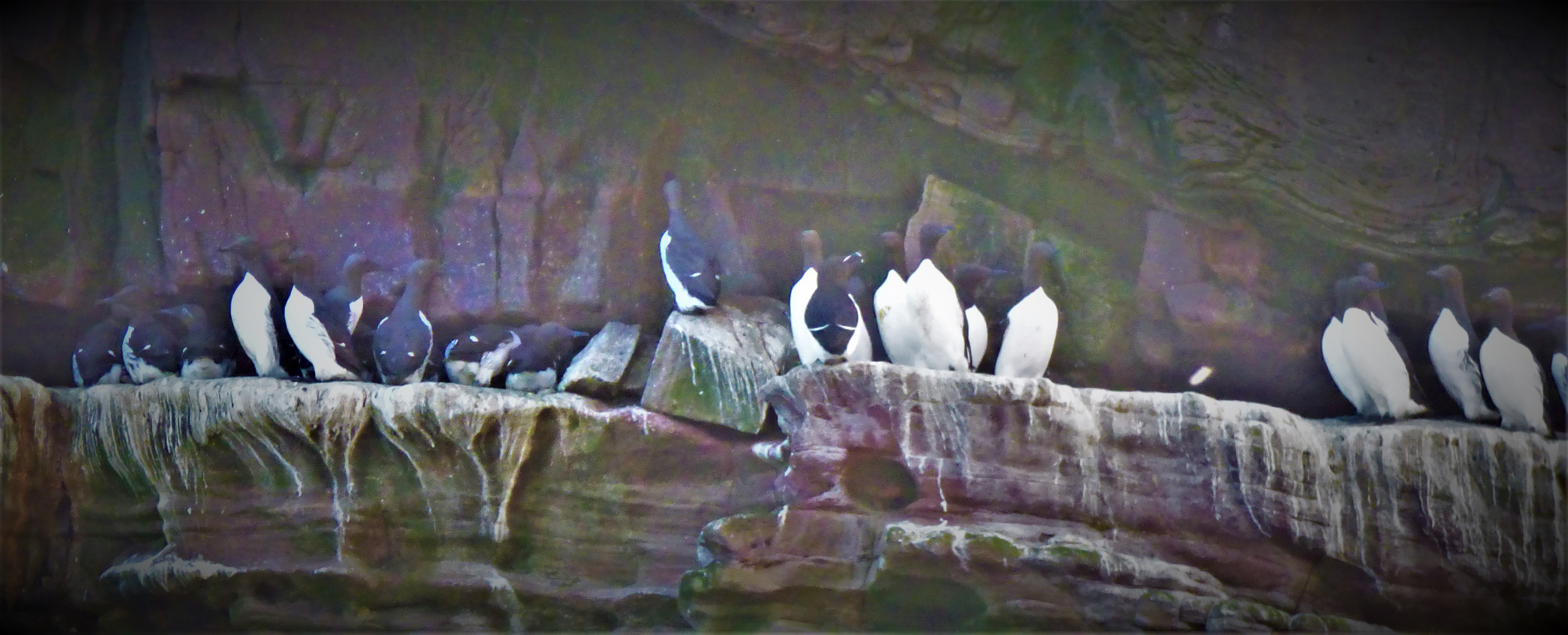
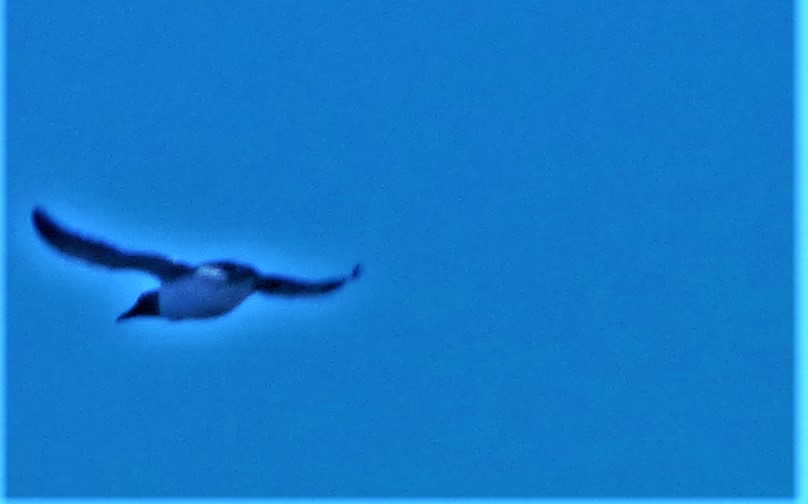
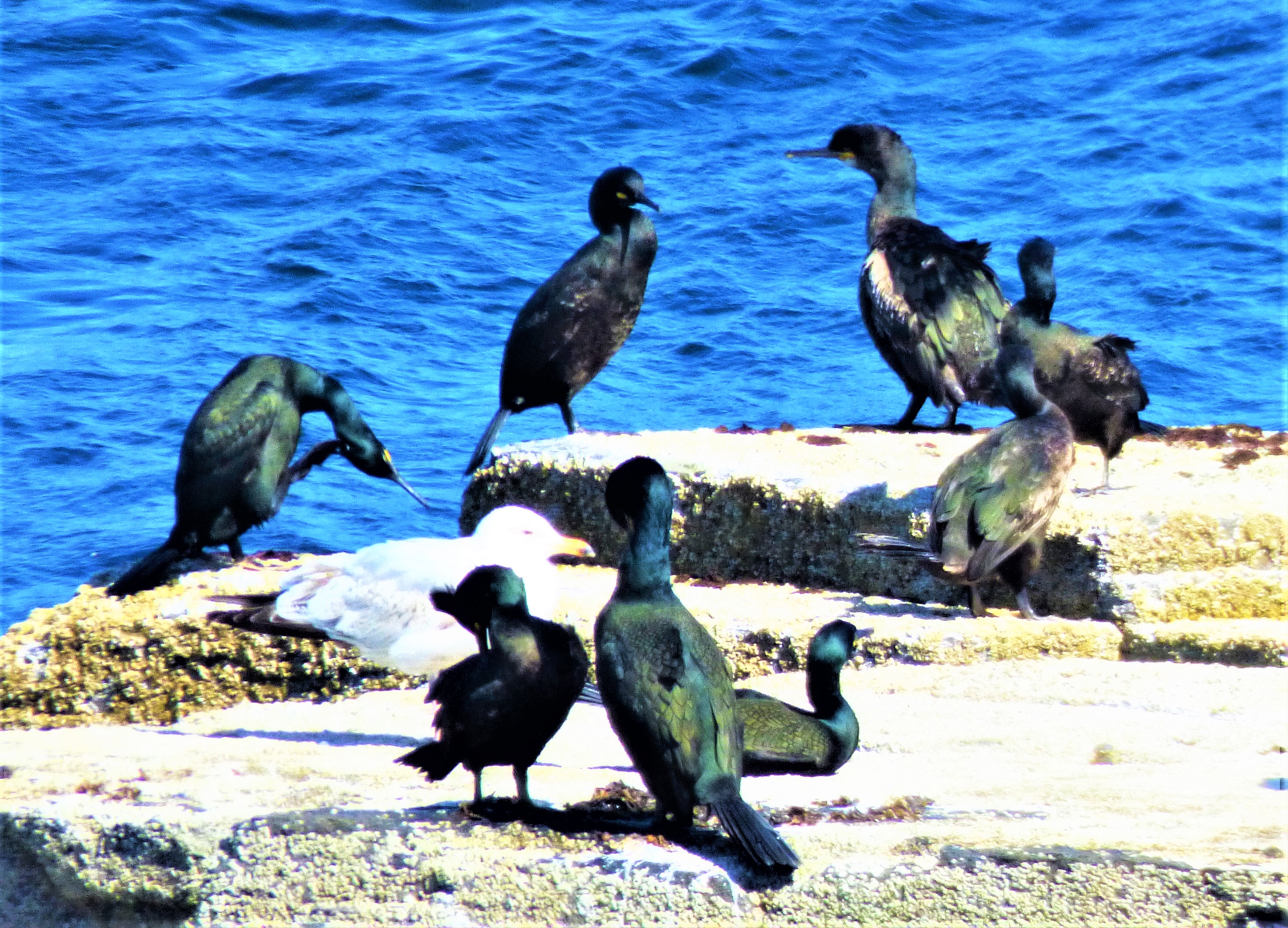
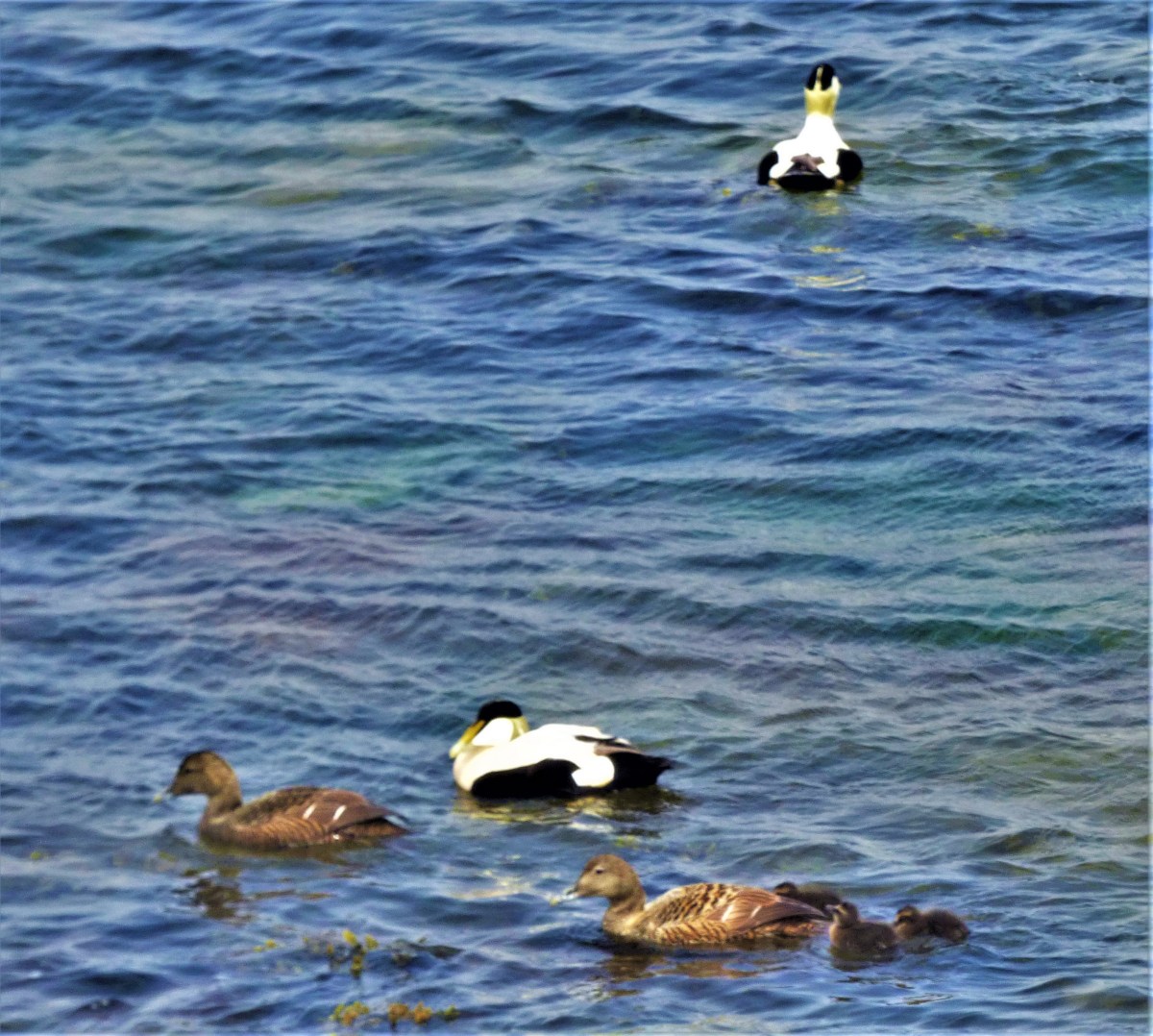
This post describes the main activity of the day of my birthday (Monday), a wildlife cruise. The route of the cruise was from John O’Groats harbour past Duncansby Head to Duncansby Stacks beyond and then back. There were a variety of sea birds on display, including guillemots, razor bills, shags and various breeds of gull. There are sometimes puffins in the area but I do not think we saw any that day. Also supposedly resident in these waters are seals and otters, but I saw neither. However it was a very enjoyable cruise.

OUTWARD BOUND

The walk to the harbour starts along an open road with no footpath before one comes to the path that leads to the John O’Groats hotel, at which point you can access various locations, including the harbour. We boarded the boat with no problems, and by the time we set out on the cruise it was very full.

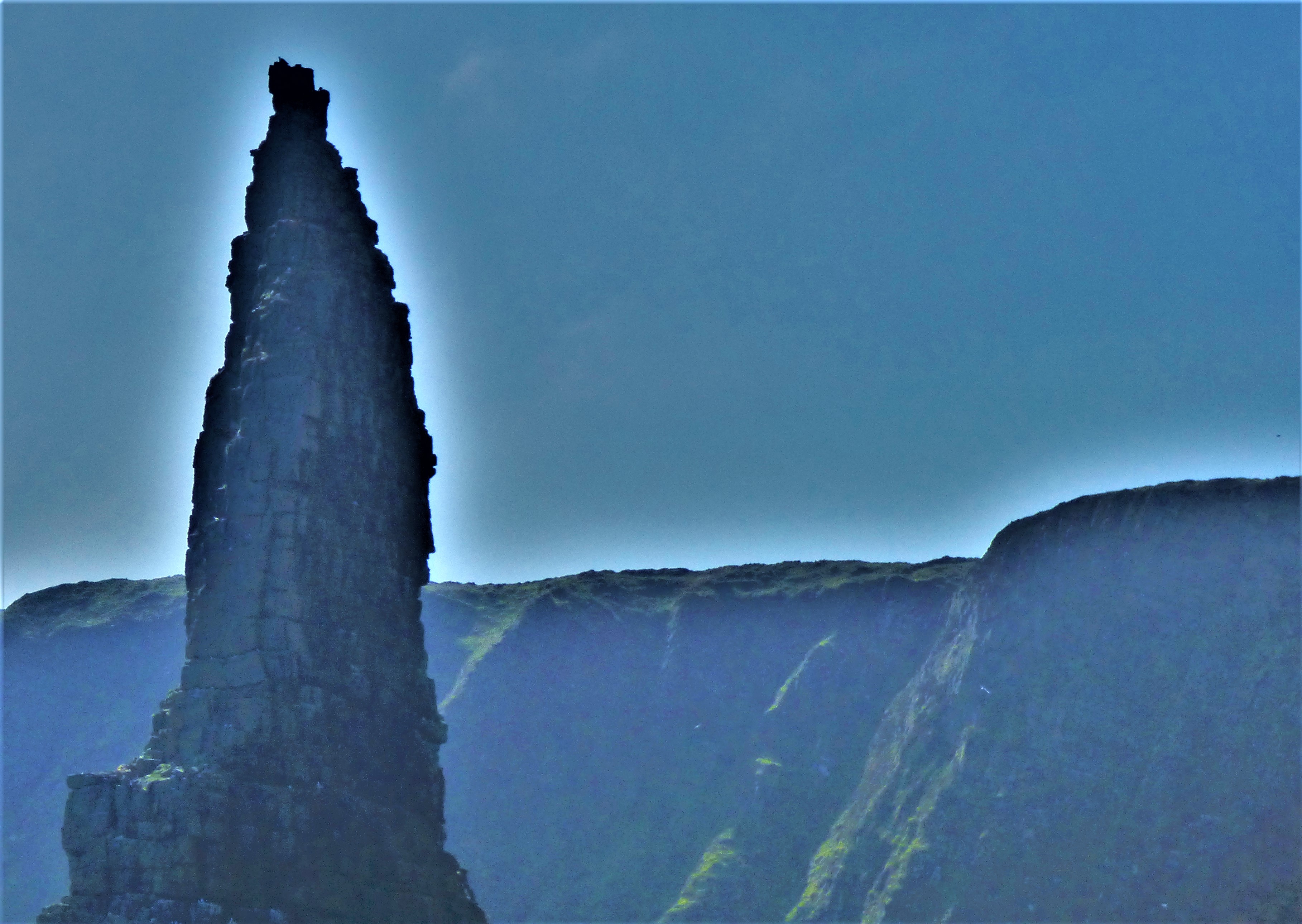
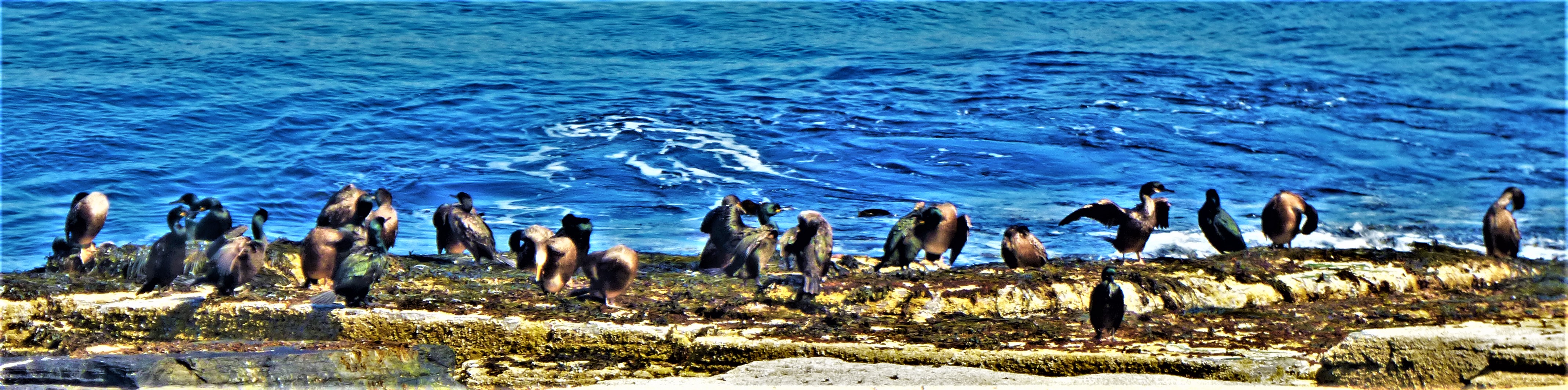
Although there were some signs of life in the open water it was only when we got level with the head and then the stacks beyond (for an explanation of what a stack is in this context visit this article which explains how they form) that we saw creatures in huge number. The guillemots predominated (they look a little like tiny penguins, although unlike the Antarctic’s most famous bird they can fly), but a few razor bills were in evidence, as were a number of shags (they look similar to a cormorant).

The boat arrived back at the harbour and after waiting for things to clear a bit we made our way back on to terra firma.

HOMEWARD BOUND

We took an exploratory route home, attempting to locate a route back which would eliminate the main road. This was unsuccessful, and we reverted to the route we knew. My mother’s shoes were causing her trouble by this stage, so my father went to fetch the van to the point where the path joins the road and I accompanied my mother to that meeting point. The problems with the homeward walk notwithstanding it was a very enjoyable day.

PHOTOGRAPHS

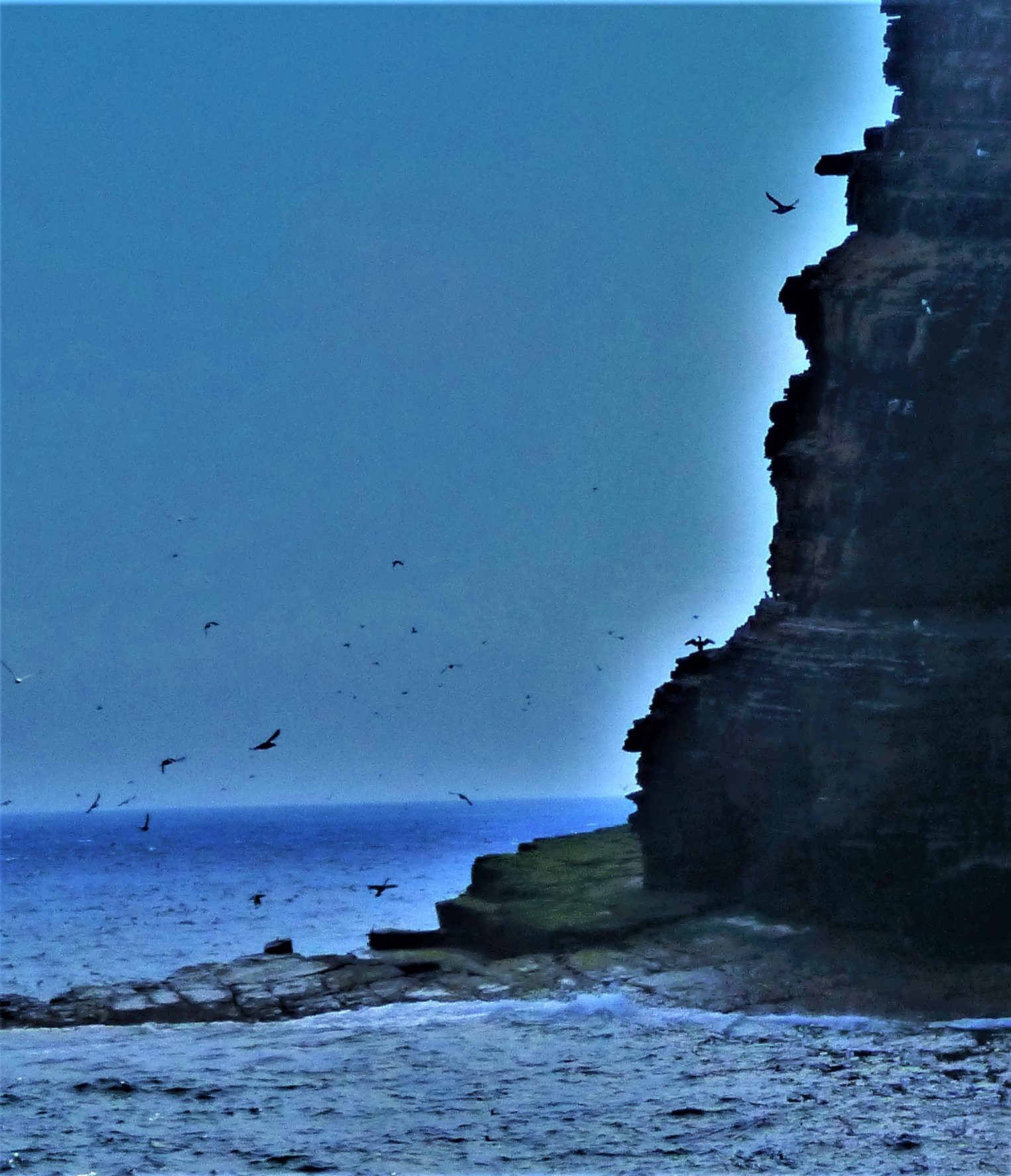
I have loads of photographs to go with this post and I hope you enjoy them:

Scotland 2021: Castle Sinclair Girnigoe

An account of a visit to a ruined castle that nowadays doubles as a wildlife haven.

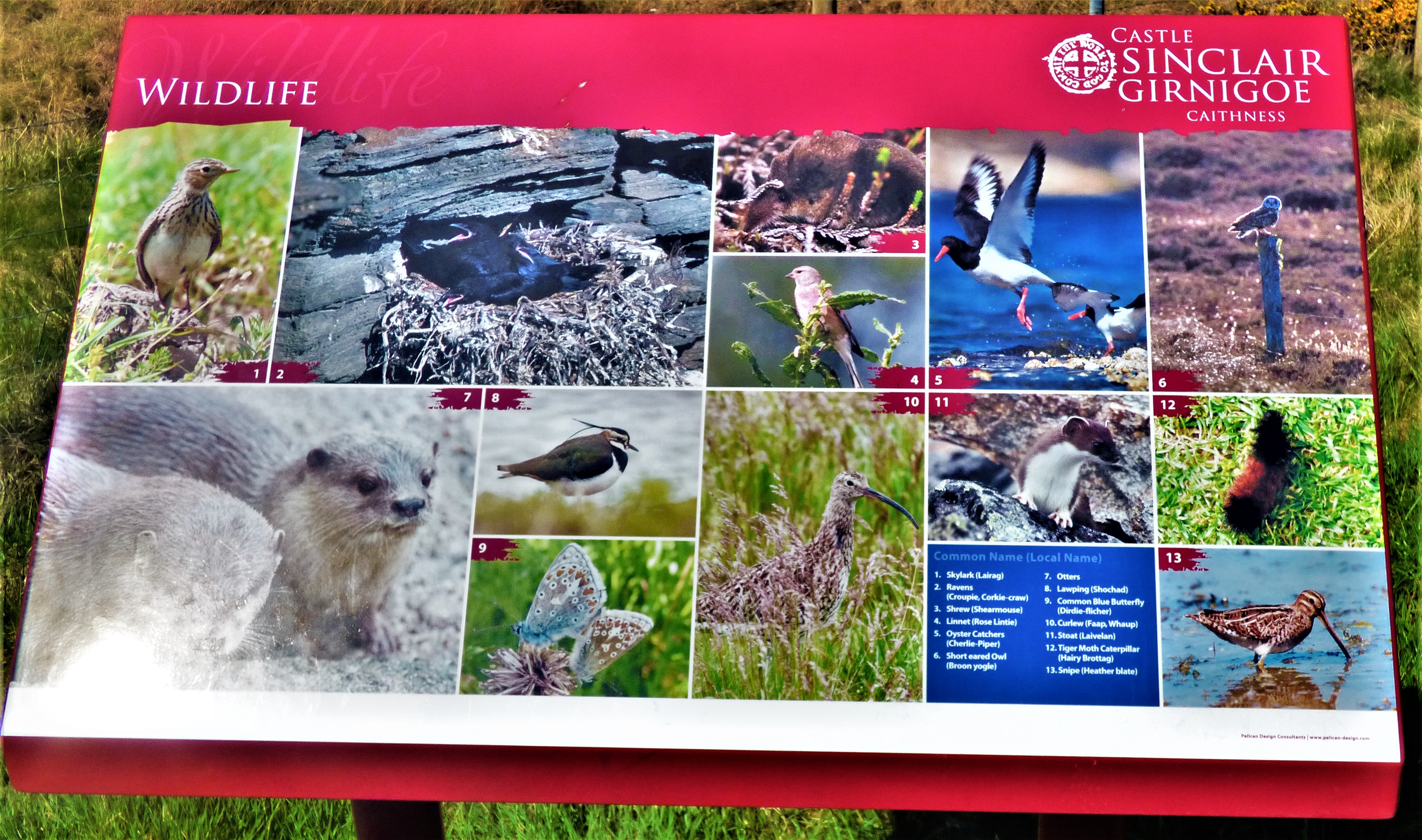
On the morning of my birthday we travelled to Wick to do some essential shopping, and on the way back as a warm up act to the main event of the day, a wildlife cruise which I shall write about in due time we called in at the ruins of Castle Sinclair Girnigoe.

RUIN AND WILDLIFE HAVEN

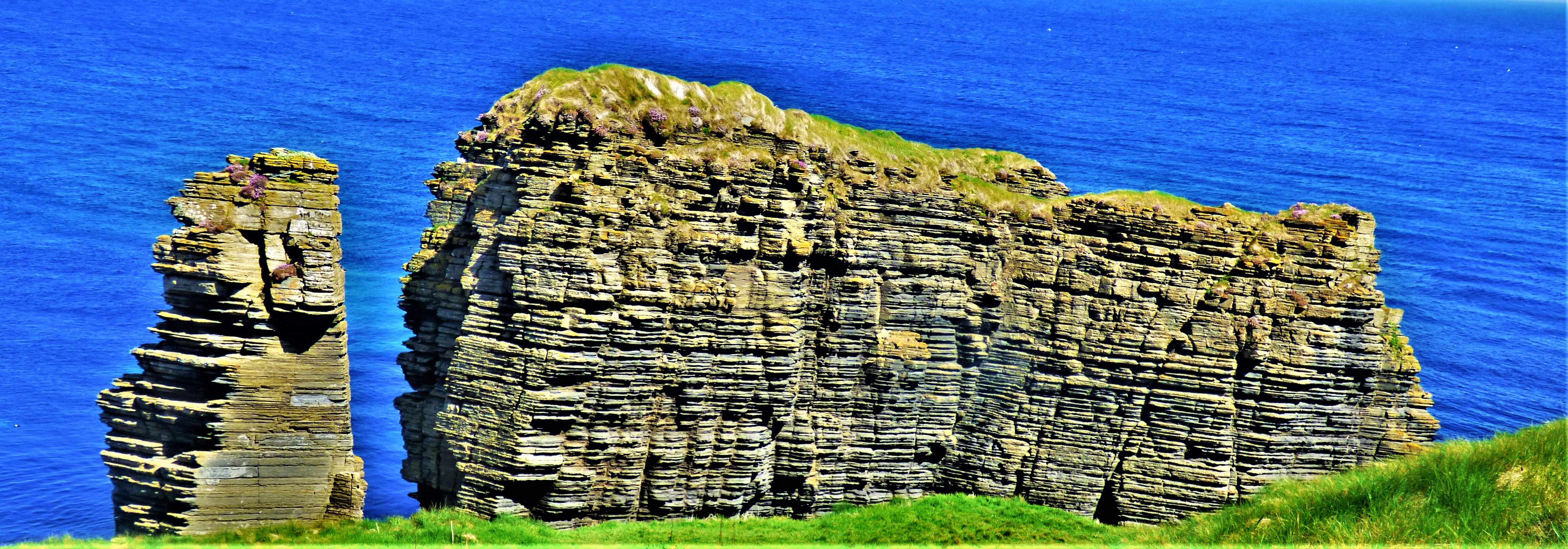
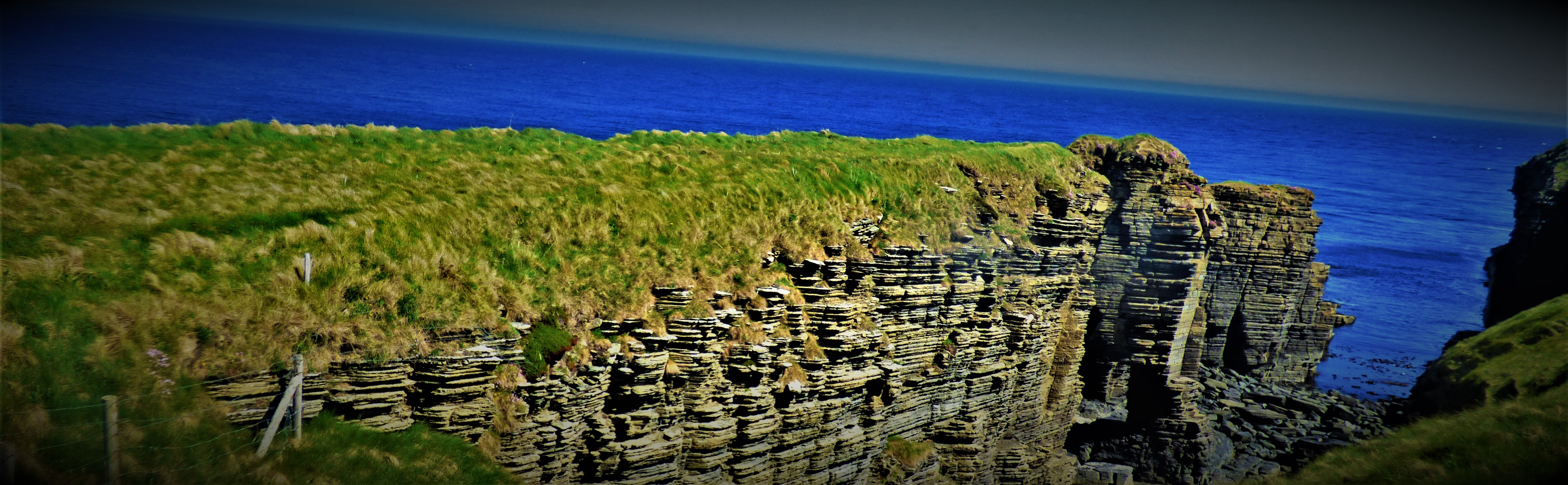
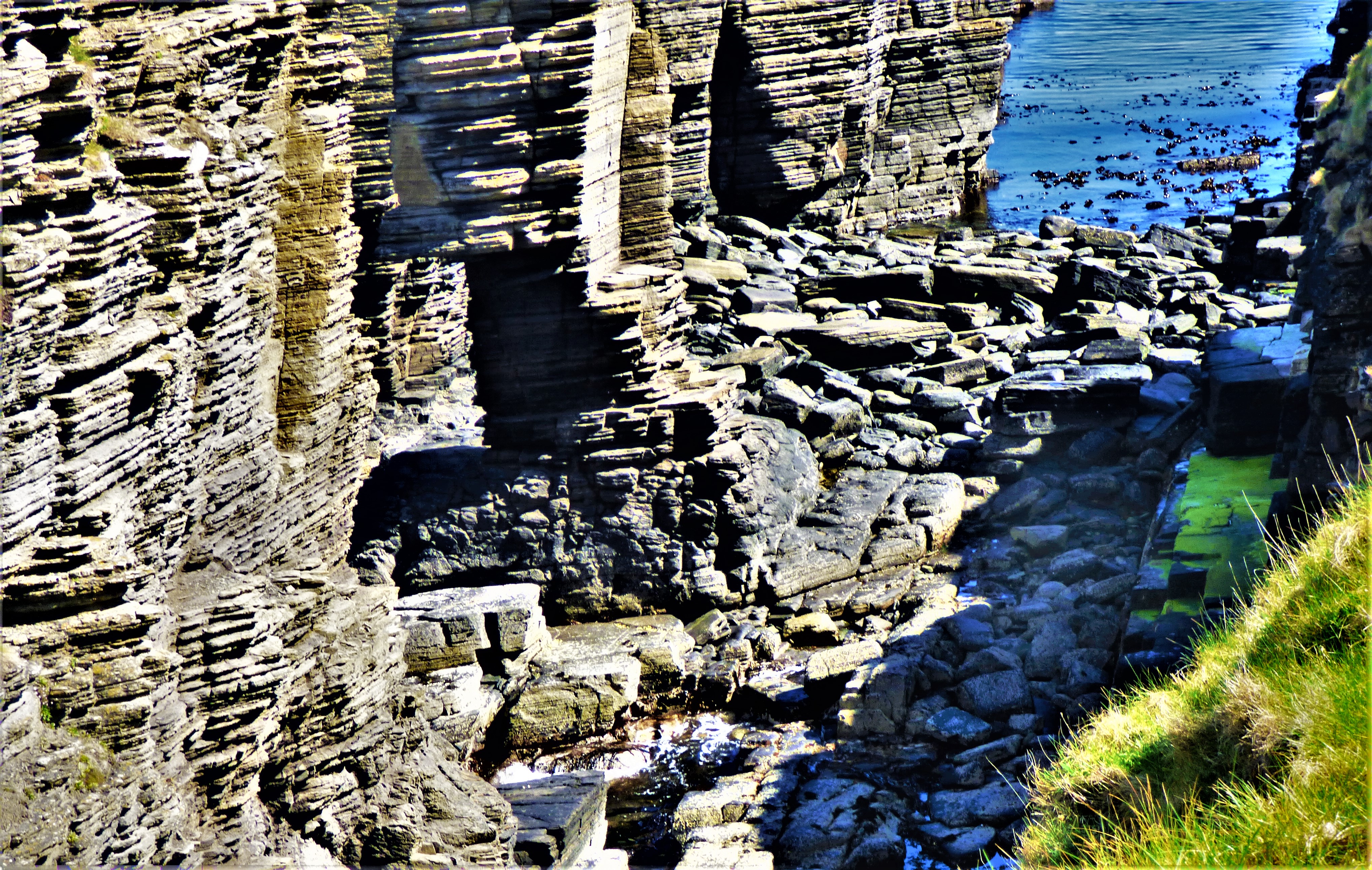
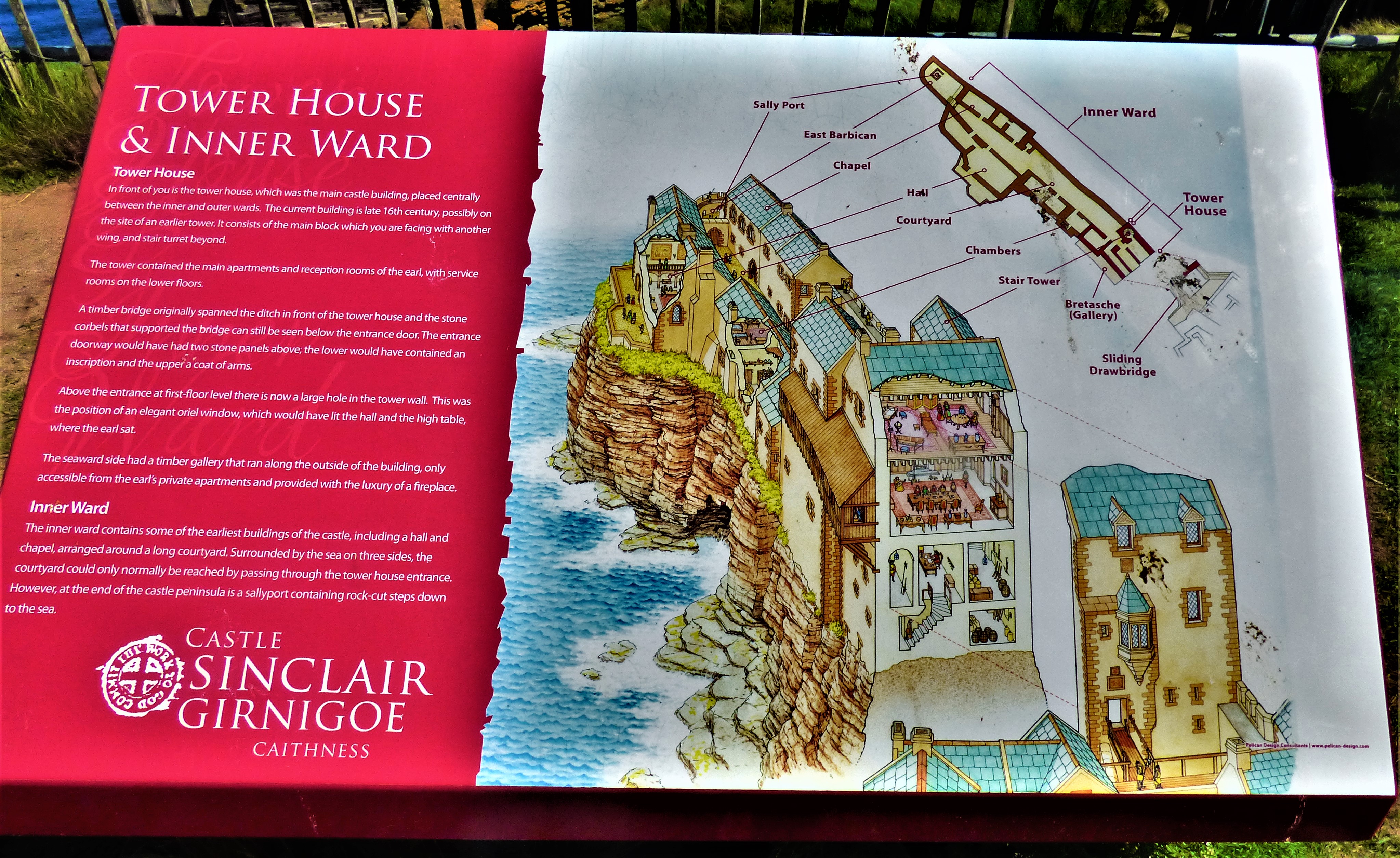
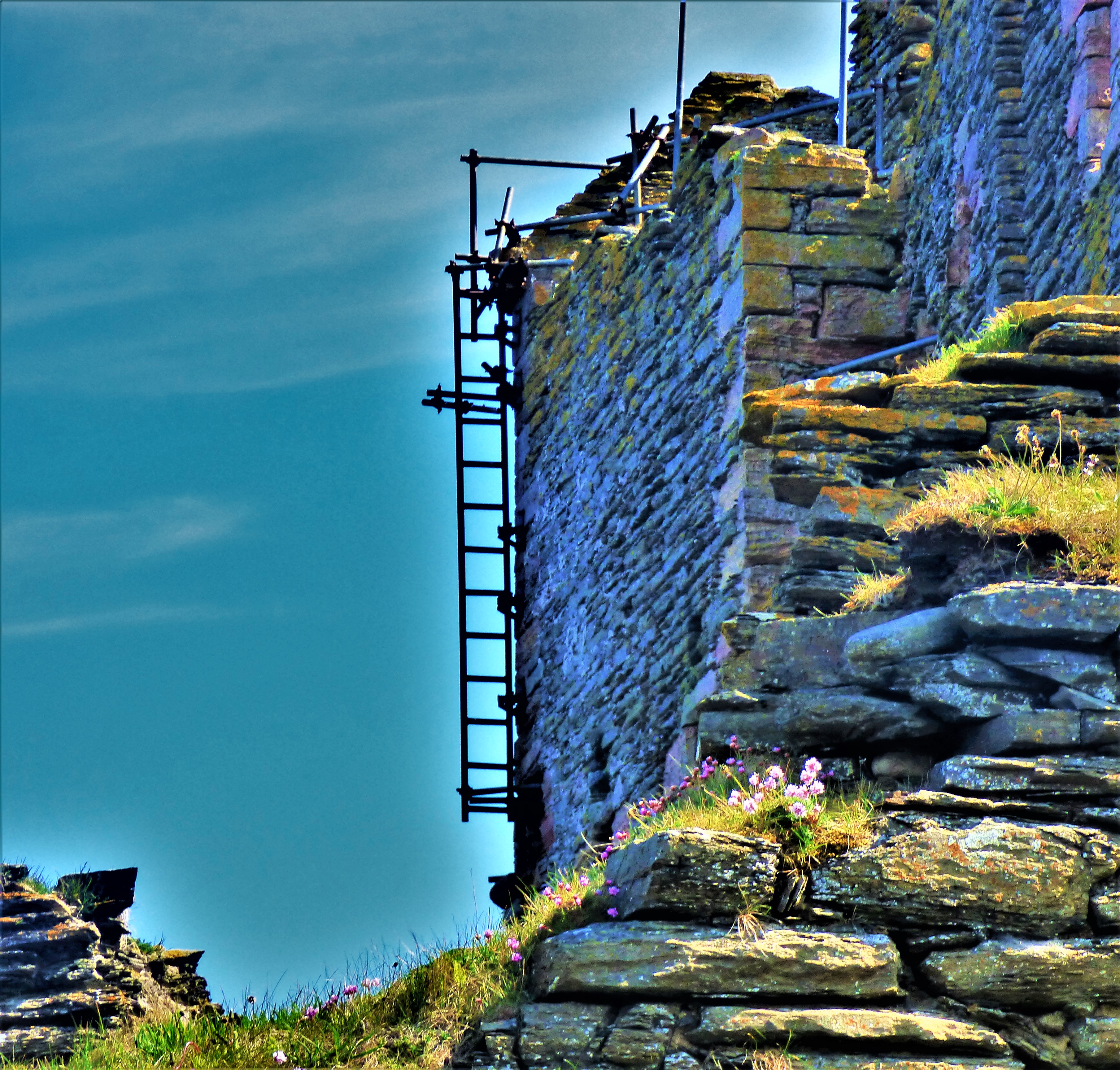
In it’s heyday this castle would have been an imposing sight (it was very obviously built to intimidate, and had little in the way of style), although its location is testament to the absence of any kind of field artillery – even Ballistae and scorpions as used by the Romans hundreds of years before it was built could have caused mayhem by targetting the rock formations around the castle and effectively subjecting those in the castle to a hail of rock fragments – in Scotland in that period. Nowadays it is an impressive ruin, and also home to many kinds of wildlife, both fauna and flora. There are some stunningly good views out over the sea. If you ever happen to be in this corner of Scotland it is worth a look, though it would not be the main event of one’s day.

PHOTOGRAPHS

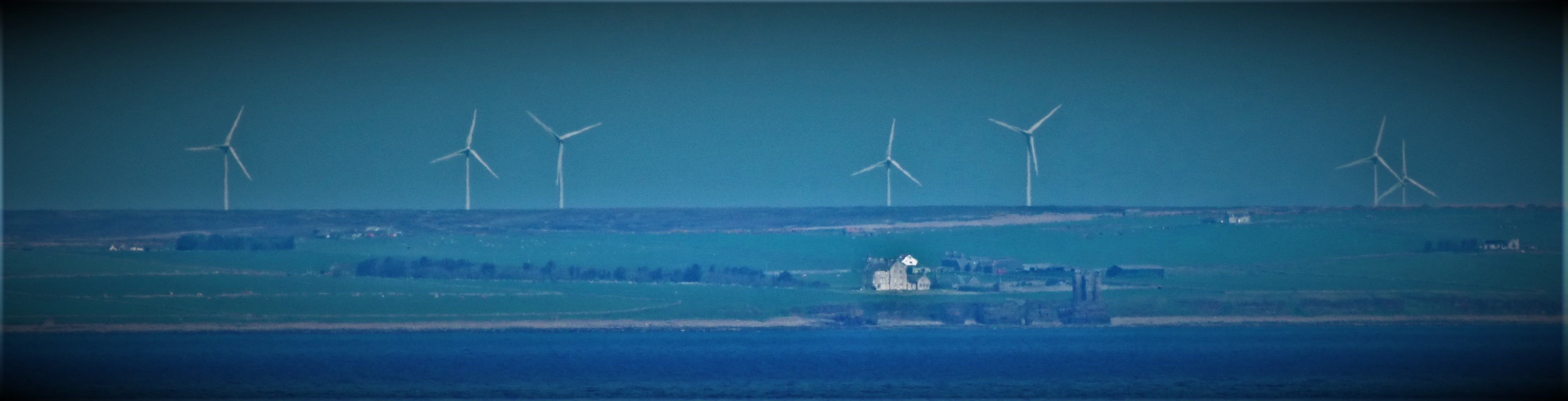
My photographs begin with a few from before we got to the castle, cover the walk from the parking area to the castle and the castle itself:

Scotland 2021: John O’Groats

A look at John O’Groats and its environs – pics from my first full day of this Scottish sojourn.

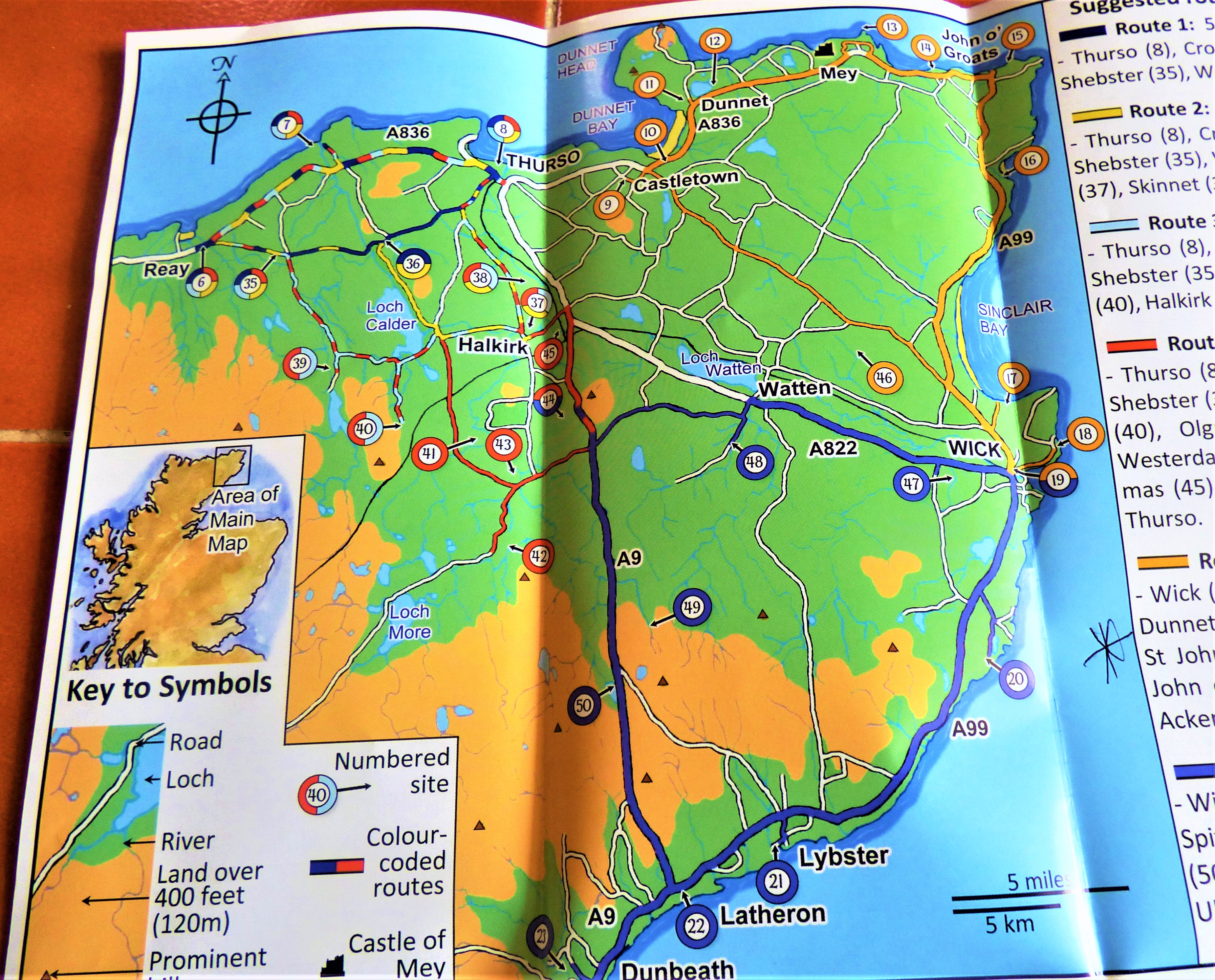
This post looks at my first full day of this Scottish sojourn, and at a walk we did from John O’Groats to the beginning of Duncansby Head. Duncansby Head is most north-easterly point of the British mainland, while a few miles down the road is Dunnet Head, the most northerly point of the British mainland.

THE END OF BRITAIN

Other than it’s geographical location John O’Groats itself has rather little to recommend it (the name derives from a 15th century Dutchman Jan de Groot – the dutch Groot being pronounced the same as groat, which way back when was a small silver coin worth fourpence), but the walk out towards Duncansby Head is interesting though rough in places. There is a lot of bird life in these parts that one would see no where else in Britain – birds that are mainly creatures of the arctic but which sometimes come south.

I chose some beers from the John O’Groats brewery (I opted for an oatmeal stout which in a quite dreadful pun is named ‘Deep Groat’).

Today as you will find has been much busier,but yesterday I was not fully recovered from being in transit for 23 hours.

PHOTOGRAPHS

Here some photographs from yesterday:

Brathwaite Ends Lean Spell

A look at developments in #WIvSL, some remarkable footage of a volcanic eruption (courtesy of Science girl on twitter), and my latest photographs.

In this post I look at developments in the game between West Indies and Sri Lanka that is just into its second day.

DAY 1: KRAIGG BRATHWAITE DEFIES SRI LANKA

With the West Indies batting first and looking to improve on the draw they recorded in the first game of the series Sri Lanka bowled very well. Veteran seamer Suranga Lakmal was particularly effective, bowling full and just a fraction wide (even in limited overs cricket the umpires would not have been calling wides – he was targetting the area that bowlers like to call ‘fourth stump’) to take three of the first four wickets. For much of the day it seemed that Brathwaite would simply not find anyone to bat well enough with him for the Windies to post a decent total, but then Rahkeem Cornwall, the off spinner who has a decent first class record as lower order batter, set about proving that his maiden test fifty, recorded in the previous match, was no fluke. By the close West Indies had got to 287-7, Brathwaite 99 not out, Cornwall 43 not out.

DAY TWO – LANDMARKS SECURED EARLY

It took one ball of the second day, which is just under way, for Brathwaite to complete his ton with a single, and Cornwall has subsequently got to 50. After three overs of the second day the West Indies are 299-7, Brathwaite 101 not out, Cornwall 53 not out. Lakmal is bowling at one end and left armer Vishwa Fernando at the other, and Cornwall has just brought up the 300 with a two off the latter, taking himself to 55.

LIVE FOOTAGE OF A VOLCANO

Someone who posts on twitter under the name Science Girl has posted some extraordinary footage from Iceland, where volcanic eruptions have been happening lately. You can visit the tweet by clicking here, and the video is embedded below:

PHOTOGRAPHS

My usual sign off, with as evidence of changing seasons (the sun came out today and it has been genuinely warm here in Norfolk) my first butterfly sightings of 2021 – nothing very exotic, just some tortoiseshells.

As I publish the West Indies have still not lost any further wickets, the score being 302-7 after 92 overs.

Cricket Back With A Vengeance

Some thoughts on the Bob Willis Trophy, a sensational ODI and the start of a test match. Some mathematics, an important petition and some photographs.

INTRODUCTION

This post looks back briefly at the first round of Bob Willis Trophy fixtures, for longer at yesterday’s incredible ODI and casts an eye over what is happening in Manchester.

BOB WILLIS TROPHY – EIGHT
DEFINITE RESULTS, ONE DRAW

In addition to the three teams who recorded wins before I reached the end of yesterday’s post, five other teams ultimately achieved victories in the first round of the Bob Willis Trophy. The odd game out was the game between Northamptonshire and Warwickshire, where Northamptonshire having escaped from a very difficult situation declined to make a game of it, and declared at 507-6 in their second innings after which the teams shook hands on a draw. Essex beat Kent by two wickets, Middlesex beat Surrey by 190 runs, bowling them out for 123 in the final innings. Worcestershire beat Gloucestershire by eight wickets. Leicestershire were set to score 150 off 17 overs by Lancashire and did it with eight balls to spare. Derbyshire were set 365 in the fourth innings by Nottinghamshire, and 299-7 it looked like they were either going to be bowled out or just hold out for a draw. However, the eighth wicket pair not only pulled off the great escape, they snatched the win off the last possible ball of the game. These outcomes bear all the hallmarks of a thoroughly absorbing set of county matches, but their conclusions were all overshadowed by…

AN ODI TO REMEMBER

It is often the case that limited overs games do not remain in the memory for any longer than they take to play, but often does not equal always, and most general rules have exceptions. Yesterday’s game between England and Ireland was precisely such a game. England batted first, Roy and Bairstow both failed, while Vince added to his considerable oeuvre of elegant miniatures, once more failing to produce a full scale masterwork. At 44-3 England looked to be in deep trouble, but Tom Banton produced his first ODI 50 at a vital time, skipper Morgan scored a majestic hundred and the lower order produced some useful runs. England eventually tallied 328, which looked enough for them to defend. An early wicket did not augur well for Ireland either, but then Paul Stirling and Andrew Balbirnie produced the best batting of the day to get Ireland within range. Both fell before it was quite a done deal, leaving the veteran Kevin O’Brien and the 20 year old Harry Tector together for the closing stages. It ultimately came down to eight needed off the final over, which Saqib Mahmood accepted responsibility for bowling. Tector hit a four, Mahmood bowled a no-ball and suddenly it was three needed off four balls. The first of those balls was a dot, but Tector then scored two off the third to last delivery to level the scores and took a single of the penultimate ball of the game to take the victory and ten points in the ODI Super League for Ireland. Although it went right down to the wire Ireland looked in control for most of their batting innings and any result other than the actual one would have been a travesty of cricketing justice. Well played Ireland – or if you prefer: D’imir go maith, Éire!

Plenty more will be seen of this Irish side, especially Harry Tector and Curtis Campher, the latter named of whom had a fine debut series. Most of the England side too will feature again, but Moeen Ali and James Vince are both in serious jeopardy – Moeen cannot buy a run at present and his bowling is not sufficient to command a place in its own right while Vince is a player of fine shots who never seems to play a major innings, and although he bowled three overs yesterday he is not a serious bowler, while Banton’s runs yesterday came although he was batting out of position – he normally bats at or very close to the top of the order.

THE TEST MATCH AT MANCHESTER

Another England team is in action between today and Sunday in Manchester, playing the first match of a three match test series against Pakistan. England are unchanged from the third test against the West Indies as Stokes is still not fully fit to bowl, England do not believe that three seamers plus Bess can take 20 wickets between them and the England management retains its absurd faith in Buttler as a test cricketer. Pakistan won the toss and have chosen to bat. They are 121-2 of 41.1 with the players currently off the field for bad light. Archer and Woakes have a wicket a piece, Broad and Anderson have none and Bess has bowled five overs to date. Babar Azam had reached a 50 and left handed opener Shan Masood is not far away from that mark, with Abid Ali and Azhar Ali the two to go, the latter for a duck. Pakistan have taken a minor gamble with their own batting, putting the young leg spinner Shadab Khan at no6, which most would reckon is a place or even two higher than his batting skills currently merit. If Pakistan can get to 300 in this innings that could well be enough for England to struggle – their recent history when faced with anything approaching a substantial total is not exactly encouraging.

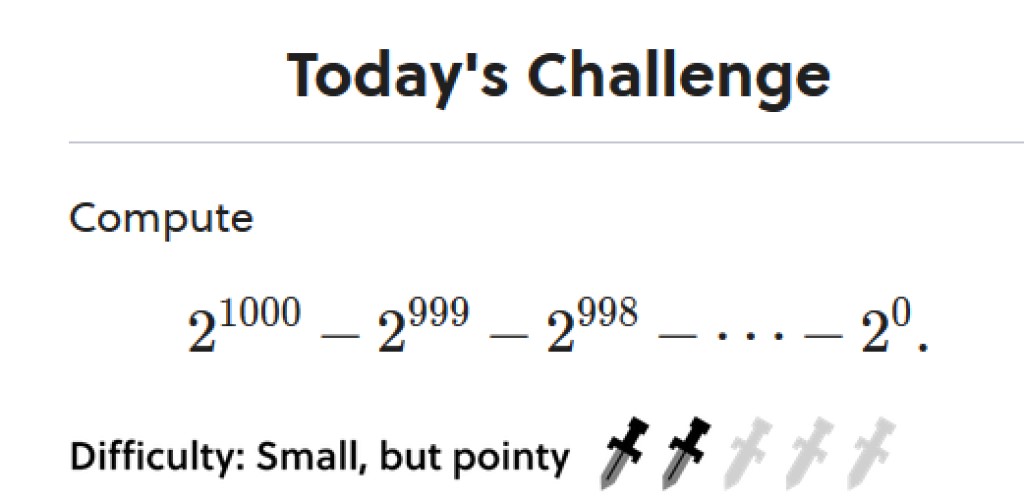
SOLUTION AND NEW PROBLEM

Yesterday I posed this problem adapted from brilliant:

My change is that where they gave a list of options for what was closest the the probability that someone testing positive actually has the disease I simply ask: To the nearest whole number what is the percentage chance that someone who has tested positive for the disease actually has it? Answer in my next post (my own explanation, plus a particularly impressive published solution).

The way I worked this one out was: if we imagine a sample of 1,000 people, 50 will have the disease and 950 won’t. Of the 50 who do have the disease 47 will have tested positive while three test negative (94% accuracy on positives). Of the 950 who do not have the disease 96% will have tested negative and 4% won’t. That 4% of 950 is 38, so the probability of a someone who has tested positive actually having the disease is 47/ (47+38) = 47/85. This comes to 55.29% to two decimal places, or to the nearest whole percentage 55% and that is the answer. Below is a jpg of a brilliantly economical published solution from Inesh Chattopadhyay:

Inesh

Today’s question is incredibly easy, and I also offer a bonus challenge:

Shading

No multi-choice here (this is much too easy for that), but a bonus challenge: part 1) if there was a third square of the same size but divided into 49 smaller squares shaded in similar fashion which would have the largest shaded area, and part 2)what is the general rule relating the number of squares into which the big square is divided and the proportion of it that ends up shaded?

A PETITION AND SOME PHOTOGRAPHS

Jo Corbyn, chair of NAS Norwich, has a petition on change.org calling on the government to stop cutting people’s life-saving social care. Below is a jpg of the petition, formatted as a link so that you can sign and share it – please do so:

Petition

My usual sign off…

IMG_2516 (2)IMG_2518 (2)IMG_2518 (3)IMG_2518 (4)IMG_2519 (2)IMG_2520 (2)IMG_2521 (2)IMG_2522 (2)IMG_2523 (2)IMG_2524 (2)IMG_2525 (2)IMG_2528 (2)IMG_2529 (2)IMG_2530 (2)IMG_2531 (2)IMG_2531 (3)IMG_2532 (2)IMG_2532 (3)IMG_2532 (4)IMG_2533 (2)IMG_2533 (3)IMG_2534 (2)IMG_2534 (3)IMG_2535 (2)IMG_2535 (3)IMG_2536 (2)IMG_2537 (2)IMG_2537 (3)IMG_2539 (2)IMG_2539 (3)IMG_2539 (4)IMG_2540 (2)IMG_2540 (3)IMG_2541 (2)IMG_2542 (2)IMG_2542 (3)IMG_2543 (2)IMG_2543 (3)IMG_2544 (2)IMG_2544 (3)IMG_2545 (2)IMG_2545 (3)IMG_2545 (4)IMG_2546 (2)IMG_2546 (3)IMG_2547 (2)IMG_2547 (3)IMG_2552 (2)IMG_2552 (3)IMG_2554 (2)IMG_2554 (3)IMG_2555 (2)IMG_2555 (3)IMG_2556 (2)IMG_2556 (3)IMG_2557 (2)IMG_2559 (2)IMG_2559 (3)IMG_2560 (2)IMG_2561 (2)IMG_2561 (3)

IMG_2562 (2)
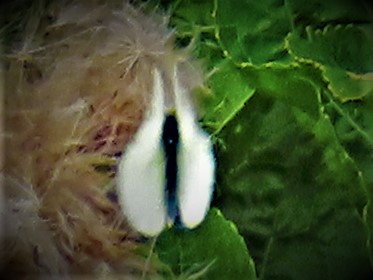
This was by far my best butterfly pic of the day…

IMG_2562 (3)
…so I devoted some attention…

IMG_2562 (4)
…to making the most…

IMG_2562 (5)IMG_2563 (2)IMG_2563 (3)

The Start Of The Bob Willis Trophy

A first post on the Bob Willis Trophy, a bit of mathematics and some photographs.

INTRODUCTION

This post looks at the start of the competition that has been devised to replace the county championship in this pandemic hit season, play in which got underway at 11AM this morning. The second ODI between England and Ireland gets underway at the Ageas Bowl shortly.

HONOURING A LEGEND

Bob Willis, the former fast bowler who was only the second England bowler to take as many as 300 test wickets, following in the footsteps of Fred Trueman, died on December 4th 2019. When it became apparent a normal county championship would be impossible to stage it was only natural that his name should be attached to the replacement competition. Willis’ finest hour came at Headingley in 1981. He he taken no wickets in either innings, when with Australia 56-1 in their second innings needing only a further 74 for victory he was given one last chance to save his test career. Just under an hour later Australia were 75-8 and Willis had taken six wickets in as many overs (the other, the adhesive Border, had fallen to Chris Old). Dennis Lillee and Ray Bright launched a counter attack that yielded 35 runs in four overs before Lillee mistimed a drive and Gatting ran in, dived and held the catch. Alderman was dropped twice of Botham, but the first ball of Willis’ 16th over of the innings and tenth off the reel uprooted Bright’s middle stump to give England victory by 18 runs, with Willis having figures of 8-43. Willis would play on another three years, captaining the side for a period.

AN EXPERIMENT BORN OF NECESSITY

The 18 First Class counties have been split into three regions, South, Central and North. Each region will be play five rounds of matches, so that each side plays each other side in their region twice. At the end of this the two teams with the most points will play a final at Lord’s, which will be contested over five days instead of the regular four for a county fixture. Certain other changes have been made to the normal format of county games: the number of points for a draw has been increased from five to eight so that teams who suffer a lot of adverse weather will not too badly affected, a new ball will only be available at 90 overs rather than 80, the first innings for each county cannot last beyond 120 overs, and the minimum lead to be able to enforce the follow-on will be 200 rather than 150 runs. One beneficial side effect of these arrangements should be that spinners come into the game more than at present (Surrey and Middlesex, whose game I have listened to some of, are each playing two spinners, in Surrey’s case first class debutant Daniel Moriarty and England hopeful Amar Virdi, who would be the most obvious replacement for Dom Bess in the off spinner;s role). England is somewhat overburdened with bowlers who move the ball around a bit at medium pace or fractionally above and short of both genuine pace and spin. Surrey and Warwickshire were going to be experimenting with letting in spectators, but that has been prevented by the fact that Covid-19 cases are spiking upward making caution once more the order of the day.

A MEASURE OF MATHEMATICS

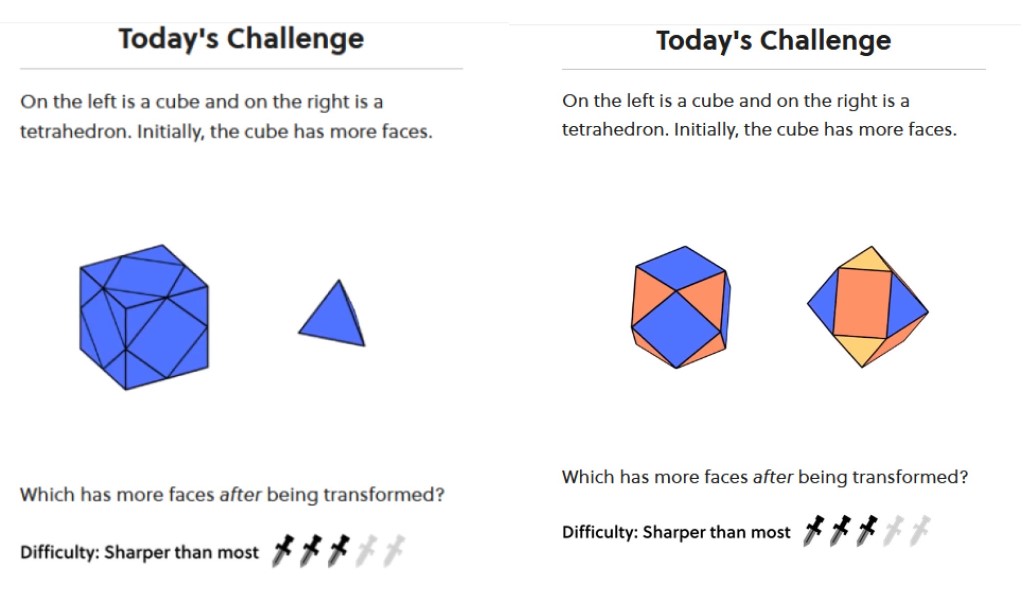
I have solutions to provide to the two problems I posed in my previous post, and I also have a new problem to set. My first was this one:

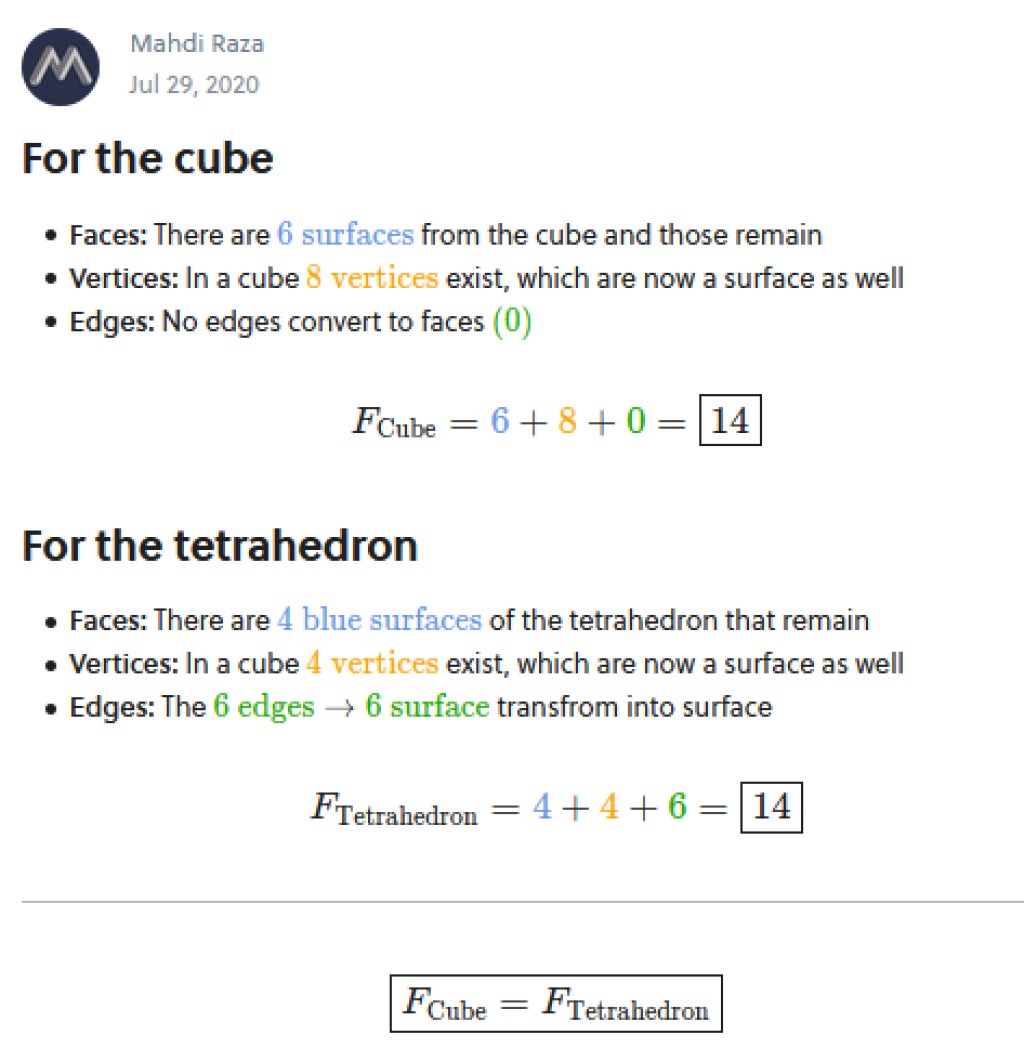
This was a bit of trick question. The answer is the both final shapes have the same number of faces (14 as it happens). Here is a published solution from Mahdi Raza:

FaceOff Sol

The second problem I posed was this one:

SNN

The fact that the result is not allowed to be negative at any stage means that only five square numbers need be considered as possible plays for Mei – 1, 4, 9, 16 and 25. 25 + 9 = 34, which means that if either of these numbers is chosen Yuri is left with a square number and reaches 0 at the first attempt, which leaves 1, 4 and 16 as options. 

Case 1: Mei plays 16. This reduces the number to 18. Yuri’s choices are now 1, 4, 9 or 16, of which 9 is instantly ruled out since it gives the game to Mei. However a choice of 16 by Yuri reduces the number to 2. Mei’s next move is forced 0 she subtracts 1, leaving 1 remaining and a win for Yuri as he also subtracts 1.

Case 2: Mei plays 4. This reduces the number to 30. All Yuri now has to do is play 25, reducing the number to 5, and whether Mei subtracts 1 or 4 she leaves a square number which Yuri thus reduces to 0 winning the game.

Case 3: Mei plays 1 which reduces the number to 33. If Yuri plays 25 that reduces the number to 8. Mei has a choice between 1 and 4, and 4 reduces the total to 4 an a win for Yuri, so she has to play 1. If Yuri now plays 4 then Mei plays 1 and Yuri has to do likewise, giving the game to Mei. Thus Yuri plays 1 reducing the number to 6, and Mei can then win the game by playing 4 and making the number 2 with Yuri to play. Thus Yuri cannot play 25 as his first response. If he plays 16 that reduces the number to 17, from which Mei cannot play 1 as that gives Yuri the game. If she plays four that reduces the number to 13, and Yuri’s forced moved of 1 reduces the number to 12, from which Mei cannot play one or nine as they immediately allow winning moves for Yuri. So she plays four, making the number now eight, and Yuri counters with a one which makes the number seven, and whether Mei plays one or four Yuri is in control because his own next move makes the number two. If she plays a nine instantly from 17 that reduces the number to eight and again Yuri is in control. Similarly 16 hands the game straight to Yuri. Thus whatever number Mei starts with Yuri has a winning response. THus, if both players play optimally Mei cannot win.

The new problem involves fractal geometry:


There are five answers for you to choose from:

a)

Solution in my next post.

PHOTOGRAPHS

My usual sign off:

IMG_2418 (2)IMG_2423 (2)IMG_2424 (2)IMG_2425 (2)IMG_2427 (2)IMG_2429 (2)IMG_2430 (2)IMG_2431 (2)IMG_2432 (2)IMG_2433 (2)IMG_2434 (2)IMG_2434 (3)IMG_2435 (2)IMG_2437 (2)IMG_2437 (3)IMG_2438 (2)IMG_2438 (3)IMG_2439 (2)IMG_2440 (2)IMG_2441 (2)IMG_2441 (3)IMG_2442 (2)IMG_2442 (3)IMG_2442 (4)IMG_2442 (5)IMG_2443 (2)IMG_2443 (3)IMG_2443 (4)IMG_2443 (5)IMG_2443 (6)IMG_2444 (2)IMG_2444 (3)IMG_2444 (4)IMG_2446 (2)IMG_2448 (2)IMG_2448 (3)IMG_2449 (2)IMG_2449 (3)IMG_2450 (2)IMG_2453 (2)IMG_2454 (2)IMG_2454 (3)IMG_2455 (2)IMG_2455 (3)IMG_2456 (2)IMG_2456 (3)IMG_2457 (2)IMG_2457 (3)IMG_2458 (2)IMG_2459 (2)IMG_2461 (2)IMG_2461 (3)IMG_2462 (2)IMG_2462 (3)


The Resumption Of ODI Cricket

A little look at the ODI between England and Ireland, and upcoming cricket development. Two mathematical challenges and some photographs, including some butterflies.

INTRODUCTION

England are playing Ireland today in the first One Day International anywhere for 139 days. It is England’s first home ODI since the 2019 World Cup final.

BIO-SECURE BUBBLES AND SELECTION

A combination of the rules surrounding bio-secure bubbles and the need to make up for time lost to the pandemic means that England are without their multi-format players (yet another reason why Buttler should have been dropped from the test squad – he is much more valuable as a limited overs player than as a long format player), which means that six of the World Cup Final eleven are missing. Ireland are in transition, and two youngsters, Curtis Campher and Harry Tector (the middle of three brothers, in between Jack and Tim, the last named of whom is according to some the best cricketer) are making their international debuts.

ENGLAND OFF TO A FLYER

Ireland are batting, though whether they still will be by the time I have finished this post is open to question, since they have already lost five wickets, including one of the debutants, Tector. Campher is still batting, and is in partnership with the veteran Kevin O’Brien. This is also the first ODI to contribute to the new ODI League which will decide who qualifies for the next world cup. David Willey, left arm medium fast, and Saqib Mahmood, right arm fast, have done the damage with the ball so far, while Adil Rashid (leg spin) and Tom Curran (right arm fast medium) are currently in action, with vice-captain Moeen Ali presumably fifth bowler should such be required. Tom Banton of Somerset may get an opportunity to demonstrate his batting skills later in the game.

UPCOMING FOR ENGLAND

The ODI squad have another two matches in this series against Ireland, while the first test match of the second series of the summer, against Pakistan, gets underway on Thursday. Pakistan look a stronger combination than the West Indies, making a strong start very important. Australia are due to visit for an ODI series in September. Some steps have already been taken towards spectators returning to the grounds, and more trials will be conducted during the Bob Willis Trophy, the county tournament that is taking the place of the County Championship for what remains of this season. It is not just about making sure that numbers in the ground are safe, but also of ensuring that travel to and from the grounds can be conducted safely. O’Brien has just holed out off the bowling of Rashid to make it 79-6. Simi Singh and Andrew McBrine both have some sort of batting skill, McCarthy is definitely a tail ender and Craig Young is a genuine no11. Simi Singh has just been run out for 0 to make it 79-7. McBrine is next man in. Save for a memorable occasion in New Zealand 42 years ago when Boycott was the victim, courtesy of Botham who had been instructed to up the run rate by any means necessary, there has never been a good time to suffer a run out, but this was a more than usually bad time from an Irish perspective for such a thing to happen.

TWO MATHEMATICAL TEASERS

I have two problems from brilliant to share with you. I start with one officially rated at three daggers (I am showing you two stills from what is actually an animation), but which I consider very much easier than that:

FacesC

My second offering is more difficult, but not nearly as difficult is the five dagger rating suggests:

SNN

This had multiple choice answers originally, but I am not offering them. It is considerably less difficult than the rating suggests, though I admit to spending a measurable length of time thinking about it before coming up with the answer (solving these problems is a ‘before breakfast’ activity for me,  and I never spend hugely long on any of them). Solutions tomorrow.

PHOTOGRAPHS

My usual sign off:

Butterflies
Butterflies seen yesterday and today while out walking.

IMG_2353 (2)IMG_2354 (2)IMG_2355 (2)IMG_2356 (2)IMG_2356 (3)IMG_2358 (2)IMG_2359 (2)IMG_2360 (2)IMG_2361 (2)IMG_2362 (2)IMG_2363 (2)IMG_2363 (3)IMG_2366 (2)IMG_2367 (2)IMG_2367 (3)IMG_2368 (2)IMG_2369 (2)IMG_2370 (2)IMG_2370 (3)IMG_2370 (4)

IMG_2395 (2)
There is a very large clump of Buddleia growing adjacent to the bridge that carries Littleport Street across the Gaywood river, which is often a good place to observe butterflies, and it was there that I spotted this peacock this morning (six shots in the attempt to do full justice to so splendid a specimen).

IMG_2396 (2)IMG_2397 (2)IMG_2398 (2)IMG_2399 (2)IMG_2400 (2)IMG_2401 (2)IMG_2402 (2)IMG_2403 (2)IMG_2404 (2)IMG_2405 (2)IMG_2405 (3)IMG_2406 (2)IMG_2412 (2)IMG_2412 (3)IMG_2413 (2)IMG_2413 (3)IMG_2414 (2)IMG_2414 (3)IMG_2415 (2)

PS Well done to Ireland – after that awful start they are still batting, now on 124-7, Campher now on 46, and McBrine 23.

Looking Ahead To Friday

Some speculations about possible inclusions for the third test, an all-time XI created around one of the possibles for the West Indies, the solution to yesterday’s teaser and a bumper collection of photographs.

INTRODUCTION

This post looks at the options for each time ahead of the deciding test match between England and the West Indies on Friday. There is a match taking place at The Oval tonight which may be interesting, and will be viewable courtesy of Surrey County Cricket Club’s livestream.

ENGLAND

I think the current top six can and should be retained, so I shall nothing further about them. Buttler has to go, and the question of his replacement is tied up with the question of how England should line up bowler wise. Here the problem is condensing the choices into at most five, and possibly only four. It would be rough on Jimmy Anderson not to play at his home ground, but equally Stuart Broad bowled two magnificent spells in the game just concluded and would not react well to being rested for the decider. Curran’s left arm and Archer’s extreme pace now that he can be selected again give them edges, as does the former’s batting. Woakes had a solid game with the ball in the match just concluded, and he also has batting skill on his side. Bess remains first choice spinner and the question is whether Jack Leach should also be selected. Going the two spinners route would require the selection of five players who are predominantly bowlers, and I feel that at least one of Curran or Woakes would have to be picked in this circumstance, as Bess at 7, Archer at 8, Leach at 9, Broad at 10 and Anderson at 11 leaves the lower order looking very fragile. A bowling foursome, if Leach is not to be picked should be Bess, Archer, Broad, Anderson, with Ben Foakes getting the gloves and batting at seven. For the two spinner route Pope gets the gloves, and the remainder of the order goes either Woakes, Curran, Bess, Archer, Leach or if you are prepared to gamble a bit more Curran, Bess, Archer, Leach, Broad I am going to plump for two spinners and a bit of a gamble on the batting and suggest as the final XI: Sibley, Burns, Crawley, *Root, Stokes, +Pope, Curran, Bess, Archer, Leach, Broad.

WEST INDIES

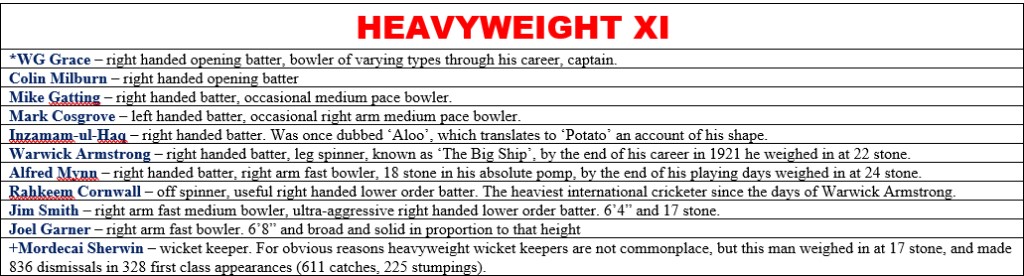
The West Indies’ big question is whether to pick Rahkeem Cornwall, and if so how they will fit him in. This depends on whether they are want extra batting strength to maximize their chances of retaining the Wisden Trophy, which they do by avoiding defeat, or whether they are determined to go all out to attempt to become the first West Indies side to win a series in England since 1988. The cautious approach entails bring Cornwall in for Shannon Gabriel, have him bat at nine below Holder, so that West Indies have only two outright tailenders, Joseph and Roach. The more aggressive approach is to drop a batter, presumably Shai Hope who has done precious little since scoring those twin tons at Headingley in 2017, and have a 7,8,9,10,11 of Holder, Cornwall, Joseph, Roach, Gabriel. To me the latter approach has far more appeal, and a side of Campbell, Brathwaite, Brooks, Blackwood, Chase, +Dowrich, Holder, Cornwall, Joseph, Roach, Gabriel thus eventuates. Cornwall is best known for being the heaviest international cricketer since Warwick Armstrong in 1921, so, in the spirit of my lockdown series of All Time XIs, we move on to…

THE PLUS SIZED XI

  1. *WG Grace – right handed opening batter, right arm bowler of varying types through his career, captain. As a youngster he was a champion sprinter and hurdler as well as a quality cricketer but in later years his weight mushroomed, reaching somewhere in the region of 20 stone near the end of his career. In 1895, less than two months short of his 47th birthday, he scored 1,000 first class runs in the first three weeks of his season (May 9th – 30th), including his 100th first class hundred (no 2 on the list of century makers at the time being Arthur Shrewsbury on 41).
  2. Colin Milburn – right handed opening batter. His career was ended prematurely by the car accident that cost him his left eye, but his record up to that point was very impressive.
  3. Mike Gatting – right handed batter, occasional right arm medium pace bowler.
  4. Mark Cosgrove – left handed batter, occasional right arm medium pace bowler. Australia were never keen on selecting him because of his bulk, but he scored plenty of runs in first class cricket.
  5. Inzamam-ul-Haq – right handed batter. He was once dubbed ‘Aloo’, which translates as ‘Potato’ on account of his shape. He had a long test career in which he averaged 49 with the bat.
  6. Warwick Armstrong – right handed batter, leg spinner. At the end of his test career he weighed in at 22 stone, and yet in those last two years he did as much batting as Steve Waugh in a comparable period and bowled as many overs of leg spin as Shane Warne in a comparable period. He was nicknamed ‘Big Ship’, and there is a book about him by Gideon Haigh titled “Big Ship”.
  7. Alfred Mynn – right handed batter, right arm fast bowler. ‘The Lion of Kent’ weighed in at 18 stone in his pomp, and later grew even heavier, allegedly weighing in at 24 stone by the end of his career.
  8. Rahkeem Cornwall – off spinner, useful right handed lower order batter. His averages are just the right way round at first class level – 23.75 with the bat and 23.57 with the ball. He is taller than Armstrong was by a couple of inches and weighs about the same.
  9. Jim Smith – right arm fast medium bowler, ultra-aggressive right handed lower order batter. 6’4″ tall and weighing in at 17 stone. He once clubbed a 50 in just 11 minutes off genuine bowling – not declaration stuff. He was born in Wiltshire, and under the rules of the day had to qualify by residence for a first class county, in his case Middlesex. He took 172 first class wickets in his first full season, finishing sixth in the national bowling averages, and helped by the fact that with Lord’s as his home ground he was enjoying success in front of the right people he was selected for that winter’s tour. Unfortunately for fans of big hitting he and Arthur Wellard of Somerset were only once selected in the same England team.
  10. Joel Garner – right arm fast bowler. 6’8″ tall and broad and solid in proportion to that great height. He is perhaps here under slightly false pretenses since he did not noticeably carry extra weight, but he was certainly a big unit.
  11. +Mordecai Sherwin – wicket keeper. Given the nature of the job it is no great surprise that plus sized wicket keepers are something of a rarity. However, this guy weighed 17 stone and was still able to pull off 836 dismissals in 328 first class appearances (611 catches and 225 stumpings).

This side has a strong top five (Gatting, with a test average of 35.55, is probably the least impressive of the quintet as a batter), two genuine all rounders in Armstrong and Mynn, a trio of fine bowlers, two of whom can bat a bit and an excellent keeper. The bowling attack, with Garner, Smith and Mynn to bowl pace, Armstrong, Cornwall and Grace purveying slower stuff and Gatting and Cosgrove available as seventh and eighth bowlers is strong and varied, although there is no left armer. Thus, even given the selection criteria, this is a team that would take some beating.

HXI

SOLUTION TO YESTERDAY’S TEASER

I offered up this from brilliant yesterday:

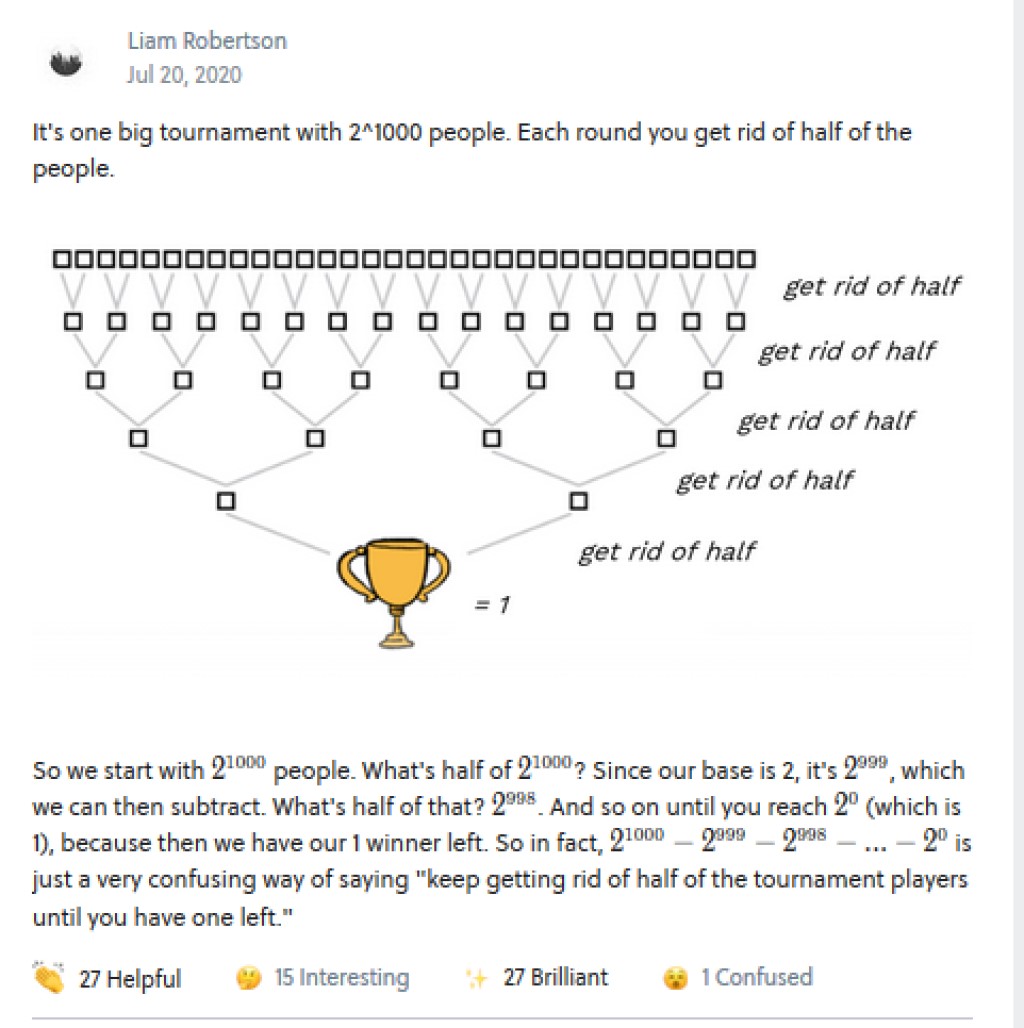
Here is Liam Robertson’s solution:

Sol

PHOTOGRAPHS

My usual sign off…

IMG_2078 (2)IMG_2079 (2)IMG_2080 (2)IMG_2081 (2)IMG_2083 (2)IMG_2084 (2)IMG_2085 (2)IMG_2086 (2)IMG_2087 (2)IMG_2088 (2)IMG_2089 (2)IMG_2090 (2)IMG_2091 (2)IMG_2092 (2)IMG_2092 (3)IMG_2093 (2)IMG_2094 (2)IMG_2094 (3)IMG_2094 (4)IMG_2095 (2)IMG_2096 (2)IMG_2096 (3)IMG_2097 (2)IMG_2098 (2)IMG_2101 (2)IMG_2101 (3)IMG_2102 (2)IMG_2102 (3)IMG_2102 (4)IMG_2103 (2)IMG_2103 (3)IMG_2104 (2)IMG_2107 (2)IMG_2108 (2)IMG_2109 (2)IMG_2109 (3)IMG_2111 (2)IMG_2114 (2)IMG_2115 (2)IMG_2116 (2)IMG_2117 (2)IMG_2118 (2)IMG_2119 (2)IMG_2120 (2)IMG_2121 (2)IMG_2121 (3)IMG_2122 (2)IMG_2122 (3)IMG_2123 (2)IMG_2123 (3)IMG_2124 (2)IMG_2125 (2)IMG_2125 (3)IMG_2126 (2)IMG_2126 (3)IMG_2127 (2)IMG_2127 (3)IMG_2127 (4)IMG_2128 (2)IMG_2128 (3)IMG_2129 (2)IMG_2130 (2)IMG_2130 (3)IMG_2131 (2)IMG_2132 (2)IMG_2133 (2)IMG_2133 (3)IMG_2134 (2)IMG_2134 (3)IMG_2135 (2)IMG_2135 (3)IMG_2136 (2)IMG_2137 (2)IMG_2138 (2)IMG_2138 (3)IMG_2139 (2)IMG_2141 (2)IMG_2144 (2)IMG_2145 (2)IMG_2148 (2)IMG_2149 (2)IMG_2152 (2)IMG_2153 (2)IMG_2153 (3)IMG_2154 (2)IMG_2155 (2)IMG_2156 (2)IMG_2157 (2)IMG_2158 (2)IMG_2159 (2)IMG_2159 (3)IMG_2161 (2)IMG_2161 (3)IMG_2162 (2)IMG_2162 (3)IMG_2163 (2)IMG_2163 (3)IMG_2164 (2)IMG_2165 (2)IMG_2166 (2)IMG_2166 (3)IMG_2167 (2)IMG_2167 (3)IMG_2168 (2)IMG_2168 (3)

England’s Triumph At Old Trafford

An account of the test match that finished yesterday evening with a victory for England, a look forward to the decider which starts on Friday, some links and some photographs.

INTRODUCTION

This post looks back at the test match that concluded yesterday evening in Manchester and forward to the one that starts at the same ground on Friday morning.

THE TALE OF THE TAPE

Thursday morning at Old Trafford was grey and rainy, and so play got underway late. England were deprived of Archer due to that player’s misconduct in between the Ageas Bowl and Old Trafford, had already decided to rest Wood and Anderson, while Crawley was correctly retained with Joe Denly losing his place, presumably permanently. Thus England’s line up read: Sibley, Burns, Crawley, *Root, Stokes, Pope, +Buttler, Woakes, Curran, Bess, Broad. This was a very strong batting line up, but there was no genuine pace in the bowling attack, with the possible exception of Stokes. The West Indies were unchanged.

Jason Holder won the toss for the West Indies and immediately made the first mistake of the match when he allowed himself to be influenced by the overhead conditions and chose to bowl first on a very flat looking pitch. At first things did not look too bad for the West Indies as Burns and Crawley fell cheaply, and even when Root was third out the score had only reached 81. At this point Ben Stokes got into the action, and was scarcely to be out of ti again for the rest of the match. Sibley was looking secure at one end, and now Stokes displayed considerable resolve and patience to stay with him. By the end of the first day the fourth wicket pair were still in occupation and the score was 207-3, and the decision to bowl first stood revealed as a ghastly howler on Holder’s part. On the second day Stokes and Sibley consolidated their position, with Sibley reaching his second test century just before lunch, and Stokes completing his tenth such score just afterwards. Finally, with the score at 341 Sibley fell for 120, having also completed a century of a much rarer kind – 100 balls left alone in the course of a single innings. GThe stand of 260 was the second highest ever for any wicket at Old Trafford, though some way short of England’s all time fourth wicket record stand, the 411 put on by Peter May and Colin Cowdrey versus the West Indies at Edgbaston in 1957. Pope fell cheaply, bringing Buttler to the crease at 352-5, and with an opportunity, undeserved in many opnions including mine, to cash in on tired bowlers. Ben Stokes was finally dislodged for 176, his second highest test score, with the score at 395, Woakes fell first ball which brought Curran to the crease. At 426 Buttler who had made a less than impressive (given the ultra favourable circumstances) 40 was caught off the bowling of Holder. One run later Curran was out. Dom Bess, in company with Stuart Broad, played a useful cameo reaching 31 not out before Root declared with the score at 469-9. John Campbell was out in the mini-session of batting the West Indies had before day 2 closed, Alzarri Joseph was sent in as nightwatchman and took them through to the close, at which point they were 32-1. Day three was washed out, a big dent to England’s hopes. In the middle of the fourth afternoon the West Indies were 235-4 and the draw was a strong favourite. Then that man Stokes intervened again, bowling a hostile spell in which he accounted for the obdurate Kraigg Brathwaite and destabilized the West Indies innings. Stuart Broad then bowled a magnificent spell with the second new ball before Woakes took a couple of late wickets, and the West Indies were all out for 287, giving England a lead of 182. With quick runs needed England sent in Buttler and Stokes. Buttler proceeded to be bowled for a third-ball duck, a dismissal which really should end his test career (he is a magnificent limited overs player but has never been anything special in long form cricket), which brought Zak Crawley to the wicket. Crawley made 11 before he too fell, and England closed the 4th day on 37-2, with Stokes and Root in occupation. England, as they had to in the circumstances, needing a win to keep both the Wisden trophy and their slender hopes of the World Test Championship alive, went on the all out attack on the final morning, blazing 91 off 11 overs before declaring at 129-3, with Stokes 78 not out and Pope 12 not out off seven balls. This left the West Indies needing 312 to win and with 85 overs to get them.

Broad bowled superbly with the new ball, and the West Indies rapidly plunged to 37-4. Blackwood and Brooks then put on exactly 100 together before that man Stokes broke the partnership, dismissing Blackwood for 55. Woakes then cleaned up Dowrich for a duck, bringing skipper Holder in to join Brooks. Holder and Brooks took the score to 161 before Curran pinned Brooks LBW, which went to review where it came up as umpires call, the third time a West Indian had suffered that fate in the innings. Holder and Roach offered some resistance before Bess made the crucial breakthrough, bowling Holder for 35, to make at 183-8, and leave three tailenders tasked with holding out for more than 20 overs to save the game. Alzarri Joseph scored nine, was then caught by Bess of the bowling of Stokes to make it 192-9. I had an evening engagement and was not able to catch the fall of the final wicket, that of Kemar Roach, caught by Pope off the bowling of Bess. England took that wicket just after umpire Richard Illingworth had signalled the start of the last 15 overs of the game and had won by 113 runs, meaning that the third match of this series will be a ‘winner takes all’ battle.

STOKES THE COLOSSUS

Stokes’ performance in this match saw him displace Jason Holder at the top of the test match all rounders rankings, and it also saw him rise to no3 in the world batting rankings behind Virat Kohli and ‘sandpaper’ Steve Smith. Stokes’ participation in this match was as follows: 176 off 356 balls spread over 487 minutes at the crease in the first innings, 1-29 off 13 overs in the second, with that wicket coming in the spell that destabilized the West Indies innings, 78 not out off 57 balls to set up the declaration in the third innings and 14.4 overs for figures of 2-30 (he was unable to complete his final over, the last two balls of it being bowled by Joe Root). At Lord’s in 1952 Mulvantrai Himmatlal ‘Vinoo’ Mankad scored 72 in the first innings, bowled a marathon stint of 73 overs in the England reply, scored 184 in the third innings and bowled a further 24 overs in the second England innings, this all round effort all coming to nought as his side were beaten anyway. In first class cricket there are George Hirst’s spectacular dominance over Somerset in 1906 – 111, 117 not out, six first innings wicket and five second innings wickets, George Giffen’s 271 not out, 7-70 and 9-98 for South Australia versus Victoria, while in 1874 WG Grace had a spell of sustained brilliance in which he combined centuries with ten wicket match hauls five times in the space of six matches. At club level there is the feat of Dr M E Pavri, an Indian all rounder who apparently bowled at a lively pace (he toured England in the 1880s, long before his country were promoted to test status, and there is a story of him sending a stump nine yards backwards in a match at Norwich), and who decided on one occasion that teammates were unnecessary, taking on an XI all on his own. In that game he batted first, scored 52 not out before deciding that he had enough runs to serve his purposes, and then without fielders to aid him dismissed the opposing XI for 38 to win the match.

ENGLAND PLAYER RATINGS

  1. Dom Sibley – 9 – a magnificent display of concentration in his only innings, though he was reprieved when Jason Holder dropped a fairly regulation chance, so it was not an absolutely blemish free effort.
  2. Rory Burns – 3 – a failure with the bat, nothing notably good or bad in the field.
  3. Zak Crawley 4a first baller in the first innings, and also failed in the second innings thrash for runs, managing 11 off 15 balls, which does at least represent a half decent scoring rate.
  4. *Joe Root – 6 – two scores in the twenties, though in the second innings he was good foil to Stokes while the latter was lashing out. He was possibly a little conservative in the matter of the second innings declaration, but overall he captained well.
  5. Ben Stokes – 10 – he batted England into a commanding position with his first innings effort, his bowling intervention in the first West Indies innings was crucial in reopening the possibility of an England win, his second innings batting effort in altogether different circumstances was precisely what the team needed, and he again made the crucial breakthrough in the final innings when he broke the Brooks/Blackwood partnership. I reckon even Craig Revel-Horwood would have rated this performance a 10.
  6. Ollie Pope – 5 – failed in the first innings, 12 not out off 7 balls in the second to help England to the declaration and he performed the last action of the game, taking the catch that dismissed Kemar Roach.
  7. +Jos Buttler3 – his first innings 40 was unimpressive given the circumstances, he responded to being given the opportunity to open the innings and bat in his best T20 fashion with a third ball duck, and although he held on to three catches in the match this must be the end of the road for Buttler the test cricketer.
  8. Chris Woakes6.5 – failed with the bat in his only innings, but bowled well in both innings, reminding everyone that he is always difficult to play in English conditions.
  9. Sam Curran – 6 – only 17 with the bat, but bowled quite well. It was with his dismissal of Brooks in the second innings to make it 161-7 that moved victory from possible to probable.
  10. Dom Bess – 6.5 – his 31 not out in the first innings was a useful knock, he was economical though not penetrative in the first West Indies innings, and it was his delivery to bowl Jason Holder that effectively sealed the destiny of this match, while he completed a trio of late interventions by then catching Alzarri Joseph and finally picking up the wicket of Roach to complete the victory.
  11. Stuart Broad – 8.5 – he bowled a magnificent spell with the second new ball in the West Indies first innings to ensure that England would have a substantial advantage and bowled another fine spell with the new ball in the West Indies second innings which left them in tatters at 37-4.

LOOKING FORWARD TO FRIDAY

It is possible that England will want to play two spinners in the decider, and they could also maintain their rotation policy with Broad and Anderson, although I suspect that even in King’s Lynn I will not need the assistance of a radio to hear Mr Broad’s response should be told that he is being rested for the decider, and there is also the question of whether to play Archer in the decider. Of the three specialist batters who failed in this match two, Burns and Pope already have test hundreds, and it seems likely that the third, Crawley, will be joining them sooner rather than later, so I am not unduly worried about them. Buttler, just to re-emphasize the point has to go. Thus I offer up three potential line ups, two of which have permutations:
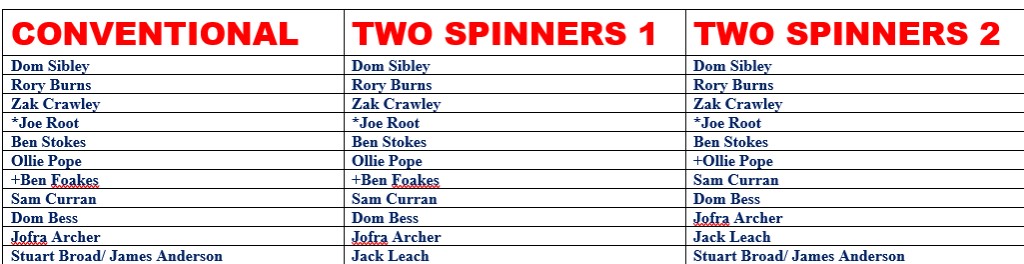
Potential Line ups

The first line up brings in Archer for his extra pace but sticks to one spinner and a choice between Broad and Anderson. The second line up accommodates two spinners but runs the risk of having Stokes as third seamer. The third line up is gamblers line up, entails Pope as keeper, a job he has done in test cricket, and five regular bowlers, with Stokes as back up. If England do decide to go with two spinners that would be my preferred option, although the second line up does at least have variety going for it – right arm fast (Archer), left arm medium fast (Curran), off spin and left arm orthodox spin plus x-factor Stokes. England need a win to regain the Wisden trophy and retain an interest in the World Test Championship, while the West Indies have not won a series in England since 1988, and so although a draw would see them retain the Wisden trophy it would not be a great result for them. So far this has been a splendid series, with England bouncing back well after the loss in Southampton.

TYING THINGS TOGETHER

The full scorecard for this fine match can be viewed here, courtesy of cricinfo. My other posts about this match are:

For a different view, here is the fulltoss blog’s account.

LINKS AND PHOTOGRAPHS

I have a varied trio of links to share today:

And now it is time for my usual sign off…
IMG_2038 (2)IMG_2039 (2)IMG_2040 (2)IMG_2041 (2)IMG_2042 (2)IMG_2043 (2)IMG_2044 (2)IMG_2045 (2)IMG_2046 (2)IMG_2046 (3)IMG_2046 (4)IMG_2047 (2)IMG_2048 (2)IMG_2048 (3)IMG_2048 (4)IMG_2049 (2)IMG_2049 (3)IMG_2050 (2)IMG_2051 (2)IMG_2051 (3)IMG_2053 (2)IMG_2053 (3)IMG_2054 (2)IMG_2055 (2)IMG_2058 (2)IMG_2058 (3)IMG_2058 (4)IMG_2059 (2)IMG_2059 (3)IMG_2062 (2)IMG_2066 (2)IMG_2068 (2)IMG_2068 (3)IMG_2069 (2)IMG_2069 (3)IMG_2071 (2)IMG_2071 (3)IMG_2072 (2)IMG_2072 (3)IMG_2073 (2)IMG_2073 (3)IMG_2074 (2)IMG_2074 (3)IMG_2074 (4)IMG_2074 (5)IMG_2074 (6)IMG_2077 (2)IMG_2077 (3)