Two WODIs

A look at goings on in two WODIs, Australia v India which finished a while back and South Africa v England which is approaching the halfway stage.

Today is a big cricketing day – in the early hours of this morning UK time an Australia v India Women’s One Day International started, and at midday today UK time a South Africa v England Women’s One Day International started. This post looks at what has happened so far.

Harmanpreet Kaur won the toss at the WACA in Perth (these days superseded by the Optus Stadium, but still a fine venue) and to fairly universal surprise opted to put Australia in with the temperature at 38 Celsius and set to rise during the first innings. A four wicket burst from Arundhati Reddy had Australia 78-4, but none of Reddy’s team mates managed to bowl well, and with an Annabel Sutherland century the highlight (Sutherland has a great record at this venue, including scoring 200 in a test match against South Africa) Australia regained control of proceedings, ending on 298-6. India were soon behind the rate, but they did do a good job of keeping wickets in hand for later in the chase. With coverage of the other match due to start at 11:45 I set out at 10:30 for a walk, aiming to arrive back as coverage of that match got underway, which I managed to do. I was reckoning that Australia had the match under control and that the only real obstacle in their pathway was Smriti Mandhana who was batting splendidly. Events confirmed both elements of this prediction – I was to find out that India had reached a high water mark of 189-3 before Mandhana having reached three figures was out, and the innings fell away to a low point of 203-8, before the last couple of wickets scraped up a further 12 runs to reduce Australia’s margin to 83 runs, still an emphatic victory for the hosts.

This match is taking place in Potchefstroom on the high veldt, where scoring can be rapid due to the ball travelling further and faster through the thinner air. However, South Africa, put in by England who won the toss, are not scoring particularly fast. Laura Wolvaardt scored a fine half century but when she had reached 61 she was pinned LBW by Ecclestone. South Africa appear to have decided that the left armer can be allowed to get through her overs effectively unscathed so long as she doesn’t take too many wickets. However, she has just added a second scalp, Chloe Tryon, stumped after about the first show of aggression by any Protea batter against Ecclestone. South Africa are 201-7 in the 41st over, and Ecclestone currently has 8-0-21-2. England lost Kate Cross injured before she had completed her first over, leaving them an allocation to fiddle through with part timers. Nevertheless England have the advantage and I would expect them to win from here. While I have been preparing this for publication an eighth wicket has gone, and South Africa are 201-8 in the 43rd over.

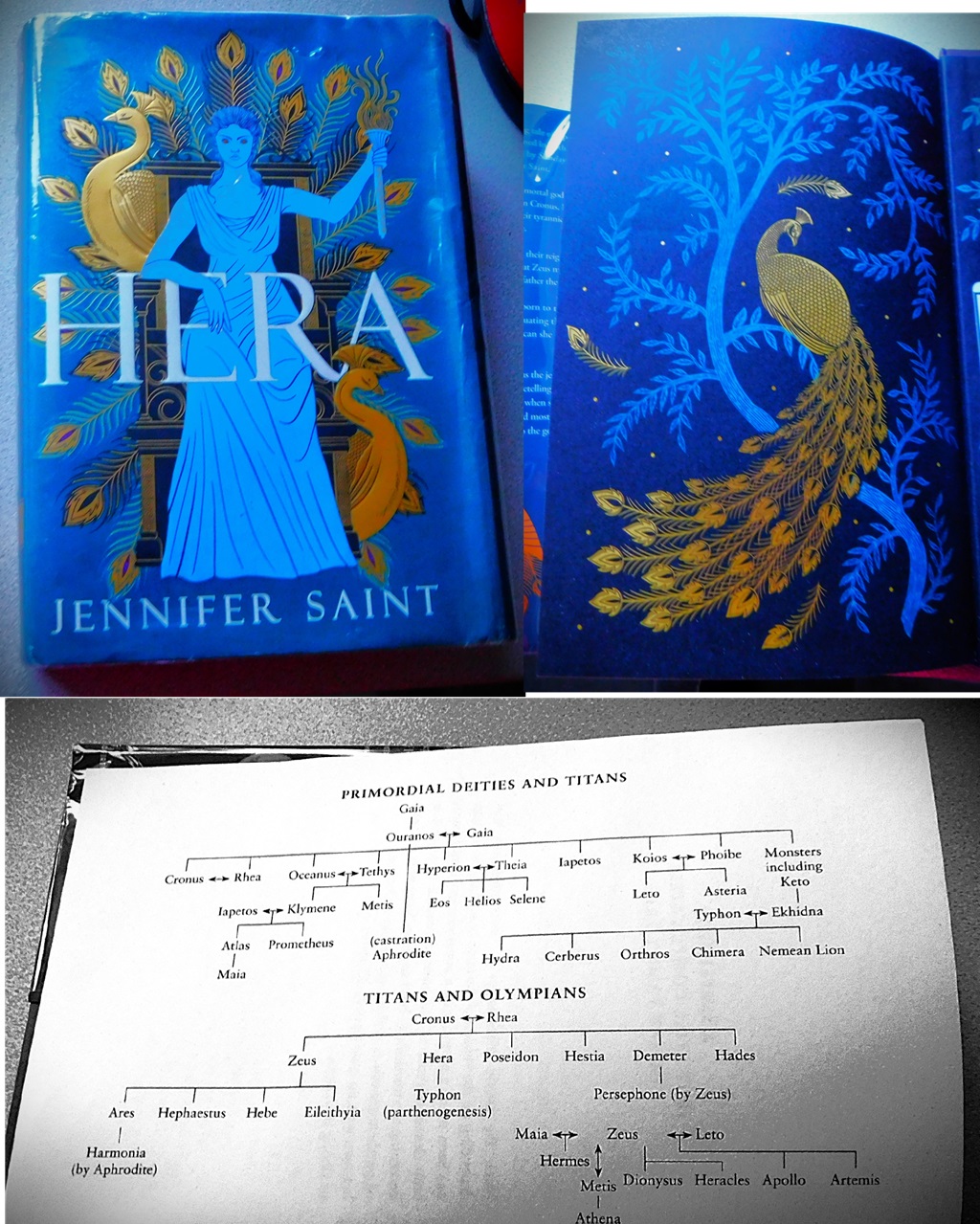
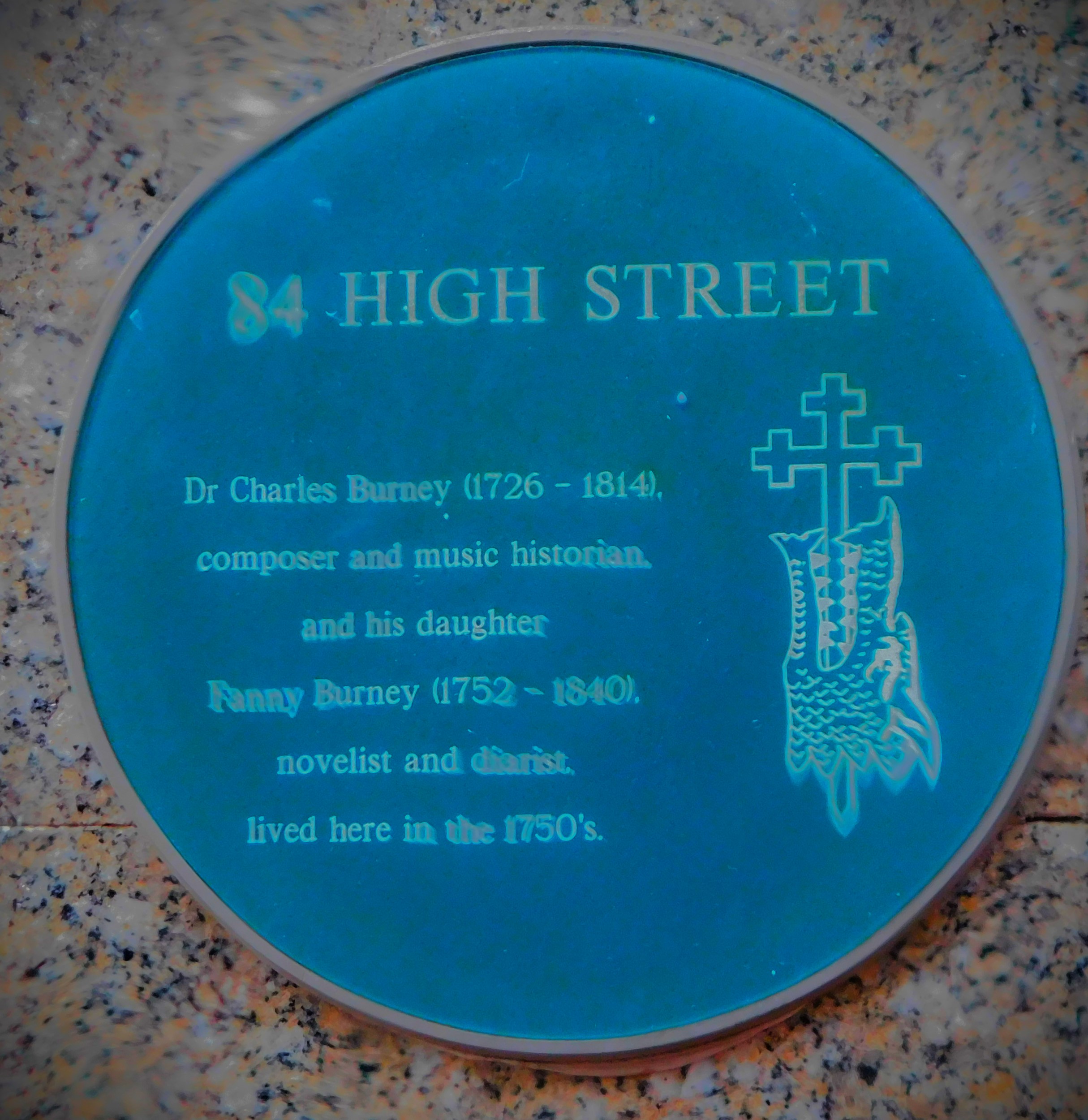
My usual sign off (please note that the featured image is not in the below gallery, being a composite of three separate pictures, showing both sides of the Guanock Gate and the information panel about said gate)…

England Women Reassume Control in South Africa

An account of yesterday’s ODi between the South Africa and England women’s teams and a photo gallery.

At 8AM UK time yesterday morning the second One Day International in the current multi-format series between the South Africa and England women’s teams took place at Durban. This post looks back at that match.

England won the toss and put South Africa in to bat. Protea skipper Laura Wolvaardt confirmed that she would have put England had she won the toss.

Kate Cross replaced Lauren Bell for England, and her metronomic accuracy proved an excellent counterpoint to the pace and fire of Lauren Filer with whom she shared the new ball. England soon had two early wickets, Tazmin Brits and Sune Luus each having their stumps rearranged by Filer. From 14-2 the proteas appeared to have launched a very effective recovery when Wolvaardt and the up-and-coming Annerie Dercksen took the total into the 70s without further loss. However now came the period that effectively settled the match. Spinners Charlie Dean and Sophie Ecclestone tore out the middle order in an extraordinary period in which 72-2 and on the road to recovery became 76-7 and definitively doomed. Dean took four of the wickets with her off spin, including performing the hat trick (her victims for this achievement were Marizanne Kapp, Nadine de Klerk and Sinalo Jafta, none of whom would be considered not to be a front line batter), while Ecclestone, for once subordinate in destruction, nevertheless claimed the prize scalp of Wolvaardt, clean bowled for 35. Chloe Tryon did her best to save something from the wreckage, scoring an impressive 45 before Ecclestone had her caught by Tammy Beaumont. That was 127-9, and the last pair of Khaka and Hlubi boosted the total by a further eight before Hlubi was bowled by Ecclestone to end the innings. Dean had 4-45 from her full 10 overs, Ecclestone 3-27 from 7.3 overs and Filer who had added Nonkuloleko Mlaba, clean bowled, to her two opening scalps had 3-32 from six overs, all three bowled.

To have any chance of defending such a small total South Africa needed early wickets, and the England opening pair of Tammy Beaumont, playing her 100th successive ODI, and Maia Bouchier ensured that no early wickets fell. By the end of the 10 over opening power play England were 57-0. 12 more runs came before Bouchier was dismissed, and although Beaumont and Knight followed quickly at 80 and 82, Nat Sciver-Brunt and Danni Wyatt-Hodge took England to the brink of victory. Just seven further runs were needed when Sciver-Brunt was LBW to de Klerk. New batter Amy Jones struck her first and third balls for fours to give England victory by six wickets with 26 OVERS to spare. The ODI segment of the series is thus level at 1-1 with one more match to come. Charlie Dean was named player of the match.

My usual sign off…

Test Cricket at the Double

A look at developments in the two test matches that are currently in the play, both of which have progressed at a rapid rate. Also a large photo gallery.

There are two test matches currently in progress, which is part of the explanation for the title of this post – the other part should become clear through the post. In Adelaide Australia anbd India are playing the second match of a five-match series for the Border-Gavaskar trophy, while in Wellington New Zealand and England are playing a day game. Most of this post will deal with the BGT game, which I have been able to follow live via test match special, but before I get to that I will briefly present…

The Basin Reserve ground at Wellington is effectively a gigantic roundabout, and England have certainly been in fifth gear this match. After two days play England are 533 runs ahead with five second innings wickets standing, and I know courtesy of an interview that I head that Gus Atkinson was padded up in the closing stages of play, which suggests that a declaration is not immediately planned. Atkinson continued what has been a magnificent start to his international career by wrapping up the New Zealand first innings with a hat trick (Maurice Allom, of Atkinson’s own county Surrey, actually achieved this feat against New Zealand in his debut test many years ago). New Zealand, being made to look very ordinary by this England side, are fresh off whitewashing India in India.

India won the series opener in Perth comprehensively. This match in Adelaide has gone very differently so far. India won the toss and decided to bat. That was about the last thing that went right for them. Yashavsi Jaiswal was dismissed by the first ball of the match, and that set the tone for their first innings. Mitchell Starc has a particularly impressive record in pink ball test matches (nb for England fans looking ahead to next winter, the Adelaide test in that series, also in early December, is a day game with a red ball), and he further enhanced it by taking 6-48 as India reached 180 all out, lasting under 45 overs in total. India needed wickets in what was left of the opening day, but they did not get them. Bumrah under-used himself, and by the close of day one Australia were 86-1 and sitting pretty with two session of daylight batting ahead of them. A Travis Head century was the centrepiece of day two, as Australia amassed a lead of 157 on first innings. India faced a tricky period of batting in which they should have looked to avoid losing early wickets. Instead a frenetic performance saw them five down by the close, and although the runs came rapidly, they were still 29 in arrears when stumps were drawn. Bumrah’s 4-61 meant that he ended the Australian innings with his test bowling average below 20 per wicket – 185 wickets at 19.95. Mohammed Siraj also had four wickets, more expensively, and accompanied by an official warning for the send-off he gave Travis Head.

My usual sign off…

England Women Flop in Kimberly

A look back at the batting of the England Women against South Africa Women in their ODI in Kimberly today (I had a commitment which meant I missed the South African chase) and a photo gallery.

Kimberly in South Africa is home to the world’s largest man made hole, and by the halfway stage of today’s WODI there the England women were in a similarly sized metaphorical hole largely of their own making. I did not get to witness the South African chase due to having to go to the West Norfolk Eye Centre, in the grounds of Queen Elizabeth Hospital for my annual experience of the set of tortures collectively known as Glaucoma tests, a journey that as the weather though dull was not especially cold by December standards I opted to make on foot, rather than spend money on a bus fare (as it happened, even though it was pitch dark by then I also made the return journey on foot), however I was entirely unsurprised to find when I arrived back home that they had won at a canter. This post looks at the woes of the England innings.

Tammy Beaumont was dropped in the first over of the match, the other opener Sophia Dunkley struck one emphatic boundary, but was then caught at slip playing a terrible shot in that same opening over. Kapp also accounted for Beaumont, bowled for 11, again playing a very poor shot. Nat Sciver-Brunt was the third early victim, LBW and for my money culpable on two grounds – first it was yet another poor shot, and second she burned a review attempting to overturn it. Danni Wyatt-Hodge was fourth out, LBW to Nadine de Klerk, and the first not to be culpable in her own dismissal – it was a genuinely good ball. However she cannot be totally acquitted – she burned England’s last review, and it was stone dead. True the point of impact was above the knee roll of the pad, but Wyatt-Hodge is a fairly small woman, for all the power with which she can hit the ball on her many good days, so not much should have been read into that. Heather Knight and Amy Jones looked to be steadying the ship until Jones went on to the attack against Annerie Dercksen and succeeded only in picking out Chloe Tryon, a superb fielder who duly completed a fine catch to make it 77-5. The wickets continued to tumble, and when Knight was LBW to left arm spinner Nonkululeko Mlaba (the same way Alice Capsey had gone to be sixth out) for 40 it was 106-7. Charlie Dean and Sophie Ecclestone, the two great England spinners, fought hard, putting on 67 together for the eighth wicket. Dean battled her way to the top England score of the day, an unbeaten 47, raising the total to 186, still dismal, but not as bad as it had looked like being. While England are still ahead overall in the multi-format series they need to realize that in a 50 over innings there are occasions when all out aggression is not the right approach. Dunkley in particular got out in a way that suggested an inflexible commitment to unbridled aggression. Marizanne Kapp is a model of consistency with the ball, and her opening spell in the next ODI will probably pretty much match this one ball for ball – and England need make sure it does not do so wicket for wicket as well.

Some of these pictures come from yesterday either side of work, but most were taken during this morning’s walk, when the weather behaved rather curiously – it started bright and sunny and then became very misty – usually when one gets mist and sunshine on the same day it happens the reverse way around, mist first, then the sun breaks it up…

King’s Lynn in Multiple Moods

Sharing a large quantity of photographs taken in the last two days in and around King’s Lynn.

I did two walks during the daytime yesterday, visited my sister and nephew for supper in the evening. I have also done a very long walk this morning, taking full advantage of weather that was genuinely pleasant by December standards – it started to rain lightly near the end of the walk, but I got over two hours worth of dry weather before the rain came.

These excursions provided me with a very large photo gallery – once I had finished the editing process there were 150 pictures there. As well as pretty much all the regular bird sightings I managed to get pictures of a dunnock and a common sandpiper (the latter was near the mouth of the Nar this morning).

This afternoon has been unyieldingly grim, and this being December even at 4PM the such daylight as there was is already beginning to fade.

Enjoy a bumper gallery (and don’t forget to click to view pictures at larger size)…

Women’s T20 Action

A look back at two women’s T20 matches which have taken place in the last 24 hours – South Africa v England and Melbourne Renegades v Brisbane Heat, the final of WBBL10. Also a substantial photo gallery.

Two important women’s T20 matches took place in the space of the last 24 hours. This post looks at both.

A multi-format series between the South African and England women’s teams is in progress. Yesterday saw the third of three T20Is that started the series off. England had already won the first two matches, and South Africa had weakened side for this match. South Africa batted first and had a horrible start. Lauren Filer, the quickest bowler on either side in this series (the absence of Shabnim Ismail from SA ranks ends all debate on this subject) clean bowled Anneke Bosch with the second ball of the match. In the second over another Lauren, the 6’1″ seamer Bell had Faye Tunnicliffe caught by Bouchier and it was 3-2. Annerie Dercksen got to 19 but then holed to Nat Sciver-Brunt off Bell to make it 25-3. Sune Luus and Chloe Tryon tried to revive things, but the last ball of the sixth over, off spinner Charlie Dean’s first, saw Luus caught by Knight. Eight balls and a mere three runs later Tryon also fell to the Knight/ Dean combo. Nadine de Klerk and Nondumiso Shangase shared a good stand until Shangase was stumped by Amy Jones off the bowling of left arm medium pacer Freya Kemp to make it 97-6. South Africa eventually reached 124, their last wicket falling to the final ball of the innings, with number 11 Ayanda Hlubi run out for 7 to end it. Charlie Dean had 3-26 from her four overs, while the other spinner Sophie Ecclestone had 1-16 from her four, the wicket being that of Eliz-Mari Marx, bowled by an absolute ripper of a delivery. This total looked modest on a pitch with a good deal of bounce (Centurion pitches tend to have this attribute) but little in the way of actual mischief. England soon made it look downright risible. Maia Bouchier and Danni Wyatt-Hodge got things going with a stand of 56 in 5.4 overs before Bouchier was out for 35 (21). That brought Sophia Dunkley out to join Wyatt-Hodge. Dunkley hit one massive six, but it was Wyatt-Hodge who was leading the charge by this stage. There were still 8.3 overs scheduled to be bowled when Wyatt-Hodge hit the four, her tenth to go with one six, that took her to 53* (31) and England to a nine-wicket win. Dunkley had scored 24* off 17 balls, and South Africa had damaged their own cause by conceding 16 extras. I will draw a veil over their bowling figures. A full scorecard can be seen here.

In the ninth edition of the Women’s Big Bash League, last year, the Melbourne Renegades were an absolute laughing stock of an outfit, taking the wooden spoon and never really looking like doing anything else all the way through.

In the small hours of this morning UK time they completed a remarkable transformation, with some assistance from the Duckworth-Lewis-Stern (DLS) method, winning the final against Brisbane Heat to lift the trophy.

Brisbane Heat won the toss, and with weather interruptions threatening opted to bowl first. DLS recalculations frequently do benefit chasing sides. Renegades were less than impressive in totalling 141-9 from their 20 overs, for which they were indebted to Hayley Matthews, already confirmed as Player of the Tournament, who held things together for them with an innings of 69. Charli Knott took three wickets and Grace Parsons two, but the most impressive bowling performance for Heat came from 18 year old Lucy Hamilton who capped a memorable first WBBL tournament of her career by producing figures of 4-0-19-1.

Heat were 19-2 after 3.2 overs when the rain came. The adjusted target once play could resume was 98 off 12 overs, meaning that Heat needed 79 off 8.4 overs from the resumption to win the match. Renegades could bowl two bowlers for three overs each if they so desired but otherwise two overs per bowler was the new limit. Heat never came close to getting on terms with the chase, and it was only a by then irrelevant six from Nicola Hancock off the final ball of the match reduced the margin to seven runs. Hayley Matthews had 2-24 to put alongside her 69 and was the clear-cut Player of the Match. Matthews this tournament has scored 324 runs at an average of 40.50 and a strike rate of 130.64 runs per 100 balls, and taken 14 wickets at 17.78 a piece, with an economy rate of 6.98 and taking a wicket every 15.2 balls on average.

The DLS recalculation undoubtedly worked against Heat because they had lost those two early wickets when the rain came, but I do not believe that it changed the outcome of this match – Heat were not favourites by the time the rain started, and were somewhat more clearly second favourites after the adjusted target was issued.

These pictures were all taken yesterday, in the course of two walks – yesterday morning was dull but not cold, yesterday afternoon was genuinely pleasant. Here are the photographs, plus a reminder that they can be viewed at a larger size by clicking on them…

The Upcoming WBBL Final

A look ahead to the final of WBBL10 and a large photo gallery.

We now know who the contending teams will be in the final of the Women’s Big Bash League 2024, which takes place early tomorrow morning UK time. This post looks at those two sides and their routes to the final.

This is a story of remarkable turnaround in the space of a single year. Last year the Renegades were something of a joke franchise, whereas this year they have taken the most direct route to the final – they won the league stage outright, thereby not only qualifying directly for the final but getting to play that match at home, which since it is the final means at the Melbourne Cricket Ground (MCG, or for locals ‘The G’ for short). Renegades have never previously made a final, and were wooden spoonists last year (an unwanted distinction that stays in Melbourne, with Melbourne Stars this years wooden spoonists). Renegades have a history of being overly conservative, and one huge reason that no longer applies is the presence of Deandra Dottin, who had not played a professional match in over a year when the Renegades signed her but has been excellent this tournament. Dottin is one of two West Indies aces in the Renegades line up, along with opening batter cum off spinner Hayley Matthews. Wicket keeper Nicole Faltum has also been a crucial cog, scoring important runs as well as doing her main job.

Brisbane Heat brushed Sydney Thunder aside as dismissively as an Aussie in summer brushes flies aside, winning the Challenger match by nine wickets with 4.4 overs to spare. This was Heat’s sixth successive match win. They had finished second in the league stage which meant they were at home for the Challenger match. Heat look be peaking at precisely the right time, and as part of that opening batter/ keeper Georgia Redmayne produced her best batting form of the tournament in the Challenger match. A minor concern is an injury to Indian star Jemimah Rodrigues who who had to retire hurt with a left wrist injury, sustained initially in the field and aggravated while batting in that chase. The biggest stories of Heat’s tournament which could see them become the first ever three-time champions of this competition have been two youngsters. Heat lost the services of a pacer and of leg spinning all rounder Amelia Kerr. A like for like replacement for Kerr does not exist, and in the event Heat filled both gaps by promoting youngsters to first team status. Lucy Hamilton, a left arm pacer, and Grace Parsons, a leg spinner have both bowled superbly this tournament, while veteran Indian seamer Shikha Pandey has also been notably economical. Hamilton, an 18 year old from the sugar town of Bundaberg, has taken 11 wickets at 16.54, with an ER of 6.50, and her best figures are a barely credible 5-8 from a full four overs. Parsons, 21 years old, has taken 10 wickets at 21.80, with an ER of 6.81 and a best of 3-10. 35 year old Pandey, the third bowler I mentioned, has taken 12 wickets at 22.00 with an ER of 6.76 and a best of 2-14. Her experience and consistency has helped to ease the path for the two youngsters. Heat have the form, Renegades have the status as winners of the league stage, and there is a third factor – the weather forecast for Melbourne is not good, though there is a reserve day available for the final.

I have not posted since Wednesday, with Thursday being a work day and yesterday being the day of the WNAG committee Christmas meal, so even though the weather has not always been good for photography in the period concerned I have a decent sized gallery…

And Then There Were Three

A look at goings on in the WBBL as that tournament approaches its climax. There are now only three teams left in the tournament. Also a huge photo gallery.

This morning saw the first of the knockout matches in the WBBL, between Sydney Thunder and Hobart Hurricanes, at the former’s home ground, the Drummoyne Oval, six kilometres or thereabouts west of Sydney city centre. This post looks at what happened today and how the KOs work in this tournament.

Four teams out of eight qualify for the knockout stages of the WBBL, and the system then works thus: third place take on fourth in what is termed the Knockout match, with third place having home advantage. The winners of this match then play away against the team who finished second, in what is called the Eliminator match, and finally the winners of that face up to the winners of the league stage at the latter’s home ground. In this edition of the tournament Melbourne Renegades and Brisbane Heat had 14 points each from their 10 group games, with the Renegades ahead on net run rate, while Sydney Thunder had 13, the single point coming from a washed out local derby against the Sydney Sixers, and Hobart Hurricanes had 10 points – five wins and five losses. They qualified with this modest tally through a combination of the top three all having such excellent records and the fact that having four teams in an eight team league qualify for knockout stages is over-generous (though less bad than the men’s equivalent where FIVE of the eight sides qualify, which means that there is a genuine chance of a team with an overall losing record making the KOs, which is plumb crazy).

Hobart Hurricanes won the toss and chose to bat first. They did not perform well. When Heather Graham was out to the last ball of the 10th over they were languishing at 47-4 halfway through their innings. They did pick things up in the second half of their innings, with Elyse Villani ending unbeaten on 49 from 42 balls, Suzie Bates managing 17 off 17 balls, and Kathryn Bryce with 10 off 6 and Lauren Smith with 6 not out off three balls giving things a late boost. A total of 126 still looked inadequate.

For a long time however, it looked as though Hurricanes might be defending it successfully. With three overs to go Thunder needed 26 to win, and although Litchfield was batting well Anika Learoyd was, as many had on both sides, progressing very slowly. The 18th over, bowled by Heather Graham, which was also the second of the Thunder’s Power Surge, turned the course of the match – 16 runs came from it, including three boundaries, one from Litchfield, and two, off the last two balls of it, from Learoyd. Litchfield then hit the first ball of the 19th over for six. The second and fourth balls yielded singles. The off the fifth ball Litchfield was bowled, which brought Georgia Adams to the crease with two runs needed for the win. Adams cut the only ball she faced for four runs to seal victory for the Thunder with an over to spare and send them on to Allan Border Field on Friday to do battle with Brisbane Heat for the right to face Melbourne Renegades. Litchfield’s 46 off 36 in a match in which few had struck at above 100 and three catches secured her Player of the Match. Molly Strano, one of the most successful bowlers in the WBBL’s history, had figures of 4-0-8-1 for the Hurricanes, unavailing in the end, but the joint most economical figures ever in the knockout stages of a WBBL tournament. A full scorecard of this match canb be seen here.

In many ways justice was done today, although Thunder were not convincing winners by any means. They were much better than the Hurricanes in the group stages, and it is right that the winner of this tournament should come from one of the top three – for Hurricanes to have emerged victorious after qualifying for the knockouts on 10 points would have left a bad taste in the mouth – and yes this is a pom criticizing an Aussie tournament for having overly soft qualification rules, and I stick by every comment I have made along these lines.

I have a very large gallery, due to not having posted on Monday. Monday and yesterday were both sunny although cold, while today has not been sunny and is still cold…

India Dominant in Perth

A look back at the first three days of the first test of a five match series between Australia and India, taking place in Perth.

The opening test of a five match series between the Australia and India men’s teams is under way in Perth, contested for the Border-Gavaskar Trophy. This post looks back at the action from the first three days of that match.

This series had one very unusual feature – both captains, Pat Cummins, who is Australia’s regular incumbent, and Jasprit Bumrah who is standing in for the unavailable Rohit Sharma are specialist fast bowlers. Australia had a controversial debutant in Nathan McSweeney. McSweeney has a fine batting record at state level, but his most productive positions in the order are numbers four and five, and at number three he averages a very modest 30, while he has never opened in professional cricket, and that was the job he was being selected to do in a test match. India won the toss and chose to bat first.

At lunch on day one India’s decision to bat first was looking questionable – they were four wickets down, and no one had looked remotely good for them. Two further wickets shortly after the interval and it was looking like India were handling Perth no better than most visiting sides. Rishabh Pant, returning to test ranks after a long layoff due to injuries sustained in a car crash, and Nitish Kumar Reddy making his test debut. staged something of a revival for India, getting the total to 150 all out, which did not seem enough for a side choosing to bat first.

Jasprit Bumrah had other ideas. The captain and star bowler for India was soon getting busy among the Australian batters. His first victim was McSweeney for 10, pinned absolutely plumb in front of the stumps. Then he had the other opener Khawaja caught by Kohli for 8 and with his very next ball pinned Steve Smith plumb in front to make it 19-3. Labuschagne dug in, but simply could not get the ball away, and wickets fell at the other end from him with great frequency. Travis Head was clean bowled to become the first victim of the second of India’s test debutants, Harshit Rana., having scored 11. That was 31-4, and when Siraj had Mitchell Marsh caught behind for 6. Siraj struck again nine runs later, putting Labsuchagne out of his misery by pinning him LBW for 2, scored off 52 balls. For a slower innings of 2 by an Australian one has to go back to the 1960s and Bill ‘Phant’ Lawry who once took 55 balls over a score of 2. Australia were 47-6. There was still one wicket to come on this eventful day, one that symbolised the respective positions of the sides by then as Indian skipper Bumrah had his opposite number Cummins caught behind to make it 59-7. By the close Australia were 67-7. The pitch had pace and bounce, but no real mischief – the bounce was consistent and reliable, and there was nothing in the way of extravagant sideways movement. Bumrah ended his first day as Indian test skipper with figures of 4-12 from seven overs.

Jasprit Bumrah completed his five-for by dismissing Alex Carey, caught behind for 21. That was 70-8. When Harshit Rana had Lyon caught by KL Rahul it was 79-9. The final Australian pairing of Starc and Hazlewood added 25 to this score, Starc becoming along the way top scorer of the innings, in itself a devastating statistic for Australia. Starc had scored 26, and had faced 112 balls to do so. Bumrah’s final figures were 5-30, while Rana had 3-48 and Mohammed Siraj 2-20.

Australia needed wickets, and quickly if the match wasn’t to get away from them. Yashavsi Jaiswal and KL Rahul realized this, and batted superbly for the situation. They batted through the 57 overs that Australia managed by stumps (over rates have been dire in this match from both sides), leaving India in complete control on 172-0, an overall advantage of 218. Jaiswal had 90*, Rahul 62* and 20 extras had been donated by Australia.

If you had asked Jasprit Bumrah to script the third day of this match I don’t think he would have dared to make it as favourable for India as it actually was. India spent the first two sessions building their advantage steadily, Jaiswal advancing his score to 161, his fourth test century, and all four scores have ended up crossing 150. Only one other person in test history has a similar distinction, Graeme Smith of South Africa, also an opening batter. Although India had a minor blip, a high water mark of 275-1 becoming 321-5, Kohli, supported first by Washington Sundar and then by Nitish Kumar Reddy steadied the ship, and then in the final stages of the Indian innings attacked as a declaration loomed. Kohli reached his hundred off 143 balls, at which point India declared, with Reddy 38 not our from 27 balls at the other end. Australia needed 534 to win and had about 20 minutes plus two full days to bat. With the fourth ball of the innings Bumrah pinned McSweeney LBW for a duck to end a miserable debut for the ersatz opener. McSweeney’s efforts here, and those of Daniel Lawrence when asked by England to open the batting for the first time in his professional career in a test match constitute fairly damning evidence about how doing this works in practice, i.e. it doesn’t. Cummins now made what I consider a ‘right wrong call’ – he wrongly deemed this a sensible situation in which to use a nightwatch, but having made that error at least assumed responsibility for playing that role himself, rather than sacrificing one of his fellow bowlers. Siraj got Cummins, caught by Kohli for 2 to make it 9-2. Then just to put the cherry on top of this most one-sided of days, Bumrah pinned Labuschagne, the guy Cummins had tried to protect, LBW with what turned out to be the last ball of the day – there were four balls still to come in the over but were past the official close, so the umpires correctly called stumps (slow over rates have been around long enough that the Laws of Cricket have this contingency of a wicket falling after the scheduled close covered). That left Australia 12-3, and Bumrah with figures of 2-1. This means that Bumrah currently has 180 test wickets at 19.94 a piece. The last person to finish a test career with over 150 wickets at under 20 was Syd Barnes, with 189 wickets at 16.43, and the last of his 27 test appearances was in 1914. Australia with two whole days to come need 522 more runs to win and have seven wickets standing. India had won all three days outright, and on session scores I make it 7.5-1.5 – Australia had the better of the morning session on the opening day with those four wickets, the afternoon session was about even, the evening session of that day was overwhelmingly India’s, and days two and three belonged entirely to India, with Australia’s one decent passage of play on those days, when they reduced India from 275-1 to 321-5 being too insignificant in the scheme of things to matter – India were so utterly in command by then that even the wicket taking had continued and India had been say 350 all out it would have made no difference to the final result. With it also being IPL auction time, the commentators raised a question about their four expert summarisers, Sunil Gavaskar, Darren Lehmann, Glenn McGrath and Tom Moody: if all were available and in their pomp but you could sign only one for an IPL who it be? My answer is McGrath – I reckon I am getting four cheap overs, and wickets into the bargain, in pretty much every match. Moody’s all round skills make him second choice in my view, with Lehmann a poor third, and Gavaskar due to his approach to batting not even worth considering in this context.

My usual sign off…

The Match of WBBL10

An account of the extraordinary match between Perth Scorchers and Sydney Sixers in the WBBL, which was tied after 20 overs per side, and still tied after a Super Over. Also two photo galleries, one devoted to two recent auction purchases and located between the match and the super over, and one my usual sign off gallery.

Early yesterday morning UK time the Perth Scorchers took on the Sydney Sixers at Hobart, supposedly a warm=up act for the match between the local Hobart Hurricanes and the Melbourne Renegades. I was in the position of being able to listen to the whole of the first match and the early stages of the second. The match I got to hear the whole of was one of the most remarkable it has been my privilege to follow, and this post looks back at it.

The Scorchers batted first, and at 95-1, with Brooke Halliday and Beth Mooney both into the 40s they looked set for a fine score. However, they failed to take the two over Power Surge while this pair were in residence, and when both fell in quick succession and it was getting late in the innings they ended up taking the Surge with two new batters at the crease, albeit one of them was Sophie Devine, one of the biggest hitters in the women’s game.

The first over of the Power Surge and the 15th of the innings was bowled by off spinner Ashleigh Gardner, and it was a superb over. With the second ball of it she clean bowled Mikayla Hinkley, and with the final ball of it she did the same to Indian star Dayalan Hemalatha. She also conceded only three runs in the over, putting the gloss on a great bowling performance, turning an already very good 3-0-18-2 into a sensational 4-0-21-4. Scorchers were five down, and although Devine and Carly Leeson added eight runs to the score before the next wicket fell both were out very close together and Scorchers were 114-7. The skids were now well and truly under the Scorchers innings, and they ended up failing to bat the full 20 overs, being all out for 126 after 19.2 overs. The last nine wickets had crashed for just 31 runs, and at the halfway stage the Sixers would have been heavy favourites.

Sixers started steadily, with the general reckoning being that Scorchers had to take ten wickets to avoid losing. Elsa Hunter, a 19 year old who already has considerable international experience, having made her debut for Malaysia Women as a 13 year old, opened the innings with Ellyse Perry, and struggled to score. Perry hit form from the get go and looked a class apart from every other batter in this match. Hunter fell for an 18 ball 9, caught by Hemalatha off the leg spin of Alana King. Amelia Kerr managed just a single before a catch by Ebony Hoskin off Chloe Ainsworth disposed of her. Ashleigh Gardner was the first Sixers player other than Perry to strike at above 100, scoring 17 off 15 balls and helping the third wicket to add 32 runs. Hollie Armitage, in at number five, found run scoring hard but gave Perry good support, although the required rate crept up, hitting eight an over with five overs left in the innings. The 16th and 17th overs both yielded this exact number of runs. In the 18th over Alana King had Perry caught by Ainsworth, and then Maitlan Brown, regarded more as bowler than a batter, but not having bowled at all this tournament, was pinned LBW first ball. When Scottish wicket keeper Sarah Bryce was caught by Ainsworth off Leeson the Scorchers would have been feeling confident. Mathilda Carmichael joined Hollie Armitage, and at the end of the 19th over the score was 115-6, 12 needed off the final over.

There followed one of the most extraordinary six ball sequences I have ever seen. There are many ways to handle a chase of two runs per ball in the last over, but few if any other batters would have done what Mathilda Carmichael did. She ran twos of each of the first five balls of the over. Off the sixth she got through for one, but was well short coming back for the second as Mooney collected King’s throw and took the bails off to execute the run out. Sixers thus ended on 126-7, exactly level with Scorchers 126 all out. In the WBBL when scores are level at the end of a match a Super Over is played. Each side nominates one bowler to bowl their over and three players who will bat (two out constitutes all out in a super over). In the WBBL specifically if a Super Over is tied that is then the end of the matter, and the points are split. Before I cover the Super Over I have decided to break things up a little…

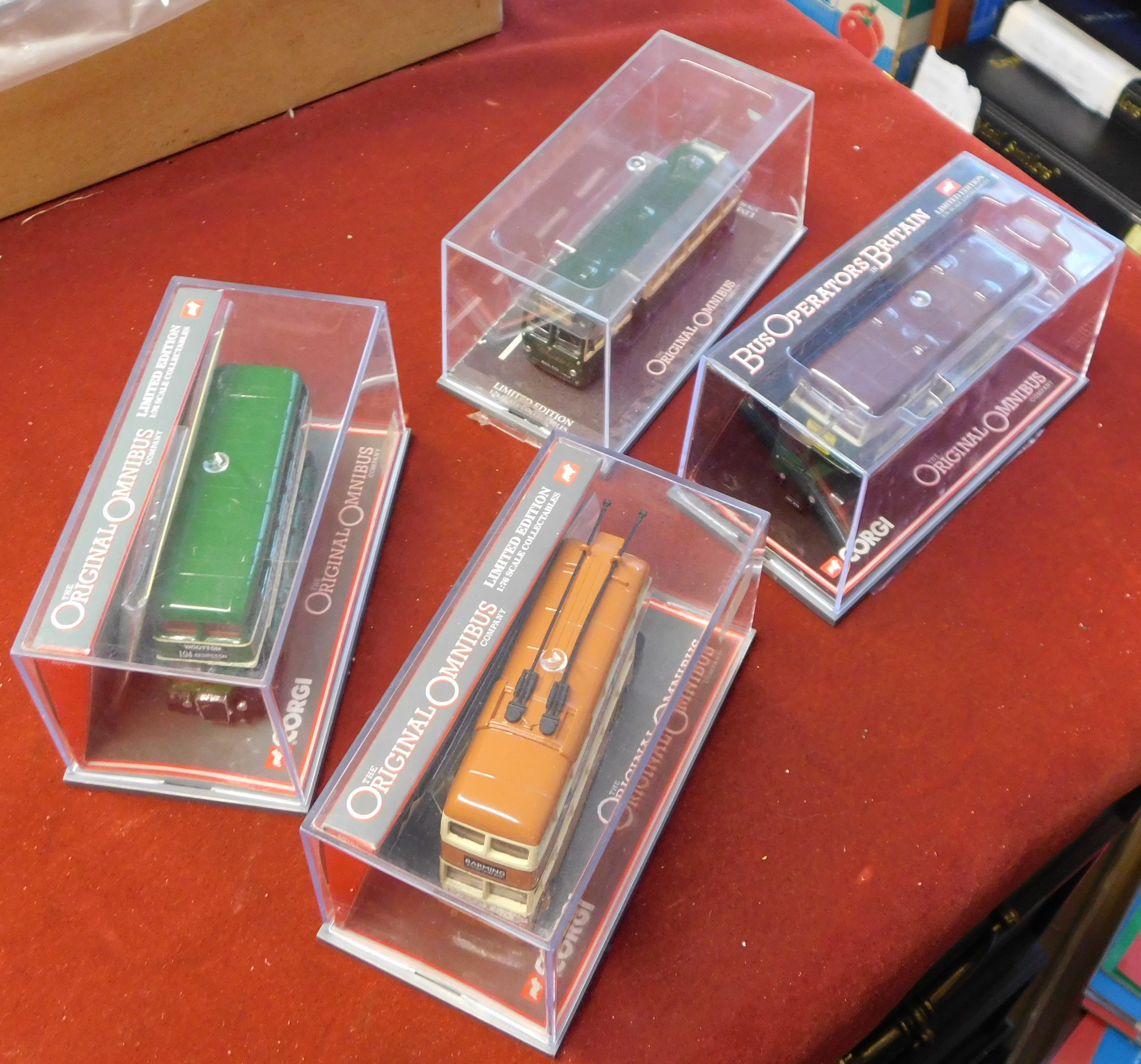
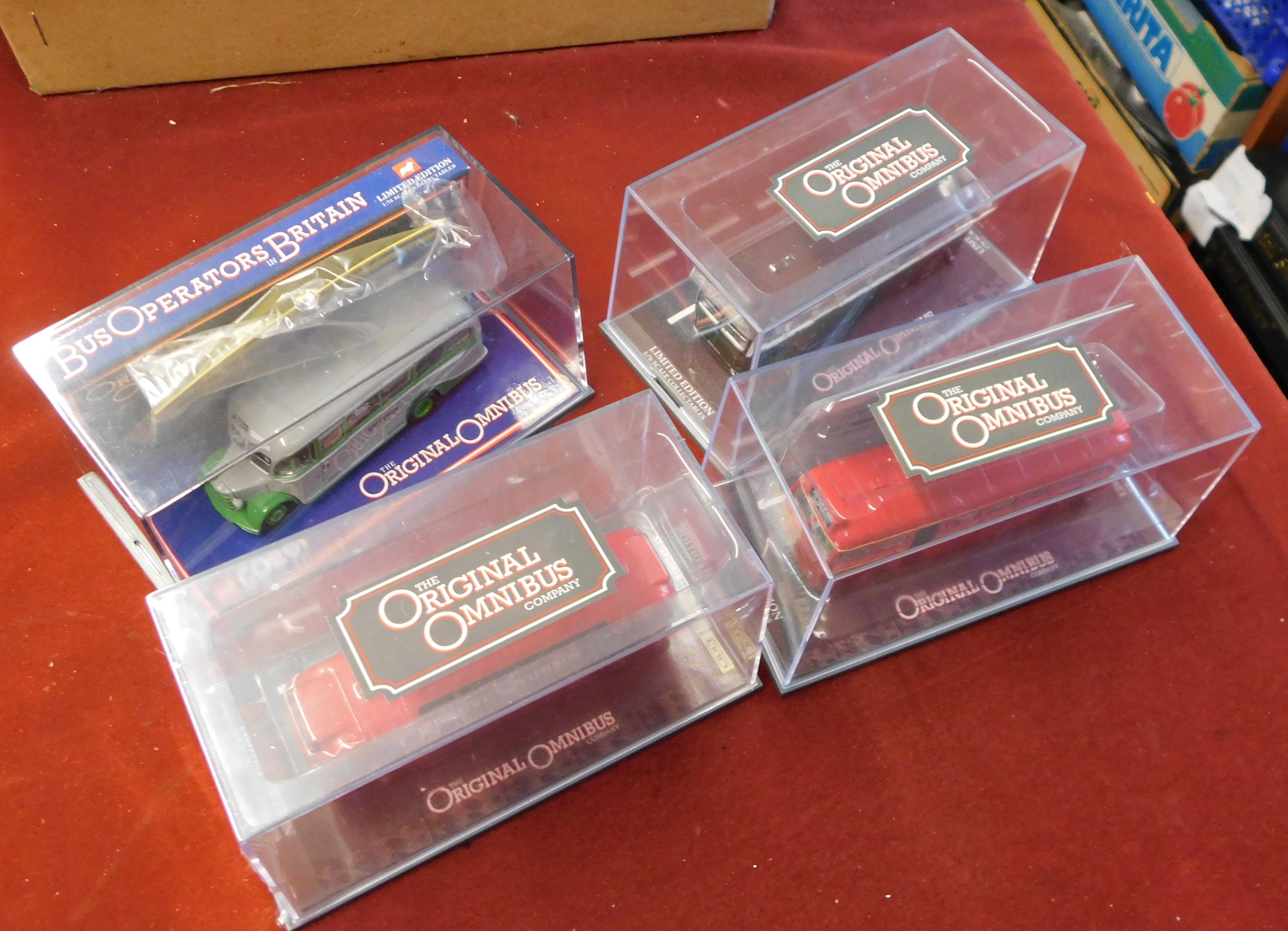
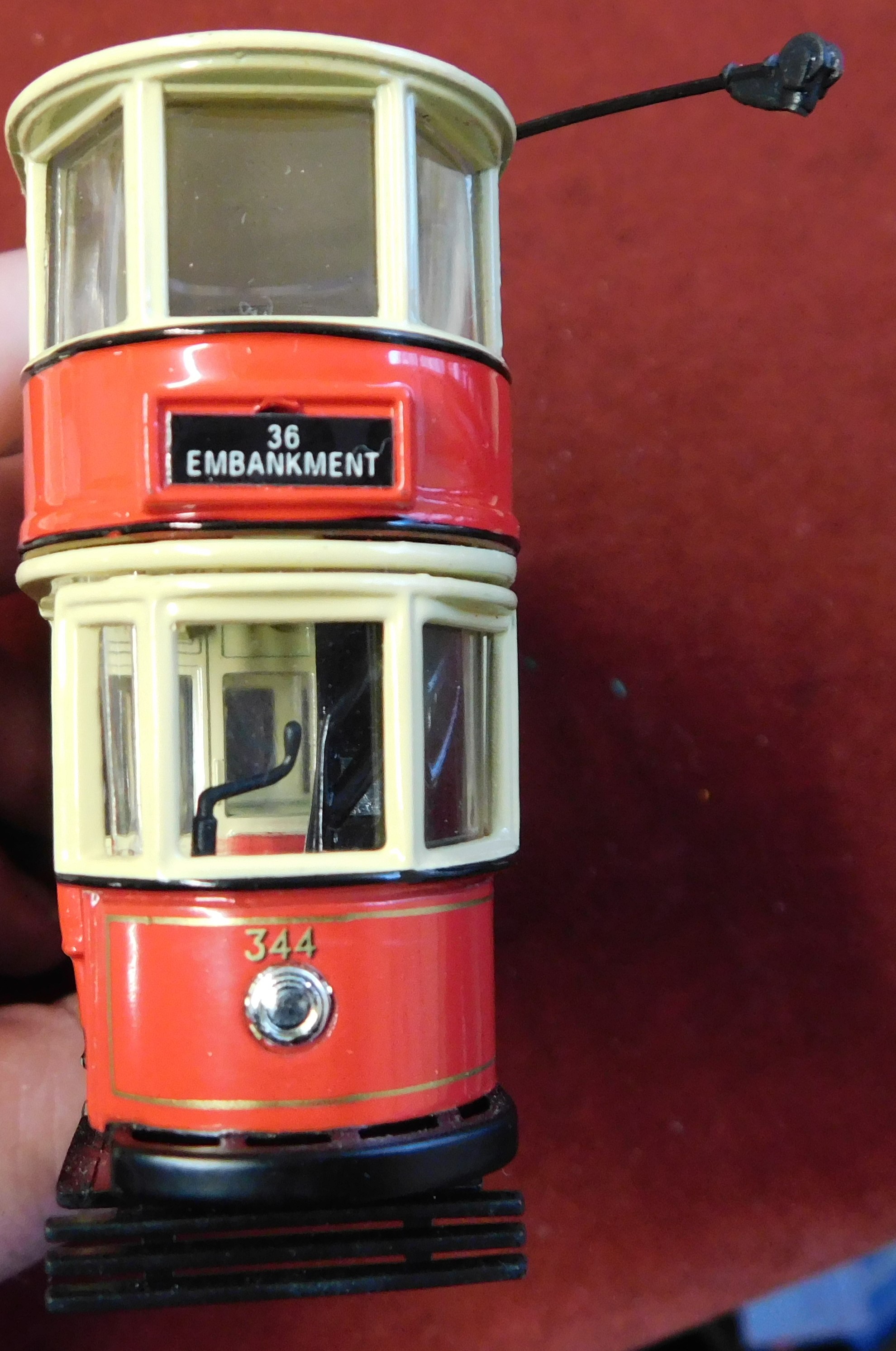
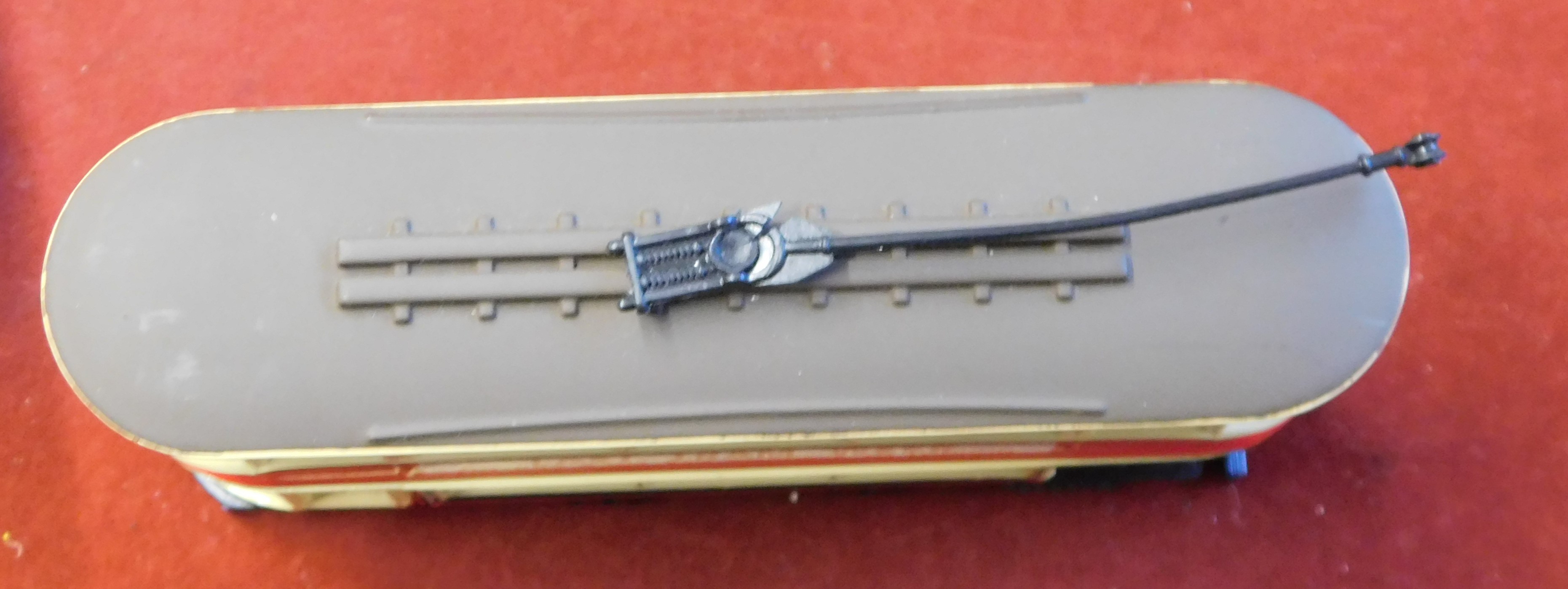
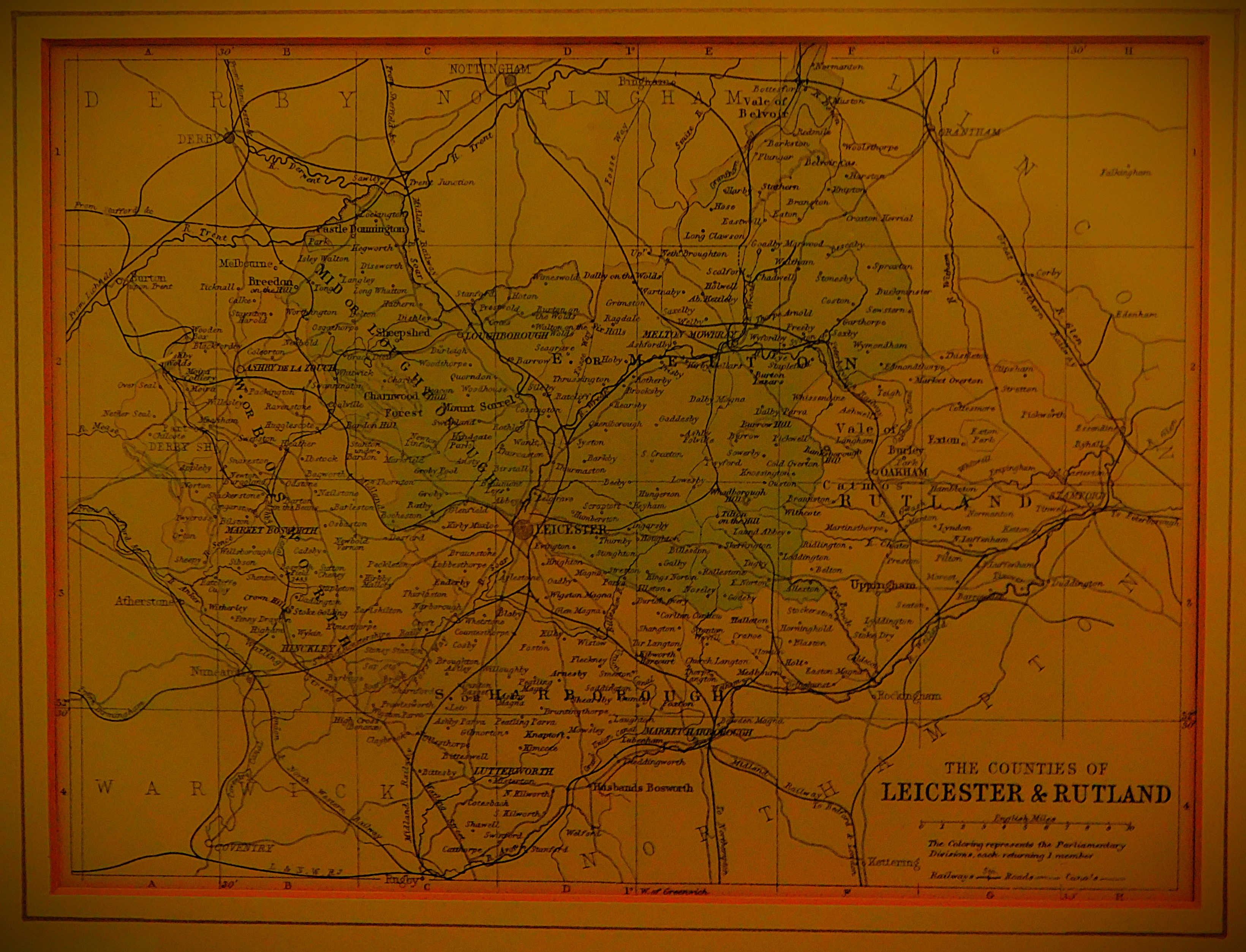
On Tuesday and Wednesday of this week James and Sons had their November auction. On Tuesday I had no bids in, but on Wednesday I had put in advance bids on two lots, numbers 438 and 447. I was not able to follow the auction live, as while it was on I was involved in an online session (via Teams) on safeguarding in my capacity as WNAG secretary. As it happened my two modest bids were both successful, and these two lots form my first picture gallery of this post…

Sixers having batted second in the match had to bat first in the Super Over. Scorchers surprised many people by selecting Amy Edgar to bowl, while Sixers to no great surprise opted for Perry and Gardner as their first two batters. Alana King had been their best bowler in the match, and many would have expected her to bowl the super over. Edgar bowled a wide, and 14 came off the bat in the over, 12 to Perry and 2 to Gardner. Sixers thus scored 15-0 from their Super Over.

Sophie Devine was obviously going to bat for the Scorchers, and the question was who else they would use. In the event they went for the left handed Beth Mooney, and Mikayla Hinkley was their third batter. Unsurprisingly after her efforts earlier in the day Gardner was Sixers choice to bowl the over. Devine got a single off the first ball, then Mooney was out to the second and Sixers looked favourite. Hinkley scored two off the third ball, meaning that 13 were needed off the final three balls, or 12 to tie. Hinkley had now found her range, and struck the fourth and fifth balls for fours to reduce the ask to five off one ball or four to tie. Gardner did her best, but Hinkley hit a third successive four to level the scores, and split the points. I have only previously followed one match in which the teams ended tied after a super over, and on that occasion a tie-splitting procedure was in place, as the side who benefitted from that procedure, England, have never been allowed to forget by fans of certain other sides. Scorchers now have nine points and sit fourth on their own, three points behind Brisbane Heat and Melbourne Renegades, with Sydney Thunder a point ahead after their derby against the Sixers at Drummoyne was washed out leading to a split of the points there. Sixers, on eight points are in sixth, behind Hobart Hurricanes on net run rate, and ahead of Adelaide Strikers and Melbourne Stars. A full scorecard of both match and super over can been seen by clicking here.

These photos come from Wednesday afternoon (cold), Thursday (brutally cold) and today (bright and sunny, and less cold than either previous day, reaching the giddy heights of four degrees Celsius (yesterday was below freezing the whole way through, and as low as minus four at one point)…