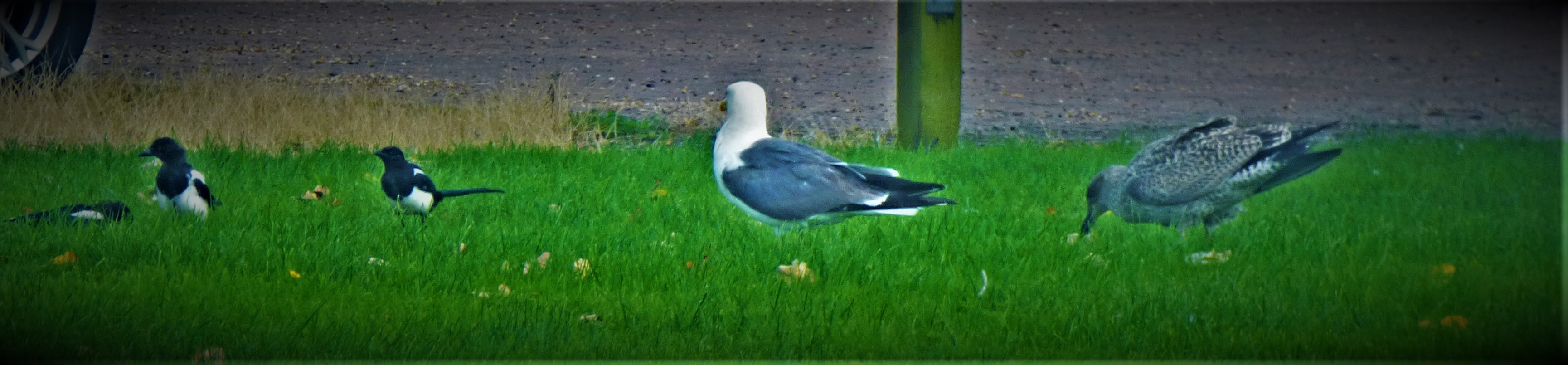
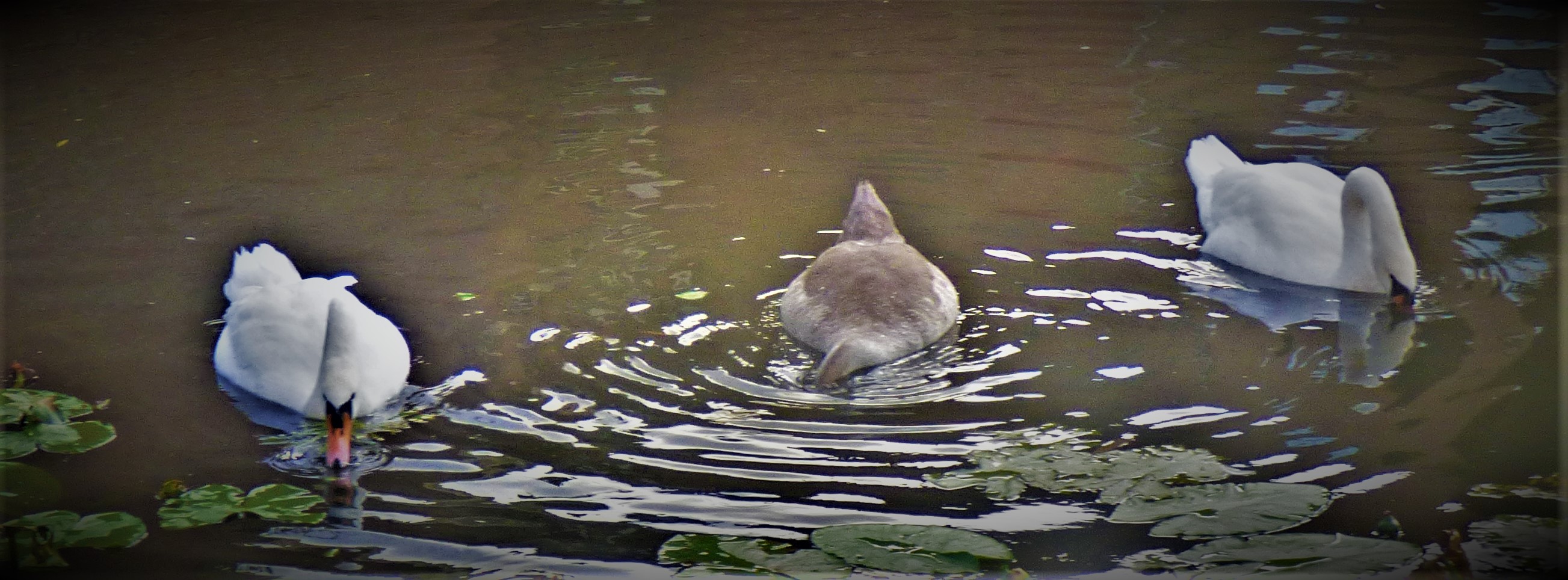
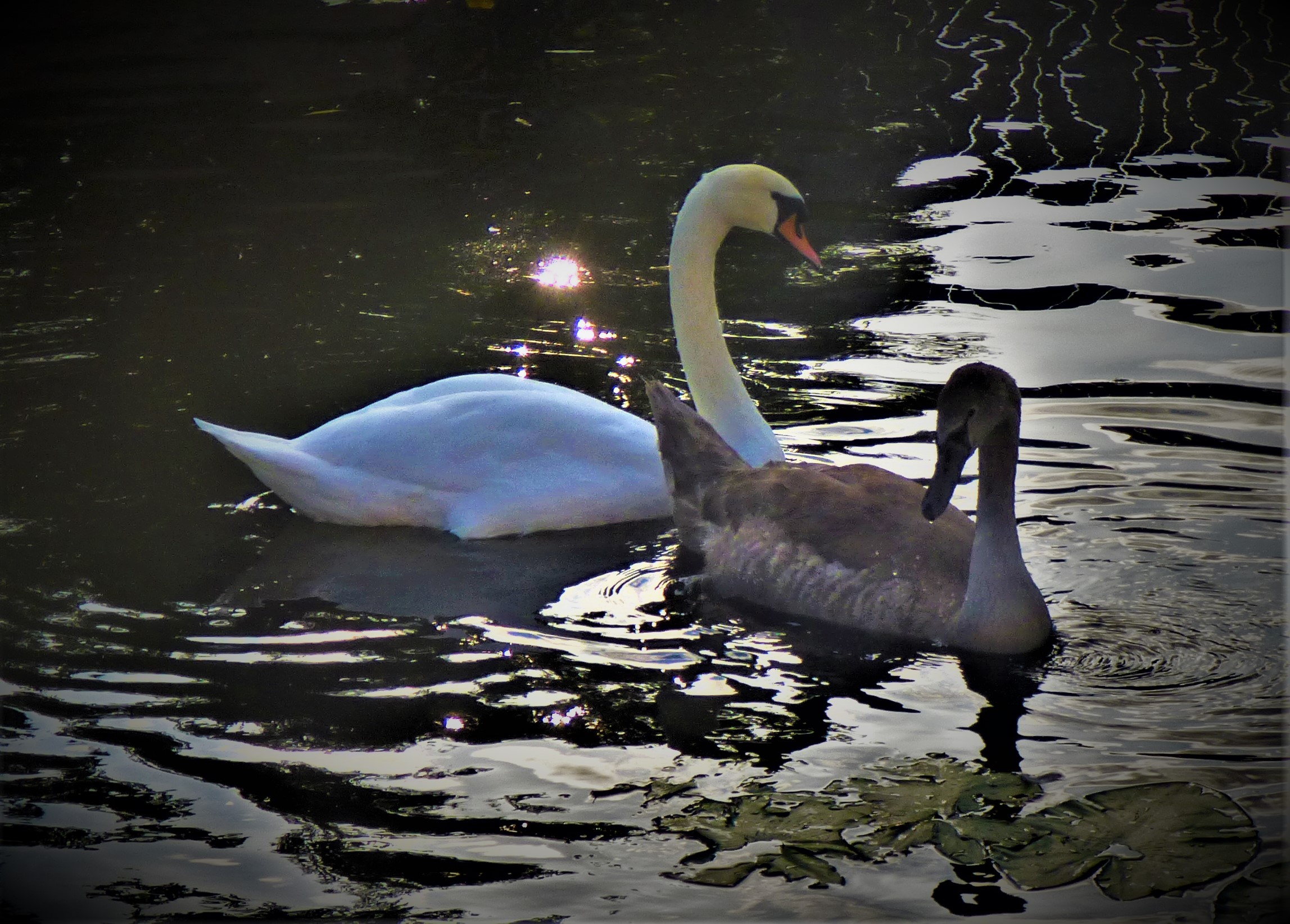
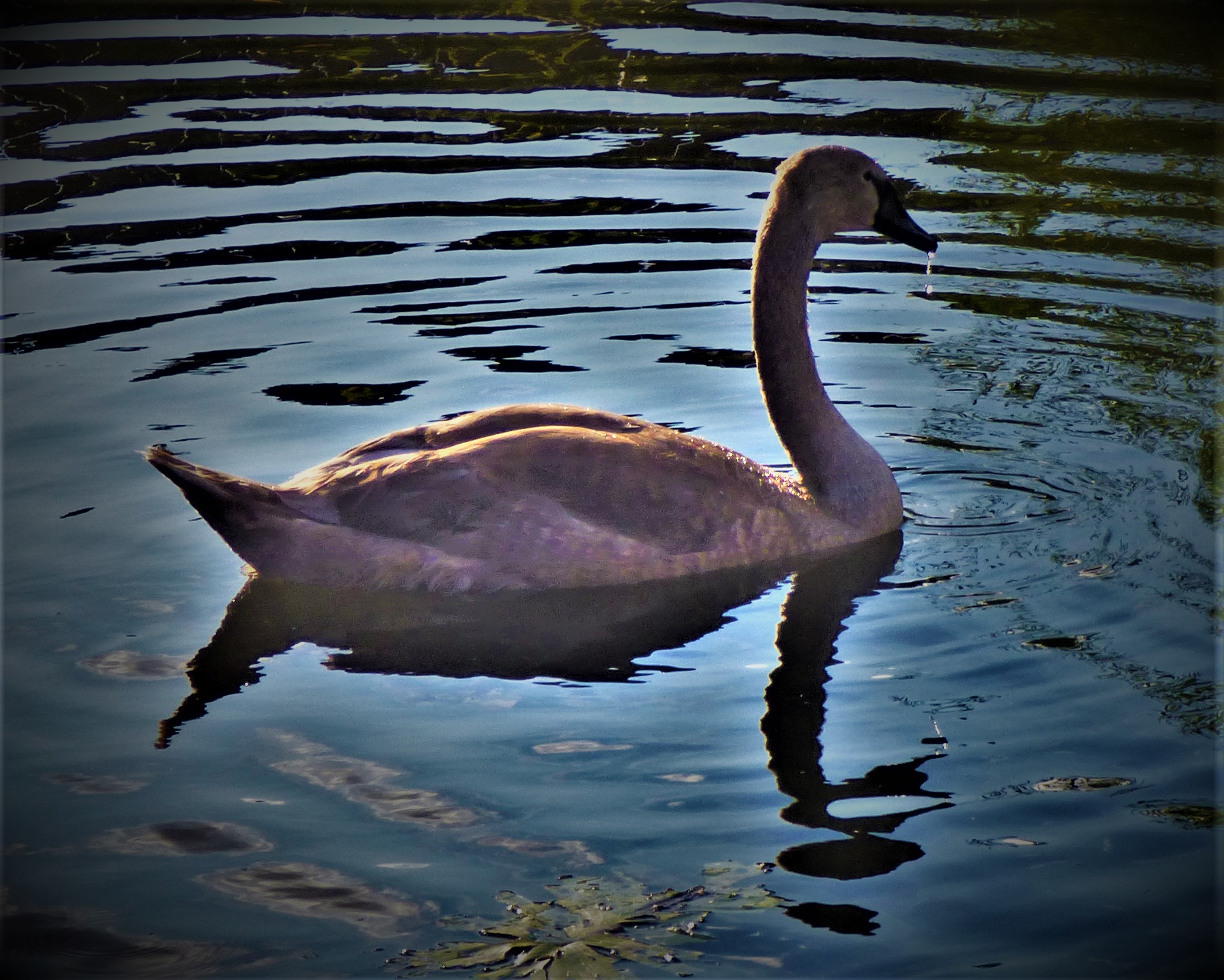
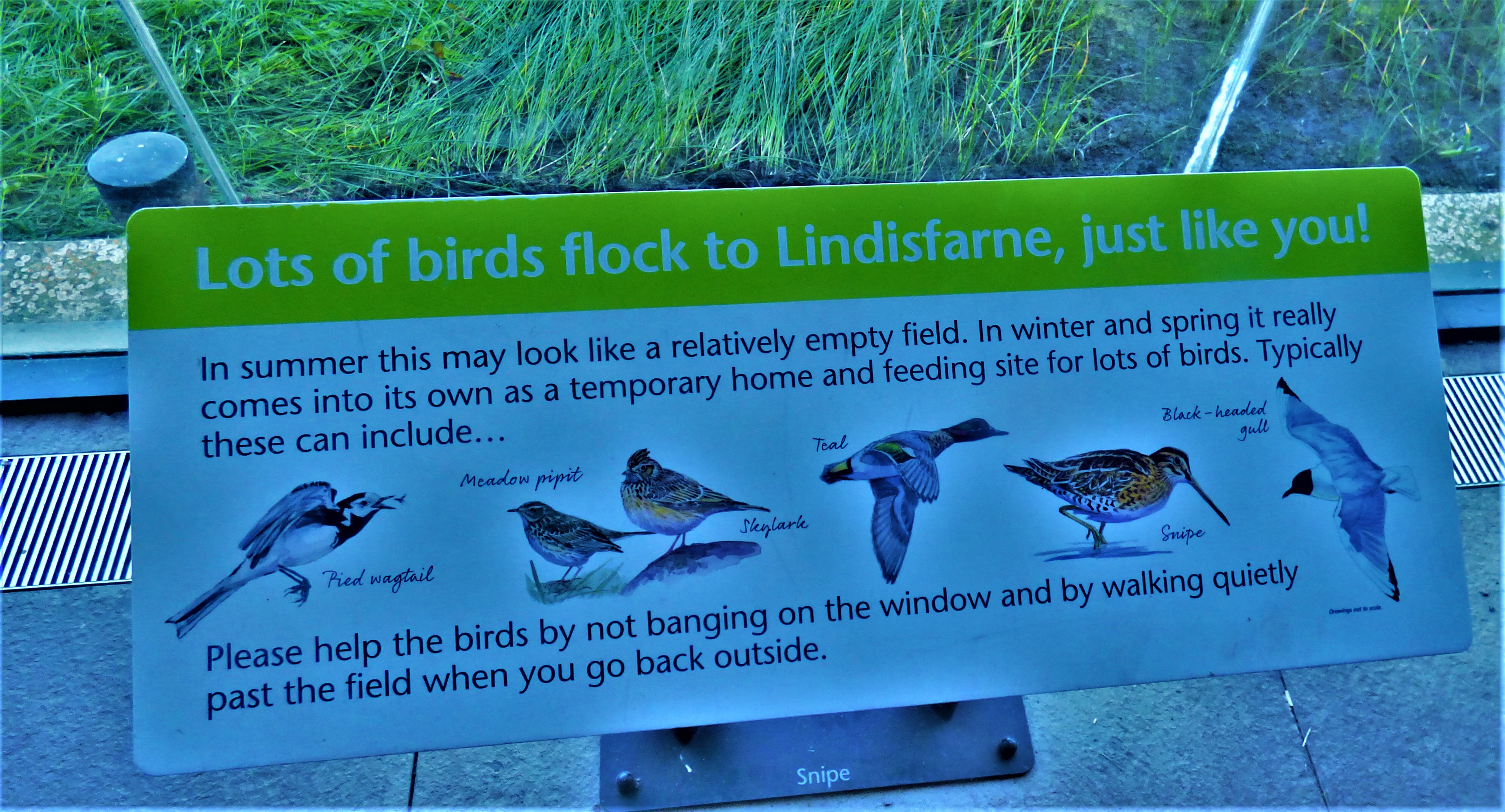
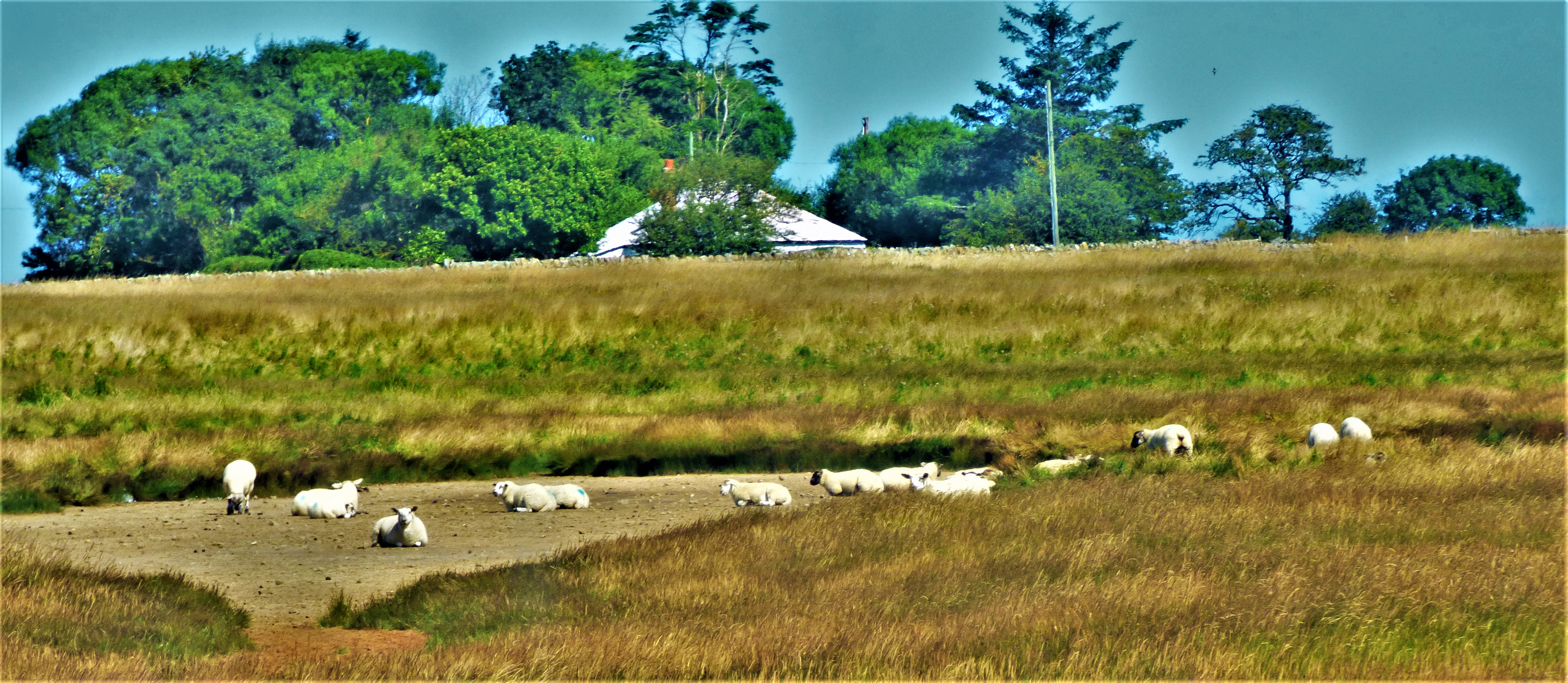
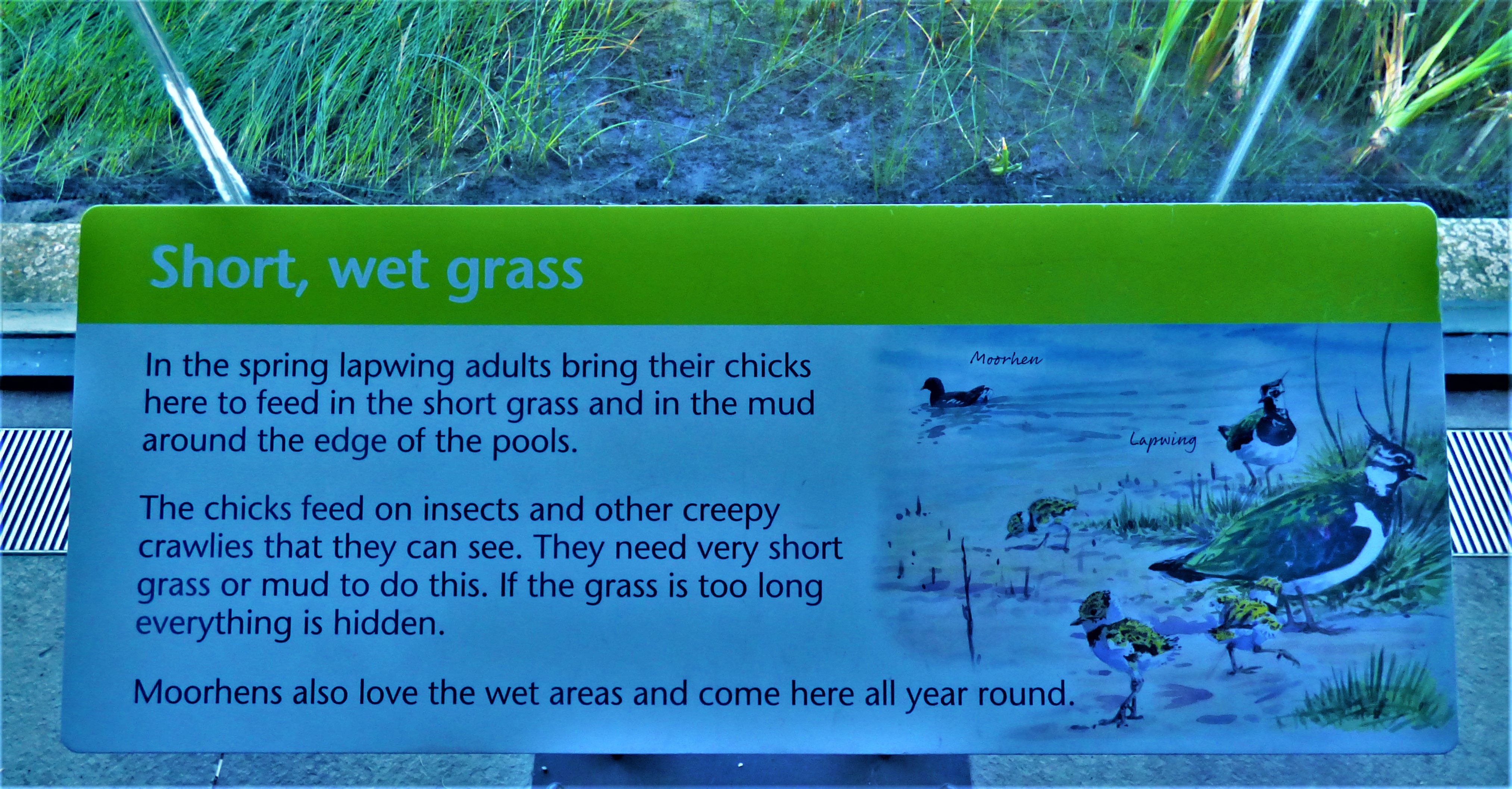
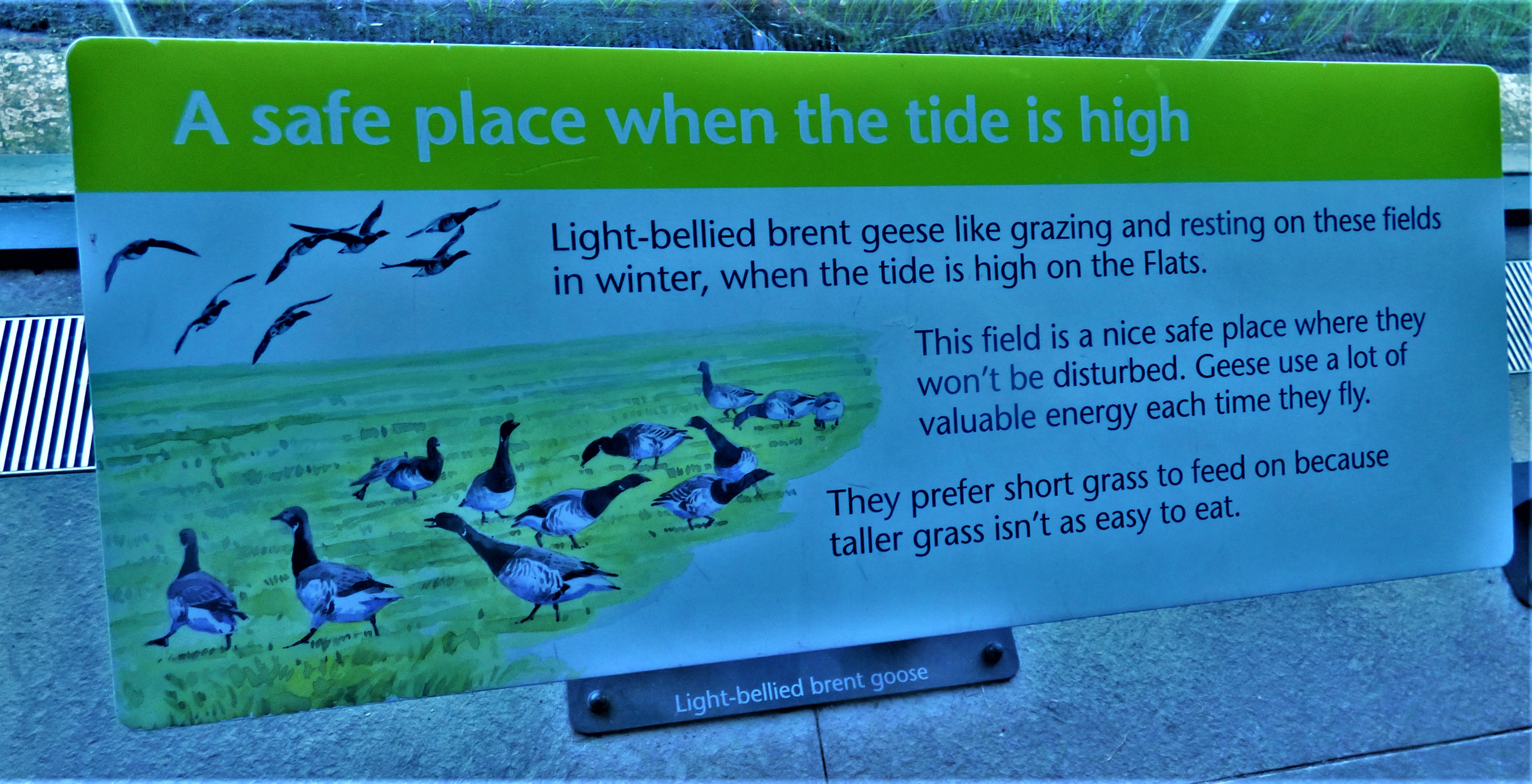
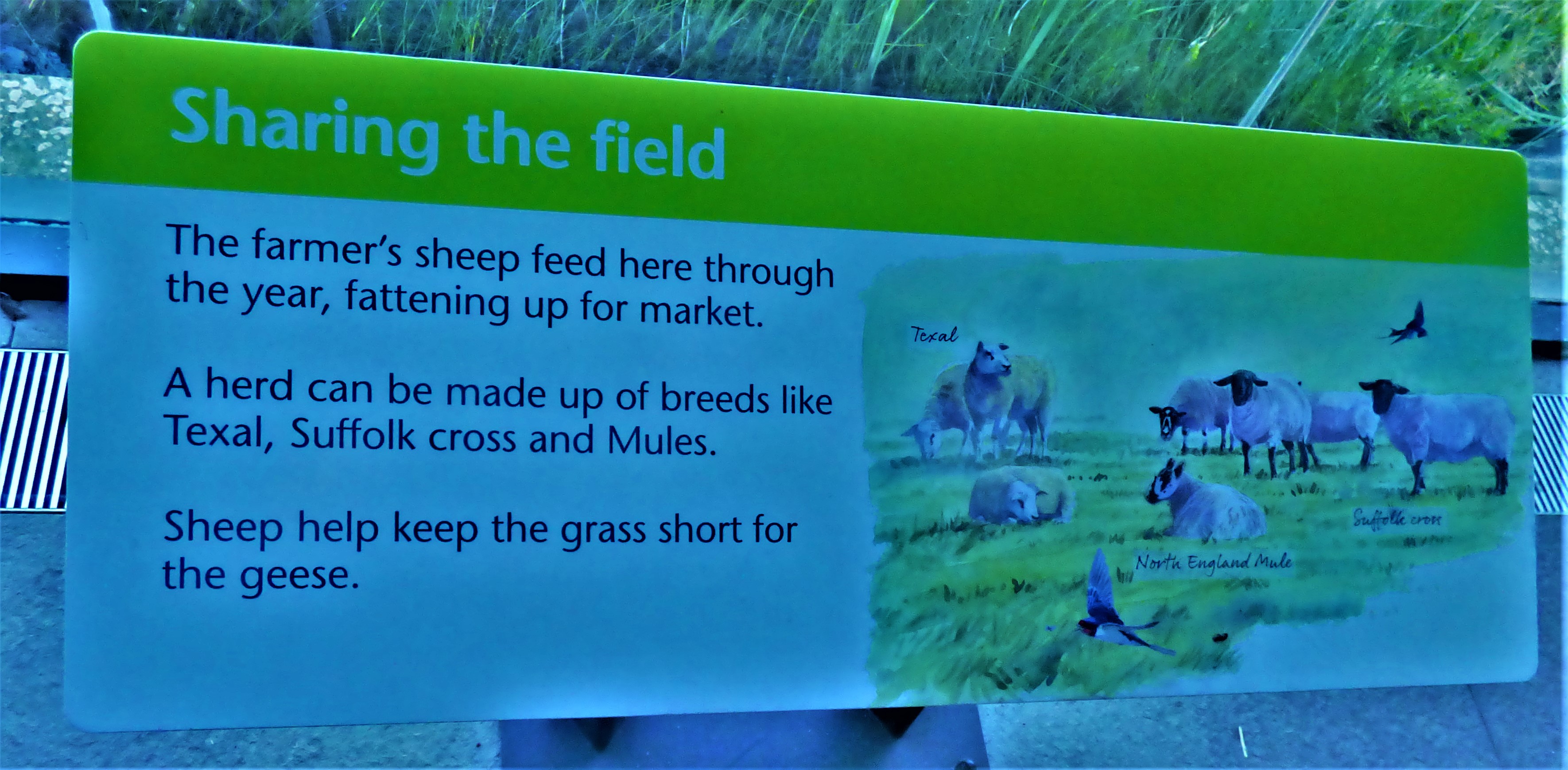
The latest in my mini-series about my long weekend away (14-17 August).
Welcome to the continuation of this mini-series about my long weekend away (see here and here for the earlier posts). This post looks at the journey from South Wingfield to Wooler and the first evening at our accommodation there.
THE JOURNEY NORTH
According to google the journey from South Wingfield to Wooler was going to take just over three hours (relatively quick because most of the distance could be covered on the M1/ A1, and even after leaving the A1 we were not going onto a minor road). A petrol stop early in the journey and a service station stop later added a little time to the basic estimate, but we still arrived at our destination by 17:40.
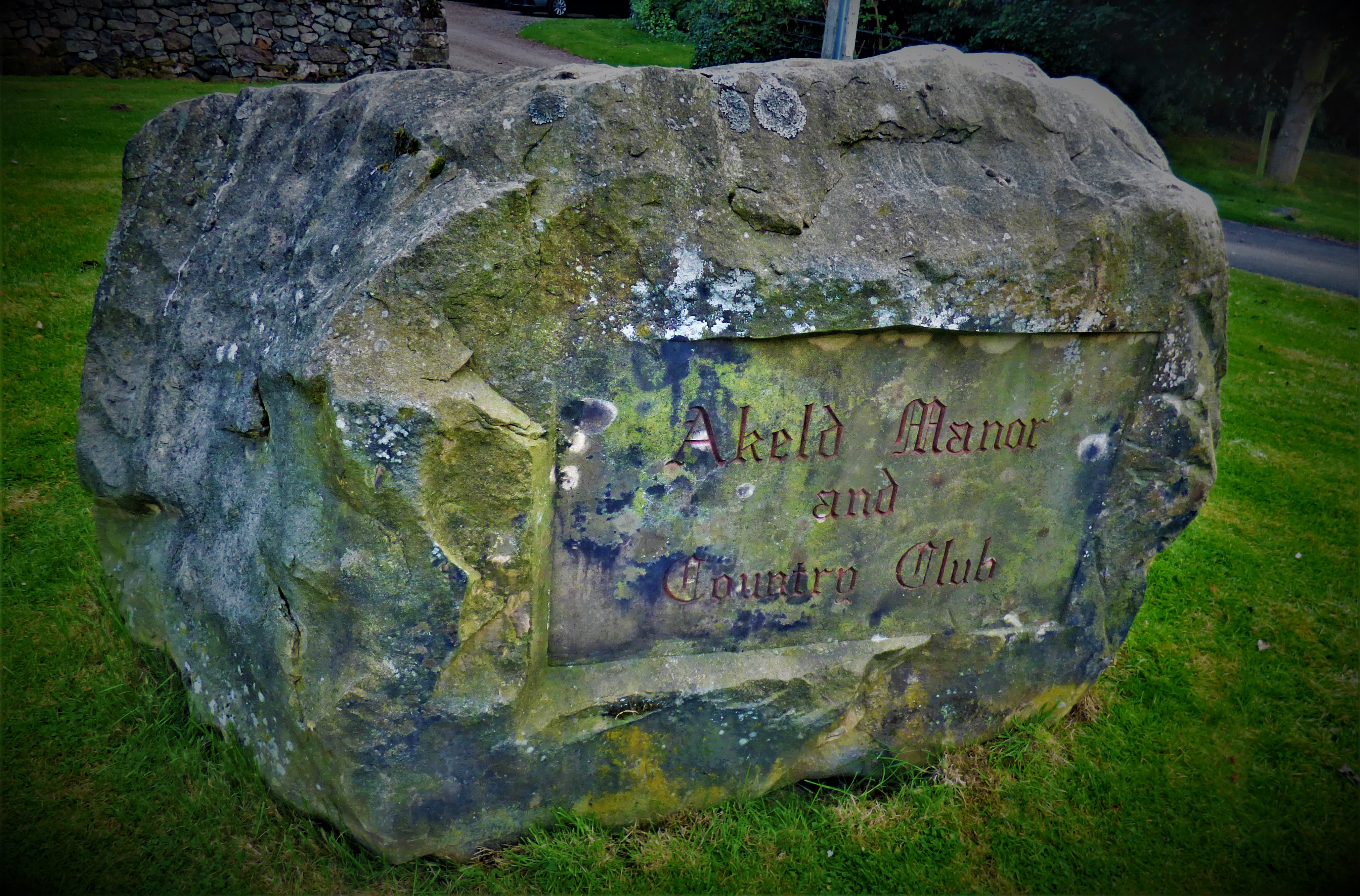
Then with the aid of a site map we located the particular property we were staying in (there are currently about 30 separate cottages on the site and more are being developed). Setting ourselves up did not take very long, although the fold out bed that I would be sleeping in caused momentary concern.
EXPLORING THE SITE
In the early evening my parents and I took a walk around the site, which proved quite rewarding, and was a good way to bring the day’s activities to a close.
PHOTOGRAPHS
My usual sign off…

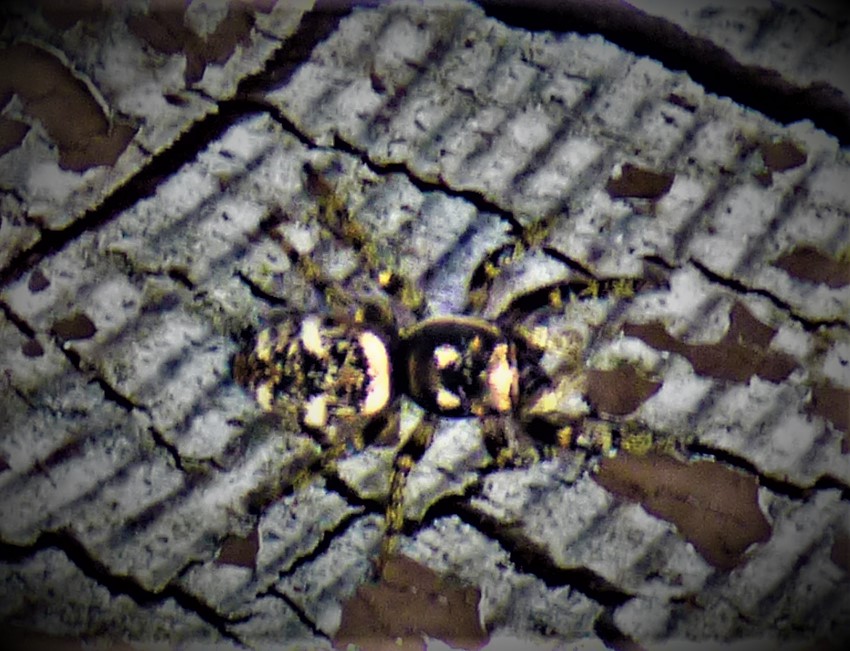
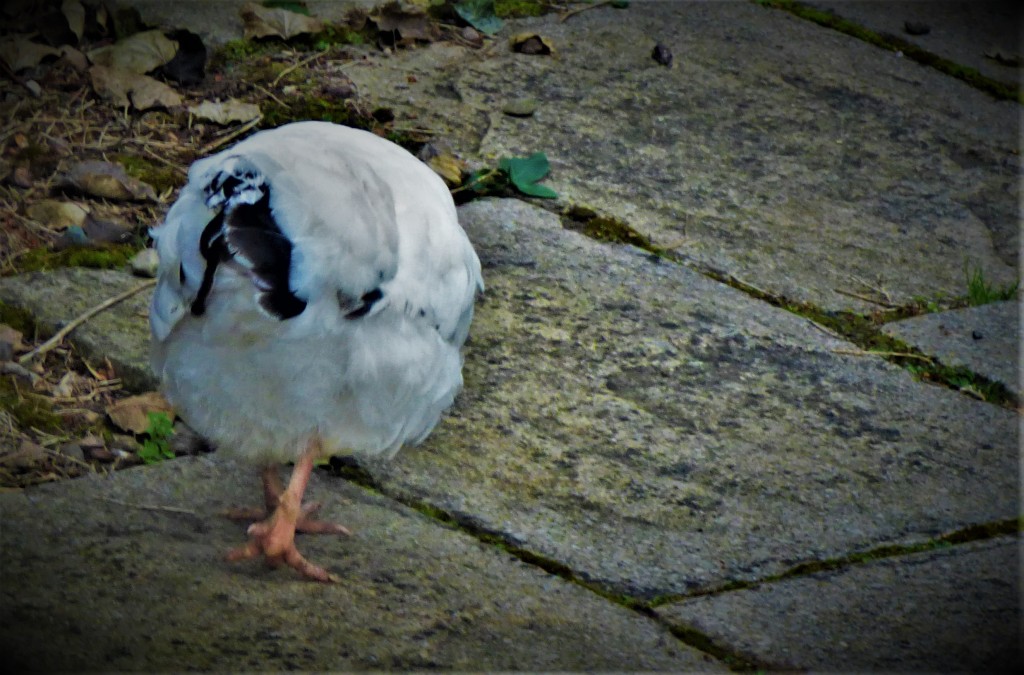
A bug exploring the car window
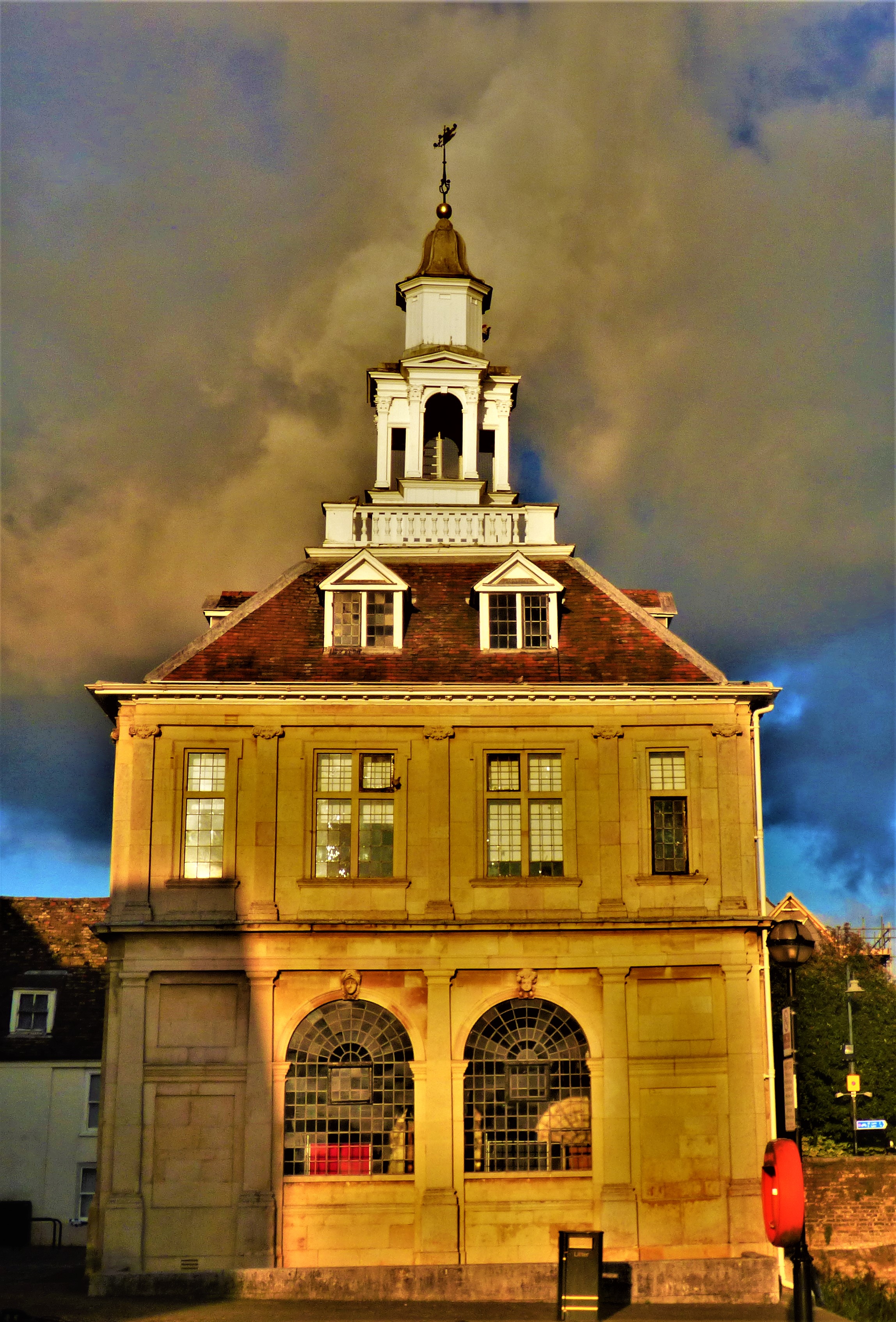
The Angel of the North (through a window and from the wrong side of a very major road)
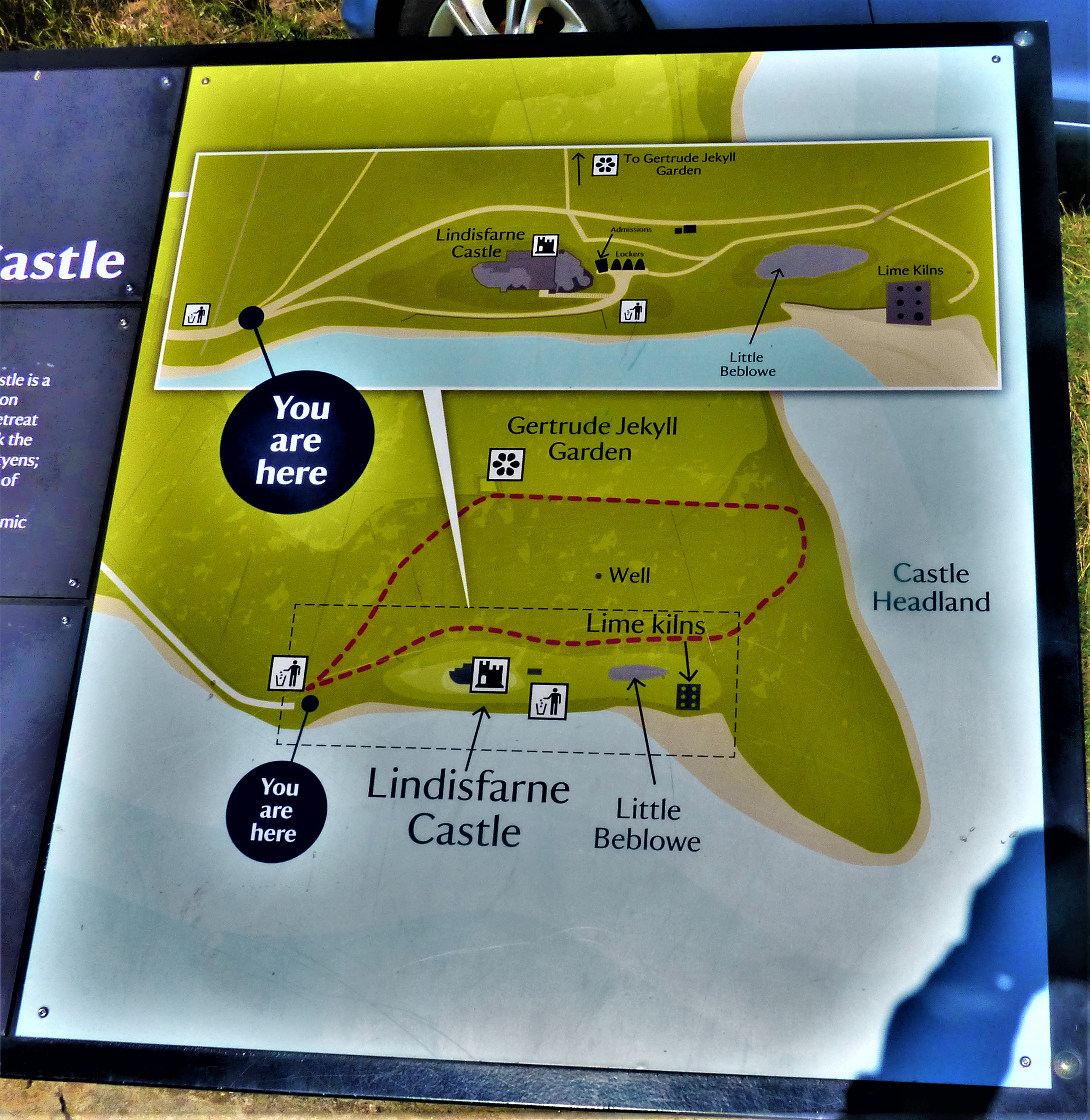
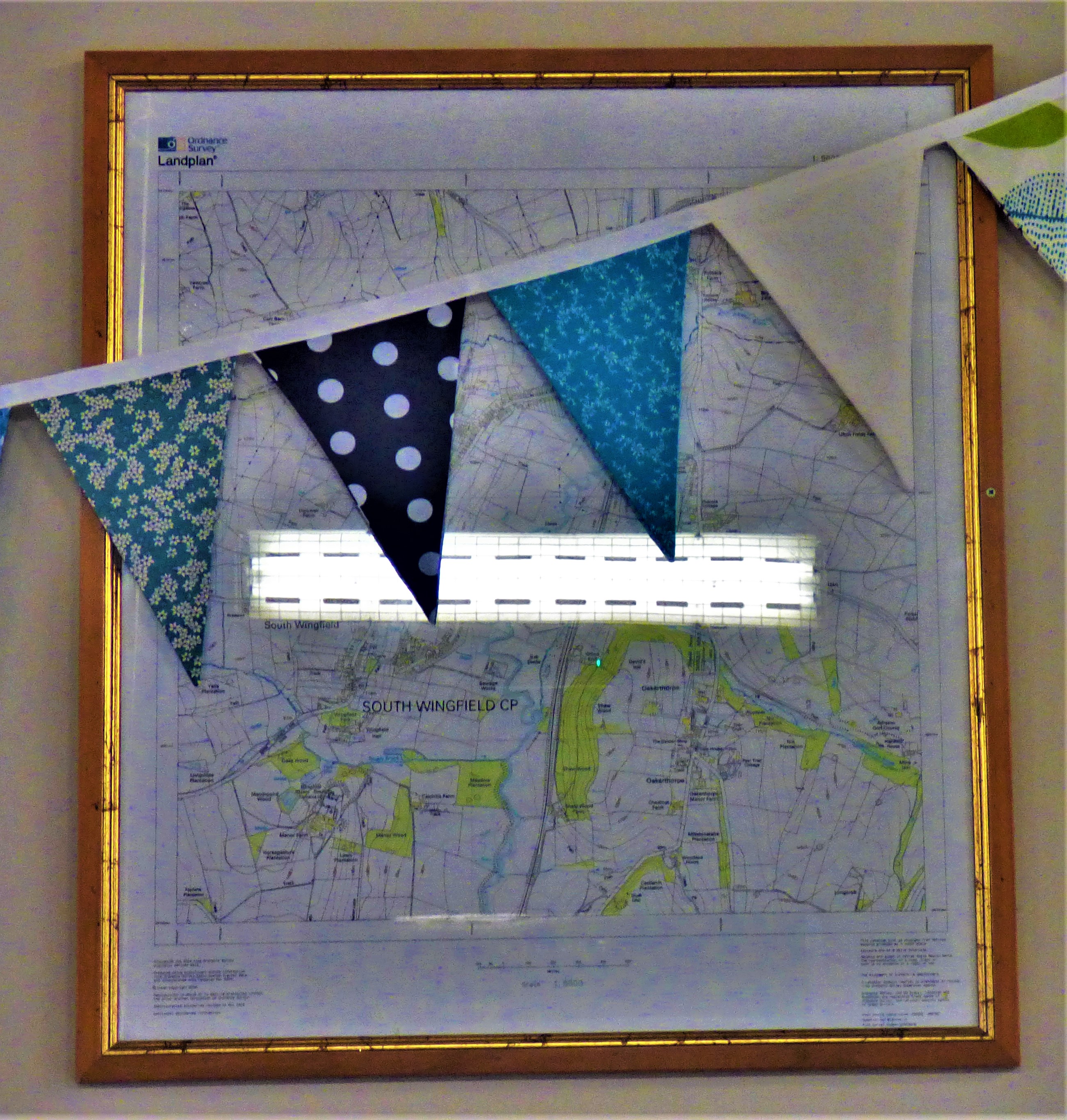
The site map.
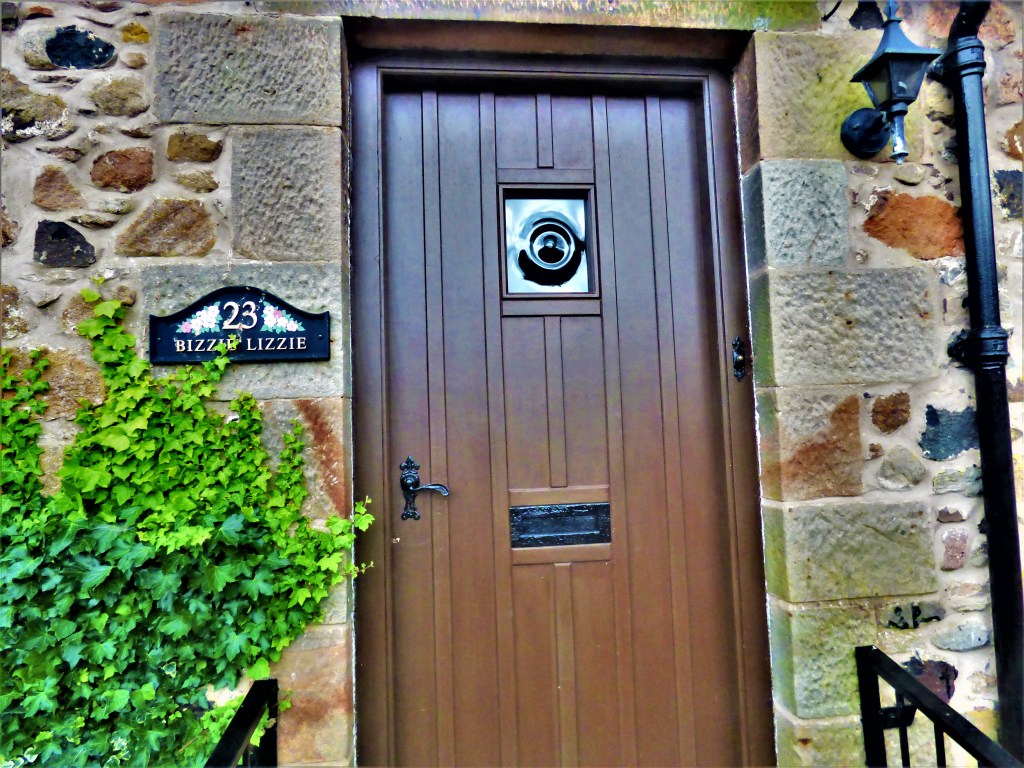
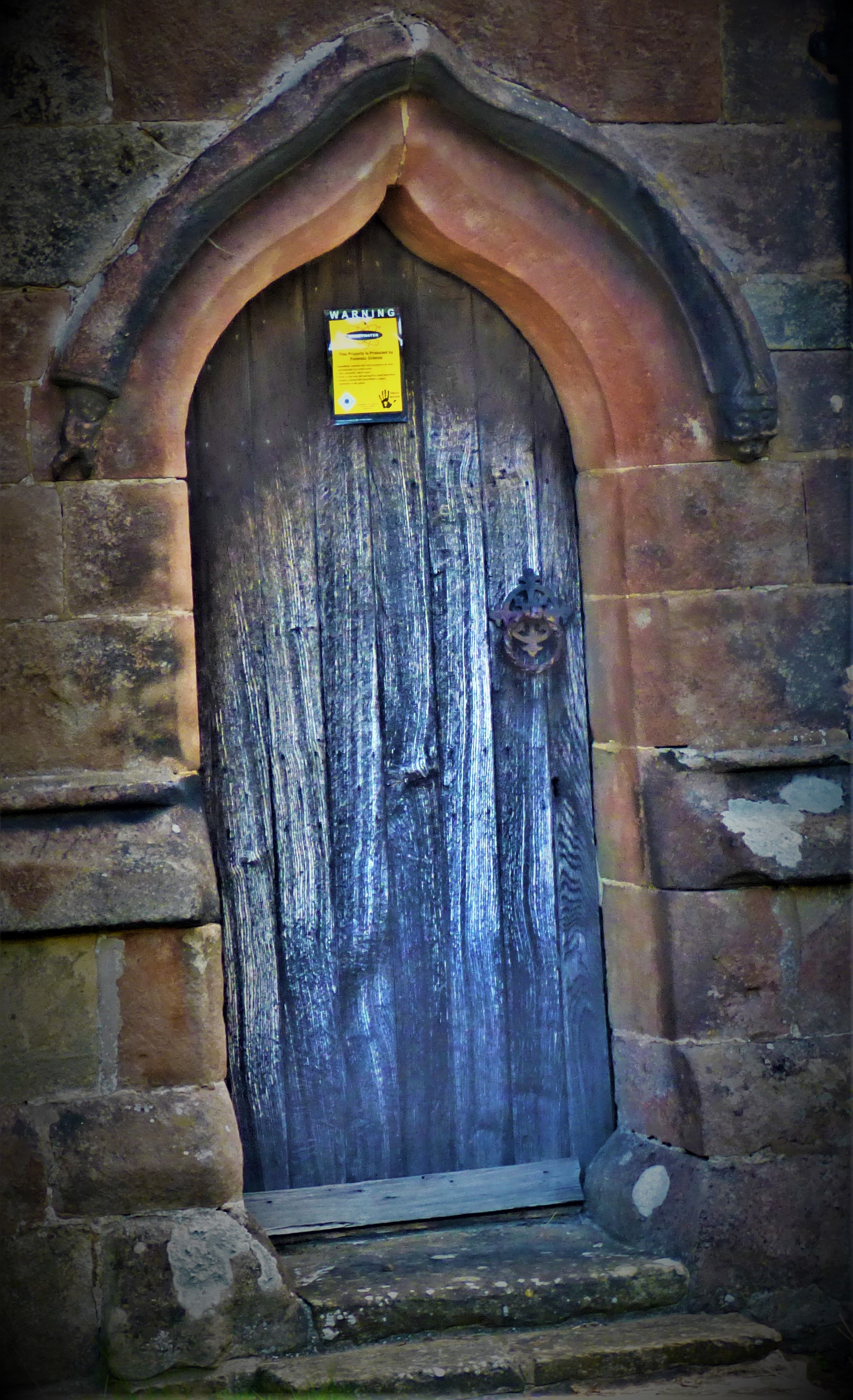
The front door of our accommodation.
There are ‘vanity plates’ and then there is this!
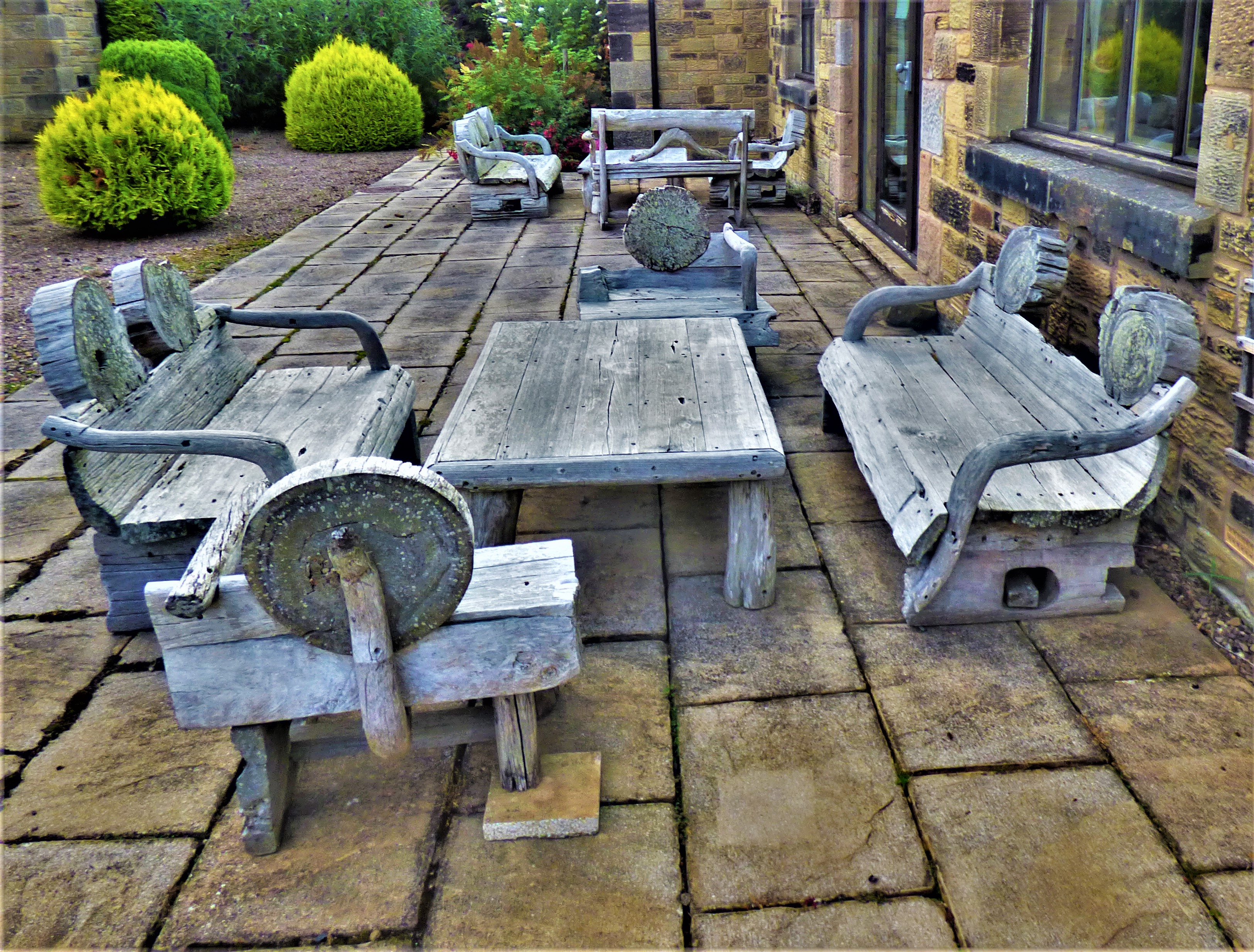
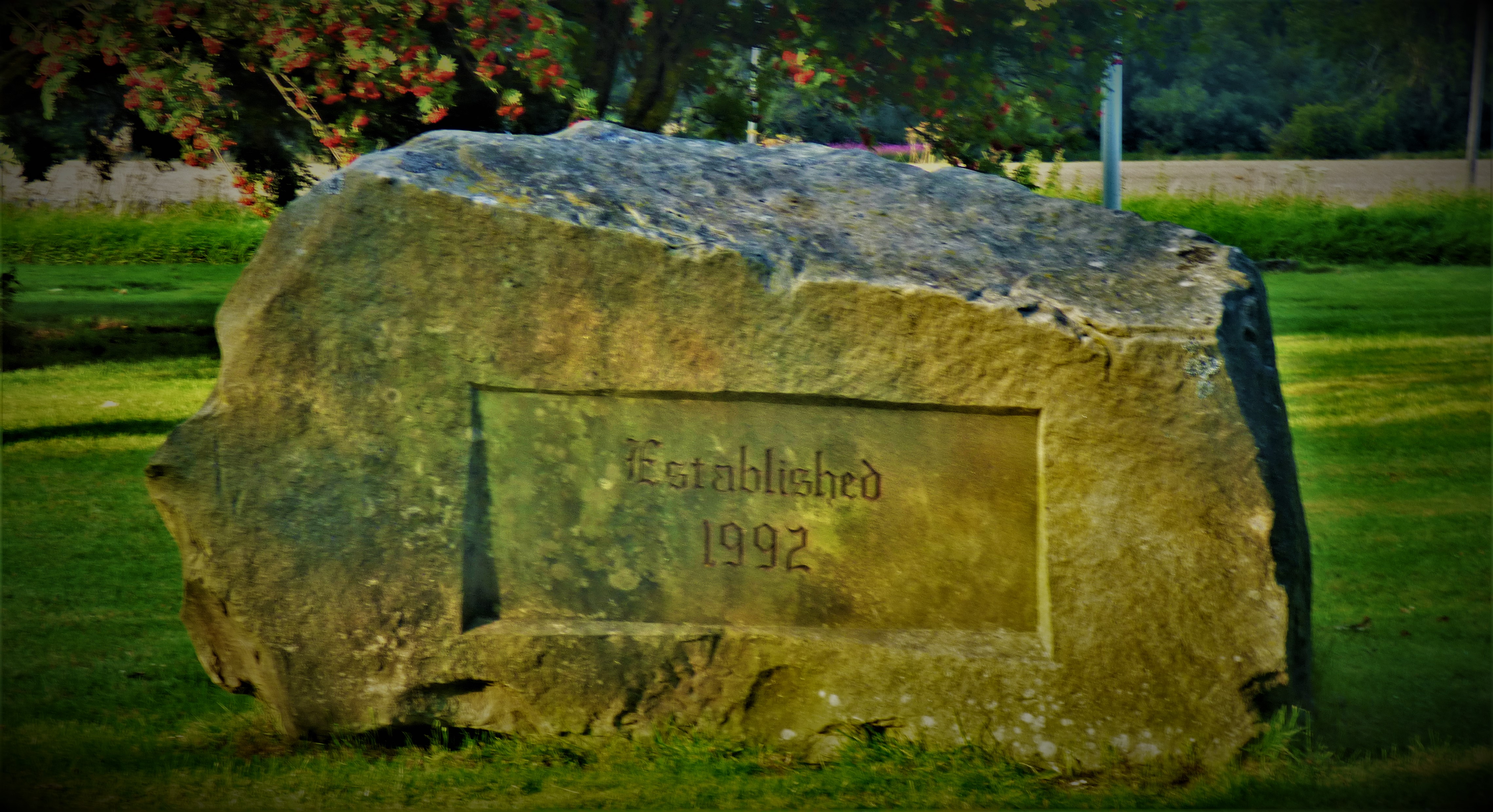
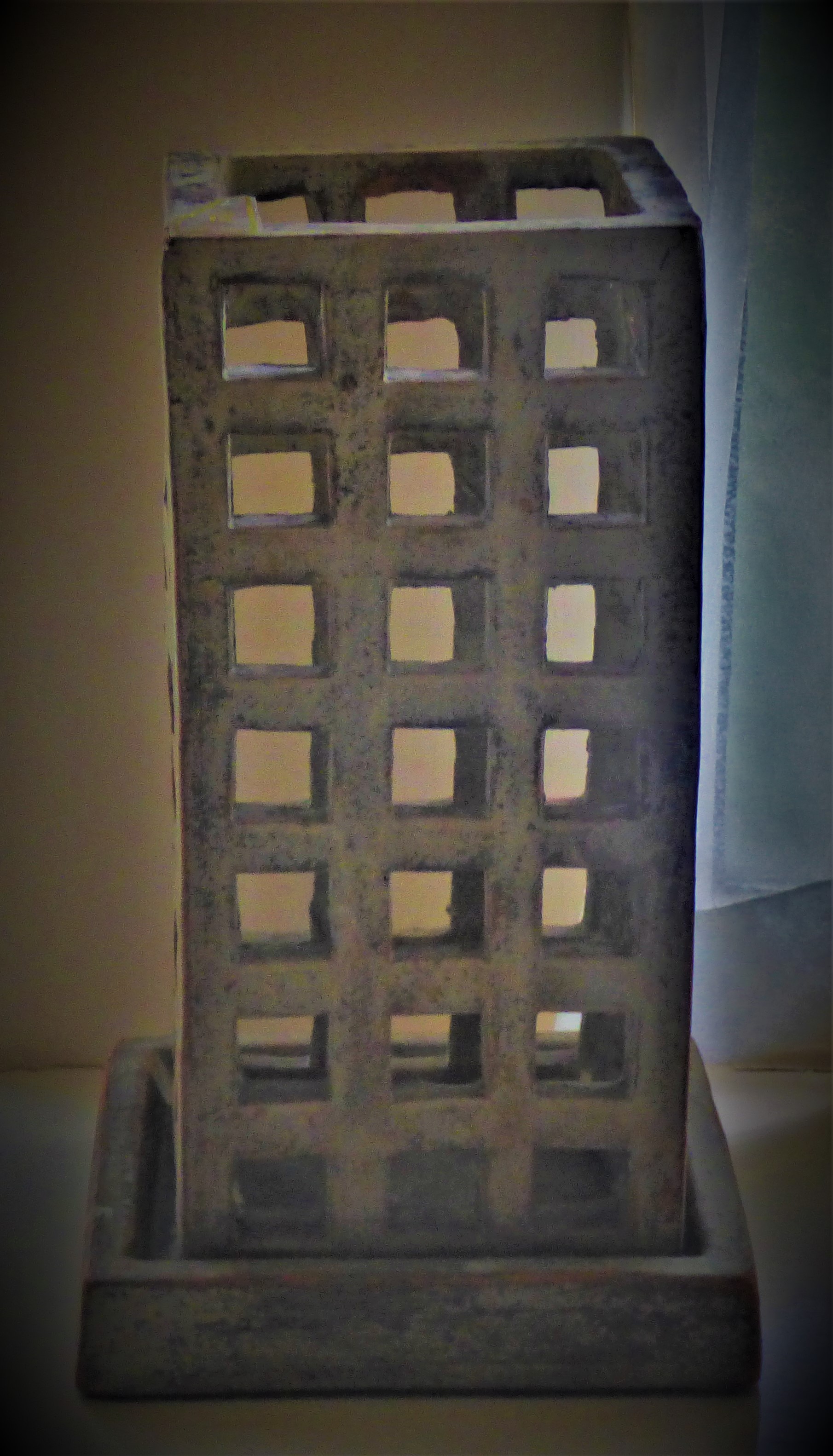
An abstract sculpture, maybe intended to represent an apartment block (I have a similarly abstract and minimalist ziggurat sculpture just inside my front door at home)
An account of the Sunday morning and early afternoon of my recent long weekend away.
In the first post of this series I introduced the events that took place and covered Saturday August 14. Today I cover the Sunday morning/ very ealy afternoon events.
THANKSGIVING SERVICE
The first event of the morning was a thanksgiving service for Ivy Helen Joy Handforth, new daughter of a cousin of mine and his wife, which was combined with celebrating her parents Ruby wedding anniversary. The presence of an official photographer limited the number of pictures I could take of the service itself.
We arrived in South Wingfield early enough to take a brief walk before the service got underway.
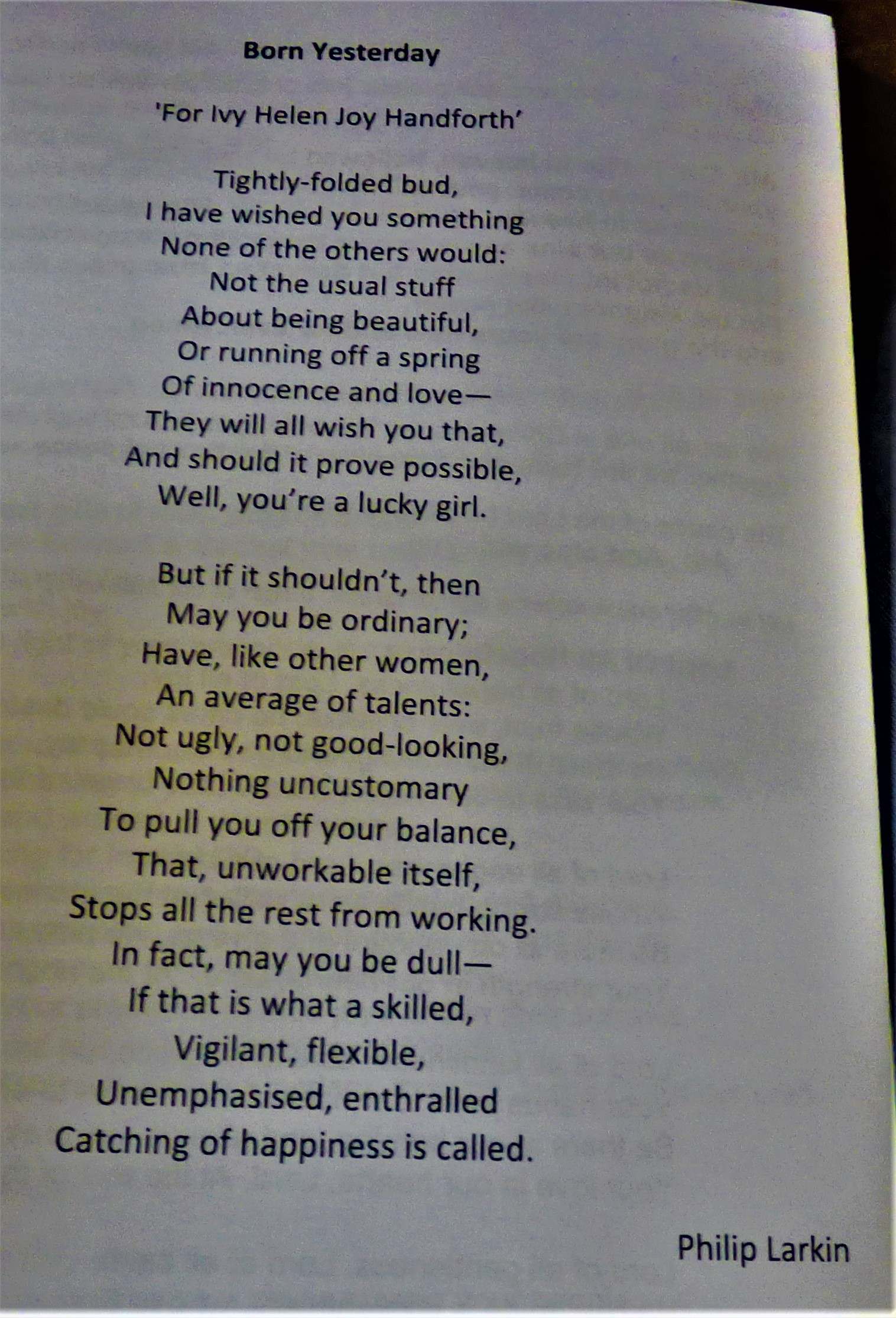
The service started with ‘Jerusalem’, proceeded through several hymns, readings by friends and prayers. There was also a poem by Philip Larkin which did not get read out loud but which was on the back of the programme.
RECEPTION
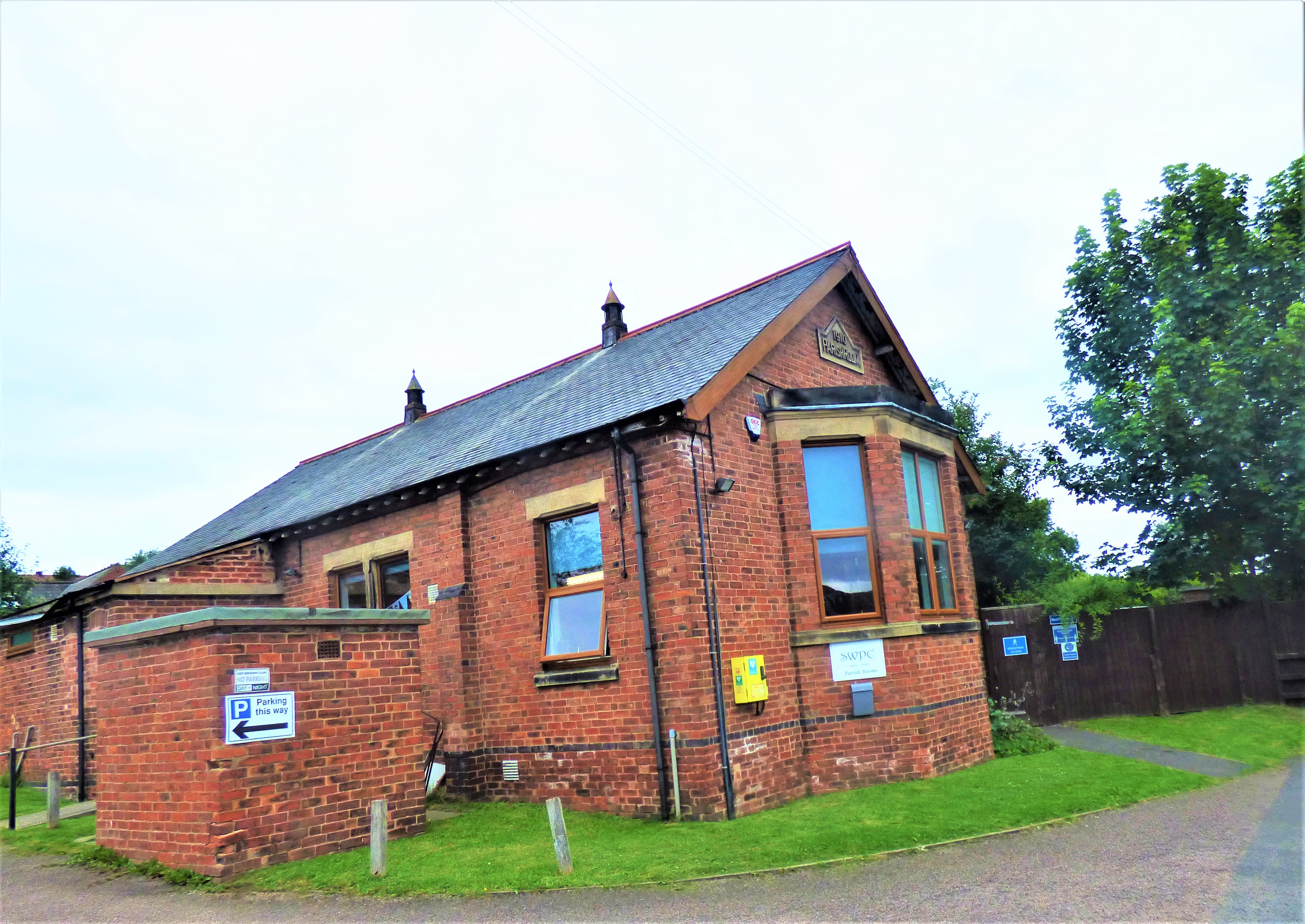
This took place at the Parish Rooms (my parents and I had a brief moment of confusion between these and the Parish Hall) immediately after the service. We stayed a little while but had to move on to get to the place we were staying on Sunday evening. It was reasonably enjoyable, though the food was not great.
PHOTOGRAPHS
My usual sign off…

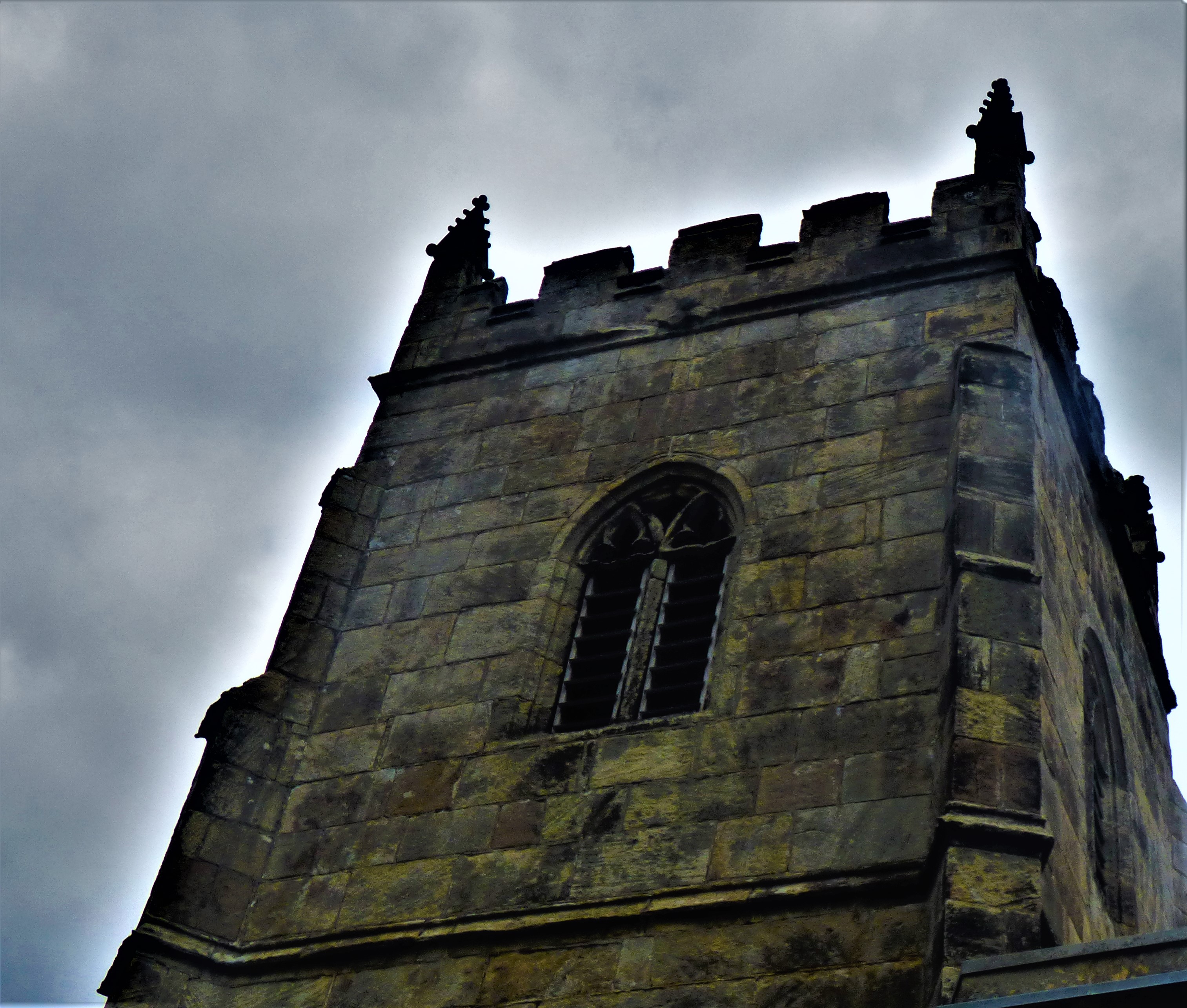
All Saints Church, South Wingfield
Pictures from the walk
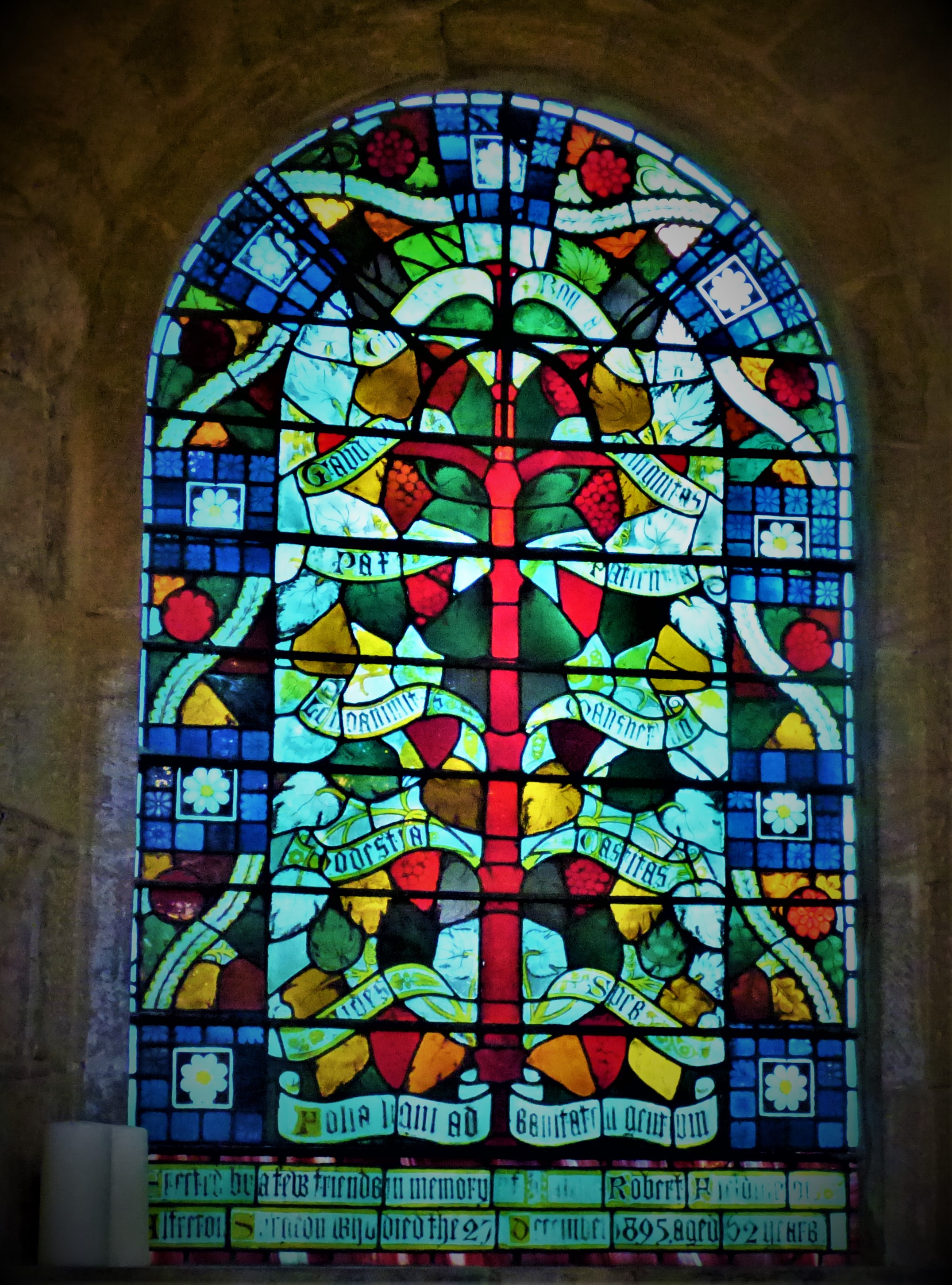
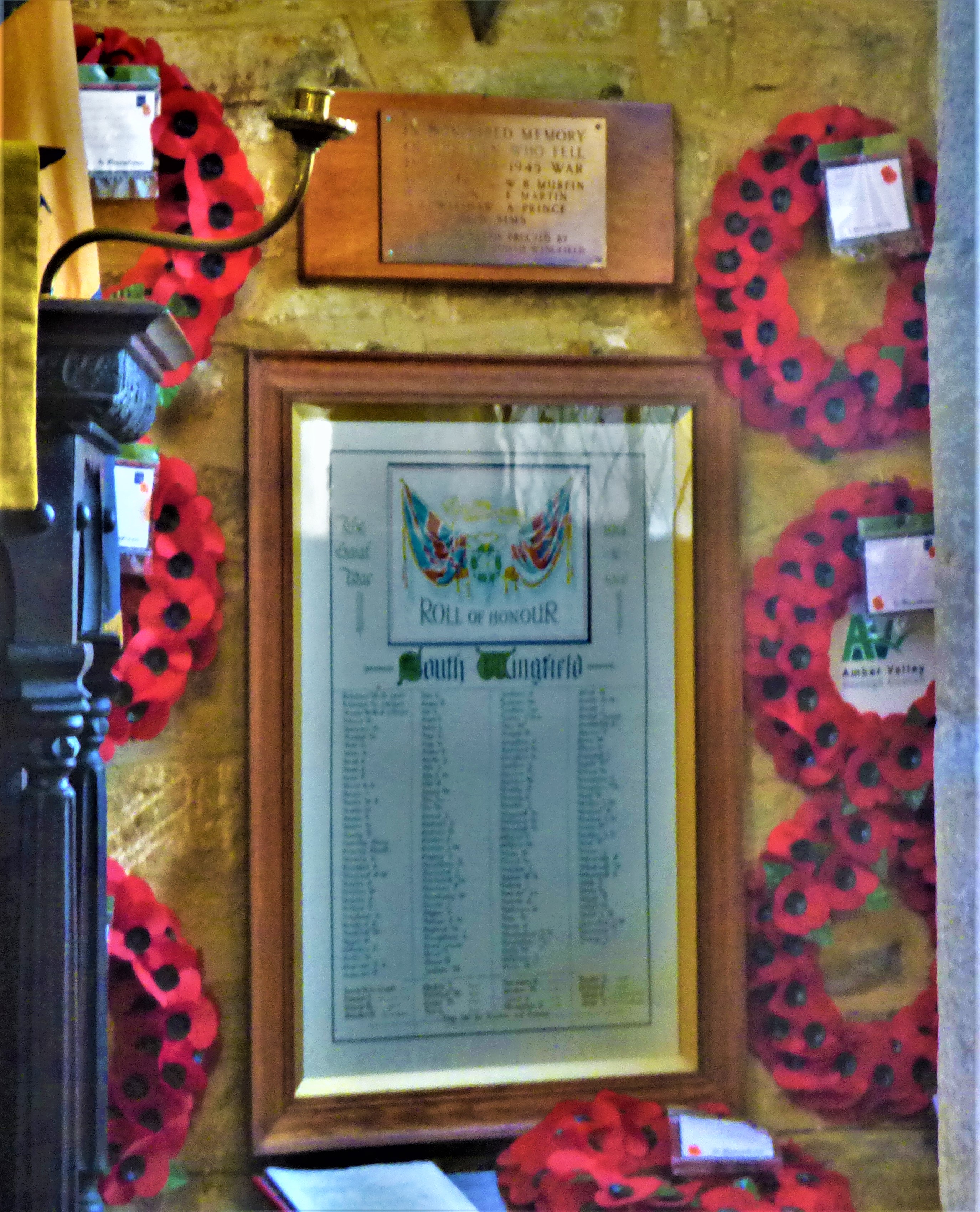
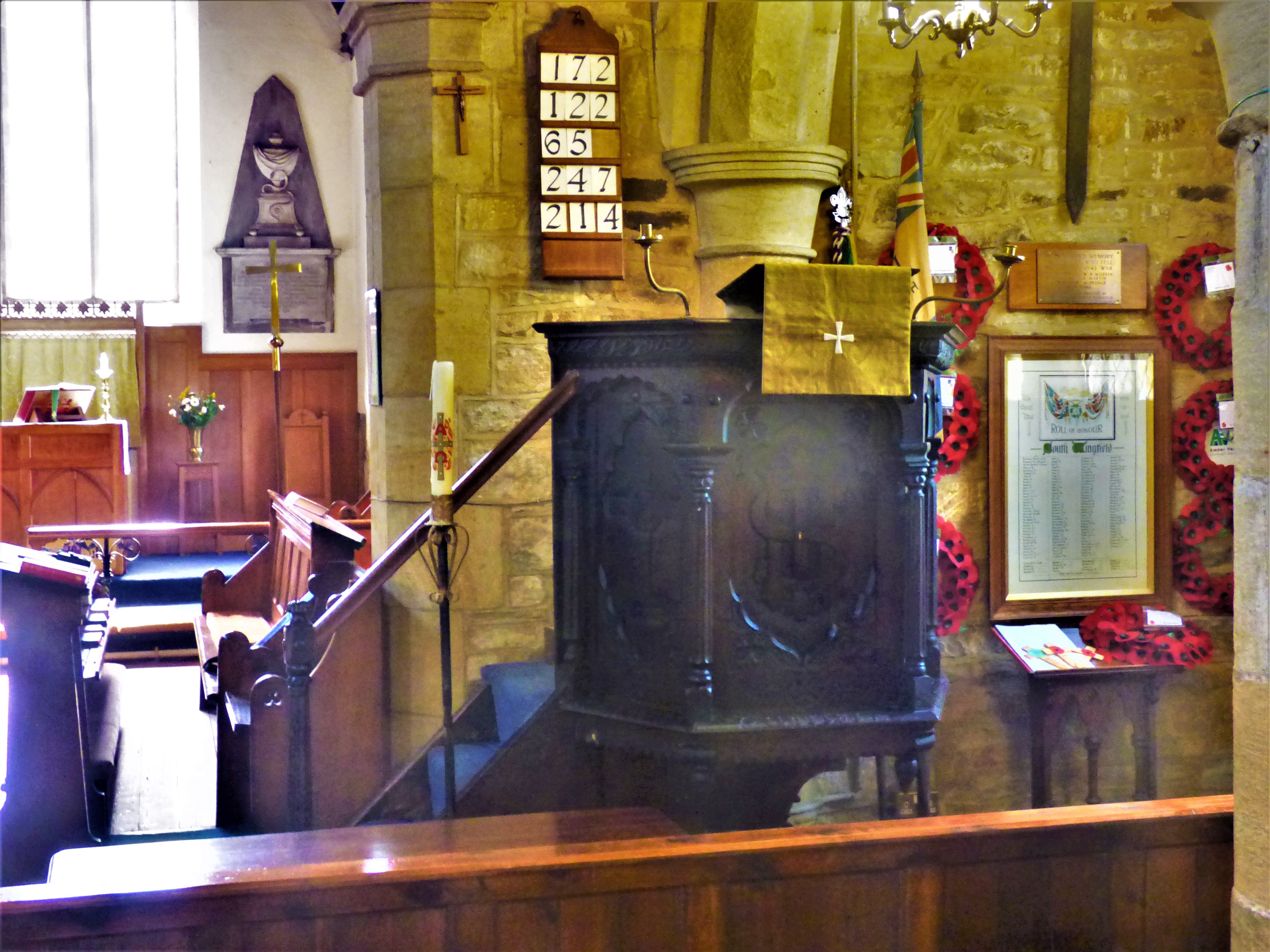
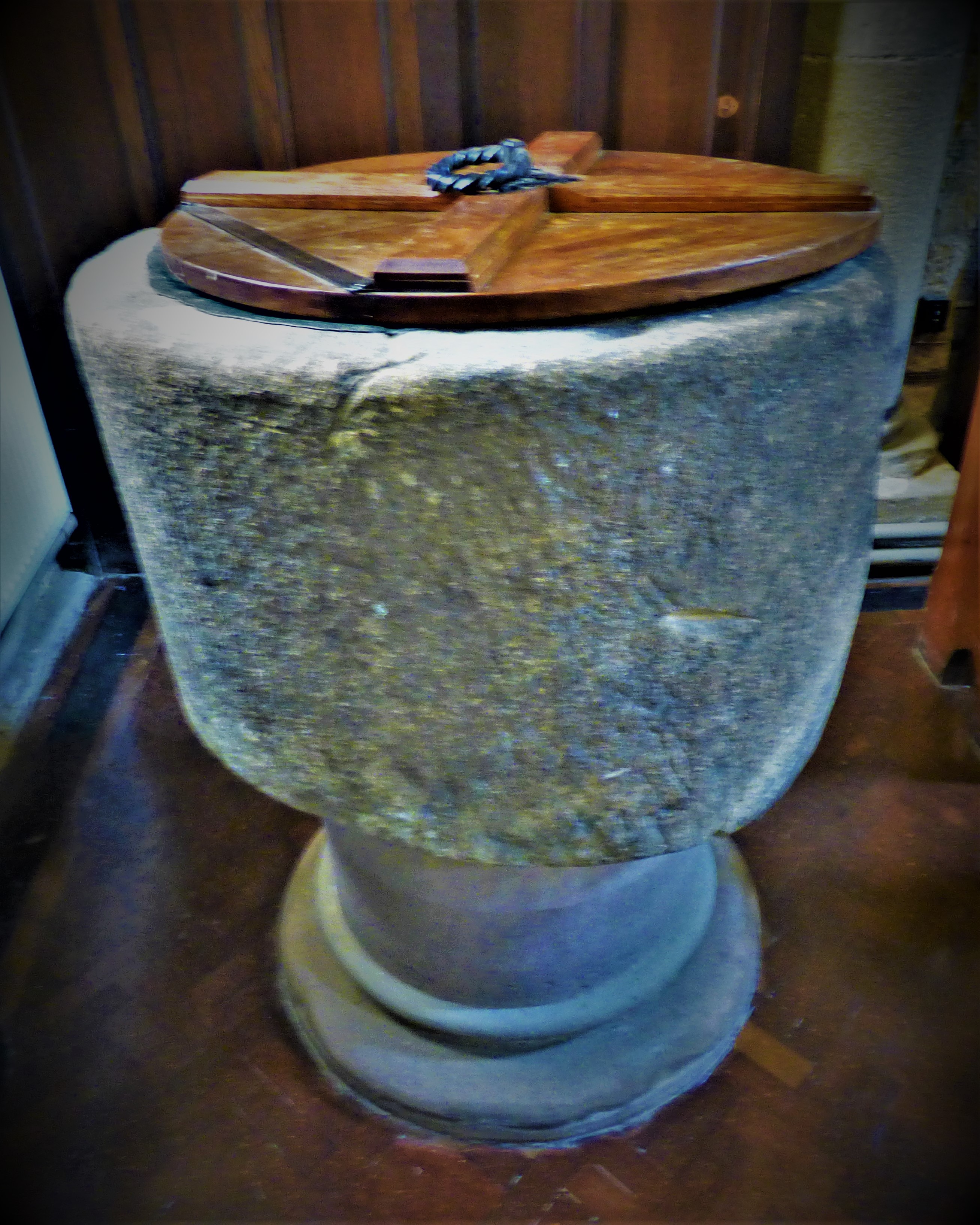
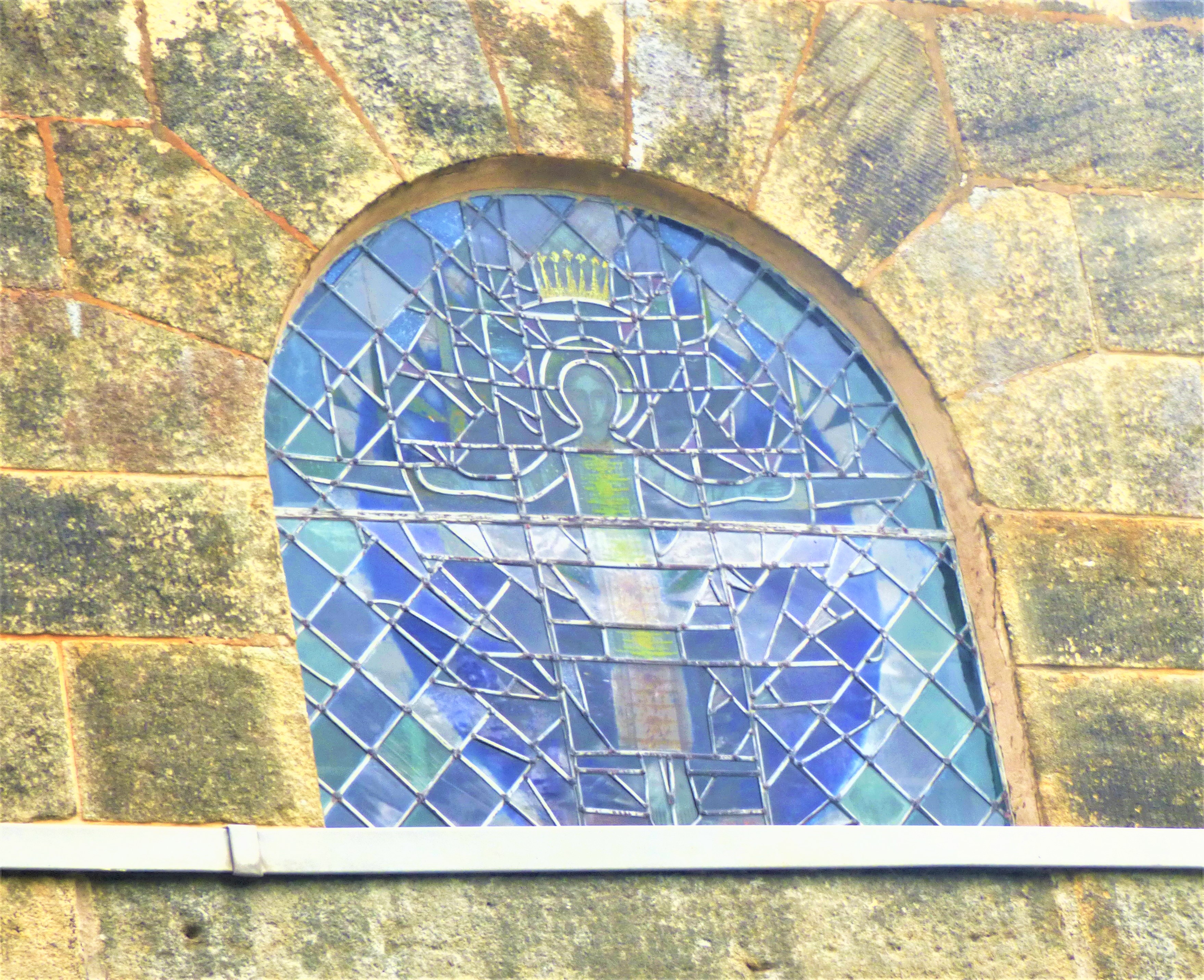
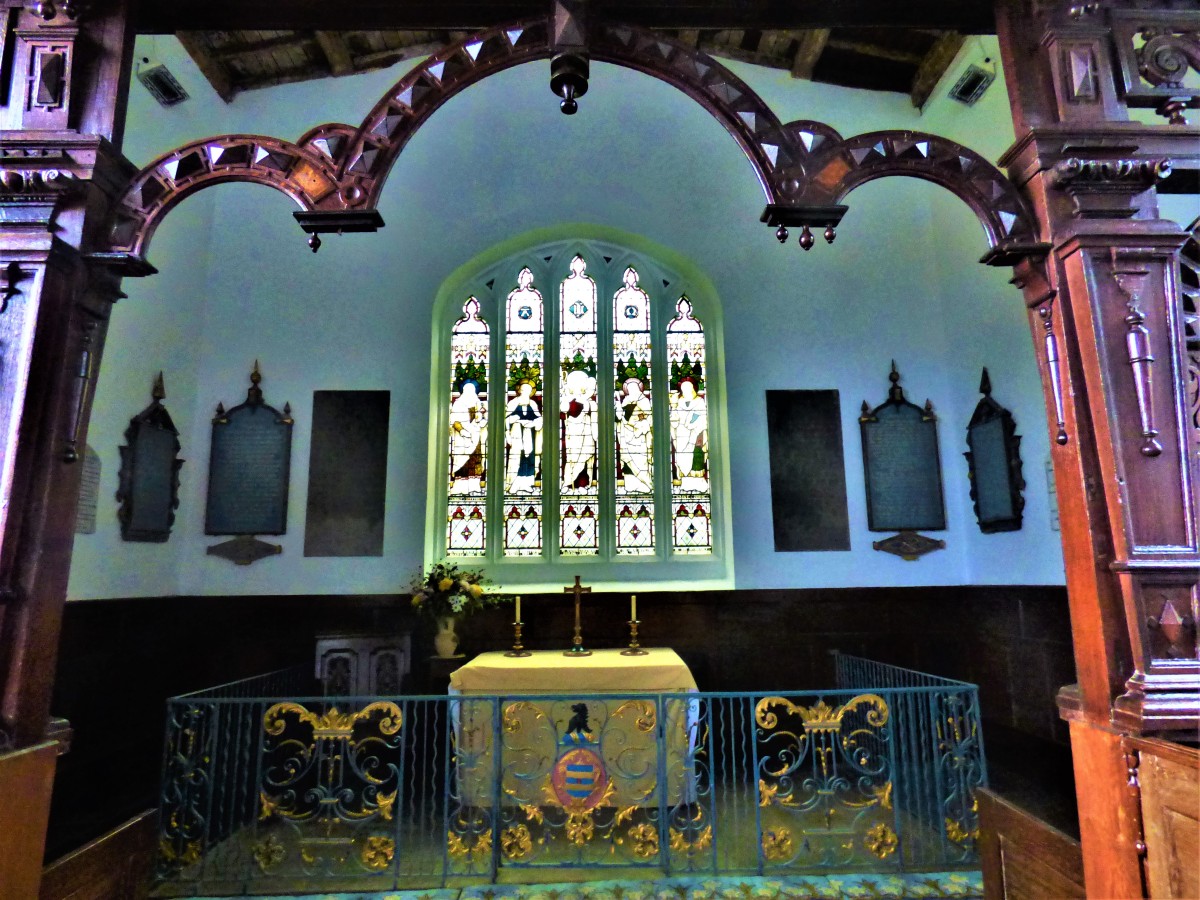
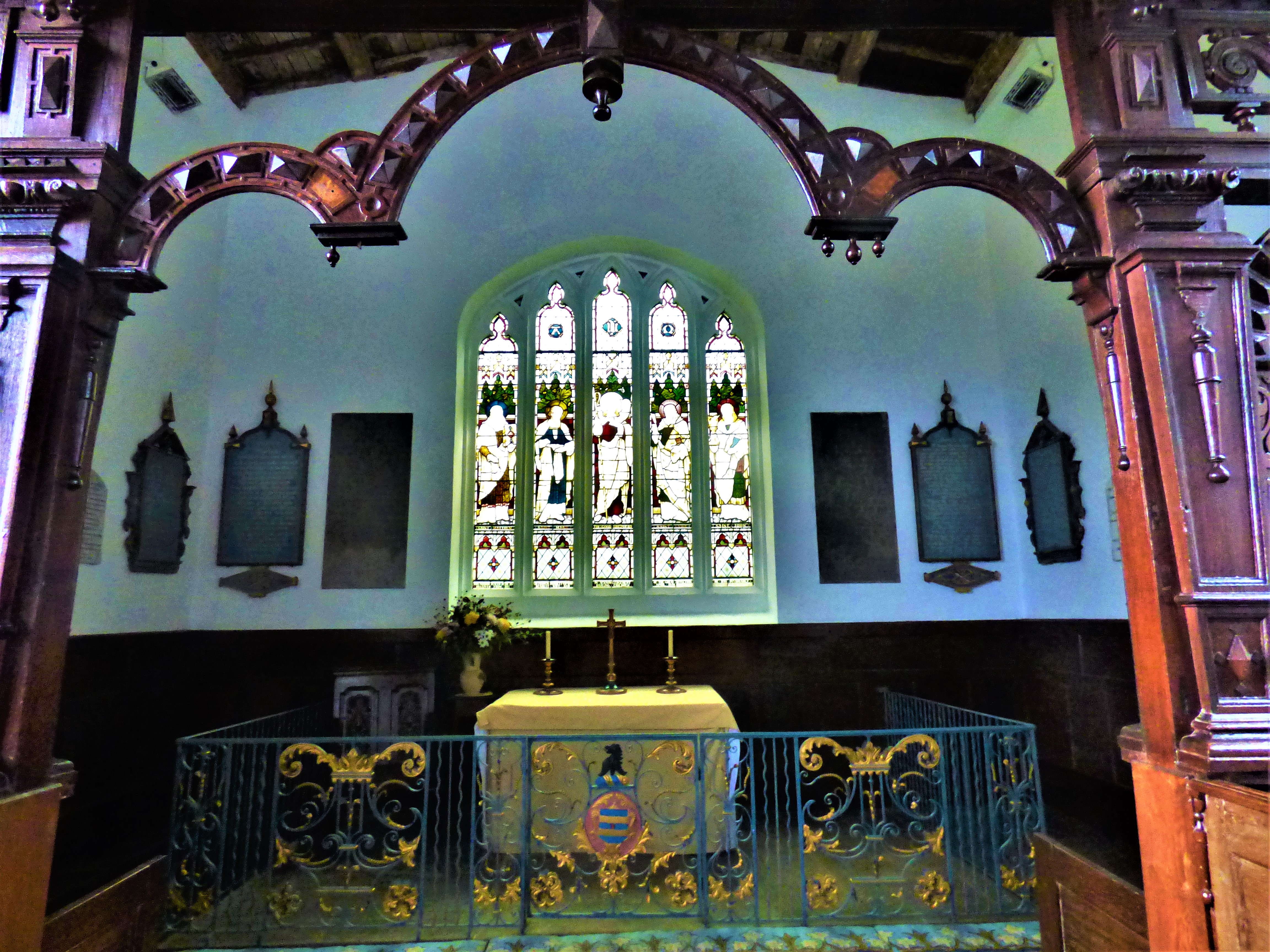
Inside the church
Front of programme, including ‘Jerusalem’
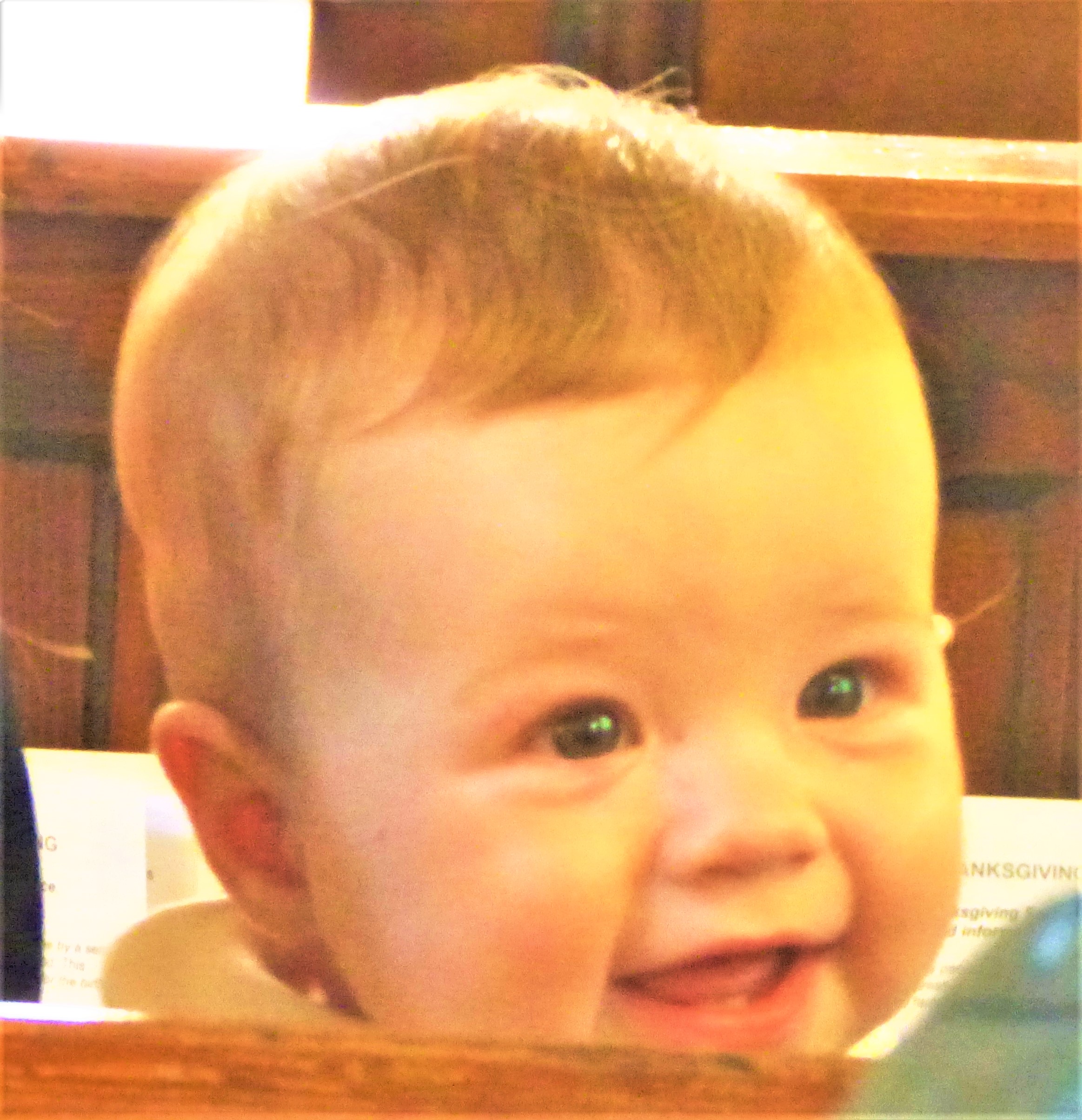
Ivy, looking over the back of the pew her parents were in at the front of the church
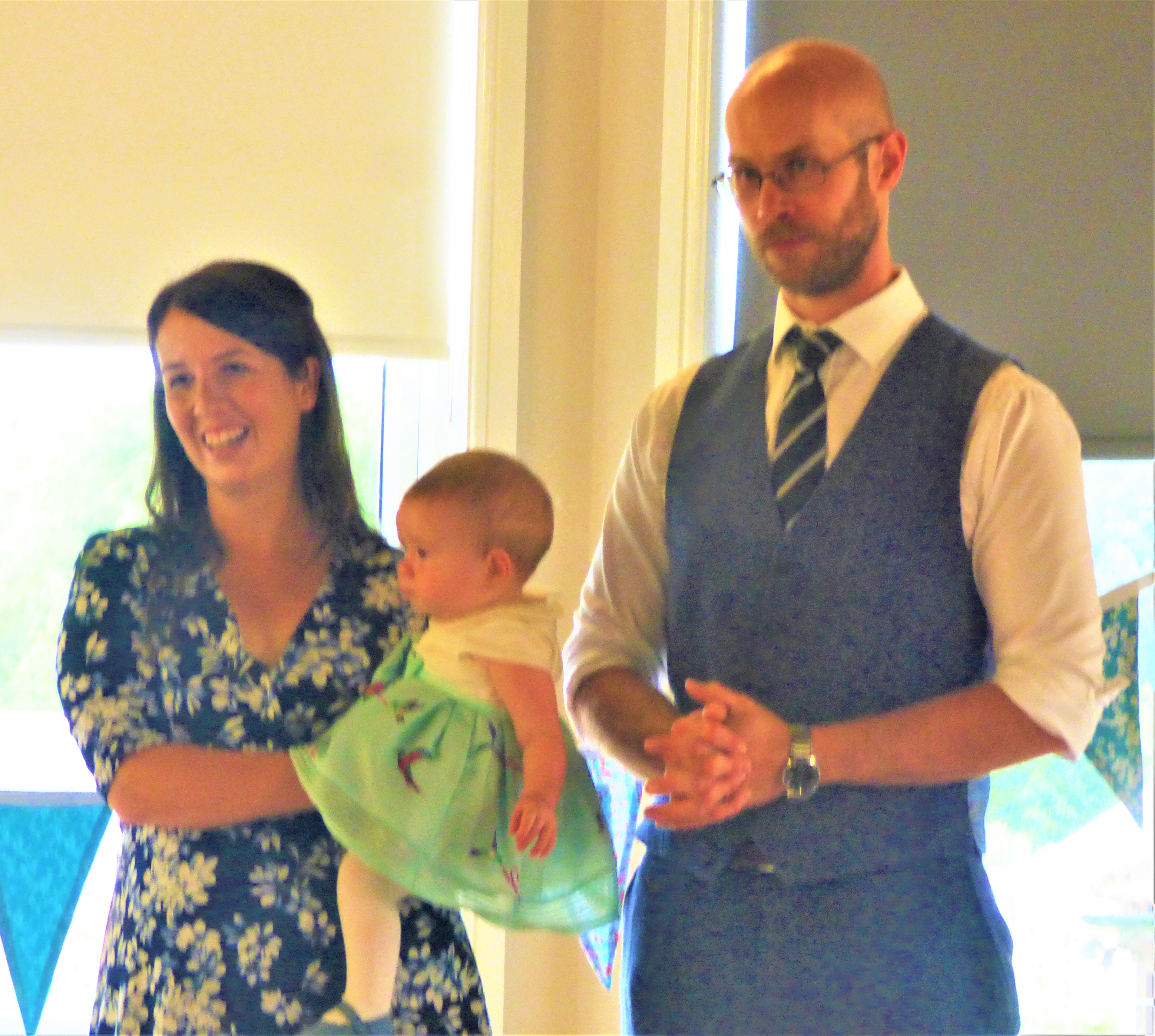
Ivy and her parents, Edward and Rachel (see also next pic)
The first in what will be a series of posts about my long weekend away doing family related things – setting the scene and telling the story of the first day..
I have been away for a few days, mostly without internet connection, doing various family related things. This post is the first of several I shall be doing about the events of those few days (Saturday 14 to Tuesday 17 August inclusive). Before getting into the meat of today’s post I will set out the most noteworthy events of the days in question so that you can orient yourselves.
THE ITINERARY IN BRIEF
I had a fixed return date of the Tuesday as I had an NAS West Norfolk related commitment that evening (I could only have stayed one further night anyway, as I have recently returned to work on a one day per week basis, that day being Thursday). The events between Saturday morning and Tuesday evening were as follows:
Saturday morning: travel from King’s Lynn to Kegworth in the east midlands for a barbecue at a cousin’s house.
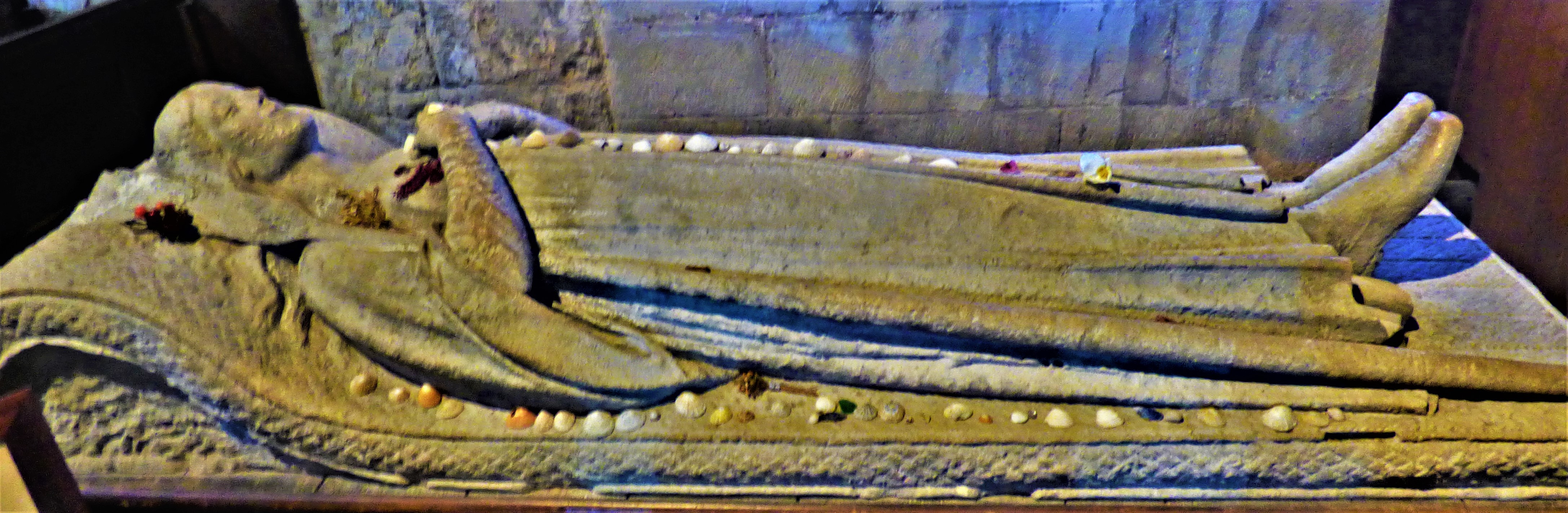
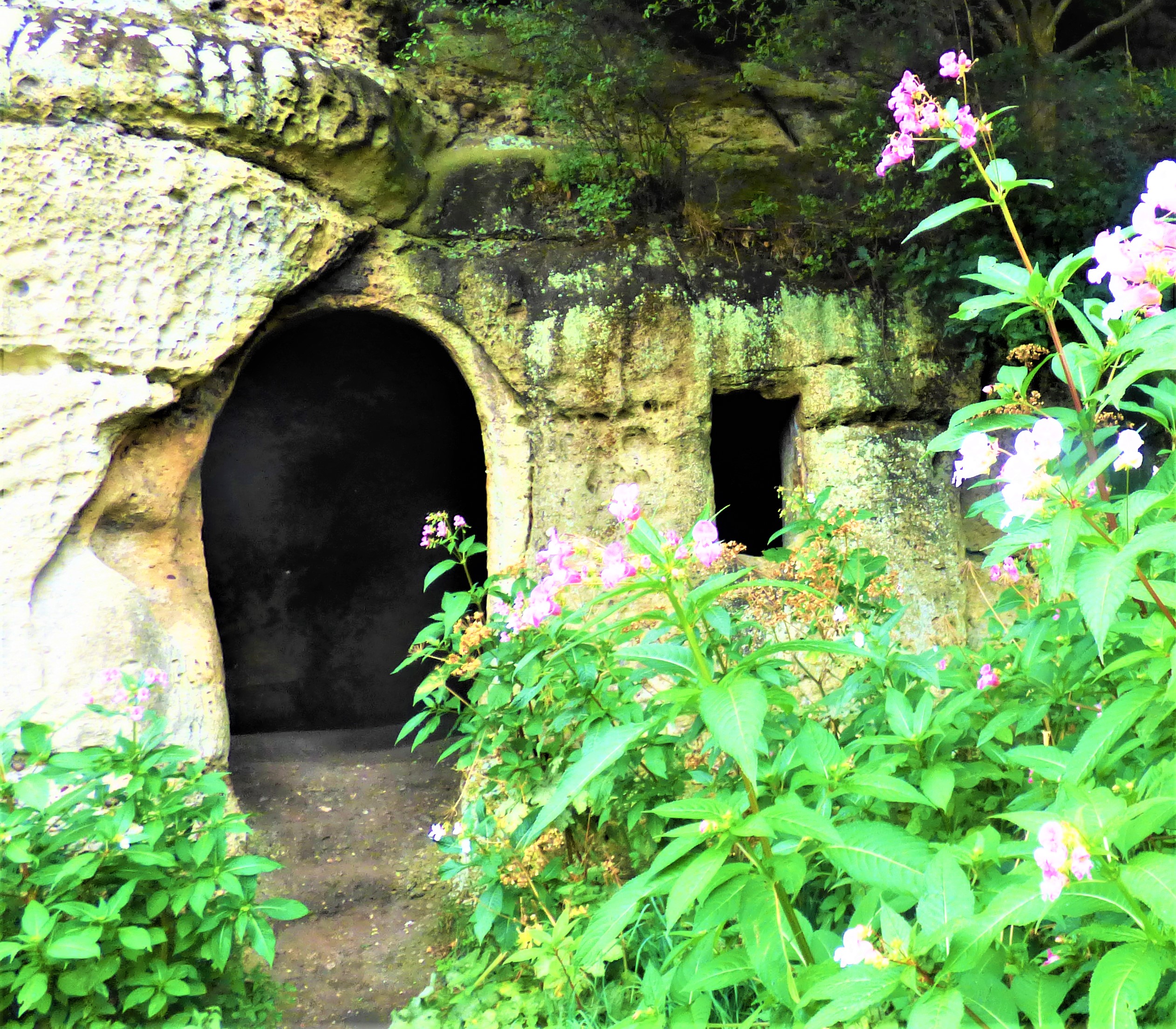
Saturday afternoon: barbecue, followed by a visit to the cave of St Hardulph and a church that claims a connection to that story.
Saturday evening/night: Holiday Inn, South Normanton, with a supper at the Brewers Fayre.
Sunday morning/ early afternoon: South Wingfield for a thanksgiving service in honour of Ivy Helen Joy Handforth, daughter of a cousin of mine.
Sunday afternoon/early evening: travel from South Wingfield to Akeld Manor near Wooler, Northumberland.
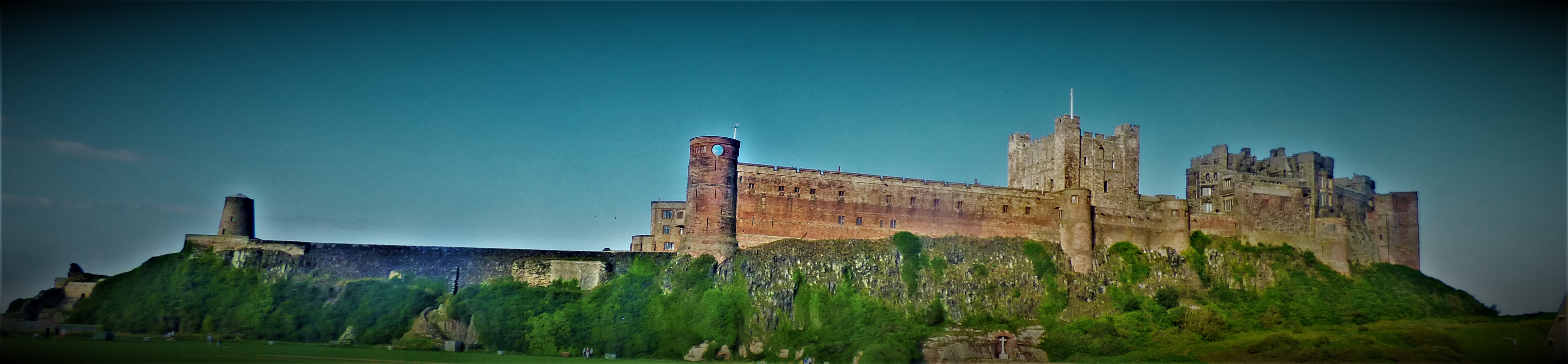
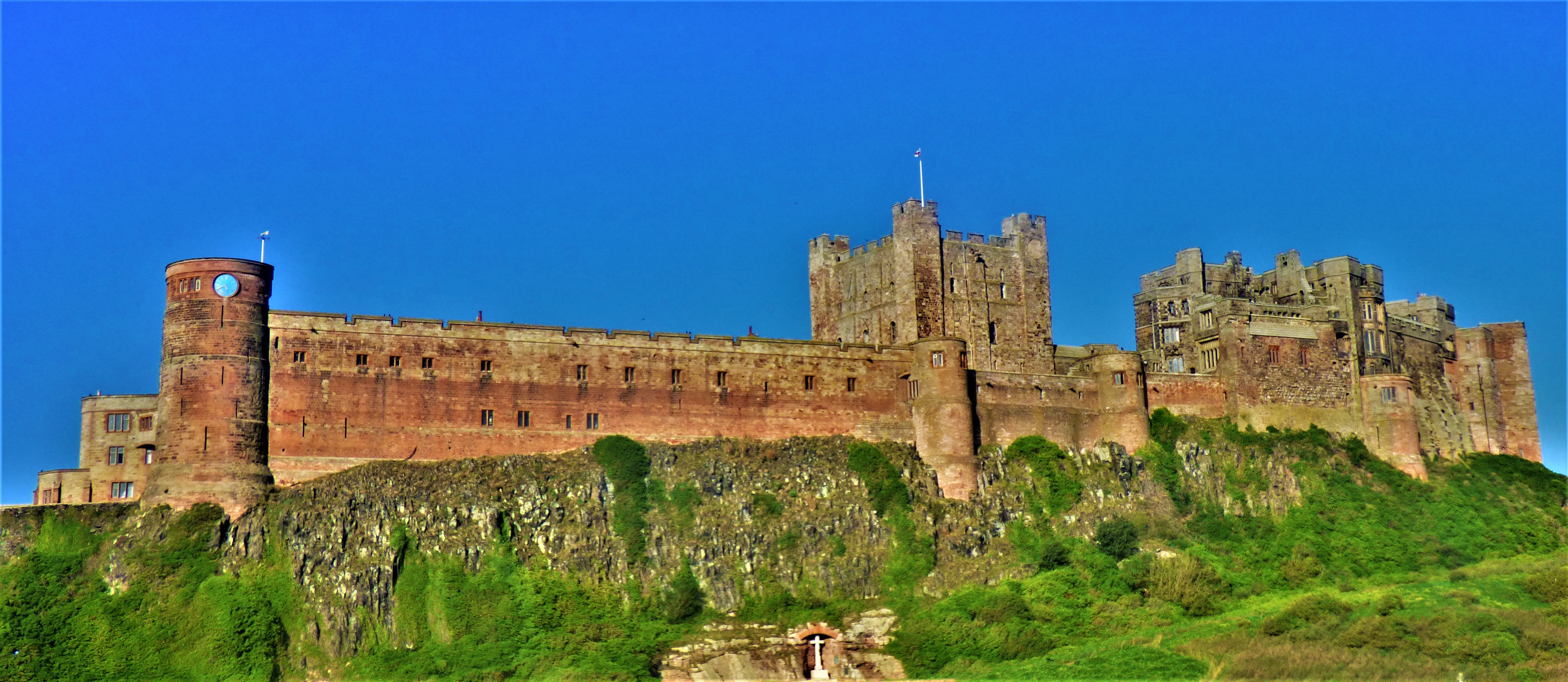
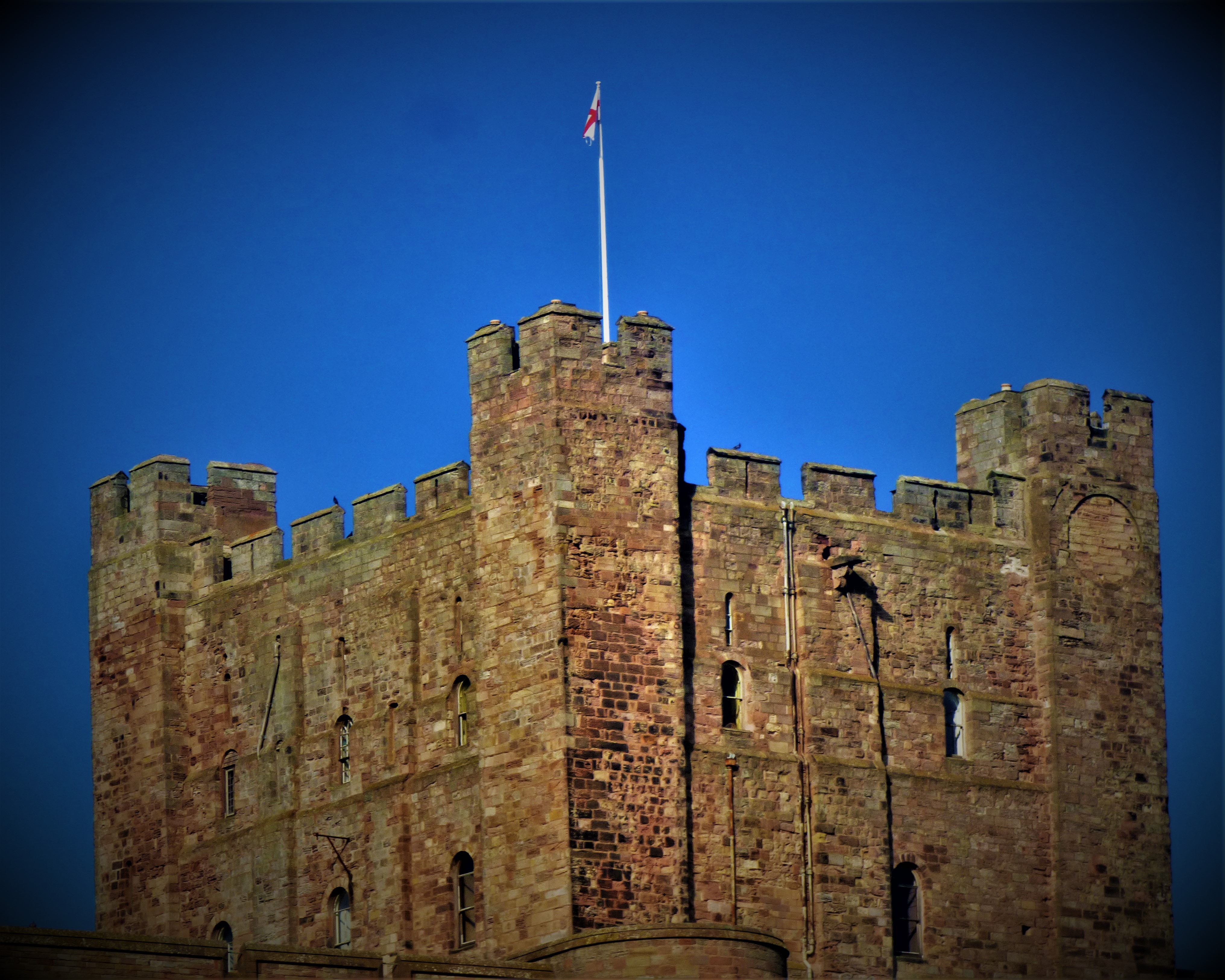
Monday: Holy Island (Lindisfarne) and Bamburgh (Bebbanburg in Bernard Cornwell’s Uhtred series).
Tuesday morning: Brief exploration of Berwick Upon Tweed before catching a train from that town.
Tuesday late morning/ afternoon/ early evening: train journey in four parts: Berwick – York, York – Peterborugh, Peterborough – Ely, Ely – King’s Lynn.
Tuesday late evening: Steak Night at The Globe on King Street, King’s Lynn
I cover the important bits of Saturday in this post. Sunday may take two posts, Monday definitely will, likewise Tuesday.
KEGWORTH
My sister picked me up for the journey to Kegworth. We were a little late setting out, but arrived there at 1:00PM. Before the barbecue we took Covid-19 tests in preparation for the following day. The barbecue itself was excellent, and there were various relations present who I had met either rarely or in one case never before. We were among the last guests to leave, at which point we headed for…
ST HARDULPH’S CAVE
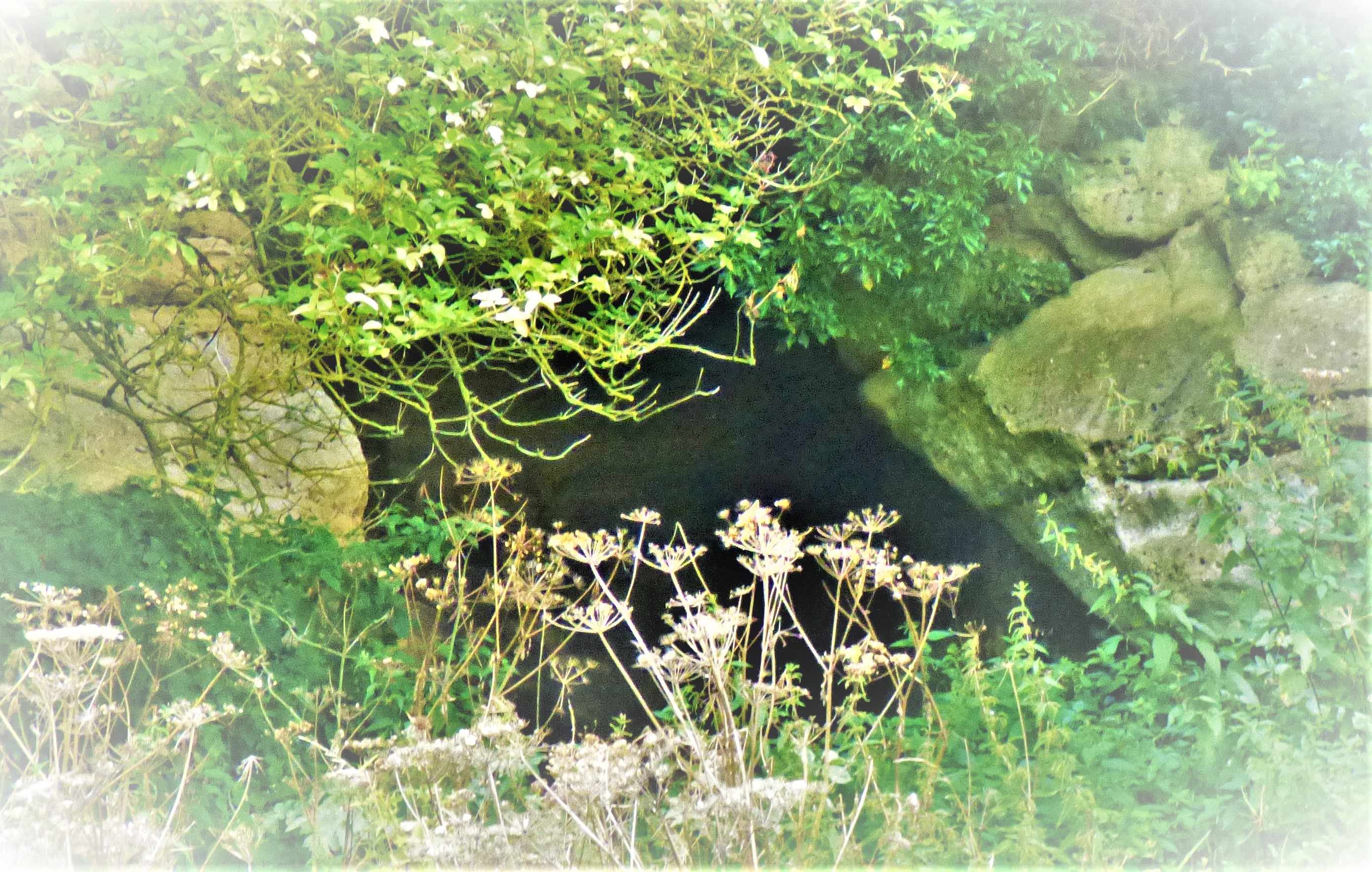
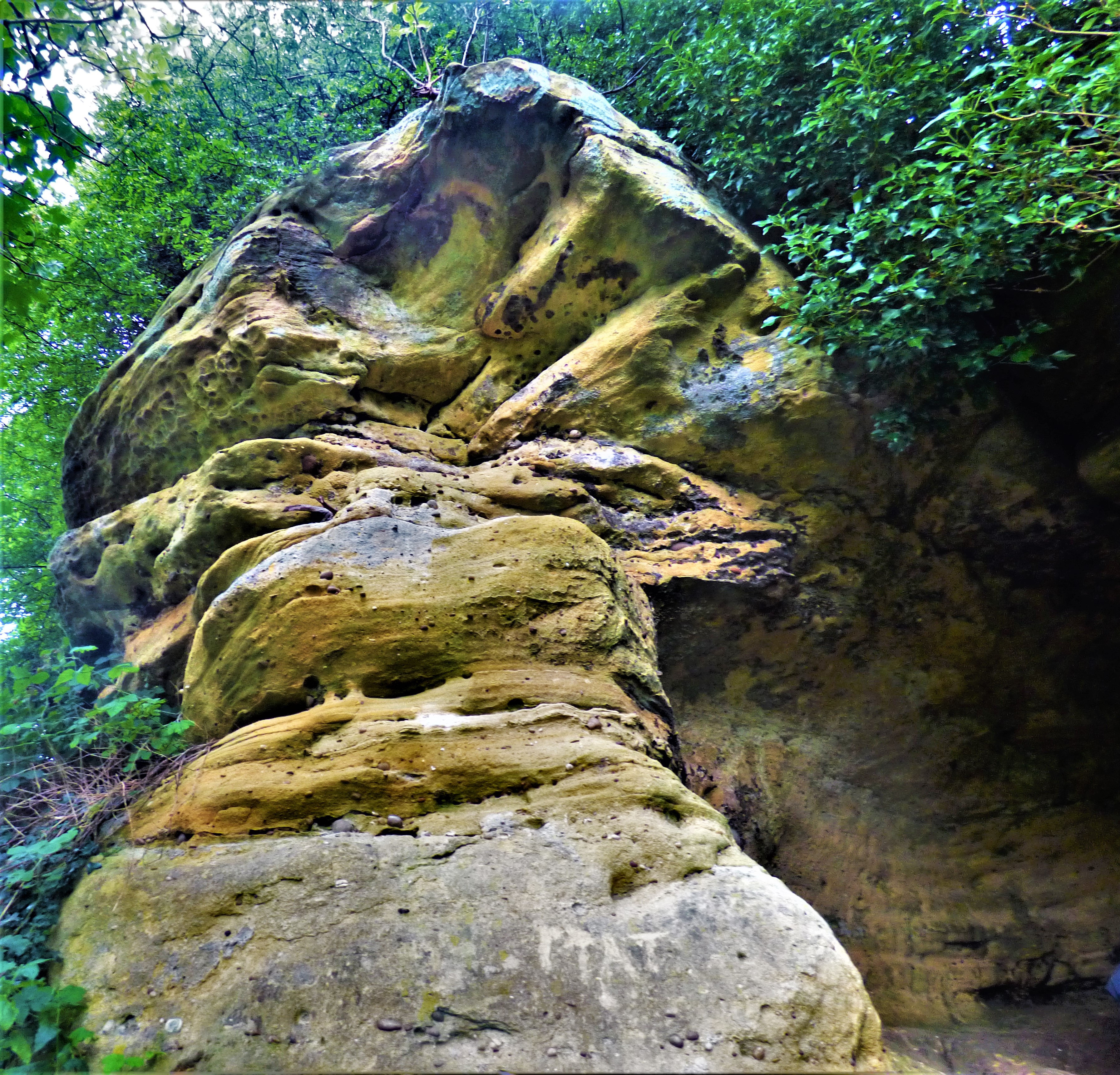
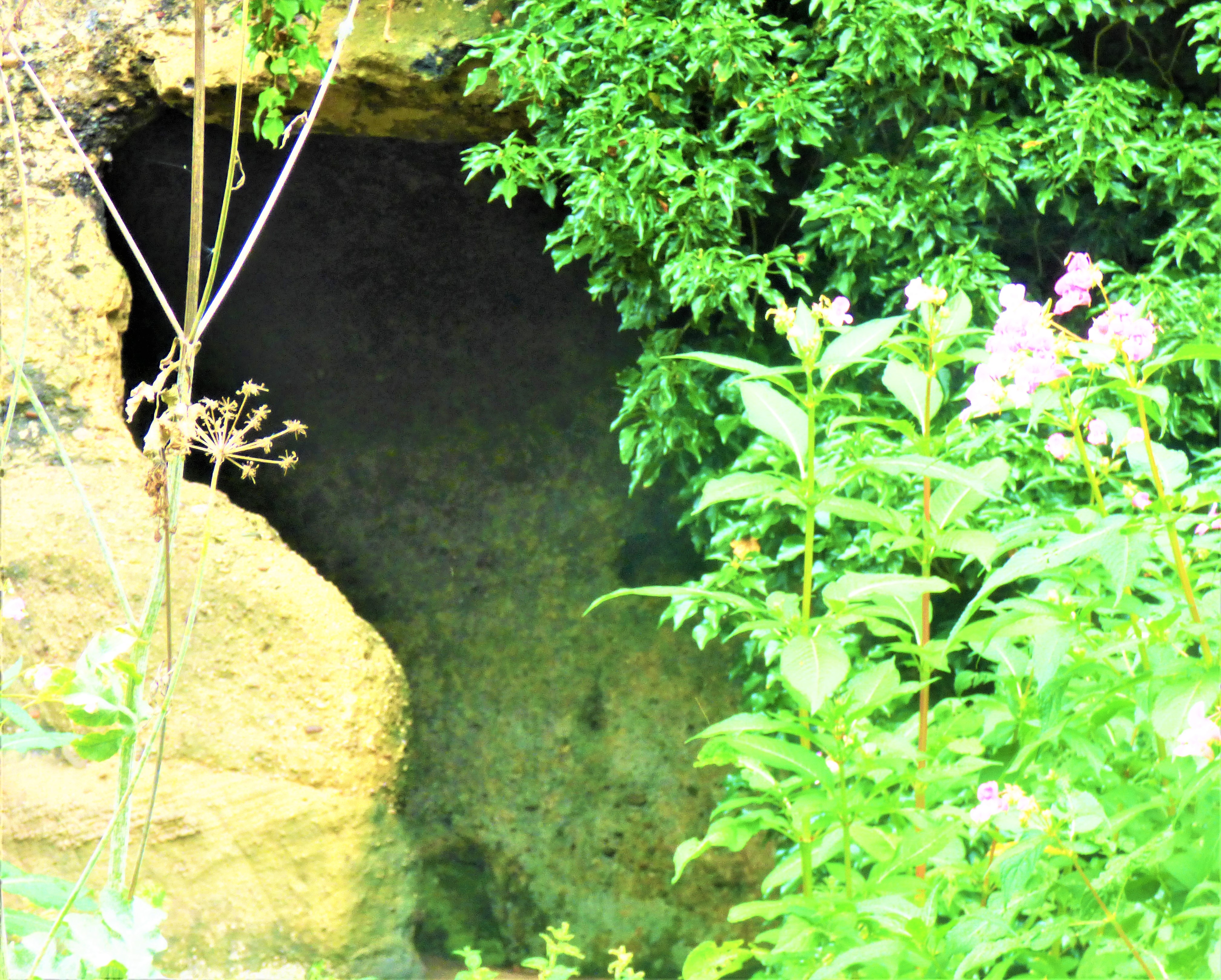
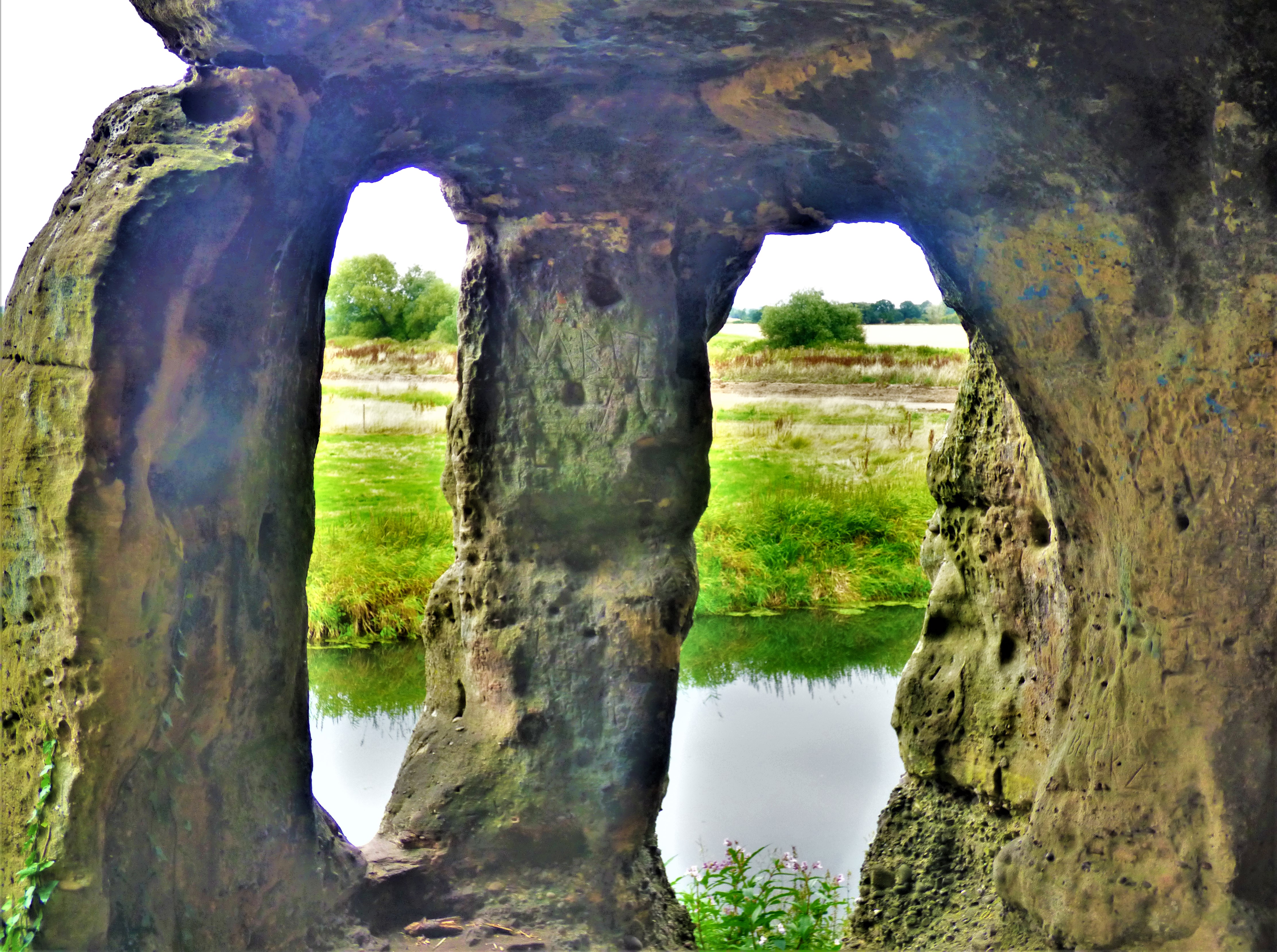
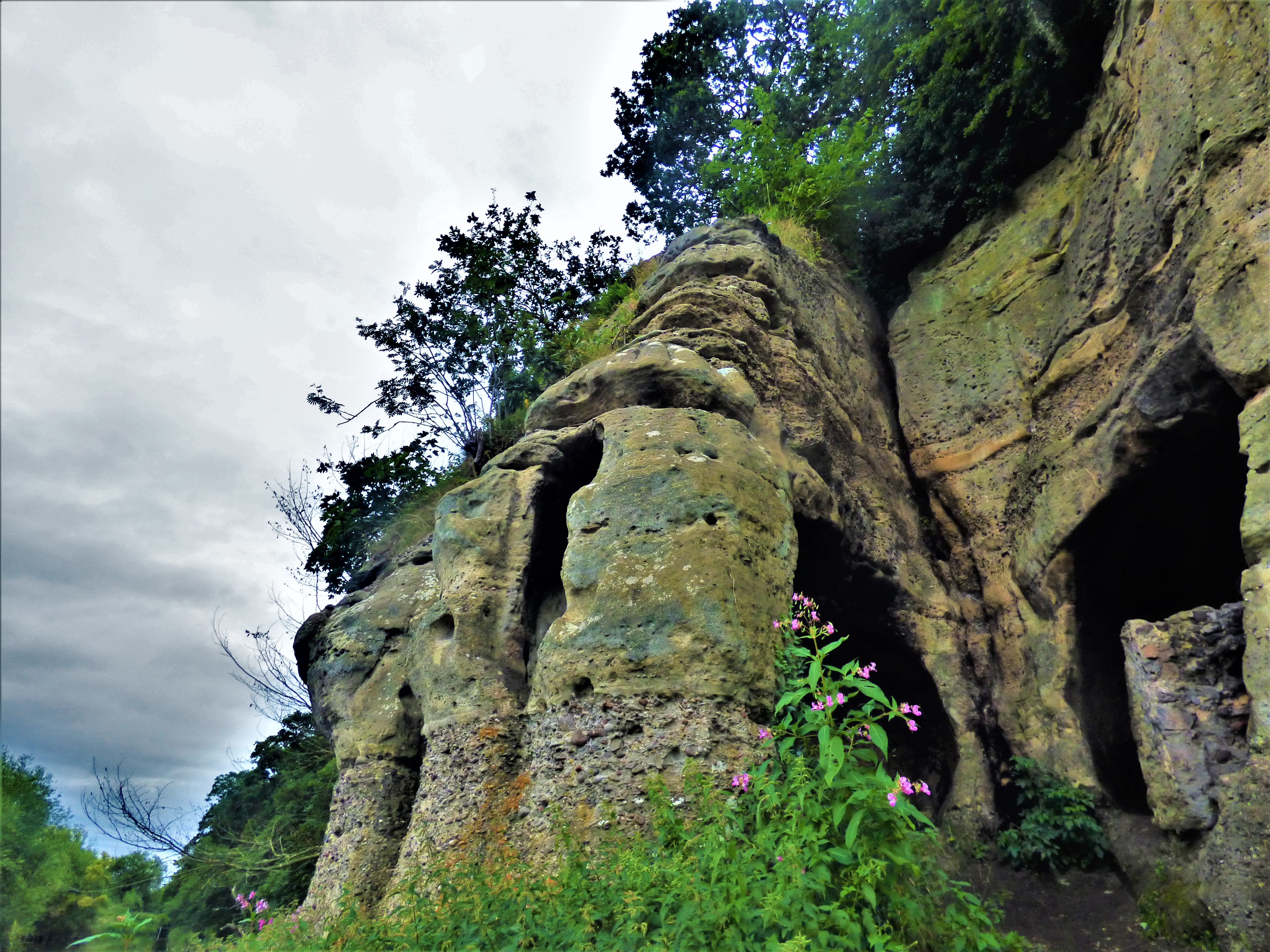
St Hardulph is generally reckoned to have previously been King Eardwulf of Northumbria. He spent his last years living reclusively in a cave in what is now Derbyshire (it is not far from Repton, which numbers CB Fry and Roald Dahl among its alumni).
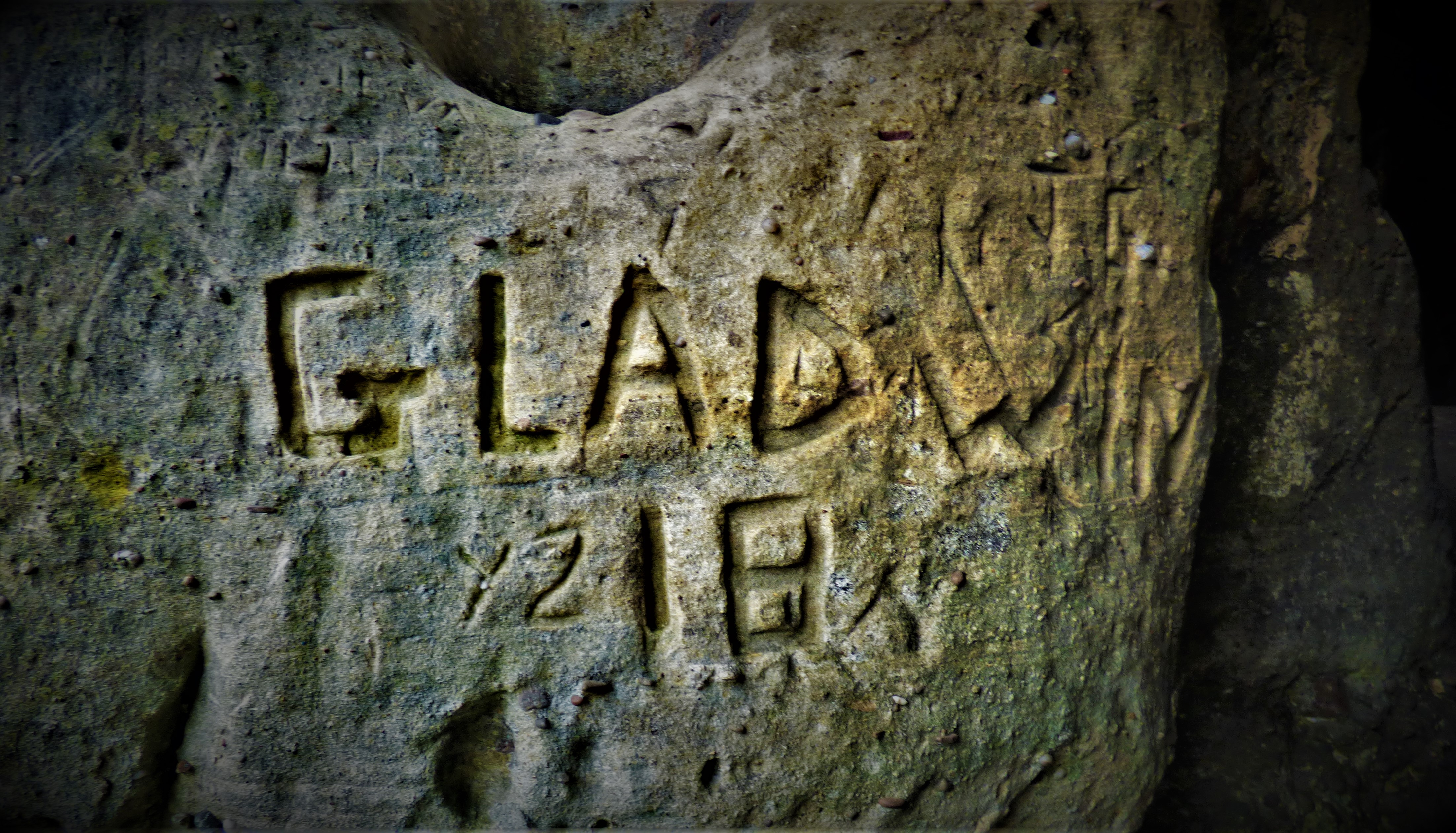
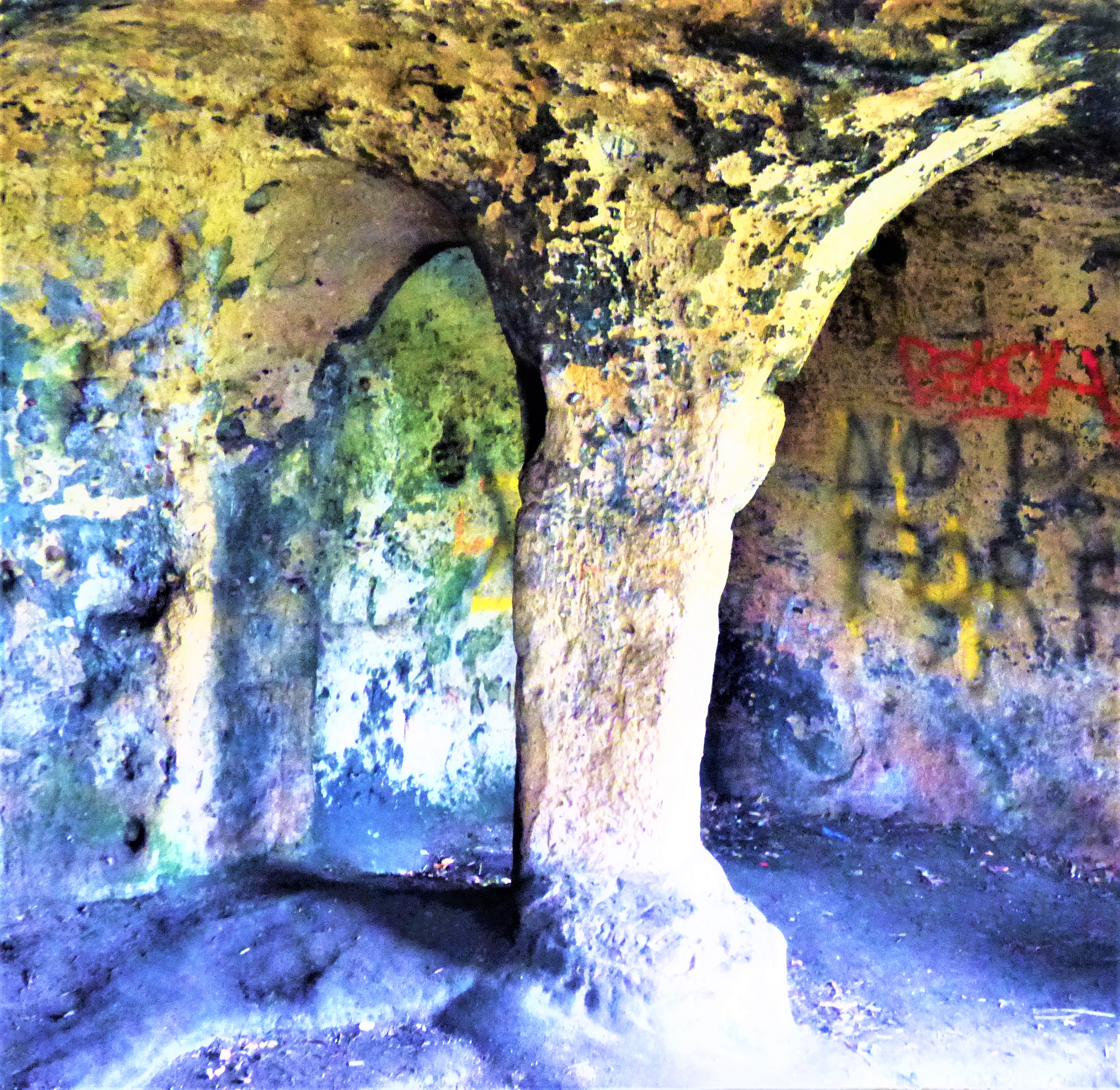
There is one clearly sculpted column in the cave that looks very ecclesiastic – it may have originally been formed in the usual manner of cave columns by the meeting of stalactite and stalagmite but that is definitely not the whole story.
The nearby church is also quite impressive. I opted out of taking a look at Repton Prep School, being by that point very tired.
The journey on to to Holiday Inn South Normanton where we were spending Saturday night was reasonably smooth (one minor confusion involving a wrong exit from a roundabout, but that did not cost us much time). The rooms at the Holiday Inn were fine, and the supper at the Brewers Fayre was of acceptable quality.
PHOTOGRAPHS
My usual sign off…

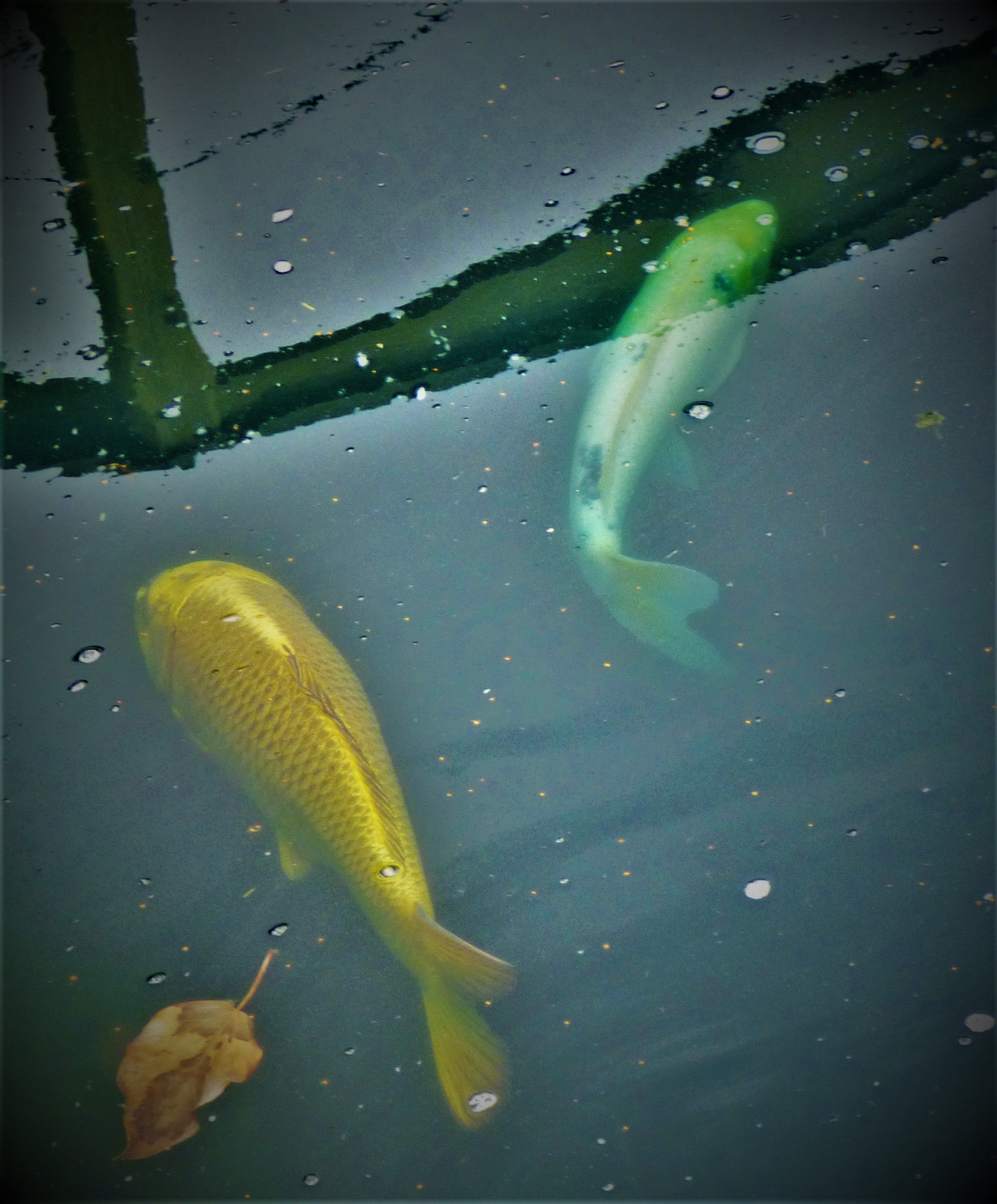
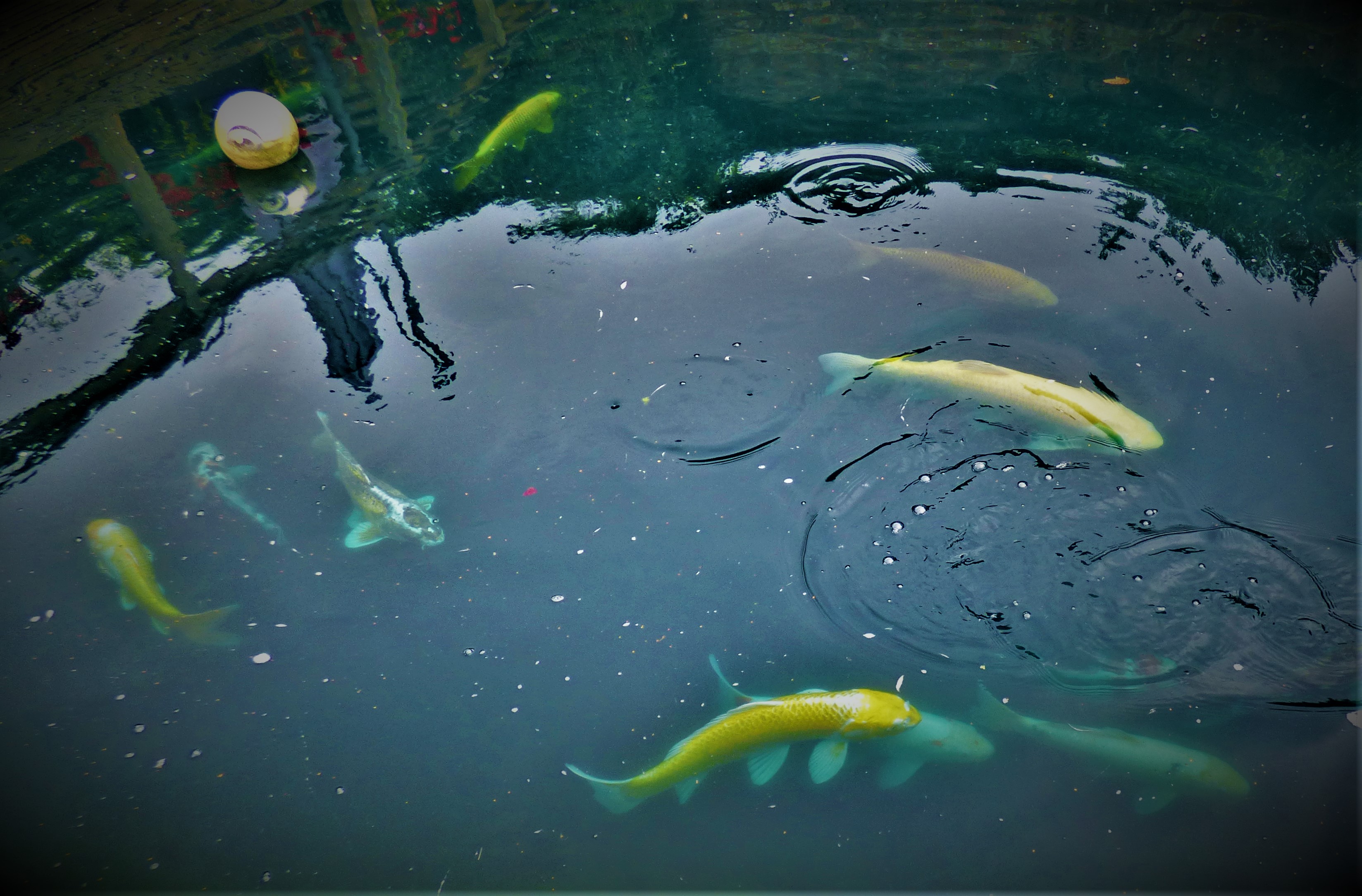
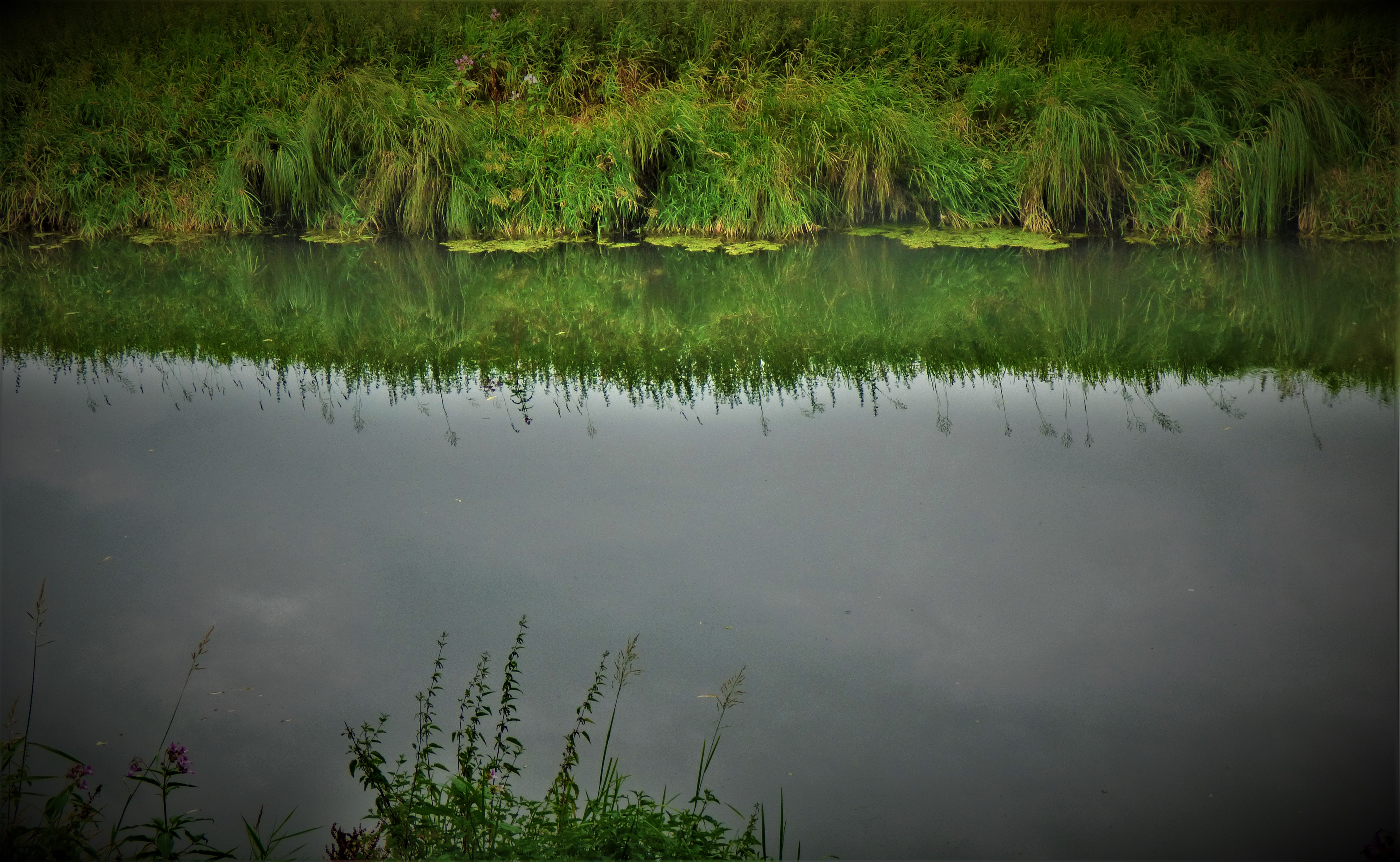
I took a number of shots of the fishpond at Kegworth.
Lavender at Kegworth, alive with bees, as it should be.
The Church, near where we began our expedition to the caves.
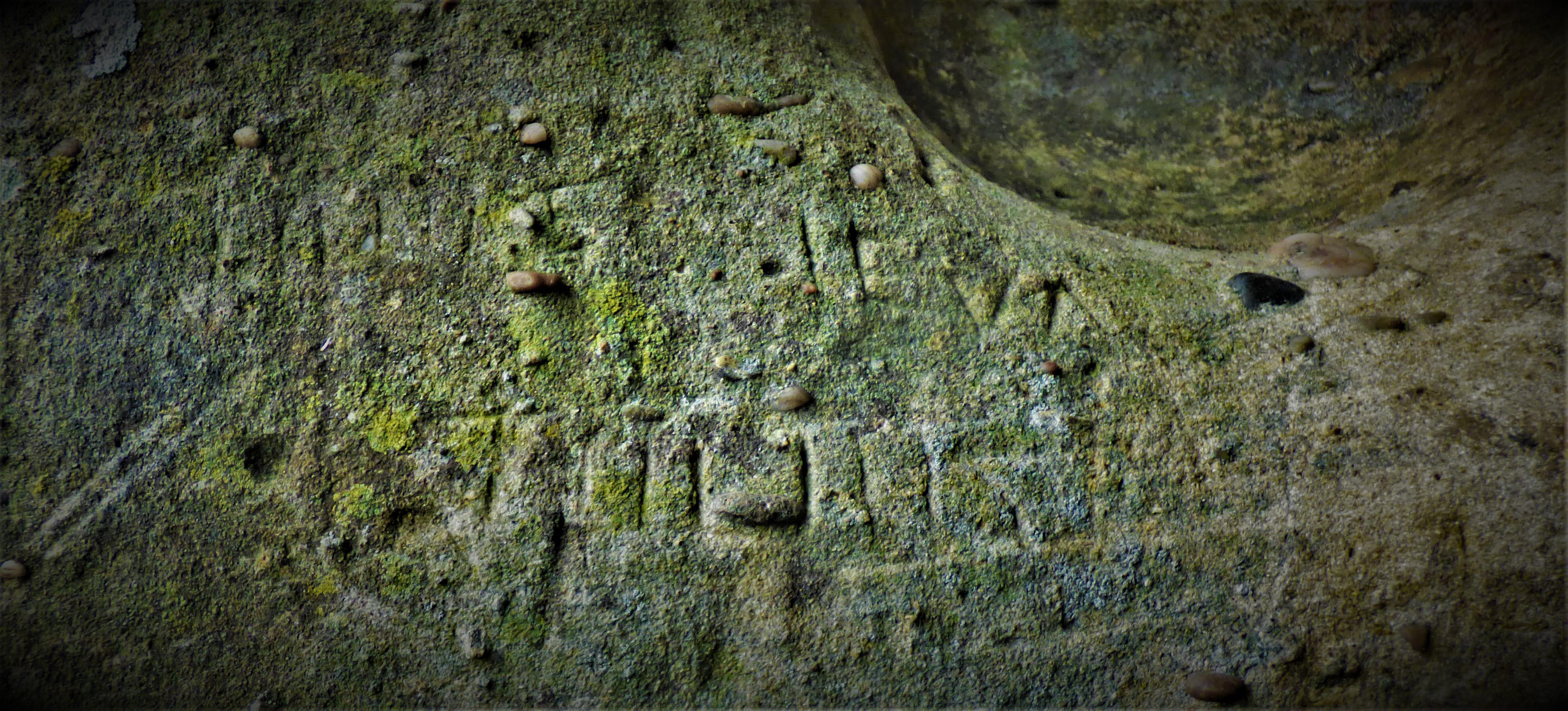
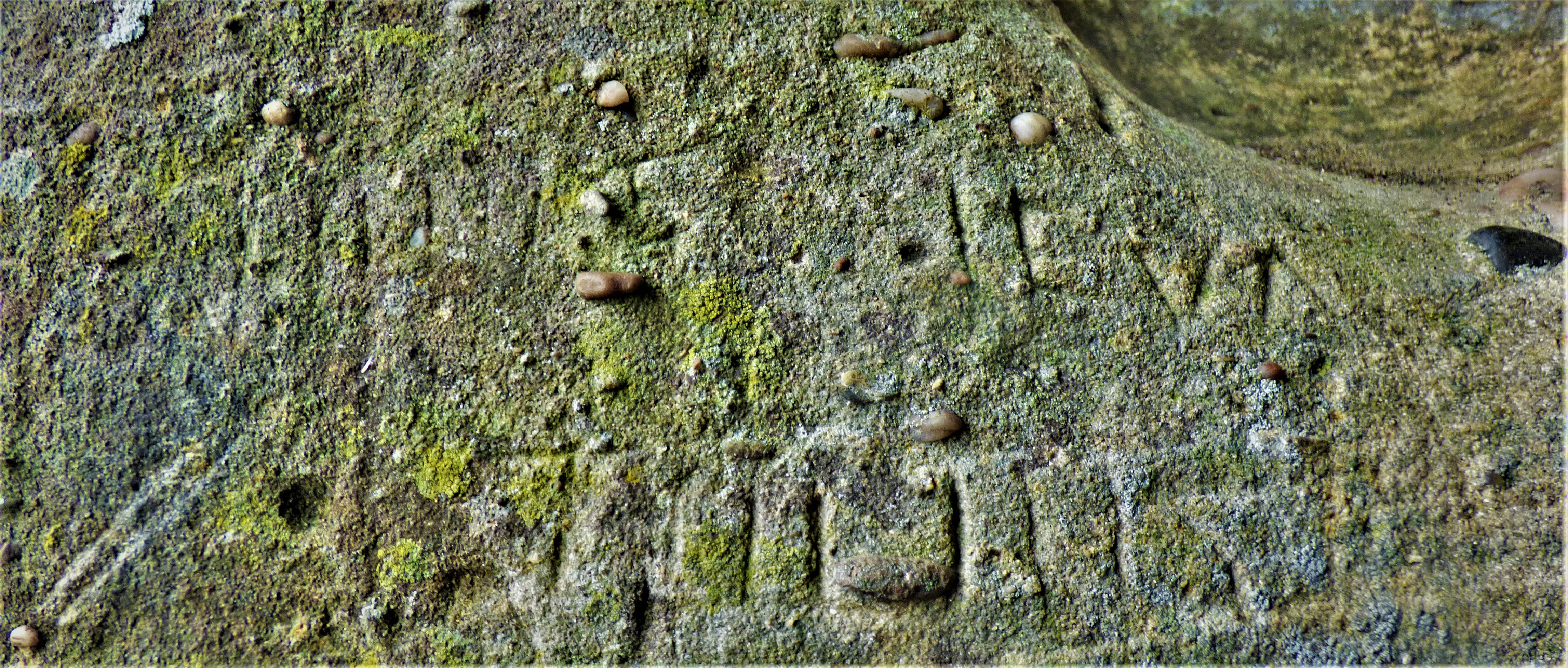
The column mentioned in the text (apologies on behalf of the mindless thugs responsible for it for the graffiti that mars the cave).
‘Poor Man’s Orchid’…
…very popular with pollinators.
My father’s choice of drink with supper (two pictures)
My choice of drink with supper (three pics to show all the detail on the glass).
An XI of southpaws for World Left Handers Day. Plus of course some photographs.
Today is World Left Handers Day, so I put together an XI of players who did everything cricket wise left handed. This means a lot of famous names are missing because they performed one discipline right handed. My chosen wicket keeper bowled six deliveries in a professional career that spans 470 matches across formats to date, and I have been unable to establish for sure which hand he bowled them with.
THE XI IN BATTING ORDER
Sanath Jayasuriya: left handed opening batter, left arm orthodox spinner. In 1996 he was the MVP at the World Cup. Two years later at The Oval he scored 213 in Sri Lanka’s first innings, the highest individual score of the match.
Warren Bardsley: left handed opening batter. The gritty Aussie scored over 2,000 test runs at an average above 40. He was the first to score twin centuries in a test match, at The Oval in 1909. In first class cricket he tallied 17,000 runs at 49 including 53 centuries. He scored 29 of those 53 centuries in England, proving that he was definitely not a ‘home track bully’.
Frank Woolley: left handed batting, left arm orthodox spinner. The only person to have achieved the career treble of 10,000 runs, 1,000 wickets and 1,000 catches in first class cricket.
*Allan Border: left handed batter, occasional left arm orthodox spinner, captain. Another gritty Aussie, he was the first to the milestone of 11,000 test runs, having been the second after SM Gavaskar to reach 10,000. The first and greatest of four long serving Aussie captains with magnificent winning records to appear in my lifetime – he passed the baton to Mark Taylor, who was succeeded by Steve Waugh and then Ricky Ponting, who oversaw a regression back towards the mean in his last years in the job.
Garry Sobers: left handed batter, left arm bowler of every type known to cricket. Fortunately the most complete cricketer ever to have played the game did everything cricket wise left handed, and is therefore a shoo-in for this team.
John H King: left handed batter, left arm medium pace bowler. A stalwart all rounder for Leicestershire he suffered from ‘unfashionable county syndrome’ to the extent that in spite of a highly impressive record at FC level he was a one cap wonder for England.
+Quinton de Kock: left handed batter, wicket keeper. He has a magnificent record in all formats of the game.
Alan Davidson: left arm fast medium bowler (also occasional orthodox spin), left handed lower middle order batter. 186 test wickets at 20.53 secure his place in this side.
Wasim Akram: left arm fast bowler, left handed lower middle order batter. Fast tracked into his national side when then captain Imran Khan saw him bowling in the nets and liked what he saw he established himself as one of the greatest of left arm pace bowlers and a more than useful batter.
Chaminda Vaas: left arm fast medium bowler, left handed lower order batter. The Sri Lankan never had pace bowling support of the same class at the other end (indeed for most of his career the only other bowler of unquestioned top class in the side was the off spinner, Muralitharan) but still established a fine test record.
Shaheen Shah Afridi: left arm fast bowler, left arm lower order batter. The young Pakistani has already established a remarkable record in his brief career to date, and I expect many more highlights before his time at the top is done.
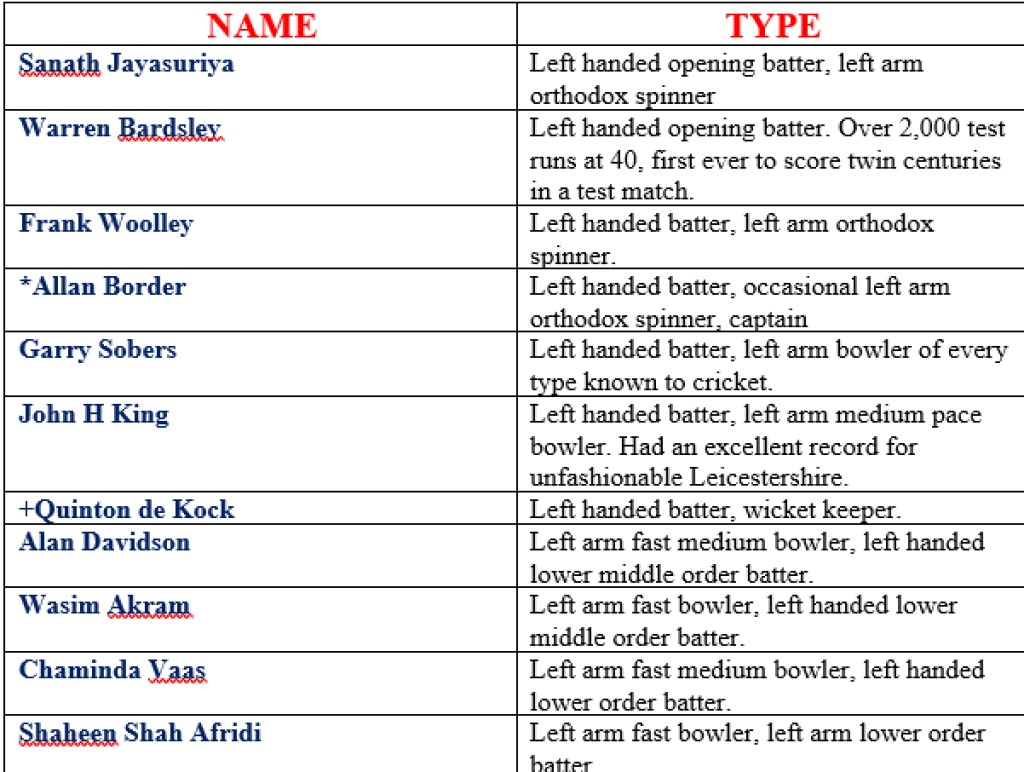
Below is a condensed version of the above in graphic form:
EVALUATION OF RESOURCES
The side has a strong and deep batting order – Wasim Akram at nine would satisfy even England’s selectors as to depth, while Jayasuriya, Bardsley, Woolley, Border, Sobers and de Kock are all bona fide greats, and King, the all rounder, would probably have averaged 40 had he played on today’s pitches, though he would also have paid more for his wickets. The bowling resources are awesome, with Afridi, Akram, Davidson, Sobers and King to provide pace/ swing/ seam bowling, and Woolley, Jayasuriya and Sobers able to provide top quality spin. Sobers is the only wrist spin option, but there are very few left arm wrist spinners with commanding records. The depth of spin available means that Border, with a 10 wicket haul in a test match to his credit, would almost certainly never get a bowl. This southpaw squad would take a lot of beating.
PHOTOGRAPHS
My usual sign off…

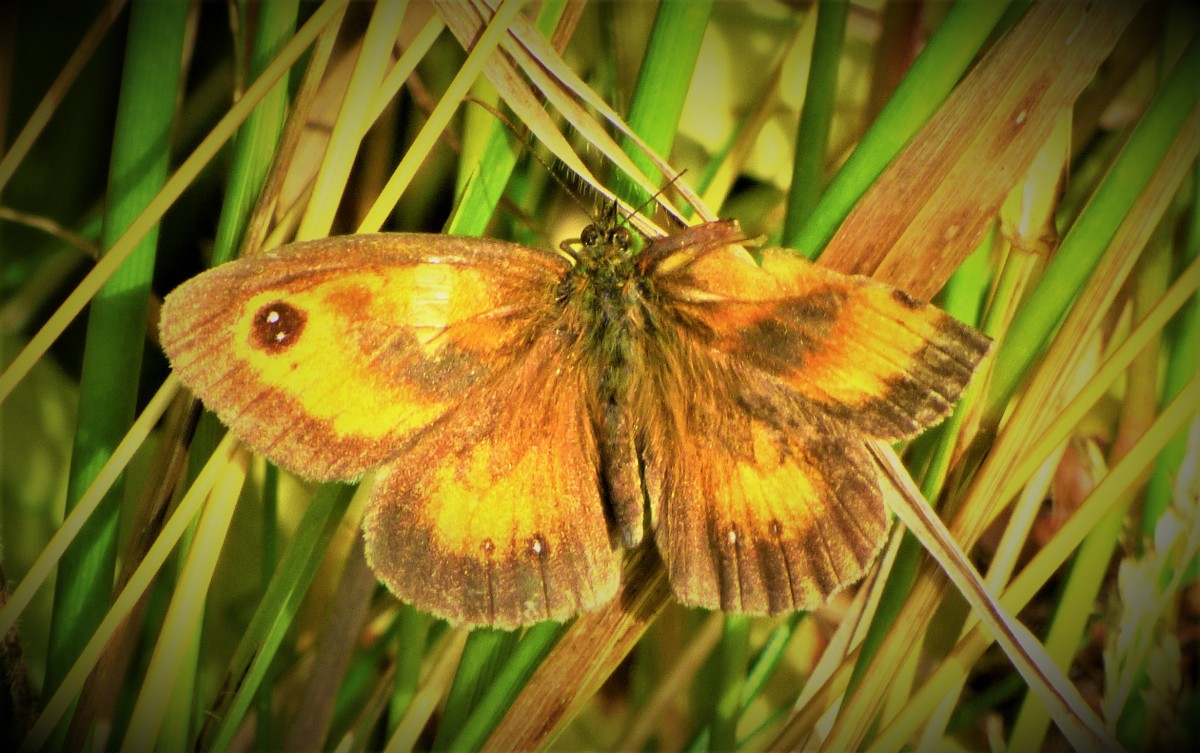
A comma butterfly. The ragged looking wings are the result of evolution, not injury.
A look at the opening exchanges in the England v India test series which got under way at 11:00 today.
The five match test series between England and India is under way, the first match at Trent Bridge having started at 11:00AM. This post looks at early developments.
ENGLAND SELECTIONS
England’s plans were thrown into confusion when Ben Stokes announced that he would be taking a break from cricket for mental health related reasons. I do not know when or even whether Stokes will return to competitive action – he should take as much time as he needs. However, neither that nor an injury to Ollie Pope excuse England’s actual selection. They have gone hypernegative, selecting only four front line bowlers none of whom is a spinner and none of whom is an out and out speedster. The team they have chosen is Burns, Sibley, Crawley, *Root, Bairstow, Lawrence, +Buttler, S Curran, Robinson, Broad, Anderson. I would have selected Hameed in place of Crawley, with him and Sibley then being in a bat off for who keeps their place in the side when Tom Abell, the man best equipped to bat three for England in this format, is fit again. I would not have selected Bairstow at all, going with Buttler at six and five genuine bowling options. My preferred line up from those available would have been Burns, Sibley, Hameed, *Root, Lawrence, +Buttler, S Curran, Robinson, Wood, Leach, Anderson. I regard the non-selection of Leach as criminal. In 16 test matches he has taken 62 wickets at 29.98 – that is his bowling average is the right side of 30 (only just admittedly) and he takes 3.875 wickets per match, which is around the par mark – most sides have five serious bowling options and to win you need to take 20 wickets, and 20/5 = 4. When then add in leaving out the only genuine speedster available, Wood, you have an attack that has no depth (only four front line options), and very little variety (three right arm fast mediums, all over six feet in height, with the only serious variation Curran’s left arm fast medium – no variation in pace whatsoever).
The side England have named has “picked to avoid defeat” rather than “picked to win” written all over it in bold capitals.
INDIAN SELECTIONS
Far fewer problems for the visitors although they somewhat surprisingly left out Ashwin, probably the best finger spinner in the world at the moment. They decided, again on ground of batting strength to rely on Jadeja as their sole spin option, with Thakur at eight and the three specialist quicks, Siraj, Bumrah and Shami at 9, 10 and 11. The alternative once they had decided on four seamers would have been take a chance an Ashwin at seven. While debatable this selection is not definitively wrong as some of England’s are.
THE PLAY SO FAR
England won the toss and chose to bat, the right thing to do on a sunny morning with clouds forecast for later in the match. They were off to a dreadful start when Burns fell in the first over. Sibley and Crawley held out for a while before Crawley was removed for 27. That brought Root to the crease and he and Sibley saw things through to lunch at 61-2. Sibley’s typically patient innings ended just after lunch, for 18,making the score 66-3. Root and Bairstow are still together at 73-3. Root is on 18, while Bairstow has reached two and has survived 15 balls which is quite impressive by his recent test standards. Bairstow has just scored a four off Bumrah to make it 77-3. Bumrah, Shami and Siraj have a wicket a piece.
PHOTOGRAPHS
My usual sign off – the butterflies are out in force at the moment…

As I publish this post England are on 82-3, Root on 23 and Bairstow on 6.
I pick my England XI (constrained by the squad from which it will be picked) for the first test match v India which starts on Wednesday.
The first test in the England v India series for the Pataudi Trophy (The senior Nawab of Pataudi, Iftikhar Ali Khan, played for both England and India, playing for the former in 1932-3 and the latter in 1946 when he was captain, while his son, Mansur Ali Khan, played for India) starts on Wednesday. With that in mind I devote this post to selecting an England XI for that match. The squad from which the XI has to be chosen can be viewed here.
THE TOP THREE
The openers are open and shut – Burns and Sibley will occupy those slots. On the face of it there are several options for no3: Zak Crawley is the incumbent, Jonathan Bairstow has batted there in the past and Haseeb Hameed, in good form at the moment and with a century for a County Select XI v The Indians under his belt into the bargain would also be a logical choice. Restricting ourselves to these three, Crawley is in no sort of form and has played only one major test innings, the 267 against Pakistan which is receding ever further into the past. Bairstow’s recent test record is dire – since the start of 2018 he averages less than 25 at that level. Therefore, with the most obvious candidate for England no 3, Tom Abell, injured at present I go with Hameed, reckoning that he and Sibley are in a bat off for who opens alongside Burns once Abell can come into the side.
THE MIDDLE ORDER
Numbers four and five are clear cut, Root and Stokes. Number six is between Pope and Lawrence, and is a very close call. I plump for Lawrence – Pope at test level has developed an unfortunate habit of making impressive starts but then getting himself out before he manages a significant score. At no7, and keeping wicket in the absence of the injured Foakes, is Jos Buttler.
THE BOWLERS
There are two logical candidates for no8, Ollie Robinson and Sam Curran. Although the latter’s left arm creates an extra bowling variation I plump for the former because I see him as more likely to take wickets at test level. At no9 I opt for Mark Wood, the only express pace bowler in the squad, and as such an automatic pick for me. Number 10 and sole specialist spinner is Jack Leach, who is the only serious candidate for that role at present (although there are some promising youngsters starting to emerge at county level). Rounding out the order is England’s all time leading test wicket taker, James Anderson. My feeling is that it would be foolhardy to select both veterans in the first match of a five test series, and I opt for Anderson ahead of Broad (the latter will then get fired up by his omission!).
THE XI IN BATTING ORDER
Tying all this together I present the XI in likeliest batting order as per the above text (I have no truck with XIs being presented in alphabetical order, which is meaningless in a cricketing context – it may be acceptable to present a squad from which the XI is selected in alphabetical order, but never the XI):
A look at cricket’s newest format, The Hundred and some photographs.
It has been a while since I last posted here, and it is time to rectify that omission. The new cricket competition, The Hundred got underway on Thursday evening, and I now offer my early thoughts on it.
ABOUT THE HUNDRED
The Hundred differs from other formats of cricket in the following ways:
No overs – there are blocks of five balls, a bowler may bowl either five balls or 10 balls at a stretch depending on the captain’s decision, and the players change ends every 10 balls. The total innings duration is 100 balls per side, hence the name. Commentator Dan Norcross made an intriguing Paris Metro based suggestion for naming these blocks – tickets on that transport are purchasable in blocks of five or ten and the word for such a block is ‘carnet’, pronounced ‘Car-nay’.
Each bowler may bowl up to 20 balls in the course of the innings.
The fielding captain is permitted to take one strategic time out lasting two and a half minutes at any time after the first 25 balls.
The first 25 balls are a Power Play in which only two fielders may be placed more than 30 yards from the bat, while for the rest of the innings five may be placed deep
If the fielding side have not started the last set of five balls by a certain preset tine they are punished by being required to bring one extra fielder in close.
PROS AND CONS
Many readers will be aware that when it was first mooted I was strongly opposed to The Hundred. I still think that it is cluttering up an already overcrowded calendar, and still have concerns about the absolute marginalization of the county championship, and I also feel that some of those pushing this competition have been unnecessarily antagonistic towards existing fans in their search for new ones. However, it is here to stay, it is very enjoyable. Also, it has undoubtedly been a huge boon for women’s cricket, with the women’s games an integral part of the tournament rather than a sideshow. On Saturday over 21,000 spectators watched the two women’s games, being respectively the largest and second largest ever audiences for a women’s domestic game in this country.
SOME OF THE MATCHES
The highest score of the competition to date came from Jemimah Rodrigues, who with the top order crumbling around her so that the score at one point was 19-4 chasing 131 to win scored 94 not out off 42 balls to carry her side to victory. Alice Capsey, the youngest player involved in the tournament, lit up Lord’s on Saturday morning with a glorious 59 off 41 balls. Yesterday at Manchester saw a bowling dominated day – in the women’s match Birmngham Phoenix tallied 113 batting first, which proved enough to win by 20 runs. Then in the men’s match Phoenix became the first side to be bowled out inside 100 balls, managing a measly 87 off 86 balls. Matt Parkinson for the home side, the Manchester Originals, took 4-9 from 19 balls, finishing the innings by taking three in four balls including as good a ball as a bowler of his type can produce – pitched on leg stump it tilted the middle stump backwards. Just to ensure that the total would never trouble the Originals Phil Salt gave the reply a flying start with 22 off 11 balls, as half the required runs were knocked off in the 25 ball Power Play. Thereafter there was no way for Phoenix to apply any pressure, although Benny Howell, a crafty medium pacer, bowled well for them.
YOUNGSTERS TO THE FORE
At the same time as the new competition is going on, so is the Royal London Cup 50 overs per side competition. With so many first choice players not available to them the counties have had no option but to select quite a number of youngsters. Yesterday’s match between Yorkshire and Leicestershire saw Harry Duke at the age of 19 rack up his first professional century, helping his side to a convincing victory.
My thoughts on the new ODI squad that England have had to select, and some photographs.
The original England ODI squad for the upcoming series against Pakistan has had to go into self isolation due to seven positive covid-19 tests among their number. A new squad, to be captained by Ben Stokes, who was originally being eased back from injury and had therefore not been called up. In this post I look at the new squad, and provide some thoughts on it. This is the worst disruption faced by England cricket in my lifetime, beating even that caused by the rebel tours of Apartheid South Africa in 1982 and 1989, and overall the ECB have handled it well.
THE NEW SQUAD
The 18 names in the new squad are as follows (courtesy of the ECB website):
Ben Stokes (Durham, captain) Jake Ball (Nottinghamshire) Danny Briggs (Warwickshire) Brydon Carse (Durham) Zak Crawley (Kent) Ben Duckett (Nottinghamshire) Lewis Gregory (Somerset) Tom Helm (Middlesex) Will Jacks (Surrey) Dan Lawrence (Essex) Saqib Mahmood (Lancashire) Dawid Malan (Yorkshire) Craig Overton (Somerset) Matt Parkinson (Lancashire) David Payne (Gloucestershire) Phil Salt (Sussex) John Simpson (Middlesex) James Vince (Hampshire)
Most of these names are fairly uncontroversial in the circumstances. The strangest selection among the 18 is John Simpson, a good cricketer but not my idea of international quality. I am also mistrustful of James Vince, whose England record is not impressive. Brydon Carse is a hugely exciting selection – he is in the same pace bracket as his county colleague Mark Wood and can handle a bat. Danny Briggs has a good limited overs record but I would preferred to see Dan Moriarty capped.
The omission of Sam Hain who averages almost 60 and has a strike rate of 86 in List A cricket almost defies understanding. I would have liked to see a call up for the veteran Darren Stevens. Also the ECB would do themselves a favour if they actually fronted up and said in as many words that they will not pick Alex Hales – the announcement of this squad makes it clear what their actual attitude is and it is just silly to keep pretending that the door has not been shut on an England recall for him.
PICKING AN XI
This XI will almost certainly not happen, but this is the way I would from the selected squad:
My opening pair would be Will Jacks and Phil Salt, with the latter keeping wicket, while the former’s off spin may well enter the equation. At number three I would have Dawid Malan, batting in his best position. Dan Lawrence, needed on ground of prior international experience would bat four. Skipper Stokes gets the no5 slot. In view of the make up of the squad I would play Gregory at six, Carse at seven and Craig Overton at eight (all three can bat very effectively), David Payne whose left arm pace offers a variation would be at nine, with Mahmood and Parkinson rounding out the order.
England are by no means out of this series even after having to select a completely new squad just before it starts.
A look back at two great cricketing occasions – the women’s test between England and India and the World Test Championship final between India and New Zealand.
Now that I have finished my series about my Scottish holiday (all posts therein can be accessed from here) it is time to tackle other things. In this post I look back two great cricket matches which overlapped (poor organization there). I start with:
ENGLAND WOMEN V INDIA WOMEN
This test match, the first women’s test match in two years and the first involving India Women for seven years was played between the 16th and 19th of June at Bristol. Not only do the women play very little test cricket, their domestic structure does not include long form cricket.
England were 269-6 at the close of the first day, having at one point been 230-2. Heather Knight, the captain, scored 95, Tammy Beaumont 66 and Nat Sciver 42. In occupation overnight were debutant Sophia Dunkley and veteran Katherine Brunt. Brunt fell early on the second morning to make ti 270-7 but Dunkley found excellent partners in Sophie Ecclestone who helped the eighth wicket to add 56 and then Anya Shrubsole who scored a blazing 47 as a further 70 accrued for the ninth wicket. At Shrubsole’s dismissal the score was 396-9 and Knight declared, leaving Dunkley with a debut innings of 74 not out to look back on. Sneh Rana, an off spinner, had 4-131 from 39.2 overs for India.
Smriti Mandhana and Shafali Verma gave the Indian first innings a magnificent start, putting on 167 before Verma, at the age 17, was out for 96 just missing a debut century. Some good bowling by England in the closing stages of the second day and an odd decision by skipper Mithali Raj to send in a nightwatcher with quite a lot of time left in the day (both the nightwatcher, Shikha Pandey, and Raj herself, obliged to go in anyway, fell in the closing stages) put India in trouble, a situation that got rapidly worse at the start of day three as more quick wickets fell. At one stage the score read 197-8, meaning that eight wickets had fallen for 30 runs. The ninth wicket provided some resistance and forced the taking of the second new ball. It took an absolute beauty from Katherine Brunt to break the stand, and no11 Jhulan Goswami got another good ball, this time from Anya Shrubsole, to end the innings at 231, meaning that, this being a four match, England were able to enforce the follow-on, which they quite correctly did. Ecclestone had taken 4-88 with her left arm spin.
Mandhana fell cheaply at the start of the Indian second innings, but Deepti Sharma, an off spinning all rounder who had batted well in the first Indian innings (she it was who orchestrated the tail end resistance), was promoted to no3 second time round, and by the end of day three she and Verma were still in occupation, with the score 83-1. After 16 runs had been added on the third morning Verma’s wonderful debut finally ended as she fell for 63, giving her 159 runs in the match. Just before lunch Deepti Sharma after the longest innings of her life finally fell for 54, making it 171-3, and the innings defeat avoided. The question now was could India hold out long enough to prevent England from being able to chase the runs down. Punam Raut dropped anchor at one end, but at the other Mithali Raj, Harmanpreet Kaur and Pooja Vastrakar all came and went fairly cheaply, with Raut being dismissed in between Kaur and Vastrakar. When Vastrakar fell India were 199-7, still only 34 to the good. Shikha Pandey joined Sneh Rana, and they put on 41, but even at that stage England seemed likely to win. However, Taniya Bhatia, the Indian wicket keeper, now joined Rana and they staunchly resisted everything England could produce. Rana was on 80 not out and might have had half an eye on a century and Bhatia 44 not out and definitely eyeing up a fifty, with the stand worth an unbeaten 104, only three short of the all time ninth wicket record in women’s test cricket when the umpires intervened, deciding it was too dark to continue (given how few overs were left, the draw had long since been certain). Ecclestone had again taken four wickets, although she also took some punishment as she tired in the closing stages, finishing with 4-118 this time. Shafali Verma’s two great innings on debut earned her player of the match, although Sneh Rana, and on the England side Knight (95 and wickets in both innings as well as being captain) and Ecclestone might also have been considered.
Both sides played well, and India showed tremendous fighting spirit to secure the draw the way they did at the end. A full scorecard can be viewed here.
WTC FINAL: NZ V IND
The inaugural World Test Championship had ended with India and New Zealand at the top, so these two teams convened at Southampton for the final. Six days were allotted, although the sixth would only come into play if weather interruptions necessitated it. In the end such was the weather between 18 and 23 June that even a sixth day was only just sufficient.
The first day was entirely washed out, and on day two New Zealand decided to go in without any spin options, picking three specialist pacers in Boult, Wagner and Southee plus a fast bowling all rounder in Jamieson and also at no7 Colin de Grandhomme who bowls medium pace. When they won the toss it was almost inevitable that they would choose to bowl with that team, and they duly did so. The truncated second day ended with India 146-3 and seemingly somewhat ahead of the game. New Zealand bowled fantastically on the third morning to reduce India to 217 all out, and by the close of the third day they were 101-2 in response, the second wicket having fallen just before the close. The fourth day, like the first, saw no play at all. Fortunately the fifth day dawned bright and clear. When NZ were 135-5, India looked to have wrested the initiative back, but the last five kiwi wickets put on a further 114 to give them a first innings lead of 32. India batted poorly in their second innings, with a number of poor dismissals. Rishabh Pant top scored with 41, as they managed a mere 170, leaving NZ just 139 to win. R Ashwin accounted for both openers with his off spin but there was to be no further success for India as Kane Williamson and Ross Taylor saw their side home, with Williamson racking up only the second individual 50+ score of the match in the process, giving him a match aggregate of 101 for once out (49 and 52 not out, the second and third highest scores of the match behind Devon Conway’s first innings 54). Kyle Jamieson with match figures of 7-61 from 46 overs, the most economical by a pace bowler in a test in England since Joel Garner in 1980, and a crucial 20 in his only innings was named Player of the Match. New Zealand thoroughly deserved their victory. While all of the kiwis bowled well, Ishant Sharma and Jasprit Bumrah were both below their best for India, Ashwin was not helped by the conditions, though he put in a fine effort and Jadeja as a bowler was a virtual passenger on that pitch and in those conditions.
I like the concept of the WTC but I think the following changes are necessary for it to work:
Every team to play the same number of matches in each cycle.
All series to count towards the WTC (immediately before the final England and New Zealand played a non-WTC series, which New Zealand won and won well).
The account of my homeward journey from my Scottish holiday.
This post concludes my coverage of my recent Scottish holiday (28th May to 5th June) by looking at the journey home.
A TRICKY START
I woke early on the morning of Saturday June 5th, and it was just as well that I did so. A check of my emails revealed on overnight message from thetrainline.com telling that the service I was due to be leaving Wick on at 8:02AM had been cancelled. Fortunately I was able to locate a bus service leaving Wick at 6:57 and arriving into Inverness at 9:58 giving me plenty of time to get back on track from there. Thus rather than £100s and almost certainly an overnight stay somewhere on the way home I was able to get round the problem for £22 and some seriously shredded nerves. It also meant missing breakfast which I had intended to be the main meal of the day for me as I expected opportunities to eat while travelling to be limited. I currently have a compensation claim with Scotrail awaiting resolution. They initially insisted that I destroy the ticket even though it was only ever valid for travel on June 5th and then claimed not to have received my image of the destroyed ticket – I uploaded it again today and tweeted their social media team as well.
WICK TO INVERNESS
The bus was ready precisely when it was supposed to be, and the journey to Inverness was accomplished with little difficulty. Getting from the bus station to the train station was slightly tricky – I had seen a sign pointing to the train station on the way in and aimed for that but it was only signing the station car park, which is actually a few minutes walk from the station itself. Once I had got into the station I discovered that there was a train to Edinburgh departing at 10:46, getting me comfortably back on track – indeed slightly ahead of schedule.
INVERNESS TO EDINBURGH
The train from Inverness to Edinburgh ran exactly according to schedule. The route is a scenic one. I had three hours at Edinburgh Waverley before my next train (on which I had a reserved seat) to Grantham was due to depart. This gave me an opportunity to consume some refreshments (and as it turned out was the last such I would have, not greatly to my surprise).
EDINBURGH TO HOME
The train to Grantham (terminating there – there were various problems afflicting the network) ran smoothly. At Grantham I had to board a replacement bus service from there to Peterborough, which arrived just a few minutes before the train for Ely was departing. At Ely I had one final change to the train to King’s Lynn, which fortunately went without incident. At 11:25PM this last train arrived at King’s Lynn. Then it just remained for me to walk home. Though there were a few nervy moments this last section of the journey from Edinburgh to my home in Norfolk went precisely as the itinerary had stated.