

Today’s post looks at Australia immediately after WWII (for the significance of 1962 as a dividing year check this post). Please note that in this XI positions 7-10 in the order are flexible – Australia in this era was well equipped with bowlers and keepers who could bat well in the middle and lower order. Australia have not had so many multi-dimensional test players in later eras, and the mighty side of the late 1990s and early 2000s tended to rely on six specialist batters, a keeper and four specialist bowlers.
THE XI IN BATTING ORDER
- Arthur Morris (left handed opening batter). Picked by Don Bradman as the left handed opening batter in his all time world XI. His peak series came in England in 1948 when he scored 696 runs at 87.00.
- Sidney George Barnes (right handed opener). Like his English near namesake of an earlier era, Sydney Francis Barnes, he often failed to see eye to eye with authority figures, which along with WWII was one reason his appearances at the highest level were limited. In the few appearances he did get to make art the top level he averaged 63 with the bat, with a highest score of 234 at Sydney in 1946.
- Don Bradman (right handed batter). Not quite the overwhelming force with the bat that he had been before WWII, but still the best around, albeit he benefitted from a controversial call in the first match of the 1946-7 Ashes when he sent a shoulder high catch to Jack Ikin at second slip, stood his ground and was given not out.
- Neil Harvey (left handed batter). The only 1940s test cricketer still alive (95 years old as I write this), he was part of the Invincibles of 1948, on which tour he scored his maiden test century. He scored over 6,000 test and averaged 48 in his career.
- Norman O’Neill (right handed batter, occasional leg spinner). His debut was in the Brisbane 1958 snoozefest. In the final innings of that match, immediately after Trevor Bailey had snailed his way to 68 in 458 minutes (428 balls faced, of which 388 were dots) he scored 71* in less than two and a half hours to see Australia to victory. He would average 46 overall in test cricket, and he retained his commitment to playing his shots throughout his career.
- Keith Miller (right handed batter, right arm fast bowler, occasional right arm off spinner). A superlative all round cricketer and possibly the best captain Australia never had (Rod Marsh and Shane Warne of later eras are also in the mix for this one).
- Ray Lindwall (right arm fast bowler, right handed batter). One of the greatest of all fast bowlers, and in an example of how cricket transcends national boundaries he modelled his run up and action on Harold Larwood, Australia’s nemesis in the 1932-3 Ashes.
- Alan Davidson (left arm fast bowler, left handed batter, occasional left arm spinner). His greatest match performance came in the first ever tied test match at Brisbane in 1960: 5-135, 44, 6-87, 80, becoming the first male test cricketer to score 100 runs and take 10 wickets in the same match. 186 wickets at 20.53 places him among the greatest ever masters of his type of bowling, and he was also a superb fielder, referred to as ‘the claw’ for his habit of grabbing unlikely catches.
- *Richie Benaud (leg spinner, right handed batter, captain). In the first phase of one of the most outstanding careers connected with cricket he was the first player to achieve the test career of 2,000 runs and 200 wickets, and the time of his retirement he was Australia’s leading wicket taker at that level with 248 scalps. He was also a superb skipper, hence why I gave him that job, rather than Bradman who had it for the interwar team. He went on once his playing days were done to establish himself as ‘the Bradman of TV Commentators’ (yes, that far ahead of the rest IMO).
- +Don Tallon (wicket keeper, right handed batter). Named by Bradman as keeper in his all time world XI. A combination of selectorial politicking which denied him a place on the 1938 tour of England and WWII meant that he was past his very best by the time he got the opportunity at test level, but his only rival as a keeper in that era was Godfrey Evans of England.
- Bill Johnston (left arm fast medium bowler, left arm orthodox spinner, left handed tail end batter). Australia’s leading wicket taker in three series immediately postwar, when he was very effective at sweeping up after Lindwall and Miller had made early inroads. He was injured on the 1953 tour of England, but with the connivance of some his team mates (who when they realized the possibility was there got themselves out to preserve his average) he became only the second person to average over 100 with the bat for a full season in England (102.00, with 16 of his 17 innings being not outs), after Don Bradman’s 115.66 in 1938.
This XI is awesomely strong in batting, with a powerful top five, one of the all time great all rounders at six, and a collection of players in slots 7-10 who while batting was the second string to their bows were all capable of match winning knocks on their day. The bowling has two great right arm fast bowlers, one of the greatest of all left arm fast bowlers, a left armer who could bowl seam or spin according to team necessity, a great leg spinner, and Miller could turn his hand to off spin if needed. This side ticks every box and would take a lot of beating, especially with Benaud captaining them.
HONOURABLE MENTIONS
Colin McDonald was a gritty right handed opener in the 1950s, and Bobby Simpson made his debut near the end of the era in question. Most of the bowlers who bowled Australia to a 4-0 series win in 1958-9 had dodgy actions, being either throwers, draggers or both of the foregoing, ruling them out of serious consideration. Ernie Toshack did a useful job as a fill-in bowler while Lindwall and Miller were resting in the immediate postwar era. Australia had three other fine keepers besides Tallon in this era: Gil Langley, Len Maddocks and Wally Grout. Ken ‘Slasher’ Mackay, a left handed blocker and workaday medium pacer had a respectable test record but was hardly a challenger to any of those I included. Ron Archer might have become a great fast bowling all rounder, but he suffered a career ending injury in Pakistan in 1956-7 at a very young age.
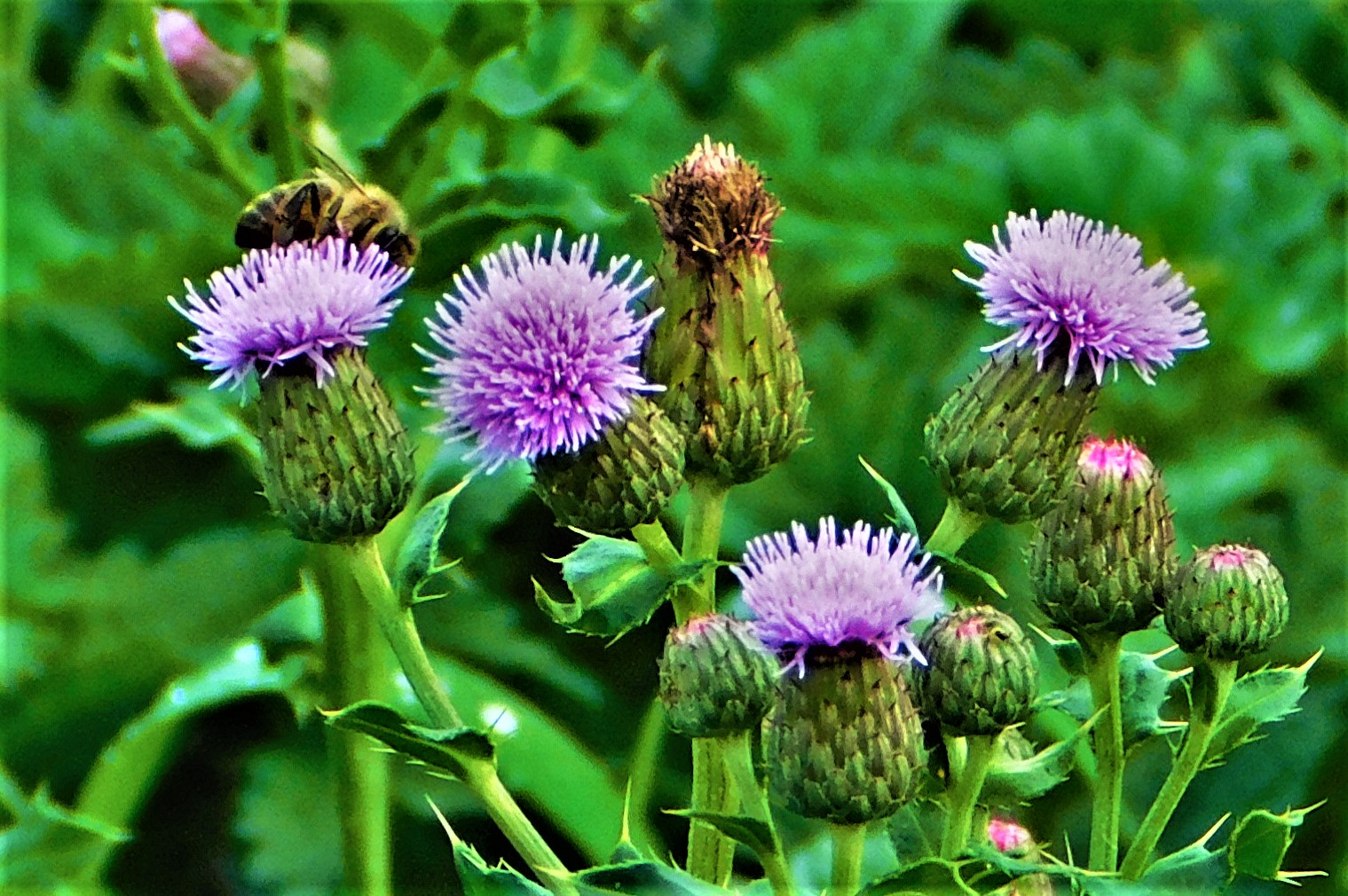
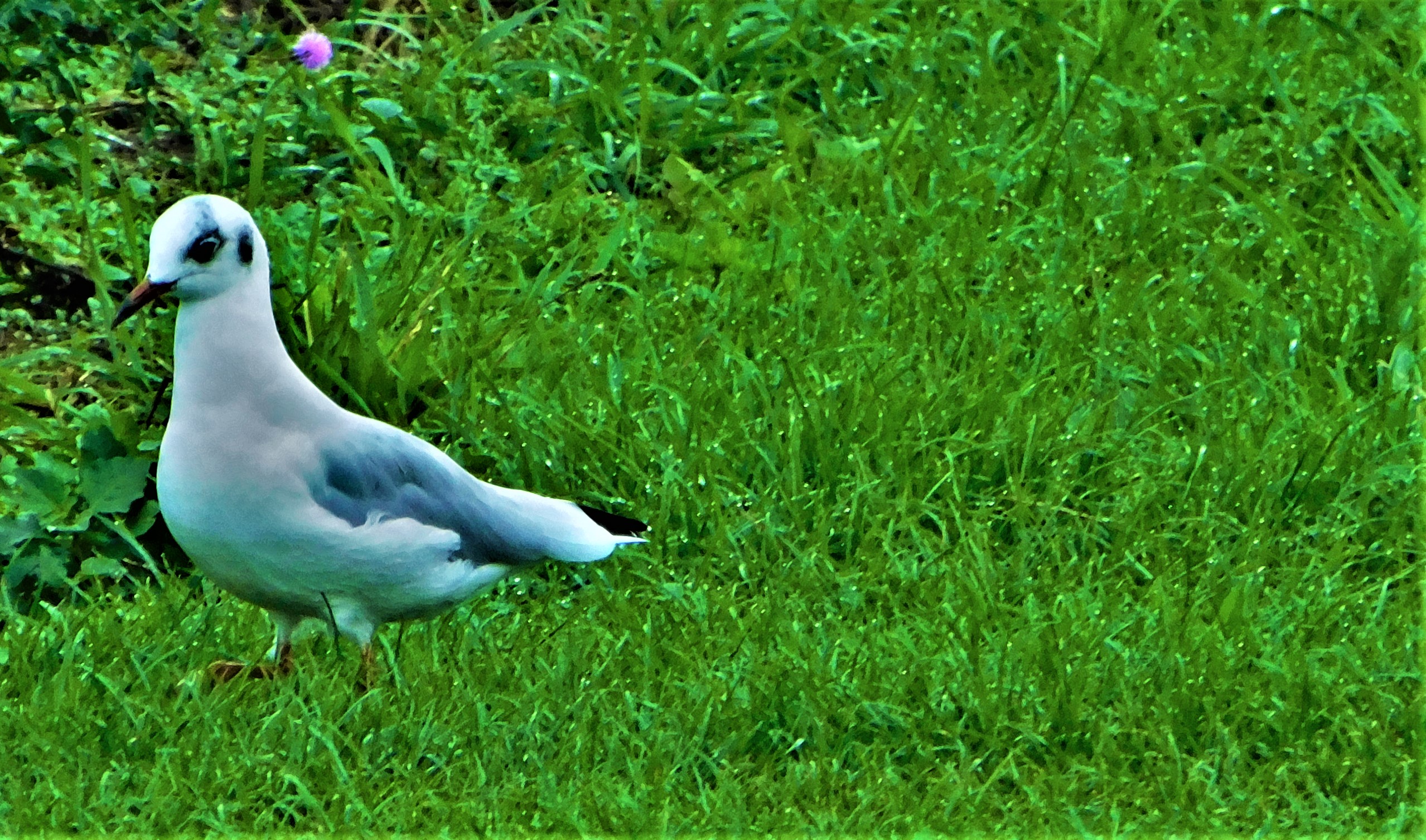
PHOTOGRAPHS
My usual sign off…










































 aspiblog