
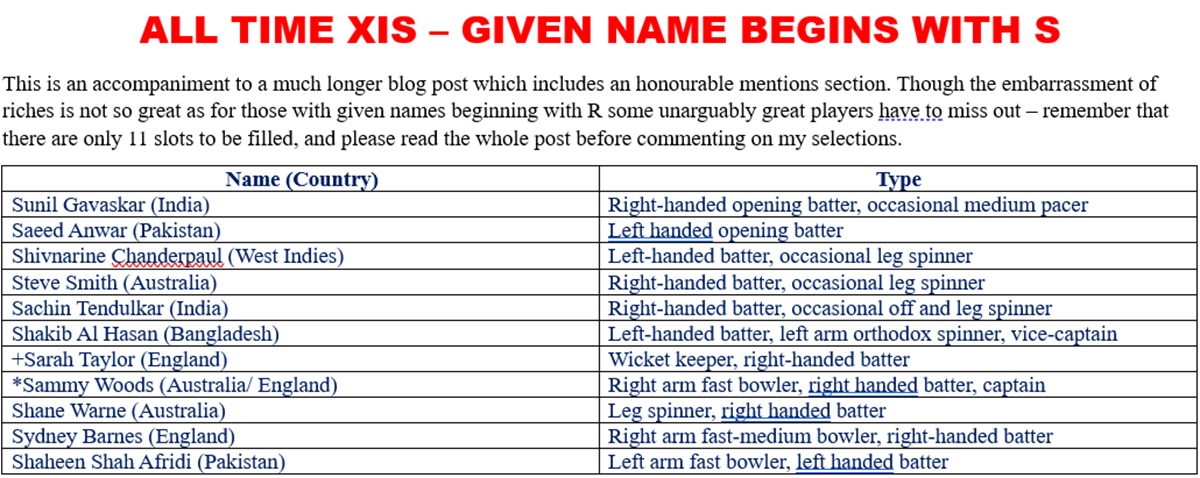
Today I run the rule over players whose given names begin with the letter S. My chosen XI contains players who match all the words in my title and more besides. Also, while the embarrassment of riches is not on the same scale as two days ago when I looked at given names beginning with R, there are some indubitable greats who have received no more than an honourable mention.
THE XI IN BATTING ORDER
- Sunil Gavaskar (India, right handed opening batter, occasional medium pacer). He was the first to reach the career milestone of 10,000 test runs. At the time of his retirement his career tally of 34 test centuries was also an all comers record.
- Saeed Anwar (Pakistan, left handed opening batter). With a defensively minded right hander locking down one of the opening berths the ideal would be to fill the remaining place with an attack minded left handed, and fortunately I have available someone who was just that and was also good enough to have a test average of 45.
- Shivnarine Chanderpaul (West Indies, left handed batter, occasional leg spinner). He first came to general attention when he scored a double century for West Indies U19s against England U19s, and was promptly fast tracked into the test side (unlike England’s own double centurion in that U19s series, whose achievement was ignored by England management). He went on to establish a magnificent test record in a side that was went into freefall around him.
- Steve Smith (Australia, right handed batter, occasional leg spinner). Probably the second best batter ever to come out of Australia behind the mighty Don Bradman.
- Sachin Tendulkar (India, right handed batter, occasional off/ leg spinner). Most test runs, most test hundreds, most test appearances, only player to have scored 100 or more centuries across international formats. Probably the biggest compliment ever paid him was by Don Bradman, who was watching television coverage of one of his innings when he thought he spotted something familiar about Tendulkar and called his wife to check, and she confirmed that there were indeed similarities in batting style between the two of them.+
- Shakib Al Hasan (Bangladesh, left handed batter, left arm orthodox spinner, vice-captain). A genuine all rounder. Sometimes controversial, many were critical of his role when Angelo Mathews made history as the first person ever to be given Timed Out in an international match, though in truth the Bangladeshi was in the right, and Mathews’ reaction to falling victim to such an unusual dismissal was what really deserved censure.
- +Sarah Taylor (England, wicket keeper, right handed batter). A superb keeper and a fine batter as well.
- *Sammy Woods (Australia, England, right arm fast bowler, right handed batter, captain). Born in Sydney, but spent most of his career playing for and captaining Somerset. Somerset rarely if ever had the luxury of a settled side in his day, but his achievements as a captain were still impressive, including leading his county to victories over Yorkshire in three successive seasons when the northern county were generally ruling the roost.
- Shane Warne (Australia, leg spinner, right handed batter). One of the all time greats of the game, his case for inclusion needs no further amplification.
- Syd Barnes (England, right arm fast medium bowler, right handed batter). That official ‘right arm fast medium’ tells a tiny fraction of the story of Barnes’ methods. His signature weapon was a leg break delivered at fast medium pace, and 189 wickets at 16.43 each in just 27 tests (yes, an average of seven wickets per match at test level) is testament to just how good he was.
- Shaheen Shah Afridi (Pakistan, left arm fast bowler, left handed batter). He is still in the fairly early stages of his career, but 105 wickets at 25.58 in 27 test matches is a very fine start at the highest level.
This side has an excellent and contrasting opening pair, a mighty engine room of Chanderpaul, S Smith and Tendulkar, a genuine all rounder, a great keeper/ batter, a bowling all rounder and three superb specialist bowlers. The bowling, with Afridi, Barnes and Woods to attend to the pace and Warne and Al Hasan to bowl spin is also superb, and it is hard to see any conditions in which this attack would struggle.
HONOURABLE MENTIONS
The opening pair both had ironclad cases for inclusion. If I were picking for limited overs then I would settle for two left handed openers, with Sanath Jayasuriya replacing Gavaskar whose record in limited overs was not great, but in long form there is no contest. The trouble comes in the number four and five slots, where in addition to the two I opted for, there were two other outstanding candidates, who are very unlucky that their given names begin with this letter, which keeps them out: Steve Waugh and Stan McCabe both of Australia. Also, Saud Shakeel has had an amazing start to his test career, and may yet force his way in, but with the top five I have plus the two reserves I have already mentioned selecting someone on the basis of seven test matches, however outstandingly he has done in them would be unwarrantable. Finally for this area of the order, Stephen Fleming had a respectable rather than truly outstanding record for New Zealand, and could only have commanded a place had I been dire need of a captain, which I was not.
Shakib Al Hasan had no challengers at six, not least because with Warne inked into the side Shahid Afridi’s leg spin was unlikely to add much to the bowling attack. In a limited overs side, Sikandar Raza of Zimbabwe, an off spinning all rounder, would come into the mix – with Jayasuriya opening he increases the bowling variation available. However, his long form record is not special.
There were at a push four serious challengers to my actual choice for the wicket keeping role: Steve Marsh, who was fine keeper/ batter for Kent without ever getting the England job, Steve Rhodes who did do the England job, but was not IMO in Taylor’s bracket in either department, Sadanand Viswanath, a talented Indian keeper who didn’t fully deliver on his talents and Steve Rixon, understudy to Rod Marsh on at least one Ashes tour for Australia.
In the fast bowling department two England bowlers missed out for differing reasons: Steve Harmison was devastating when it was his day, but it was rather too frequently not his day for him to be classed as a genuine great. Had Simon Jones been able to keep himself in one piece he would have been a shoo-in, but injuries ruined his career. Schofield Haigh had a magnificent record for Yorkshire for many years, but never accomplished much for England. Sarfraz Nawaz, right arm fast medium for Pakistan, merits a mention, but no way could he dislodge either Barnes or his countryman Afridi. There is an extra reason for backing Shaheen Afridi in this area, which is that Barnes’ finest Ashes series, in 1911-2, came when he shared the new ball with a left arm pacer, Frank Foster.
Three off spinners have to be mentioned, though I had no way of accommodation them in the XI: Simon Harmer, unlucky to have played as little international cricket as he has, Saqlain Mushtaq, a genuine great, but not good enough to displace Warne, and Srinivas Venkataraghavan, one of the Indian spin quartet of the 1970s. The truth is that the other three spinners in question, Bedi, Chandrasekhar and Prasanna were all a distinct cut above Venkataraghavan, who sometimes got the nod because he offered extra batting compared to the other three. The quartet only once played in the same XI, on which occasion Prasanna, the other off spinner, was the most successful of the four. However, Venkataraghavan definitely qualifies for an umpiring gig, and his on-field colleague can be Sadanand Viswanath.
PHOTOGRAPHS
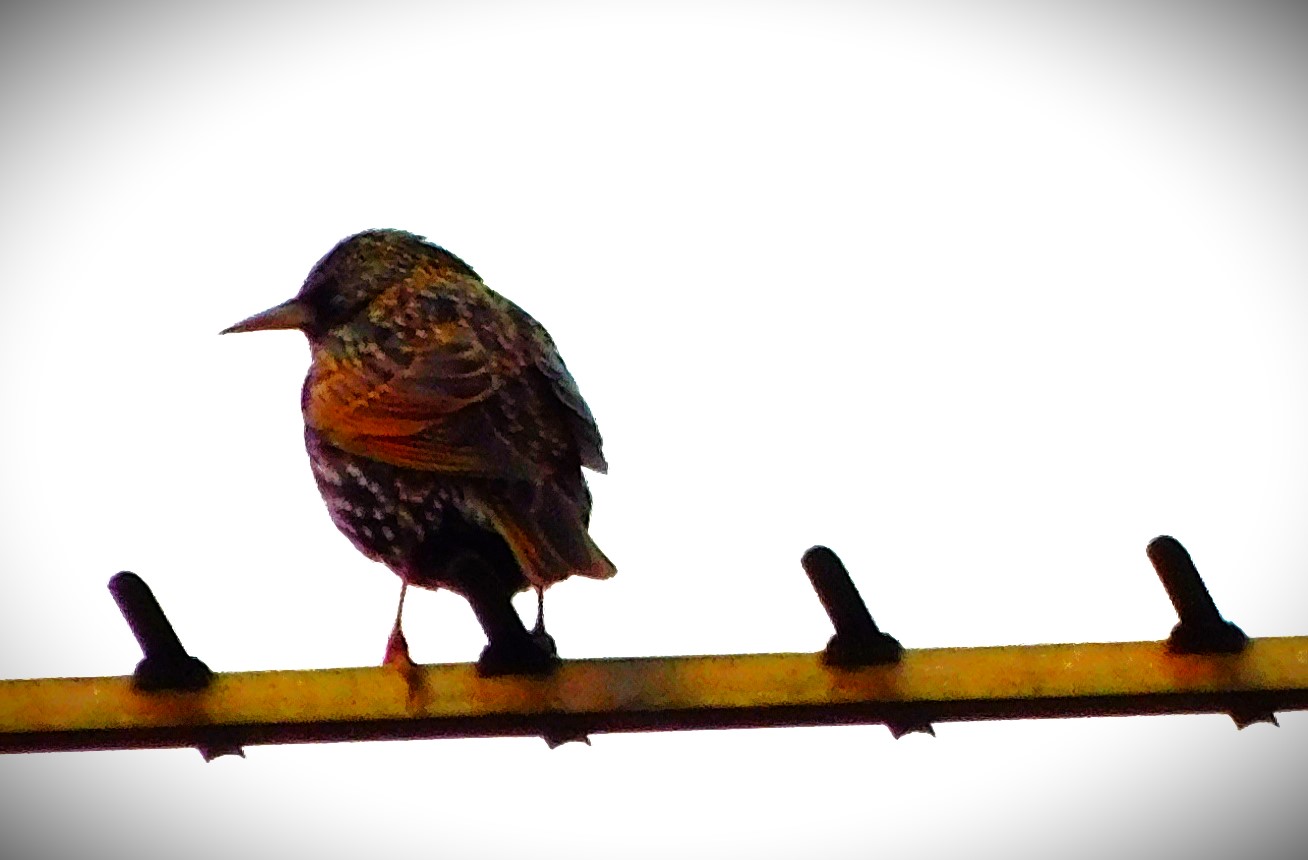
I start this section with a single picture and a reminder that you can view those in the gallery the follows at a larger size by clicking on any picture that attracts your attention.

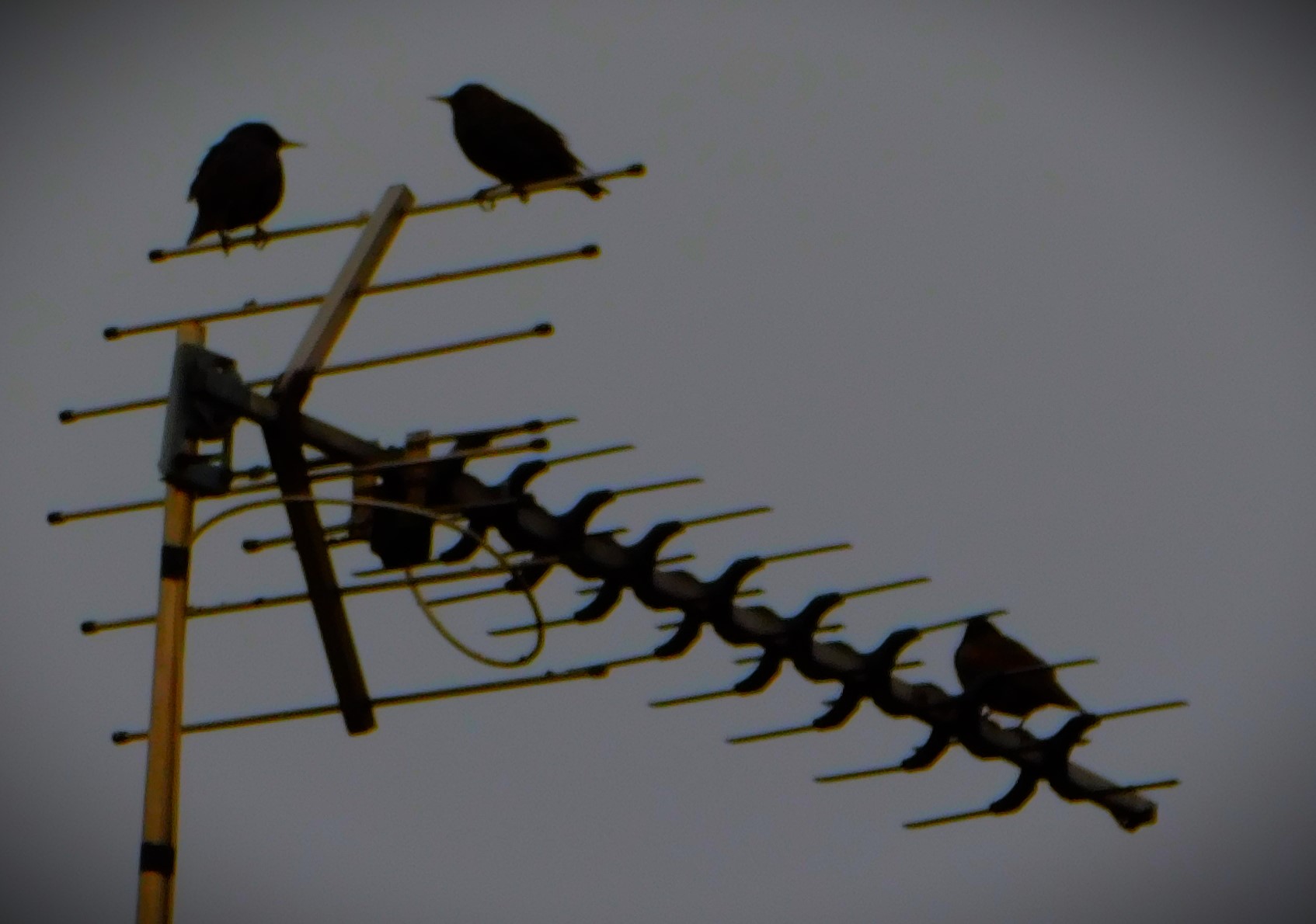
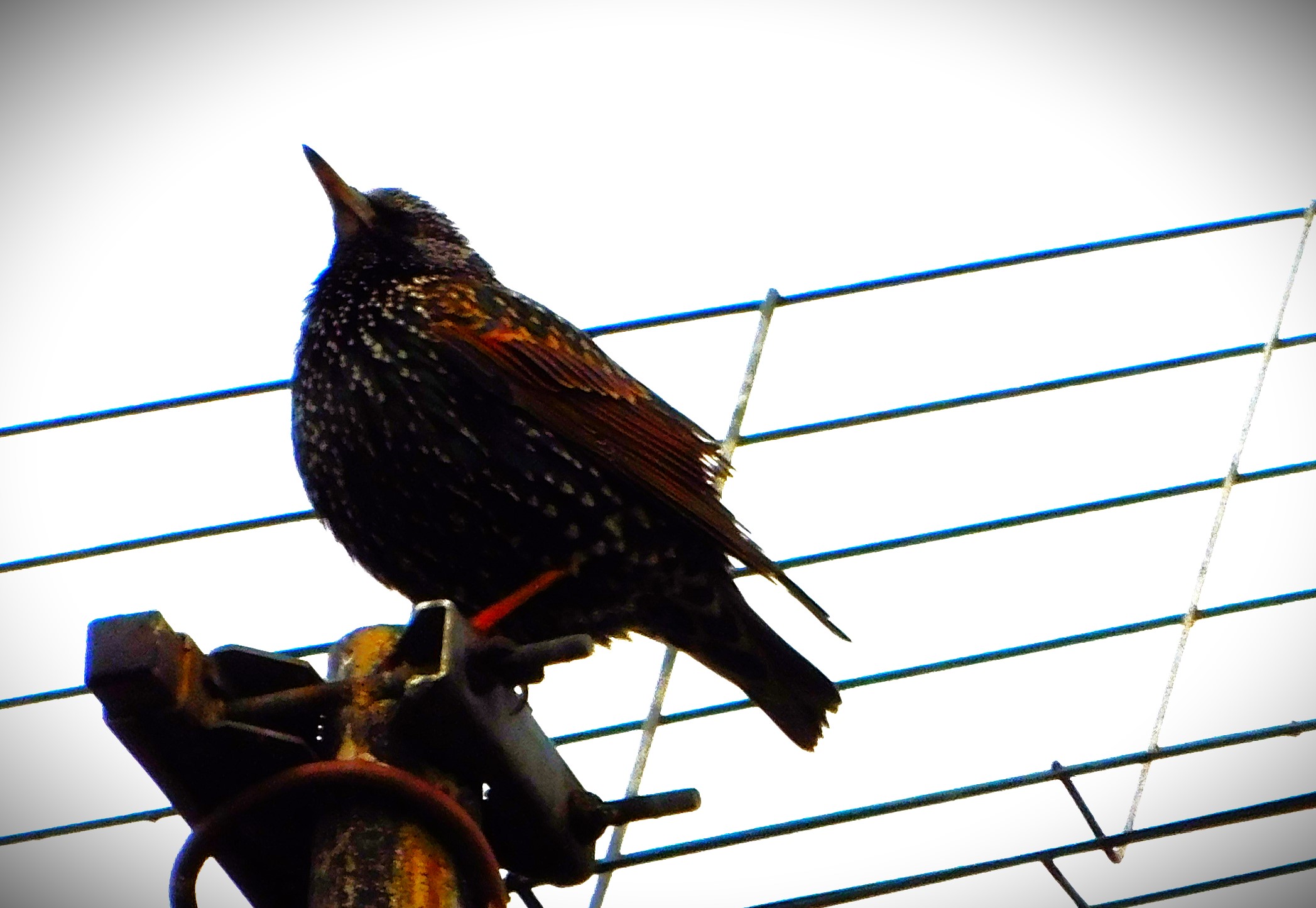
Now for the rest of the gallery…















































 aspiblog