

Today saw the final match in group A at the Women’s T20 World Cup. New Zealand faced Pakistan. New Zealand had an easily described task: win and the would be in the semi-finals. Pakistan faced a much more complex situation – they would need to win and win big – a narrow win for them would see India second on Net Run Rate. This post looks at back at the match.
TO CHASE OR TO SET
New Zealand won the toss and opted to bat first, hoping that the need to score ultra quickly in response would lead to a Pakistan collapse. Pakistan claimed that they would have chosen to bowl anyway. I reckon that the easiest way to achieve a big NRR swing is to bat first, put a big total up, and then dismiss the opponents. New Zealand in this case would have to keep going no matter how ridiculous the target. With New Zealand batting first Pakistan had to restrict them as much as possible – their task would be a tough one almost whatever New Zealand did.
THE NEW ZEALAND INNINGS
Pakistan bowled excellently, but their fielding was not great. There were times when a New Zealand tally of below 100 looked likely, and if Pakistan had caught even reasonably well this would have happened. However by the time the 20th over came round four catches had been grassed. Remarkably another three chances went begging in the course of the 20th over. In the end New Zealand had scored 110-6. If Pakistan had merely had to win to progress things would have looked excellent for them…
THE PAKISTAN REPLY
The calculations revealed that barring levelling the scores and then hitting a boundary Pakistan needed to chase down the target of 111 in 10.4 overs or less. The three basic scenarios, ignoring boundary finishes were:
1: Pakistan chase down the target in 10.4 overs or less: Pakistan go into the semi-finals, India and New Zealand take the next flight home.
2: Pakistan chase down the target in 10.5 or more overs: India progress to the semi-finals and it is home time for New Zealand and Pakistan
3: Pakistan fail to reach the target, presumably because they get bowled out: New Zealand progress and both subcontinental sides are homeward bound.
Pakistan were thus obliged to take an extremely aggressive approach while any sort of hope of the quick win remained. Such an approach means an increased chance of opposition wickets, and that is what eventuated. New Zealand did better catching wise than their opponents had, but even they were not flawless in the field. However, Pakistan were 28-5 after 5.3 overs, as their aggressive approach did not work out. The sixth wicket pair now settled in for a stand that gave India hope, if they could somehow keep it going, but amounted to Pakistan’s acknowledgement that their own challenge had ended. The second last ball of the tenth over saw the partnership broken when Nida Dar was deceived by a beauty from Kerr and Gaze made no mistake with the stumping. That was 52-6. Omaima Sohail gave Carson a return catch in the 11th over to make it 55-7. Syeda Aroob Shah was run out off the first ball of the 12th over, a fine return from Green to Kerr doing the job. Fatima Sana back on strike, and now her sides last remaining hope, was caught by Bates off the next ball to make it 56-9. Sadia Iqbal, the number two ranked WT20I bowler in the world, behind another left arm spinner Sophie Ecclestone, survived one ball, before she too was caught by Bates off Kerr, for a duck in her case. Pakistan were all out for 56, their lowest ever WT20I total (previously 60), though the nature of the challenge facing them provided mitigating circumstances. Bates’ final catch was her 400th in professional cricket. Incidentally if Bates manages to keep going until 2028 she could join a very small club of people who have competed in The Olympics in two different sports – at Beijing in 2008 a young Bates was part New Zealand’s basketball team, and cricket will feature at Los Angeles 2028.
PHOTOGRAPHS
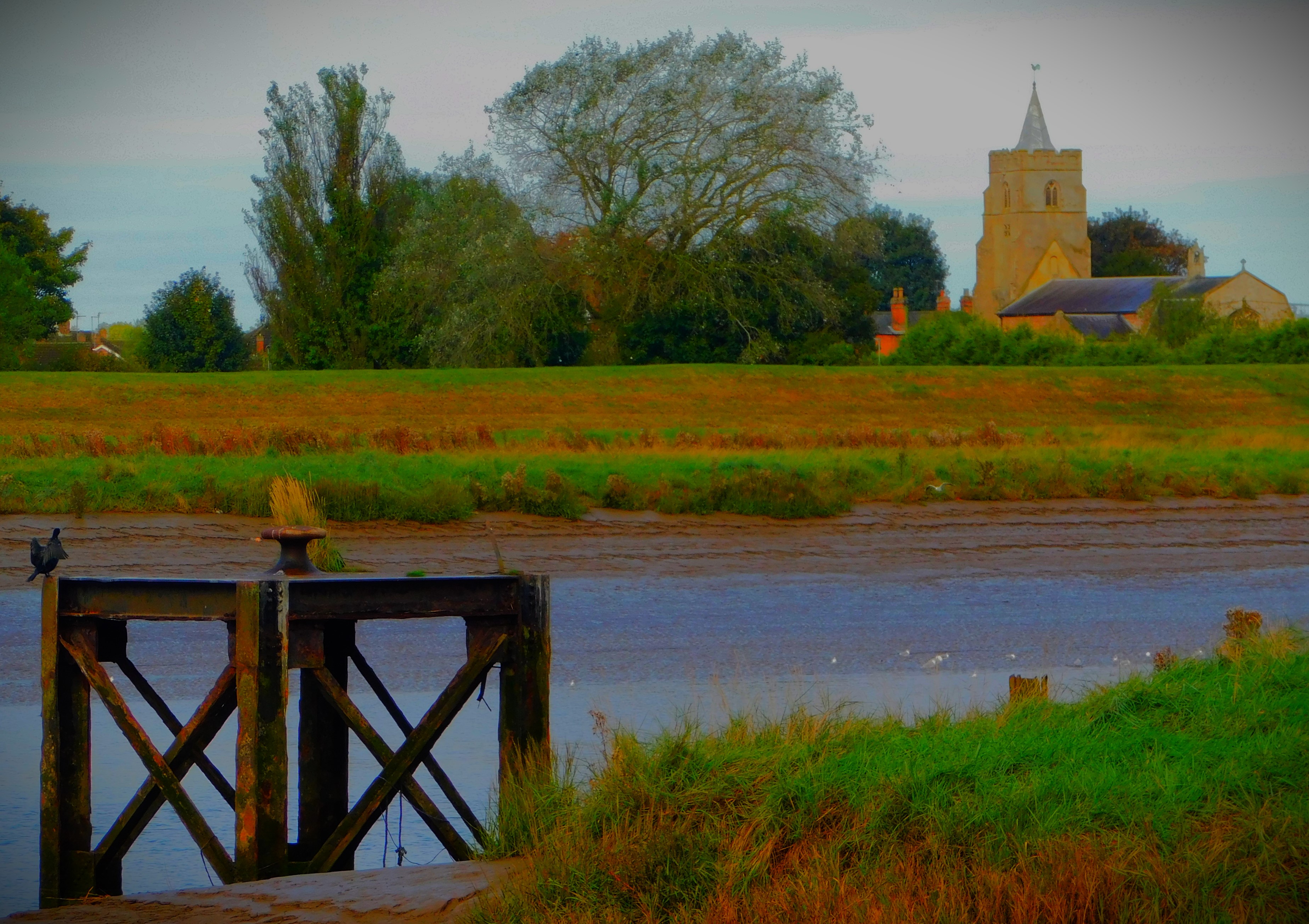
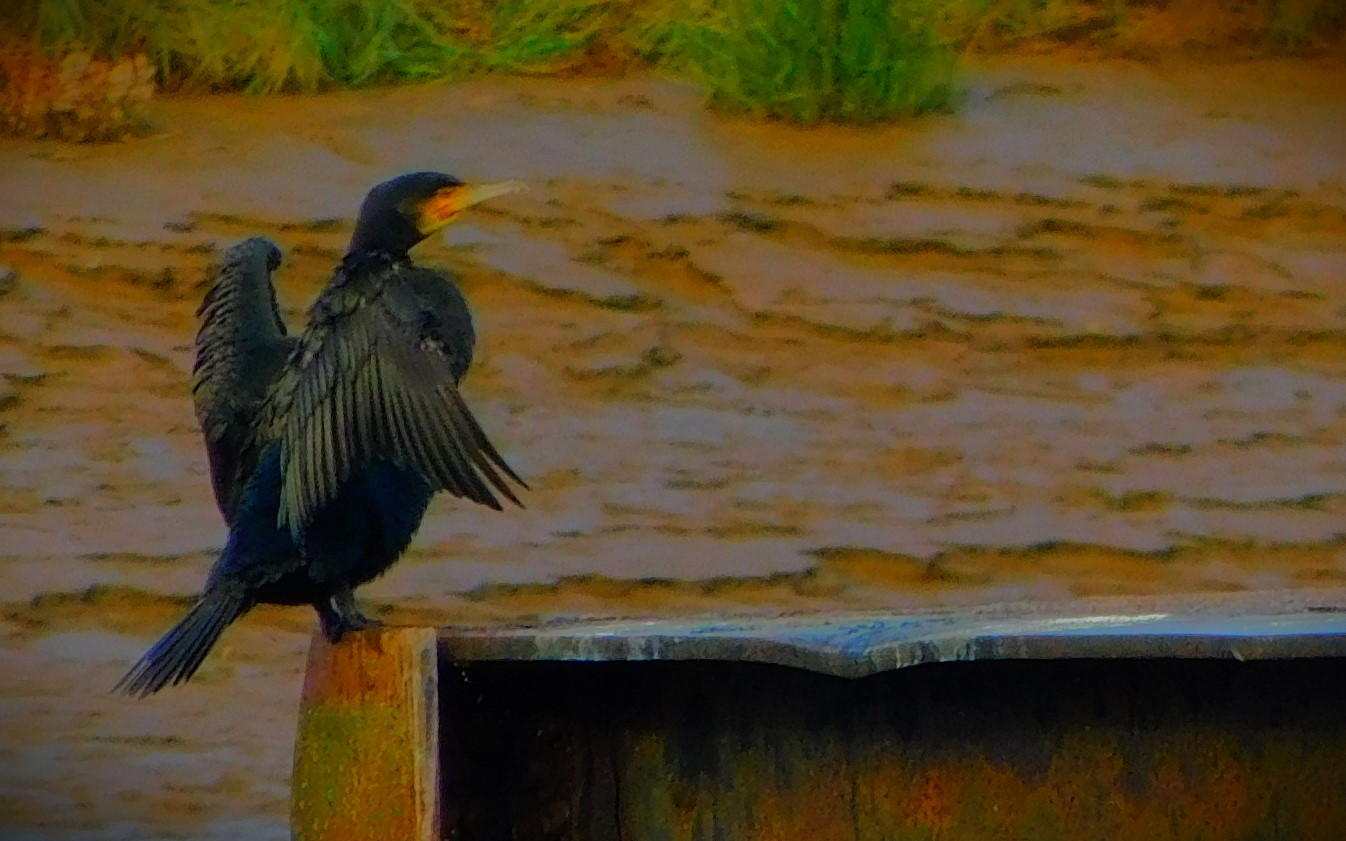
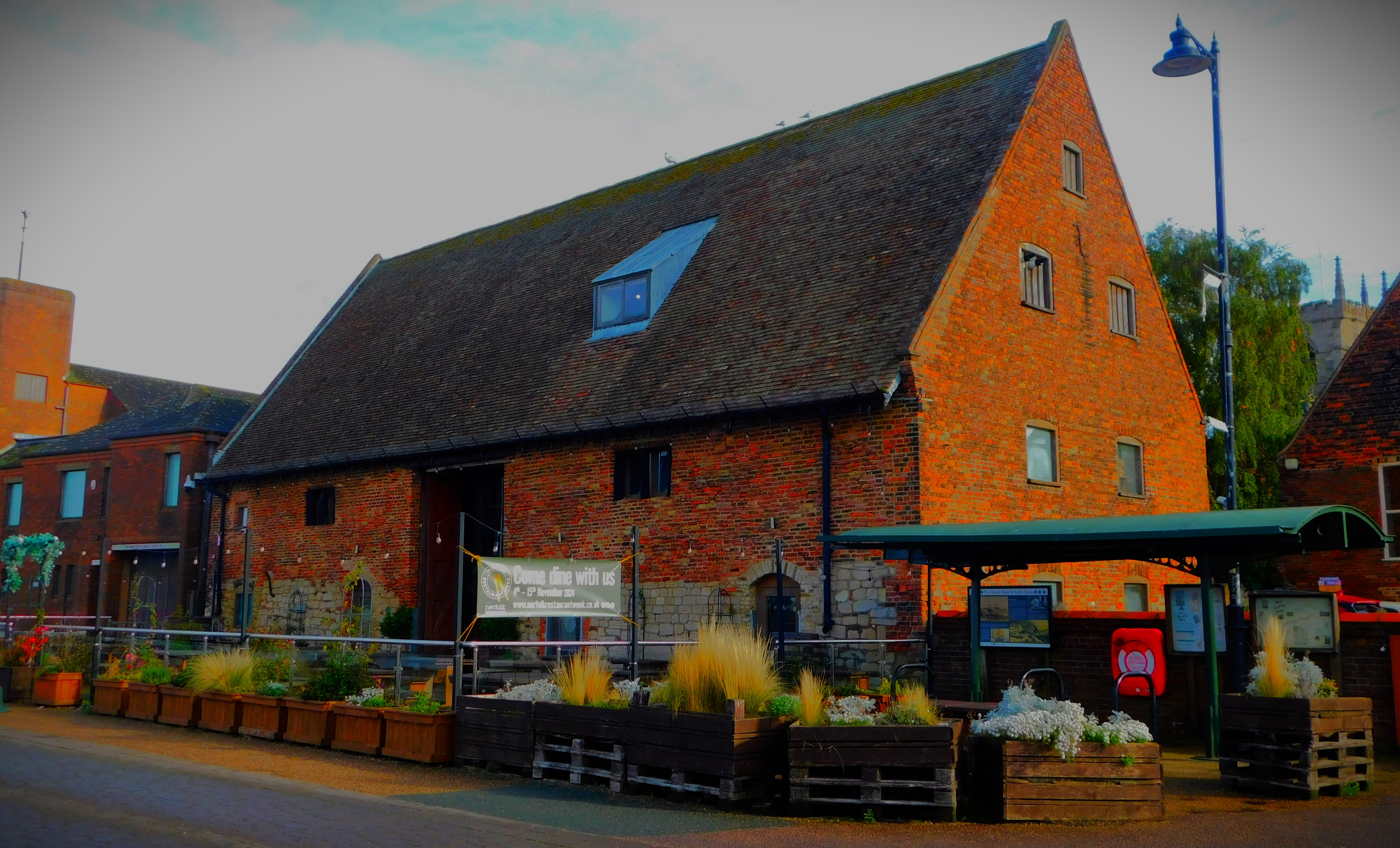
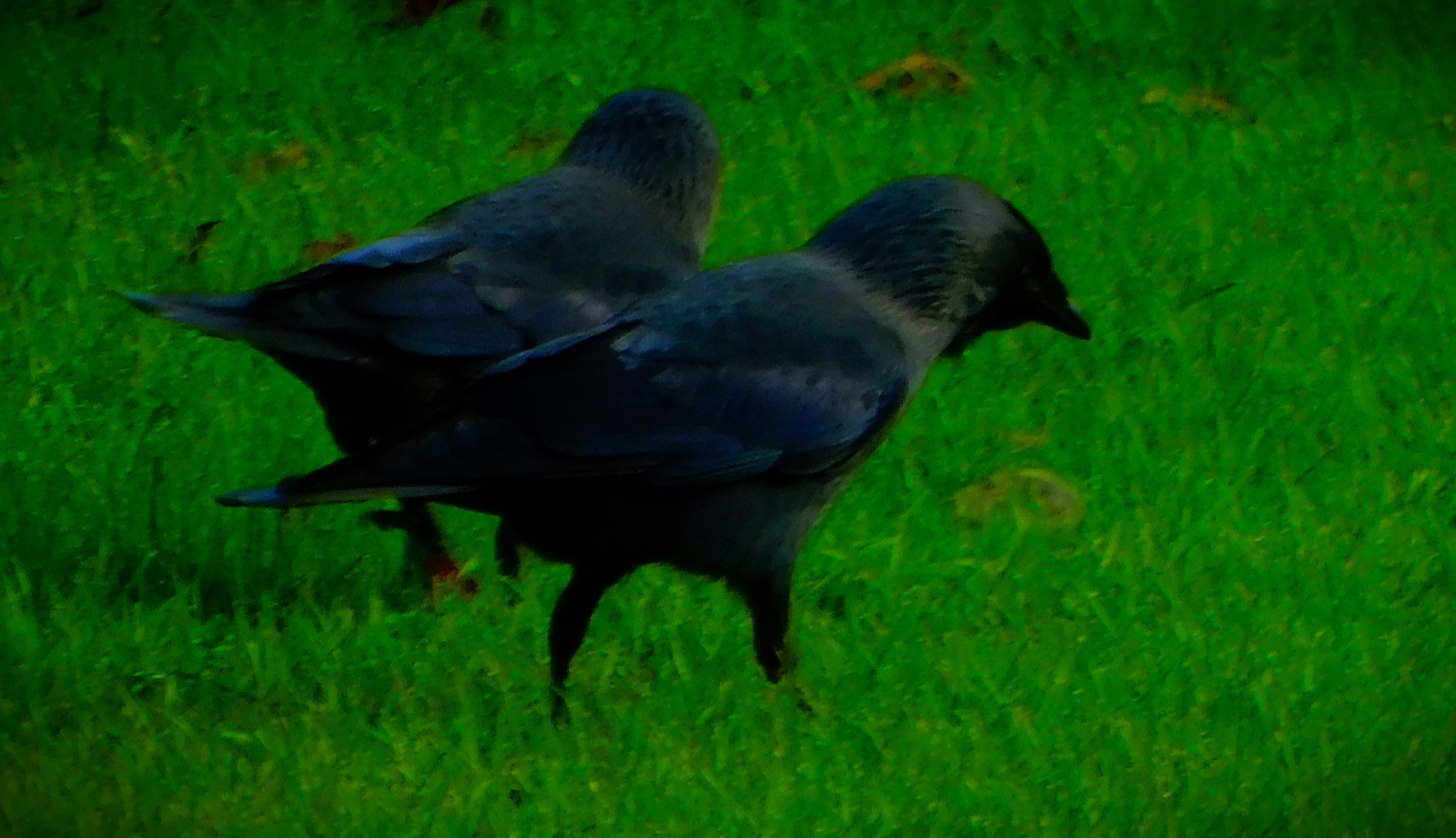
This section was my main reason for wanting to put up another post today – my thanks to the New Zealand and Pakistan Women’s cricket teams for providing the material for the body of the post. I start with a video, taken on the bank of Bawsey Drain, King’s Lynn during my afternoon walk:
Now for the photos…
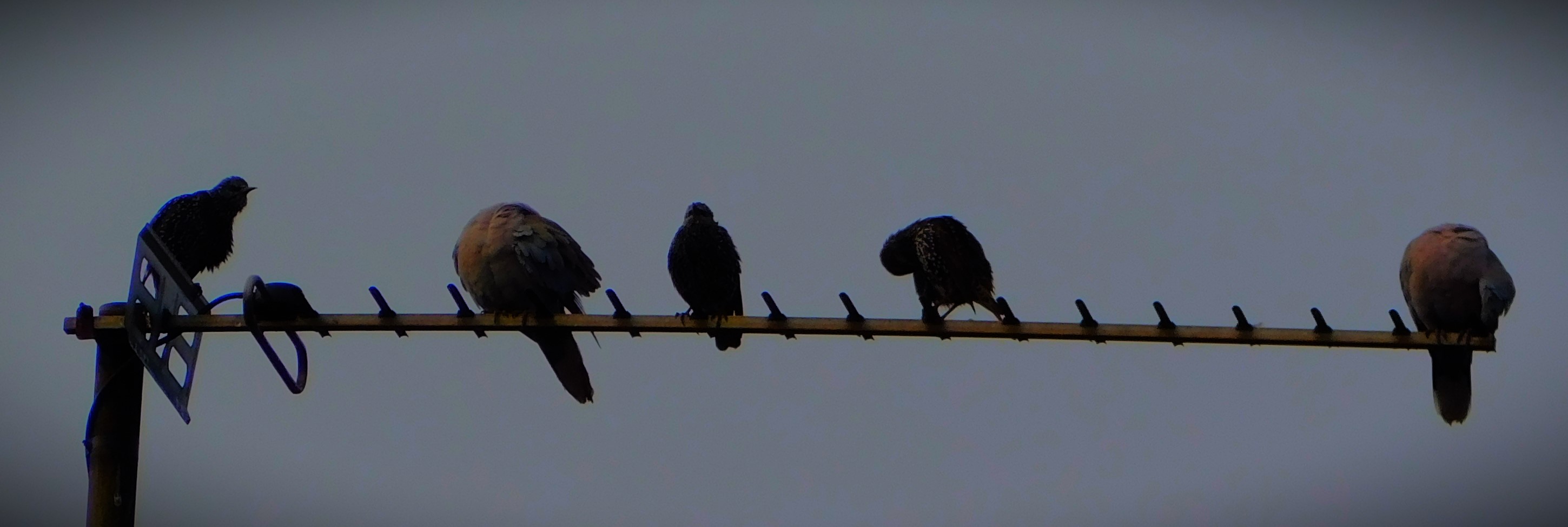
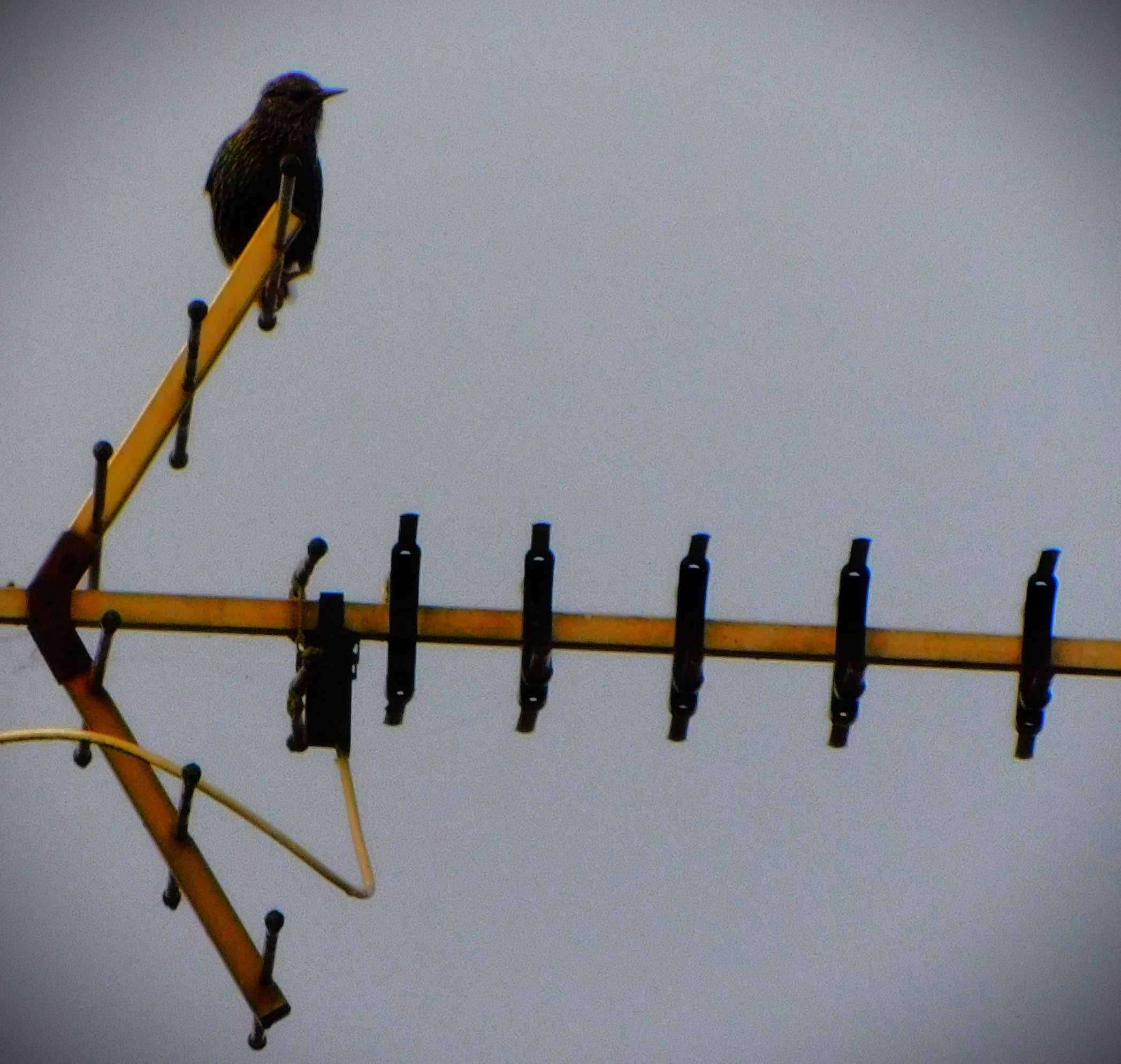

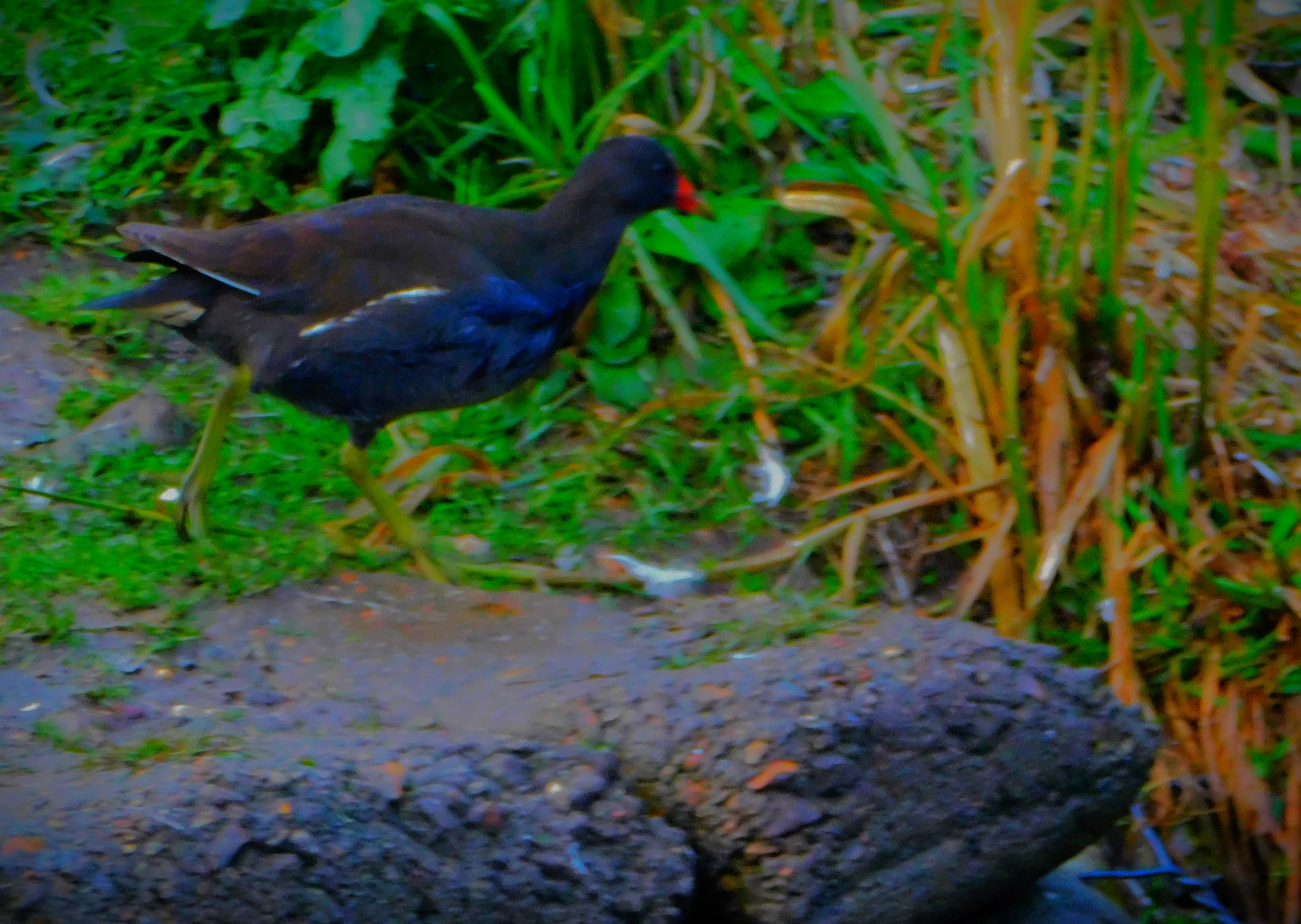



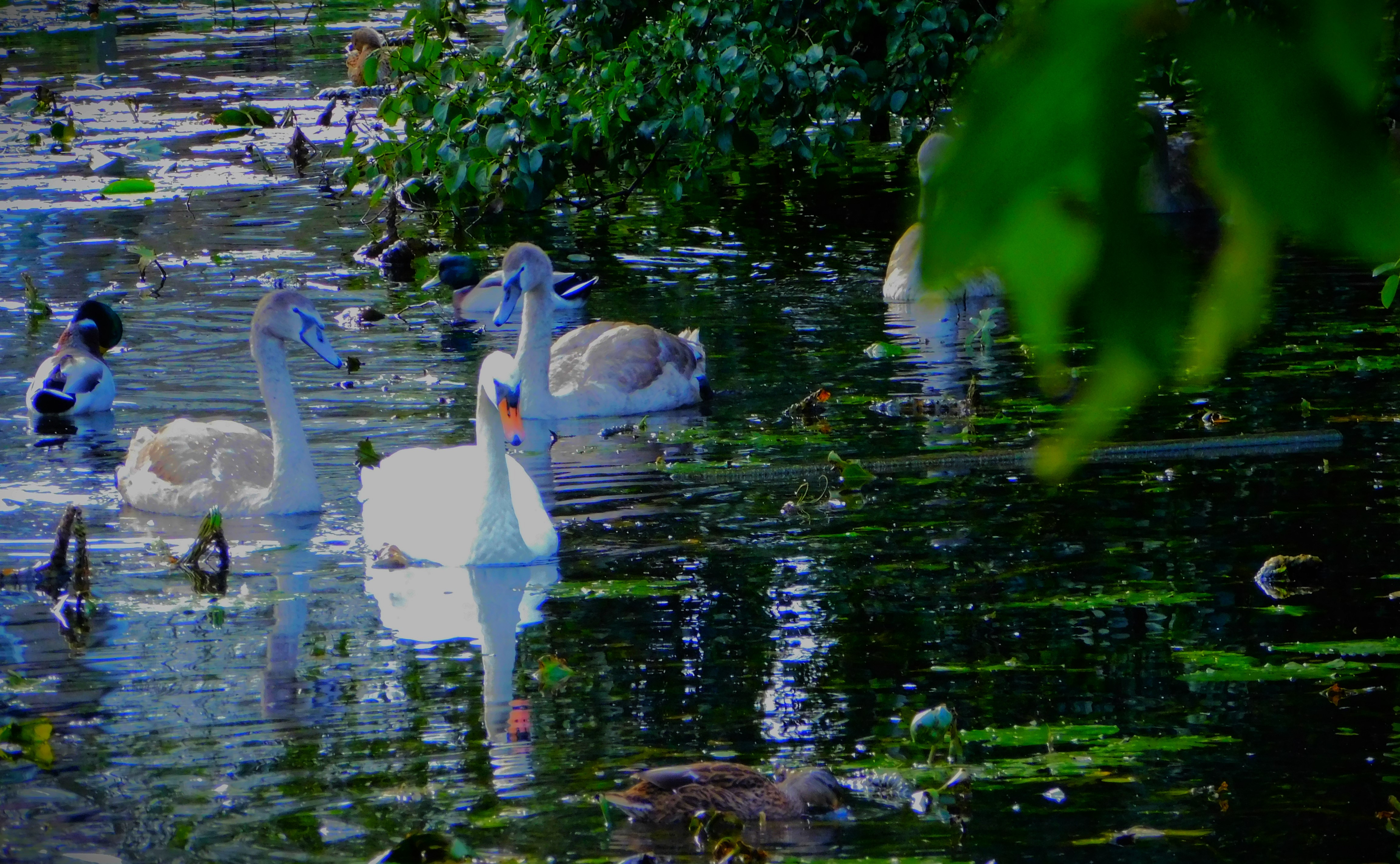



























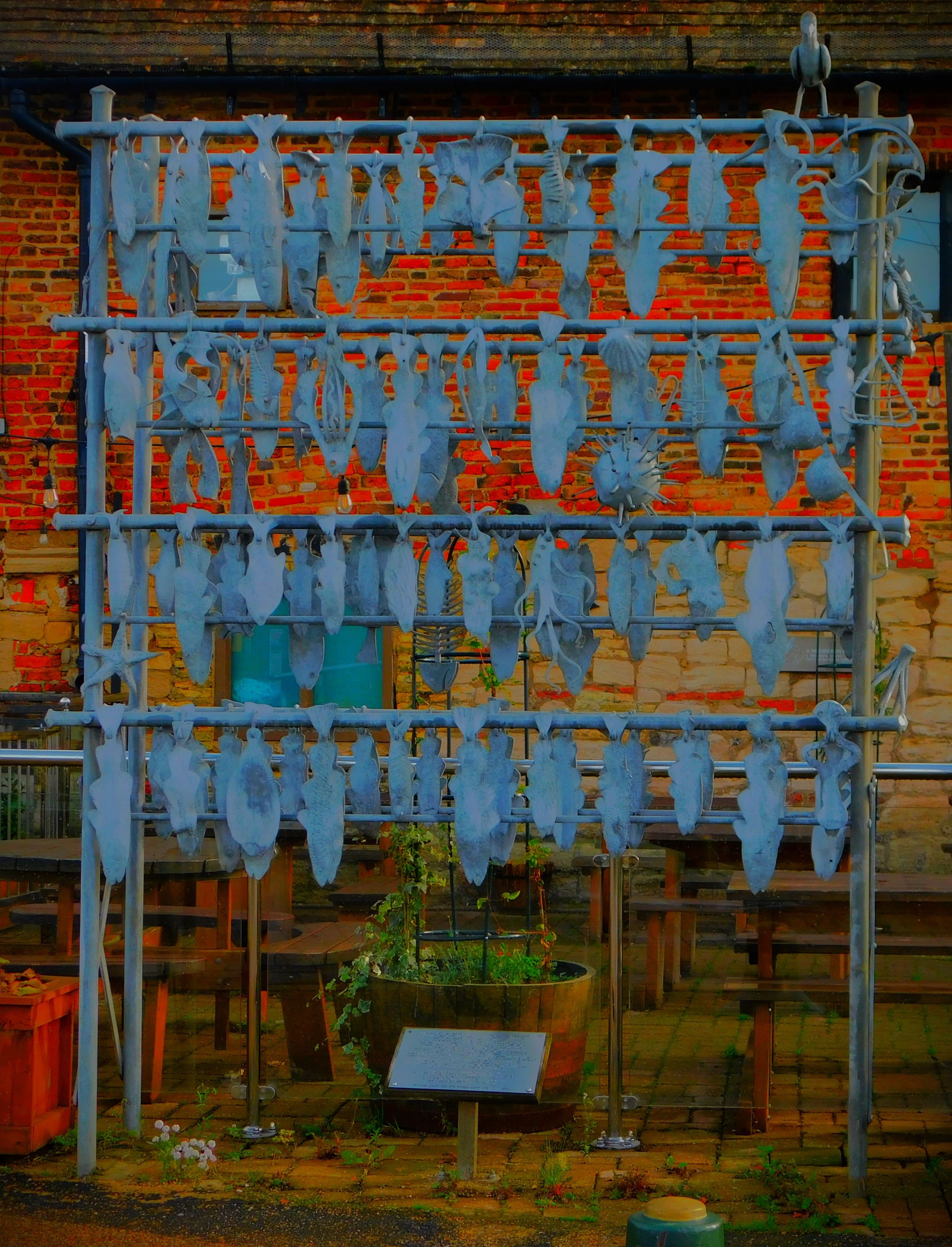
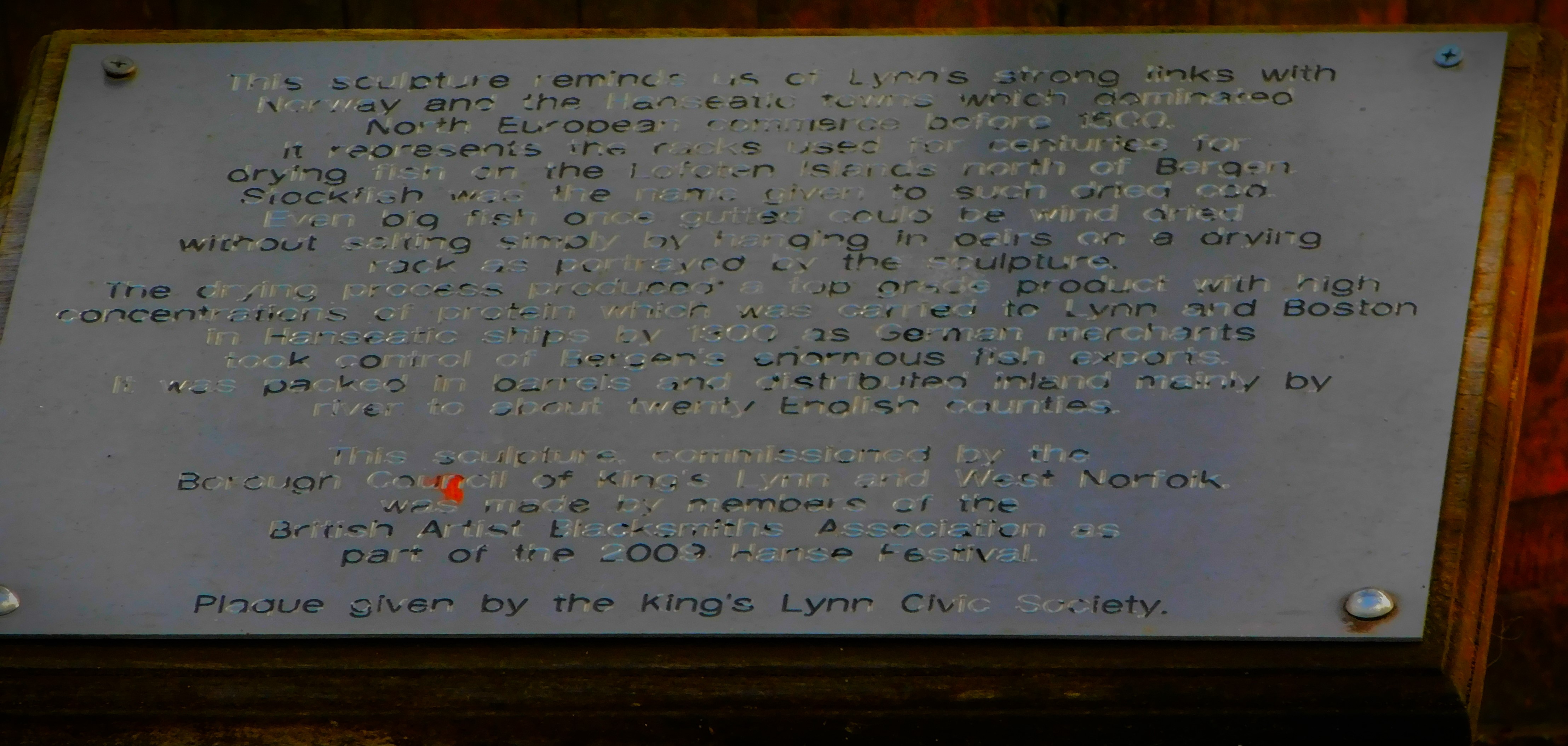


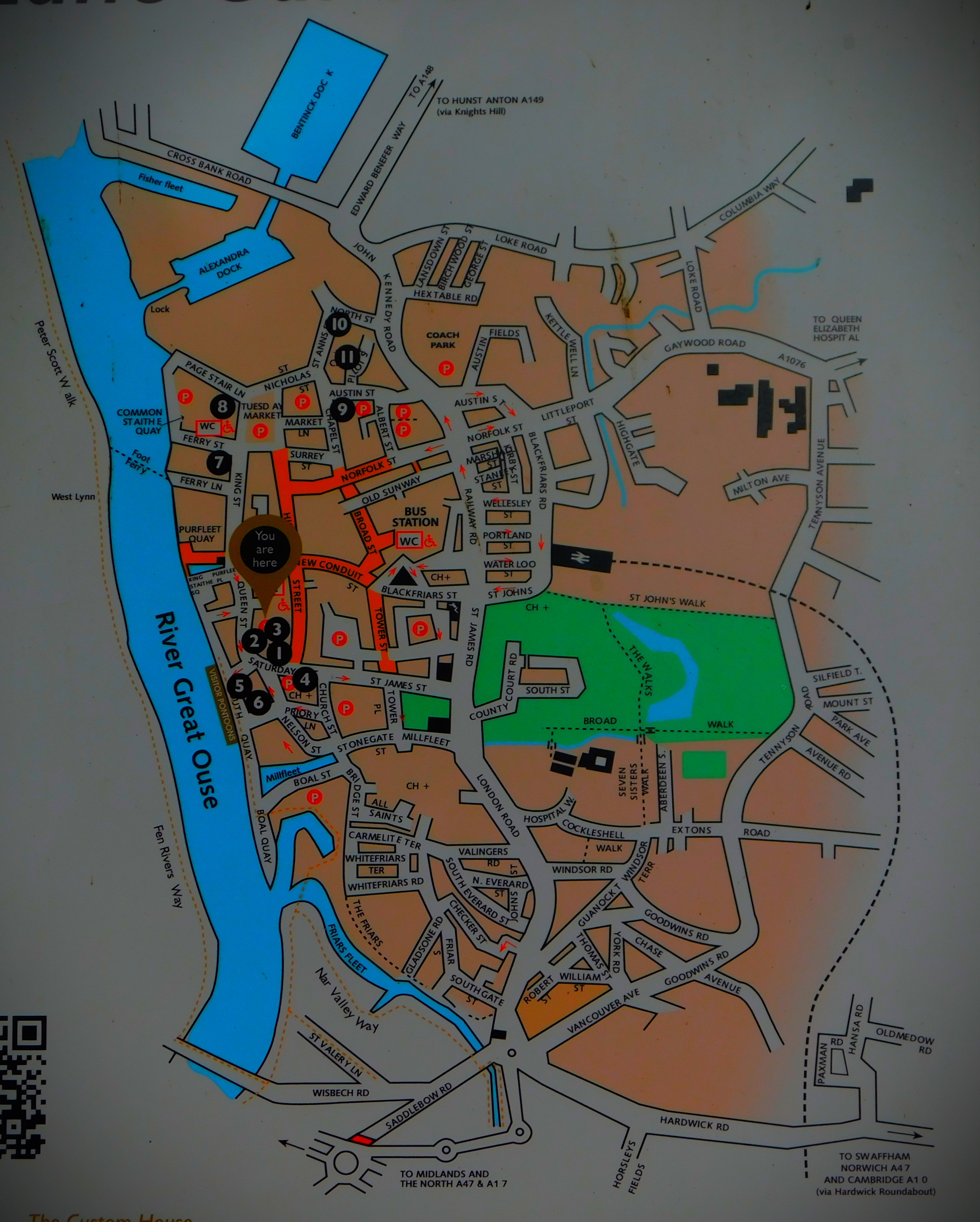























































 aspiblog
One thought on “Thrills, Spills and Net Run Rate Calculations”