How the Six Nations was Won

A look back at the final day of the Six Nations rugby and a huge photo gallery.

Yesterday saw the final round of the Six Nations rugby. This post looks back at how events unfolded.

The final fixtures, in order of playing, were Ireland v Italy, Wales v England and finally France v Scotland. Ireland, England and France all had chances to win, with the latter in pole position, Scotland were sure to finish fourth, with the wooden spoon between Wales and Italy. Ireland needed a bonus point win to have any serious chance of lifting the trophy. England could then displace them, a bonus point win putting them ahead at the top of the table outright and a win putting them ahead on points difference unless Ireland racked up a really huge score. Even a bonus point win for England was likely to leave France needing only to win the final match to clinch the title. A bonus point is awarded to teams scoring four or more tries in a match for the record.

Ireland did get their bonus point win, but the margin was small, largely because their kicker, while good in open play had a nightmare when kicking at goal, only putting one such kick over in the entire match. In Cardiff it was one way traffic, with England racking up over 60 points. This included two tries for 20 year old debutant Henry Pollock. With that it was over to Paris for the final instalment of the tournament, with the home side knowing that any win would be enough.

France started out dominating, but it took 17 minutes for their dominance to show on the scorecard, when in quick succession a penalty and a converted try put them 10-0 up. From here Scotland mounted an impressive fightback, the remainder of the second half being their best period of the match and quite possibly of the entire tournament. The French had a temporary numerical disadvantage that probably have been a permanent one when Mauvaka was yellow carded for a vicious headbutt on Ben White. Since the incident was off the ball, and not part of a tackle it has hard to seen any excuse for it being a yellow rather than a red card, but such was the verdict. On the stroke of the interval Scotland grounded the ball for what they, and everyone else, believed was a try giving them a half time lead. However, the video technology ruled it out on the ground that Blair Kinghorn had been in touch before Jordan grounded the ball. Thus at half time it was France 16 Scotland 13. That was the last sight Scotland had of victory, and thus the last sight England had of the title. The French went 10 points clear early in the second half. Bielle-Biarrey put himself into the record books with his try, which meant that a) he had scored in every round round of the tournament, something no one else had ever done, and b) he had scored a total of eight tries in the tournament, a new all time record. Scotland’s resistance was broken, and two more tries followed, and even with the previously immaculate Ramos failing to convert the final try that made it France 35 Scotland 16, 19 points ahead with 18 minutes left in the tournament. France did not add to their points tally after that, but neither did Scotland add to theirs. France had scored 30 tries in the tournament, another new record, beating the 29 scored by England in 2001. That England side announced itself in that tournament and went on to win the 2003 world cup. This French side have announced themselves in this tournament, and there is a world cup in 2027. Wales ended with a second straight wooden spoon, and Italy were equally clearly the second worst side in the tournament. Perhaps the time has come to make places at northern hemisphere rugby’s top table a privilege rather than a right by introducing relegation, with whichever side finishes last being replaced in the following year’s tournament by the next highest ranked northern hemisphere side.

My usual sign off…
The End of a Match and an Era

A brief look at the conclusion to the last ‘timeless’ test match ever to be played, a conclusion which unfolded on March 14th 1939, 11 days after the match had begun.

Up until World War II broke out both Australia and South Africa were believers in timeless test matches (i.e. played until one or other side had won). This post looks briefly at the match which finally ended timeless tests.

As March 14th 1939 dawned England were within sight a victory that had it eventuated would have strained credulity. At one point South Africa had been over 400 runs to the good with all ten second wickets standing. Both sides knew that although the test match, which had begun 11 days previously on March 3rd, had been designated timeless this would have to be the final day as England needed to catch a train to Cape Town or miss their boat home and be stranded for at least a month (and of course war was looming, which made folk even less keen on being trapped abroad than they would have been anyway. Although it had rained on several occasions in the match these interludes had served only to bind the surface of the pitch back together, and it was still playing well and true. England, set a mammoth 696 to win, went past 600 with only three wickets gone. At 611 Eddie Paynter was fourth out for 75. Les Ames now joined Hammond at the crease, and the pair were still together when the 650 came up. At exactly 650 Hammond was stumped off Dalton for 140. That brought Bryan Valentine, a specialist batter, in to join Ames. Four runs later the heavens opened, and the downpour proved terminal. In total the match had seen 1,981 runs scored for the loss of 35 wickets, an aggregate that remains a test match record but was beaten twice in the next decade in FC matches, both involving Bombay as it was then called – Bombay v Holkar yielding 2,078 runs, including 249 in losing cause for Denis Compton, and then in 1948 Bombay v Maharashtra yielding 2,376. The Durban test match still had the record for the longest span of any first class match. Hedley Verity, the left arm spinner, sent down 774 balls across the two South African innings (96.6 eight ball overs under the playing conditions of the day, equivalent to 129 six ball overs. For South Africa Norman Gordon, a seamer no less, sent down 736 balls (92 eight ball overs, equivalent to 122.4 six ball overs). There is a book about this match “Edging Towards Darkness” by John Lazenby. No timeless match has been scheduled since this one. For the moment here is the scorecard.

My usual sign off…

India Win Champions Trophy

A look back at the Champions trophy final, an account of a pizza making session, a new bird sighting and a regular photo gallery.

The final of the Champions Trophy took place yesterday in Dubai, between India and New Zealand. This post briefly looks back at what happened in that match.

New Zealand won the toss and batted first. They started well, with Rachin Ravindra looking in prime form but then lost three wickets in quick succession including Kane Williamson cheaply. I was out for most of the rest of the New Zealand innings after the derailment, arriving back from my morning commitment with the Indian reply under way. New Zealand had finished with a score of 251, respectable, but even on a Dubai surface that is not easy to score quickly on probably 20 runs less than they had needed to make it a really competitive game. Rohit Sharma gave the Indian innings a blazing start, putting them well ahead of the rate. The New Zealand spinners, Santner, Michael Bracewell (at least the fourth of his family after John, Brendan and Doug to play for New Zealand), Phillips and Ravindra all acquitted themselves nobly, Bracewell’s figures in particular being outstanding. The problem was, with Matt Henry out injured the pace element of the attack, O’Rourke, Nathan Smith and the giant Jamieson looked below par, and none distinguished themselves, all proving relatively easy to play on a surface that offered zero encouragement to pacers. Jamieson for all his legendary high release point does not have all that much pace anyway, not even always hitting 80mph. The run chase was tantalizing – every time India seemed away and clear a wicket fell, to just open up the hint of a possibility for New Zealand. In the end the cool head of KL Rahul, assisted in muscular fashion by Hardik Pandya, who fell just before the end, proved decisive. It was another veteran, Ravindra Jadeja who got to hit the winning runs, a four off the final ball of the 49th over, bowled by O’Rourke. India had four wickets in hand, although the fact that Shami was scheduled to come in next suggests that last three of those wickets weren’t worth very much. Rachin Ravindra with 263 runs and 3 wickets across the tournament was Player of the Series, while Rohit Sharma’s 76 (83) won him Player of the Match. Had New Zealand won Michael Bracewell, with 53 not out off 40 balls and 10-1-28-2 would have been Player of the Match for sure. Scorecard here.

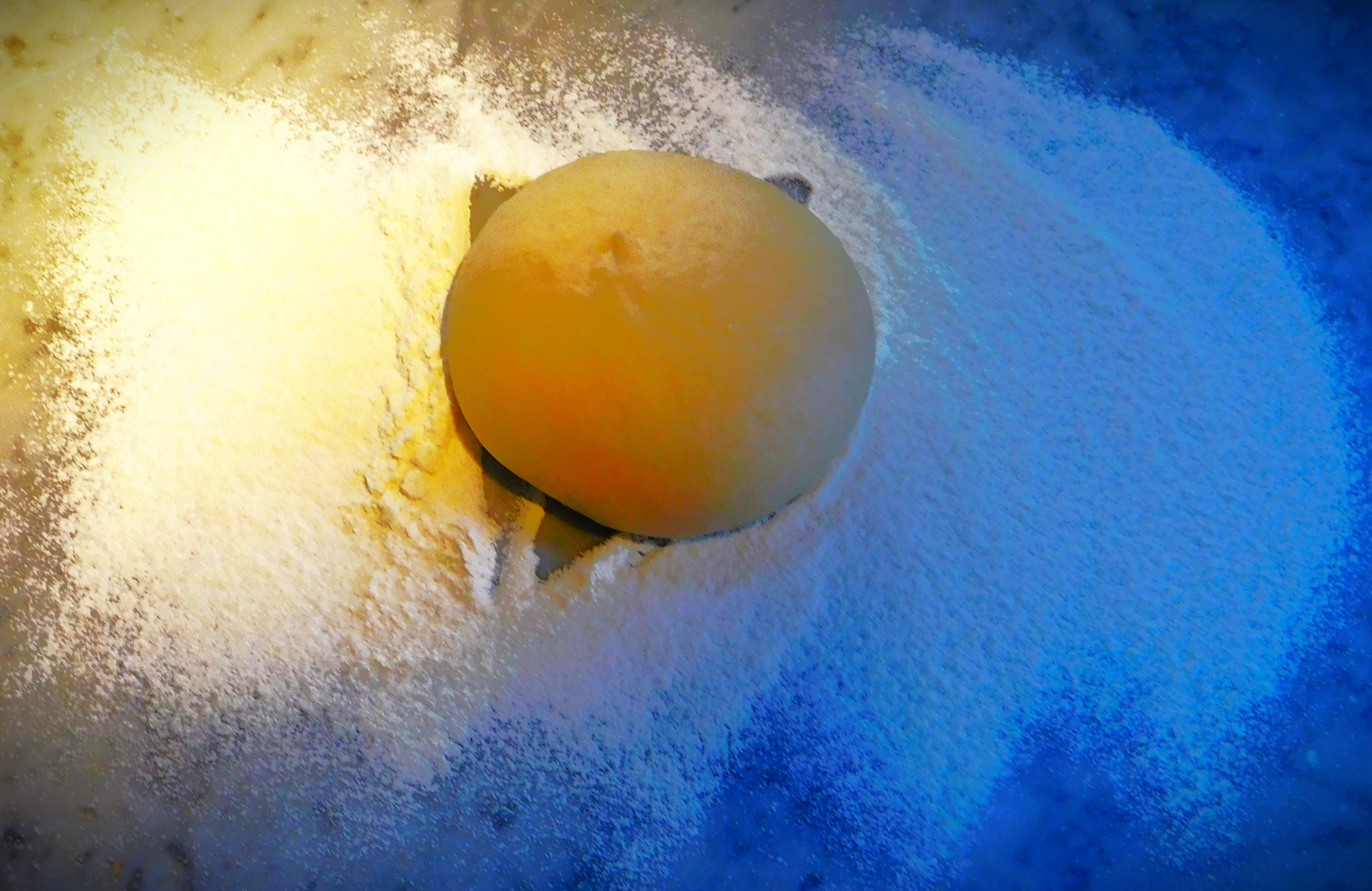
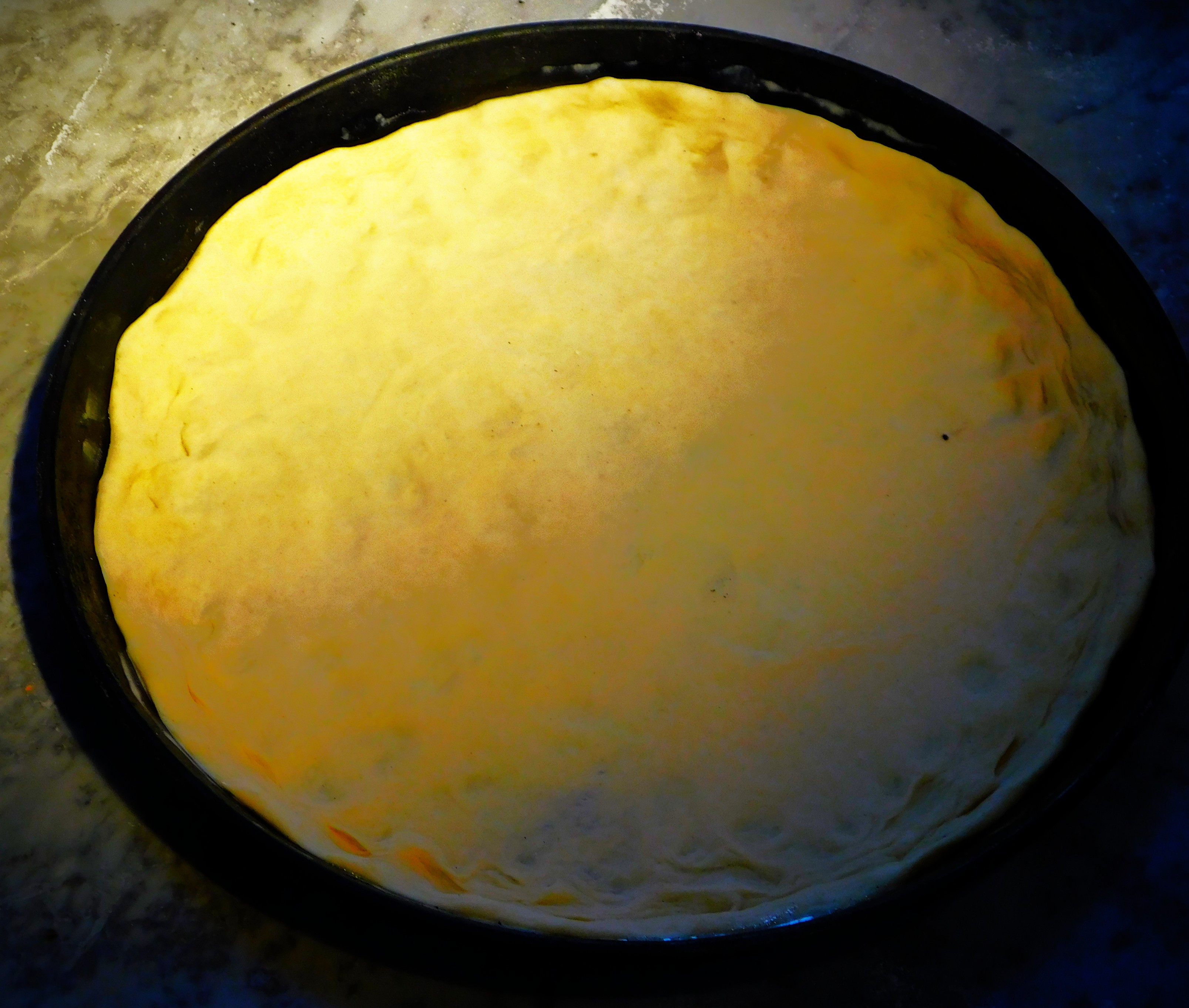
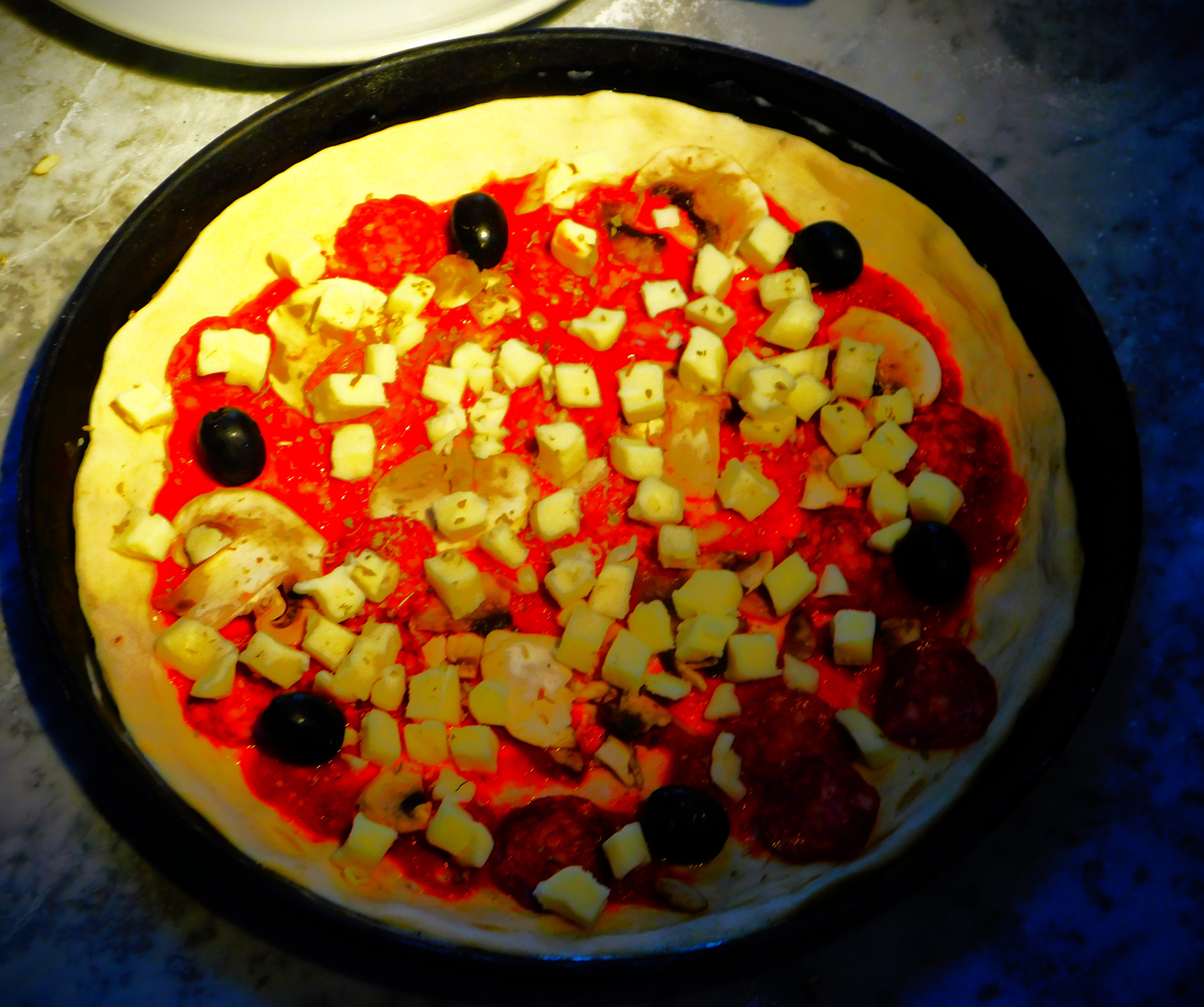
Yesterday morning was an autistic adults Pizza Making event at Pizza Express in King’s Lynn town centre. I was one of the participants…
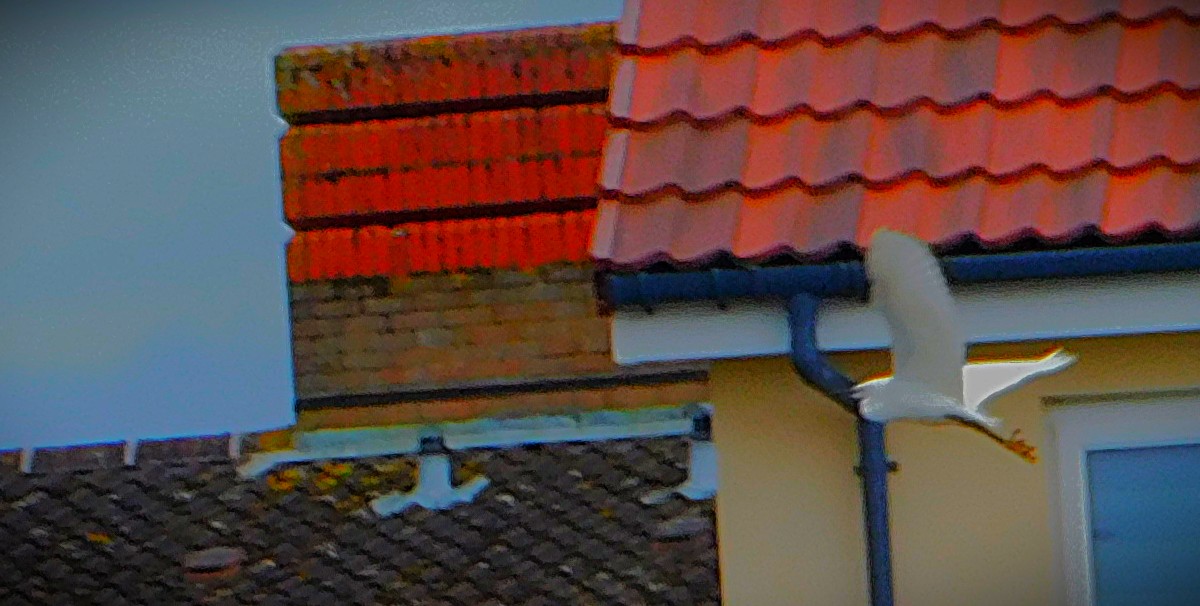
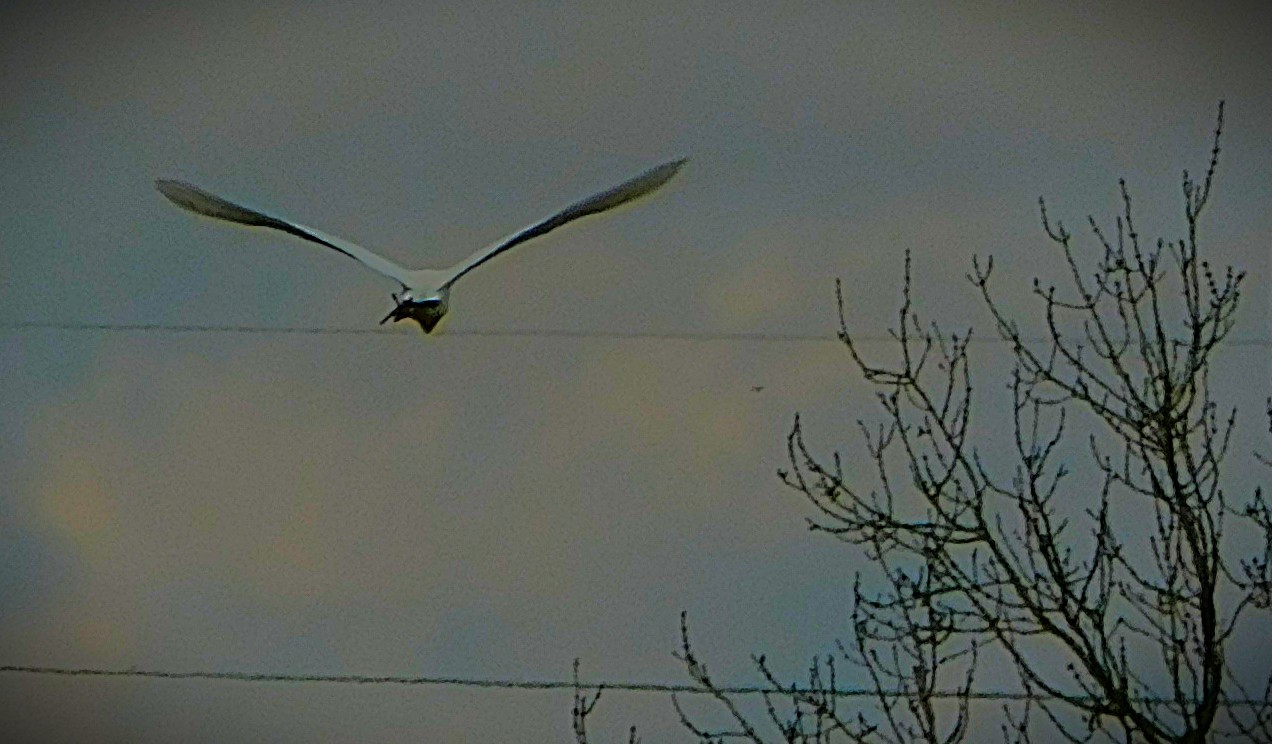
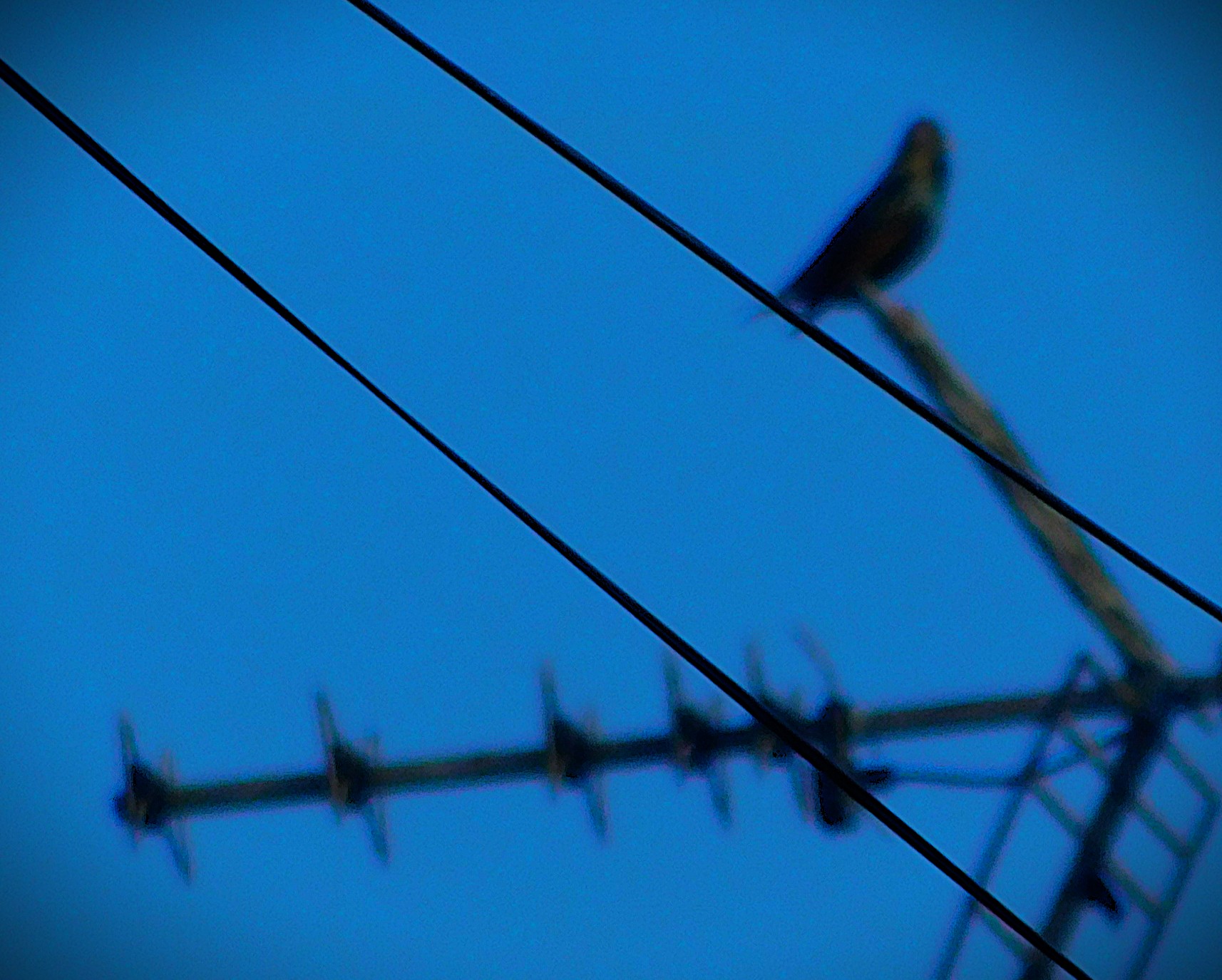
I have a new bird sighting to report. This morning, between the Nar Outfall and the path through Hardings Pits I spotted what a combination of my bird book and mastodon (where I posted a photograph with my identification and got a positive response). Here is a screenshot of the mastodon exchange…

Here are all my photos of the pair of Goosanders (and a reminder – to view a photo at larger size just click on it(…

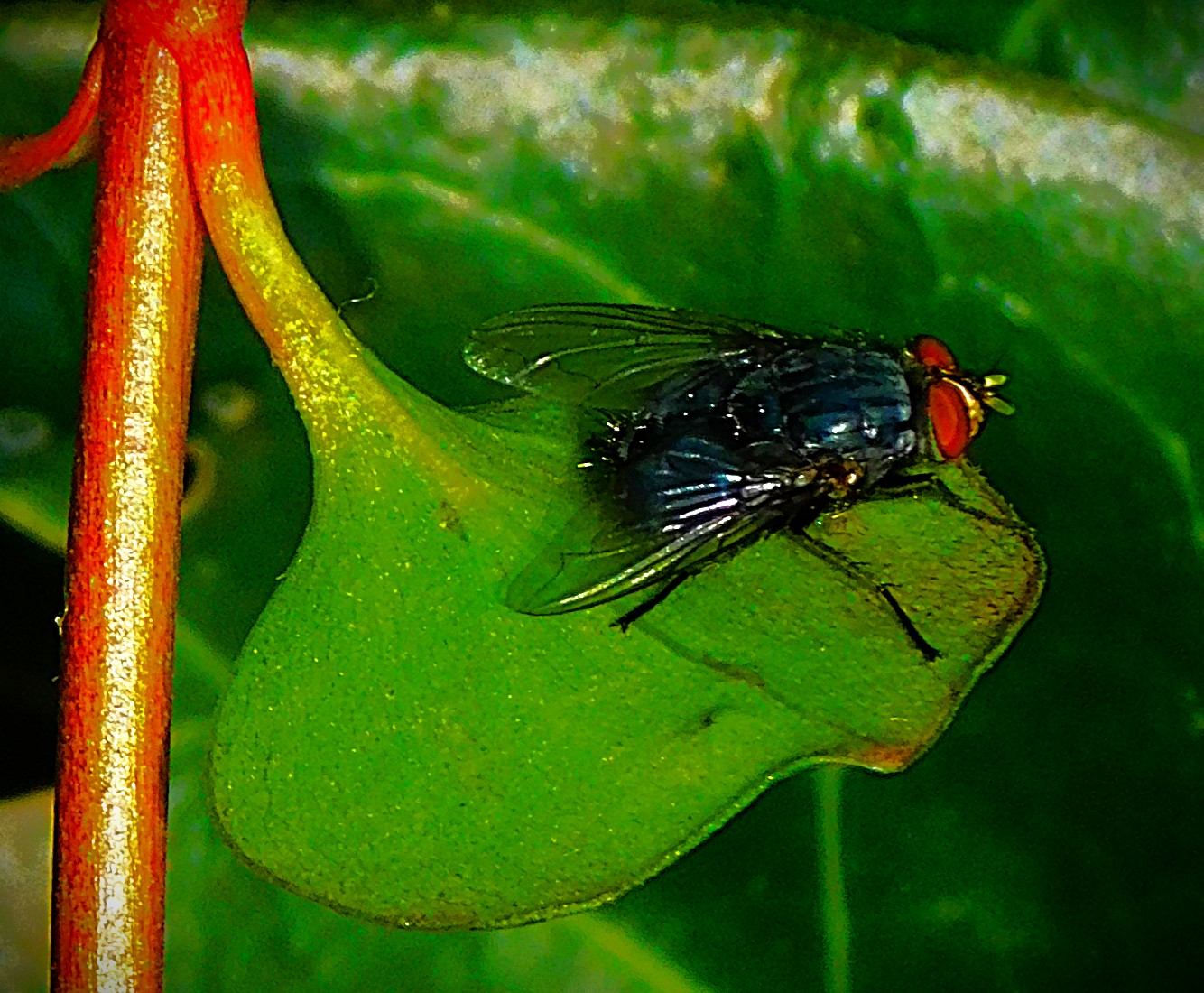
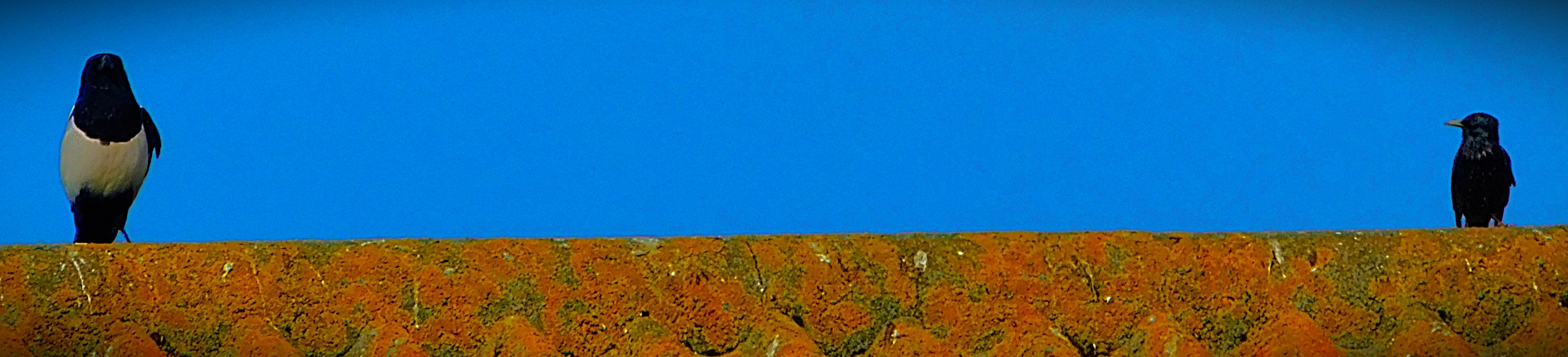
To end this post here is the rest of my photo gallery…

Tesla Takedown

An account of my involvement in the first Tesla Takedown event, outside the dealership at Park Royal, London. Features a special section on the magnificent Park Royal station.

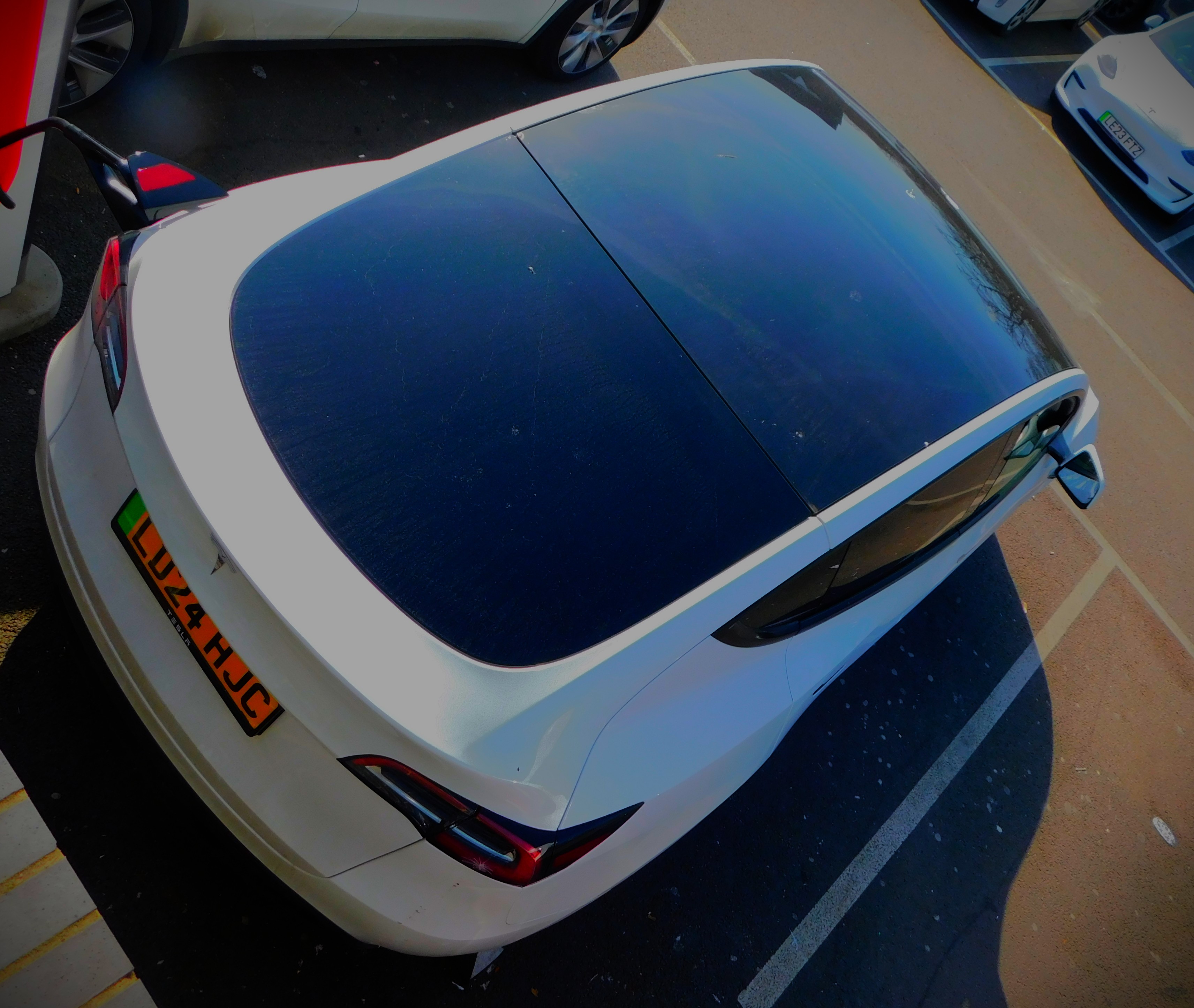
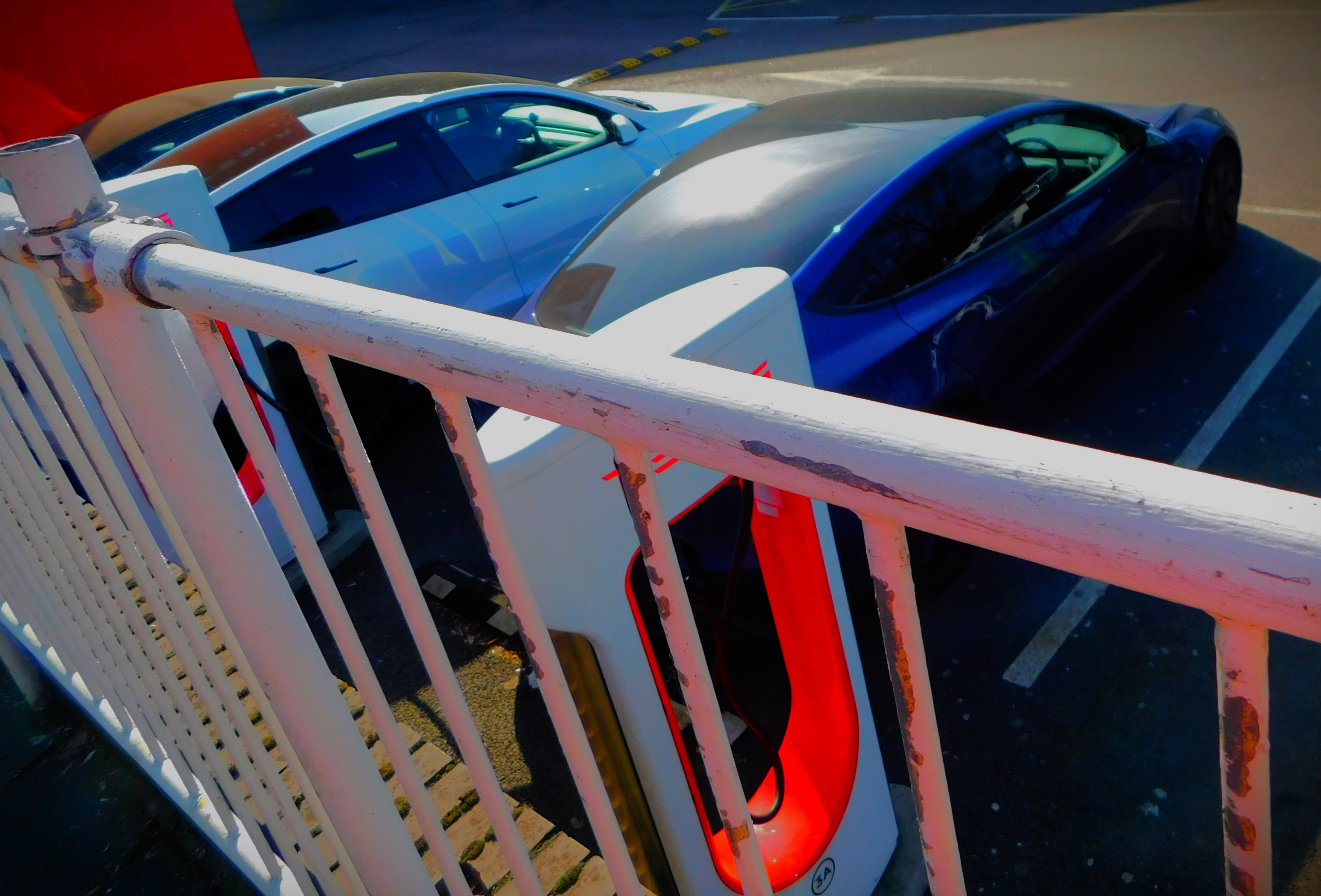
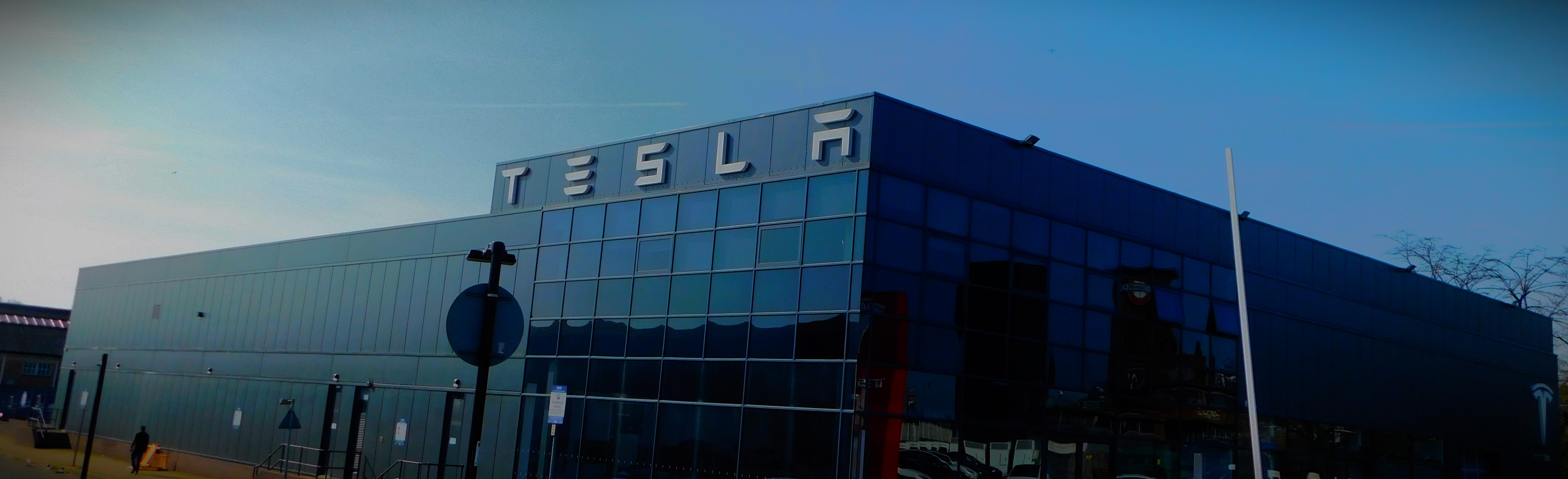
Yesterday saw the first Tesla Takedown event take place outside the Tesla dealership at Park Royal in west London. I was one of the participants, and this post describes my day.

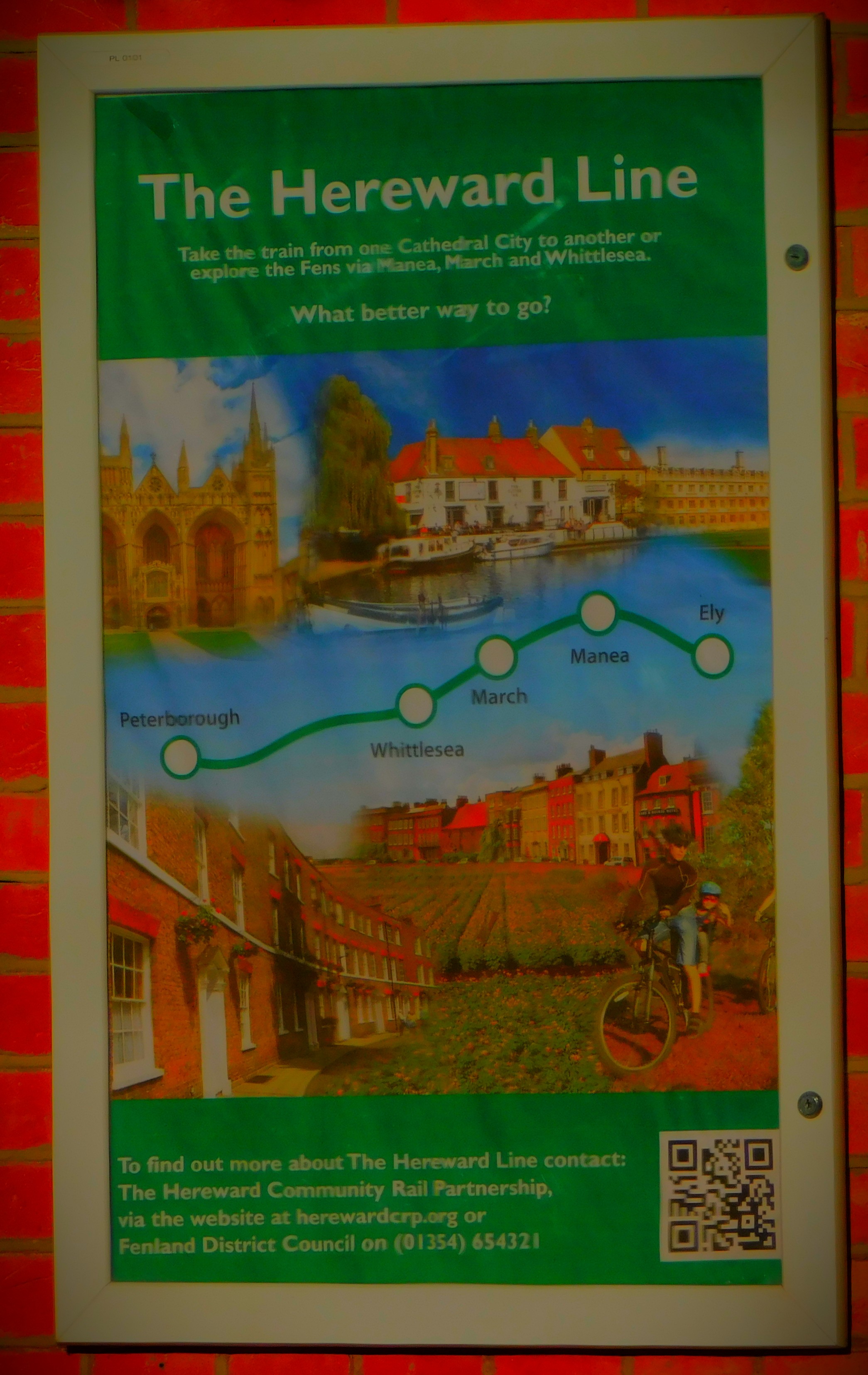
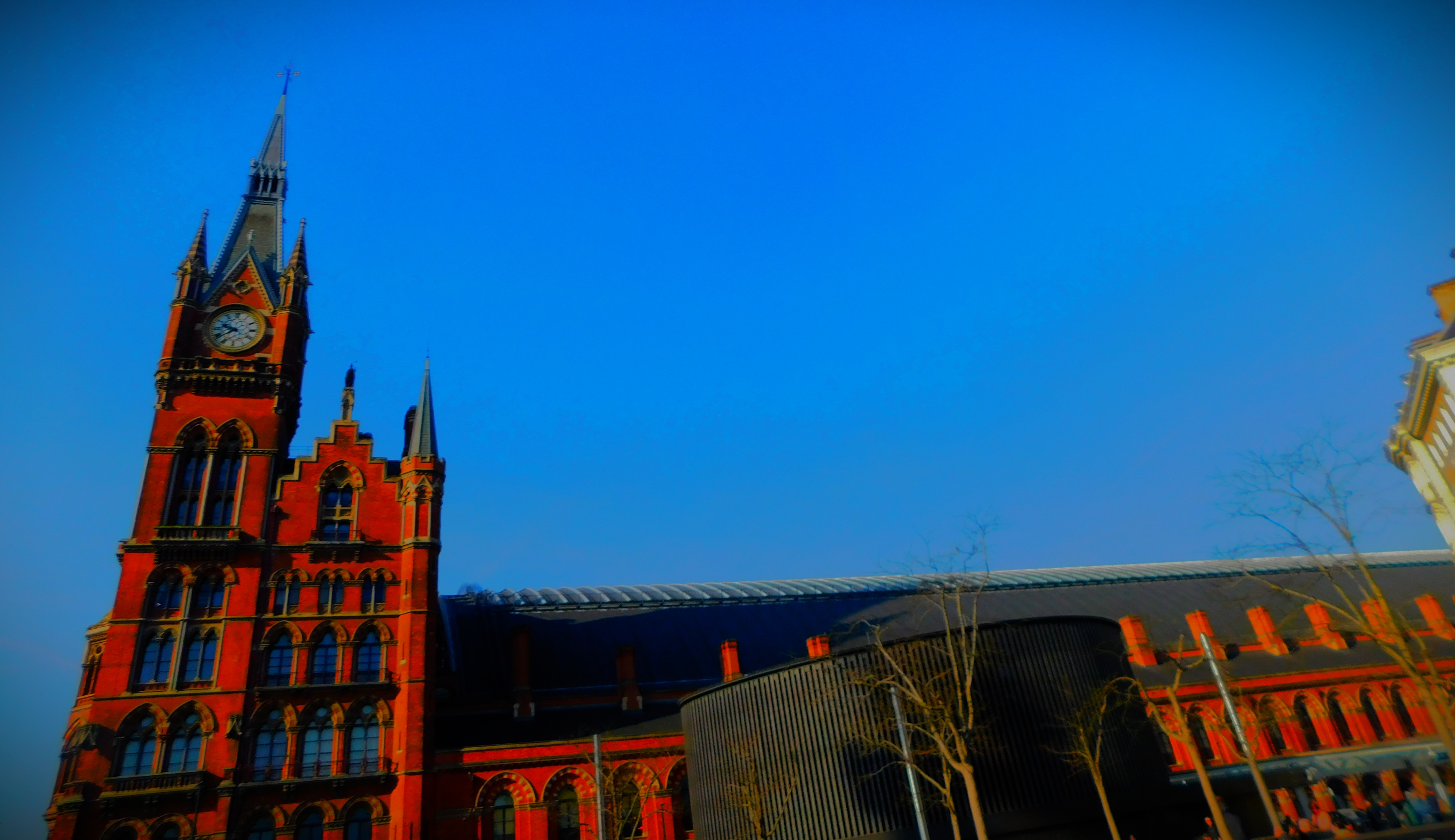
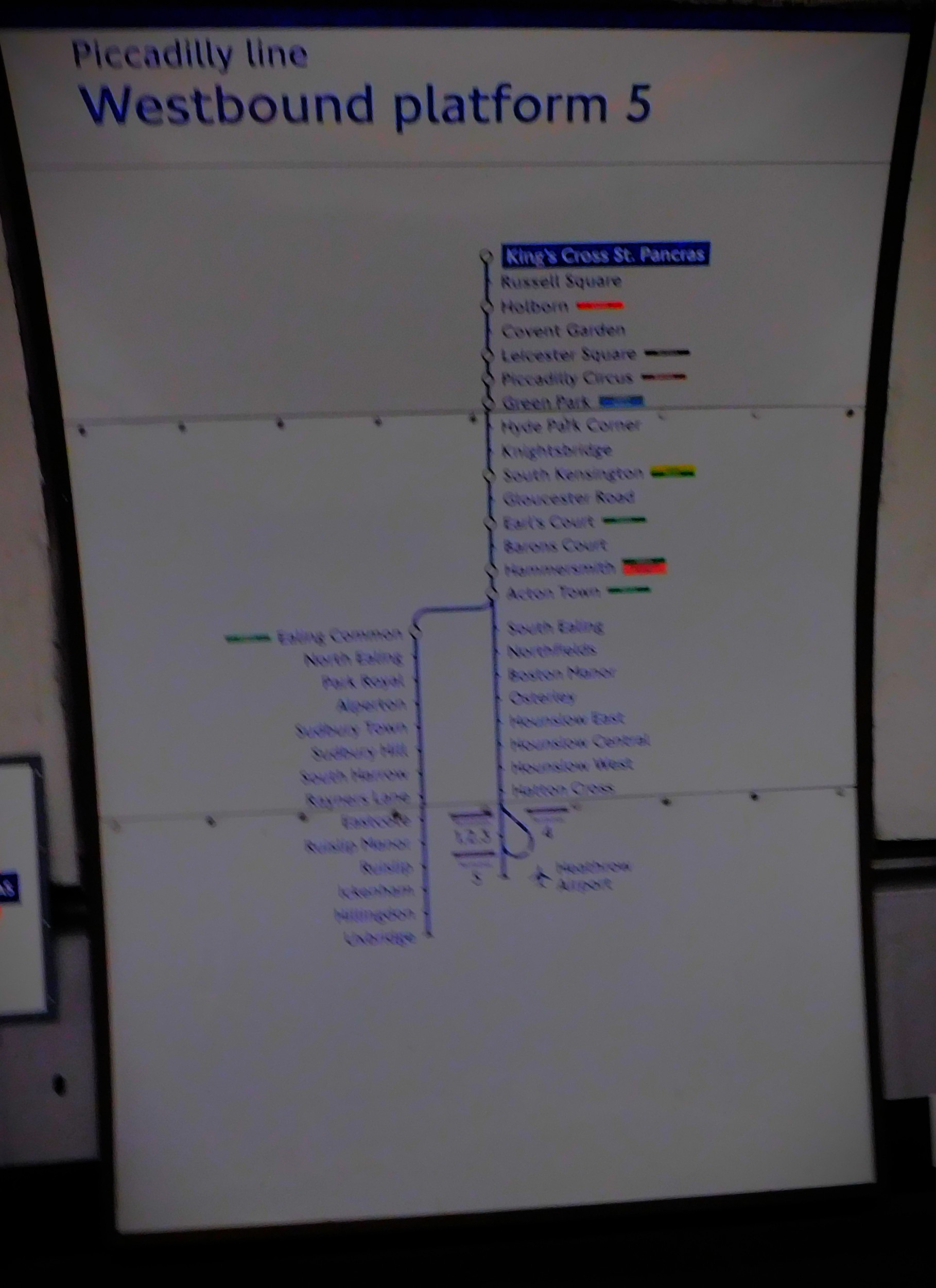
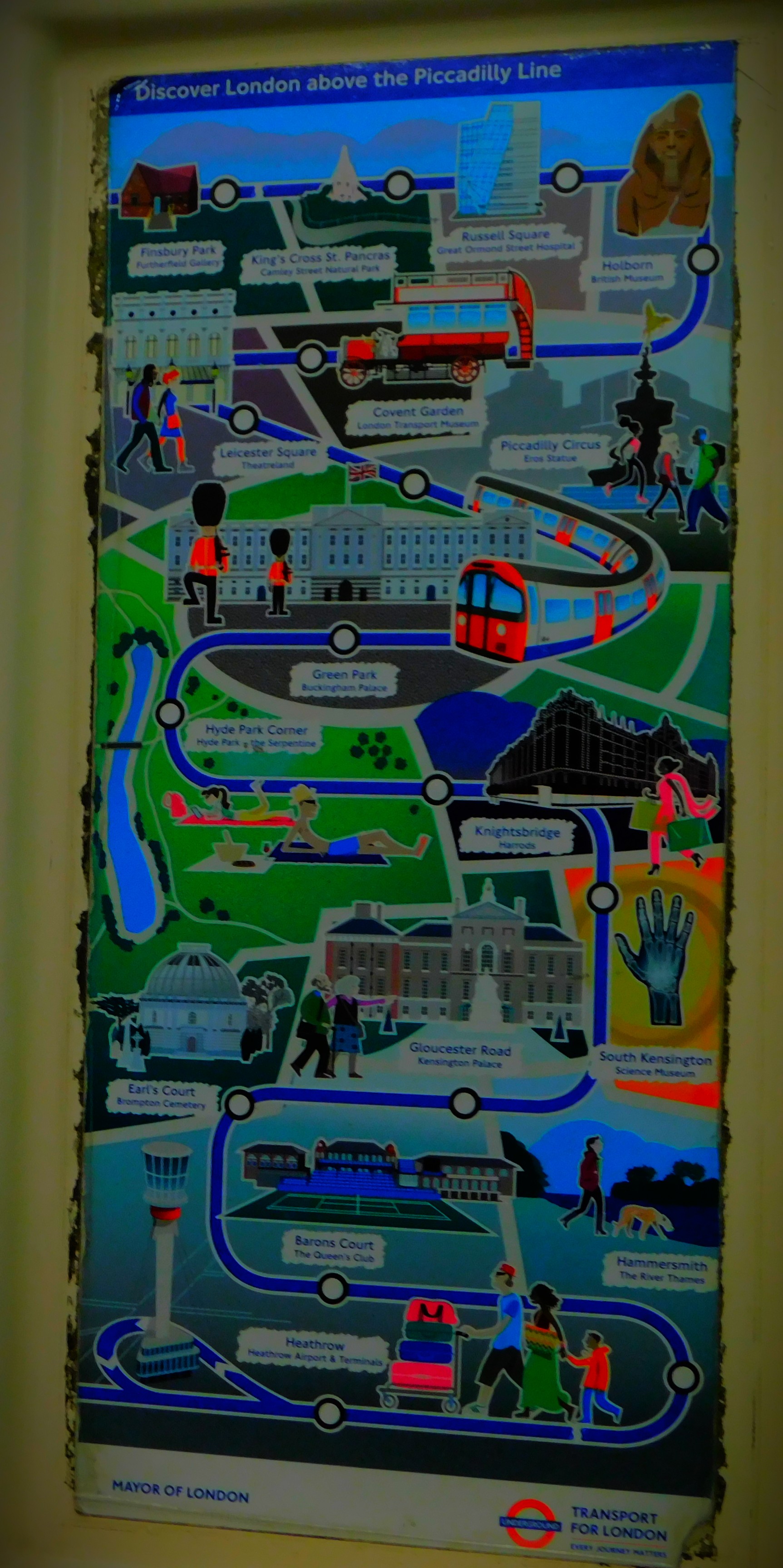
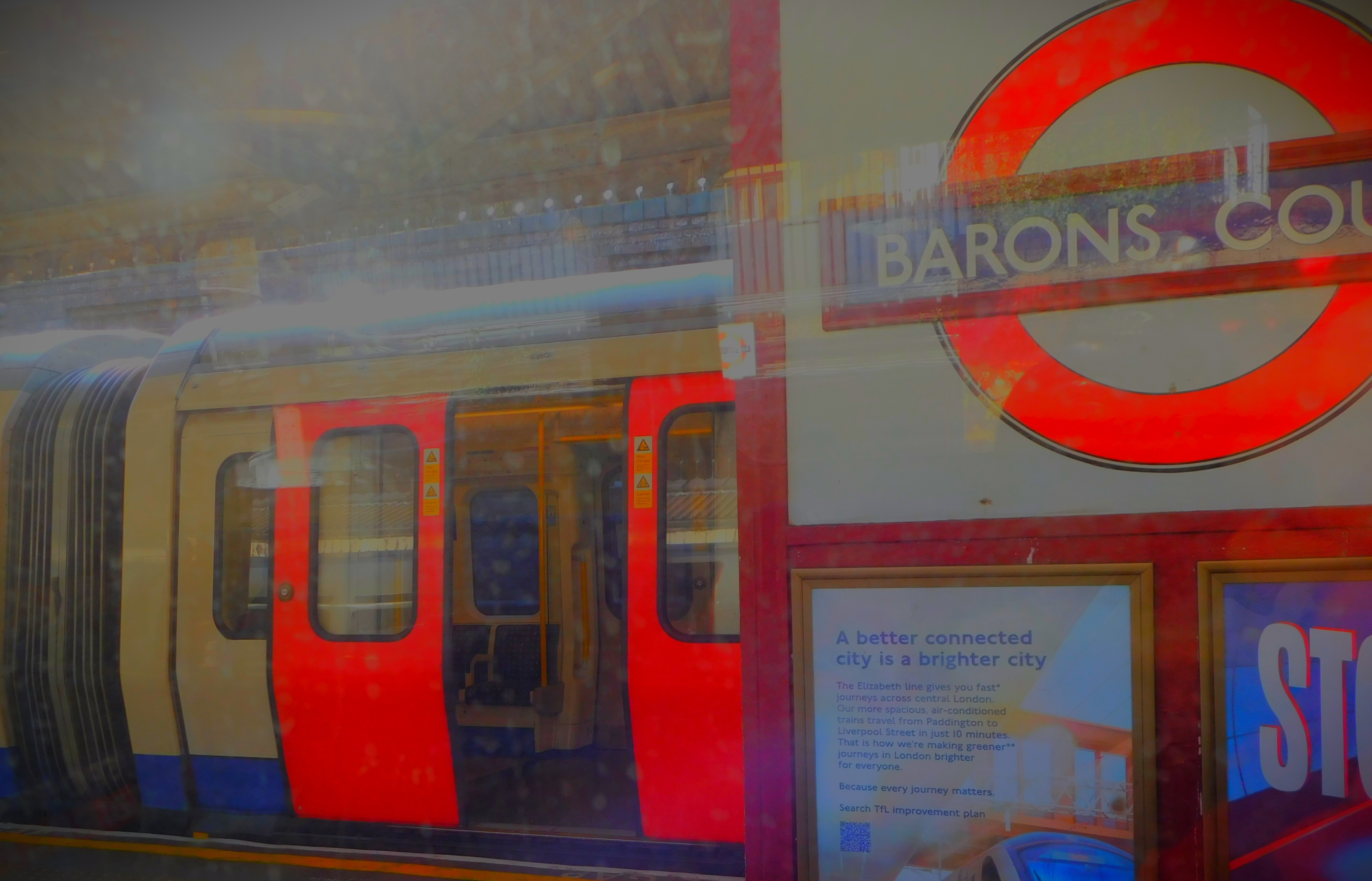
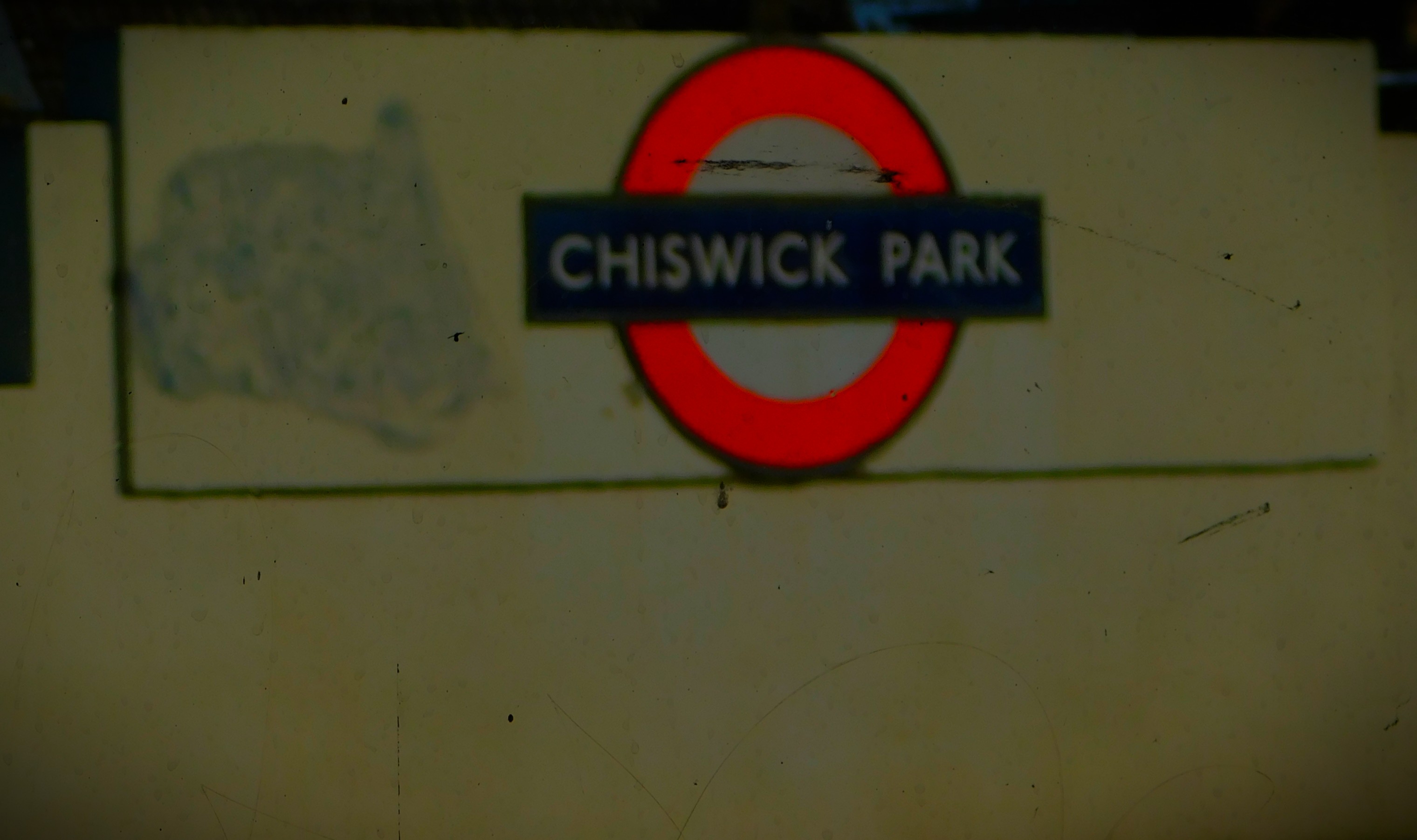
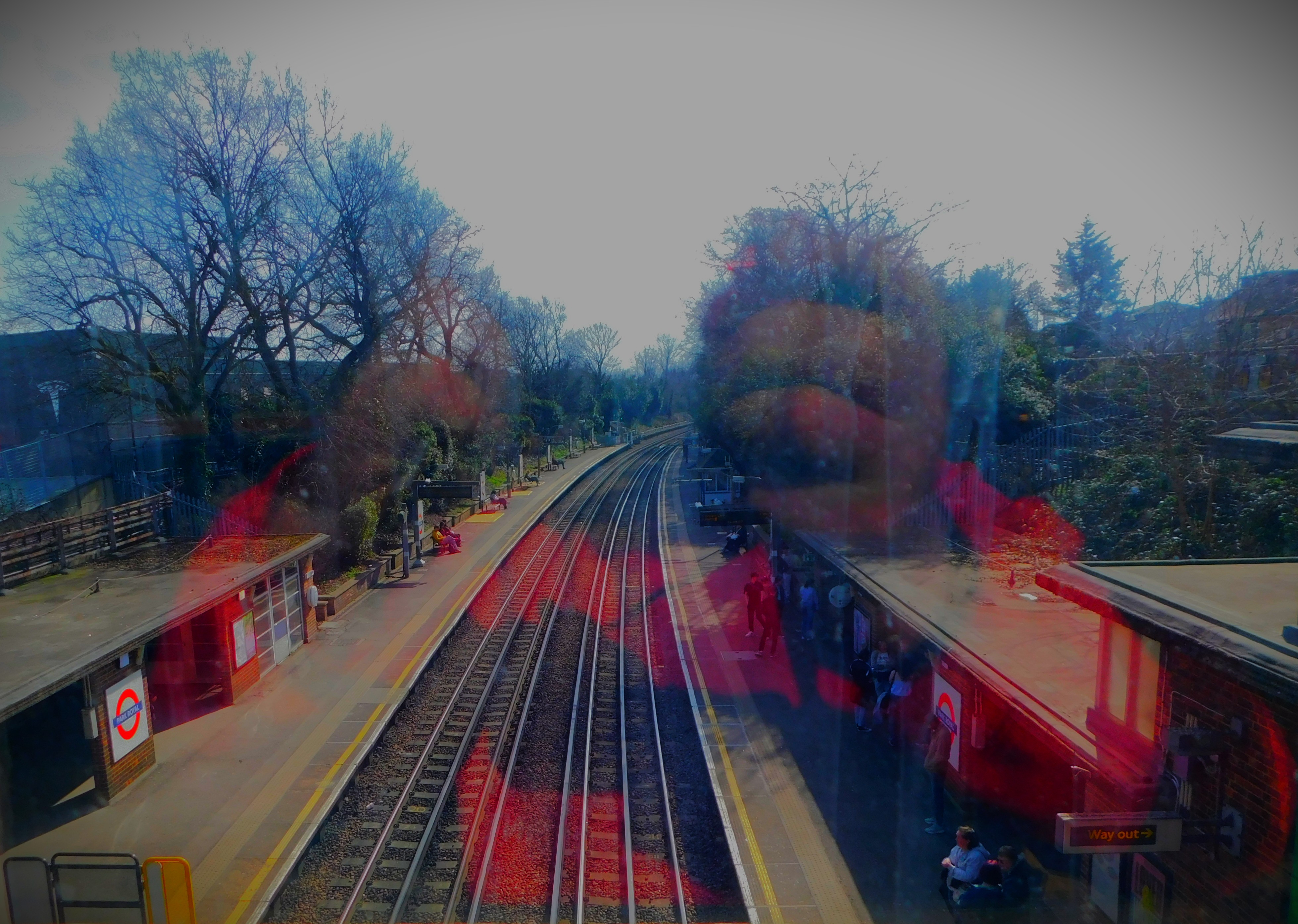
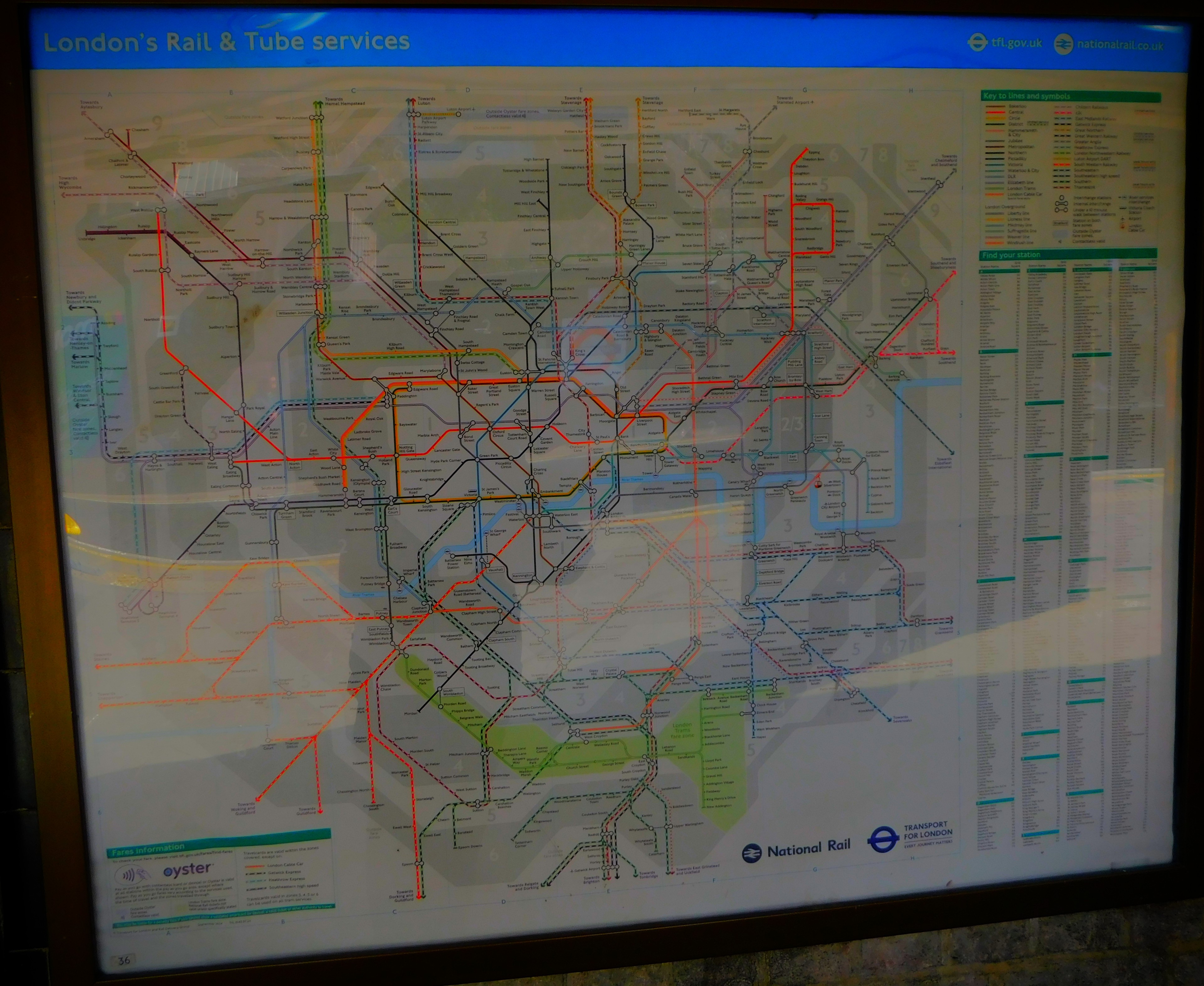
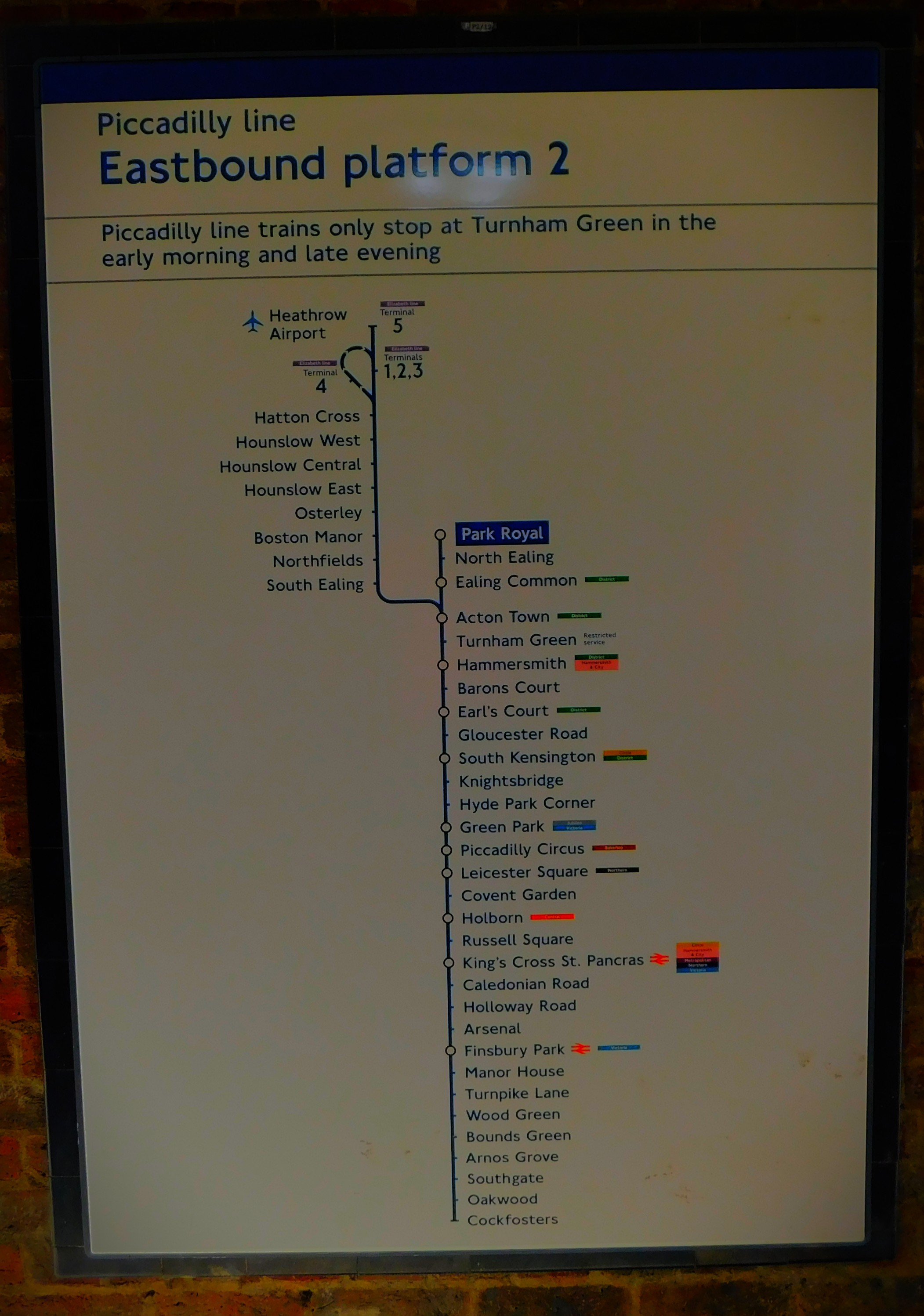
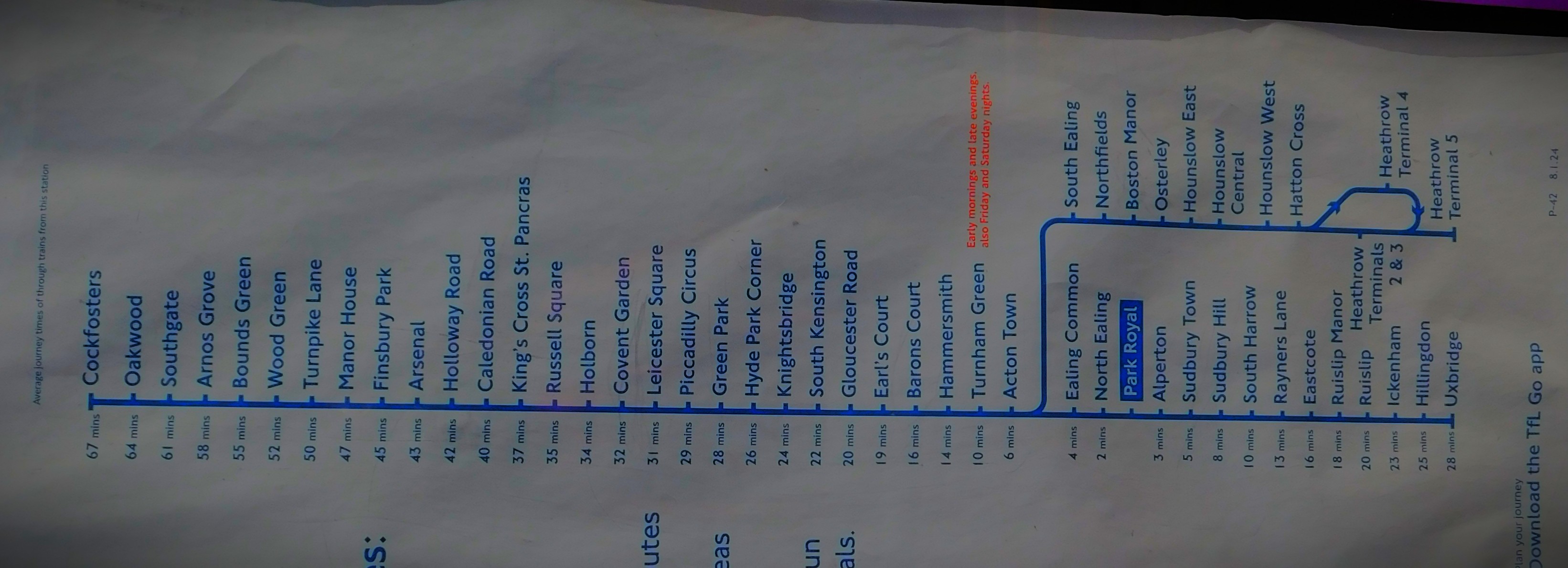
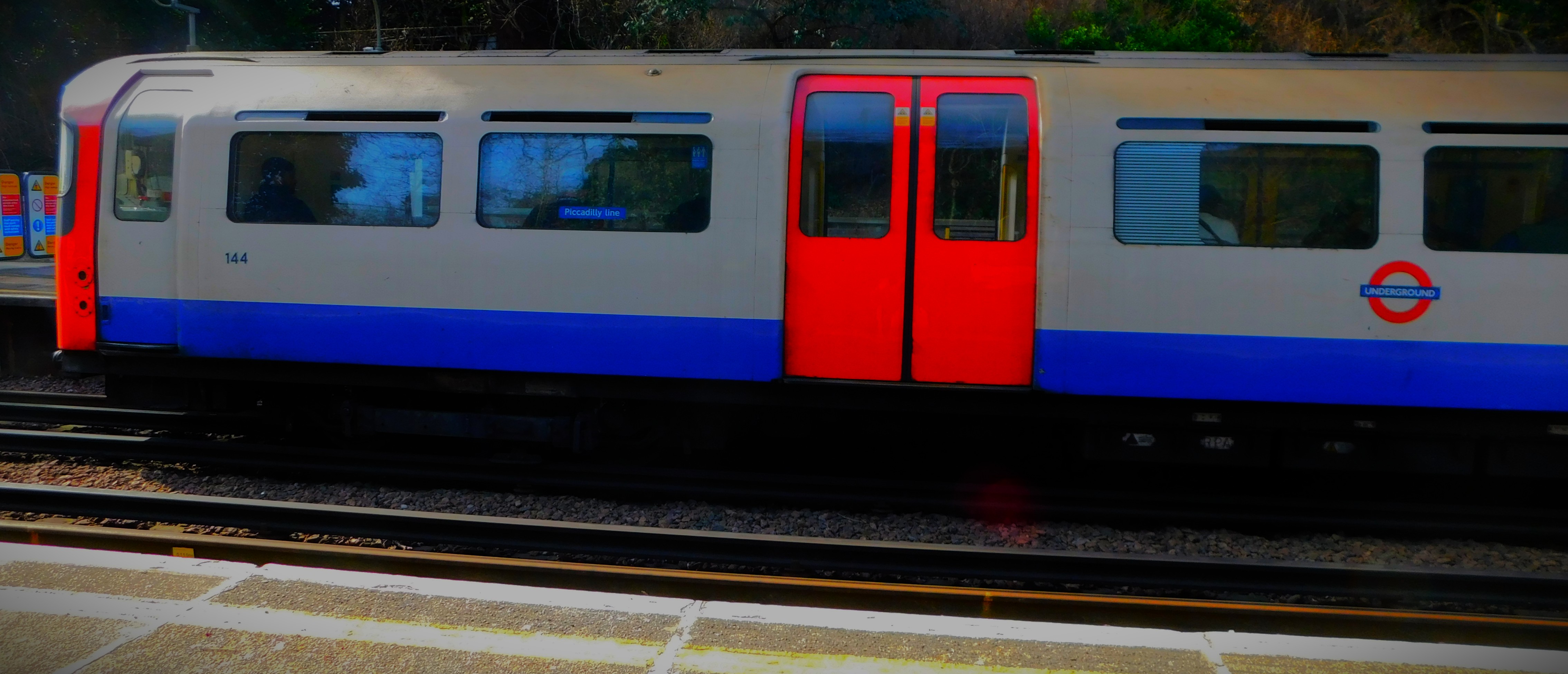
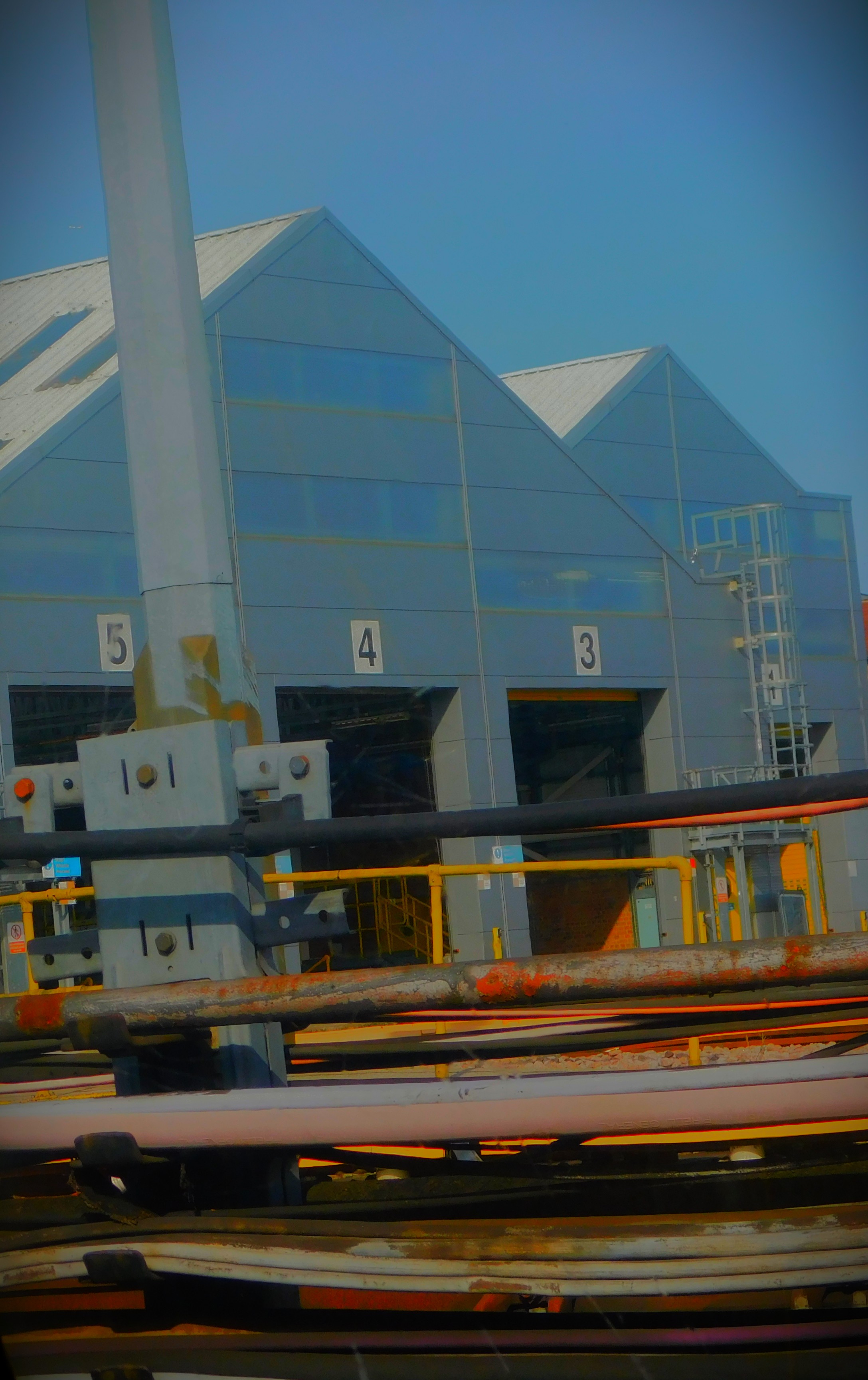
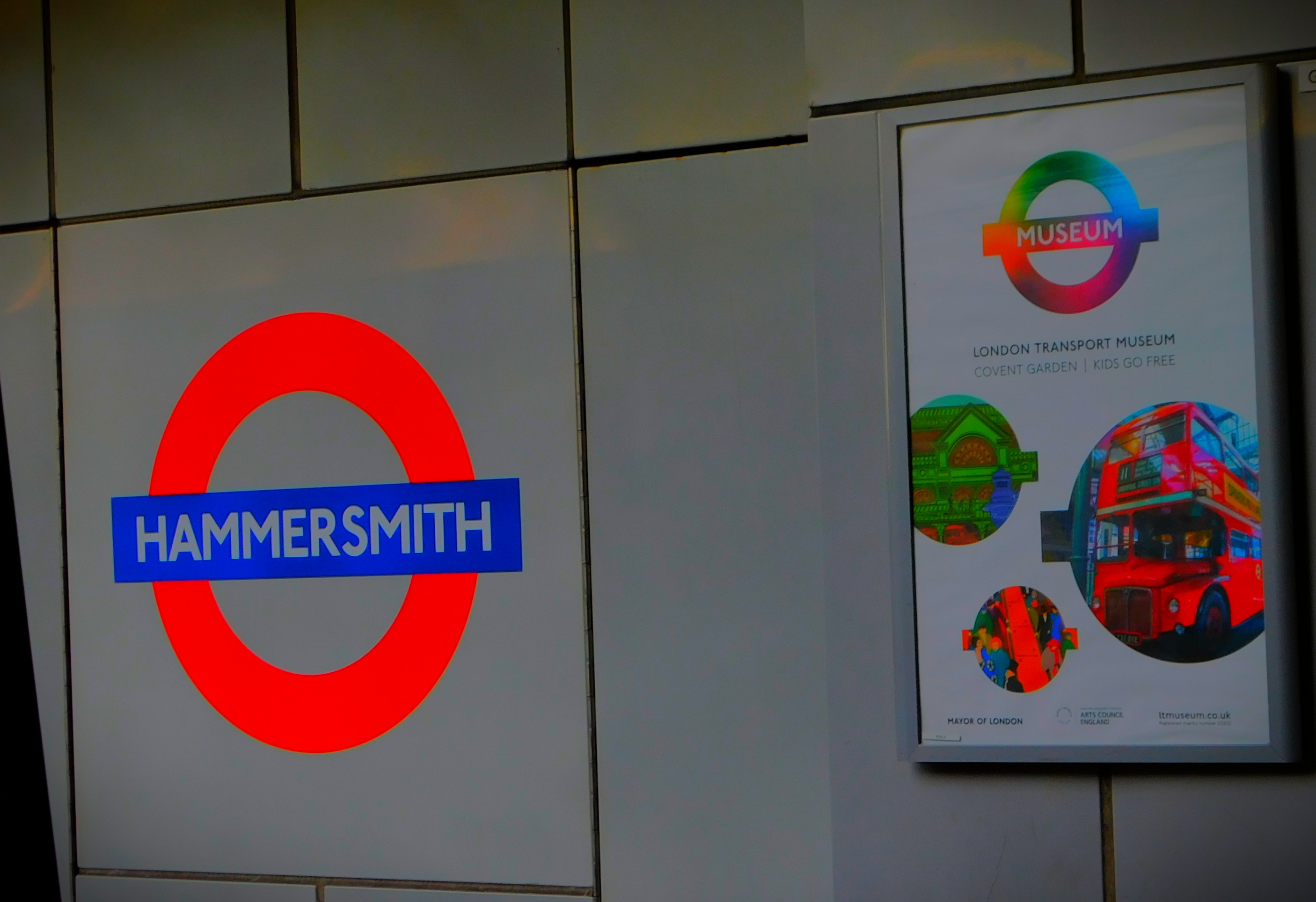
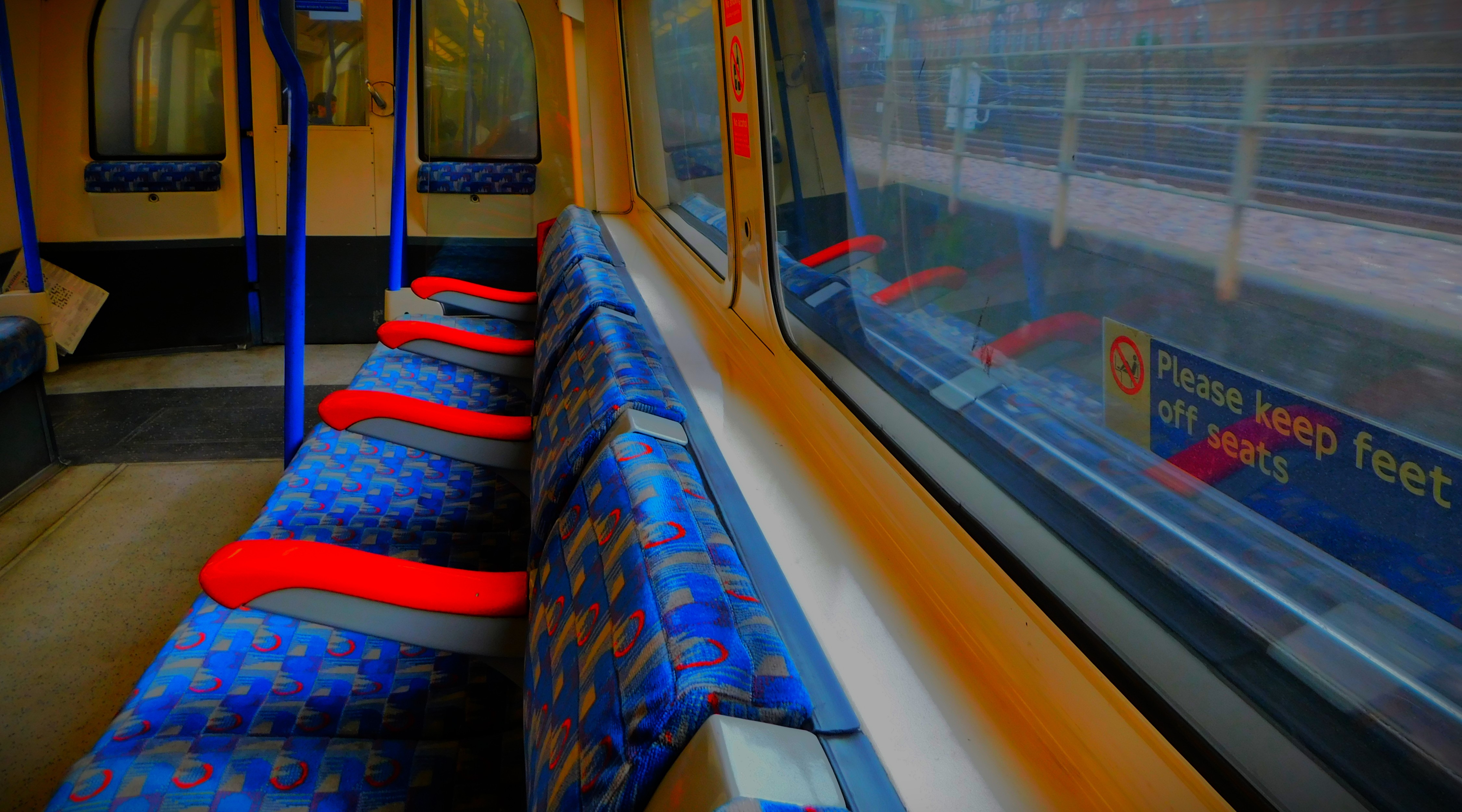
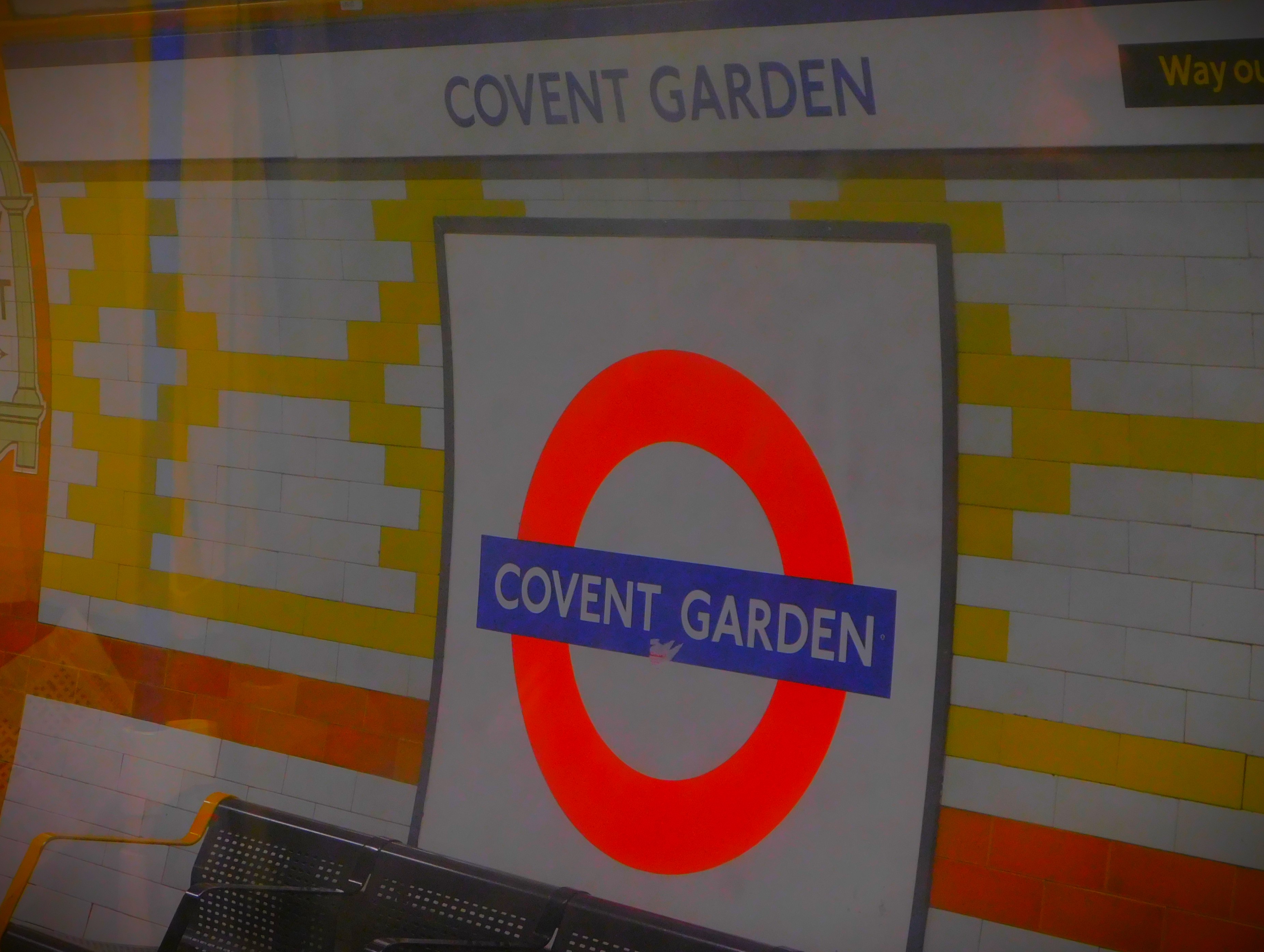
The event was scheduled to start at 11AM, which necessitated catching the 7:42 ntrain from King’s Lynn and then changing to the Piccadilly line at King’s Cross. I had agreed to meet my sister at King’s Lynn station for the oublic transport element of the journey. Given the importance of making that train I planned to leave my house in North Lynn at 7AM to be absolutely sure that there was no possibility of missing it. The journey to King’s Cross was smooth, and the weather was so benign that had I been religiousI might have reckoned thAt someone up there was on our side and ipso facto opposed to Elon the Execrable. It prpved to be just as well that we had lots of time for the cross London journey on the Piccadilly lin, as this part of the journey saw us delayed. Ironically the problem area was what is usually the quickest portion of a journey onn the Piccadilly line, the non-stop run from Hammersmith to Acton Town (the District line has intermediate stops at Ravenscourt Park, Stamford Brook, Turnham Green and Chiswick Park, in a reversal of the situation between Baker Street and Wembley Park, where save for a stop at Finchley Road the Metroplitan line runs fast, while the Jubilee line stops everywhere). We had just past Turnham Green when the train stopped, and we were then told after a substantial pause that it would move forward before stopping suddenly and then rpoceeding slowly. There was then another unscheduled stoo before Acton Town, followed by precisely the same rigmarole, which was then followed by an announcement that the train would now terminate at South Harrow rather than going on to Rayners Lane. The last few stops of our journey passed without further incident. Park Royal is such a fine station that I am giving it a sectionof its own later in the post. Before moving on, here are the pictures taken between King’s Lynn and just before arrival at Park Roya…

The Tesla dealership is actually visible as you step out of Park Royal station, and it is located just off the A40 (the main road between London and Oxford – the Oxford Tube bus service was in evidence – four Oxford bound buses passed on our side, and although I did not observe them all probably as many coming into London came the other way. We garnered plenty of support from passing motorists. The principal organizer was asked to take down his handmade banner because it featured a swastika (no one actually seeing it could have interpreted it as supporting that ideology, and it features in the photo gallery at the end of this section, but apparently some drivers had seen the symbol and looked no further before contacting the police. The police were very friendly about it, and the banner was taken down. I spoke to a couple of media people who were covering the event for their publications. I left a little early, feeling the need to get home…

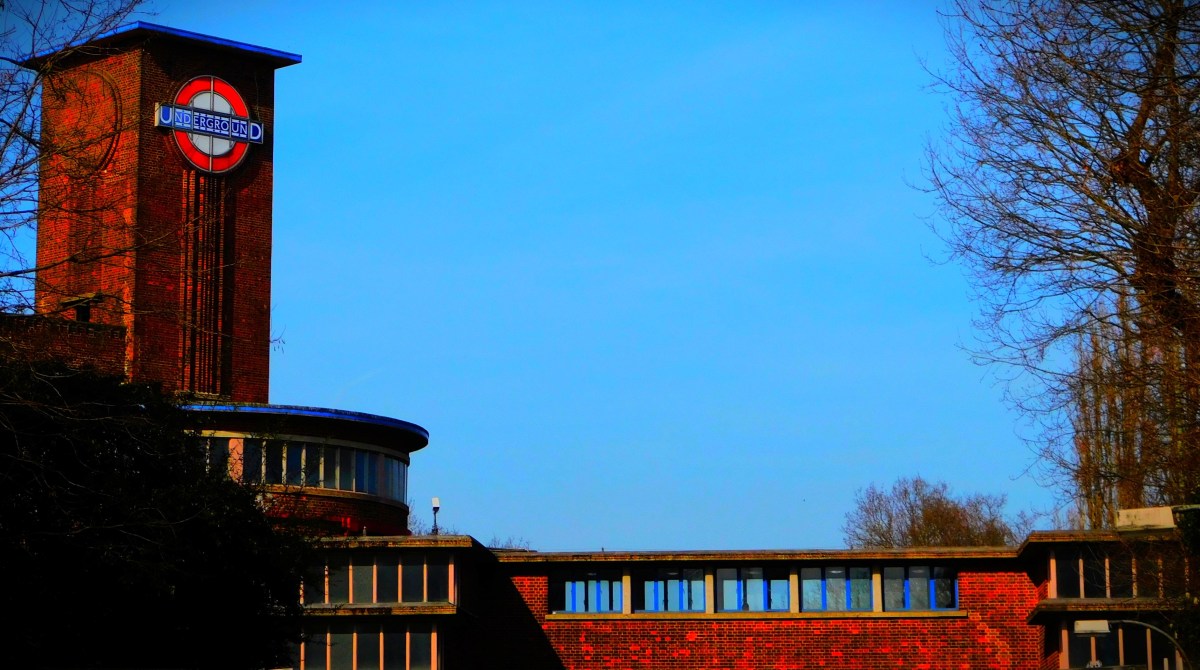
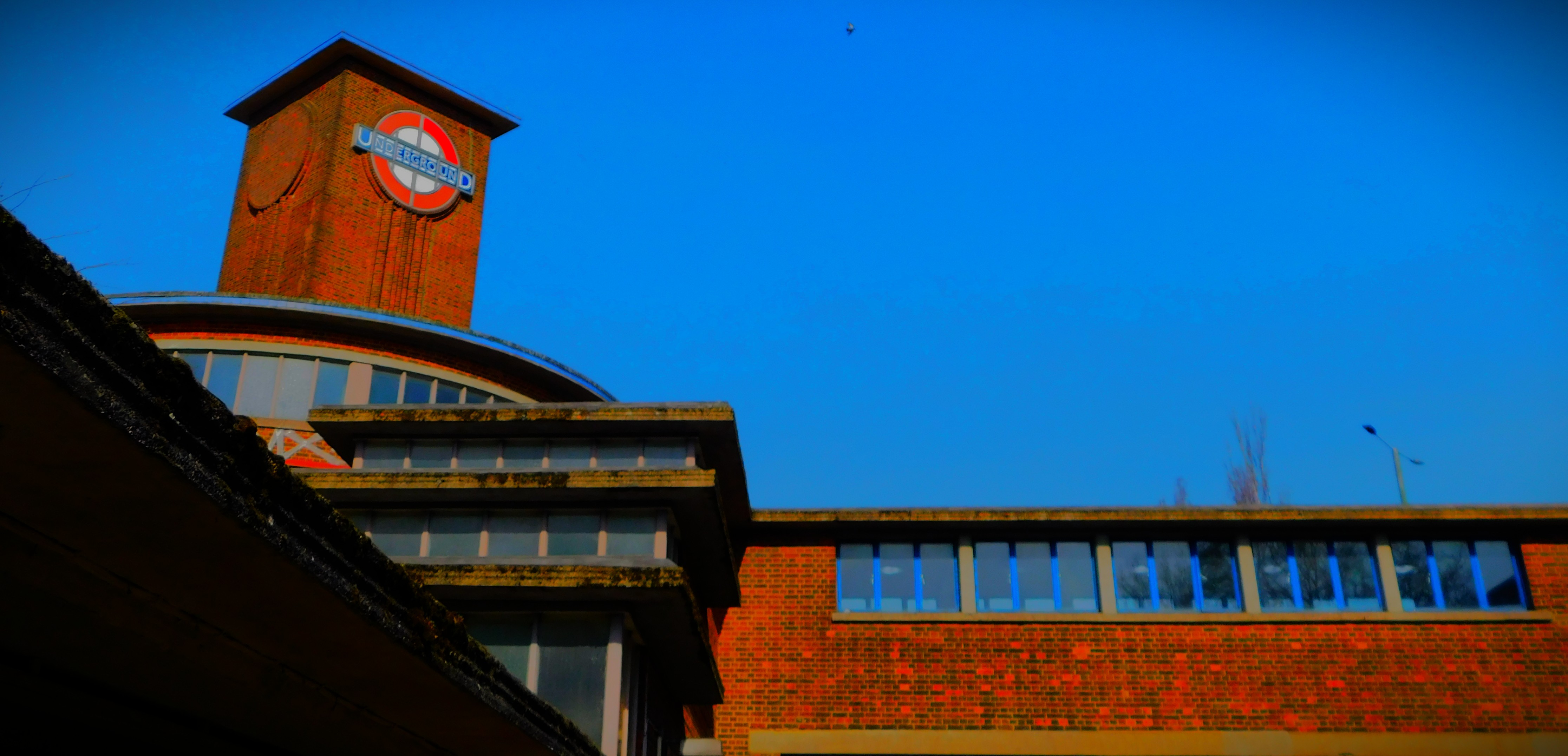
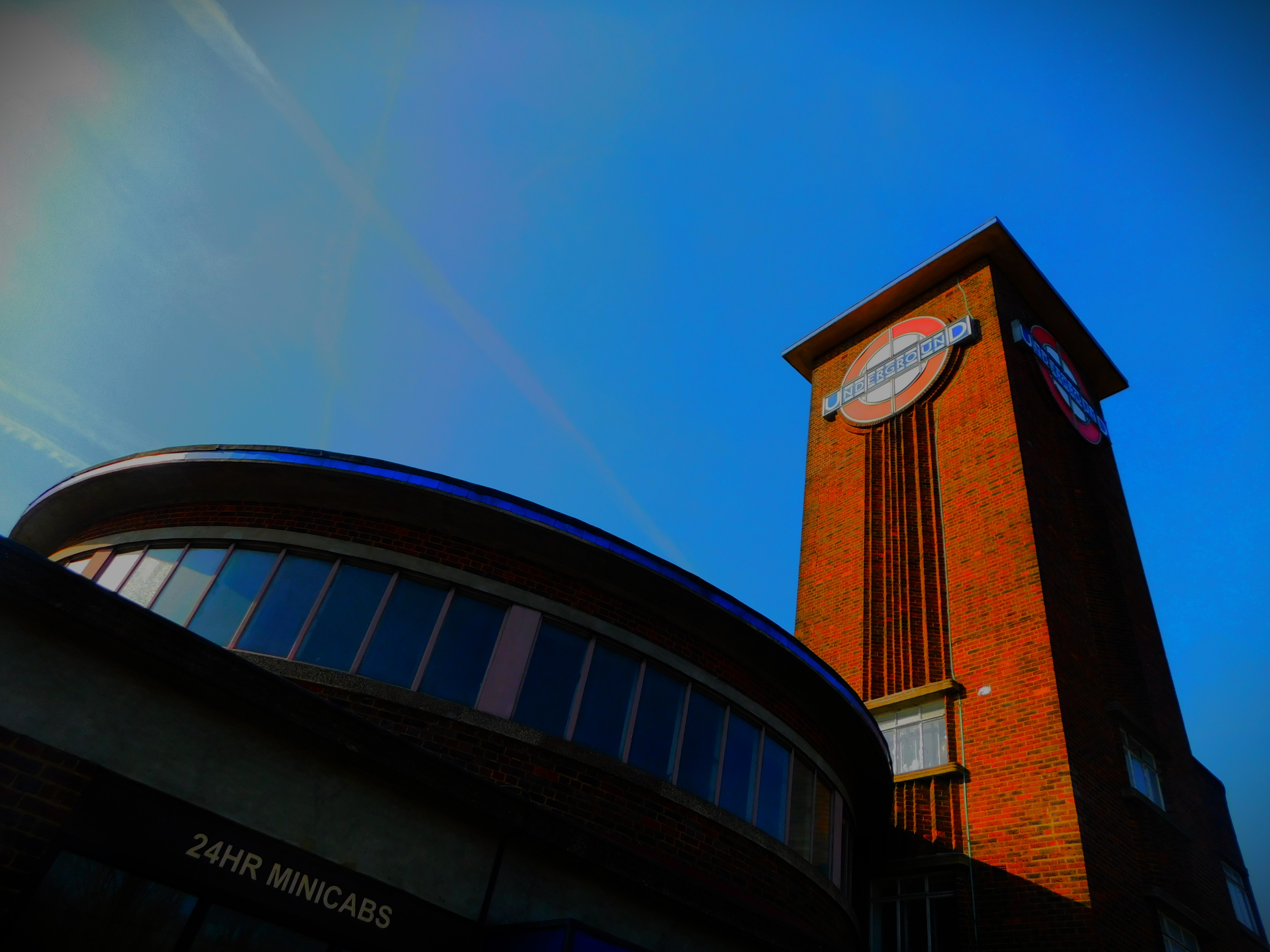
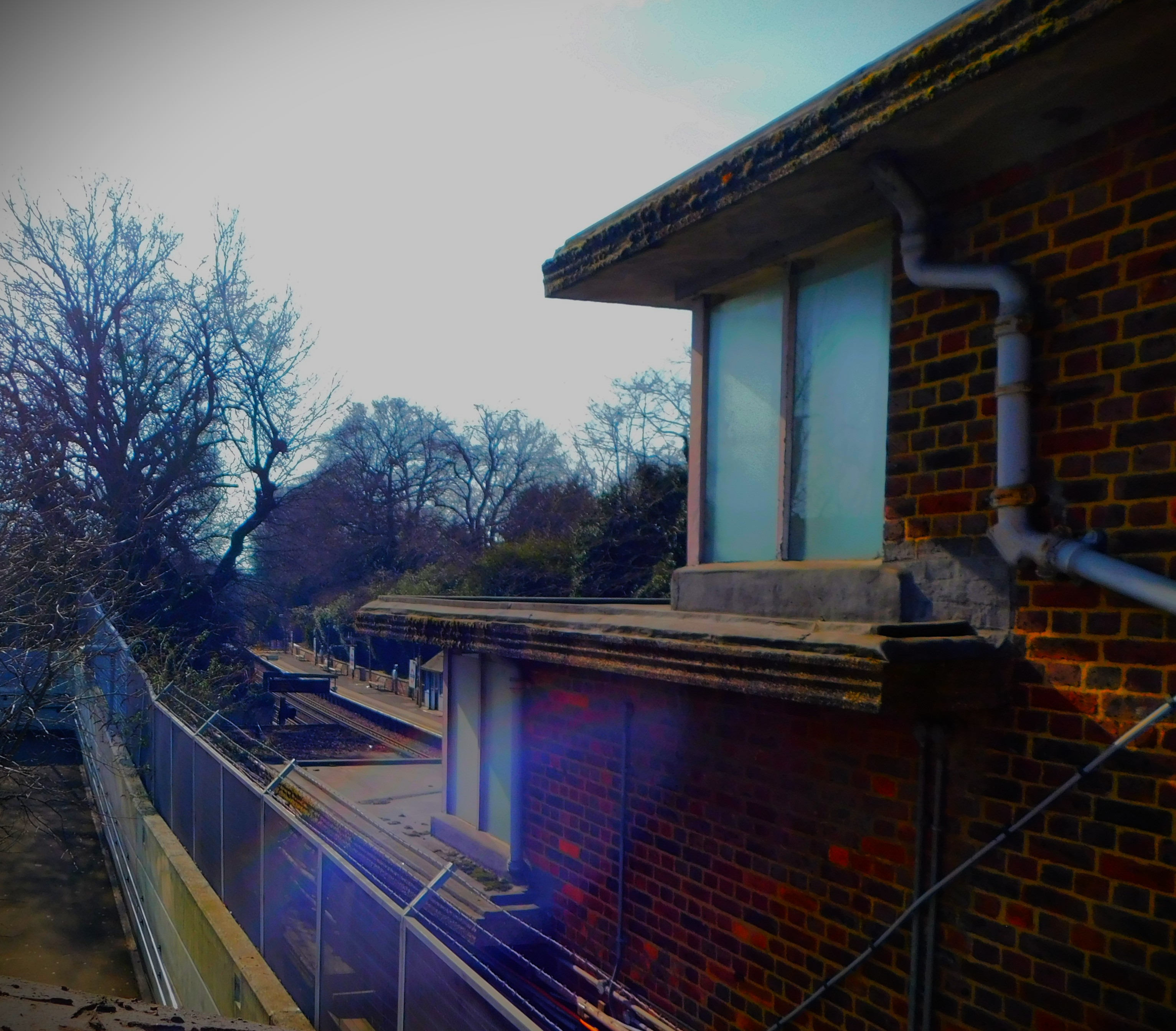
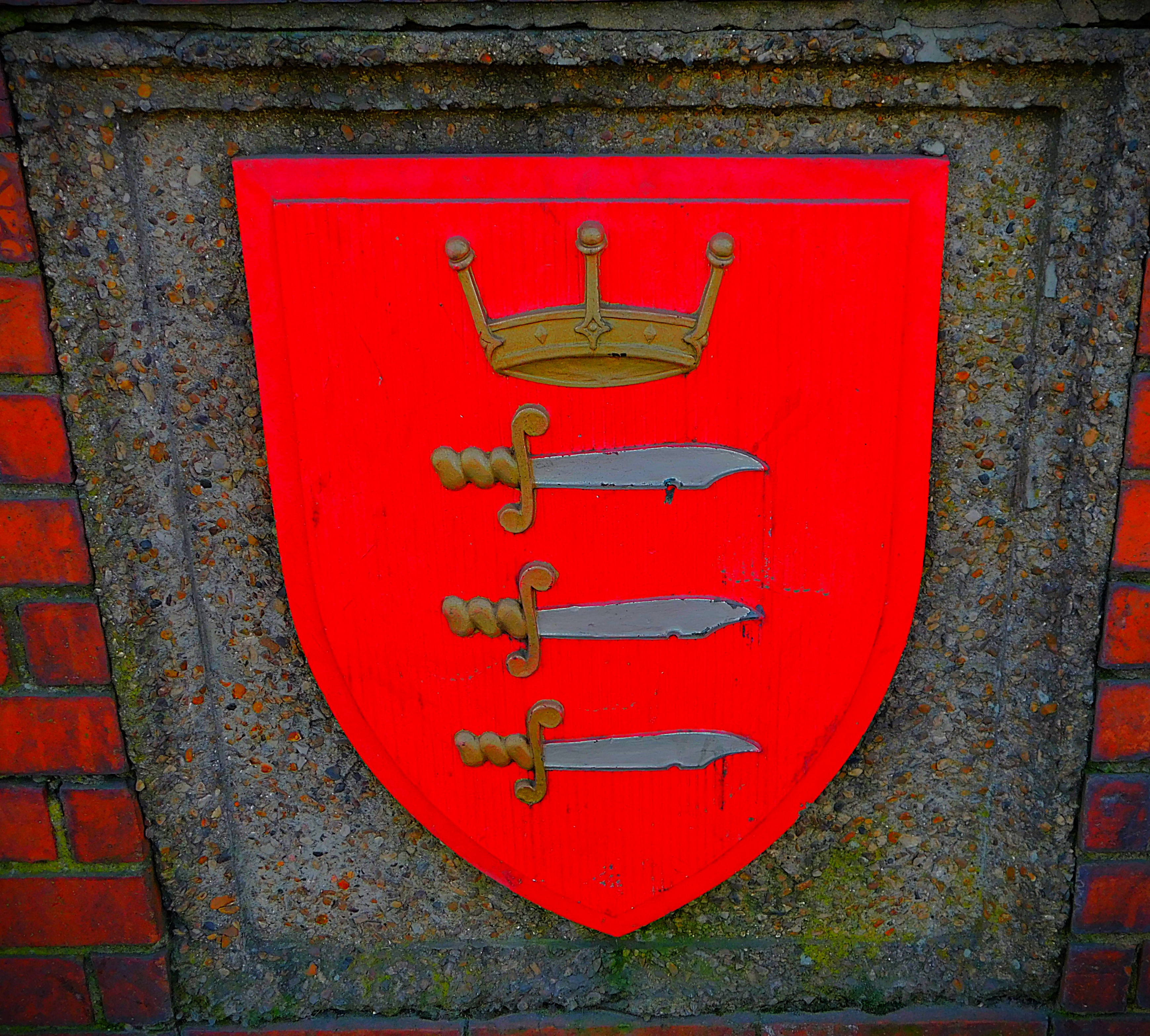
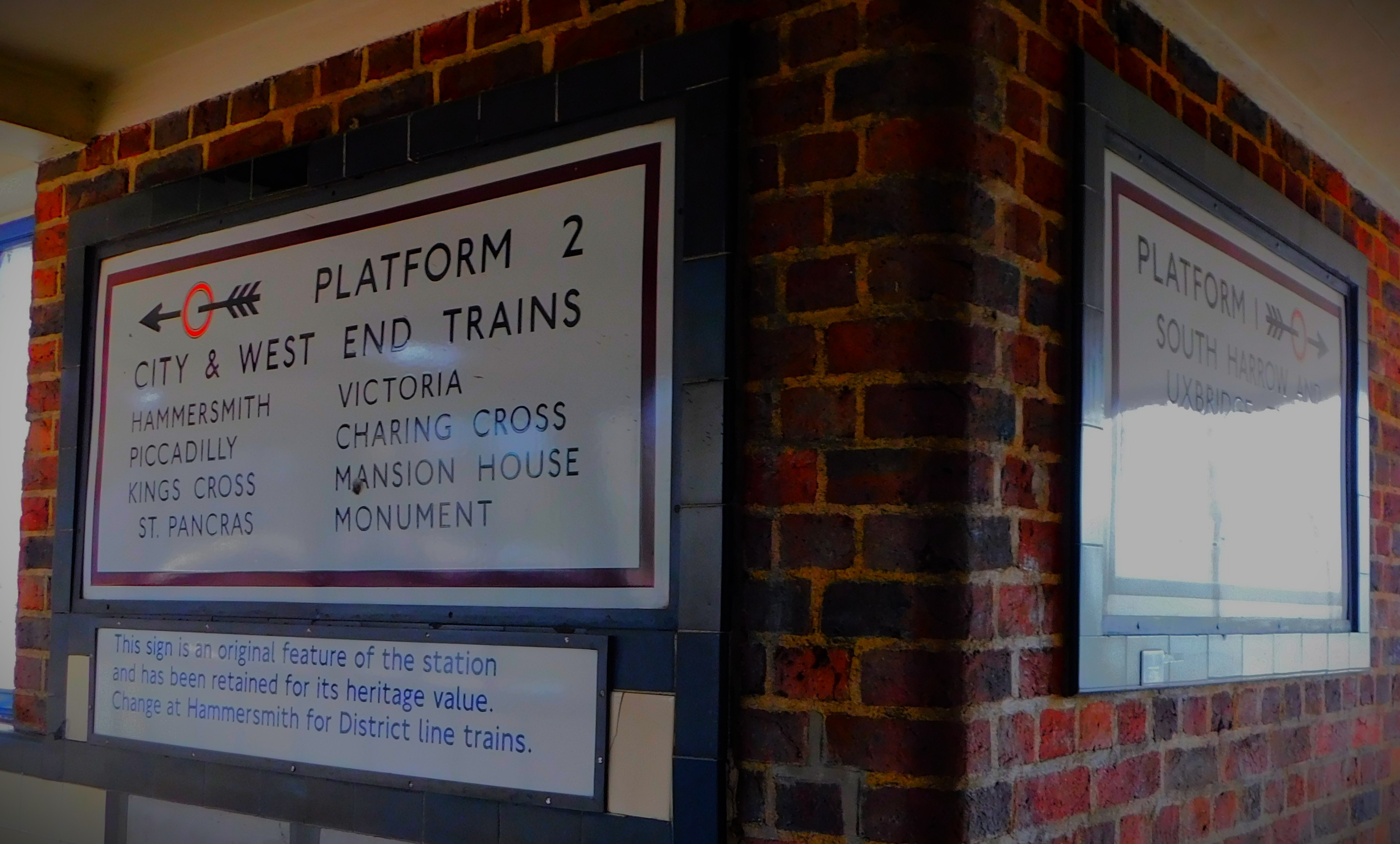
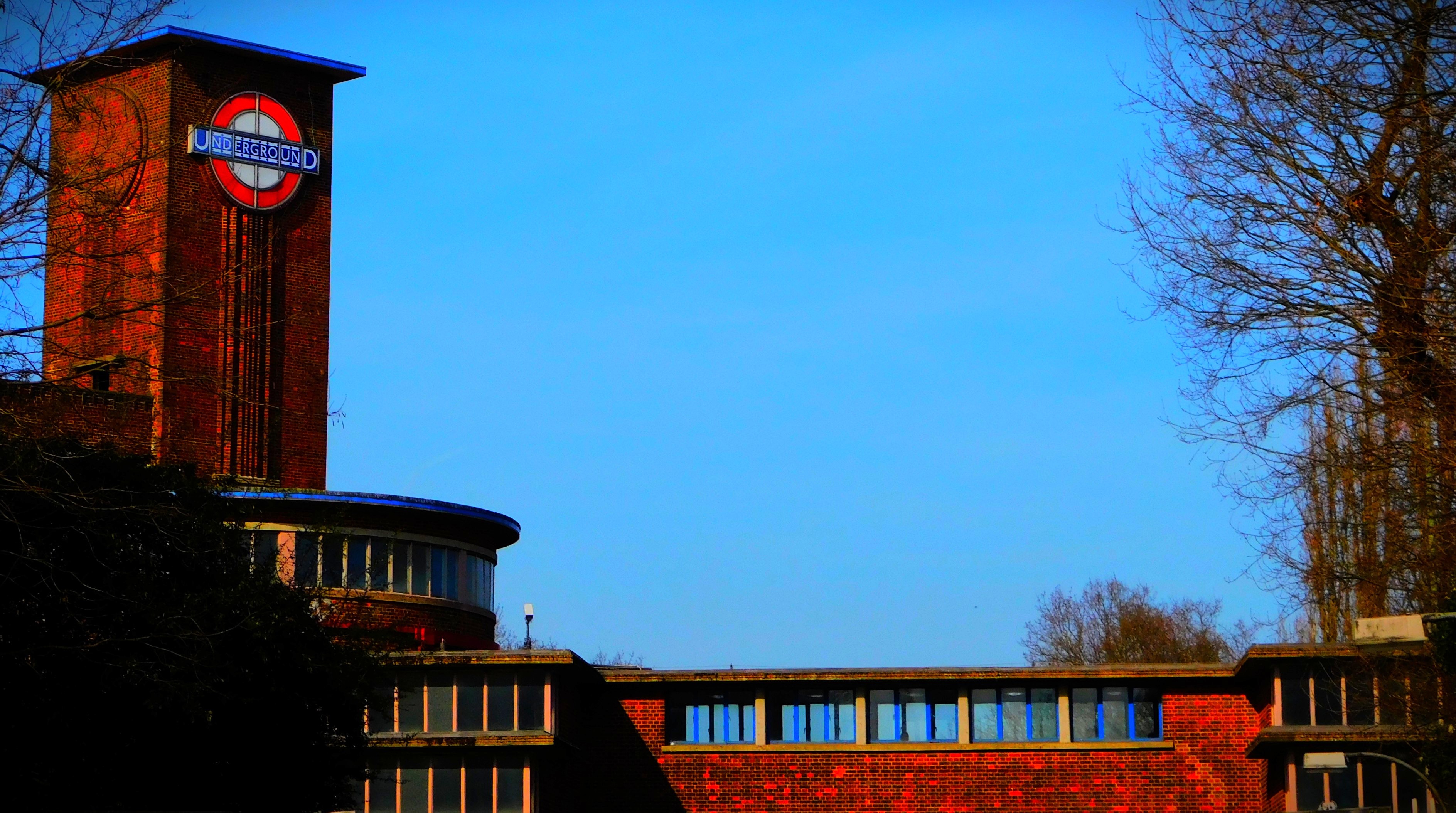
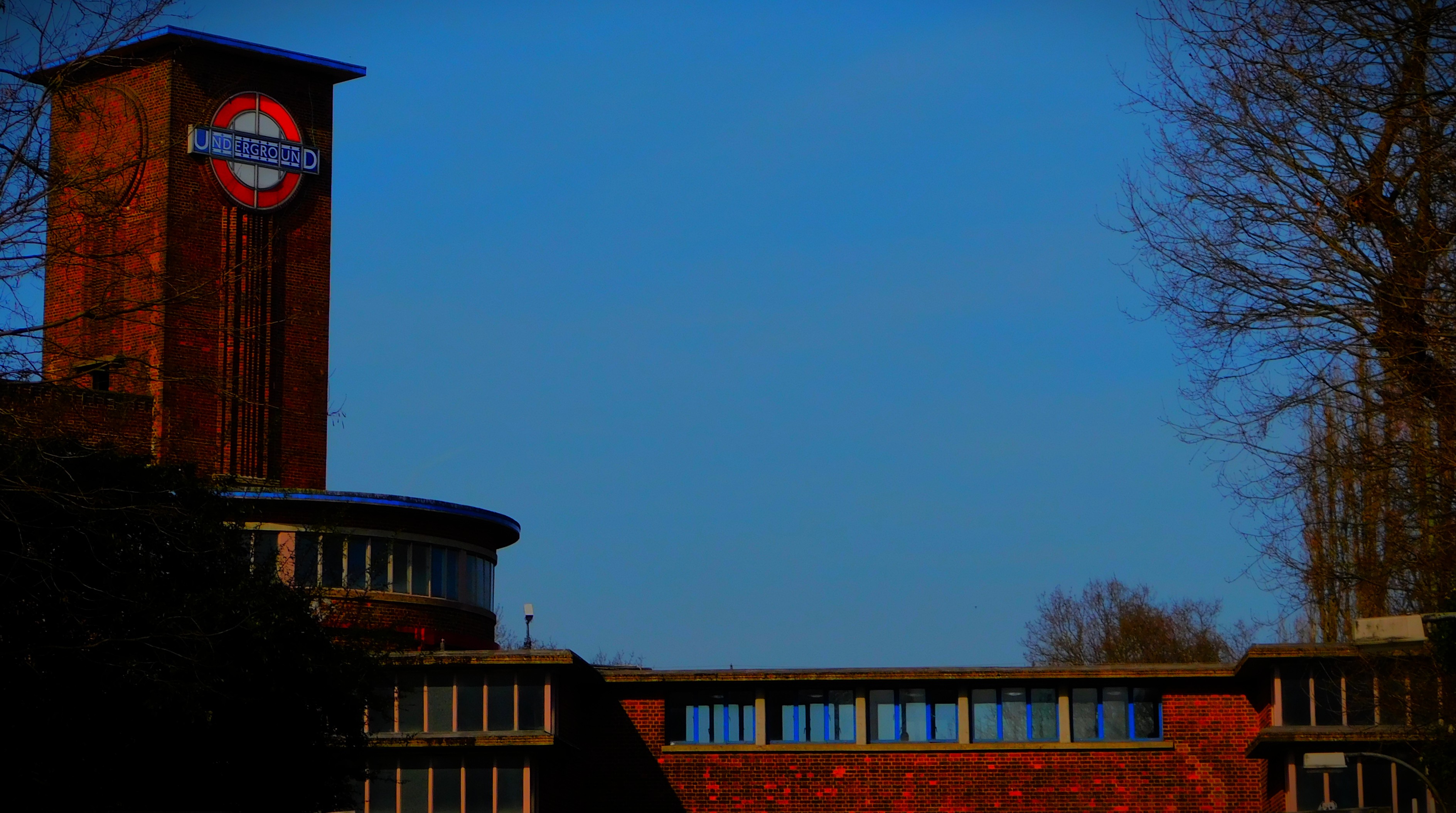
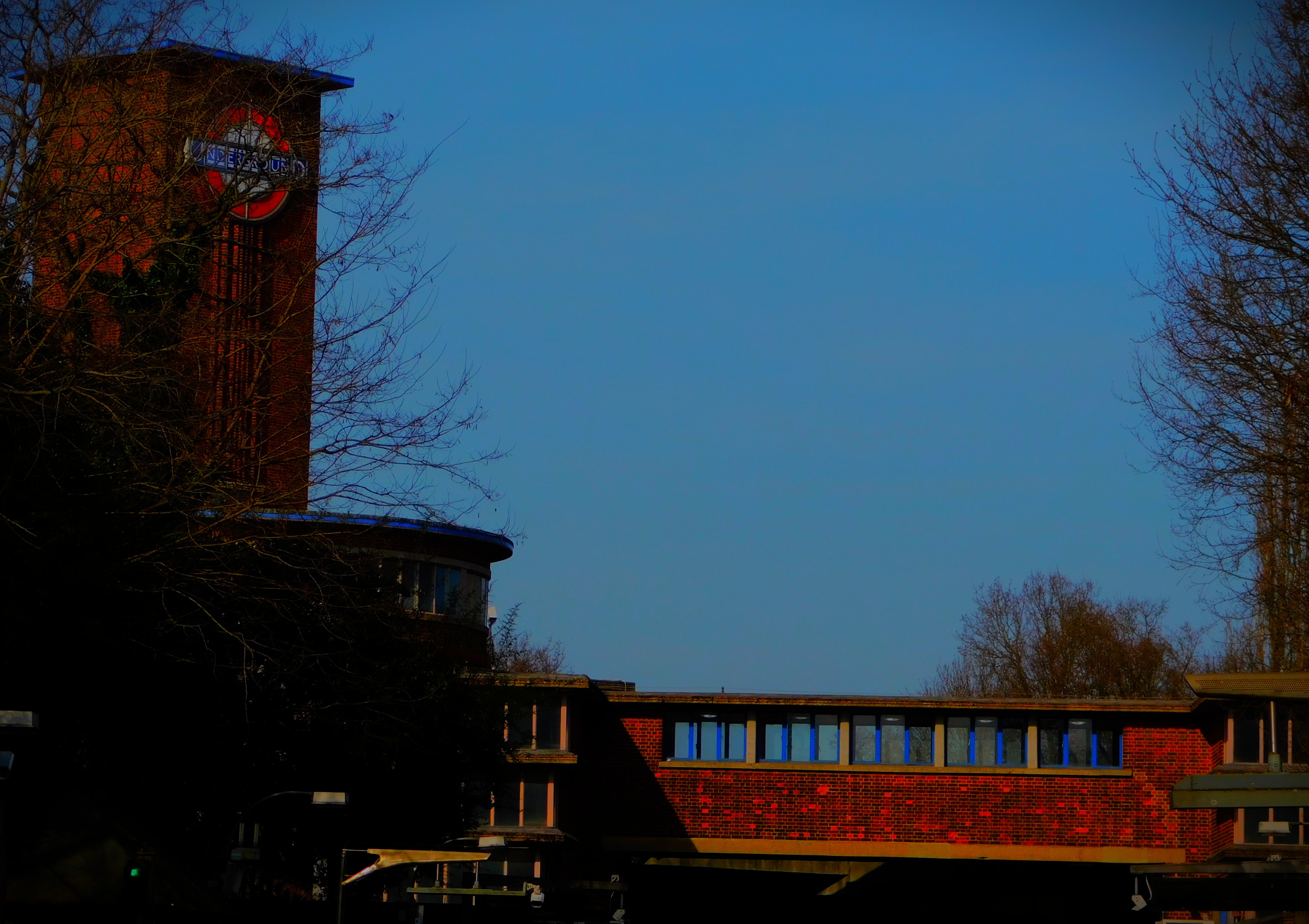
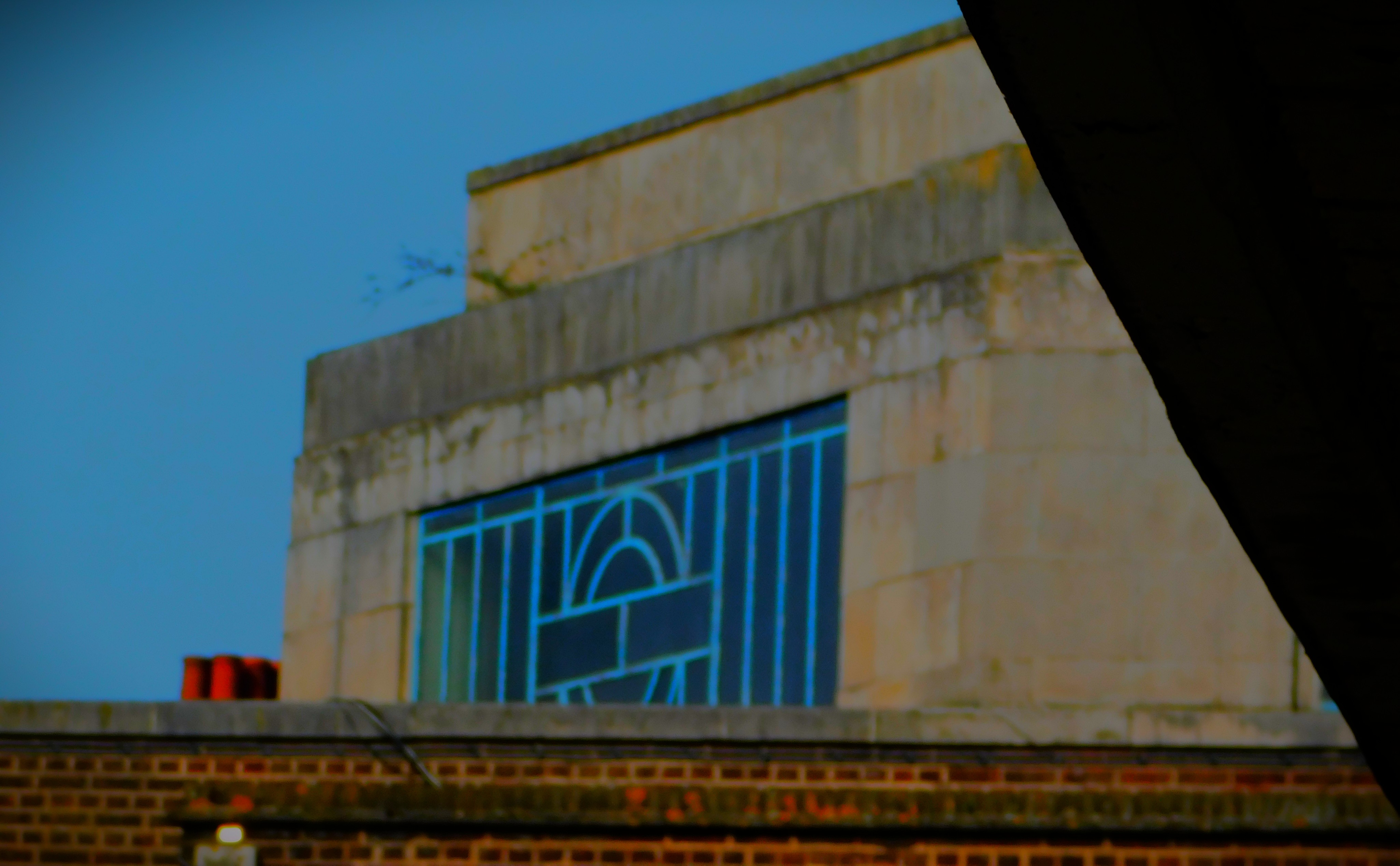
I noticed a number of very distinctive elements about Park Royal Station, including an ornamental tower that sits on top of a circular ticket hall, and a covered walkway which links Platform two (eastbound, towards central London) to the rest of the station. At the top of the tower are roundels on three sides with a concrete ‘shadow roundel’ on the fourth side. I have included on ‘rogue’ picture in this section, a picture of a ‘Middlesex shield’ which is not actually anything to do with the station but cannot be put anywhere else in this post. Enjoy this splendid example of station architecture…

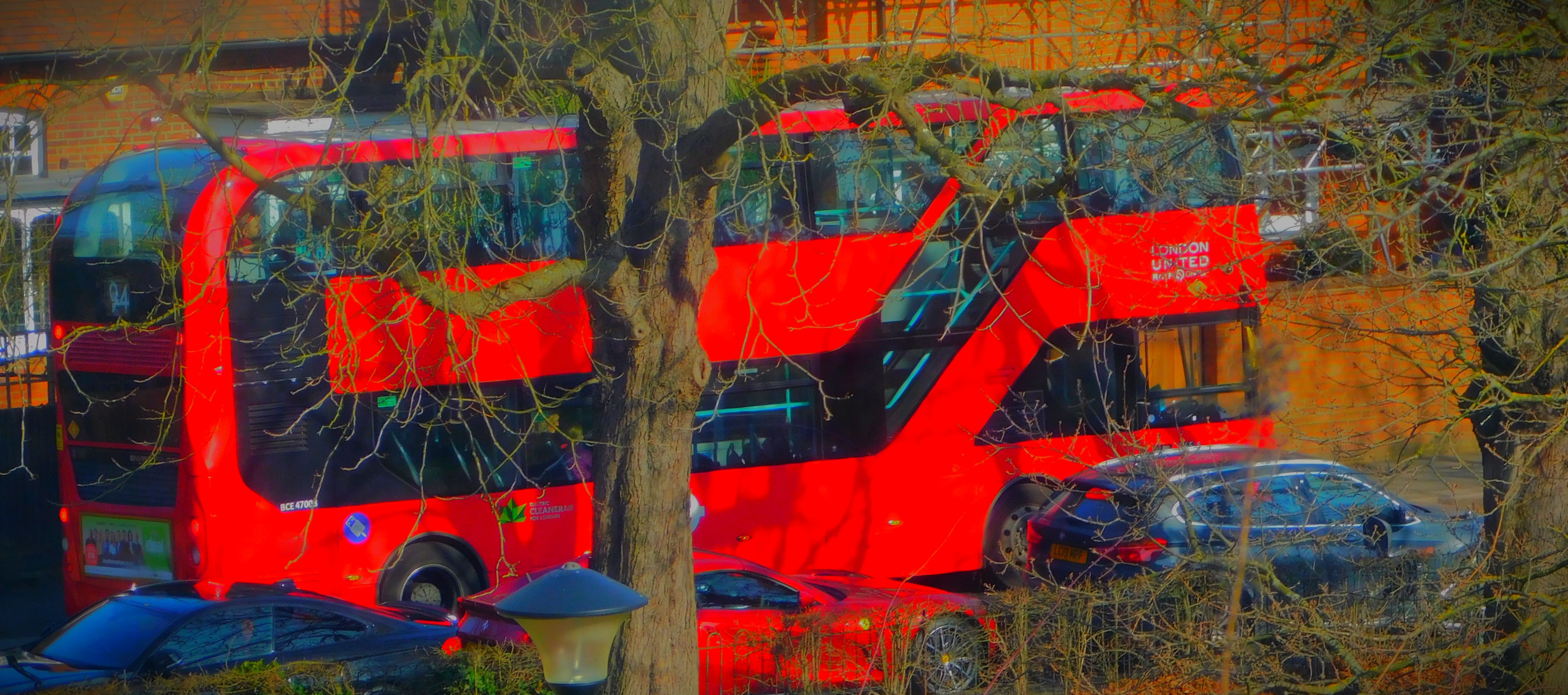
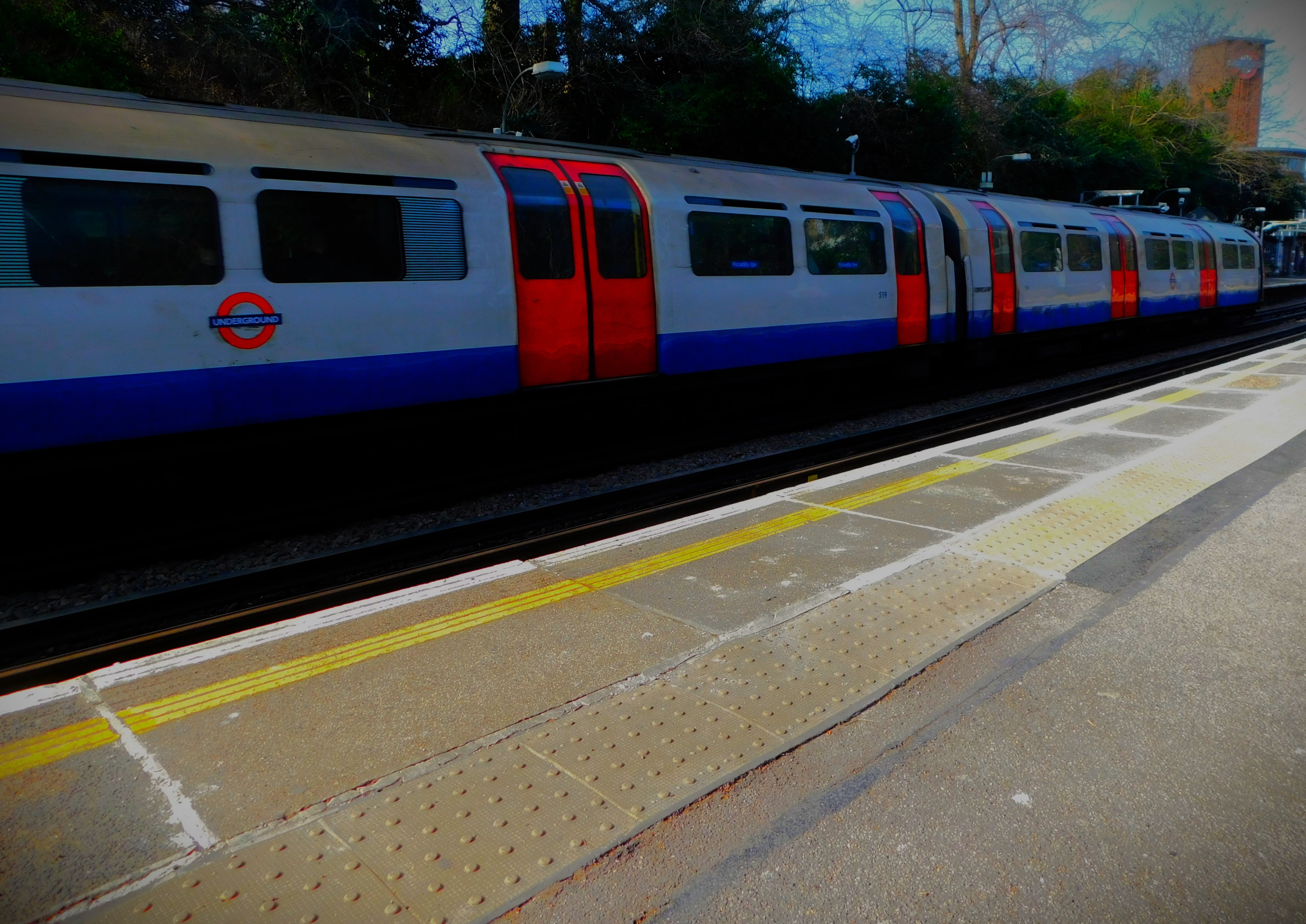
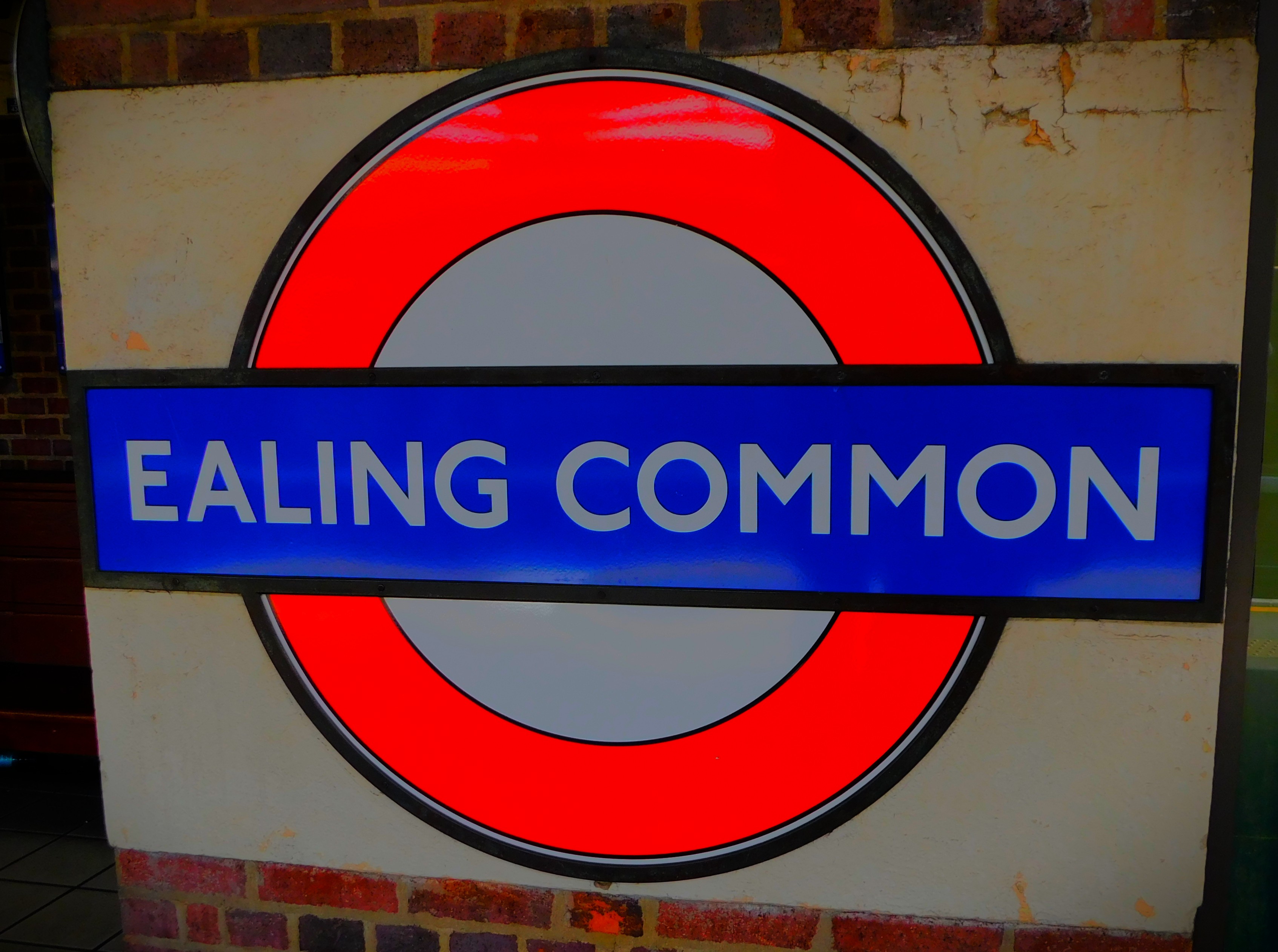
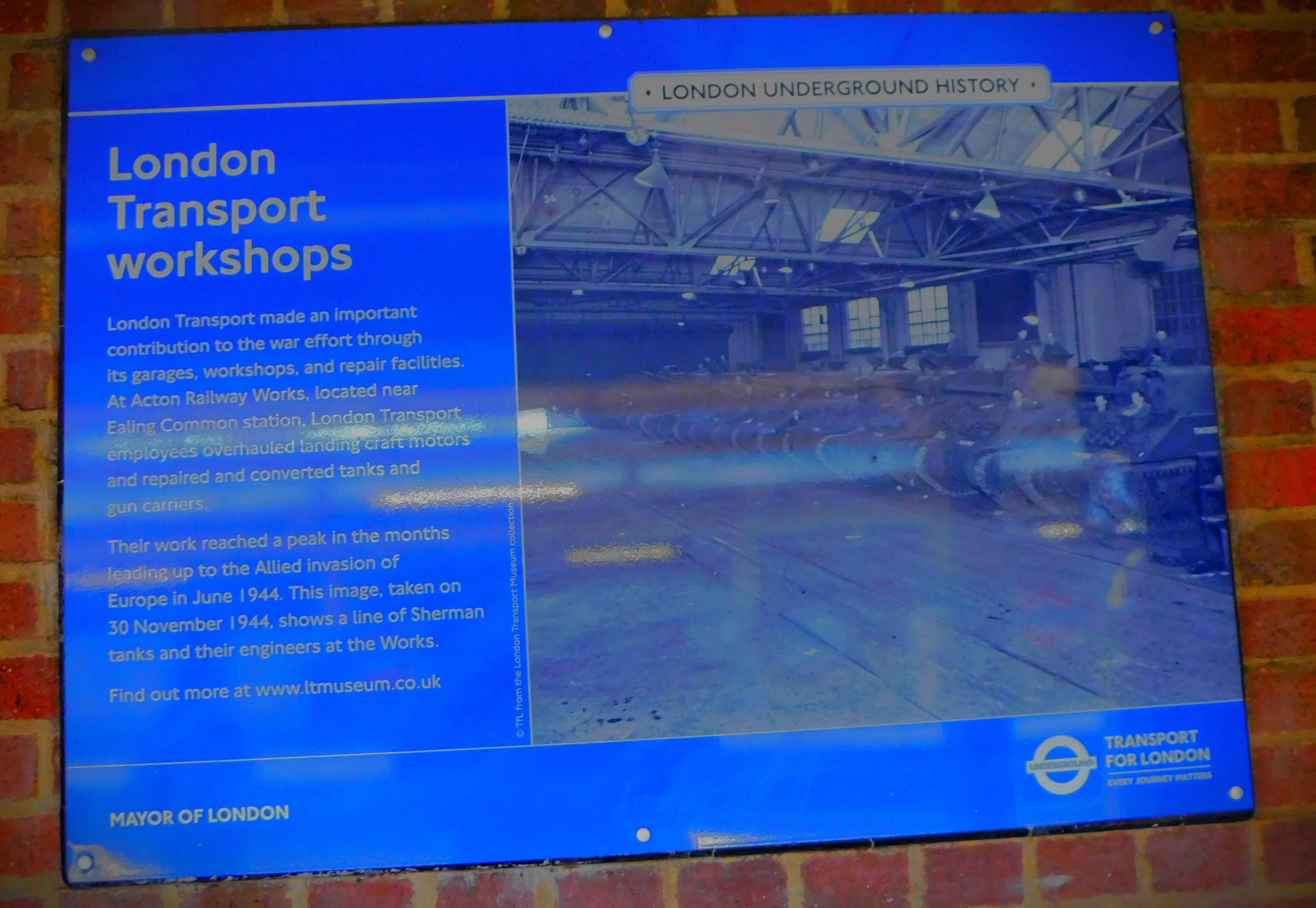
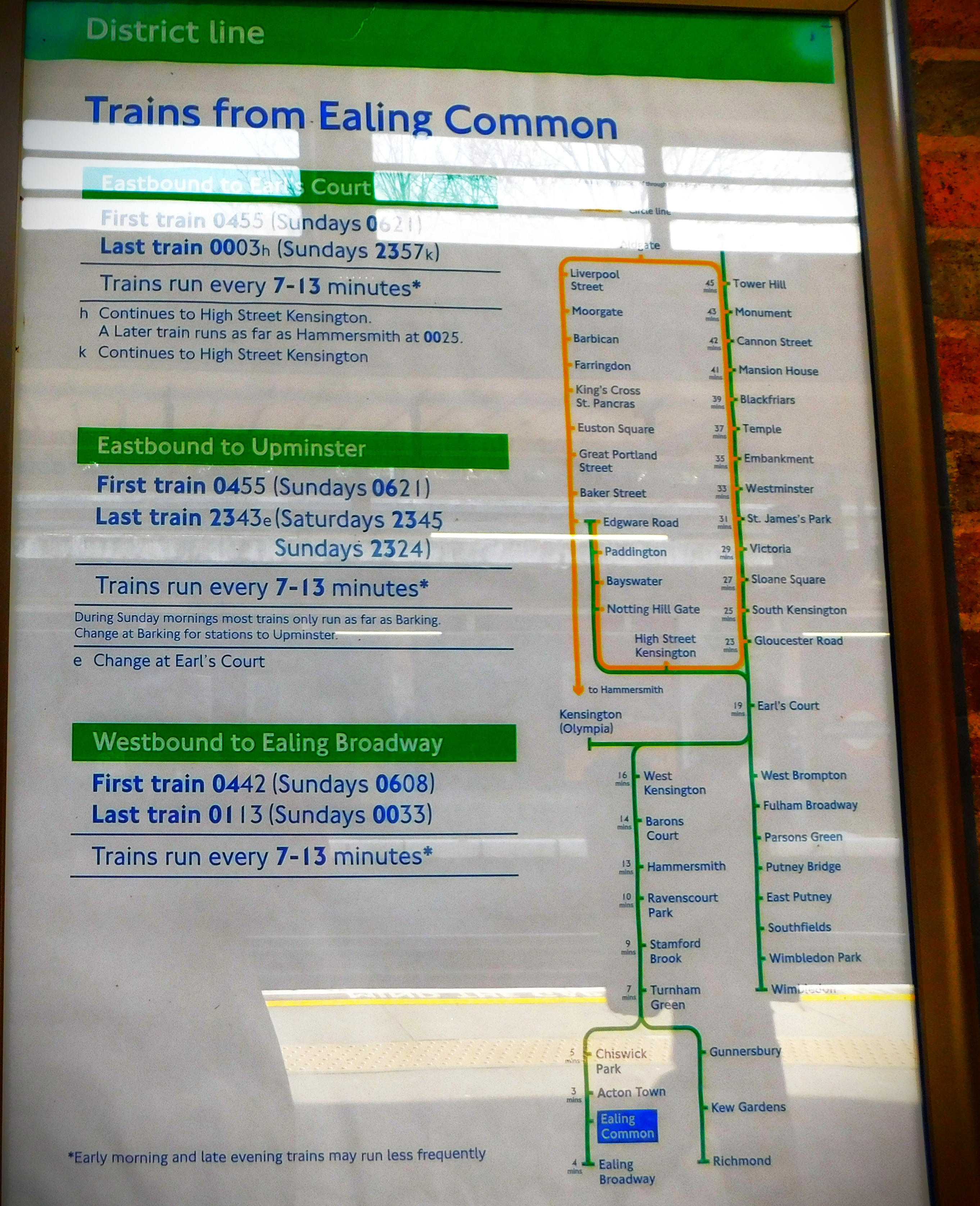
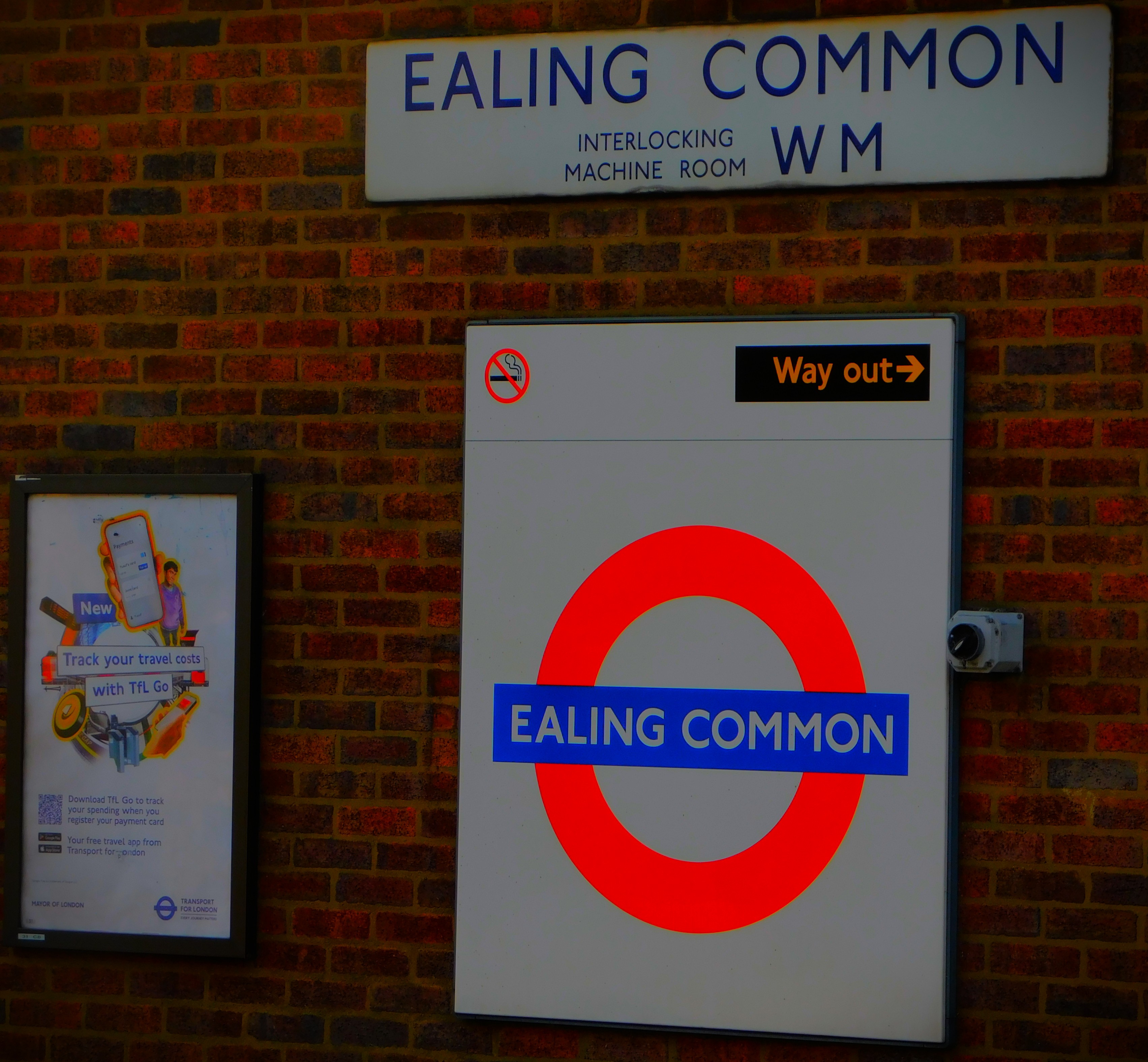
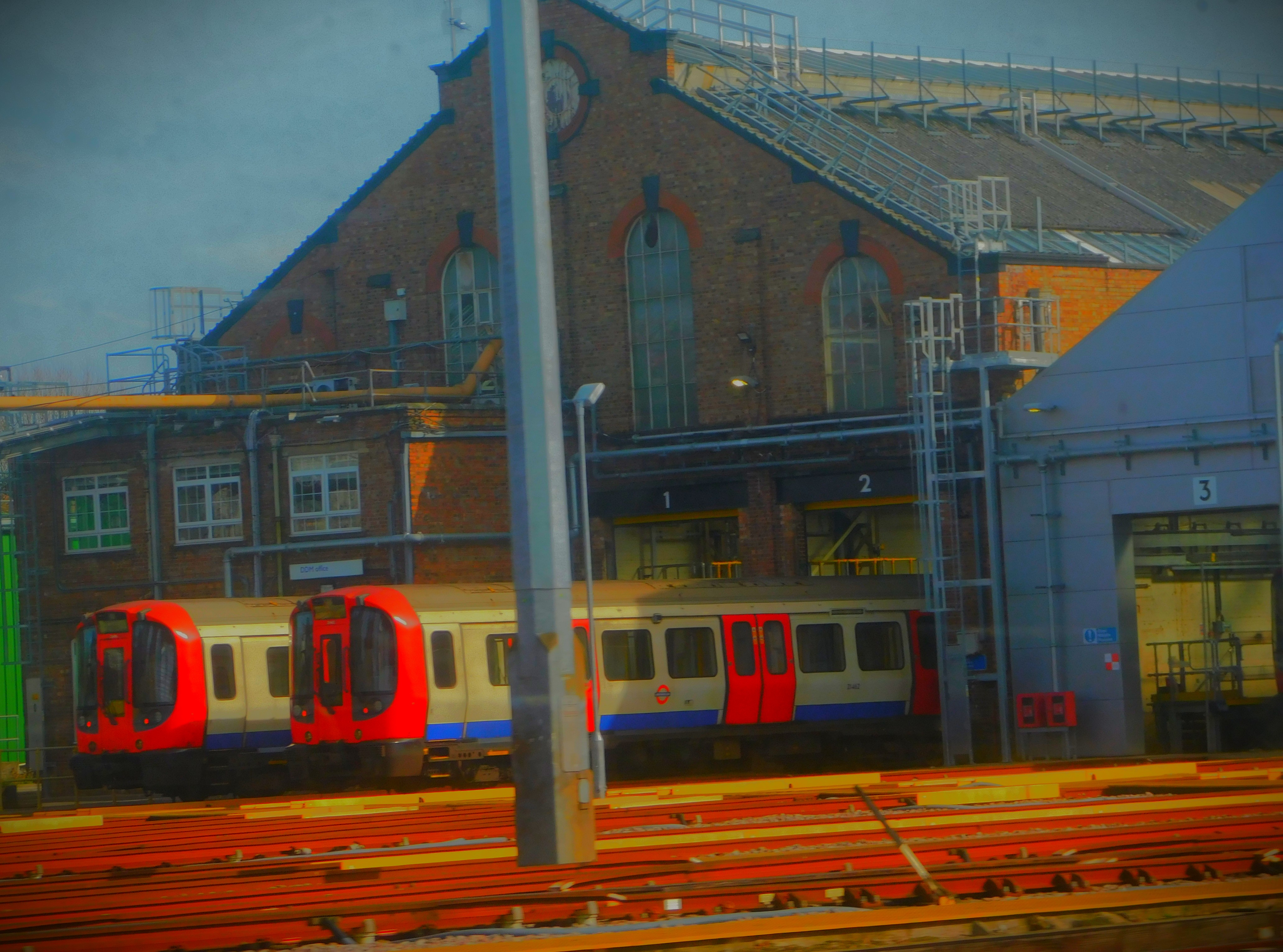
As suggested by the last pictures in the Park Royal gallery the Piccadilly line was srill not back on peak form by the time I was heading back. I did consider heading for Hanger Lane on the Central line, but although it is marked as walkable signage outside Park Royal station is non-existent, and so in the end I settled for Park Royal. By the time an eastbound train arrived it was jam packed, and I alighted at Ealing Common, where there was the possibility of a District line train (and change to the Hammersmith & City at Hammersmith), but in the event the next eastbound train was another Piccadilly line service, and had lots of space on it. I got to King’s Cross with a fair wait until the next train to King’s Lynn, and ate the sandwiches I had prepared in the morning while waiting for the train. The journey back to King’s Lynn was uneventful. Here are my remaining photos from the public transport part of the journey…

Of course I have been taking my usual kind of photographs as well…

My First Butterfly of 2025

Describing my first butterfly sighting of 2025, with a picture of the butterfly and a large photo gallery.

I will present a full photo gallery at the end of this post as usual, but the feature is indicated by the title.

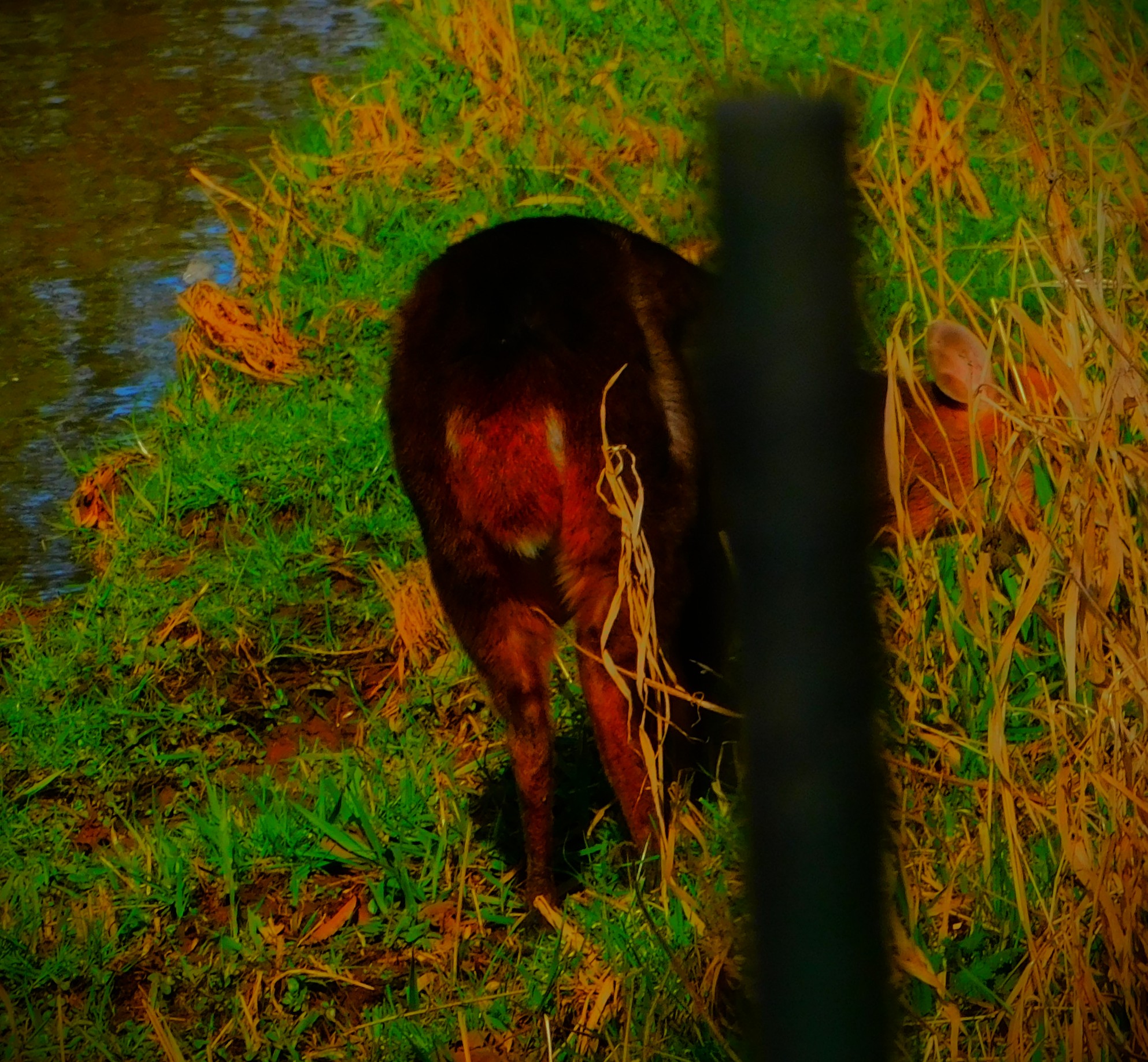
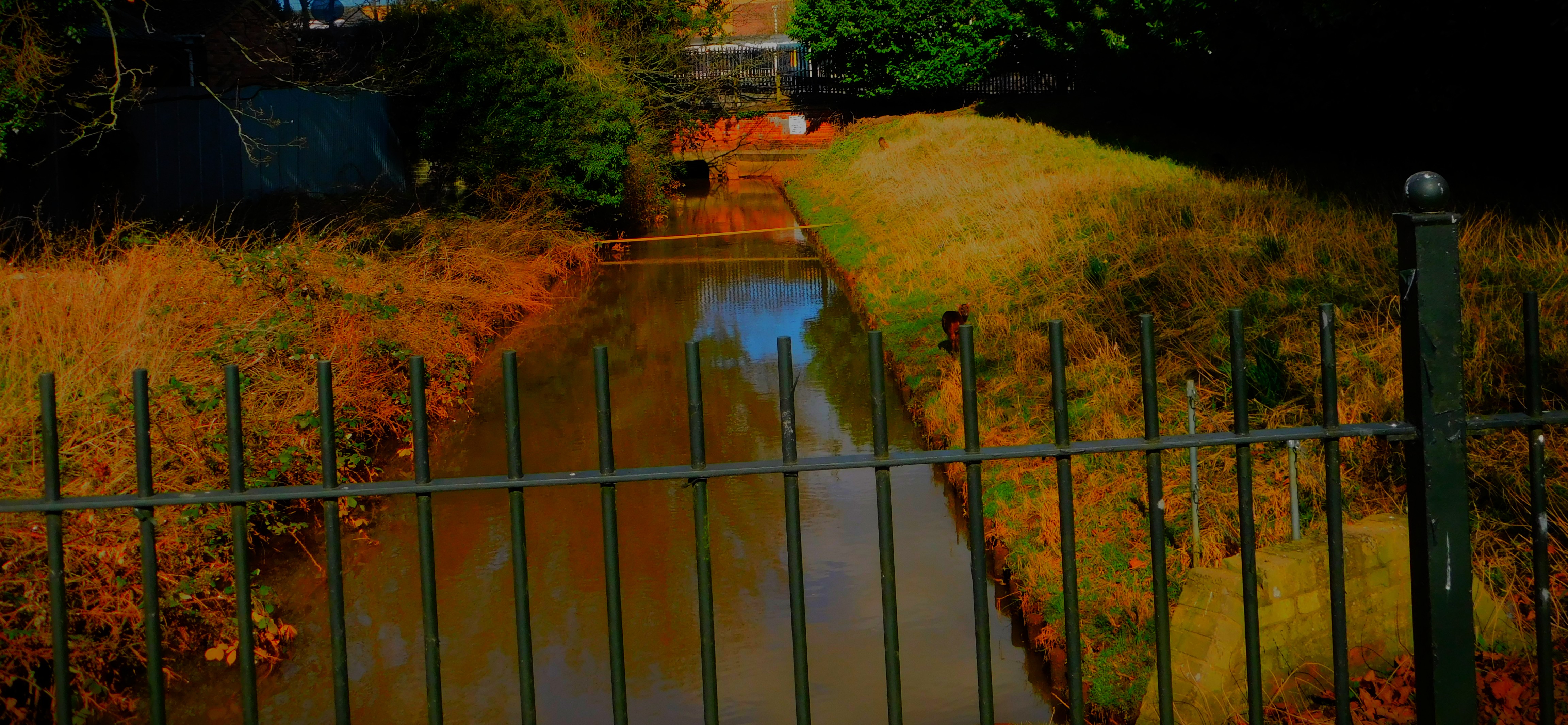
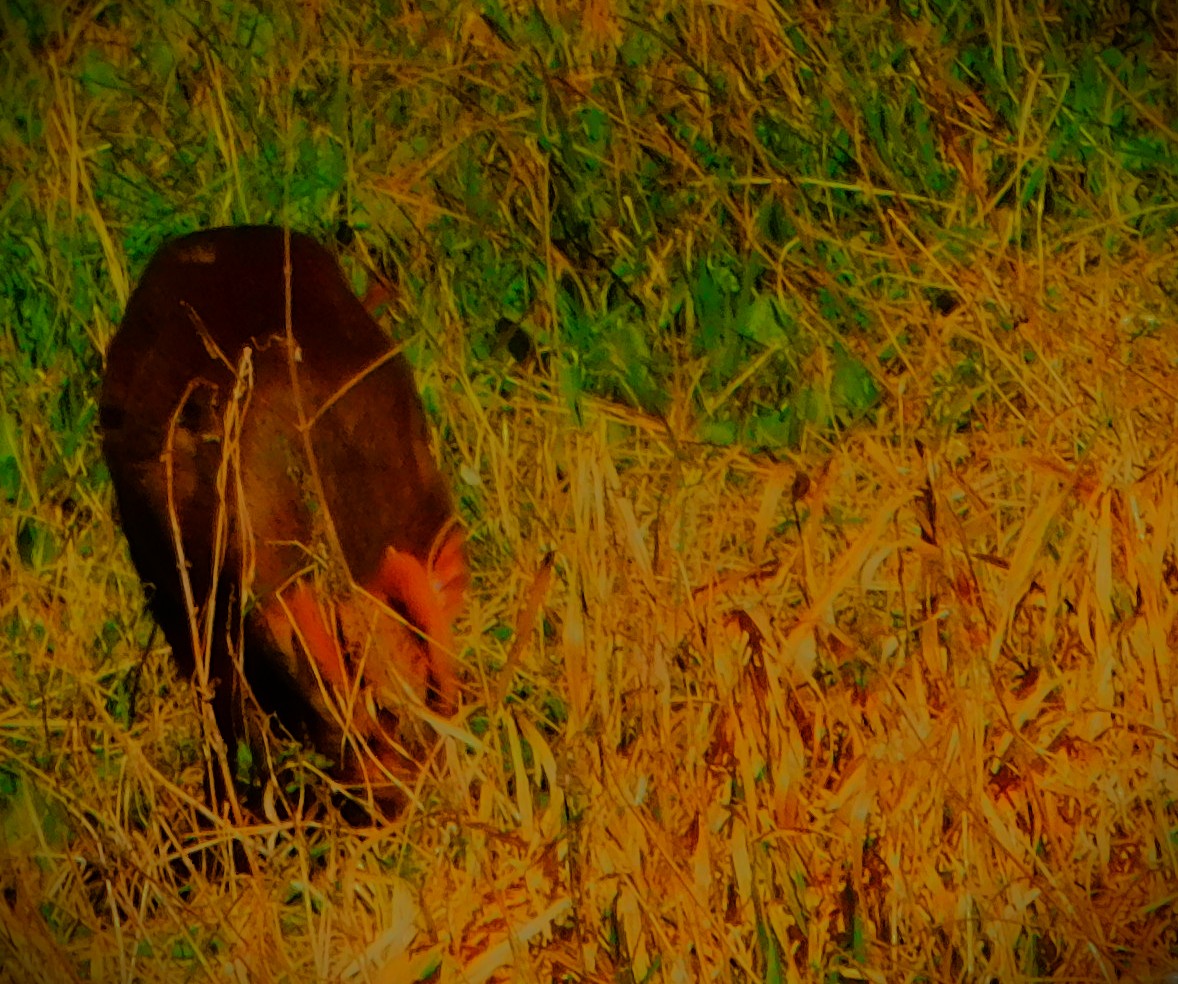
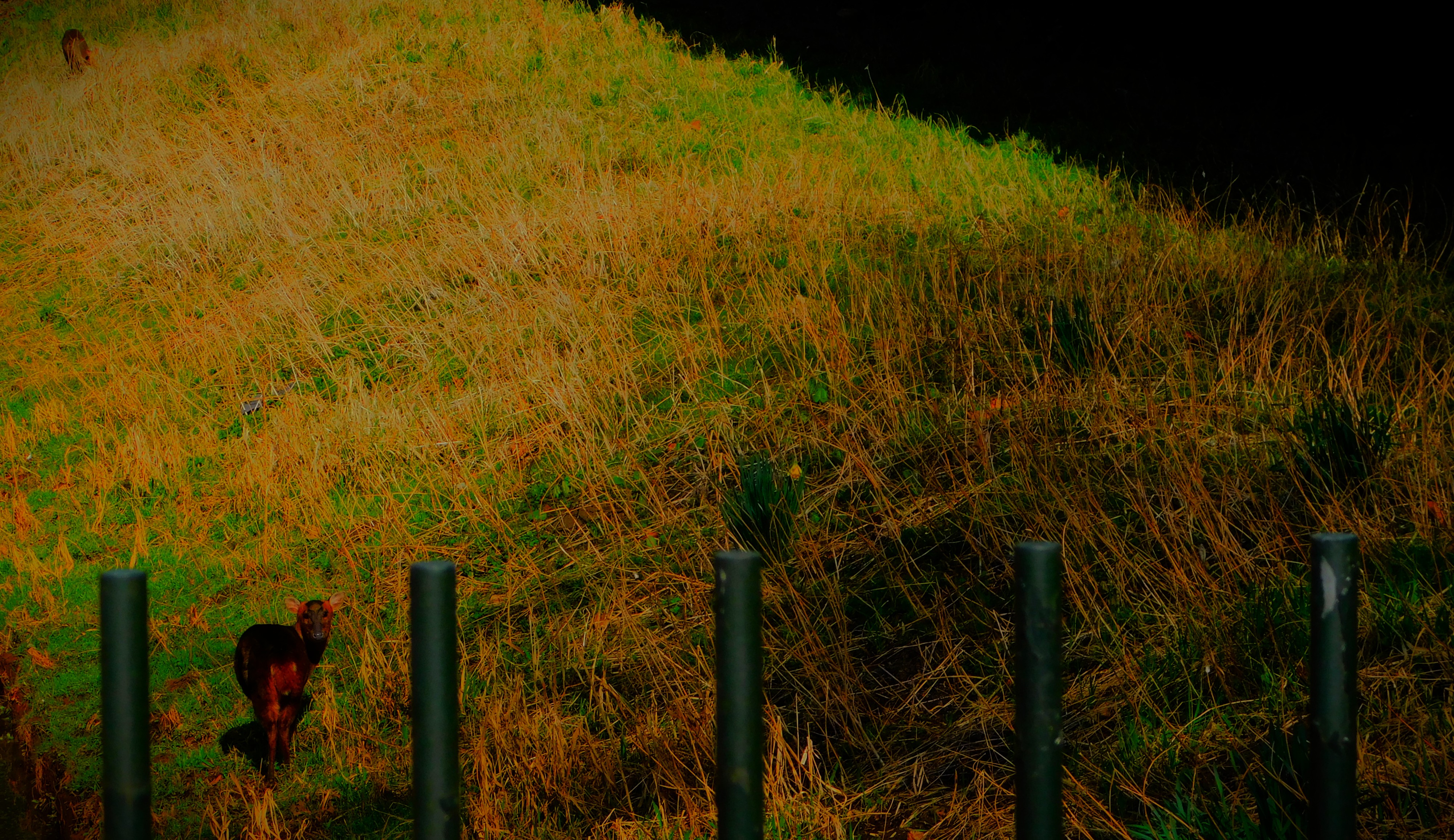
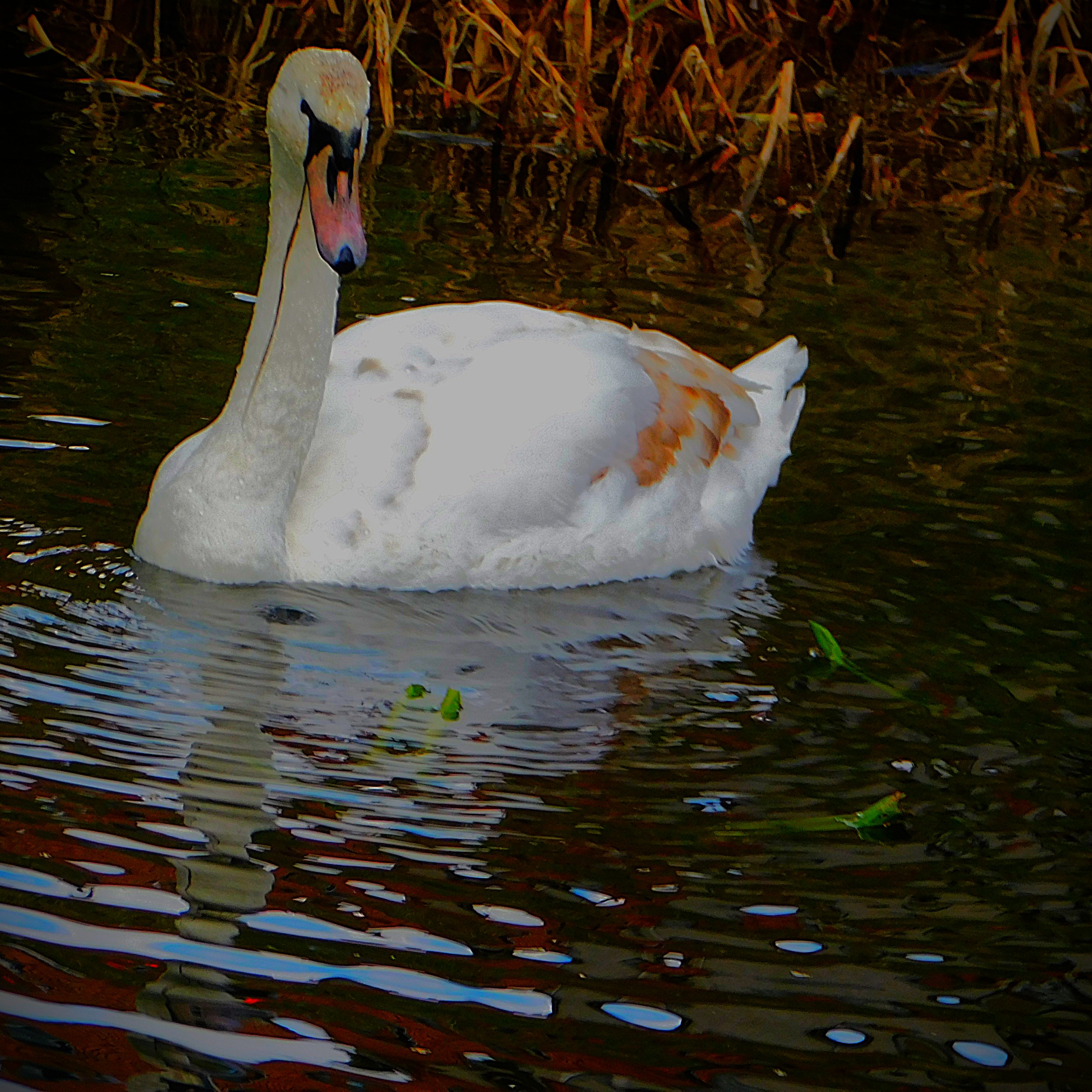
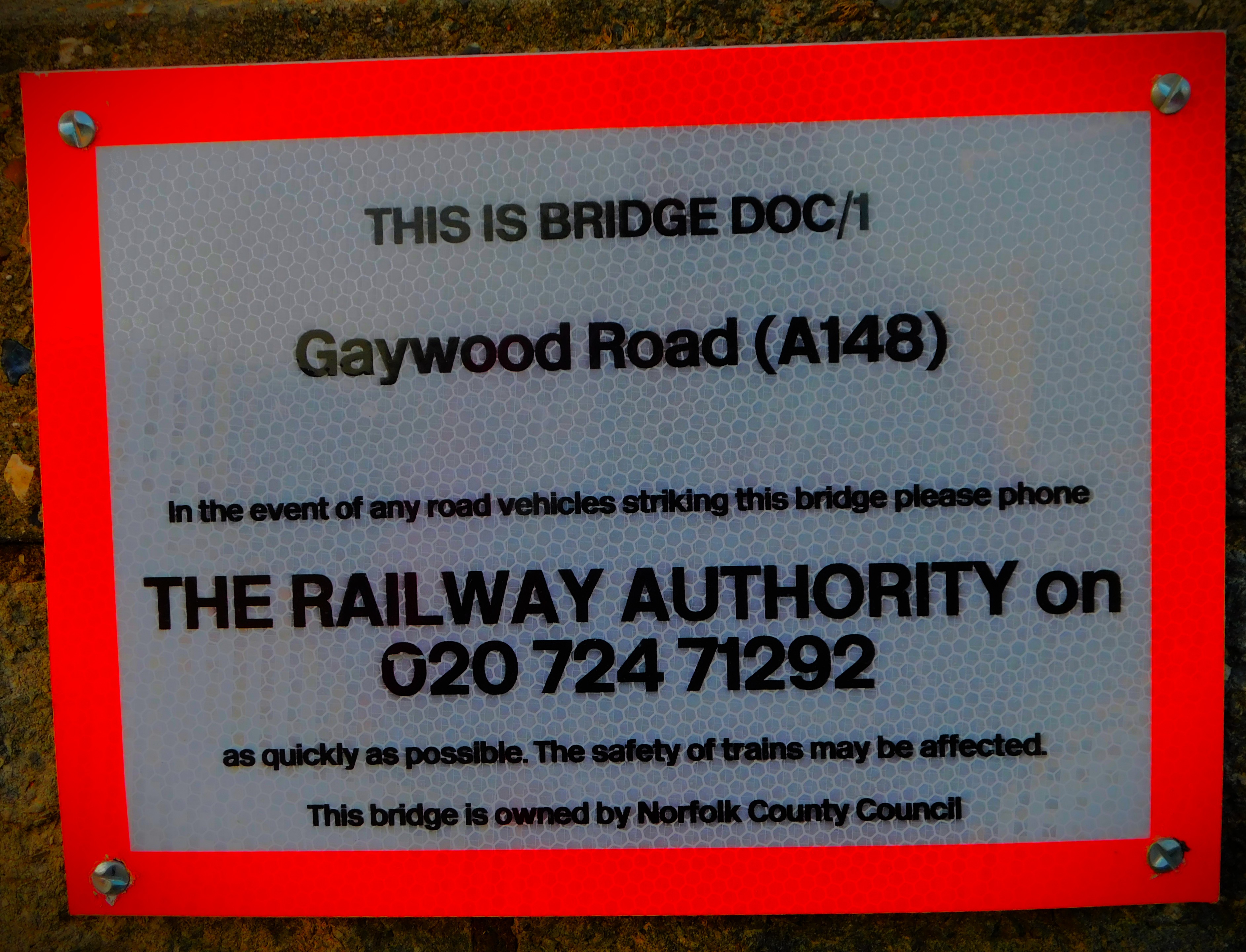
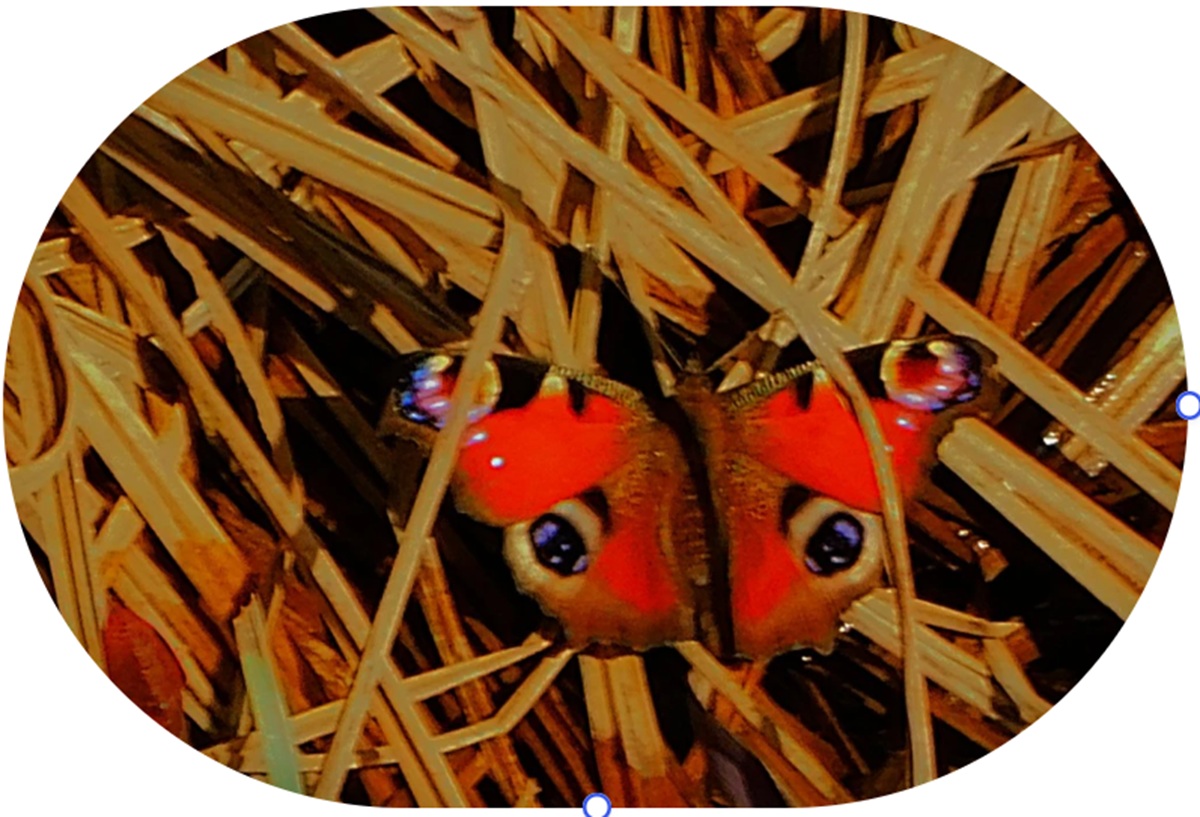
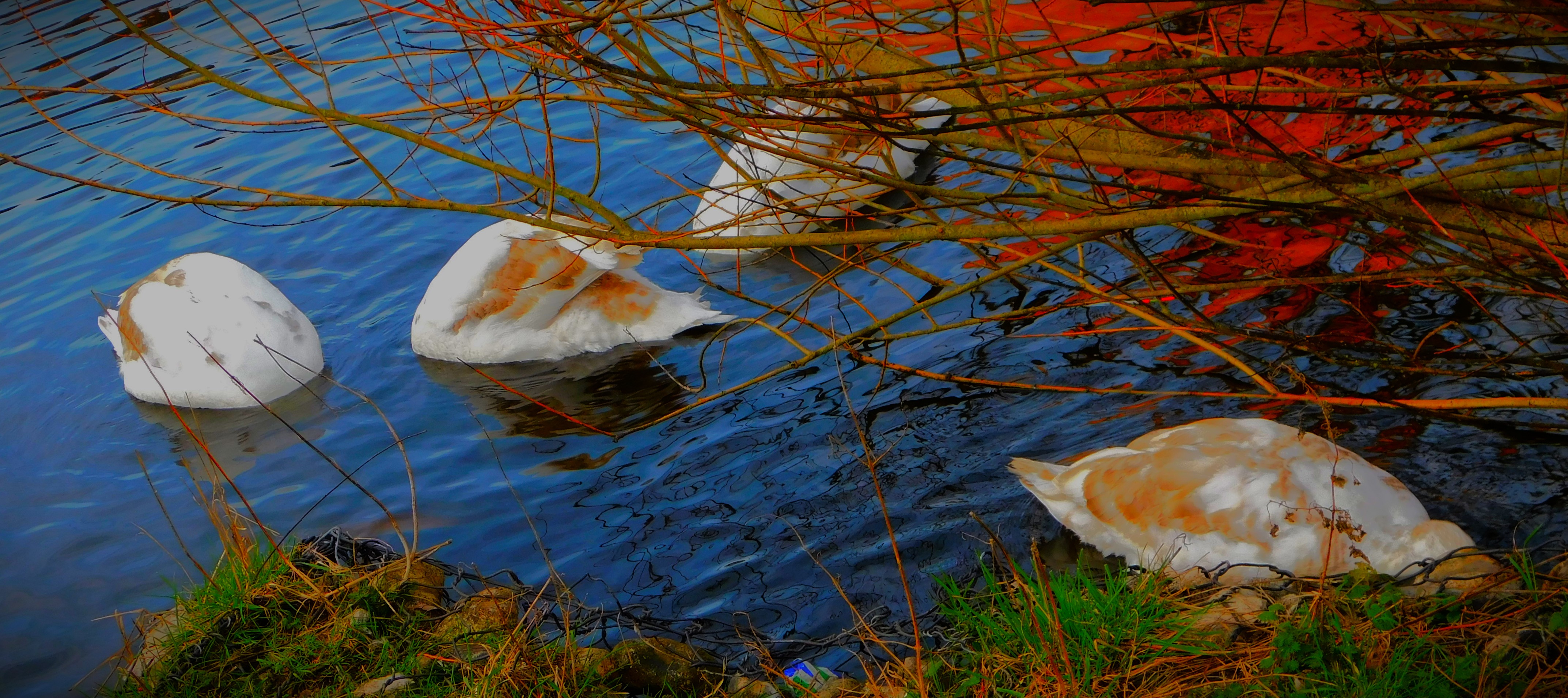
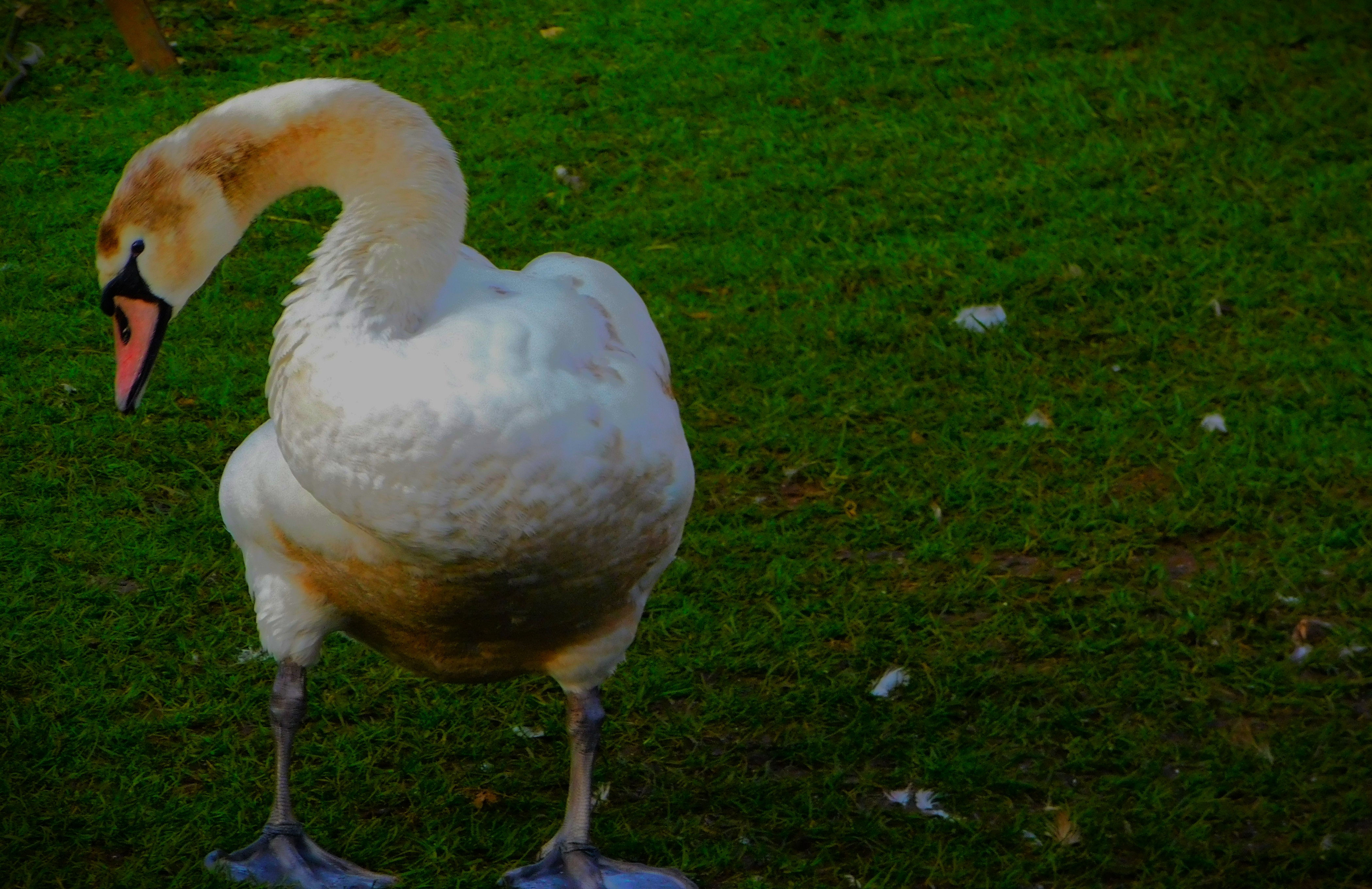
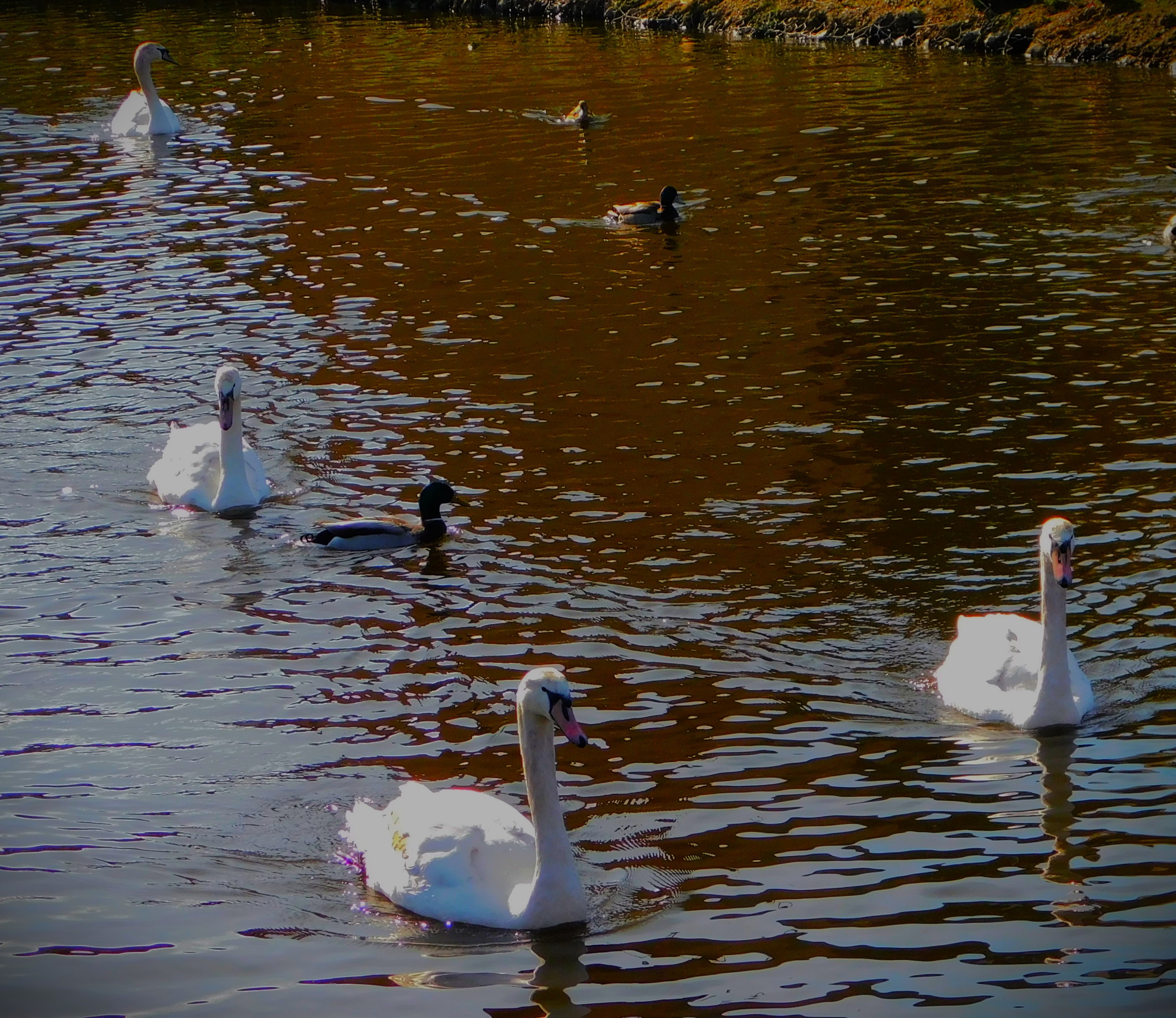
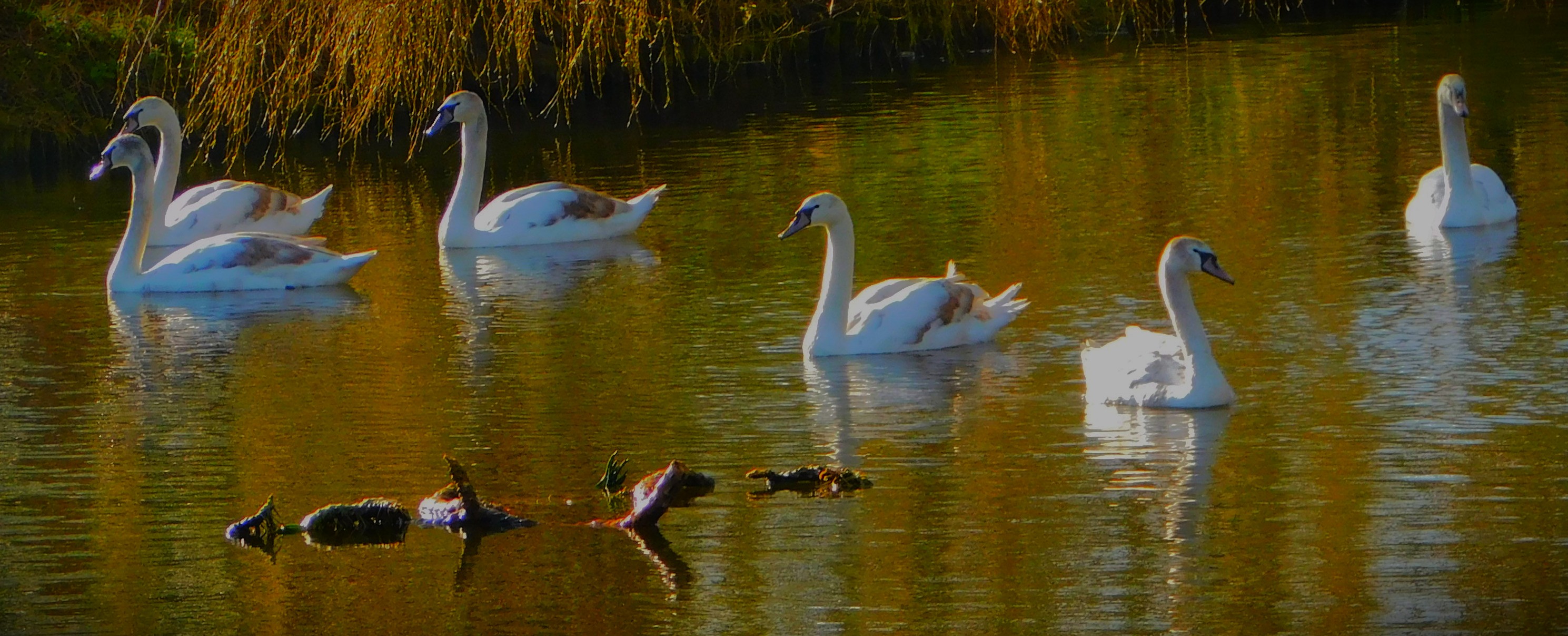
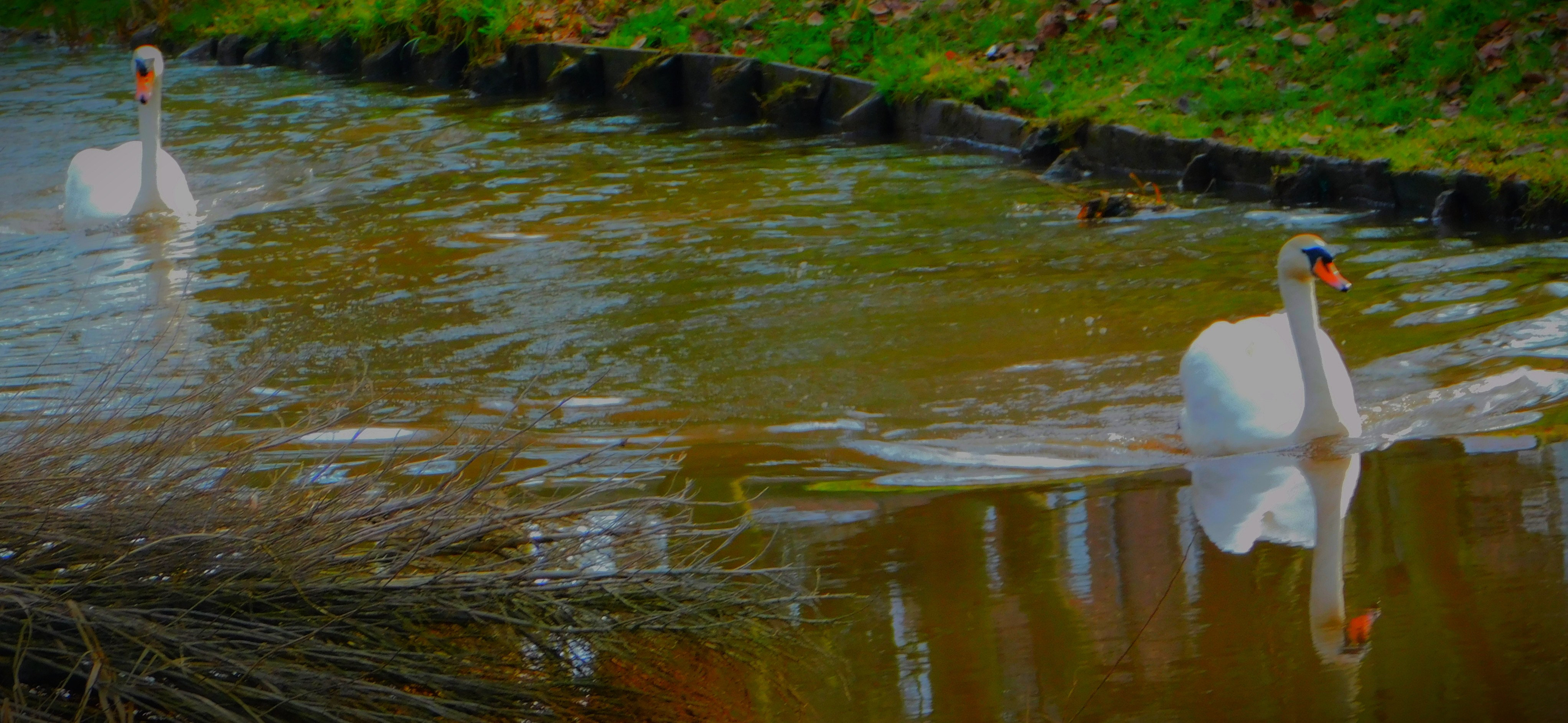
Yesterday morning in the course of my extended walk to the bus stop for work I had reached the final stage, a short trip along a stretch of the Gaywood River that briefly runs parallel to Gaywood Road, from where I get the bus, and was already reasonably pleased with the photos I had got – it was bright, sunny and by the standards of early March it was warm as well. Before crossing Loke Road, next to the bridge that takes that road across the Gaywood, I had managed to photograph a pair of swans just before they left my field of vision as they headed in the opposite direction to me. I was not expecting anything further, but halfway between the bridge and the path through to Gaywood Road (it pretty much hits Gaywood Road at the bus stop) I spotted a European Peacock butterfly among the dry reeds at the far edge of the river from me. I managed to get a photograph. This butterfly is no great rarity, nor is King’s Lynn outside its usual range, but even so is is rare to get a sighting this early in the year. I emailed Butterfly Conservation about it last night and received an enthusiastic response this morning.

My first butterfly sighting of 2025.

Here is the rest of today’s gallery…

New Zealand off to a Strong Start

A look at early developments in the second semi-final of the Champions trophy, a link (teslatakedown.co.uk). and a large photo gallery.

The second semi-final of the Champions Trophy is underway. Work commitments meant that I did not catch a single ball of yesterday’s match between Australia and India. India won, which means that the final of the tournament will take place outside the official host nation, and on the worst pitch on show at this tournament, the paceless strip of rubbish that Dubai has served up. This post looks at the early stages of the match between New Zealand and South Africa.

New Zealand won the toss and chose to bat. The pitch at Lahore looks very flat, with even the towering Marco Jansen struggling to generate bounce. Will Young has been the only casualty so far, for a 23 ball 21. Rachin Ravindra has reached an excellent 50, taking 47 balls to get there. He has added ten further runs of another eight deliveries since reaching the landmark. Kane Williamson is currently on 27 from 36 balls, and New Zealand are 111-1 from 19 overs.

Champions Trophy Semi-final Line Up Complete

A look at the semi-final line up at the Champions Trophy and a large photo gallery.

Yesterday saw the last group match of Champions Trophy 2025, between India and New Zealand. The qualifiers were already known, but who would be playing who was not. This post looks briefly at yesterday’s match and at the four teams who will be contesting the final stages of this tournament.

The two teams facing off yesterday were representing the most and least populous nations at this tournament, with India’s population approximately 300 times that of New Zealand. New Zealand bowled well and fielded brilliantly. Their fielding has been one of the standouts of this tournament – they have taken some absolute screamers, and have let only one chance go down in the course of three matches. A total of 249 for India looked chasable, but the Indian spinners proved too much for New Zealand’s batting and India were comfortable winners in the end.

Australia will face India in the first semi-final. I will be hoping for an Australian win, because that result would end the involvement of Dubai in this tournament. I have two reasons for wanting that outcome – this tournament ius supposed to be hosted by Pakistan, and the Dubai pitch is slow and lifeless, whereas Pakistan have made some effort to make their pitches livelier, importing clay from Western Australia in the hope that using this material will produce livelier surfaces. Therefore on this occasion, even as one who habitually roots for Australia’s opponents I will be hoping for them to win.

The second semi-final is between New Zealand and South Africa. South Africa seem to have all the necessary ingredients to win this tournament, but there record in knockout stages of global tournaments makes grim reading. New Zealand are the great overachievers of world cricket, and the New Zealand women recently won their first global tournament. Whoever wins this match will have my support for the final. If South Africa face Australia in the final not only would the final then be played in Lahore, which has provided some splendid games this tournament, but a South African win would mean that the title goes to a side who played every match in the official host country.

The full listing of possible finals is as follows:

Australia v New Zealand – support NZ
Australia v South Africa – support SA
India v New Zealand – support NZ
India v South Africa – support SA

The first two of the above matches would be at Lahore, while if India get through the final will be in Dubai.

My usual sign off (we are enjoying a spell of bright, sunny weather here in King’s Lynn, which is ideal for walking – and when I go walking my camera goes with me)…

Bin-gland

A look at the state of the England Men’s ODI team. Also a large photo gallery.

England’s participation in the Champions Trophy is at an end, and they have been the worst team at the tournament, being the only side in either group not to record a single point. This post looks briefly at yesterday’s match and then at the problems with this England Men’s ODI side.

England’s elimination was already confirmed before yesterday’s match began, but the question was whether they would depart with a bang or a whimper. Afghanistan were hoping for it to be an almighty bang, since a victory by 207 or more runs would push South Africa’s net run rate below Afghanistan and mean that the latter made the semi-finals. In the event England exited with the tamest of whimpers. The match started in familiar fashion, with Phil Salt (no 1 in the England batting order) and Jamie Smith (no 3) both departing cheaply, both to terrible shots. That once again brought Duckett and Root together with a rebuilding operation to perform. This time round we got an illustration of the fact that if you keep on needing rescue operations you don’t always get them – Duckett made 24 and Root 37, which would remain England’s top score. Brook, officially next in line for the captaincy vacated by Buttler, managed 19. Buttler, attempting to provide some stability, a role for which he is not well suited, managed 21 off 43 balls, while Jofra Archer ended up second top scorer with 25 off 31 balls, and the comparative ease with which he was able to bat was a damning indictment of his alleged betters in that department. All of this added up to 179 all out from 38.2 overs – a scoring rate of below five an over and 11.4 overs left unused. Marco Jansen took 3-39, and was outdone figures wise by Wiaan Mulder who had 3-25. No South African bowled badly, with Kagiso Rabada’s 1-42 from seven overs being the worst figures of any of their five bowlers. Rassie van der Dussen, 72 not out off 87 balls, and Henrich Klaasen, 64 off 56 balls before perishing in the moment of victory were the chief performers responsible for making England’s total look as pathetic as it was, South Africa winning by seven wickets with 20.5 overs to spare – in other words they had more than the length of a T20 innings to spare.

England personnel wise (for the moment we will ignore questions of the domestic schedule) have four main issues, of which only the first is definitely being dealt with:

  1. They have the wrong captain. Buttler has stepped down, which starts to address this, but my own feeling is that they need to do something more radical than merely turn to ‘next cab in the rank’ Brook. Perhaps Liam Dawson, who playing skills would help to address other problems could be brought straight in as captain.
  2. Numbers one and three in the order need replacing. You cannot expect to win matches when losing two early wickets on an absolutely regular basis, and the dismissals of Salt and Smith against South Africa suggest that neither learned anything from their failures in the first two matches.
  3. Lack of all rounders. This, with five bowlers required to be used in every innings, creates issues of balance – you either pick five proper bowlers, relying on the top six to do the bulk of the scoring, or you pick four front line bowlers only and rely on part timers to bowl the fifth allocation of ten overs. England have opted for the latter approach, and their lack of either depth or variety in the bowling department has cost them at this tournament, which leads to…
  4. Too much similarity in bowling. England have not a left armer of any type at this tournament (look up the bowling half of the package offered by Dawson the player), the fast bowlers used have all been very similar, making it easy for opposing batters to take them on. The one trustworthy component of the England bowling attack at this tournament, Adil Rashid, is now 37 years old, and the endurance of James Anderson notwithstanding probably has a fairly limited remaining shelf life at the top level.

England have not been struggling in ODIs for nearly as long as they had been when they crashed out of the 2015 World Cup, but a reset of a similar type to the one that took place then is required.

My usual sign off (with a reminder as we start a new month that images can be viewed at a larger size by clicking on them)…