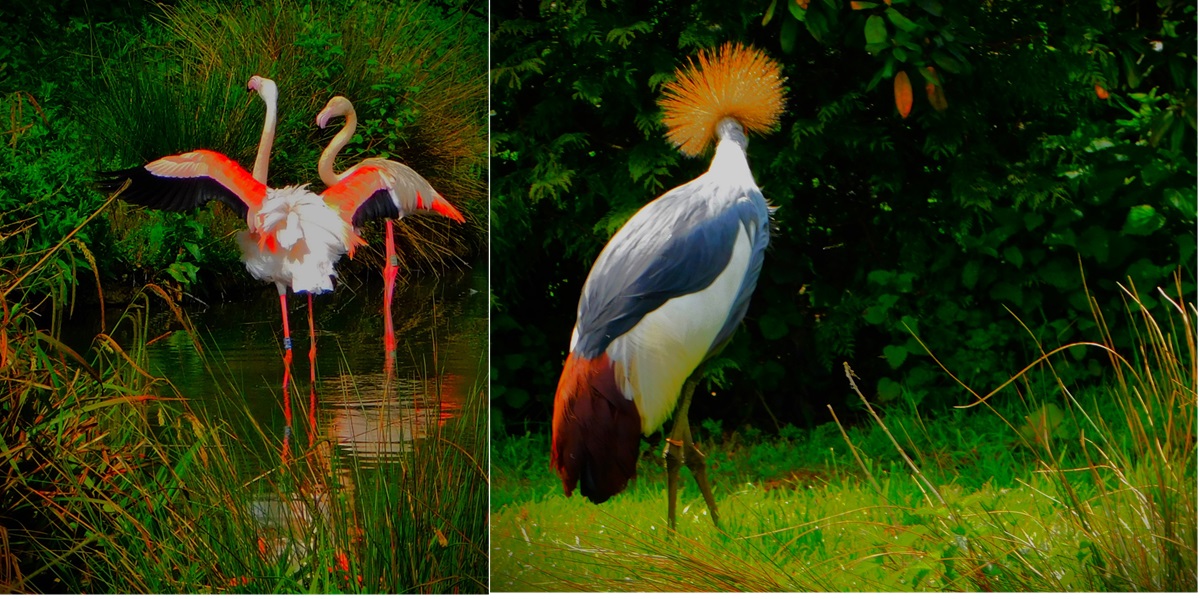
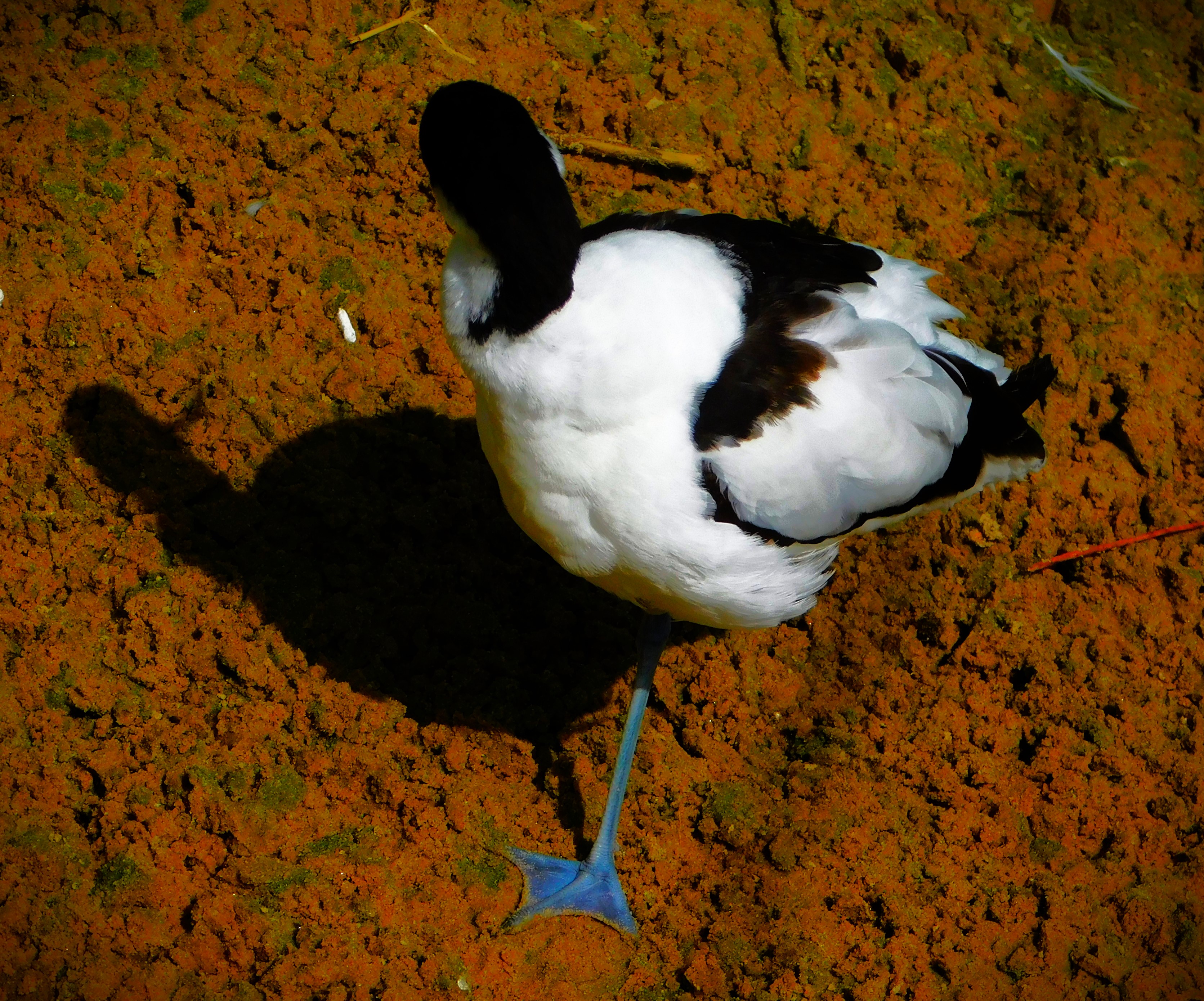
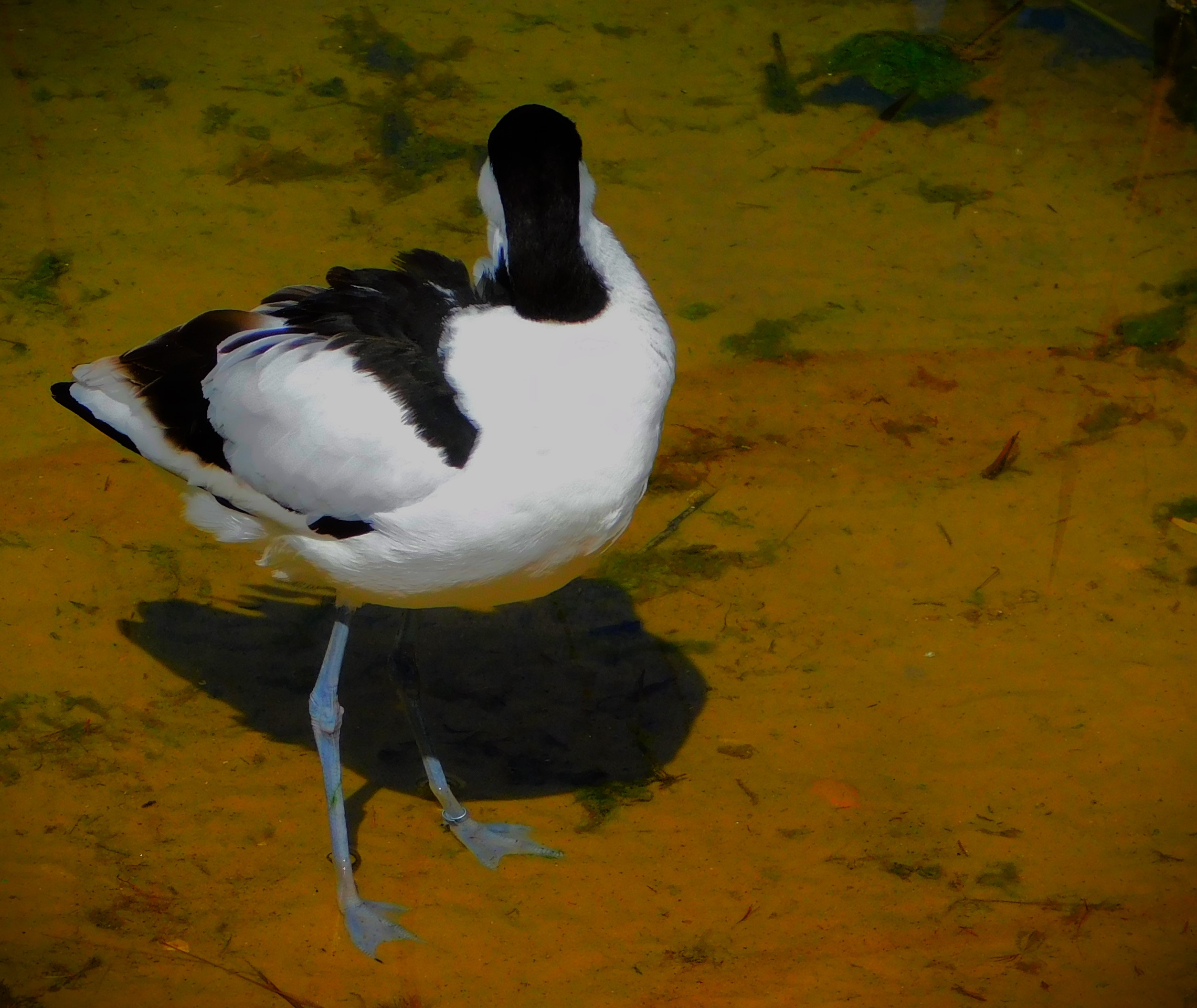
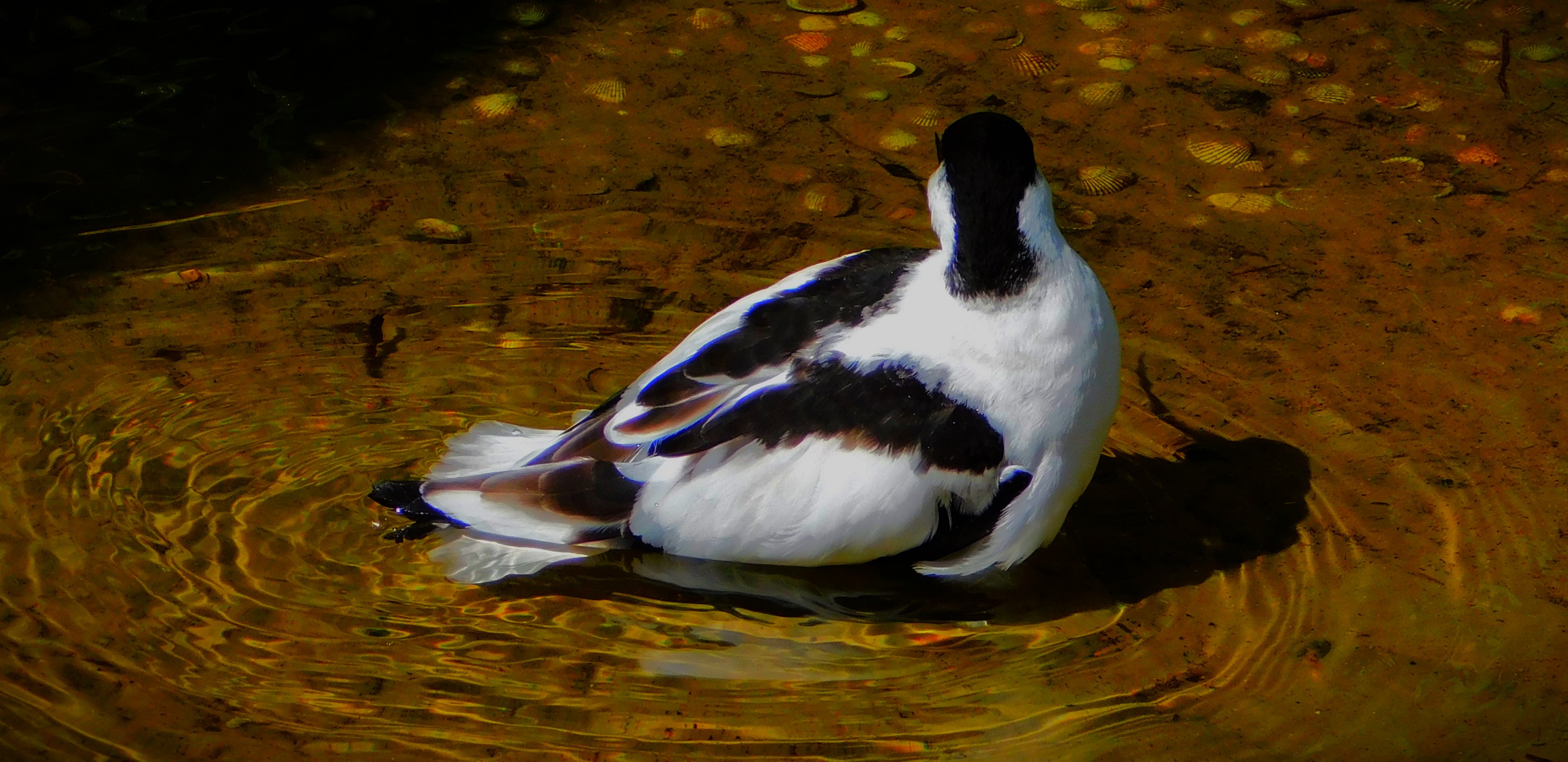
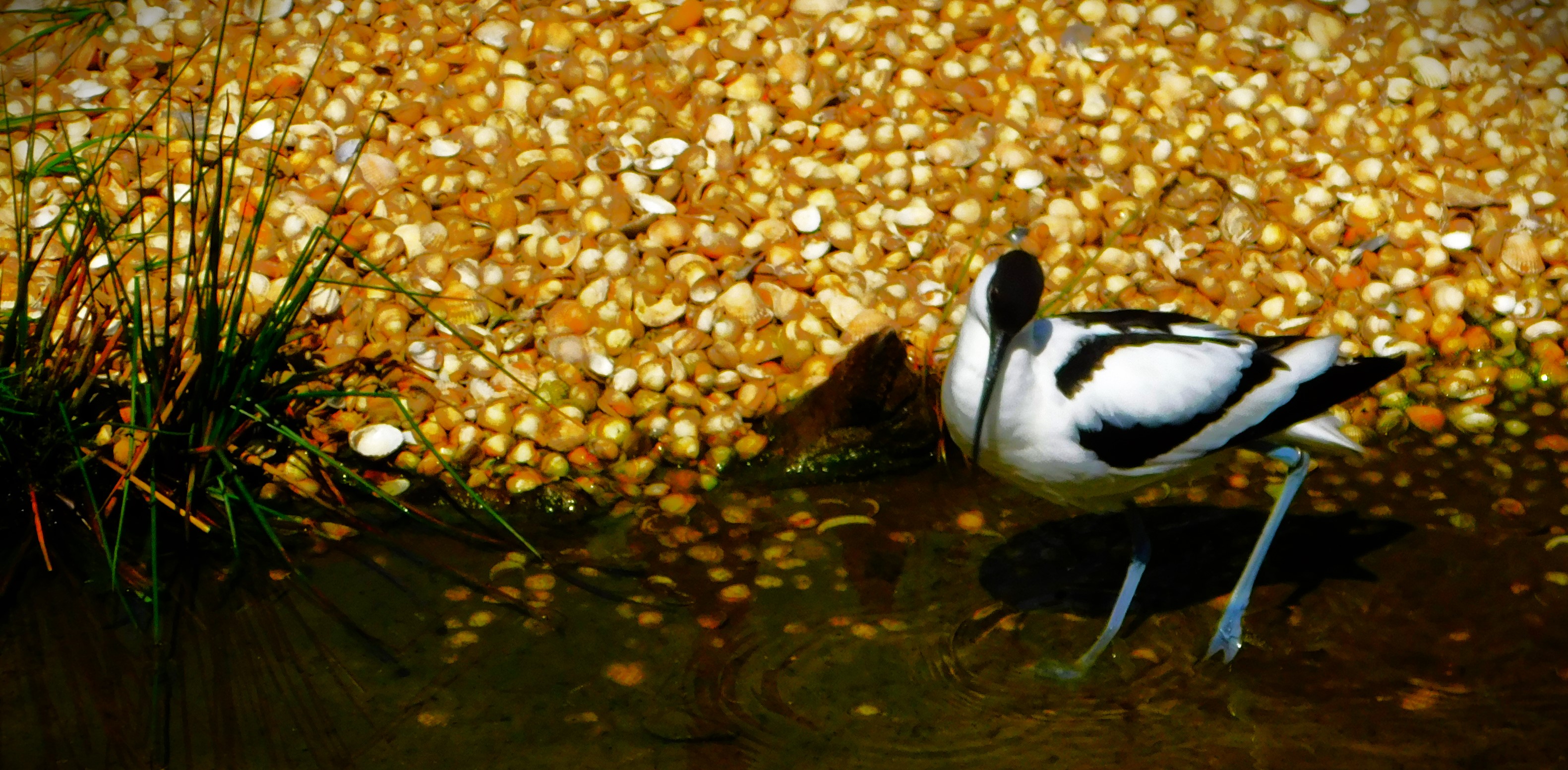
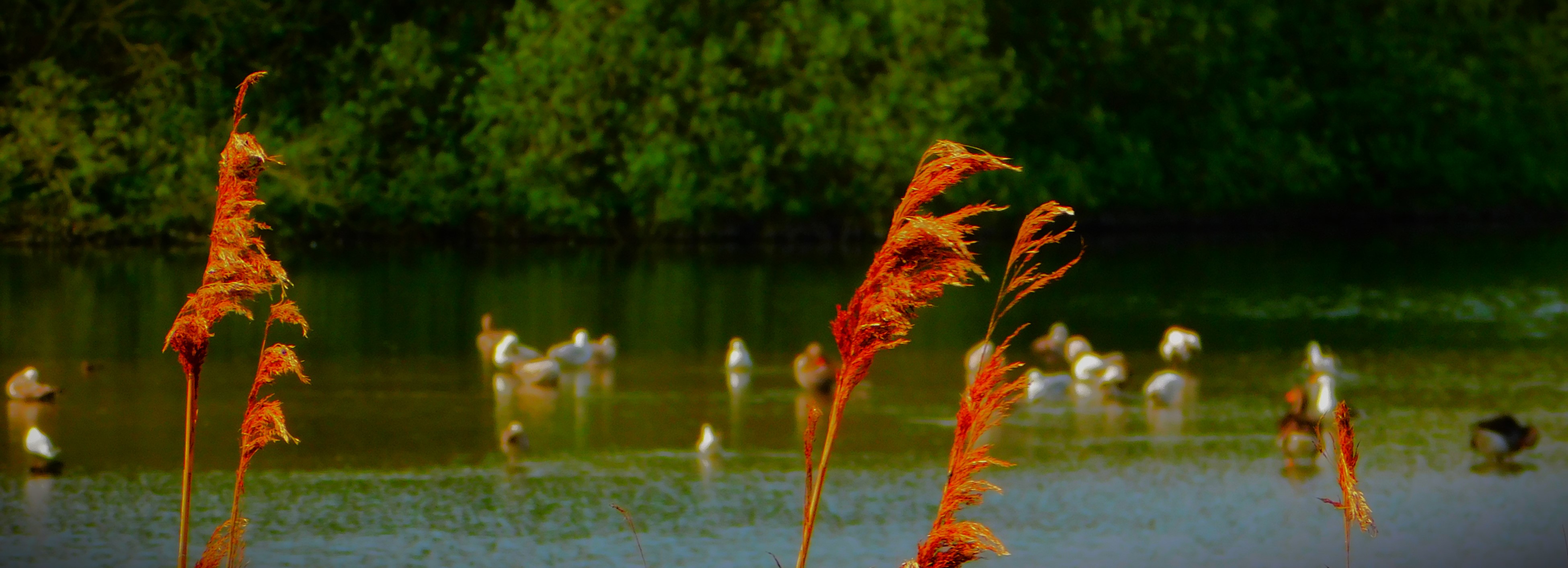
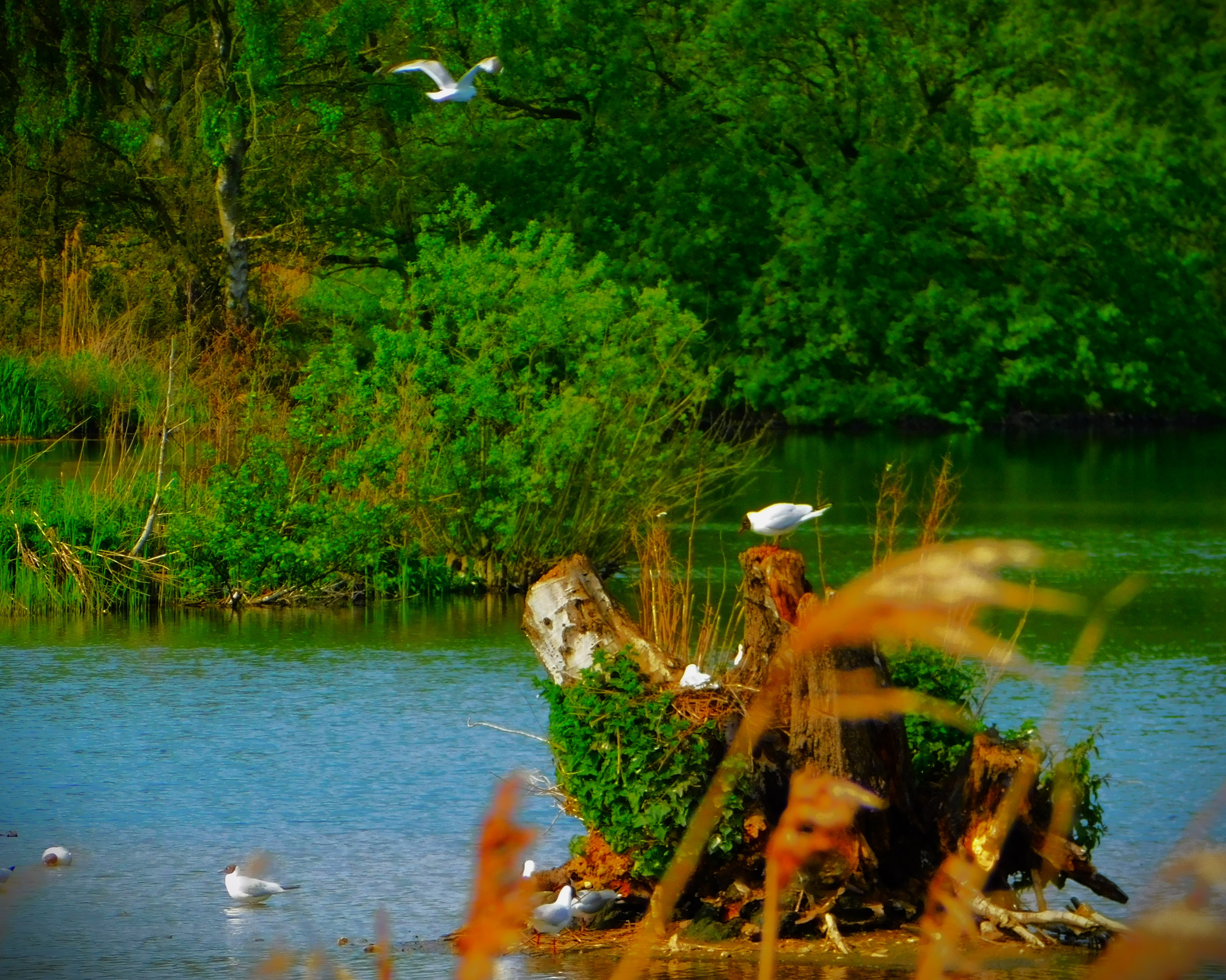
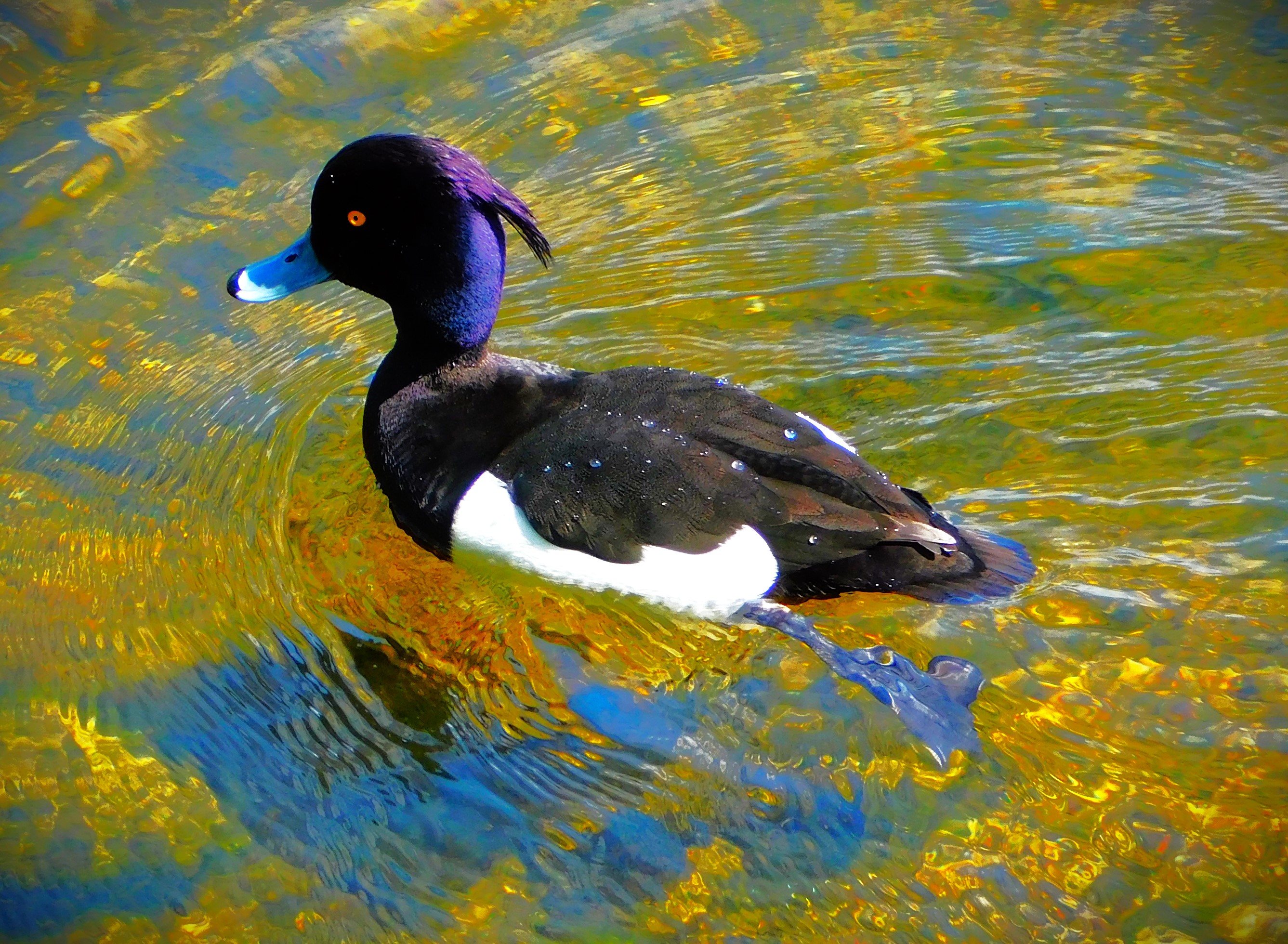
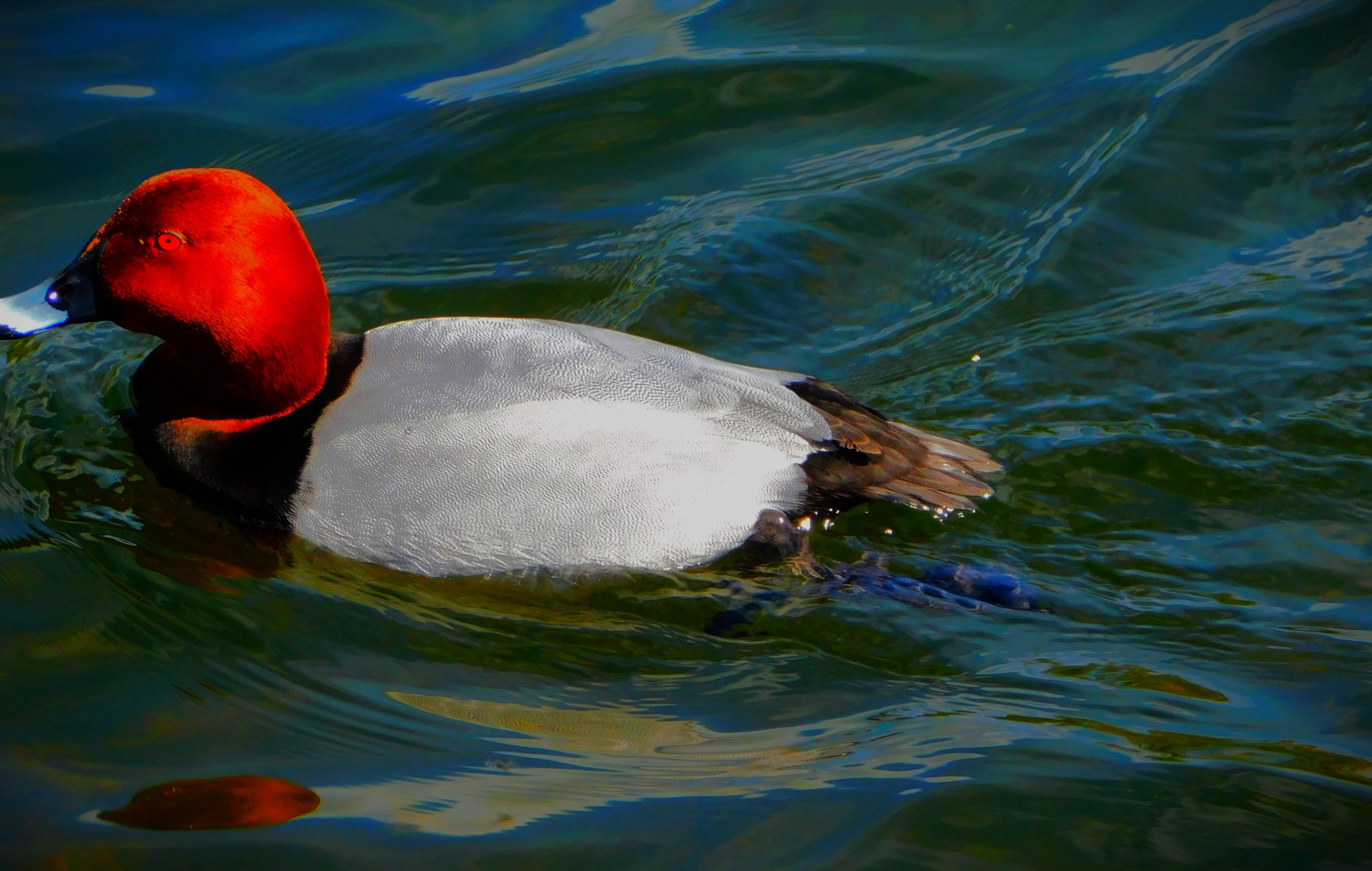
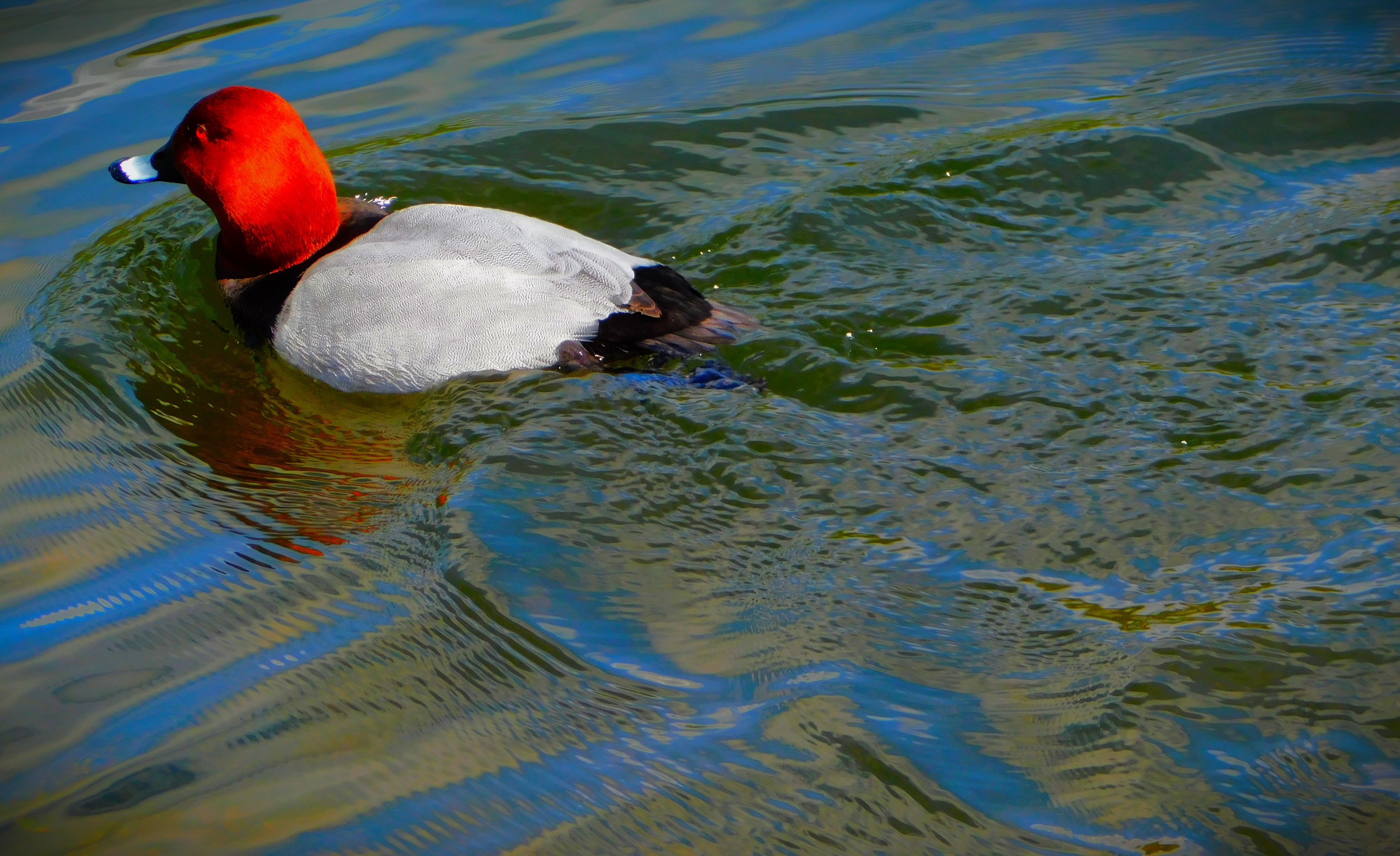
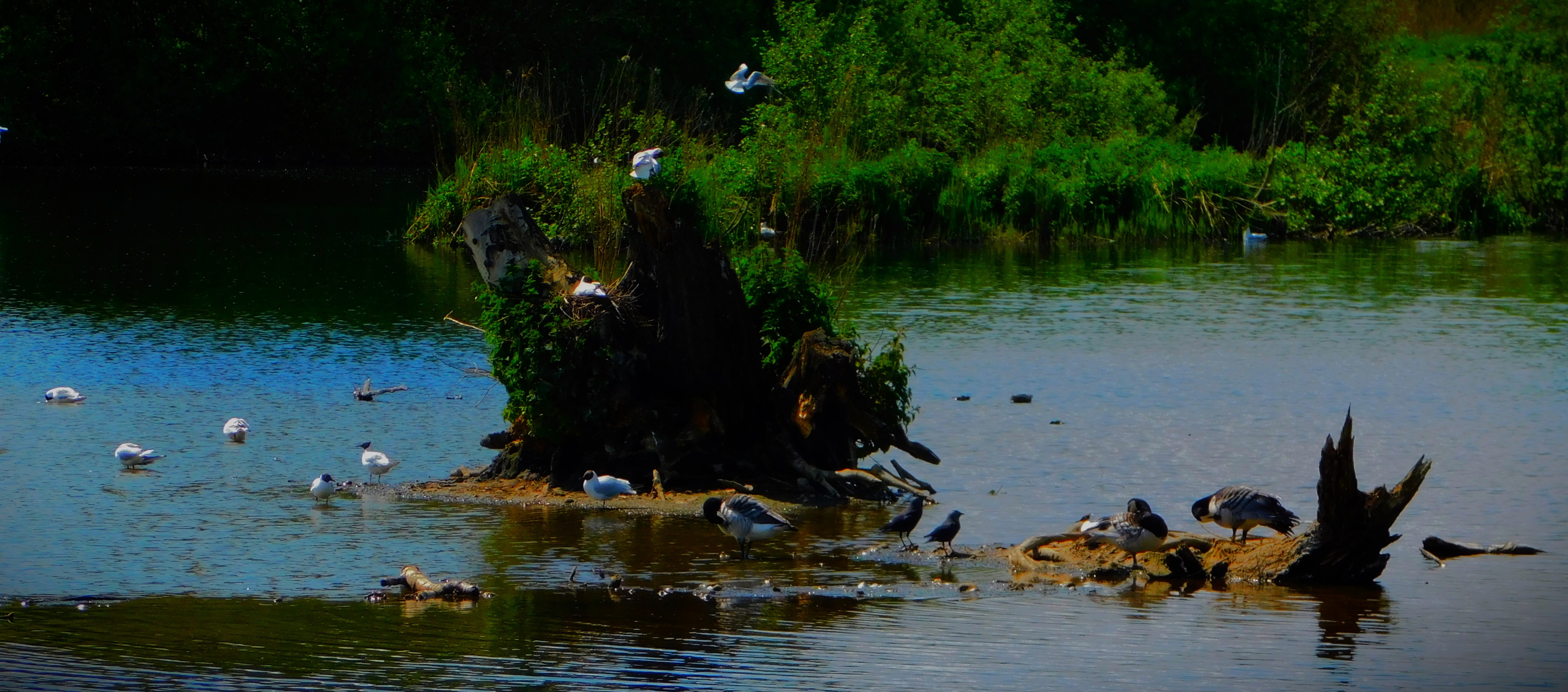
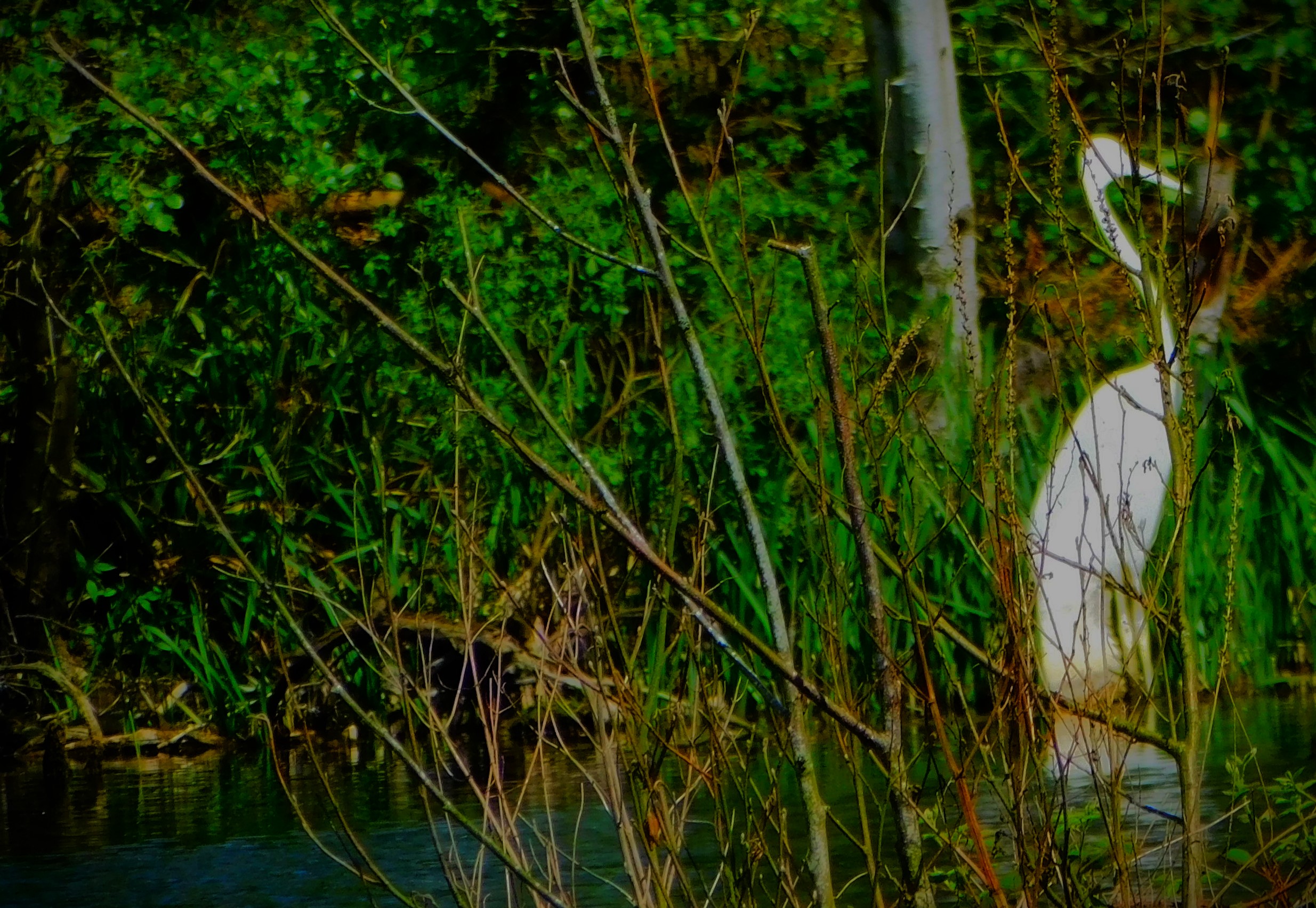
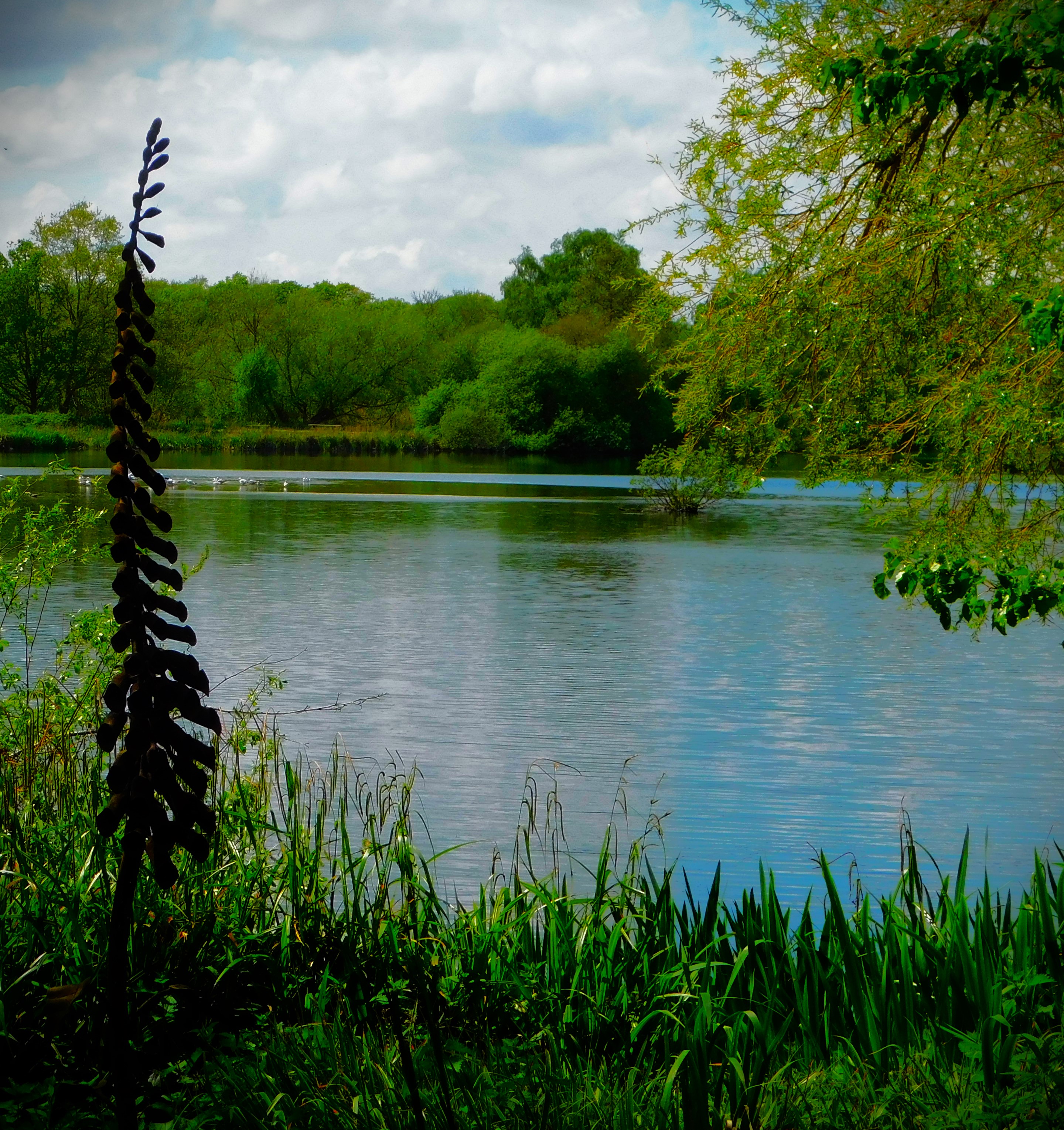
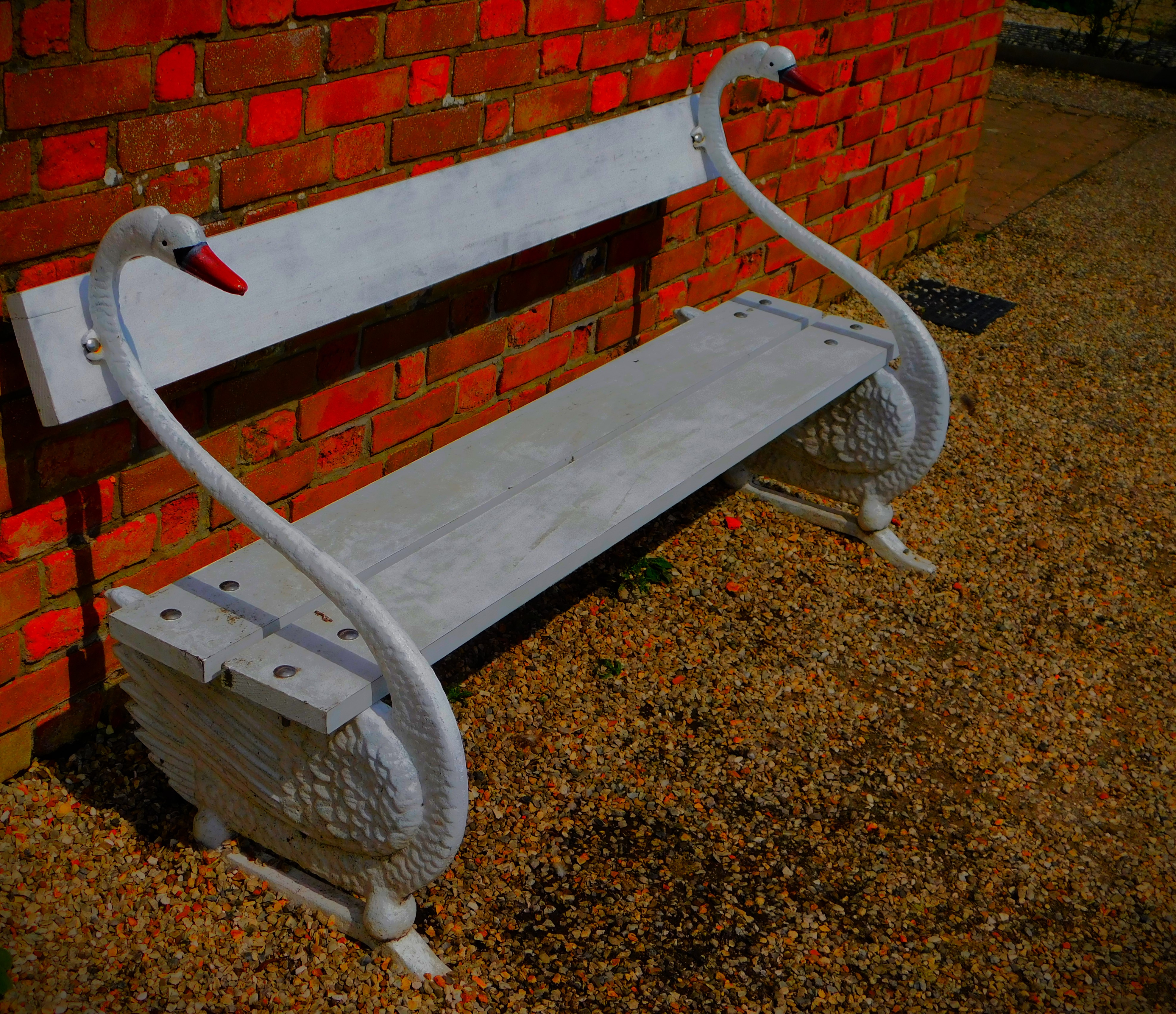
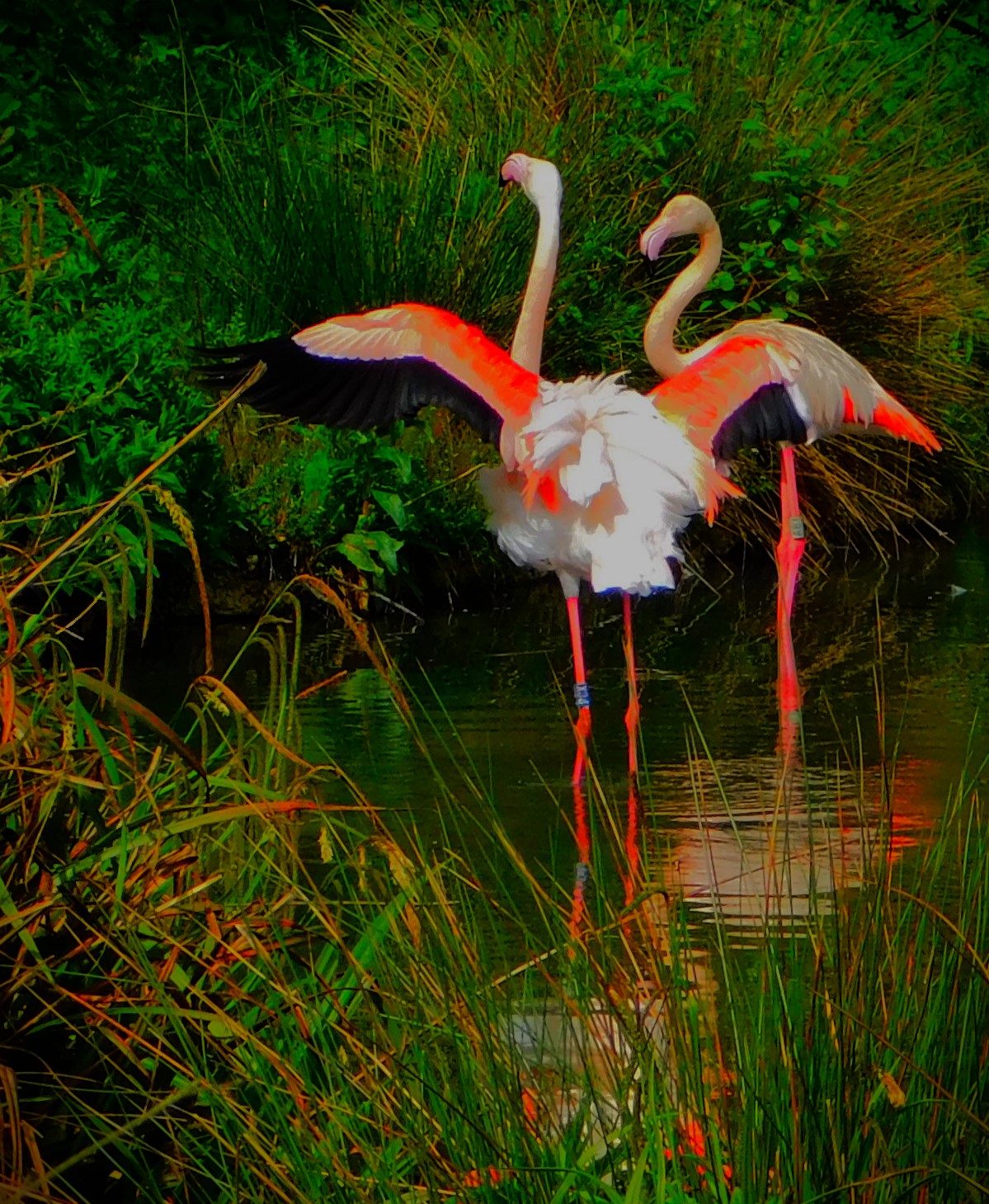
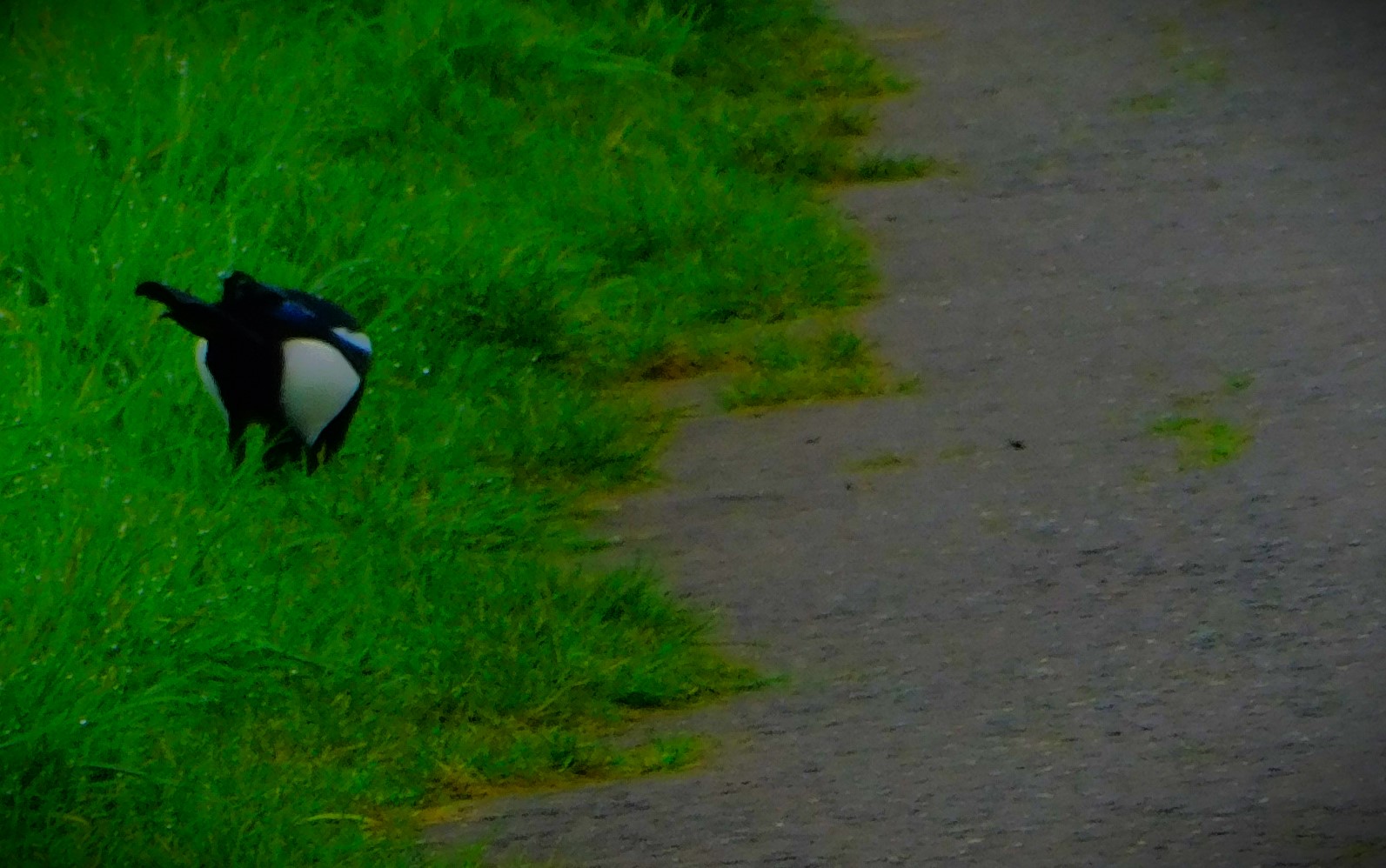
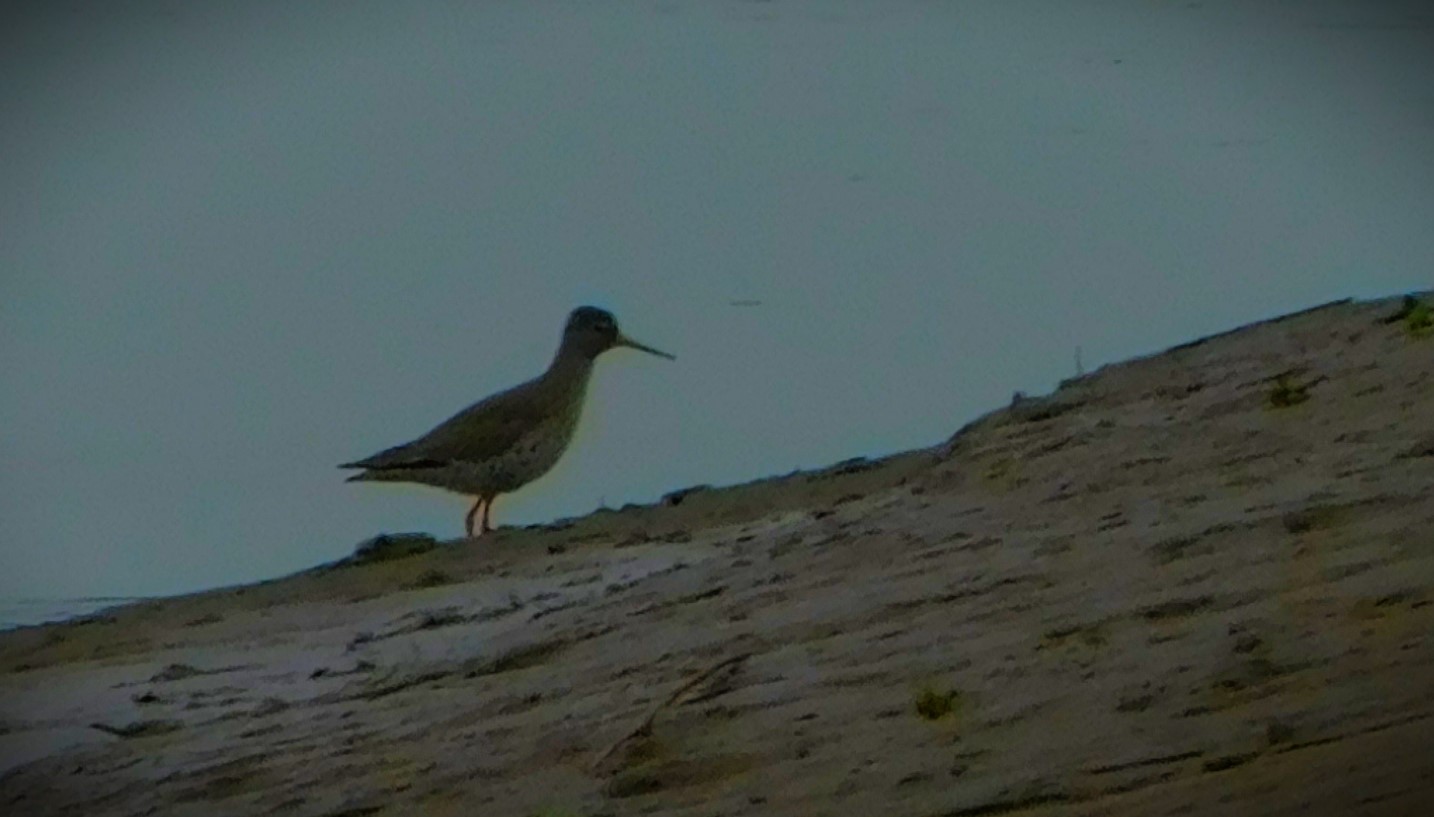
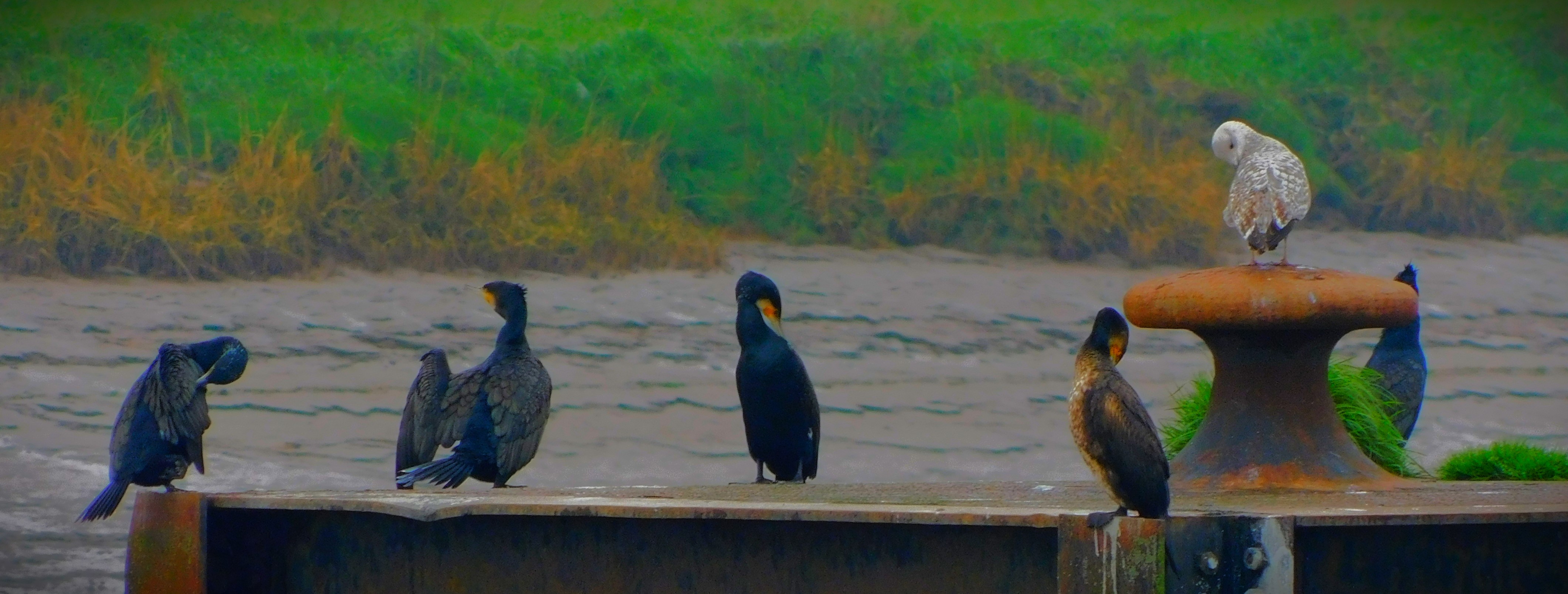
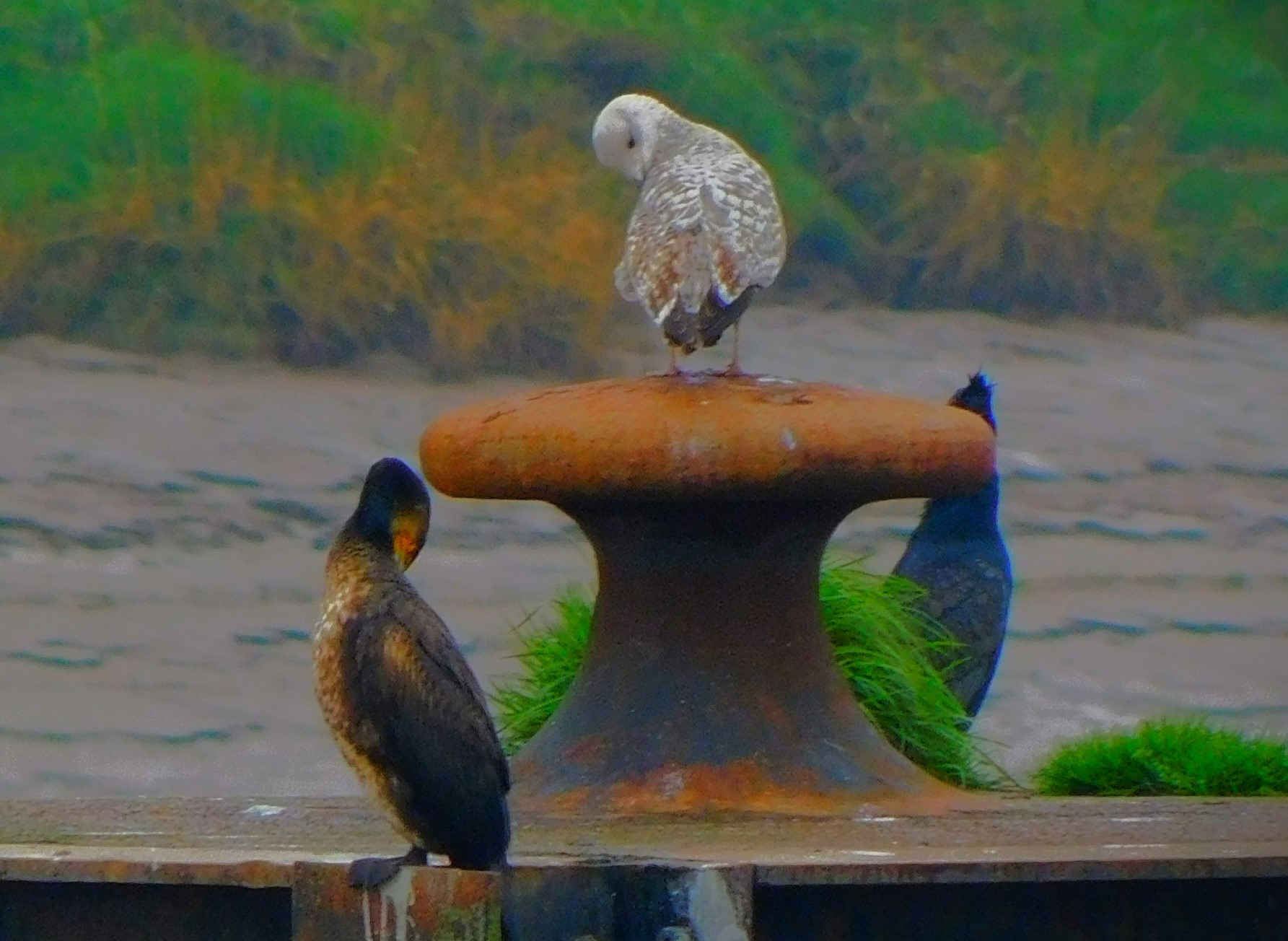
The penultimate post in my series about the West Norfolk Autism Group trip to Pensthorpe, featuring the cranes and flamingos.
Welcome to the penultimate post in my series about the West Norfolk Autism Group trip to Pensthorpe (posts 1, 2, 3 and 4 can be viewed by clicking the relevant number, and the final post, about the trailer ride, will appear tomorrow, one week after the trip took place).
FLAMINGOS AND CRANES
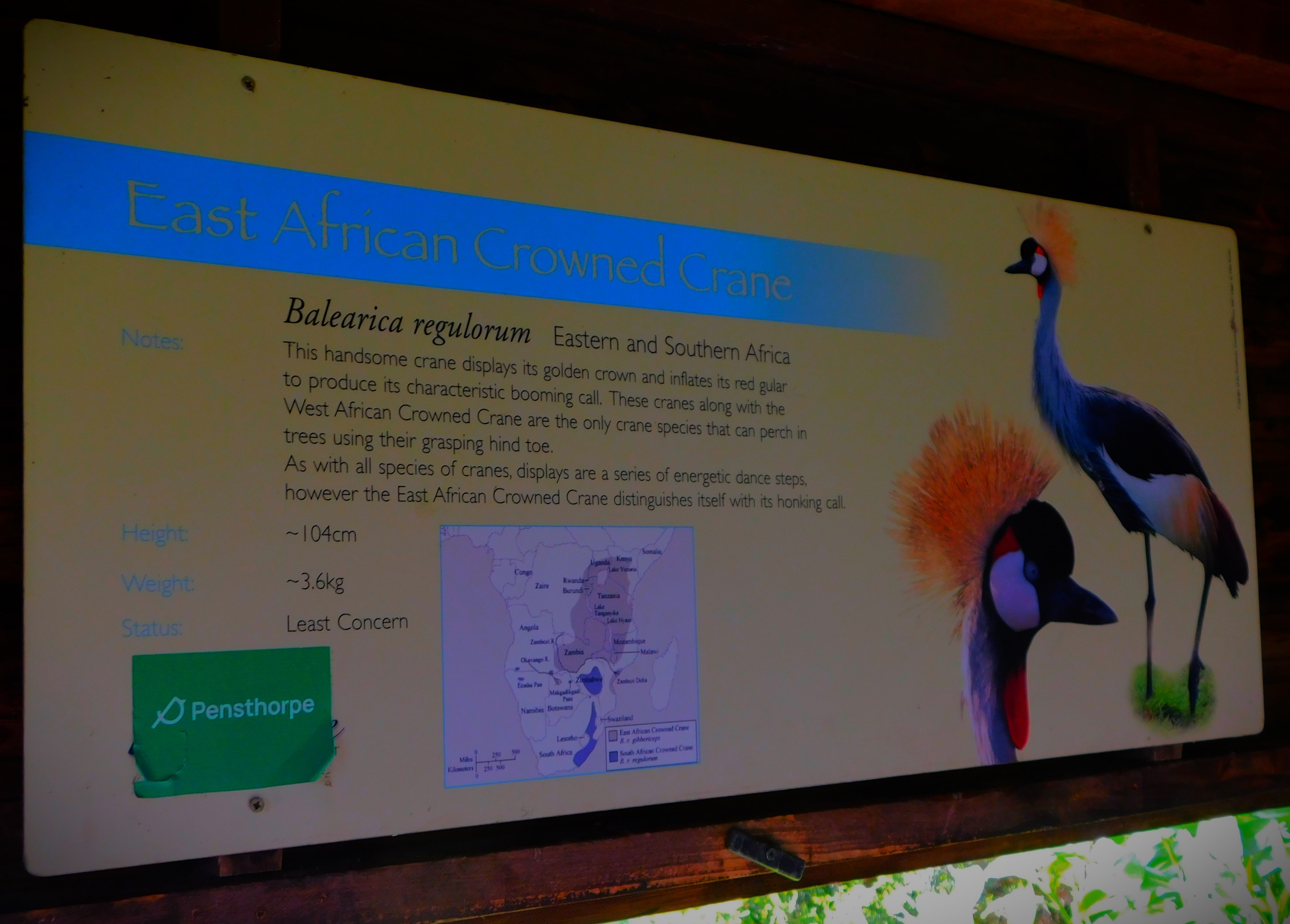
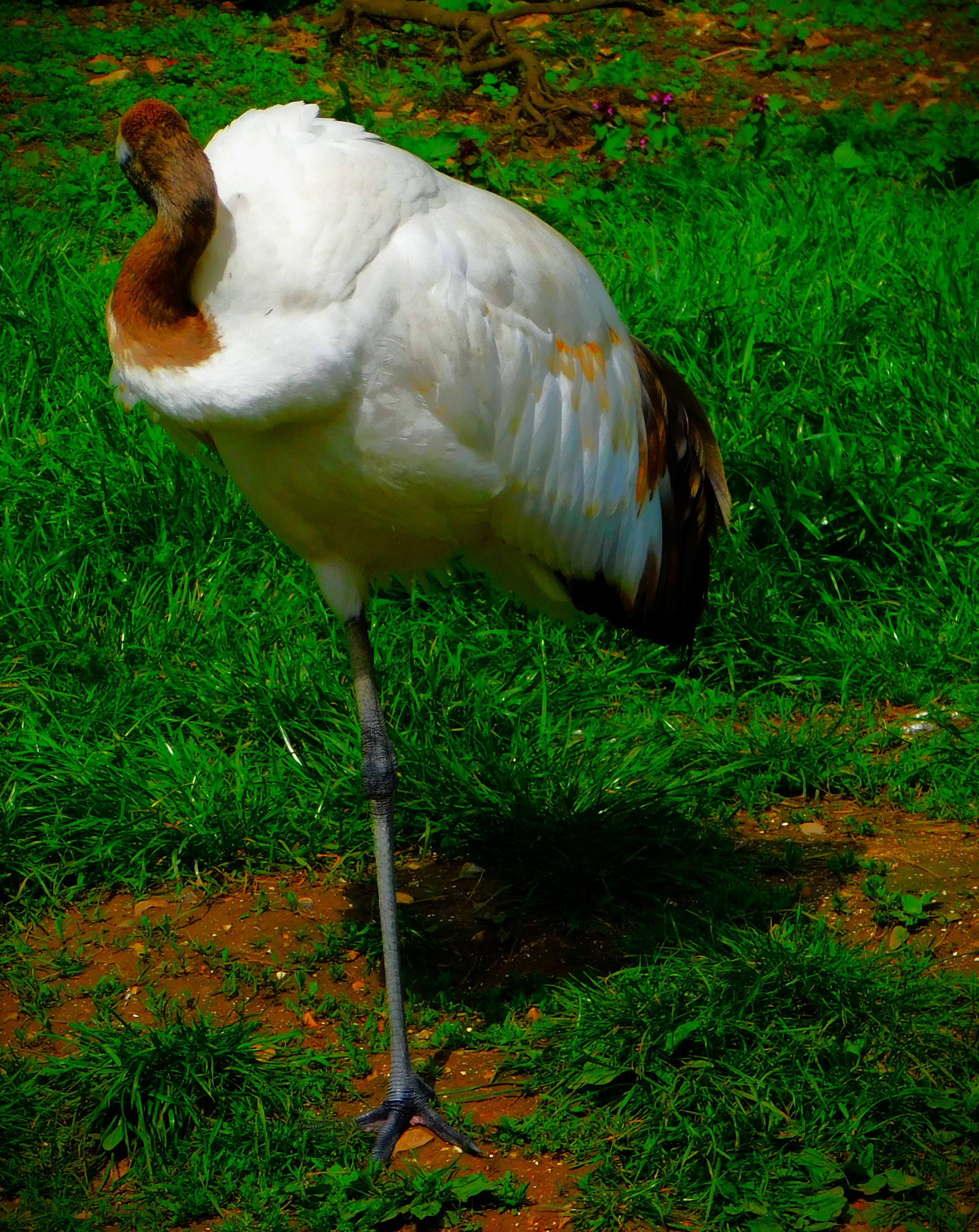
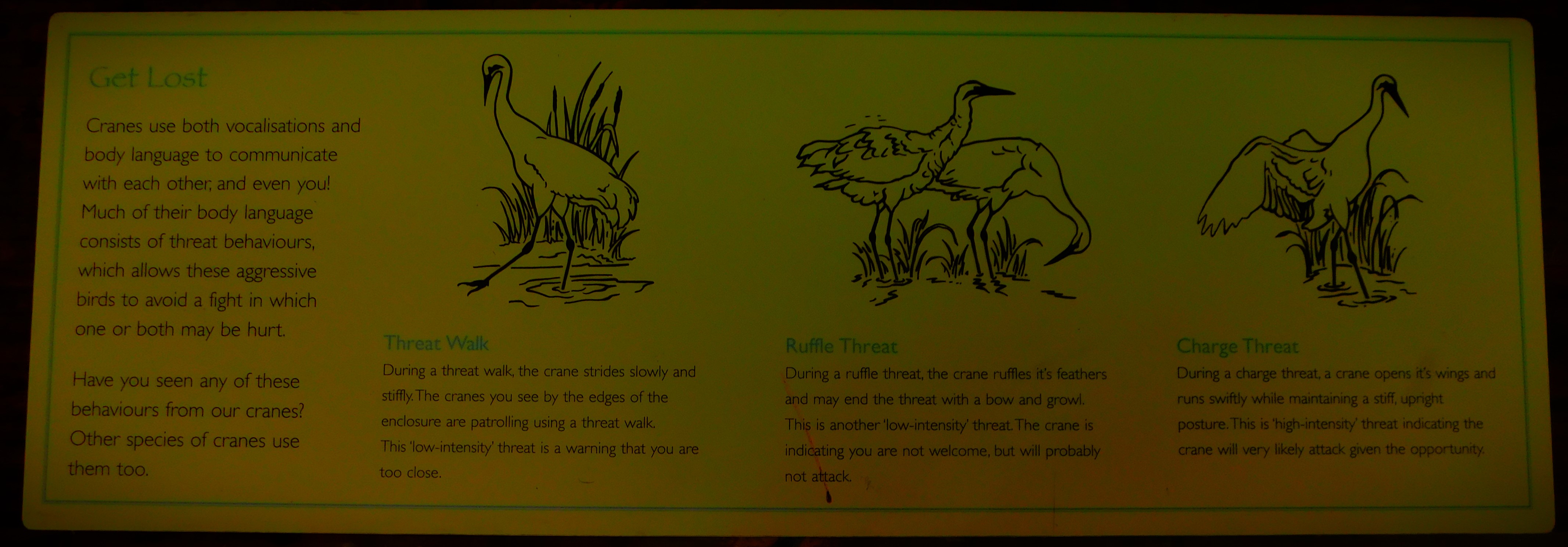
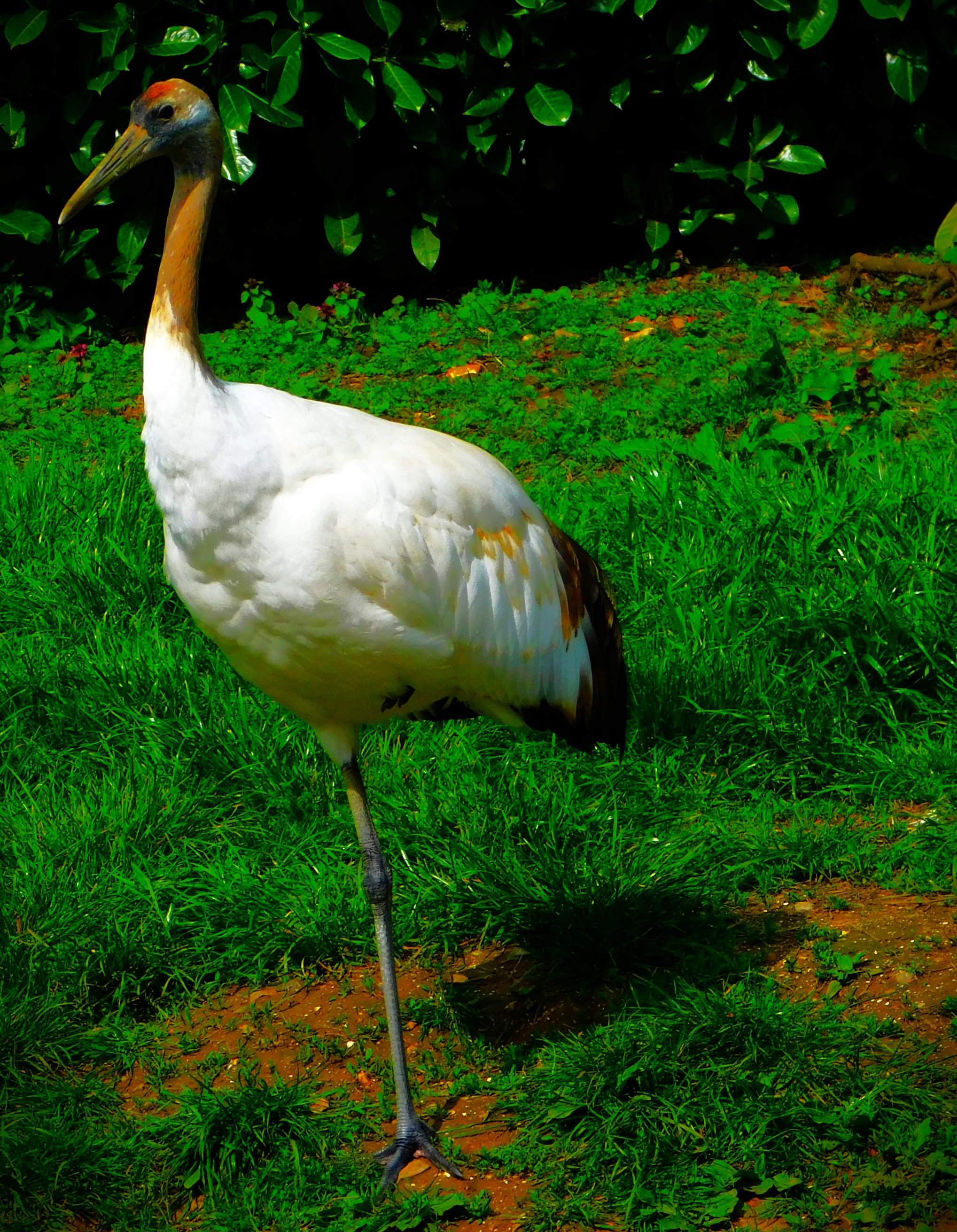
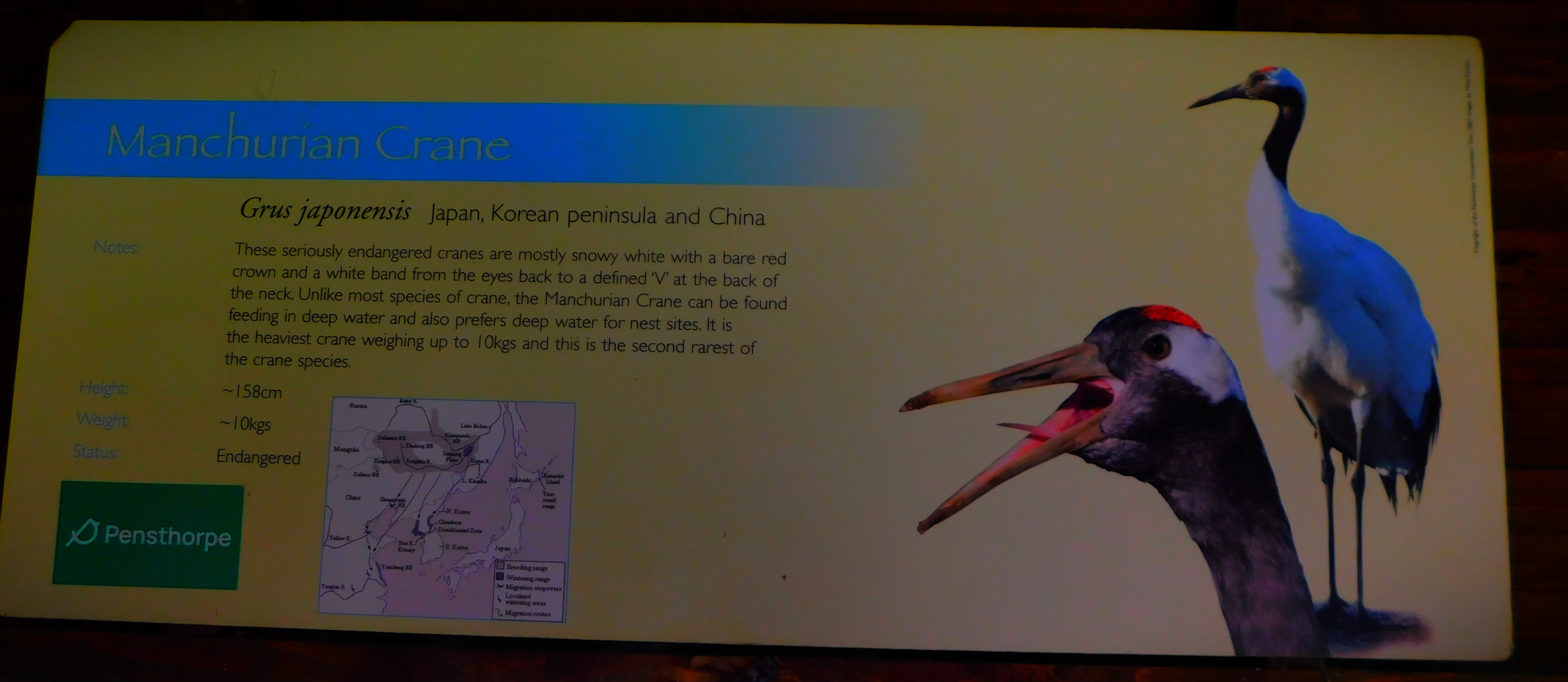
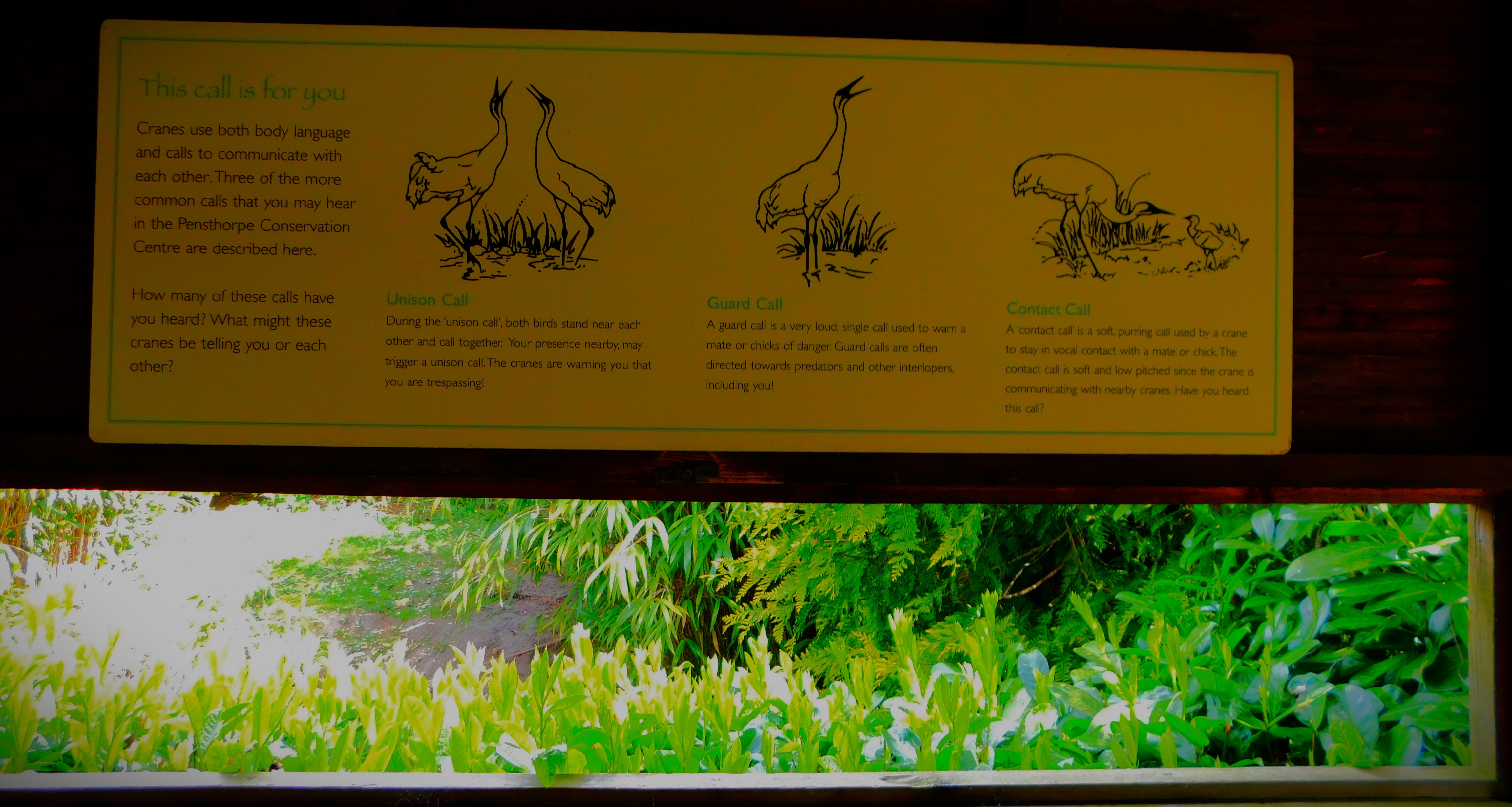
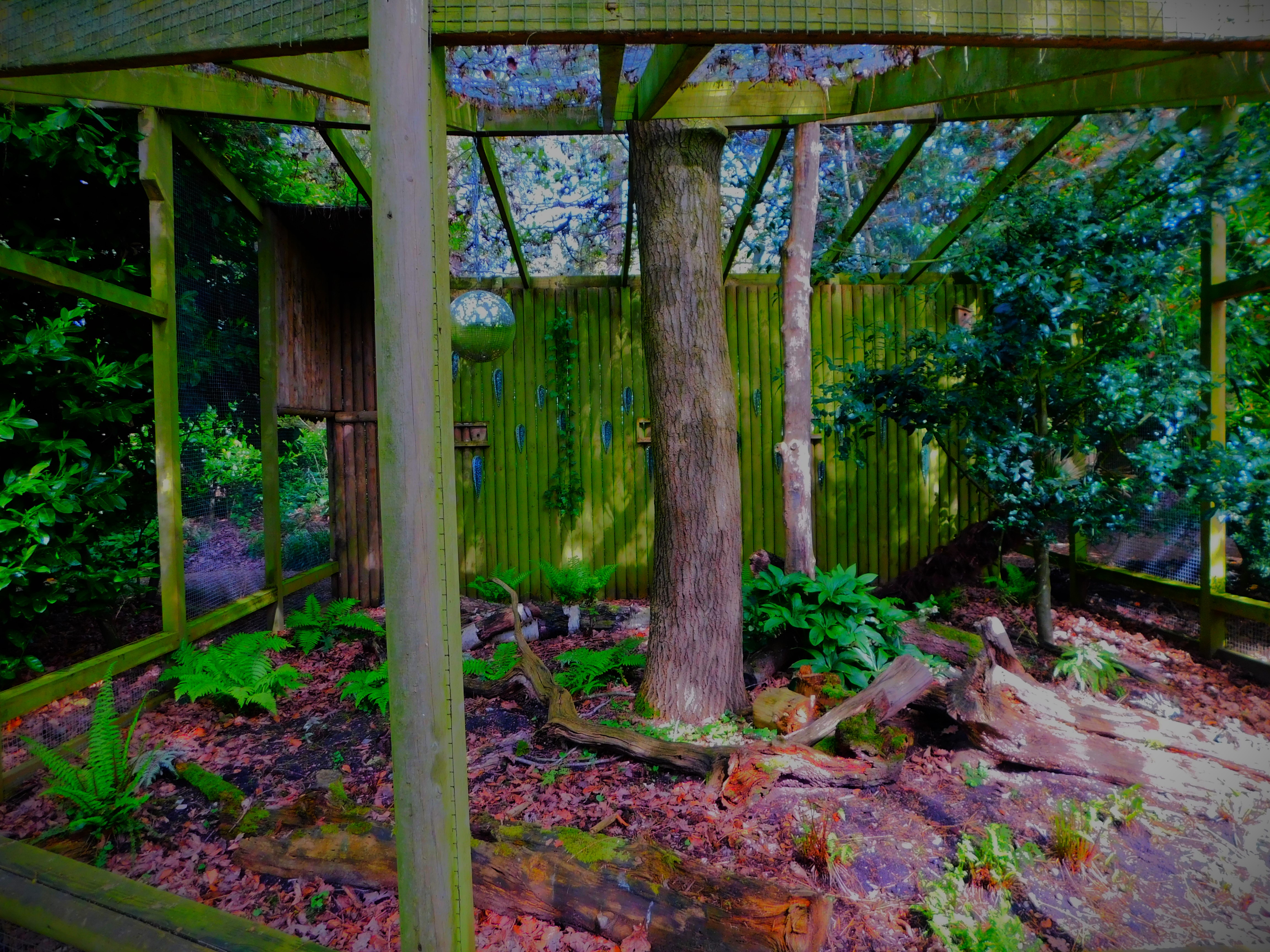
The Flamingo and Crane Enclosures are accessed in the same way when on the way round Pensthorpe. The path into the area that houses both enclosures arrives in between the two – flamingos one way, cranes the other. Although one cannot get close to the flamingos their enclosure is open, with nothing concealed. The cranes, of which Pensthorpe has four distinct species, are viewable only from a hide, which has four separate hatches through which one can look, one for each species. The cranes are one of many conservation projects being undertaken at Pensthorpe.
PHOTOGRAPHS
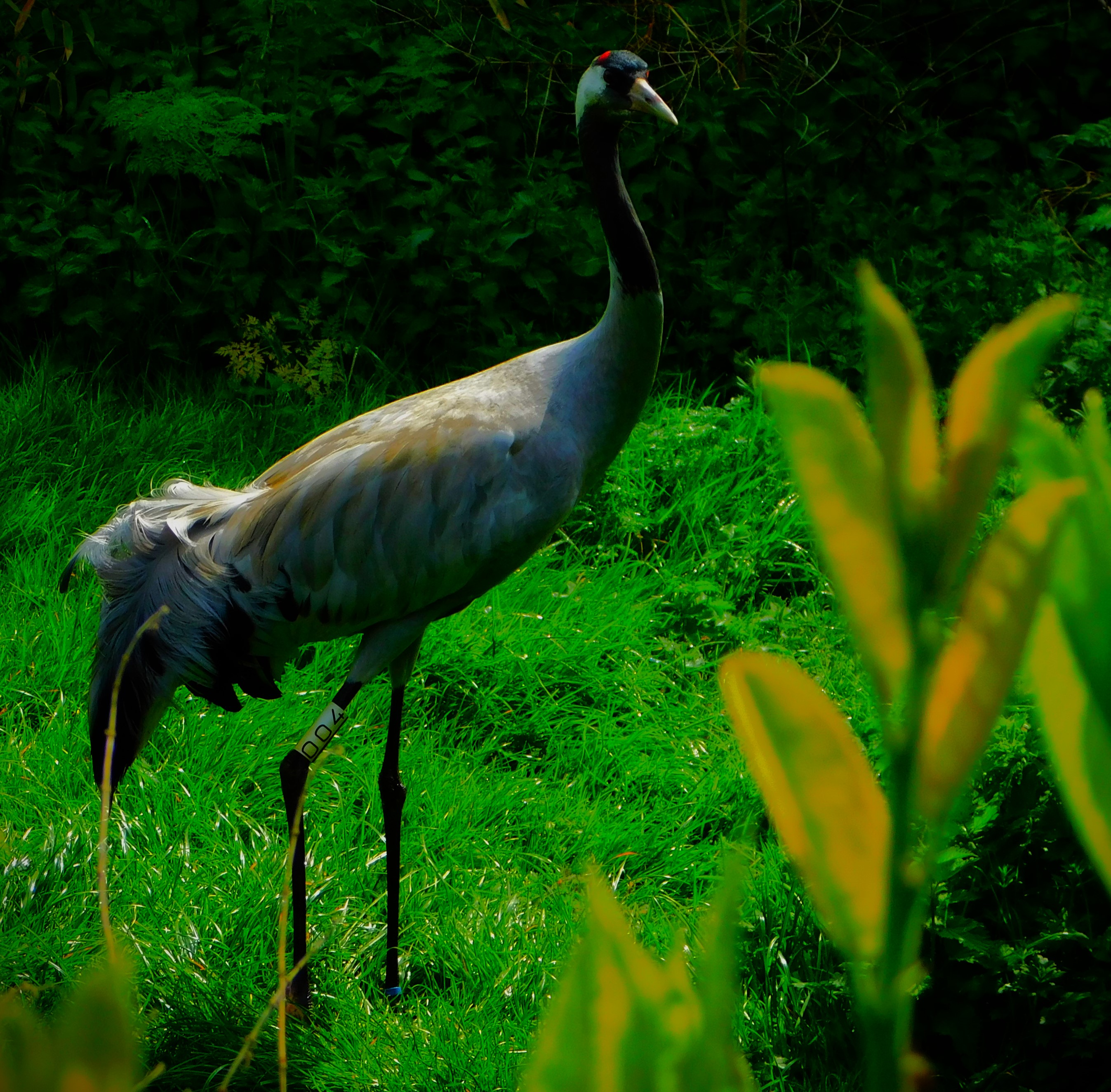
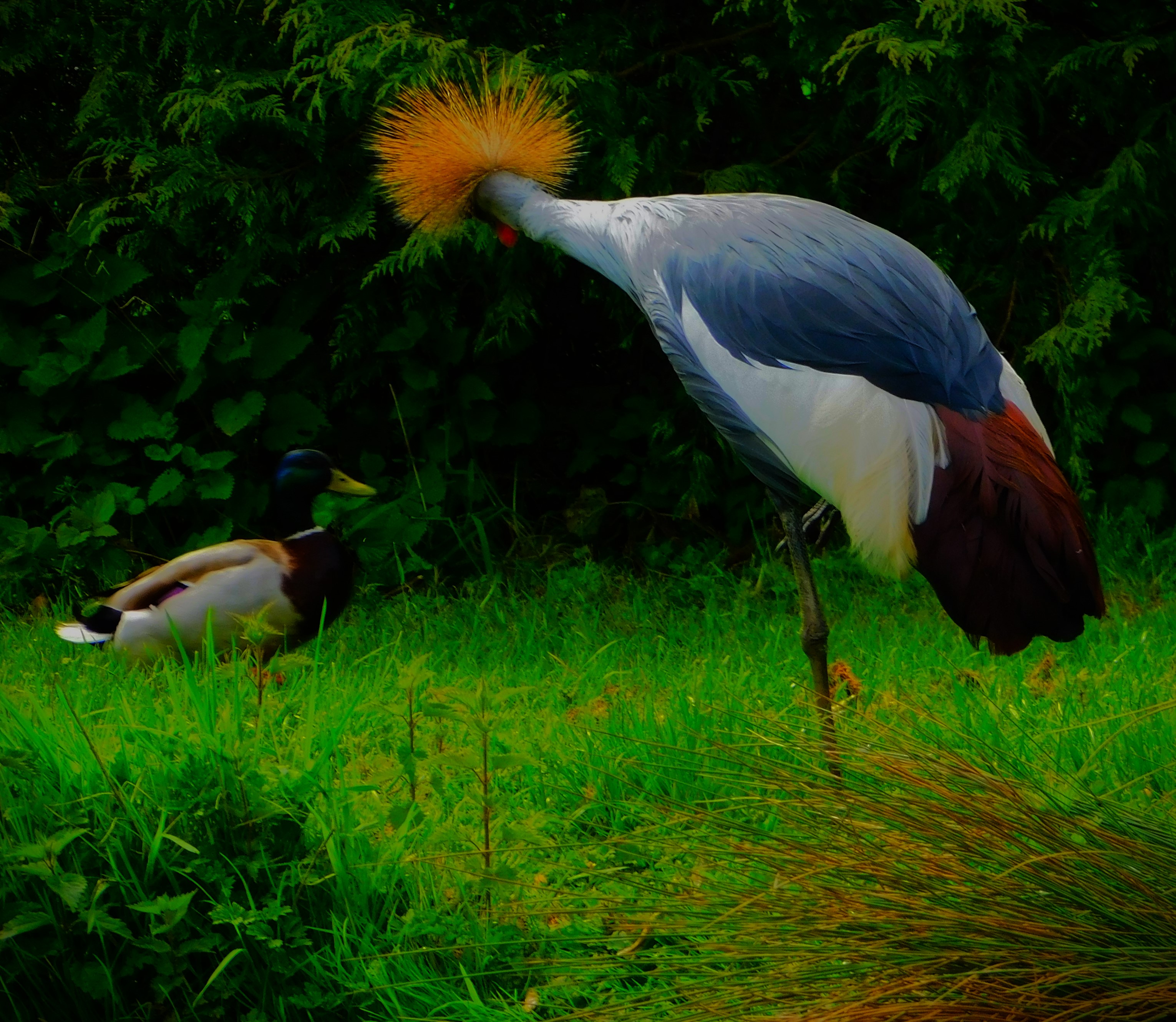
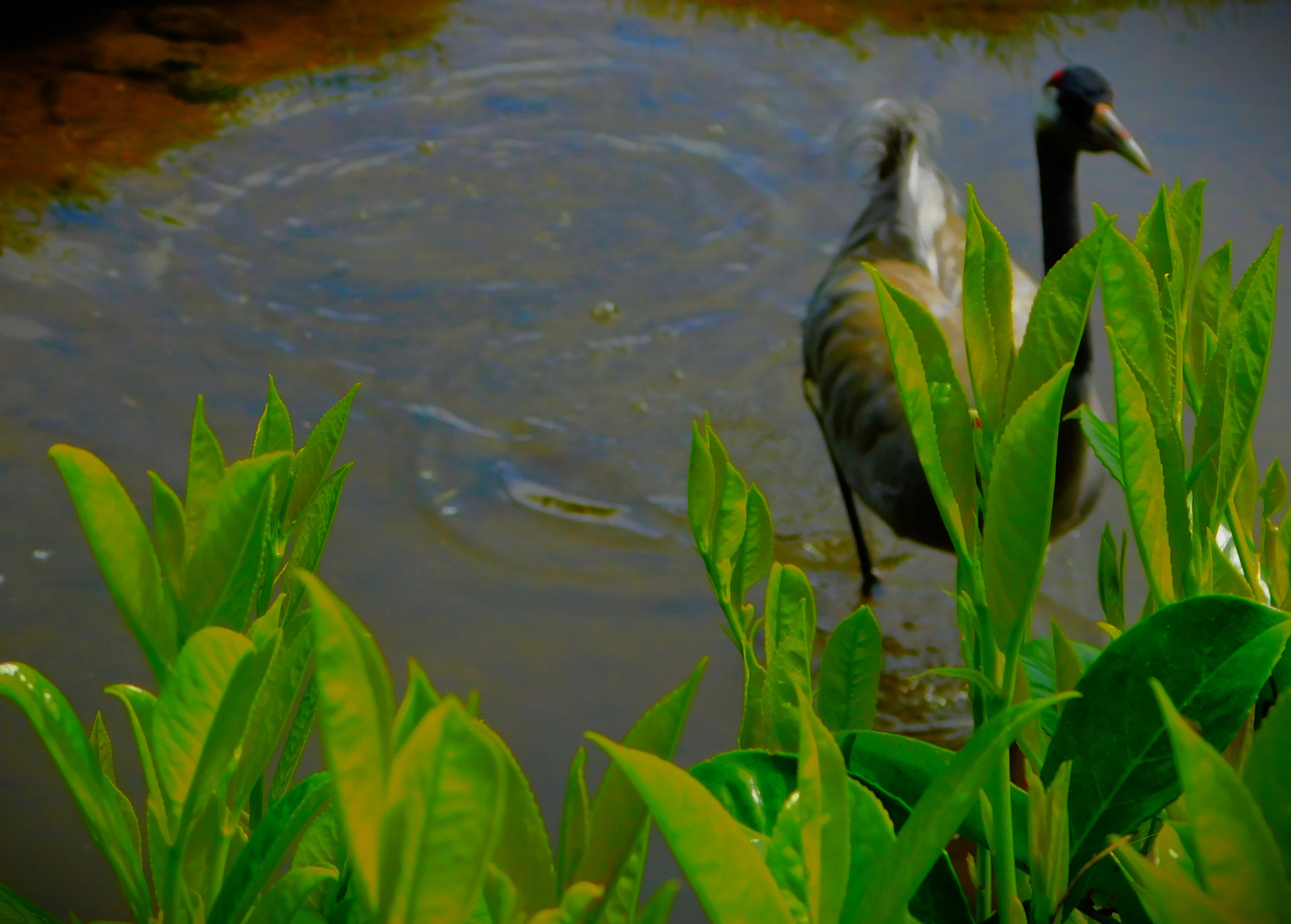
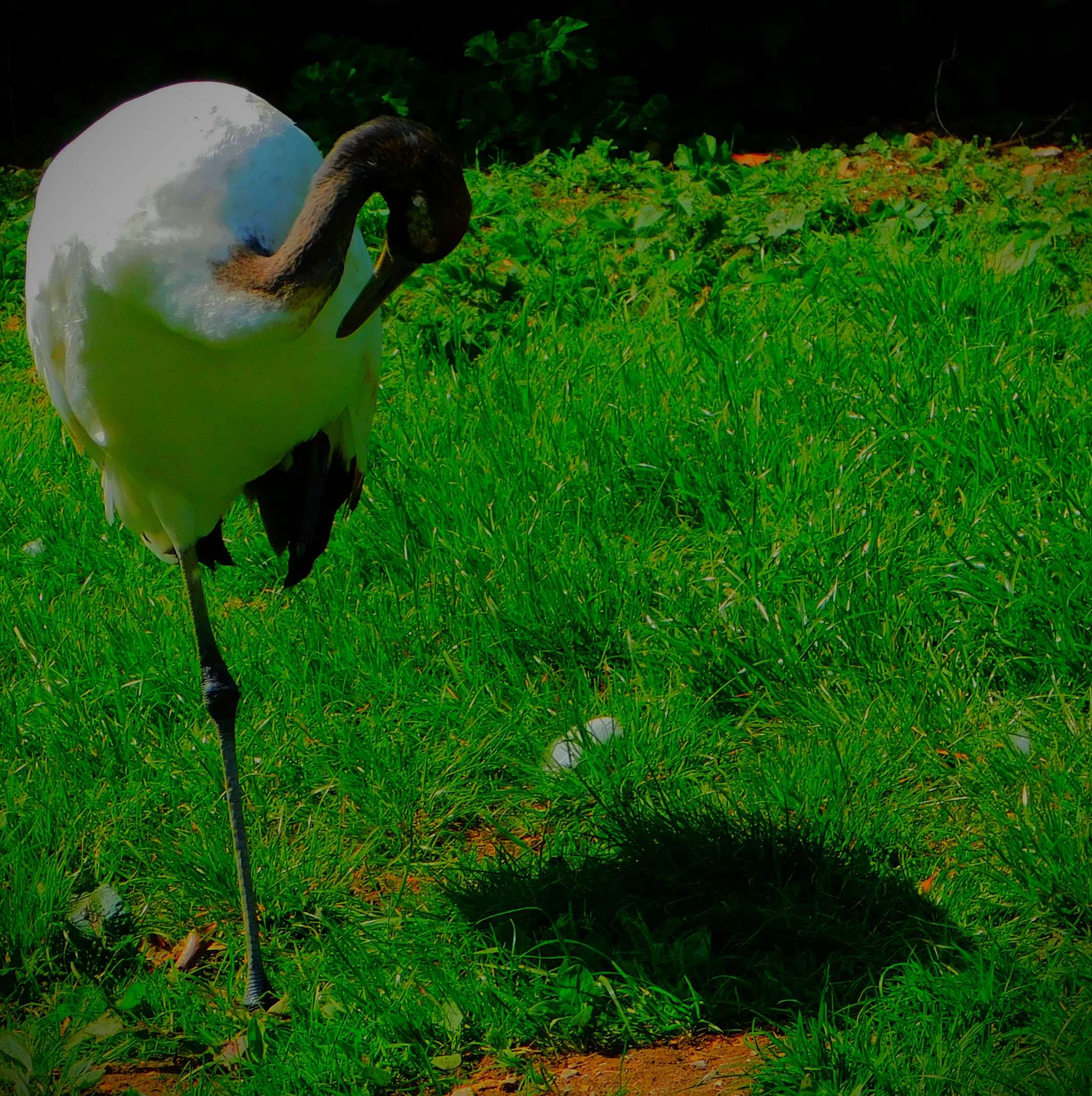
Here are the photographs I got of the cranes and flamingos:
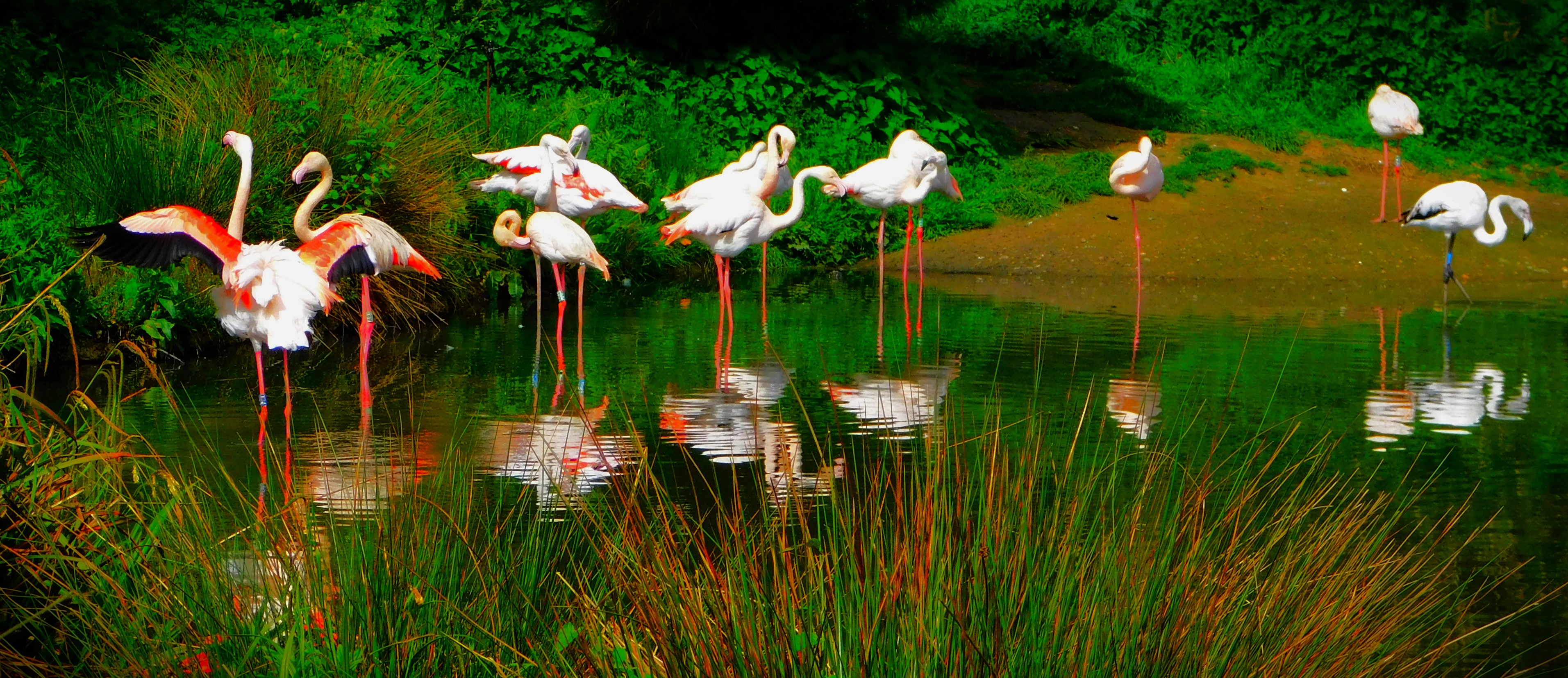
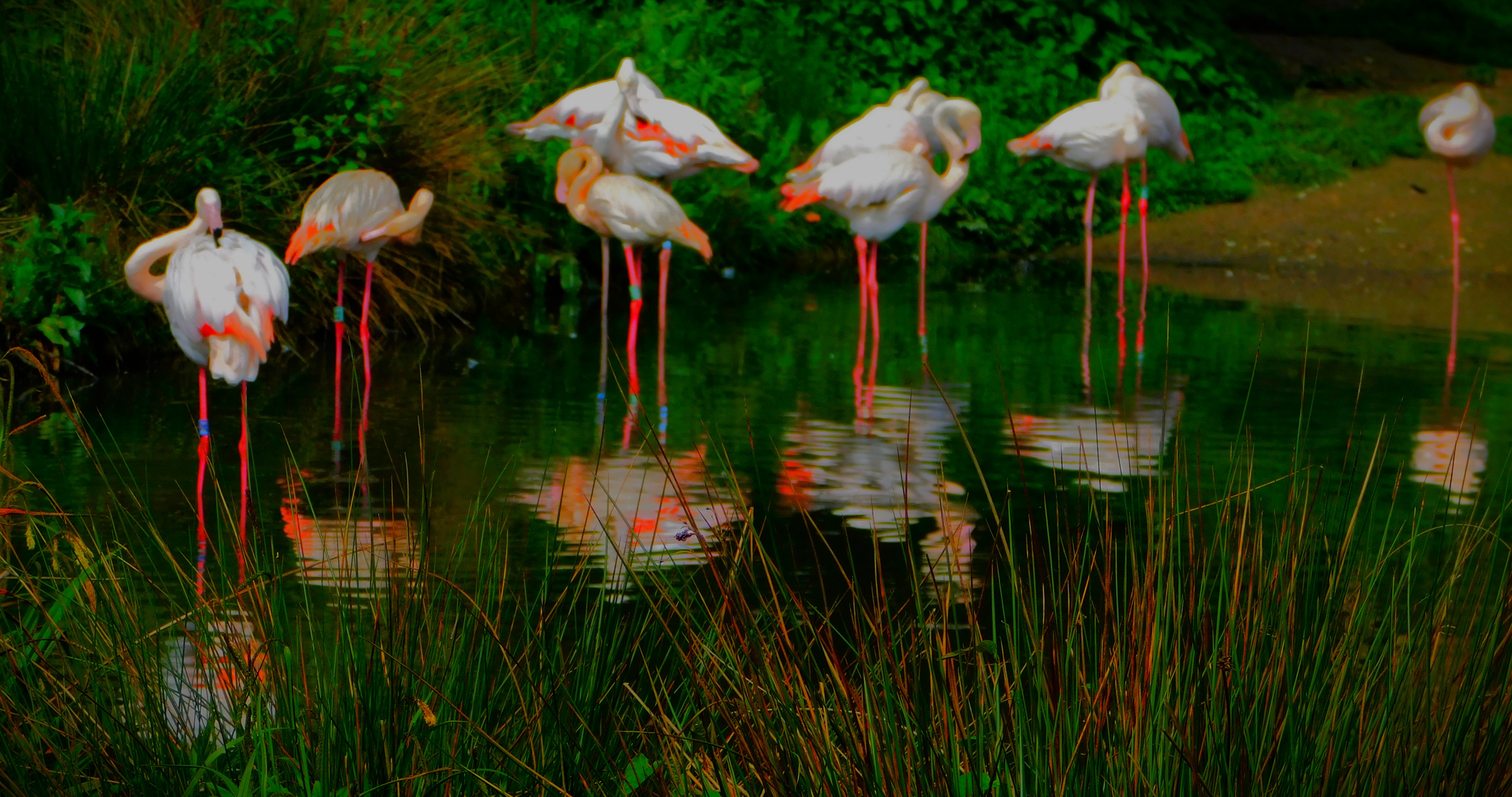
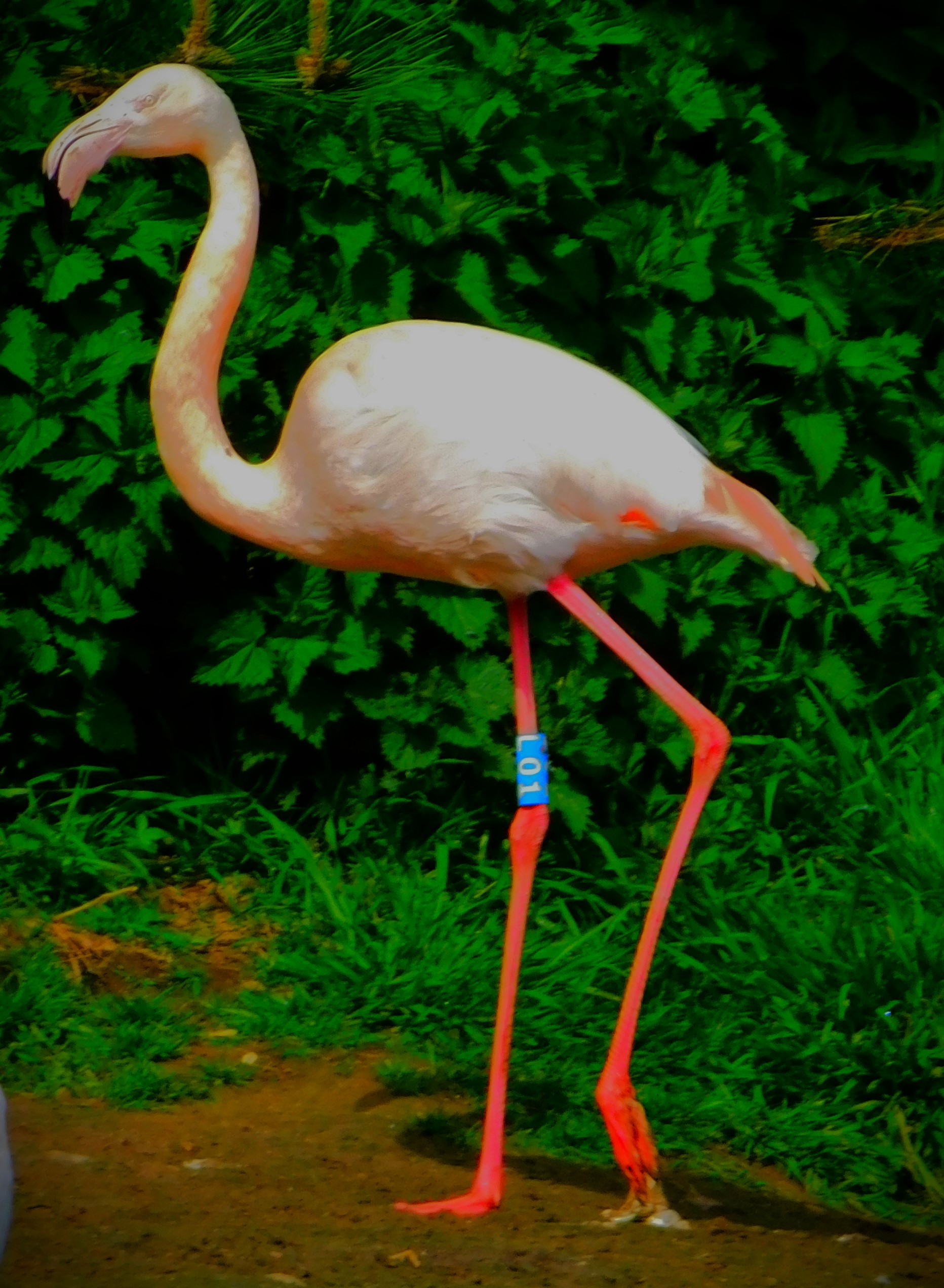
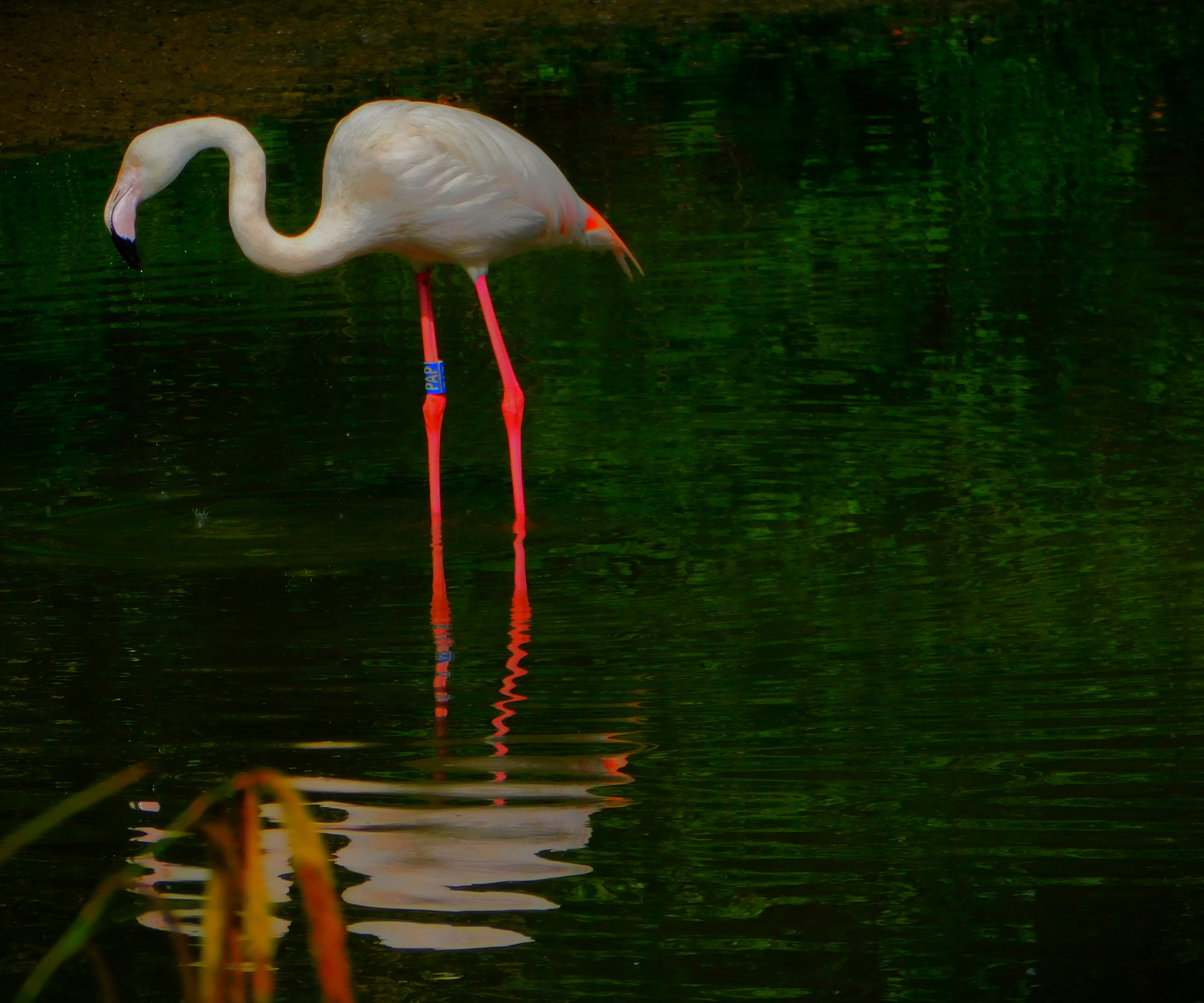
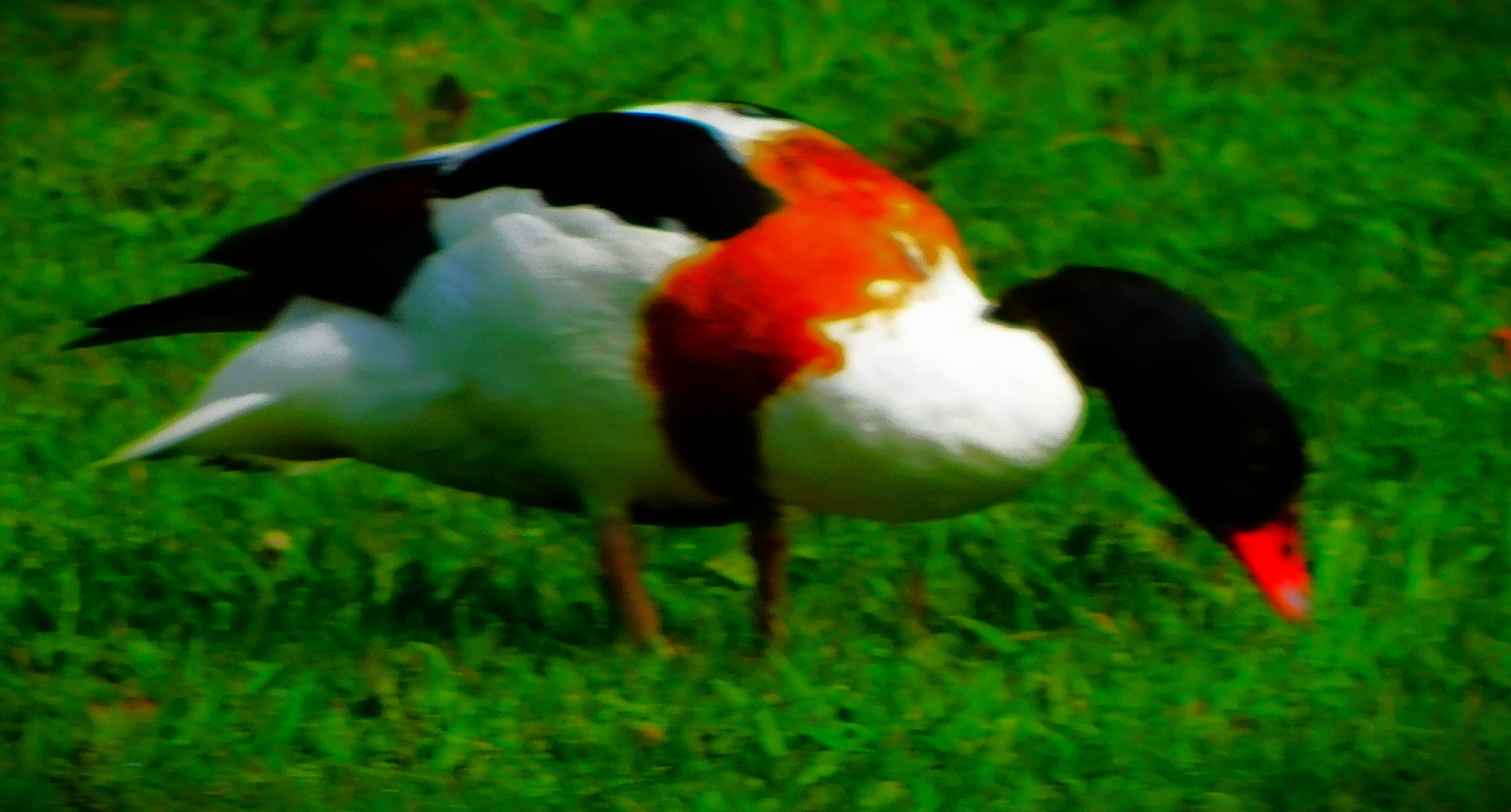
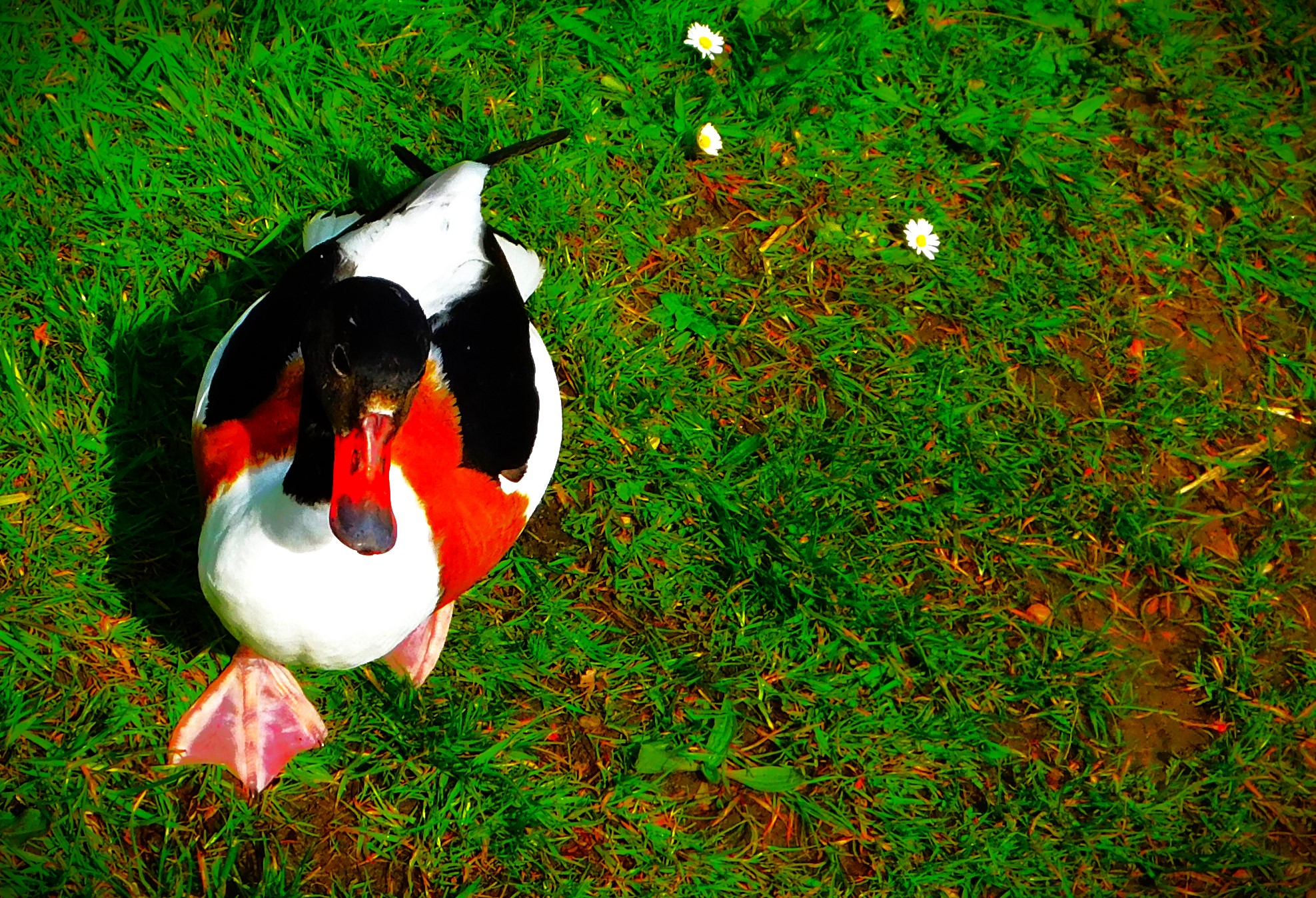
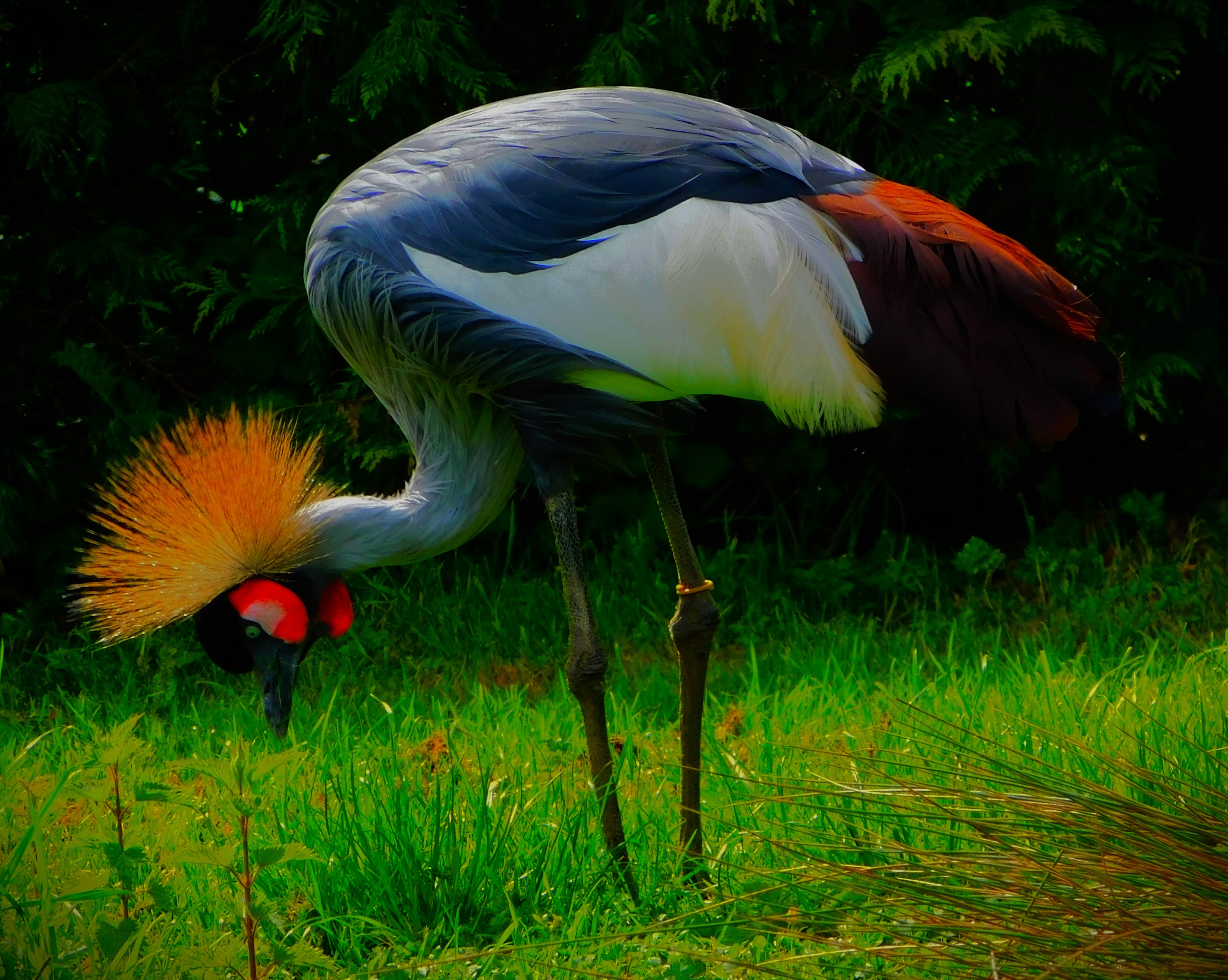
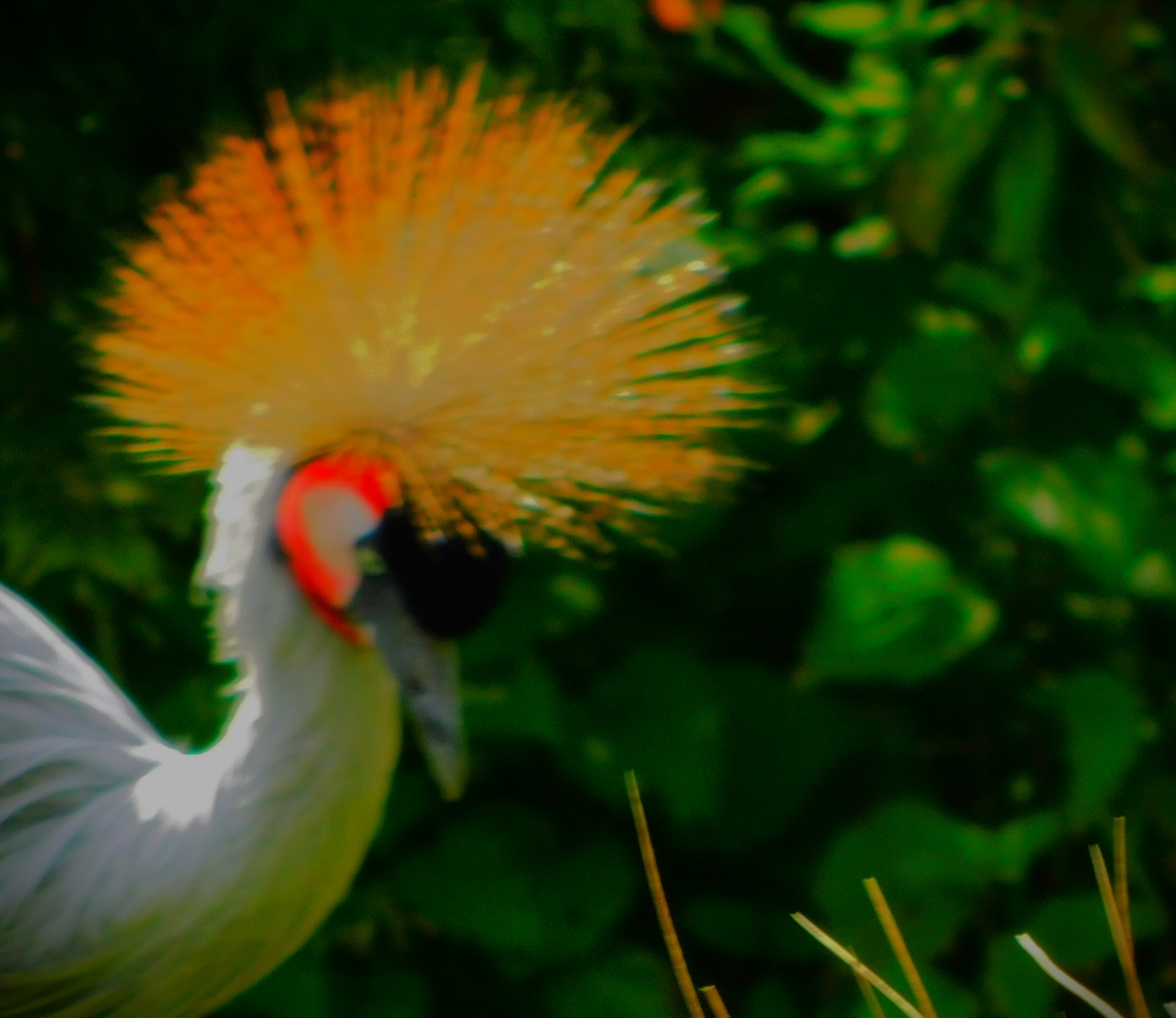
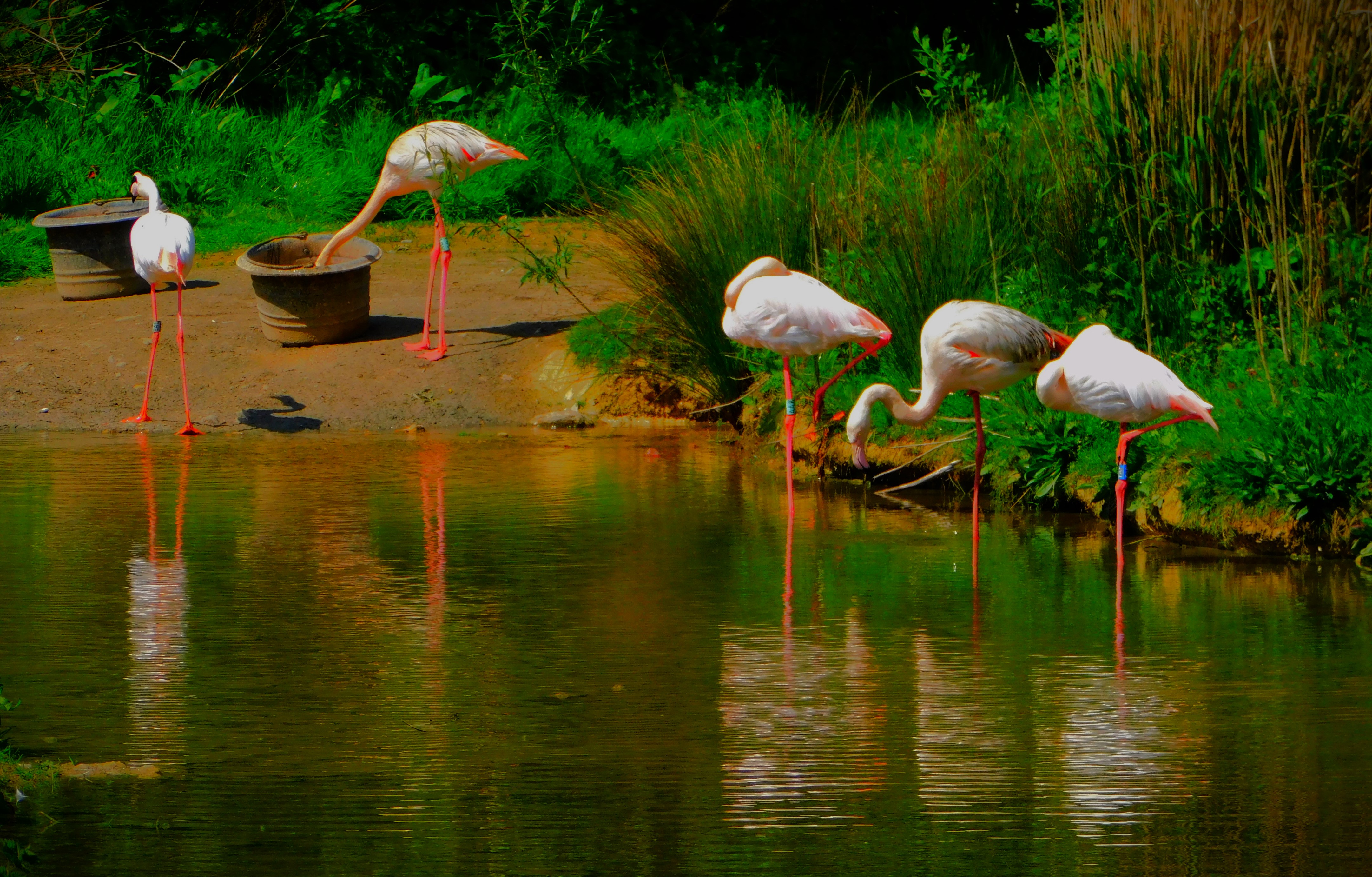
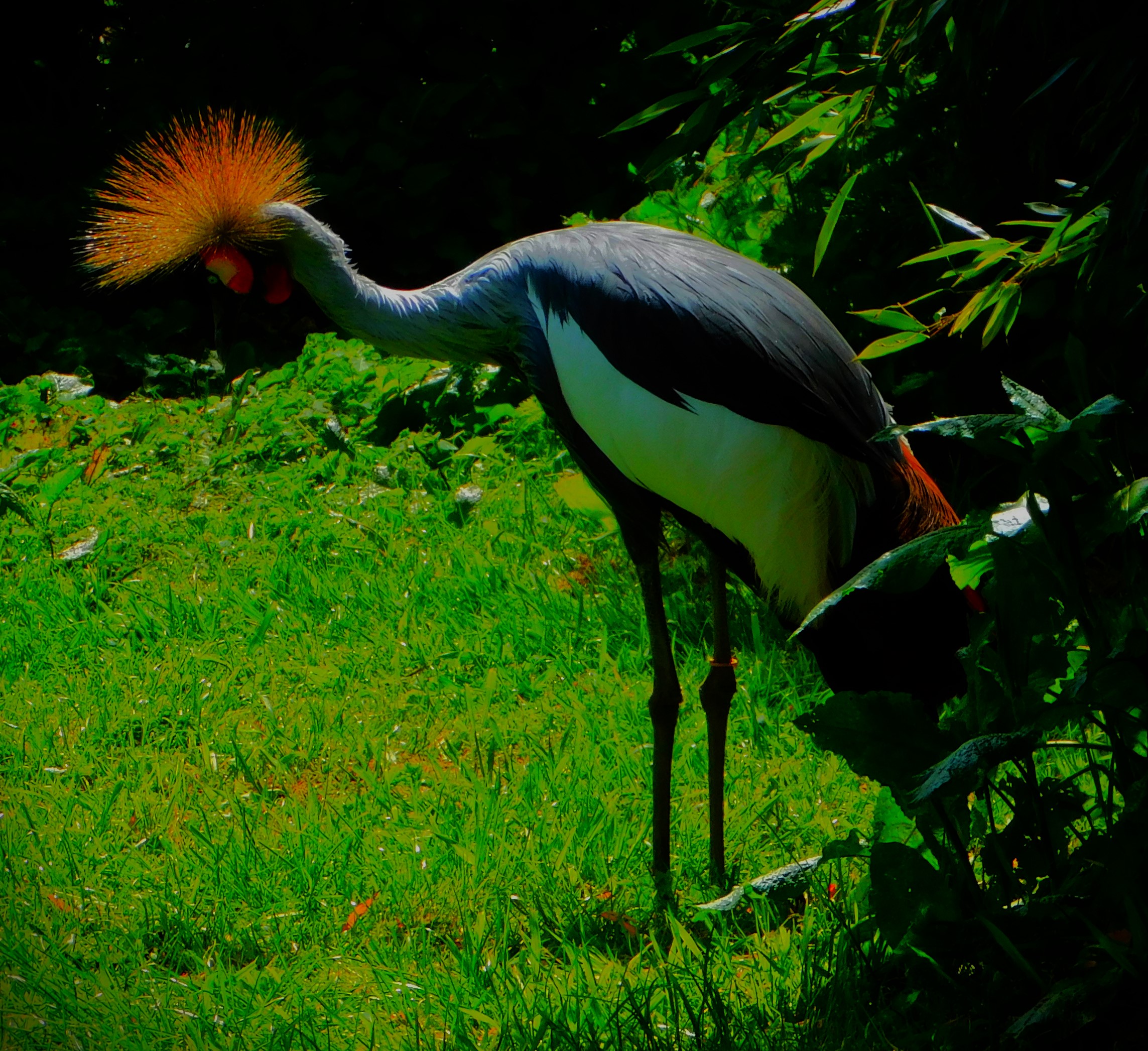
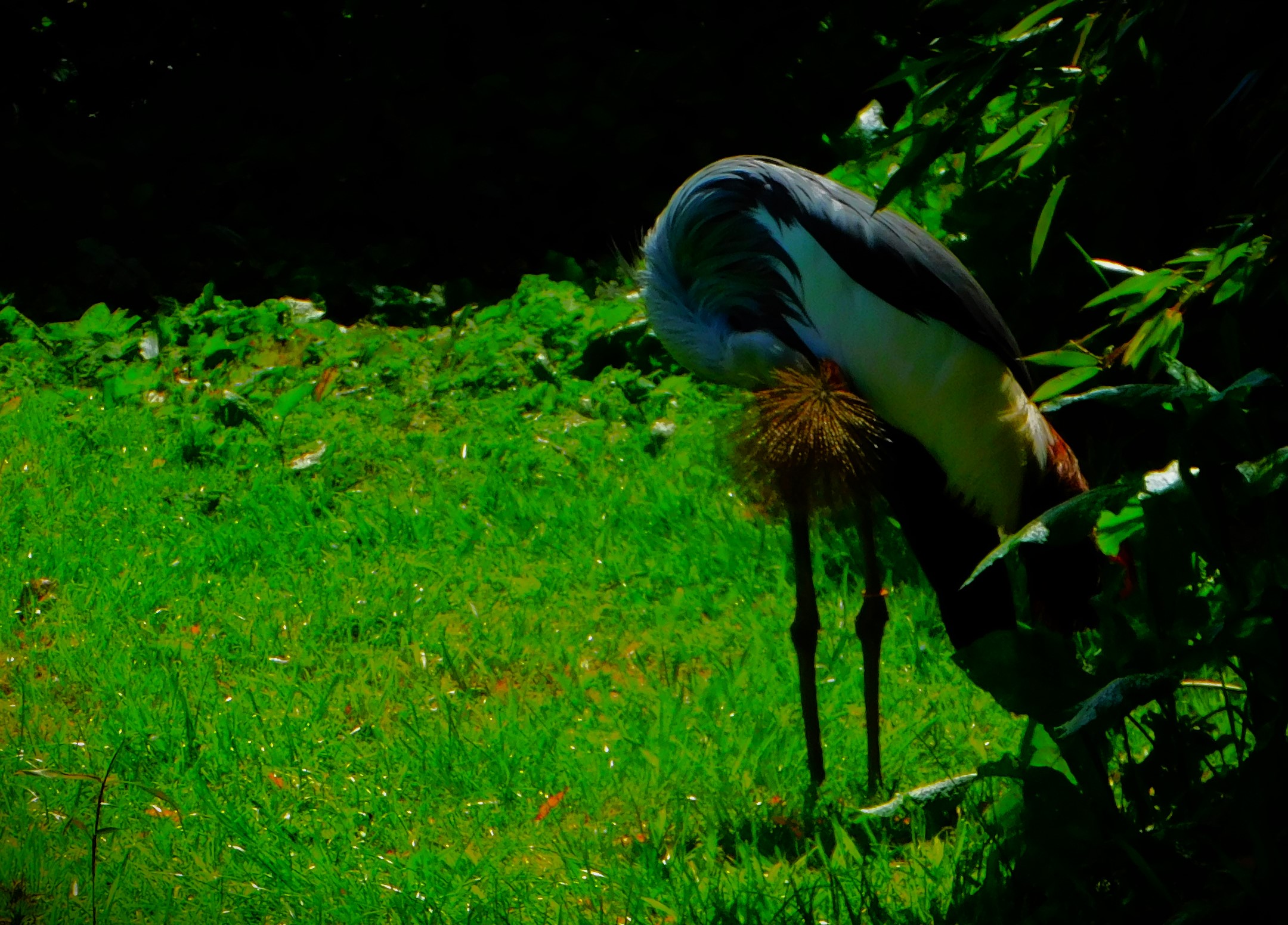
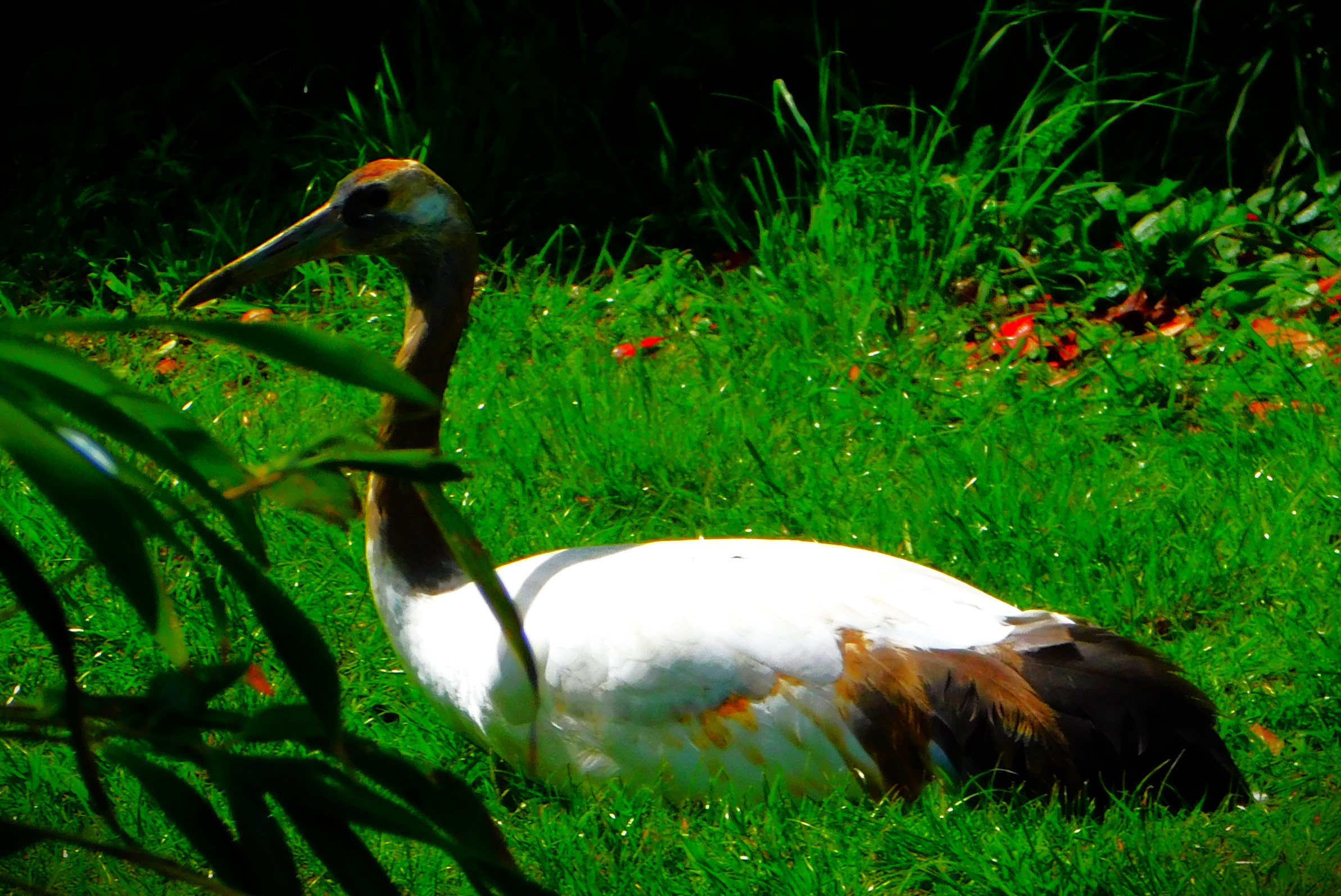
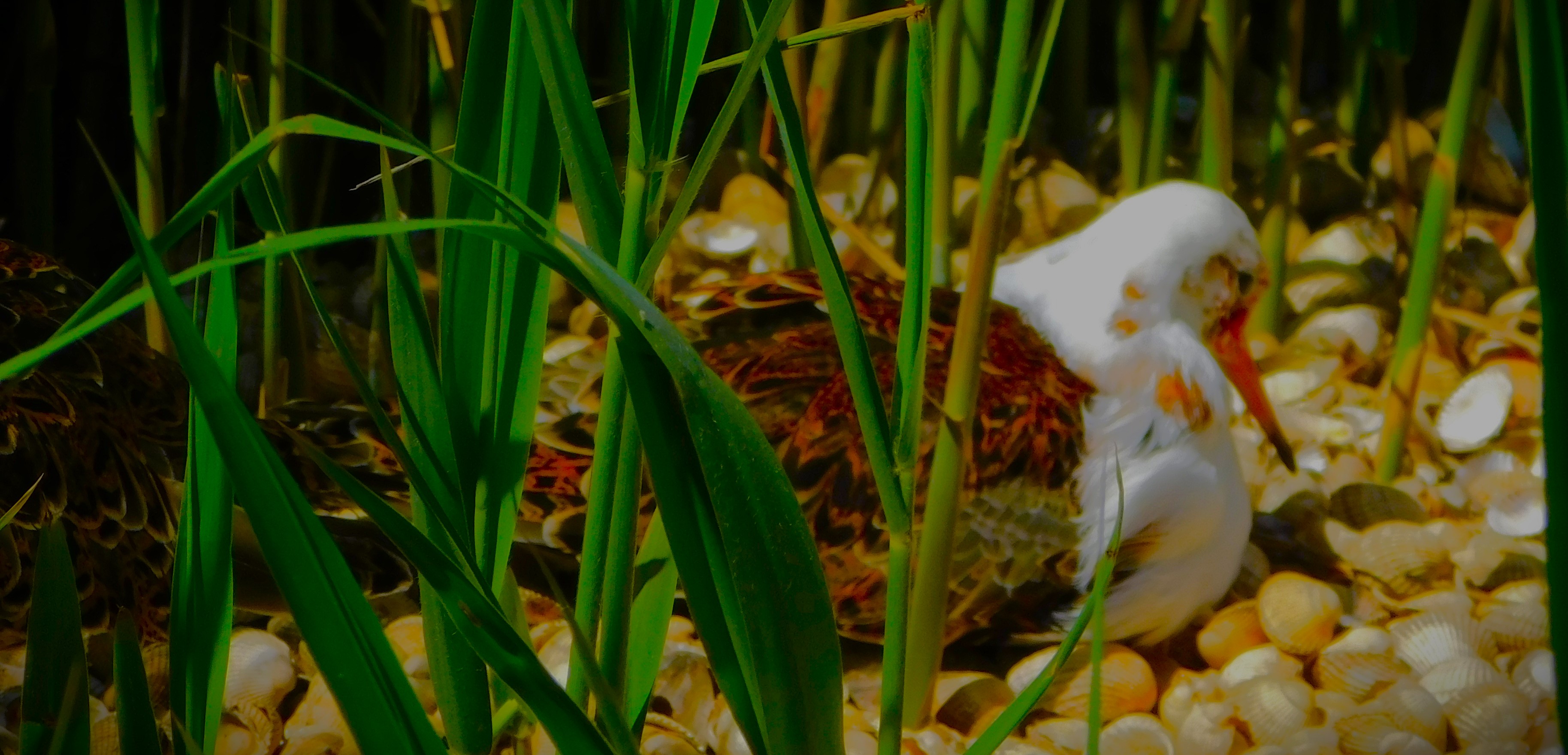
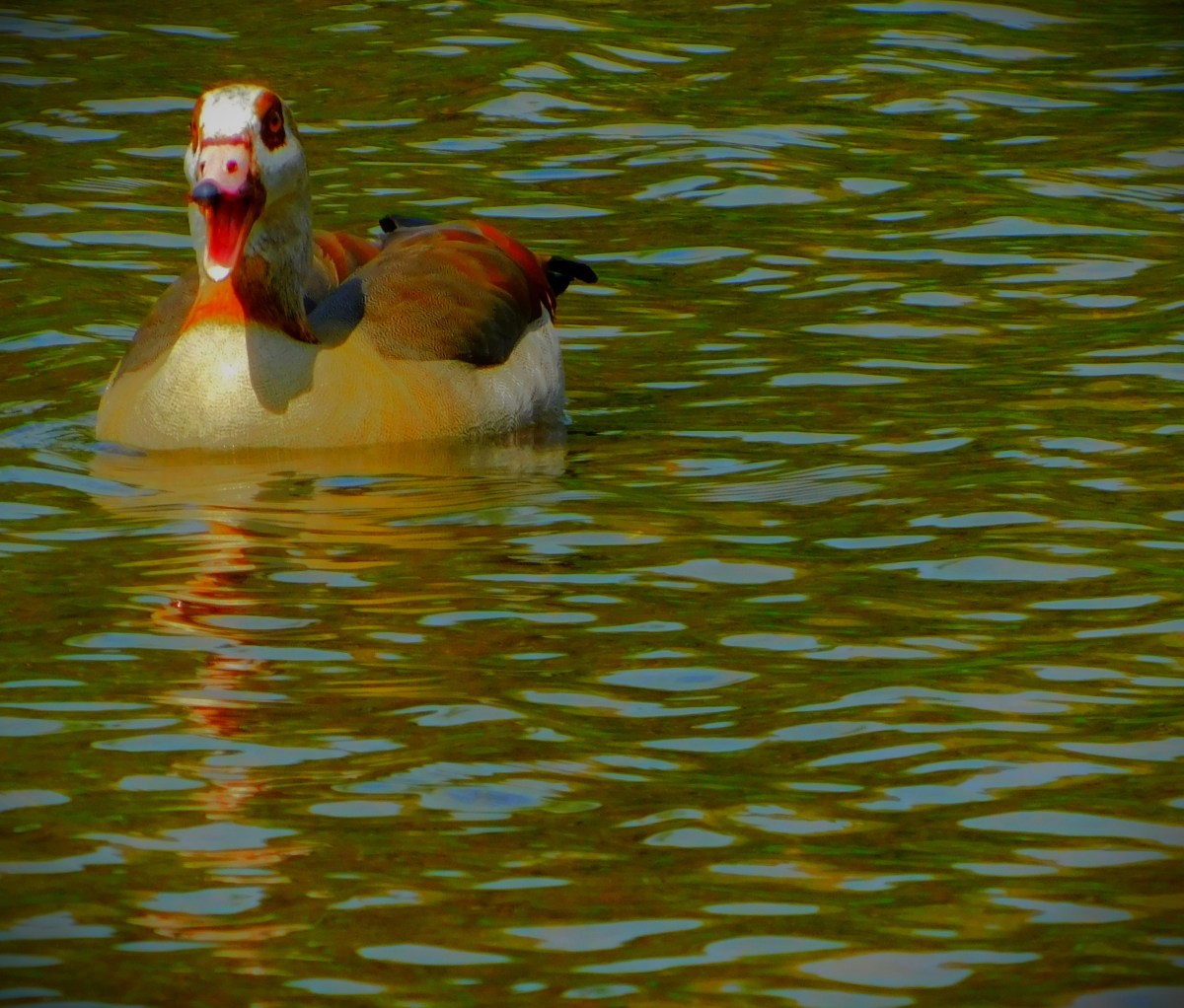
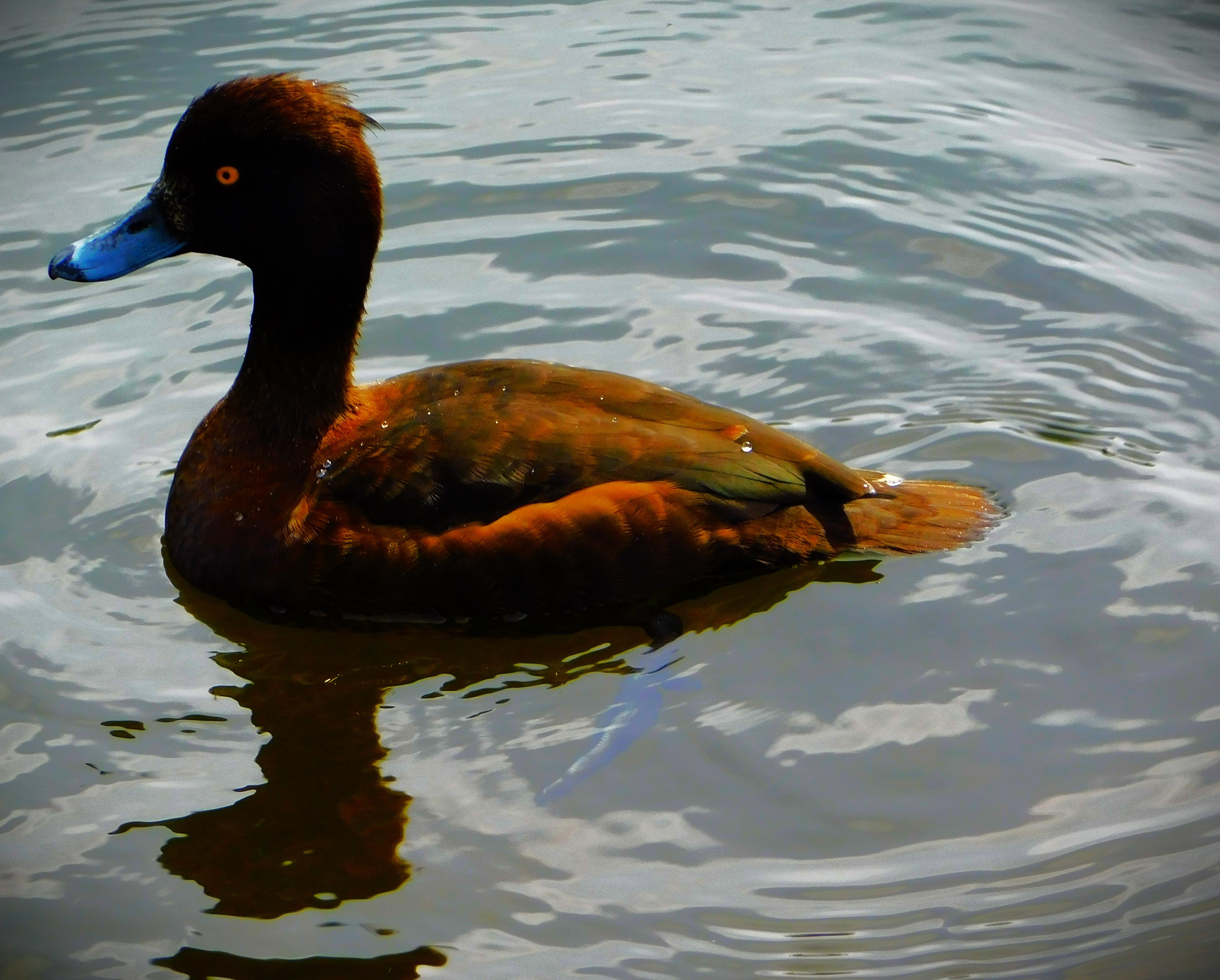
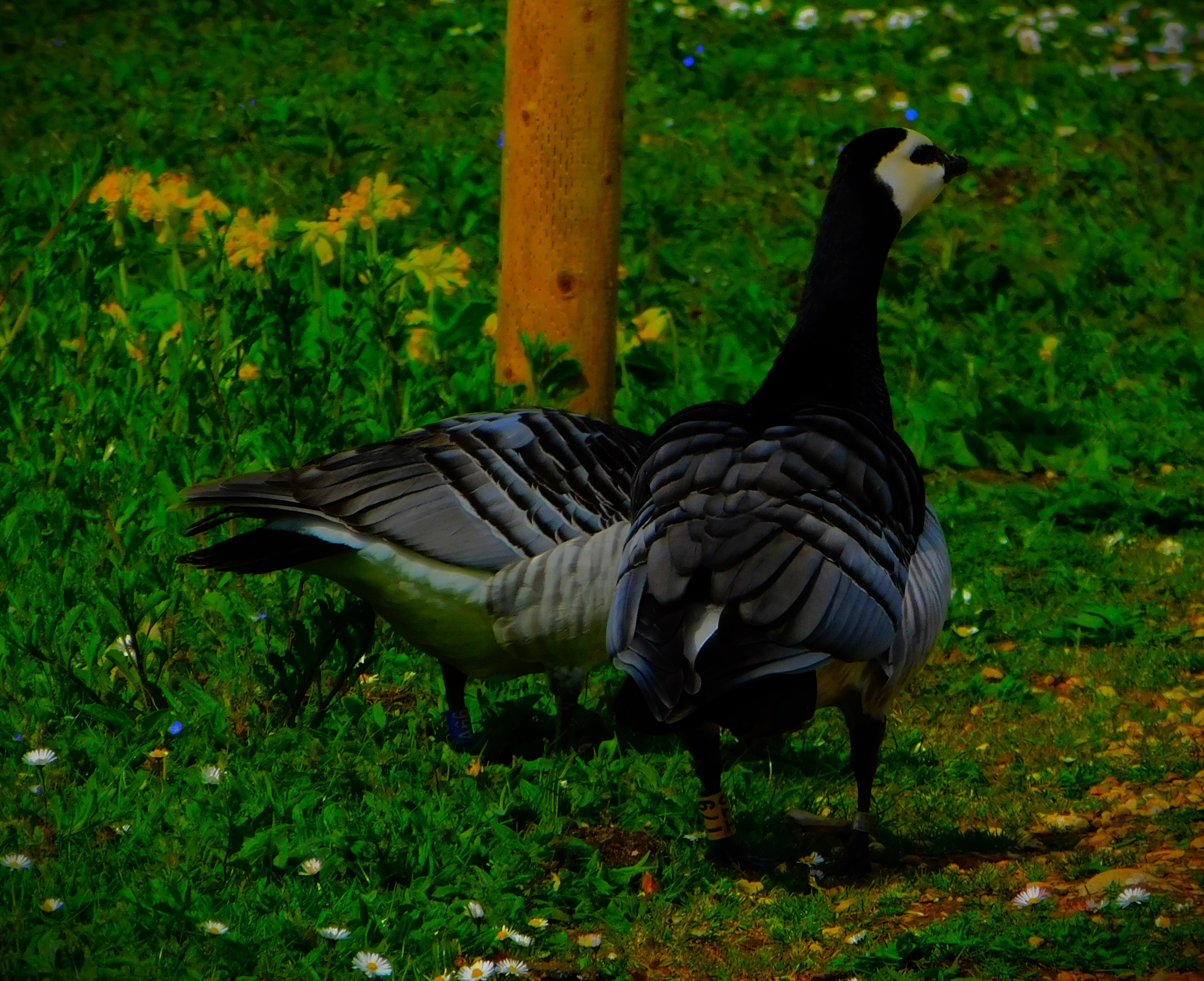
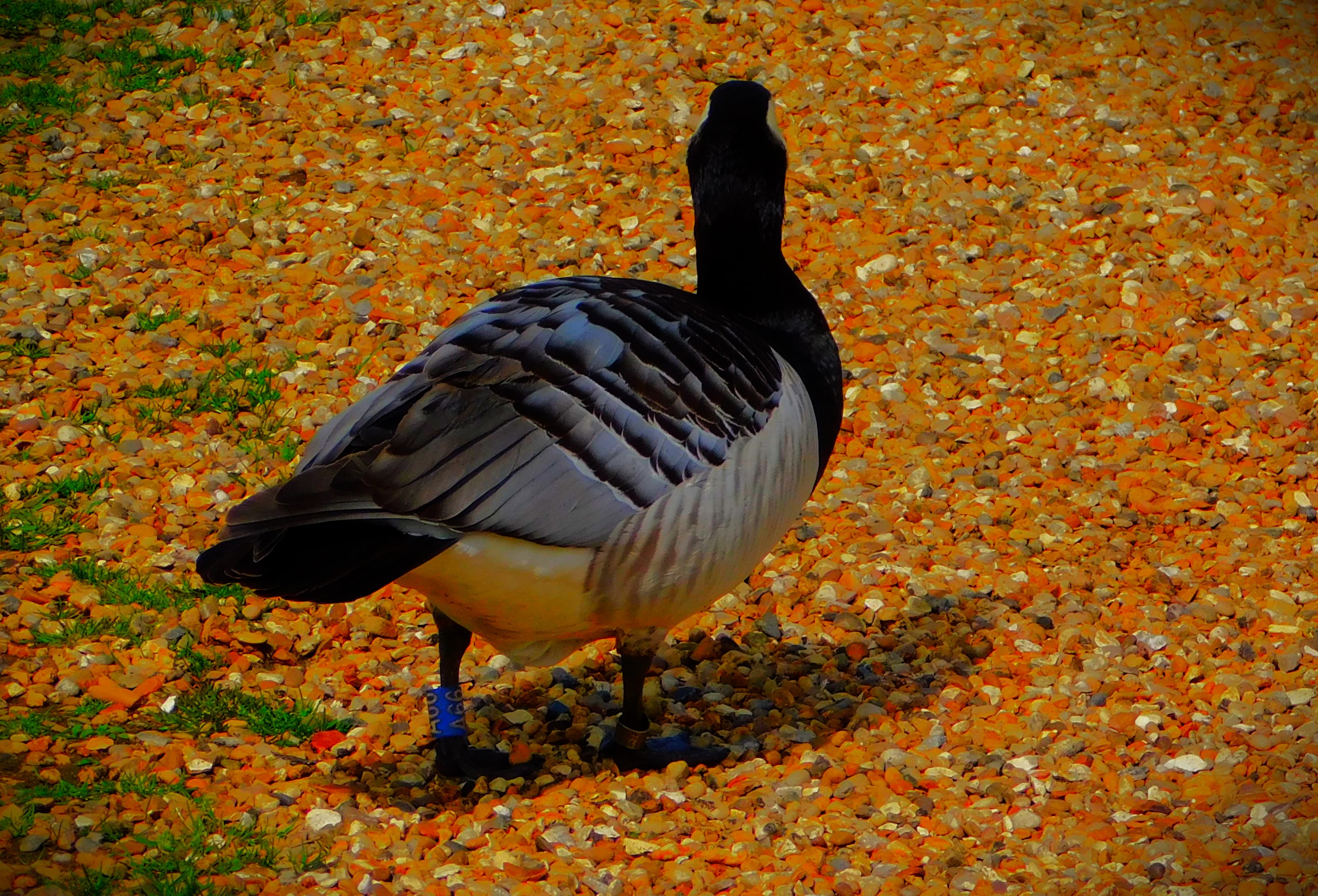
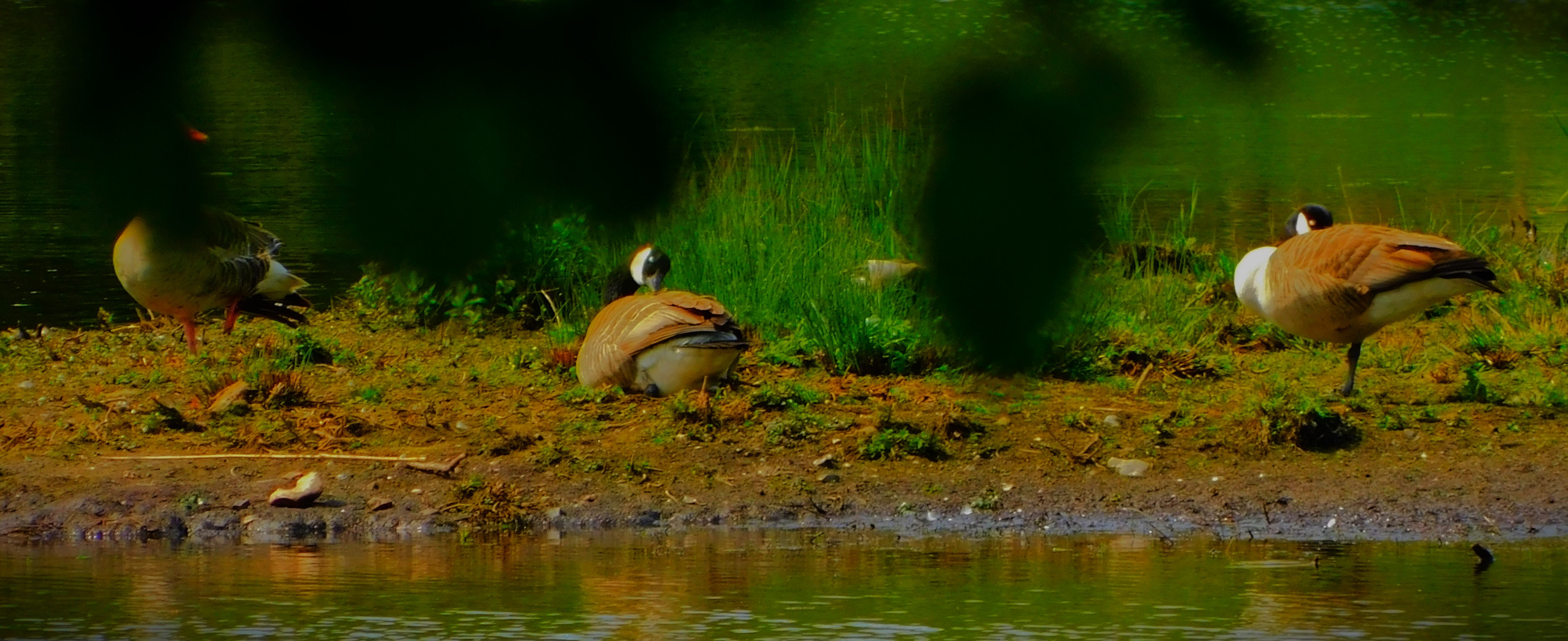
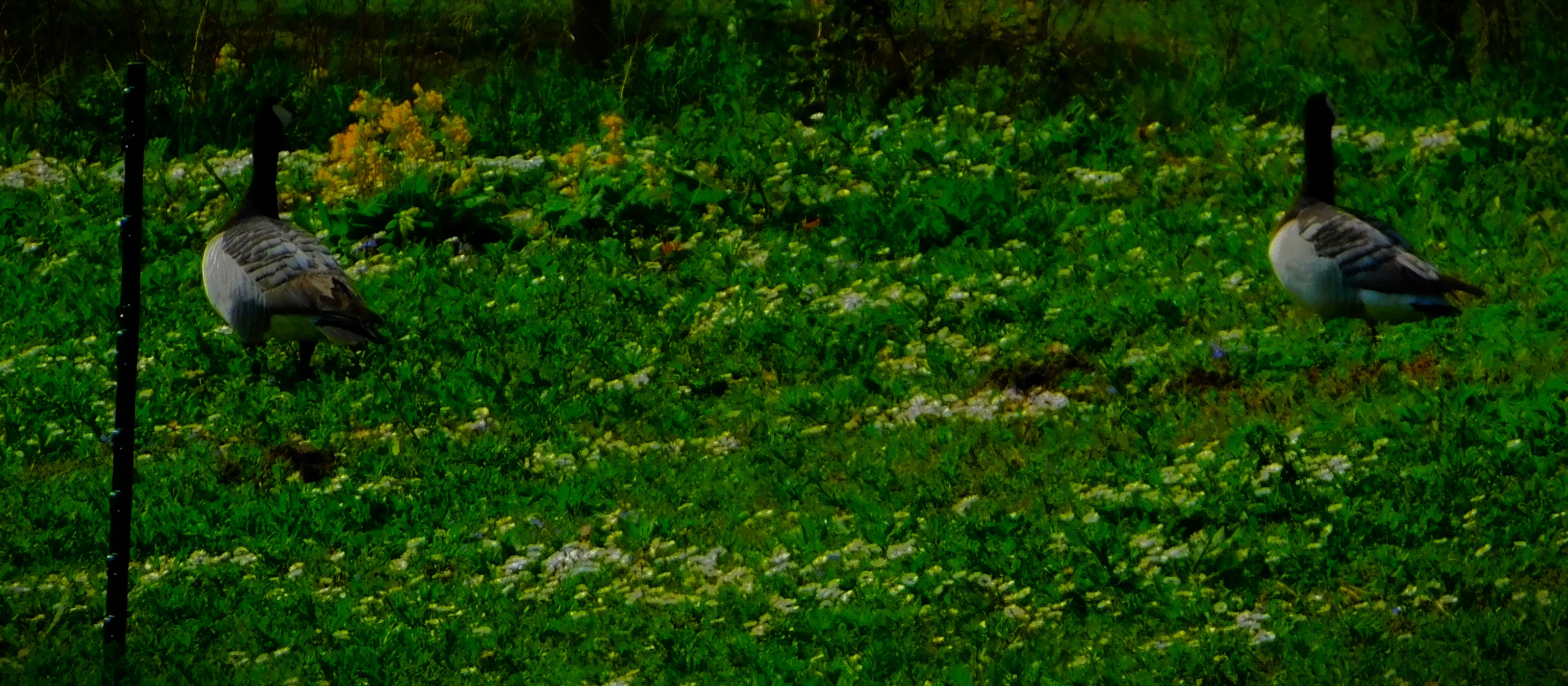
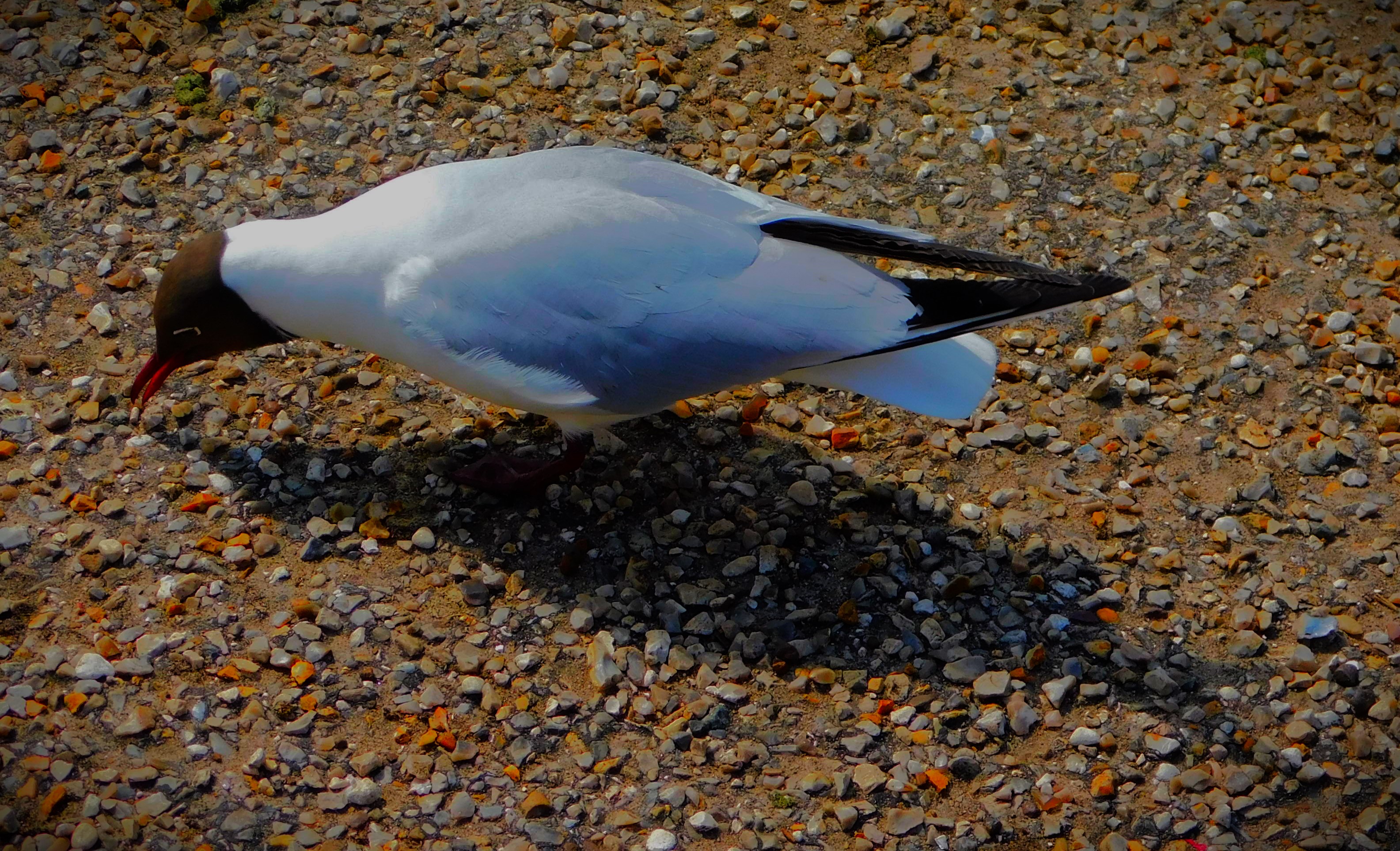
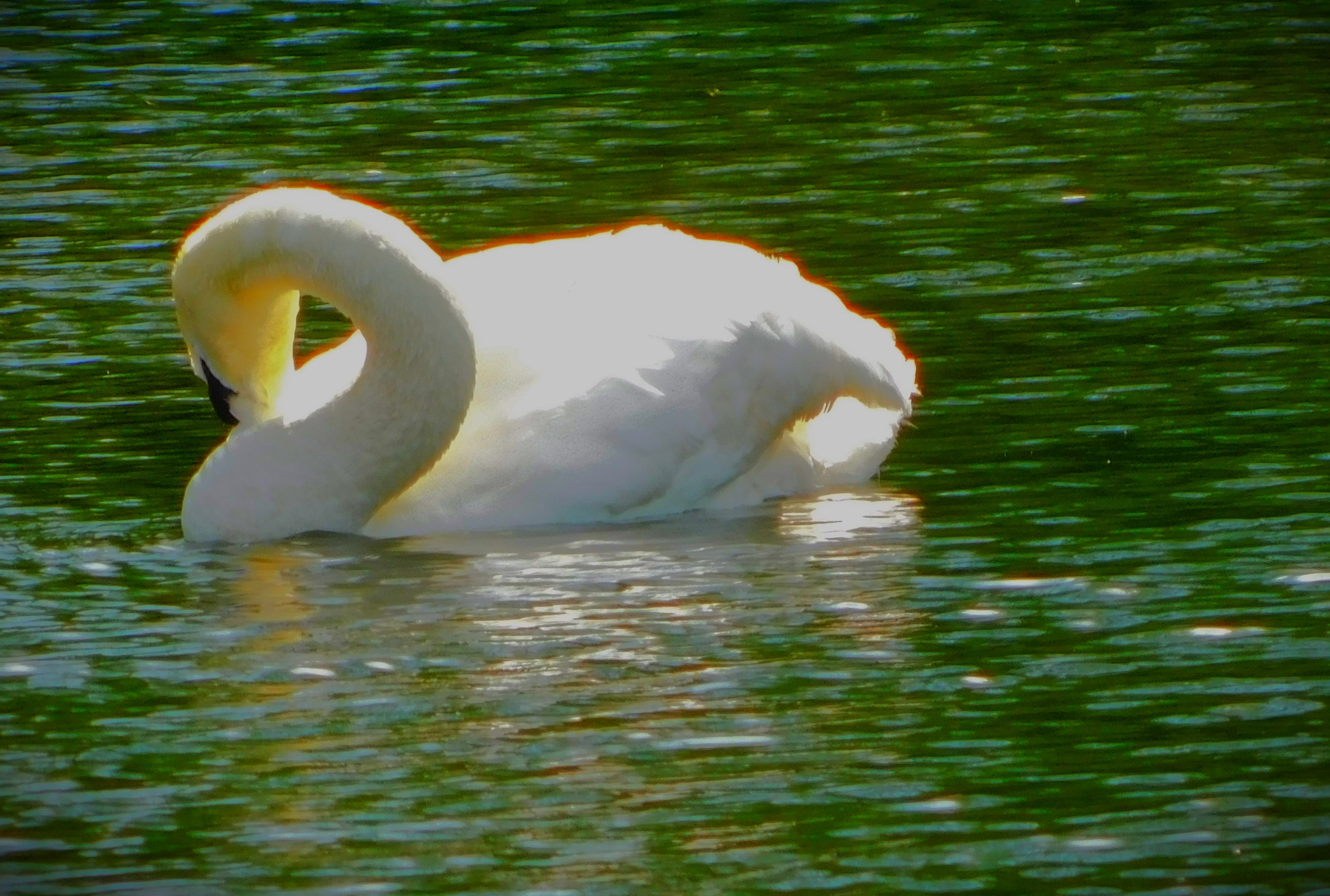
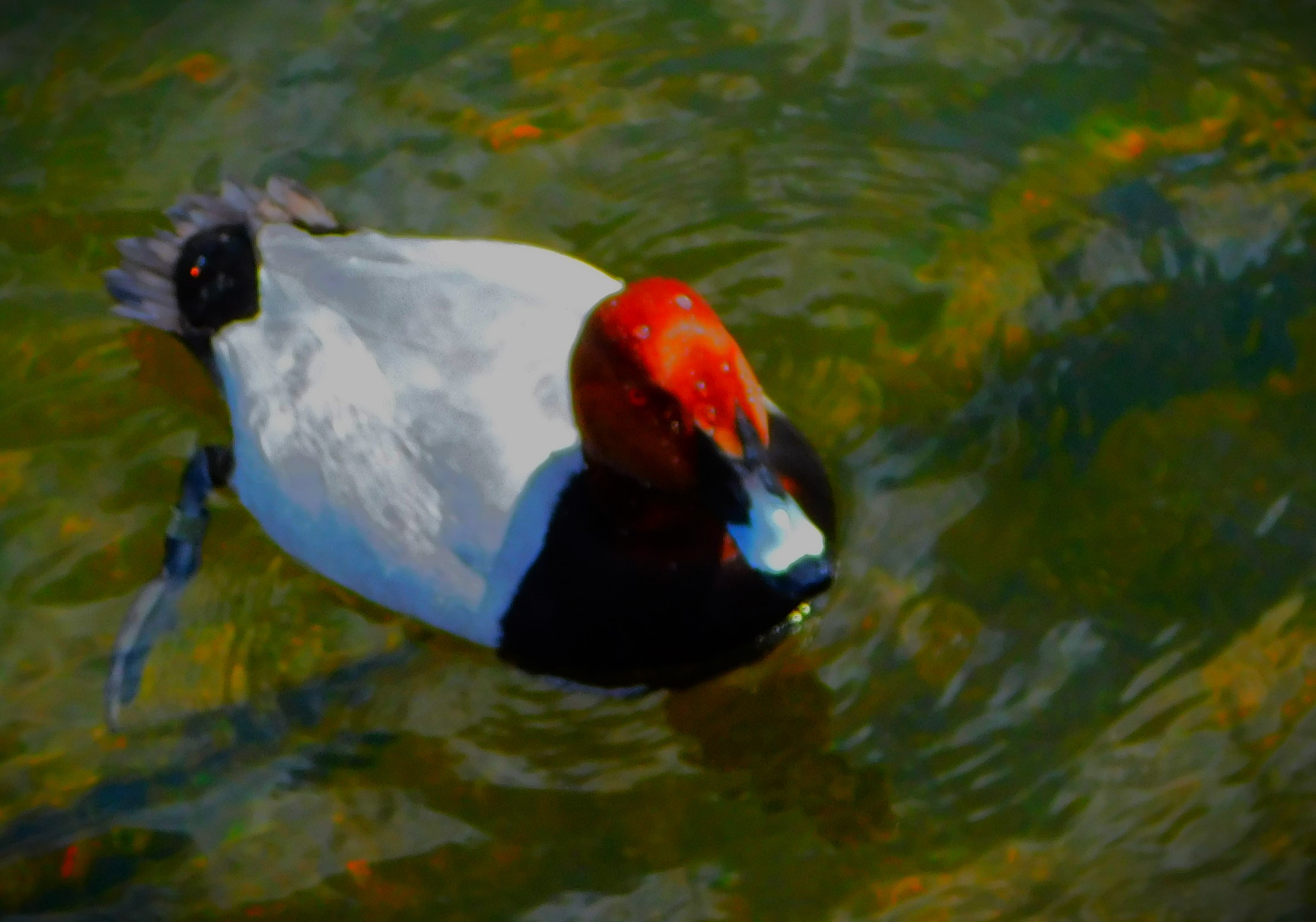
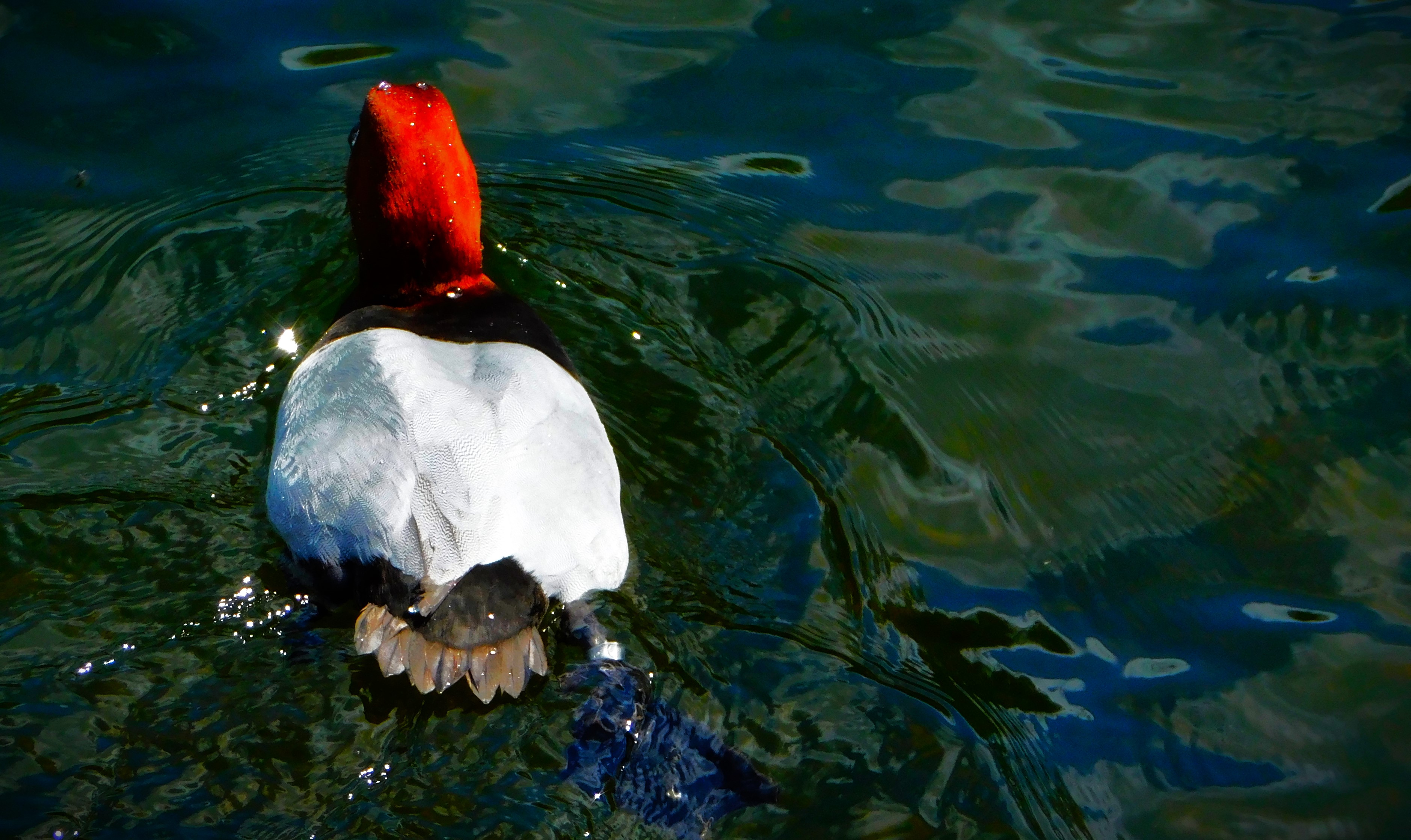
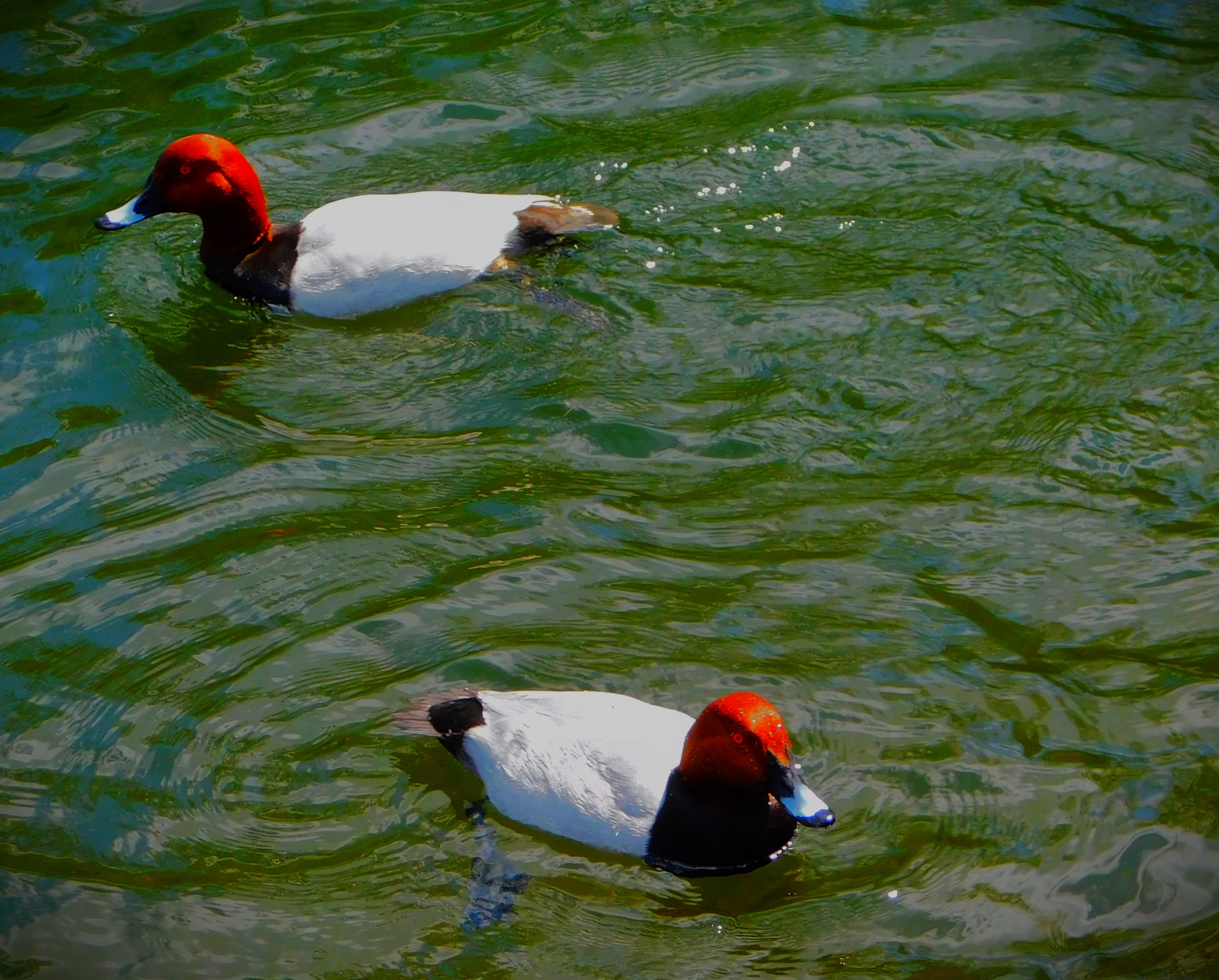
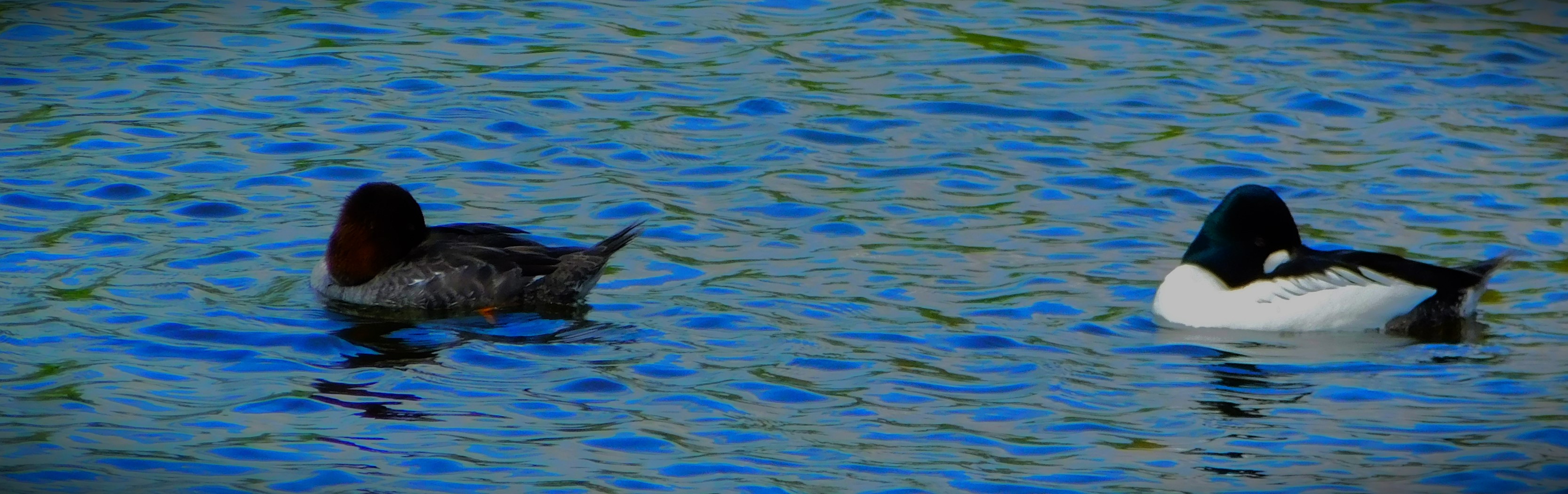
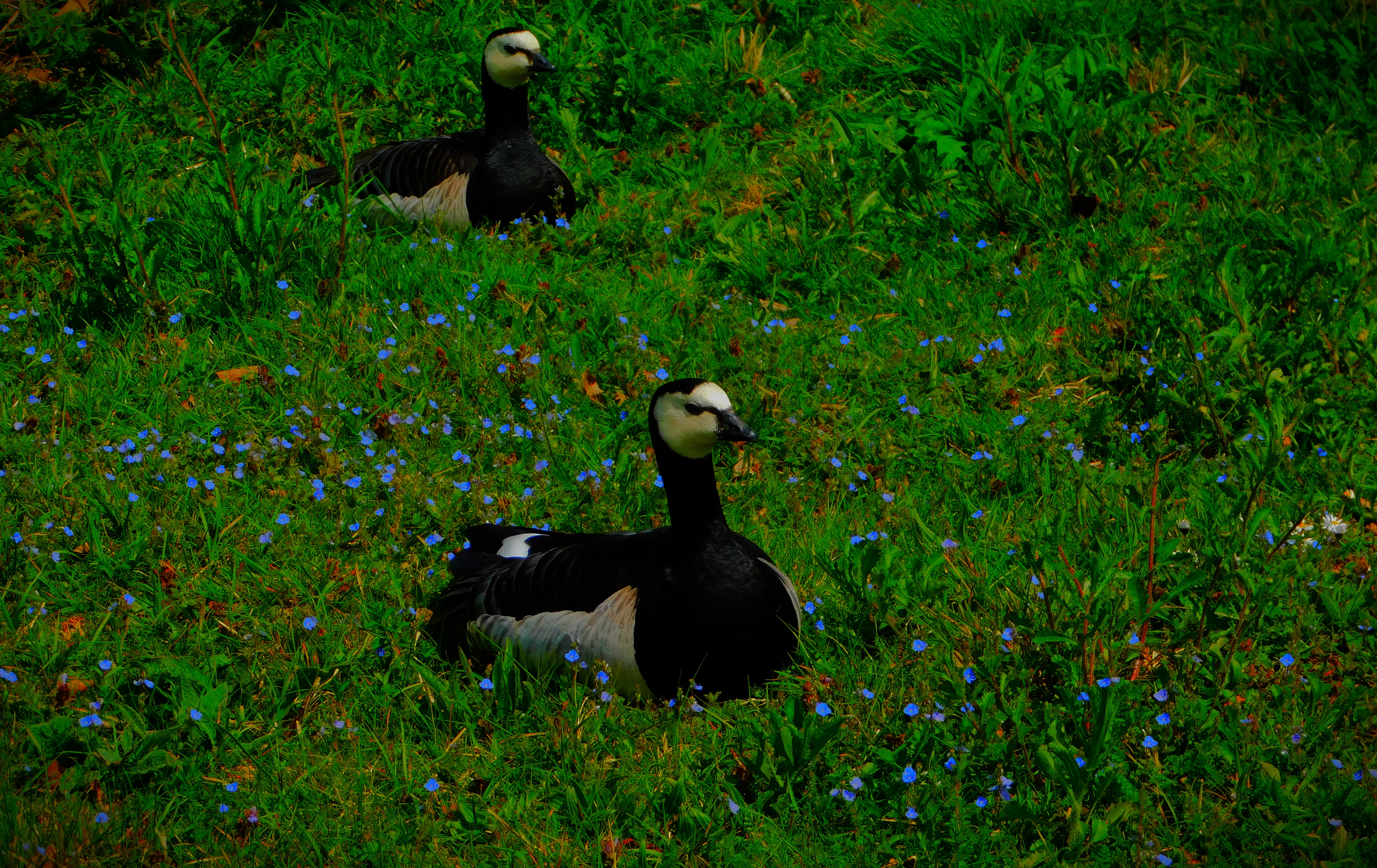
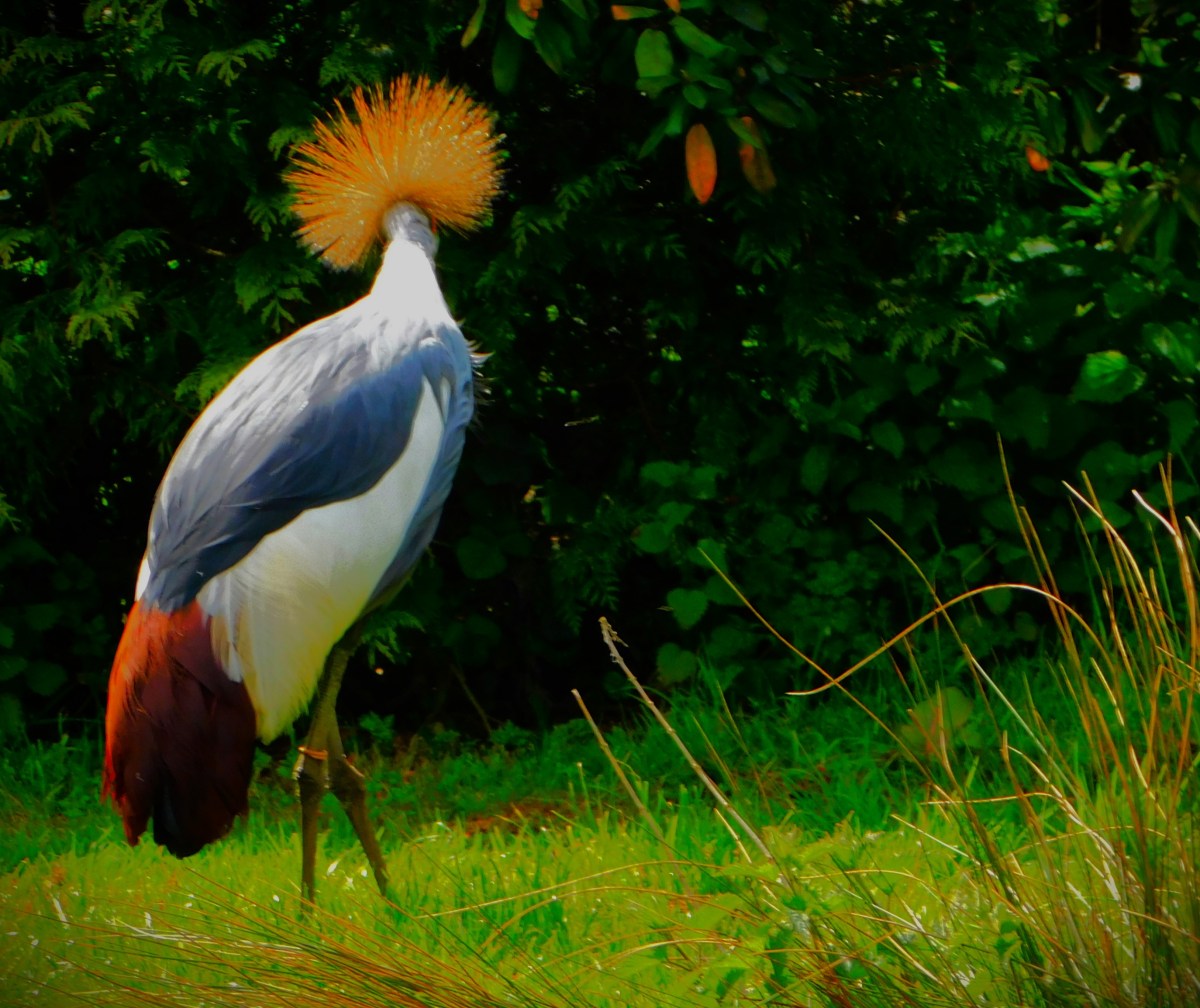
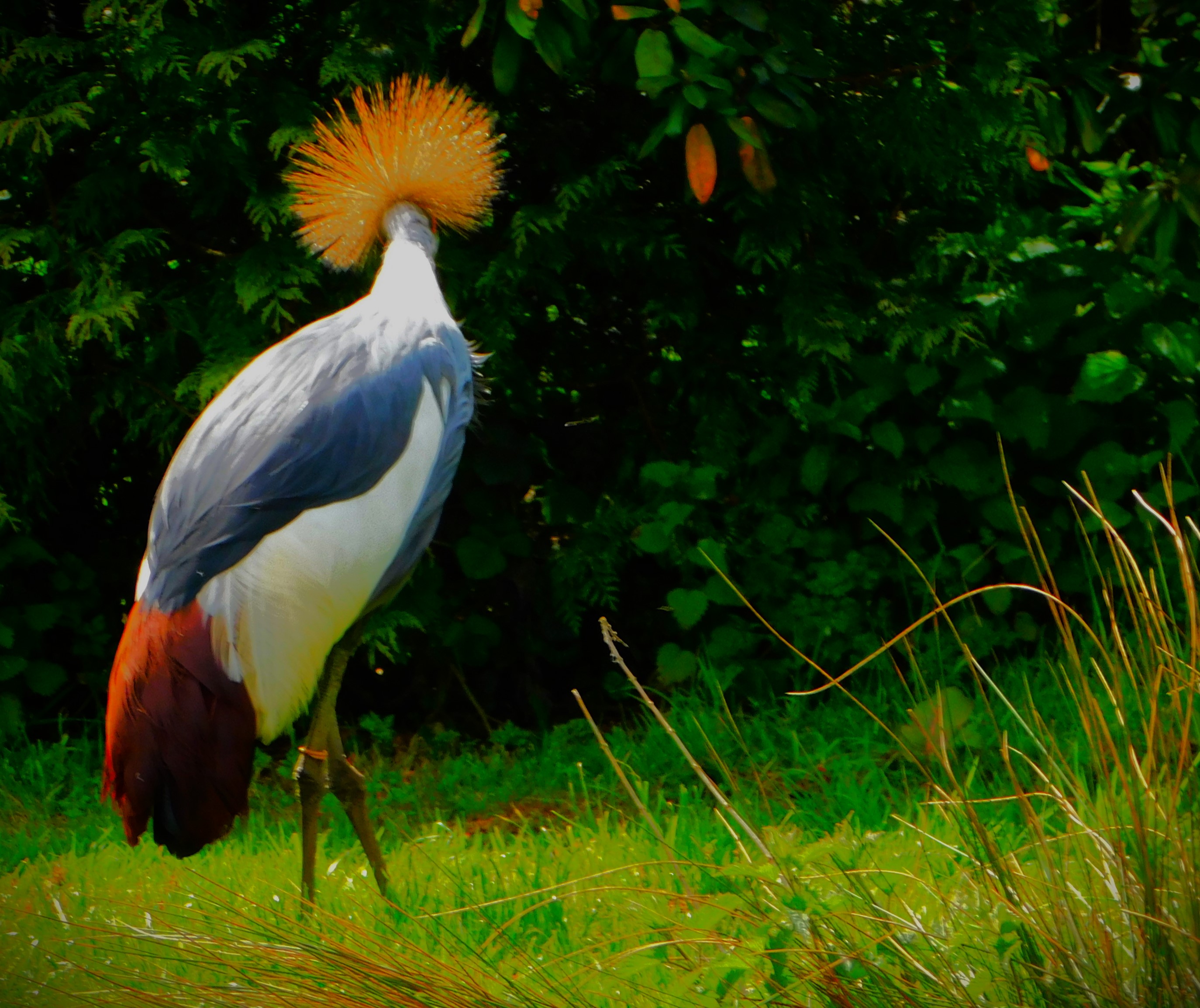
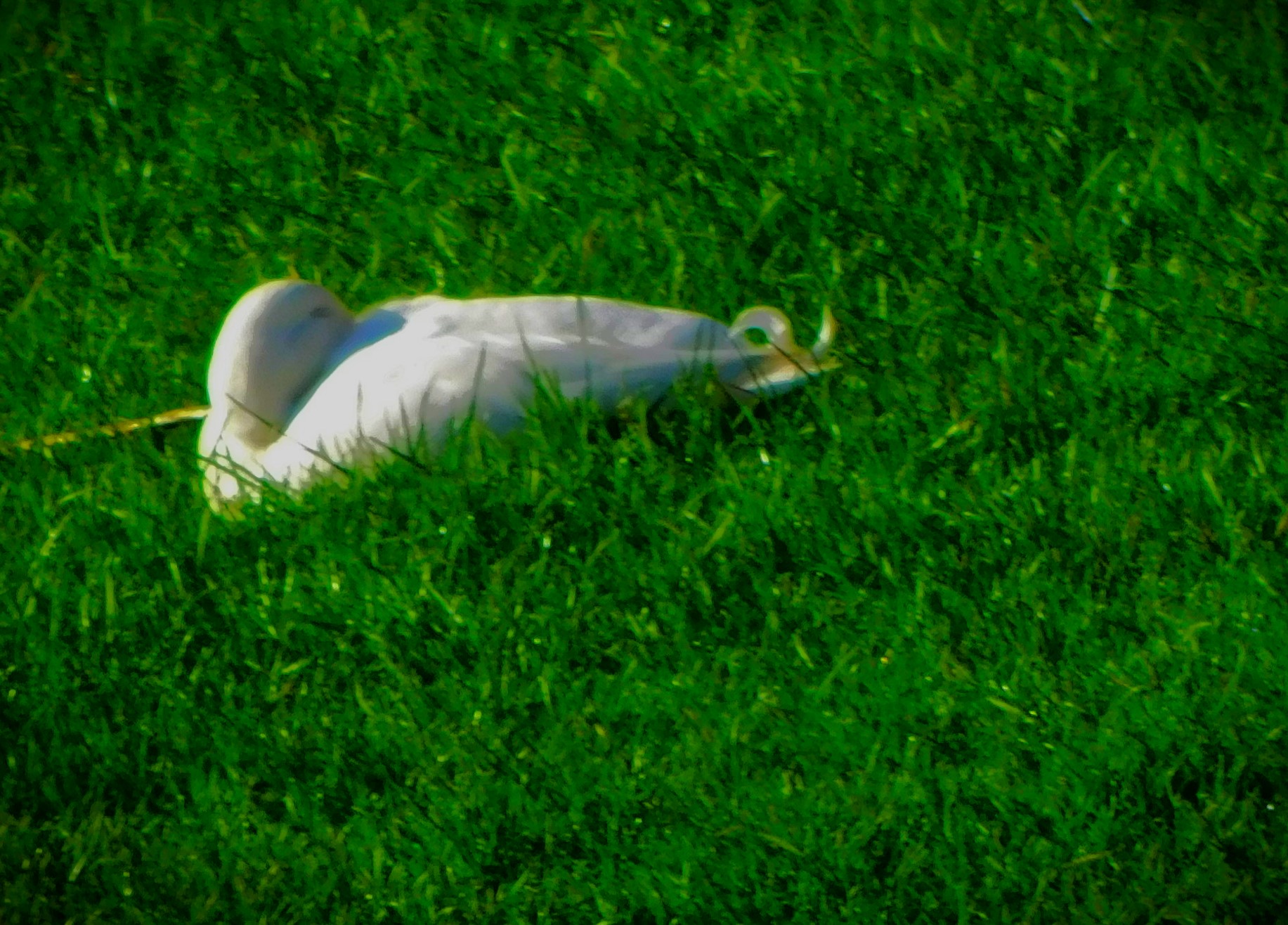
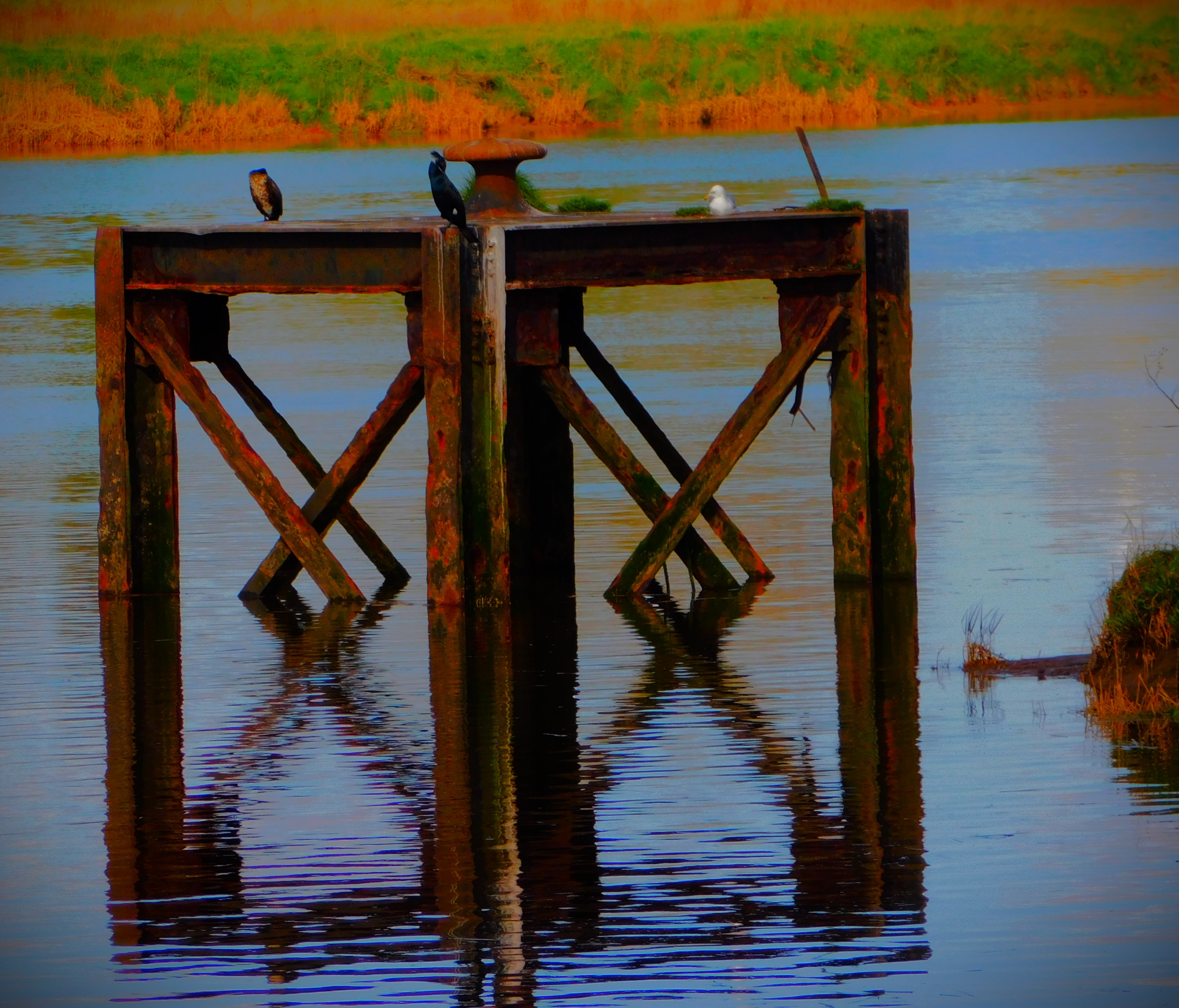
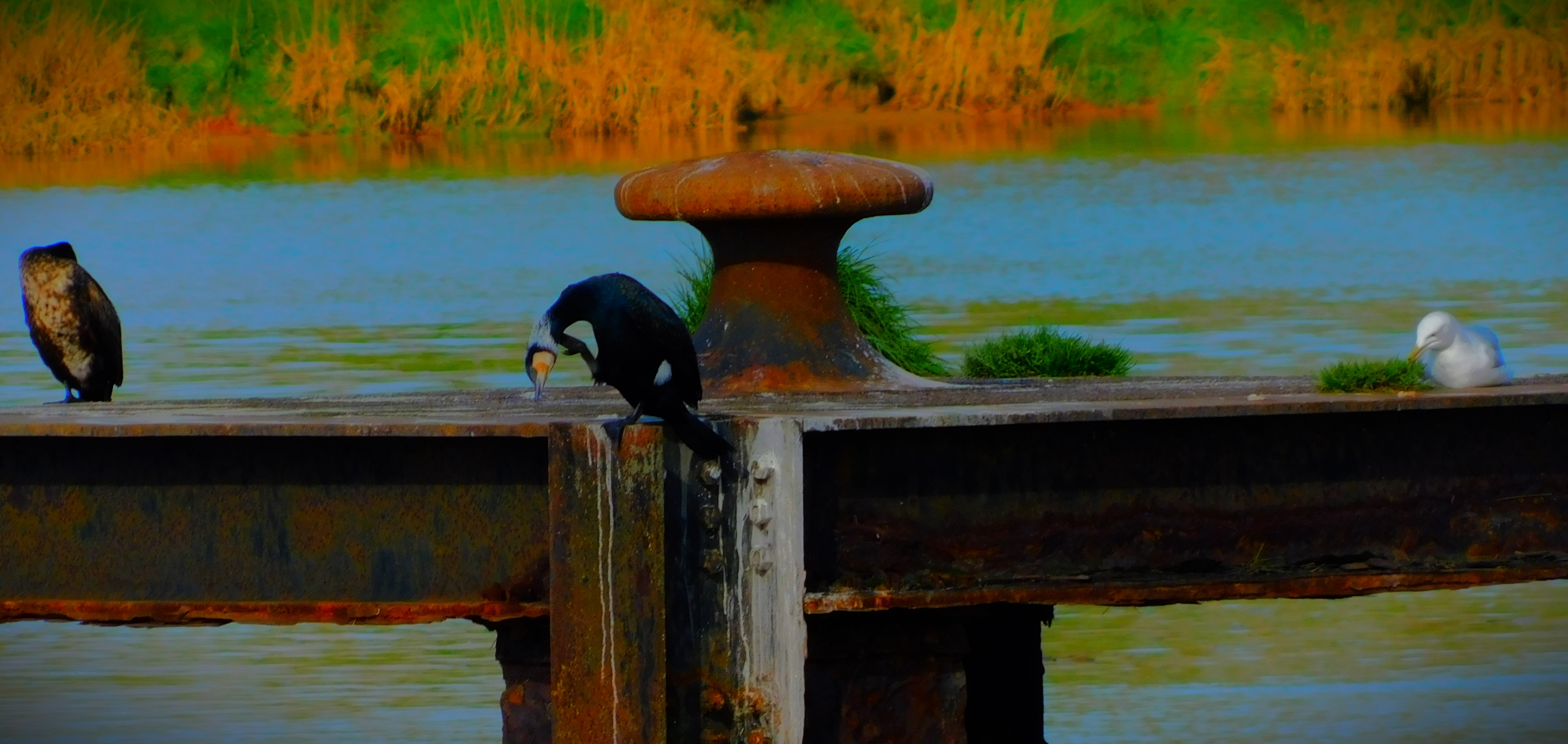
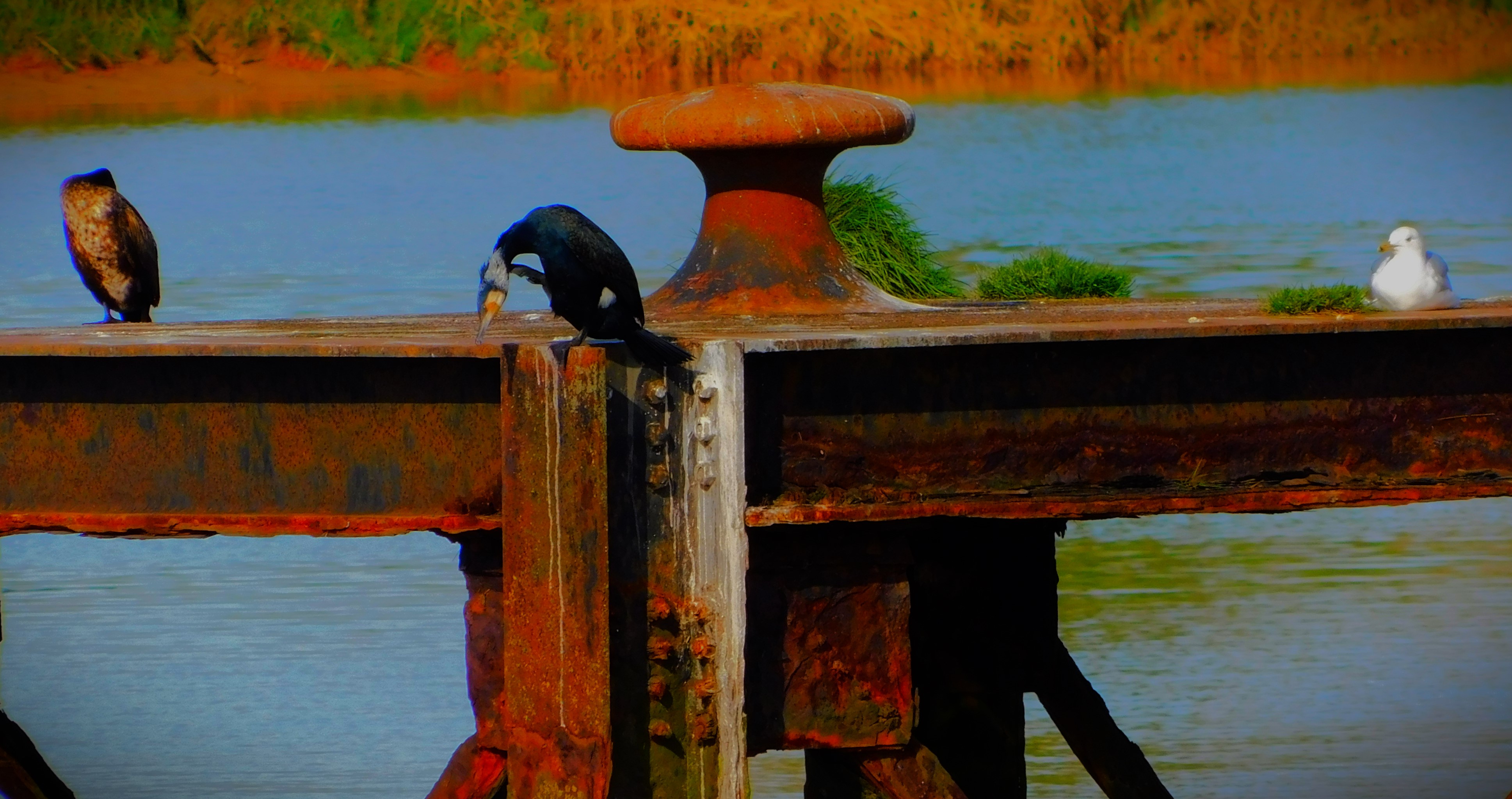
Flamingo doing a cormorant impression – the feature image is a composite featuring this and the most impressive of the cranes.This shelduck was near the path linking the flamingo and crane areas.The East African Crowned Crane……and a close up of that ‘crown’.
Welcome to the fourth post in my series about the West Norfolk Autism Group trip to Pensthorpe Natural Park (see here, here and here). Today I look at the Waders Aviary.
THE WADERS AVIARY
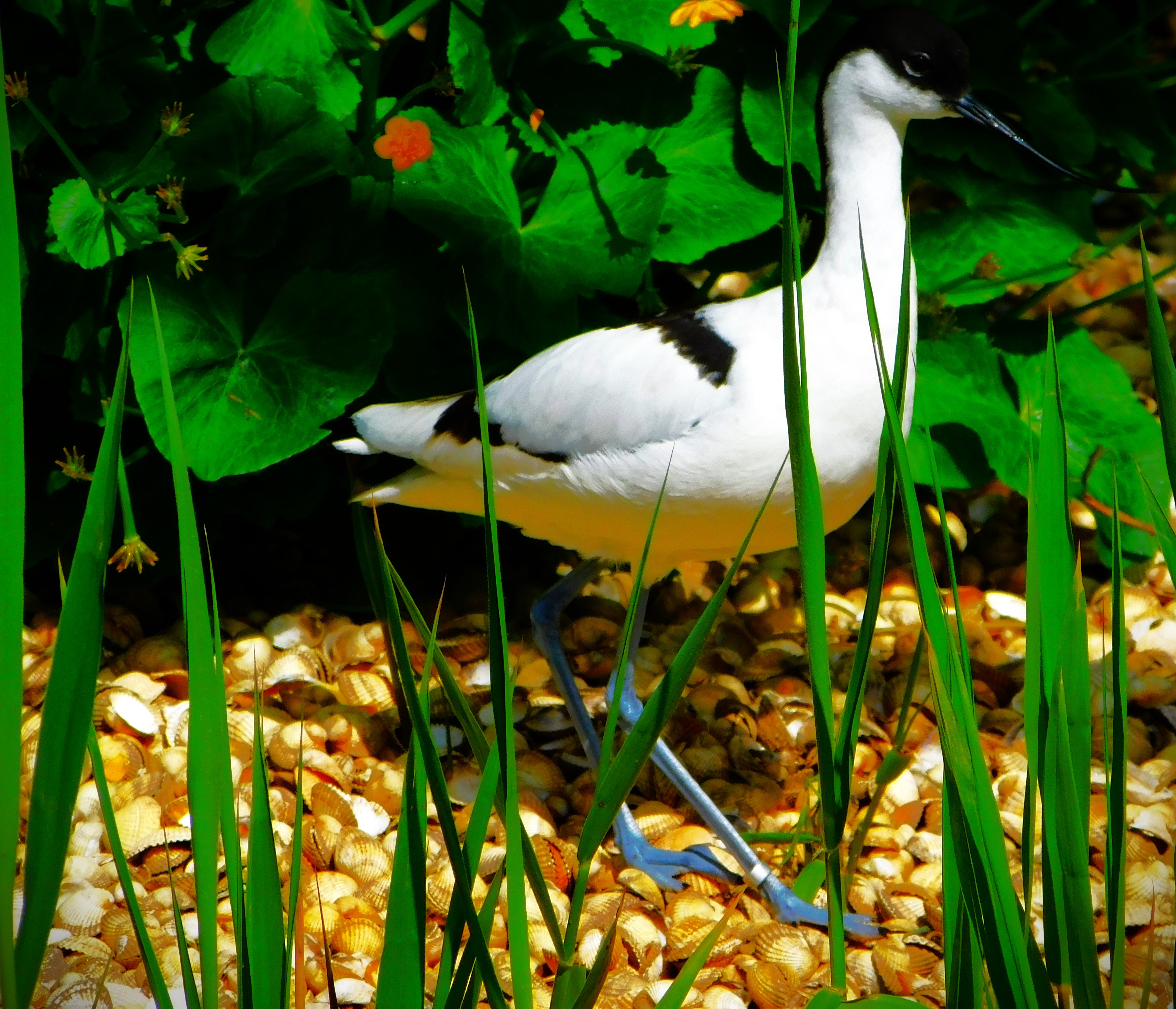
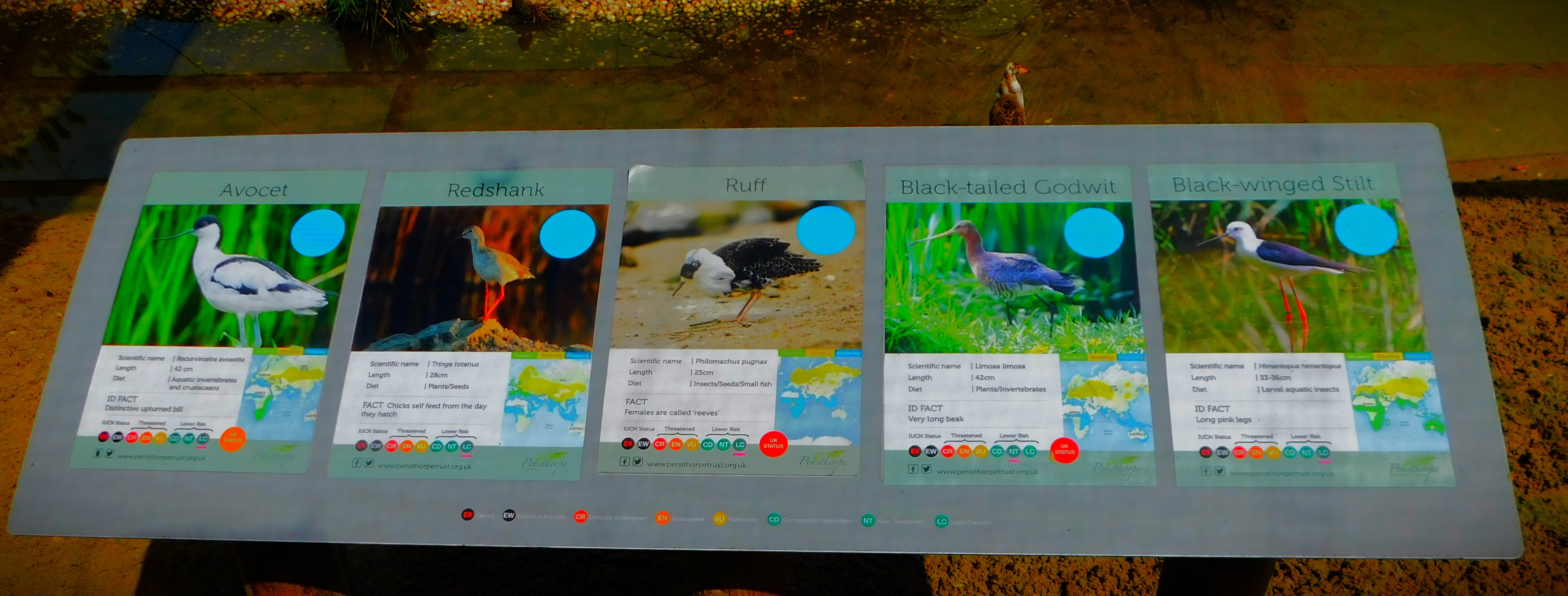
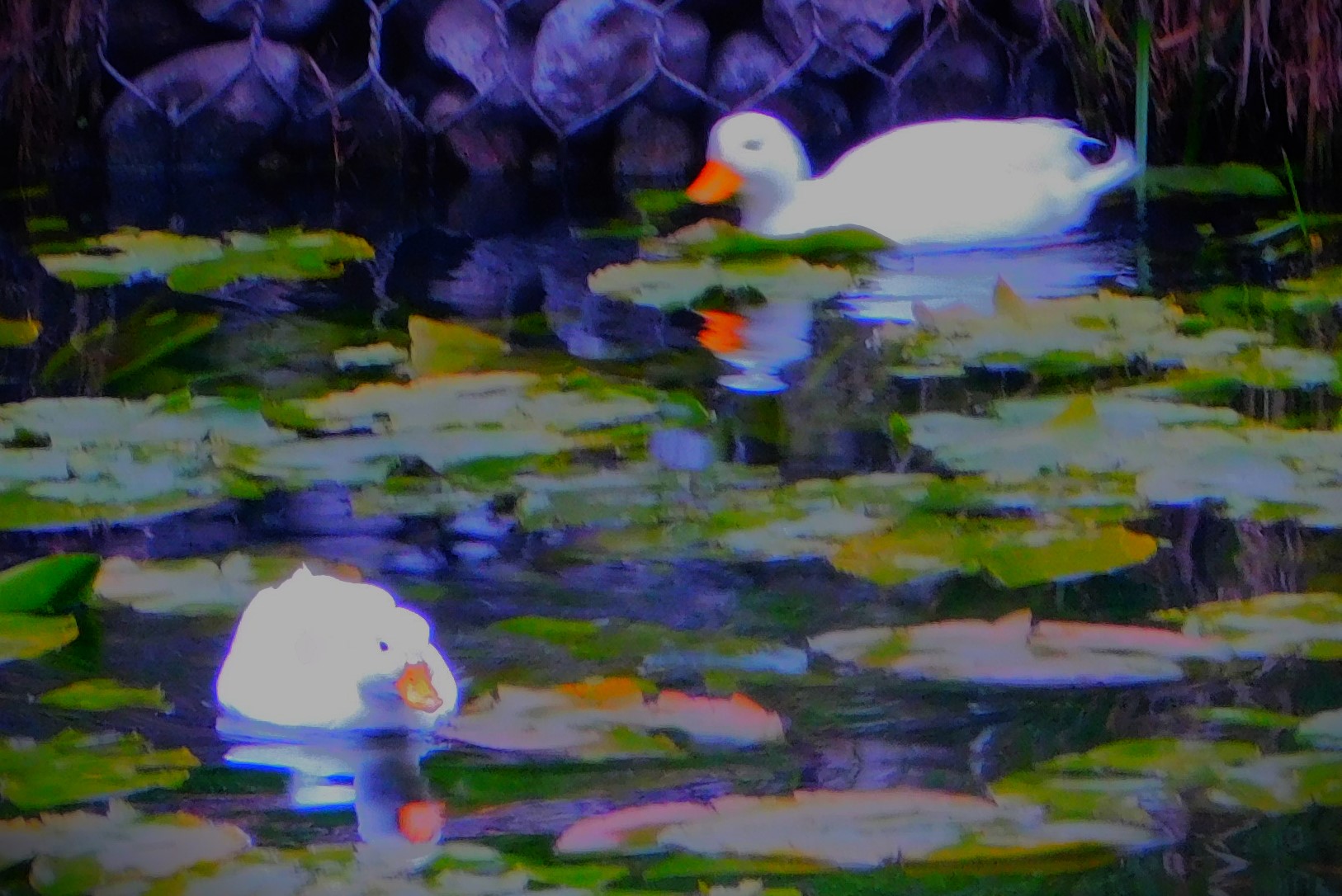
The Waders Aviary is accessed by a door from the gift shop/ viewing gallery area, and is the only part of the site accessible via that door – it is entirely self contained, and one must therefore fully intend to visit it. It is extremely well worth visiting. There is a walkway along one side of the aviary which is the only part of the enclosure that is accessible to the public. To prepare for the main photo gallery here is the information about which birds can be seen here:
A look at Pensthorpe in general before I move on to the more specialized posts that will make up the rest of this series.
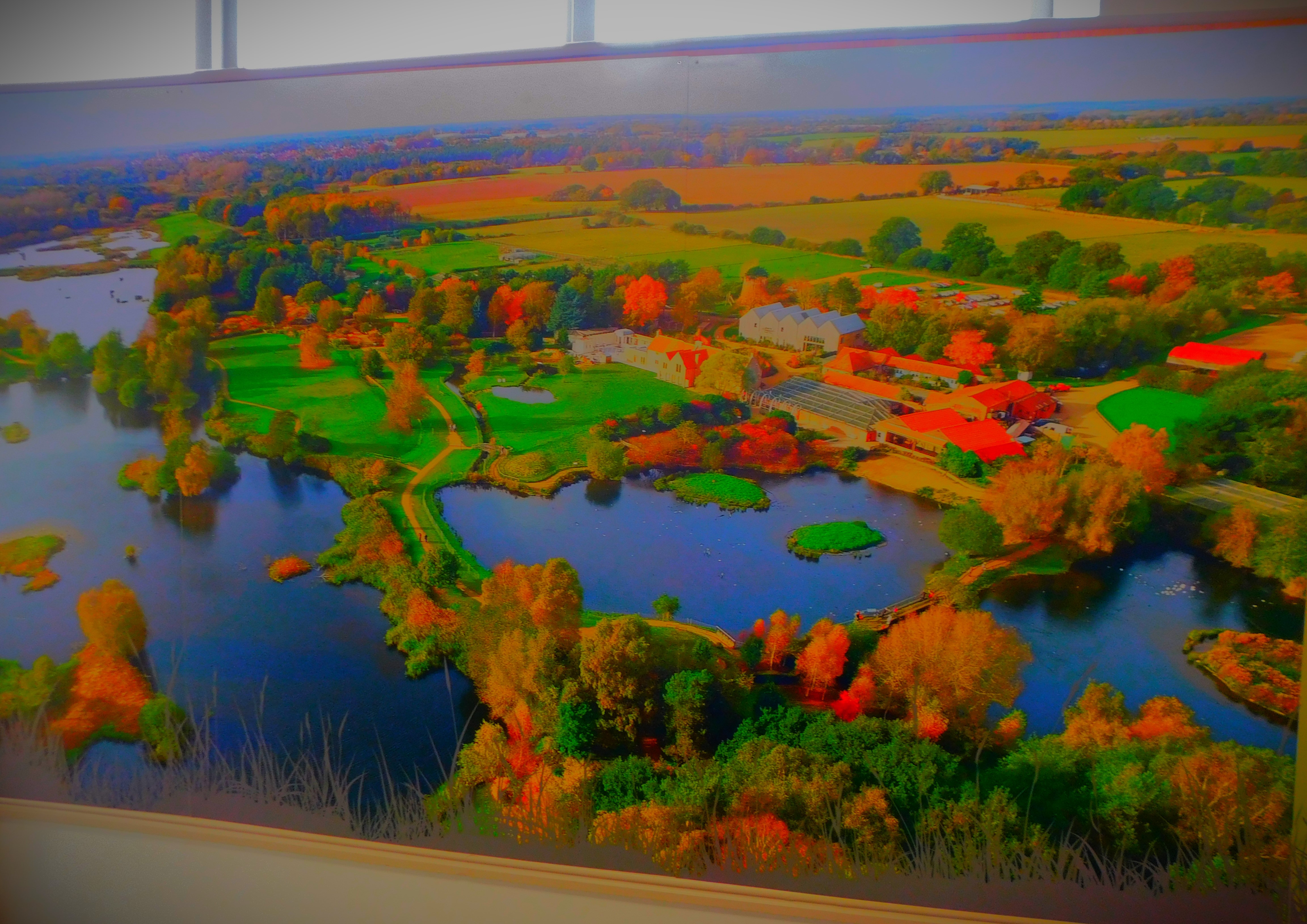
Welcome to the second post in my mini-series about the WNAG day out at Pensthorpe Natural Park on Saturday. In this post I cover the stuff that does not fit in any of the more specialized posts that will follow. Here is a map of the site:
EXPLORING THE SITE
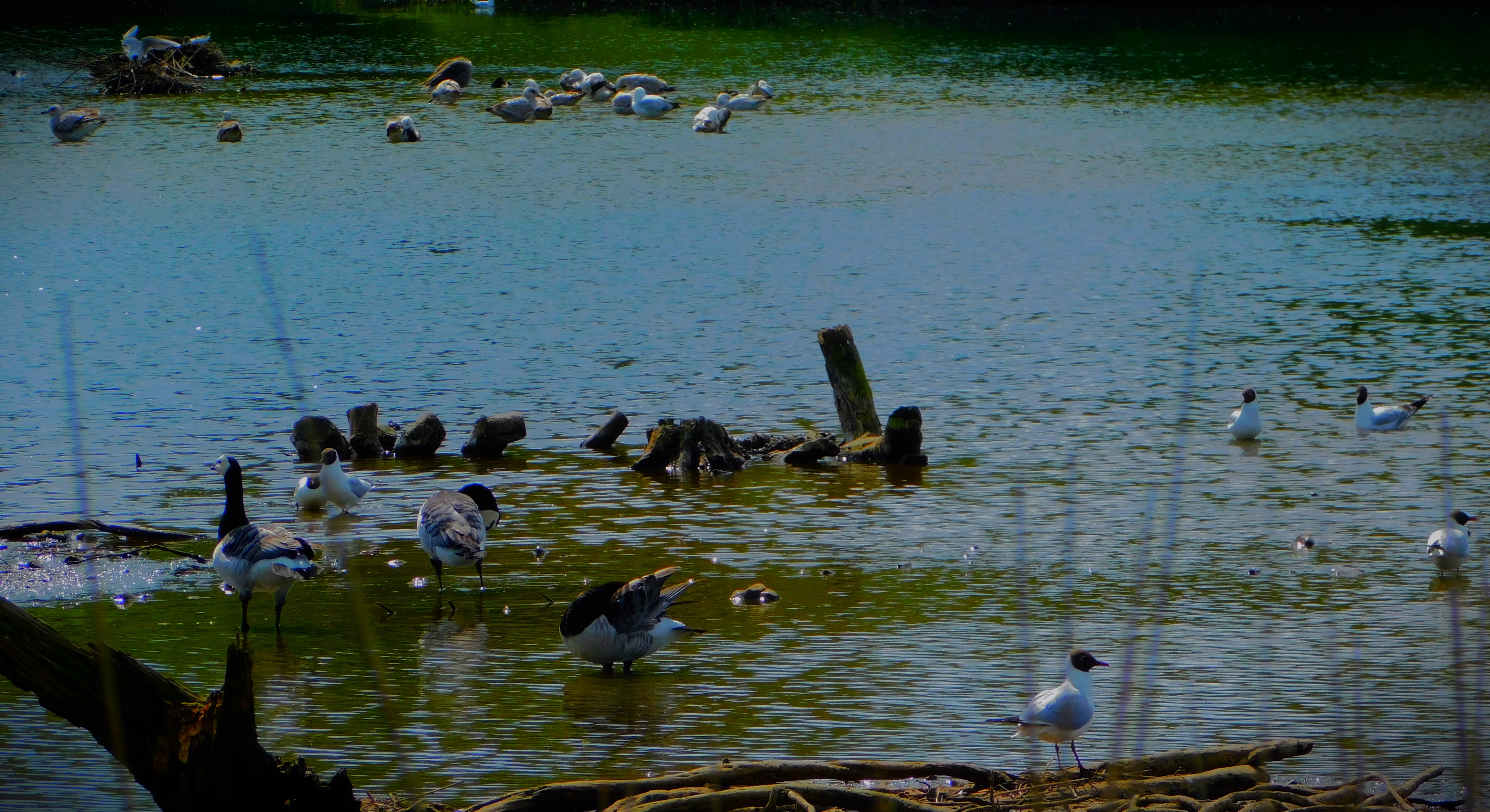
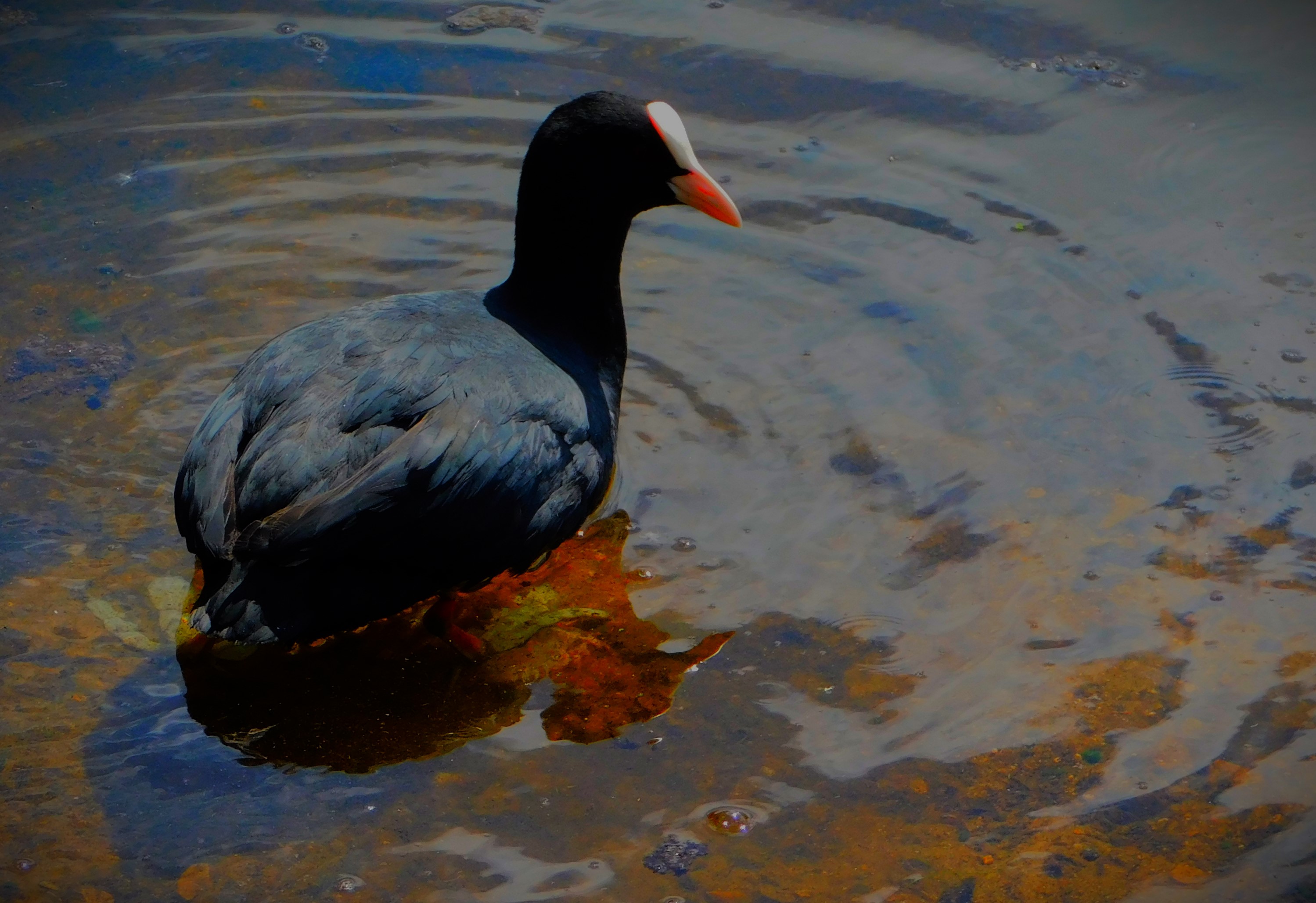
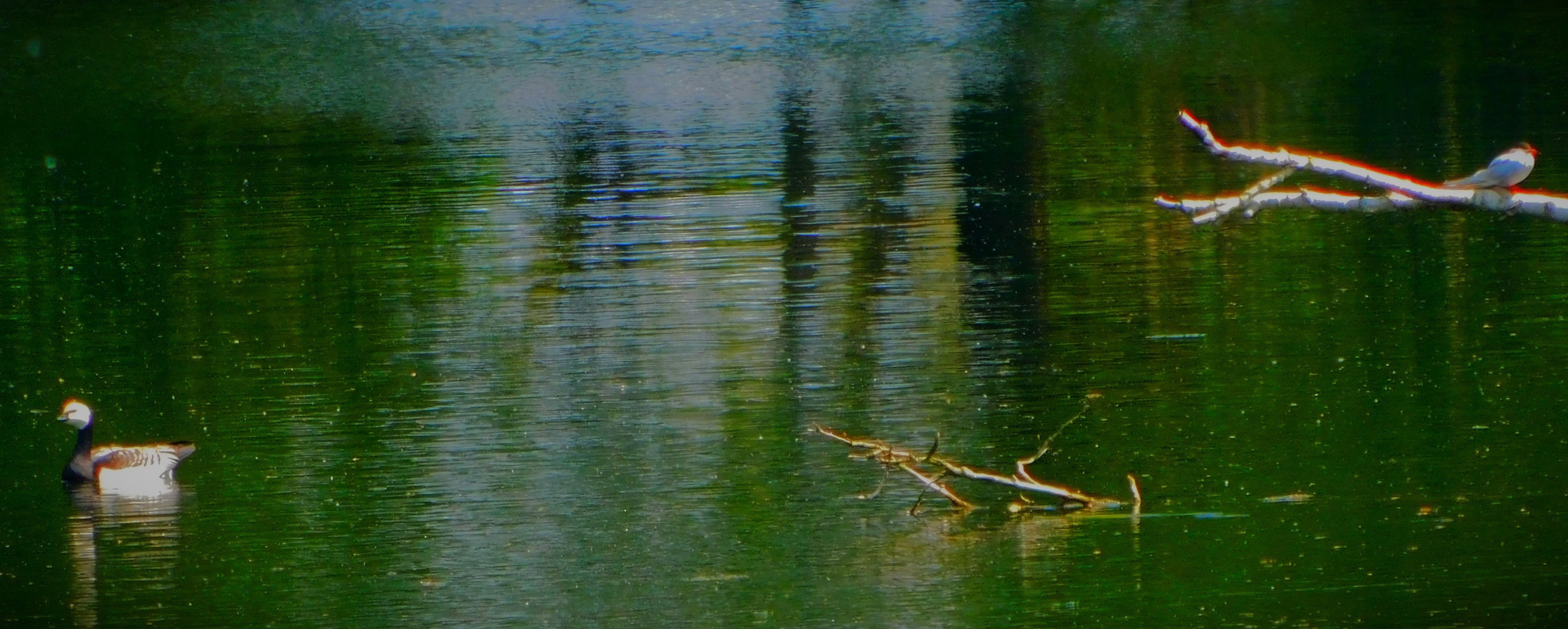
My general explorations occurred in three phases: before my first visit to the flamingo and crane areas, between that and my first visit to the waders area and between the trailer ride and my second visits to those two areas. On the last occasion I saw some of the stretch of the Wensum which winds through Pensthorpe (incidentally ‘Wensum’ derives from an Anglo-Saxon word meaning ‘winding river’ and it certainly does follow a winding course – Pensthorpe to Norwich is 23 miles by road – and 30 by river). Unfortunately none of the really exotic stuff (otters and voles in one stretch, and the eponymous birds that give Kingfisher Reach its name, while it is too early in the year for dragonflies to be present) was in evidence. The main sights were a huge variety of water birds.
PHOTOGRAPHS
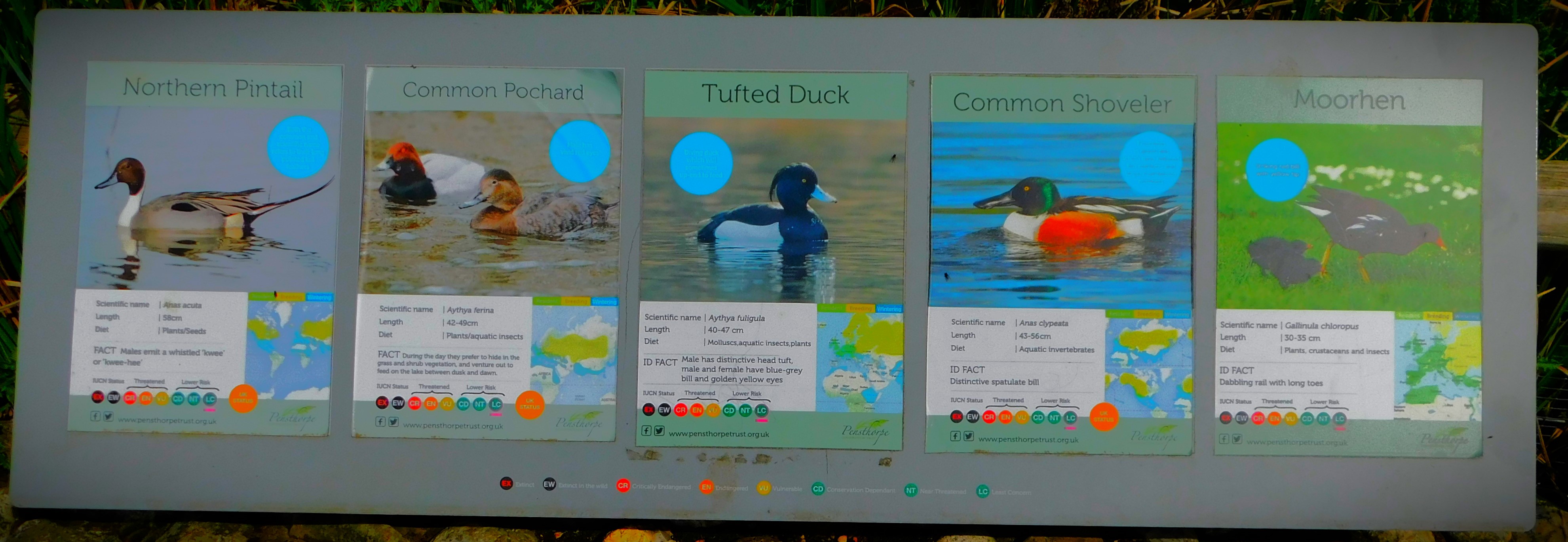
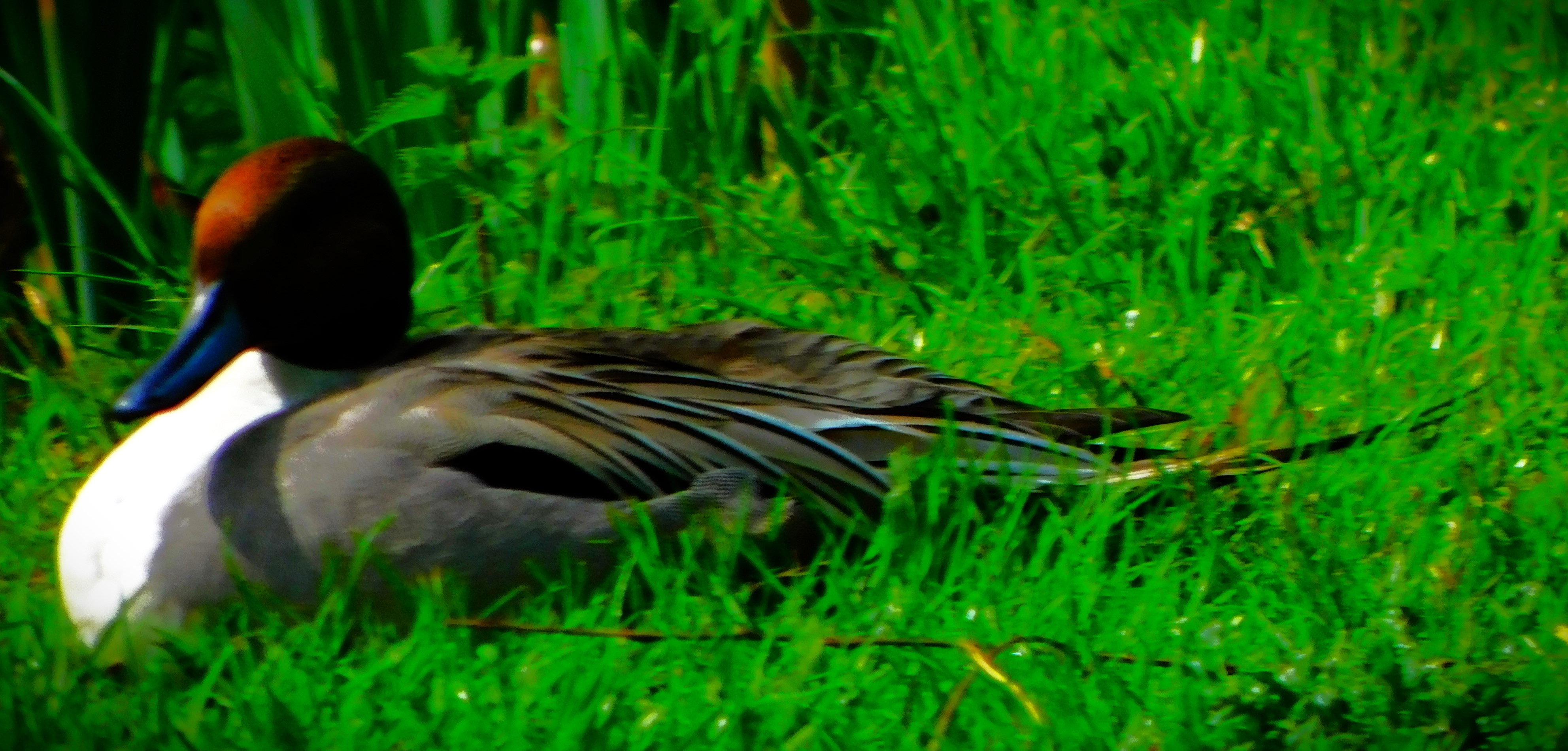
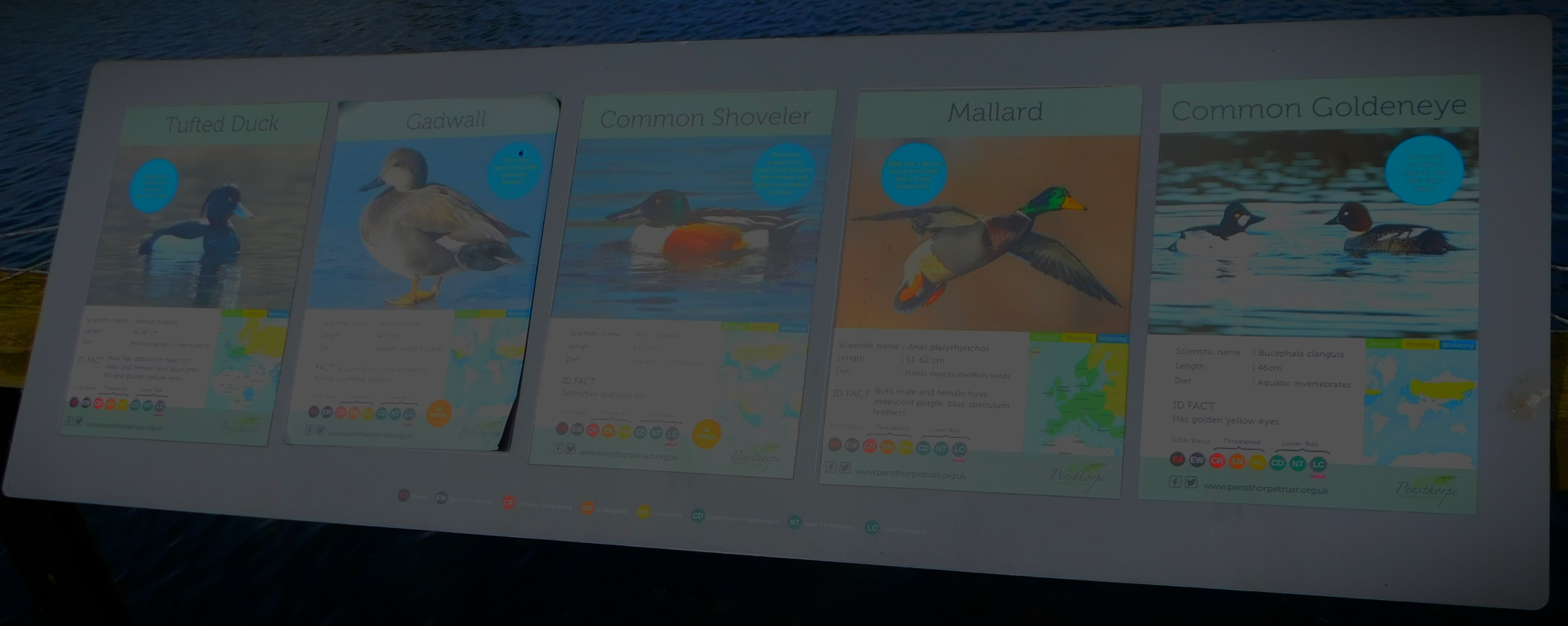
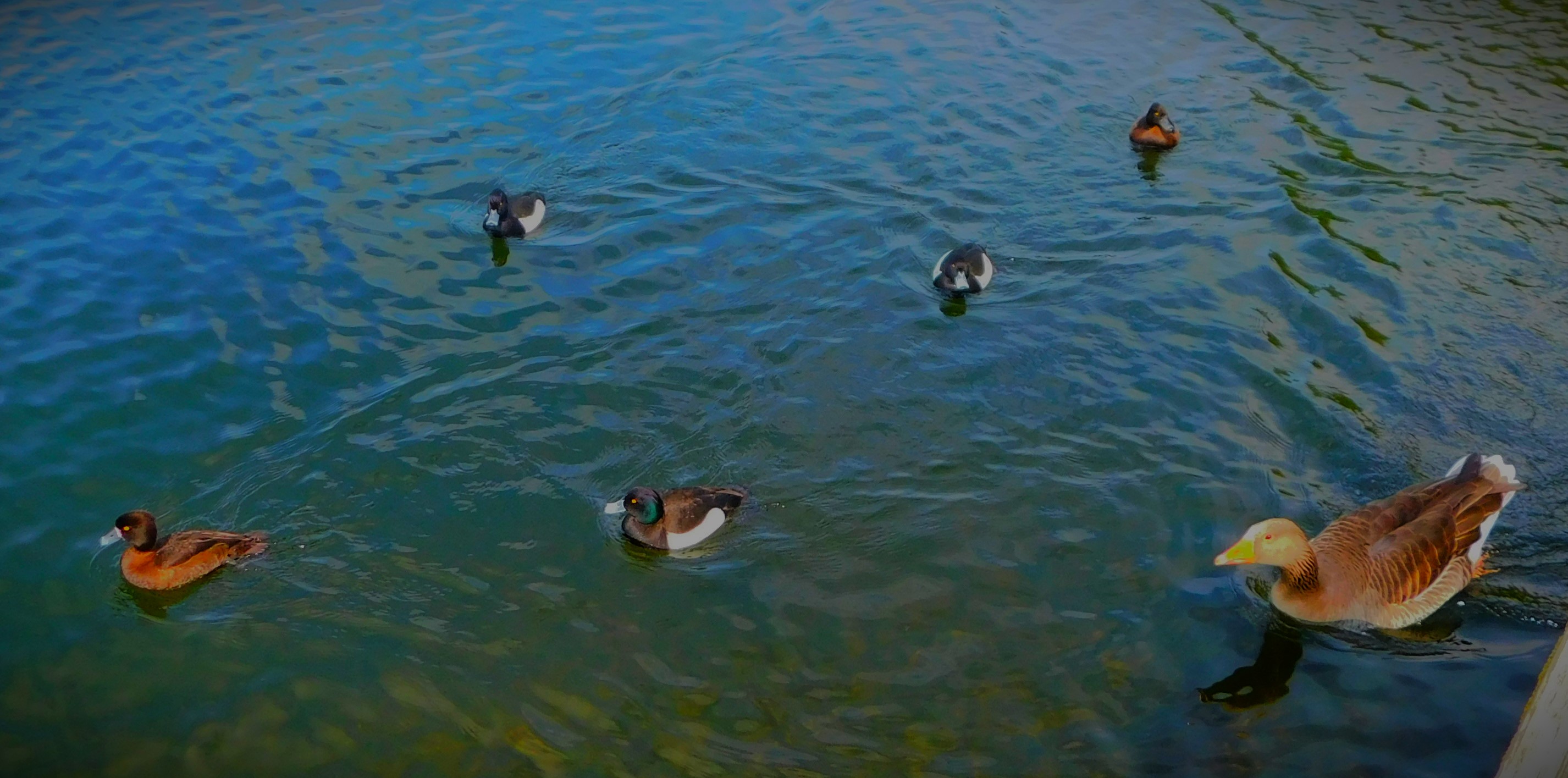
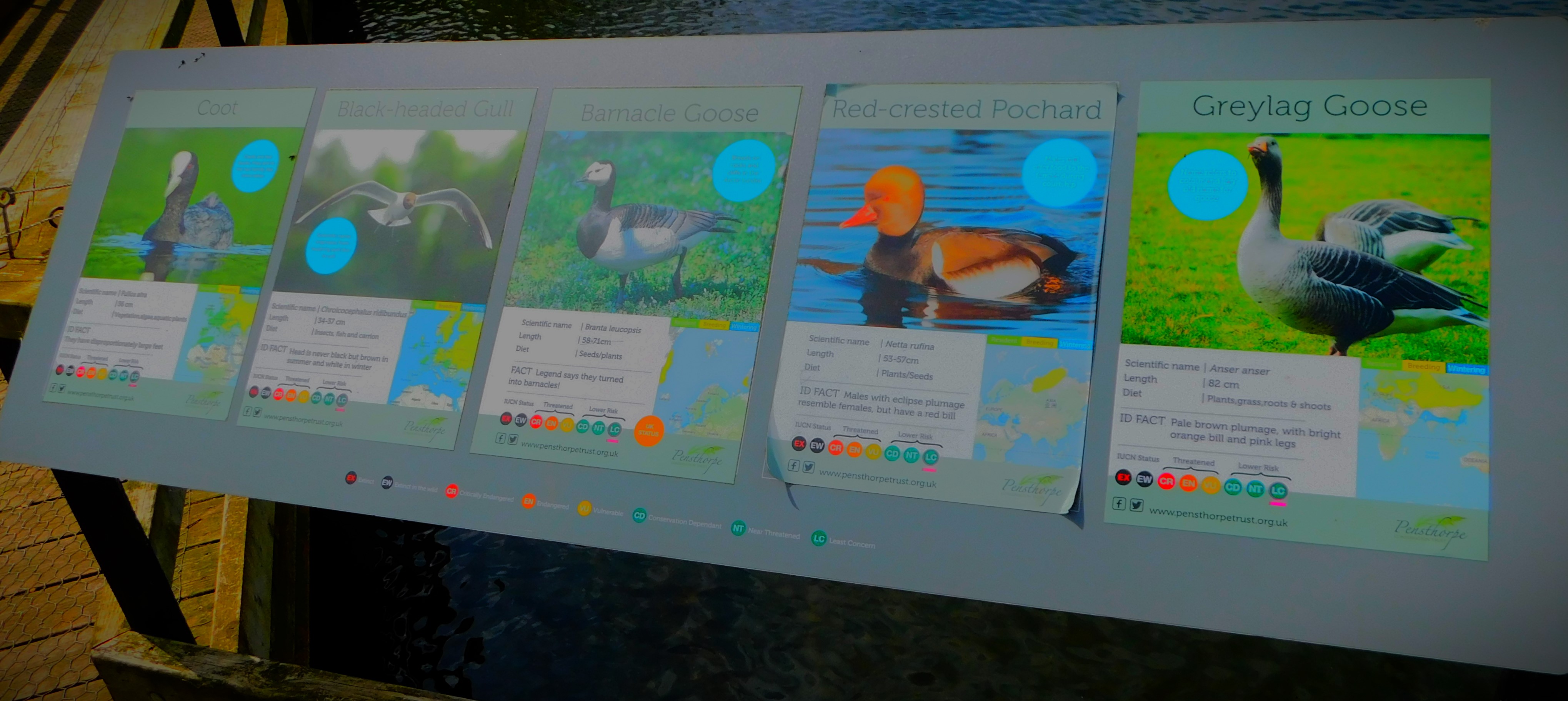
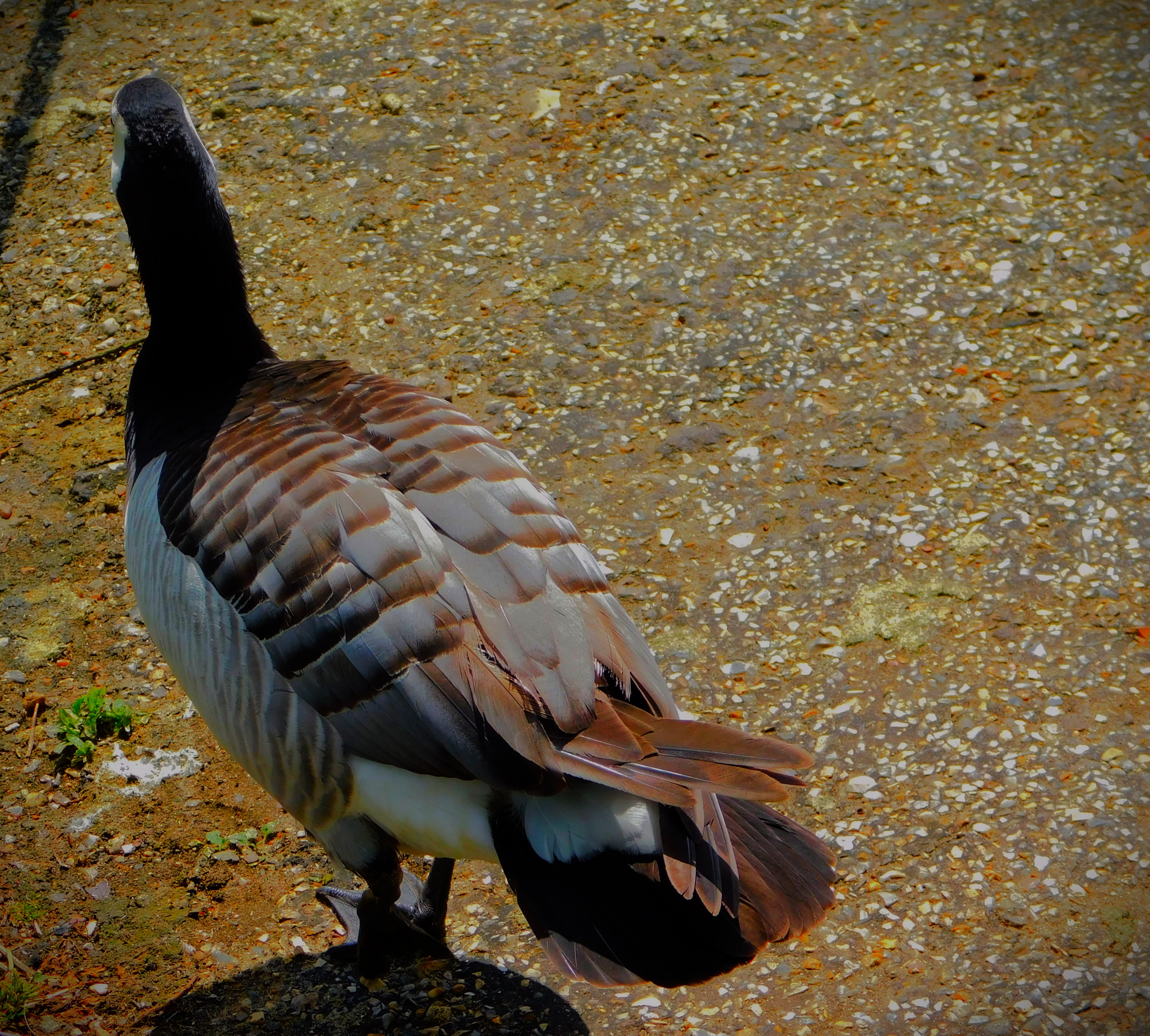
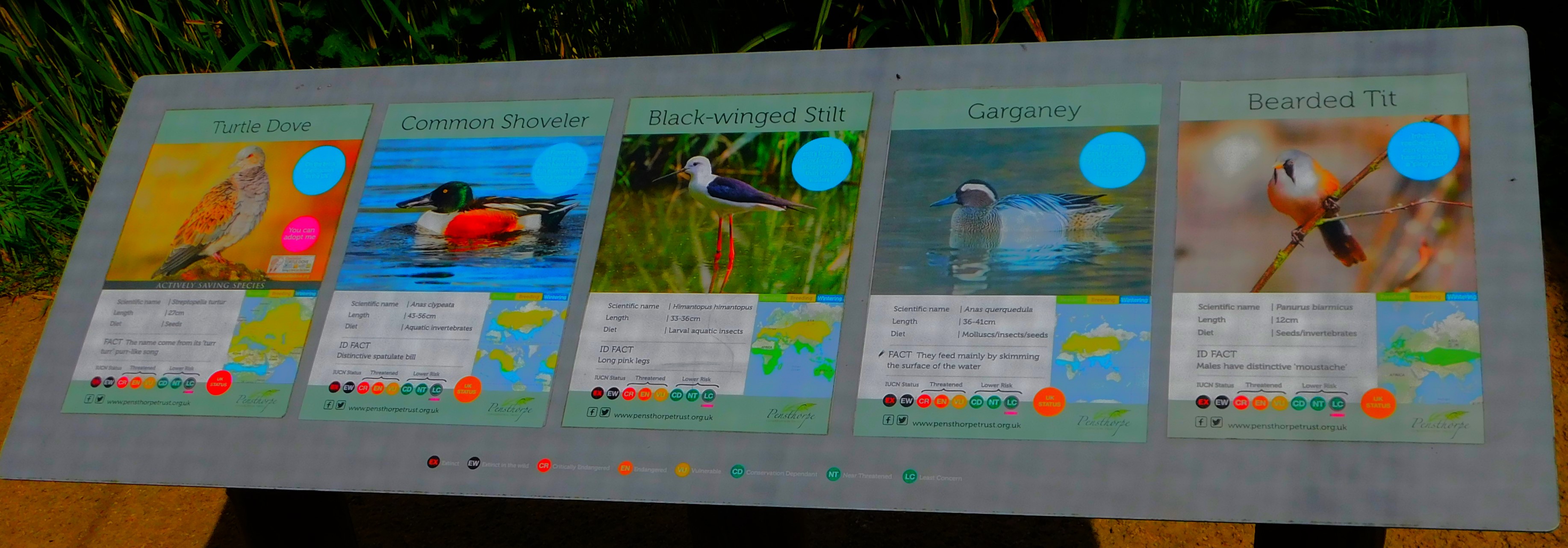
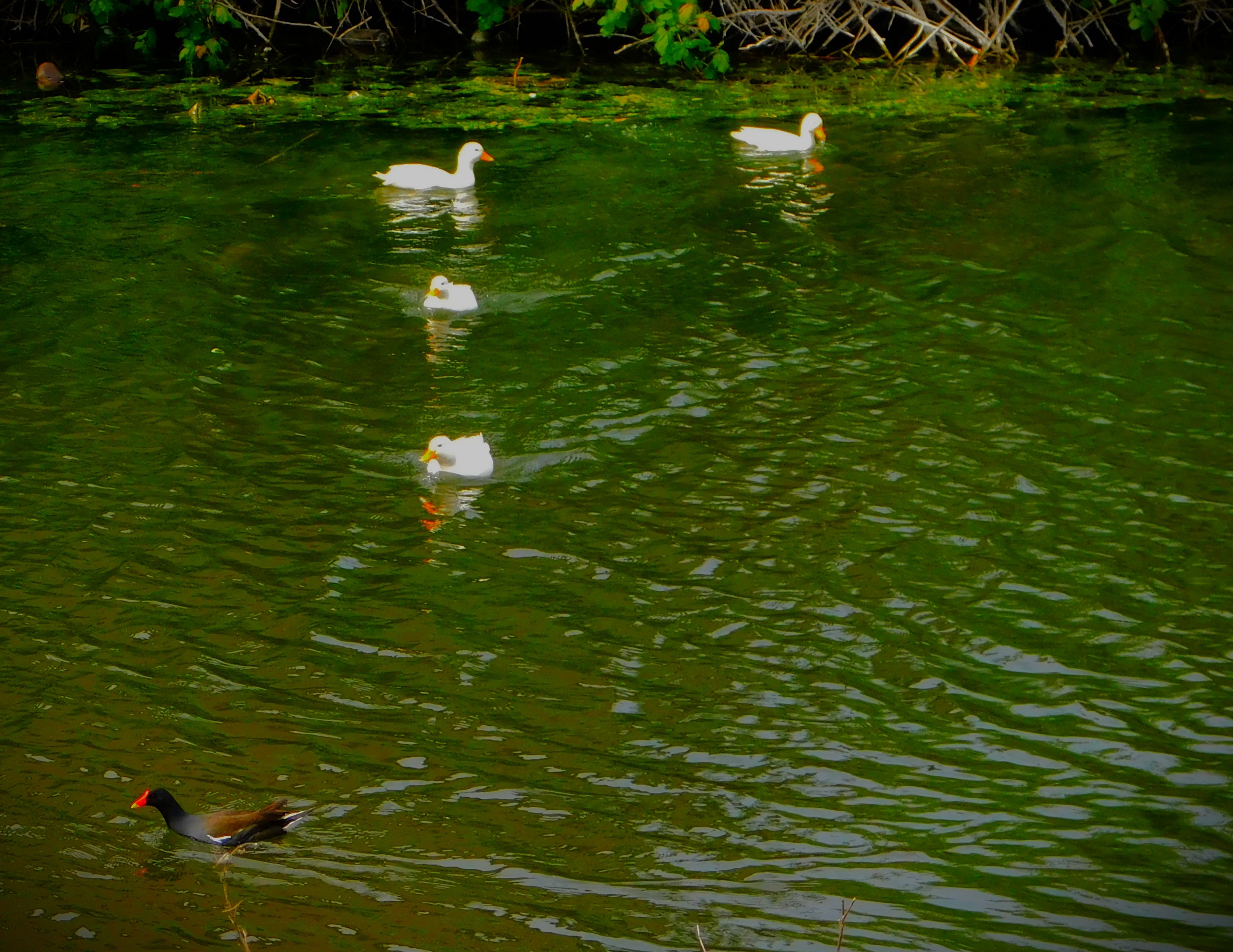
I start with a couple of standalone pictures to help you with identifying the birds I photographed.
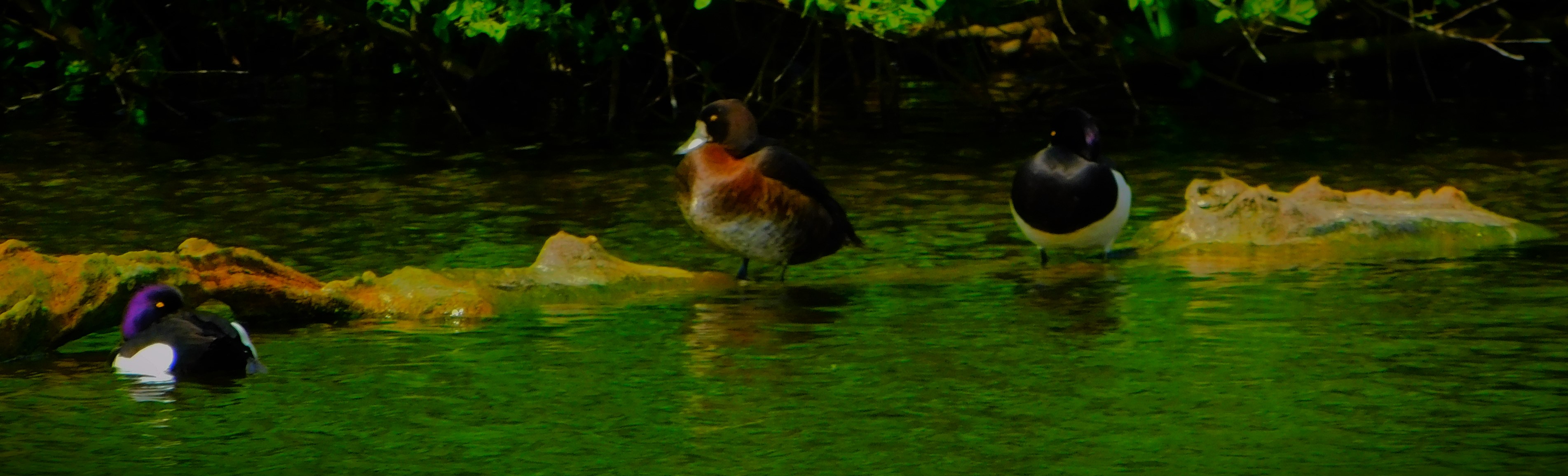
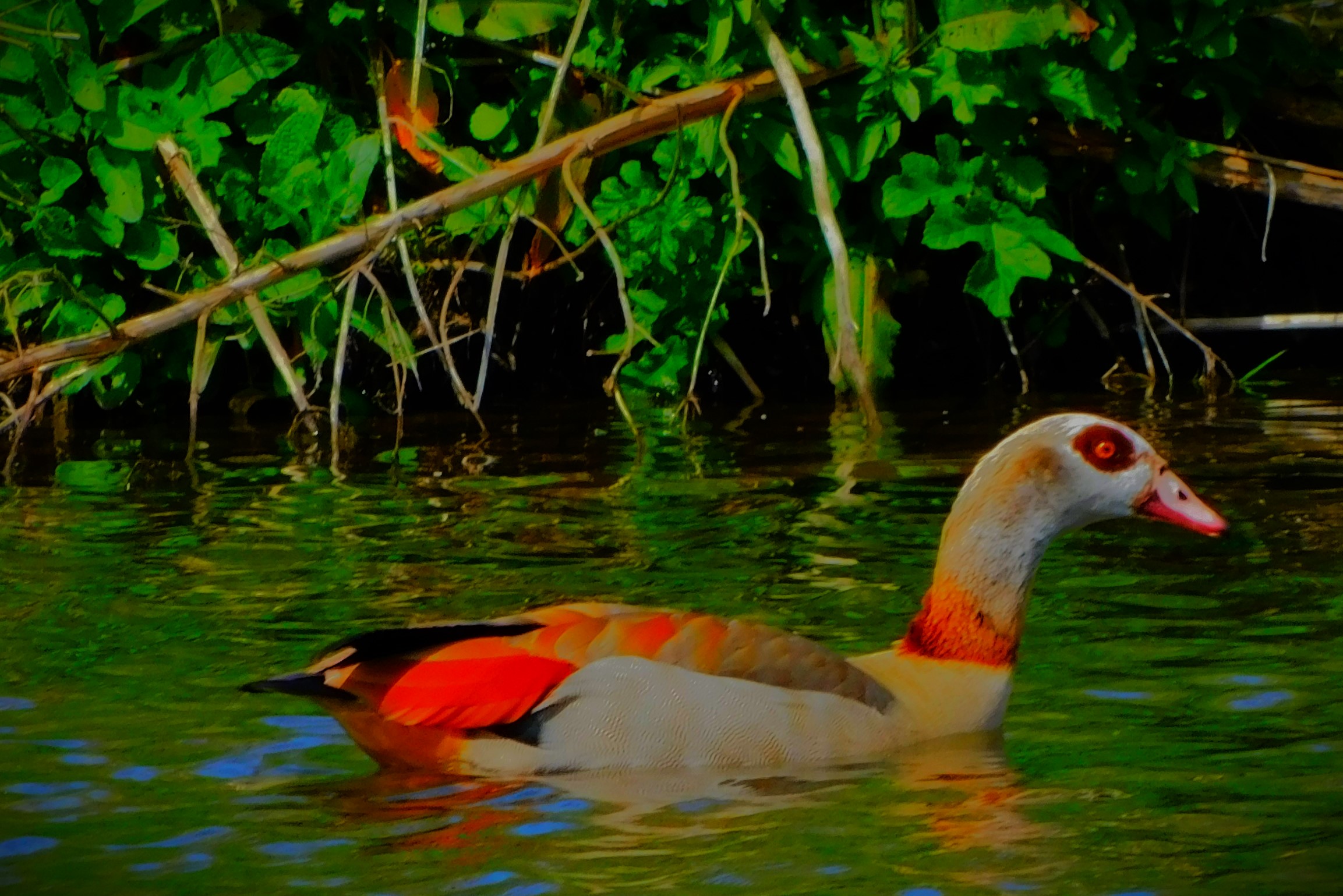
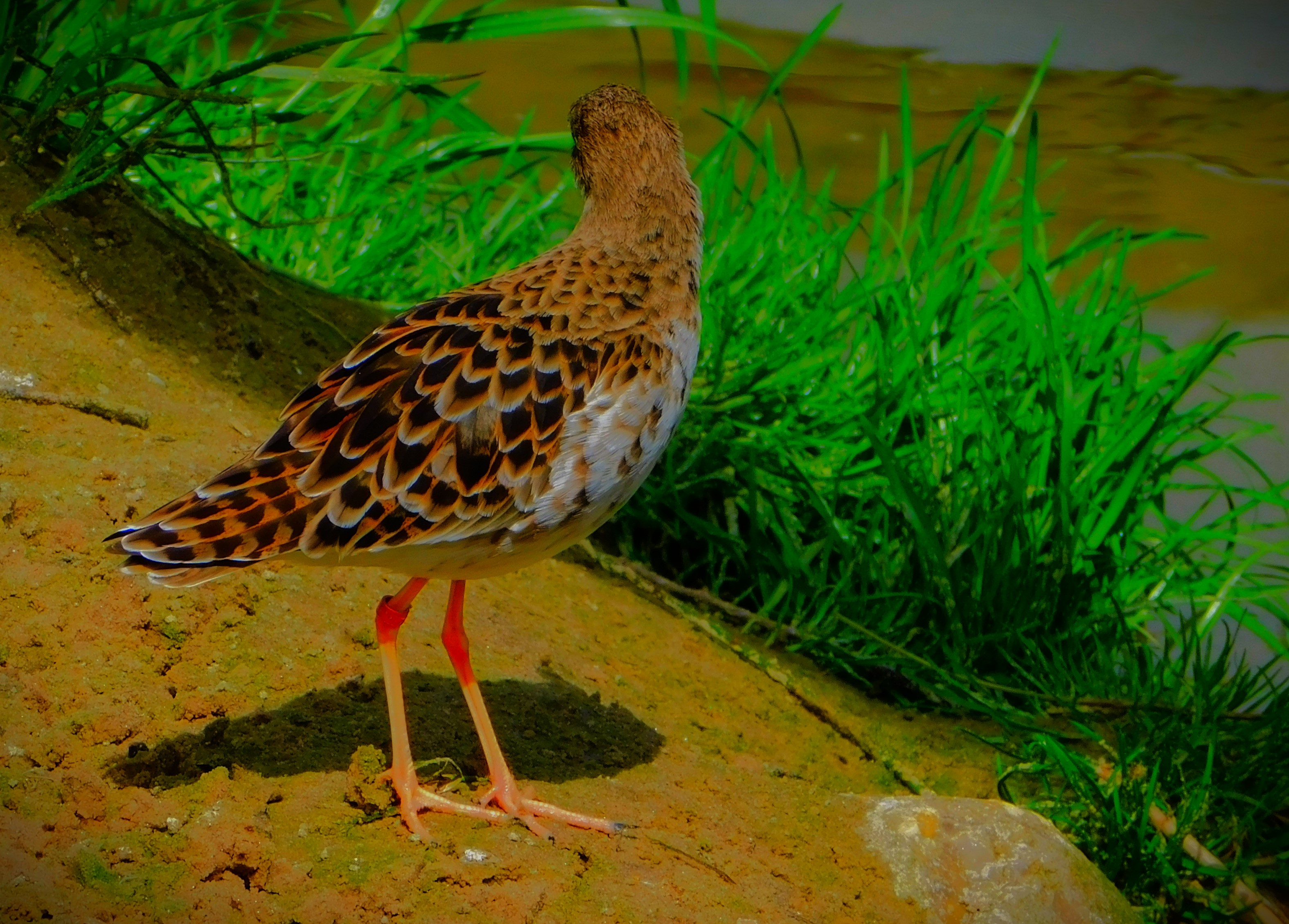
Now for the full gallery…
A harvest mouse habitat – these are very tiny creatures and the glass makes photographing one an extra challenge……but I managed one usable picture of it.
Setting the scene for a mini-series about yesterday’s visit to Pensthorpe.
Yesterday was the West Norfolk Autism Group’s third annual outing to Pensthorpe Natural Park. This post will set the stage for a mini-series about the day.
THE PRELIMINARIES
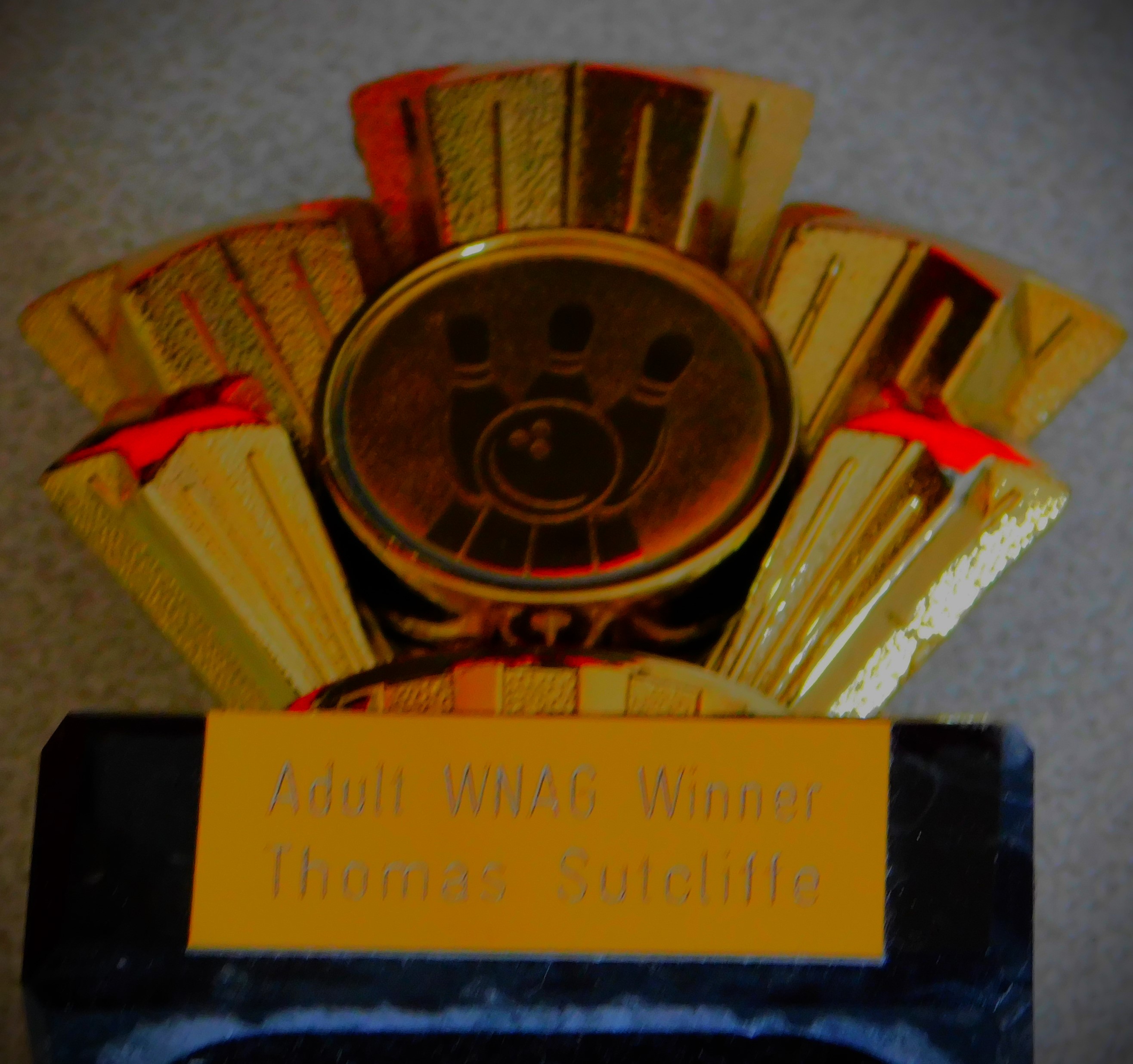
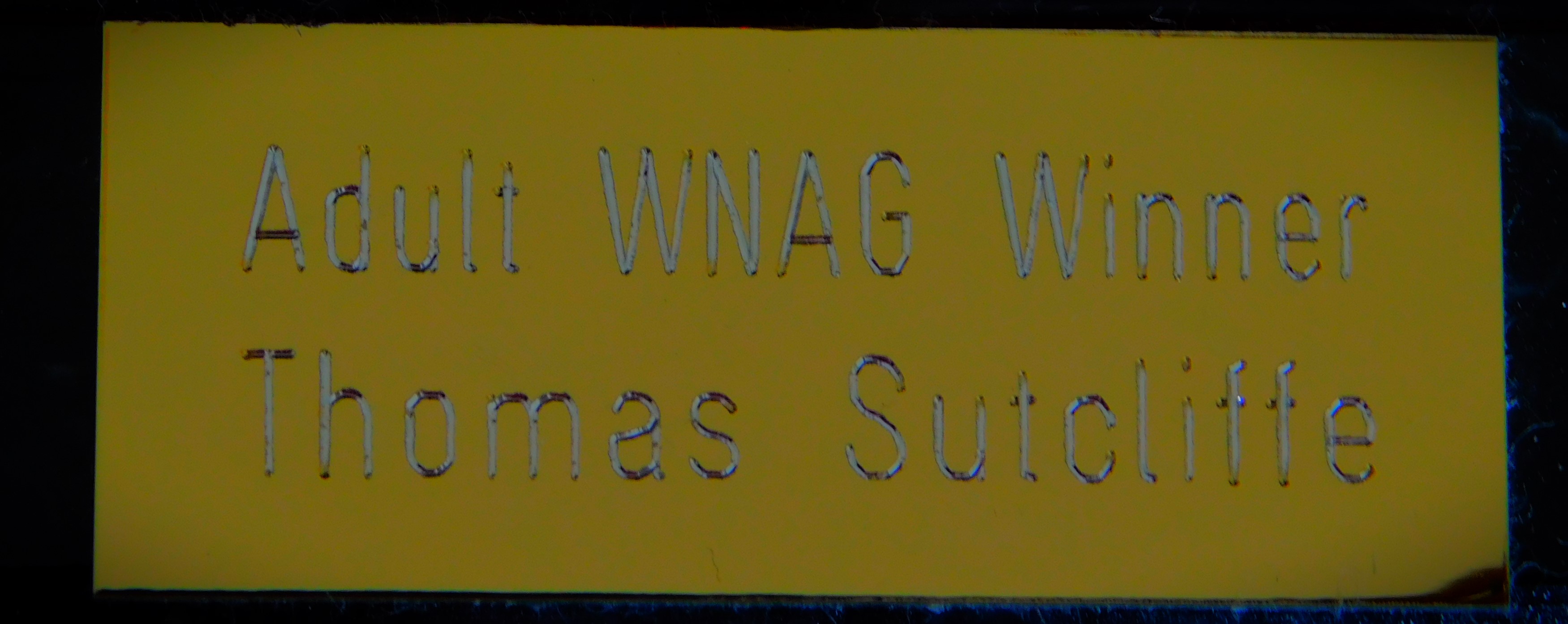
Some of the group were making their own way to Pensthorpe, but there was also a coach laid on which was picking up and dropping back off at Gaywood. The departure time of the coach was set for 9:30AM, so I aimed to arrive at the pick up point at 9:15. I did exactly that, walking by way of the Gaywood river path, and arriving at the pick up point just as the coach was pulling in. We set off promptly, and the roads were clear. On arrival at Pensthorpe a couple of us were presented with trophies from the bowling event on April 7th.
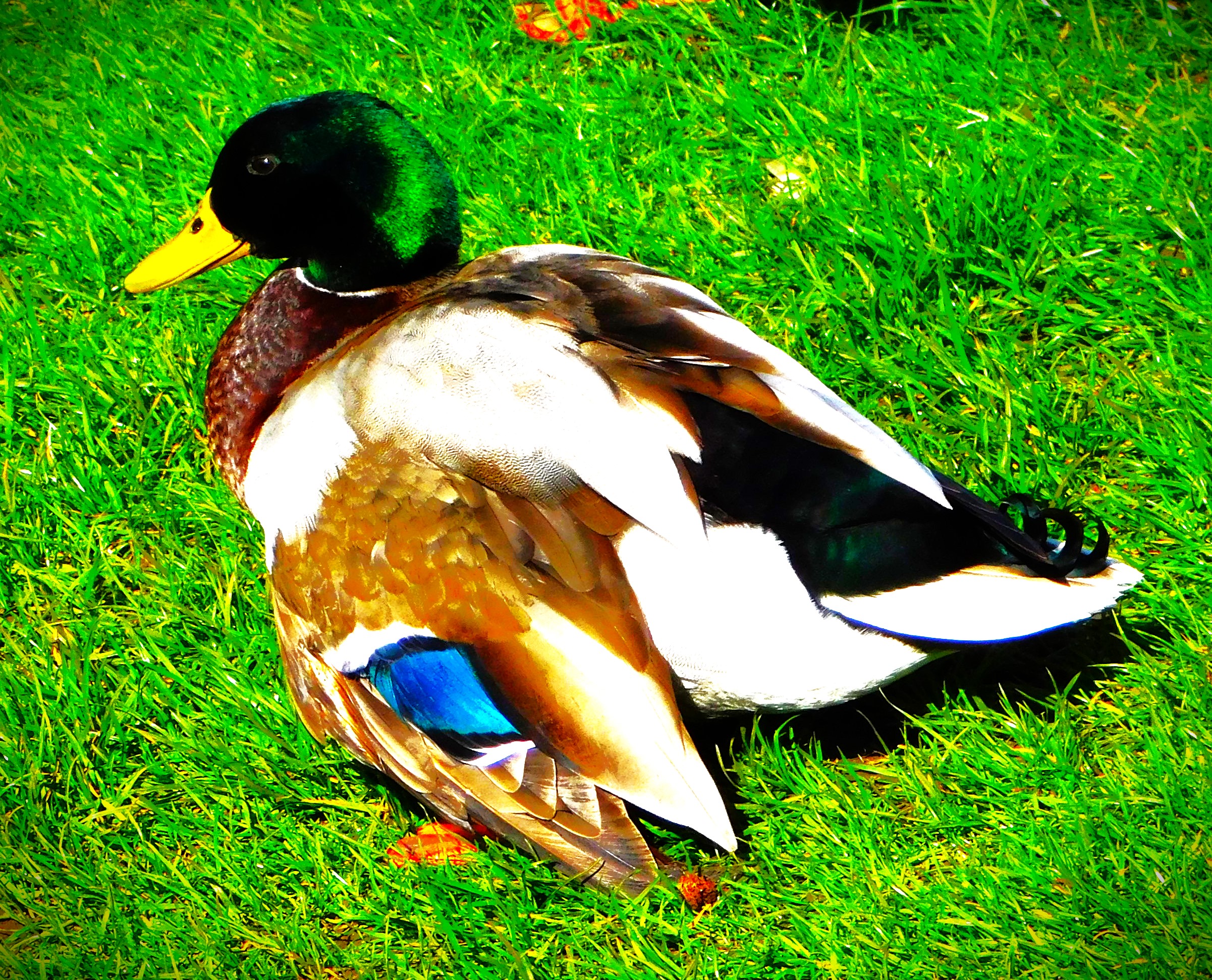
My trophy for winning the adults section.The trophy in its new location, next to The Mallard.
PLANNING THE DAY
Only three parts of the day were fixed: I was booked on a trailer ride at noon, lunch was scheduled for 2PM, and the coach was making its return journey to Gaywood at 3:30PM. For the rest the day was what one chose to make of it. I will now introduce the various parts of my experience, on what was a perfect day for the event – warm and sunny but not absolutely roasting.
PENSTHORPE GENERAL
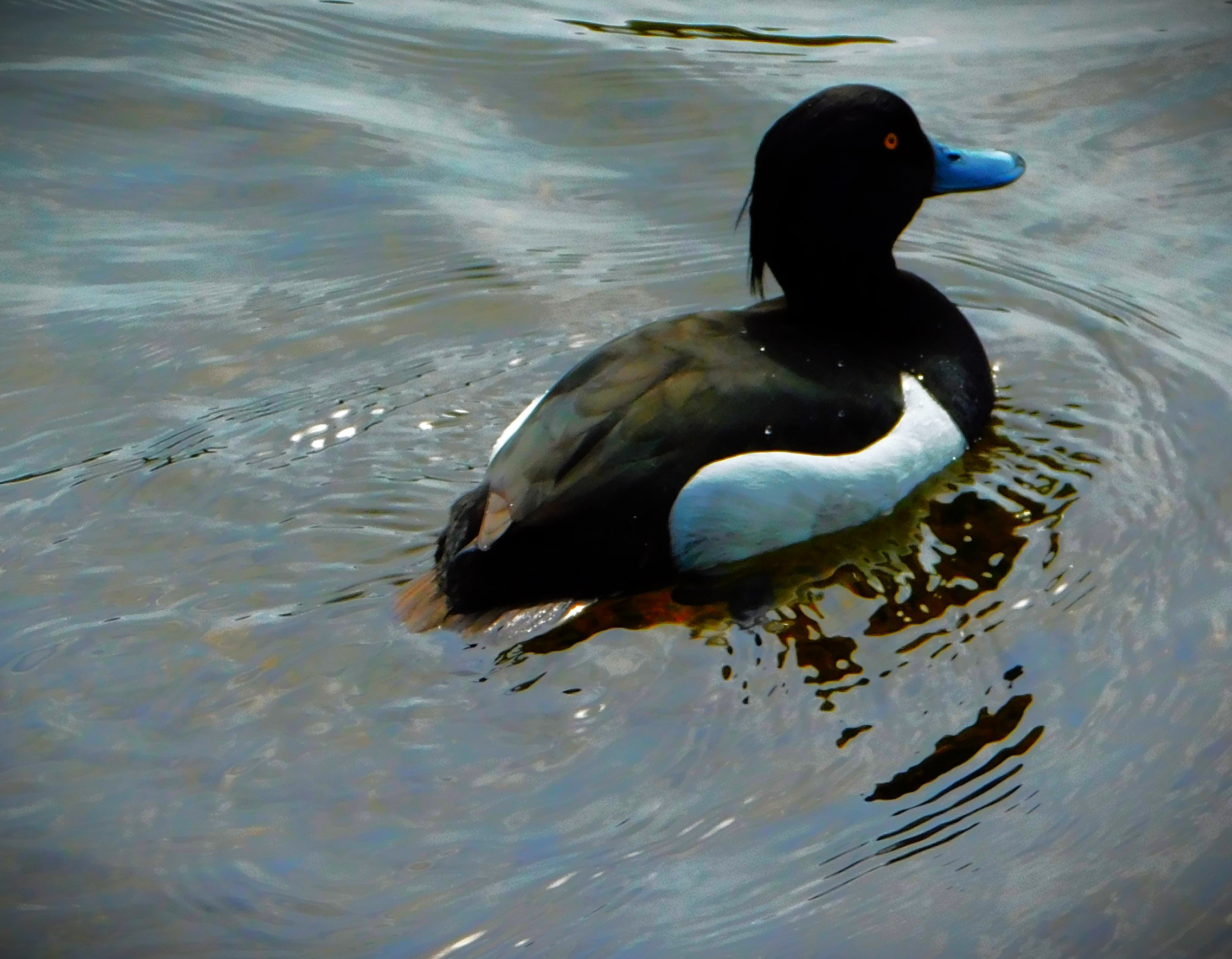
One starts by putting on a wristband that indicates that admission is paid for, and then proceeds through the gift shop. I opted to start with the exit at the far end of the viewing gallery, which takes one straight to the water fowl. There were many interesting species…
SCULPTURES/ ART
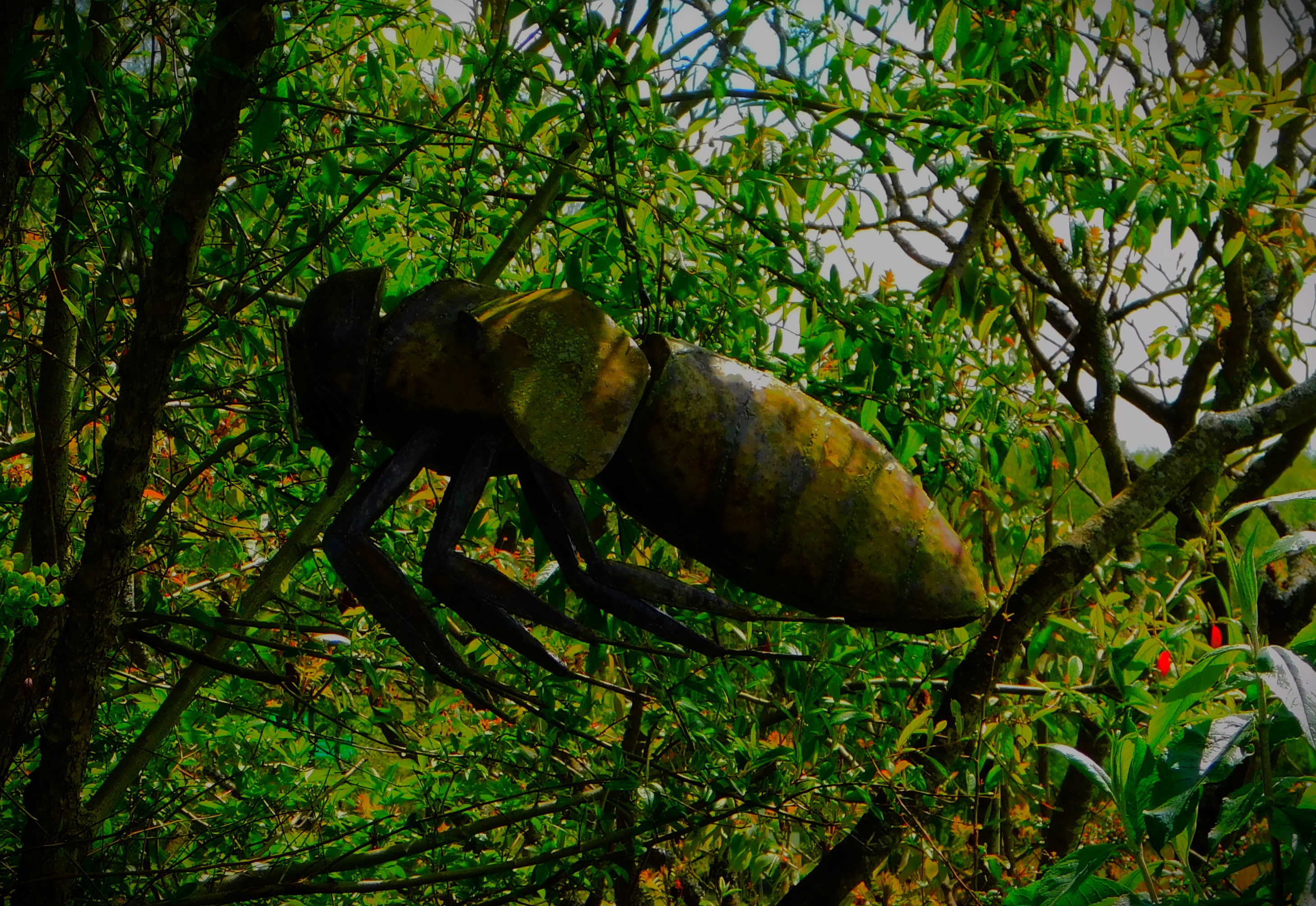
I will be producing a post about this aspect of Pensthorpe. Suffice it to say for the moment that there are a number of sculptures and other art pieces to be seen along the way. Here are a few images to whet your appetite…
I put this bridge among the art elements because it is inspired by Monet’s bridge at Giverny.
THE FLAMINGOS AND CRANES
My two visits to these birds (either side of the trailer ride) will get a full blog post. For the moment…
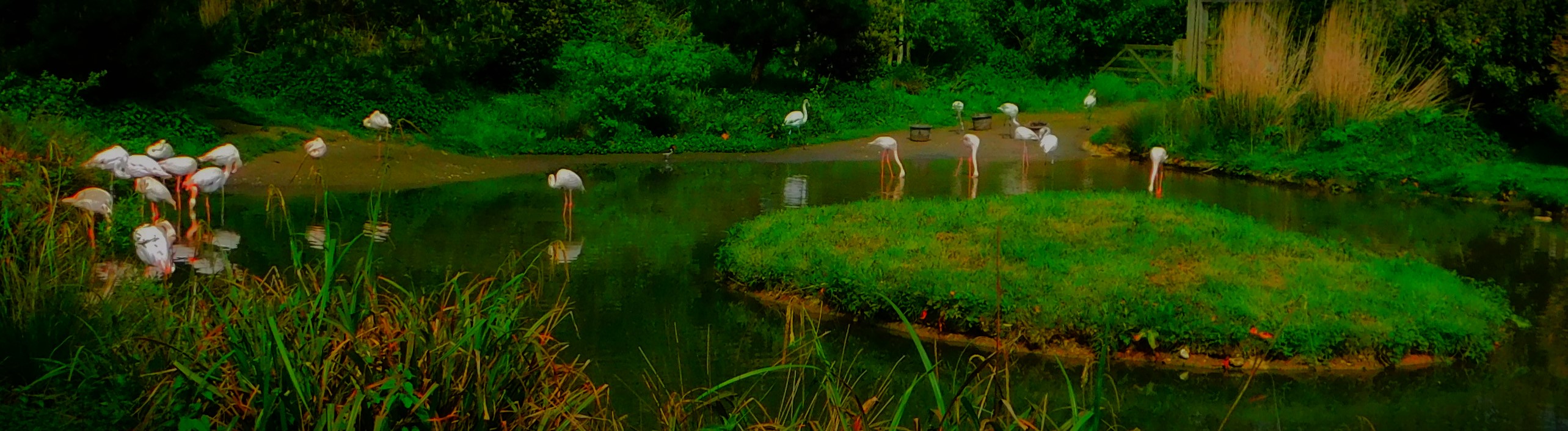
A flamingo doing a cormorant impression.Group shot of flamingosThe most remarkable of the four crane species at Pensthorpe, the East African Crowned Crane.
THE WADERS
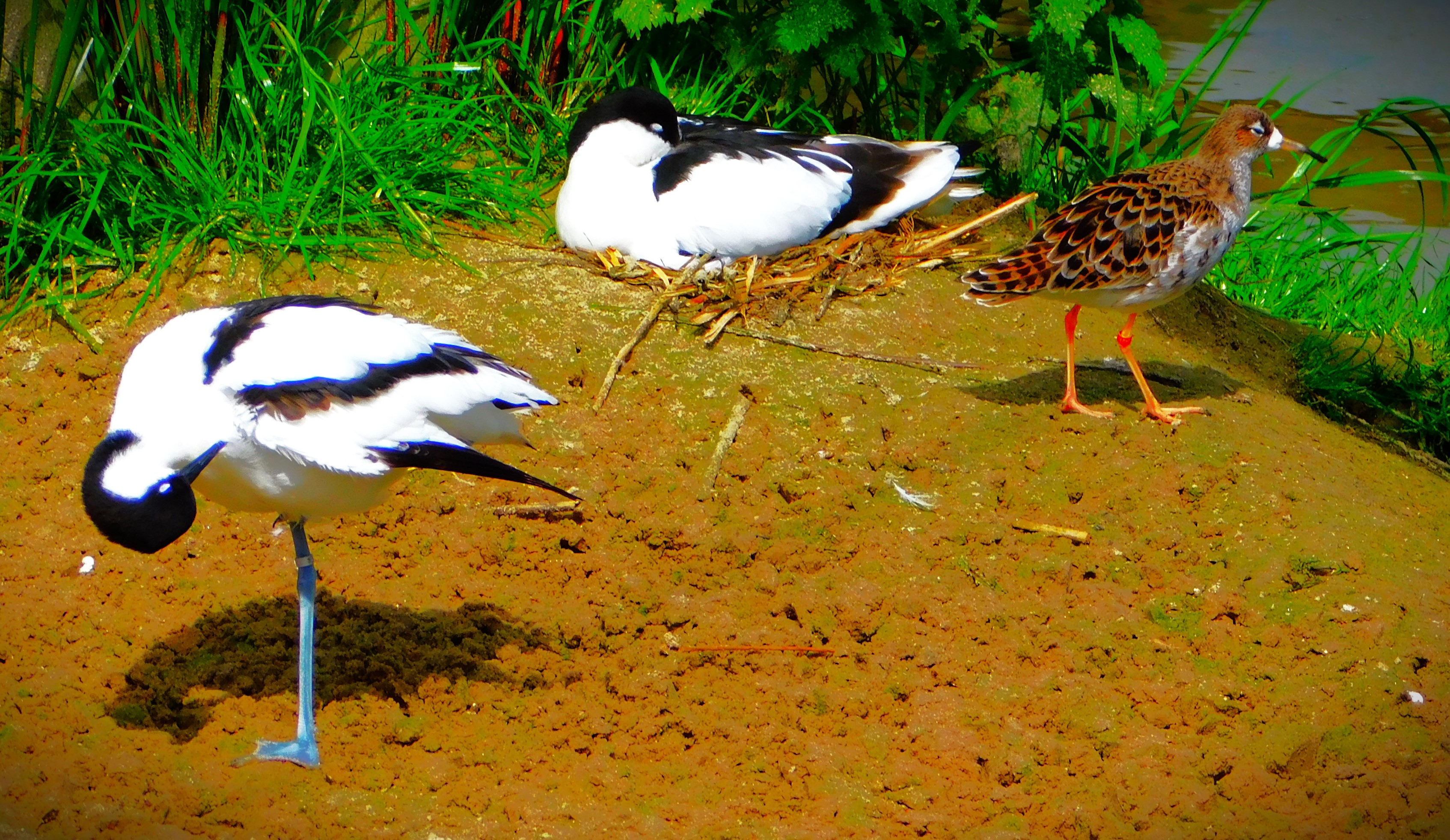
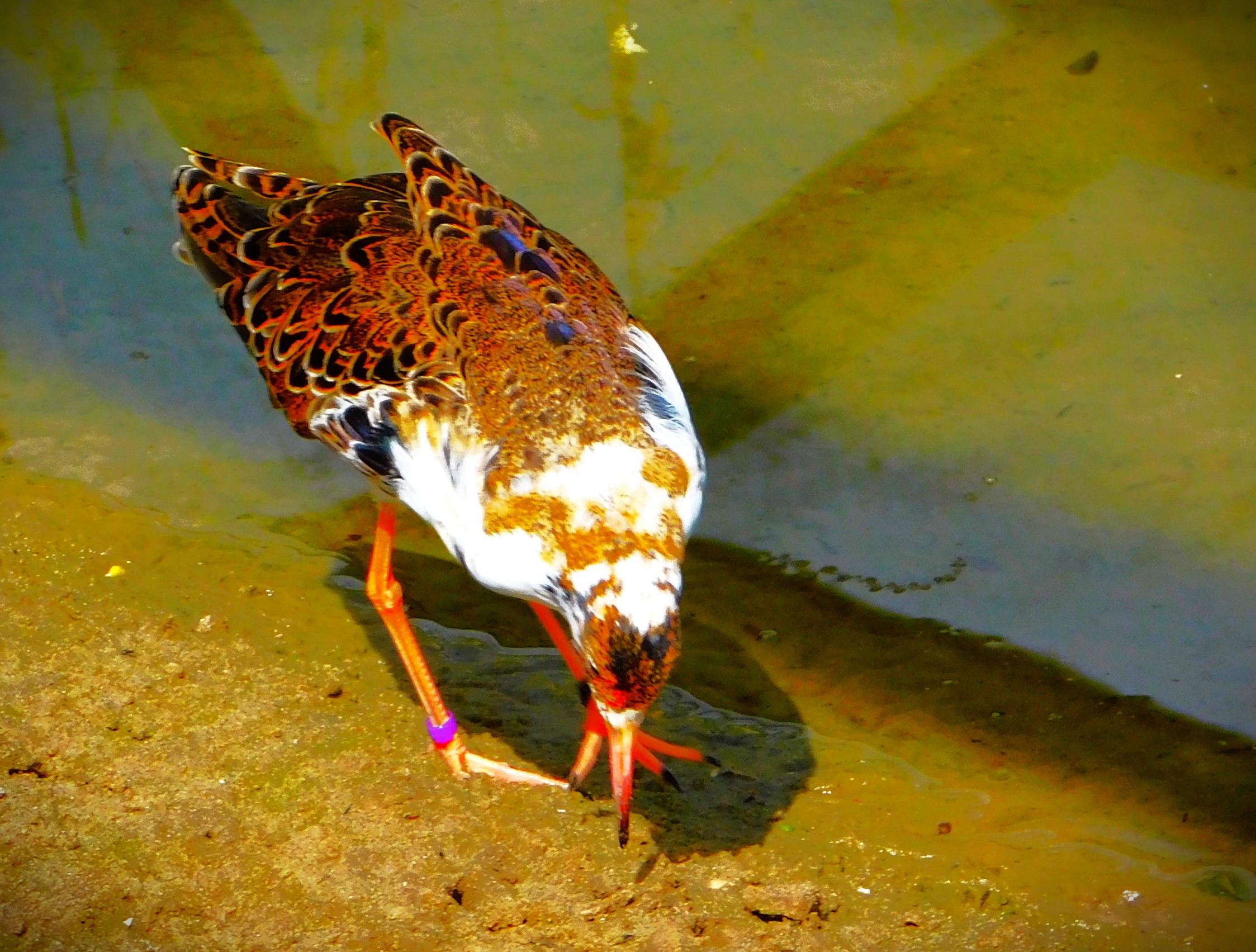
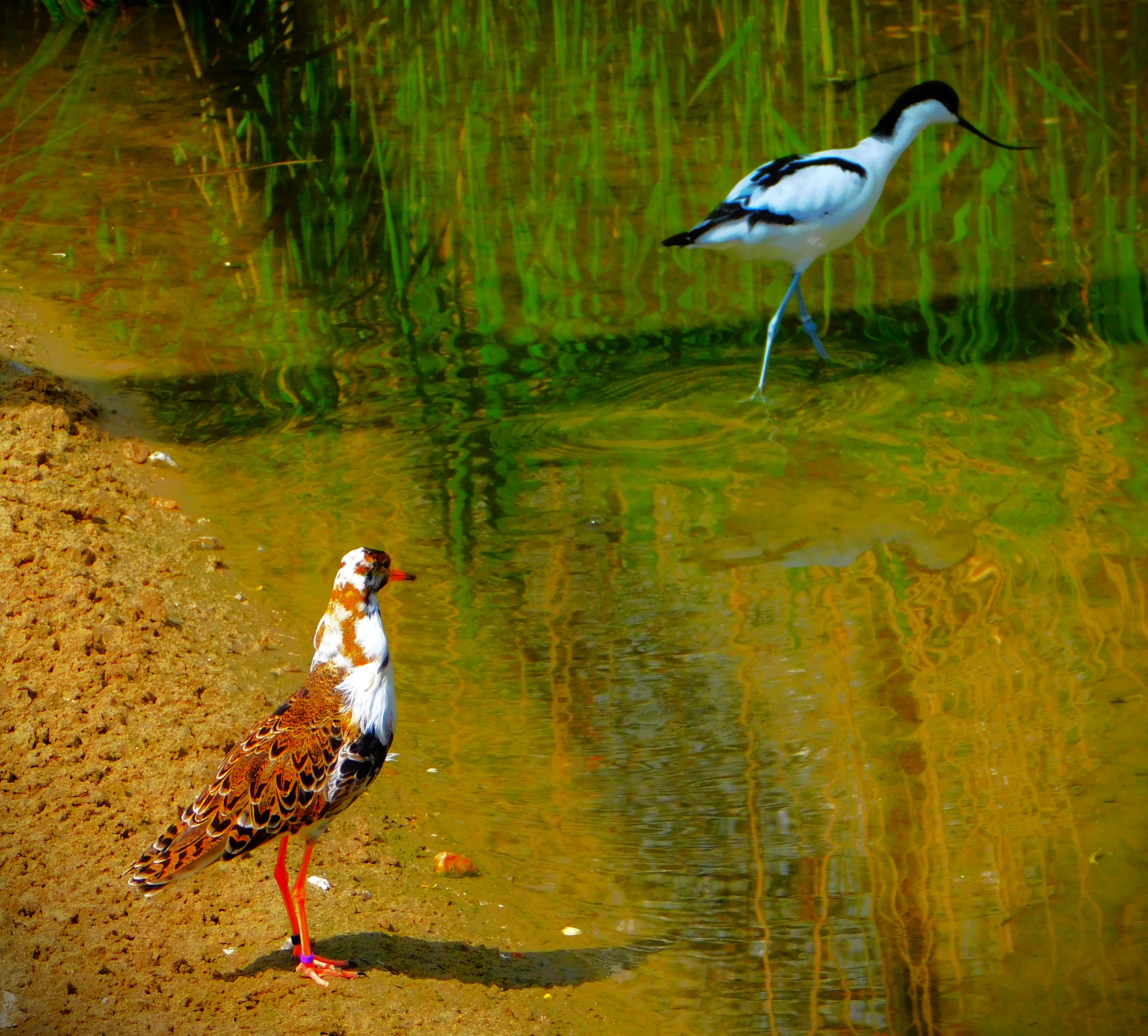
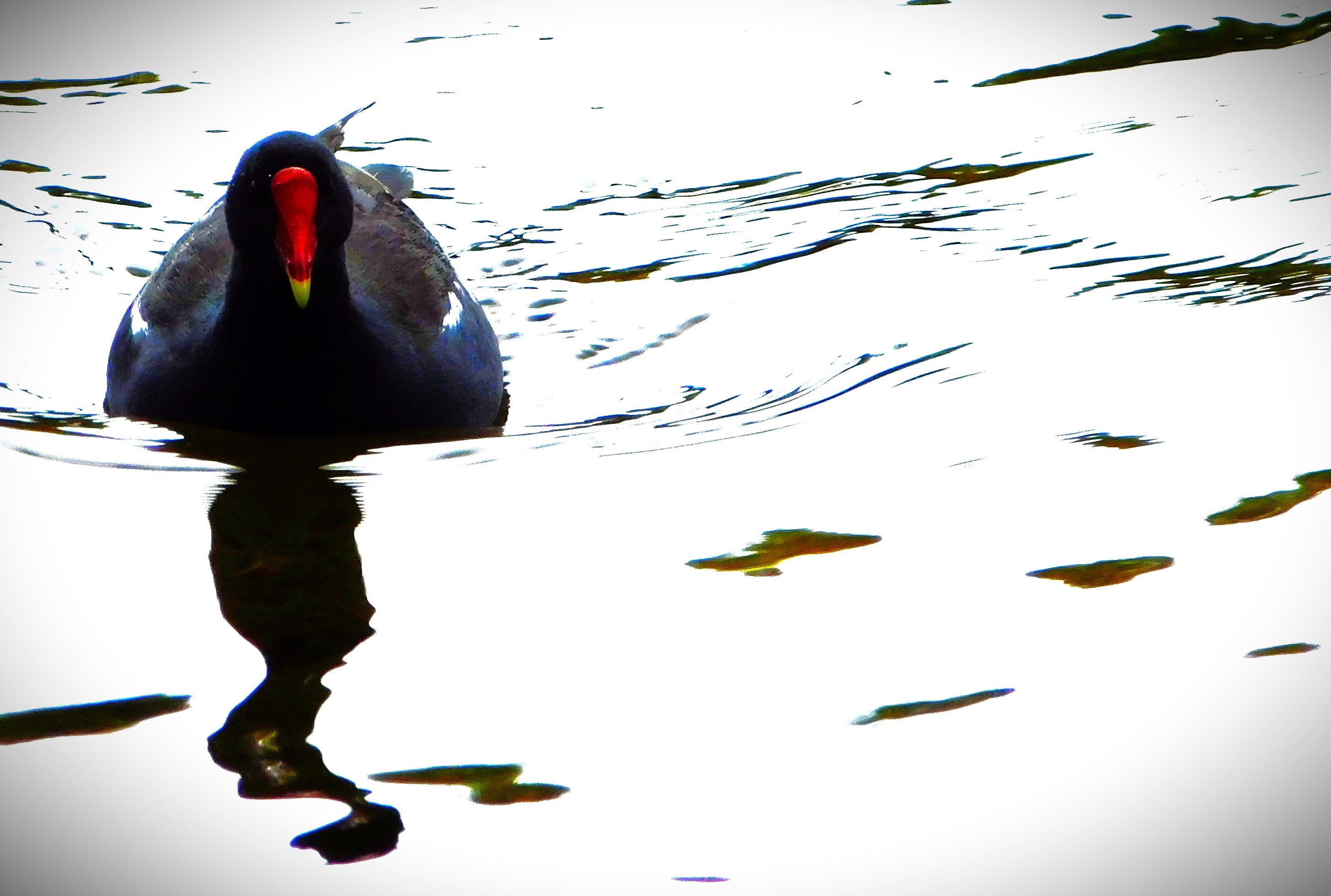
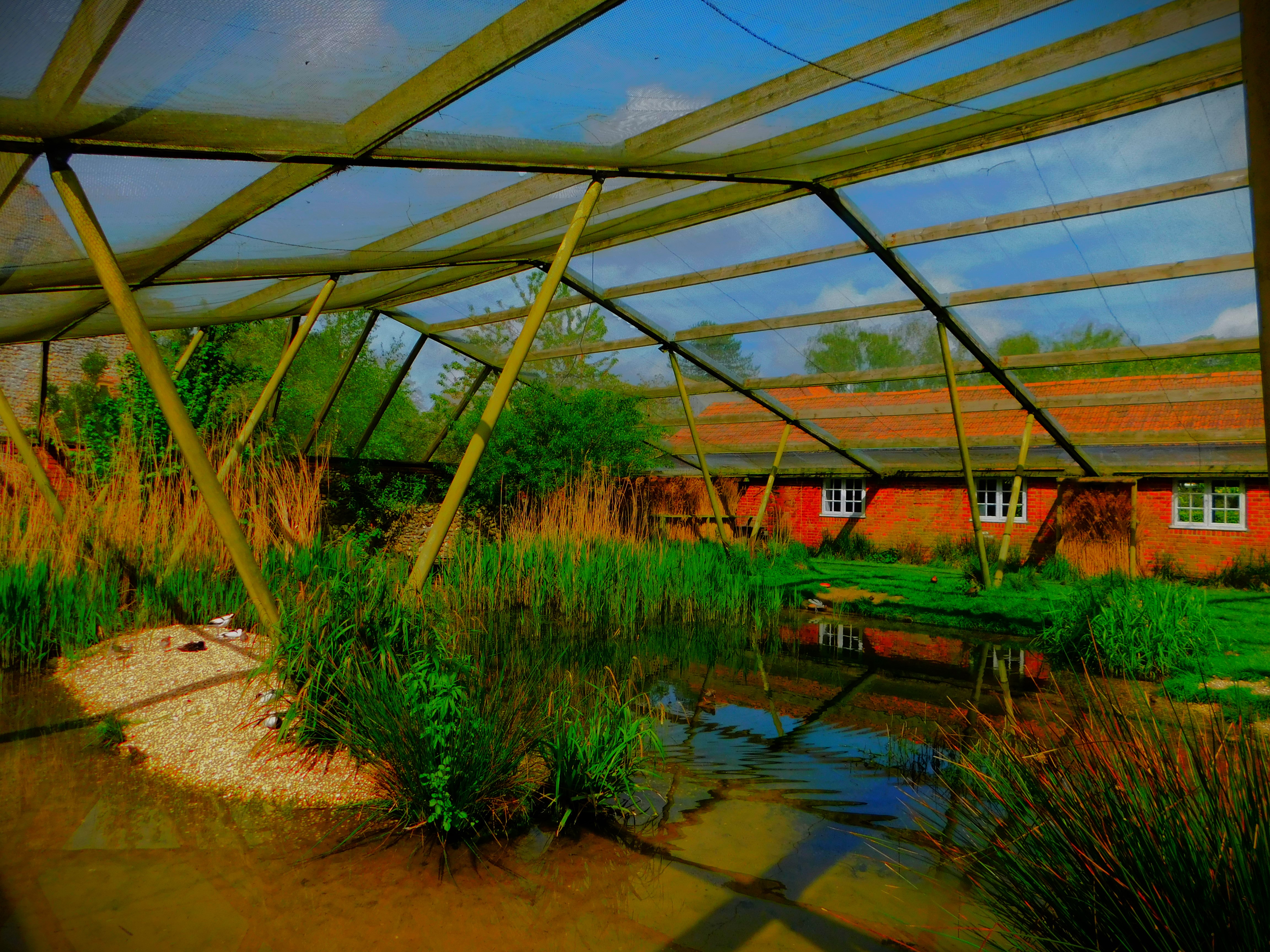
The wading birds have their own special enclosure, with a netting roof over it. I visited it twice, as with the flamingos and cranes, and will be giving it a full blog post. For the moment…
THE TRAILER RIDE
This experience is not to be missed, and will get full blog post treatment. For the moment…
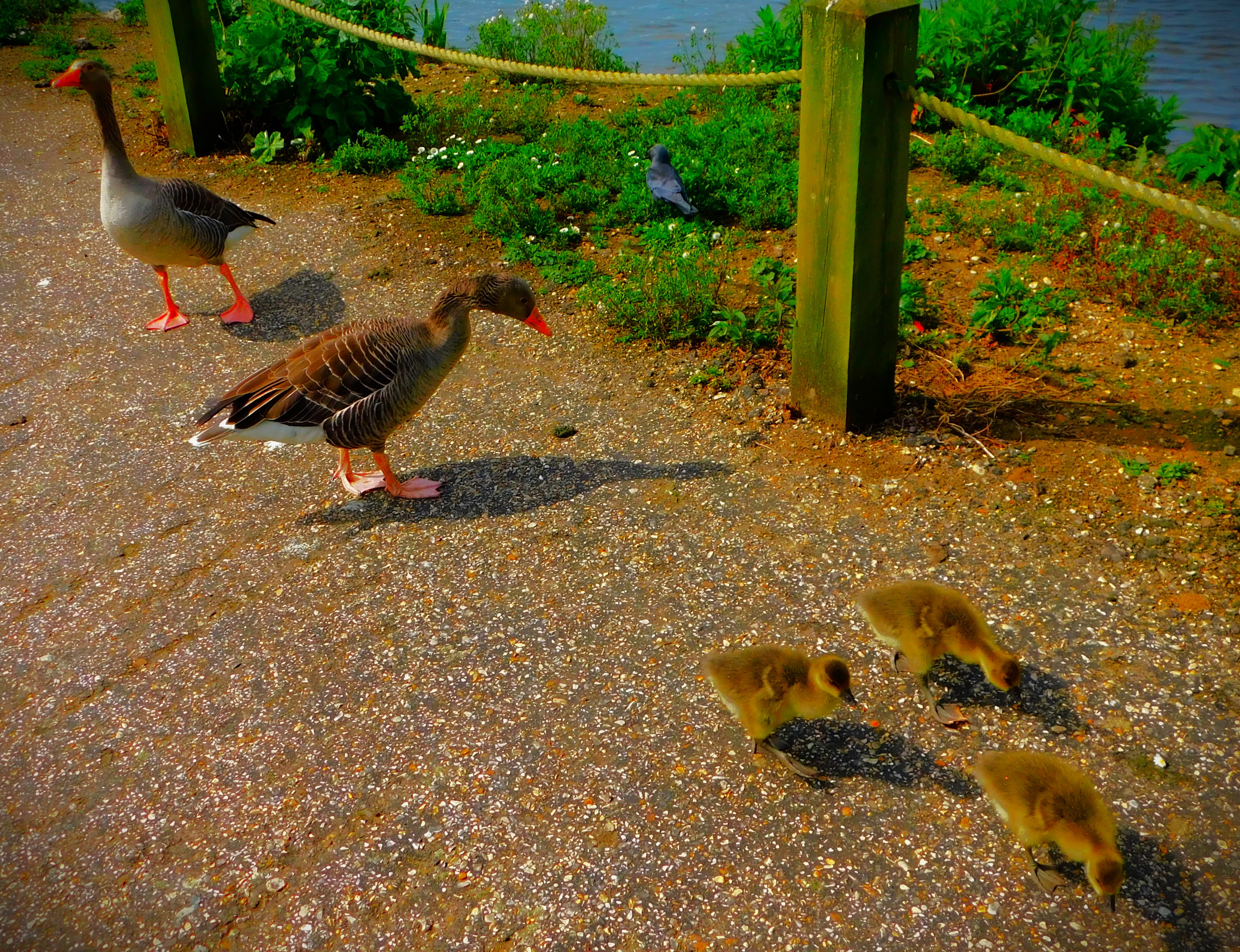
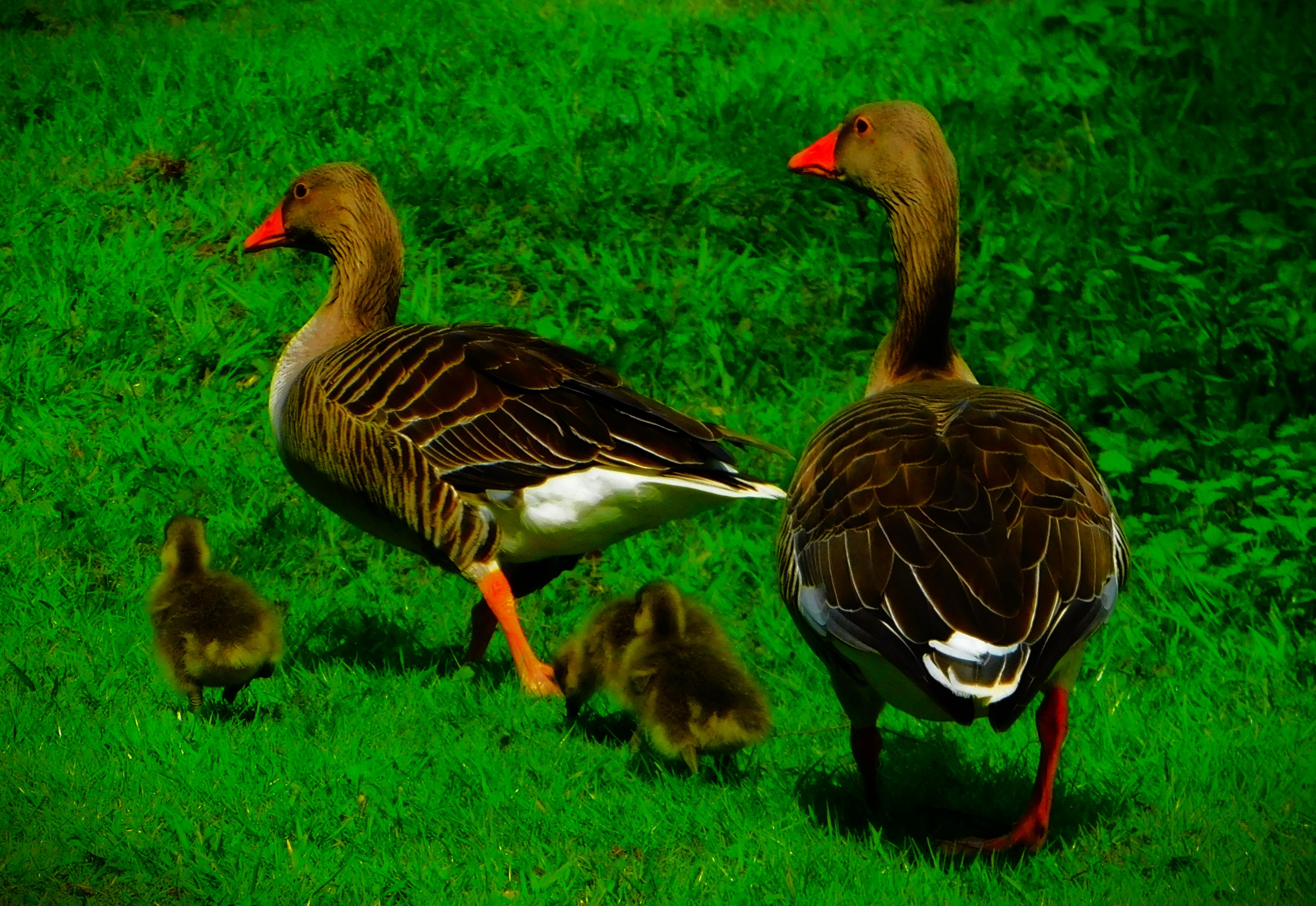
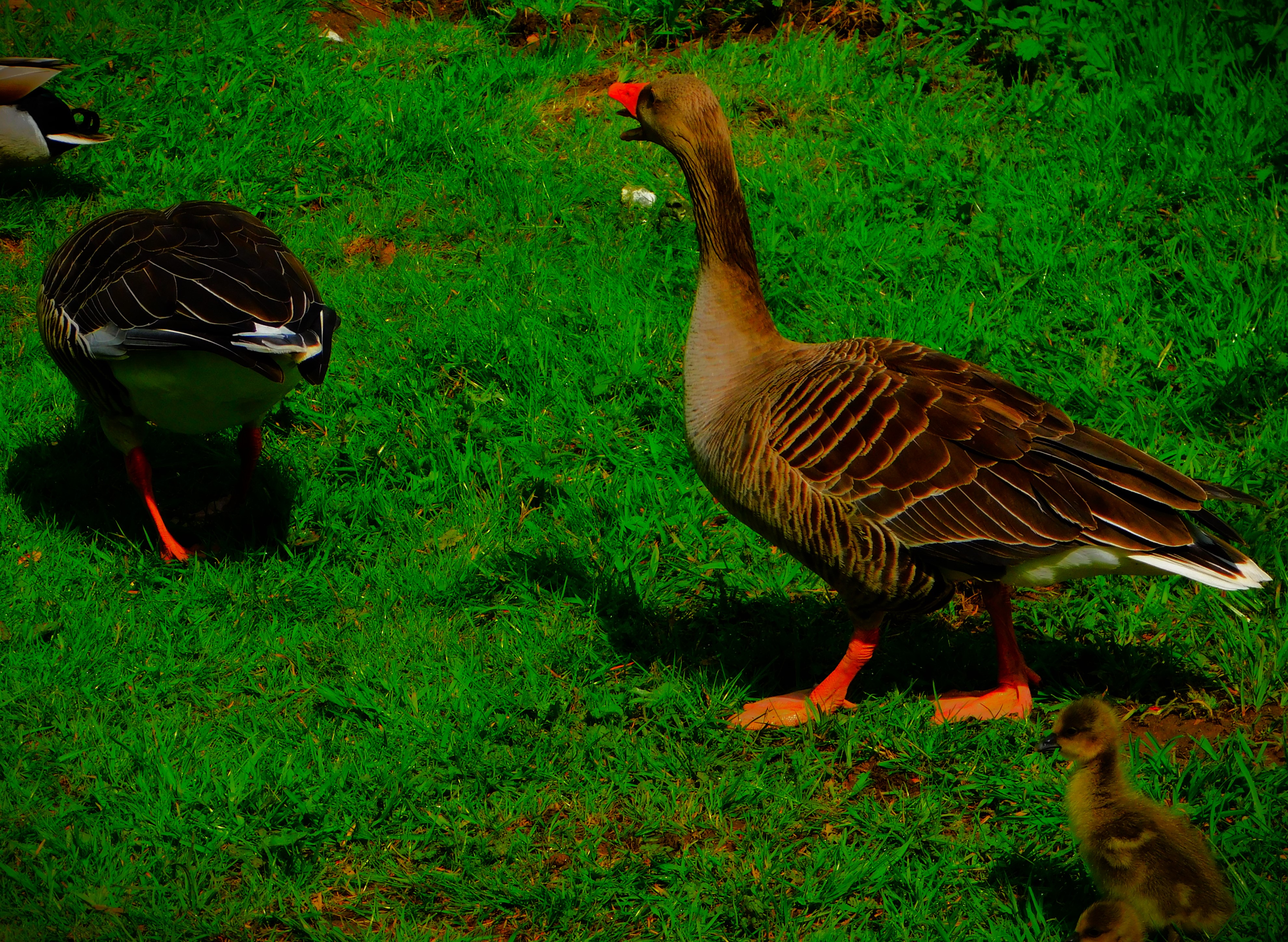
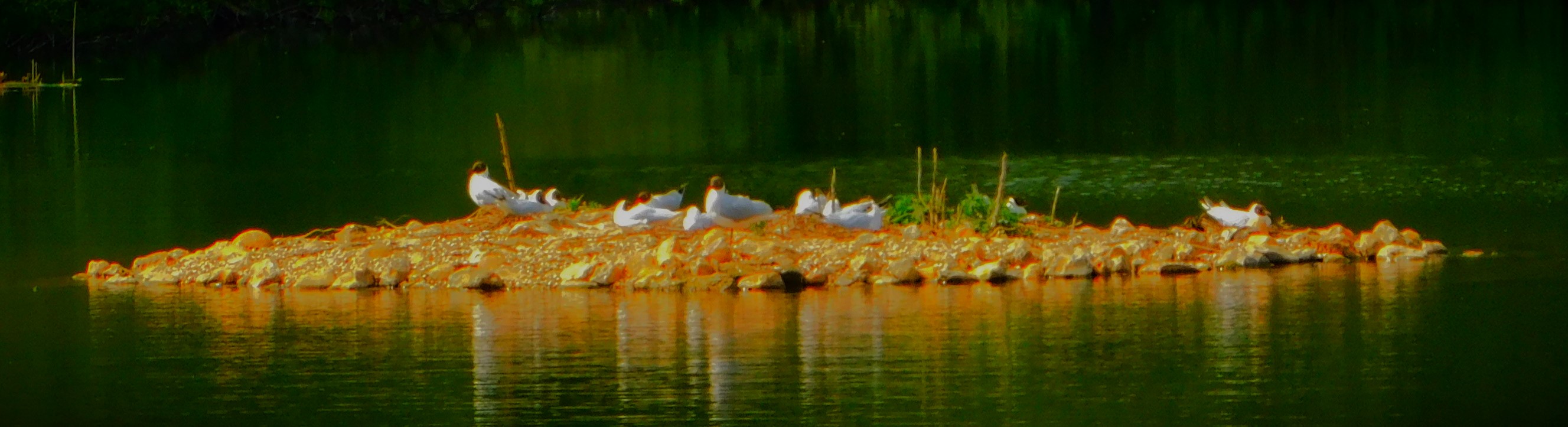
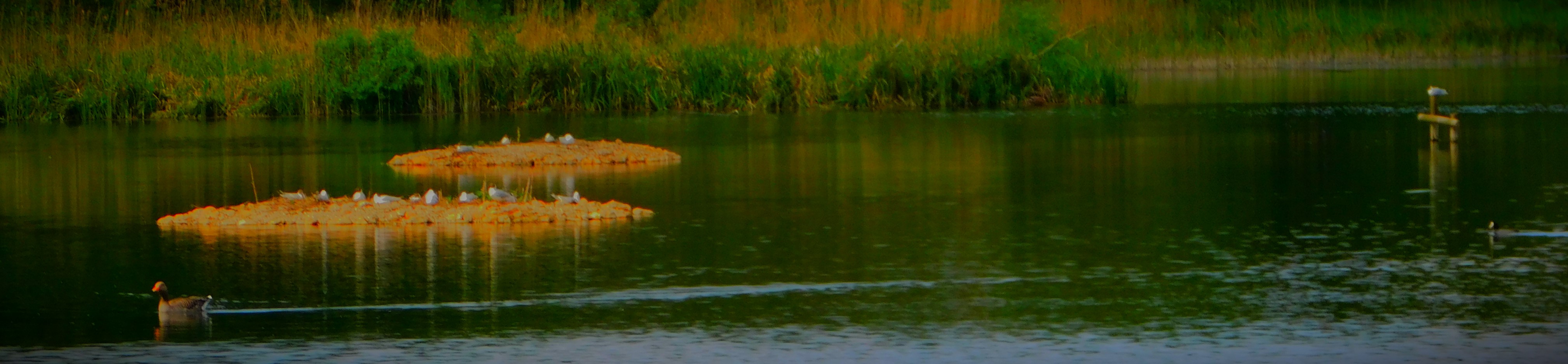
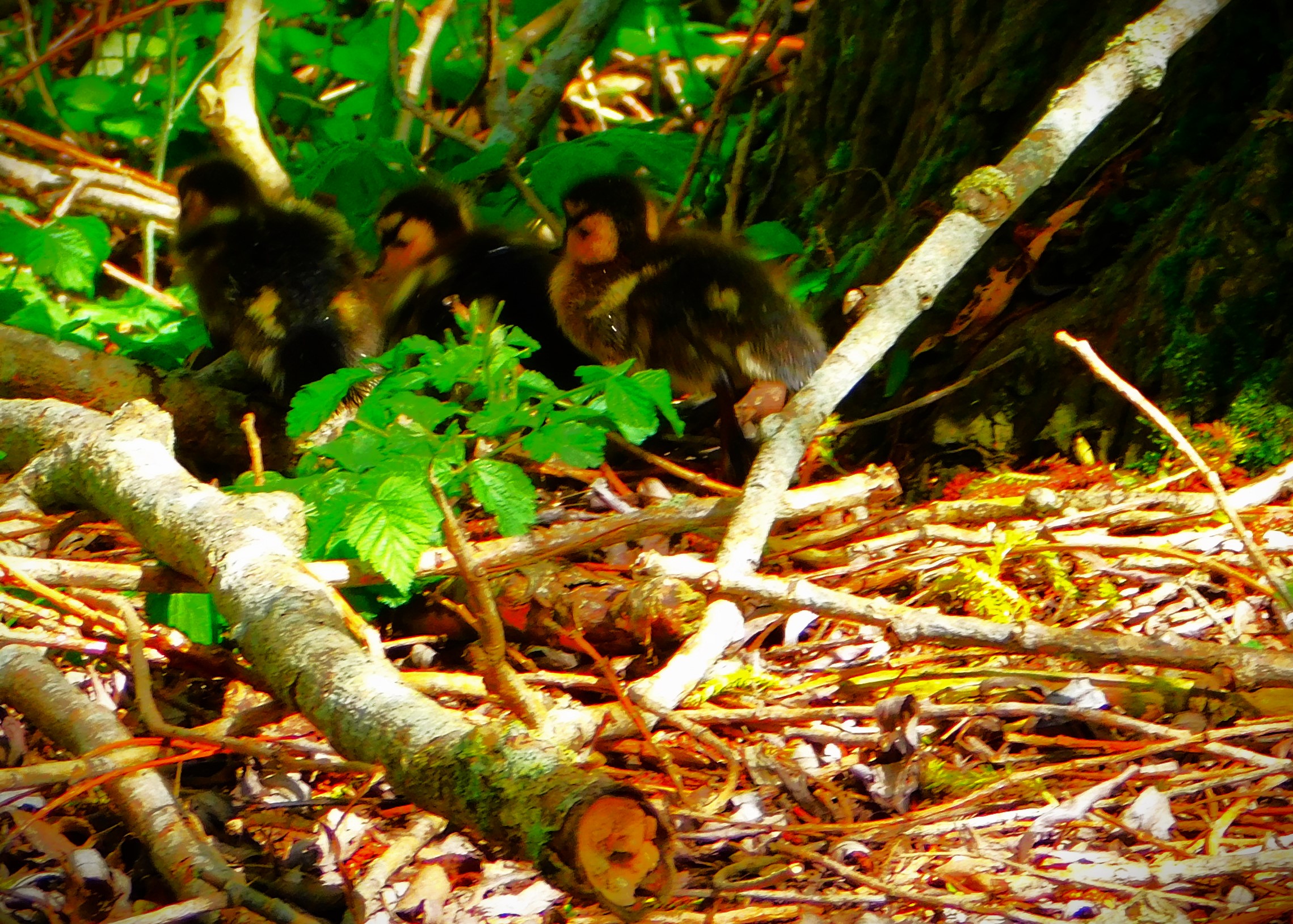
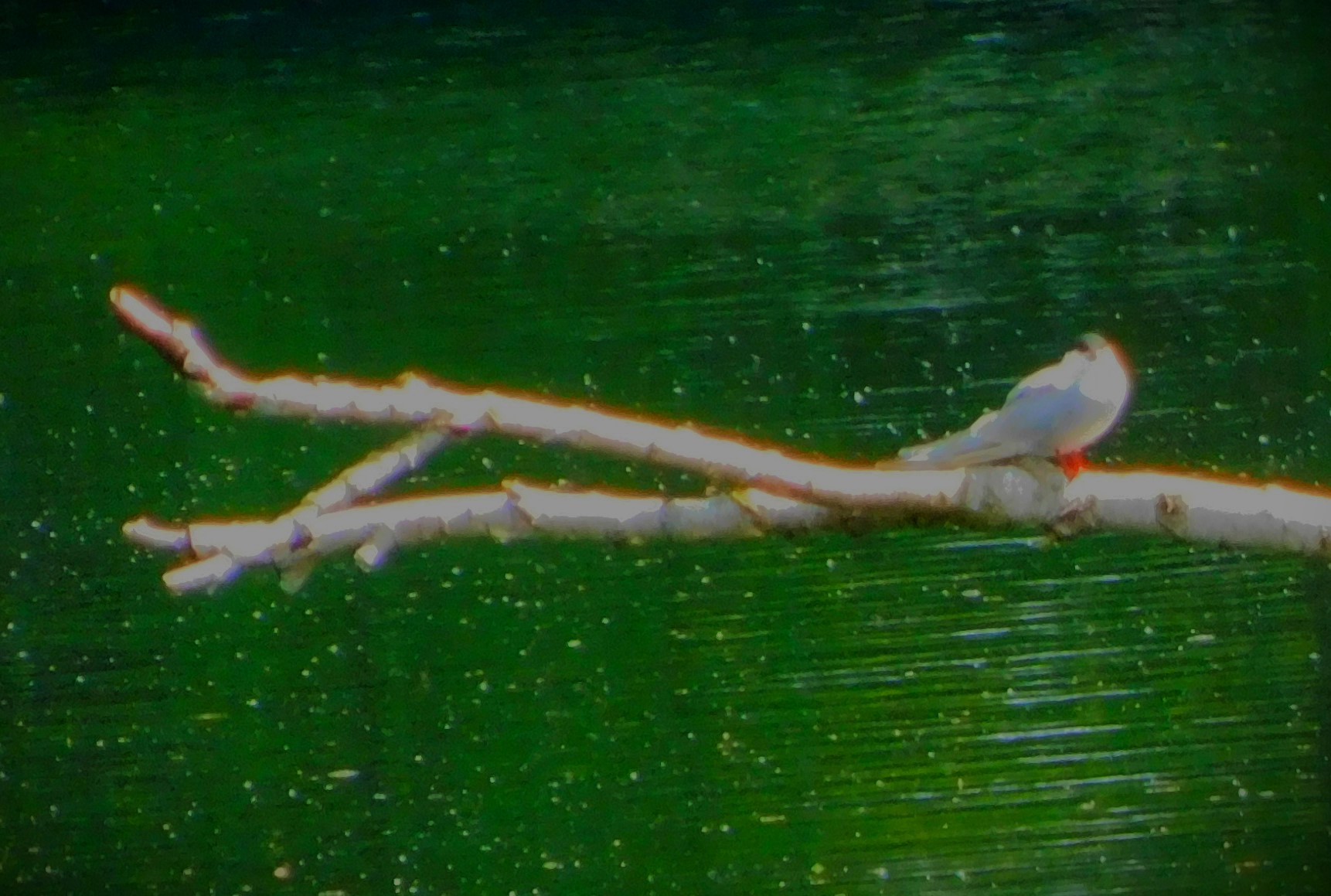
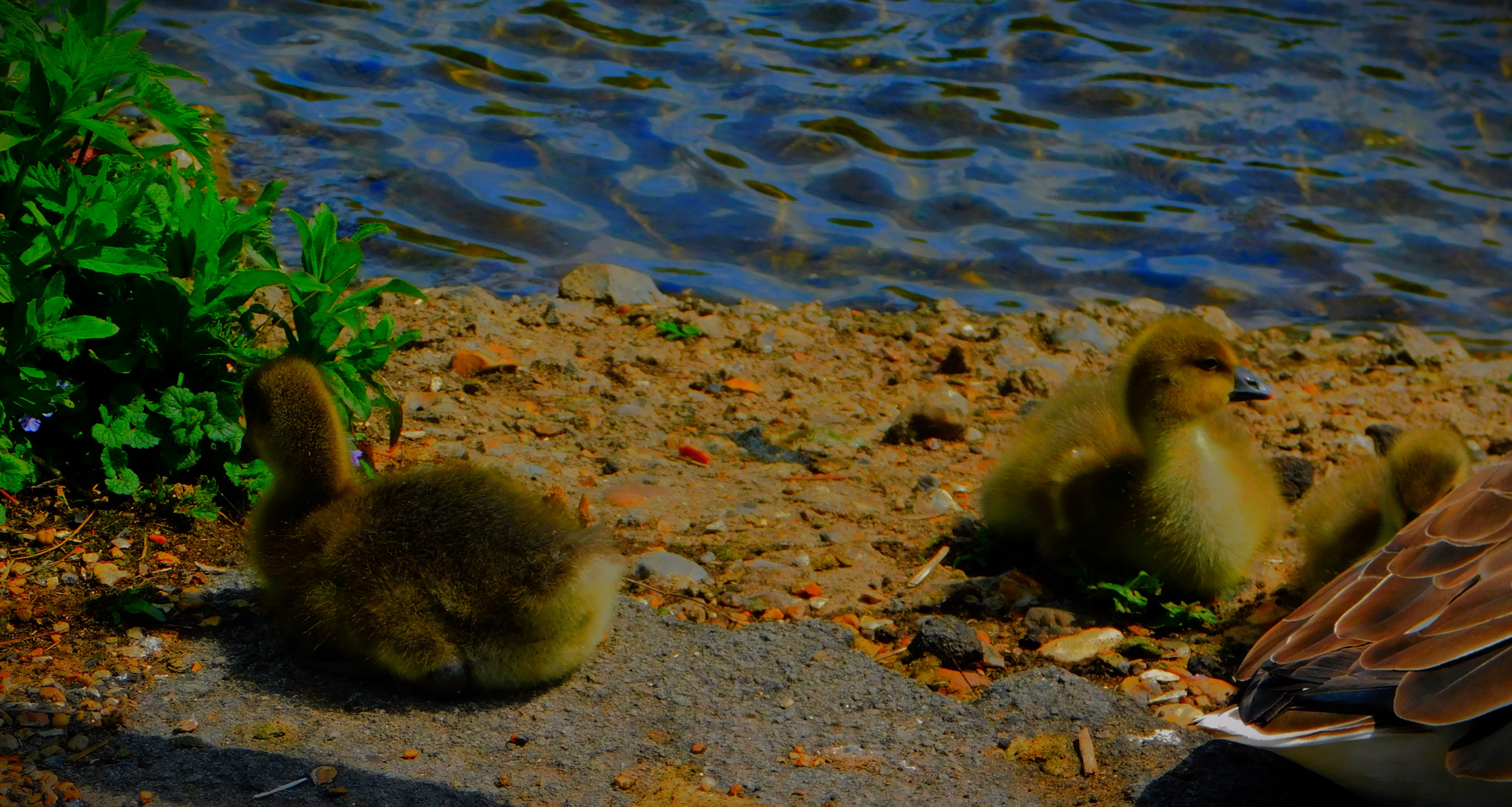
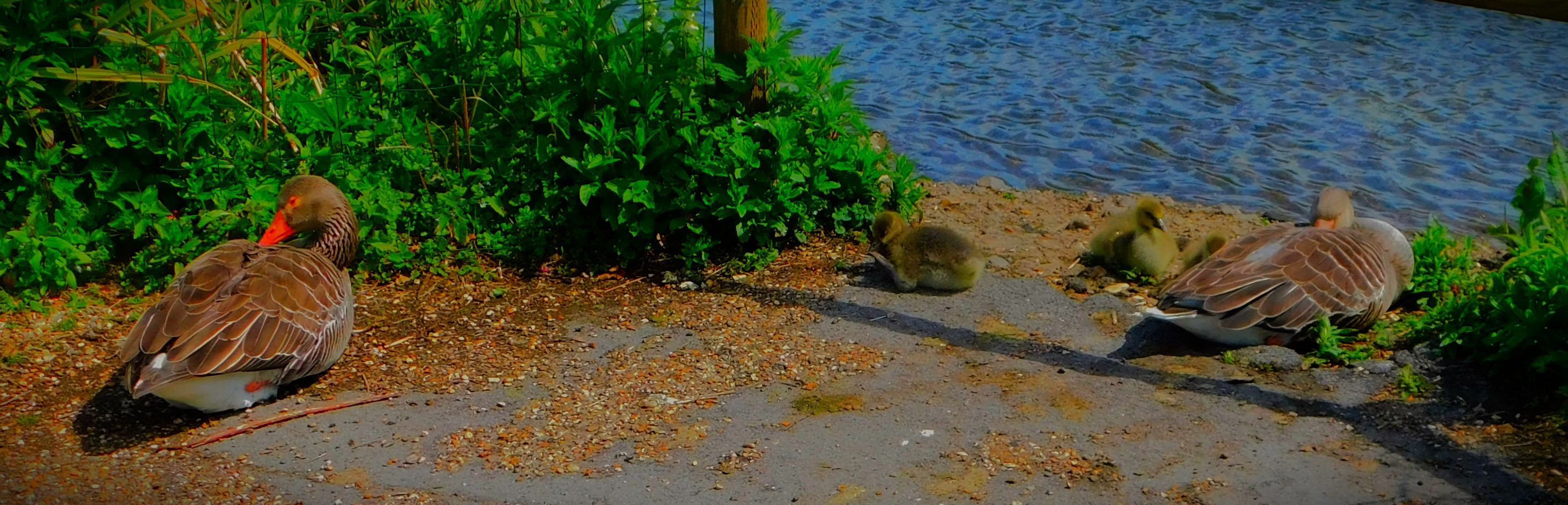
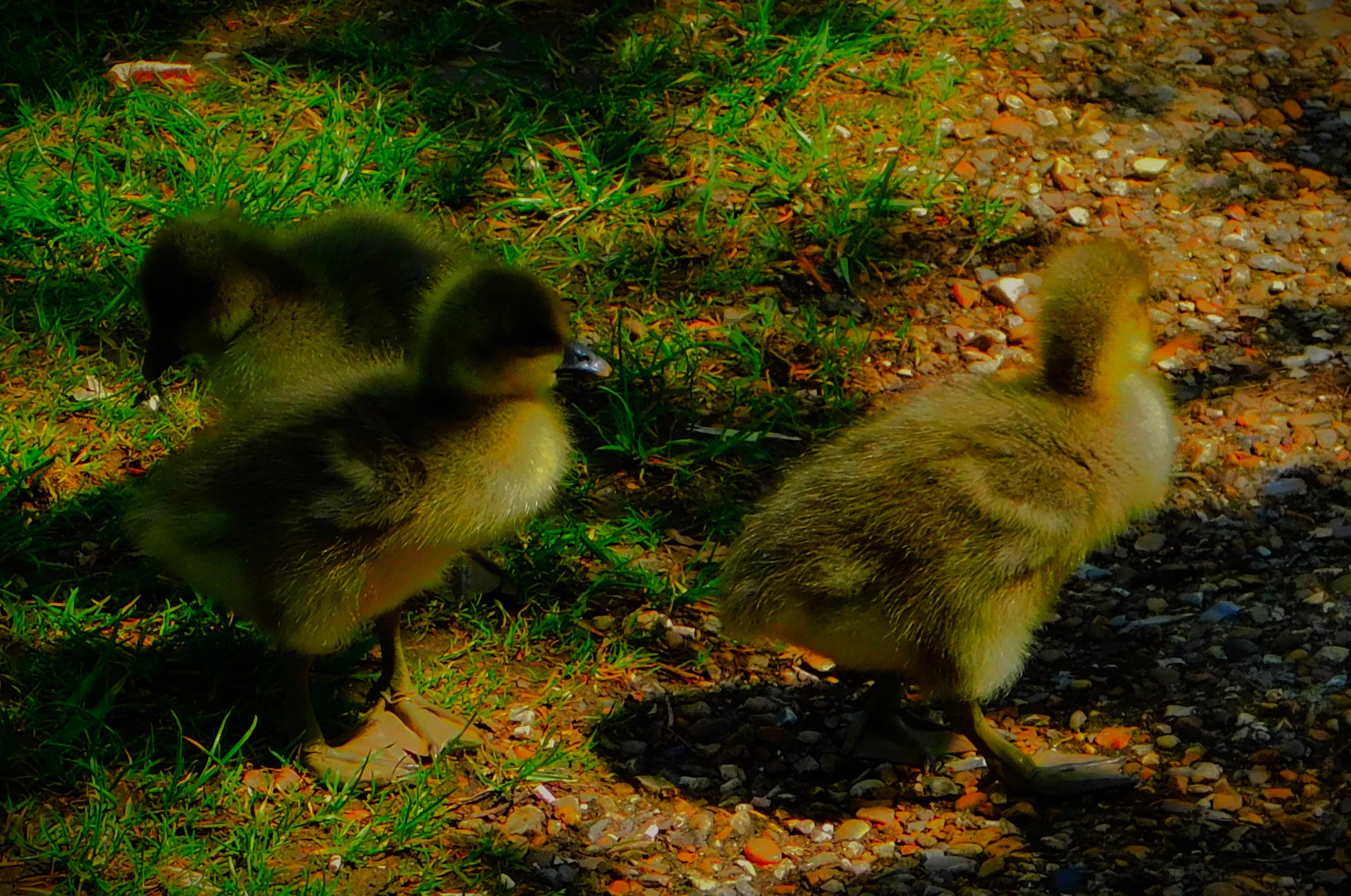
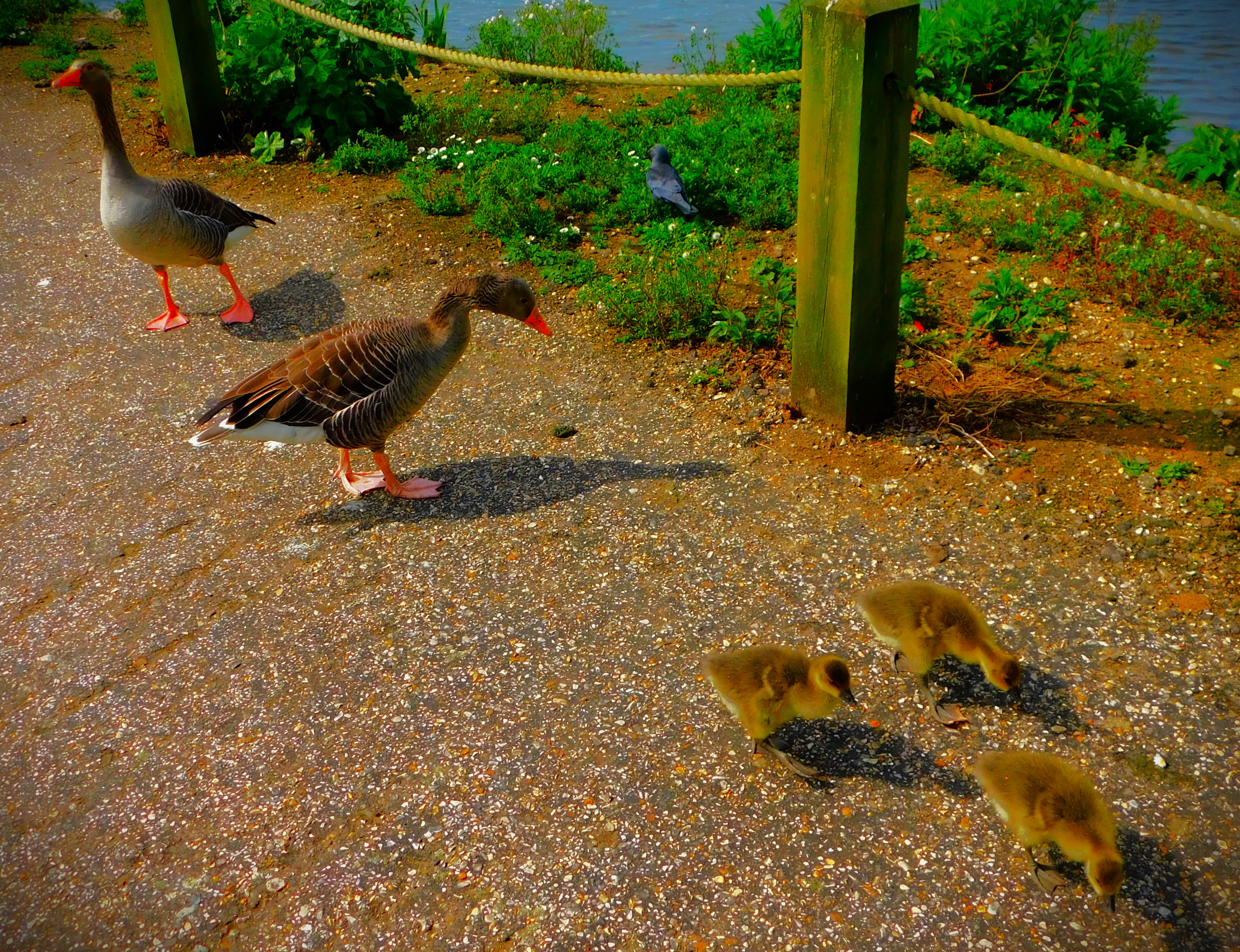
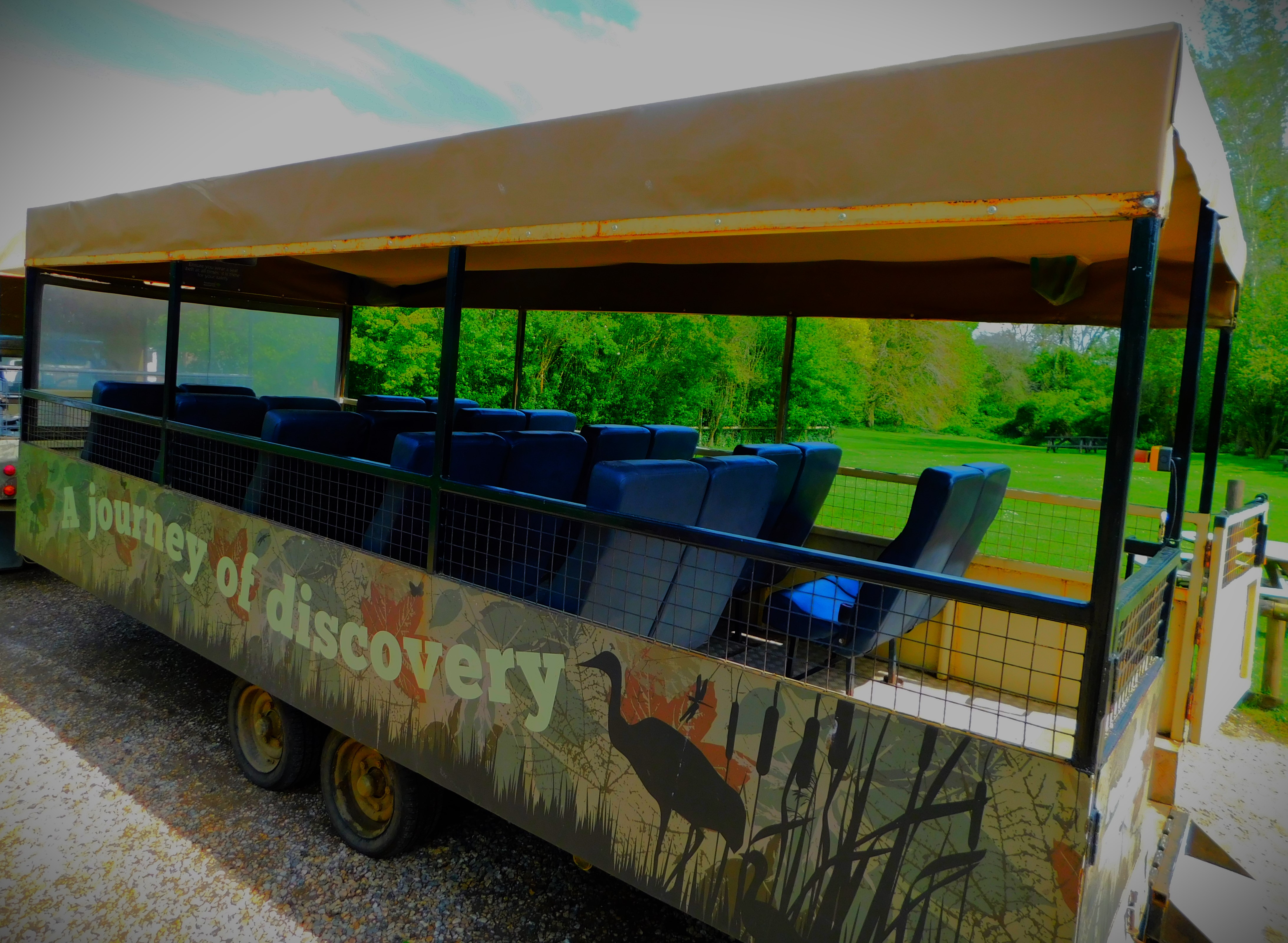
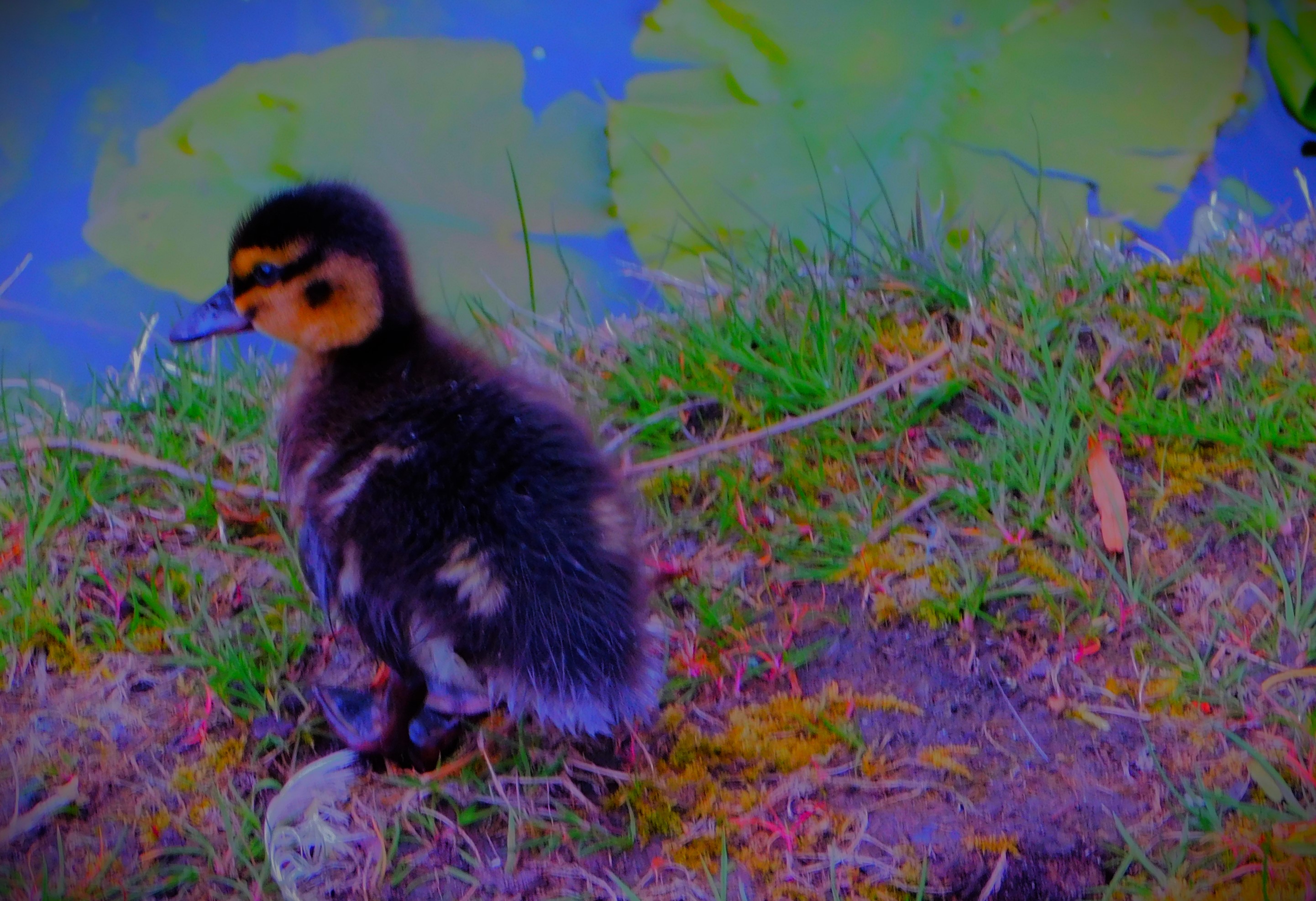
The trailer.Aberdeen Angus cattle grazing.The MaltingsThe structure in the middle of this lake is for migrating terns.bat boxes – all round the tree trunk so that the bats can always be away from direct sunshine during the day.A greylag goose family with six youngsters walking close to the trailer.
I am in Loddon for a big family get together for an aunt’s 70th birthday, and this post is intended to set the scene for probably two more such posts.
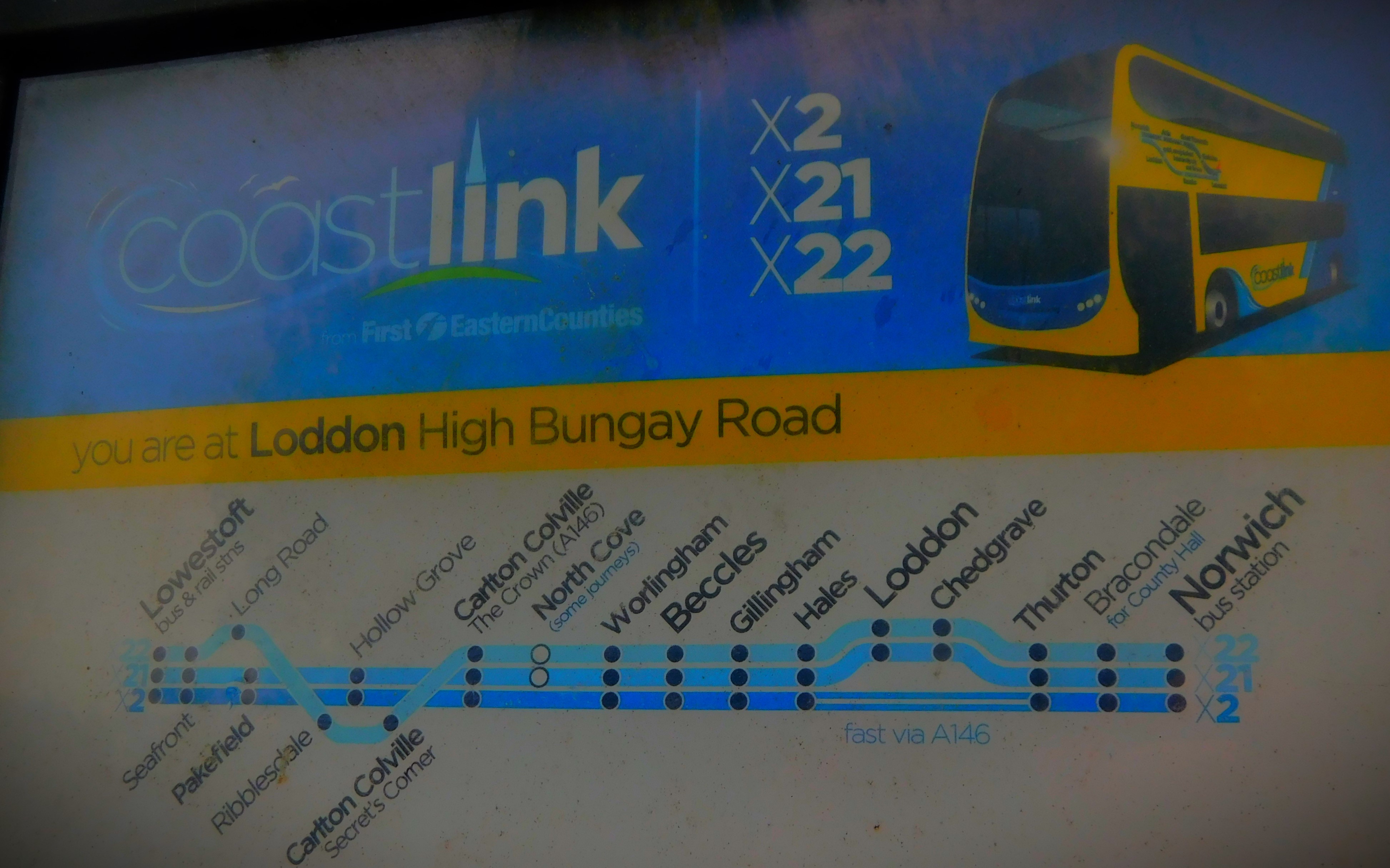
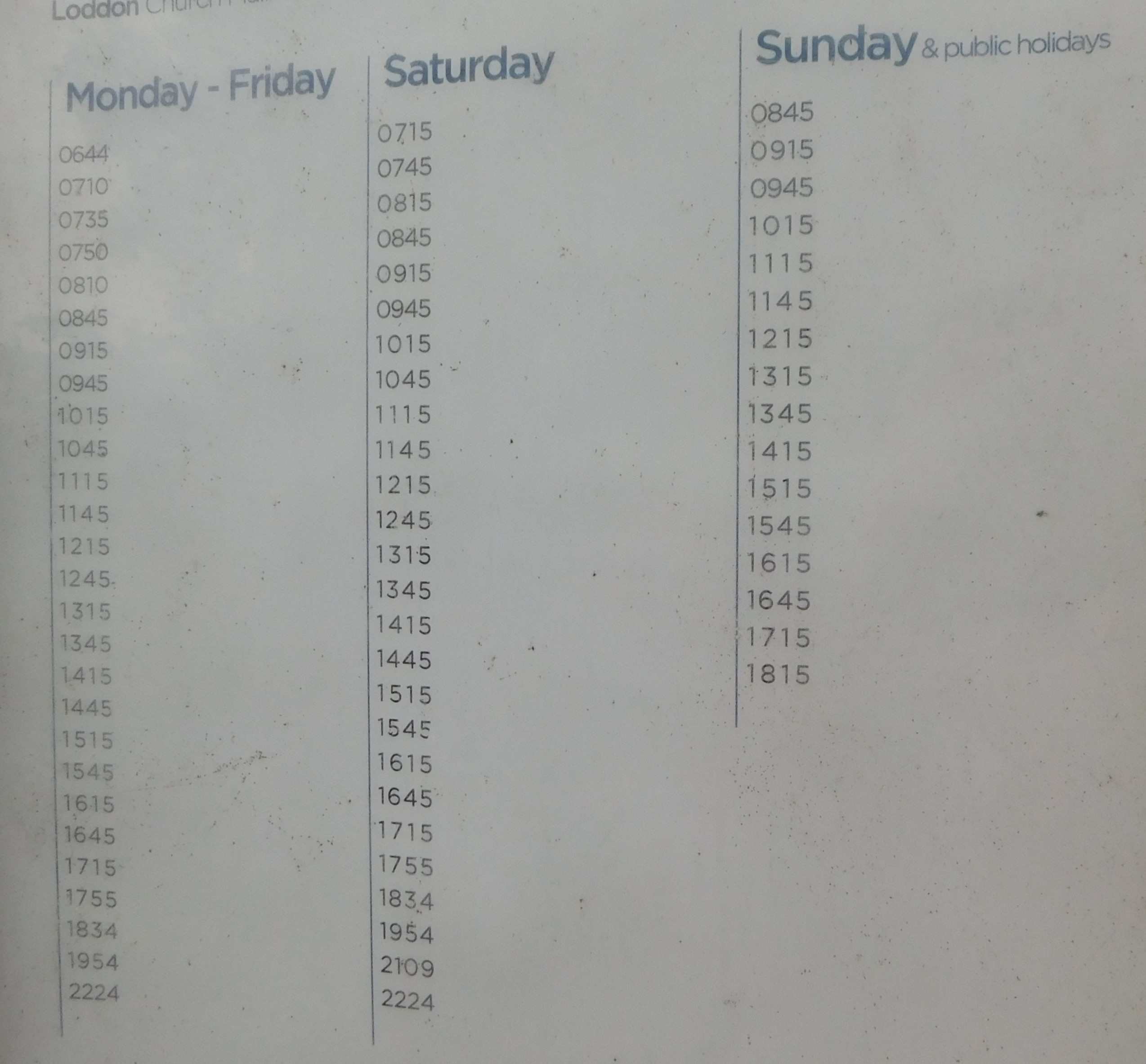
I am at a big family get together for an aunt’s 70th birthday. The clans have gathered in Stubbs House, just outside the village of Loddon, which is between Norwich and Beccles, close to the Norfolk Broads. Loddon is picturesque village with a splendid church (this latter, which includes a mini-museum of local history will be getting a whole post all to itself). The other way from Loddon is an alpaca farm which I may get to take a look at before the weekend is done (alpacas are related to llamas, and like the latter are sturdy and possessed of shaggy fur). I can also reveal courtesy of my visit to the village that the area is well served by buses, being on a major route between Norwich and the easternmost town left in the UK, Lowestoft in Suffolk (the Suffolk coast is massively subject to erosion, and one major casualty is Dunwich which once rated second only to London among UK commercial ports).
STUBBS HOUSE
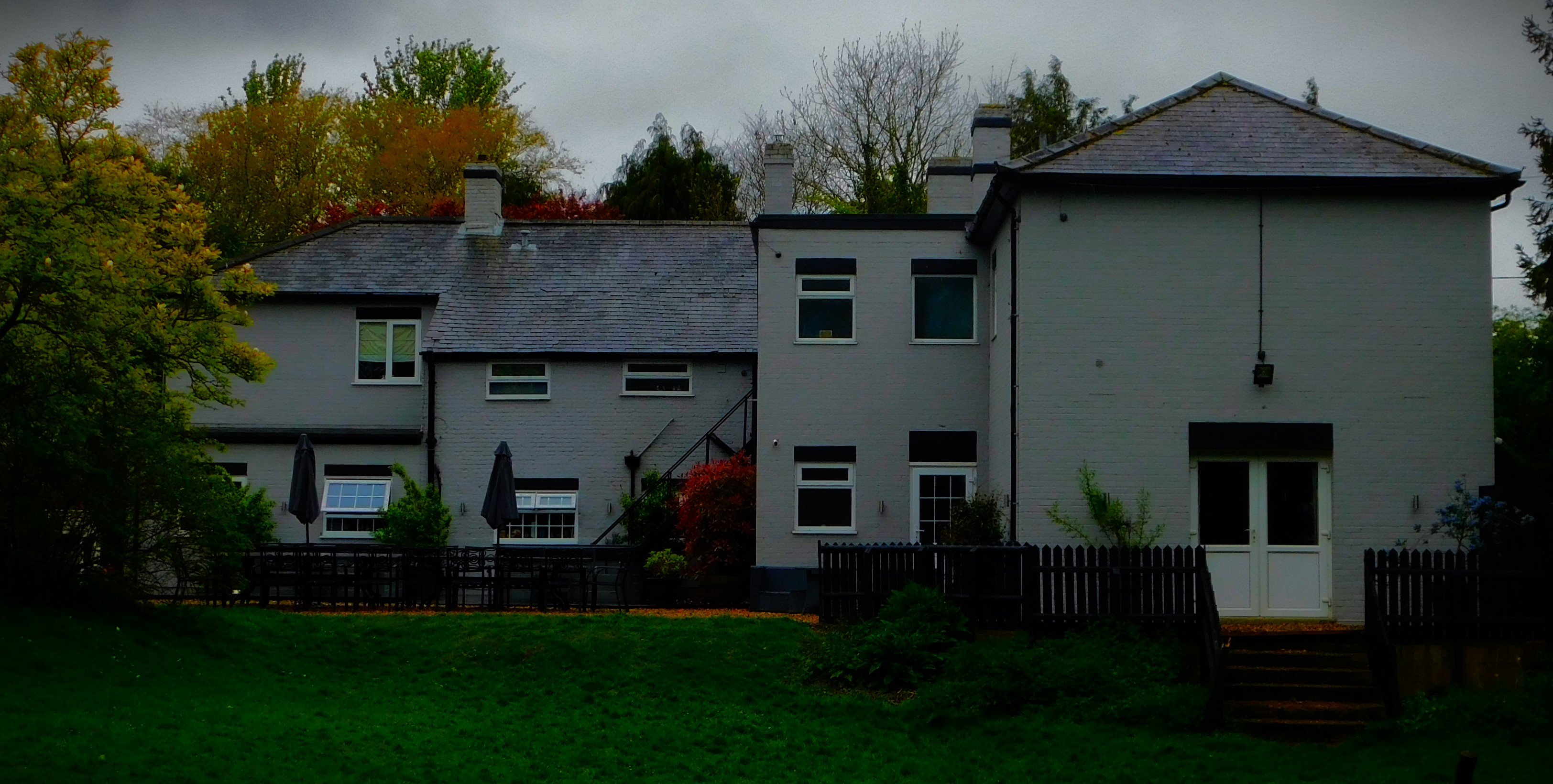
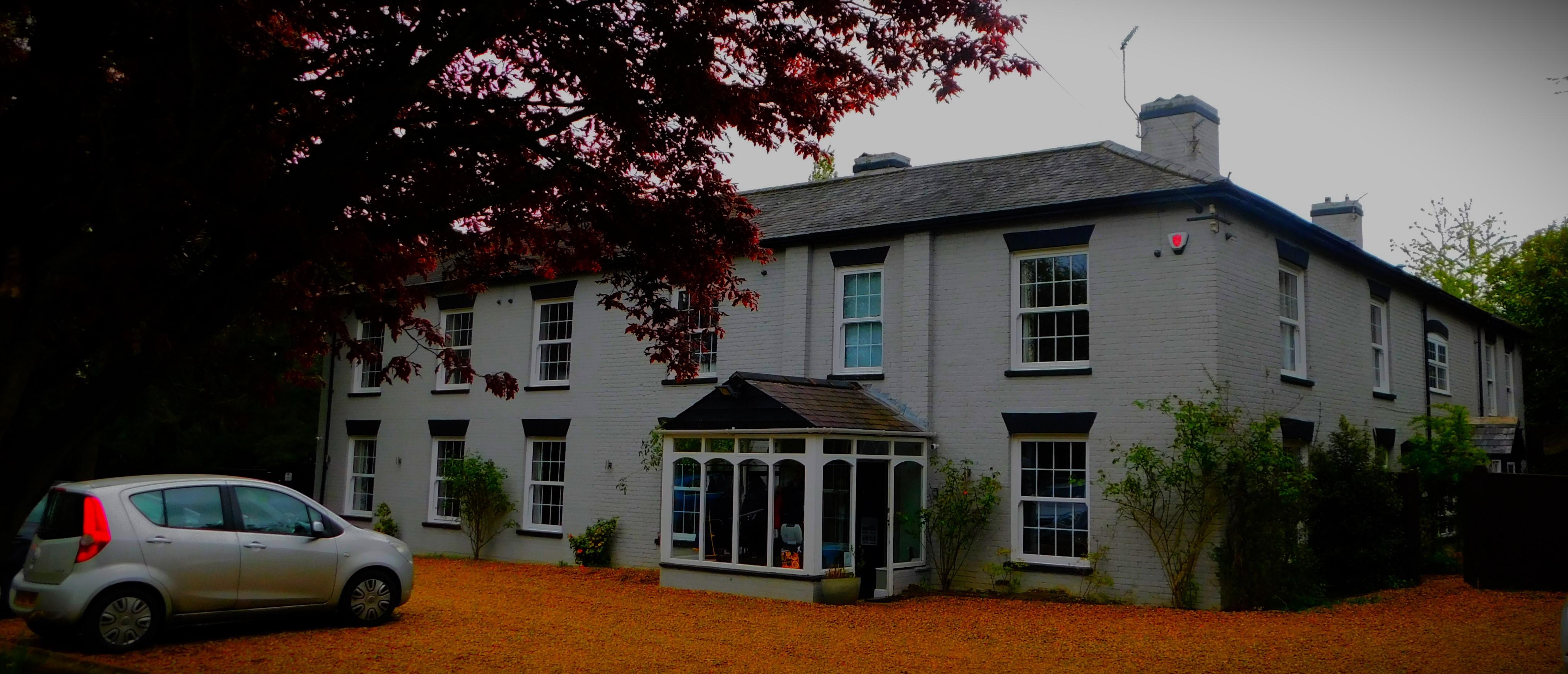
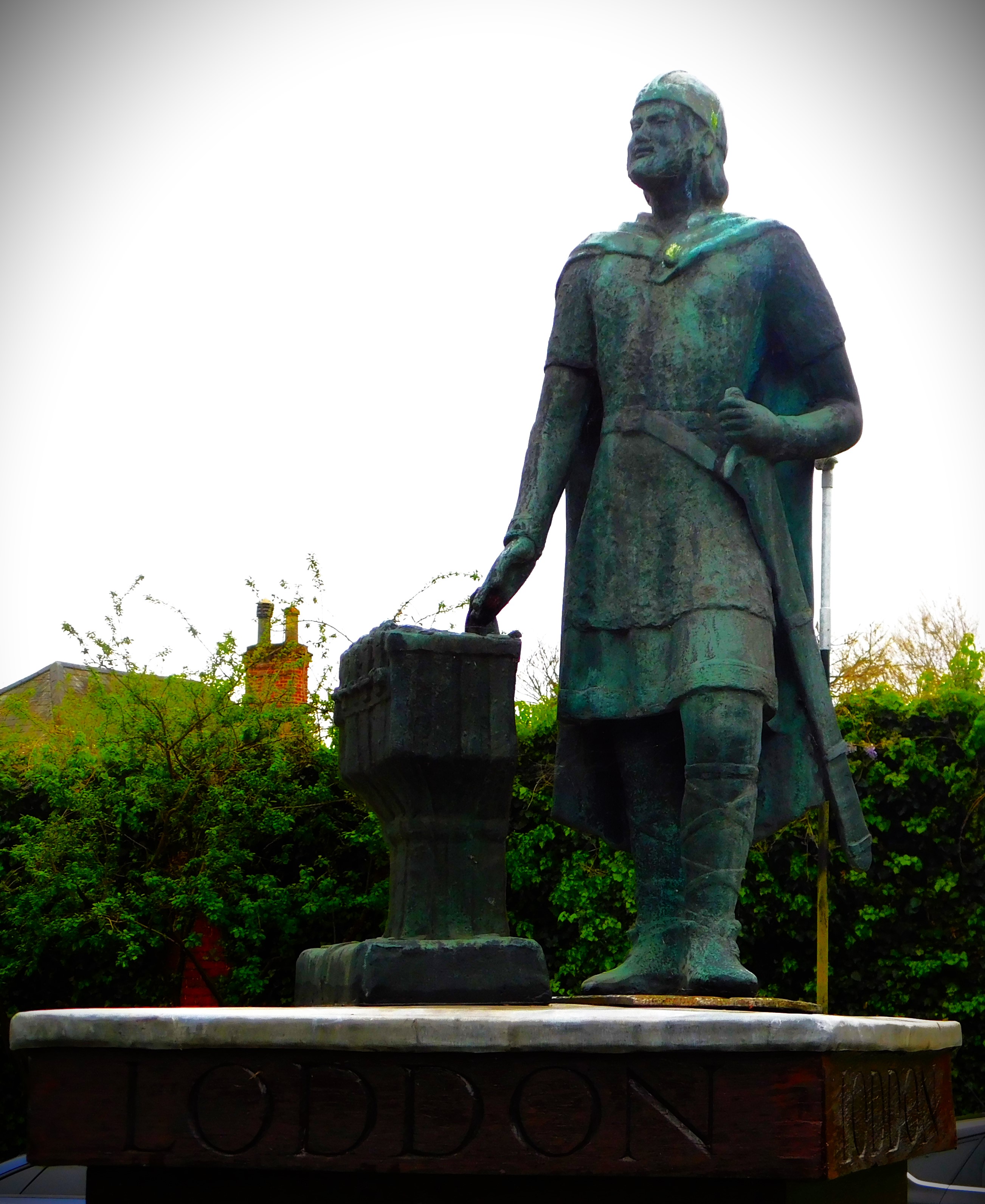
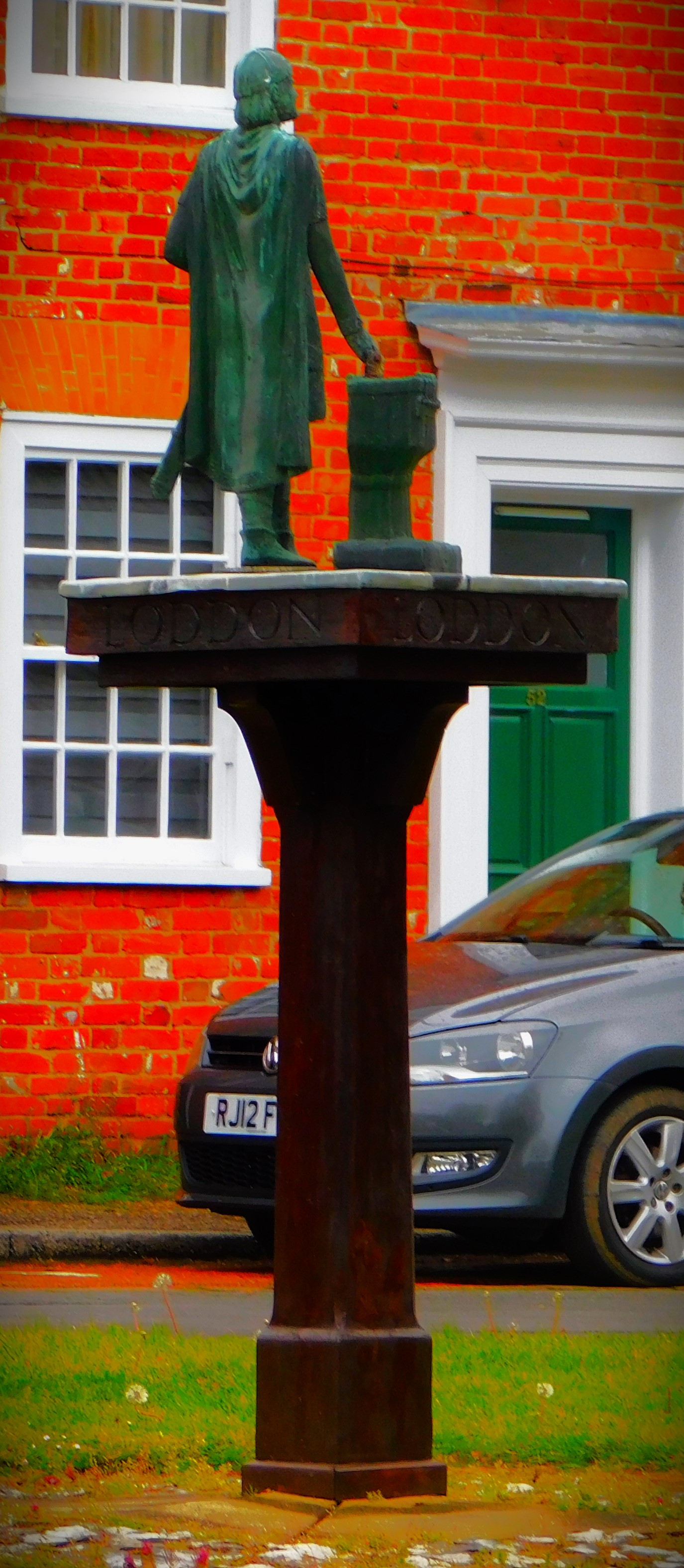
Stubbs House is a colossal house (it clearly once used to be two separate houses, each of which would have been substantial). The Stubbs family must once have been very important round here – there is a fair amount named in their honour. It has a substantial garden as well. It is on the opposite side of the A146 from the village, and the centre of the village, with a splendid village sign which features a statue of the last Anglo-Saxon thegn of Loddon is about three-quarters of a mile distant, with the church a little further on. Here are some photos relating to the house itself…
LODDON VILLAGE
I have already covered the village in my introduction. Here are some photographs of the village, including one with the church in the background by way of a preview…
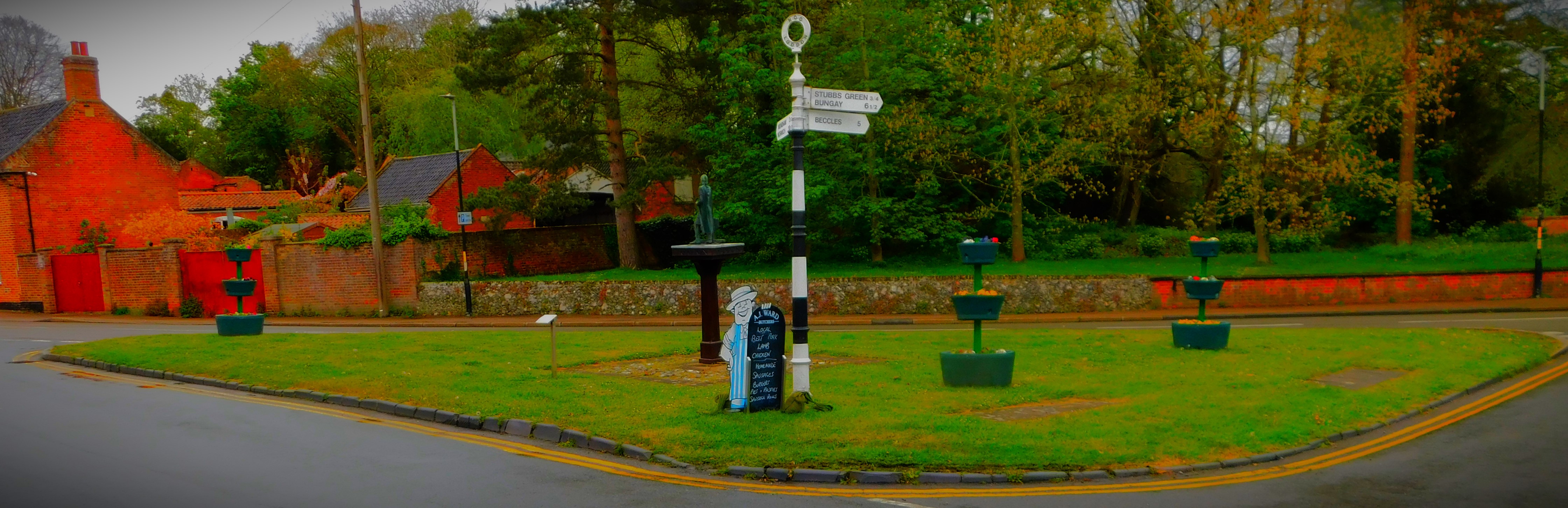
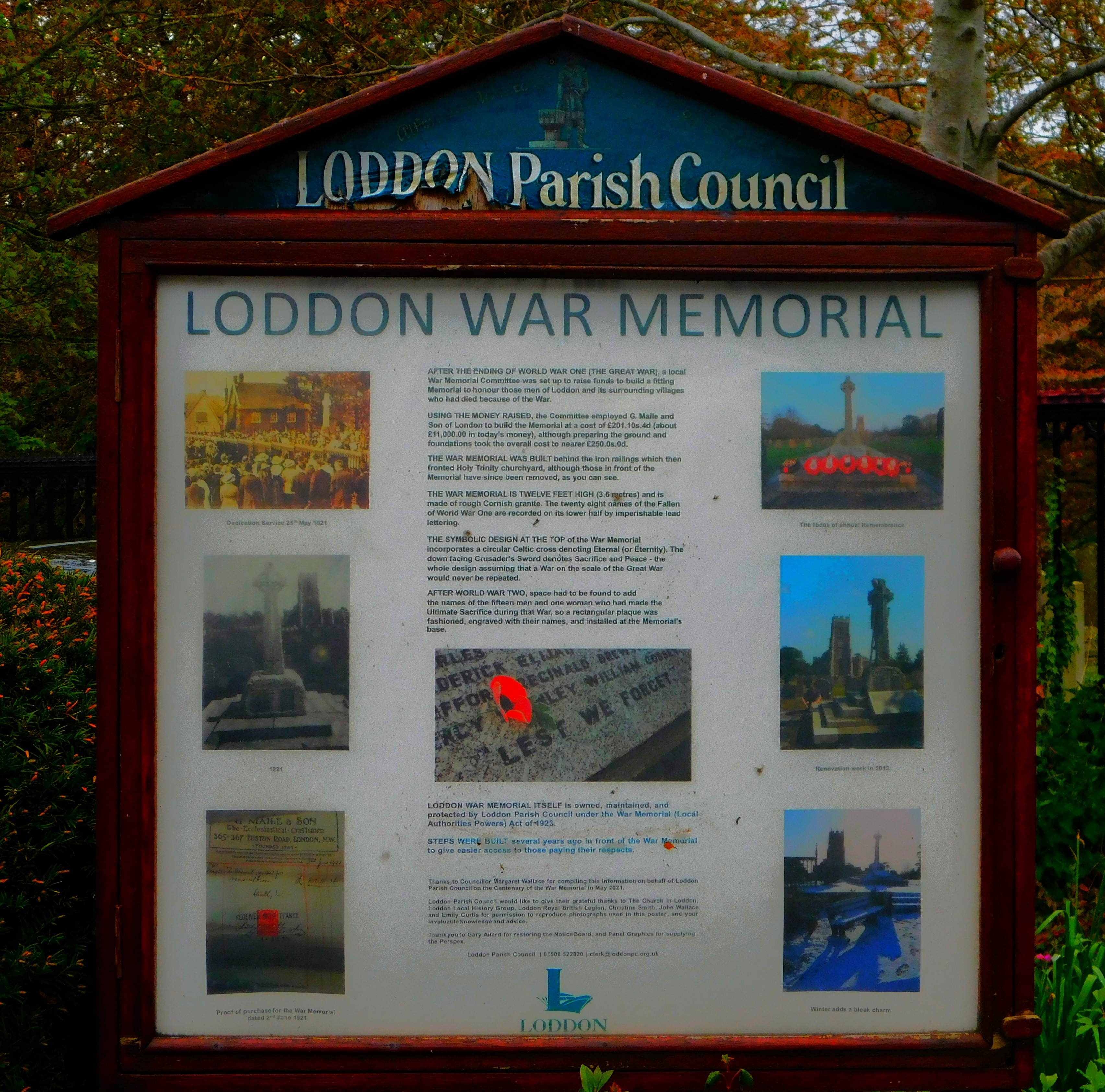
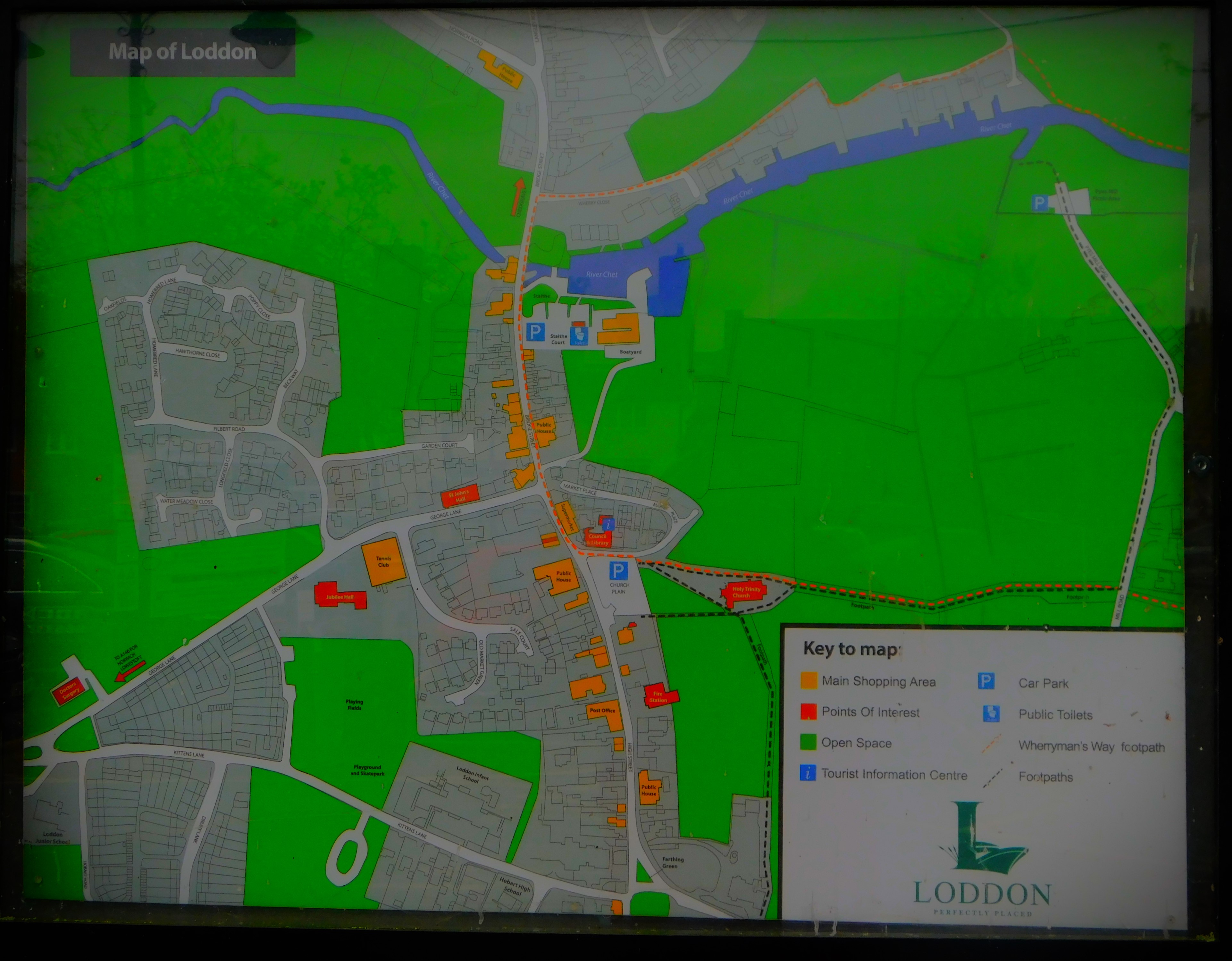
The official centre of Loddon.The village signThe war memorial with the church in the backgroundA local mapTwo pics showing the bus route……and the service frequency, which is remarkably high for a non-urban route in Norfolk.
PHOTOGRAPHS
Between Thursday before and after work, walking to and from a WNAG committee meeting on Friday morning and walking into the town centre after Friday lunch to meet my parents for the journey to Loddon I also have some of my regular photos to finish proceedings…
A look at developments in the county championship, with close looks at Somerset v Nottinghamshire and Kent v Surrey.
The third round of the county championship continues to progress. Essex have already polished off Lancashire by an innings and 124 runs, and Middlesex are close to completing victory over Yorkshire. Other matches are rather closer. This post looks closely at two of the games in progress.
SOMERSET V NOTTINGHAMSHIRE
Somerset took a huge first innings lead over Nottinghamshire – when the eighth Somerset wicket fell the lead looked like being manageable, but then Craig Overton and Migael Pretorius batted very well, Pretorius making 77 from number 10, and Overton being stranded on 95 after a poor shot from Bashir to end the Somerset innings. Nottinghamshire are looking untroubled in their own second innings, but they are only just in credit even so.
KENT V SURREY
This is the game I am now following, and Surrey are in total control – a massive second wicket stand between Dominic Sibley and Dan Lawrence saw them into a first innings lead with nine wickets still standing, and some more aggressive later play, especially from Jamie Smith, Cam Steel and Jordan Clark saw them reach tea at 543-7, an advantage of 299, at which point, as predicted by me they declared to have a go at Kent’s second innings in the evening. Dan Worrall has just accounted for Crawley, the second time in the match he has dismissed that worthy, and Kent are currently 16-1, still 283 adrift.
PHOTOGRAPHS
My usual sign off…
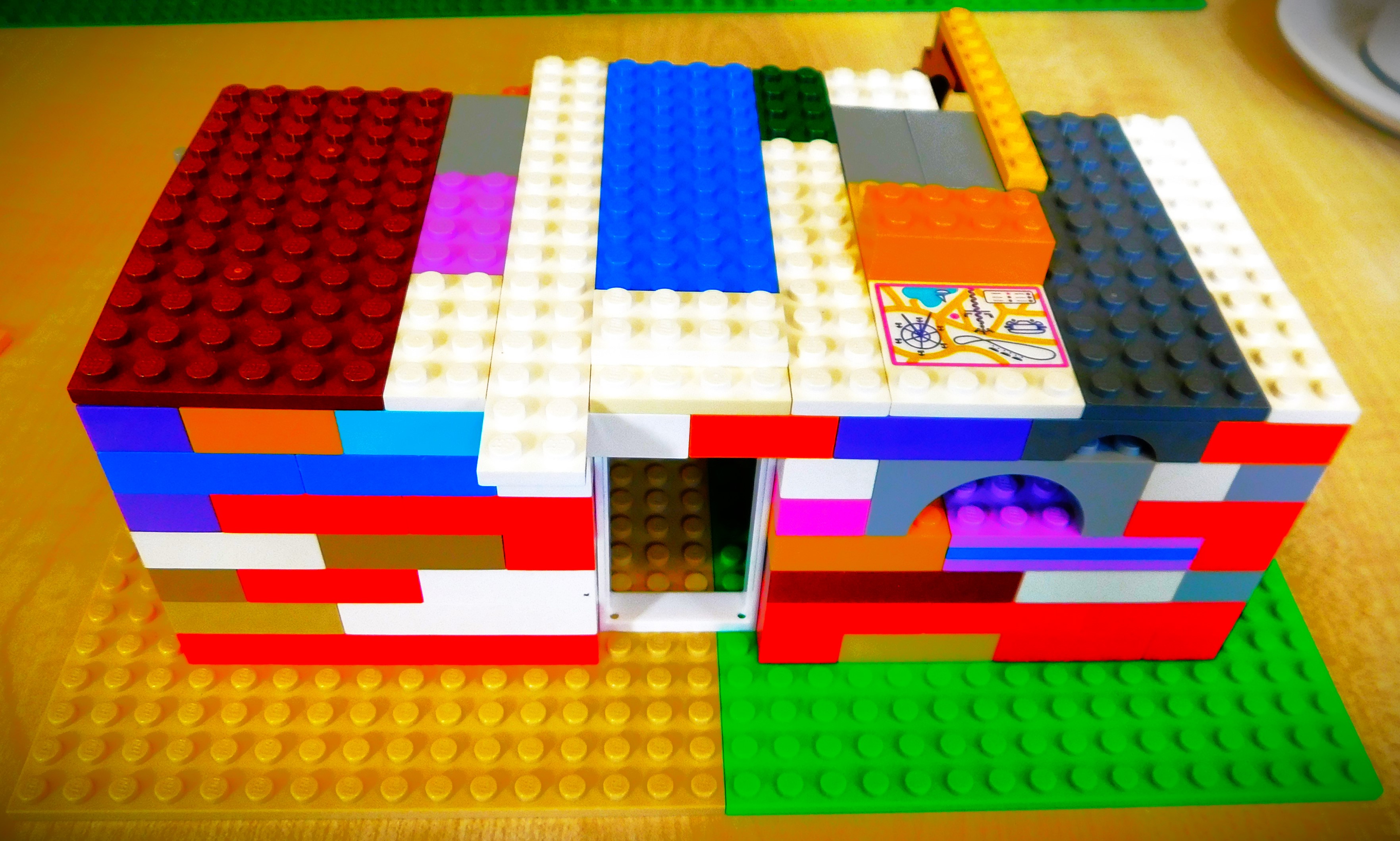
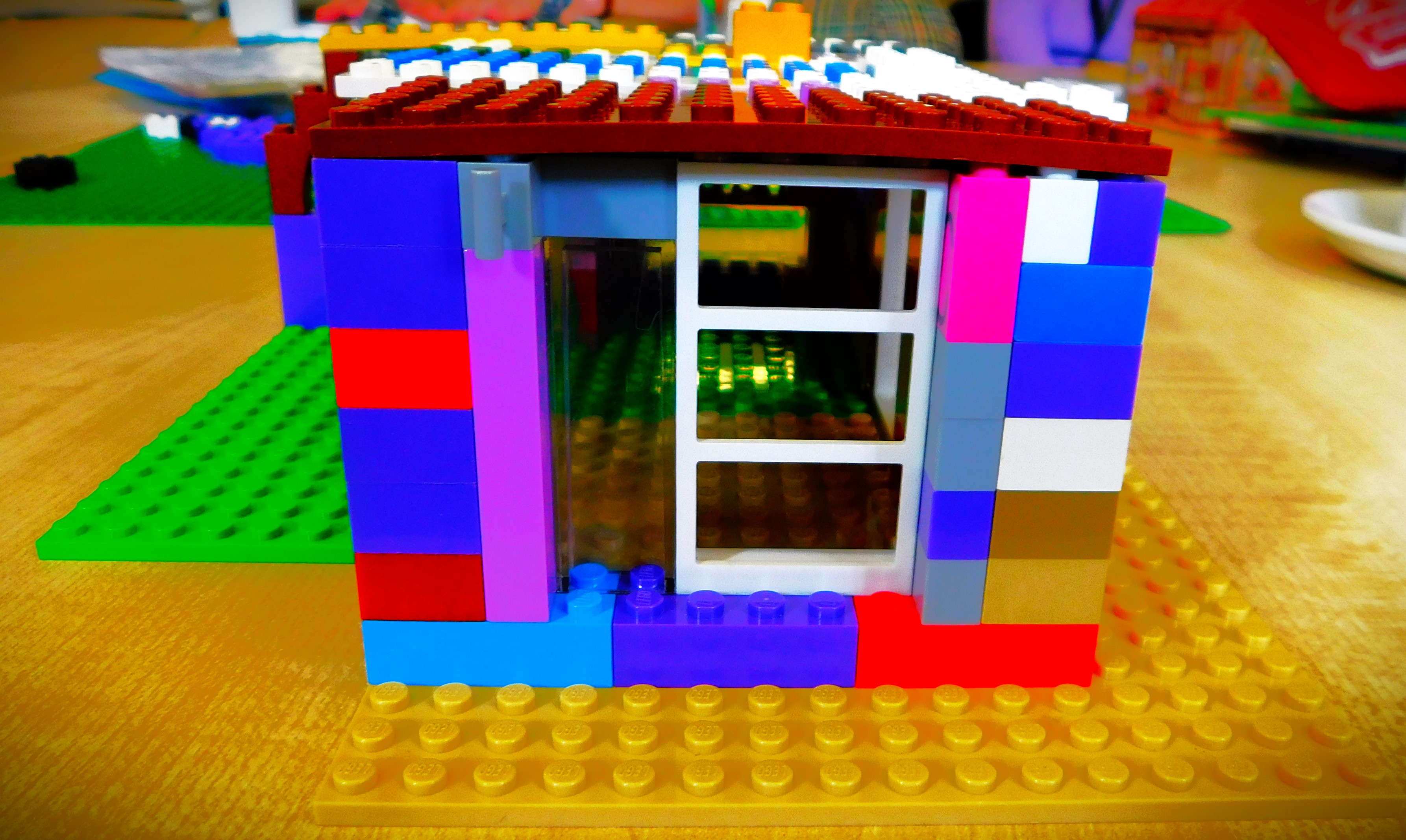
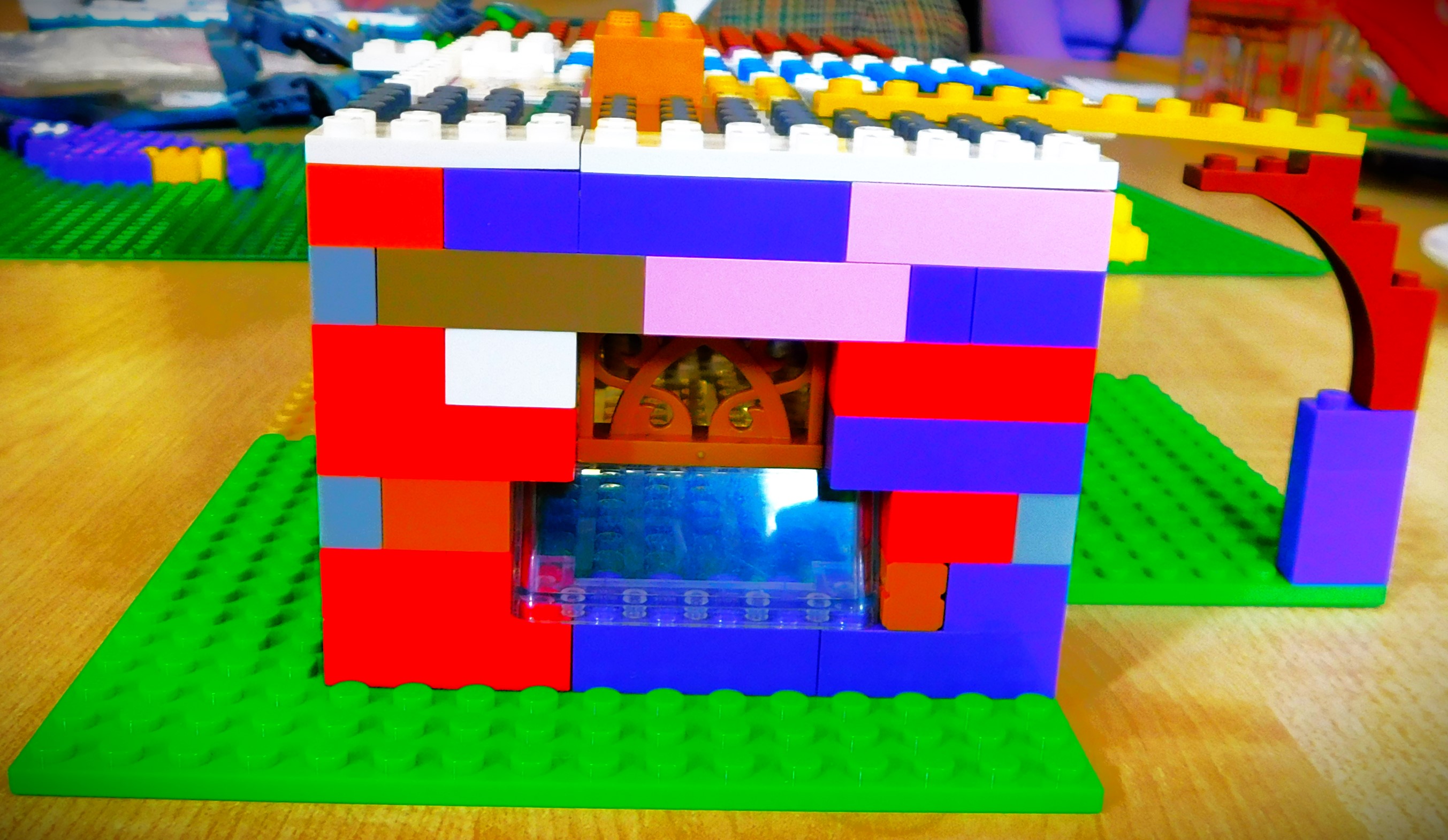
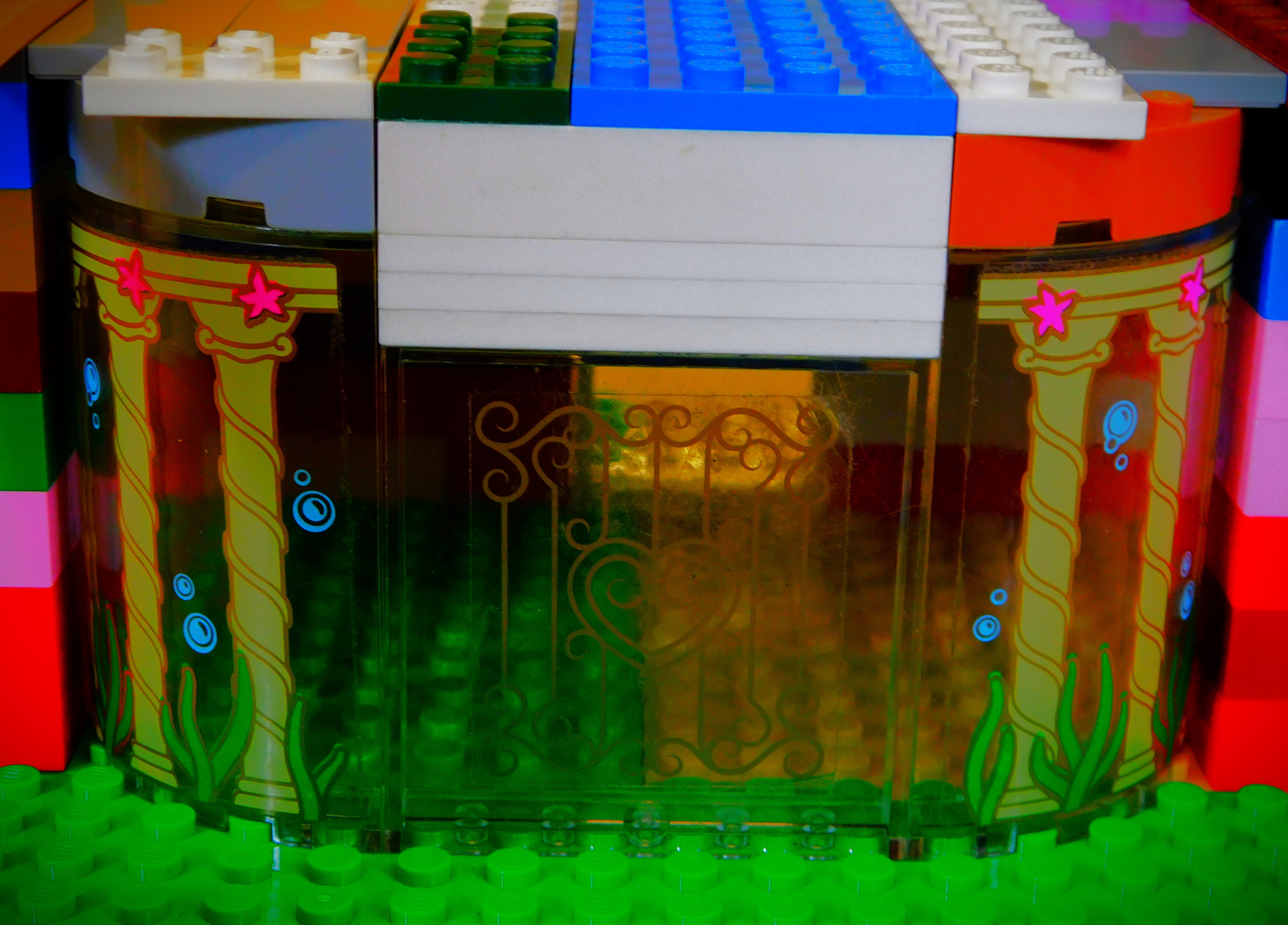
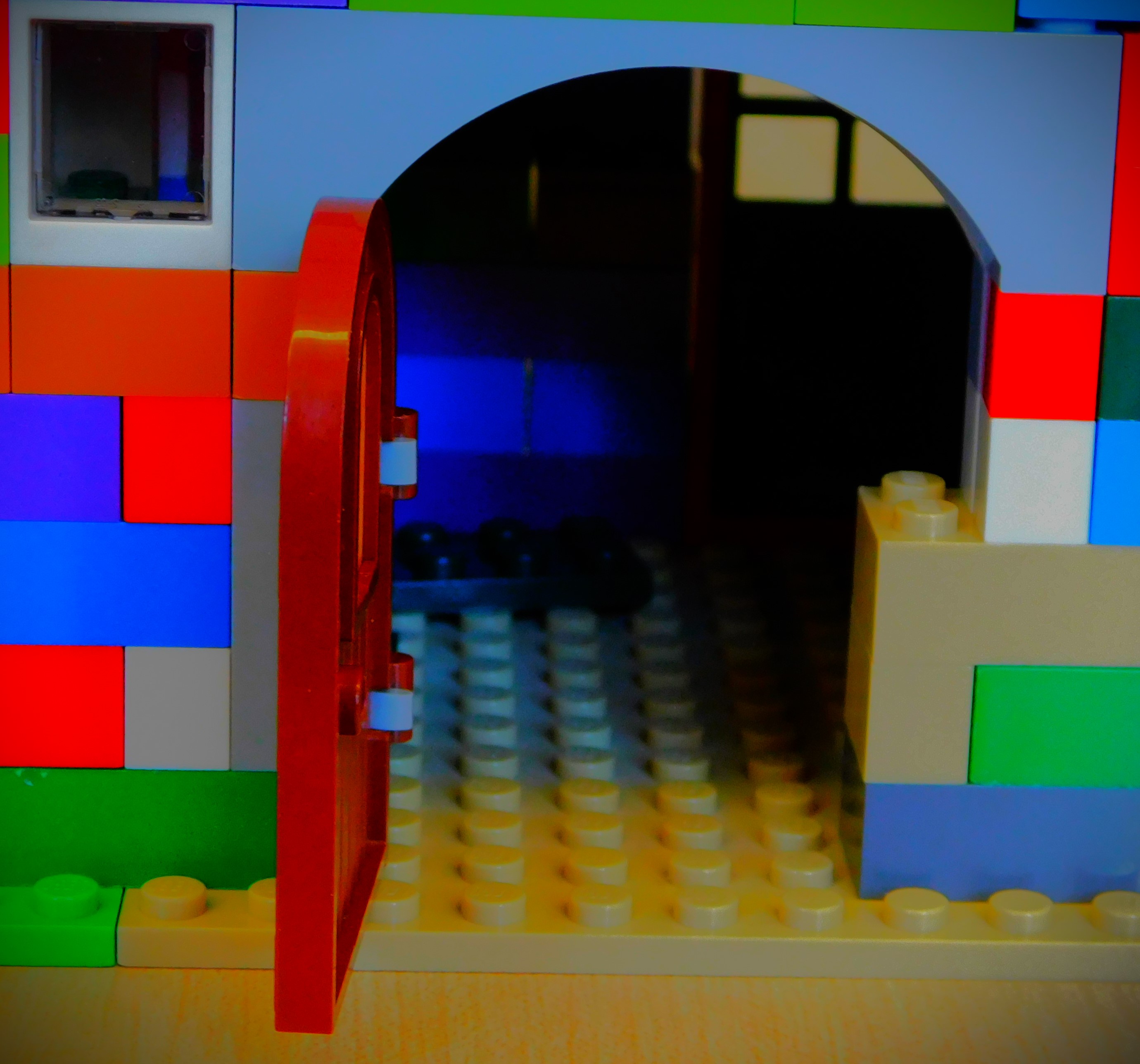
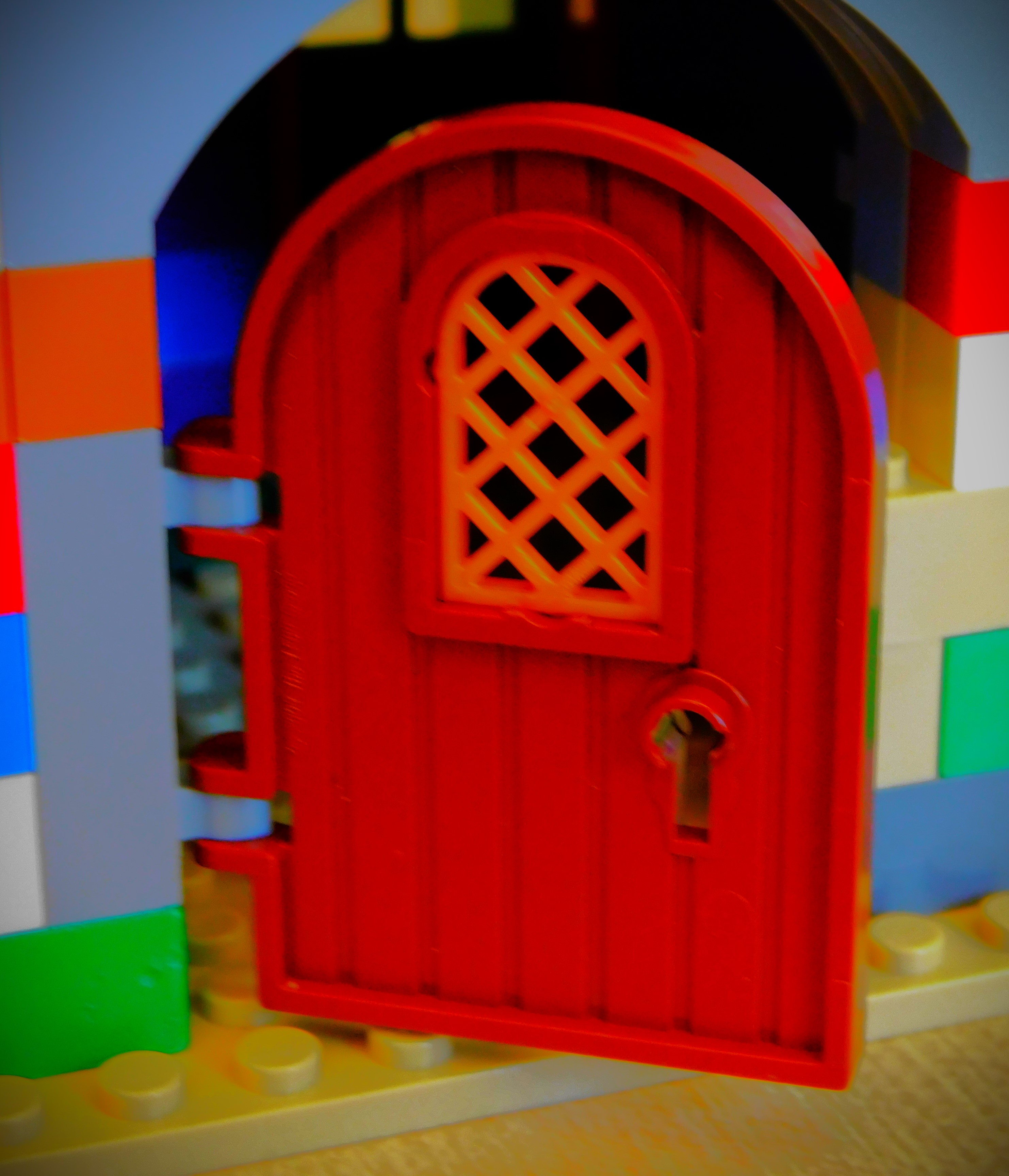
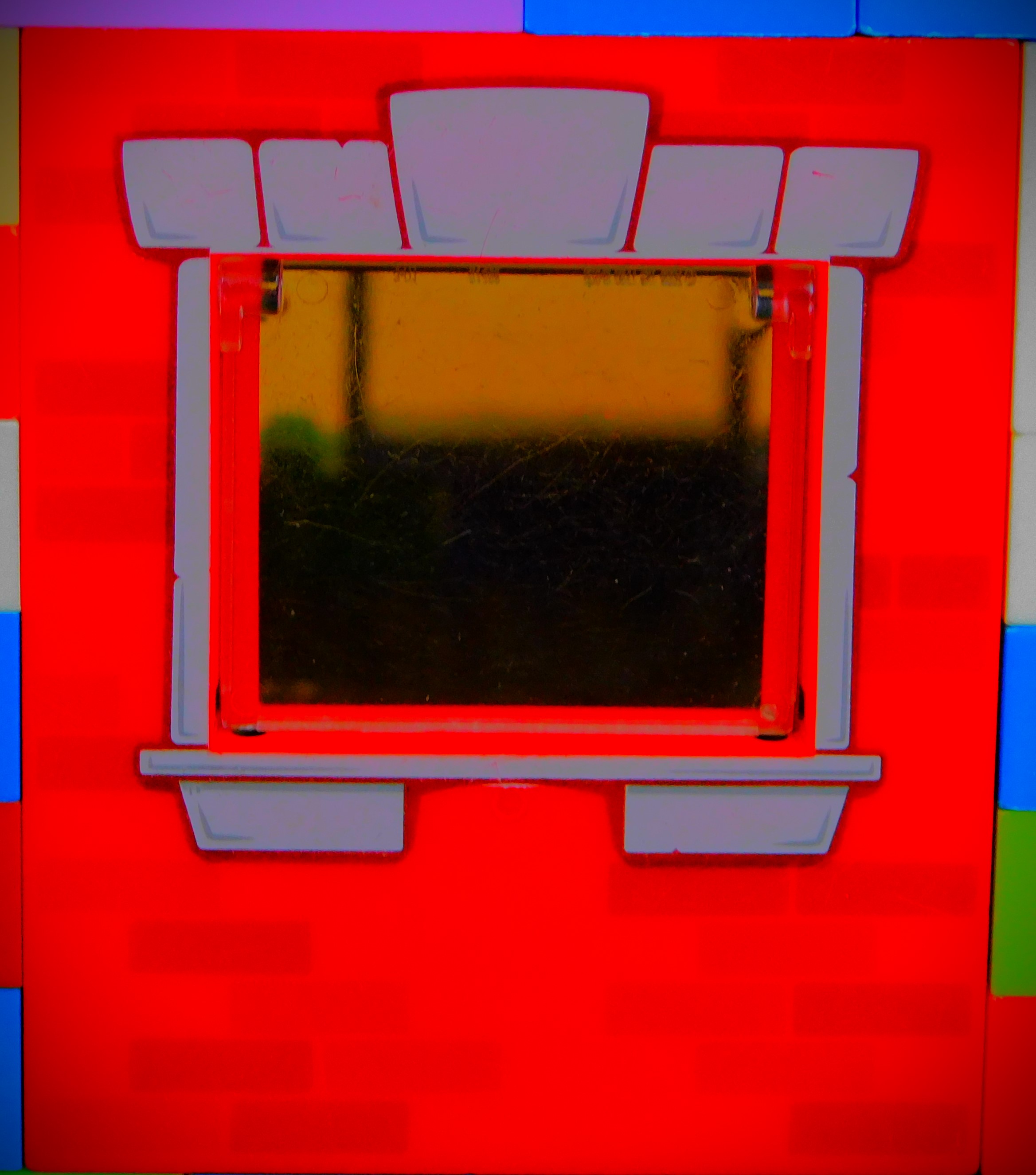
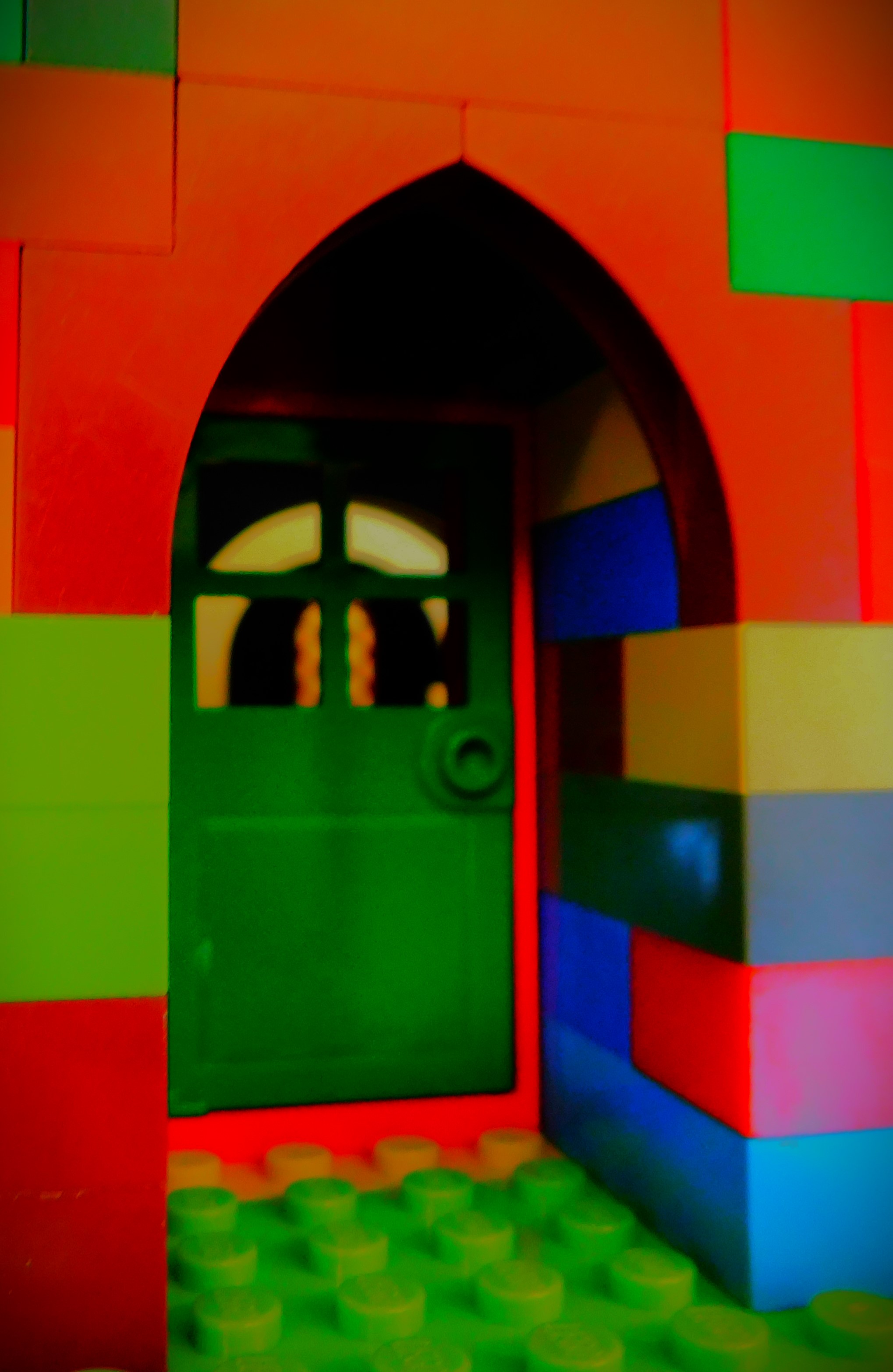
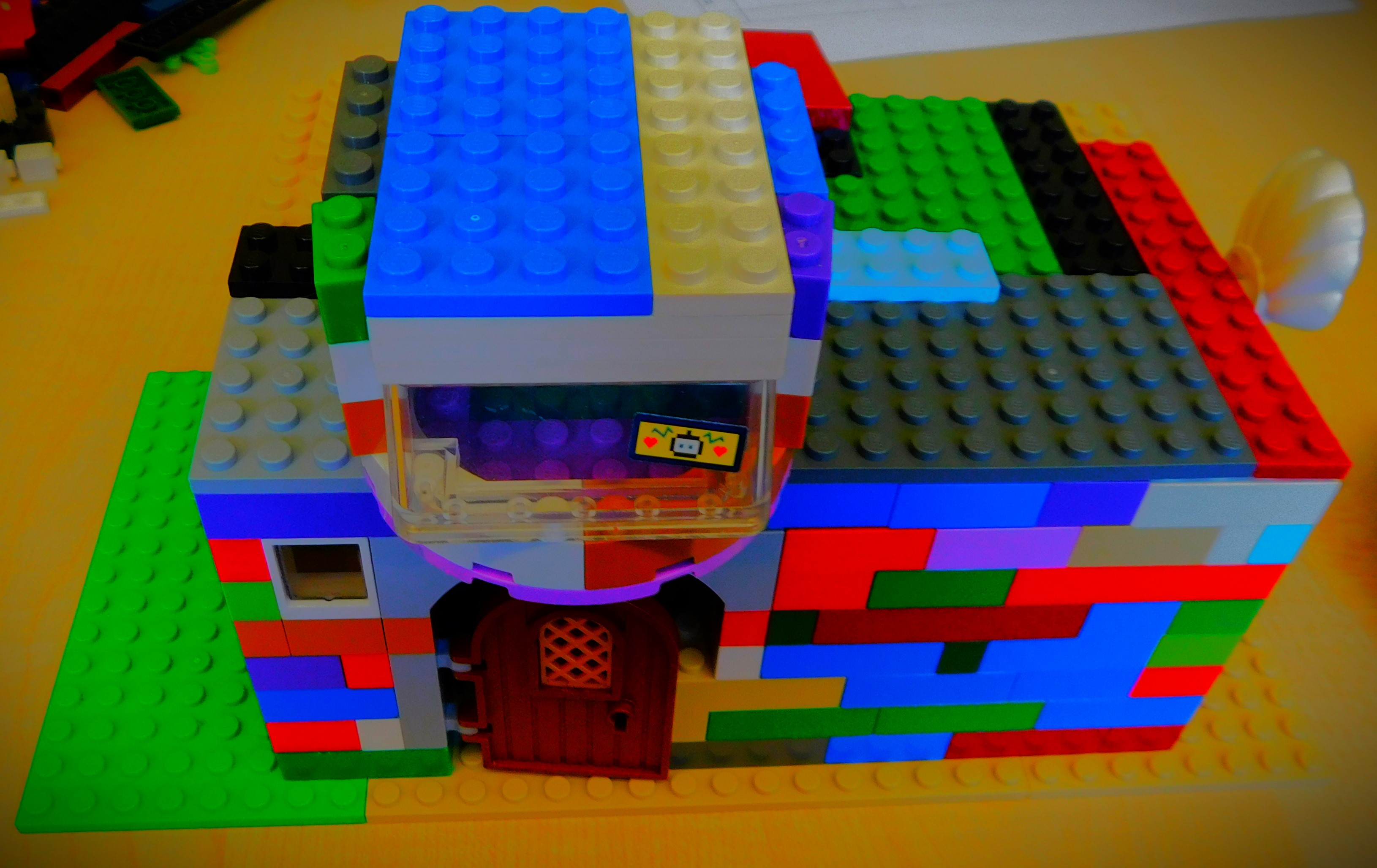
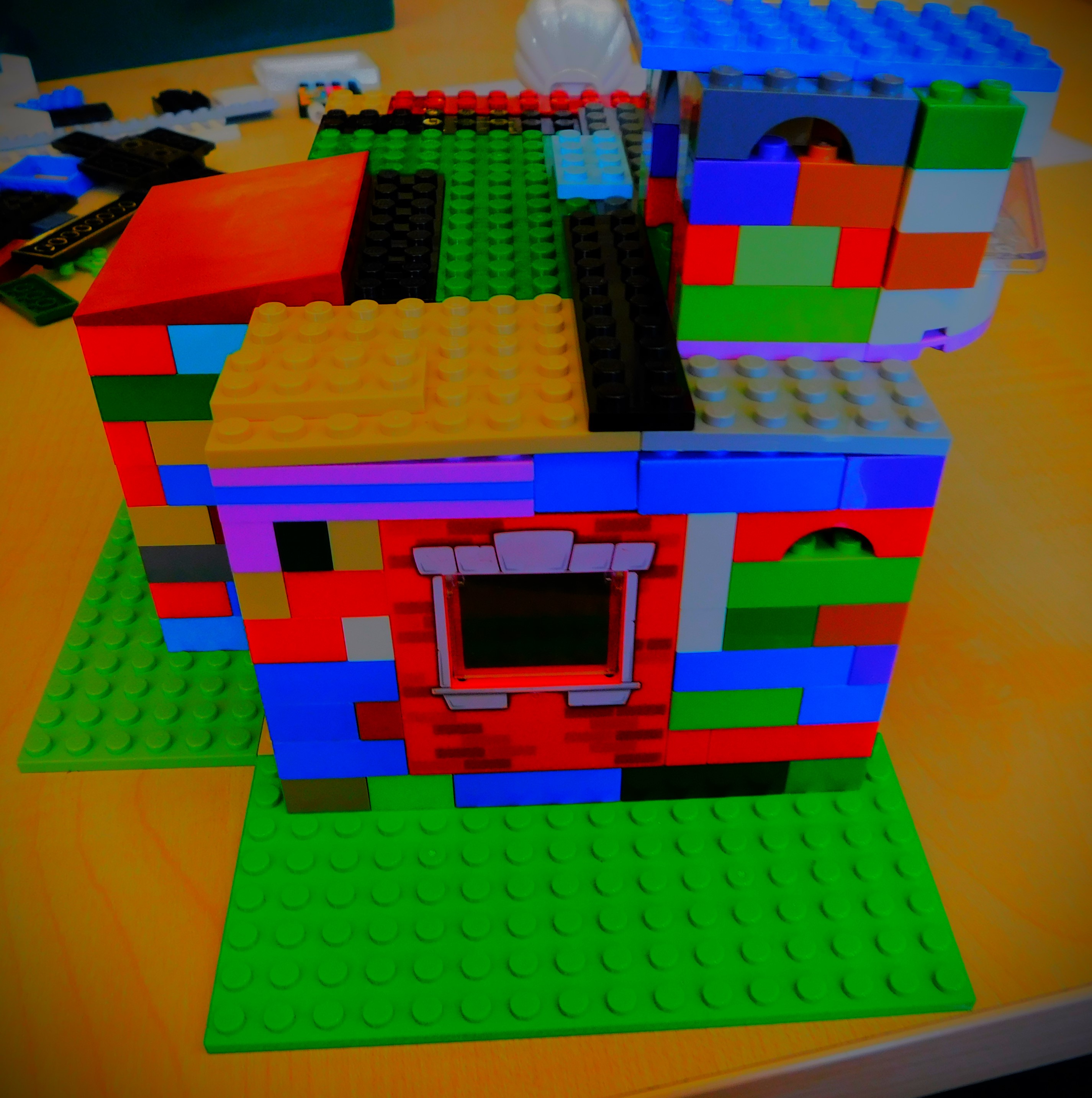
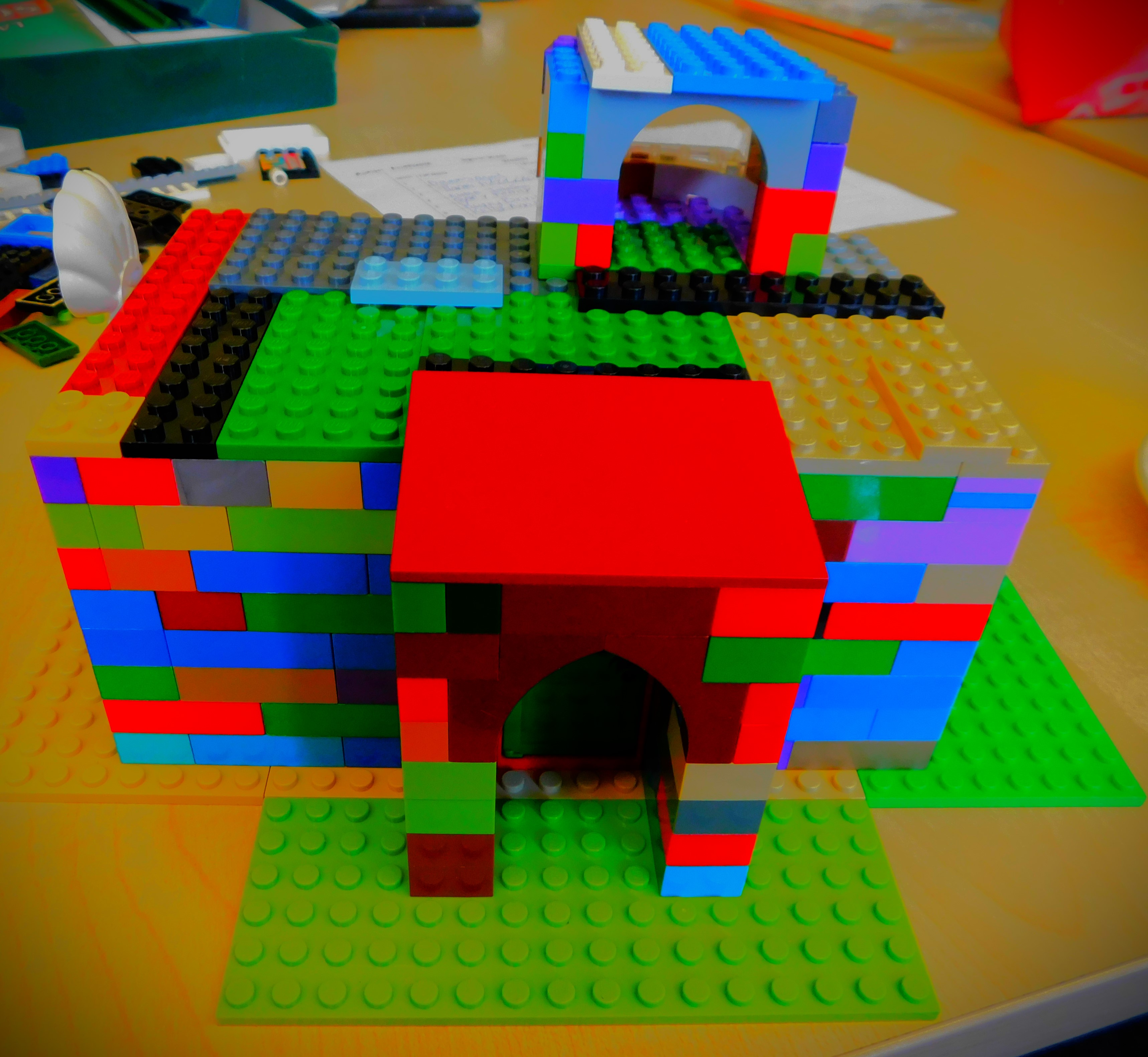
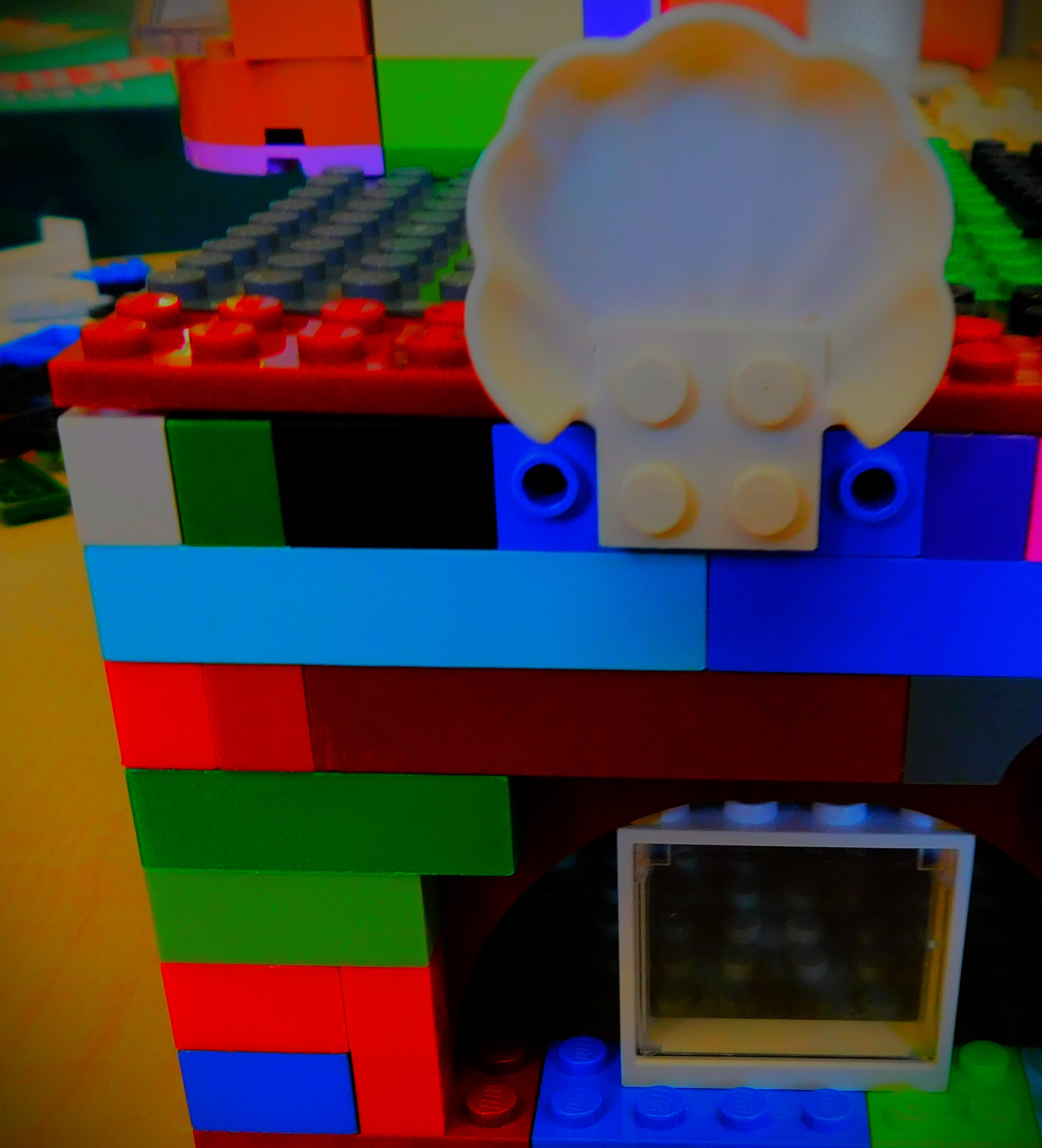
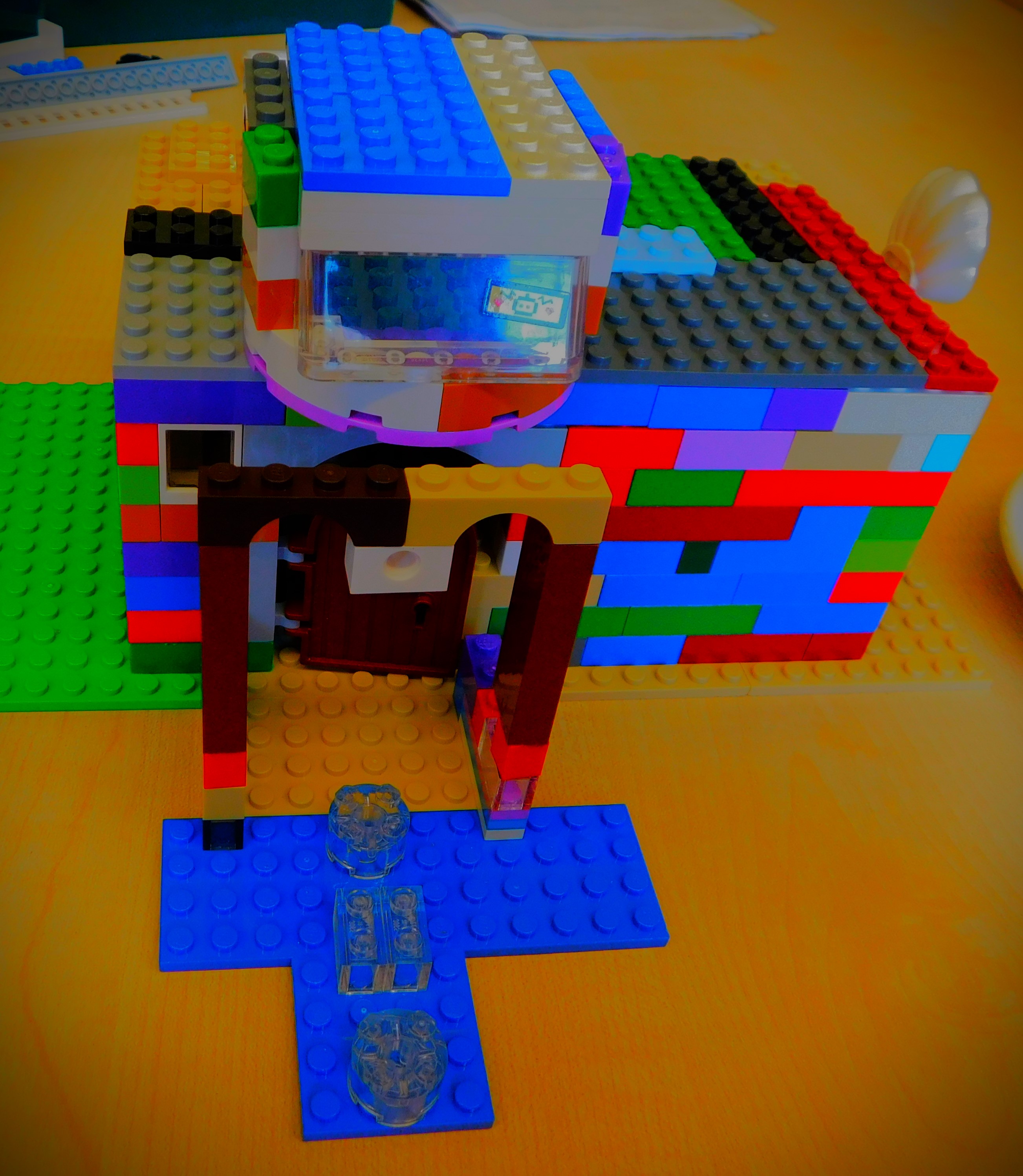
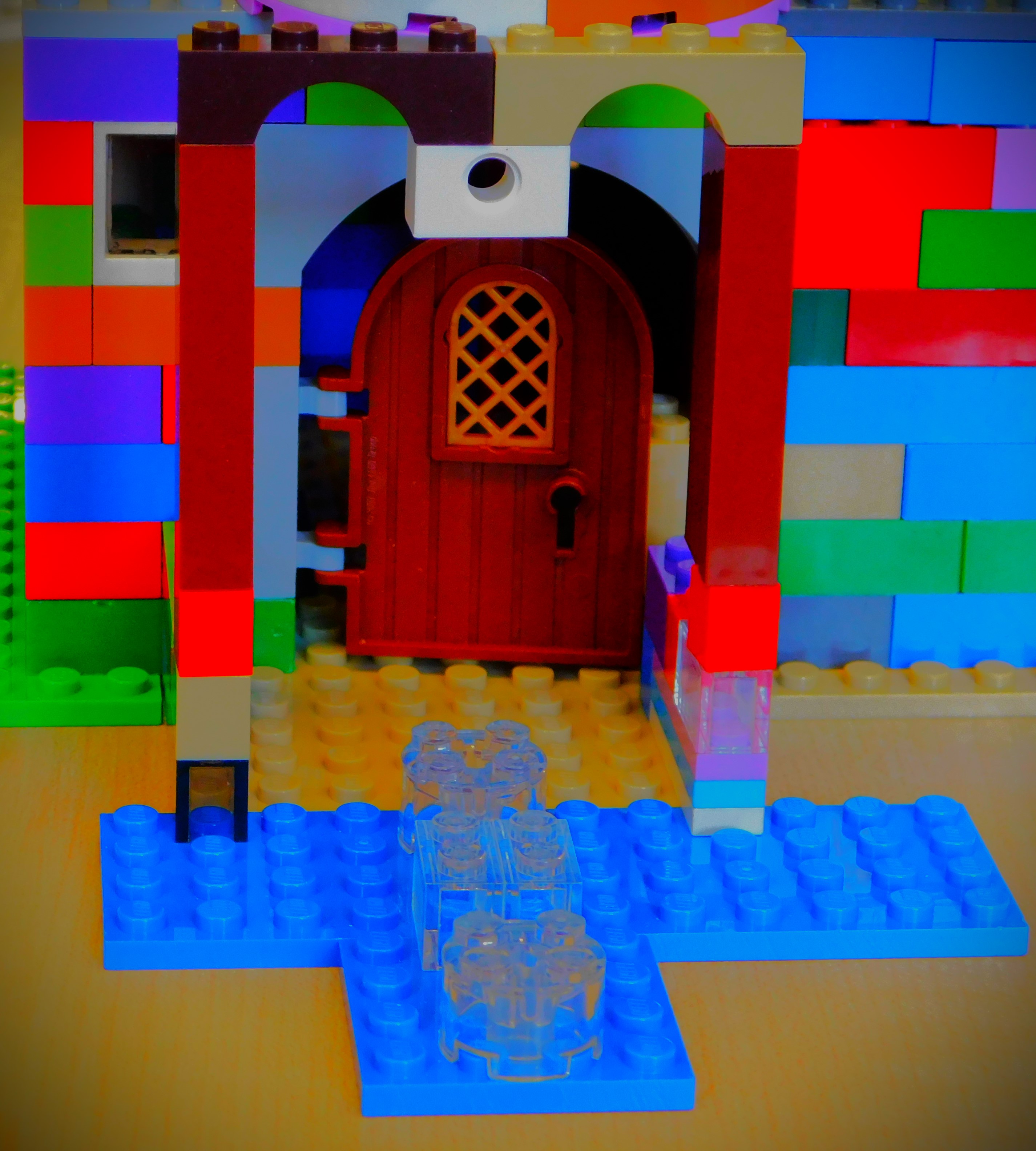
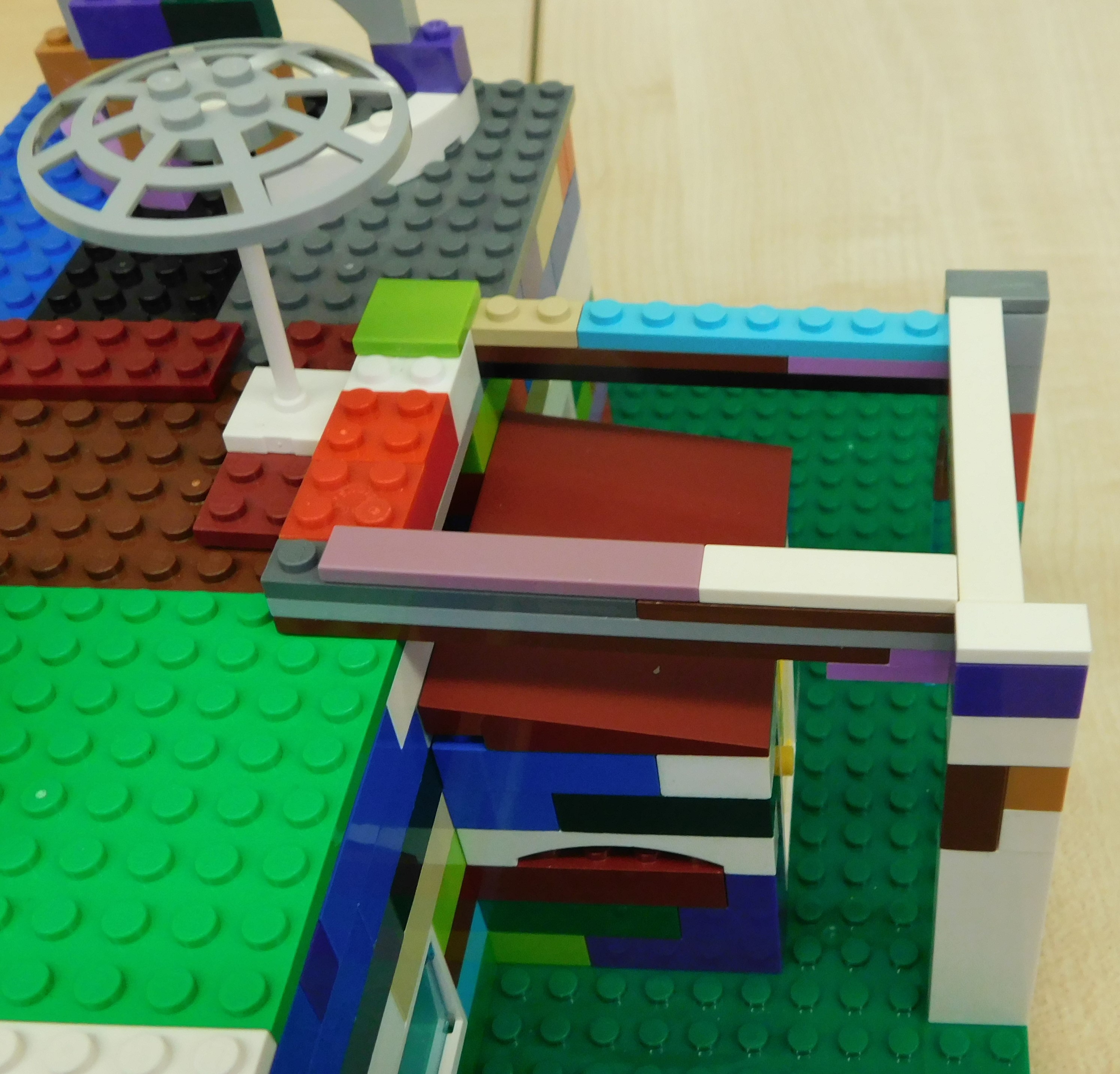
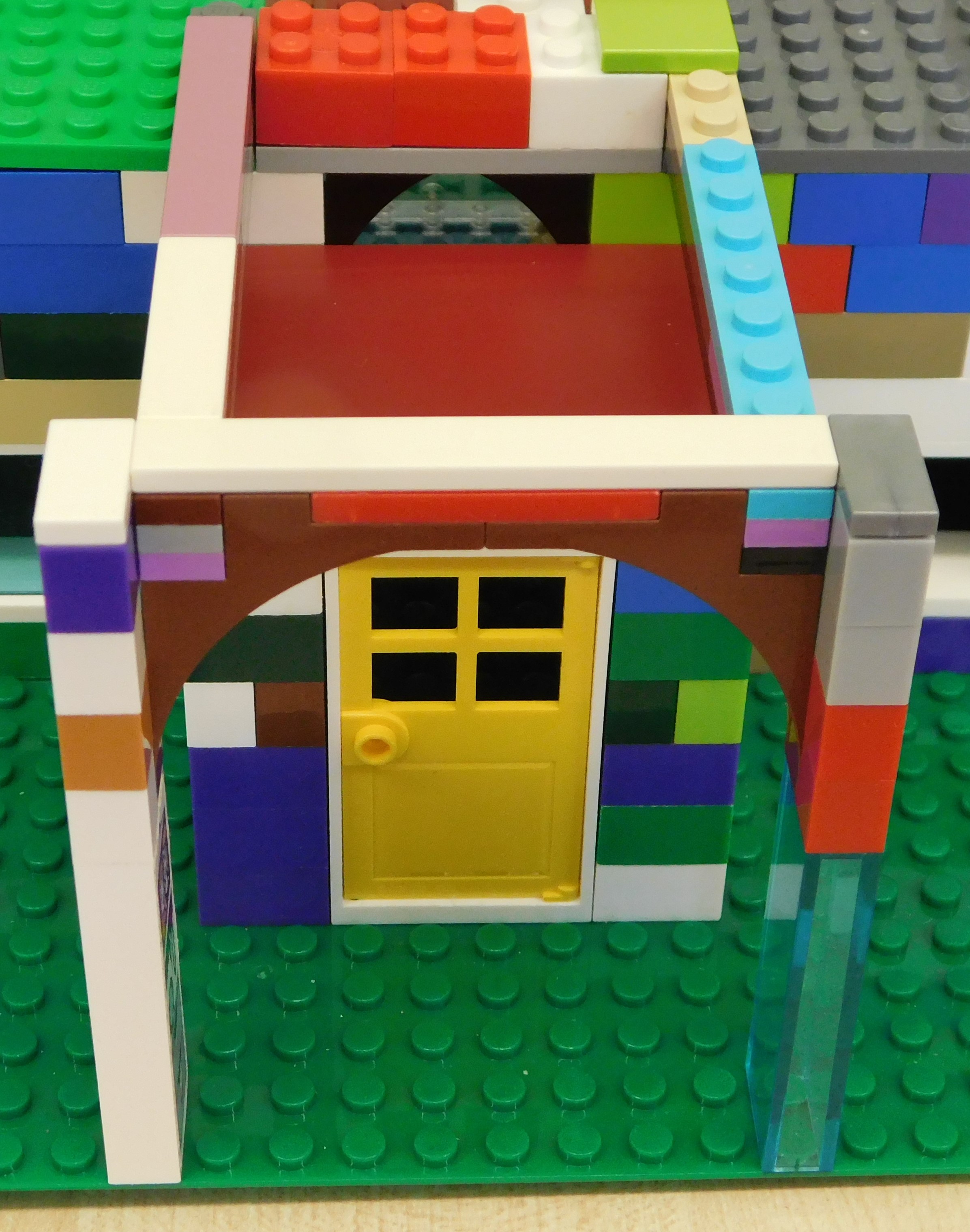
Yesterday morning was a ‘just a cuppa’ for autistic adults at King’s Lynn library. This lego archiecture was constrained by how little lego was actually available for us.
A look back at the final day of Six Nations 2024 action, and a bumper photo gallery, presented in three parts.
The 2024 Six Nations rugby tournament concluded late yesterday evening, with France playing England in Lyon in a match that would decide second and third spots in the final table. This match was the third match a final day and that it had no bearing on who won the tournament shows that the schedulers miscalculated somewhat.
THE EARLIER GAMES
The first match of the day saw Wales and Italy facing one another in a game that Wales had to win to avoid the wooden spoon. A win for Italy would make it their best ever Six Nations showing. It was also confirmed as a final international appearance for George North of Wales, and I suspect there may be other members of this Welsh squad who will not be seen at international level again. The Italians were 11-0 up at half time, and a converted try right at the start of the second half extended the lead to 18. At that point Wales finally showed a hint of fighting spirit, and in the end the final score was remarkably close, but Italy’s early dominance had ensured that justice was done, and that they did indeed record the win that gave them their best ever Six Nations showing.
Ireland needed only a single point from their match against Scotland to ensure that they would retain the championship that they won last year. Scotland came out fighting, making it clear from the word go that they were not just there to assist in Ireland’s coronation. Ireland proved good enough in the end, and retained their championship, underlining their status as the current dominant force in European rugby.
FRANCE V ENGLAND
This match would have no bearing on who won the tournament, but no game between these old rivals is ever meaningless, and there was plenty of pride at stake, as well as which of these sides would end up in second place. The match was an absolute belter of a game. The lead changed many times. With only a few minutes to go England got a penalty, and in the situation George Ford opted to kick for the corner hoping to set up a try rather than settle for three points. A superb kick gave England a line out just ten metres from the try line, and some slick work from that line out got them the try, and Ford, as unerring with the boot as he had been all game, duly scored the conversion to put England ahead. Then, with 38 seconds left on the clock France were awarded a penalty. For them, with three points being sufficient to re-establish their lead in the dying seconds it was a ‘must kick’ opportunity, though at 49 metres it was a major challenge to do so. Ramos, the French kicker, managed to put it over and the home crowd celebrated. There was time for the match to restart, but there was never any doubt that the French would retain possession for long enough thereafter to hang on for the win and with it second place in the table.
PHOTOGRAPHS
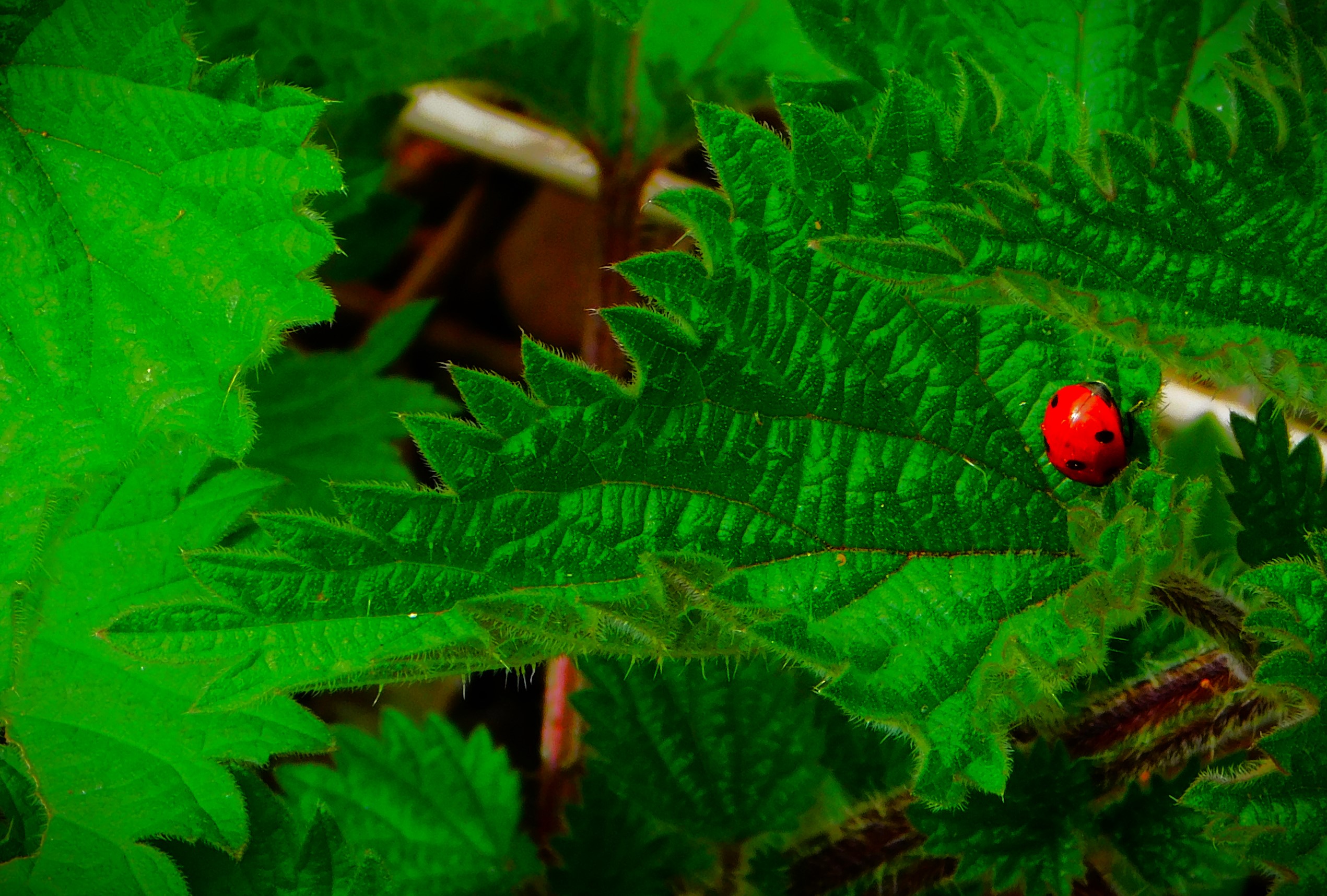
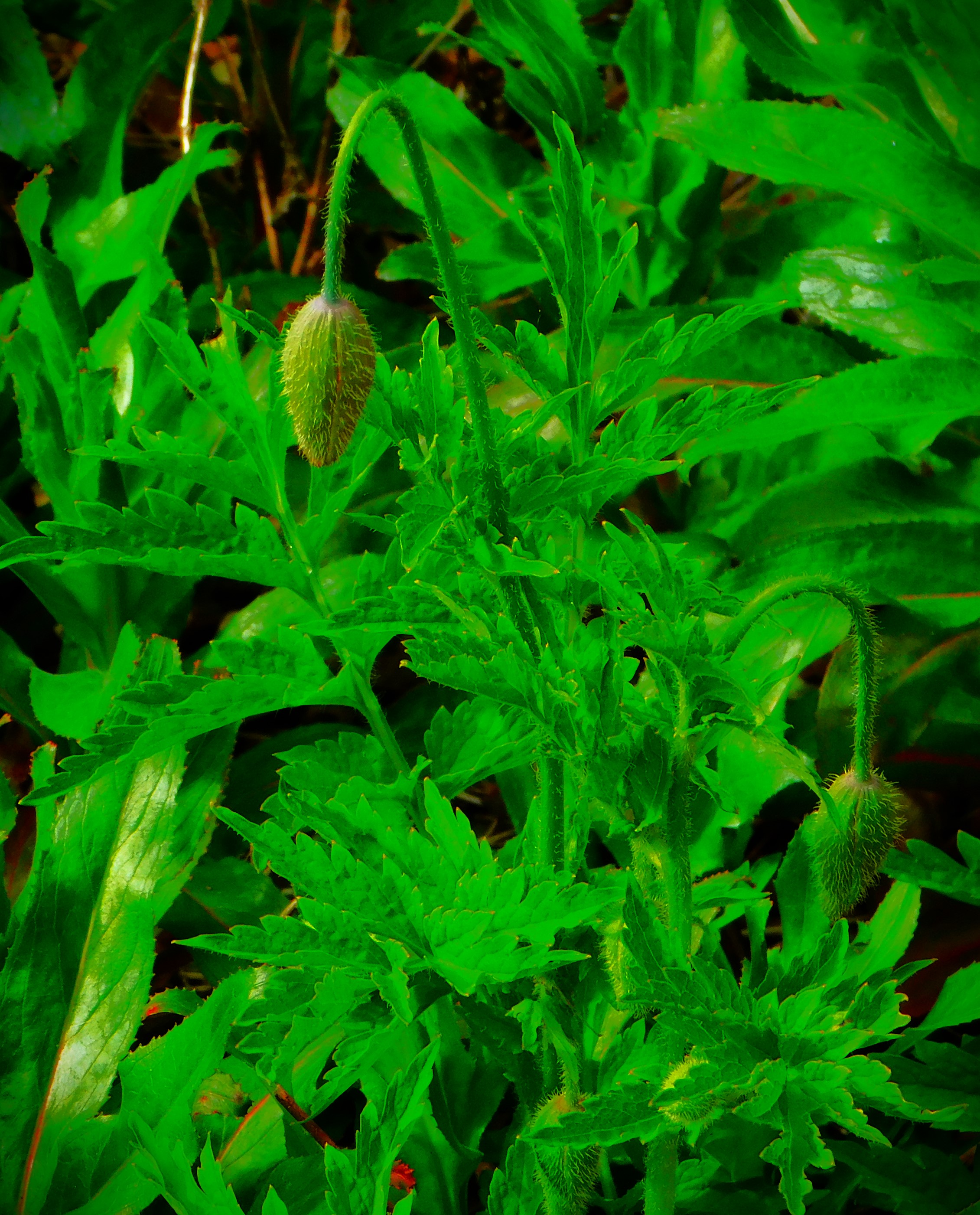
Yesterday was a very spring like day, and I deliberately extended my walks to and from King’s Lynn library where there was a ‘just a cuppa’ morning for autistic adults to take full advantage of it. Thus comes a gallery three parts…
Friday afternoon’s walk and the walk to the library…
The walk to the library yesterday starts here.
Lego architecture at the coffee morning…
Modification of the roof to include an overhanging observation platform.The final modification – the blue bases used here represent part of a river, with clear blocks forming a stepping stone type crossing thereof.
The walk back from the library…
A brimstone butterfly fluttering around the greenery near Kettlewell Lane (four pics)
A look back at the test match in Dharamsala and at the India v England series as a whole, and a composite XI for the series. Also a huge photo gallery.
The final test match of the India v England series at Dharamsala ended earlier today after barely half the allotted playing time, with India winning by an innings and 64 runs to take the series 4-1. This post looks back at the match (I missed two major chunks of play – on day one because it was a work day and on day two because the West Norfolk Autism Group had a committee meeting, but still got enough of the action to have a decent idea of what went on) and at the series, including naming a composite XI for the series.
THE PRELIMINARIES
Ollie Robinson’s injury forced one change on England, and they opted to recall Mark Wood rather than give Gus Atkinson a game, a mistake IMO, but one that had zero effect on the outcome. This meant that Jonathan Bairstow became without doubt the least deserving ever recipient of 100 test caps. India dropped Patidar (I choose to consider the official line about getting an ankle injury during training to be absolute BS) and brought in Devdutt Paddikal for a test debut, while Bumrah returned after a one match rest. England won the toss and opted to bat first on a flat looking pitch.
DAY ONE
England started well, with Crawley playing nicely and Duckett helping to push the score into the 60s before the first wicket fell. Pope never looked at home and was out to the daftest dismissal of the series, when he gave Kuldeep Yadav the charge, playing for spin that wasn’t there and walking straight past the ball to be stumped by a ridiculous margin. Root and Crawley took the score to 134 before Crawley’s innings ended for 79. Bairstow and Root had taken things to 175-3 but then came an epic collapse, and moments later the score read 183-8. Foakes, left for the second successive innings to attempt to shepherd Bashir and Anderson, did enough that England reached 218, still an obviously inadequate total. I missed most of the start of the Indian innings, but they ended day 1 on 135-1, Jaiswal having gone after taking his series aggregate to 712 runs.
DAY TWO
Rohit Sharma and Shubman Gill batted superbly and India were in to the lead with only one wicket down. Both these batters notched centuries and got out shortly thereafter, but the debutant Paddikal and Sarfaraz Khan continued to good work and at one stage India looked set for a really mammoth total. However, they lost wickets while I was out, and by the end of the day were 473-8. Shoaib Bashir having conceded 100 in his first 20 overs had hauled things back and was on 4-170 by the close. Anderson had claimed his 699th test wicket.
THE FINAL HUMILIATION
Anderson got his 700th test wicket, and Bashir ended the Indian innings by claiming his fifth wicket, his second test five-for in his debut series. There was little else for England to enjoy. Duckett suffered a crazy bowled dismissal, trying to charge Ashwin who took the new ball alongside Bumrah. Crawley failed cheaply as well, turning one from Ashwin into the hands of Sarfaraz Khan, and Pope fell to catch by Jaiswal off Ashwin. That was 36-3. Bairstow flashed his way to 39 off 30 balls before falling LBW to Kuldeep Yadav and that was 92-4. Right on the stroke of lunch Stokes concluded a wretched series with the bat (and he only bowled at all in this match, taking a wicket with his first ball in nine months but otherwise doing nothing of note) by being bowled by Ashwin, against whom he seemed to have not a scooby, for 2. England at 103-5 needed 147 more just to avoid the innings defeat. Foakes fell for 8, also bowled by Ashwin and it was 113-6. Tom Hartley offered Root some support, but he and Wood were both pinned LBW by Bumrah in the space of three balls (and if Wood knew anything about the intermediate delivery I am a Dutchman) and that was 141-8. Shoaib Bashir offered Root support, and the prospect a century for the Yorkshireman appeared on the horizon. However with the partnership with 48 a delivery from Jadeja kept low and bowled Bashir to make it 189-9. With Anderson at the other end Root aimed a big shot against Kuldeep Yadav and succeeded only in picking out Jasprit Bumrah to fall for 84. England 195 all out, Root 84. Kuldeep Yadav was named Player of the Match for his seven wickets, five of them taken in the first innings, and Yashavsi Jaiswal was named Player of the Series.
ANALYSIS
This series was played on excellent cricket wickets – these were not at any stage of any match raging turners, and everyone had the chance to get in the game. India won 4-1, and are in truth not flattered by that margin, because they have the better cricketers, and they generally played somewhere close to their best. Crawley’s series was reminiscent of the one Shane Watson had in the 2010-11 Ashes – respectable aggregate and average, but no really major innings, and like Watson he was part of a well beaten side. Duckett had his moments, including a superb century, and he and Crawley usually have England a solid start, while not coming close to being a latter day Hobbs and Sutcliffe. Where England failed abysmally was in the number 3-6 positions in the order. The 40 innings played by those players across the series (four players, 10 innings each) yielded exactly three major innings – Pope’s 196 in the first match, Root 122* at Ranchi and Root 84 in the second innings at Dharamsala. When the engine room of the batting is failing to that extent one cannot really expect other than a hammering. In the 1924-5 Ashes Hobbs and Sutcliffe both had superb series, but were largely unsupported by the rest of the order and England lost 4-1. Here Crawley and Duckett were not as good as Hobbs and Sutcliffe had been 99 years ago, and the middle order failed even worse. Only Anderson, who became only the third ever bowler and first ever seamer to record 700 test scalps, was remotely effective among England’s pace bowlers, but India’s pacers were not brilliant either. Hartley and Bashir as front line spinners did more than anyone could have expected of them, and Bashir especially looks hugely promising, but they were unsurprisingly outclassed by their rather more experienced Indian counterparts. Foakes kept impeccably through the series, but Dhruv Jurel also did superbly once he replaced the underachieving Srikar Bharat, and Jurel was a clear cut matchwinner at Ranchi. Thus India were, thanks to Jaiswal, somewhat ahead when it came to openers, in a different league from England in slots 3-6, ahead on pace (Bumrah being better in the series than the veteran Anderson) and ahead on spin, though less one-sidedly so than might have been expected, equal on keeping, and probably equal on captaincy, though to make up for his shocking series as a player Stokes would have had to captain like peak Brearley, and he certainly did not do so. I do not think that either Wood (now 35 and unlike Anderson seriously injury prone) or Oliver Edward Robinson (too many fitness issues) should feature for England again, and it is long past time to confine Bairstow’s activities to white ball cricket. I also feel England need a genuine number three – barring his one great innings at Hyderabad Pope has looked further at sea than Captain Nemo and the Nautilus in this series. Josh Bohannon is the best number three currently playing county cricket, while Jamie Smith (Surrey) and James Rew (Somerset) must in the reckoning to replace Bairstow at number five. Bashir should keep his place as should Anderson for the present. Among younger pace options Matthew Potts, Josh Tongue, Gus Atkinson and Tom Lawes should all be considered in the immediate term, and I would have half an eye on the progress of James T Langridge of Somerset who showed signs of promise when thrust into One Day Cup action as a 17 year old last season.
In terms of the team approach, I am all for attacking cricket, but what we saw far too much in this series was brainless batting – large numbers of wickets simply thrown away. Also some of the players public utterances (Duckett’s comments about Jaiswal learning from England’s approach being an example – almost as ridiculous in their way as was Pope’s first innings dismissal at Dharamsala in its way).
COMPOSITE XI FOR THE SERIES
Yashavsi Jaiswal (India, left handed opening batter). Only one Asian opener has ever scored more in a series than his 712 in this one: Sunil Manohar Gavaskar against the West Indies in 1970.
*Rohit Sharma (India, right handed opening batter, captain). His century in the final test and the fact that his rival skipper was effectively un-selectable on any honest reckoning get him in – I have commented on the efforts of Crawley and Duckett earlier in this post.
Shubman Gill (India, right handed batter). He came good as this series progressed, and outside of his Hyderabad display Pope scraped up a mere 117 runs in nine innings.
Joe Root (England, right handed batter, occasion off/ leg spinner). He did well in the fourth and fifth matches, and number four was a problem position for India. Paddikal made 65 in his debut innings, but that was the only innings he played, and Patidar was never remotely convincing. However, he needs to stop trying to play fancy, and settle, as he did in these last two matches, for using the traditional test match methods that have brought him 11,000 runs at 50.
Sarfaraz Khan (India, right handed batter). Solid performances in all matches that he has played.
Ravindra Jadeja (India, left handed batter, left arm orthodox spinner). The veteran Indian all rounder has had a fine series, while Stokes had a wretched one.
+Dhruv Jurel (India, wicket keeper, right handed batter). Both he and Ben Foakes kept very well. The tiebreaker is Ranchi, where Jurel was India’s matchwinner.
R Ashwin (India, off spinner, right handed batter). The veteran bowled better as the series progressed.
Kuldeep Yadav (India, left arm wrist spinner, left handed batter). Has had a superb series with the ball since coming in for Axar Patel, and has played some useful supporting innings with the bat.
Jasprit Bumrah (India, right arm fast bowler, right handed batter). The best quick bowler on display in this series.
James Anderson (England, right arm fast medium bowler, left handed batter). Still fit and firing at the age of 41, though England struggled to find anyone to share the new ball with him – neither Robinson nor Wood distinguished themselves in this series. I reckon he would fare better in this XI, with Bumrah at the other end, than he had the opportunity to do for England in this series.
A brief post celebrating the fact that after a week and a half without it I once again have broadband access at home. Ends with a bumper photo gallery, including the first butterfly of 2024.
The engineer came round near the beginning of the official slot of 8AM – 1PM today and connected up my new EE Home Hub, so after a gap of a week and a half I have Broadband at home once again.
A FRIGHTENINGLY WARM FEBRUARY
As I type this it is 12 degrees Celsius outside (53.6 Fahrenheit for USian readers), and that is far from out of keeping with the last week or so, when double figure positives have been the rule rather than the exception. February in high northern latitudes such as England is generally one of the two coldest months of the year alongside January, and the outside temperature hitting double figure positives on a regular basis is way out of kilter. Yesterday while out and about I saw my first butterfly of 2024, a small Tortoiseshell, while the spring flowers are in full bloom.
PHOTOGRAPHS
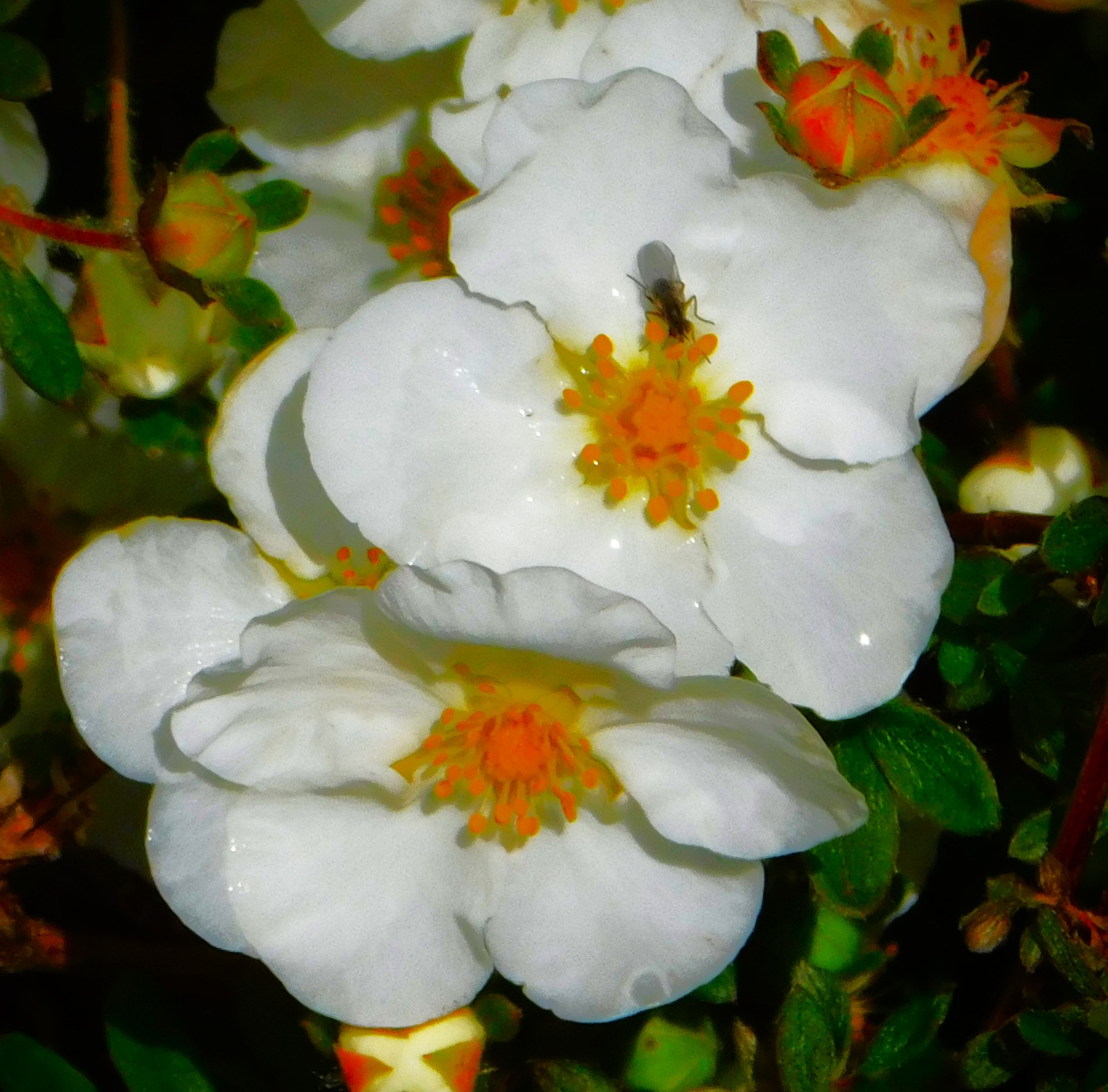
Saturday and yesterday were both good days for photography, in spite of being cloudy, and I therefore finish this post a king size gallery…
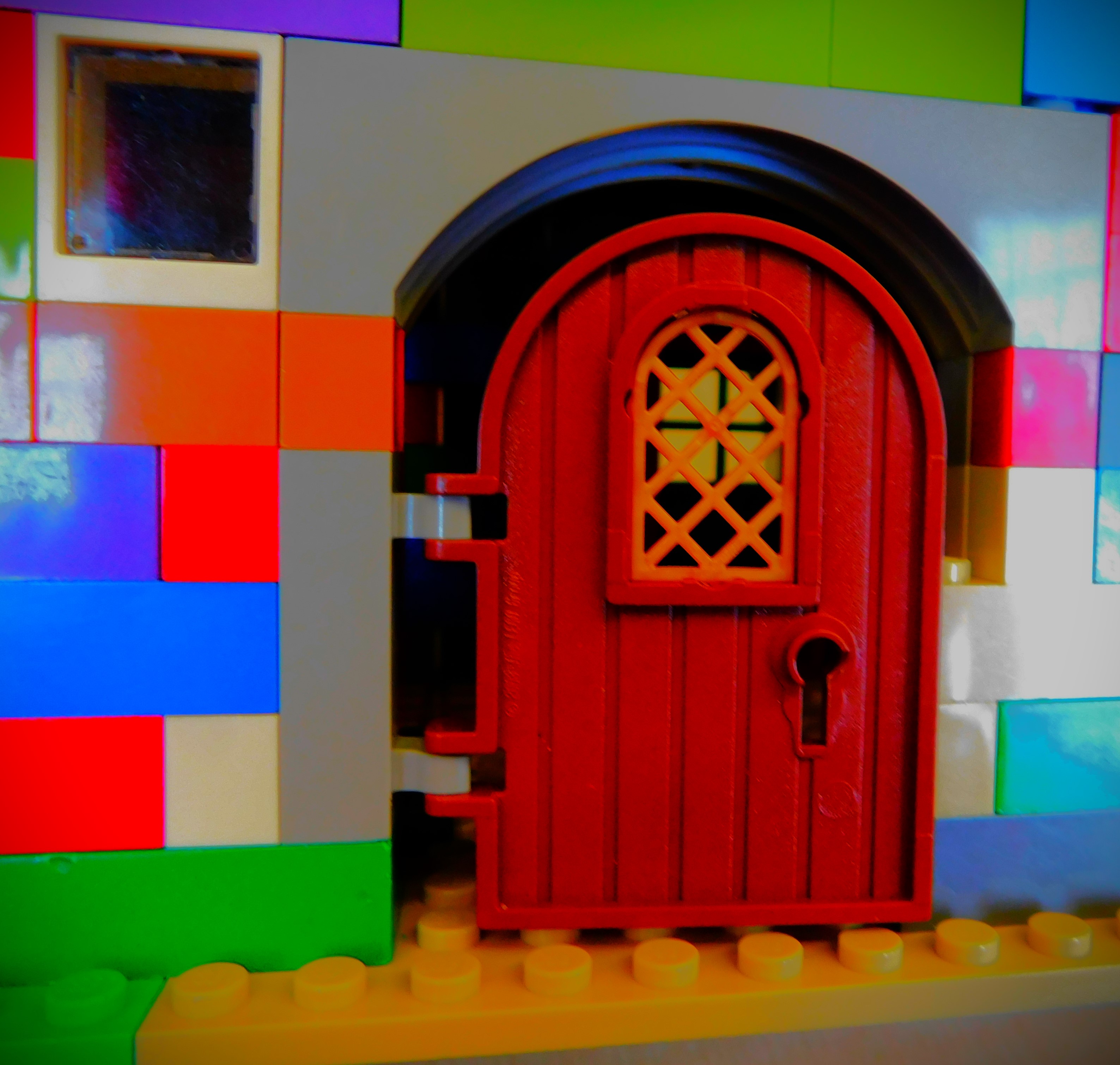
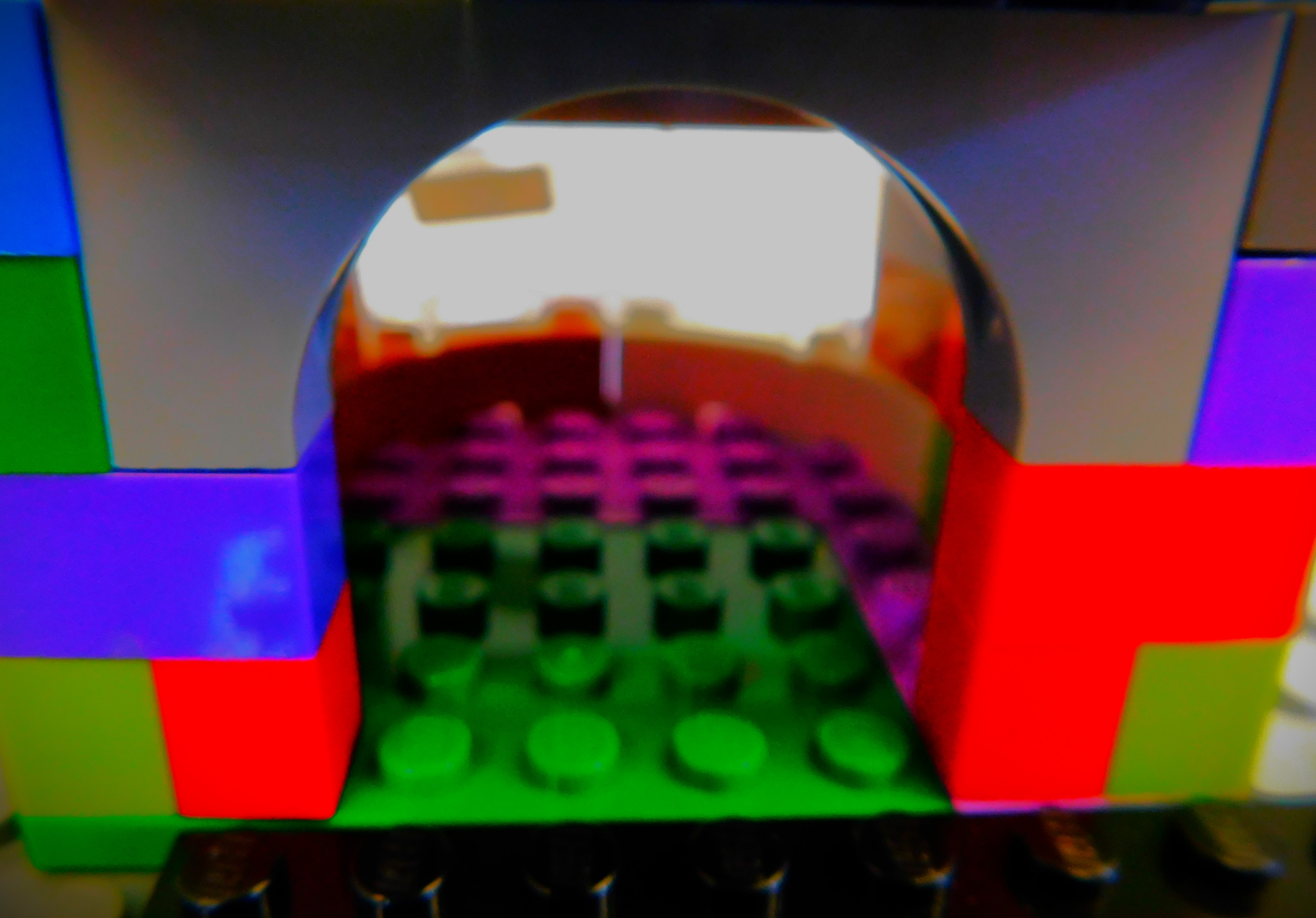
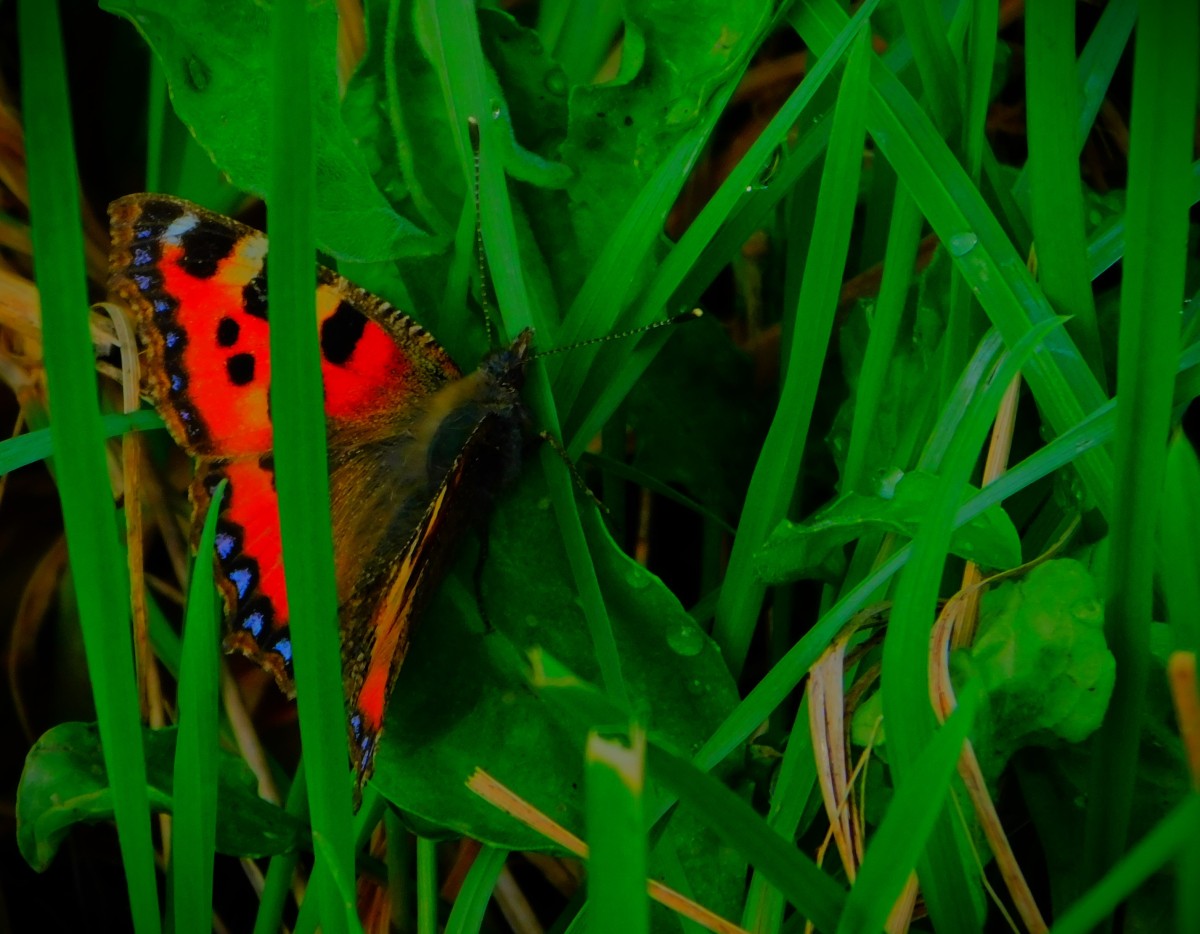
This shot and the next seven after it showcase the Lego architecture that I indulged in at the ‘Just a Cuppa’ morning for Autistic Adults at King’s Lynn Library on Saturday.This close up of the entrance also shows the topmost part of the gothic archway which links the front porch to the main building.A small Tortoiseshell butterfly in the grass alongside Bawsey Drain, heading towards North Lynn.
An illustrated account of a pizza making event to remind folks of my existence, and of course a regular photo gallery. Everything should be back to normal email and internet wise from Monday afternoon.
My internet and email situation will be back to normal on Monday. This Sunday just gone I took part in a pizza making session for autistic adults at the King’s Lynn branch of Pizza Express. The body of this post describes the process.
FROM DOUGH TO PIZZA
Pizza making in these sessions does not start absolutely from scratch – we have preprepared dough to work with. When we get to it we have the following starting position…
an ellipsoid lump of very sticky dough surrounded by flour.
The first stage is to dust the dough (which would otherwise be too sticky to work with) with flour. Then one uses fingers to flatten out the edge of the dough, leaving a dome in the middle (at this stage the dough should be about the same size and shape as a fried egg). Next the dome has to be flattened with the palm of the hand, and then the now flat piece of dough needs to be worked on until it is roughly circular and not too different in size from the tray in which it will be cooked. It then needs to be inserted into the tray, and manipulated once in so that it covers the entire base, and there is a small rise up the side of the tray to keep all the toppings in…
The pizza base ready for the addition of the toppings.
The first addition to the base is a ladleful of tomato puree (Pizza Express do not allow for the making of ‘white pizzas’), which has to be spread out evenly using the back of a spoon…
Next come the optional toppings, the first two of which I accepted being mushrooms and olives…
Then came the meat toppings, of which I accepted pepperoni and passed on the rest…
The penultimate addition when all the optional toppings are in place is the cheese, without which of course it would not be a pizza…
Finally, for those who want it comes that classic Mediterranean flavour enhancer, oregano. For those who, like me, opted to accept this, you take it in your non-dominant hand so that you can sprinkle it evenly over your pizza with your dominant hand…
The pizza, now ready for cooking.
A few minutes later the pizza was ready for eating, and it was excellent.
The pizza, cooked and ready to be eaten.
PHOTOGRAPHS
My usual sign off…
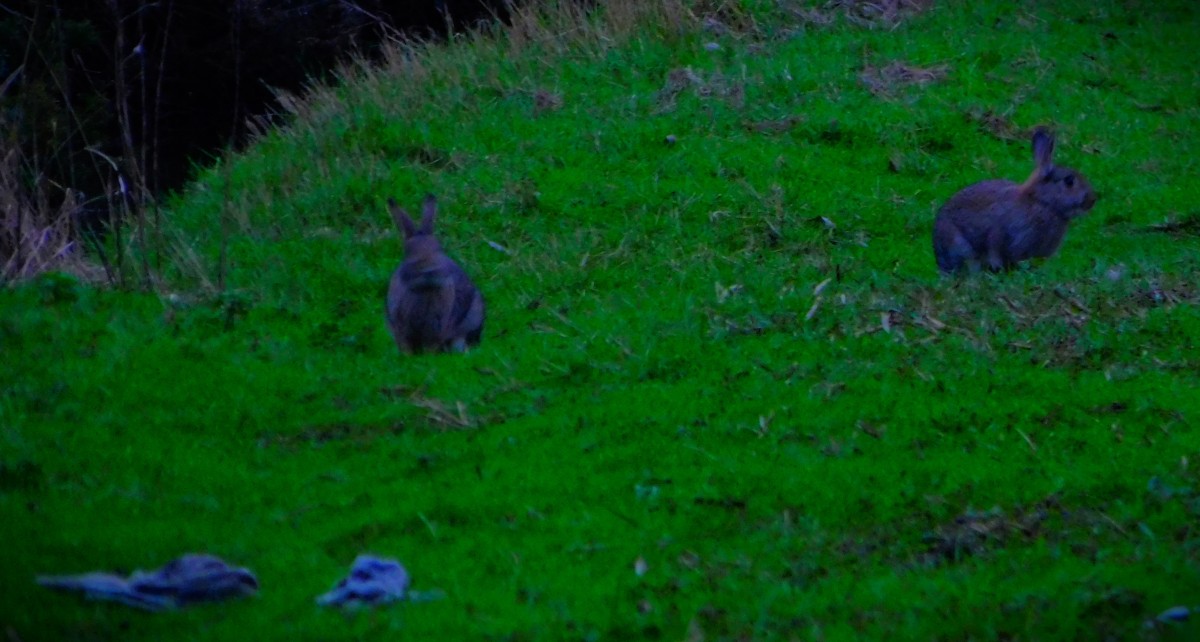
It is early in the year for hares to be out and about (the Lewis Carroll character is ‘The March Hare’ for a reason), but here are two in a single shot.