A look at yesterday’s Champions Trophy match between Australia and England. Also a photo gallery.
Yesterday the Champions Trophy saw Australia take on England. This post looks at what has been thus far the match of the tournament (and today’s match, between another pair of fierce rivals, India and Pakistan is not looking like rivalling it right now).
THE ENGLAND INNINGS
Phil Salt and Jamie Smith were both out fairly early for England, but then Ben Duckett and Joe Root had a splendid partnership for the third wicket. There were stages when a total not far short of 400 looked possible. Duckett, often fairly criticized for not being willing to give himself time to get settled in, played an absolute blinder of an innings. Even in ‘restrained’ ODI mode he scored rapidly, eventually falling late on in the innings for 165 off 143 balls. Buttler got himself out in the 43rd over, and in the end England amassed 351-8. Even on a good pitch and a fast outfield that looked fairly impressive…
THE AUSTRALIAN CHASE
At one stage Australia were 136-4, and it looked like England were in control, though they had gone batting heavy – the fifth bowling allocation was in the hands of Livingstone and Root. In the event it was the three specialist pacers, Archer, Carse and Wood who proved shockingly expensive. Buttler demonstrated again what a poor captain he is, giving Root and Livingstone just one over more than the minimum he needed from them, though they were faring less badly than the quicks. The sole England bowler to fare really well was 37 year old Adil Rashid who recorded 10-1-47-1. The Australian comeback began with Inglis and Carey putting on 146 for the fifth wicket in 19.2 overs. The last ball of the 38th over was the moment the match swung decisively – Archer dropped a very easy chance offered by Carey, which would have had Australia 248-5, needing 104 off the last 12 overs with only five wickets left. By the time Carey was dismissed, the ask was down to 70 off 8.2 overs, not normally considered difficult these days, and Australia made it look very easy in the end. There were 2.3 overs to go when Inglis finished it in style with a six, the sixth of his innings. Inglis had 120* from 86 balls. The three fast bowlers had combined figures of 26.3-0-226-3, an average of 75.33, a strike rate of a wicket every 53 balls and an economy rate of 8.53. Livingstone and Root had 11-0-73-1, an average of 73.00, a striker rate of a wicket every 66 balls and an economy rate of 6.64 per over – below the required rate, and 1.89 runs per over less than the quicks went at. England now need to win both their remaining games, the first of which is against Afghanistan.
PHOTOGRAPHS
My usual sign off…
There are rarely as many as four trains visible at King’s Lynn station.
A look at the early stages of the Champions Trophy, currently taking place in Pakistan. Also a large and varied photo gallery.
The 2025 ICC Champions Trophy got underway on Wednesday. This tournament features the top eight sides in the ICC world rankings, which at present means there are several countries missing who might be expected to be there – none of Sri Lanka, West Indies or Zimbabwe made the cut for example. The format of the tournament (round one seeing the eight split into two groups of four, with the top two from each group moving into the semi-finals) means that even early on teams can find themselves in serious jeopardy.
THE MATCHES SO FAR
Today’s match, between Afghanistan and South Africa, was the third of the tournament, with the only two teams yet to see action being Australia and England who play each other tomorrow. The tournament is officially being staged in Pakistan, but India’s matches are taking place in the UAE as they refuse to travel to Pakistan, and their power in the cricket world is such that they get away with this sort of behaviour whenever they choose to indulge in it.
The tournament opened with Pakistan hosting New Zealand in Karachi. New Zealand batted first and compiled 320, which looked substantial, and was soon made to look even more so by a combination of good New Zealand bowling and some poor batting from Pakistan. Babar Azam scored 60, but took 93 balls to get there, which when your side has been set to score at 6.4 per over is simply not acceptable. Of the first 141 balls of the Pakistan innings exactly 100 were dot balls.
I did not catch any of the game between Bangladesh and India yesterday due to work. I gather that India won comfortably, though not as comfortably as they might – Rohit Sharma dropped an easy chance which would have given Axar Patel a hat trick, the first ever in the Champions Trophy, and the reprieved batter than took part in a huge partnership which gave Bangladesh something to attempt to defend.
Today’s match had strong echoes of Pakistan v New Zealand. South Africa won the toss and batted first, and with Ryan Rickelton scoring a fine century, Bavuma helping to set a platform for them with 58 and then van der Dussen and Markram scoring quicker 50s later on the in the innings (each made 52, off respectively 46 and 36 balls) South Africa emerged with 315-6 from their 50 overs, which looked more than enough. Probably the most disappointed of the Afghans would have been Rashid Khan whose figures of 10-0-59-0 continue a very poor showing in ODI tournament matches (he now has 17 wickets in 19 such matches at an average of over 50 a piece, though his economy rate is acceptable, largely because he is so good that opposition sides will happily settle for blanking his wickets column. Noor Ahmad, the young left arm wrist spinner, was frankly poor, recording 9-0-65-1. In reply Afghanistan never got into the hunt. Rahmat Shah played a fine knock but found no significant support. Other than his 90, the next highest scores were 18s from Azmatullah Omarzai and Rashid Khan. When Shah was last out, nicking one from Rabada through to Rickelton South Africa had won by 107 runs, a result which has probably already confirmed that Afghanistan will be making an early exit from the tournament. Rickelton’s century and solid keeping performance (two catches taken, only two byes let through) earned him the Player of the Match award, though Rabada’s 3-36, with Azmatullah Omarzai the least regarded batter of the trio, must have come into the reckoning.
LOOKING AHEAD
Australia are in a weakened state – tomorrow will be the first time in nine years that they take the field without any of Cummins, Hazlewood or Starc, and so makeshift is their squad that they are captained by the sandpaper tarnished Steve Smith. England have been in poor form, and much will come down to how they approach their batting. New Zealand and South Africa have played it right, building a base and then upping the tempo in the later stages. Pakistan were far too conservative in the first half of their chase against New Zealand, dropping irretrievably behind the required rate. England have a tendency to treat 50 over innings as extended versions of 20 over innings, which is how they might well come a cropper. The extra length of the innings means that there are times when consolidation is necessary – though not to the extreme of allowing 100 of the first 141 balls of your team’s innings to be dots!
PHOTOGRAPHS
My usual sign off…
The first of the spring flowers are emerging, and it has been warm enough yesterday and today to venture out without a coat.A juxtaposition of two stamps each of which depict the world’s first Steam Lcomotive, Trevithick’s Pen-y-Darren, which first ran in 1804.
An attempt at selecting an all-time ODI XI, with mentions of a few players from before the ODI era who I might have considered had I not decided to stick to actual ODI players. Also a photo gallery.
I am writing this from King’s Lynn library (it has limited opening on Sundays, to those wh0 are ‘Open Library’ members). This topic was raised by the talksport2 commentary team in an ODI between India and England, and between the distractions of having my entire heating system replaced and my home broadband malfunctioning I have not previously got round to posting my own version.
THE BRIEF
I will be picking only people who have ODI experience, though I will then append a short subsection on who might have been considered had I opted not to thus restrict myself. The number six slot will feature two possibilities, as explained more fully when I get there. I will not include an honourable mentions section as to do justice to those it would have to be far too long. If you fancy suggesting alternatives you are most welcome, though I urge you to consider the effect of your choices on the overall balance of the side.
THE XI IN BATTING ORDER
+Adam Gilchrist (Australia, left handed opening batter, wicket keeper). This man changed ideas as to what could be expected of the wicket keeper with the bat. Some subsequent attempts to find a version of him have neglected to pay sufficient attention to the keeping skills of the player concerned, but he was top notch in that department as well as with the bat.
Rohit Sharma (India, right handed opening batter). He holds the highest ever ODI score, 264, and has also scored two other ODI double centuries, the only player to have as many as three to his name. Overall he has some 11,000 ODI runs to his name, and his century tally is third on the all-time list.
Viv Richards (West Indies, right handed batter, occasional off spinner). The first player to really master the art of ODI batting. The 189* he scored in a total of 272-9 at Old Trafford in 1984 was for a long time the highest ever ODI score.
Virat Kohli (India, right handed batter). Has to rank as the all time number one ODI batter. I could not accommodate both him and Sachin Tendulkar in this XI, and in ODI terms Kohli is ahead of his predecessor. Kohli’s century making rate of better than one every six ODI innings puts him way ahead of the competition.
AB de Villers (South Africa, right handed batter, occasional wicket keeper, occasional right arm medium pacer). Known as ‘Mr 36o’ for his ability to score runs to literally any part of the field he was epoch making batter, a competent keeper and had occasional successes bowling medium pace.
*Imran Khan (Pakistan, right handed batter, right arm fast bowler, captain). One of the greatest of all all rounders. He came out of retirement to lead Pakistan to victory in the 1992 world cup. In the event of the pitch warranting a spin bowling all rounder rather than a pace bowling one Shakib Al-Hasan of Bangladesh would take his slot and the captaincy.
Wasim Akram (Pakistan, left arm fast bowler, left handed batter). A record that speaks for itself.
Joel Garner (West Indies, right arm fast bowler, right handed batter). The most economical bowler in ODI history, and achiever of the highest ever ODI ranking points total.
Muthiah Muralidaran (Sri Lanka, off spinner, right handed batter). When Sri Lanka won the 1996 world cup their bowling was so dominated by spin that the new ball pair of Vaas and Wickramasinghe often bowled only their opening spells, not being recalled later in the innings. The leader of the Sri Lankan spin unit that won them the world cup that year was Muralidaran.
Adam Zampa (Australia, leg spinner, right handed batter). Shane Warne was not quite the force with a white ball that he was with a red one, though of course he was capable being the matchwinner with a white one, but for my money with the white ball and only with the white ball Zampa outranks his fellow Aussie, which is why I pick him here.
Glenn McGrath (Australia, right arm fast bowler, right handed batter). The key bowler in Australia’s most dominant period in men’s white ball cricket, during which they won three straight world cups (1999, 2003 and 2007).
This side features a very powerful top five, all rounders at six and seven and four great bowlers. Yes, with Garner as high as eight the tail starts quite early, but I am not expecting them to be called on to bat with massive frequency. I also reckon that the bowling unit, with two tall, lethally accurate, right arm pacers, an all time great left arm pacer, two great specialist spinners and either a fourth fast bowler or a third, different (SLA, as opposed to OS and LS already there) spin option will be quite capable of defending even an under par total. With regards to the balance of the side I have followed my usual principle of giving the bowling unit primary importance – history is well stocked with winning sides who had great bowling but comparatively modest batting, while there have been very few whose balance has been the other way round.
PLAYERS FROM BEFORE THE ODI ERA
I consider three players from before ODI cricket was a thing to have strong cases for consideration:
Garry Sobers (West Indies, left handed batter, left arm bowler of every type known to cricket). Accommodating him in place of any of that top five would be extremely hard, but the most complete player the game has ever known, and one whose approach to batting was very attack minded would have to at least be considered.
Frank Woolley (England, left handed batter, left arm orthodox spin bowler). Given his outstanding FC record and his attacking approach he would replace Shakib Al-Hasan as my alternative selection to Imran Khan on spinning surfaces, and may even straight out replace Imran on any surface. The prejudices of his era stopped from getting regular captaincy experience, but I think he would have done the job well given proper opportunities.
Gilbert Jessop (England, right handed batter, right arm fast bowler). He is also a potential replacement for Imran. His feats of rapid scoring are legendary, he once bowled unchanged through an FC innings while conceding only three (Northamptonshire 12 all out, Dennett 8-9 with his left arm spin, Jessop 2-3 at the other end) runs and his fielding was the stuff of legend.
An account of the third and as it turned out final day at the MCG and a photo gallery.
The word ‘WAshes’, with the first two letters capitalized is a social media hashtag created by combining the W from women’s with the word Ashes. This post looks at the events of the third and as it turns out final day of the one-off test match that ended this year’s WAshes series.
ENGLAND’S BEST PERIOD OF THE SERIES
The early stages of the day, which got underway at 3:30AM UK time, saw England produce their best bowling and fielding of the series. Knight opted for the contrasting threats of Ecclestone (left arm, slow) and Filer (right arm, fast), and both bowled beautifully. Mooney became the first Australian to complete centuries in all three formats (Heather Knight and Tammy Beaumont, both playing for England in this match, are also members of this small club). She was out to a beauty from Lauren Filer which clean bowled her. The Australian innings ended when Perry, who came in at number ten after being held back due to injury, chipped a return catch to Ecclestone who thus claimed a place on the MCG honours board with her fifth wicket of the innings. She had toiled hard – the final ball of the Australian innings was the third of her 45th over thereof. Footage of this good spell for England can be viewed here.
ENGLAND’S SECOND INNINGS
England had scored a mere six runs when Darcie Brown got through the defences of Maia Bouchier, ending a wretched tour for the 26 year old, who was out for one. Bouchier’s tour aggregate was 33 runs from six innings, she does not bowl, and in a side who are not great in the field she is one of the most frequent offenders when it comes to dropped catches.
Beaumont and Knight batted well for a time, both hitting some highly impressive shots. However, with 79 on the board Knight was dismissed to a catch by Litchfield off Gardner. Nat Sciver-Brunt started impressively and the 100 came up without further loss, but at that point Alana King, in what was to be a long unchanged spell from the Shane Warne Stand end took centre stage with her leg spin. At 100 she trapped Sciver-Brunt plumb in front for 18. Three balls later Dunkley fell to an incredible ball. Footage of this delivery is available here, and I urge you to watch it and see for yourself what it did. Danni Wyatt-Hodge is high class batter, and a very experienced one, but she did not play like one this time round. She essayed a sweep, a shot that England have got in trouble with against Australia’s spinners all through this series, and Litchfield took a fine catch. The score had not advanced from King got one through Beaumont’s previously impregnable defences to dismiss the diminutive opener for 47. That was 109-6, and right on the stroke of the second interval Amy Jones edged one from Gardner to Mooney who made no mistake behind the stumps. Soon after the resumption Ryana MacDonald-Gay was eighth out, helplessly popping up a catch to Brown off King. Both spinners were involved in the dismissal of Ecclestone, joint third top scorer with 18, King taking the catch off Gardner. That left the two Laurens, Filer and Bell, to delay the inevitable as long as they could. In the event the numbers 10 and 11 hung on for 11.2 overs together before Filer fell to a catch by Sutherland off King to give Australia victory by an innings and 122 runs and a 16-0 clean sweep in the multi-format series. It was an appropriate ending – Sutherland was the obvious choice for Player of the Match for that dazzling 163 and King, with 23 wickets in all, was an equally obvious choice for Player of the Series. That Ecclestone, Filer and Bell, numbers 8,10 and 11, survived respectively for 50, 45 and 30 balls (the last being an unbeaten 0) serves to further highlight the wretchedness of that headlong plunge from 100-2 to 122-8. A highlights package from today can be viewed here. A full scorecard of this match can be viewed here. Australia absolutely deserved their clean sweep, and England need to make big changes moving forward.
A look at the events of the first two days of the test match that is the final instalment of this year’s Women’s Ashes series, and a photo gallery.
At 3:30AM UK time yesterday the final instalment of the multi-format series for the Women’s Ashes, a day/night test match at the historic Melbourne Cricket Ground, got underway. Australia had won both limited overs series 3-0, meaning that in the points system used to score the whole series they were 12-0 with four points at stake for the Test Match.
DAY ONE
Australia won the toss and put England in to bat. Several England players got starts, but only Natalie Sciver-Brunt who fought her way to a half century made a significant contribution. To make things worse for England it rapidly became clear that even on day one the pitch was helping spinners, and England, somewhat oddly given where their prime bowling strength lies, had opted to play only one front line spinner, Ecclestone. England were all out for 170, just before I had to set off for work. I found out later in the day that Australia had reached 53-1 by the close, and would find out later still that one catch had already gone begging.
DAY TWO
This was the day the wheels came right off for England (and probably the exhaust pipe and the axles!). The bowlers did not bowl badly, but the fielding was terrible, a further seven catches being dropped (although in other circumstances the last of these, an attempt at a return catch by fast bowler Lauren Filer would have earned her commendation for a fine effort rather than being recorded as the latest in a long series of drops). Annabel Sutherland, after being reprieved three times early in her innings played sublimely for 163, while Alyssa Healy, fit enough to bat and captain, but not to keep, offered some support, and then Beth Mooney, the batting star of the entire series, demonstrated her continuing excellence. After Sutherland’s magnificent innings ended, bowled by 20 year old medium pacer Ryana MacDonald-Gay, Mooney was supported by Ash Gardner who scored 44 before a catch was finally taken, by Filer off Ecclestone, and then in the last stages of the day by Tahlia McGrath. After having used only her five front line bowling options (Filer, Lauren Bell, Sciver-Brunt, MacDonald-Gay and Ecclestone) all the way through to that point the England skipper Heather Knight finally did something different for the final over the day – she turned to her own part time off spin. The main question was whether Mooney, already on a new test career best, could complete her maiden test ton before the close. In the end she did not, finishing the day on 98 not out. Australia at 422-5 already have a first innings lead of 252, with two whole days remaining. Ellyse Perry has a hip problem and has not batted, but it is not impossible that she will be considered fit enough to do so in the early part of tomorrow. The attendance for this match so far has been 23,508, a new record attendance for any women’s test match, with two weekend days to come.
A look back at the BBL Final, and one of the most extraordinary T20 innings ever played. Also a photo gallery.
Today saw the final of the 14th edition of the Big Bash League. The contending teams were Hobart Hurricanes, winners of the league stage of the tournament, and also victors over Sydney Sixers in the first match of the post-season, and Sydney Thunder, third in the league stage of the season, enders of Melbourne Stars’ Lazarus act (making the KOs after starting with five successive losses) and victors over their Sydney rivals in the penultimate match of the tournament to claim their place in the final. As group winners Hurricanes staged the game at the Bellerive Oval in Hobart.
THE THUNDER INNINGS
Hobart Hurricanes won the bat flip and put Thunder in. David Warner and especially Jason Sangha got Thunder away to a fast start. At the end of the four over Power Play the score was 40-0, and that tempo was pretty much maintained through the first half of the innings, at which point the score was 97-0. A team who are 97-0 after 10 overs of a 20 over innings SHOULD top the 200 mark without much difficulty. However, the first half of their innings was be the last period of the match in which Thunder could claim to have had the better of things. Thunder delayed their Power Surge, due to wickets starting to fall, and just as they were preparing to take it Jason Sangha was out for 67 off 42 balls. That was 146-4 after precisely 16 overs, and having basically left themselves no other choice Thunder activated the Surge for overs 17 and 18. They scored 20 runs for no wicket in those two overs, which is no better than fair for a Power Surge on a good batting track. A big last over of the innings (14 in total coming from it) got Thunder to 182-7 from their 20 overs – 85-7 in the second half of their innings. A total of over 180 wins more T20s than it loses, and finals are often lower scoring than regular matches…
AN INCREDIBLE INNINGS
The first ball of the Hurricanes innings, bowled by Nathan McAndrew, went away for five wides. The six legal deliveries of the over yielded a further 18, as Mitchel Owen gave notice of his intentions. By the end of the four over Power Play Hurricanes were a barely believable 74-0, most of the damage being done by Owen, who was playing an innings that will become part of cricket legend. Tanveer Sangha had Caleb Jewell caught by Warner for 13 off the second ball of the eighth over to make 109-1. Owen reached three figures off his 39th ball, having hit 11 sixes, an all time record for any BBL innings, along the way. By the end of the 10th over it was 138-2, Owen 108* off 42 balls. The mid-innings drinks break, as often happens, broke the flow, and Owen was out first ball on the resumption, but by then the job was done, and it was just a question of when Hurricanes would complete their victory. Hurricanes past 150 in the 12th over, and at the end of that over activated their Power Surge. Those two overs yielded 29 further runs for no further loss, Wes Agar saving a tiny amount of face by avoiding conceding the winning runs, but finishing with 2-0-39-0. Ben McDermott dispatched the first ball of the 15th over for four, and Hurricanes had won by seven wickets with 5.5 overs to spare. Tim David, who most would have pegged in advance of the innings as Hurricanes likeliest matchwinner with the bat ended up not being required at all, such was their dominance due to that amazing knock by Owen. Hurricanes have been the best team in this year’s competition, and although the scale of the hammering was rough on Thunder, cricketing justice was done in this final. The scorecard from this amazing game can be viewed here.
A look at today’s ODI between the Australia and England women’s teams and a look at the current state of the Women’s Ashes series, plus a large photo gallery.,
The Women’s Ashes multi-format series in Australia is nearly done. The ODI and T20I sections (three matches each) are now both done, leaving only the Test Match to play. This post looks at what has happened so far.
TODAY’S MATCH
This morning UK time (late evening South Australia time) the third and final T20I took place in Adelaide. In metaphorical terms England did not merely go off the rails, they careered right to the bottom of the ravine and got smashed against the rocks. At the halfway stage, with Australia having won the toss and batted, it did not look too awful. Australia had scored 162-5, an innings dominated by Beth Mooney, who did not merely bat right through the innings, which on a hot evening would have been impressive anyway, she scored 94 of those 162 runs. That total soon looked positively mountainous, as England began losing wickets right from the start of the reply. At 39-3 with skipper Heather Knight and veteran opener Danni Wyatt-Hodge together England might have had half a chance of getting somewhere close, though that pair would probably have had to do most of the remaining batting themselves. At 48-7 the only question was whether England would avoid their lowest ever T20I score, which stood at 87 all out. Sophie Ecclestone joined Knight and the pair put together the best stand of the England innings. The ending of that partnership, worth 29 by then, was illustrative of one the key differences between the sides – the catch by Georgia Voll, who had earlier helped Mooney to put on 56 for the first wicket, which got Ecclestone was quite simply incredible. A video clip can be seen here. Voll, playing her first international series at the age of 21, has had a fine start, contributing 173 runs at 86.50 and a SR of 108.80 to the ODI leg of the series and 49 at 16.33 and an SR of 132.43. Between that and Beth Mooney playing the best cricket of her life at the age of 31 Australia have barely missed the injured Alyssa Healy from the top of their order. Linsey Smith, who had impressed with the ball and in the field on what was a rare appearance for her (as a left arm spinner she only plays when England deem it right to select two such bowlers) was ninth out at 82, run out by a sharp piece of fielding by Ellyse Perry. Lauren Filer lasted long enough for England to get past 87, but not long enough for England as a whole to match Mooney on her own – when Knight was last out to a stumping by Player of the Match Mooney off Tahlia McGrath’s medium pace the total had reached 90, 40 of them from the skipper. Australia had thus won by 72 runs, and had made six wins out of six across the limited overs element of the series. The points score with the test match to come is thus Australia 12 England 0.
A MISMATCH
The fact that Australia have won all three ODIs and all three WODIs tells some of the story of how dominant they have been, but not all of it. There has been one occasion in the six matches on which Australia have been in genuine trouble: in the second ODI they were all out for 180, which shouldn’t win a 50 overs per side match. They responded by bowling England out for 159. None of the other matches have ever got close. England have a fine bowling unit, though Australia are ahead even there. Batting wise Australia have been far better, but the biggest gulf has been in fielding skill. England have rarely risen above the competent in the field, rather too often have fallen below that level, and whereas Australia have had several show stopping pieces of fielding England have not had one. The two byes that accrued off Linsey Smith’s first ball were illustrative: even though saving runs was no longer relevant to Australia so dominant was their position Darcie Brown raced after the ball, got to it just before it reached the rope, tipped it back into play and saved her side two runs. England have not been at their best at any stage of this series, and against Australia any hint of weakness gets punished.
An account of the final group fixture of the 14th edition of the Big Bash League, Melbourne Stars v Hobart Hurricanes. Also a large photo gallery.
When Melbourne Stars began the 14th edition of the Big Bash League with five straight losses no one would have imagined that it would be them who went into the final match of the group stage with something to play for, while their opposition, Hobart Hurricanes had already secured first place in the group irrespective of the result. However that was the situation. Having won four successive games to get back in the hunt the Stars came into today’s match knowing that a win would qualify them for the knockouts. This post looks back at the match.
THE STARS INNINGS
Hobart Hurricanes won the bat flip, and as seems to be an inflexible rule for BBL sides, they chose to bowl first. The fact that the game was a ‘dead rubber’ for them was reflected in their playing XI, which was decidedly on the weak side. The team occupying fourth going into this match, Perth Scorchers, may well have looked askance at the Hurricanes chosen XI. The four over opening Power Play offered little sign of either side dominating – Stars were 30-1 after four overs. The Stars went slower after the Power Play, and after 8.4 overs the score was 58-2. Two successive fours ended that ninth over, and a further nine runs came off the tenth, bringing Stars to the halfway stage of their innings at 75-2. Marcus Stoinis departed to the fourth ball of the 11th over, making it 81-3. Stoinis had scored 32 off 19 balls. It was here that the game started to change. Just seven balls after Stoinis was out a six from Glenn Maxwell brought up the Stars 100. At the end of the 13th over Stars were 118-3, and they activated the Power Surge. It was not actually a very impressive two overs, yielding 18-0 in total. With five overs to go in their innings Stars were 136-3. Beau Webster, who at one point had been 8* (13) hit two fours and a six to start the 16th over, reaching a 30 ball half century with that six. He was out immediately after completing the half century. Glenn Maxwell now took centre change, helped by Hilton Cartwright. The 17th over saw 23 runs added to the total. The 18th over, bowled by veteran Chris Jordan, was better, and also featured the run out of Cartwright. The 19th over was bowled by Cameron Gannon, a 35 year old former USA international. He had fared pretty well until this over, and with four balls left of his spell he had 0-26. By the time he had bowled the last of those four balls his figures were 0-48! Maxwell, now absolutely running riot, had hit him for 4,6,6,6 to end the 19th over. That meant that with an over to go Stars were 205-5. It fell to Jordan to bowl the final over. In the circumstances conceding a further 14 wasn’t too bad , and his figures of 3-0-30-0 in a score of 219-5 also look respectable. However, he was clearly not fully fit, and he effectively functioned as a spinner bowling off a long run up – all 18 of his deliveries were ‘pace off’.
THE HURRICANES REPLY
Mitchell Owen started like a runaway train, but none of his team mates were similarly inspired. The third ball of the second over saw Caleb Jewell caught by Stoinis off Steketee to make it 22-1, and two balls later new batter Charlie Wakim was caught by Cartwright for a two ball duck and it was 22-2. Peter Siddle bowled the third over of the innings, and yielded 21 runs. However Steketee, bowling the fourth over, pinned McDermott LBW to make it 45-3. The second ball of the sixth over saw Owen caught by Maxwell for 38 (17) to make it 54-4. Nikhil Chaudhary and Matthew Wade batted well together, but one ball before the end of the tenth over, and thus one ball before the earliest point at which the Power Surge could be activated Wade fell to a catch by Cartwright to make it 92-5, Stoinis the beneficiary. The Hurricanes did not take the Power Surge at the first opportunity. Chaudhary started the 11th over, bowled by Pakistani leg spinner Usama Mir by hitting the first two balls for fours to bring up the 100 for his side, but he was then out caught and bowled off the next ball and it was 100-6. The score at the end of the 11th was 101-6, and although Tim David, Hurricanes’ sole remaining hope, was at the wrong end, they took the Power Surge as they virtually had to. Siddle conceded just eight from the 12th over, and T Curran matched him in the 13th. Joel Paris, left arm medium fast, bowled Jordan with the third ball of the 14th and that was 123-7. The fourth ball of the 15th over just about terminated Hurricanes hopes – David was caught by Maxwell off Mir to make it 133-8. At the end of that over Hurricanes were 134-8, needing 86 off the last five overs. Stars had hit 83 off the last five overs of their innings, but a)they were setting a target, not under the gun and b)they had front line batters at the crease, while Hurricanes were down to the tail enders. The remainder of the match saw Nathan Ellis, who had only been fit enough to bowl one over, amass a new T20 career best of 40, before off the third ball of the final over he got out, caught by Maxwell off Steketee. Maxwell was the only candidate for Player of the Match – it was his 76* (32) that put Stars out of reach, and this was his third catch, so it was appropriate that he should end the match. Steketee also deserves a hat tip – in a match in which 398 runs were score from 39.3 overs his bowling figures were 3.3-0-24-4. Hurricanes will be in action the day after tomorrow, hosting Sydney Sixers in the Qualifier, while Melbourne Stars travel to Sydney to face Sydney Thunder in the Knockout a day later, and in a real rarity for the BBL, Perth Scorchers’ season is over. Full scorecard here.
PHOTOGRAPHS
My usual sign off…
This is a very clear shot of a redshank, where the Nar joins the Great Ouse. It is quite similar to a sandpiper, but the legs (hence the name) and the speckled underside make the identification clear.
A look at today’s action in the BBL and the state of play in that competition with one group match still to play. Also a large photo gallery.
There were two BBL matches today – first at the Docklands Stadium in Melbourne the Renegades played host to Brisbane Heat, and then in Perth the Scorchers played host to Adelaide Strikers. At the start of today all four of these teams had mathematical chances of qualifying, as also did incumbent fourth placers Melbourne Stars. By the end of today only one of the four teams in action retained a chance of qualifying. This post looks at how the day unfolded.
BRISBANE BOWLERS BATTERED
Brisbane Heat batted first, and a score of 196-4 should at least have tested their hosts. Unfortunately some very ordinary bowling and a quite magnificent innings from Jake Fraser-McGurk (95 off 46 balls) saw Renegades win by three wickets with two whole overs to spare, a result that put Renegades fourth, ahead of city rivals Stars on net run rate, but with the latter having a game in hand, to be played tomorrow. Scorecard here.
GAMES WITHIN GAMES
Adelaide Strikers found themselves batting first, and started at a tremendous gallop, looking likely to score over 200 for a significant part of their innings. However they suffered a horrendous batting collapse from a high water mark of 88-2 after 7.1 overs, ending up being all out for 161 from 19.1 overs.
The Perth Scorchers innings was where games within games came into play – they needed 162 from 20 overs to win, but a close match would see both sides eliminated, one on absolute terms and the other on net run rate. The calculations revealed that Scorchers needed to knock the runs off in 18 overs or less to move into fourth on net run rate, while Strikers needed to restrict Scorchers to 146 or less to take fourth spot themselves.
At the half way stage Scorchers were 85-3, ahead of the basic required rate, but short of where they needed to be to win in 18 overs or less. When the fourth wicket pair were still in residence at the end of the 12th over Scorchers took their two over Power Surge, quite rightly – with the 18 over win in mind they could have delayed at most one more over while still getting full benefit from their surge. In the event they did superbly in those two overs, scoring 31 runs and losing only one wicket. In the course of 16th over two things happened – first Scorchers moved to 147, which ensured that Strikers were eliminated even if they somehow won from there, and then the Scorchers 150 came up. At the start of the 17th over 11 runs were needed and Scorchers had two overs in which to get them to stay alive in the tournament. In point of fact it took Cooper Connolly precisely two balls to complete the job, with the third and fourth sixes of his innings. Connolly had scored 39* (21), and Scorchers had won by six wickets with 3.4 overs of their allocated 20 unused, and 1.4 overs of the 18 that they had at their disposal given net run rate considerations. Thus Scorchers currently sit fourth, with one group game, tomorrow morning between Hobart Hurricanes, already confirmed as winners of the league stage, and Melbourne Stars who will qualify if they can win, or if the match is washed out, or if it is tied and the Super Over is also tied. Scorecard here.
A look at developments in the Women’s Ashes, an account of an auction and a look at the state of play in the BBL, plus a photo gallery.
There has been a lot of cricket this week and my employers had an auction on Wednesday. This post looks at both things.
AUSTRALIA IN COMMAND OF WOMEN’S ASHES
The One Day Internation segment of the Women’s Ashes multi-format series is now over, and Australia have won all three matches, giving them a 6-0 lead with ten further points to play for. England have to win all three T20Is and the test match that ends the series to regain the Women’s Ashes.
I covered the first match in an earlier post. The second match was from an England perspective the most disappointing of the series – the bowlers did superbly to dismiss Australia for 180, only for the batting to fold miserably to 159 all out and defeat by 21 runs.
The third match, which took place overnight UK time, started well, with four Australian wickets down fairly quickly, but the middle and lower order wrested the initiative back, Ash Gardner leading the way with her maiden international ton – 102 off 102 balls – with Beth Mooney and Tahlia McGrath each scoring 50s and Georgia Wareham giving the total a final boost with a spectacular 38* off 12 balls. This led to a final total of 308-8 for the Australian Women. England were never really in the hunt, and ended up losing by 222 runs. Player of the Match Gardner was involved in the most spectacular moment of this innings, the dismissal of Sophie Ecclestone. Ecclestone went big, and looked for all the world to be scoring six when Gardner leaped high to catch the ball, and then had the presence of mind to realize she was about to land beyond the boundary, throw it back up, run in and catch it again. A video of this dismissal can be seen here.
THE AUCTION
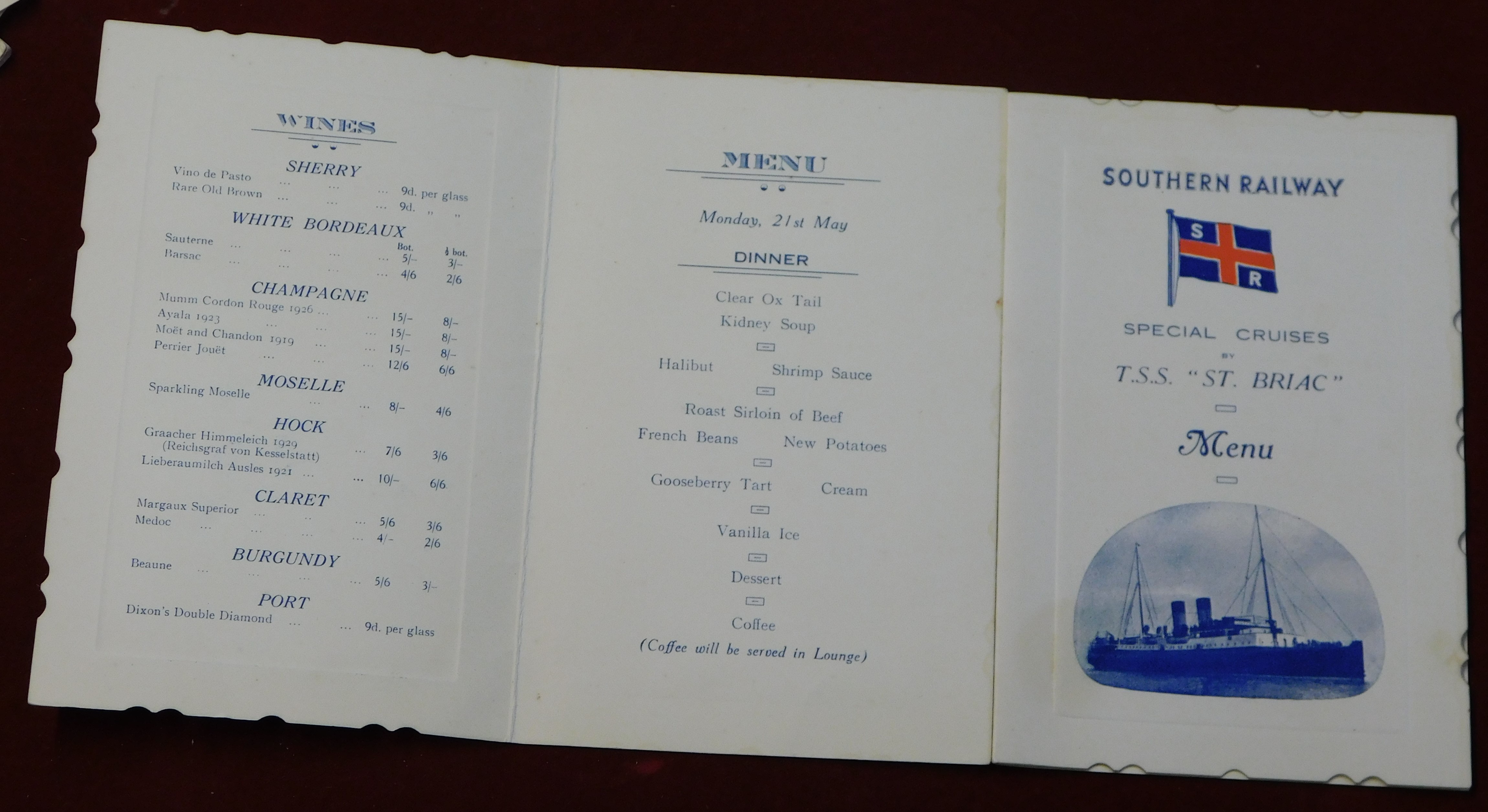
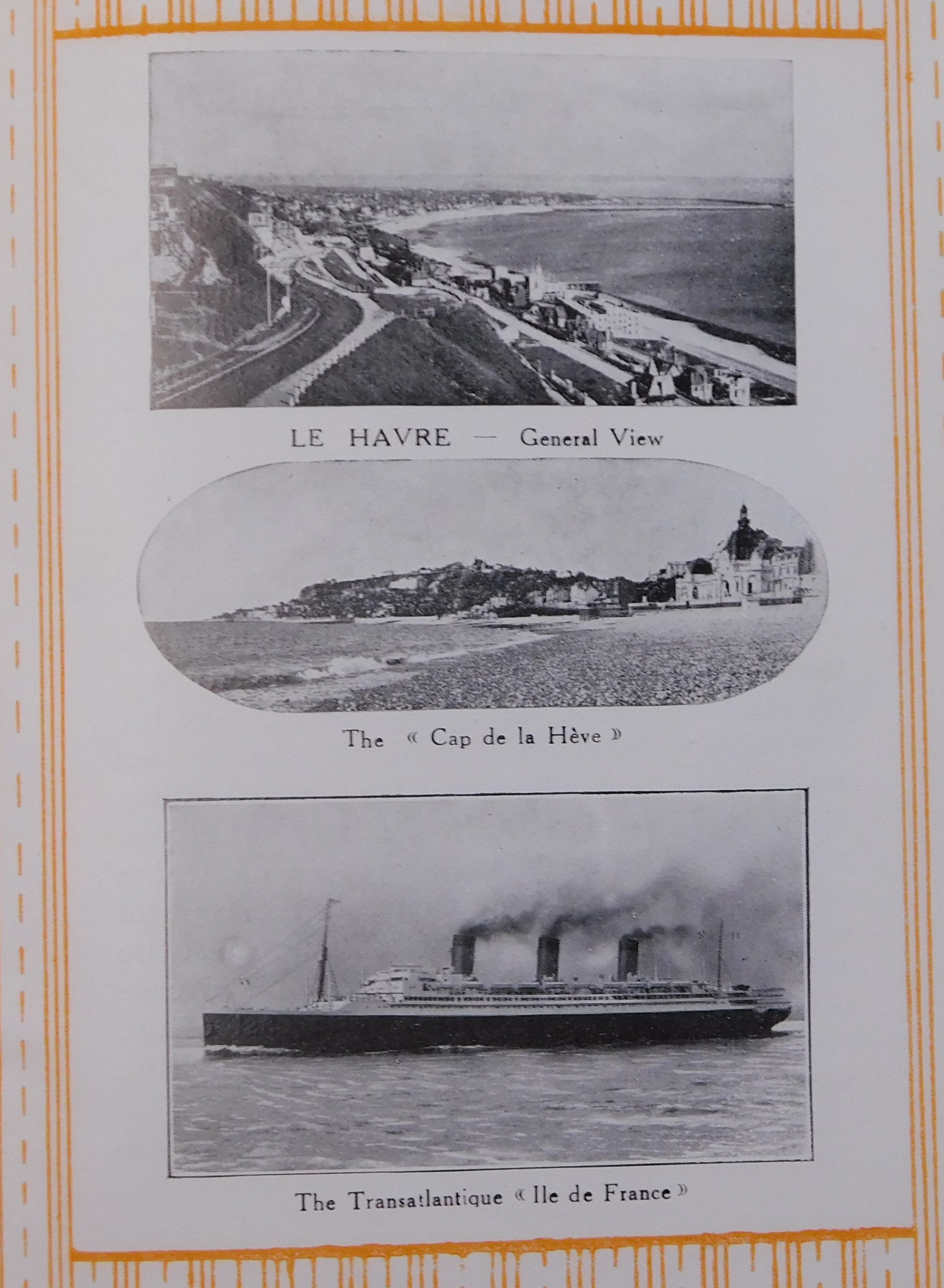
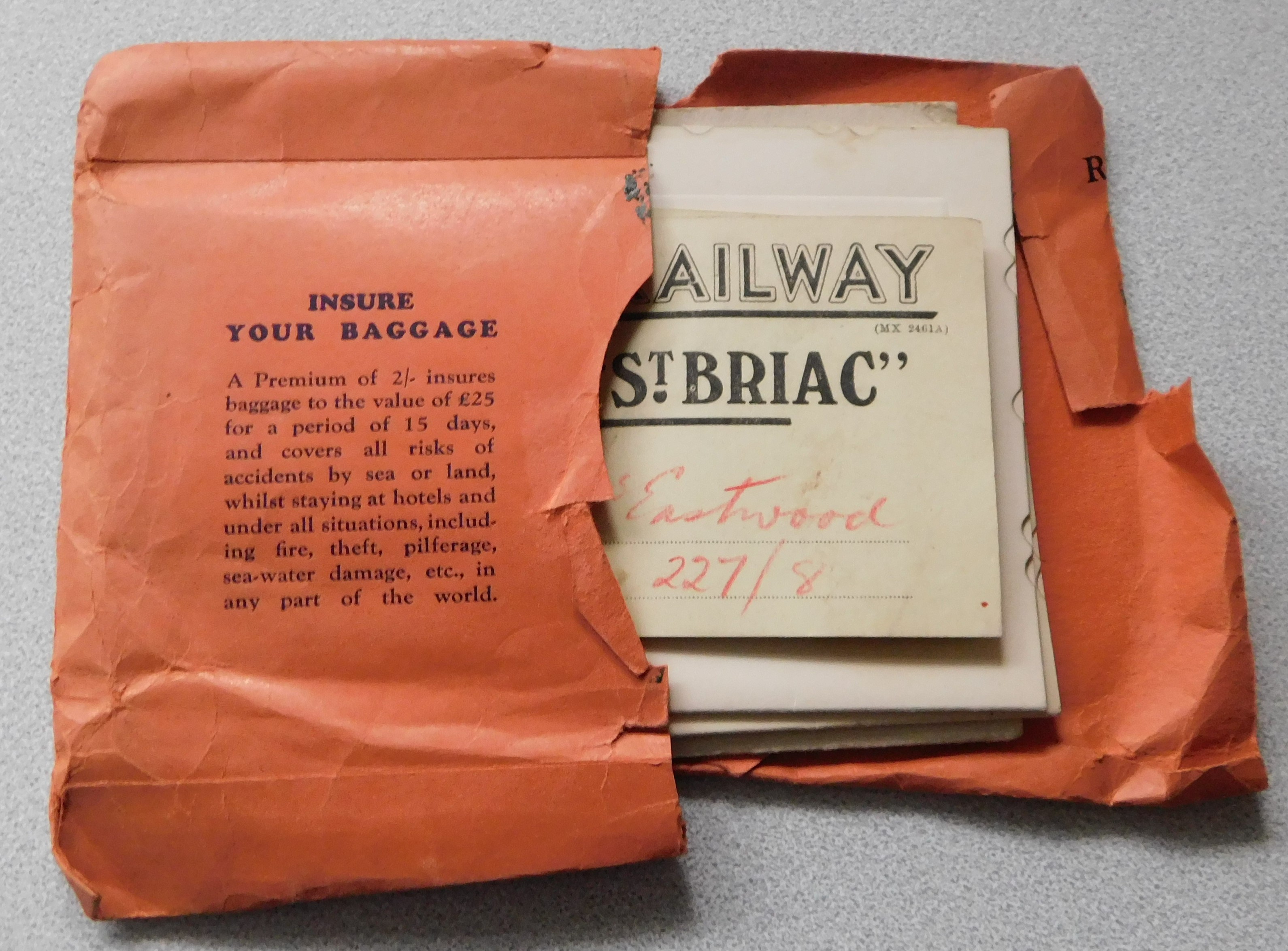
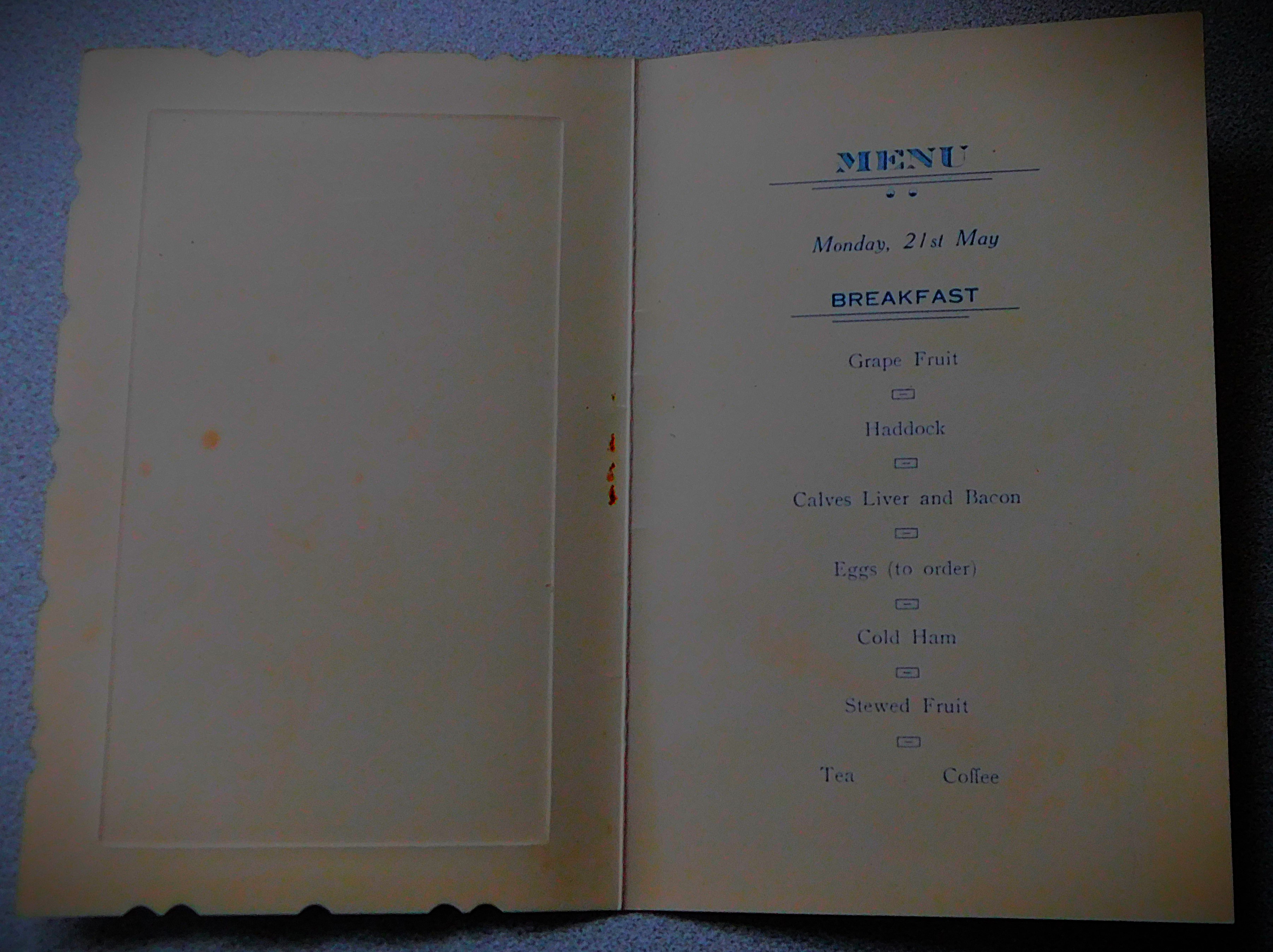
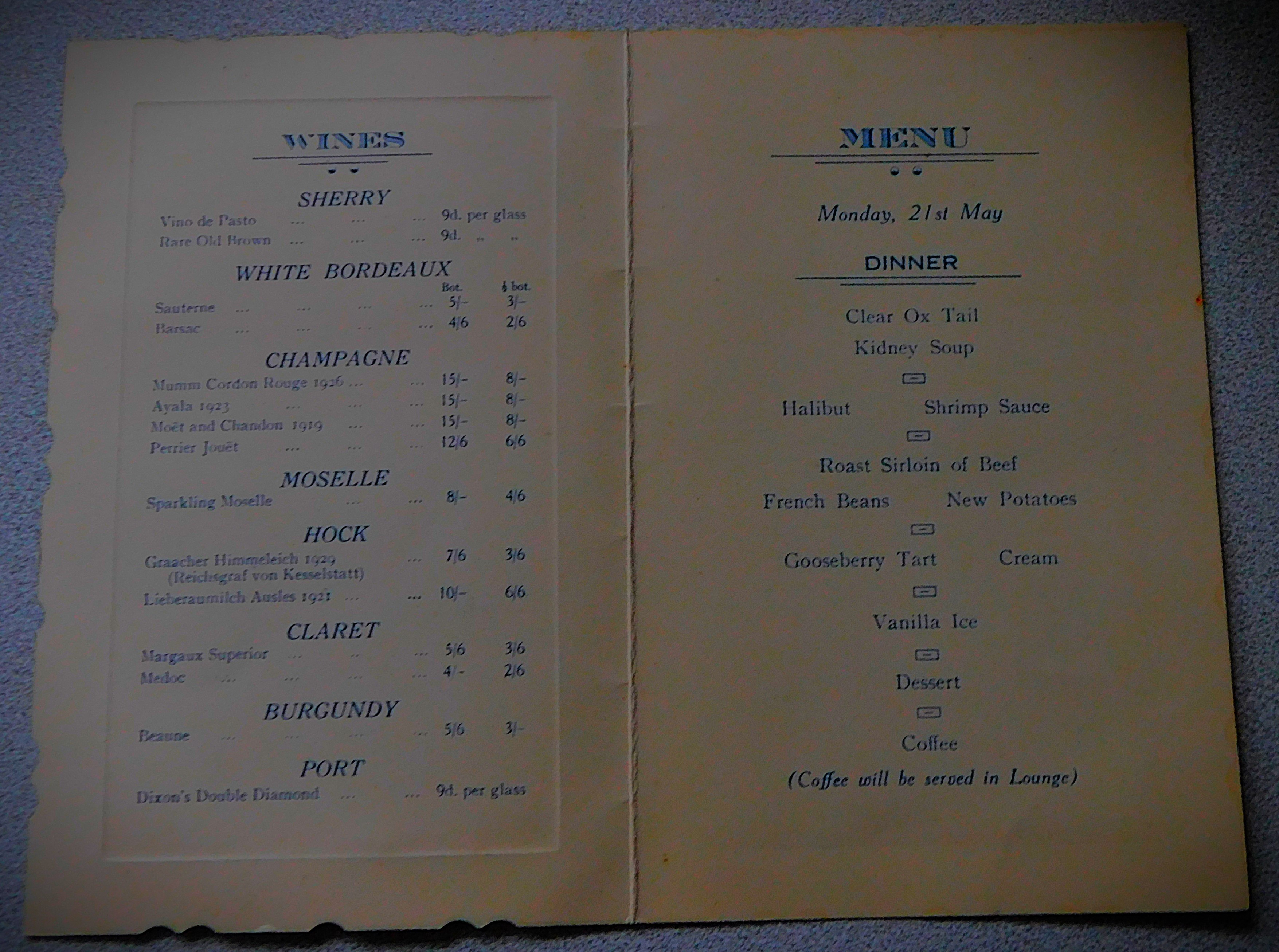
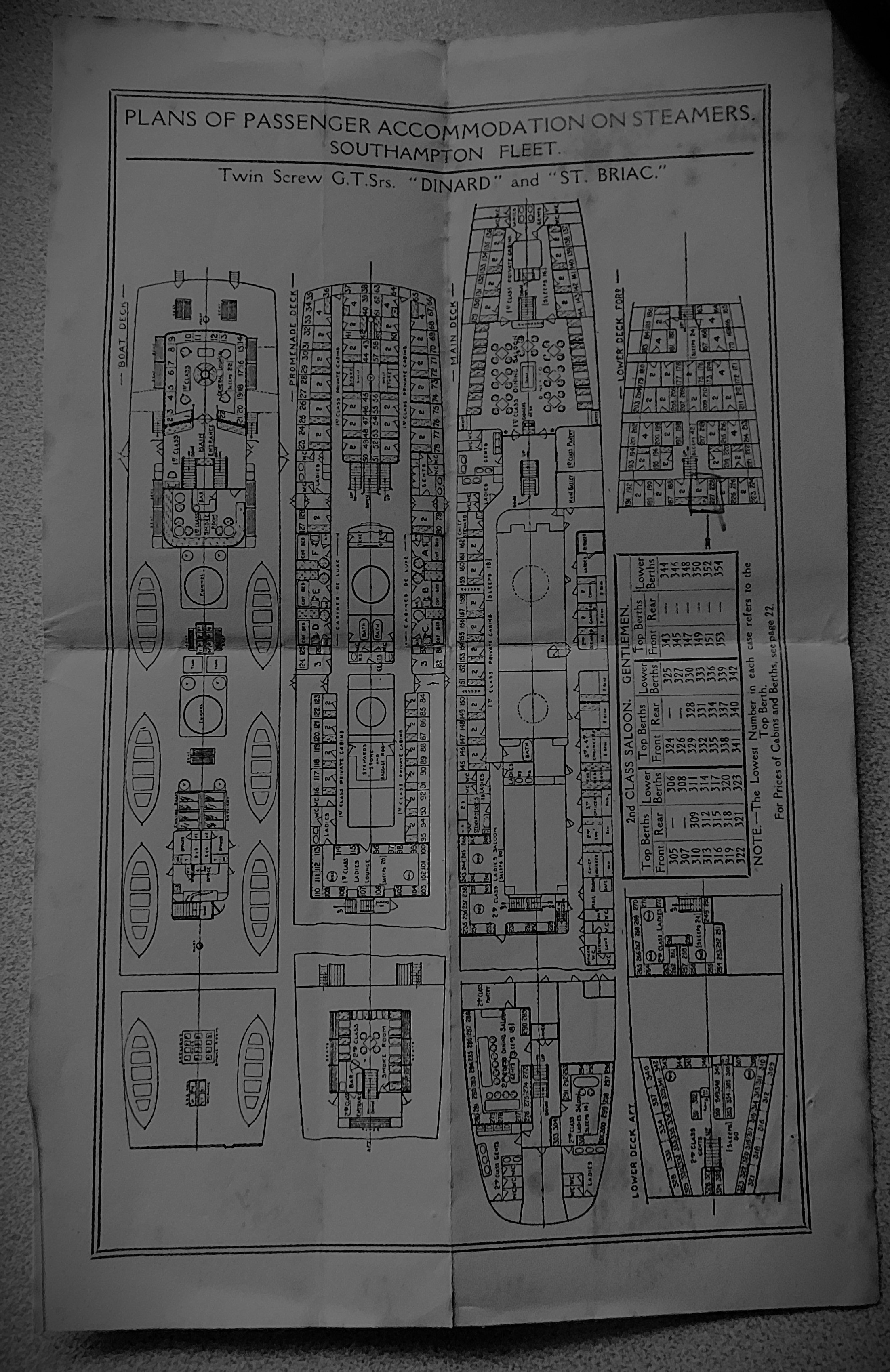
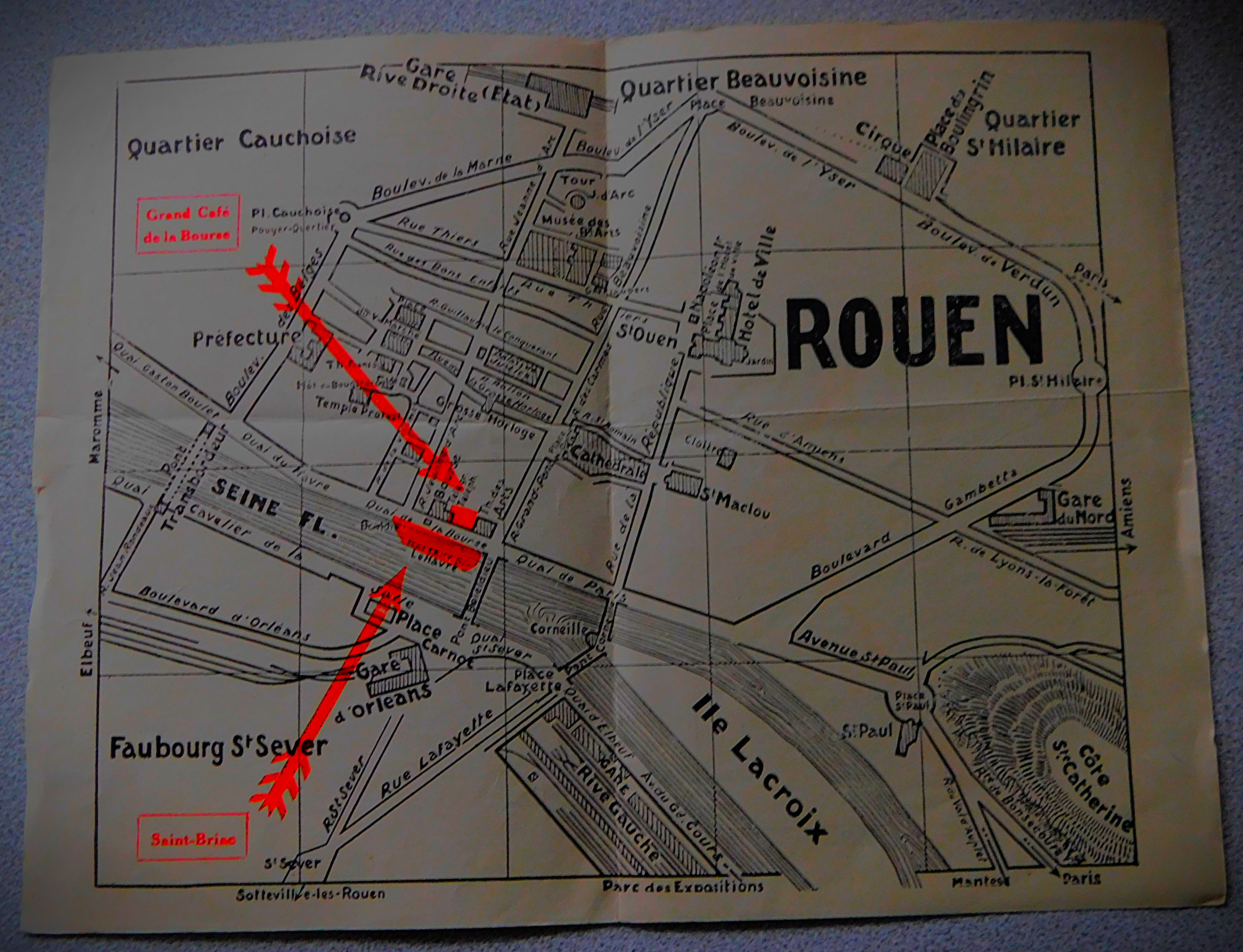
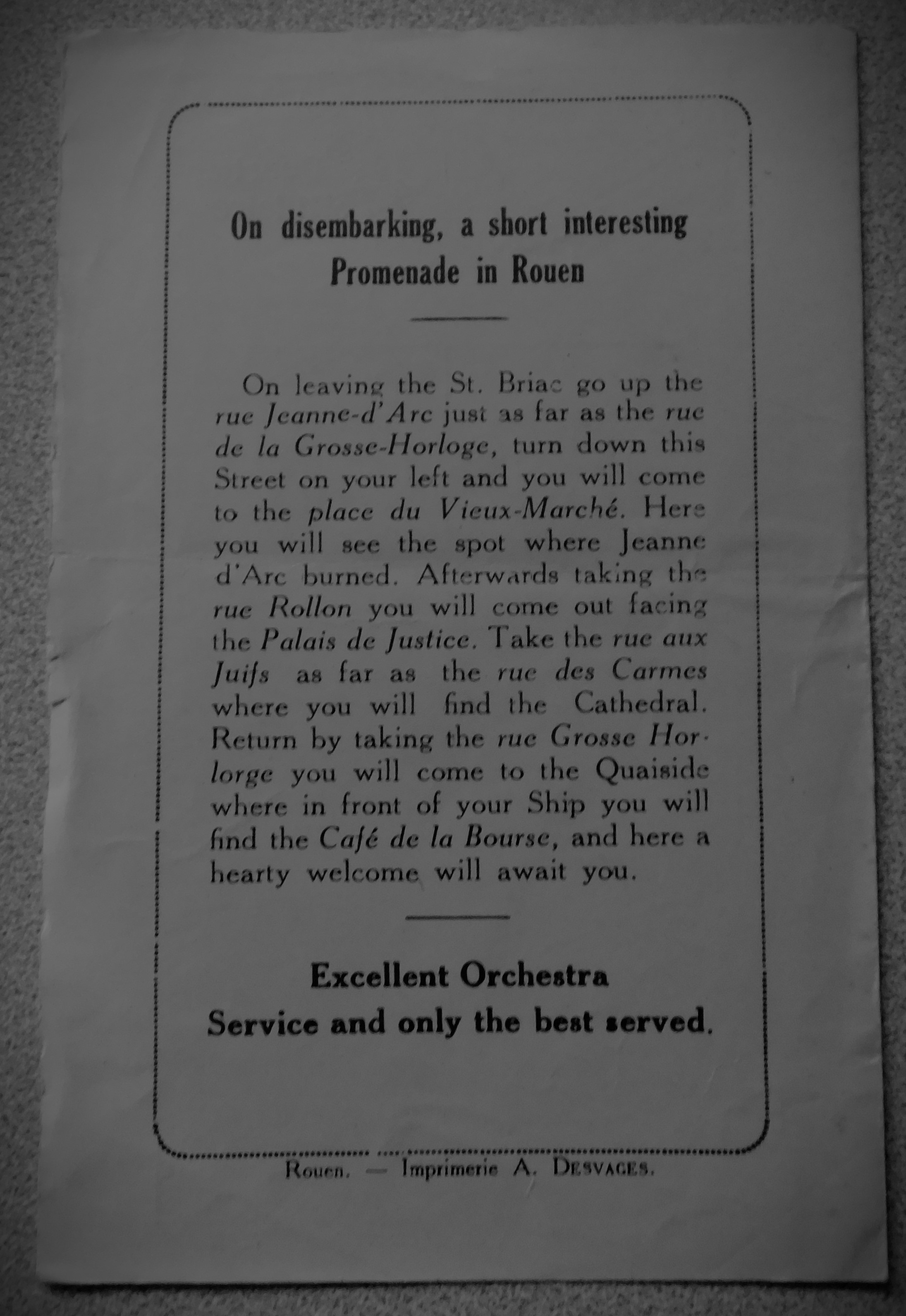
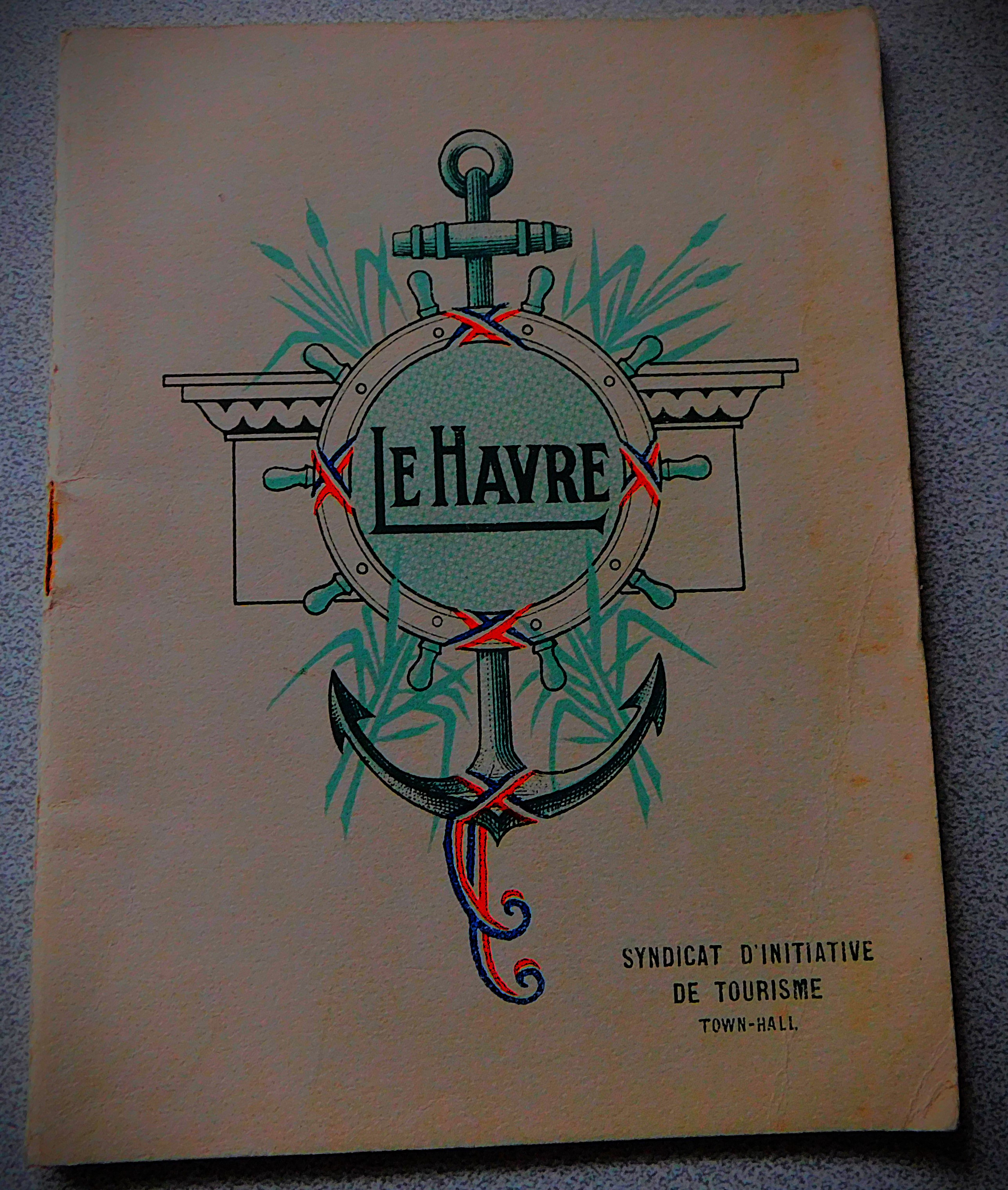
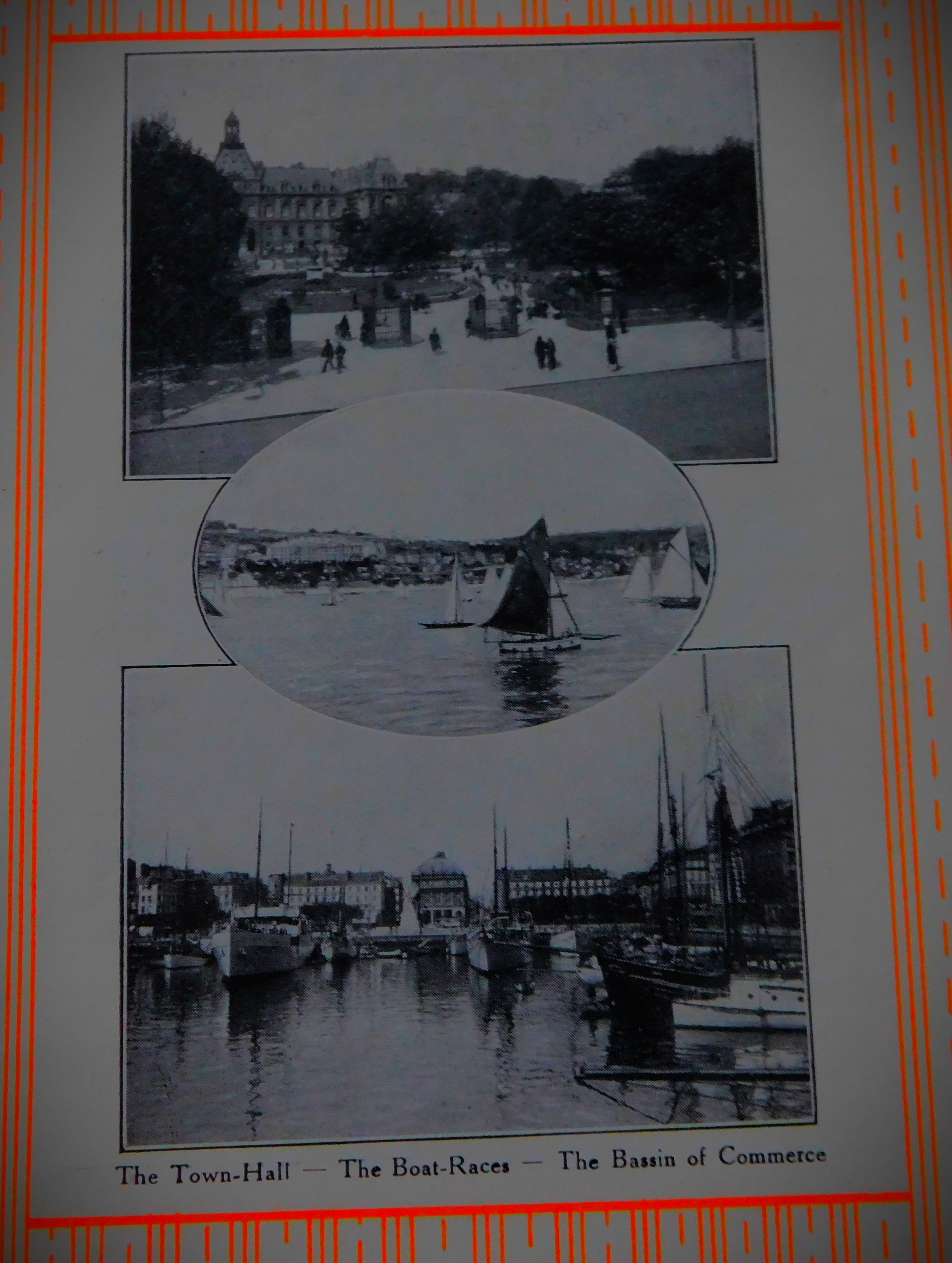
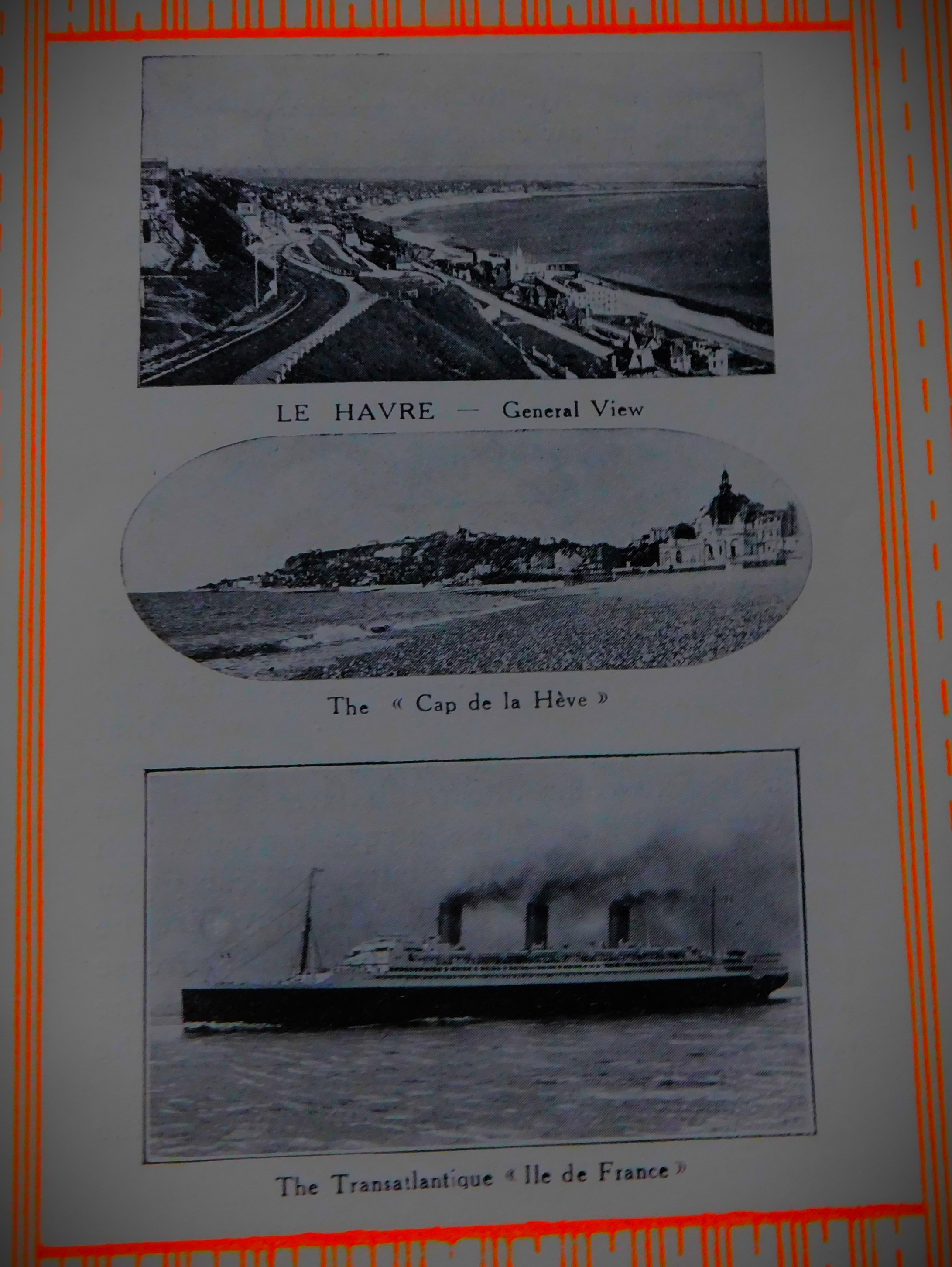
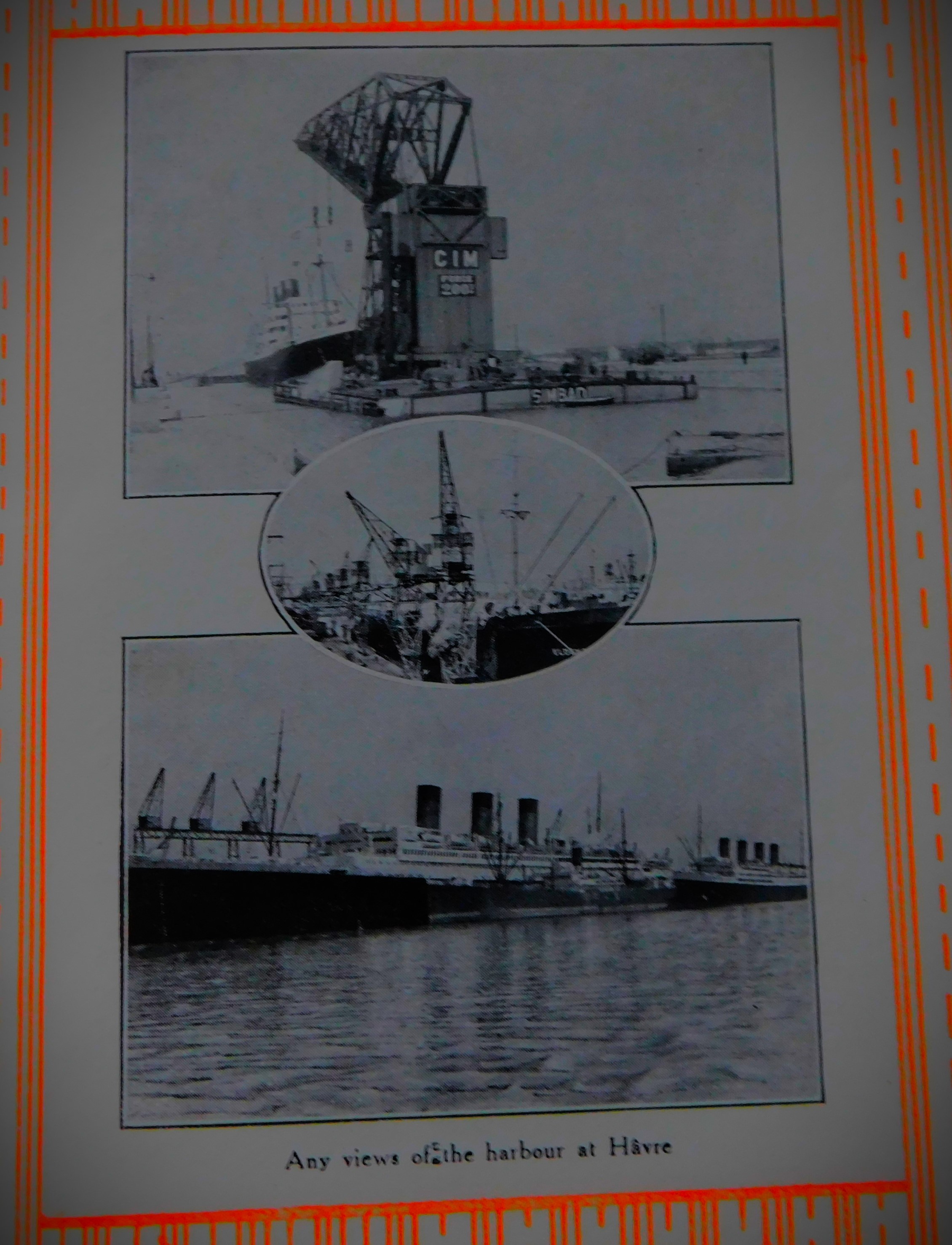
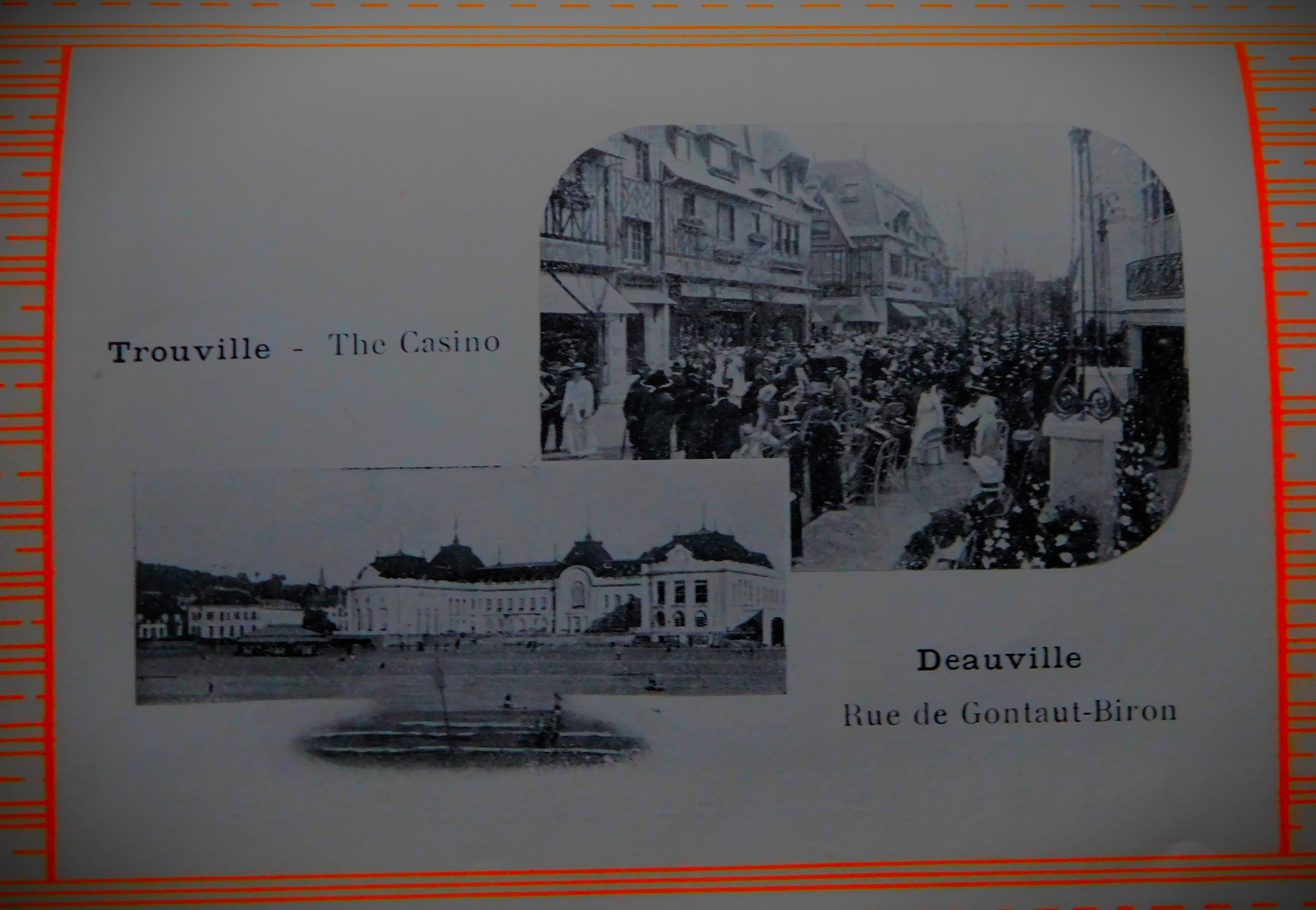
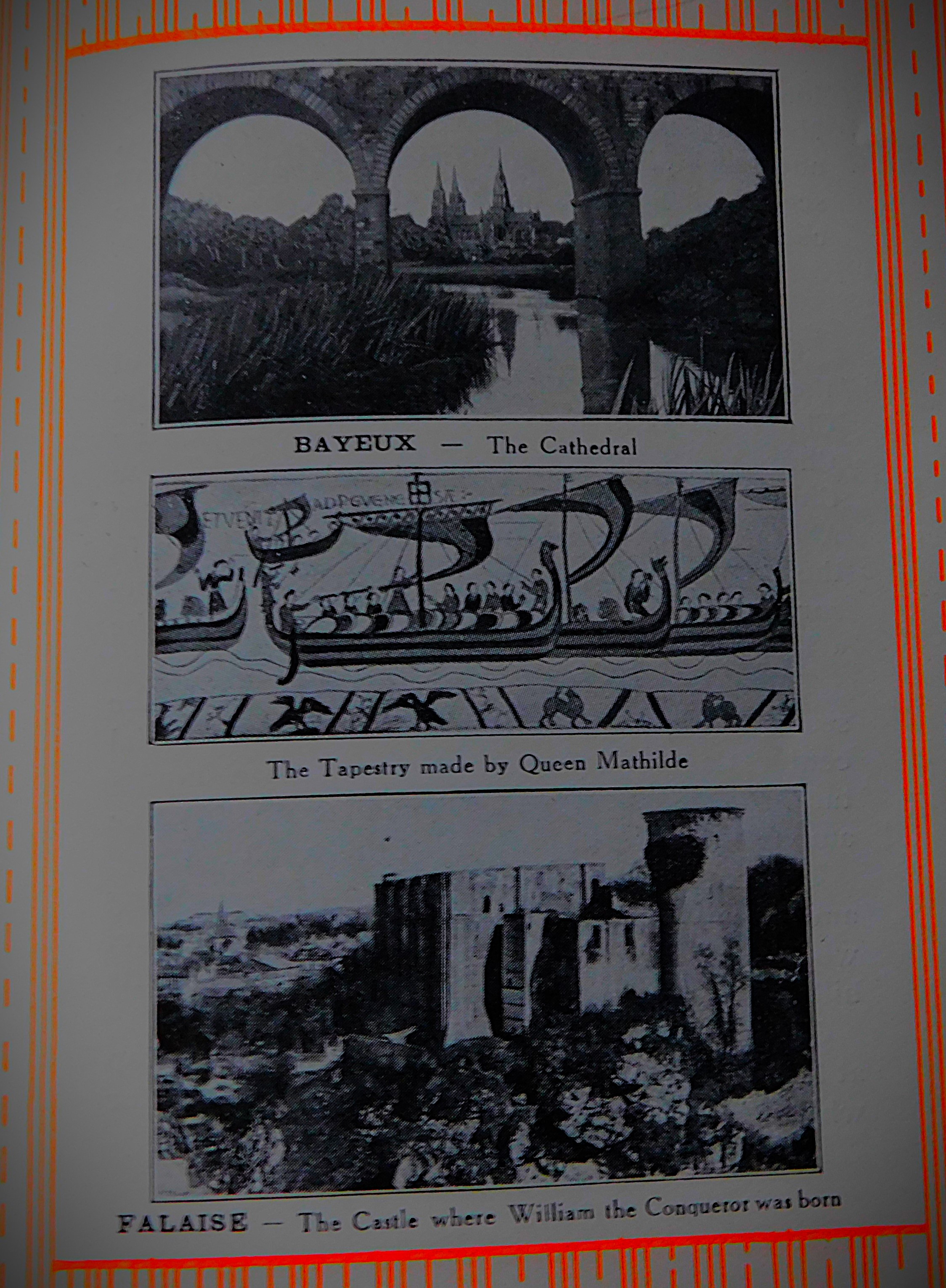
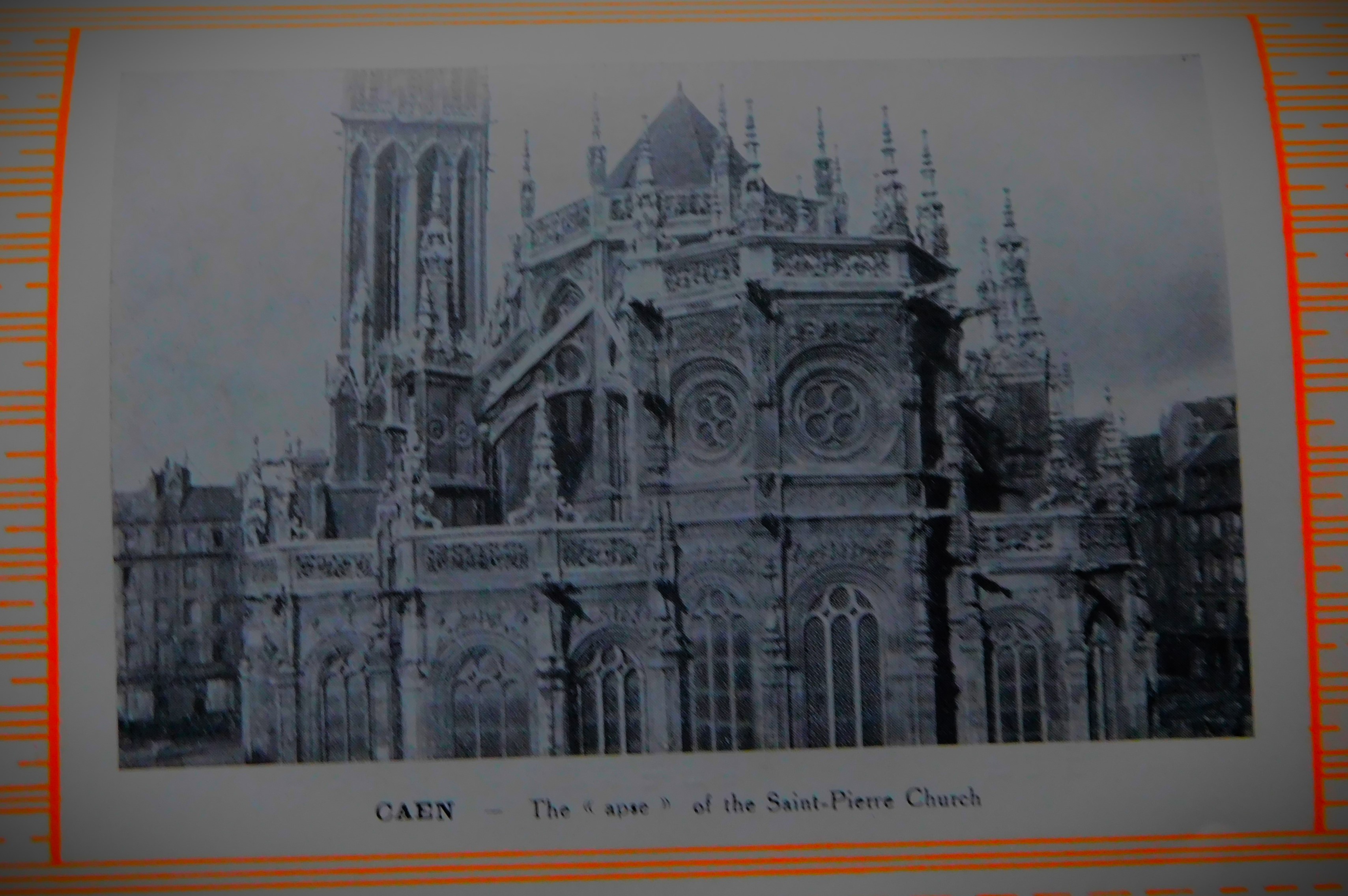
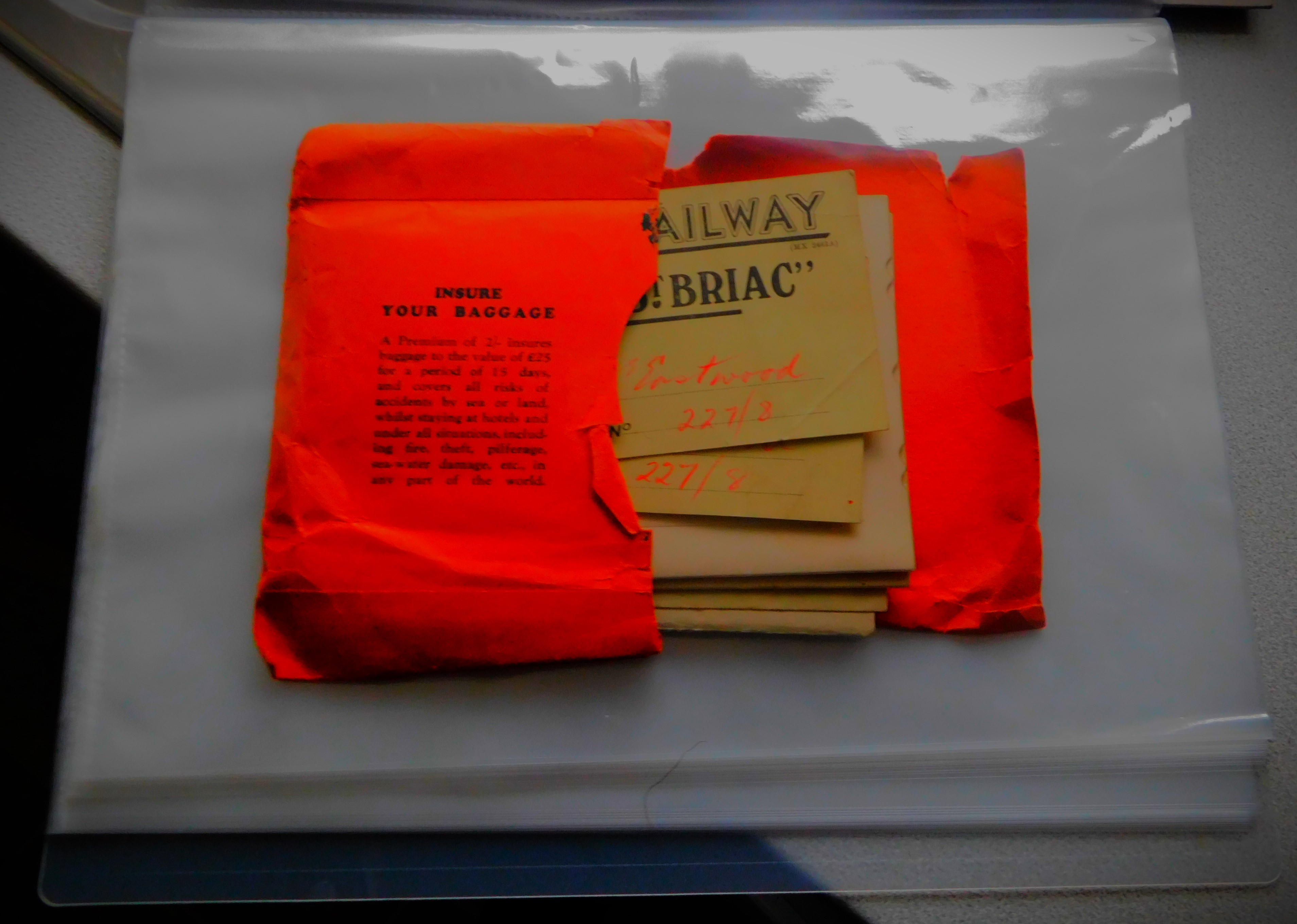
The January auction, a small one of 386 lots, featuring vintage radios and clocks, militaria, some very well preserved 1970s posters and a few other bits got underway at 10AM sharp on Wednesday. A malfunction on the part of easyliveauction, one of the two online platforms we use, caused an early halt – the problem, which was definitely at their end, was not resolved for some hours – after just over 300 of the lots had gone under the hammer. However, up to that point it had been very successful, with many items exceeding estimates by considerable amounts. Along the way, lot 169 went to me. This lot was a collection of stuff relating to a trip to Normandy run by the Southern Railway in 1934, in a tour company paper wallet. It used to be commonplace for railway companies to also operate ferry services, enabling the whole route to be booked through themselves, and ensuring that the boat departure would mesh well with the arrival of the train at the nearest station. I end this section with a gallery devoted to this item…
I always try to produce detailed galleries for items I am thinking of bidding for, to avoid any suggestion that I might be hiding things from potential rival bidders.In this case it stretched to ten images.The remaining images in this gallery were taken at home this morning.
THREE BBL KNOCKOUT SLOTS CONFIRMED
There are just three group fixtures left in this year’s BBL. With today’s match between the two Sydney outfits, Sixers and Thunder, ruined by the weather we now know that Hobart Hurricanes (played nine, 15 points) are winning the league stage, whatever happens in their final group fixture against Melbourne Stars. Sydney Sixers are second and Sydney Thunder are third, both sufficiently clear of fourth for these spots to be certain. None of the remaining five teams are entirely ruled out of qualifying yet, although tomorrow’s two matches will winnow down the possibilities. It will be Sunday’s match between Stars and Hurricanes that will finally settle it. There is nothing at stake in that game for the Hurricanes – they as mentioned are qualifying as winners of the league stage even if they lose that match, whereas for Stars it will be a chance to complete a Houdini act – they started with five straight losses and they have a legitimate chance of qualifying.
PHOTOGRAPHS
My usual sign off…
Birds flying in an approximate V formation……this close up suggests that they are a species of goose.



















































































































































































































































































































































































































































































































































































































































































































































































































































































































































































 aspiblog