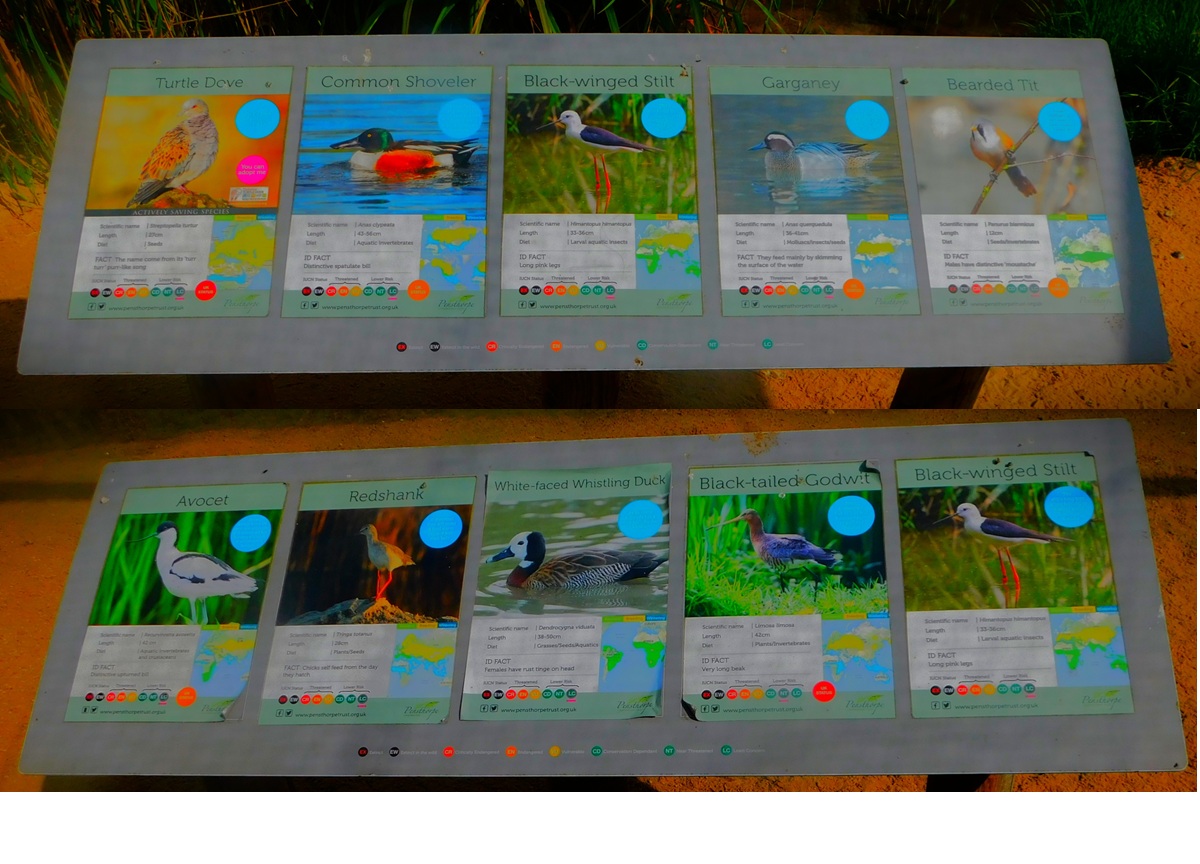
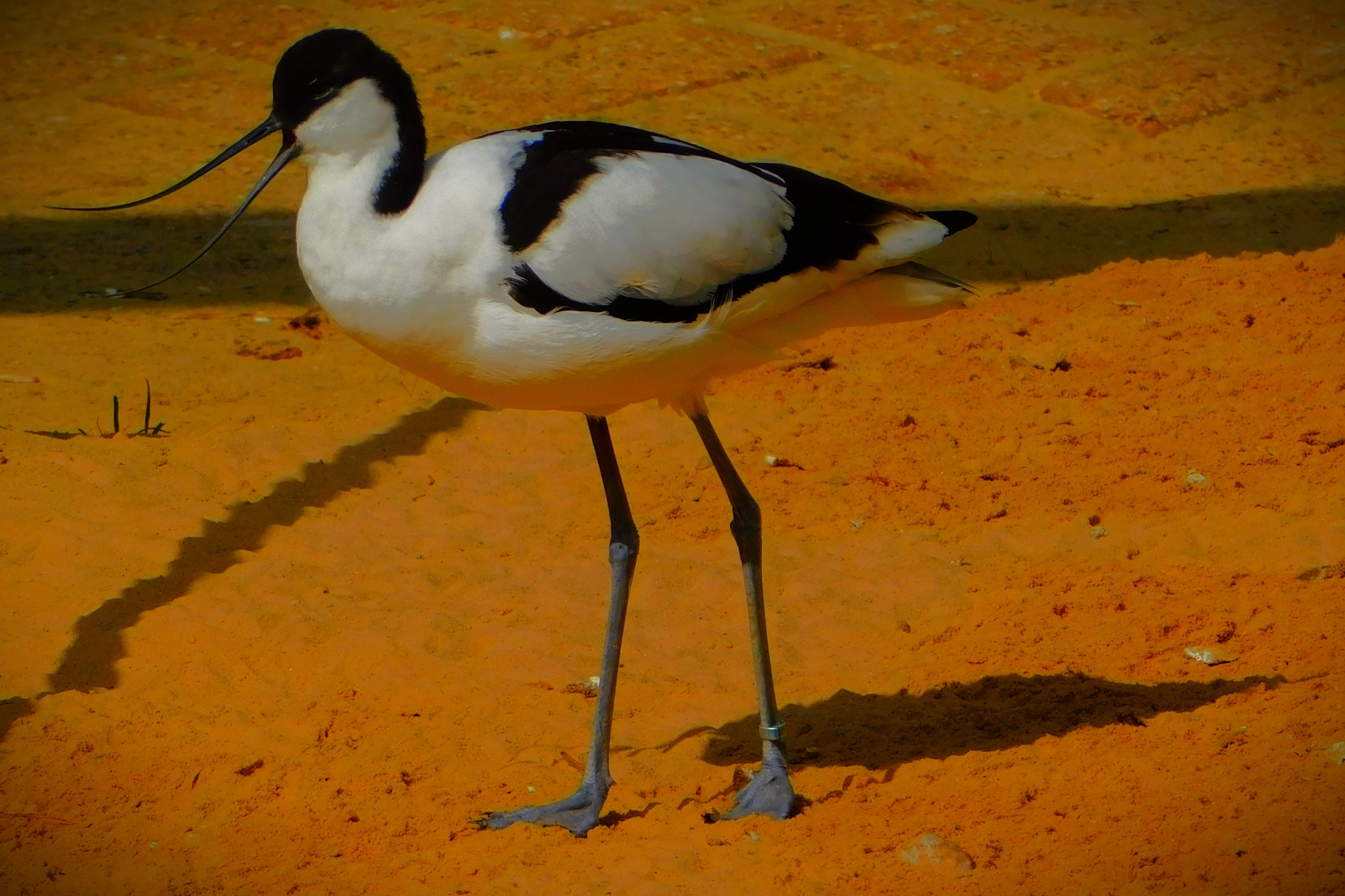
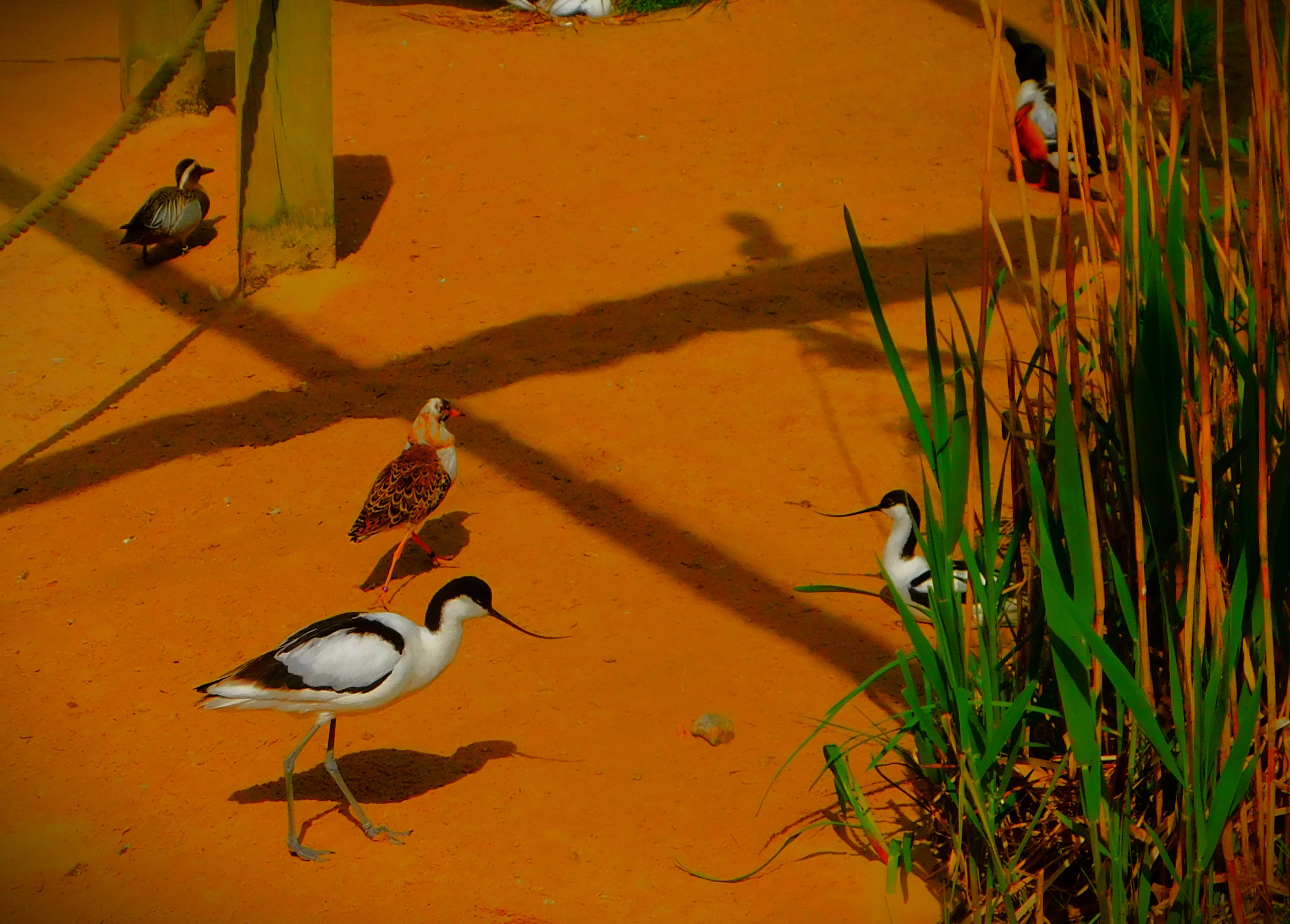
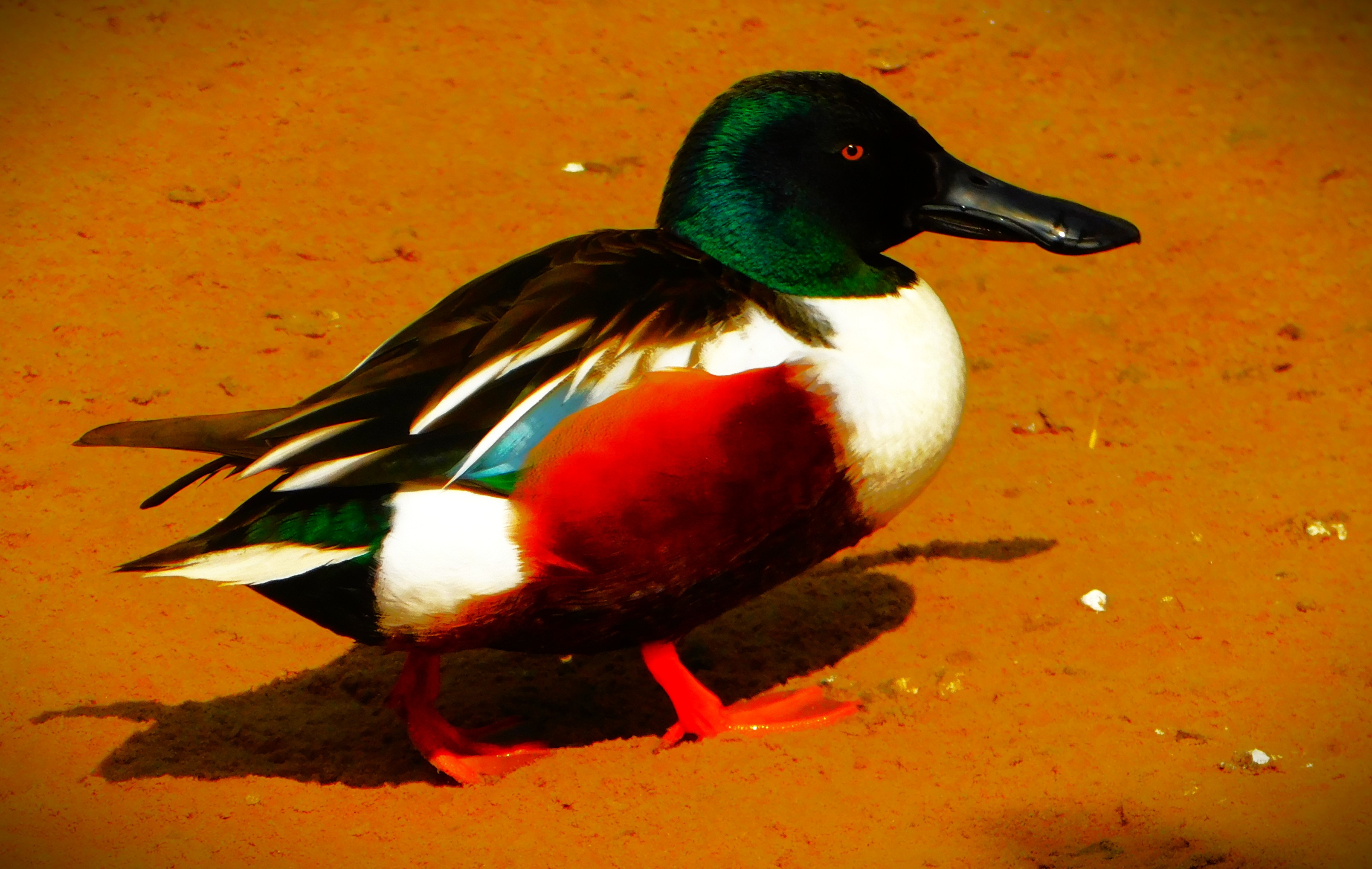
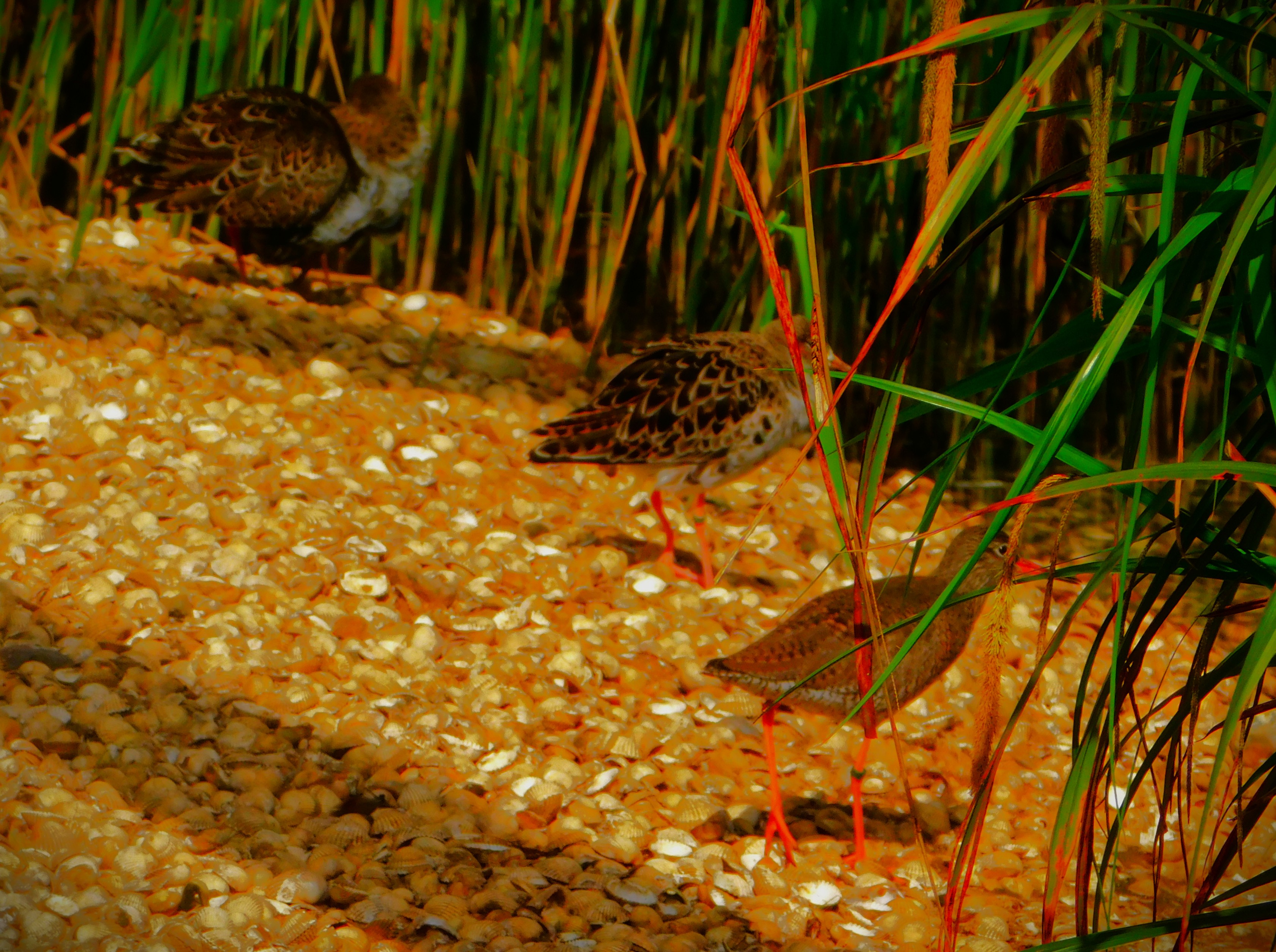
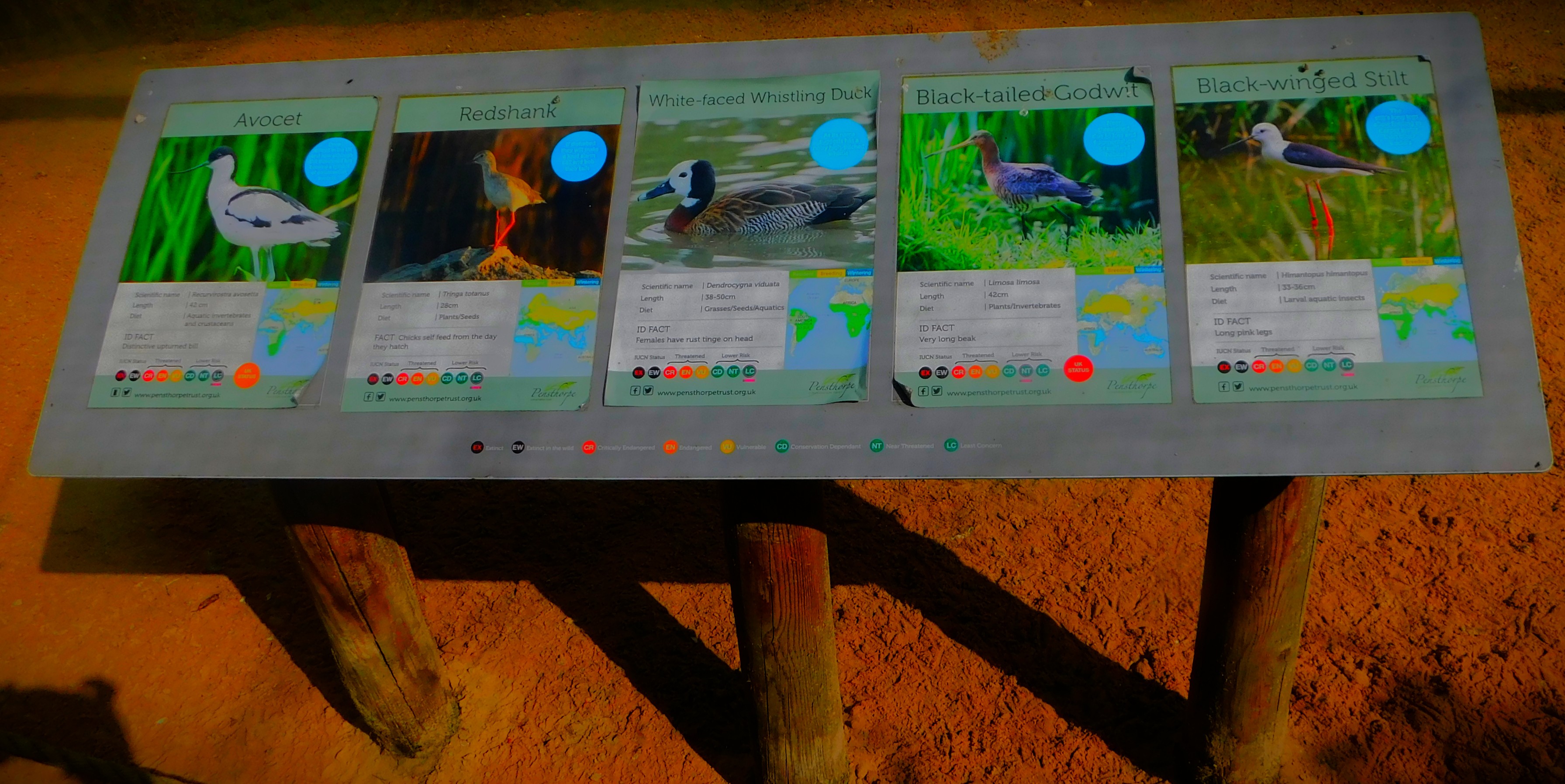
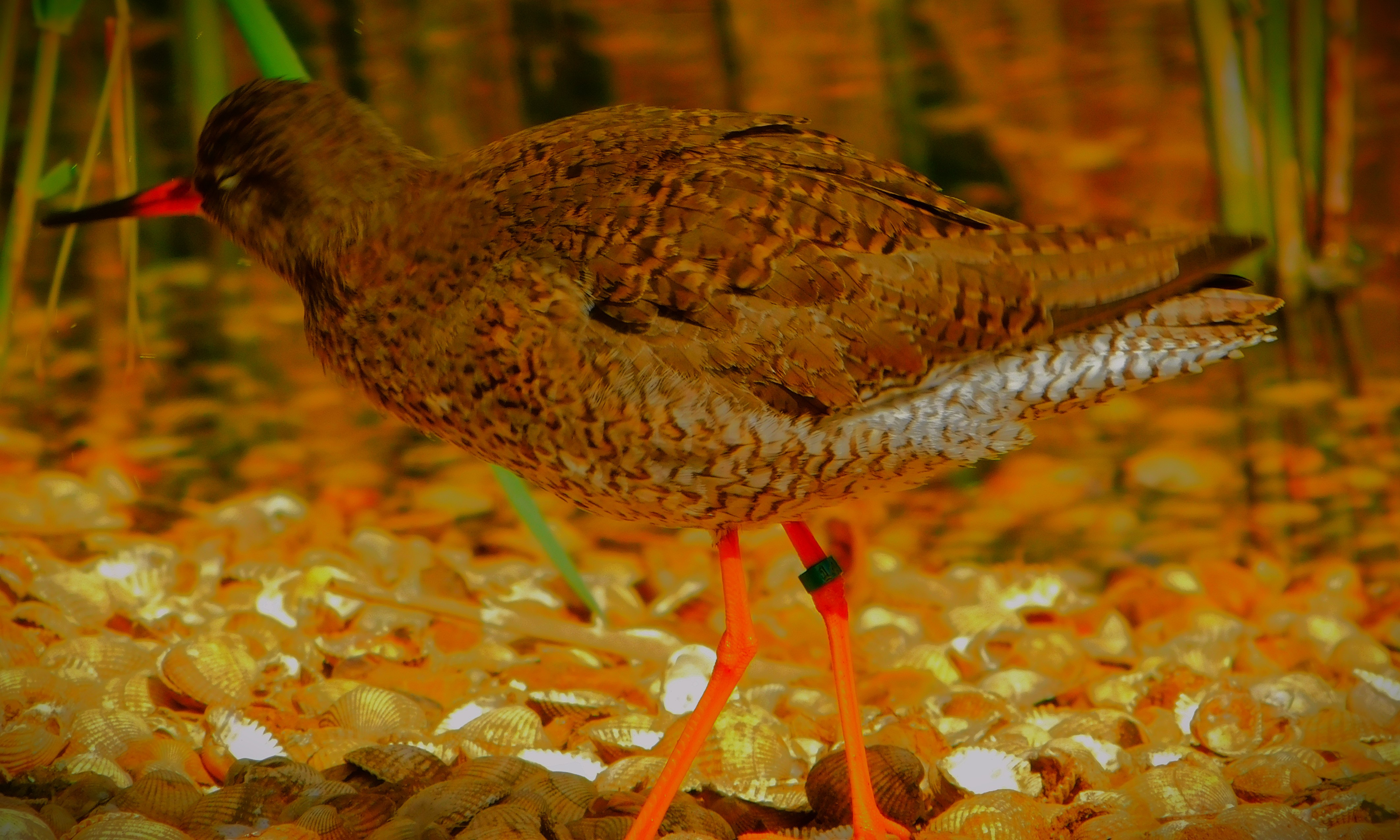
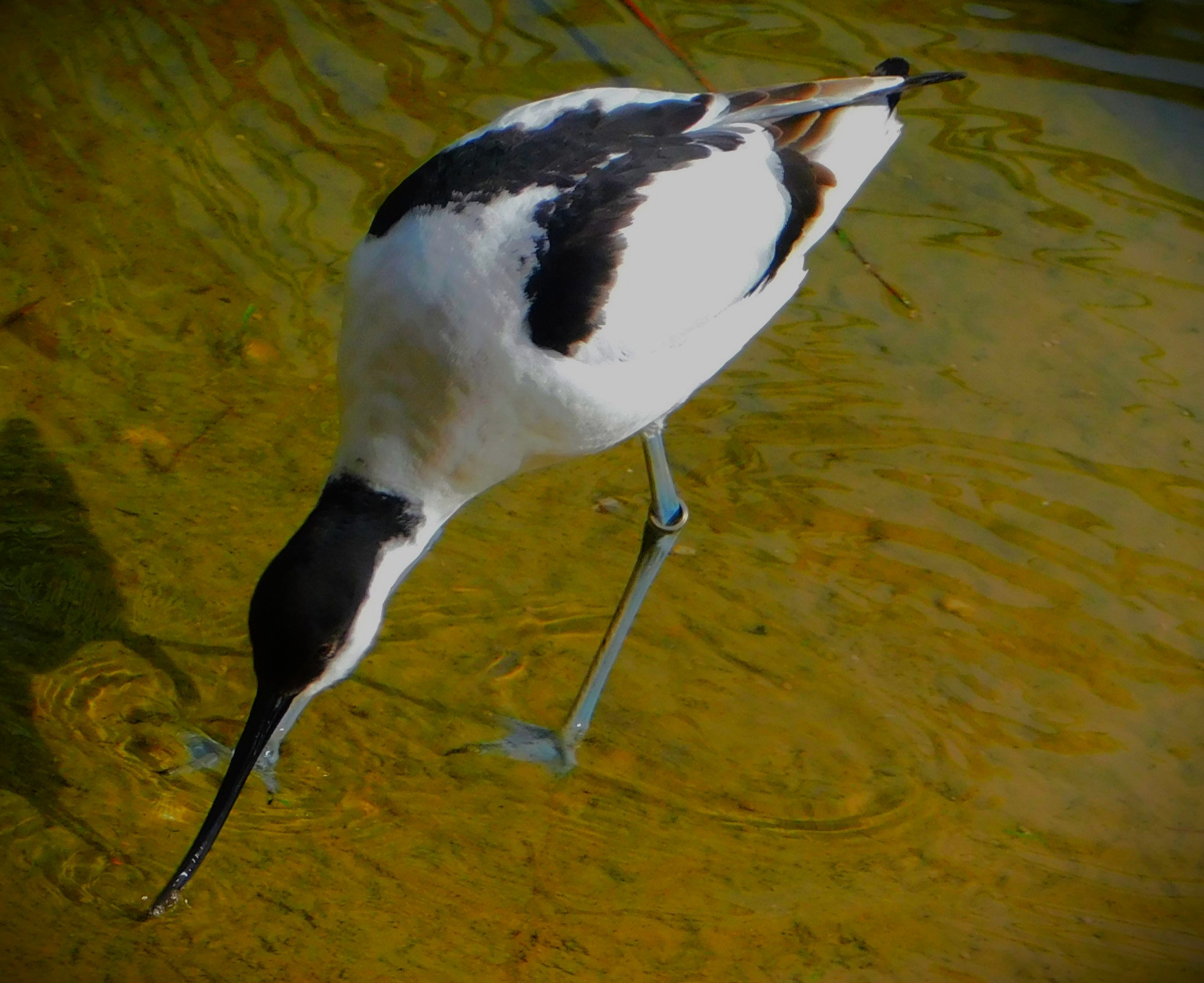
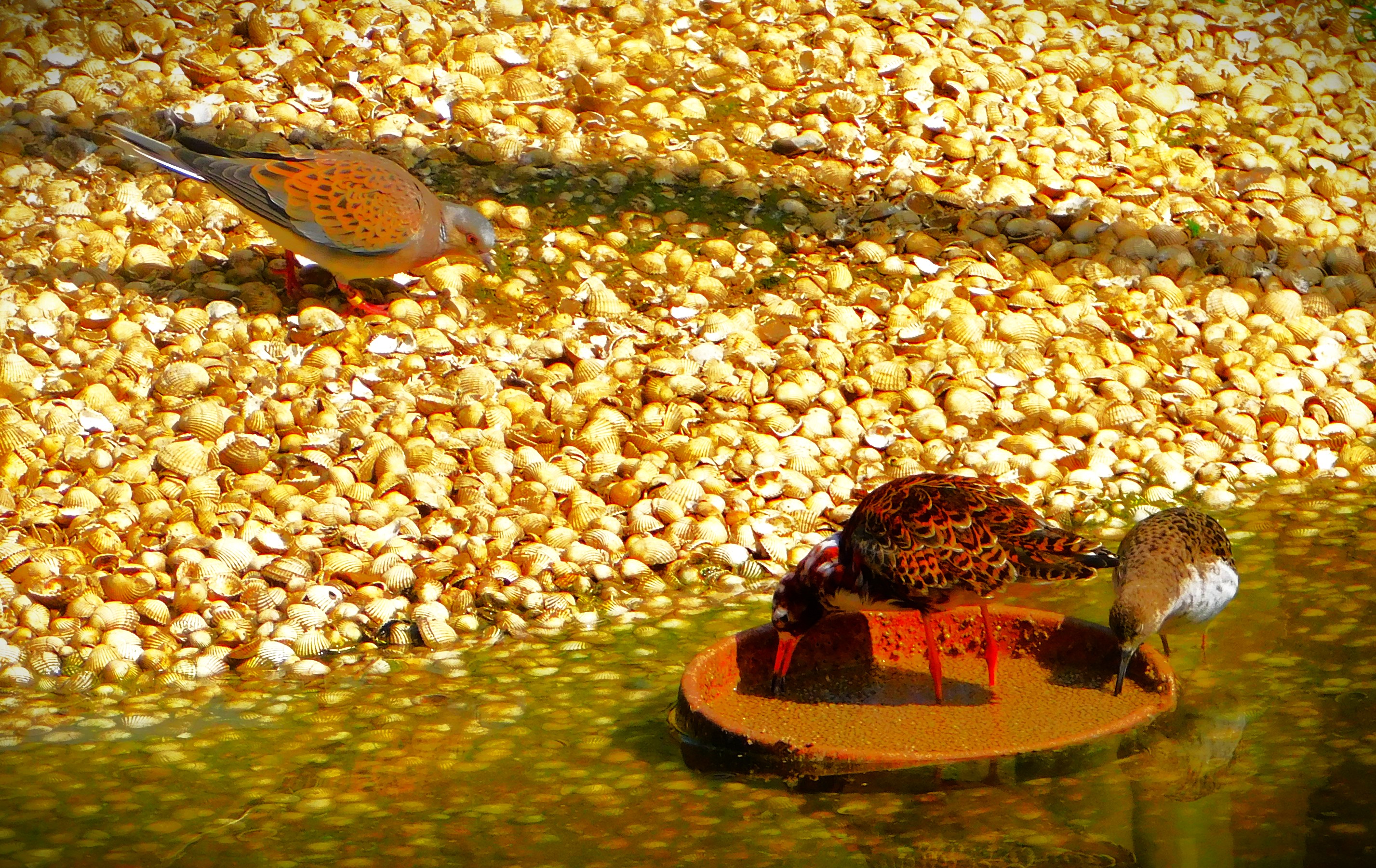
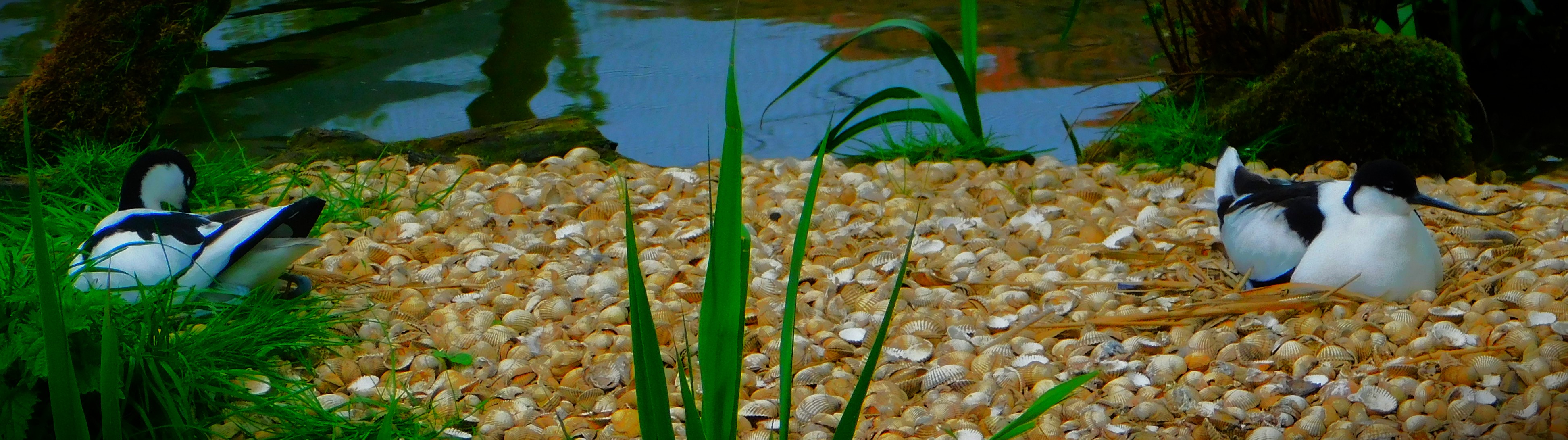
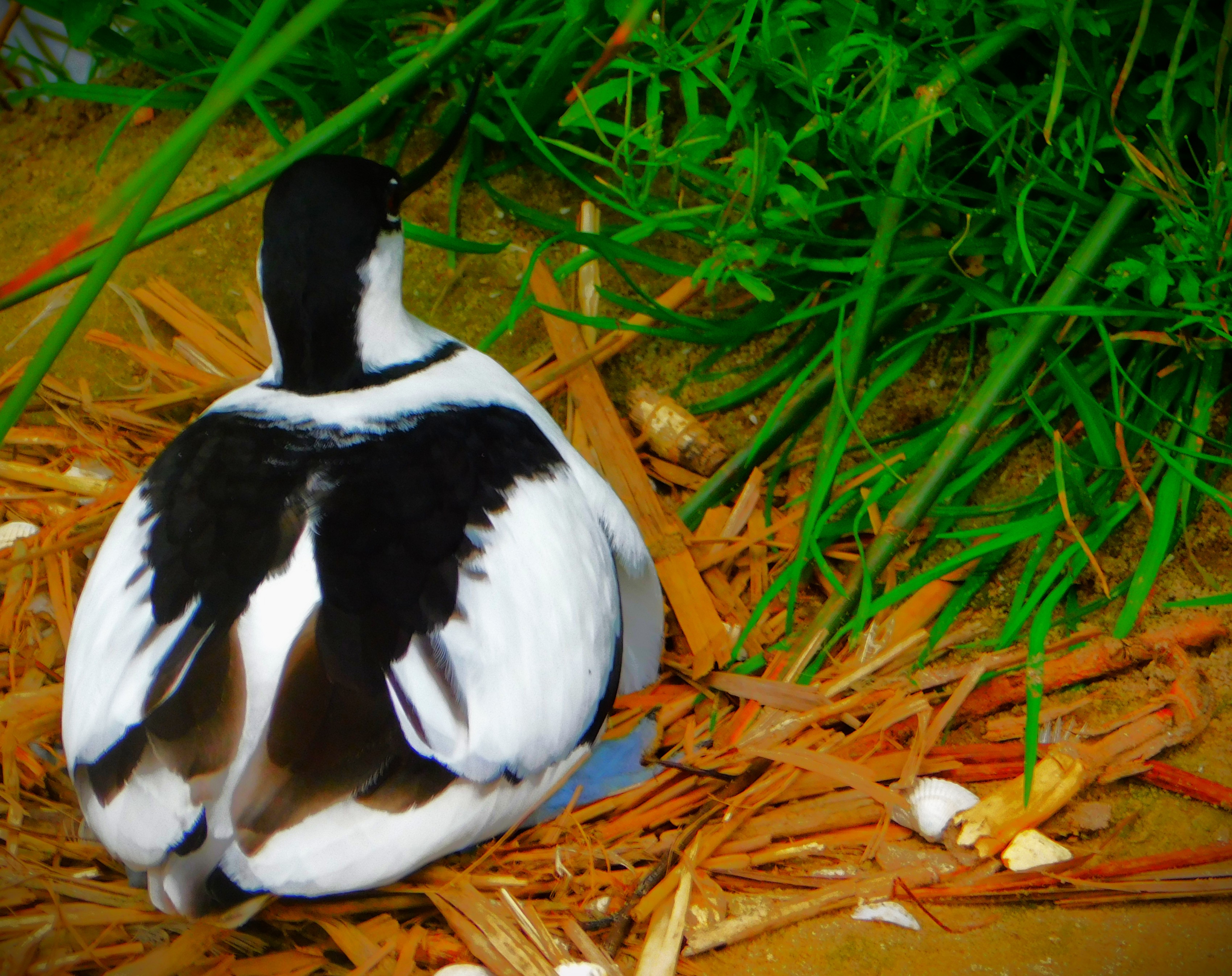
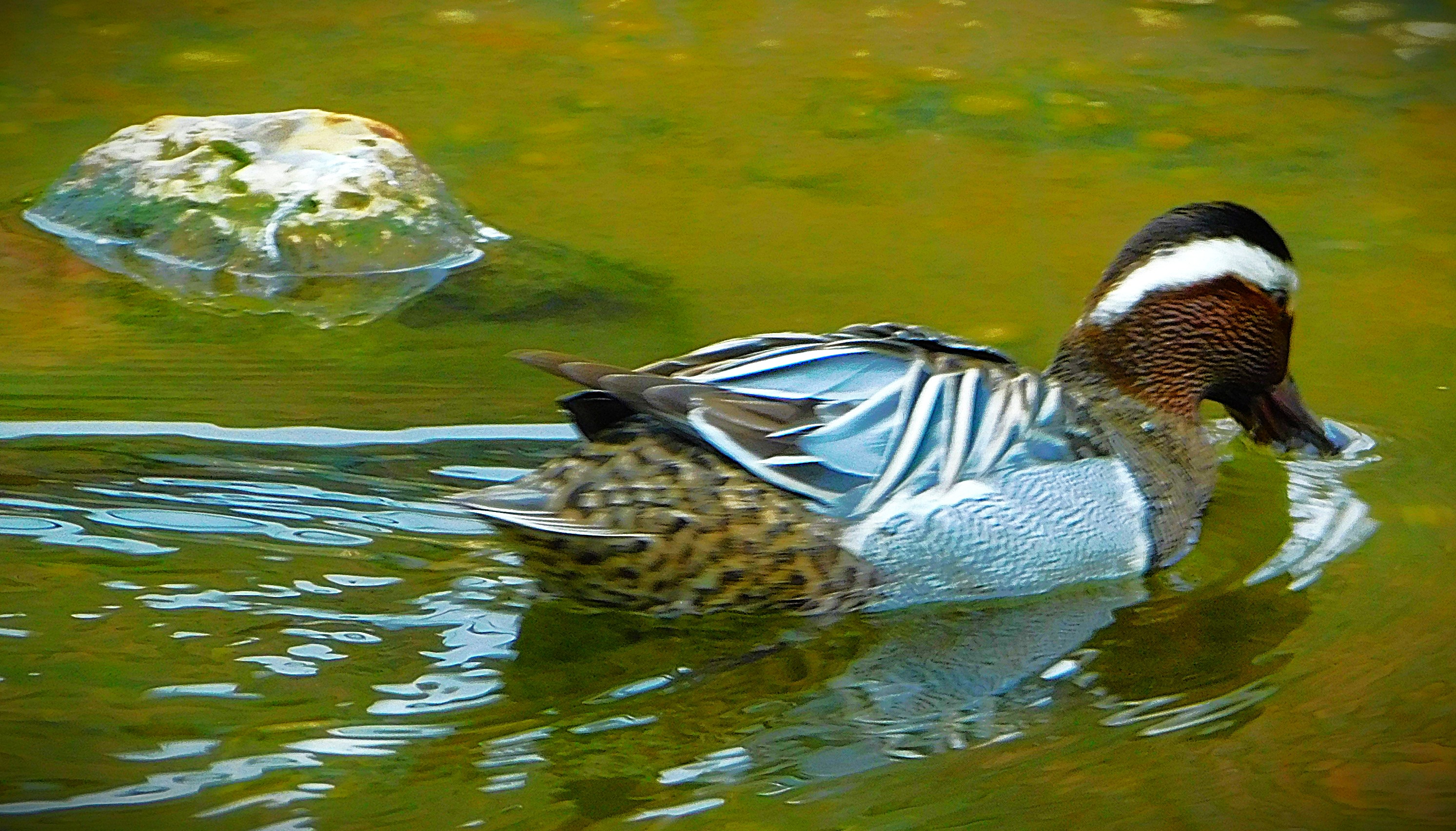
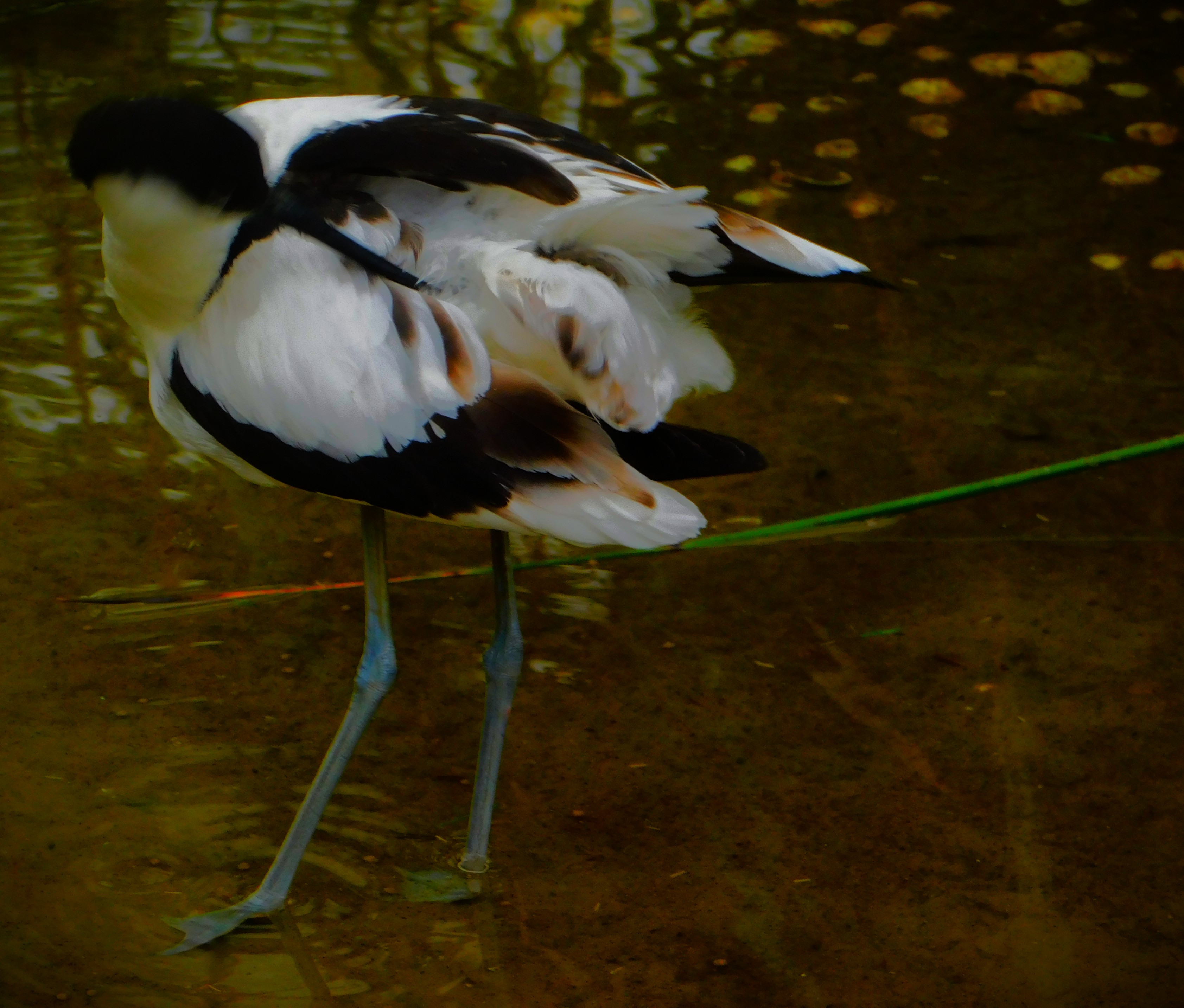
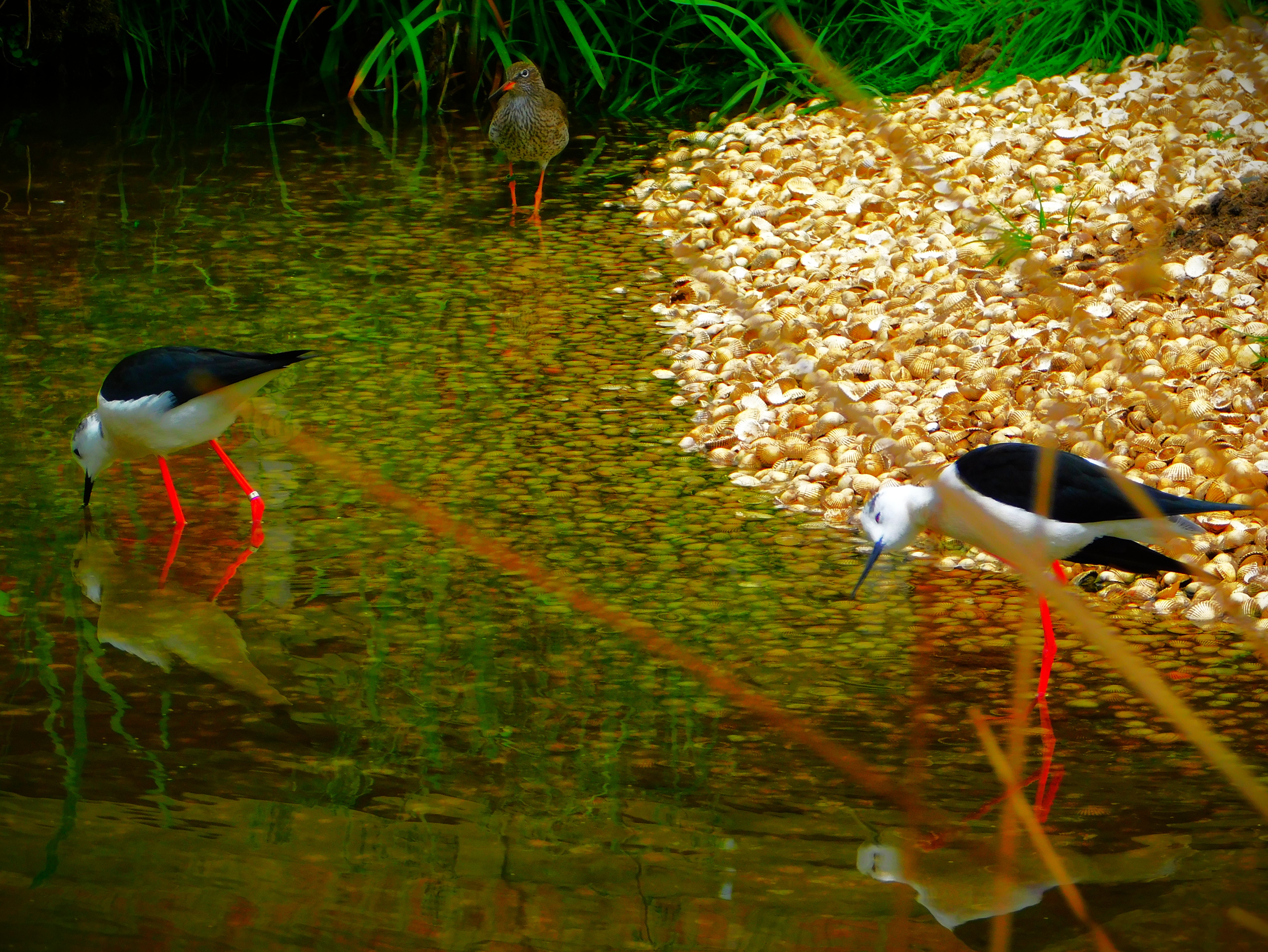
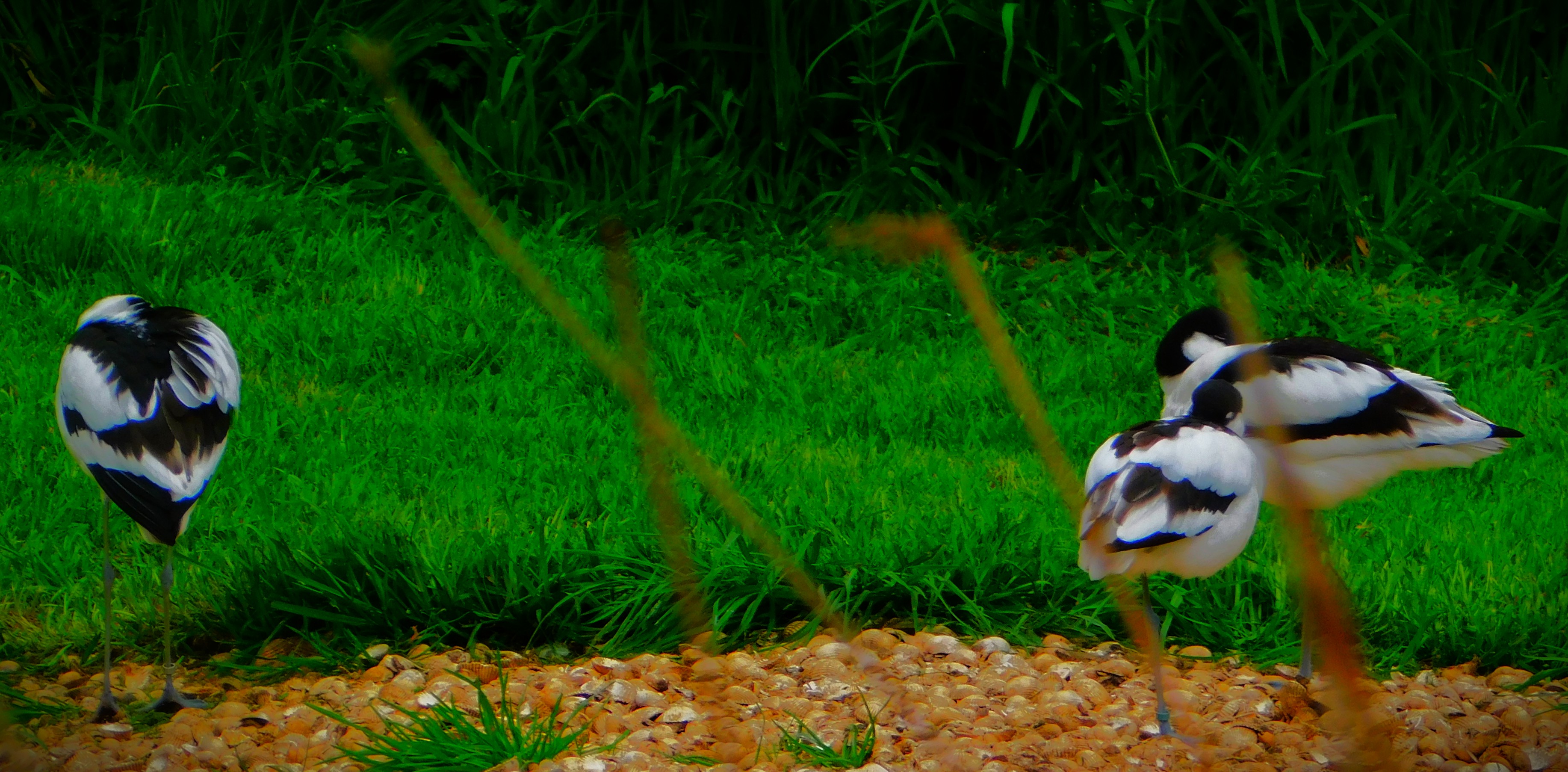
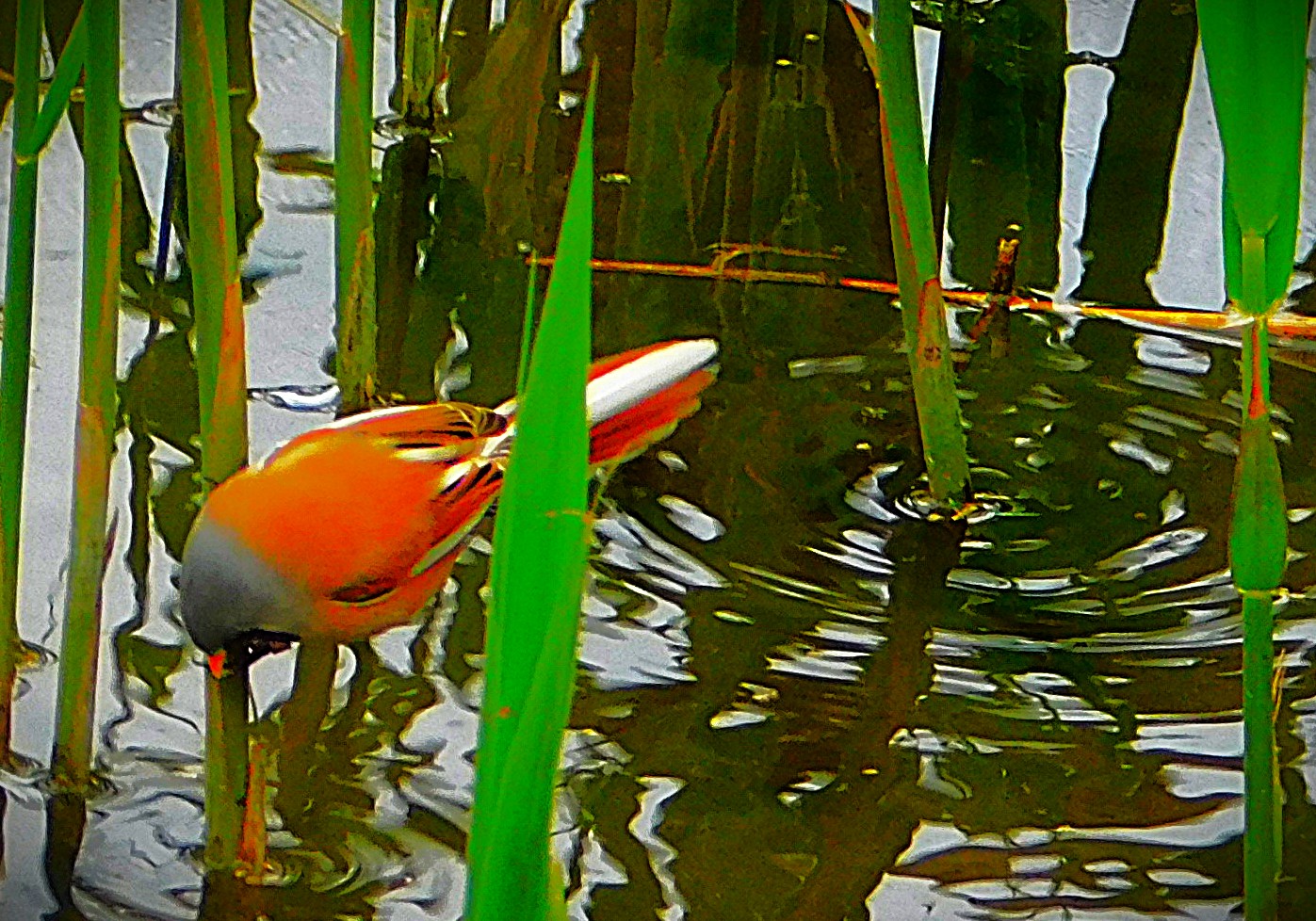
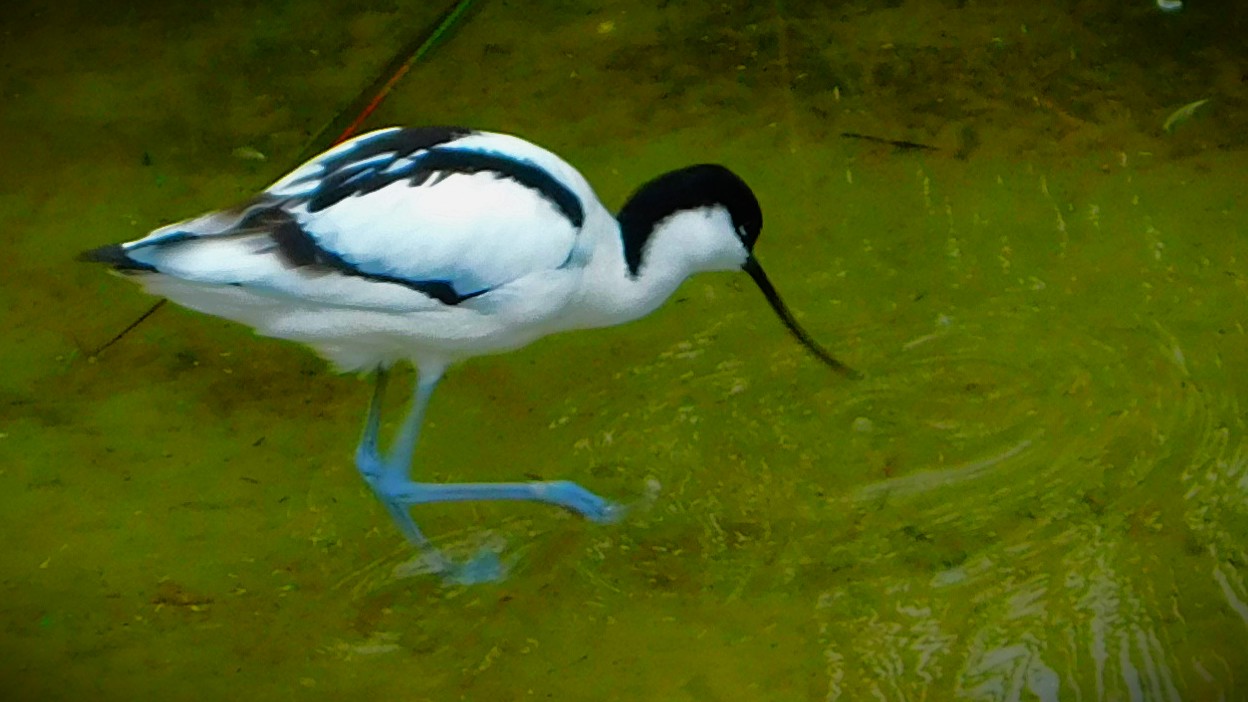
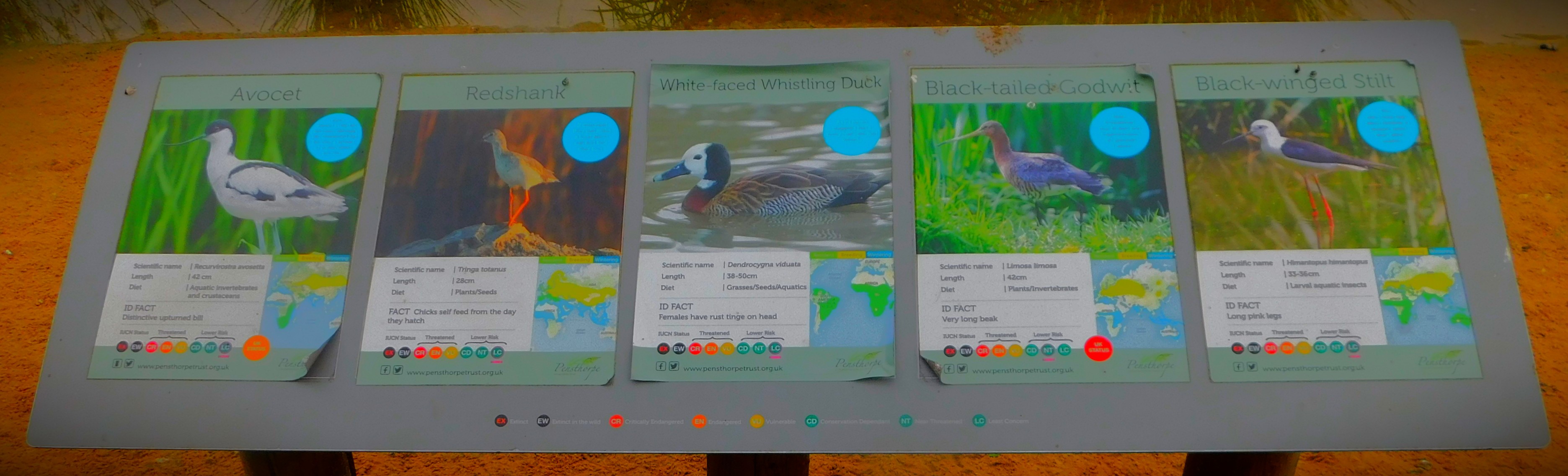
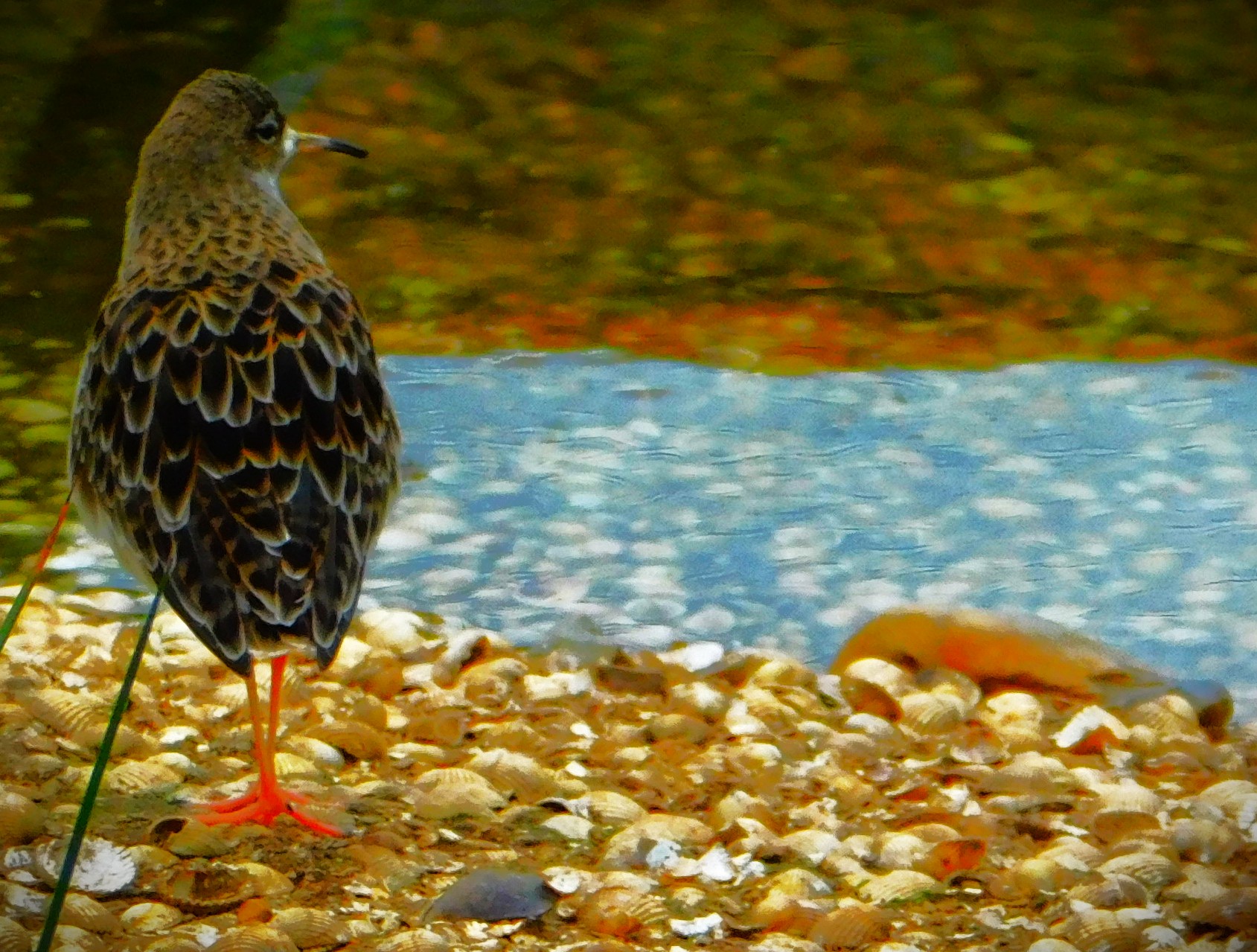
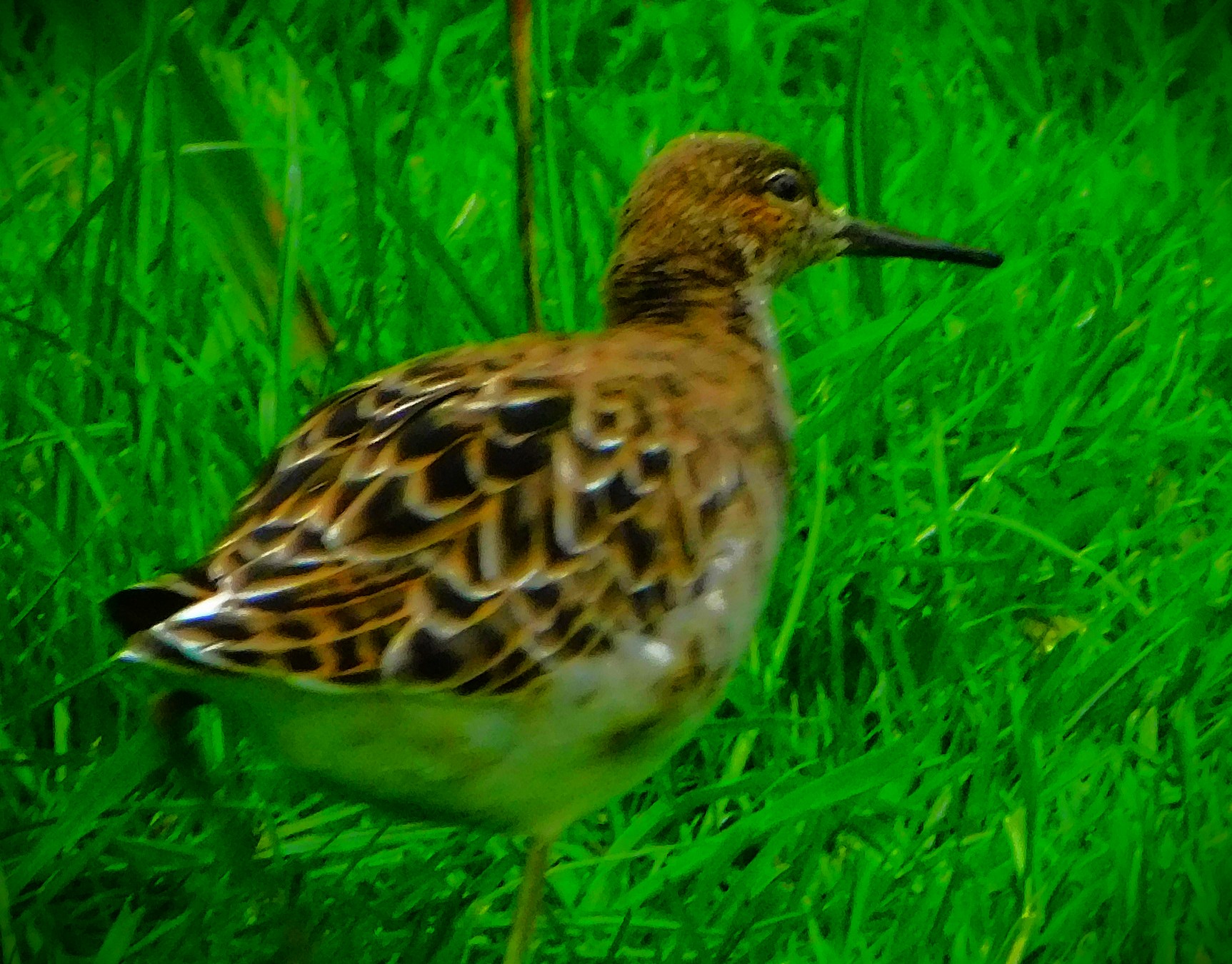
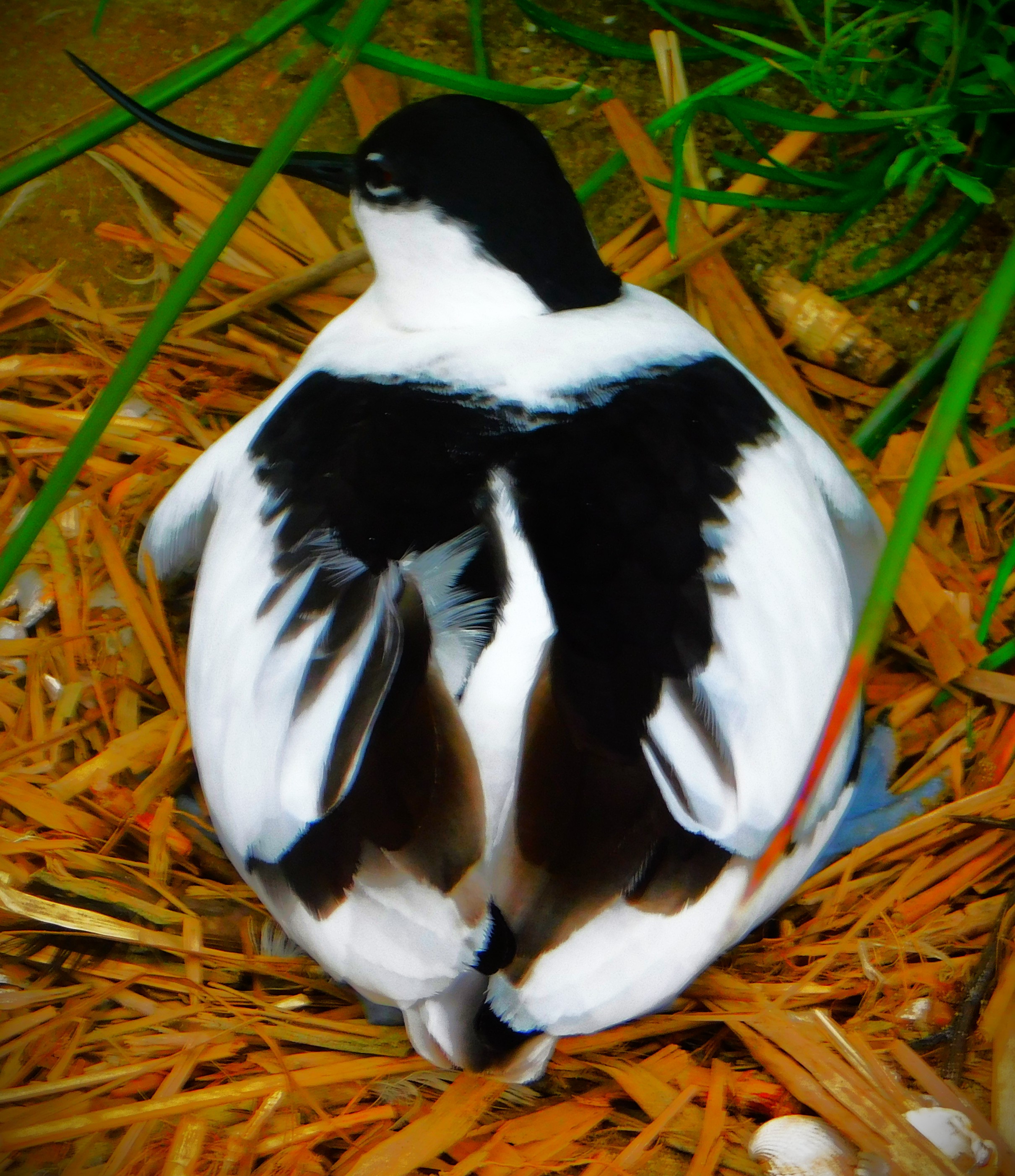
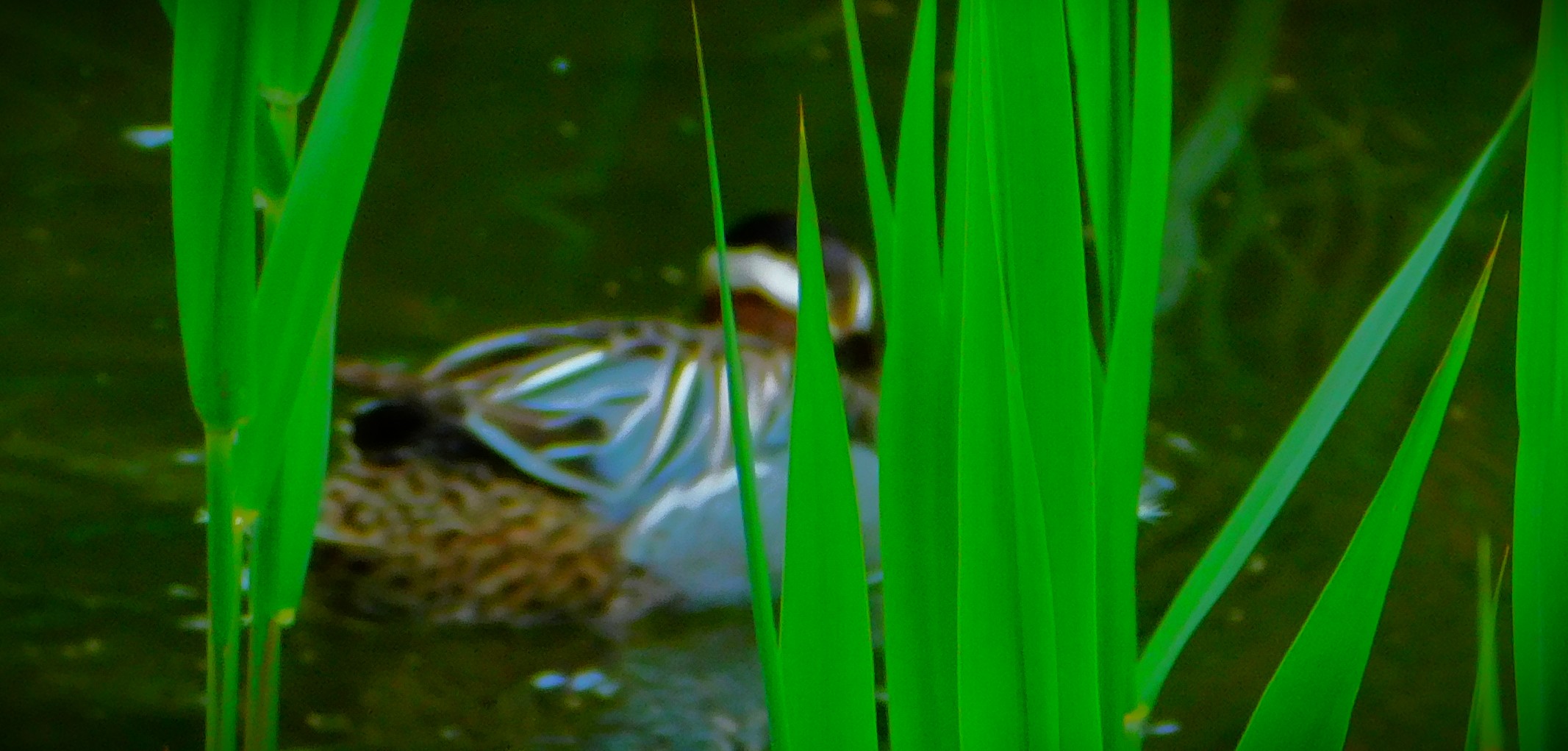
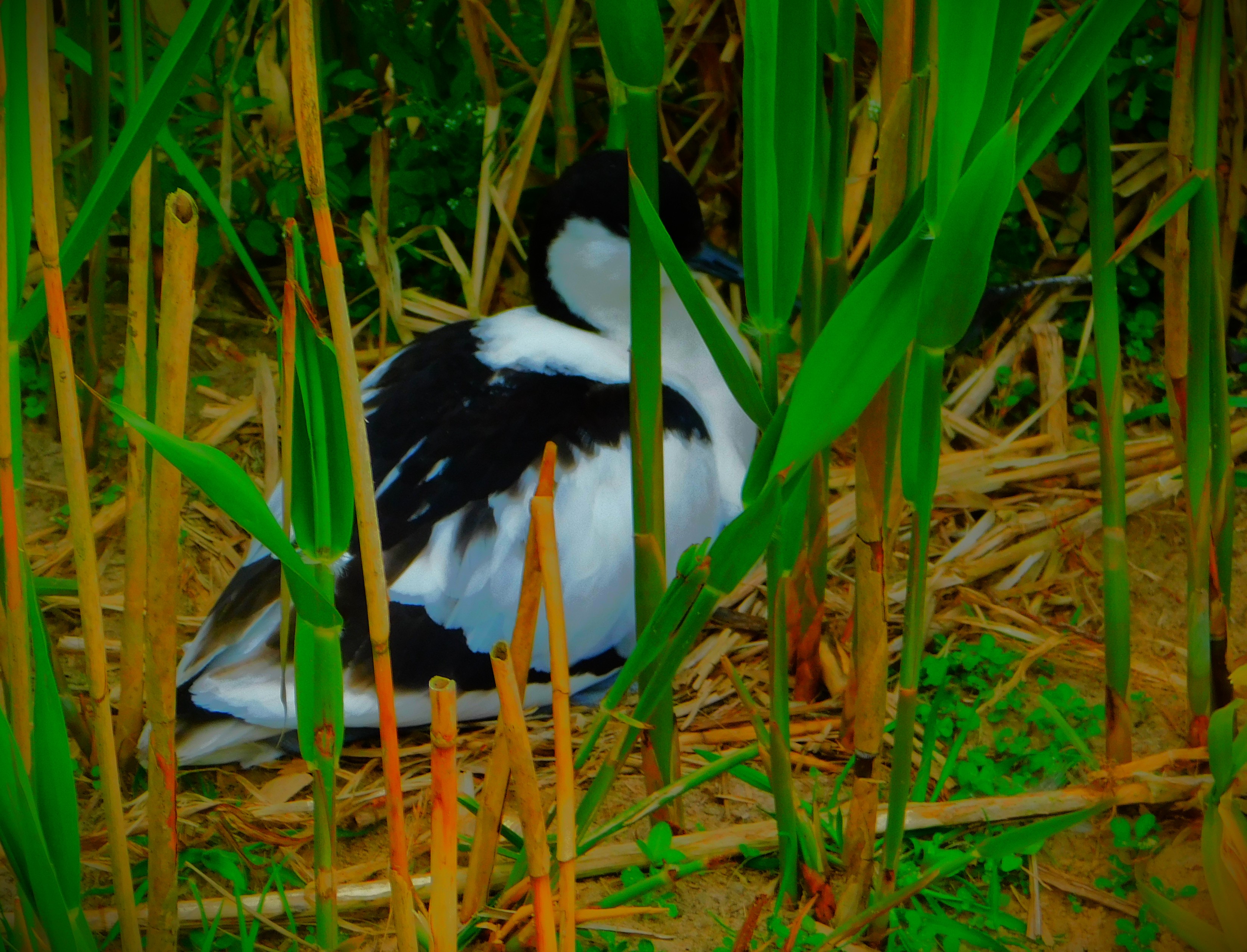
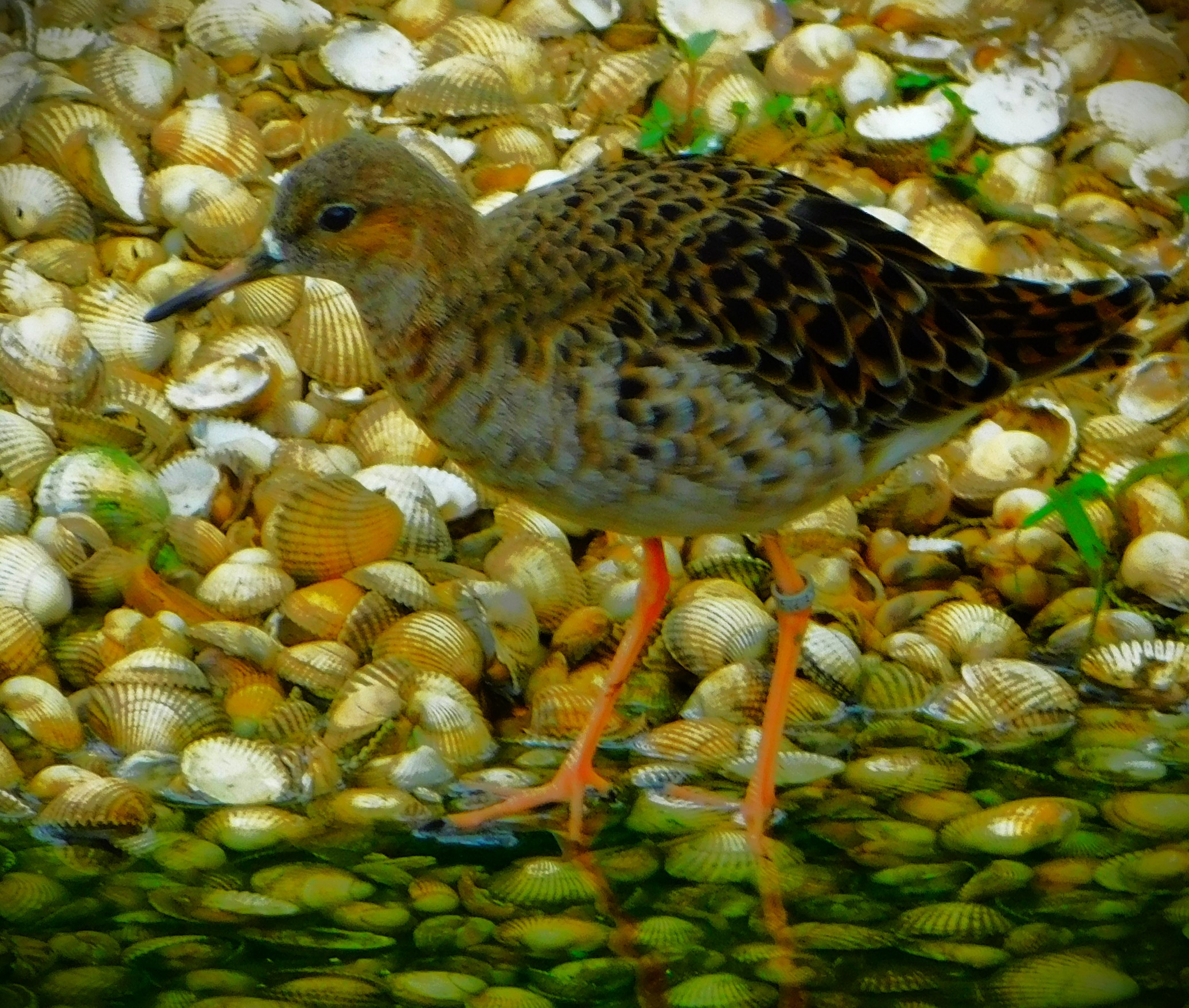
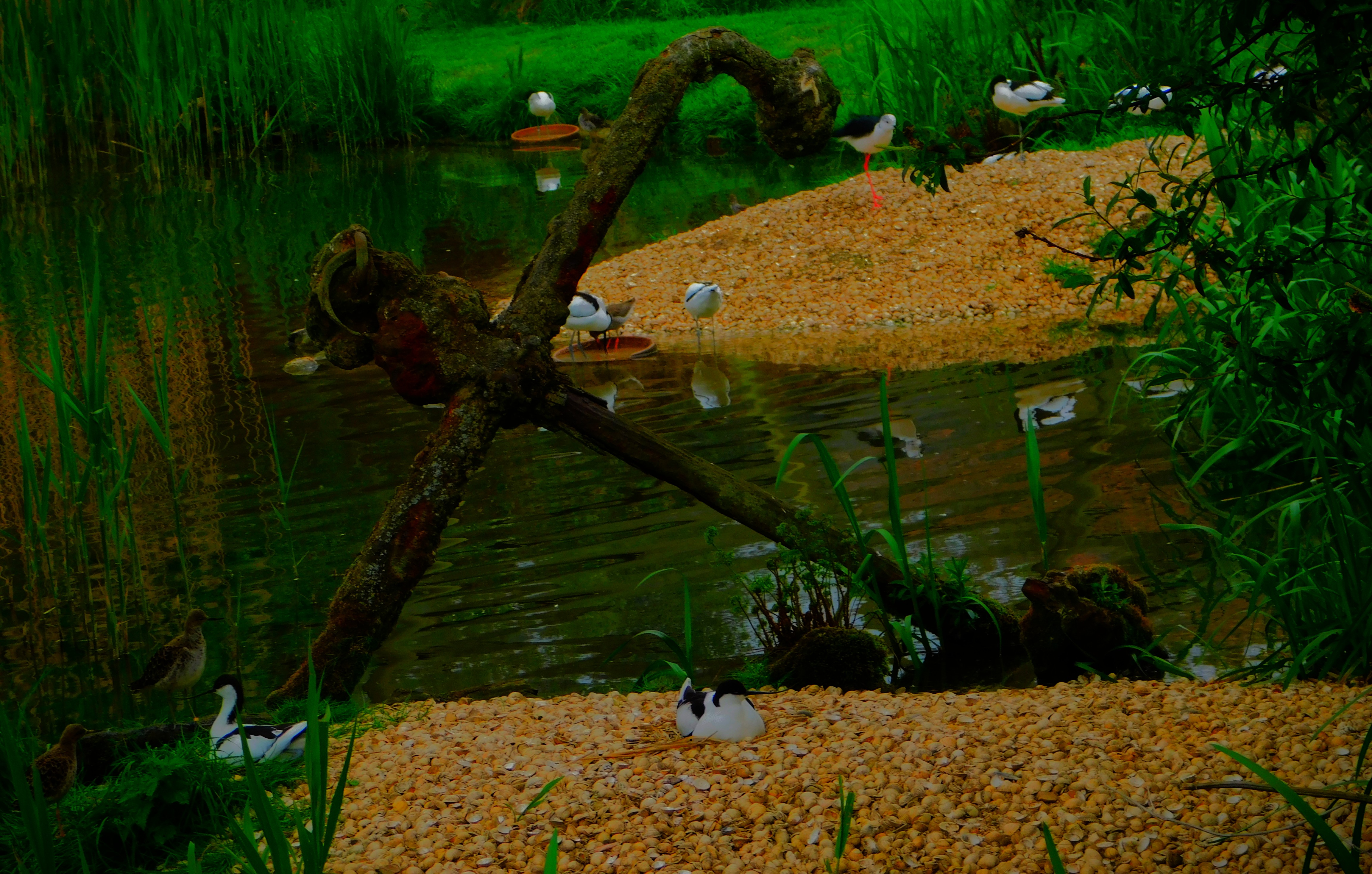
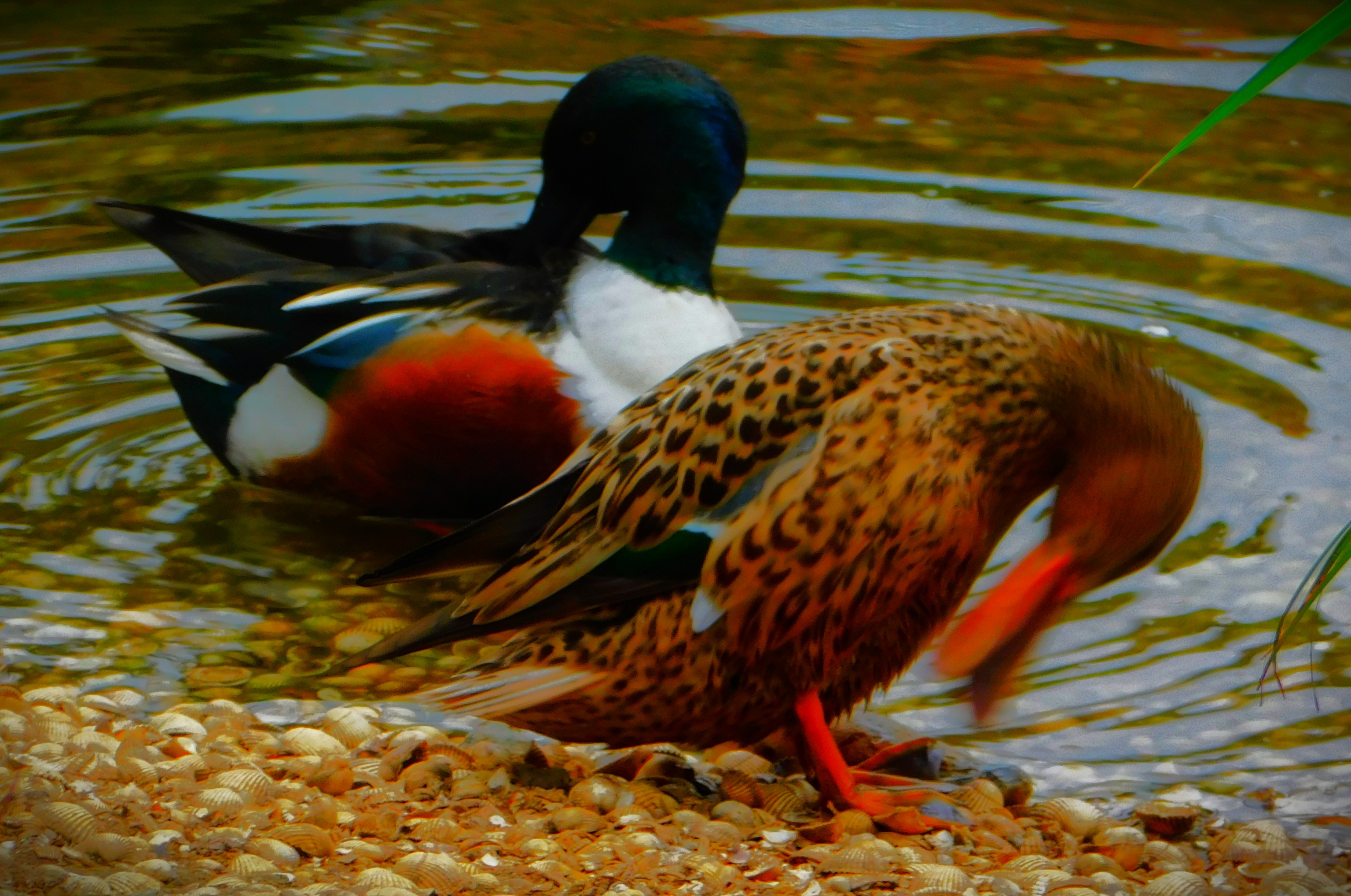
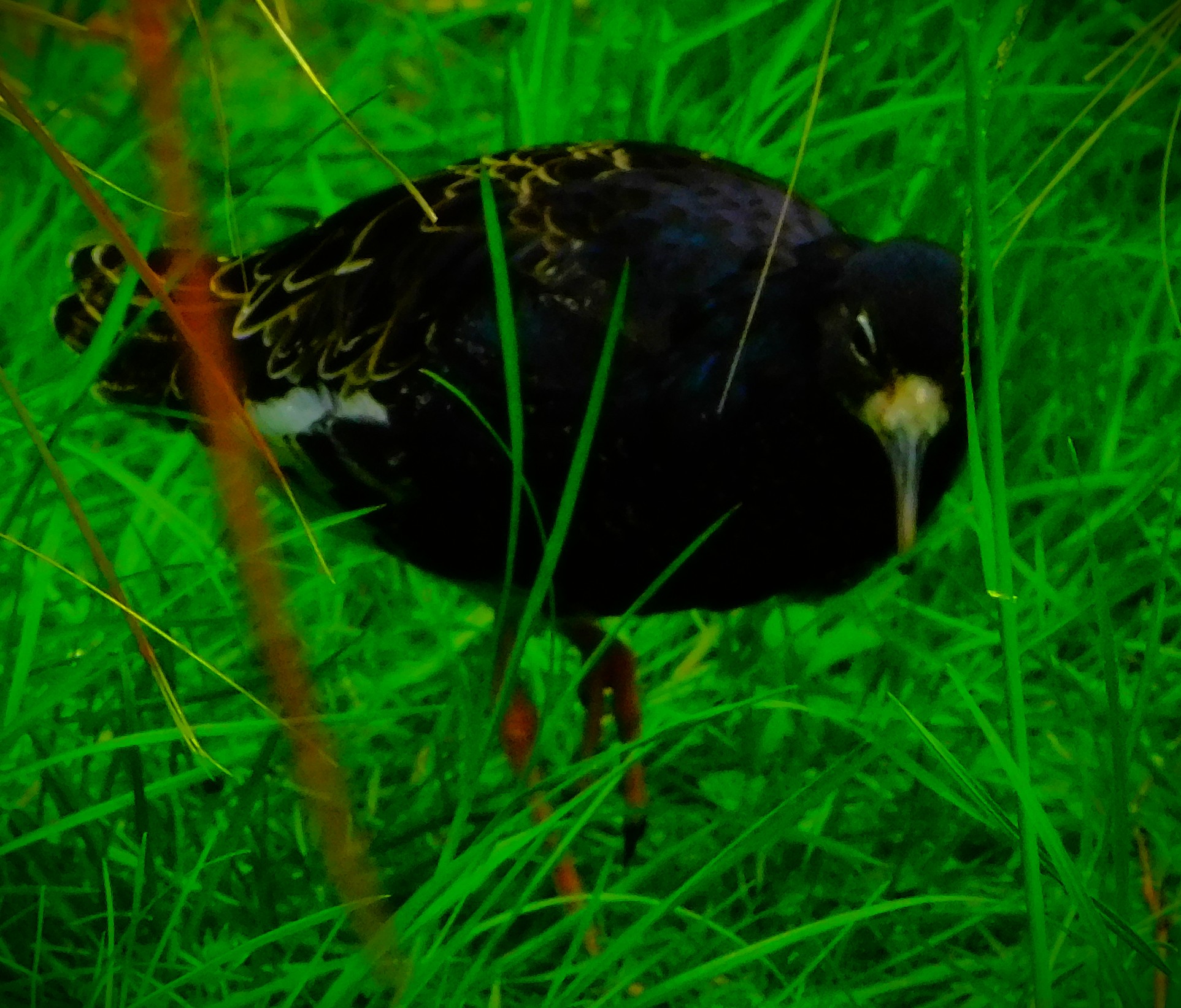
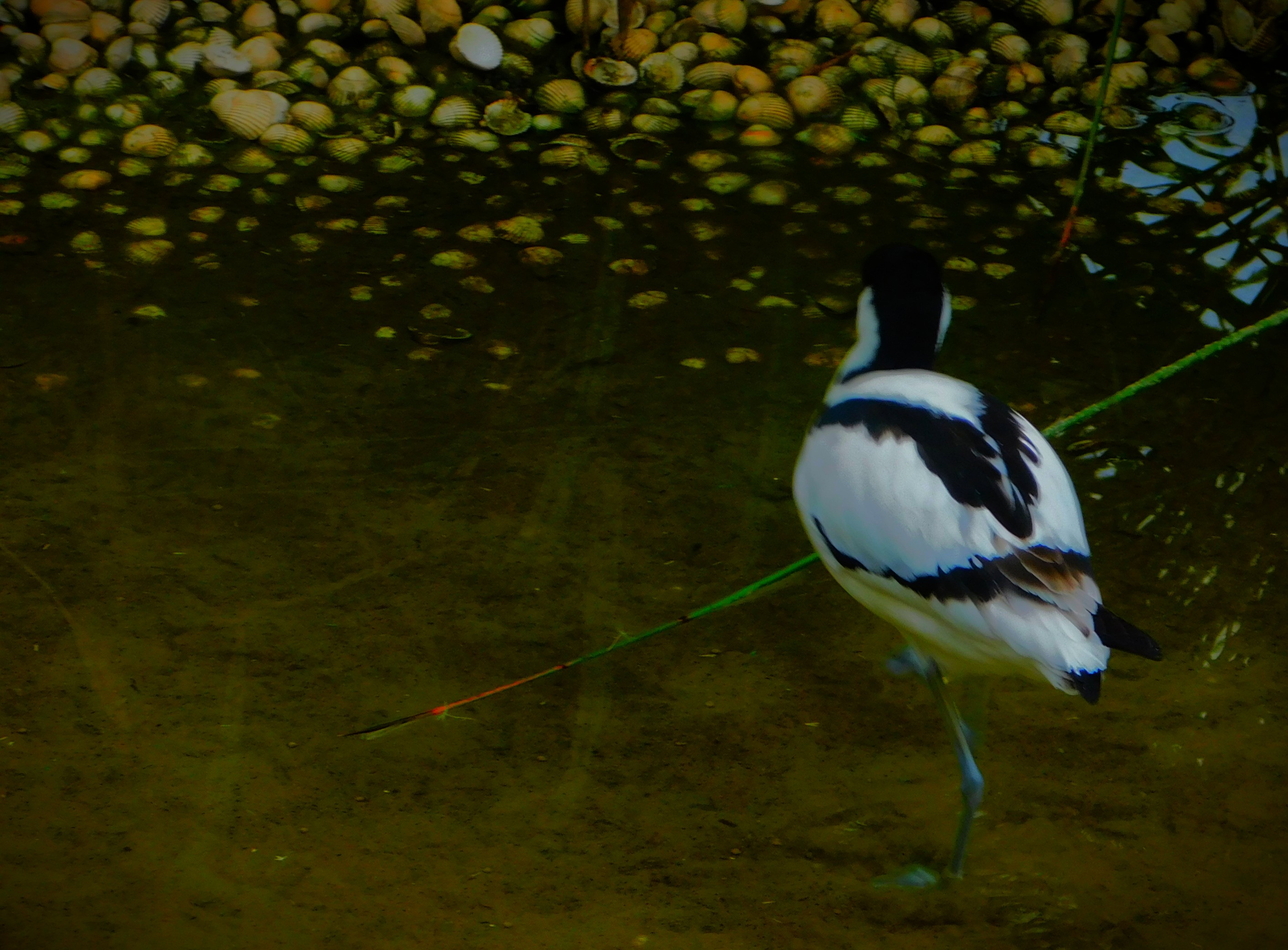
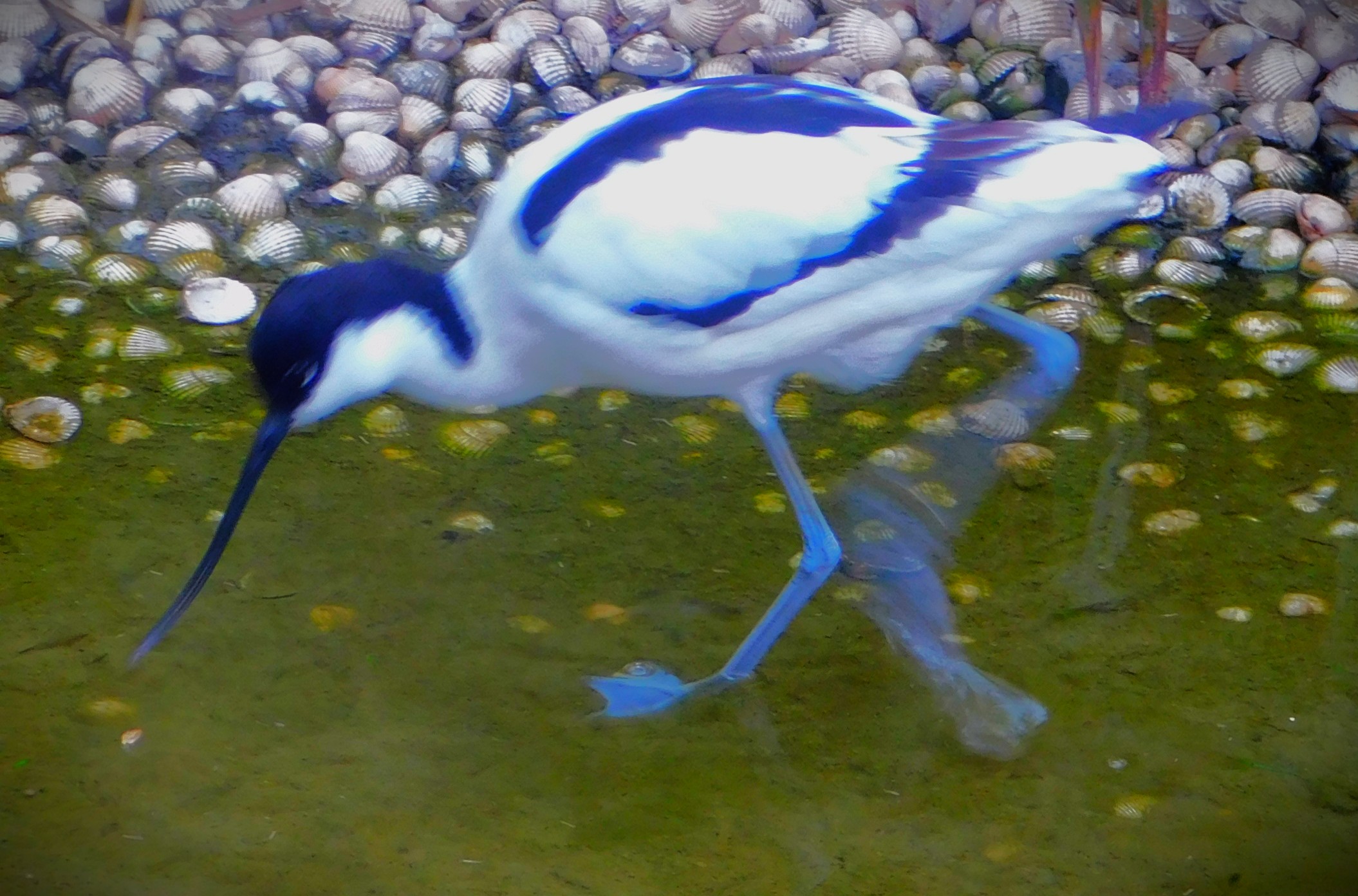
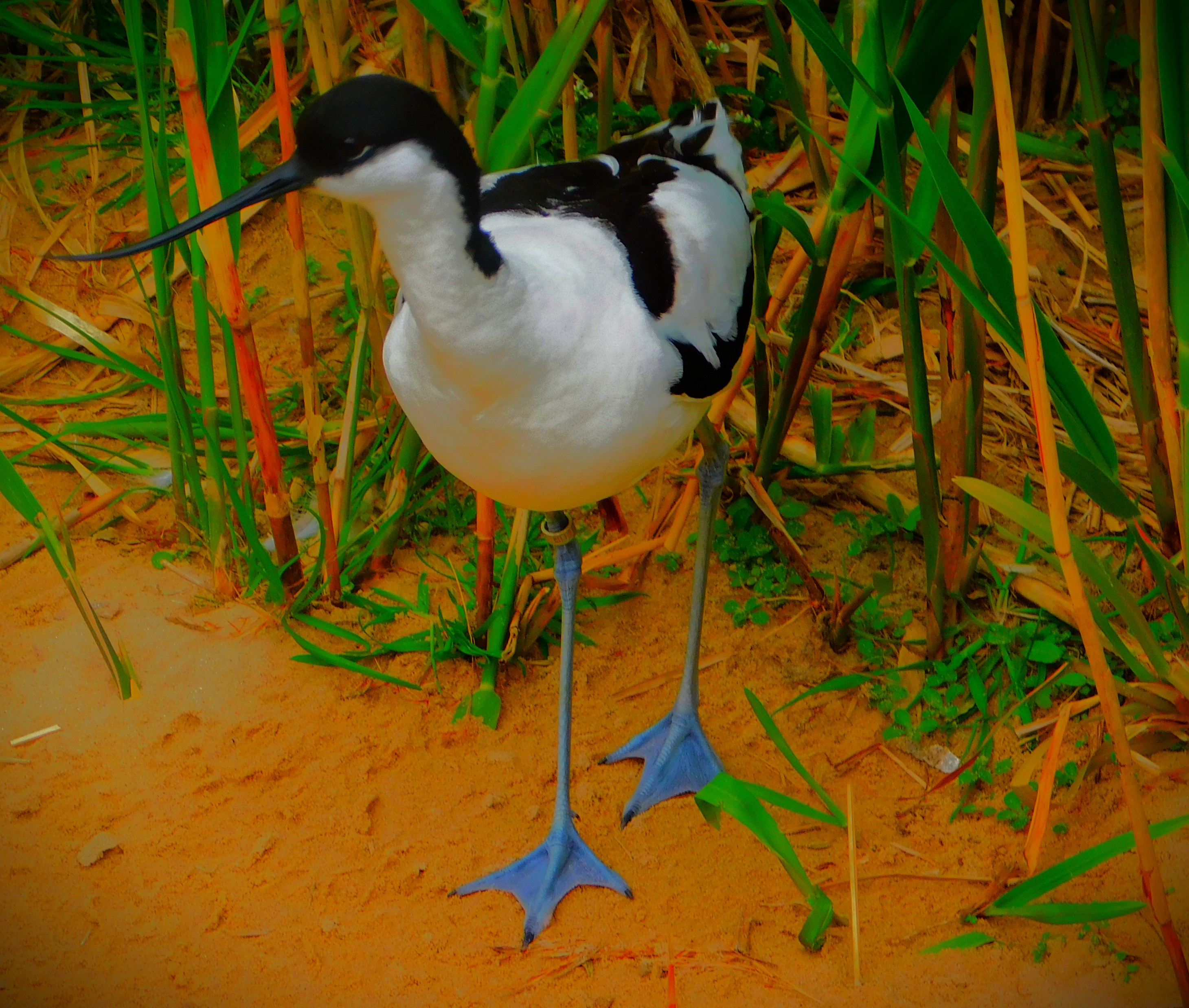
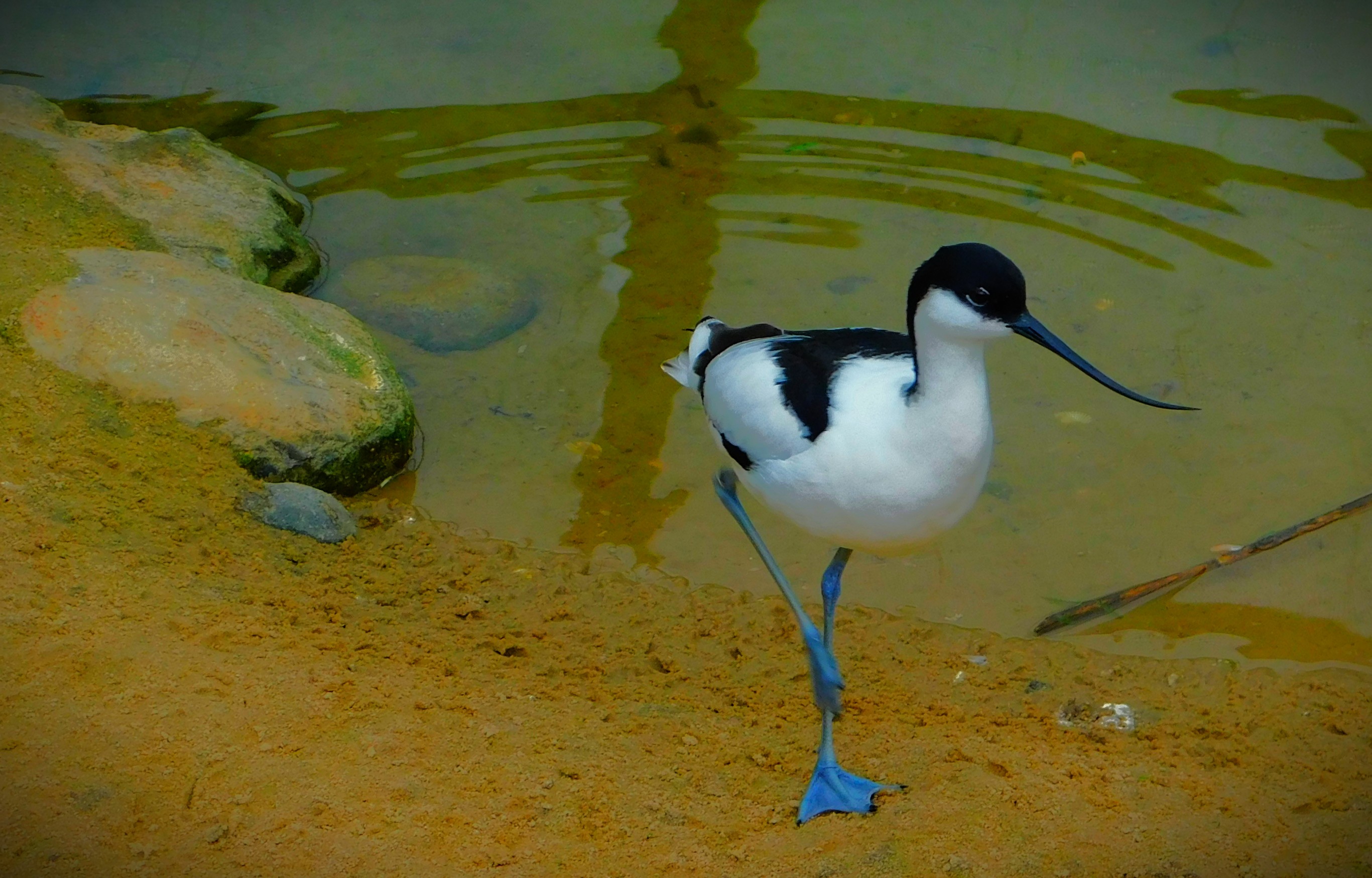
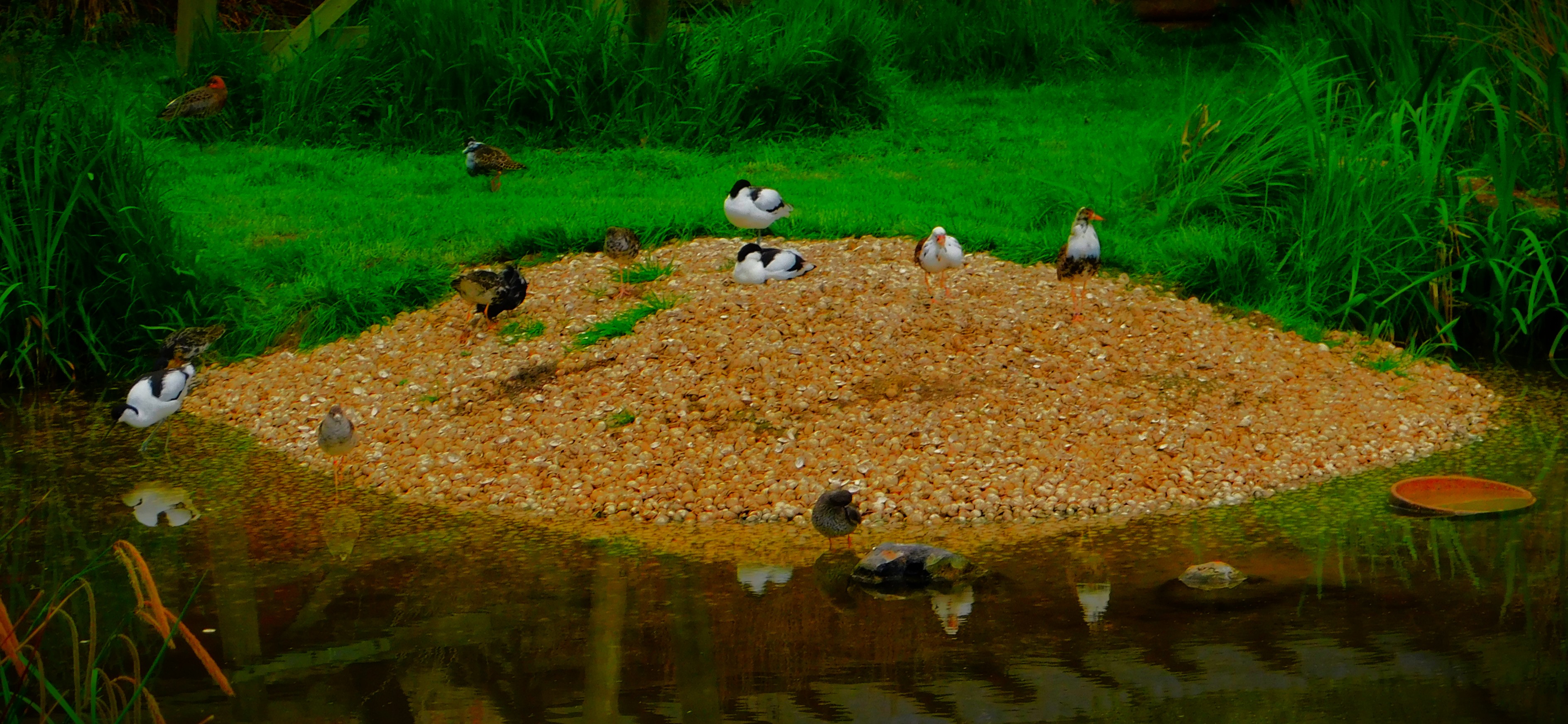
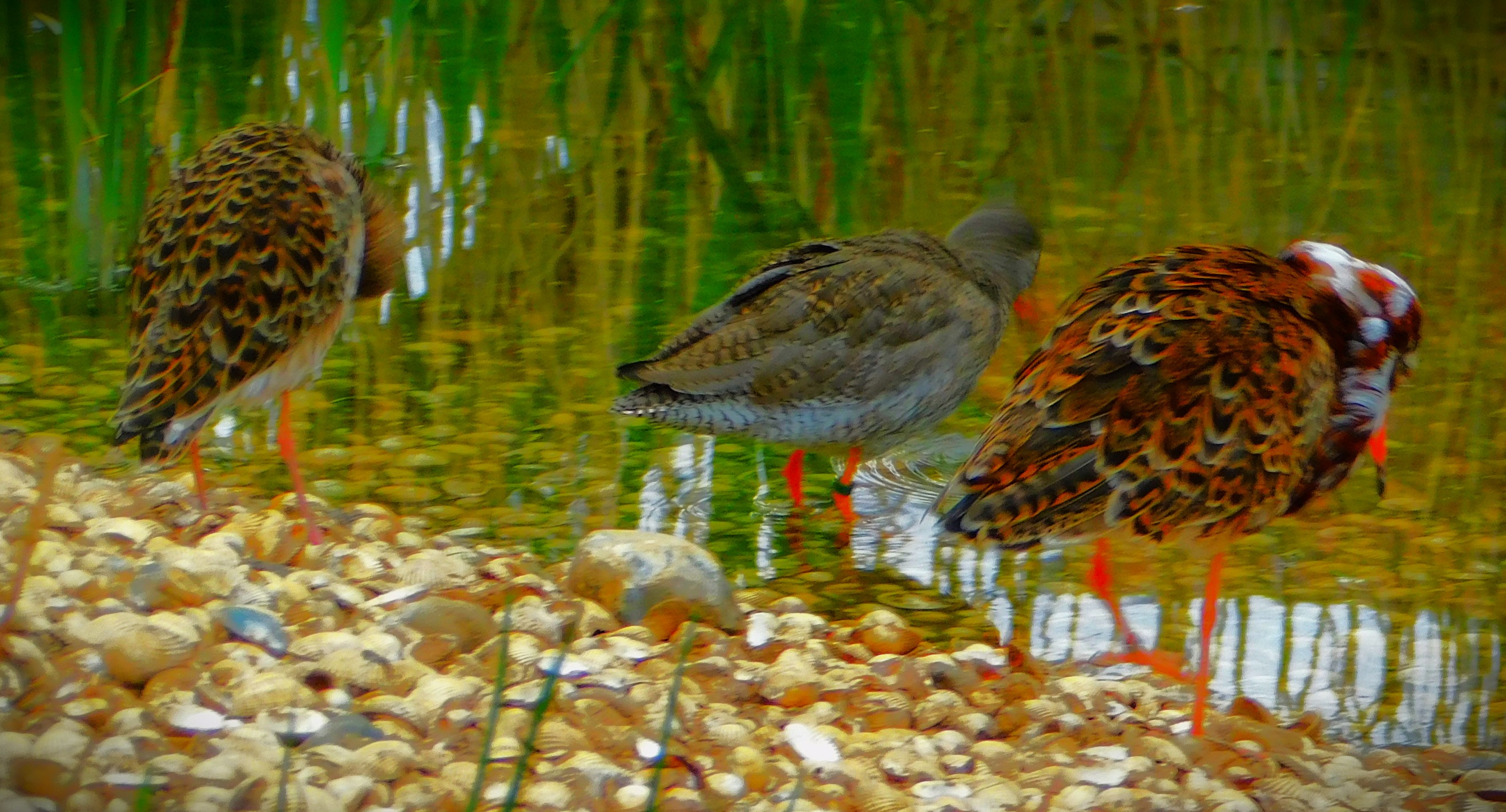
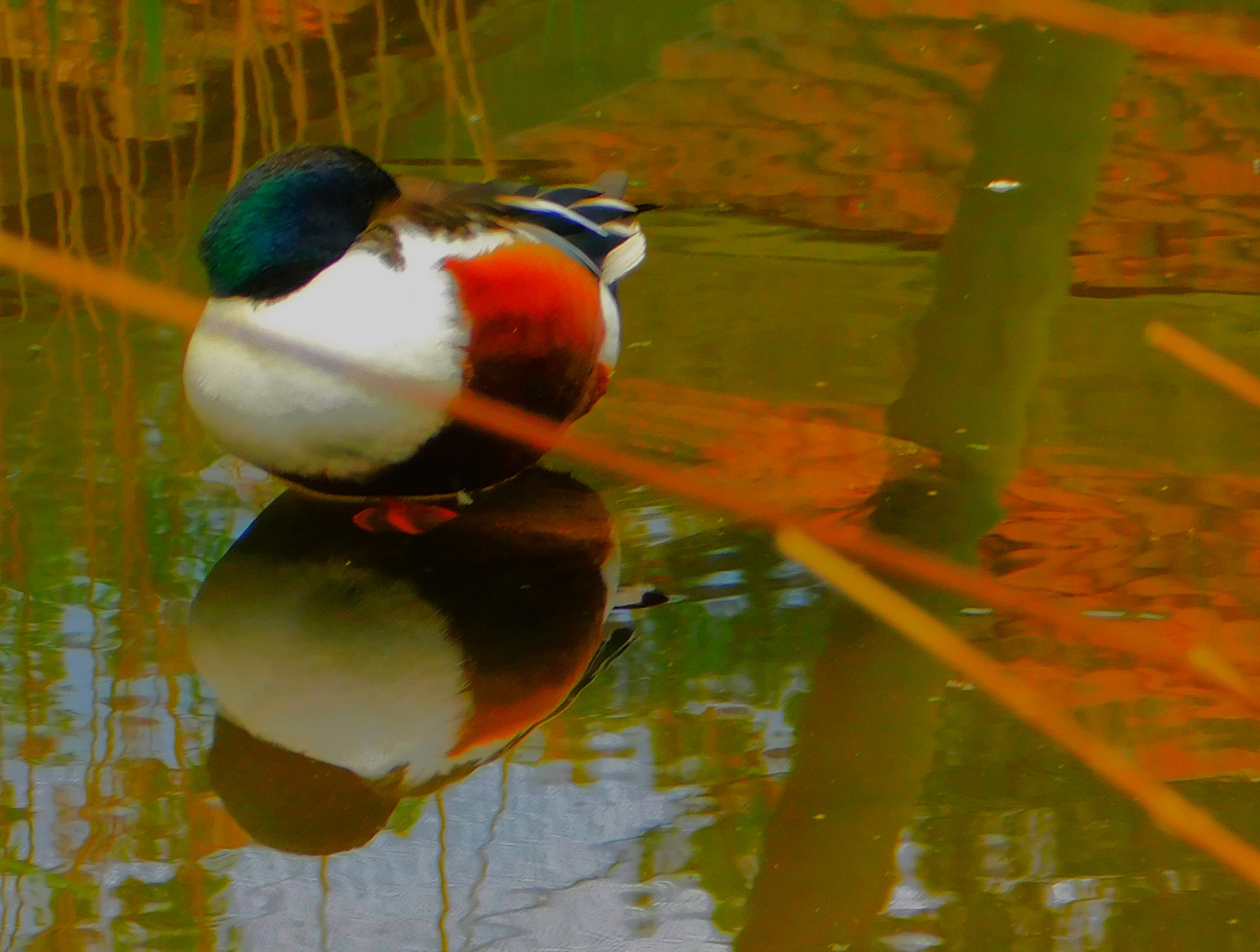
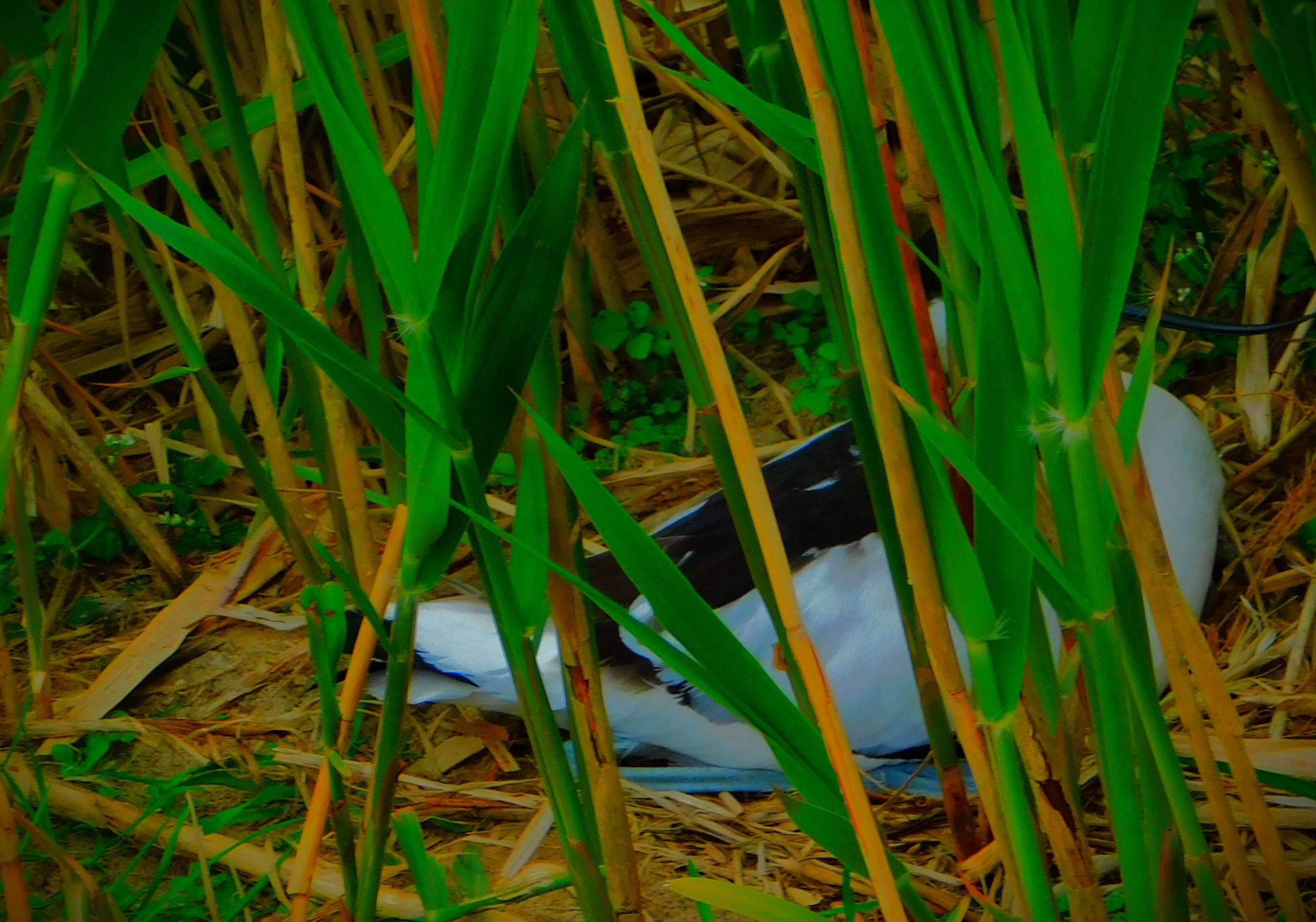
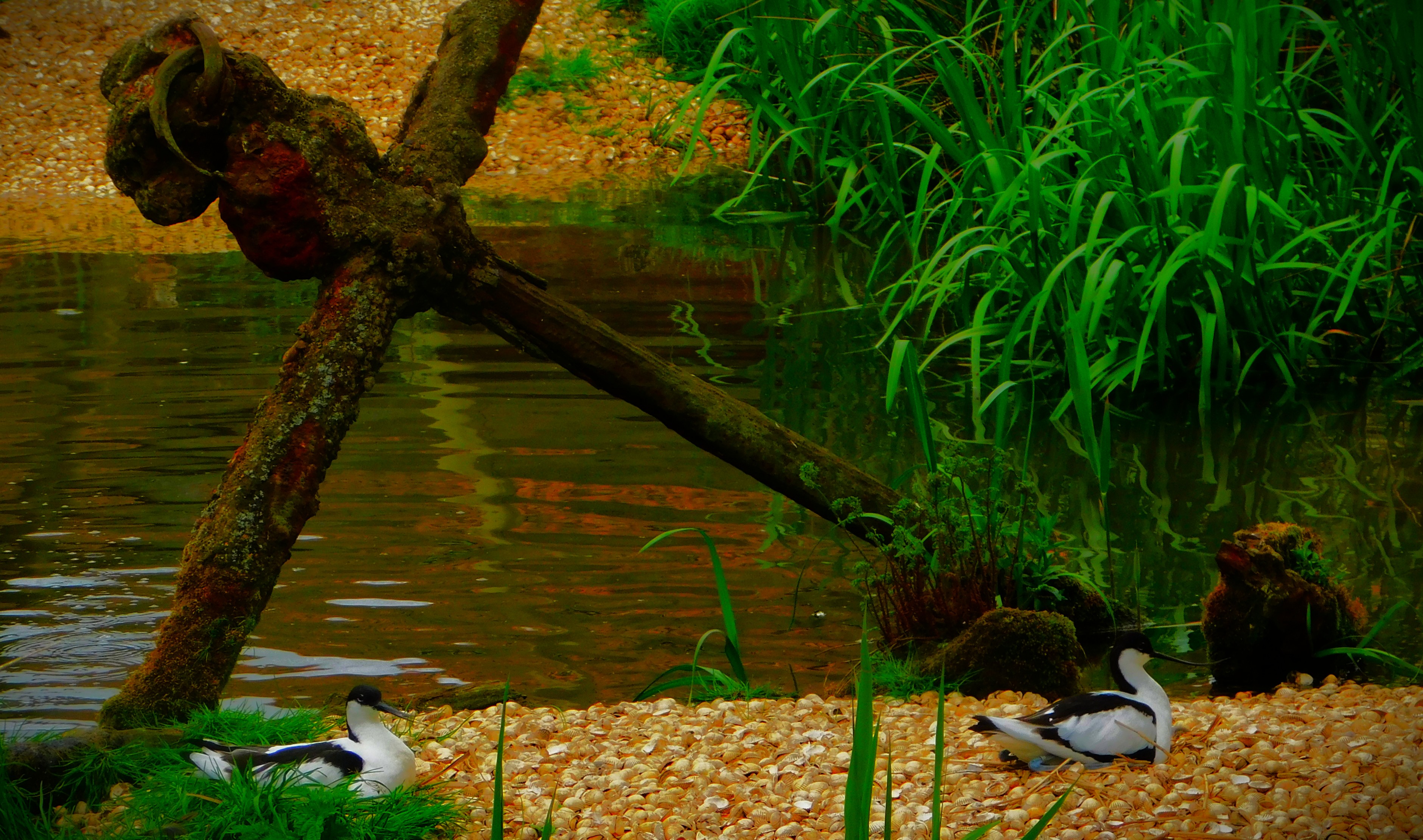
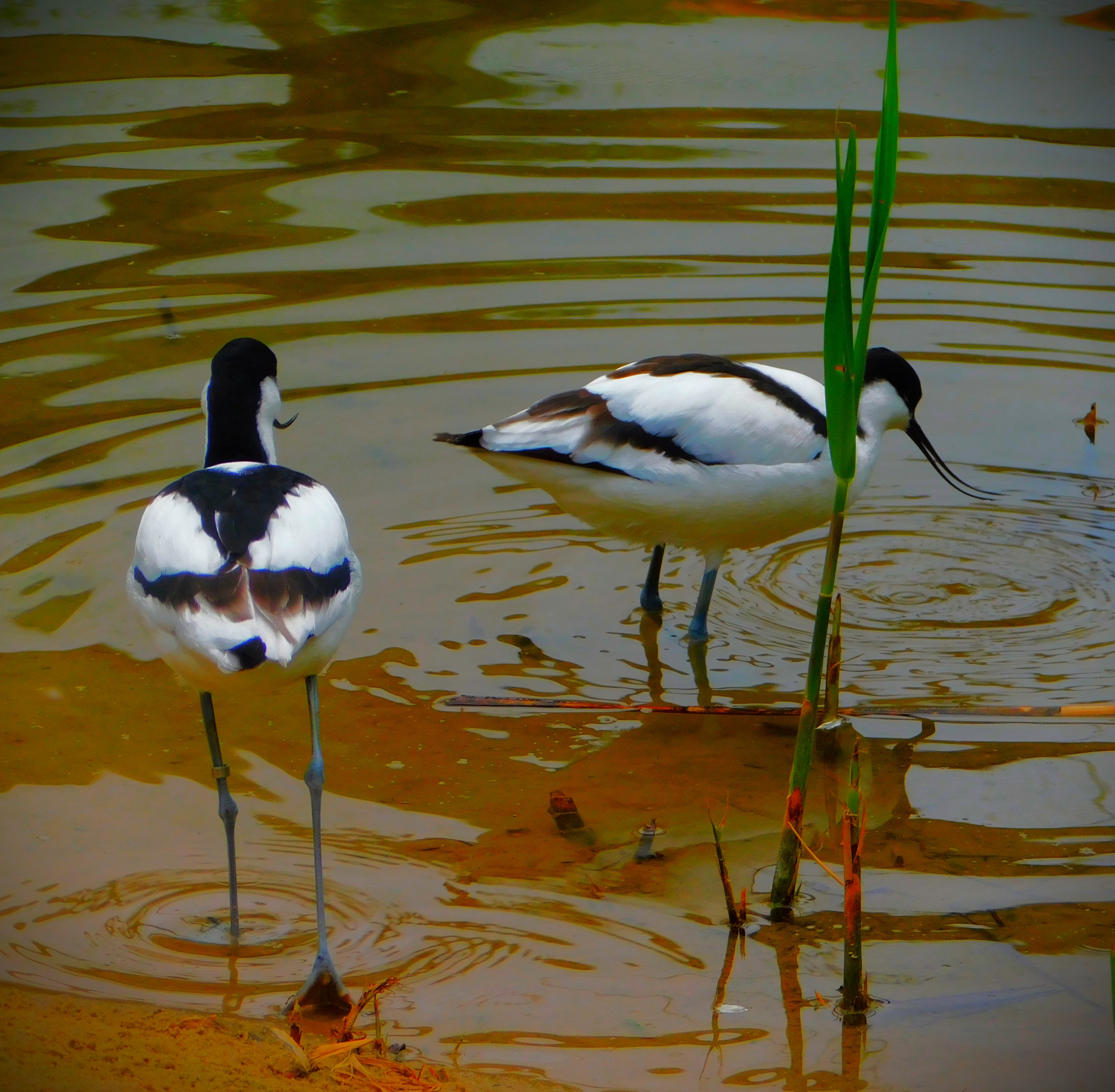
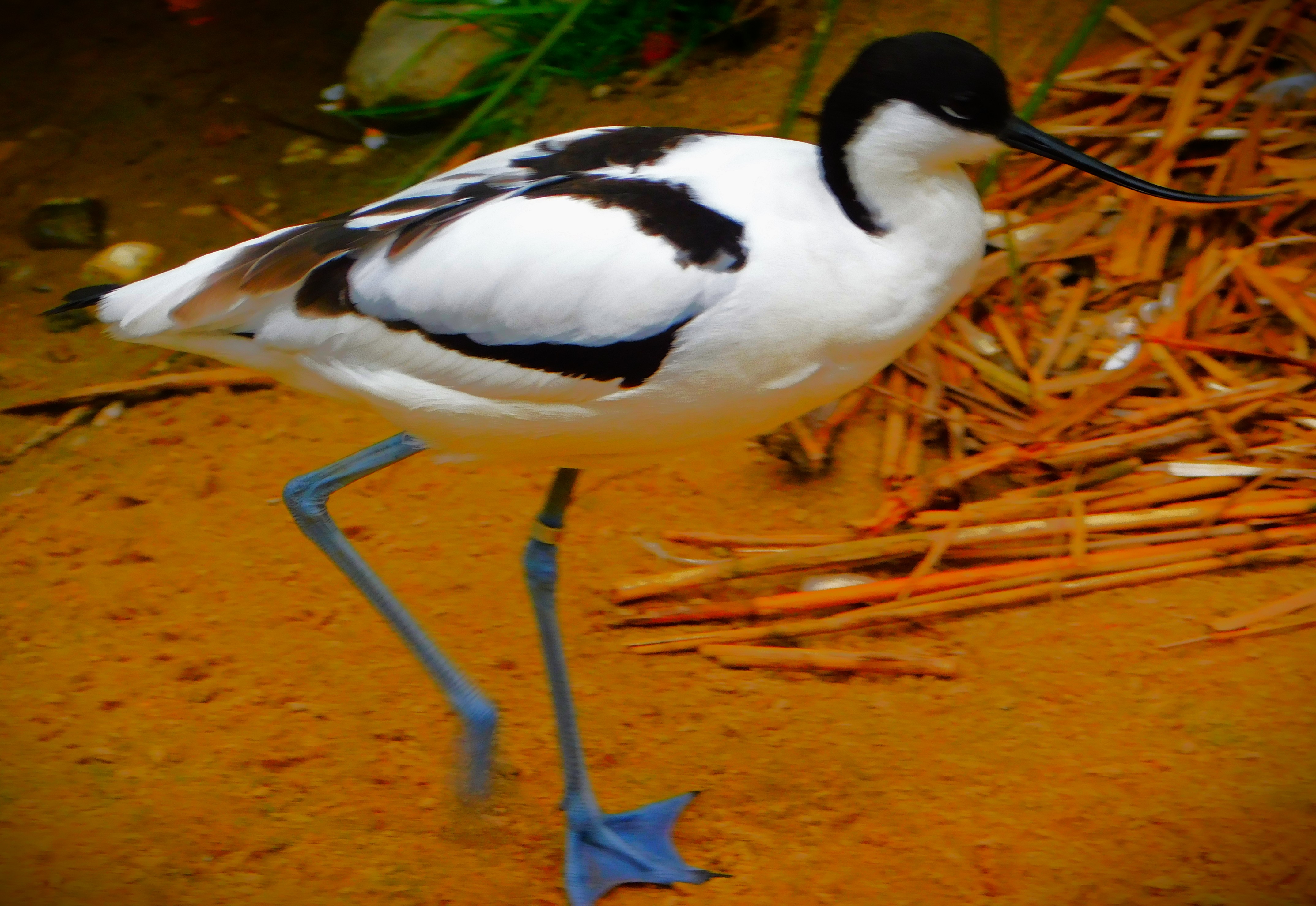
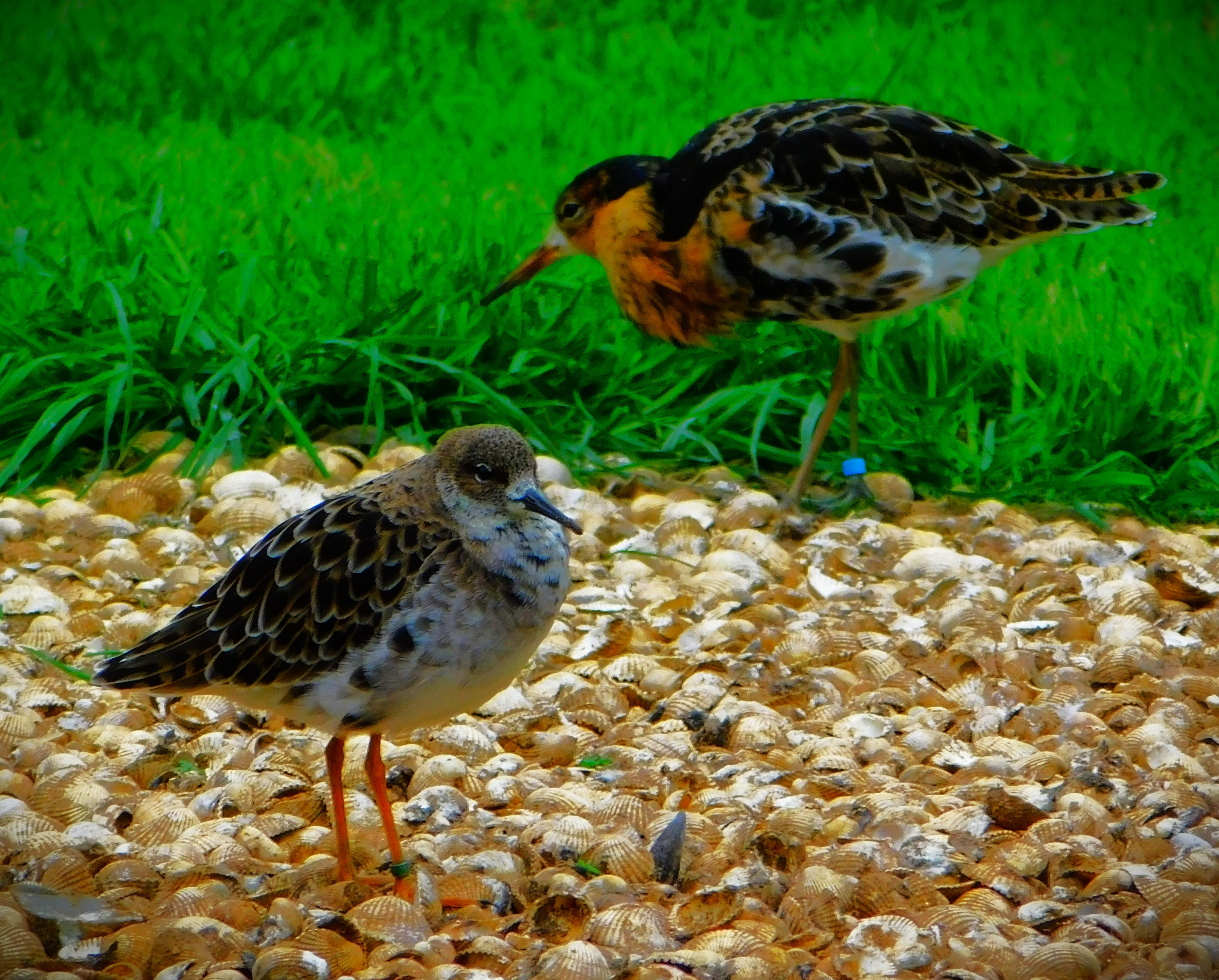
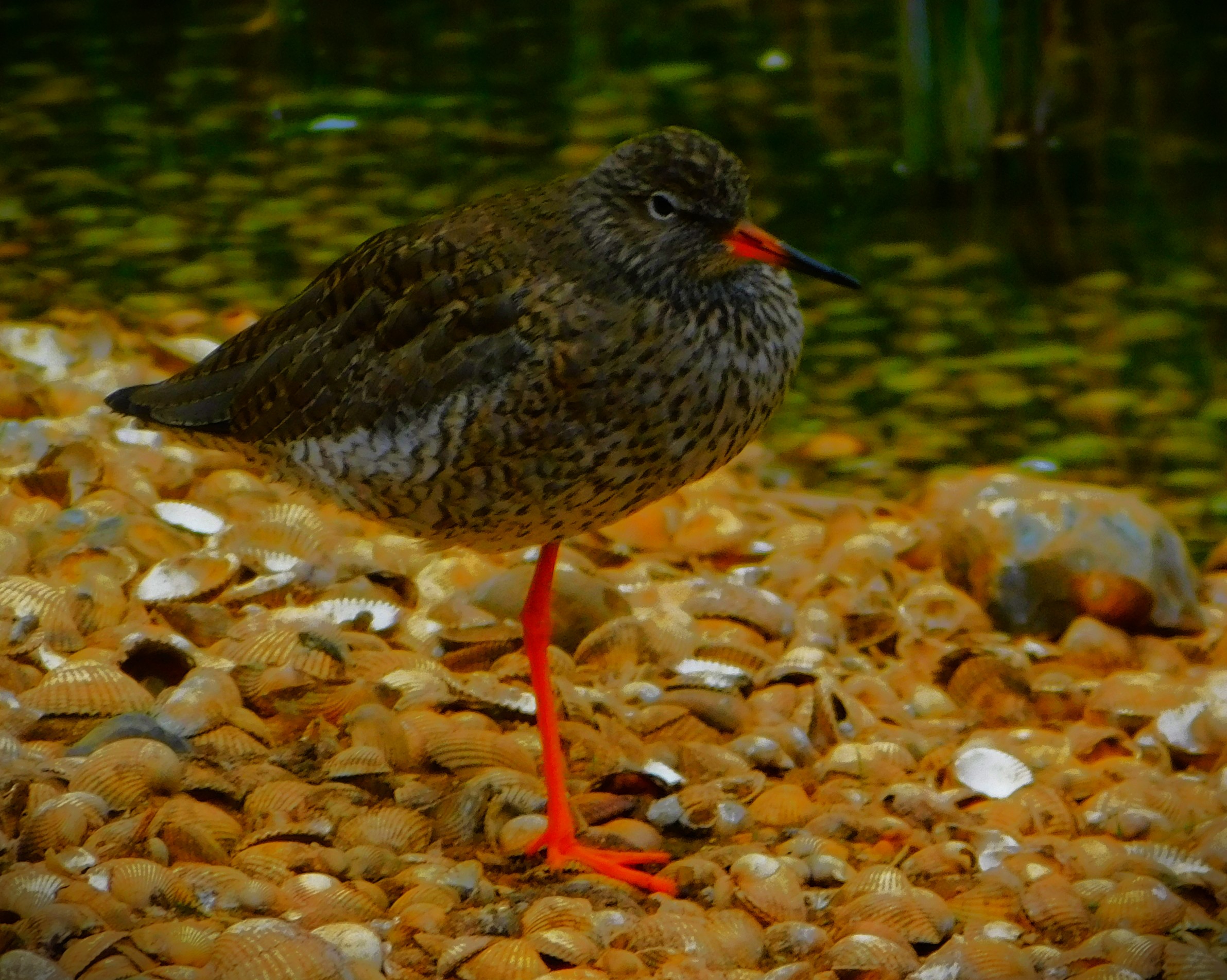
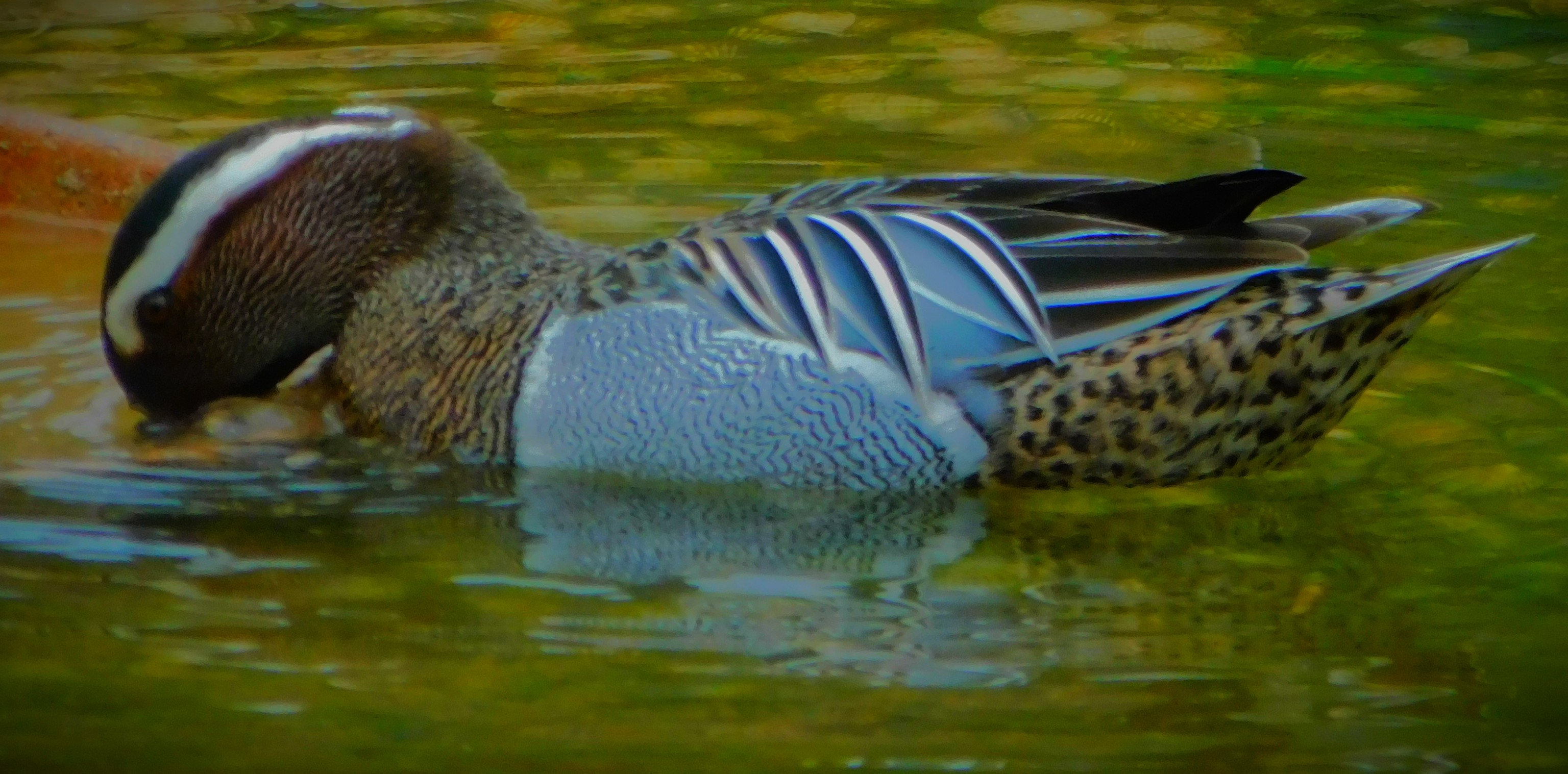
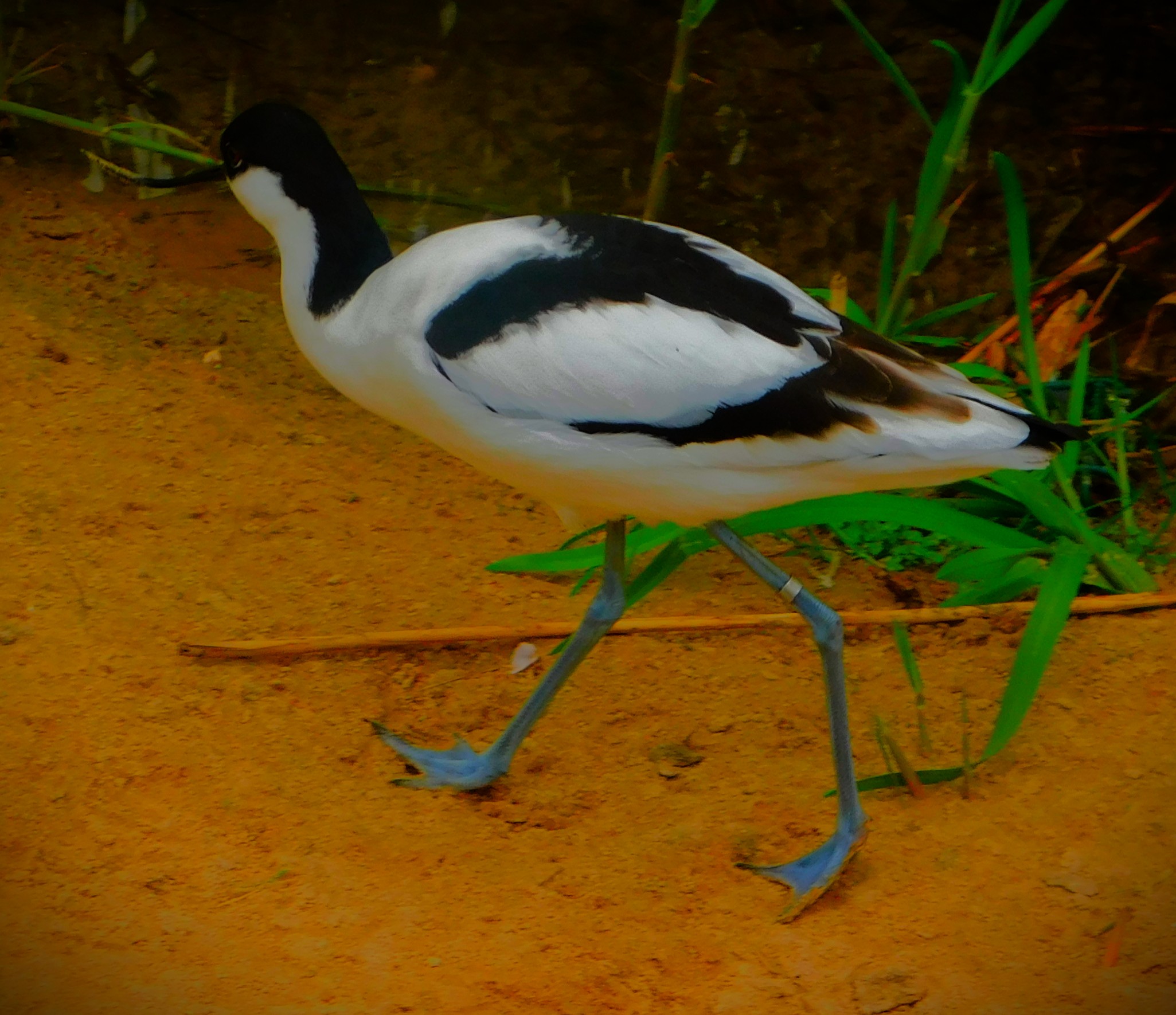
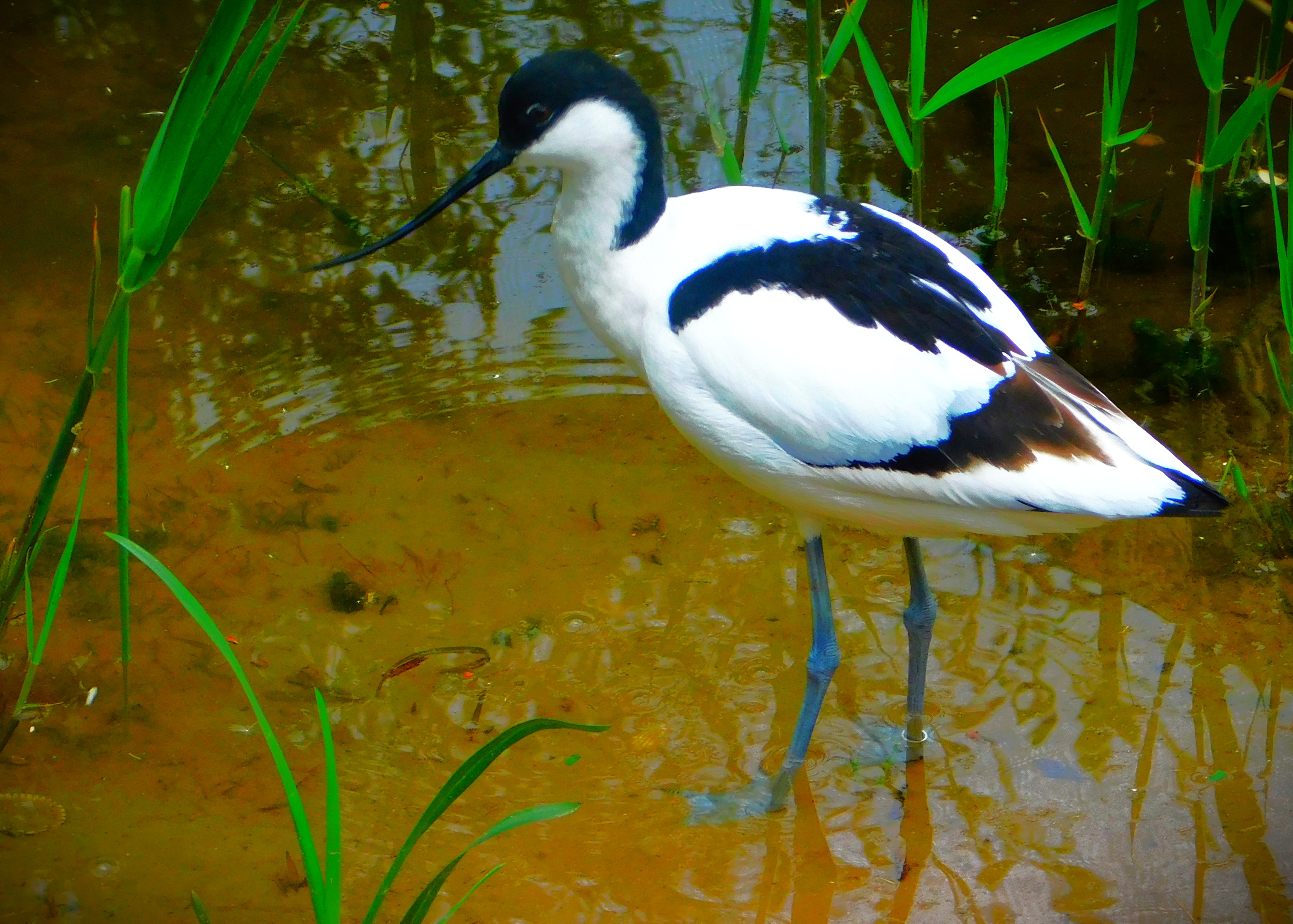
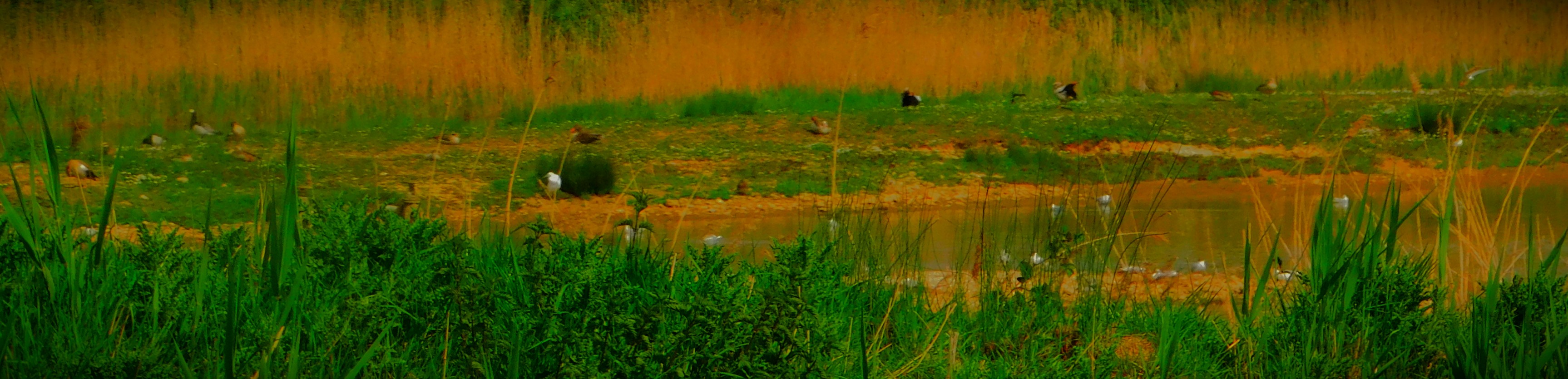
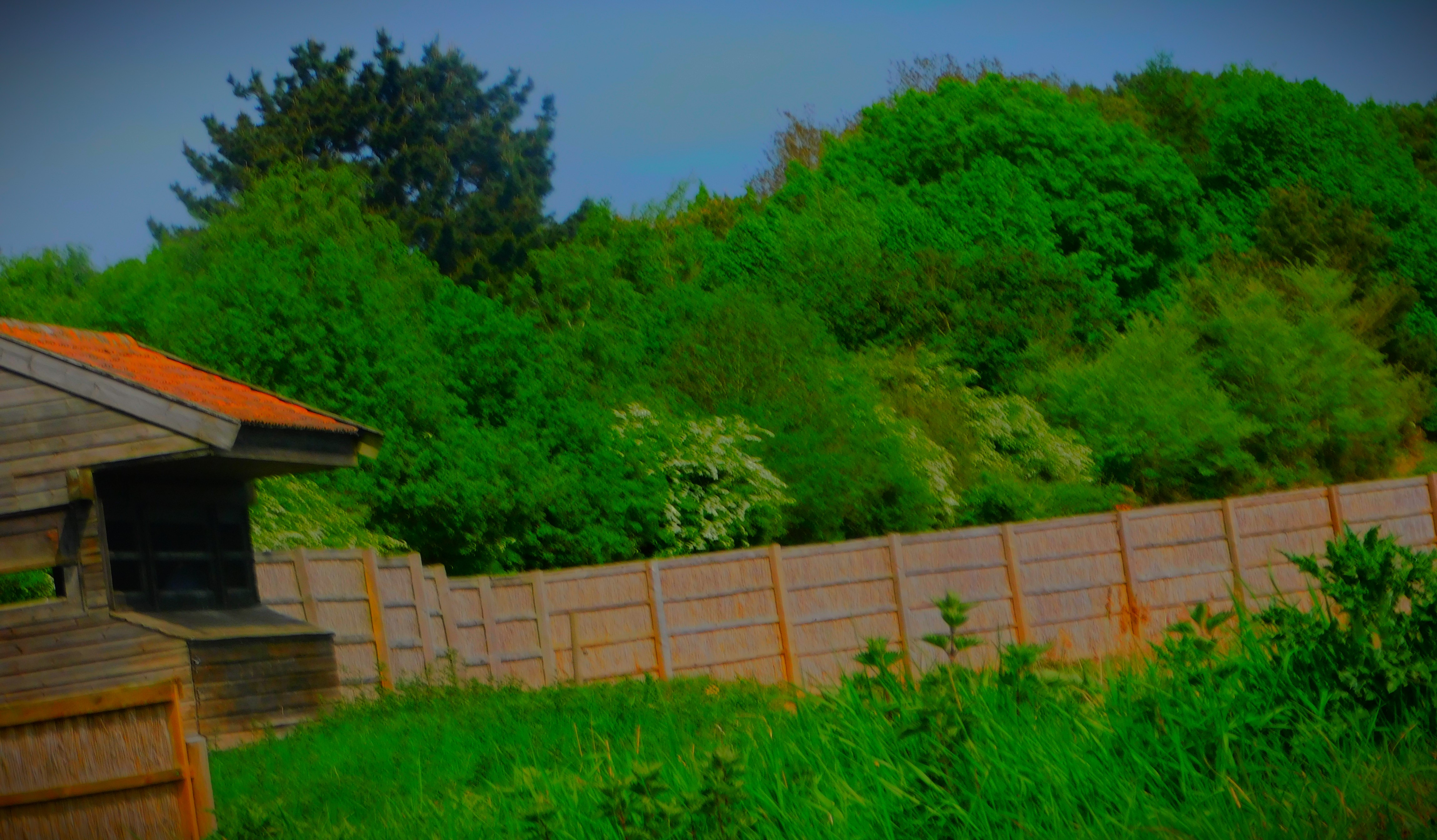
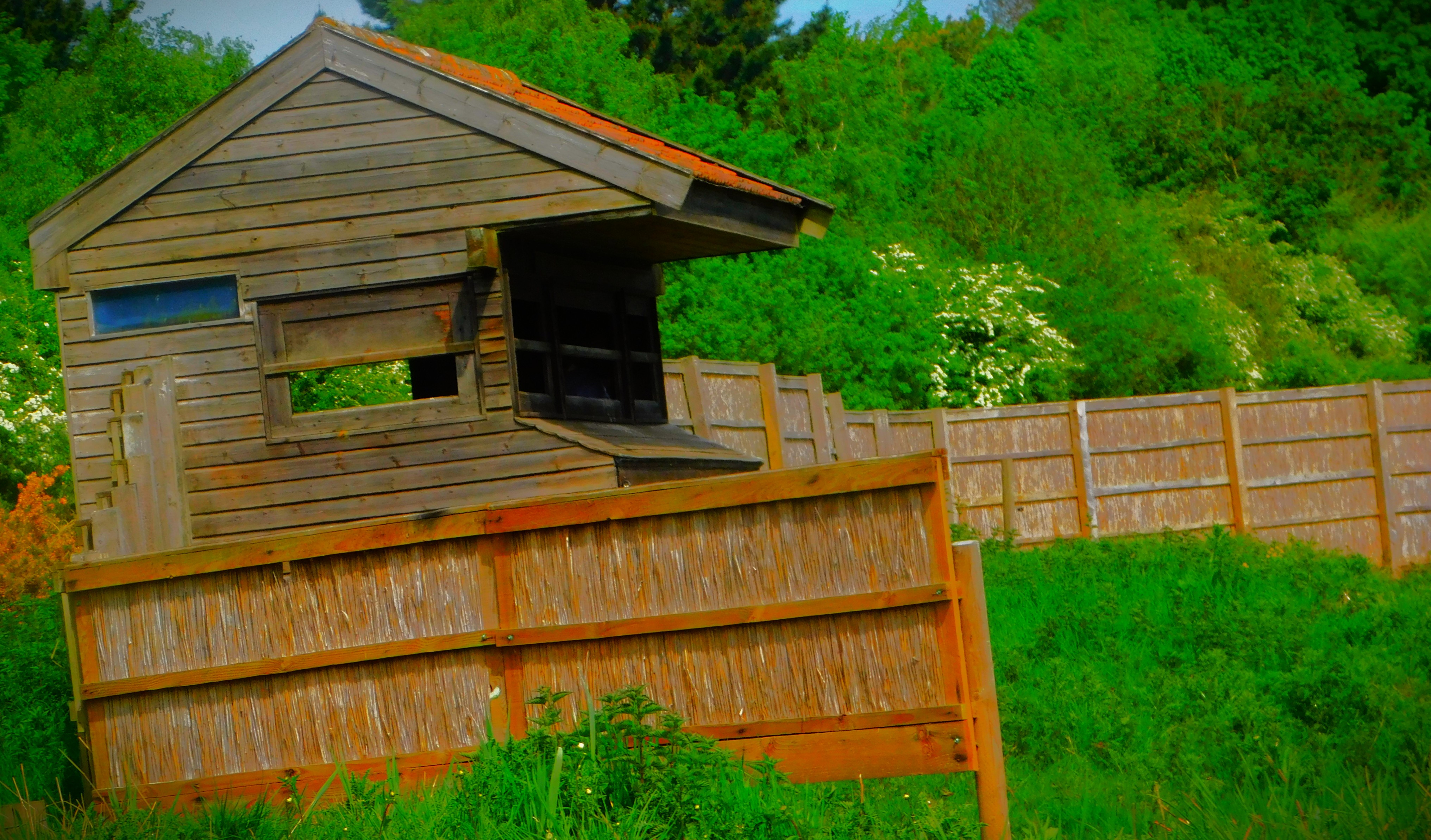
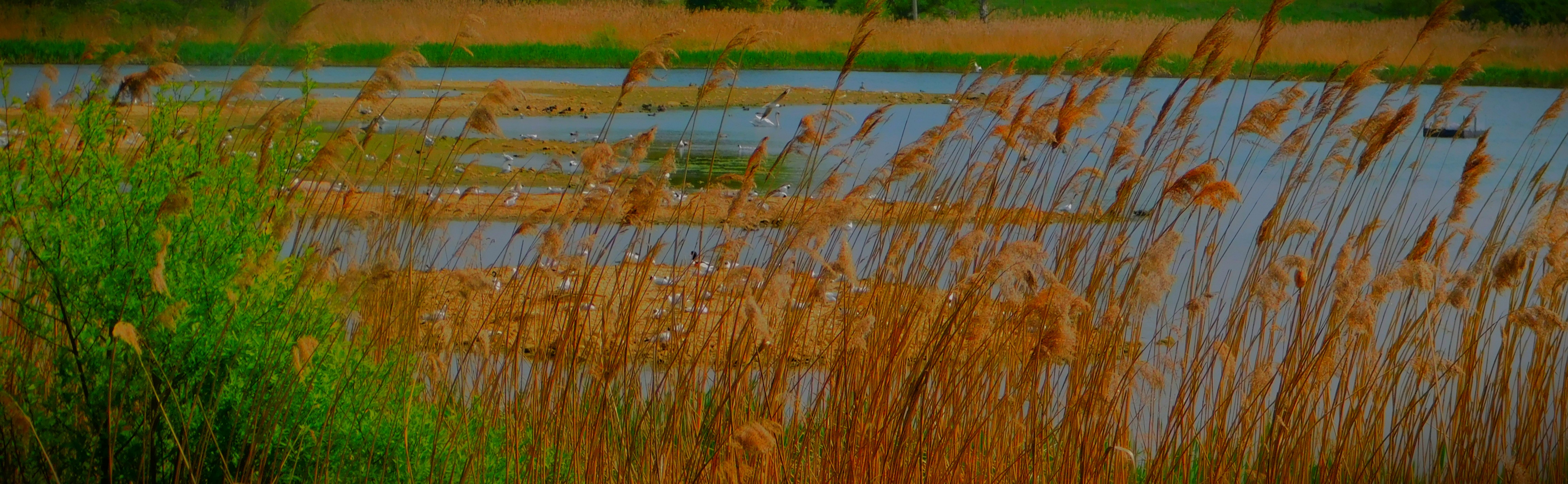
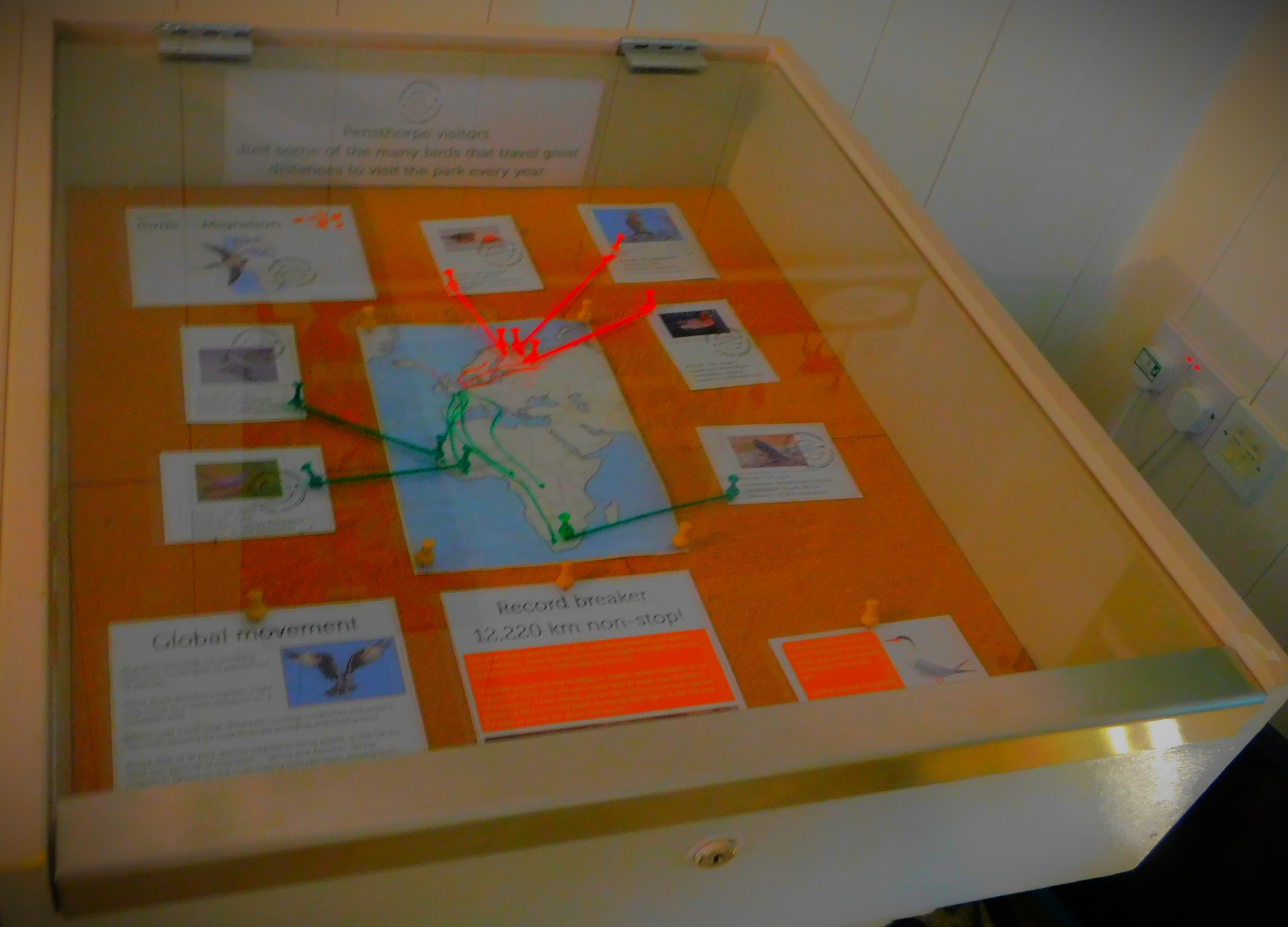
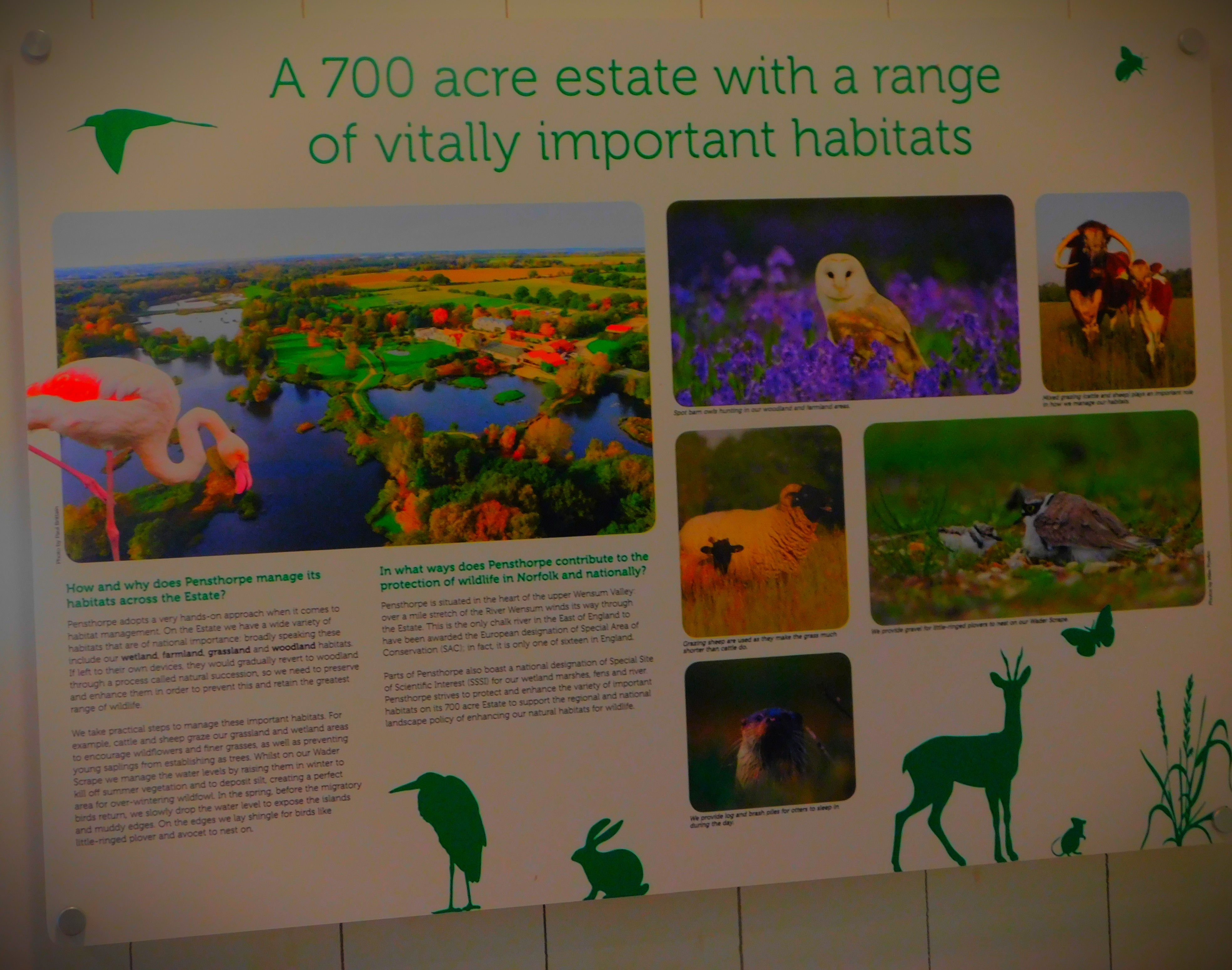
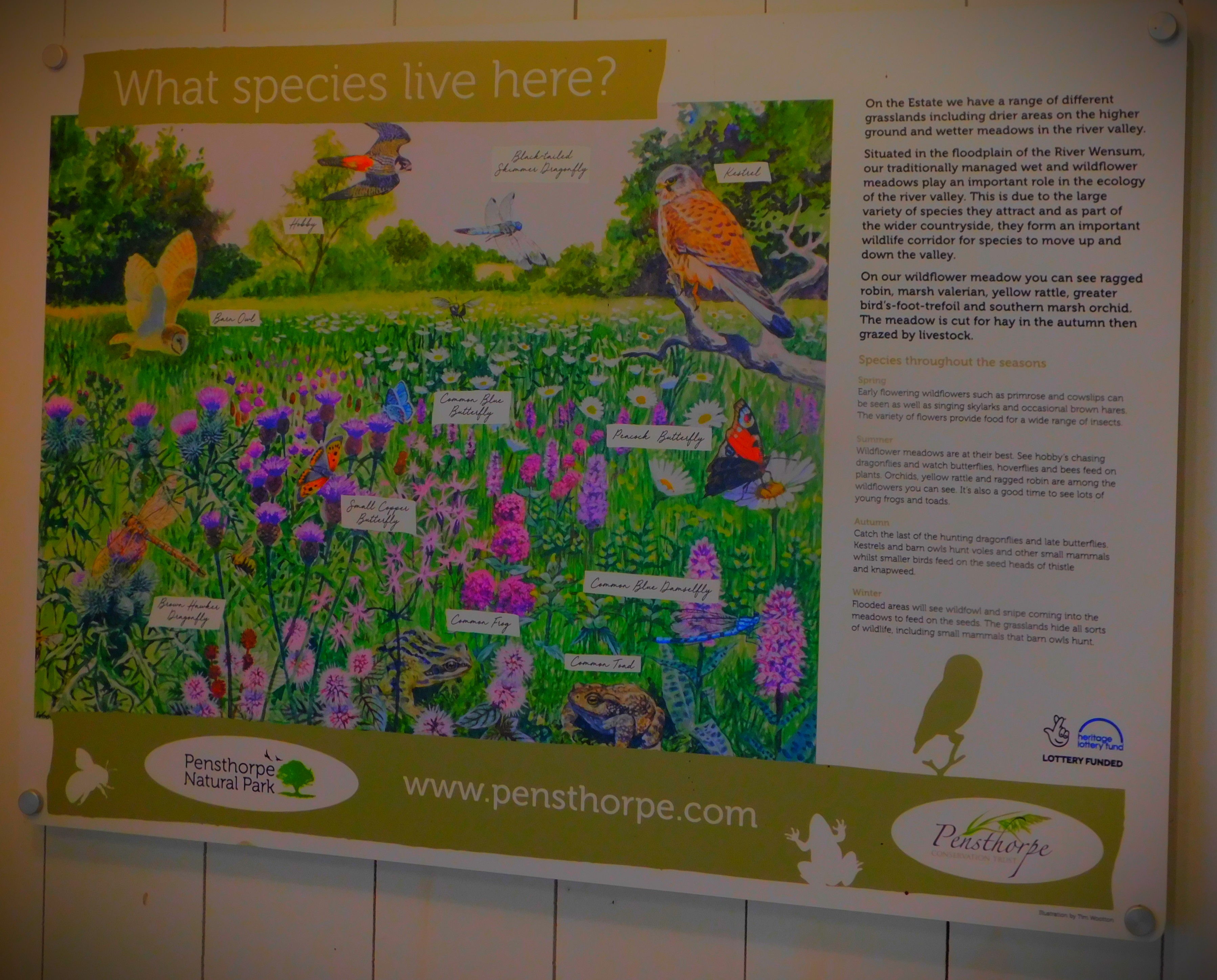
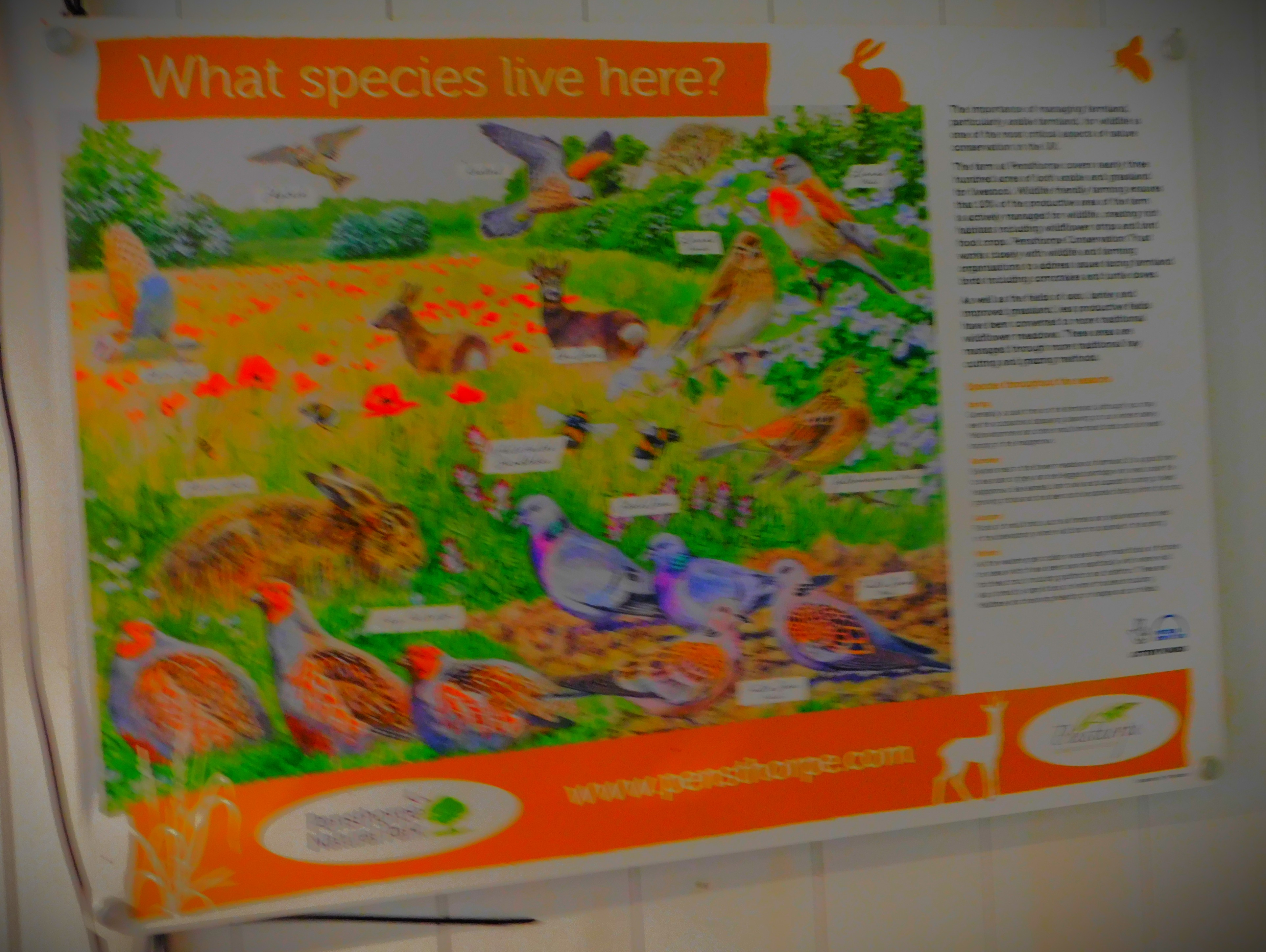
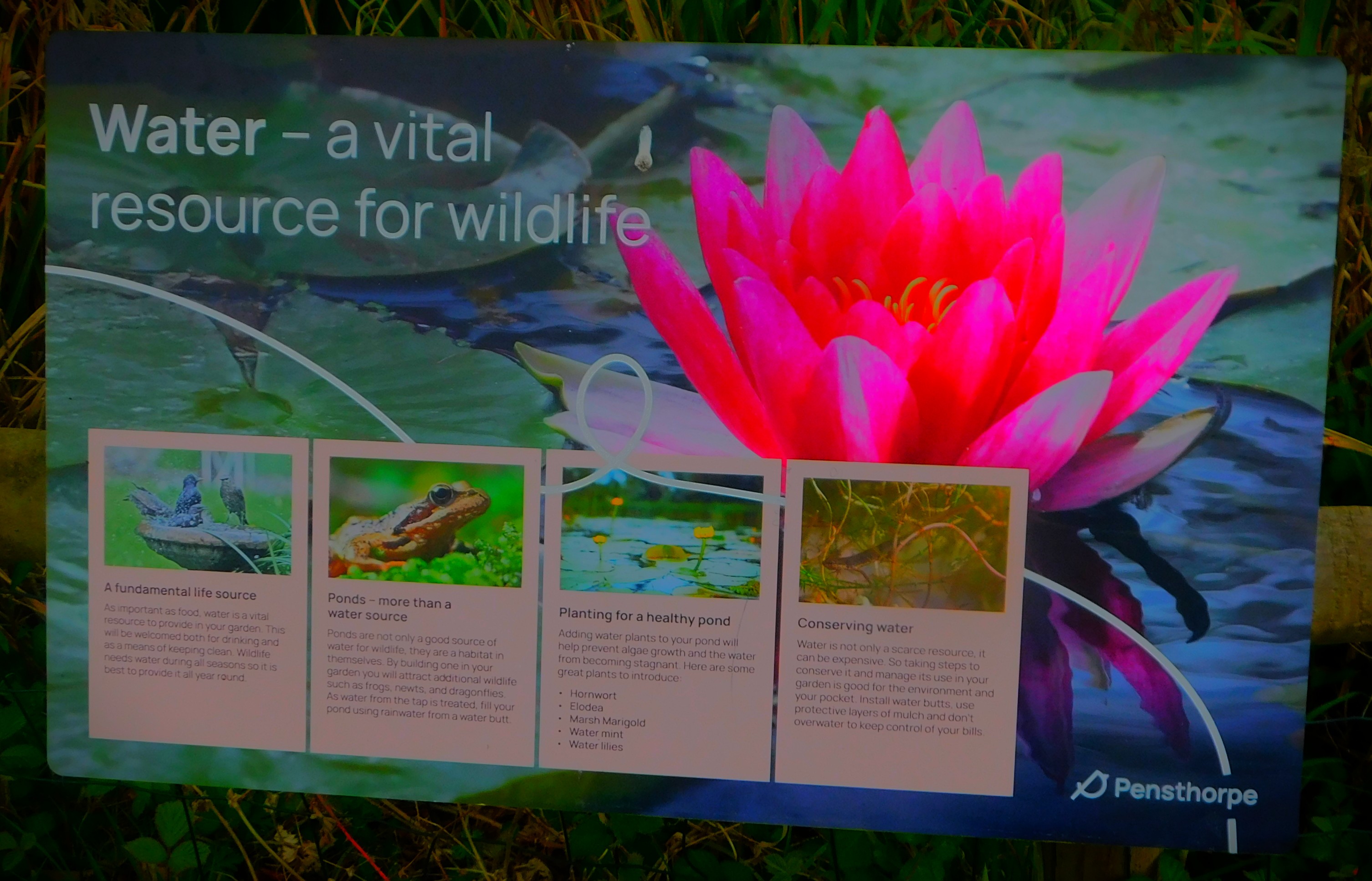
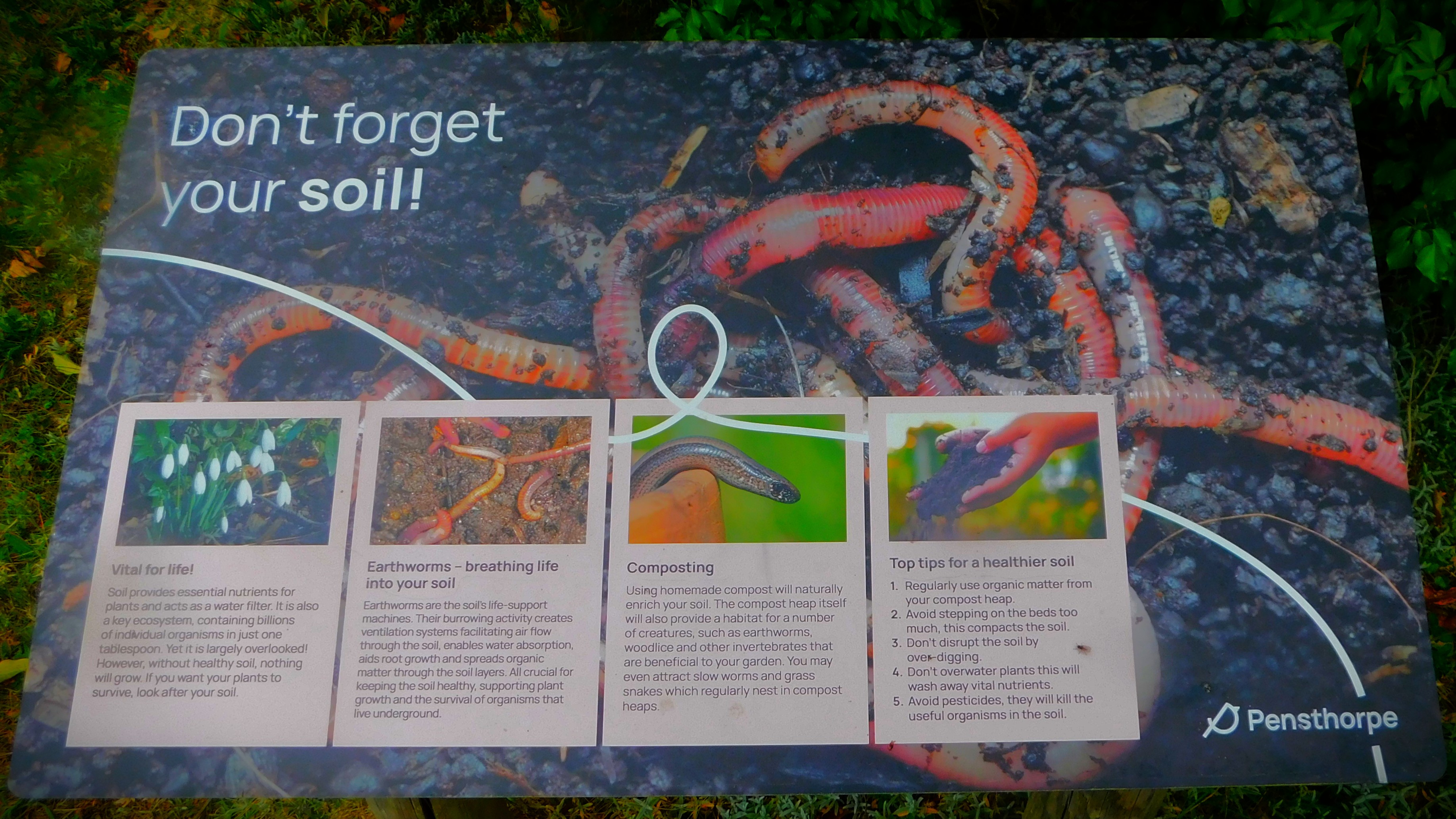
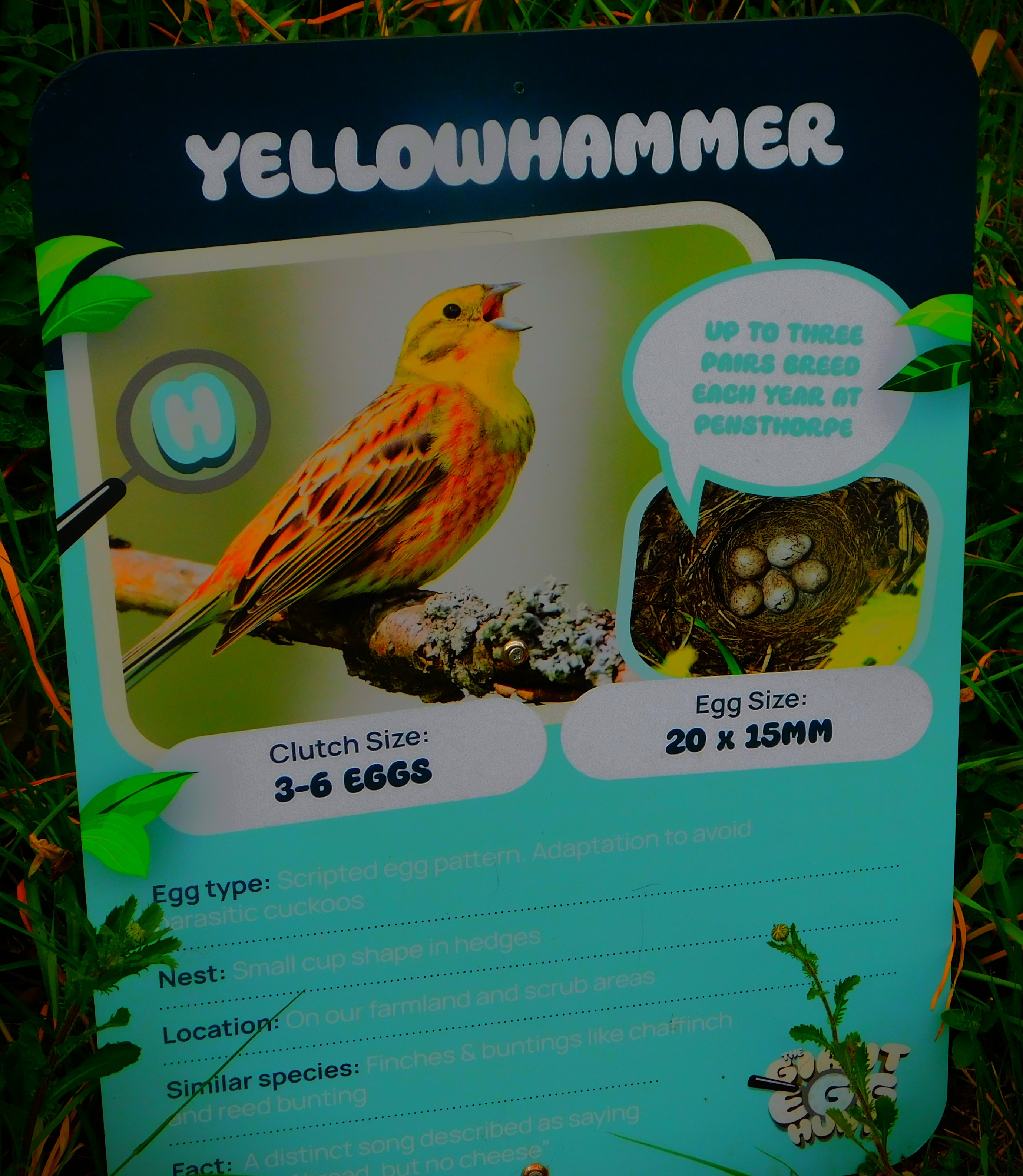
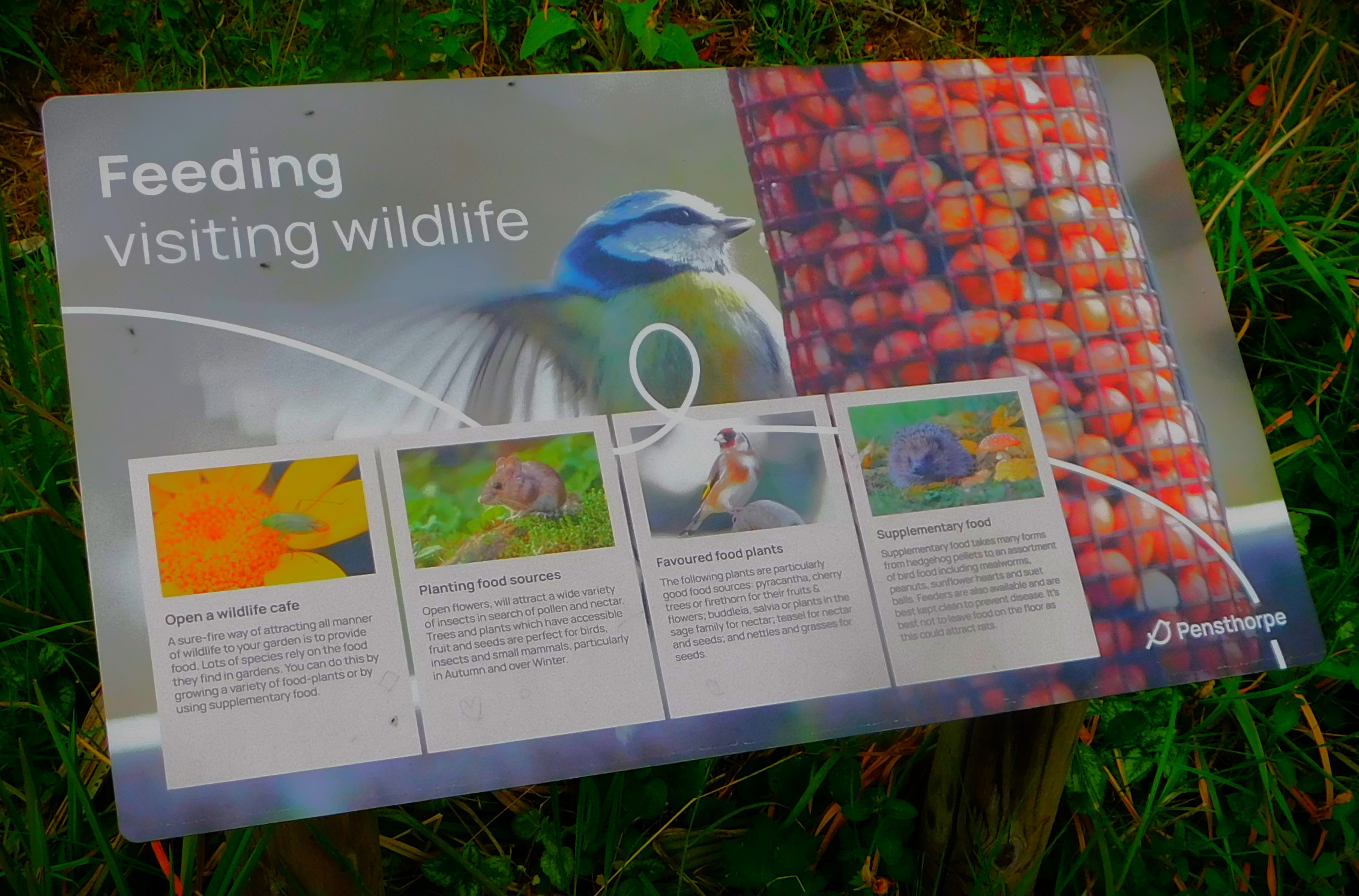
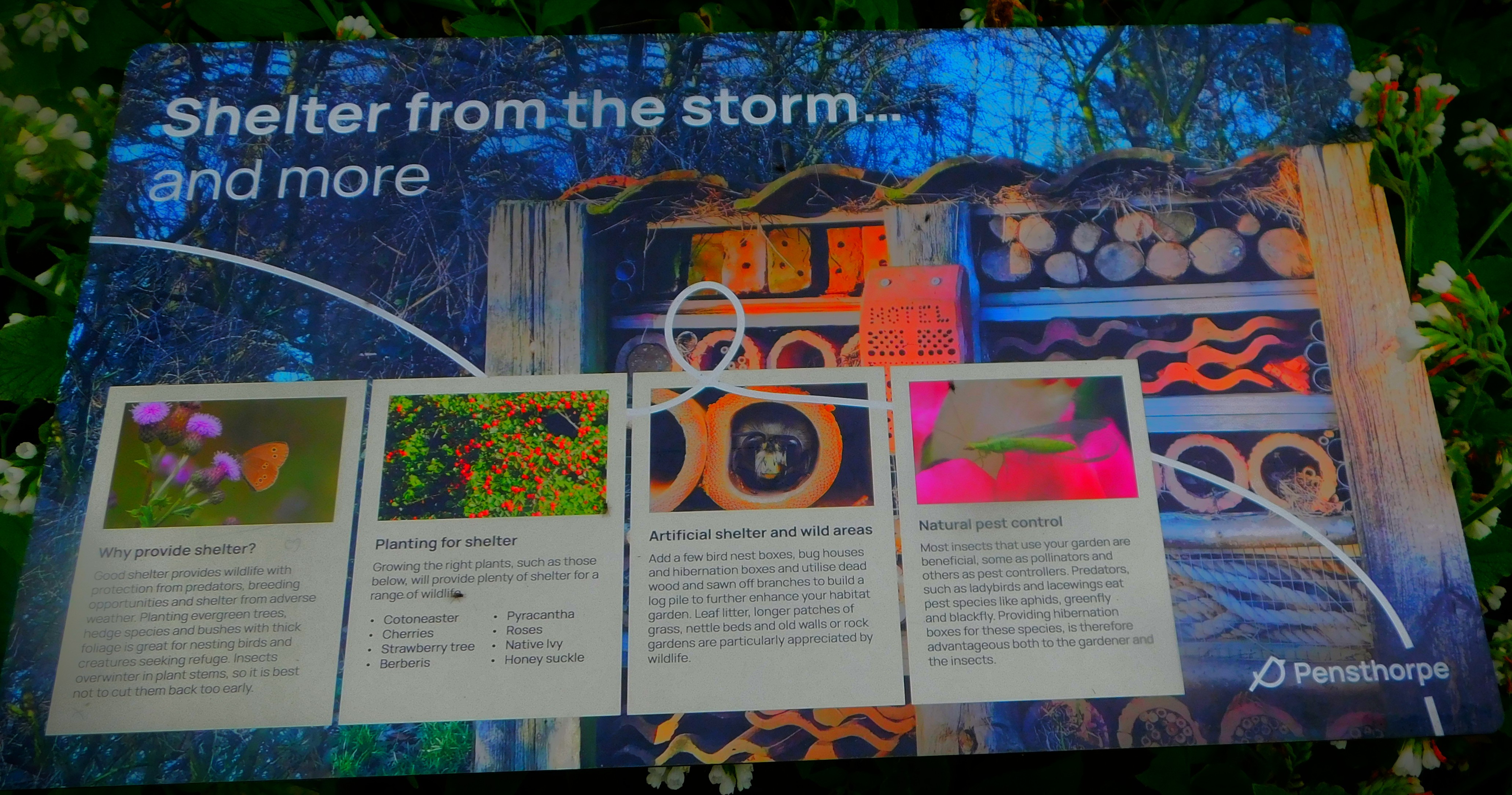
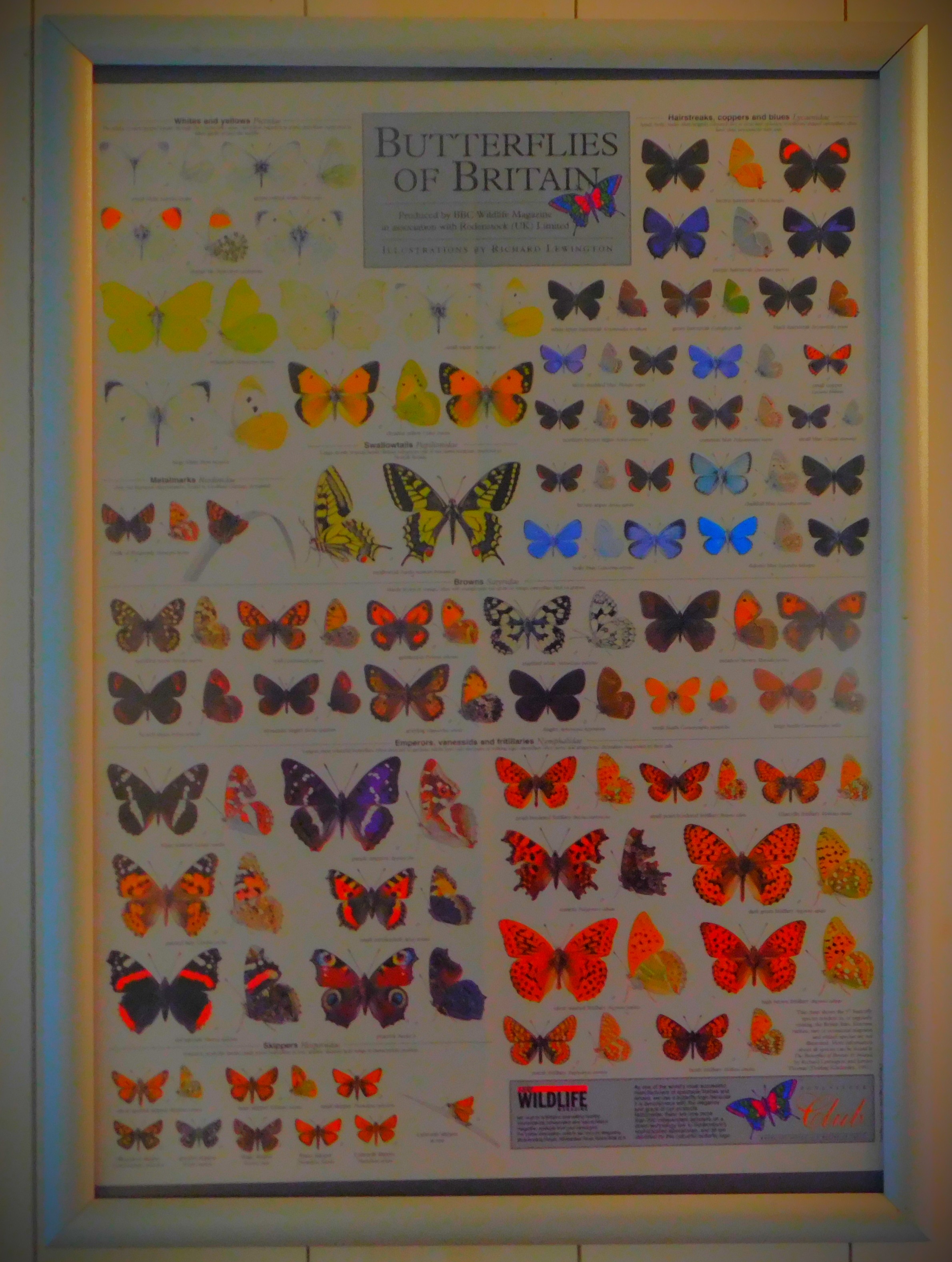
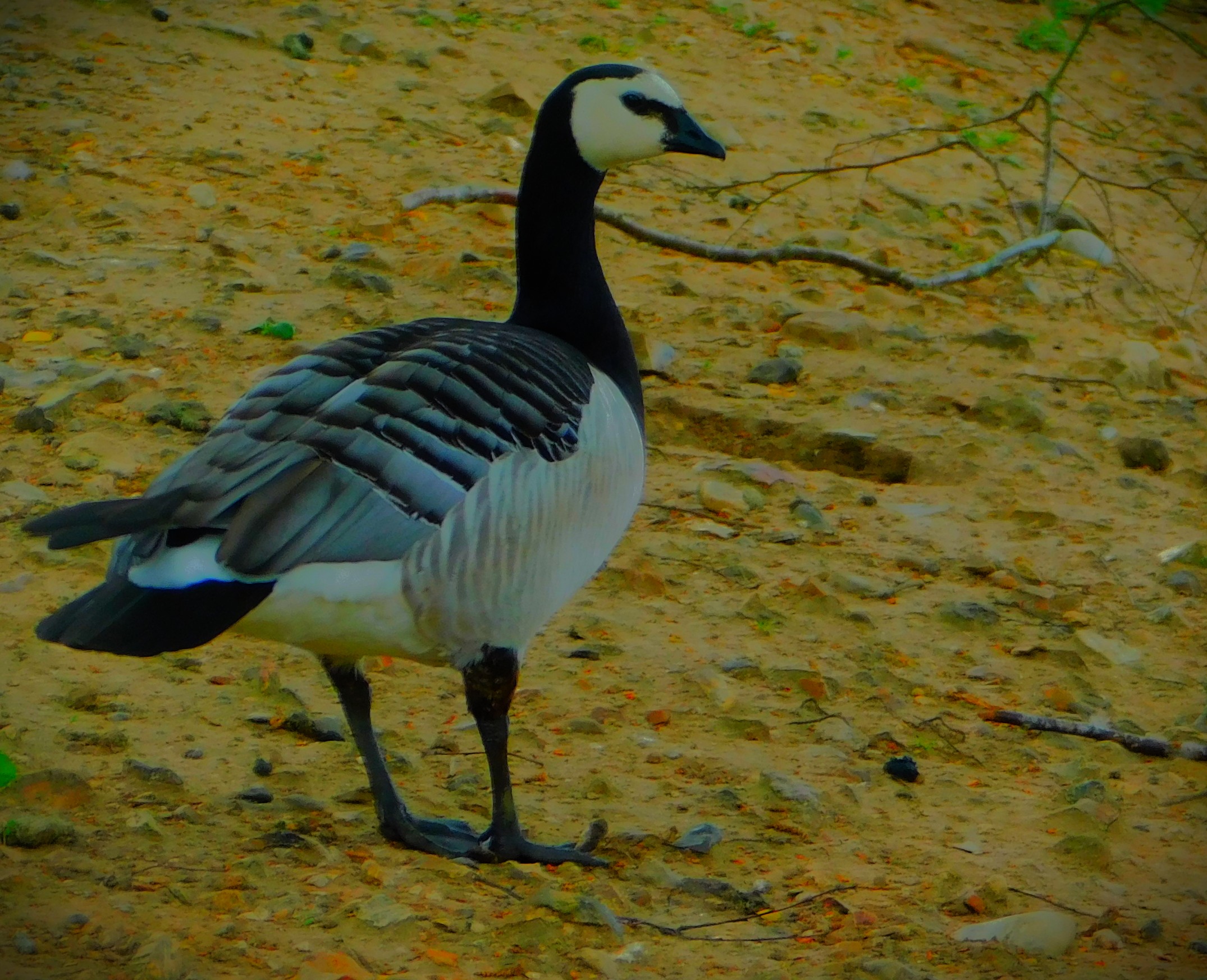
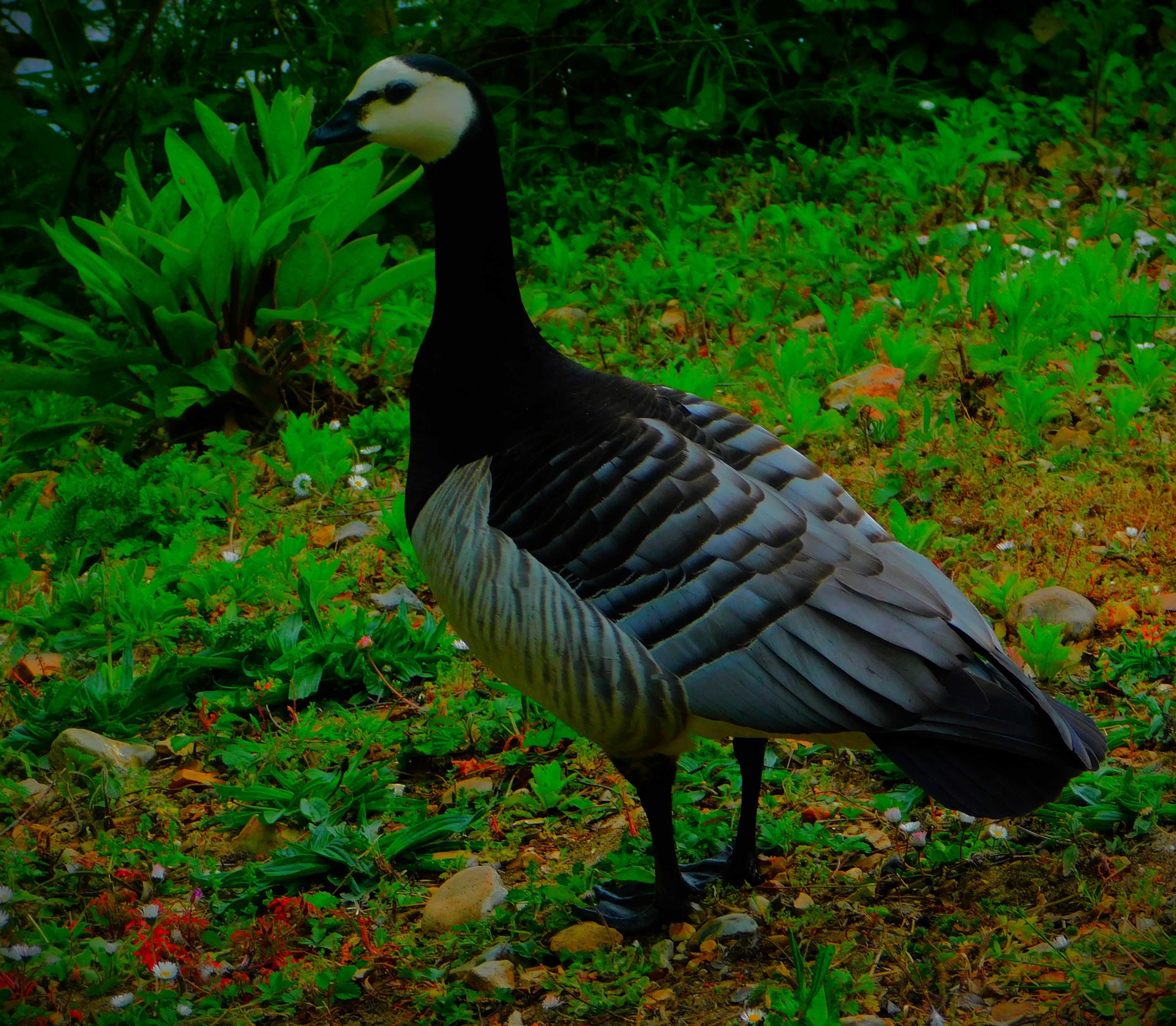
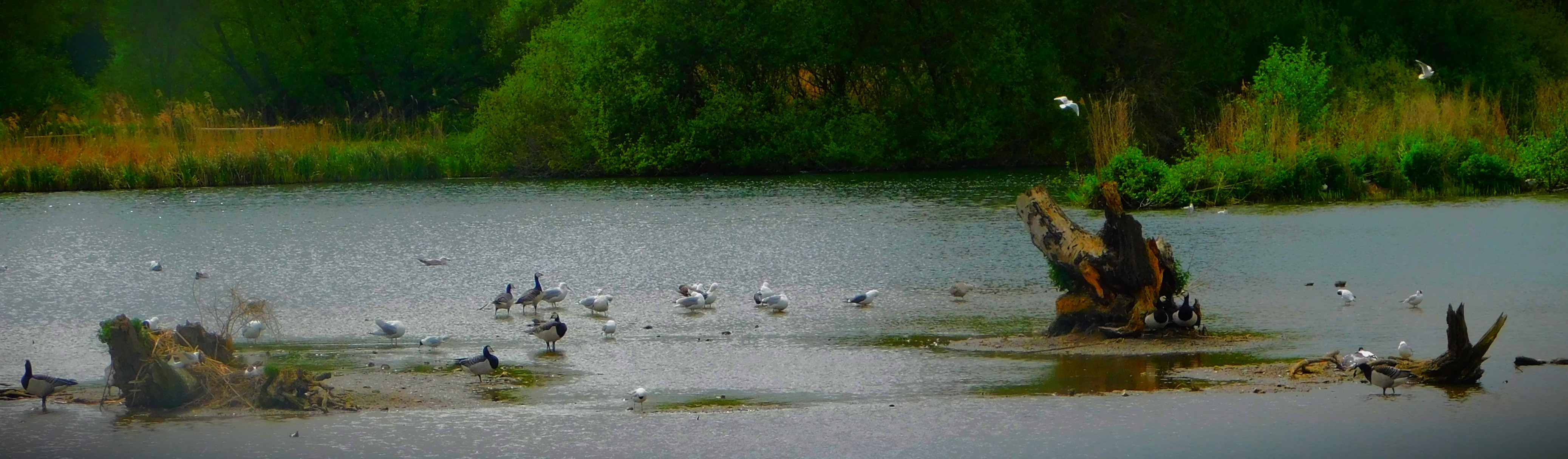
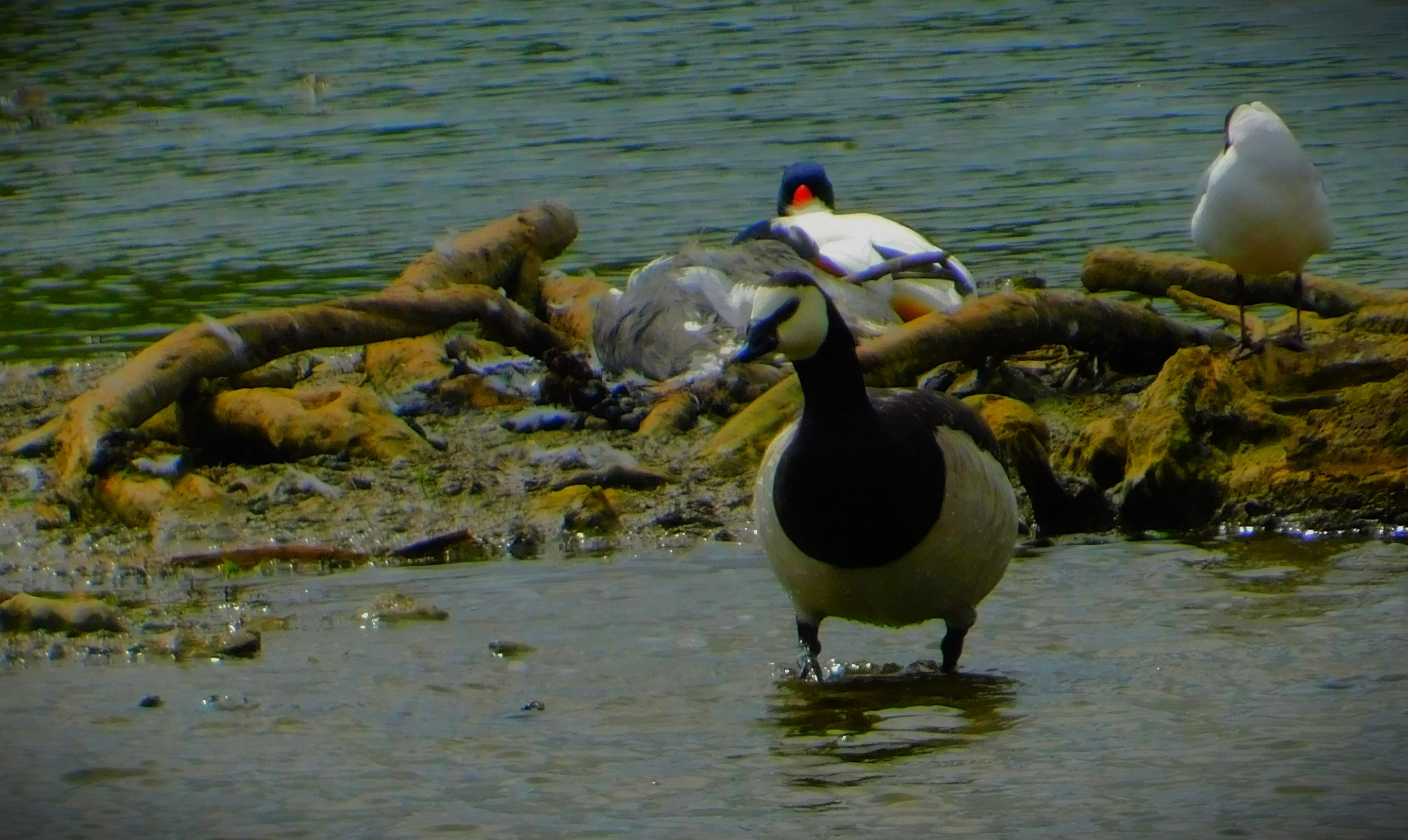
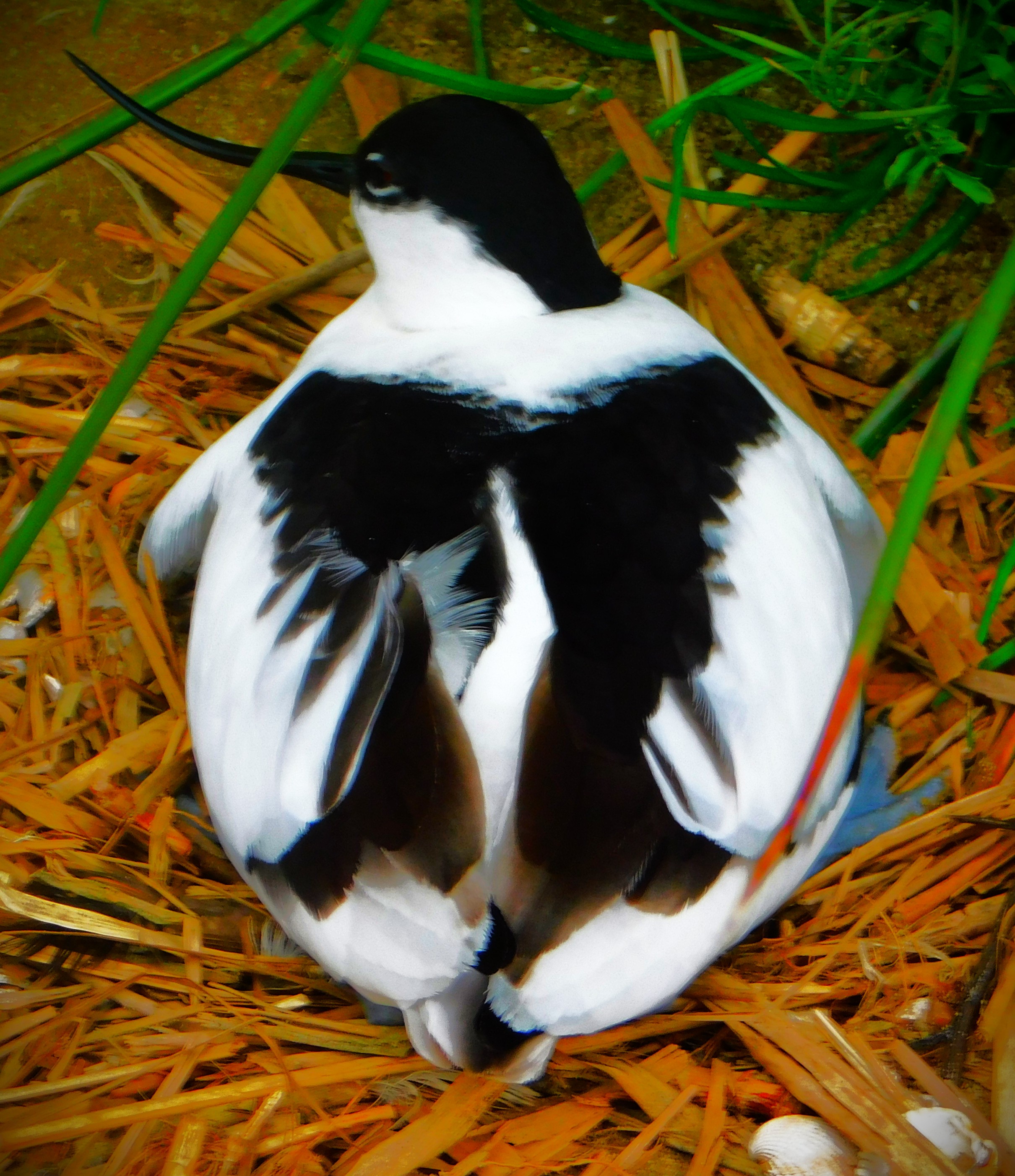
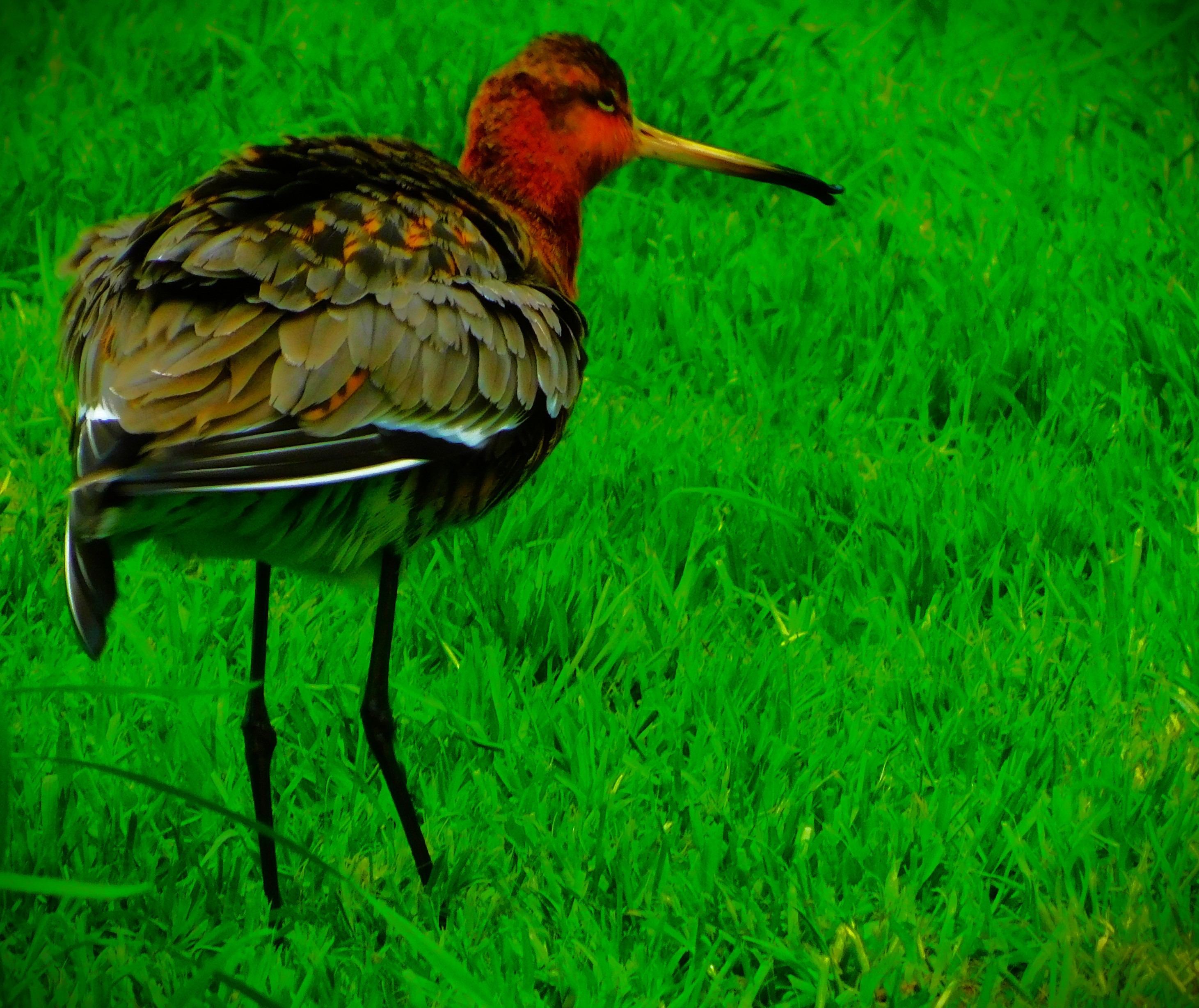
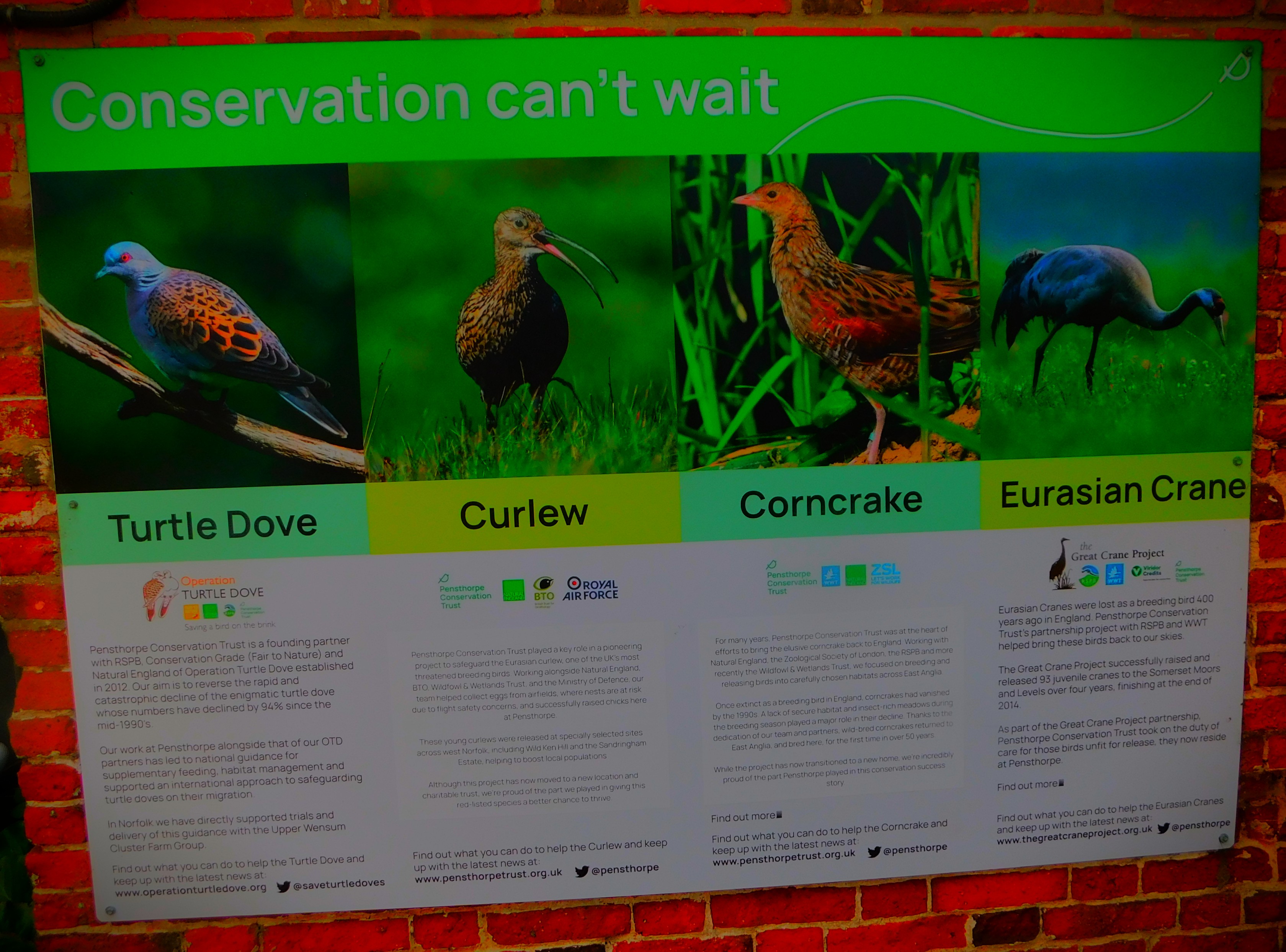
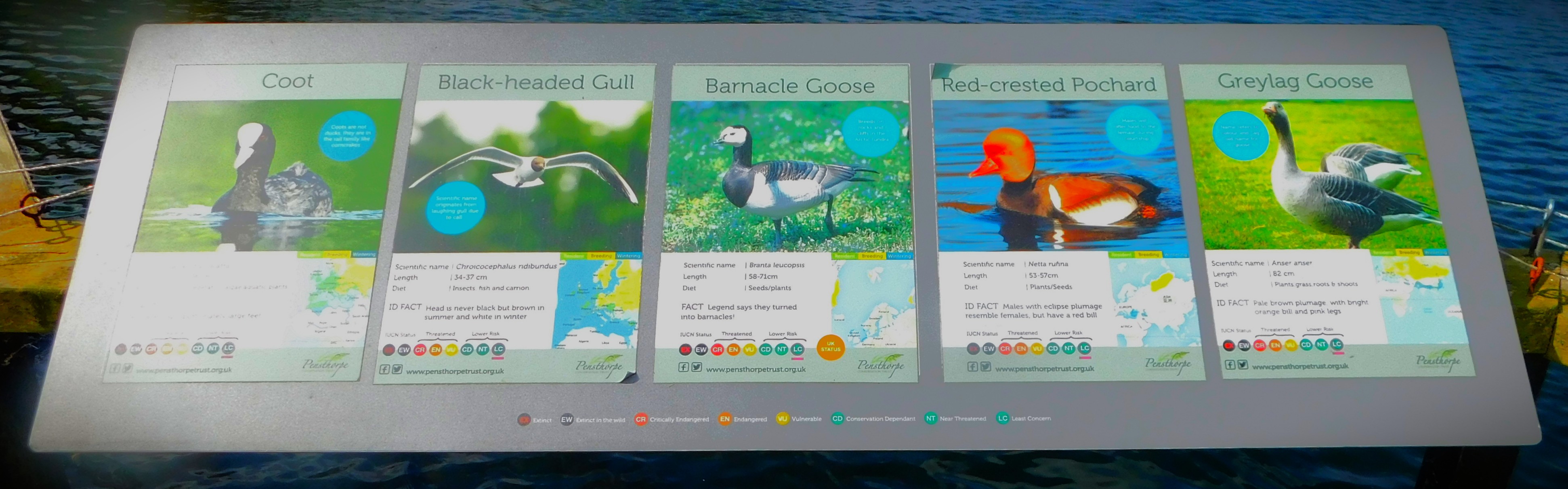
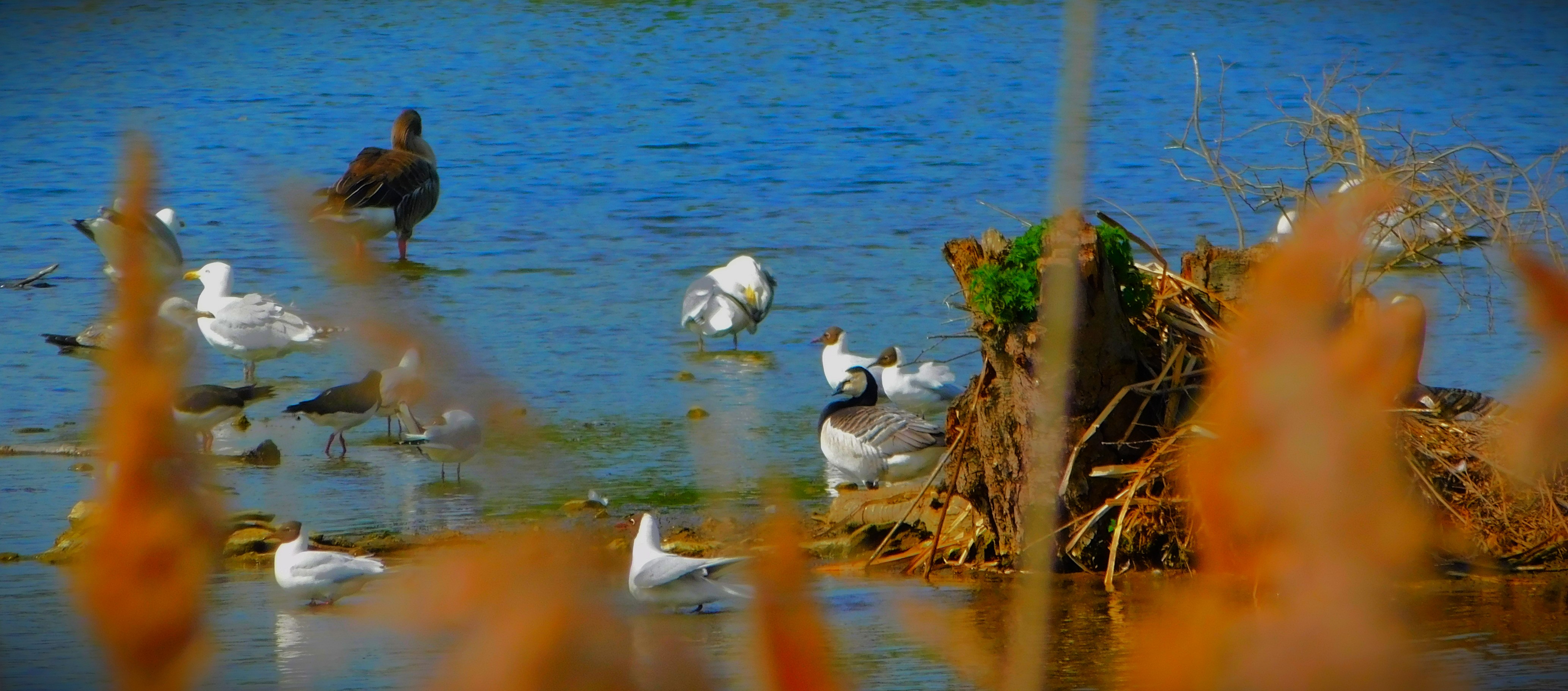
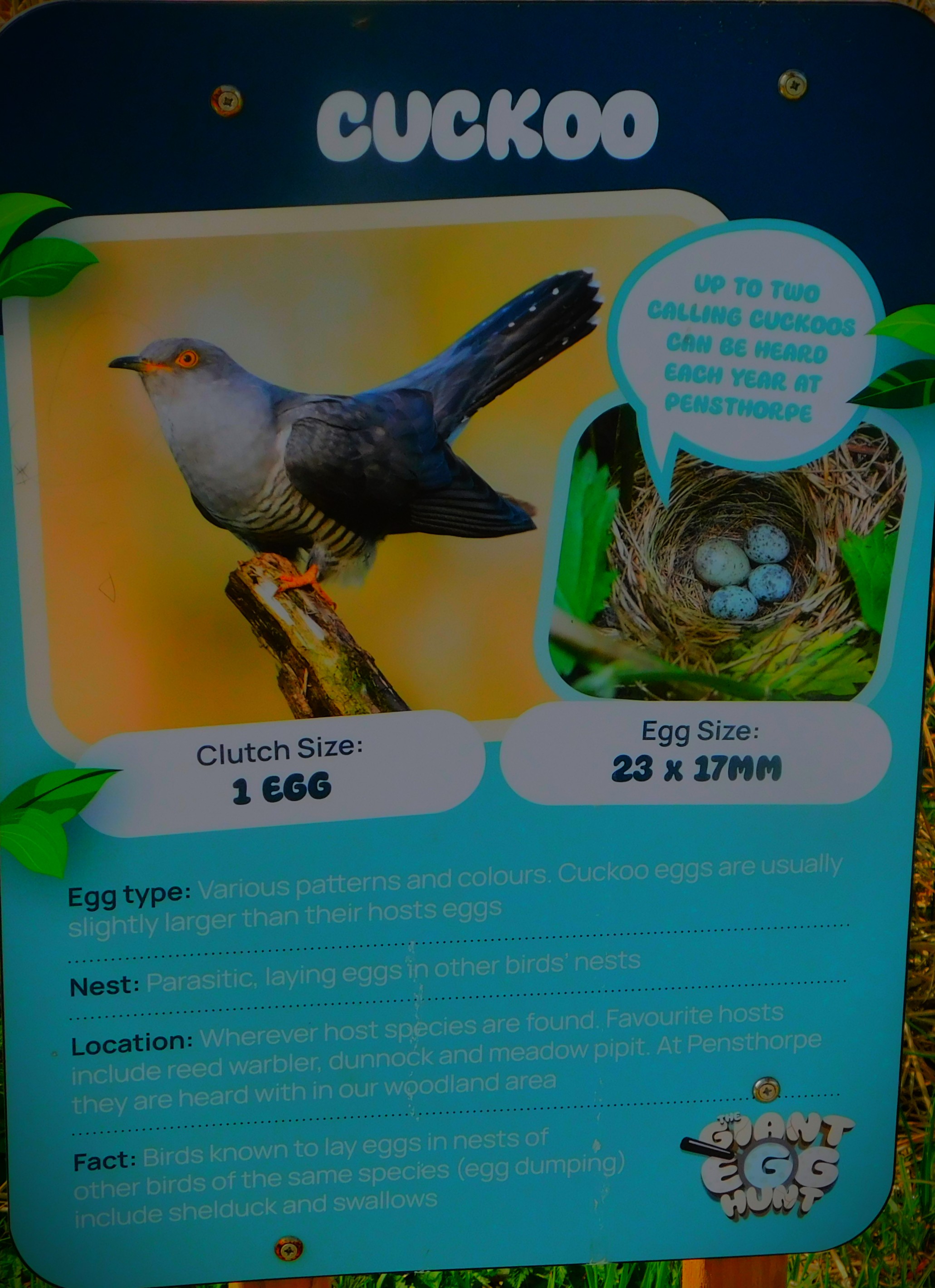
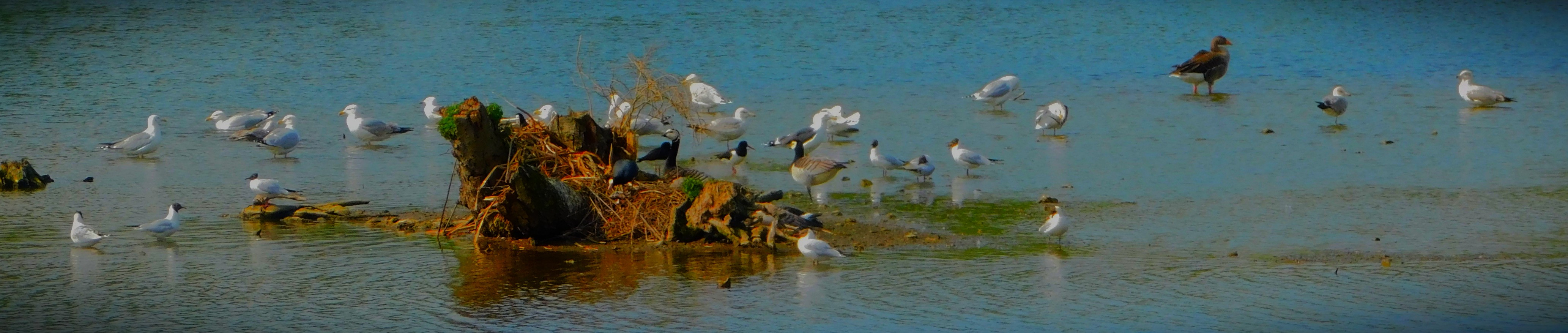
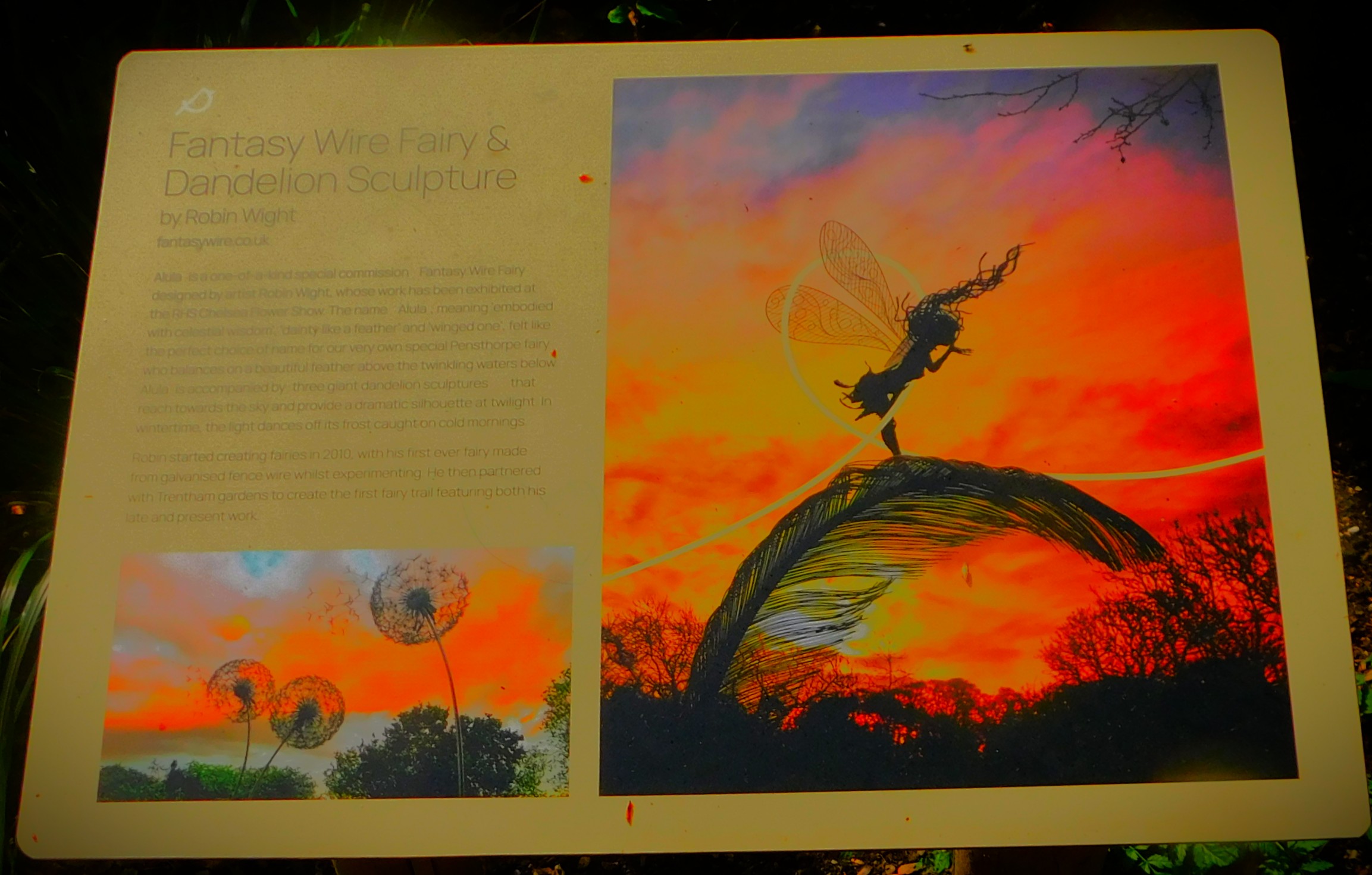
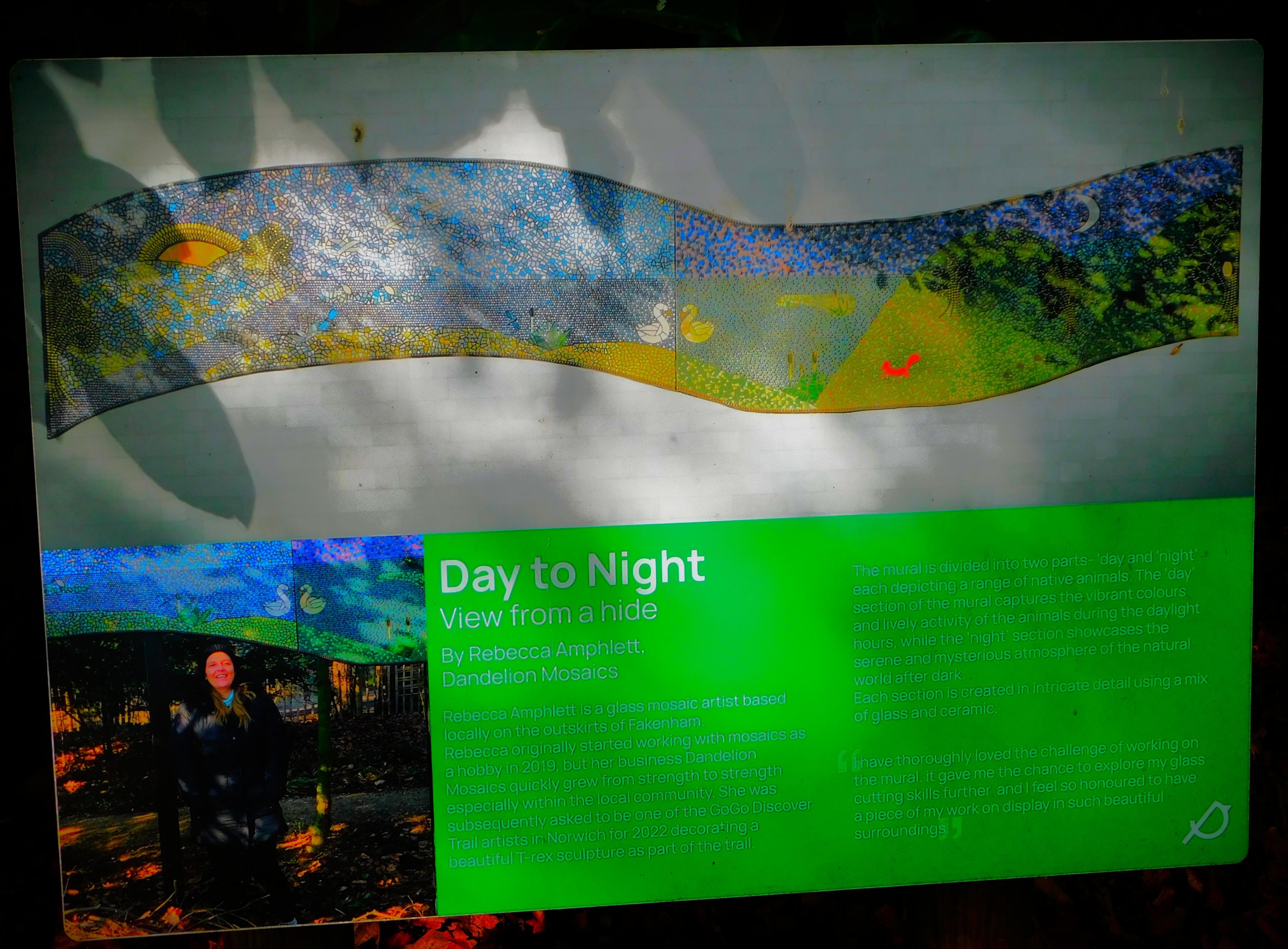
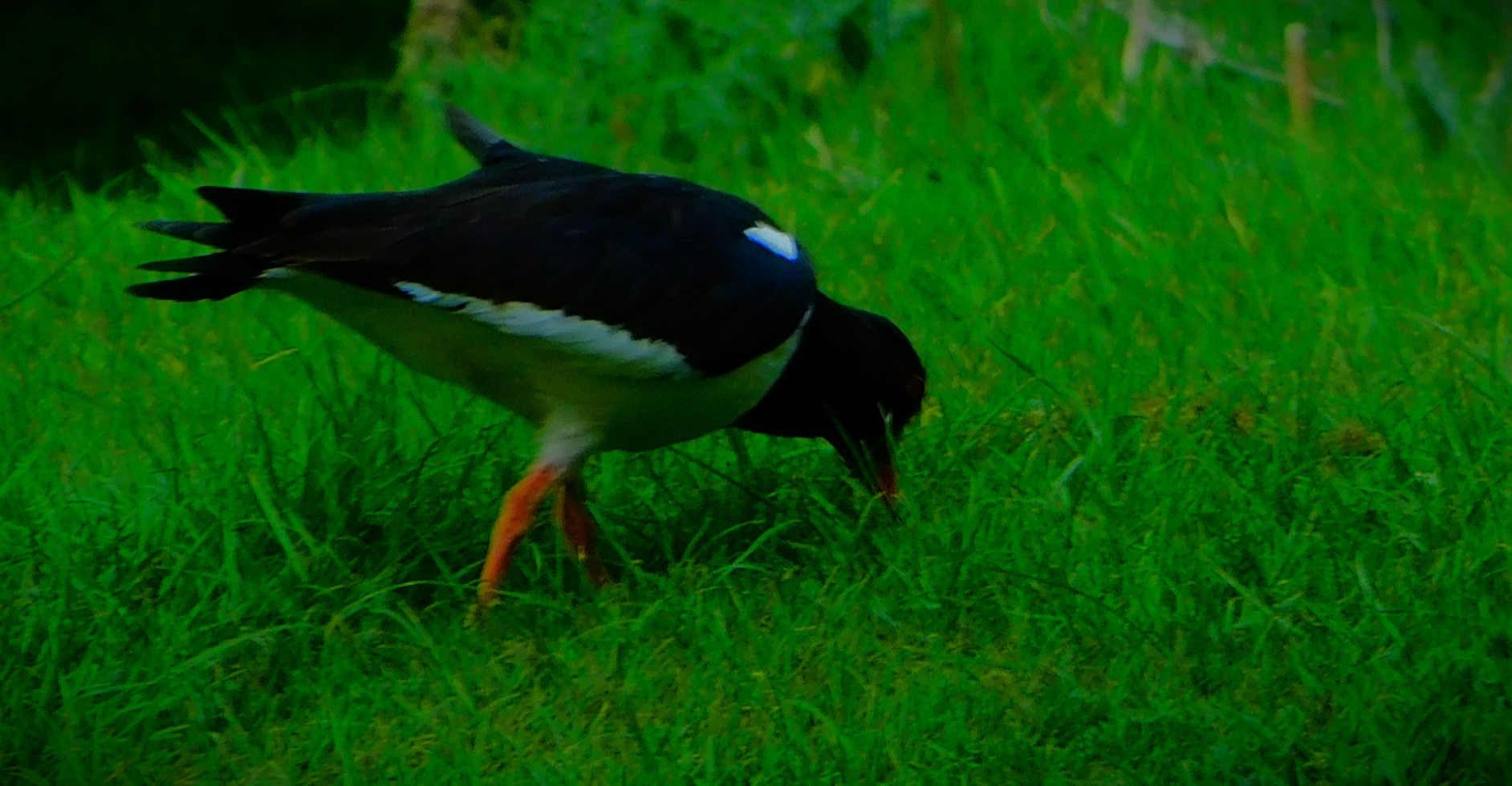
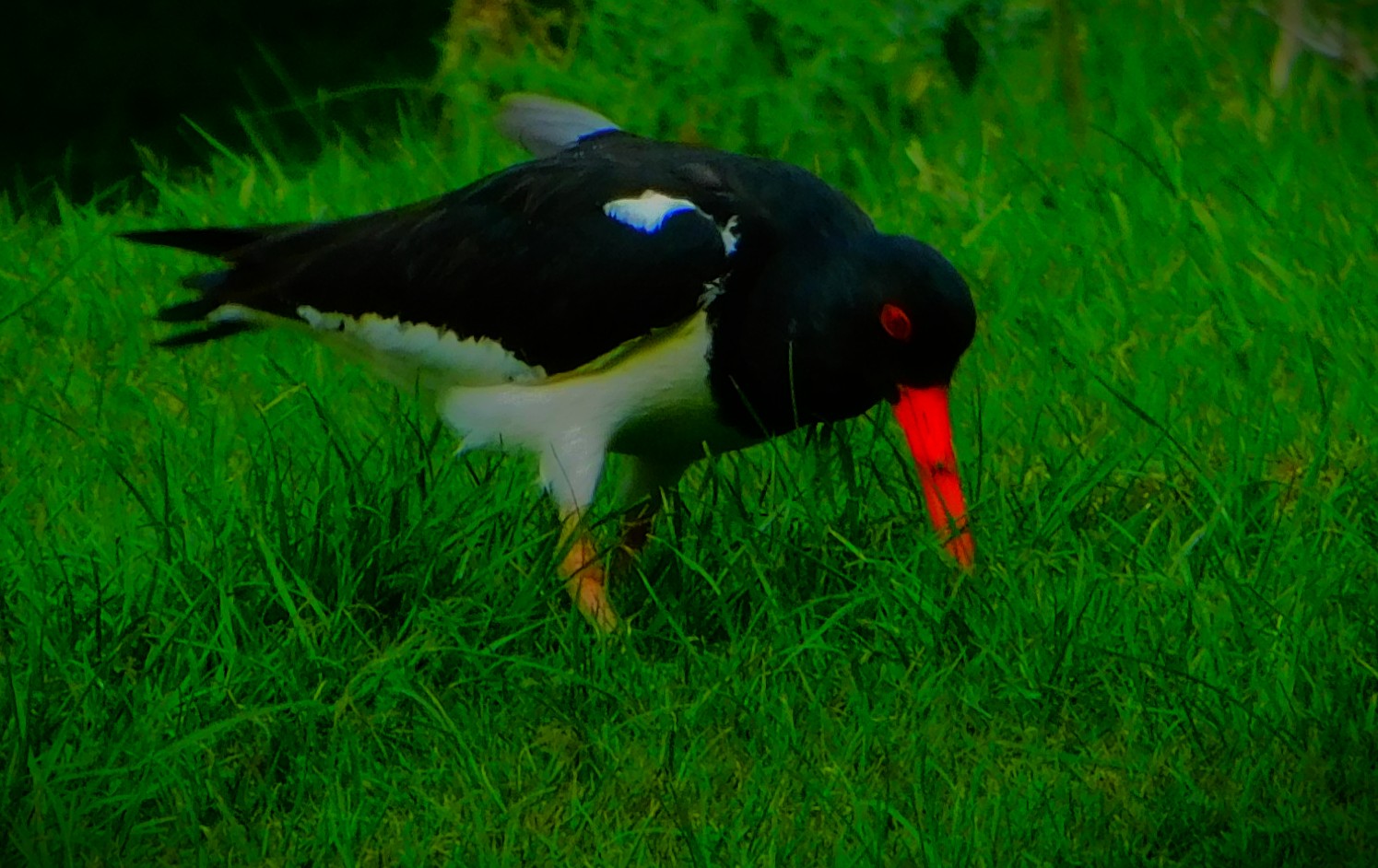
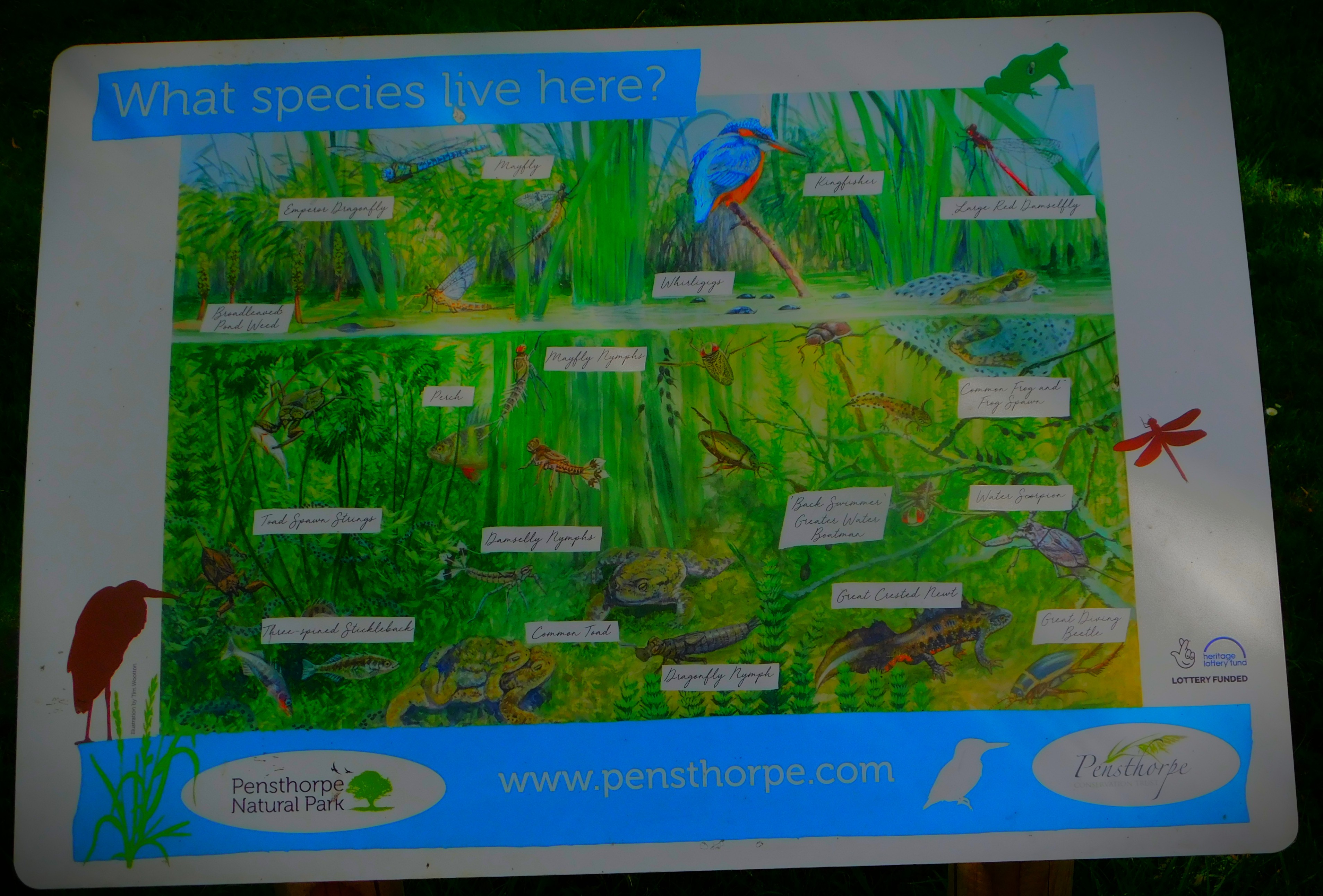
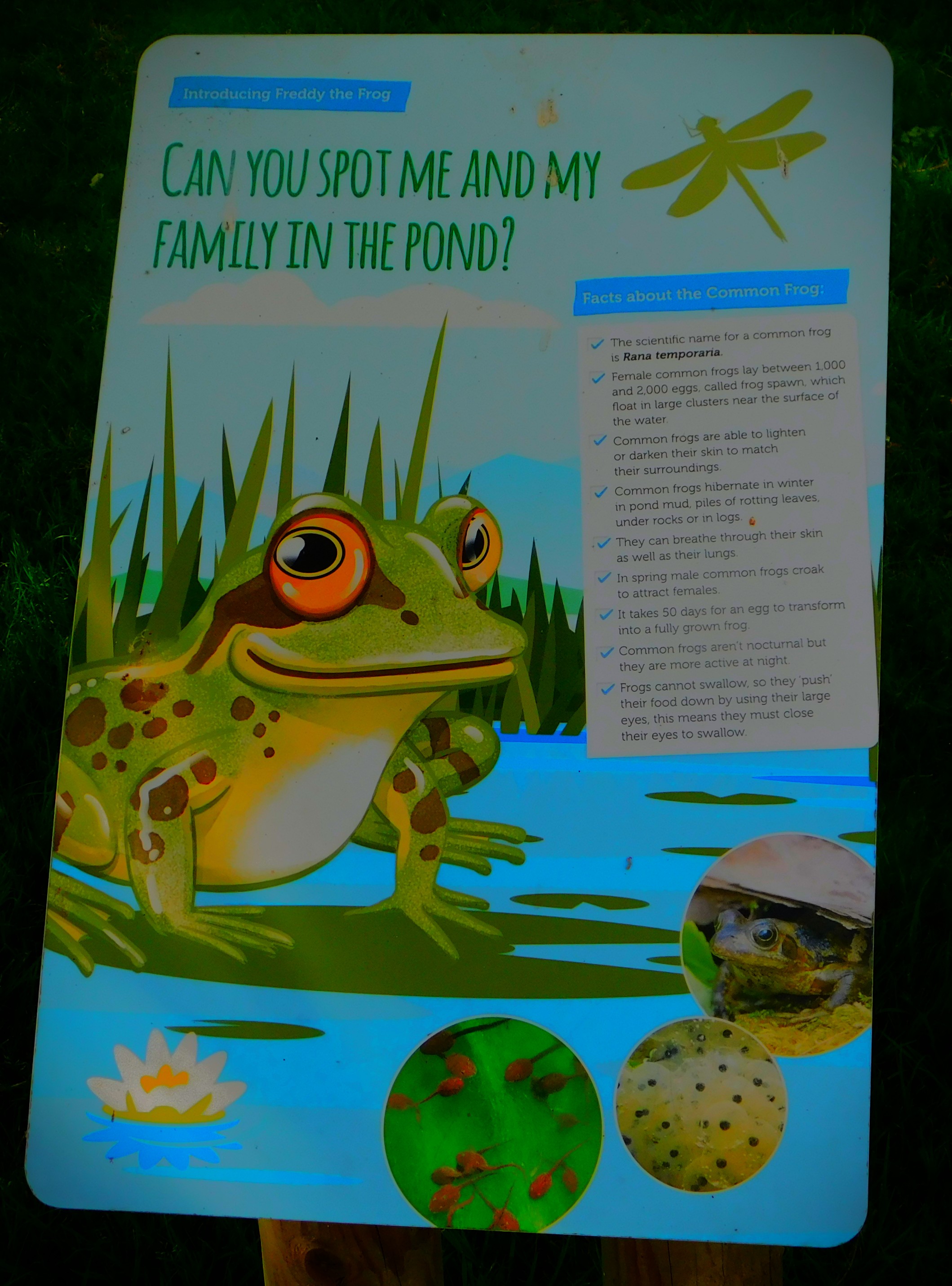
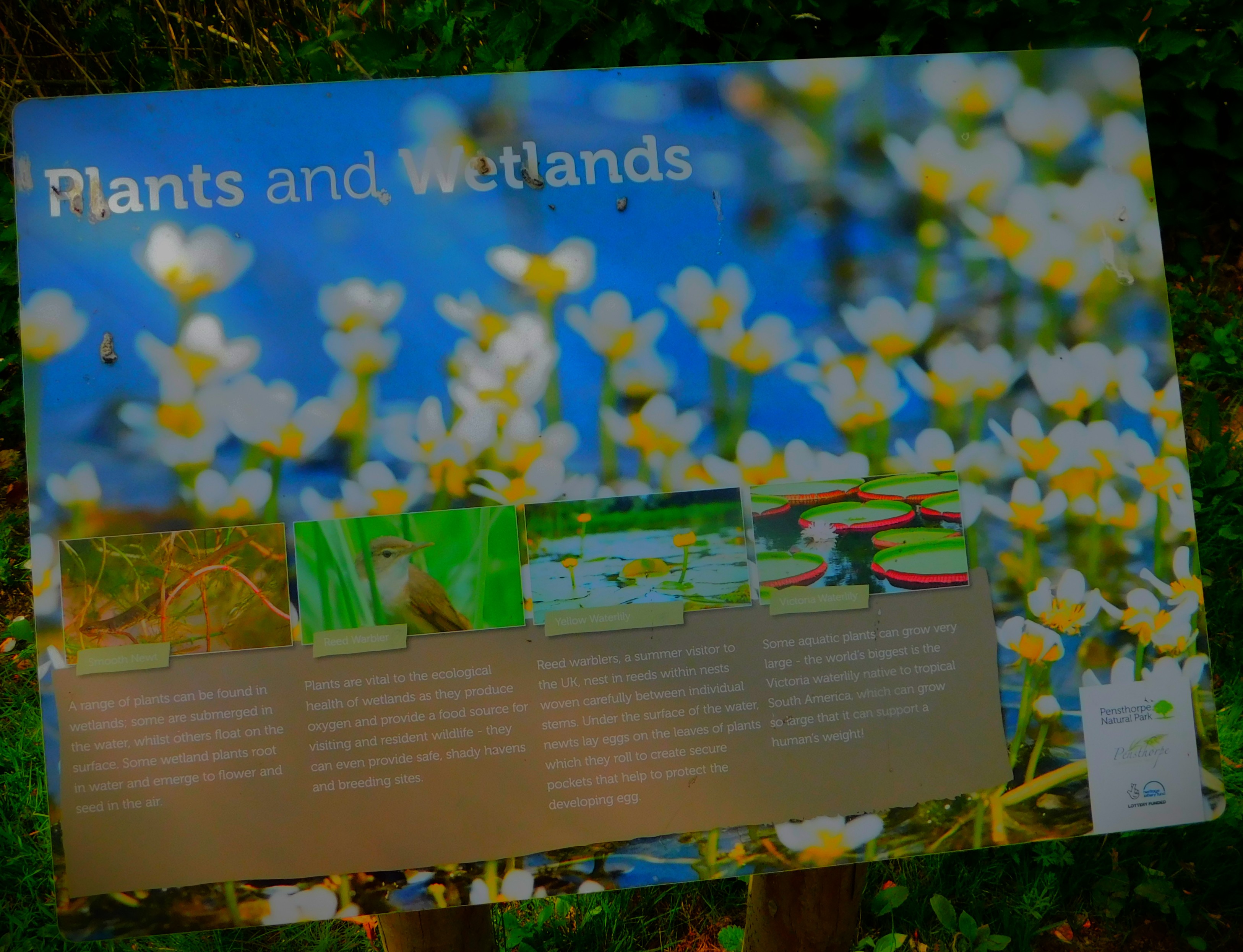
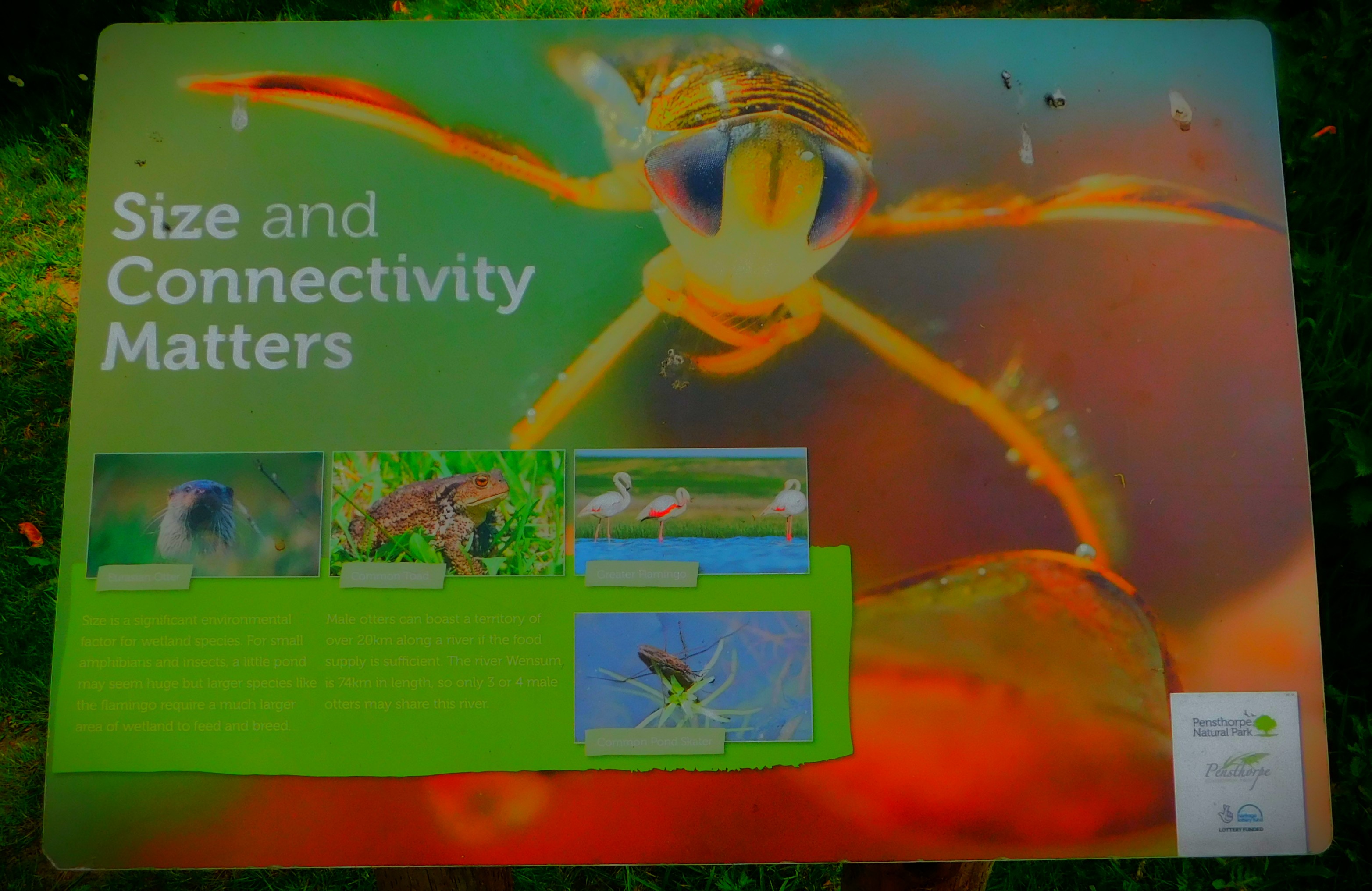
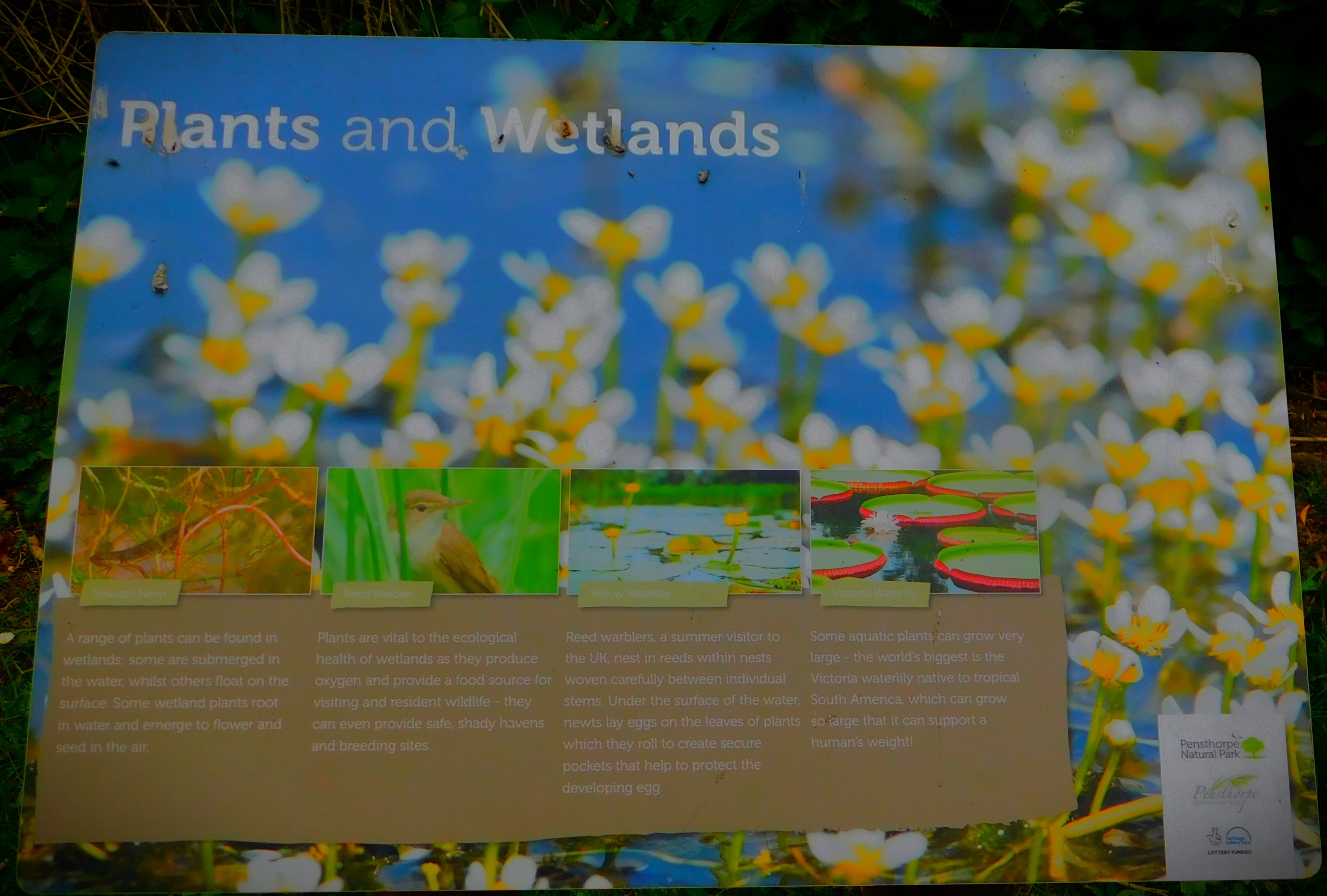
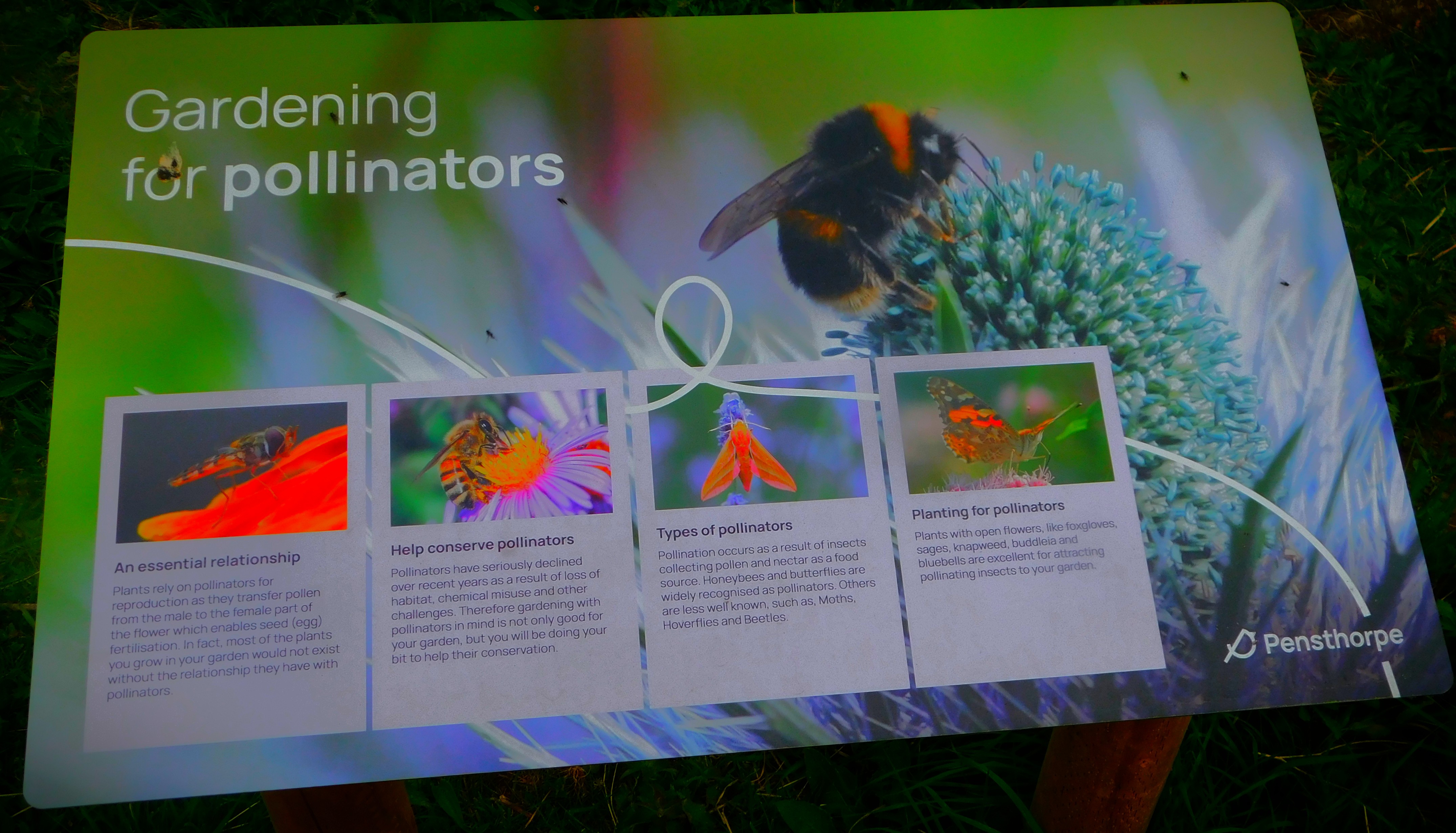
The Waders Aviary at Pensthorpe is just beyond the gift shop, through which the rest of the site is accessed. It is thus suitable for being visited briefly on multiple occasions over the course of the day, and being self contained and relatively small it is not a place that one should be in very any great length of time continuously. Information at Pensthorpe is always exemplary, and the composite picture with which this section ends will provide you with help following the photo gallery.
PHOTOGRAPHS
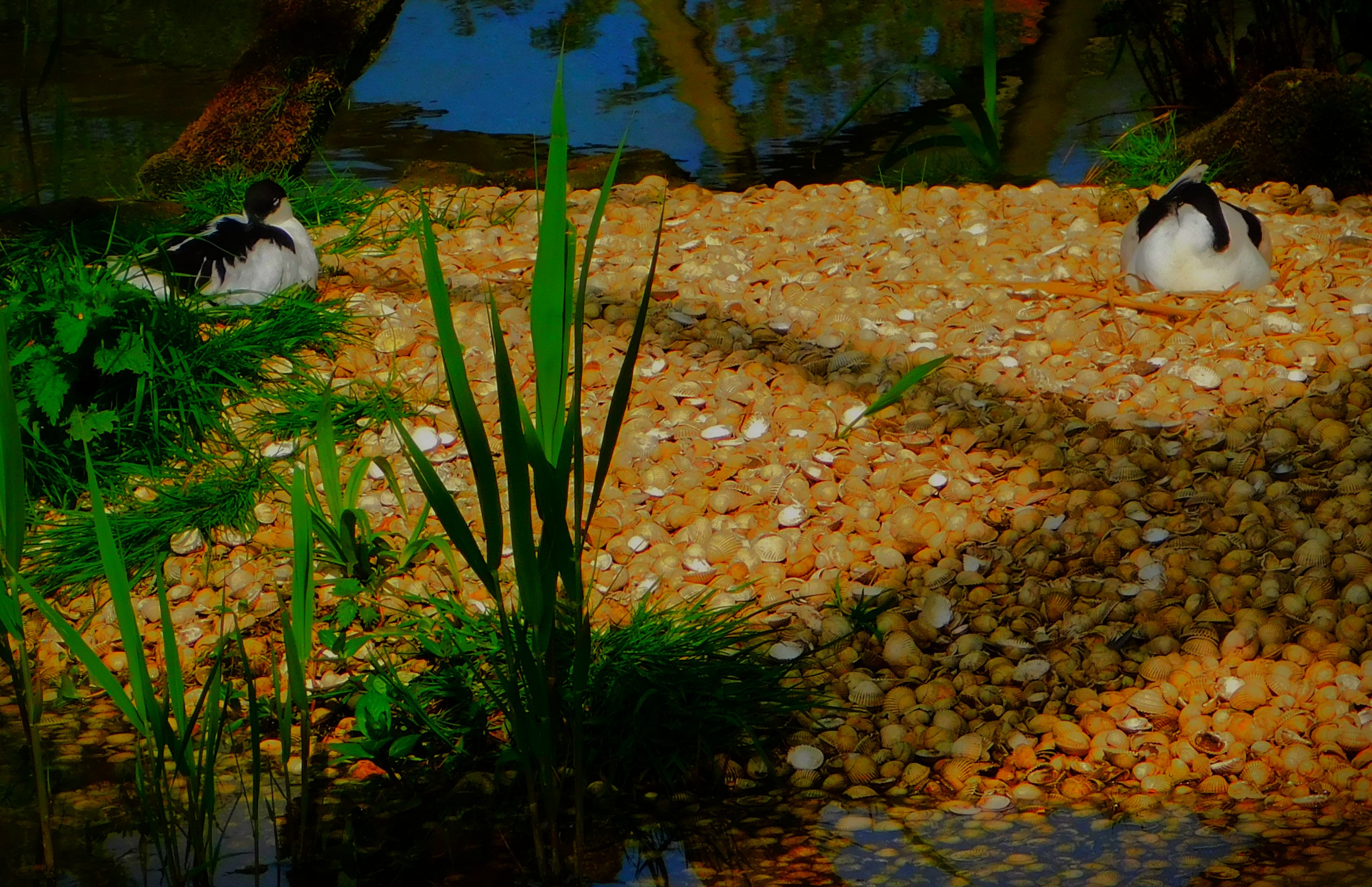
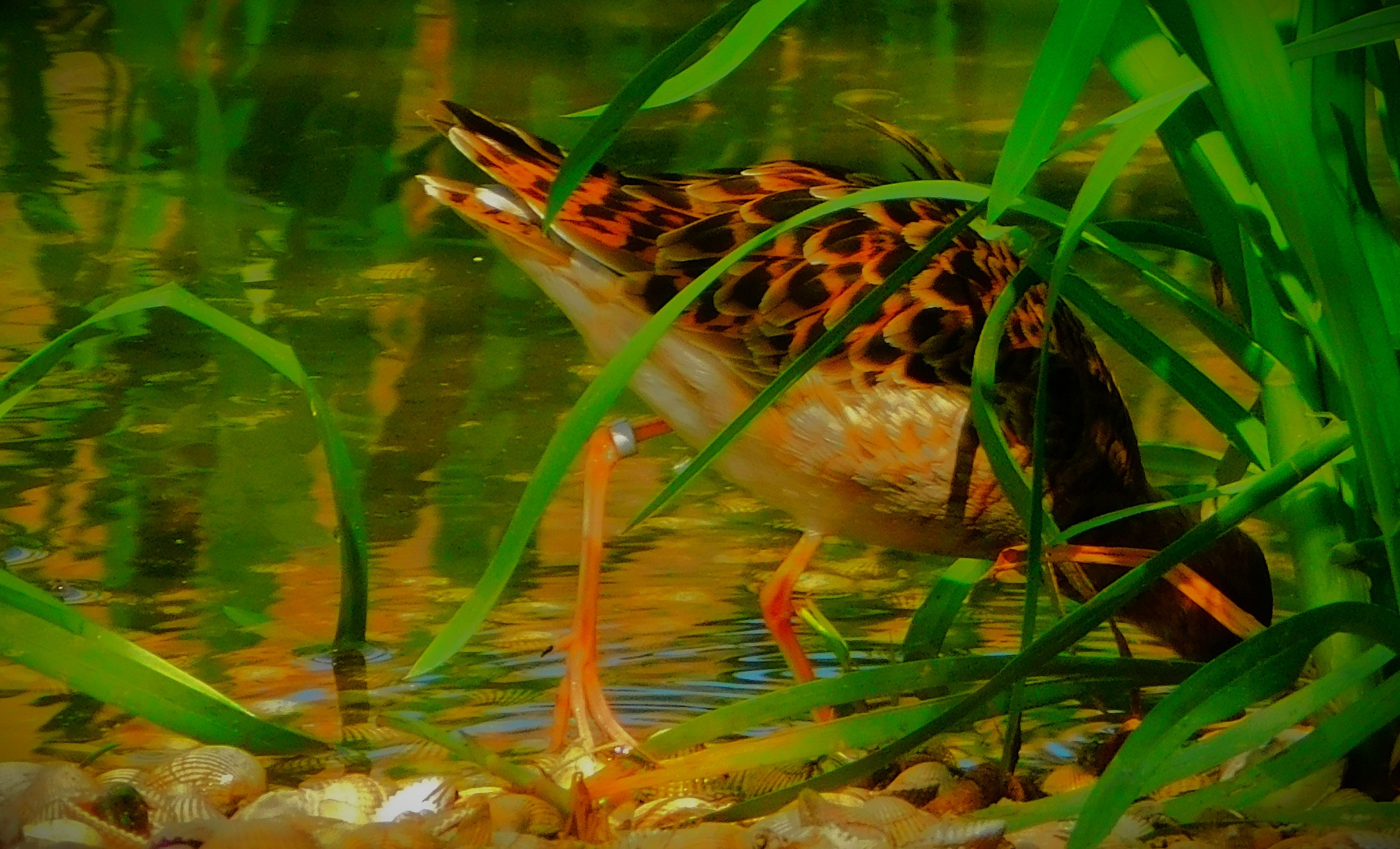
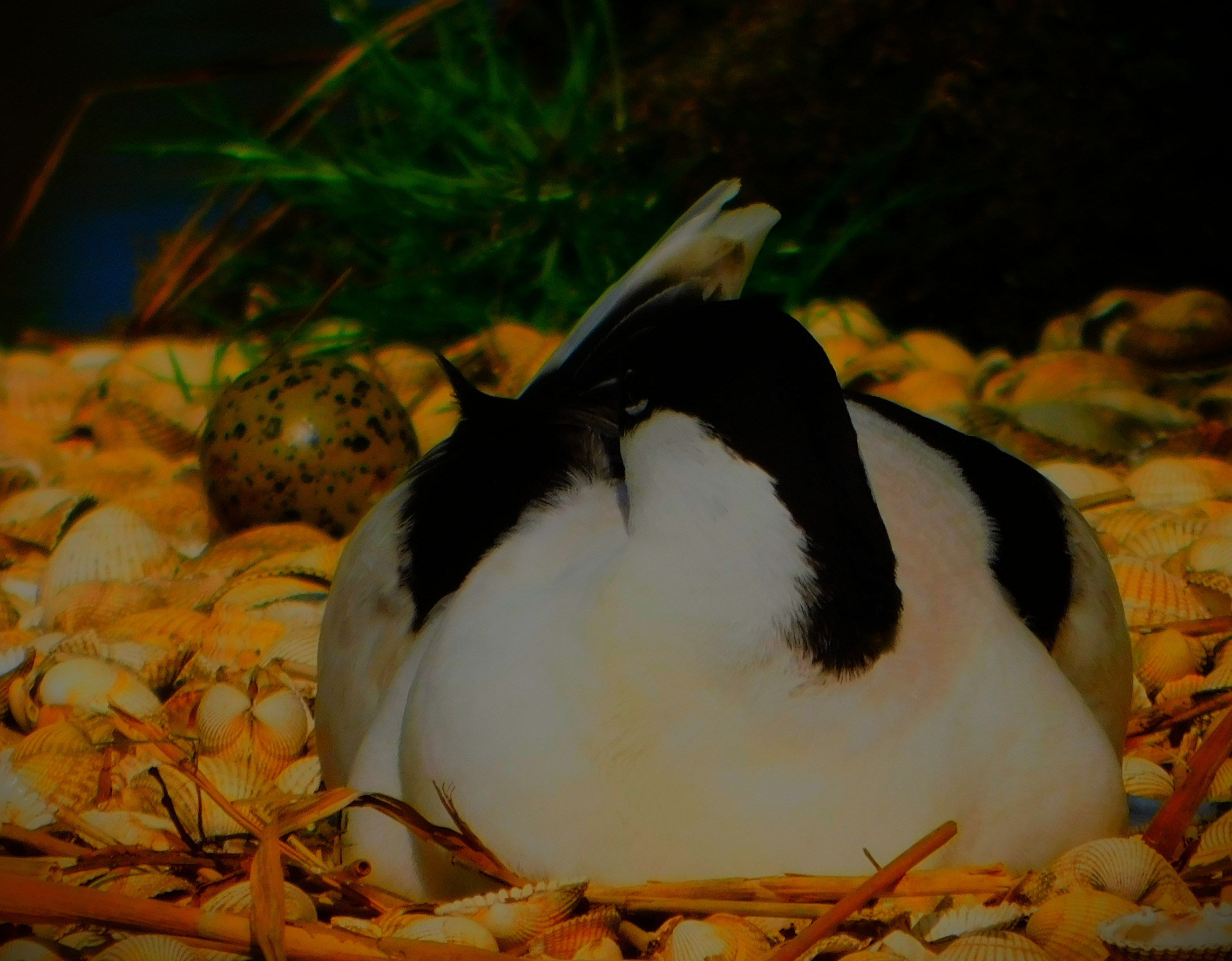
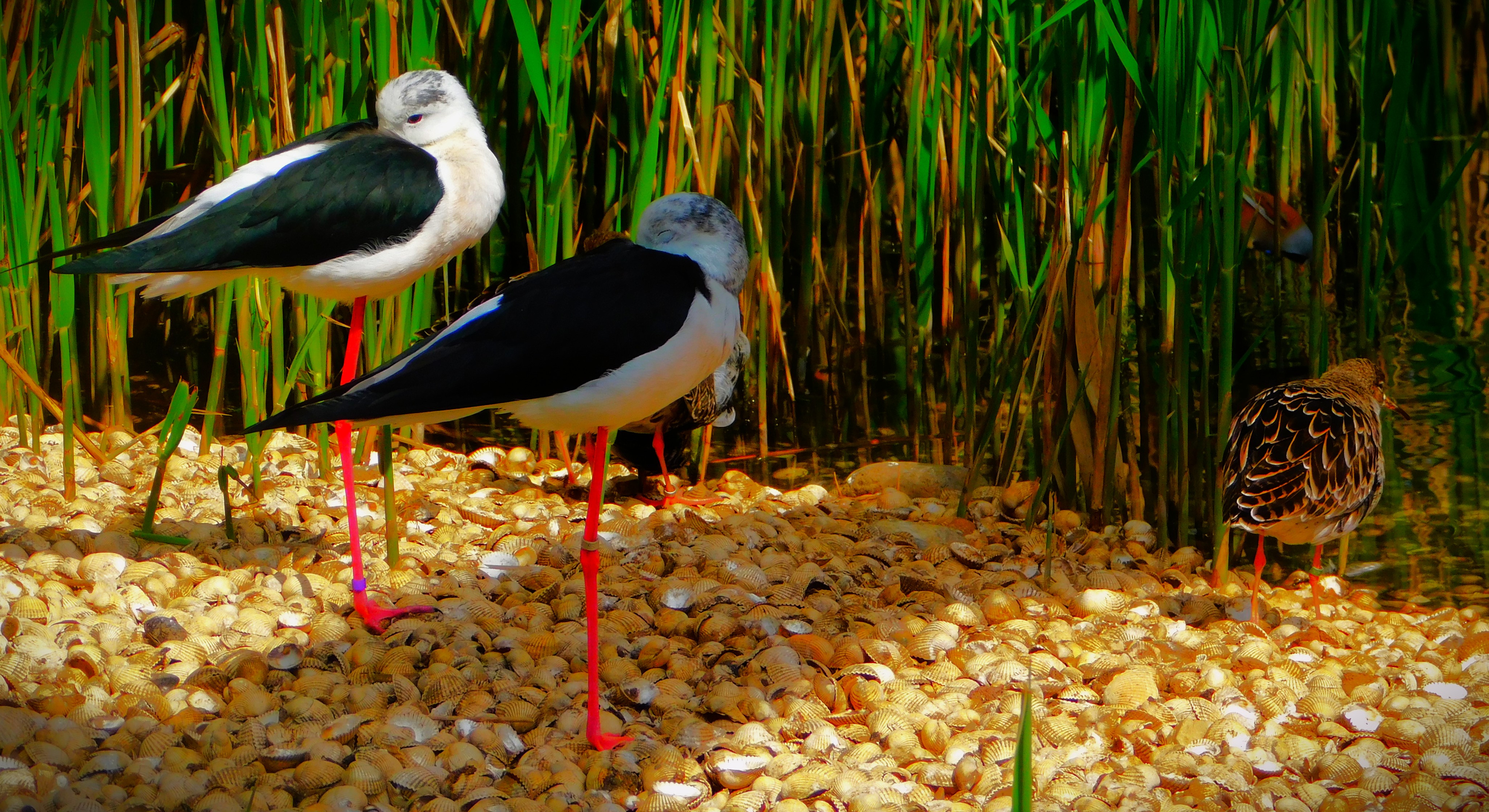
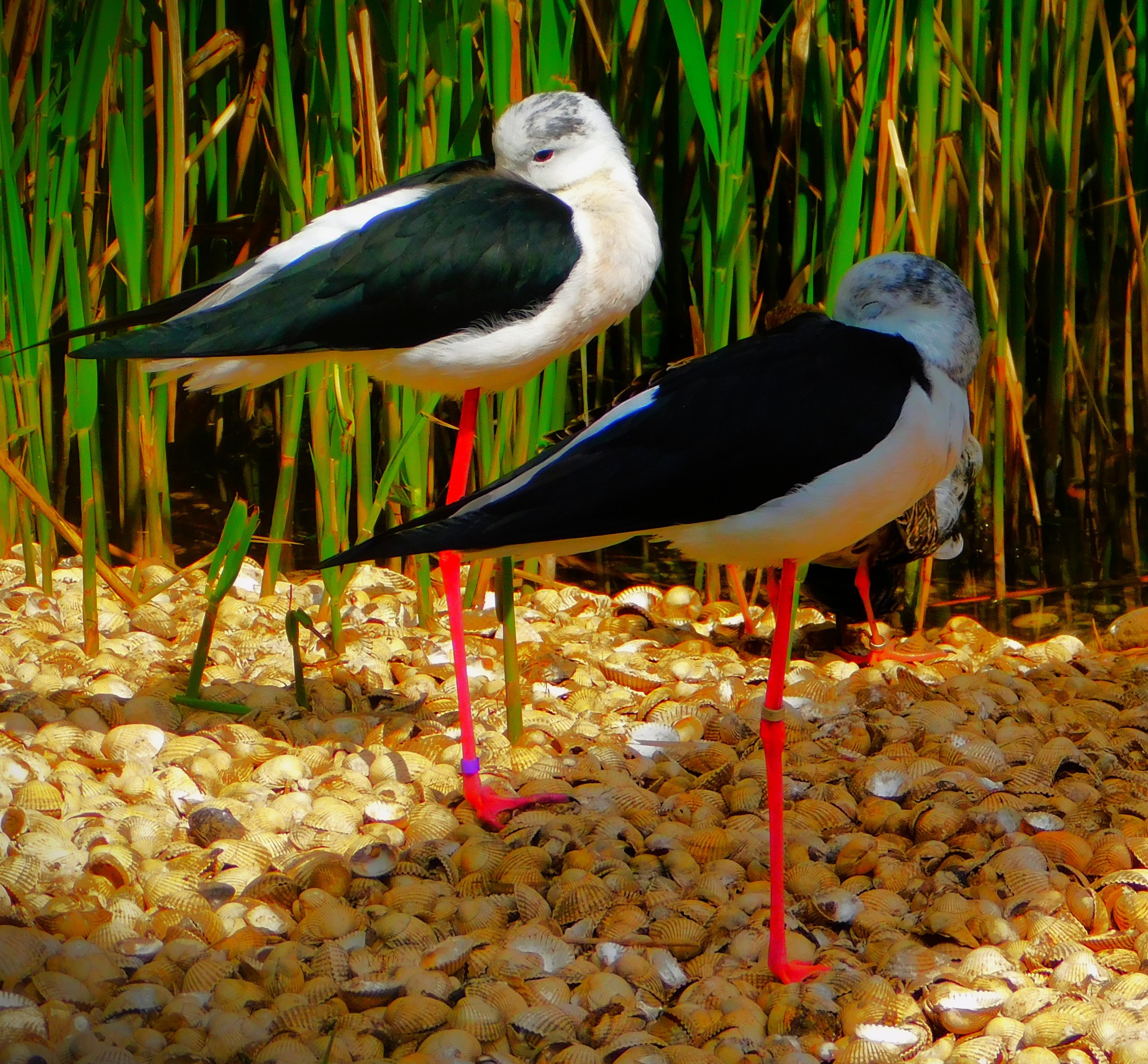
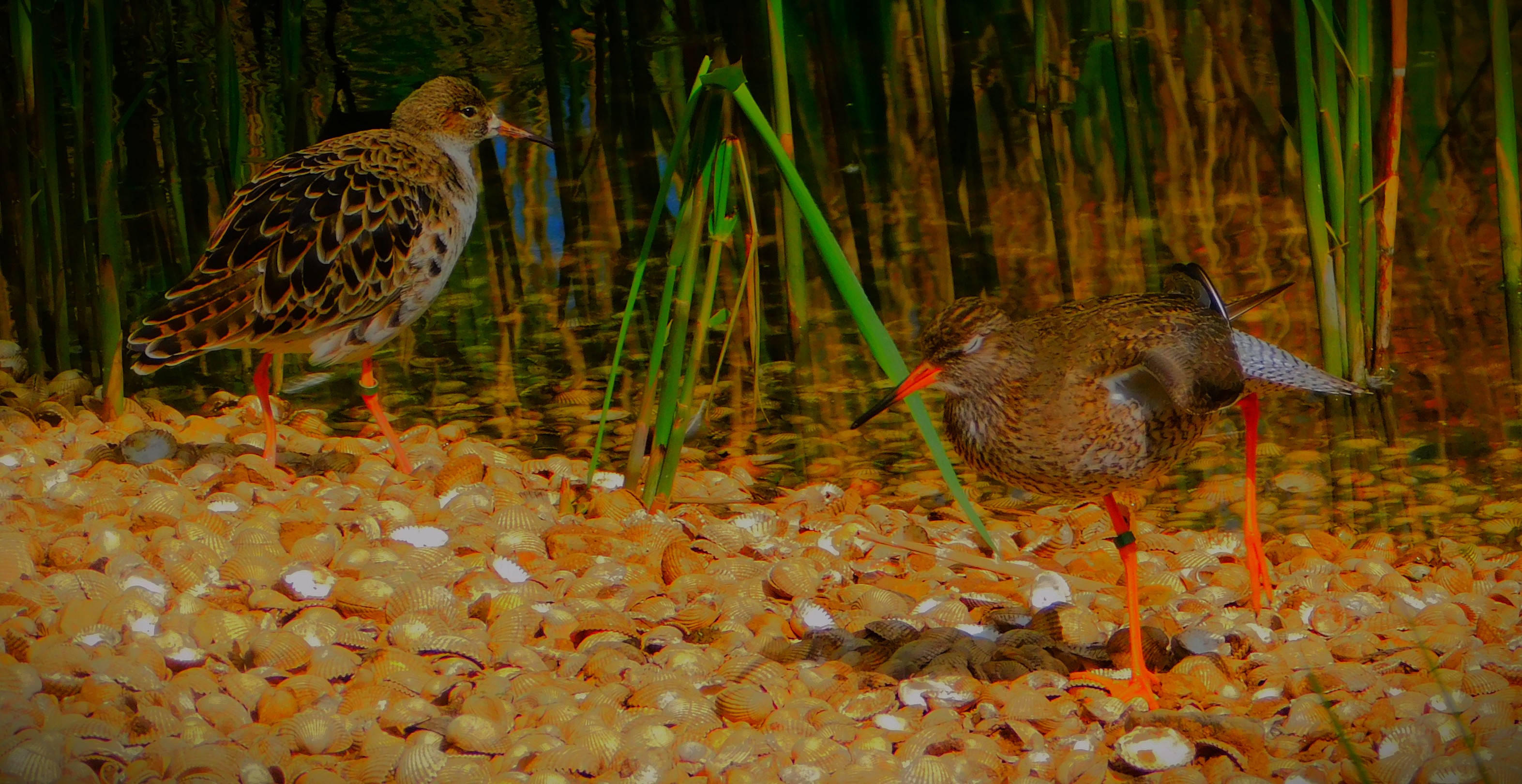
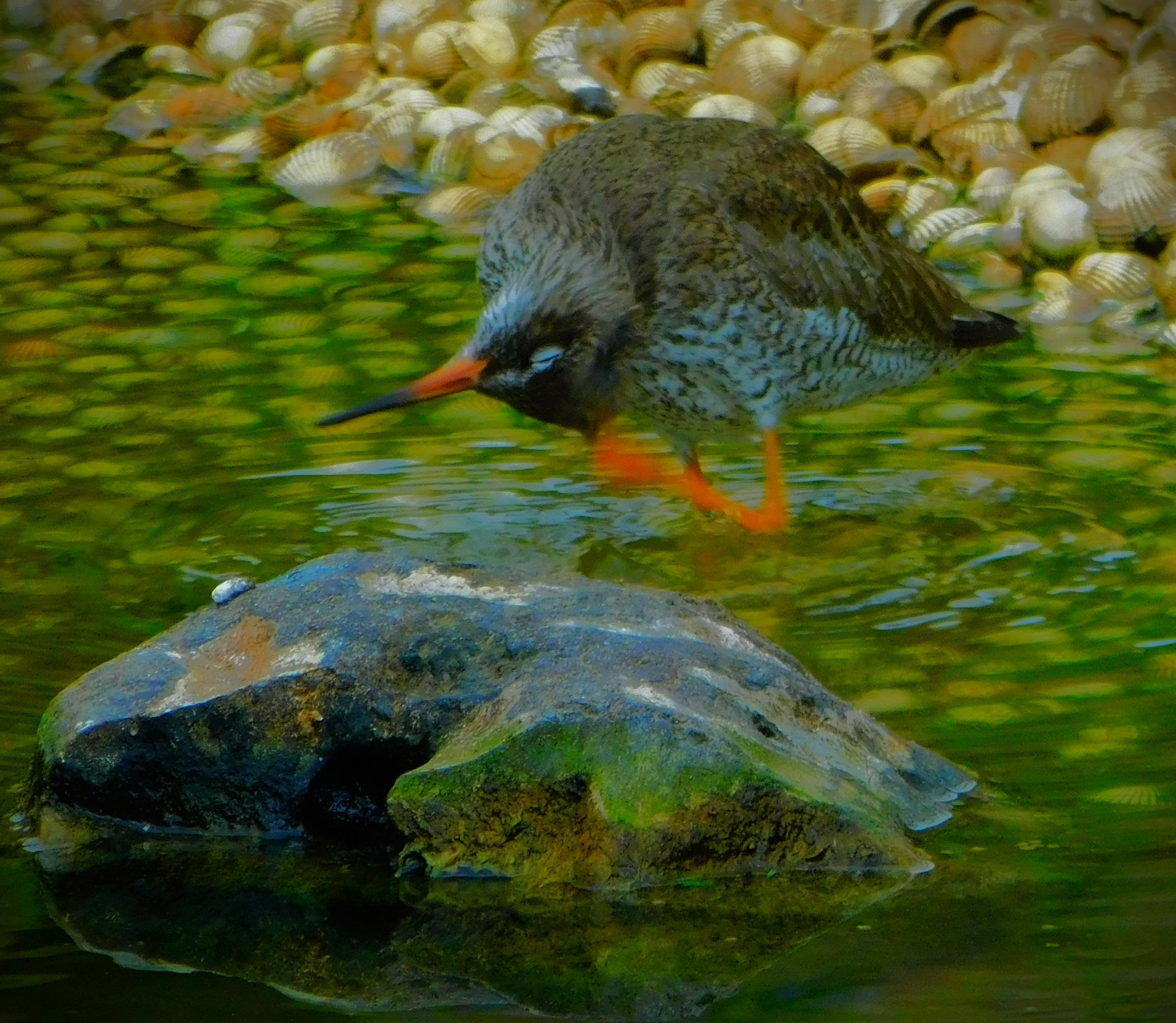
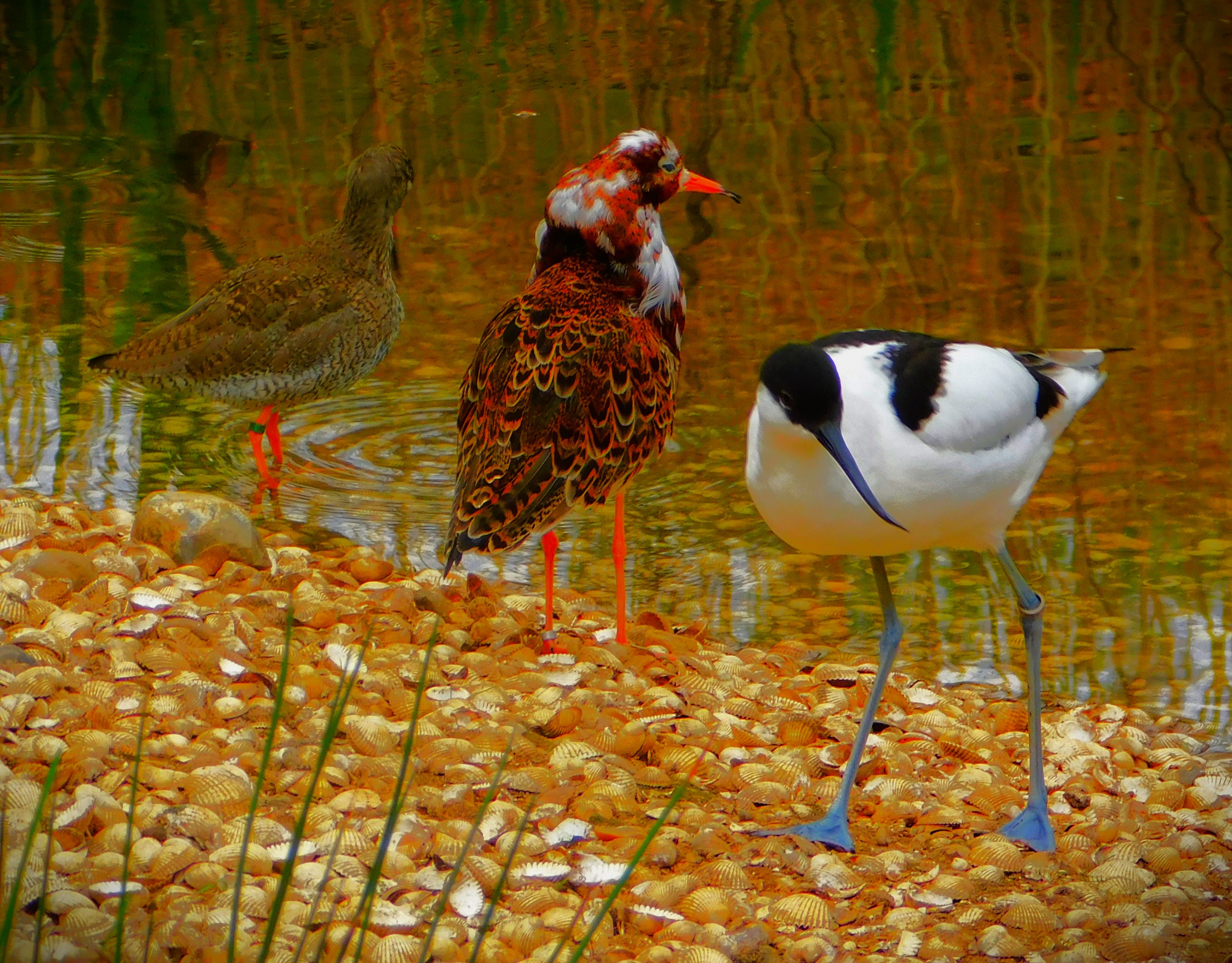
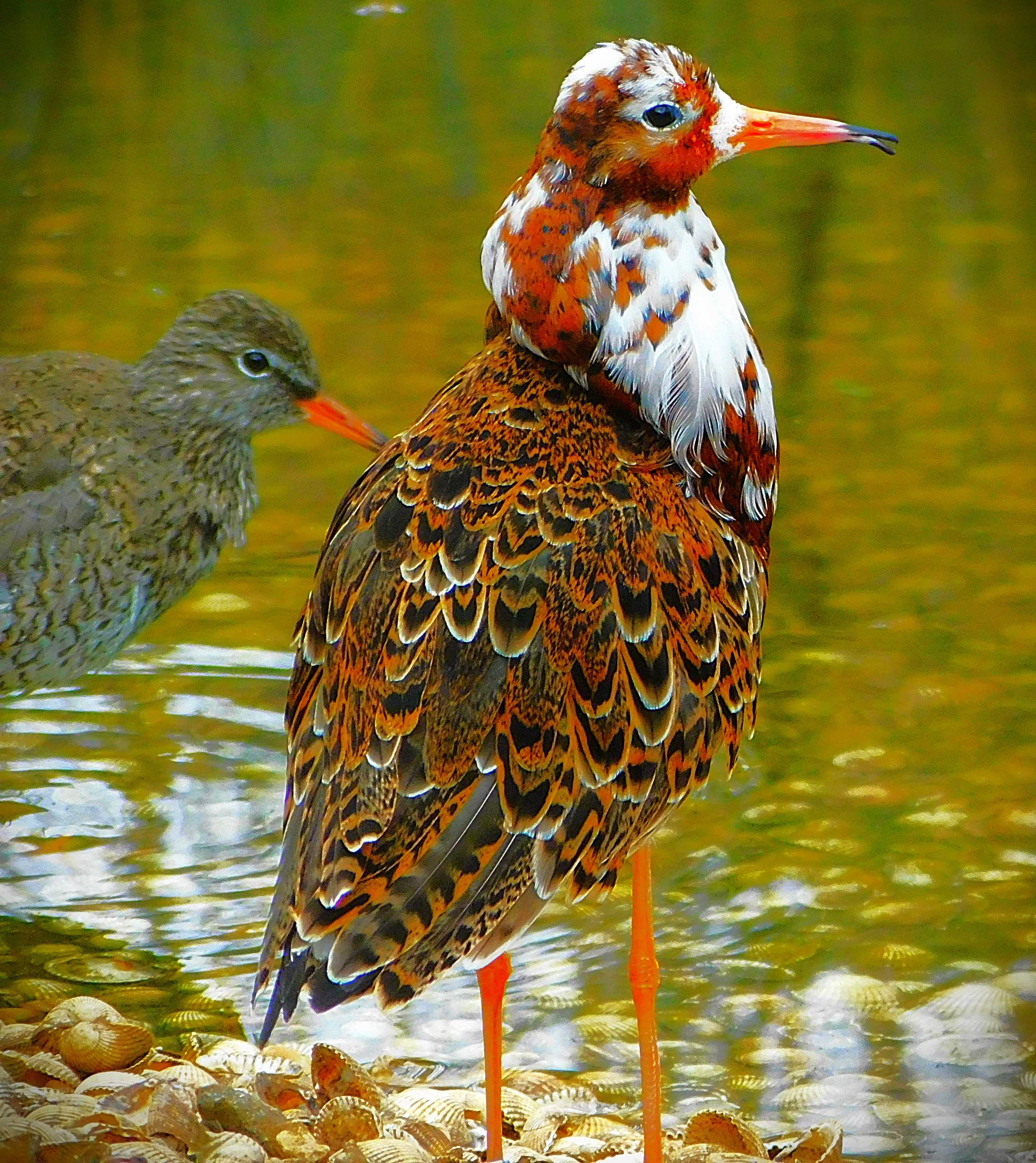
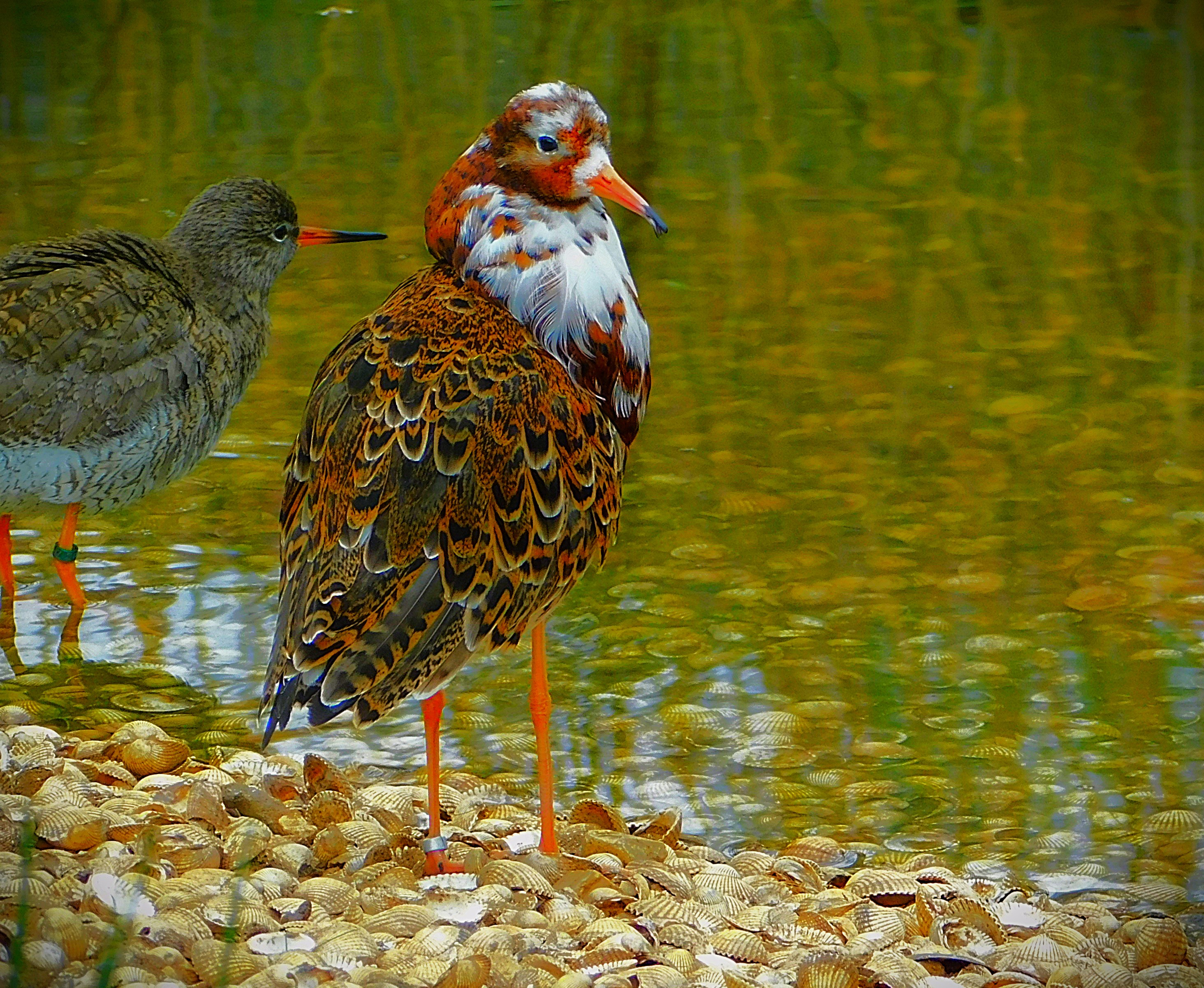
The full gallery from my visits to this splendid enclosure:
The penultimate post in my series about Saturday’s West Norfolk Autism Group outing to Pensthorpe on Saturday, looking at the trauker ride.
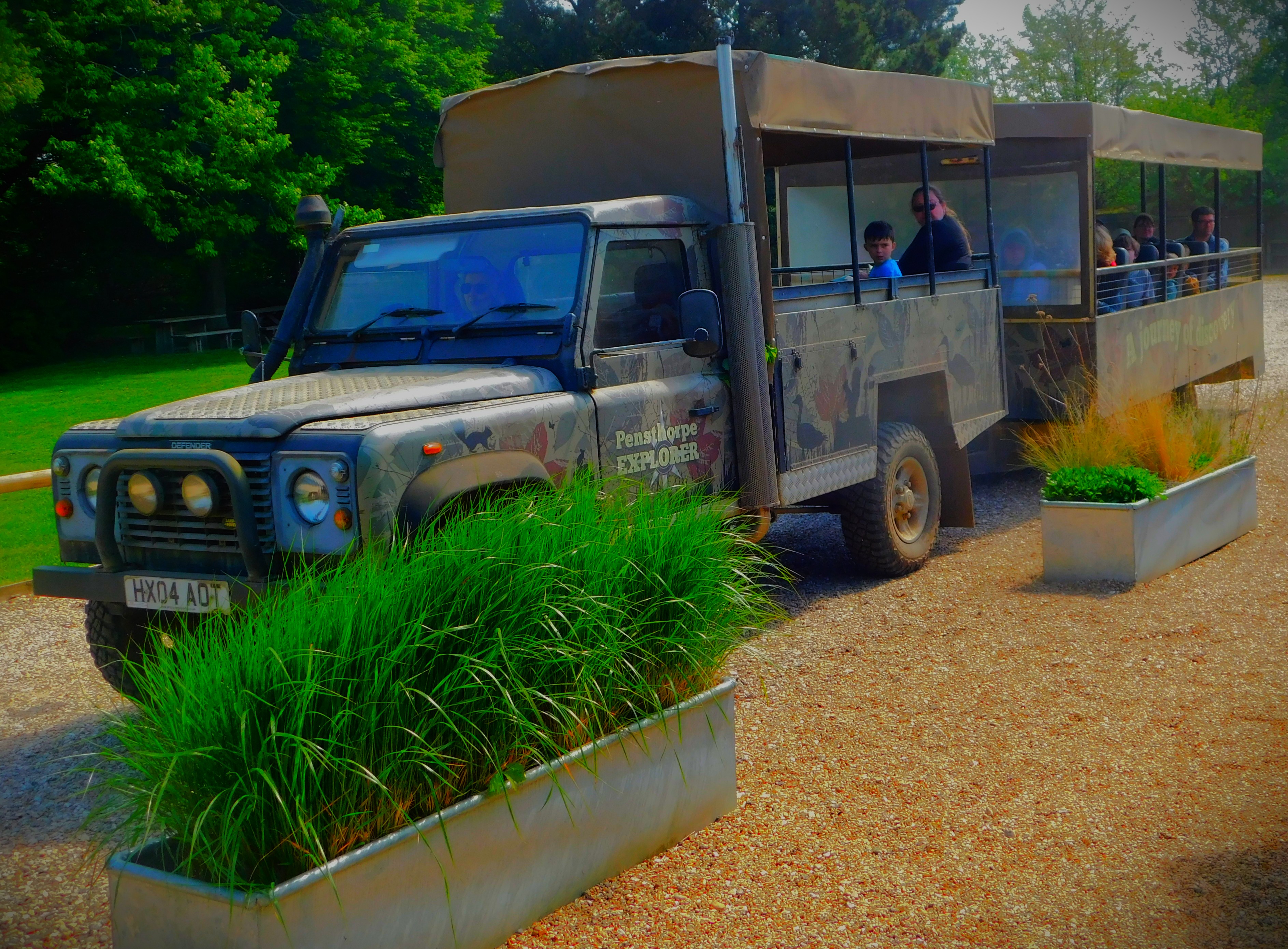
Welcome to the penultimate post of my mini-series about the West Norfolk Autism Group outing to Pensthorpe which took place on Saturday. So far there has been an introductory post, a post covering the Discovery Centre and those general pictures not shared in the opener and a post dedicated to the Cranes and Flamingos. This post zeroes in on the trailer ride, for me an essential part of the Pensthorpe experience.
SEEING THE BITS THAT ARE NOT WALKABLE
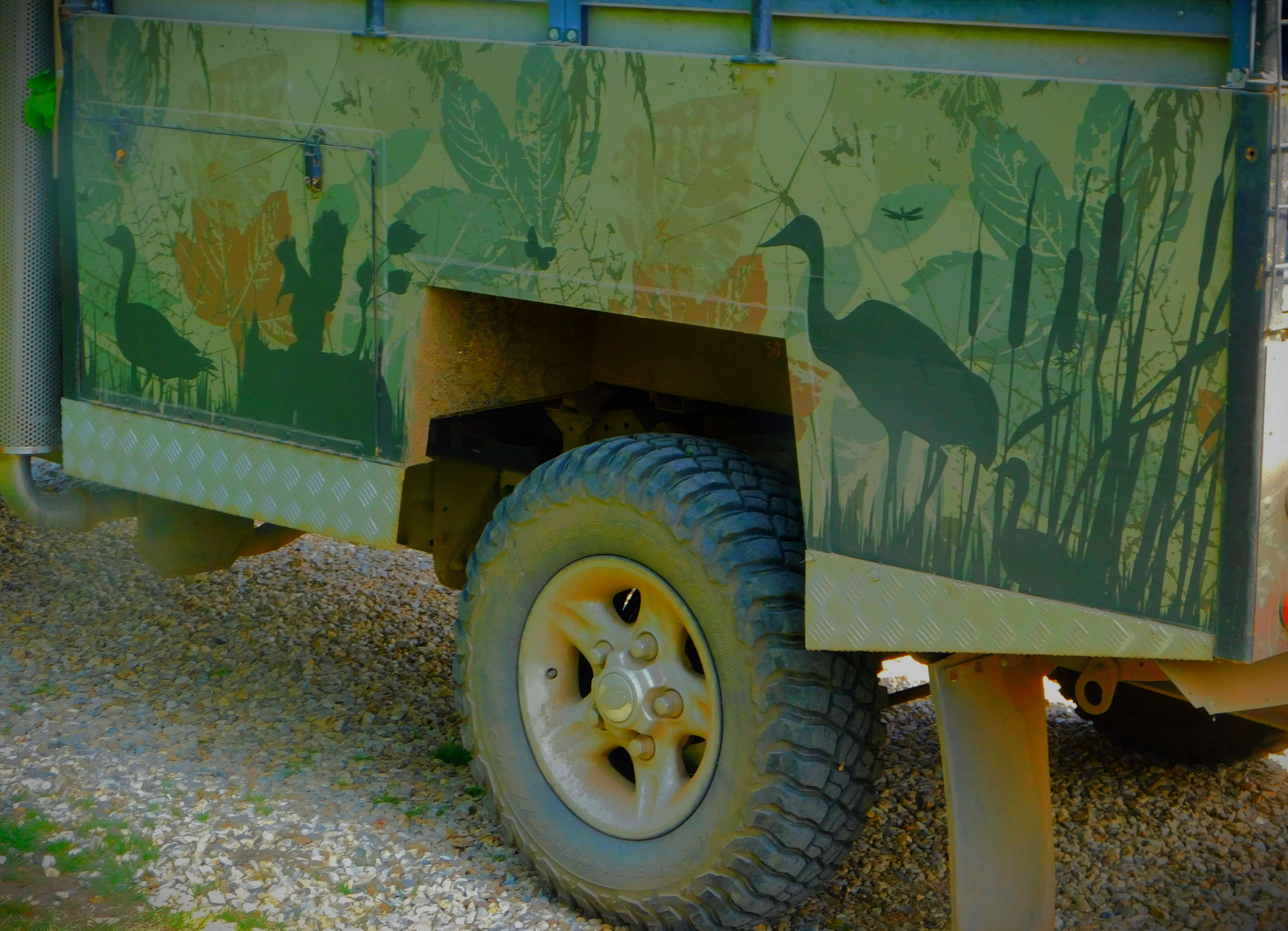
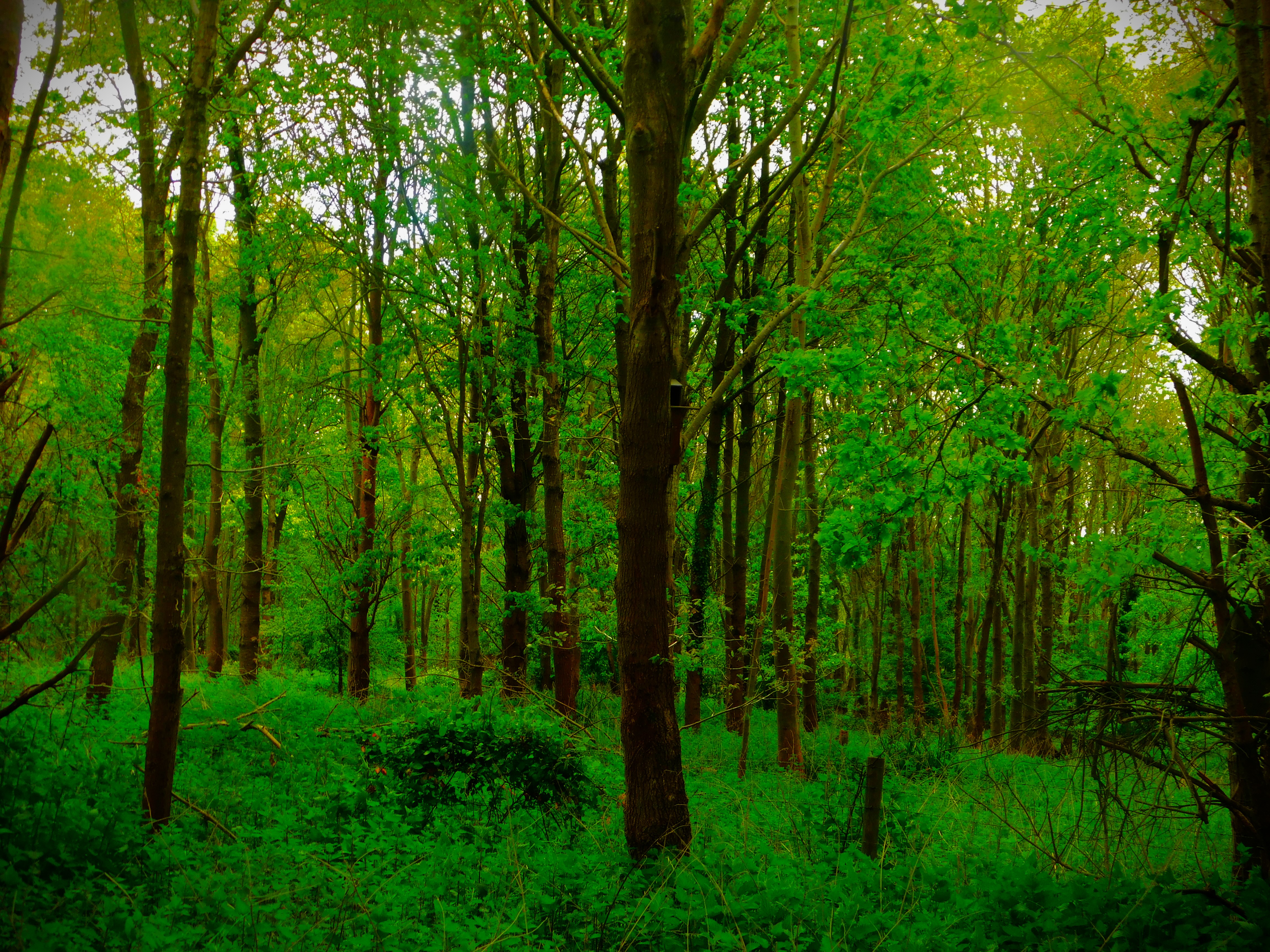
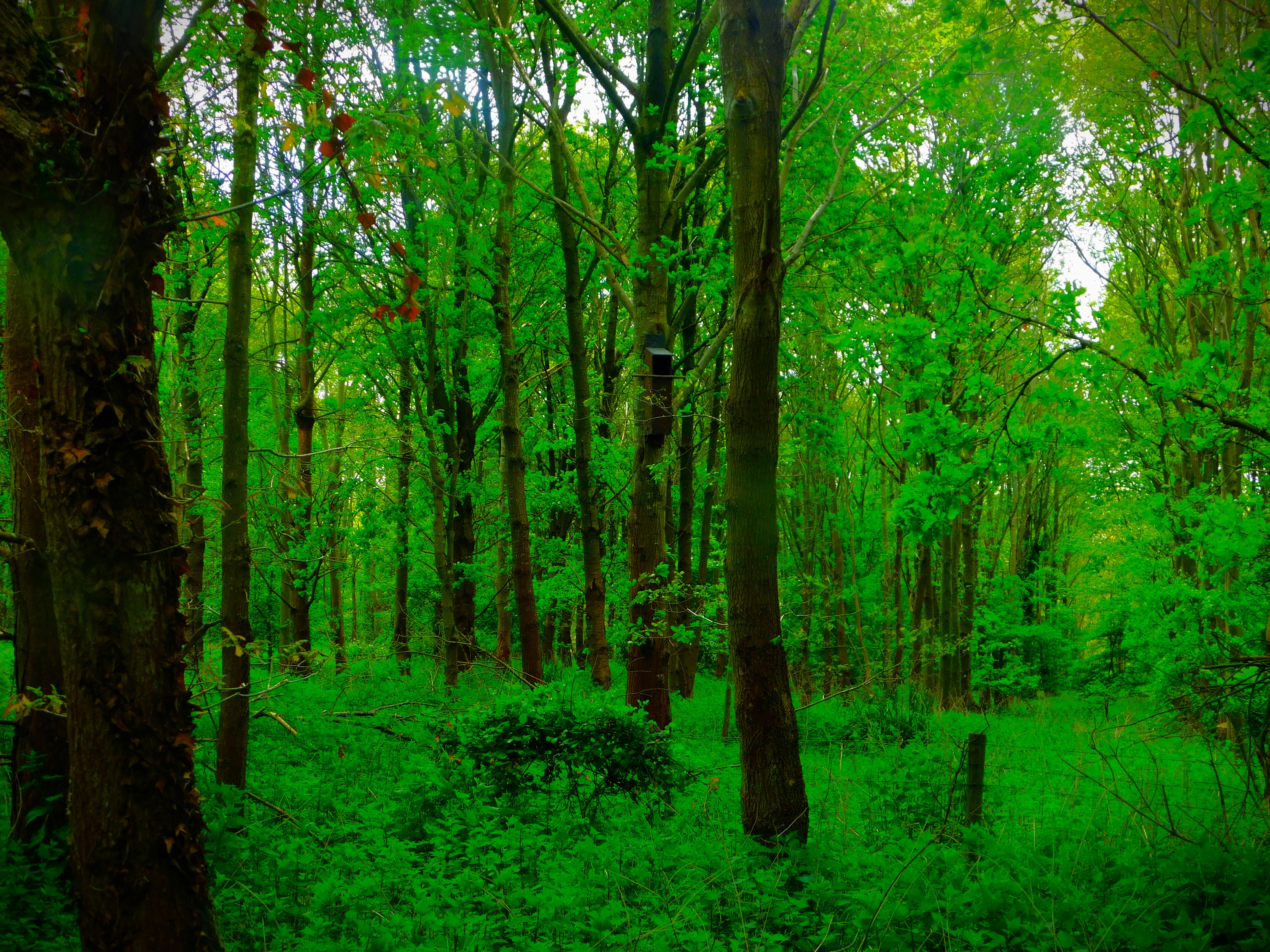
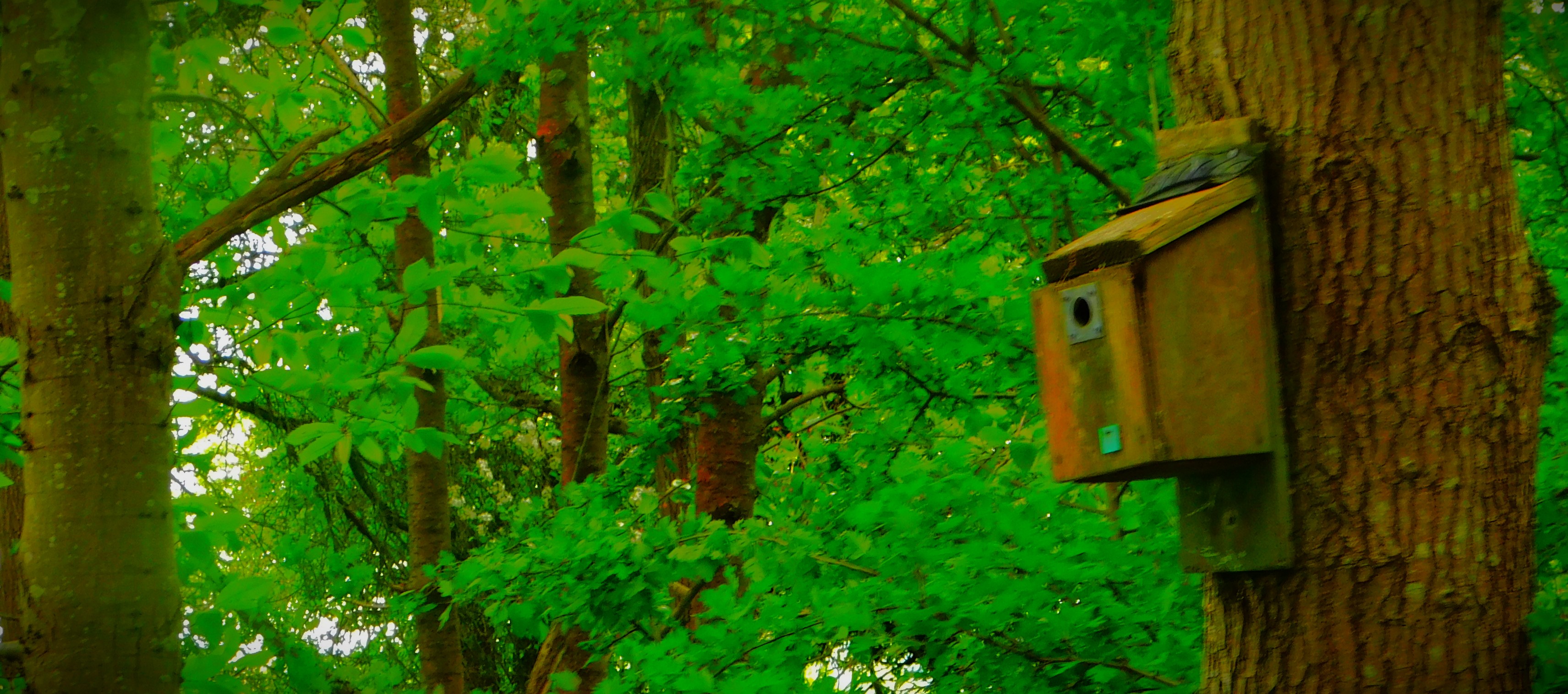
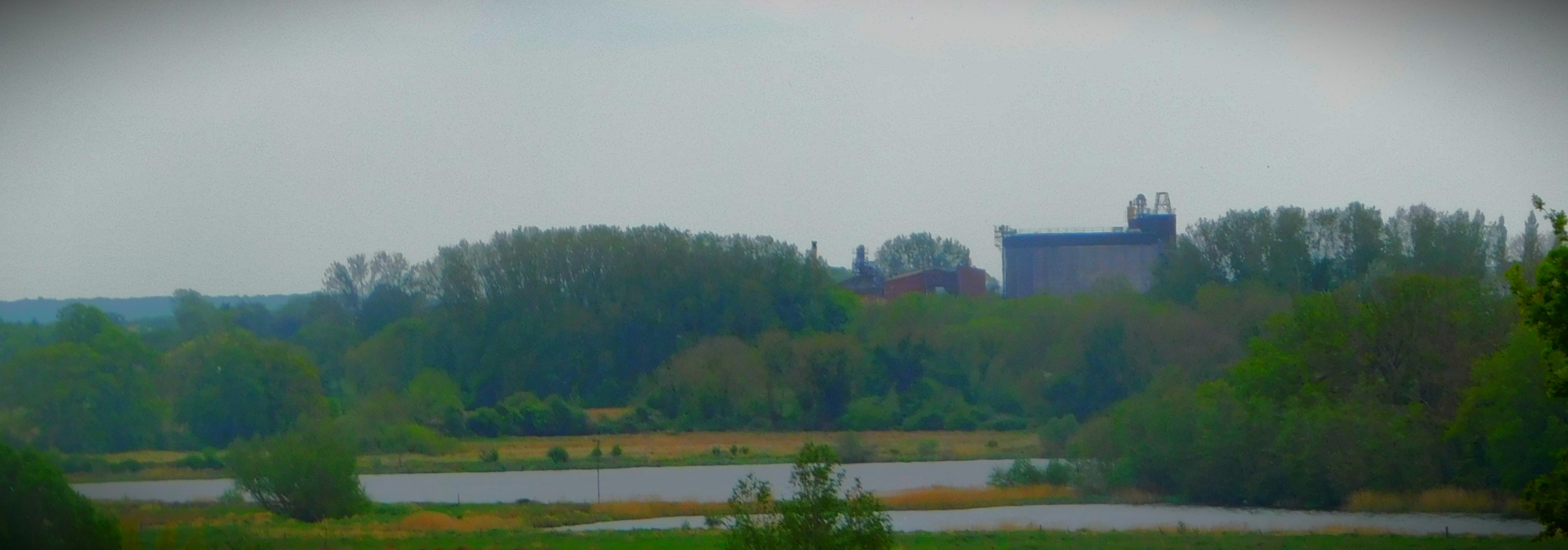
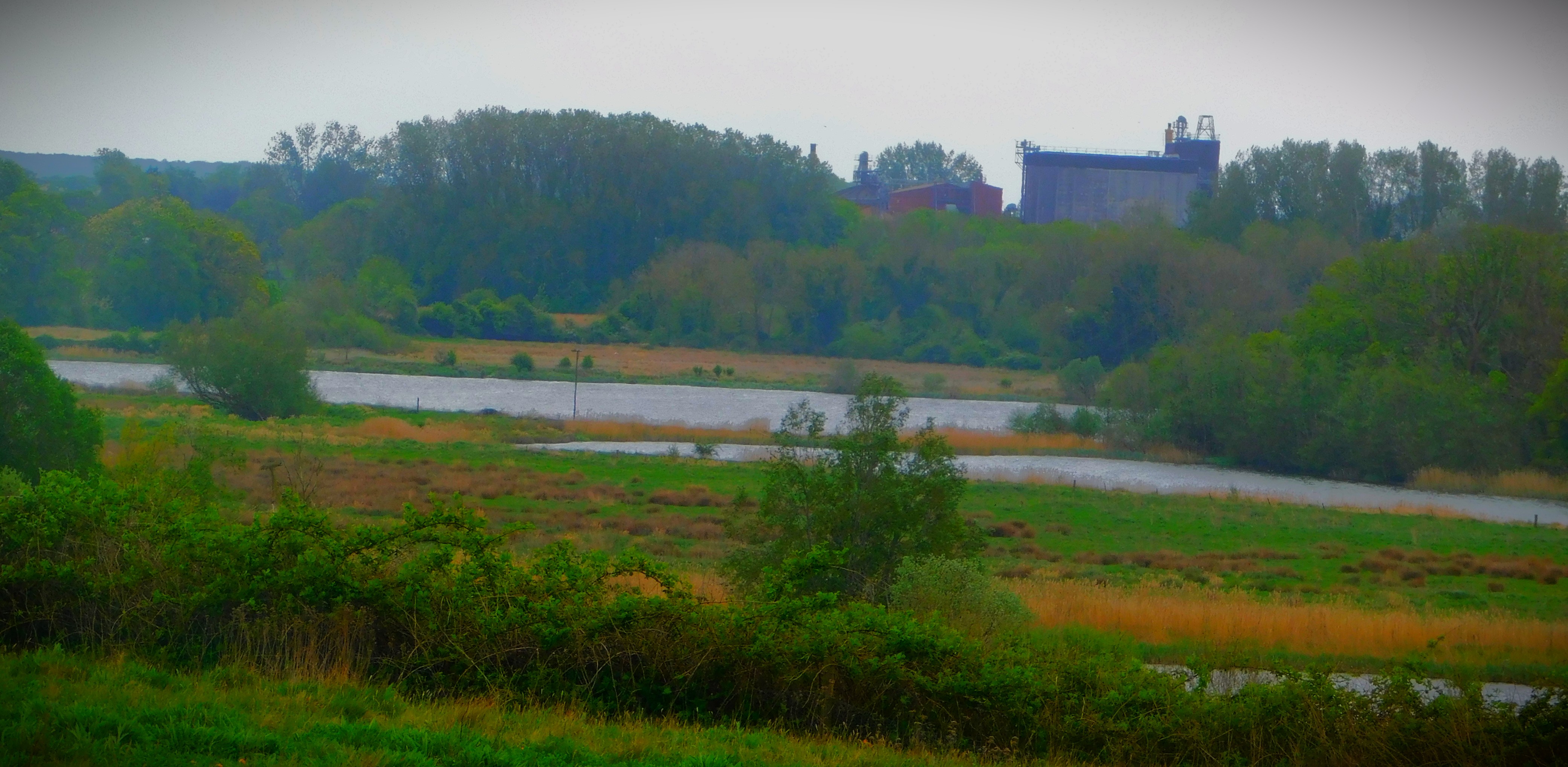
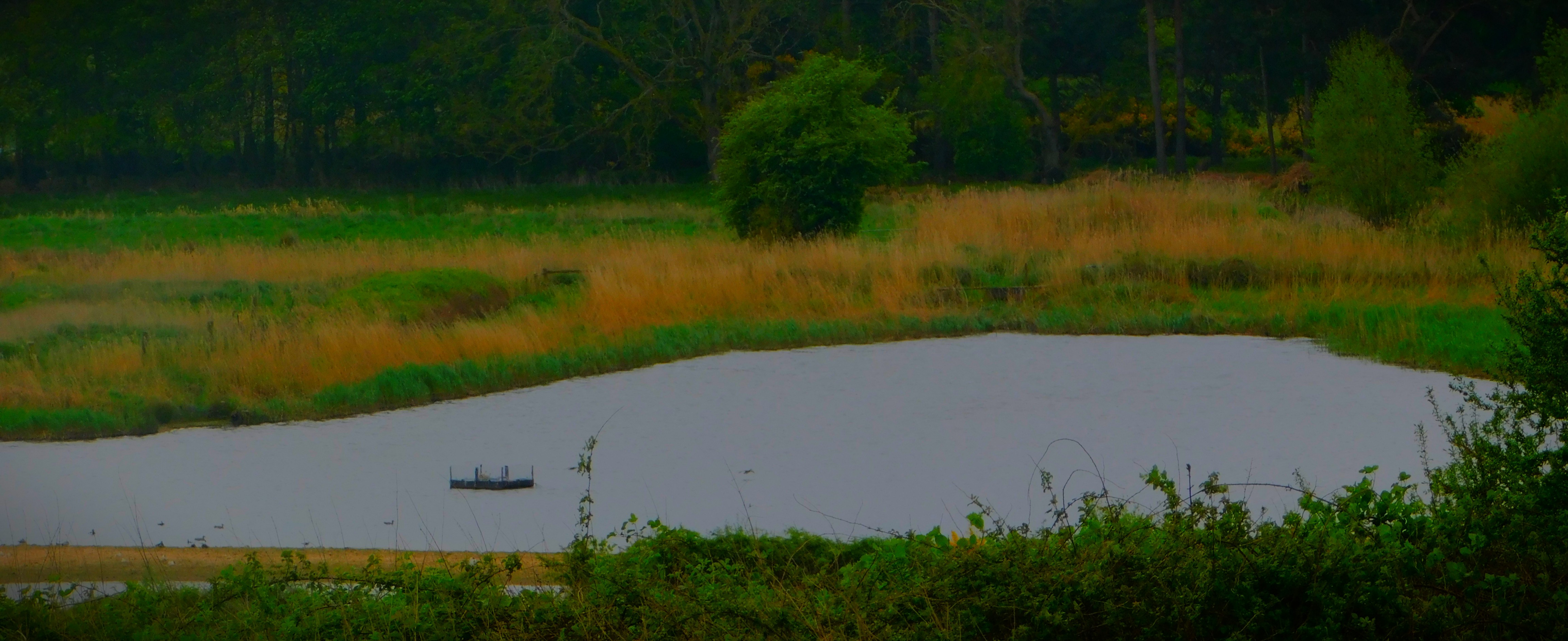
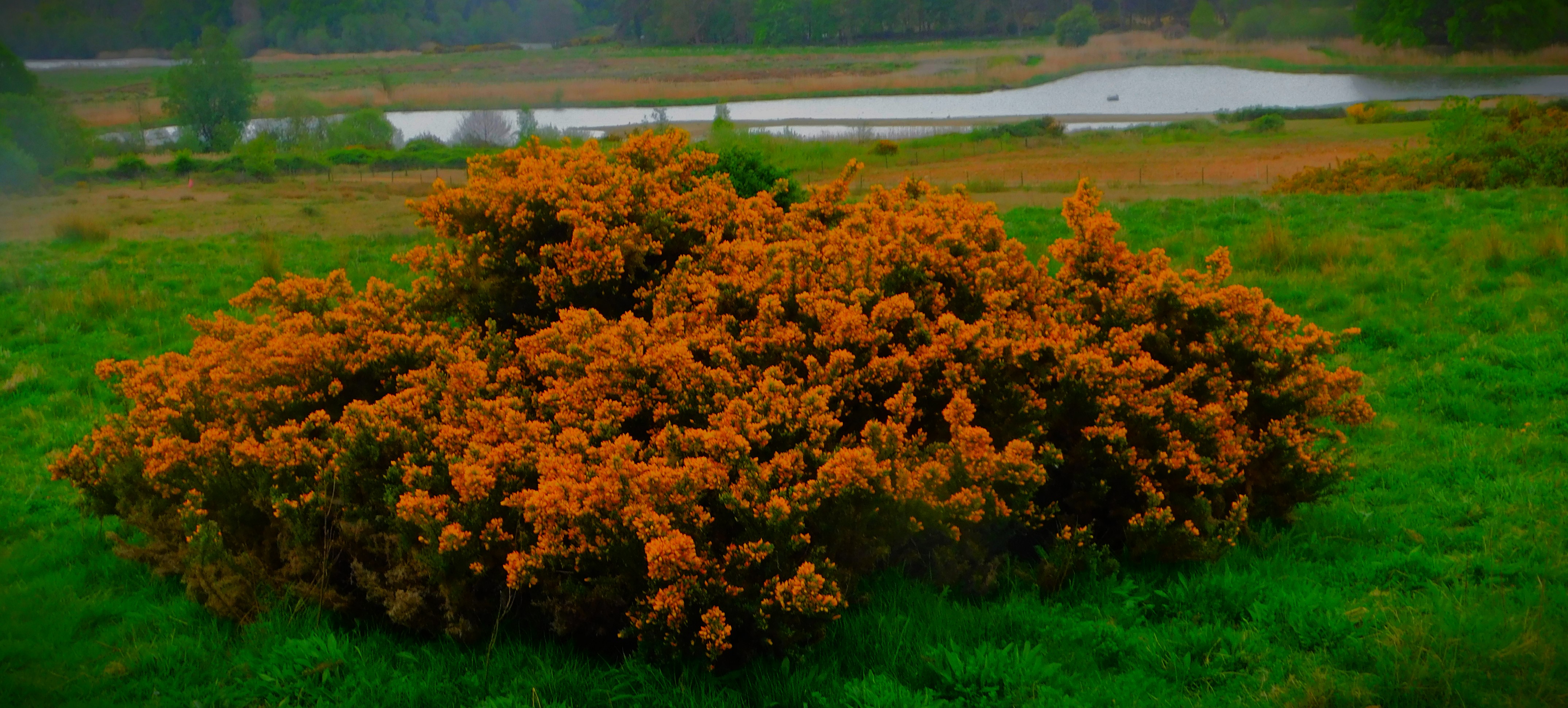
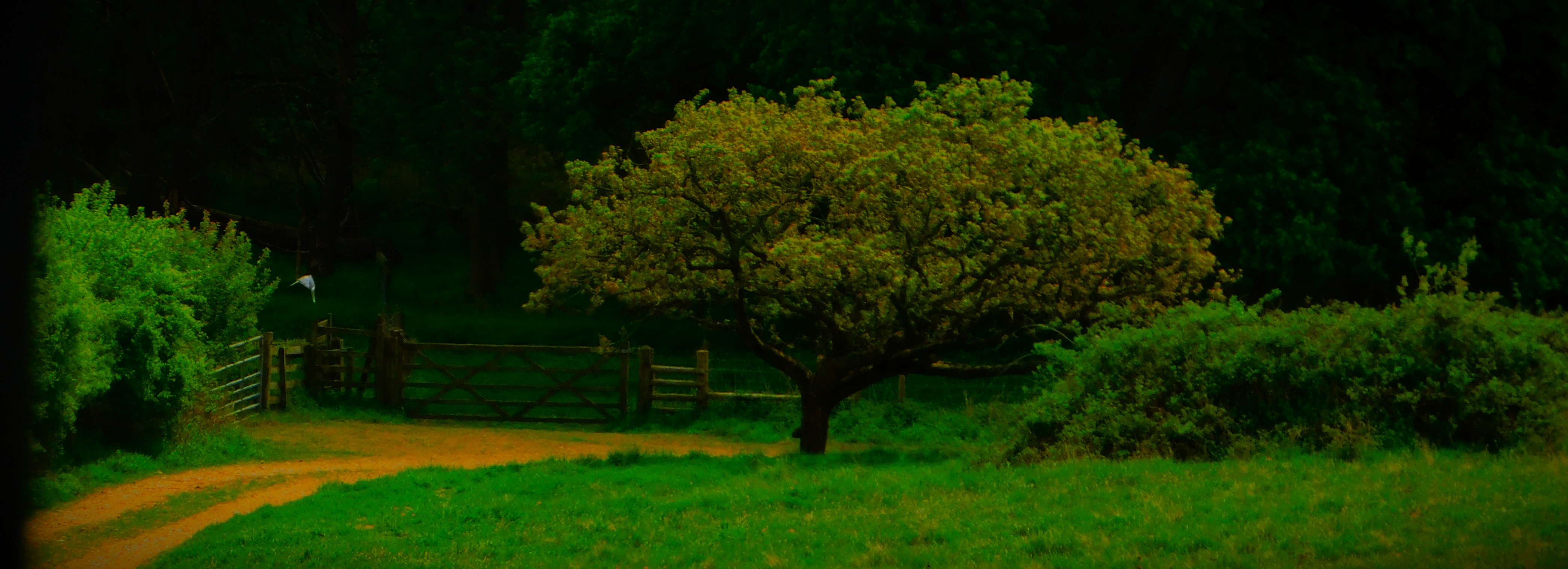
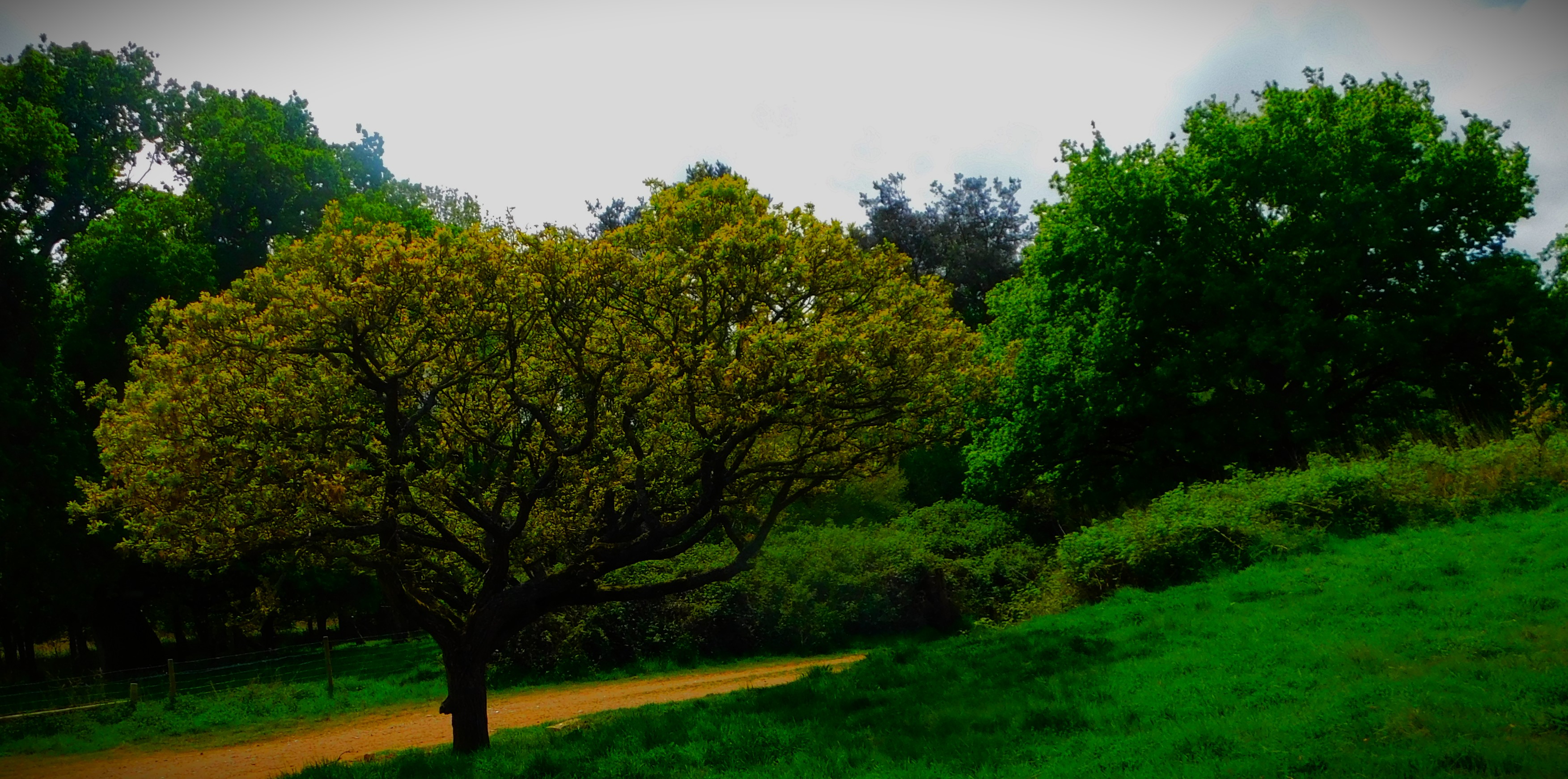
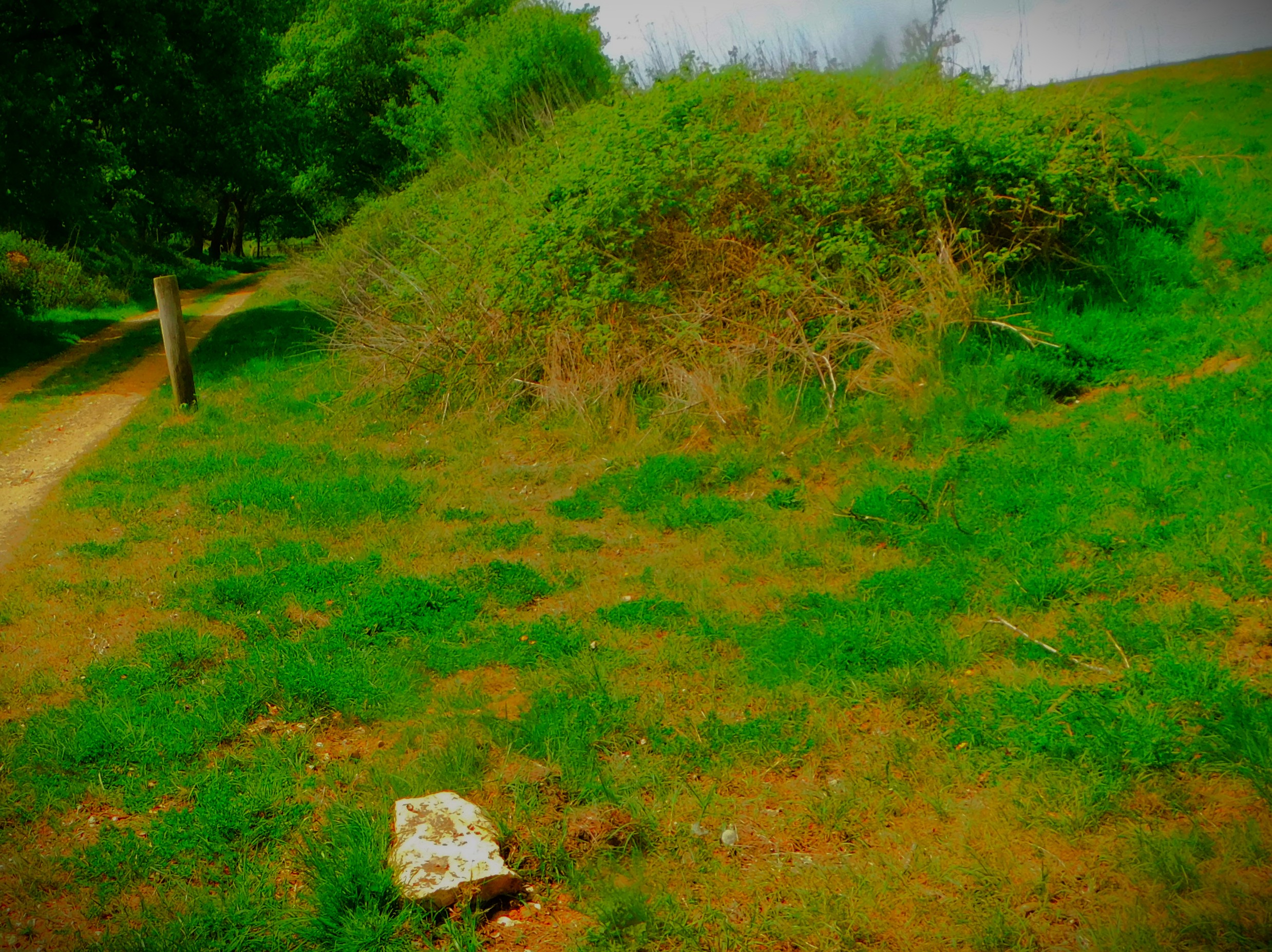
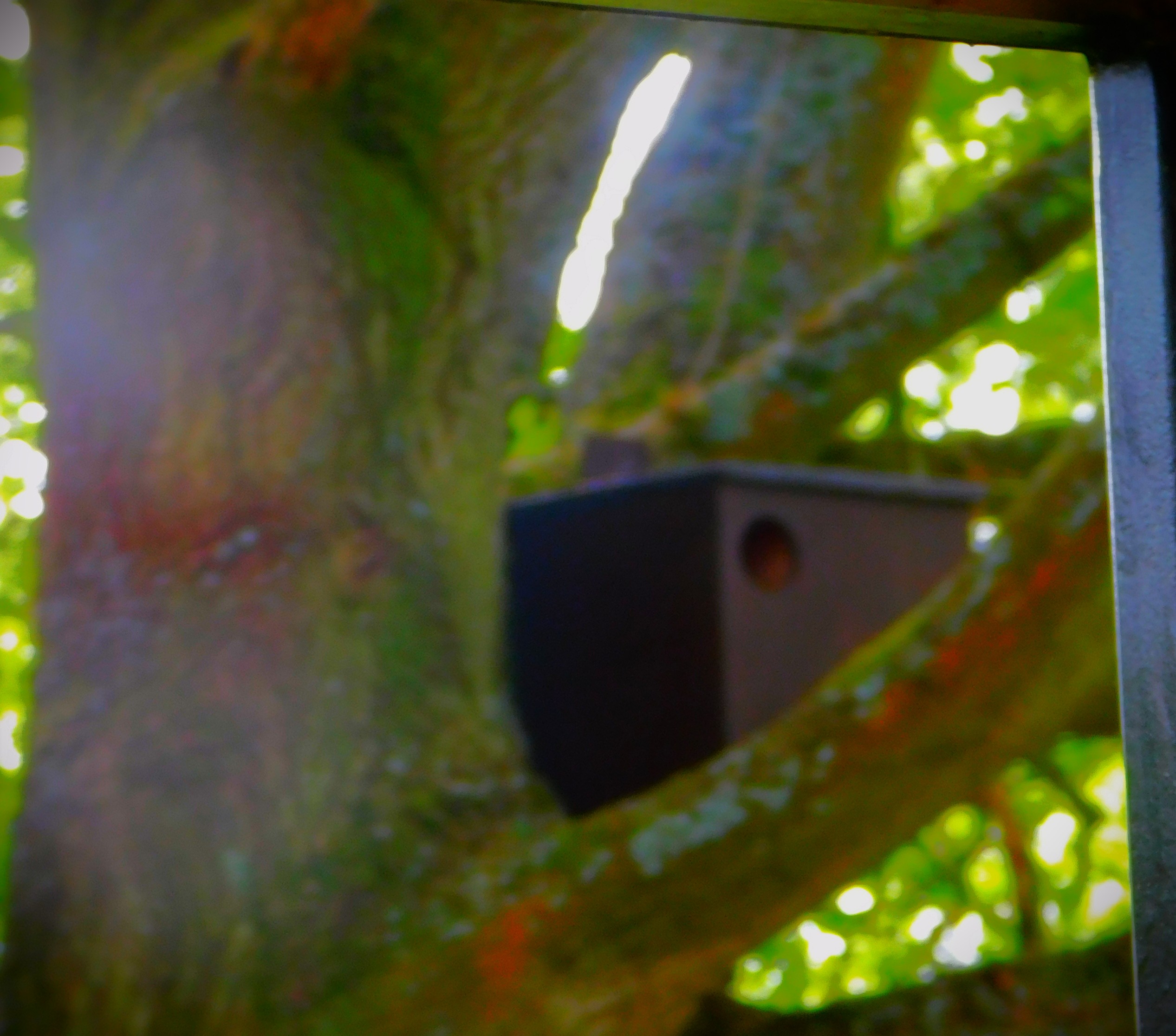
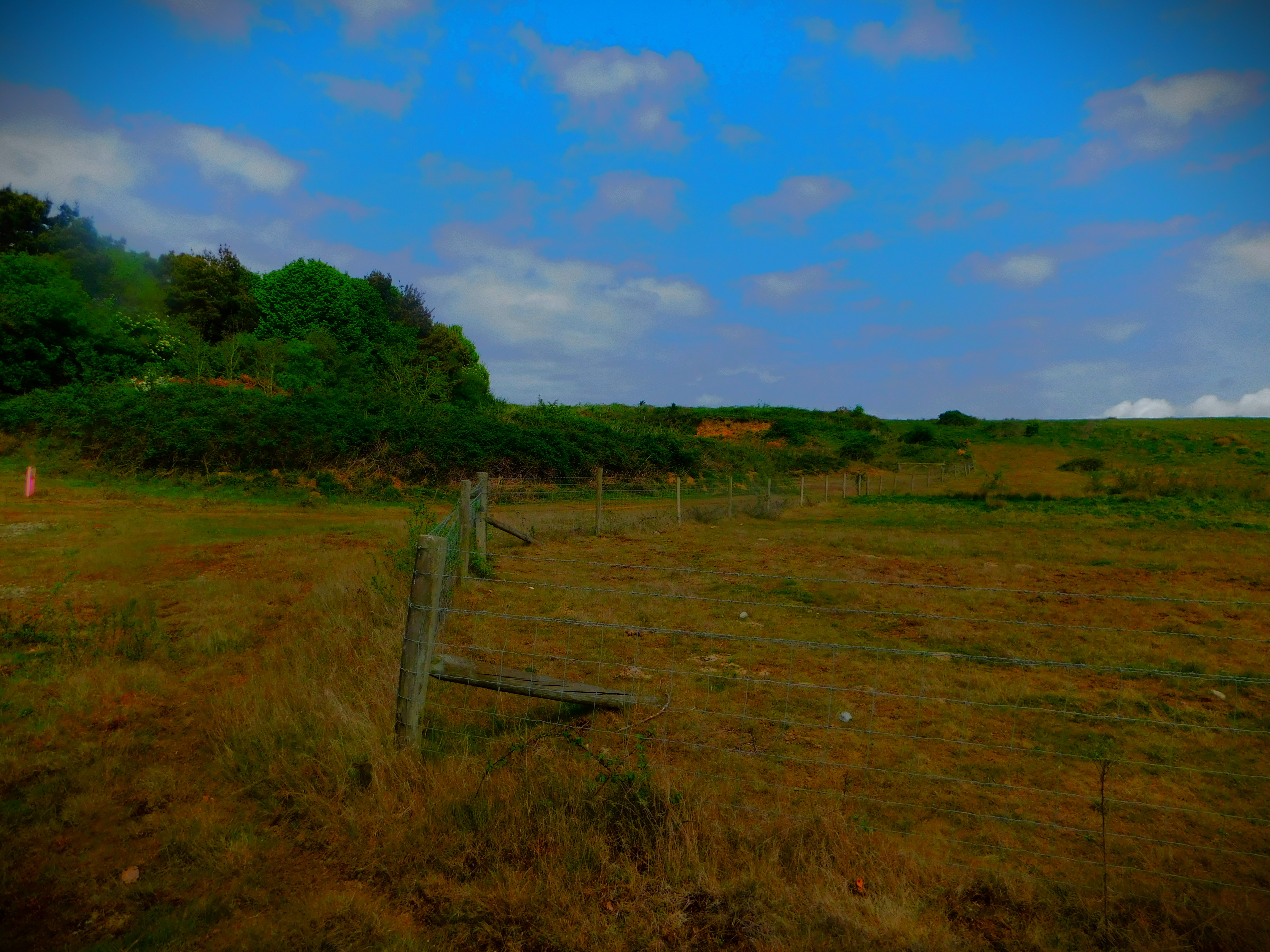
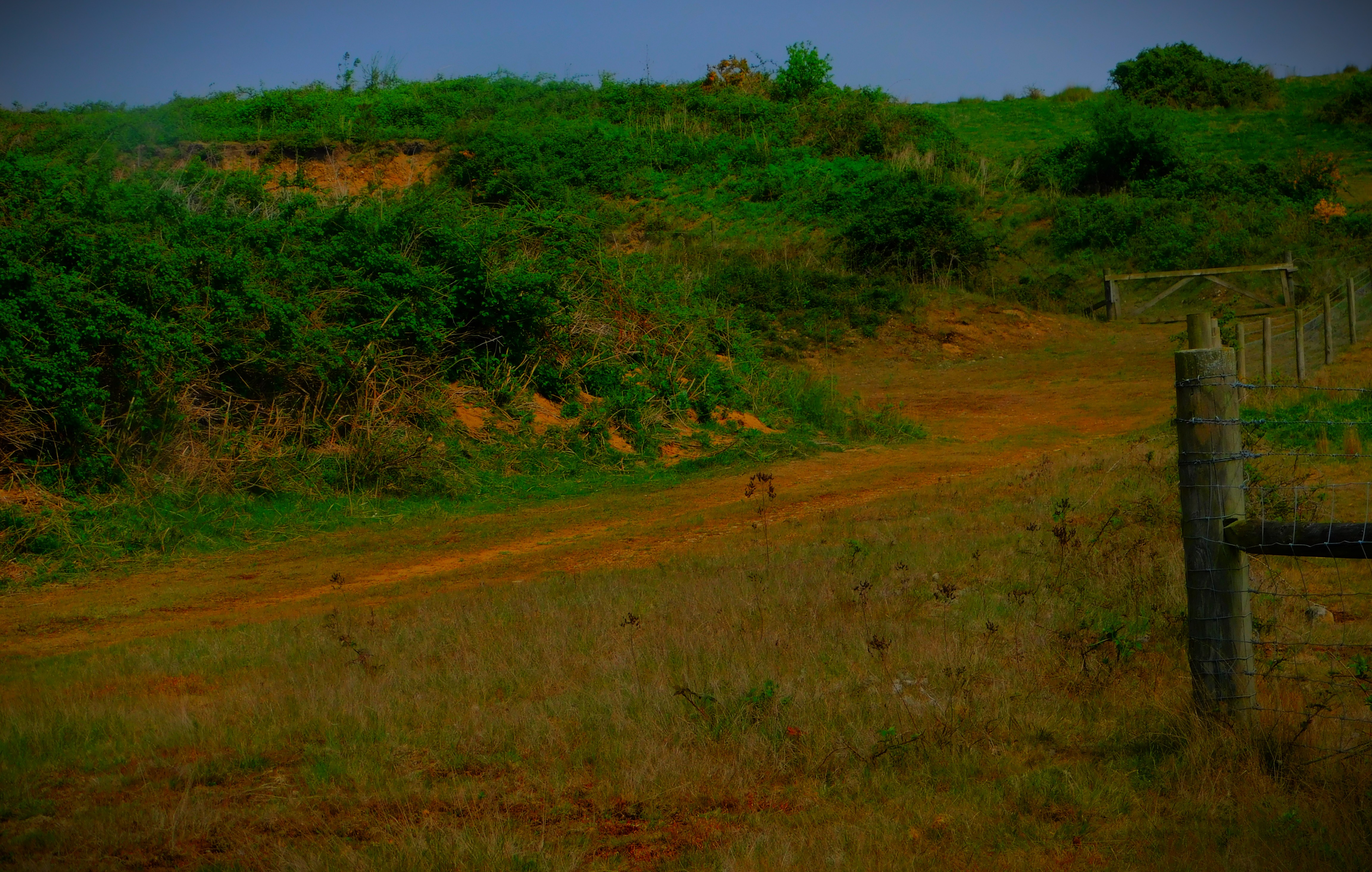
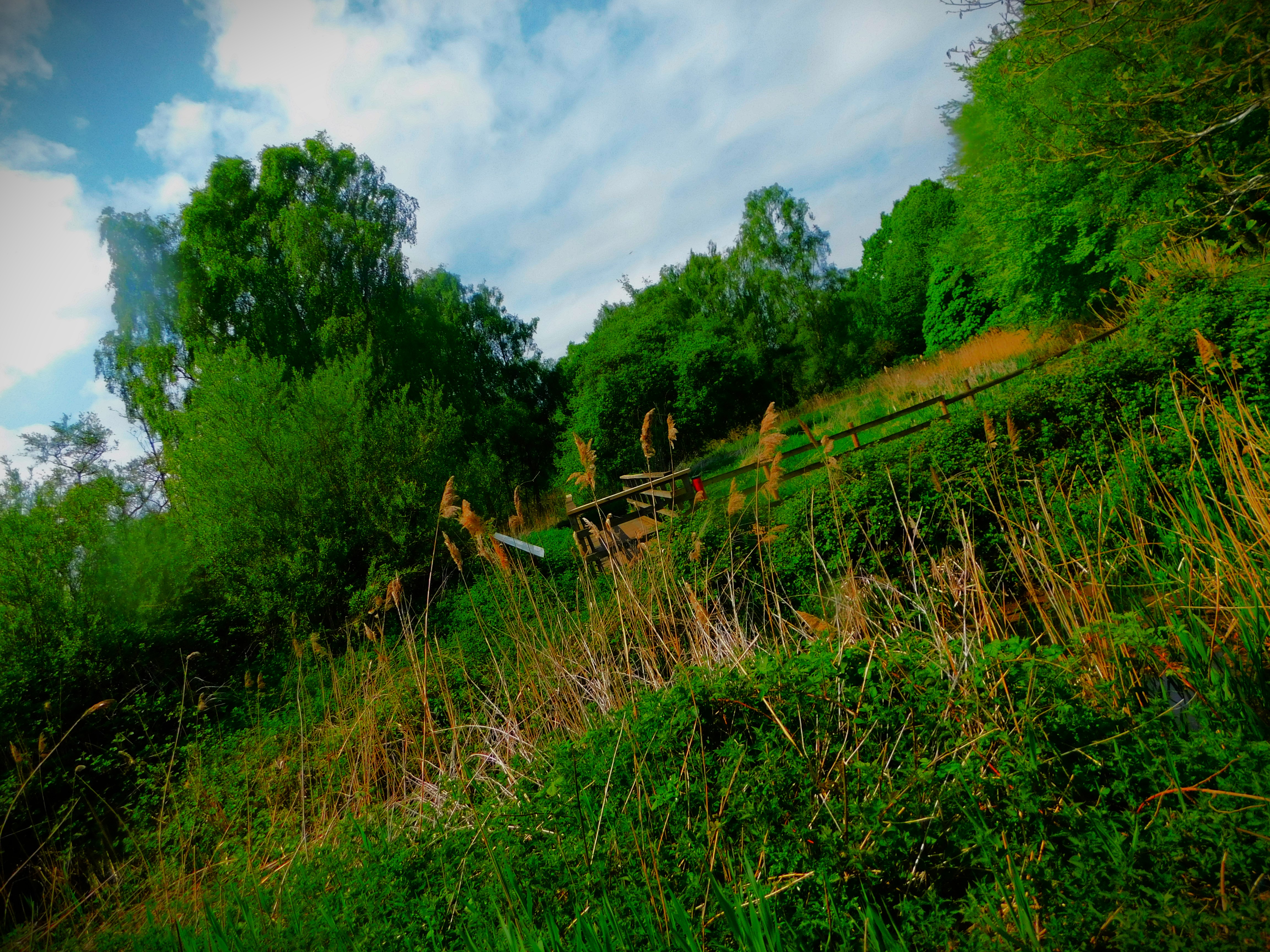
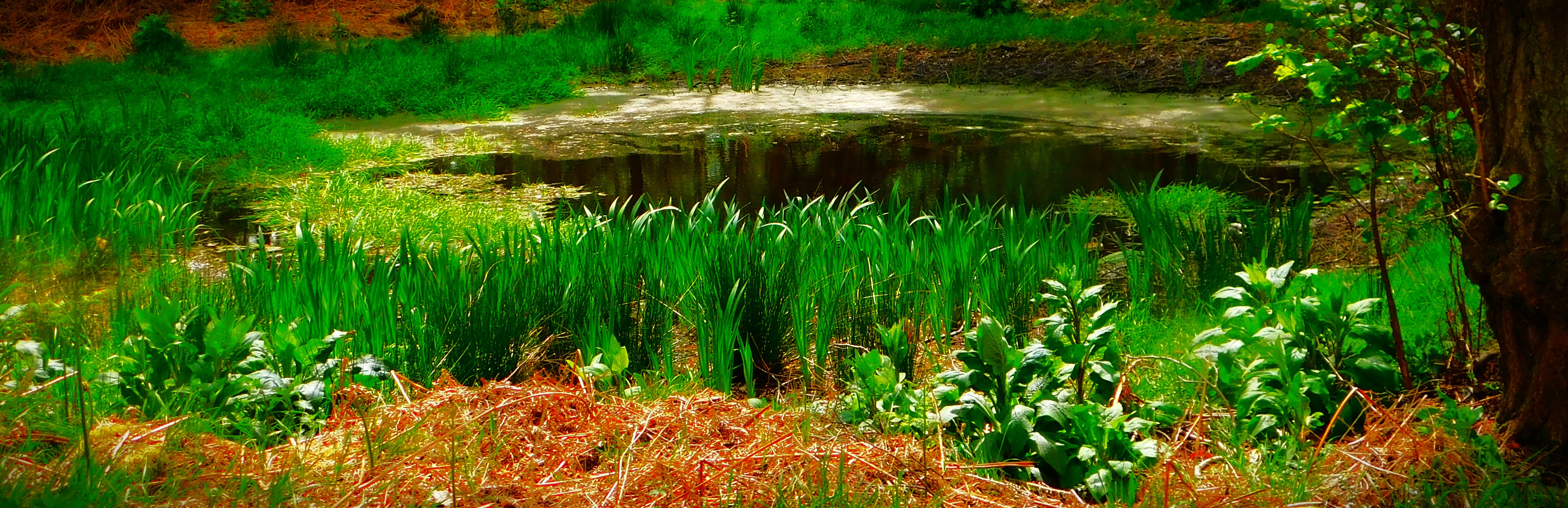
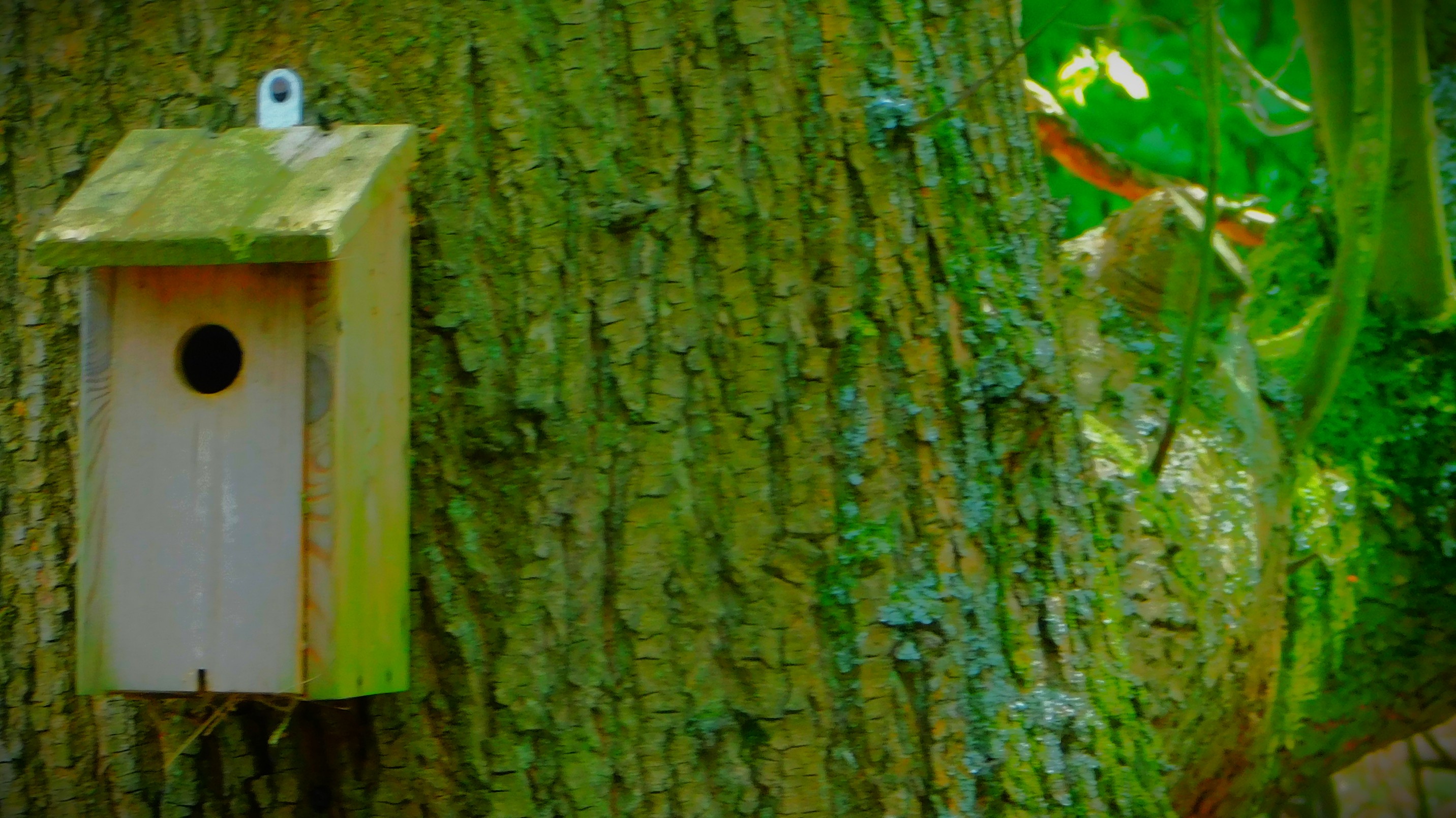
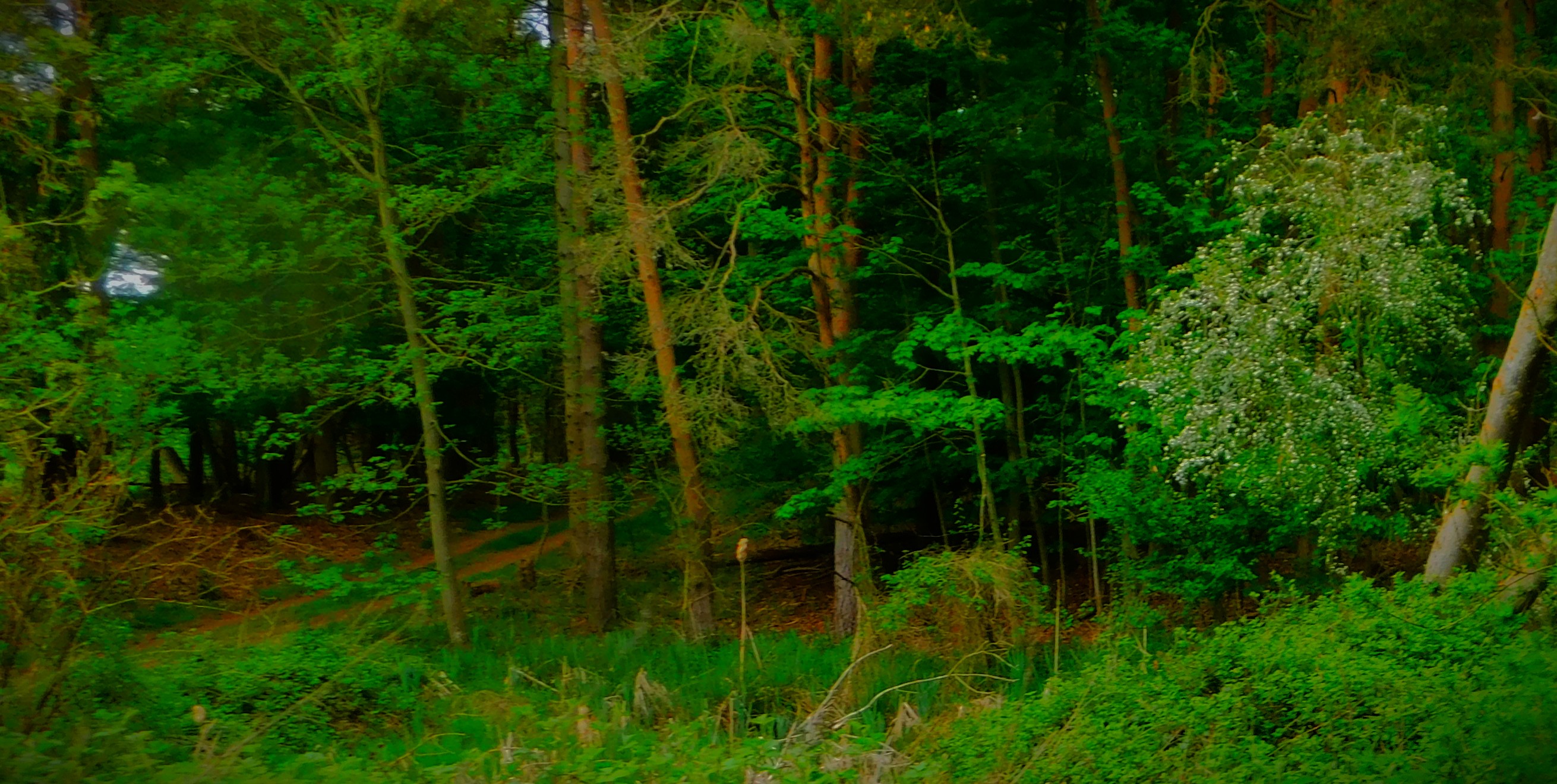
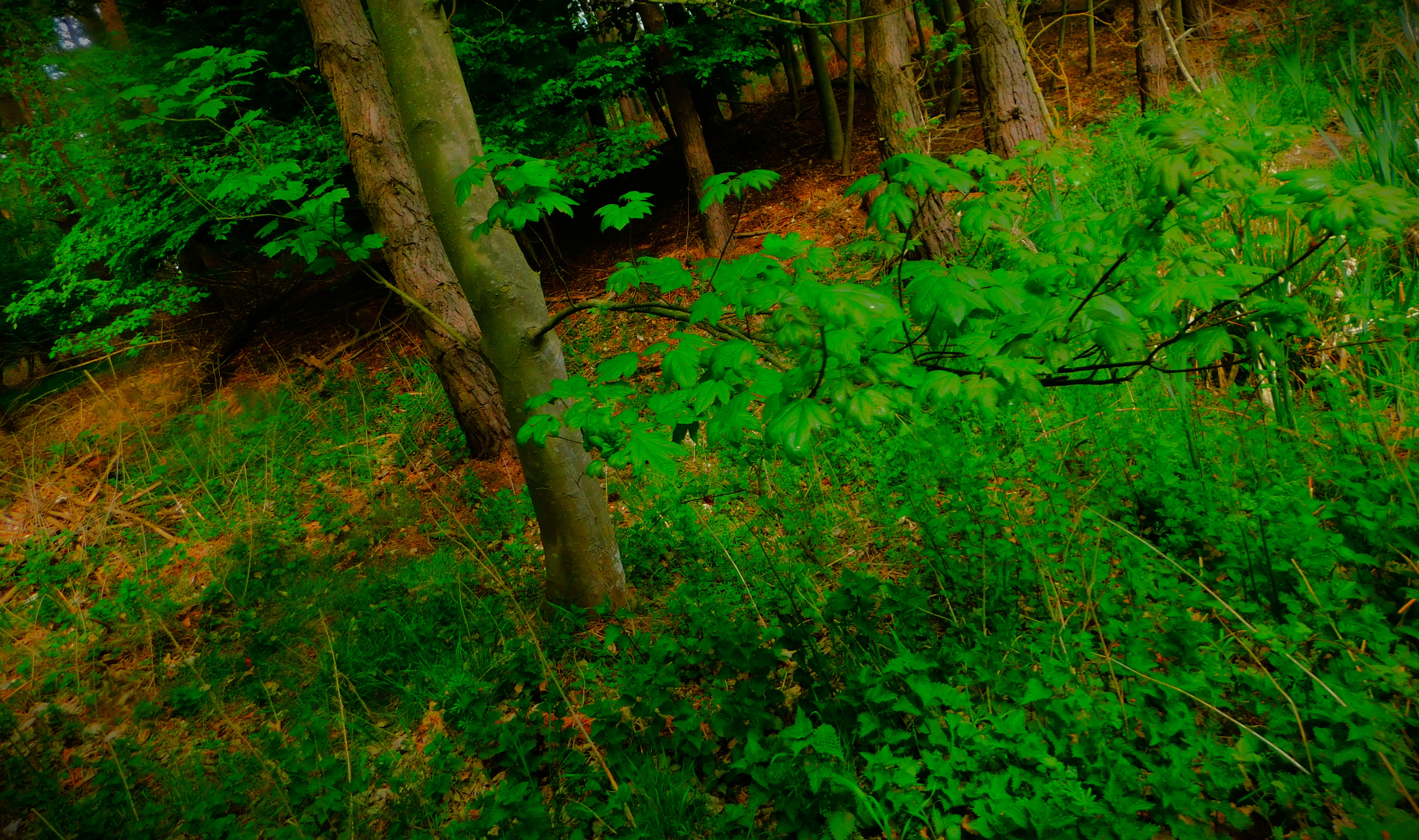
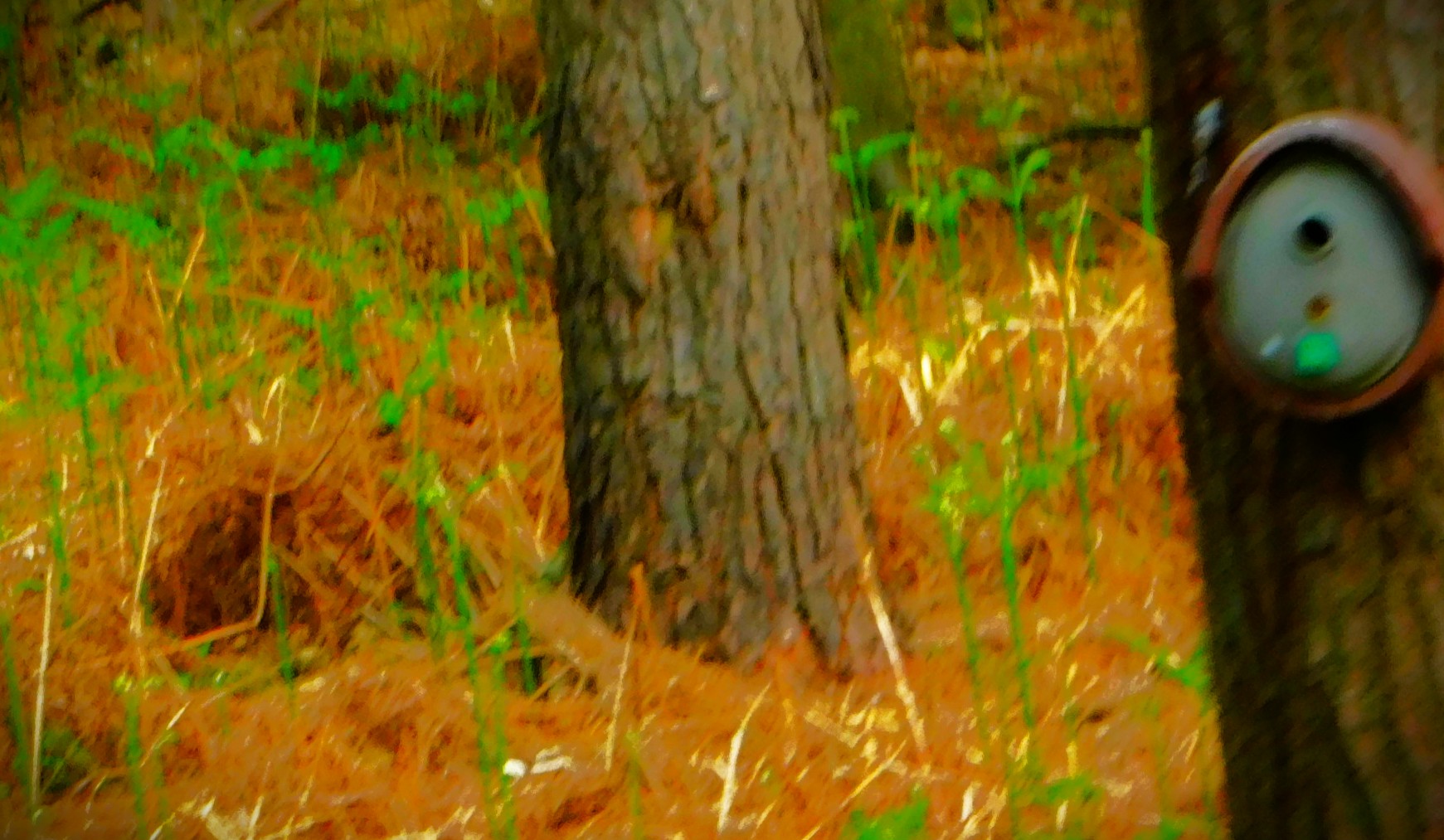
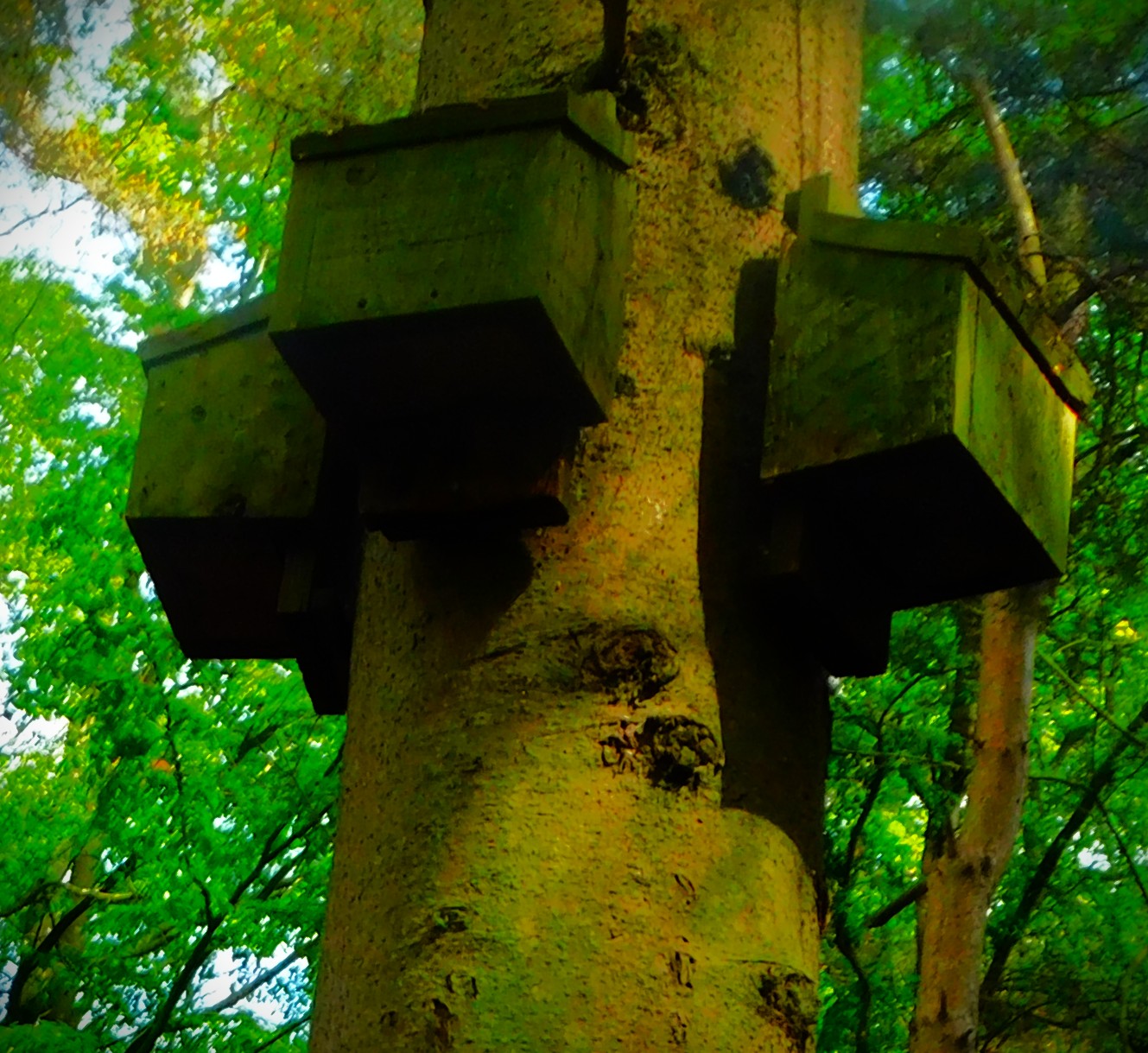
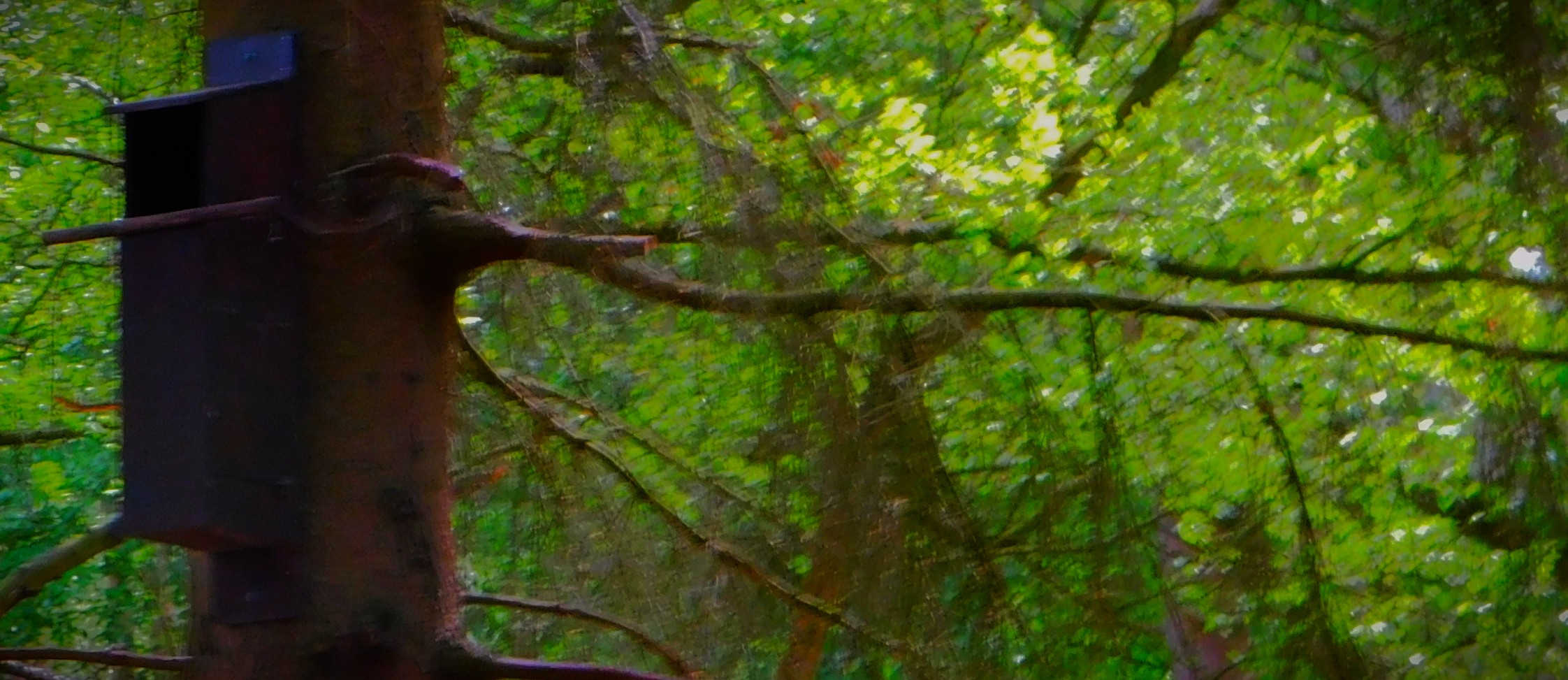
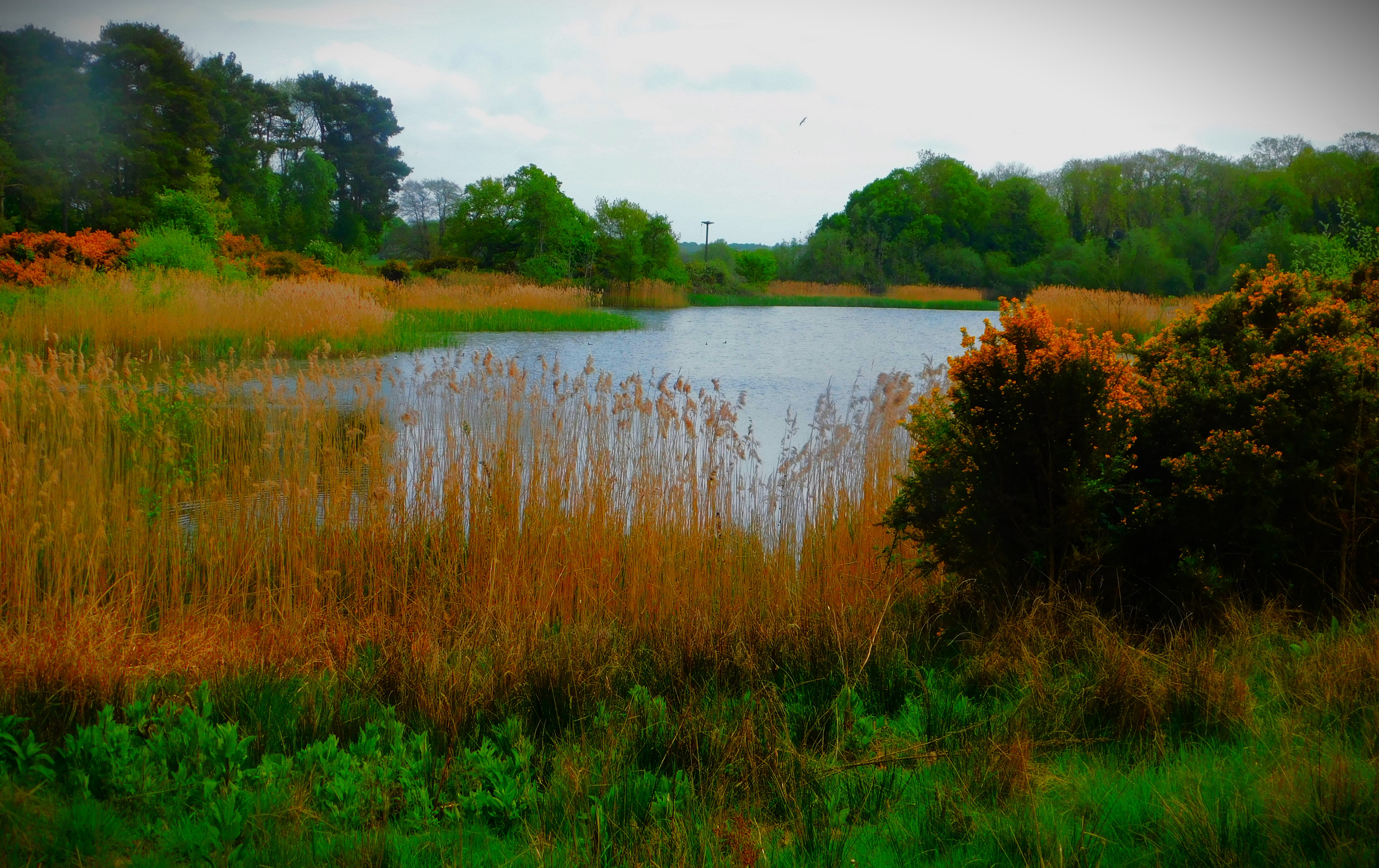
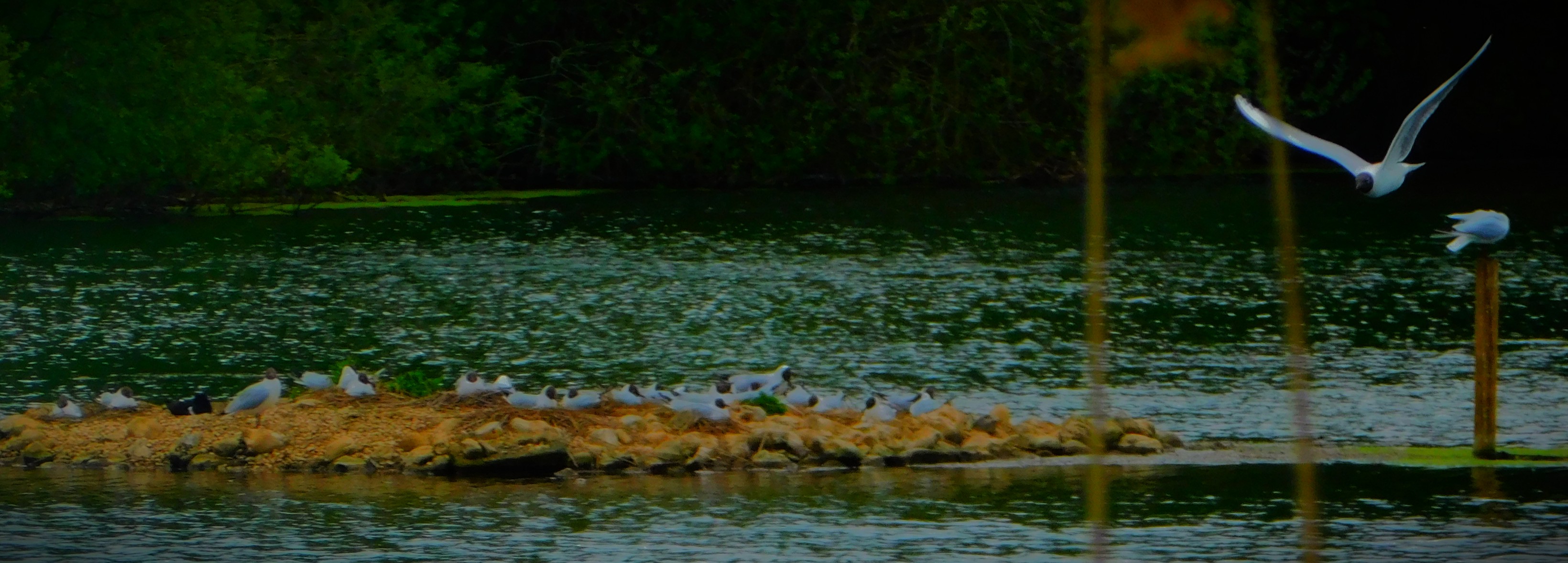
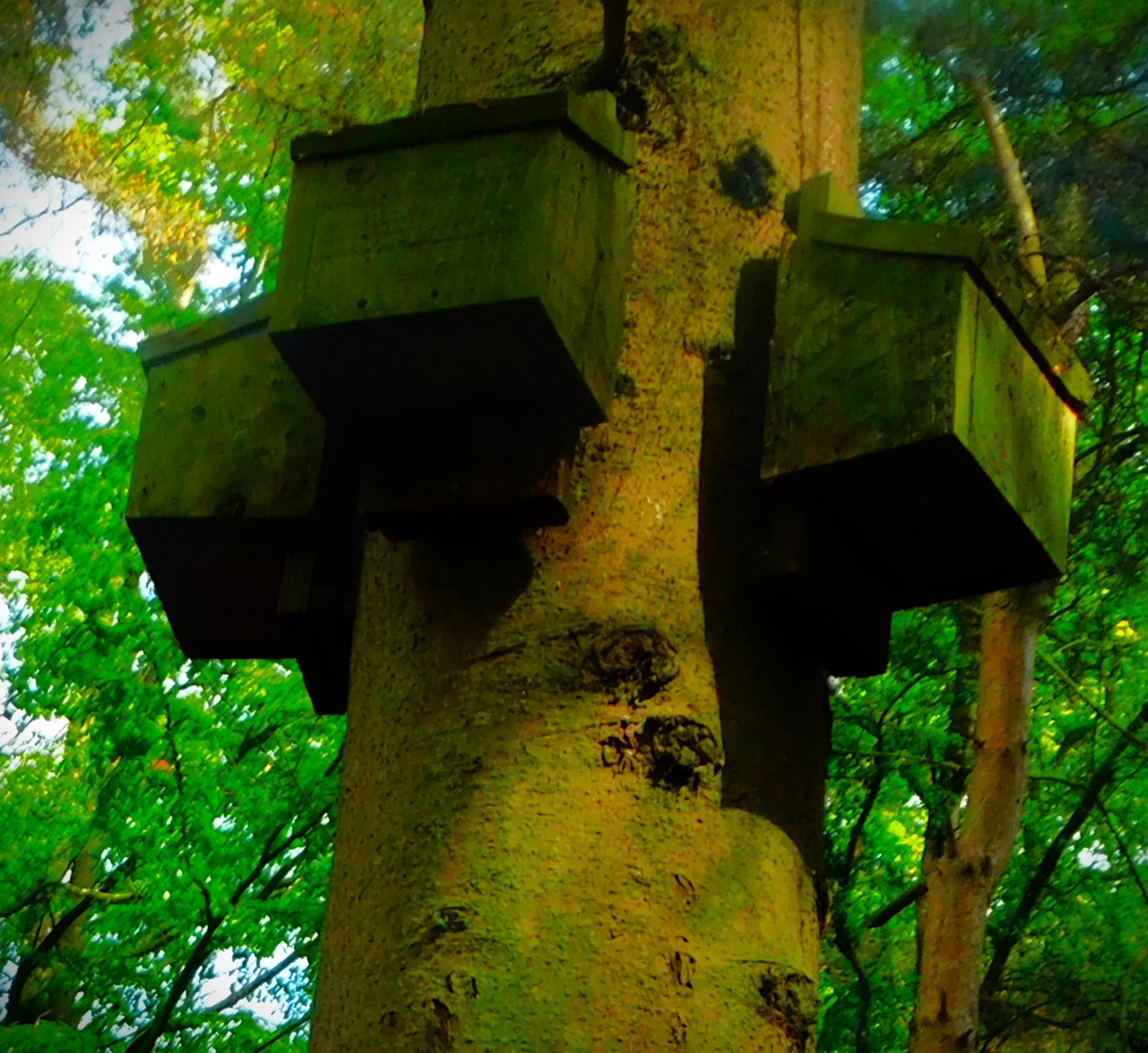
Pensthorpe is a very large site (from Anglo-Saxon times until the 14th century Pensthorpe was a town, larger than nearby Fakenham), and there are some parts that cannot be accessed on foot, which is where the trailer ride comes in. On this occasion there was a small delay on the stated start time of the ride. As well as a natural park/ nature reserve, Pensthorpe owns farm and grazing land, and generates all its own electricity, mainly via solar panels. Among the beasts that are taken to graze here in the appropriate season are sheep, Aberdeen Angus cattle and longhorn cattle. There is both old and new growth woodland, with one section having started life as a classic intensive conifer plantation, now being thinned out to allow more sunlight to reach the forest floor. One also gets distant views of some of the lakes, including ones equipped with nesting platforms for Common Tern. There are two sections of the route that were once parts of railways, both closed in the early 1960s, and the infrastructure destroyed. At one stage there is a direct view of a ‘maltings’ building (making malted barley is the first stage of the process of beer making). There were dragonflies about, though I was unable to capture any on camera – strictures regarding moving targets when you yourself are in motion apply as much to the only kind of shooting I am interested in as to the other kind. There are many kinds of bird and bat box to be seen. Also reminders of the natural history of the area in the form of small lakes where water has filled holes originally gouged out by glaciers. These are important habitats for creatures such as frogs. The site’s single most important asset is the river Wensum, a chalk stream, and a such heavily protected. I enjoyed my journey on the trailer, and having remembered that I travelled on the non-drivers side on previous occasions I sat on the driver’s side this time round.
PHOTOGRAPHS
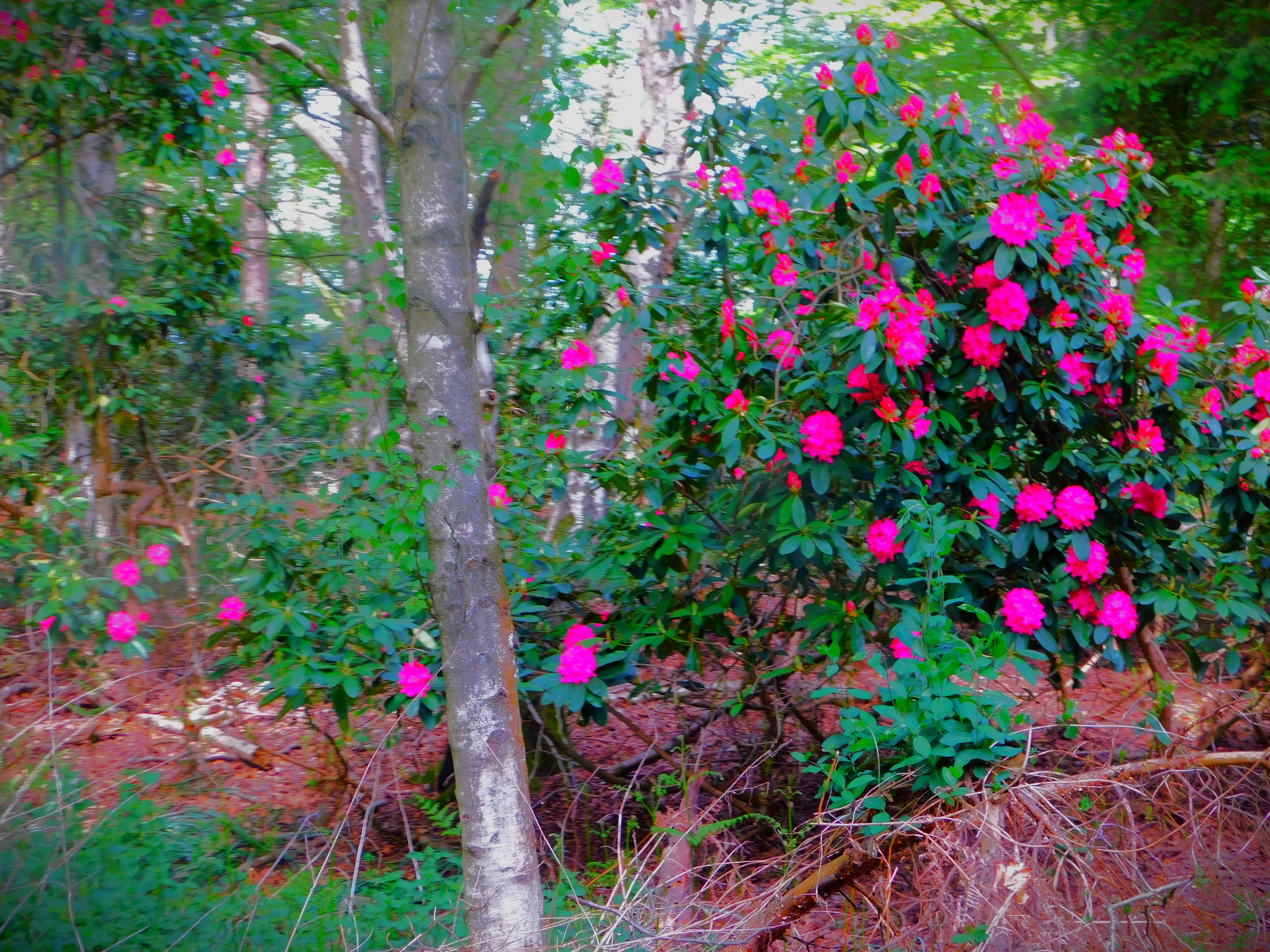
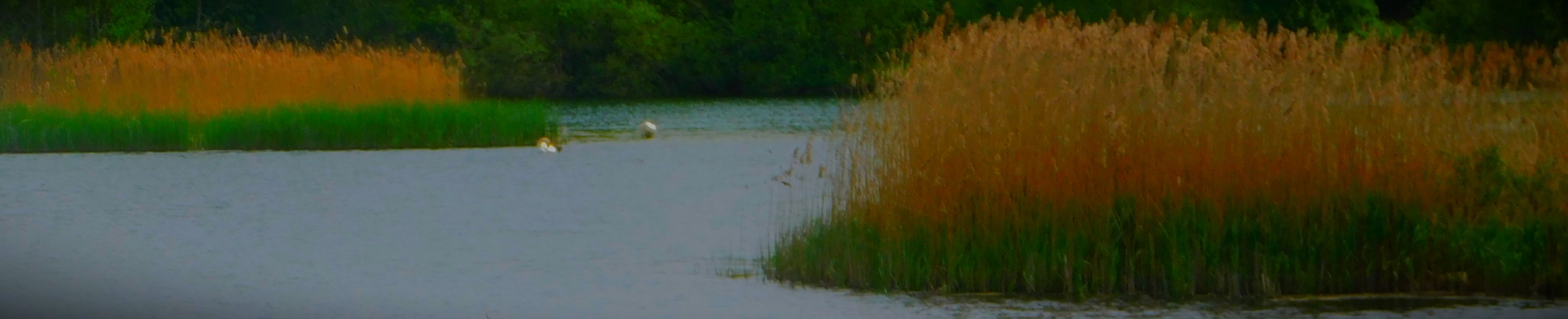
Here are the pictures from the trailer ride…
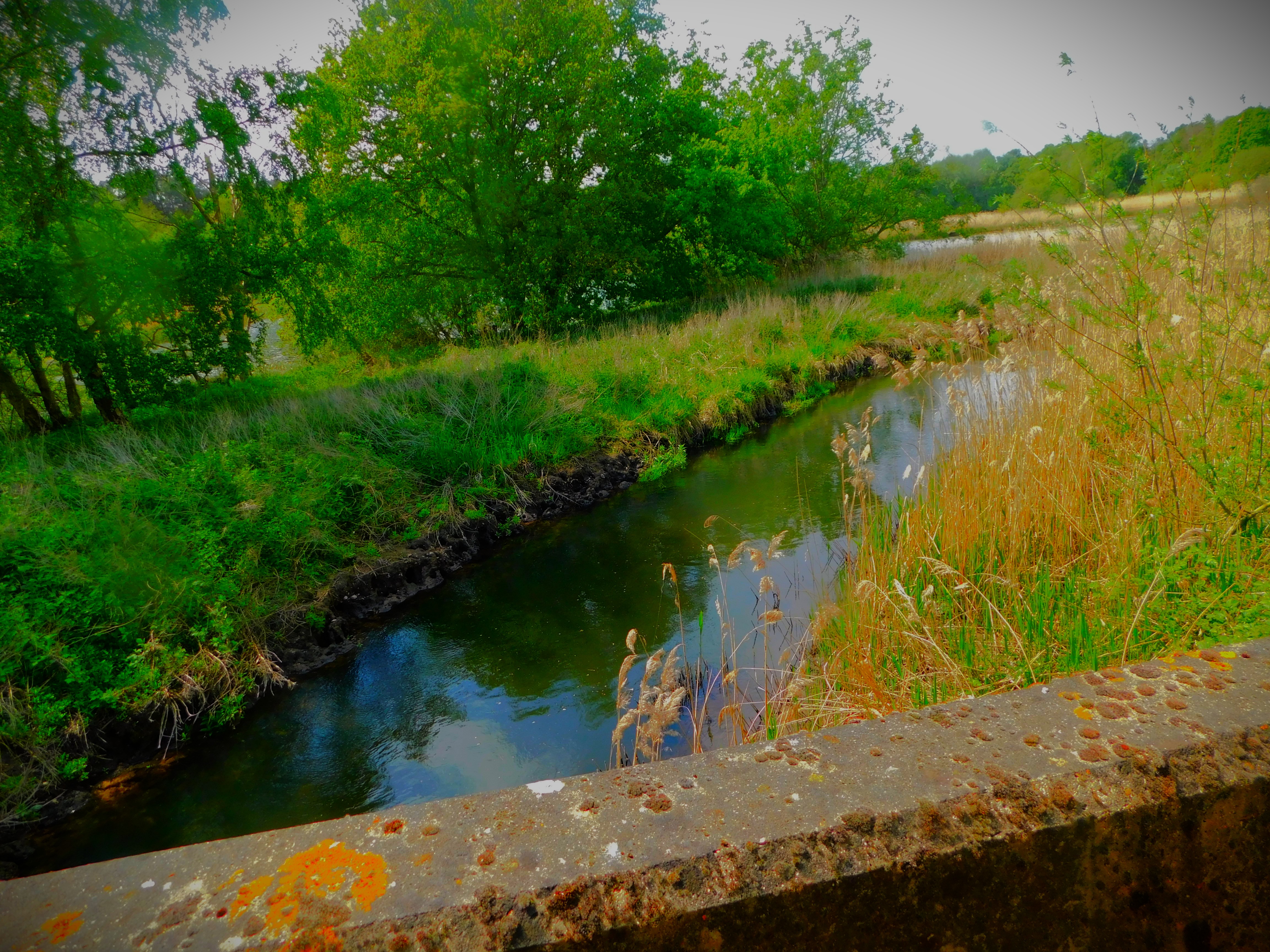
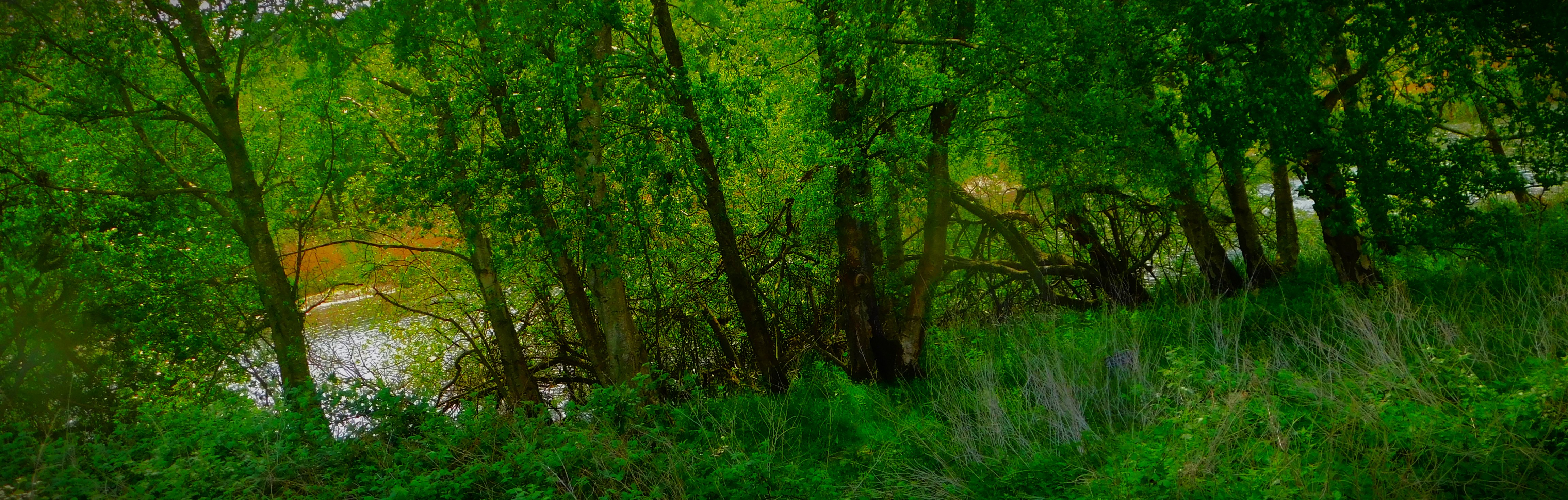
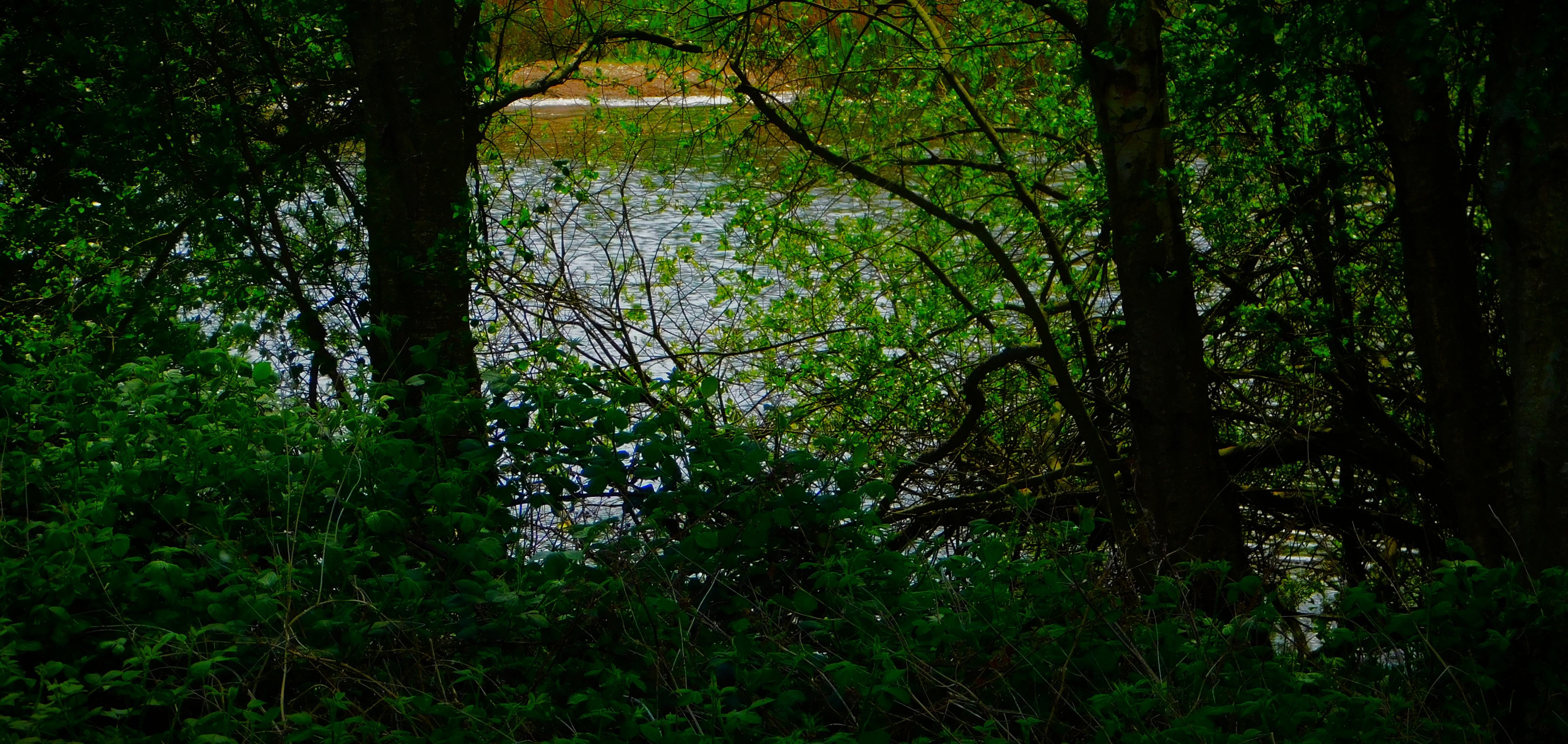
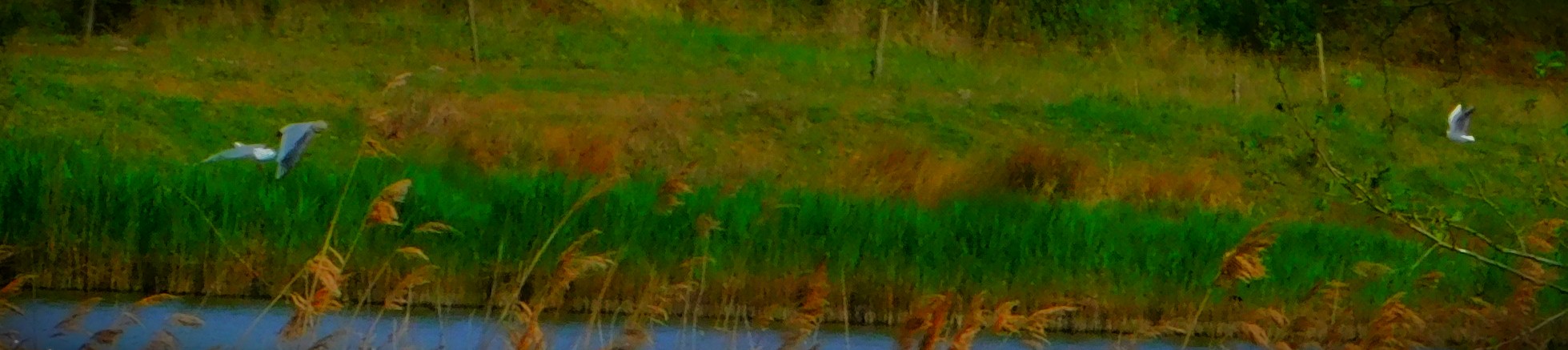
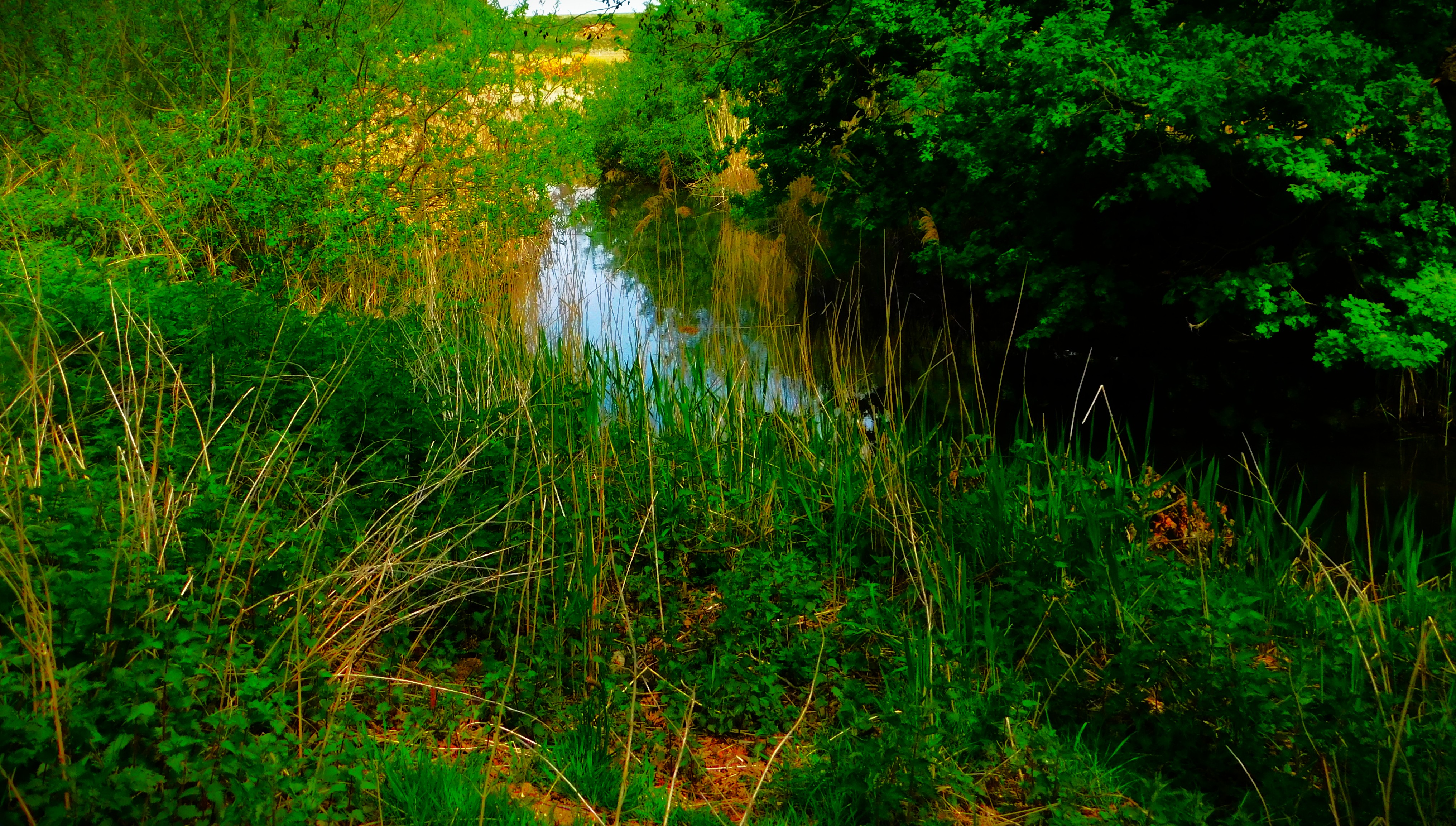
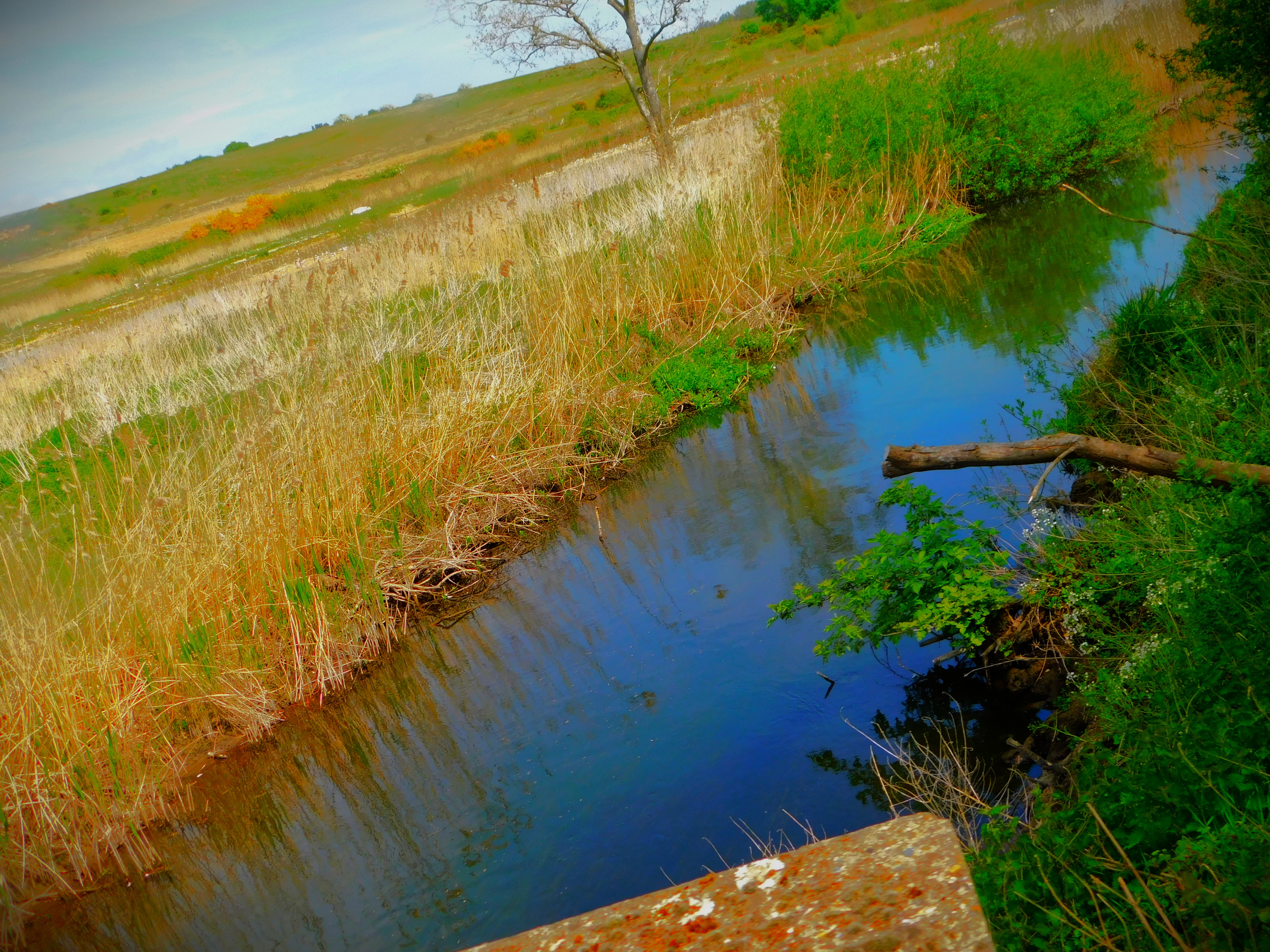
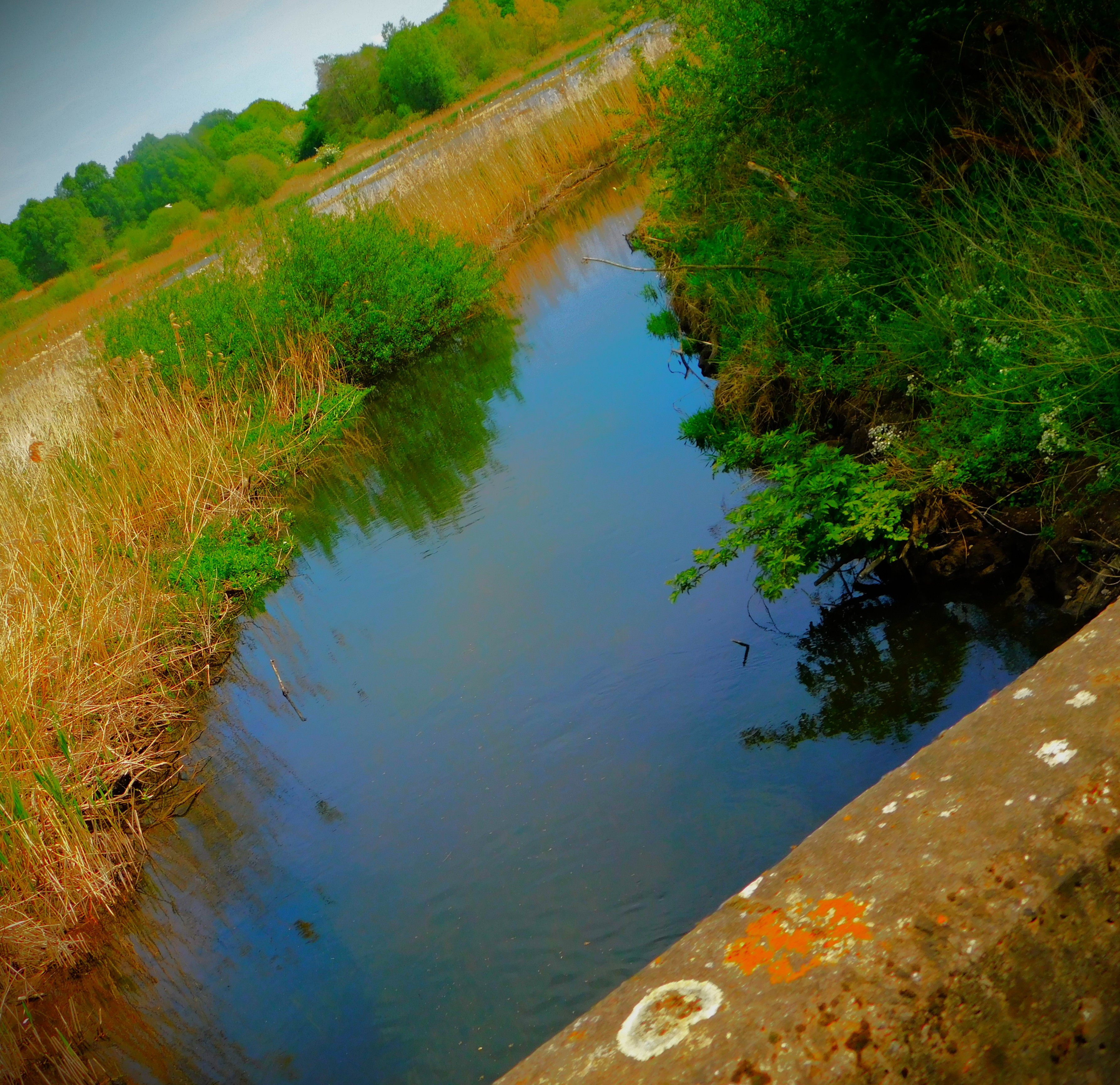
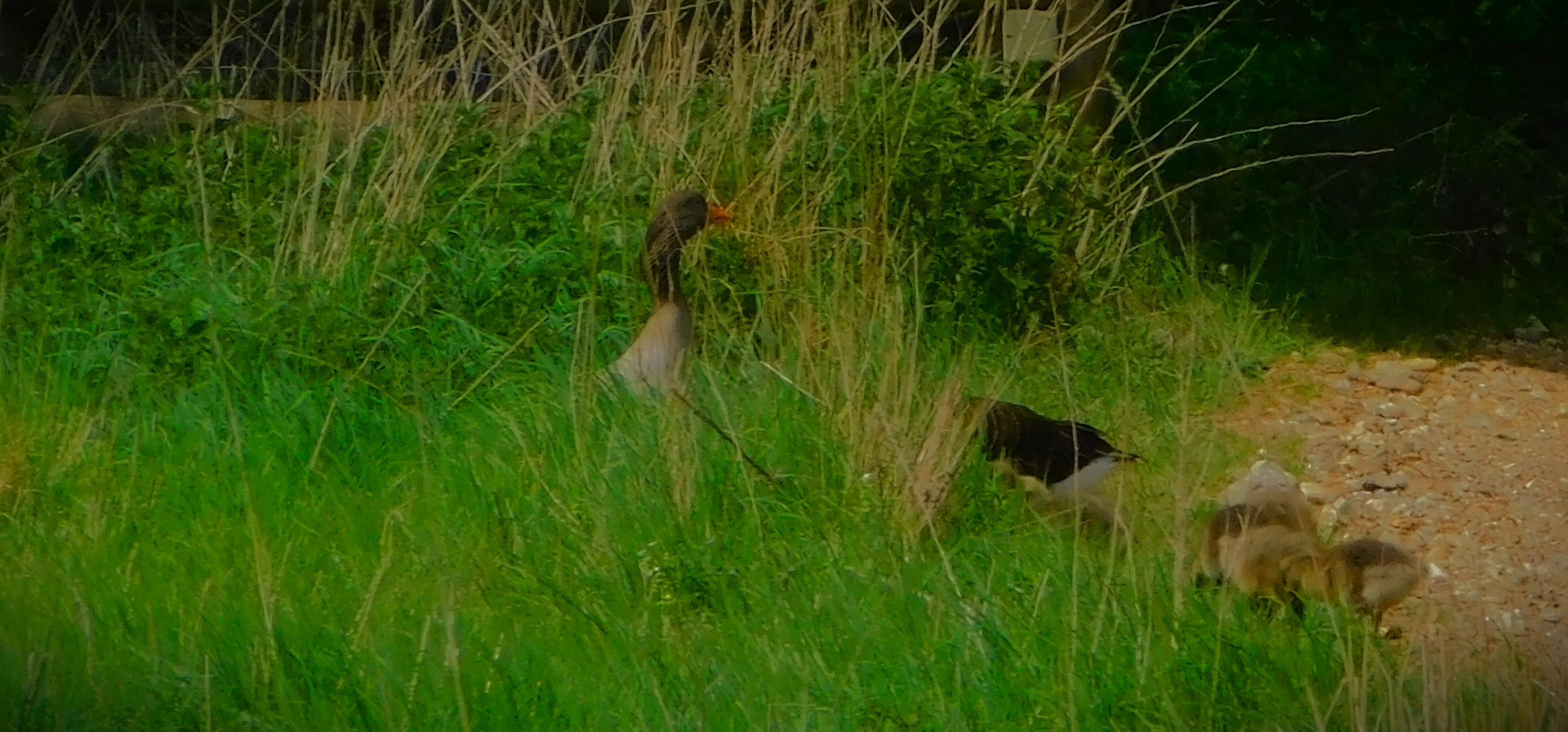
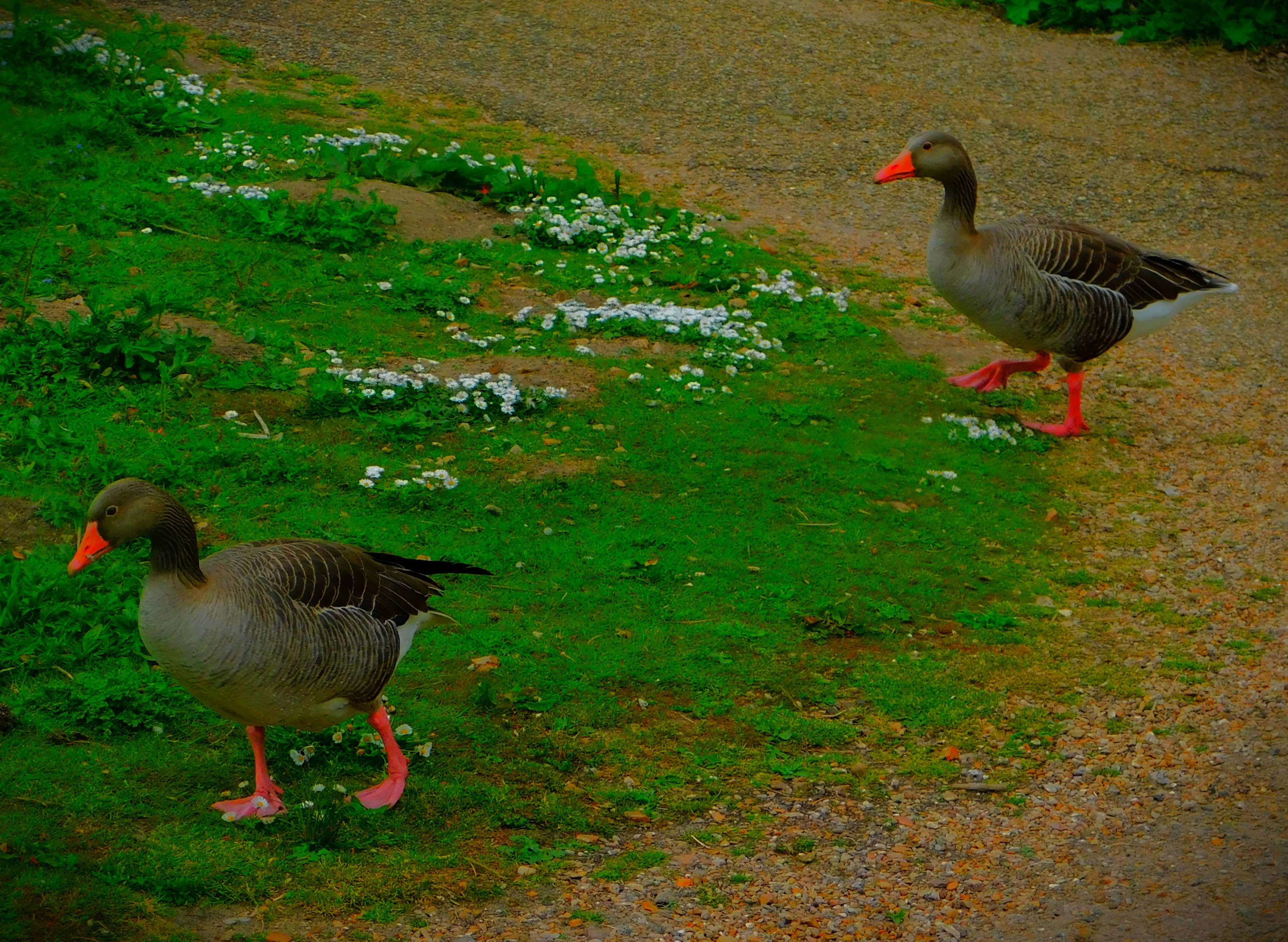
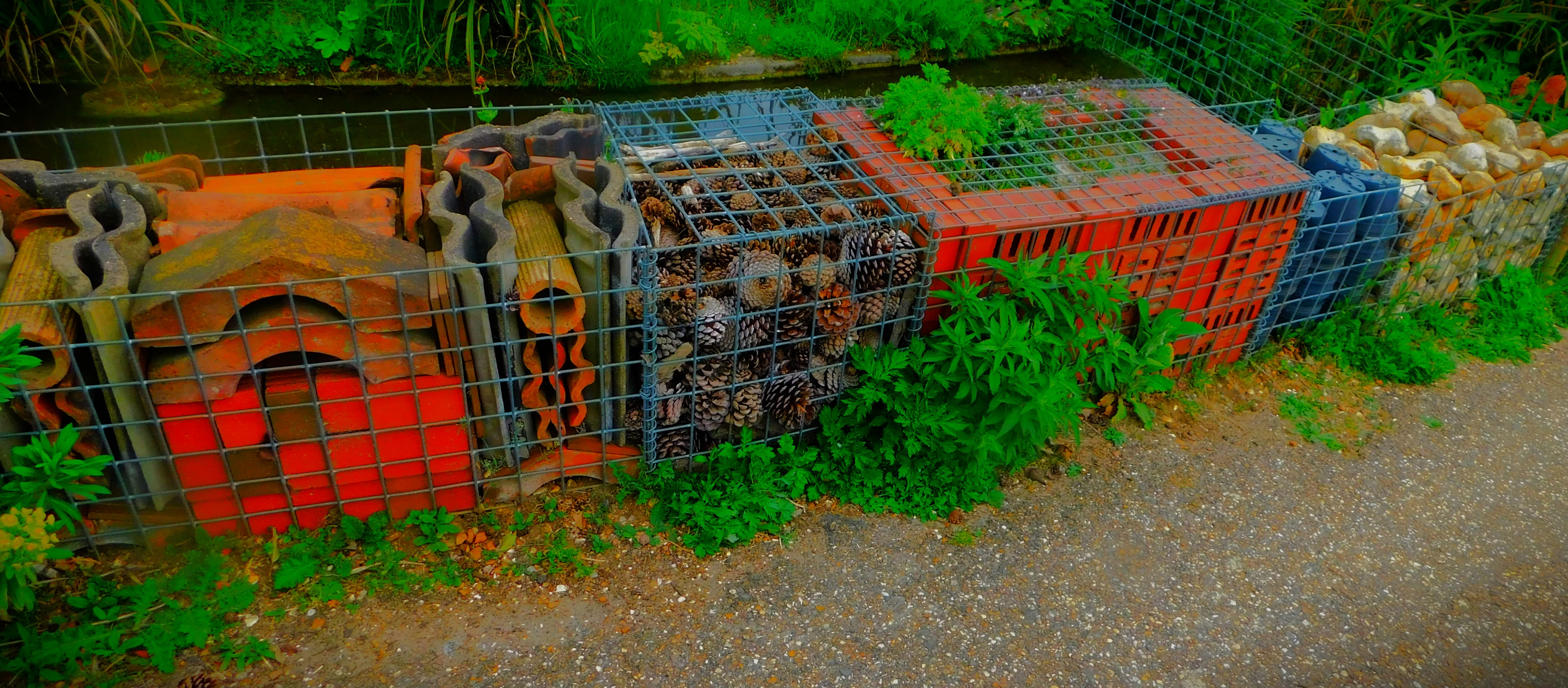
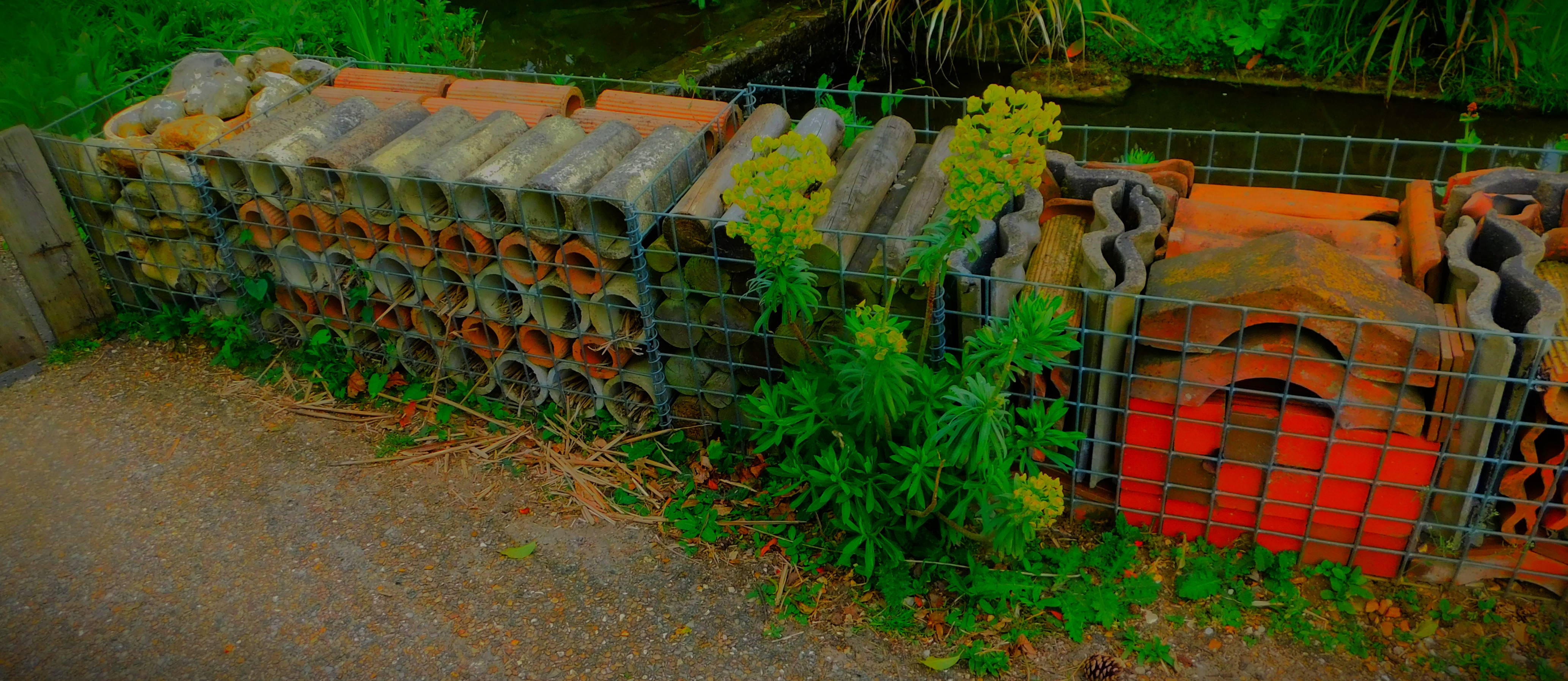
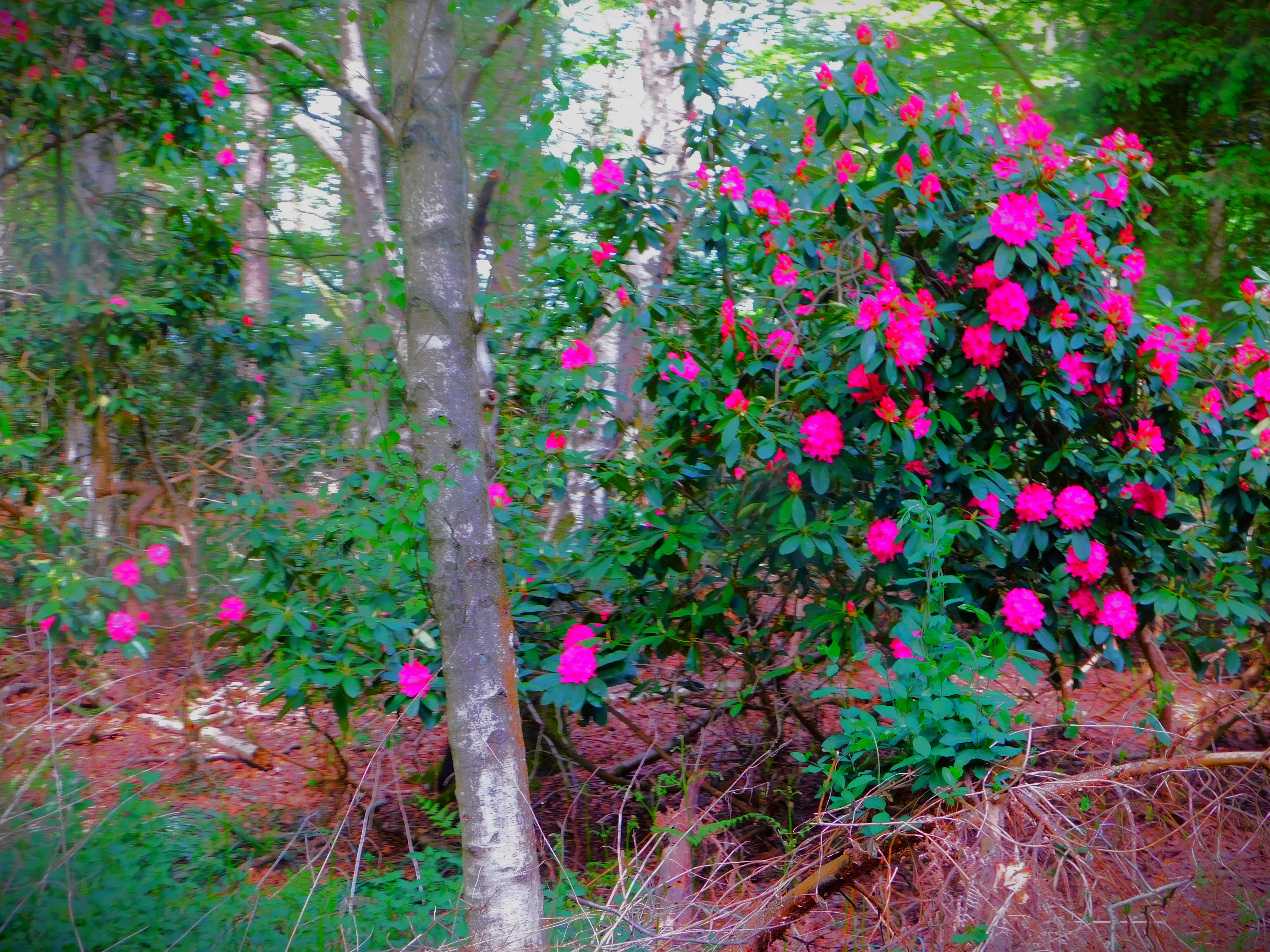
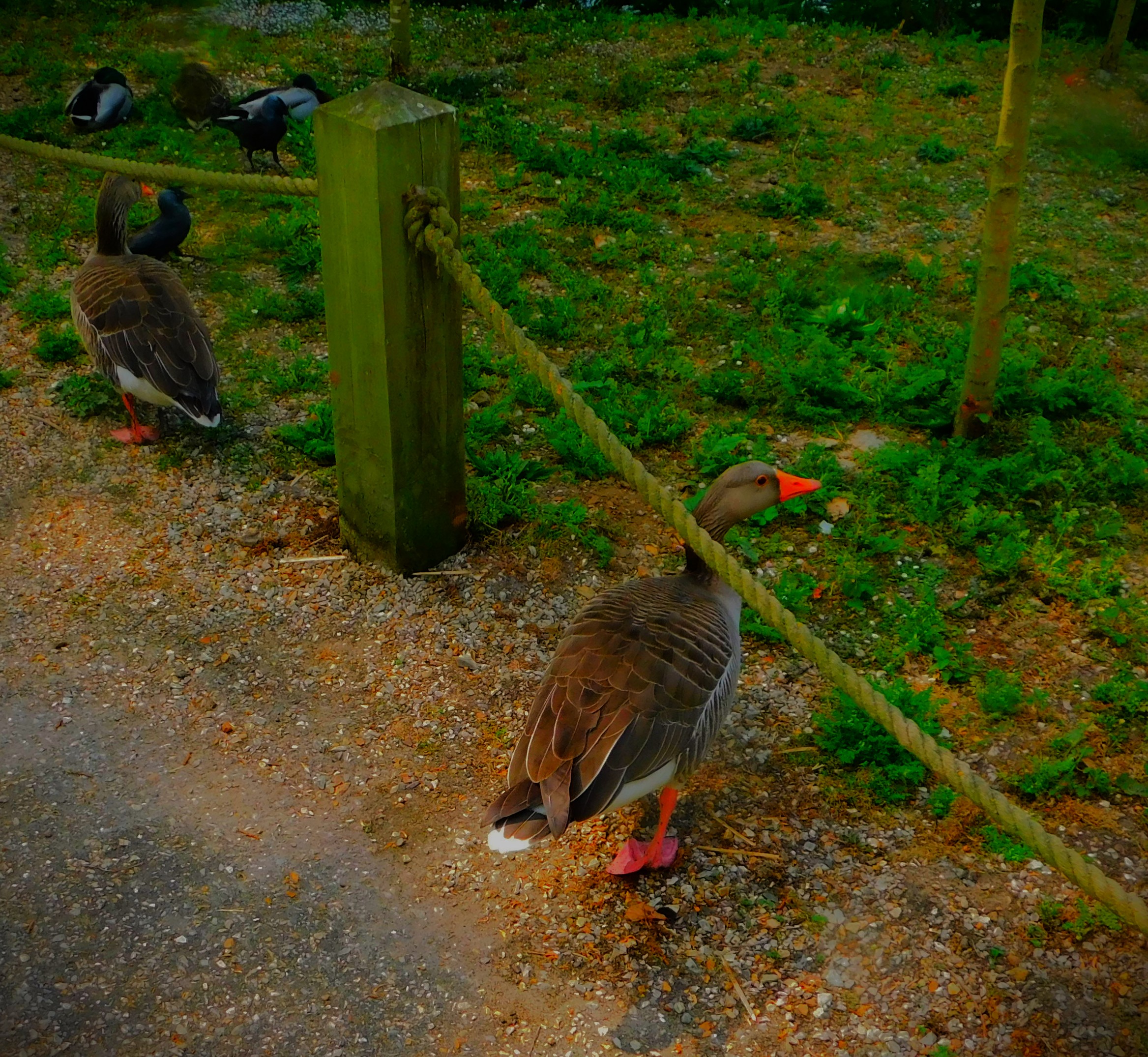
Crossing the Wensum.A place for hedgehogs to hibernate in the winter.Bat boxes, circling the tee so that bats using them can always position themselves as far from the sun as possible. RhododendronsA Greylag Goose family.
The second post in my Pensthorpe series: A look at the Discovery Centre and the rest of my general photos,
This is the next post in my series about the West Norfolk Autism Group outing to Pensthorpe Nature Reserve (68 of us went in total). It features the Discovery Centre and those of the general photos that I have not already shared.
THE DISCOVERY CENTRE
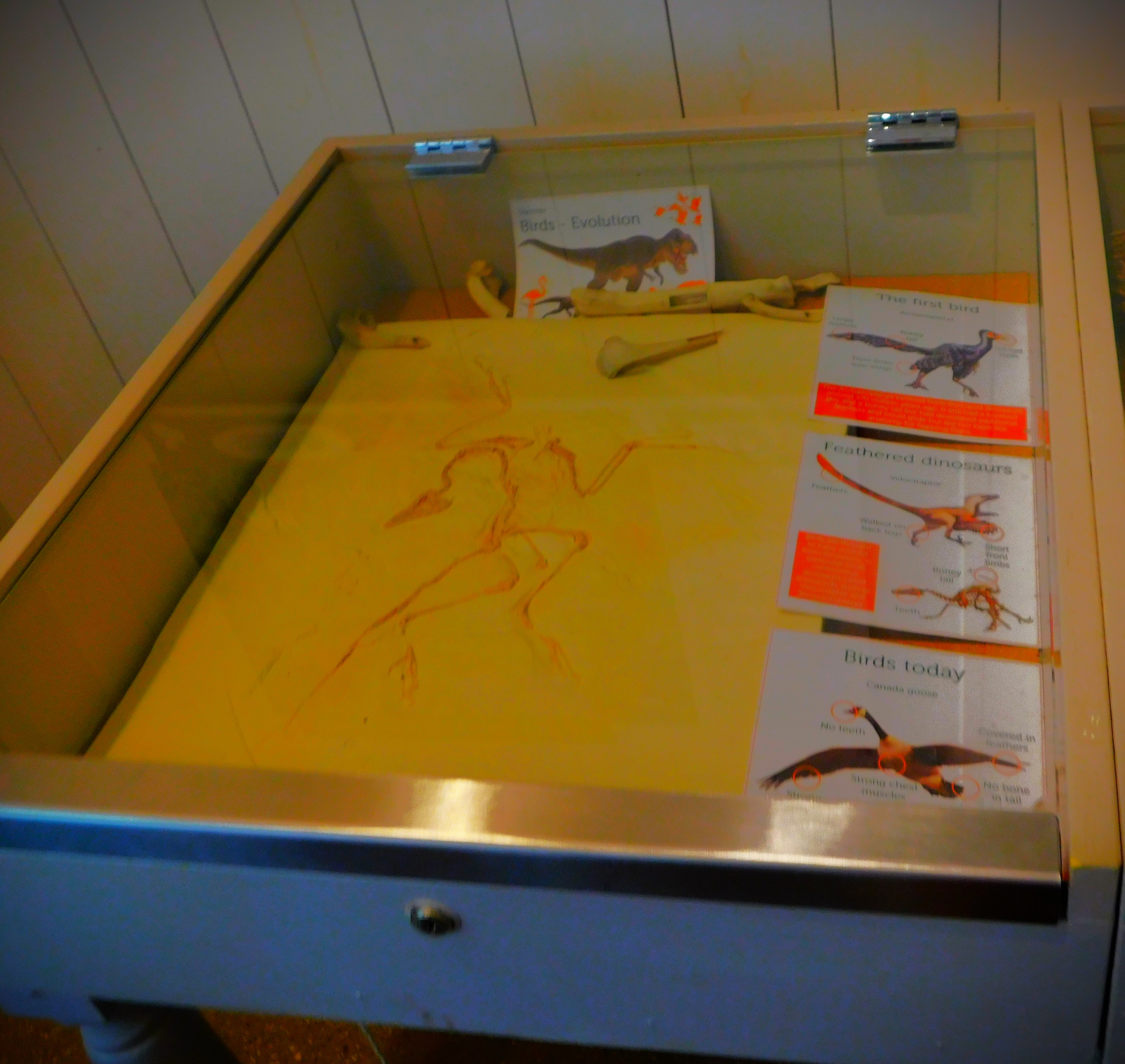
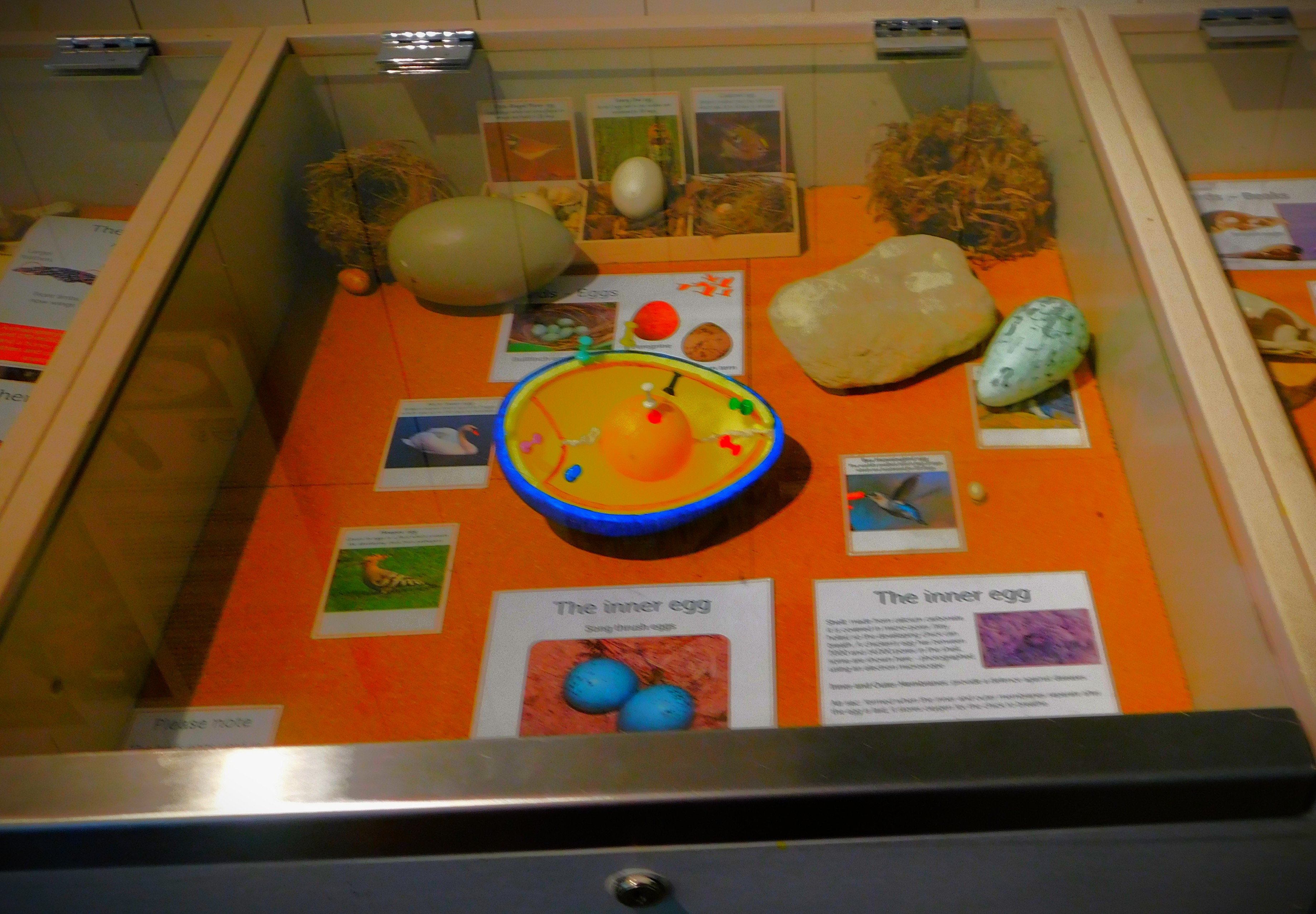
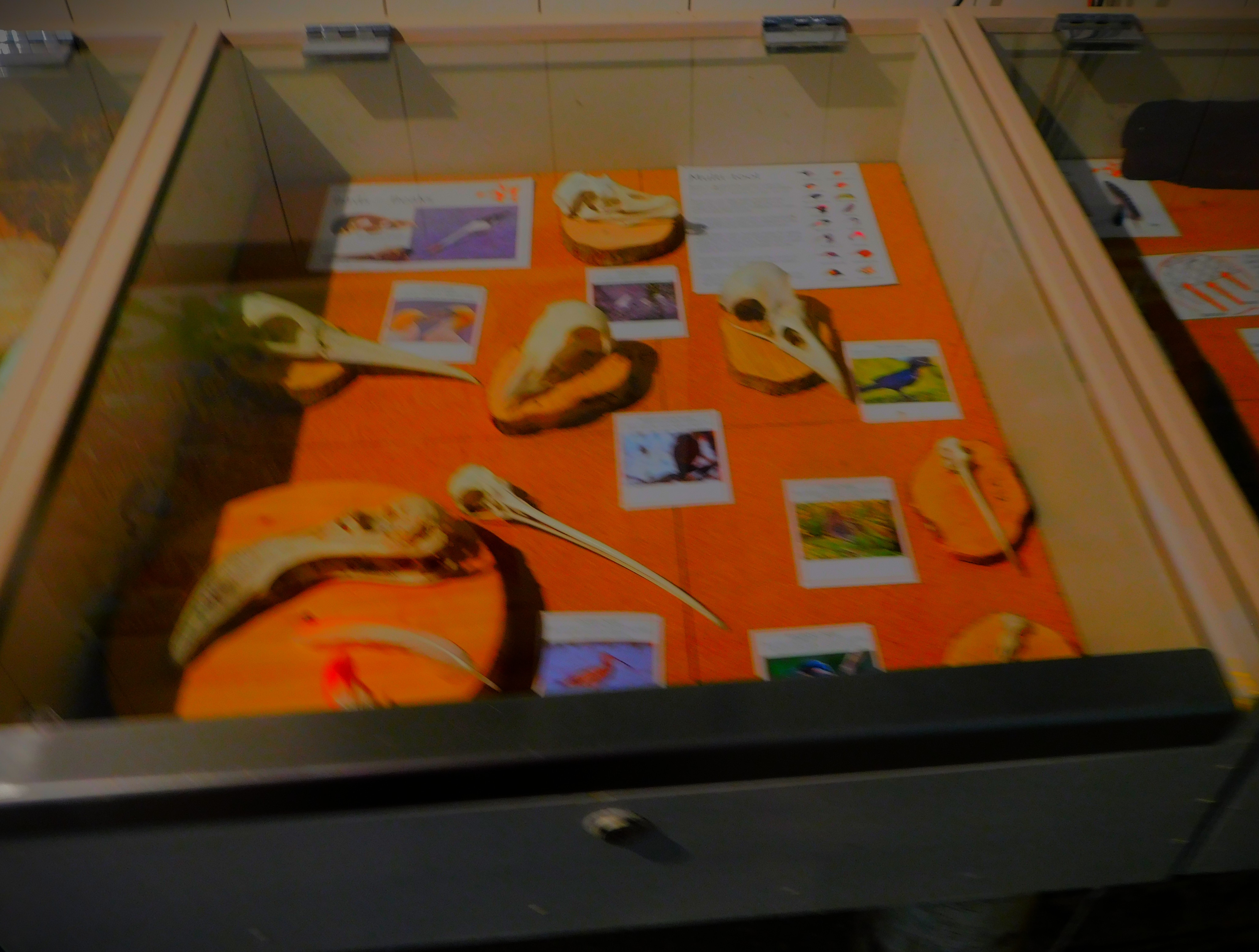
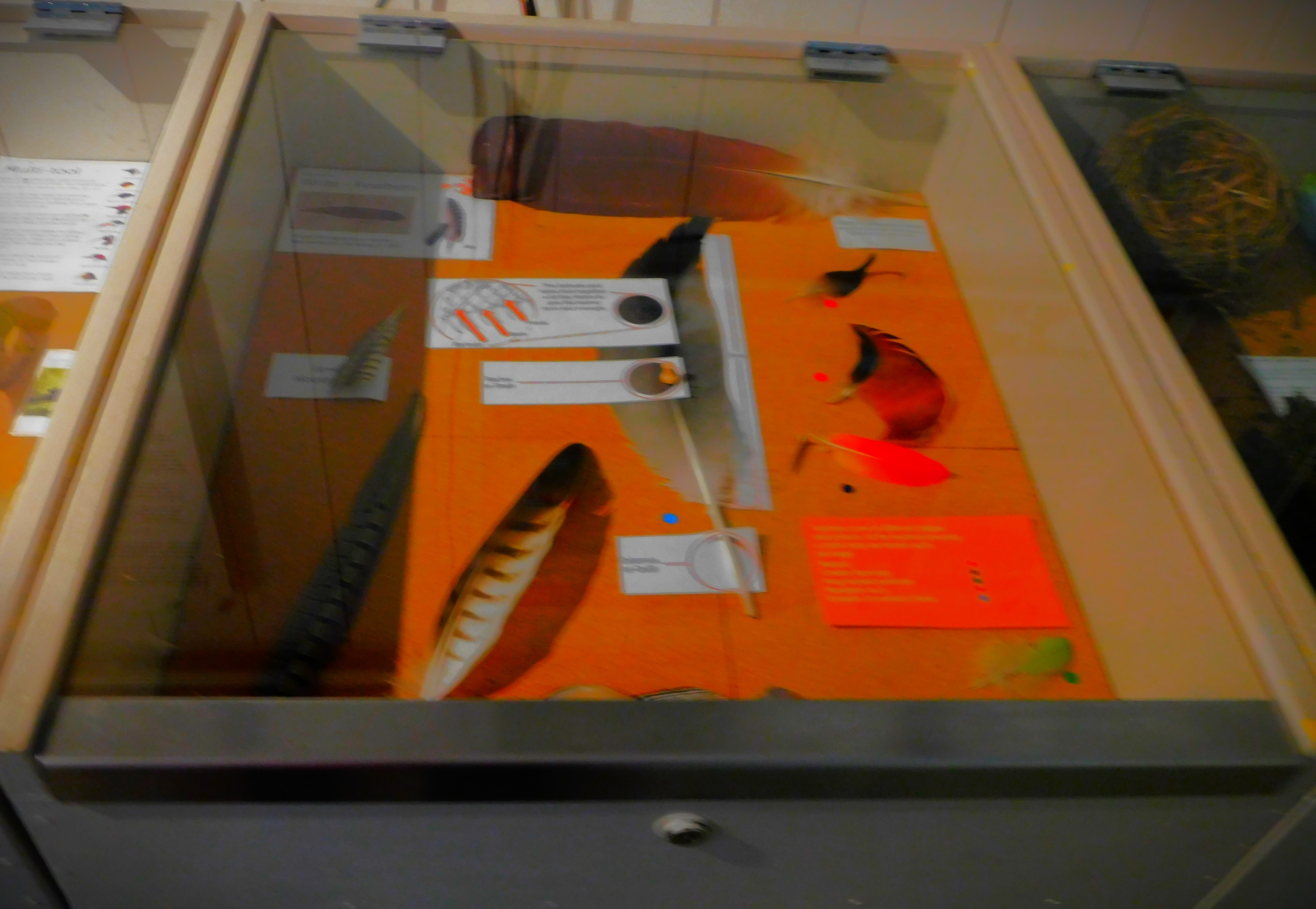
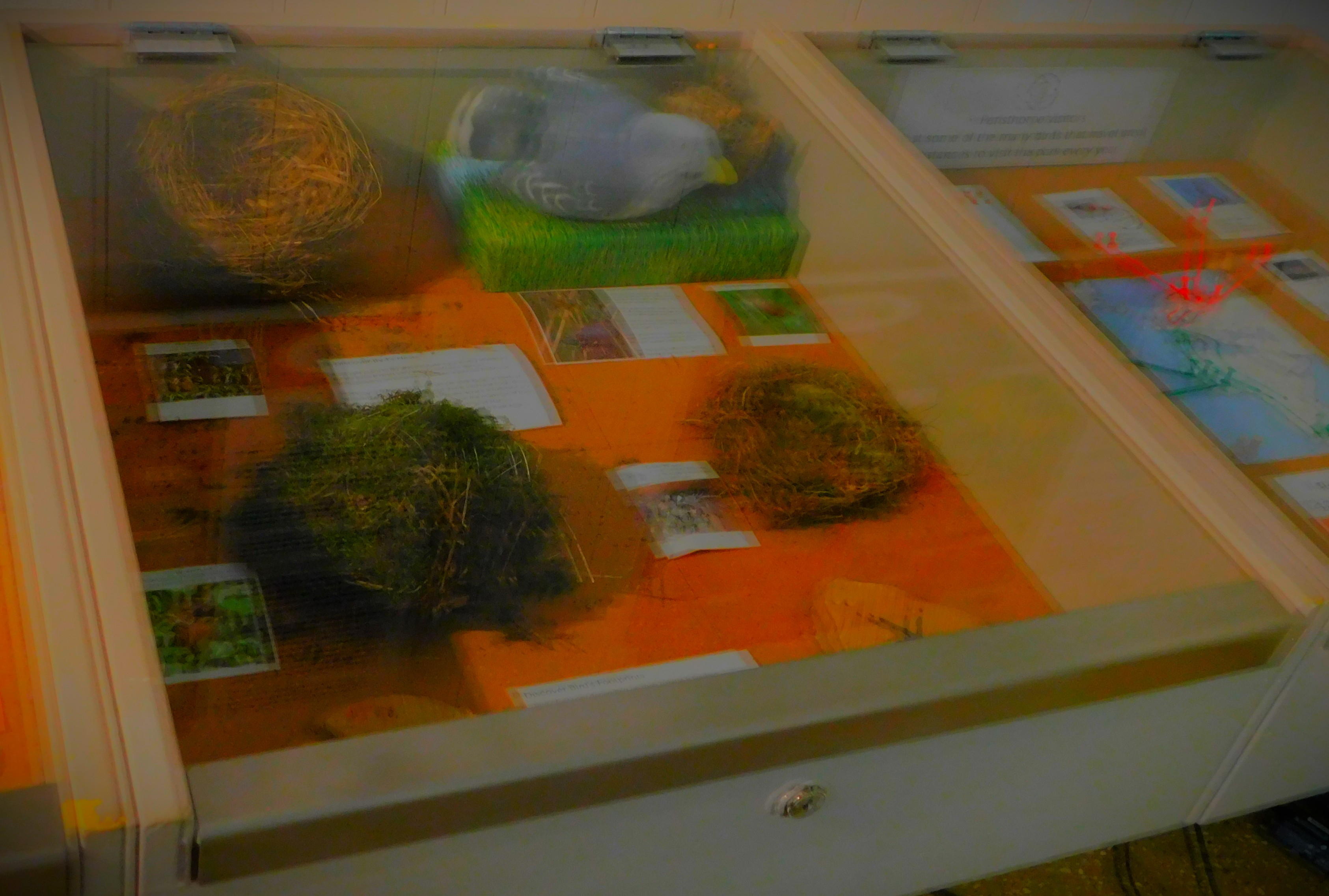
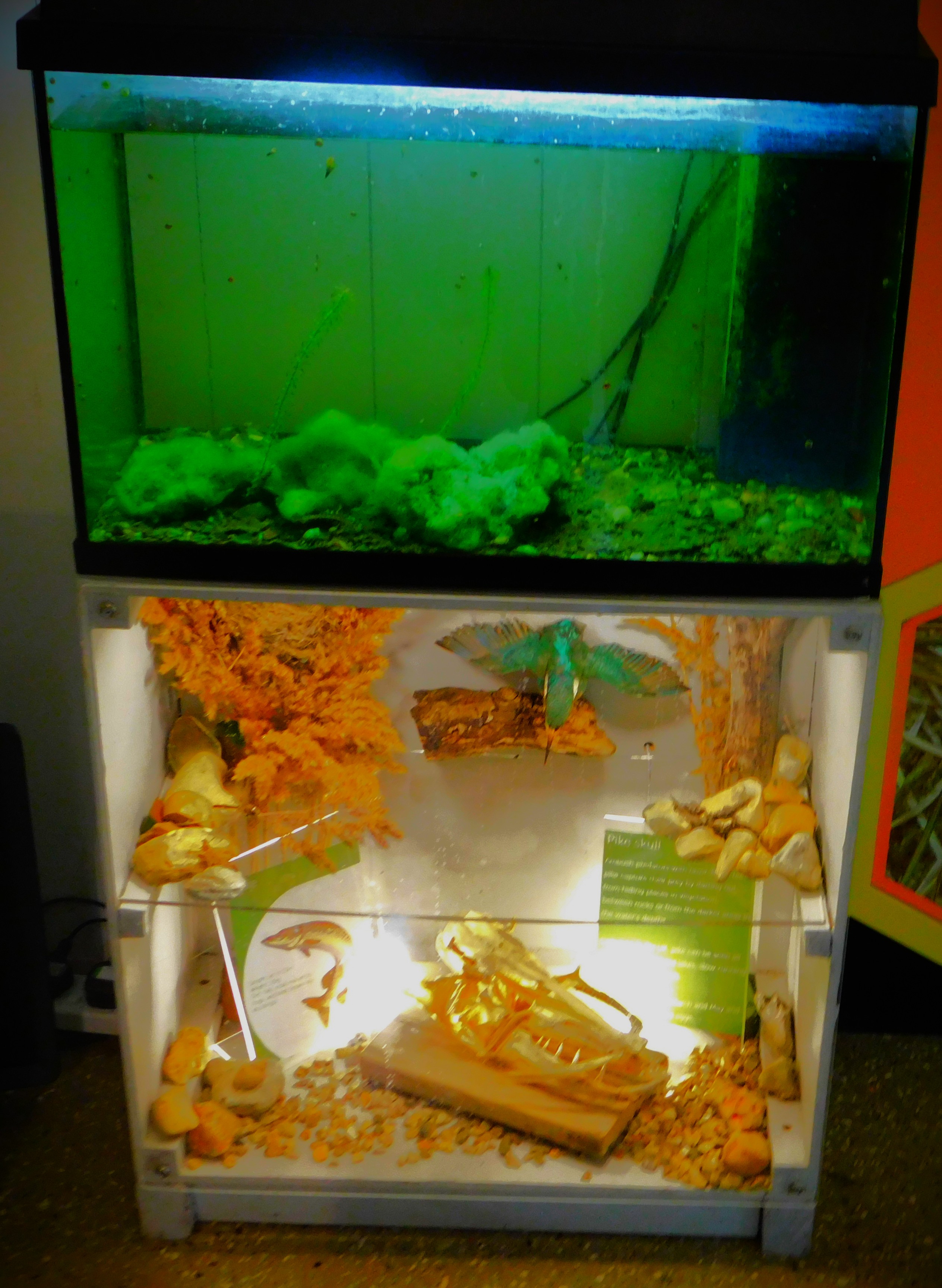
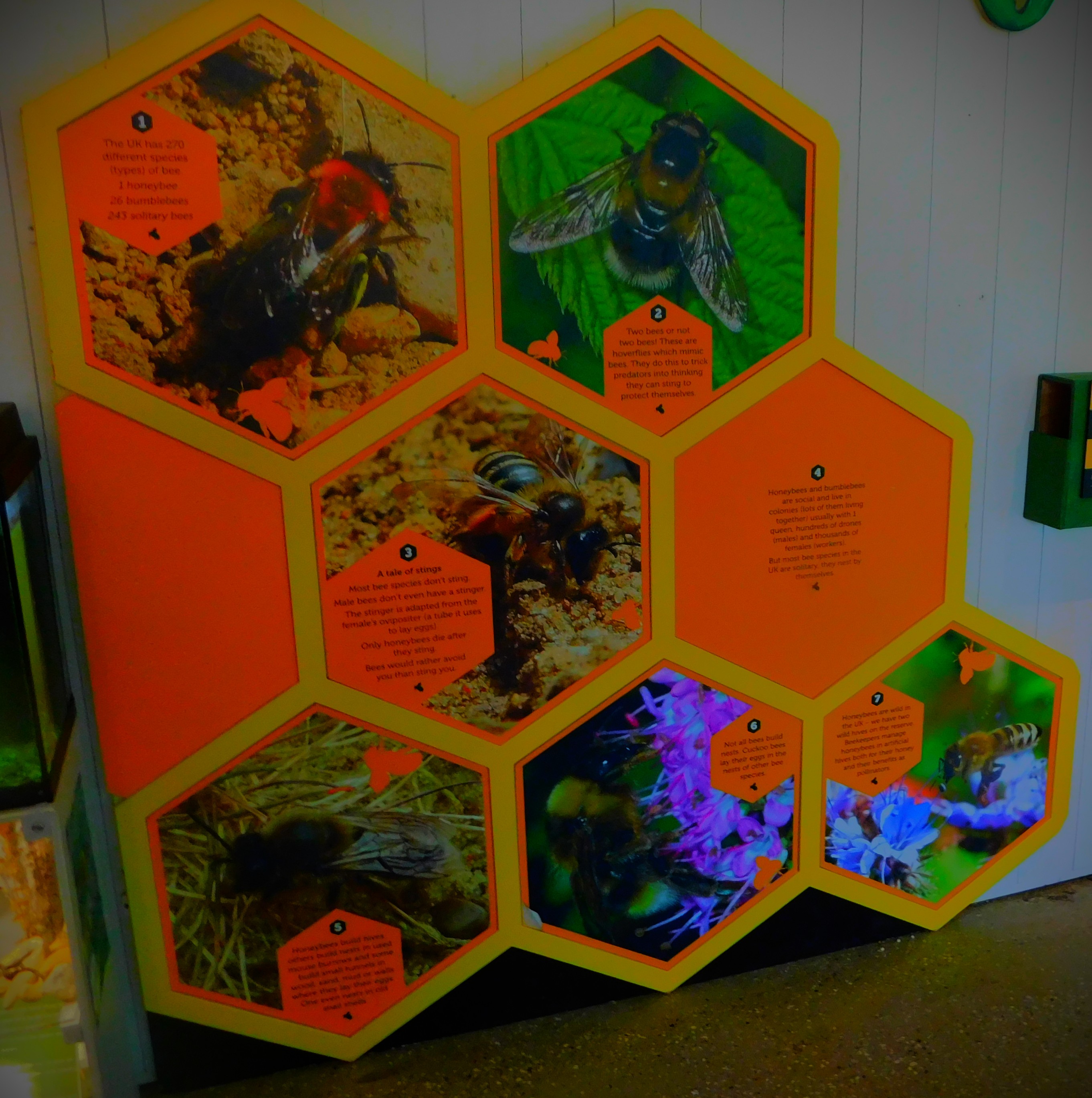
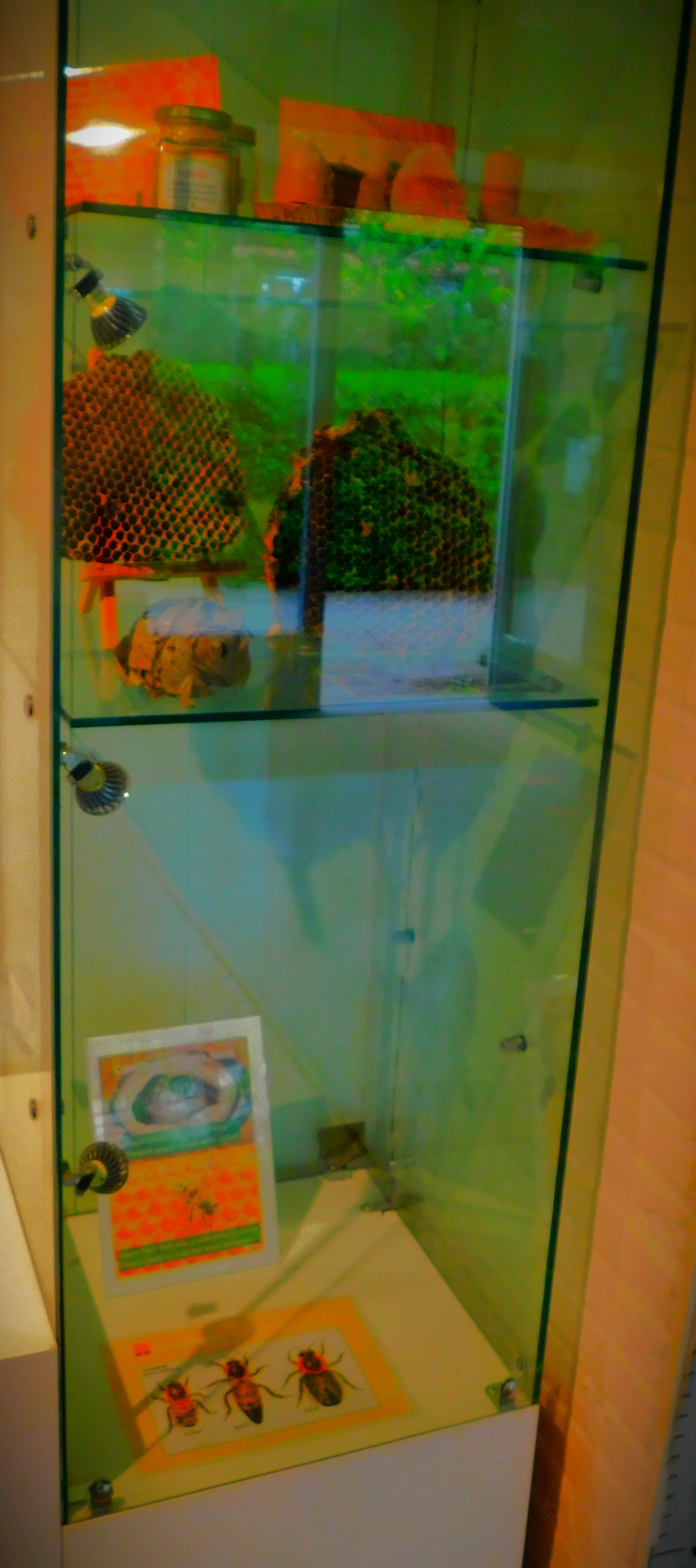
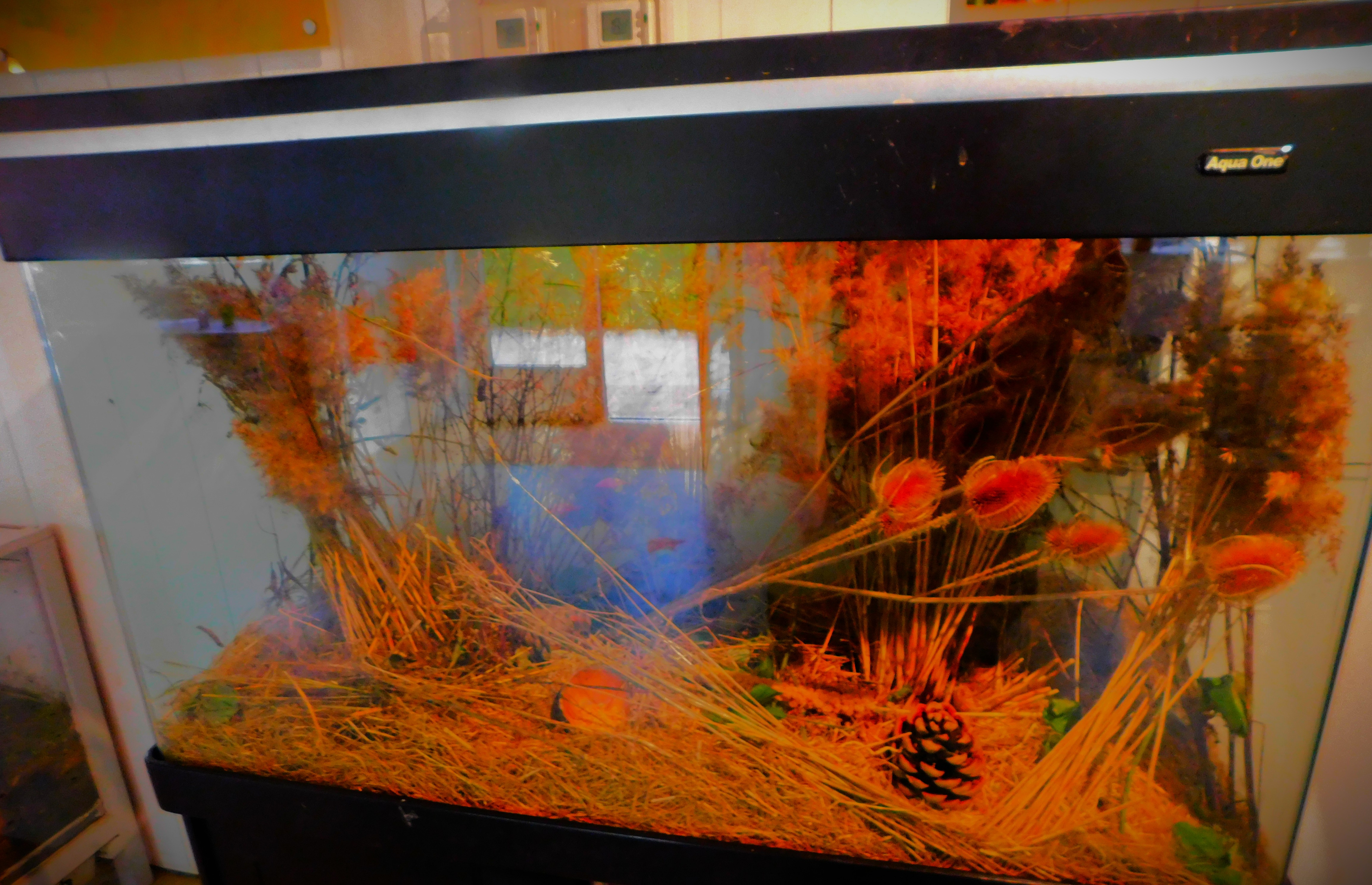
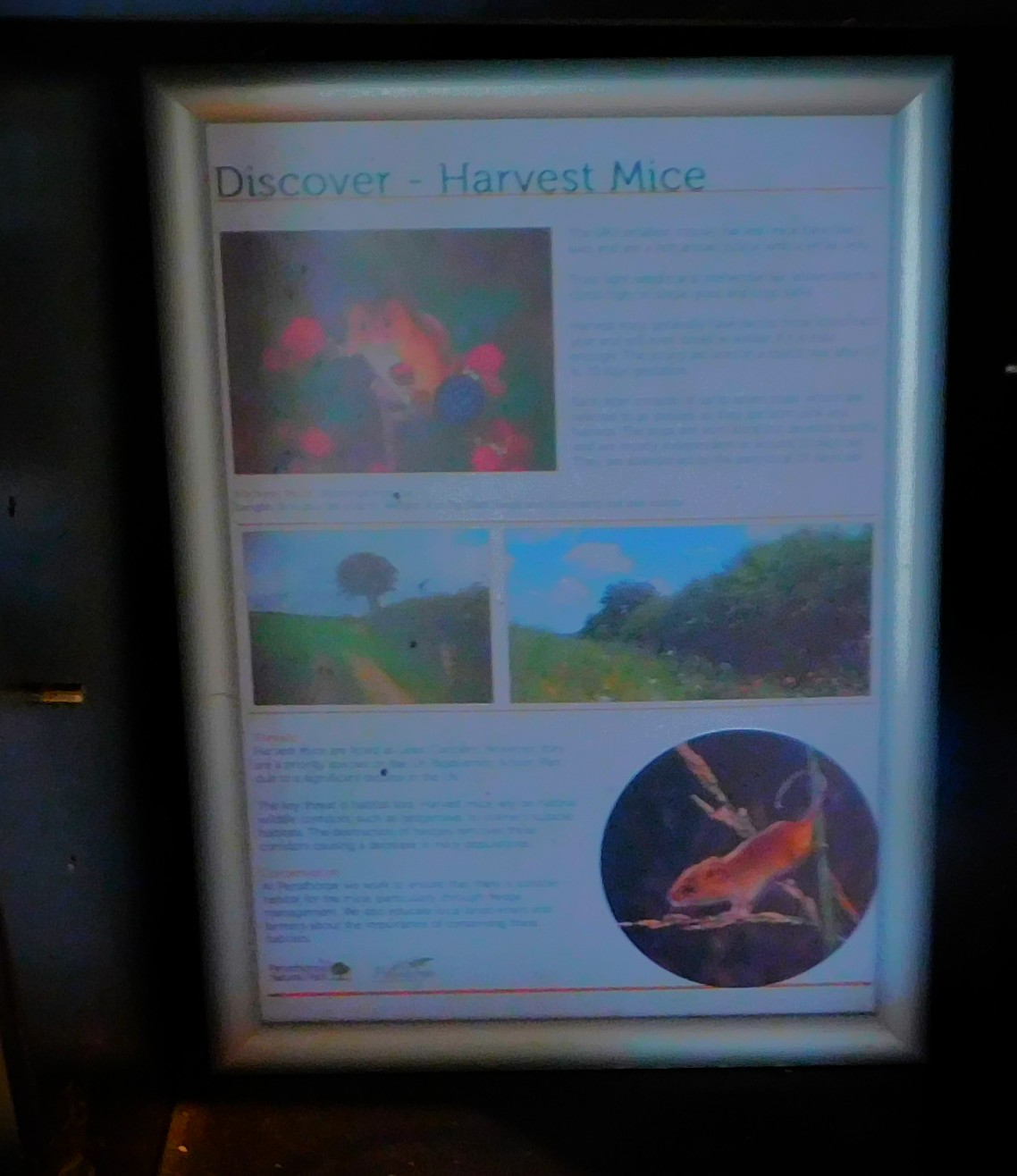
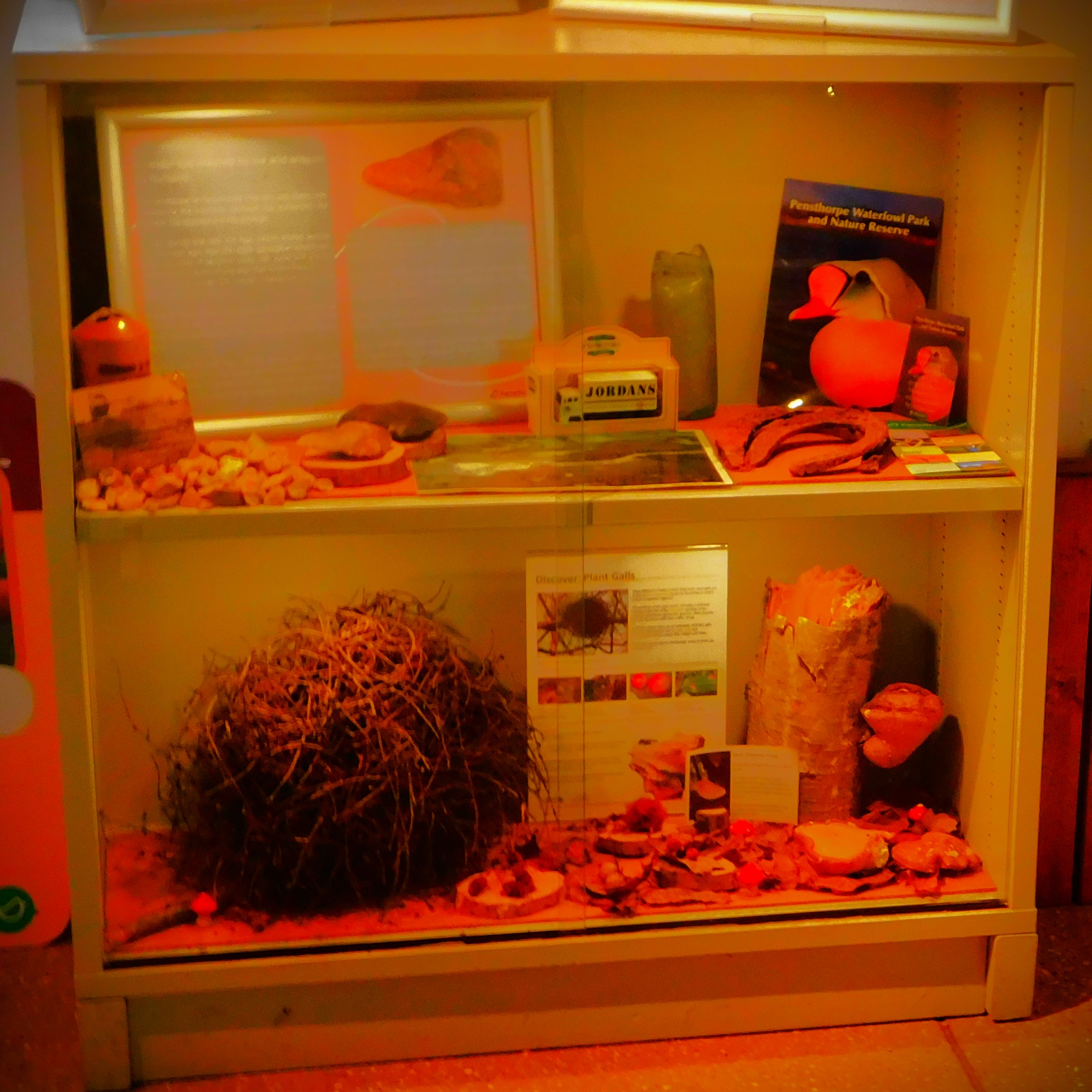
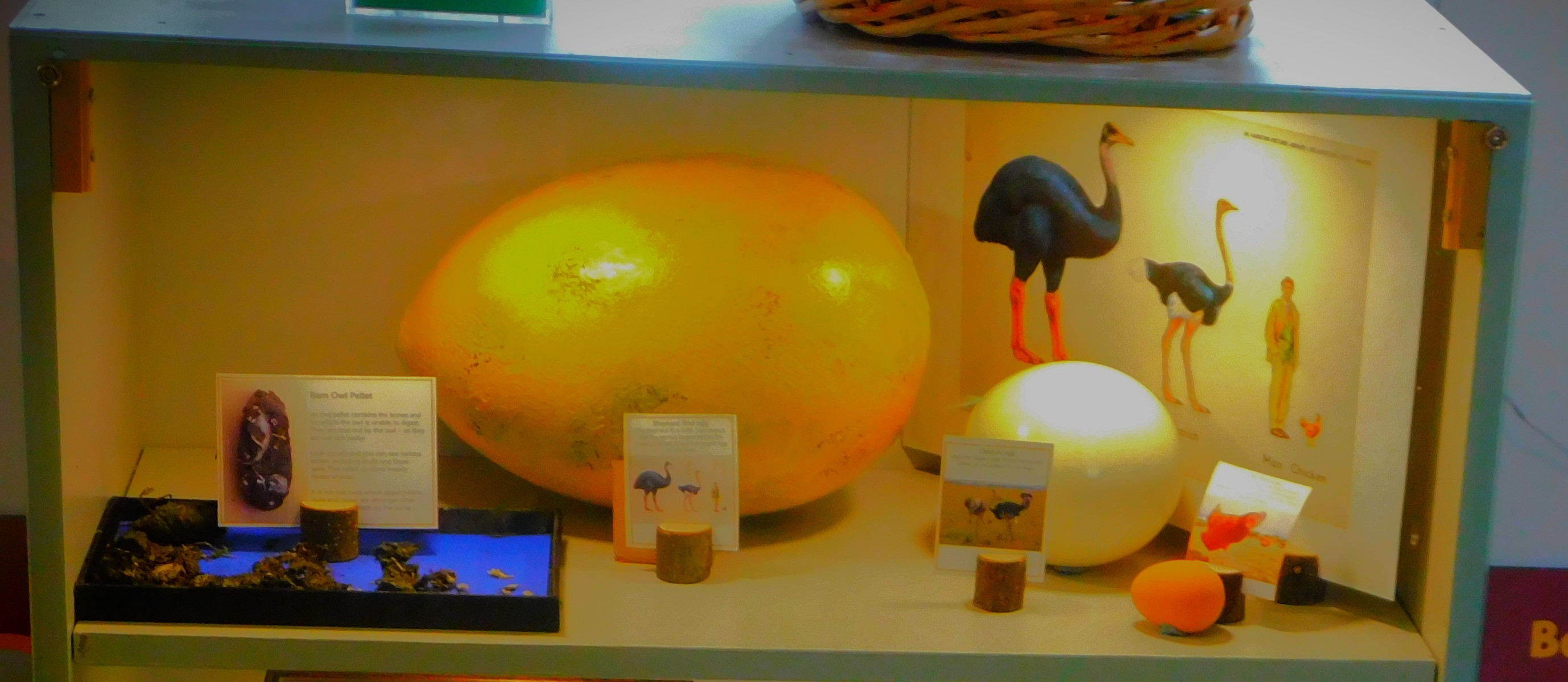
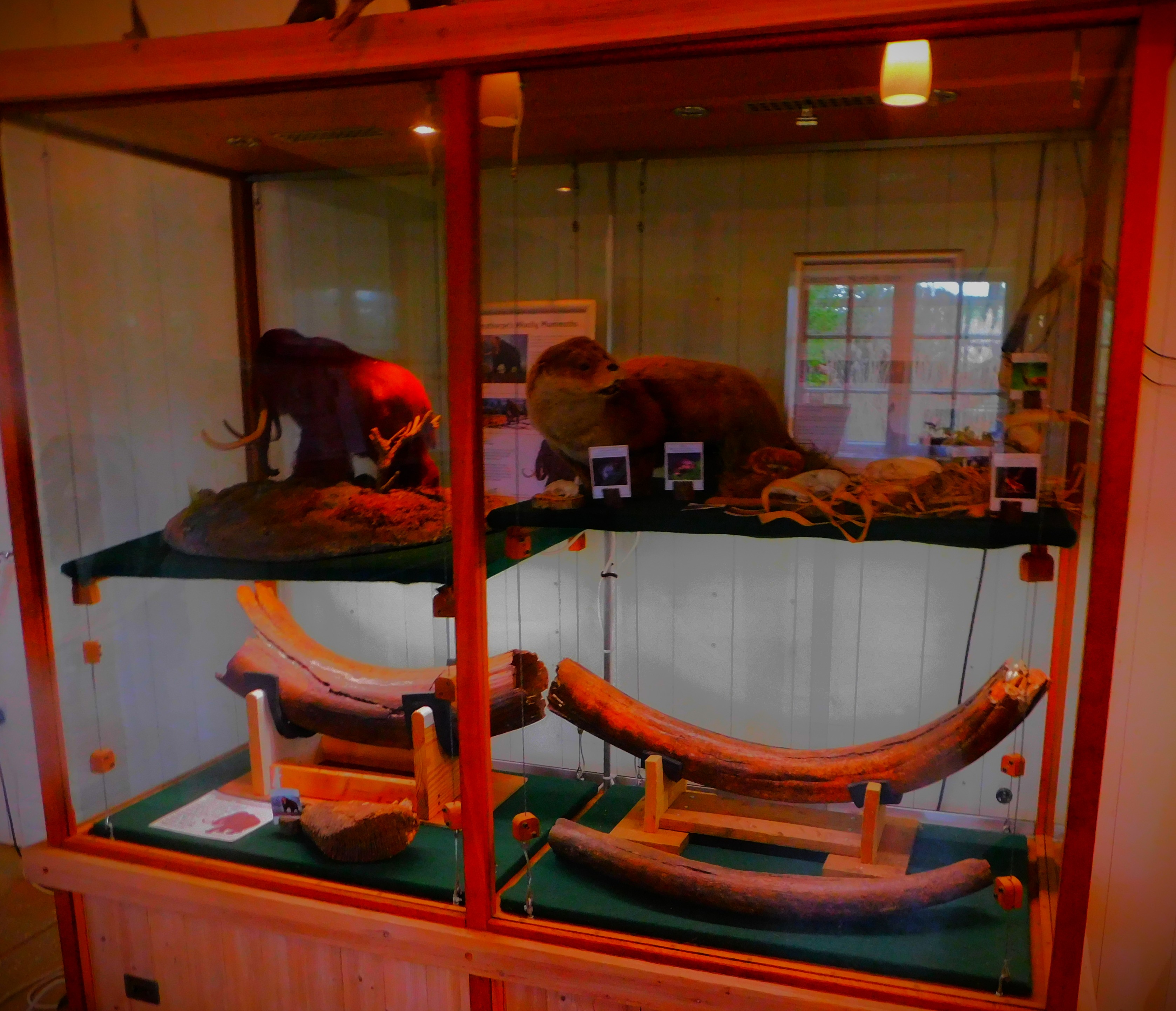
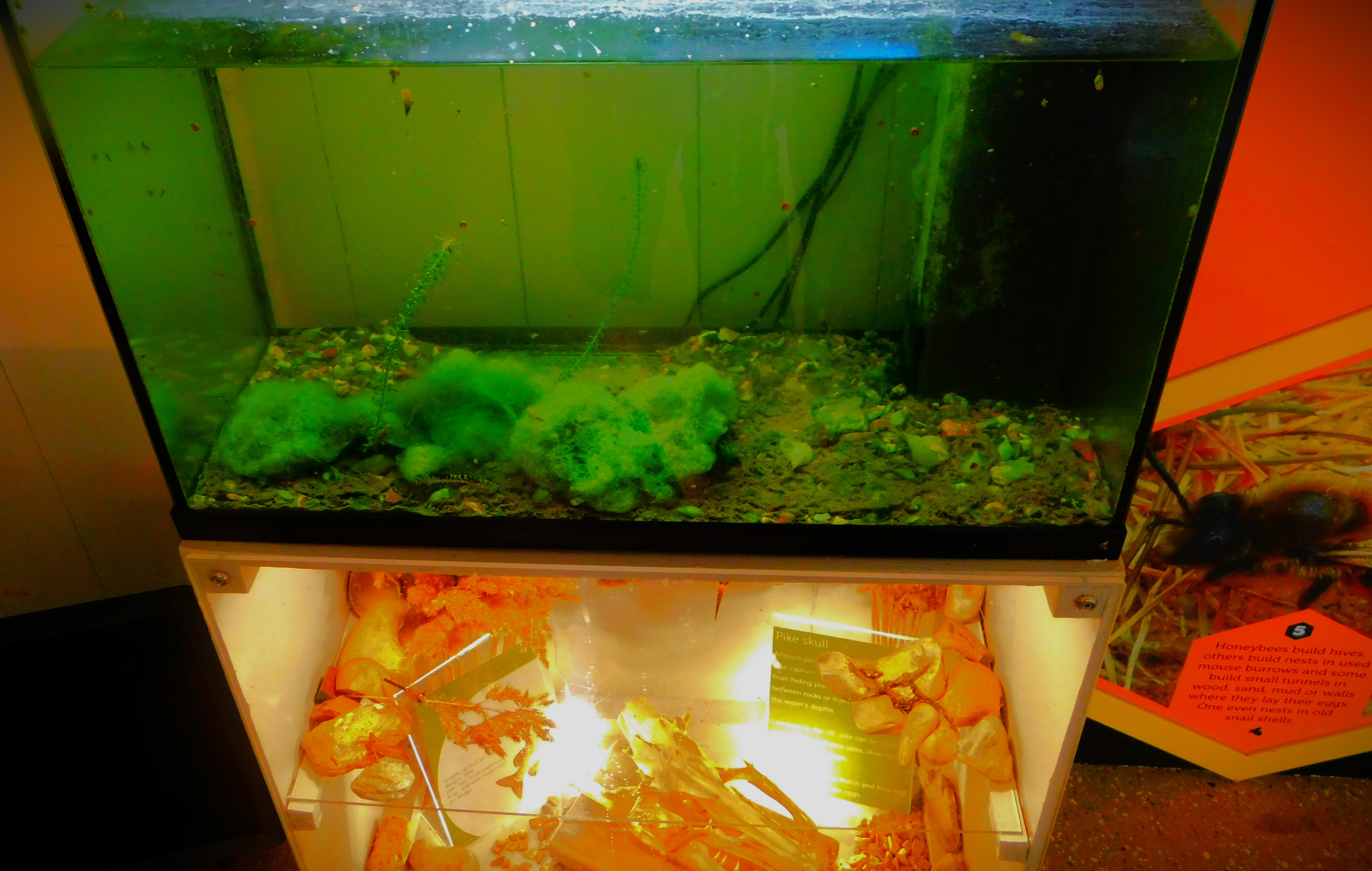
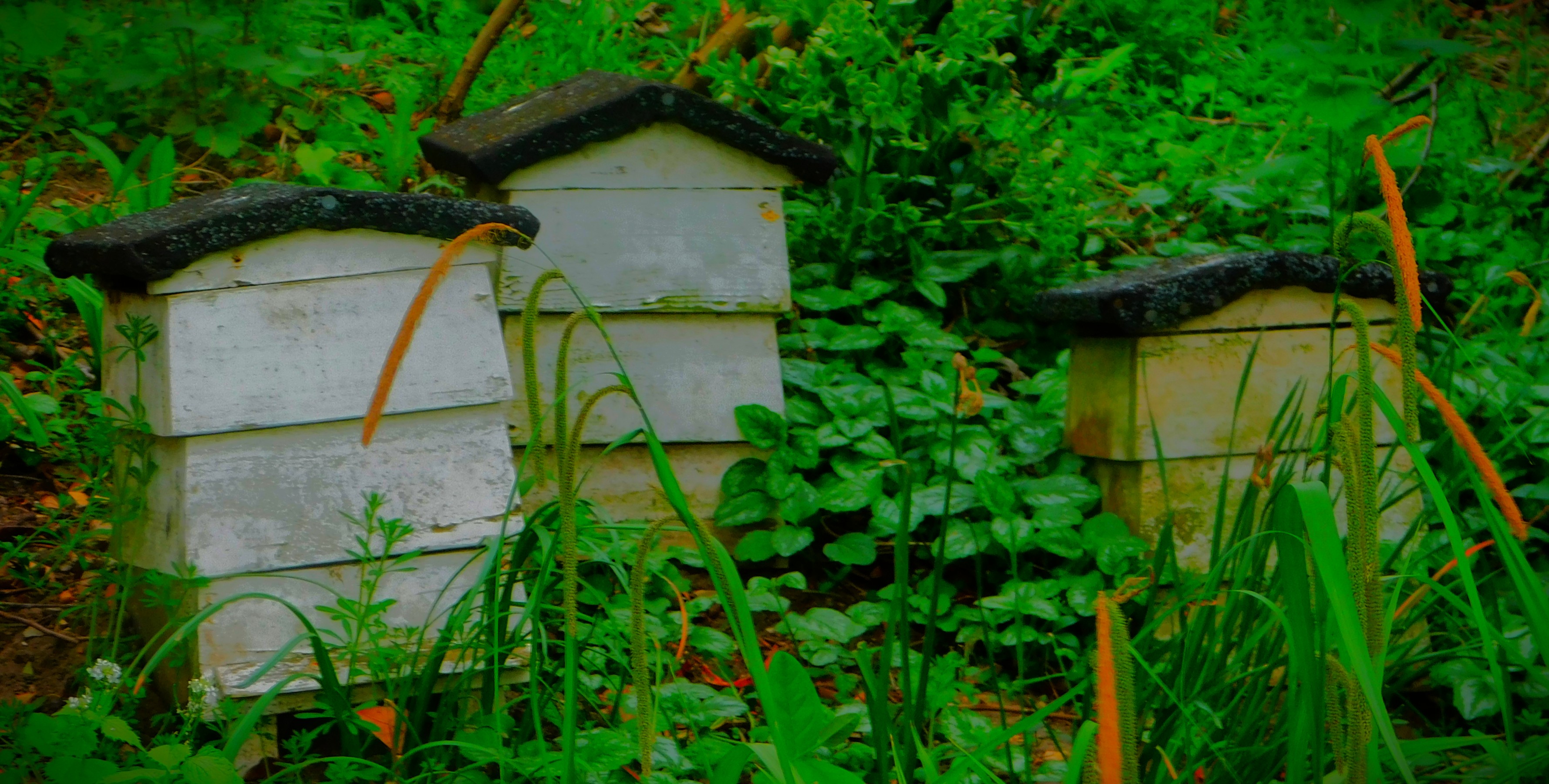
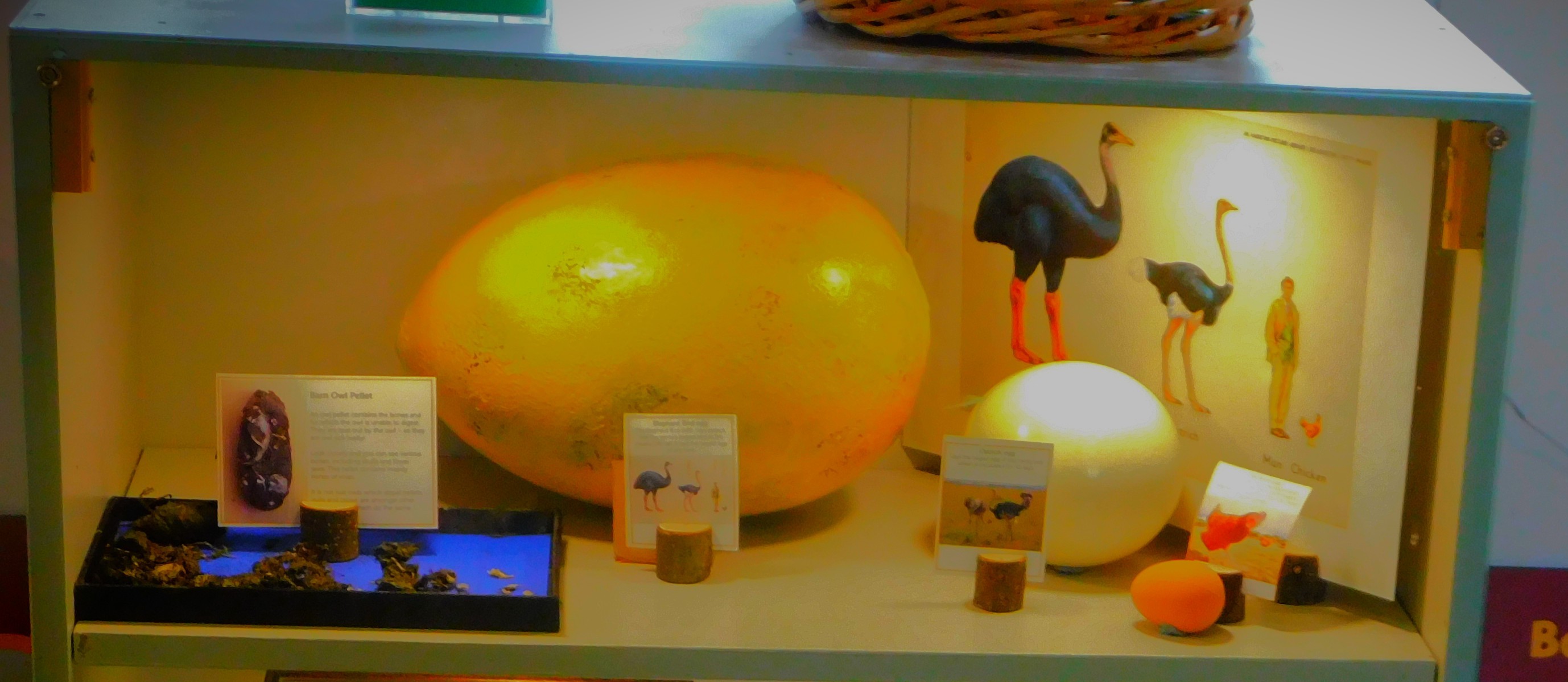
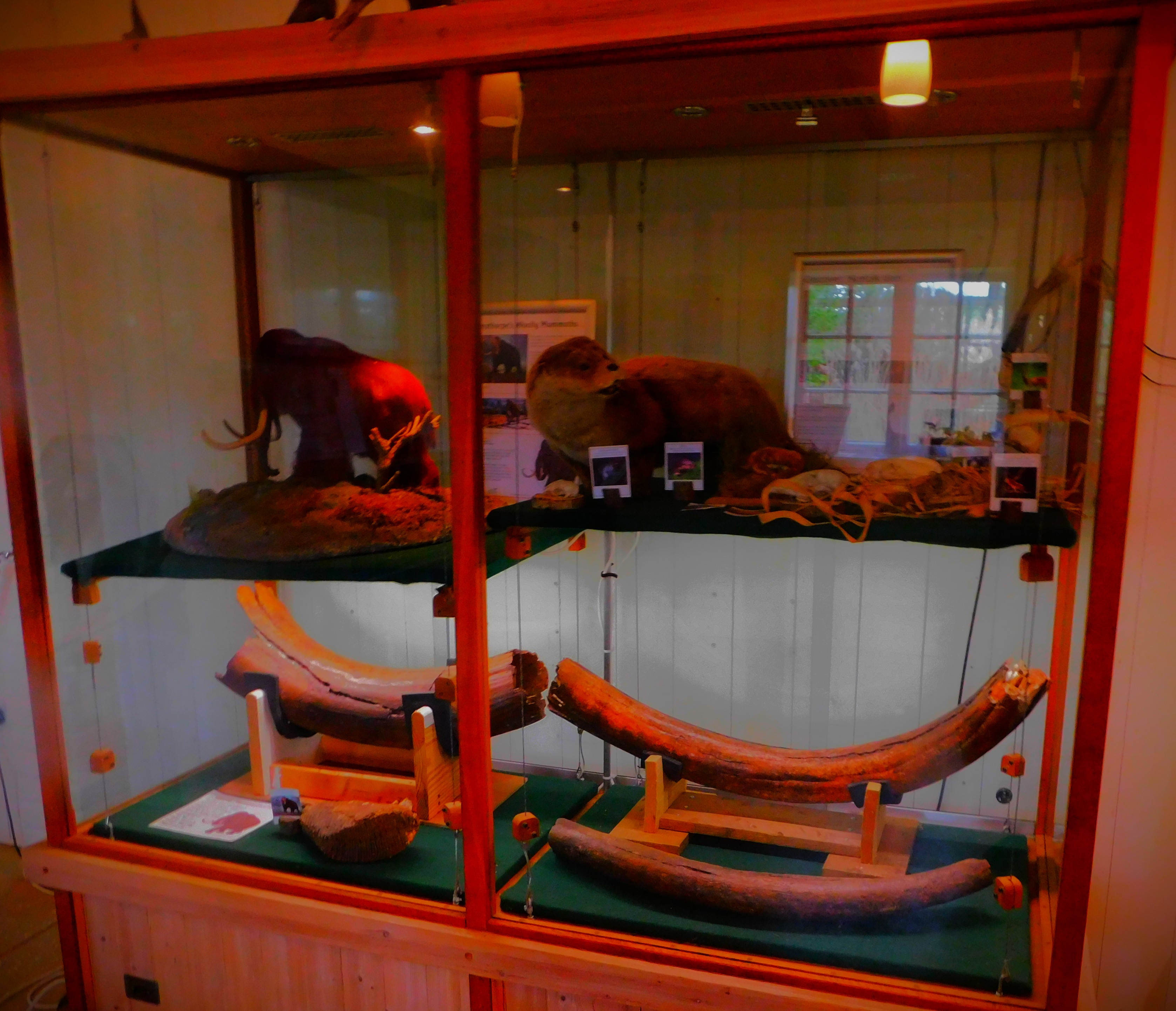
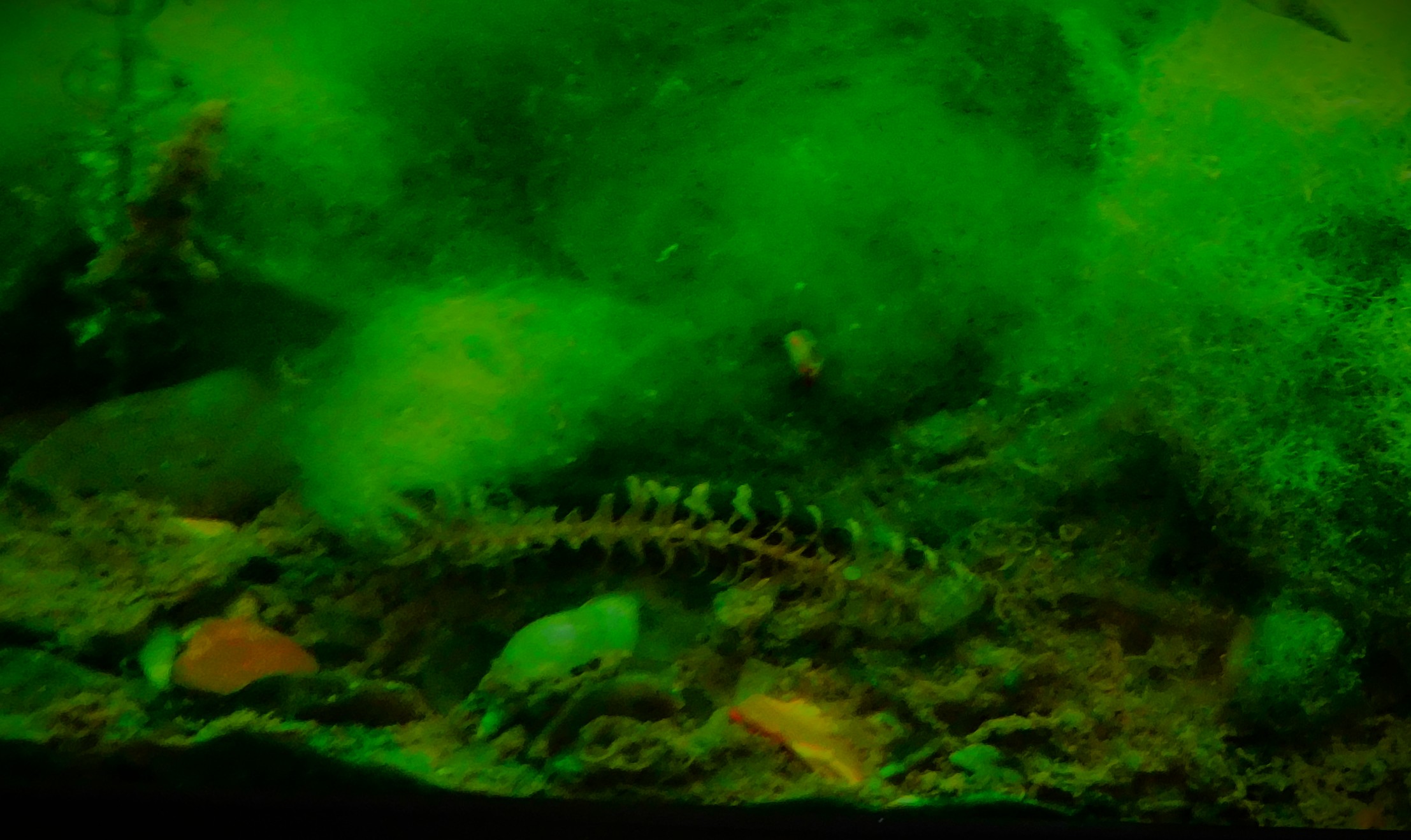
The Discovery Centre at Pensthorpe is a small museum featuring exhibits about the natural history and evolution of birds, stuff about bees, stuff about the area through the ages, and a couple of mini-habitats – a fish tank and specially created habitat tank for harvest mice (as well as being tiny – an adult harvest mouse weighs 4-6 grammes – these creatures are exceedingly shy, and they did not show themselves while I was in there). Though I would recommend visiting it at least once when at Pensthorpe there is no need fit such a visit into any kind of plan for exploring the site – it is located close to the main entrance and can be fitted in any time you fancy.
OUT AND ABOUT AT PENSTHORPE
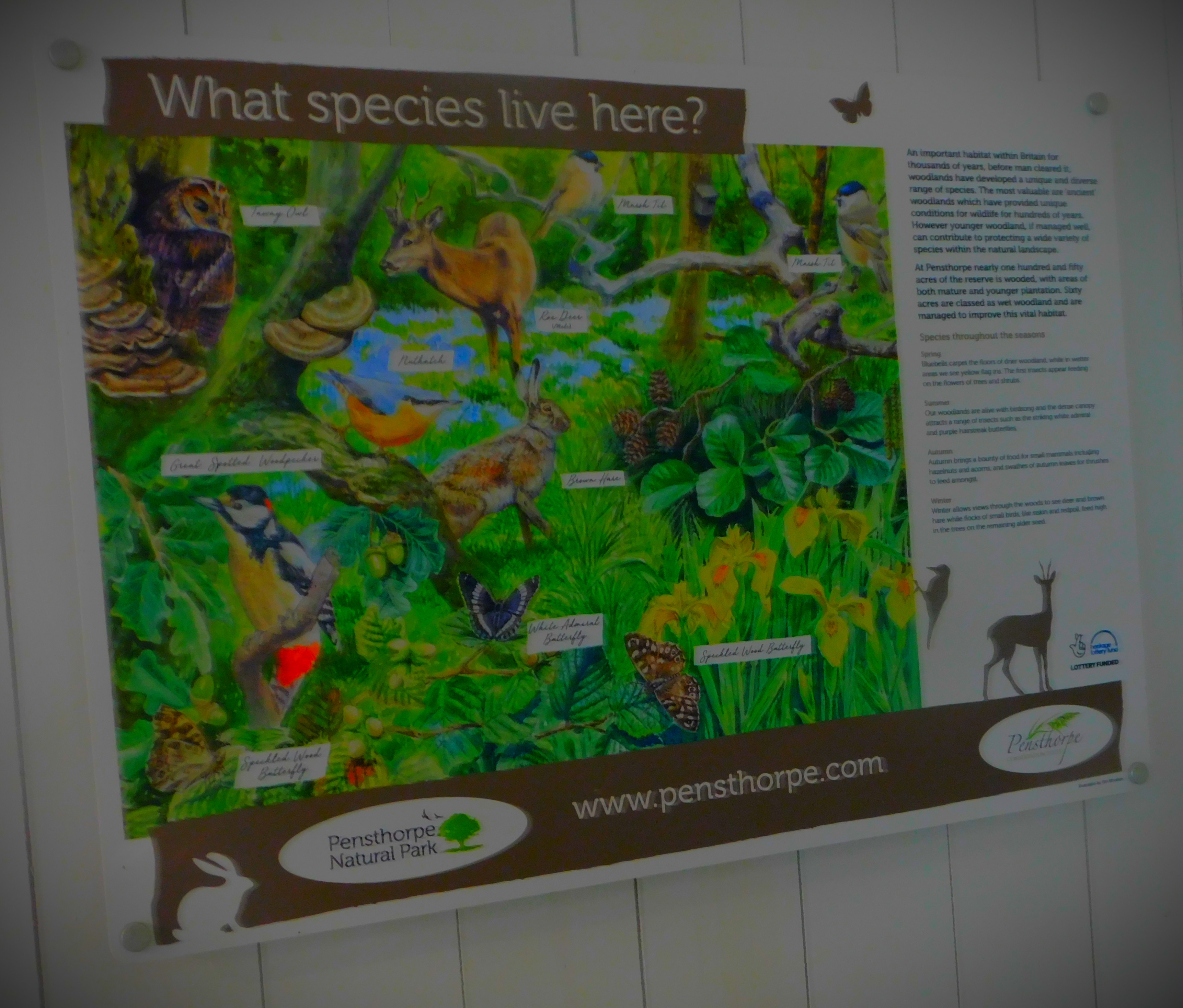
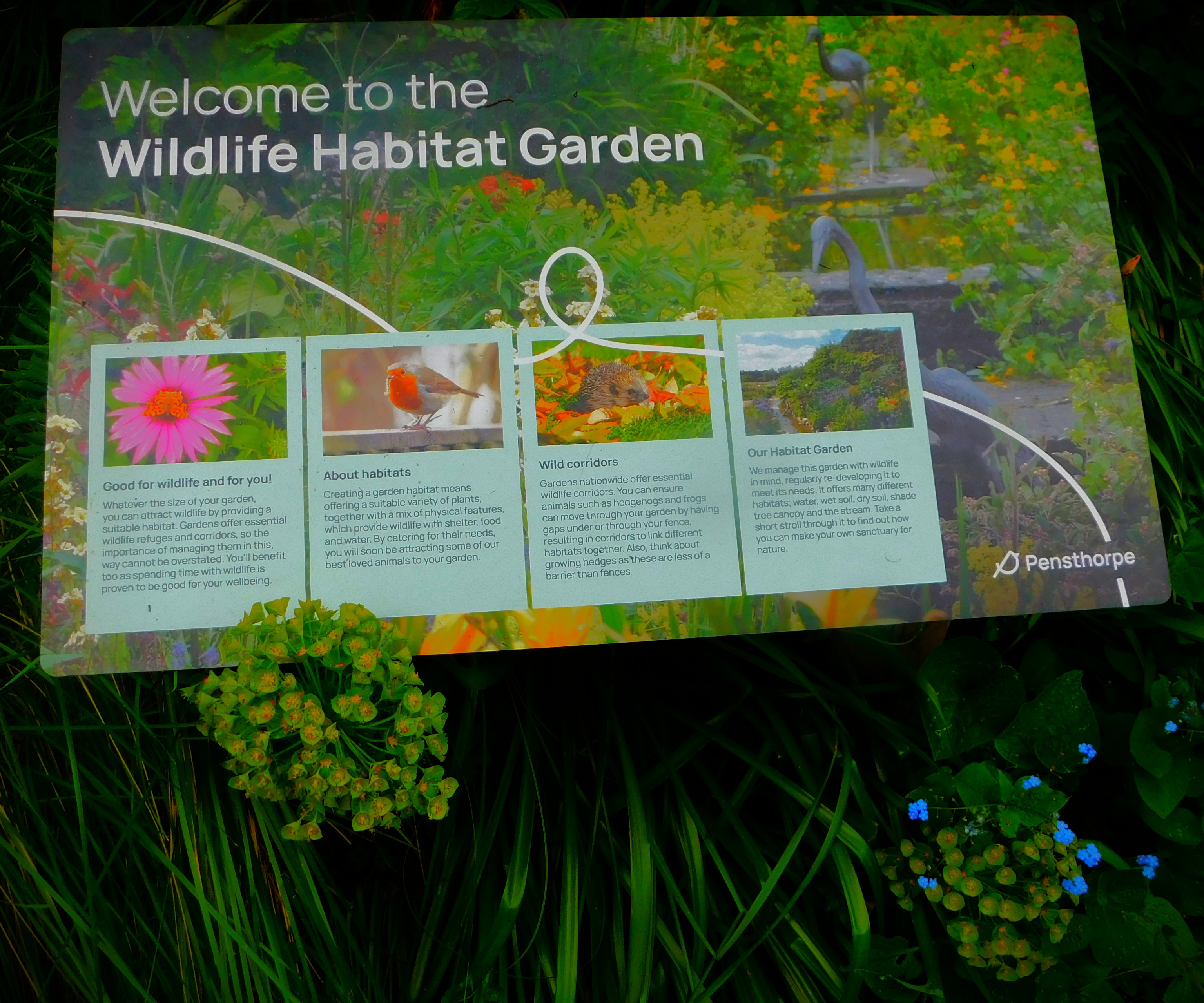
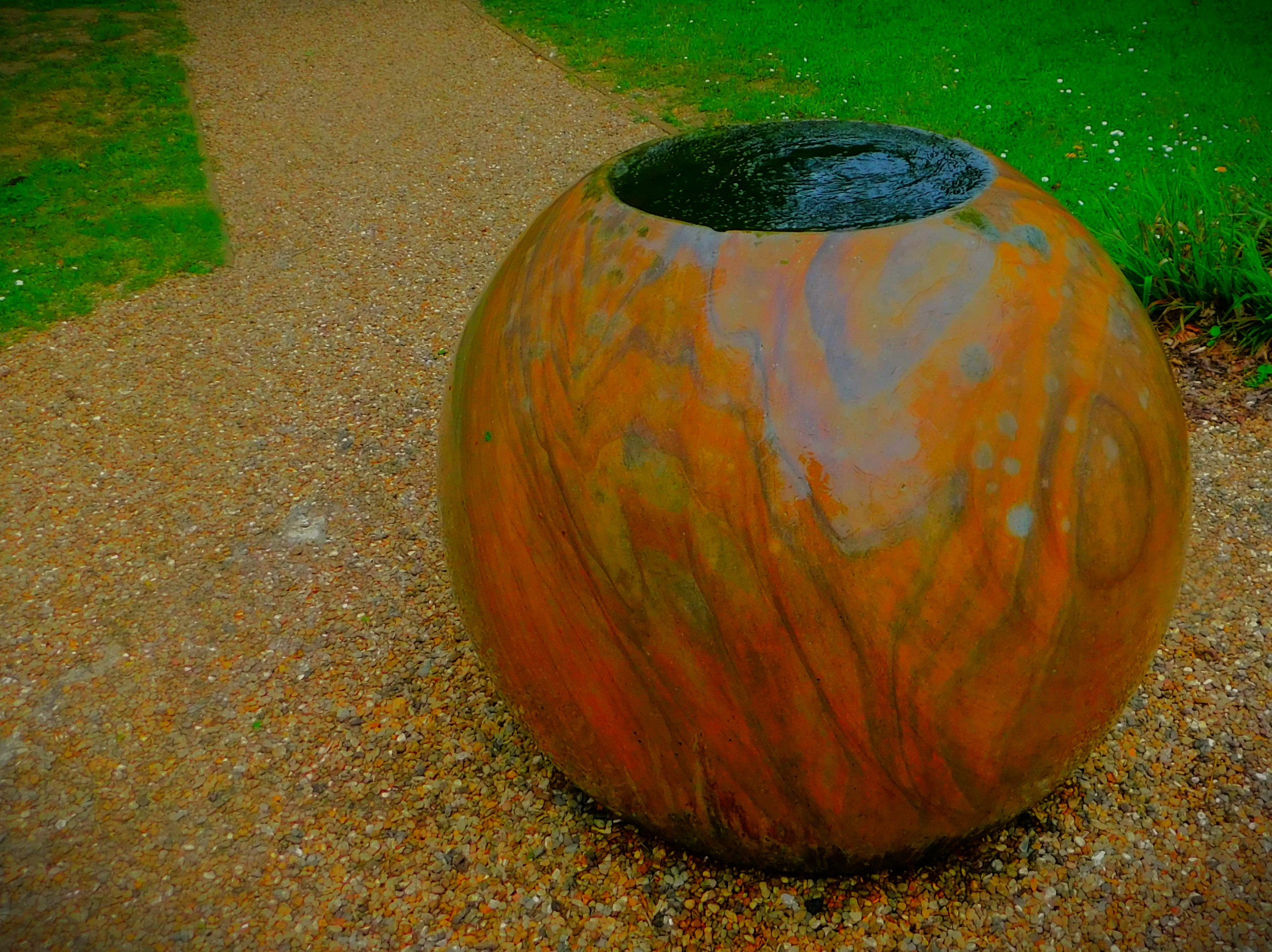
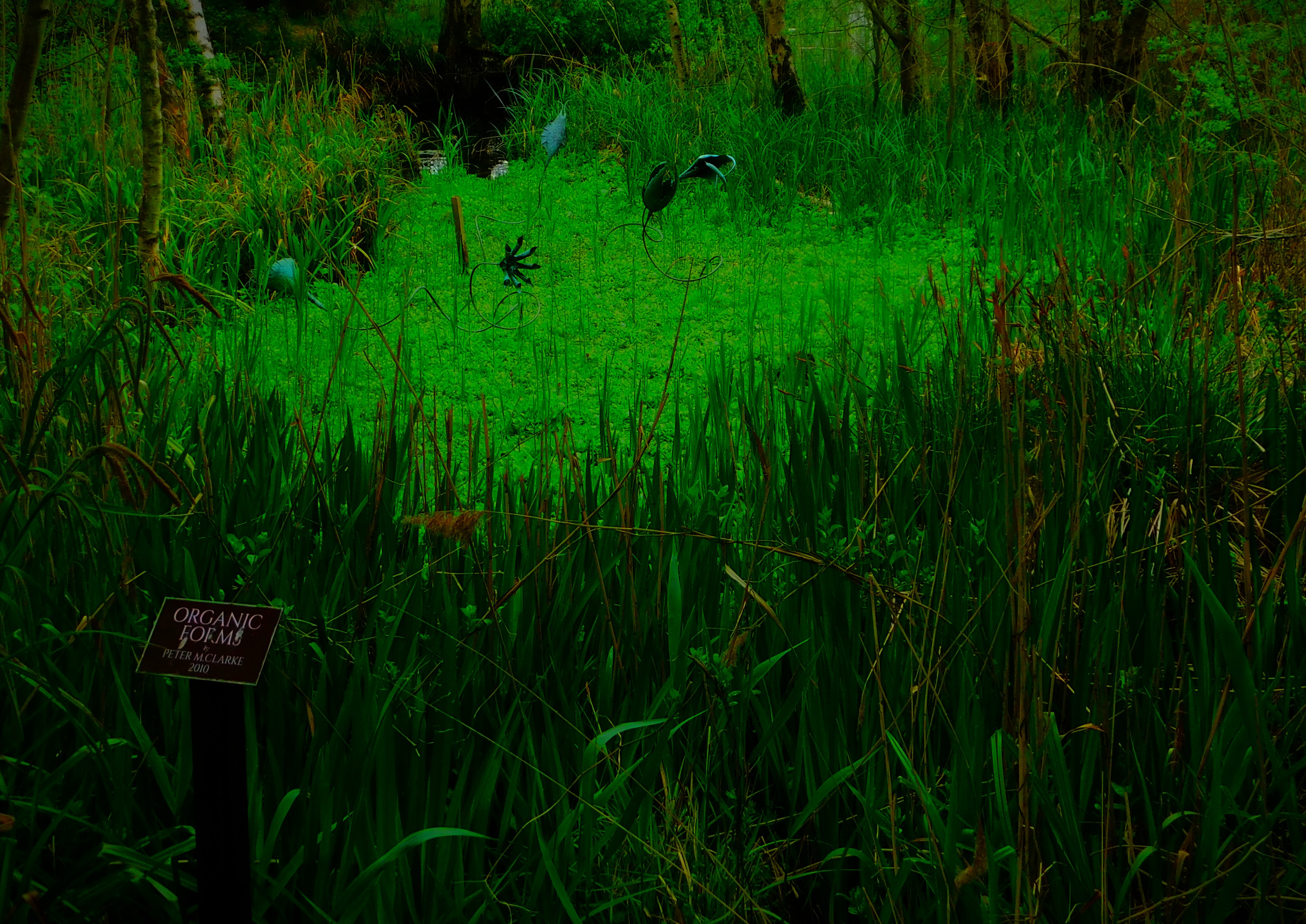
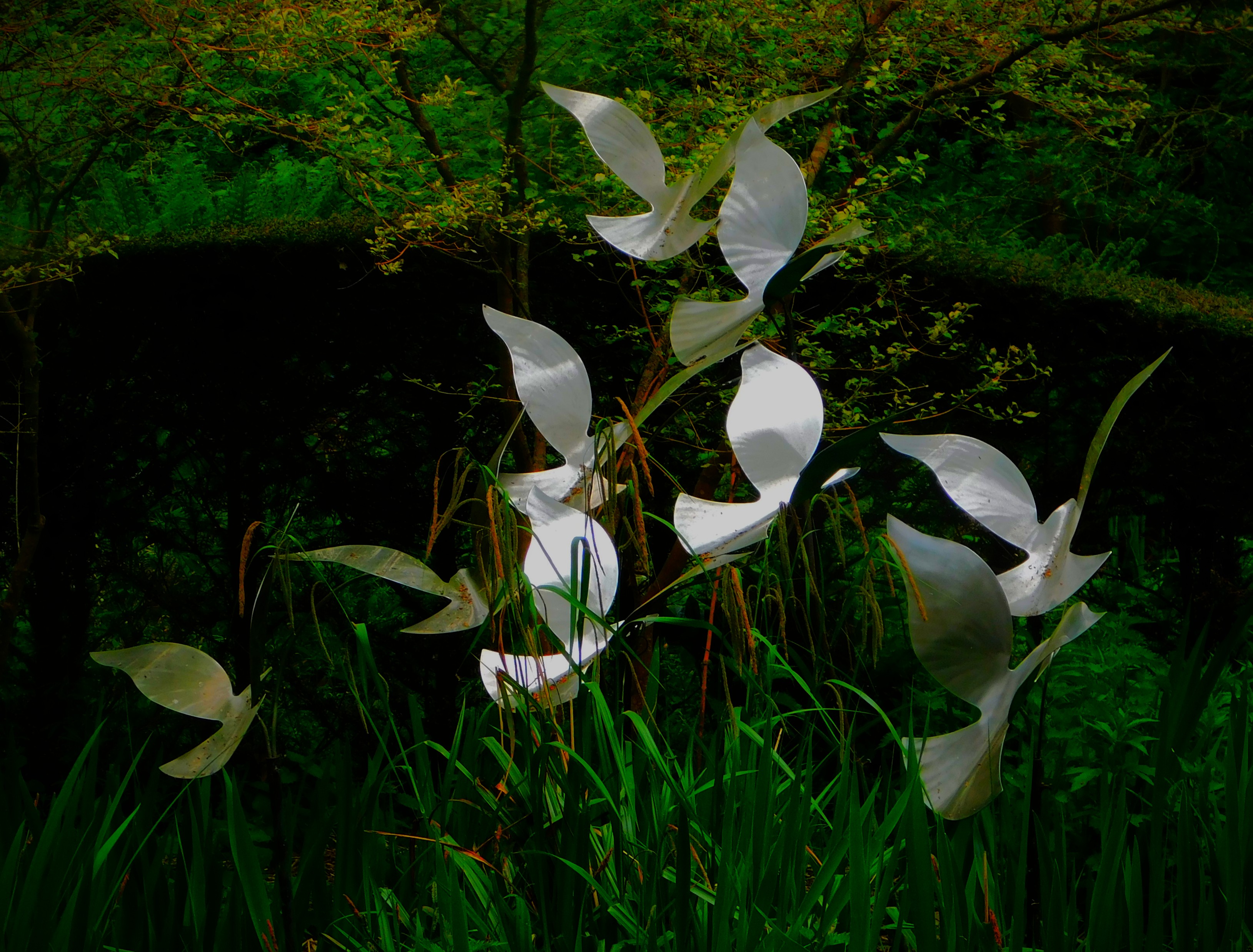
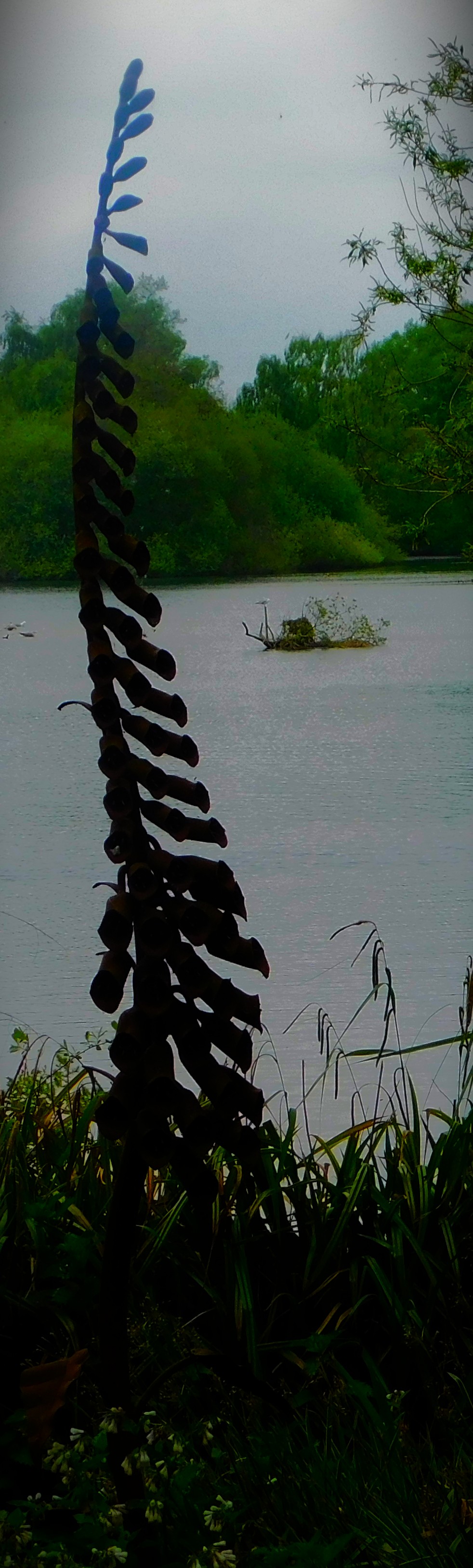
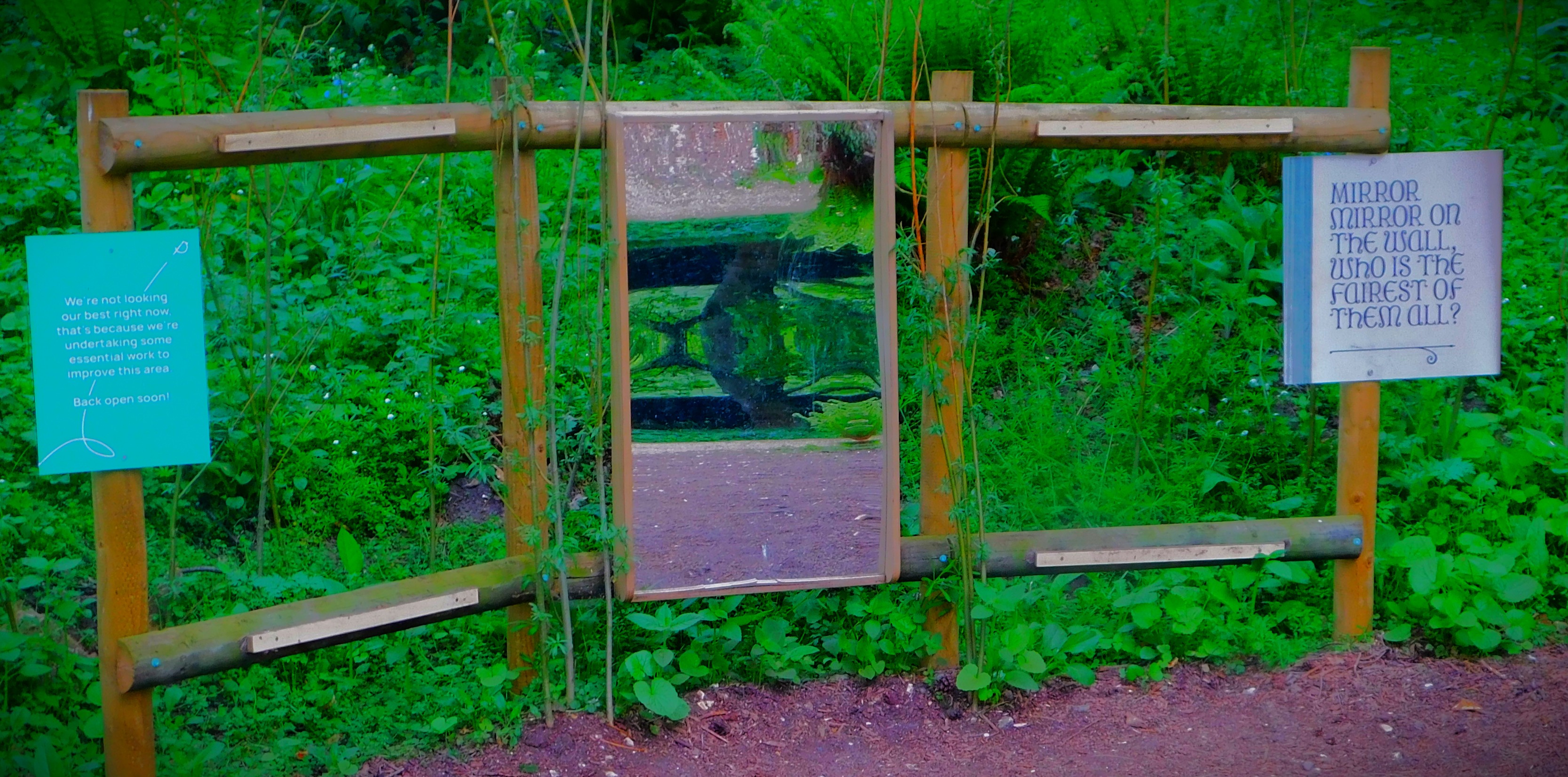
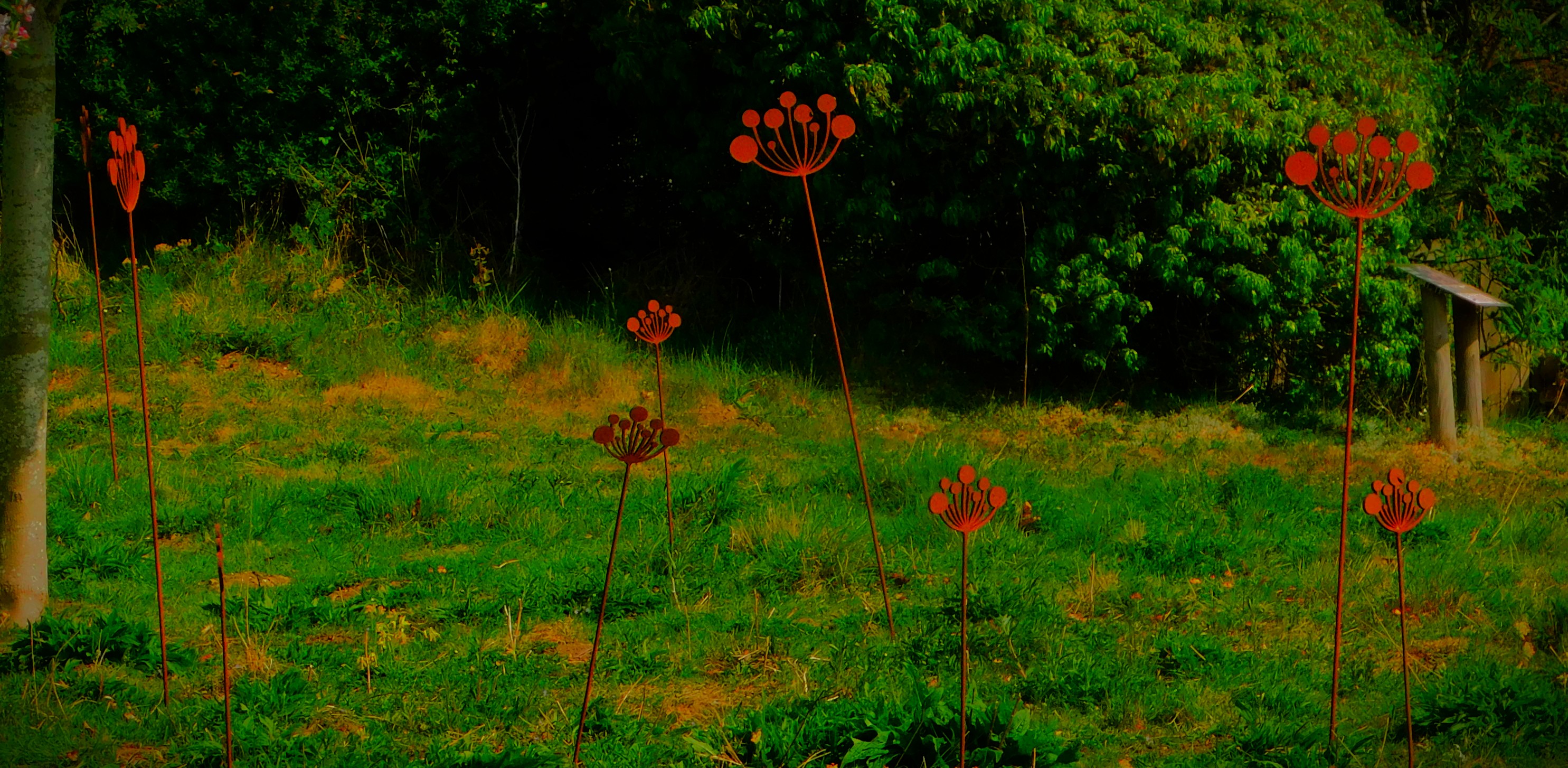
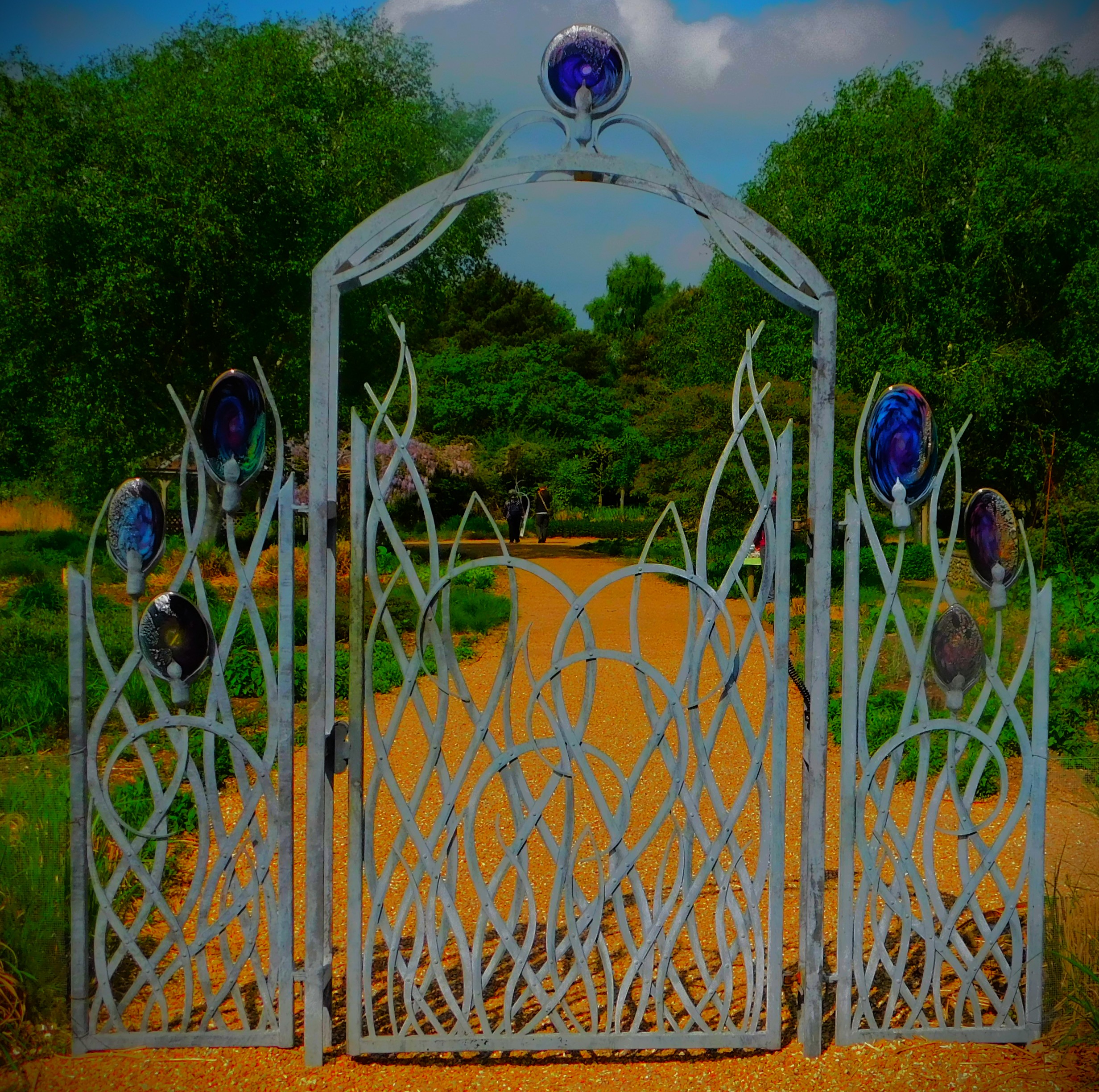
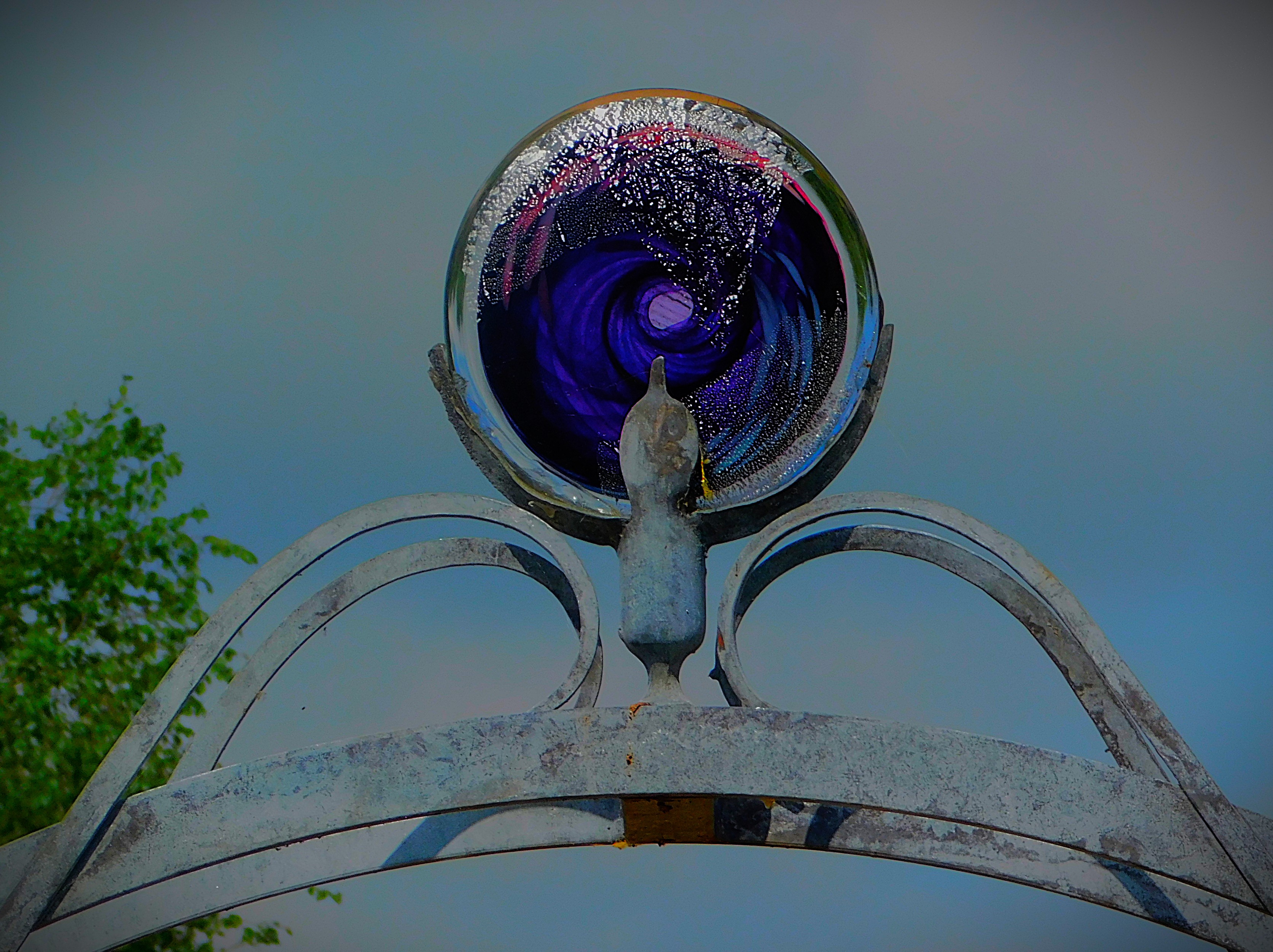
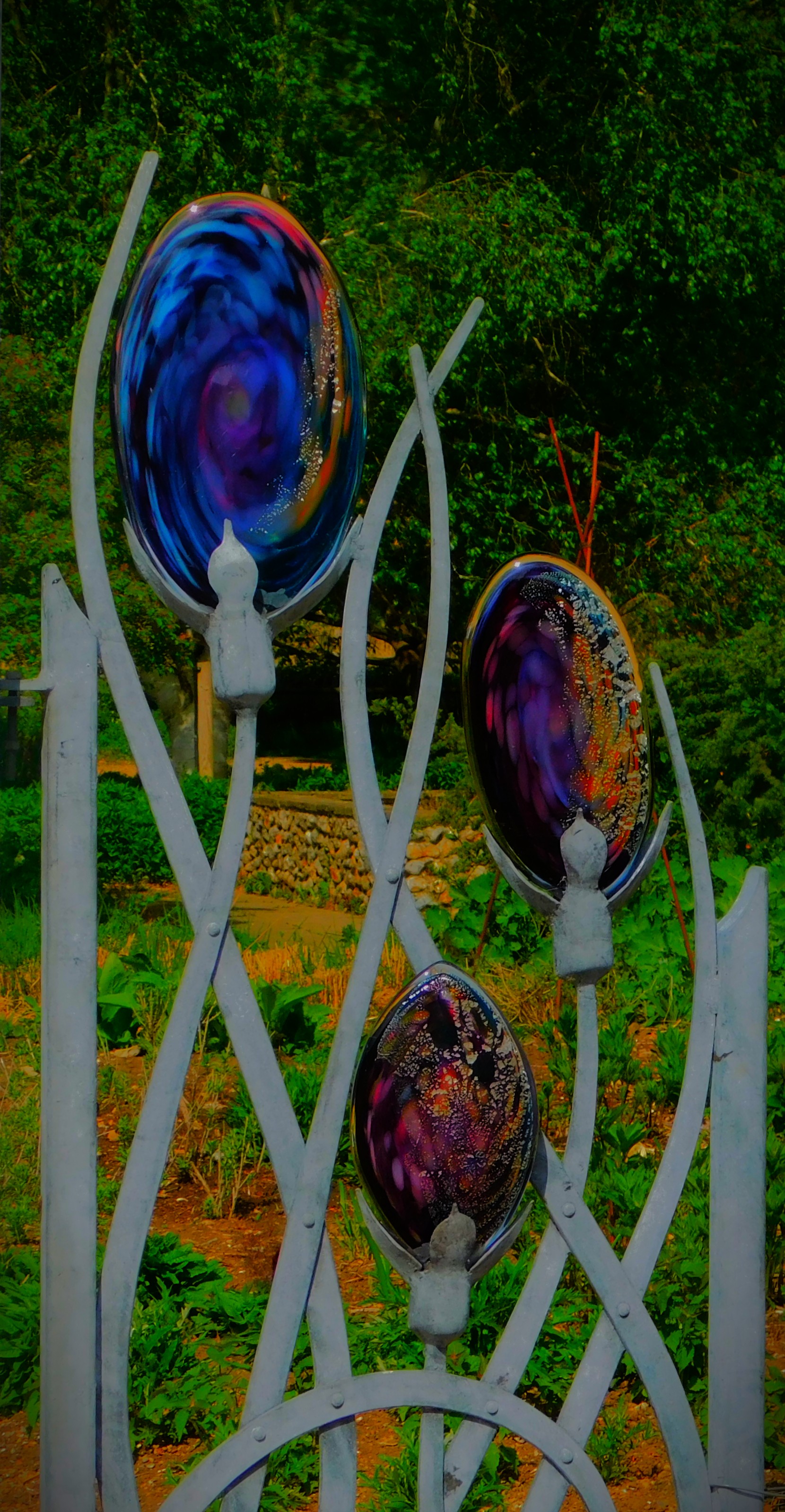
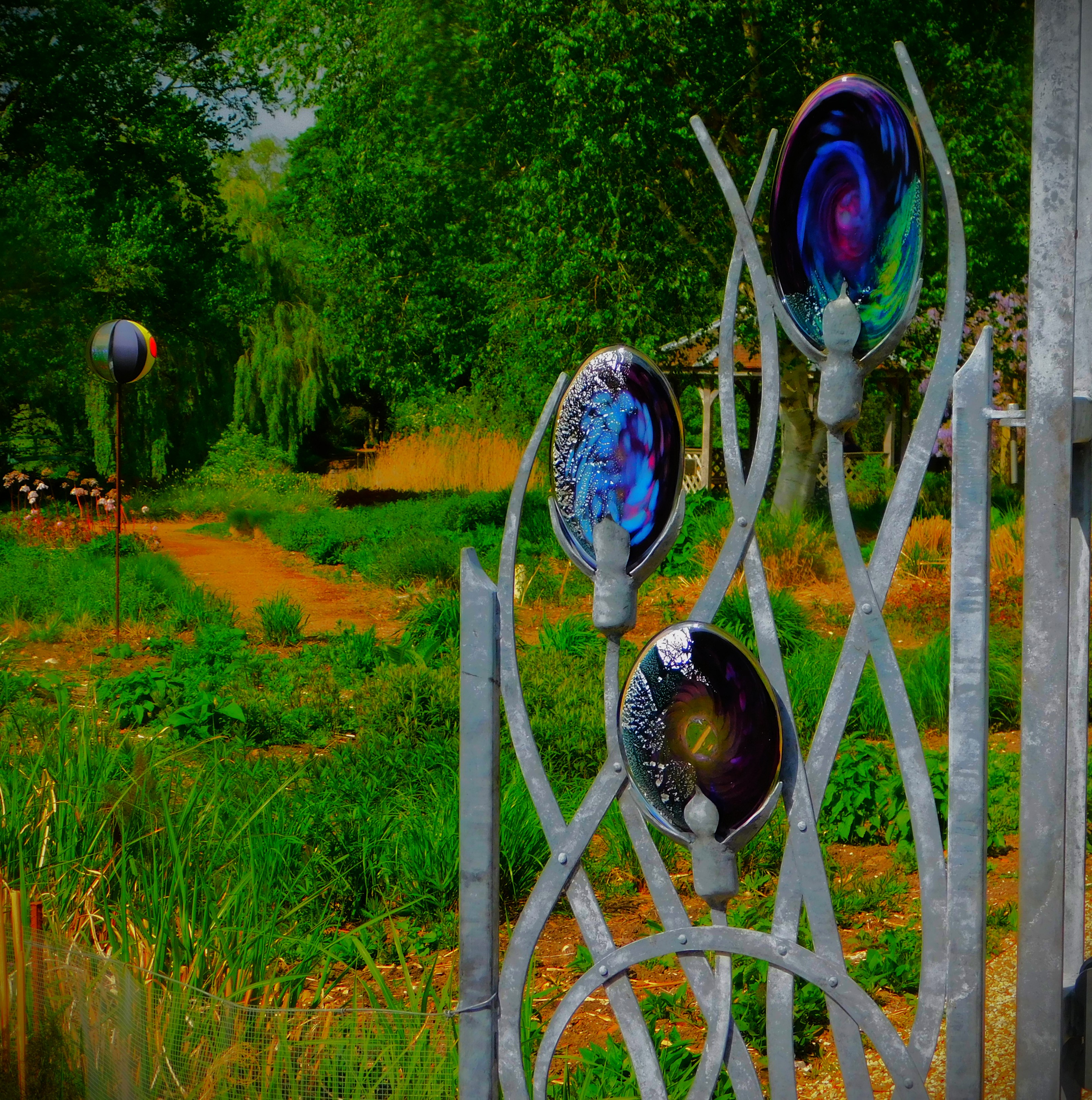
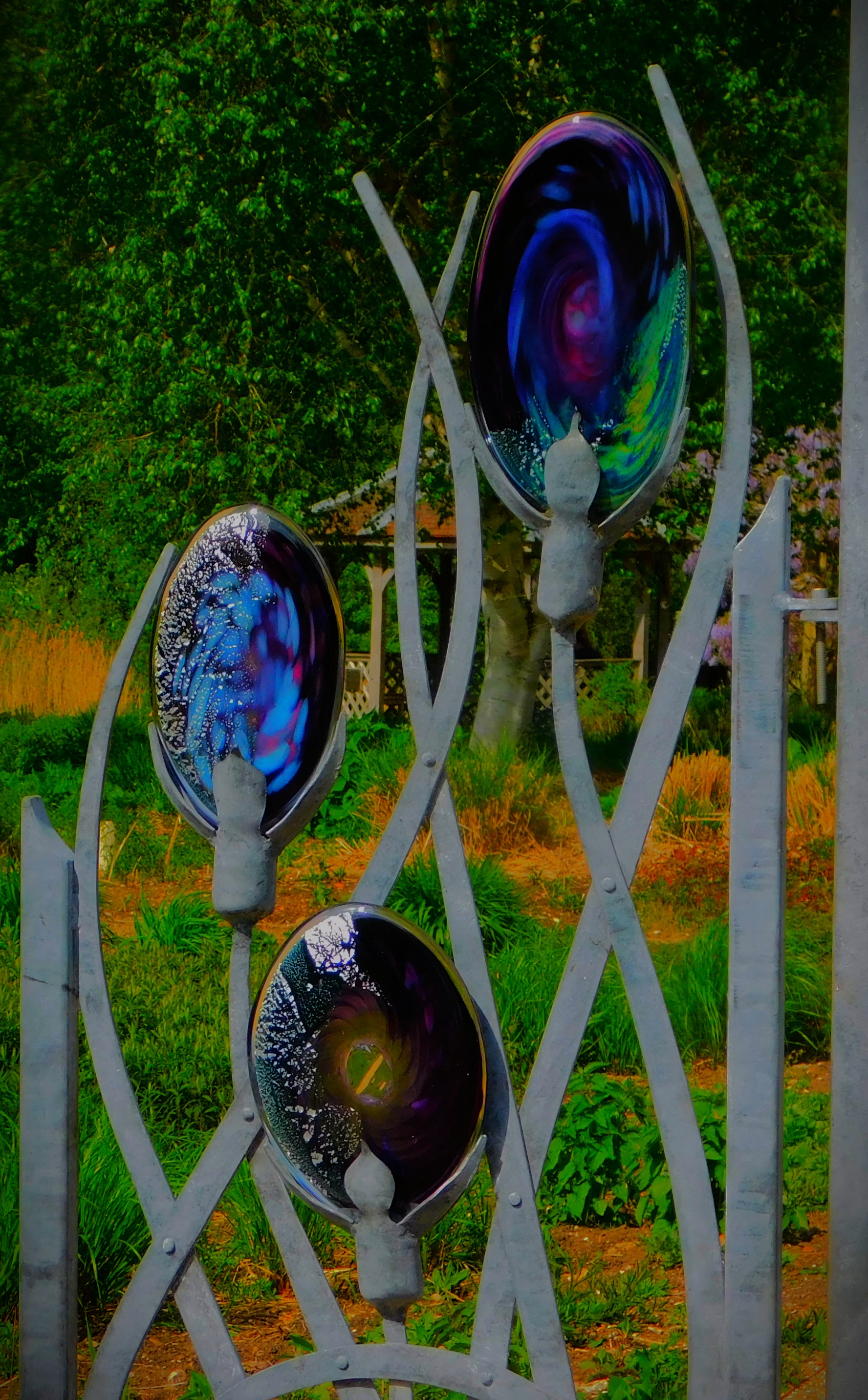
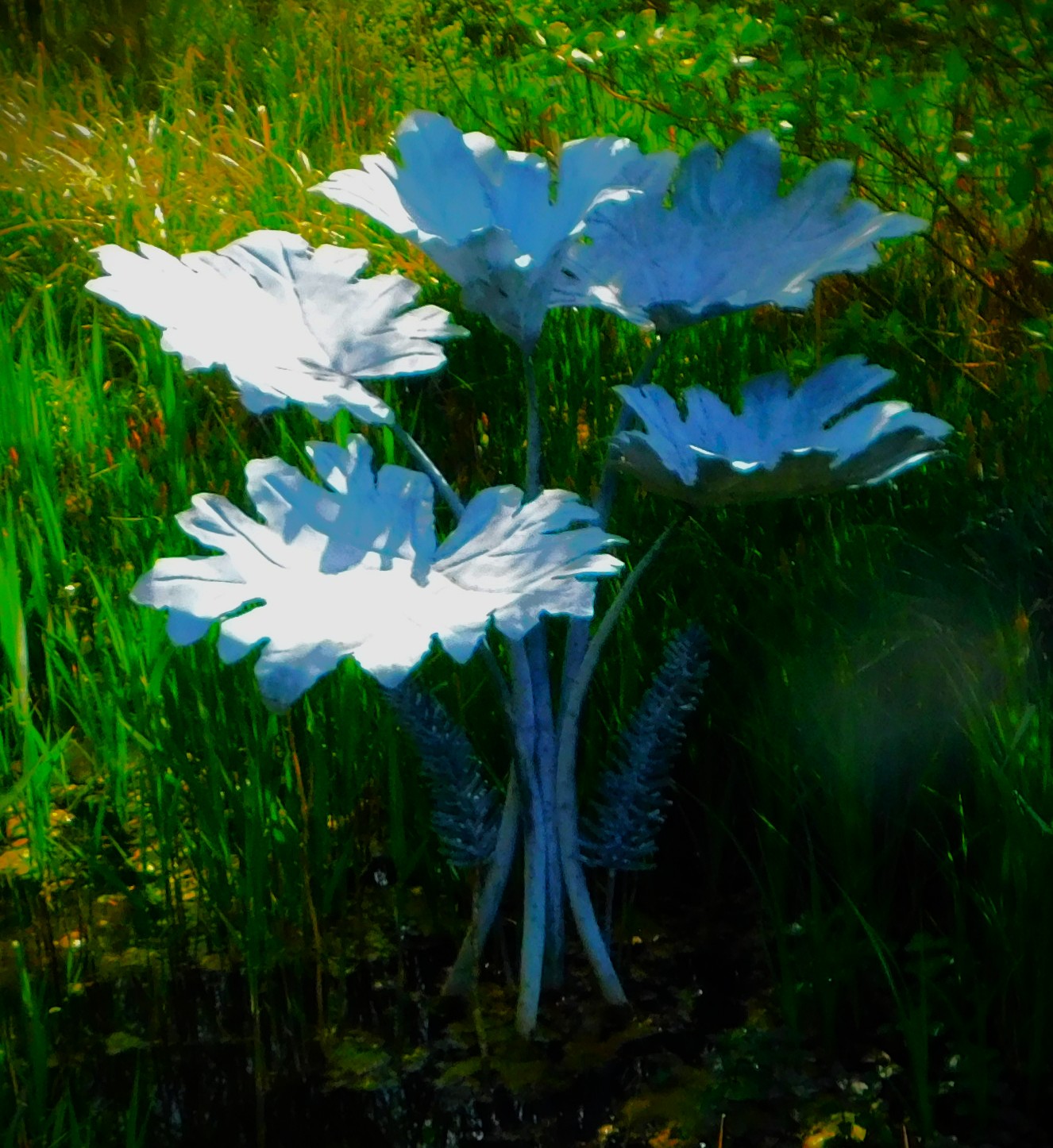
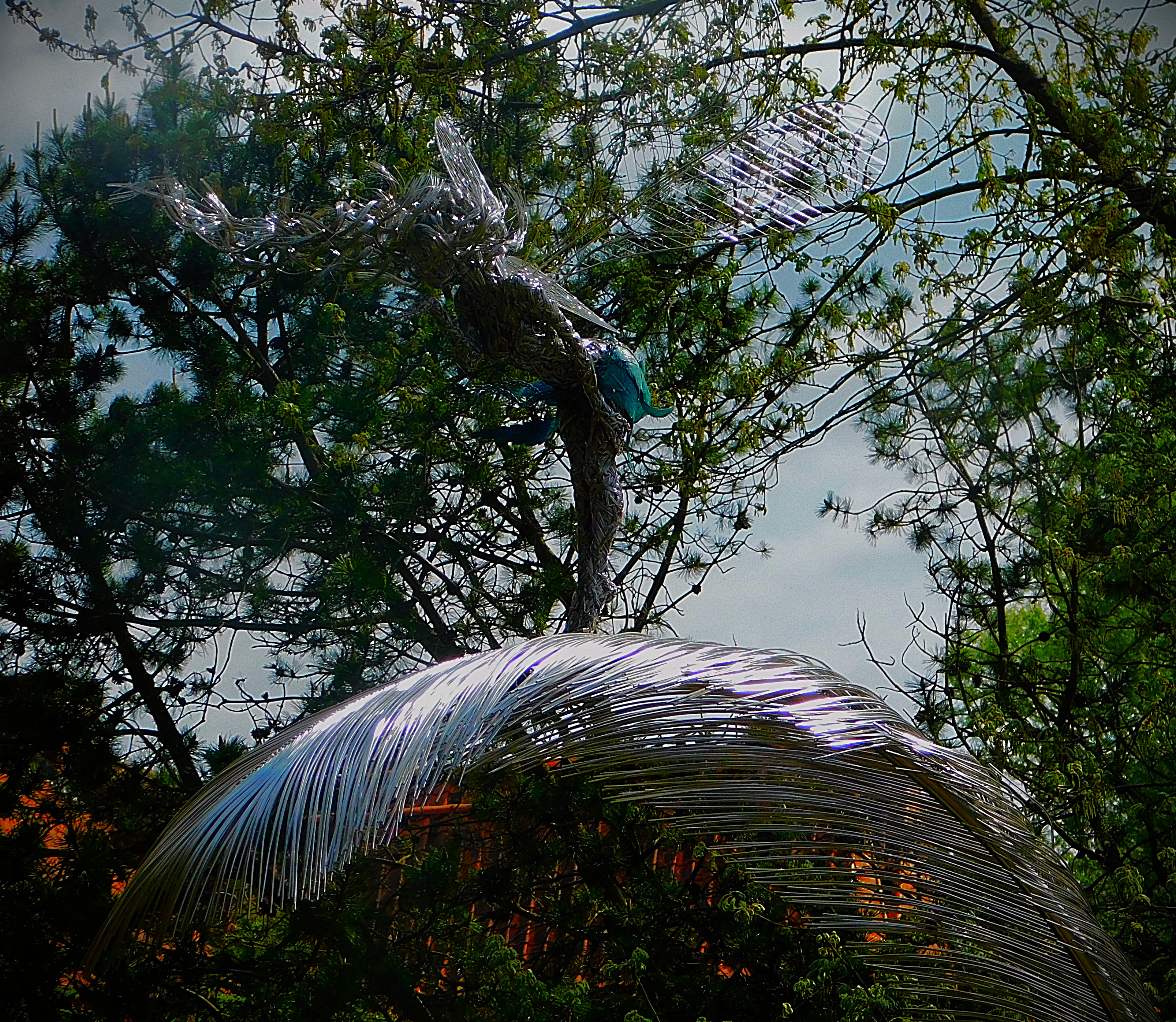
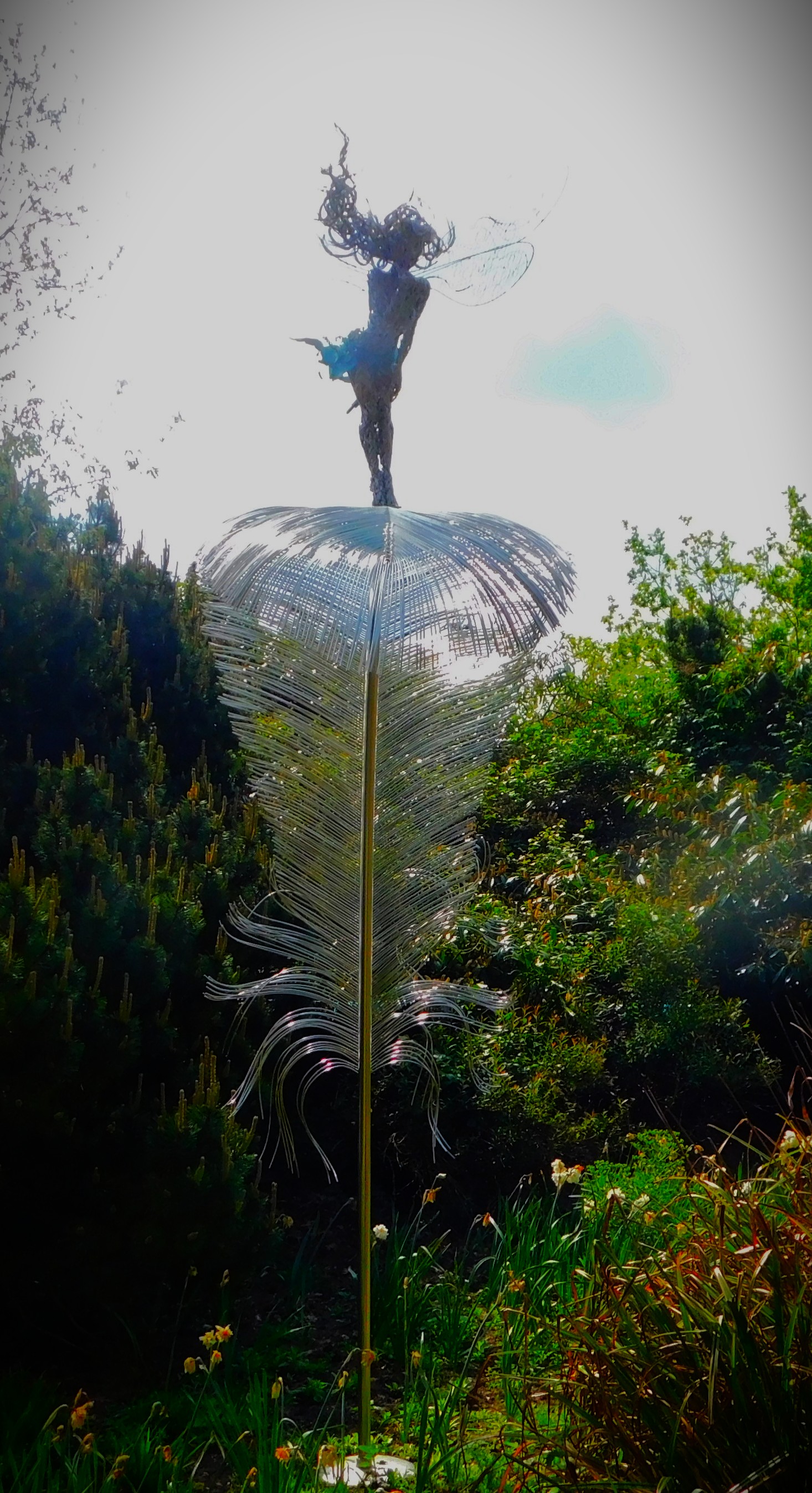
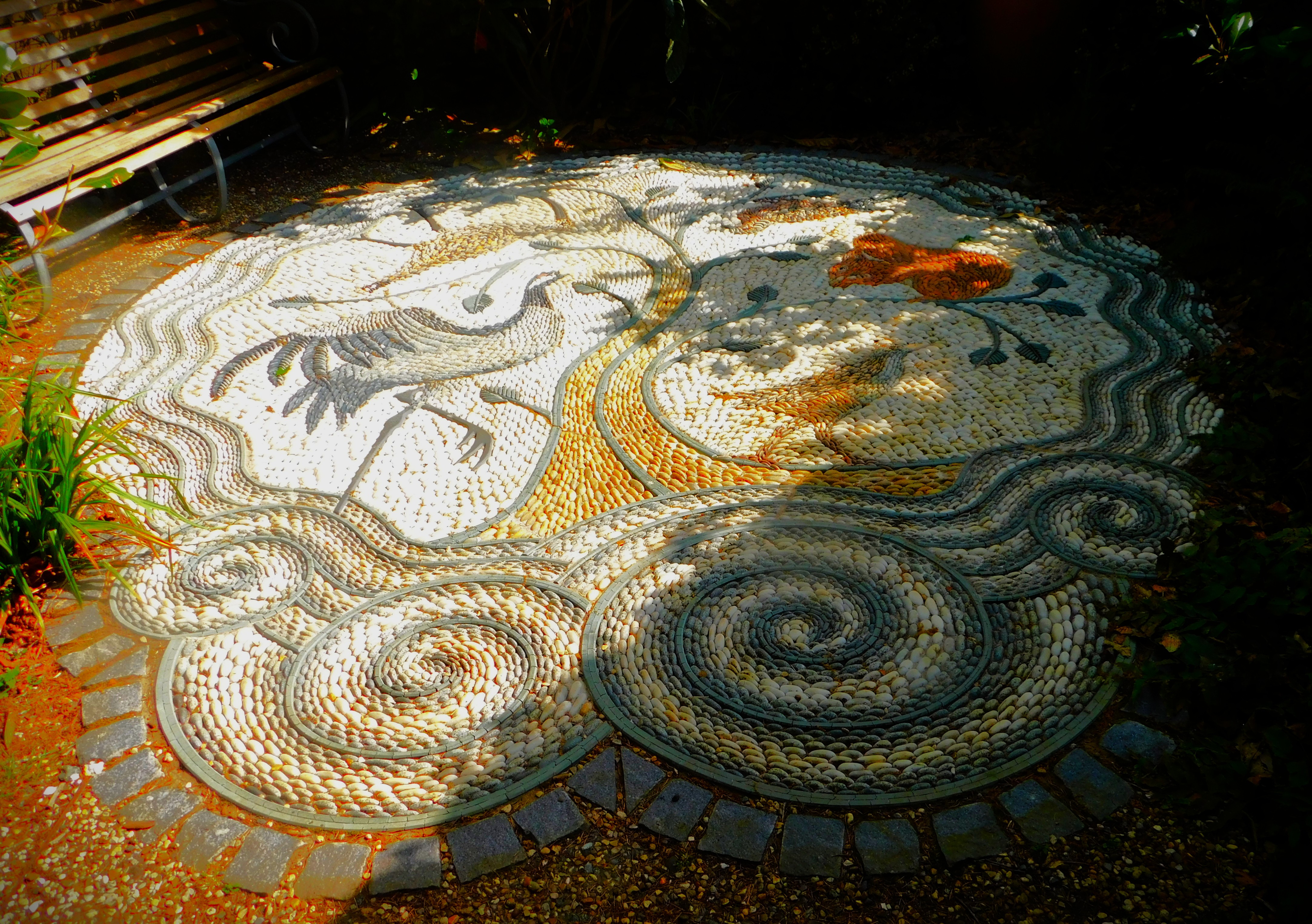
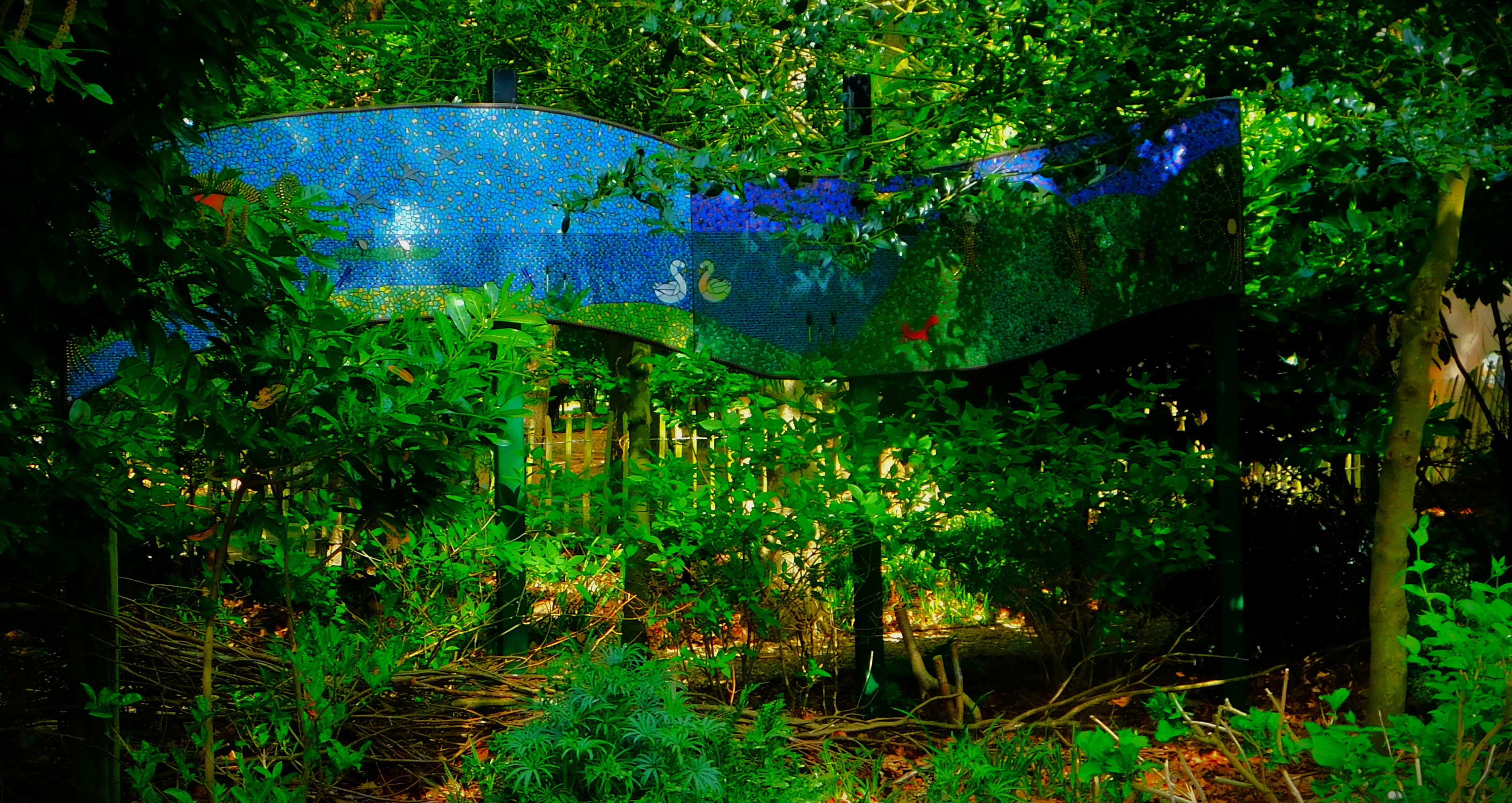
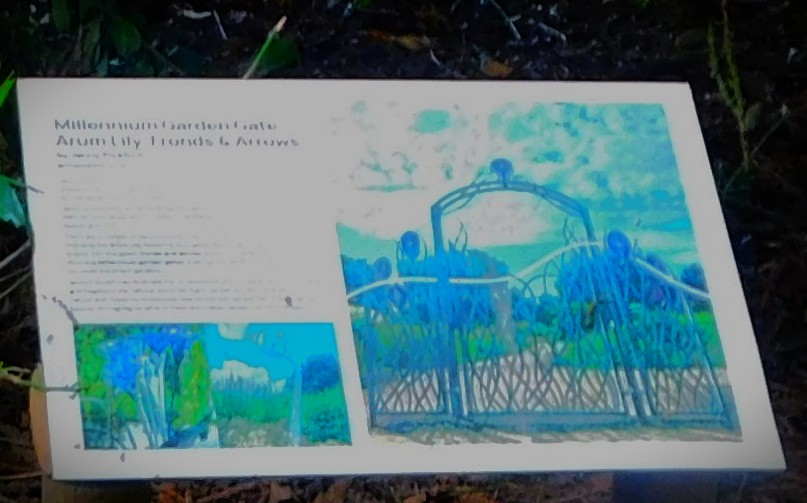
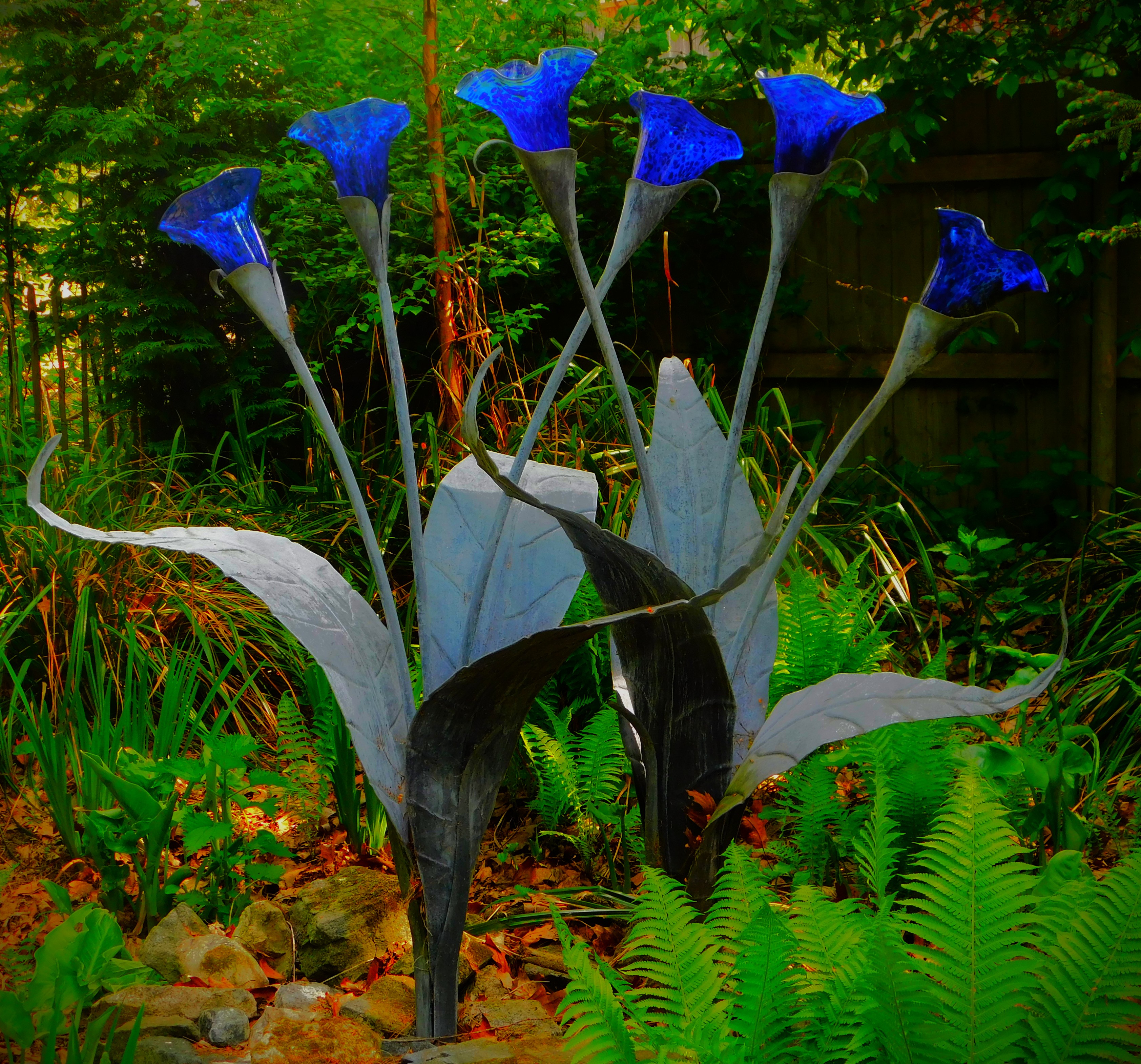
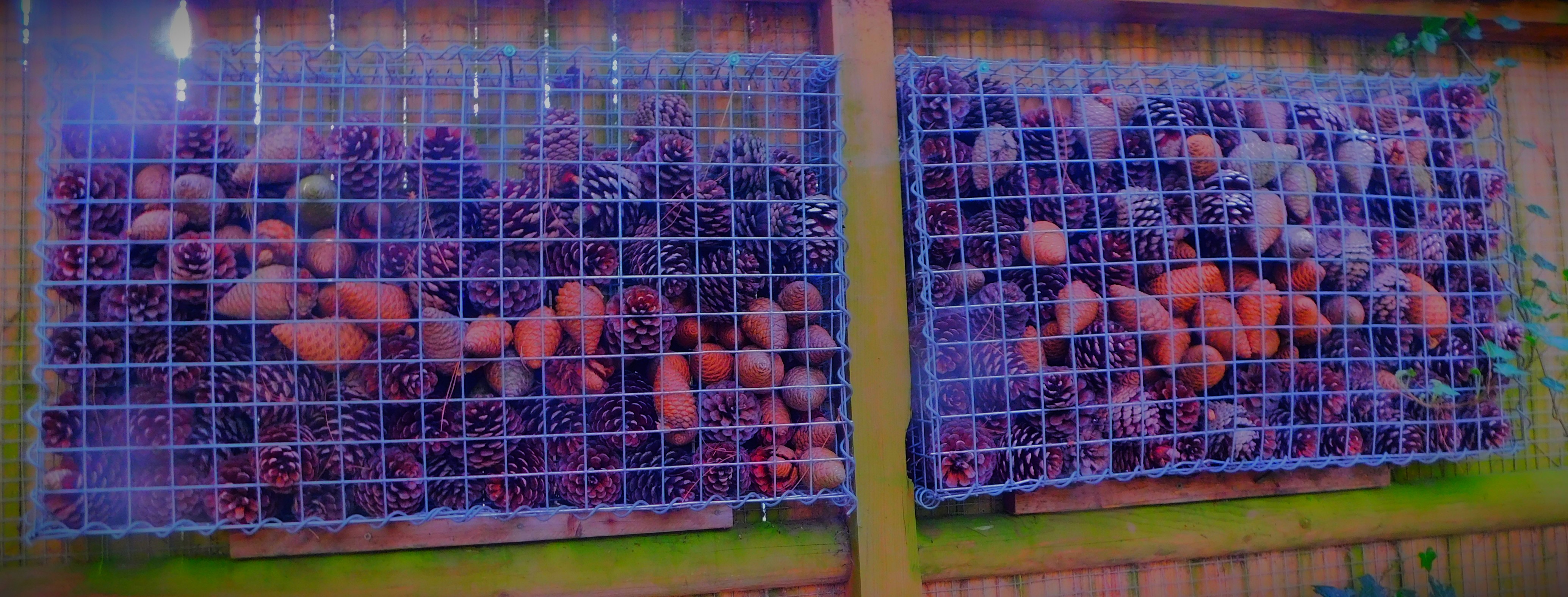
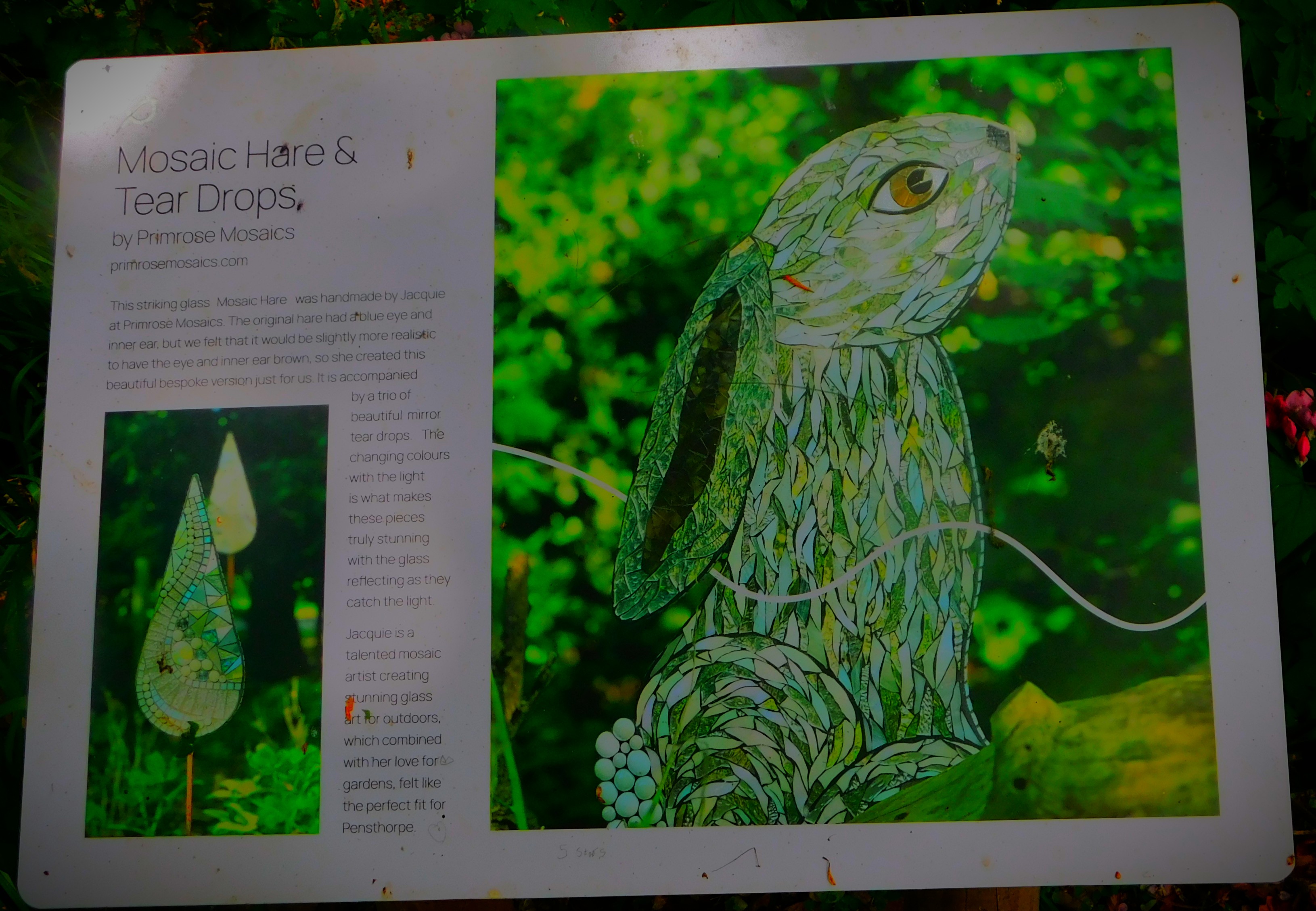
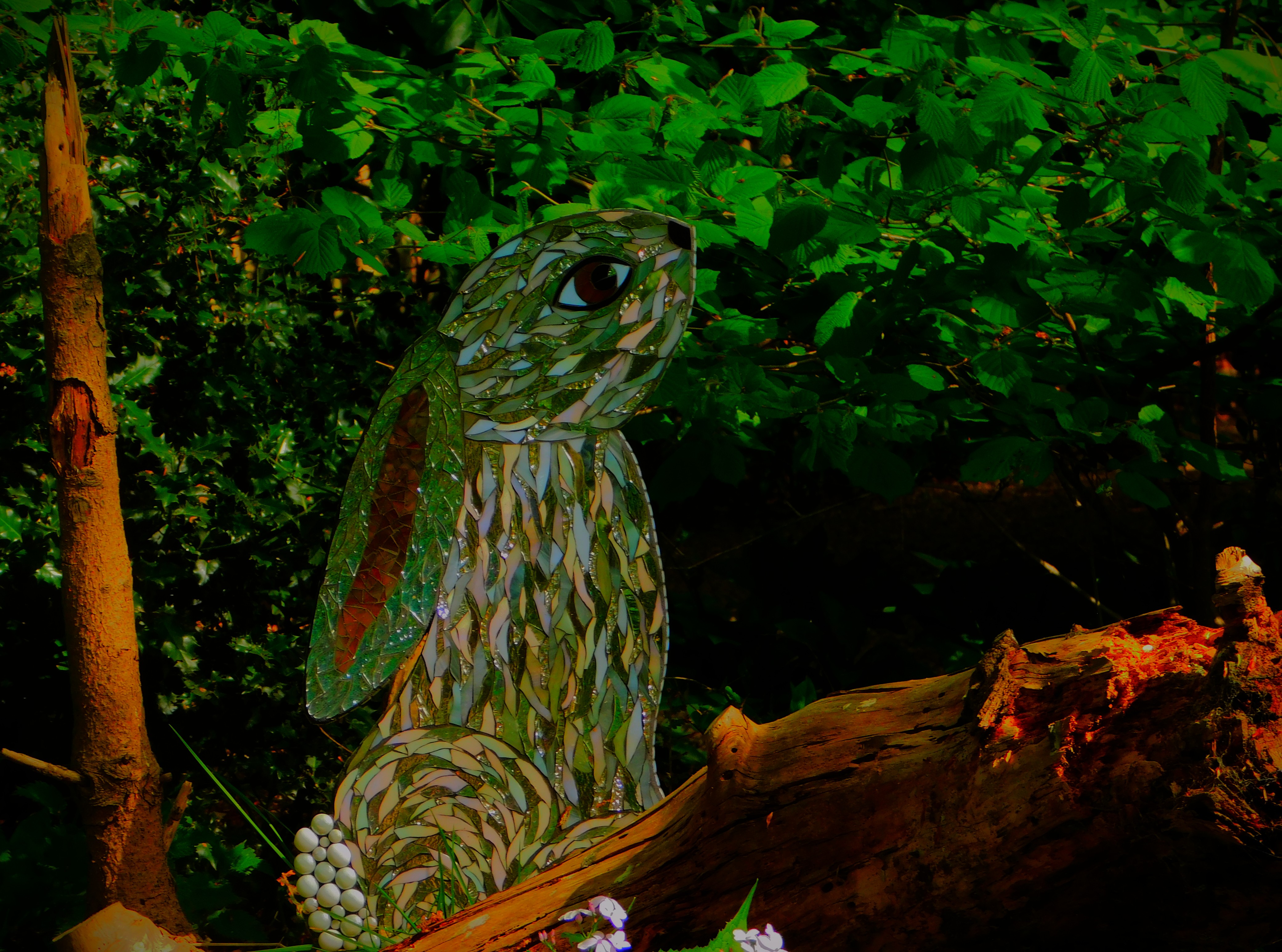
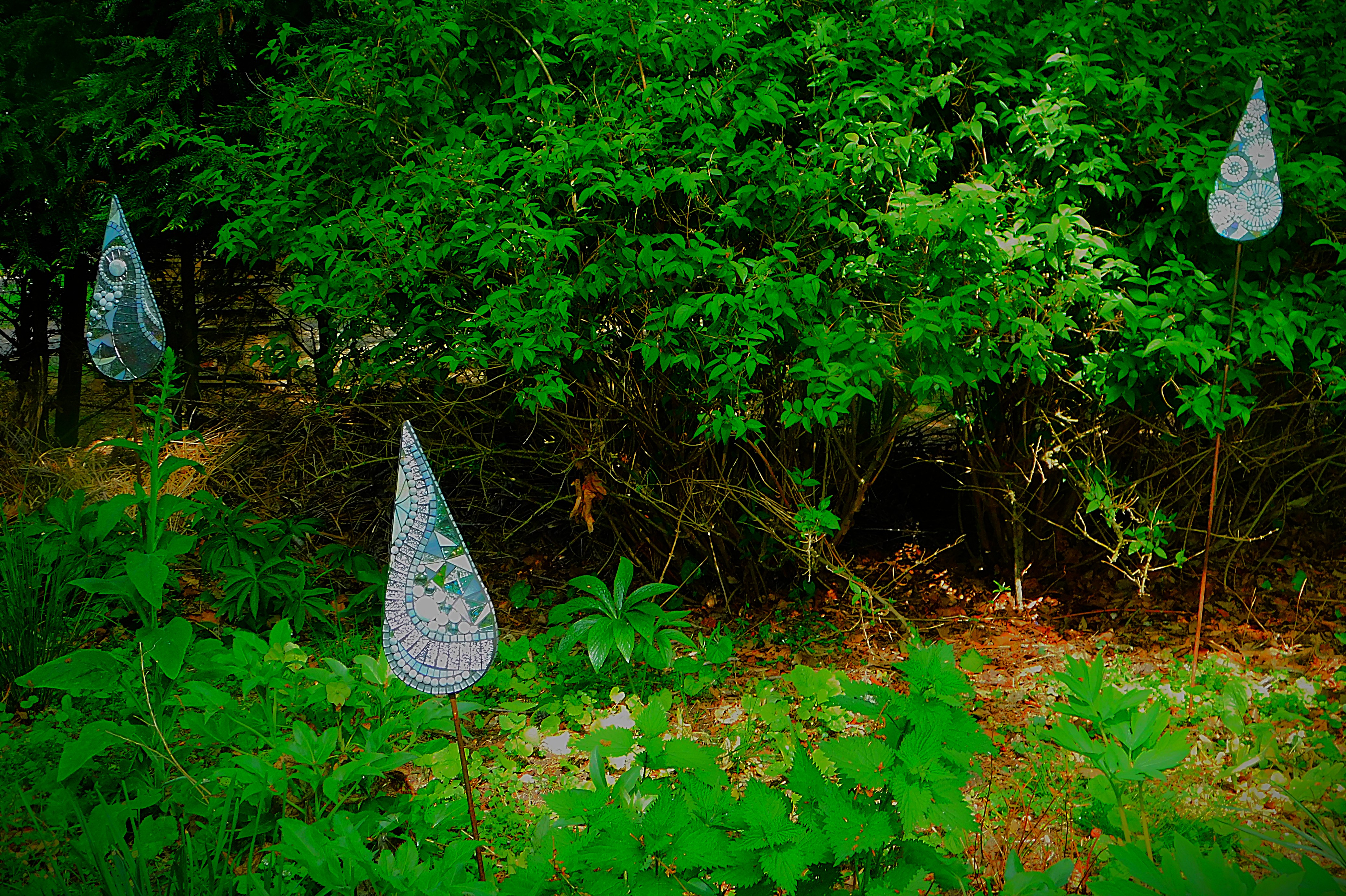
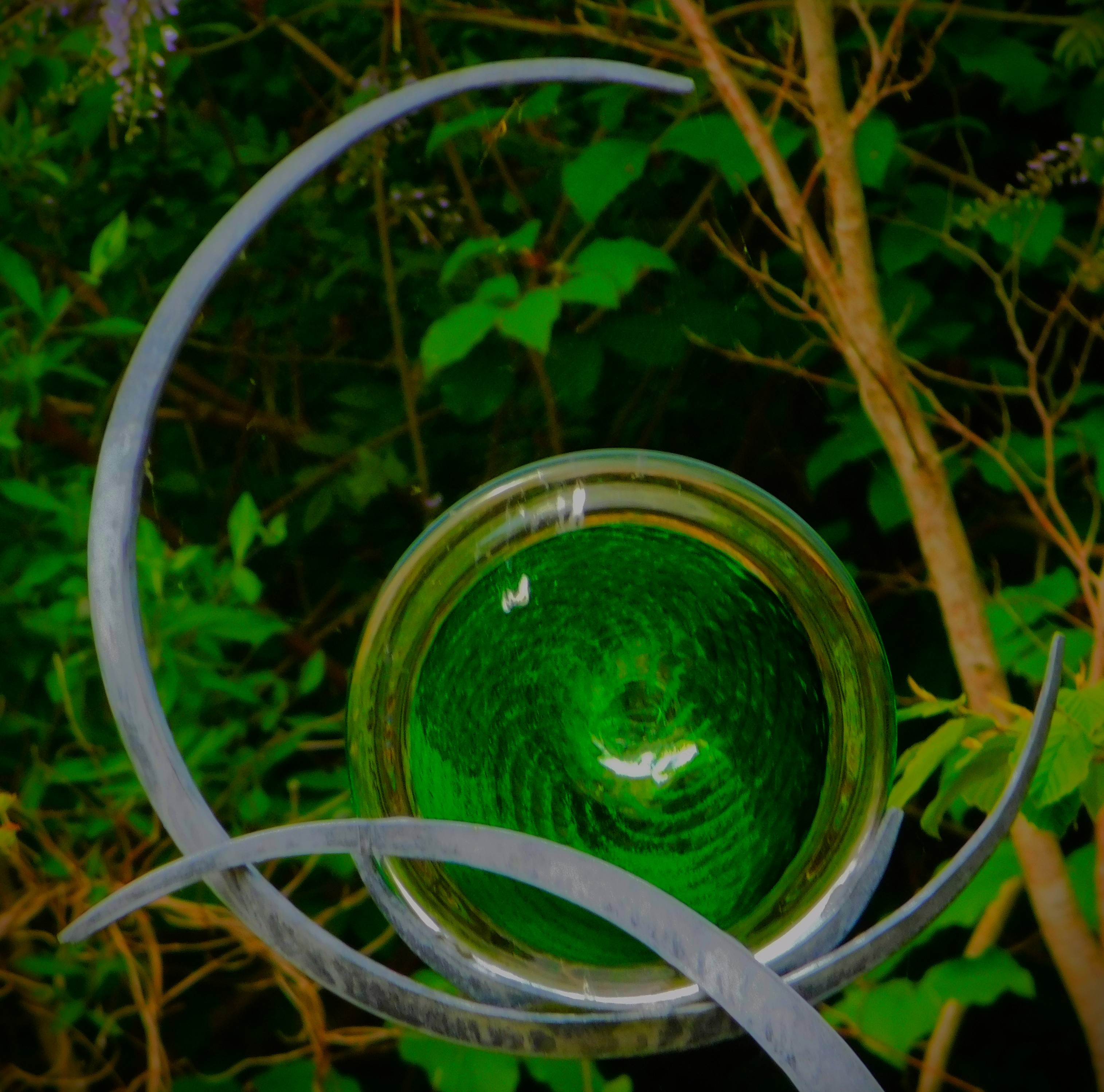
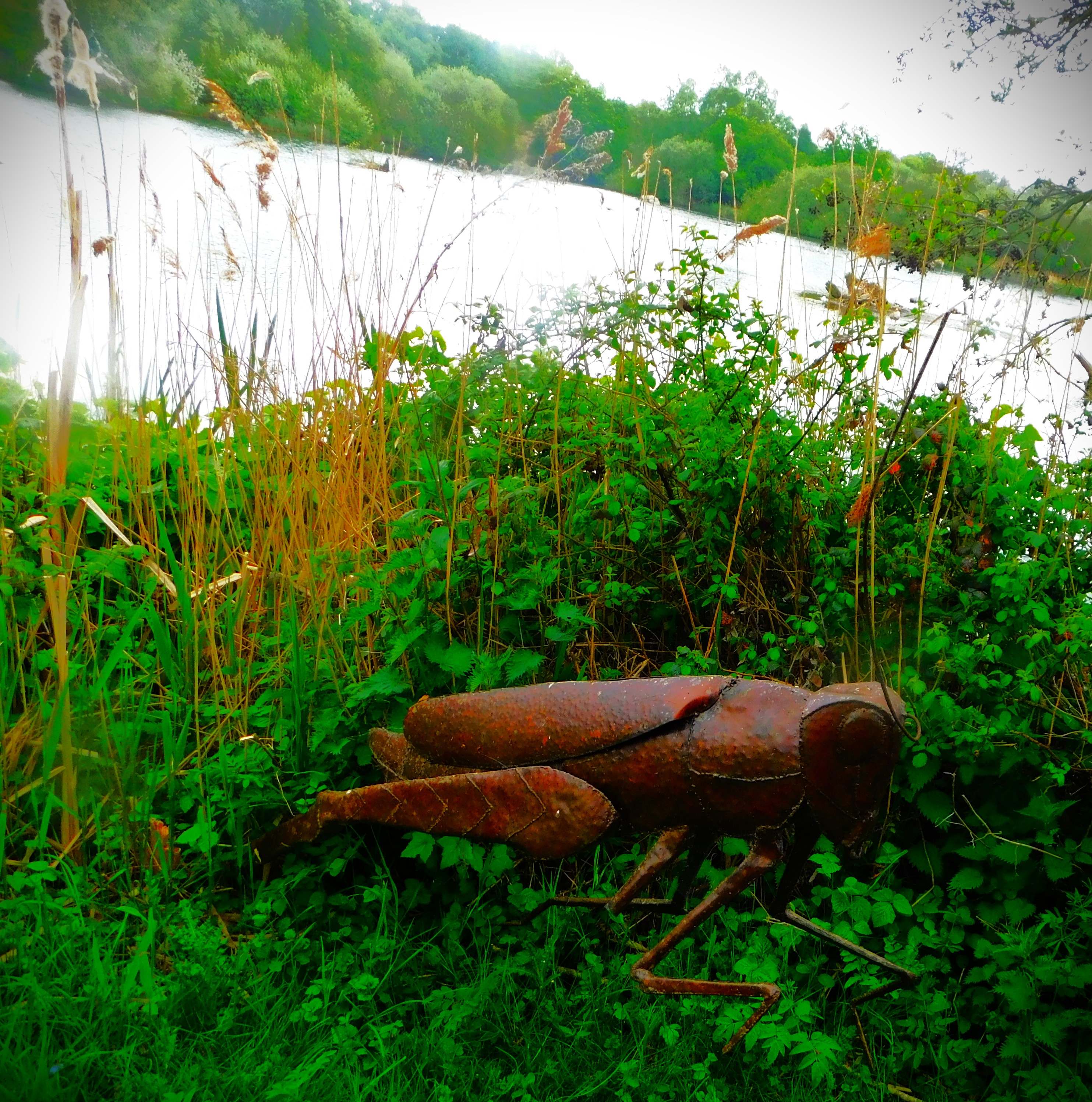
As well as the specific locations of interest there is an enormous amount to be seen just walking around the site – huge numbers of water birds of a wide variety, sculptures, art works of various kinds, a great variety of habitats, and lots of information boards all of which merit attention.
PHOTOGRAPHS
This the second half of the general photo gallery…
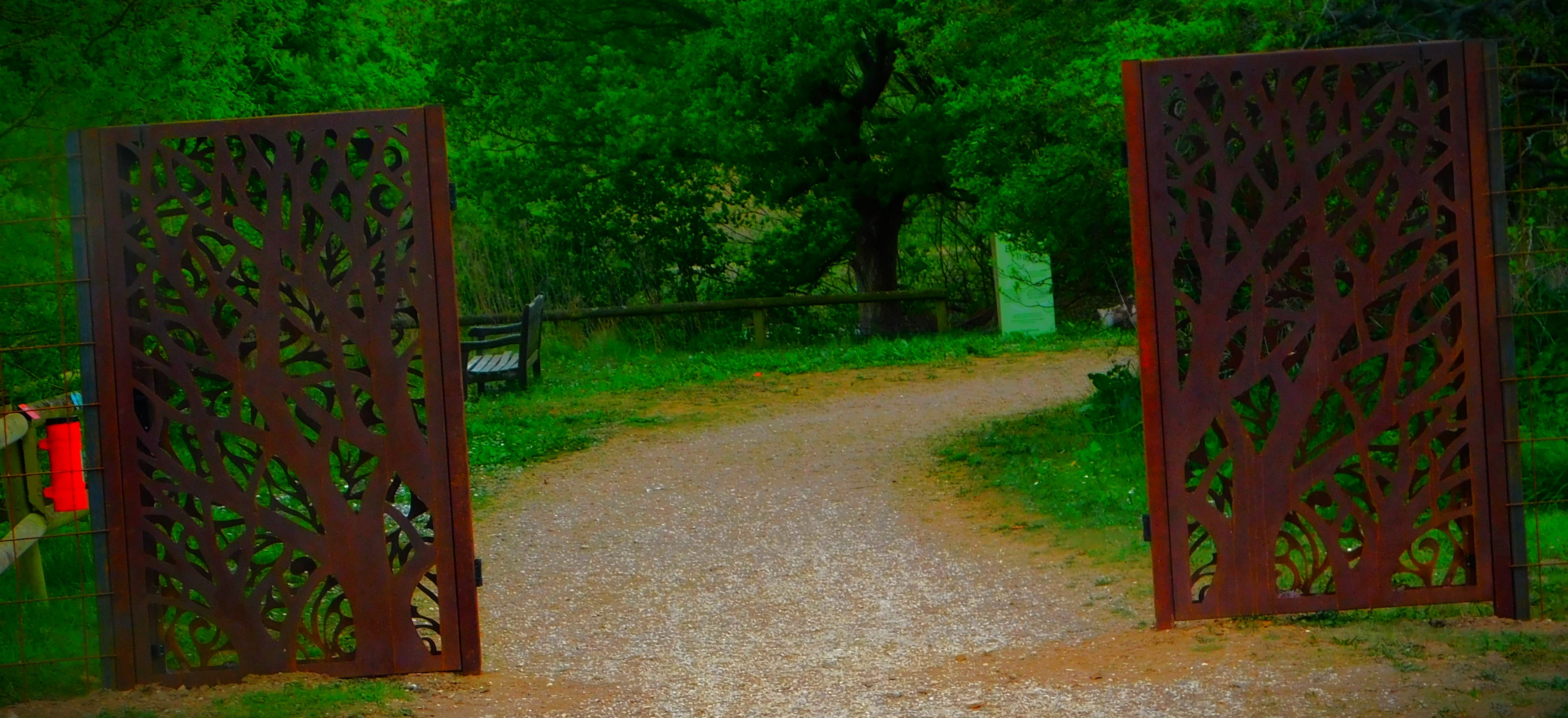
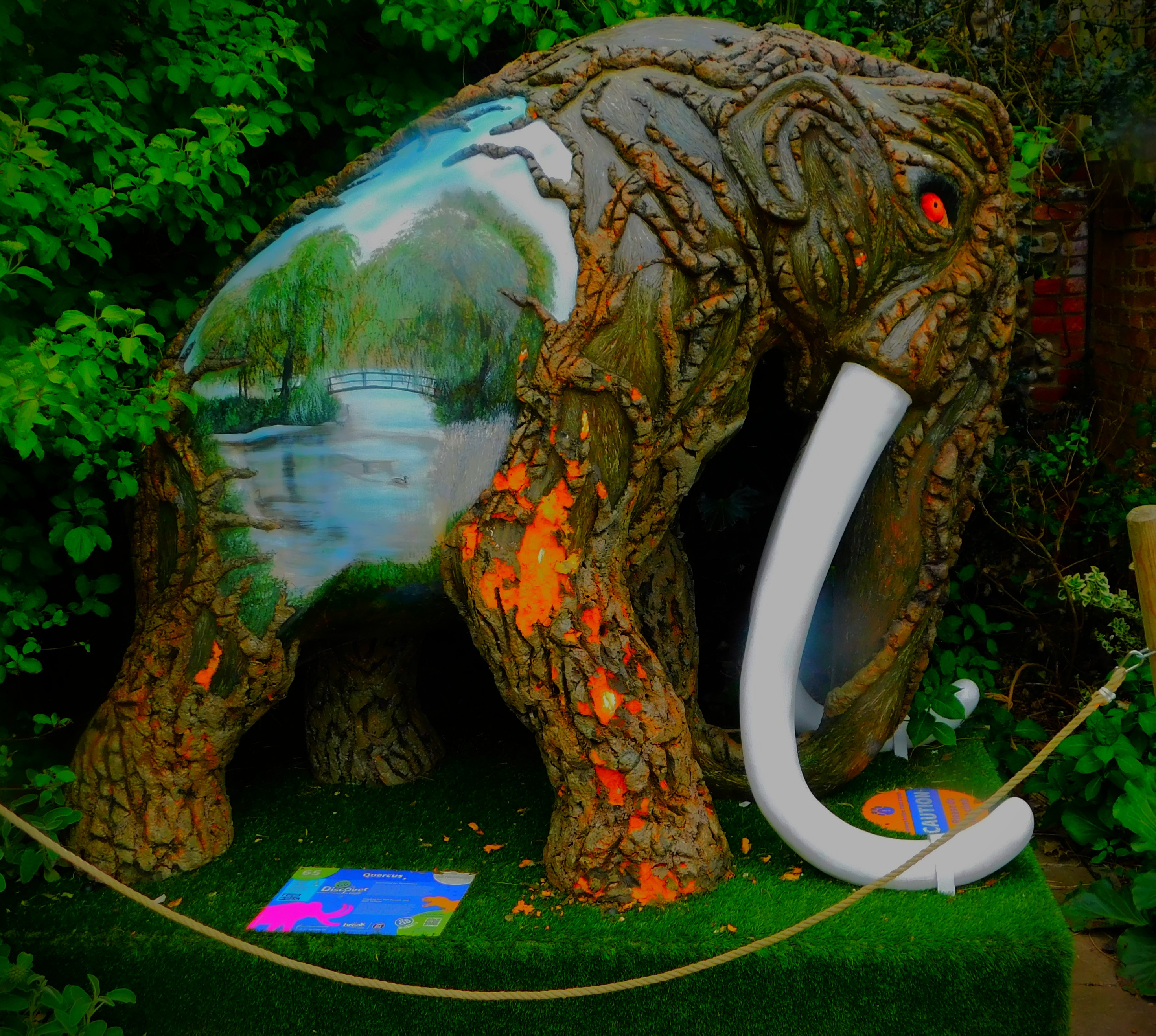
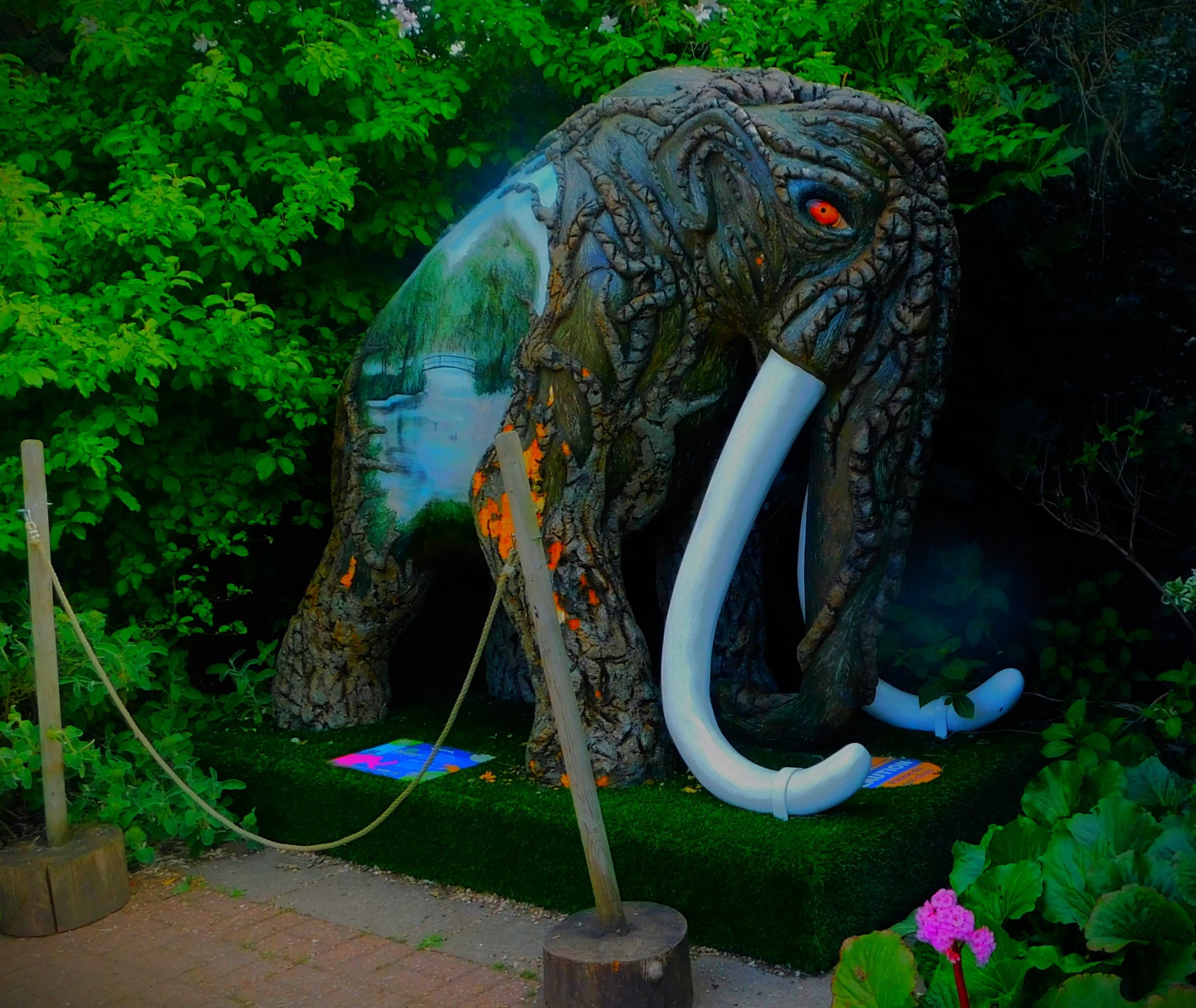
This is at the entrance/ exit of Pensthorpe. Mammoth bones have been found in the course excavations in this part of the world – 10,500 years ago or thereabouts this was at the southern edge of a vast ice sheet, and beyond the ice sheet would have been tundra, where the mammoths would have roamed.
The opening post in what wiull be a series about the annual West Norfolk Autism Group outing to Pensthorpe Nature Reserve.
Yesterday saw the annual West Norfolk Autism Group outing to Pensthorpe, a nature reserve near the town of Fakenham in Norfolk. This post lays out the day and introduces areas of the reserve that I will be covering in more detail, before ending with some general Pensthorpe pictures that don’t belong in any particular post. Please note for both this and subsequent posts in the series: a gallery can be opened by clicking on the first picture there in, and viewing pictures as a gallery enables them to be seen at larger size.
THE DAY IN BRIEF
Some of those coming on this trip had chosen to make their own way to Pensthorpe and meet us there, but for those who either did not wish to do this or had no option of doing so a coach had been hired. Departure from the parking area near Gaywood Library (King’s Lynn and its environs are not massively equipped with places where a coach can park up) was scheduled for 9:30AM, meaning that to ensure a prompt departure we had to get there a bit before that to take our places. As it happens other than the driver and his young son who was also along for the day I was the first to arrive and board the coach. We set off exactly at the appointed hour, and pulled into the coach parking area at Pensthorpe at approximately 10:15 (Pensthorpe when approached from King’s Lynn is a little further than Fakenham, and a road diversion forced us closer to the centre of Fakenham than would have been normal for a journey to Pensthorpe). After a group photograph using the coach as a backdrop we were ready to start the day in earnest. Equipped with brightly coloured paper wristbands by way of indicating that our admission was paid we set off. The only absolutely fixed points of the day were the trailer rides (I was booked on the second of the two we had organized, due to depart at noon) and the return journey, scheduled for 3:15PM (and we departed exactly on time, arriving back at Gaywood just after 4PM). The rest was up to us. There is a huge amount to see and to do at Pensthorpe, and the next section briefly introduces some of things I did, with photographic highlights.
SOME HIGHLIGHTS
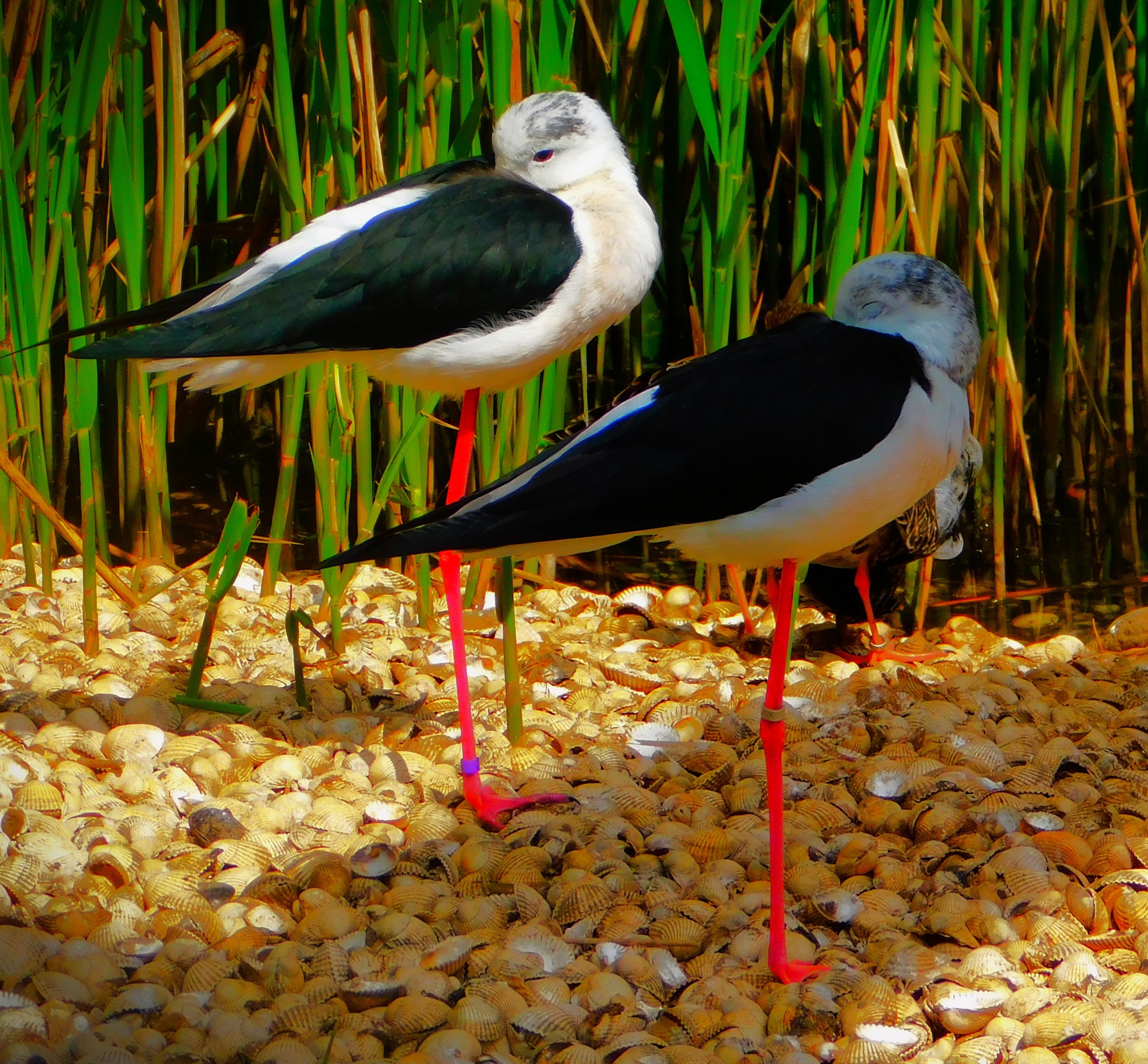
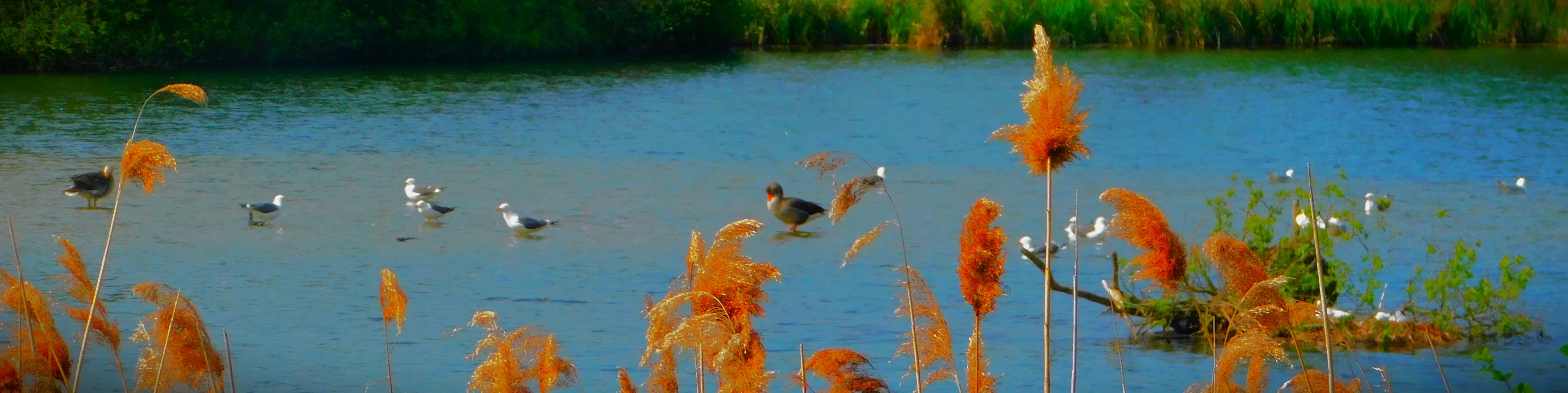
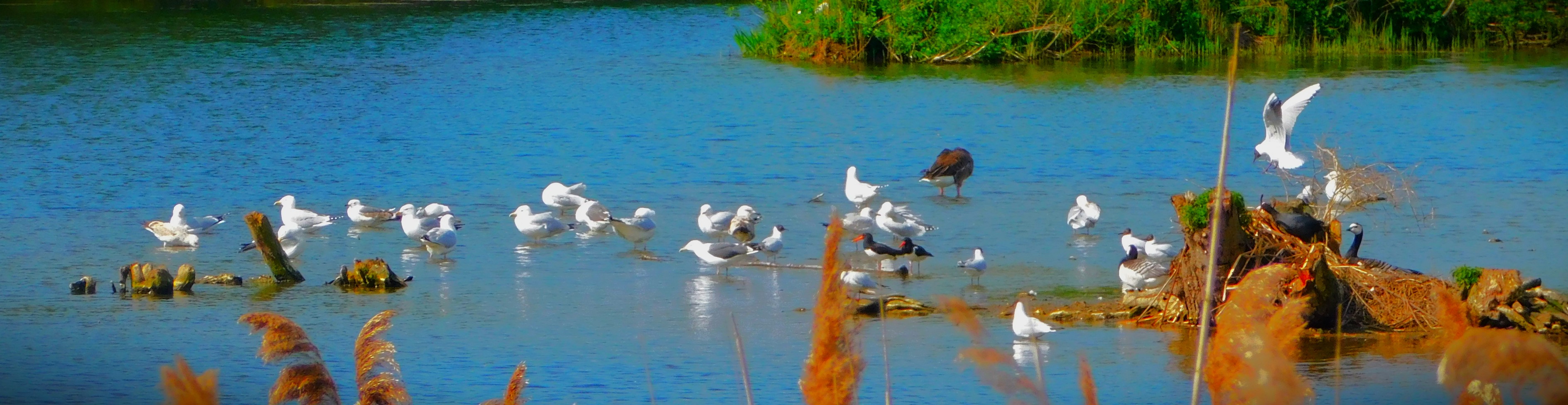
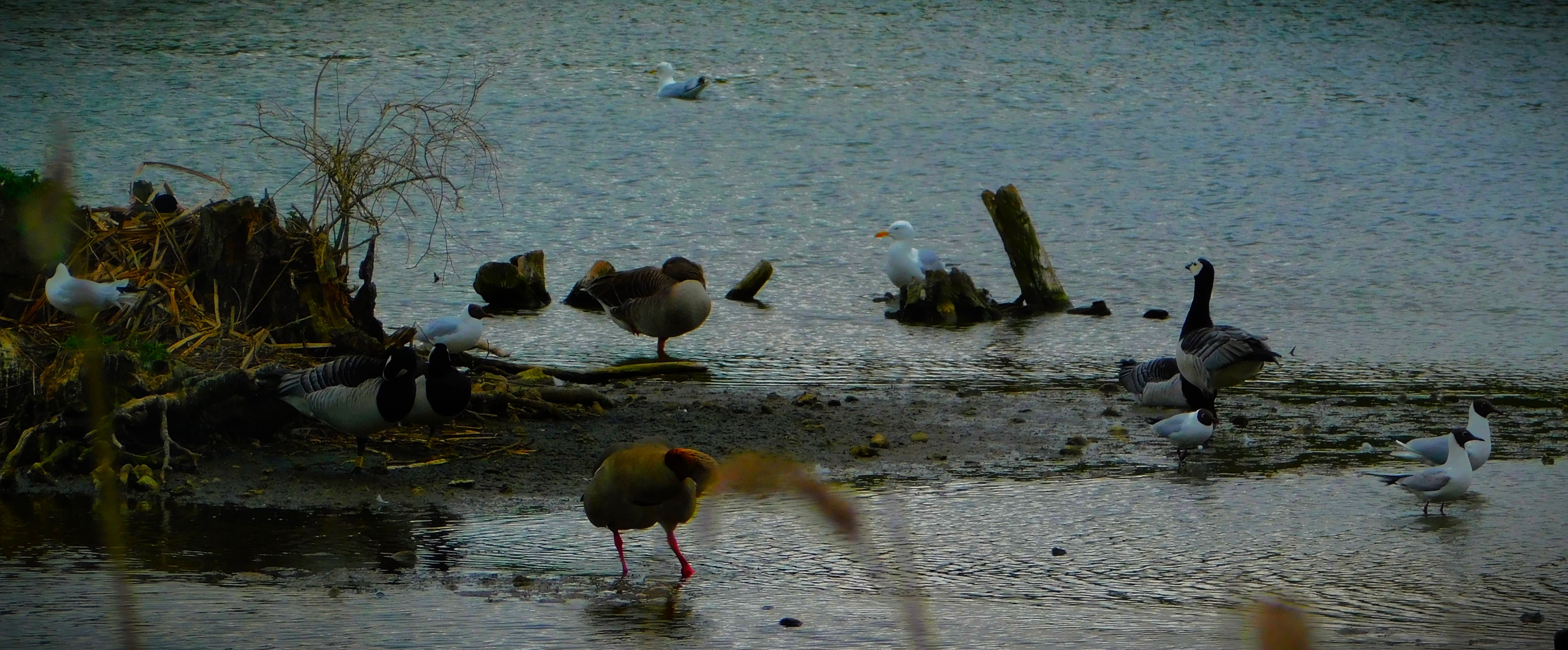
One of my favoured areas at Pensthorpe is the Waders Aviary, to which I made several visits (it is centrally located, so on the way to or from almost anywhere on the site).
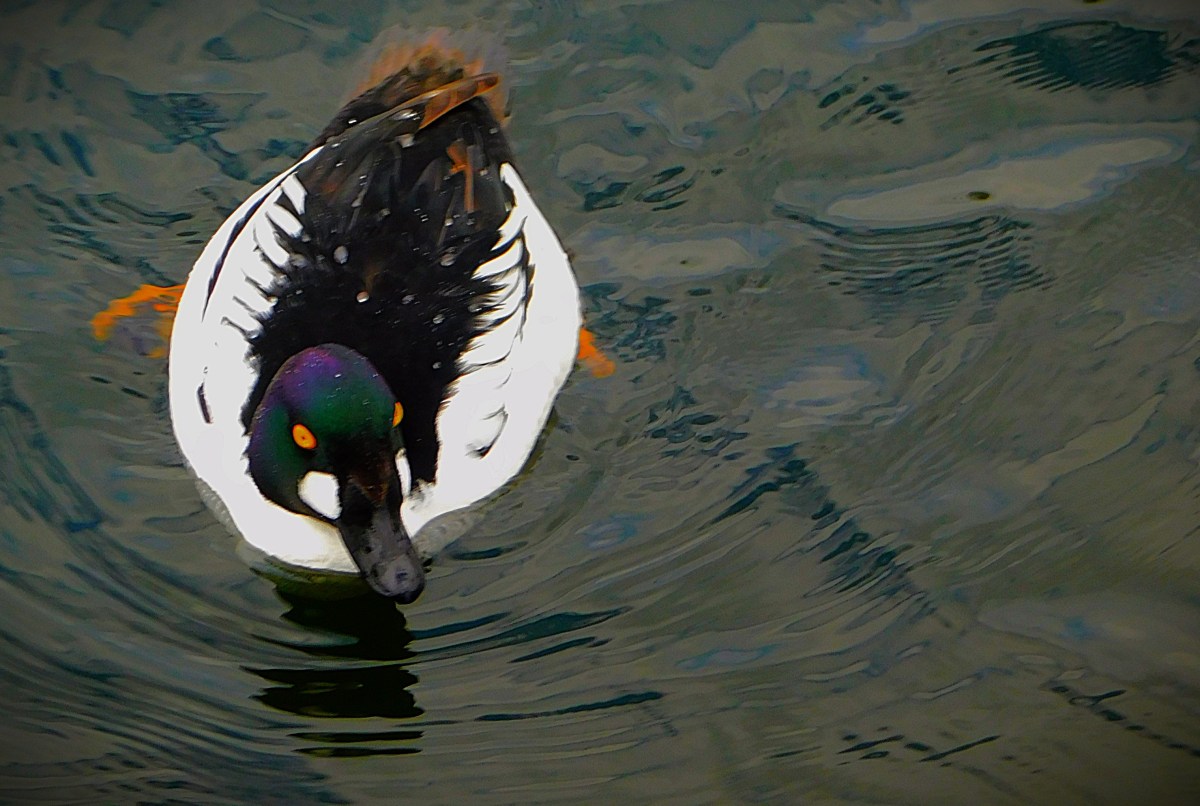
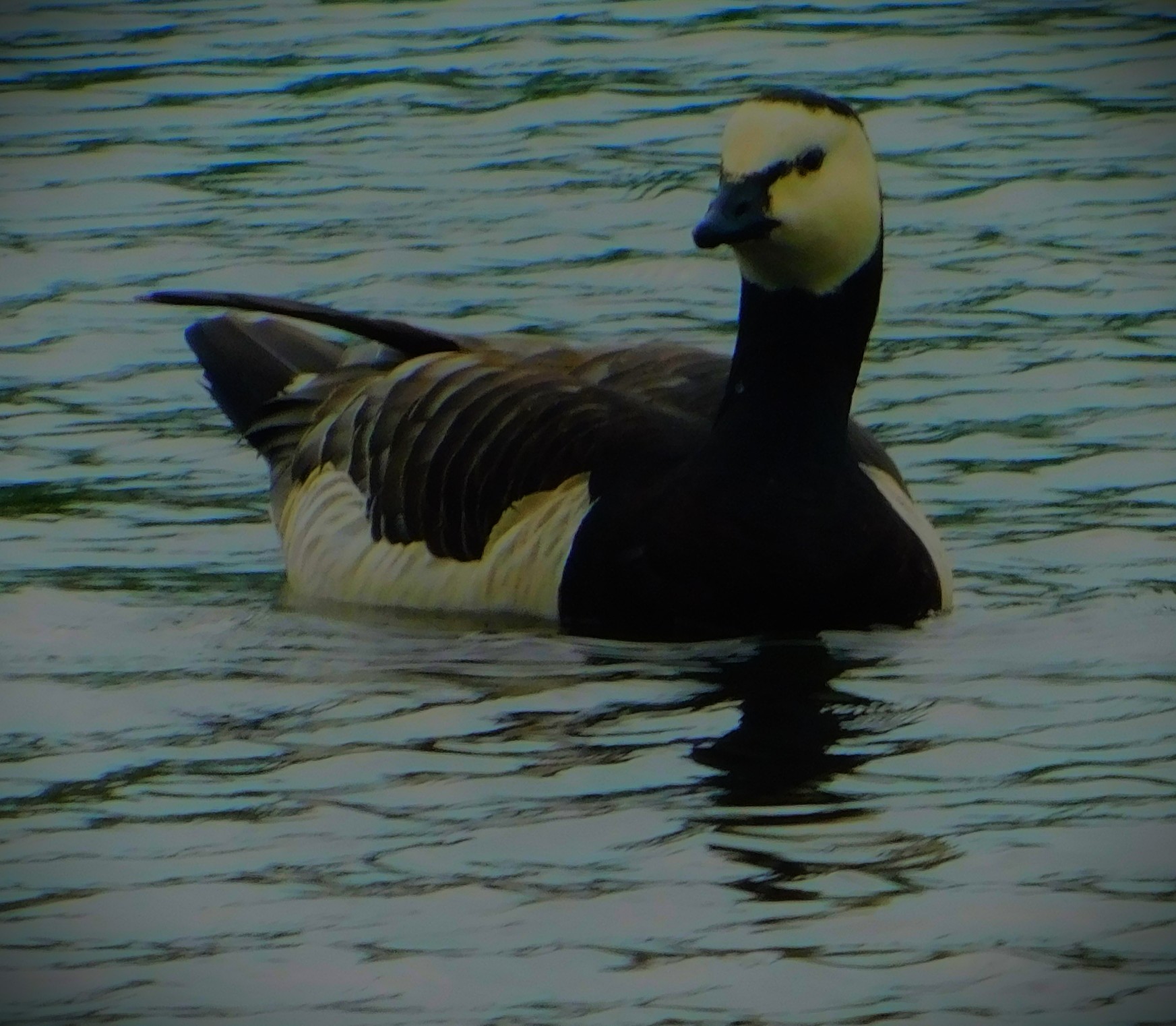
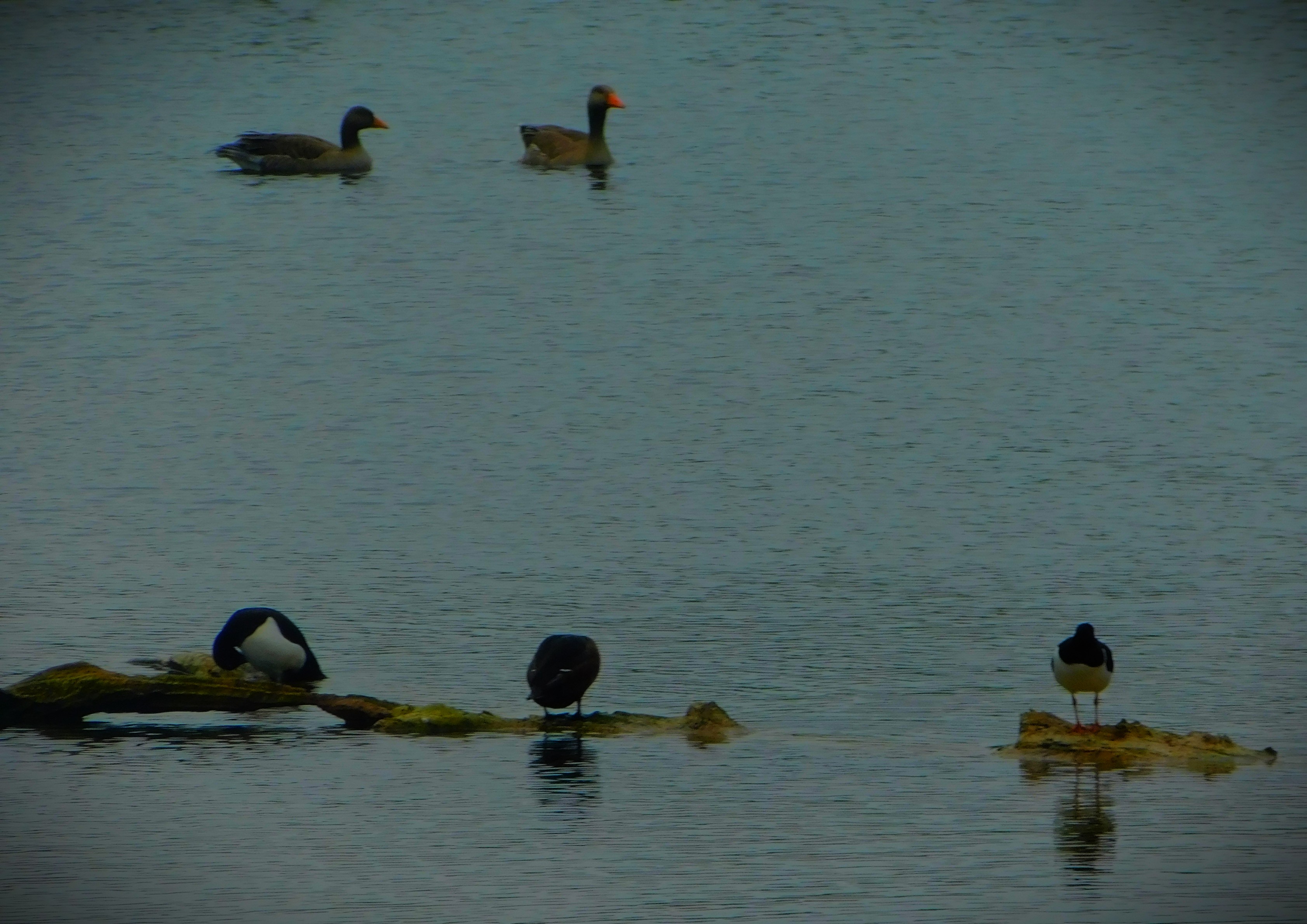
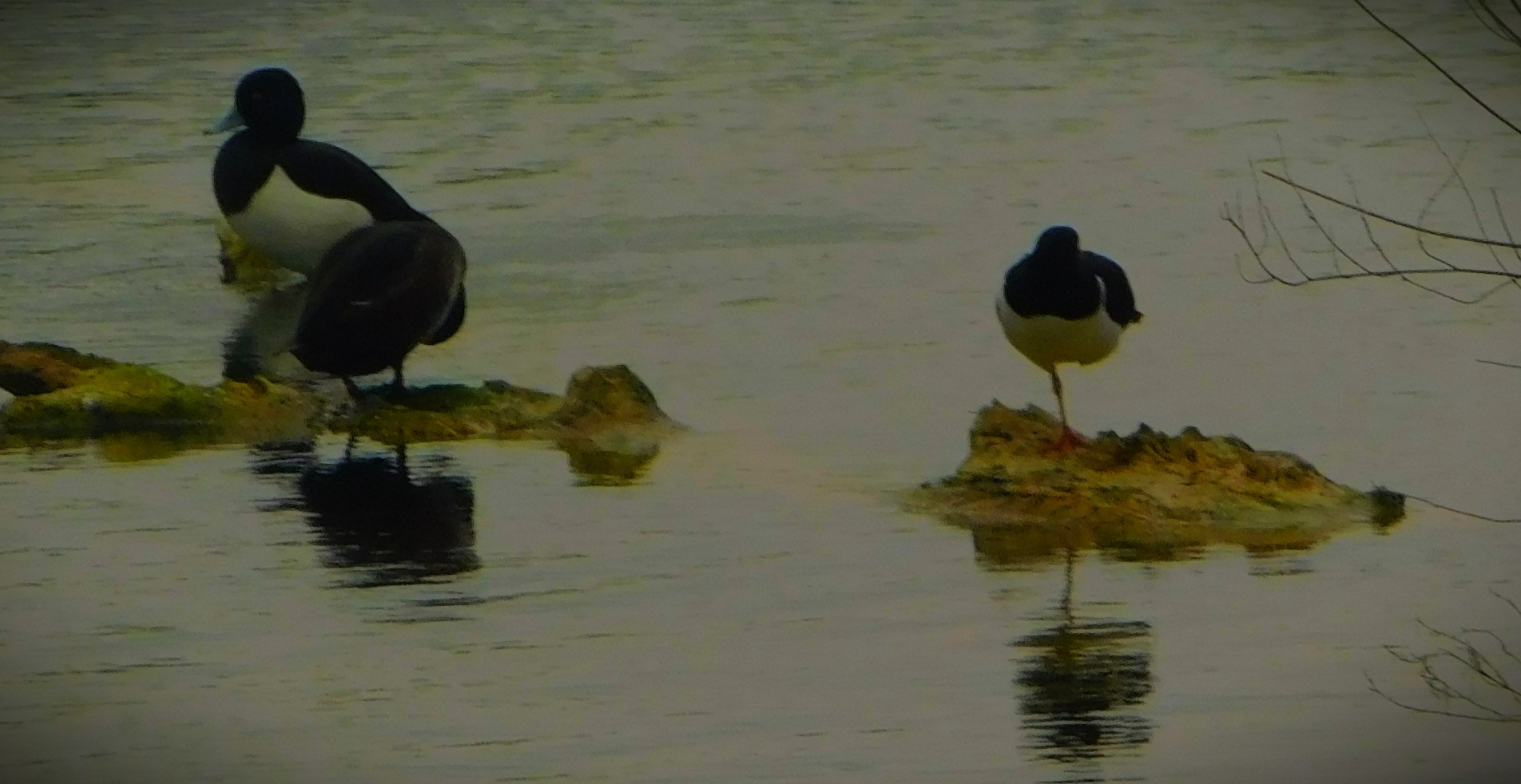
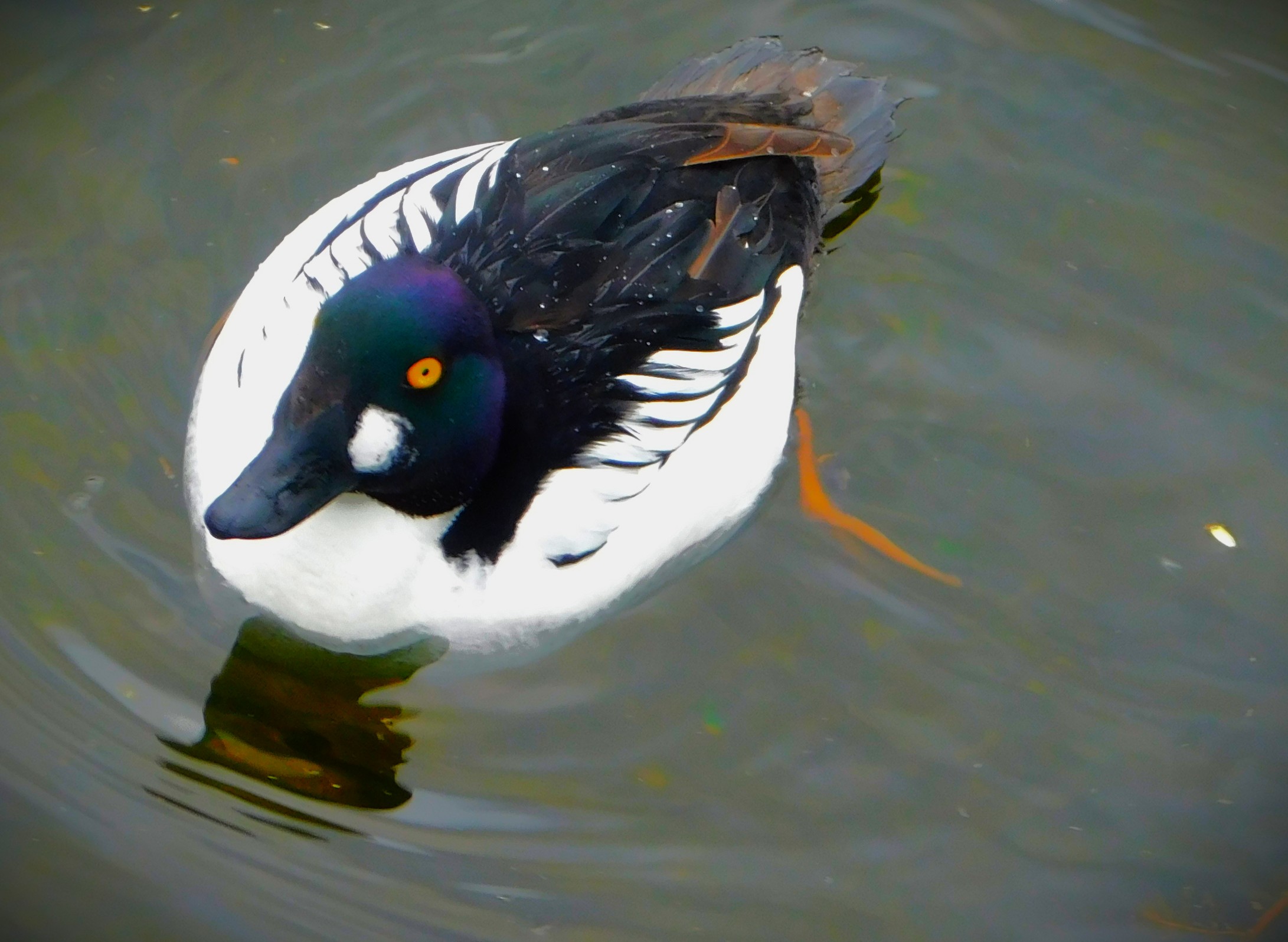
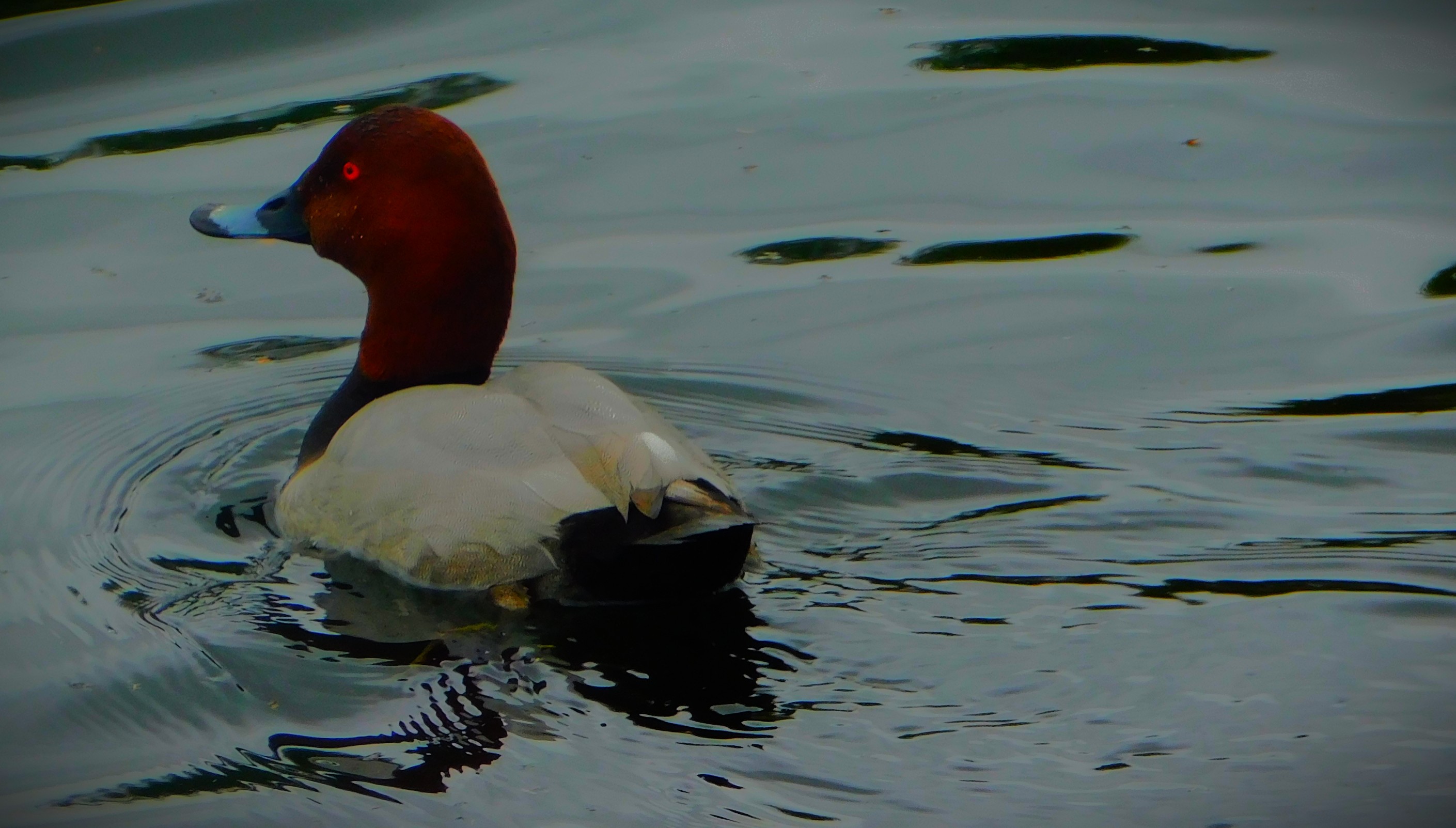
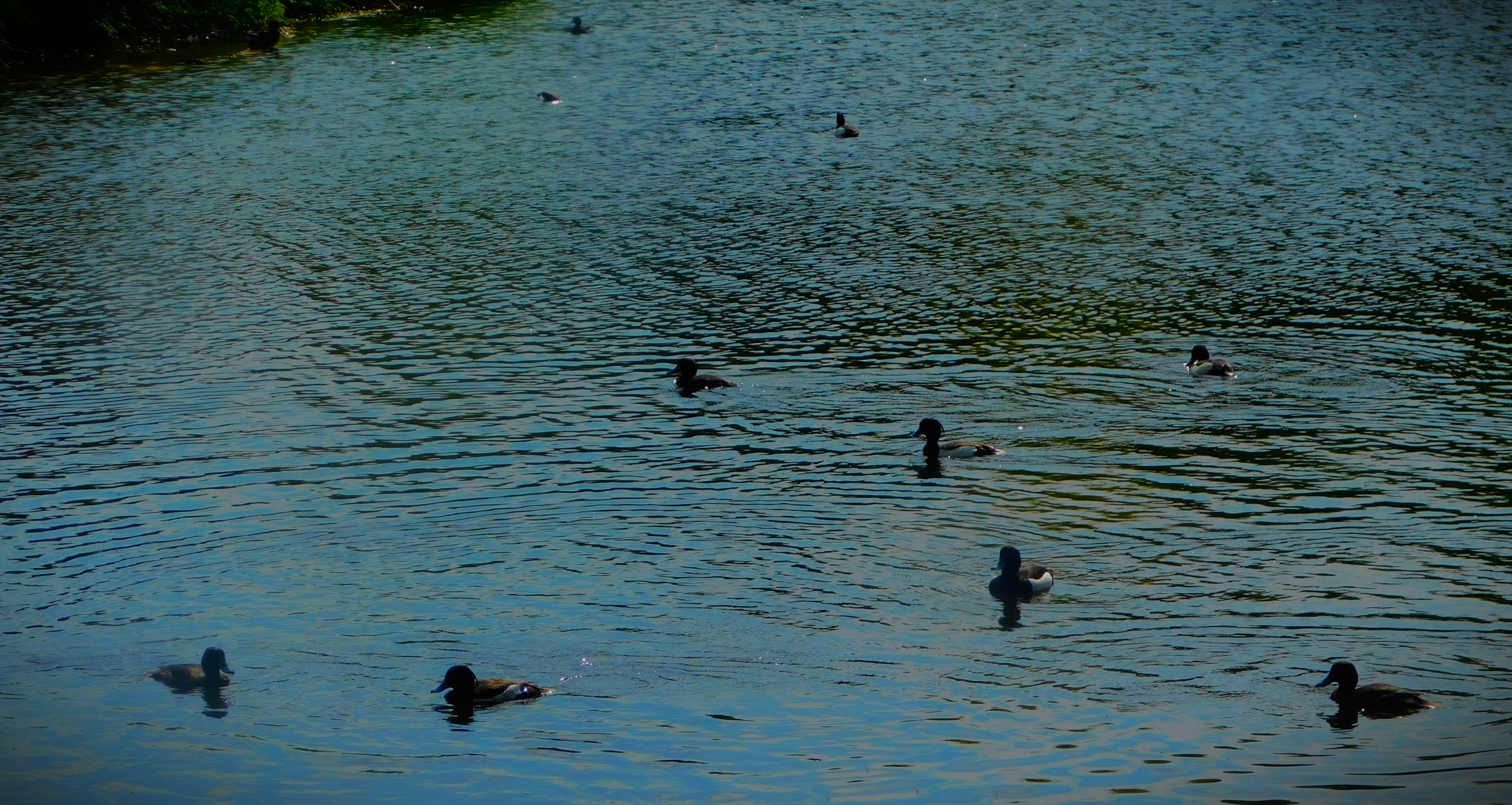
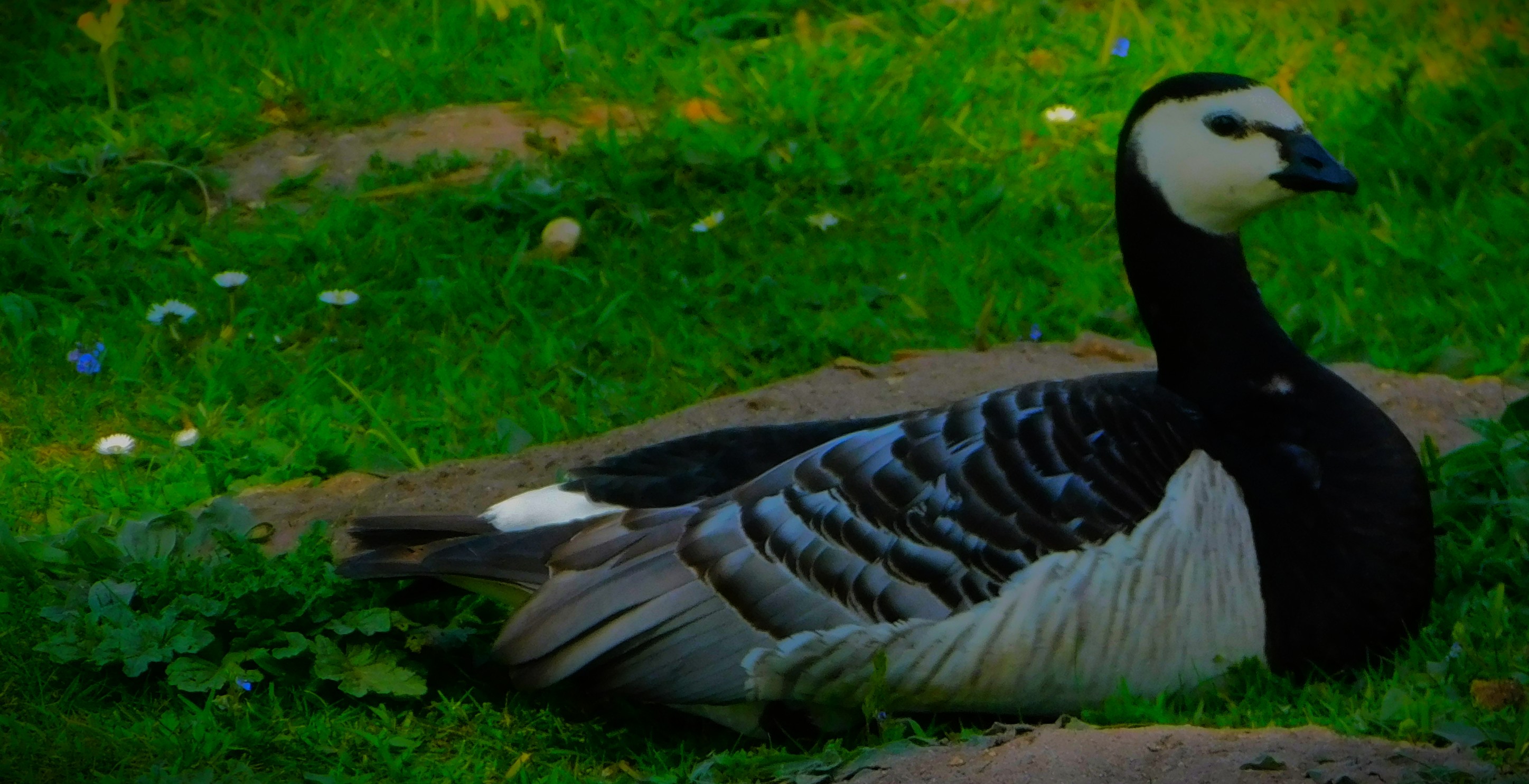
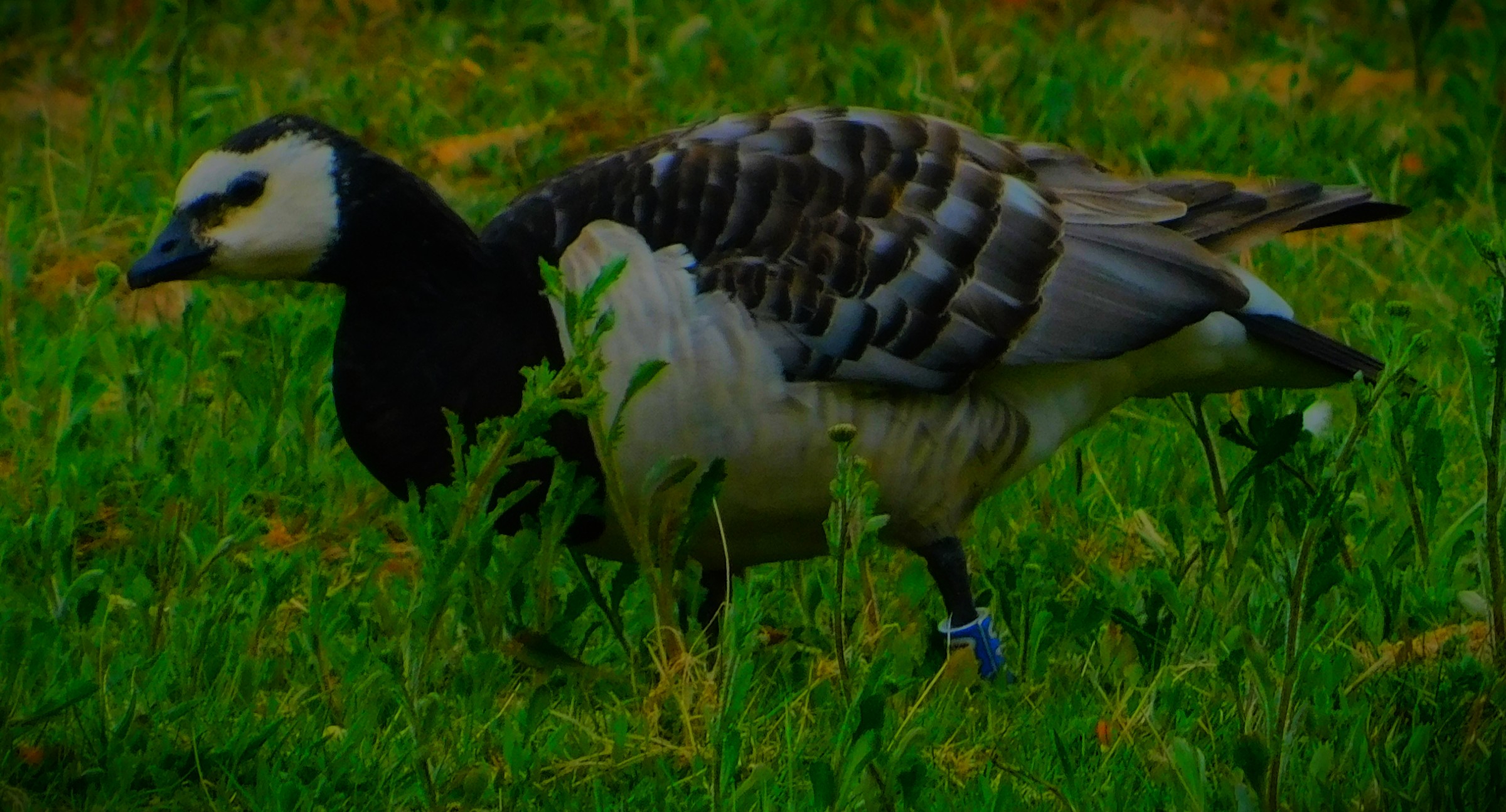
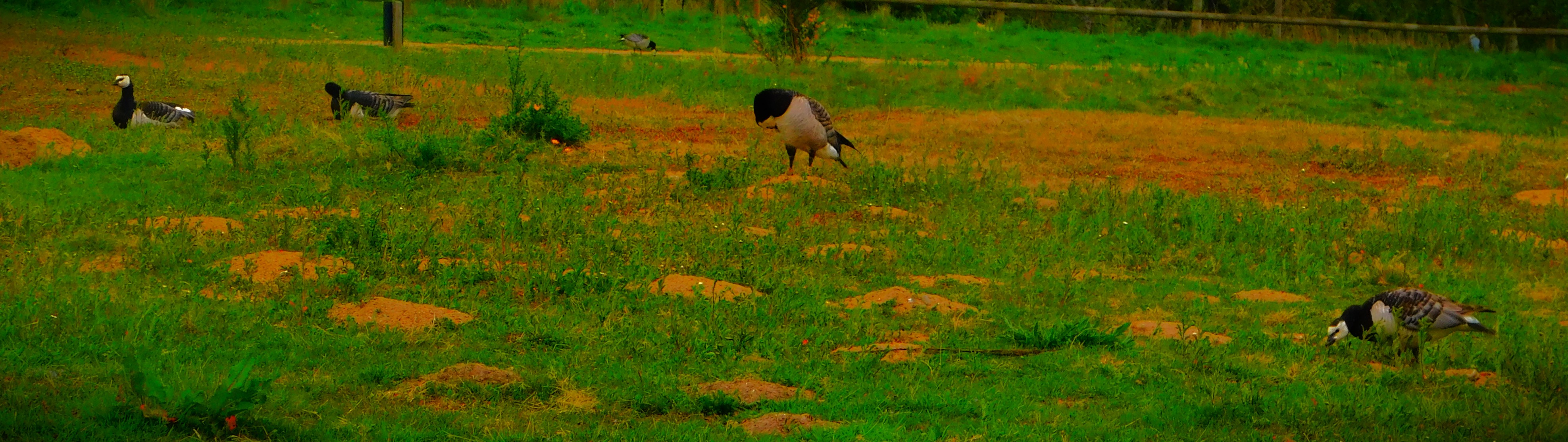
Not all of the birds in the Waders Aviary are actually Waders.
Also ideally located for dipping in and out of as and when is the Discovery Centre.
The Trailer Ride is as far as I am concerned an essential part of the Pensthorpe experience:
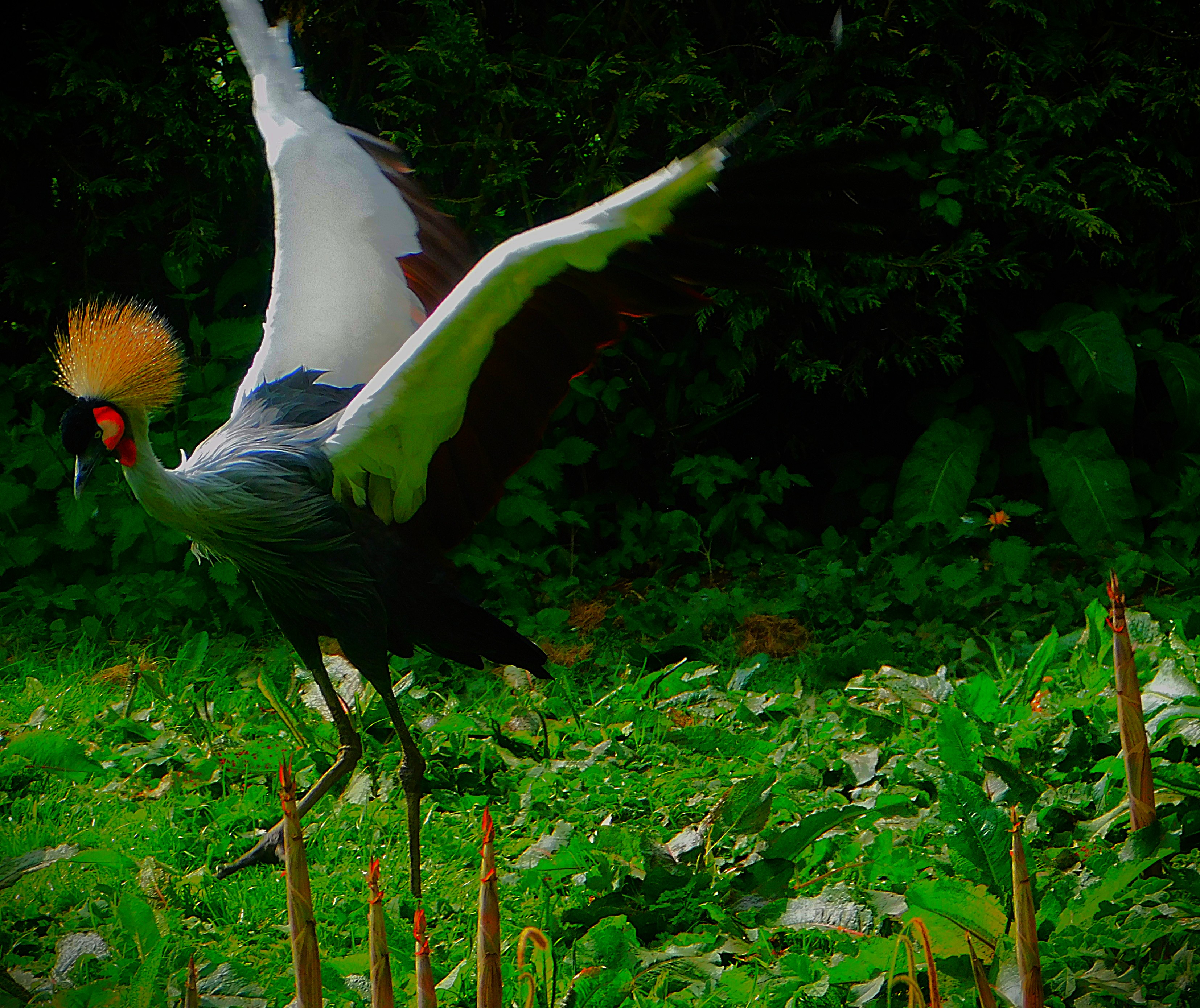
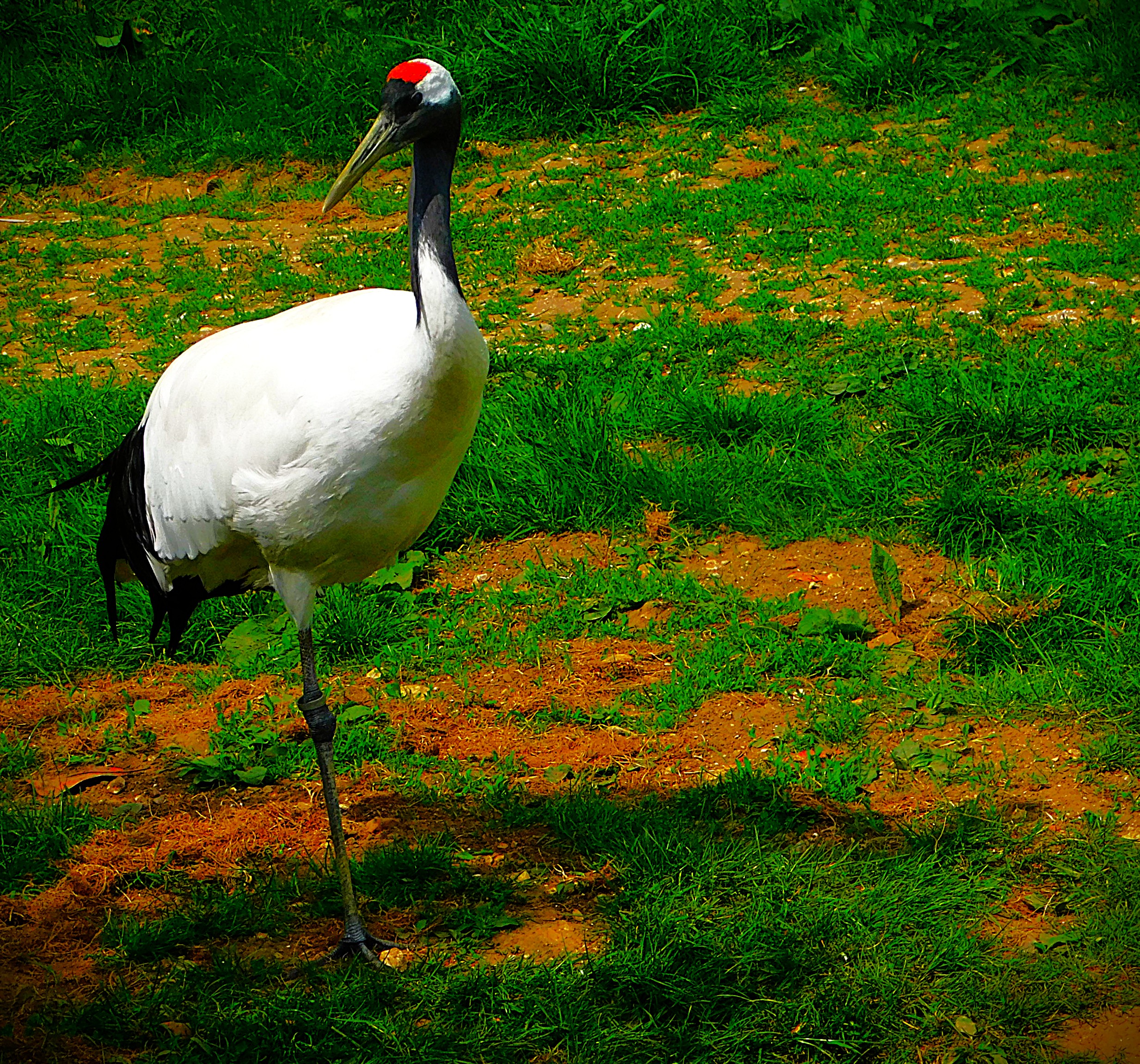
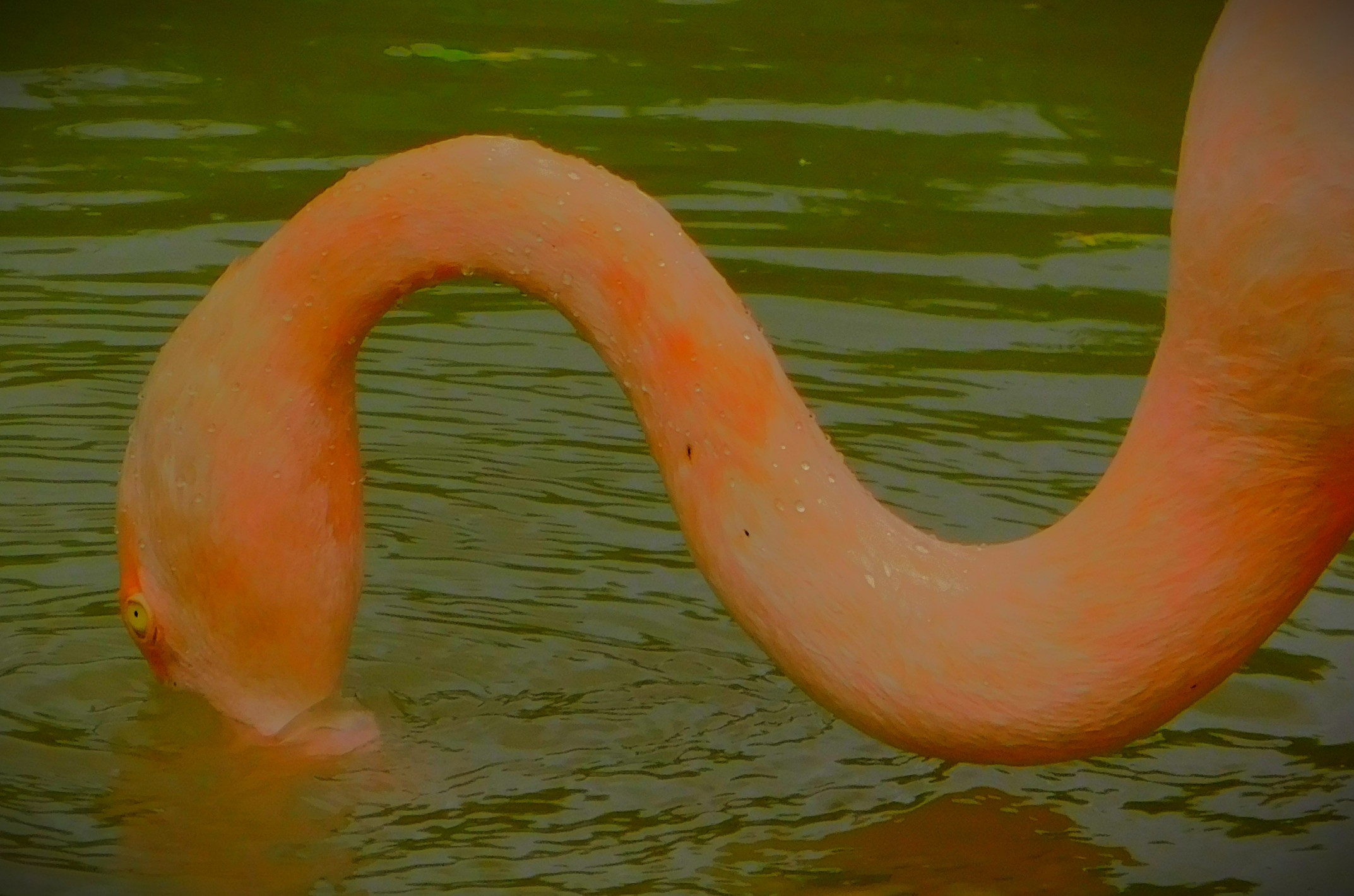
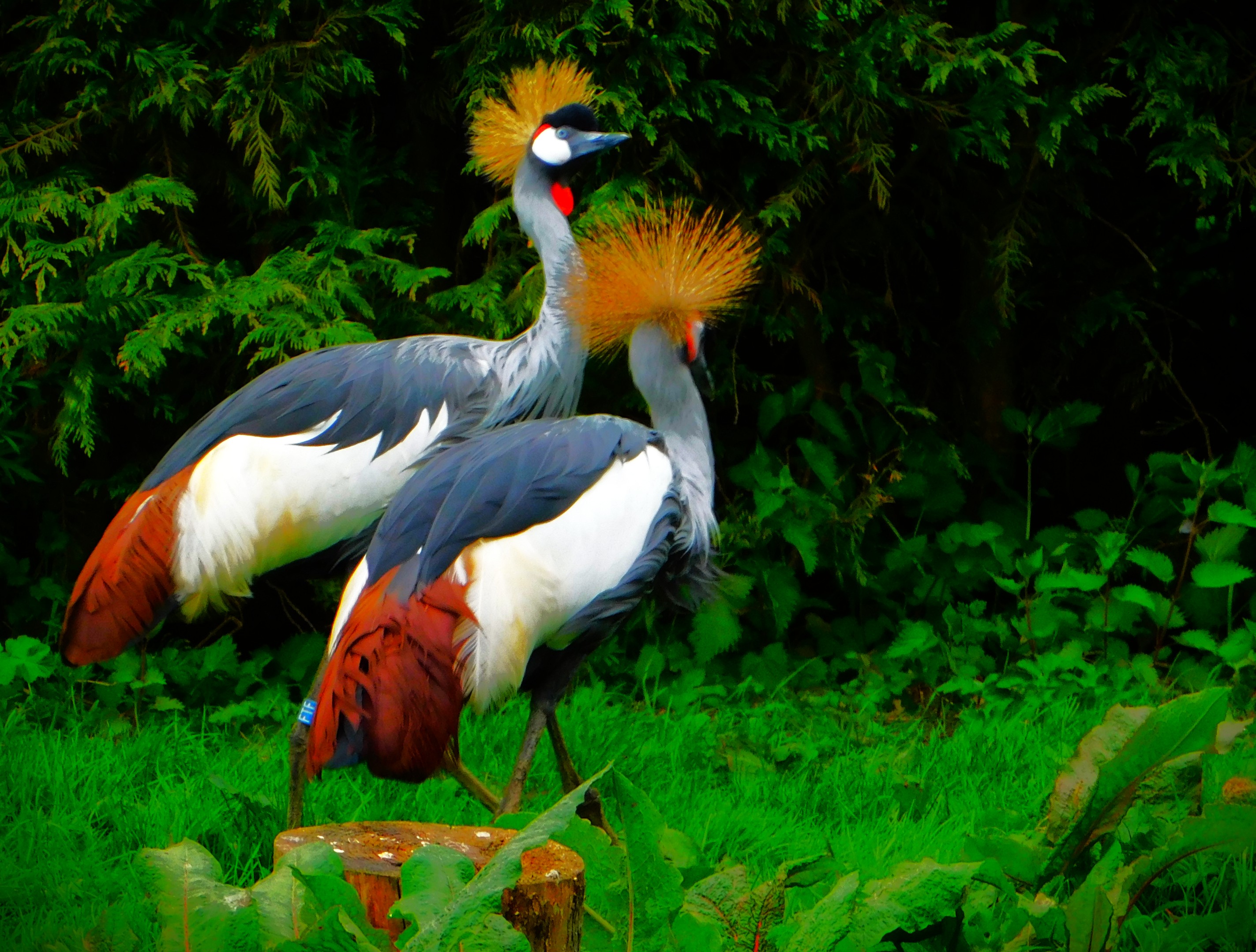
My other great favourite, which I visited twice in the course of the day, is the Crane and Flamingo area.
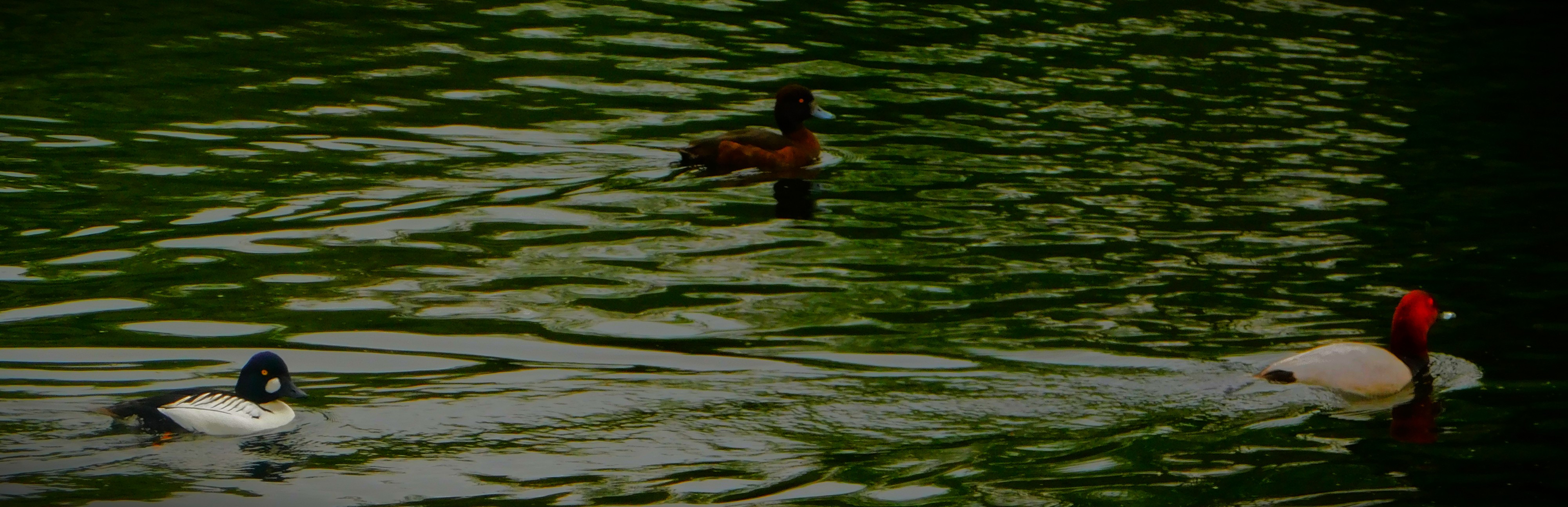
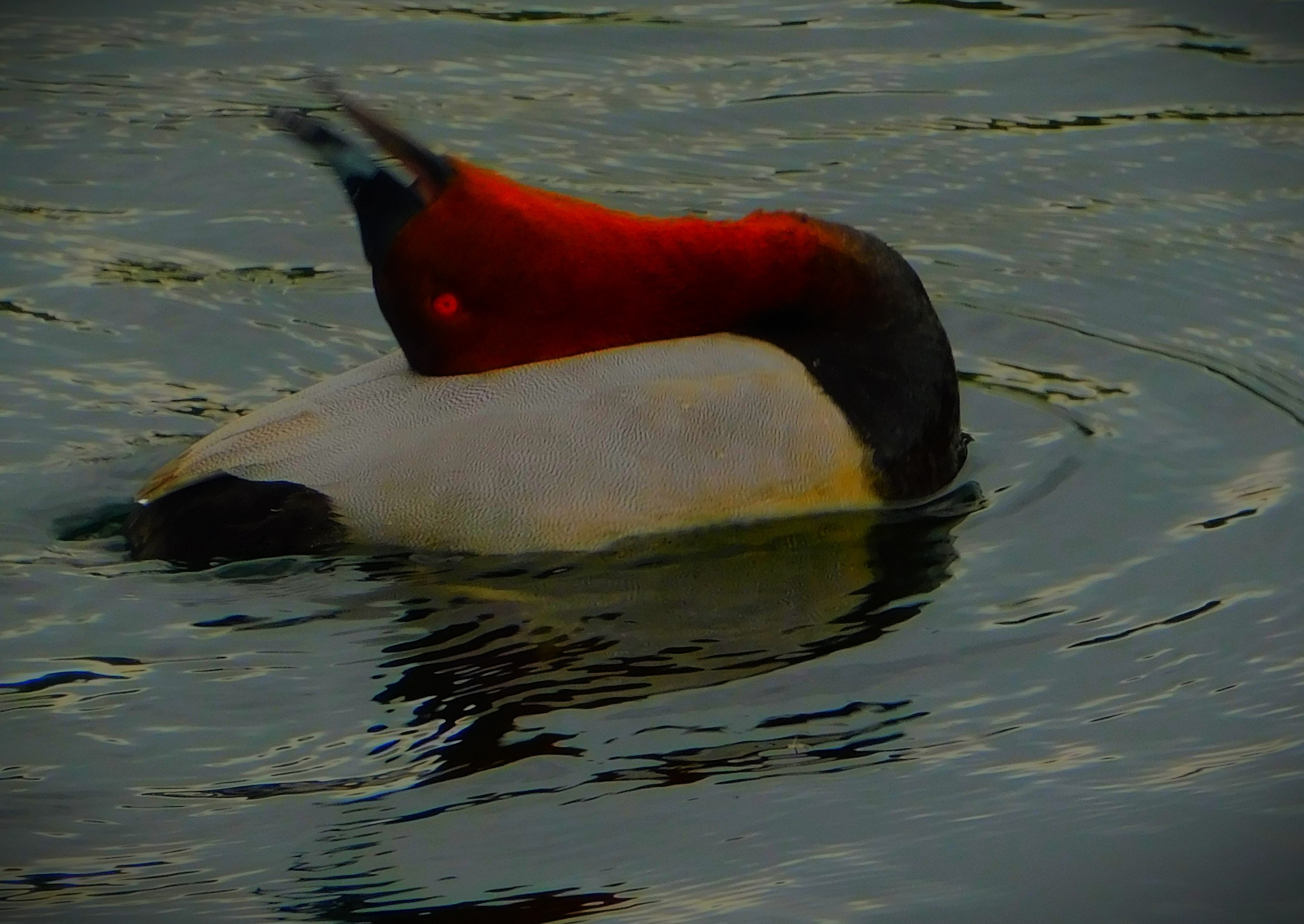
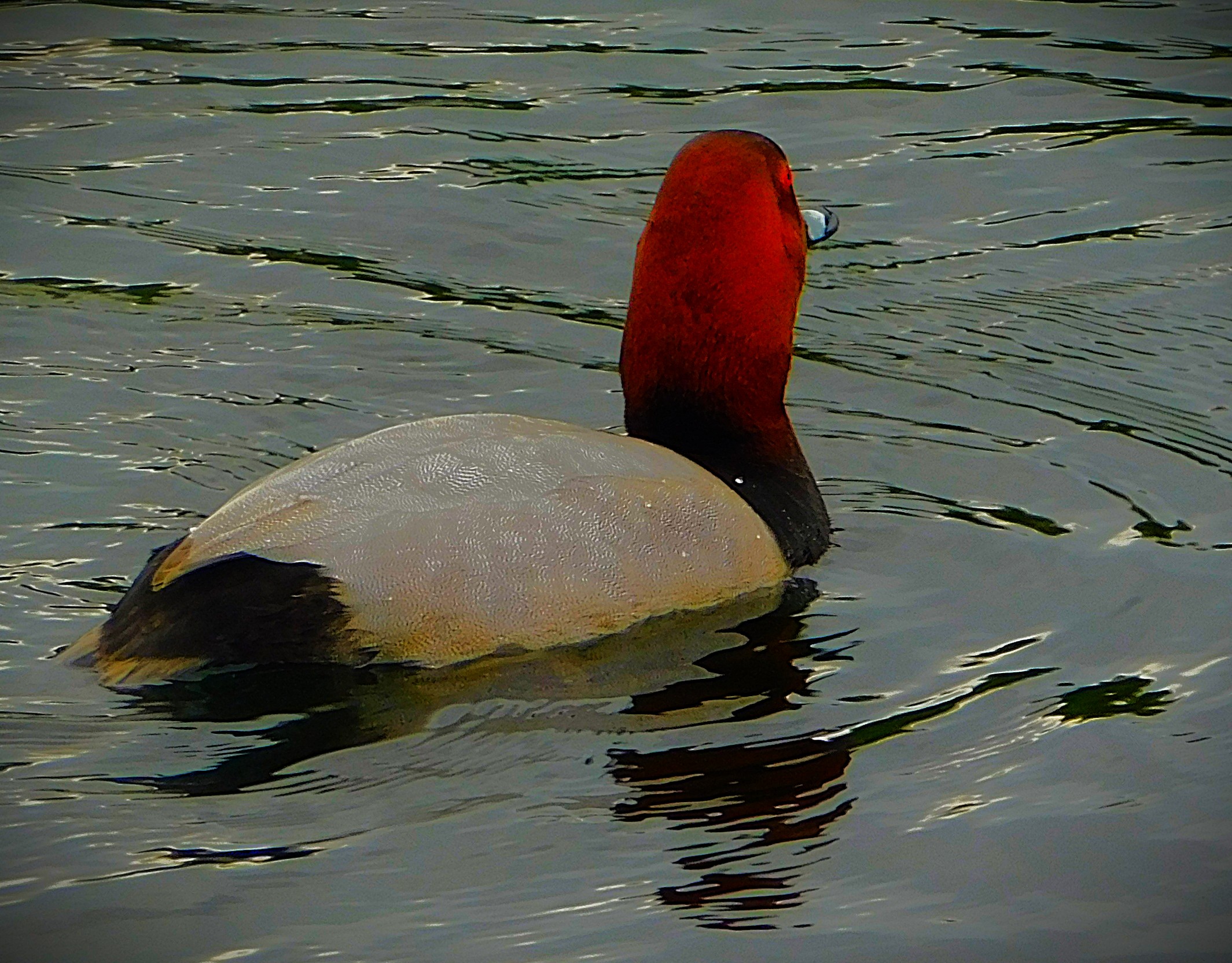
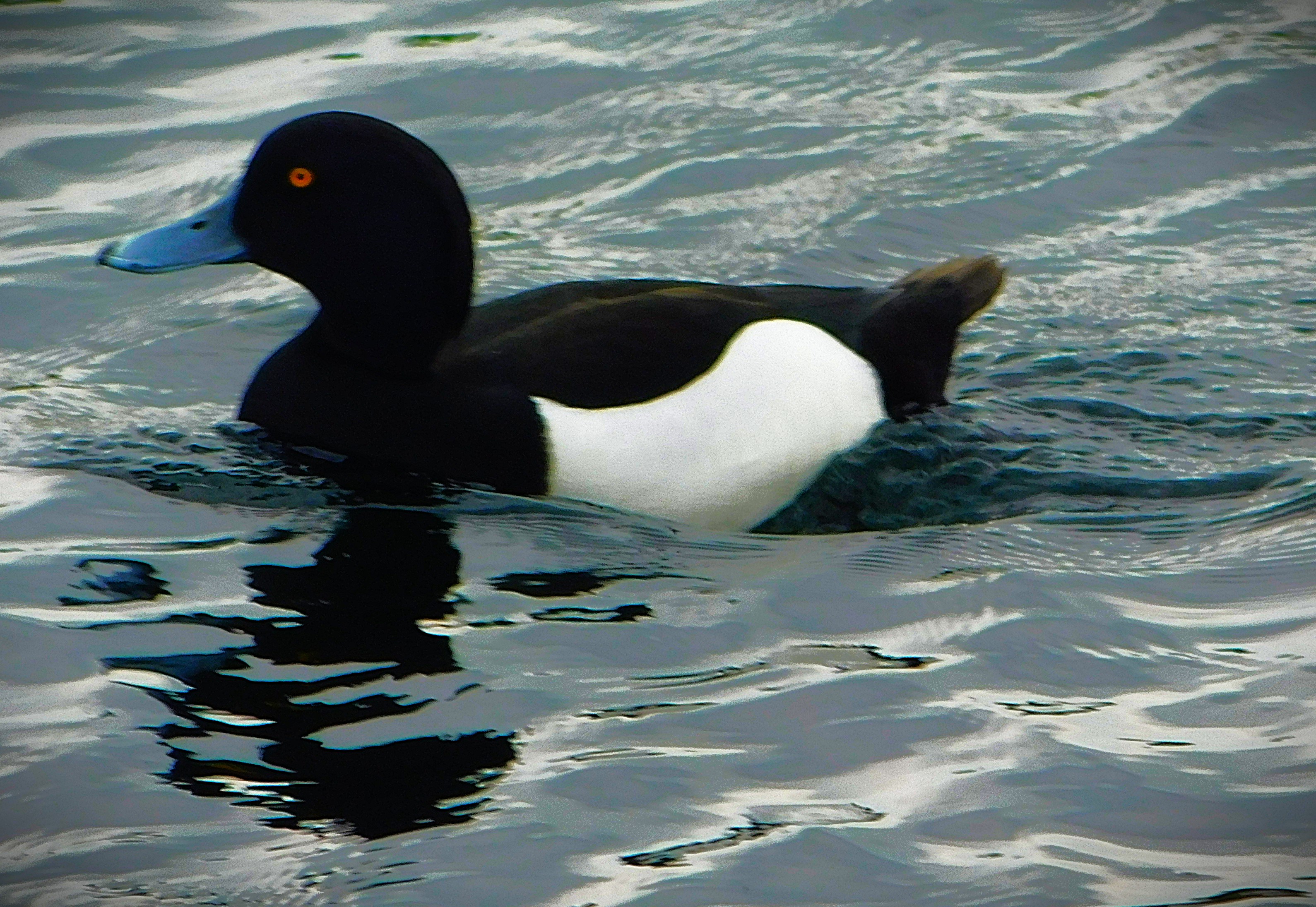
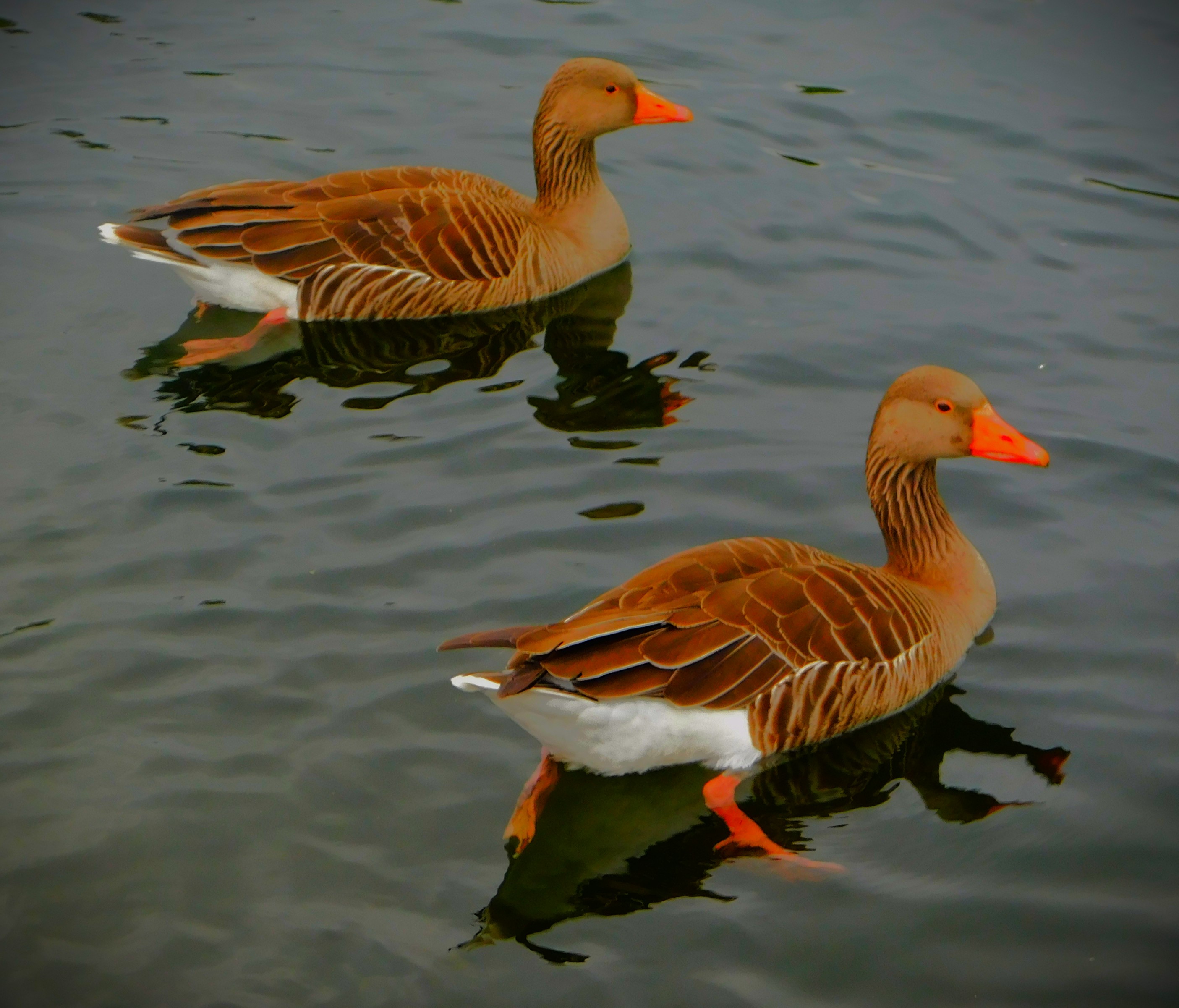
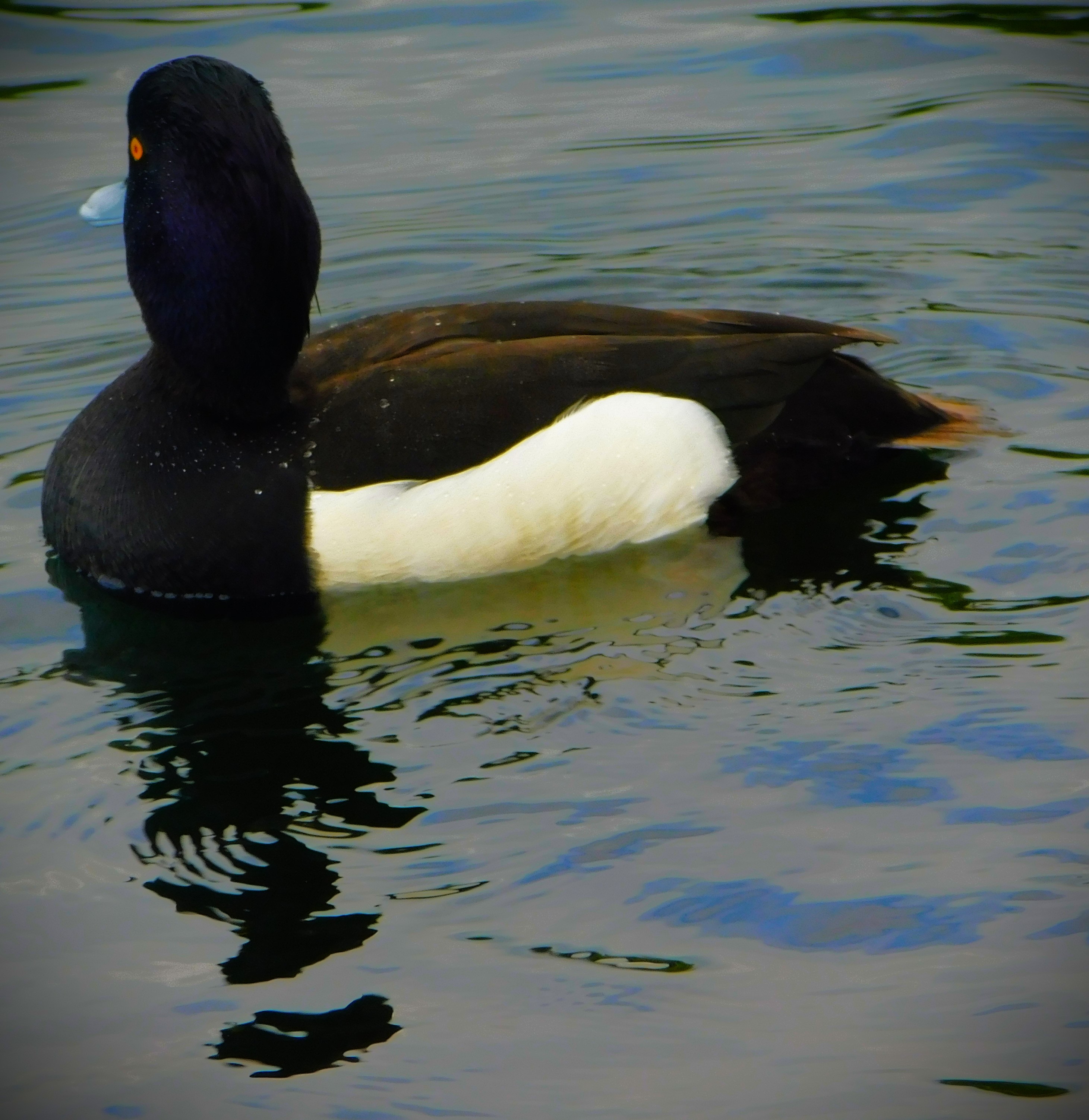
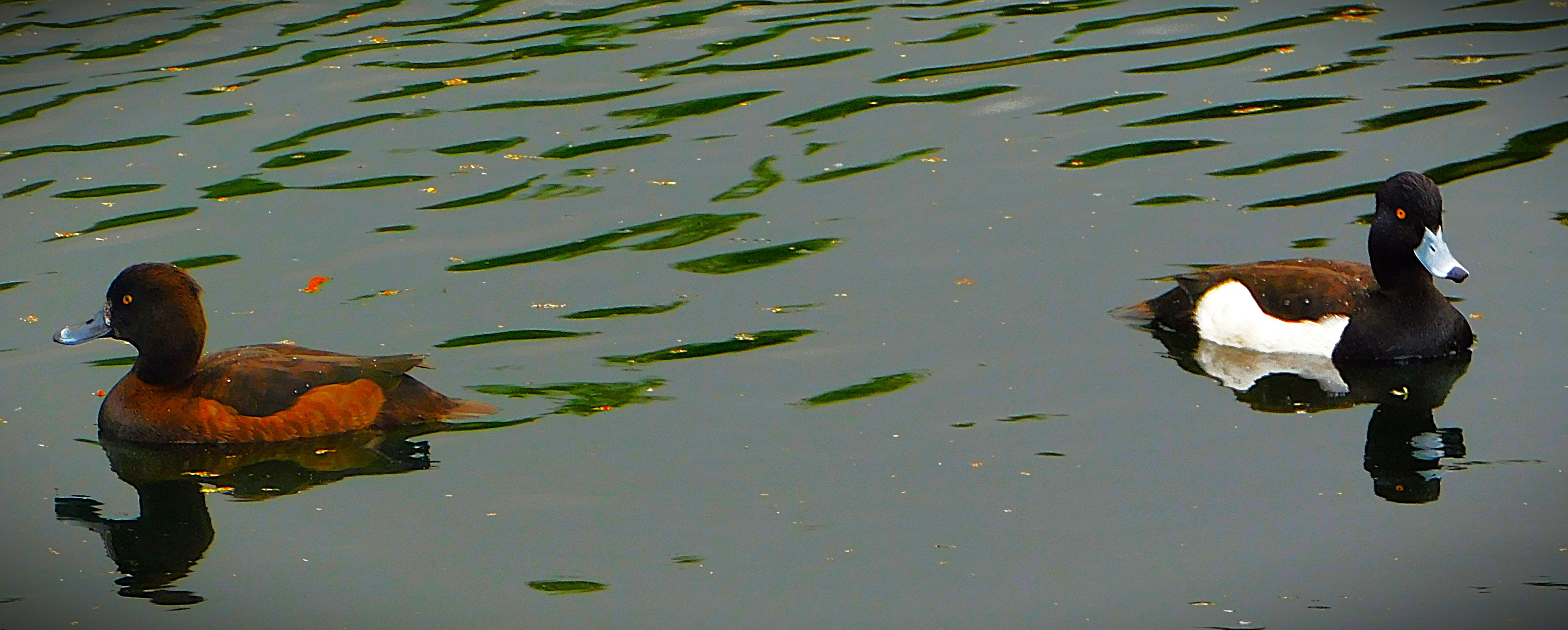
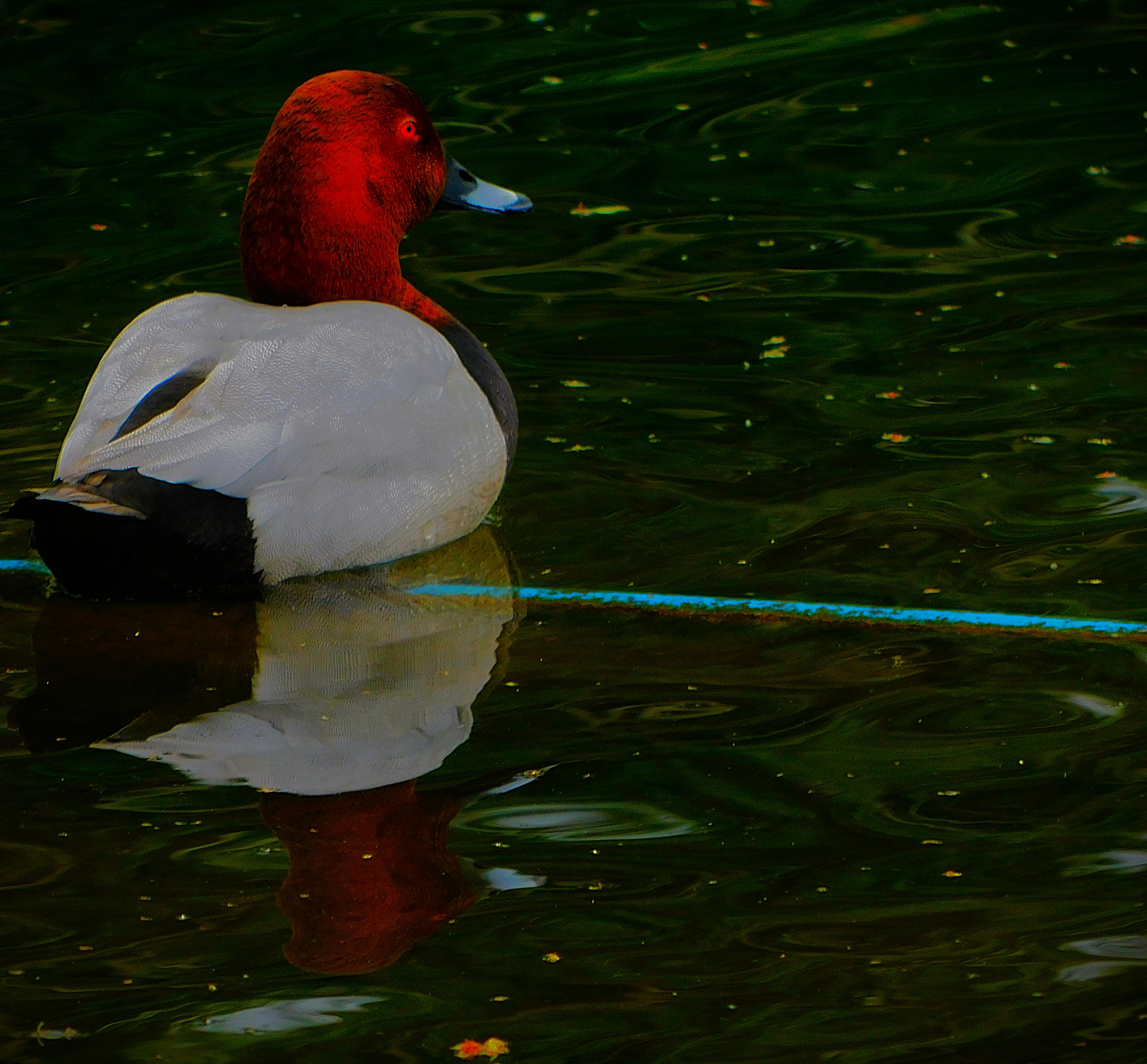
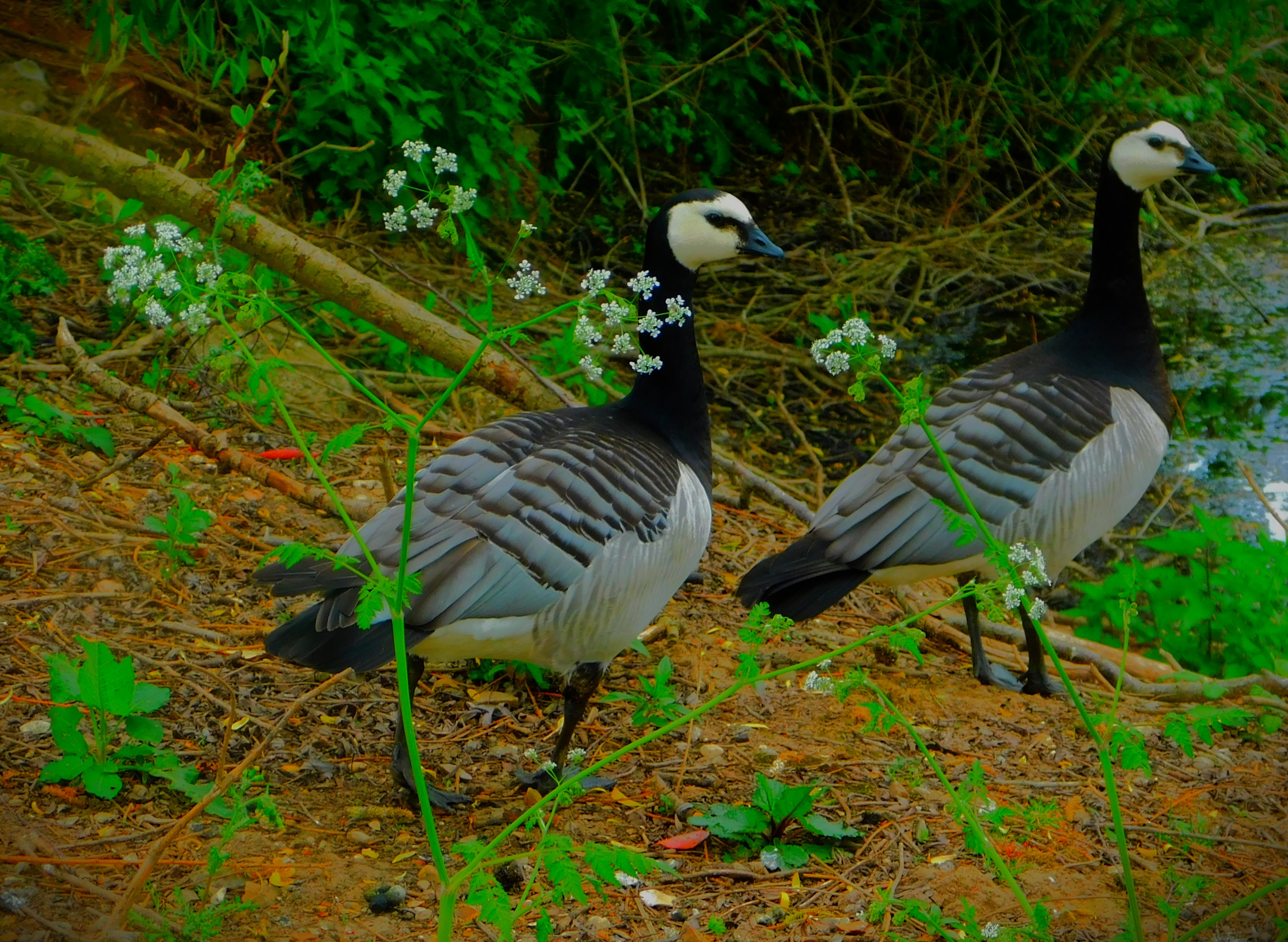
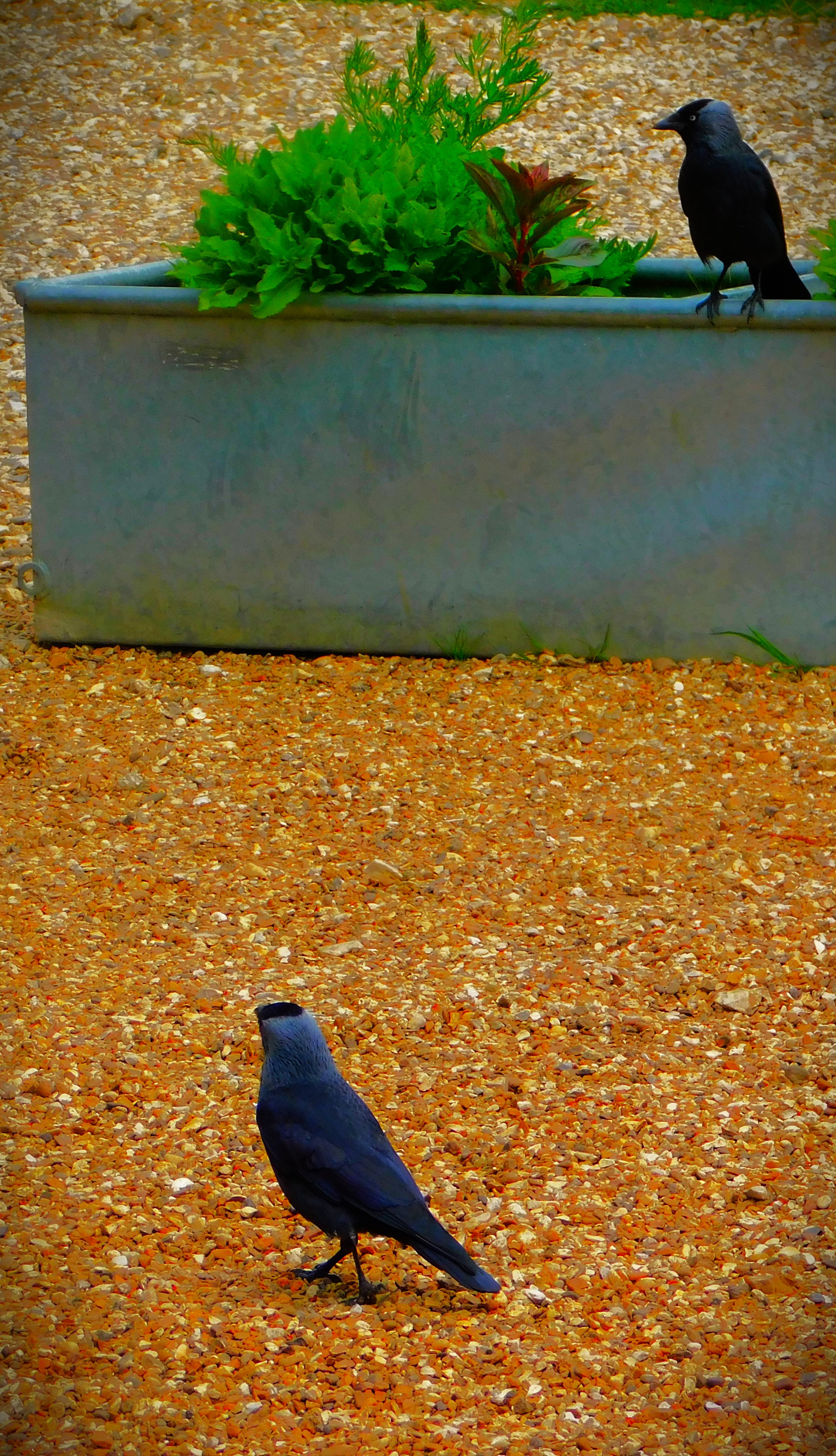
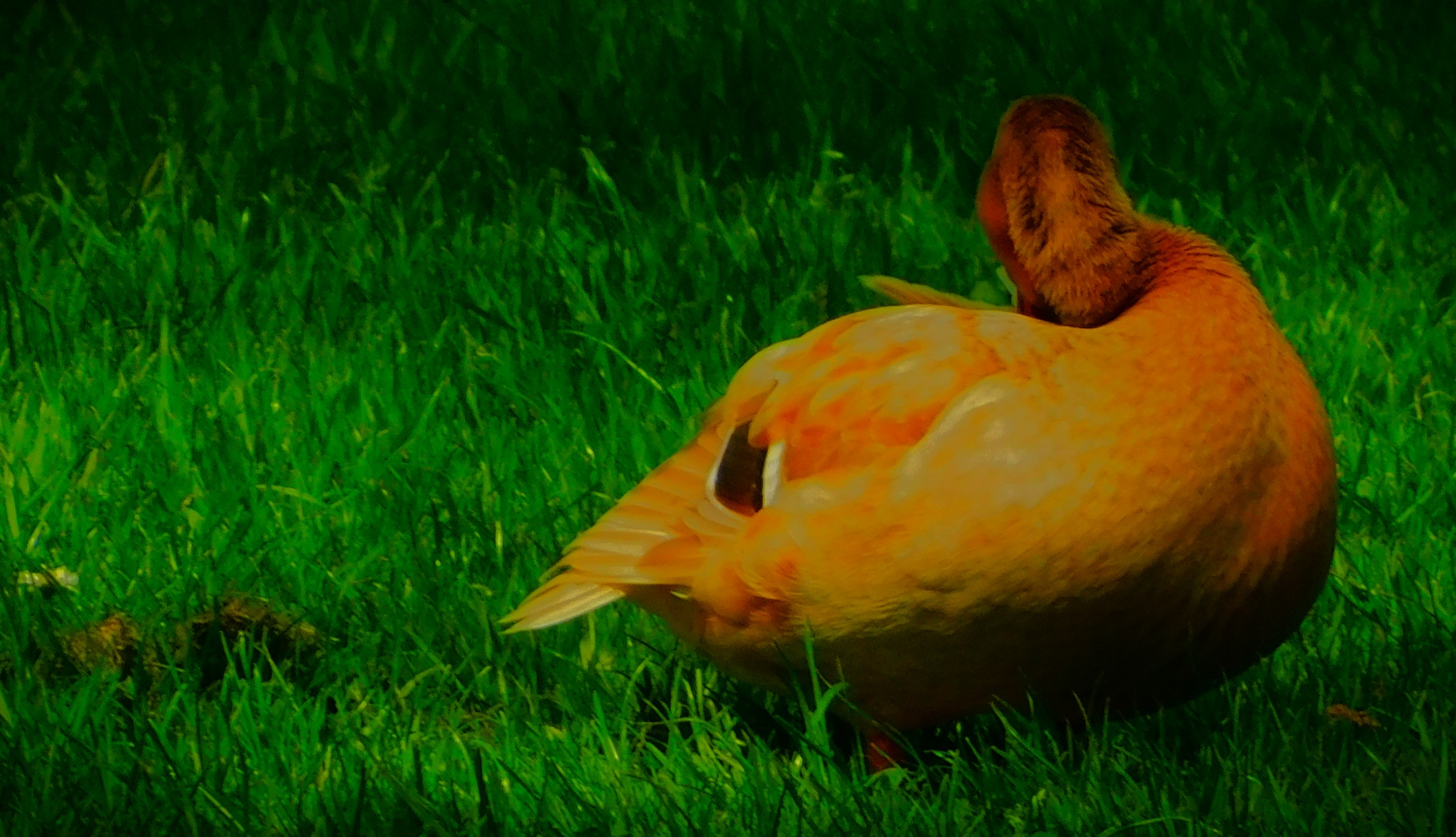
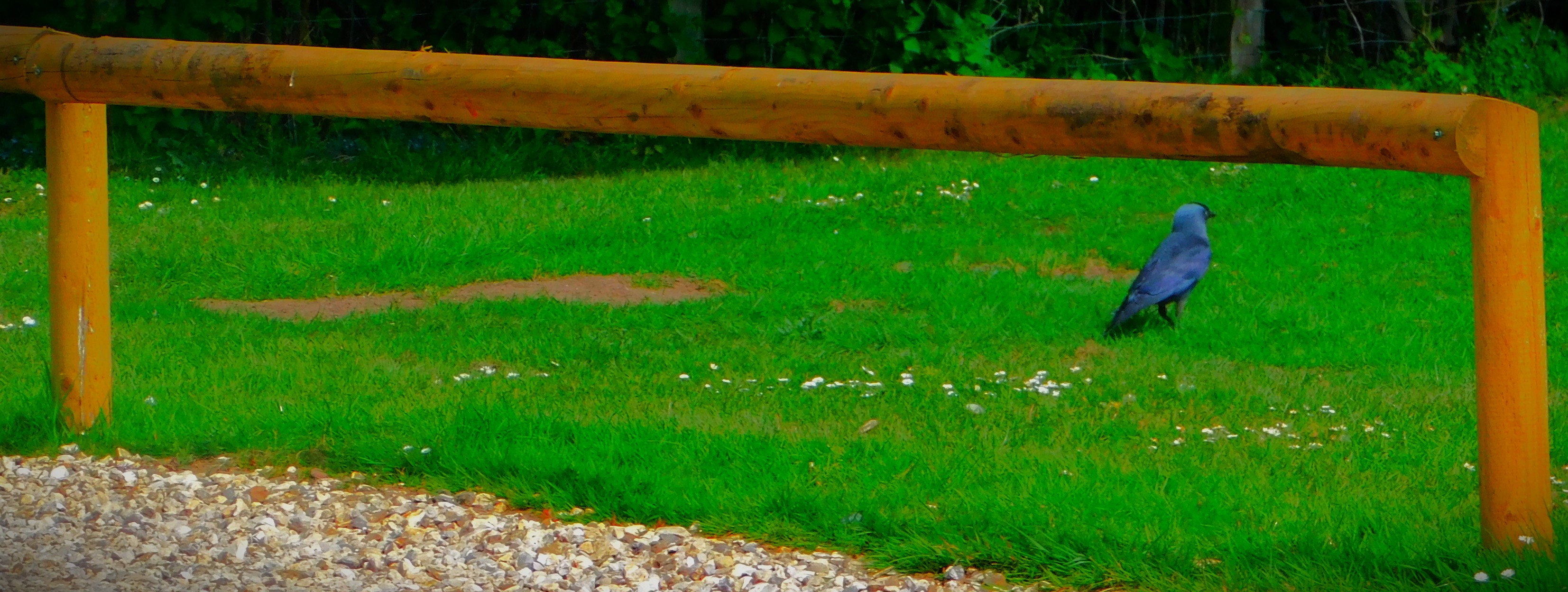
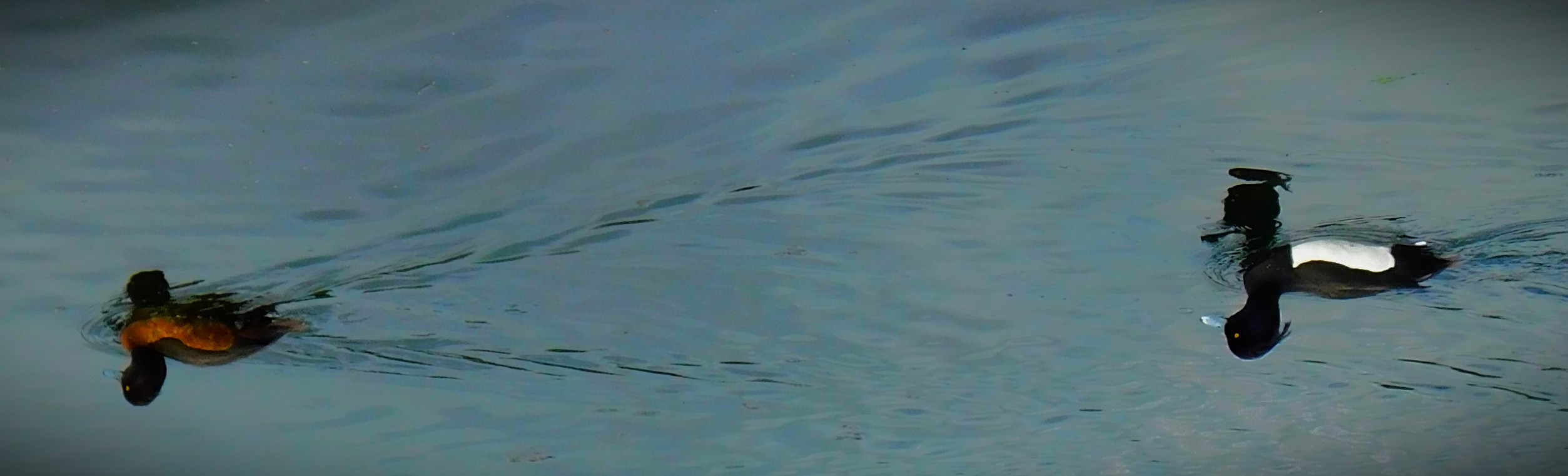
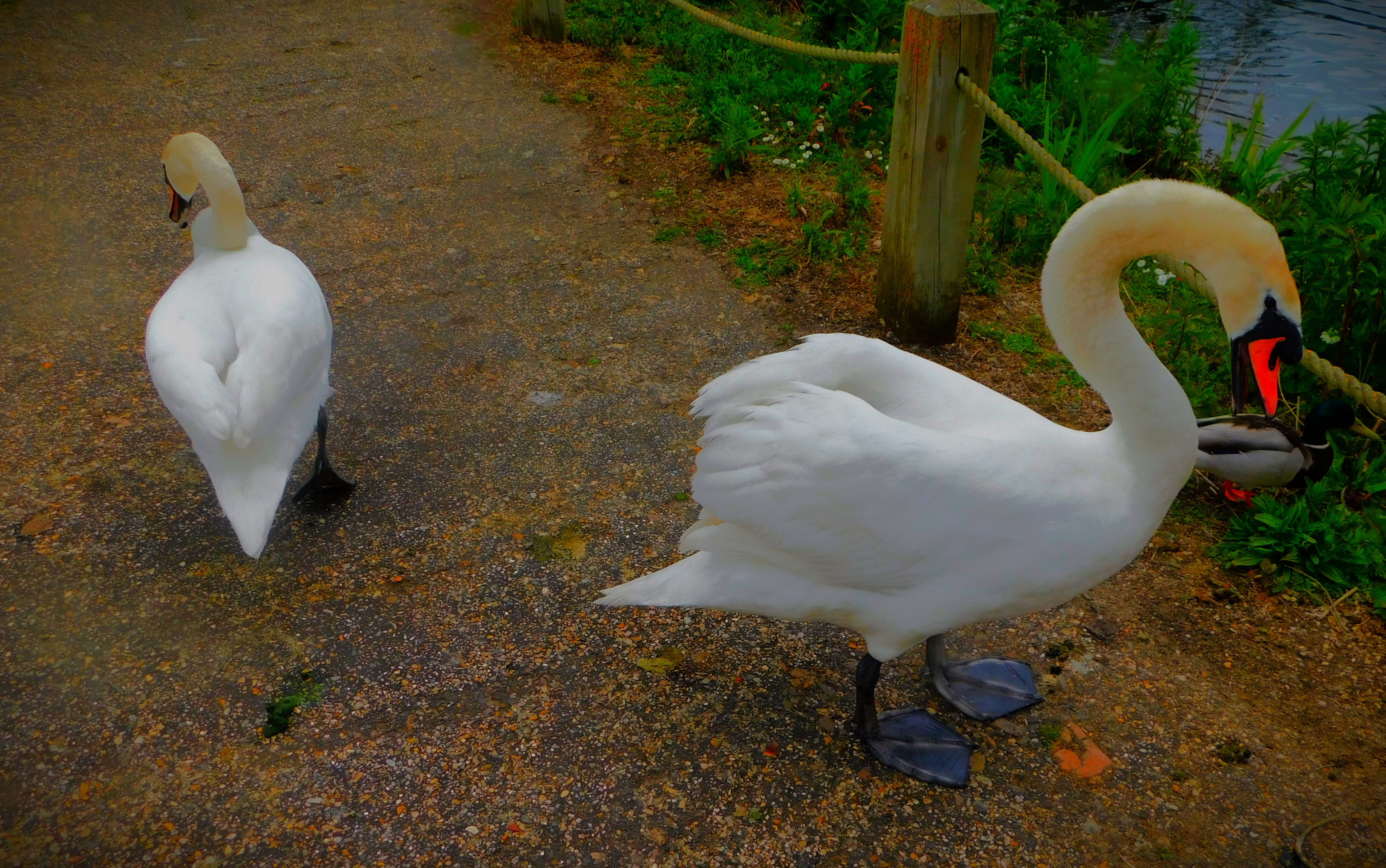
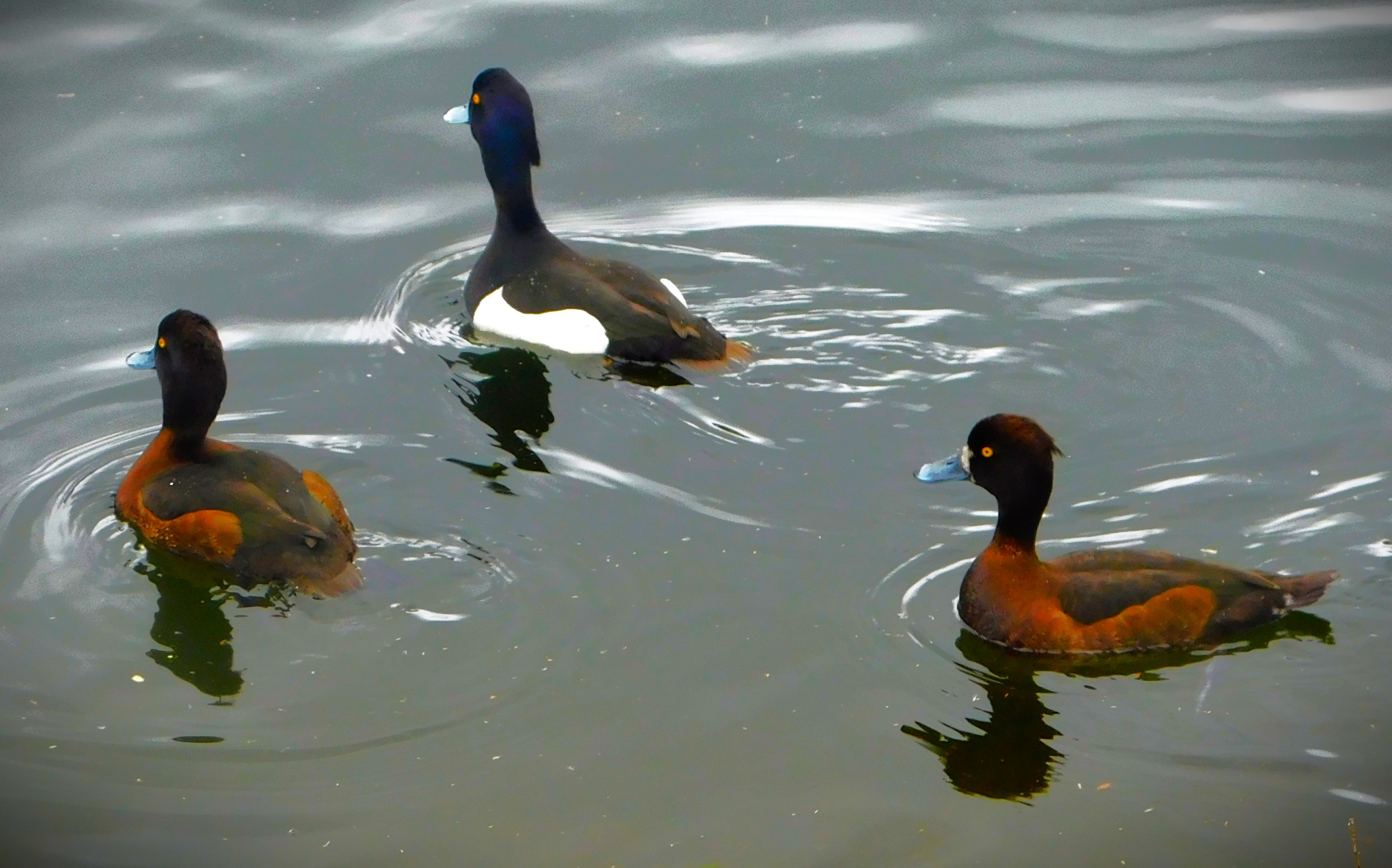
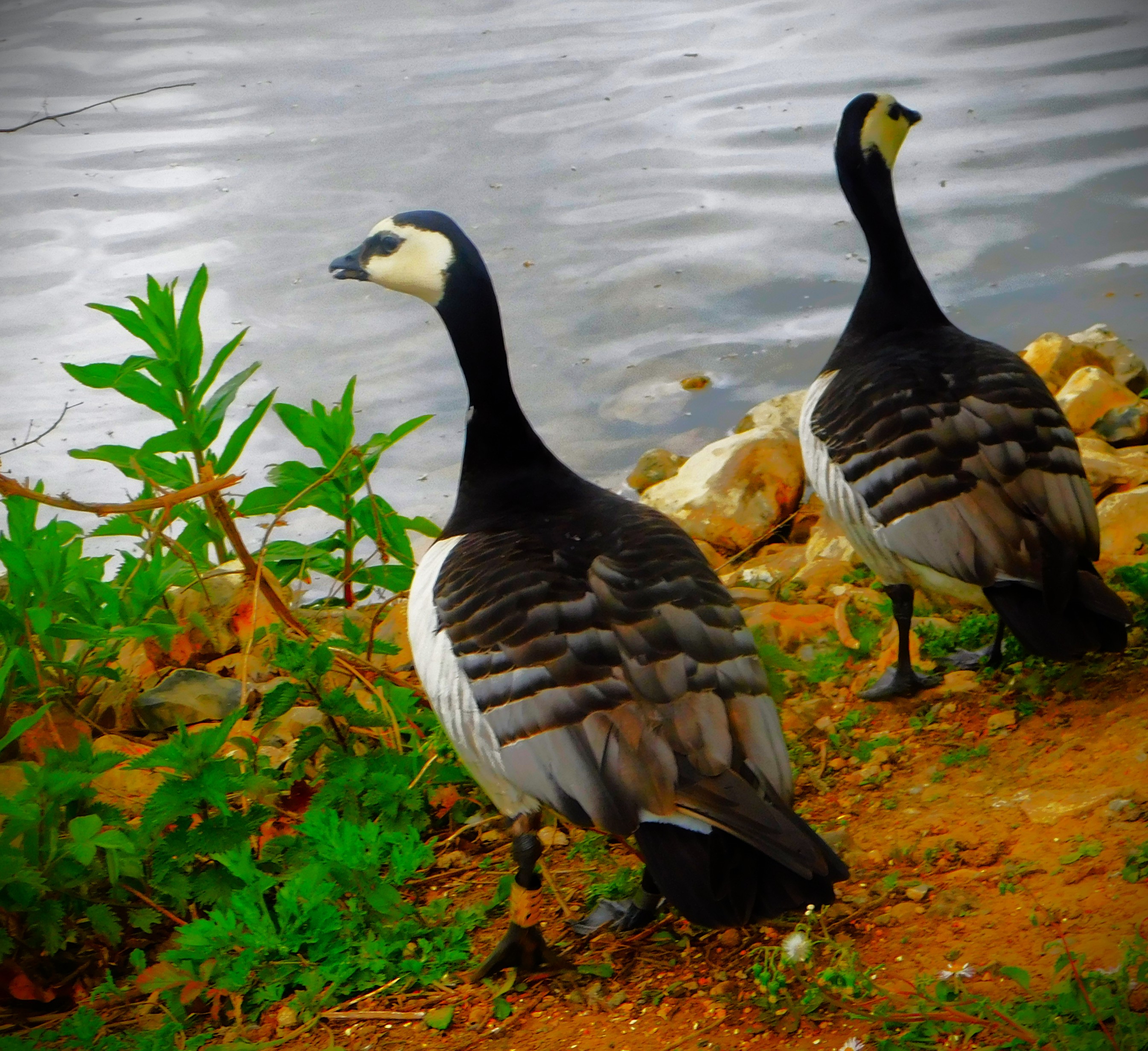
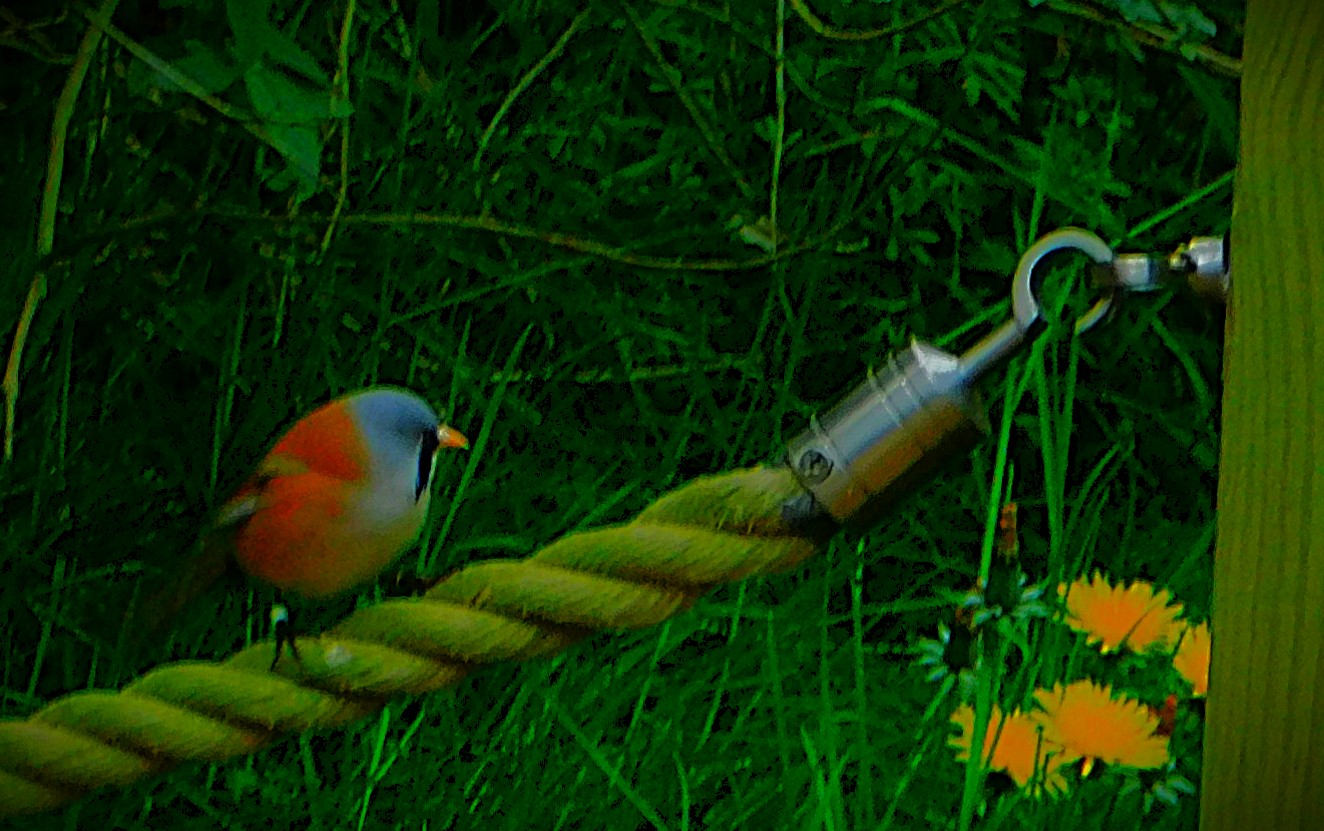
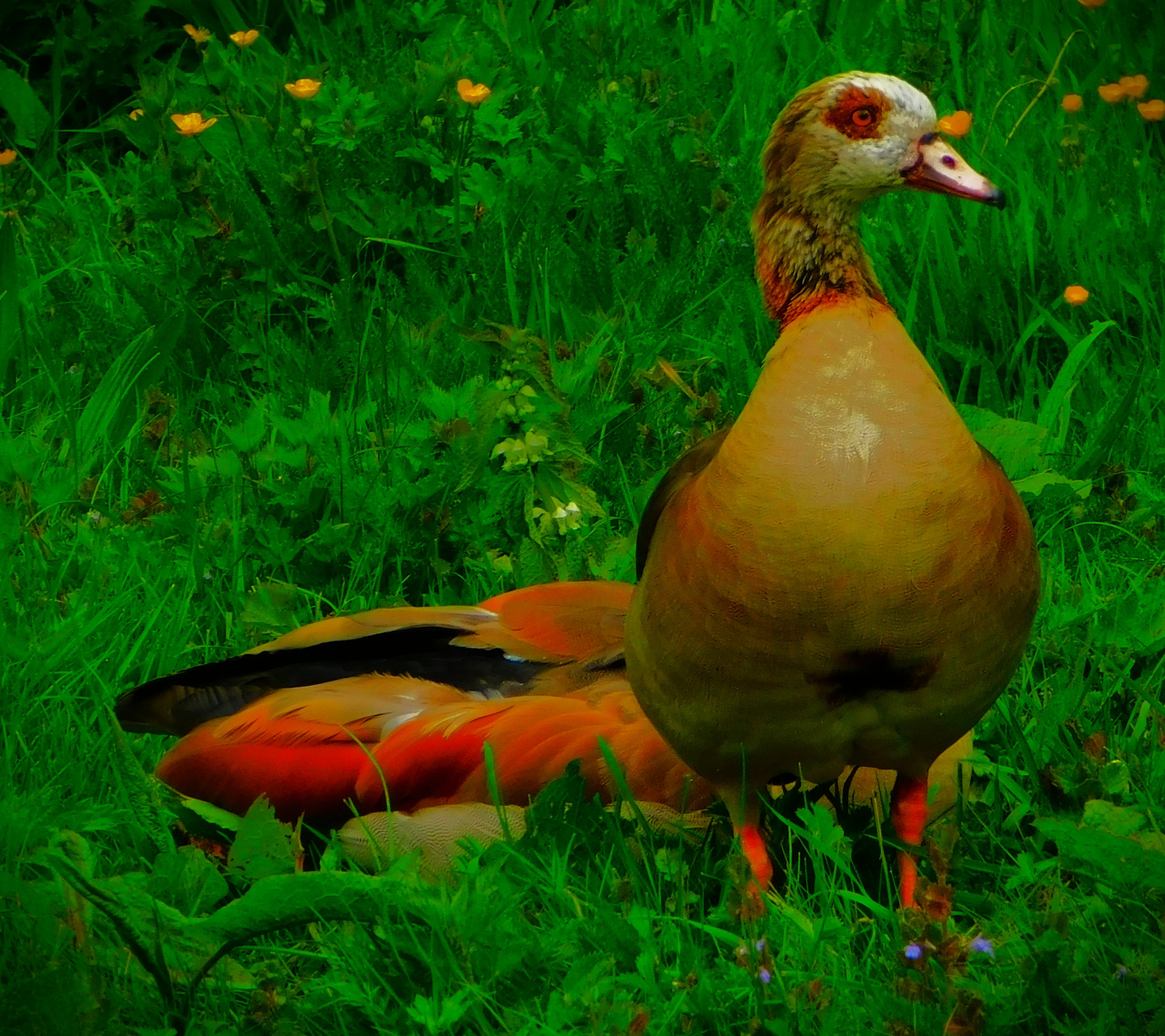
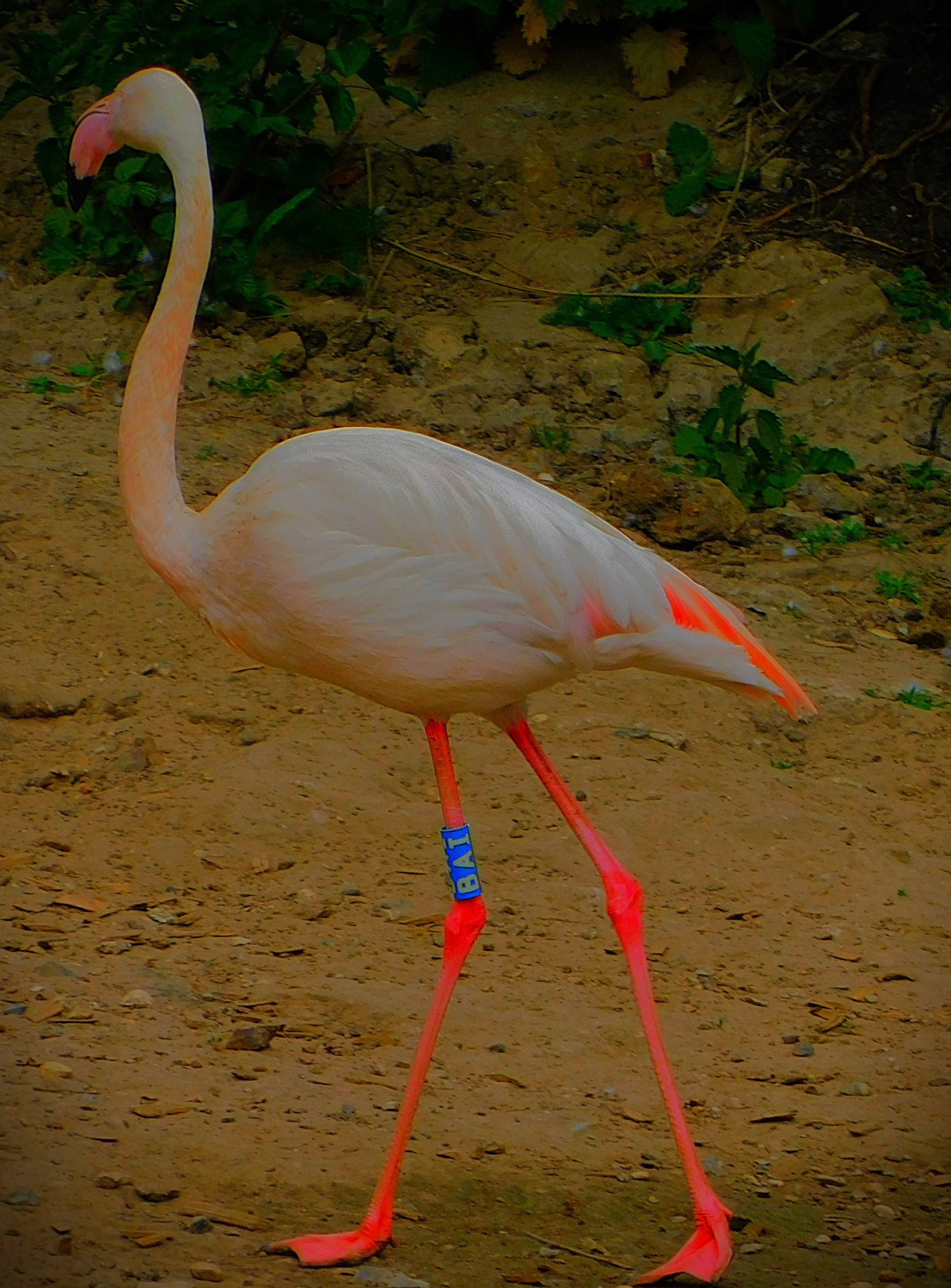
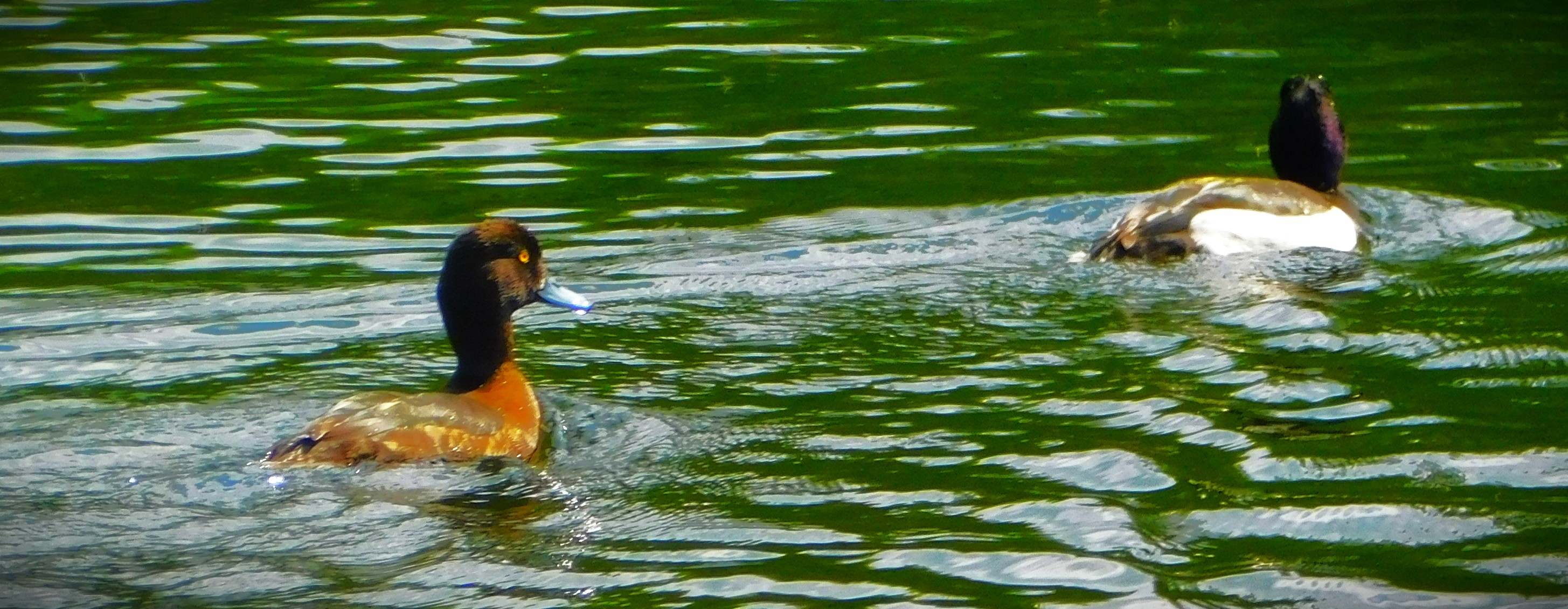
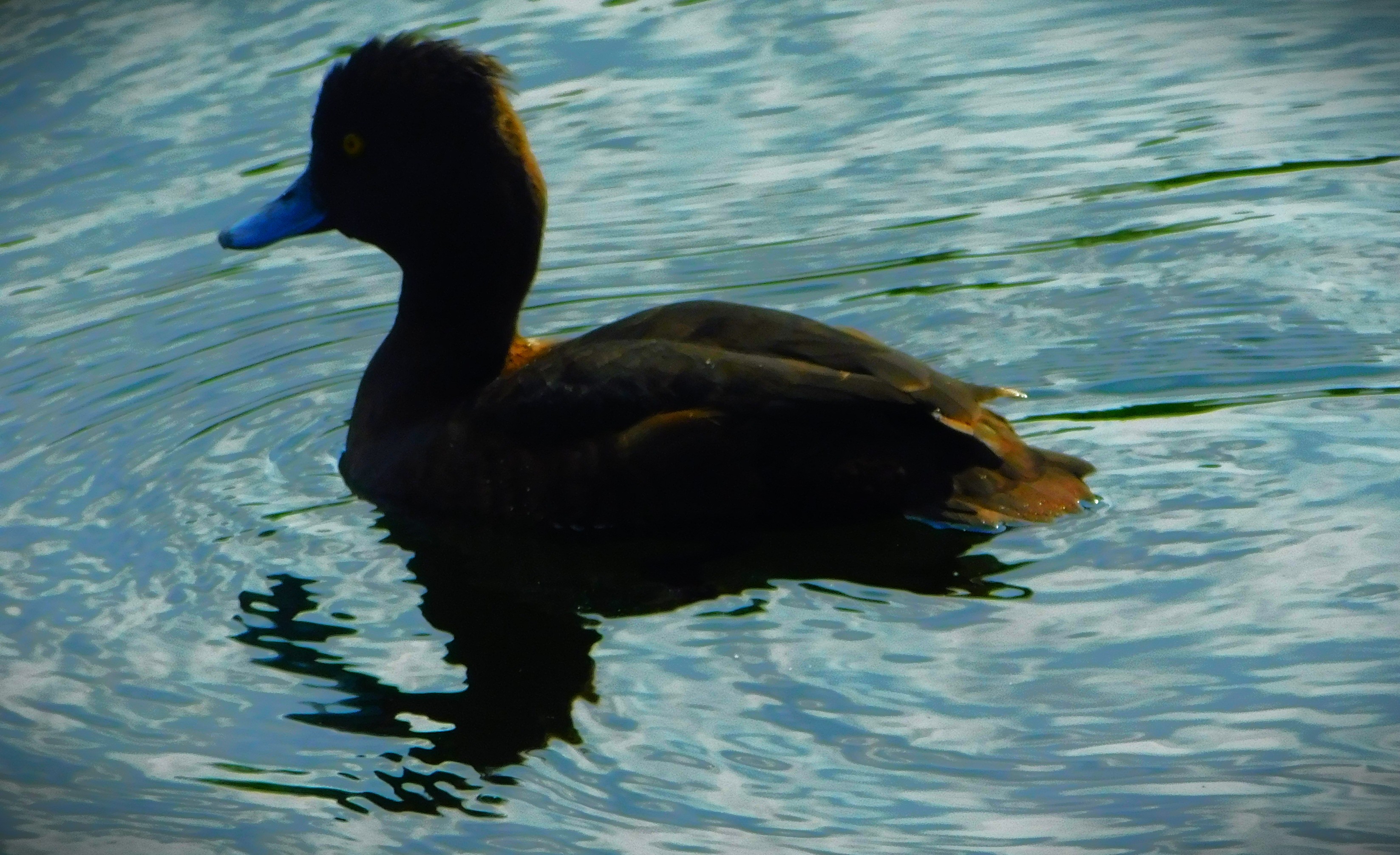
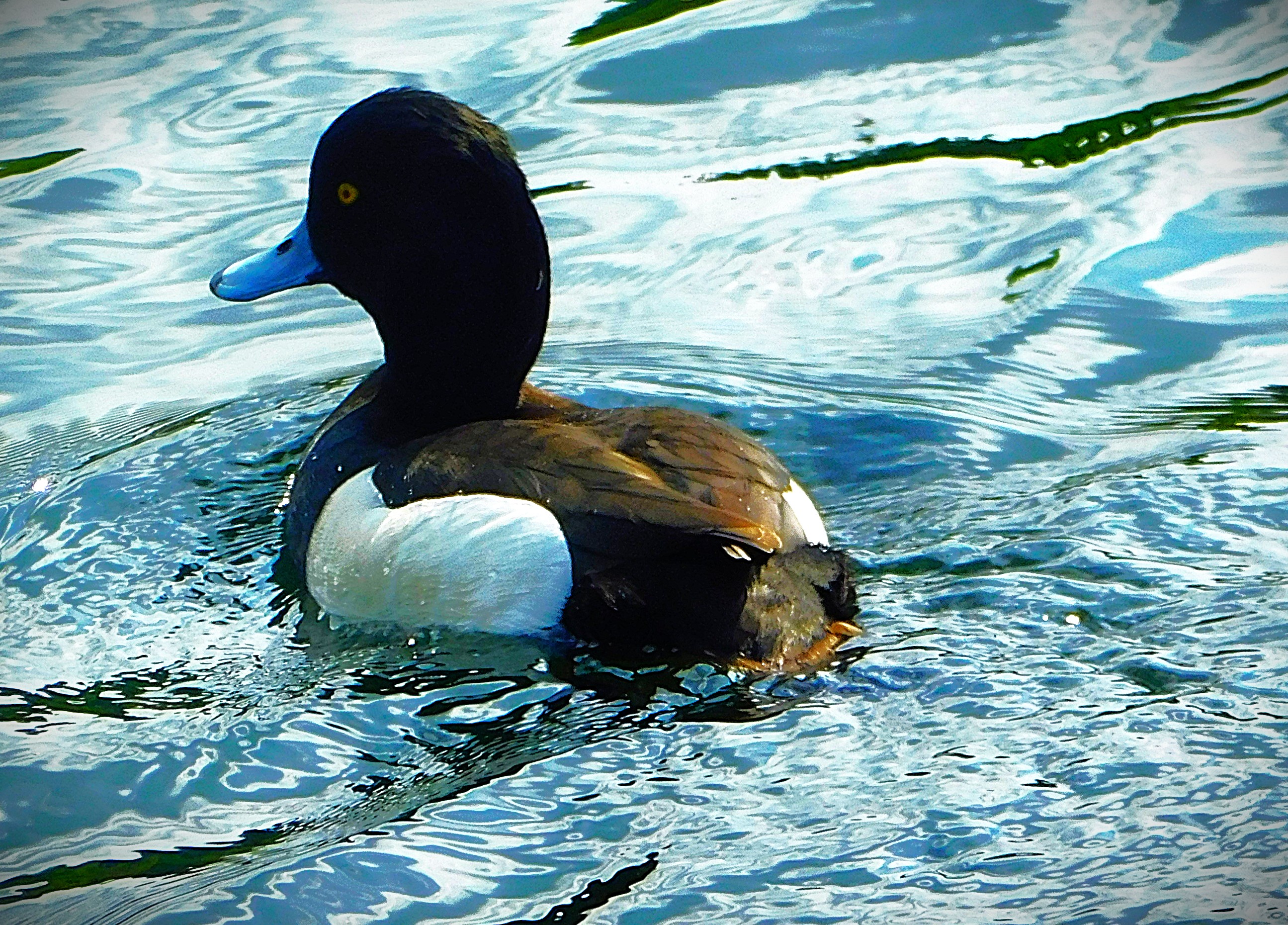
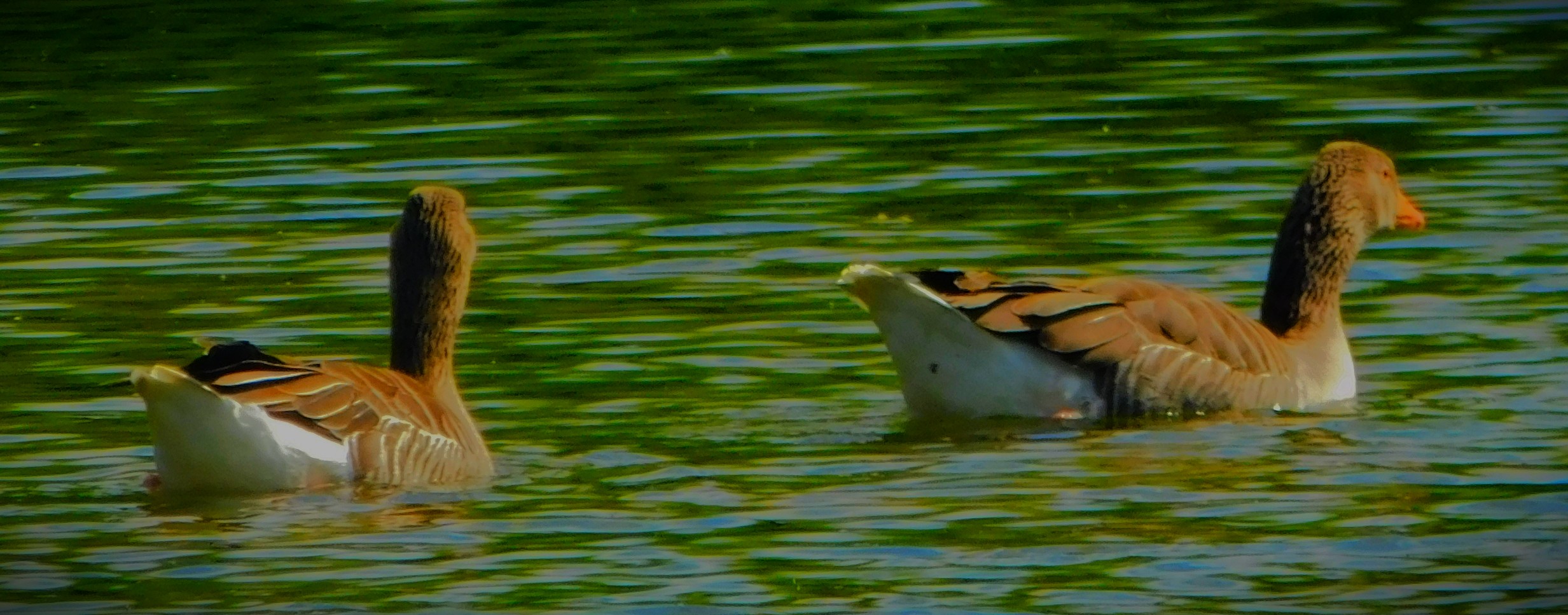
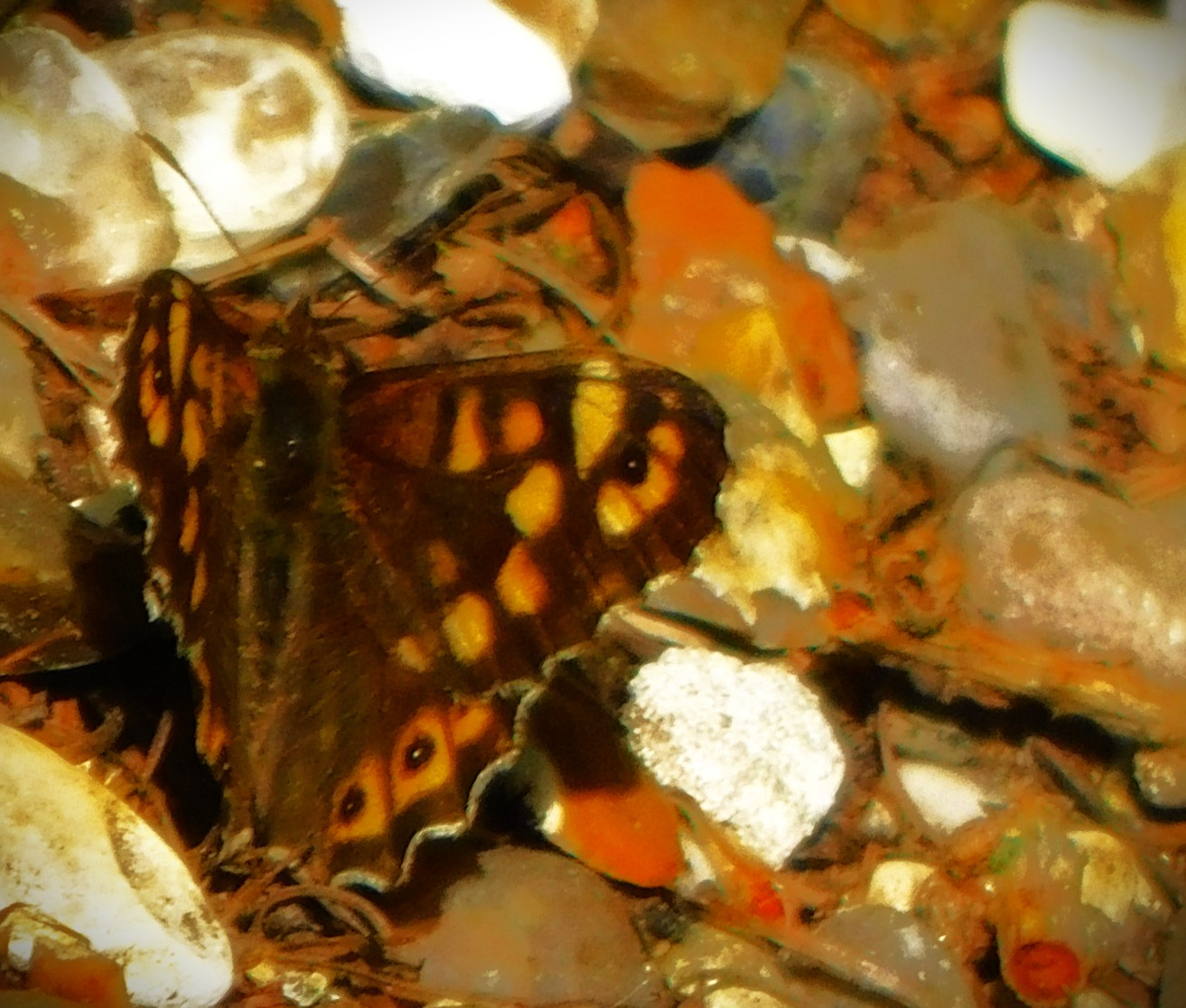
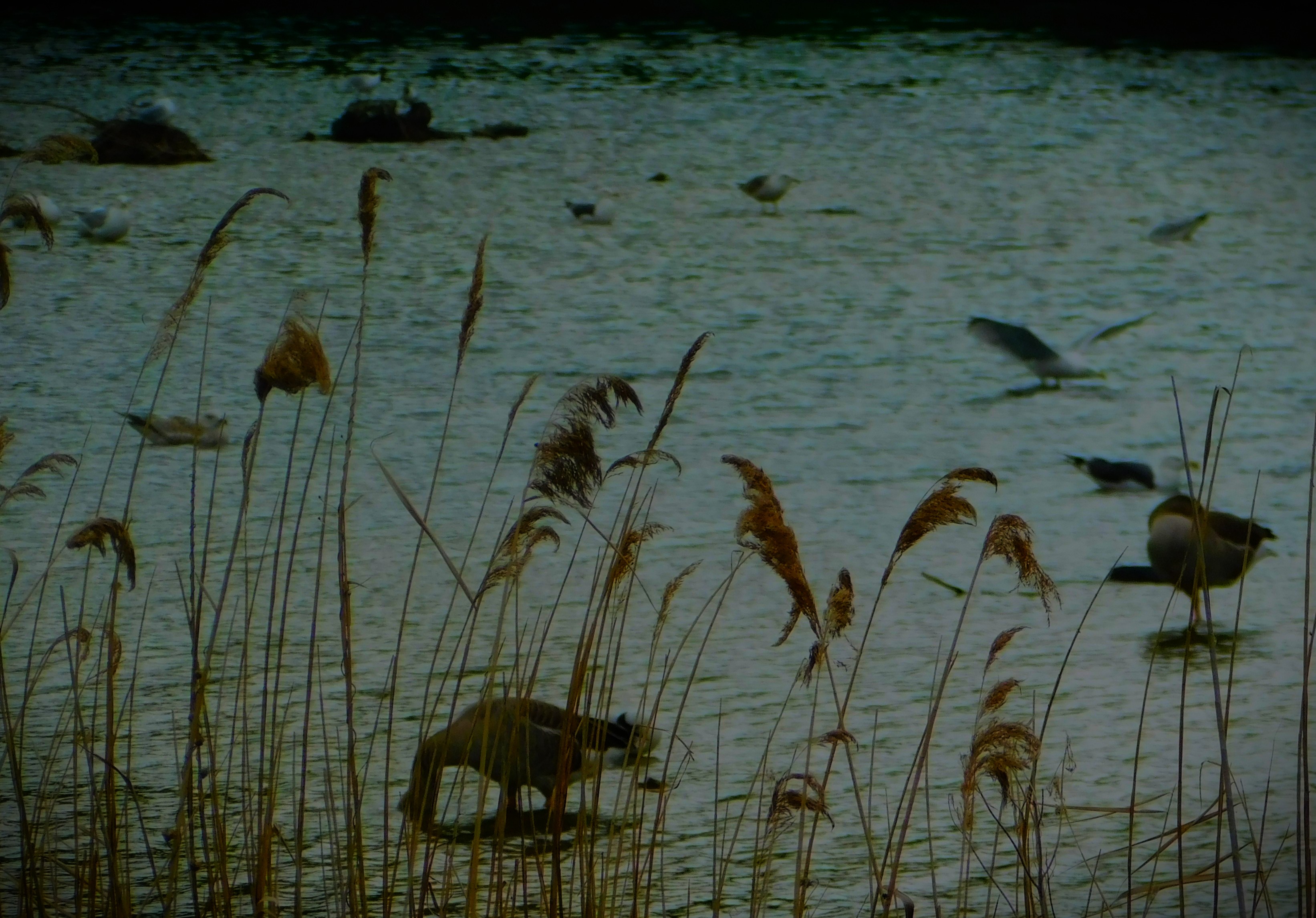
These are neither crane nor flamingo, but were to be seen in between the Flamingo pool and the Crane hide.This shot of a flamingo taking to the air justified my second visit to that area all on its own.
GENERAL PHOTOGRAPHS
I end with photos from non-specific parts of Pensthorpe:
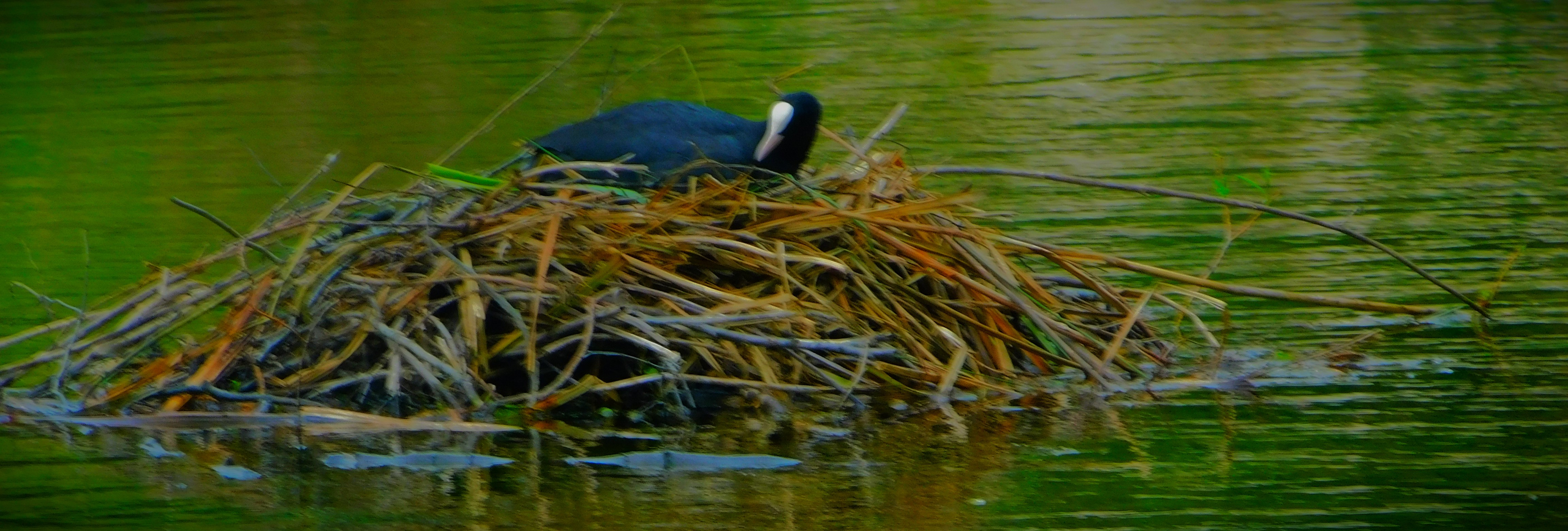
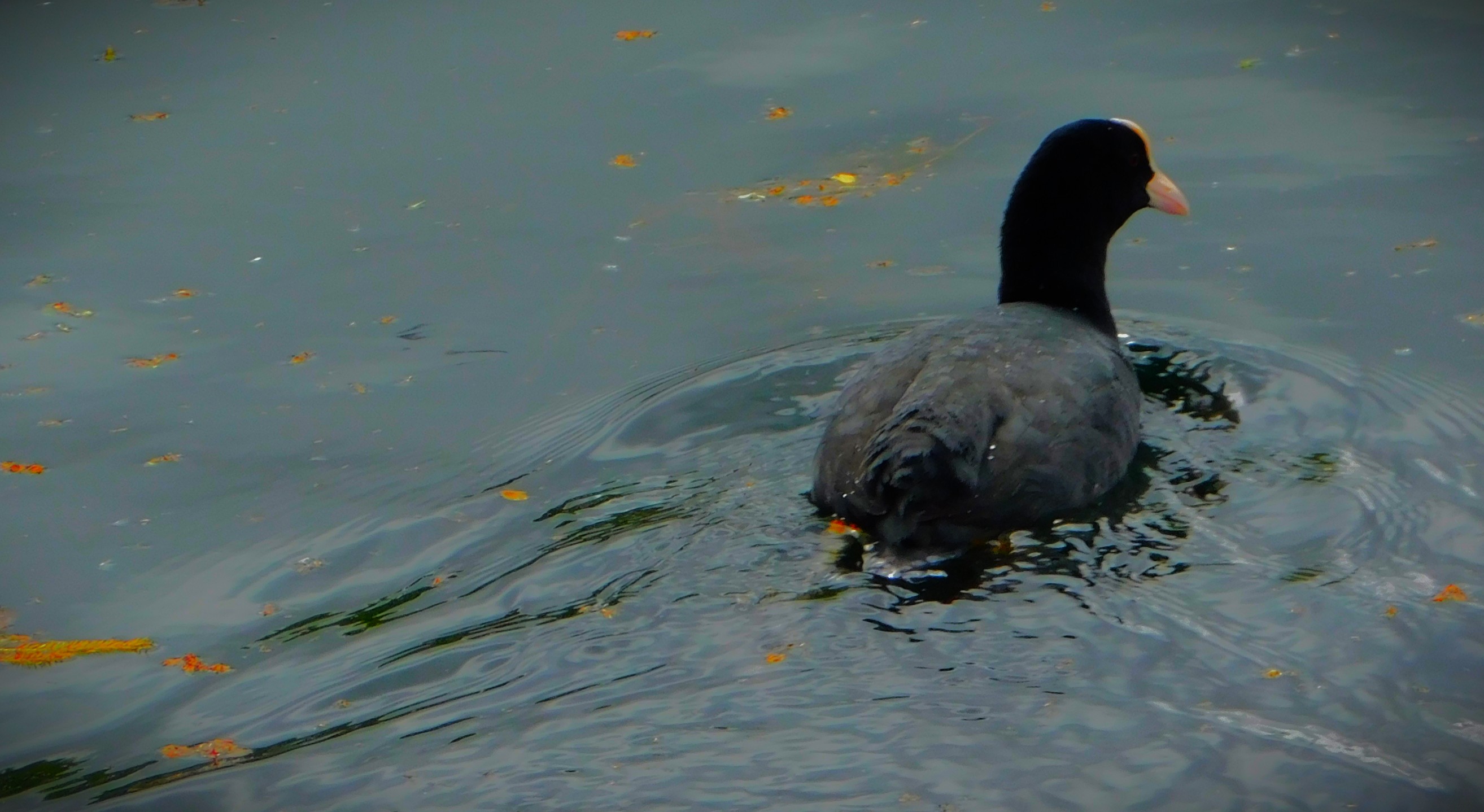
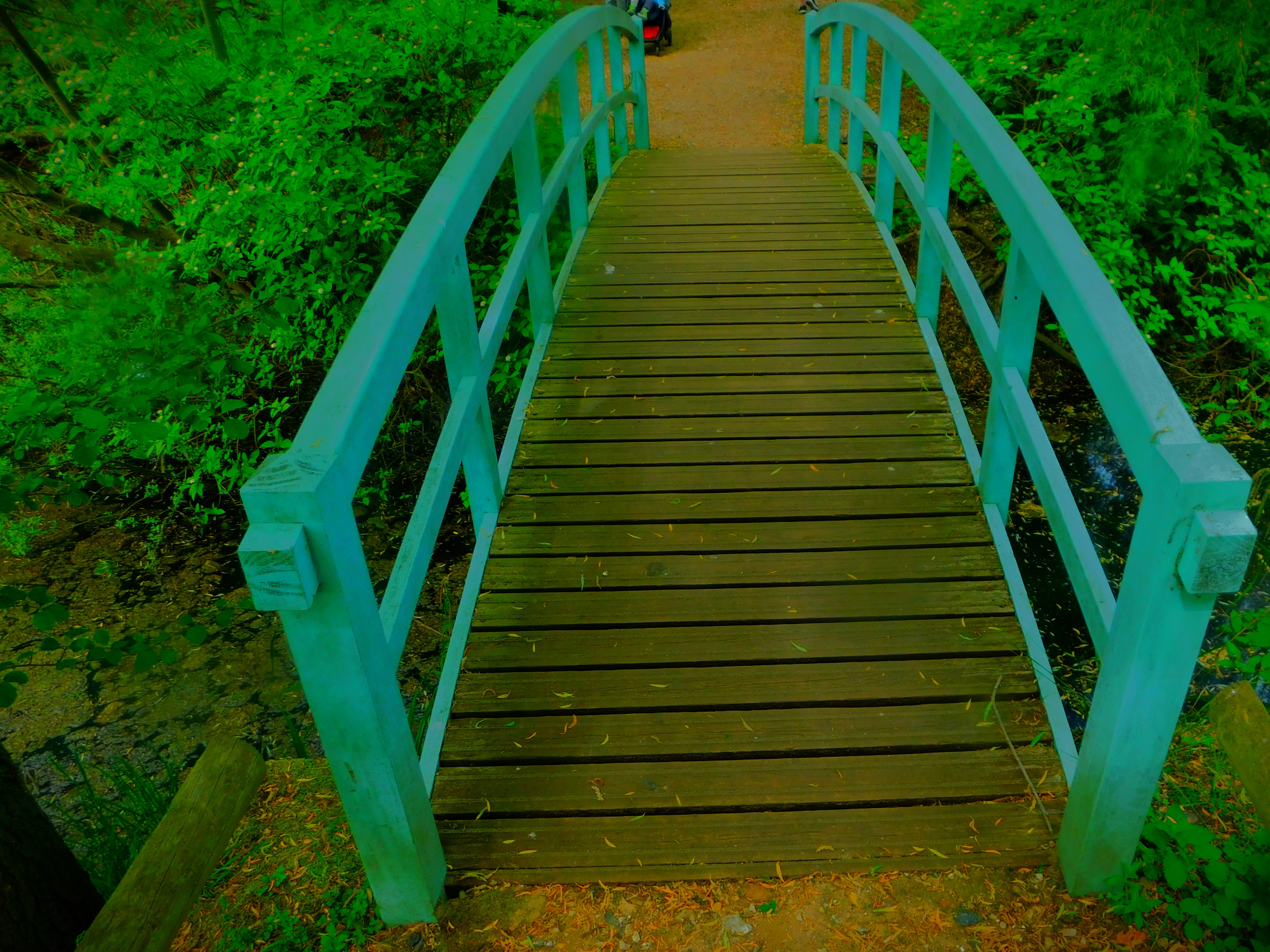
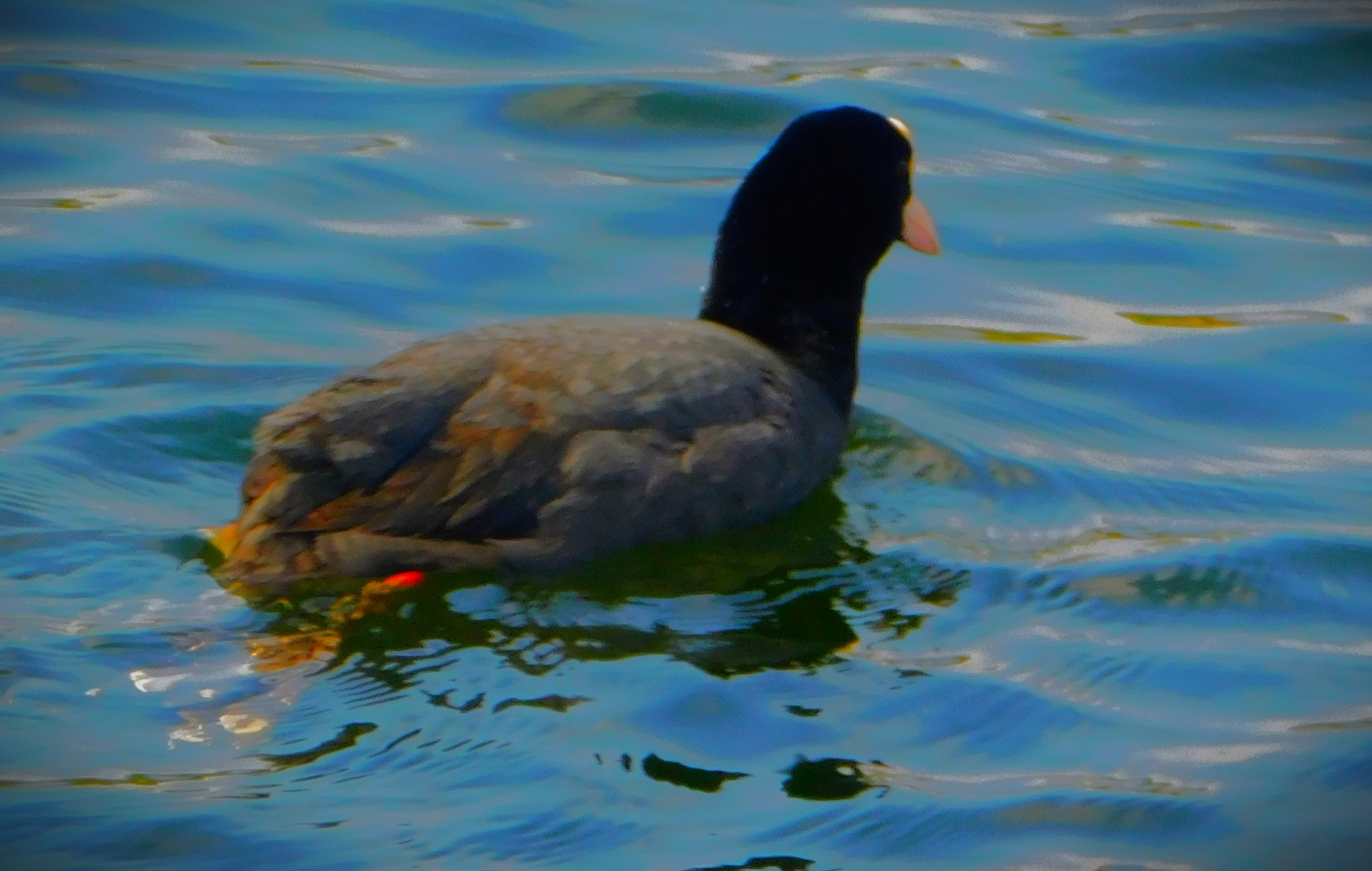
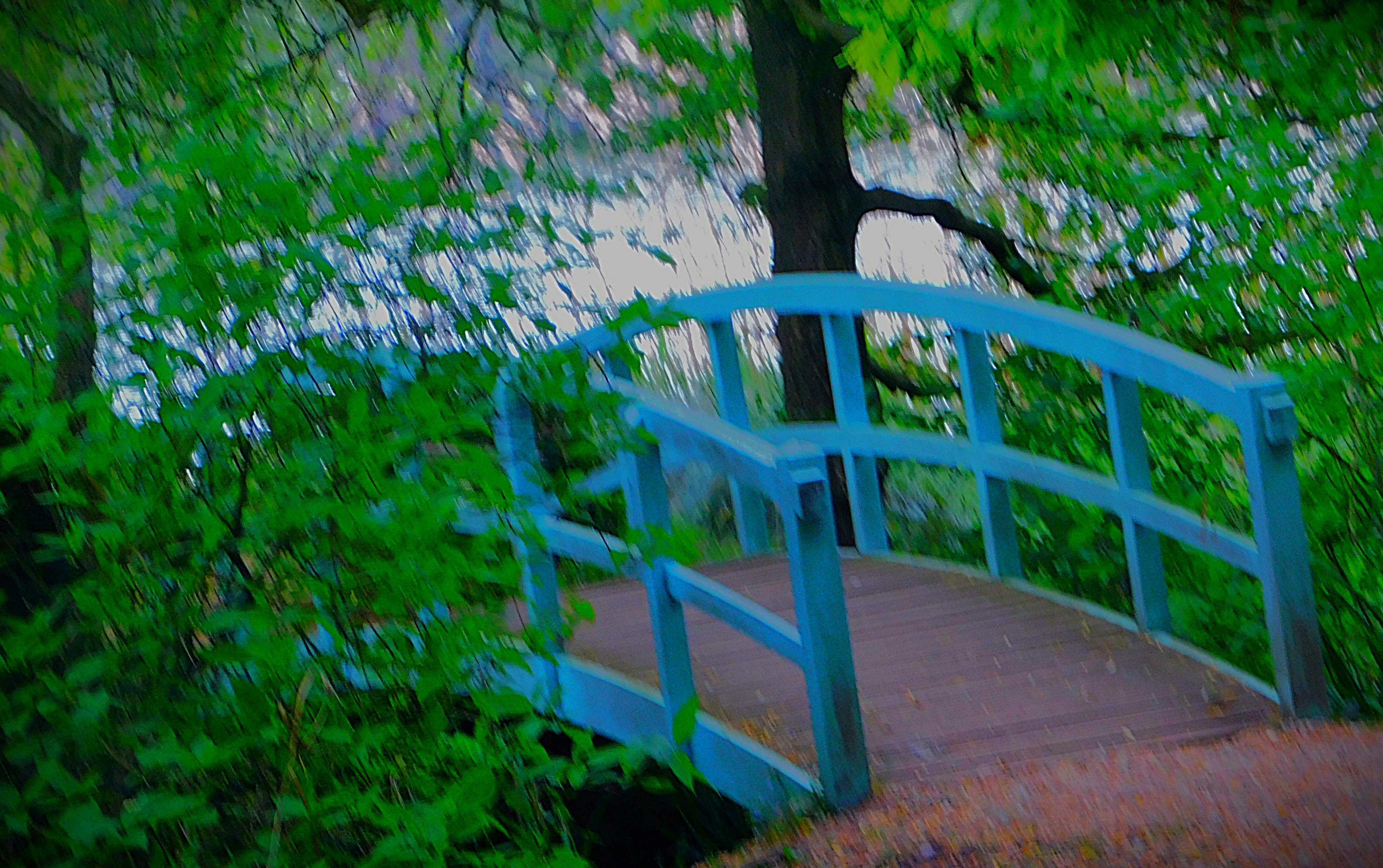
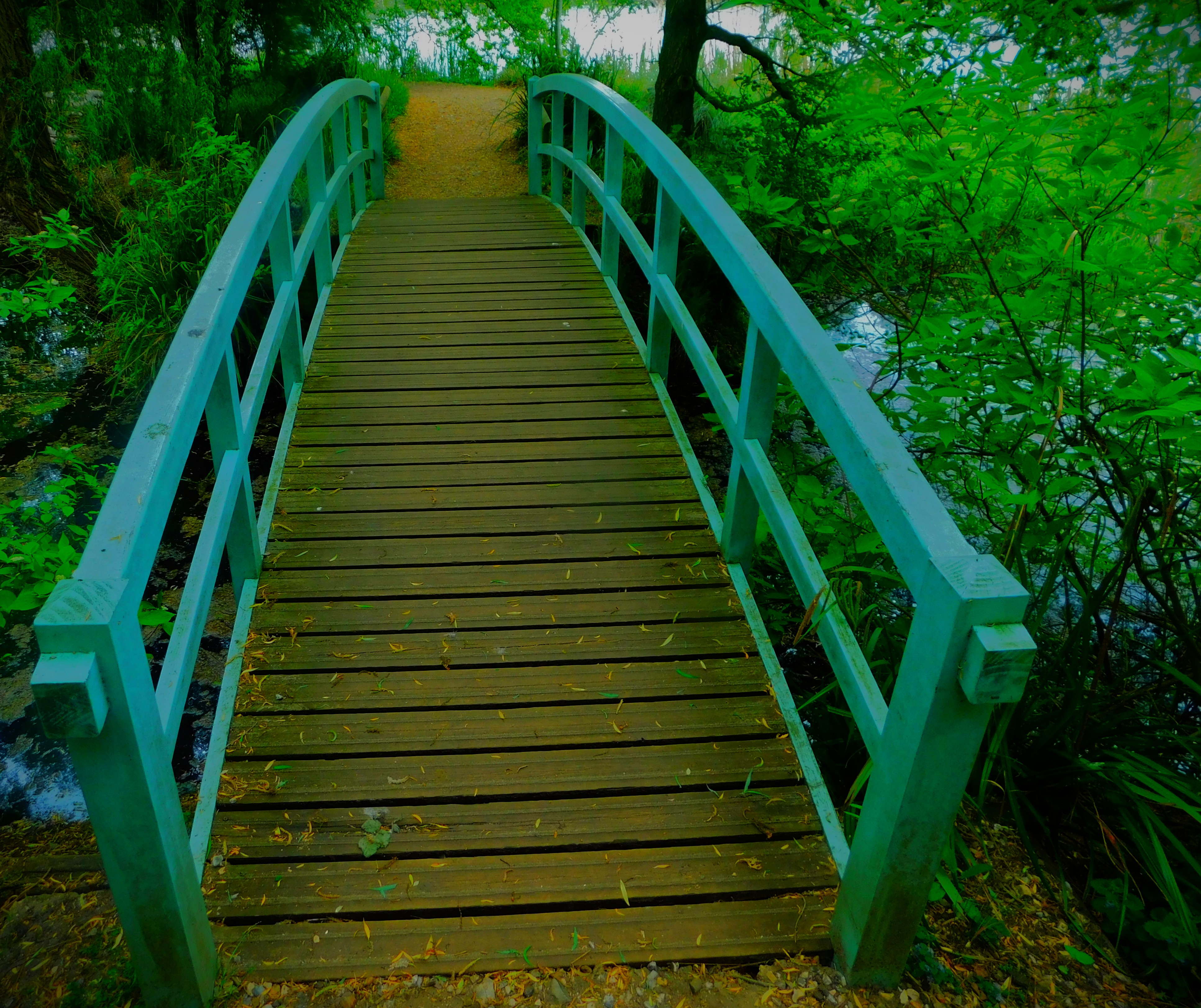
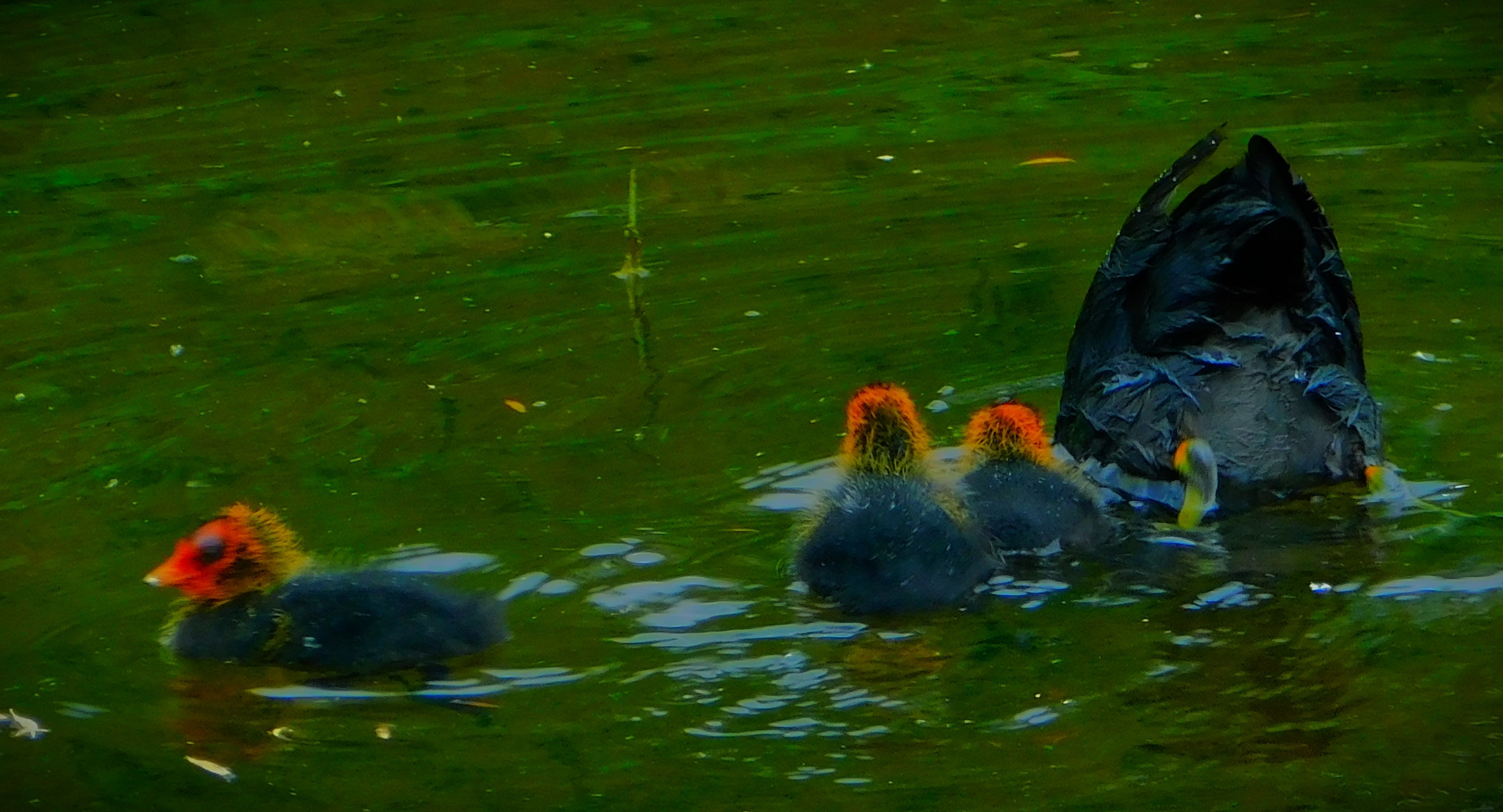
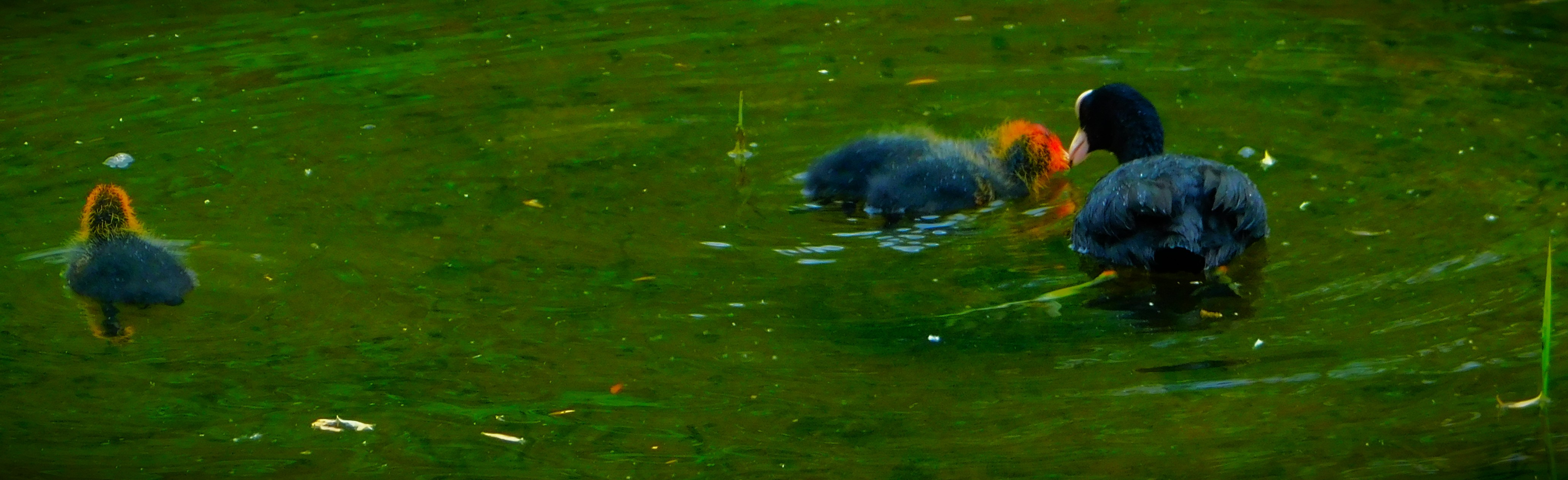
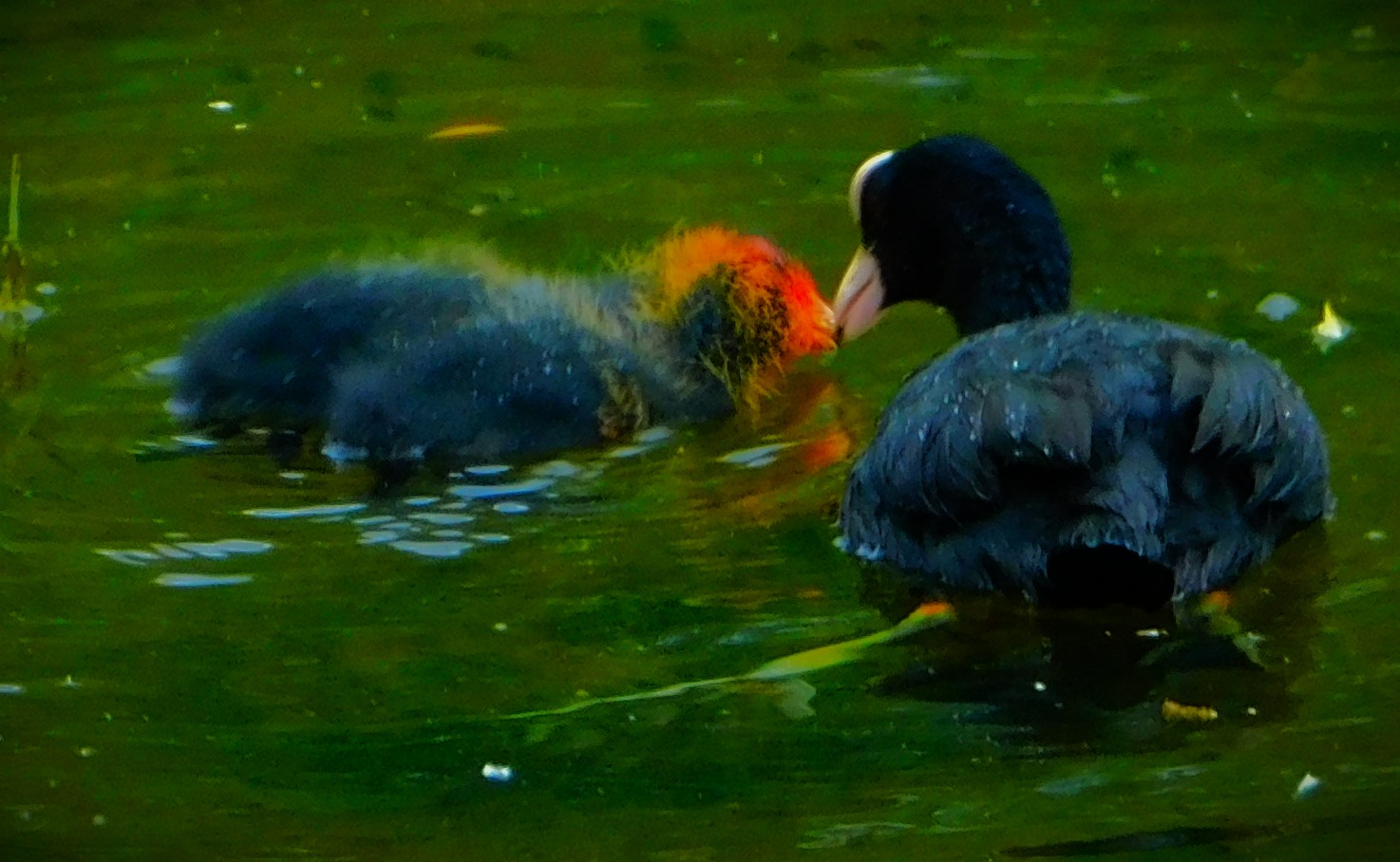
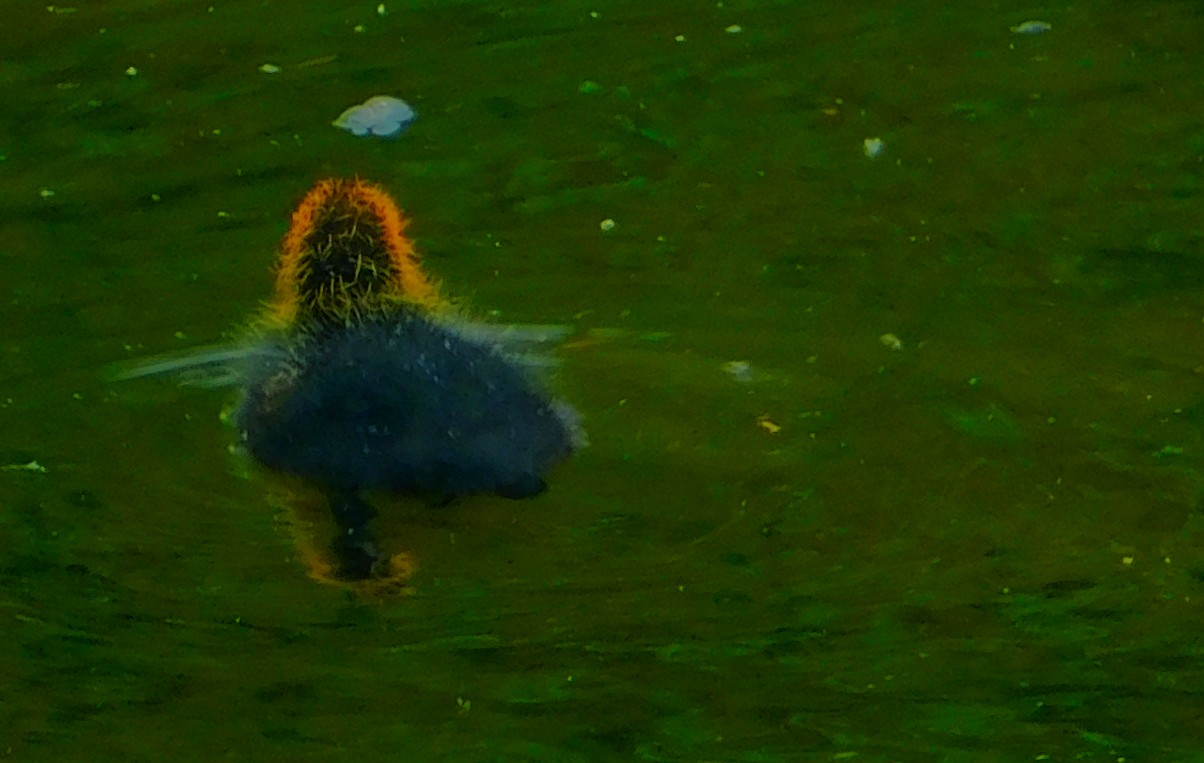
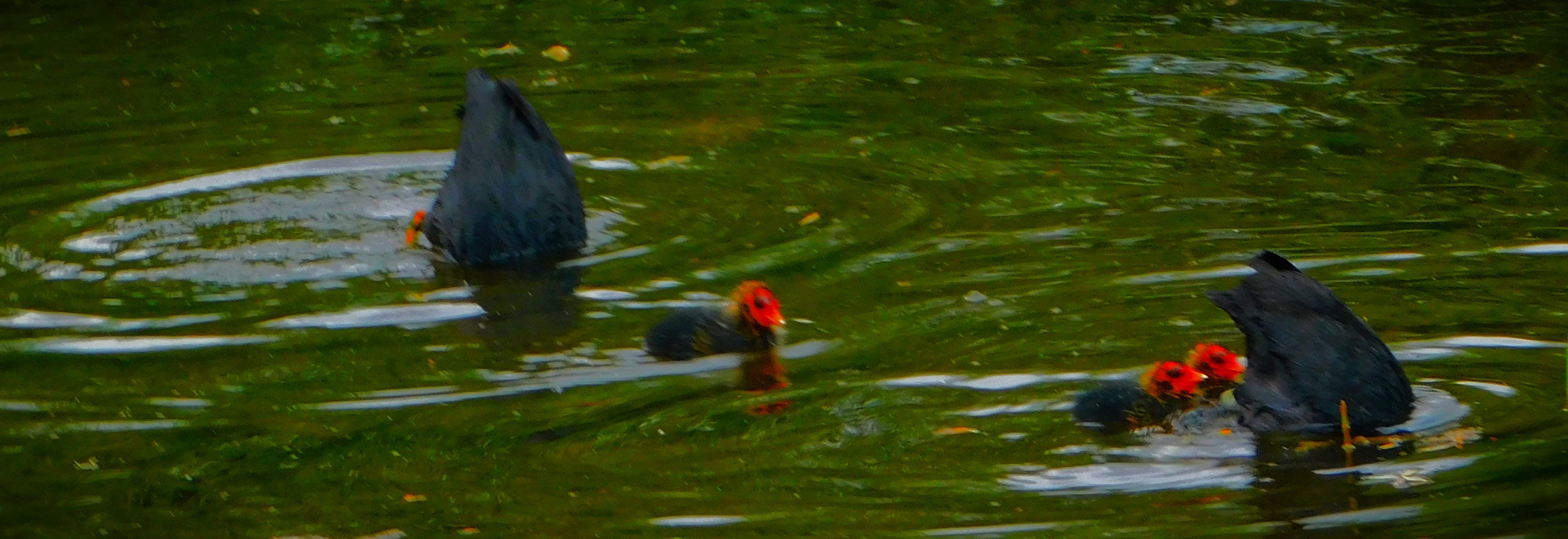
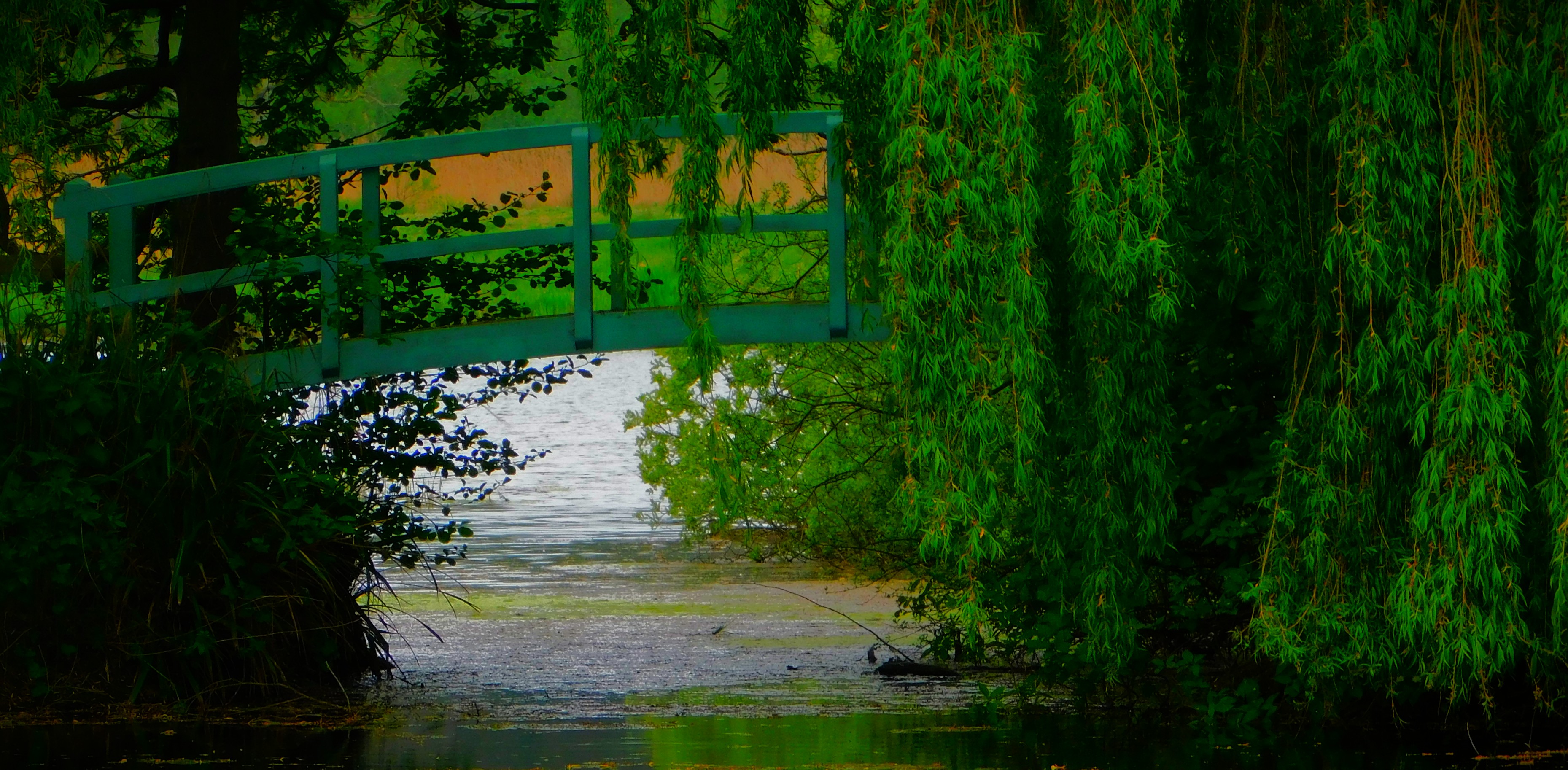
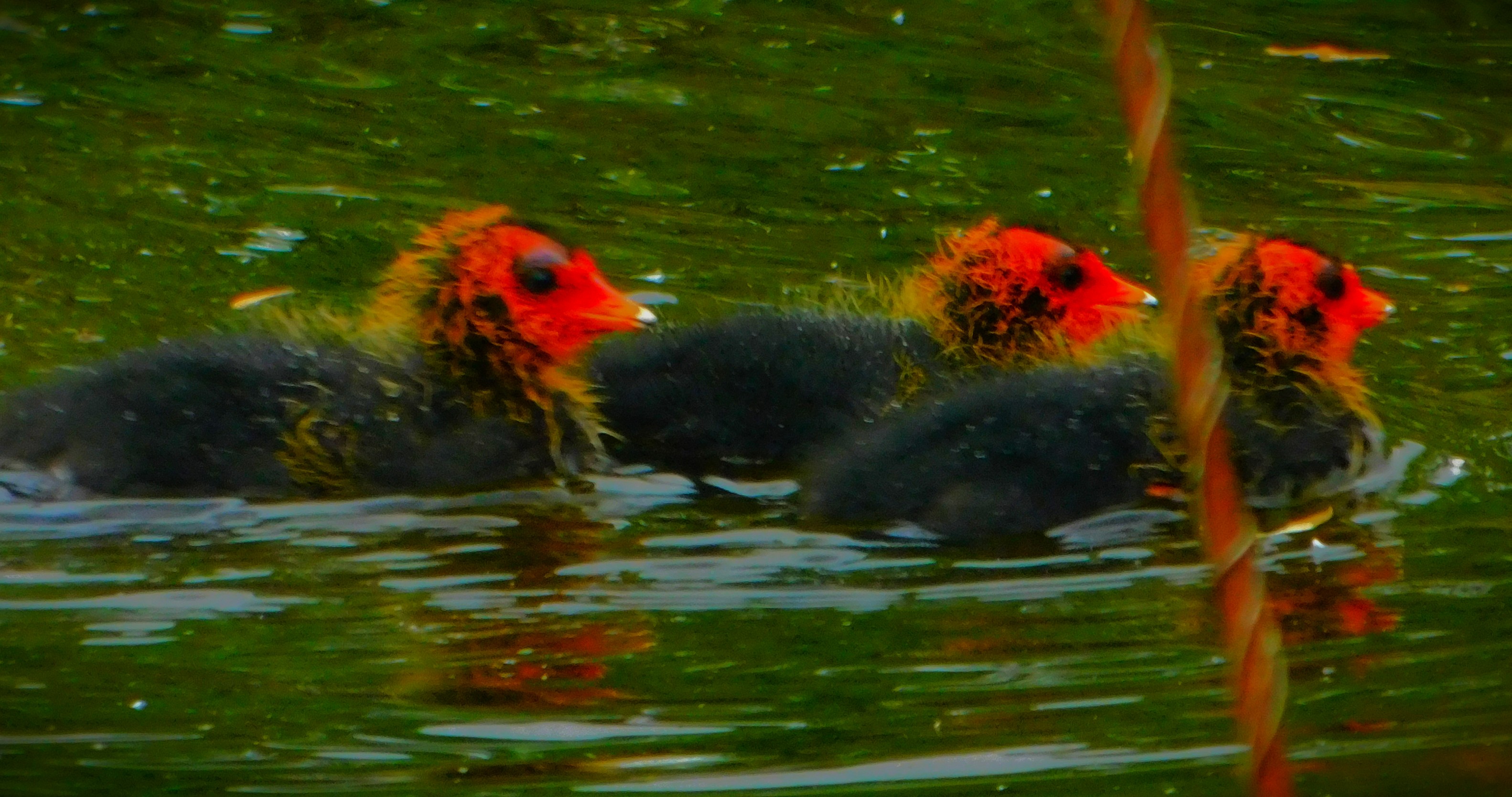
A nesting coot (moorhens also build floating nests).The Monet inspired bridge.The first of a number of shots of a coot family – my first ever sighting of coot chicks.
























































































 aspiblog