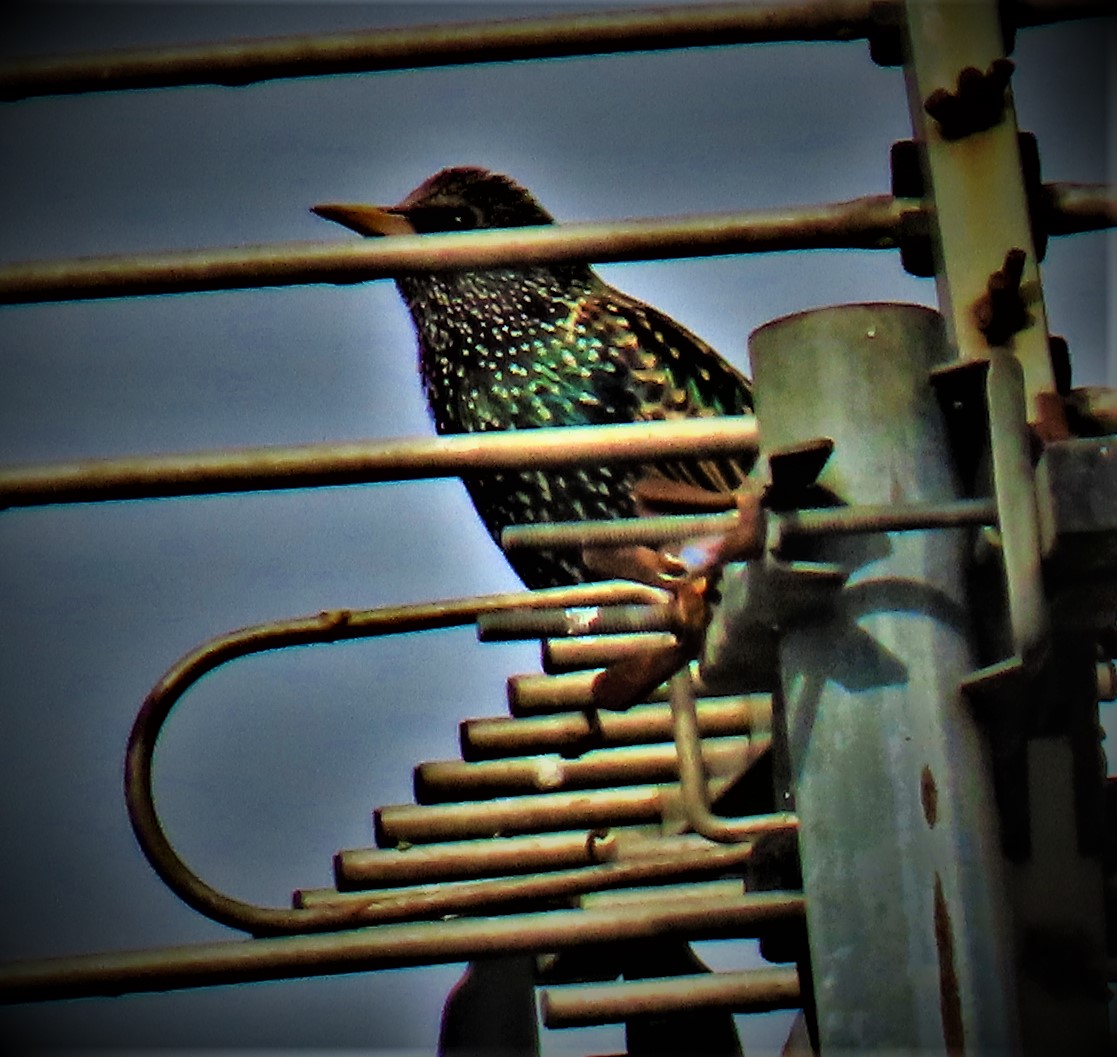
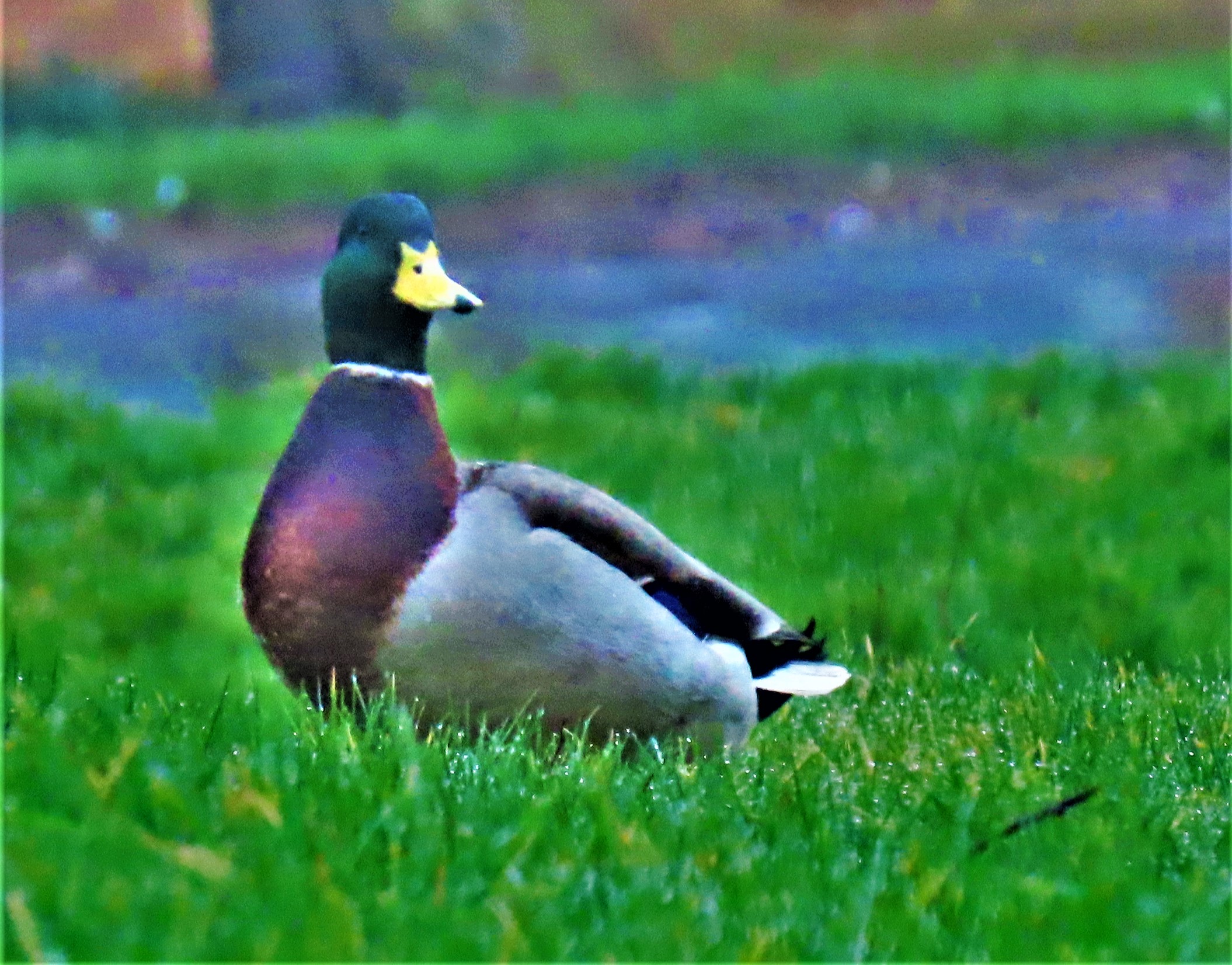
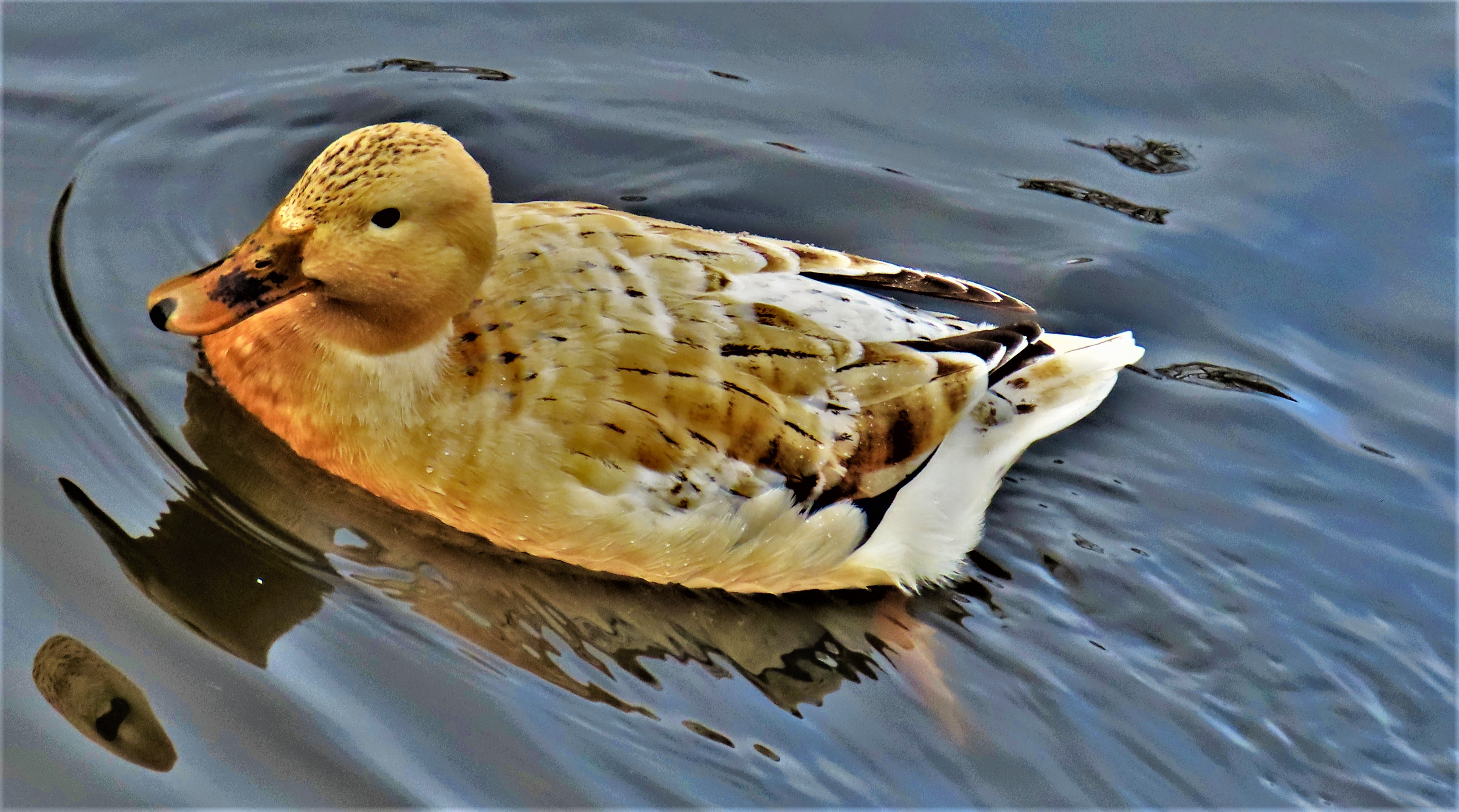
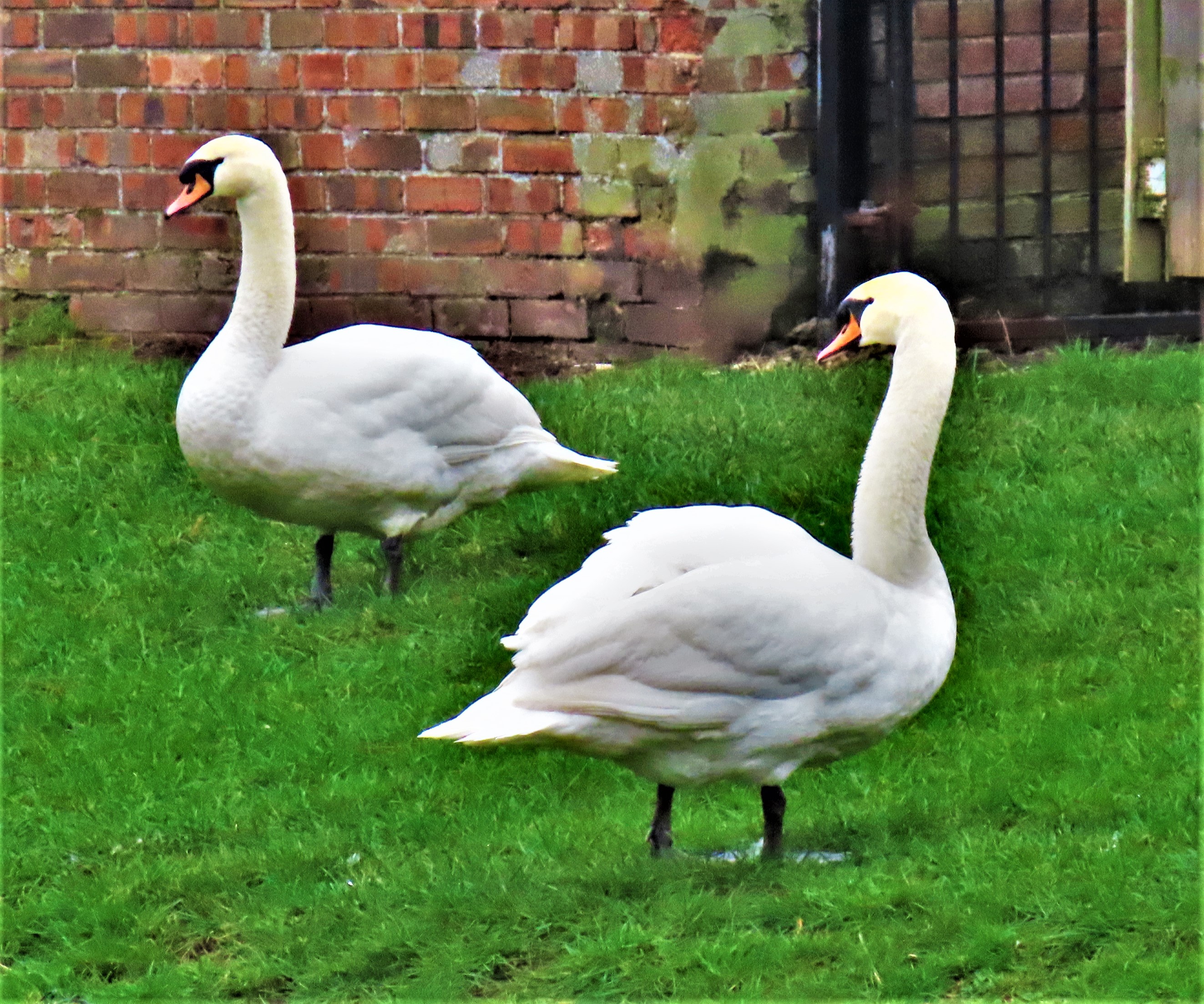
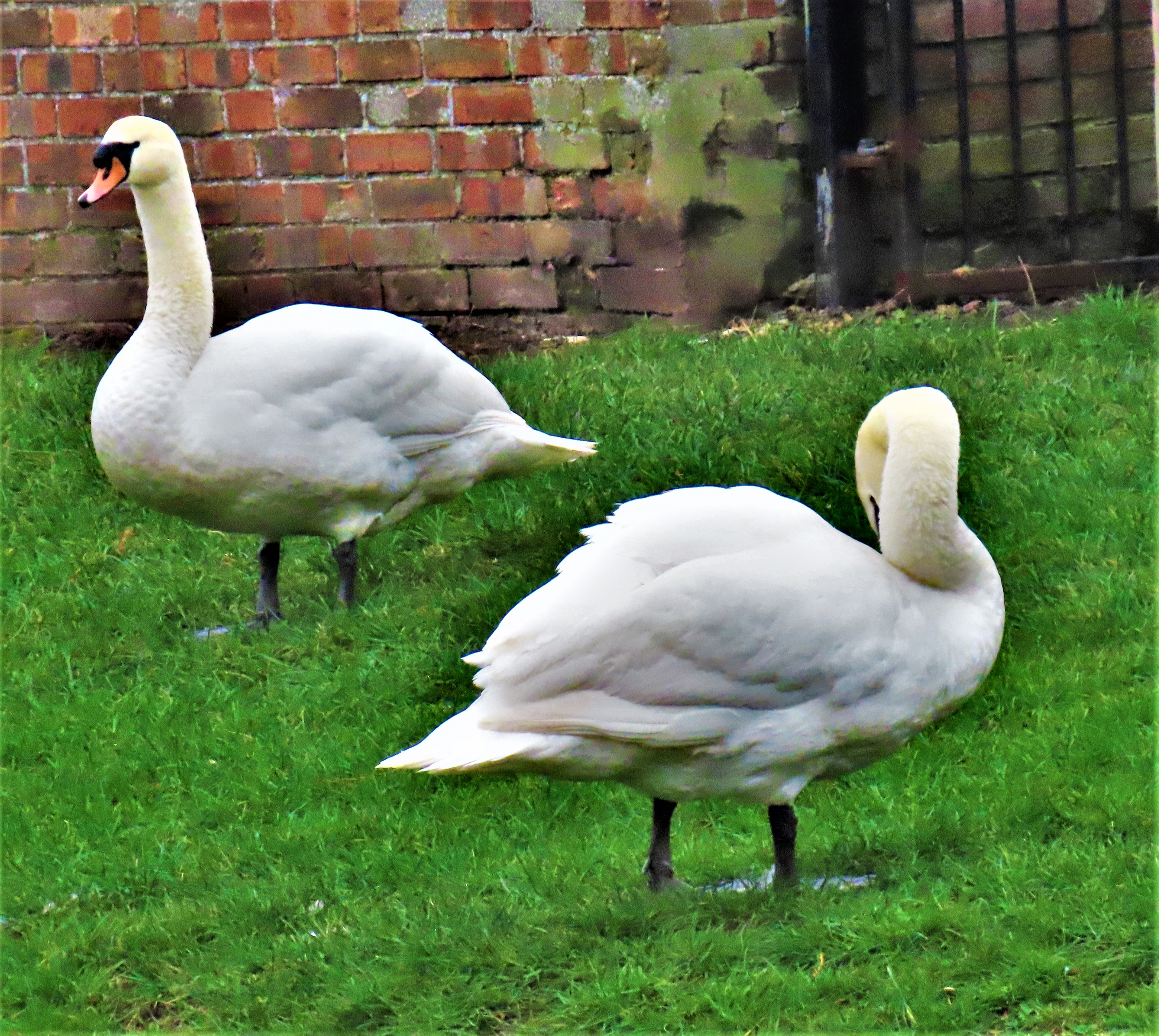
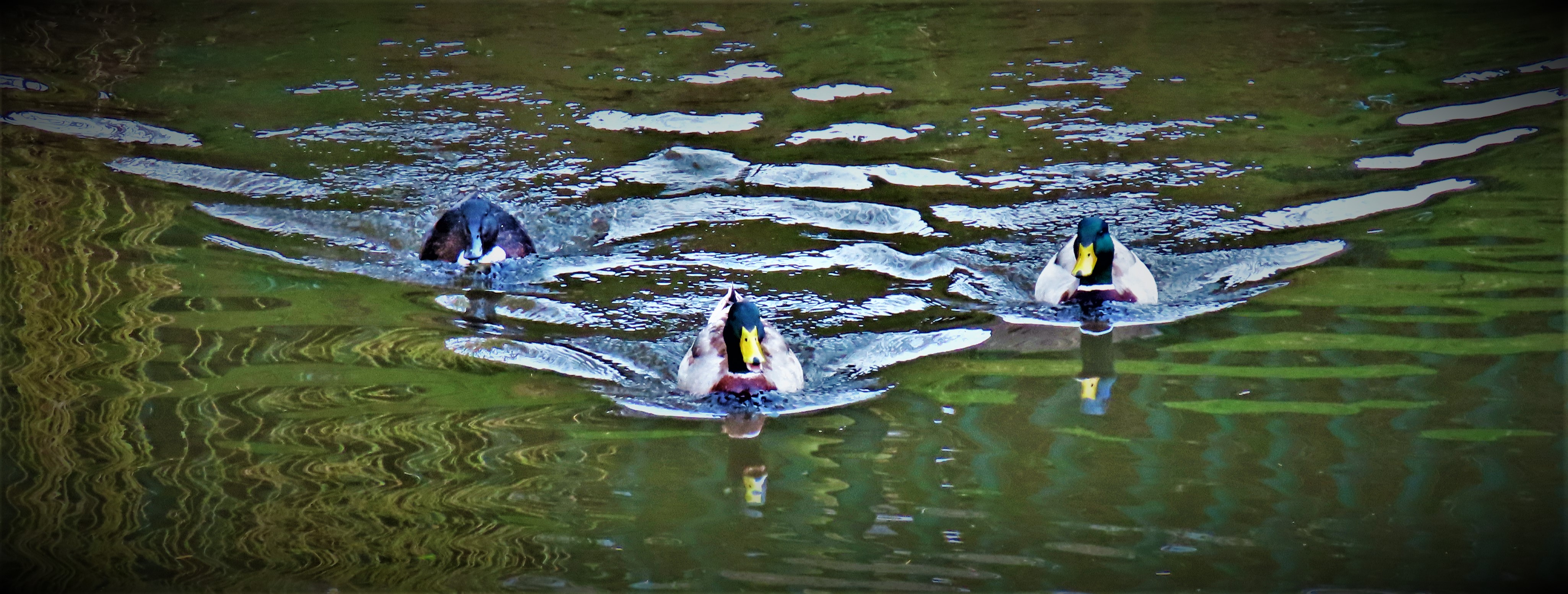
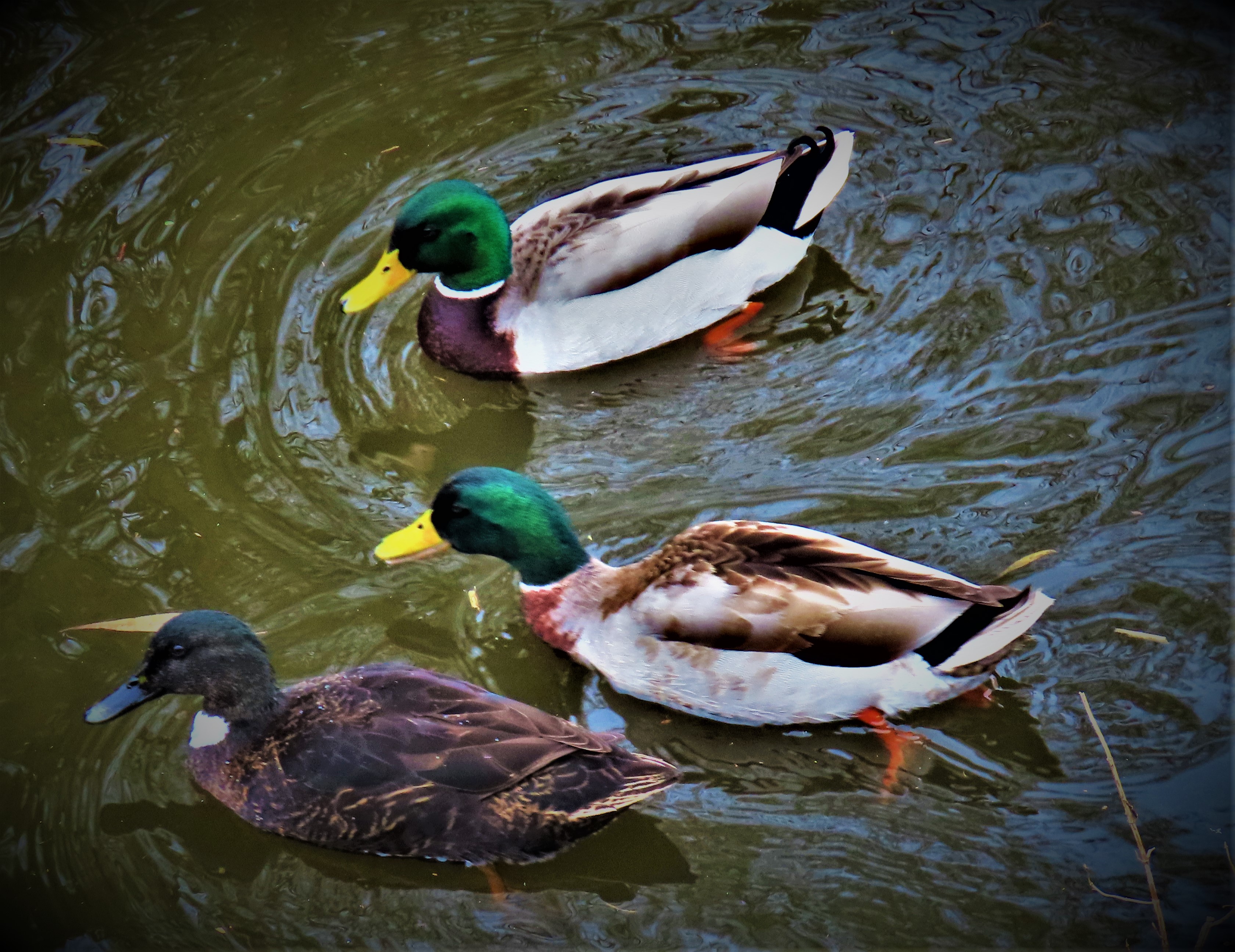
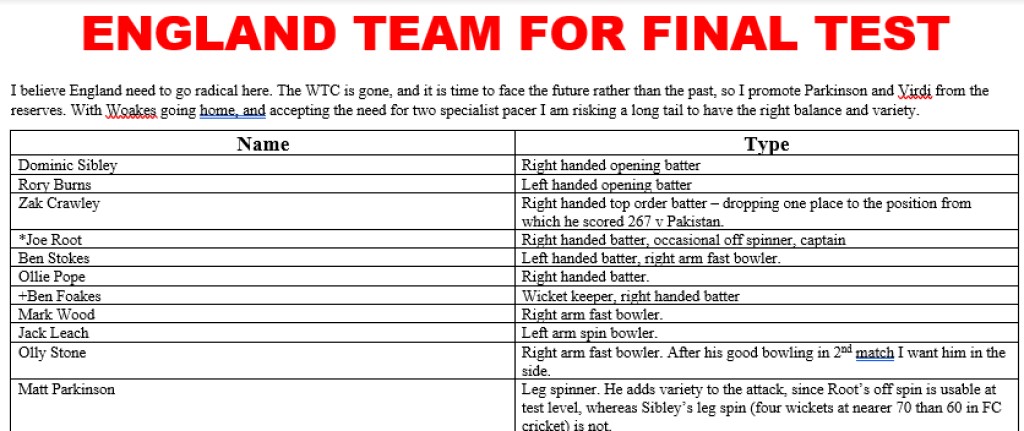
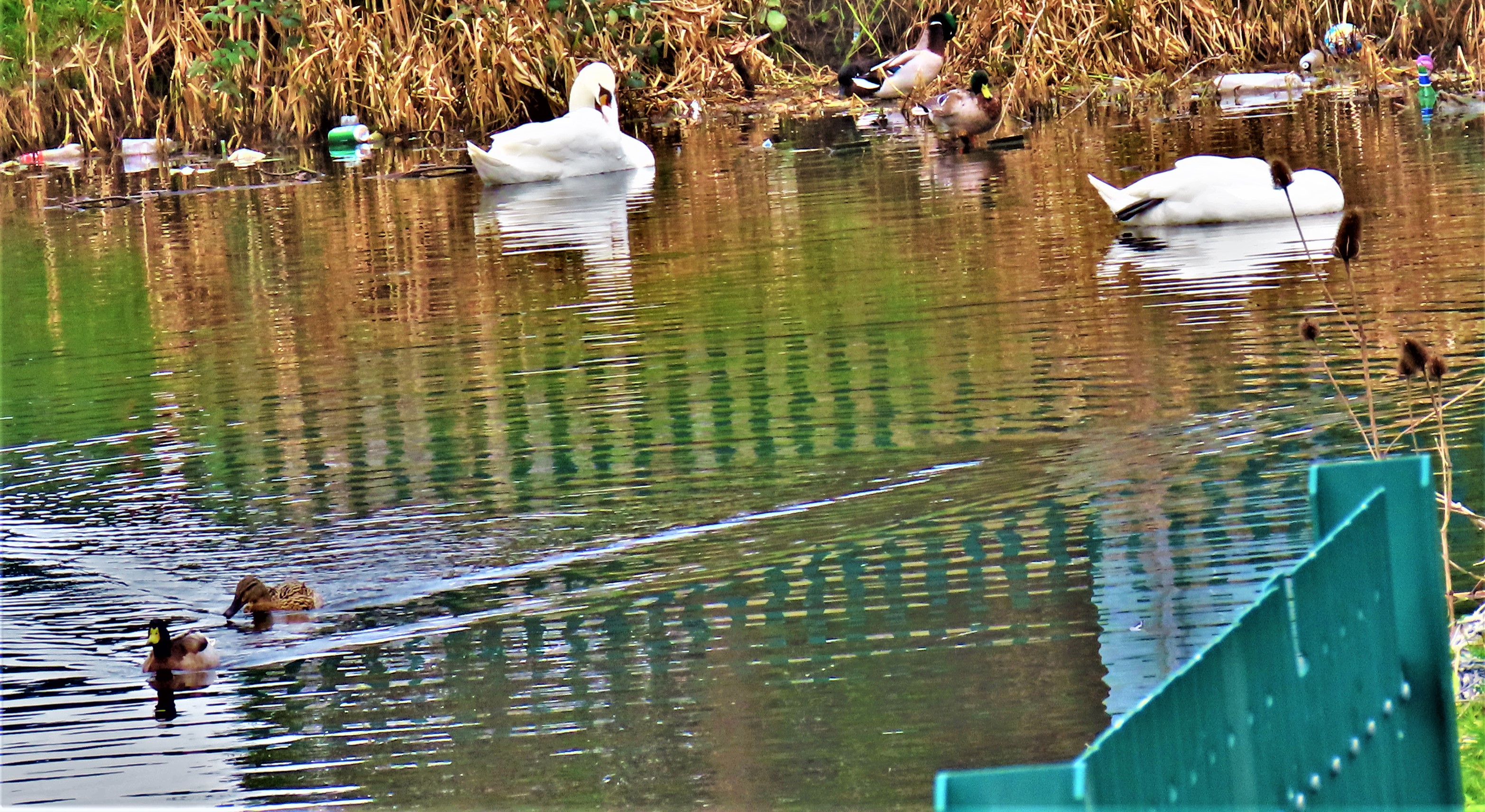
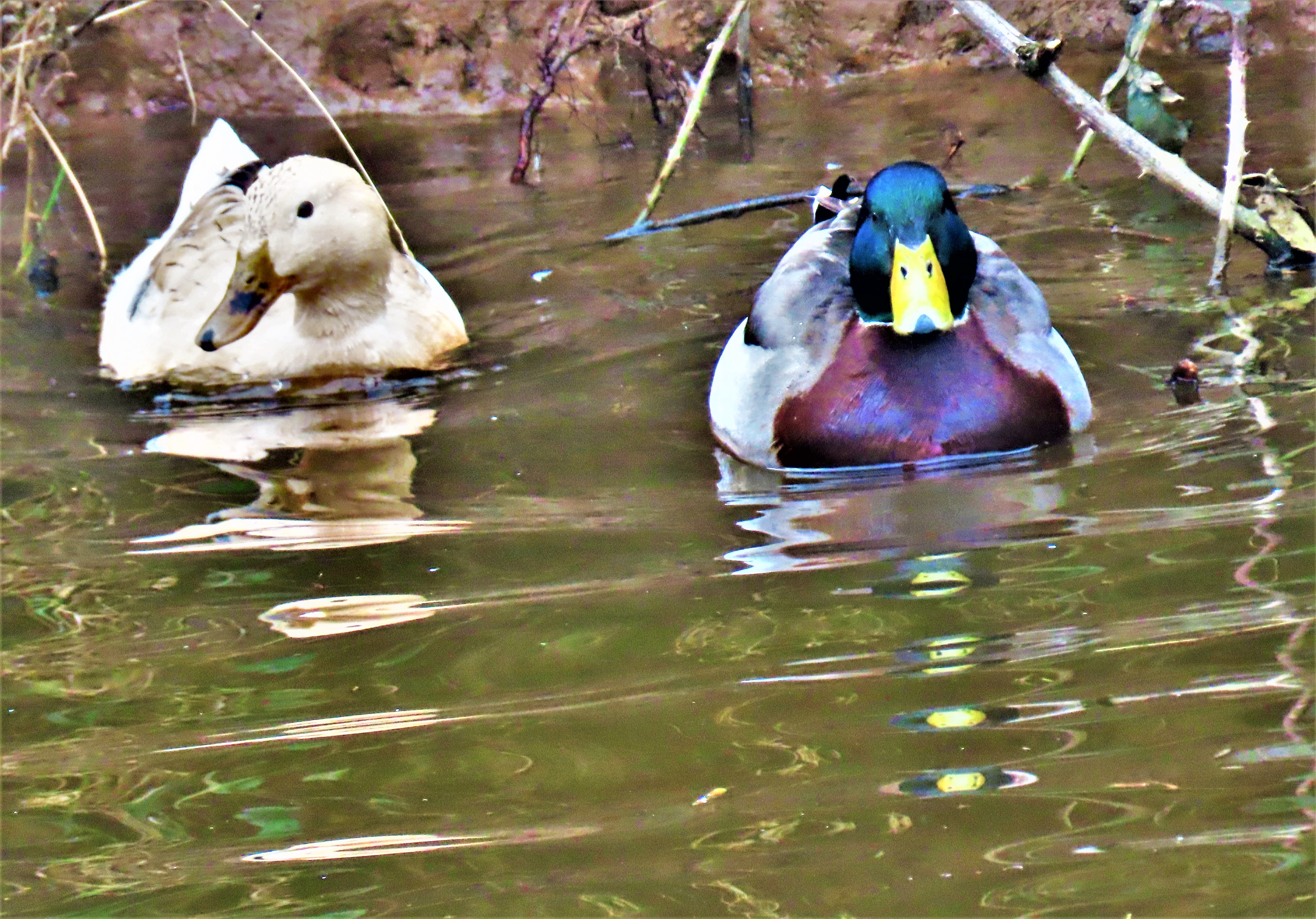
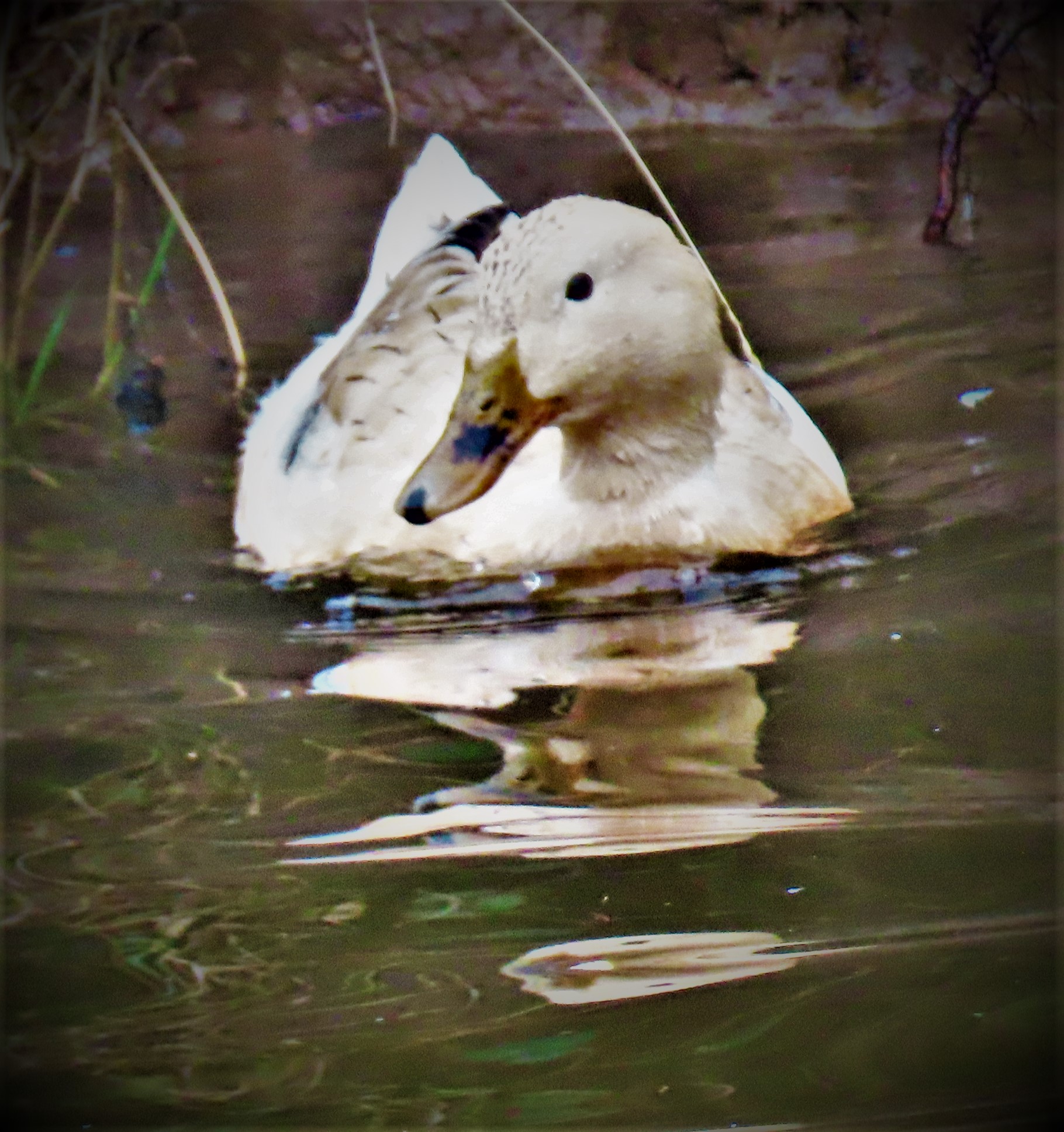
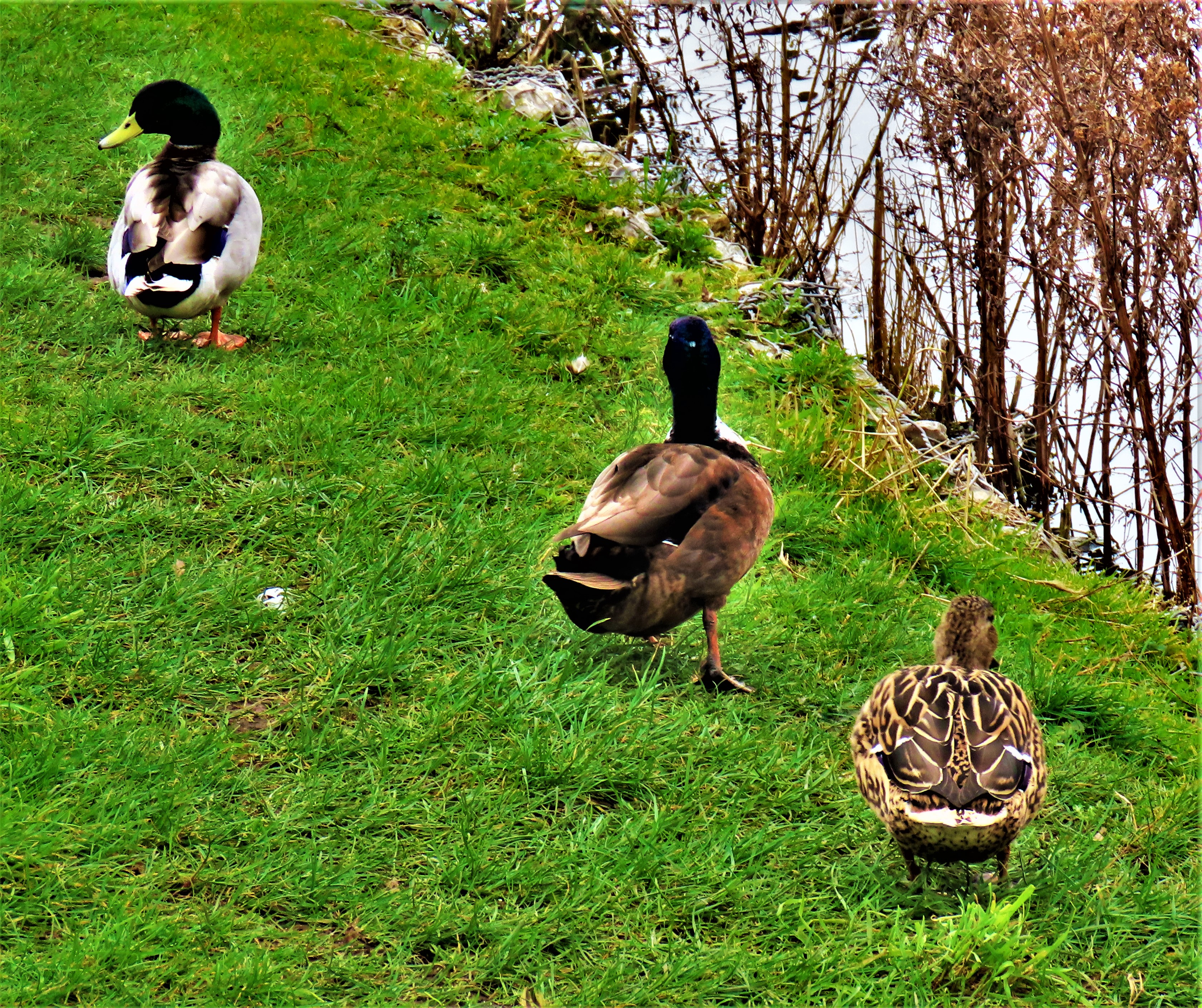
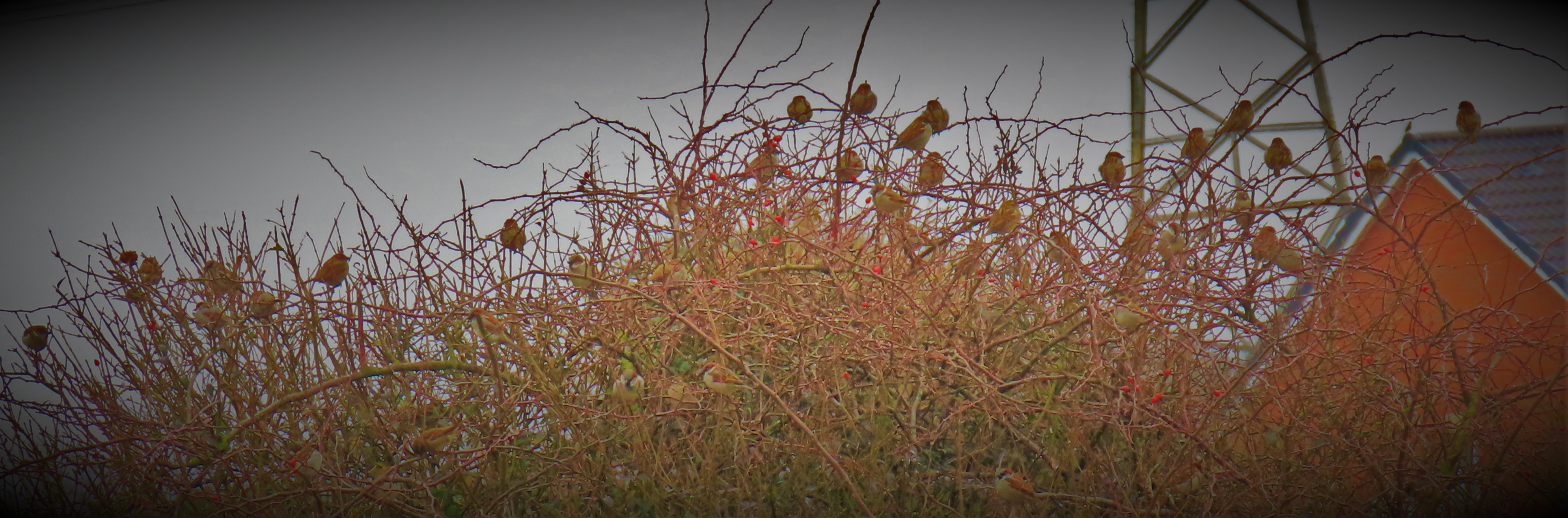
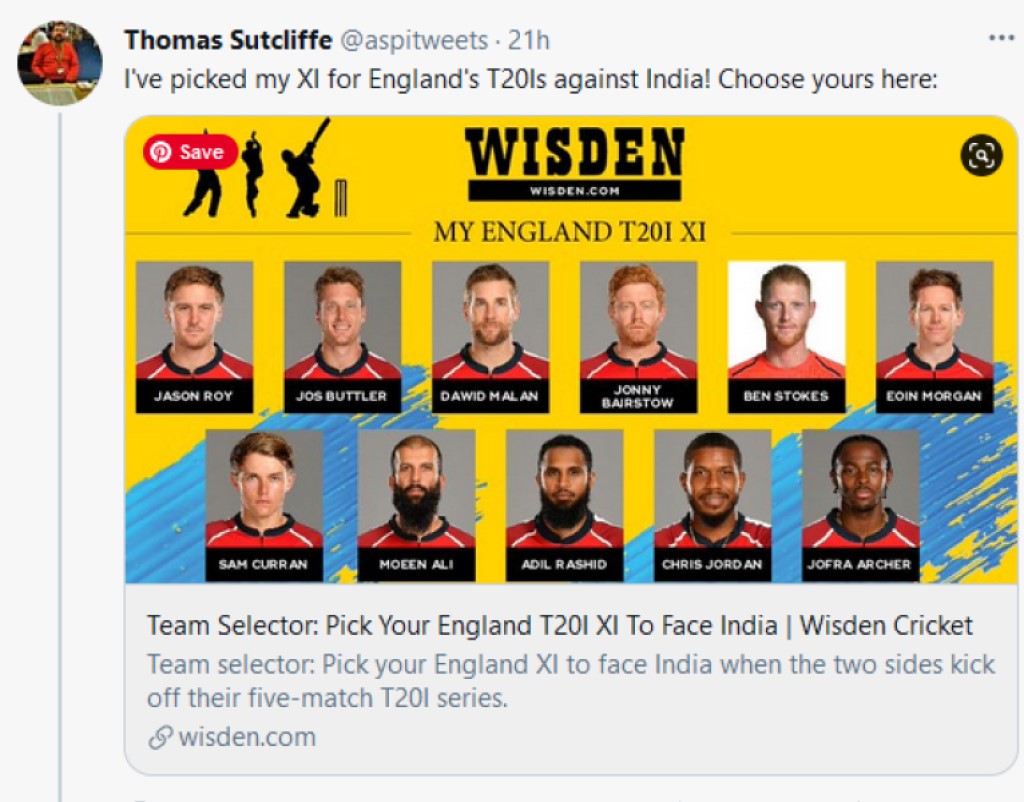
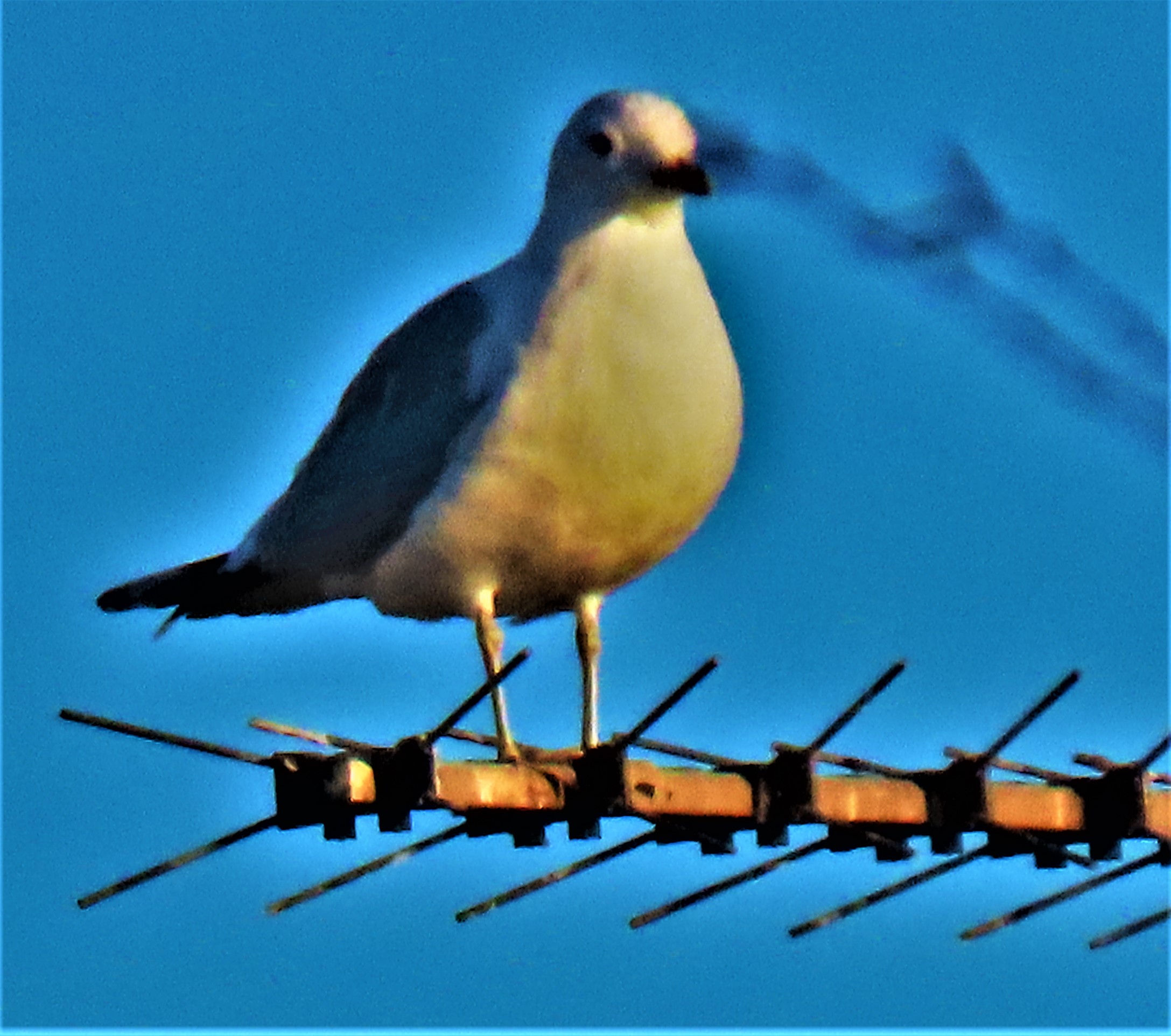
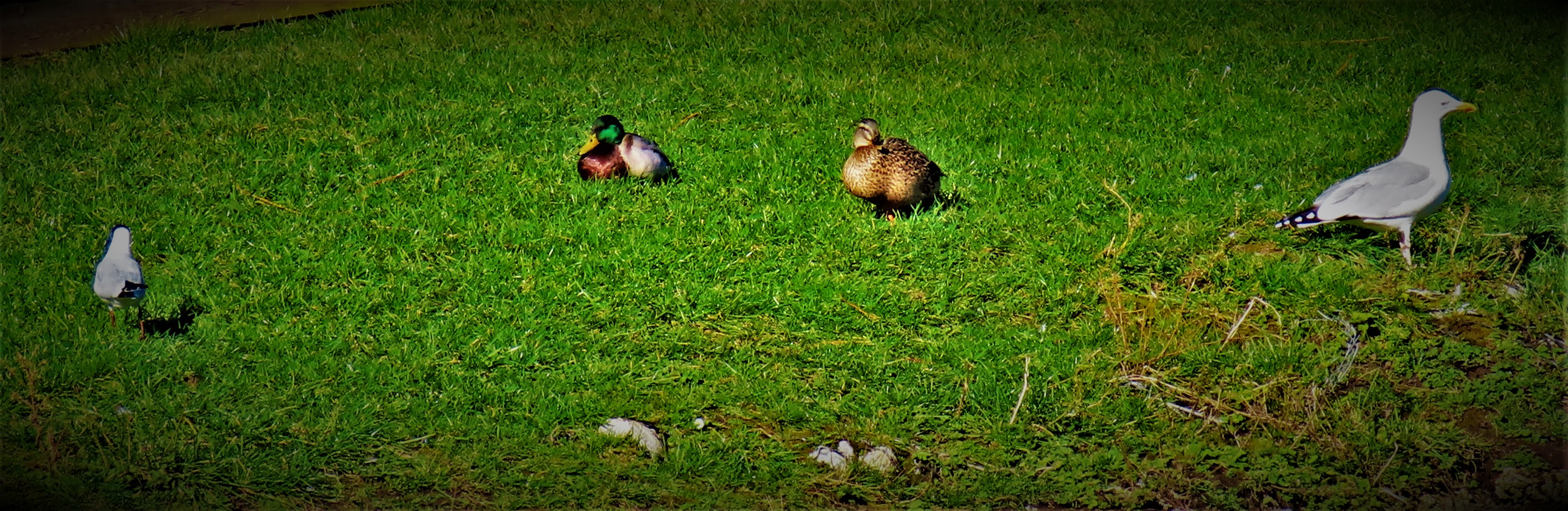
Looking at a possible England line up for the test match that gets underway tomorrow and a radical solution to their current paucity of spin bowling options. Plus some photographs.
This is my preview post for the third test match of the India v England series which starts tomorrow morning UK time. I also take the time to salute another fine performance by England’s women and, prompted by a comment on twitter from The Cricket Men, to revisit one of my more radical solutions to England’s spinning problems.
ENGLAND XI FOR TOMORROW
Crawley has been declared fit to play, and it seems Burns and Pope are going to be given chances to score runs, though both must be running out of road. This virtually sets the top six as Sibley, Burns, Crawley, *Root, Stokes, Pope, and Foakes is also inked in as keeper, which leaves the bottom four to be decided. Some are making much of the fact that the pitch which previously had some grass on it has been shaved today, but for me, especially with the selectors having ruled out promotions for Parkinson or Virdi, I still see no reason to select Bess, and although I can understand why people want to see Archer I prefer to give Stone a chance in less unfavourable conditions after his fine efforts in the second test match. Thus, with Anderson a mandatory selection for a pink ball test and some justifiable concern over the lower order, I pick Woakes rather than Broad for the no8 slot, thus arriving at Sibley, Burns, Crawley, *Root, Stokes, Pope, +Foakes, Woakes, Stone, Leach, Anderson.
ENGLAND’S SPIN ISSUE
Overnight England’s women played an ODI in New Zealand, and won by eight wickets. They restricted the hosts to 178, Sophie Ecclestone with her left arm spin collecting 2-36 from a full allocation of ten overs. Tammy Beaumont (71) and Heather Knight (67 not out) then ensured that this wonderful bowling effort would not go to waste. Ecclestone now has 101 wickets in all forms of international cricket, at 25.90 a piece, and she is still only 21 years old. Other than Leach and Bess, the latter of whom is currently under a cloud the number of male English spinners who have played at least 10 first class matches (basic filter against freak happenings), are still active at that level and pay less than 30 a piece for their wickets totals precisely two: Matt Parkinson (62 wickets at 25) and Amar Virdi (91 wickets at 28). Thus, encouraged by some comments I have seen today (see intro), I am once again going to suggest that Ecclestone deserves to be given a chance to show what she can do playing alongside the men and should be part of England’s elite spin group going forward. For the Ashes tour at the end of the year she could be one of three specialist spinners to travel alongside Leach and Parkinson (unless Bess at his new base of Headingley has a splendid season I cannot see him as a member of that tour party, especially given how poorly English off spinners have generally fared in Oz – see here).
A radical solution to the spin woes of England’s men’s team?
Today we have a non-cricketing post as I extend my ‘accepting extra walking’ series with a look at Greenwich.
Welcome to to third post in this sporadically published series (see here and here). Today the London element of this post concerns Greenwich, which I have written about in some detail on my London Transport themed website (here).
GREENWICH
These days, since the Docklands Light Railway was extended southwards from Island Gardens maritime Greenwich has had its own station, called Cutty Sark after the old tea clipper (Ester has recently posted a picture of it on her blog). This section focusses on the various alternatives to using that station.
One stop north of Cutty Sark is Island Gardens, from which you can enter the Greenwich Foot Tunnel and walk under the Thames to get to maritime Greenwich.
Greenwich and Maze Hill stations are also within easy walking distance, and there is an interesting walk largely along the river front from Deptford. New Cross and New Cross Gate are both also within range. For the seriously venturesome one can travel to Woolwich to get a close look at the Thames Flood Barrier first, and then walk along the Thames westwards until arriving at Greenwich. If you use the DLR and alight at King George V station, one stop from the terminus at Woolwich Arsenal, you can avail yourself of the other opportunity to walk under the Thames by using the Woolwich Foot Tunnel (I actually did once do this precise thing in the days when what is now the DLR spur from Stratford to Woolwich Arsenal was the tail end of a regular train line that started at Richmond and finished at North Woolwich, located roughly where today’s King George V is).
If you do make a trip to Greenwich at some point when the situation allows, and your mobility permits you to be more venturesome I recommend at the very least making your destination for arrival Island Gardens and the point of departure for your return journey Greenwich. That will enable to you to enjoy all of Greenwich’s finest attractions.
My own plan of campaign for when the opportunity arises has two components for the outward journey depending on circumstances: 1. If the train from King’s Lynn to London that I am on calls at Finsbury Park, I will alight there, change to the Victoria line, change again at Highbury & Islington to London Overground and change one final time at Shadwell to the Docklands Light Railway, alighting at Island Gardens to approach Greenwich by way of the foot tunnel. 2. If the train to London does not call at Finsbury Park, I will board a Circle/ Hammersmith and City/ Metropolitan line train at King’s Cross, change at Baker Street to the Jubilee line and change to the Docklands Light Railway at Canary Wharf heading south to Island Gardens.
For the return journey I will aim for Kings Cross by catching a train from Greenwich and changing at Waterloo East to Southwark (Jubilee), and according to mood and time considerations will either change at Baker Street or stay aboard the Jubilee line train until I can make the cross platform interchange at Finchley Road.
A google maps creation showing my advocated stations for a visit to Greenwich.
London connections view of the area
Close focus on the stations around Greenwich.
Showing the every station I mentioned as a possibility.
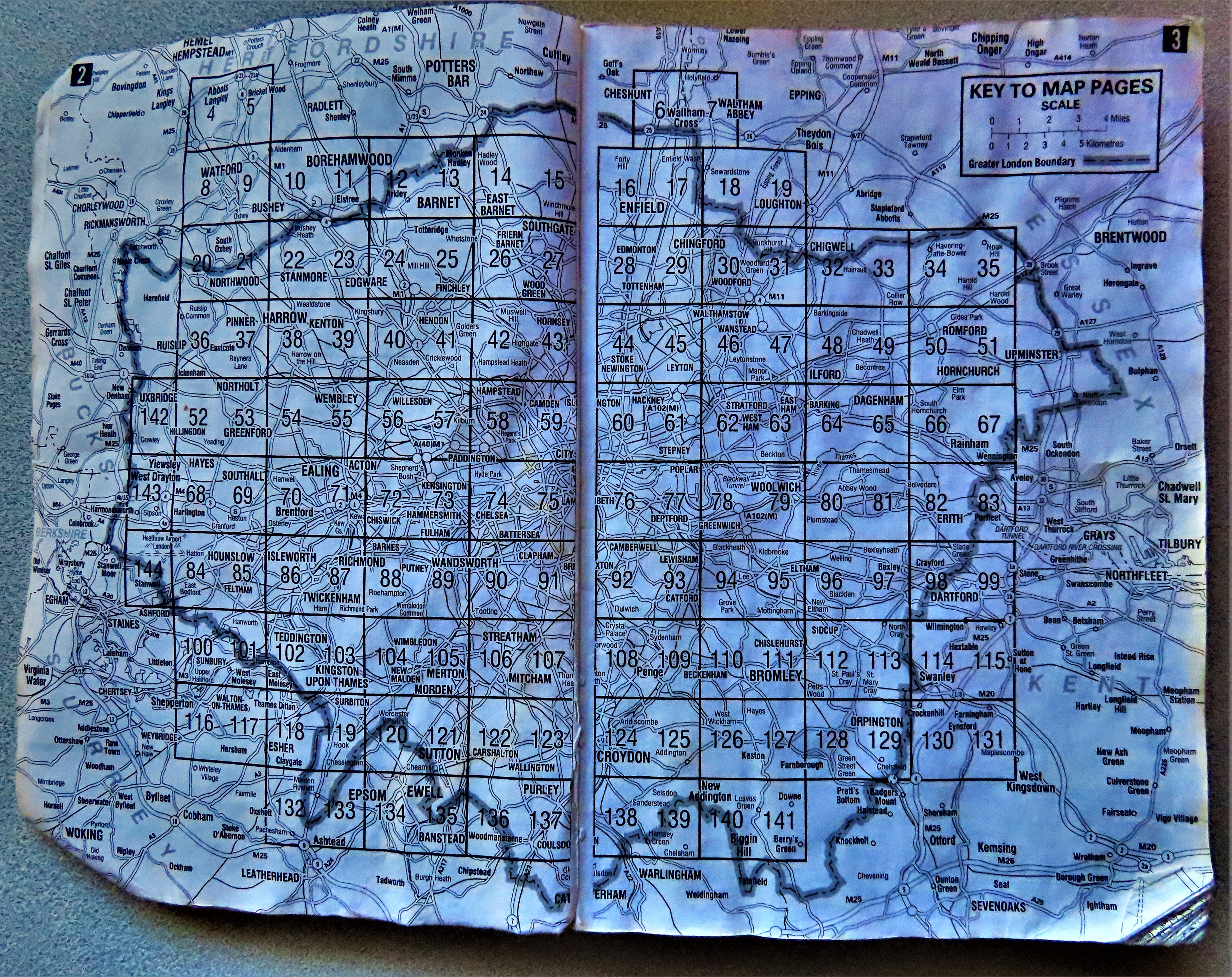
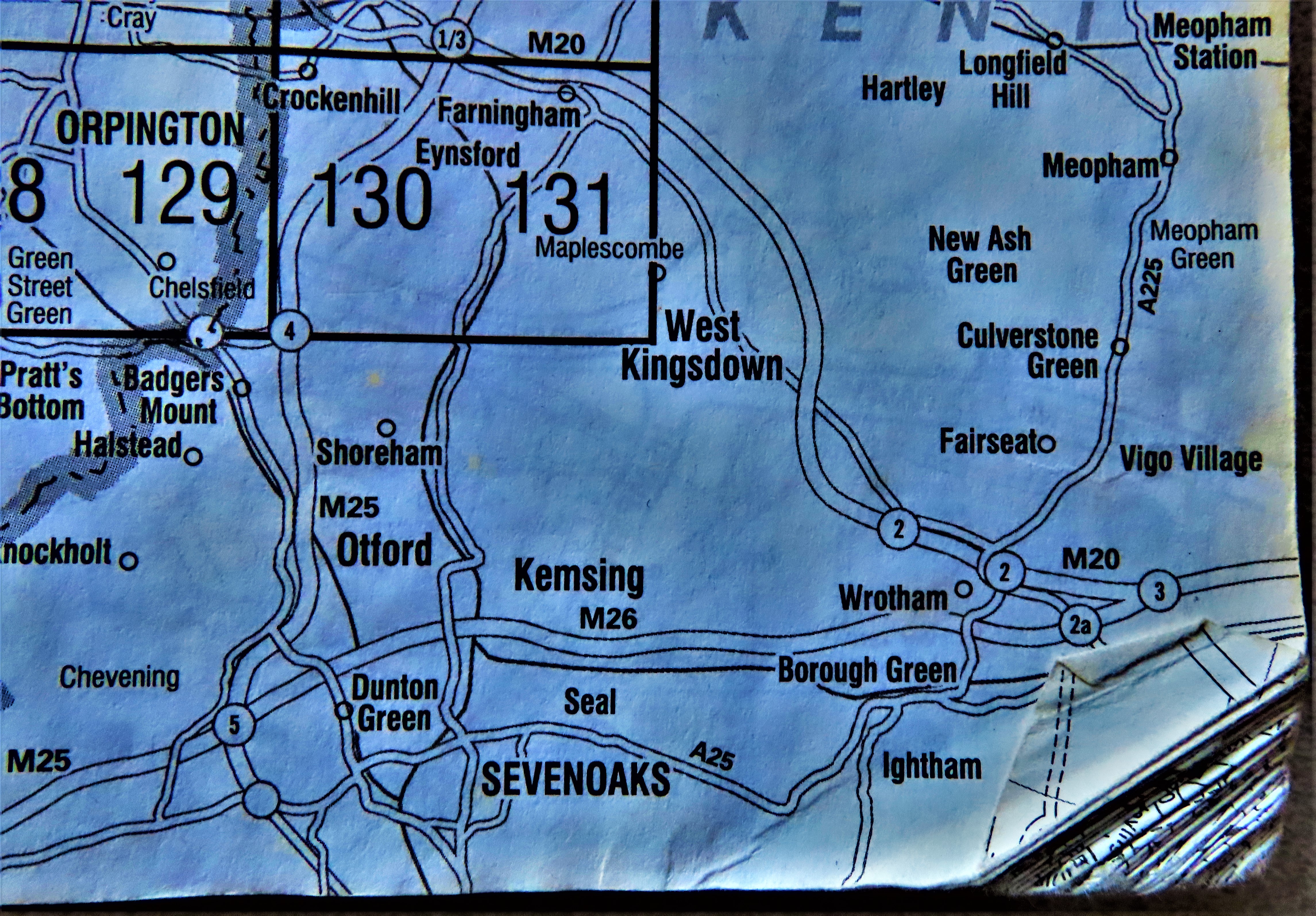
The first of two relevant double page spreads from my ancient A-Z
Close focus on the immediate area of interest.
Close focus on Woolwich.
BARNSLEY AND MANVERS
Manvers is a purely light industry location not far from Wath-on-Dearne. I had two jobs there, first for a mobile phone network provider, and then as a scanner operator enabling the destruction of paper copies of old documents. I was sometimes compelled to accept extra walking – the bus that actually went through Manvers did not start running until too late if I had a really early start (and in the second job, as a scanner operator, I worked split shifts, 6AM to 2PM one week, 2PM to 10PM the next). However I also sometimes chose to walk the extra distance to Wath-on-Dearne and get a bus back from there because it seemed preferable to waiting at the bus stop at Manvers. The first bus from Barnsley to Wath-on-Dearne left at 4:34 and there was another at 5:35, too late for 6AM start, but just early enough if one had a 7AM start. The first bus to Manvers did not leave until 6:33, too late to be of use for a 7:00 start.
A LINK AND SOME PICTURES
Given that one of the attractions at Greenwich is an observatory I thought this tweet from Milky Way Astronomers explaining the colours of meteors seemed an appropriate segue into my usual sign off…

A team of players who performed great deeds when in the veteran stages of their careers.
This post, which revisits all-time XIs territory was inspired by a discussion on radio 5 live about people delivering as veterans. Here therefore is a team composed entirely of players who enjoyed great success during their veteran years.
THE VETERANS XI
Warren Bardsley – left handed opening batter. At the age of 42 he carried his bat through Australia’s first innings at Lord’s in 1926, still the oldest to achieve that feat at test level. His previous test centuries, twin tons at The Oval, had come 17 years previously, a record lapse between test centuries.
Jack Hobbs – right handed opening batter. The Master was 46 when he scored the last of his test centuries, at Melbourne during the 1928-9 Ashes, still the oldest ever to reach three figures at that level (at first class level the palm goes to Billy Quaife of Warwickshire who signed off with a ton in his last first class knock at the age of 56 and 4 months).
Charlie Macartney – right handed batter, left arm orthodox spinner. At the age of 40, in the second, third and fourth matches of the 1926 Ashes he peeled of centuries, including reaching one during the morning session of the first day after a wicket had fallen to the first ball of the match at Headingley.
*Misbah-ul-Haq – right handed batter, captain. More test centuries after the age of 40 than anyone else. One of those centuries as a veteran was the quickest in terms of balls faced in test history.
Michael Hussey – left handed batter. He had to wait until he was into his 30s for a test call up, and made full use of it when it finally came. In the 2010-11 Ashes he performed a series-long ‘Casabianca on the burning deck’ act, not quite enough to save his side, but mightily impressive for a veteran.
Imran Khan – right handed batter, right arm fast bowler. One of the greatest of all all rounders he came out of retirement to lead his country to World Cup glory in 1992. He was the other possible captain, had I not awarded that distinction to Misbah-ul-Haq.
Richard Hadlee – right arm fast bowler, left handed batter. He just seemed to get better as his career went on. He is to date the only person to have played test cricket after being knighted for cricket reasons (the Hon Sir FS Jackson’s knighthood was bestowed for other reasons, while Sir TC O’Brien was a baronet with the honorific inherited). This team’s number 10 may well join him in this club if he does not consider our honours system irretrievably tainted by some of the recent beneficiaries.
+Bob Taylor – wicket keeper, right handed batter. After spending many years as Alan Knott’s understudy at test level it was in the veteran stage of his career that he became officially England’s first choice keeper. He turned 40 during the Headingley test of 1981, and his career still had three years to run at the top level.
Sydney Francis Barnes – right arm fast medium bowler, right handed lower order batter. His greatest test moments were the 1911-2 Ashes (34 wickets, at the age of 38), the 1912 triangular tournament and the 1913-4 tour of South Africa, when at the age of 41 he took 49 wickets in the first four test matches before a quarrel over Ts and Cs led to him missing the final match. He paid just over 10 runs a piece for those last 49 wickets, ending his career with 189 wickets in 27 matches at the highest level, seven per game, which is far more than anyone else to have played a double figure number of test matches (Lohmann, just over six, with 112 wickets in 18 tests is number two on that list). These wickets cost him just 16.43 a piece, and although he played no first class cricket after World War 1, he had professional contracts in various leagues right up to the outbreak of World War 2, meaning that for 44 years of his adult life there was someone willing to pay him to play cricket.
James Anderson – right arm fast medium bowler, left handed lower order batter. He has taken more wickets in tests since turning 30 than anyone else in the game’s history, and his wickets in 2021 are currently costing him just 10 a piece.
Clarrie Grimmett – leg spinner, right handed lower order batter. The Dunedin born leggie had not only to move countries, but then cross two state boundaries to find regular first class cricket. As a result, he was already 33 when called up for his first test match. Even starting that late he took 216 wickets in 37 test appearances, and although he was then 46, many, including his old friend and bowling partner Bill O’Reilly, would have taken to him to England for the 1938 Ashes.
This team has a left/right handed opening combination, three excellent batters one of whom is a left hander in the next three slots, a genuine all rounder at six, a bowling all rounder at seven, one of the greatest of all keepers and three ace bowlers to round out the XI. The bowling is awesome, with Hadlee, Khan and Anderson a formidable pace trio, Barnes the greatest of all bowlers, and two front line spinners in Grimmett and Macartney.
PHOTOGRAPS
My usual sign off, with the addition of an infographic:
A speculative little post looking beyond the day-night test to the scenarios that could arise for the fourth match of the series.
This post looks at the last two test of the series and at the implications for the World Test Championship.
THE DAY-NIGHT GAME
I have already outlined my thinking about the team England should have for the this match (see here and here): Sibley, Crawley, Stokes, *Root, Lawrence, Pope, +Foakes, Woakes, Stone, Leach, Anderson.
What happens for the fourth game is heavily dependent on the result of day-nighter. If England win and go 2-1 up in the series they still need to win to qualify for the final of the World Test Championship (badly compromised, but still a global final), as a 2-1 to England or 2-2 series outcome still lets the Aussies in. Any series win for India will see them qualify, so if they win the day-nighter I expect them to go highly conservative for the final match.
For England, a gamble will be warranted one way or the other, but the question is as to the nature of the gamble: If 2-1 up, so that a win and only a win will get them into the final of the WTC then it will be a high stakes gamble increasing the risk of defeat in a bid to maximize the chance of victory, while if 1-2 down it will be a case of using this match to experiment on the grounds that with England out of the WTC running the result no longer matters much.
SCENARIO 1: ENGLAND GOING FOR SERIES WIN
For a day game in India as opposed to a day-nighter I expect two specialist spinners to be required, and given the way Bess has been treated I don’t see him as a likely option, so for me it is time to promote Parkinson from the reserves, and gamble all on a Diplodocus-like tail of Broad, Leach, Anderson, Parkinson, playing both veterans in a match that has assumed such status, using his leg spin to add a bowling variation, with Root/ Lawrence able to bowl off spin should that be required. This to borrow a metaphor from the world of casinos is going all-in, and would I believe be called for in these specific circumstances.
SCENARIO TWO: INDIA GOING FOR SERIES WIN
Here, with England down, I do not play either Broad or Anderson, and I also rest (being very careful to make unmistakably clear that is resting and not dropping) Jack Leach. In this situation I would promote both Parkinson and Virdi from the reserves, and probably go with two out and out speedsters, risking a last four of something like Archer, Stone, Virdi, Parkinson. With victory serving only to usher Australia into the WTC Final I opt to experiment, and may even gamble on Foakes at six with Woakes playing at seven so I have five genuine front line bowling options. I am hoping that someone chooses this as a moment to make a name for themselves, looking to the future.
This post looks at selections for the upcoming day-night test, explaining the reasons for concluding that if one specialist spinner backed by Root/Lawrence is enough then Chris Woakes must play.
The third test match of the India versus England series, which takes place in Ahmedabad, beginning in five days, is a day-nighter. This post looks at the implications of that for England’s bowling selections.
THE FRONT LINE SPINNER(S)
Dominic Bess has been struggling for form and is in any case out of favour with the selectors. Having just dropped him for the game which was taking place on a pitch guaranteed to turn from day 1, session 1 it would make little sense to play him as lone specialist spinner in this match (especially given that two part time bowlers must likely to be used a spin fill-in options, Joe Root and Dan Lawrence bowl off spin in any case). Also, there are very strong positive reasons for sticking with Jack Leach in any case. He has been bowling well and taking wickets, and now has 56 in 14 test appearances, an average of four per game. He is still paying just over 30 (30.37) per wicket, but that average is coming down. The significance of that wickets per game ratio is simply this: most test sides, unless unusually blessed with all rounders do not have more than five genuinely front line bowling options, and 20/5 = 4, so a bowler taking four wickets per match is doing their part in that regard. Also, as I mentioned in my last post, England have a tour to Australia coming up at the end of the year, and having a left arm bowler of slow to medium pace there is a virtual necessity. Thus, Bess can only really be considered if it looks like two specialist spinners are required, which seems unlikely for a day-night game.
THE PACE ATTACK
James Anderson, a no11 batter, is virtually inked in. Having rested him from the second match to keep him fresh for the day-nighter it would be utterly nonsensical to then decide not to pick him. Most would want a bowler of express pace in the attack, which means one out of Stone, Archer or Wood, none of whom rate particularly high with the bat, though Archer’s first class record suggests an ability he has yet to display in tests. That leaves one primarily bowling slot vacant, with the choice, assuming conditions don’t warrant Bess, between Stuart Broad, a second of the speed trio or Chris Woakes. Other than Woakes the only pace bowling option with any sort of batting pedigree is Broad, and he has done little in that department recently, and his bowling in the last match was underwhelming. The choice then, assuming one specialist spinner is the way to go, is between a diplodcus like tail of Broad, Stone, Leach, Anderson or some such permutation, or selecting Woakes for the match in which he is in any case most likely to do well out of any this winter.
England don’t want a tail like this beast had!
In view of his impressive efforts on a surface that offered him zilch I prefer for Stone to get an opportunity in more favourable conditions over Archer or Wood, so my 8,9,10,11 is Woakes, Stone, Leach, Anderson.
THE REST OF THE ORDER
For the sake of completeness here is the rest of my England batting order for the third test: Sibley keeps his spot at the top of the order, while with the chance of having to face spin right at the start being less at Ahmedabad than it was in Chennai the fit again Crawley comes in for the struggling Burns. Stokes moves up to three, as he probably won’t have a huge bowling workload, and as a short term fix for this tour having an engine room of Stokes at three and Root at four rather than the usual Root at four and Stokes at five seems to have a decent chance of working. Root we have just covered, and Lawrence after his struggles at no3 moves down to no5, while Pope retains his slot, and Foakes is now unbudgeable as keeper, and rightly so. The full XI, based on the supposition that one specialist spinner is enough is thus: Sibley, Crawley, Stokes, *Root, Lawrence, Pope, +Foakes, Woakes, Stone, Leach, Anderson.
A look ahead to the Ashes tour that will end a very hectic year for England, with a particular focus on the spin bowling aspect. Also some photographs.
At the end of this year, after two more tests in India plus a busy home summer, England head to Australia for what Huw Turbervill in a book of that name called “The Toughest Tour” – an away Ashes series. With nothing else of significance happening in the cricket world today I am going to look ahead to that tour, and in what will be a long piece show what England should do spinners wise.
THE IMPORTANCE OF LEFT ARM SLOW TO MEDIUM PACED BOWLERS
Only once in all of England’s successful tours has the party not included a left arm bowler in the slow to medium pace bracket, the very first ever in 1882-3. In 1884-5 and 1887-8 and again in 1894-5 two left arm orthodox spinners in Bobby Peel and Johnny Briggs were present and both were test regulars during those tours. In 1903-4 Wilfred Rhodes, another left arm orthodox spinner, was a key performer, including a 15 wicket match haul at Melbourne (with eight catches dropped off him into the bargain!) In 1911-2 the bowling was largely dominated by Frank Foster and Syd Barnes, but Frank Woolley, an all rounder whose bowling stock-in-trade was left arm orthodox spin was far from insignificant. In 1928-9, JC ‘Farmer’ White, a left arm orthodox spinner was crucial to England’s success, bowling huge numbers of overs (130 across the two innings of the Adelaide match alone), going at around two an over and taking a good haul of wickets. In 1932-3, although Harold Larwood was the dominant bowling force, Hedley Verity, a left arm orthodox spinner played in four of the five test matches and skipper Jardine was at pains in his own book about that tour, “In Quest of The Ashes” to emphasize his importance to England. In 1954-5 Tyson and Statham were the dominant bowlers, but Johnny Wardle a left arm spinner who could bowl either orthodox or wrist spin (although Hutton’s conservatism as captain meant he was largely confined to the former on that tour) took 10 wickets at 22.9 a piece in a support role. In 1970-1 John Snow was England’s key bowler, but Derek Underwood bowling left arm slow-medium with cut rather than spin as his principle weapon was an important part of the supporting cast. In 1978-9 Philippe-Henri Edmonds, left arm orthodox spin, had a bust up with skipper Brearley and did not play any test matches, with the spinning roles entrusted for those games to Emburey and Miller. In 1986-7 Edmonds was there again in partnership with Emburey and was very important to England’s success, snagging the prize scalp of Border five times in the series. In 2010-11 England used off spinner Graeme Swann in a holding role, in which he took 15 wickets at 39 a piece, but only went for 2.5 an over, while left arm orthodox spinner Monty Panesar was kept on the sidelines, although he was part of the tour party. England have not won down under since that tour.
In 1946-7 England lacked a test class left arm slow to medium bowler, and at one point in that series Bill Voce, left arm fast medium, was asked to attempt orthodox spin as England were getting desperate – scoreline Aus 3, Eng 1, 1 high scoring draw (Morris for Aus and Compton for Eng notching a brace of centuries a piece in that one at Adelaide). In 1962-3 three off spinners were selected in the tour party and no one else who could bowl high class spin (Barrington’s leg breaks would have been the next highest ranking spin option), and England drew the series, not enough to get the Ashes back. In 1982-3 once again three off spinners carried the slow bowling burden – Marks, Miller and Hemmings, with only Hemmings selected purely on the basis of his bowling, and ironically he would produce the highest individual score any of the three managed in the series – 95 in the final match at Sydney as nightwatchman, and England lost the series after having won three successive Ashes contests, and they were to win the next two after it as well.
Thus, there have been only three occasions on which England have won down under without a left arm slow to medium pace bowler playing for them in at least some test matches, and only once, in 1882-3 when they have done so without such a bowler in the party.
Therefore, a bowler of that type can be considered necessary. Jack Leach, left arm orthodox spin, now has 56 wickets from 14 test matches at an average of 30.37, and is obviously improving, so he has to be first pick for a spinner’s berth in the tour party assuming he is fit to play. There are few obvious like for like substitutes for him, but Liam Patterson-White if he plays a full season and does well (at the moment after five first class games he has a bowling average at that level of 21.00) could well be a strong candidate, and Lewis Goldsworthy, a left arm orthodox spinner who can also bat, has had a good Under 19 World Cup and has fared well in the few senior games (all T20s) that he has been given. I hope he gets a full season this summer, and maybe if he performs brilliantly he will merit a place in the tour party. The person with the best first class average among English spinners who have played more than a handful of matches at that level is leg spinner Matt Parkinson, and I would think he should travel as designated second spinner, although only Sydney and Adelaide of Australian venues are remotely likely to produce surfaces justifying the selection of two specialist spinners.
1932-3: A TEMPLATE FOR SUCCESS IN THE 21ST C.
In 1932-3 England travelled with a battery of pace bowlers, two specialist spinners (Verity, left arm orthodox, and Tommy Mitchell, leg spin). They won the series 4-1, with Verity playing in four of the matches (nos 1,3,4 and 5). Mitchell was a less significant figure but what he was asked to do he did well. Incidentally, the one match Verity was not selected for demonstrates that Australia were not the innocent victims they like the world to believe that they were in that series: the pitch for the state game (yes, young folk, back in the day touring teams played matches against local first class sides as well as international fixtures) at Melbourne had been super fast, so when the second test was played there Jardine left Verity out to play a full battery of pace bowlers, Bill Bowes coming in for the only time of the series. On the first morning a delivery from Harold Larwood broke through the rolled top surface of the pitch and raised a puff of dust. By the fourth innings the pitch was turning square and Ironmonger (left arm orthodox spin) and O’Reilly (leg spin) were basically unplayable.
A standard England attack in Australia with their current resources could feature two out of Archer, Stone and Wood, one of Anderson and Broad, and Leach as the spin option, with Woakes also in the equation if one wants to avoid an overly long tail. In the unlikely event of a pitch requiring two specialist spinners Parkinson would come in for one of the quicker bowlers.
I will be keeping an eye out over the coming home season for Lewis Goldsworthy and Liam Patterson-White among others to see if they can genuinely force their way into the equation, but at the moment it is hard to see anyone other than Leach as first choice spinner in Australia, with Parkinson designated second spinner. I will make on cautionary remark in the context of Goldsworthy, and also the young opener Tom Lammonby who may well be in the reckoning if he has a second straight good season: if you are going to select people so early in their careers for international tours they will need careful management – Brian Close was selected for the 1950-1 Ashes tour when not much more than a boy and badly mishandled on that tour, setting his career back years.
A LINK AND PHOTOGRAPHS
My attention was drawn earlier today to calls being made on the government to support Eurostar, the most climate friendly means of travelling between this country and continental Europe. You can sign and share by clicking here, and below is the infographic that accompanies the text on wearepossible:
Now for my usual sign off. I had to put in a prescription request, and used the longer, parkland route home, as it being half term the schools were closed.
A second ‘accepting extra walking’ post, this time looking at two very different areas.
As promised yesterday, I am doing a non-cricket post today, resuming my ‘accepting extra walking series‘. For this post, and any others along these line that I produce I will start with a London based example and then move on to something from another period of my life.
LONDON: VISITING THE SOUTH BANK CENTRE
There are many attractions in the South Bank Centre. In my case, with my love of classical music, I was usually going there for a concert either in the Queen Elizabeth Hall or the Purcell Room. From the then family home in southwest London I could take the Northern line to Waterloo or go to Streatham and take a train to Blackfriars (District and Circle as well as various mainline railways) and walk along the Thames from there, a slightly longer but more scenic route than the one from Waterloo. This walking route also takes in Southwark Station (Jubilee). Also, approaching from north of the river one could use Charing Cross (Northern, Bakerloo, mainline railways), from which one could exit direct on to a footbridge across the Thames, and if one was on the Piccadilly line this walk could be extended be getting off at Covent Garden, a short walk away from Charing Cross. Here are some pictures:
The relevant area as shown in my ancient A-Z
The London Connections map of the relevant area.
BARNSLEY TO WOMBWELL
This one comes from my university days. Barnsley had a leisure centre called the Metrodome, but if you actually wanted to swim rather than just splash around Wombwell Baths was a superior option. The basic journey from Barnsley to Wombwell is one stop by rail with a walk at both ends, but I did sometimes walk all the way there and get the train back. From where I was living at the time, on a side road off Doncaster Road the straight walking route was down to Stairfoot, turn right, and keep walking until you reach Wombwell, which does take quite a while. One little bit of cricket content: one of the roads one passes when walking this way is Roy Kilner Road, named in honour of the Yorkshire and England all rounder of the 1920s who died near the end of that decade from an illness contracted while coaching in India. He only played a few test matches, but his first class record (LHB, SLA) saw him amass over 14,000 runs at an average of 30.58 and take 1,003 wickets at 18.45 a piece. He was born in Wombwell, hence having a road there named in his honour, and died in Kendray, also near Barnsley.
A look back at the second test in Chennai, with complete player ratings. a look forward to the third test and beyond and some pictures.
Although today’s play was not especially long this post will be because I there are a couple of extra features related to this match and also because owing to the fact that I wish to mark tomorrow being IPL auction day by doing something entirely non-cricket related on here I am going to make a provisional selection for England for the third test match, the day-nighter in Ahmedabad.
THE LAST KNOCKINGS OF THE MATCH
England resumed on 53-3, needing a purely nominal 429 to win on a surface playing serious tricks. The first to fall was Dan Lawrence who showed considerable pluck yesterday, but today charged at Ashwin’s first delivery of the morning and was stumped by half a metre or thereabouts. Stokes, who might have stopped the rot, failed, and it rapidly became a procession. When Stone was dismissed, ninth to go, it looked like England were going to fail as a team to match the opposition’s highest individual score in either innings. Moeen Ali and Stuart Broad provided some late fireworks and just spared England that indignity, raising the total to 164, before Ali, with the quickest test 50 of all time in his sights, was caught to end the brief final flurry. The margin was 317 runs, India’s biggest ever win by a runs margin over England, beating the 279 run margin at Headingley in 1986. Axar Patel on his test debut snared five victims in this second innings, while R Ashwin completed a memorable trio of innings by accounting for three, following his five first innings scalps and second innings hundred. Had England won the toss and batted, it is possible that without 300 already being on the board against them they would have scored 230in the first innings rather than their actual 130, but they would never have won on this surface. It is not so much that India bat better on such surfaces, though they do, the much more pronounced difference is that they bowl hugely much better on them. Only Jack Leach hinted at the control needed on such pitches – India were allowed to score at four an over in their two innings, whereas India, knowing that there was assistance for them went for only two and a half per over. Still, England would have accepted a series scoreline of 1-1 going into the day-nighter when this series started. England played poorly, India superbly, and England must pick themselves up from this, and fortunately have a week in which to do so. Full scorecard here.
ASHWIN’S ACHIEVEMENT
In combining a century with a haul of eight wickets in the game Ashwin underlined his status as one of the game’s greatest players. Imran Khan (6-98, 117 not out, 5-82 v India at Faisalabad in 1982), Ian Botham had three such matches, against New Zealand at Christchurch when his maiden test hundred combined with eight wickets and a couple of catches, against Pakistan at Lord’s when a score of 108 was backed with ground record innings figures of 8-34 and at what is now Mumbai in 1980 when his figures were 6-58, 114 not out, 7-48. George Giffen had a first innings 161 and two four wicket hauls in an ultimately losing cause at Sydney in 1894 (Australia 586, England 325 and 437, Australia 166, England won by 10 runs). Alan Davidson’s effort across the four innings of the first ever tied test at Brisbane in 1960 deserves a mention as well: 5-135 (WI 453 all out), 44 (Aus 505 all out), 6-87 (WI 284 all out), 80 (Aus 232 all out). In first class cricket George Hirst stands alone with a remarkable quadruple feat of centuries in each of his team’s innings and five wicket hauls in each of the opposition innings, achieved at for Yorkshire against Somerset in 1906. Finally, a nod to Enid Bakewell, who in 1979, at the age of 39, scored a century and had a ten wicket match haul for England Women against the West Indies Women. After 76 test matches Ashwin’s record reads 2,626 runs at 28.23, 394 wickets at 25.20. Better than five wickets per match, at an eminently respectable average, and he also averages 28 with the bat. For comparison in 61 matches, likely to be his final test tally, Moeen Ali who was Ashwin’s England counterpart in this game, has 2,831 runs at 28.88, fractionally better than Ashwin, and 189 wickets at 36.24, fully eleven runs per wicket worse than Ashwin and not much more than half as many wickets per match.
PLAYER OF THE MATCH
The achievement that I just devoted the above section to earned Ashwin player of the match, a decision which might appear unarguable, but nevertheless, though this is a minor kvetch, I am not entirely happy with it. For me the Player of the Match should go to the player who has done most to influence the result, and I would have said that Rohit Sharma with his majestic innings on the opening day, which was incredible at the time and has only looked better as the game progressed was that person. It would have been hard on Ashwin not to have got the award in front of his home crowd, and I would have been happiest with a shared award between the two top performers in the game, while I have to say that if forced to give the award to a single individual I would have plumped for Rohit Sharma.
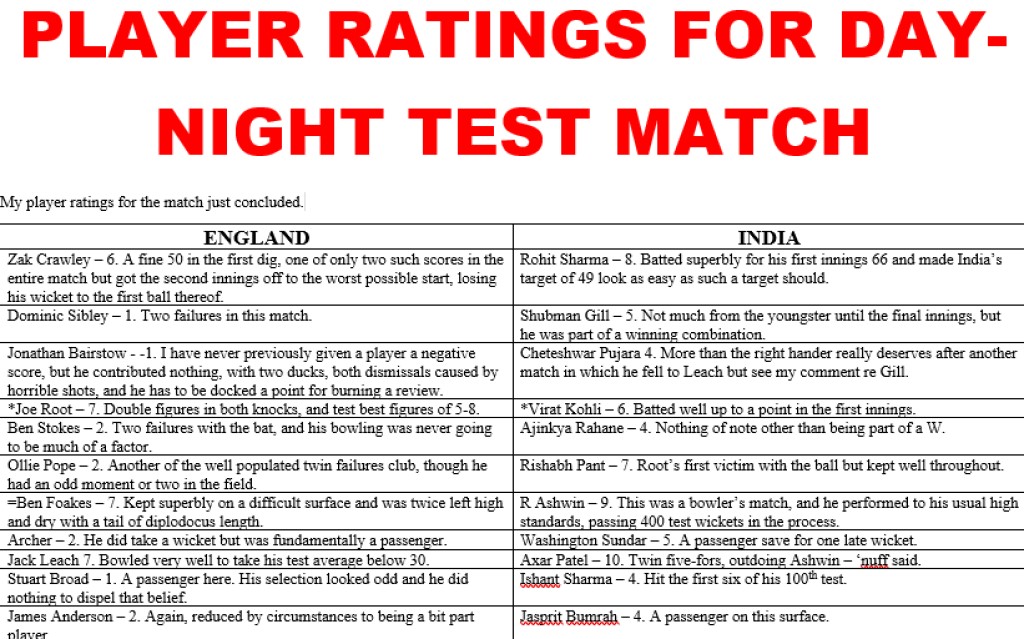
PLAYER RATINGS
I will start with England, and my ratings are as follows:
Dominic Sibley: 4. The normally adhesive opener failed in both innings this time.
Rory Burns: 3. It is hard to see him being retained much longer on present form.
Dan Lawrence: 4. He showed some fight in the evening session yesterday, but his dismissal at the start of today’s play brought his mark back down – it was very poor.
Joe Root: 5. Failed to deliver with the bat, but bowled respectably, although it is an indictment of his specialist colleagues that he found himself in action in that role before the end of day 1.
Ben Stokes: 4. It is a rare match in which the all rounder entirely fails to make an impact but this one was perilously close to being just such a game.
Ollie Pope: 4. Played half decently in the first innings in partnership with Foakes, but was part of the procession back to the pavilion on the final day.
Ben Foakes: 8. Confirmed his utter brilliance as a keeper and has surely established himself as England’s #1 in that department. He also top scored in England’s first innings, showing real determination. I would have scored him higher, but he was part of a badly defeated team. I will just point out among those who were open-mouthed with admiration at the brilliance of his keeping was Sarah Taylor, his only serious rival for the title of the most accomplished English keeper of the 21st century.
Moeen Ali: 5. Some of you will look at his figures for this match and think that this is being harsh. The sad truth is that seven of his eight wickets and all of his runs came with England pretty much condemned to defeat. His bowling on the first day, on a pitch that even then was offering turn, when his figures at one point read 1-94 from 20 overs was an utter disgrace, and at that point he was headed squarely for a rating of 1, but he did pick things up, far too late, and I have increased his rating to reflect that.
Olly Stone: 7. Fast bowlers were not major players in this game because of the pitch, but he bowled well, capturing four wickets in total, and has earned the right to play in conditions which will favour him more.
Jack Leach: 7. On the first day, when everyone else was going round the park he went for less than three an over, and at no time can he be said to have done a lot wrong.
Stuart Broad: 5. He was a little unfortunate not to get more reward for his efforts with the ball, but by his own titanic standards he was undoubtedly poor.
Now it is time for India:
Rohit Sharma: 9.5. His innings on the first day pretty much settled the outcome of the match.
Shubman Gill: 6. Not a great game for him, but a few flashes of skill.
Cheteshwar Pujara: 5. A rare ordinary match for him.
Virat Kohli: 7. A first innings duck, but he played beautifully in the second innings. On pure play he deserves more marks than I have given, but I have penalized him for some of his behaviour, which was less than exemplary.
Ajinkya Rahane: 7. Was Rohit Sharma’s best support in the first innings, failed in the second. Had some great moments as a slip fielder.
Rishabh Pant: 7. An entertaining 50 in the first dig and some good keeping on a pitch which caused problems for almost everyone.
Axar Patel: 8. A superb debut for the left arm spinner, highlighted by a five wicket haul in the final innings. Although Ravindra Jadeja will be available again in a few weeks time I expect plenty more good things from this man.
R Ashwin: 9.5: Failed with the bat in the first innings but was magnificent in the other three, producing a truly superb all round performance.
Kuldeep Yadav: 7. Bowled steadily, though overshadowed by his colleagues Ashwin and Patel.
Ishant Sharma: 5. A bit part player because of the pitch.
Mohammad Siraj: 7. Like Ishant reduced to the status of a bit part player, but I have upgraded his score on account of his magnificent celebration of his team mate Ashwin’s century.
I conclude this section with an infographic giving a brief version of the above:
THOUGHTS ON ENGLAND SQUAD FOR THIRD TEST
England have announced a squad of 17 from which the XI for the third test will be chosen. Moeen Ali is needed for the limited overs games, and not fancying what would otherwise be a full five months away from home, is returning for a short break before coming back out to India in time to quarantine before the limited overs leg of the tour starts. Thus, the squad, viewable on the ECB’s website is as shown below:
Rory Burns I think has to go, with Crawley fit again, and my choice for number three in these specific circumstances is Ben Stokes, who should not need to do a huge amount of bowling. I feel that having the engine room of Stokes and Root at three and four is something England need in this situation, and Root loses much of his effectiveness when made to bat at three, so I am prepared to promote Stokes to provide some experience near the top of the order. I believe Lawrence deserves a chance in a position in the middle of the order where he is more likely to succeed, and I am loath to discard Pope so soon after his return from injury, believing he will come good. Foakes is inked in as keeper. That leaves the bowlers, and for a day-night match I am prepared to chance having only one front line spinner in Leach, which means I either have to opt for Woakes or accept a tail of diplodocus proportions (see this article from the Natural History Museum, and the picture below, which comes from said article, for why I have chosen that analogy).
The ultimate in long tailed creatures.
In the circumstances, with Broad not at his best, Anderson mandatory after being rested for this game, rather than gamble on an 8,9,10,11 of Archer, Stone, Leach, Anderson or Wood, Stone, Leach, Anderson (for reasons already outlined I am not in favour of discarding Stone) I go for Woakes as third seamer, giving the XI shown in the infographic below:
LOOKING FURTHER AHEAD
It is relatively unlikely that any English test pitch will warrant the selection of two specialist spinners, and the next tour is Australia, never the happiest hunting ground for English off spinners (In my lifetime only John Emburey on two tours when Australia were fielding weakened sides due first to Kerry Packer and WSC and then to Ali Bacher’s activities arranging for cricketers to make ‘rebel tours’ of apartheid South Africa has had really successful series as an English off spinner in Australia, and the past save for the very earliest days of test cricket tells a similar story), so I would consider Leach the first choice spinner and groom the leg spinner Parkinson as understudy, taking him on the Ashes trip as official second spinner. At the moment after a mere six first class appearances an elevation of Tom Lammonby to international ranks would seem a huge gamble, but if he has another good season for Somerset he too could be picked for the Ashes tour as an opening batter.
LINKS AND PHOTOGRAPHS
Having mentioned the Natural History museum I cannot resist offering a couple of links relating to that museum’s location, South Kensington:
A look at day three in Chennai, and provoked by events therein a feature on off spinners who bat.
This post looks at day three in Chennai, where there was much drama.
THE INDIAN INNINGS
India resumed at 54-1, an advantage of 249. England, helped by some sensational keeping from Ben Foakes took five wickets quite rapidly, reducing India to 106-6, at which point R Ashwin came in to bat in front of his home crowd. He and Virat Kohli put on a superb partnership, before Kohli fell to Moeen Ali, and although neither Kuldeep Yadav nor Ishant Sharma lasted long, Mohammad Siraj stayed there to see Ashwin complete a superb century, the third time in his 76 match test career that he has combined a century with a five wicket innings haul (only Ian Botham who did so against New Zealand, Pakistan, India, Australia and New Zealand has done so more frequently in the history of test cricket). The Indian innings ended at 286, an advantage of 481. The record 4th innings chase in test history is 418, although at Lord’s in 1900, in that year;s big showpiece game the Players after being rolled for 136 in their first innings did chase down 501 in just over a full day to beat the Gentlemen. There were four wickets each for Jack Leach and Moeen Ali, with Stone ending the innings with his fourth wicket of the game. This was the fifth successive test match second innings in which Leach had taken four or more wickets.
ENGLAND’S RESPONSE
While victory was clearly the longest of long shots there was plenty for England to play for. A respectable showing with the bat second time round would salvage some pride, and Rory Burns and Dan Lawrence were both in need of runs to secure their positions, with Zak Crawley likely to return from injury for the next game, Bairstow also available, and Foakes surely established as keeper after his performance here.
Sibley fell cheaply to make it 16-1, but Burns and Lawrence played with aggression but not mindlessly so to take the score to 50, before Burns departed. Leach came in as nightwatchman, and almost immediately departed to his left arm orthodox spinning rival Axar Patel to make it 50-3. England nearly suffered a monster hammer blow just before the close, Joe Root being hit on the pad, given not out by the on field umpire, and the DRS technology showed that the point of impact of ball on pad was “umpire’s call”, while the ball would have made a right mess of the stumps had the pad not impeded it. The replay also showed that the ball actually brushed the stump very faintly on its way through even after impact with pad. England had been on the wrong end of some horrible decisions during the first two days, including one clear breach of DRS protocol by the third umpire, and now it was India’s turn to experience some frustration. Kohli disputed this one with the umpires after the DRS adjudication, at least his third significant infraction of that type in the match, following standing there for a clean bowled on day 1 and talking back after being reprimanded for running on the pitch during his own second innings. I gather that he is danger of a suspension, and he richly deserves it – his behaviour towards umpires here has been ‘Punteresque’, and the original ‘Punter’ committed his worst infraction of that type when there was at least the explanation (not, never, excuse) that his team were on the wrong end of a monstering at the MCG in 2010, whereas here it is Kohli’s side who are handing out the thrashing. England closed on 53-3, needing 429 with two whole days to go, while India need seven wickets.
OFF SPINNERS WHO BAT
The fact that Moeen Ali has taken a few wickets in this match, long after it was already pretty much a guaranteed loss, a position that owed much to his earlier dreadful bowling has led to a resurgence of support for him. I remain adamant that replacing a 23 year old with 33 year old whose record is at best moderate is a retrograde step and may well have damaged Bess’s confidence to boot. I have hunted out some figures for players whose main task is to bowl off spin, but whose batting is considered part of the equation. Below I show four sets of figures, three for contemporary cricketers, two of whom are involved in this match, and one for a fine player from the long past, with supplementary explanation. (see mini gallery that ends this section as well)
R Ashwin – the best current purveyor of off spin, and as he demonstrated earlier today a very useful lower order batter: test cricket: Averages 27.54 with the bat and 25.47 with the ball excluding the current match, first class cricket, averages 29.46 with the bat and 26.19 with the ball
Moeen Ali – being regarded at present by far too many as an “all rounder”: test cricket: Averages 28.97 with the bat and 36.59 with the ball excluding this match, first class cricket averages 36.72 with the bat and 37.94 with the ball. His averages in test cricket are the wrong way round by some way, and his first class averages less so, but the relative paucity of his bowling in non-test first class cricket is illustrated by the fact that more than half of his first class scalps have come in test cricket.
Dominic Bess – dropped and replaced by Moeen Ali: test cricket 26.16 with the bat and 32.00 with the ball, though he has played very few matches at that level, first class cricket 24.09 with the bat and 29.32 with the ball. His 37 ordinary first class matches yield a bowling average of 28.54, 3.46 runs per wicket better than his current test average, and at 23 he is very much an improving player who would be expected to hit his absolute peak years in approximately five years.
Billy Bates – someone who was this kind of player in the early days of test cricket. His 15 tests yielded 656 runs at 27.33 and 50 wickets at 16.42, while the much longer sample of his first career yielded a batting average of 21.75 and a bowling average of 17.13. Allowing for inflation due to surfaces being kinder to batters these days that first class record equates in modern terms to averaging 32.36 with the bat and 25.70 with the ball, putting him marginally ahead of Ashwin at that level.
Ashwin
Bates
Moeen Ali
Bess
PHOTOGRAPHS
Today’s gallery comes in three parts: a special section marking the 50th anniversary of the introduction of decimal currency in Britain, a standard issue gallery, and a standalone infographic created to serve as the feature image.
Predecimal coins: two threepenny bits either side of a farthing set into a tin ingot.
The ingot back in its regular place.
An angled shot showing the box of threepenny bits.
A look at day two in Chennai and some matters that arise from it.
This post looks at day two in Chennai, and at a few related issues.
INDIA’S DOMINANT DAY
The second day of the second test match got underway with India 300-6 overnight. Jack Leach began with a maiden over. Moeen Ali was gifted a couple of wickets (one a magnificent stumping by Foakes when Axar gave him the charge in the day’s second over, and one a full toss placed into the hands of the fielder) to bring his tally up to four, but also continued to bowl regular quantities of dross. It fell to Olly Stone, the fast bowler, to end the Indian innings, taking the last two wickets, to go with his earlier wicket of opener Shubman Gill.
England’s response was shocking, as they slumped to 39-4 and then 52-4. At that point the two Surrey men, Pope and Foakes, who had been sensational with the gloves, shared a stand that bolstered the total to 87, before Pope was dismissed. Moeen Ali, whose batting was allegedly part of the justification for his selection, contributed six to a stand of 19 for the seventh wicket, Leach made a run less but batted for longer, and Broad, sent in at number 11, made that position look his natural one, getting out as he did. Foakes was stranded on 41, and England, were all out for 134, a deficit of 195. They had taken the follow-on question out of India’s hands, just, but there was no way India were going to enforce and take even a 0.1% chance of having to bat last on this pitch.
Olly Stone took the new ball with no joy, but Broad did not share it with him, Leach coming on instantly. Moeen leaked 11 from his first over of the second innings. Leach got the wicket of Gill, and England deserved more success but were unlucky on several occasions with close decisions, and victim of at least one scandalously bad piece of umpiring, when Rohit Sharma was given not out for an LBW, and the official grounds for confirming it as not out were that he had played a shot, when even he did not make that claim on his own behalf, having tucked his bat in behind his bat. In the end India closed on 54-1, 249 runs to the good, and the question is when, and not if, they level the series.
CONTROVERSIES
Let me make one thing clear here: I am not in the business of deflecting blame or denying India credit. India deserve to be in the box seat in this game, having both batted and bowled better than England. However, it is legitimate to raise questions about a pitch is certain to see the game end with one whole day unused and may even see it end with two days unused. India have made better use of it than England (and how!) but that does not excuse producing such a strip for a match that is scheduled to last for FIVE days.
Secondly, although I do not believe them to have had any serious impact on the match situation, there have been a number of very poor umpiring decisions all of which have gone against England. None of the officials handling this game, either the two on-field umpires or the TV replay umpire have done their jobs anything approaching properly, and none should ever stand again in any match of any importance.
SELECTION ISSUES
India correctly dropped Sundar, who although he batted well in the first match was a liability with the ball. Ashwin, Axar Patel (who has had a splendid test debut) and Kuldeep Yadav all bowled impressively, especially Ashwin (5-43). By contrast, willfully refusing to learn from what happened with Sundar, England went the other way, dropping Bess and recalling Moeen Ali. For all that he somehow has four wickets against his name Ali is also the single biggest reason that England are in quite such massive trouble, having been leaking runs at nearer five than four per over on a helpful surface. He is almost 34, his bowling average at test level is approximately 37 and not improving, his batting average is below 29 and on the decline. I am absolutely certain that England need to admit to perpetrating a colossal blunder and drop him forthwith. The third match of this series is a day-nighter, and I would be tempted to for that game to go in with Leach the sole specialist spinner, with Stone selected alongside both of Anderson and Broad as a pace attack. If England feel they must have two front line spinners then they should either recall Bess or promote one or other of Parkinson or Virdi in his place. Pardon the all-caps here, something I very rarely do, but just to emphasise: MOEEN ALI IS NOT TEST MATCH CLASS WITH EITHER BAT OR BALL and continuing to pick him will hand the series to India on a plate.