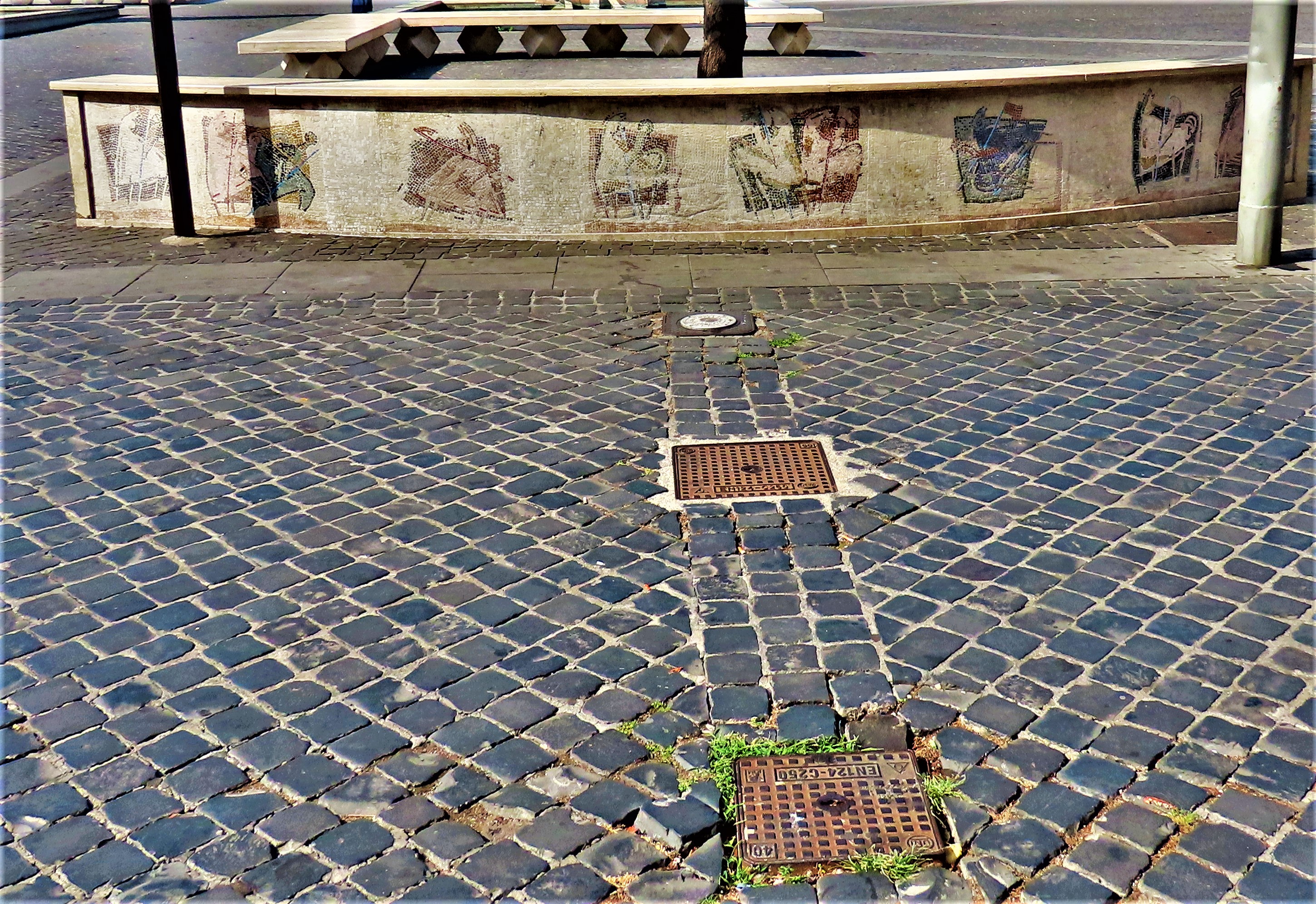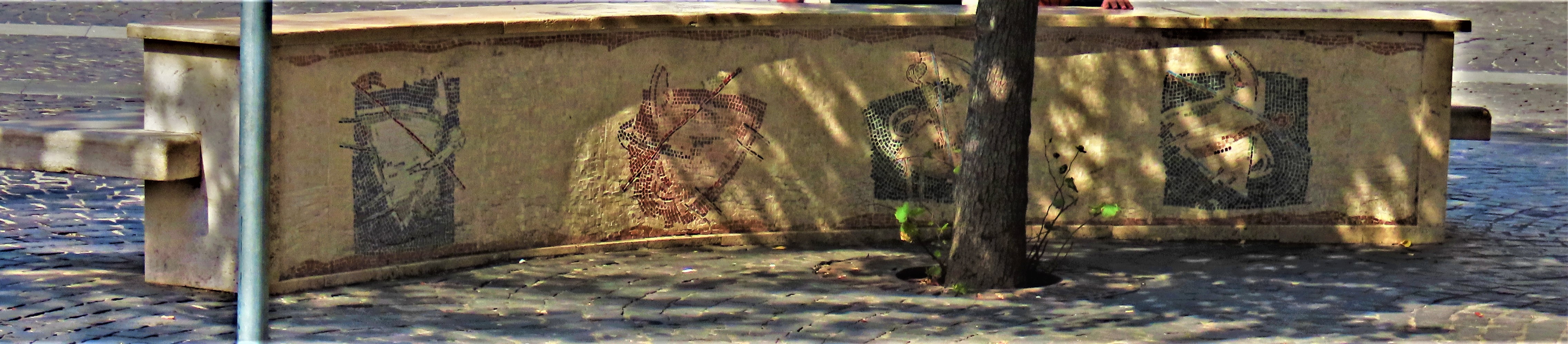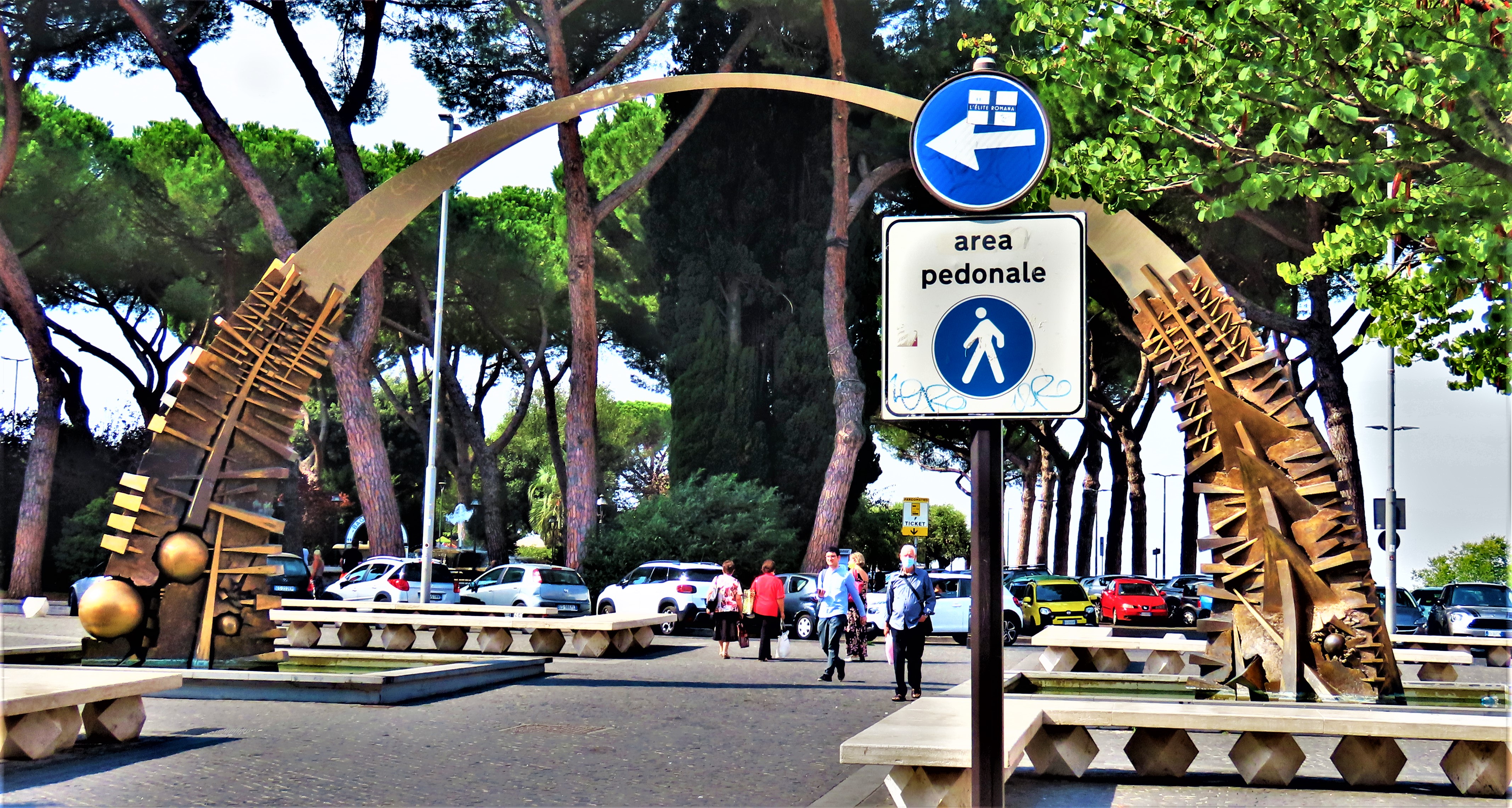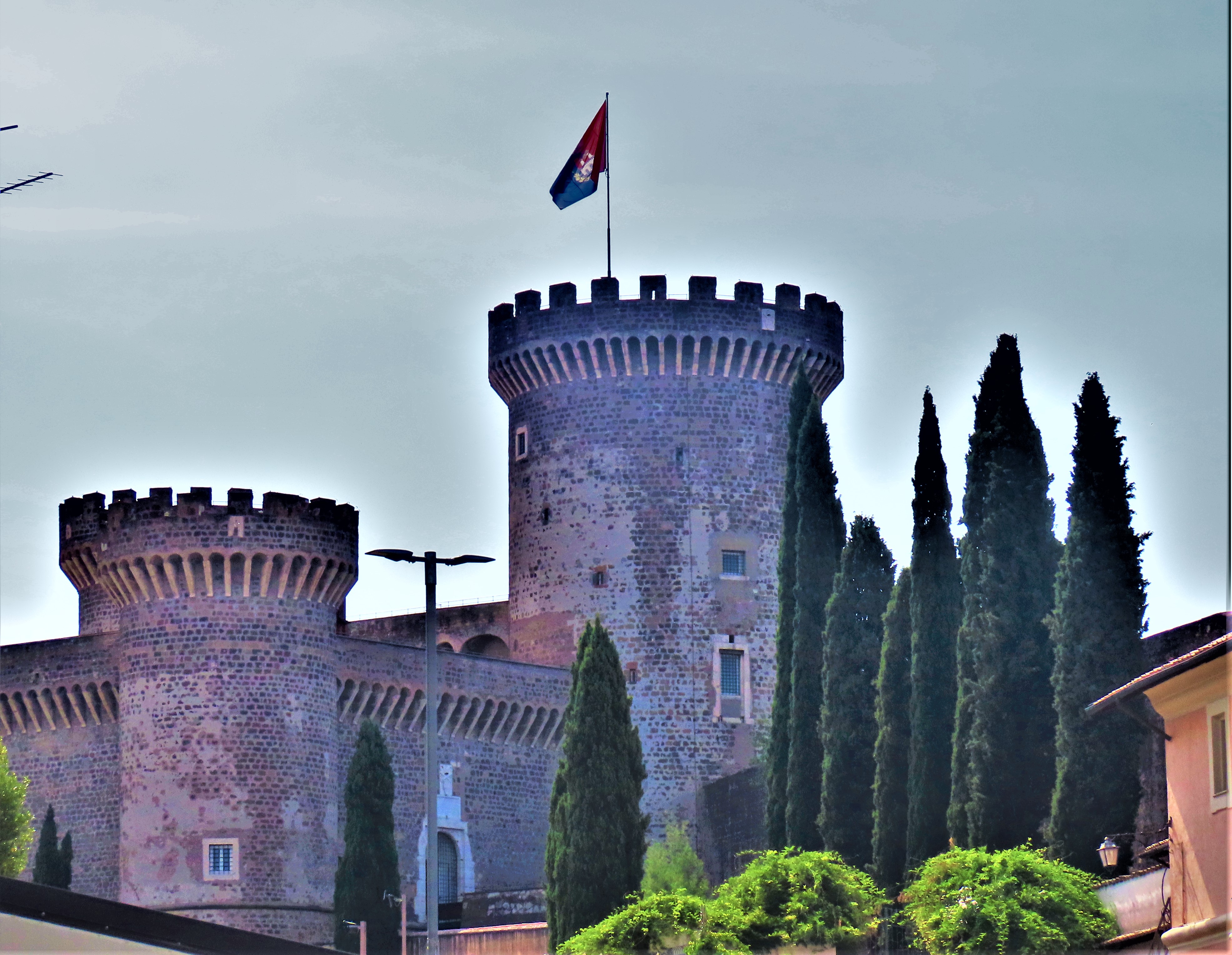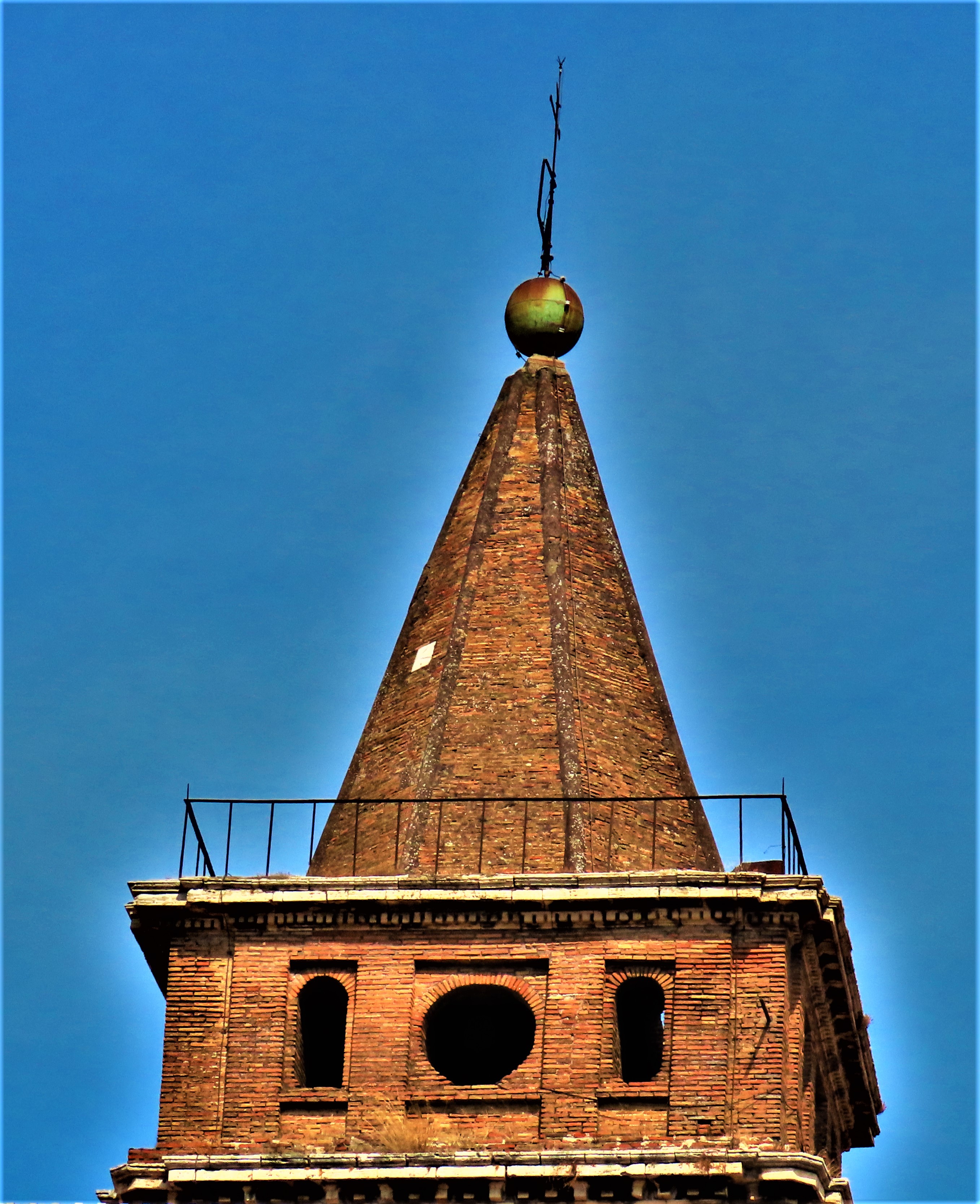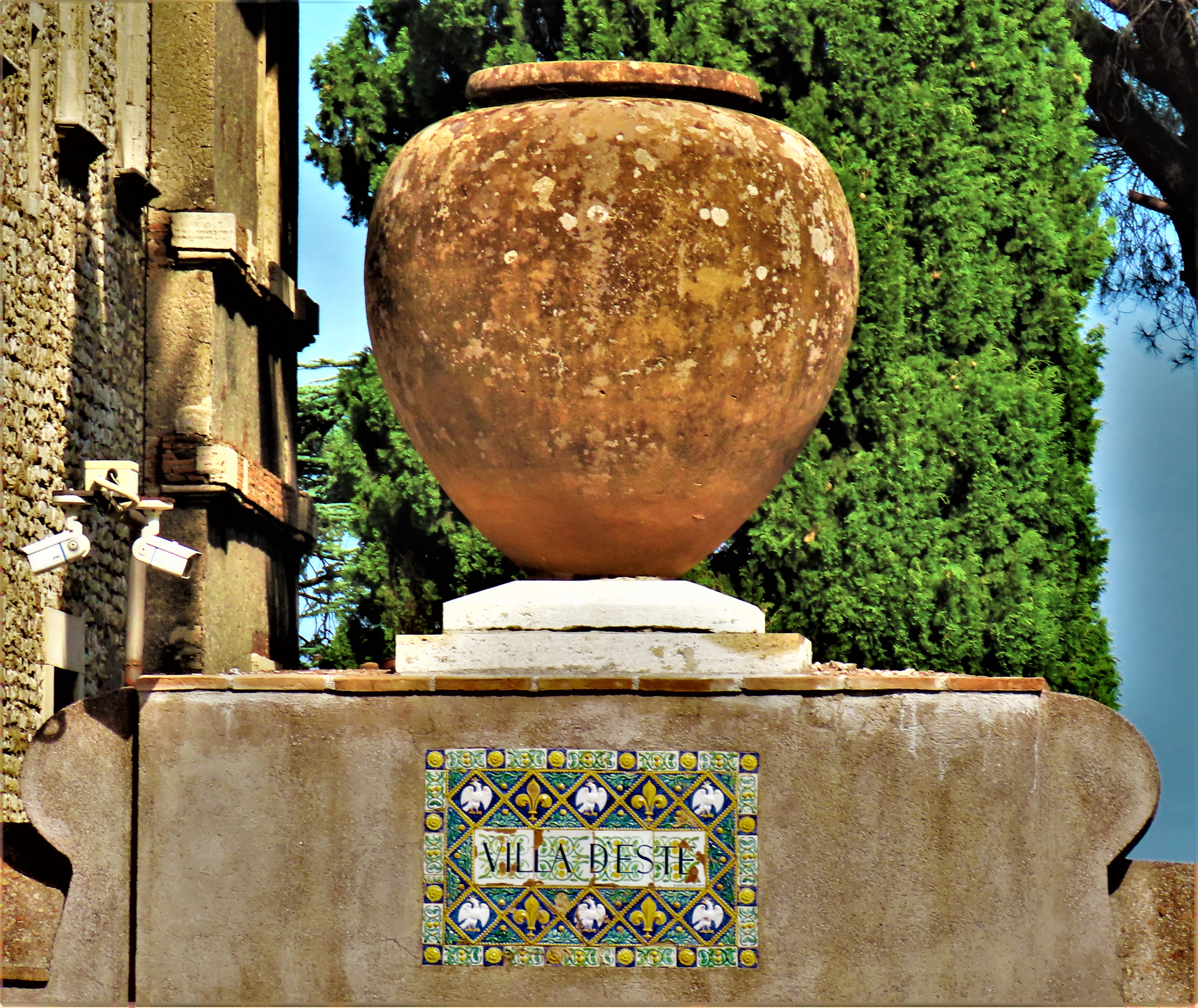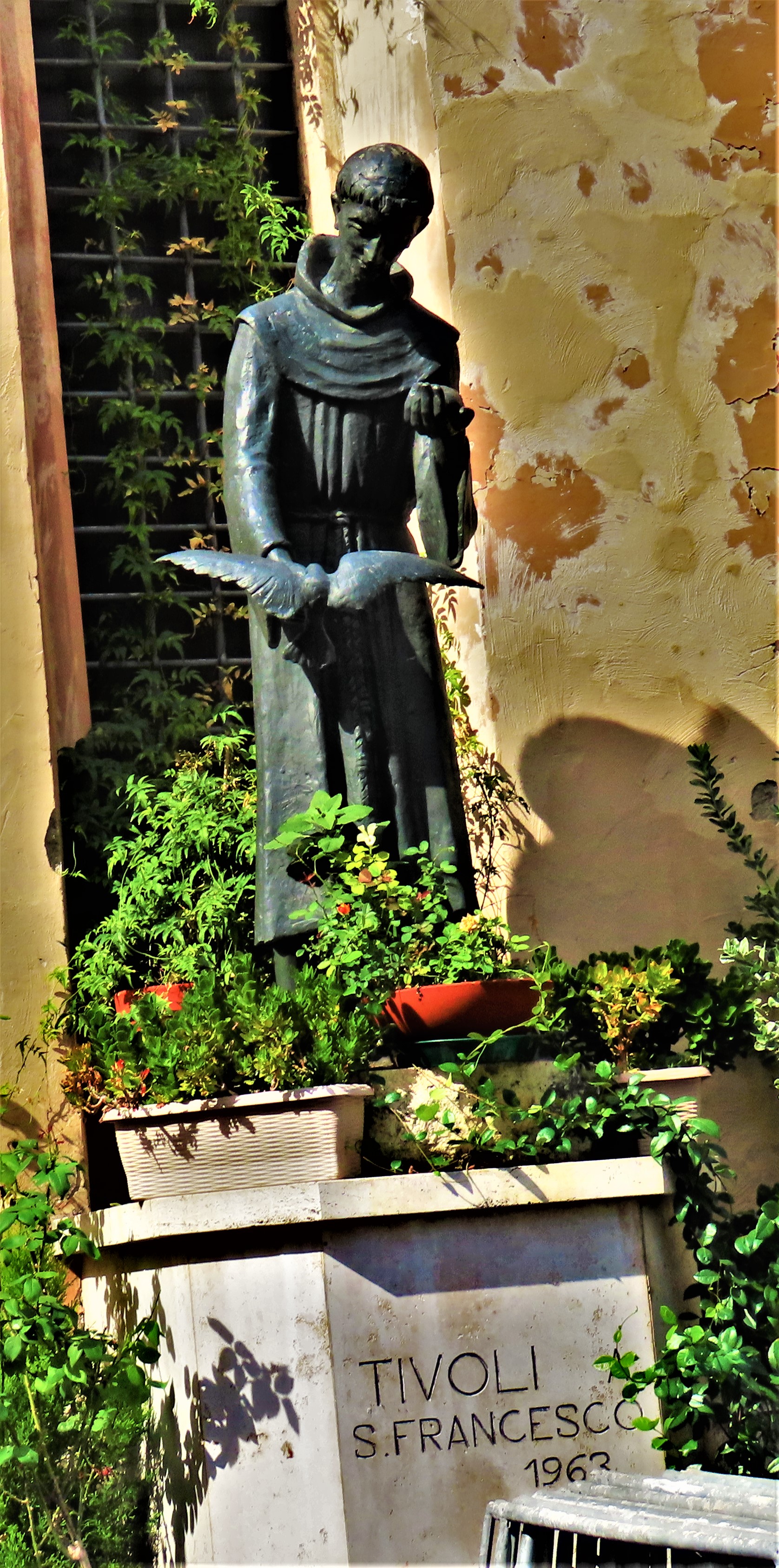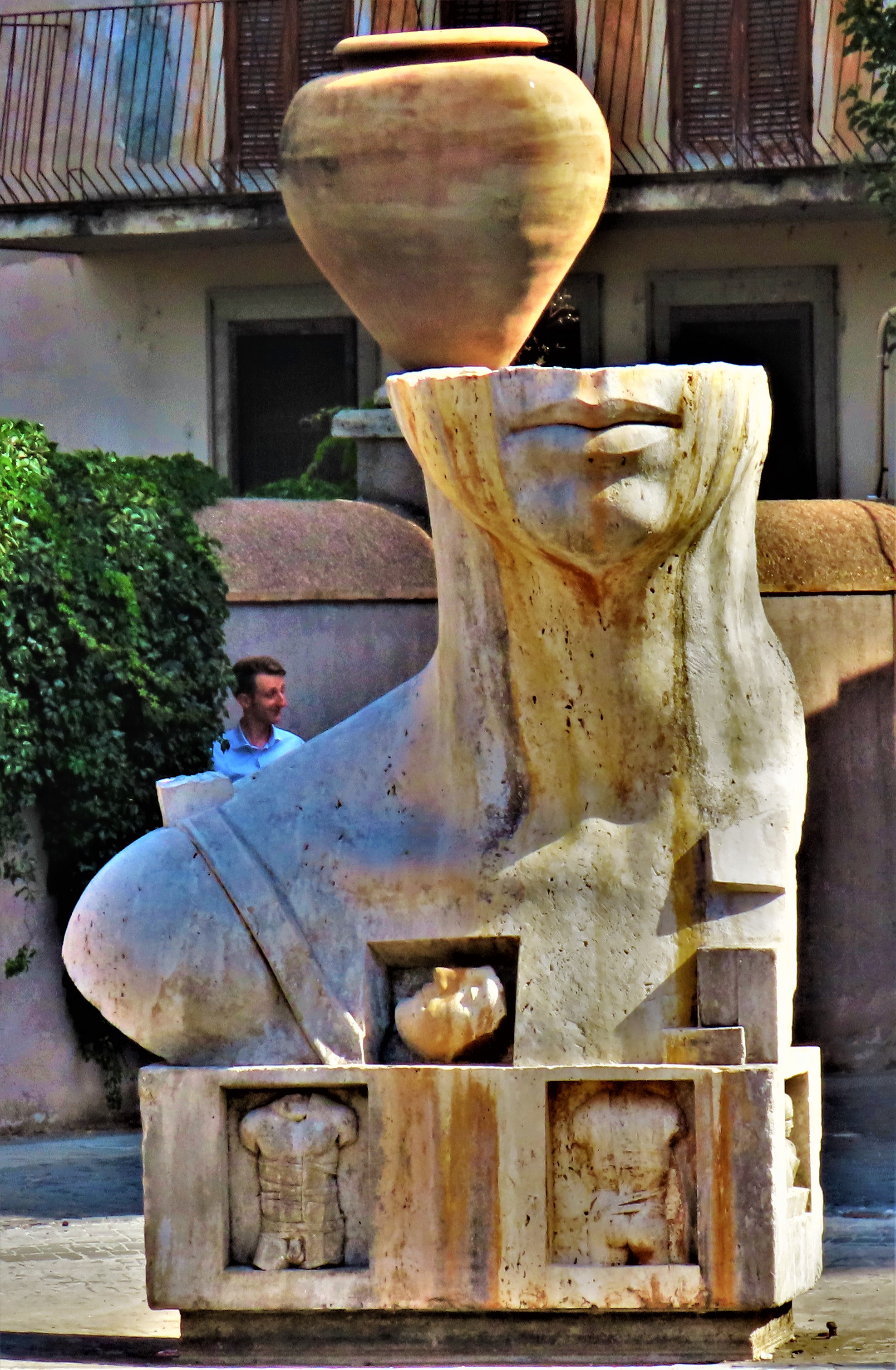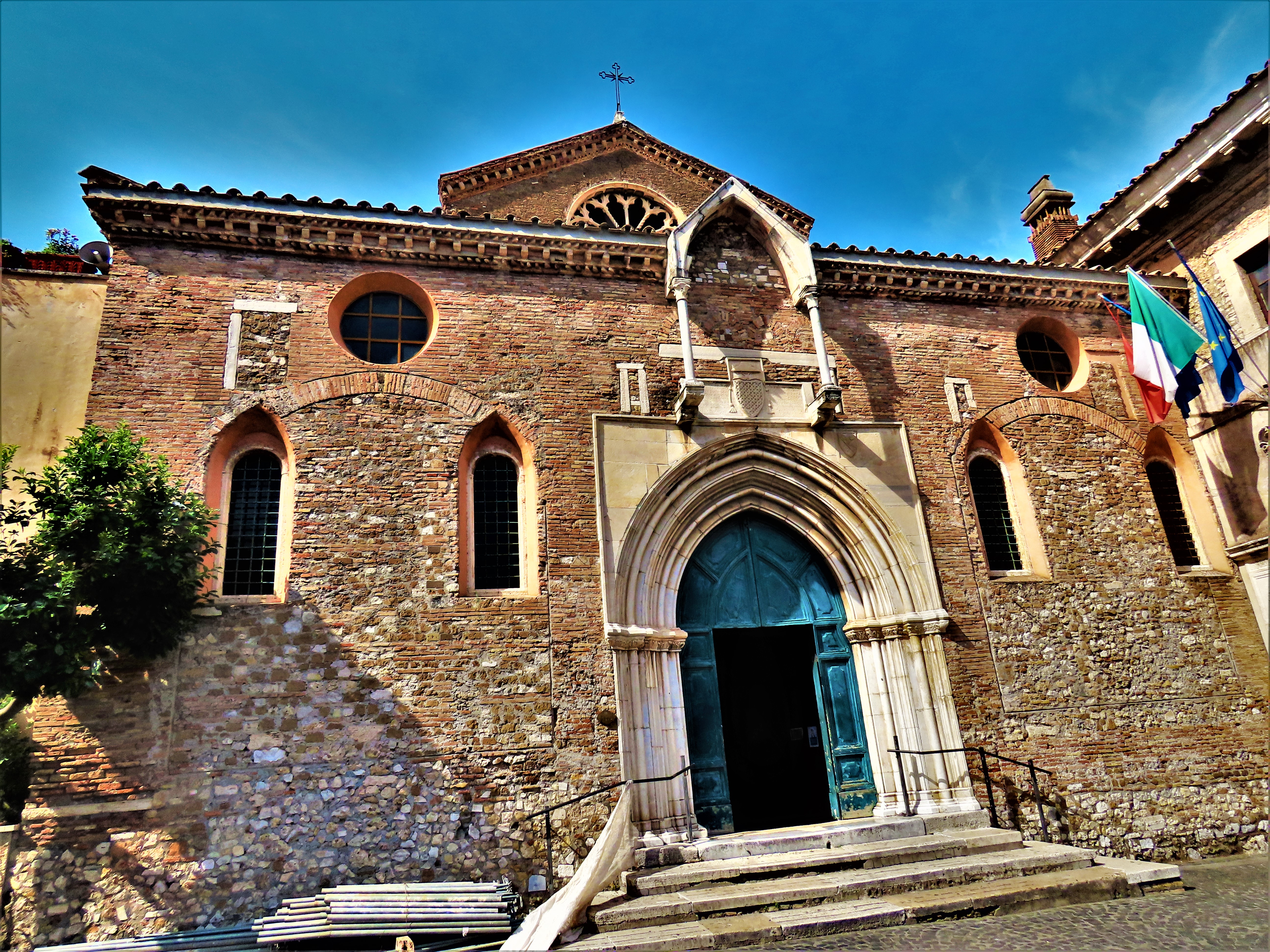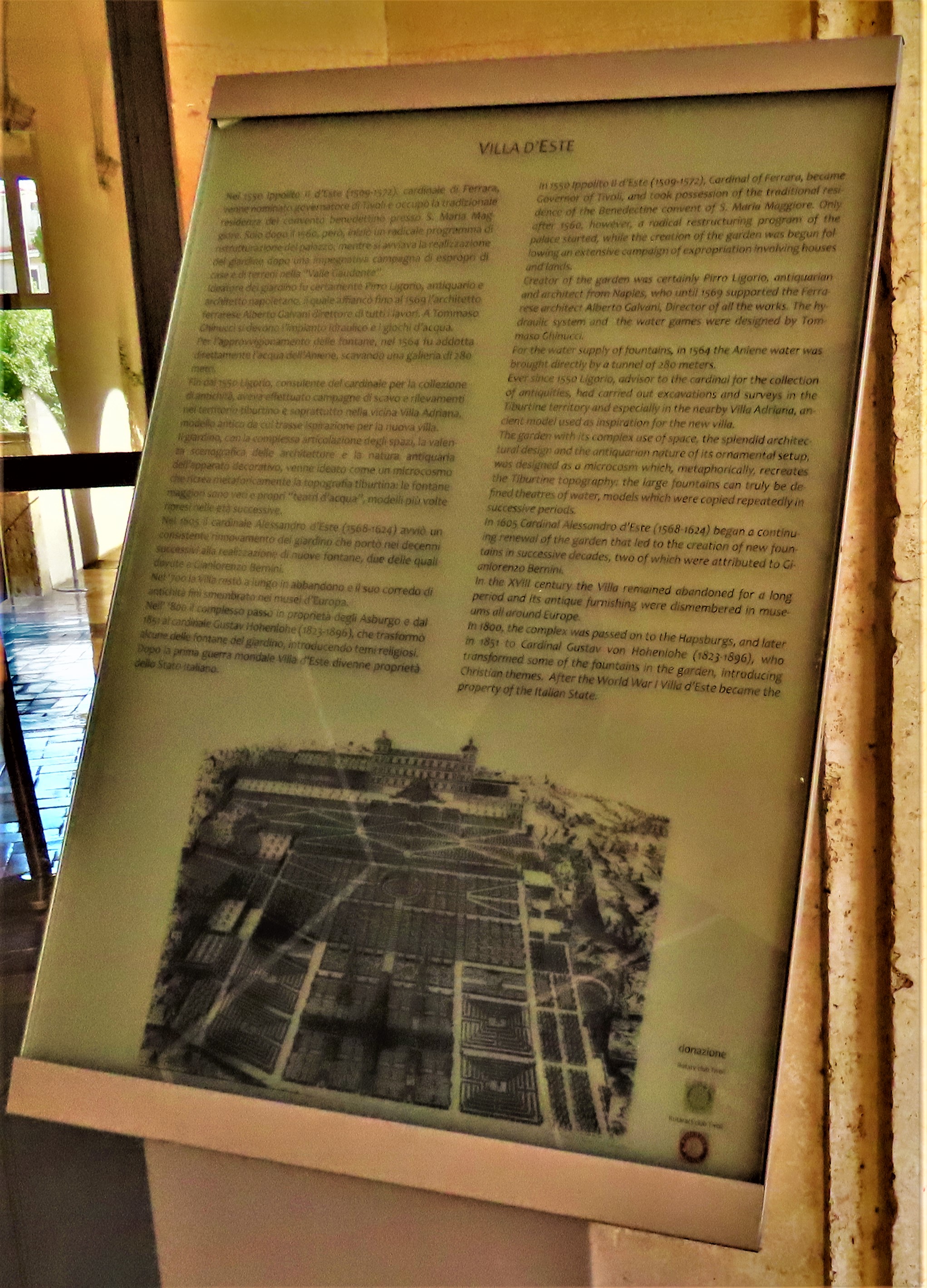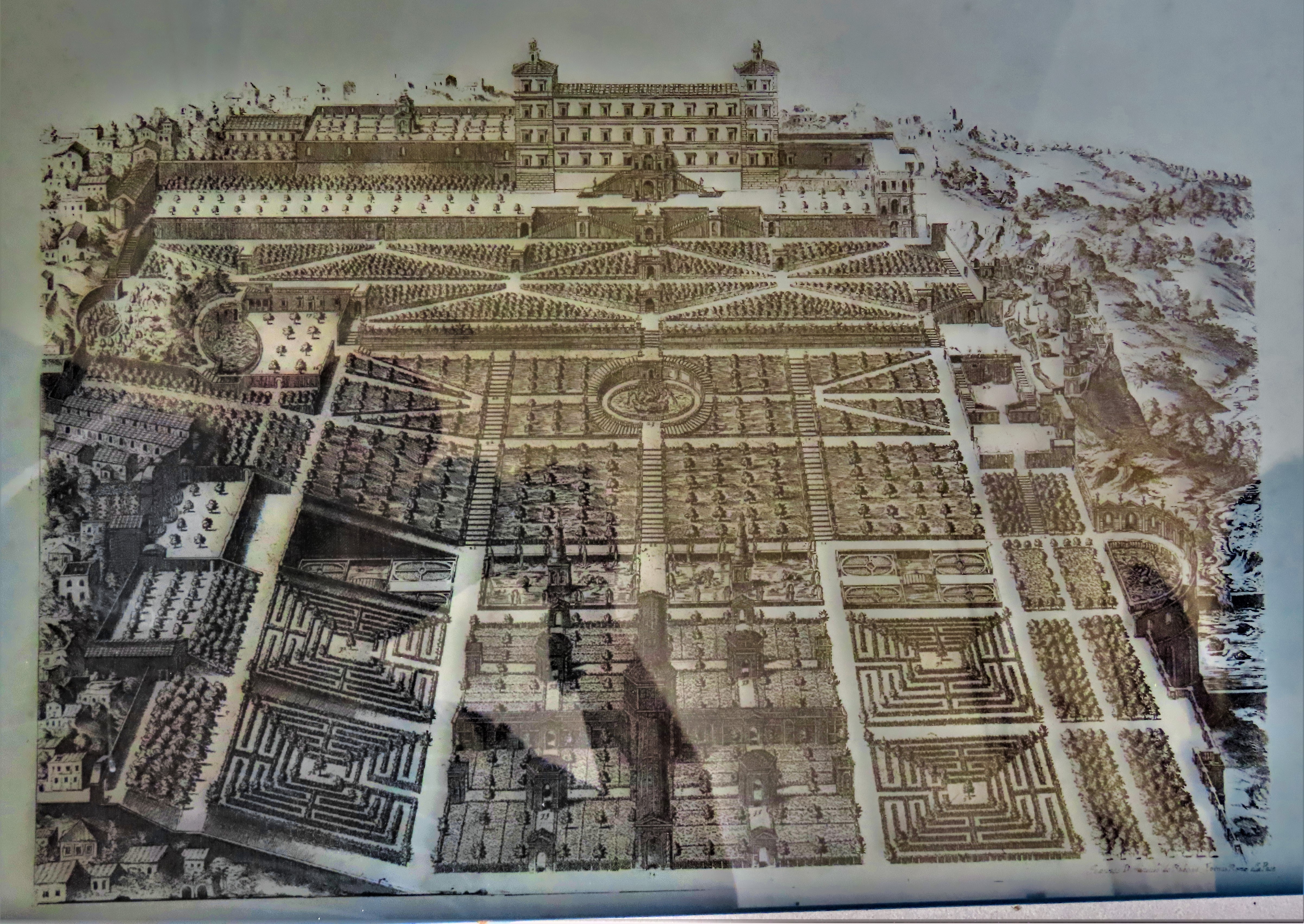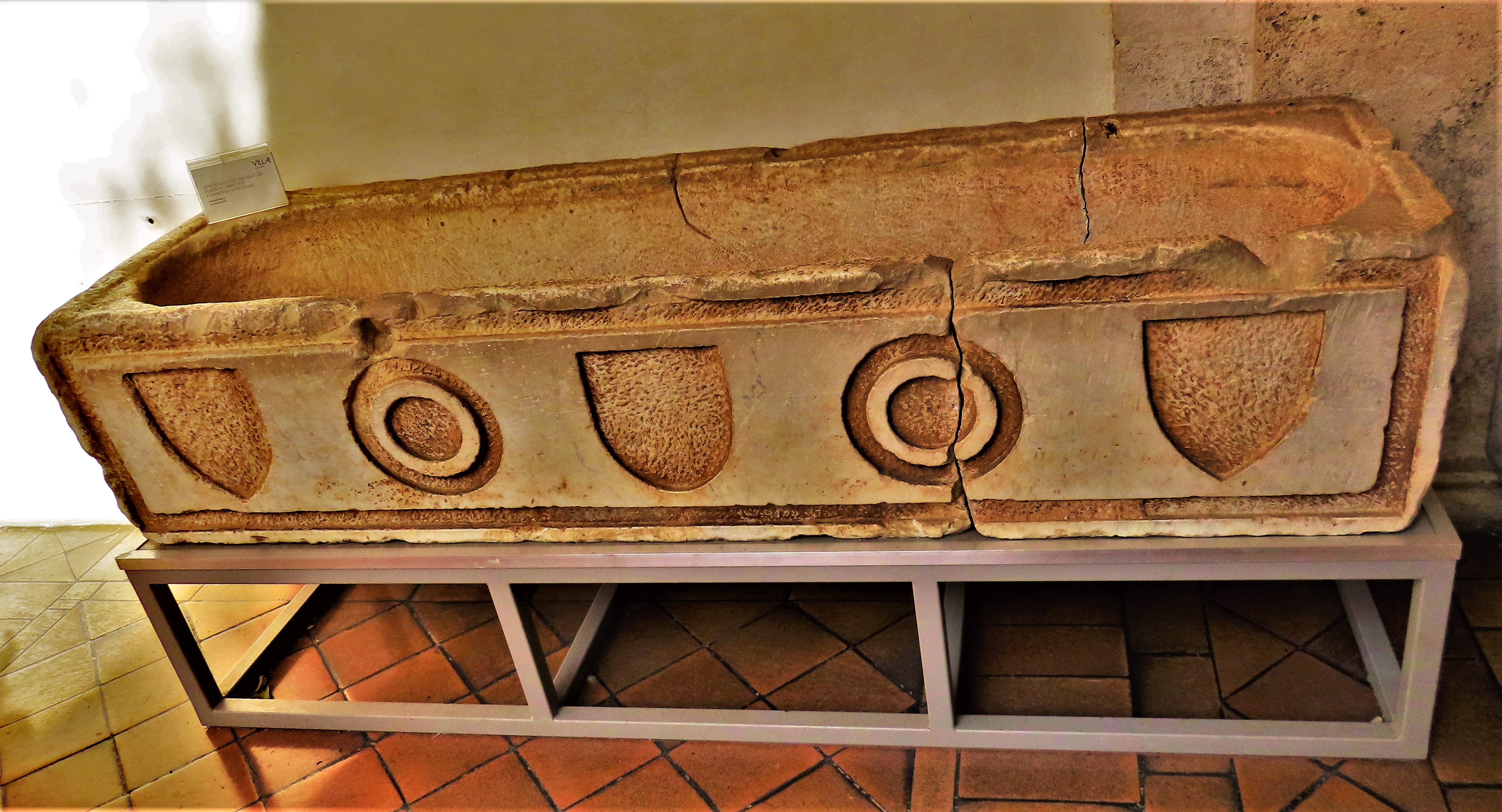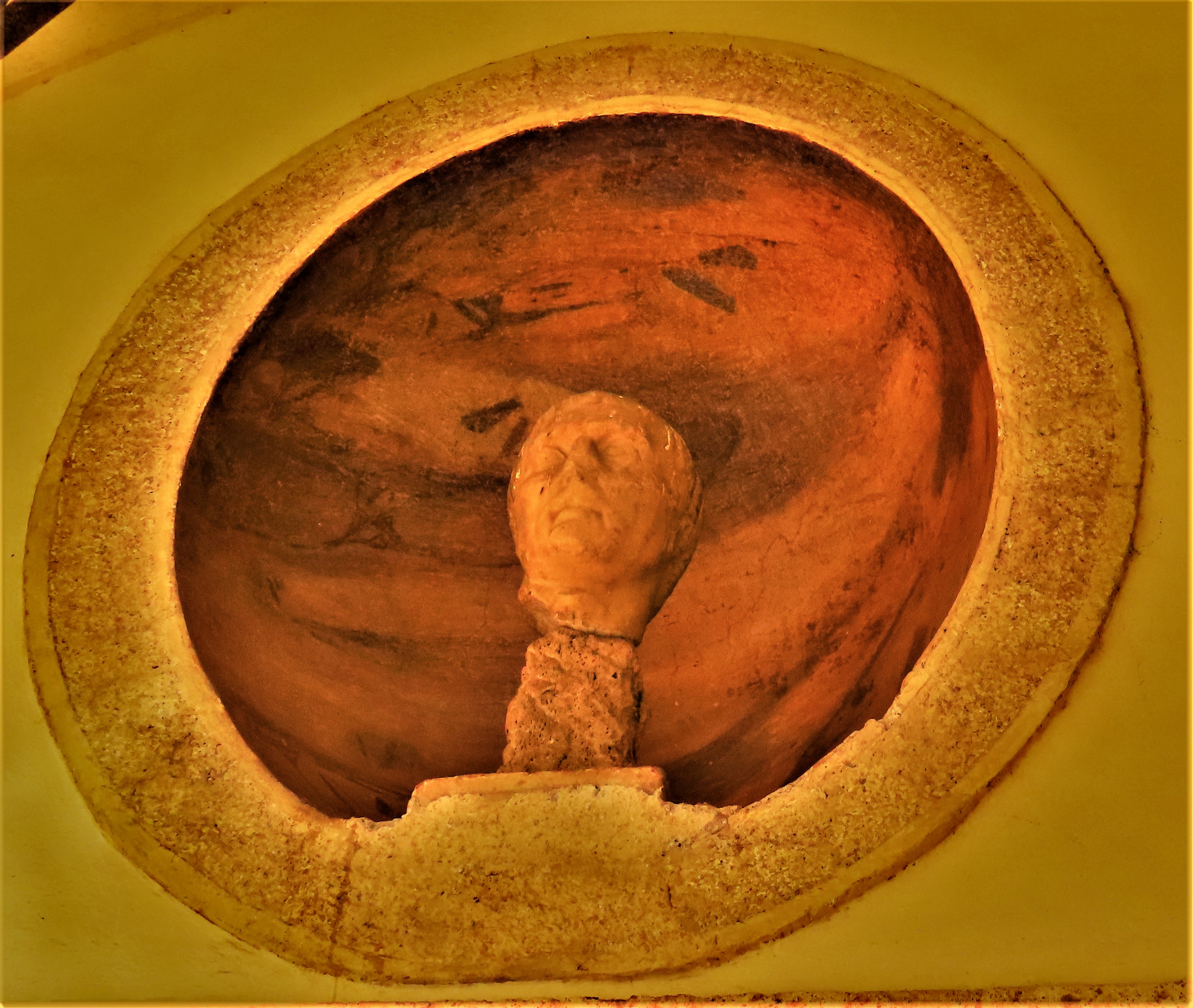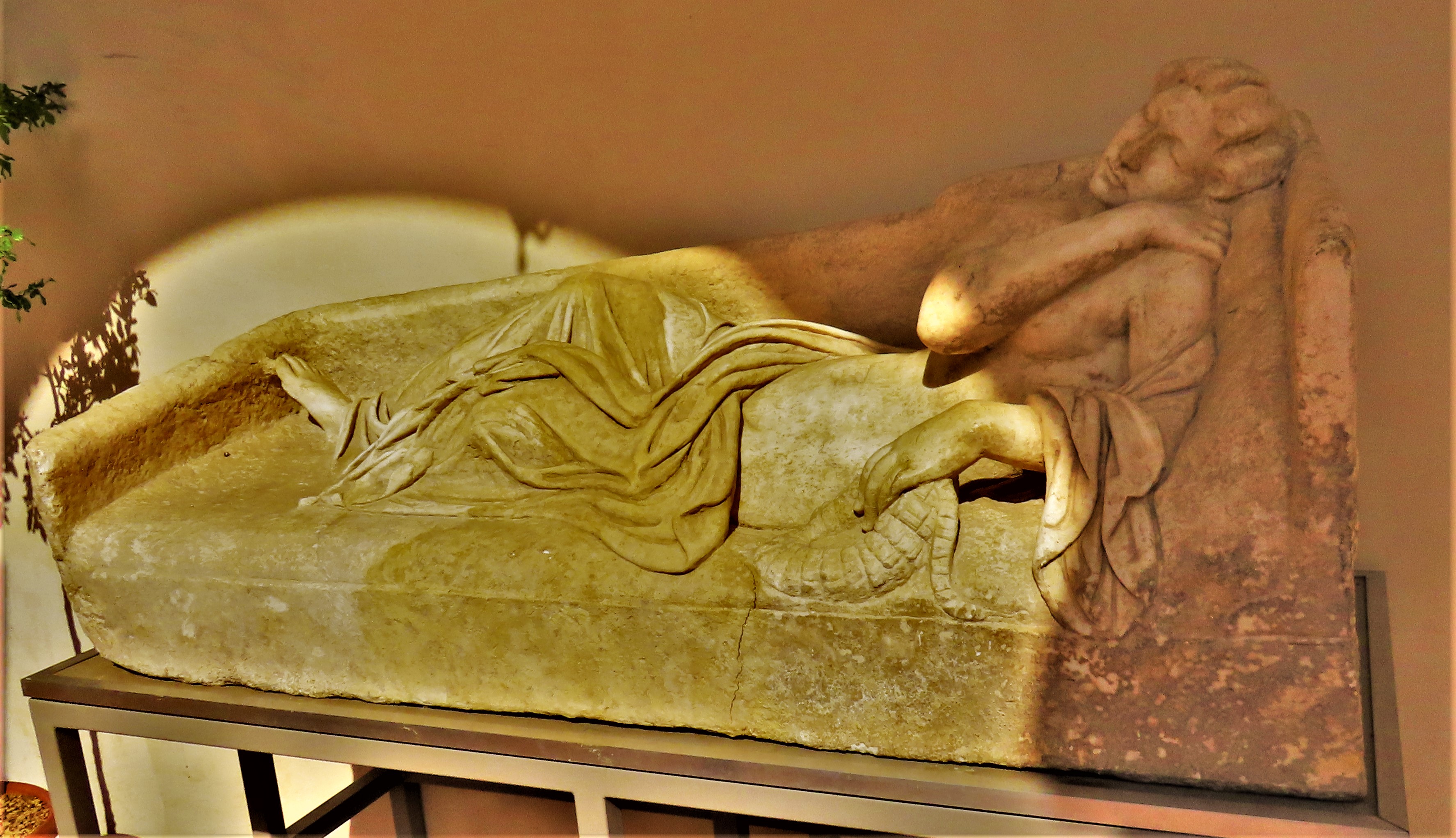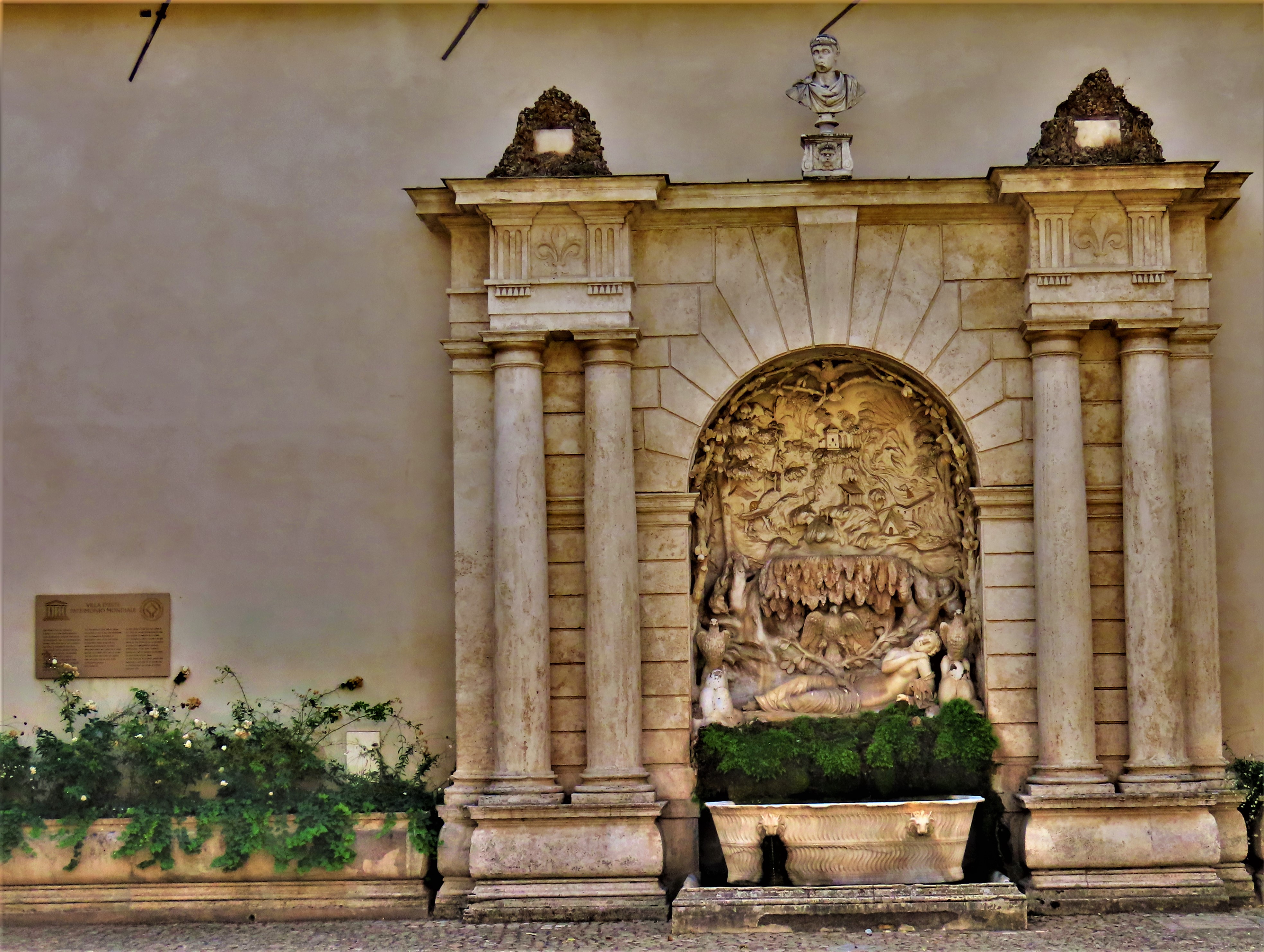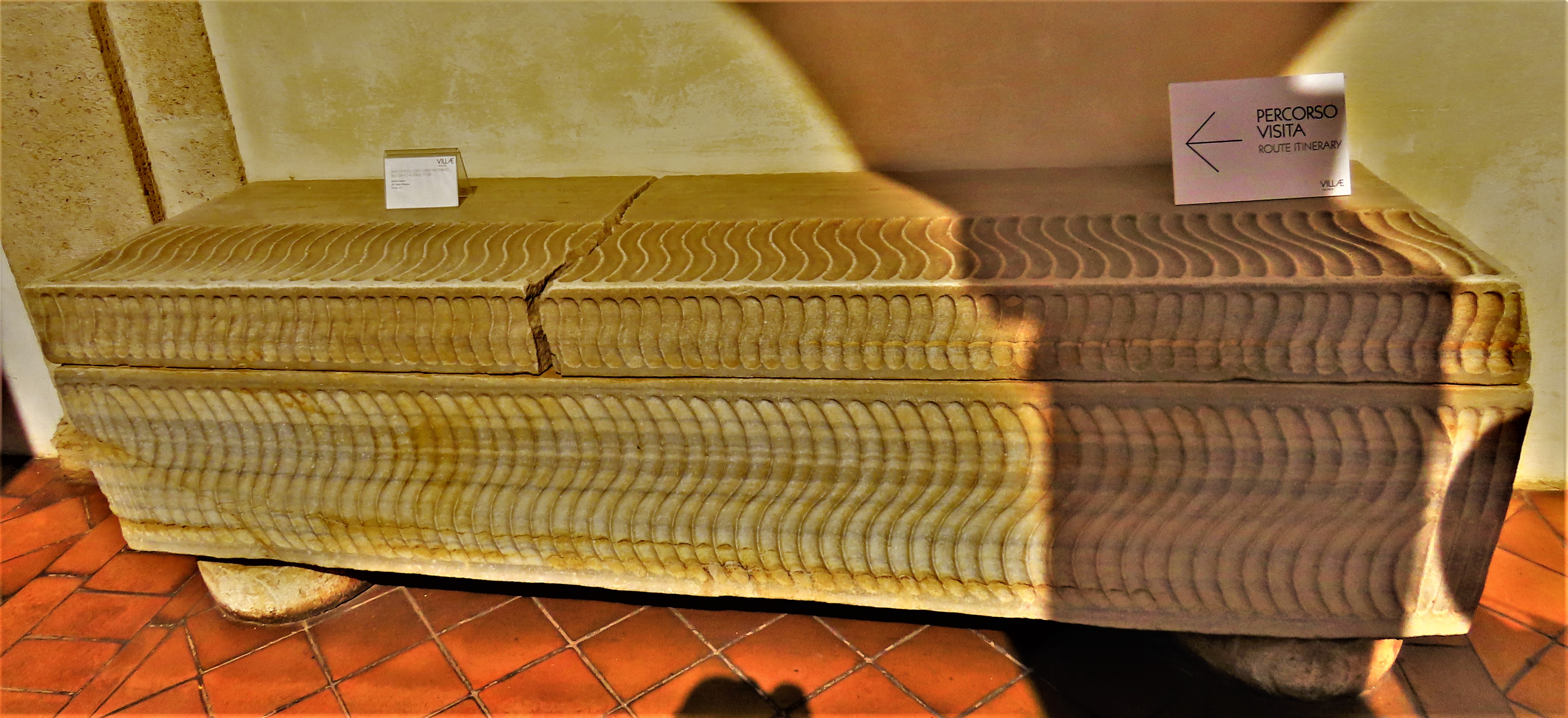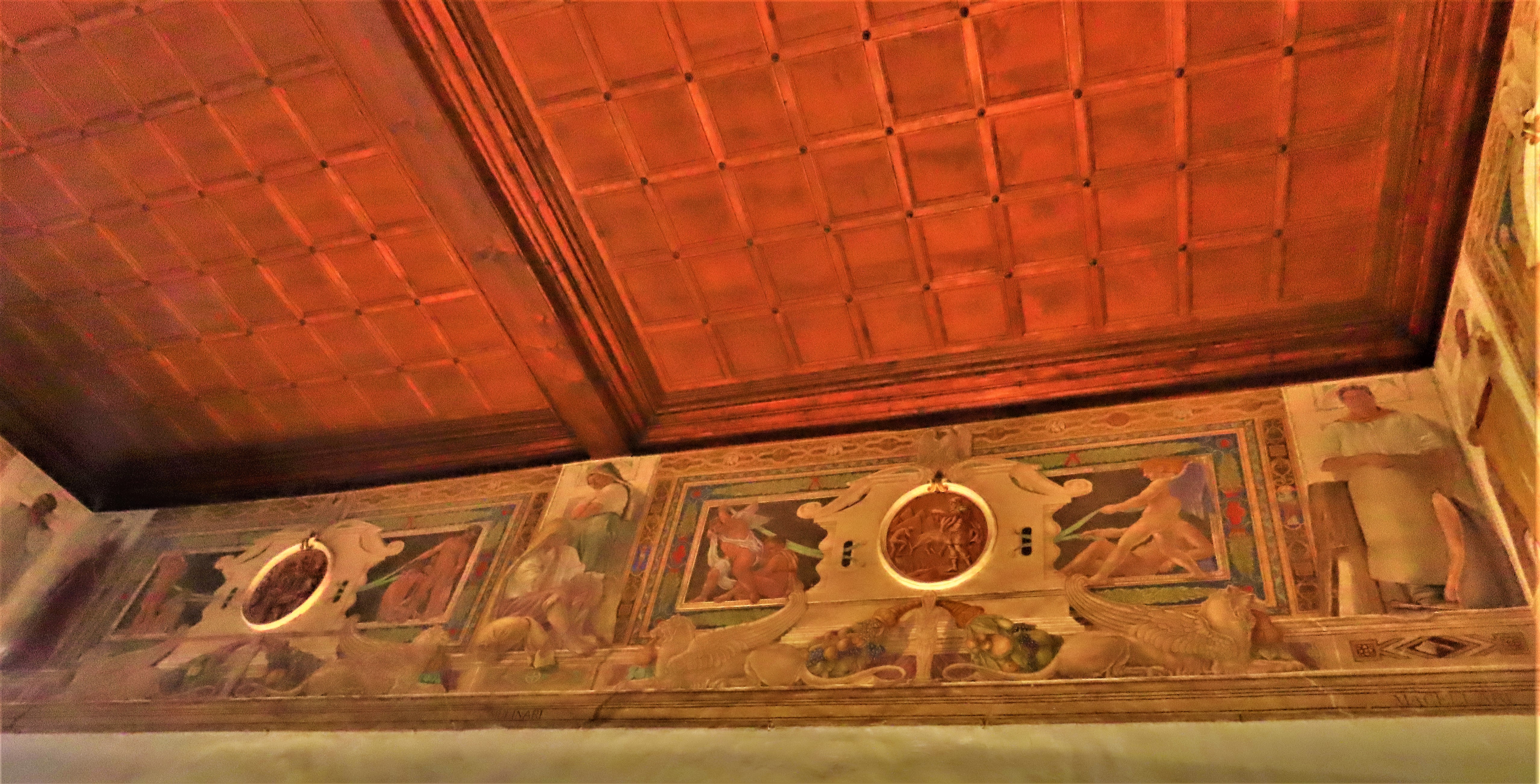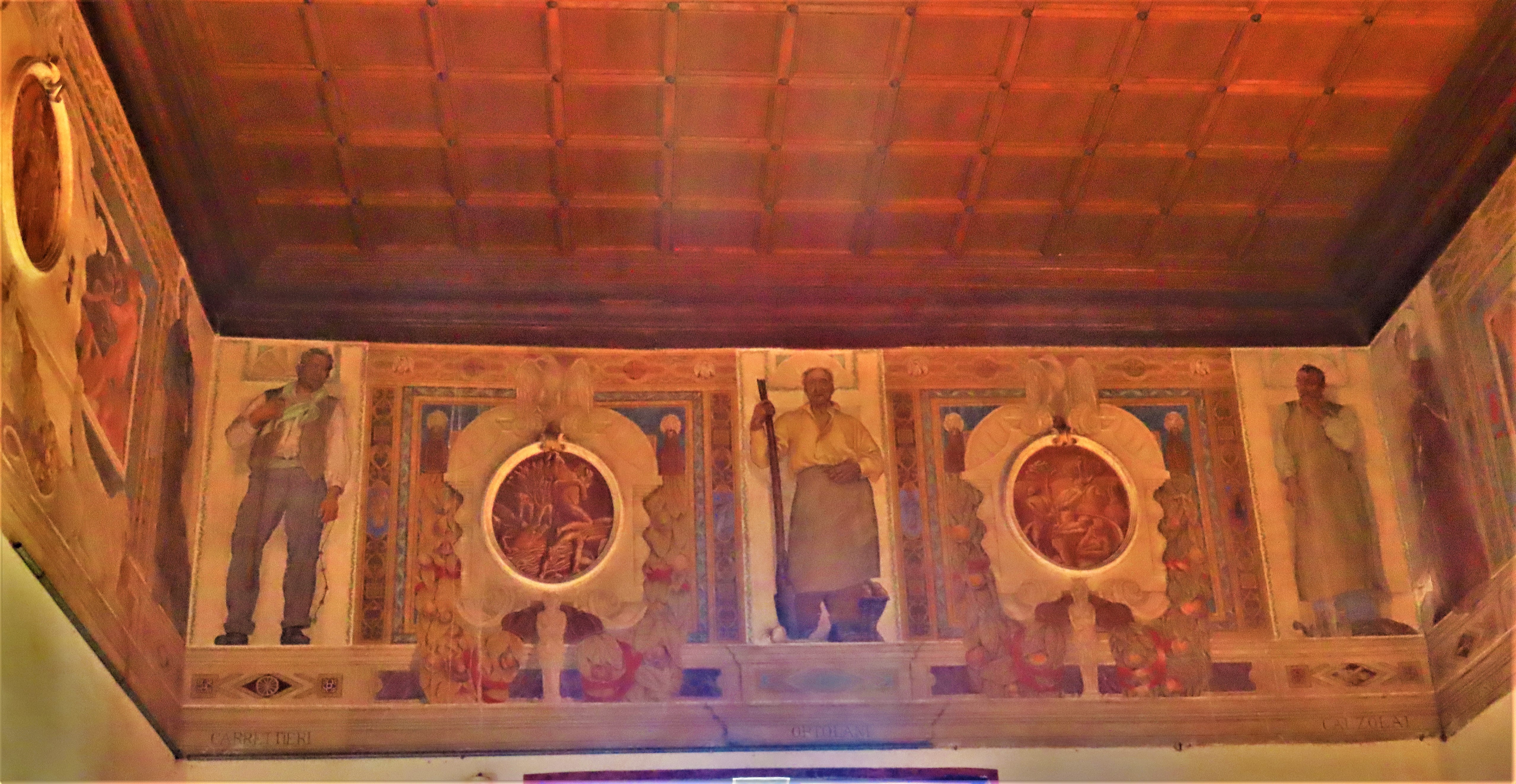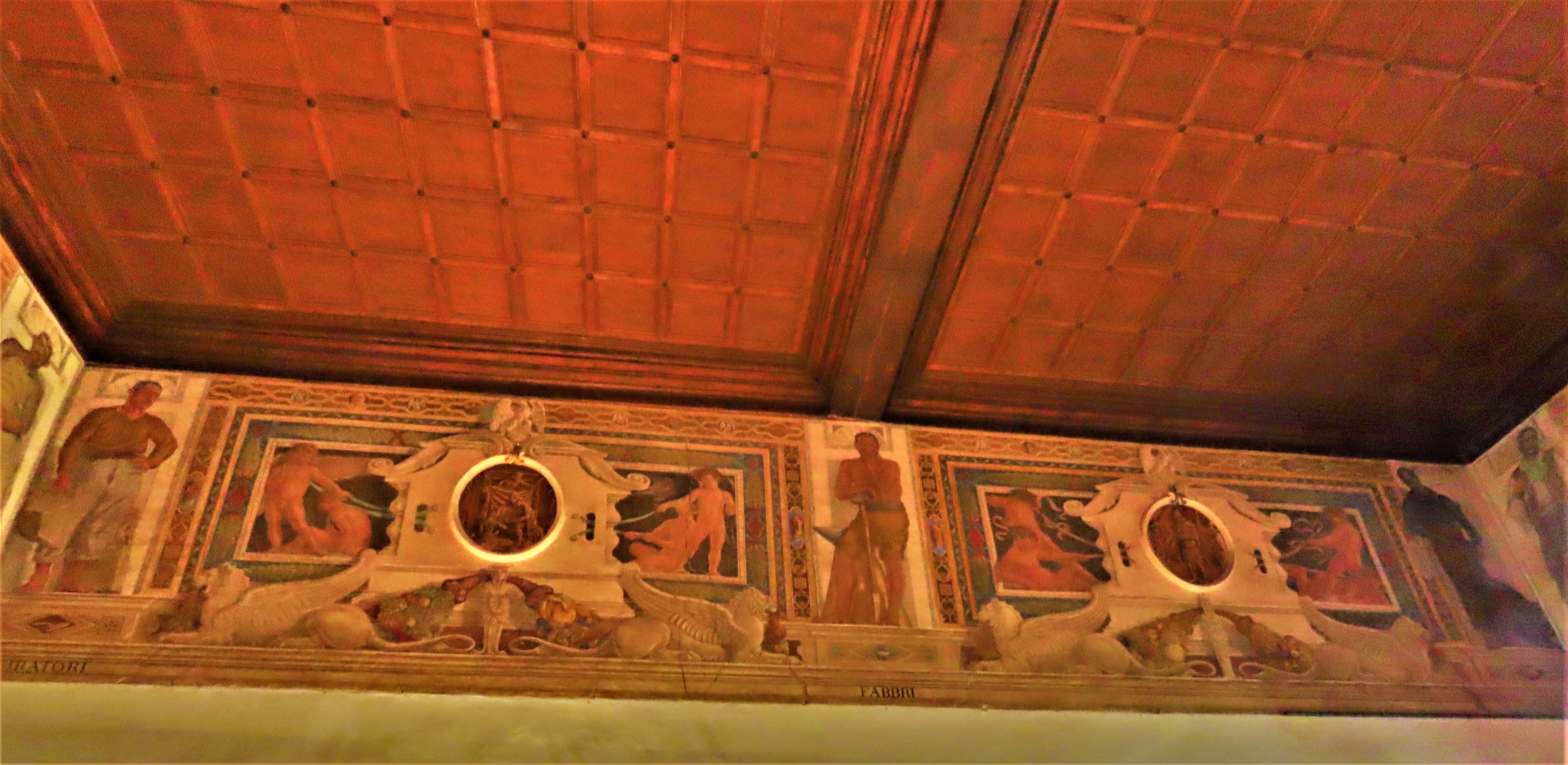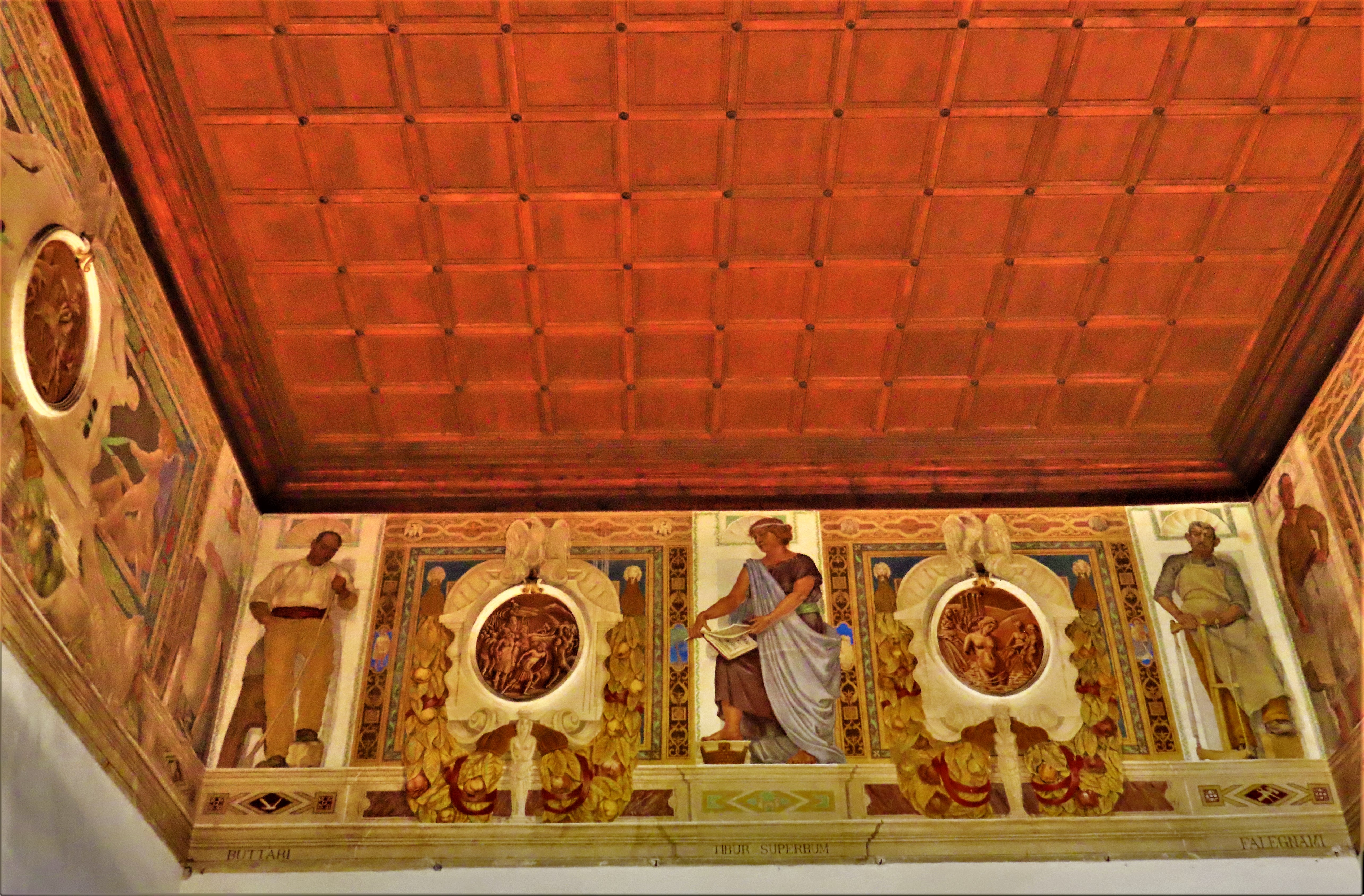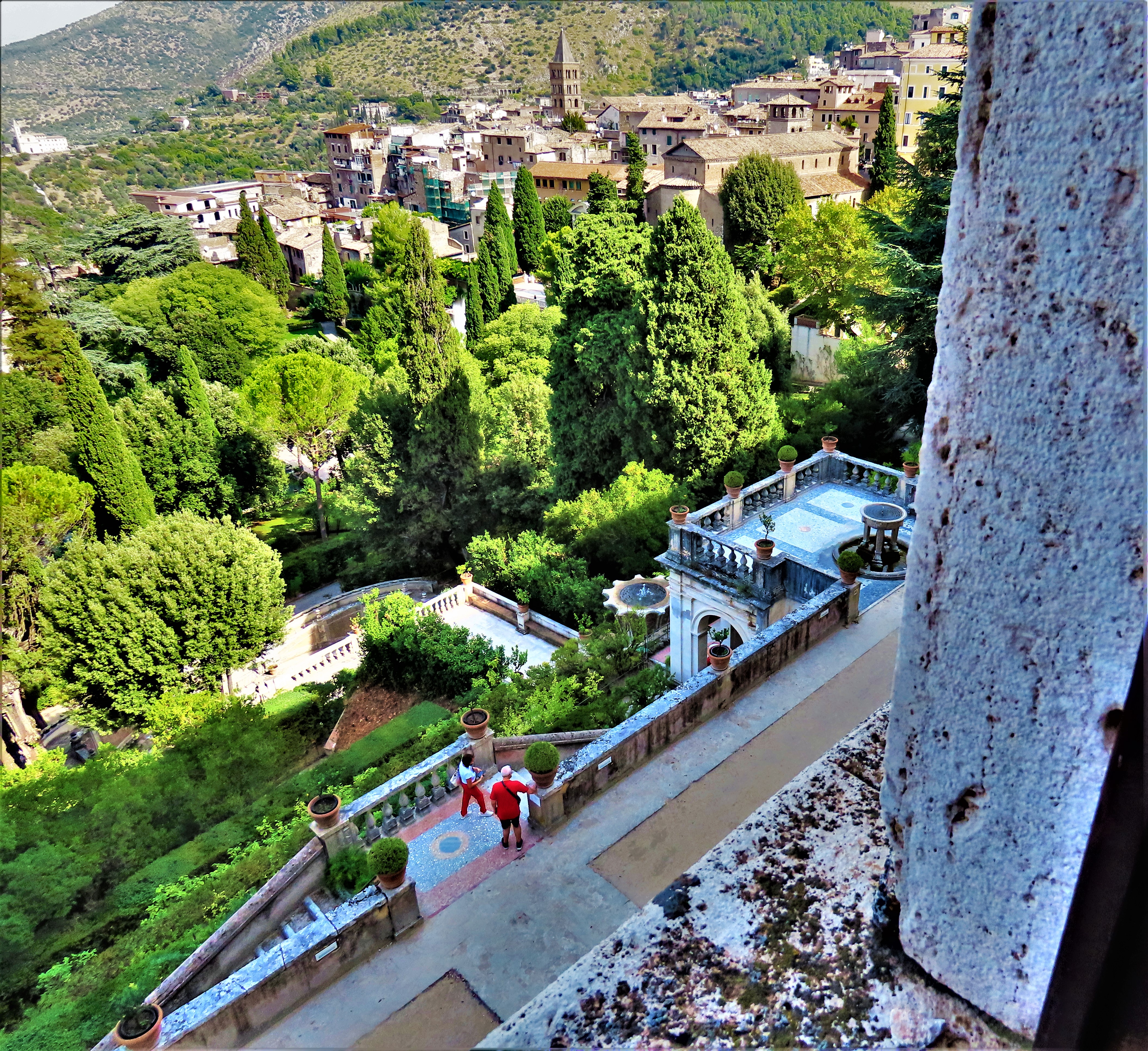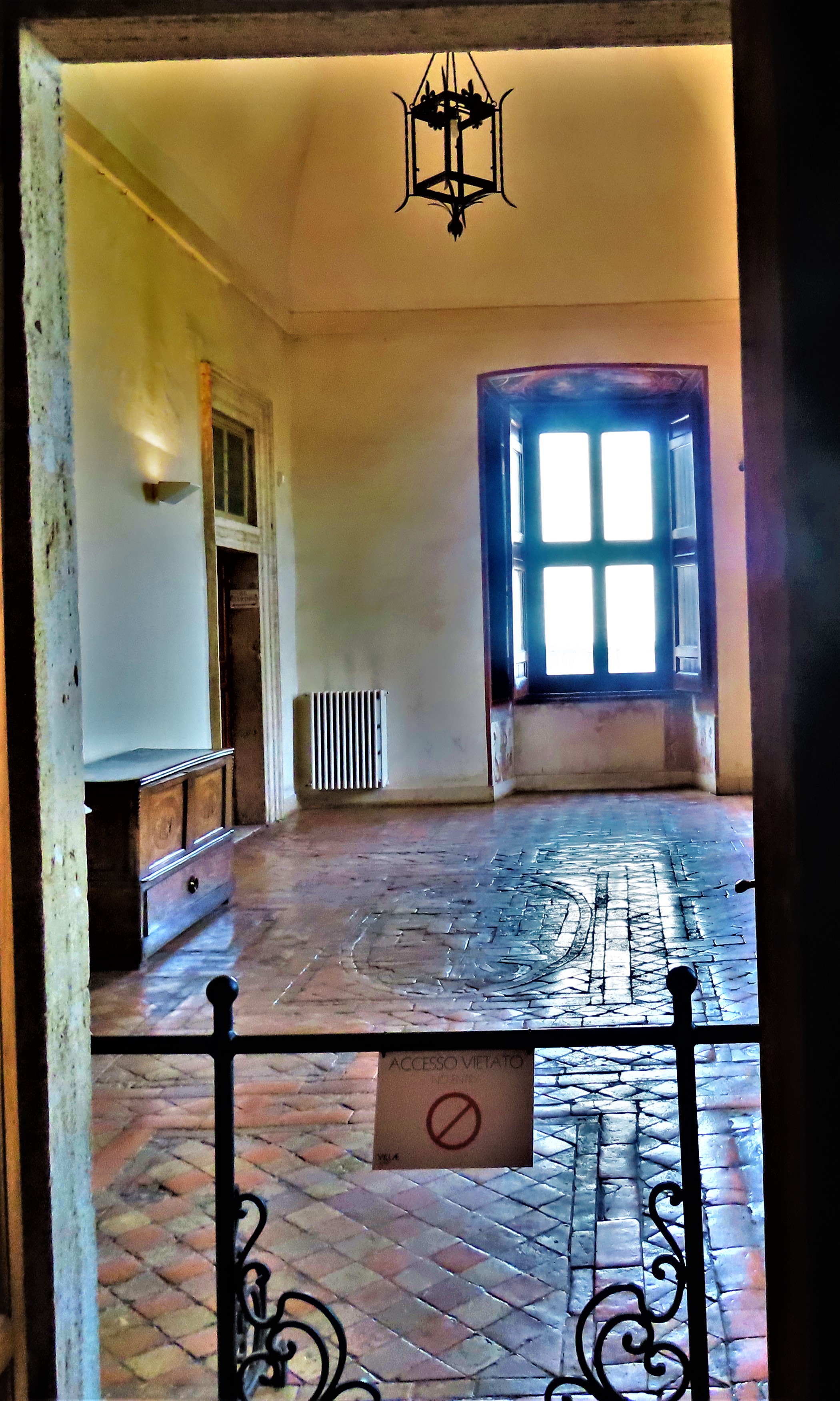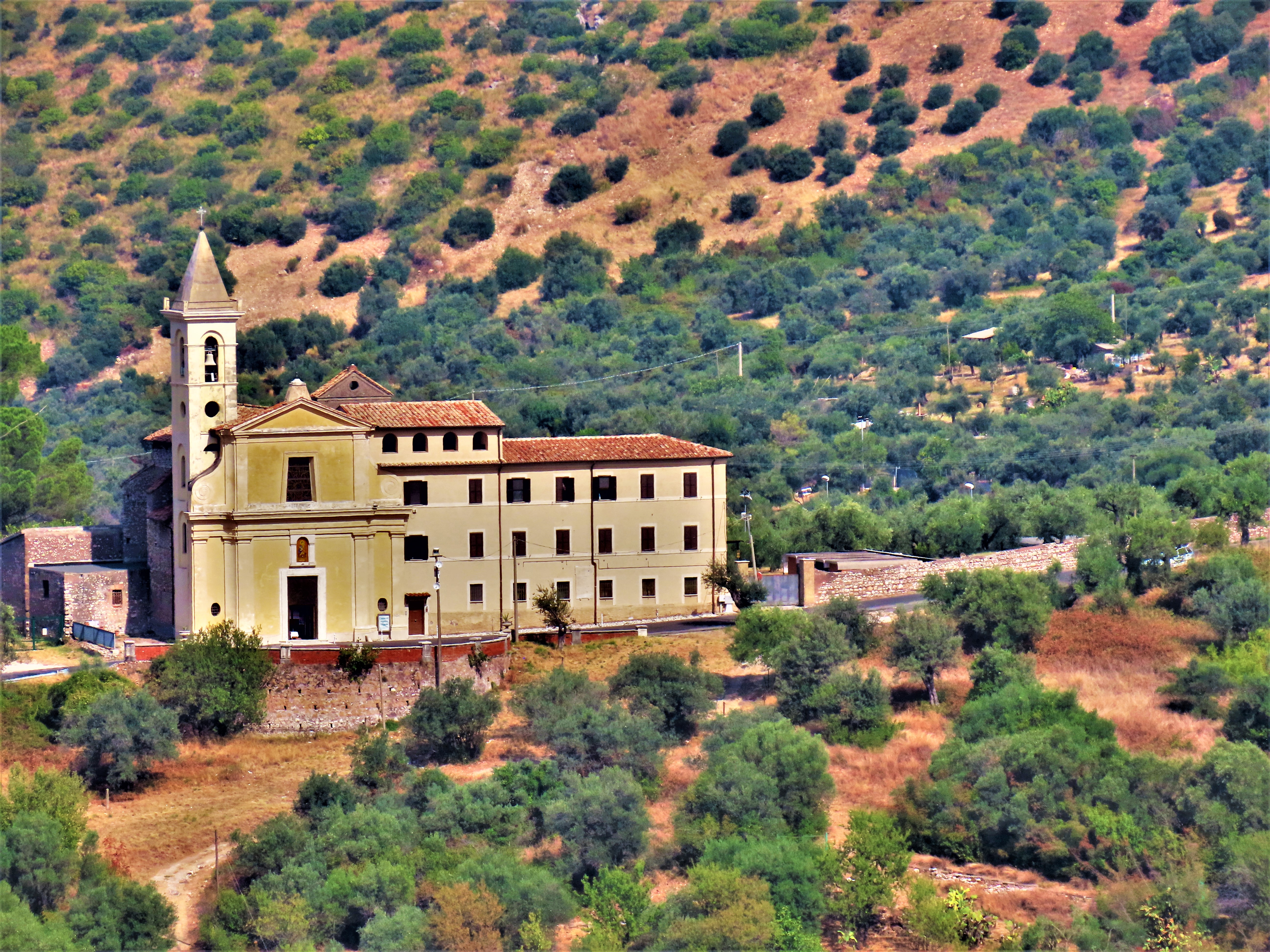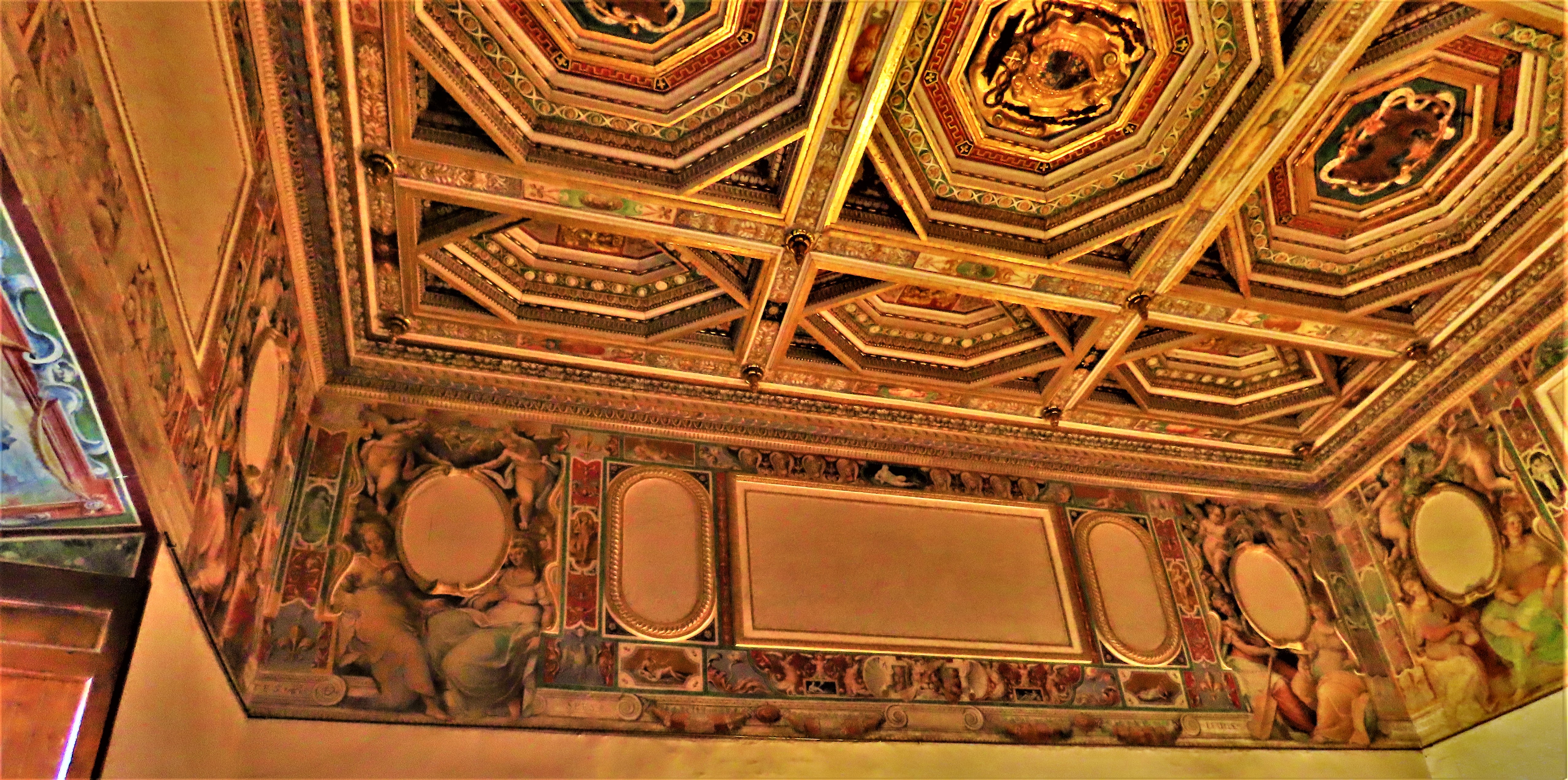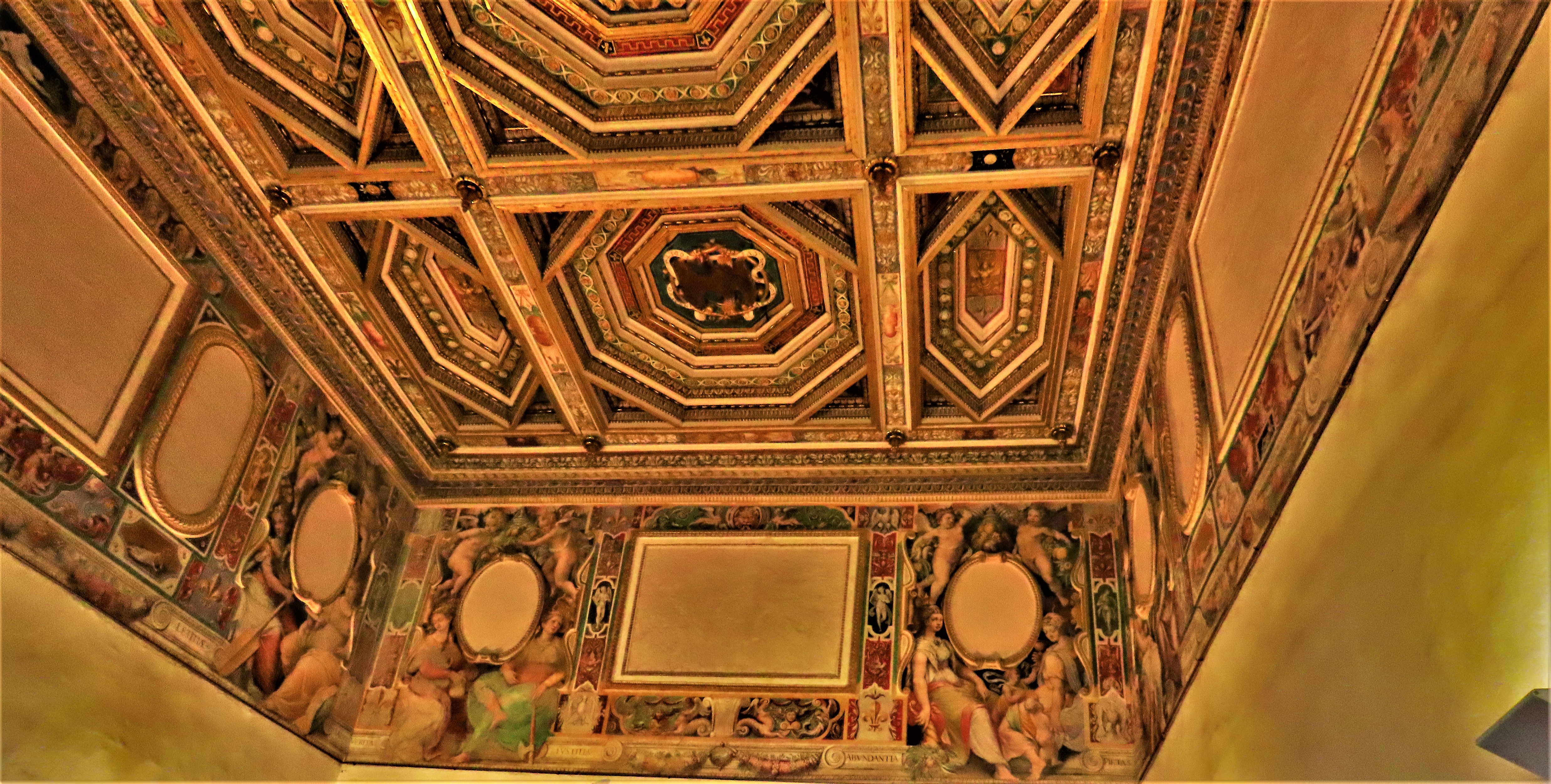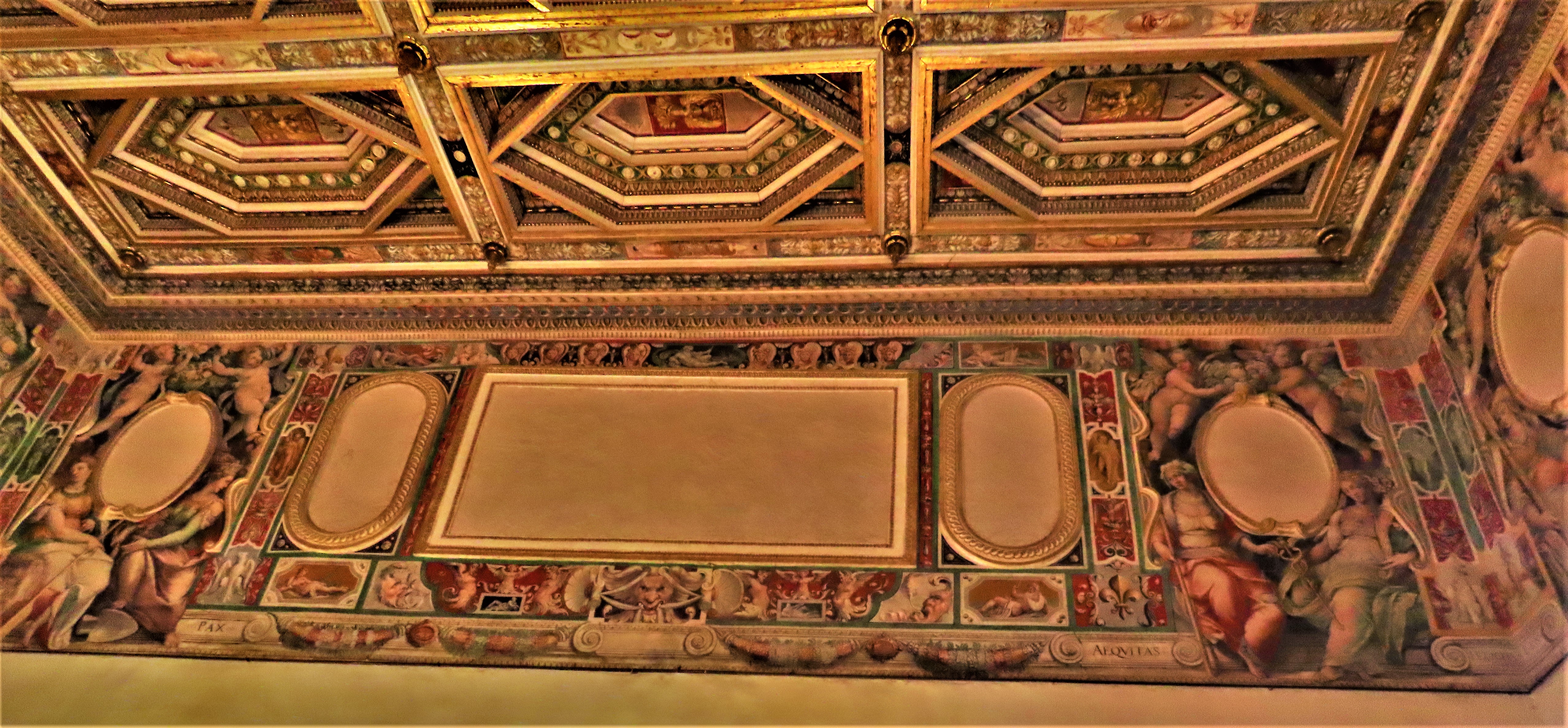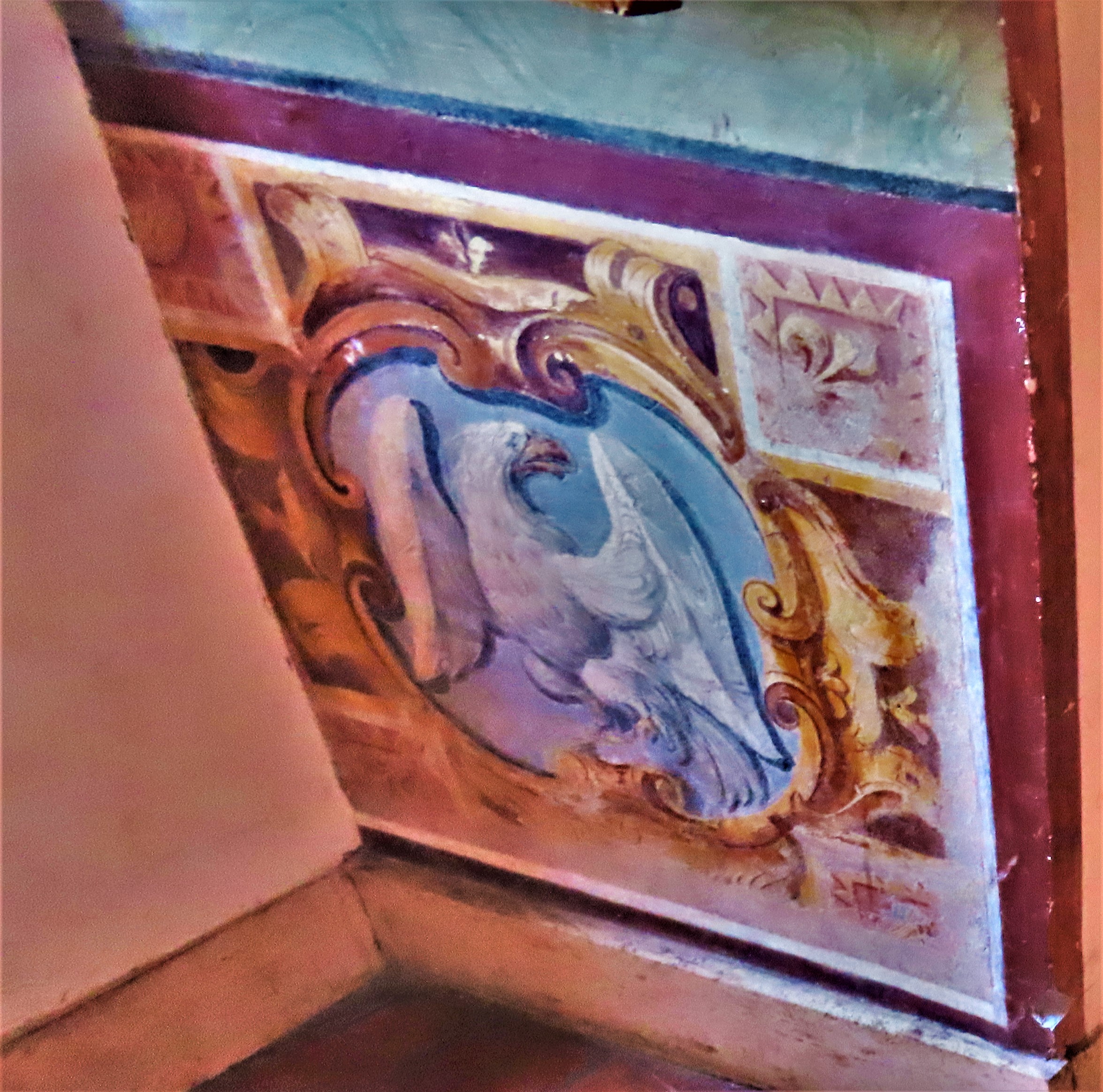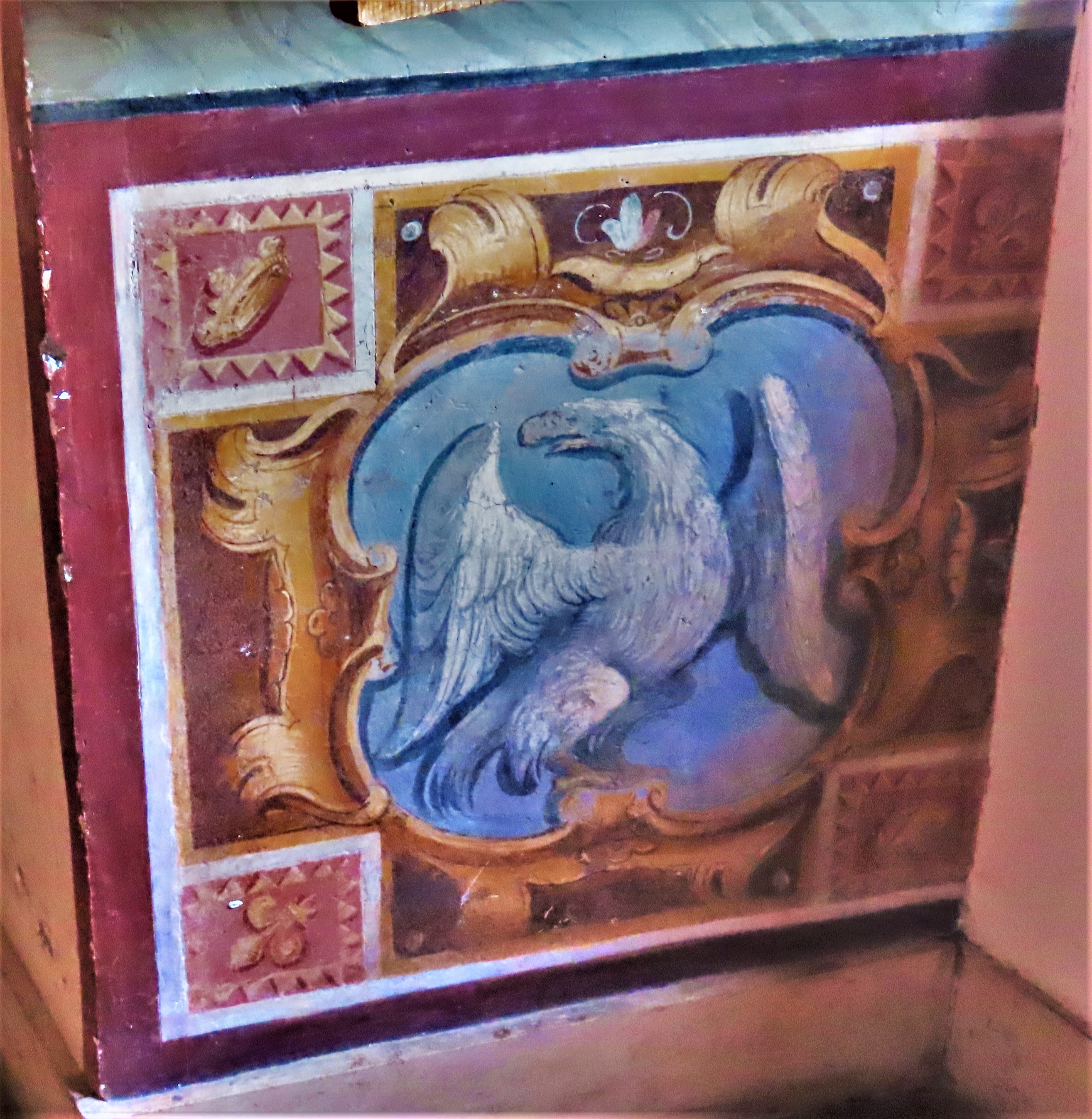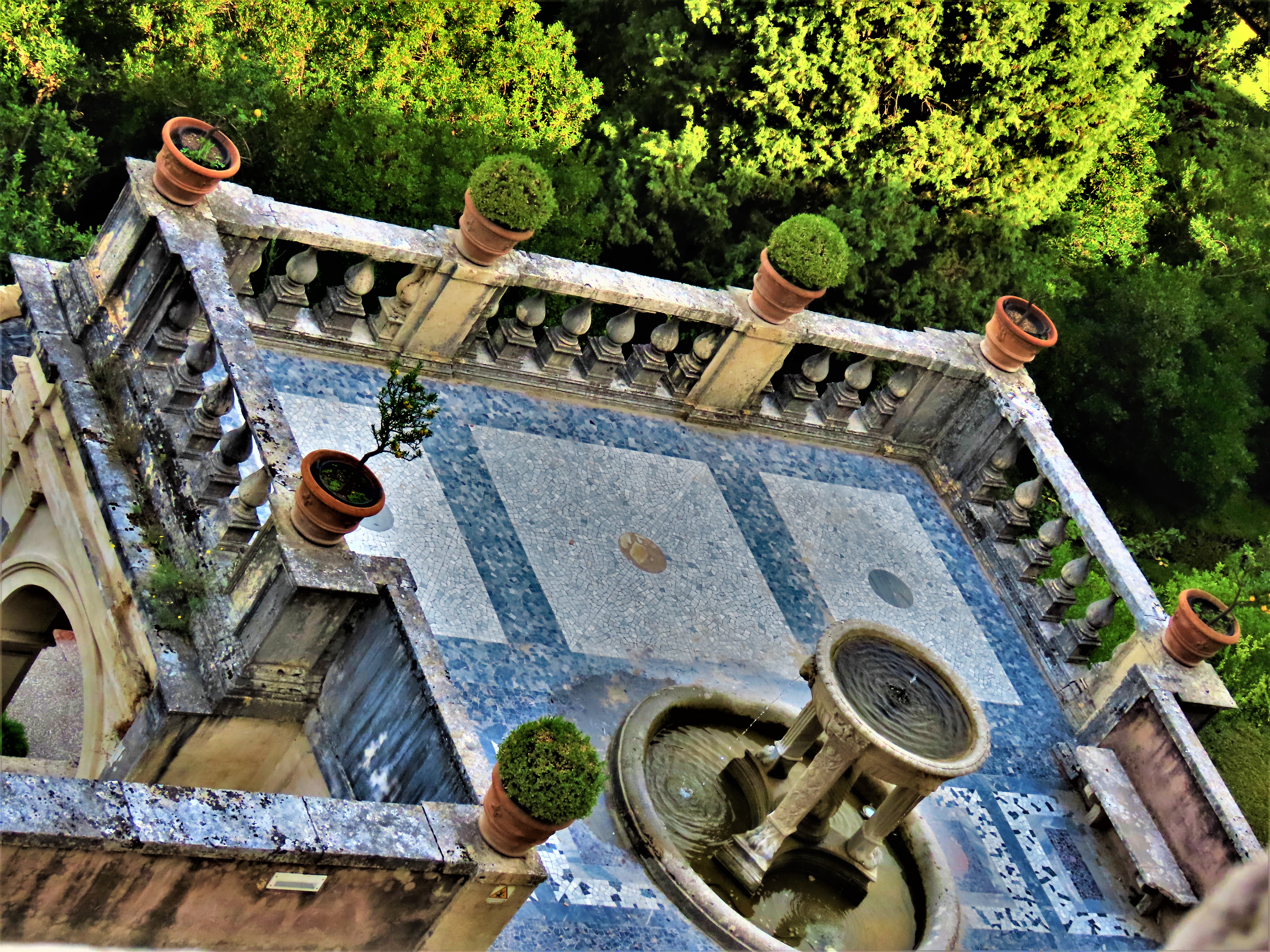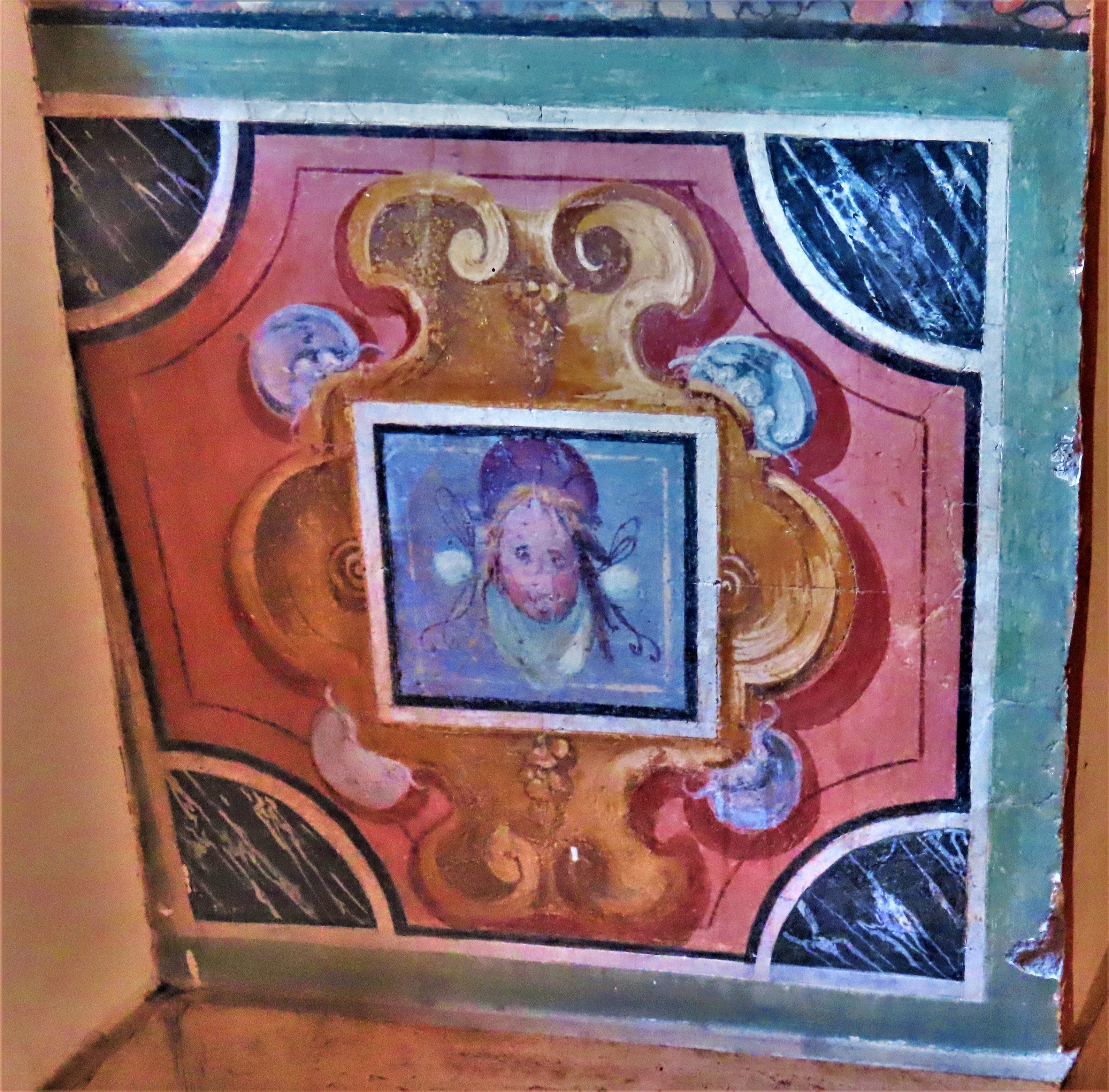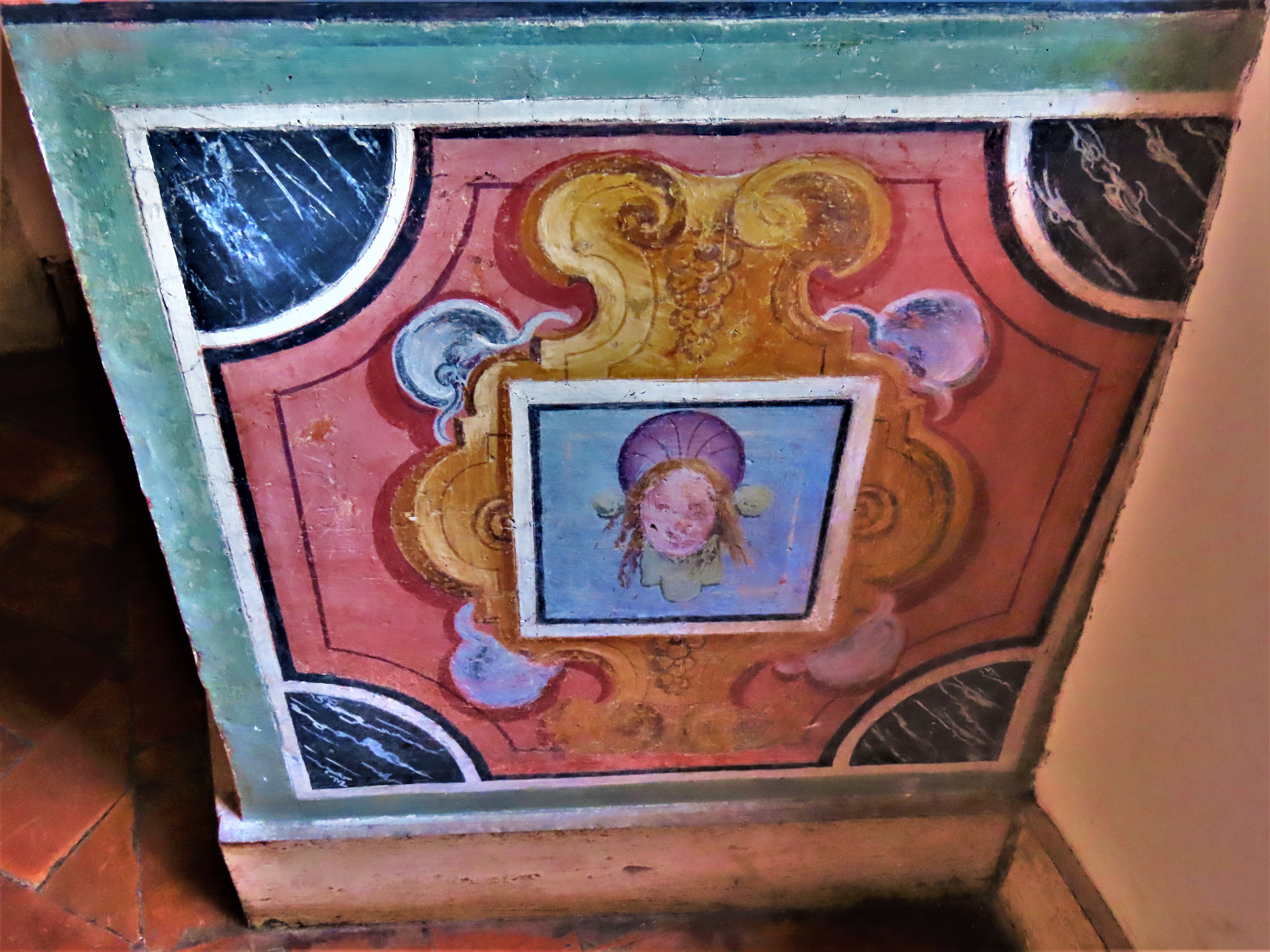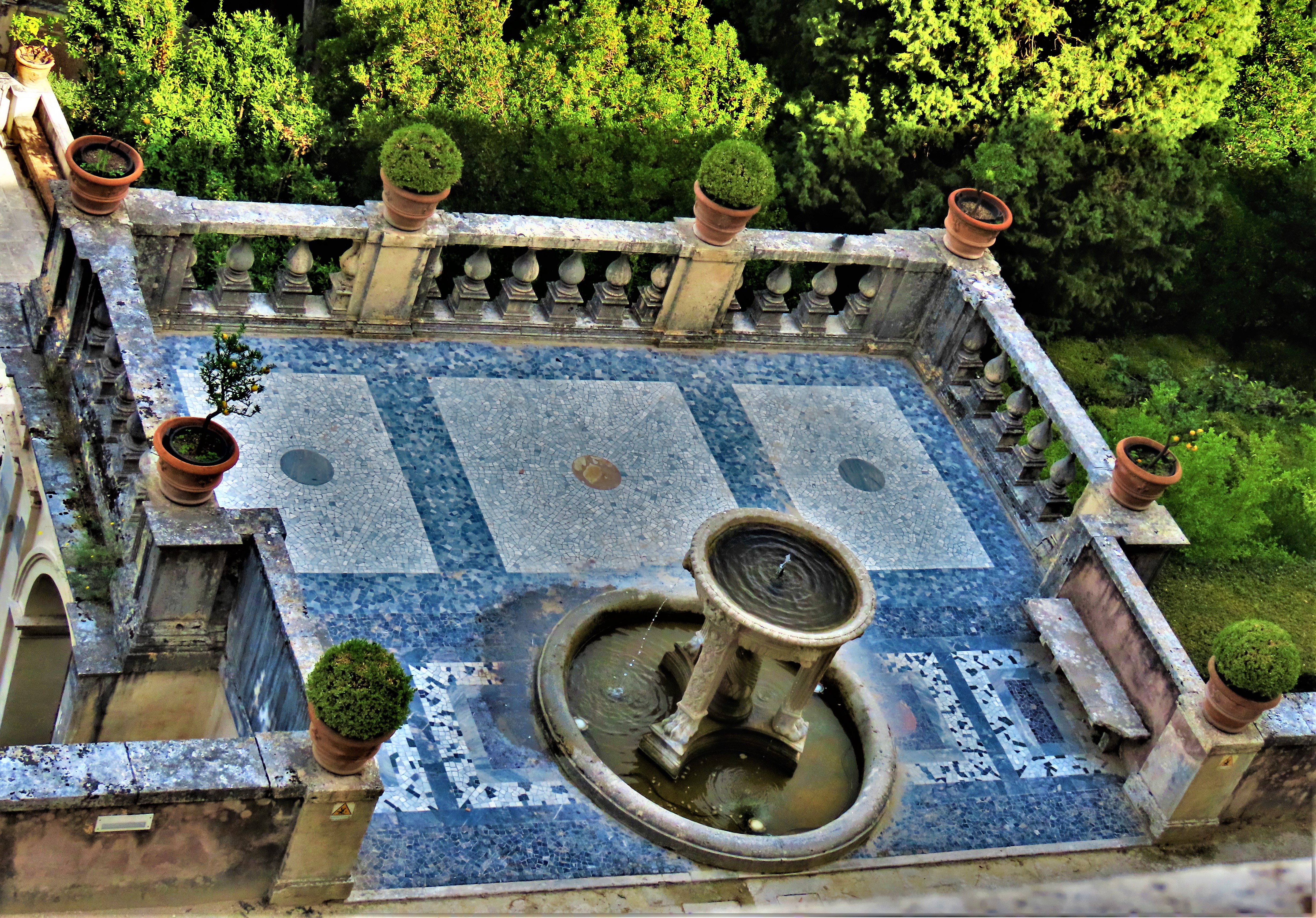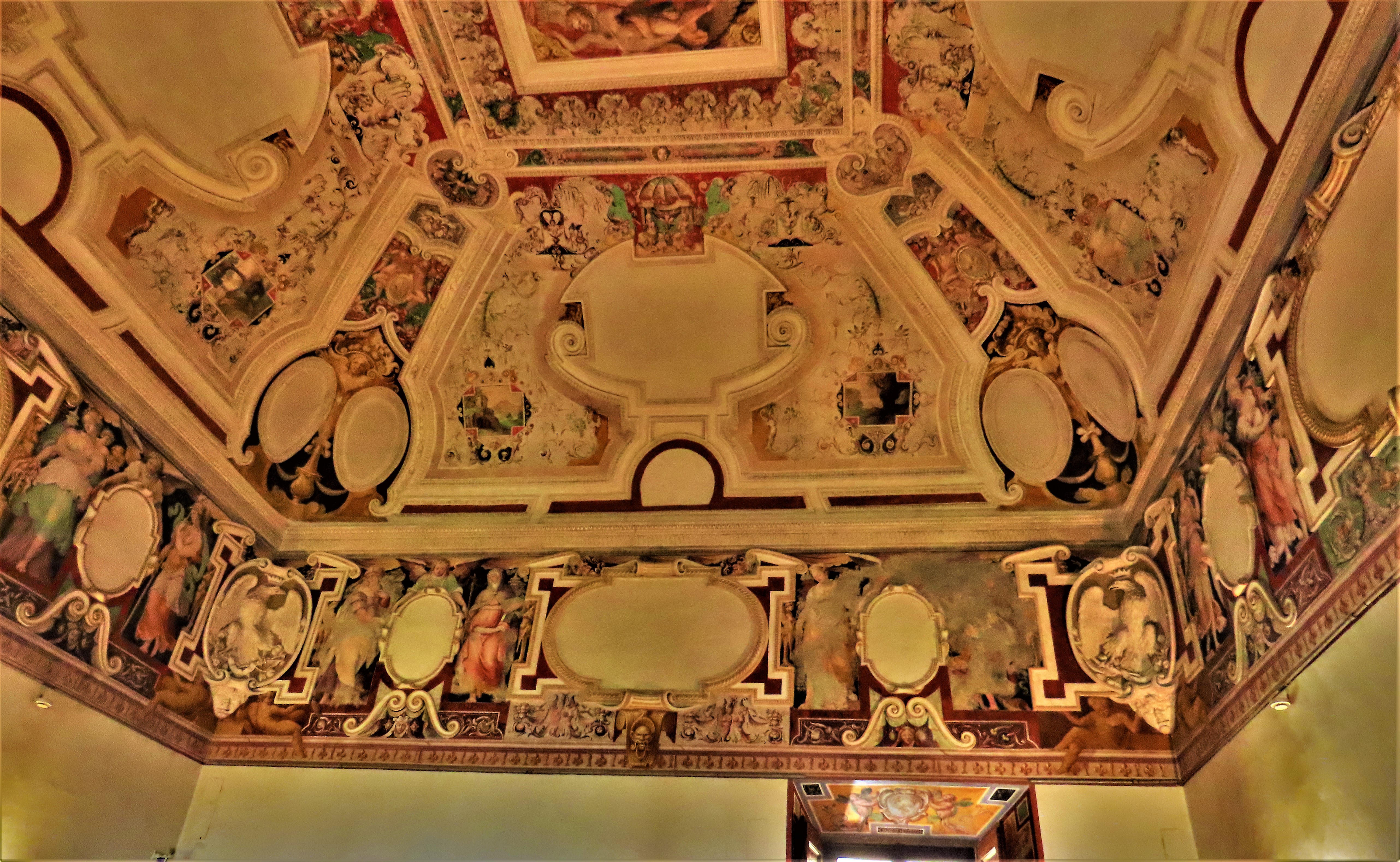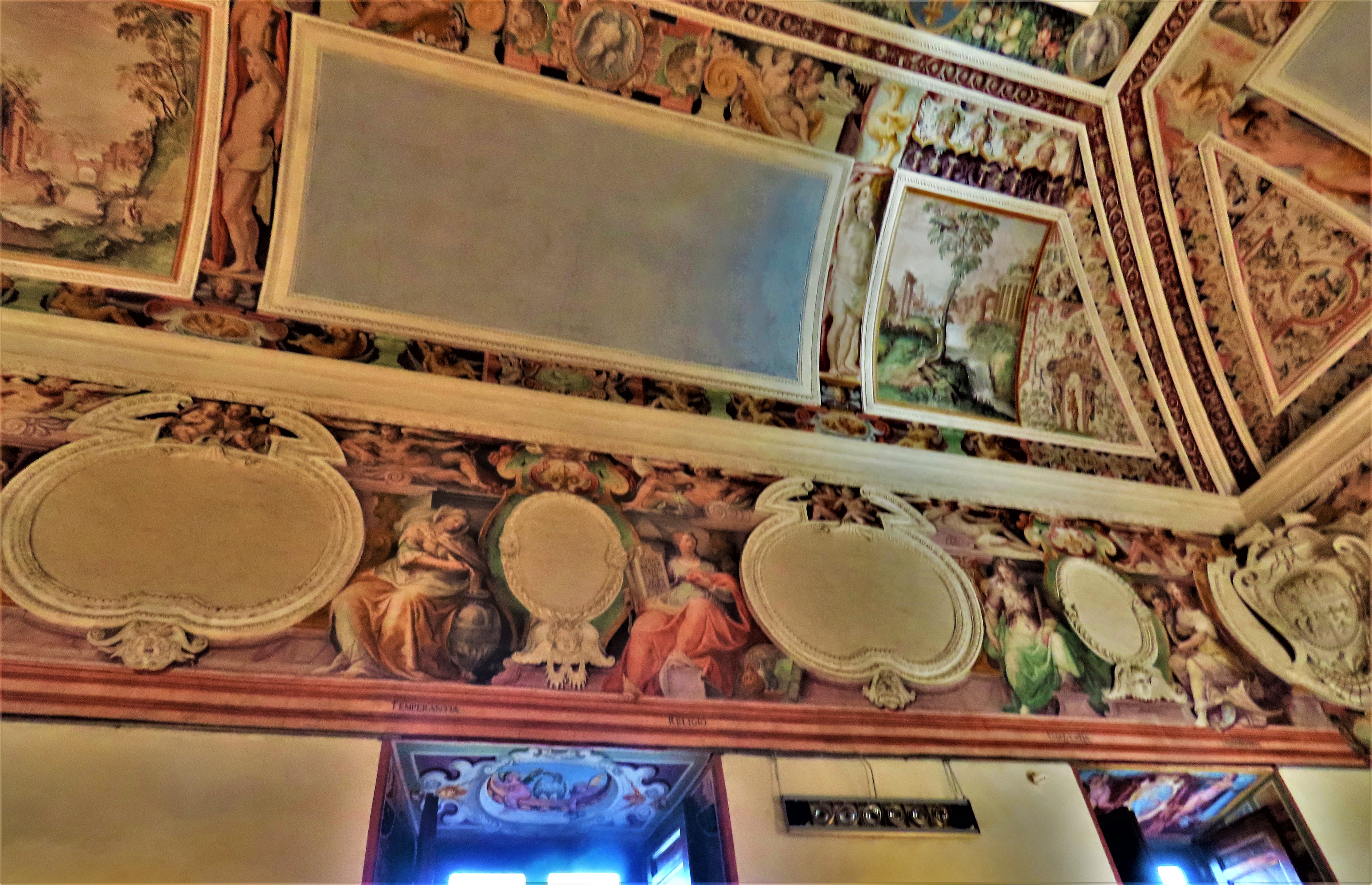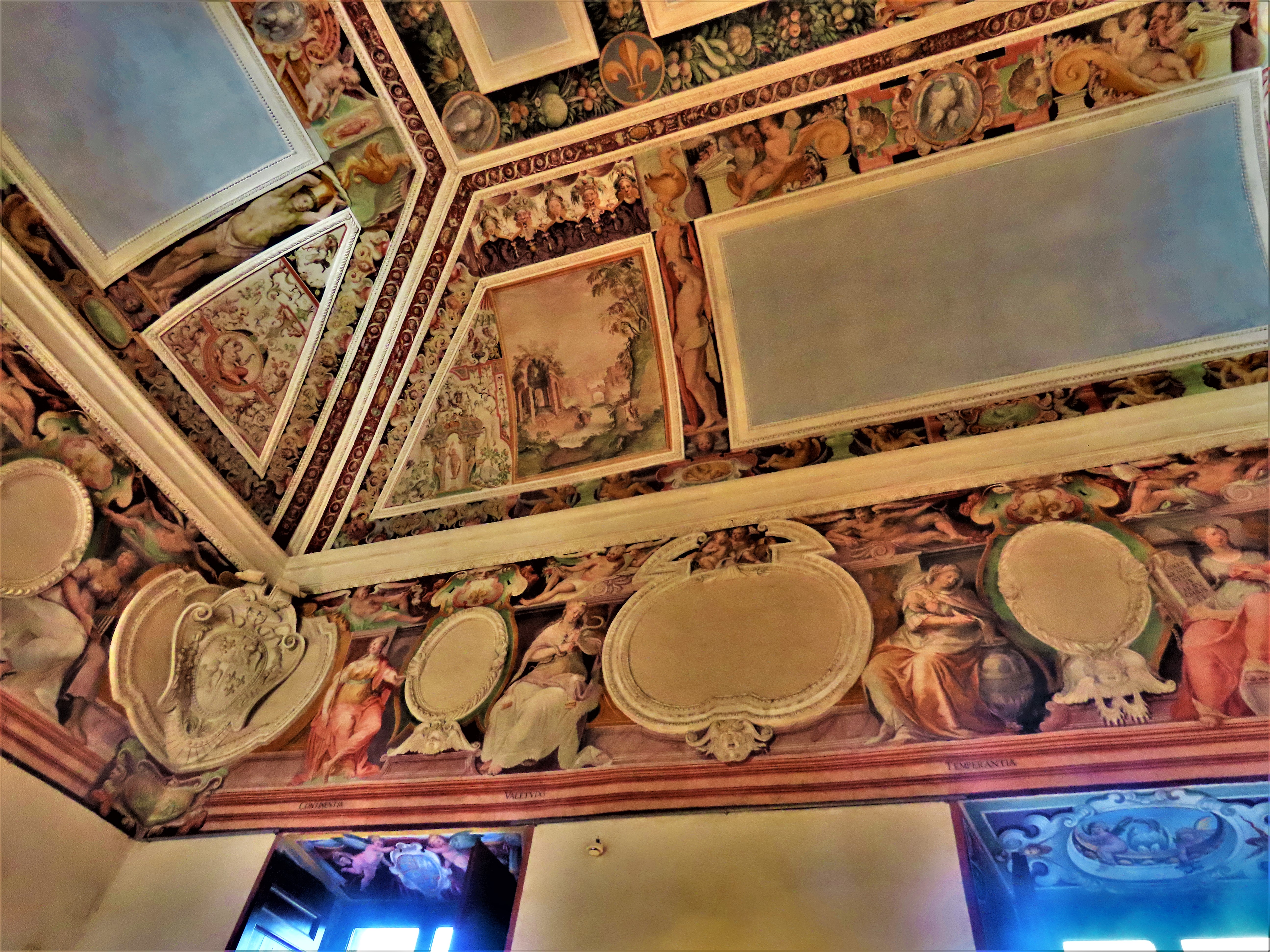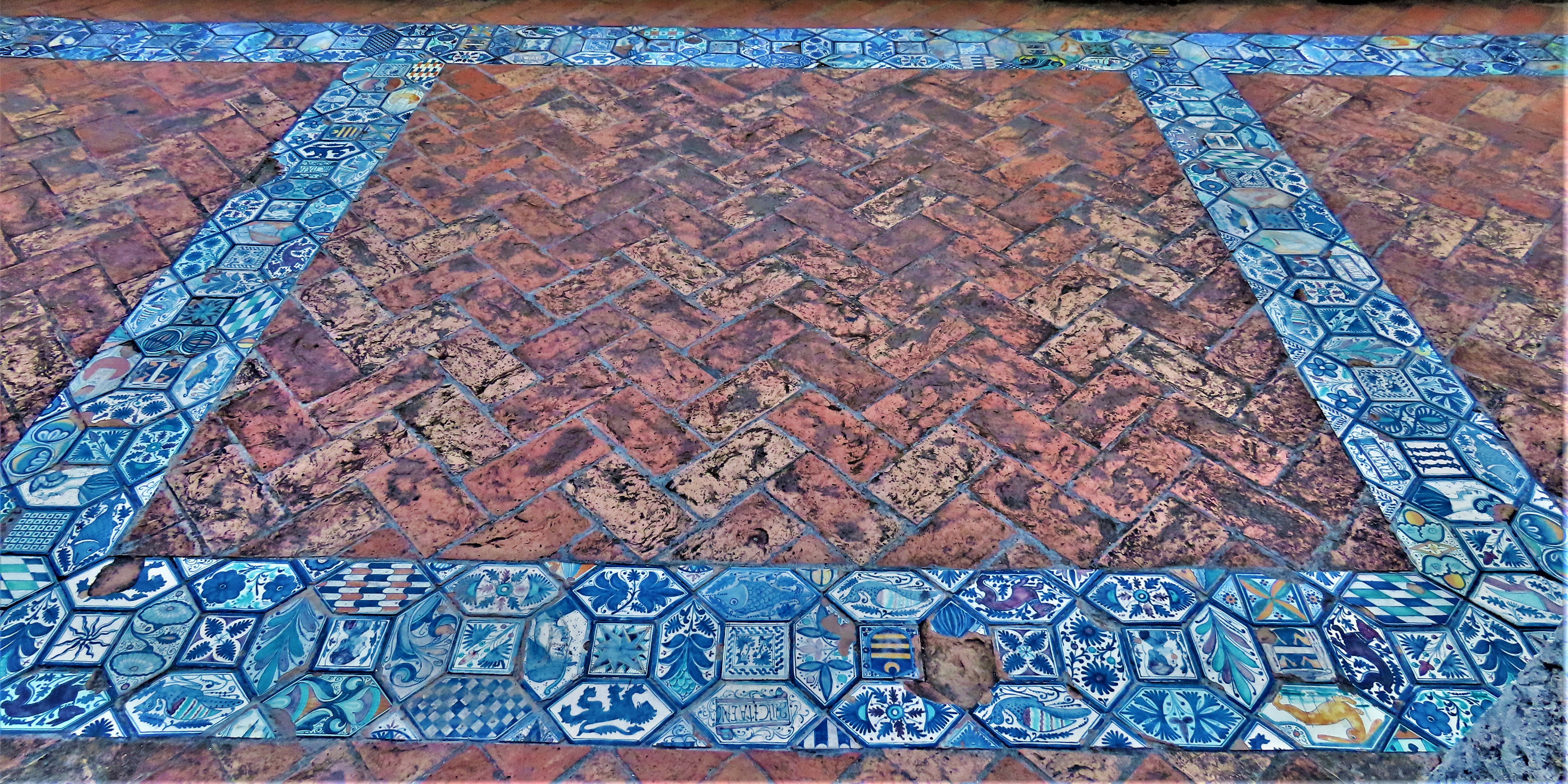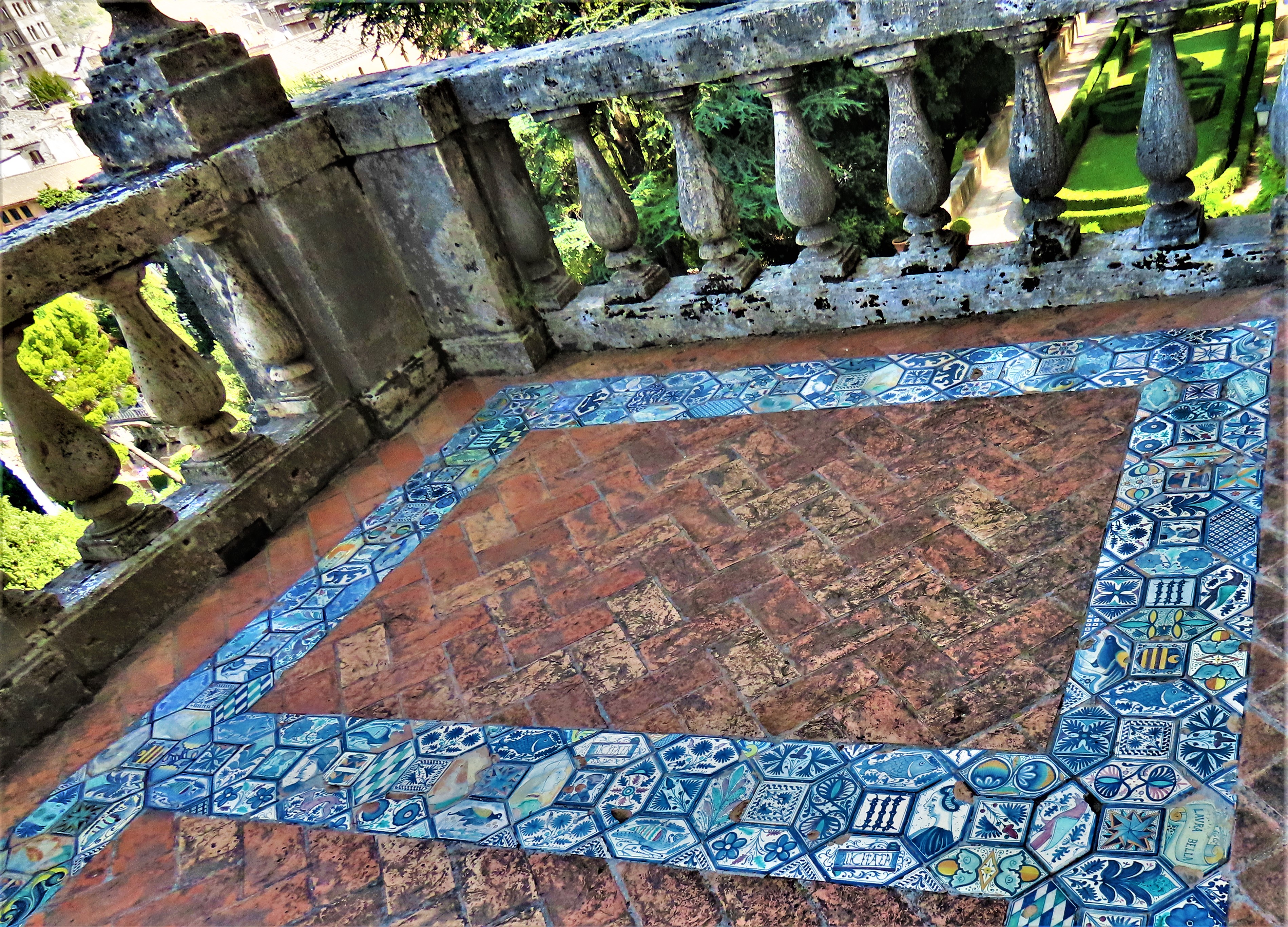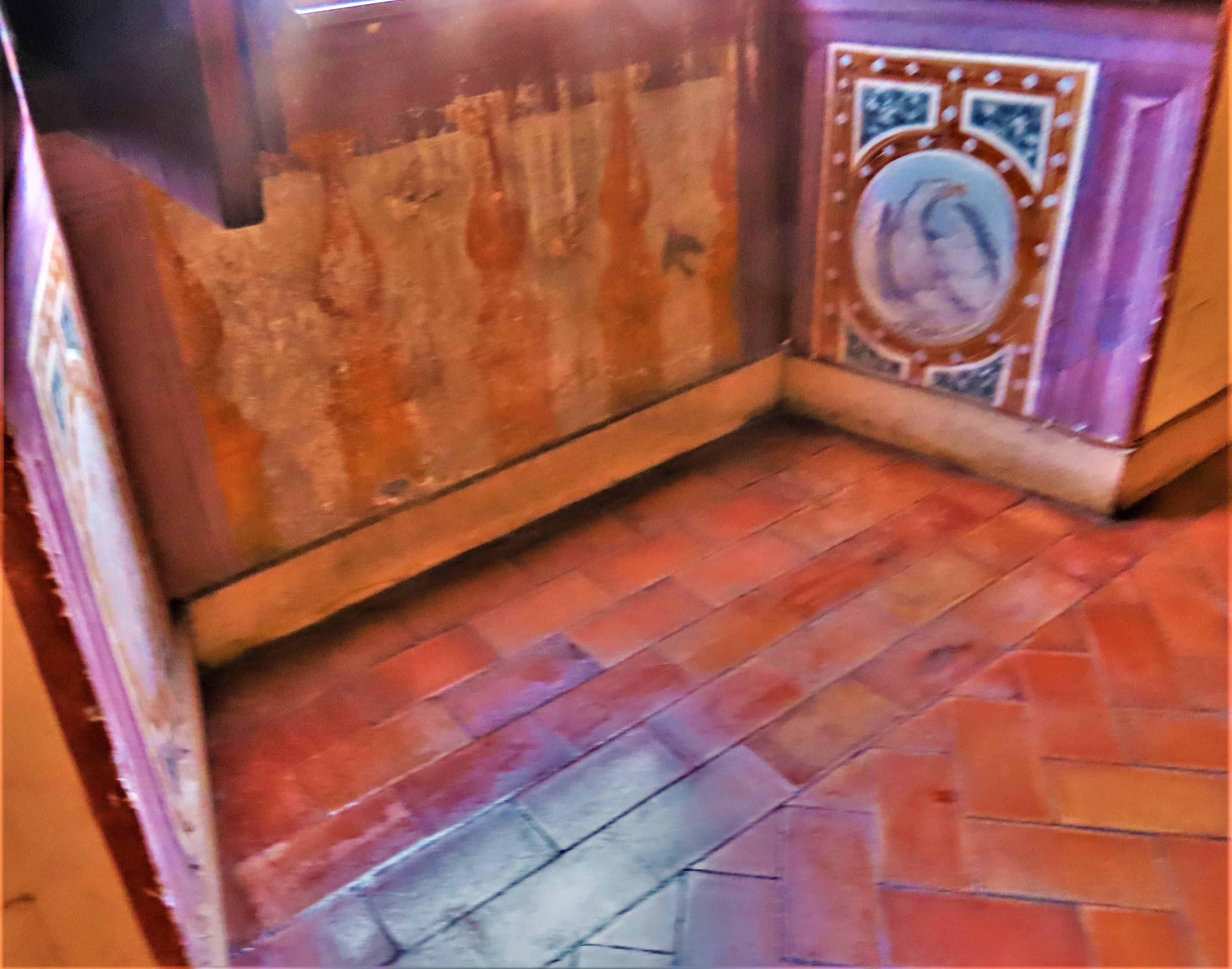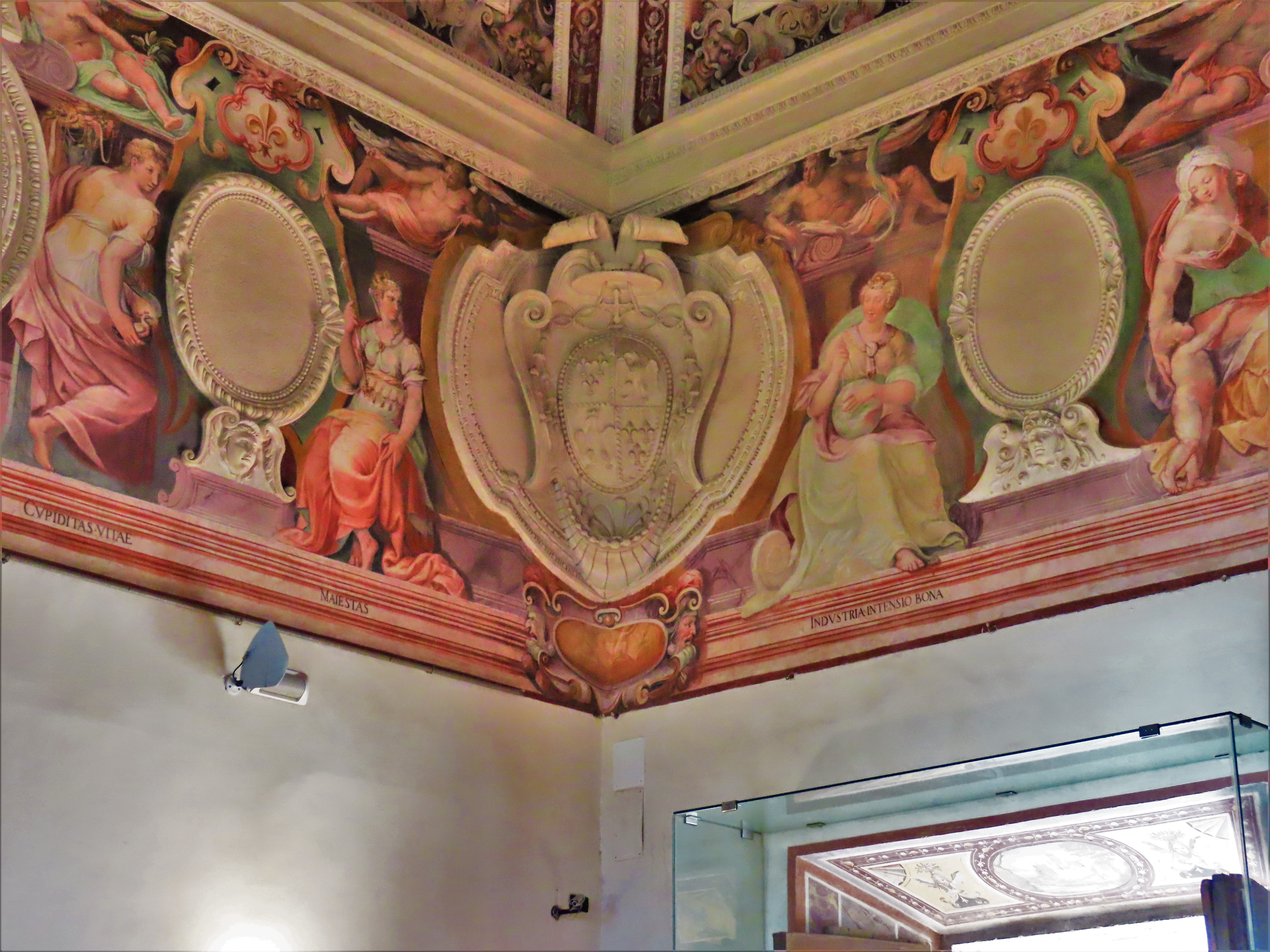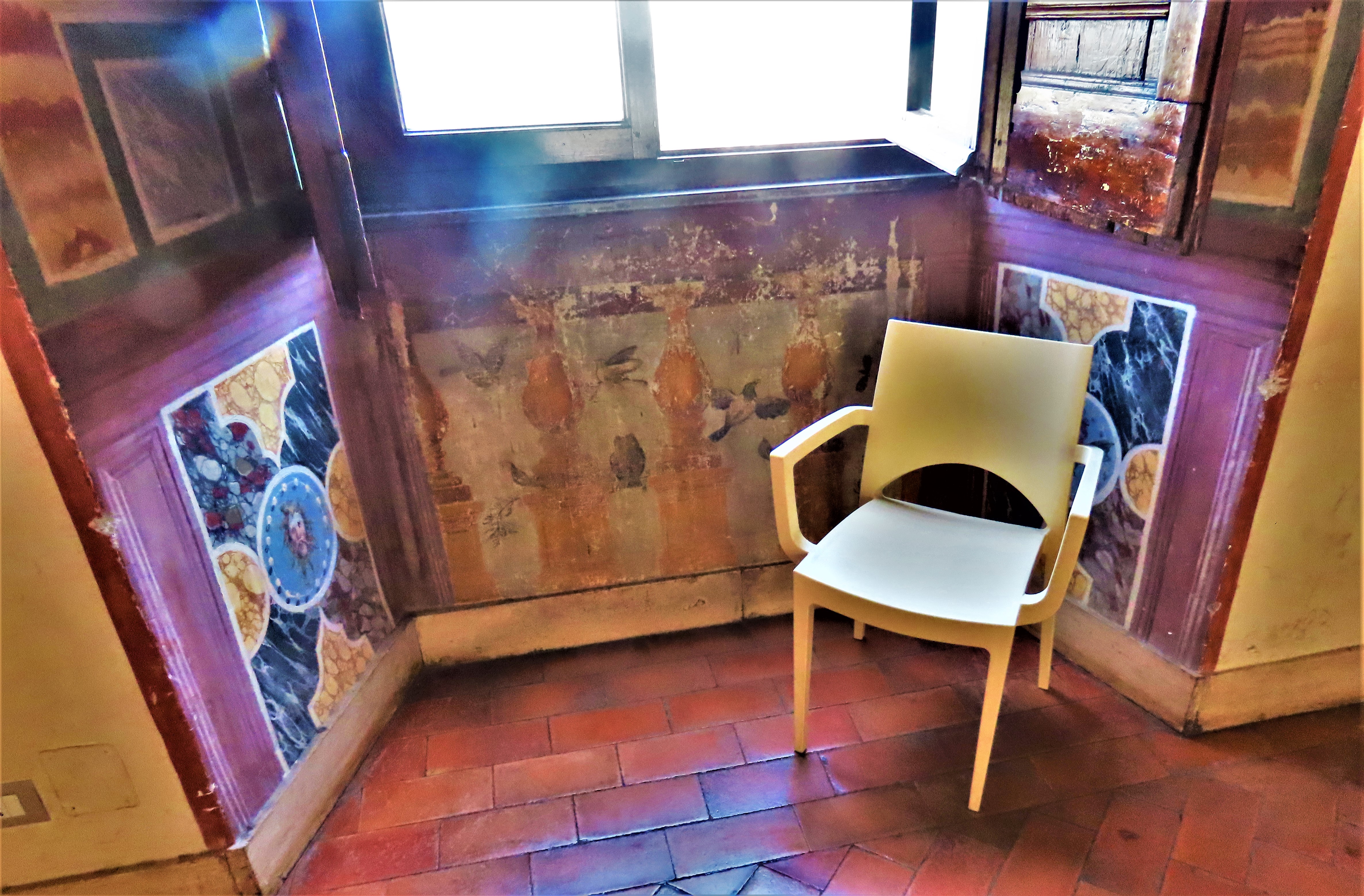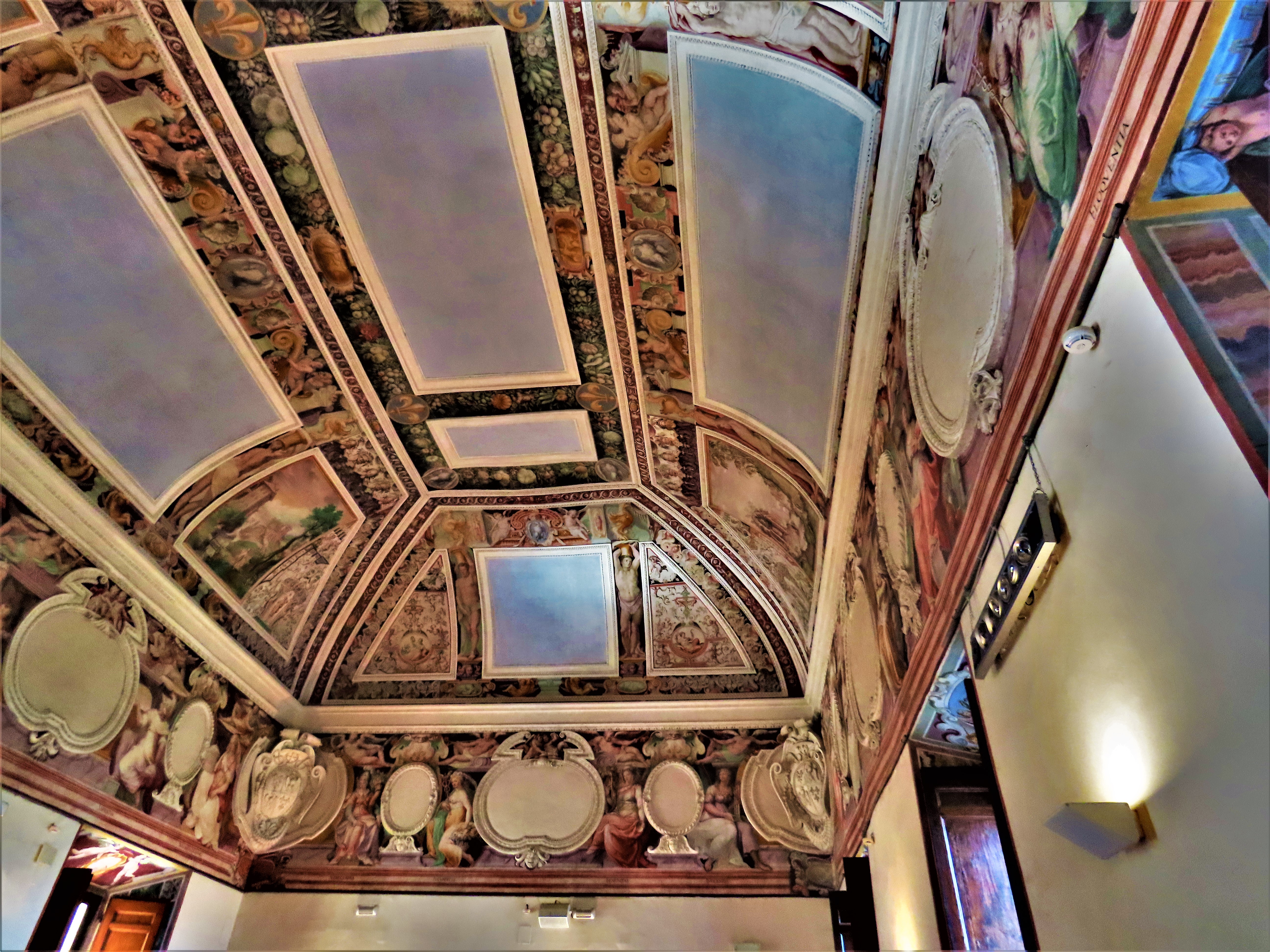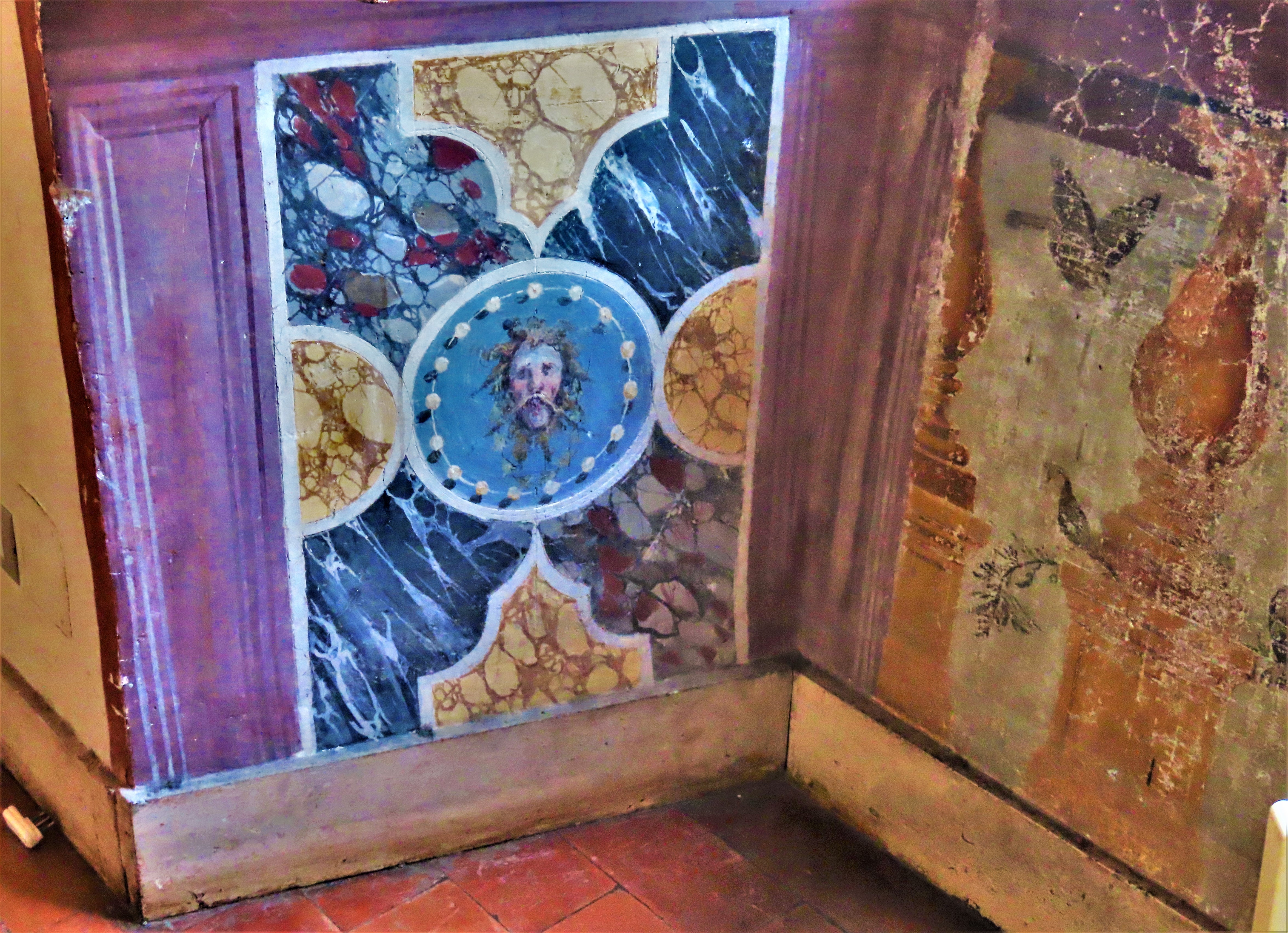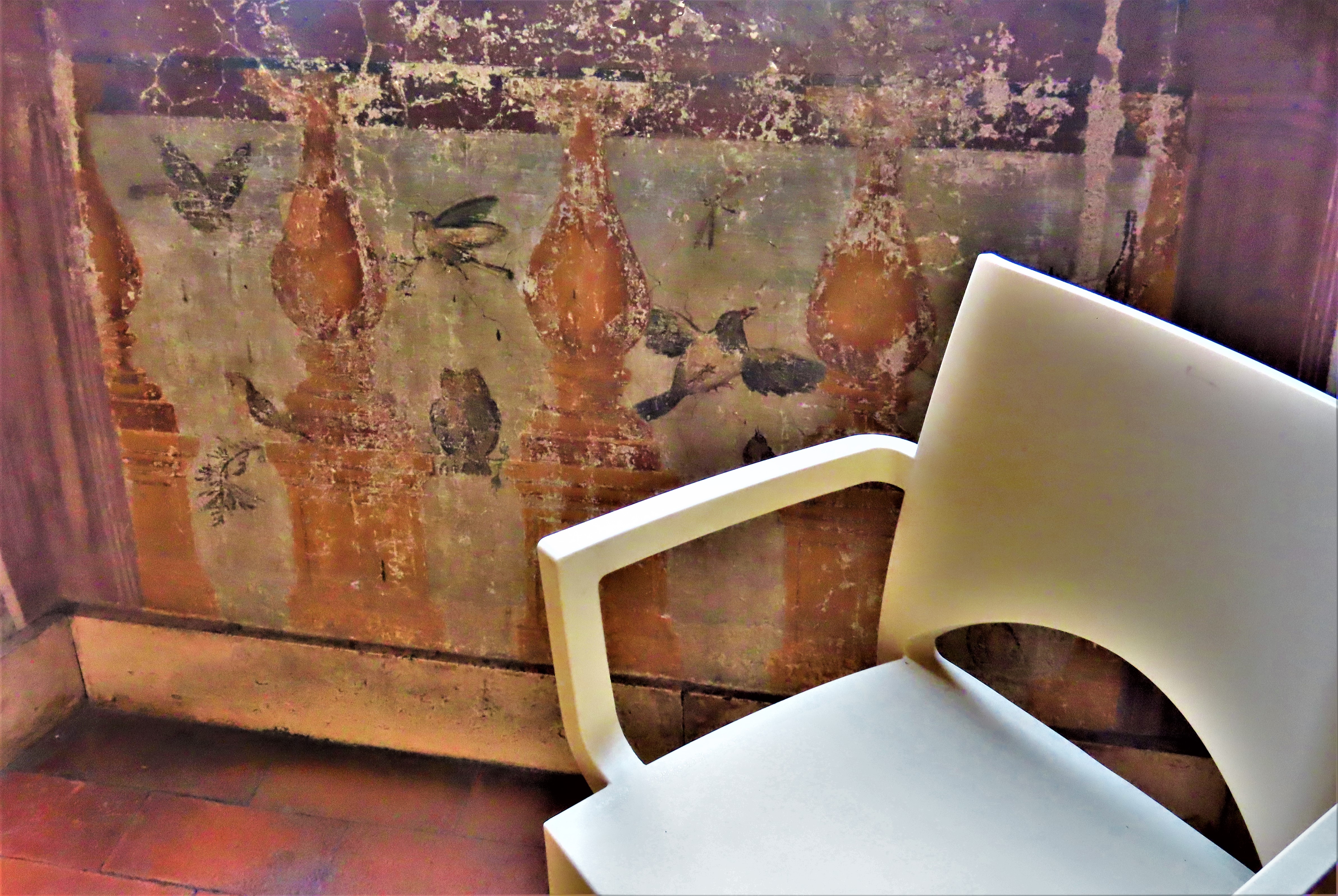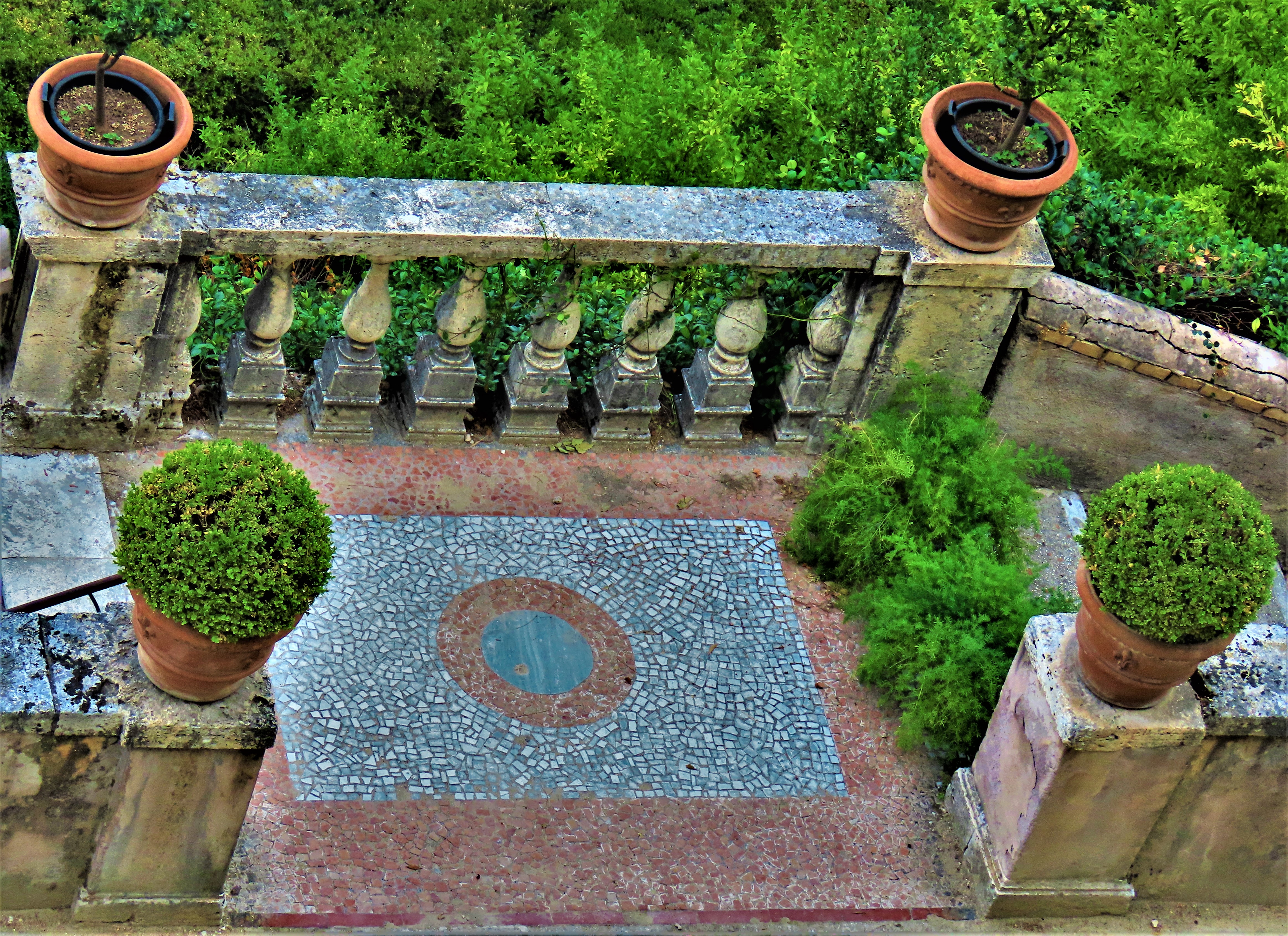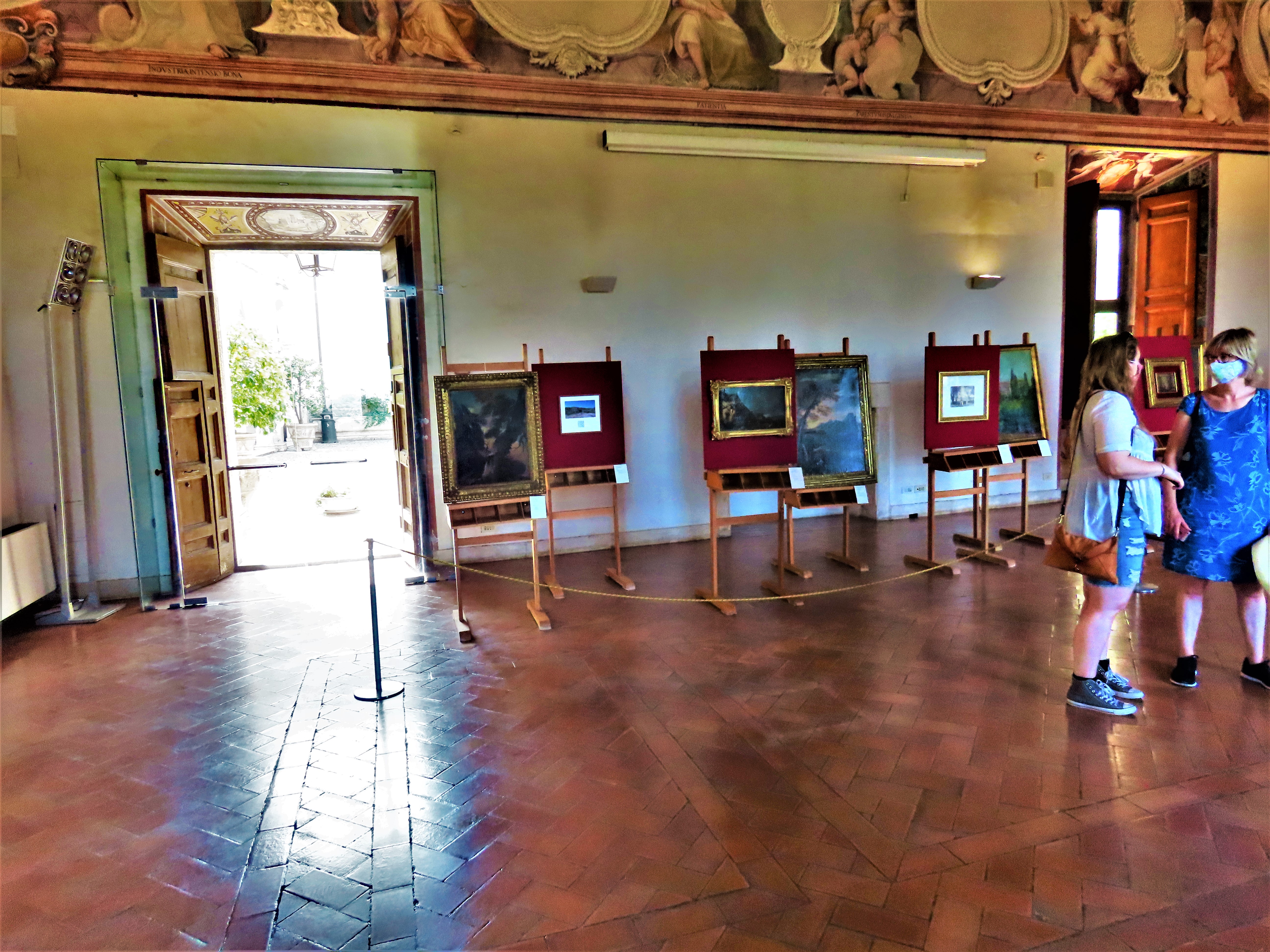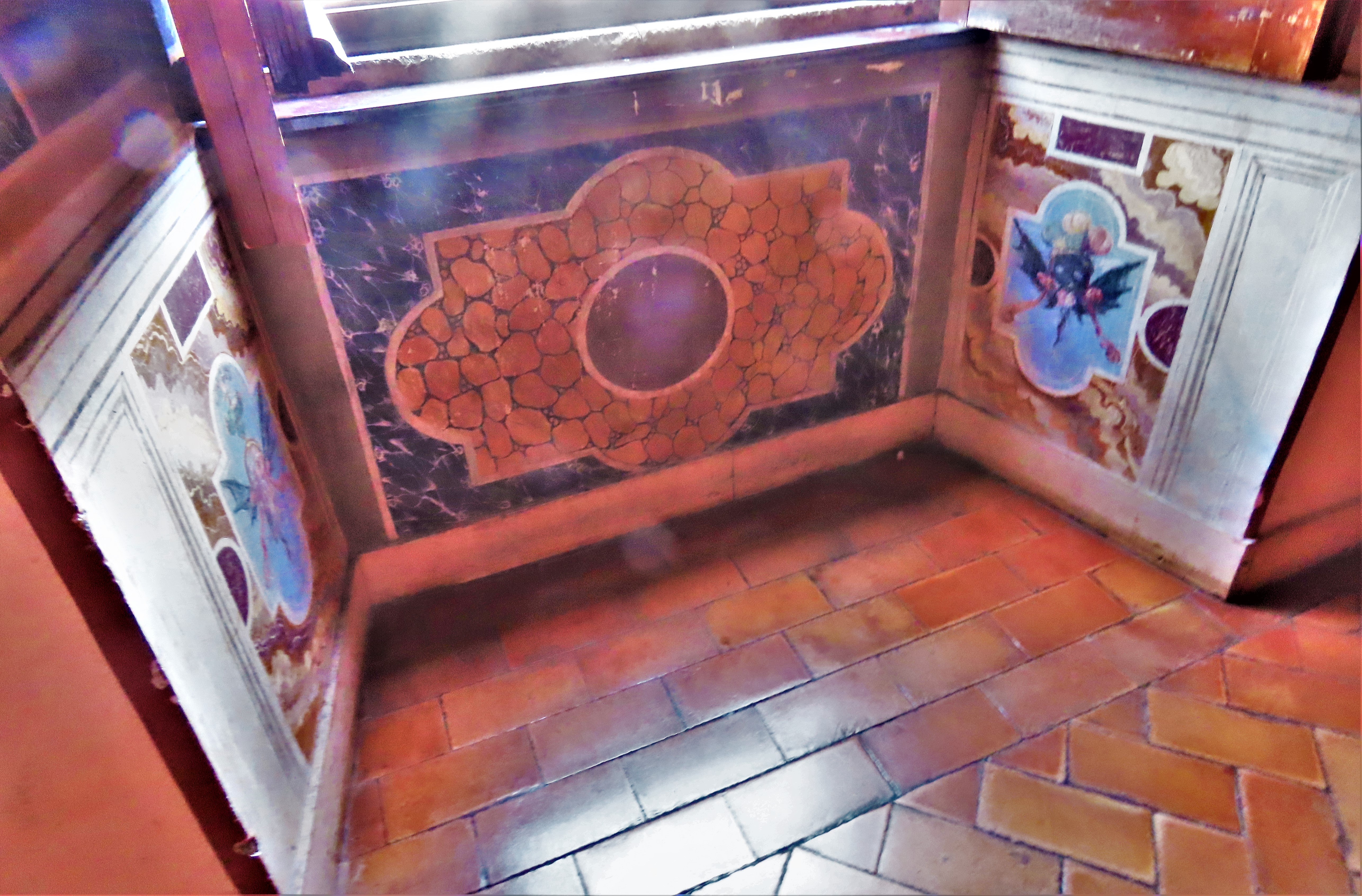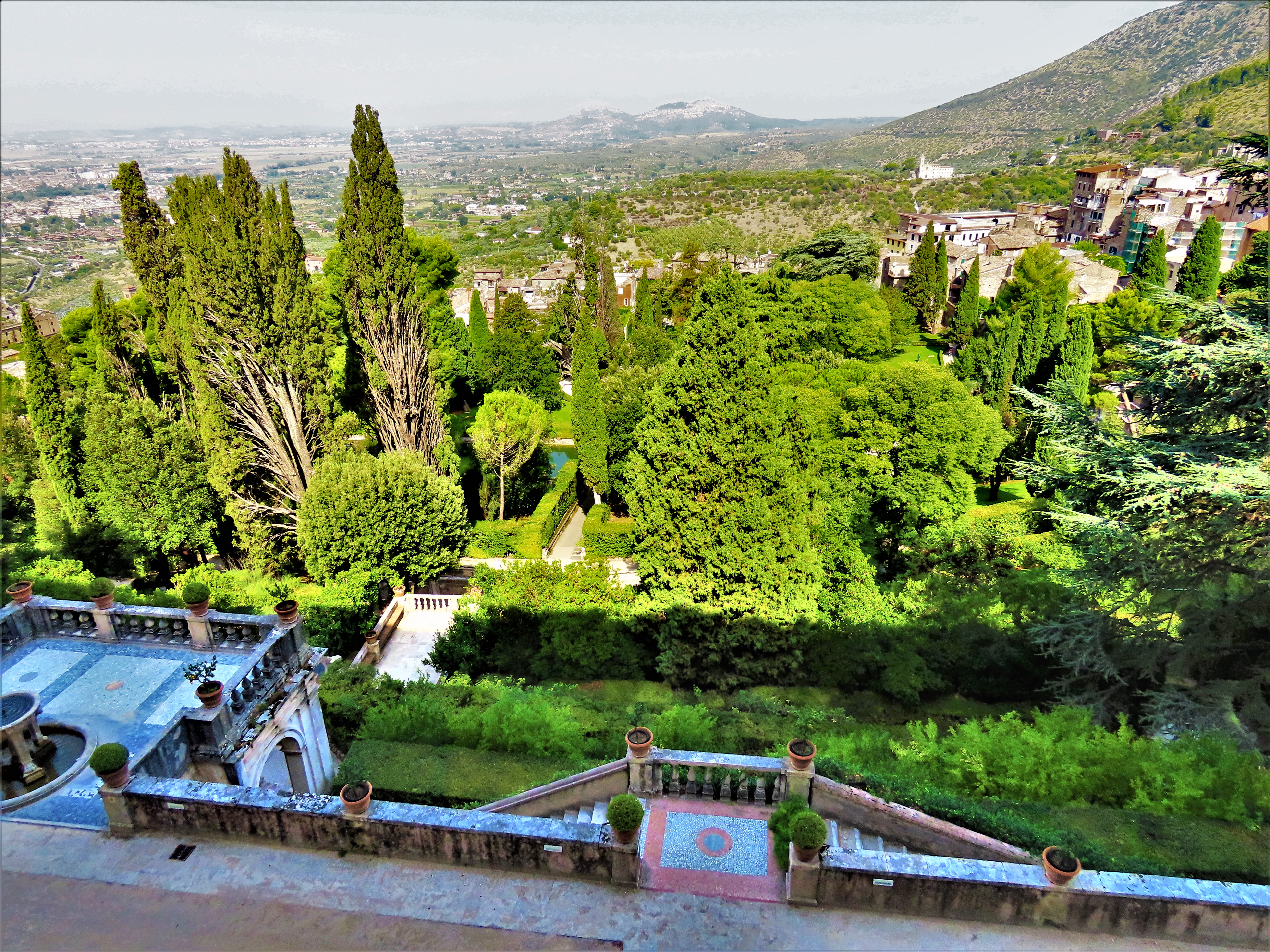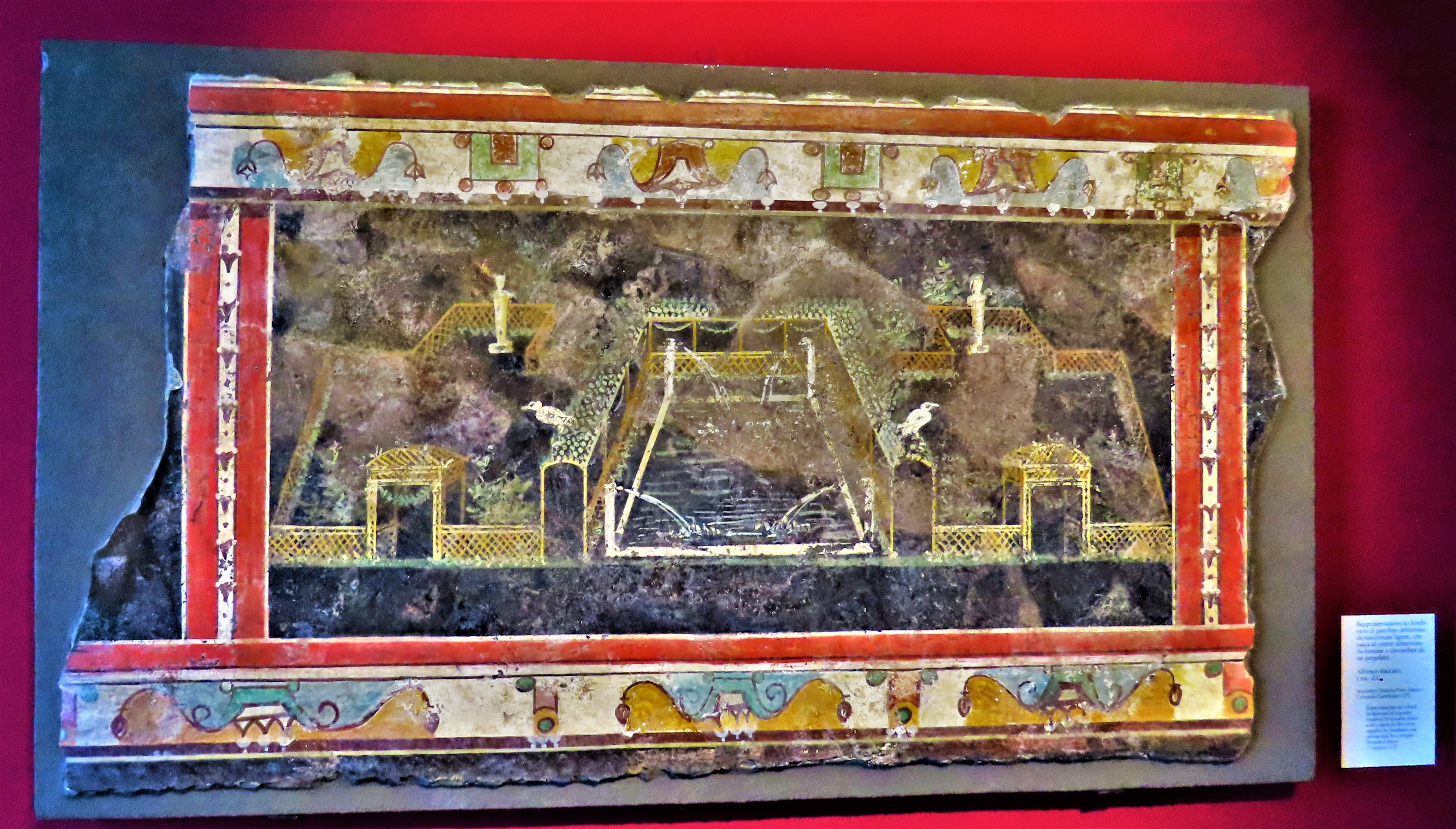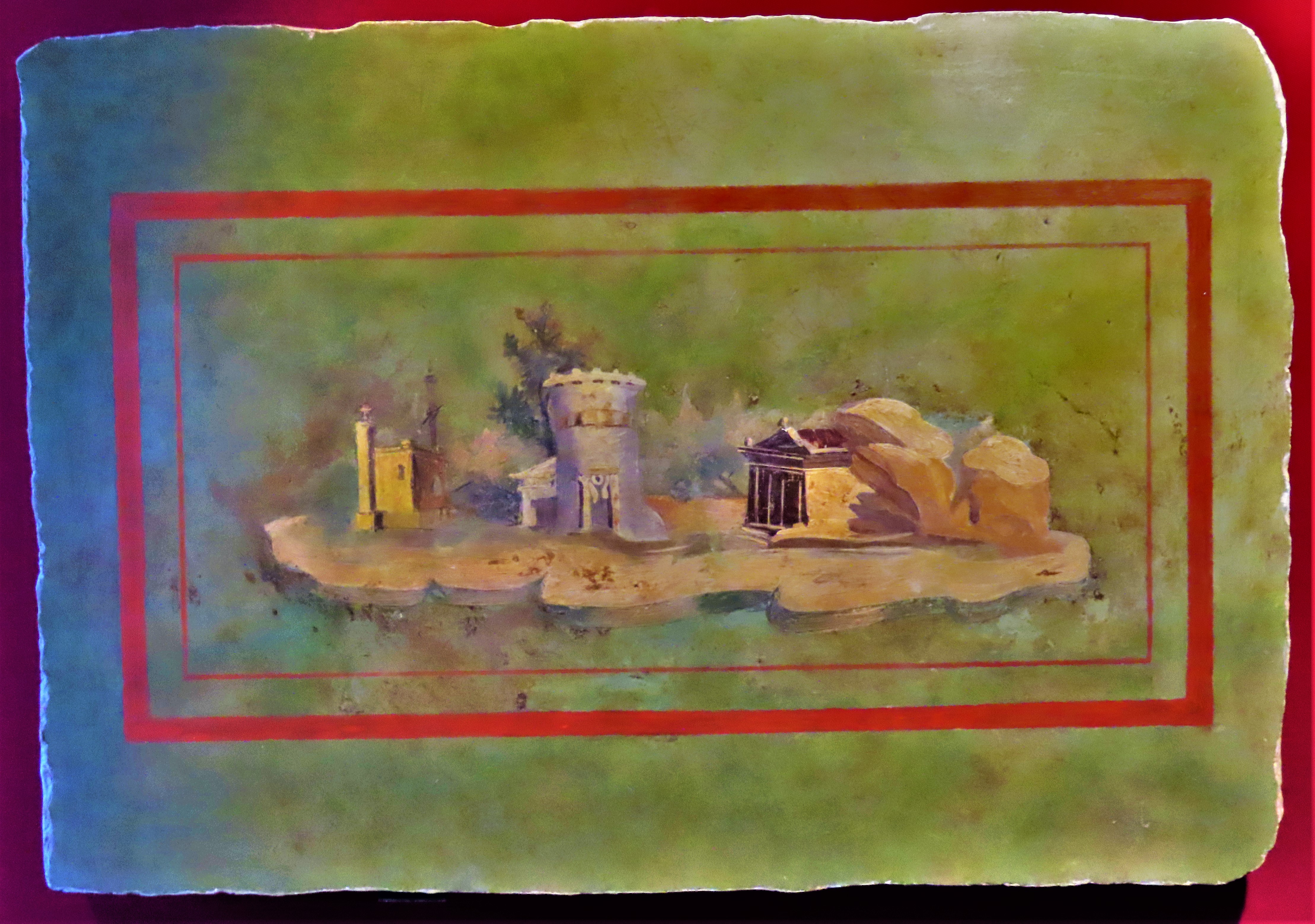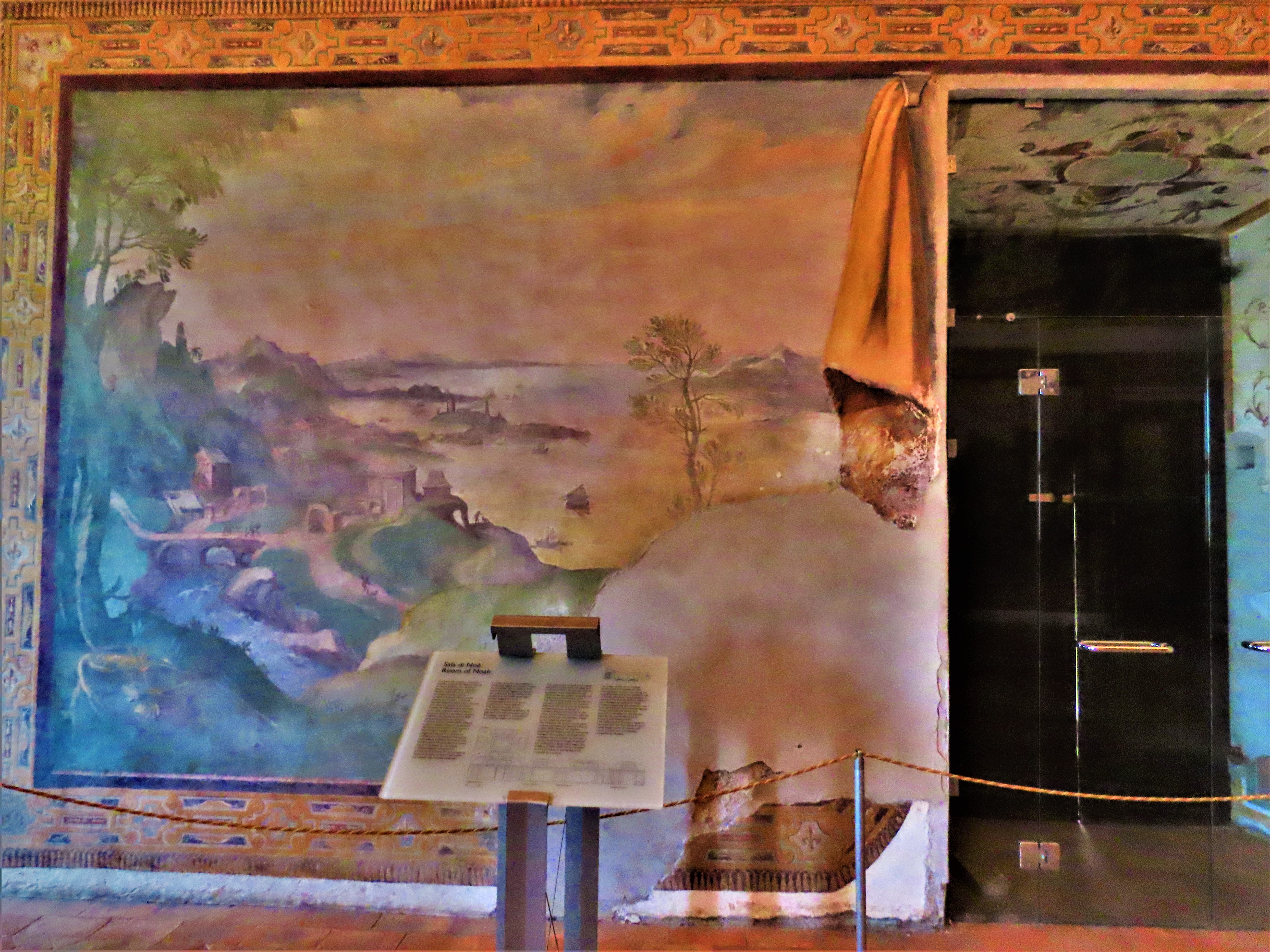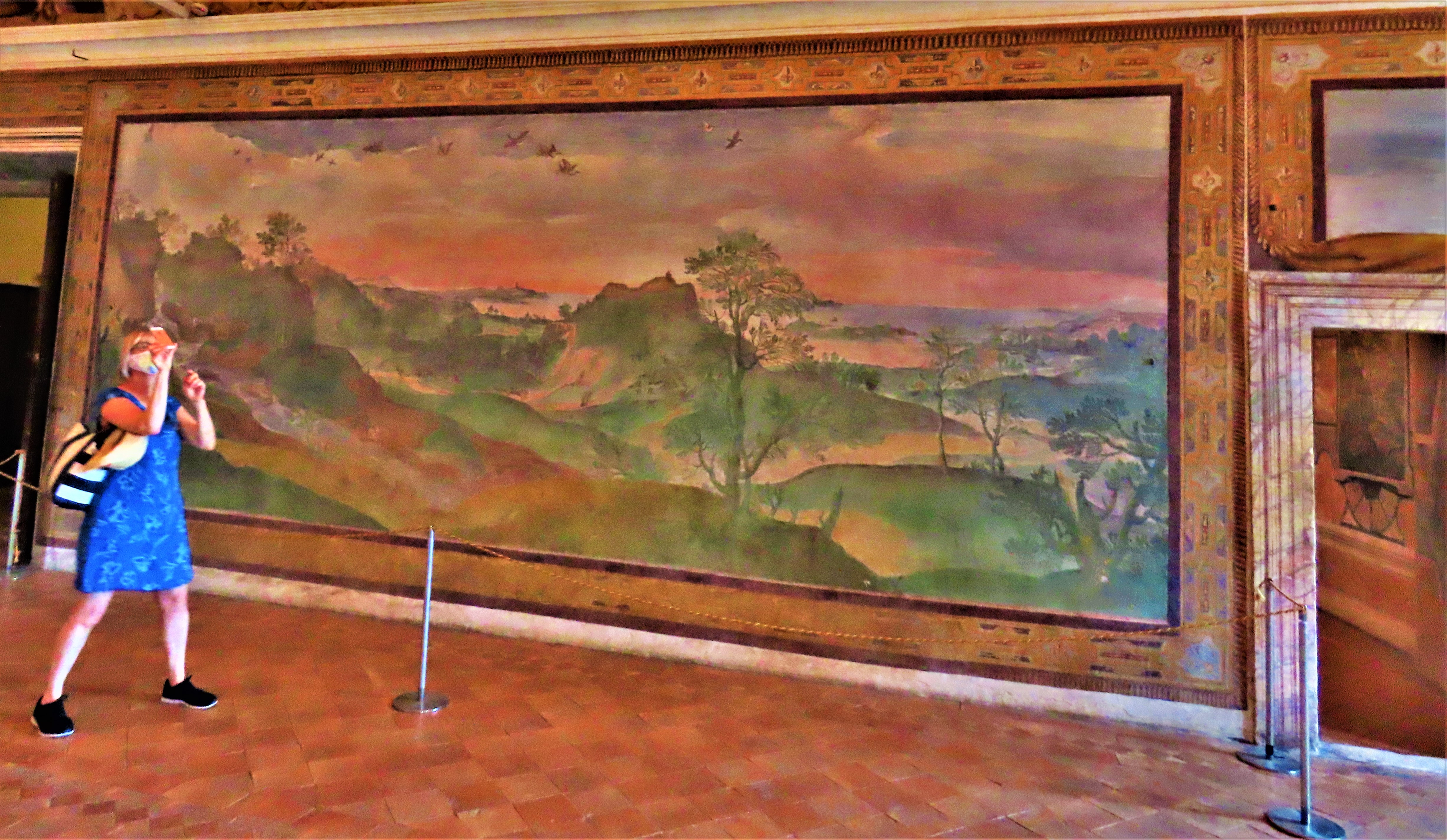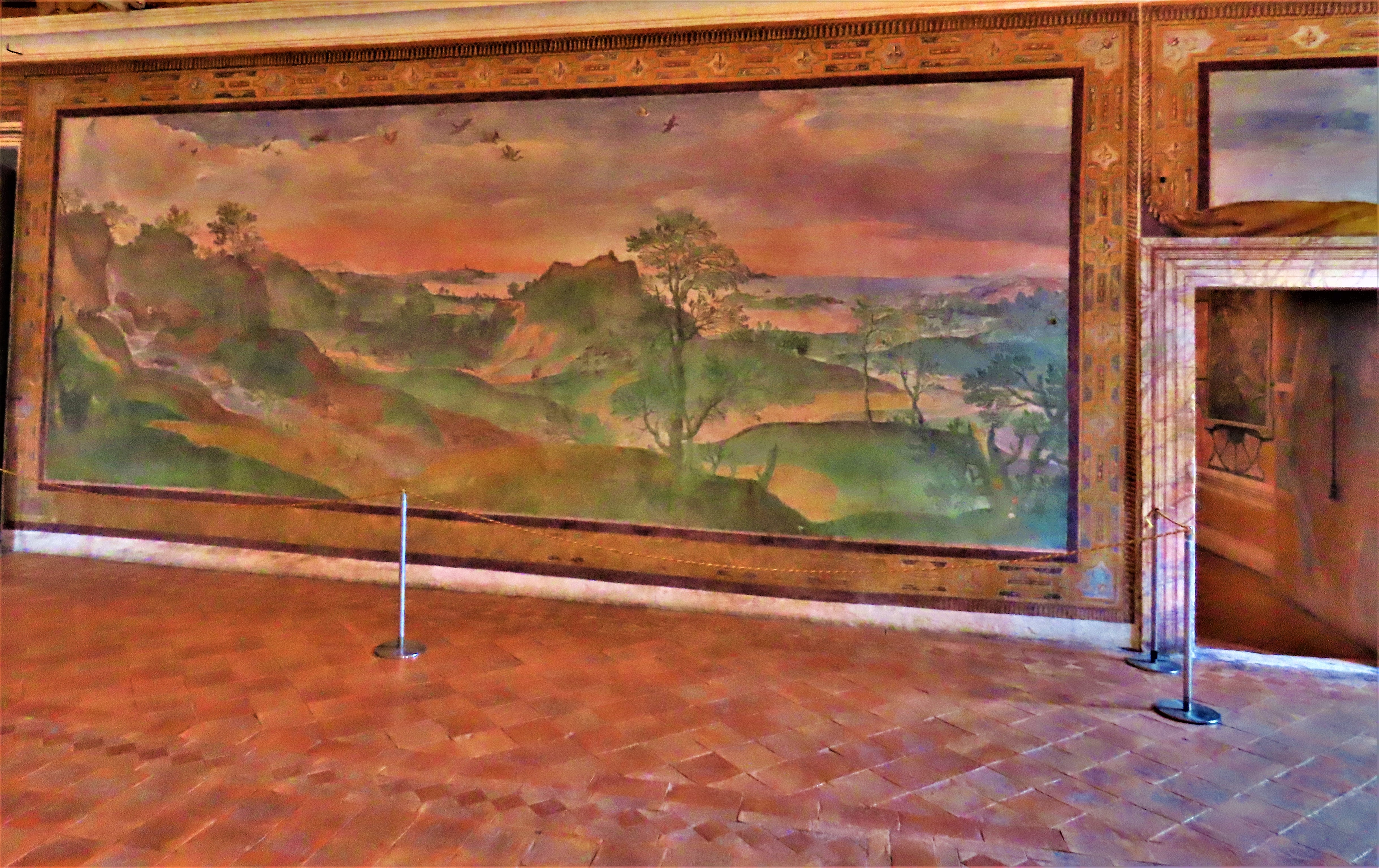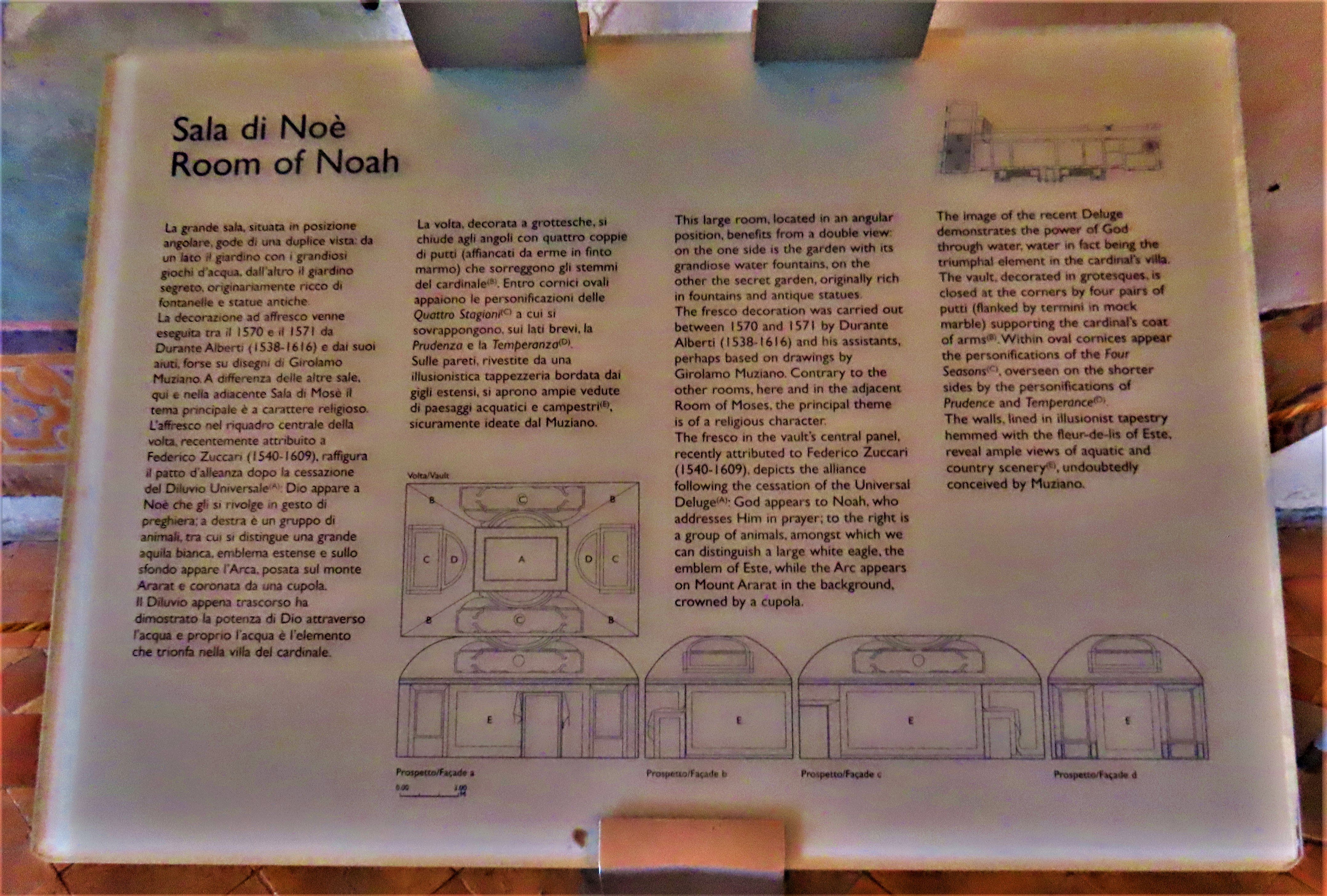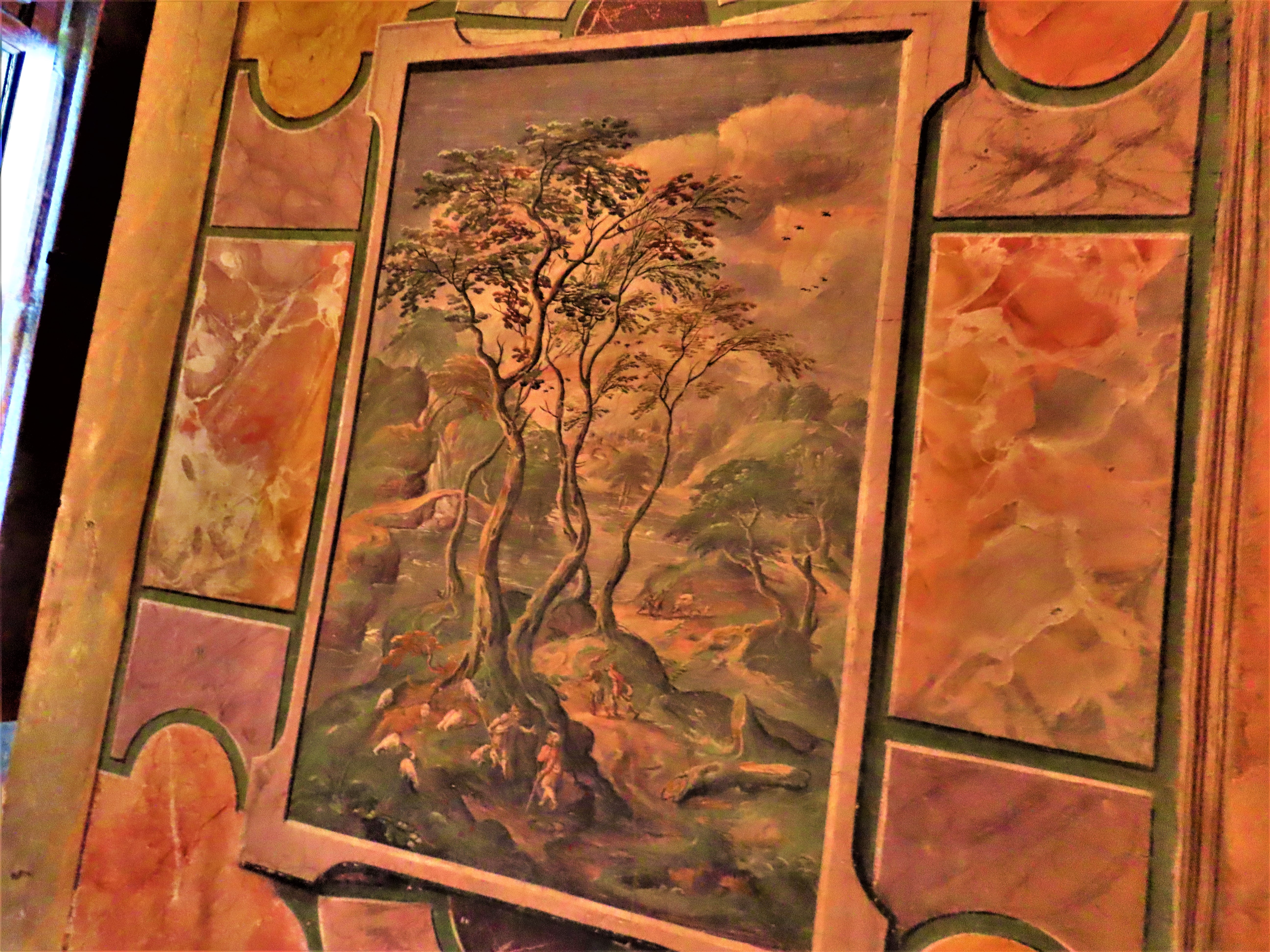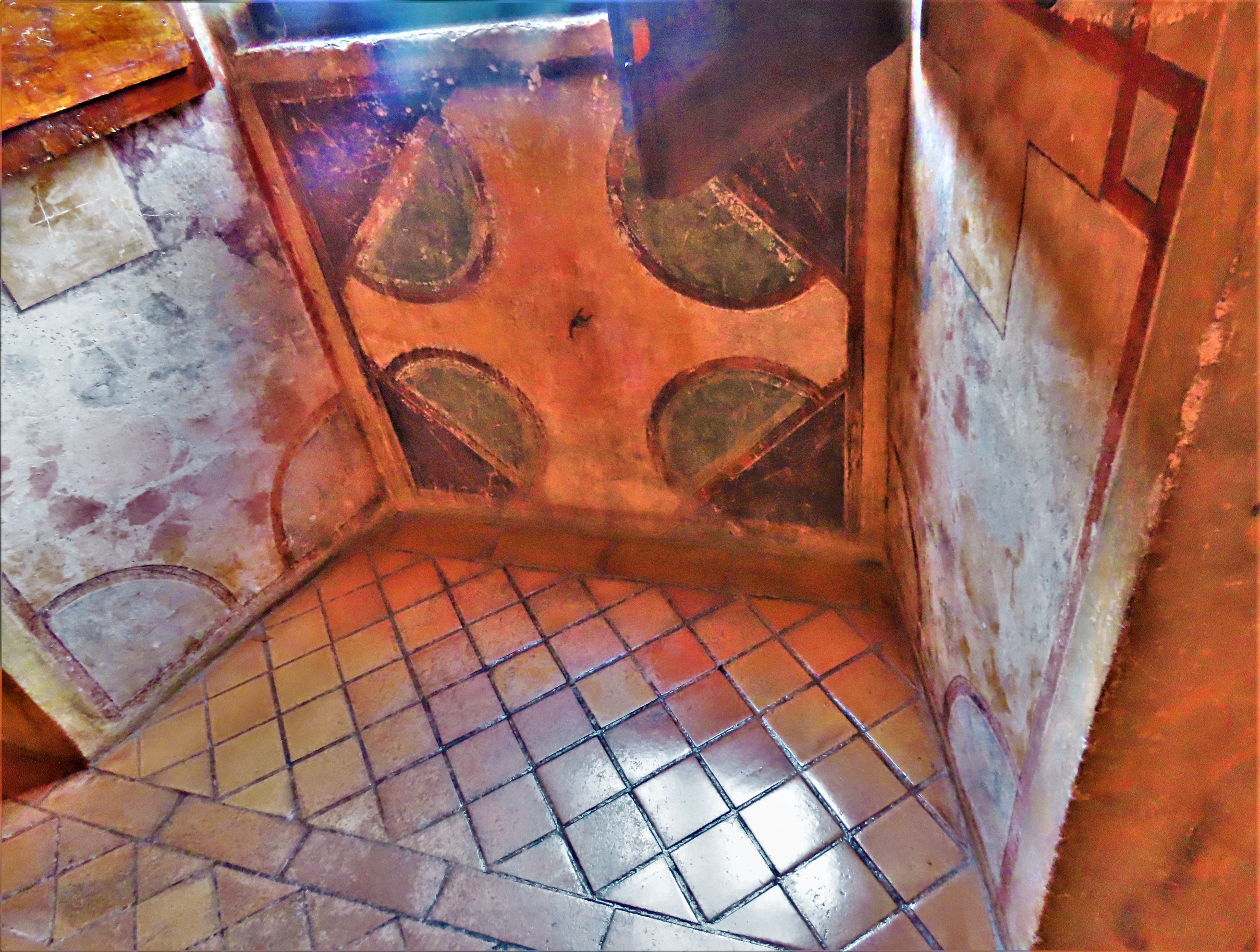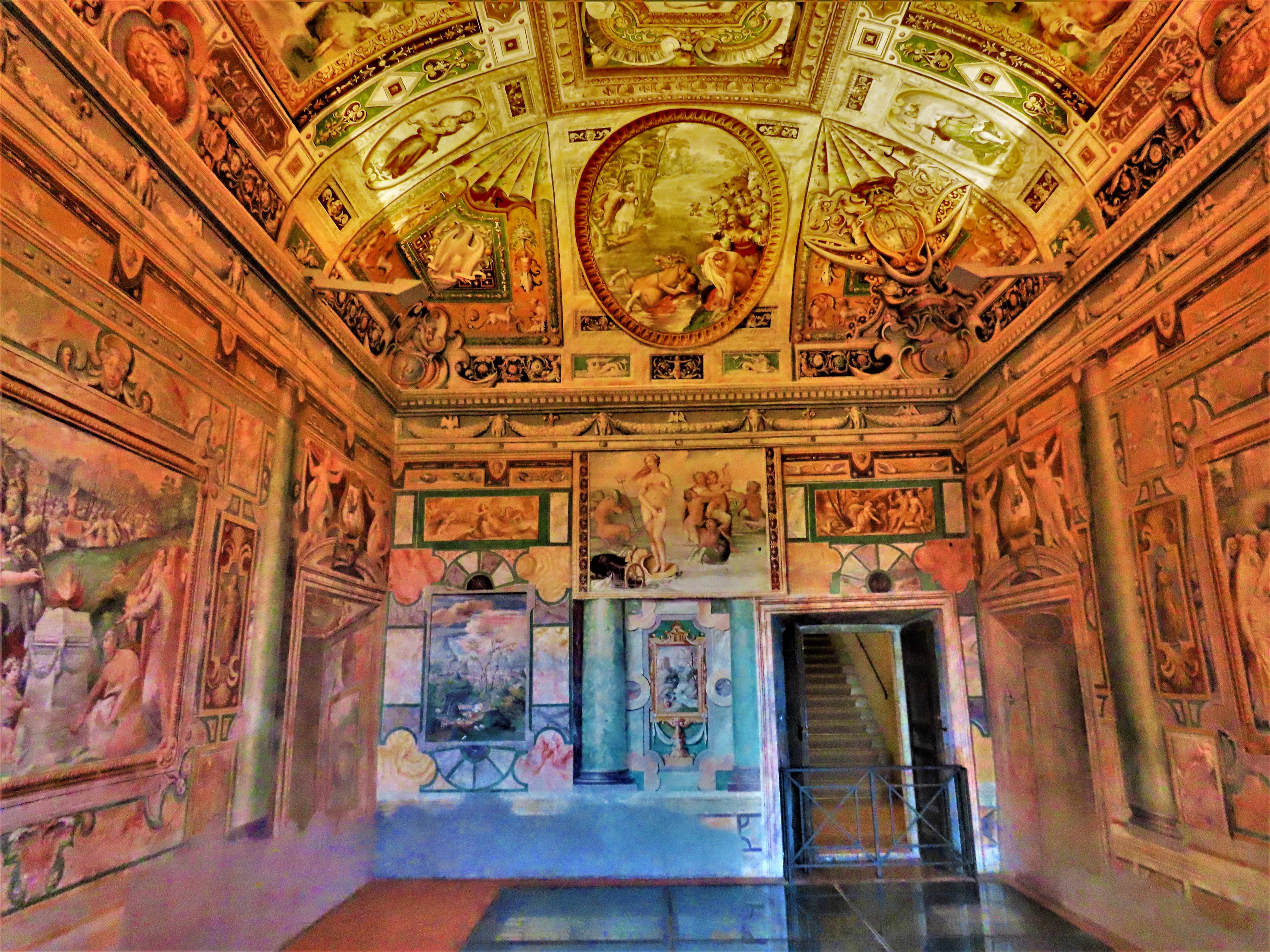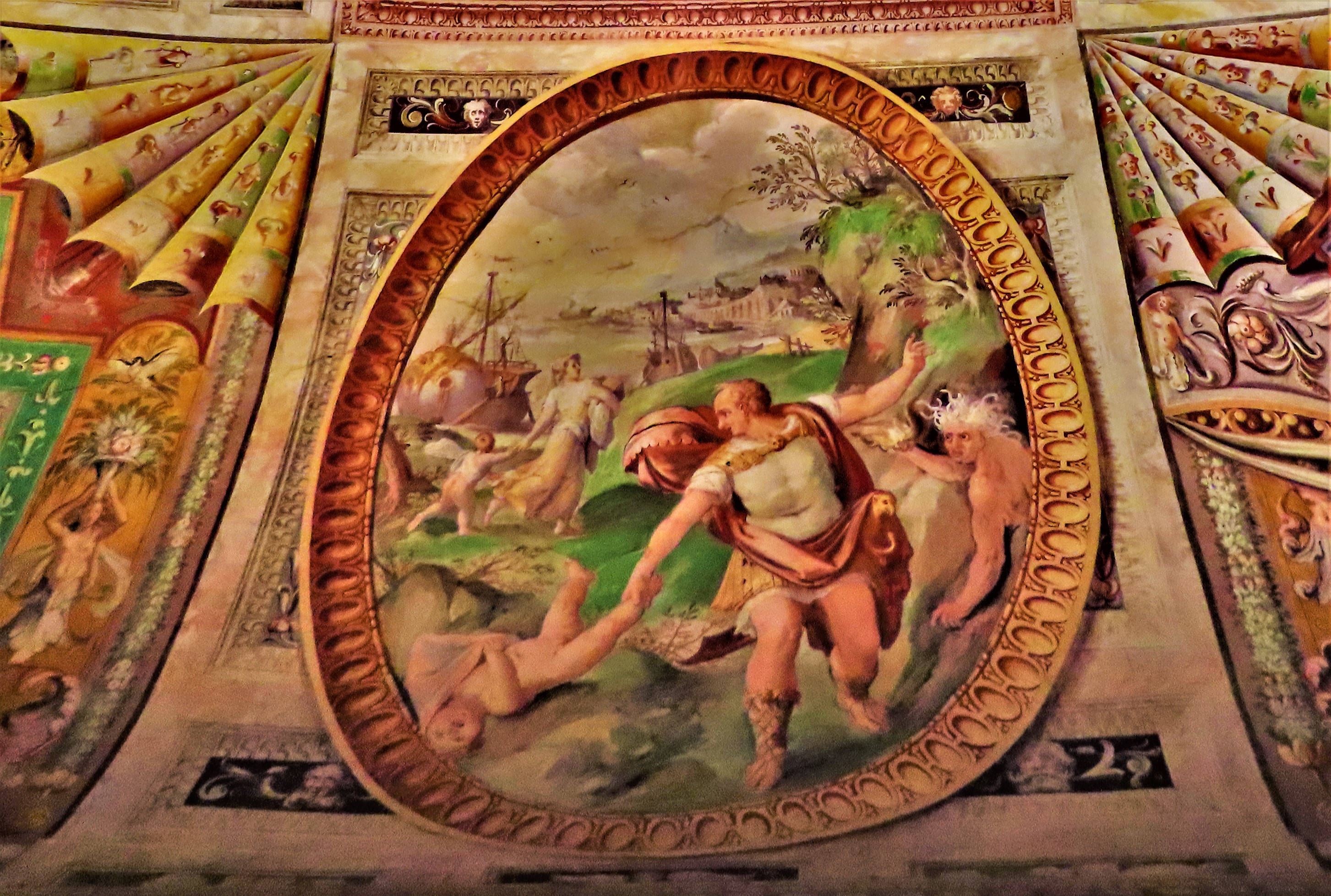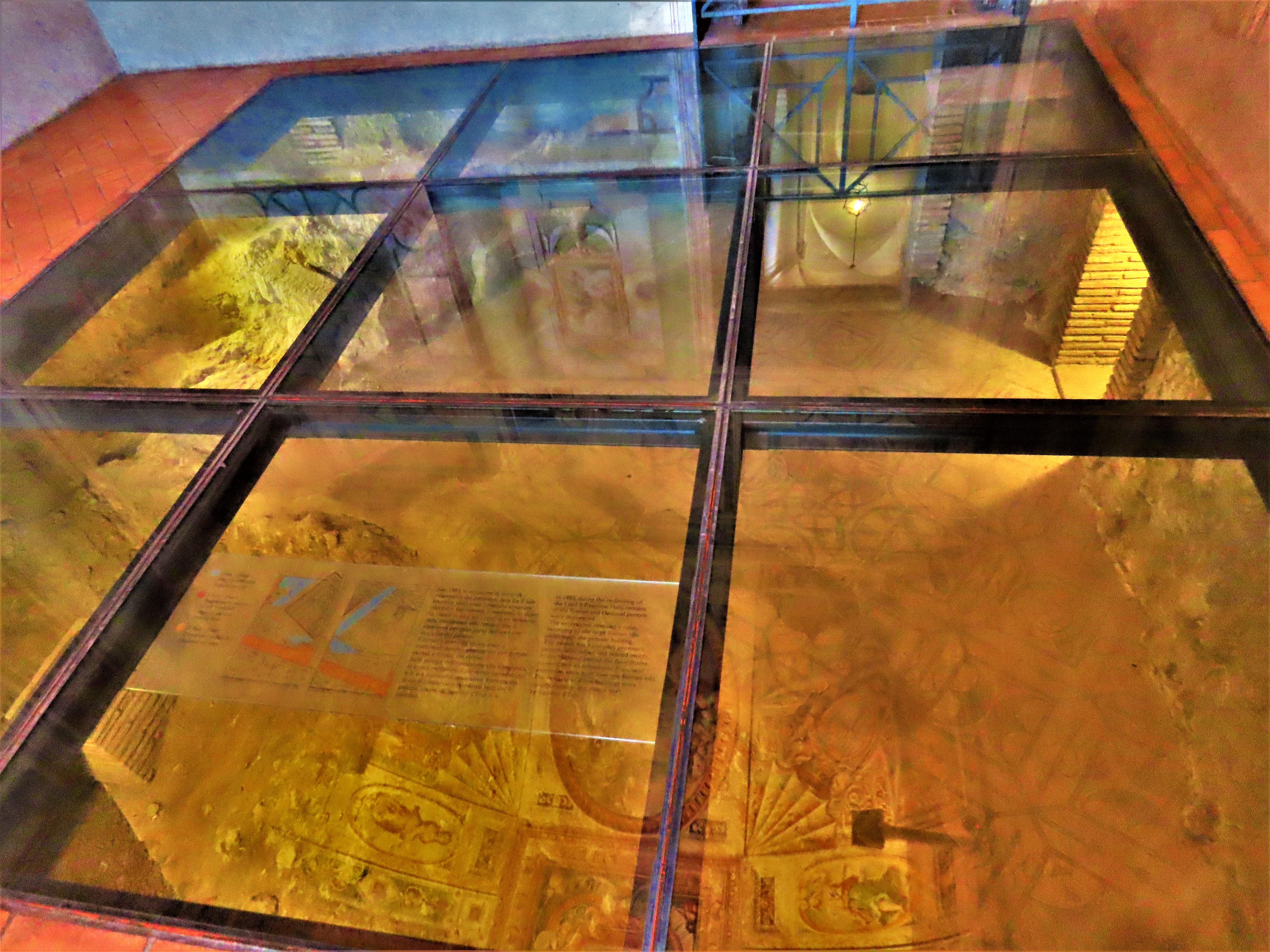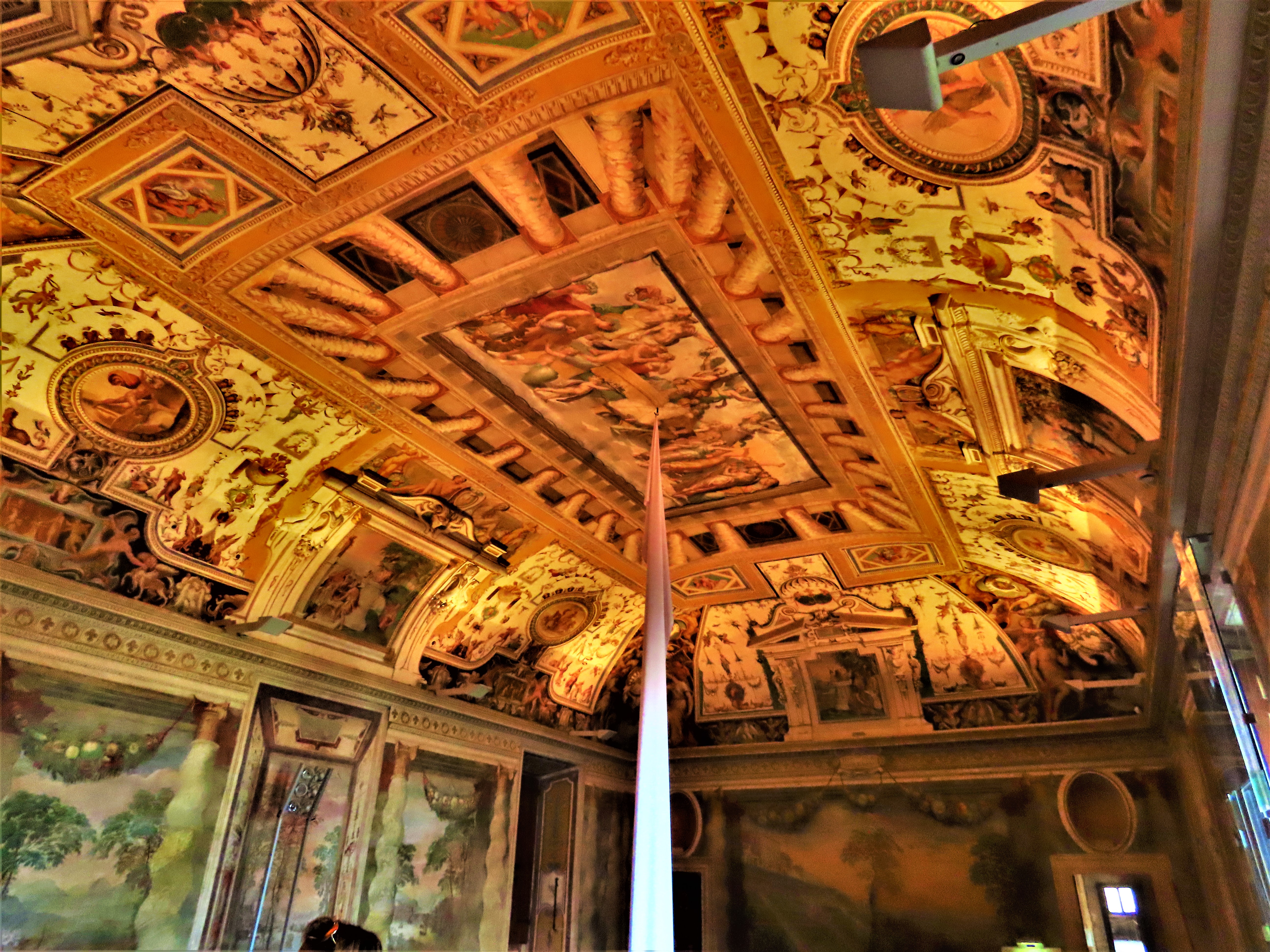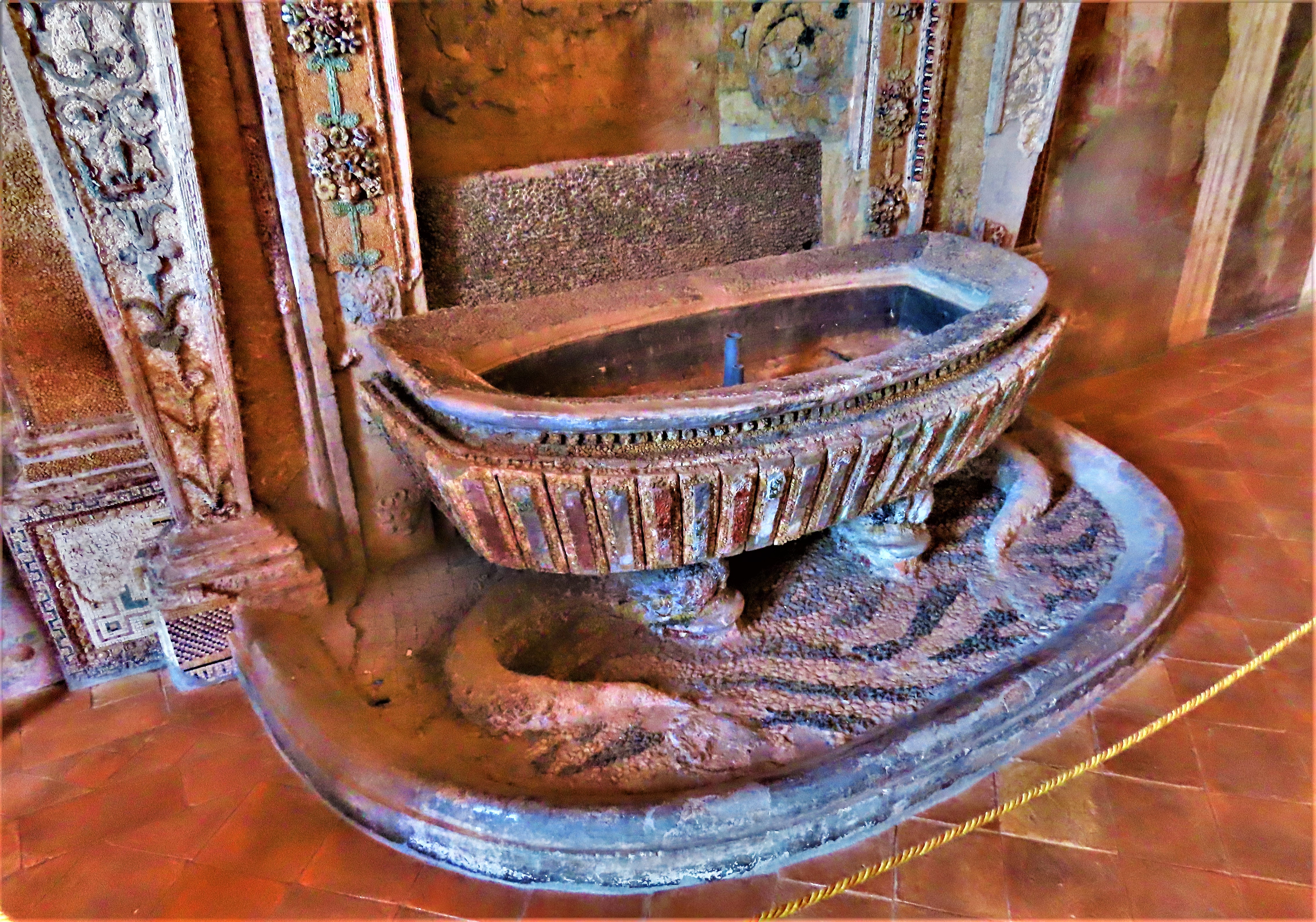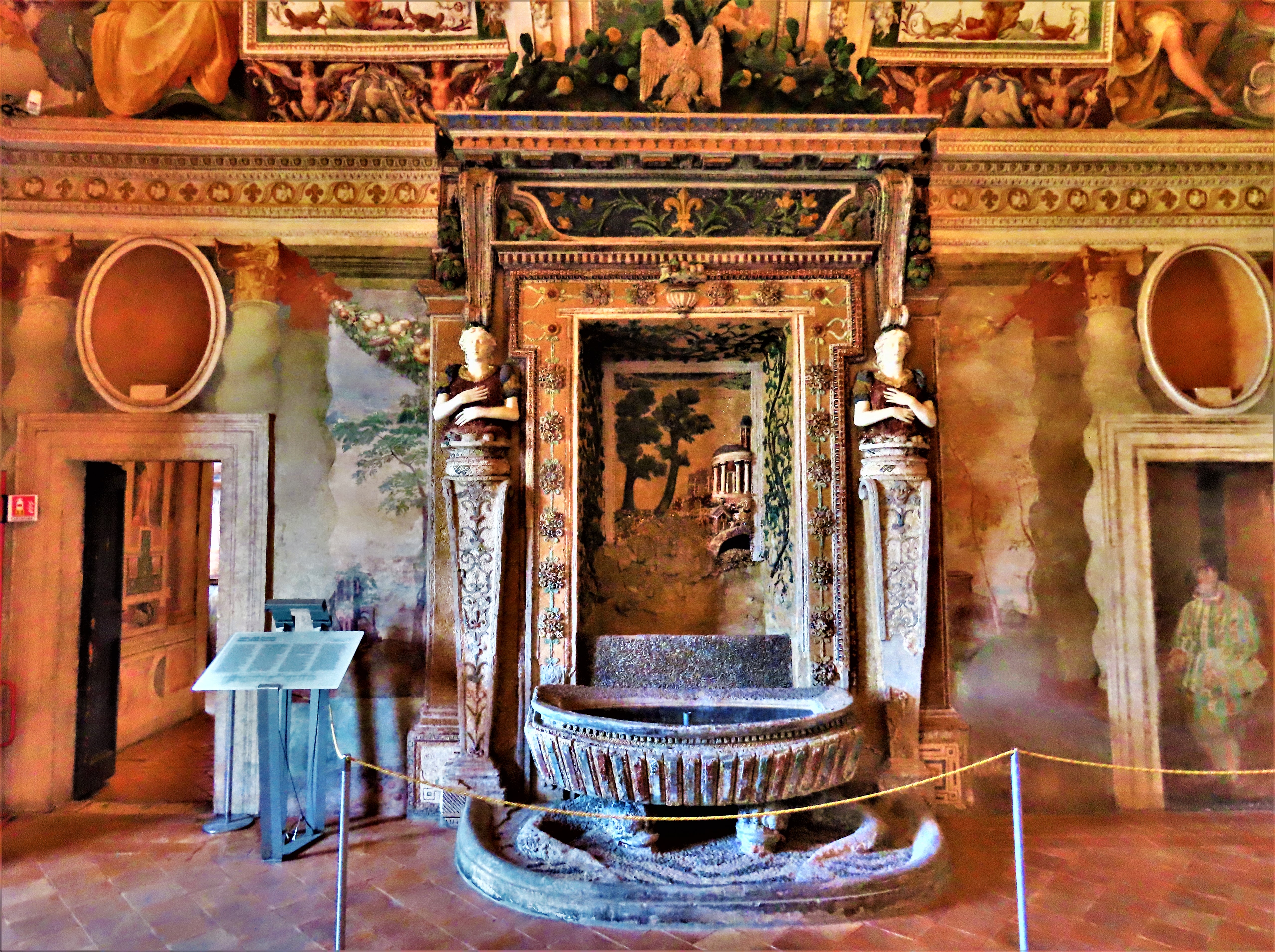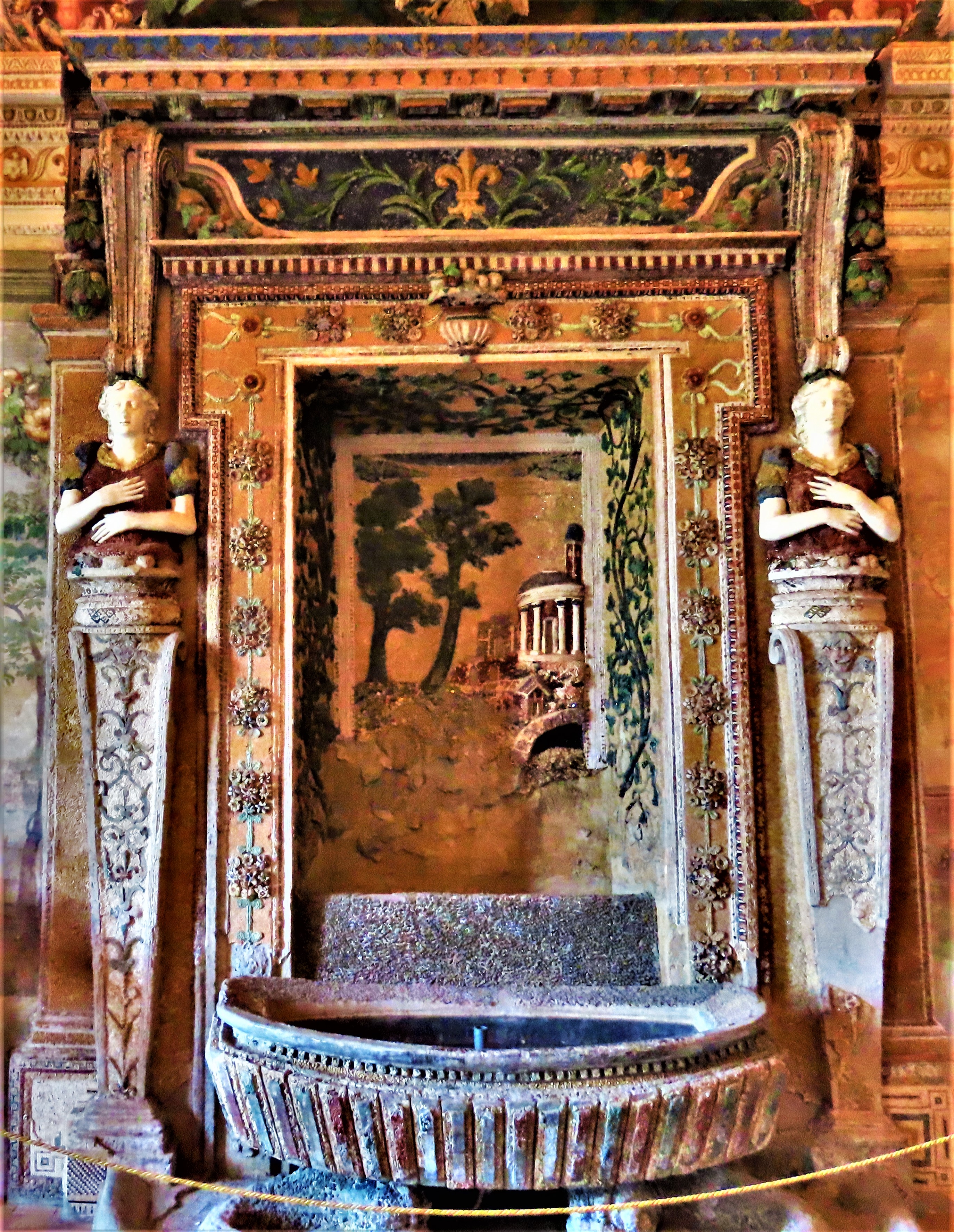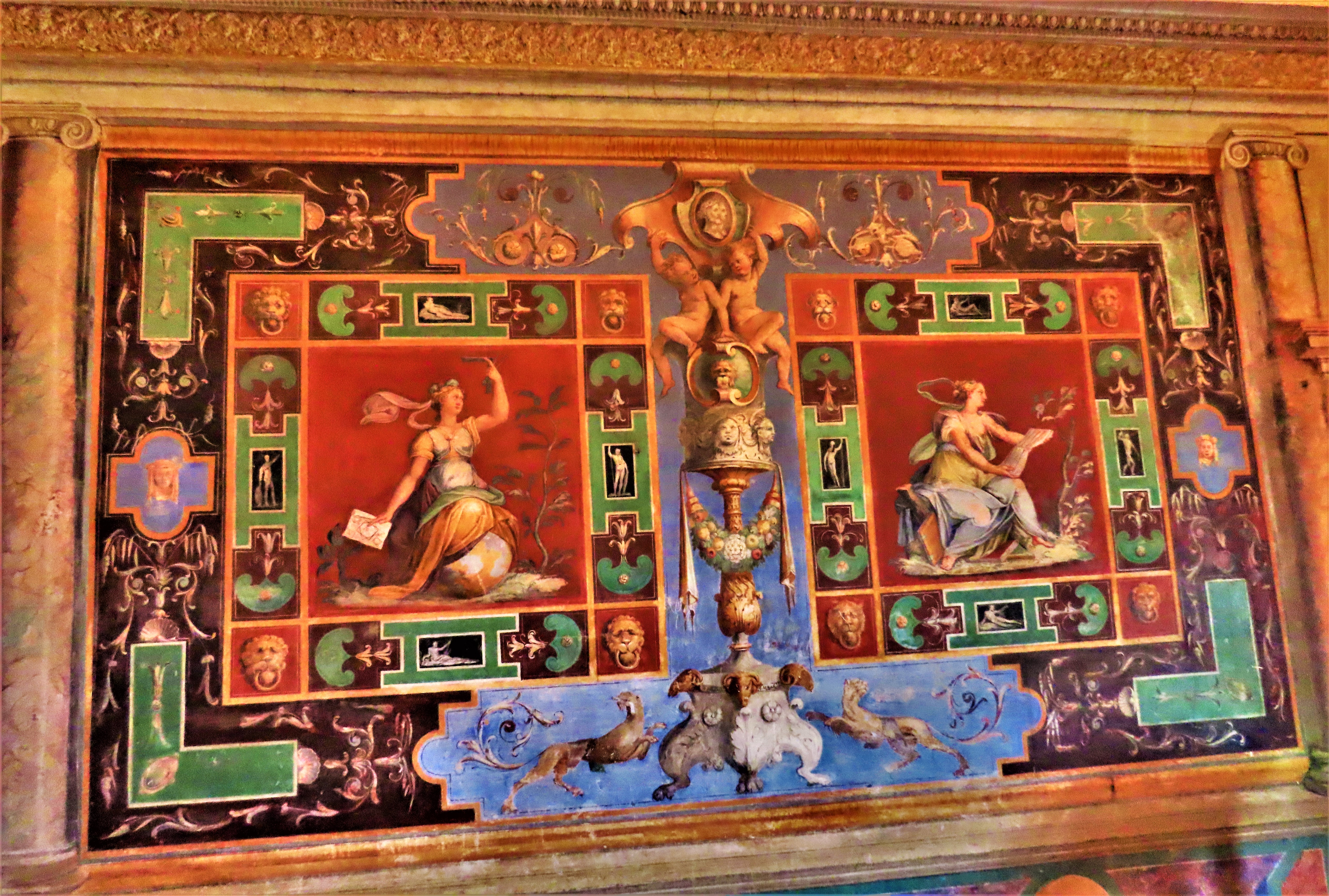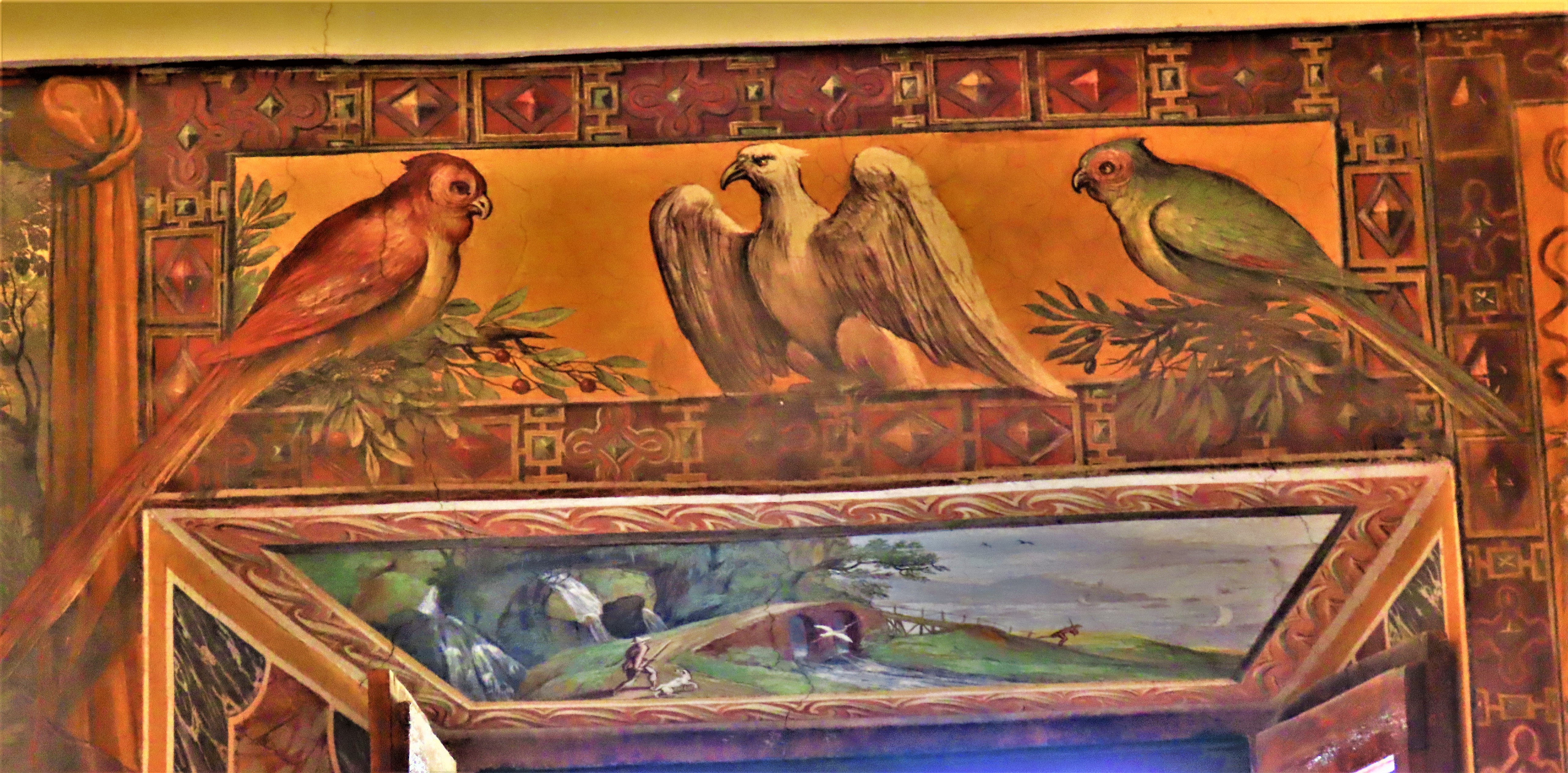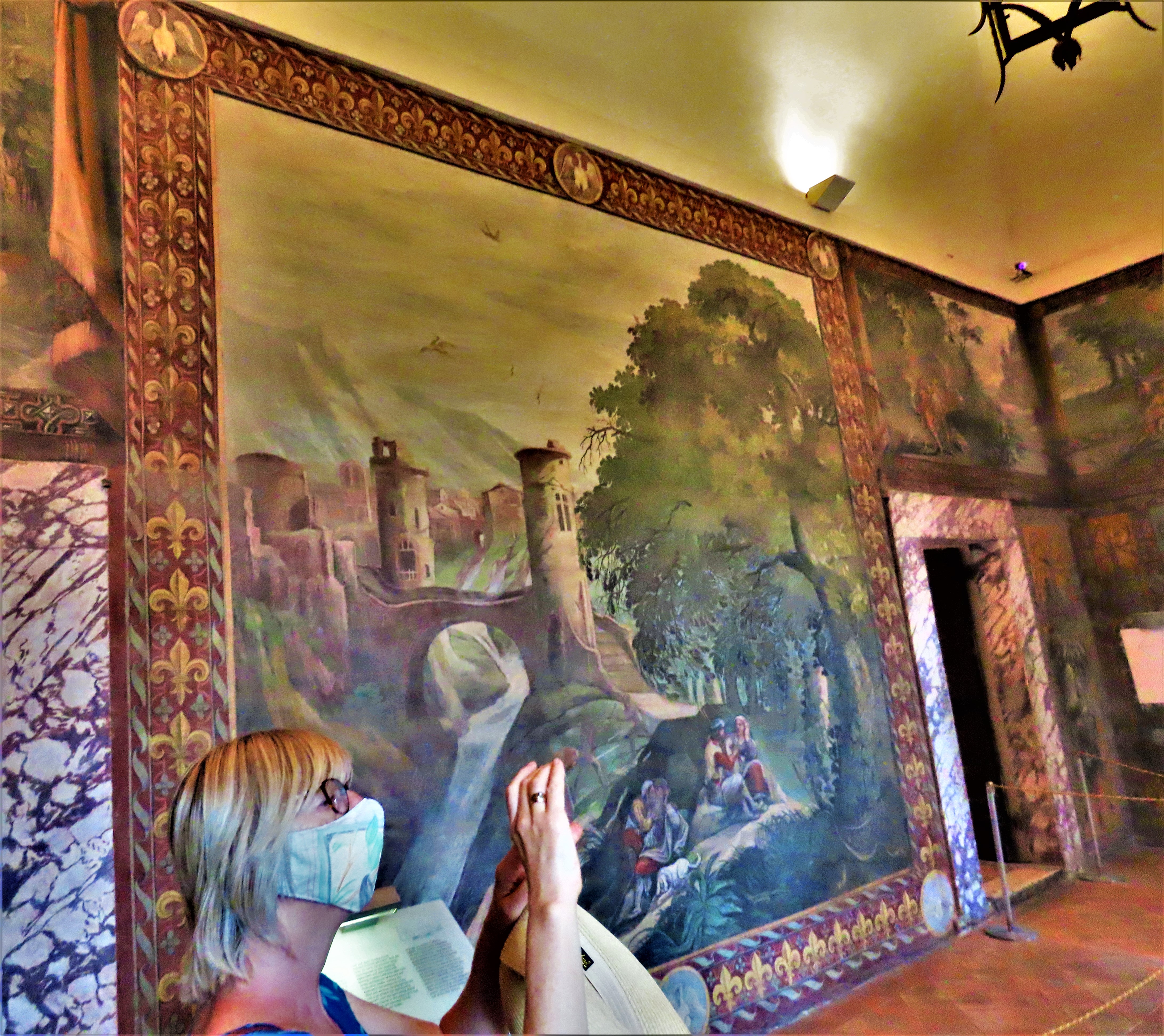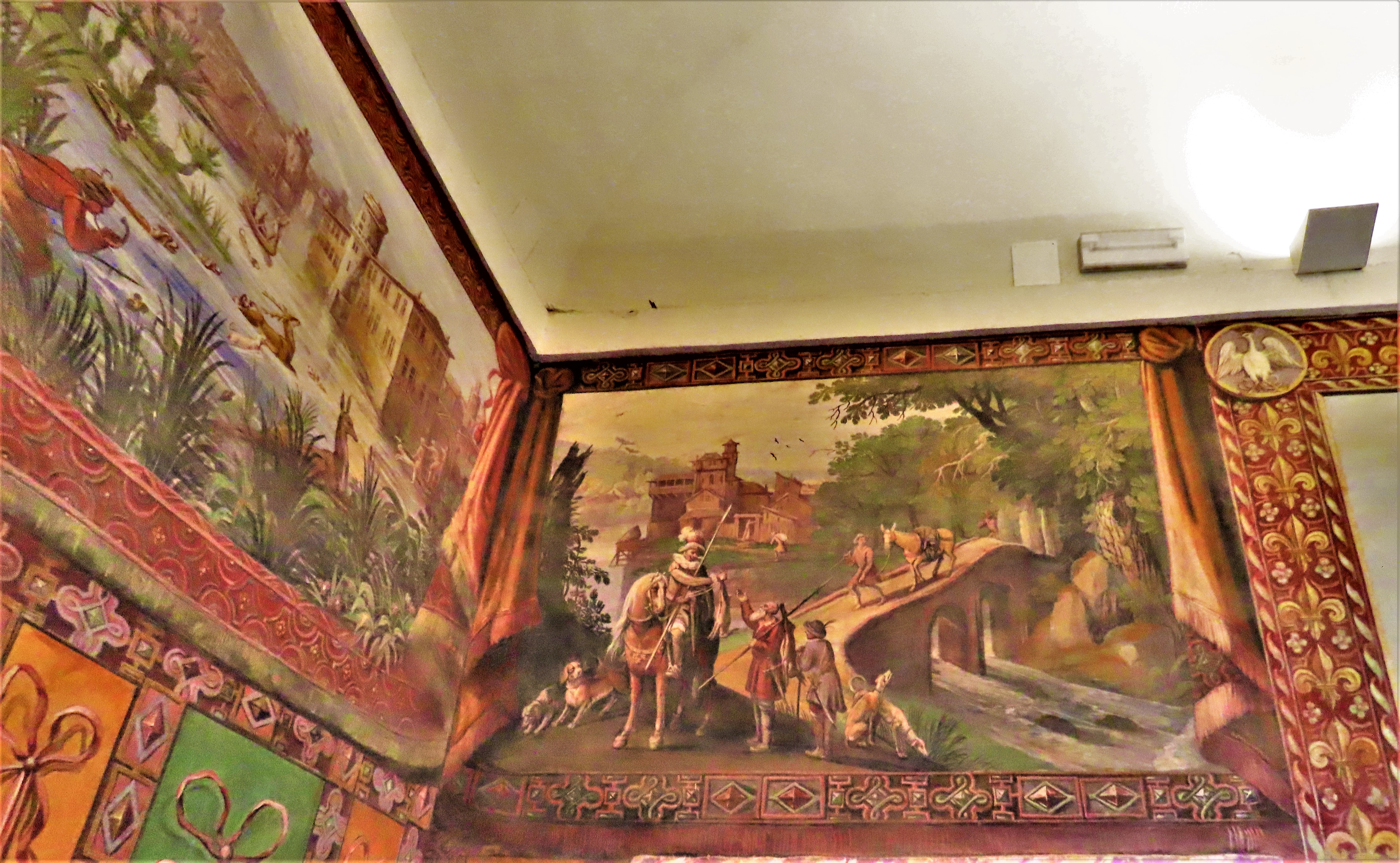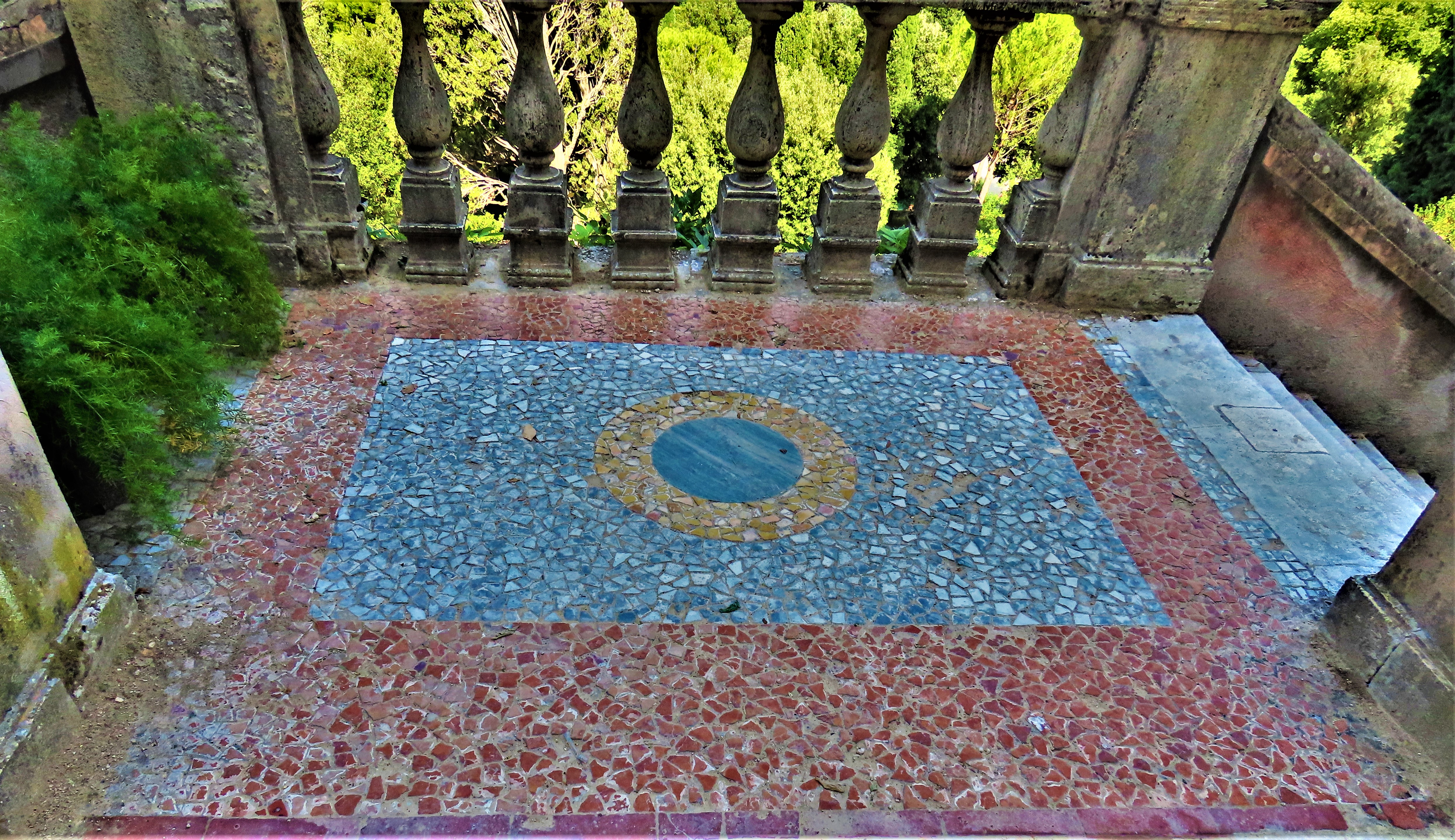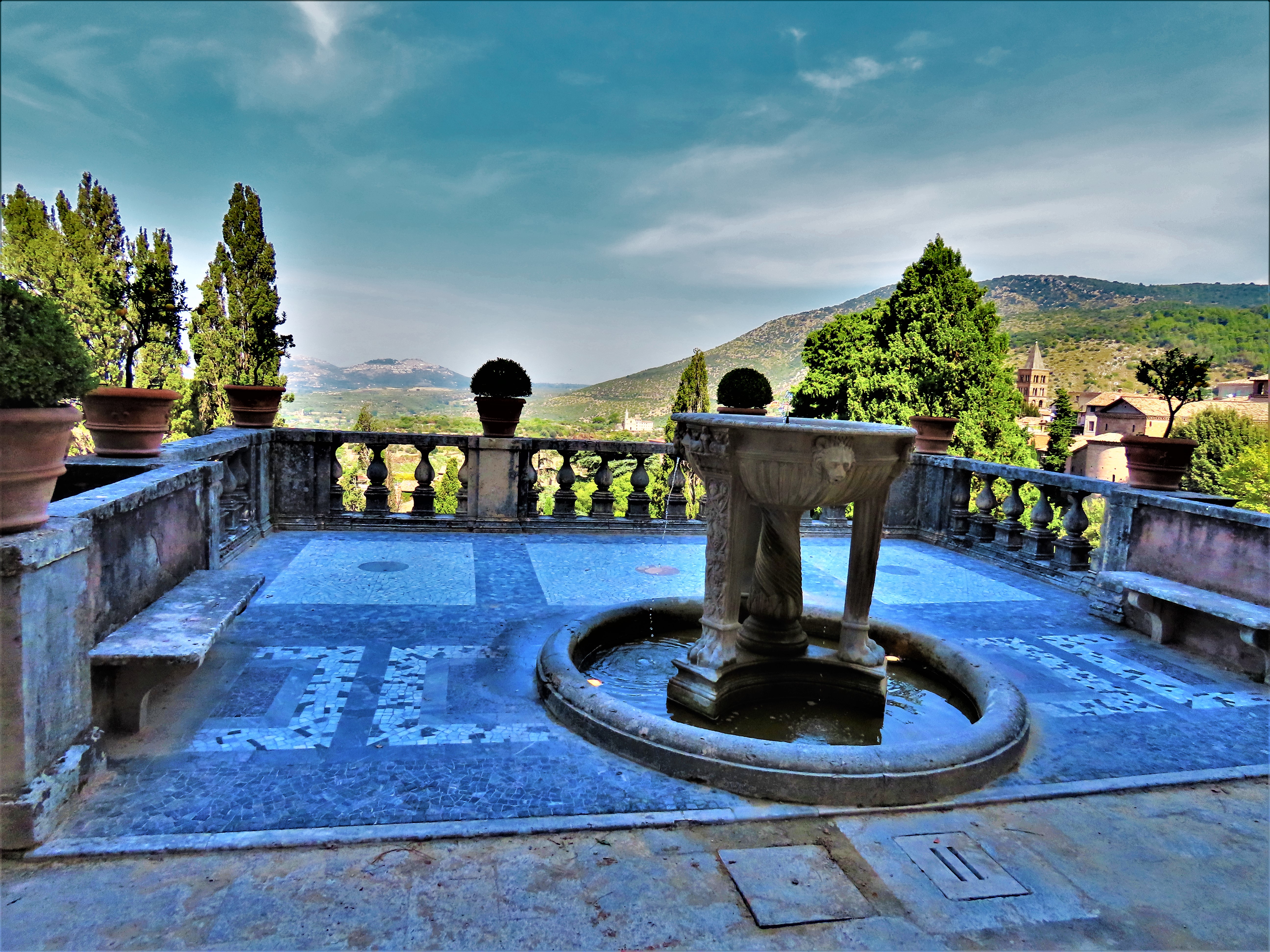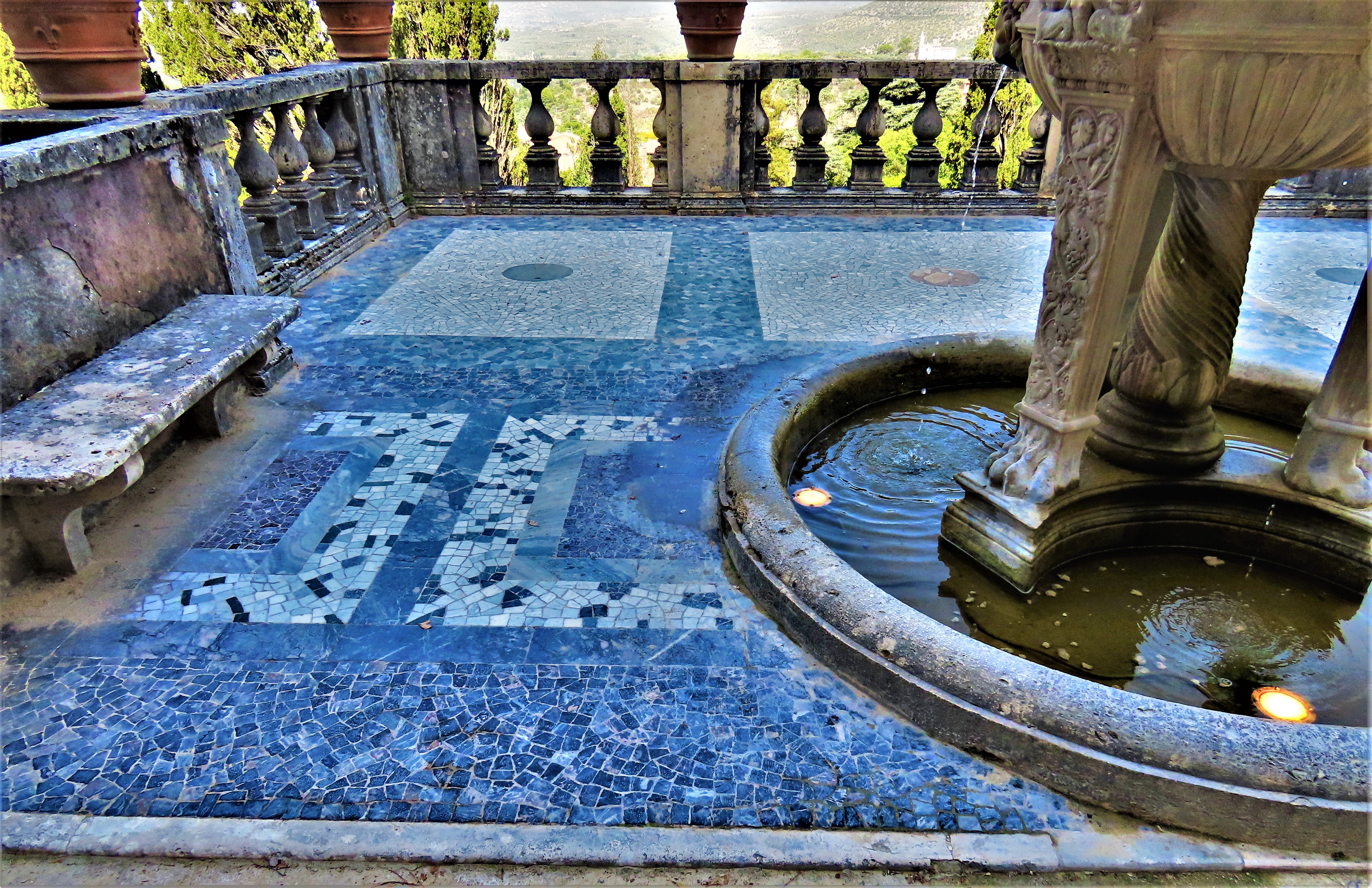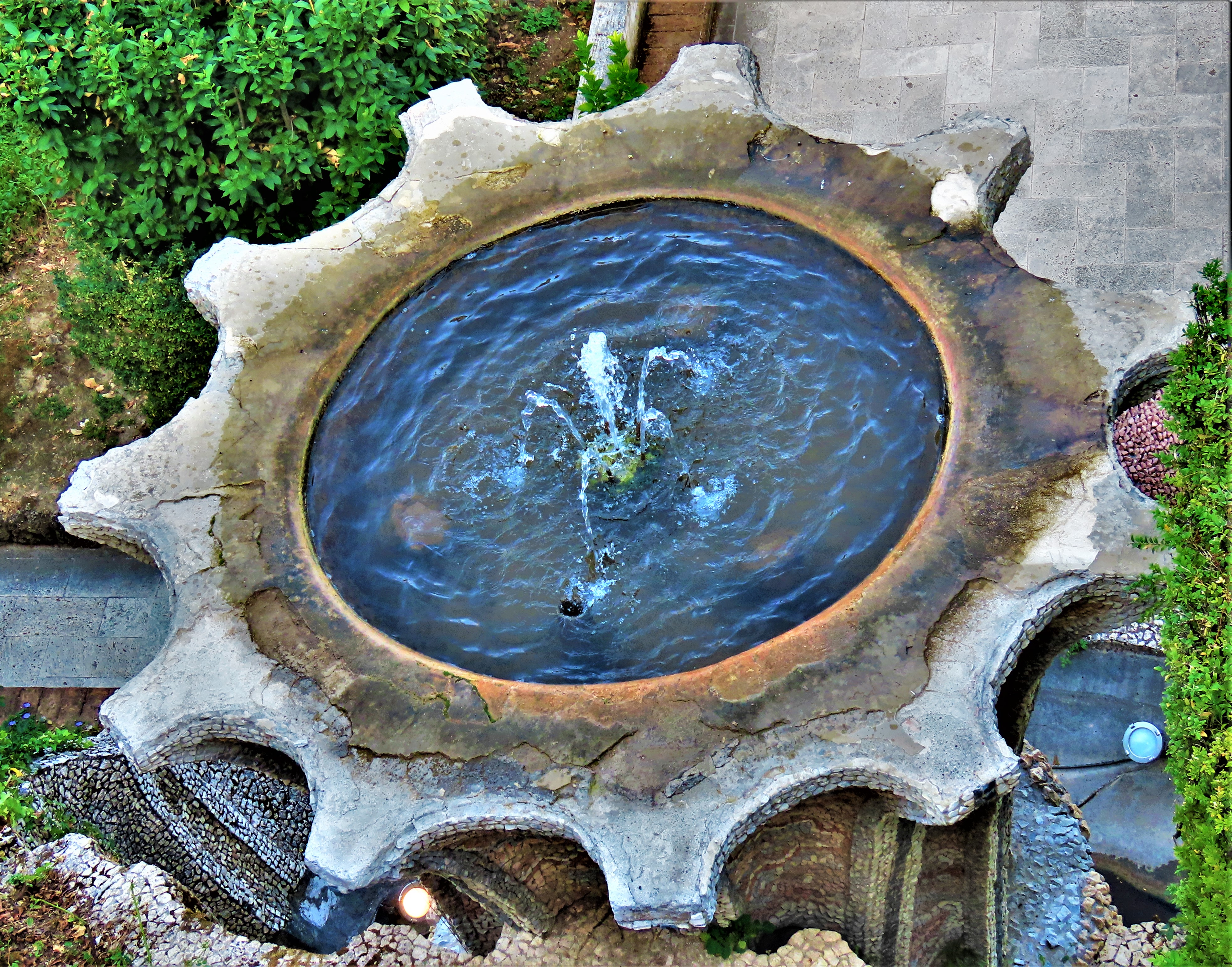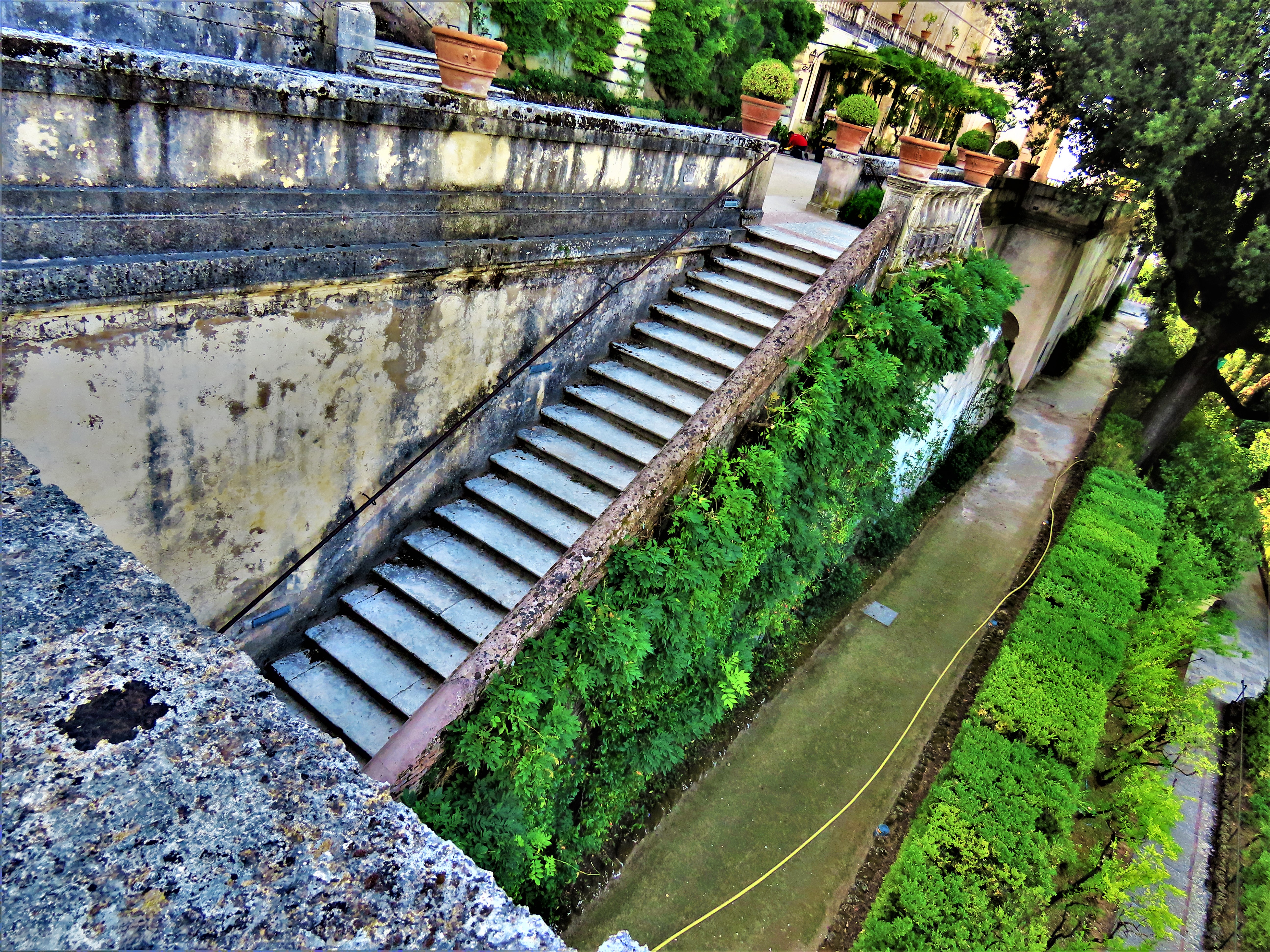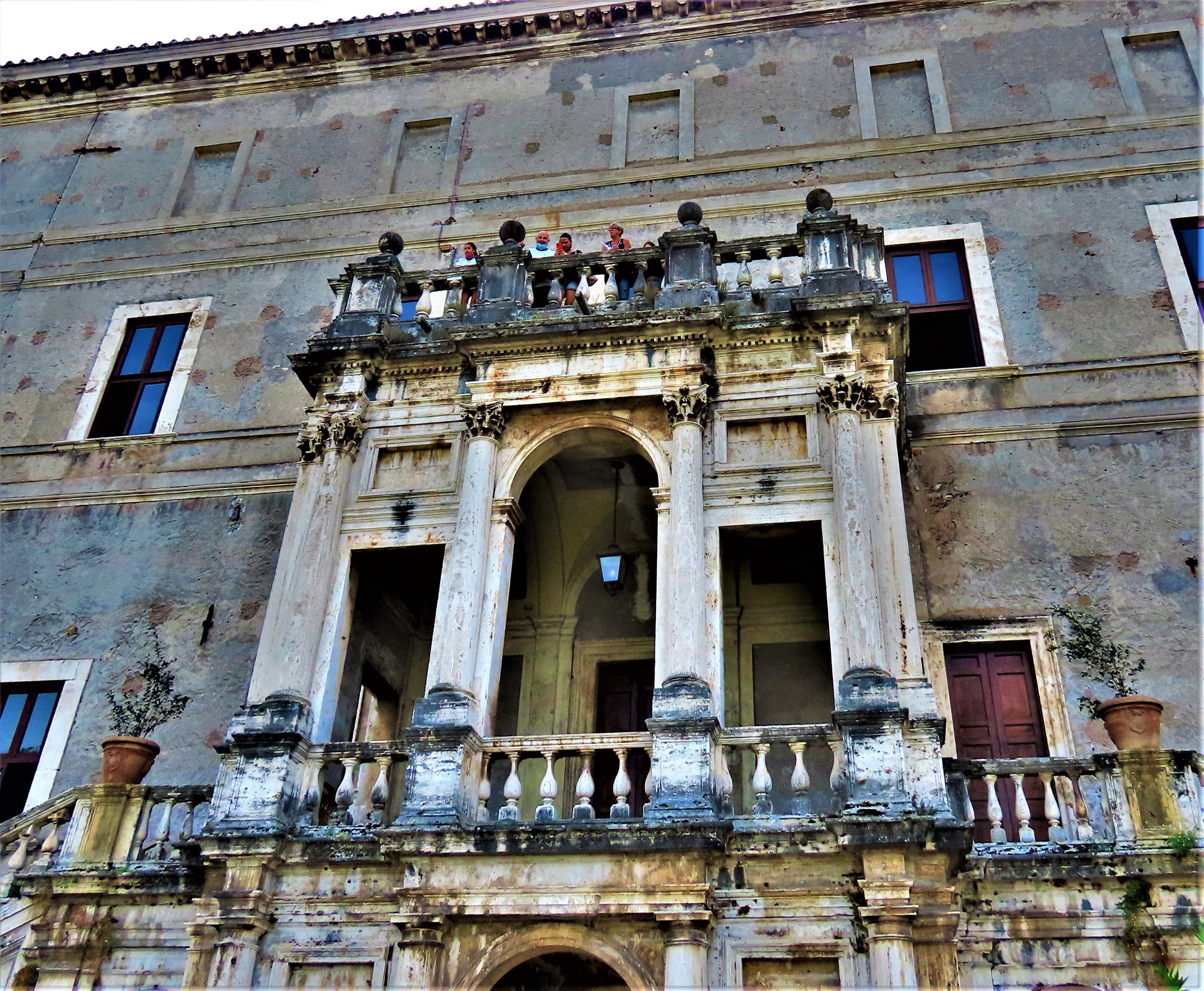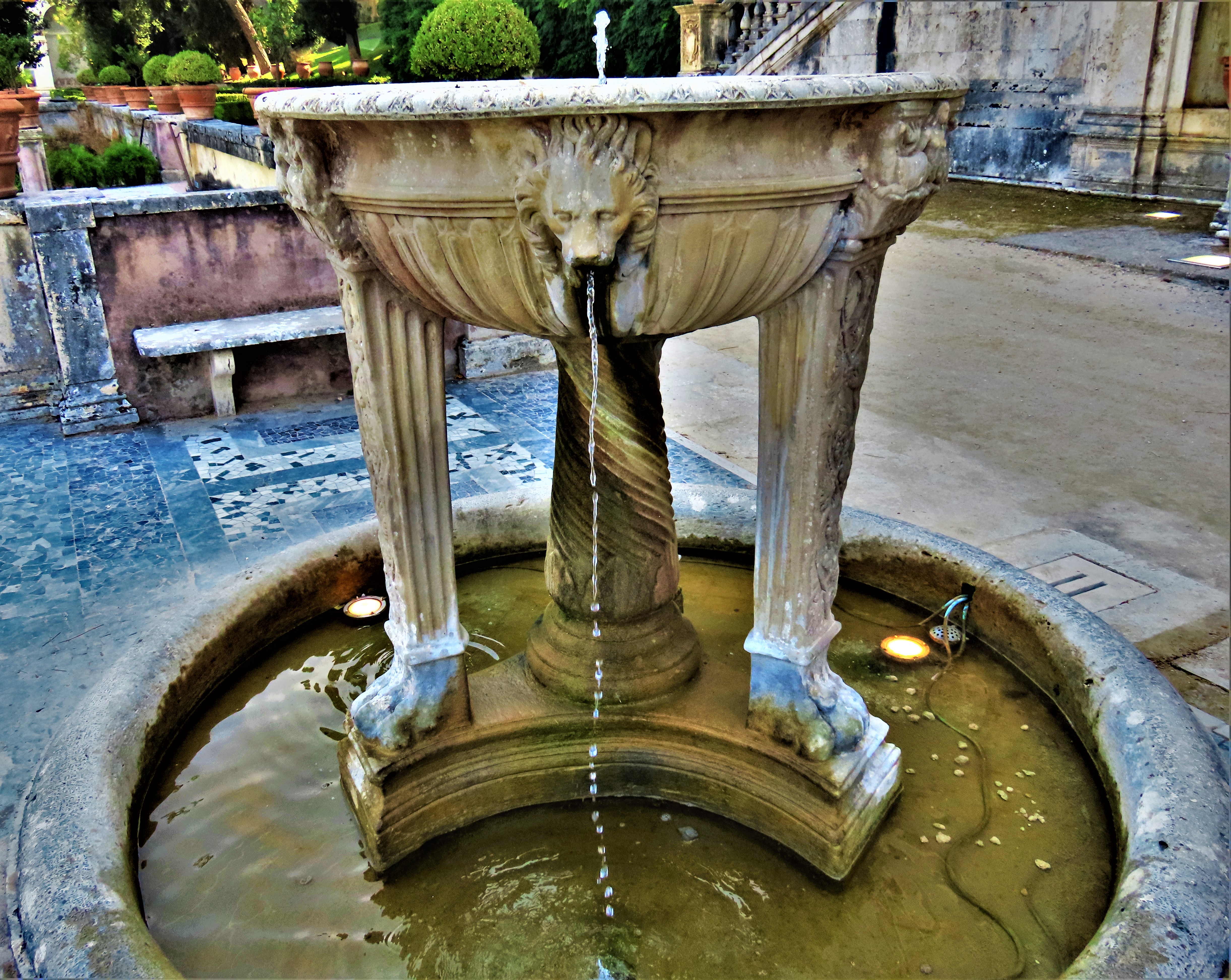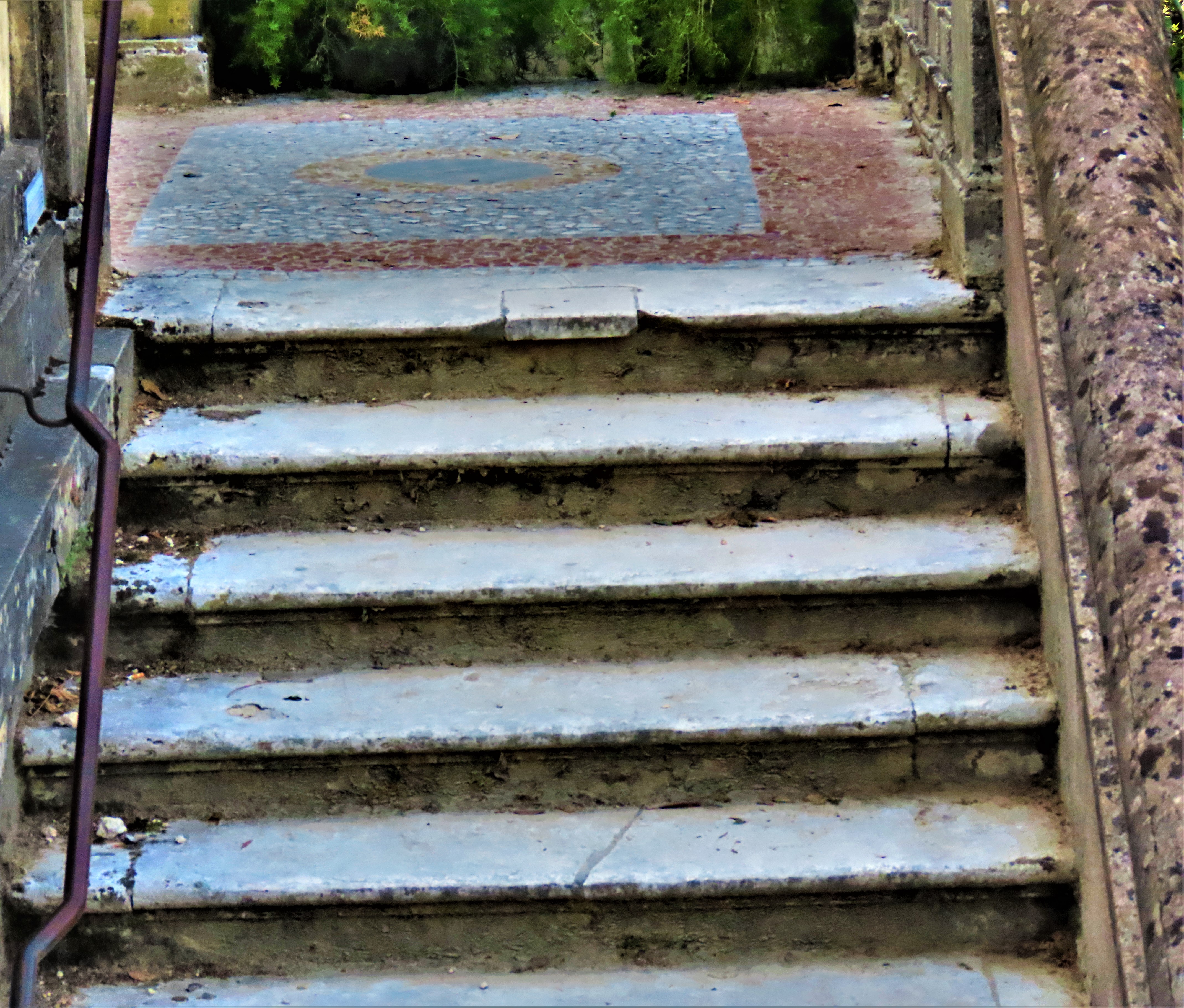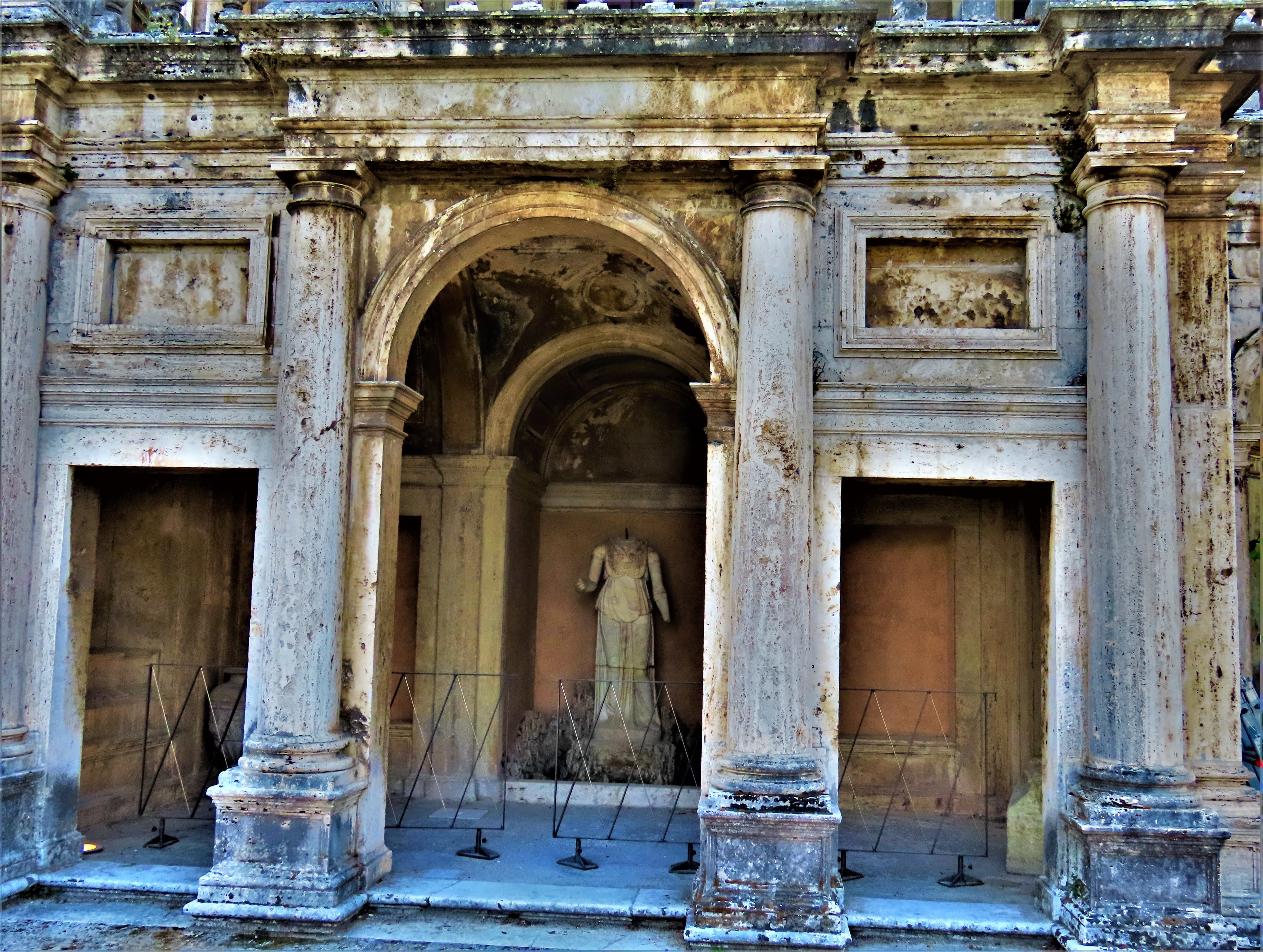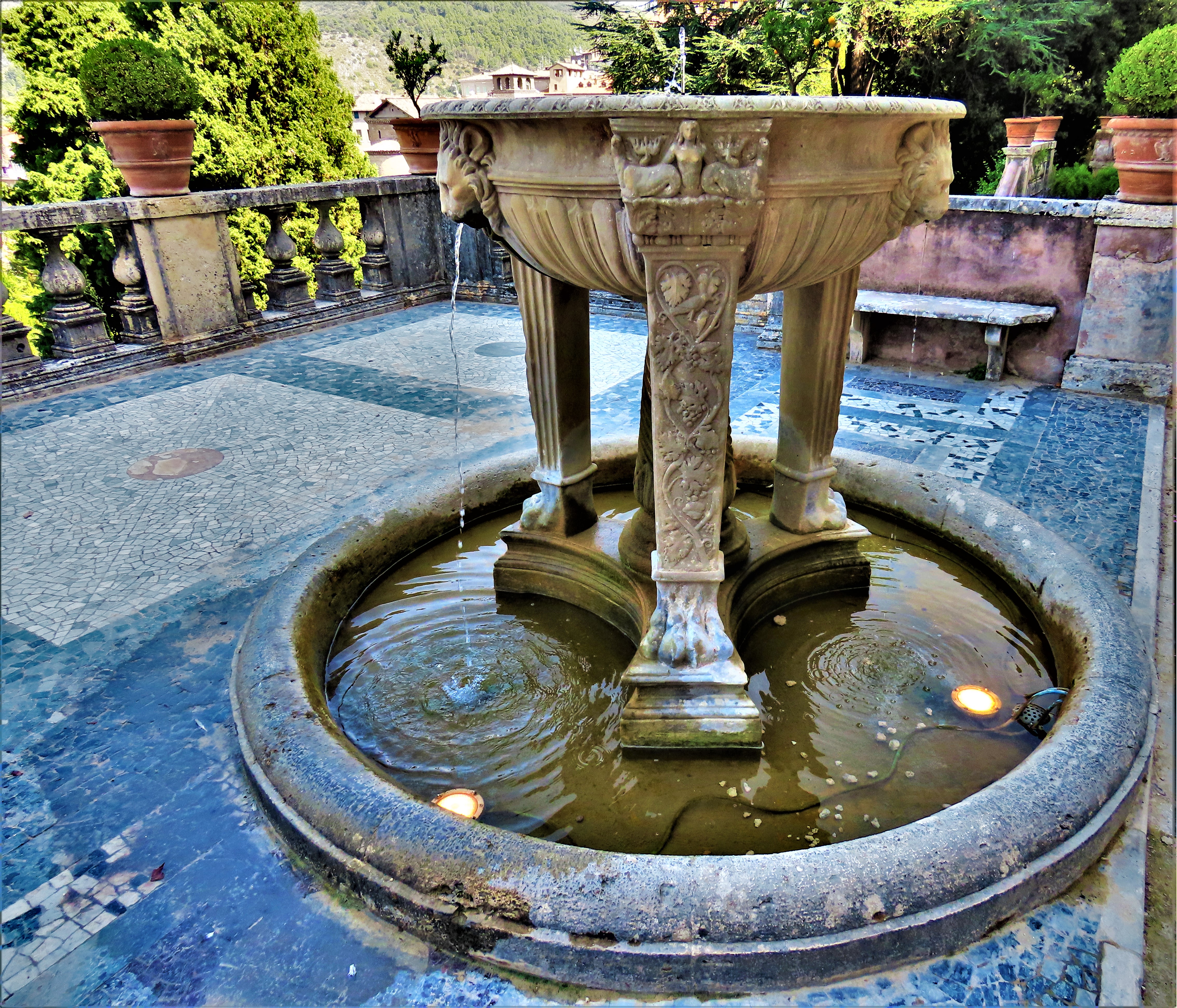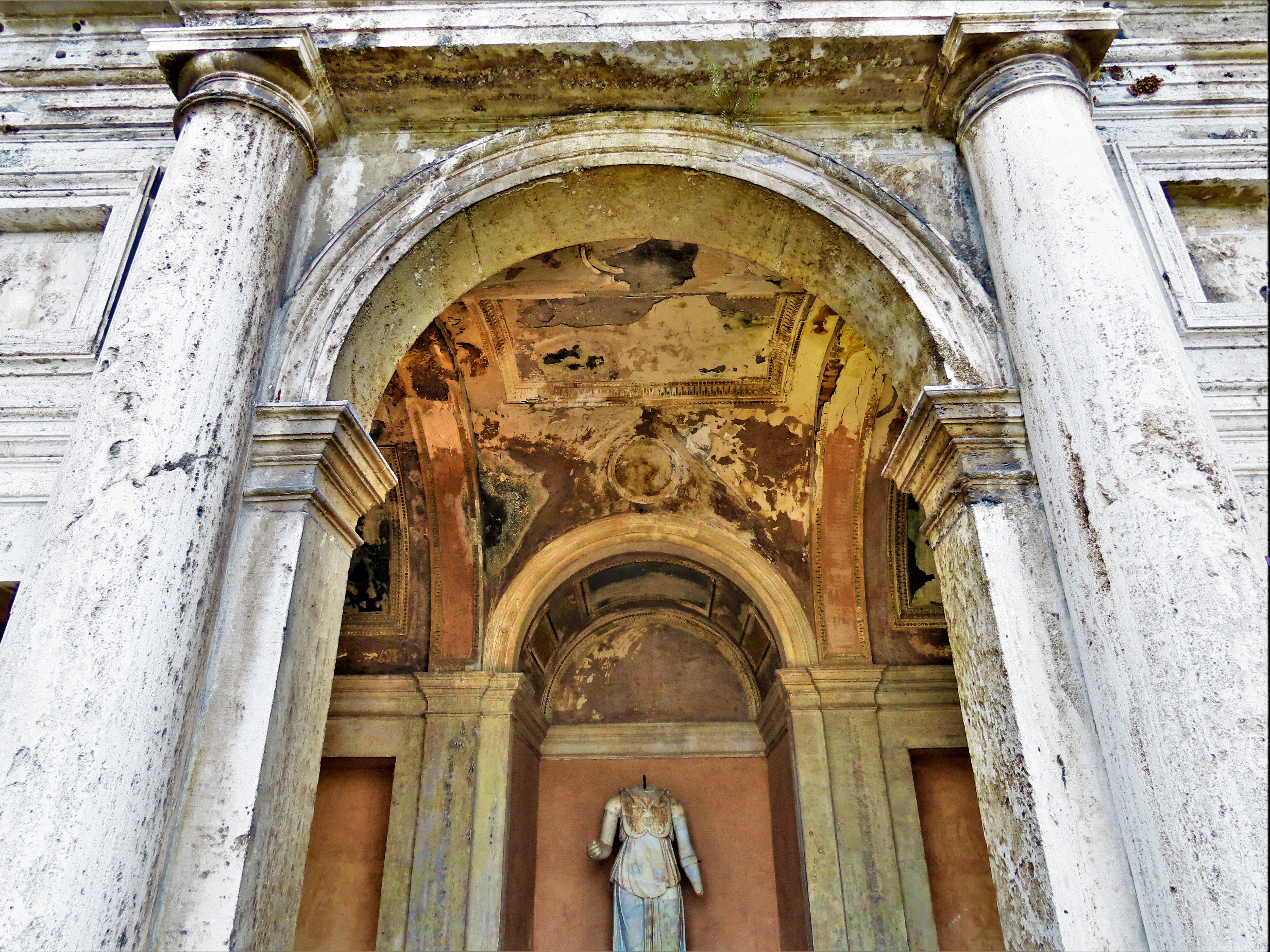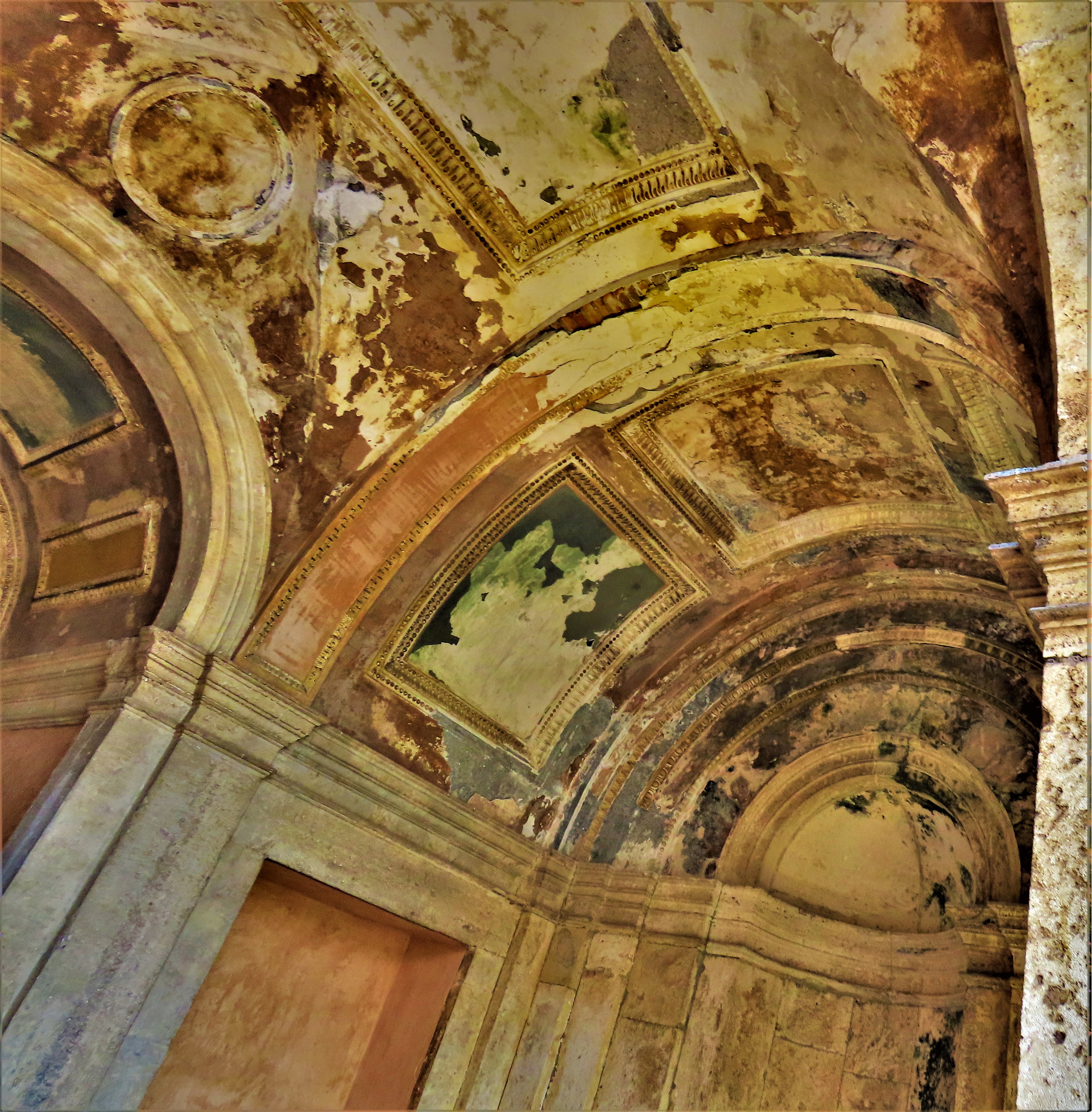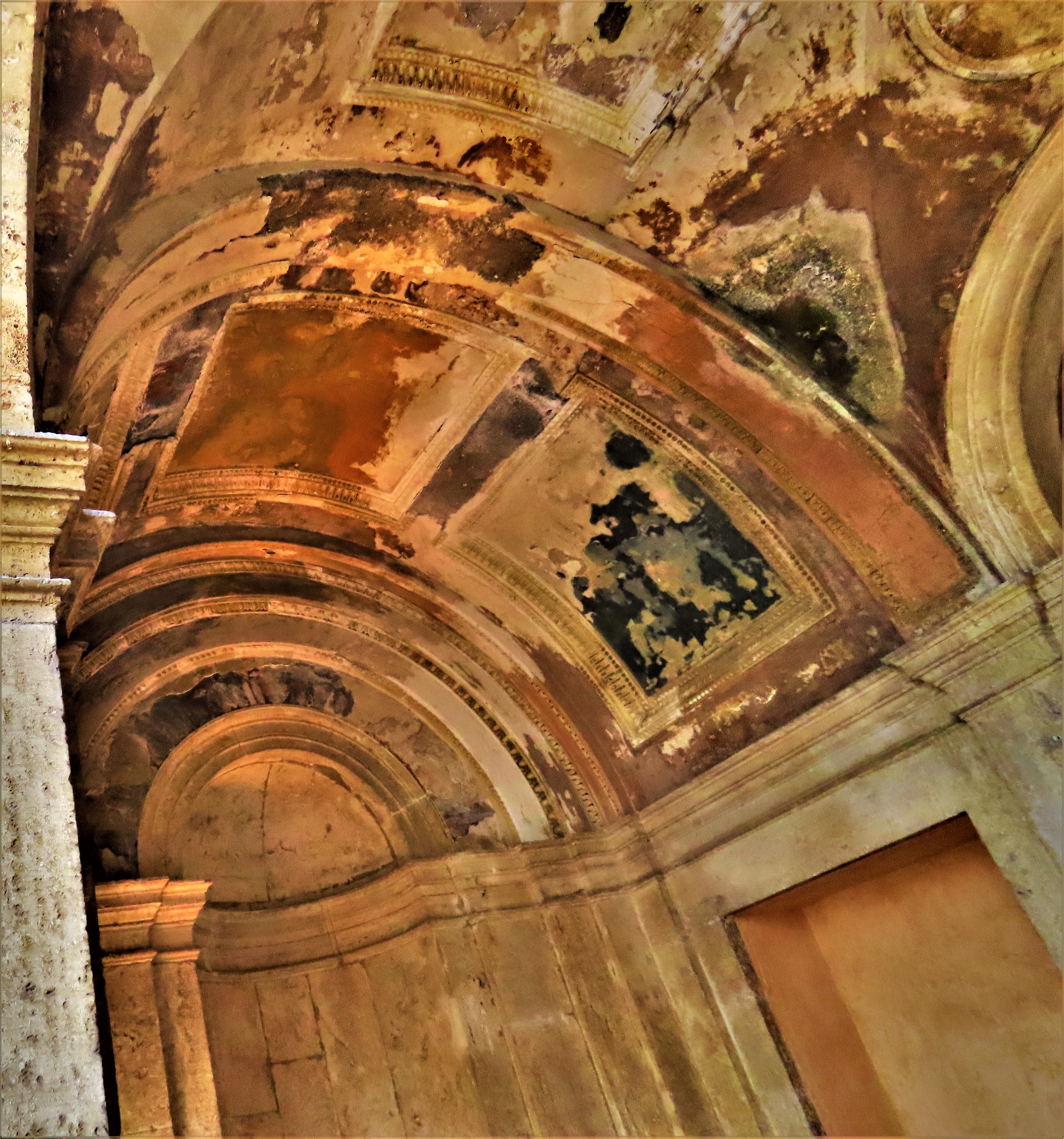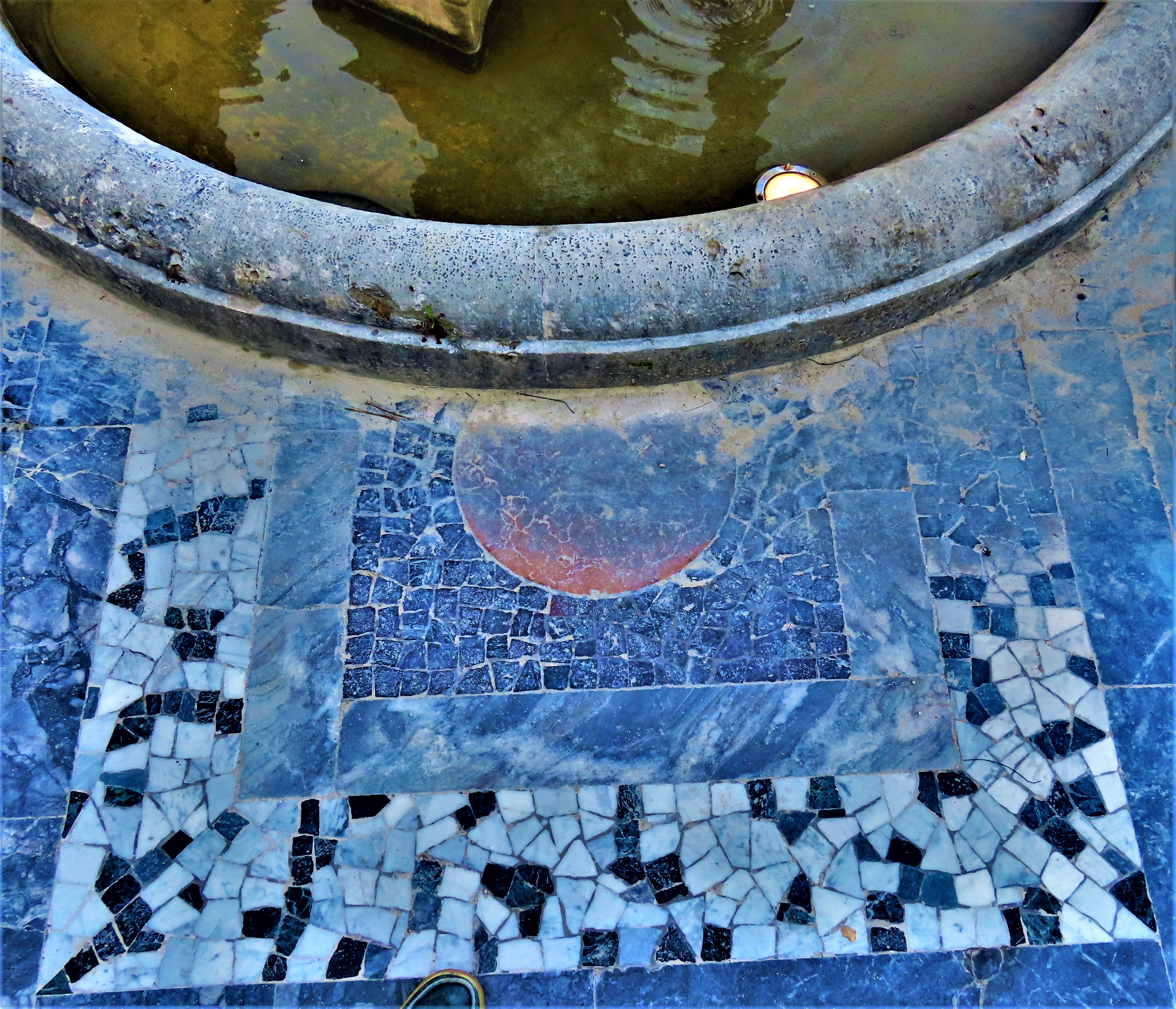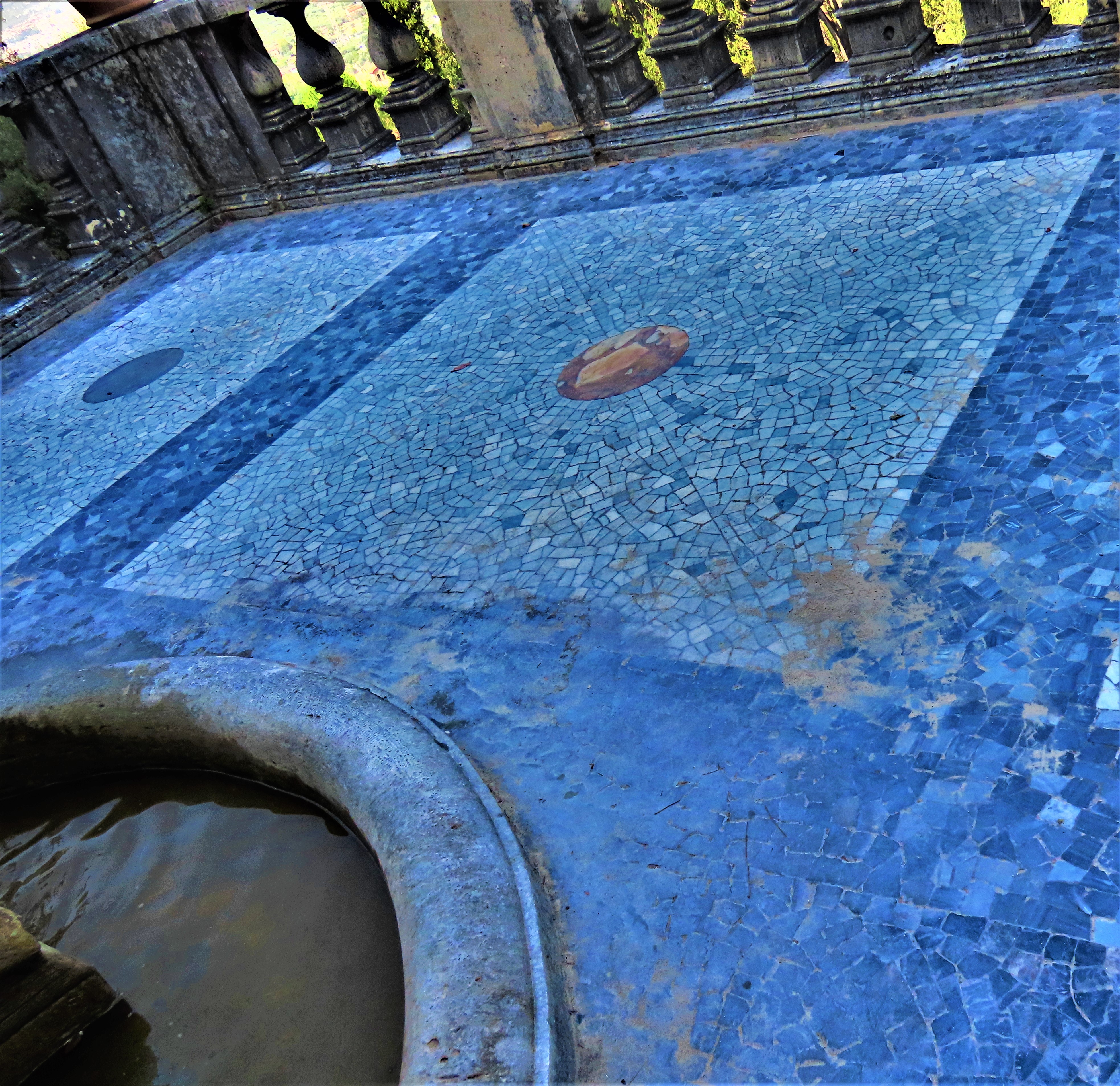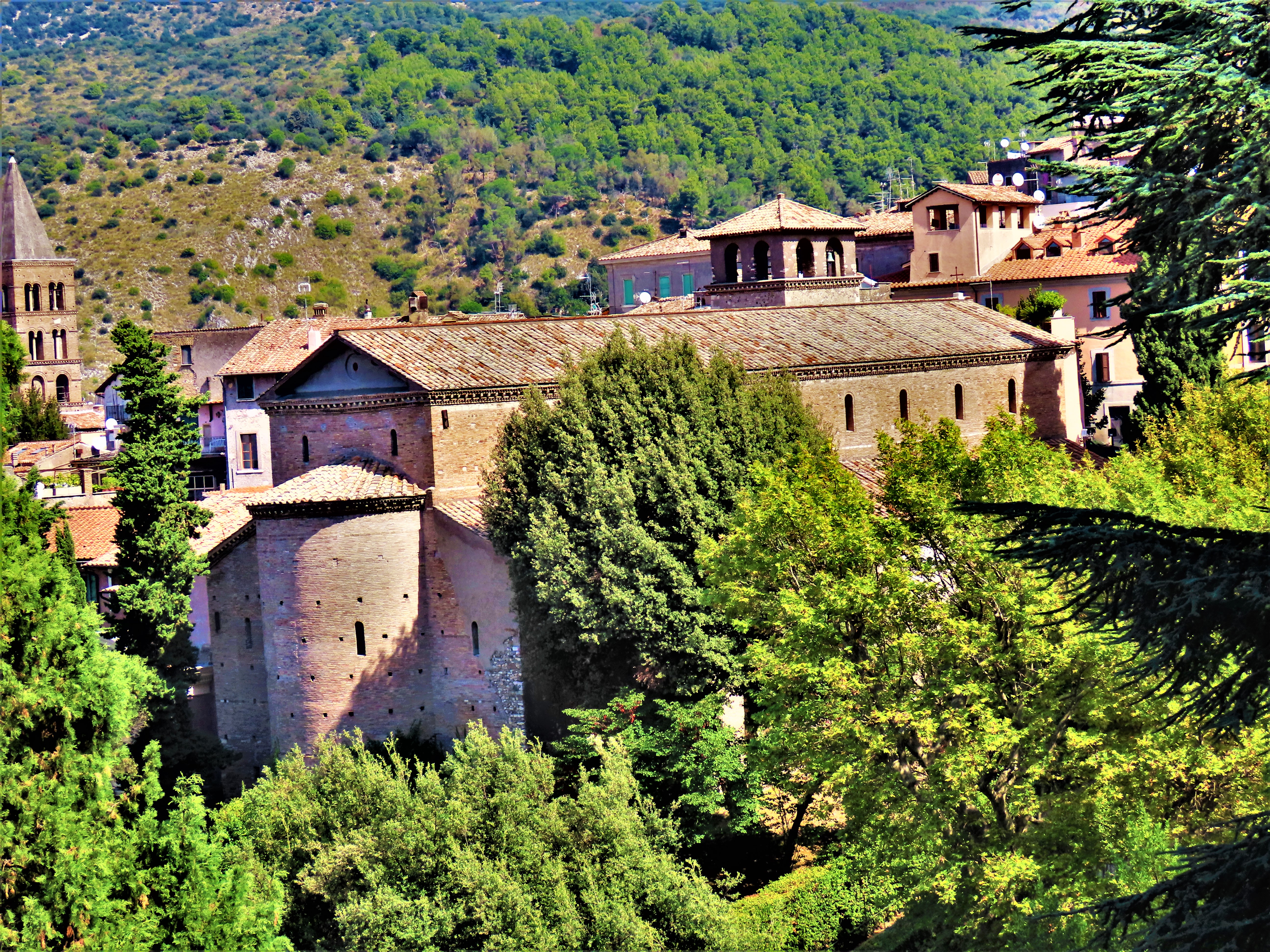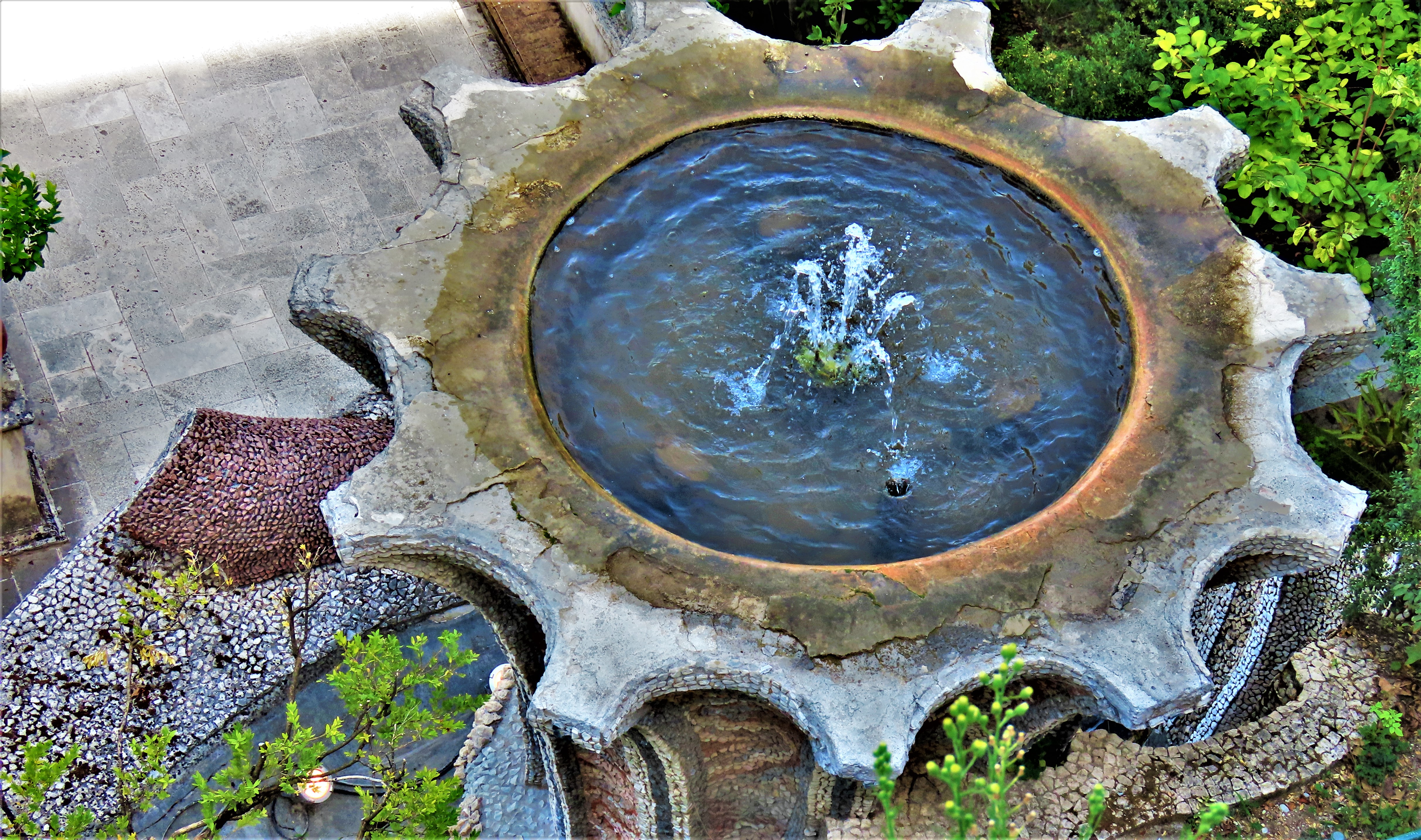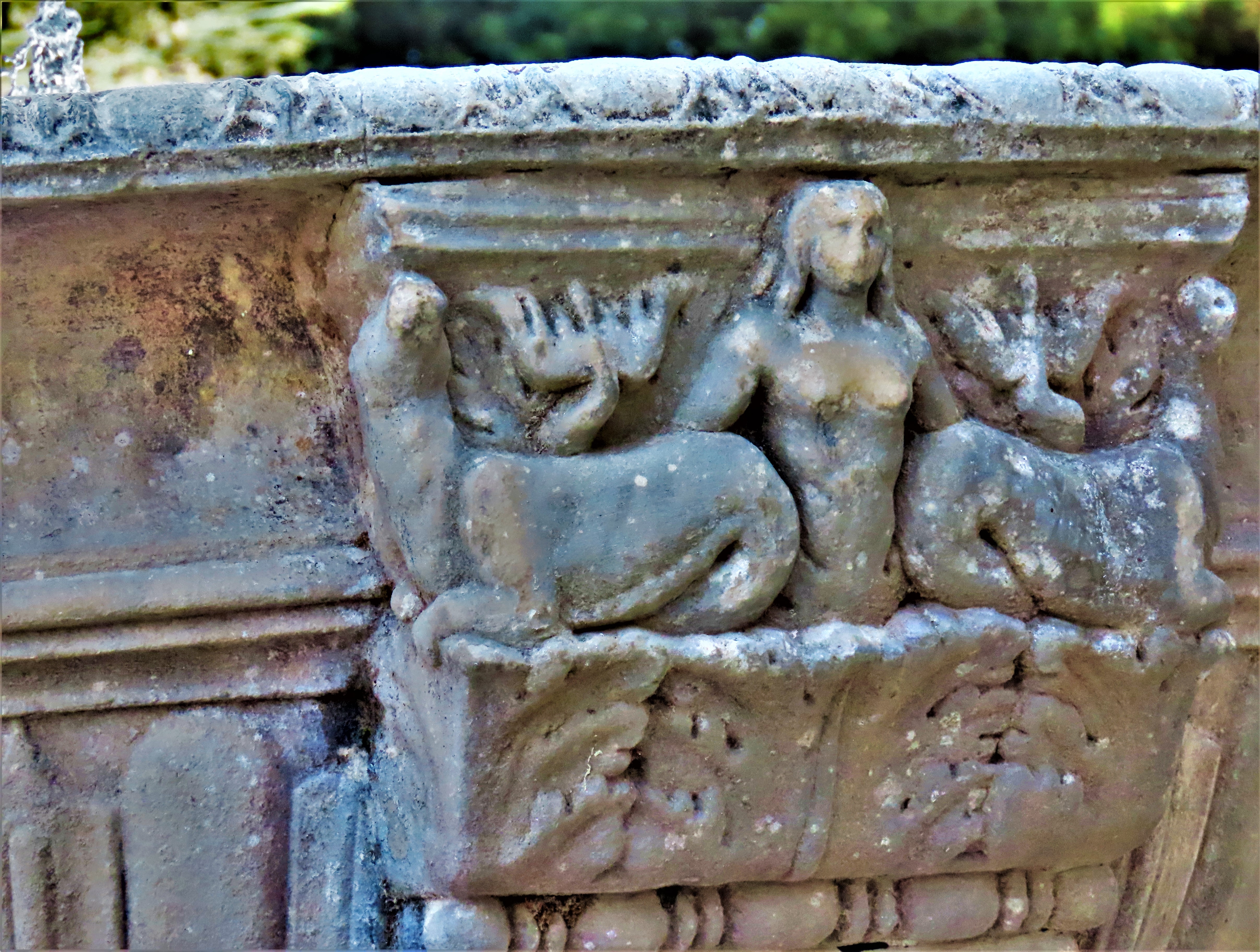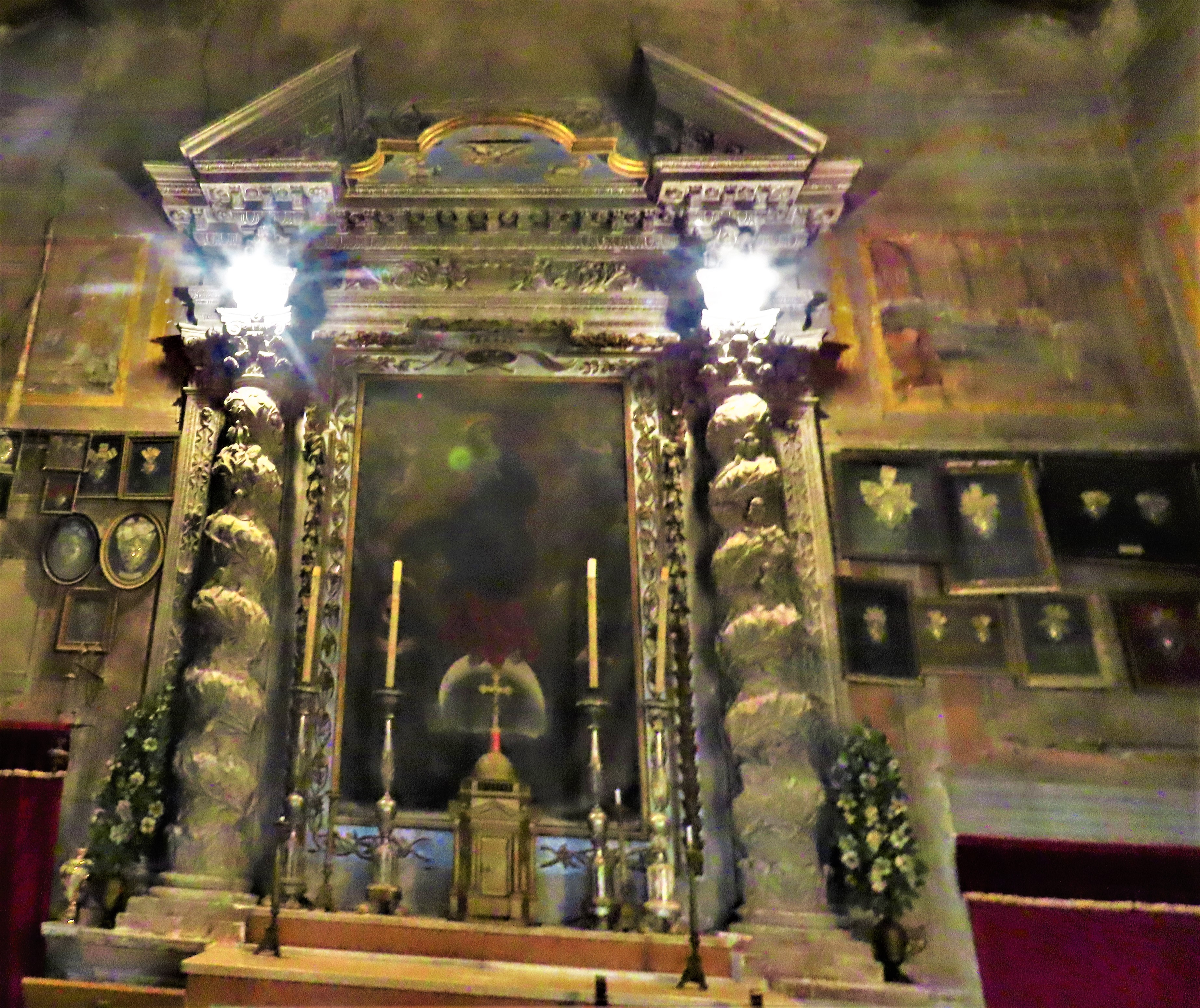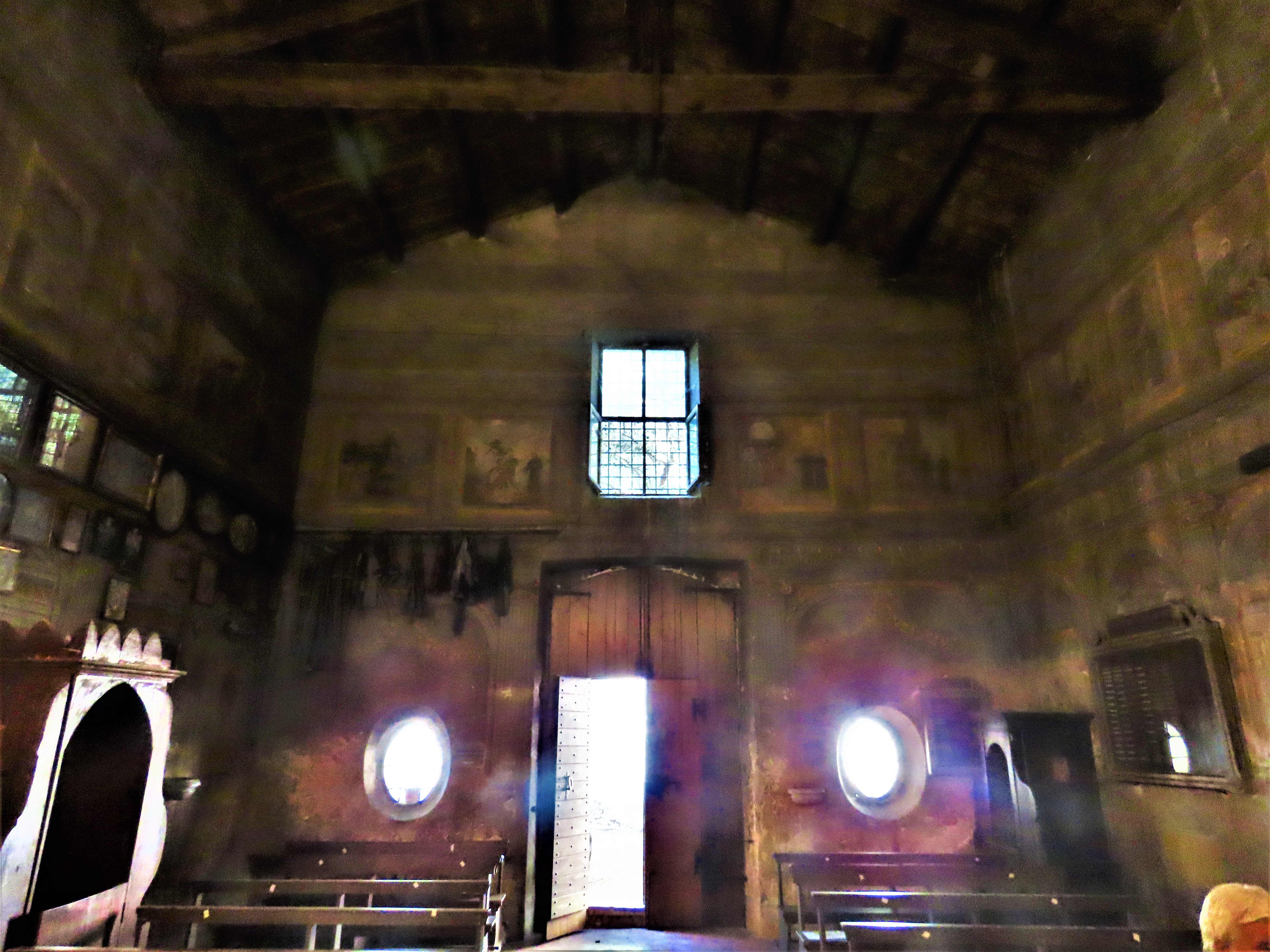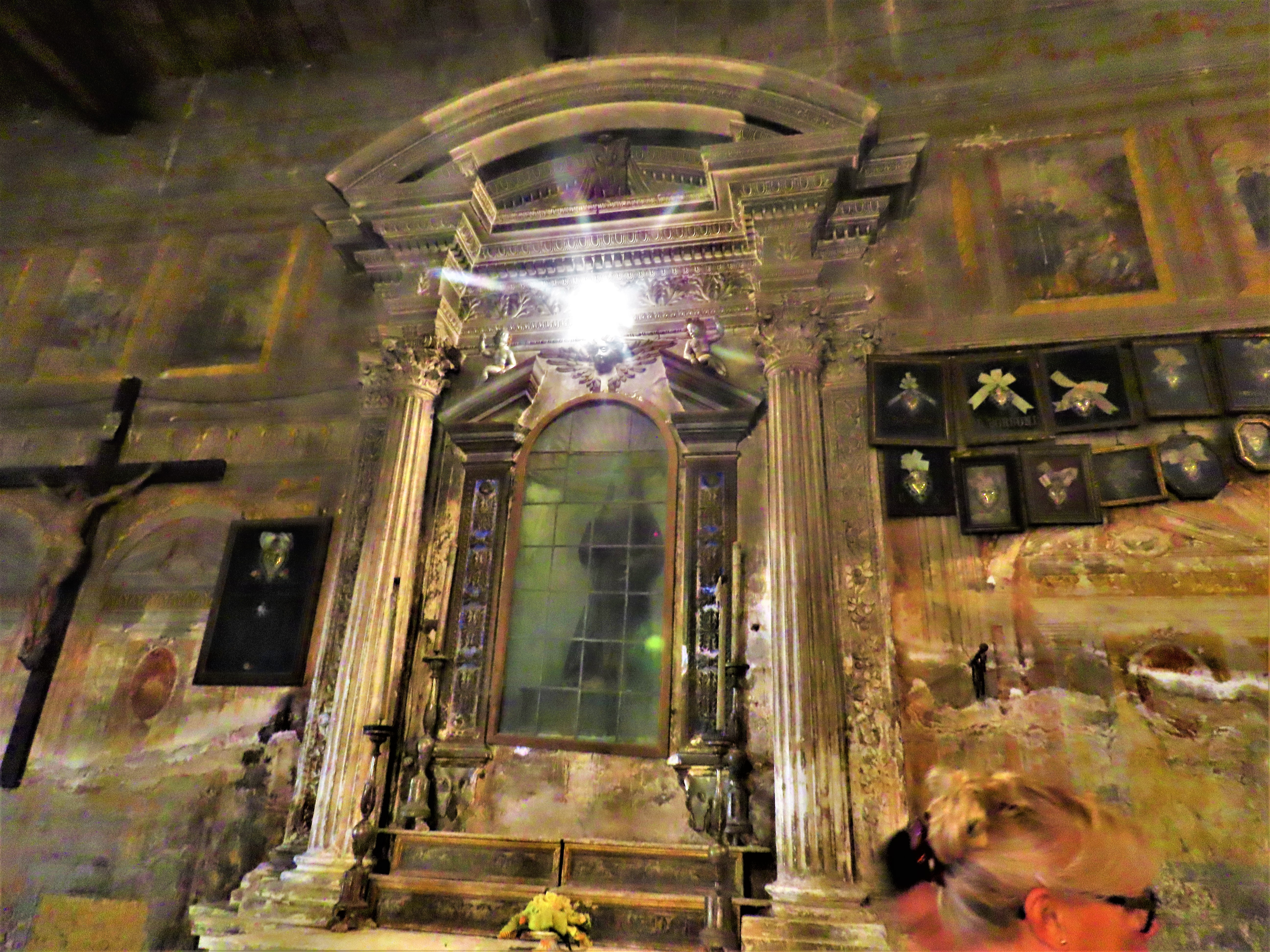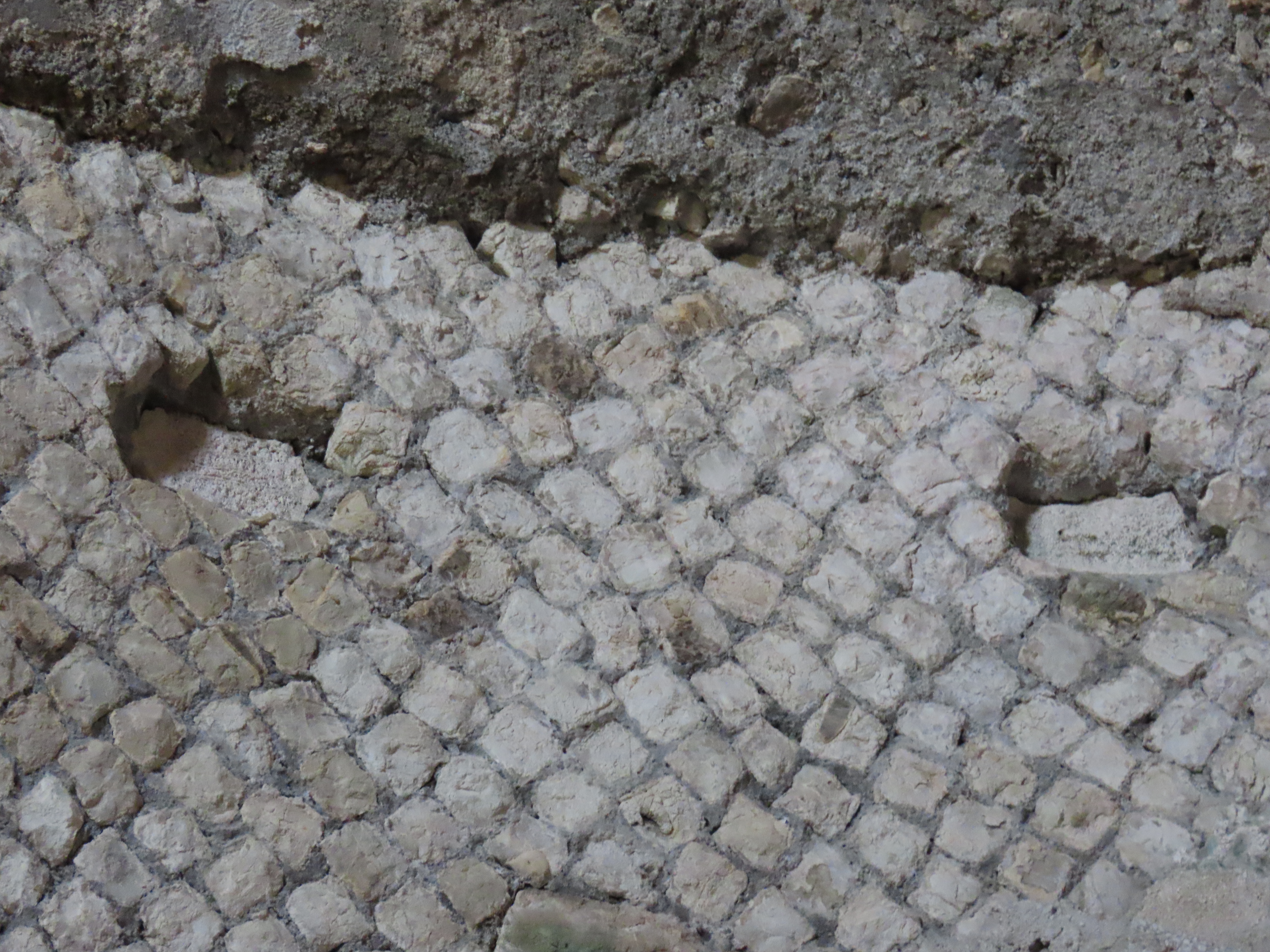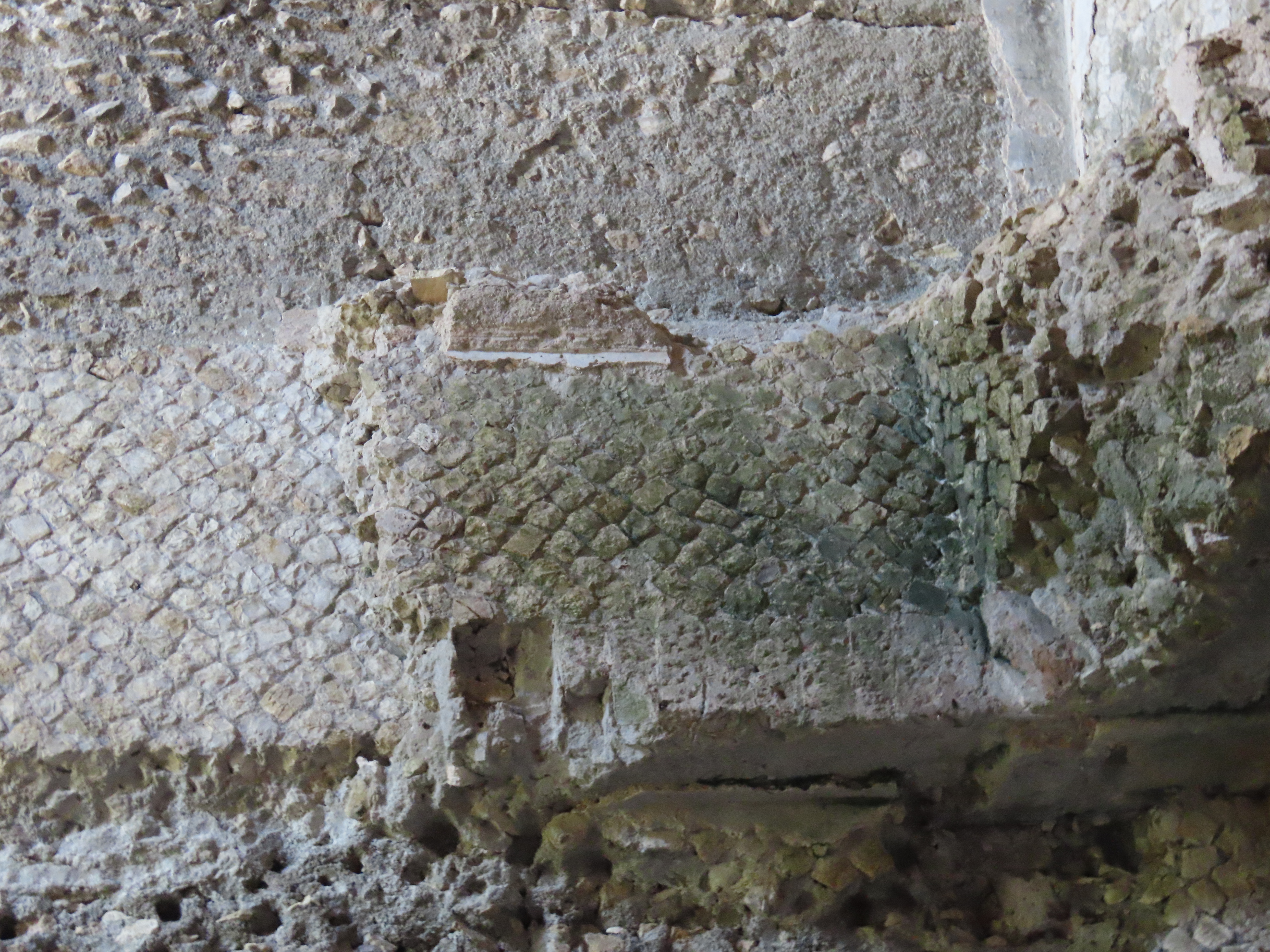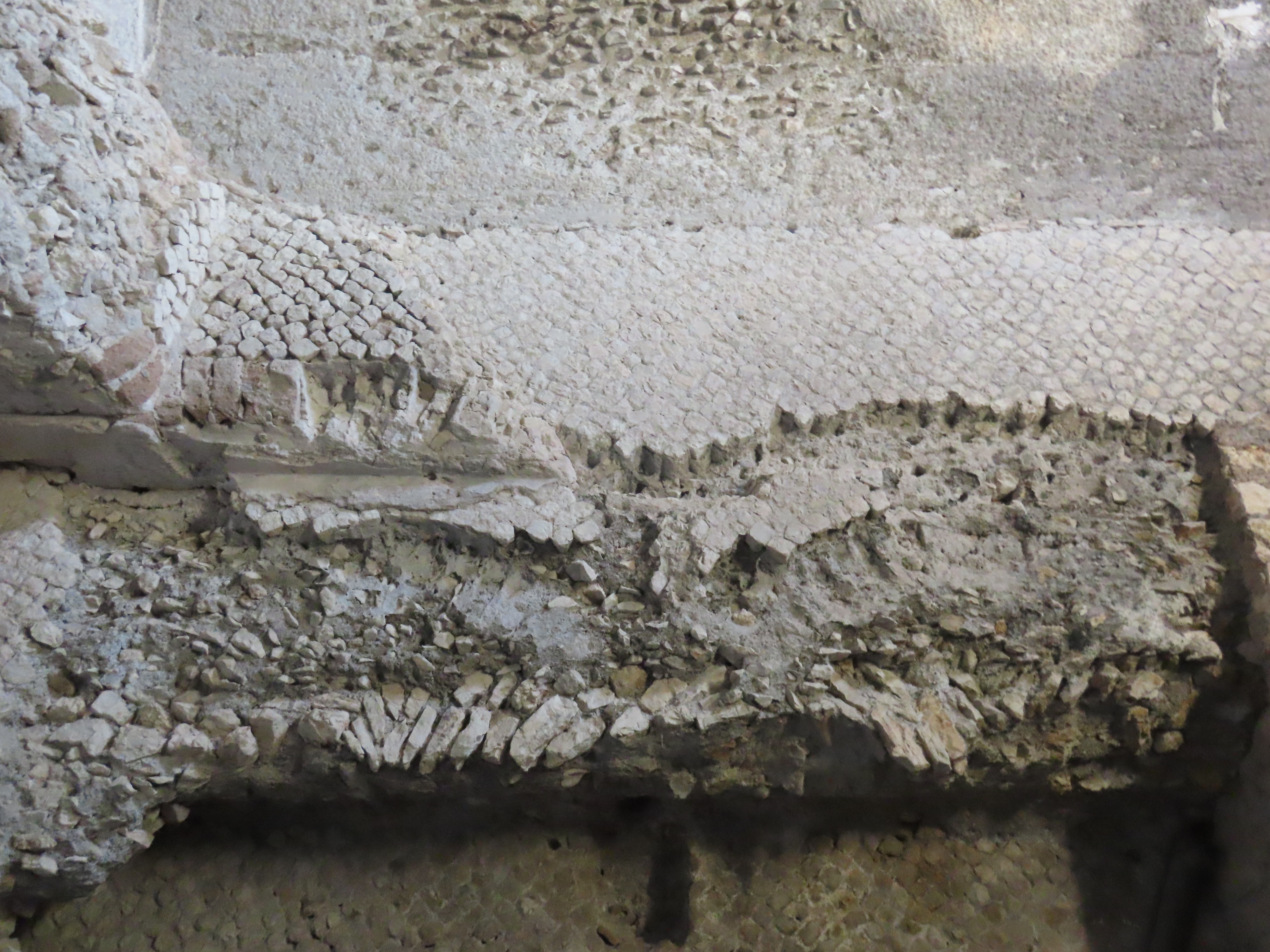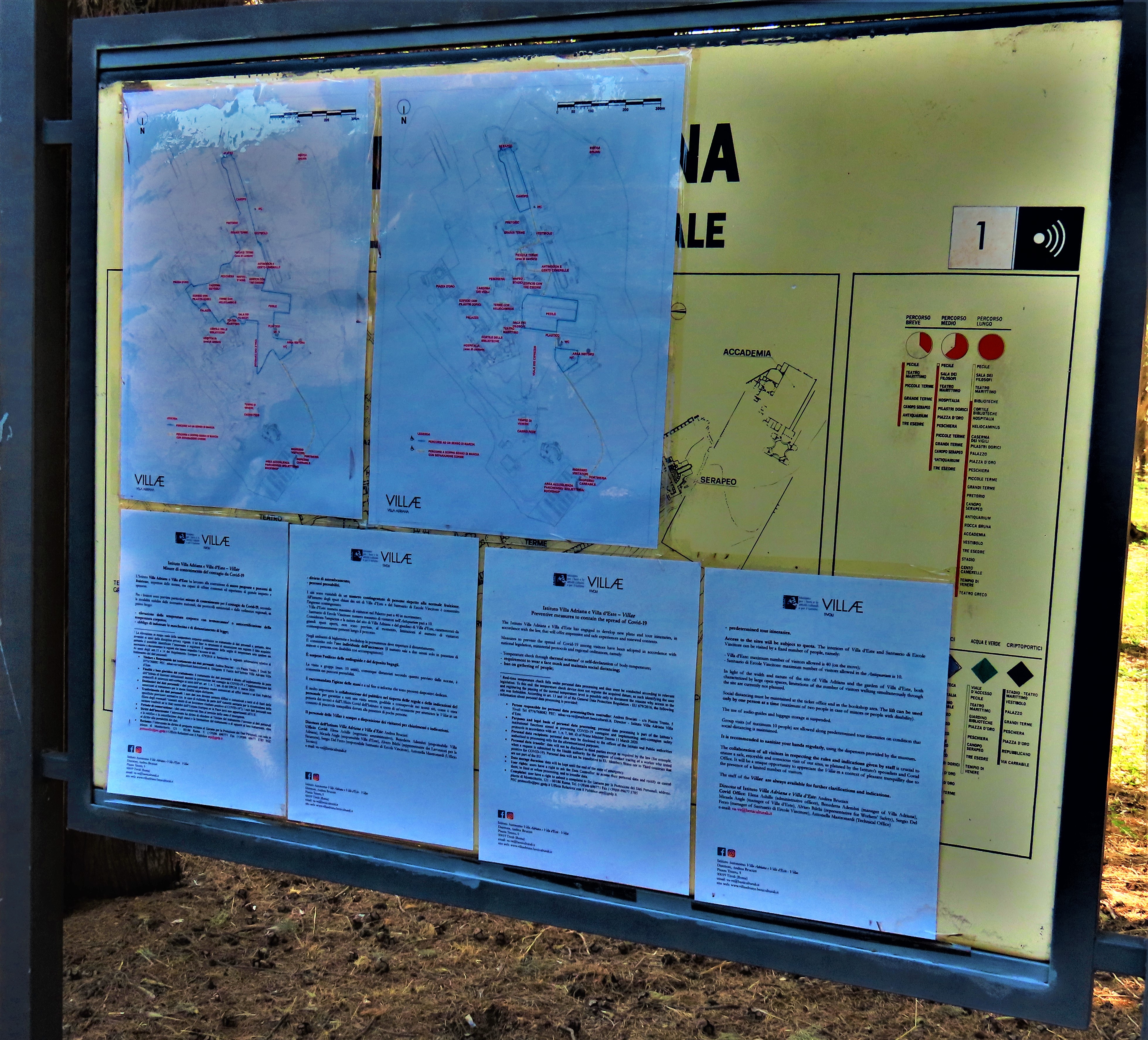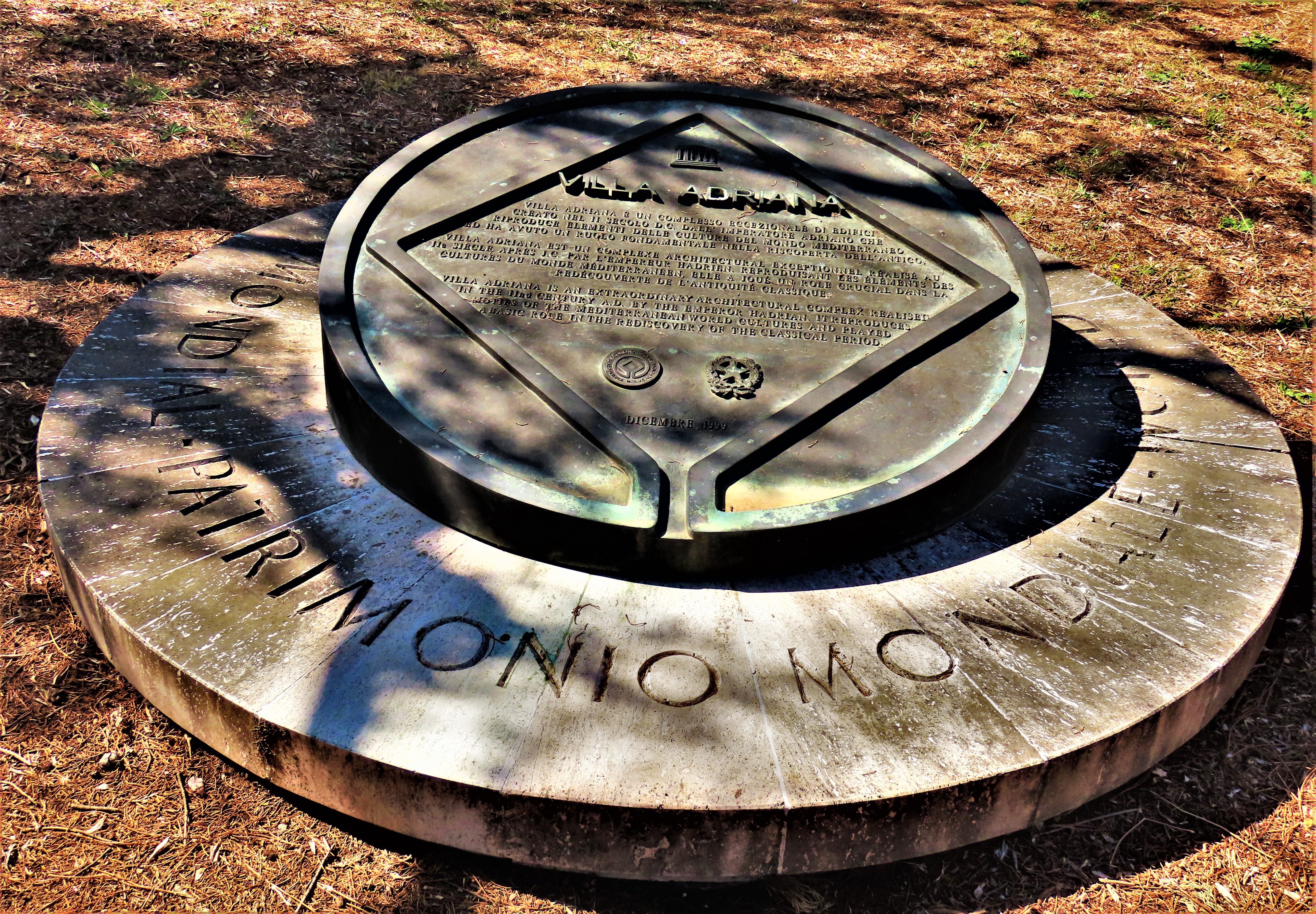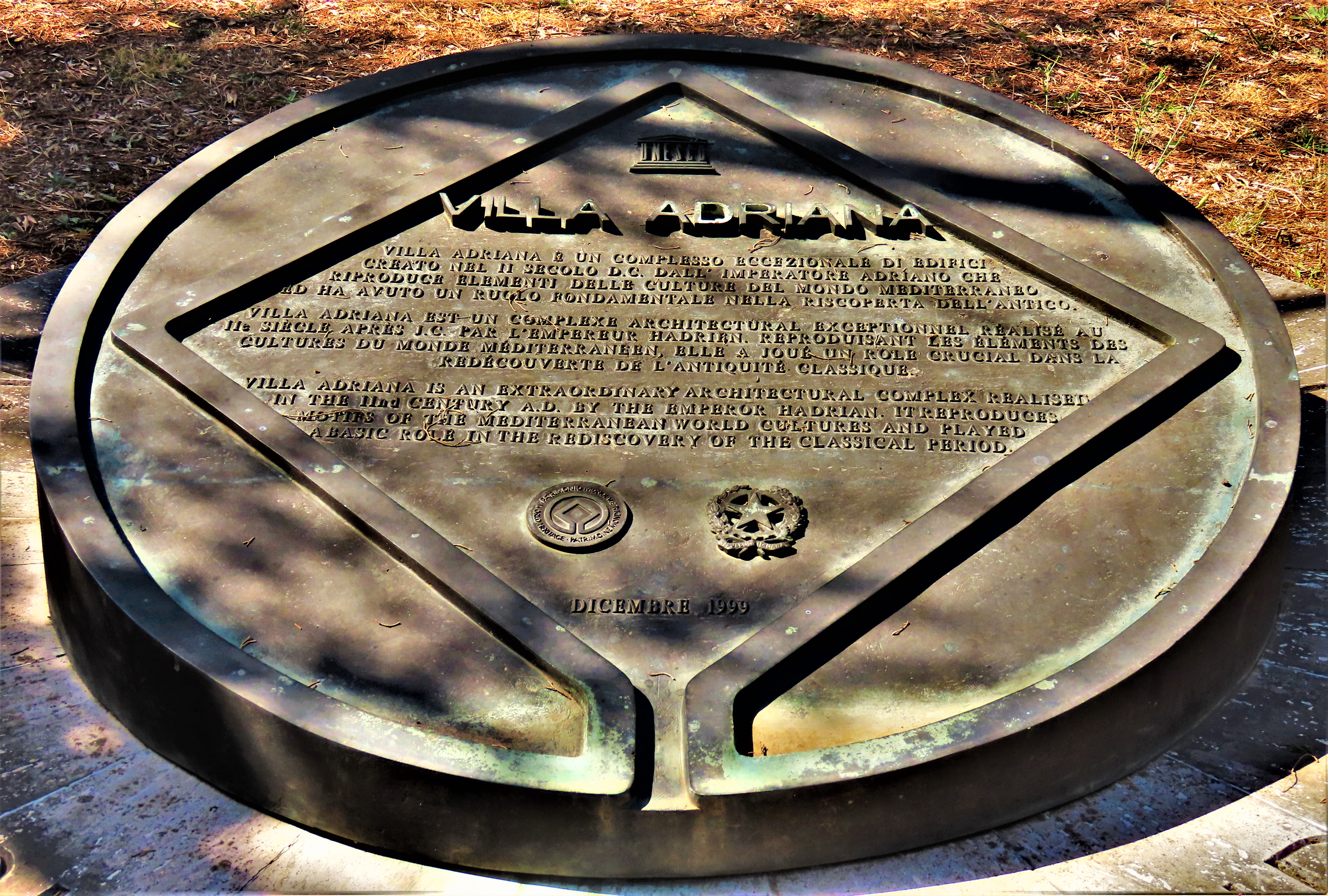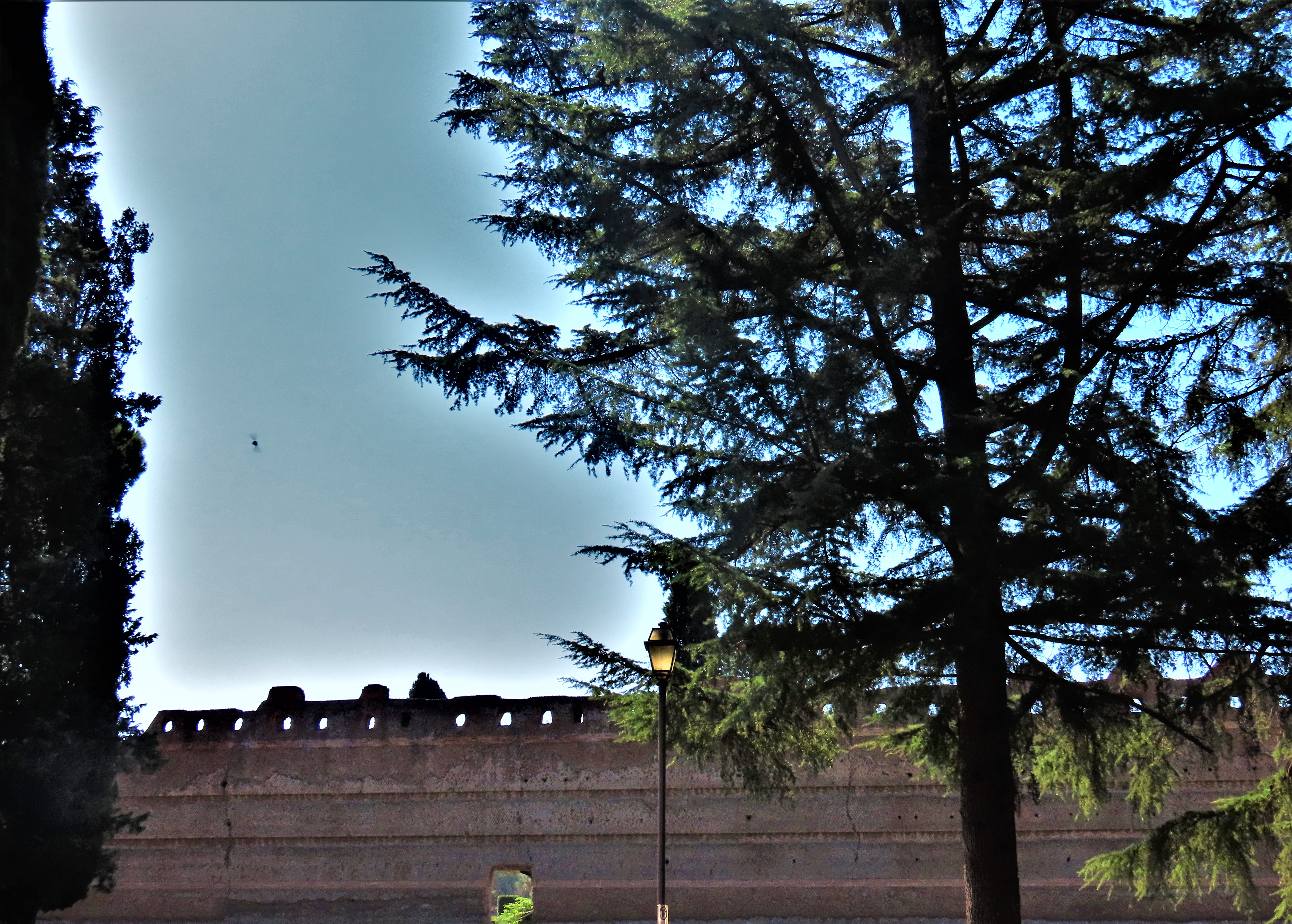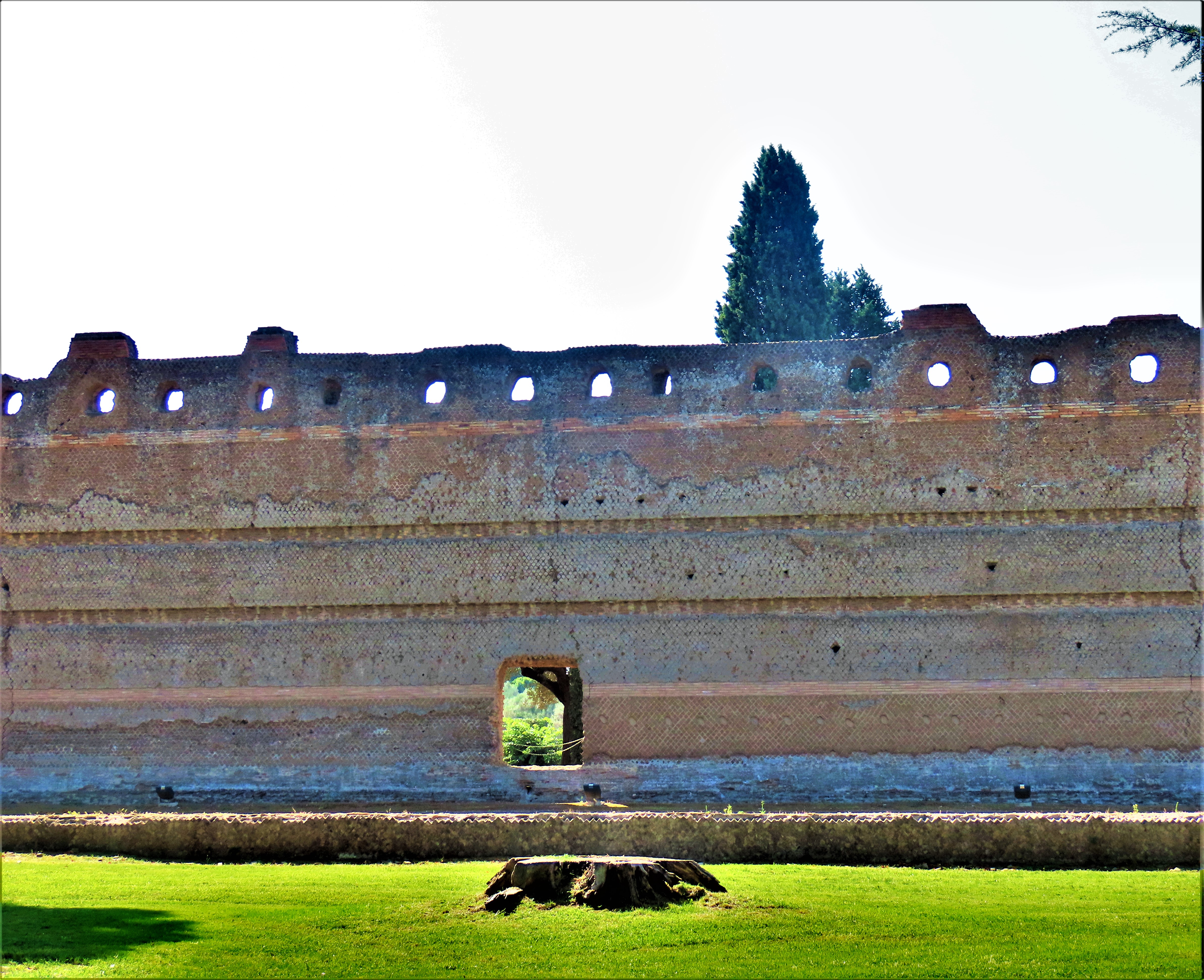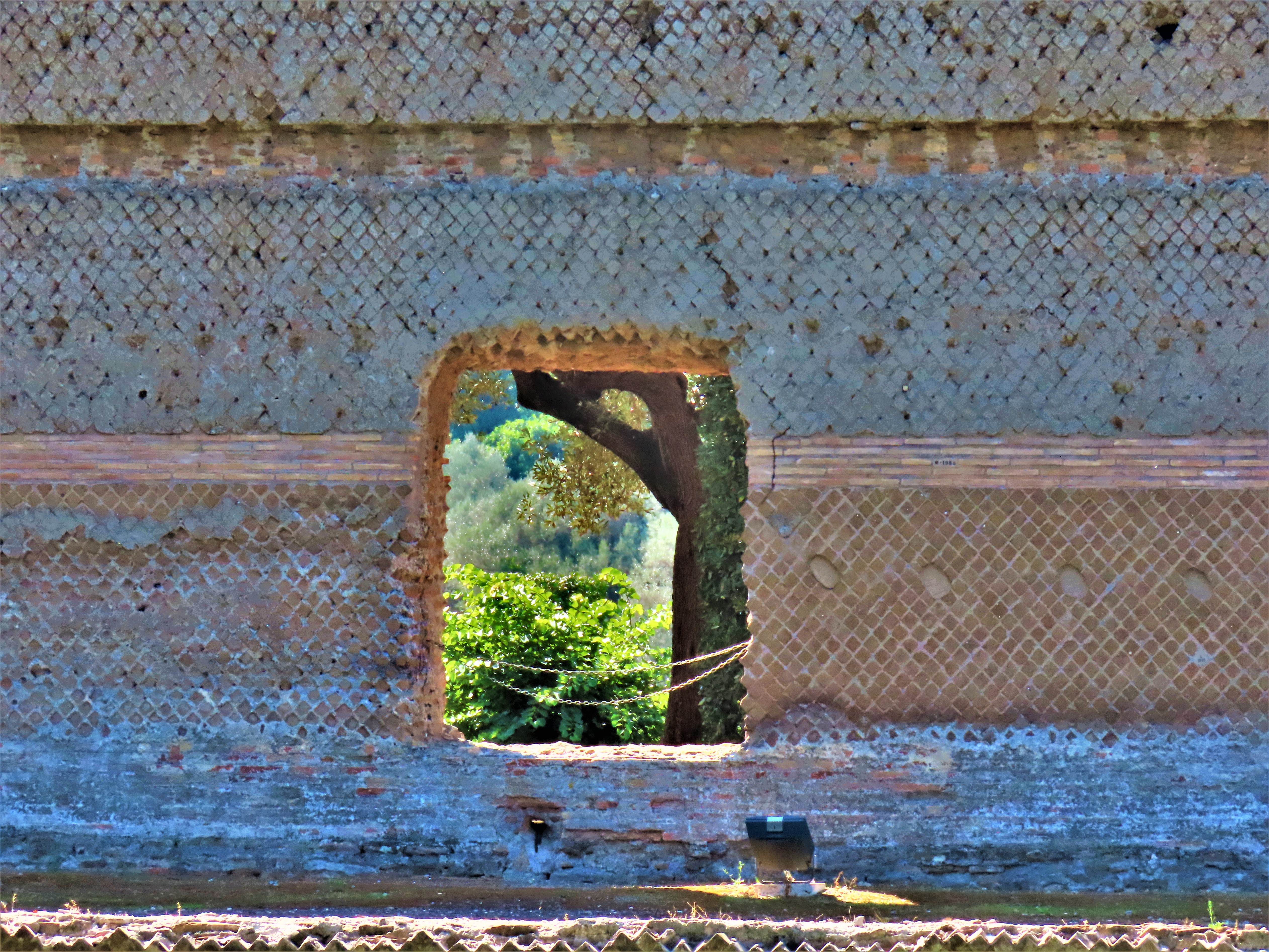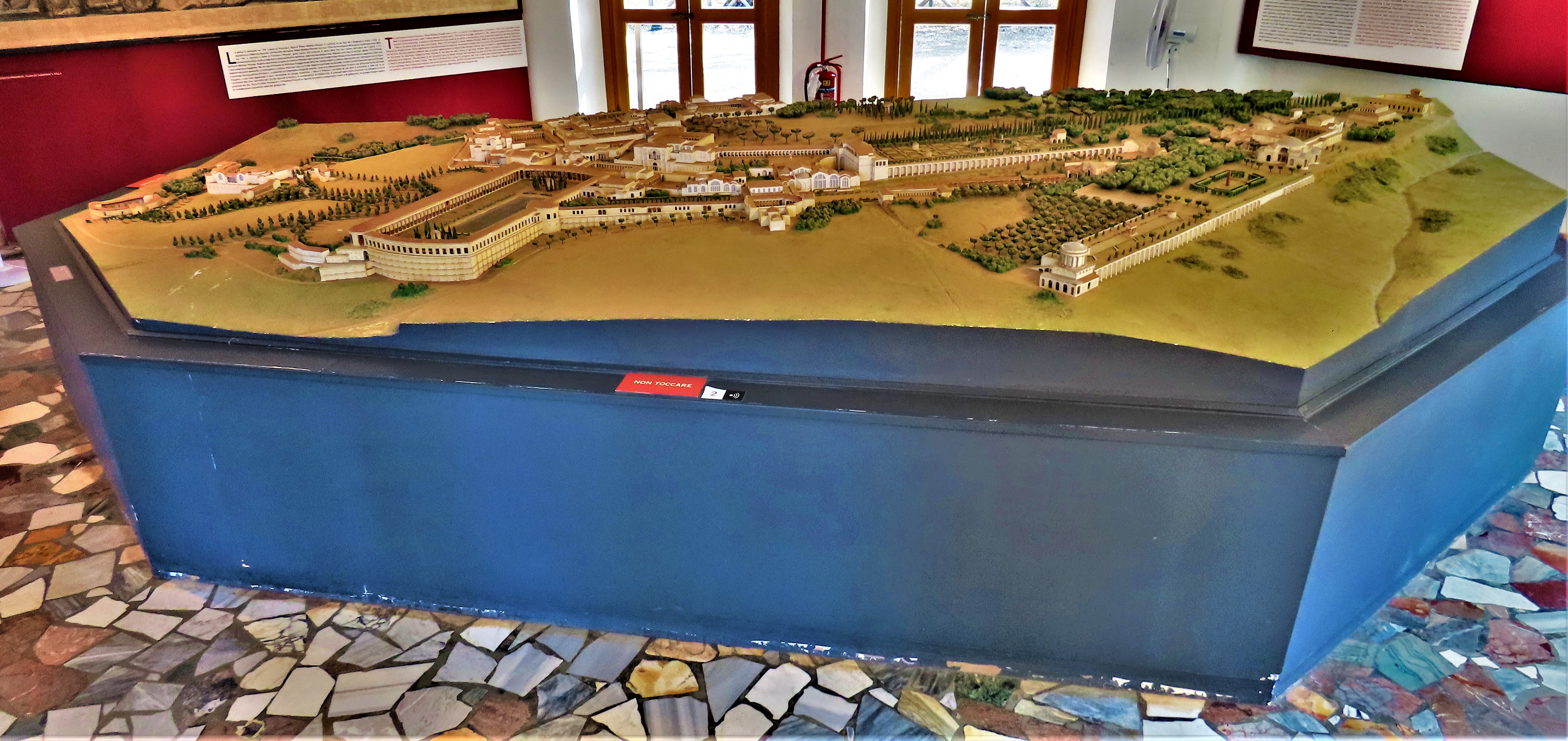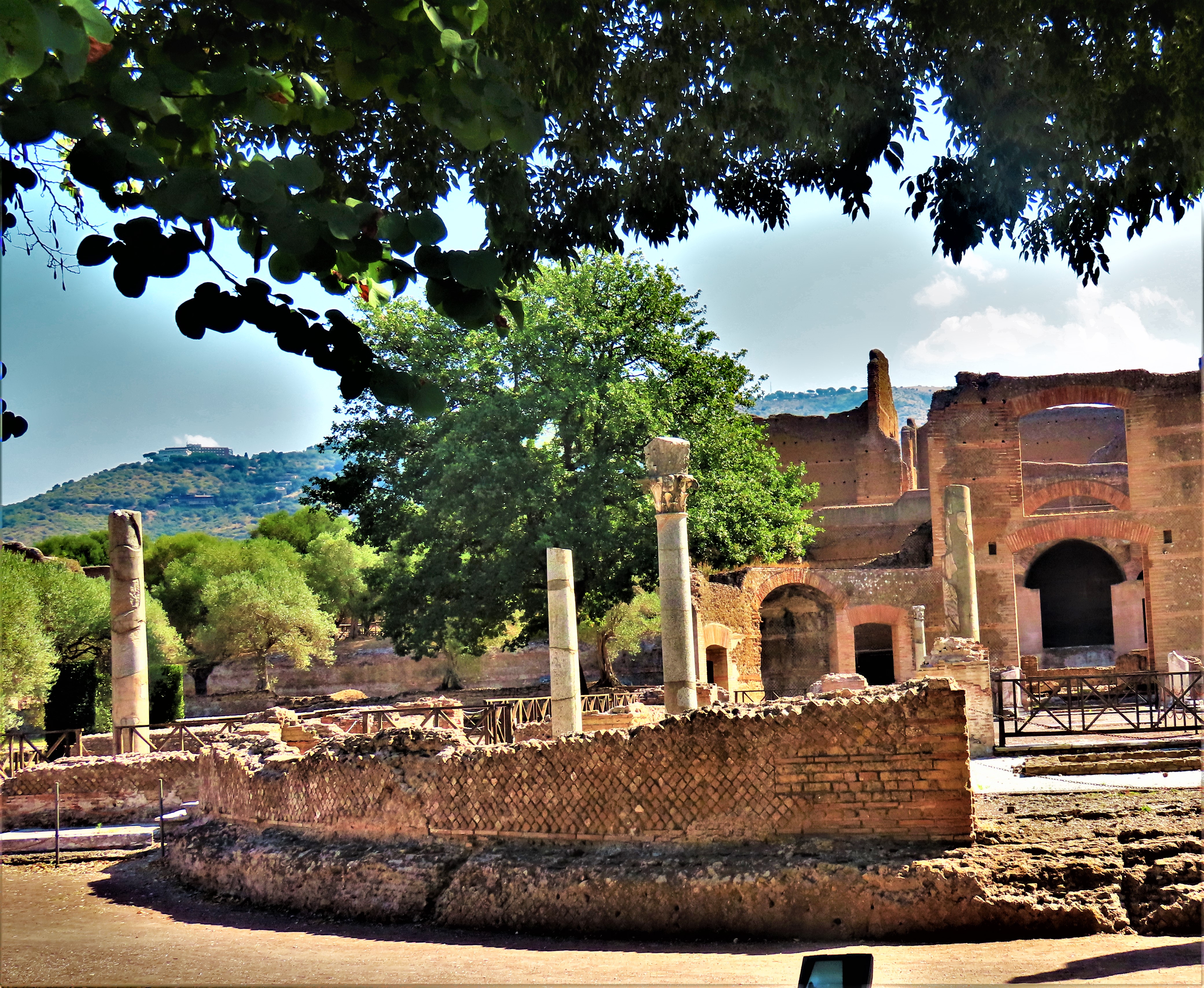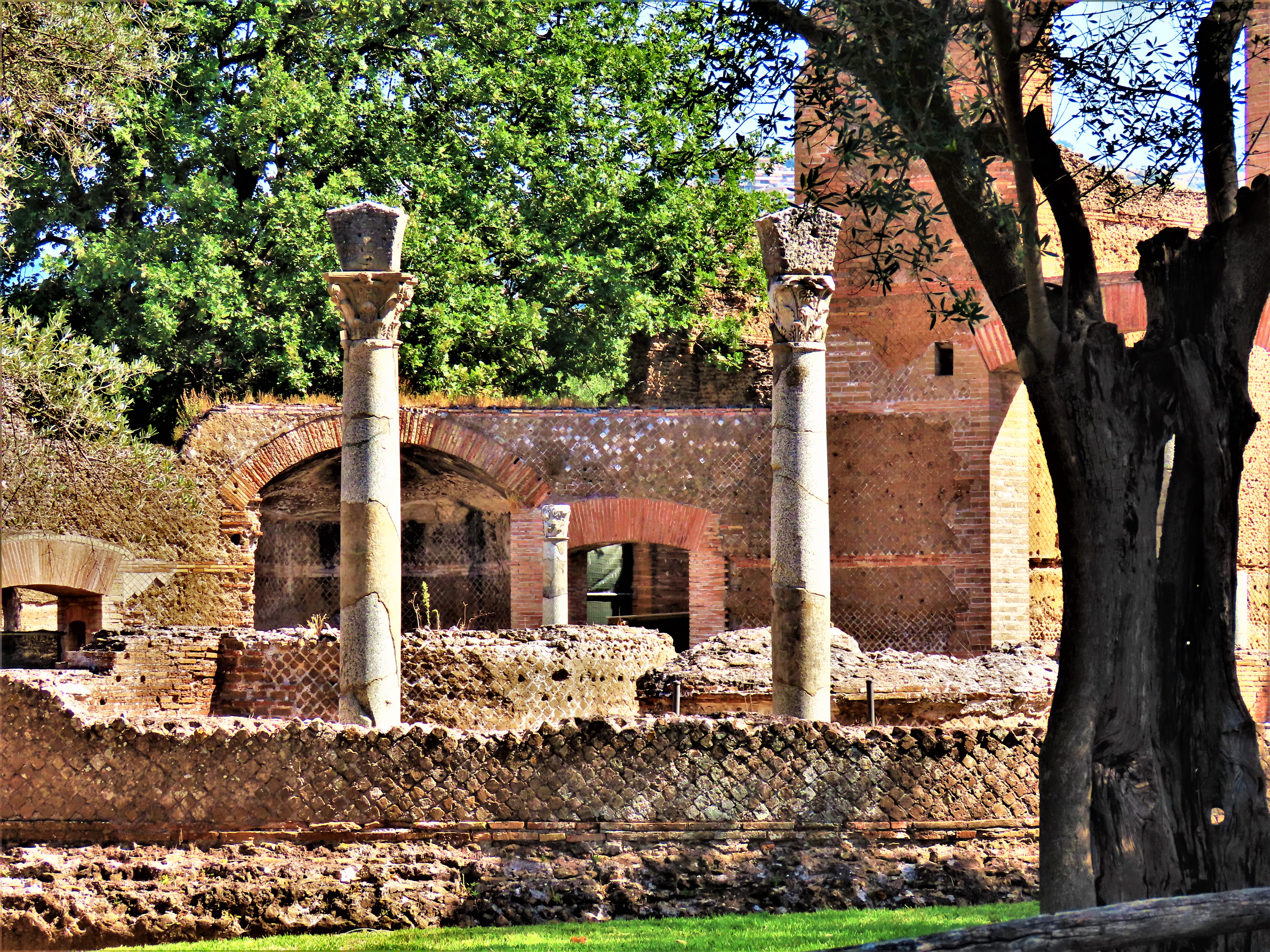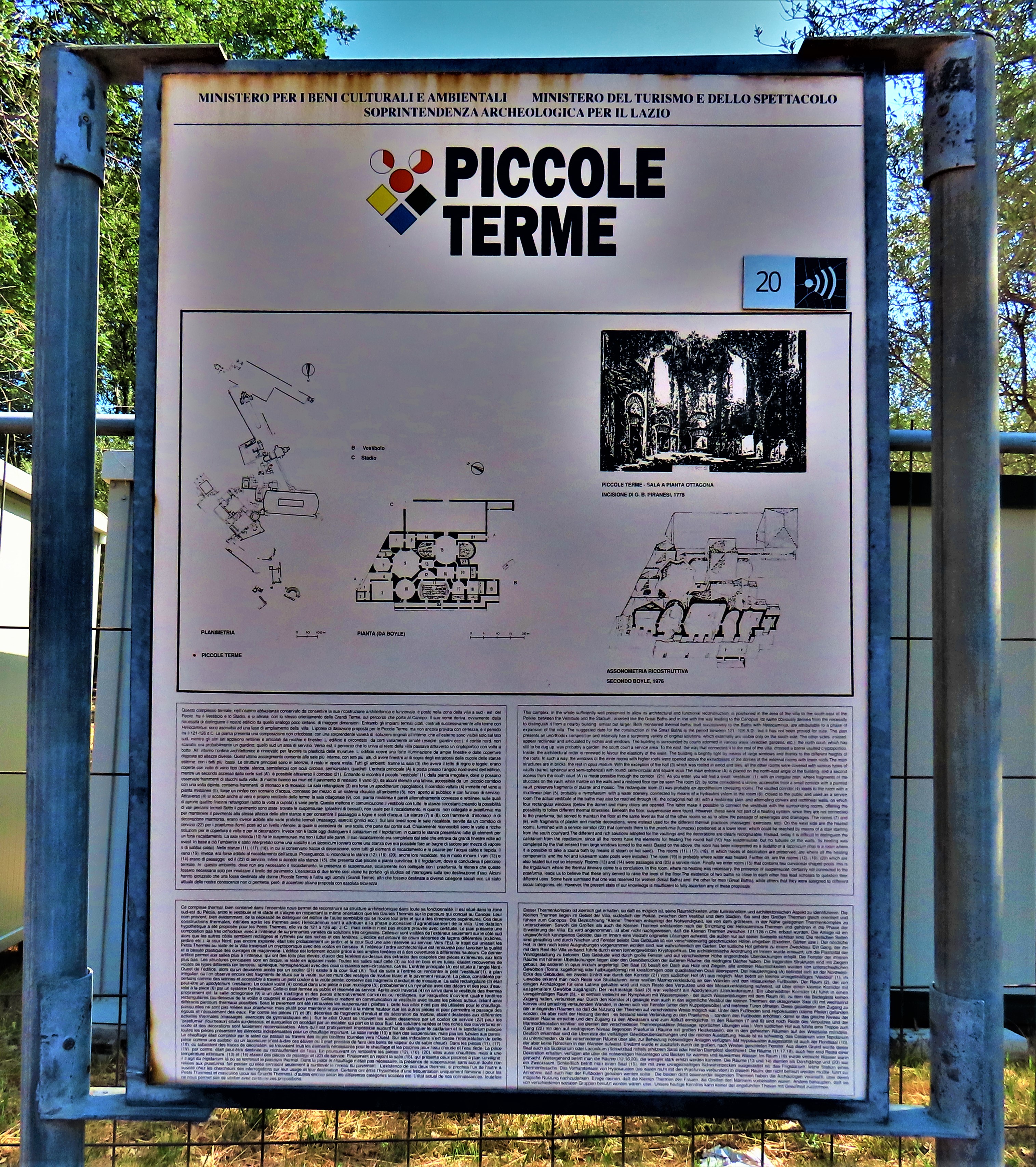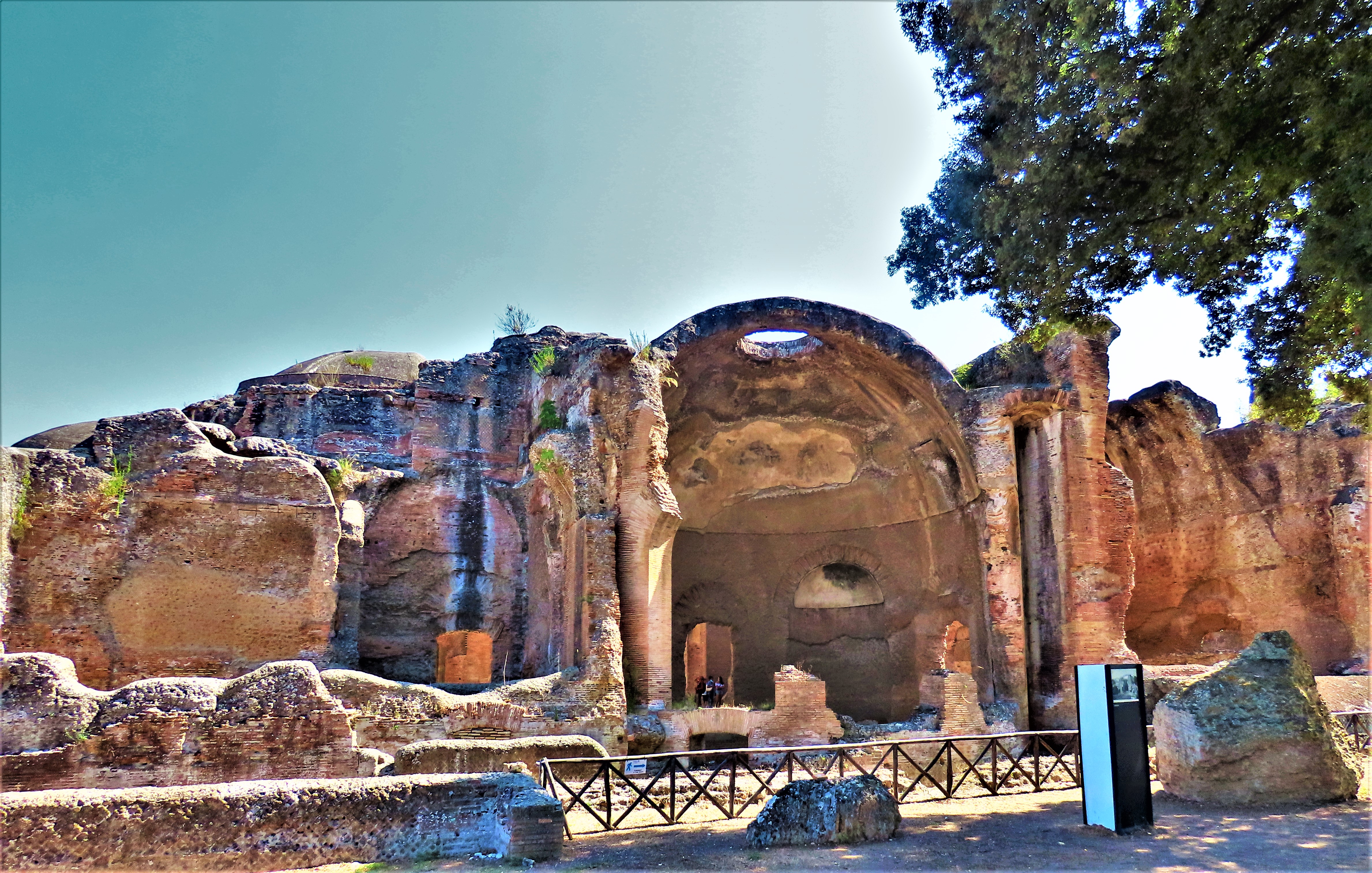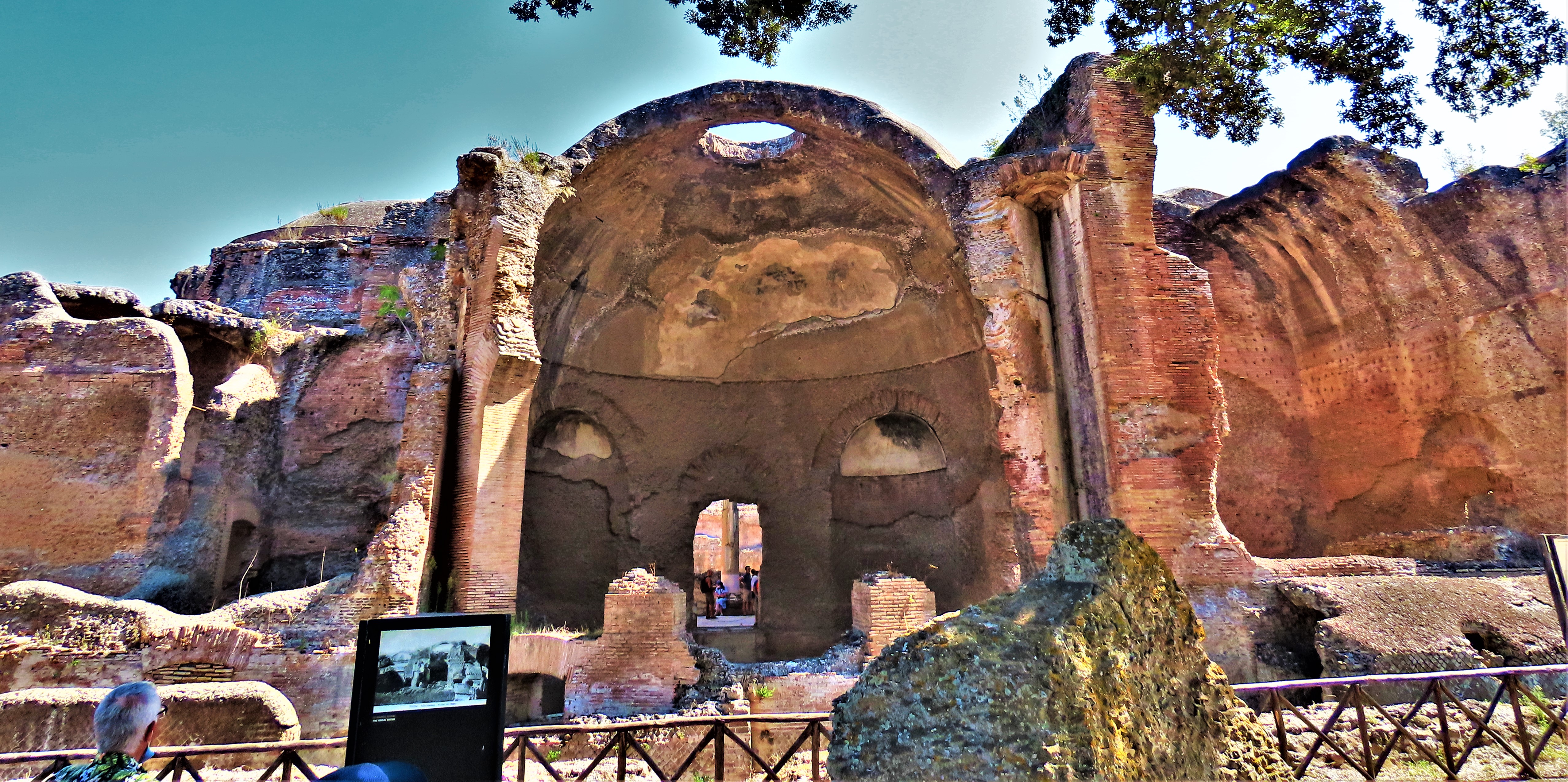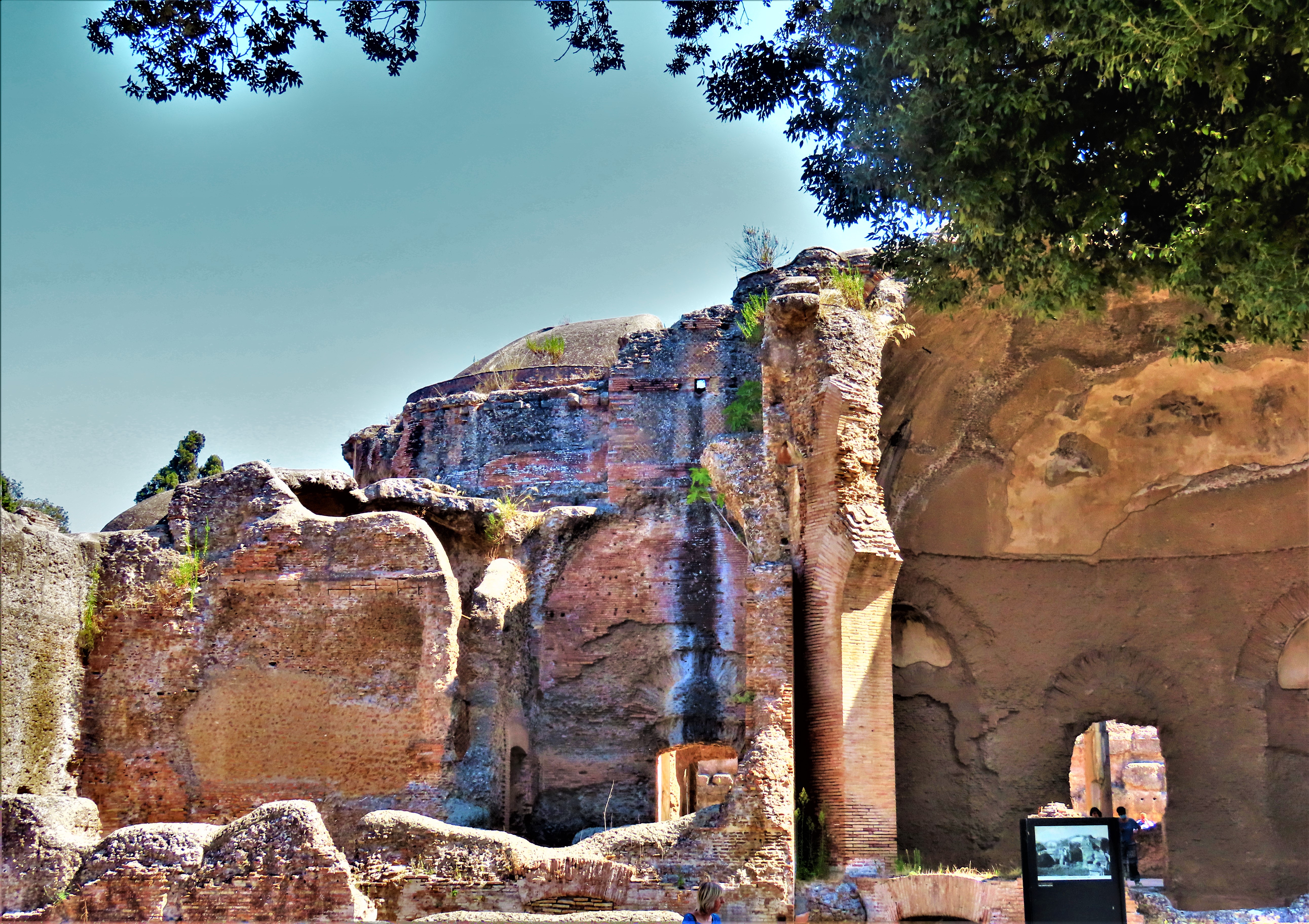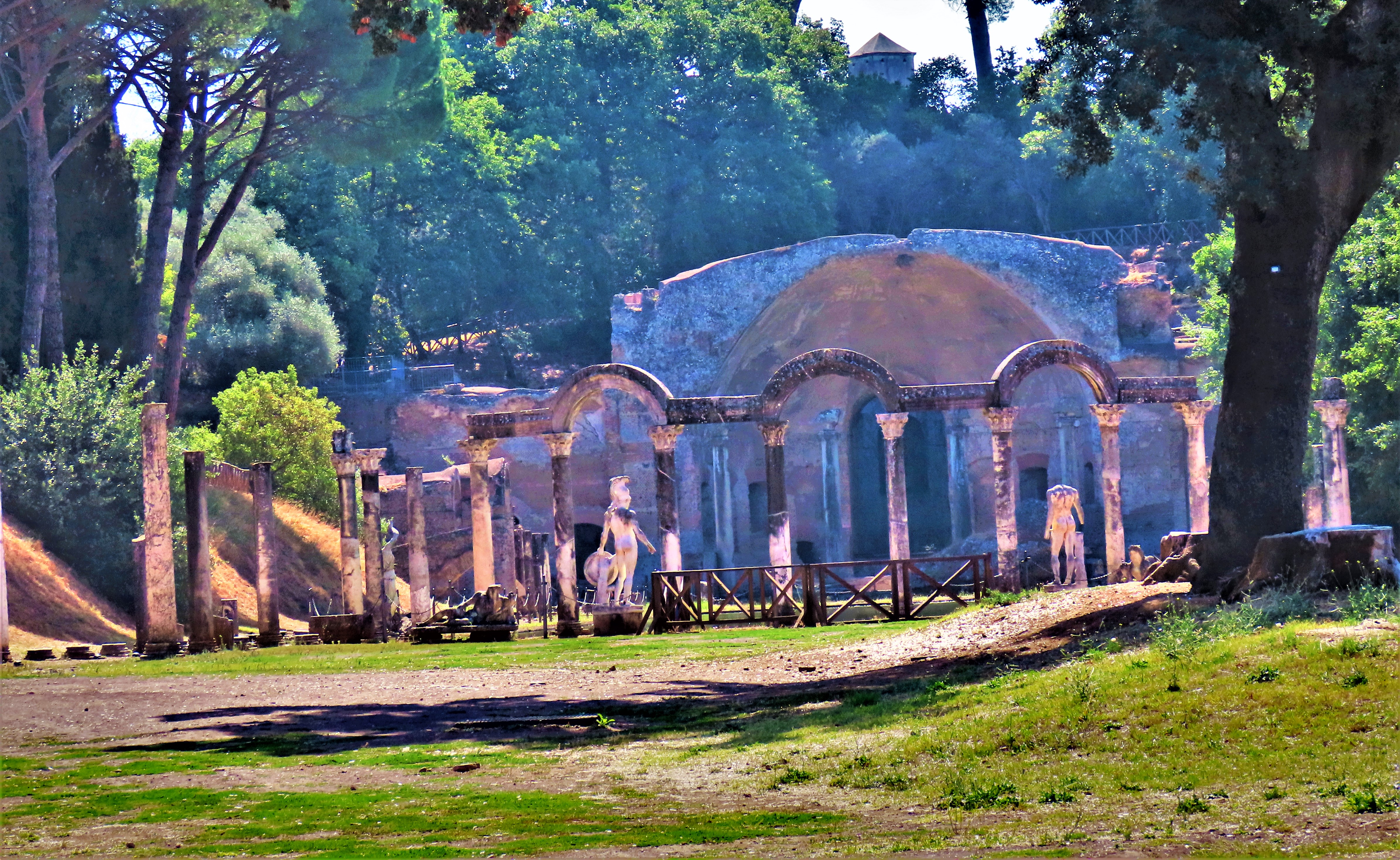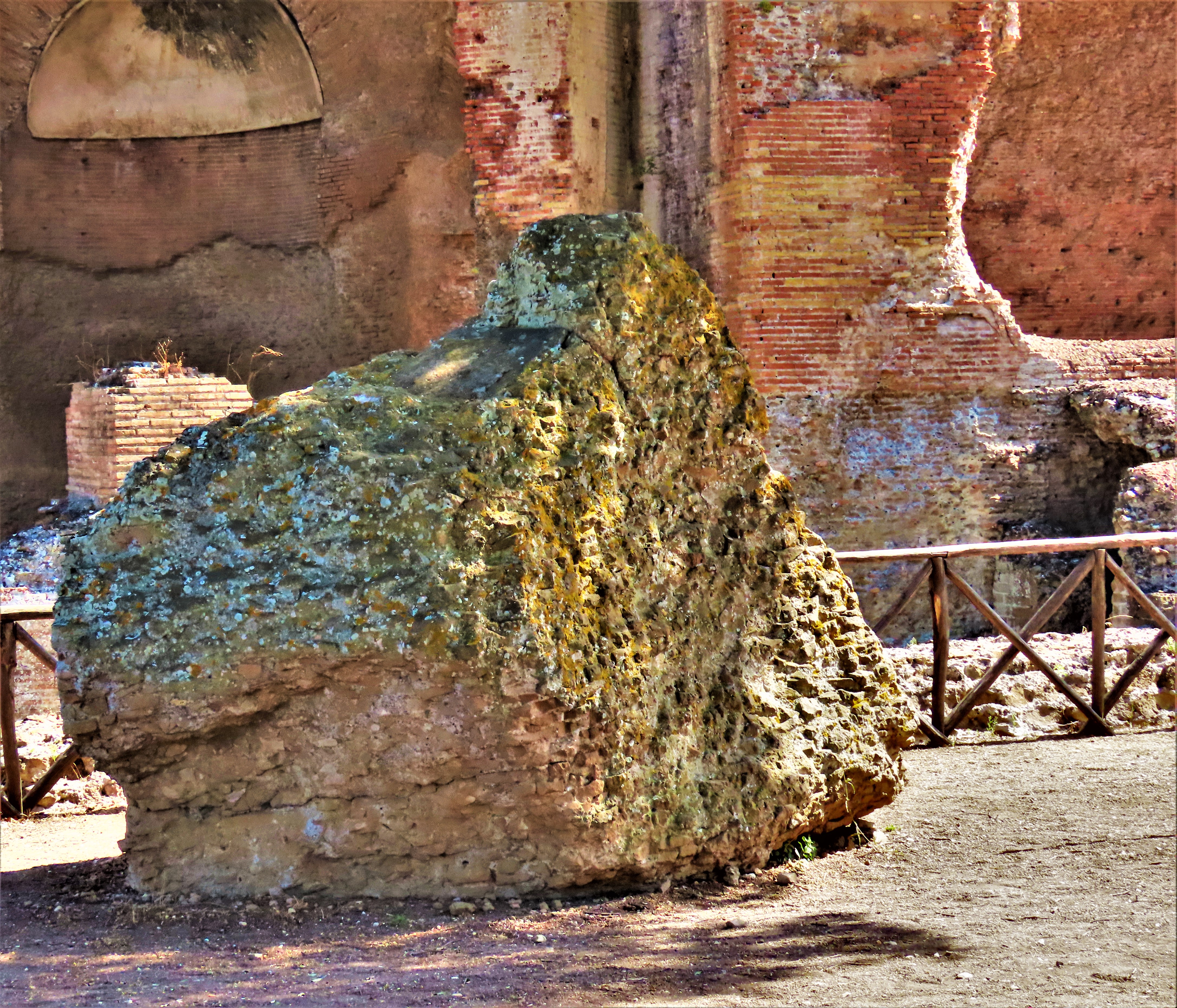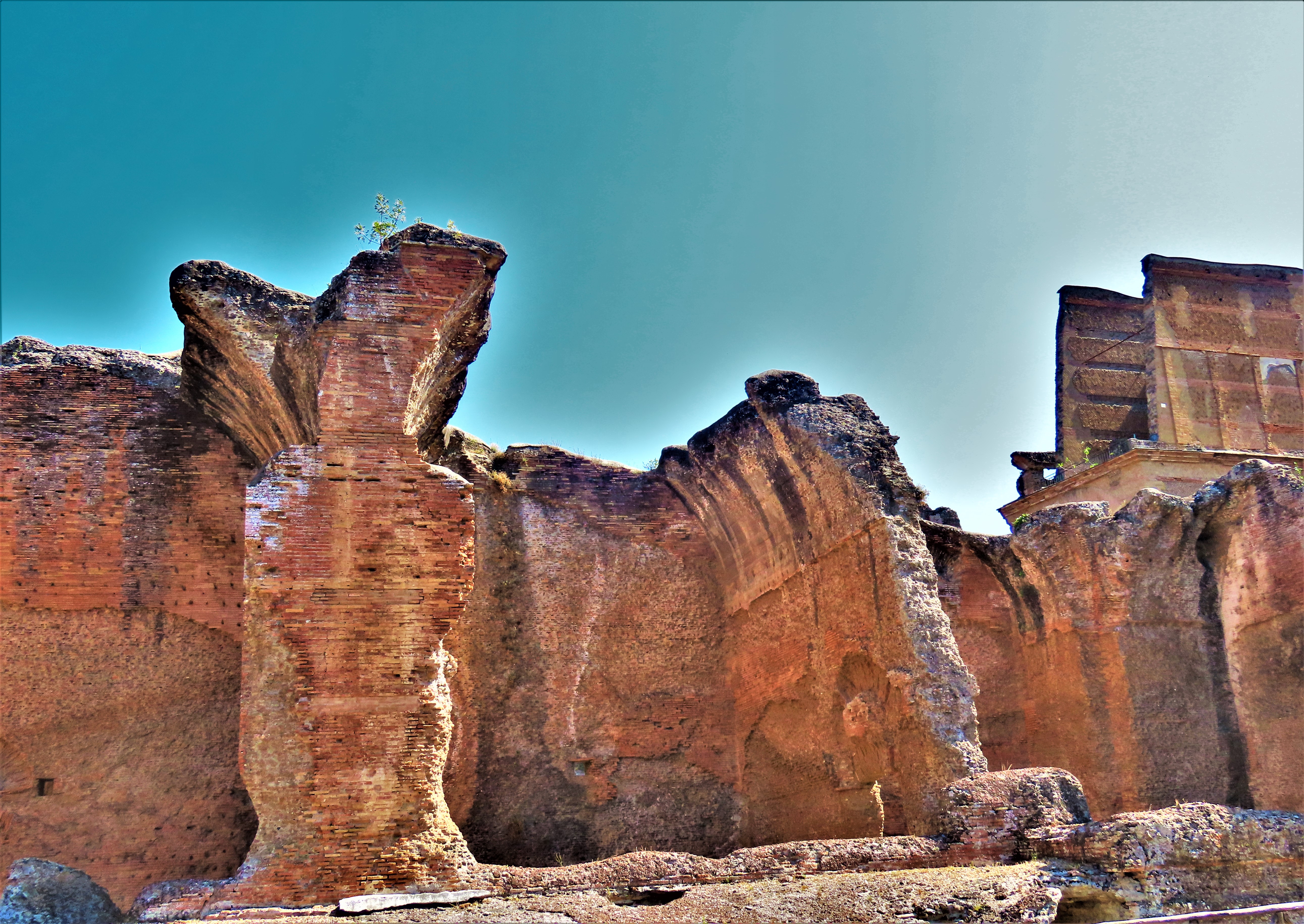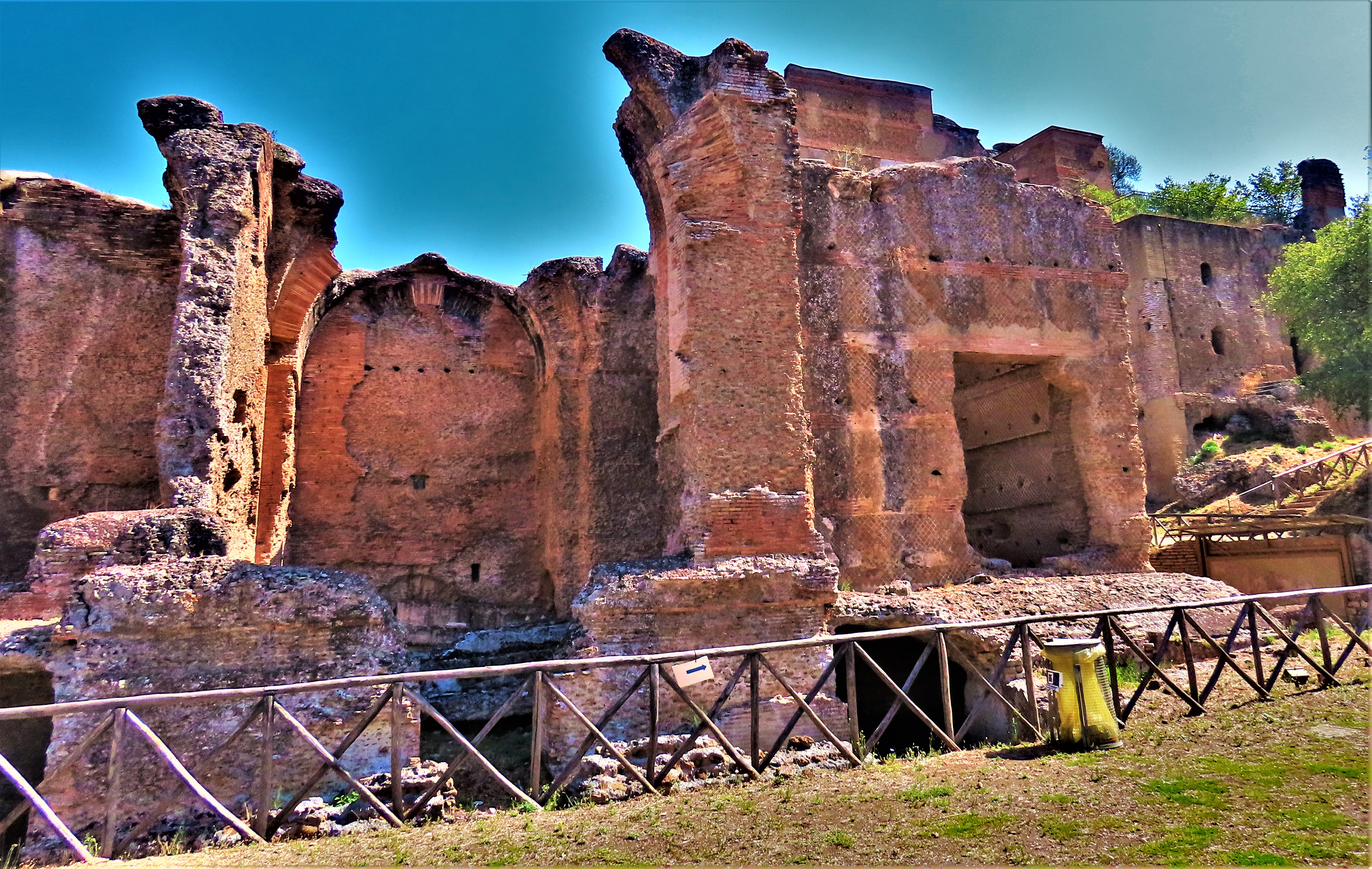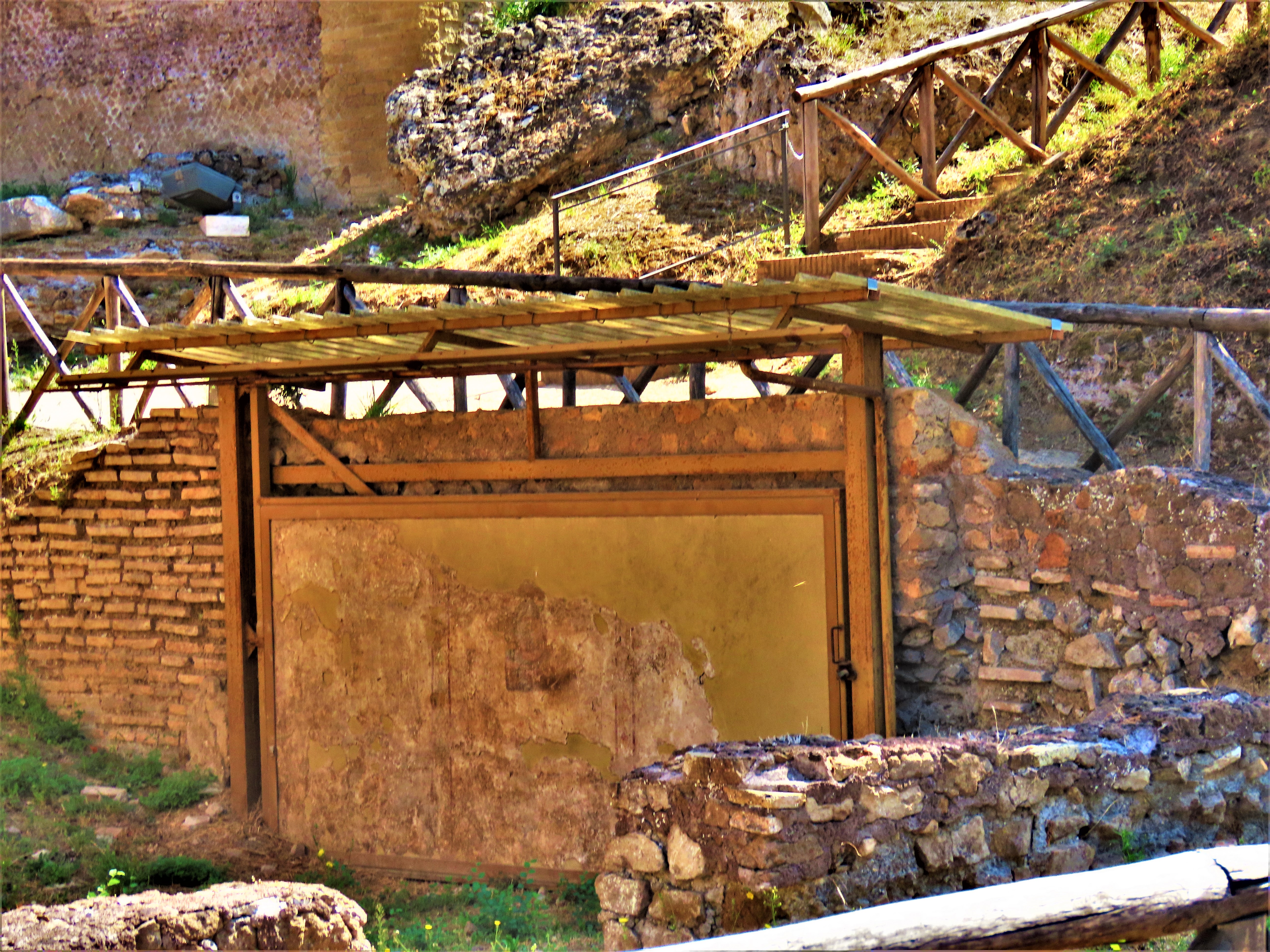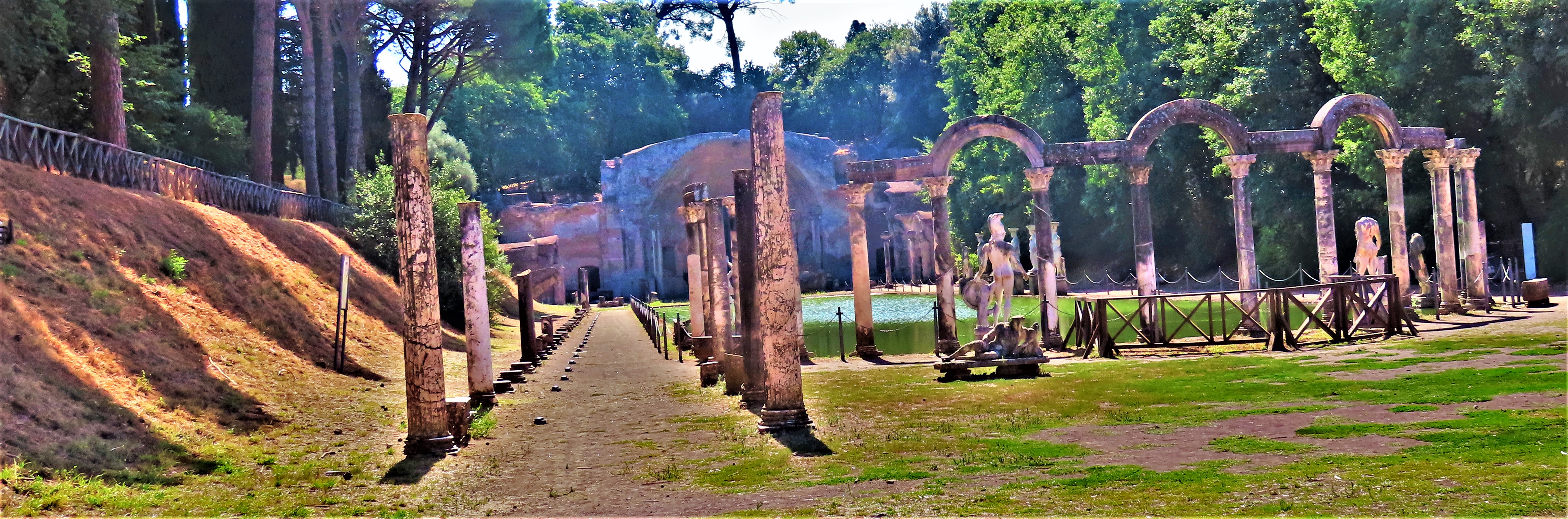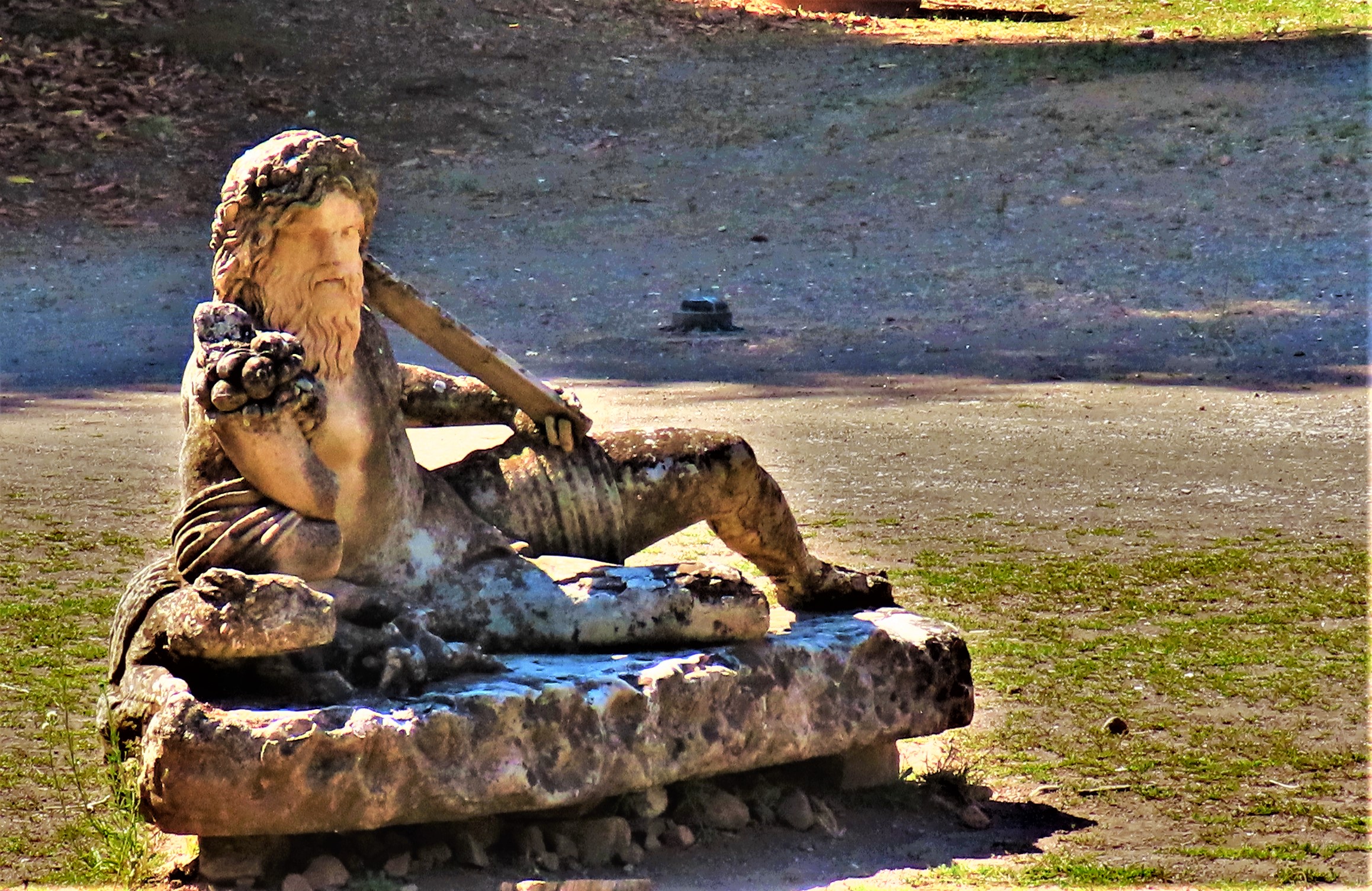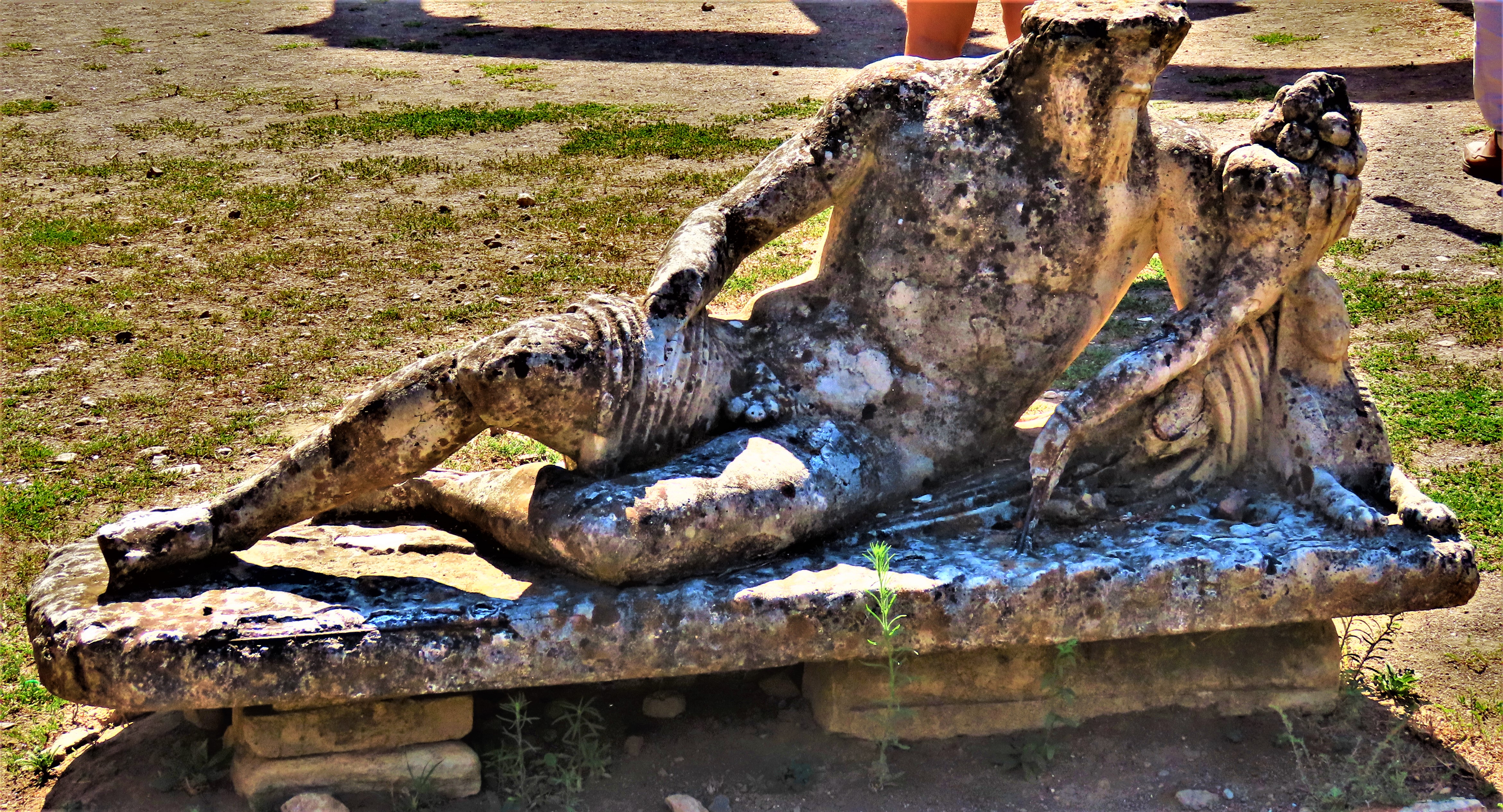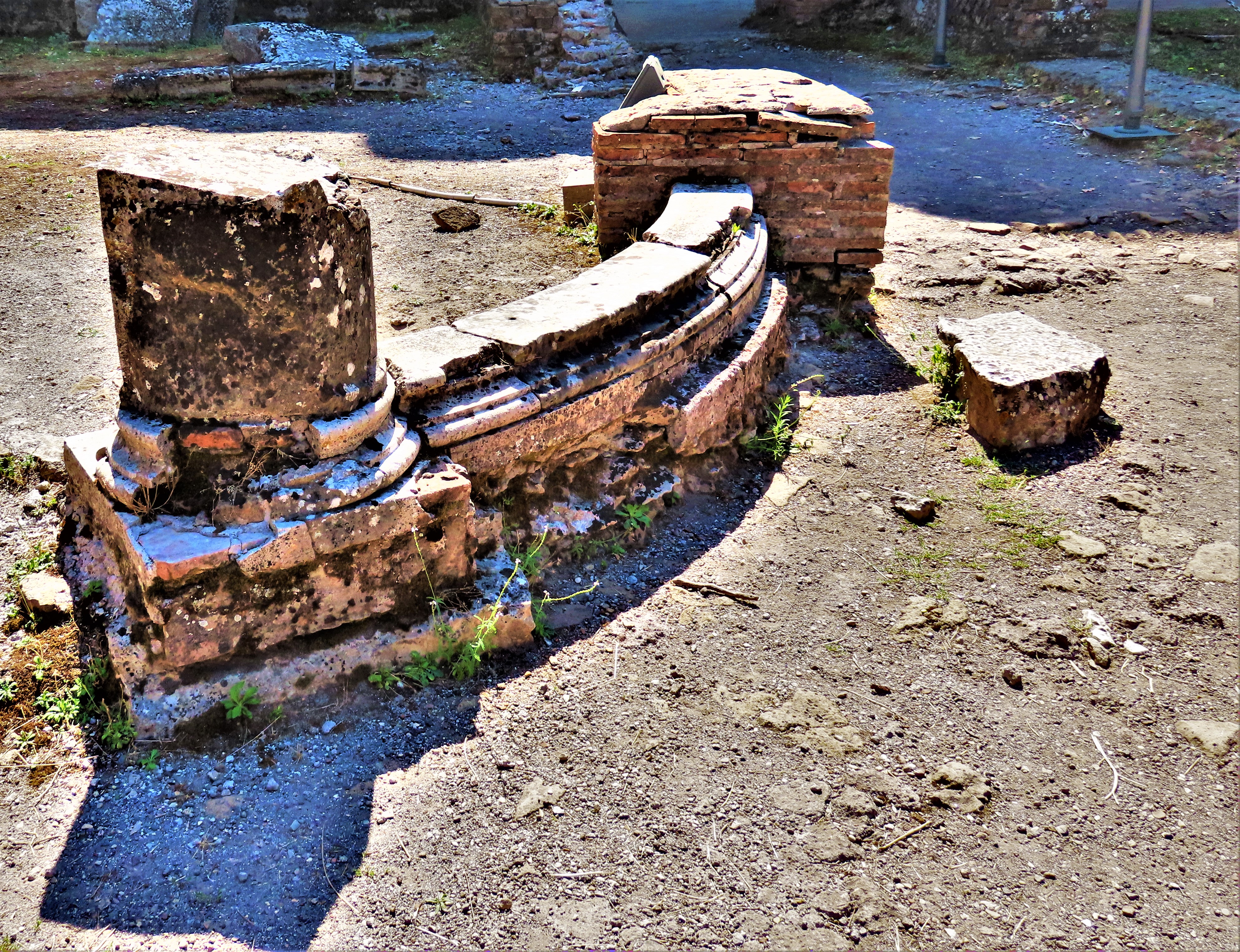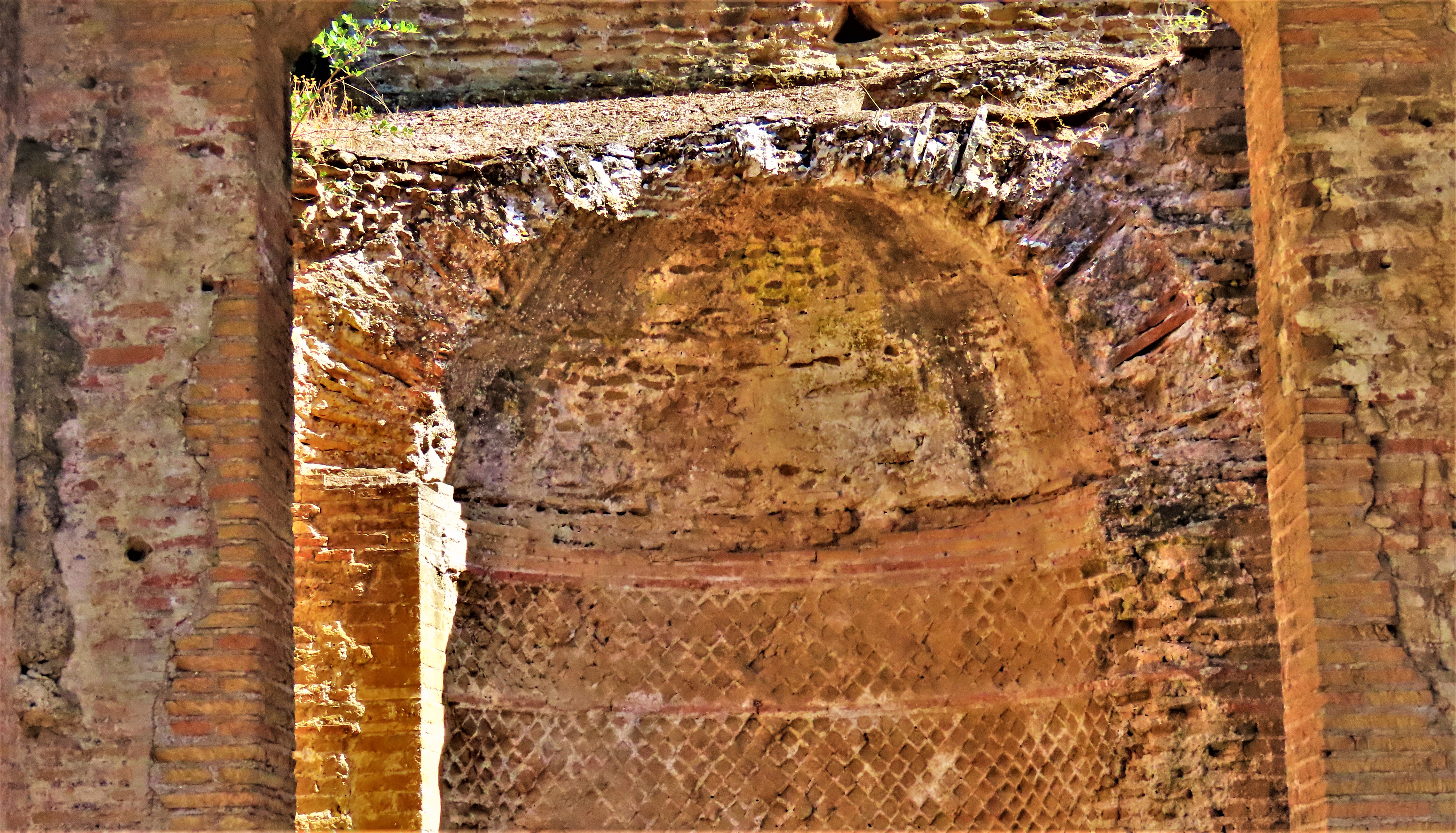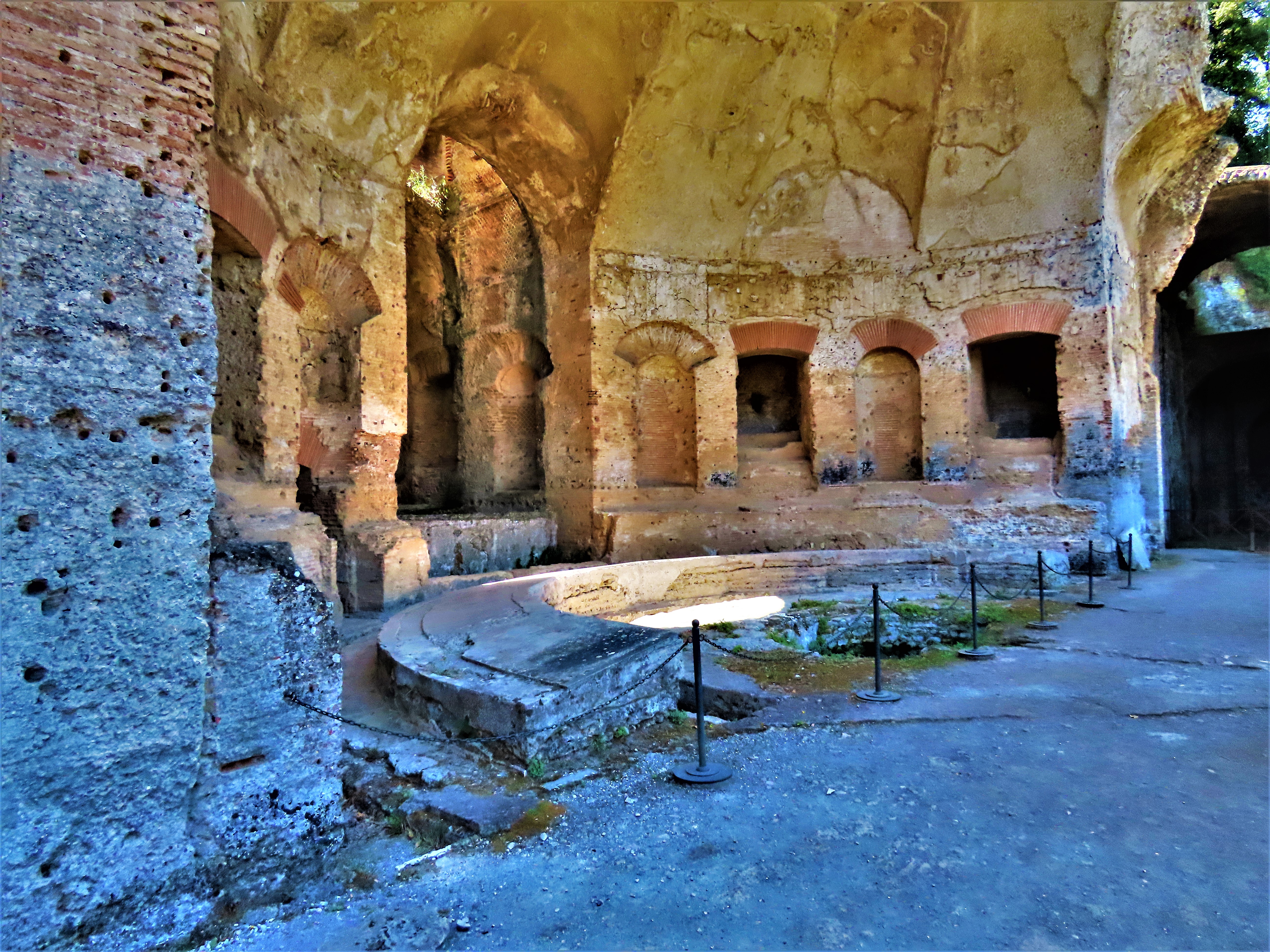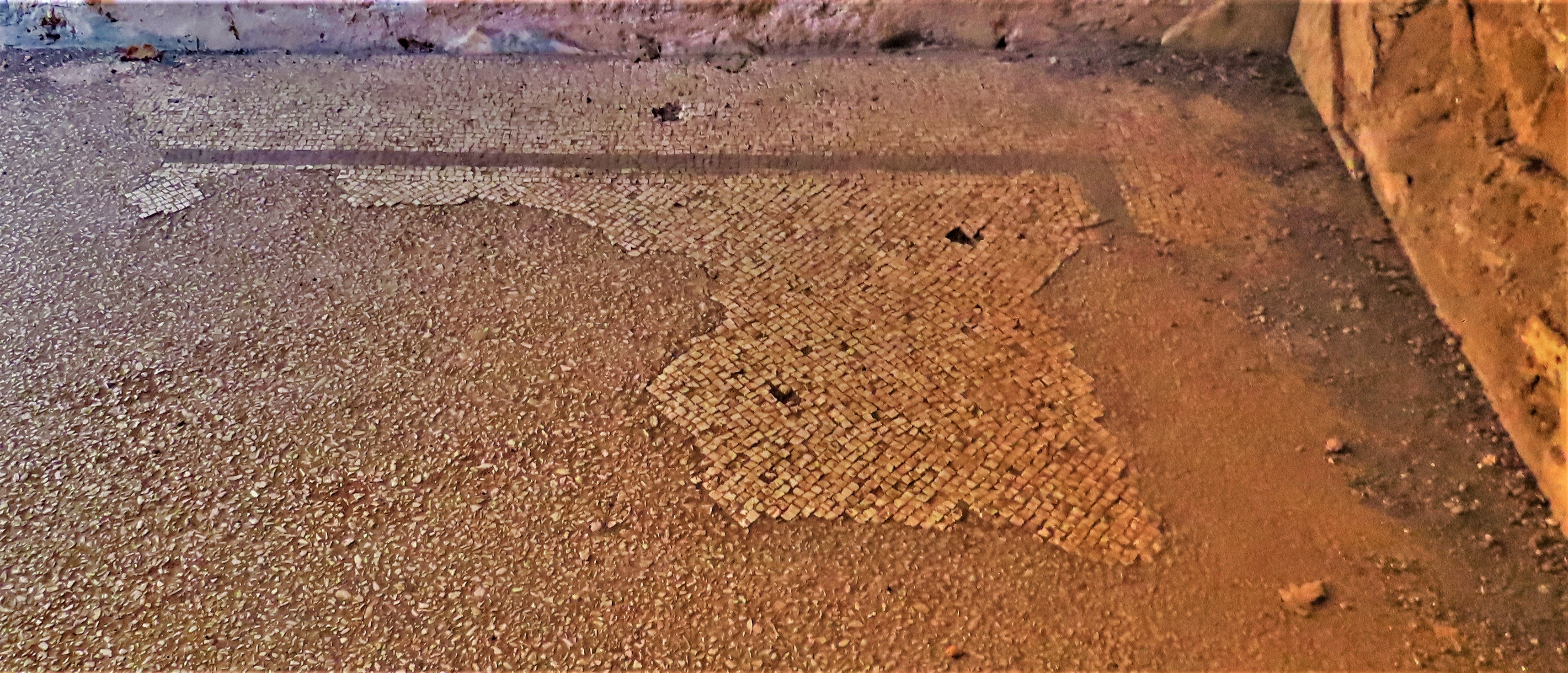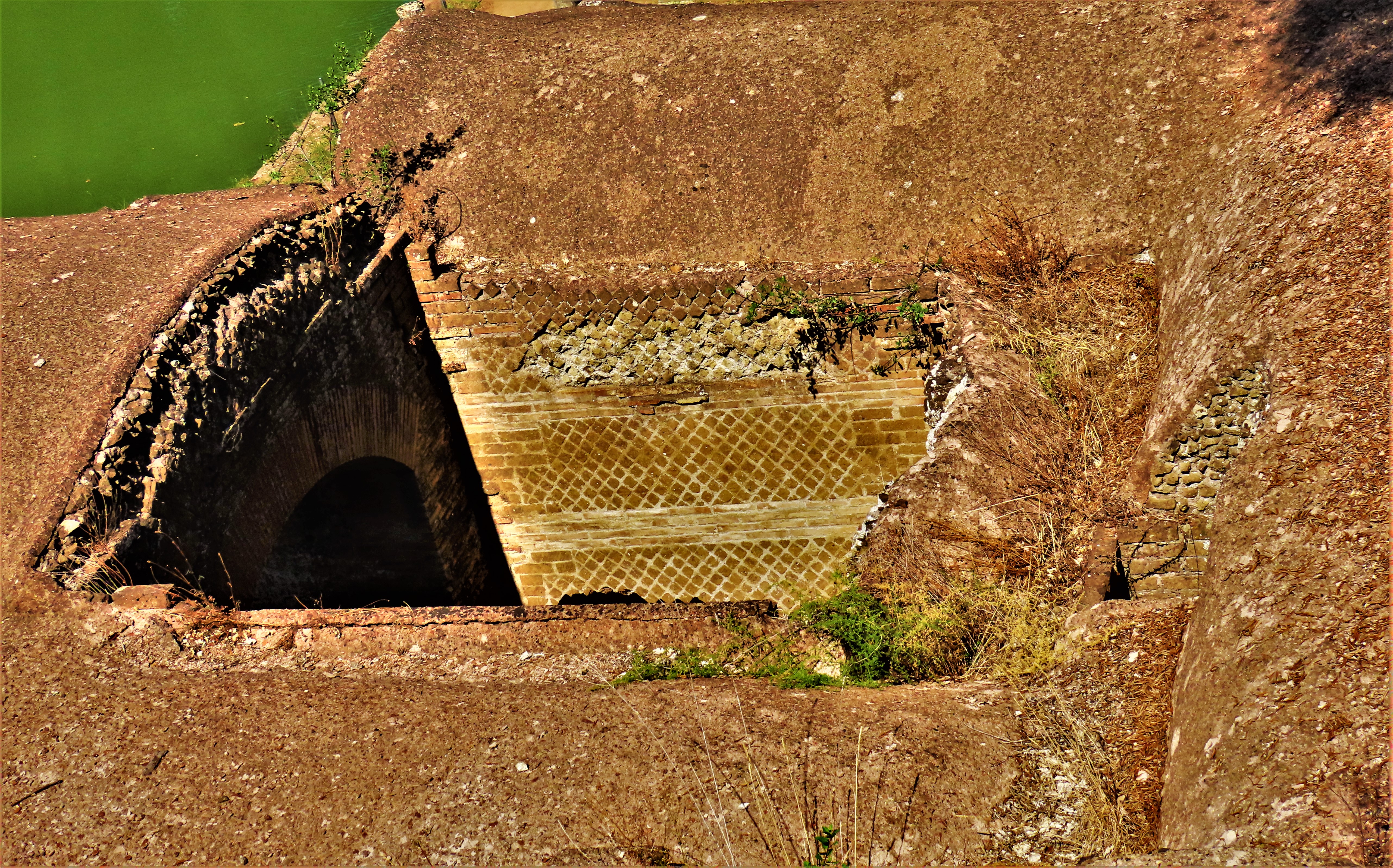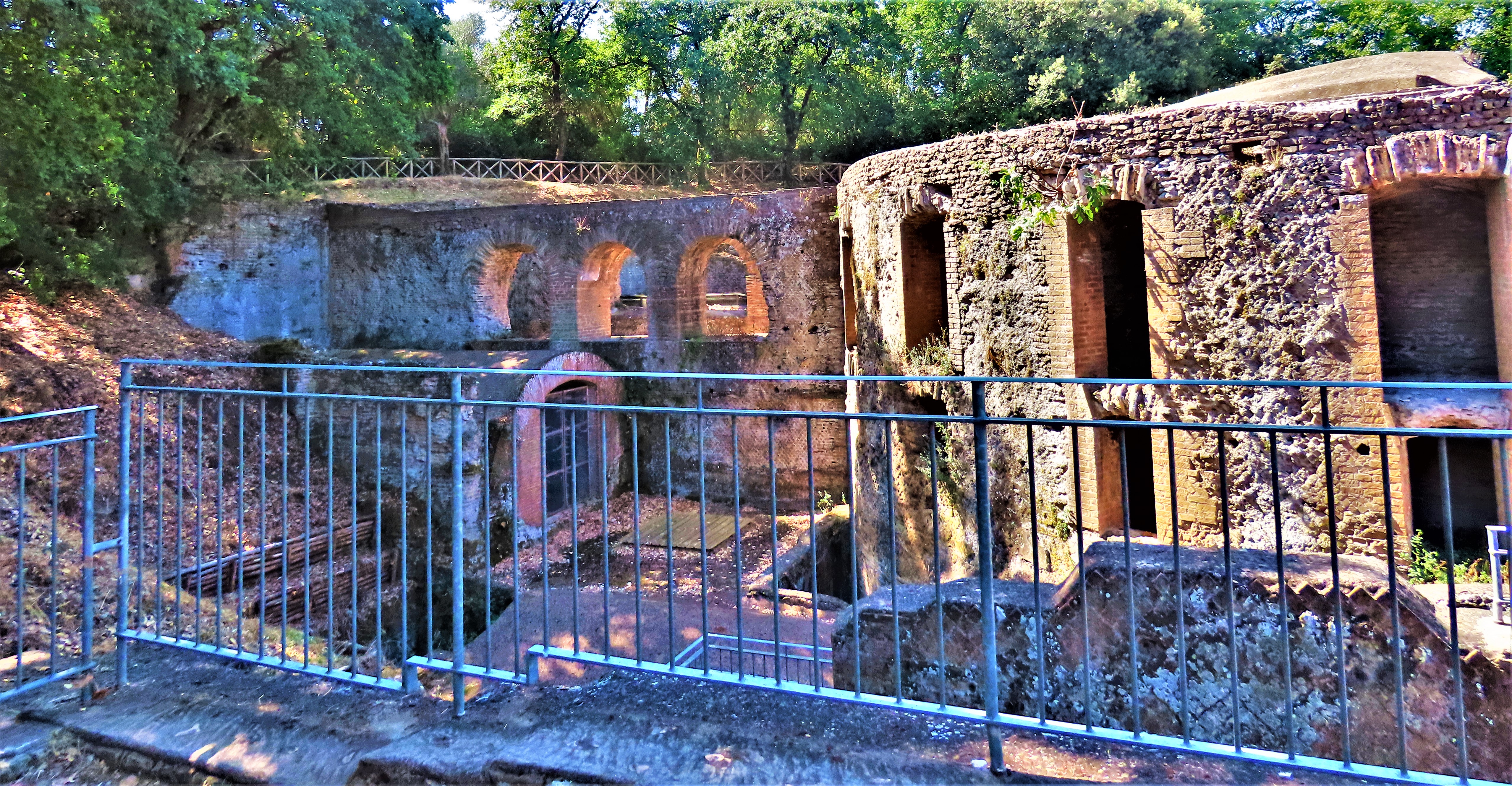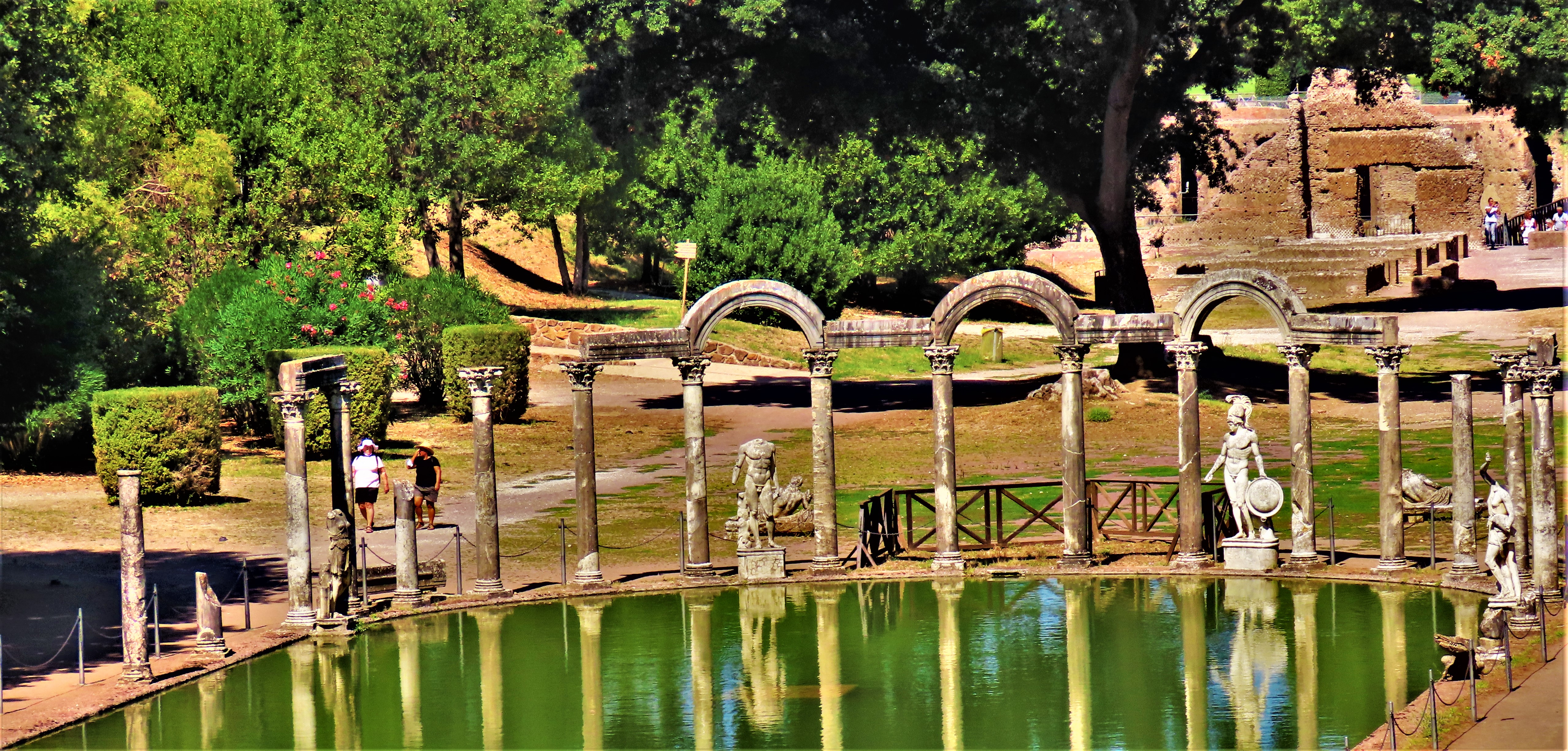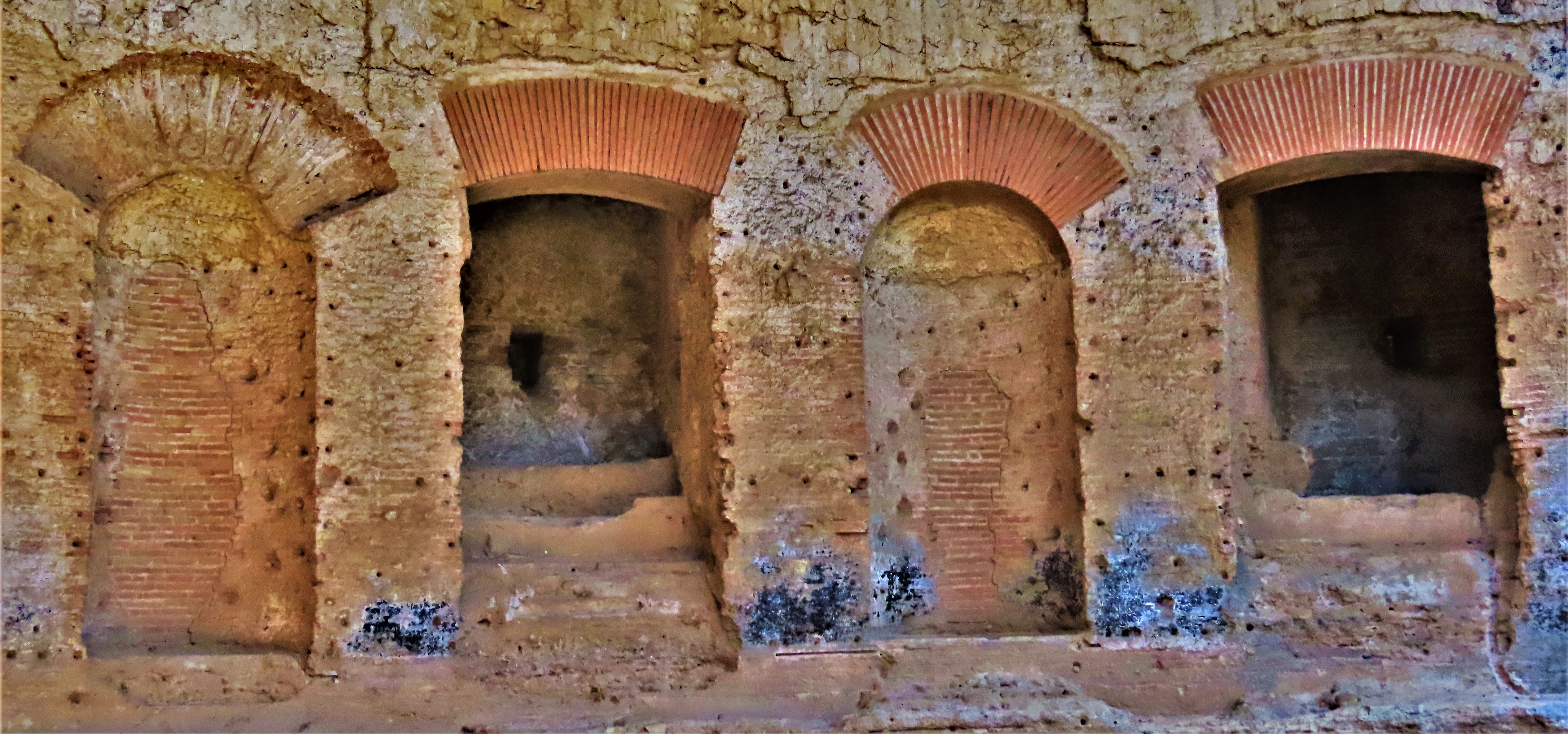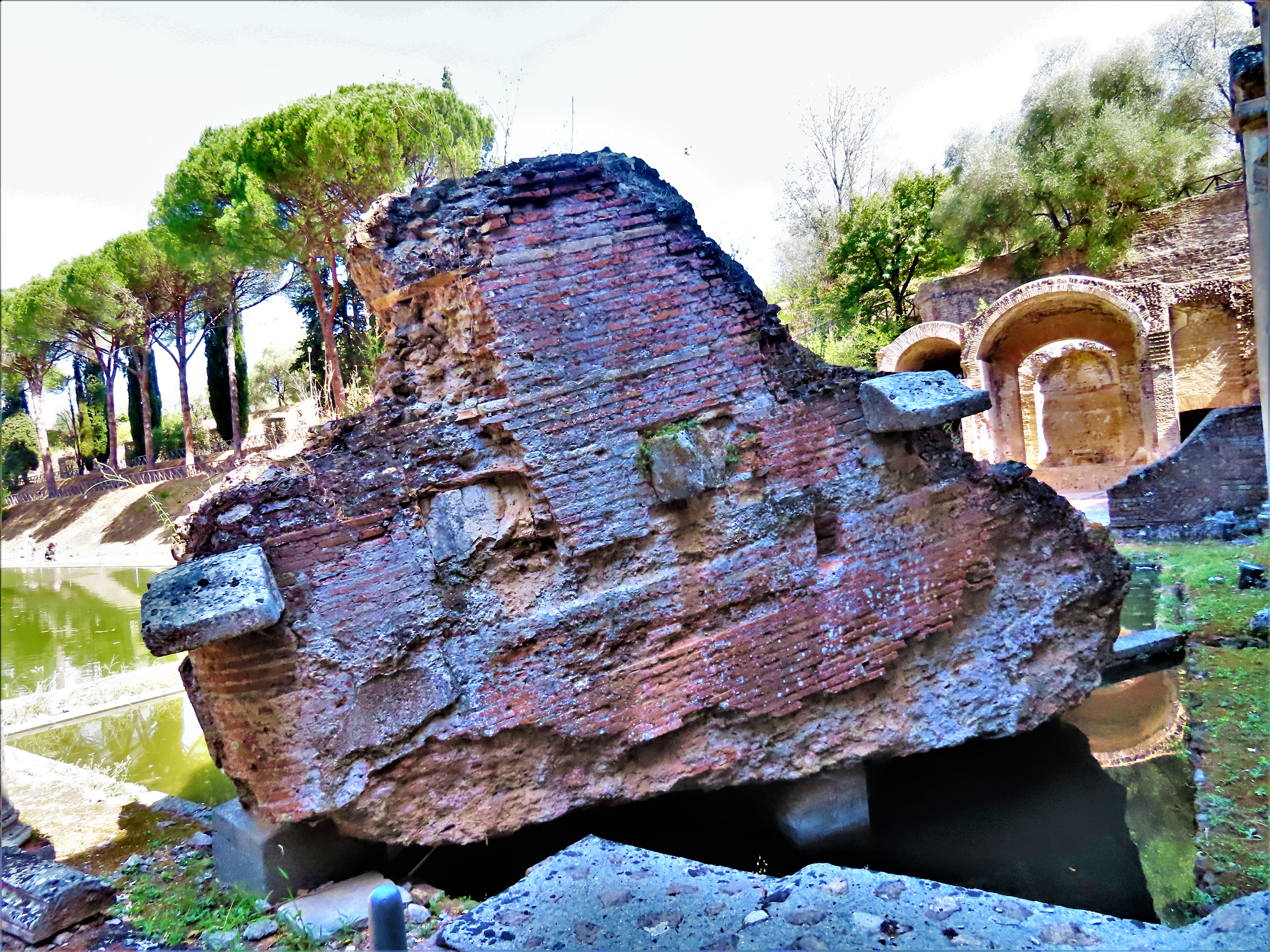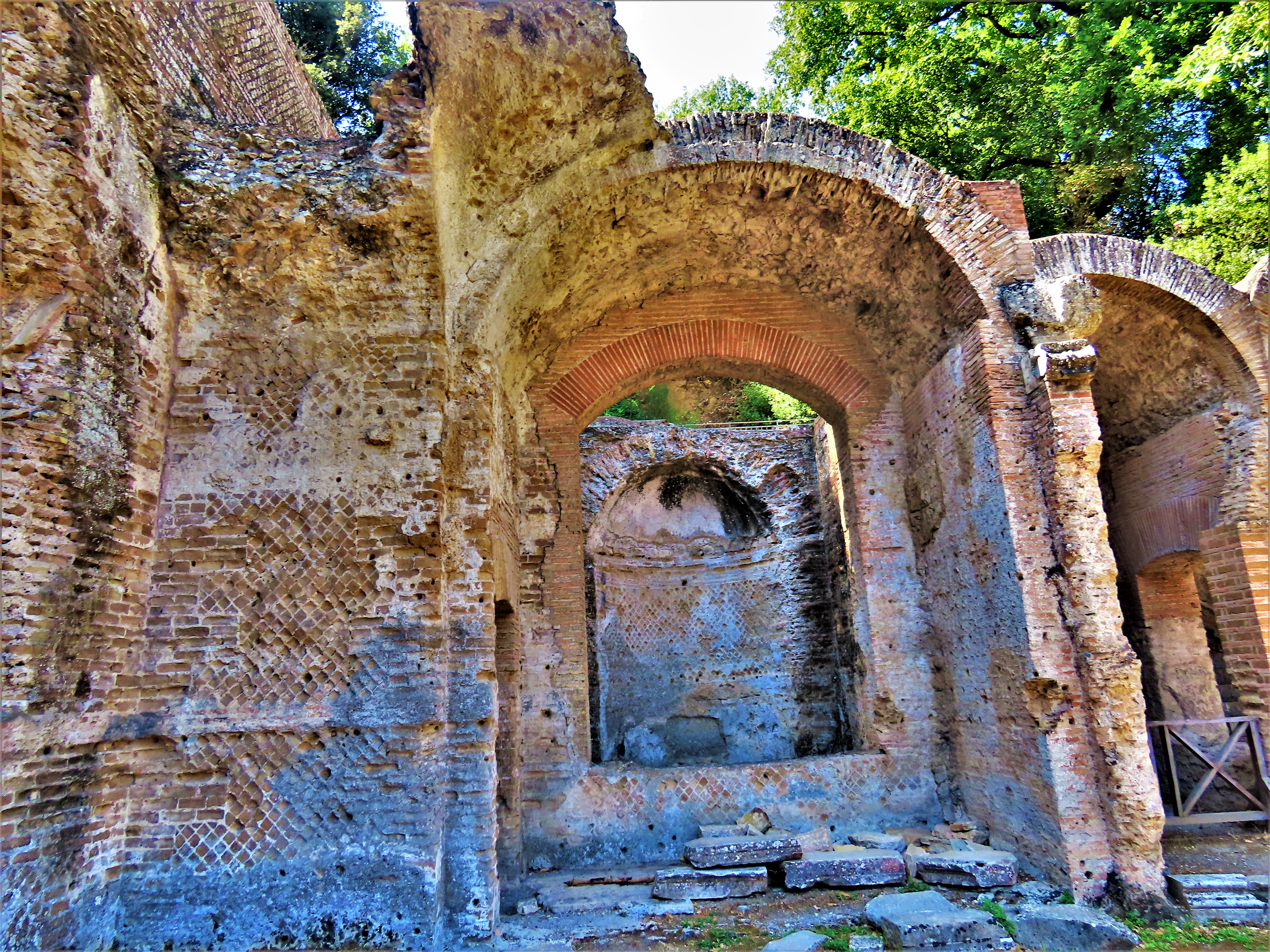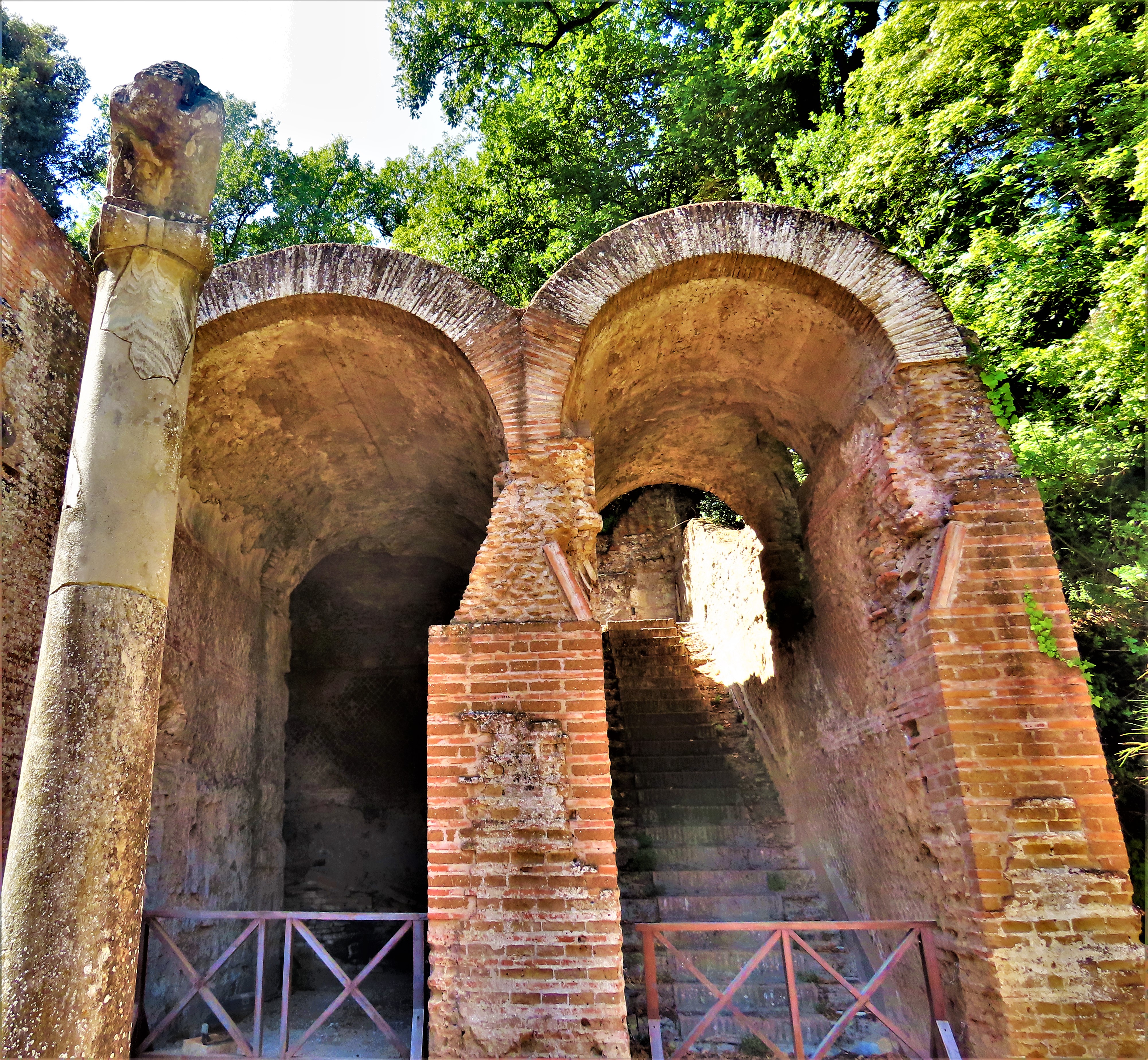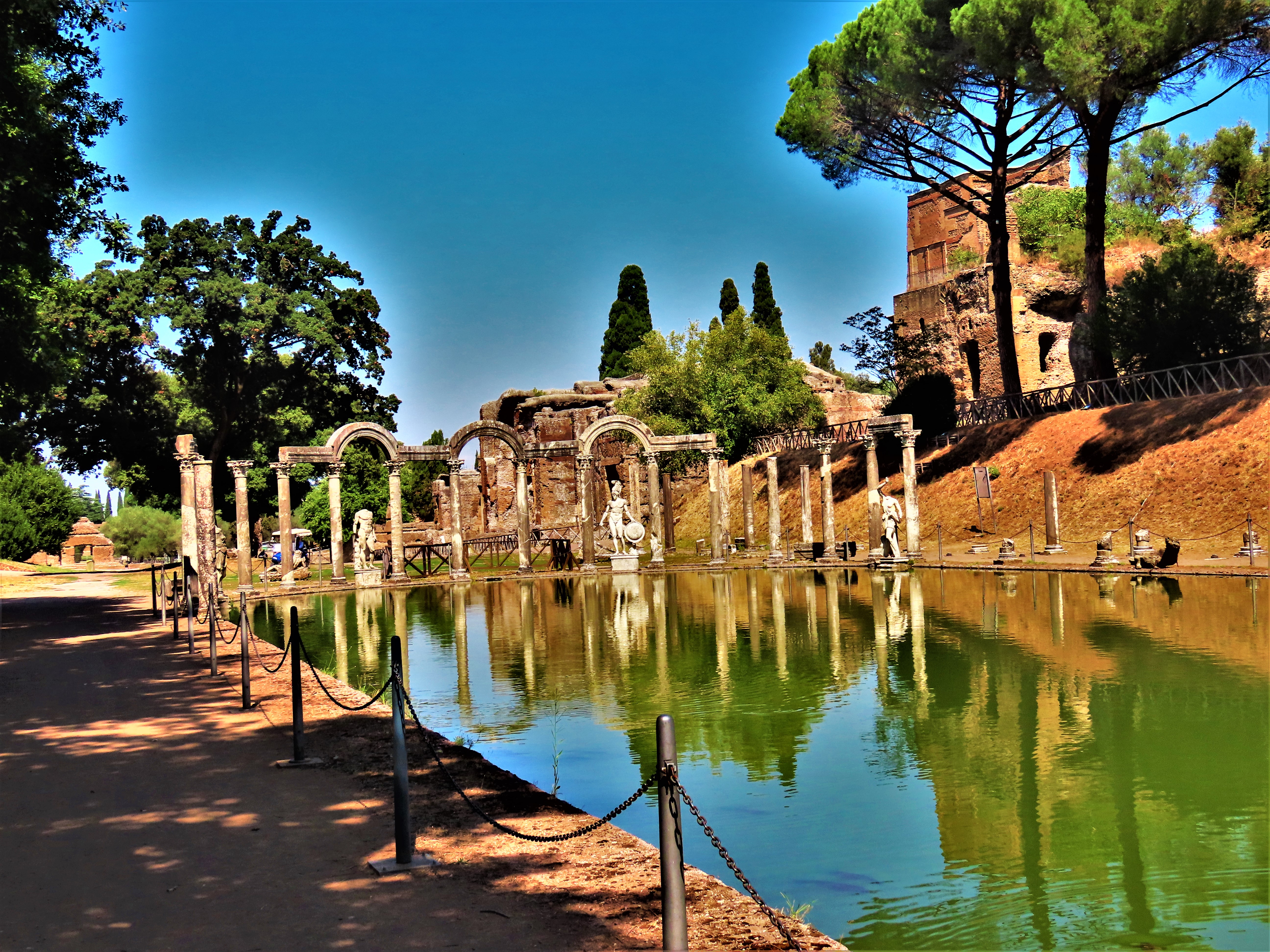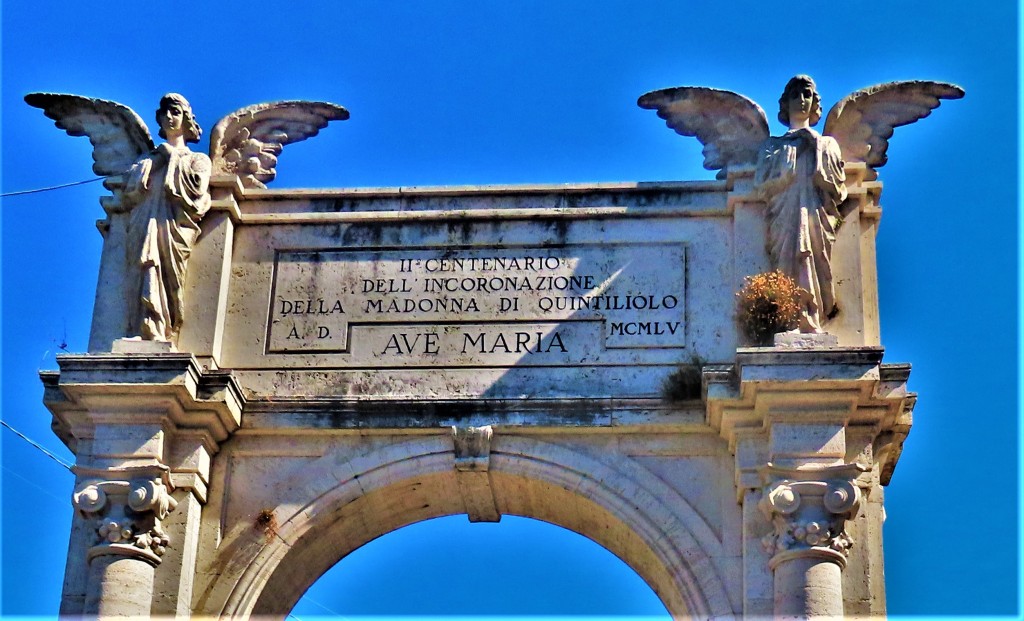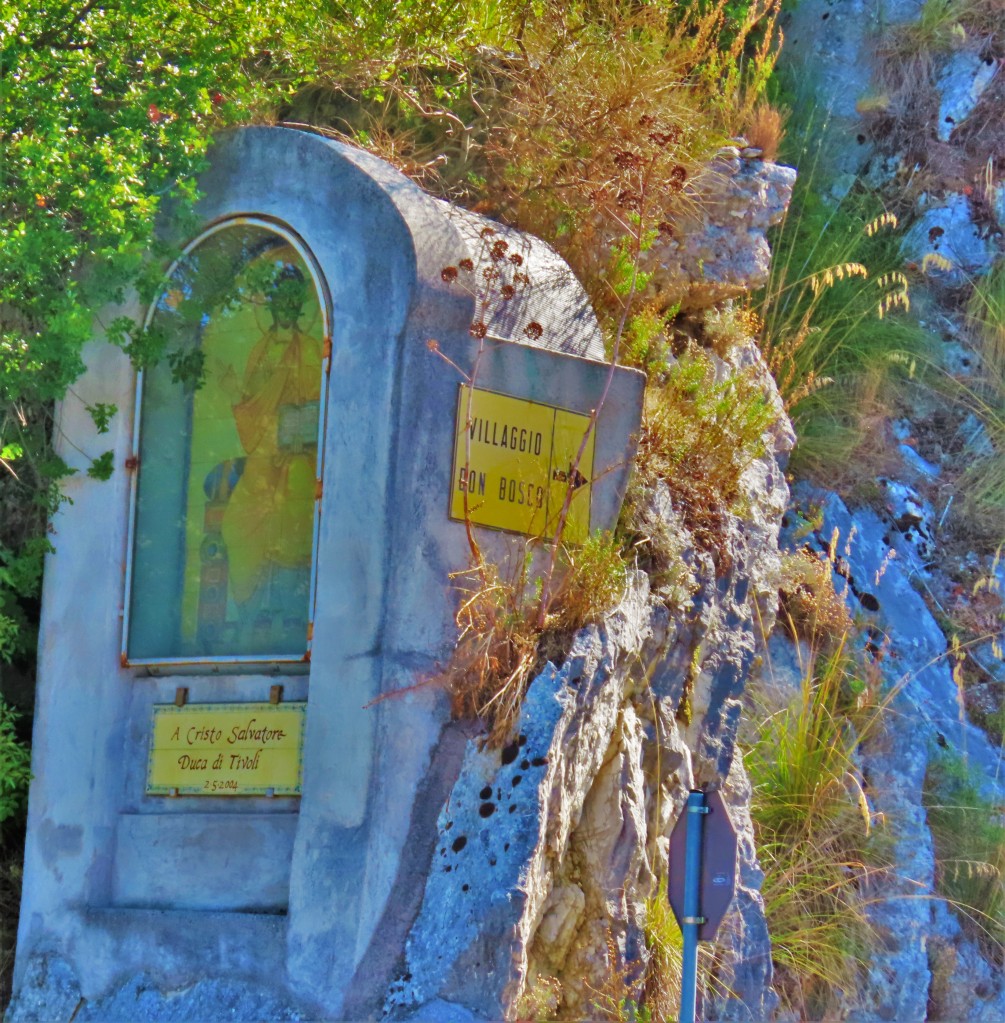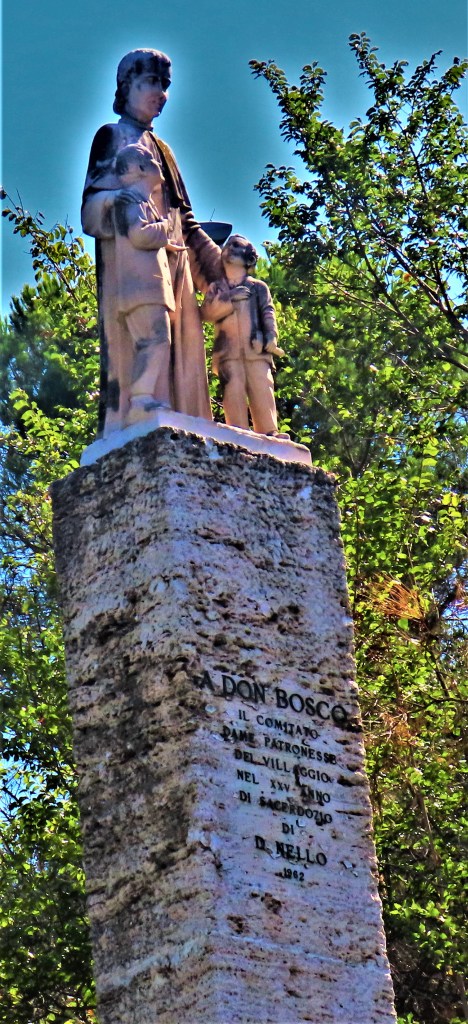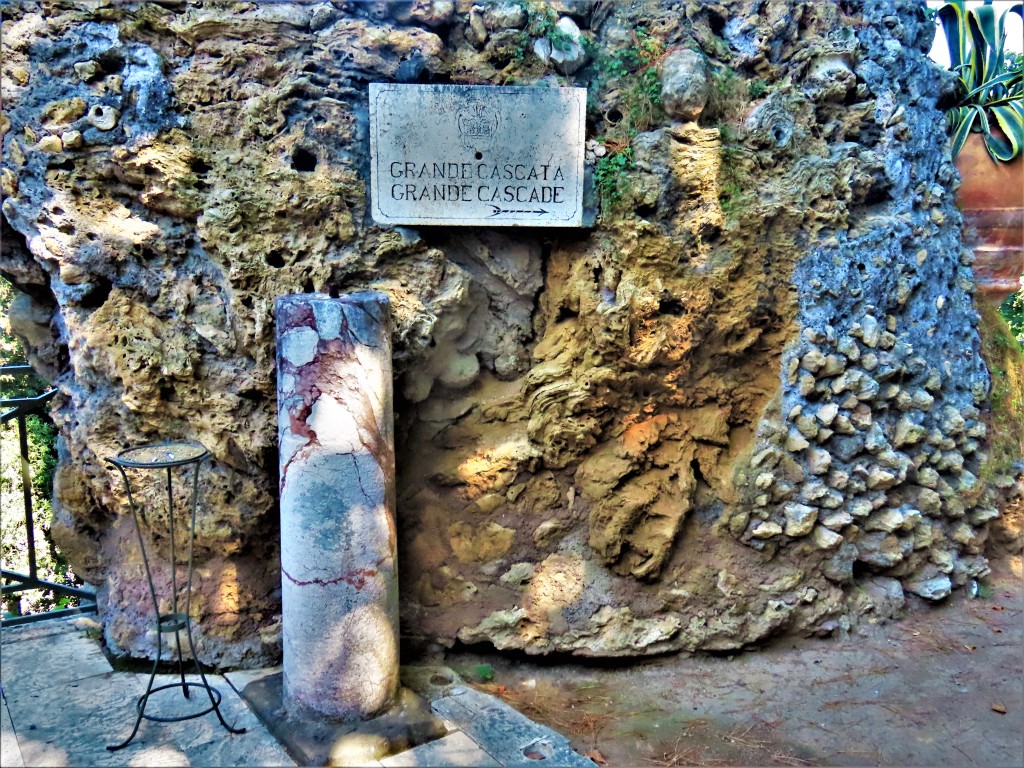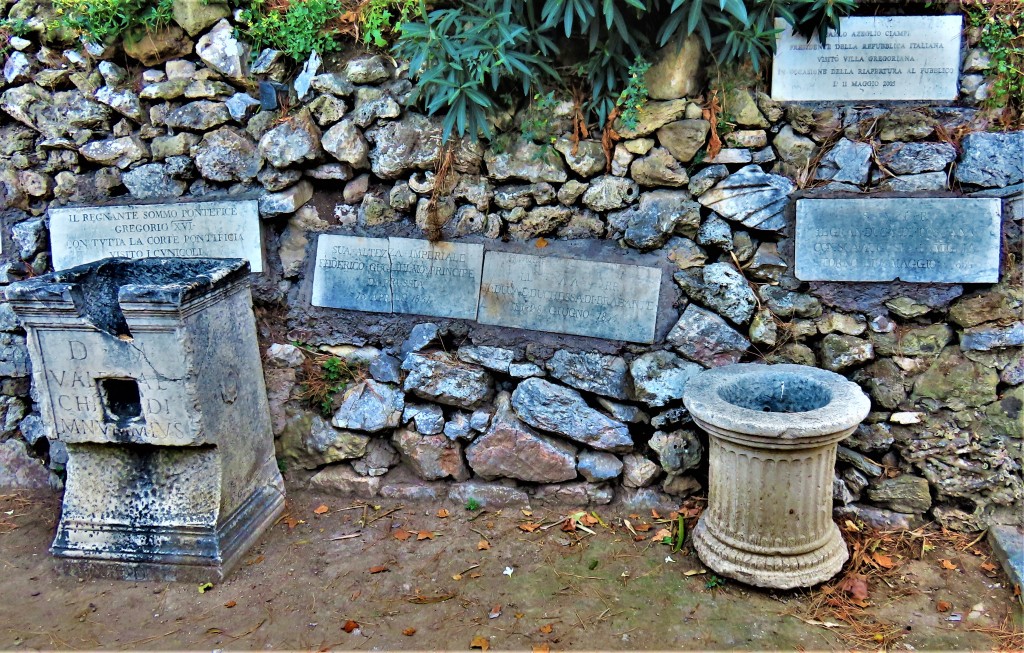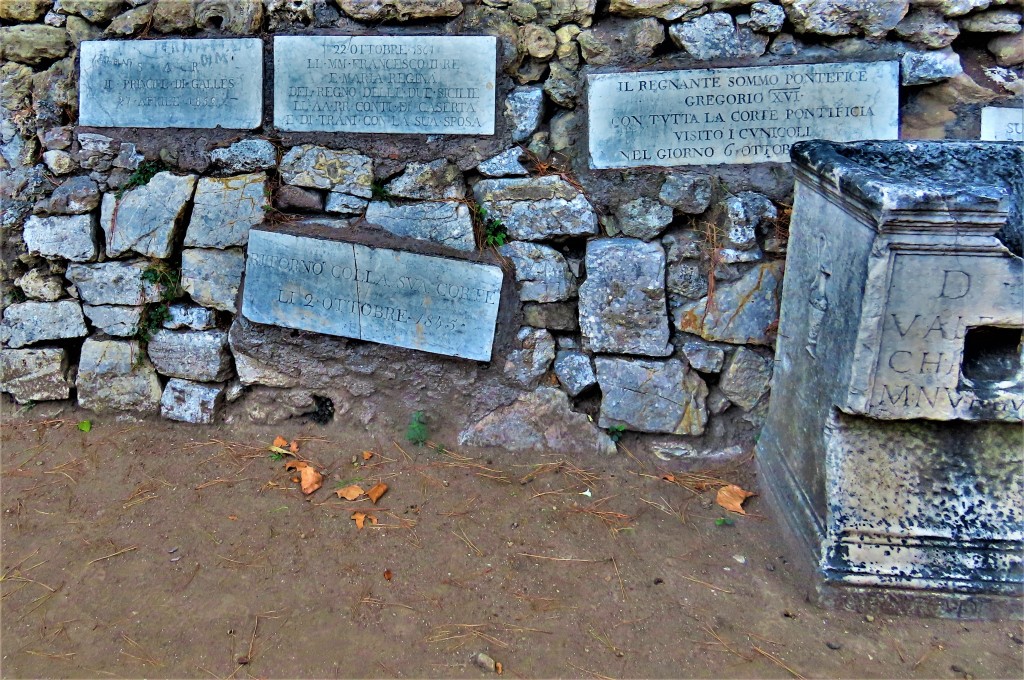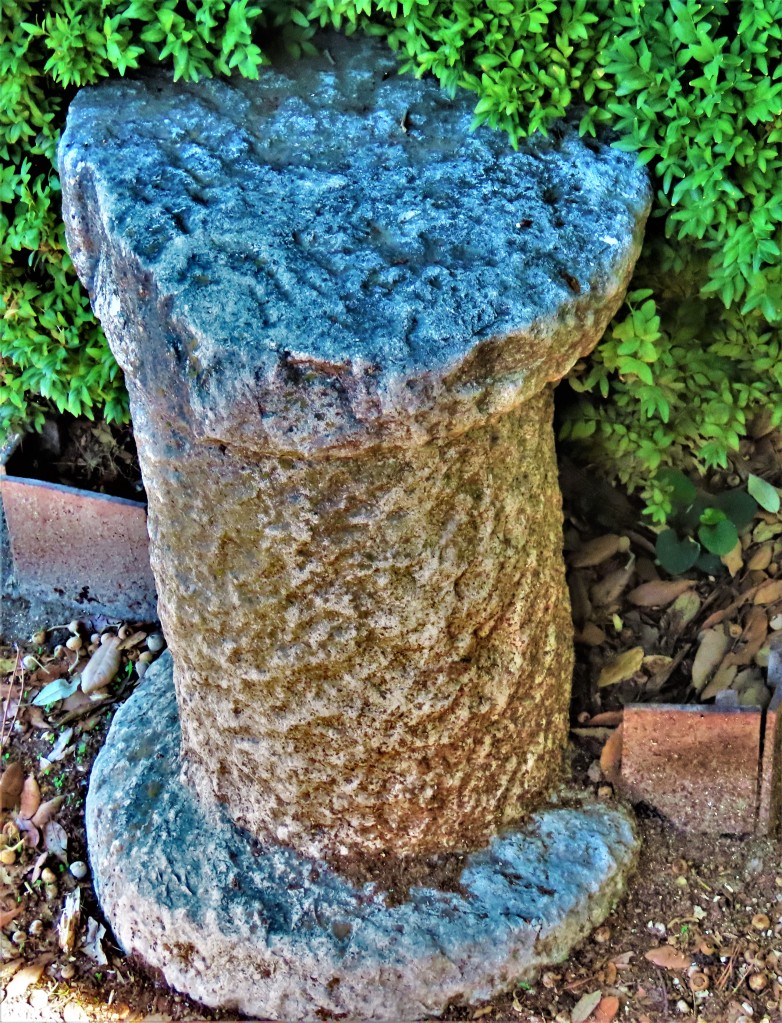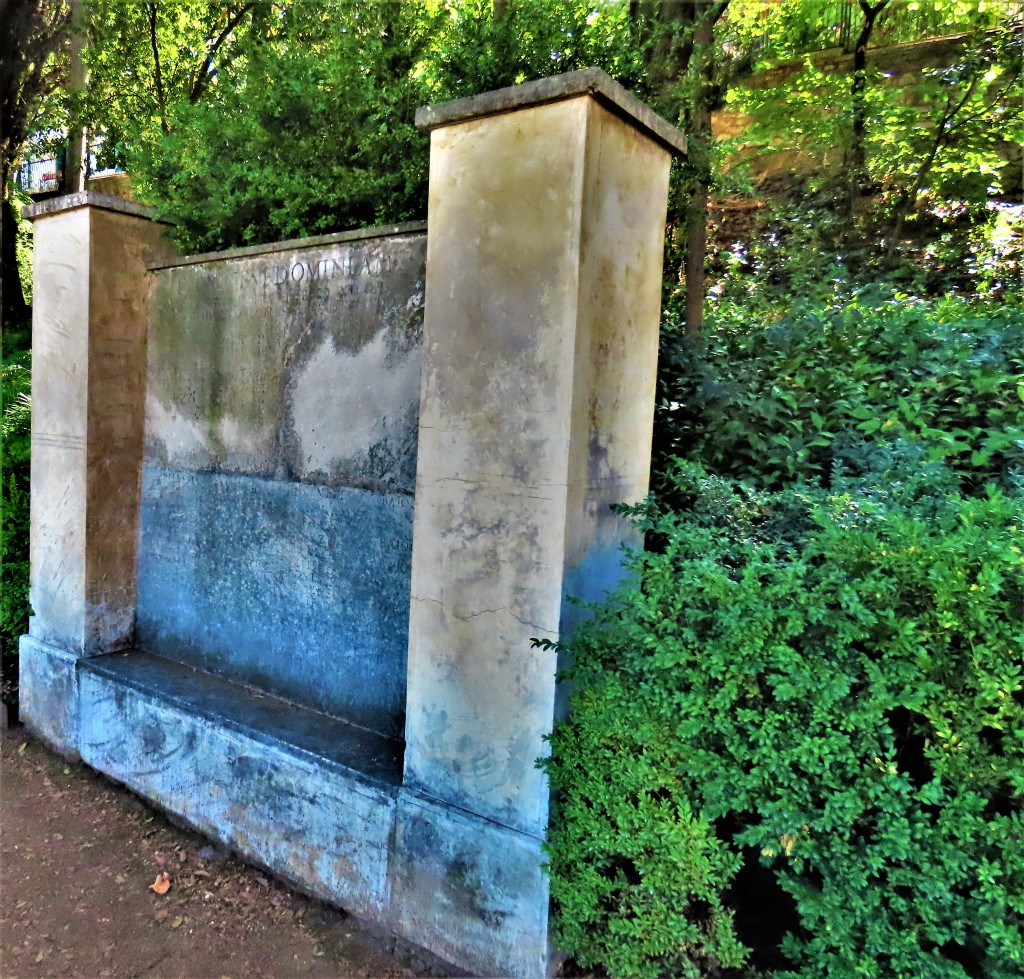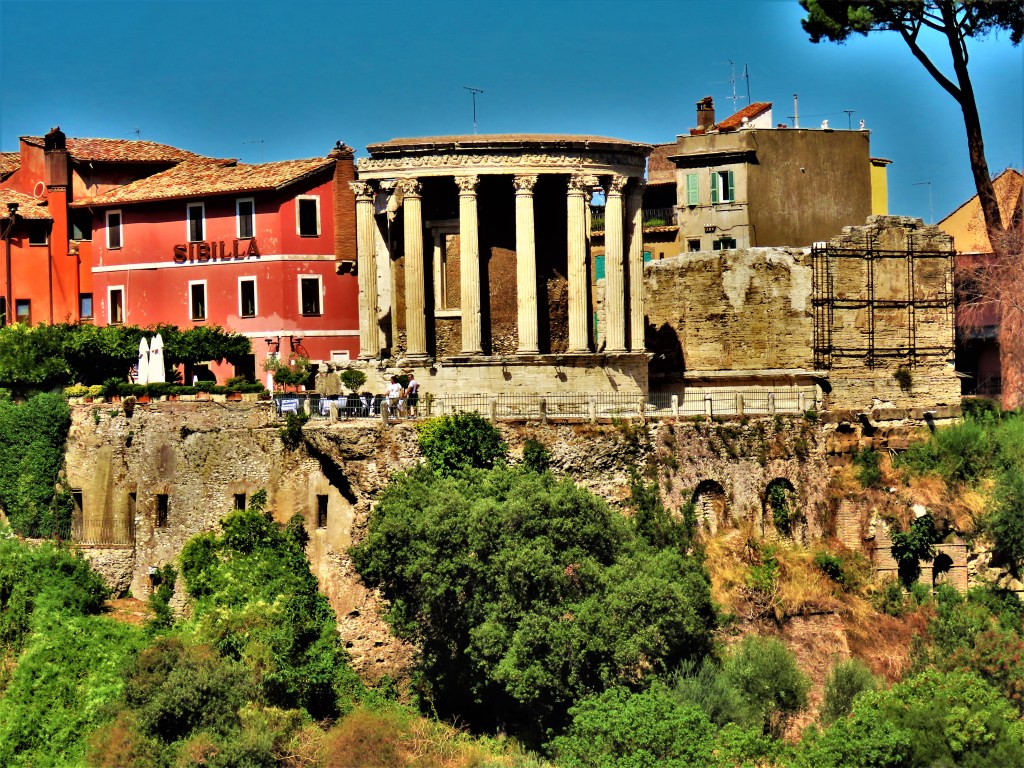
Italy 2020 – Rome to Tivoli

Continuing my account of my Italian holiday with the moving day.

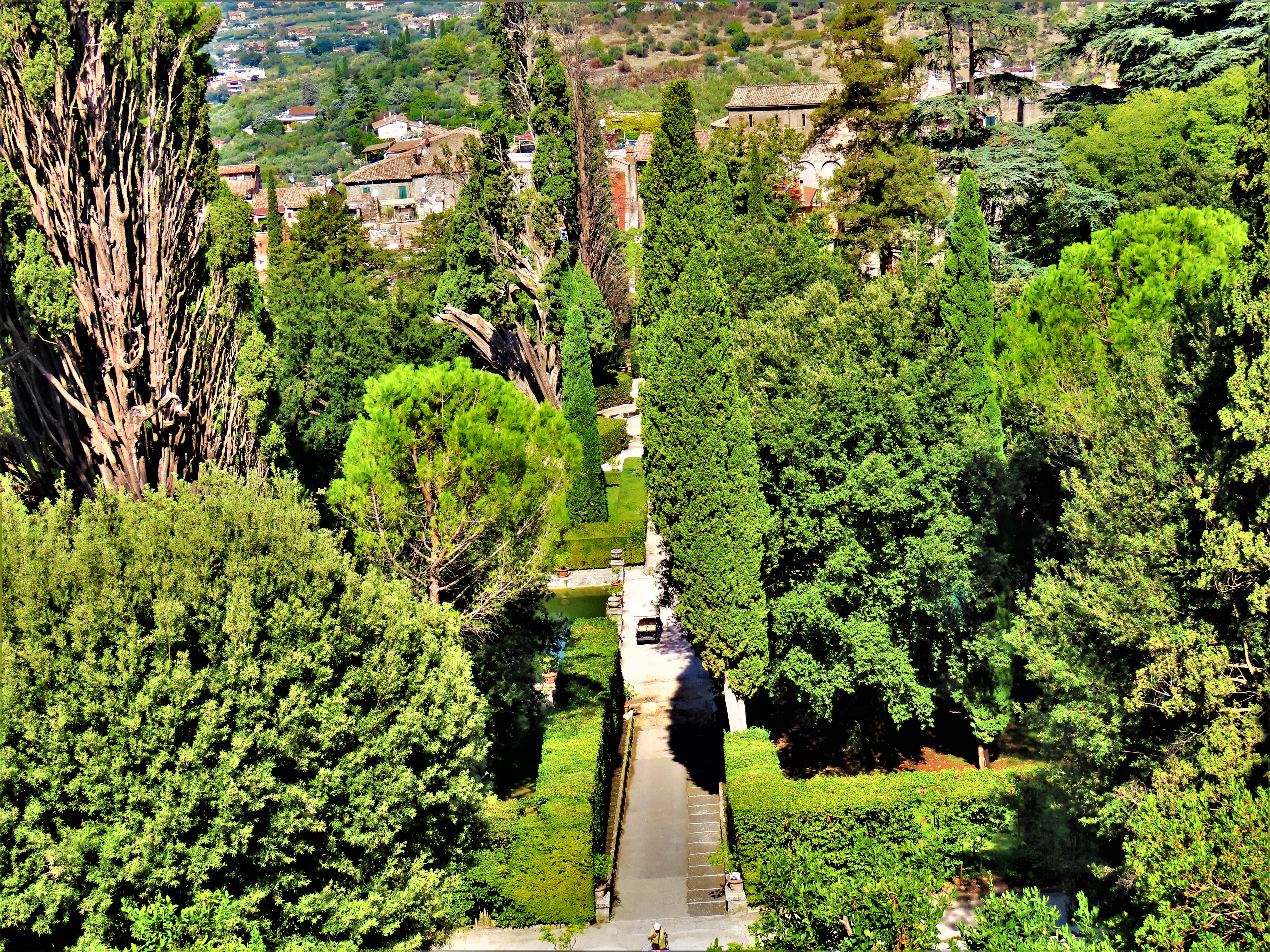
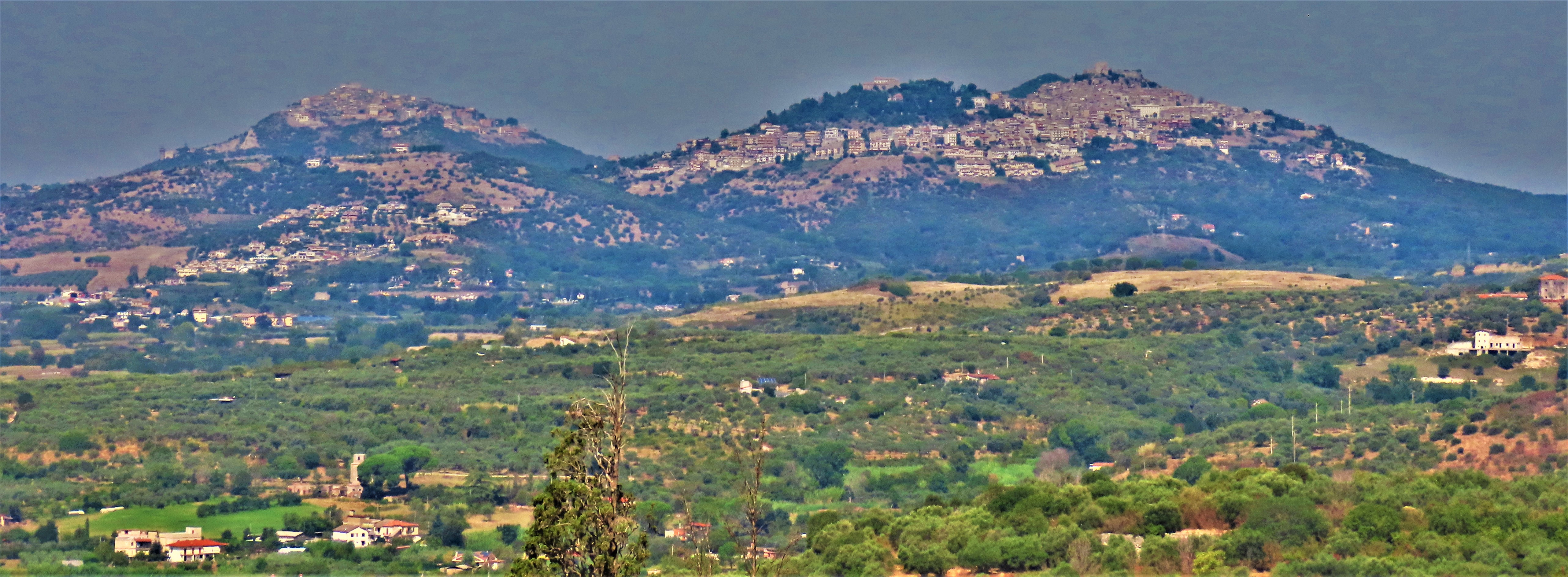
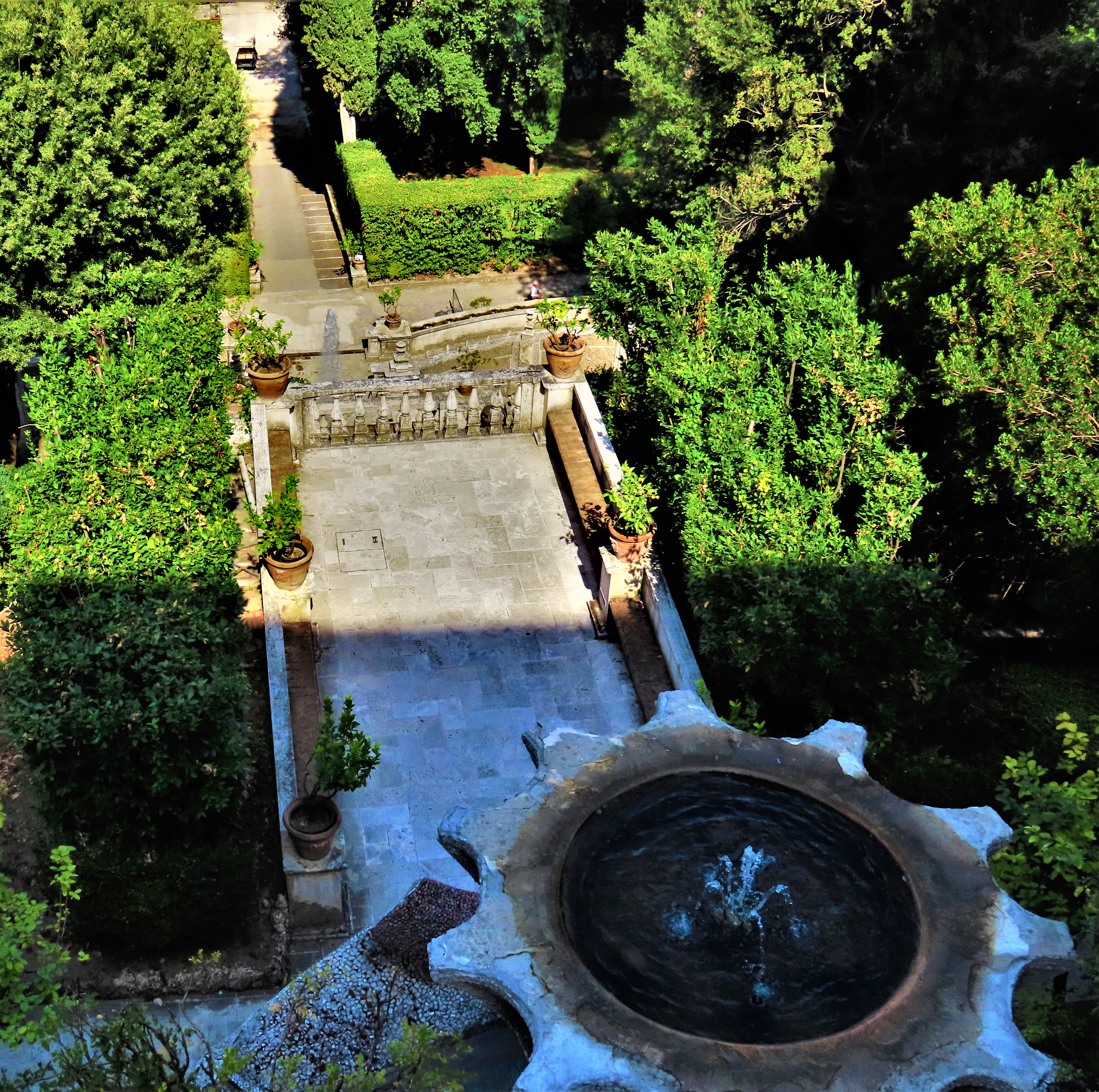
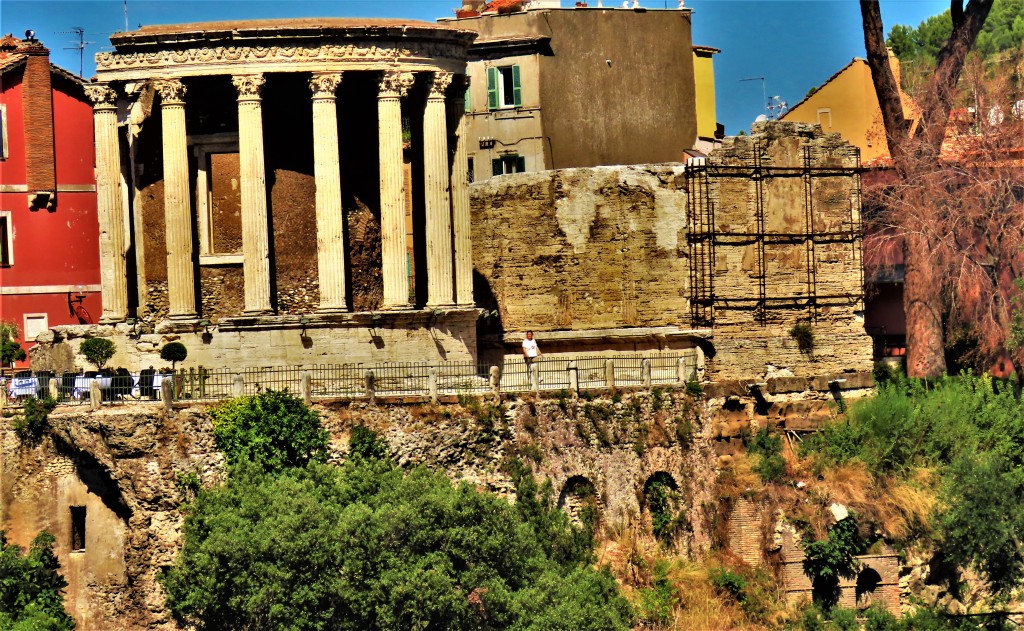
We have reached a turning point in my account of my Italian holiday (2-11 September inclusive). After four nights in Rome it was time to move on to Tivoli for the second part of the stay.

SETTING OFF

We had to vacate our apartment in Rome by 10AM, and the car that had been hired for the Tivoli leg of the holiday was due to be available from Roma Termini at 12:00. Given our baggage it seemed sensible not to attempt the journey across Rome by public transport, so my nephew used an app on his phone to hire an Uber van to collect us. The morning went fairly smoothly, and the delay at Roma Termini was not too long either (we found a cafe near the car hire place and had some refreshment).

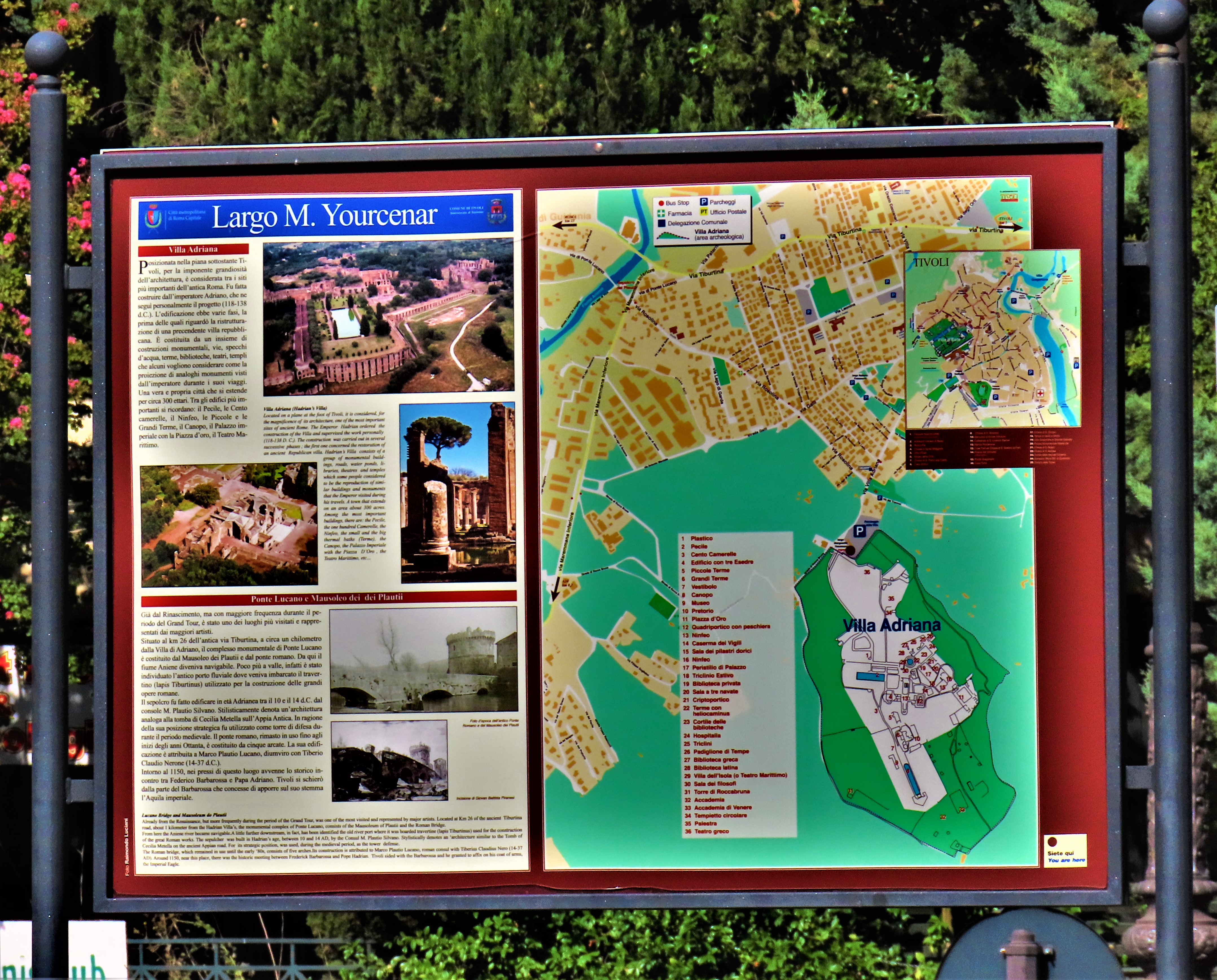
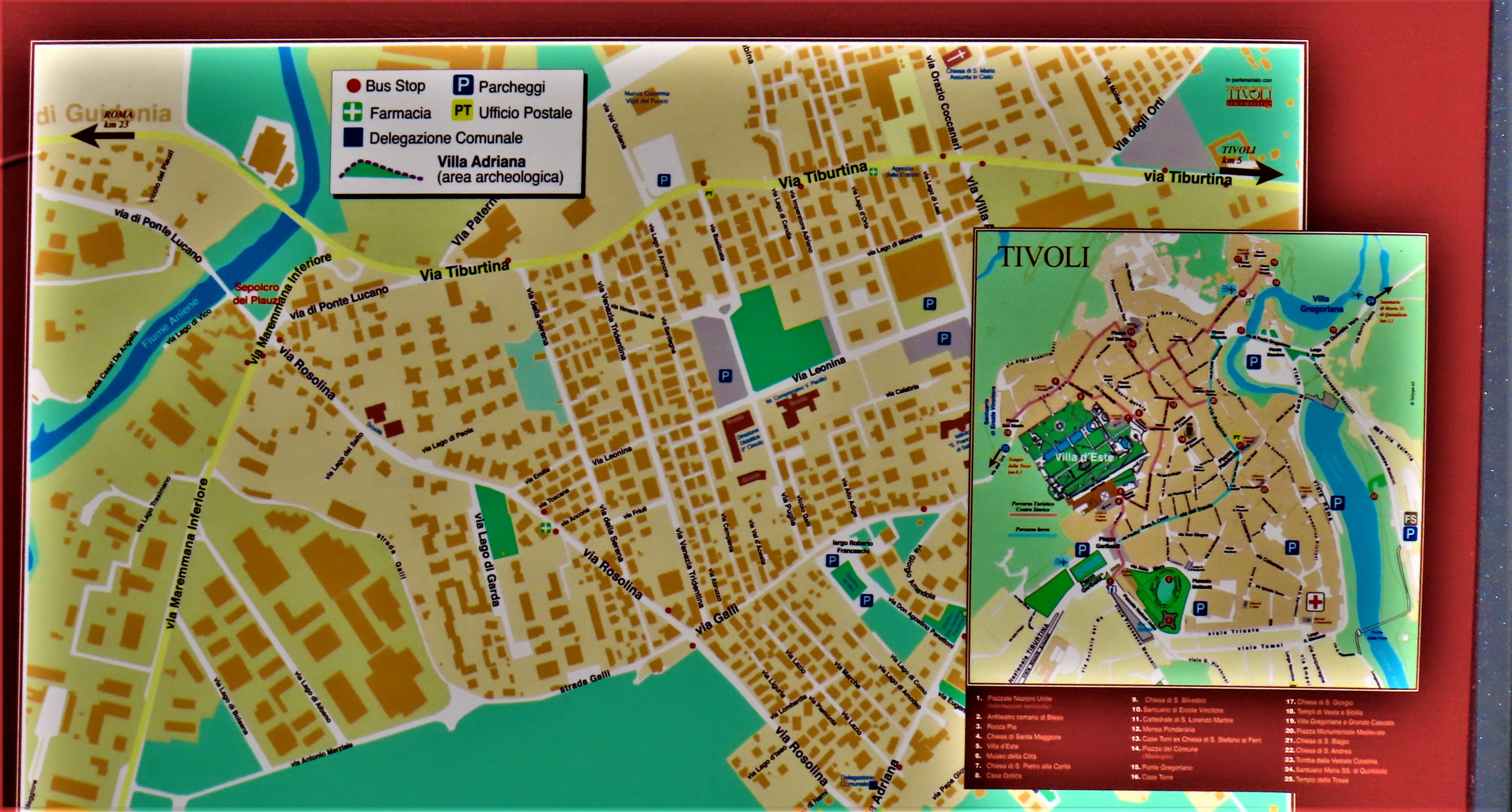
We travelled by way of the Via Tiburtina, and visited a supermarket en route to purchase drinks for the stay (breakfast and supper were provided with the accommodation, but booze was our responsibility).

We were booked into the Villa Sant’Antonio just outside Tivoli, where we were to be joined by an uncle, aunt and cousin plus an old family friend. We arranged who would have which rooms, and were then able to relax for the rest of the day.

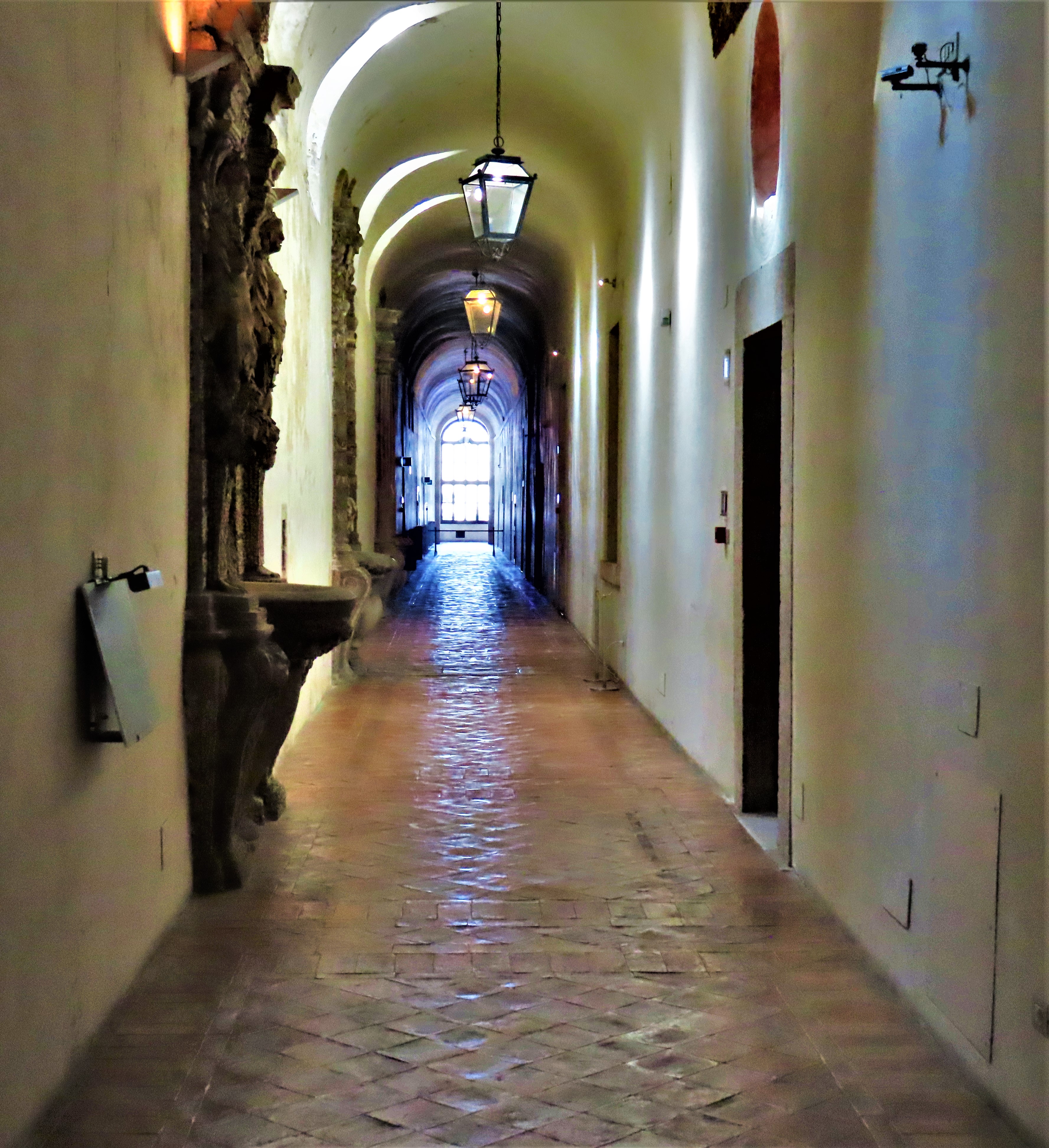
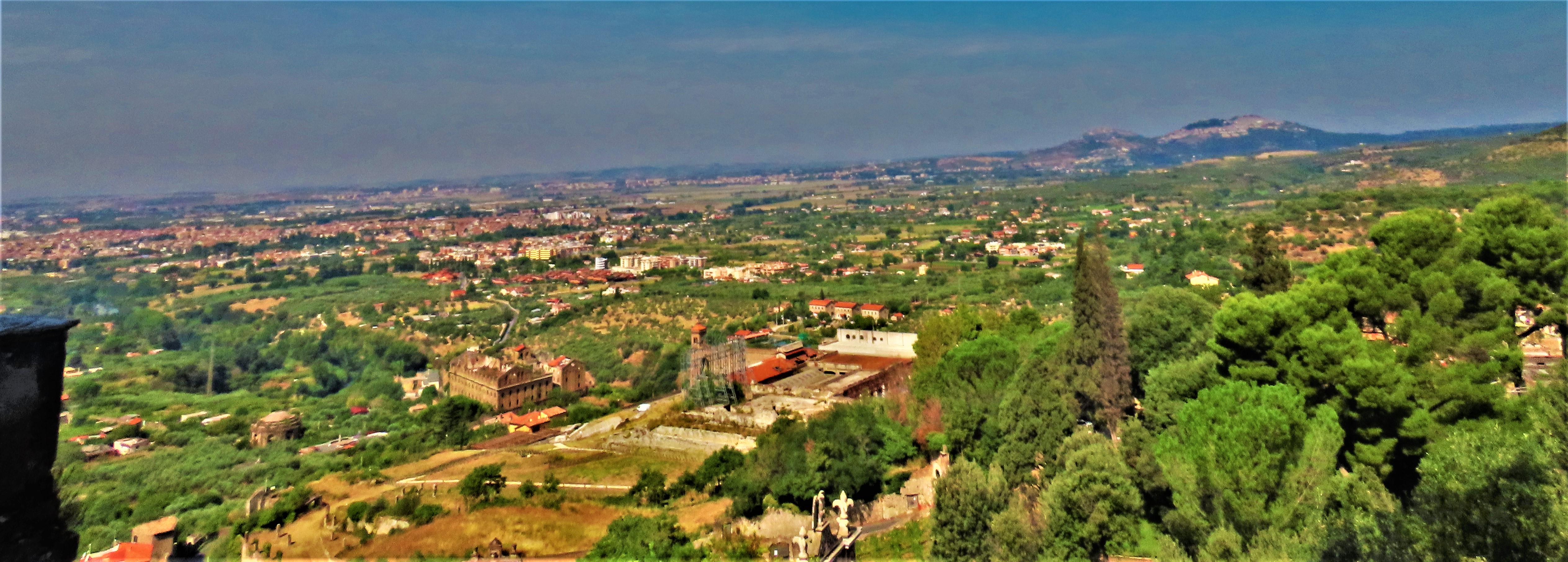
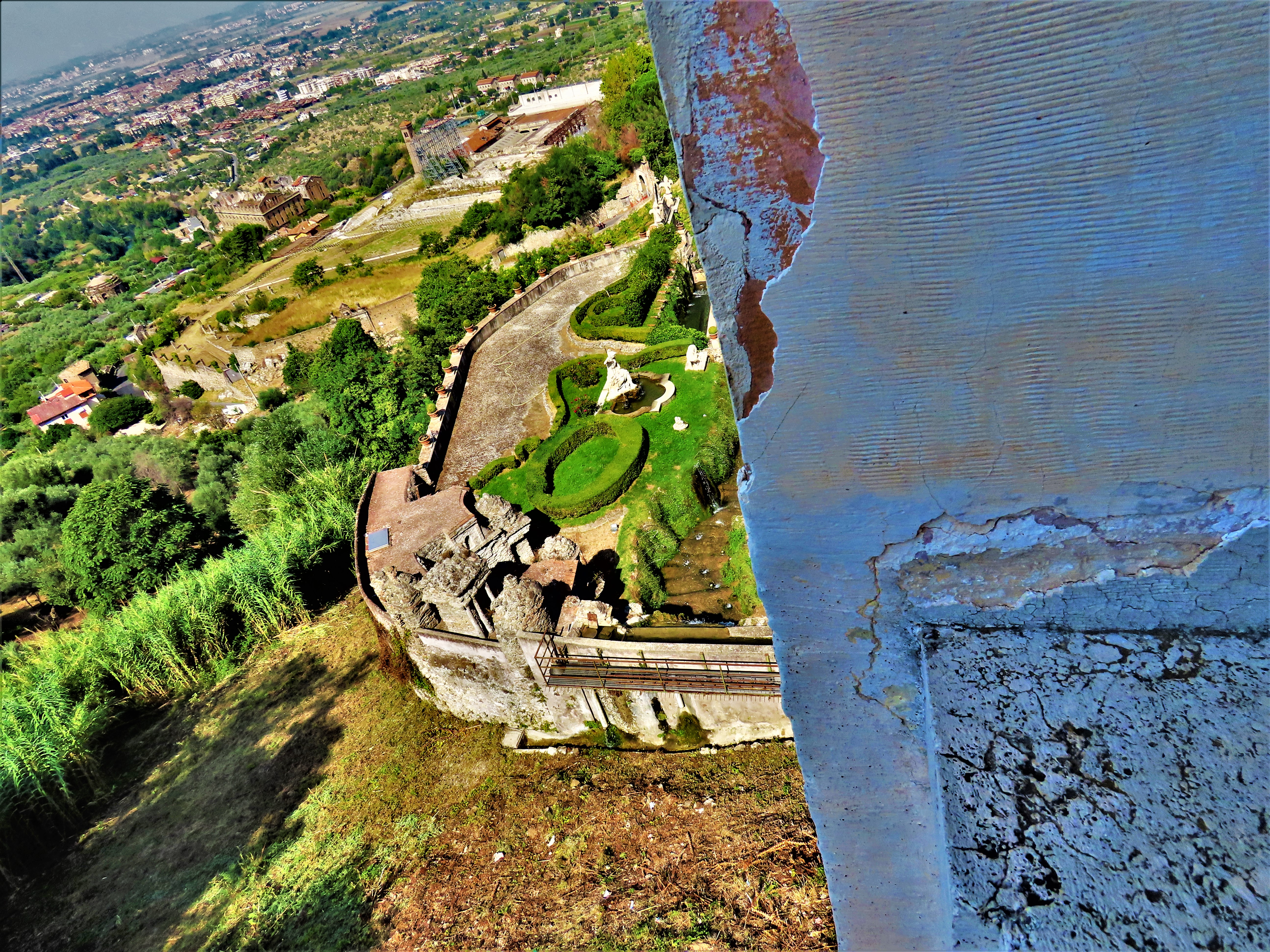
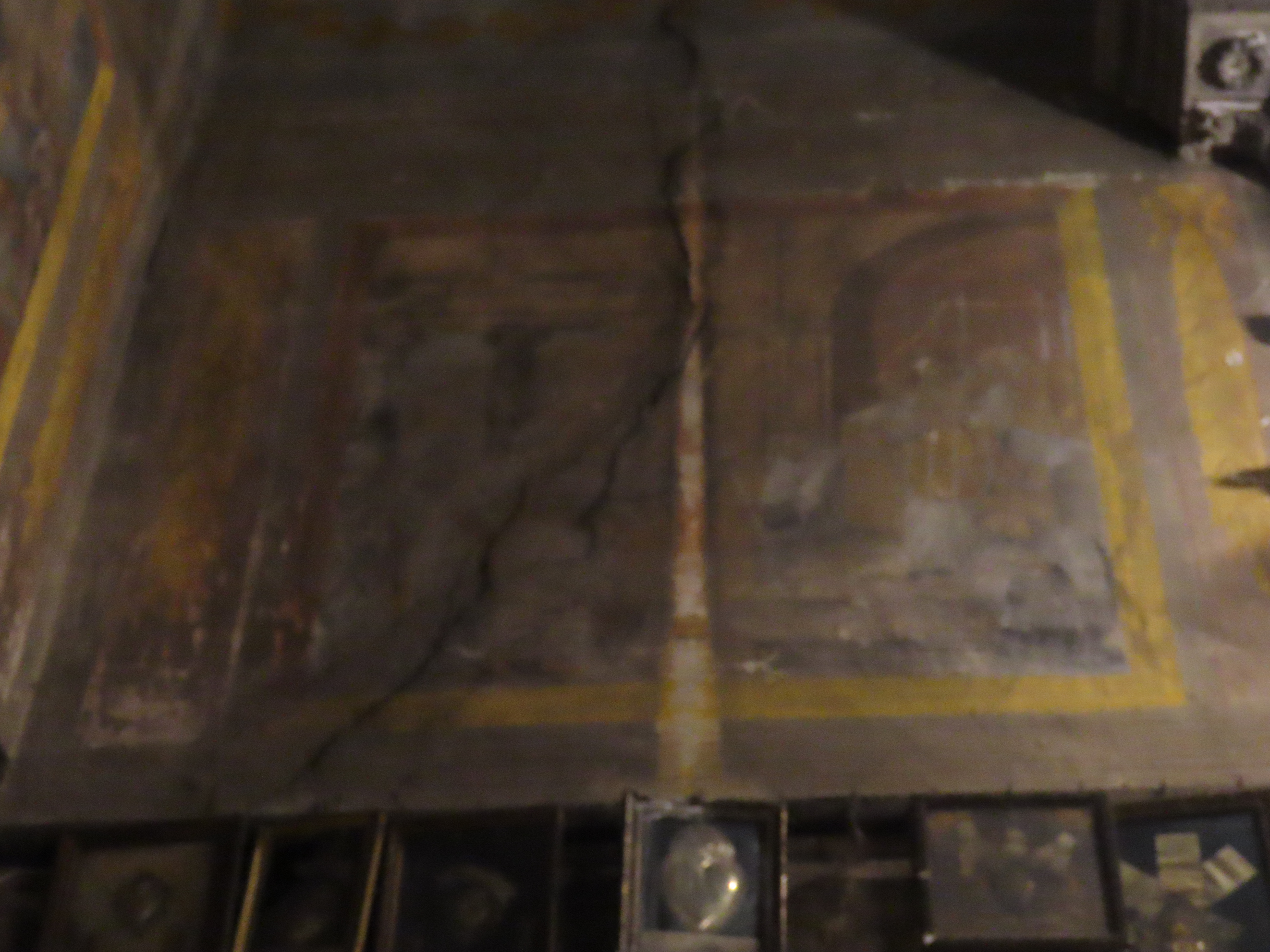
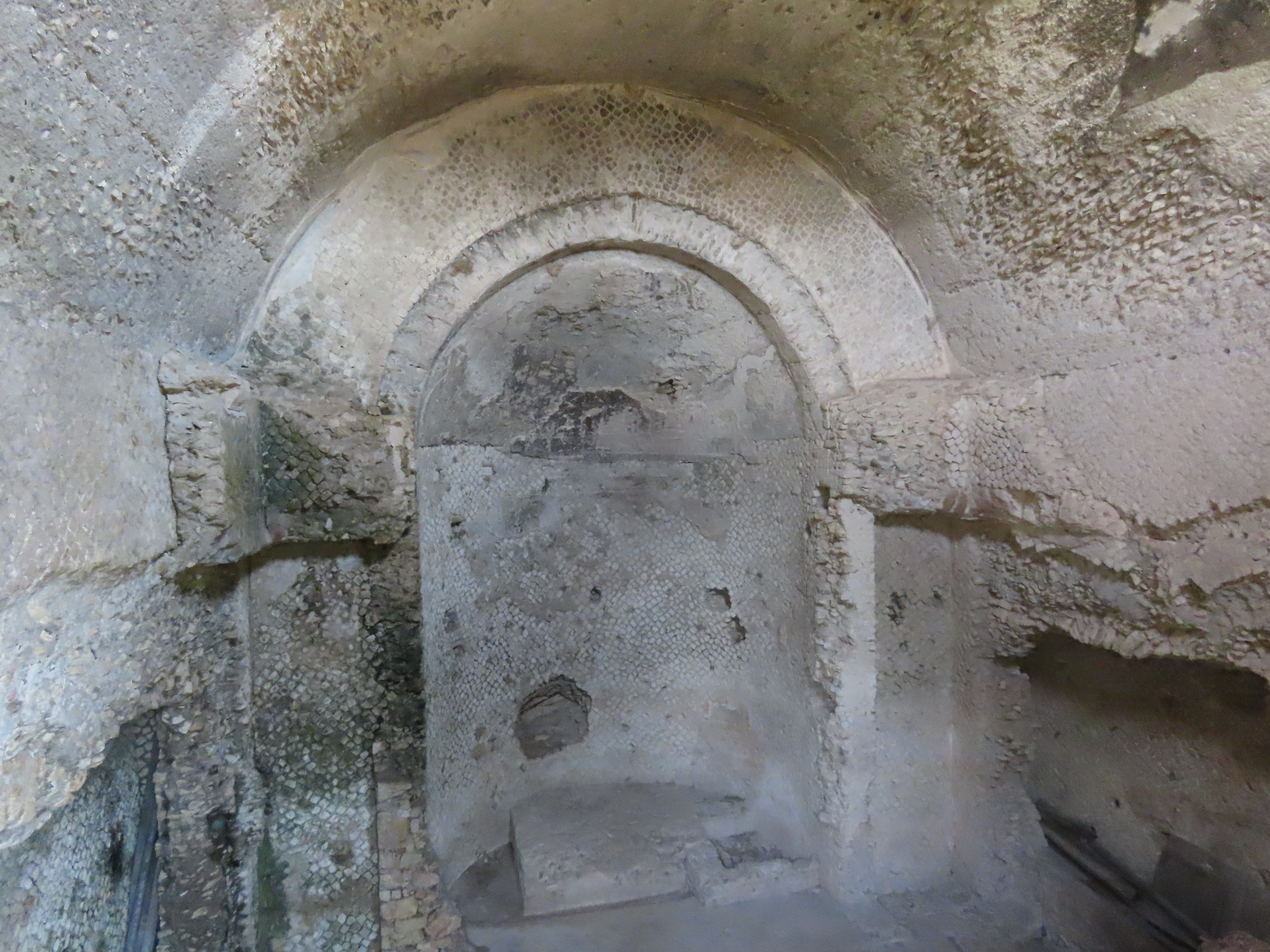
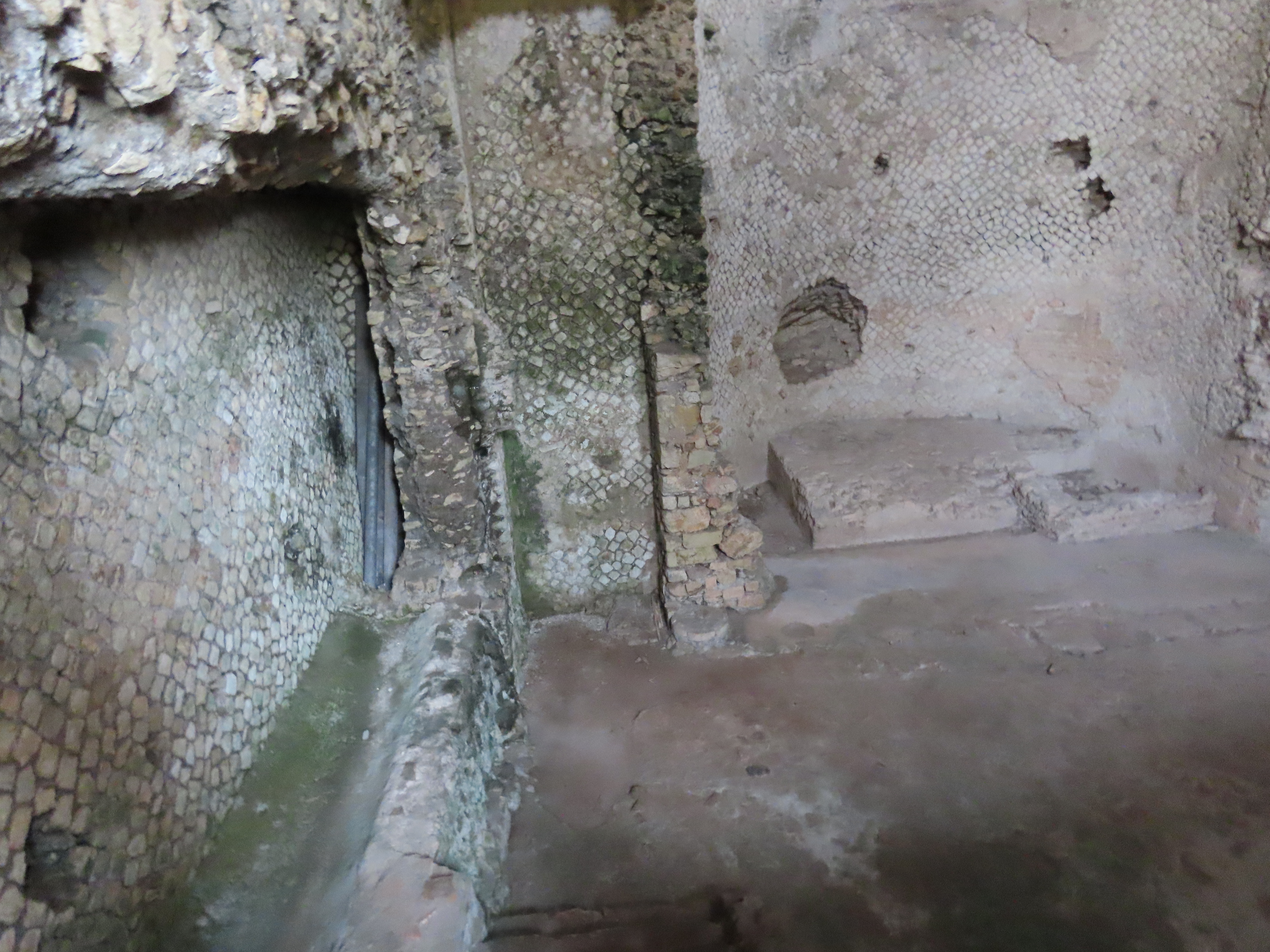
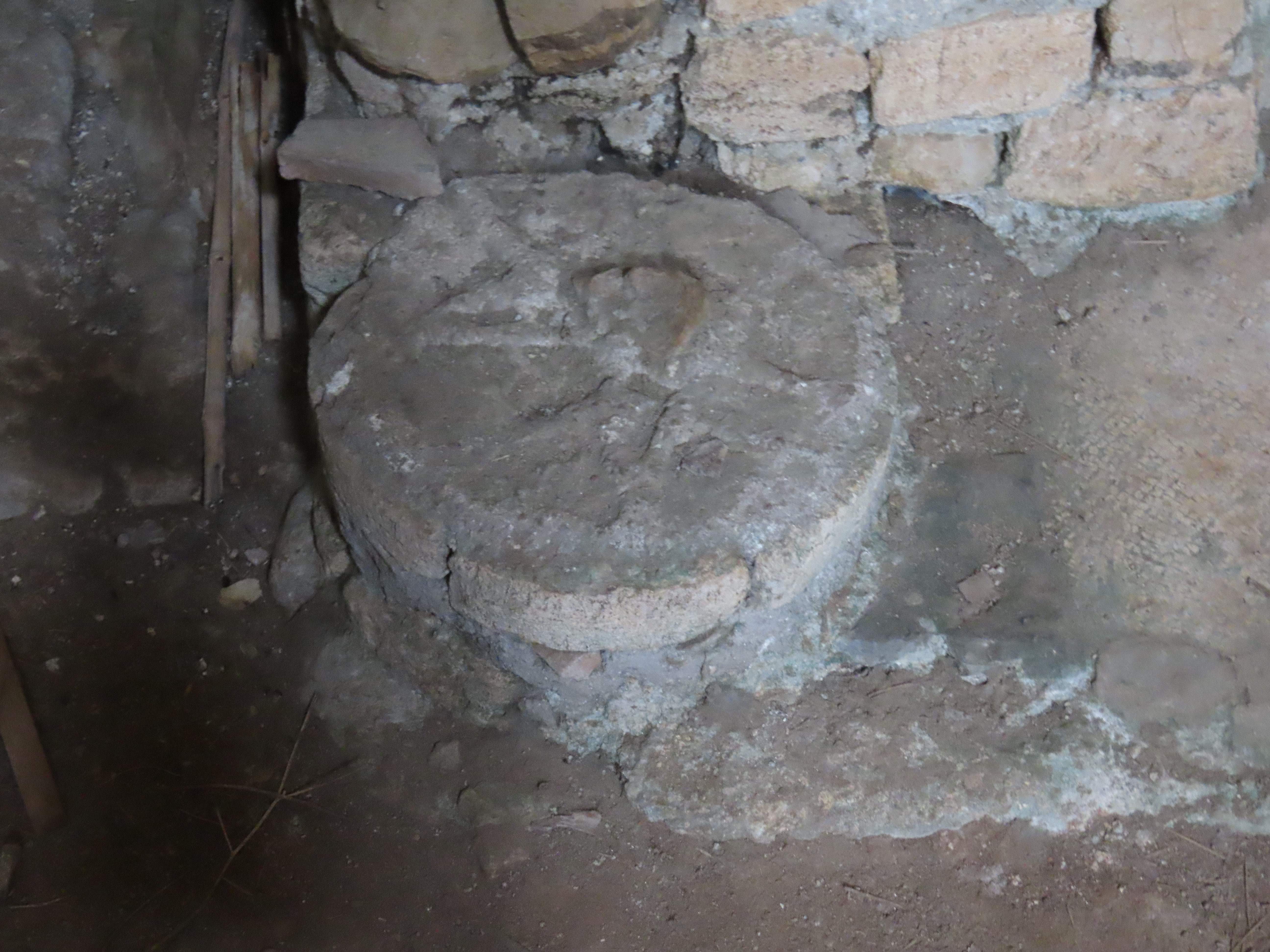
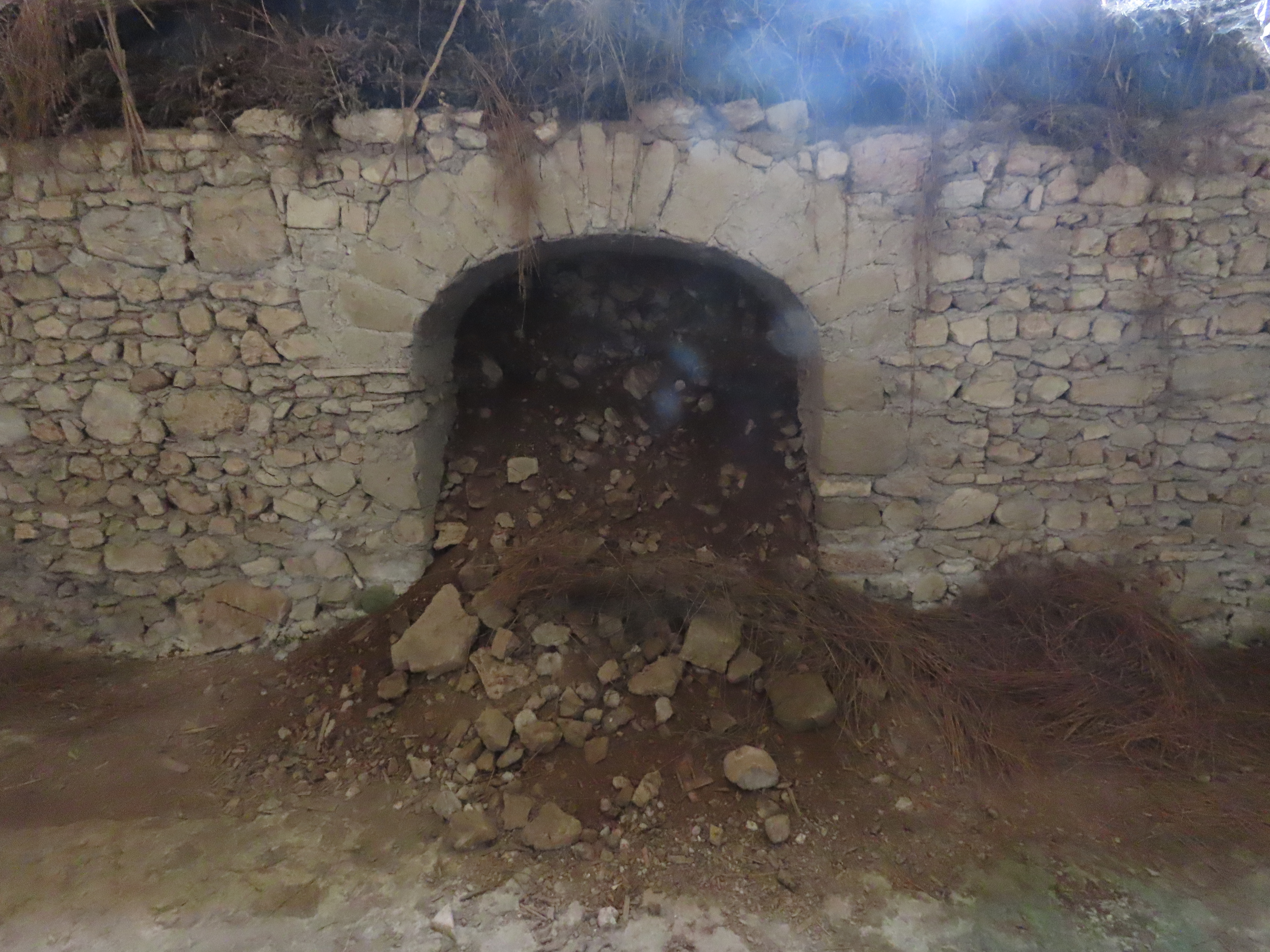
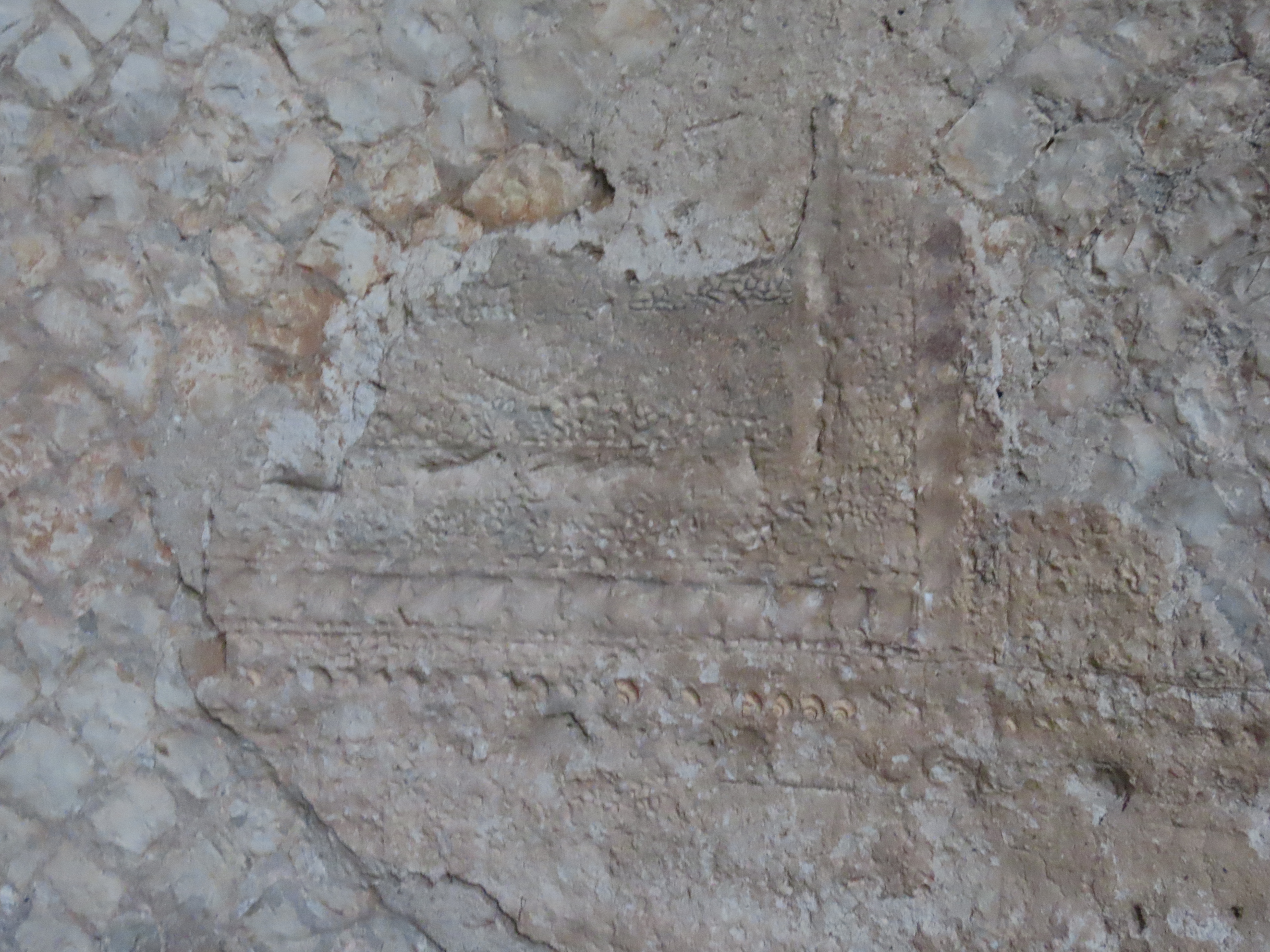
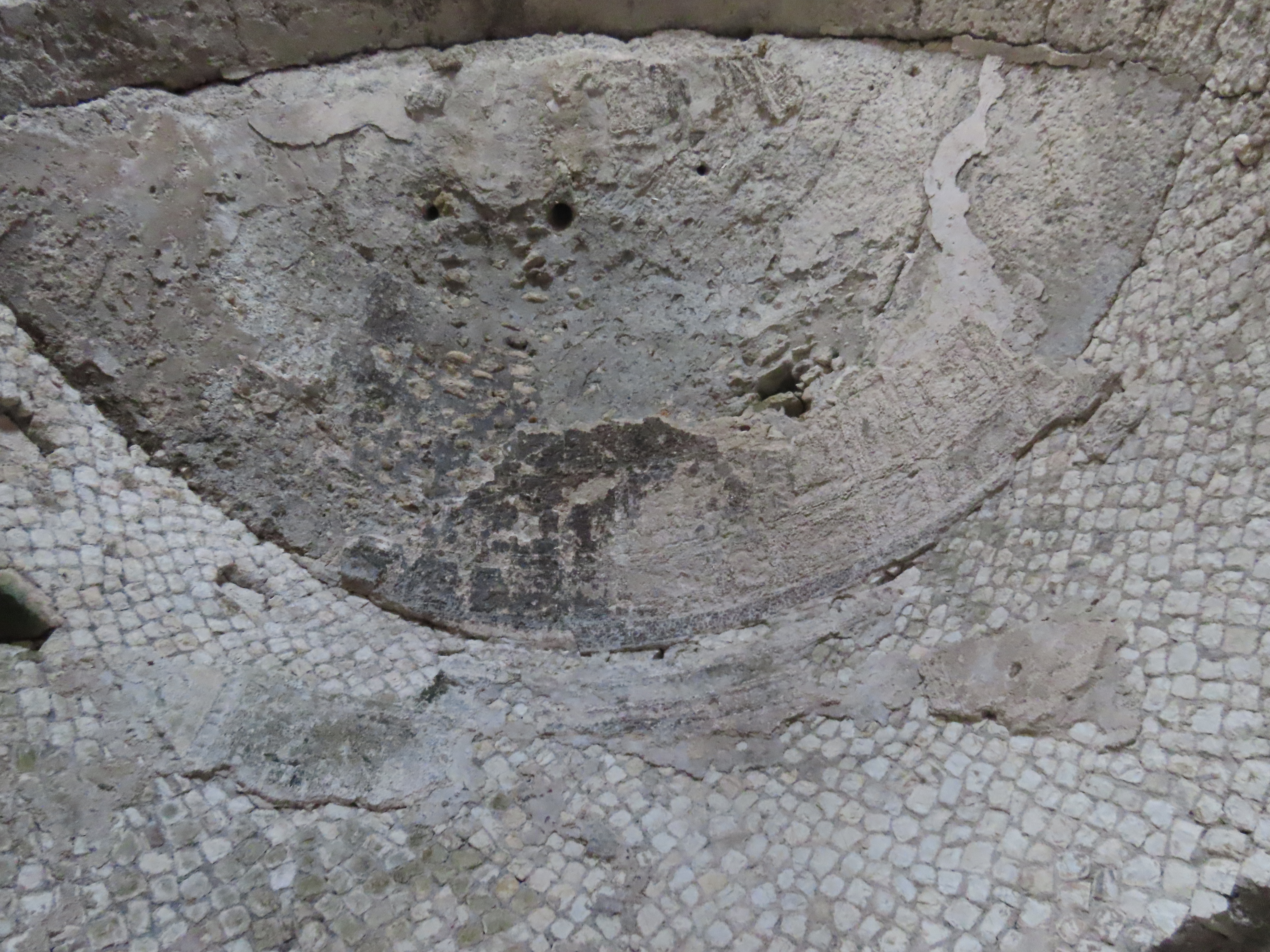
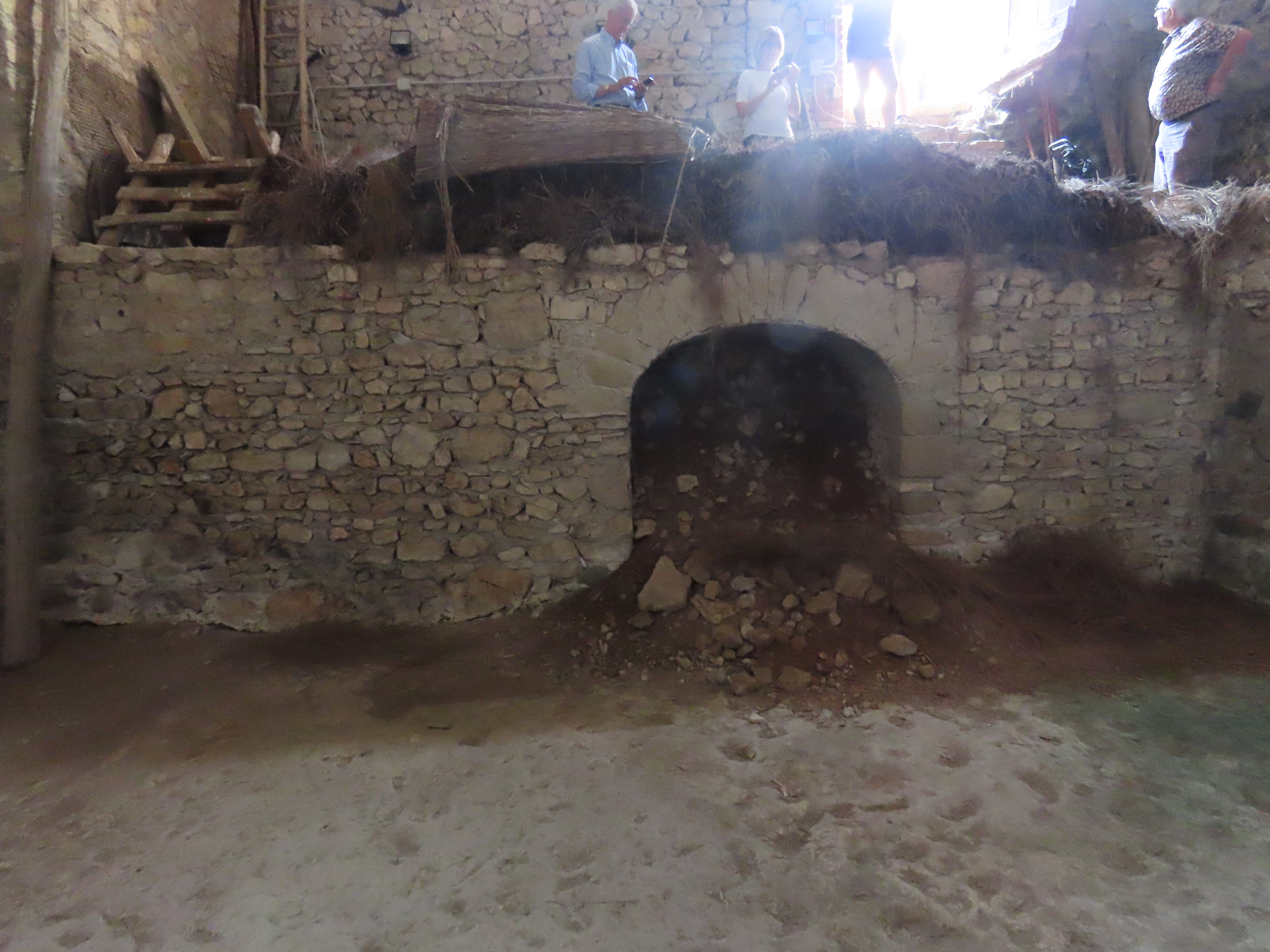
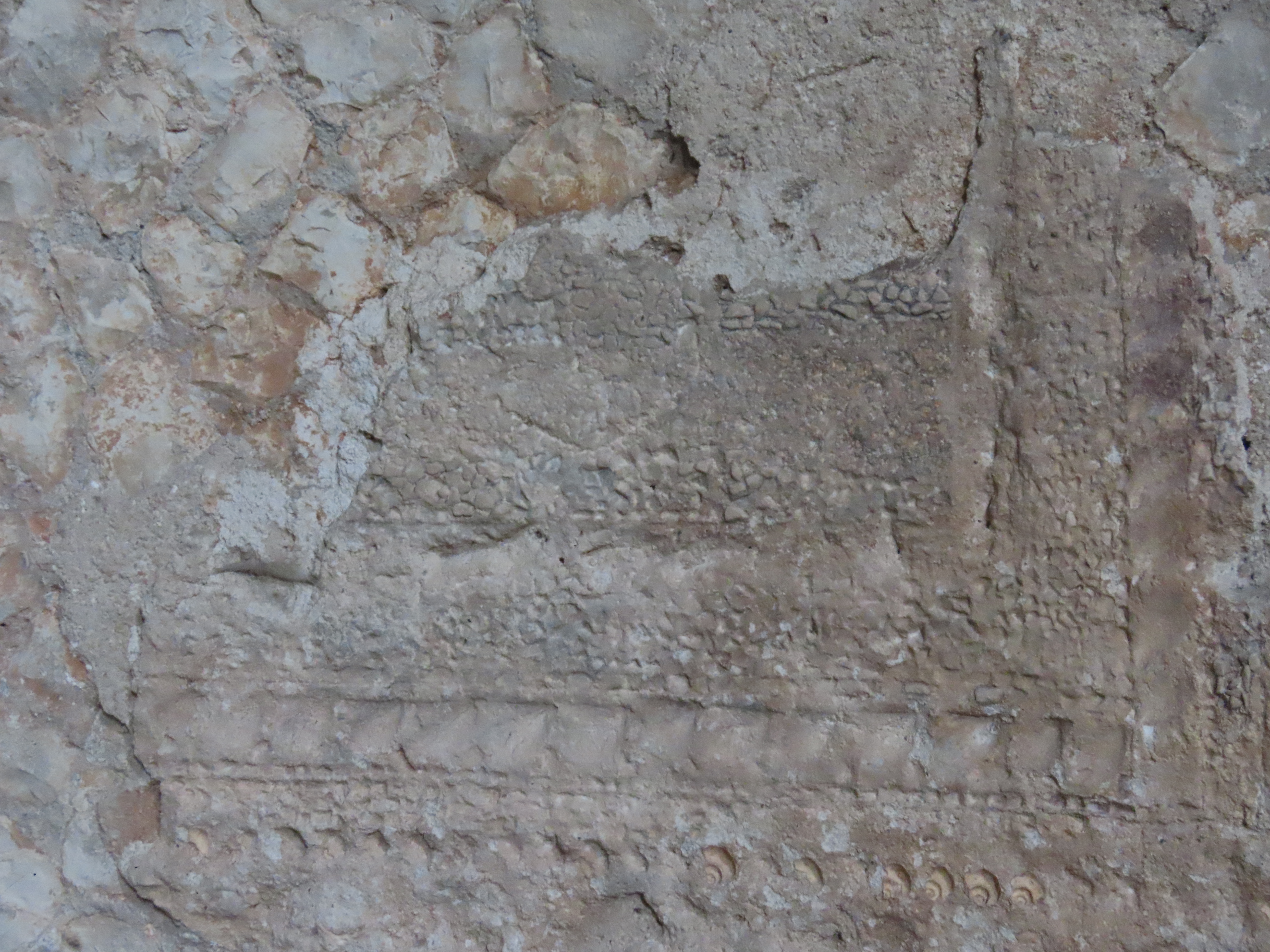
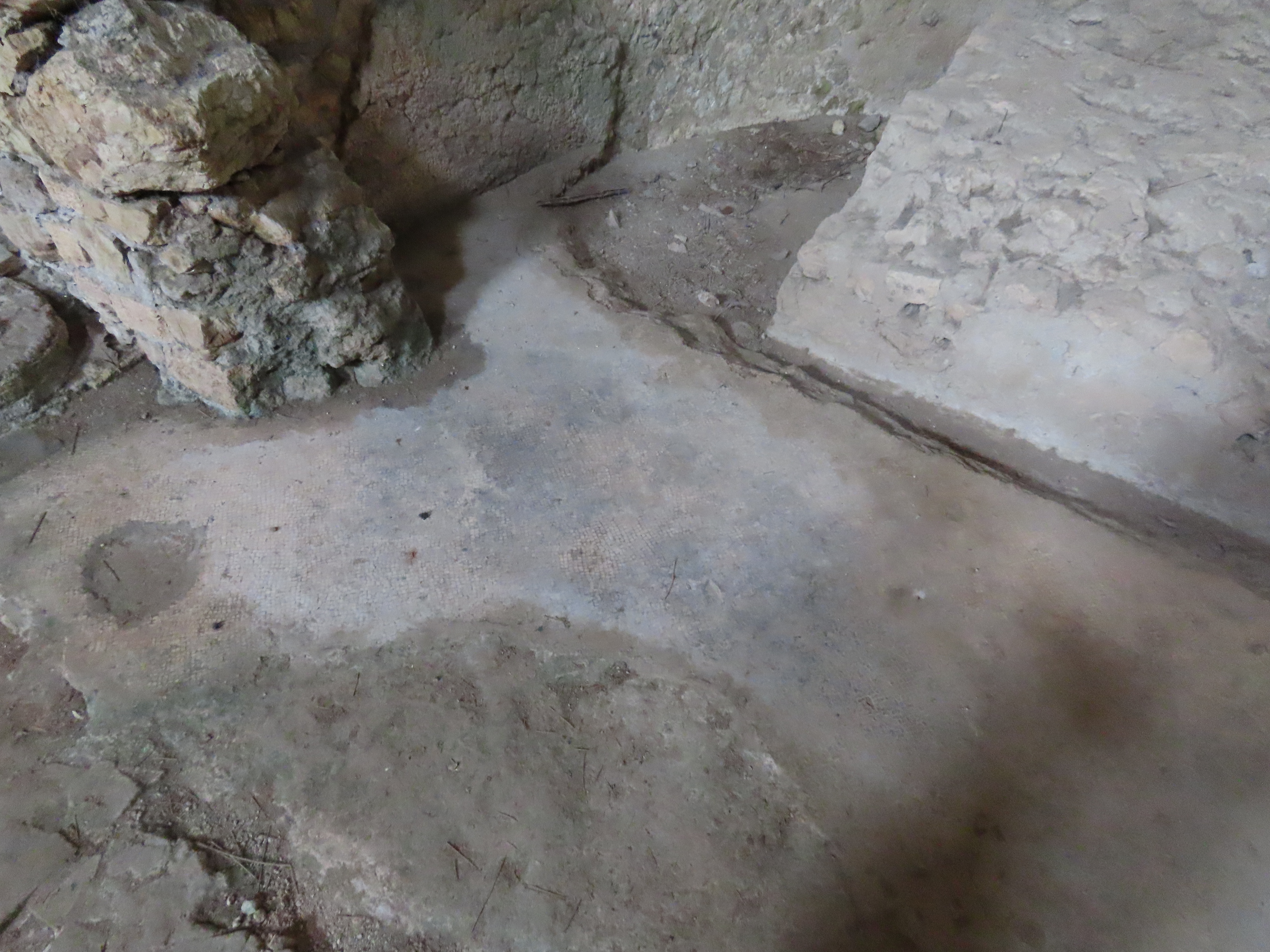
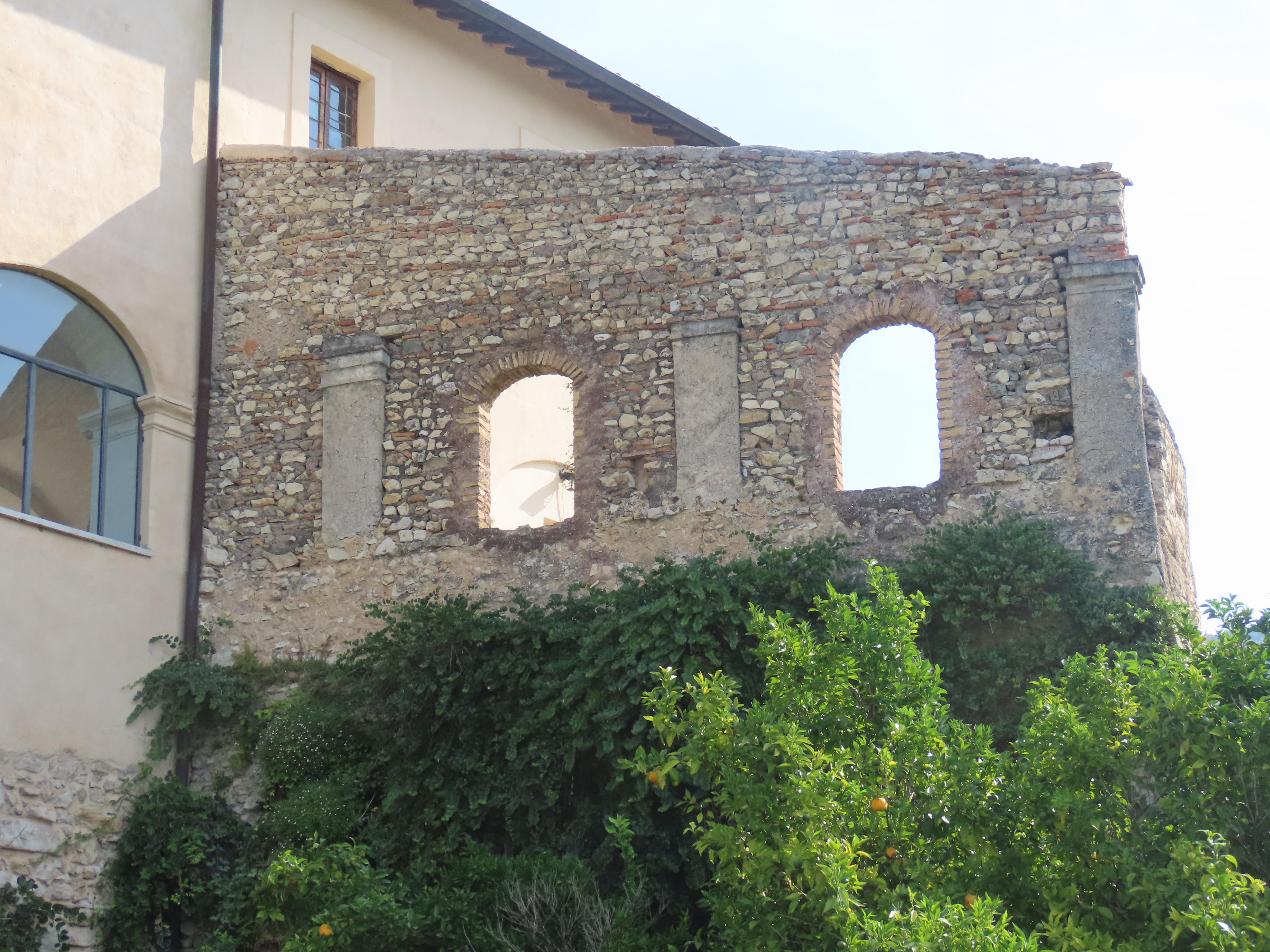
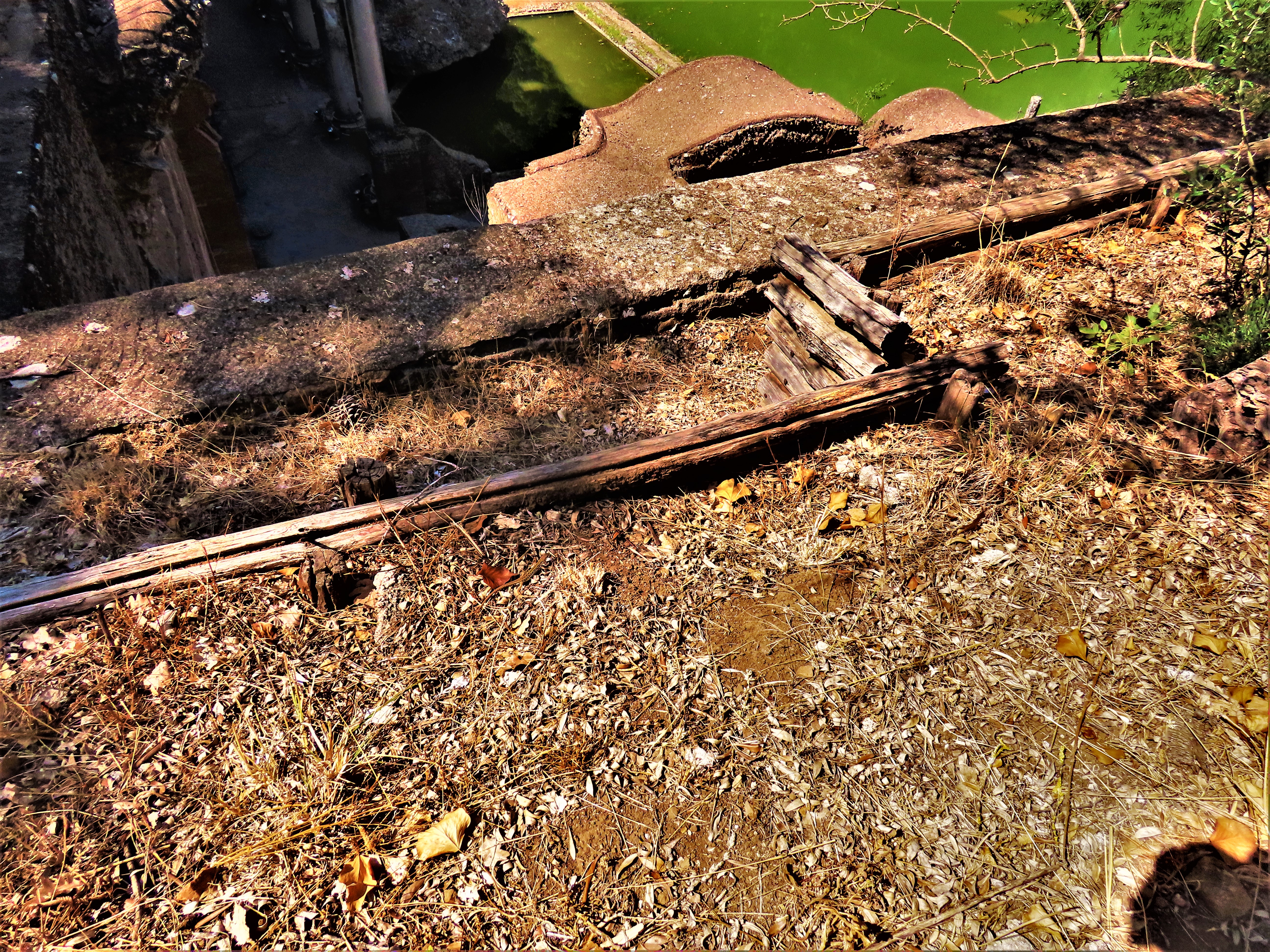
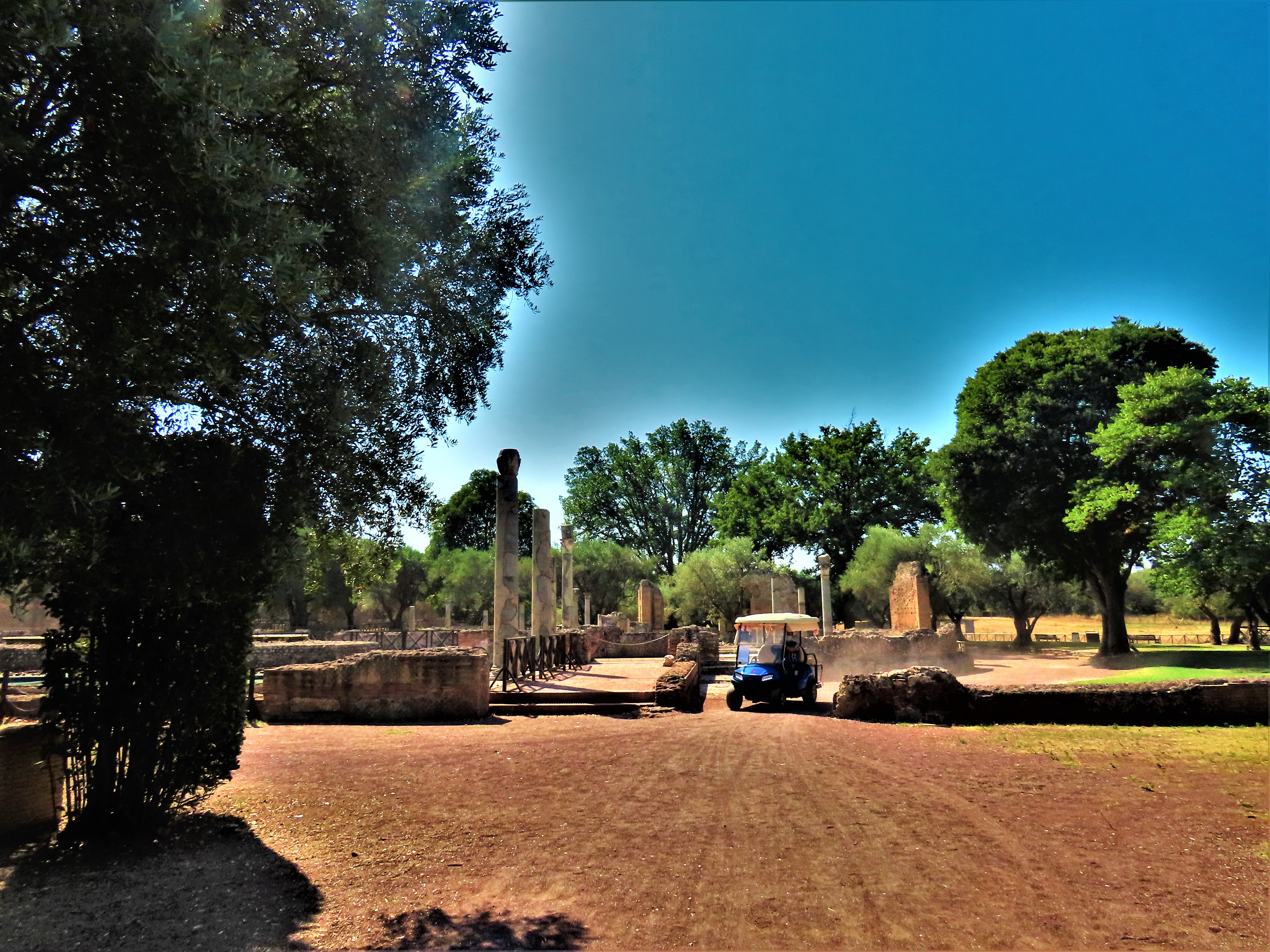
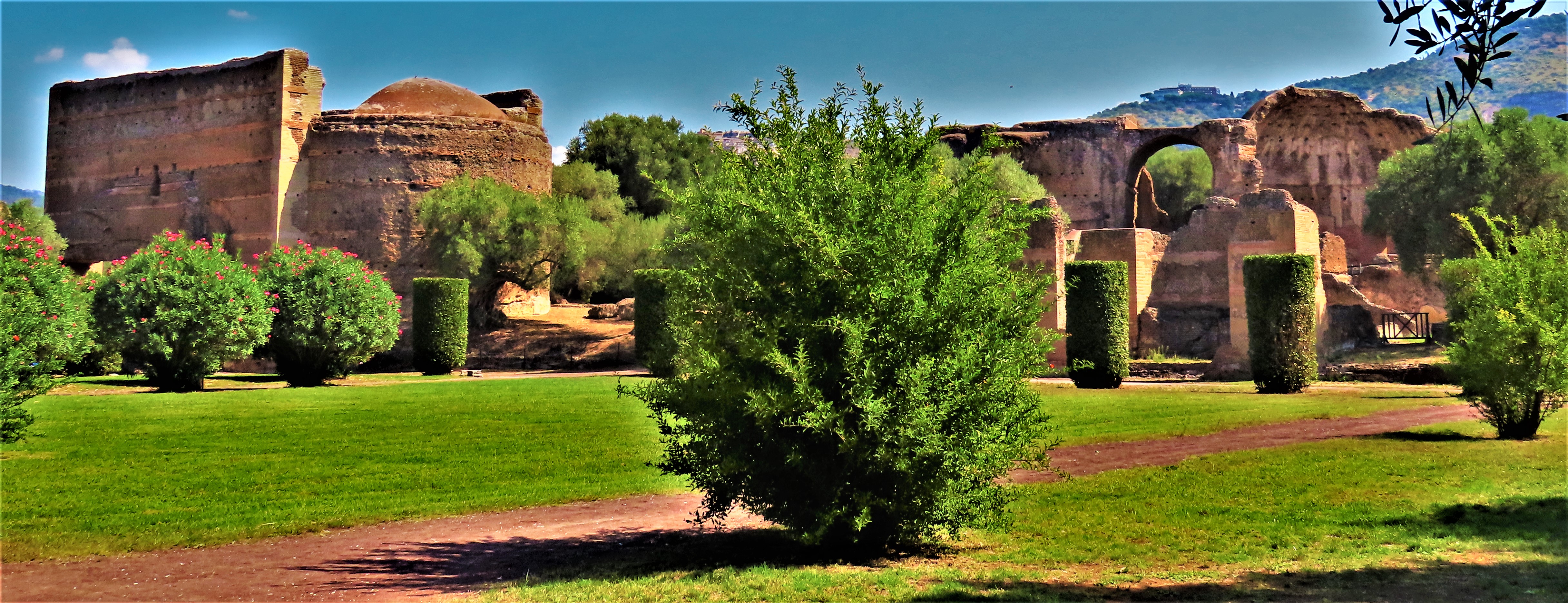
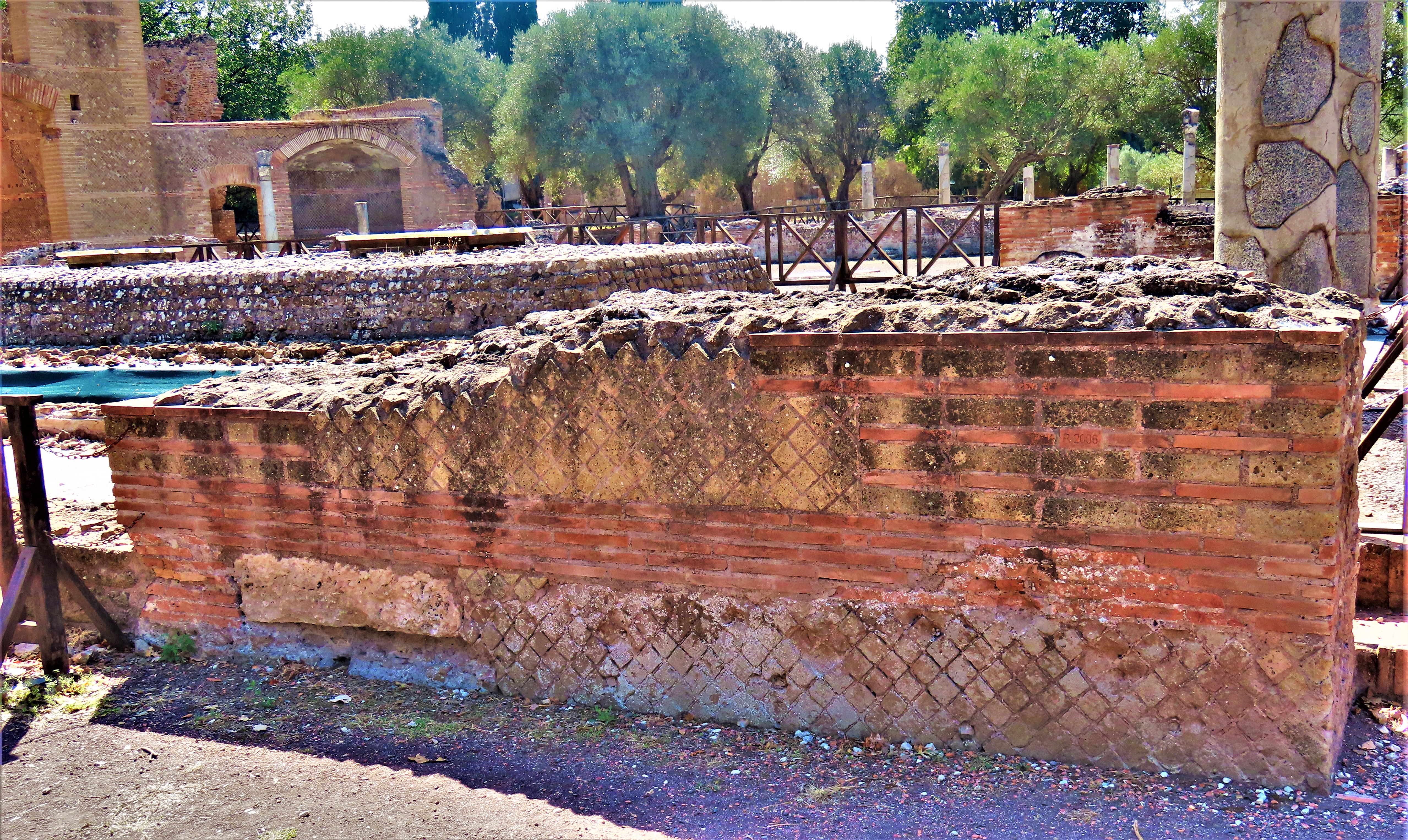
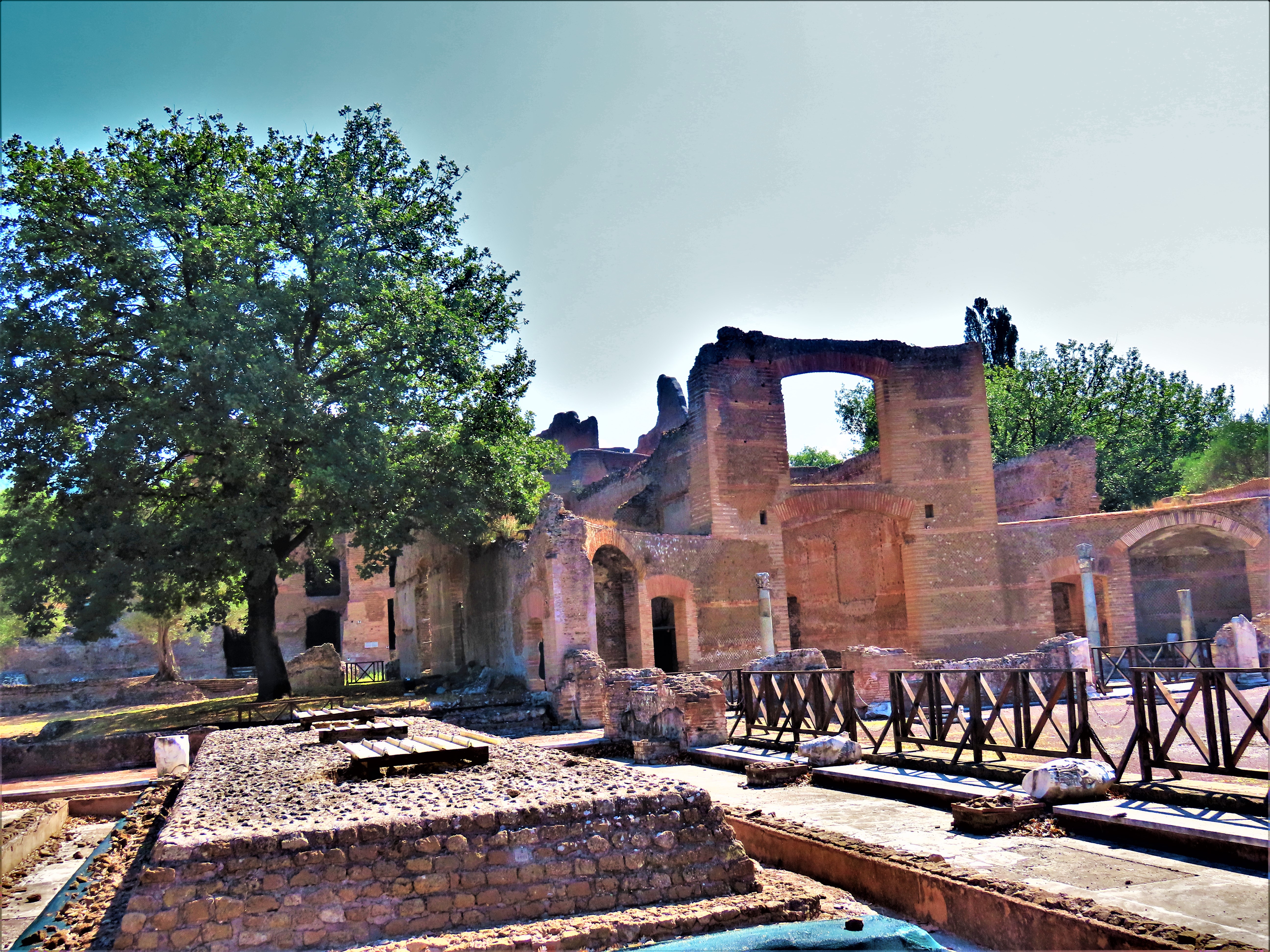
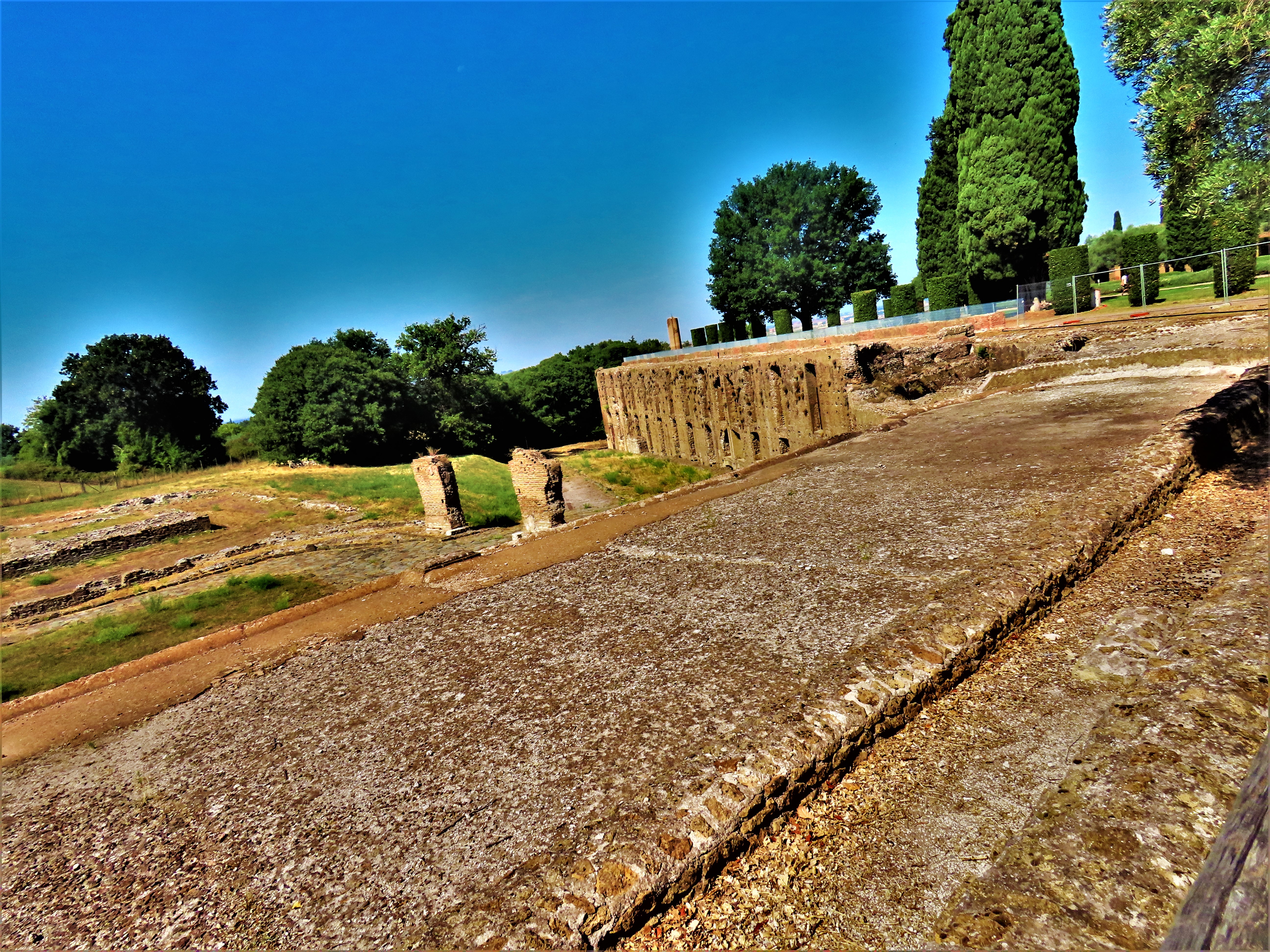
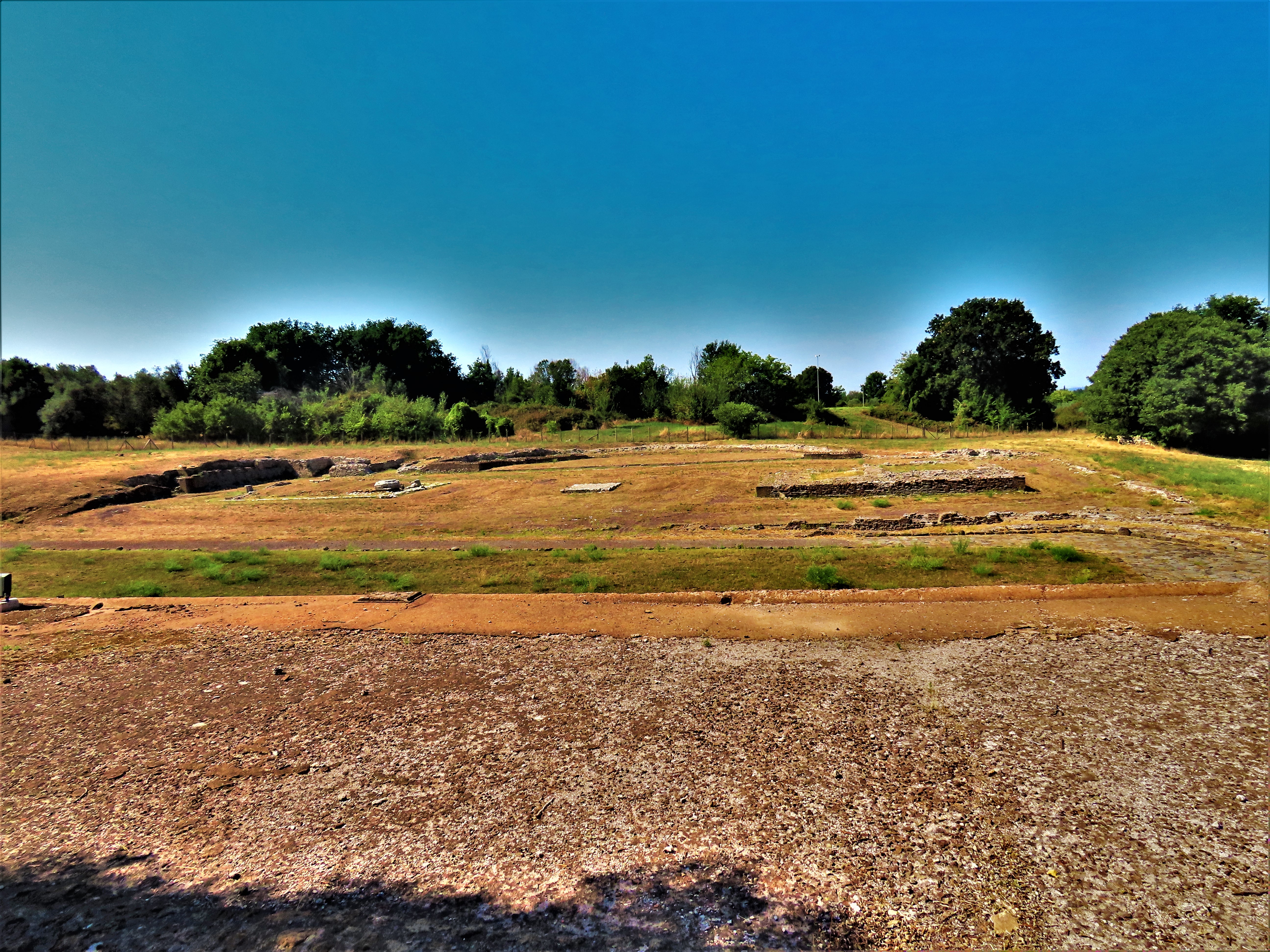
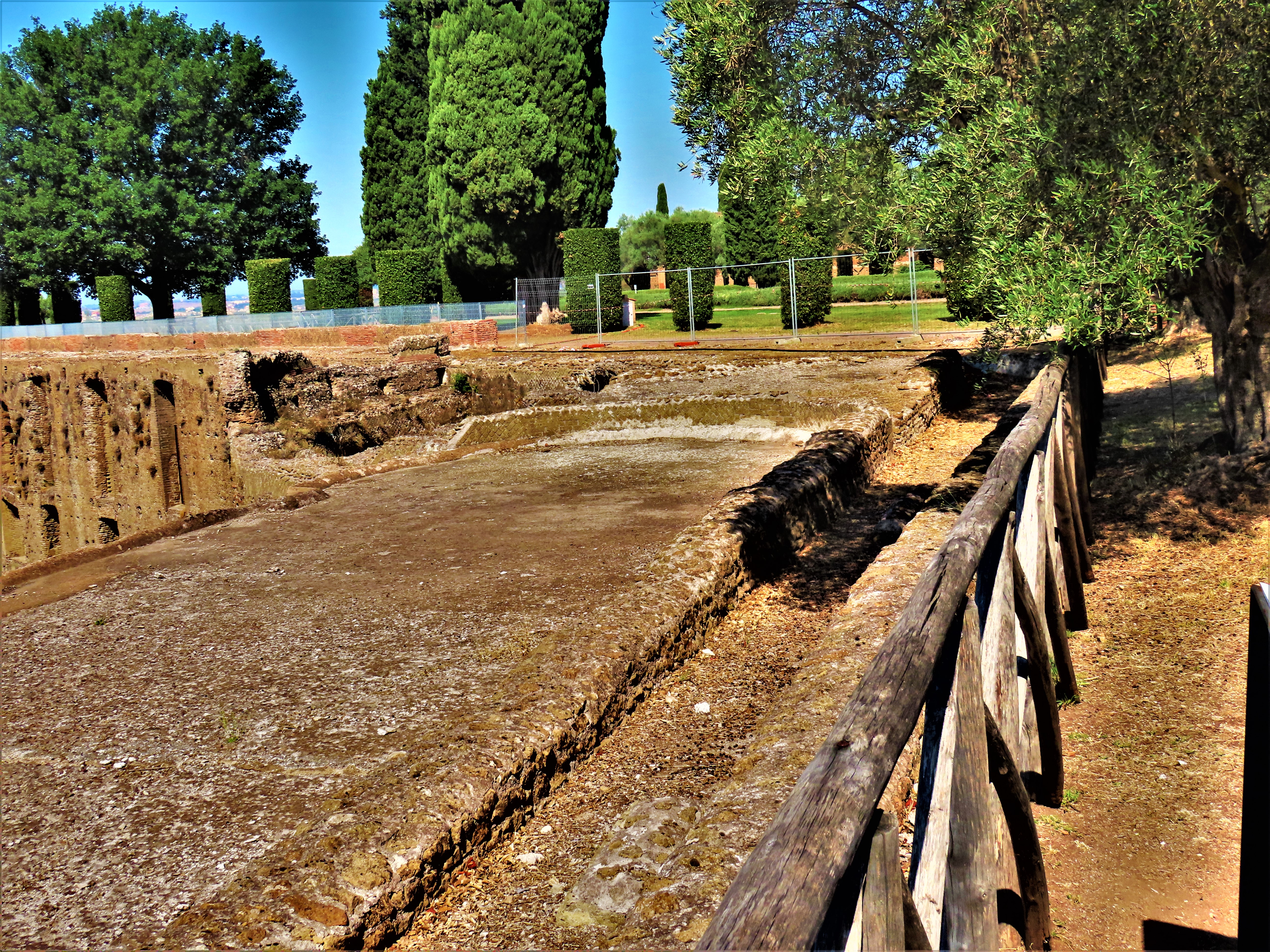
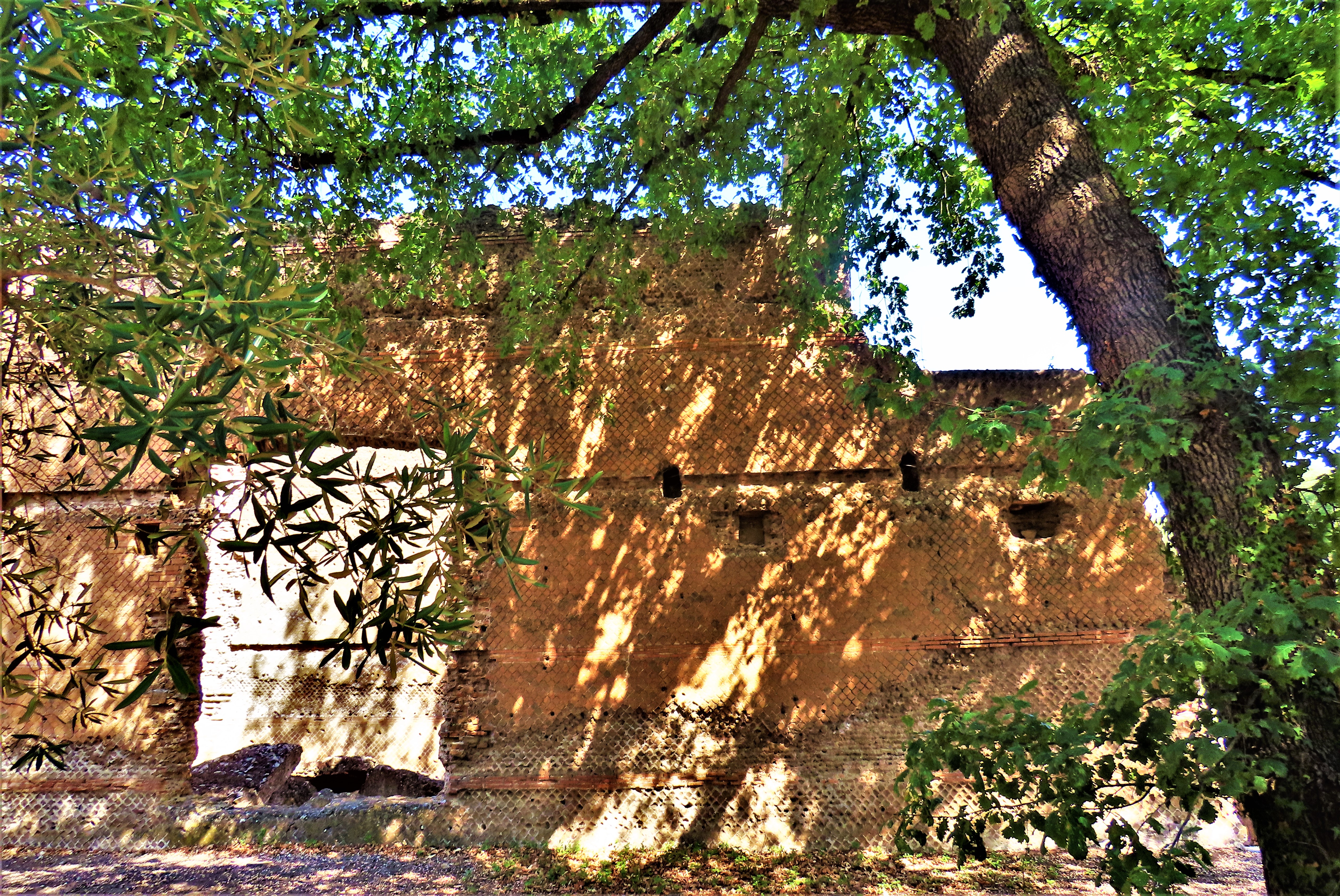
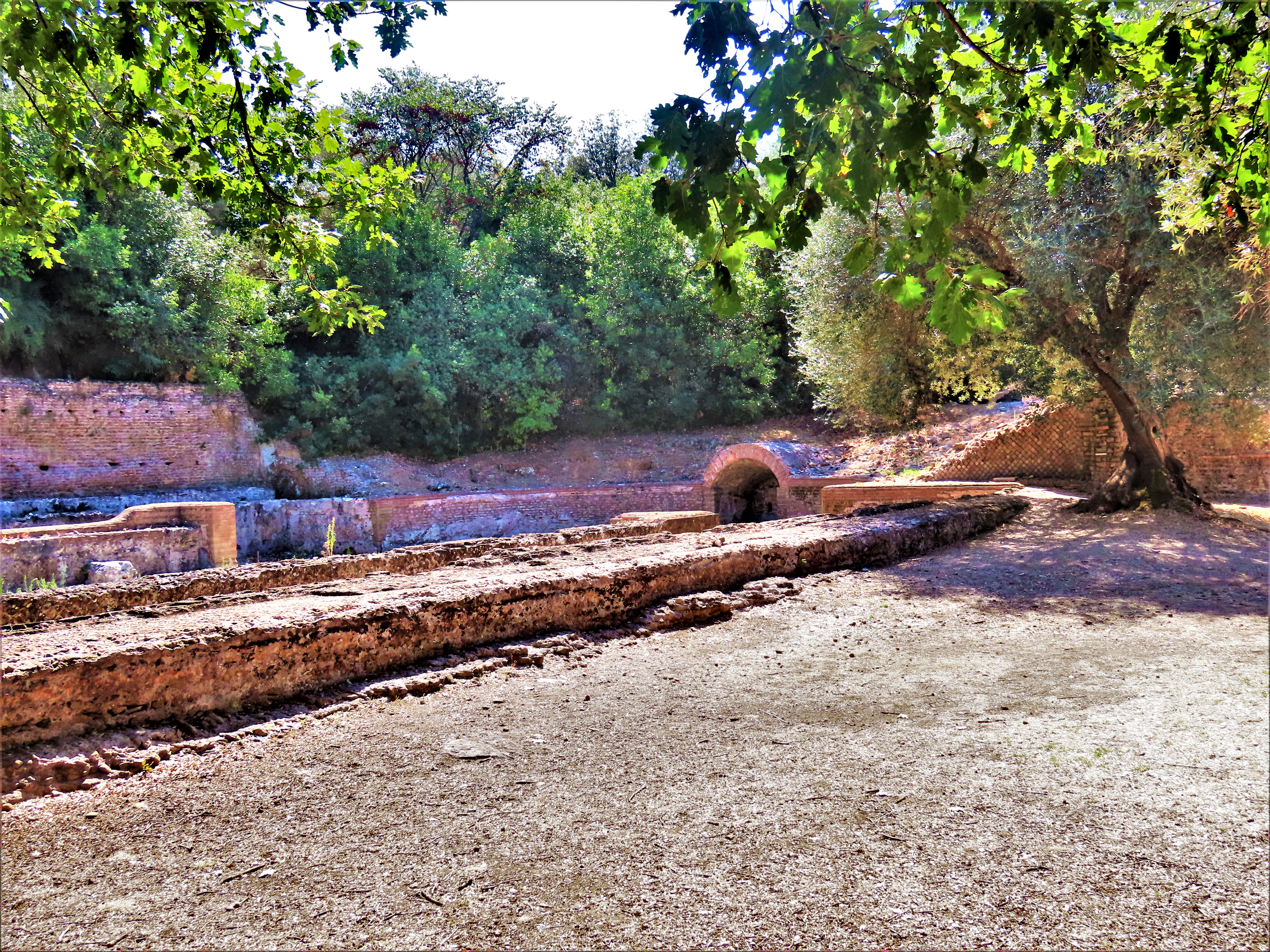
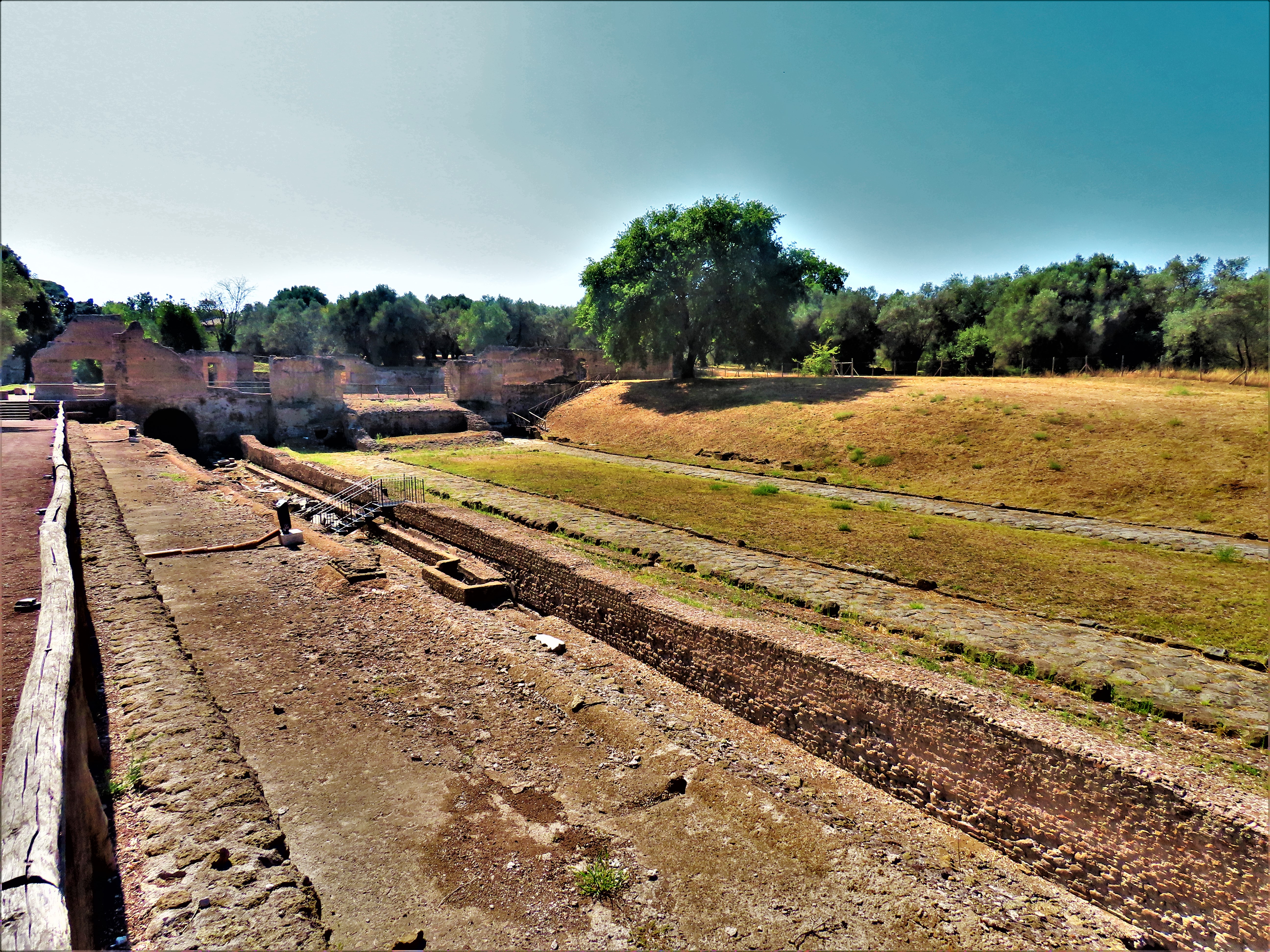
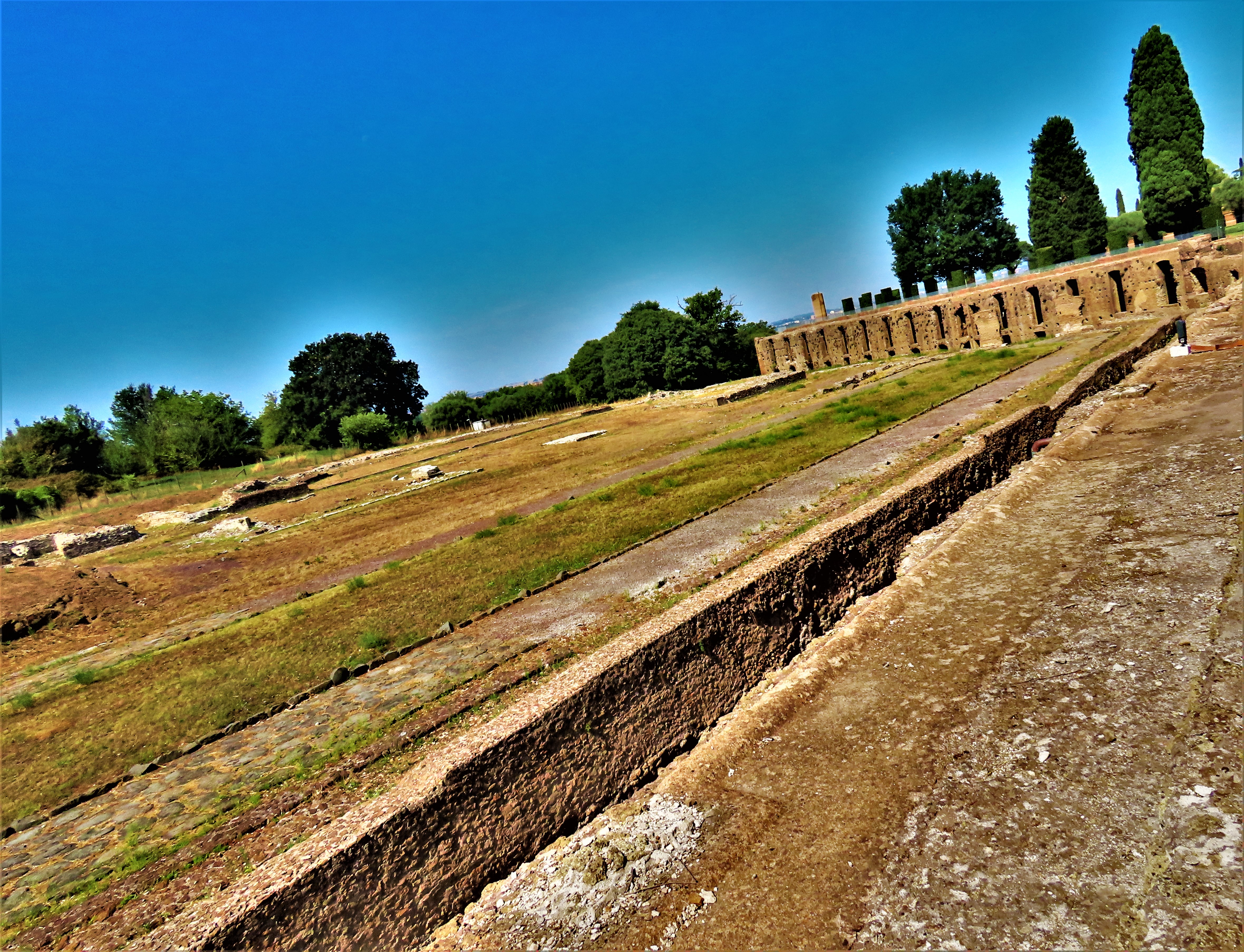
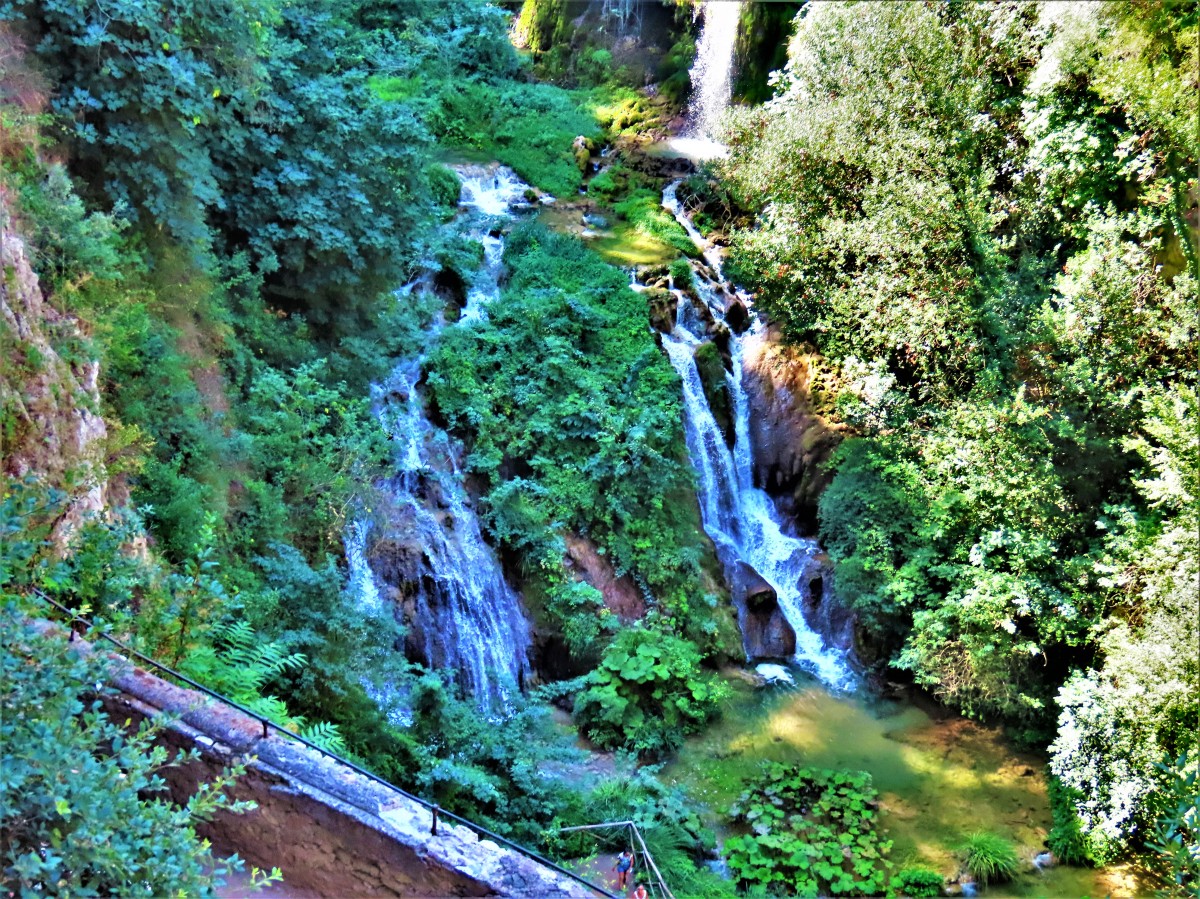
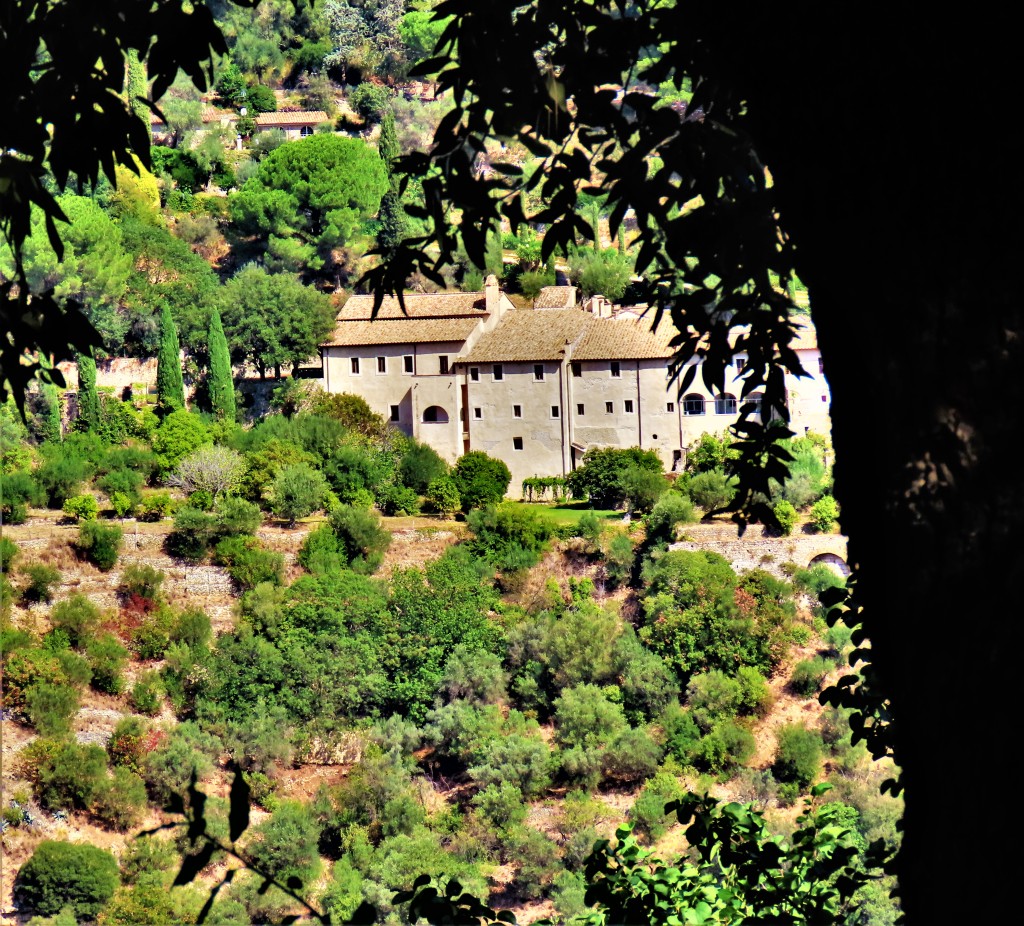
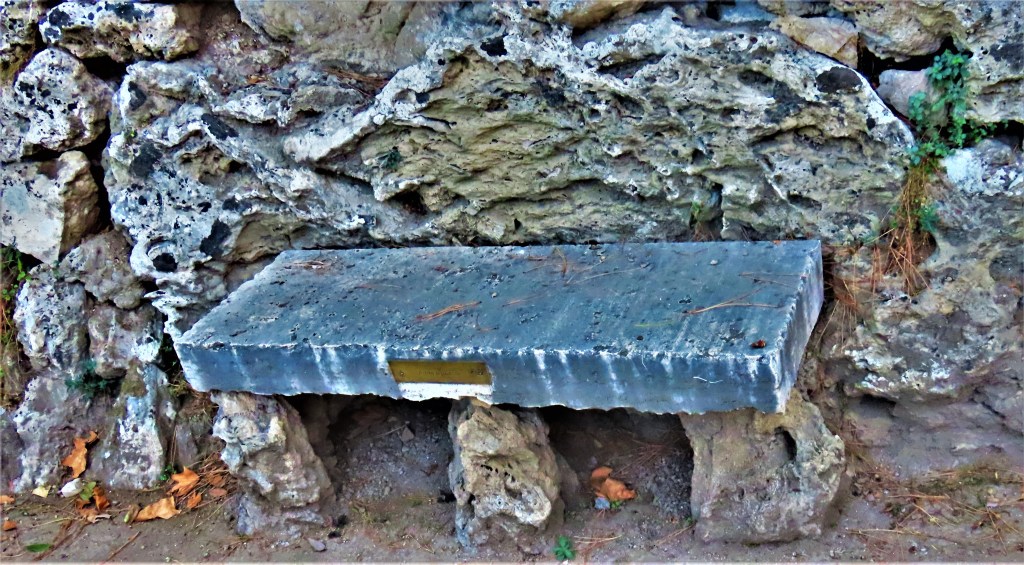
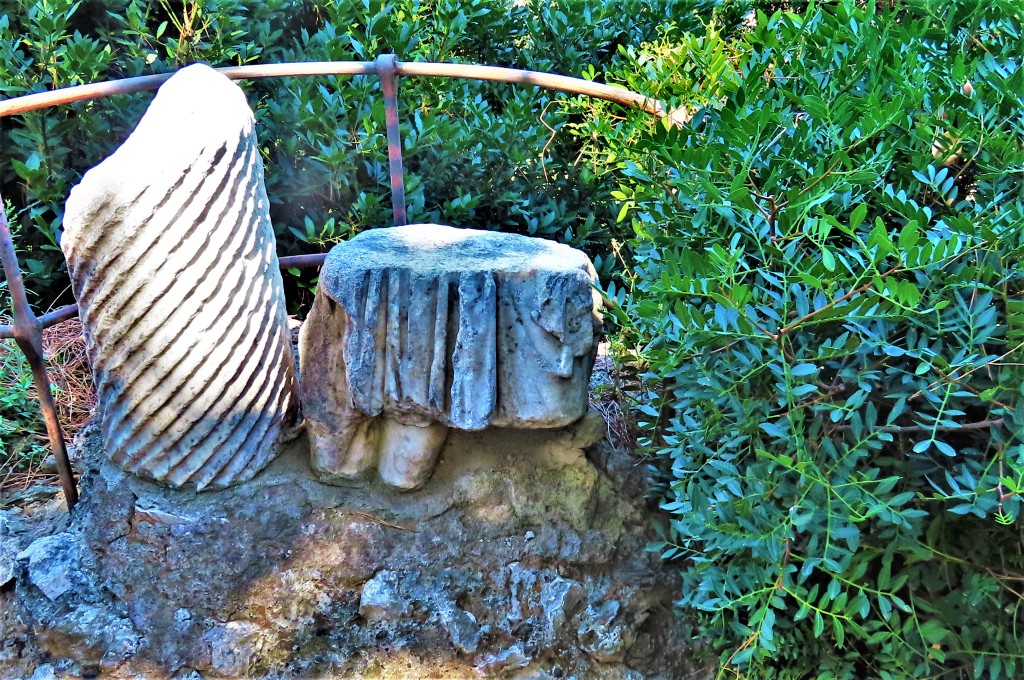
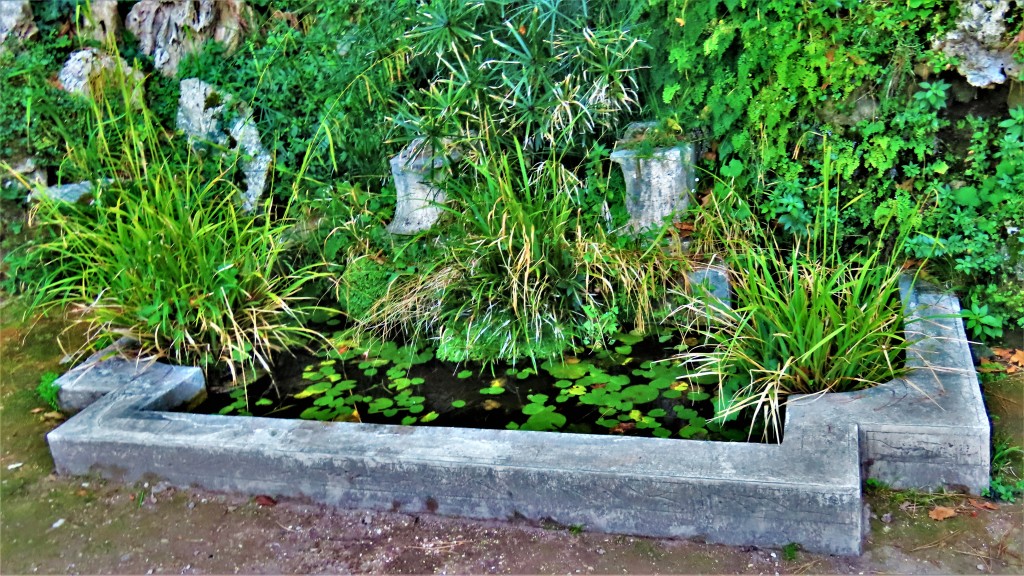
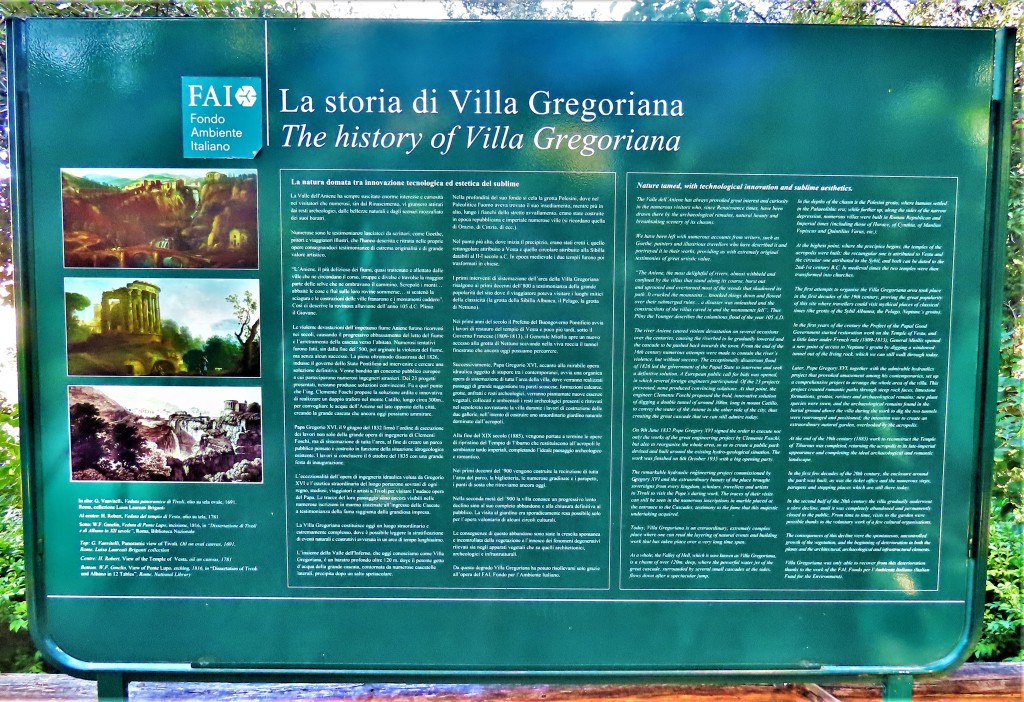
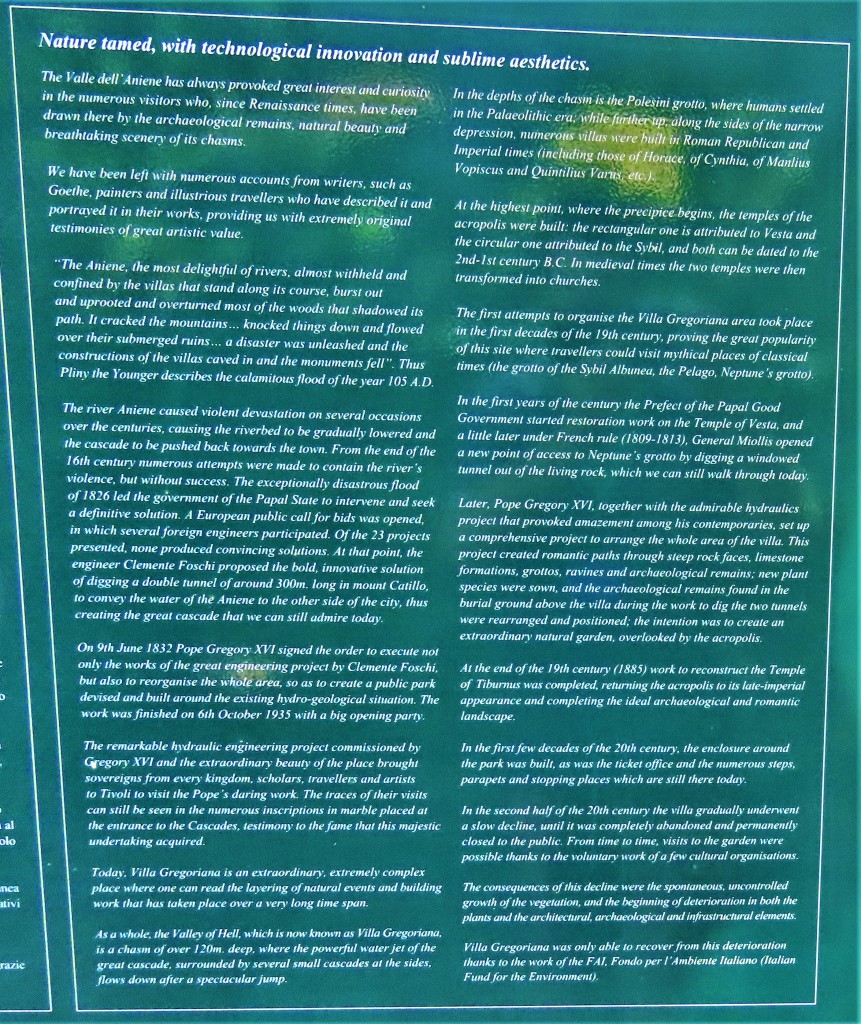
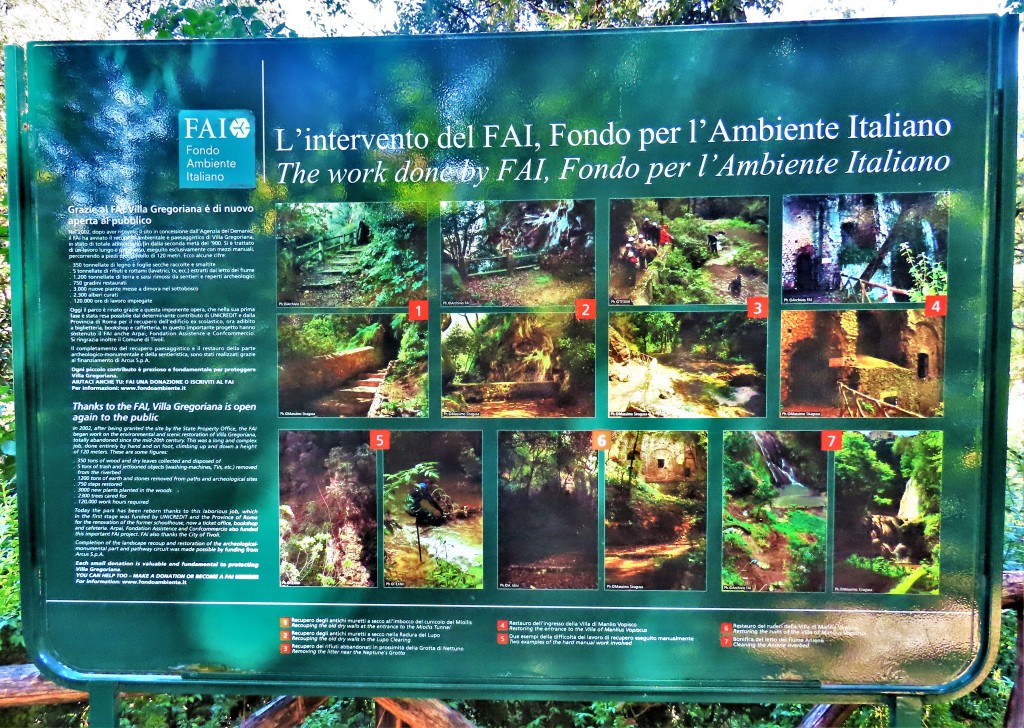
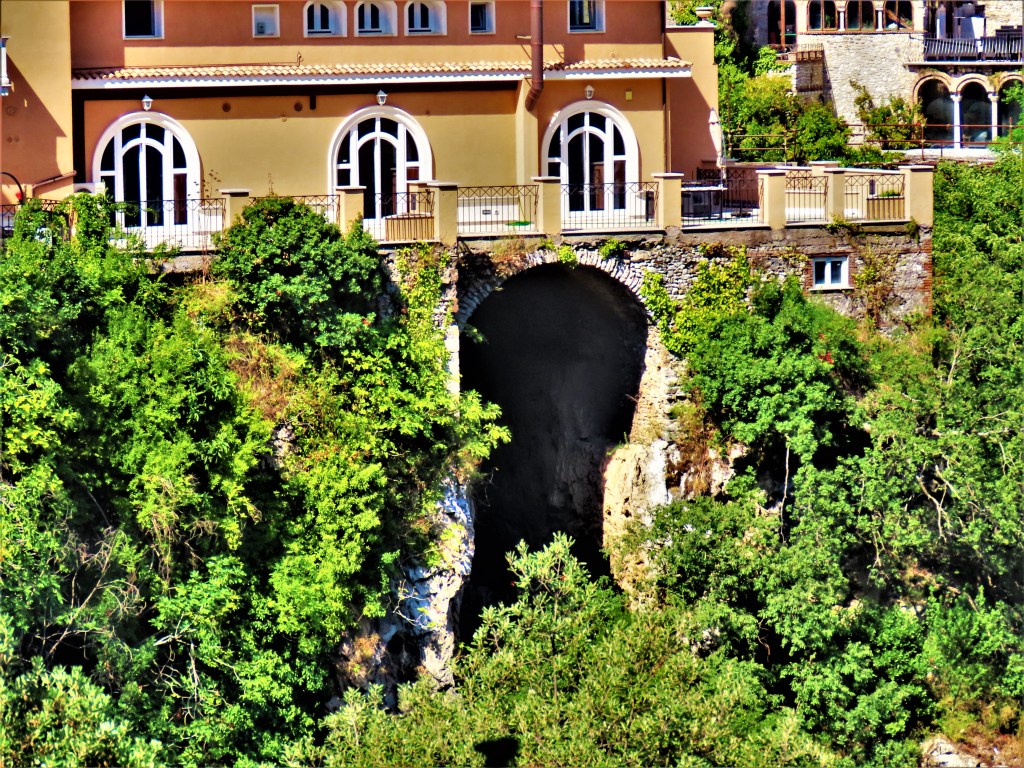
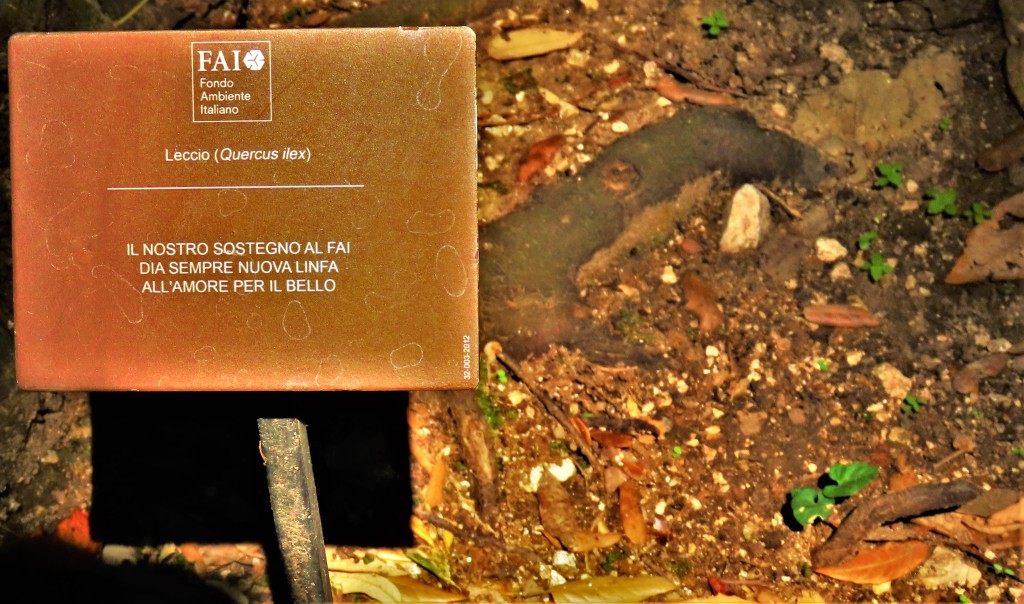
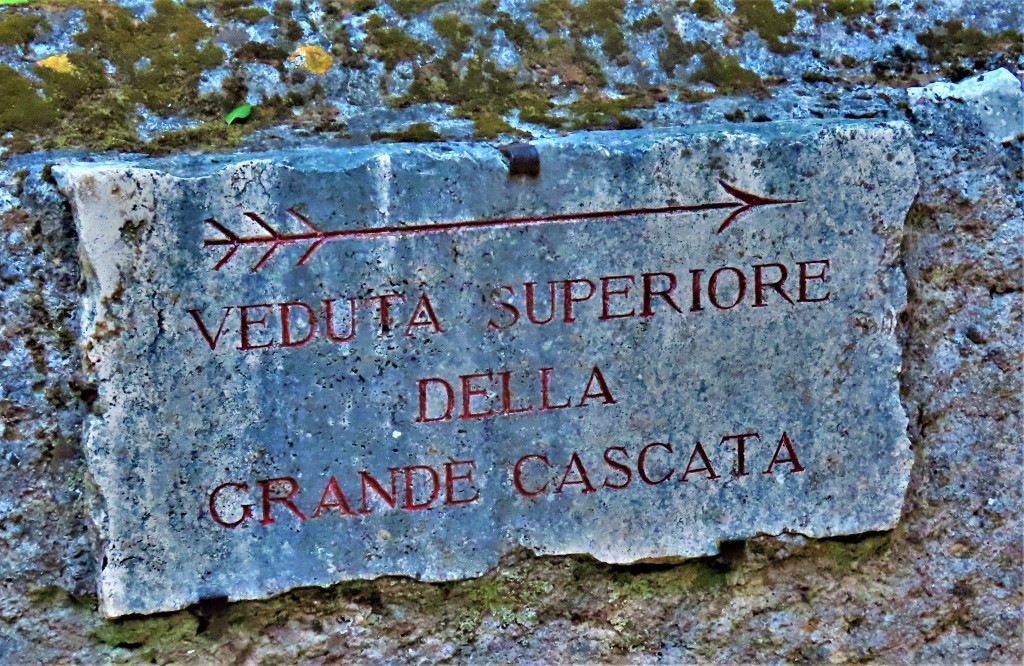
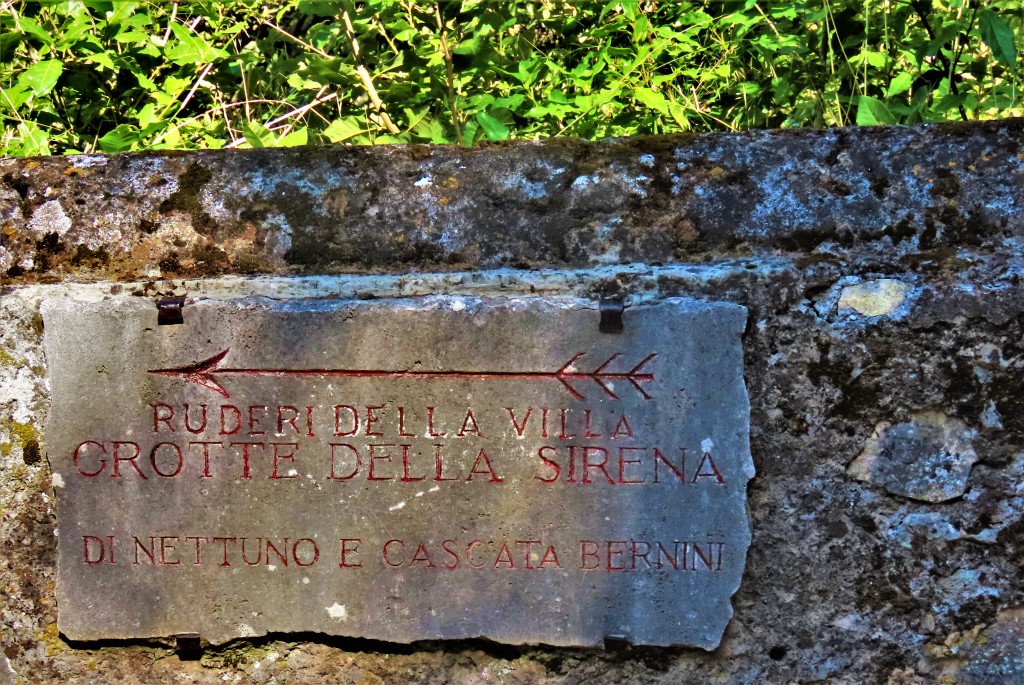
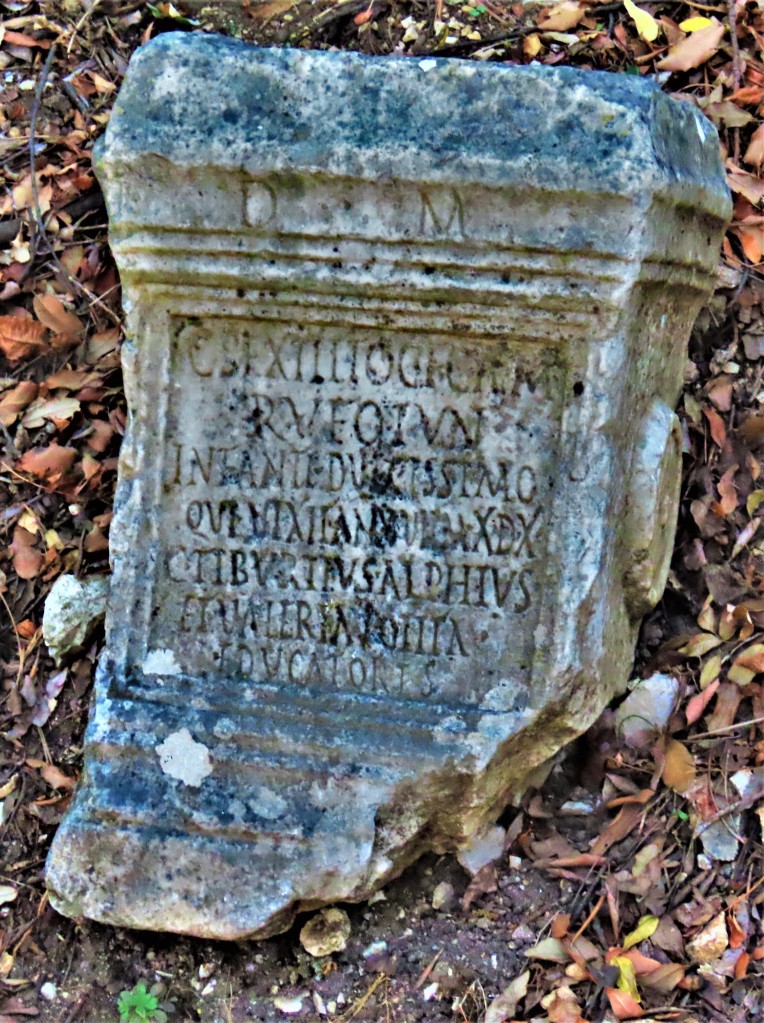
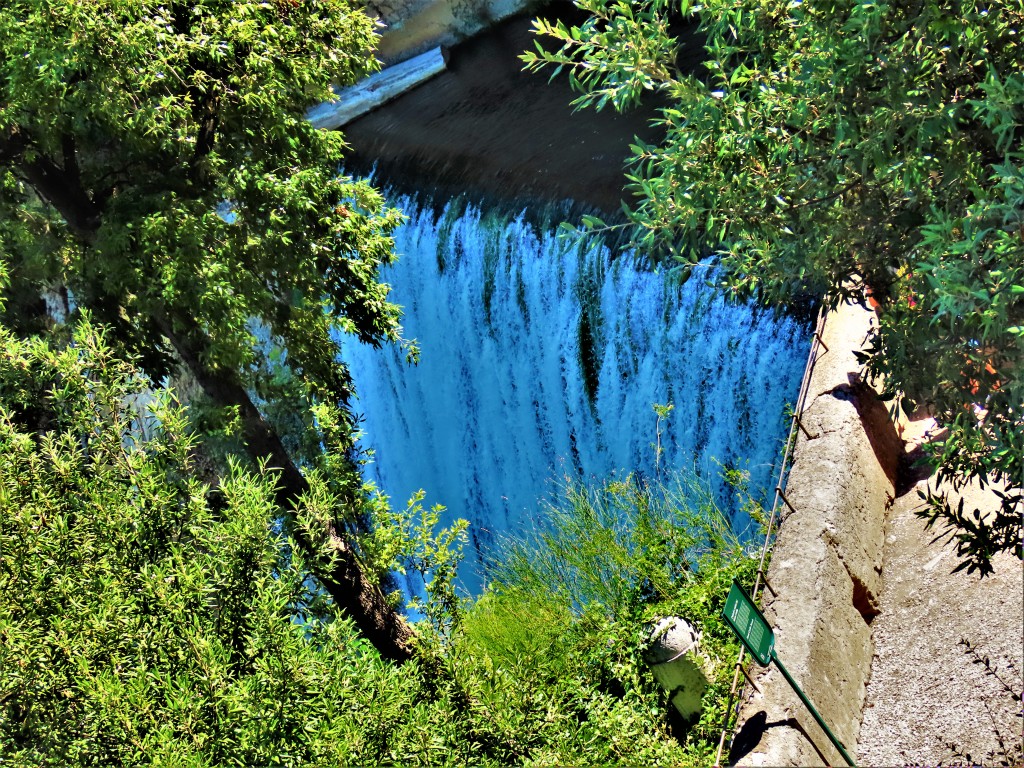
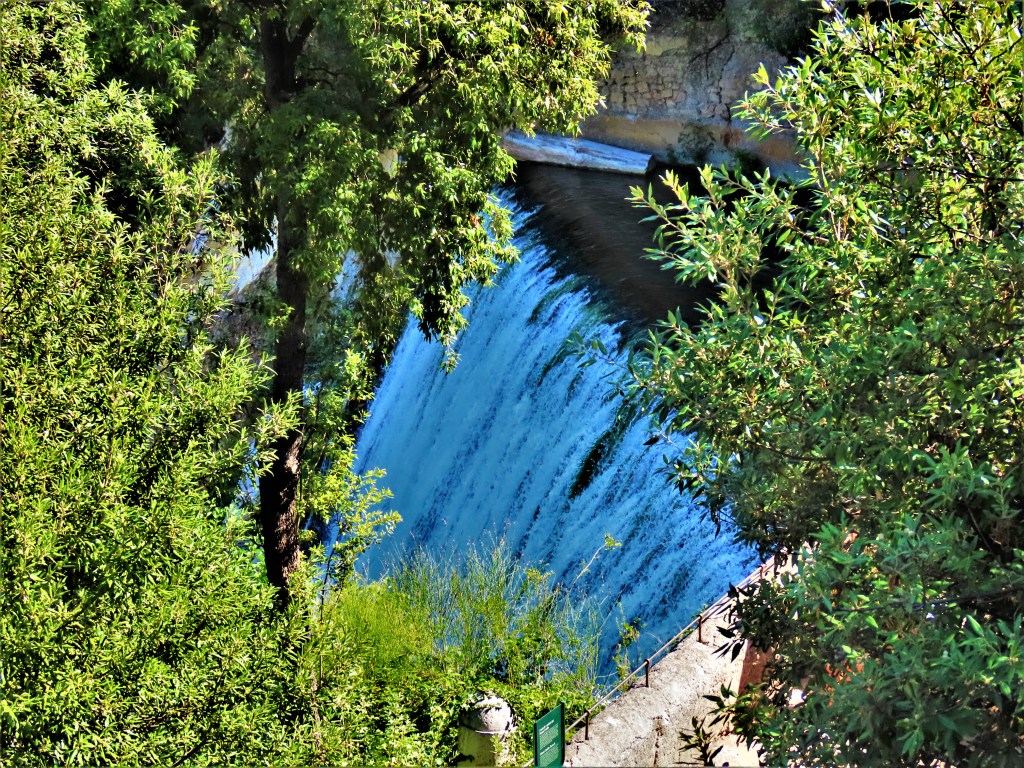
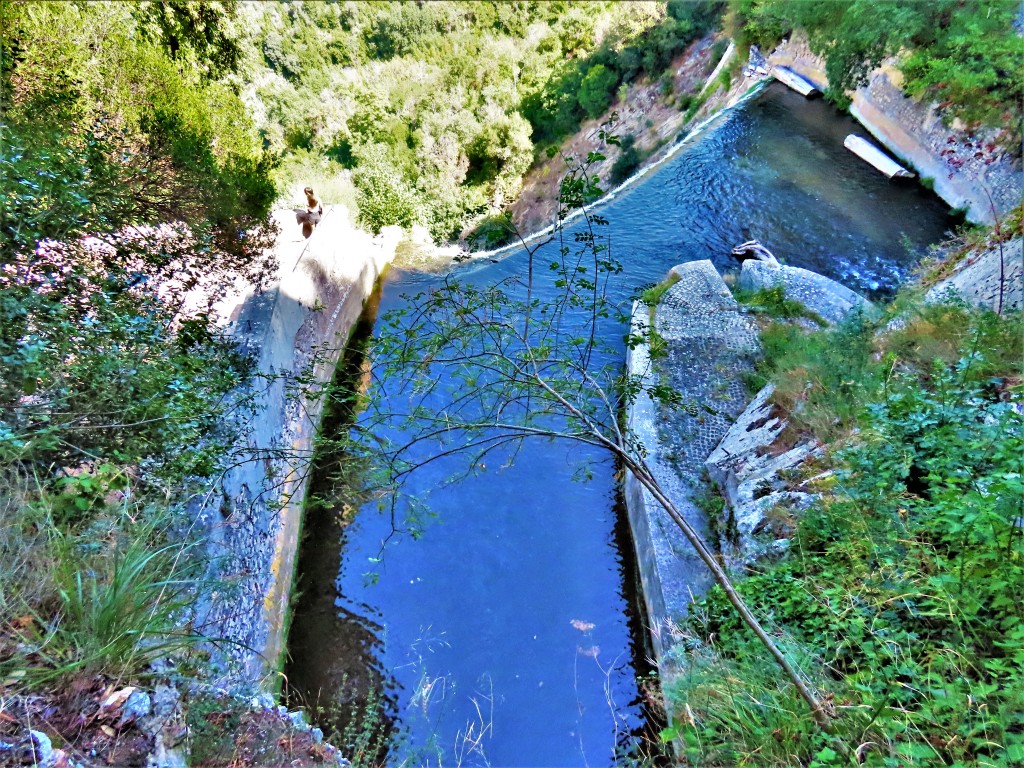
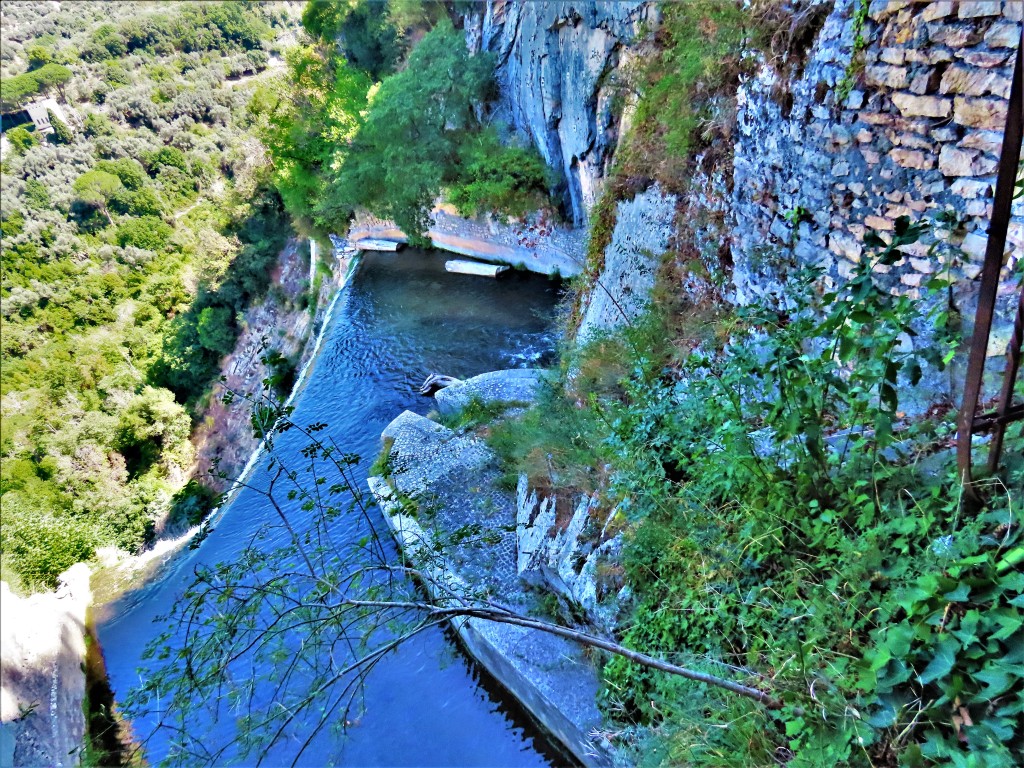
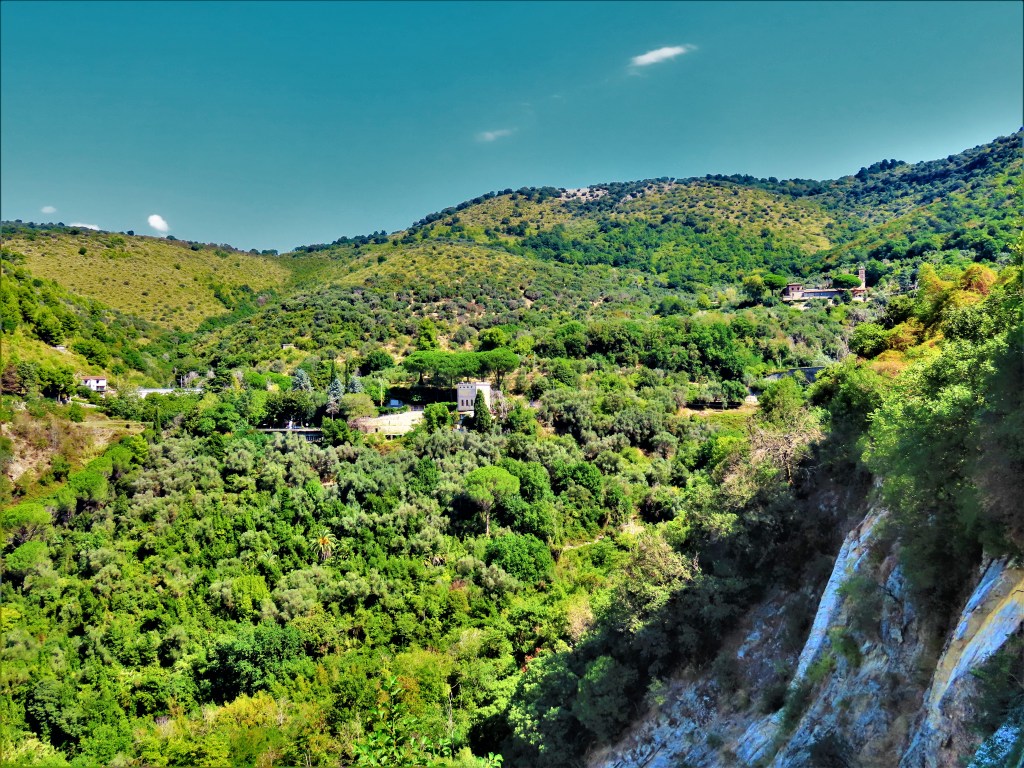
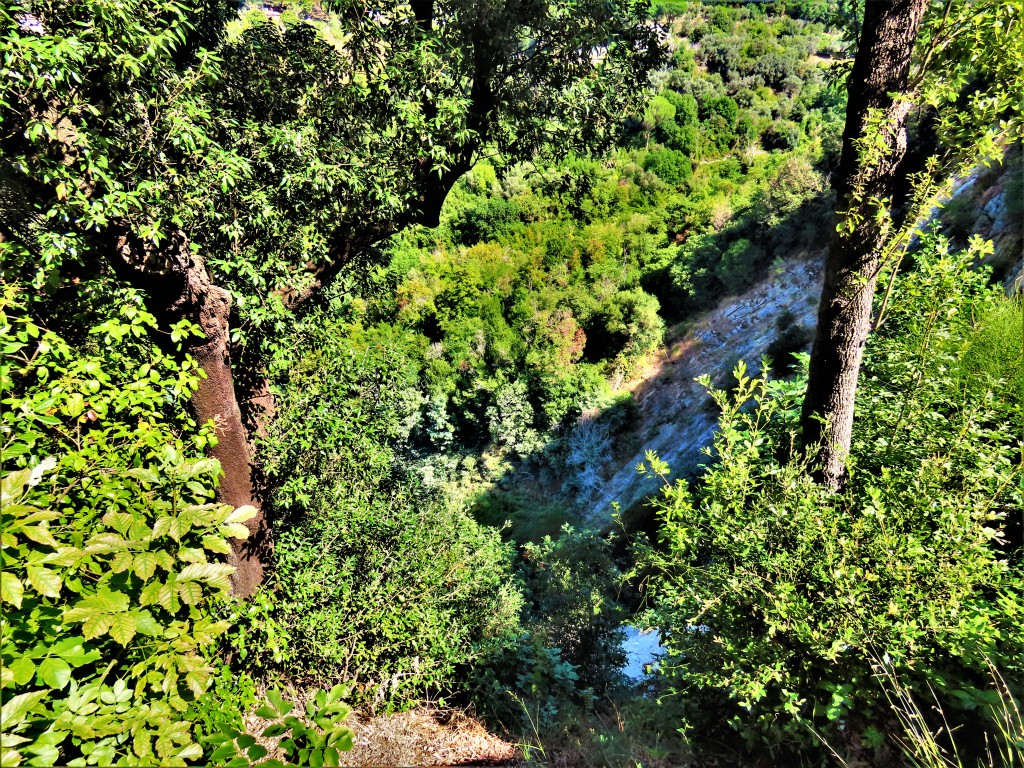
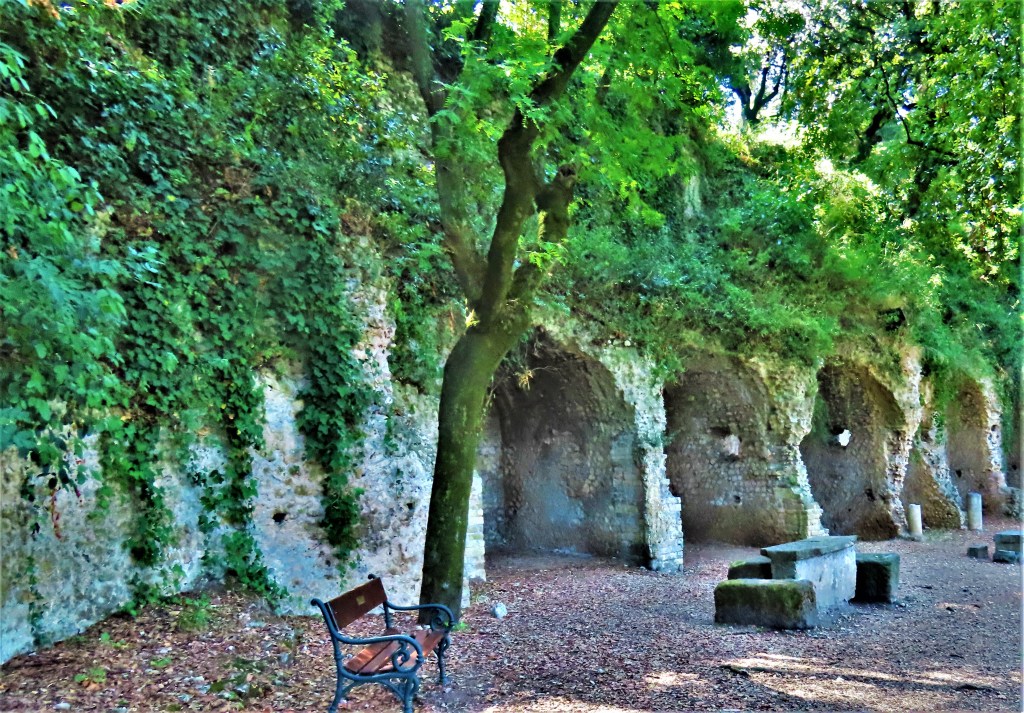
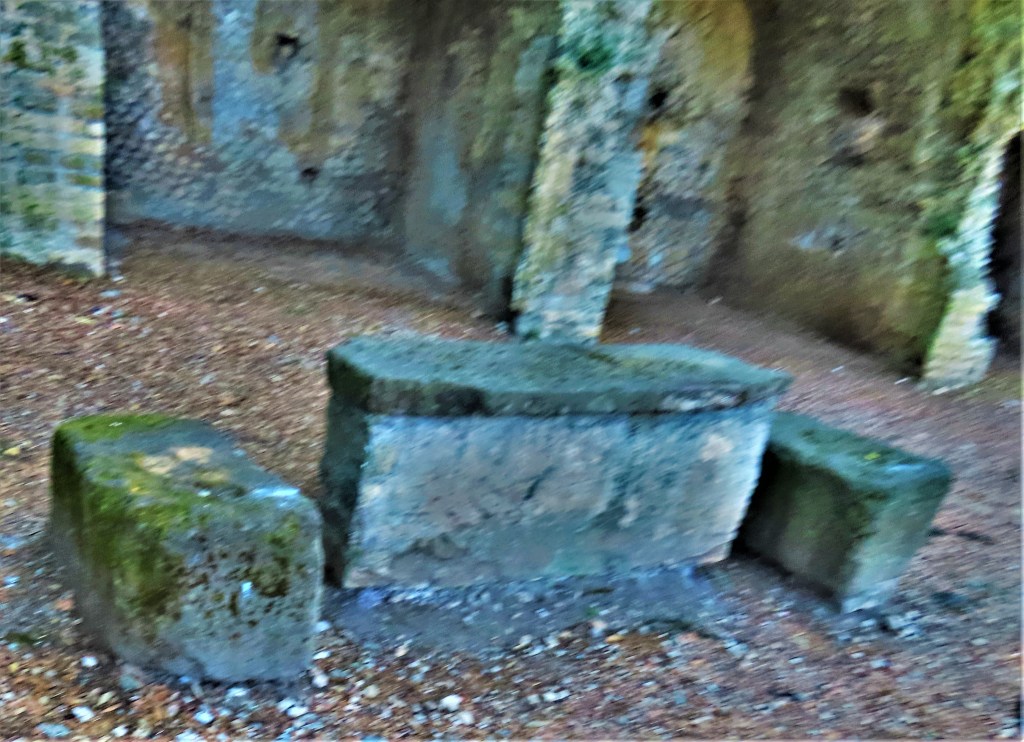
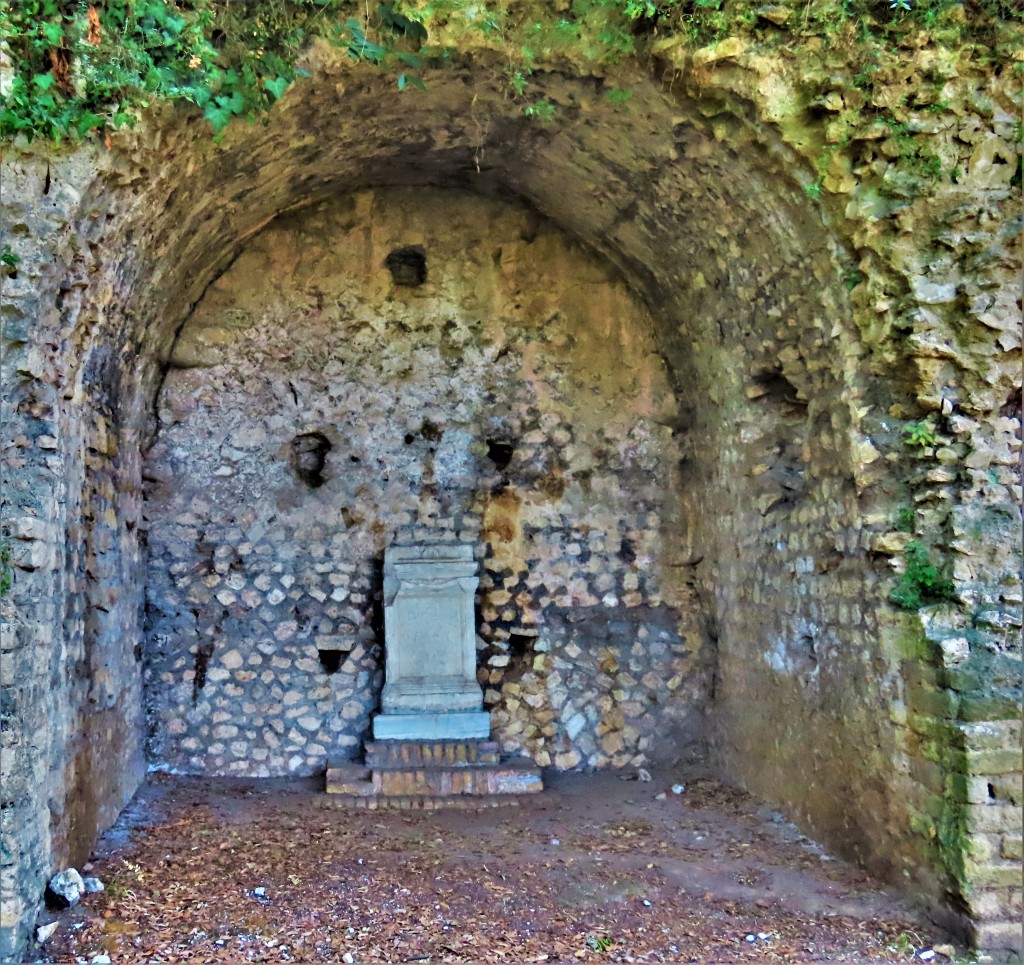
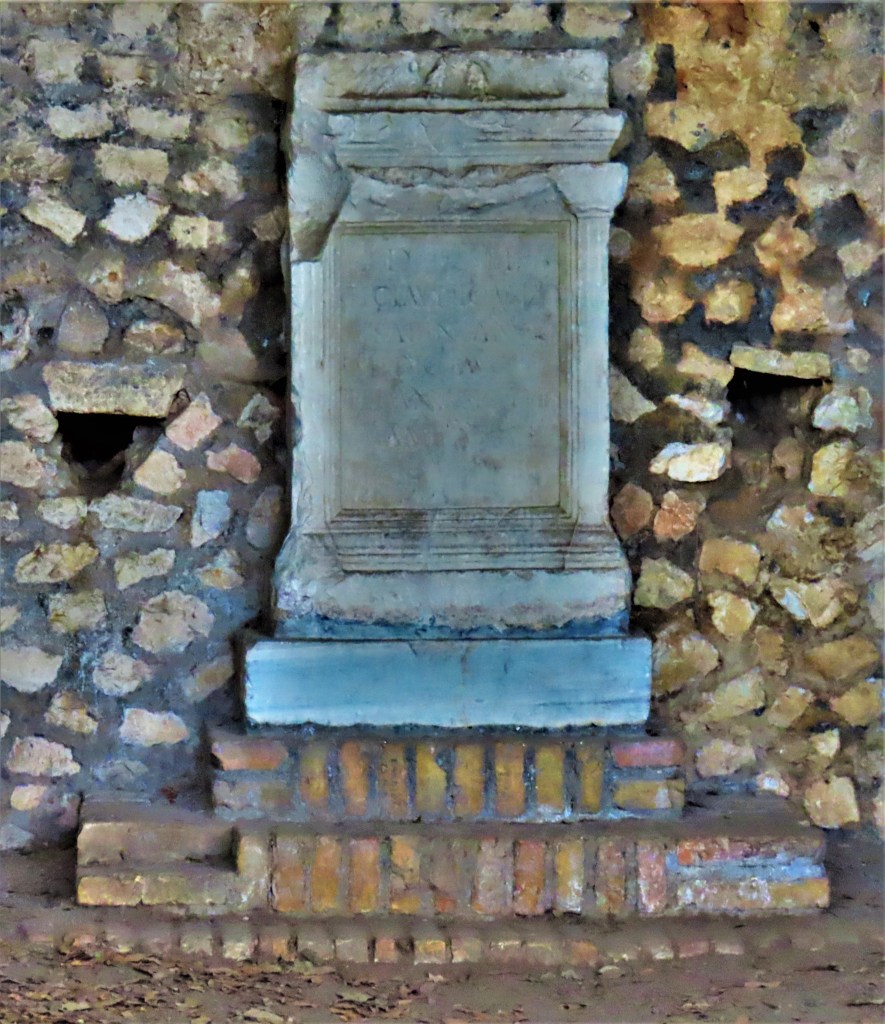
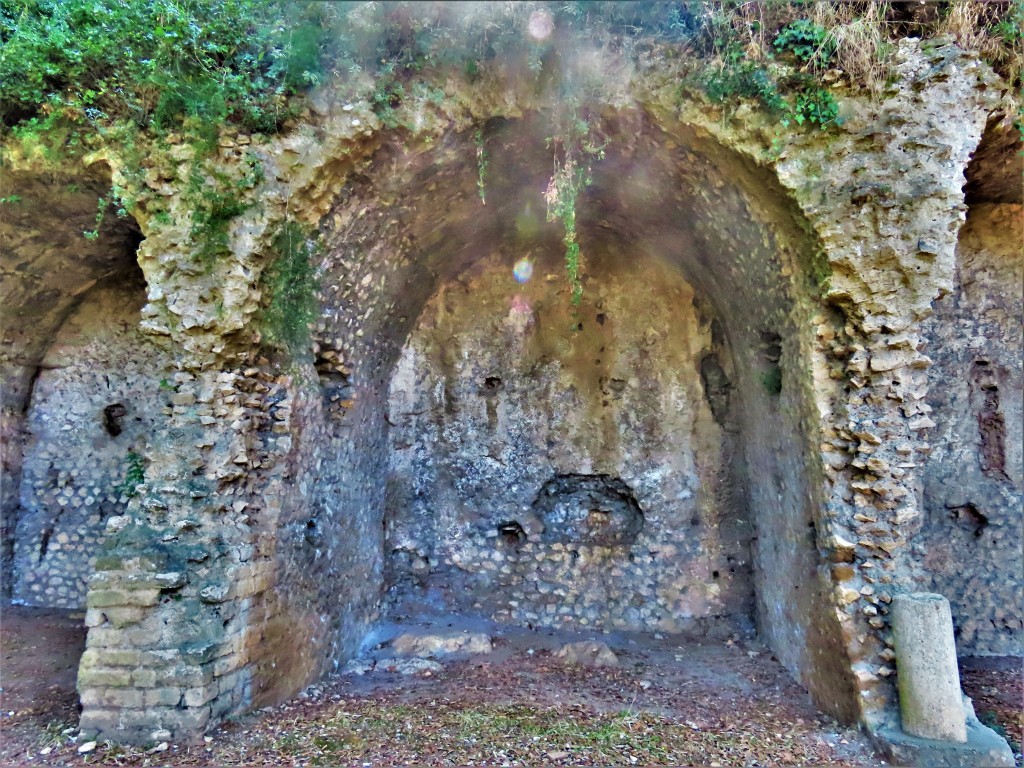
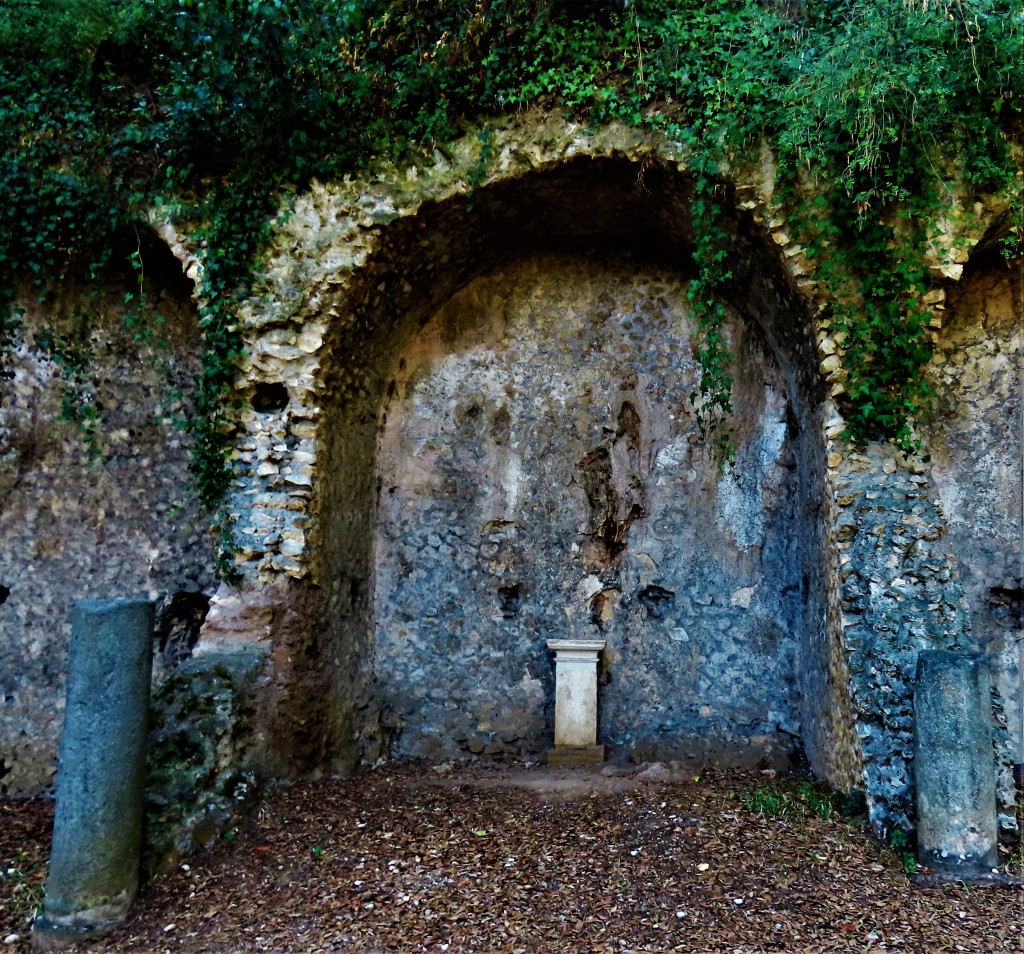
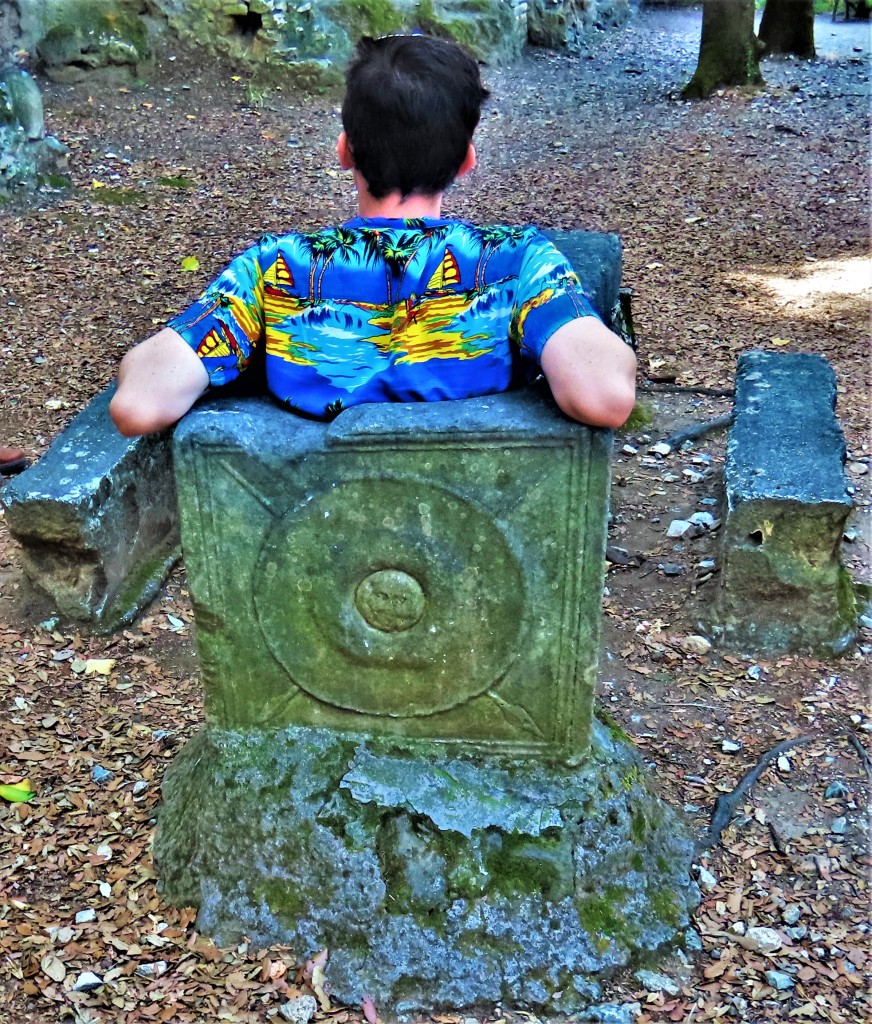
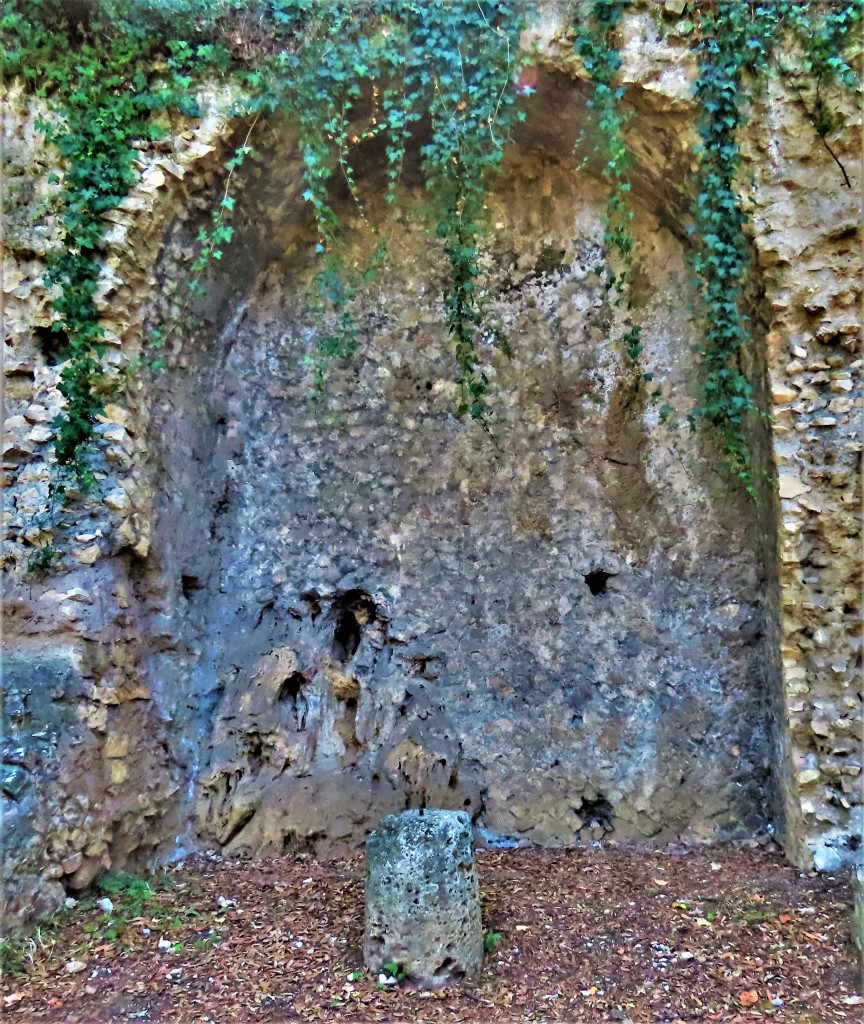
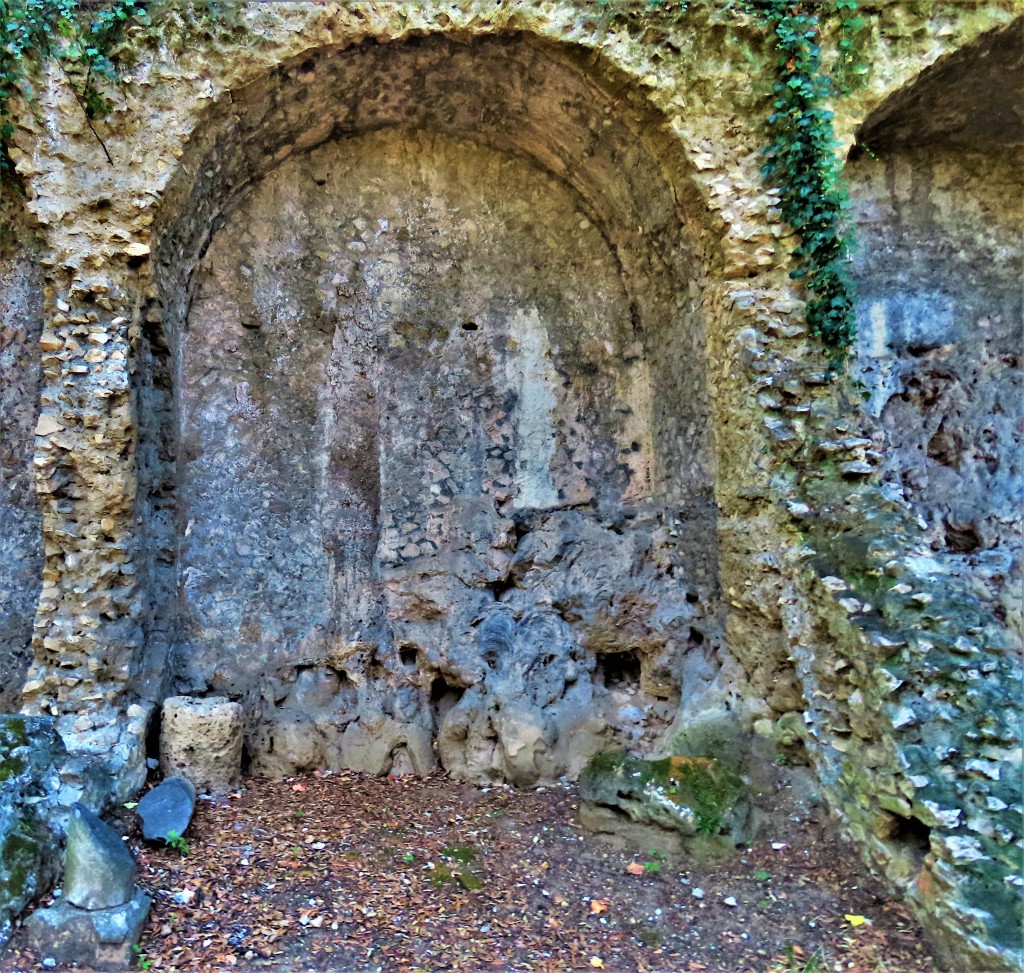
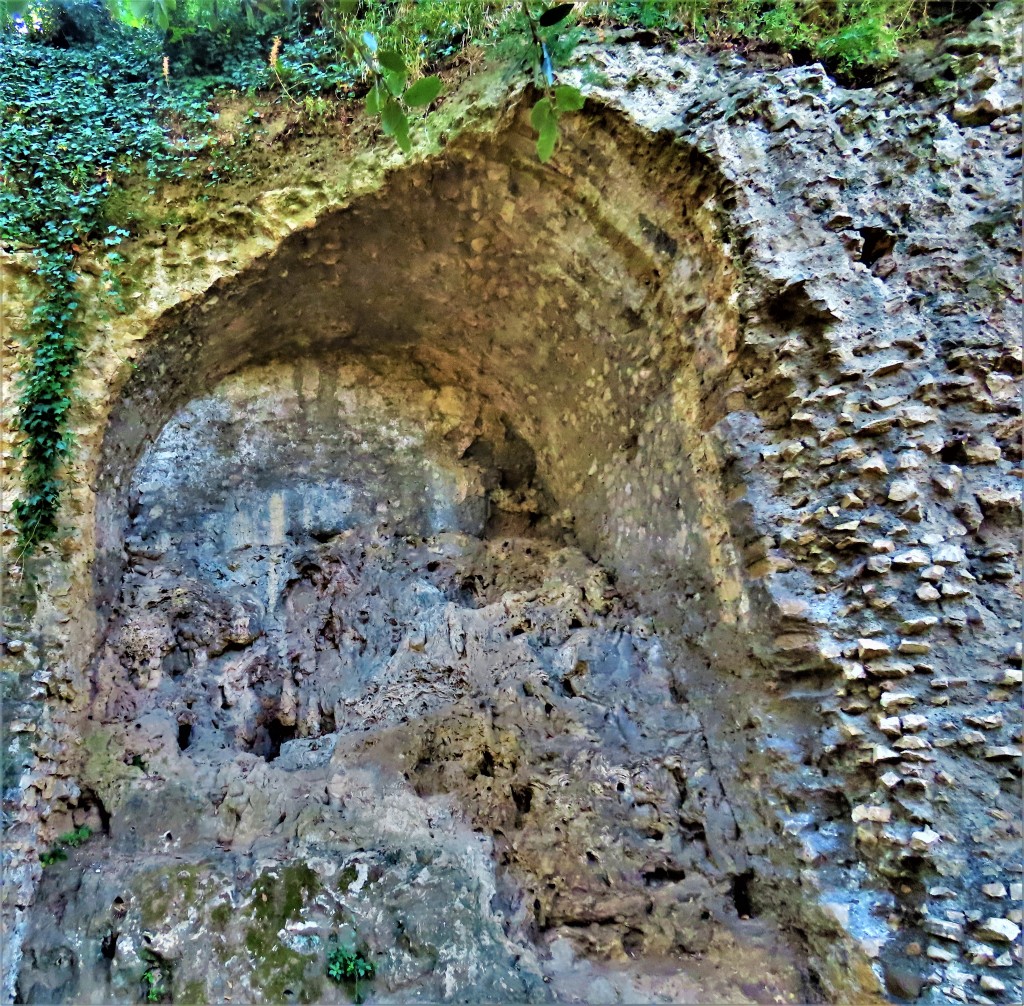
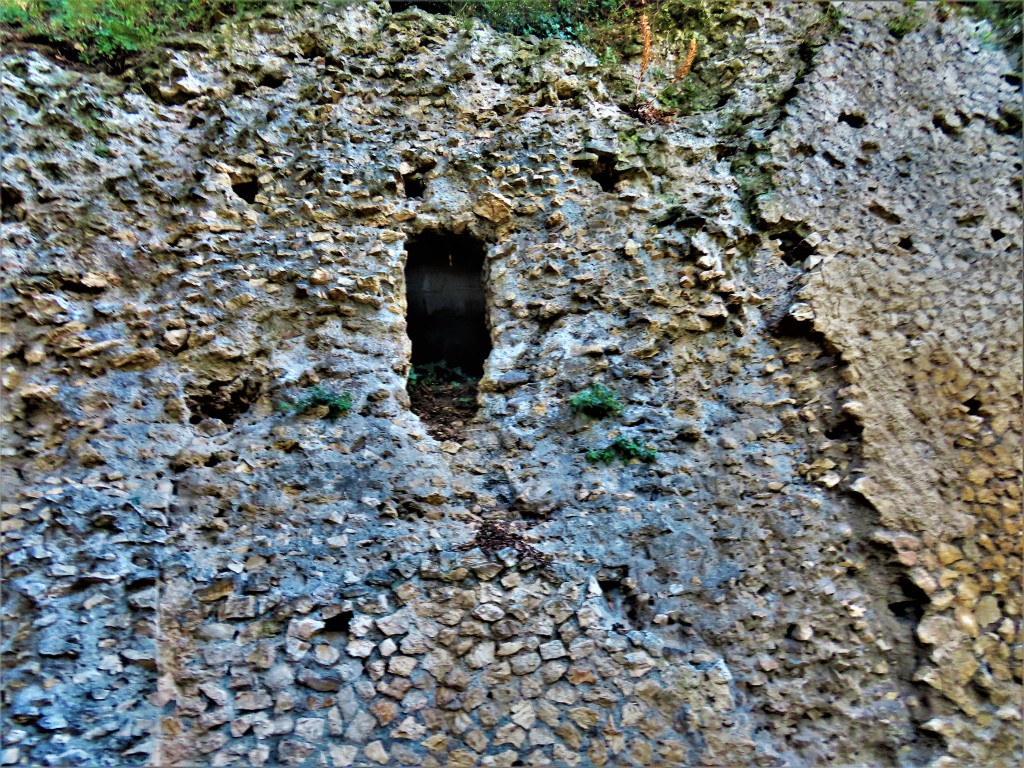
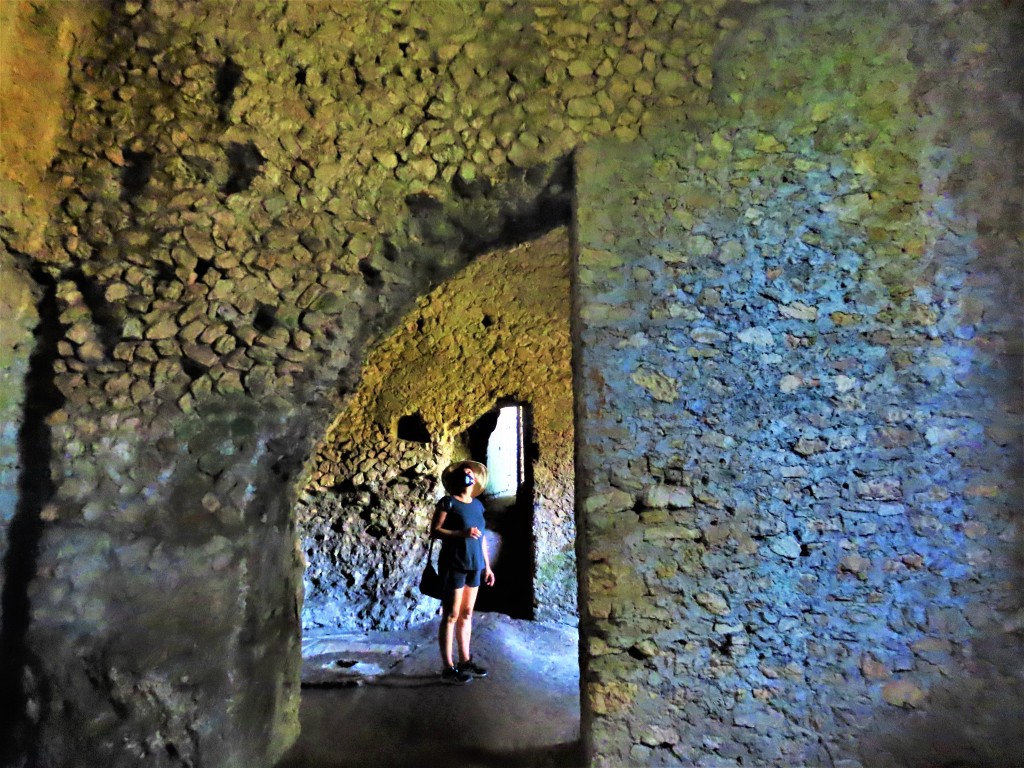
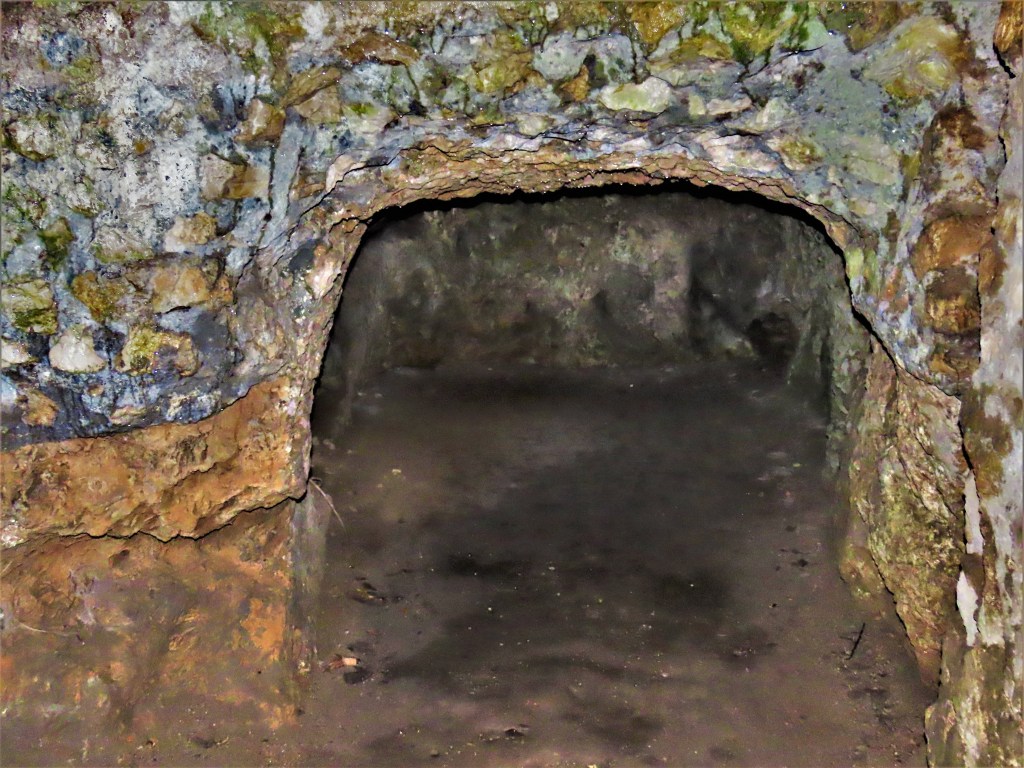
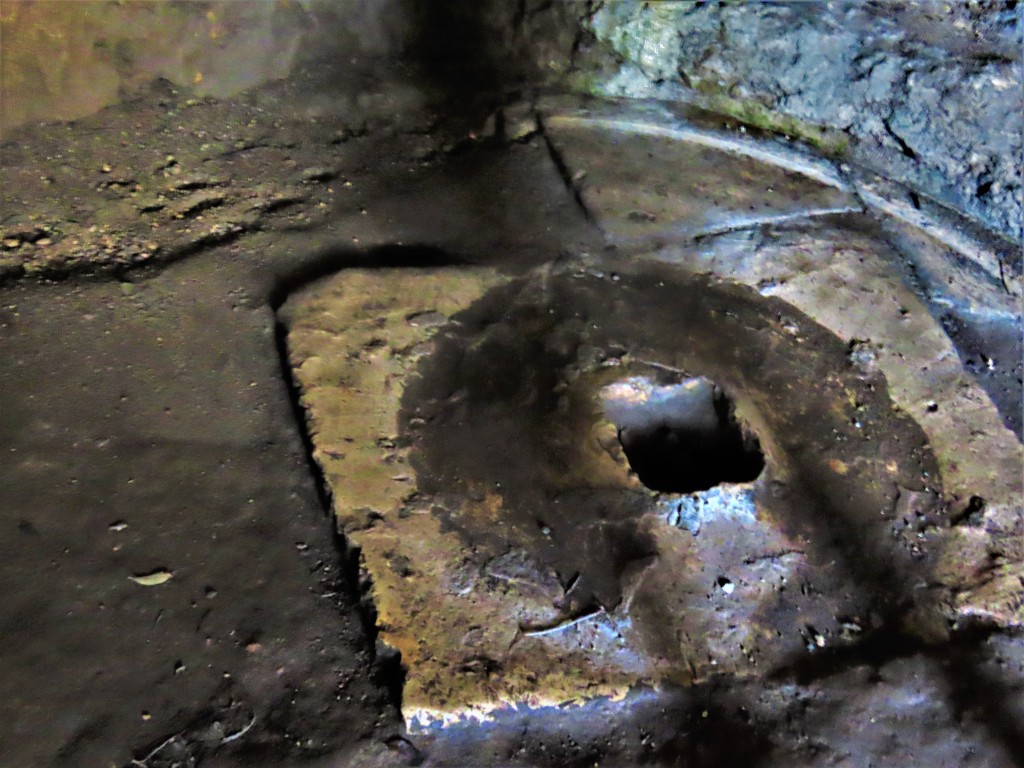
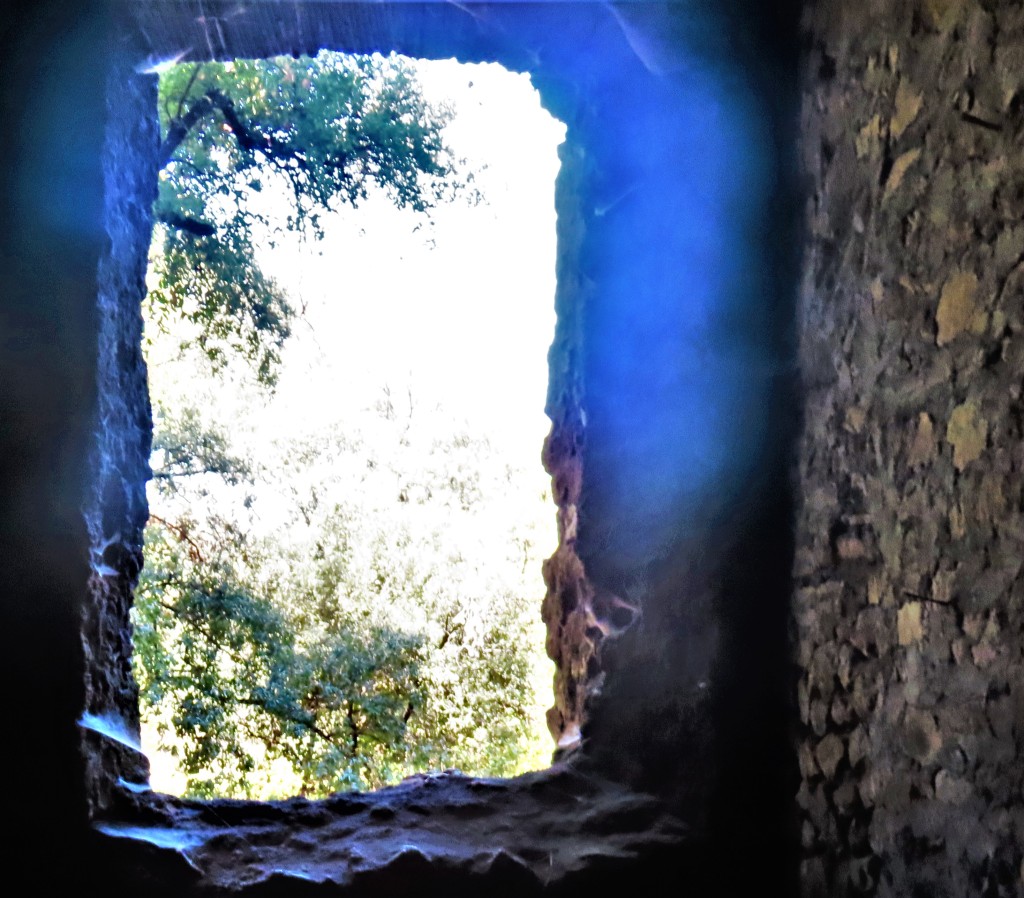
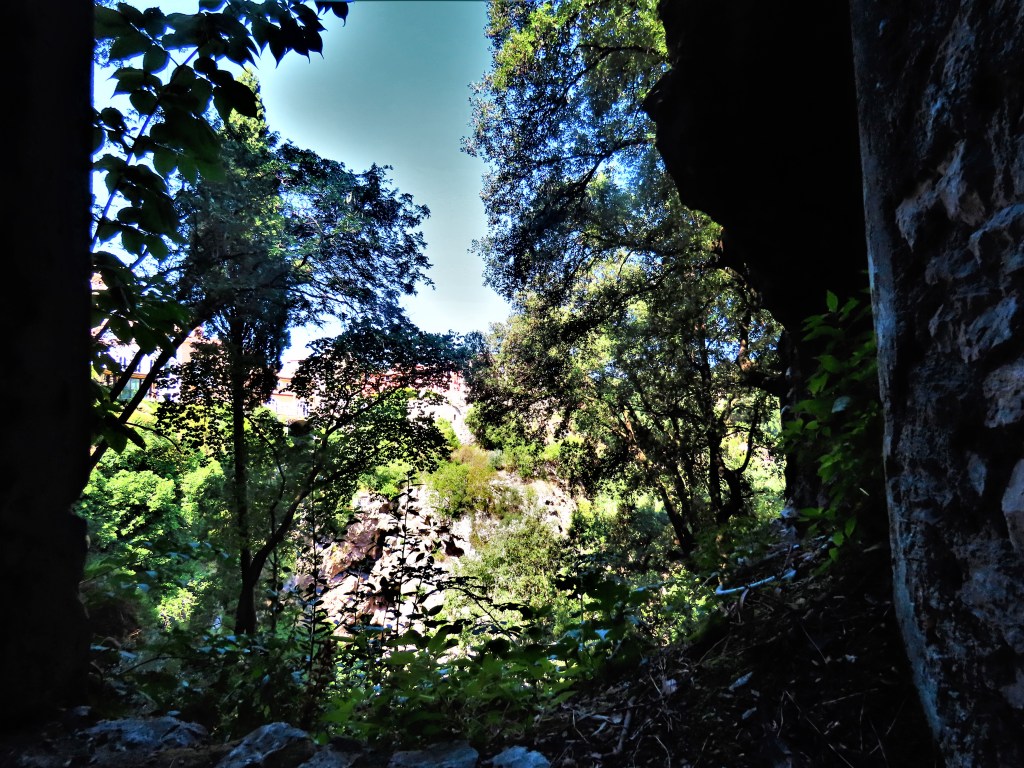
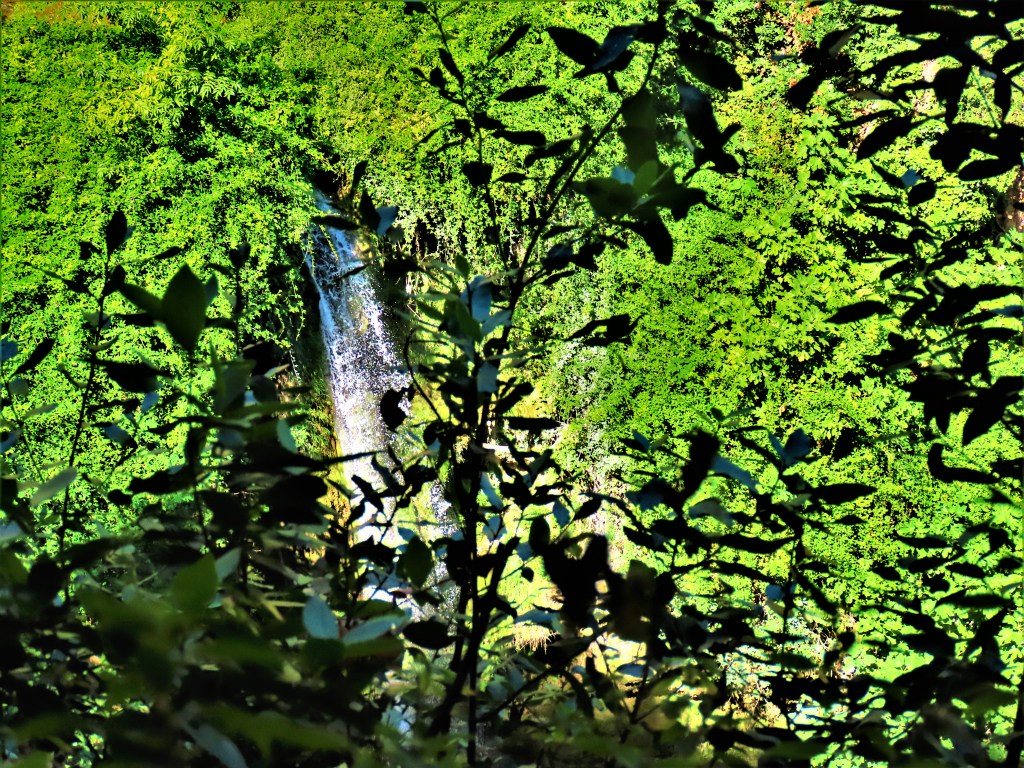
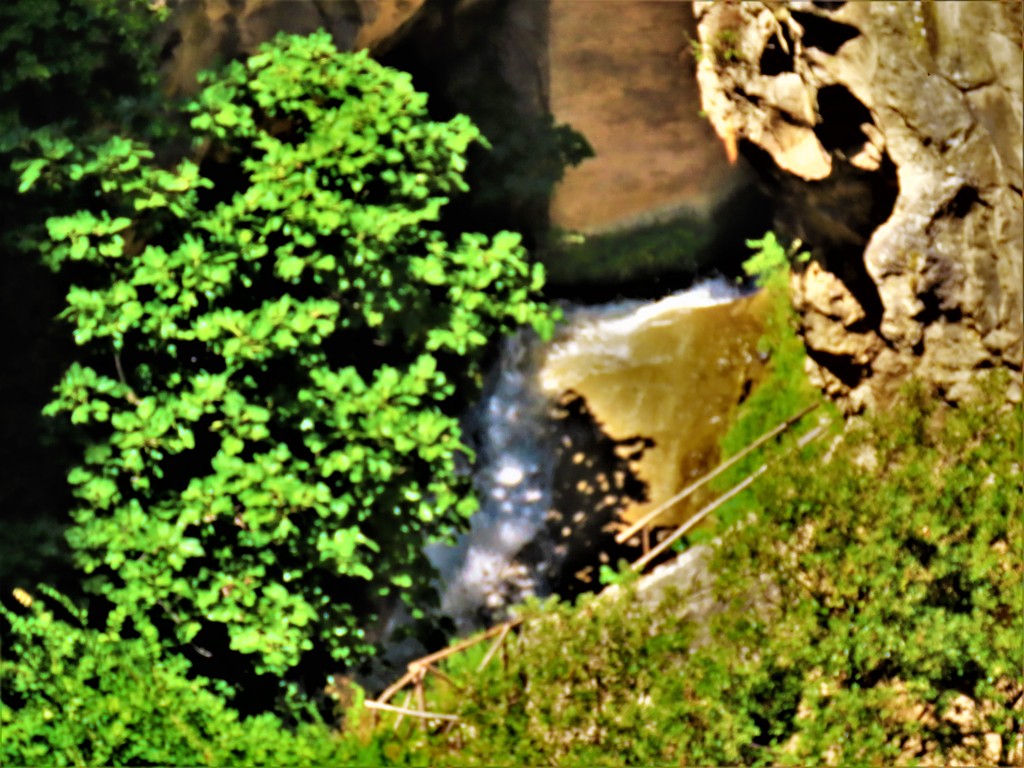
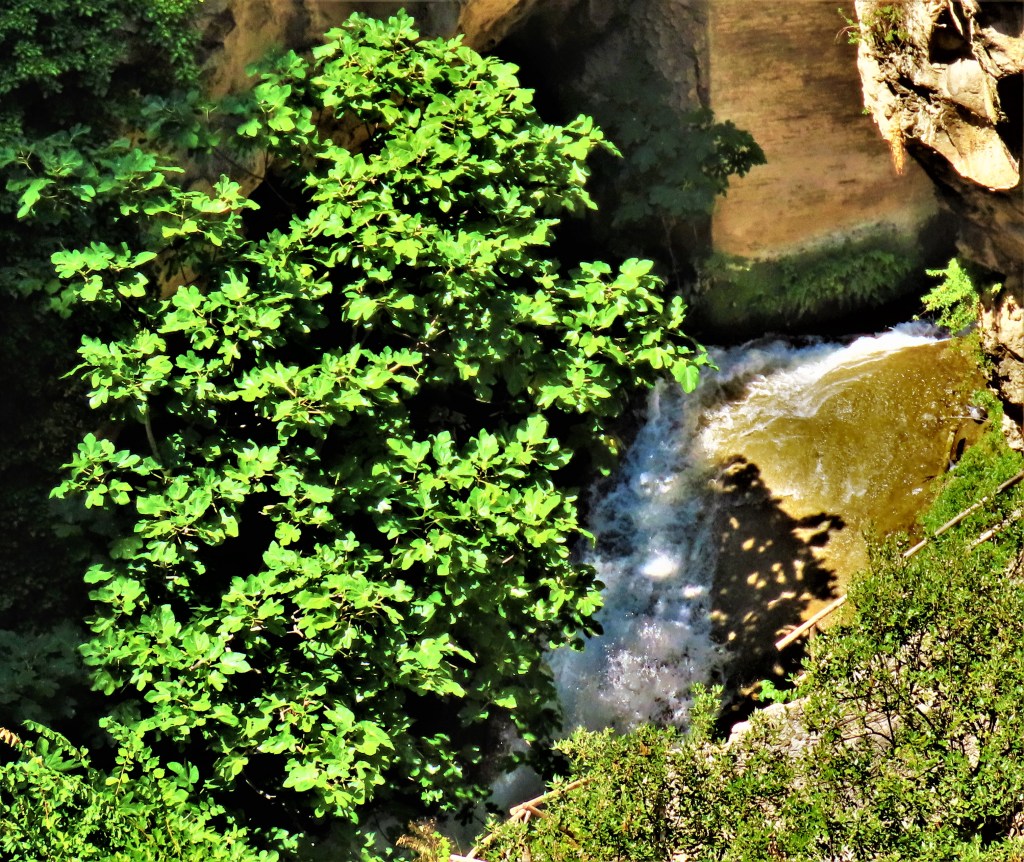
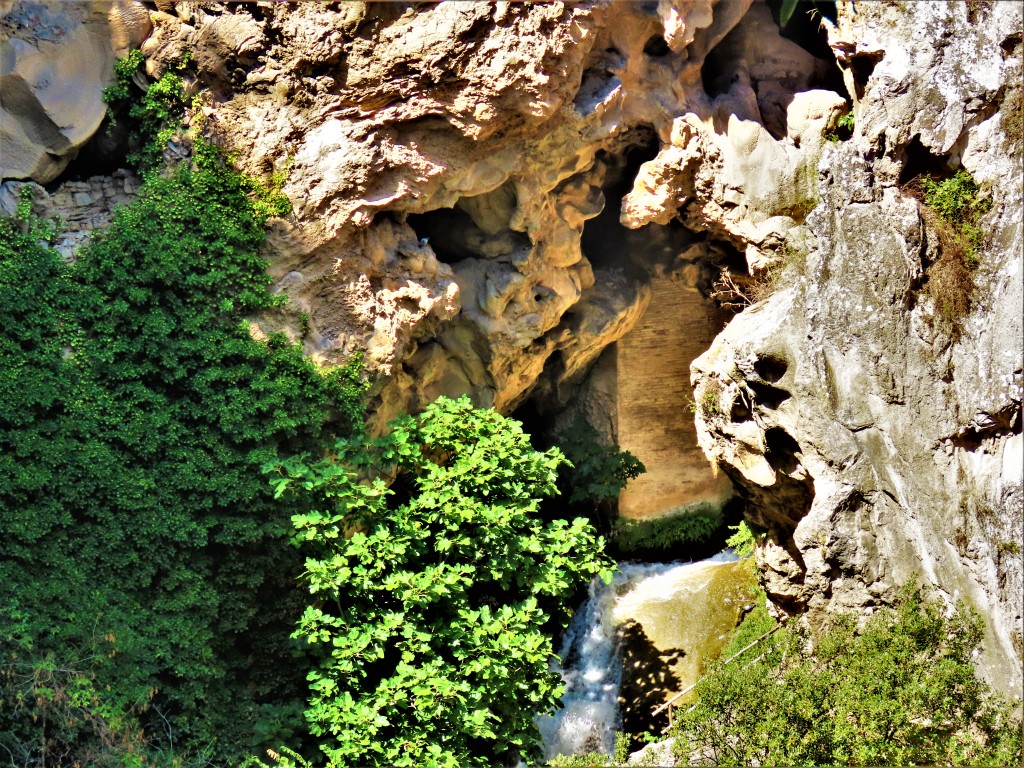
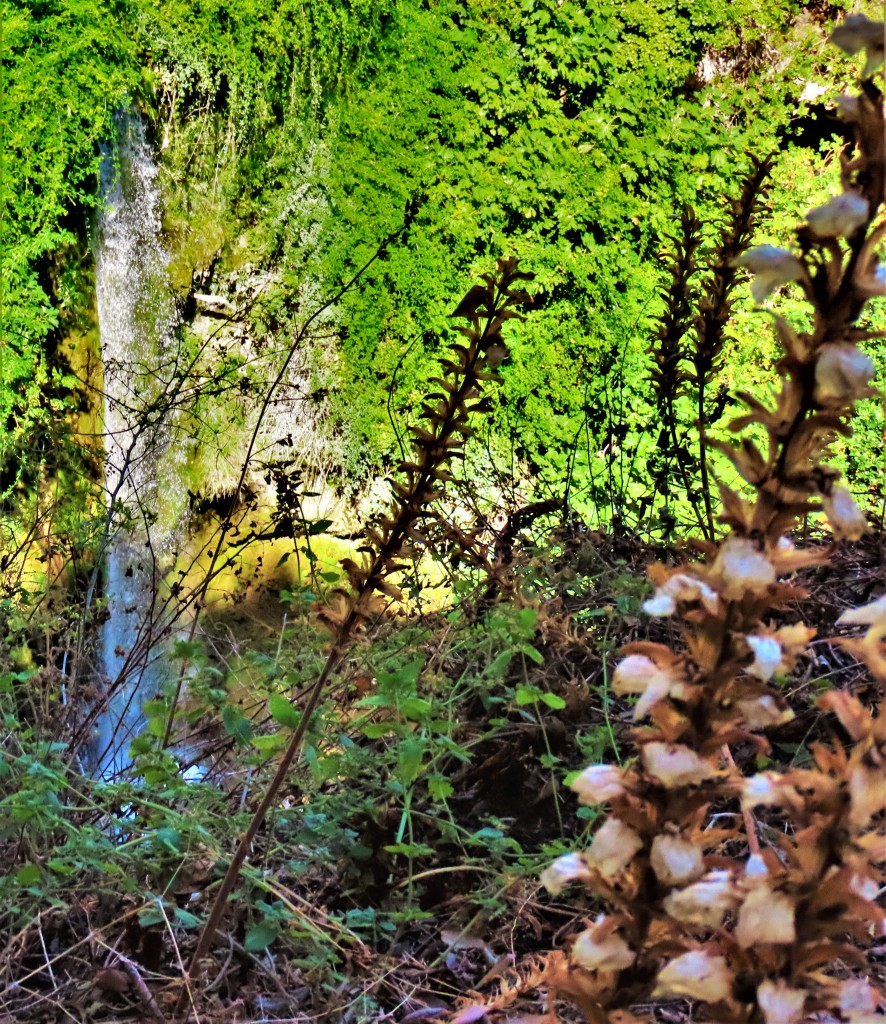
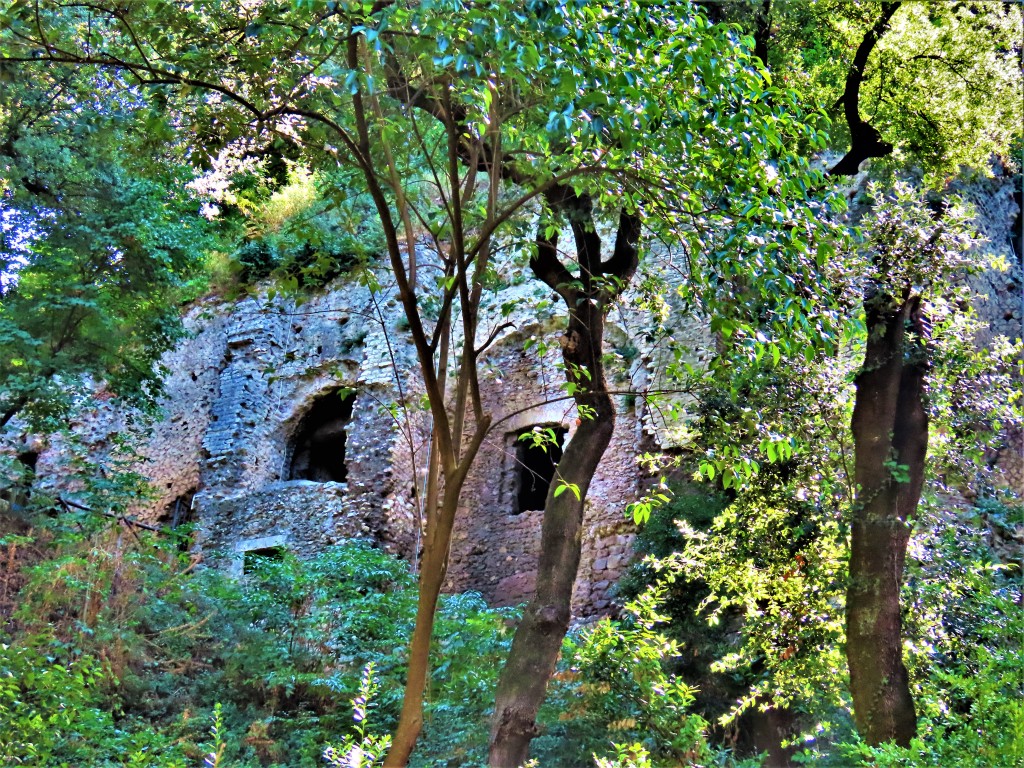
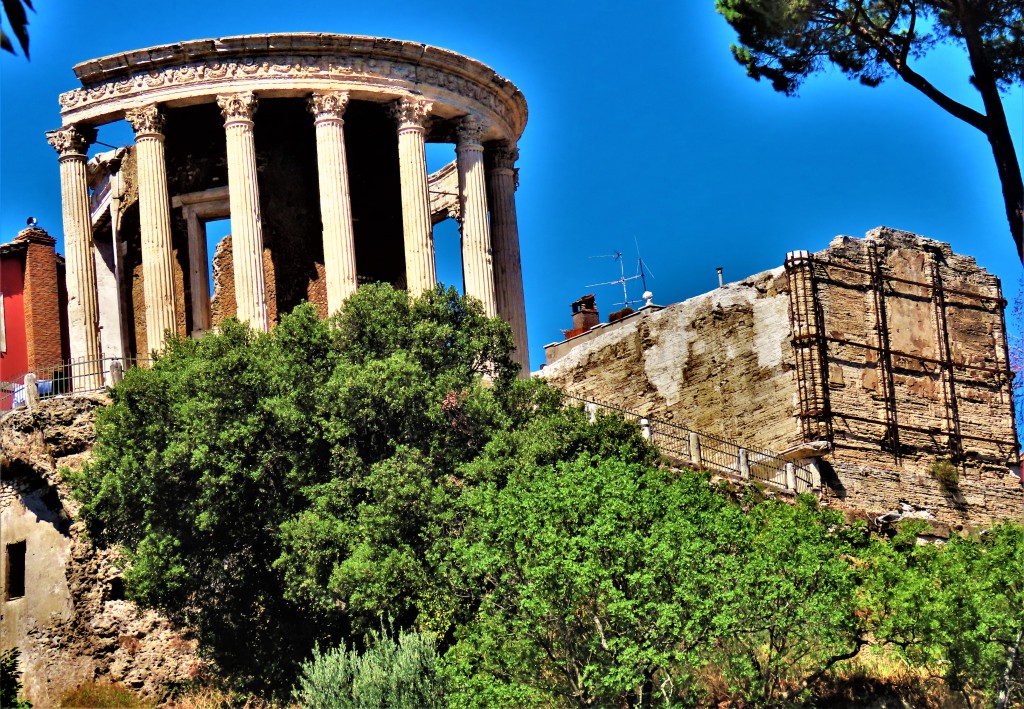
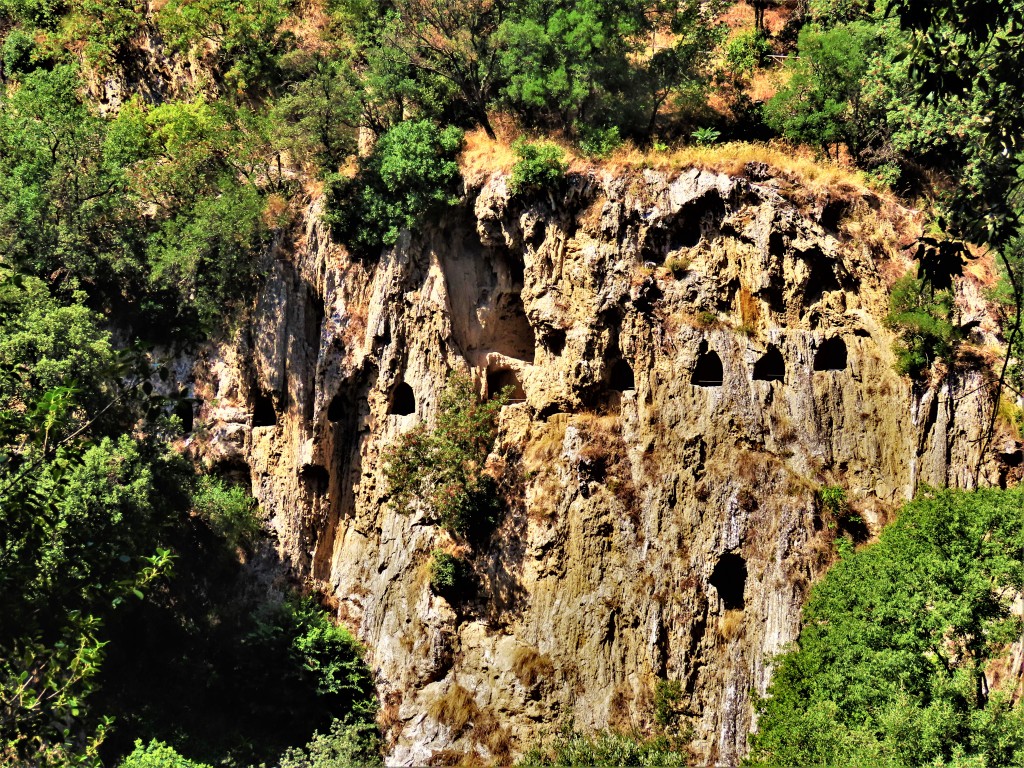
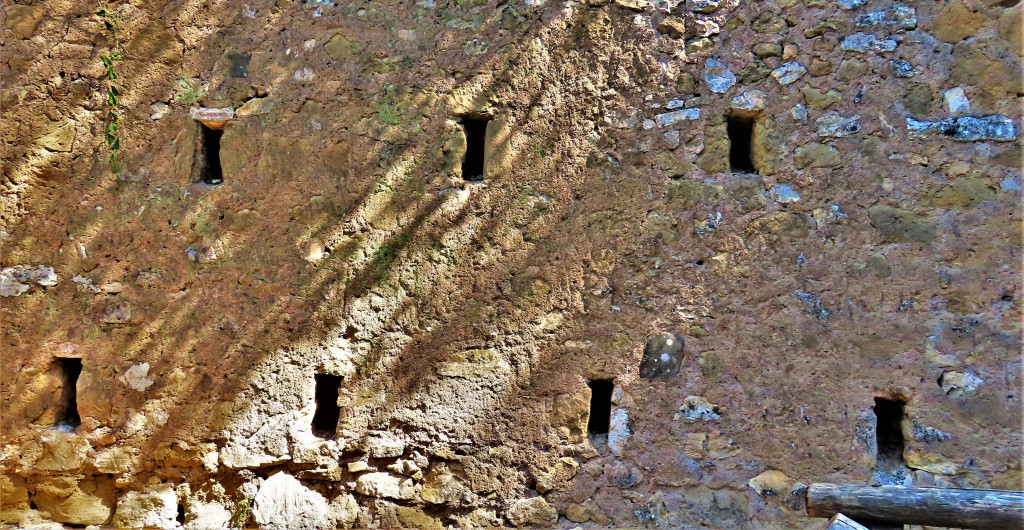
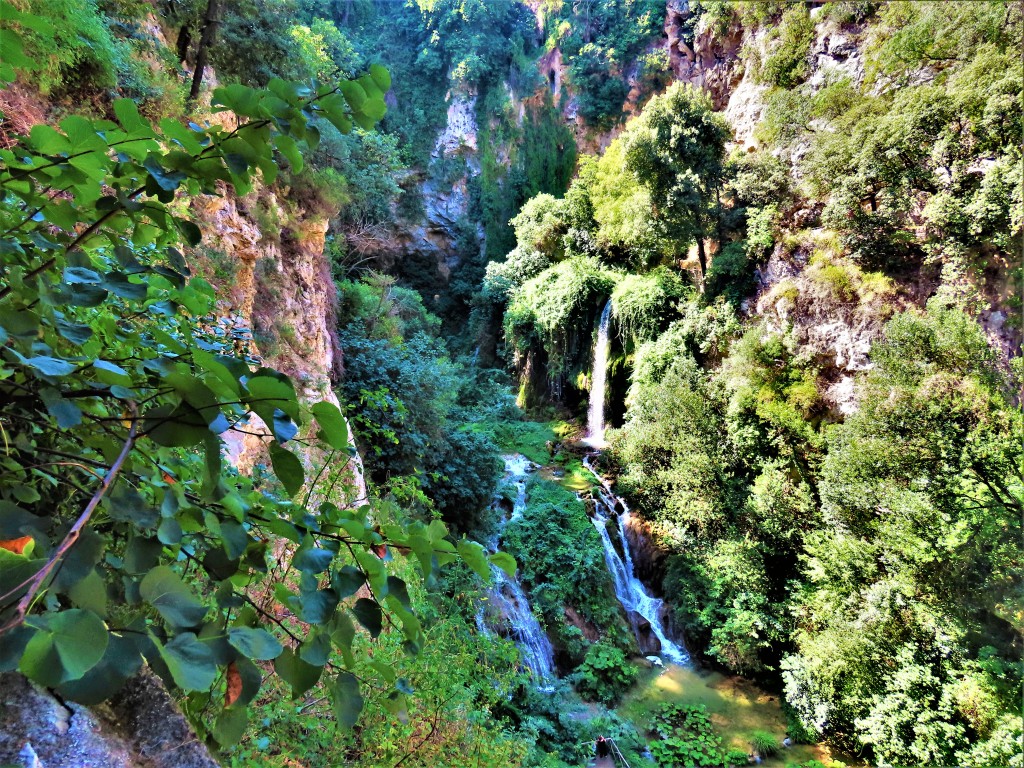
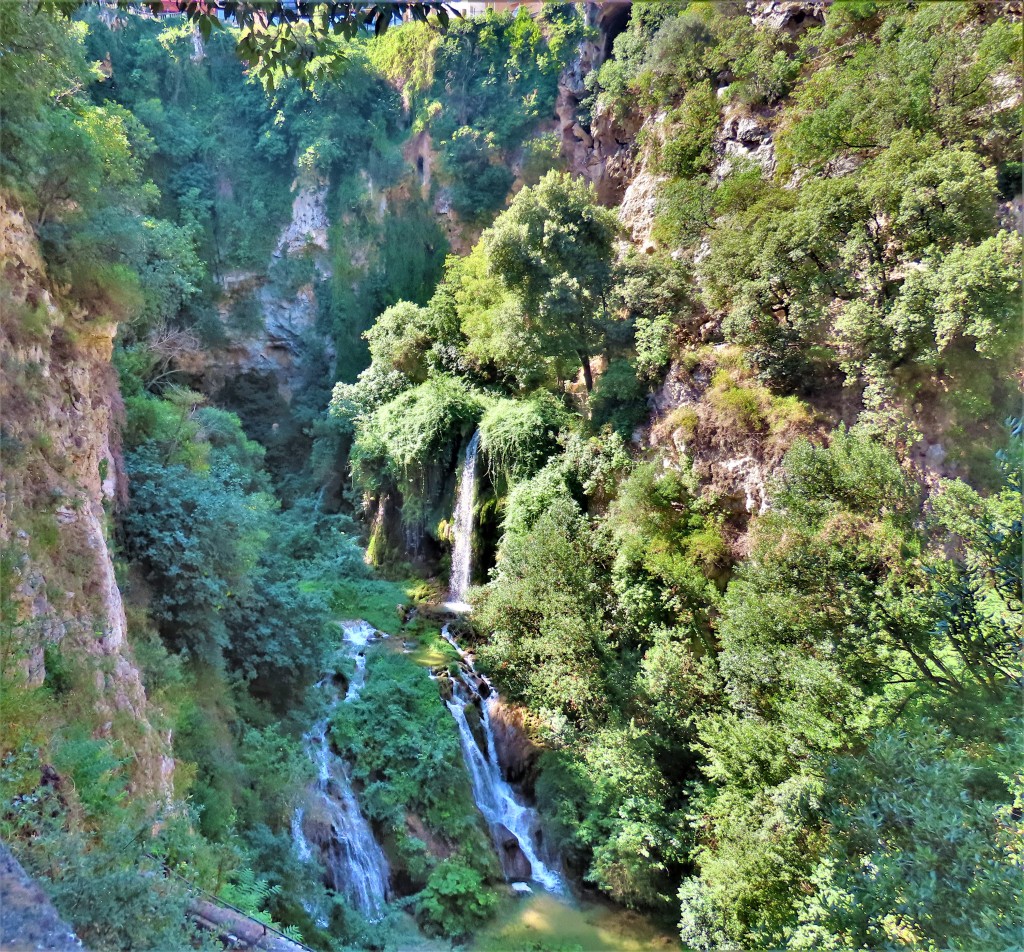
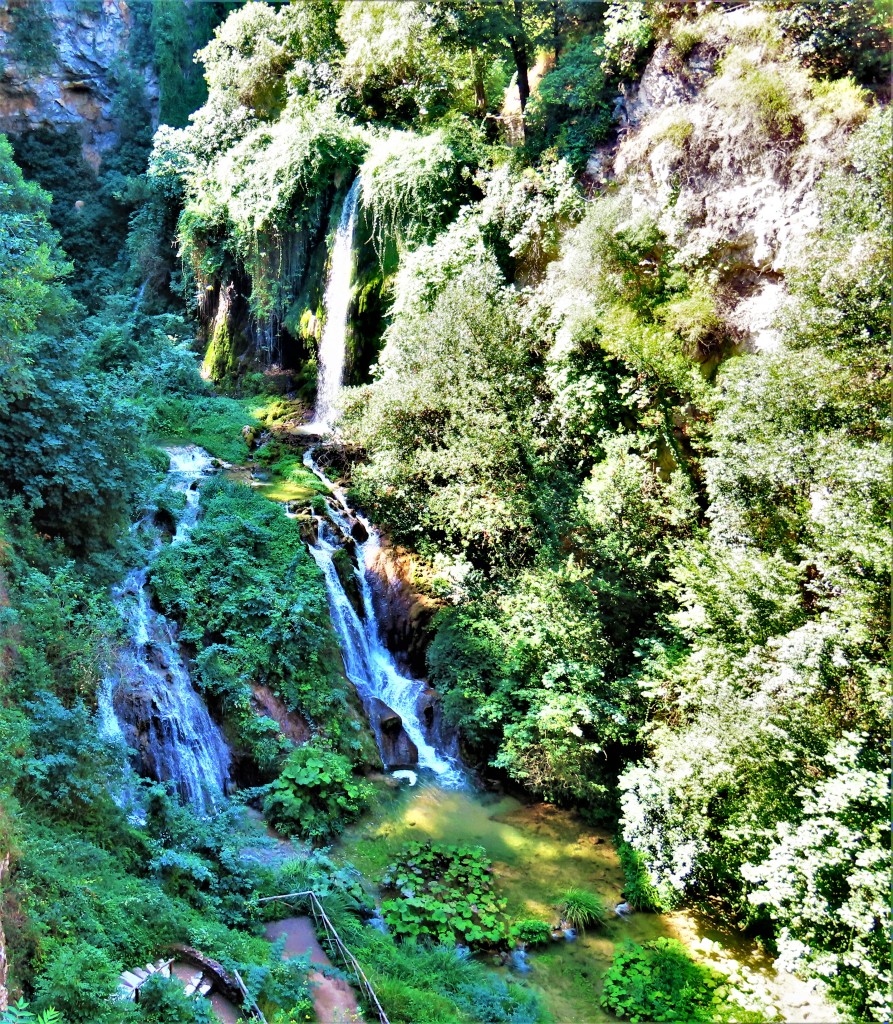
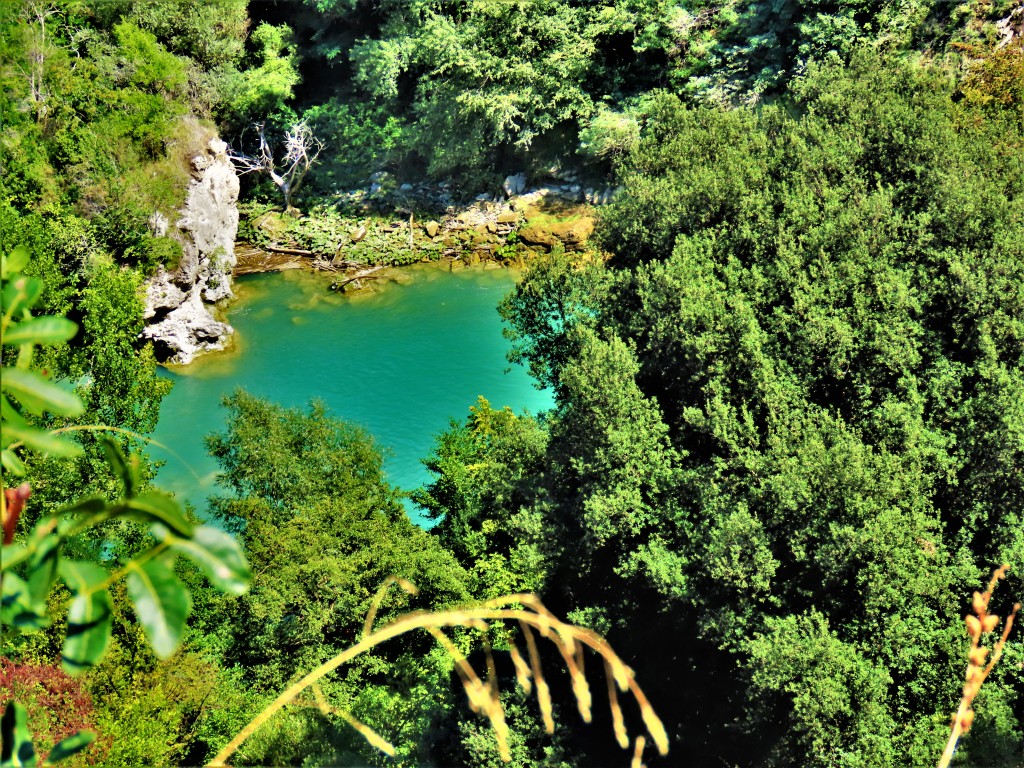
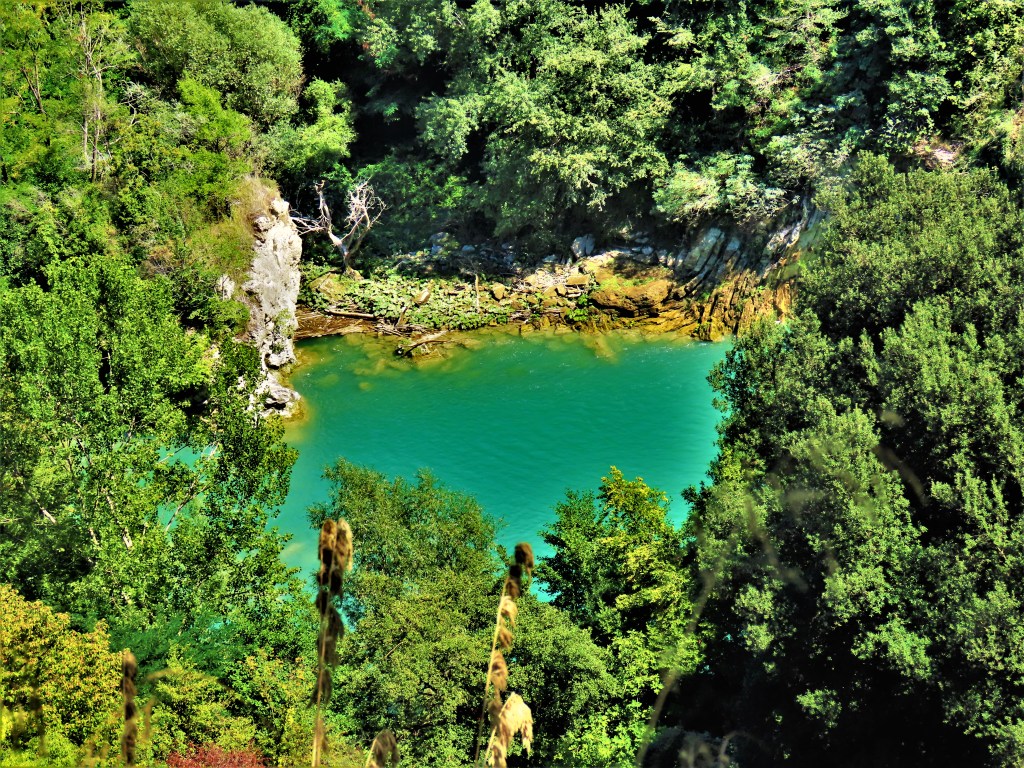
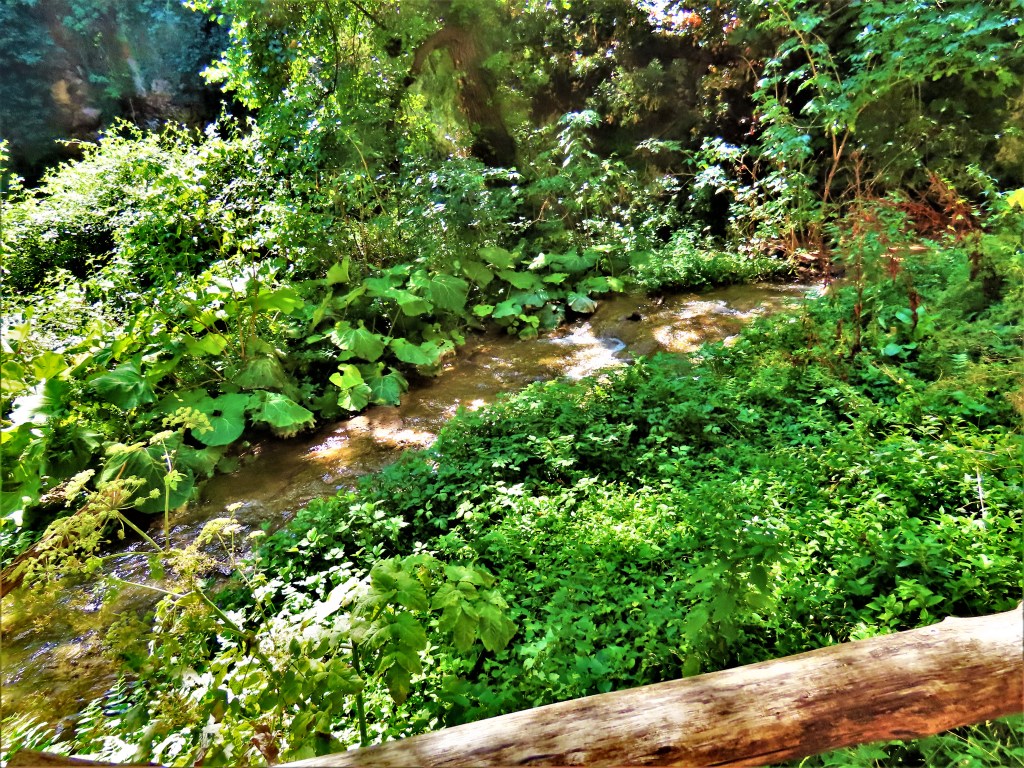
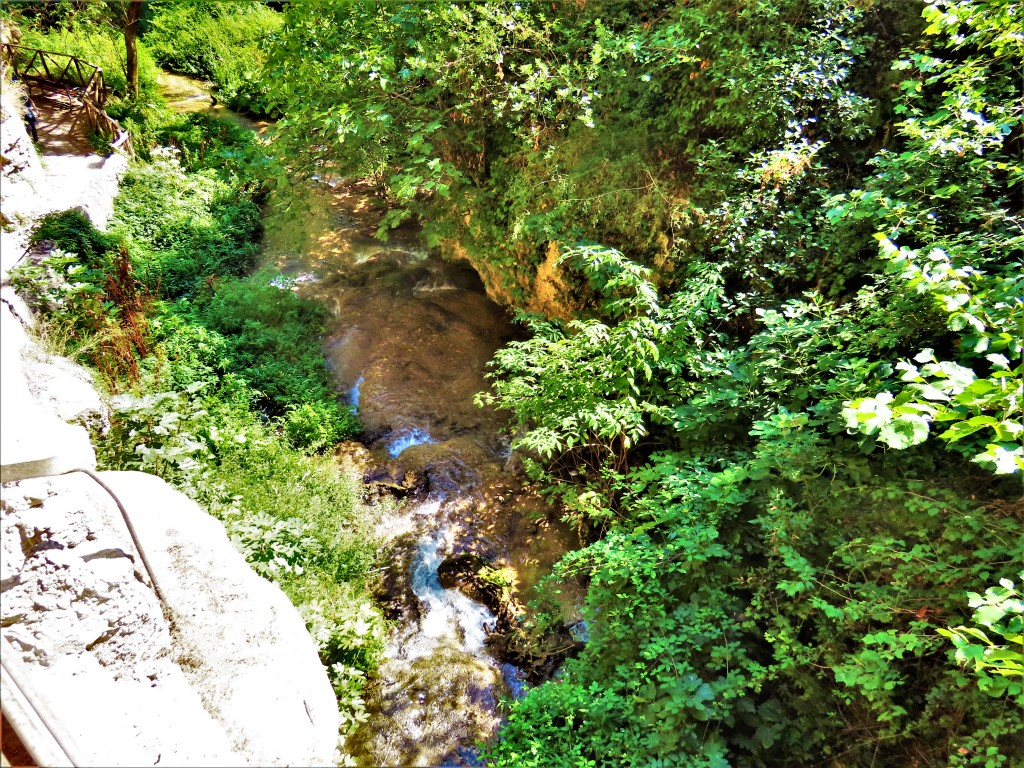
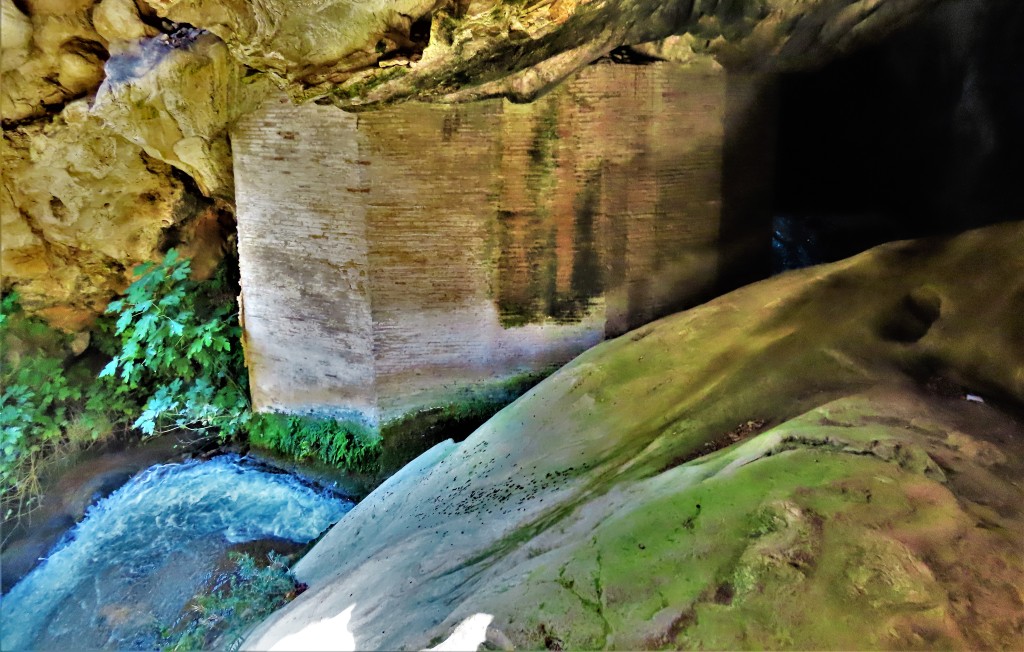
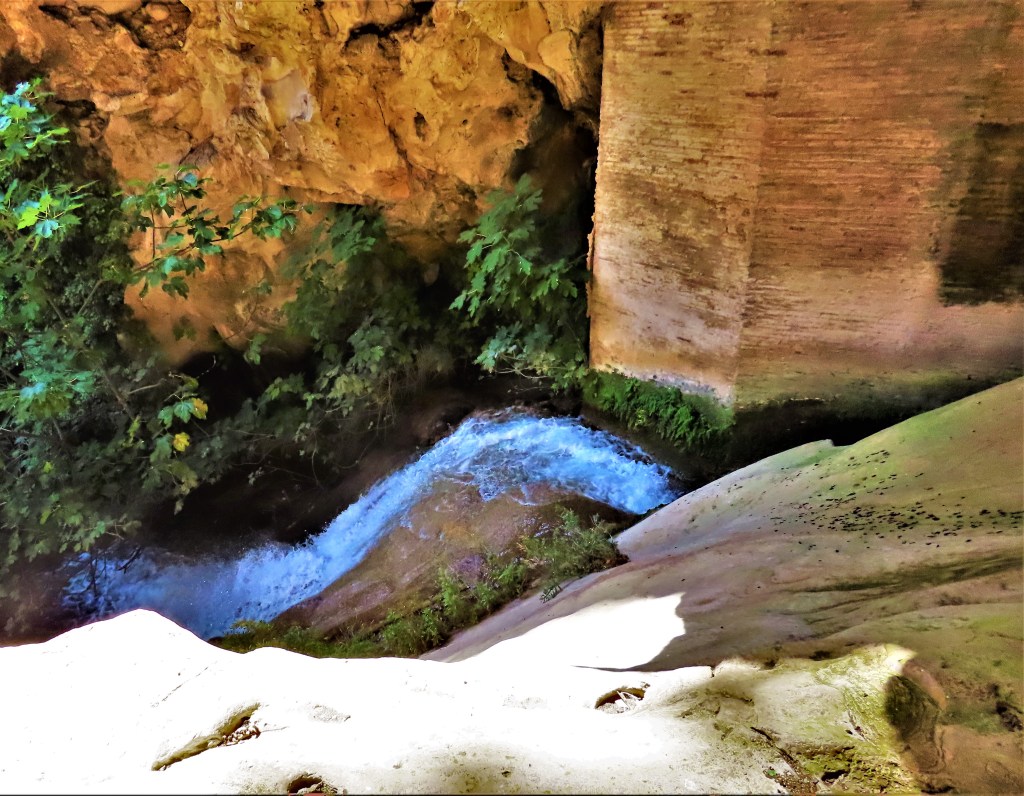
The Villa Sant’Antonio is an ex-convent, and is allegedly above the site of a villa owned by the great Roman poet Horace (there is a reference to him enjoying the view of a waterfall, and as you will see in a later post there are some remains which lend credence to the claim).

I finish this post with a waterfall video:

Italy 2020 – Caravaggio, Spanish Steps and Pizza

Continuing my account of my Italian holiday, featuring Caravaggio, The Spanish Steps and a remarkable Pizza experience.

Welcome to the latest post in my series about my Italian holiday (2-11 September inclusive), which deals with the second half of the final full day in Rome before we moved on to Tivoli.

THE CARAVAGGIO

After finishing at Domitian’s Stadium we headed towards the Spanish Steps, and along the way we passed the church of Sant’Agostino, the main feature of which is a painting by the artist Caravaggio. It is very dark, and there is little light unless you pay 1 euro to have it briefly lit up. For obvious reasons flash photography is forbidden (I am in any case not keen on using the flash on my camera, so no hardship for me).

Although the main feature of the church it was not the only one of interest, as this gallery, which covers from leaving Domitian’s Stadium to leaving the church should show:
THE SPANISH STEPS

We completed our afternoon’s activities with by walking to the Spanish Steps and then back to our apartment. There was, as always in Rome, much to see, as the gallery below indicates.

EMMA’S PIZZERIA

For that evening’s supper, our last in Rome before moving on to Tivoli the following morning, we were booked into Emma’s Pizzeria. I opted for ‘Bufala con prosciutto’, a pizza with buffalo milk cheese and prosciutto. It was a ‘white pizza’ – no tomato in the topping, which suits me fine. Roman pizzas have very thin and crispy bases, which I also approve of, so all in all this was a great success (indeed we had lunch there before heading to the airport for our flight home at the end of the holiday, and I made precisely the same choice).

I end as is my custom with these posts with a waterfall video from Tivoli:

The Piazza Navona and Domitian’s Stadium

Continuing my Italian holiday series with an account of the Piazza Navona and Domitian’s Stadium.

This is the latest post in my series about my recent holiday in Italy (not all of us feel obligated to deny our travels, especially when there is indisputable evidence as to our whereabouts at the times in question), and its main theme is a visit to two places which are one on top of another.

SUPPER AT A HISTORIC RESTAURANT

After our look at the Via Appia we went out for supper at very fine restaurant which had some ruins visible beneath its floor. The meal was excellent. It was obvious from some of the things that we were warned about while ordering our food that they have had problems with English folk before (disappointing but sadly unsurprising that this should be the case), but we all thoroughly enjoyed it.

PIAZZA NAVONA AND DOMITIAN’S STADIUM

My sister, my nephew and I visited Piazza Navona in the morning, my mother being at that point in bed due to illness which we reckon was diabetes related. Although she ate very little that day she subequently perked up sufficiently to come out in the afternoon which began with a return to Piazza Navona and an exploration of Domitian’s Stadium, the remains of which are underneath Piazza Navona. We did a few other things which will feature in my next post after we had finished there.

Domitian was one of Rome’s worst emperors, eventually being murdered in his palace and subsequently declared ‘damnatio memoriae’ – ‘damned to the memory’. Tacitus, who was too cautious to write about someone as recent as Domitian, used Tiberius, the second emperor after Augustus, as his ‘surrogate Domitian’. Domitian is also covered by Suetonius in “The Twelve Caesars”, being the twelfth Caesar – Suetonius starts with Julius Caesar who was never officially styled as emperor, and also covers Augustus, Tiberius, Caligula, Claudius, Nero, Galba, Otho, Vitellius, Vespasian, Titus and Domitian.

Both the Piazza Navona of today and the remains of Domitian’s stadium are well worth visiting. The latter has an audio guide which you can use for extra information – you get a headset and a map with number locations, and when you are at one of the locations you position the headset over that number on the map and play the relevant audio.

I end this post in my signature style with a waterfall video:

The Via Appia

Continuing my account of my Italian holiday with a look at the Roman end of the Via Appia.

Welcome to the fourth post in my series about my Italian holiday (2-11 September 2020). This post picks up from the end of the Ostia post and covers the second major activity of the holiday, a look at the Roman end of the Via Appia (I saw the other end of the Via Appia at Brindisi – Brundisium in ancient times – on a previous visit to Italy some years back, but I have yet to see the intermediate point at Capua).

THE EVENING AFTER OSTIA

We had supper out at a place that was a fair walk from the apartment we were staying. The meal was well worth the walk. It was at this meal that I discovered wild chicory, which is excellent stuff. Here are some pictures from that evening.

THE MORNING

My mother, my sister and I went out to visit a food market near where we were staying. This was a very enjoyable little trip, and a good warm up for the afternoon’s activity.

JOURNEY TO THE VIA APPIA

My sister had worked out a route from our apartment to the Via Appia that involved two bus journeys with a change on the way, and we followed that route, albeit with a hitch in the middle due to confusion about where to catch the second bus from, which added a fair bit of walking to our day. Nevertheless we arrived at the Via Appia in reasonable time and were able to do some exploring. Here are pictures from the journey through Rome:

THE VIA APPIA

This was one of Rome’s great roads, built by Appius Claudius Caecus in the late 4th century BCE. It contained two legs, 132 miles from Rome to Capua, a military training town and then Capua to Brundisium. At the Roman end are several features of interest, including the tomb of Caecilia Metella, a villa of later vintage, the road itself, which still has some of its original cobblestones in place and a church which features the Quo Vadis story. There is also an excellent cafe – I drank a 50cl bottle of Peroni Gran Riserva Doppio Malto, which is a quite excellent beer. Unfortunately my camera battery ran out before the Quo Vadis church, so my photo gallery is not quite complete.

I end this post as usual with a waterfall video from Tivoli:

Italy 2020 3 – Ancient Ostia

An account of a visit to ancient Ostia, as part of my Italy 2020 series of posts.

This is third post in my series about my Italian holiday (2-11 September inclusive) – see here and here.

Ostia was the port that served Rome in ancient times. Ships bringing goods across the Mediterranean would dock there and goods would then be unloaded on to barges to go upriver to Rome. Other goods would go out from Ostia.

There is a huge amount of stuff to see there today, including most of the main street, nine metres wide and two kilometres long, bath houses, warehouse quarters, the theatre which is well enough preserved to stage live performances, the forum and other stuff.

It is served by its own train station, Ostia Antica, which is a very short walk from the entrance to the site. To get into the site you have to undergo temperature checks and to wear a mask at the gates and in any inside areas (and the Italians overall take mask wearing very seriously, although there was an anti-mask protest in Rome while we were there). My disabled persons railcard got both me and my sister as my designated companion in free, while my nephew’s student ID (he starts at Oxford this year) got him a discount.

An attempt after exploring the site to find a different way back to the exit was foiled by the fact that the site borders farmland which is under cultivation, and we eventually went back into the site by a not strictly legitimate route and headed back.

My ticket for the return journey got swallowed by an automated ticket gate and a new one had to be bought, and I was sufficiently rattled by the experience that I failed to don my mask before boarding the train back (my apologies to the passengers on that train for the minute or thereabouts that I was aboard while not masked up). While we were waiting for the bus from the train station at Rome a pick pocket targeted my sister and got away with a fifty euro note but fortunately not with her phone and wallet.

I have lots of pictures from Ostia, and end this post as is usual for this series with a waterfall video from Tivoli.

Italy 2020 2: Rome Before 1st Major Outing

Setting the scene for a major post about Ancient Ostia – lots of pictures of Rome, and a glimpse to the second part of the holiday with another waterfall video.

This is a continuation of the story of my Italian holiday (2-11 September inclusive) that I started in my previous post. It sets the stage for the account of our visit to ancient Ostia that will be the subject of my next post in this series.

EVENING AND MORNING

With my sister and nephew due to arrive late in the evening my parents and I did some local exploring, including walking right round the outside of Castel Sant’Angelo. In the opera of that name the tragic heroine Tosca throws herself from the top of the Castel (they use a bit of dramatic license to have her land in the Tiber. It is also that stretch of the Tiber that features in one of the Daniel Craig Bond movies, where Bond’s car ends up at the bottom of the river.

The following morning my mother, my sister and I went out to find a bakery (the local supermarket had stocked bread, but it was not very impressive). We were out for much longer than we intended, but we did find some decent bread, and snacks for everyone. Our snacks eaten it was time for the main part of the day, the trip to ancient Ostia which involved a bus trip and then a train journey (cost 1 euro 50 each way per person, which buys you 100 minutes of travel time from the moment the ticket is composted – how nice to find sensibly priced public transport as opposed Britain’s extortionate fares).

After the photographs from that first evening and morning I will end this post with another waterfall video.

Italian Holiday – Setting The Scene

Starting a new series about the holiday I have recently returned from, and also using the new editor for the first time (please comment on how you think my efforts have worked out).

It is a while since I last posted, and I am using the new wordpress editor for the first time. I am also starting a new series, having just been to Italy for a family holiday arranged to celebrate my parents golden wedding anniversary. This post will set the scene for an account of the whole holiday.

THE ARRANGEMENTS

Due to Covid-19 and associated restrictions we did not know until very close to the planned departure time whether the trip could go ahead. With the holiday due to span 2-11 September inclusive (10th being the actual day), it was only on August 24th that we knew for certain that it was going ahead. I had to abandon a plan to travel to Italy by train as that would have meant passing through France which was clearly not on in the circumstances. Thus I found myself booked on a flight due to leave Heathrow late on the morning of September 3rd, and with a night to spend at one of the hotels serving the airport. I would be arriving back late on September 11th.

KING’S LYNN – HEATHROW

All went smoothly with final preparations and I was able catch the 11:44 from King’s Lynn to London King’s Cross. I had a bit of a wait at King’s Cross for a Piccadilly line train to Heathrow, but no serious issues. I managed to locate one of the places from which the Hoppa bus to the hotel could be caught, and my parents arrived at the same location while I was waiting for the right bus to arrive. Checking in at the hotel involved a degree of confusion, but eventually we were all settled in our rooms for the night.

THE FLIGHT

We arrived at the airport in very good time for our flights, check in was accomplished with little fuss, and although there was a delay going through security, as my carry on bag was selected for a search, we were still had plenty of time. We had an excellent breakfast at the airport. The flight ran to time and we got through Fiumicino Airport with little trouble, and met up with the driver who was taking us to our accommodation in Rome where we were staying for four nights before moving on to Tivoli for another four nights including the main event.

SETTLING INTO ROME

We were dropped close to the flat we were staying in, and had to find various keys to get in, which we managed OK. After offloading our bags and changing into clothing more suitable for Italy we did some exploring of our environs.

The last picture above is a shot of the Castel Sant’Angelo, which was very close to where we were staying in Rome. I end this post with a video showing the waterfall that was the chief landmark viewable from the villa we stayed in for the second. I hope that this, my first post using the new editor has worked well for all of you.

Rain and Records

A look at the end of the test match summer, and at the state of the Bob Willis Trophy.

INTRODUCTION

From Friday through Tuesday at those times the weather permitted England and Pakistan did battle at the Ageas bowl in the last test match of this strangest of all summers, and from Saturday through Tuesday the fourth round of the Bob Willis Trophy took place, again with considerable interference from the weather. I look back at the test match and forward to the final round of BWT fixtures.

YOUTH AND EXPERIENCE TO THE FORE

England amassed 583-8 declared in their first innings, a performance underpinned by Zak Crawley who scored 267, his first test century. The only higher scores for a maiden test ton have been Brian Lara’s 277 at Sydney, Tip Foster (287 in his first ever test innings at Sydney), Bobby Simpson’s 311 at Old Trafford and Garry Sobers’ 365 not out at Sabina Park. Among England batters only Compton (278 v Pakistan), Foster (287 v Australia), Cook (294 v India), John Edrich (310 not out v New Zealand), Andy Sandham (325 v West Indies), Graham Gooch (333 v India), Walter Hammond (336 not out v New Zealand) and Len Hutton (364 v Australia) have ever scored more in a single innings. Only Hutton has ever scored more at a younger age than Crawley, who is just 22 years old. Thereafter, in the cricket that the weather permitted the spotlight was focussed on 38 year old James Anderson, as he first took a five-for (and had three catches missed) in Pakistan’s first innings, to which skipper Azhar Ali contributed a splendid 141 not out. This put Anderson on 598 test wickets, and England enforced the follow on as they had to. By the end of day 4, as the weather played havoc with the match Pakistan were 100-2 in their second innings, with one of the wickets to Anderson moving him on to 599, and yet another catch having gone begging off his bowling. There was heavy overnight rain, and it continued to rain for most of the morning, finally stopping just after 11AM. The sodden ground then had to dry out before play could commence, but eventually, at 4:15PM, with a possible 42 overs (27 mandatory and a further 15 if a result seemed possible) to be bowled. Anderson did not break through in his first spell, and as England hurried through overs to get to the second new ball Joe Root took a wicket with his part time off spin and Dom Sibley bowled one of the filthiest overs ever seen in a test match with his even more part time leg spin. The new ball was taken, and in his third over with it James Anderson induced a nick from Azhar Ali and the ball was pouched by a waiting slip fielder, bringing him to 600 test wickets. No one who bowled above medium pace had previously reached this landmark, and of the three spinners who had got there only one, Muttiah Muralitharan had done so in fewer balls bowled. Shortly after this a well struck four brought up a remarkable statistical landmark highlighted by Andy Zaltzman on Test Match Special: 1,000,000 runs in test matches involving England. A little later the last 15 overs were called, and after one ball thereof the teams decided to accept a draw as the pitch was doing precious little, and they were all eager to get away from the biosecure bubble and back to loved ones.

At the moment there is no way of knowing when England will next be in test match action, but James Anderson has every intention of still being in action when they do, and since he is still regularly clocking 85mph even at the age of 38 (while it is not unusual for veteran bowlers to be very successful due to the smarts they have acquired from years of experience it is unusual for a bowler of that age not to have slowed down – Walsh was barely exceeding 80mph when he toured England in 2000, likewise Shaun Pollock and Glenn McGrath in their veteran years) and is statistically bowling better than he ever has I for one am not counting him out.

I would like to thank both the West Indies who visited for three test matches immediately before Pakistan came over and Pakistan for braving the uncertainties created by this pandemic and coming to play, ensuring we had some cricket. I also tender a second huge thank you to the West Indies because their women are coming over to play against our women after India and South Africa cried off. I hope that England will reciprocate as soon as possible.

ADVANTAGE SOMERSET IN THE BWT

The format of the Bob Willis Trophy, tailored to fit special circumstances, is that the 18 first class counties have been grouped into three regional conferences, meaning that five rounds of matches will be played, and then the two best group winners will fight out a five day final at Lord’s. After four rounds of matches Somerset lead the central group with 76 points, Derbyshire the north group with 71 points and Essex the south group with 70 points. Although bonus points (of which as readers of this blog will be aware I am not a huge fan) complicate the issue somewhat, basically any win in their final match will qualify Somerset, since it is next door to impossible to win a match without taking full bowling bonus points, which on its own would put Somerset on 95, meaning that Derbyshire could equal them with a maximum point win and Essex could finish on 94 with a maximum win. Somerset crushed Gloucestershire and the most recent round, dismissing them for 76 and 70. Surrey’s nightmare season went from bad to worse as they were beaten by Kent in spite of the restored Ben Foakes contributing a century and a fifty. A major role for Kent was played by Darren Stevens, an all rounder who bowls medium pace, and who remains a force to be reckoned with at county level even at the age of 44. Limited overs cricket will be the order of the day for most of the rest of this season, which will extend into October because of the hugely delayed start. The T20 blast competition gets underway tomorrow afternoon, with commentaries on all matches accessible via www.bbc.co.uk/cricket.

PHOTOGRAPHS

My usual sign off…

IMG_2922 (2)IMG_2923 (2)IMG_2924 (2)IMG_2925 (2)IMG_2925 (3)IMG_2926 (2)IMG_2927 (2)IMG_2928 (2)IMG_2929 (2)IMG_2931 (2)IMG_2932 (2)IMG_2933 (2)IMG_2934 (2)IMG_2935 (2)IMG_2936 (2)IMG_2937 (2)IMG_2938 (2)IMG_2939 (2)IMG_2940 (2)IMG_2941 (2)IMG_2942 (2)IMG_2943 (2)IMG_2944 (2)IMG_2945 (2)IMG_2946 (2)IMG_2946 (3)IMG_2947 (2)IMG_2948 (2)IMG_2948 (3)IMG_2951 (2)IMG_2952 (2)IMG_2952 (3)IMG_2955 (2)

England in Control at the Ageas Bowl

A look at the extraordinary events that are unfolding at the Ageas bowl as Zak Crawley establishes himself at the highest level.

INTRODUCTION

It is now all but a 100% certainty that England will win the series against Pakistan, and what follows explains why.

DAY 1

Yesterday after messrs Curran, Foakes and Robinson were allowed to leave the bubble at the Ageas Bowl to play for their counties in the Bob Willis Trophy, leaving an England side of Burns, Sibley, Crawley, *Root, Pope, +Buttler, Woakes, Bess, Archer, Broad and Anderson (Dan Lawrence and Ben Stokes had already been released in both cases for family reasons) Joe Root won the toss and chose to bat. The morning session went England’s way as they reached Lunch on 91-2. The loss of Root for 29 and Pope for 0 in quick succession made it 127-4, and seemingly turning in Pakistan’s favour. However, Zak Crawley was playing a magnificent innings, and Buttler continued his good recent form with the bat (pity he has been so bad with the gloves). By the tea interval it was 183-4 with Crawley on the verge of a maiden test century and England were starting to look good. The evening session was brilliant for England and horrible for Pakistan. Late in the day the runs were coming very fast as the Pakistan bowling got decidedly ragged. The day ended with England 332-4, Crawley 171 not out and Buttler within sight of a century of his own.

DAY 2

There have been two disruptions for rain, but in the cricket that has been played England have fared well, with the Pakistan bowling not looking remotely threatening. The score is now 380-4, and the stand between Crawley and Buttler is an all time England fifth wicket record against anyone, and Crawley is seven runs away from becoming the youngest England player to score a test double century since David Gower against India at Edgbaston in 1979. This is Crawley’s first test century and among those who have gone big on their first venture into three figures at this level are Bill Edrich (219 at Durban in 1939), Tip Foster (287 in his first test innings at Sydney in 1903), Bobby Simpson for Australia against England at Old Trafford (311) and at the top of this particular tree Garfield St Aubrun Sobers, 365 not out for West Indies v Pakistan at Sabina Park. Crawley has just brought up the double century with a four to third man, and England are now 391-4. Crawley was picked on potential, with not a lot in the way of major first class batting achievements behind him, and had passed 50 on three previous occasions in his fledgling test career, but this innings has surely settled the number three position for some considerable time to come – it has been a supreme performance, with no definite chances given. The record score for England against Pakistan is 278 by Denis Compton at Trent Bridge in 1954, which is definitely within Crawley’s compass from here. No3 has caused England many problems since I first started following cricket, with only Michael Vaughan and Jonathan Trott really succeeding there before the emergence of Crawley who has looked like a natural at no3.

THE REST OF THE MATCH

The weather forecast is pretty good for the rest of this match, and it is very hard to see any way of England losing from here, especially given that a draw will give them the series, which means they can shut up shop if trouble threatens. The 400 has just come up, and I reckon the way things are going that Crawley and Buttler should have at least half an eye on the all-time test record with wicket stand by anyone – the 405 that Sidney George Barnes and Donald Bradman put on together against England at Sydney in 1946. For the real pessimists the highest ever first innings to lose a test match is 586 by Australia at Sydney in 1894, when England replied with 325 and then in the follow on 437 and Australia got caught on a sticky in the final innings and were all out for 166, with Bobby Peel taking six cheap wickets. My own reckoning is that with England putting up a total like this after being 127-4 Pakistan will be demoralized and that England will win comfortably. Crawley has just had a little bit of good fortune, with an attempted catch becoming a six, and his score is now 222, moving him one run ahead of his mentor Rob Key’s highest test score. Only two England batters have had a higher maiden century, Hammond with 251 at Sydney in 1928 and Tip Foster’s 287 also at Sydney in 1903. The 300 stand has just come up for the fifth wicket.

PHOTOGRAPHS

My usual sign off…

IMG_2890 (2)IMG_2891 (2)IMG_2891 (3)IMG_2892 (2)IMG_2893 (2)IMG_2894 (2)IMG_2895 (2)IMG_2896 (2)IMG_2899 (2)IMG_2899 (3)IMG_2901 (2)IMG_2902 (2)IMG_2903 (2)IMG_2904 (2)IMG_2905 (2)IMG_2906 (2)IMG_2907 (2)IMG_2908 (2)IMG_2909 (2)IMG_2911 (2)IMG_2912 (2)IMG_2913 (2)IMG_2914 (2)IMG_2915 (2)IMG_2916 (2)IMG_2917 (2)IMG_2919 (2)IMG_2920 (2)IMG_2921 (2)

Cricket and Weather

Cricket and how to deal withe time being lost to the weather.

INTRODUCTION

The match at the Ageas bowl between England and Pakistan has been hammered by a combination of bad weather and excessive caution on the part of the umpires, and not a single one out of nine Bob Willis Trophy matches has escaped unscathed either. This post looks at the various matches and looks at reducing the toll poor weather takes of cricket.

THE TEST MATCH

The situation at the Ageas bowl is that the equivalent of over two whole days have been lost to the weather, and the teams are currently in their hotel sheltering from what is apparently quite heavy rain. In the play that has been possible Pakistan have amassed 236 in their first innings, with Mohammad Rizwan playing a fine innings, and Stuart Broad continuing his excellent summer with the ball. England in response are 7-1, with Burns out for a duck, and a little lucky to have lasted as long as he did, since his second ball was edged just short of the slip fielder before his fourth was caught in that region. Probably the only chance of a positive result in that game is if the teams broker a deal whereby England declare, Pakistan forfeit their second innings and England have a go at a target of 230, while Pakistan try to take 10 wickets.

THE BOB WILLIS TROPHY

  • Leeds has seen 79 overs in a day and a half, and Yorkshire are 288-4 against Derbyshire.
  • Birmingham has seen more play than most places, and Warwickshire were dismissed for 121 in the first innings, while Somerset are 134-5 off 45.2 overs in response.
  • At Hove there have been 61 overs of play and Sussex are 155-6 against Essex.
  • At Northampton Worcestershire made 219 in their first innings and Northamptonshire are 60-3 in response.
  • At Trent Bridge there have been 71.2 overs and Nottinghamshire are 268-2 against Lancashire.
  • The St Lawrence Ground at Canterbury has seen 46 overs so far, and Middlesex are 94-4 against Kent.
  • At the Arundel Castle Ground which Hampshire are using as a home venue since the Ageas Bowl is required for other purposes they have already given up on play for today, which means that two days have seen exactly 40 overs, off which Surrey have reached 130-8.
  • In the game I am currently listening to at Sophia Gardens, Cardiff, Glamorgan are 68-4 off 40 overs against Gloucestershire.
  • Finally, at Grace Road there have been 72.2 overs thus far and Glamorgan are 224-4.

REDUCING LOSSES TO THE WEATHER

Firstly, abolish stoppages for the light altogether – play all matches using pink balls, so that the floodlights can be allowed to take complete control if necessary. Rain is harder to deal with, but I have an idea to float. It should be possible to construct a strong, lightweight but entirely waterproof canopy which could be attached to the tops of the floodlight pylons, enabling matches to be continued even if it is raining. It is just possible that an almighty miscue could send a ball pretty much vertically upwards (there was a shot that Ian Botham played off Terry Alderman at Old Trafford in 1981 that might have done this – Mike Whitney made a gallant effort to get underneath it to take the catch but could not quite do so) and cause it to hit the canopy, but I am sure that that could be dealt with.

PHOTOGRAPHS

My usual sign off…

IMG_2769 (2)IMG_2770 (2)IMG_2771 (2)IMG_2772 (2)IMG_2773 (2)IMG_2774 (2)IMG_2775 (2)IMG_2776 (2)IMG_2777 (2)IMG_2778 (2)IMG_2779 (2)IMG_2780 (2)IMG_2781 (2)IMG_2783 (2)IMG_2784 (2)IMG_2785 (2)IMG_2786 (2)IMG_2786 (3)IMG_2787 (2)IMG_2788 (2)IMG_2789 (2)IMG_2790 (2)IMG_2790 (3)IMG_2791 (2)IMG_2792 (2)IMG_2793 (2)IMG_2794 (2)IMG_2795 (2)IMG_2796 (2)IMG_2797 (2)IMG_2798 (2)IMG_2799 (2)IMG_2800 (2)IMG_2800 (3)IMG_2800 (4)IMG_2801 (2)IMG_2802 (2)IMG_2803 (2)IMG_2804 (2)IMG_2806 (2)IMG_2806 (3)IMG_2808 (2)IMG_2809 (2)IMG_2809 (3)IMG_2811 (2)IMG_2811 (3)IMG_2812 (2)IMG_2814 (2)IMG_2814 (3)IMG_2815 (2)IMG_2815 (3)IMG_2816 (2)IMG_2817 (2)IMG_2817 (3)