
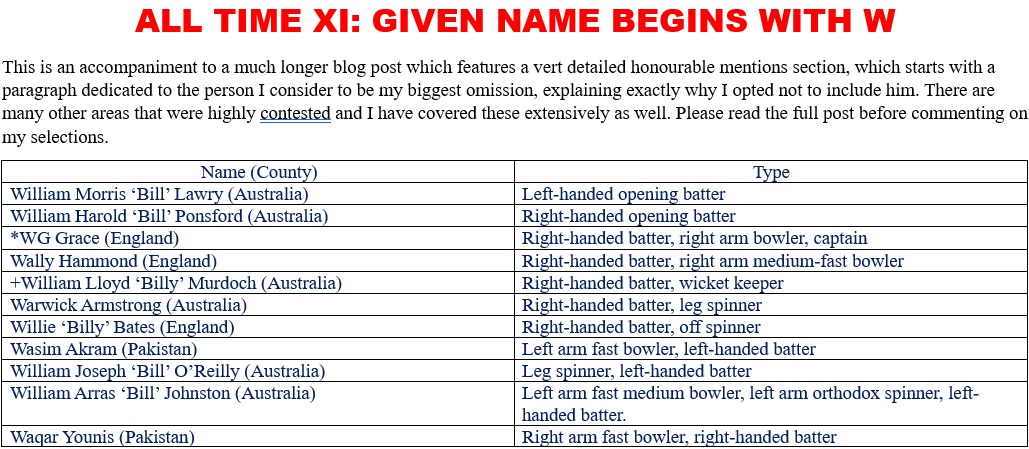
Today I present an all time XI of players whose given names begin with W and a detailed honourable mentions section, as well as my usual photo gallery.
THE XI IN BATTING ORDER
- William Morris ‘Bill’ Lawry (Australia, left handed opening batter). He averaged 47 with the bat in test cricket.
- William Harold ‘Bill’ Ponsford (Australia, right handed opening batter). Until Brian Lara came along only one player had achieved two first class scores in excess of 400, Ponsford, with 429 against Tasmania in 1922 and 437 against Queensland in 1927. In December of 1927 he became the only player ever to score 1,000 first class runs in a calendar month outside of England, with a sequence of 1,146 runs in five innings. His test record was not quite so outstanding, but even at that level he averaged 48, which included centuries in each of his first two test matches and centuries in each of his last two.
- *WG Grace (England, right handed batter, right arm bowler of various styles, captain). Cricket’s first superstar, and in his best decade, the 1870s, he averaged 49 with the bat at a time when the best of the rest were just about managing 25. Only one other person in cricket history ever sustained being twice as prolific as the best of the rest over a long period – Bradman.
- Wally Hammond (England, right handed batter, right arm medium-fast bowler). He scored 7,249 runs at 58.45, including 905 at 113.125 in the 1928-9 Ashes.
- +William Lloyd ‘Billy’ Murdoch (Australia, right handed batter, wicket keeper). Australia’s best batter in the earliest years of test cricket, and a fine enough keeper that FR Spofforth missed the first ever test match because he initially didn’t believe that any keeper other than Murdoch could handle his bowling.
- Warwick Armstrong (Australia, right handed batter, leg spinner). A fine all round cricketer whose feats included scoring over 2,000 runs and taking over 100 wickets in first class matches on the 1905 tour of England. 16 years later he almost captained an undefeated side, the only loss they sustained on the tour coming at the hands of ‘an England XI’ assembled by AC MacLaren.
- Willie ‘Billy’ Bates (England, right handed batter, off spinner). The first England bowler ever to take a test hat trick, part of a match performance in which he scored a 50 and took seven wickets in each Australian innings.
- Wasim Akram (Pakistan, left arm fast bowler, left handed batter). One of the greatest ever.
- William Joseph ‘Bill’ O’Reilly (Australia, leg spinner, left handed batter). Only one batter among those he came up against in the course of his career could truly claim to have his measure: Don Bradman.
- William Arras ‘Bill’ Johnston (Australia, left arm fast medium bowler, left arm orthodox spinner, left handed batter). The third essential member of Australia’s immediate post WWII bowling attack after Lindwall and Miller, as well as being two types of bowler in one he was possessed of great stamina – it was not unknown for him to go straight from spinning the old ball to swinging the new one. Three times he was Australia’s leading wicket taker in Ashes series. In England in 1953, with the active connivance of some his team mates, who got themselves out in some of the later matches to help engineer the outcome, he became only the second player to average 100+ for an English first class season (17 innings, 16 not outs, 102 runs, average 102.00) after Bradman in 1938 (the Don achieved his average of 115.66 for that season without any such shenanigans going on).
- Waqar Younis (Pakistan, right arm fast bowler, right handed batter). A superb practitioner, and one who regularly shared the new ball with Wasim Akram.
This side has a powerful batting line up, and a wealth of bowling options. The only regular type of bowling that is not featured is left arm wrist spin. The front five of Younis, Akram, Johnston, O’Reilly and Bates are formidable in their own right, and in the unlikely event that they prove insufficient there are Armstrong, Grace and Hammond as back up options.
HONOURABLE MENTIONS
I start this section with a paragraph devoted to my most notable omission…
WILFRED RHODES
One of the most extraordinary performers in the history of cricket, with a remarkable five-phase playing career – specialist left arm spinner, all rounder, specialist batter, all rounder, specialist left arm spinner. The trouble is that brilliant as he was as an all rounder at county level his England career was almost exclusively spent either as specialist bowler (early and late periods) or as a specialist batter (in the run up to WWI). His batting would not warrant selection as a specialist and if I pick him as a specialist bowler I would have to leave out Johnston, who offers me two bowling options in one and had an outstanding test record.
OTHER HONOURABLE MENTIONS
The opening slots were rich in potential candidates. Lawry’s only rival for the left handed openers slot was Warren Bardsley, the first batter ever to score twin centuries in a test match and possessor of a fine overall test record, as well as being Australia’s leading scorer of first class centuries until Bradman came along, more than half of those tons having come in England.
Ponsford was rivalled for the right handers opening slot by two other Williams who were generally known as Bill, WA Brown and WM Woodfull. Woodfull in particular is unlucky to miss out, while Brown also had a fine record.
I regard WG Grace as an essential pick and my reckoning is that he could handle first drop, though he did prefer to open. Two regular number threes who thus miss out are William Gunn, the Gunn of Gunn & Moore, whose test record did not live up to his superb first class record and William Scotton, also of Nottinghamshire, whose ability to bat for long periods of time came at the expense of run scoring. William John ‘Bill’ Edrich was another who might have had this slot, averaging 40 in test cricket in spite of losing six prime years to WWII. WG ‘Billy’ Quaife had a splendid record for Warwickshire but his seven tests were disappointing. Wajahatullah Wasti of Pakistan once scored twin tons in a test match but did little else at that level. William Yardley has a place in the record books – in 1870 he became the first player ever to score a century in the Varsity Match.
Among the all rounders I could not accommodate were Wasim Raja, WE ‘Bill’ Alley, Wanindu Hasaranga de Silva, Wilf Flowers and William ‘Billy’ Barnes.
My decision to entrust the gloves to Murdoch meant that three very accomplished keepers, Wriddhiman Saha of India, Wasim Bari of Pakistan, and Arthur Theodore Wallace ‘Wally’ Grout of Australia missed out.
WH ‘Bill’ Lockwood was a fine bowling all rounder, and possibly the pioneer of the slower ball, but not a serious rival to Akram for the number eight slot. A number of Williams, all known as Bill, were fine quick bowlers: Whitty, Voce, Bowes, Copson, Andrews and Bestwick among them. Two Williams known by their full first names, Lillywhite and Mycroft, were both great bowlers kept out by the immense strength in depth available for this squad. Wes Hall and Wayne Daniel were two of the many superb quicks to come from the coral island of Barbados, and both can be considered unlucky to miss out. Walter Mead, a bowler of mixed spin for Essex who claimed a 17 wicket match haul against the 1893 Australians and had a magnificent first class record was the biggest miss in the spin bowling department.
In a few years time there may be a second WG in the line up – WG Jacks of England, an attacking batter and a capable off spinner who is in the process of establishing himself in international cricket.
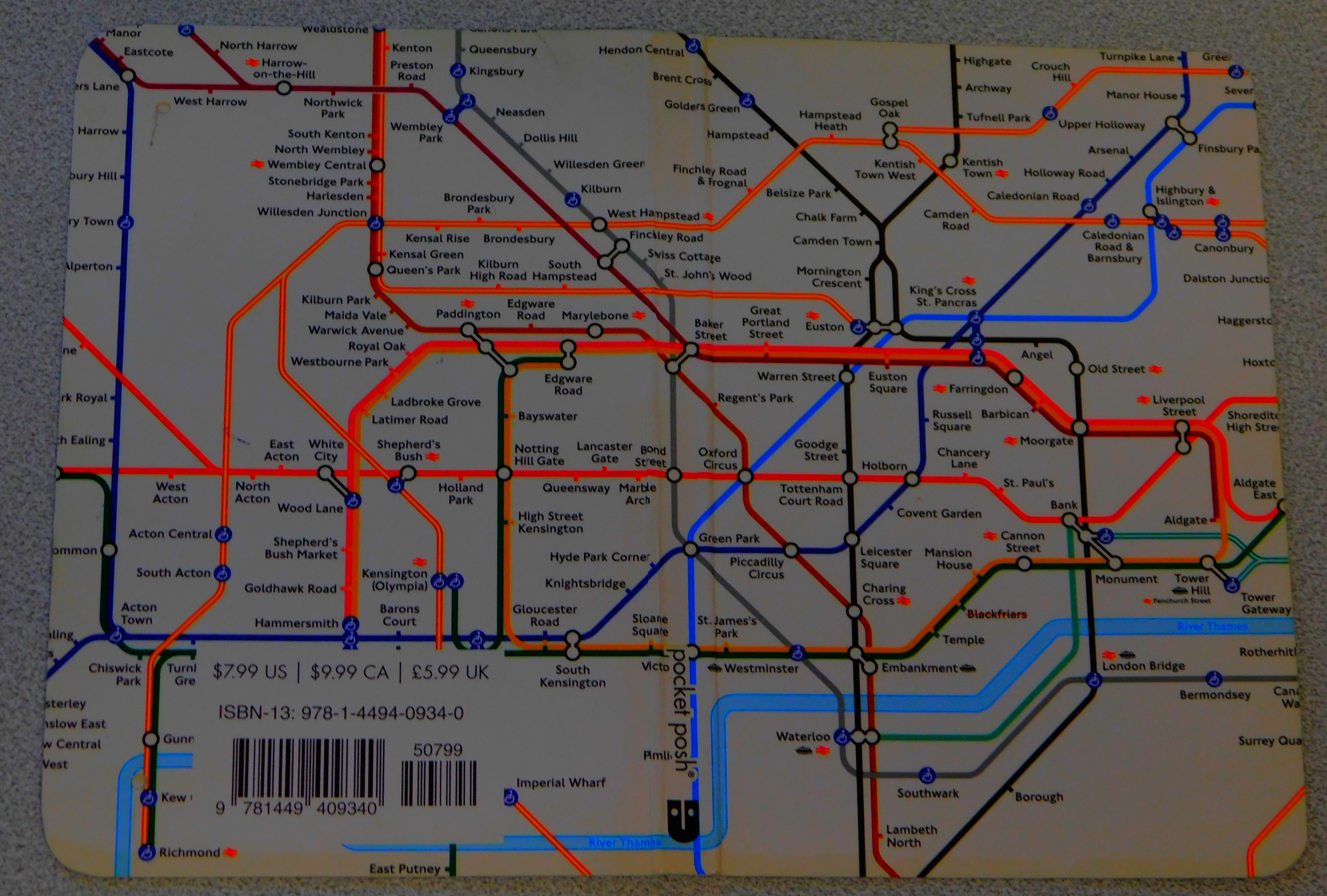
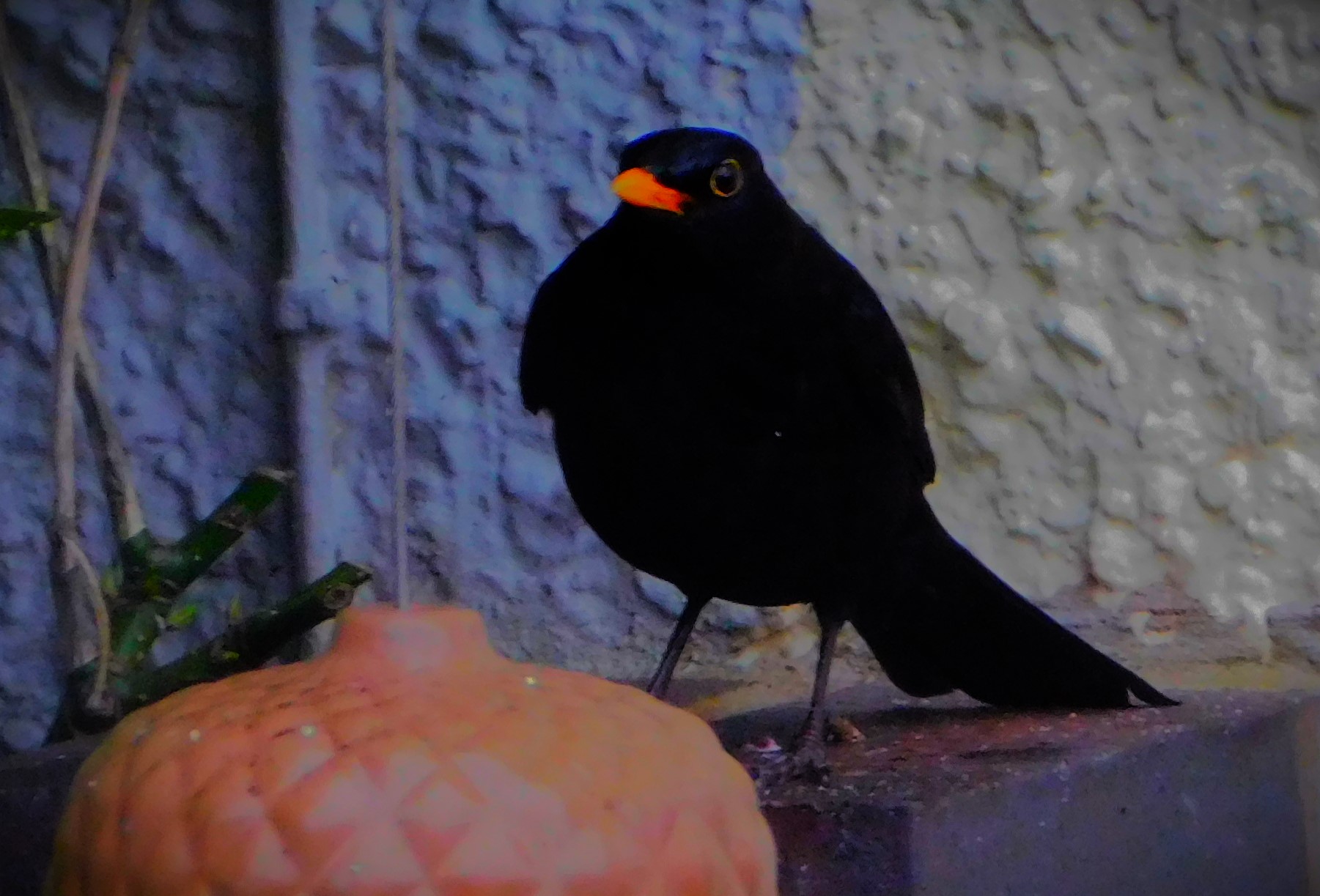
PHOTOGRAPHS
My usual sign off…








































 aspiblog