The England Tour Party to New Zealand and Other Stuff

A look at the England Men’s touring party for New Zealand, an auction lots related photo gallery, an account of Heat v Renegades in the WBBL and a regular photo gallery.

In addition to the selection of the tour party to New Zealand I will be mentioning today’s WBBL match between Brisbane Heat and Melbourne Renegades. There will be two photo galleries, a small one separating the two cricket segments and the main one at the end.

The England men’s squad for their tour of New Zealand was announced yesterday:

Jamie Smith was known to be missing this tour as he is taking paternity leave. Jordan Cox is an odd choice as keeper, as he hardly ever does this job in domestic cricket. Oliver George Robinson, a superb keeper who has just had a season in which he scored 900 FC runs at an average of 48 is entitled to feel aggrieved. I have talked about Woakes overseas before, and I still consider him a waste of a spot. Jacob Bethell is a talented young player, but surely if England were looking to usher a youngster on to the international stage James Rew of Somerset would have been a better choice. I also feel, especially given that current number three Ollie Pope is coming off a shocking series in Pakistan (55 runs in five innings), that Josh Bohannon could have been considered. Finally, no one who has seen the selections of my all time XIs could suggest that I of all people do not appreciate spin bowling, but I find it hard to imagine a New Zealand strip on which the selection of even two out of Jack Leach, Rehan Ahmed and Shoaib Bashir is justified. At best I would say that the selectors deserve 5/10 for this effort, and that is probably erring on the side of generosity.

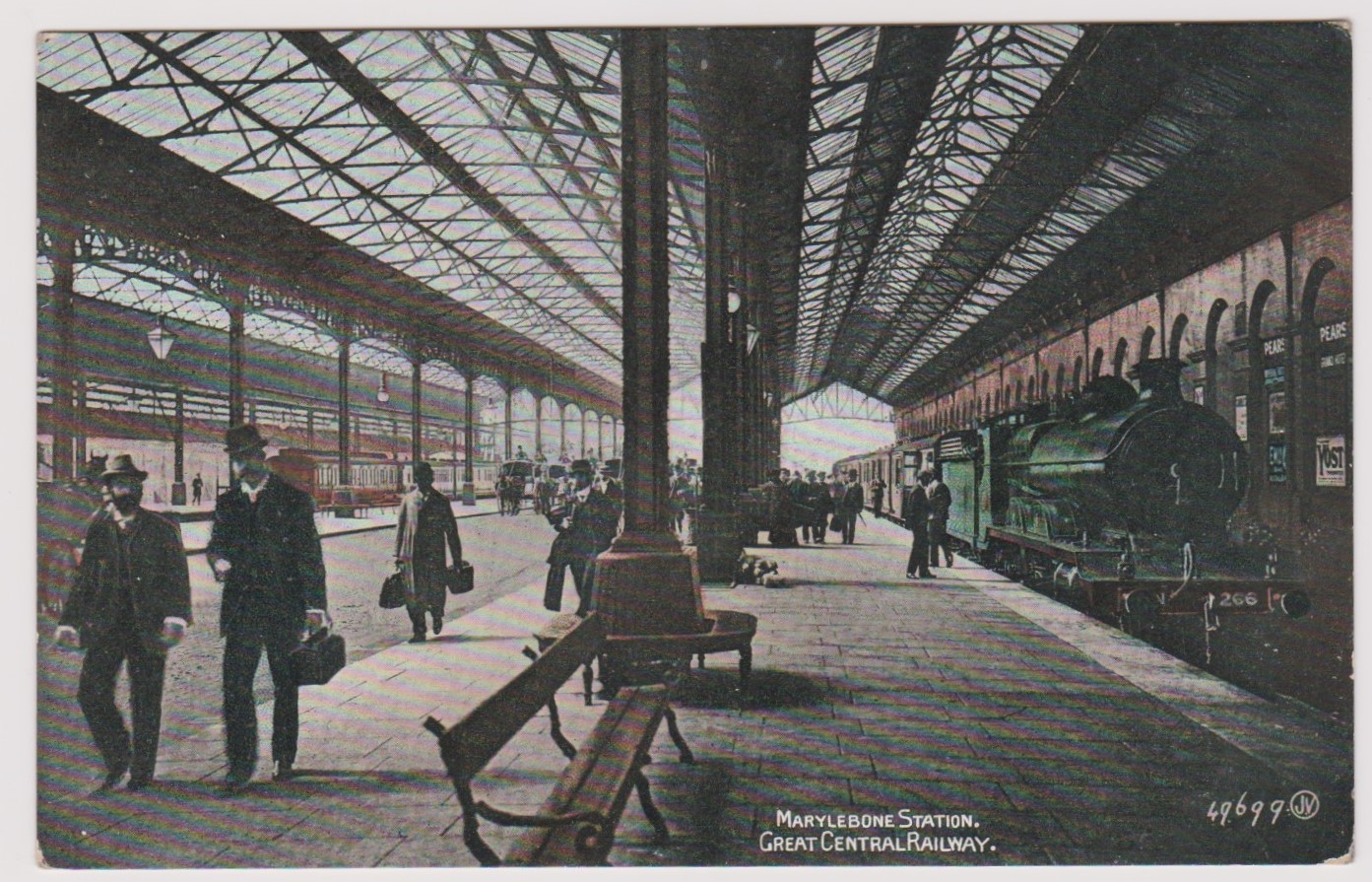
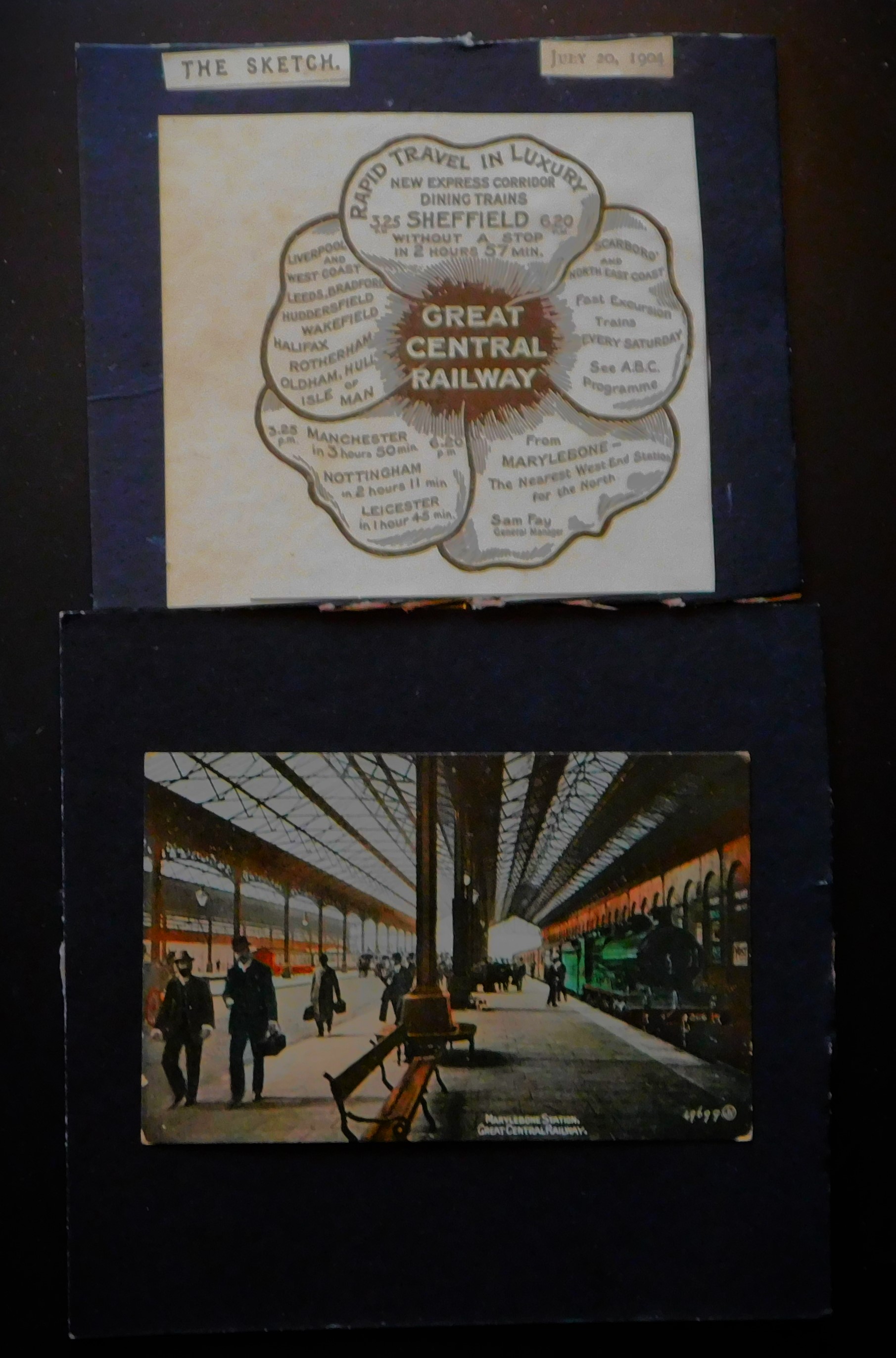
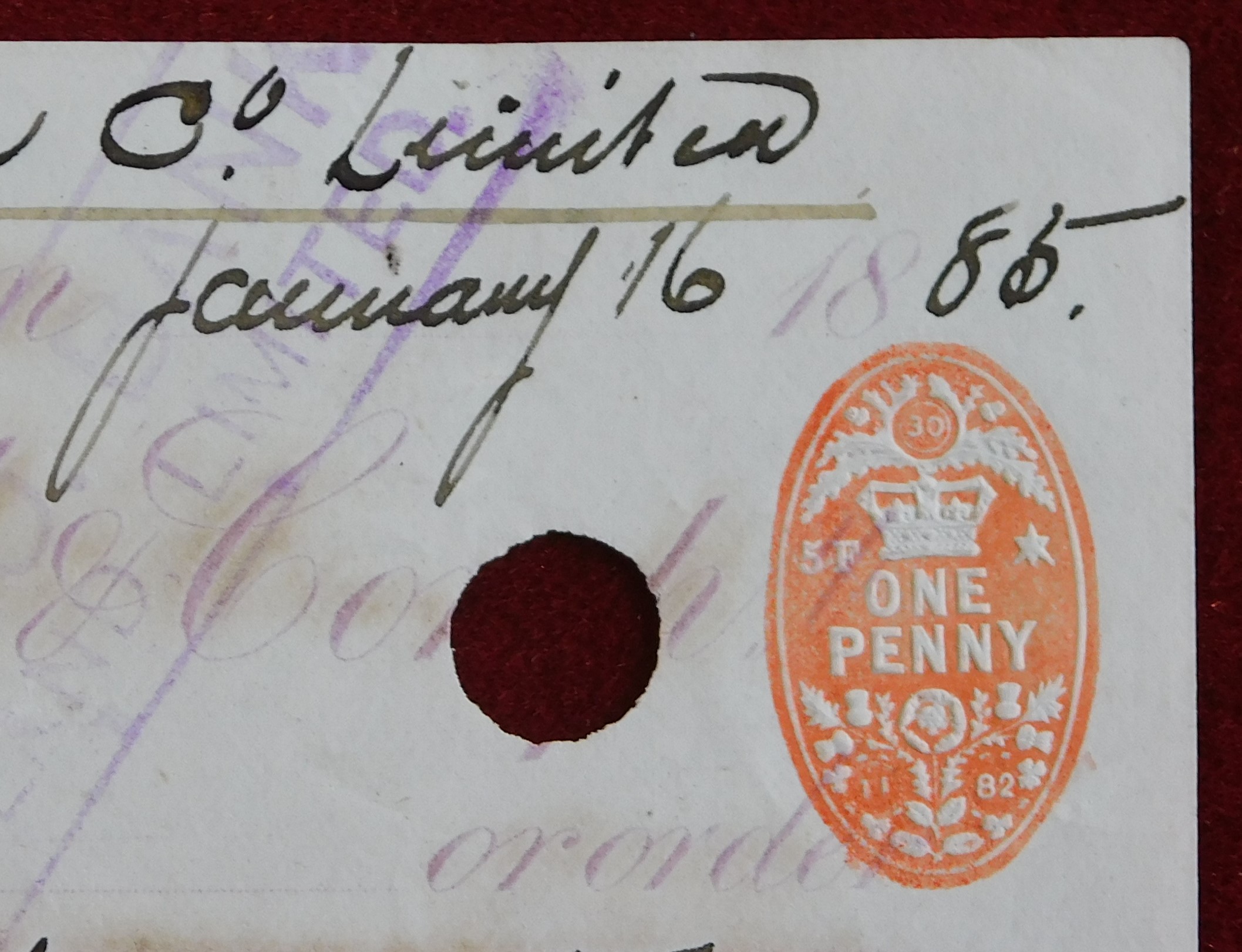
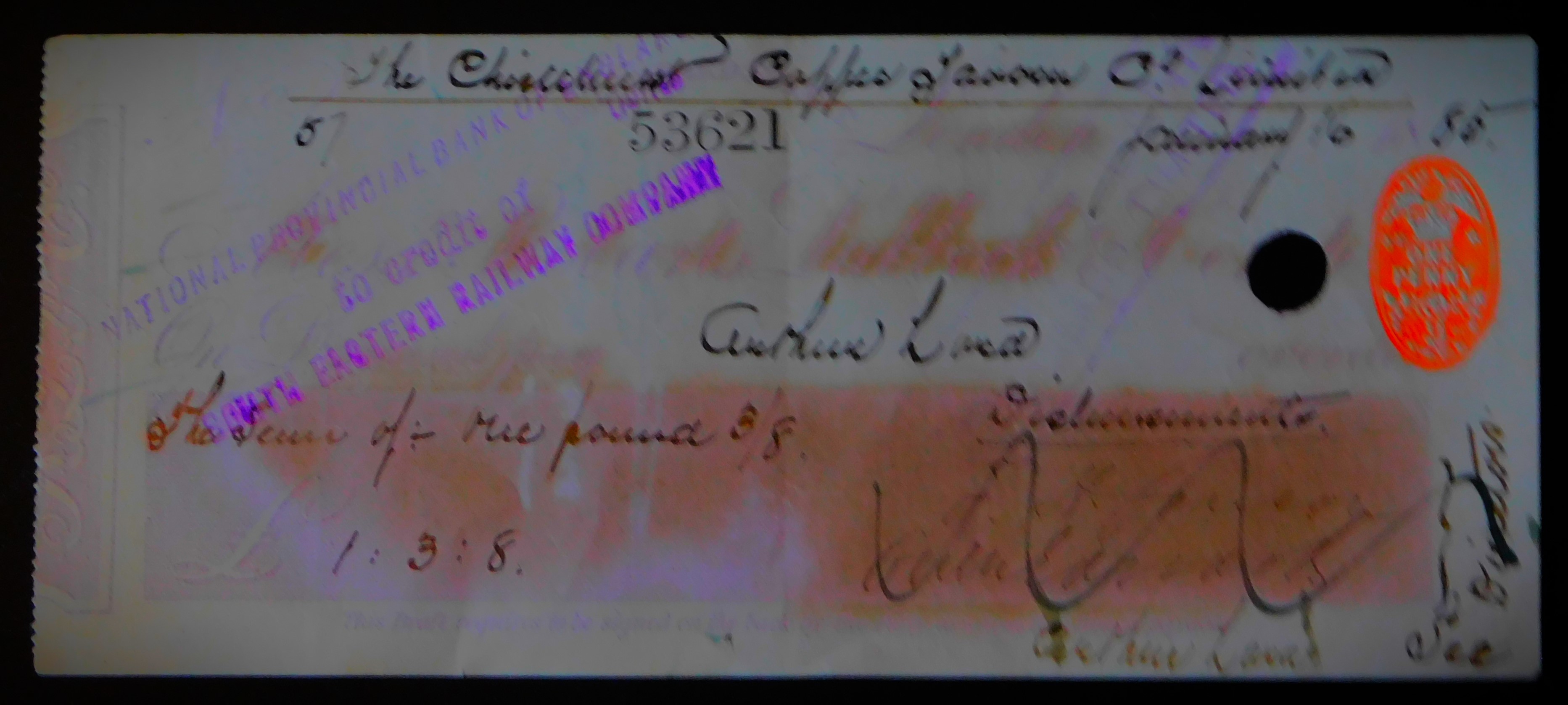
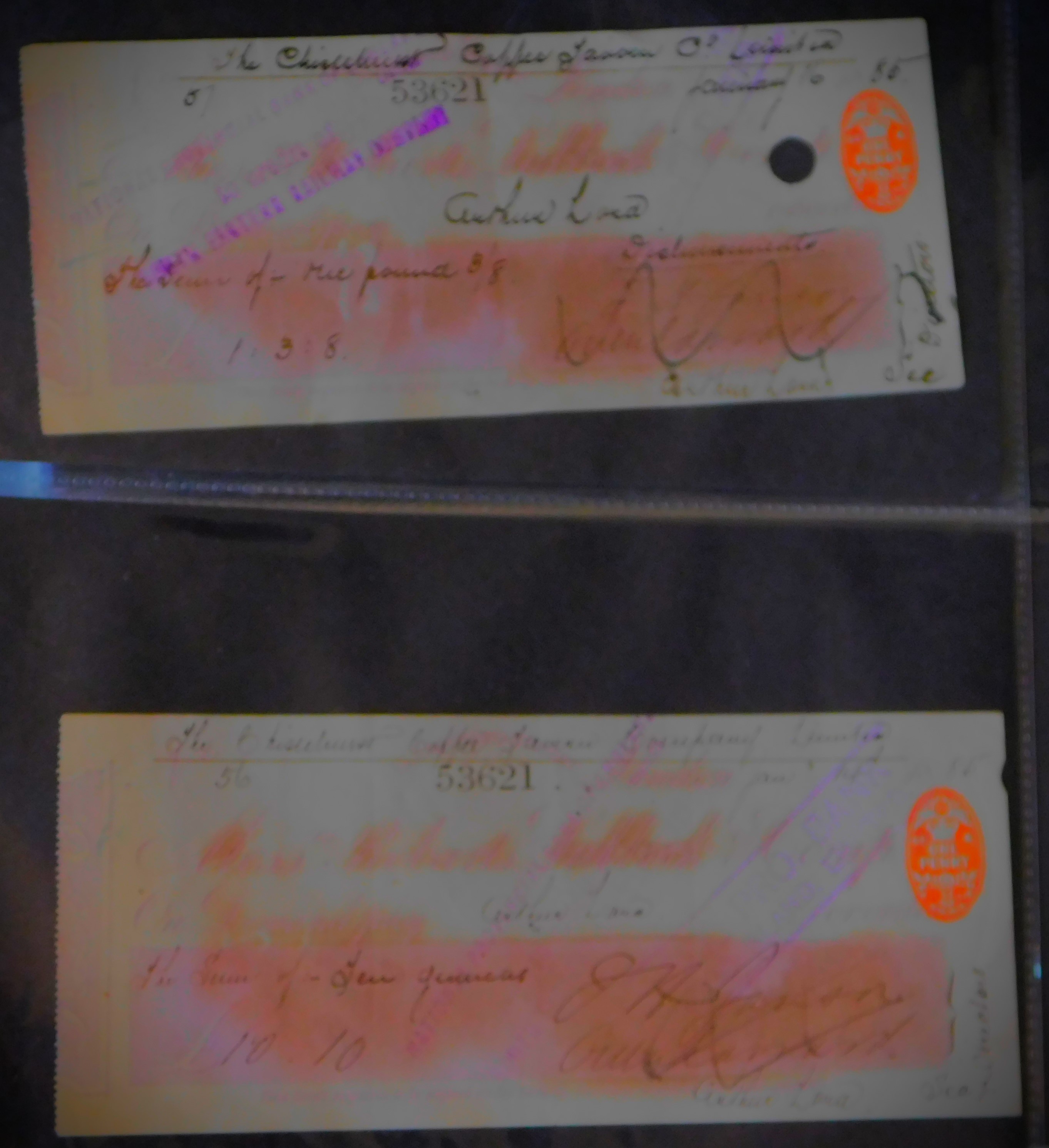
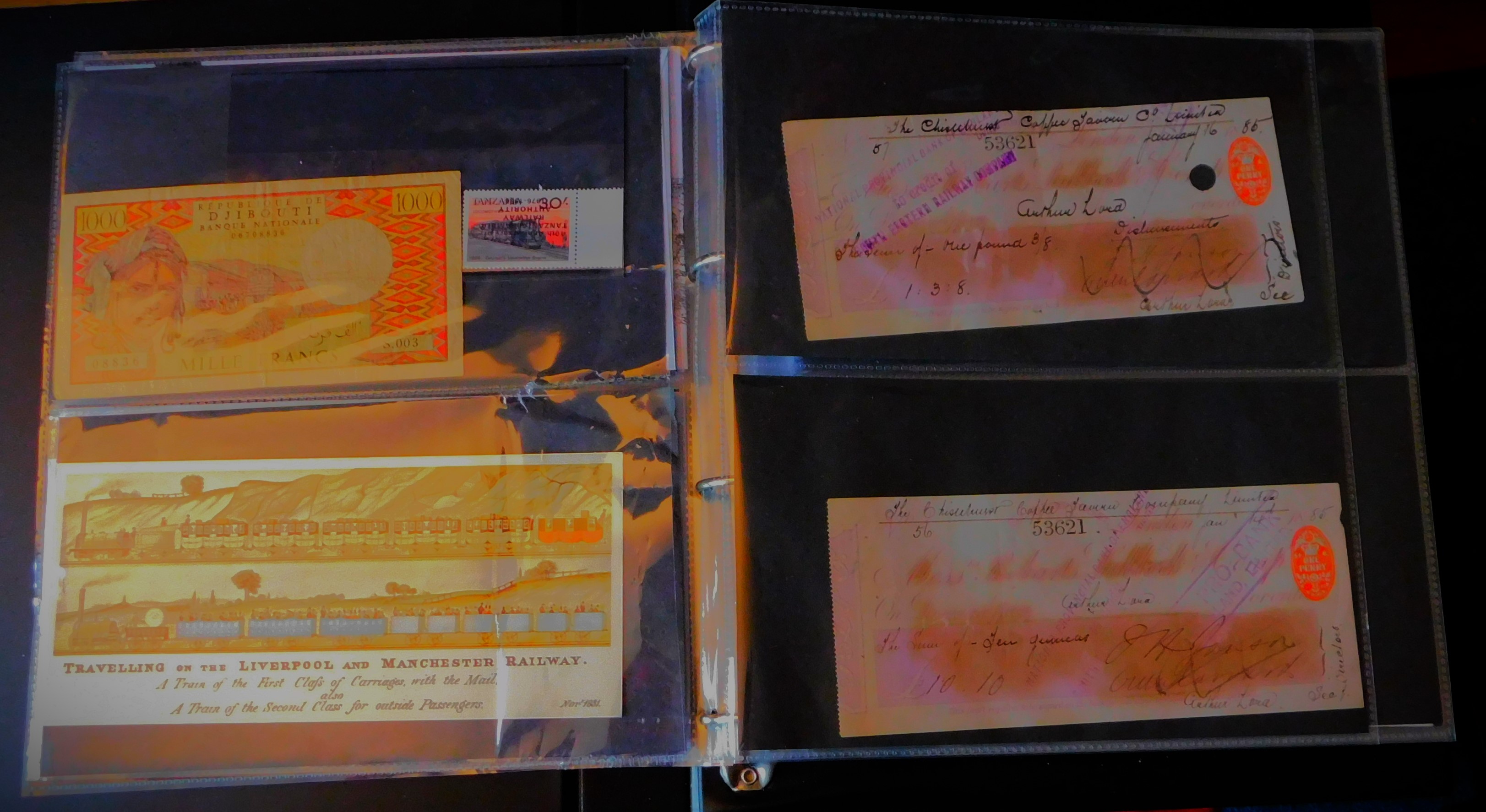
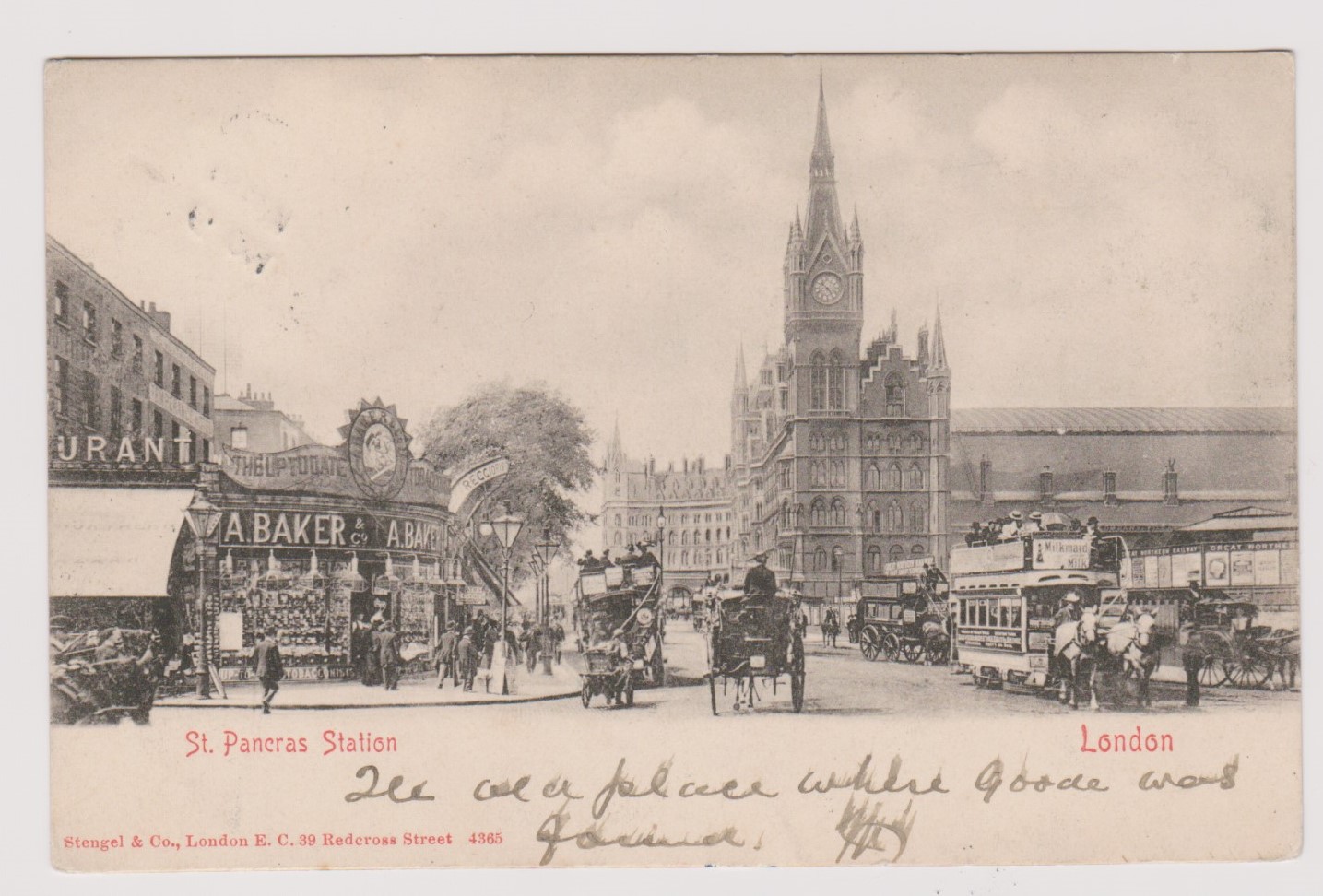
I mentioned lot 731 in my post about the coin/ banknote/ cheque element of James and Sons’ most recent sale (see here) but that was one of three lots (all very cheap) that I secured over the two days. Lots 369 and 374, railway postcards, went under the hammer while I was at work, but I had put in bids in advance. This gallery shows those lots, and my subsequent treatment of them.
Renegades won the toss at Allan Border Field, Brisbane and put the home side in to bat. Grace Harris made a brief but dramatic contribution: her first ball was the fifth of the opening over and she smacked it out of the park. She top edged the next delivery and the bowler, Sophie Molineux exacted revenge for the previous ball by taking a return catch. That was 7-1 after one over. Georgia Redmayne was now joined by Lauren Winfield-Hill and they had a good partnership for the second wicket. Molineux was involved in Winfield-Hill’s dismissal for 26, catching the number three’s clip off the bowling of Georgia Wareham to make it 73-2. Charli Knott managed a single before Emma de Broughe took a catch off Hayley Matthews first ball of the match to make it 78-3 after 9.1 overs. At that point drinks were taken, rather than wait for the end of the 10th over. New batter Jess Jonassen and Redmayne took six off the remaining five balls of the tenth over and Heat were 84-3 at the halfway stage of their innings. Off the last ball of the 11th over Dottin had Redmayne caught by her opposite number, Nicole Faltum, for 44, which made it 86-4. Laura Harris now played a brilliant innings, making full use of the Power Surge. Her 31 off 16 balls, along with a few other contributions, notably 11 not out off seven balls from Grace Parsons at the end of the innings got Heat to 169-8 from their 20 overs.

Renegades made a blazing start to the chase, largely through Hayley Matthews. However Grace Parsons now took centre stage with the ball. First she had Matthews caught by Laura Harris for 35 which made it 51-1, then three balls later she had Alice Capsey stumped for a duck to make it 52-2. Then in the eighth over, her second, she had Deandra Dottin given LBW which made 59-3. Courtney Webb was run out after a fine return from Grace Harris and some quick work from bowler Shikha Pandey caught her out of her ground. Thereafter Renegades were never in the hunt. Some late hitting by Naomi Stalenberg (38 off 23 balls) lessened the damage that Renegades’ net run rate took but did not affect the final result. Renegades ended on 141-9, giving Heat the win by 28 runs. Parsons, who even with her final over costing 13 had 3-22 from her four overs as well as that 11 not out in the Heat innings was a shoo-in for Player of the Match. Scorecard here.

My usual sign off…

Brisbane Heat Guaranteed to Top the Big Bash League

A look at how Brisbane Heat secured top spot in the Big Bash League earlier today and a large photo gallery.

Today’s Big Bash League Match saw Brisbane Heat take on Perth Scorchers. Heat came into the game knowing that a win would guarantee them a first place finish, while Scorchers knew that a win would ensure them qualification. I missed the Heat innings due to a morning commitment in town, but I listened to the Scorchers chase after I got back.

At the halfway stage of the chase Scorchers were 80-3 chasing Heat’s total of 191, some way behind the required rate, but with Laurie Evans just starting his innings. Two overs later they were 103-3 and looking much better placed. It was at this point that they took their Power Surge, which was always likely to have a major impact on the outcome. I believe they were right to do so, with two batters both going well at the crease together. However, having picked a good moment to take the Power Surge you then have to make good use of it, and Scorchers did not. Spencer Johnson bowled the first over, and his six legal deliveries were good, but he also bowled three wides along the way, and was probably fortunate that a couple of others weren’t called. The second Power Surge over was better for Scorchers, and with six overs to go they were 122-4, needing 70 to win. Evans played a fine knock, reaching a half century off 28 balls, but no one else did enough (Ashton Agar who came in at number seven was especially culpable, scoring slowly and almost being run out when arguing with Evans over the merits of taking a single early in an over). Evans won the argument, and fortunately for Agar the bowler, Spencer Johnson, foozled the run out attempt. The next two balls after the spurned single saw Evans hit a four and then score three off the next, illustrating why he had not wanted to give up the strike so early in the over. Scorchers fell further and further behind, and by the time the 20th over came round they needed 30 from it to win with two tailenders together. The final margin was 23 runs, and Michael Neser secured Player of the Match, having placed a vital innings with the bat, fielded superbly and claimed two wickets with the ball.

My usual sign off…

Brisbane Heat v Hobart Hurricanes

An account of a thrilling BBL encounter between Brisbane Heat and Hobart Hurricanes, plus a photo gallery.

At 8:15 this morning UK time the Big Bash League encounter between Brisbane Heat and Hobart Hurricanes got underway. This post looks back at the match.

Hobart Hurricanes won the bat flip and put Brisbane Heat into bat. Josh Brown and Colin Munro opened the batting for Heat, while Riley Meredith took the new ball for Hobart Hurricanes. A very fine over was marred by the last delivery, which was hit for four to make Heat 6-0. Corey Anderson bowled the second over, and it was a poor one – he bowled two wides, and conceded nine runs in total, four of them off the eighth delivery, necessitated by the bowling of the wides. Nathan Ellis, the Hurricanes captain, and veteran medium pacer Chris Jordan bowled the fourth over of the opening Power Play. Both bowled well, especially Jordan, and Heat were 22-0 after four overs. The fifth over, bowled by left arm wrist spinner Patrick Dooley, should have produced the first wicket but Tim David dropped an absolute sitter. Hurricanes continued to ring the changes, with the sixth over being bowled by a sixth different bowler, Nikhil Chaudhary. This over yielded eight runs including a four, but also a wicket of the sixth ball, Josh Brown, caught by Macallister Wright to make it 35-1. The seventh over finally saw someone bowl a second over, Riley Meredith. This over yielded a mere four runs and Heat were 39-1. Chaudhary bowled the eighth over, and it seemed to have ignited the Heat innings, Munro taking 20 from it, including two sixes and a four, 59-1. Dooley bowled the ninth over, and after five excellent deliveries he conceded a four off the last ball of it to make it 67-1. Ellis bowled the tenth over, conceding seven runs, but also trapping Heat’s number three, McSweeney, LBW. Heat were 74-2 at the halfway stage of their innings. Heat messed up the second half of their innings. They were overcautious about the Power Surge, and lost Munro for a well made half century before they got round to taking it. They then panicked and took it with two new batters together at the crease and made an utter hash of it, scoring 8-1 from those two overs. That left them at 112-5 from 17 overs. The last three overs were bowled by Jordan, Ellis, and then Jordan, and although Paul Walter made a brave effort to increase the total the two experienced bowlers restricted the damage from this last three overs to 20 runs, while two wickets fell. Ellis had 2-23 from his four overs, Jordan 3-19 from his four, and the most economical of all had been Meredith, conceding just 15 from his four.

With such a poor total to defend Heat needed early wickets to have any chance of success, and they got them, Michael Neser claiming one in the first over, and then Xavier Bartlett striking three times in quick succession to account for Wright, Sam Hain and Anderson. Hurricanes ended their four overs of Power Play reeling at 25-4. After 4.4 overs, two balls short of constituting a match, rain came down and the players left the field. The interruption was not a massive one, but enough to reduce the length of the Hurricanes innings to 16 overs, their target to 118 and their Power Surge from two overs to one. Hurricanes fought hard, with Chaudhary and David batting well. They like Heat were guilty of overcaution about the Power Surge, but fortune favoured them, and Chaudhary and David were still together when they finally took it. They may have mistimed taking it, but once they did take it they made decent use of their Power Surge, taking 12 runs off it. This left them needing 20 off the last two overs. In the next over David was dismissed, but Chaudhary did manage to get on strike for the start of the final over, with 13 needed to win. Paul Walter, the tall left arm medium pacer from Essex, bowled this over. Chaudhary hit the first ball for six to bring up a fine fifty, and when he added two more off the second ball the target was down to five off four balls. However, just when it seemed like he was set to be the matchwinner for his side Chaudhary then edged the next delivery through to Billings, and it was five needed off three balls with only tailenders left. Singles came off the next two deliveries, and Hurricanes needed three off one ball to win. They managed only one, with Dooley being run out going for a second. This meant that Heat had hung on to win by one run on the DLS method. Xavier Bartlett, whose three early wickets had given Heat the chance to defend a very modest total, was named Player of the Match, quite correctly in my view. Full scorecard here.

Neither side distinguished themselves when it came to the use of the Power Surge – Heat had two got opportunities to take it with Munro at the crease and going well and neglected both, allowing the perfect to be the enemy of the good, and ending up having to use those overs without Munro to exploit them, while Hurricanes left it at least one, possibly two overs longer than they should to claim theirs, and were rather fortunate after delaying like that to still have both Chaudhary and David at the crease to use it. Hurricanes dropped two easy chances in the field, and Chaudhary panicked just when it seemed that he was winning them the match. Heat finding a way to defend such a low total illustrated why they are ensconced at the top of the table.

My usual sign off…

There is no I in Team

A mention of Adelaide Strikers WBBL triumph, an XI of players whose given names begin with I, and a photo gallery.

Today I select an all-time XI all of whose given names begin with I. Before getting to the main meat of the post I also acknowledge Adelaide Strikers winning a second consecutive Women’s Big Bash League title, which they did earlier today, beating Brisbane Heat by three runs in a superb final that illustrated yet again how utterly compelling low scoring matches can be – Strikers managed 125-5 from their 20 overs, and then bowled like demons to restrict Heat to 122-8 in their innings. A full scorecard can be viewed here.

  1. Ibrahim Zadran (Afghanistan, right handed opening batter). Has a respectable record in his fledgling test career and an outstanding one in ODI cricket.
  2. Ian Redpath (Australia, right handed opening batter). Averaged 43 in test cricket.
  3. Ian Chappell (Australia, right handed batter, vice captain). I only occasionally name vice captains of these XIs and have done so on this occasion because this team has two outstanding leaders among its number, and one of those could not be named as captain. He had a very good test record.
  4. Inzamam-ul-Haq (Pakistan, right handed batter). One of his country’s all time great batters, though somewhat marred by not being the best runner between the wickets.
  5. Ian Bell (England, right handed batter). It took him a few years to overcome an early reputation for softness, but by the time his career ended he was one of the most respected of all middle order batters, with a record whose weight of achievement matched the stylishness of its accomplishment.
  6. *Imran Khan (right handed batter, right arm fast bowler, captain). One of the greatest all rounders ever to play the game and an outstanding captain to boot.
  7. +Ian Healy (Australia, wicket keeper, right handed batter). An outstanding keeper, and a very tough competitor – all four of his first class centuries came in the test arena.
  8. Irfan Pathan (India, left arm medium fast bowler, left handed batter). At test level, the ultimate benchmark, his averages were just the right way round, with the bowling average just on the right side of 30 per wicket.
  9. Ian Bishop (West Indies, right arm fast bowler, right handed batter). Injuries spoiled his career, which at one stage seemed certain to see him claim a place among the all time greats of the game. As it was, 161 test wickets at 24.27 each from 43 matches still amounted to a very fine record. He has recently established himself as an excellent commentator, always being well prepared for any match he is covering.
  10. Ian Peebles (England, leg spinner, right handed batter). Only 13 test appearances for the Scottish born spinner, which yielded him 45 wickets at 30.91 each. In first class cricket he managed 951 wickets at 21.38 each.
  11. Ishant Sharma (India, right arm fast medium, right handed batter). His average of 32.40 per wicket looks expensive, but he was a bowler who improved massively later on in his career, and in many ways the current era of India being well equipped in the seam/ pace department began with him.

This side has a solid looking opening pair, a powerful engine room of Chapelli, Inzamam-ul-Haq and Bell, an ATG all rounder, an ATG keeper and a bowling attack that is probably better than their respective career averages suggest. Bishop, Sharma, Pathan, Peebles and Imran Khan an attack that should claim 20 opposition wickets without undue difficulty on most surfaces.

The biggest miss by far is Ian Terrence Botham. There were two candidates for the all rounders slot, and my feeling is that outstanding is Botham was between 1977 and 1982, his subsequent protracted decline gives the verdict to Imran. Also, Botham and Chappelli in the same dressing room might be problematic.

There is no left handed front line batter, but the nearest claimant, Ian Blackwell, never established himself as an international player, and averaged less than 40 in FC cricket. Imam-ul-Haq likewise falls short, though he merits a mention.

Ian Healy has three challengers for the gloves: Imtiaz Ahmed (Pakistan), Ian Smith (New Zealand) and Ikram Alikhil (Afghanistan), the last named of whom may eventually depose him from this XI.

I considered Issy Wong for the number eight slot, but felt that Irfan Pathan’s left arm offered more than the youngster’s right.

There were three spinners challenging for inclusion: Imran Tahir (South Africa), Ish Sodhi (New Zealand) and Intikhab Alam (Pakistan).

Iain O’Brien (New Zealand) was closest among the quicks I did not select to displacing any of my choices.

Subzero temperatures and mist, both currently afflicting west Norfolk, do not provide the best of opportunities for photographers, but I do have a gallery to share with you…

Perth Scorchers Win The BBL

An account of the final of the Big Bash League, and a photo gallery highlighted by a Little Egret.

Today saw the final of the 12th instalment of the Big Bash League. The two teams to make it were Perth Scorchers who did it the easy way, winning the league stage and then beating Sydney Sixers to qualify for the final, and Brisbane Heat who did it the hard way, sneaking into fifth and last qualifying slot (I am glad to report by the way that this is the last occasion on which five teams out of eight will qualify for the knock outs), and then winning three straight games to join the Scorchers in the final. Perth had home advantage for the final.

THE BRISBANE HEAT INNINGS

Brisbane Heat won the bat flip and decided to bat first. The first two overs were extraordinary – in the first Josh Brown scored 13, with three fours, all off the edge and with little or no control of the shot and all off decent deliveries. He added another 12 off the first five balls of the second, in more orthodox fashion and then mistimed a drive off the sixth ball of the over and was caught – 25-1 after two overs, Brown 25 (12). The second wicket pairing then had a decent partnership and at the halfway stage Heat were 86-1, and looking at 180-190, with possibly half an eye even on 200. Then came the five over spell which in retrospect cost Heat the match – in overs 11-15, which included their Power Surge (an unmitigated disaster for them – 8-2 from those two overs) they managed just 33 runs and lost two wickets. They had a decent last five overs, and ultimately had 175 to defend.

THE PERTH SCORCHERS RESPONSE

Little went right for Scorchers in the first 10 overs, and they were 62-3 at the halfway stage. However, they had a superb third quarter to their innings, ending the 15th over, which was also their first Power Surge over, on 119-3, exactly where Heat had been at the same stage of their innings. Two quick wickets, those of the two set batters, the second a horrendous run out seemed to have killed their hopes stone dead, but then Cooper Connolly joined Nick Hobson, the latter culpable in the run out referred to earlier. Connolly, still in his teens, was especially impressive, and between them the sixth wicket pair reduced the ask to 10 off the final over. Michael Neser, at the opposite end of the experience spectrum to Connolly, bowled it. Connolly took a single off the first ball, Hobson just cleared the boundary off the second, and then hit a throughly convincing four off the third and Scorchers had won the match and were BBL winners for a fifth time. This edition of the BBL has been patchy (and some would say that such a description is generous on my part) but the final was match worthy of such an occasion. The vast majority of T20 matches, enjoyable as they often are while they happen, are distinctly unmemorable, a charge that cannot be levelled at this one. A full scorecard can be viewed here.

PHOTOGRAPHS INCLUDING AN ADDITION TO ‘BIRDS SEEN IN 2023’

Today, on my way home from an expedition to King’s Lynn town centre I saw a Little Egret dabbling at the edge of the Gaywood River (in the section between Kettlewell Lane and Loke Road, which I often pass as it is close to a route that scores highly on ‘main road avoidance’, crossing a couple but not involving spending any more time than that alongside such a road). I start my usual sign off with new sighting…

Miscellany

London Underground at 160 years old and a couple of cricket bits, plus some photographs.

I have a number of things to post about, and will cover them in order.

LONDON UNDERGROUND 160

On January the 10th 2023 London Underground, the oldest underground railway system in the world, turned 160. From a modest seven stations when what was then called the Metropolitan Railway opened (this section of track is now part of the Hammersmith & City and Circle lines, but only Great Portland Street to Farringdon feature today’s Metropolitan line (the Metropolitan line platforms at Baker Street, two terminal platforms and two through platforms are later additions after the network began to expand, while platforms 5-6 have been restored to look as close to the 1863 originals as feasible) the system has grown to almost 300 stations and over 250 miles of track. After the initial opening, the biggest development was the development of electric locomotives, which enabled the opening of lines running further below ground and built with less surface level disruption, making use of the blue clay on which London sits and the Greathead Shield. The first deep level tube line, the City & South London Railway, now part of the Northern line, opened in 1890.

Big Bash League

Yesterday (I missed today’s game because of an important meeting) Brisbane Heat took on Perth Scorchers. Heat looked set for a formidable total when they reached the halfway stage of their innings at 80-2, but a disastrous third quarter of the innings, including a Power Surge that they took at a sensible time but failed miserably to cash in on yielded 25-2, and even with a decent final quarter of their innings they mustered 155 from their 20 overs, respectable but not the truly formidable score that looked on at halfway. Scorchers began poorly in response, managing only 25-2 in the opening four overs, but Heat then blundered, entrusting the fifth over to part time leggie Marnus Labuschagne. No fewer than 20 runs were plundered from that over. Even so, at the halfway stage of the chase Scorchers were still fractionally behind the rate, being 75-2, needing 81 off the last ten. It was the third quarter of the Scorcher’s allocation that killed the game – where Heat had scored 25-2 from overs 11-15, Scorchers, who also took their Power Surge in this period, and in their case made excellent use of it, scored 60-0 from overs 11-15. The winning hit was a six, off the second ball of the 17th over, with the third wicket pair still together. Scorchers top the table, with a game in hand on their closest challengers as well, while Heat are currently stone last, though they have a game in hand on the team immediately above them.

AUSTRALIA CANCEL TOUR OF AFGHANISTAN

Australia were due to tour Afghanistan but have cancelled that tour in protest at the activities of the Taliban. This has caused considerable controversy, but I, old enough to remember South Africa’s isolation (caused by racial rather than sexual discrimination, though I suspect the likes of Balthazar Johannes Vorster were as misogynist as they were racist) am entirely in favour of the move (please note that individual South Africans were allowed to play in domestic competitions around the world, they were just not allowed to compete under the banner of South Africa) and hope that other countries will stand up to be counted.

PHOTOGRAPHS

My usual sign off…

Heat’s Horror Day

A look at today#s BBL game, and how Brisbane Heat got absolutely blown apart by the team who came into today bottom of the table.

Today in the Big Bash League Brisbane Heat took on Sydney Thunder, with both sides desperate for a win.

THE HEAT INNINGS

Jimmy Peirson won the toss for Brisbane Heat and decided that they would bat first. This was the first and only thing that went right for them all match.

After six overs they were limping at 26-3. Peirson joined Munro for a rebuilding act at that point, and the pair were still together at the end of the 14th over, and the scoring rate was still below six an over. Time for the Power Surge you would think, but Peirson bottled taking it. A few balls into the 15th over Peirson was out and the chance of taking the Surge with two well set batters together had gone. In the end Peirson’s cowardice resulted in Heat’s Power Surge being the last two overs of their innings, with six wickets down. Unsurprisingly in those circumstances they did little with it, and ended with a final total of 121-6. In a T20, even on a pitch that is not particularly batter friendly that kind of score should never be enough…

THE THUNDER INNINGS

…Sydney Thunder’s openers, Gilkes and Hales, immediately put Heat’s pathetic effort in to proper context. By the halfway stage of the innings they were 87-0, needing just 35 more to win. A brutal onslaught against Swepson in the 11th over reduced that target to 10 off nine overs, and three fours in four balls by Hales off Steketee in the next over completed a ten wicket win for Thunder with 50 balls to spare. Gilkes, Sydney Thunder’s keeper as well as one of their opening batters, was named Player of the Match, having scored 56* (34) to Hales’ 59* (36). Sydney Thunder won so comprehensively that Peirson bungling the timing of Brisbane Heat’s Power Surge probably did no more than increase the severity of the beating that Heat took, but nevertheless it was terrible captaincy by him. I personally thought he should have called it at the end of the 12th by when he and Munro had been together six overs, and not calling it at the end of the 13th or the end of the 14th, when the pair were still together was beyond stupid. It is hard to see how Heat pick themselves up from this blasting at the hands of the team who came into today bottom of the table, and it is hard to see how Peirson can be allowed to remain captain. Scorecard here.

PHOTOGRAPHS

My usual sign off…

Strikers and Renegades lose unbeaten records in successive days

A look at developments in the Big Bash League, including yet another example of a Power Surge blunder.

Today Hobart Hurricanes beat Melbourne Renegades by eight runs, a result that means every team in the Big Bash League has won at least one match and suffered at least one defeat. However as I was only able to follow that game by way of cricinfo and therefore have only a fragmentary picture of it I shall say nothing further about it. Yesterday’s match, between Adelaide Strikers and Brisbane Heat, in which the former lost their own unbeaten record is a different matter, as there was radio commentary on that one.

THE BRISBANE HEAT INNINGS

Having won the toss and decided to bat Heat did not start well, but Sam Billings played a superb knock. They also took their two over Power Surge (see here for my thoughts on this) at a sensible time. They reached 166-7 in the end, with Billings scoring 79.

ANOTHER POWER SURGE MESS UP

Strikers were behind the rate right through the chase, but would probably have won had they taken any of three opportunities to claim the Power Surge with Colin de Grandhomme and Thomas Kelly at the crease. These opportunities would have been claiming the Surge for overs 13-14, 14-15 or 15-16. Failure to take it for the first was semi-defensible, the second failure was crazy and the third downright criminal. Strikers’ exceedingly experienced skipper Peter Siddle should have got a message out to the two batters instructing them to take the Power Surge once they had twice failed to do so. In the event Kelly fell in the 15th over, De Grandhomme in the 16th, with the Surge still unused, which left only lower order batters for the Strikers. Strikers never did get on terms with the required run rate, and it was only Siddle hitting the last ball of the match for six, with the result already settled, that kept the margin to six runs. Michael Neser bowled an excellent 19th over for the Heat, basically closing out the match for them, and finishing with 2-23 from his four overs. Mark Steketee took four wickets but was also expensive. However, batters usually get favoured when there is competition for the Player of the Match award, and so unsurprisingly it went to Billings for his knock. This was the third time in as many days that a team being over cautious about going for the Power Surge were punished by losing the match. In the situation the Strikers were in it was essential to take the Surge when De Grandhomme and Kelly were together. I would have preferred an out and out throw down of the gauntlet, taking it for overs 11 and 12 to the actual over-caution shown by the players. Only Peter Siddle, as experienced as he is, will know why when they weren’t claiming it for themselves he did not attempt to get a message out to the two batters telling them that they needed to do so.

PHOTOGRAPHS

My usual sign off…

Power Surges

A look at the Big Bash League’s great innovation, the Power Surge and how best to use it, with a couple of classic examples of it being misused on successive days.

With the Big Bash League now in full swing this post is dedicated to that competition’s great innovation, the Power Surge (they had two others but have binned both the ‘supersub’ and the ‘Bash Boost Point’). I am writing it because yesterday and today I saw two classic examples of mistiming the Power Surge, whereas in the WBBL earlier this year the sides were nearly all excellent at judging when to go for it.

WHAT IS A POWER SURGE?

Most T20 innings around the world begin with six overs of ‘Power Play’, when only two fielders are allowed to be posted more than 30 yards from the bat and then have 14 overs of regular play when up to five fielders can be outside that 30 yard radius. The Power Surge variation, which I am a huge supporter of, has the innings start with four overs of Power Play, with the remaining two to be taken at the batting side’s discretion at any point after the end of the 10th over.

WHEN SHOULD THE POWER SURGE BE TAKEN?

There are a range of good answers depending on exact circumstances but the key thing to remember is that a successful Power Surge is not just about how many runs you score from those overs, it is about how many more runs you score from those overs than you would have done in regular play. Therefore using it in the ‘death overs’, when you would be scoring very fast anyway is not making full use of it. Ideally you would want both batters to have faced at least a few balls by calling for the Power Surge but if by the end of the 15th over you have not found a really suitable time to take it then take it for overs 16-17 irrespective of anything else, as a launchpad into the death overs.

POWER SURGE FAIL 1: JIMMY PEIRSON (BRISBANE HEAT)

Brisbane Heat made an awful start to yesterday’s match against Melbourne Renegades, losing three early wickets. However at the end of the 10th over, the fourth wicket partnership was still going, and this represented the golden opportunity to take the Power Surge with two set batters there to make use of it. Both batters fell in the 11th over, meaning a spot of retrenchment was needed. At the end of the 14th over the sixth wicket stand was still going, both batters had faced a reasonable number of balls, and this represented what will call the silver opportunity to take the Power Surge – both batters in to an extent, and enough overs left for the Surge to act as a good launch pad. Peirson neglected to call for it, and the partnership was broken in the 15th over. Peirson dithered and delayed over the Power Surge, and only took it when obliged to for the last two overs of the innings. Those two overs did yield a respectable number of runs, but not in my opinion any more than overs 19 and 20 would with regular field placements. Heat finished with 137-8. This looked a good total when Renegades were 9-4 in response, but Andre Russell and Akeal Hosein played excellent innings, while Finch anchored the innings at the other end. Renegades timed their Power Surge better than Heat, and Finch after playing second fiddle to Russell and Hosein stepped up at the death to see his side to a deserved victory.

POWER SURGE FAIL 2: MATT WADE (HURRICANES)

Today’s match (Sydney Sixers v Hobart Hurricanes) was complicated by a long rain delay, which reduced it to a 14 overs per side contest, and reduced the Power Play and Power Surge allocations to three and one overs respectively. Sixers won the toss, batted first, and although they missed a golden opportunity, when both openers were still there at the end of the seventh over, they did take a silver opportunity, taking it for the 11th over of their innings. They finished with 137-6 from their 14 overs. Hurricanes dropped behind the rate from the start of their innings, but were incredibly reluctant to use their Surge over. Eventually, they claimed it for the 13th over, but by then they needed 45 off two overs, and although Asif Ali made good use of that Surge Over, 21 were still needed off the final over. When an excellent boundary catch by Jordan Silk put a stop to Ali’s antics early in the final over the writing was on the wall, and only a six off the last ball of the match with it already lost restricted the final margin to six runs. Again the criticism of the Hurricanes approach is that Ali could easily have gone crazy in the penultimate over of the match against regular field placings, and had they taken the Power Surge earlier they may have been in a position when a big penultimate over would actually have put them in charge.

AN ALL TIME FRANCHISE XI

Since I am writing about franchise cricket, which I don’t do all that often I end with a challenge and an example answer: Using your own country as the home country and IPL overseas player rules (i.e. up to four in an XI) name your franchise XI made up exclusively of players from before the franchise era.

Thomas’ sample answer:

Home Country: England

XI in batting order:

  1. G St A Sobers (West Indies, left handed batter, left arm bowler of every type known to cricket, gun fielder)
  2. G L Jessop (Right handed batter, right arm fast bowler, gun fielder)
  3. F E Woolley (Left handed batter, left arm orthodox spinner, excellent close fielder).
  4. D C S Compton (Right handed batter, left arm wrist spinner)
  5. *K R Miller (Australia, right handed batter, right arm fast bowler, gun fielder, captain)
  6. +L E G Ames (right handed batter, keeper)
  7. G H Hirst (right handed batter, left arm fast medium bowler, gun fielder)
  8. J B King (United States, right arm fast bowler, right handed batter)
  9. J C Laker (off spinner, right handed batter)
  10. A Shaw (right arm slow/medium bowler, right handed batter)
  11. C V Grimmett (Australia, leg spinner, right handed batter)

Feel free to comment with your own XIs.

PHOTOGRAPHS

Time for my usual sign off…

The Long and Short of Cricket

A look back at the recent Australia v India test match, and at today’s amazing BBL game between Hobart Hurricanes and Brisbane Heat, plus some thoughts on the BBL’s innovations for this year.

No, on this occasion my title does not refer to Mohammad Irfan and Poonam Yadav, though in another context it could! Instead I refer to the longest and shortest formats of top level cricket – 5-day test cricket and T20.

INDIA MAKE IT 1-1 WITH VICTORY AT MELBOURNE

India had lost the first match of the series at Adelaide after being bowled out for 36 in their second innings (see this post for more on that game), and Kohli had departed from the squad to be present at the birth of his child. Australia batted first, and with Bumrah and Ashwin featuring prominently, were dismissed for 195, no one managing to reach 50. India responded with a determined batting effort led by stand-in skipper Rahane who redeemed himself for running out Kohli in Adelaide by reaching a gritty century, while Ravindra Jadeja, one of the finest of contemporary all-rounders and a brilliant fielder to boot, contributed 62 to the cause, and India built a first innings lead of 131. At one point it looked like they might not have to bat again, but young Cameron Green and Pat Cummins resisted stoutly to take Australia into credit and the game into a fourth day. Green and Cummins continued their partnership on the fourth morning, but once they were separated resistance was limited. For the second time in the match no Aussie managed a fifty, but they did just reach 200 before Hazlewood shouldered arms to a straight one and was bowled to end the innings. Low totals have sometimes been defended, but very rarely as low as 70, and India lost only two wickets in reaching their goal.

Steve Smith failed twice, Labuschagne managed some resistance in the first innings but not a substantial score, and Cameron Green’s promise aside there do not appear to many sources of runs for Australia at the moment, and bowlers, even such fine ones as Australia possess, cannot win matches if they don’t have anything to defend. David Warner returns for the next match at the SCG, with presumably the shockingly out of form and lacking in confidence Joe Burns dropping out. Also waiting in the wings, though currently not fully fit for action, is Will Pucovski who has produced some Ponsfordesque scores for Victoria. Travis Head in the Aussie middle order has what appears to be a respectable batting average, but what his average does not show is the fact that he has a severe case of ‘Watsonitis’ – he scores runs, but never seems able to turn a good start into a really major innings.

India meanwhile are strengthened by the return from injury of Rohit Sharma, who will presumably resume his opening berth alongside Agarwal.

BBL THOUGHTS

This section is provoked by today’s astonishing game between Hobart Hurricanes and Brisbane Heat (the Hurricanes were nominally the home team, even though the match was taking place at the Gabba!)

Hurricanes batted first, and after 10 overs were 65-3 with Malan going well and Ingram newly arrived at the other end. Malan fell not long after, bringing Colin Ingram and Tim David together. They shared a good partnership, but Hurricanes failed to take advantage of the opportunity to claim the Power Surge with two destructive hitters together at the crease. After 18 overs they were 140-6, and had to take the Power Surge. Mujeeb Ur Rahman, on of three Afghan spinners (Rashid Khan, leg spin, and Zahir Khan, left arm wrist spin, being the others) to have BBL contracts bowled the 19th, and it was a quite superb over, not only going for only one run, but also yielding three wickets, giving Mujeeb 5-15 from his four overs. The 20th over was better for the Hurricanes, although they only lasted four balls of it, that was enough to boost their total by nine. That gave them precisely 150 to defend, a fairly modest total by BBL standards.

However, the Hurricanes were as brilliant at the start of their bowling innings as they had been poor in the second half of their batting innings, and the Heat were 8-3 early on and looking in some trouble. Then Max Bryant and Lewis Gregory shared an excellent partnership and seemed to have at least secured their side the Bash Boost bonus point for being ahead after 10 overs. Bryant was out to the penultimate ball of the ninth, making it 60-4, six need for the Bash Boost point. However, a combination of good bowling and tentative batting saw them just miss out. Gregory’s dismissal in the 11th over made it 66-5, and brought Bazley into join Peirson. They were still together at the end of the 14th, at which point Heat took the Power Surge. Overall these two overs were good for the Heat, the loss of Peirson not withstanding, and Heat needed 31 from 24 balls for the win. With Bazley going well and Steketee connecting with a couple of decent blows that came down to 15 off 12 balls. The 19th started with two dots, but then Bazley hit a six to reduce the task to nine off nine balls. The over ended with Heat needing seven to win. That came down to four off two balls with Steketee on strike. Steketee got two off the penultimate ball, and that meant two needed off one ball, or one to take it to a Super Over. Steketee went for the tying run off that final ball, but it was judged that although his bat was over the line before the bails were dislodged it was also in the air, and he was given run out, to make it 149-8 and victory for the Hurricanes by one run.

It was a magnificent game, but I would have preferred the Heat to win so that the Hurricanes got properly punished for mishandling the second half of their batting innings.

ON #BBL10’S INNOVATIONS

There have been three innovations to this year’s BBL, two which had their own impact on today’s game. They are: the Bash Boost point for the team who are ahead at the ten over mark, the Power Surge (instead of six overs of power play restrictions at the start of the innings there are four, with two more to be claimed at any time after the tenth over by the batting side) and the ‘x-factor sub’, whereby after 10 overs of the first innings a player who has a) not batted and b) bowled no more than one over can be replaced by a designated ‘x-factor’ sub.

I am a huge fan of the Bash Boost point, it has created points of interest in games which would otherwise have been dead, and today it was very closely fought.

I like the concept of the Power Surge, but it requires flexibility of thought, and not many sides have thus far shown that. I would say that all things being equal the ideal time to take it would be at the end of the 15th, using it as a launch pad for the final quarter of the innings. One might go earlier in two situations: the openers are still together after 10 overs and you want to use the Power Surge to launch you towards a really huge total, and also if you have lost a few wickets, your innings needs a shot in the arm and/or you want to ensure that you have two decent batters to use the Power Surge. I can see no case for delaying it right to the end, and I think the Hurricanes stuffed up big time, for all that it did not end up costing them, in their own innings – they should have taken the Power Surge while Ingram, who could really have cashed in on it was still there.

As for the ‘x-factor sub’, that belongs in the circular file. I fully understand the need for ‘concussion protocol subs’, but basically I remain convinced that teams should finish the match containing the same players who started it.

A final recommendation for the BBL: for goodness sake use the DRS – unlike football with the disastrous VAR we actually have a method of using technology to help with decisions that usually works, and it should be automatic to use it.

PHOTOGRAPHS

My usual sign off…