A piece of bizarreness from the IPL and a win for the good guys in Wisconsin, plus a large photo gallery.
My main reason for posting is that I have a large photo gallery to share. However I have a couple of small things to share as well.
AN UNBEATABLE RECORD
I was at work yesterday and by the time I was in a position to tune in to the commentary on the IPL match (Lucknow Super Giants v Punjab Kings) there was no real point doing so as it was obvious which way the match was going and there could be no big finish. However, I did keep a cricinfo tab open. Thus I was able to see with my own eyes the calling of officially the most pointless ‘strategic time out’ ever, and while it might be equalled and I can be certain that will not be surpassed: LSG had scored 171-6 from their 20 overs, and at the end of the 16th over of the reply PBKS were 171-2 – scores level, the chasers with eight wickets standing and four whole overs available in which to get that run! It actually took until the second ball on the resumption for PBKS to complete the job.
WINNING IN WISCONSIN
Ordinarily I probably would not even have been aware of an election of a new judge in Wisconsin, but Elon Musk had been putting huge amounts of money behind one particular candidate in the hope of altering the political balance of the Wisconsin Supreme Court. As far as I am concerned a defeat for Elon the Execrable counts as a win, so I am pleased to be able to say that Musk’s candidate has been defeated.
A brief look at Ashwani Kumar’s extraordinary IPL debut and a photo gallery.
Today’s IPL match features Mumbai Indians in action against Kolkata Knight Riders. To say that things are going MI’s way would be a major understatement of the case. This post however looks at one particular player involved in the debacle (from their point of view) that was the KKR innings.
“WE HAVE A DEBUTANT PLAYING FOR US TODAY”
The title of this section refers to the way in which Hardik Pandya, skipper of Mumbai Indians, introduced Ashwani Kumar, a left arm medium pace bowler. After today I do not think either Pandya or anyone else will be in any further danger of struggling to recall the young man’s name. Before he had been called on to bowl he had pouched a catch to make his first mark as an IPL player. It was with the ball, partly because KKR tried to target him and failed miserably, that he made what looks like being the decisive contribution to this match. He started by having KKR skipper Ajinkya Rahane caught by Tilak Varma. He added the wickets of Rinku Singh (caught by Raman Dhir), “impact sub” Manish Pandey (a desperation move brought on by the KKR collapse – it would be more normal for a side batting first to use this to bring in an extra bowler) and West Indian legend Andre Russell (both bowled). His final figures were 3-0-24-4. KKR were not only all out for a beggarly 116, they only lasted 16.2 overs – in other words 22 deliveries were not utilised at all. MI are cruising towards a massive win as I type.
PHOTOGRAPHS
Before I present my full photo gallery I am showcasing a couple of unlucky candidates for the feature image. First up, and the closest contender othe rthan the chosen one is this…
“Four in One” Four bees in a single frame – three flying around and one on a flower head.
The other candidate was this one…
“Egret photobombed by flying gull” An Egret at the edge of the Nar outfall with a flying gull with wings at full stretch in the foreground.
Now for the full gallery…
The chosen feature image “In Formation” – two bees flying exactly parallel to one another, seemingly with a cluster of white flowers as the target.The Egret did also manage to get undivided camera space!A song thrush
A look back at yesterday’s IPL match between RCB and CSK, and a large photo gallery.
Yesterday saw Chennai Super Kings entertaining Royal Challengers Bangalore. The winner of this match would be the first team to start the season with two straight wins.
THE RCB INNINGS
This innings was not unblemished by either side. For RCB Rajat Patidar made a fine 50, and openers Salt and Kohli scored utterly dissimilar low 30s – Salt’s 32 came off 16 balls and thus represented a job well done, while Kohli’s 31 came off 30 balls, which is unacceptably slow in IPL cricket. Each side perpetrated (IMO) a blunder – RCB held their Singapore/ Australia star batter Tim David back for so long that he only got to face eight balls in the entire innings, off which he scored an unbeaten 22 and CSK ended up giving the 20th over to Sam Curran, and irrespective of bowling resources available having the left arm medium pacer bowl the last over of a T20 innings represents a mishandling of those resources. The over in question was plundered for 20 runs, boosting RCB to 196-7 from their 20 overs.
THE CSK REPLY
CSK started poorly losing three wickets almost before they had got going. Curran, fresh from his less than impressive efforts with the ball came in at number five. He never got going at all, and had scored 8 off 12 balls when he attempted to give the 13th ball of his innings, an absolute pie from another English all rounder, Liam Livingstone, the treatment it deserved but succeeded only in picking out Krunal Pandya in the deep to make it 52-4. At this point ‘Impact Player’ Shivam Dube came in. He reached 19 fairly impressively before being bowled by a very good ball from Yash Dayal. It was at this stage that CSK mucked up their batting line up. Mahendra Singh Dhoni, a legend of the game but now 43 years old and well past his best should have been in at this point, but determined to hold him back for the very final stages of the innings no matter what, CSK sent Ravindra Jadeja in at seven, and then even more bizarrely R Ashwin at eight, before finally having the keeper/ batter come in at nine. Dhoni actually did bat impressively once sent in, but while his 30* (16) would have been ample had his team mates matched his scoring rate CSK had fallen so far behind that all it did was reduce the margin of defeat somewhat, to a still fairly hefty 50 runs. Josh Hazlewood for RCB, in a match in which not many bowlers would have been overly eager to find out their exact figures had 4-0-21-3 to show for his own efforts, and he bowled every bit as well as those figures suggest, though Patidar was named Player of the Match.
A look at the early stages of IPL 2025 and a large photo gallery.
This year’s Indian Premier League started yesterday. Yesterday saw Royal Challengers Bangalore taking on Kolkata Knight Riders, while today has seen Sunrisers Hyderabad versus Rajasthan Royals and Chennai Super Kings and Mumbai Indians are currently playing, though I am listening to the Women’s Six Nations rugby match between England and Italy which is about to get underway.
RCB’S STATEMENT WIN
RCB have never won the IPL. KKR started out red hot, being past the 100 mark by the halfway stage of their innings. They fell away in the second half of their innings and ended with only 174 to defend. This might seem respectable for a T20 innings, but RCB soon put it in perspective. They too were past 100 inside ten overs, but unlike KKR they did not fall off thereafter, and they won in the end by seven wickets with over three overs to spare.
HYDERABAD RUNFEST
I missed the early stages of this one, but got to hear the closing stages of the SRH innings, as they mounted a concerted challenge to beat their own all-time record IPL innings total of 287. They ended up with 286-6, highlighted by Ishan Kishan scoring 106* from 47 balls. Jofra Archer gained the wrong sort of place in the record books with his 4-0-76-0, the most expensive spell in IPL history (and it might have been 4-0-81-0 as well – there was a four byes in his last over that could easily have been given as five no-balls). Royals themselves batted very well, except by comparison to the SRH blitz. In the end they were beaten by 44 runs, meaning that 40 overs had yielded a total of 528 runs.
A look at who could/ should be appointed to the recently vacated roles of coach and captain of the England women’s team, plus a photo gallery including a splendid comma butterfly.
Two announcements have come out in recent days, neither remotely surprising to any follower of cricket. John Lewis has been fired as coach of the England Women’s team after overseeing the disastrous recent women’s Ashes tour, and the captain of nine years, Heather Knight, has resigned that role. This post looks at possible replacements.
THE COACH
This is a short section since Charlotte Edwards, who has established an outstanding record as a coach since the ending of her own legendary playing career, is apparently interested in the job. If those recruiting have their heads screwed on the process should thus be very straightforward – “name your price, Charlotte” or words to that effect.
THE CAPTAIN
There is no immediately obvious successor here. Natalie Sciver-Brunt, the current vice-captain, is of similar vintage to Knight, and cannot be considered a long term option. Similarly Tammy Beaumont and Danni Wyatt-Hodge are both too old to be considered anything other than short term fixes. I can see two candidates who have enough experience while also being likely to be around for years to come, and both of whose places in the side as players are beyond question. Charlie Dean, off spinner and useful lower order batter, would be my choice for the role. The other candidate who I consider to be in the mix is Sophie Ecclestone, the best in the world at what she does and clearly possessor of a good cricket brain.
PRELUDE TO PHOTO GALLERY – COMMA
I was nearing the end of my morning excursion when a glance at the giant buddleia bush near the Eastgate Bridge over the Gaywood River was rewarded with the sight of a comma butterfly basking in the sun (today is the first official day of northern hemisphere spring, and by that point I was warm enough that my jumper was in my bag and I was in short sleeves).
A brief look at the conclusion to the last ‘timeless’ test match ever to be played, a conclusion which unfolded on March 14th 1939, 11 days after the match had begun.
Up until World War II broke out both Australia and South Africa were believers in timeless test matches (i.e. played until one or other side had won). This post looks briefly at the match which finally ended timeless tests.
OF RAIN, TRAINS AND BOATS
As March 14th 1939 dawned England were within sight a victory that had it eventuated would have strained credulity. At one point South Africa had been over 400 runs to the good with all ten second wickets standing. Both sides knew that although the test match, which had begun 11 days previously on March 3rd, had been designated timeless this would have to be the final day as England needed to catch a train to Cape Town or miss their boat home and be stranded for at least a month (and of course war was looming, which made folk even less keen on being trapped abroad than they would have been anyway. Although it had rained on several occasions in the match these interludes had served only to bind the surface of the pitch back together, and it was still playing well and true. England, set a mammoth 696 to win, went past 600 with only three wickets gone. At 611 Eddie Paynter was fourth out for 75. Les Ames now joined Hammond at the crease, and the pair were still together when the 650 came up. At exactly 650 Hammond was stumped off Dalton for 140. That brought Bryan Valentine, a specialist batter, in to join Ames. Four runs later the heavens opened, and the downpour proved terminal. In total the match had seen 1,981 runs scored for the loss of 35 wickets, an aggregate that remains a test match record but was beaten twice in the next decade in FC matches, both involving Bombay as it was then called – Bombay v Holkar yielding 2,078 runs, including 249 in losing cause for Denis Compton, and then in 1948 Bombay v Maharashtra yielding 2,376. The Durban test match still had the record for the longest span of any first class match. Hedley Verity, the left arm spinner, sent down 774 balls across the two South African innings (96.6 eight ball overs under the playing conditions of the day, equivalent to 129 six ball overs. For South Africa Norman Gordon, a seamer no less, sent down 736 balls (92 eight ball overs, equivalent to 122.4 six ball overs). There is a book about this match “Edging Towards Darkness” by John Lazenby. No timeless match has been scheduled since this one. For the moment here is the scorecard.
A look back at the Champions trophy final, an account of a pizza making session, a new bird sighting and a regular photo gallery.
The final of the Champions Trophy took place yesterday in Dubai, between India and New Zealand. This post briefly looks back at what happened in that match.
20 RUNS SHORT
New Zealand won the toss and batted first. They started well, with Rachin Ravindra looking in prime form but then lost three wickets in quick succession including Kane Williamson cheaply. I was out for most of the rest of the New Zealand innings after the derailment, arriving back from my morning commitment with the Indian reply under way. New Zealand had finished with a score of 251, respectable, but even on a Dubai surface that is not easy to score quickly on probably 20 runs less than they had needed to make it a really competitive game. Rohit Sharma gave the Indian innings a blazing start, putting them well ahead of the rate. The New Zealand spinners, Santner, Michael Bracewell (at least the fourth of his family after John, Brendan and Doug to play for New Zealand), Phillips and Ravindra all acquitted themselves nobly, Bracewell’s figures in particular being outstanding. The problem was, with Matt Henry out injured the pace element of the attack, O’Rourke, Nathan Smith and the giant Jamieson looked below par, and none distinguished themselves, all proving relatively easy to play on a surface that offered zero encouragement to pacers. Jamieson for all his legendary high release point does not have all that much pace anyway, not even always hitting 80mph. The run chase was tantalizing – every time India seemed away and clear a wicket fell, to just open up the hint of a possibility for New Zealand. In the end the cool head of KL Rahul, assisted in muscular fashion by Hardik Pandya, who fell just before the end, proved decisive. It was another veteran, Ravindra Jadeja who got to hit the winning runs, a four off the final ball of the 49th over, bowled by O’Rourke. India had four wickets in hand, although the fact that Shami was scheduled to come in next suggests that last three of those wickets weren’t worth very much. Rachin Ravindra with 263 runs and 3 wickets across the tournament was Player of the Series, while Rohit Sharma’s 76 (83) won him Player of the Match. Had New Zealand won Michael Bracewell, with 53 not out off 40 balls and 10-1-28-2 would have been Player of the Match for sure. Scorecard here.
PIZZA MAKING
Yesterday morning was an autistic adults Pizza Making event at Pizza Express in King’s Lynn town centre. I was one of the participants…
One starts with a lump of dough and some flour……by the time the base is ready to fo into the dish in which it will be cooked it looks like this.The base in the dish in which it will be cooked. Note the raised edge of the base making form a ‘dish within a dish’, which helps ensure that all the toppings stay where they should.A smear of tomato sauce starts the topping phase.The first topping I accepted was black olives.I also accepted mushrooms, once dubbed ‘food of the gods’ by Nero, a “joke” about how his predecessor Claudius had become a god.The only other topping I chose to have was pepperoni.Second to last comes the cheese which will bind everything together, and which should be distributed as evenly as possible.The last addition, to complete the pizza is oregano, which serves bring out the full flavour of the other ingredients. Then it is a matter of waiting for it to be cooked.The cooked and ready to eat pizza. I can confirm that it tasted at least as good as it looks.
GOOSANDER PAIR IN KING’S LYNN
I have a new bird sighting to report. This morning, between the Nar Outfall and the path through Hardings Pits I spotted what a combination of my bird book and mastodon (where I posted a photograph with my identification and got a positive response). Here is a screenshot of the mastodon exchange…
Here are all my photos of the pair of Goosanders (and a reminder – to view a photo at larger size just click on it(…
PHOTOGRAPHS
To end this post here is the rest of my photo gallery…
A look at early developments in the second semi-final of the Champions trophy, a link (teslatakedown.co.uk). and a large photo gallery.
The second semi-final of the Champions Trophy is underway. Work commitments meant that I did not catch a single ball of yesterday’s match between Australia and India. India won, which means that the final of the tournament will take place outside the official host nation, and on the worst pitch on show at this tournament, the paceless strip of rubbish that Dubai has served up. This post looks at the early stages of the match between New Zealand and South Africa.
RUNS FLOWING
New Zealand won the toss and chose to bat. The pitch at Lahore looks very flat, with even the towering Marco Jansen struggling to generate bounce. Will Young has been the only casualty so far, for a 23 ball 21. Rachin Ravindra has reached an excellent 50, taking 47 balls to get there. He has added ten further runs of another eight deliveries since reaching the landmark. Kane Williamson is currently on 27 from 36 balls, and New Zealand are 111-1 from 19 overs.
PHOTOGRAPHS
Before the photographs I have a link to share. I mentioned in an earlier post that I will be taking part in a protest at the Tesla dealership near Park Royal station on the Piccadilly line, and there is now a website for people interested in hitting Musk in the pocket, teslatakedown.co.uk. Now for my usual sign off….
A look at the semi-final line up at the Champions Trophy and a large photo gallery.
Yesterday saw the last group match of Champions Trophy 2025, between India and New Zealand. The qualifiers were already known, but who would be playing who was not. This post looks briefly at yesterday’s match and at the four teams who will be contesting the final stages of this tournament.
YESTERDAYS MATCH
The two teams facing off yesterday were representing the most and least populous nations at this tournament, with India’s population approximately 300 times that of New Zealand. New Zealand bowled well and fielded brilliantly. Their fielding has been one of the standouts of this tournament – they have taken some absolute screamers, and have let only one chance go down in the course of three matches. A total of 249 for India looked chasable, but the Indian spinners proved too much for New Zealand’s batting and India were comfortable winners in the end.
THE SEMI-FINALISTS
Australia will face India in the first semi-final. I will be hoping for an Australian win, because that result would end the involvement of Dubai in this tournament. I have two reasons for wanting that outcome – this tournament ius supposed to be hosted by Pakistan, and the Dubai pitch is slow and lifeless, whereas Pakistan have made some effort to make their pitches livelier, importing clay from Western Australia in the hope that using this material will produce livelier surfaces. Therefore on this occasion, even as one who habitually roots for Australia’s opponents I will be hoping for them to win.
The second semi-final is between New Zealand and South Africa. South Africa seem to have all the necessary ingredients to win this tournament, but there record in knockout stages of global tournaments makes grim reading. New Zealand are the great overachievers of world cricket, and the New Zealand women recently won their first global tournament. Whoever wins this match will have my support for the final. If South Africa face Australia in the final not only would the final then be played in Lahore, which has provided some splendid games this tournament, but a South African win would mean that the title goes to a side who played every match in the official host country.
The full listing of possible finals is as follows:
Australia v New Zealand – support NZ Australia v South Africa – support SA India v New Zealand – support NZ India v South Africa – support SA
The first two of the above matches would be at Lahore, while if India get through the final will be in Dubai.
PHOTOGRAPHS
My usual sign off (we are enjoying a spell of bright, sunny weather here in King’s Lynn, which is ideal for walking – and when I go walking my camera goes with me)…
A look at the state of the England Men’s ODI team. Also a large photo gallery.
England’s participation in the Champions Trophy is at an end, and they have been the worst team at the tournament, being the only side in either group not to record a single point. This post looks briefly at yesterday’s match and then at the problems with this England Men’s ODI side.
EXITING WITH A WHIMPER
England’s elimination was already confirmed before yesterday’s match began, but the question was whether they would depart with a bang or a whimper. Afghanistan were hoping for it to be an almighty bang, since a victory by 207 or more runs would push South Africa’s net run rate below Afghanistan and mean that the latter made the semi-finals. In the event England exited with the tamest of whimpers. The match started in familiar fashion, with Phil Salt (no 1 in the England batting order) and Jamie Smith (no 3) both departing cheaply, both to terrible shots. That once again brought Duckett and Root together with a rebuilding operation to perform. This time round we got an illustration of the fact that if you keep on needing rescue operations you don’t always get them – Duckett made 24 and Root 37, which would remain England’s top score. Brook, officially next in line for the captaincy vacated by Buttler, managed 19. Buttler, attempting to provide some stability, a role for which he is not well suited, managed 21 off 43 balls, while Jofra Archer ended up second top scorer with 25 off 31 balls, and the comparative ease with which he was able to bat was a damning indictment of his alleged betters in that department. All of this added up to 179 all out from 38.2 overs – a scoring rate of below five an over and 11.4 overs left unused. Marco Jansen took 3-39, and was outdone figures wise by Wiaan Mulder who had 3-25. No South African bowled badly, with Kagiso Rabada’s 1-42 from seven overs being the worst figures of any of their five bowlers. Rassie van der Dussen, 72 not out off 87 balls, and Henrich Klaasen, 64 off 56 balls before perishing in the moment of victory were the chief performers responsible for making England’s total look as pathetic as it was, South Africa winning by seven wickets with 20.5 overs to spare – in other words they had more than the length of a T20 innings to spare.
ENGLAND’S PROBLEMS
England personnel wise (for the moment we will ignore questions of the domestic schedule) have four main issues, of which only the first is definitely being dealt with:
They have the wrong captain. Buttler has stepped down, which starts to address this, but my own feeling is that they need to do something more radical than merely turn to ‘next cab in the rank’ Brook. Perhaps Liam Dawson, who playing skills would help to address other problems could be brought straight in as captain.
Numbers one and three in the order need replacing. You cannot expect to win matches when losing two early wickets on an absolutely regular basis, and the dismissals of Salt and Smith against South Africa suggest that neither learned anything from their failures in the first two matches.
Lack of all rounders. This, with five bowlers required to be used in every innings, creates issues of balance – you either pick five proper bowlers, relying on the top six to do the bulk of the scoring, or you pick four front line bowlers only and rely on part timers to bowl the fifth allocation of ten overs. England have opted for the latter approach, and their lack of either depth or variety in the bowling department has cost them at this tournament, which leads to…
Too much similarity in bowling. England have not a left armer of any type at this tournament (look up the bowling half of the package offered by Dawson the player), the fast bowlers used have all been very similar, making it easy for opposing batters to take them on. The one trustworthy component of the England bowling attack at this tournament, Adil Rashid, is now 37 years old, and the endurance of James Anderson notwithstanding probably has a fairly limited remaining shelf life at the top level.
England have not been struggling in ODIs for nearly as long as they had been when they crashed out of the 2015 World Cup, but a reset of a similar type to the one that took place then is required.
PHOTOGRAPHS
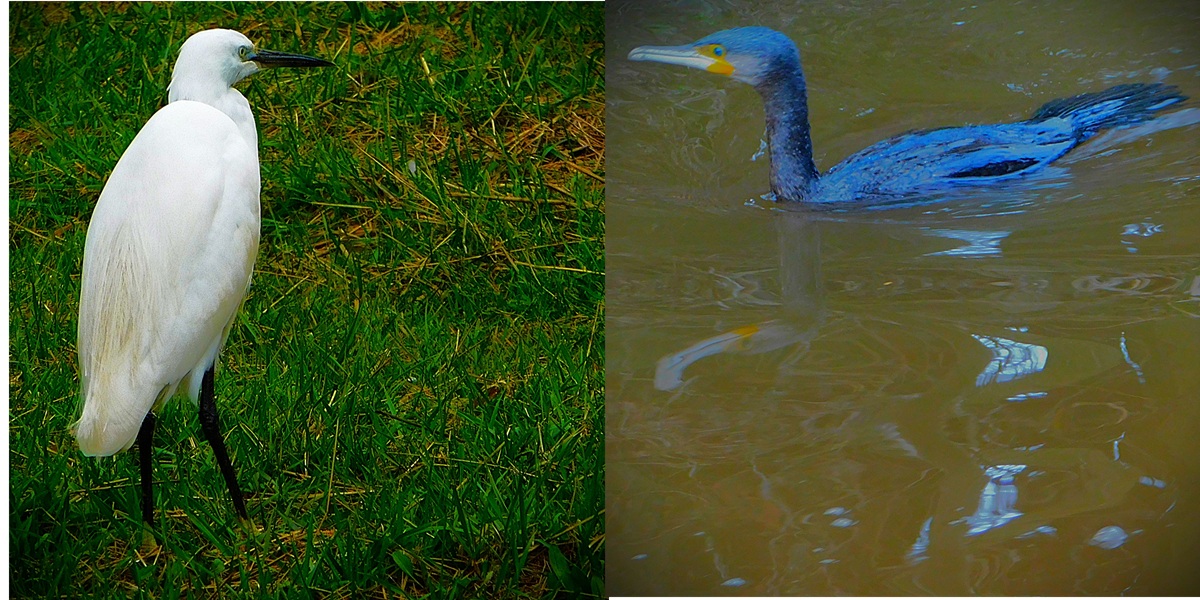
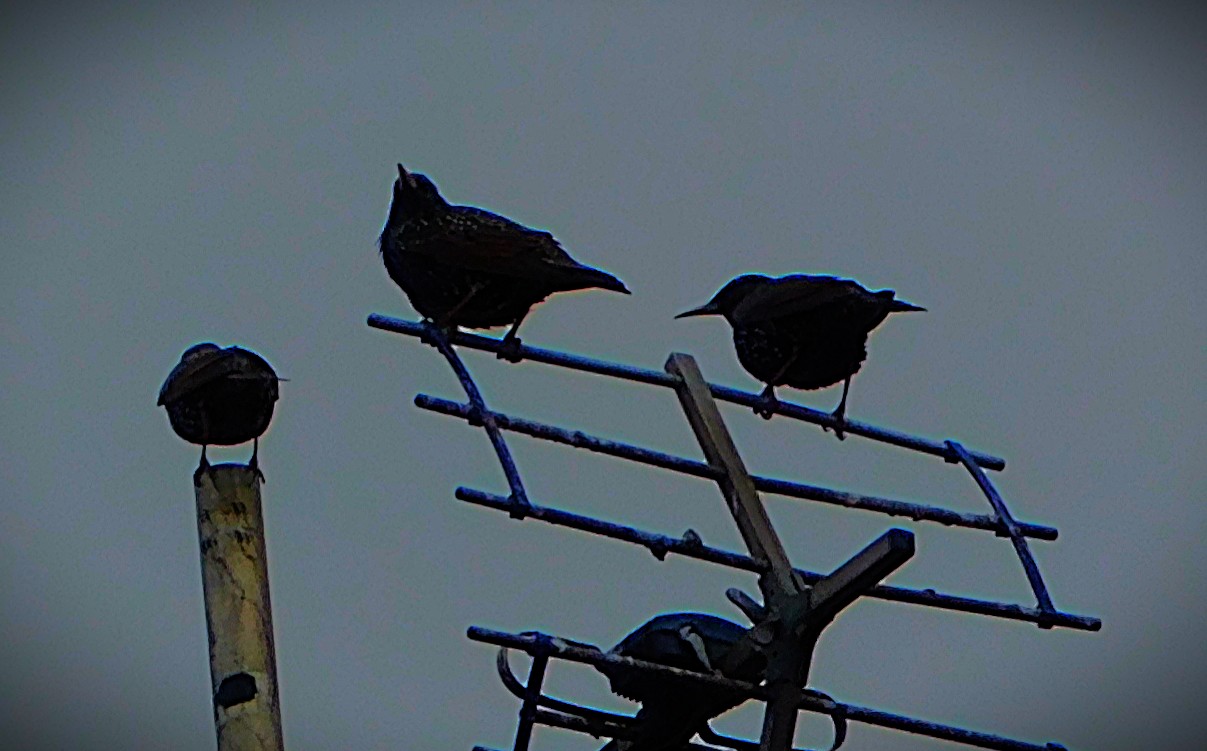
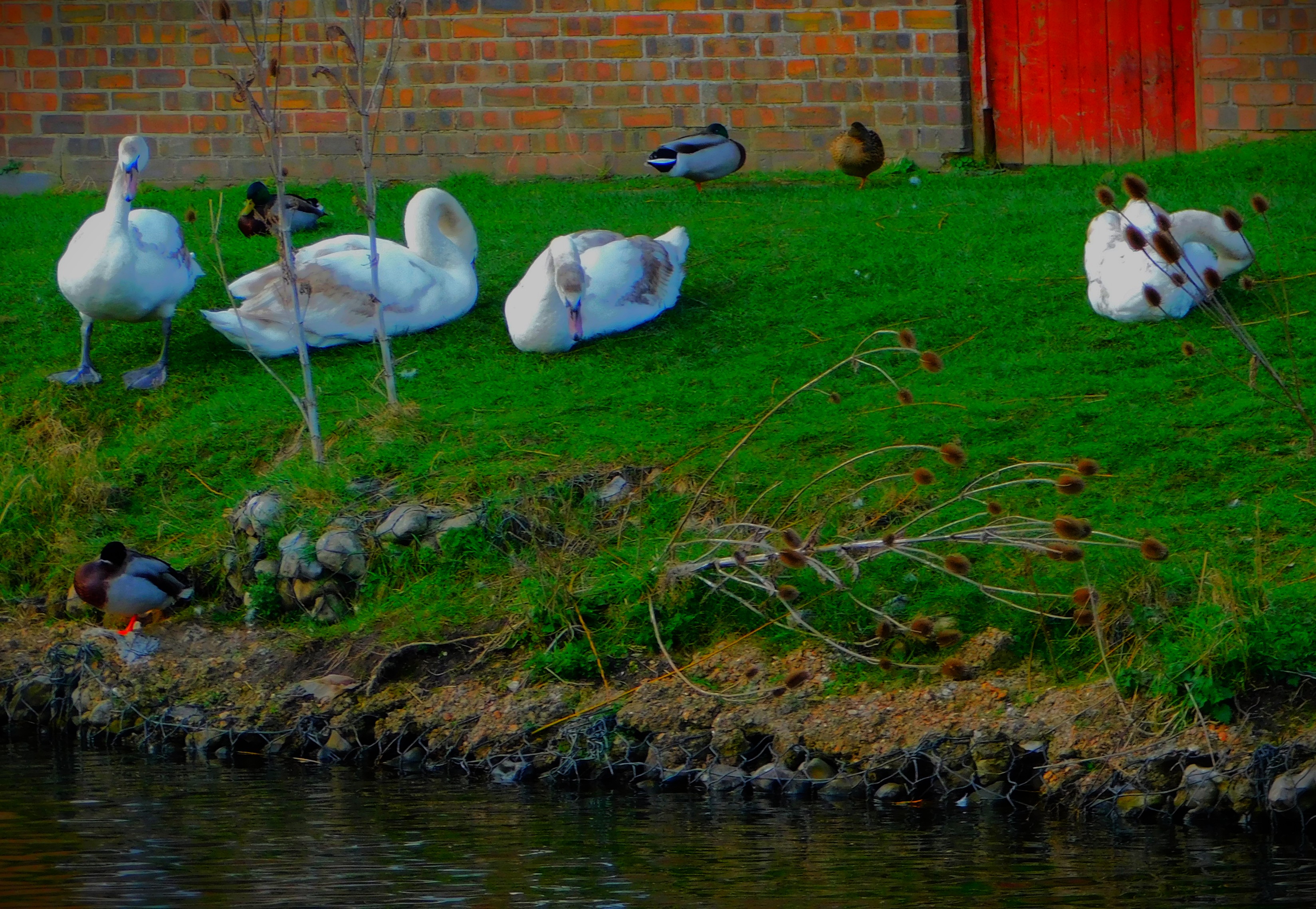
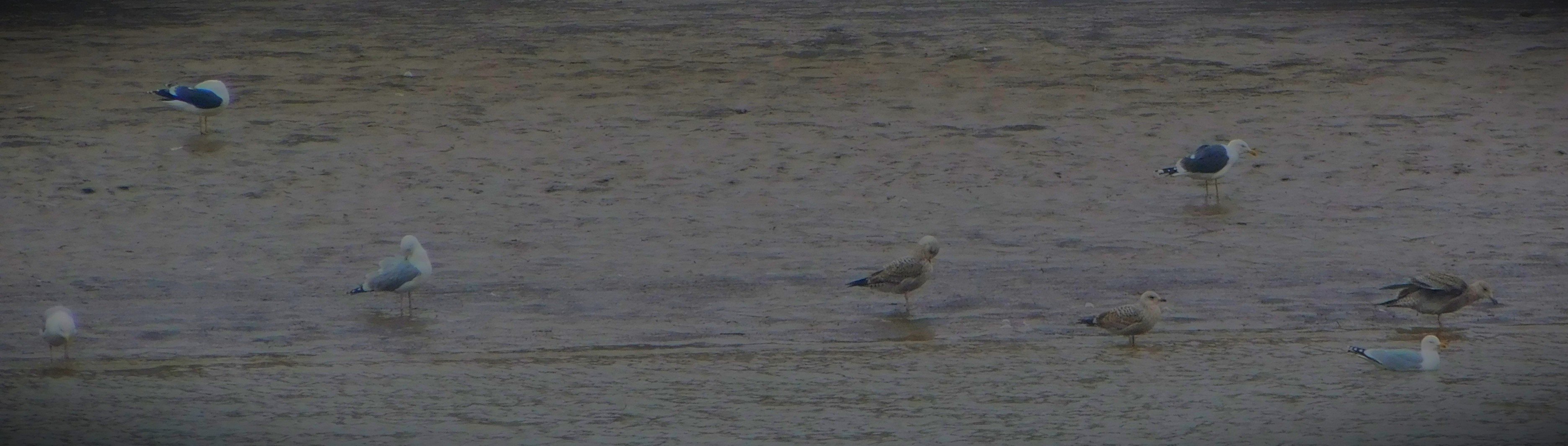
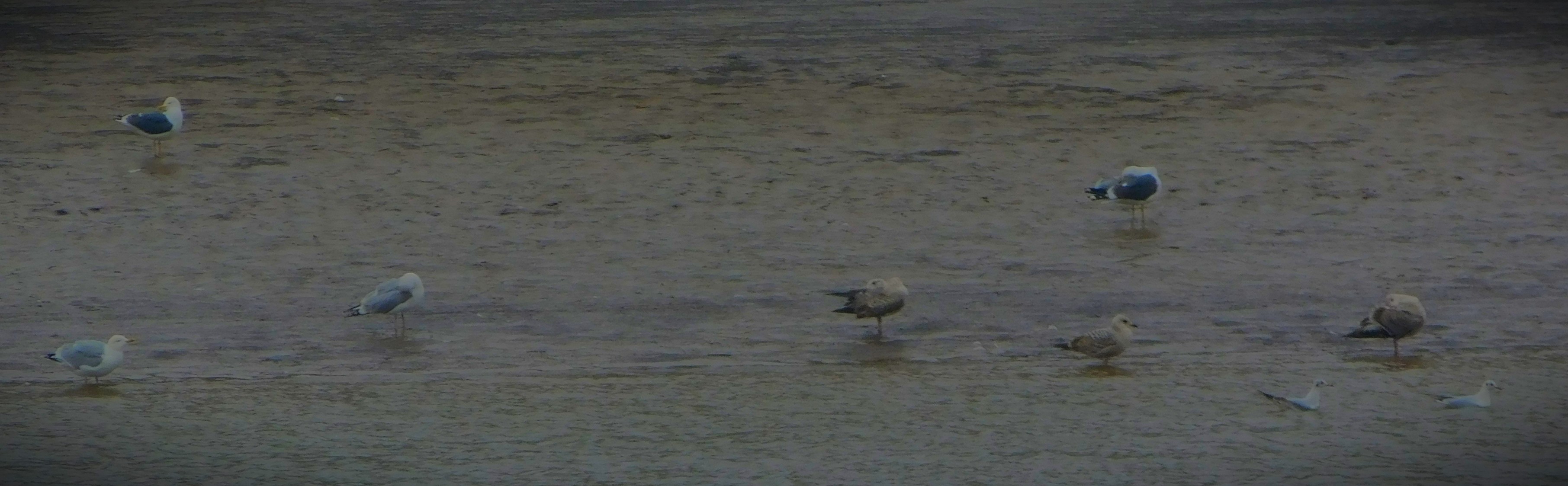
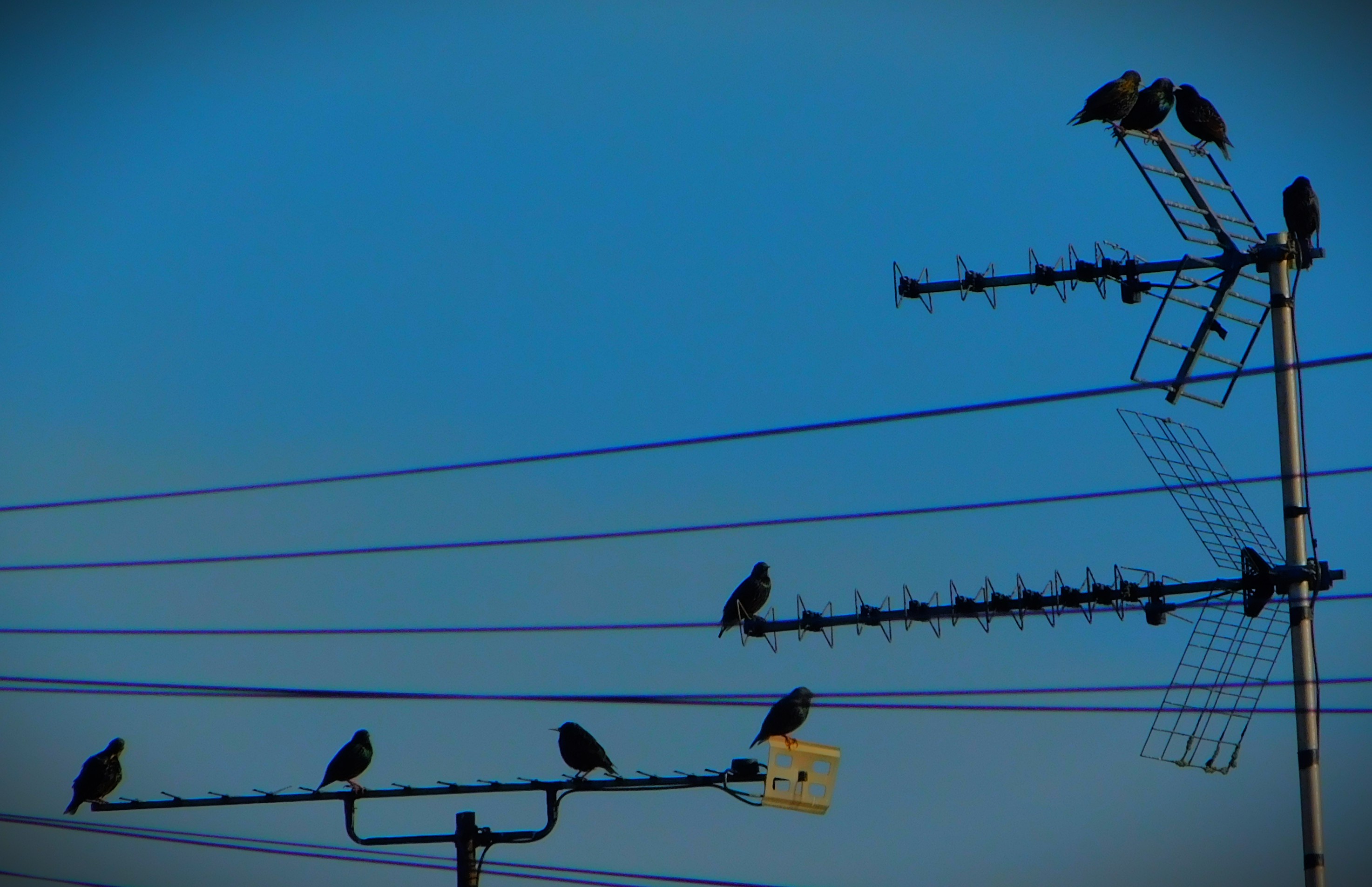
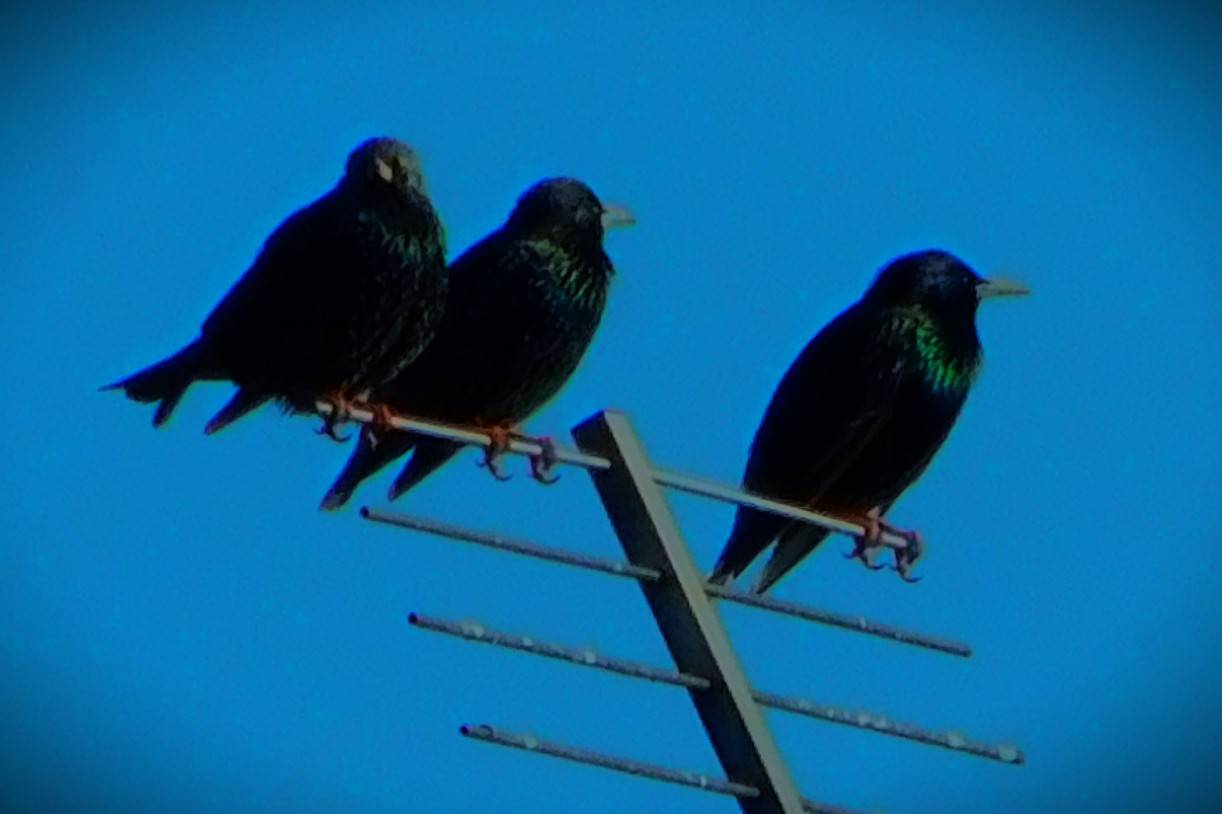
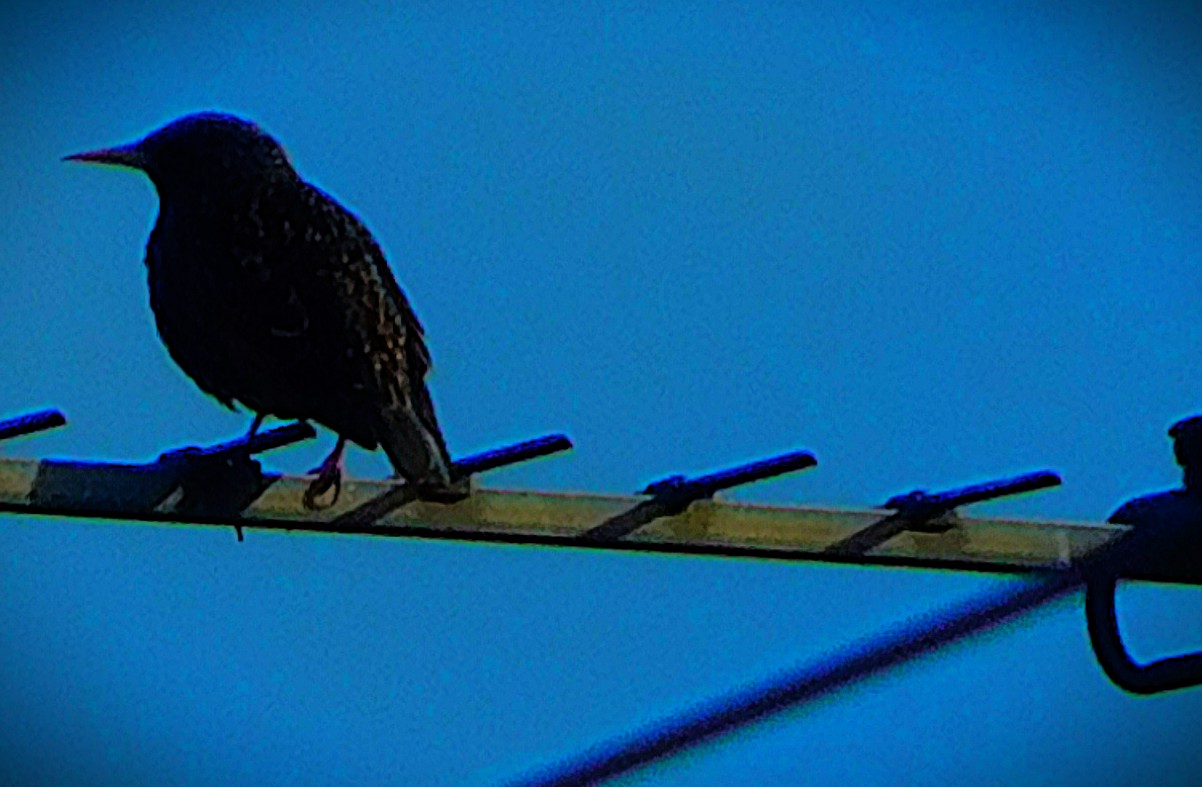
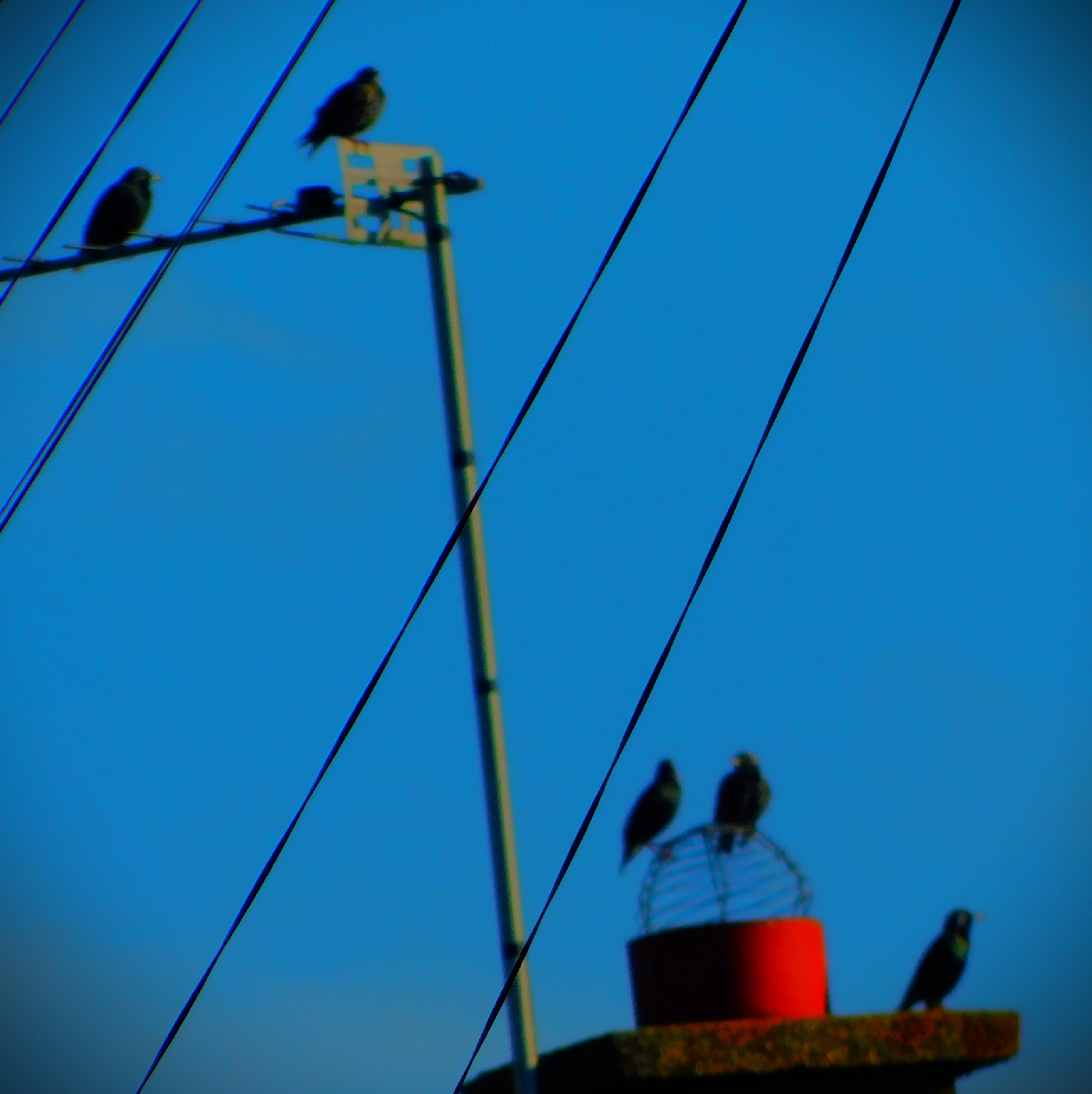
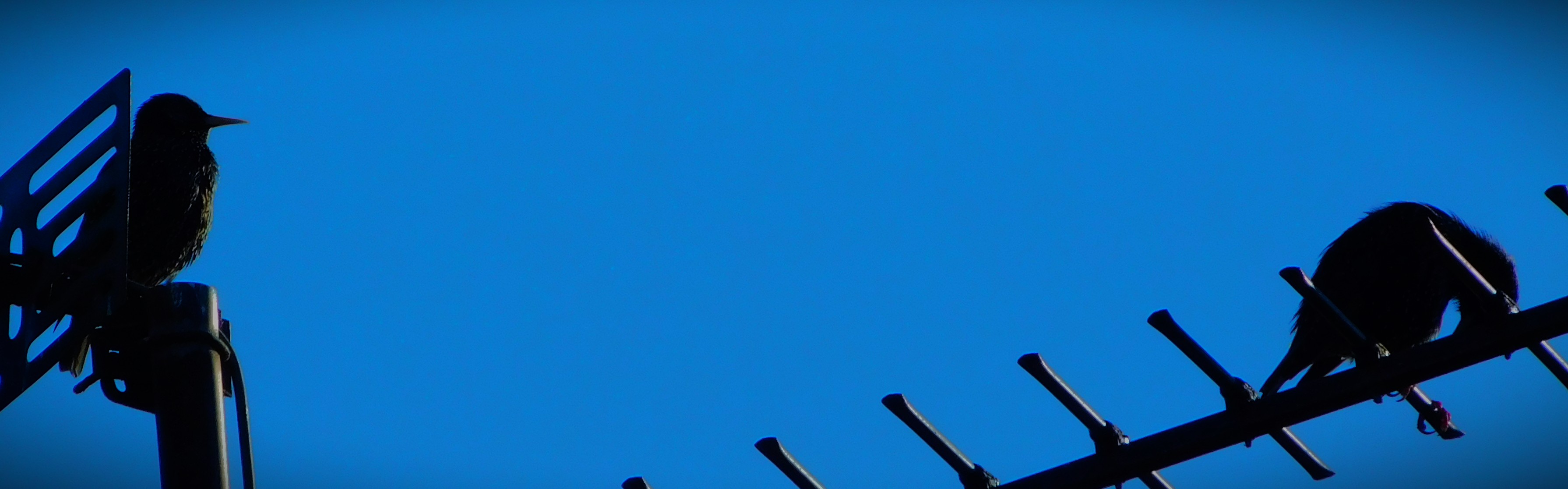
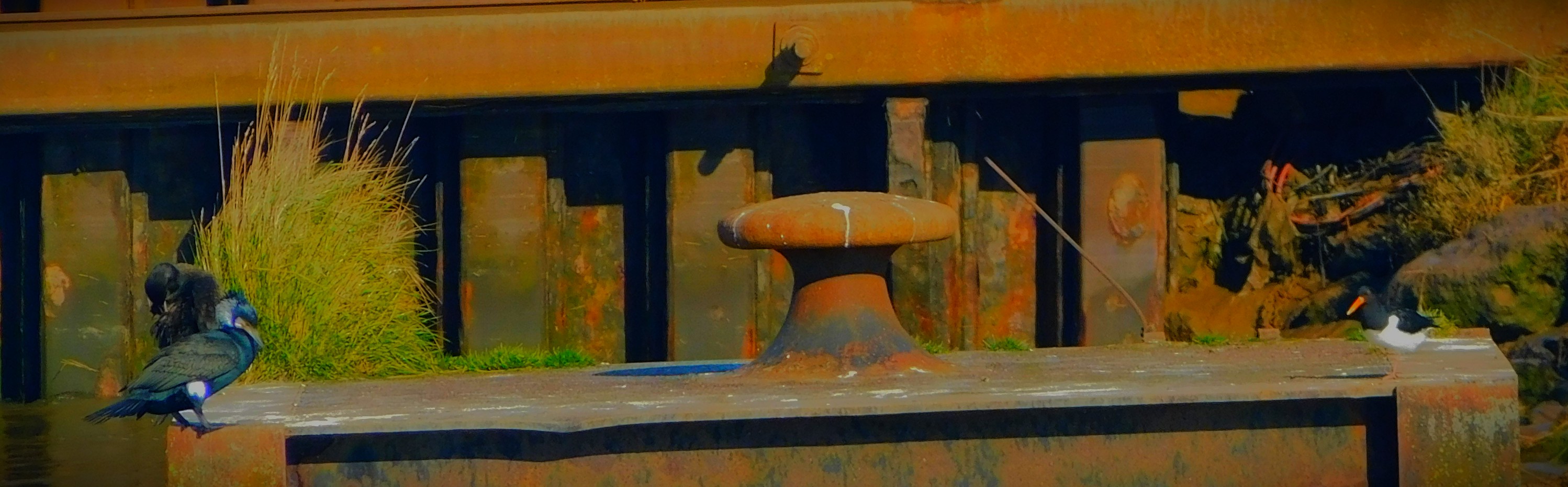
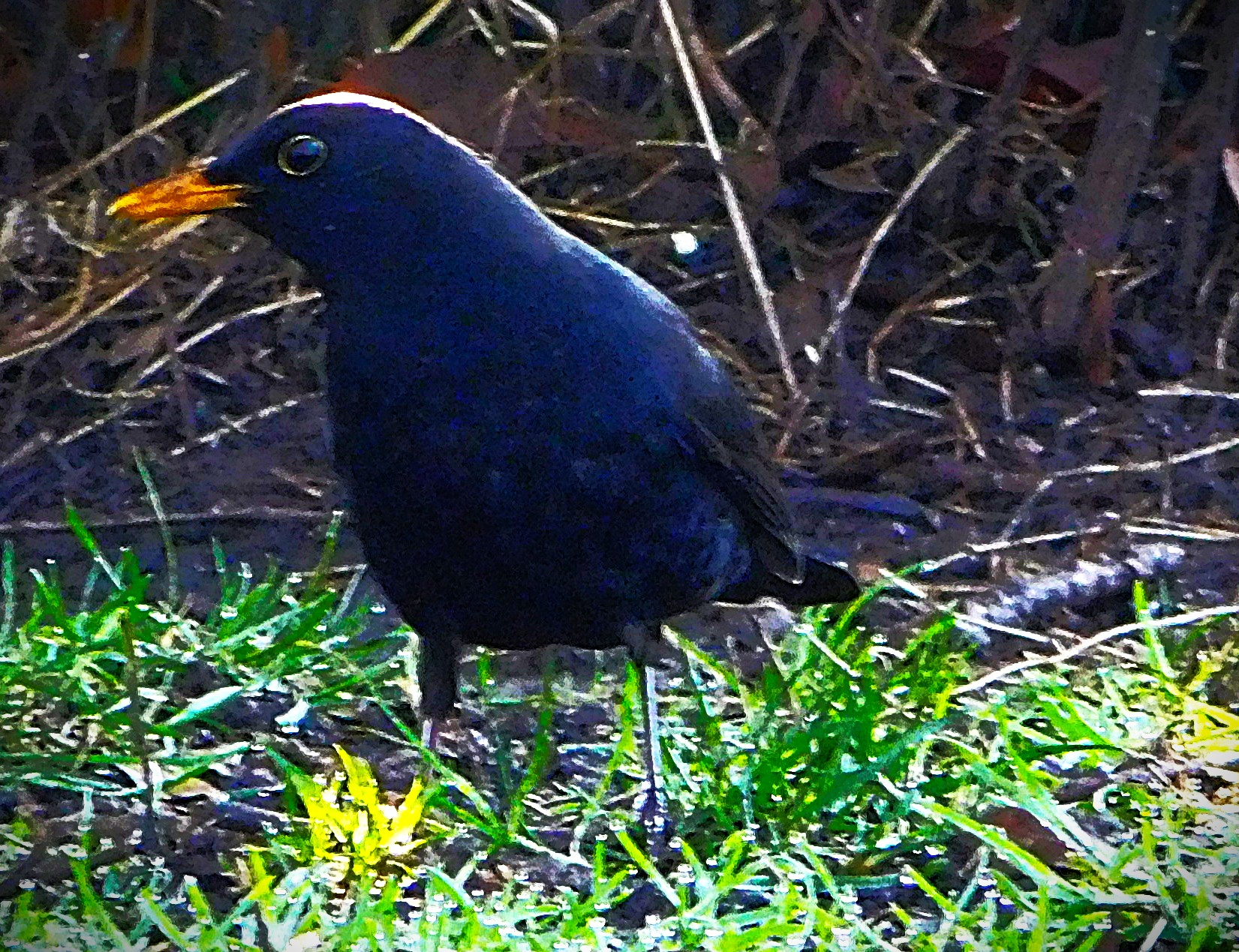
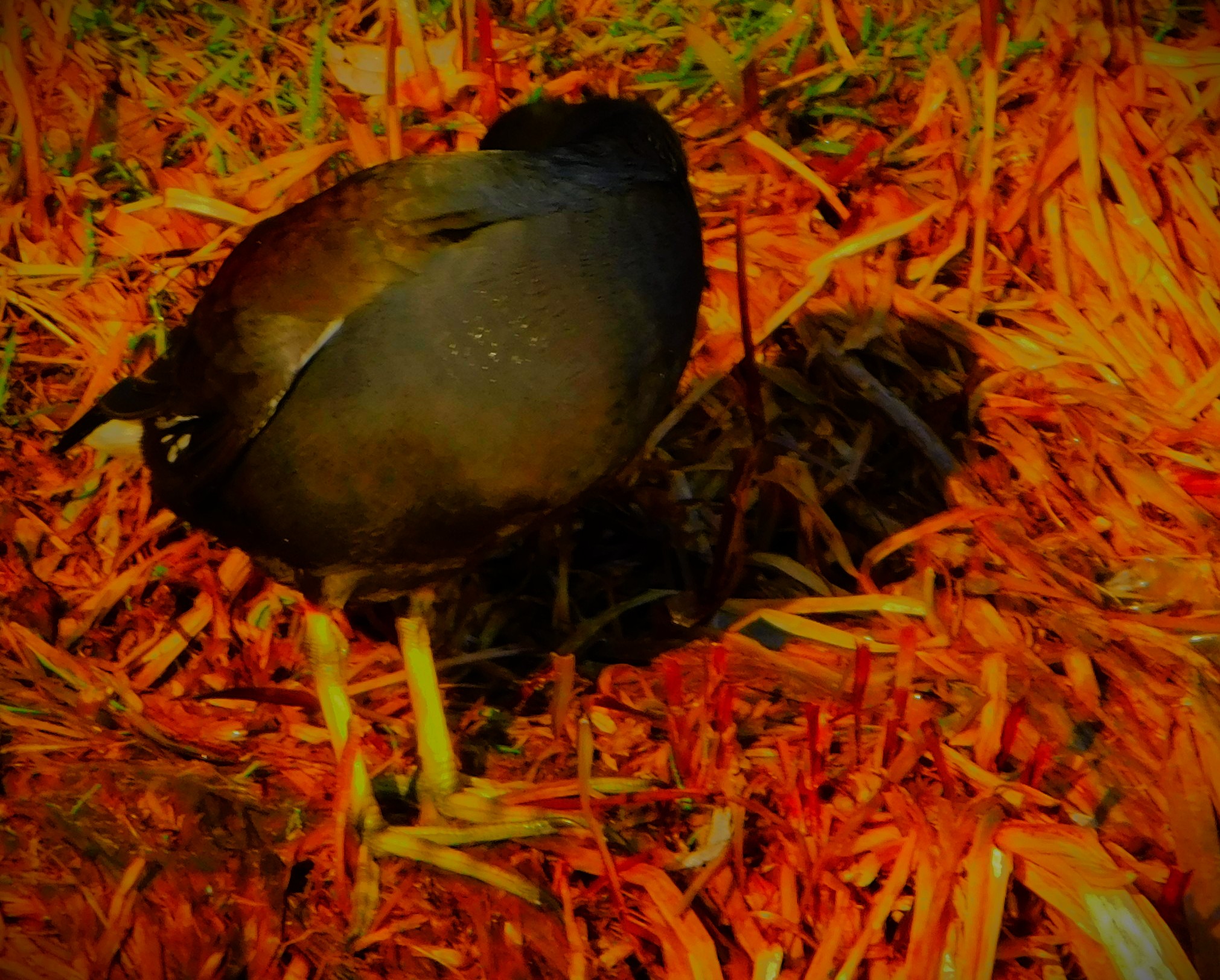
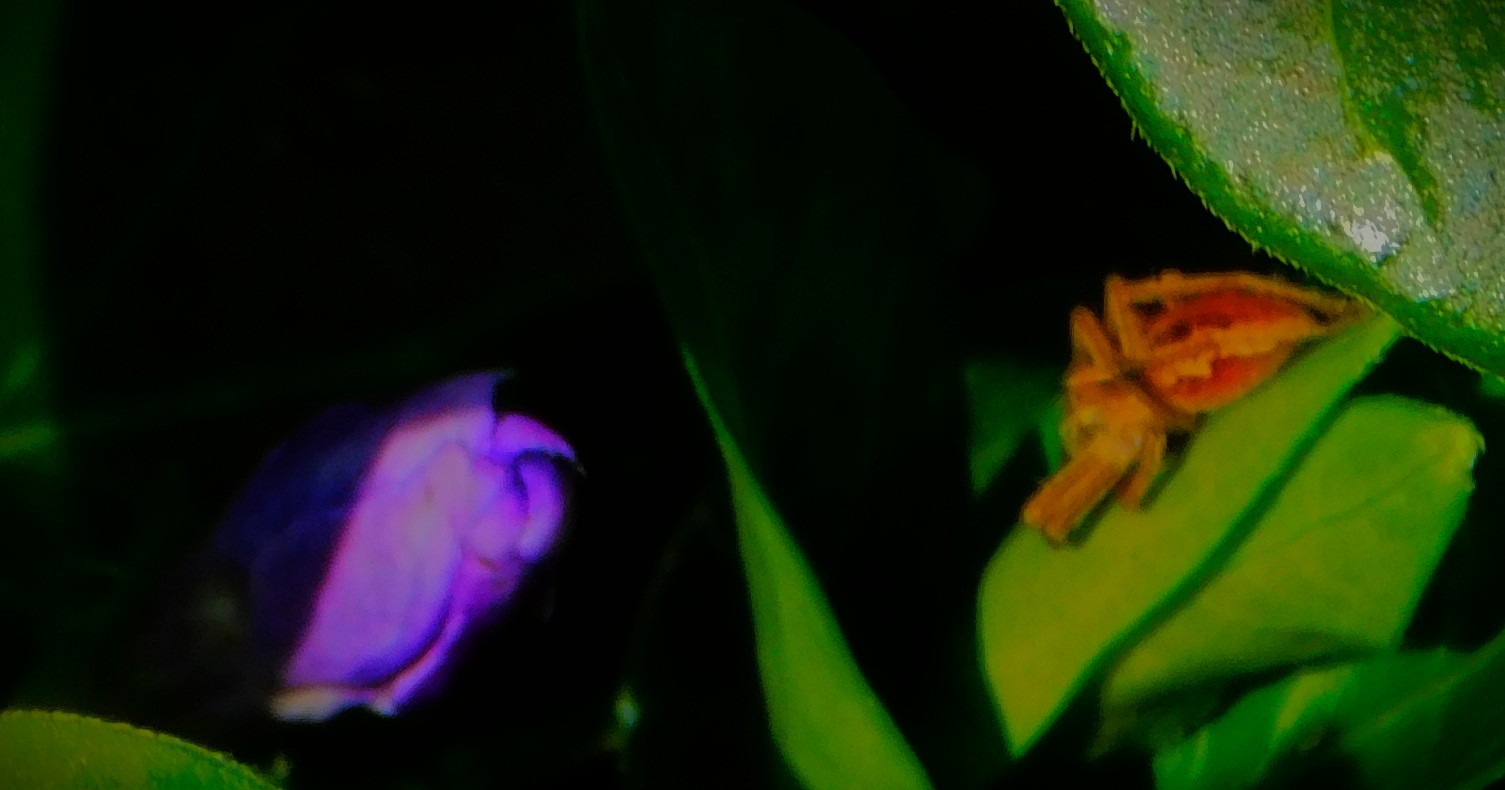
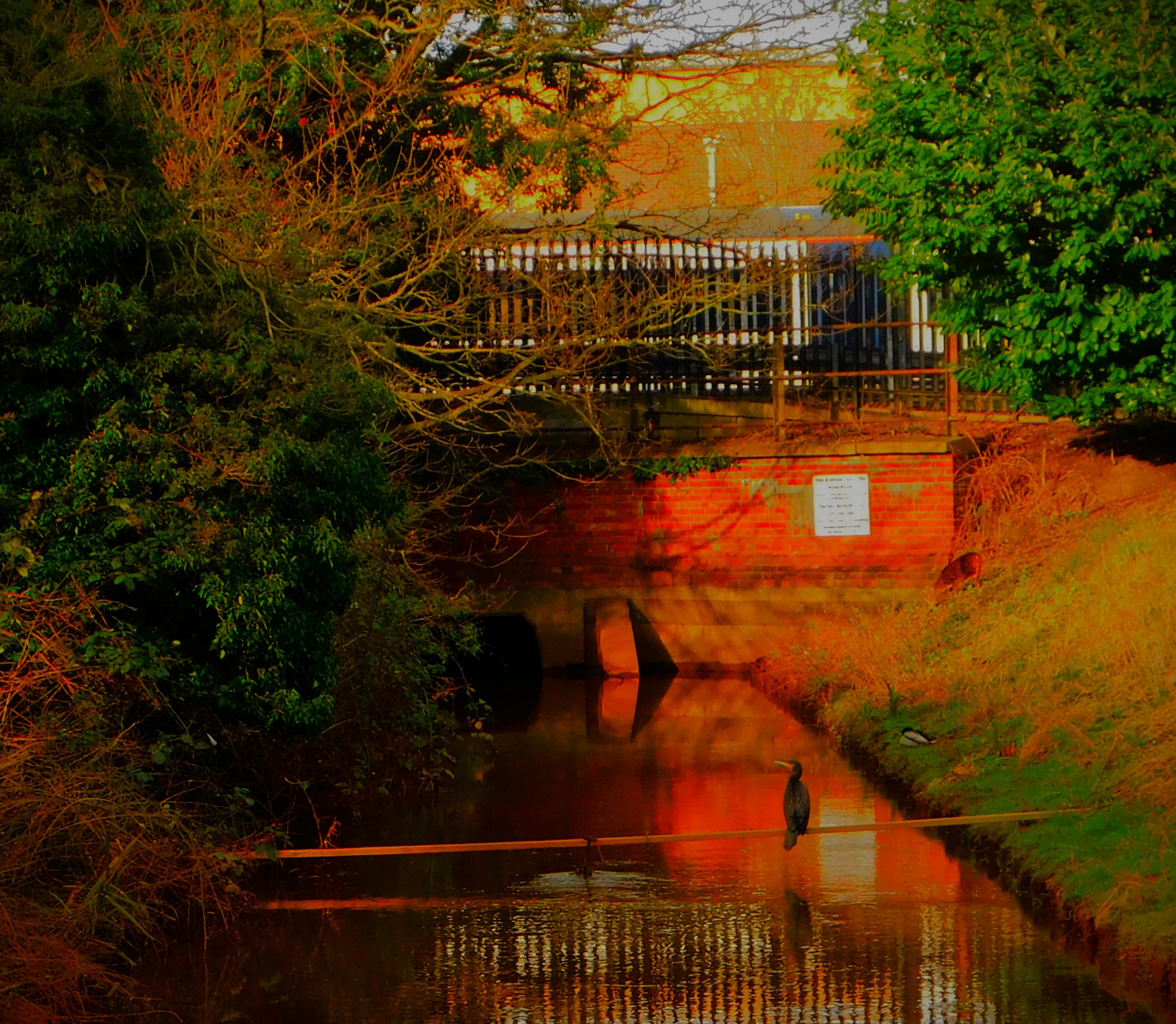
My usual sign off (with a reminder as we start a new month that images can be viewed at a larger size by clicking on them)…


































































































































































































































































































































































































































































































































































































































































































































































































































































































































































































































































 aspiblog