A look at today’s Melbourne derby in the Big Bash League plus some photographs.
This morning’s live BBL radio commentary saw the two Melbourne sides, Renegades and Stars face one another. Stars following Heat’s win earlier were languishing at the bottom of the heap, Renegades one of a number of sides battling for qualification slots (Only Perth Scorchers and Sydney Sixers are genuinely comfortably placed to qualify).
THE RENEGADES INNINGS
Renegades batted first, and they started dreadfully, managing just 17-1 from their four overs of opening Power Play. They began to recover in overs 5-10, reaching 63-3 at the halfway stage of their innings. The second half of their innings was a massive improvement, a well timed Power Surge continuing the recovery, and then a magnificent late innings from Jonathan Wells helping to boost their final total to 161-7.
THE STARS RESPONSE
Stars began their reply sensationally, passing 80, with all their wickets standing in just the eighth over. Once the first wicket fell however, they were unable to maintain the momentum, and began to lose wickets at regular intervals. Not even the assistance of two balls hitting the closed roof of the stadium and being thus awarded six a piece did much for the second half of the Stars innings. A succession of overs in which runs weren’t scored and wickets fell ultimately saw the Stars needing 12 from the final over to win. Nick Larkin, the sole remaining batter of any substance, made a complete and utter mess of playing that final over. He declined singles off the first two balls, wishing to keept the strike for himself, but then took the single off the third, leaving a tailender on strike with 11 needed off three balls. A run out off the fourth ball did at least get Larkin back on strike, but 11 were now needed off two balls. Larkin hit the first for four. The final ball of the match was full, just wide of the stumps, but not enough so to be called a wide, and Larkin ridiculously failed even to get bat to it, the resultant dot giving Renegades victory by six runs, boosting their qualification hopes and pretty much exterminating such qualification hopes as Stars had still retained. Arguably Stars were favourites to win right until the start of the 19th over of their innings, at which point they needed 15. Good teams go all out to break the back of things with an over to spare in these circumstances, and it was really this over, with only three runs coming it from it that killed the Stars. This loss will be hard to recover from because Stars will know that they should have been comfortable winners.
London Underground at 160 years old and a couple of cricket bits, plus some photographs.
I have a number of things to post about, and will cover them in order.
LONDON UNDERGROUND 160
On January the 10th 2023 London Underground, the oldest underground railway system in the world, turned 160. From a modest seven stations when what was then called the Metropolitan Railway opened (this section of track is now part of the Hammersmith & City and Circle lines, but only Great Portland Street to Farringdon feature today’s Metropolitan line (the Metropolitan line platforms at Baker Street, two terminal platforms and two through platforms are later additions after the network began to expand, while platforms 5-6 have been restored to look as close to the 1863 originals as feasible) the system has grown to almost 300 stations and over 250 miles of track. After the initial opening, the biggest development was the development of electric locomotives, which enabled the opening of lines running further below ground and built with less surface level disruption, making use of the blue clay on which London sits and the Greathead Shield. The first deep level tube line, the City & South London Railway, now part of the Northern line, opened in 1890.
Big Bash League
Yesterday (I missed today’s game because of an important meeting) Brisbane Heat took on Perth Scorchers. Heat looked set for a formidable total when they reached the halfway stage of their innings at 80-2, but a disastrous third quarter of the innings, including a Power Surge that they took at a sensible time but failed miserably to cash in on yielded 25-2, and even with a decent final quarter of their innings they mustered 155 from their 20 overs, respectable but not the truly formidable score that looked on at halfway. Scorchers began poorly in response, managing only 25-2 in the opening four overs, but Heat then blundered, entrusting the fifth over to part time leggie Marnus Labuschagne. No fewer than 20 runs were plundered from that over. Even so, at the halfway stage of the chase Scorchers were still fractionally behind the rate, being 75-2, needing 81 off the last ten. It was the third quarter of the Scorcher’s allocation that killed the game – where Heat had scored 25-2 from overs 11-15, Scorchers, who also took their Power Surge in this period, and in their case made excellent use of it, scored 60-0 from overs 11-15. The winning hit was a six, off the second ball of the 17th over, with the third wicket pair still together. Scorchers top the table, with a game in hand on their closest challengers as well, while Heat are currently stone last, though they have a game in hand on the team immediately above them.
AUSTRALIA CANCEL TOUR OF AFGHANISTAN
Australia were due to tour Afghanistan but have cancelled that tour in protest at the activities of the Taliban. This has caused considerable controversy, but I, old enough to remember South Africa’s isolation (caused by racial rather than sexual discrimination, though I suspect the likes of Balthazar Johannes Vorster were as misogynist as they were racist) am entirely in favour of the move (please note that individual South Africans were allowed to play in domestic competitions around the world, they were just not allowed to compete under the banner of South Africa) and hope that other countries will stand up to be counted.
My take on a form of dismissal that is quite wrongly deemed controversial. Run outs at the non-striker’s end are a form of dismissal fully sanctioned by the laws of cricket.
The title of this post refers to the running out of a non-striker who backs up too far too early (Run Out AT The Non-Strikers End with the lower case e slipped in to make it pronounceable – ROA (as in road) – TeNSE. When someone effects this form of dismissal there is always a lot of controversy, with many seeing it as sharp practice while others recognize it for what it is, a form of dismissal which has full sanction under the laws of cricket and for which the batter, and the batter alone is to blame. I look at in more detail in the rest of this post.
NOMENCLATURE
This type of dismissal is often termed a ‘Mankad’, which derives from Mulvantrai Himmatlal ‘Vinoo’ Mankad of India, who was the first to make such a dismissal in a test match. Surviving members of the Mankad family are split on the issue, with a grandson having recently declared in favour of the use of the term and a son having even more recently declared against it. My own feeling is that one of the foremost of all test match all rounders (reached the double of 1,000 runs and 100 wickets at that level in just 23 matches, a figure bettered only by Ian Botham who got there in 21) is ill-served by being chiefly known for his association with this type of dismissal, and also using the fact that he was the first to do it in a test match conceals the long history of this type of dismissal, going back at least to the 1830s and 40s when one Thomas Barker (Nottinghamshire and Yorkshire) did it a number of times in matches at various levels. The serious alternative to ROATeNSE for me is “bowler’s stumping”, putting it on a par with a keeper stumping a striker who misses the ball when out of their ground.
A FAILED ROATeNSE
Some of those opposed to this mode of dismissal claim it requires little skill, so I now mention a recent Big Bash League incident involving Australian leg spinner Adam Zampa. Zampa was into his delivery stride when he altered course and attempted to run out an encroaching non-striker, but it was given not out because his arm was beyond the vertical – he made his decision a fraction too late. Zampa, in defiance of the opinions publicly expressed by coach David Hussey, refused to apologize for his actions, insisting rightly that he had been correct to go for the dismissal. The fact that the mode of dismissal can be fluffed shows that it does require skill.
A SUGGESTED REWORDING
In order for greater clarity I would change the wording of the section of the laws devoted to this dismissal, ruling that until the ball has actually been released the bowling crease belongs to the bowler, and the non-striker leaves it at their own risk. This form of dismissal is part of the game and will remain so – batters need to learn that even at the non-strikers end they need to keep their eyes on the bowler and not make an early move out of their ground, and to accpet being run out if they leave themselves open to this form of dismissal. A few months ago Deepti Sharma (India) dismissed Charlie Dean (England) by this means in an international match. My sympathies were entirely with the bowler: not only had Dean been serially leaving her ground early when at the non-strikers end (over 70 times in her innings), her offending had grown worse following the dismissal of Amy Jones which made her senior partner, and Deepti Sharma just before the over in which the dismissal occurred had spoken to the Indian captain, so Dean really should have been alert to the fact that such a dismissal was on the cards.
A look at today#s BBL game, and how Brisbane Heat got absolutely blown apart by the team who came into today bottom of the table.
Today in the Big Bash League Brisbane Heat took on Sydney Thunder, with both sides desperate for a win.
THE HEAT INNINGS
Jimmy Peirson won the toss for Brisbane Heat and decided that they would bat first. This was the first and only thing that went right for them all match.
After six overs they were limping at 26-3. Peirson joined Munro for a rebuilding act at that point, and the pair were still together at the end of the 14th over, and the scoring rate was still below six an over. Time for the Power Surge you would think, but Peirson bottled taking it. A few balls into the 15th over Peirson was out and the chance of taking the Surge with two well set batters together had gone. In the end Peirson’s cowardice resulted in Heat’s Power Surge being the last two overs of their innings, with six wickets down. Unsurprisingly in those circumstances they did little with it, and ended with a final total of 121-6. In a T20, even on a pitch that is not particularly batter friendly that kind of score should never be enough…

THE THUNDER INNINGS
…Sydney Thunder’s openers, Gilkes and Hales, immediately put Heat’s pathetic effort in to proper context. By the halfway stage of the innings they were 87-0, needing just 35 more to win. A brutal onslaught against Swepson in the 11th over reduced that target to 10 off nine overs, and three fours in four balls by Hales off Steketee in the next over completed a ten wicket win for Thunder with 50 balls to spare. Gilkes, Sydney Thunder’s keeper as well as one of their opening batters, was named Player of the Match, having scored 56* (34) to Hales’ 59* (36). Sydney Thunder won so comprehensively that Peirson bungling the timing of Brisbane Heat’s Power Surge probably did no more than increase the severity of the beating that Heat took, but nevertheless it was terrible captaincy by him. I personally thought he should have called it at the end of the 12th by when he and Munro had been together six overs, and not calling it at the end of the 13th or the end of the 14th, when the pair were still together was beyond stupid. It is hard to see how Heat pick themselves up from this blasting at the hands of the team who came into today bottom of the table, and it is hard to see how Peirson can be allowed to remain captain. Scorecard here.
A look at developments in the Big Bash League, including yet another example of a Power Surge blunder.
Today Hobart Hurricanes beat Melbourne Renegades by eight runs, a result that means every team in the Big Bash League has won at least one match and suffered at least one defeat. However as I was only able to follow that game by way of cricinfo and therefore have only a fragmentary picture of it I shall say nothing further about it. Yesterday’s match, between Adelaide Strikers and Brisbane Heat, in which the former lost their own unbeaten record is a different matter, as there was radio commentary on that one.
THE BRISBANE HEAT INNINGS
Having won the toss and decided to bat Heat did not start well, but Sam Billings played a superb knock. They also took their two over Power Surge (see here for my thoughts on this) at a sensible time. They reached 166-7 in the end, with Billings scoring 79.
ANOTHER POWER SURGE MESS UP
Strikers were behind the rate right through the chase, but would probably have won had they taken any of three opportunities to claim the Power Surge with Colin de Grandhomme and Thomas Kelly at the crease. These opportunities would have been claiming the Surge for overs 13-14, 14-15 or 15-16. Failure to take it for the first was semi-defensible, the second failure was crazy and the third downright criminal. Strikers’ exceedingly experienced skipper Peter Siddle should have got a message out to the two batters instructing them to take the Power Surge once they had twice failed to do so. In the event Kelly fell in the 15th over, De Grandhomme in the 16th, with the Surge still unused, which left only lower order batters for the Strikers. Strikers never did get on terms with the required run rate, and it was only Siddle hitting the last ball of the match for six, with the result already settled, that kept the margin to six runs. Michael Neser bowled an excellent 19th over for the Heat, basically closing out the match for them, and finishing with 2-23 from his four overs. Mark Steketee took four wickets but was also expensive. However, batters usually get favoured when there is competition for the Player of the Match award, and so unsurprisingly it went to Billings for his knock. This was the third time in as many days that a team being over cautious about going for the Power Surge were punished by losing the match. In the situation the Strikers were in it was essential to take the Surge when De Grandhomme and Kelly were together. I would have preferred an out and out throw down of the gauntlet, taking it for overs 11 and 12 to the actual over-caution shown by the players. Only Peter Siddle, as experienced as he is, will know why when they weren’t claiming it for themselves he did not attempt to get a message out to the two batters telling them that they needed to do so.
A look at the Big Bash League’s great innovation, the Power Surge and how best to use it, with a couple of classic examples of it being misused on successive days.
With the Big Bash League now in full swing this post is dedicated to that competition’s great innovation, the Power Surge (they had two others but have binned both the ‘supersub’ and the ‘Bash Boost Point’). I am writing it because yesterday and today I saw two classic examples of mistiming the Power Surge, whereas in the WBBL earlier this year the sides were nearly all excellent at judging when to go for it.
WHAT IS A POWER SURGE?
Most T20 innings around the world begin with six overs of ‘Power Play’, when only two fielders are allowed to be posted more than 30 yards from the bat and then have 14 overs of regular play when up to five fielders can be outside that 30 yard radius. The Power Surge variation, which I am a huge supporter of, has the innings start with four overs of Power Play, with the remaining two to be taken at the batting side’s discretion at any point after the end of the 10th over.
WHEN SHOULD THE POWER SURGE BE TAKEN?
There are a range of good answers depending on exact circumstances but the key thing to remember is that a successful Power Surge is not just about how many runs you score from those overs, it is about how many more runs you score from those overs than you would have done in regular play. Therefore using it in the ‘death overs’, when you would be scoring very fast anyway is not making full use of it. Ideally you would want both batters to have faced at least a few balls by calling for the Power Surge but if by the end of the 15th over you have not found a really suitable time to take it then take it for overs 16-17 irrespective of anything else, as a launchpad into the death overs.
POWER SURGE FAIL 1: JIMMY PEIRSON (BRISBANE HEAT)
Brisbane Heat made an awful start to yesterday’s match against Melbourne Renegades, losing three early wickets. However at the end of the 10th over, the fourth wicket partnership was still going, and this represented the golden opportunity to take the Power Surge with two set batters there to make use of it. Both batters fell in the 11th over, meaning a spot of retrenchment was needed. At the end of the 14th over the sixth wicket stand was still going, both batters had faced a reasonable number of balls, and this represented what will call the silver opportunity to take the Power Surge – both batters in to an extent, and enough overs left for the Surge to act as a good launch pad. Peirson neglected to call for it, and the partnership was broken in the 15th over. Peirson dithered and delayed over the Power Surge, and only took it when obliged to for the last two overs of the innings. Those two overs did yield a respectable number of runs, but not in my opinion any more than overs 19 and 20 would with regular field placements. Heat finished with 137-8. This looked a good total when Renegades were 9-4 in response, but Andre Russell and Akeal Hosein played excellent innings, while Finch anchored the innings at the other end. Renegades timed their Power Surge better than Heat, and Finch after playing second fiddle to Russell and Hosein stepped up at the death to see his side to a deserved victory.
POWER SURGE FAIL 2: MATT WADE (HURRICANES)
Today’s match (Sydney Sixers v Hobart Hurricanes) was complicated by a long rain delay, which reduced it to a 14 overs per side contest, and reduced the Power Play and Power Surge allocations to three and one overs respectively. Sixers won the toss, batted first, and although they missed a golden opportunity, when both openers were still there at the end of the seventh over, they did take a silver opportunity, taking it for the 11th over of their innings. They finished with 137-6 from their 14 overs. Hurricanes dropped behind the rate from the start of their innings, but were incredibly reluctant to use their Surge over. Eventually, they claimed it for the 13th over, but by then they needed 45 off two overs, and although Asif Ali made good use of that Surge Over, 21 were still needed off the final over. When an excellent boundary catch by Jordan Silk put a stop to Ali’s antics early in the final over the writing was on the wall, and only a six off the last ball of the match with it already lost restricted the final margin to six runs. Again the criticism of the Hurricanes approach is that Ali could easily have gone crazy in the penultimate over of the match against regular field placings, and had they taken the Power Surge earlier they may have been in a position when a big penultimate over would actually have put them in charge.
AN ALL TIME FRANCHISE XI
Since I am writing about franchise cricket, which I don’t do all that often I end with a challenge and an example answer: Using your own country as the home country and IPL overseas player rules (i.e. up to four in an XI) name your franchise XI made up exclusively of players from before the franchise era.
Thomas’ sample answer:
Home Country: England
XI in batting order:
G St A Sobers (West Indies, left handed batter, left arm bowler of every type known to cricket, gun fielder)
G L Jessop (Right handed batter, right arm fast bowler, gun fielder)
F E Woolley (Left handed batter, left arm orthodox spinner, excellent close fielder).
D C S Compton (Right handed batter, left arm wrist spinner)
*K R Miller (Australia, right handed batter, right arm fast bowler, gun fielder, captain)
+L E G Ames (right handed batter, keeper)
G H Hirst (right handed batter, left arm fast medium bowler, gun fielder)
J B King (United States, right arm fast bowler, right handed batter)
J C Laker (off spinner, right handed batter)
A Shaw (right arm slow/medium bowler, right handed batter)
C V Grimmett (Australia, leg spinner, right handed batter)
A look back at the events of the third Pakistan v England test, which ended in the early hours of yesterday morning UK time.
At just about 5:40AM UK time yesterday Ben Duckett smashed a four to take England from 166-2 to 170-2 in the final innings of the test series in Pakistan, and in so doing created a piece of cricket history – no visiting side had ever won a clean sweep in a three+ match series in Pakistan until that moment. This post looks back at the events of the third match of the series (I covered the first two matches extensively already) and then at the key moments of this extraordinary series.
THIRD TEST: DAY ONE
Rehan Ahmed was given a debut for England, and Ben Foakes was recalled to the XI, Will Jacks and James Anderson being rested. For Pakistan Nauman Ali played in place Zahid Mahmood. Babar Azam won the toss and decided to bat, which looked like good news for Pakistan. Pakistan scored 304, with various players making useful runs but no one getting a massive score, and by the close England had lost Crawley. Nevertheless, England would have considered getting Pakistan all out on day one a good day’s work.
DAY TWO
England looked to be struggling at 145-5, when Ben Foakes joined Harry Brook, but a big stand between these two and some useful contributions from the rest of the order saw England to 354, a first innings advantage of 50. Pakistan were 21-0 by the close.
DAY THREE
This was the day the fate of the match was settled. Pakistan were 54-3 at one point, all three wickets to Leach to give him seven in the match. Then Babar Azam and Saud Shakeel shared a century stand. The key turning point came when Babar Azam smashed a slow long hop from Rehan Ahmed straight to Pope at midwicket. From then on the Pakistan middle and lower order imploded, a combination of poor shots from them and good work from England seeing a high water mark of 164-3 turn into 216 all out. Rehan Ahmed had 5-48 and Joe Root nabbed a wicket with his occasional off spin. Rehan Ahmed’s debut match figures of 7-137 were the best such by an England leg spinner since Charles ‘Father’ Marriott took 11-96 v West Indies at The Oval in 1933. Marriott, then 37 and a part time cricketer (he worked as a schoolmaster and turned out for Kent in the summer holidays) never played for England again, Ahmed should do so on many occasions. Leach’s seven wickets with his left arm spin were enough to make him the leading test wicket taker of 2022.
England needed 167 to win and there were 17 overs to be bowled that evening. Traditional test thinking would suggest a cautious approach and looking to get through without losing any wickets, but Crawley and Duckett set off at a merry pace. When Crawley was out Stokes made a typical Stokes move – the events of Pakistan’s second innings suggested that this was Rehan Ahmed’s day, so Stokes sent him in at number three. This divided opinion among those following the match – some, like me, thought it was superb, others grumbled about it being disrespectful to Pakistan. It had limited success, Ahmed making a rapid 10, but I think it was right nevertheless. In 1986 when John Bracewell scored his maiden test hundred against England, NZ skipper Jeremy Coney tossed him the ball that evening although it was earlier in the England innings than he would usually have deployed his off spinner, and was rewarded with a wicket – it was Bracewell’s day. Stokes then went in himself for the remainder of the evening. Stokes and Duckett played well together and England closed on 112-2, 55 short of victory. I thought, as I said in my post on Monday that this was far preferable to 40-0.
DAY FOUR
Stokes and Duckett never looked like doing anything other than knocking the runs off and the main focus of interest soon became whether Ben Stokes could hit his 108th career test match six, thereby breaking the record held by England head coach Brendon McCullum. The answer to that was no, and with McCullum’s native New Zealand being England’s next opponents the two are tied on 107 sixes in test cricket. England won by eight wickets, with among those not to bat in the innings being Root (thin series but still England’s finest), Brook (soon to collect both the Player of the Match and Player of the Series awards) and Pope. This time last year a rabble of an England test team were being obliterated in Australia, and if you had told me that 12 months on an England test side would be winning 3-0 away from home without Root scoring many runs I would have laughed outright.
PLAYER RATINGS
These my England player ratings in batting order:
Zak Crawley 4 – failed in the first innings, made a half decent score in the second.
Ben Duckett 8 – a comparative failure first up (26), but 82* in the final innings rounded out an excellent comeback series for him.
Ollie Pope 6.5 – a 50 in the only innings in which he batted, and although he was gifted it by a terrible shot from the batter his catch to dismiss Babar Azam and start the implosion of the Pakistan second innings was a good one.
Joe Root 5 – a duck in the only innings in which he batted, but three wickets for him across the two Pakistan innings count for something.
Harry Brook 9 – a superb century which pulled England out of some strife in the first innings. He had a superb series and should be part of the England test side for many years to come.
Ben Stokes 8.5 – a fairly quiet match for Stokes the player (26 and 35* with the bat, eight overs for 20 with the ball) though that second innings carried England to victory, but a fantastic match for Stokes the captain.
Ben Foakes 7.5 – a good and much needed 50 in the only innings in which he was needed to bat, and impeccable as ever behind the stumps.
Rehan Ahmed 8.5 – had a great time with the ball, and an entertaining one as “night hawk” in the final innings. His success bodes well for England’s future.
Ollie Robinson 6 – a useful contribution with the bat in England’s first innings, and didn’t do a lot wrong with the ball, though this was never a surface to suit him and his light workload reflects that fact.
Mark Wood 7 – an entertaining cameo with the bat, and on a surface that offered nothing to a fast bowler he gave it everything he had every time he was asked to bowl.
Jack Leach 7 – England’s work horse in this match – 57 overs across the two innings yielded him combined figures of 7-212 and his scalps included Abdullah Shafique (who had made a splendid start to his test career until this match) in both innings and Shan Masood and Azhar Ali (giving the latter a Bradman-like end to his career – bowled for a duck by an English spinner who batted at number 11) in the second – four of his seven scalps thus coming from the top three in the Pakistan order.
SERIES KEY MOMENTS
Day one – England score 500 in 75 overs. This set a template for attacking cricket, and indicated that England weren’t about to just settle for an all round boosting of batting averages on a flat pitch.
Day four – THAT declaration – Stokes sets Pakistan 343 in four sessions, albeit knowing that the light will be truncating the first and fourth of those sessions.
Day five – England keep pressing, and claim the final wicket with maybe 1.3 overs left before the light closed proceedings.
Second test day one – England attack on a turner. Many criticized England’s approach in the first innings of this match, but they managed 281 from 51.4 overs, and my own belief is that they would have made many fewer runs had they been obsessed with batting time. England went on to win, as a fourth innings target of over 350 proved too much for Pakistan.
Third test day one – England bowl Pakistan out in less than a day after the latter have chosen to bat.
Day two – England bounce back from 145-5 to claim a first innings lead of 50.
Day three – Rehan Ahmed takes five wickets as Pakistan slump from 164-3 to 216 all out, England knock off two thirds of their victory target in the 17 overs they have to face that evening.
Day four – Stokes and Duckett carry England to an eight wicket victory, Duckett making the winning hit, which means that England whose total tally of test match wins in Pakistan prior to this series totalled two had secured a 3-0 win in this series.
PHOTOGRAPHS
These pictures are split – I left the camera I took them with at work on Thursday, which was the peak of the freeze and retrieved it yesterday. To further increase the variation there are some night time pictures there…

A look at how it is that England stand on the threshold of a historic clean sweep of the test series in Pakistan, plus some photographs.
This post will be a fairly brief one, setting the scene for a more detailed one on Wednesday. The main subject is the match that is nearing its end in Karachi. No visiting men’s team has ever won every match of a three+ match test series in Pakistan, and as things stand England, already 2-0 up in the series are 55 runs away from victory with eight wickets standing (and three of those waiting to bat are Root, Pope and Brook, the latter two of whom have had outstanding series) in the final game. This match has featured three things until Stokes was appointed skipper have been in very short supply for the England men’s test team in recent years, and I tackle each in turn.
A WIN ORIENTED MINDSET
England have all too often approached test matches from a perspective of ‘must not lose’. Under Stokes that has very much become the correct ‘must win’ attitude. The first match of the current series, when Stokes boldly offered Pakistan a target of 342 in four sessions (albeit knowing that due to limited daylight both the first and fourth of said sessions would be of reduced length) exemplified this, as did the way England started their chase of 167 for victory in Karachi – rather than ‘make sure we don’t lose any wickets’ Stokes and England opted to see if they could win it before the end of the third day.
PUBLICLYBACKING PLAYERS
There have been two outstanding on-field examples of this in the current match: Harry Brook caused Stokes to be run out, and Stokes as he left the crease made a point of telling Brook not to worry about it. Brook duly scored a superb century. Today Rehan Ahmed took 5-48, a splendid performance (more on this and him in Wednesday’s post), especially for an 18 year old debutant, and when Crawley was first out Stokes decided that was Ahmed’s day and sent him in at number three to play the ‘night hawk’ role – an attacking version of the ‘night watch’ role. Ahmed only scored 10, but he hit two boundaries and helped maintain England’s momentum. Stokes himself went in at number four, but the light closed in. Nevertheless, so much of the task has already been accomplished that even if Pakistan start tomorrow sensationally it is hard to see England even getting nervous, never mind succumbing to those nerves – doing what England did is far preferable to a more conventional 40-0, and almost 130 still needed.
SPIN BOWLING
English pitches these days do not often favour spinners with the result that England have struggled in that department in recent times. Jack Leach took his 100th test wicket during this series, and in the period in which I have been an active cricket fan (mid 1980s to present) only one England spinner has taken over 100 test wickets at a better average than Leach – Graeme Swann (Derek Underwood played some of his career during my lifetime, but benefitted from uncovered pitches for much of his career – on a rain affected pitch, or at the other extreme, a dustbowl, he was truly ‘Deadly’, but on ordinary surfaces he was merely very accurate, and I don’t think he would take his wickets at much if anything below 30 each these days). In this match Leach and debutant Rehan Ahmed each claimed seven wickets, and even Joe Root had some success with the ball. This is important – many of those talking about England’s approach under Stokes are understandably dazzled by the incredible batting, but to win a match you generally need to take 20 wickets, and one reason England are poised for ninth win in ten test matches is that they have taken all ten of their opponents wickets in each of the last 19 innings in which they have bowled.
PHOTOGRAPHS
Before my regular photos I have two others that have appeared in previous posts to share for a special reason: Karachi is regarded as something of a fortress for Pakistan, and England are 55 runs away from taking it by storm, so which of the two photographs below do you think is more apt for the circumstances:
Please comment with your answer.
Now for my usual sign off…
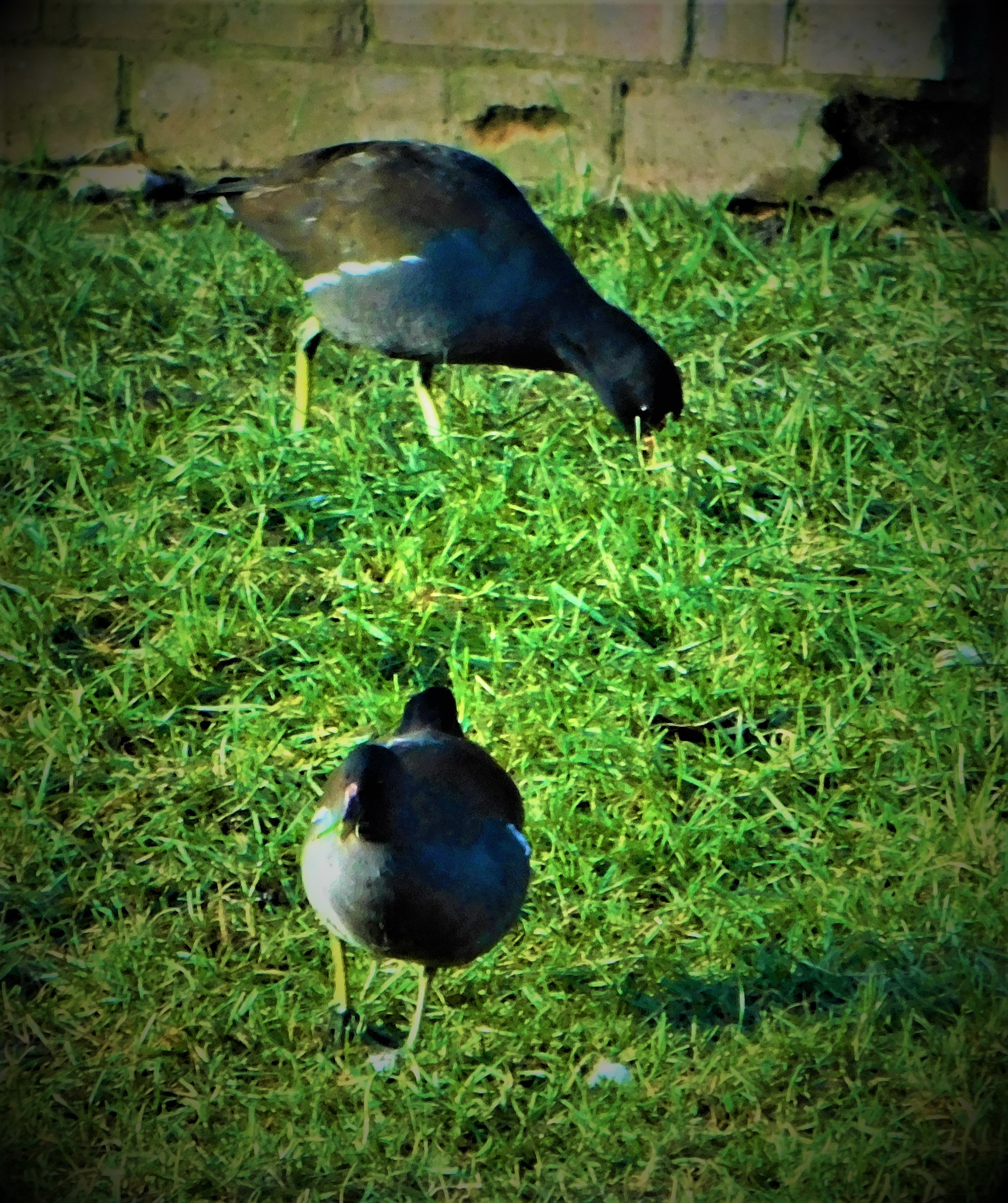
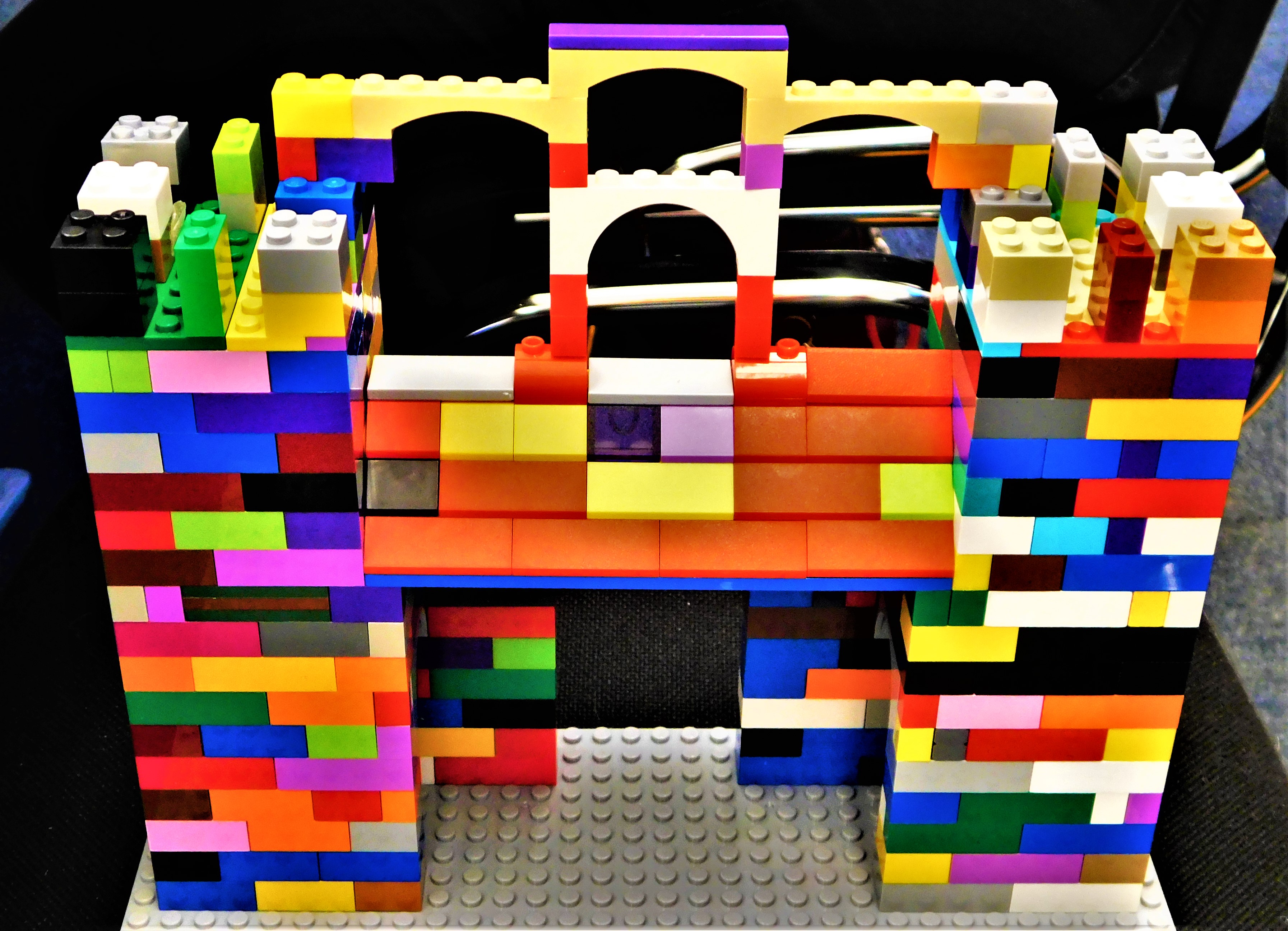
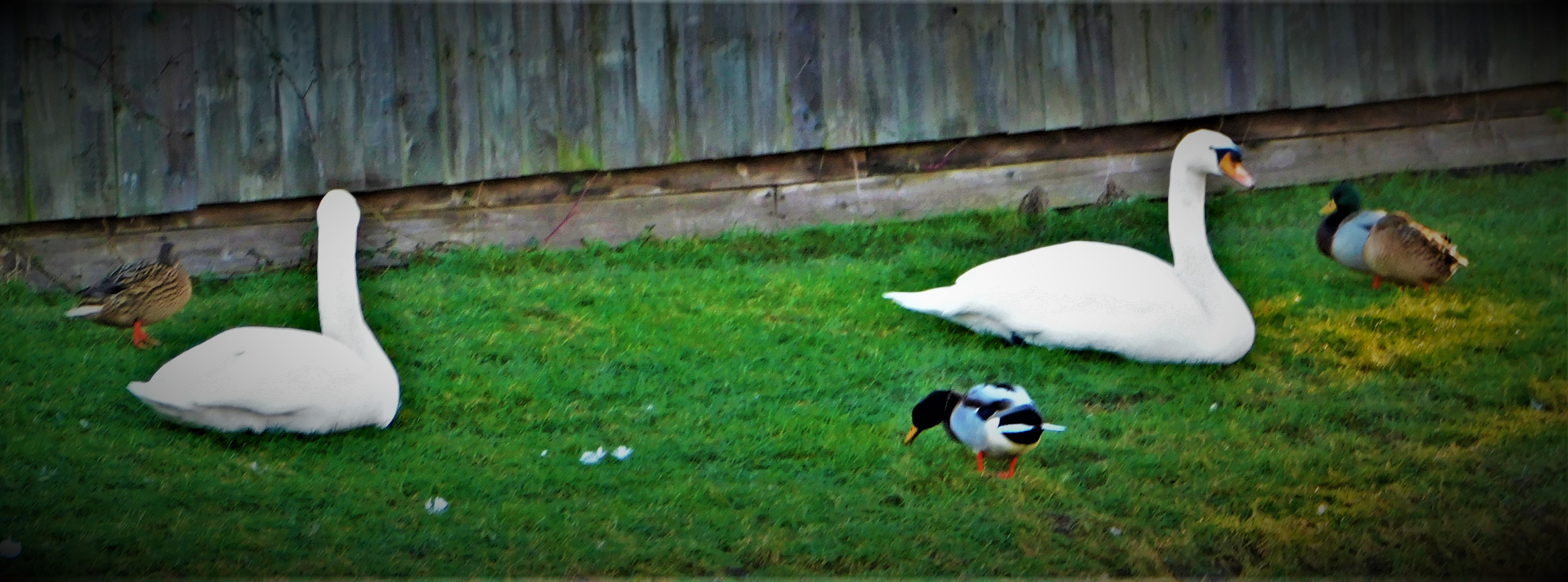
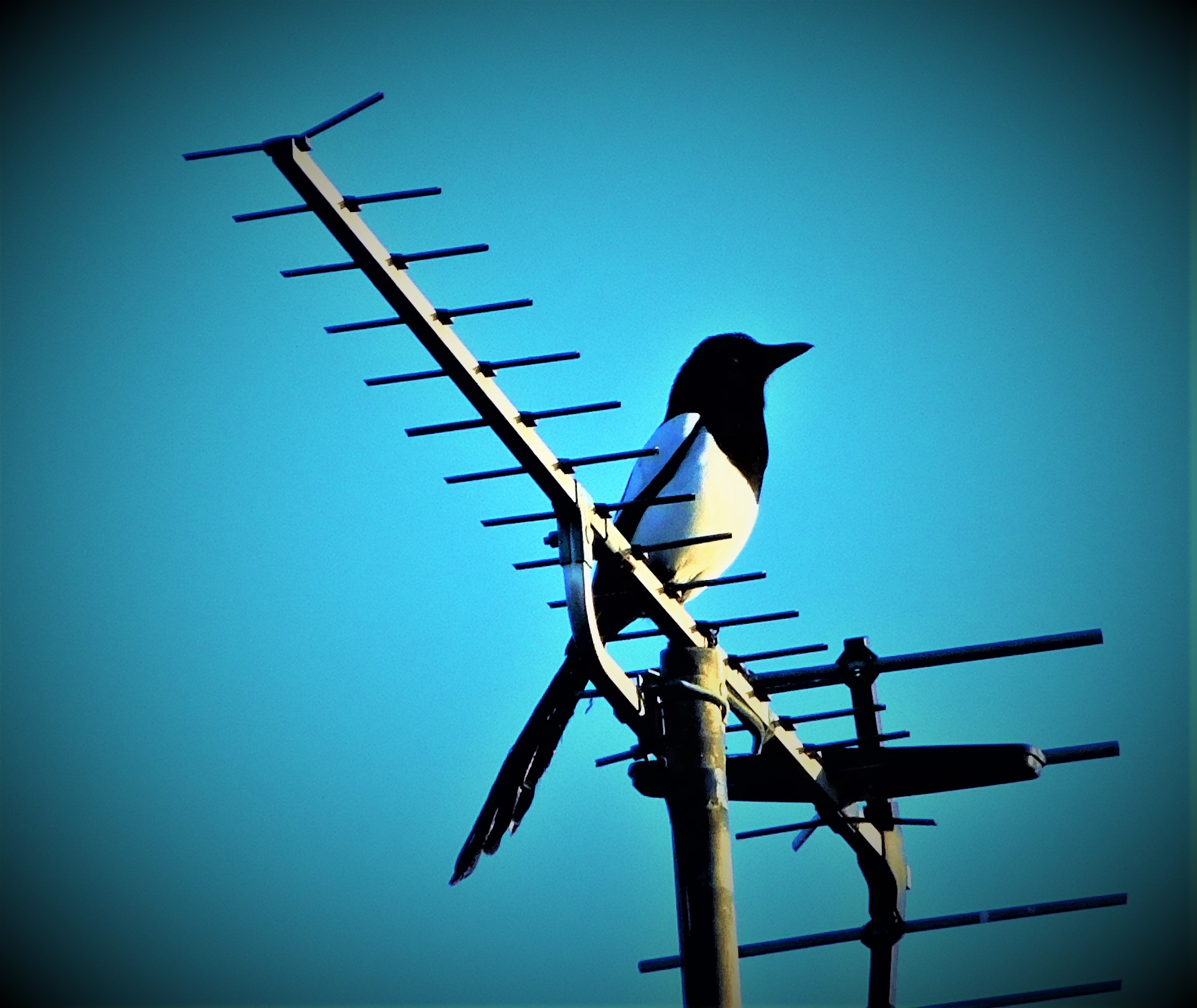
My last auction purchase of 2022 (eight images total)Installed in the Cabinet of Curiosities next to another piece of railway themed silver.Local pond at the peak of the recent cold snap (two pics)At the Autistic Group at King’s Lynn library, where I enjoy the lego (two pics)The next five pics show the same pond that was frozen solid as it is today in less vicious temperatures.
11 of the greatest test matches that I know about only at second hand – I may have watched highlights of them, read about them or both of the foregoing, but I did not witness them live.
This is a follow up to my earlier post about great test matches I did get to witness. These are matches I have read about and/or witnessed highlights of but did not get to follow live at the time. The matches are listed ibn chronological rather than ranking order, and to set the tone there is match not of test status as an hors d’oeuvre.
MCC V AUSTRALIA, LORD’S 1878 – A WARNING SHOT
The Australians had had a rough start to their tour of England in what was a very wet summer. When they arrived at Lord’s to take on the MCC few gave them much of a chance. MCC were fielding a very respectable side, with the mighty WG Grace to the fore. MCC batted first, and Frank Allan, a graceful left armer dubbed ‘bowler of the century’ in the run up to the tour shared the new ball with Harry Boyle, a medium pacer of exceptional accuracy. WG Grace hit the first ball of the match for four, but was out to the second. Another wicket fell one run later, but then Albert ‘Monkey’ Hornby and Arthur Ridley shared what turn out to be the largest partnership of the match. The moment that tilted this game towards being a historic one was when Frederick Robert Spofforth was called upon to bowl in place of Allan. Spofforth destroyed the MCC middle and lower order with sheer pace, a high water mark of 27-2 becoming 33 all out. Spofforth had taken 6-4 for the innings. The Nottinghamshire pair of Alfred Shaw (right arm slow/ medium) and Fred Morley (left arm fast) took the new ball for MCC. Australia fared little better than the home side, limping to 41 all out, with Shaw following the general pattern of his career by bowling considerably more overs than he conceded runs. For the second MCC innings Spofforth was given the new ball alongside Boyle, and MCC were rolled for a paltry 19, Boyle taking 6-3 and Spofforth 4-16. Charles Bannerman fell early in the fourth innings, but Billy Midwinter and Tom Horan saw Australia to a nine wicket win. The match was over on the same day it started, the thick end of a century before games with that intention would become a regular thing in top level cricket, and the aggregate of 105 runs remains the smallest ever for an FC match with a definite result. This tour did not feature any test matches, but the next visit by Australia in 1880 did, England winning a hastily organized match in September of that year by five wickets.
ENGLAND V AUSTRALIA, THE OVAL 1882: ASHES BORN
Unlike its predecessor in 1880 this match was planned when the tour itinerary was created. Albert ‘Monkey’ Hornby captained England, a mistake, espeically given that Spofforth, the leading Australian bowler, had a hex on him (if they weren’t yet prepared to appoint WG Grace who would have been the best choice then Lord Harris would have done). Rather than Hornby, EM Grace should have been the other opener for England (as he was in 1880, when he and WG put on 91 together in the first innings). However, all seemed rosy when Australia were dispatched for 63 in their first innings, and England responded with 101, Yorkshireman George Ulyett top scoring with 26. Hugh Massie now played a crucial innings for Australia, scoring 55 of the first 66 runs in their second innings and propelling them into credit with only one wicket down. Once he was out there was little more to the Australian innings, though Murdoch batted through such of it as there was to finish on 29* in a score of 122. The single most significant moment of the innings was the dismissal of Sammy Jones, who left his crease to pat down the pitch with the ball not officially dead. Grace, fielding at point, ran him out, a move which provoked Spofforth to absolute fury. While England were preparing to chase 85 to win Spofforth was telling his team mates “this thing can be done”. Grace and Hornby put on 15 for the first wicket, but then Hornby and Richard Barlow, also of Lancashire, were both out at that score. Grace and Ulyett shared a fine partnership, but Ulyett was dislodged with the score at 51, and two runs later, Grace, only the second player in the game to record a score of above 30, was dislodged for 32, making it 53-4. It was at this juncture that things turned against England. Lyttelton and Lucas, paralysed by nerves, could barely score, and skipper Hornby started panicking and messed with his batting order. When Lyttelton was dismissed to make it 66-5 the panic really set in, Hornby holding CT Studd, scorer of two centuries against the Aussies that season, back in the order until the eighth wicket fell. Billy Barnes was dismissed shortly after Studd’s arrival to make it 75-9, and Peate had three balls to survive from Harry Boyle before the end of the over. He scored two off the first of these, but a wild swing at the second met fresh air, while the ball clattered against his stumps. England 77 all out, and beaten by seven runs. Studd, with his two centuries against the Aussies earlier that season, was 0* (0), not the least ridiculous feature of this ridiculous match.
AUSTRALIA V ENGLAND, SCG 1894: 586 BATTING FIRST…
England were captained by Andrew Stoddart, Australia had entrusted veteran wicket keeper Blackham (who had played the first test match of all in 1877) with the captaincy. Blackham won the toss and batted. Tom Richardson the great Surrey fast bowler claimed three early wickets, but the then George Giffen and Frank Iredale joined forces. Their stand, apparently helped by some clumsy keeping on the part of Leslie Gay, yielded 171 runs, and then after Iredale’s dismissal Syd Gregory joined the fray, adding a further 139 with Giffen before the latter fell for 161 just before the end of day one. Australia closed on 346-5. On day two Syd Gregory completed a double century, only the second ever achieved in test cricket, and with Blackham scoring a test best 74 Australia reached 586.
England were all out for 325 in their first innings, Albert Ward top scoring with 75. They were made to follow on, and when the sixth wicket went down at 296, with the lead still only 35 Australia still looked well place. However, Francis Ford and Johnny Briggs put on 89 together for the seventh wicket, and even the tail made contributions. England mustered 437 in this second innings, setting Australia 177 to win. Jack Lyons began breezily, hitting 25 in 15 minutes at the crease, but after he and Harry Trott were both out, Giffen opted to play safe, making sure he was still there for the following morning (tests in Australia were played to a finish in those days). Australia close on 113-2, needing just 64 the following morning, Darling 44*, Giffen 30*. Overnight it rained (pitches were uncovered in those days, and overnight rain, followed by strong Australian sun the following morning created what was known as a ‘sticky dog’), though England’s trump card in such circumstances, left arm spinner Bobby Peel, did not hear the rain following, as he had given the match up for lost and drowned his sorrows in emphatic fashion. The Australians certainly did realize that it had rained. Peel and fellow left arm spinner Johnny Briggs gradually tightened the screw on Australia, and the ninth wicket went down with Australia still 15 short. Blackham was last man in, nursing a cracked thumb, and the other remaining batter, Charlie McLeod did his best to protect the injured keeper, ultimately Blackham prodded a catch back to Peel and England had won by 10 runs, with Peel having innings figures of 6-67.
OLD TRAFFORD 1902 – ENGLAND V AUSTRALIA
A spat between chairman of selectors (Lord Hawke, Yorkshire) and captain (Archie MacLaren, Lancashire) led to an odd looking England side. MacLaren wanted Schofield Haigh, but Hawke would not release him. MacLaren in a fit of pique at this left another Yorkshireman, George Hirst, out on the morning of the match, handing a debut to 35 year old Fred Tate of Sussex.
Australia batted first, and by lunch they were 173-1 with Victor Trumper having reached three figures, the first ever to do so on the first morning of a test match. Post lunch England did better, but a rapid partnership between middle order left handers Clem Hill and Joe Darling (73 in 45 minutes) helped Australia to reach 299. England began poorly, but a big stand between FS Jackson and Len Braund, plus some further lower order support for Jackson (128) got England to 262. Australia in their second innings were 10-3 and should have been 16-4, but MacLaren had high-handedly refused to move Lionel Palairet, a fellow amateur, from square leg to the right hander to square leg to the left hander, sending Fred Tate (who fielded close to the bat for Sussex) out there instead. Tate dropped a chance offered by Darling, and the partnership added 46 further runs. Thereafter it was a procession and Australia mustered just 86 second time round, setting England 124 to win. At 92-3 England appeared to be cruising home, but then a collapse set in. When keeper Dick Lilley was brilliantly caught by Clem Hill, who ran 30 yards round the boundary and threw himself full length to make the catch, it was 116-9 and Fred Tate joined Wilfred Rhodes. Tate snicked a boundary off Jack Saunders to open his account, but then Saunders’ next ball kept fiendishly low and bowled the unfortunate Tate to give Australia victory by three runs.
THE OVAL 1902 – ENGLAND V AUSTRALIA: A REVERSAL
George Hirst and Gilbert Jessop returned for England after missing the match described above. Australia batted first and tallied 324, Hugh Trumble top scoring with64* and Monty Noble making 52. Trumble then turned to his more publicized ability, bowling unchanged through the England first innings, taking 8-65. England avoided the follow on only thanks to Hirst who scored 43 out of the last 54 runs of the innings. Australia at the second time of asking were all out for 121, setting England 263, which looked a massive total in those circumstances. It was looking even further distant by the time Saunders (four wickets) and Trumble (one) had reduced England to 48-5. At this point Gilbert Jessop joined FS Jackson and the match began to turn. Jackson fell for 49 with the score at 157, and George Hirst joined Jessop. This pair added 30 together in just eight minutes, Jessop completing three figures in 75 minutes and off his 76th ball, both still England records, though the latter has seemed under constant threat lately. Jessop fell for 104, making it 187-7, and still 76 needed from the last three wickets. However, Bill Lockwood stayed with Hirst while 27 of those were scored, and keeper Dick Lilley helped add a further 34, meaning that when fellow Yorkshireman Rhodes joined Hirst in the middle 15 were needed with one wicket standing. England inched their way towards the target, and finally Rhodes hit the winning single off Trumble. Trumble had scored 71 undefeated runs with the bat and captured 12 wickets, Hirst had 101 runs for once out and a first innings five-for but this is always called “Jessop’s Match”. Lionel Palairet gained two England caps – the Old Trafford and Oval tests of 1902.
MCG1907 – AUSTRALIA V ENGLAND – NEARLY A TIE
This was a match which swing back and forth but seemed settled in Australia’s favour when England were 209-8 in the final innings, needing 73 more to win. Joe Humphries was ninth out, with 39 still needed for the win, to an LBW which added fuel to the flames of a controversy – England had had several rough LBWs in that match, George Gunn being furious about the two given against him. Arthur Fielder, a fast bowler, but as he was to show both here and a little later for Kent when sharing a last wicket stand of 235 with Woolley no mug with the bat, joined Barnes in the middle. The last wicket pair chipped away at the target and eventually levelled the scores. Barnes then went for a winning run that Fielder was unsure about. Had the fielder, Gerry Hazlitt, kept his head and lobbed to the keeper test cricket would have seen its first ever tied match. As it was, Hazlitt panicked and shied wildly at the stumps, missing and allowing the completion of the winning run.
MCG 1928 – AUSTRALIA A ENGLAND – ASHES HELD
England had comfortably won the first two matches of the series, but although Hammond had already entered the record books by becoming the first to score two consecutive test double hundreds, with 200 in the first England innings, it looked long odds against a third win in a row when England set off in pursuit of a victory target of 332 on a pitch that had become so spiteful that opening batter Jack Hobbs reckoned it would be all over by the tea interval. As it turned out Hobbs and Herbert Sutcliffe, the other opener, were still both in residence by said interval, and midway through the evening, with the great pair still together Hobbs made a vital intervention, sending a message to the dressing room that if either opener fell that evening Jardine should be promoted to number three as his defence was more reliable than Hammond’s. Hobbs was the one to go, for 49 out of an opening stand of 105, and Jardine duly survived the remainder of the evening and England returned the following morning still only one down. Jardine contributed a crucial 33, Herbert Sutcliffe went on to 135, and although England had a bit of a stutter late on, George Geary, who had claimed the final wicket of the 1926 Ashes, smashed a four through mid-on to seal a three wicket win and with it retention of The Ashes.
OLD TRAFFORD 1956 – ENGLAND V AUSTRALIA
Good pitch which one side handled badly or spinners paradise made to order? England batting first ran up 459 in rapid time. Although Australia’s two recognized spinners, leg spinner Benaud and off spinner Ian Johnson claimed six scalps between them, they also leaked 274 runs while doing so.
Jim Laker, England’s off spinner, took the first two Aussie wickets, before Lock claimed the third, which opened the floodgates for Laker, who polished off the Aussie first innings with a spell of 7-8, giving him 9-37 in total. Regular rain interruptions and a fine defensive effort by Aussie opener Colin McDonald took the game into the final day. Eventually, with the second ball of his 52nd over, Laker trapped Maddocks LBW and Australia were all out for 205, beaten by an innings and 170 runs. Laker had all ten Aussie second innings wickets for 53, still the cheapest all ten in test cricket, and 19-90 in the match. The three other front line spinners had combined match figures of 7-380, an average of 54.29 per wicket, and earlier in the season, in the first innings of the match on a good Oval pitch Laker had recorded figures 10-88 from 46 overs against the Australians for Surrey. In all 58 of Laker’s first 100 Fc wickets of 1956 were Aussies, 46 in the Ashes series and 12 for Surrey in that tour match.
BRISBANE 1960 – AUSTRALIA V WEST INDIES
52 years after Gerry Hazlitt had failed to make the most of an opportunity to secure test cricket’s first tie Joe Solomon showed how to keep his head under pressure, executing two direct hit run outs in less than 15 minutes, first to dismiss Davidson (80), thereby giving his side a chance to save themselves, and then to seal the tie. Alan Davidson bestrode this match like a colossus, taking 5-135 in West Indies first innings 453, then scoring 44 of Australia’s reply of 505, then taking 6-87 as West Indies managed 284 second time round and finally scoring that 80 which so nearly won the match for Australia.
HEADINGLEY 1981 – ENGLAND V AUSTRALIA
This is proper script rejection stuff – not only did England record only the second ever victory by a side made to follow on, but one of the players who was key to achieving that result was not originally selected for the game and the other had been asked (albeit at most semi-seriously) if he wanted to play, having just stood down as captain (moments before he would have been sacked from that role). Australia scored 401-9 declared batting first, which was far more than they should have scored on that surface. John Dyson scored a very slow century, Kim Hughes made 89 and Graham Yallop 58, while Botham, recently resigned from the captaincy, claimed 6-95, his first five wicket haul since before taking up the reins of captaincy. England were 87-5 when Botham went in for his first innings, and a rapid 50 from him was the only highlight of their 174 all out. In the second innings they plummeted to 41-4 before Boycott and Willey added 64 for the fifth wicket. At 133 Boycott was pinned LBW, and two runs later keeper Bob Taylor departed. That brought Graham Dilley in to join Botham, and in 80 minutes the eighth wicket pair added 117, Dilley recording a maiden test 50, and Botham being well past his second 50 of the match. Chris Old helped the ninth wicket to raise a further 67, Botham racing past the 100 mark (87 balls to get there). Willis stayed long enough for a further 37 to accrue. England had totalled 356, a lead of 129, and Botham had scored 149*. The final morning was just underway. Approaching the lunch interval Australia were 56-1 and seemingly cruising towards their target of 130, when Bob Willis was put on to bowl at the Kirkstall Lane end. The first victim of one of the greatest spells of fast bowling in test history was Trevor Chappell, who in truth resembled a test match number three in name only, fending a bouncer through to Bob Taylor. Then came back to back wickets right on the stroke of lunch, Hughes well caught by Botham in the slips and Yallop superbly taken at short leg by Gatting. At lunch Australia were 58-4, and suddenly realizing that match wasn’t over just yet, while England went into lunch on a high. Old got one through Border’s defences early in the afternoon and it was 65-5. Dyson, who had one boundary off Willis post lunch took an a short ball from him and succeeded only in gloving it to the keeper to make it 68-6. Rod Marsh, the Aussie keeper, who had made a light-hearted bet on England when Ladbrokes were offering 500-1, took on another short ball from Willis, and Dilley at deep fine leg judged the catch superbly, being less than a foot inside the boundary when he completed it. That was 74-7, and one run later Lawson fell to mkae it 75-8. There was one final twist, as Lillee, who like Marsh had placed a bet on England at 500-1, helped Bright add 35 for the ninth wicket in four overs. Lillee then mistimed a drive at Willis and Gatting just managed to complete the catch, having to run in and dive forward to do so. Alderman came in at number 11, and was reprieved twice in one Botham over as Old at third slip put down catches. Willis summoned up enough energy for one final over, and with the first ball thereof he ripped a perfect yorker through Bright’s defences and Australia were all out for 111m giving England victory by 18 runs.
CHENNAI 1986: INDIA V AUSTRALIA – A TIE
Australia in the early to mid 1980s were a struggling outfit, but in this particular match they did a lot right, though not quite enough to win it. Dean Jones, in part due a vicious taunt from skipper Border, batted himself into a hospital bed, scoring 210 in eight hours at the crease on the first two days of the match, after which he had to put on a saline drip. Towards the end of the fifth day it looked like India were odds to complete their chase of 348, but Greg Matthews refused to give up, and eventually, with the scores level he trapped Maninder Singh LBW to secure test cricket’s second ever tie.
KOLKATA 2001: INDIA V AUSTRALIA – A VERY VERY SPECIAL TEST MATCH
Australia in the late 1990s and early 2000s were well nigh invincible, and the first two innings of this match did not suggest anything other than business as usual for Steve Waugh and his men, as they forced India to follow on. VVS Laxman and Rahul Dravid then produced a historic partnership, with Laxman going to a then Indian individual record test score of 281 and Dravid making 180. India declared their second innings at 657-7, setting Australia 384 to win. Australia, unsurprisingly dispirited, collapsed to 212 all out and defeat by 171 runs, the third (and to date) last test defeat suffered by a side enforcing the follow on. Australia have rarely chosen to enforce the follow on since then, preferring to build stupendous leads and then look to dismiss their opponents a second time. Myself I would still need a good reason to suggest not enforcing.
PHOTOGRAPHS
Time for my usual sign off (the gallery is smaller than usual – there is not as much to see in foul weather)…
A look at England’s win in Multan, sealed earlier today.
This post looks at events in Multan and sets them in context. I have already covered the first two days play here, so this post takes up the story on day three.
DAY THREE
England extended their lead of 281 to 354, Brook completing a century to continue the highly impressive start he has made in test cricket. The last five wickets fell in a bit of a heap, but England had a substantial total to defend by then.
With Imam-ul-Haq initially unable to bat Mohammad Rizwan opened with Abdullah Shafique. These two both fell cheaply, and Babar Azam was also out with Pakistan massively adrift, but at that point Imam-ul-Haq joined Saud Shakeel, and they had a good partnership. Just before the end of the day Leach got Imam-ul-Haque for 60, and by the close Pakistan were 198-5, still needing 157 to win.
DAY FOUR
Saud Shakeel and Mohammad Nawaz got Pakistan to within 70 of the target, but Wood got both in a fiery spell just before the lunch interval, albeit the Shakeel dismissal was a rough one. Agha Salman and Abrar Ahmed resisted for a time immediately after the interval, but Anderson got Abrar Ahmed, and moments later Zahid Mahmood became Wood’s fourth victim. That left the last pair needing 36 runs to win, and they managed nine of them before number 11, Mohammad Ali edged Robinson to Pope to end that match. England were home by 26 runs. Many, including me, would have given debutant Abrar Ahmed the Player of the Match award for his 11 wickets and entertaining batting in both innings, and had been forced to name an England player for the honour I would have gone with Ben Duckett who played two superb innings, but landmark obsession carried the day, and Brook got it for his second innings hundred.
CONTEXT AND LOOKING AHEAD
This win was England’s eighth in nine test matches since Ben Stokes was appointed full time skipper. It also meant that in the space of a week they had doubled their all time tally of wins in Pakistan from two (in 1962 and 2000) to four. Pakistan are the fourth team England have won against (out of four they have played tests against) under Stokes – they came here off the back of home series wins over New Zealand and South Africa and a win in a one-off home test against India. England’s last win in Pakistan before this visit came at Karachi in 2000, and the third and final match of this series is in Karachi.
Jack Leach took his 100th test wicket during this match, and only one England spinner in my time following the game has taken that many wickets at a better average than him, Graeme Swann.
I would personally like to see Rehan Ahmed make his debut in the third test match, possibly in place of Will Jacks – with the series already won England can definitely allow themselves a look at Ahmed.
PHOTOGRAPHS
As this little gallery makes abundantly clear, Norfolk remains literally frozen…