All Time XIs – The Game’s Old Testament

An XI picked from cricket’s early history and a huge photo gallery.

This exercise looks as the title suggests at cricket’s early history. I have allowed myself one cricketer who played test cricket but otherwise these players are all of pre-test vintage.

  1. *WG Grace (right handed batter, right arm bowler of various types, excellent close catcher, captain). The sole test cricketer in the XI, but although he played test cricket over a period spanning almost 19 years he was past his absolute prime by the time he debuted in that format in the first test on English soil in 1880.
  2. John Small (right handed batter). John Nyren in his book about Hambledon (his father Richard was closely involved with the club) waxes lyrical about Small. Small’s most remarkable effort was a 138* that was spread over three days play.
  3. James Aylward (left handed batter). Only eight years after John Minshull scored the first recorded century in any cricket match this man set the Hambledon all time record with an innings of 167.
  4. Nicholas Wanostrocht aka Felix (right handed batter). He played his cricket (for Kent among others) under the assumed name ‘Felix’ because he worked as a schoolmaster and felt it would damage his professional reputation to play under his own name. He was also author of ‘Felix on the Bat’.
  5. Fuller Pilch (right handed batter). Recognized as the best batter of the 1830s and 1840s. He used a bat with a long blade and a comparatively short handle.
  6. Vyell Walker (right handed batter, slow bowler). One of seven brothers from Southgate – the cricket ground there is still known as Walker’s Ground. A Middlesex regular, and along with Grace one of only two players to have scored a century and taken all ten wickets in an innings in the same first class match.
  7. +Tom Box (wicket keeper, right handed batter). He played every Sussex game from 1832 to 1856 inclusive, a remarkable achievement. He often batted in the top half of the order for them, and was clearly an excellent keeper.
  8. William Clarke (right arm leg spin bowler, right handed batter). An extraordinary wicket taker, and not the worst batter. He also created the All England XI, a professional touring XI who played all round the country. Over the next 30 years a number of other such teams were created, but in the end a potential schism was averted when WG Grace threw his lot in with the MCC. ‘Old Clarke’ has left the modern game one great legacy – it was he who bought the Trent Bridge Inn, enclosed some adjoining fields and turned them into a cricket ground.
  9. James Broadbridge (right arm fast bowler, right handed batter). One half of cricket’s first acknowledged great bowling partnership, along with…
  10. William Lillywhite (right arm fast bowler, right handed batter). ‘The Nonpareil’, regular bowling partner of Broadbridge.
  11. David Harris (right arm fast bowler, right handed batter). The first authentically great bowler, his method is splendidly described by Nyren in his book.

This XI has a good batting line up and a strong, varied bowling attack – three great pacers, two great and contrasting spinners and Grace as sixth bowling option. It also has an excellent captain and a great keeper.

The nearest overseas player to making the cut was Gideon Elliott, the Victoria fast bowler whose handful of first class matches yielded 48 wickets at less than five a piece. I picked Walker for the all rounders slot over Alfred Mynn, ‘the Lion of Kent’ for reasons of balance, which also ruled out either Osbaldeston or Lambert. I regretted not being able to find a place for John Wisden, the diminutive fast bowler who created Wisden’s Almanac. Julius Caesar, the remarkably named Surrey batter who toured Australia in 1863-4 deserves a mention, and also Heathfield Harman Stephenson, performer of the original hat trick, in a match at Hyde Park, Sheffield – the name coming about because someone in the crowd passed their hat around to collect money which was presented to Stephenson in honour of his feat. Two early Yorkshire greats, Ephraim Lockwood and Louis Hall might have their advocates. Three fast bowlers who I have not yet mentioned who had fine achievements to their credit were Sam Redgate, John Jackson and George Tarrant. George Freeman of Yorkshire was also close to selection.

My usual sign off…

The Fight to Save Trosa Nature

Some links to posts about the fight to save Trosa nature and a few of my own pictures from today.

INTRODUCTION

It will be no news to regular followers of this blog that I have been supporting Anna in her fight to protect nature in her part of Sweden for some time. In this blog post I share links to some of her recent posts on this issue, and urge you to follow them up. At the end there are some photos of mine from today featuring creatures I saw while out walking this morning.

SETTING THE SCENE –

VICTOR, YANNO & DUNNO

The beautiful area of Sweden in which Trosa lies is threatened by a proposal to build a big new road which will bring large amounts of money to a few and destruction of priceless natural beauty as an inevitable consequence. This tale sets out the story of the road building plan through three characters, Victor, Yanno & Dunno. The feature graphic shows Yanno & Dunno as puppets being controlled by Victor:

ANNA’S REASONING

Anna laid out the case for her side in a post published on July 17 with the title “Därför vill vi spara naturen i Trosa – Why we want to save Trosa nature“. Below is the feature infographic from that post:

TROSA’S NATURE

Anna has produced three posts in quick succession showing some of the nature that is on show in her part of the world. We start with:

Kalla den Änglamarken –

Paradise on Earth part 1

As a sample of what you can look forward to seeing in this post I have selected the Sea Eagle picture:
As you might logically expect the next post is…
Kalla den änglamarken –

Paradise on Earth part 2

This time your sample picture is of a seal:

Finally, to bring you right up to date we have…
Kalla den änglamarken –

Paradise on Earth part 3

This third post about the wildlide of Trosa and the Tureholm Peninsula is devoted to birds. My bait to lure you in is a Heron…

SOME OF MY PICTURES FROM TODAY

I finish this piece with some pictures from earlier today, starting with…

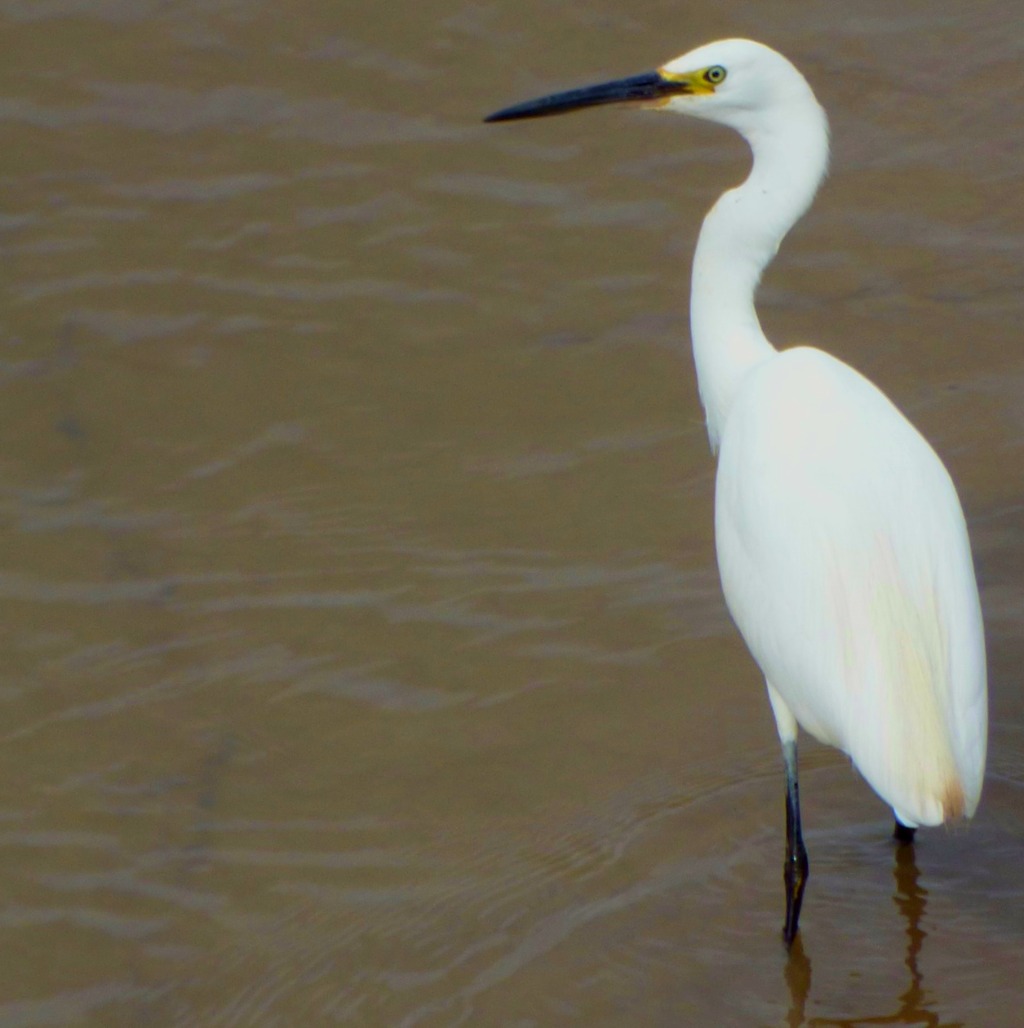
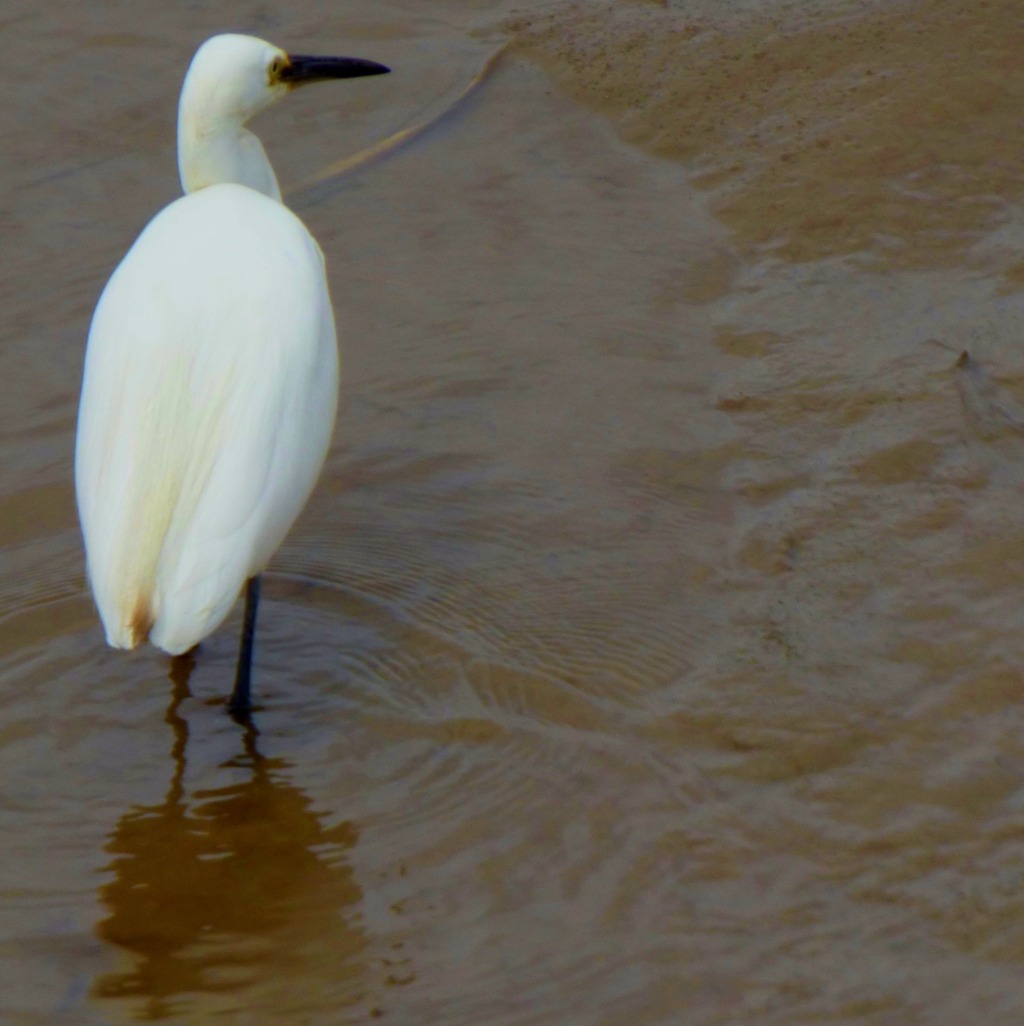
A LITTLE EGRET SEEN IN THE RIVER NAR

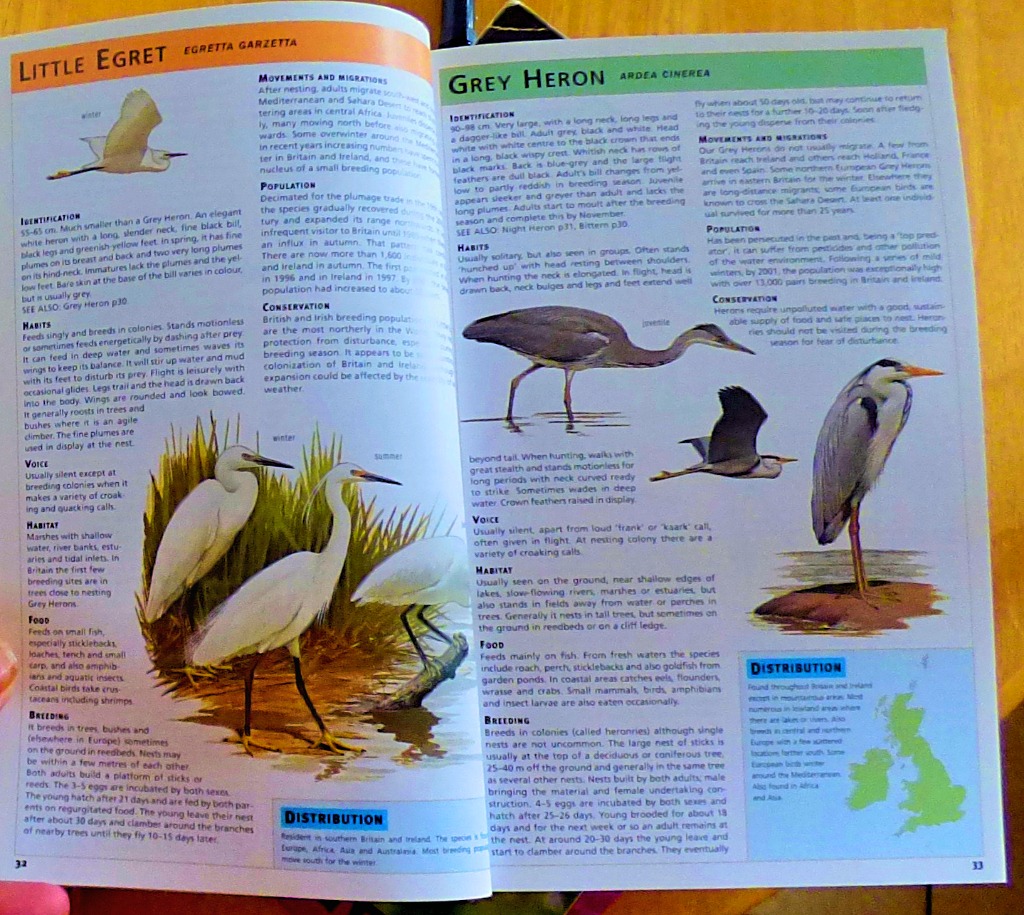
The point where the River Nar joins the Great Ouse is about 10-15 minutes walk from the centre of King’s Lynn, and I regularly see interesting stuff there, but before today I had not seen a Little Egret there (as well as the two pictures I took of the bird I have a picture of the relevant page of my bird book):

Little Egret 1Little Egret 2Bird Book

My second set of pictures are…

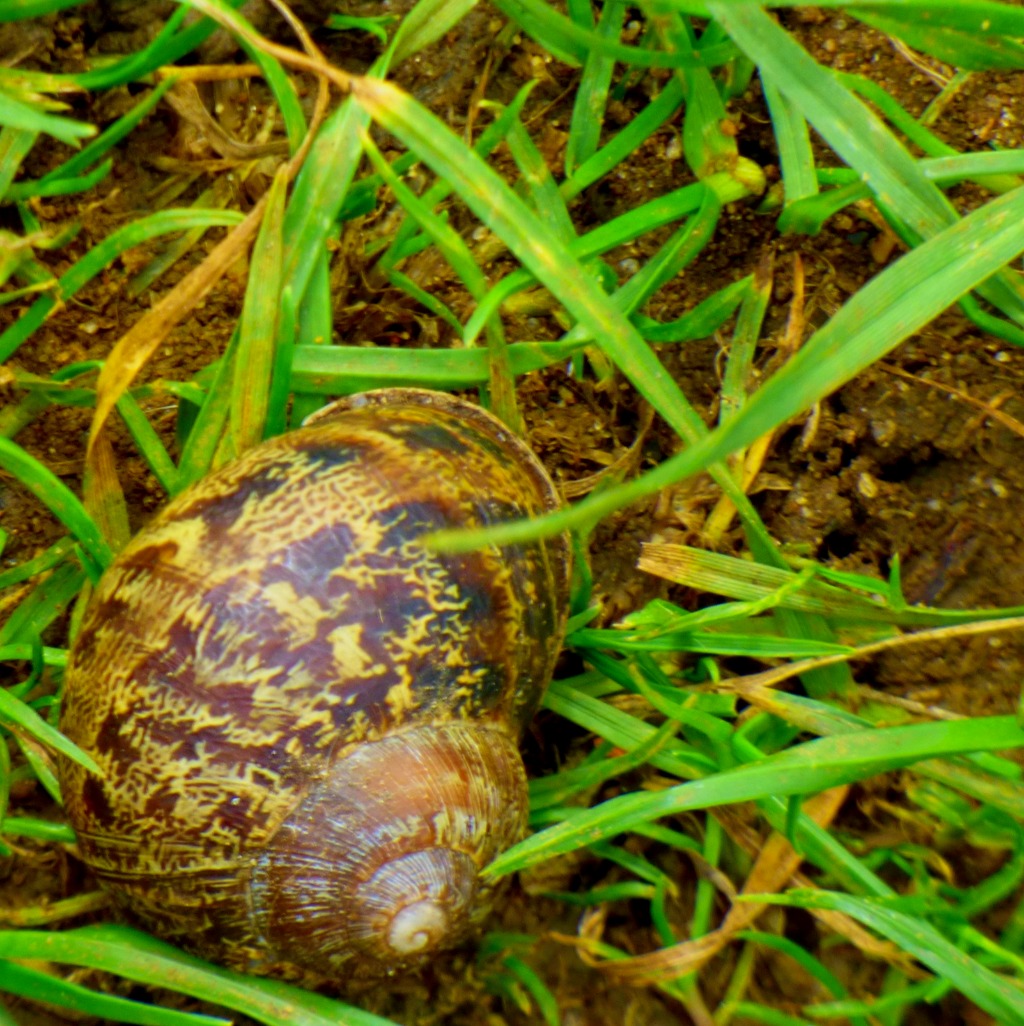
A SNAIL, A DUCKLING AND A HOVERING INSECT

SnailDuckling

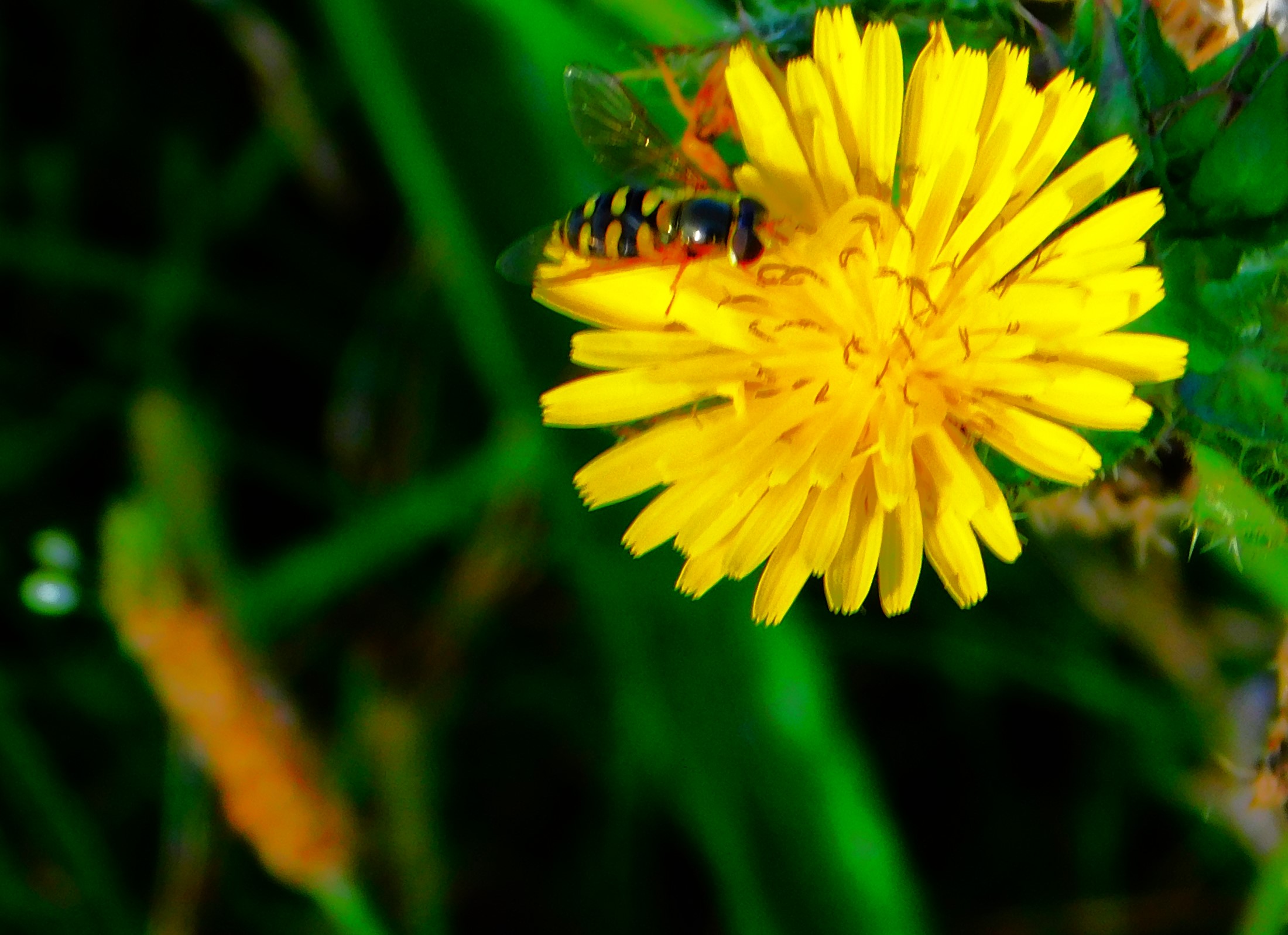
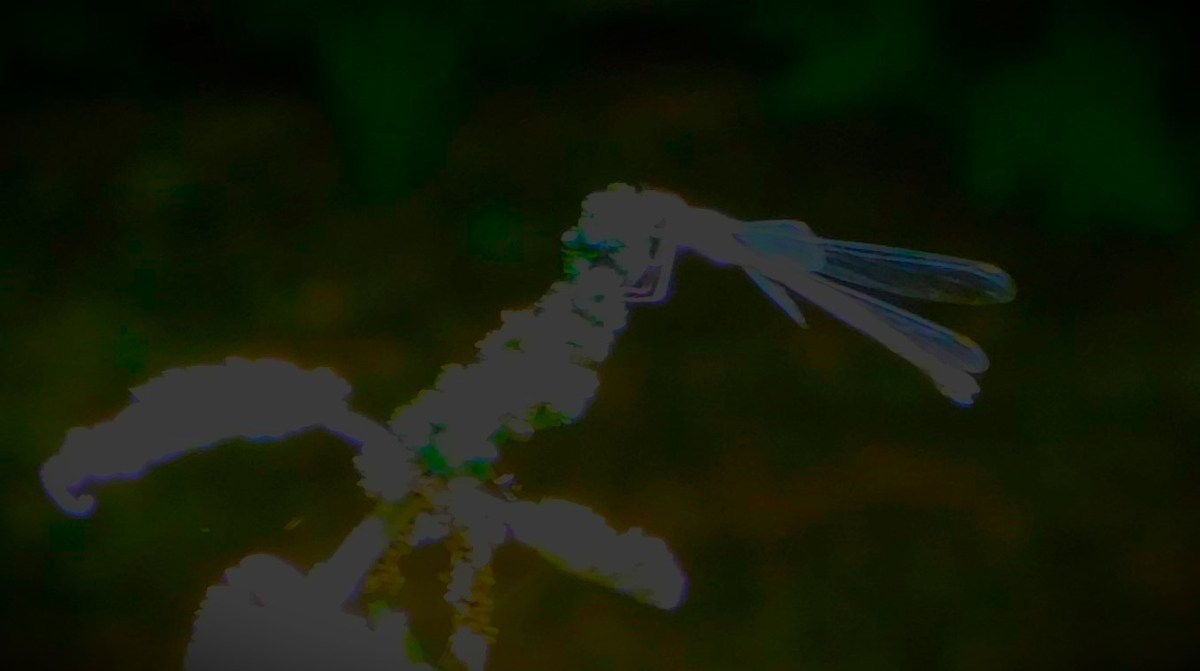
Hovering insect
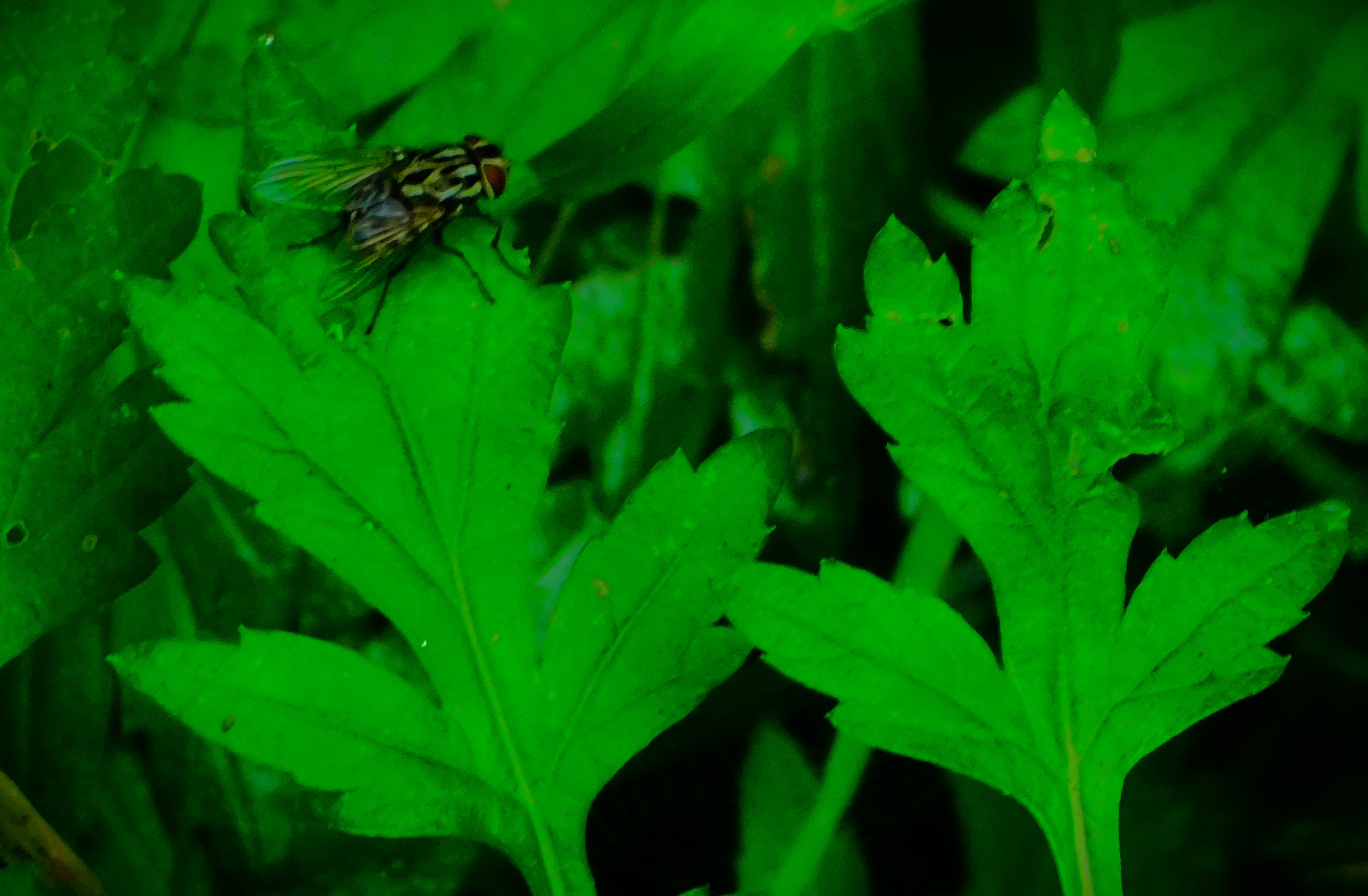
The footpath above which this little beauty was hovering does not make a great background, bjut I hope you can see the delicate wings that keep that body airborne.


Study Title: Attention and Perception in Autism Spectrum Conditions

A personal account of taking part in a study at the Autism Research Centre in Cambridge,, accompanied by photographs, with some interesting and important links and some more photographs.

INTRODUCTION

The main body of this post is a personal account of my involvement in the study whose title I have used for the whole post, run as so often at the Autism Research Centre in Cambridge. I also have a variety of links and a few photos that are not directly connected with the title piece but which I wish to share. I hope you will all enjoy this post and that you will take the opportunity of sharing it.

ATTENTION AND PERCEPTION IN AUTISM SPECTRUM CONDITIONS

THE PRELIMINARIES

i found out about this study just five days ago, and made contact with the person conducting it. A brief exchange of emails concluded with an arrangement for me to attend at 11AM today. As part of the preparation I had to answer various questions and solve  various puzzles online.

GETTING THERE

An scheduled start of 11AM meant getting the 8:57 from King’s Lynn, and to make sure that I got my travel expenses reimbursed I carefully got a receipt. It was shortly after getting on to the platform that I brought the camera into action for the first time of the day…

DSCN8526

Pictures taken through the windows of moving trains are tough to get right, but these two worked out okay…

"A goods train: the shame of it" Gordon the Big Engine in the Rev W Awdry series
“A goods train: the shame of it” Gordon the Big Engine in the Rev W Awdry series

I could get a clear shot of the whole of Ely Cathedral, but this shows the main tower and the octagonal construction designed by a 14th century Prior known only and uninformatively as Alan of Norwich.
I could not get a clear shot of the whole of Ely Cathedral, but this shows the main tower and the octagonal construction designed by a 14th century Prior known only and uninformatively as Alan of Norwich.

Arriving in Cambridge I decided to take a longer route than usual to the Autism Research Centre, heading towards town as far as this church…

DSCN8531 DSCN8532

Turning on to the link road that connects to the town end of Trumpington Road I passed the Scott Polar Research Institute, named in honour of Robert Falcon Scott, one of the most famous runners up in history. Scott also gave his name to an itinerant cricket team some of whose deeds are chronicled in Penguins Stopped Play by Harry Thompson and Rain Men by Marcus Berkmann. Although I could not get a shot of the whole building without crossing to the wrong side of a busy road I did get these shots…

DSCN8533 DSCN8534 DSCN8535

Next up was the Cambridge University Chemical Laboratory…

DSCN8537

At the very point of turning onto Trumpington Road I passed Hobson’s Conduit…

DSCN8538 DSCN8539 DSCN8540 DSCN8543

This is the first major building on Trumpington Road itself, on the opposite side of ti to me…

DSCN8547 DSCN8548 DSCN8549 DSCN8550 DSCN8551

A shot of the water alongside Trumpington Road…

DSCN8552

I next passed the public entrance to Cambridge Botanic Gardens (the admission price convinced me to go no further than the gates)…

DSCN8553 DSCN8554 DSCN8555 DSCN8557 DSCN8558

A little bit further along I passed a locked gate into the same establishment, with some red flowers growing next to it…

DSCN8559 DSCN8560

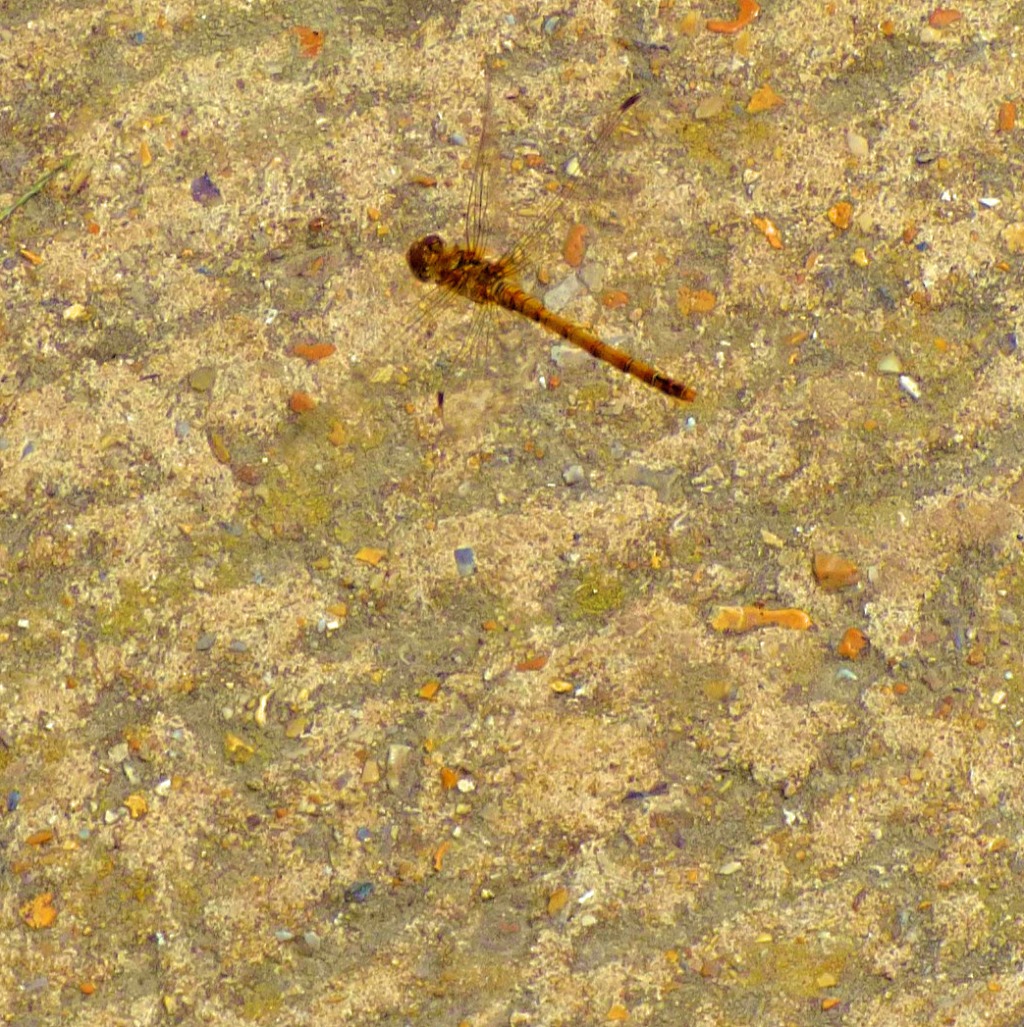
The last shot I got before arriving at the Autism Research Centre was of this dragon fly (or similar), which although quite large was moving exceedingly fast, hence why I got only the one usable shot…

DSCN8561

AT THE AUTISM RESEARCH CENTRE

I arrived at the centre at about 10:40, and did not have to wait too long for Owen Parsons, who was conducting the study, to put in an appearance. After the usual preliminaries of form signing and checking the experiment itself ran in three parts…

MIND YOUR TS AND LS

For this test one had eight seconds in total to view an intermittent display of red and blue letters, most of which were Ls but one of which was a T. The task was to identify which colour the T was and click the appropriate button to record that identification. A wrong identification, or wrong button pressed, or being timed out generated a horrible beep.

IDENTIFYING DUPLICATION

For this part of the process one was required to press the space bar each time the same image was shown twice consecutvely. The images were all of full scenes, but shown at thumbnail size. Again, a misidentification or a failure to identify within the time limit generated a beep. There was then a second part to this section, involving familiarity. One was shown sequences of three images and asked to identify the set that looked more familiar. The pictures were similar in nature and size to those previously shown, but some were definitely new.

WHICH BOX WAS THAT X IN?

For this third and final part of the experiment, there were four boxes in which an X could appear. When it appeared one had to identify the box as follows: X for leftmost, Z for left-centre, N for right-centre, M for rightmost. Thus, the duration of this section of the experiment was spent with the index and middle fingers of each hand poised over the keys in question. There was then a second subsection, involving pattern identification and made more complicated by two factors:

1)Obviously enough, not knowing about this in advance I was not especially looking for a pattern in the first stage of the process.

2)The pattern was not adhered to at all times (about 15% of the time, the X appeared in a box it was not ‘supposed’ to).

All in all, I quite enjoyed performing these tests, and would say that it is a worthwhile study. If you are aged 18-45, have been diagnosed with an Autistic Spectrum Condition and can get to Cambridge, contact Owen Parsons: oep20@cam.ac.uk about taking part in the study.

GETTING BACK

There was a small delay getting back to the main building from the place where the study had been set up as Owen initially came out without his swipe card, during which I snared this shot…

DSCN8571

On my way back to the street I took a shot of the front of the main building…

DSCN8572

I opted for the short route back to the station,along Brooklands Avenue and past the new bus interchange to approach the train station from that angle. I got these shots in the course of that walk…

DSCN8573 DSCN8574 DSCN8575

I got a couple of shots en route to the platform as well…

A worthy effort to represent all of Britain's railways on one map.
A worthy effort to represent all of Britain’s railways on one map.

A somewhat loose definition of London & the Southeast!

On my way off the train at King’s Lynn I took the opportunity to capture this plaque on camera…

DSCN8579

LINKS

As regular readers of this blog or those who follow me on twitter will be well aware I regularly sign and share petitions, and my first link is to a piece from Huffington Post detailing the success of one such, concerning the Henry family.

My next link is to Mike Sivier of Vox Political on the subject of a possible Greek default.

Next up is this about the effect of London on social housing.

Then we have this on the origins of turtles.

WELCOME TO A NEW FOLLOWER

The next two links both relate to autism, and indeed to the website of a recent follower of mine:

1)The main website, ambitiousautismambassador

2)A particular impressive post taking on stereotyping.

AN IMPORTANT PETITION

My final link is to a petition on change.org protesting against a planned European law that will mean the end of photography as we know it – PLEASE SIGN AND SHARE!!

A FEW FINAL PICTURES

While my right to do so remains I am sharing these photos…

Stand E, on the occasion I first used it, Tuesday AM

The new electronic displays now at every stand.

Vancouver and the Custom House

I realised before using it as part of my bus fare that this 50p was of a style I had not previously seen.

A close up of the detailed board at Stand E