A look back at the world cup semi-final between England and South Africa at Guwahati today, and especially at an astonishing display from Laura Wolvaardt. Also lots of photos.
Today saw the first semi-final of the 2025 women’s cricket world cup, between England and South Africa. These two sides played their first match of the tournament at this same venue, and on that occasion South Africa were bowled out for 69 and England won by 10 wickets. In South Africa’s last group match, after a superb middle phase of the competition they fell victim to Alana King’s amazing one-woman show and were again all out for under 100. Thus England probably thought they had little to fear.
THE EARLY STAGES
Laura Wolvaardt and Tazmin Brits led off with a century stand, but then England took three wickets in next to no time. Marizanne Kapp then provided fine support for Wolvaardt, scoring 42 from 33 balls before being caught by Charlie Dean off Sophie Ecclestone, who was looking something close to her best with the ball after sustaining a shoulder injury last time out. Many have suggested that Sinalo Jafta, the Proteas keeper, is too high in their order at number six, and 1 off four balls before Lauren Bell bowled her did nothing to alter that impression. Ms Jafta has now played 46 ODIs, with an average of 12.59 and a best score of 29, not the stuff of which top six batters are made. With the first ball of the 41st over Ecclestone claimed her fourth scalp of the day, her 16th of the tournament, making her leading wicket taker thereof, and her 37th world cup wicket in all, by bowling Annerie Dercksen for 1 to make it 202-6…
PHOTOGRAPHIC INTERLUDE
THE MATCH TURNS
…Laura Wolvaardt had survived all the carnage, and reached three figures off 115 balls. Now, starting from that 202-6 after 40.1 overs, and with Chloe Tryon her main remaining supporter she turned a high class ton into the sort of innings that settles matches and possibly even tournaments. Wolvaardt’s acceleration in the final phase of the innings was so dramatic that her third 50 took a mere 21 balls, including four sixes when she had none in her first 100 runs. In the end a catch by Capsey off Bell got her for a magnificent 169 off 143 balls, including 20 fours and five sixes, with 62 off her last 69 runs being in boundaries – eight fours and five sixes in that period. The innings catapulted her to the top of the scoring charts for the tournament, moved her past 5,000 ODI runs in all and moved her ODI batting average north of 50. Her dismissal made it 291-7 after 48 overs. Chloe Tryon and Nadine de Klerk completed a remarkable last 10 overs for the Proteas by scoring 28 off the last two overs between them for a final total of 319-7, 117 of them in the last ten overs. Off the 40 overs not bowled by Ecclestone (10-1-44-4) South Africa scored 275-3. This innings has caused a backdated change to my team of the tournament – on Monday I had Alyssa Healy as Smriti Mandhana’s opening partner and Wolvaardt as reserve opener, but after today I have changed my mind, Wolvaardt opens with Mandhana and Healy is reserve opener and keeper, with Beth Mooney taking the gloves: S Mandhana, L Wolvaardt, +B Mooney, S Devine, A Sutherland, D Sharma, A Gardner, Shorna Akter, A King, S Ecclestone, Marufa Akter, with the reserves now N Sciver-Brunt, A Healy, L Smith and K Gaud.
The England innings began in spectacular fashion, of the wrong sort for them, with the top three of Amy Jones, Tammy Beaumont and Heather Knight all departing for ducks, with the only run accrued in the seven balls of mayhem in which this happened being a wide. After that beginning it was miracles required territory, and although Sciver-Brunt batted very well and Alice Capsey scored her maiden ODI 50 England never looked like getting on terms. When Linsey Smith was last out, caught by Luus off de Klerk for 27, England were all out for 194, beaten by 125 runs, a remarkable turnaround from that opening group fixture at this same venue. Full scorecard here.
Some thoughts on the England XI for the test match that starts at Lord’s tomorrow and a photo gallery.
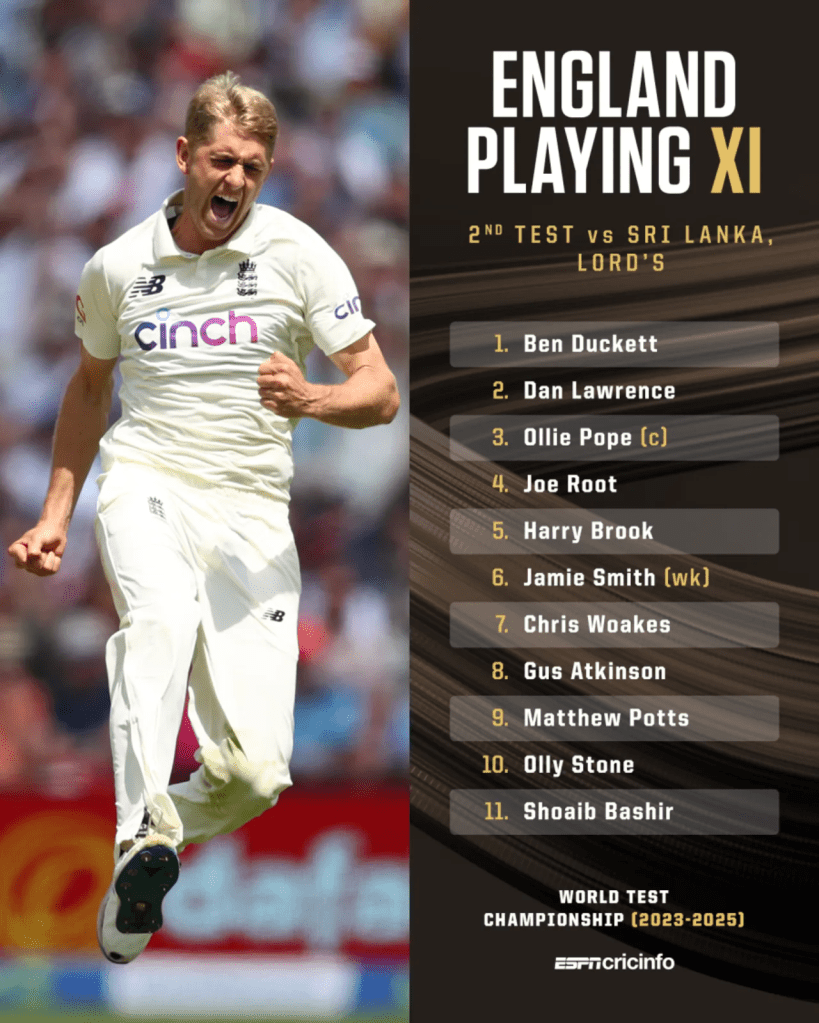
Tomorrow the second of three test matches between the England and Sri Lanka men’s teams gets underway at Lord’s. England announced their playing XI yesterday and this post looks at that announcement
The only change is the injury enforced one of Olly Stone for Mark Wood.
THOUGHTS ABOUT THE XI
Ben Duckett failed twice in the first test but has done enough to prove himself as a test opener. Dan Lawrence is not really an opener at all, but a) he didn’t do too badly in Manchester and far more significantly in my view, b) to change your mind about something like this after one match would smack of panic. Ollie Pope has a magnificent FC record but an ordinary test one to date, though his average at number three in test cricket is respectable. As skipper he was going to keep his place barring injury, but there remains a Hick like chasm between his FC and test returns. Root, Brook and Smith are the engine room of the batting, and to have left any of them out would have been rank stupidity. The question arises over number seven. England, sticking to the policy with which they won the first test, went for the genuine all rounder Chris Woakes, leaving Smith with the gauntlets and enabling the selection of five front line bowlers. I wholeheartedly approve of this policy. The alternatives were either to deepen the batting at the cost of leaving the bowling light or to select a keeper at seven and relieve Smith of the gloves. I would have preferred to see Smith elevated as a pure batter rather than as batter/ keeper, but he barely put a foot wrong since his promotion to international status, and I much prefer a full range of bowling options (have a look at some of my All Time XIs, especially the one of players whose surnames begin with V for more on my thoughts in this regard). Atkinson fared well with the bat at number eight last time out, and has done brilliantly with the ball all through his test career to date. Potts had a poor game at Old Trafford, but I think it right to persist with him rather than give up straight away. Stone is a fine bowler who would have played many more times at the highest level but for the injury problems that have dogged him all through his career. Bashir has not any tremendously helpful conditions this home season but he has been adequate as a spinner. Thus over these selections I am broadly supportive of the ECB (it would be frankly laughable for anyone to make out that I of all people am blindly loyal to the ECB).
PHOTOGRAPHS
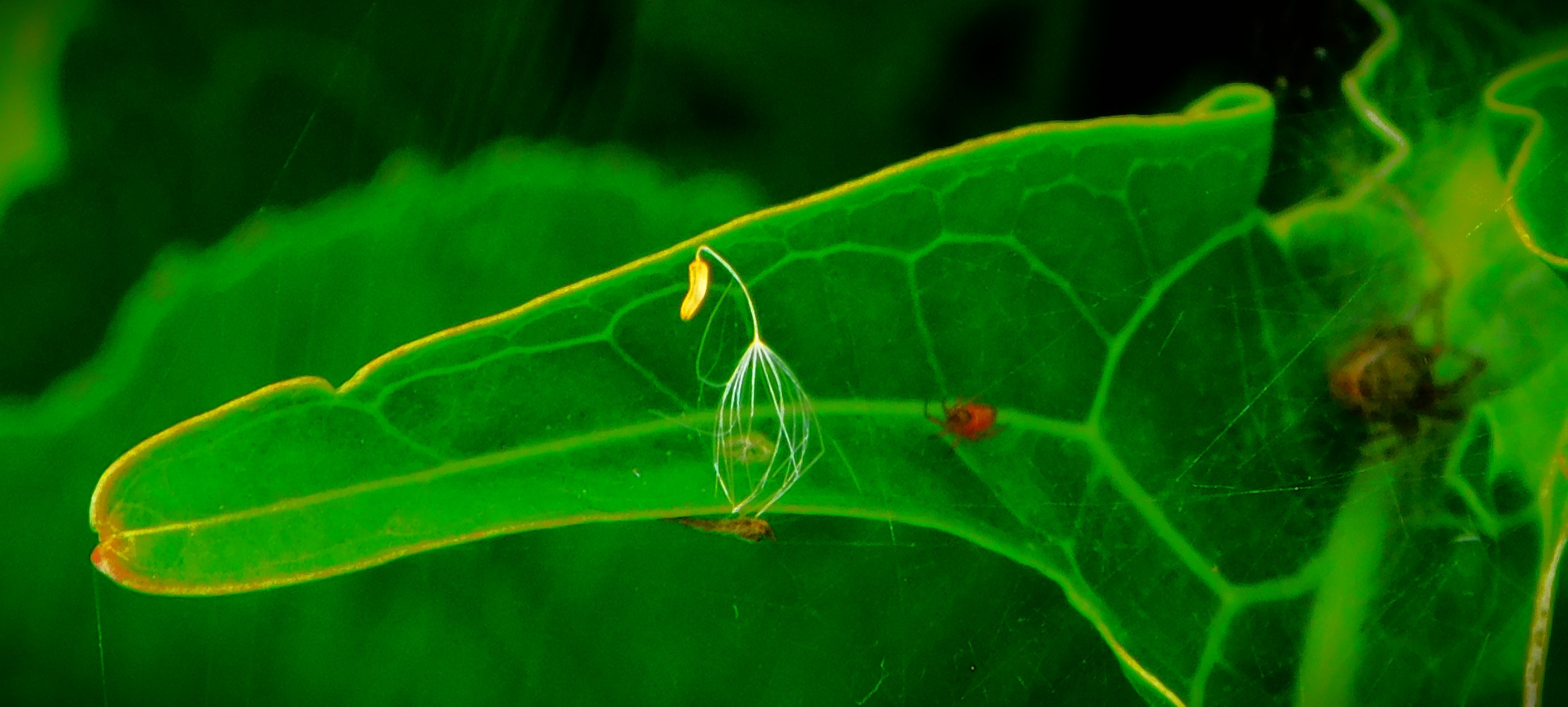
Before I present the full gallery (remember to view images at a larger size than shown here just click on the image) a brief note about the featured image which appears last of all. It is a composite of two images taken approximately 26 hours and about a quarter of a mile apart – the first was something I spotted on a leaf in my back garden when setting off for work yesterday, the second something I saw on the way home from a walk that took in among many other places both the library and a supermarket (the first of three walks today – the pictures from the other two are still on my camera). We are now ready for my usual sign off…
This picture of the remarkable Gayton village sign (a 3d construction) came with the assistance of me having got the best seat on a closed-top double decker bus – the non-drivers side front window seat on the top deck.
A look at the situation in England’s Super Eights group at the T20 World Cup and a photo gallery.
This post looks at the situation in England’s Super Eights group at the T20 World Cup. The other group is in action today, with the current match being between Bangladesh and India.
THE SITUATION SO FAR
This group kicked off with South Africa beating the United States of America. England then won a hugely impressive victory over West Indies, a match dominated by Phil Salt who made a respectable West Indian score look very ordinary by scoring 87 off 47 balls to lead England’s victory charge. Yesterday afternoon and early evening UK time saw England face South Africa, and although England had opportunities at various stages South Africa held their nerve at the death to record a narrow win. In the small hours of this morning UK time the two co-hosts did battle, and the West Indies romped to a colossal victory, needing barely more than half their 20 overs to chase down the USA’s total.
THE REMAINING MATCHES
England have the USA left to play and South Africa have to play the West Indies. If England beat the USA then the South Africa-West Indies match effectively becomes a KO – if West Indies win that will push SA’s net RR below England’s, and if SA win they will top the group, and England with two wins out of three will be second as of right. If England somehow lose to the USA then they will need South Africa to beat the West Indies, which would give SA three wins out of three, and the other three teams each one win and two defeats, and it would come down to net run rate. Wins for both USA and the West Indies in this round of matches would mean that SA and West Indies each have two wins out of three and England and the USA are eliminated.
A look at developments in the ongoing men’s T20 world cup and a large photo gallery.
Things have moved on at the men’s T20 world cup since the USA’s great victory over Pakistan. There have been several more upsets since then, and more than one of the big name teams is in danger of falling at the first hurdle. In this post I look at some of the more significant developments.
IRELAND v CANADA
The day after the USA downed Pakistan in a match that went to a super over full member nation Ireland took on associate member nation Canada. Canada not only won the match, they did so without the need for a super over, and indeed without any result other than a win for Canada ever looking very likely.
ENGLAND IN JEOPARDY
England started their world cup with a match against neighbours Scotland. This match was ruined by rain, but England cannot claim to have been robbed of the points since in the ten overs that were possible Scotland amassed 90-0, and this in a tournament in which big scores have been very much the exception rather than the rule. In England’s second match of the tournament they faced Australia, and at no stage of that match did any result other than a comfortable Australian victory look likely. That result duly eventuated. Scotland, having had a potential big day out ruined by rain now faced Oman, and although Oman fared respectably with the bat, scoring 150 in their 20 overs, Scotland left no doubt as to their intentions in the run chase. George Munsey gave them a flying start with 41 off 21 balls, Brandon McMullen continued the good work with 61 not out in 31 balls and Matthew Cross weighed win 15 not out off 8 balls to see Scotland to an eight wicket victory with 6.5 overs to spare, which gave them a massive net run rate boost. England cannot now do more than equal Scotland’s points tally, which since the two countries would in that event have identical win/ loss records would mean that it comes down to net run rate. My own opinion based on what England have done in the tournament so far is that they do not deserve to qualify for the next stage of the competition. If cricketing justice is done and England do indeed fall at the first hurdle that should see the end of Matthew Mott as white ball coach and of Jos Buttler as white ball captain.
PAKISTAN IN TROUBLE
In many ways it would have been typical of Pakistan to come off the back of a loss to the USA and beat India a few days later, and when India could do no better than 119 from their 20 overs it looked on. However Pakistan messed up the run chase appallingly, and India won by 12 runs, meaning that Pakistan are looking at an early exit.
NEW ZEALAND THRASHED
I cannot say much about this match as I missed it due to the fact that it happened between 1:30AM and 4:30AM my time. However, Afghanistan won it comfortably, and New Zealand at least for the present must be a trifle worried.
SOUTH AFRICA TOP ORDER WOES
South Africa are not in danger of failing to qualify, but they have not been entirely convincing either – they took 17 overs to chase 77 in their first match, almost the full 20 to chase 103 in their second – at one stage of that pursuit they were 12-4 before David Miller rescued them. They are currently in action against Bangladesh, batting first this time, and they are 23-4 in the fifth over, having just lost the fourth wicket as I was typing this – a third successive top order collapse.
An account of England Women’s victory over Pakistan Women earlier today, a victory which gave them a 3-0 series sweep. Also a photo gallery.
While Surrey were pushing for victory over Worcestershire – duly completed a few minutes ago – my attention was elsewhere for a period in the middle of the day – the third and final T20I between the England and Pakistan women’s teams got underway at 1:00PM. This post looks back at that match.
THE ENGLAND INNINGS
England again found themselves batting first. They started slowly but accelerated well, initially through Danni Wyatt, who was lucky on 12, when Muneeba Ali failed to hold on to a catch behind the stumps, and punished Pakistan heavily for the lapse, ultimately scoring 87 off 49 balls. Amy Jones scored some quick runs late on, and the innings had a farcical ending when there was almost a run out when the batters came back two on the final ball, and then an actual run out when they took on a third to celebrate the reprieve. England were 176 all out to the last scheduled ball of their innings.
THE PAKISTAN REPLY
Pakistan started solidly, though a bit slowly, the openers passing 50 together. However, they both fell in the space of a few balls and two more wickets fell quickly as 60-0 became 73-4. The fifth wicket pair batted well up to a point, but were always falling further and further behind the required rate. Eventually 39 were needed off the last over, and with Sophie Ecclestone to bowl it there could only be one outcome. The final margin was 34 runs, and England had won the series 3-0. Wyatt was Player of the Match for her scintillating innings, and Amy Jones was Player of the Series.
PHOTOGRAPHS
My usual sign off…
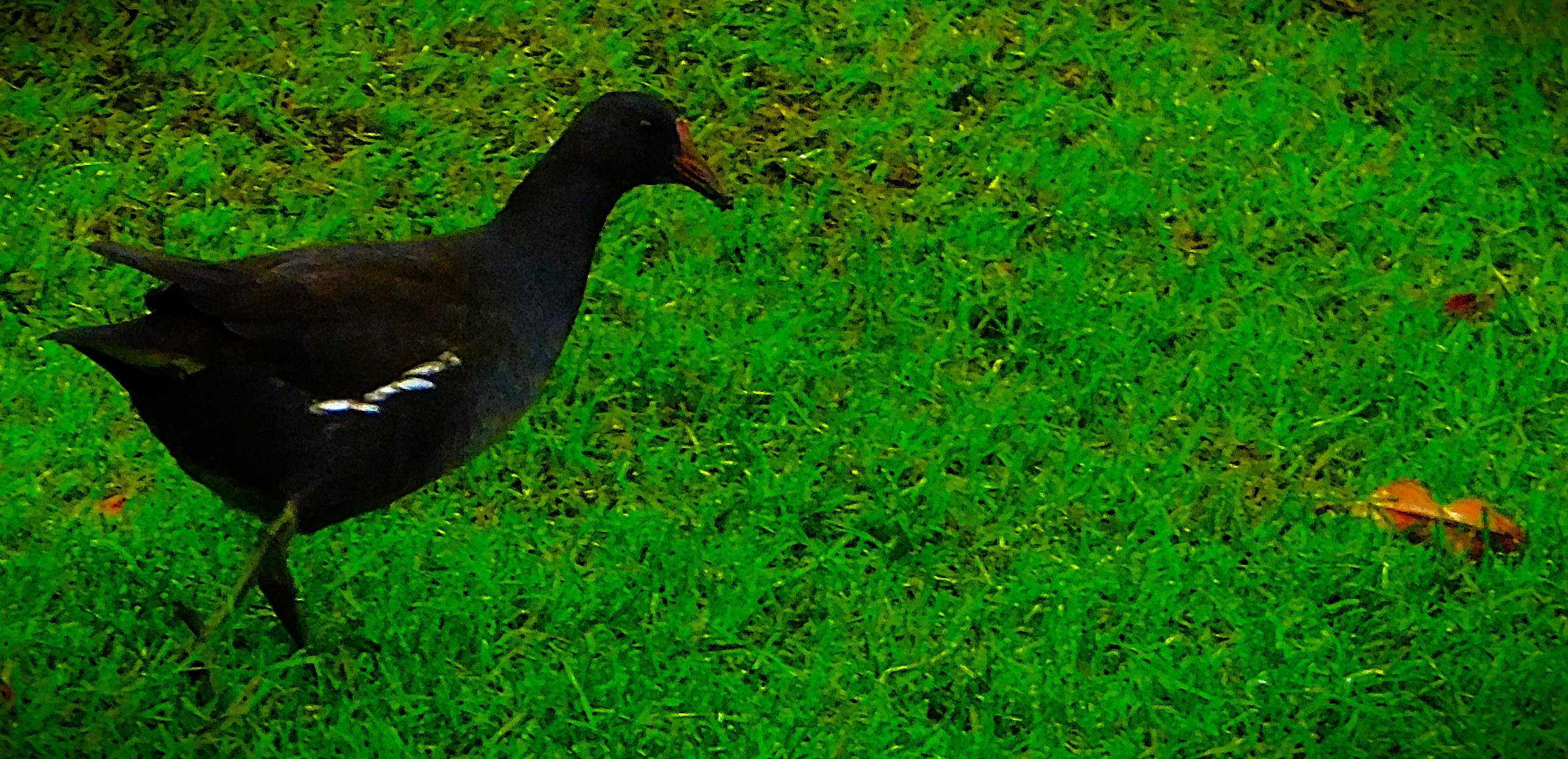
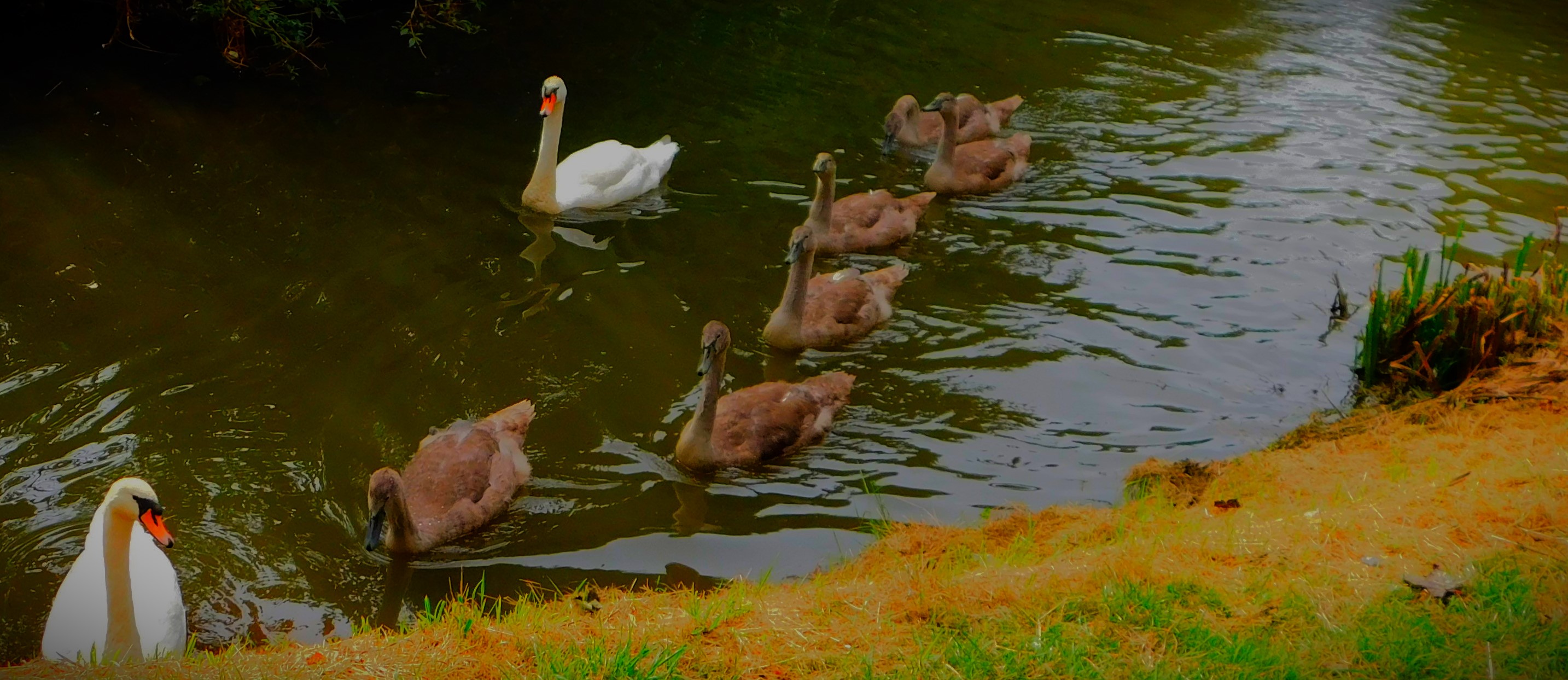
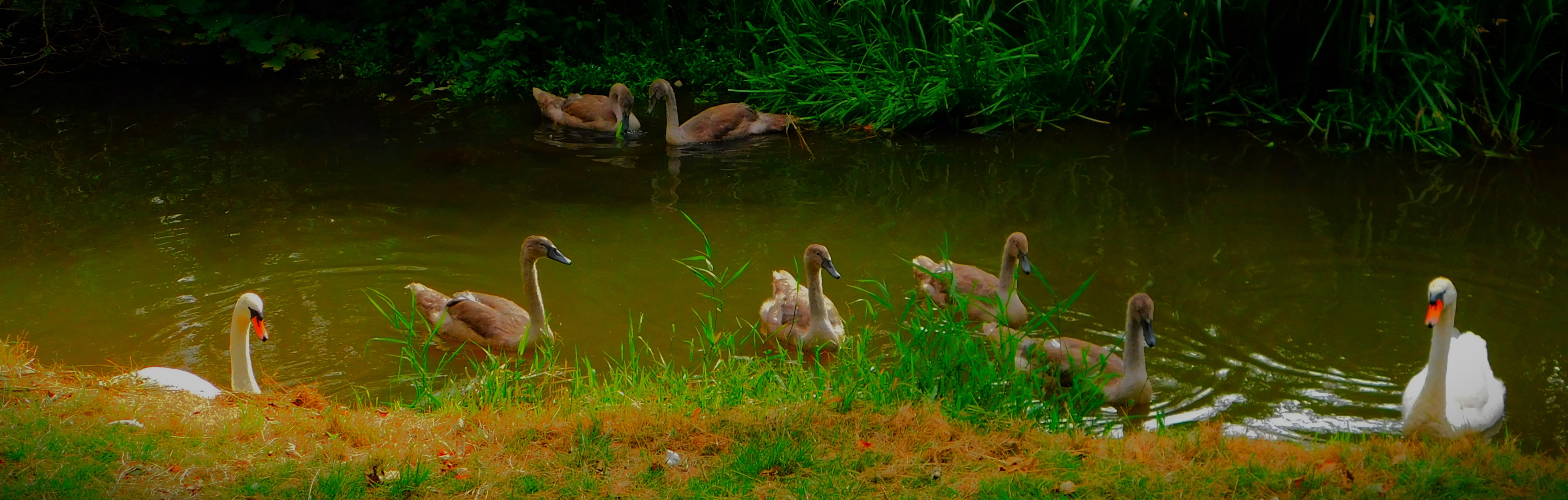
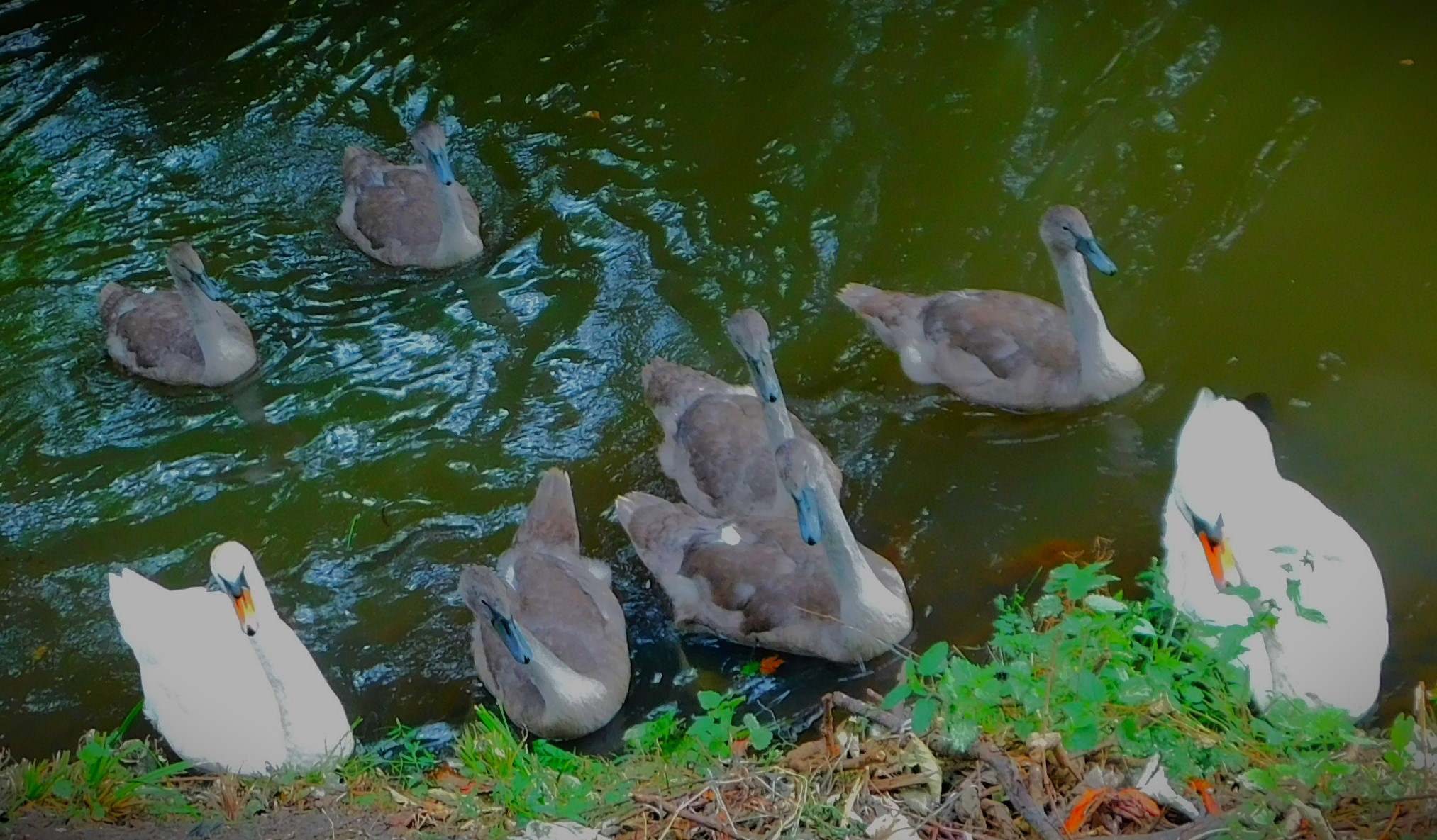
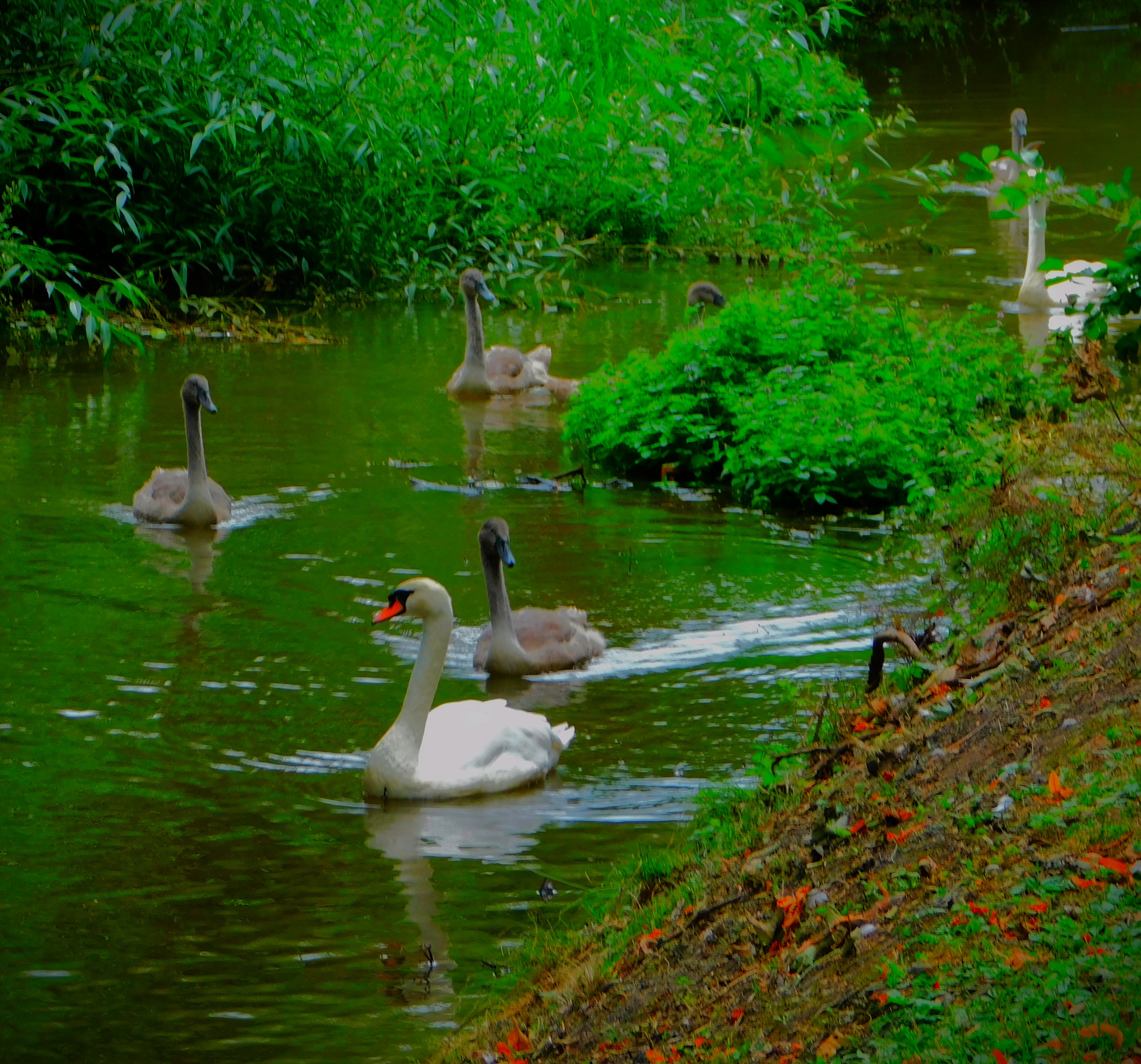
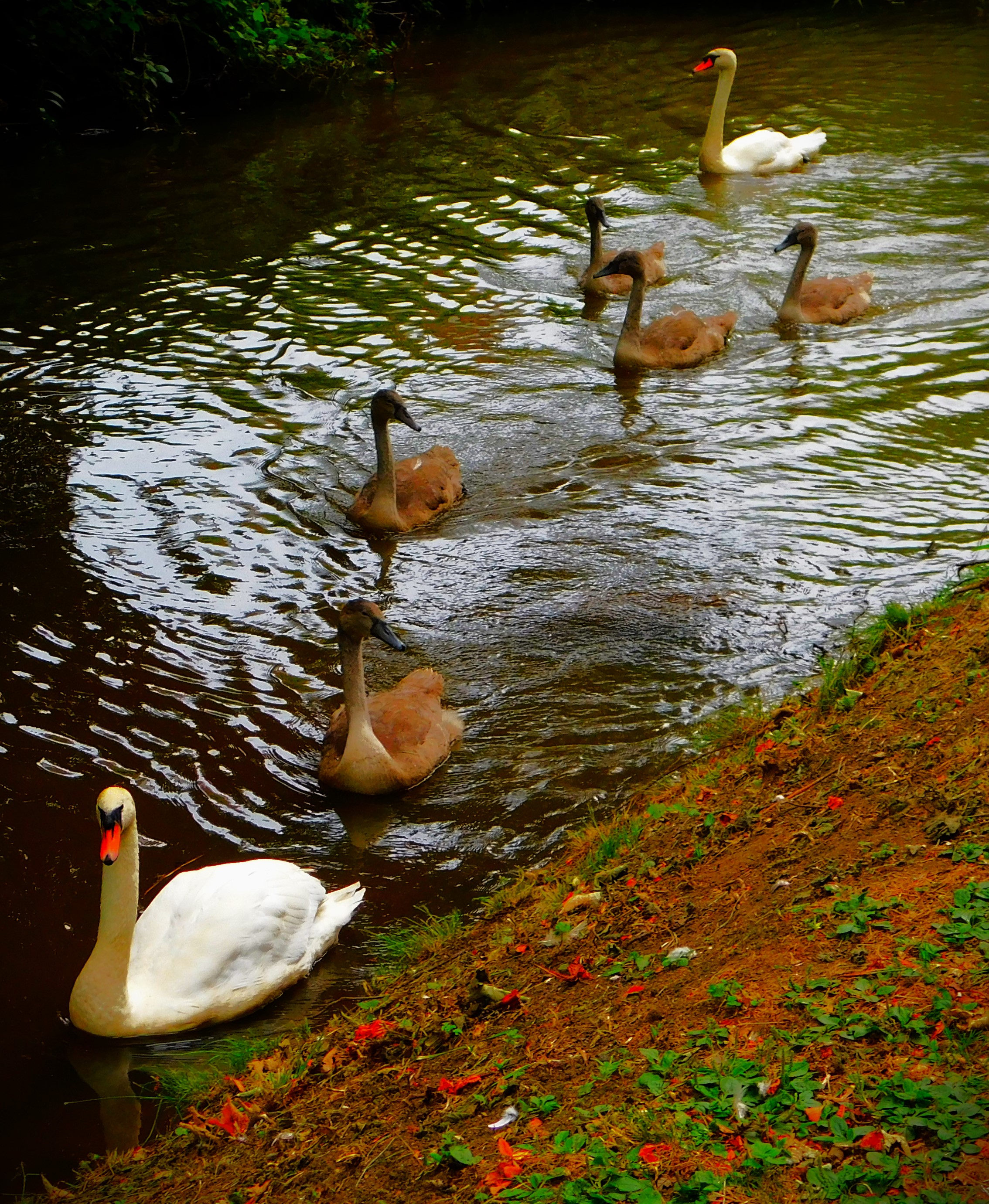
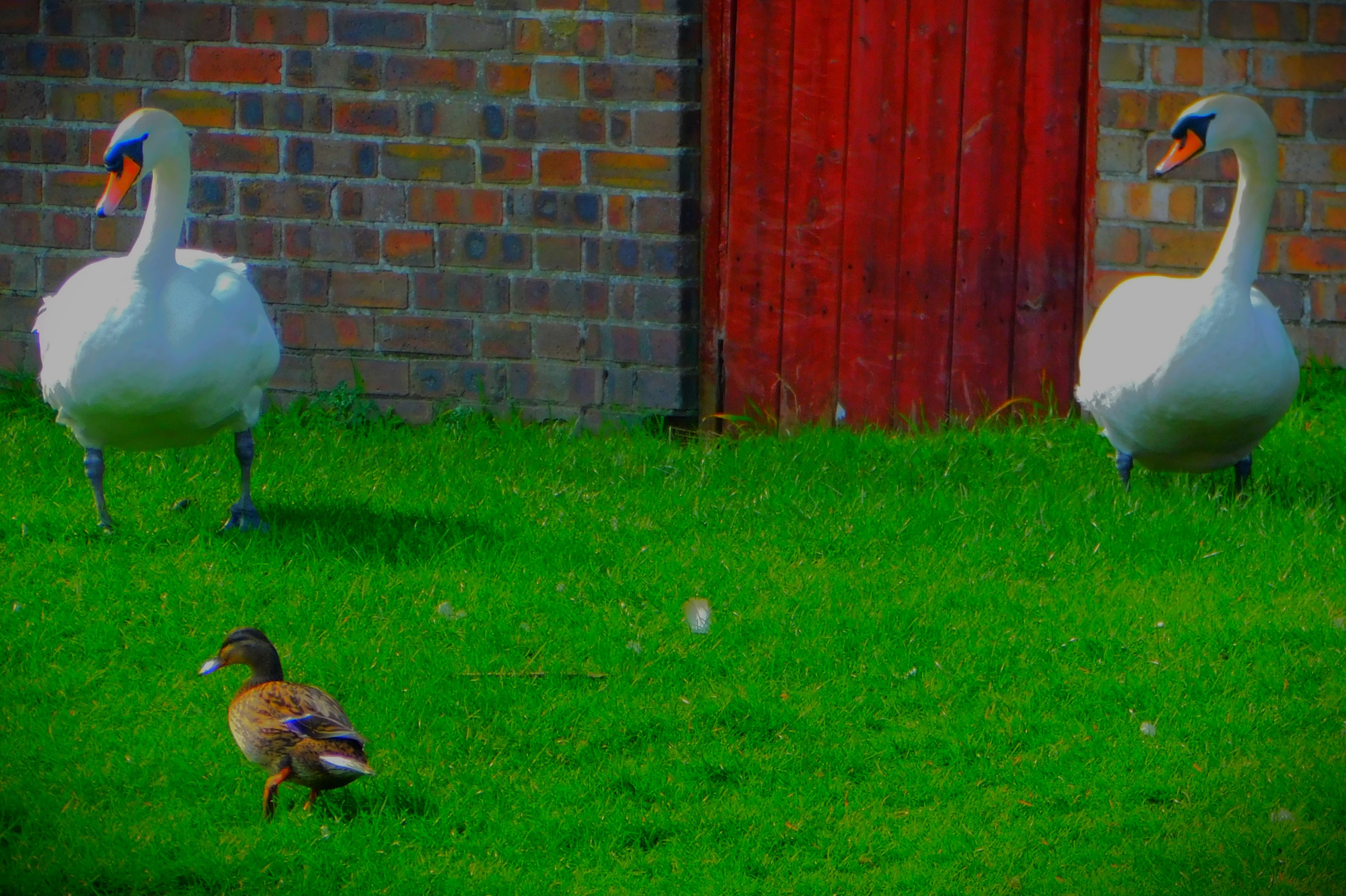
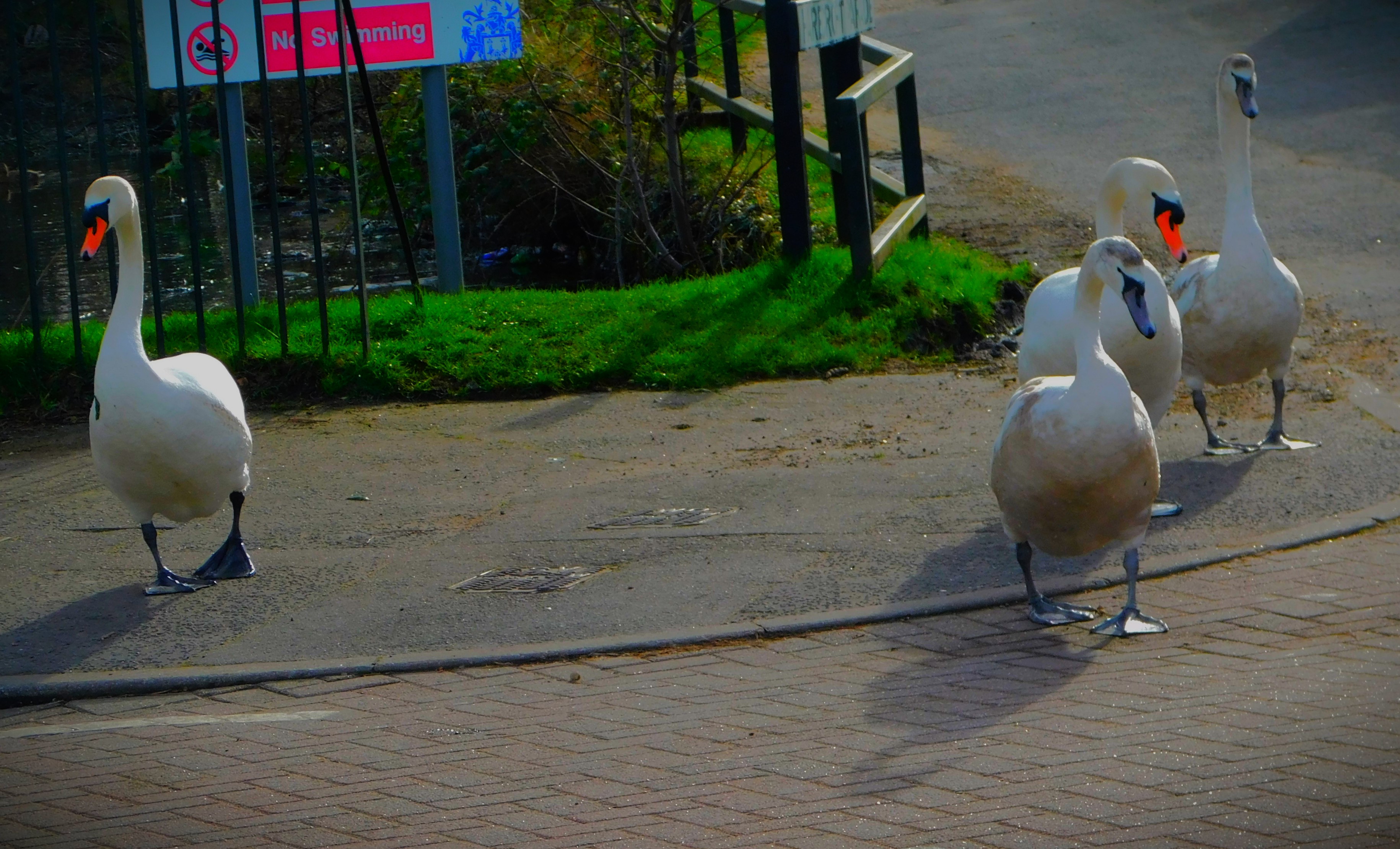
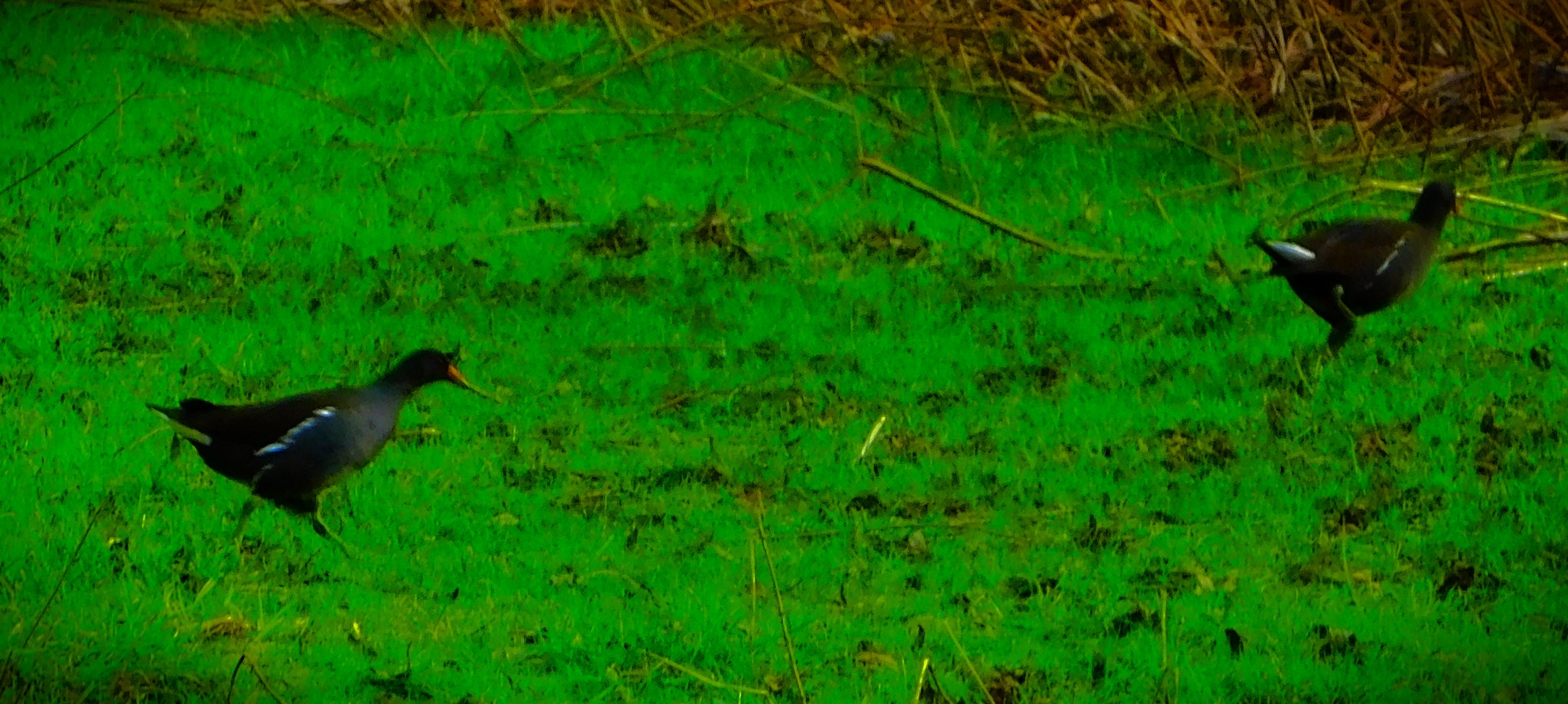
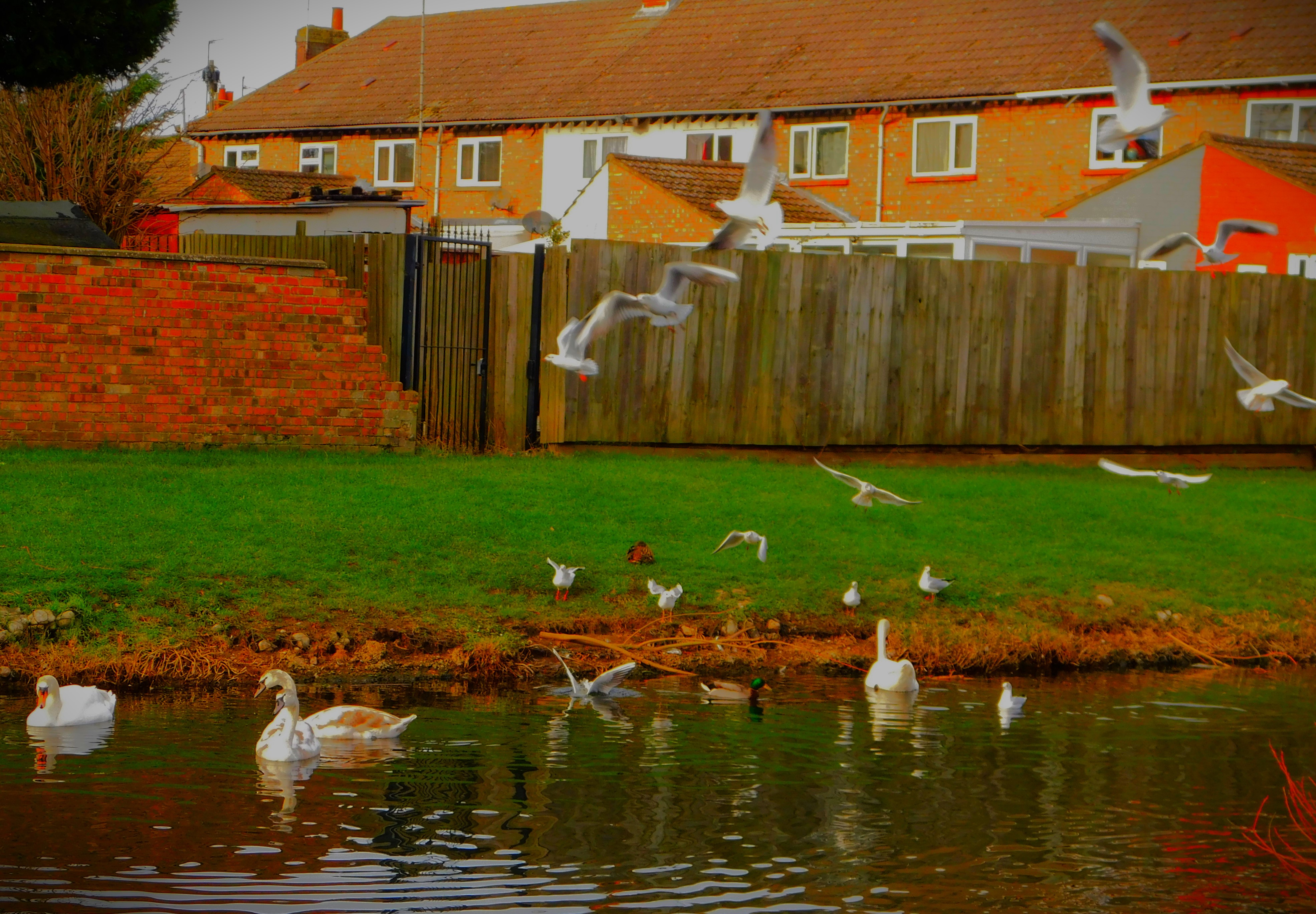
Swan parents with cygnets (eught images). A floating moorhen nest.
A look back at the test match in Dharamsala and at the India v England series as a whole, and a composite XI for the series. Also a huge photo gallery.
The final test match of the India v England series at Dharamsala ended earlier today after barely half the allotted playing time, with India winning by an innings and 64 runs to take the series 4-1. This post looks back at the match (I missed two major chunks of play – on day one because it was a work day and on day two because the West Norfolk Autism Group had a committee meeting, but still got enough of the action to have a decent idea of what went on) and at the series, including naming a composite XI for the series.
THE PRELIMINARIES
Ollie Robinson’s injury forced one change on England, and they opted to recall Mark Wood rather than give Gus Atkinson a game, a mistake IMO, but one that had zero effect on the outcome. This meant that Jonathan Bairstow became without doubt the least deserving ever recipient of 100 test caps. India dropped Patidar (I choose to consider the official line about getting an ankle injury during training to be absolute BS) and brought in Devdutt Paddikal for a test debut, while Bumrah returned after a one match rest. England won the toss and opted to bat first on a flat looking pitch.
DAY ONE
England started well, with Crawley playing nicely and Duckett helping to push the score into the 60s before the first wicket fell. Pope never looked at home and was out to the daftest dismissal of the series, when he gave Kuldeep Yadav the charge, playing for spin that wasn’t there and walking straight past the ball to be stumped by a ridiculous margin. Root and Crawley took the score to 134 before Crawley’s innings ended for 79. Bairstow and Root had taken things to 175-3 but then came an epic collapse, and moments later the score read 183-8. Foakes, left for the second successive innings to attempt to shepherd Bashir and Anderson, did enough that England reached 218, still an obviously inadequate total. I missed most of the start of the Indian innings, but they ended day 1 on 135-1, Jaiswal having gone after taking his series aggregate to 712 runs.
DAY TWO
Rohit Sharma and Shubman Gill batted superbly and India were in to the lead with only one wicket down. Both these batters notched centuries and got out shortly thereafter, but the debutant Paddikal and Sarfaraz Khan continued to good work and at one stage India looked set for a really mammoth total. However, they lost wickets while I was out, and by the end of the day were 473-8. Shoaib Bashir having conceded 100 in his first 20 overs had hauled things back and was on 4-170 by the close. Anderson had claimed his 699th test wicket.
THE FINAL HUMILIATION
Anderson got his 700th test wicket, and Bashir ended the Indian innings by claiming his fifth wicket, his second test five-for in his debut series. There was little else for England to enjoy. Duckett suffered a crazy bowled dismissal, trying to charge Ashwin who took the new ball alongside Bumrah. Crawley failed cheaply as well, turning one from Ashwin into the hands of Sarfaraz Khan, and Pope fell to catch by Jaiswal off Ashwin. That was 36-3. Bairstow flashed his way to 39 off 30 balls before falling LBW to Kuldeep Yadav and that was 92-4. Right on the stroke of lunch Stokes concluded a wretched series with the bat (and he only bowled at all in this match, taking a wicket with his first ball in nine months but otherwise doing nothing of note) by being bowled by Ashwin, against whom he seemed to have not a scooby, for 2. England at 103-5 needed 147 more just to avoid the innings defeat. Foakes fell for 8, also bowled by Ashwin and it was 113-6. Tom Hartley offered Root some support, but he and Wood were both pinned LBW by Bumrah in the space of three balls (and if Wood knew anything about the intermediate delivery I am a Dutchman) and that was 141-8. Shoaib Bashir offered Root support, and the prospect a century for the Yorkshireman appeared on the horizon. However with the partnership with 48 a delivery from Jadeja kept low and bowled Bashir to make it 189-9. With Anderson at the other end Root aimed a big shot against Kuldeep Yadav and succeeded only in picking out Jasprit Bumrah to fall for 84. England 195 all out, Root 84. Kuldeep Yadav was named Player of the Match for his seven wickets, five of them taken in the first innings, and Yashavsi Jaiswal was named Player of the Series.
ANALYSIS
This series was played on excellent cricket wickets – these were not at any stage of any match raging turners, and everyone had the chance to get in the game. India won 4-1, and are in truth not flattered by that margin, because they have the better cricketers, and they generally played somewhere close to their best. Crawley’s series was reminiscent of the one Shane Watson had in the 2010-11 Ashes – respectable aggregate and average, but no really major innings, and like Watson he was part of a well beaten side. Duckett had his moments, including a superb century, and he and Crawley usually have England a solid start, while not coming close to being a latter day Hobbs and Sutcliffe. Where England failed abysmally was in the number 3-6 positions in the order. The 40 innings played by those players across the series (four players, 10 innings each) yielded exactly three major innings – Pope’s 196 in the first match, Root 122* at Ranchi and Root 84 in the second innings at Dharamsala. When the engine room of the batting is failing to that extent one cannot really expect other than a hammering. In the 1924-5 Ashes Hobbs and Sutcliffe both had superb series, but were largely unsupported by the rest of the order and England lost 4-1. Here Crawley and Duckett were not as good as Hobbs and Sutcliffe had been 99 years ago, and the middle order failed even worse. Only Anderson, who became only the third ever bowler and first ever seamer to record 700 test scalps, was remotely effective among England’s pace bowlers, but India’s pacers were not brilliant either. Hartley and Bashir as front line spinners did more than anyone could have expected of them, and Bashir especially looks hugely promising, but they were unsurprisingly outclassed by their rather more experienced Indian counterparts. Foakes kept impeccably through the series, but Dhruv Jurel also did superbly once he replaced the underachieving Srikar Bharat, and Jurel was a clear cut matchwinner at Ranchi. Thus India were, thanks to Jaiswal, somewhat ahead when it came to openers, in a different league from England in slots 3-6, ahead on pace (Bumrah being better in the series than the veteran Anderson) and ahead on spin, though less one-sidedly so than might have been expected, equal on keeping, and probably equal on captaincy, though to make up for his shocking series as a player Stokes would have had to captain like peak Brearley, and he certainly did not do so. I do not think that either Wood (now 35 and unlike Anderson seriously injury prone) or Oliver Edward Robinson (too many fitness issues) should feature for England again, and it is long past time to confine Bairstow’s activities to white ball cricket. I also feel England need a genuine number three – barring his one great innings at Hyderabad Pope has looked further at sea than Captain Nemo and the Nautilus in this series. Josh Bohannon is the best number three currently playing county cricket, while Jamie Smith (Surrey) and James Rew (Somerset) must in the reckoning to replace Bairstow at number five. Bashir should keep his place as should Anderson for the present. Among younger pace options Matthew Potts, Josh Tongue, Gus Atkinson and Tom Lawes should all be considered in the immediate term, and I would have half an eye on the progress of James T Langridge of Somerset who showed signs of promise when thrust into One Day Cup action as a 17 year old last season.
In terms of the team approach, I am all for attacking cricket, but what we saw far too much in this series was brainless batting – large numbers of wickets simply thrown away. Also some of the players public utterances (Duckett’s comments about Jaiswal learning from England’s approach being an example – almost as ridiculous in their way as was Pope’s first innings dismissal at Dharamsala in its way).
COMPOSITE XI FOR THE SERIES
Yashavsi Jaiswal (India, left handed opening batter). Only one Asian opener has ever scored more in a series than his 712 in this one: Sunil Manohar Gavaskar against the West Indies in 1970.
*Rohit Sharma (India, right handed opening batter, captain). His century in the final test and the fact that his rival skipper was effectively un-selectable on any honest reckoning get him in – I have commented on the efforts of Crawley and Duckett earlier in this post.
Shubman Gill (India, right handed batter). He came good as this series progressed, and outside of his Hyderabad display Pope scraped up a mere 117 runs in nine innings.
Joe Root (England, right handed batter, occasion off/ leg spinner). He did well in the fourth and fifth matches, and number four was a problem position for India. Paddikal made 65 in his debut innings, but that was the only innings he played, and Patidar was never remotely convincing. However, he needs to stop trying to play fancy, and settle, as he did in these last two matches, for using the traditional test match methods that have brought him 11,000 runs at 50.
Sarfaraz Khan (India, right handed batter). Solid performances in all matches that he has played.
Ravindra Jadeja (India, left handed batter, left arm orthodox spinner). The veteran Indian all rounder has had a fine series, while Stokes had a wretched one.
+Dhruv Jurel (India, wicket keeper, right handed batter). Both he and Ben Foakes kept very well. The tiebreaker is Ranchi, where Jurel was India’s matchwinner.
R Ashwin (India, off spinner, right handed batter). The veteran bowled better as the series progressed.
Kuldeep Yadav (India, left arm wrist spinner, left handed batter). Has had a superb series with the ball since coming in for Axar Patel, and has played some useful supporting innings with the bat.
Jasprit Bumrah (India, right arm fast bowler, right handed batter). The best quick bowler on display in this series.
James Anderson (England, right arm fast medium bowler, left handed batter). Still fit and firing at the age of 41, though England struggled to find anyone to share the new ball with him – neither Robinson nor Wood distinguished themselves in this series. I reckon he would fare better in this XI, with Bumrah at the other end, than he had the opportunity to do for England in this series.
A look at the action in the first three days of the test match between India and England in Hyderabad and a photo gallery.
India and England are currently locked in battle at Hyderabad, and after three days of play there is just a chance of decent finish. This post looks at the action so far.
PRELIMINARIES
There were huge question marks over England’s selections. James Anderson was overlooked and three front line spinners were named – Rehan Ahmed, Jack Leach and Tom Hartley. Ahmed is 19 years old and hugely promising, Leach is England’s best current front line spinner (alas, not the highest of bars), while Hartley was quite frankly a joke of a selection – Lancashire’s decision to sign Nathan Lyon as overseas player for the upcoming season tells you what they think of him as a red ball cricketer. With Brook having withdrawn from the series for personal reasons even England could find no excuse for not playing Ben Foakes, so at least the gauntlets were in good hands.
DAY ONE
England won the toss and batted. 70 from Ben Stokes got them to 246, which didn’t look too bad. However India got off to an absolute flier in reply, helped by Tom Hartley bowling some utter rubbish – he was at that point going at seven an over on a turner. Only the experienced Leach, with 1-24 from nine overs was anywhere near test standard with the ball, and India were 119-1 overnight.
DAY TWO
India moved into seemingly complete control, even though their batting was far from flawless – virtually every wicket they lost was down to bat batting rather than good bowling, three players reached 80, and two of those three got themselves out in the 80s, while the third, Jadeja, was unbeaten at the close. The day ended with Axar Patel scoring 14 off the last three balls, bowled by Hartley, who in spite of being donated two test wickets never looked remotely like the real deal. India were 421-7 and ahead by 175.
DAY THREE
I missed the first session due to not understanding the workings of my phone’s alarm system – it has different settings for week days and weekends. England took the last three Indian wickets quickly, restricting the deficit to 190. The most damning stat of the innings for England was that with three front line spinners selected Joe Root, very much a batter who bowls, had taken 4-79`. By lunch England were 89-1, with Crawley gone, but Duckett and Pope, who had been very jumpy in the first innings, both going well.
The afternoon session belonged to India, with four wickets going down, but Foakes staunched the flow of wickets and settled into a partnership with Pope. In the evening session Pope and Foakes continued to prosper, their partnership reaching 112, before a freak delivery from Axar Patel, which shot along the deck, accounted for Foakes. Pope had by then completed a century, and Rehan Ahmed proved to be a good partner as well. By the close England were 316-6, with Pope 148* and looking every inch a test match number three. England thus lead by 126. Given the paucity of their bowling, even with the pitch showing signs of genuine mischief they probably need to double their current advantage to really worry India, but the situation is not completely hopeless, as it seemed to be at the end of day two.
The Team of the 1912 Triangular Tournament, plus a generous photograph gallery.
I am currently rereading Patrick Ferriday’s excellent book about the 1912 Triangular Tournament, “Before the Lights Went Out”. In this post I pick a team of that tournament.
ABOUT THE TRIANGULAR TOURNAMENT
The Triangular Tournament was an attempt to have the then three test playing nations in action in the same season. A combination of a wet summer, the fact that South Africa proved much weaker than expected and that Australia were missing six first team regulars due to a dispute between the players and the fairly newly formed board robbed the event of a lot of potential interest and it would 61 years before international cricket matches (in the form of the women’s ODI World Cup) took place at neutral venues again, and over 80 years before any further tests were held at neutral events. For all that the tournament was a flop there were some great players on show.
THE XI IN BATTING ORDER
Warren Bardsley (Australia, left handed opening batter). Even in conditions that would have been particularly alien to an Australian he had a very good tour, with the major highlight a knock of 164 against South Africa at Lord’s.
Jack Hobbs (England, right handed opening batter). He came into the 1912 season already established as the best batter in the world and probably also the best cover point fielder in the game, and nothing happened to change that assessment of his position in the cricket world.
Wilfred Rhodes (England, right handed batter). A decade earlier Rhodes, then a specialist left arm spinner who batted at number 11, scored 67 runs at 67.00 in the 1902 Ashes series. In the intervening years he had worked his way up the order, and towards the end of the period had pretty much let his bowling lapse, and on the 1911-12 Ashes tour he had been England’s number two batter in both averages and position in the order. After WWI, in response to Yorkshire’s needs he would once again become an all rounder, before eyesight problems forced him back down to the bottom of the order, though his bowling still kept him in the Yorkshire side until the emergence of Hedley Verity.
Frank Woolley (England, left handed batter, left arm orthodox spin bowler). Woolley played some fine innings in the course of the tournament, and in the final match at The Oval, decreed by the powers that be to be a ‘winner takes all’ match that would be played until a result was achieved, he took five cheap wickets in each Australian innings, supported by Barnes in the first and Harry Dean, a left arm seamer, in the second.
Charlie Macartney (Australia, right handed batter, left arm orthodox spinner). Featured prominently in both batting and bowling averages for the season, and if not quite the thing of beauty it became noted as being post WWI his batting was also apparently exceedingly watchable even then.
Aubrey Faulkner (South Africa, right handed batter, leg spinner). South Africa overall had a tournament to forget, but Faulkner had moments with both bat and ball.
*Frank Foster (England, right handed batter, left arm fast medium bowler). In 1911 he captained Warwickshire to their first ever County Championship, then in the 1911-2 Ashes he was one half of the most penetrative new ball pairing England had yet established alongside SF Barnes, and this duo carried on taking test wickets back home in England in 1912. He was good enough with the bat to have scored Warwickshire’s first ever first class triple century.
Jimmy Matthews (Australia, leg spinner, right handed batter). He gets selected for an amazing bowling feat in the first test match of this tournament, when in the space of 90 minutes he took not one, but two test match hat tricks. Those were his only six wickets of the match, and none needed the assistance of a fielder. South Africa’s wicket keeper, Tommy Ward, was the hat trick victim both times, the second time somewhat bizarrely after being promoted ahead of Rolland Beaumont, who was allegedly a specialist batter, but spent most of this tour (when picked) batting low in the order.
Syd Barnes (England, right arm fast medium bowler, right handed batter). He was firmly established as the best bowler of any type in the world by the time of this tournament, and even more firmly established as such by the time it ended.
Bill Whitty (Australia, left arm fast medium bowler, right handed batter). He had an excellent season.
+EJ ‘Tiger’ Smith (England, wicket keeper, right handed batter). Neither Australia nor South Africa had great keepers this series – South Africa had taken along two specialist keepers, but resorted to Louis Stricker, selected in the party for his batting, before the tour was done, because neither specialist keeper fared at all well, and Ward of course had the traumatic experience on test debut referred to above. Smith was an excellent keeper, though inclined to be cussed (he was apparently wont to say that he would bat at number one or number 11 but nowhere in between, so I have given him his second choice), and as a Warwickshire team mate of Frank Foster he was well used to keeping to the left armer, which some could find challenging.
This side has a powerful top six, a genuine all rounder at seven, three contrasting specialist bowlers and a quality keeper. Even with Rhodes not bowling at that stage of his career this side is well stocked with bowling options as well – Barnes, Foster, Whitty, Matthews, Faulkner, Woolley and Macartney are seven authentic options, and in one match of this tournament Hobbs’ occasional medium pace was pressed into service, and while unthreatening he managed to bowl 11 economical overs.
HONOURABLE MENTIONS
Gerry Hazlitt of Australia fared well with the ball, ‘young Jack’ Hearne was a candidate for the slot I awarded to Faulkner, while Sydney Pegler was the only South African bowler to really come to terms with English conditions. Arthur William ‘Dave’ Nourse, back in the land of his birth (as was South Africa captain Frank Mitchell) fared respectably enough to earn a mention.
An acknowledgement of a major omission in yesterday’s post, a look back at yesterday’s west Indies v England ODI, an all time XI of players with given names beginning with K and a photo gallery.
This is a two-in-one post – yesterday saw the start of England’s new era in ODI cricket after the disaster of the world cup, and I look back at that match. I also parade an all time XI of players whose given names begin with K. Before getting into either of the main features I have on other thing to do…
ACKNOWLEDGE AN OMISSION
I noted yesterday when I covered cricketers whose given names began with J that I was dealing with an embarrassment riches. So much was the case that I entirely missed someone with a claim to place in the XI and to whom I should certainly have given at the least an honourable mention: Joel ‘Big Bird’ Garner the extra tall West Indies quick bowler of the 1970s and 80s. Note that I make no effort to perform the blogging equivalent of burying this rectification in 6 point type in the middle of page 27.
AN UNDERWHELMING RELAUNCH FOR ENGLAND
Yesterday saw the first match of a three match ODI series between the West Indies and England. The former had failed to even qualify for the recent ODI world cup, while the latter had an unmitigated disaster of a tournament.
THE PRELIMINARIES
After their world cup nightmare the England team showed a number of changes. Unfortunately Jos Buttler was allowed to retain the captaincy, a mistake which was to prove costly. Another poor call was the selection of left arm medium pacer Sam Curran who had proven valueless at the world cup. On the credit side a new look opening pair of Phil Salt and Will Jacks looked like a step in the right direction, as did the selection of young leg spinner Rehan Ahmed. Liam Livingstone was also in the XI, being treated as a bowling all rounder, scheduled to come in at seven and expected to bowl a full allocation of 10 overs. The West Indies had selected two frontline spinners as well, Gudakesh Motie (left arm orthodox) and Yannic Cariah (leg spin). Buttler won the toss and decided that England would bat, a correct call in my opinion.
THE ENGLAND INNINGS
Salt and Jacks made a blazing start, and were going at ten an over at one point, but both got out with the job half done, which was representative of the England innings as a whole. In the end, with the assistance of a late flurry from Sam Curran and Brydon Carse, England tallied 325 from their 50 overs. Gudakesh Motie had 2-49 from his ten overs, and Yannic Cariah 2-62 from his.
THE WEST INDIES RESPONSE
This was a tale of good spin bowling, good pace bowling from Gus Atkinson, dire pace/ seam bowling from Carse and Curran and terrible captaincy by Buttler, with Shai Hope playing a great innings, Romario Shepherd a spectacular one, and Sherfane Rutherford a brief but supremely eventful one.
Bizarrely, on a pitch that was helping spin, and with two of England’s designated pace options taking a hammering, Buttler chose not to deploy sixth bowler, off spinner Will Jacks. This piece of captaincy, curious at best, downright dreadful at worst, would cost England the match.
All seemed to be going pretty well for a time, and at one point the West Indies required run rate was close to 11 an over. However, once Rehan Ahmed (an exemplary display of leg spin bowling earning him 2-40 from his 10 overs) was finished, no one else was quite as good, though both Livingstone and Atkinson conceded runs at a respectable rate. The problem was the bowling of Curran and Carse, and the stubborn refusal of Buttler to deploy Jacks. Shepherd and Hope combined to take 23 off one Curran over, which made the ask manageable for the West Indies. After 48 of their 50 overs, with all of Ahmed, Livingstone and Atkinson bowled through and it having long since become too late to introduce Jacks the West Indies needed 19. Buttler opted to entrust the 49th over to Sam Curran, who had leaked 79 from eight overs up to that point. Five balls later, three of which had been dispatched into the stands Curran’s figures stood at 9.5-0-98-0 and West Indies had won the game with seven balls to spare. Shai Hope after a cautious start necessitated by circumstances had finished in glorious style, taking his score to 109* off 83 balls, his 16th ODI century, an innings in the course of which he passed 5,000 career ODI runs. Shepherd had hit 48 off 28 balls, Rutherford 6 off three, each ball being a genuine event – he hit his first ball in ODI cricket for six, was given out to his second but had the decision overturned, and then holed out off his third. Also worthy of mention was opener Alick Athenaze, whose 66 prevented his side from being sunk without trace. Hope was deservedly Player of the Match. Had England managed to win, Rehan Ahmed would have been an equally deserving recipient of the award for his bowling, but the incompetence of Curran and Carse and the poor captaincy of Buttler meant that Ahmed’s great effort was ultimately in vain and England’s brave new era of ODI cricket had started with a defeat. England need a new ODI skipper as a matter of urgency. Personally, with no absolute stand out candidate I would gamble on Jacks – slow bowling all rounders often make good skippers, and albeit on a small sample size, England historically fare well when captained by someone with first two initials WG – eight wins out of 14 matches under such a captain to date.
THE K XI IN BATTING ORDER
Kraigg Brathwaite (West Indies, right handed opening batter). Opening batters with given names beginning with K were hard to find, but the West Indian is noted for being able to bat time and has a respectable record in what has been a problematic area for his side ever since the Greenidge/ Haynes pairing broke up.
Krishnamachari Srikkanth (India, right handed opening batter). With a blocker in the number one slot I wanted my other opener to be more aggressively inclined. His career highlights include being the top individual scorer in a world cup final that his side won.
Ken Barrington (England, right handed batter, occasional leg spinner). One of the least appreciated of test cricket’s super stackers, his average of almost 59 an innings over the course of a long career puts him right up among the all time greats.
Kumar Sangakkara (Sri Lanka, left handed batter, wicket keeper). Few would seriously dispute his claim to be regarded as his country’s best ever test match batter.
Kane Williamson (New Zealand, right handed batter). Another modern great, the third element of an extremely powerful engine room for this XI.
*Keith Miller (Australia, right handed batter, right arm fast bowler, captain). One of the greatest all rounders ever to play the game, and reckoned by everyone who played under him to have been a superb captain as well.
+Kyle Verreynne (South Africa, wicket keeper, right handed batter). Yet to fully establish himself at international level, but his domestic record is excellent.
Kapil Dev (India, right arm fast medium bowler, right handed batter). An extraordinary record for his country, even more so given that he was often the only member of the attacks of which he was part who was actually capable of bowling a ball at above medium pace.
Kagiso Rabada (South Africa, right arm fast bowler, right handed batter). An indisputably great fast bowler.
Katie Levick (England, leg spinner, right handed batter). The only non-international I have picked, she has a splendid record in domestic cricket, and a little like George Dennett (see this post) she has been unlucky that her career has happened at a time when England women have been exceptionally well served by spinners. With Miller capable of turning his hand to off spin it seemed sensible to select a specialist spinner of a different type.
Ken Farnes (England, right arm fast bowler, right handed batter). A promising career was nipped in the bud by the outbreak of WWII, but by then he had done enough to earn his place in this XI.
This XI has an opening pair who should combine well, a very powerful 3,4,5 combination, an ATG all rounder, a quality keeper-batter, a great bowling all rounder and three high quality specialist bowlers. Farnes, Rabada, Miller, Kapil Dev and Levick is by an reckoning a powerful bowling unit.
HONOURABLE MENTIONS
Kevin Pietersen is probably the standout name among those I could not find space for in the XI. The only way to get him in would be to use him as an opener, presumably in place of Srikkanth, and that was never a role he relished. Two Indian princes, the uncle and nephew KS Ranjitsinhji and KS Duleepsinhji were also unlucky to miss out on middle order slots. Kim Hughes had talent to burn but ended with a record that was not weighty enough to merit inclusion. Ken Rutherford recovered from a dreadful start at test level to become a highly respected middle order batter, but someway short of qualifying for inclusion in this XIs middle order. Karen Rolton, who has a cricket ground named after her in her native Australia, was s superb batter who deserves at least this mention. Kusal Mendis of Sri Lanka is a fine player, but not quite fine enough in my view. Ken ‘Slasher’ Mackay, a left handed blocker and right arm medium pacer, was also on the fringes. KL Rahul would have been in as keeper had I been picking with ODIs in mind. Karun Nair did once score a test match triple century, but that innings accounted for four fifths of his career tally at that level. Ken Wadsworth and Kiran More were both challengers for the keepers slot, while Keith Andrew was a top quality keeper, but a bunny with the bat. Keith Piper, keeper-batter in Warwickshire’s mighty unit of the mid 1990s also deserves a mention. Keith Barker, a left arm pacer and a useful lower order batter, was a candidate for the number eight slot, but I felt that Kapil Dev’s international pedigree had to tell in that instance. Kyle Abbott was a candidate for a seam bowling slot, but with Kapil Dev already inked in I preferred the fire and brimstone of Farnes. Kuldeep Yadav was the other candidate for the specialist spinner’s slot. Krom Hendricks, the first non-white South African cricketer to have been a documented victim of discrimination based on the colour of his skin, does not have a detailed enough career record to be selected, but warrants an honourable mention.
A look back at today’s world cup match between England and India, a day of shame for the England cricket team, that saw them become the first team officially eliminated from the ODI world cup of 2023. Also a photo gallery.
Today at the cricket world cup saw hosts India take on England. When the schedule was devised this would have been envisaged as one of the marquee games of the tournament, pitting hosts against defending champions. Unfortunately by the time the day rolled around it looked more like a routine minnow bashing, with the hosts unbeaten and England in a complete and utter mess. This post looks at how the match panned out.
THE PRELIMINARIES
At 8:00AM today UK time (UK clocks went back one hour last night in preparation for winter – from BST to GMT) the toss took place. Jos Buttler won it and put India in to bat, when batting first looked obviously preferable. For all India’s tremendous successes chasing (unlike Buttler’s England they really are a great chasing side) Rohit Sharma confirmed that he would have chosen to bat had he won the toss. England were unchanged, more out of a desire to look like they weren’t in a state of blind panic (though we could all see that they were) than out of any confidence in the XI. India, much more justifiably, were also unchanged – I don’t see any further changes for them until Hardik Pandya is fit again. The issue with their current XI, missing Pandya’s all round skills as it is is that if you can get through the phalanx of six top line batters plus Jadeja’s all round skills they do have a very long tail.
THE INDIAN INNINGS
England bowled pretty well for once, and for much of the Indian innings it looked like two matches were happening at the same time – at one end Rohit Sharma handled all the England bowlers with complete authority, never really looking in any trouble, while at the other everyone looked vulnerable. The most surprising failure was Virat Kohli, who succumbed to frustration after eight scoreless deliveries, holing out going for big hit off his ninth ball – it was Kohli’s first ever duck in a world cup, be it ODI or T20I. First was Shubman Gill, playing a loose drive. Shreyas Iyer’s dismissal showed that he remains vulnerable against the short ball. KL Rahul and Rohit Sharma shared a decent stand for the fourth wicket, though Rahul’s dismissal will probably give him recurring nightmares – it was an awful piece of batting. Suryakumar Yadav was Rohit Sharma’s next partner, and at one stage it looked like they might get India to a genuinely threatening total. Sharma finally succumbed for a masterly 87, and when Jadeja failed with the bat it was down to Yadav to shepherd the tail. He eventually managed 49, and a few good blows from Bumrah at the end got India to 229, a modest looking total, but exactly the same as that defended by the Netherlands yesterday, and on a pitch which had a bit of mischief in it.
THE ENGLAND INNINGS
England started well, and reached 30 without undue difficulty. Then Malan got himself out with a really poor shot, Root was out first ball, Stokes made a ten ball duck, playing not a single one of those ten deliveries remotely well and Bairstow dragged one into his own stumps, and suddenly it was 39-4. When Kuldeep Yadav produced a beauty to bowl Buttler (a rare wicket on the day that was purely down to good bowling) it was 52-5. Moeen Ali and Liam Livingstone offered some resistance, but once their stand was broken the writing was firmly on the wall. England eventually clawed their way up to a beggarly 129 all out, meaning that the final margin was exactly 100 runs. India, with six wins out of six so far, are definitely in the semi-finals, and England, in last place with two points out of a possible 12 and an appalling net run rate, are eliminated. England’s preparation for this tournament varied between the non-existent and the slip-shod, and they have paid the price. There will need to be wholesale changes – a whole raft of players are now past their sell by dates, Buttler is a truly abysmal captain, and just like in 2015, again following an atrocious world cup campaign, a full rebuild is the only way for England.
PHOTOGRAPHS
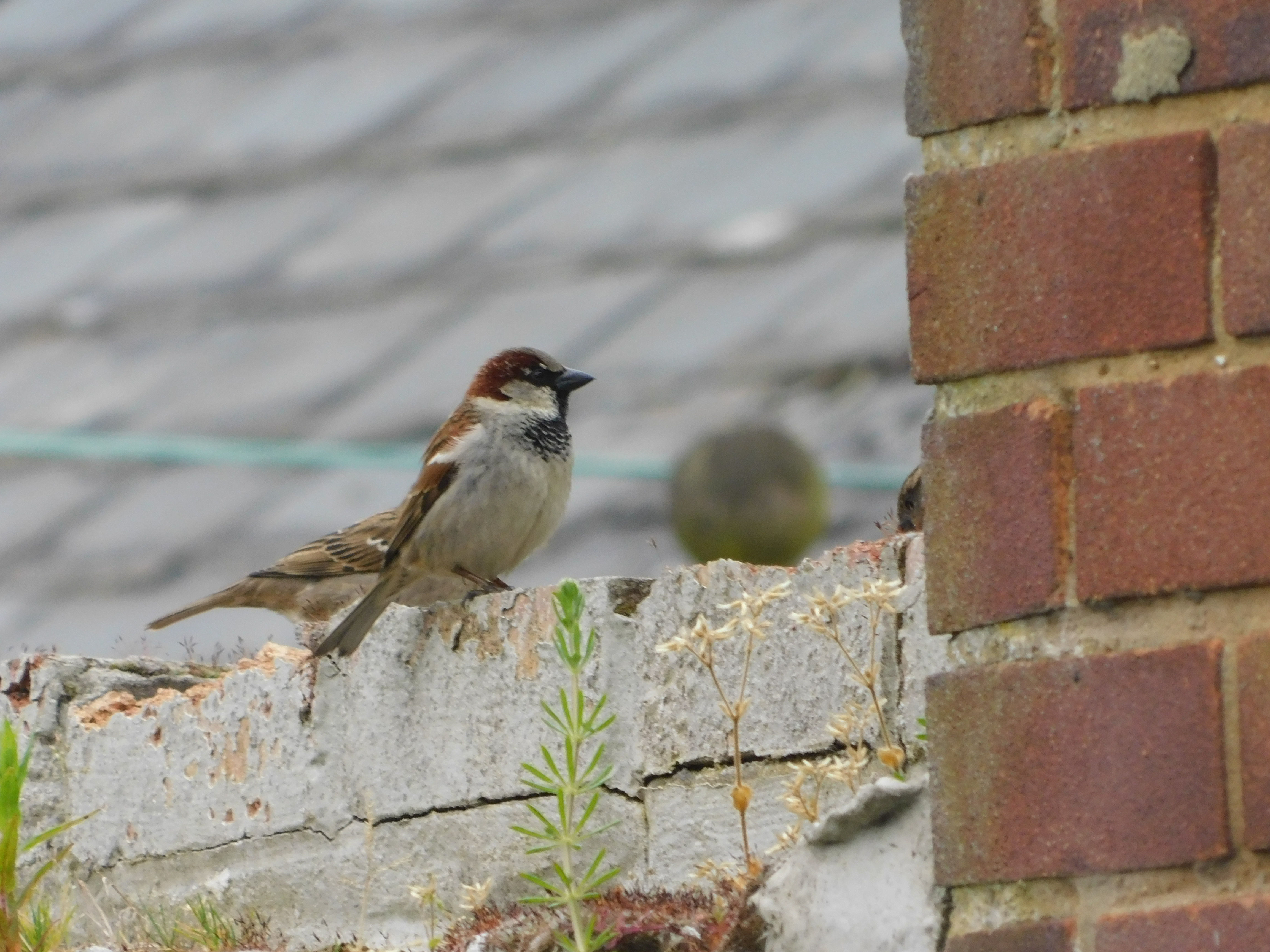
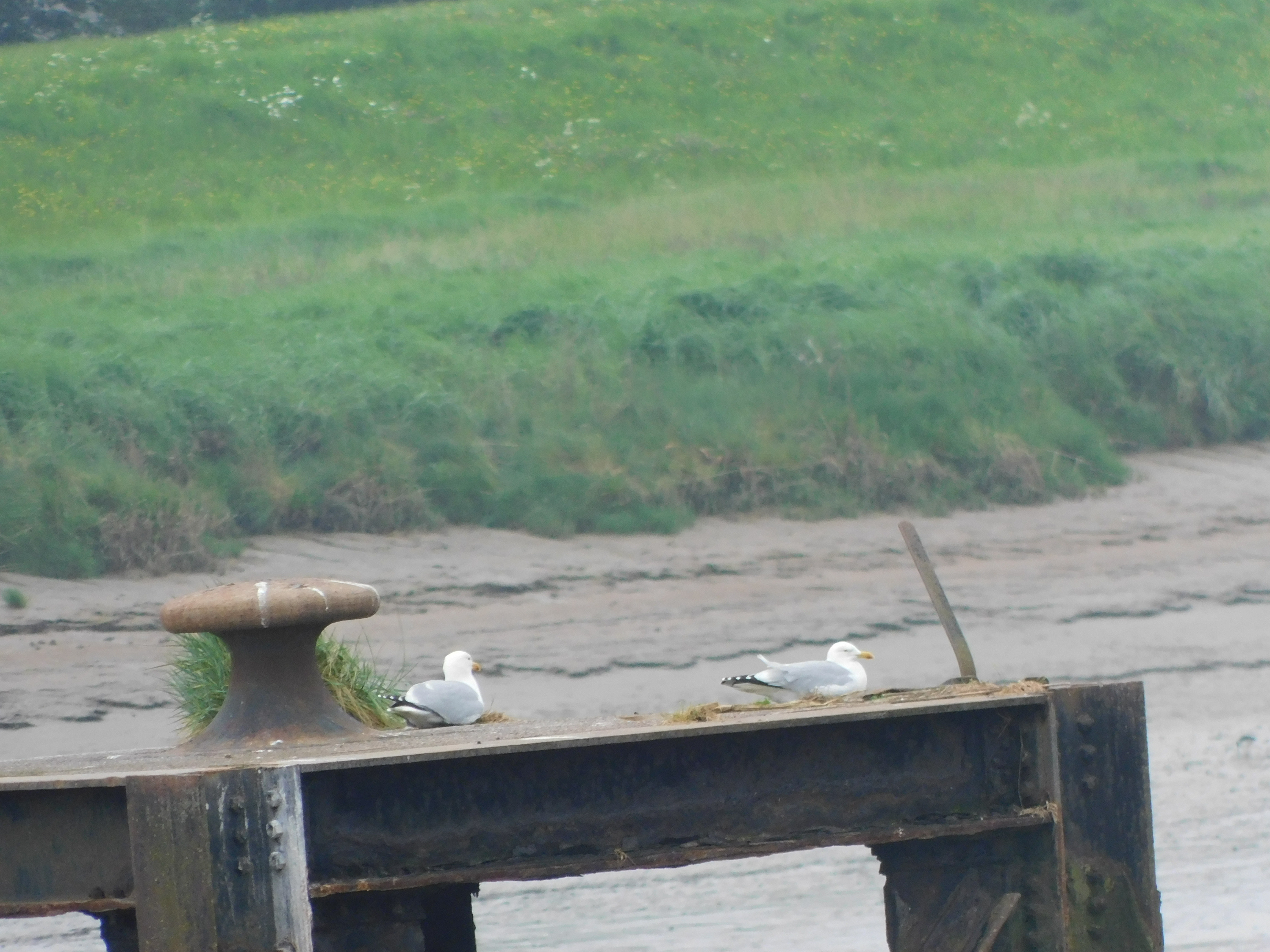
As autumn deepens opportunities for photographs are becoming a little harder to find…
A poster sized version of this should be displayed prominently at ECB HQ to remind them of just what has become of a once great side in four short years.









































































































































































































































































































































































































































































































































































































































































































































































 aspiblog