A look back at today’s women’s world cup clash between India and Australia and a photo gallery.
Today’s match in women’s cricket world cup saw India facing off against Australia. This post looks back at a match that has left India in danger of an early exit from their own tournament.
THE INDIAN INNINGS
The pitch for today’s match at Visakhapatnam was the best for batting at the world cup so far, and India started superbly through openers Smriti Mandhana and Pratika Rawal. However neither managed a really imposing score – Mandhana scored 80 and Rawal 75. India would have been pleased with a score of 330 but may also have felt that it should have been even better. Annabel Sutherland, surely the best all rounder in the world right now (Natalie Sciver-Brunt is not currently capable of bowling a full allocation of 10 overs, so has to be ruled out of contention at present) took 5-40 from 9.5 overs while her colleagues were taking a thrashing.
THE AUSTRALIAN INNINGS
A blazing performance from Alyssa Healy ensured that Australia were never out of contention in the chase. There was still some work to be done when she was out for 142 with the score at 265. When Sophie Molineux was out the score was 303-7, with Perry, who had retired hurt earlier, the senior surviving batter. Kim Garth rose to the occasion, and it was she who put Australia ahead of the rate in the closing stages, though it was Perry, hitting the last ball of the 49th over for a straight six, who actually settled the issue in Australia’s favour. This was the largest successful chase in the history of women’s ODIs. India, having lost to South Africa in their previous outing are now in considerable danger of an early exit from the tournament they are hosting. Another loss would almost certainly seal their fate, and even a washout might be enough to end their participation.
PHOTOGRAPHS
My usual sign off…
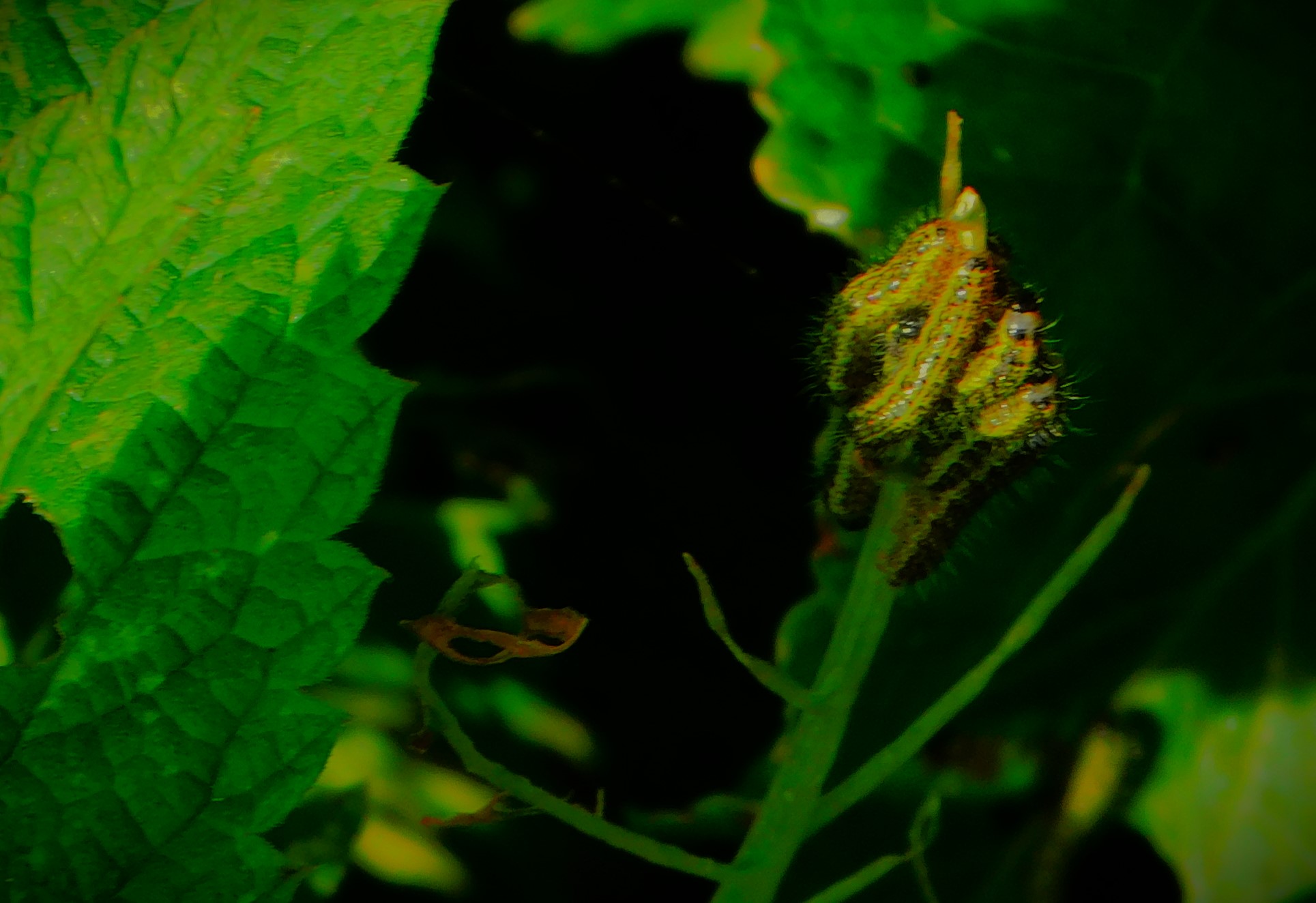
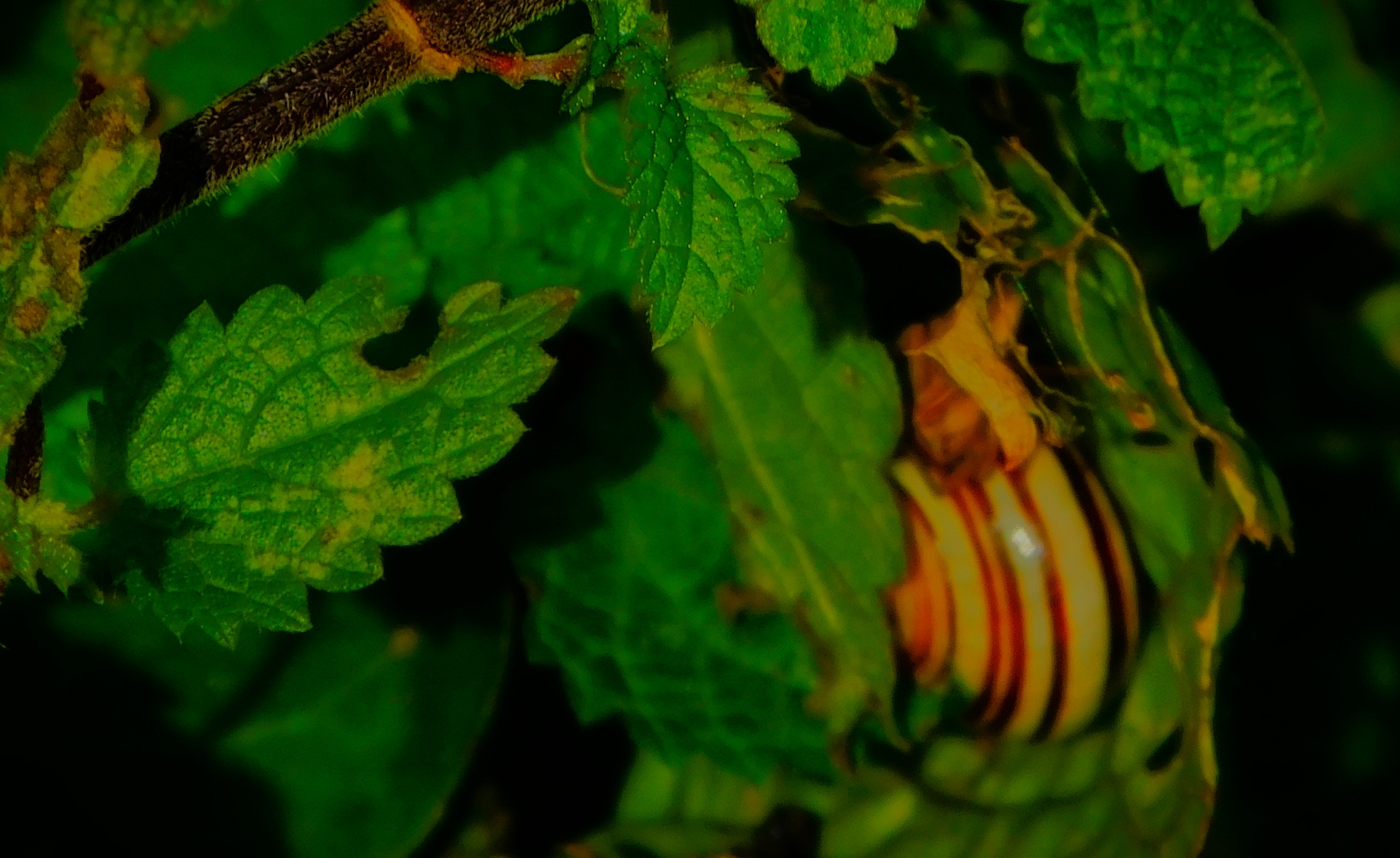
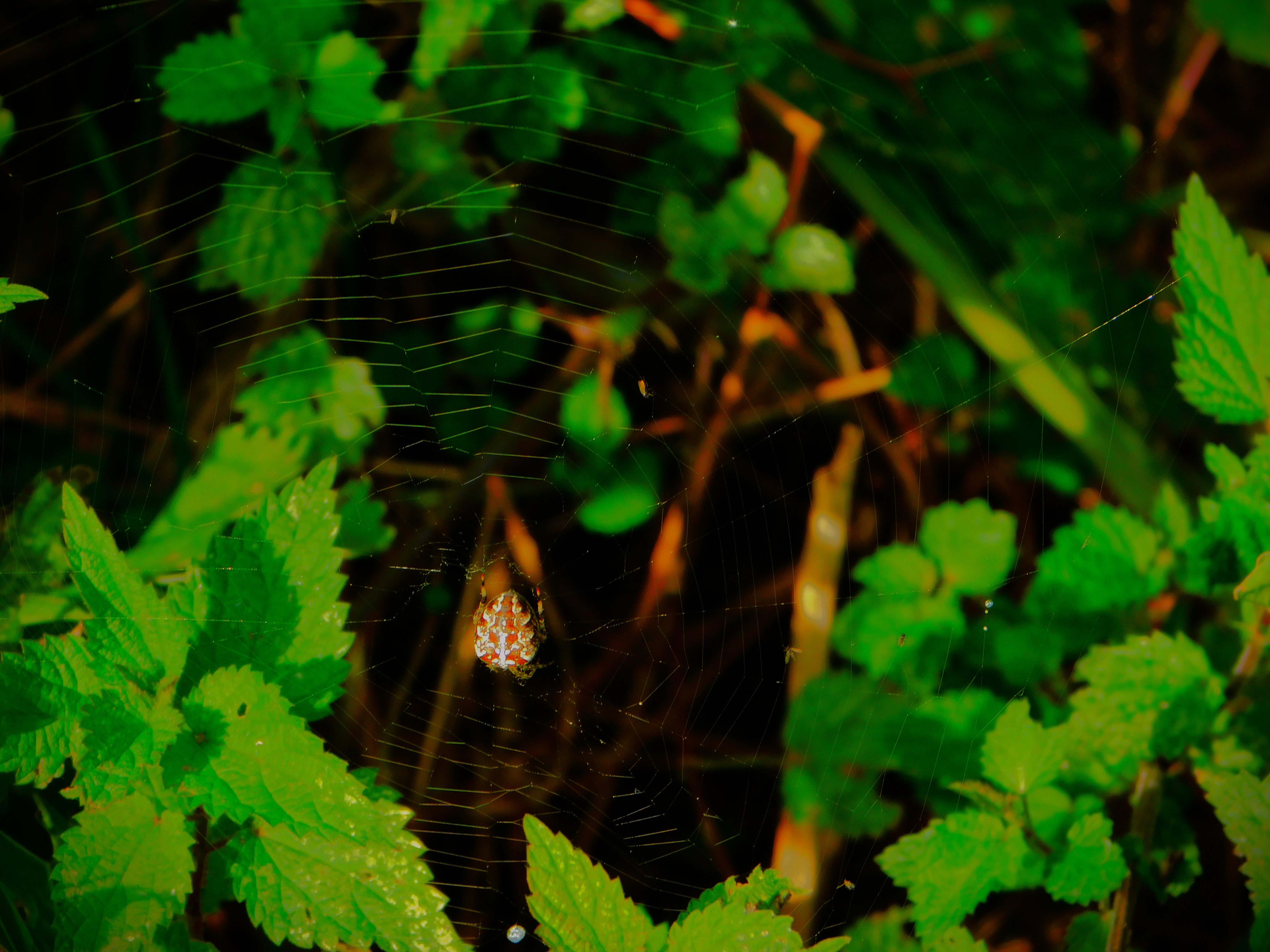
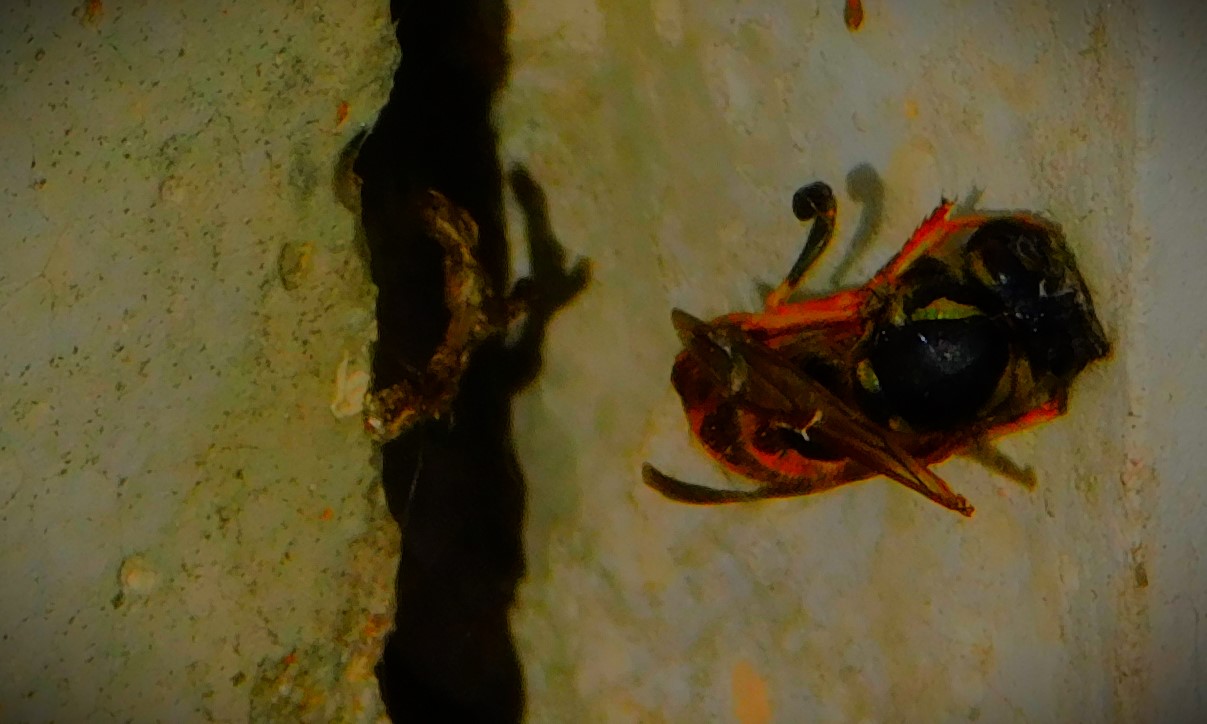
An interesting shield bug, mainly black wityh yellow markings.This heavily armoured insect is simple called a ‘dock bug’ after the leaves in which it generally makes its home.A heavy overnight dew had really brought out the intricacies of the spider webs this morning (it was also very foggy at that time)
Accounts of yesterday’s matches at the Women’s T20 World Cup and a photo gallery.
Yesterday saw two matches in the Women’s T20 World Cup. In the early match England faced Scotland in a match they had win if they were to qualify for the semi-finals. The late match was in the other group and was that group’s biggest match, Australia v India, with the latter knowing that if they did not win they would be relying on Pakistan beating New Zealand today for their own hopes of progression. This post looks back at both matches.
A HAMMERING EDWARD I WOULD BE PROUD OF
Before getting into my account of the match, Edward I, who was King of England from 1272-1307, earned the nicknamed ‘Hammer of the Scots’ for his victories over his northern neighbours.
Although England had won both their matches at the tournament so far going into this match, their third in a row at Sharjah, their position was precarious due to the way the group had panned out. Effectively the matches so far had separated the group into three strong sides (England, South Africa, West Indies) and two weak ones (Bangladesh and Scotland), so even a third successive win would not guarantee England progression – South Africa have played all four of their matches, and their net run rate is such that however the final match in this group, between England and West Indies, pans out the proteas will almost certainly qualify for the semi-final.
England brought Lauren Bell in for Linsey Smith, changing the balance of their attack, and Alice Capsey was ill, meaning that Sophia Dunkley came in to the side in her place. Scotland had made only one change, McColl in for Chatterji.
Scotland won the toss and opted to bat first, a decision that Heather Knight confirmed that she would also have made had she won the toss.
Scotland never really got going, although Kathryn Bryce batted well for them, and 20 year old Ailsa Lister hit a six for them, their only one of the tournament. No England bowler was really expensive, though Sarah Glenn would have been disappointed to concede 24 from three overs. Sophie Ecclestone had 2-13 from her four overs, Lauren Bell 1-16 from her four, and Danielle Gibson bowled her first over of the tournament, taking 1-5. Scotland finished with 109-6, which looked on the low side even before the England innings began.
Maia Bouchier and Danni Wyatt-Hodge were ruthlessness personified in exposing the inadequacy of Scotland’s total and the lack of bite possessed by their bowling attack. Bouchier top scored with 62* (34), a knock that included 12 fours. Wyatt-Hodge scored 51* (26), hitting seven fours and showing once again that veteran though she is she is as quick between the wickets as anyone in the game. The winning hit came off the last ball of the tenth over, and because it was a four and not the single that would have been enough England’s net run rate passed that of West Indies. England are thus top of the group with three wins out of three, but because of the failings of Bangladesh and Scotland, and South Africa’s good net run rate they almost certainly need to make it four wins out of four to qualify – a West Indies win would send them through alongside South Africa. Scorecard here.
WEAKENED SCHMEAKENED
Australia had lost two players to injury, skipper Alyssa Healy and fast bowler Tayla Vlaeminck. The latter had flown home, replaced in the squad by all rounder Heather Graham. Healy remained, either because Australia hoped she would recover in time to play later in the tournament or because the rules on injury replacements decreed that a player who was officially replaced was not allowed in the dressing room, and Healy as official captain was someone whose presence was wanted even if she couldn’t play. Healy’s role as opening batter was taken by Grace Harris, while Mooney took over the keeping duties and Tahlia McGrath became stand-in captain. Vlaeminck was replaced by Darcie Brown. Australia lined up with Annabel Sutherland officially due to come in at number eight. India’s line up was initially as expected, but then Asha Sobhana suffered an injury between the toss and the start of the game, and Australia graciously acceded to India’s request to change their XI at the last minute, bringing Radha Yadav in to the side in Sobhana’s place.
Australia did not start very well – Mooney was out for 2 (7) with the score at 17, and the tactically promoted Wareham was out first ball. However Harris and McGrath added 62 for the third wicket before McGrath fell for 32 off 26 balls. Perry injected some extra pace into the scoring, and by the time she was sixth out, for 32 off 23 balls the score had reached 134 and there were nine balls left in the innings. Sutherland scored 10 off six balls, and Phoebe Litchfield struck the last ball of the innings for six to take her score the 15 off nine balls and Australia’s to 151-8.
India fought hard, with Harmanpreet Kaur making a fine 50. With four overs to go they were in with a chance of pulling off the upset. However Megan Schutt, previously uncharacteristically expensive (she had conceded more in her first three overs in this innings than she had previously done all tournament put together – 23 to 22) bowled a quite superb 17th over, conceding just two runs to reassert Australia’s control. The 18th and 19th overs were both good for India, but not quite good enough. They needed 14 off the final over for the win. Pooja Vastrakar was bowled by the second ball of the final over, and the next two balls both saw run outs, of Arundhati Reddy and Shreyanka Patil respectively. That was 141-8, 11 needed and two balls to come. The penultimate ball of the match trapped number 10, Radha Yadav, LBW, and now all Sutherland needed to do was make sure she bowled a legal delivery. This proved straightforward enough for her, and Renuka Singh Thakur accrued a single to reduce the margin of defeat to nine runs. India as a whole are not a great fielding side, and the other area in which they were noticeably poor was running between the wickets. As well as the run outs (even before the events of the final over Richa Ghosh had suffered an appalling one – having already once been guilty of lazy running and got away with it she made the same mistake a second time and was punished) they were far too often accepting singles when had they run harder they might have induced mistakes which lead to extra runs. They fought hard, but against Australia you cannot win unless you do everything right – getting most things right is not good enough against the women from down under.








































































































































































































 aspiblog