
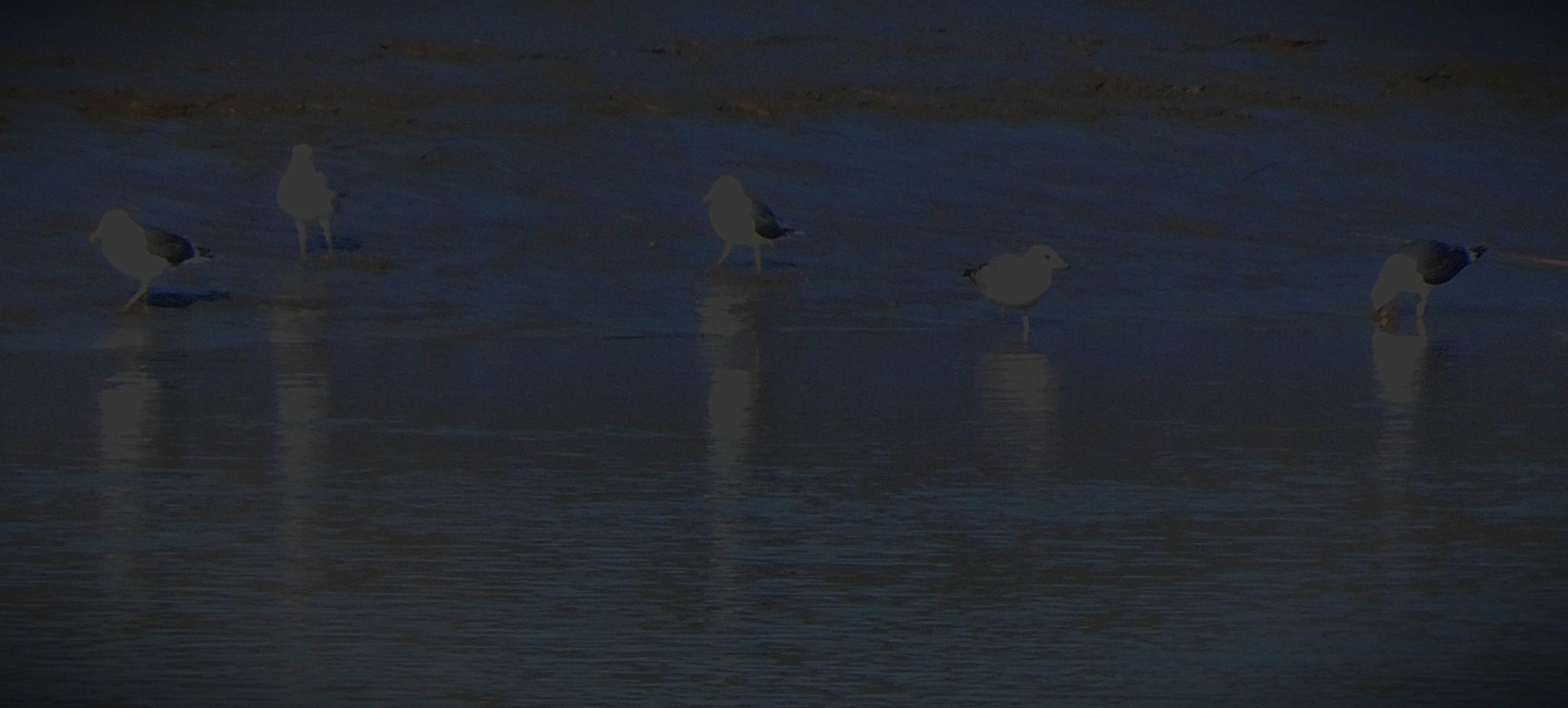
The weather has been fine in my part of the world of late, apart from Friday which was dull and grey. I thus have lots of pictures to share, and not being inspired to think of things to write about I offer up this gallery:



























































































A gallery of recent photos.
The weather has been fine in my part of the world of late, apart from Friday which was dull and grey. I thus have lots of pictures to share, and not being inspired to think of things to write about I offer up this gallery:
A look at the state of the Six Nations as the tournament nears its end.
The 2026 Six Nations rugby tournament is approaching its conclusion. This post looks at the remaining possibilities.
IRELAND v SCOTLAND
Three teams came into today with a chance of winning the trophy – Scotland, Ireland and France. Scotland needed to beat Ireland and hope for a favour from England, who face France in the last match of the tournament tonight. In the event Ireland were in control virtually the whole way through the match, although Scotland reduced the deficit to five points midway through the second half. Ireland finished strongly, and the final score was Ireland 43 Scotland 21. Ireland sit top of the table at present.
WALES v ITALY
Wales are guaranteed the wooden spoon having lost all four of their matches so far and managed only one bonus point. Even if they win they will be behind current second last place side England. A win for Italy on the other hand would ensure them fourth spot ahead of England (they cannot catch Scotland, now in third place, whatever happens.
FRANCE v ENGLAND
Any win will be enough for France to lift the trophy since they have a much better ‘points difference’ than Ireland, and this is used as the tie-splitter. A bonus point win (scoring four tries or more) would avoid the need for tie-splitting. They are level on points with Scotland as things stand, so only the vanishingly (almost worthy of using Dan Dennett’s “Vanishingly” with the V capitalized, from “Darwin’s Dangerous Idea”!) small chance of England winning by 80 points or more, which would put Scotland ahead of France on ‘points difference’ could see them below Scotland. England have had an awful tournament by their standards, losing to Scotland, Ireland and Italy and beating Wales, but if Italy lose against Wales and they record a bonus point win over France they will slide into fourth out of six. It has been a splendid Six Nations overall, and either France or Ireland would be worthy winners.
PHOTOGRAPHS
My usual sign off…
































































A look at happenings in the test match between Australia Women and India Women at the WACA that concluded earlier today, focussing on a reminder of past glories from Ellyse Perry, a command performance from star of the moment Annabel Sutherland and a hint of future greatness from teenager Lucy Hamilton. Also a photo gallery.
Early this morning UK time Australia Women completed an emphatic ten wicket win in their test match against India Women at the WACA in Perth. This post looks at the three principal contributors to that result (with apologies to 35 year old Ellyse Perry, who I hope has a few more years left in her, for classing her for the purposes of this post as ‘past’).
ELLYSE PERRY
The veteran (who started as a bowler batting at number eight) was not called upon with the ball in this match, but she contributed a splendid 76 with the bat, an innings that saw her move to the top of the Australian Women’s all time test career run scoring list with 1,006 runs in the format.
ANNABEL SUTHERLAND
At the age of 24 Annabel Sutherland is well established as one of the game’s great all rounders. Even by her standards her performance in this match was incredible. In the first Indian innings she took 4-46, a test career best with the ball. Then she dominated the Australian reply, scoring 129, her fourth test century (a new Australian record, putting her behind only Jan Brittin of England who amassed five such scores in a career spanning almost two decades), which ensured that Australia had a big first innings lead. Remarkably she has now converted four 50+ scores in test cricket out of four into centuries. Three of those centuries have come in Perth. She added a further 2-15 in the Indian second innings to her earlier contributions, and was not required to bat in the second Australian innings.
LUCY HAMILTON
19 year old Lucy Hamilton was on debut, having shown herself to be a fine left arm pace bowler who can bat. She bowled superbly, taking 3-31 in the first Indian innings and 3-32 in the second, and in between times played a very useful little innings of 23, which helped move Australia from 79 ahead at the fall of the eighth wicket to their final advantage of 125. Her emergence onto the international scene has confirmed that Australia have unearthed yet another star. Hamilton hails from Bundaberg, a small sugar growing, rum making town which long ago produced Don Tallon, named by Don Bradman as the best keeper he ever saw in action. Full scorecard here.
PHOTOGRAPHS
My usual sign off…


An account of an extraordinary semi-final of the men’s T20 World Cup 2026 and a photo gallery.
The first semi-final of the 2026 T20 World Cup took place today at Eden Gardens, Kolkata. New Zealand faced South Africa, who had looked the most impressive team at the tournament prior to today. This post looks back at the match.
THE SOUTH AFRICA INNINGS
South Africa lost two early wickets before staging a bit of a revival. They reached 77-3 before Dewald Brevis and David Miller were both out at that score. Marco Jansen, the very tall left handed seam bowling all rounder, breathed some life into South Africa by hitting an undefeated 55 from 30 balls. He received support from Tristan Stubbs (29), but was starved of strike in the final over of the innings. South Africa in the end had a score of 169-8, much better than had looked on when they were 77-5, but probably not good enough.
THE NEW ZEALAND CHASE
Finn Allen and Tim Seifert opened the batting for New Zealand, and right from the word go they made the Proteas score look downright risible. By the time Kagiso Rabada bowled Seifert for 58 (33) the score was 117-1 from 9.1 overs, and the match was a good as settled. Remarkably it took a mere 3.4 overs more for New Zealand to seal the victory, with nine wickets and 7.1 overs to spare. The architect was Allen. At the start of the 13th over New Zealand were 149-1 with Allen 76 not out from 28 balls. The next five deliveries, bowled by Jansen, were dispatched for 4,4,6,6,4 to take Allen to 100* (33 balls, 10 fours, 8 sixes). Jansen only just escaped conceding as many with the ball as he had scored with the bat – his figures were 2.5-0-53-0. Kagiso Rabada, 3-0-28-1 for an ER of 9.33, was the only Protea bowler to go for under 11 an over. New Zealand have served due notice that they will pose a serious threat to whoever wins tomorrows match between co-hosts India and England. England are the likelier of the two sides in action tomorrow to be really dangerous – they have got to the semi-finals without ever finding peak form but somehow doing enough. For the Proteas this will be a sickeningly familiar feeling – they have a long history of being very impressive in the early stages of tournaments and then coming unstuck on a big ‘winner takes all’ day.
PHOTOGRAPHS
The weather continues to be pleasant here in Norfolk, and I have big photo gallery to end with…






























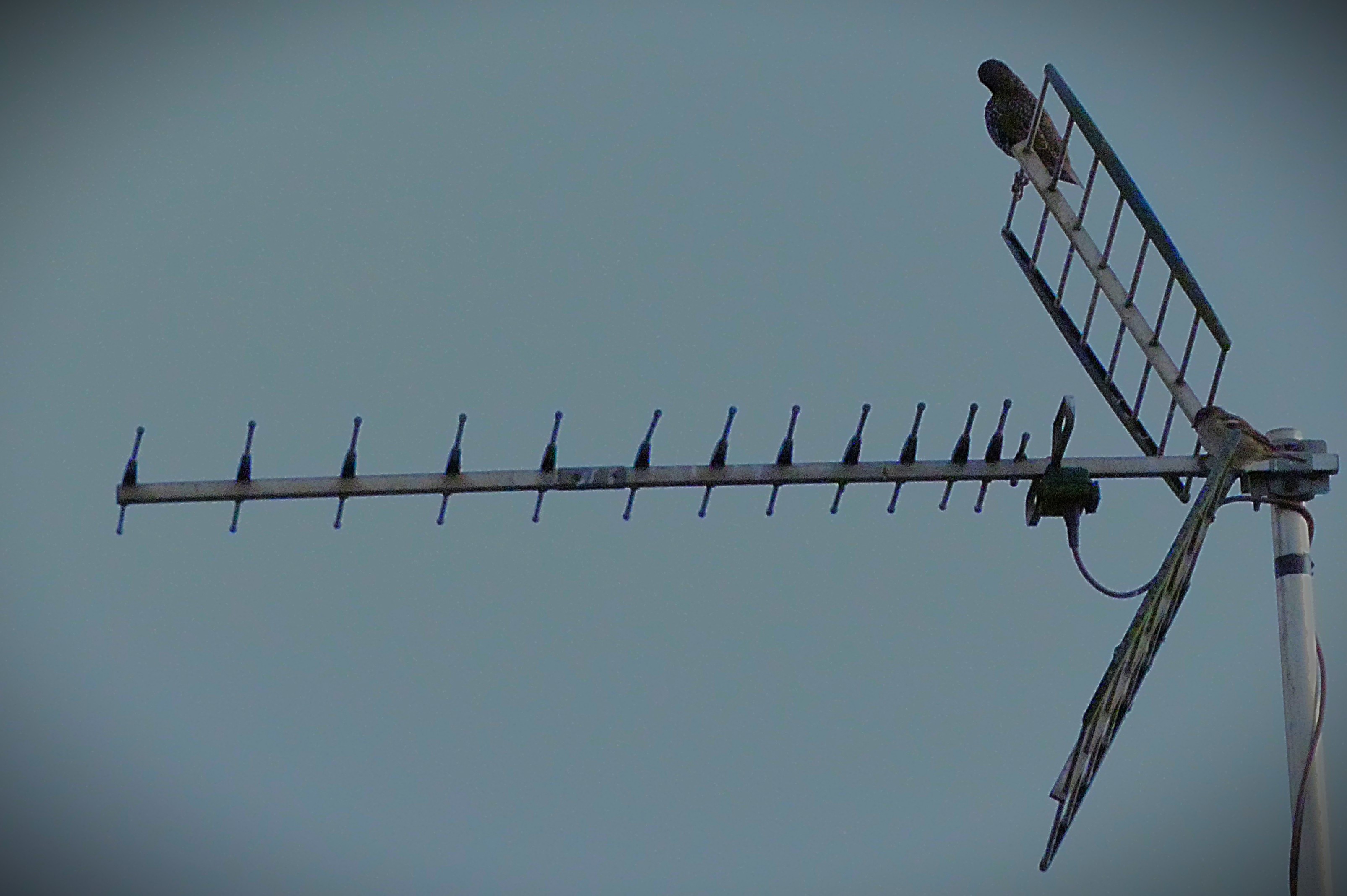








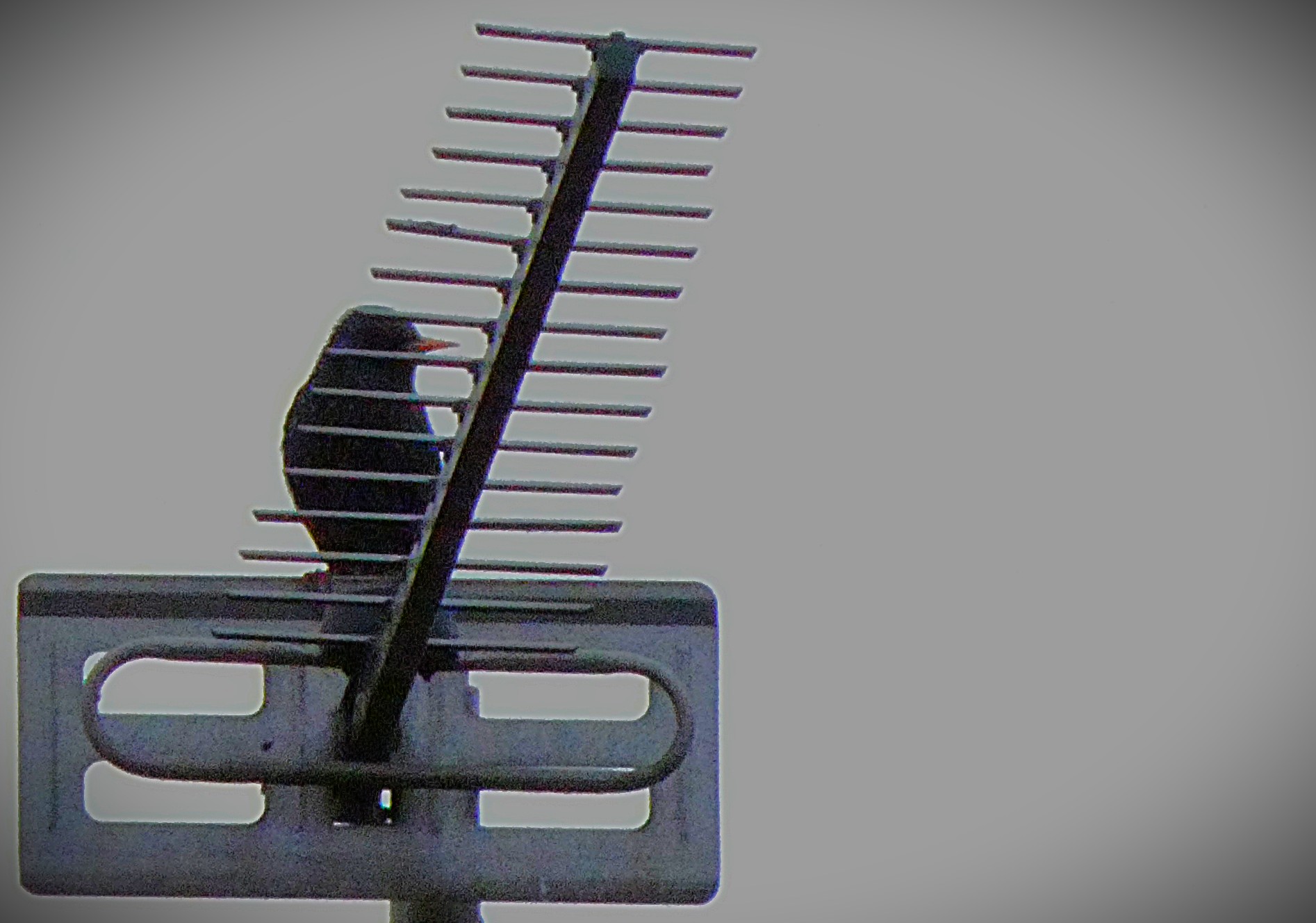

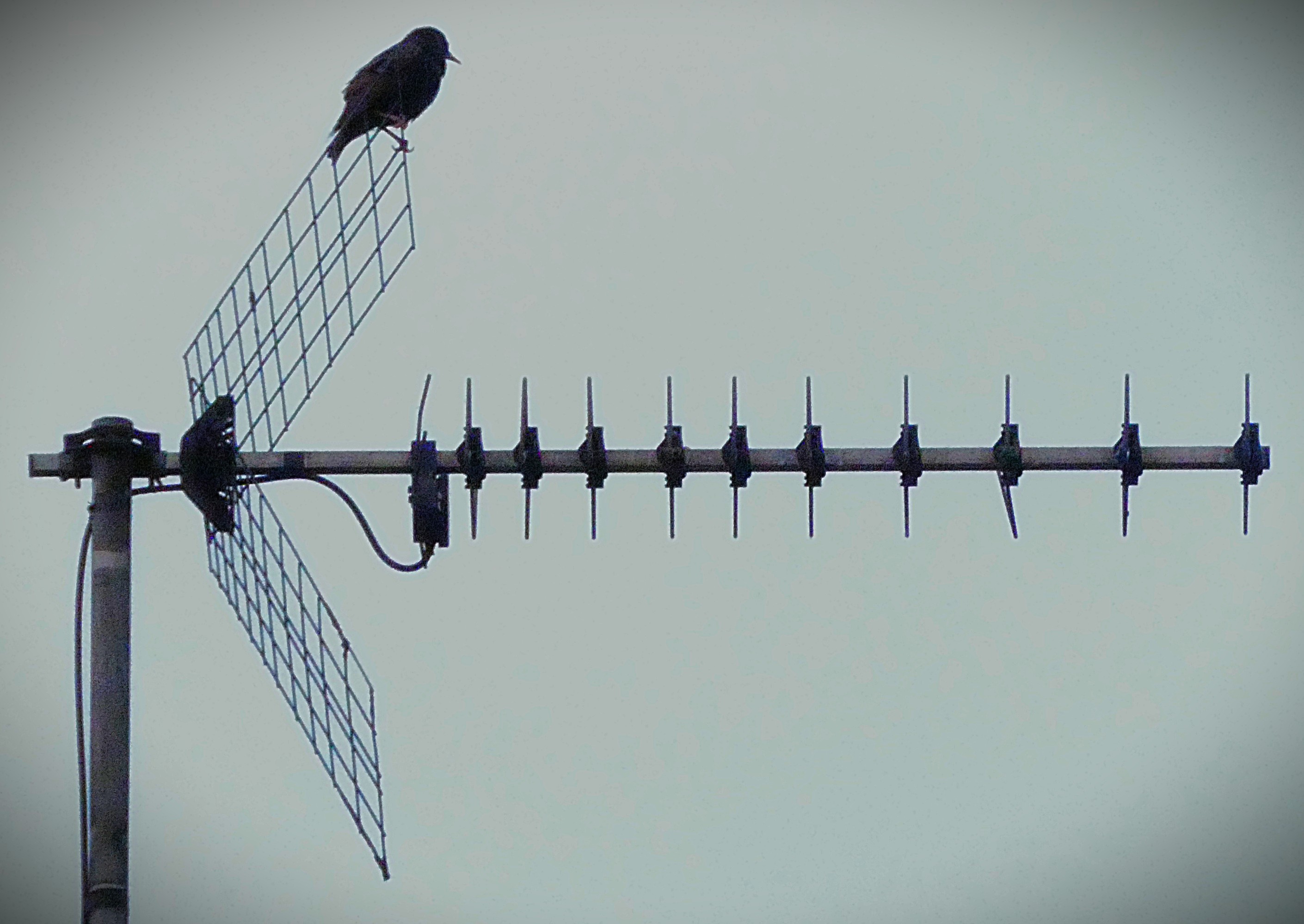




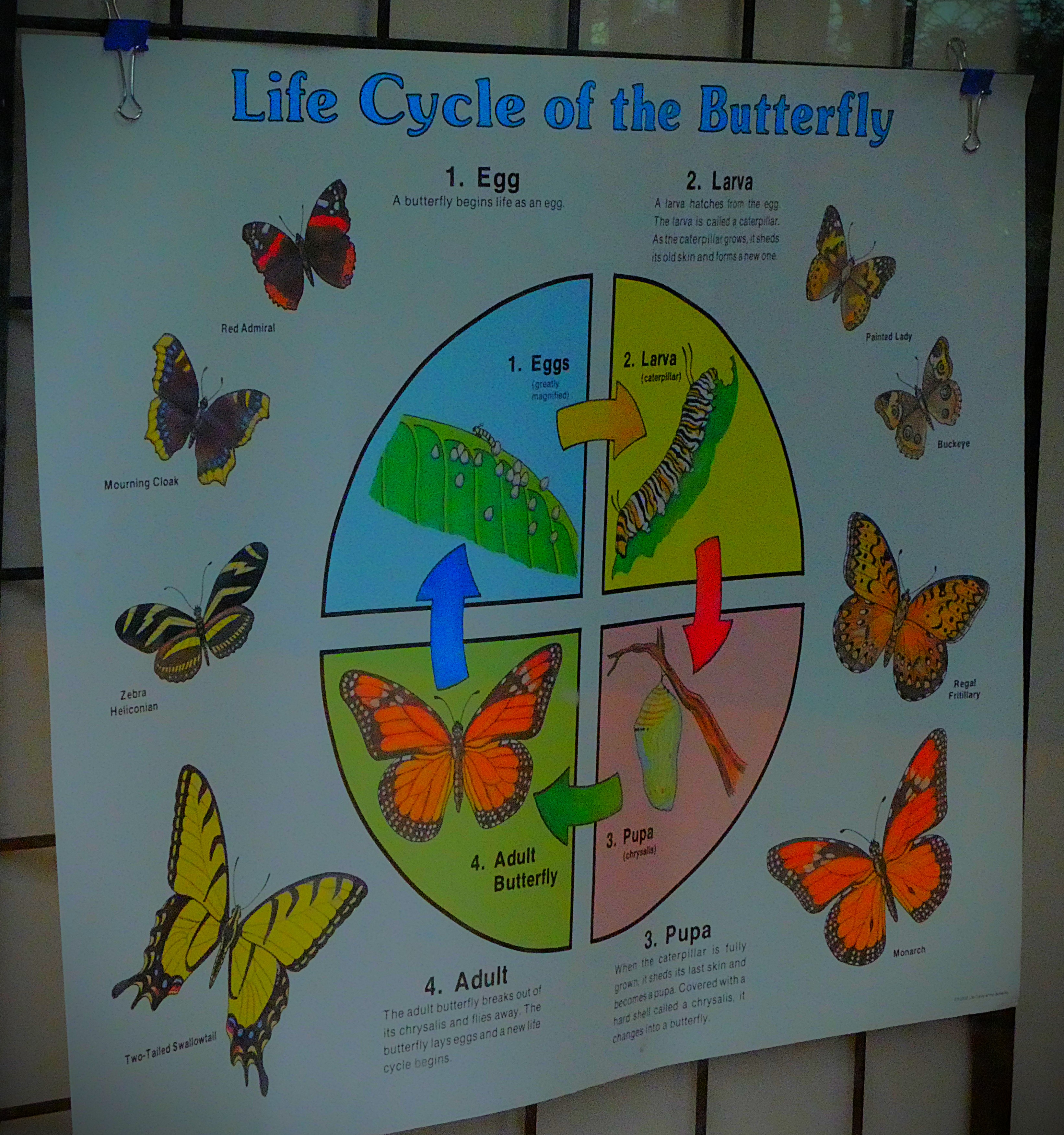

































































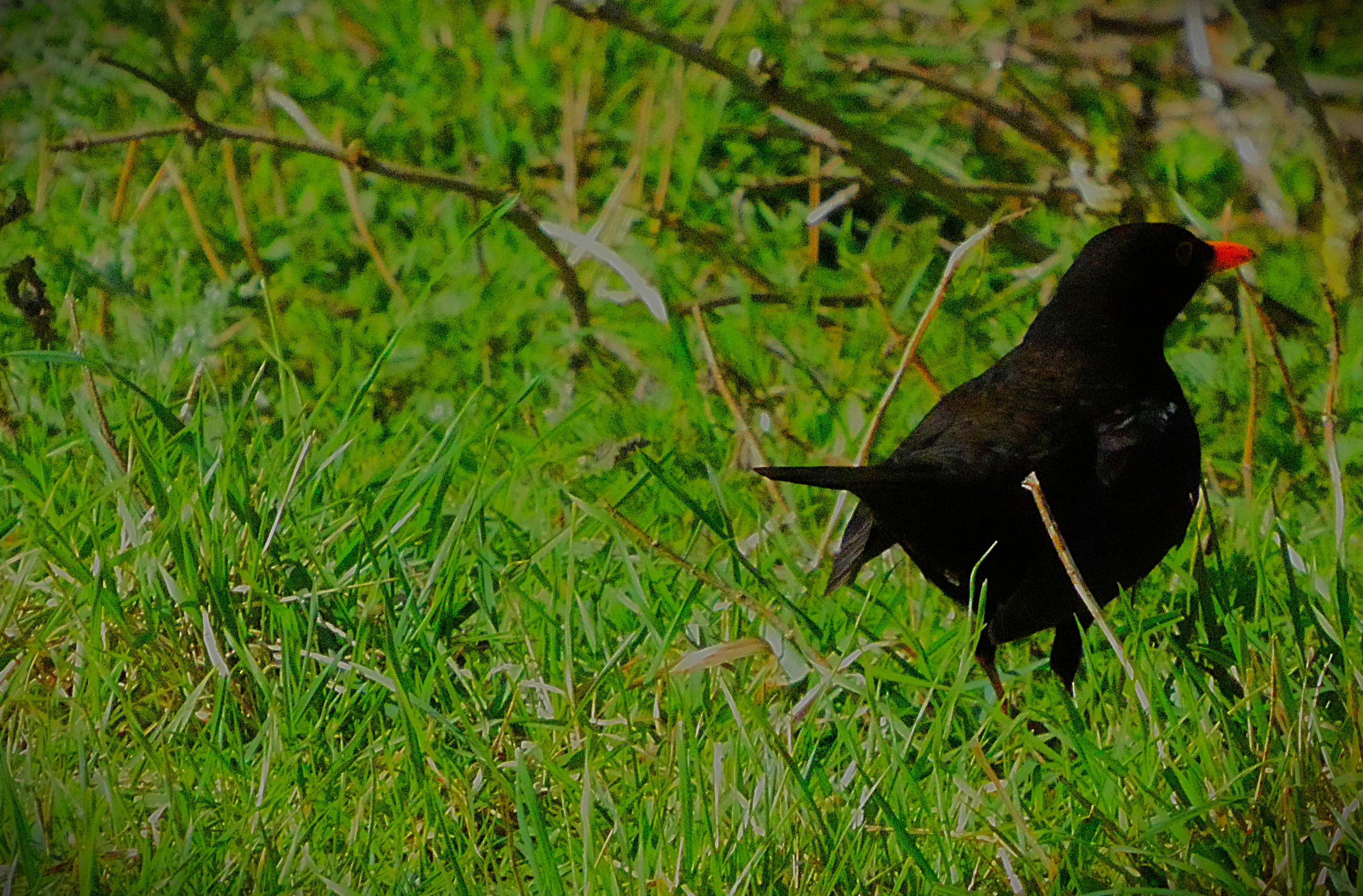













A brief look at Radagast the Brown and his role in events at the end of the third age of Middle Earth. Also a photo gallery.
Here in Norfolk spring seems to have arrived. Certainly the photo gallery at the end of this post, which other than the first four pictures all comes from today suggests as much. In this post I look at a minor character in “The Lord of the Rings”, the wizard Radagast.
A BRIEF INTRODUCTION TO THE ISTARI
The Istari were five of the Maiar, beings who rank above elves but not quite as divinities, sent into Middle Earth by the Valar (gods) to combat Sauron. They were Olorin (known in various parts of Middle Earth as Gandalf, Mithrandir, Tharkun and Incanus), Curumo (Curunir/ Saruman), Aiwendil (Radagast) and the two blue wizards Alatar and Pallando who seem never to have acquired names in Middle Earth. Of the five Olorin clearly fulfilled his brief to the letter, Curumo equally clearly failed badly (to the extent that the Valar allowed him to die in Middle Earth), while there is nothing to go on regarding Alatar and Pallando though the likelihood is that any part they played in the events at the end of the Third Age of Middle Earth was on the side of Sauron, since all we are told of them is that they went straight into the uttermost East. That leaves only…
AIWENDIL/ RADAGAST
Radagast played no direct part in the War of the Ring, and it is often considered that his fondness for the birds and the beasts was such as to amount to an abrogation of his duties in Middle Earth. However, it is quite clear that Radagast’s heart was always in the right place – although he inadvertently sent Gandalf into Saruman’s trap by causing him to head to Isengard to visit Saruman he also heeded and acted on Gandalf’s request that he ask those of the birds and beasts that were friends of his to help by reporting on events, which brought Gwaihir, lord of the eagles, to Isengard to rescue Gandalf from his confinement at the top of the tower of Orthanc. There is no hint of a suggestion that Radagast ever intentionally aided evil or that he ever sought any position of power in Middle Earth (as Saruman, the several times over traitor, certainly did). One final aspect of Radagast’s role needs to be presented: he was the choice of Yavanna, whose personal area of responsibility was precisely the birds and the beasts. Thus it was right that he should be fond of those birds and beasts.
In an English or Welsh court where the only verdicts that can be rendered are ‘guilty’ or ‘not guilty’ I would, though unhappily, find even the blue wizards ‘not guilty’, since there is no actual proof of guilt. A Scottish court, with the additional verdict of ‘not proven’ would offer a way out in their case. Even in a Scottish court I would happily acquit Radagast.
PHOTOGRAPHS
My usual sign off…










































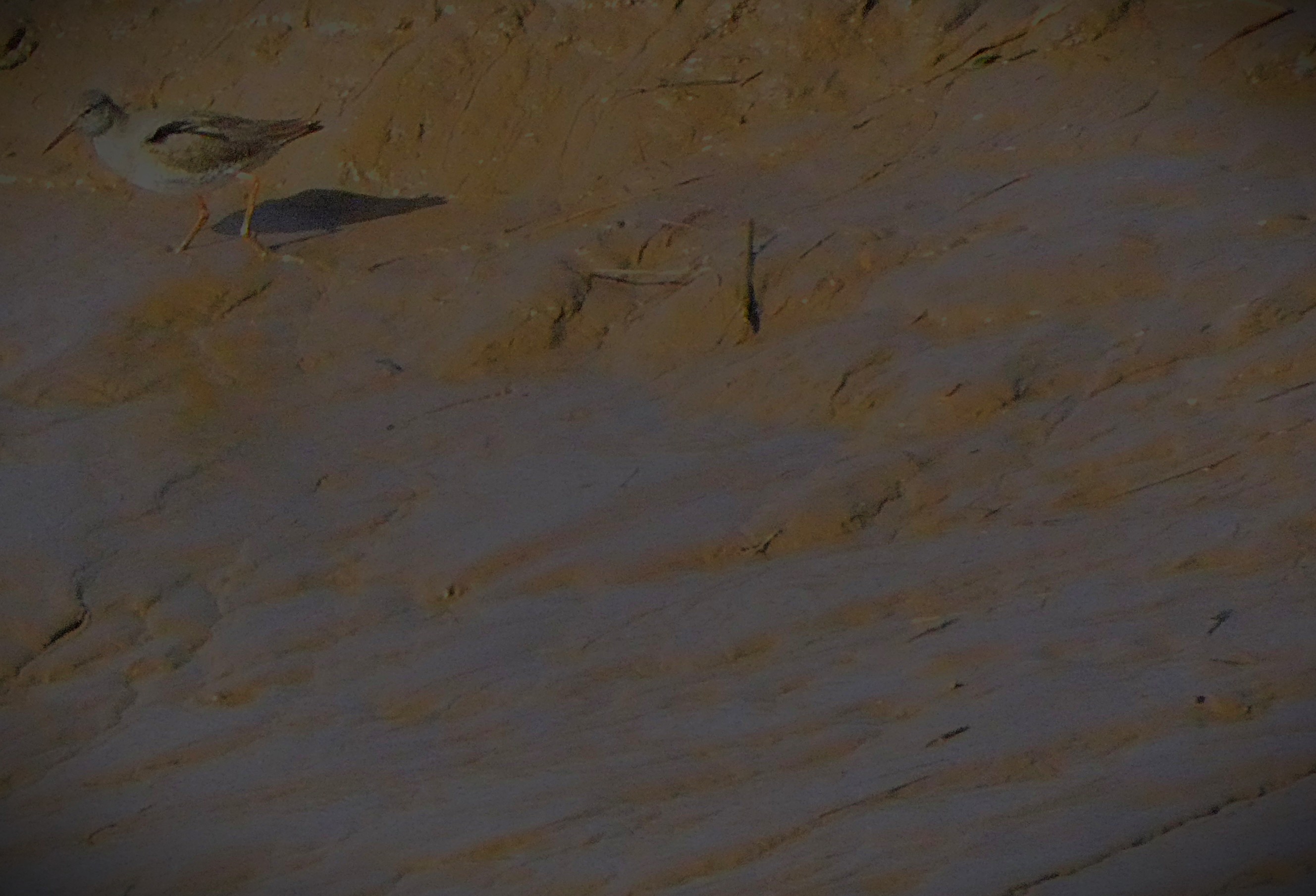
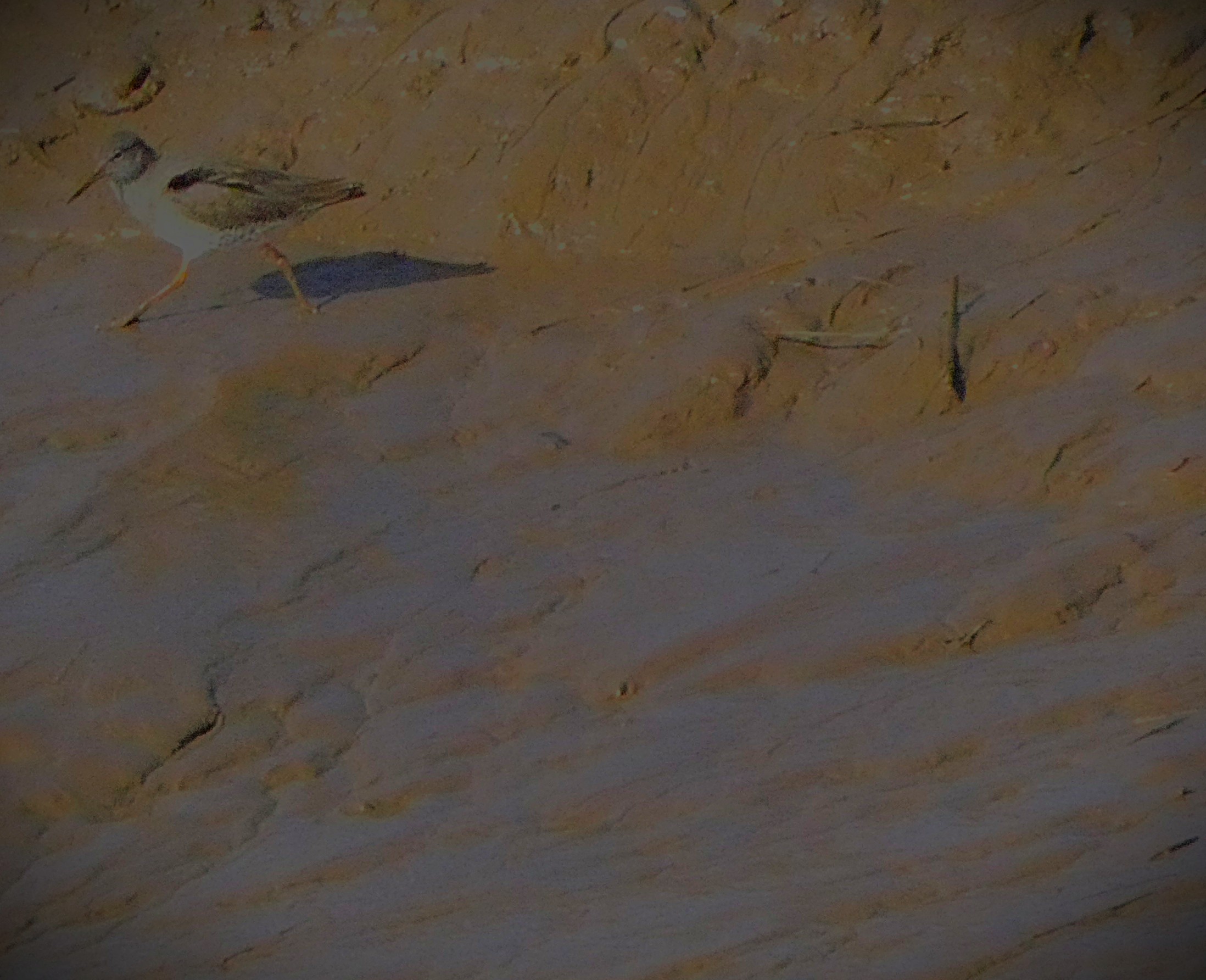


























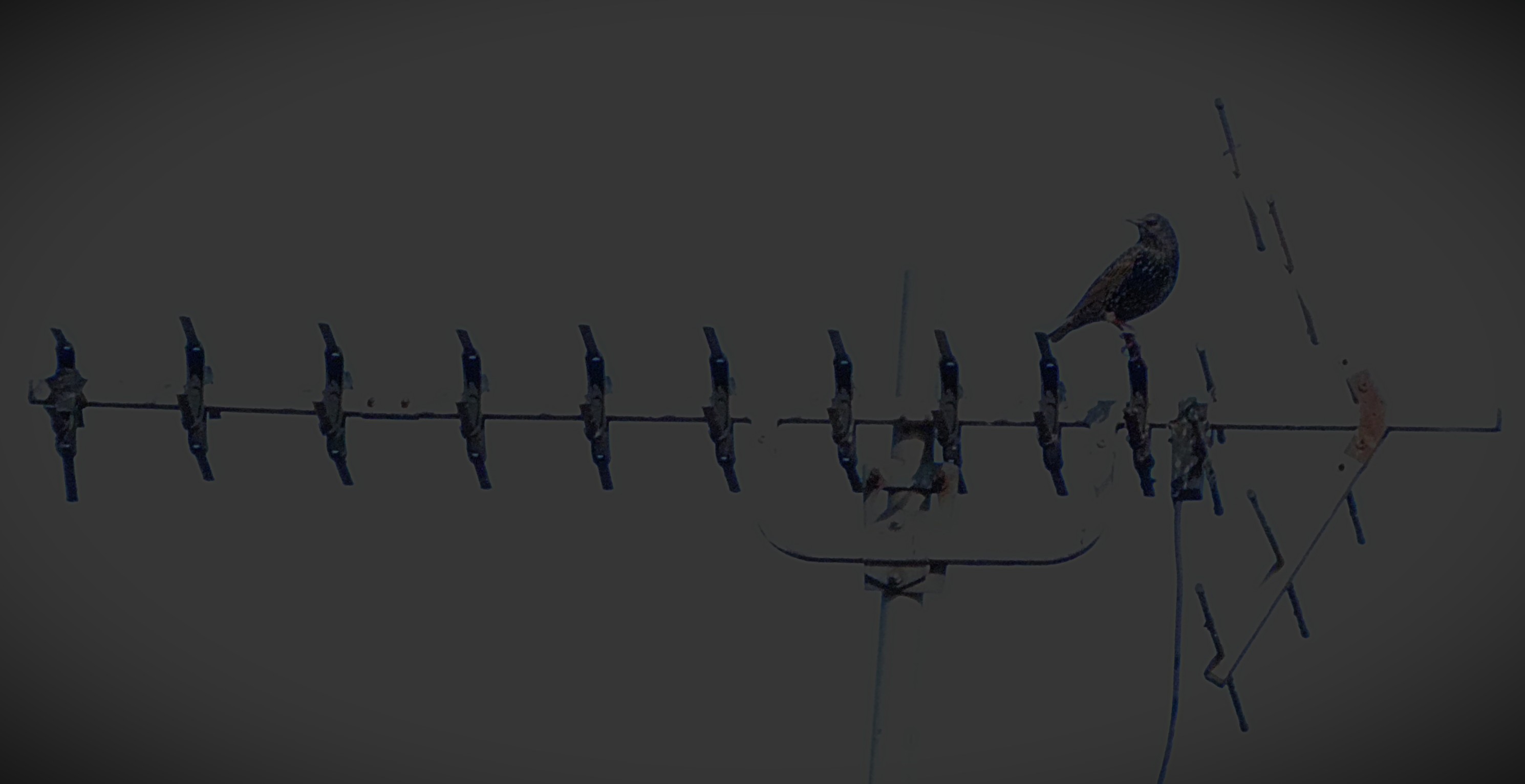
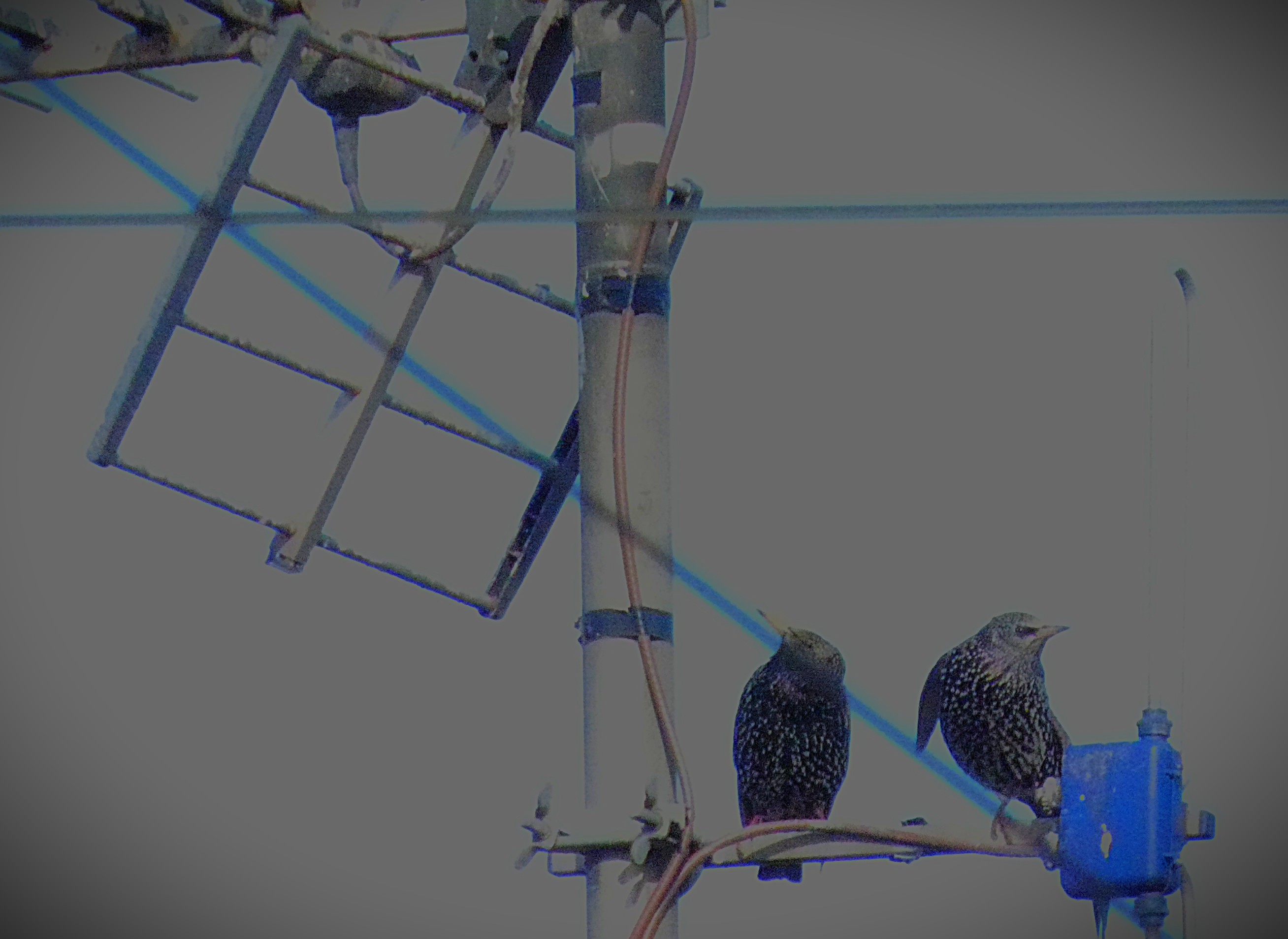















A look at today’s events at the T20 world cup and a photo gallery in two parts, including the first bumblebee of 2026.
The second stage of the men’s T20 world cup of 2026 is well underway. Today saw Sri Lanka facing New Zealand.
A NEW ZEALAND INNINGS IN THREE PARTS
New Zealand started well, and were 76-3 at one stage, before then slumping to 84-6. With 7.5 overs to to go at that point New Zealand looked out for the count. However Mitchell Santner and Cole McConchie, helped by some poor Sri Lankan bowling came back strongly, and by the time Santner was caught off the final ball of the innings he had scored 47 from 31 balls, while McConchie had 31 not out from 23 balls, and with the assistance of extras the pair had doubled the score, giving New Zealand a final total of 168-7.
PHOTOGRAPHS 1










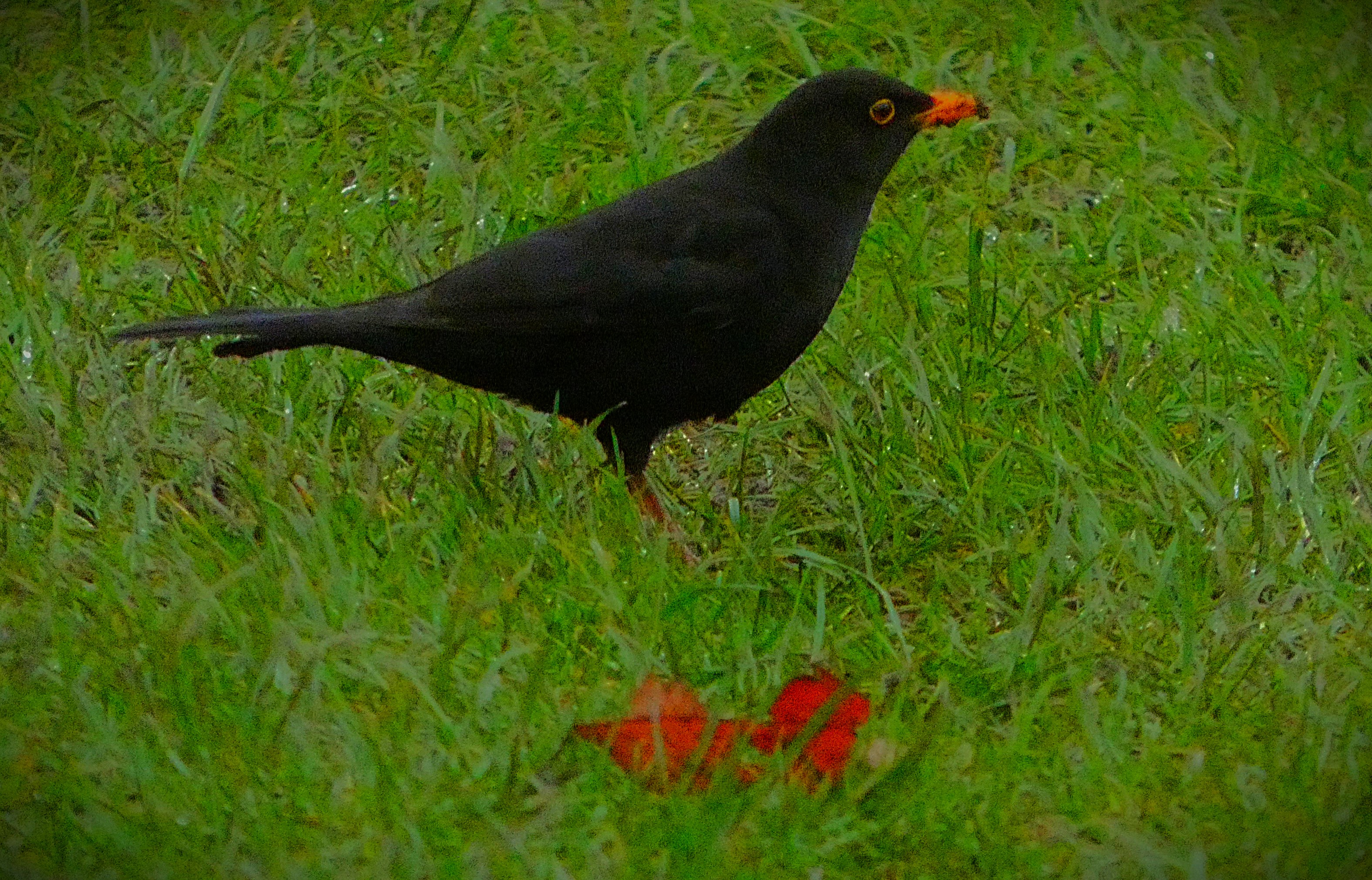



















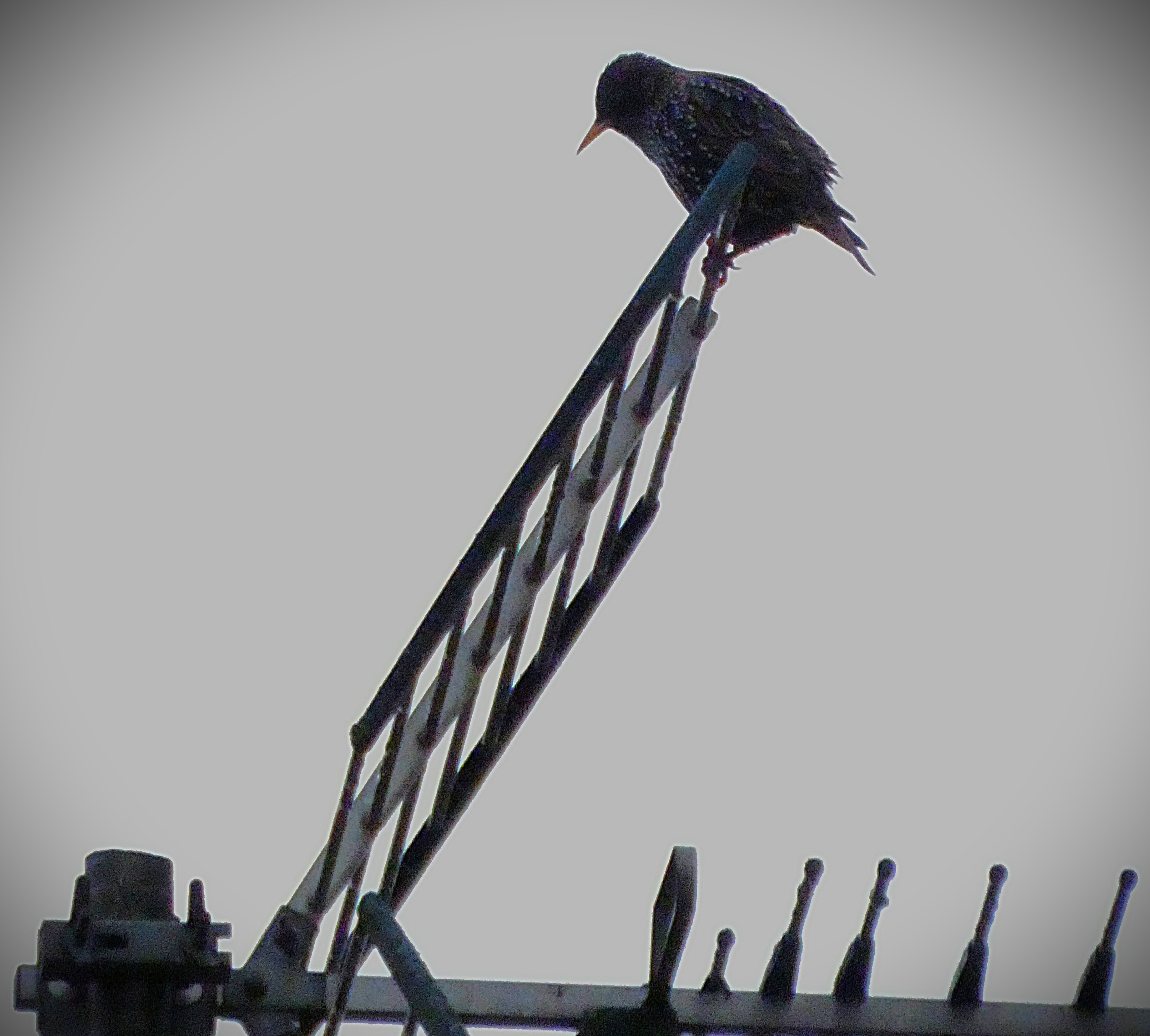





































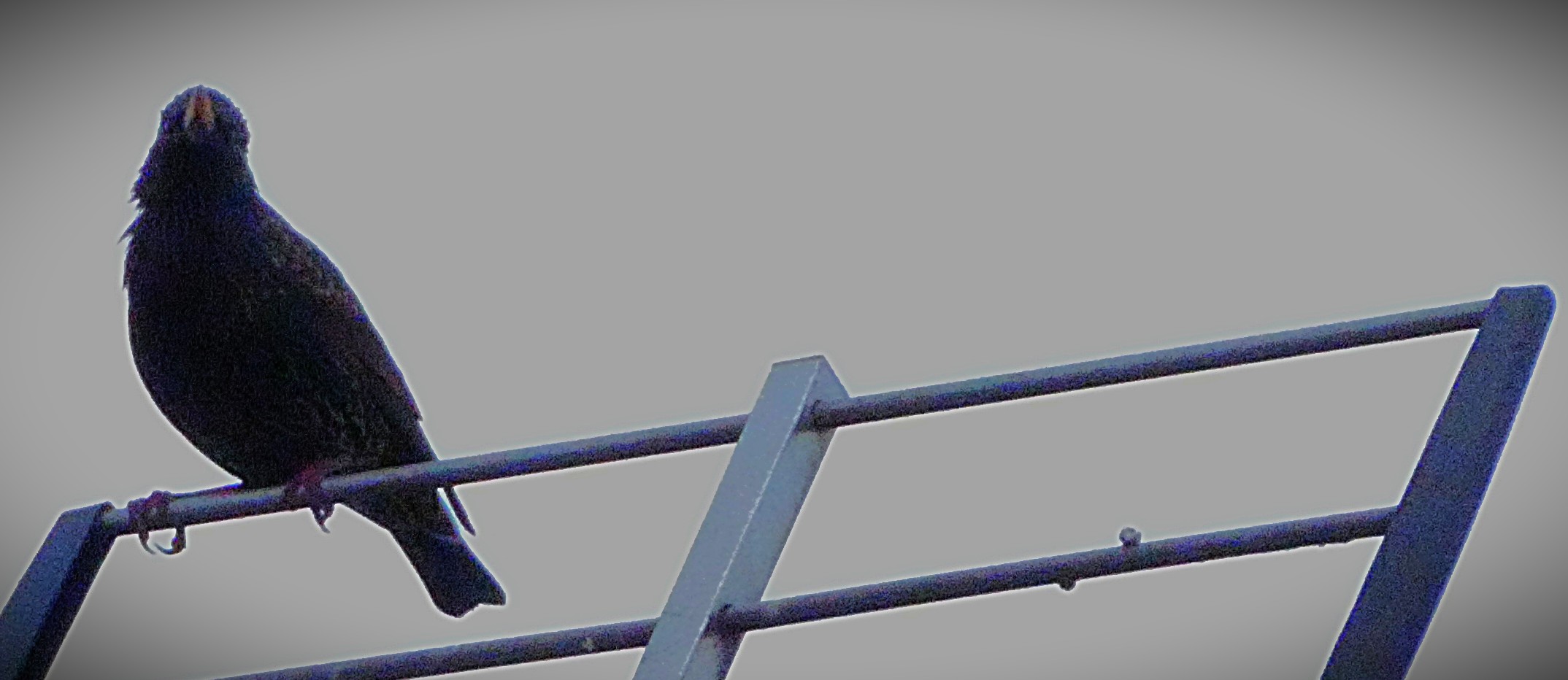





A NON-CHALLENGE
Sri Lanka never looked remotely like challenging the total they had allowed New Zealand to get away with. At low water mark they were 29-4 after 8.2 overs. 140 off 11.4 overs is doable if you have plenty of wickets in hand, but that was not the case here. In the event it was only a mini-revival of their own that even got the Sri Lankans to three figures. The final margin was 61 runs. Mitchell Santner had taken 1-19 from his four overs, but missed out on Player of the Match because Rachin Ravindra, scorer of 32 off 22 balls in the New Zealand innings, had produced figures of 4-0-27-4. This result officially eliminates Sri Lanka from the tournament of which they are co-hosts and confirms that England are in the semi-finals. England have not been super impressive so far, but there is an old saying that “you can only beat what is put in front of you” – and by and large England have managed to do that.
PHOTOGRAPHS
I sign off with the second half of today’s photo gallery…

















































































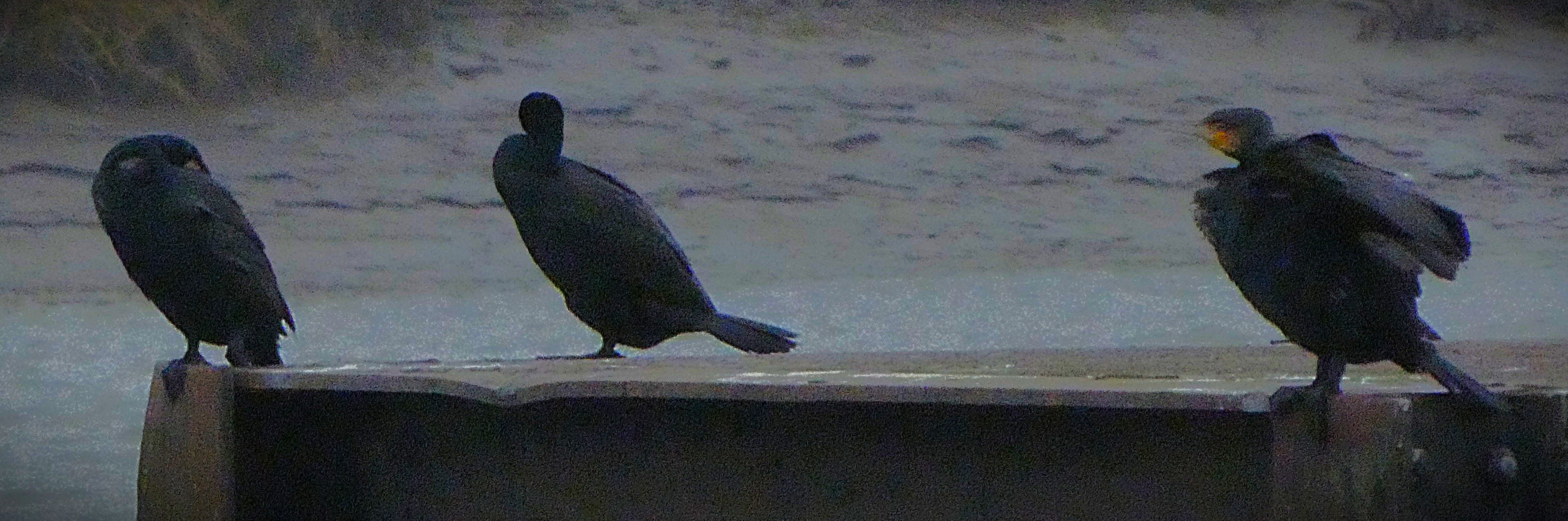





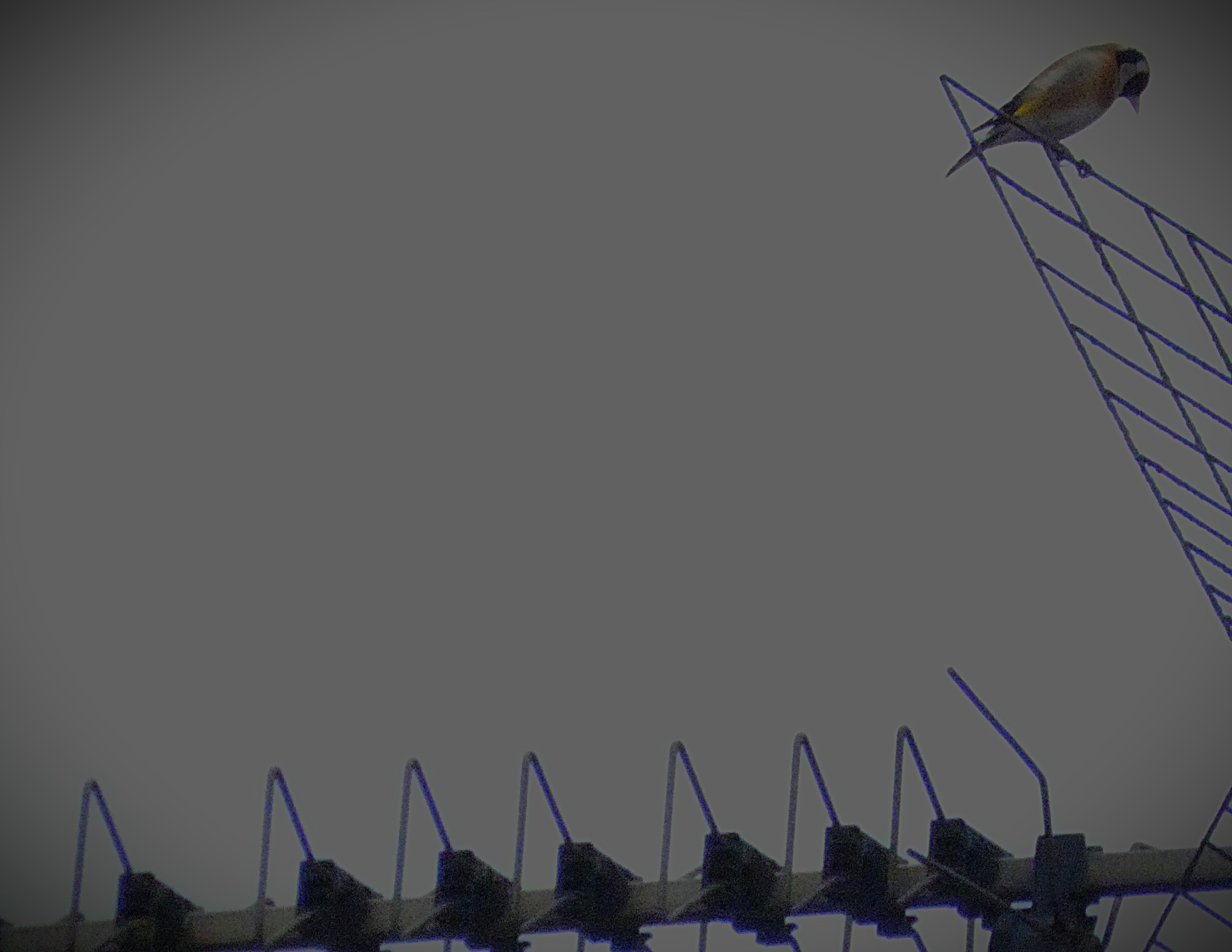


A look at developments in the men’s T20 world cup, including a major elimination and a great individual effort by a Canadian.
The first stage of the 2026 men’s T20 world cup is now well advanced. This post looks at a couple of major stories.
ADIOS AUSTRALIA
Australia having already been beaten by Zimbabwe faced Sri Lanka on Monday. When the folks from down under passed the hundred mark in eight overs they looked unstoppable. However Sri Lanka fought back, and as wickets fell Australia’s scoring faltered. In the end Australia managed 181, and were all out just before the end of the 20th over. That total was on the face of it still defensible, but now Pathum Nissanka, well supported by Kusal Mendis and Pavan Rathnayake proceeded to play an absolute blinder of an innings, racking up 100 not out from 52 balls with 10 fours and five sixes. Sri Lanka won by eight wickets with two whole overs to spare, and the mighty Aussies were looking straight at the exit door from the tournament. This was officially confirmed yesterday when the match between Sri Lanka and Zimbabwe was washed out without a ball being bowled. The truth is that after the two defeats they had sustained, both of which were strictly merited Australia would have needed a massive helping of good fortune to qualify and they deserved not to receive such good fortune. I also reckon that a really big name falling at the first hurdle is good news for the tournament.
A GREAT INNINGS
When the first match yesterday, between Canada and New Zealand got under way, no one playing for an associate nation had ever score a century at a T20 world cup. Yuvraj Samra, named in honour of former India international Yuvraj Singh, and like him a left handed batter, scored 110 off 65 balls with 11 fours and six sixes for Canada to become the first such player. Unfortunately for him he did not receive enough support from his team mates – Canada still only managed 173 from their 20 overs, and they then bowled so appallingly that New Zealand reached the target with 4.5 overs and eight wickets to spare.
TODAY SO FAR
Pakistan battered Namibia by 102 runs in the first game of the day to secure their qualification, and South Africa beat the UAE by six wickets with almost seven overs to spare to finish this stage of the tournament with a 100% record – played four, won four. India and the Netherlands are currently doing battle, and an upset does not currently look terribly likely.
PHOTOGRAPHS
My usual sign off…























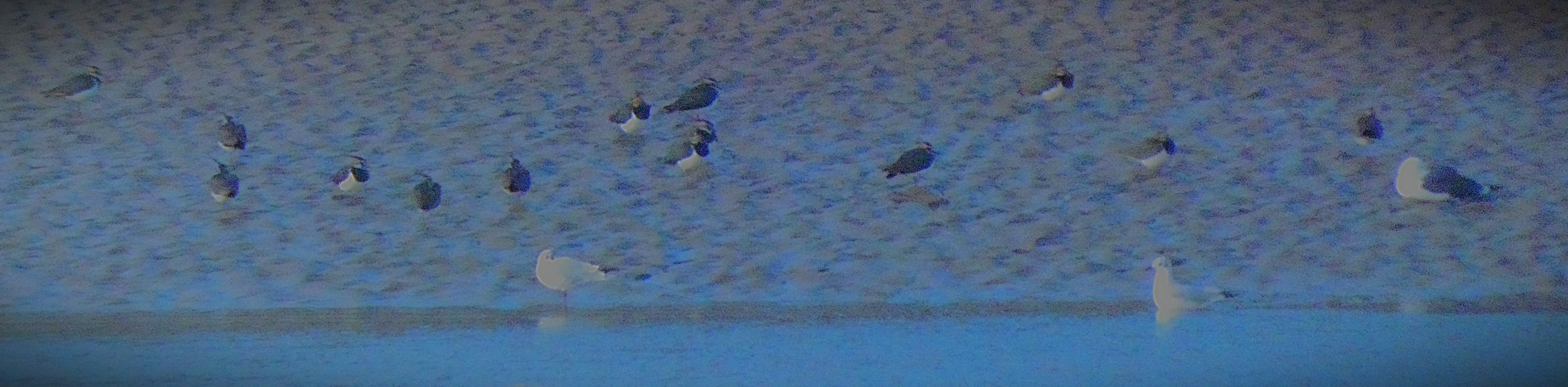
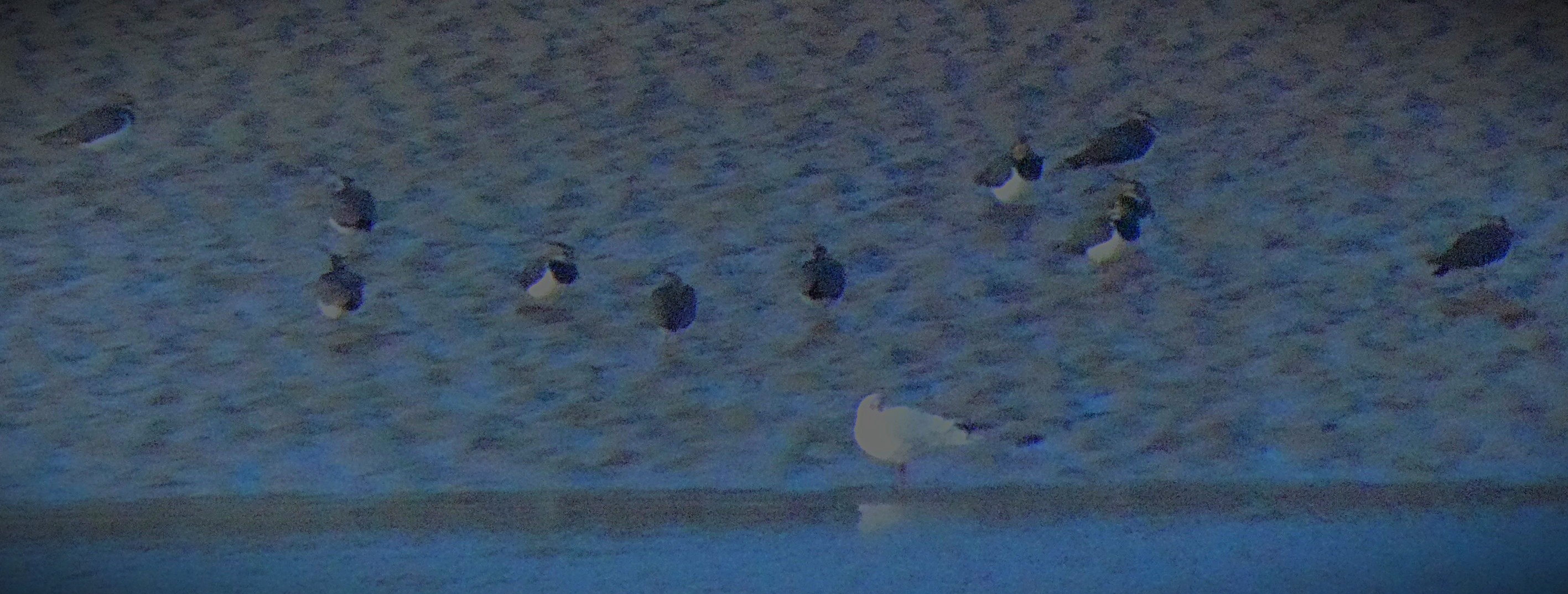


















































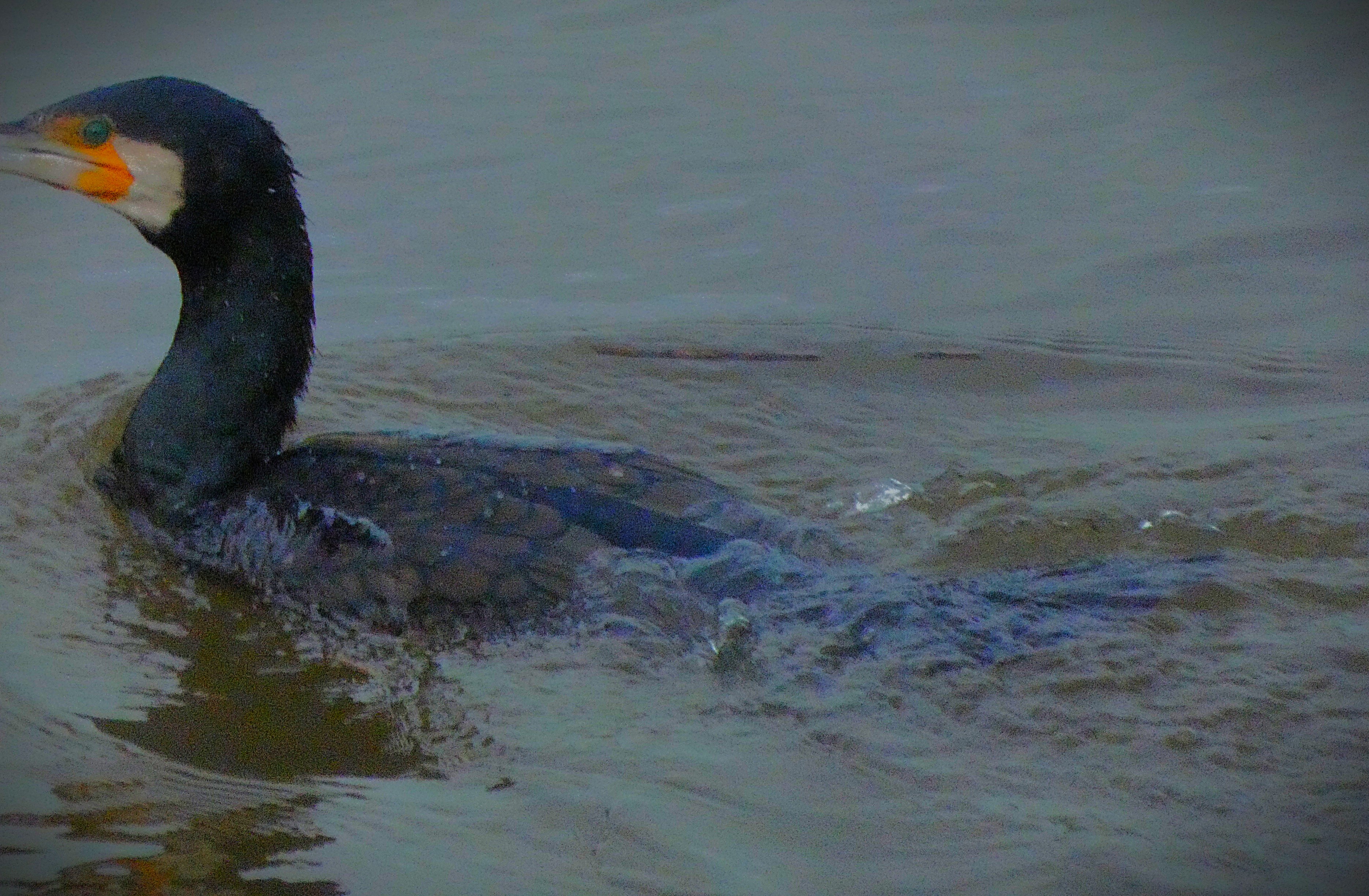





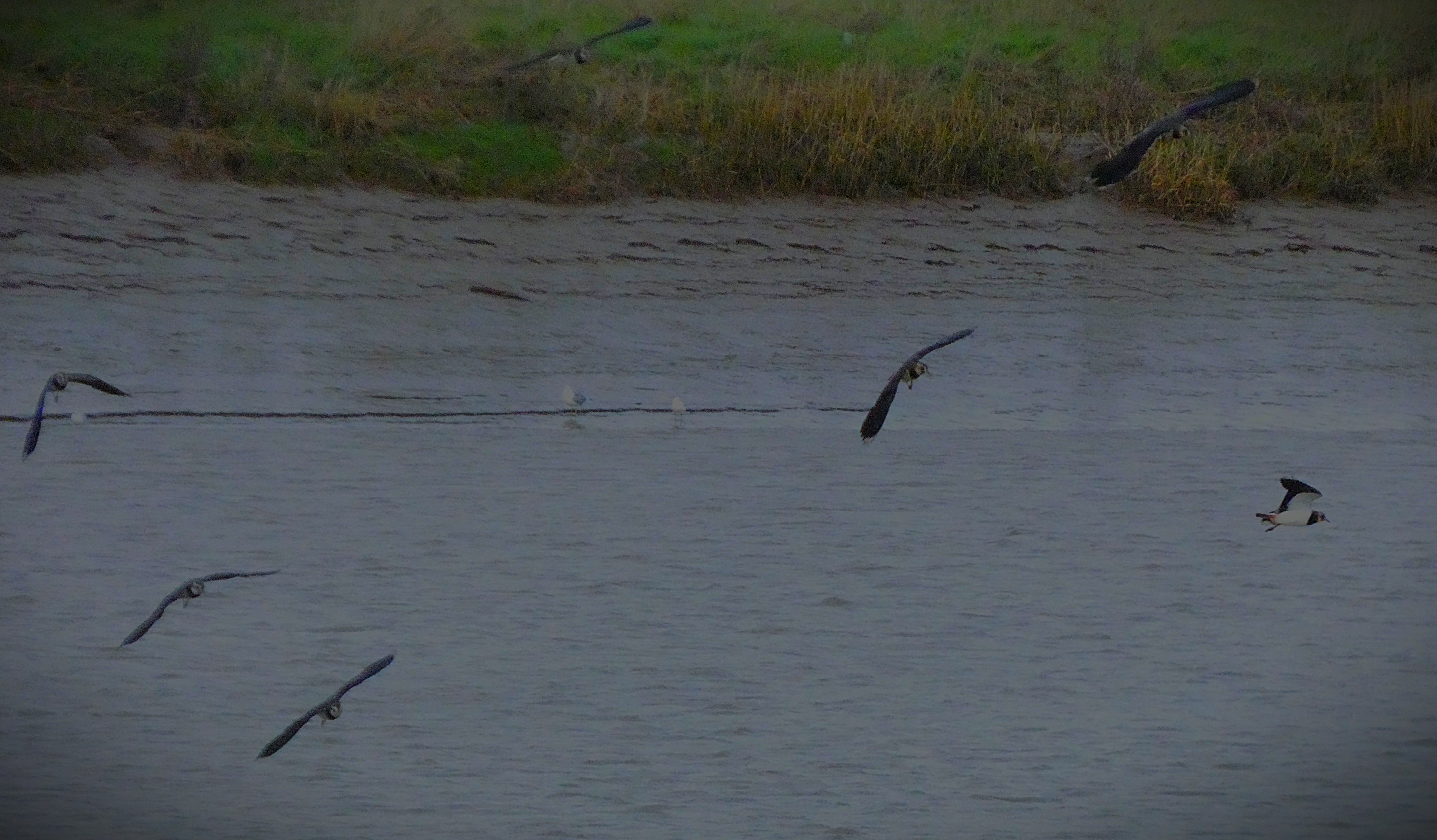



An account of todays match in the men’s Big Bash League, a pungent comment re England’s chosen XI for Adelaide tomorrow and a photo gallery.
The Women’s Big Bash League 11th edition finished on Saturday, and the 15th edition of the men’s tournament started yesterday. Today Melbourne Renegades faced Brisbane Heat in a night match in Geelong. This post looks back at that match.
RENEGADES RUNFEST
Things initially did not look overly bright for Renegades, with only Tim Seifert of the early batters looking good. Josh Brown managed 15 (13), which looked positively explosive compared to number three Mohammad Rizwan’s 3 (10). Jake Fraser-McGurk had just started to look like he might provide Seifert some decent support when he suffered a stupid dismissal, walking across his stumps against seamer Jack Wildermuth, missing and being bowled. This attempt to open up the leg side was particularly ill-judged given that Heat had stocked that side with plenty of fielders. Oliver Peake, 19 years old, came in at number five, and batted magnificently. He and Seifert put on 121 together in precisely nine overs (9.3 to 18.3) of the innings, Seifert reaching three figures. Wildermuth got them both in the space of three balls, 203-3 becoming 204-5. Shaheen Shah Afridi had a nightmare with the ball, which ended in bizarre fashion, when he was ordered away from the bowling crease after producing two dangerously high full tosses in a single over, the 18th over of the innings. His figures when his spell was compulsorily halted were 2.4.-0-43-0. Nathan McSweeney completed that 18th over. The 20th over was bowled by Xavier Bartlett, and in the circumstances he did well to only concede a further eight.
THE HEAT RESPONSE
At no stage were Heat close to being up with the rate, and as can happen in such circumstances that required rate climbed alarmingly in the second half of their innings. Only a late flourish between youngster Hugh Weibgen and veteran Jimmy Peirson, which produced 78 runs from 5.5 overs enabled them to keep the margin respectable. There was time in the dying embers of the game for Afridi to add a duck with the bat to his disaster class with the ball. Afridi’s dismissal, clean bowled by Gurinder Singh Sandhu, left Heat needing 17 from one ball, and they managed two off that final ball. Melbourne Renegades had won by 14 runs. Their best bowler on the day was Will Sutherland who took 3-33 from his four overs, while Jason Behrendorff had 2-34 from his four and Sandhu 2-35 from his four.
PHOTOGRAPHS
Tomorrow night UK time the third match of the Ashes series gets underway in Adelaide. England have confirmed their playing XI, with the only change from Brisbane being Tongue coming in for Atkinson. That means that Shoaib Bashir, fast tracked into the England team and kept there in spite of some less than convincing returns at test level with this specific series in mind may end up not participating until it has already been lost. However England’s actual selections work out they have made themselves look fools over Bashir. Now for my usual sign off…
















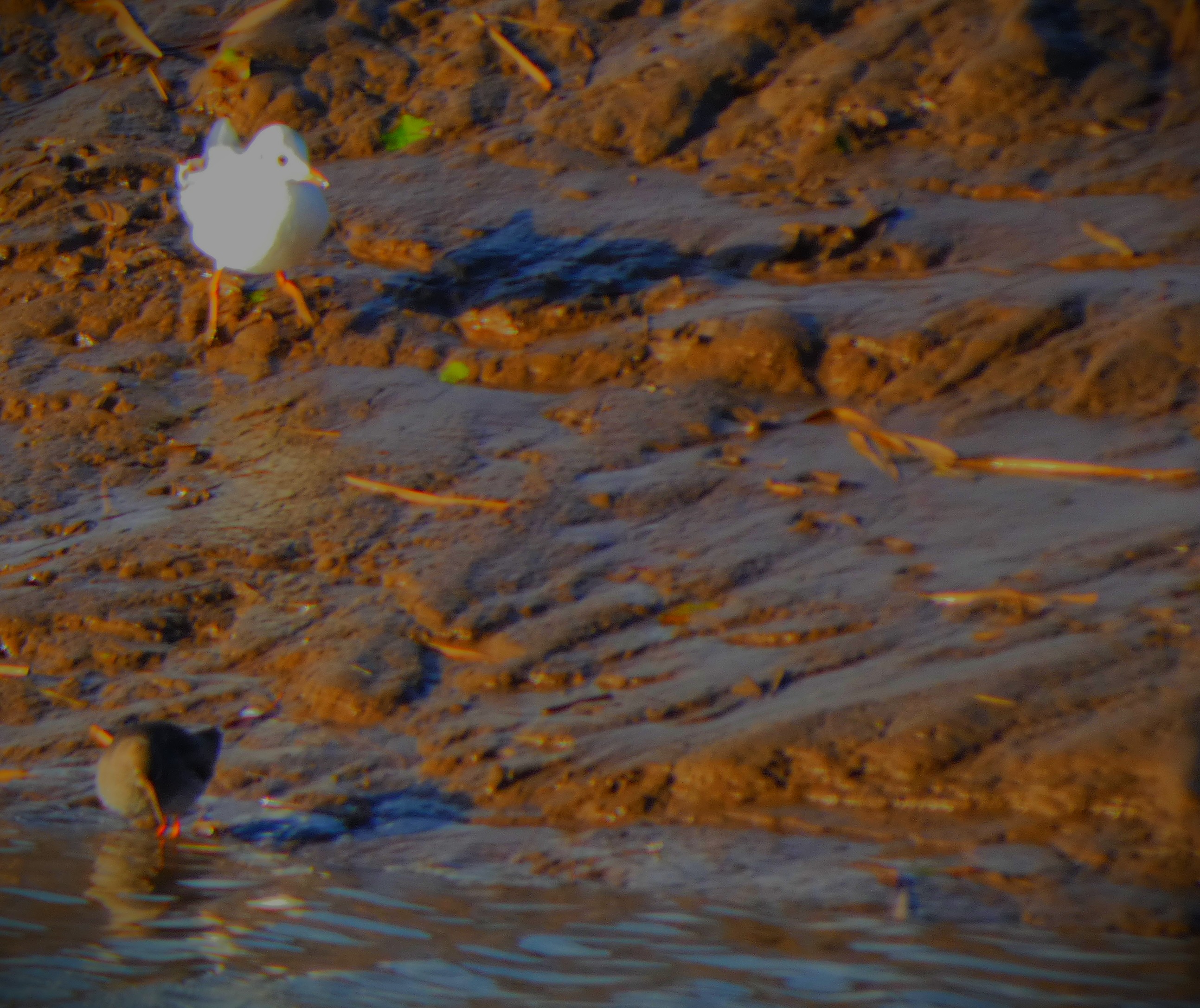
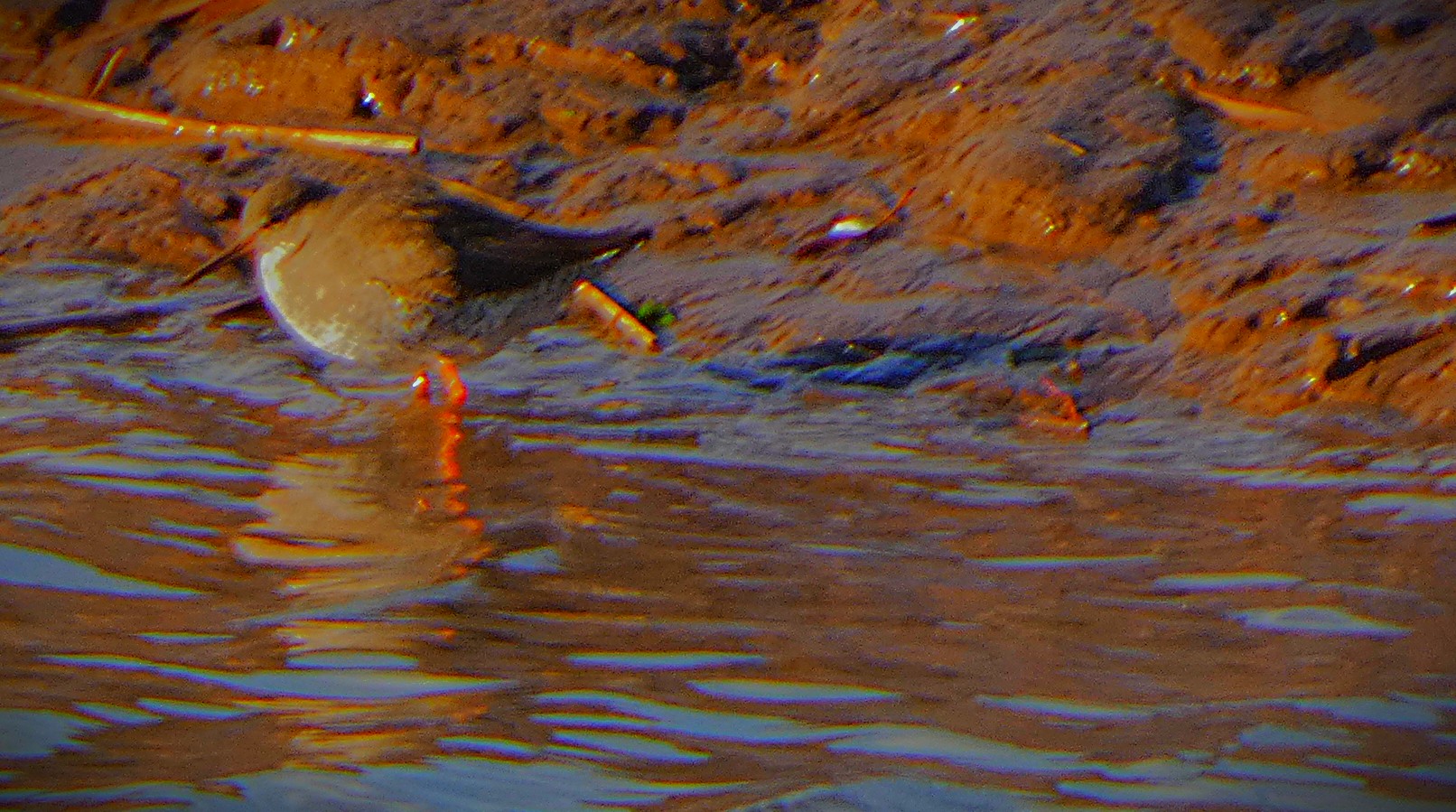








































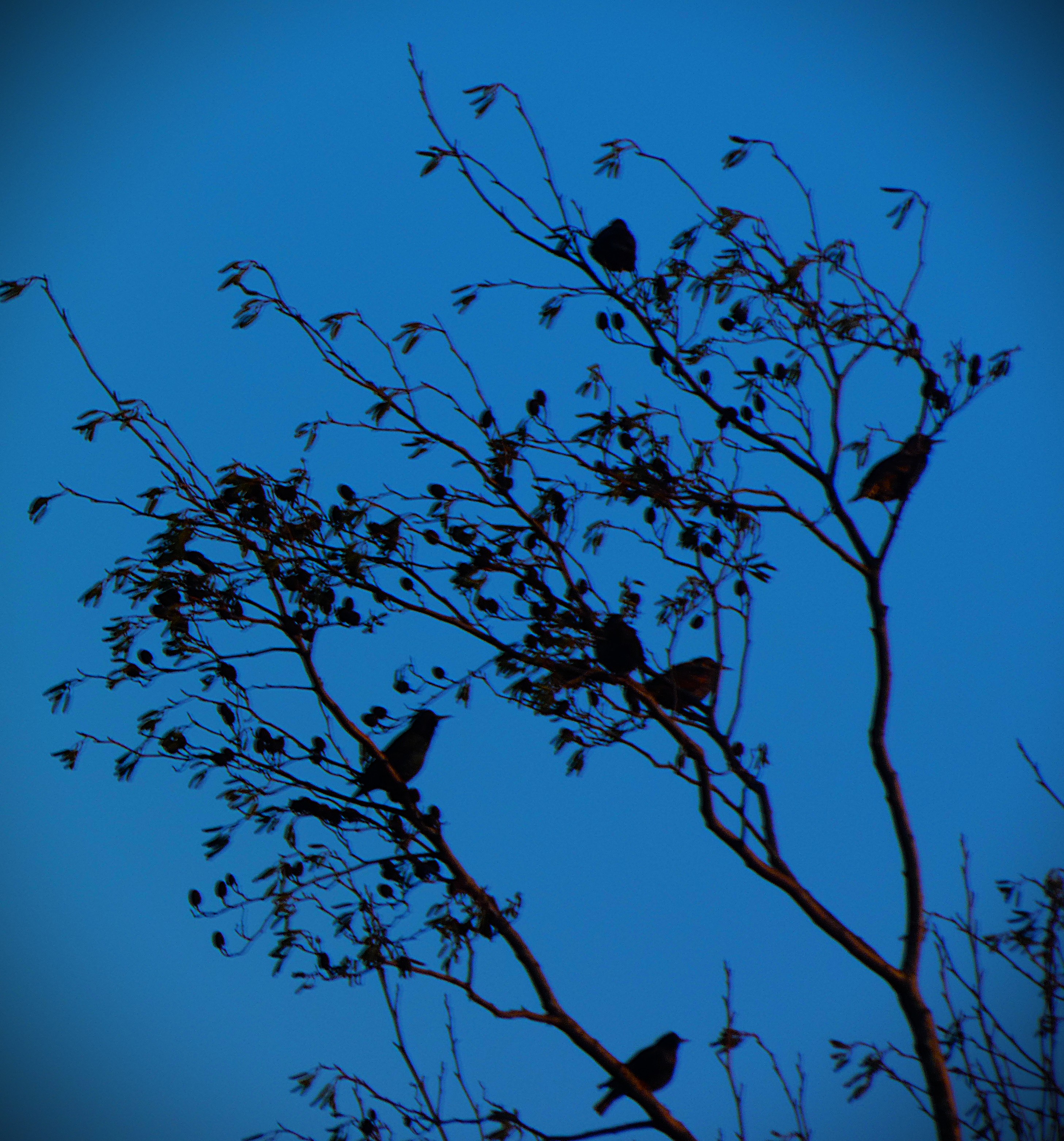










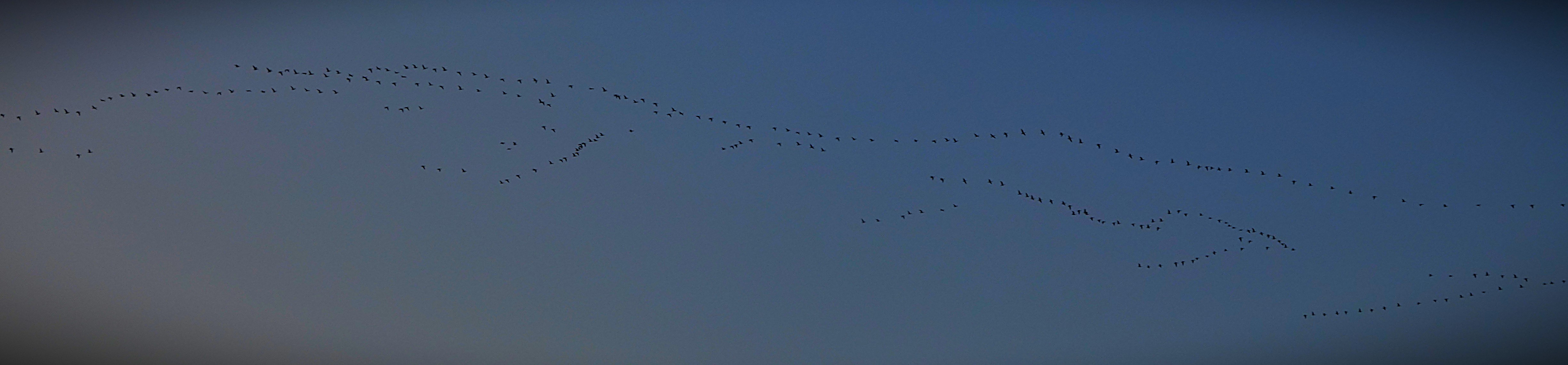


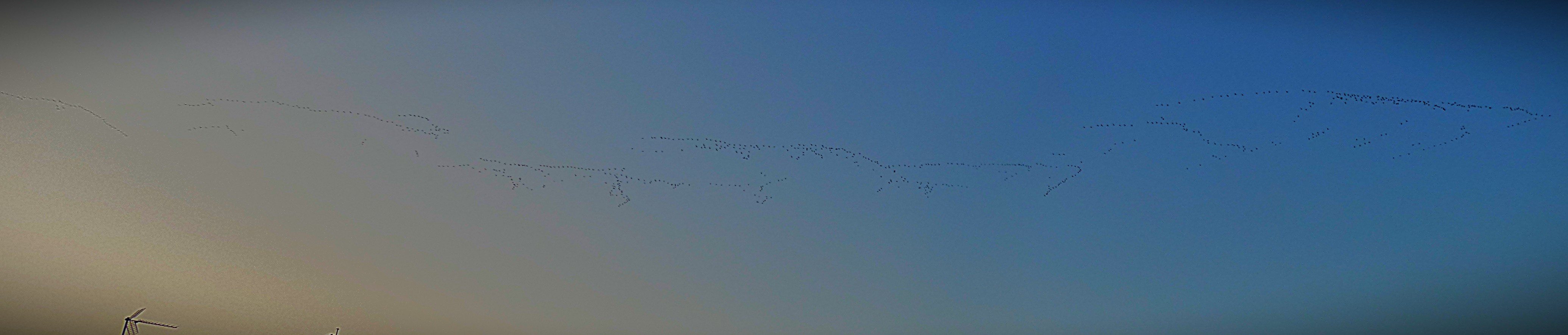
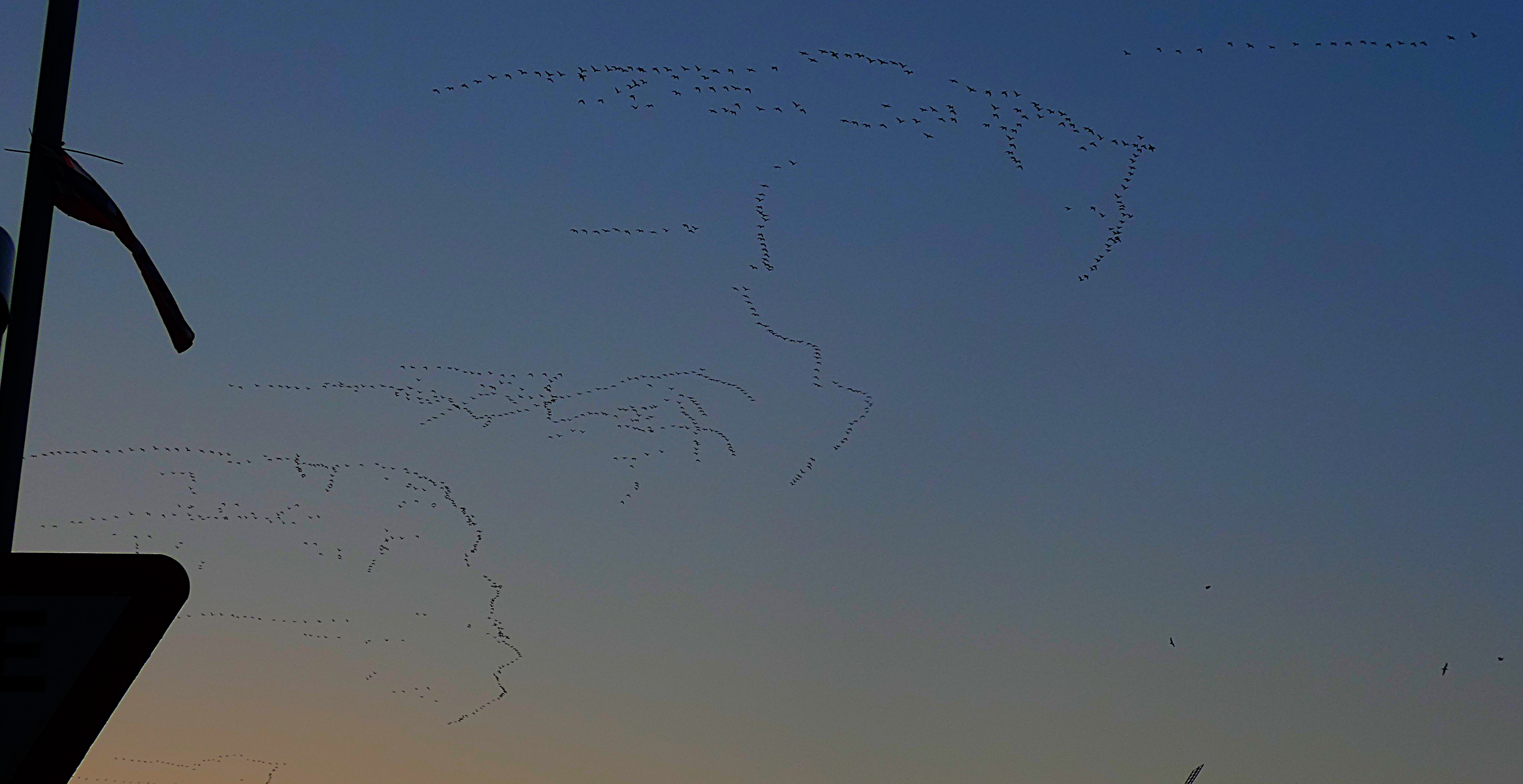

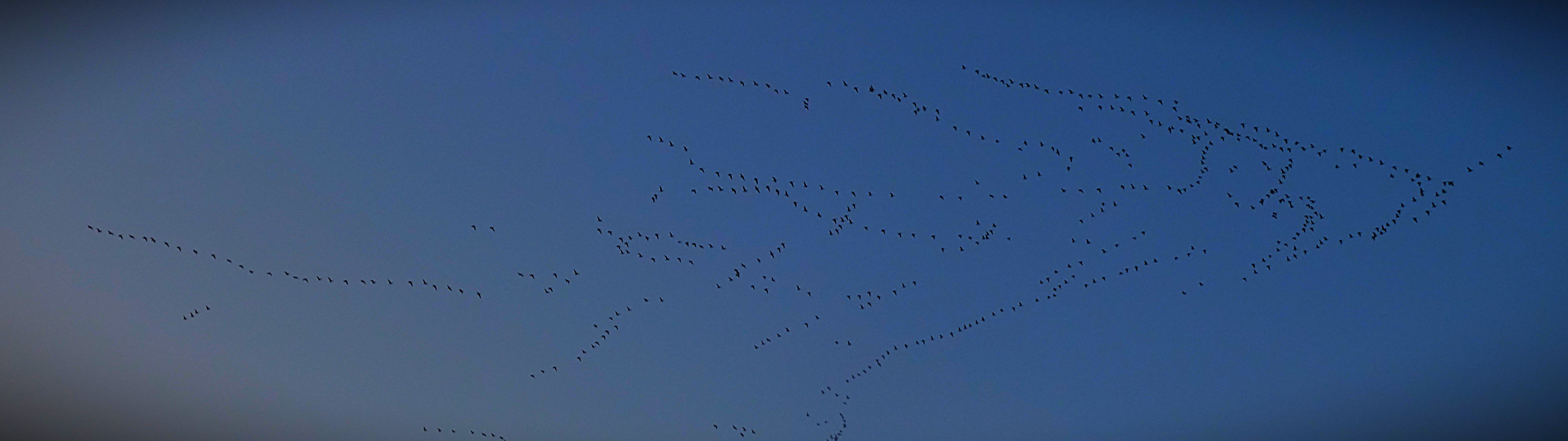


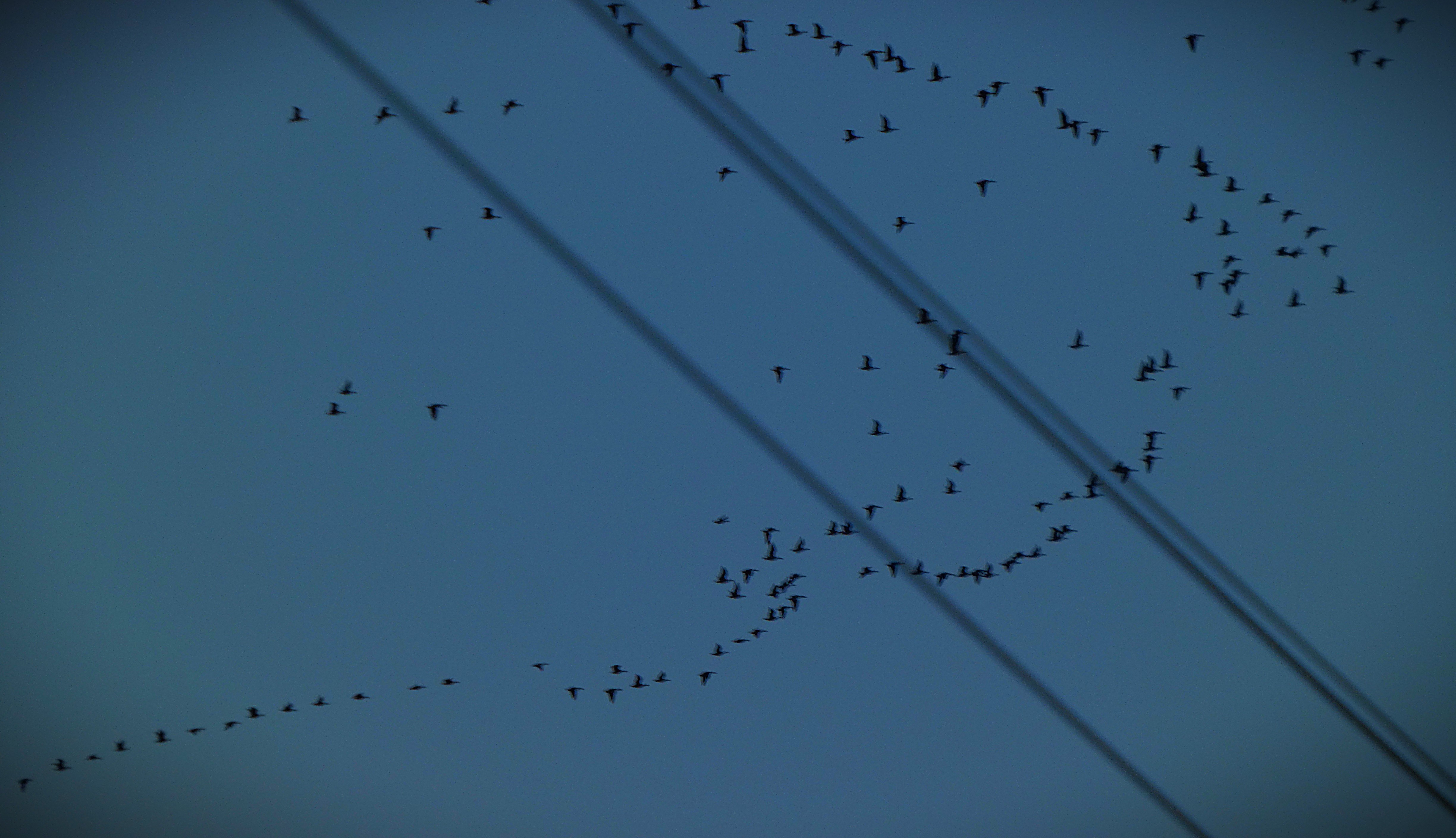
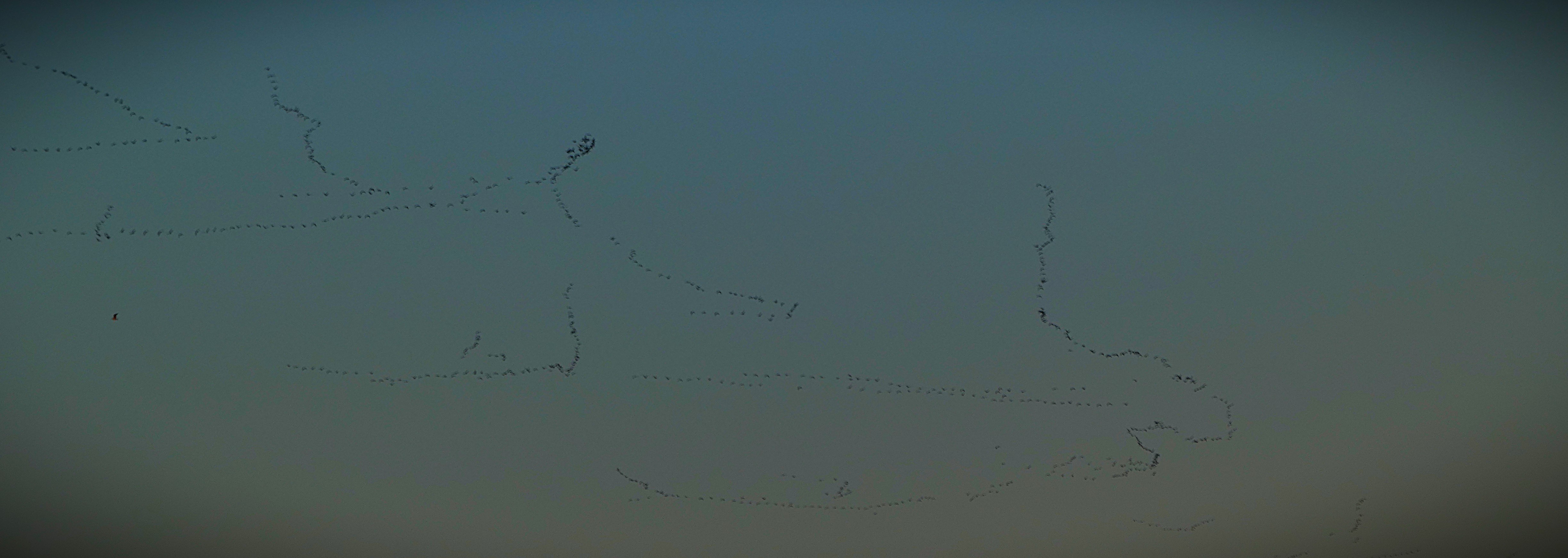
A look at the first two days of action is the pink ball test in Brisbane, and a photo gallery.
Having covered Tuesday’s auction I now turn to something else. Early yesterday morning UK tine a day-night test match got underway in Brisbane, the second match of the 2025-26 Ashes series. England had lost the first match by this same stage, so the fact that I am writing about a match that is still in progress is an improvement.
ROOT THE ALL TIME GREAT
Even before the events of this match no one seriously doubted that Joe Root was a great batter rather than merely a good or even very good one, but there were certain Aussies who would deny him the status of an all-time great because he had a blot on an otherwise stellar CV – he had never scored a test century in Australia. There seemed small chance of England having anything the celebrate when Root’s innings began – Duckett and Pope had both fallen cheaply, and the score was 5-2. Zak Crawley came back well from his pair in Perth, making an impressive 76 and sharing a century stand with Root. Harry Brook looked highly impressive in making 31, but his dismissal when he should have gone on to a properly big score was a shocking one, not just because the shot was one he should never have taken on, but because he did so against Starc, the only genuinely dangerous bowler Australia had. Stokes gave Root some support but got out before long. That brought Jamie Smith, facing a pink ball for the first time in his professional career (apparently it was not worthwhile to send him, and others in the same boat, such as Will Jacks, in for the injured Wood – a batting all rounder who bowls off-spin in for a specialist pacer – to Canberra to play in the President’s XI match) to the crease. Smith collected a duck to put England six down, and bring Jacks to the crease. I had to leave for work at this point, but a later check confirmed that Root, in the 70s when I left, had finally scored that first century on Aussie soil and removed any possible doubt about his status as an all time great. His best support after I had left came from number 11 Jofra Archer, who made into the 30s, and would be last out for 38 early this morning UK time. England amassed 334, Root with 135 not out being the person who made that total possible.
AUSTRALIA SO FAR
England produced a very variable bowling performance, and the fielding was far too fallible. Four clear-cut chances went down, Duckett culpable on two occasions to go with his duck, and Joe Root in the slips got a hand to ball that streaked away for four, though it would have been an absolute screamer of a catch had he held it. Brydon Carse took three wickets in the course of the day and had a chance shelled, but he was also absurdly expensive – at one stage he was leaking runs at a rate that would have raised eyebrows in a T20 league, and even by the end of the day he had 3-113 from 17 overs. Australia were 291-3 at high water mark, but then Green and Smith both fell to Carse very quicky. England got one further wicket in the day, but in the latter stages as they started to show obvious tiredness Australia got on top once again, ending the day on 378-6, 44 runs ahead on first innings with four wickets standing. England are not out of this yet – come the fourth innings the pitch will be very tricky, but they need to bowl well first thing tomorrow, and then bat well for the rest of tomorrow and well in to day four.
PHOTOGRAPHS
My usual sign off…




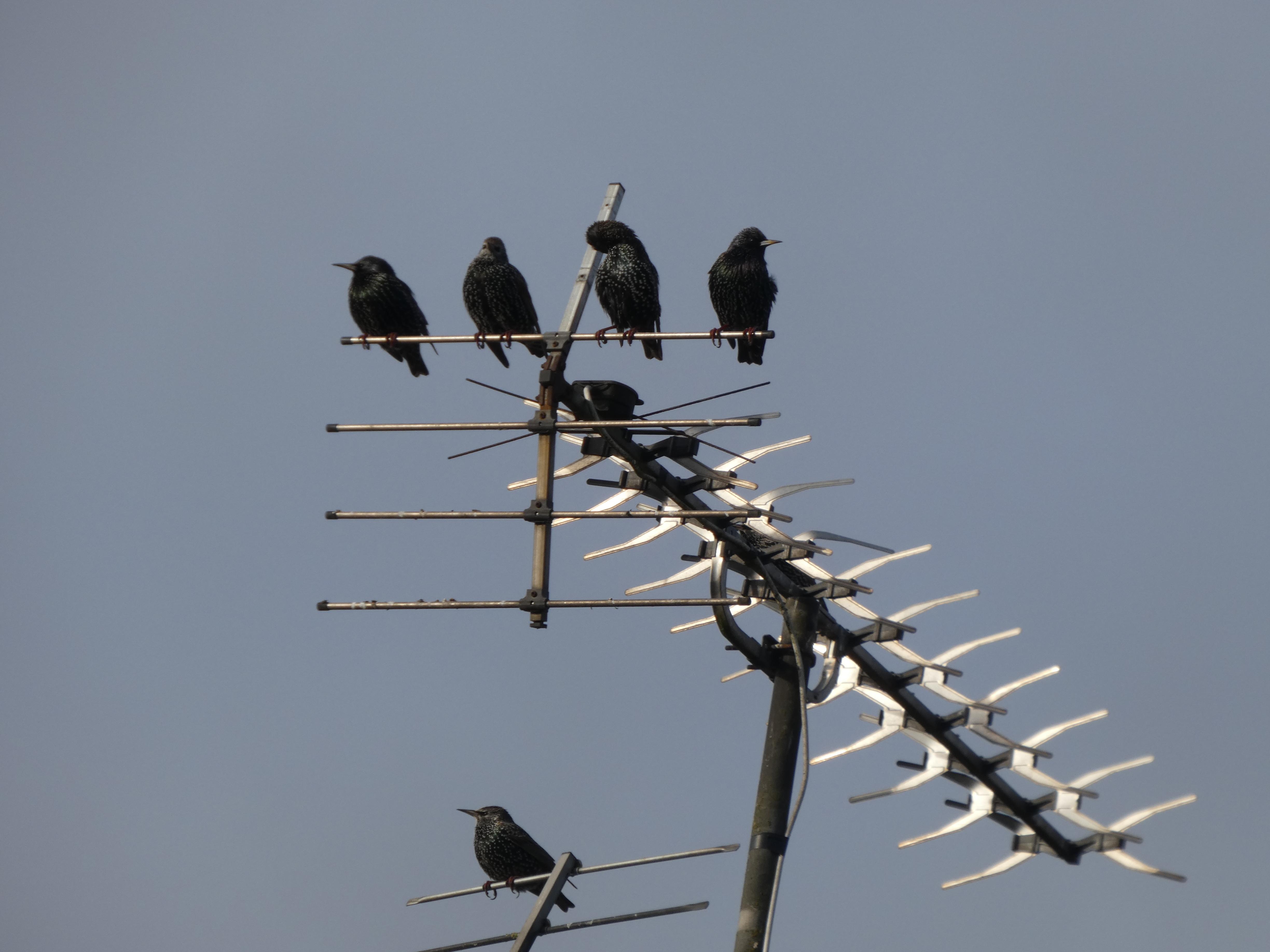



































A look back at today’s WBBL match between Brisbane Heat and Melbourne Stars, and a photo gallery.
Today in the Women’s Big Bash League Brisbane Heat played host to Melbourne Stars at Allan Border Field in a game that had been scheduled as late-night fixture (coverage starting at 9AM UK time) because it was seen as being a kind of ‘dessert’ after the main meal of day three of the test match at Perth. However, some Kamikaze batting by England and a great innings from Travis Head (go here for more) meant that there was in point of fact no day three in Perth, so this match became the main event.
THE STARS INNINGS
Melbourne Stars won the bat flip and opted to bat first. Brisbane Heat’s captain Jess Jonassen was not unhappy about this. Heat had lost all four of their games this edition, so desperately needed a win. At first they looked absolutely certain to get that win, as they tore through the Stars top and middle order, reducing the visitor’s to 44-6 at one point. At that stage South African veteran Marizanne Kapp was joined in the middle by young English bowling all rounder Danielle Gibson. They launched a spirited revival, putting on 73 together, of which Gibson’s share was precisely 30, from 24 balls, ending when Nadine de Klerk trapped her LBW. Georgia Prestwidge scored 3 (7), but such was the devastating fusillade from Kapp at the other end that the eighth wicket stand yielded 43 in 2.5 overs! This briefly opened the possibility of a Kapp century, but even batting as she was by then time was against her, the final over being already underway. In the end she finished with 93 not out from 51 balls, including nine fours and five sixes, in a Stars total of 171-8.
THE HEAT REPLY
Heat started far better than Stars had, with Grace Harris and Charli Knott putting on 50 for the first wicket, a stand that ended when Sophie Day pinned Harris LBW. Jess Jonassen now promoted herself to number three, when Georgia Redmayne would probably have been a better choice there. In the eighth over Kapp’s medium pace provided the second breakthrough, Harris being caught by Danielle Gibson to make it 56-2. Chinelle Henry looked dangerous, smashing two sixes in the space of three balls in the ninth over, but off the last ball, immediately after hitting the second of those sixes, she went big again and was superbly caught by Kapp for 13 (8) to make it 74-3. Jonassen never really looked like justifying her decision to bat at number three, and in the 12th over she was caught in the deep by Georgia Prestwidge off Day for 15 (14)to make it 92-4. Four balls and three runs later Nadine de Klerk took on McKenna and Prestwidge again got underneath it to make it 95-5. Georgia Redmayne and Lauren Winfield-Hill shared a decent partnership, but they were never up with the rate, and Redmayne’s dismissal left Heat needing 40 runs to win off just 3.1 overs. They never got remotely close, and it was only a four hit by young fast bowler Lucy Hamilton off the final ball of the match with the result long since settled that even enabled Heat to top the 150 mark. The final margin was 18 runs. Marizanne Kapp with that thunderous 93 not out, 4-0-31-2 with the ball and a superb catch was the only possible candidate for Player of the Match, and was duly so named. The Stars now sit third in the table, while Heat, after seven successive seasons of making the knockouts now know that they will not be extending their season this time.
PHOTOGRAPHS
My usual sign off…
















































































 aspiblog