50th Birthday Holiday 11: the Middle of Friday

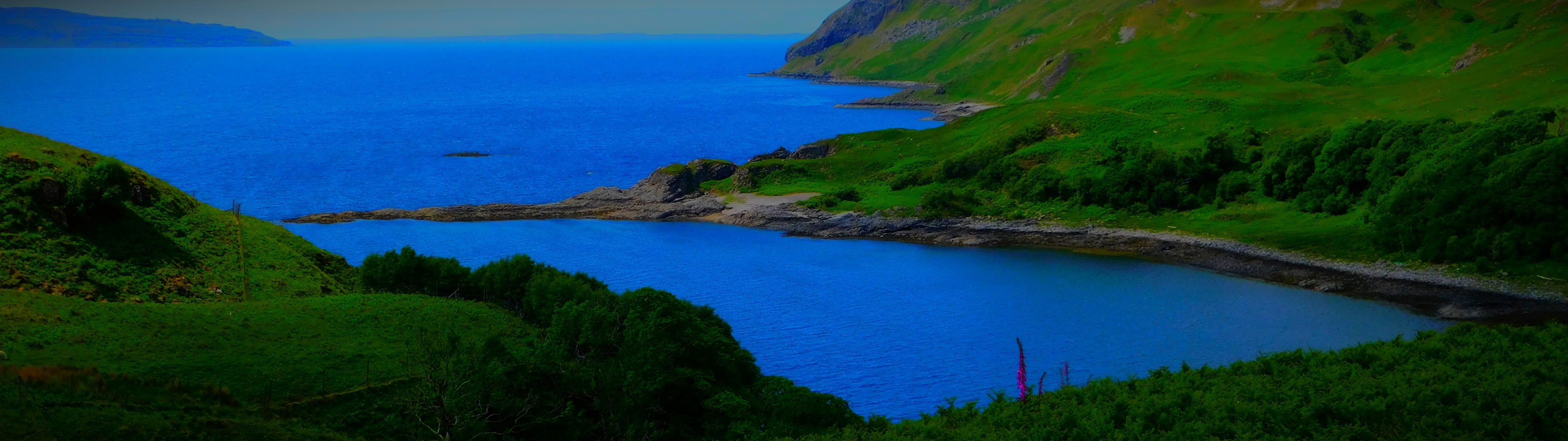
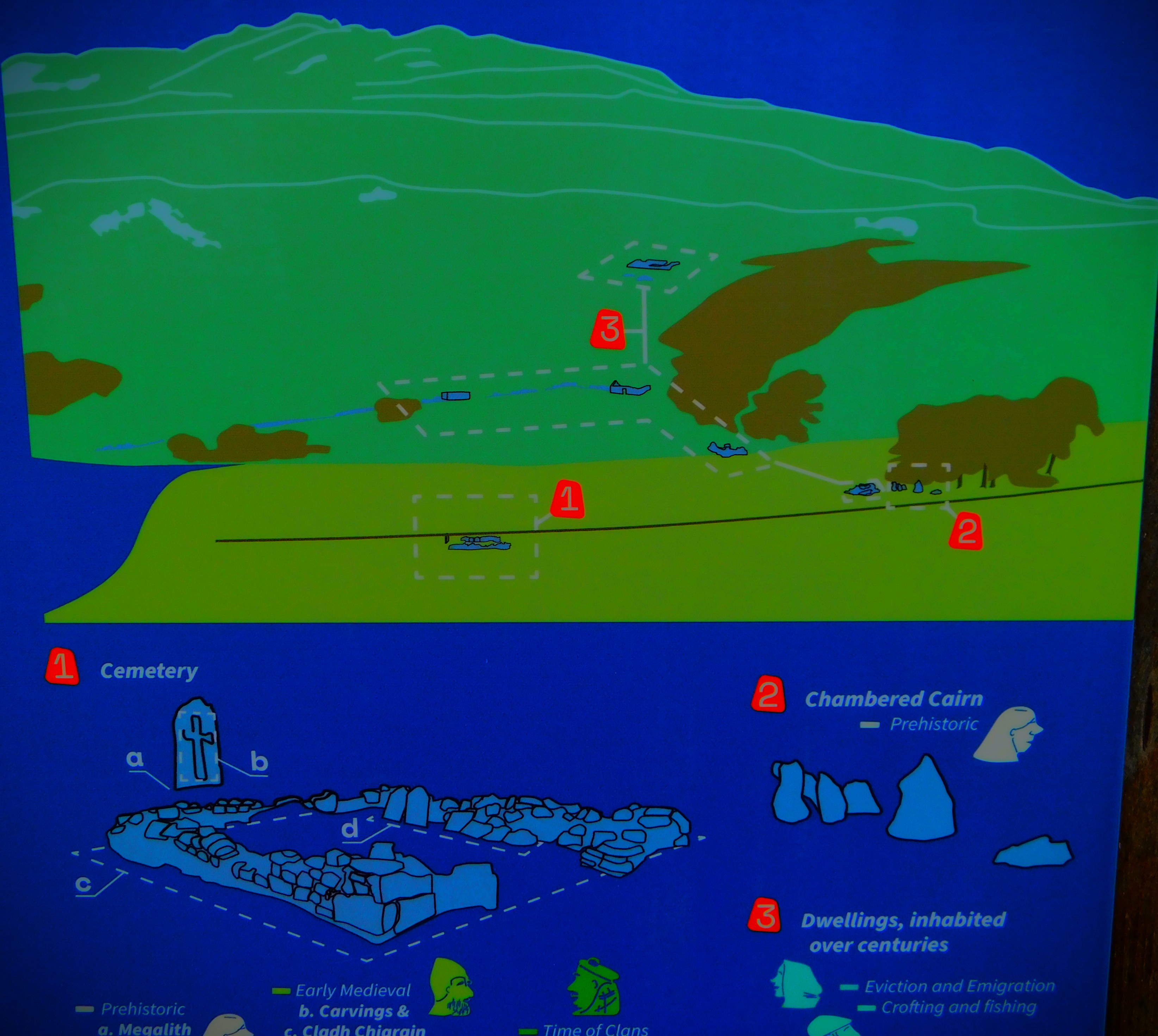
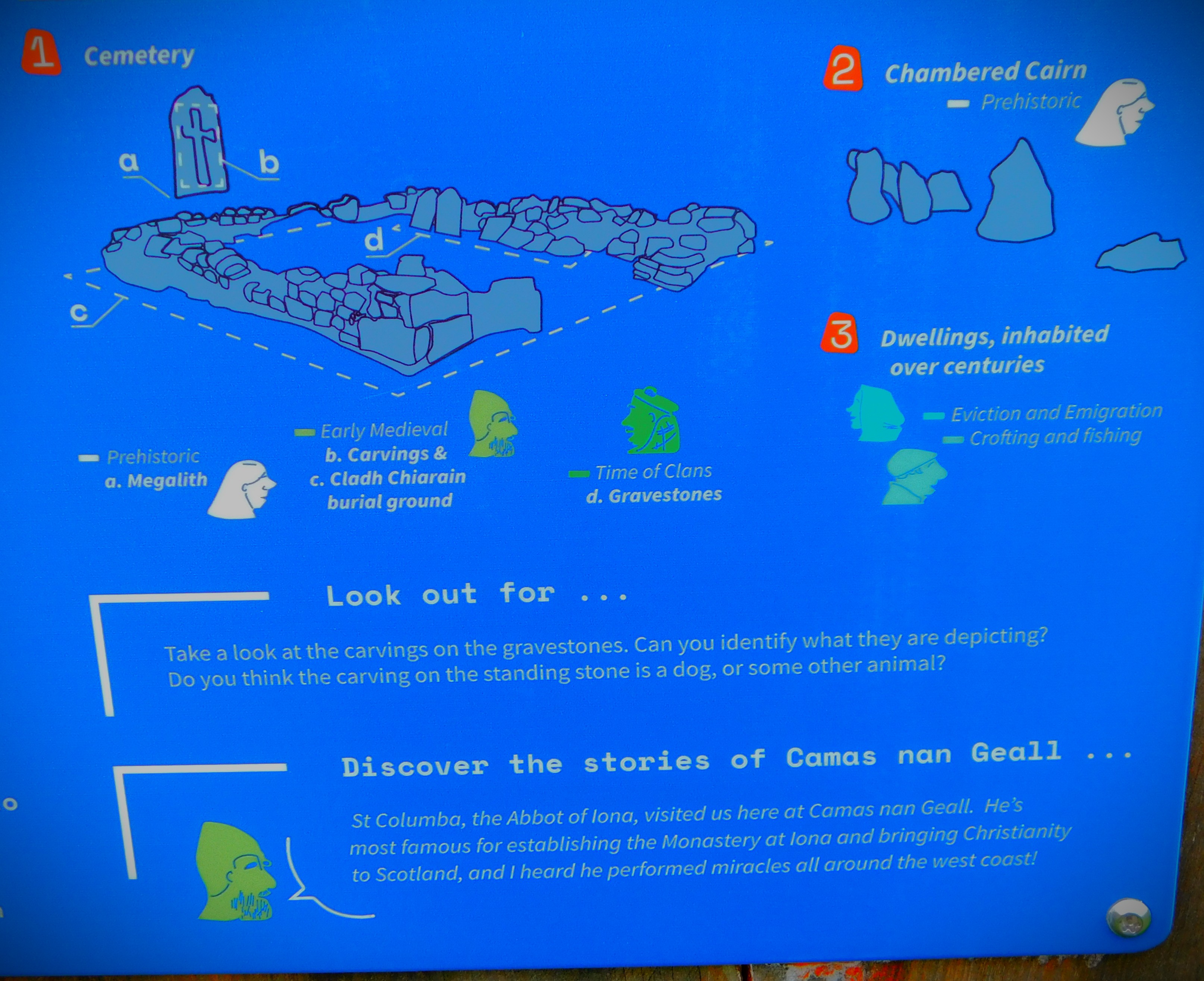
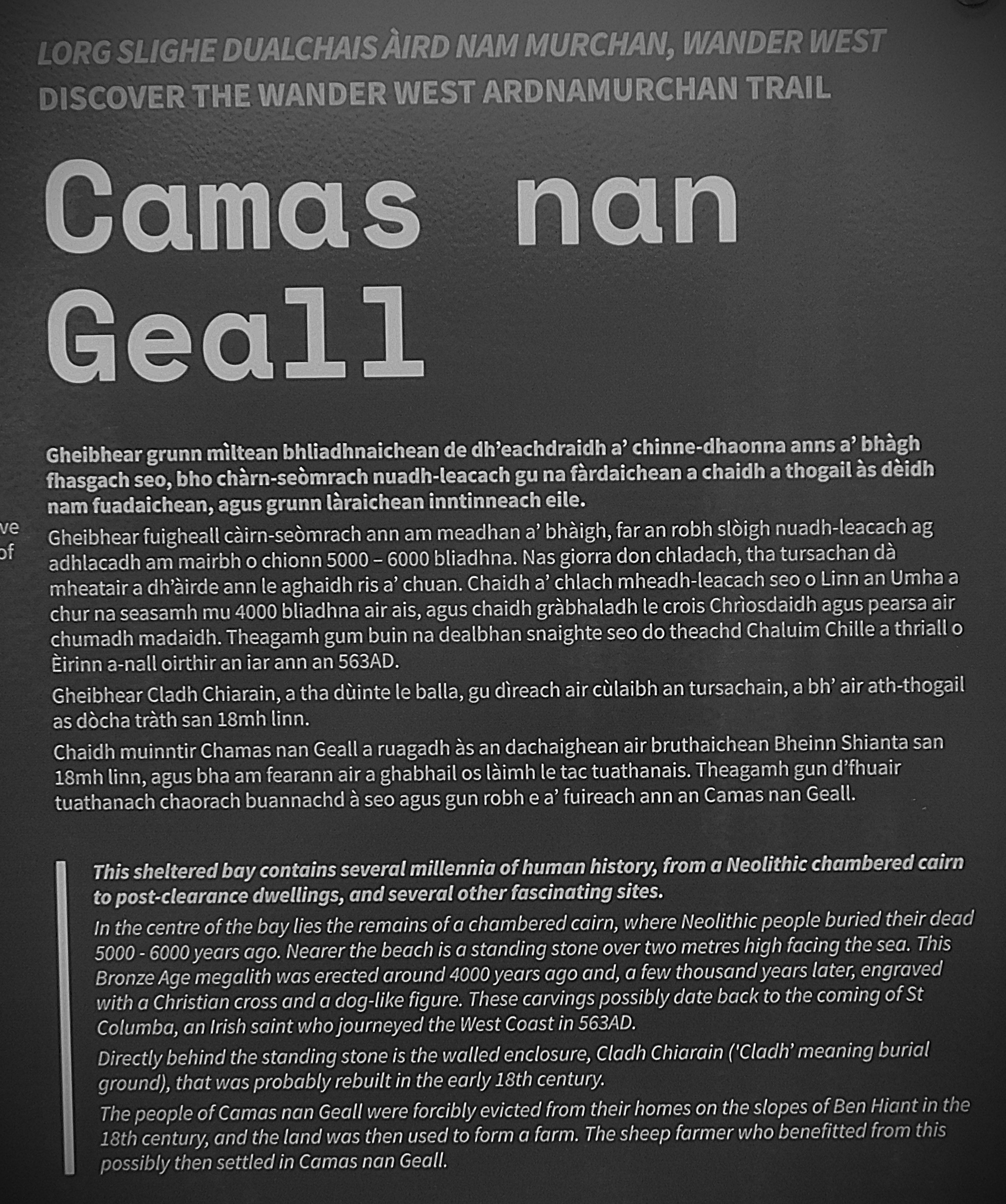
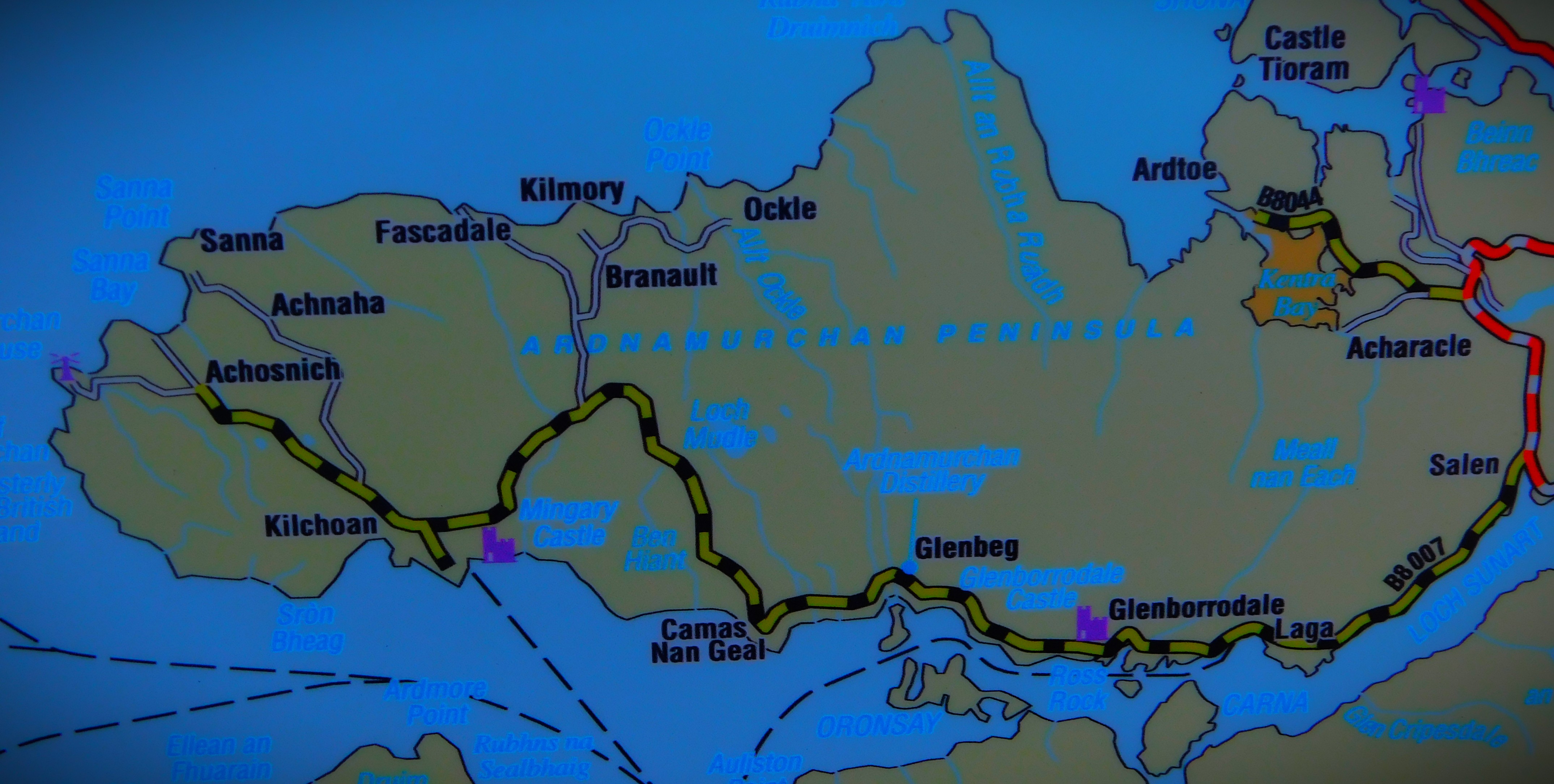
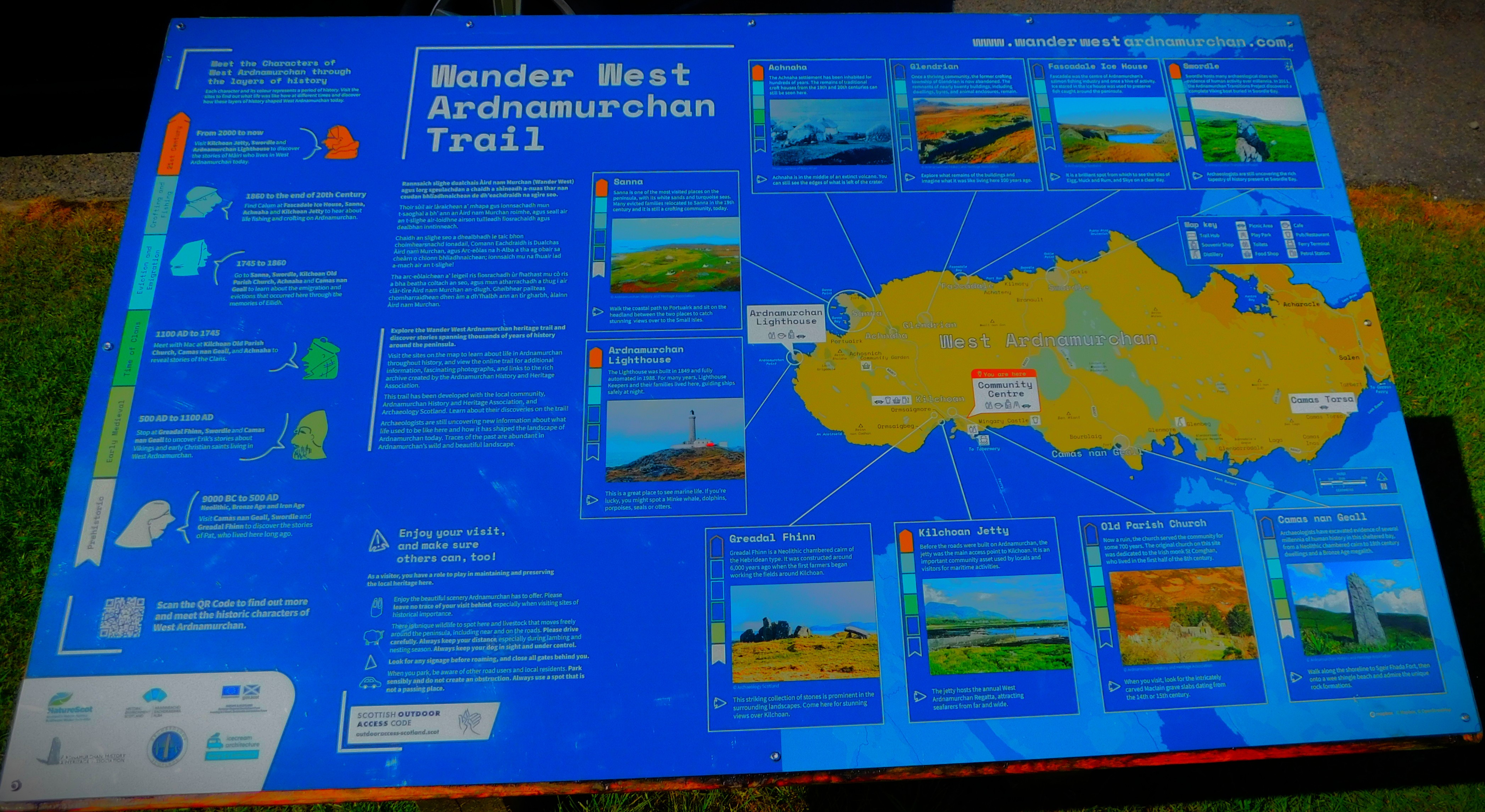
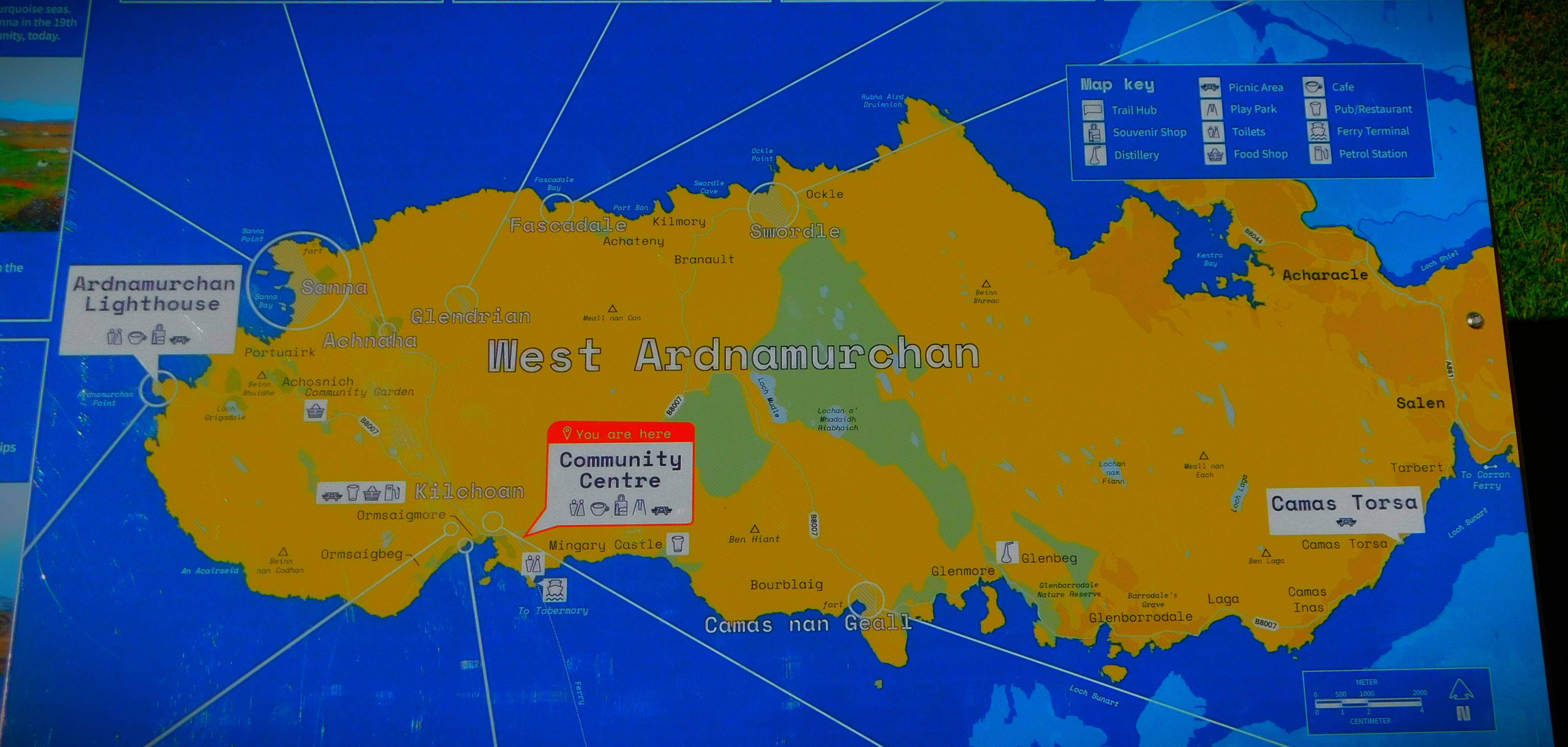
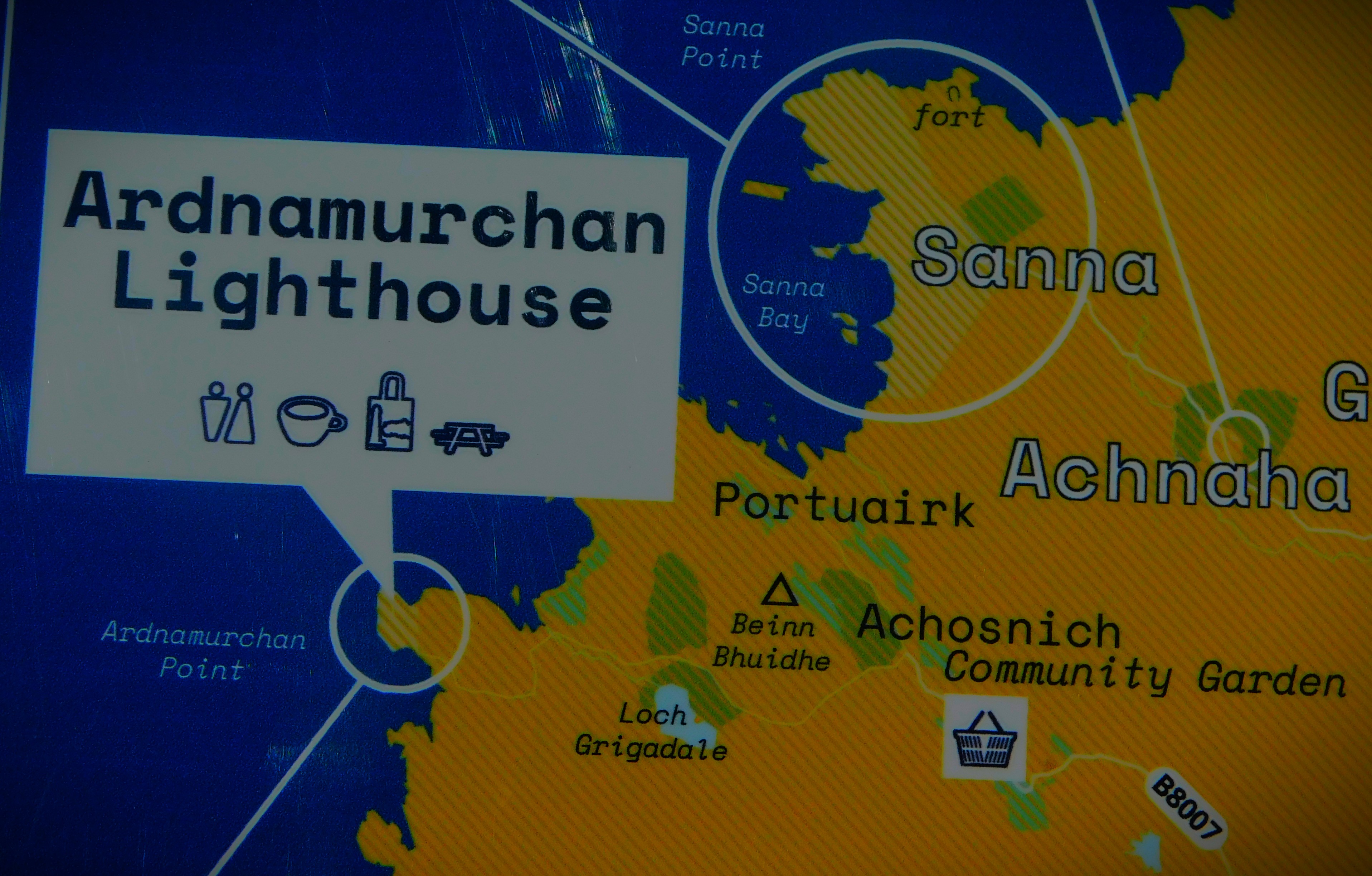
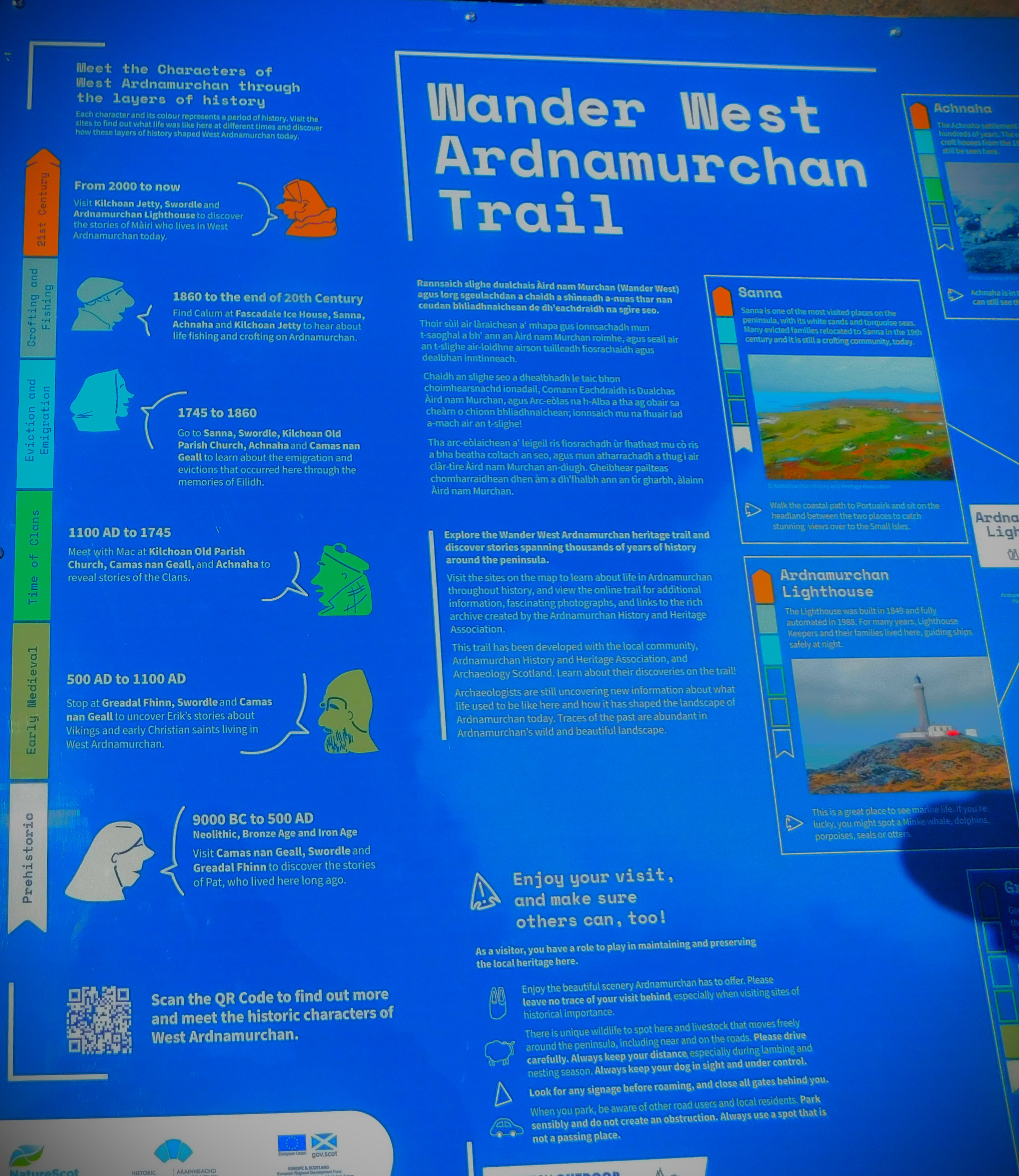
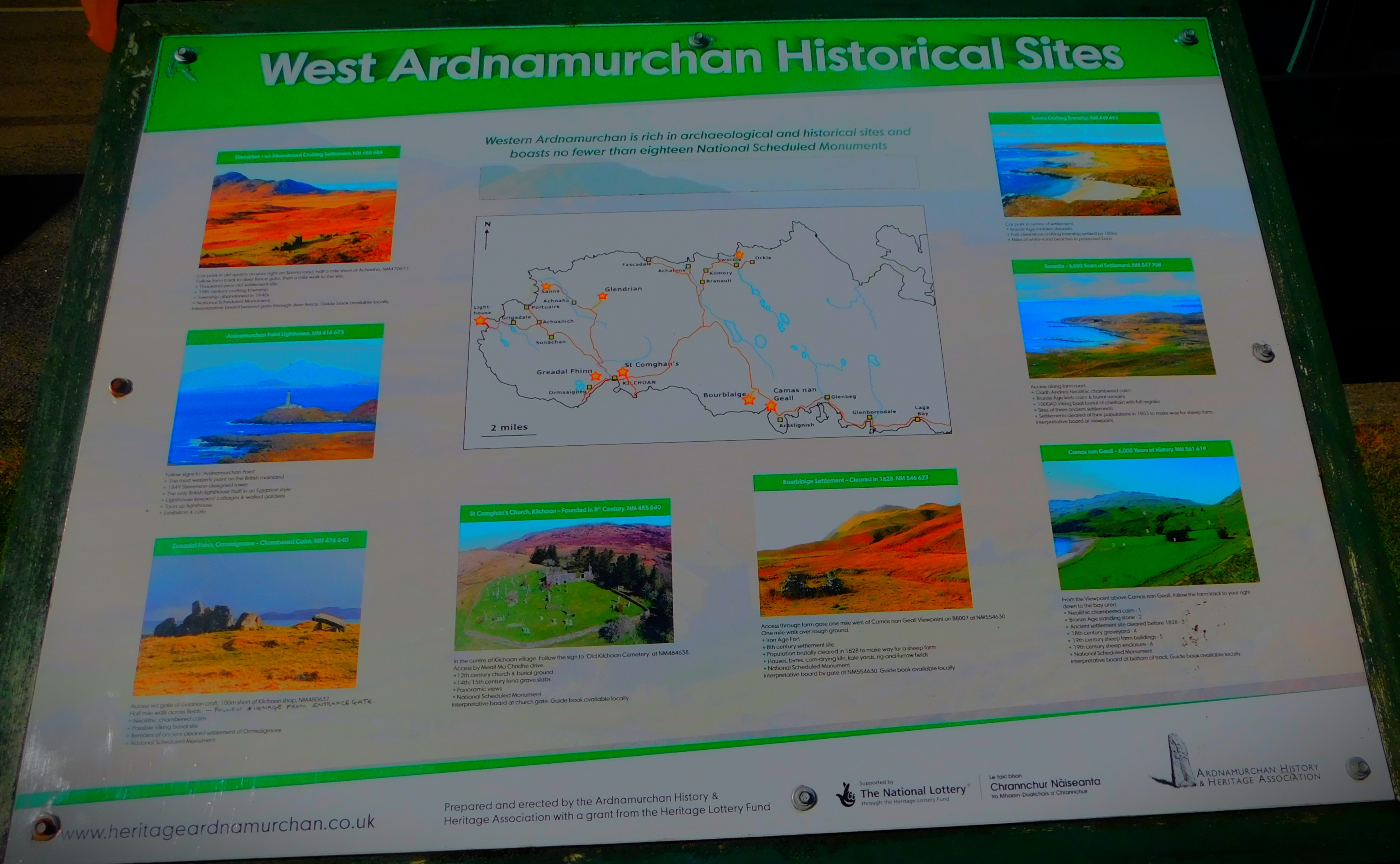
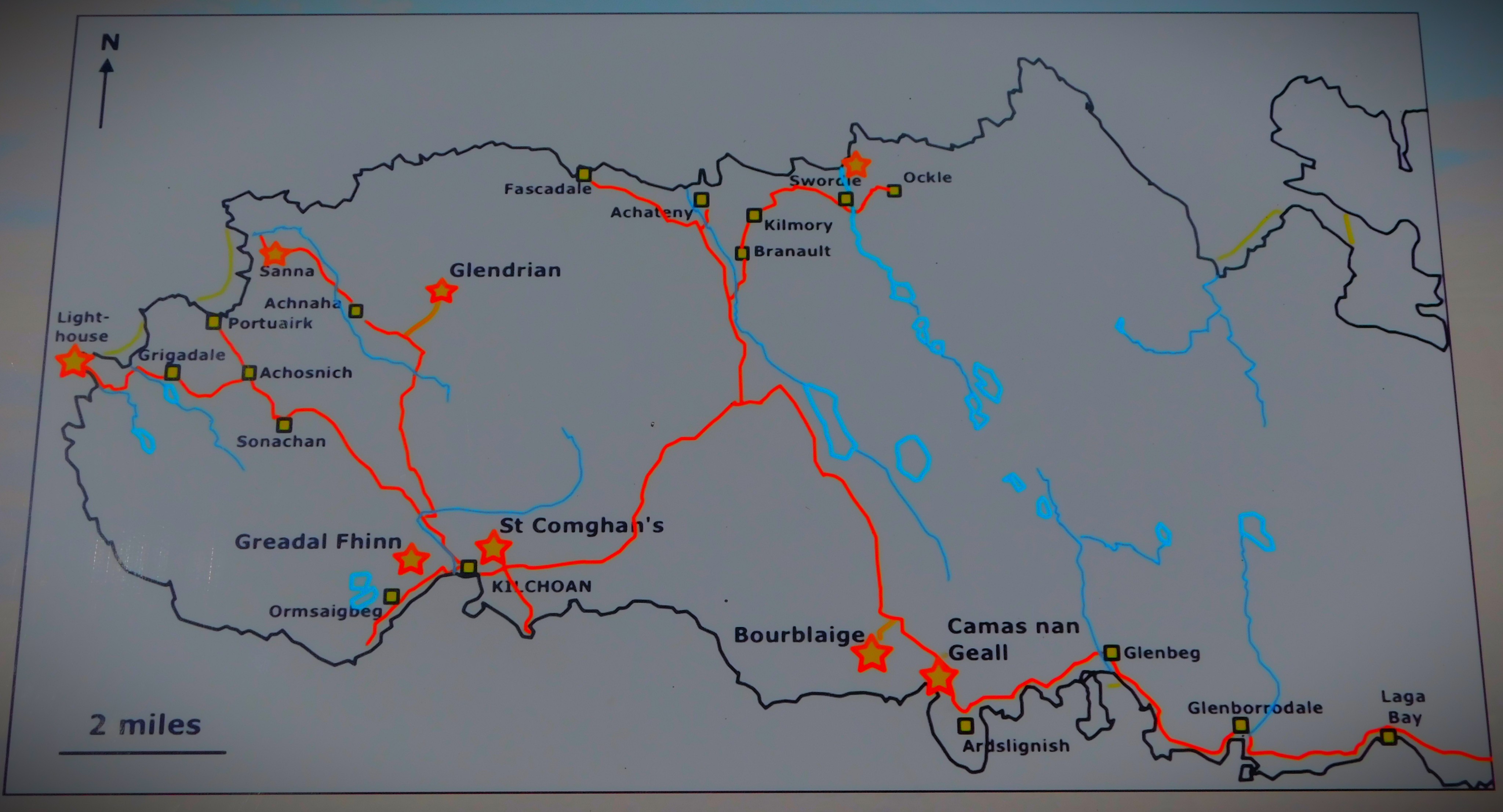
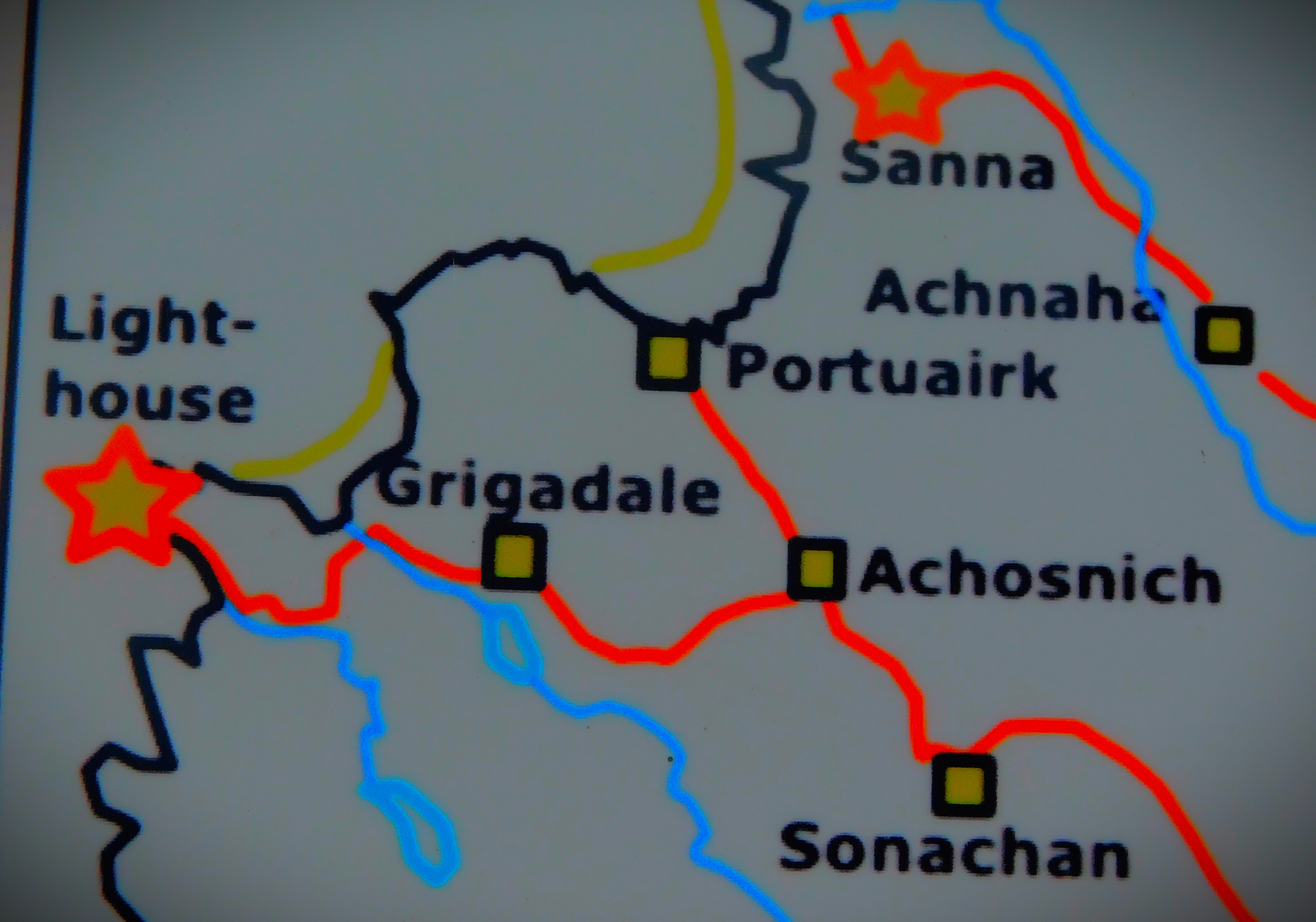
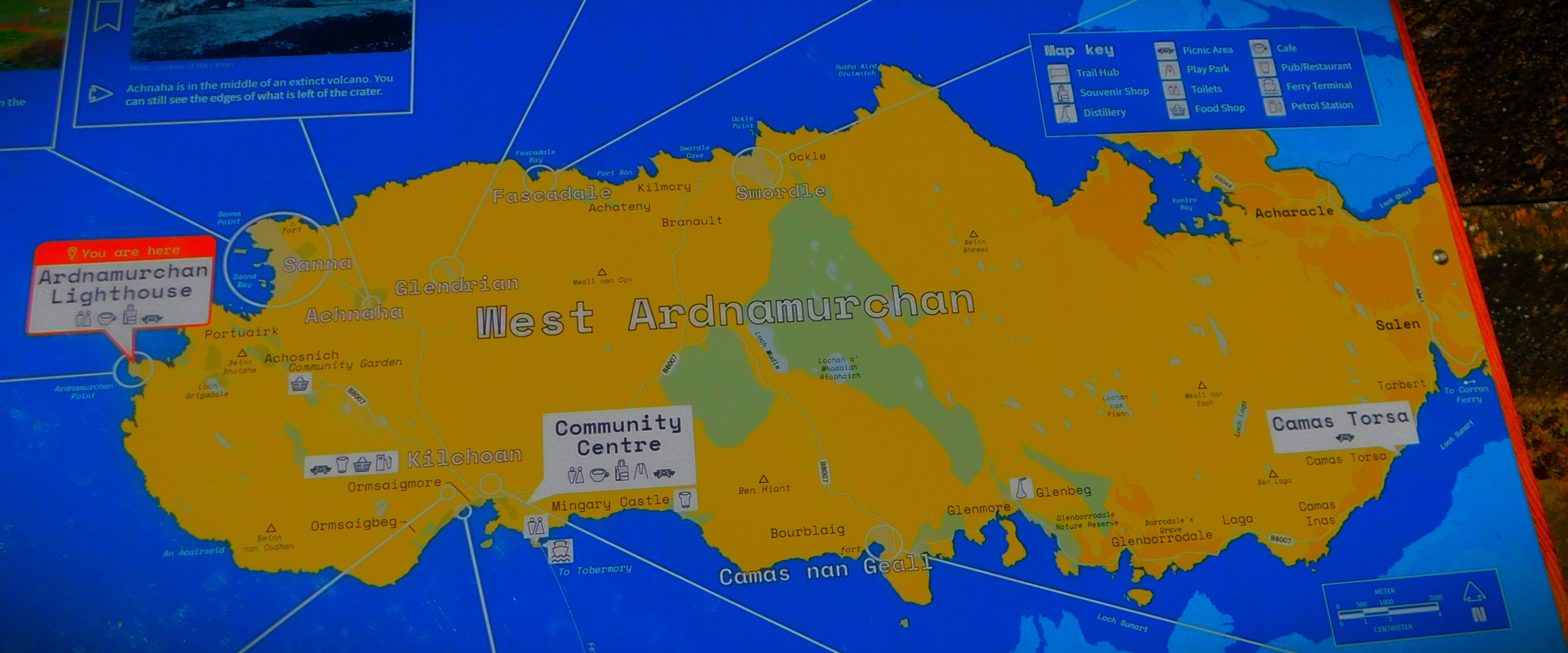
The middle part of the Friday of my birthday holiday – Camas Nan Geall, Kilchoan Jetty, an abortive attempt to access Greadal Fhinn and a successful location of St Comghan’s church.

Welcome to the latest post in my series about my holiday in the far west of Scotland around the time of my 50th birthday. This post follows naturally from its immediate predecessor in the series.

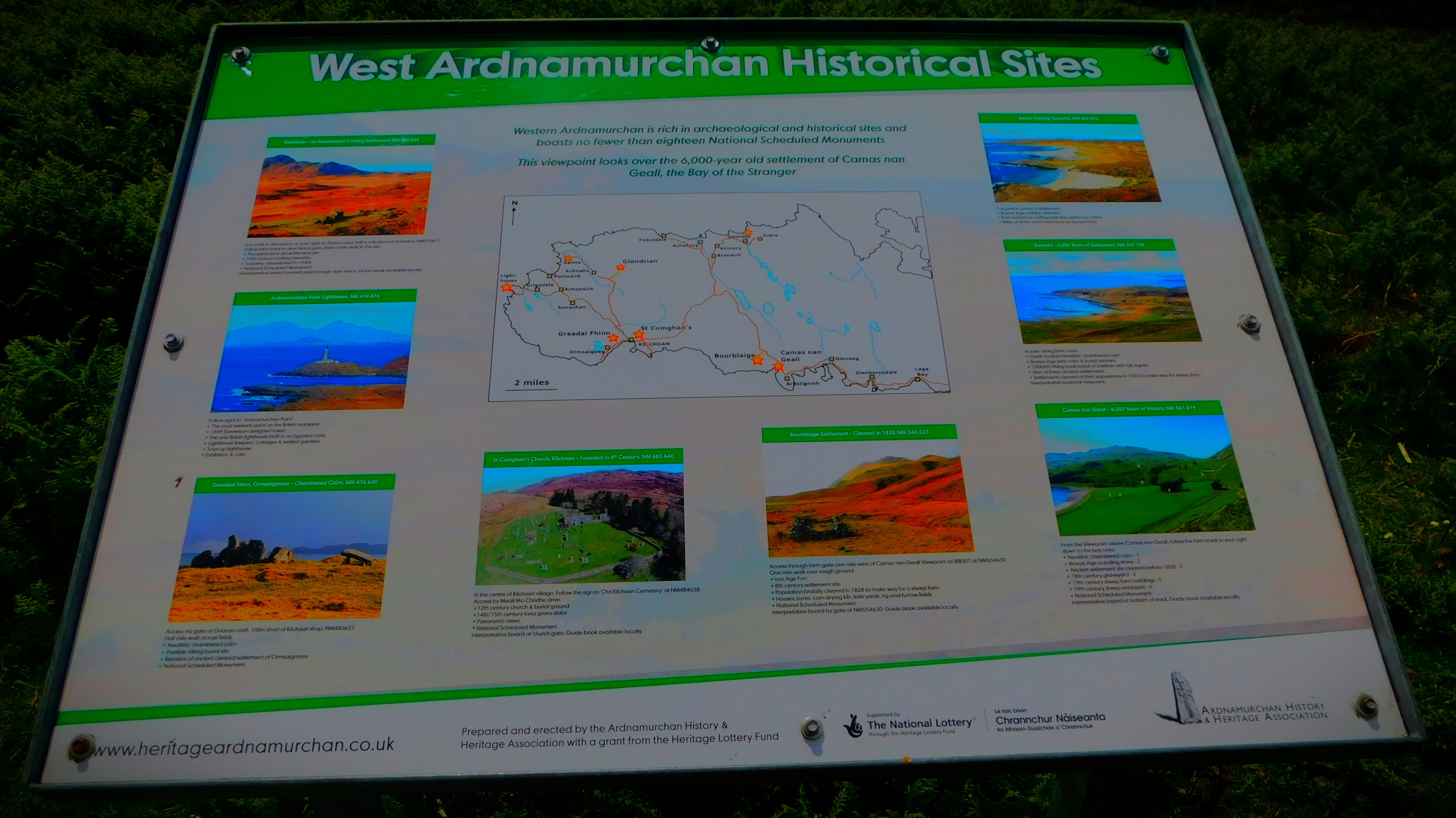
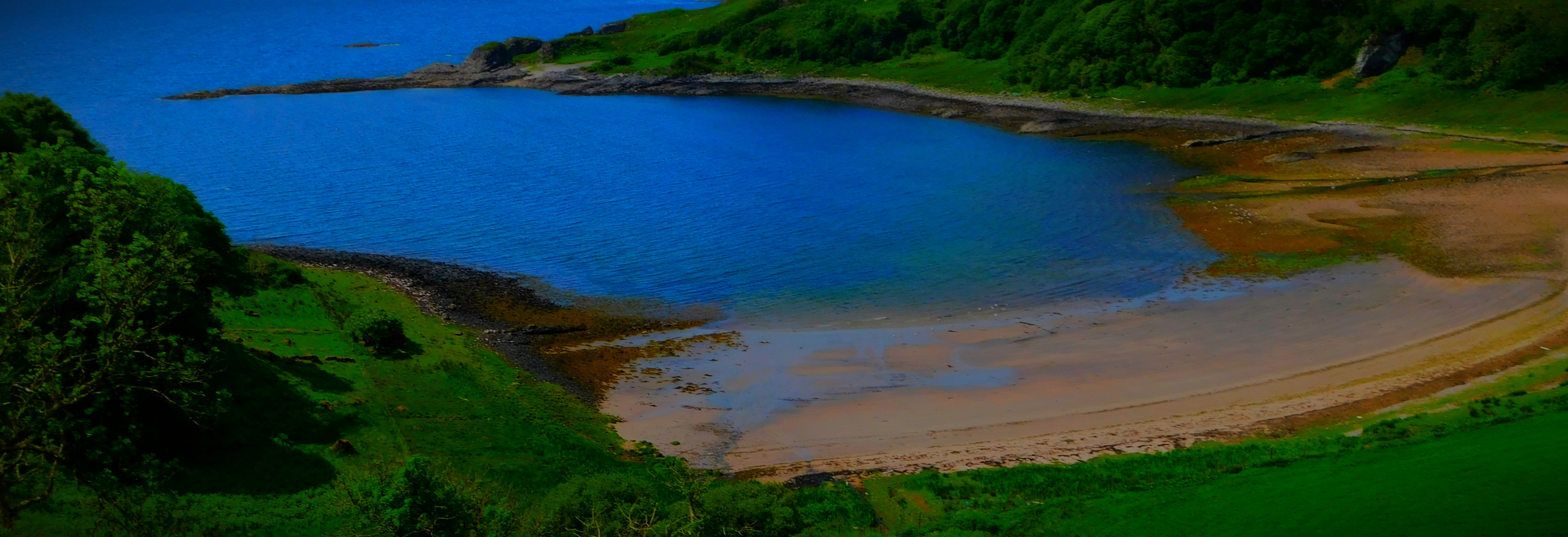
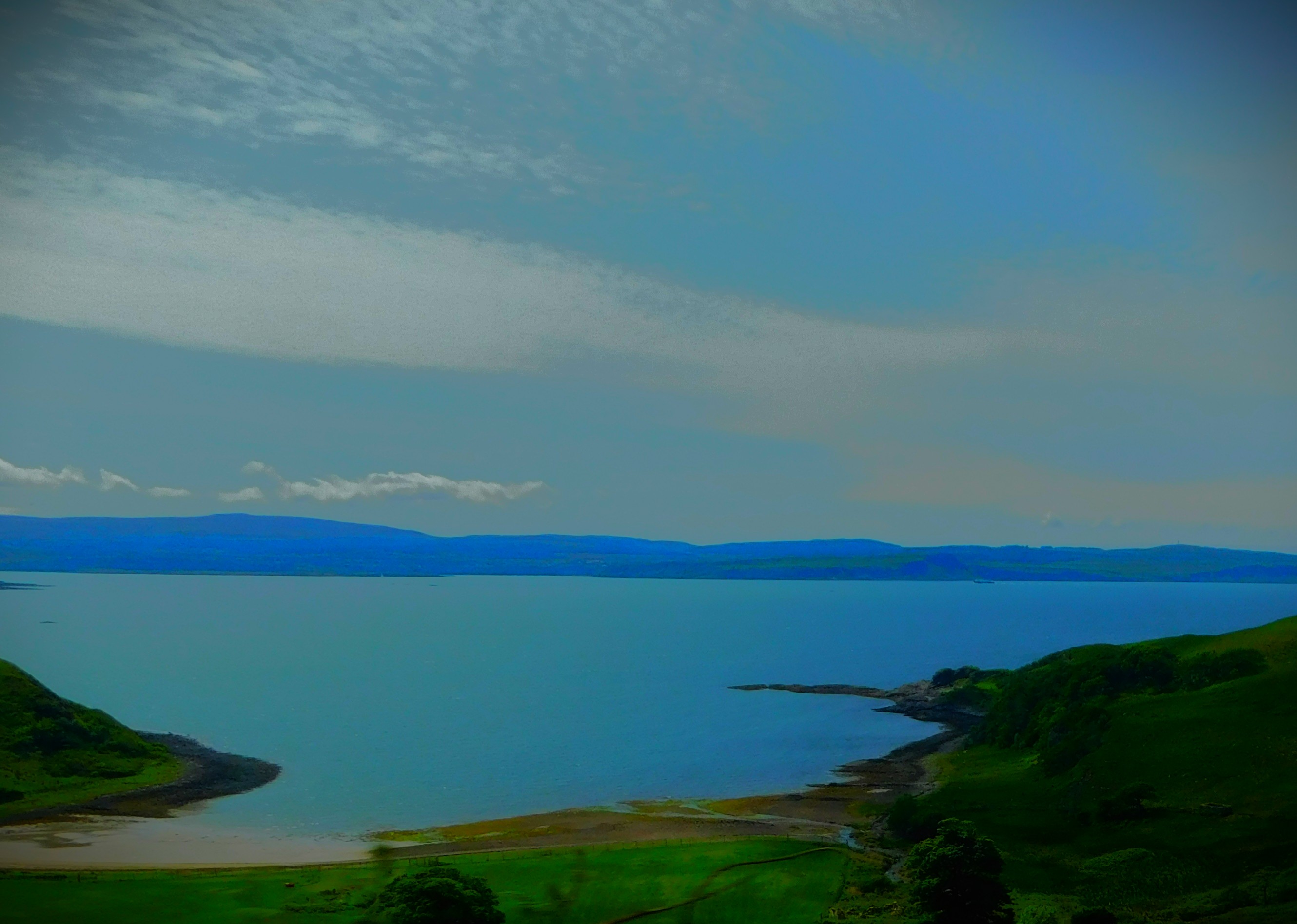
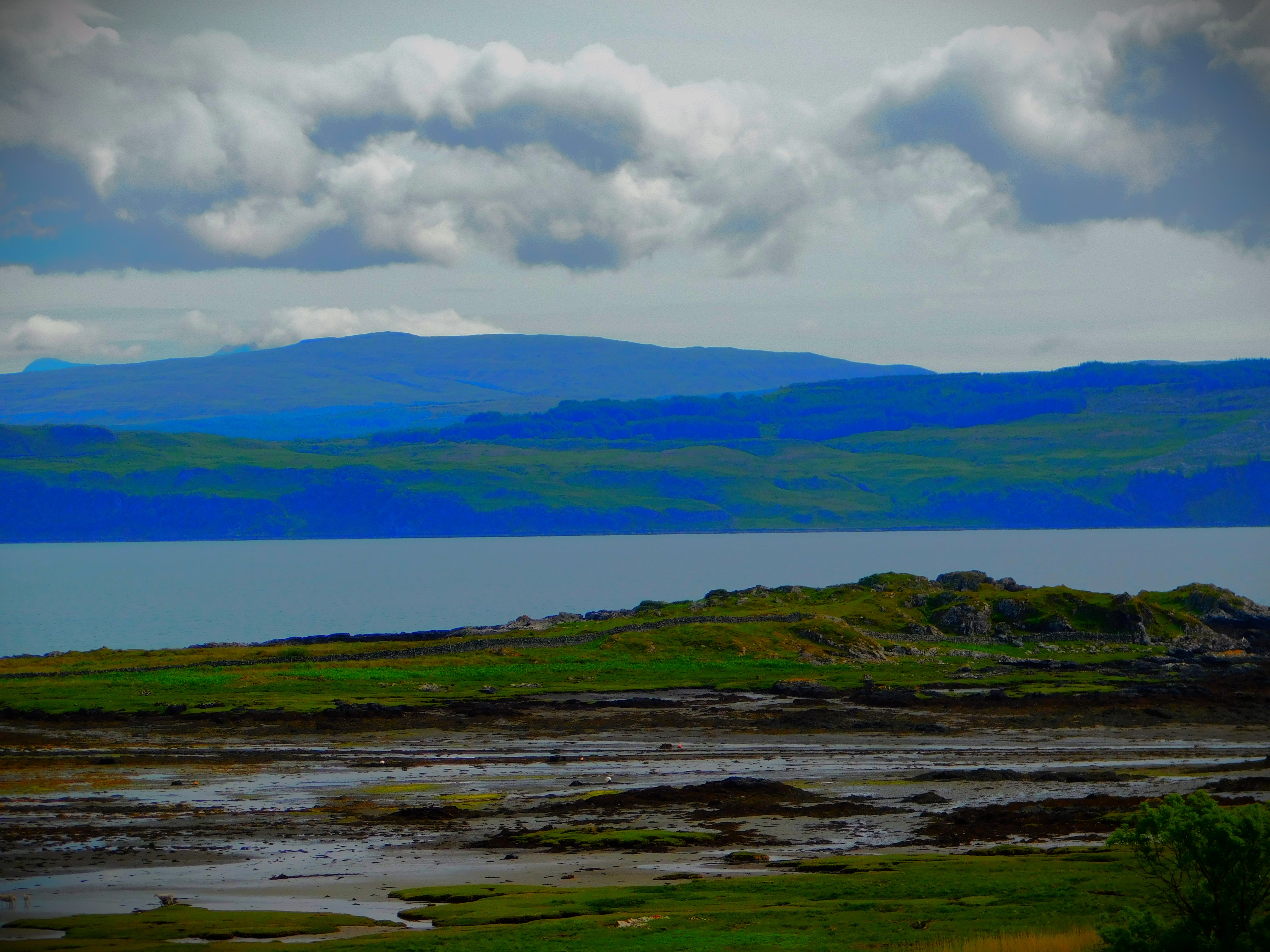
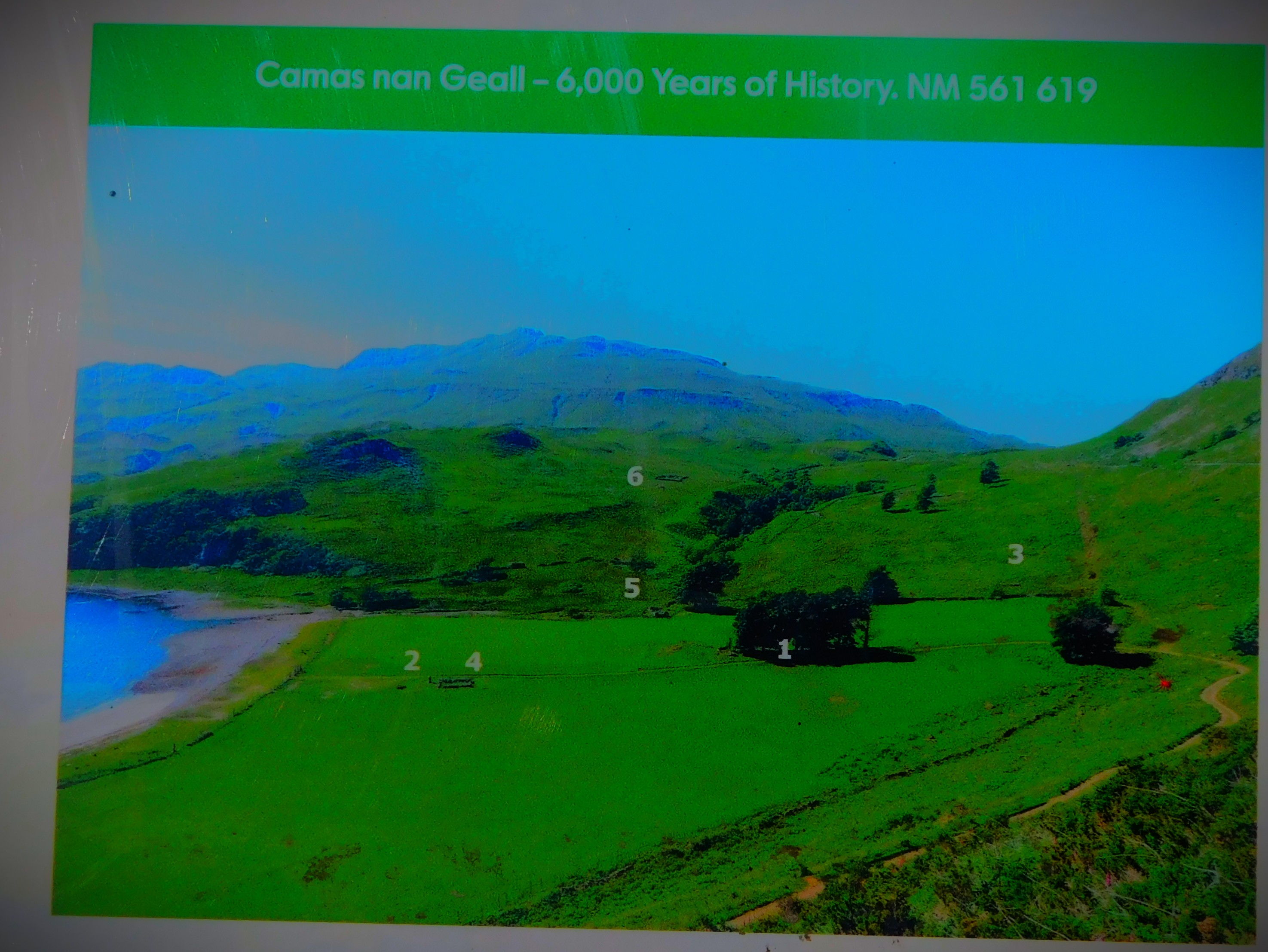
We had passed this on our way to the nature reserve and wanted a closer look, so on the way back we stopped there. We did not go all the way down to the seaside, but there was nevertheless plenty to see. We encountered a group of birdwatchers who had eyes on a white tailed eagle (it was too distant to be seen without binoculars). We had prepared sandwiches for lunch and I ate mine here.

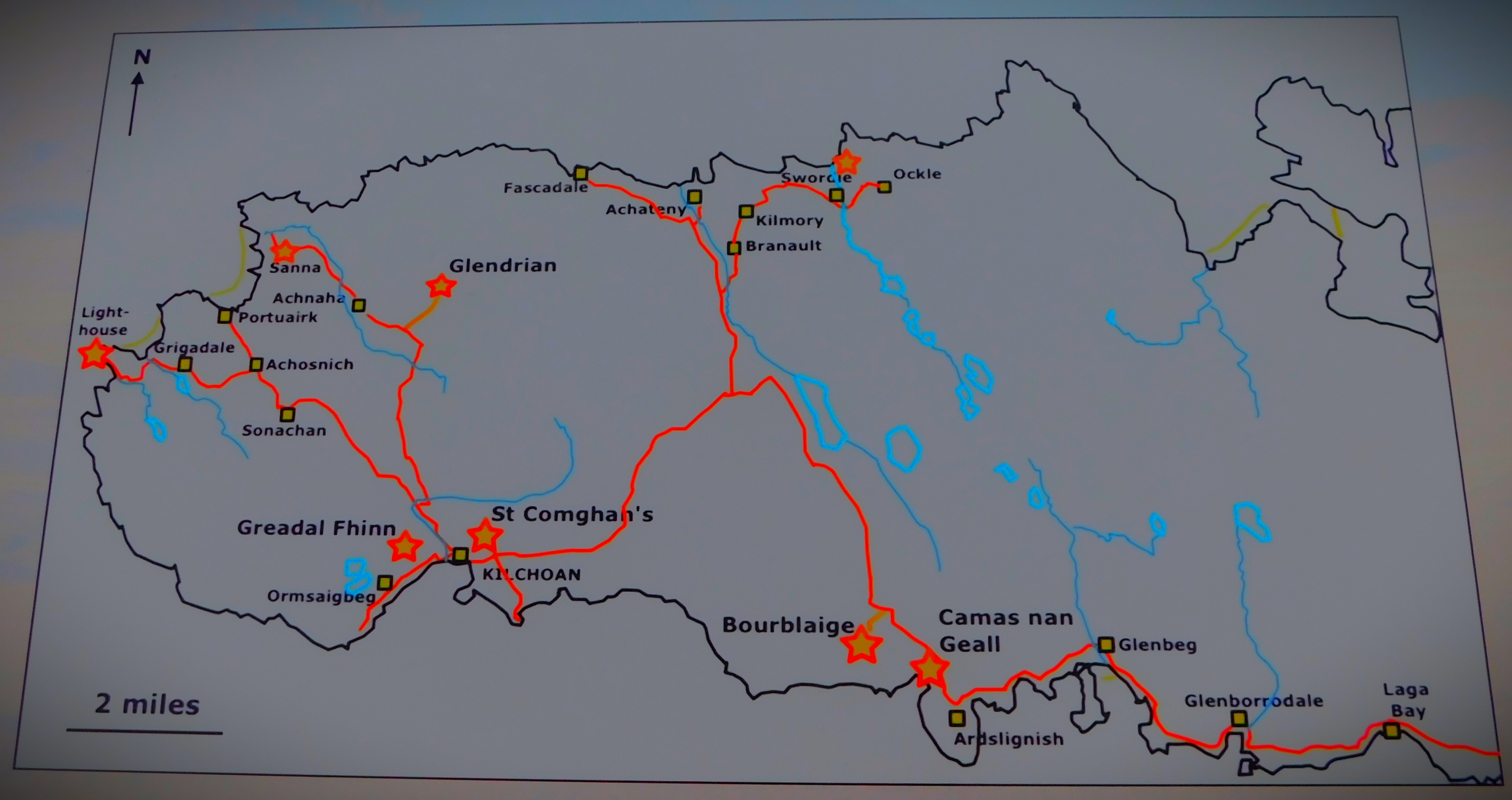
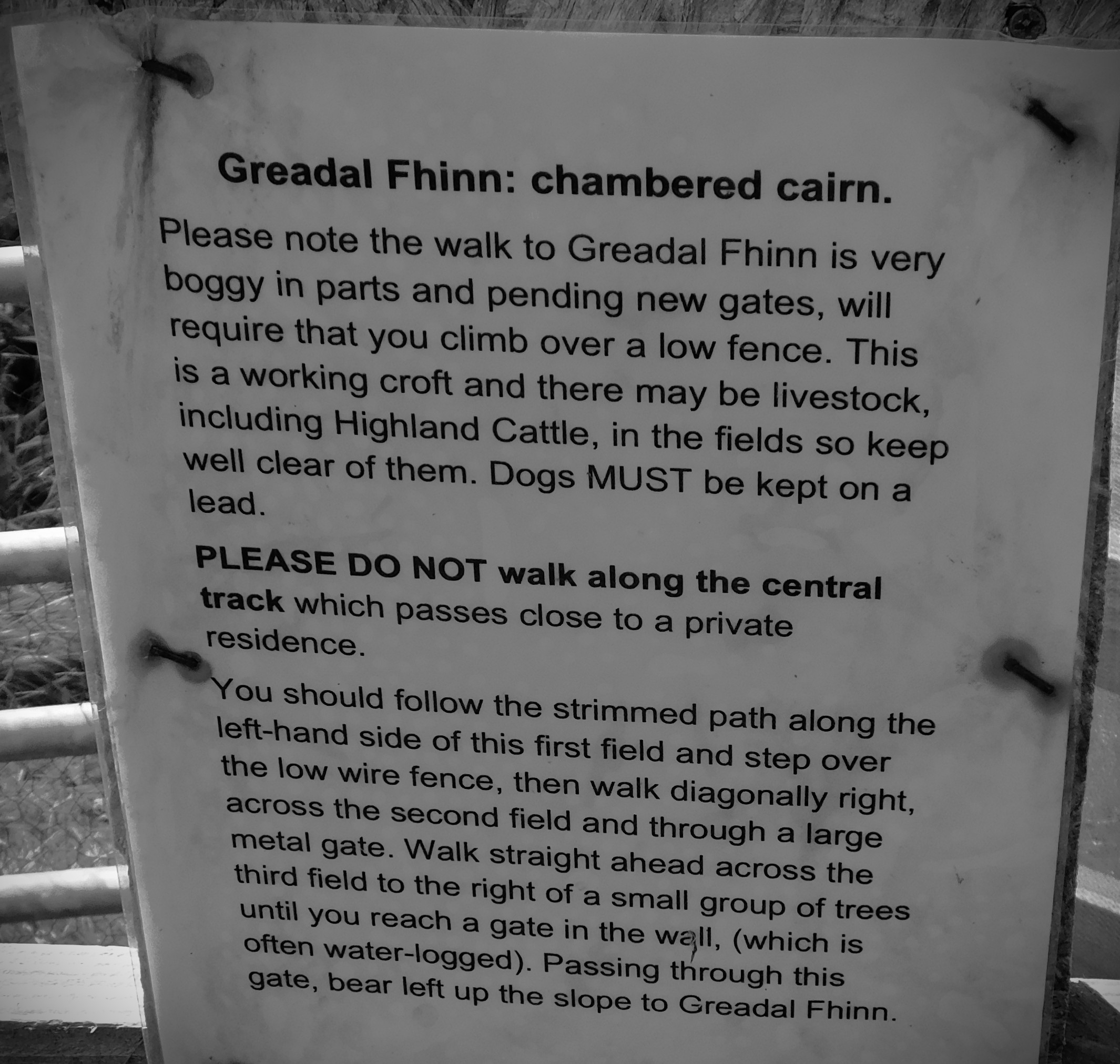
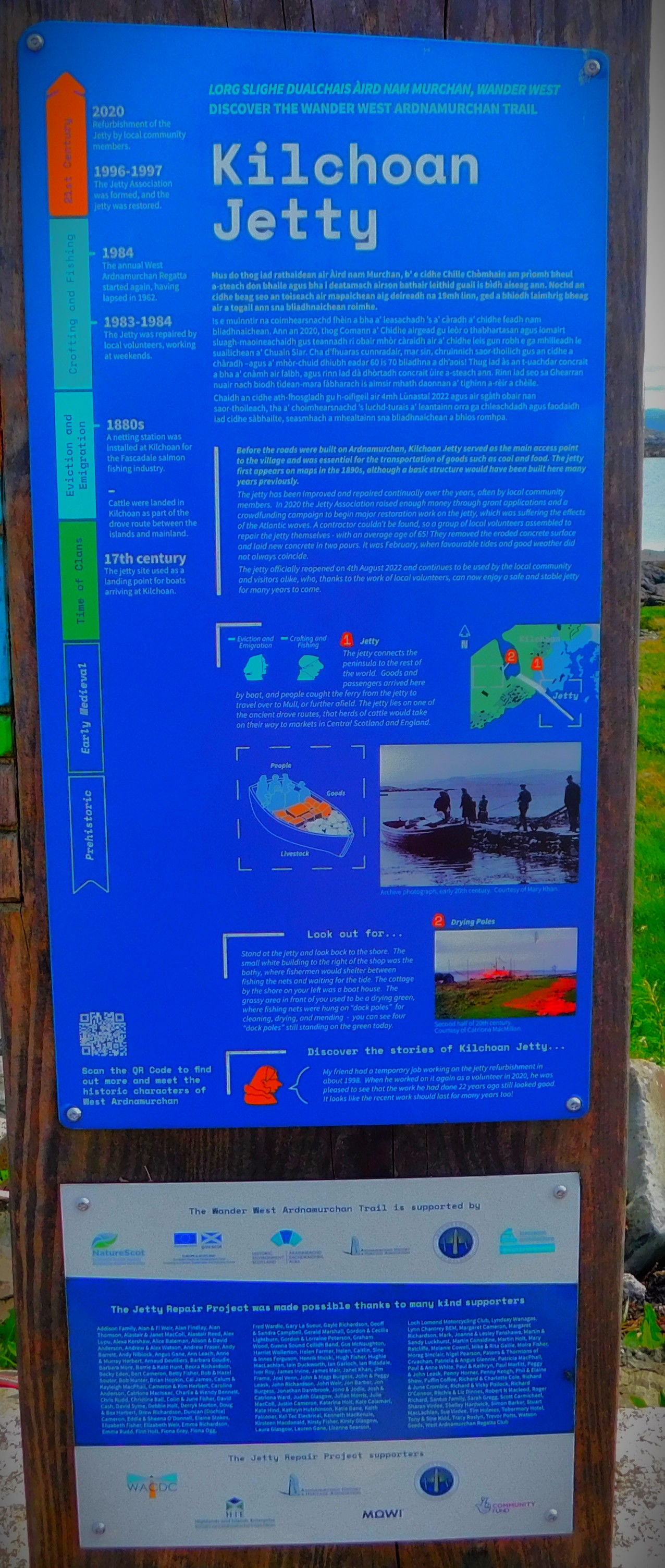
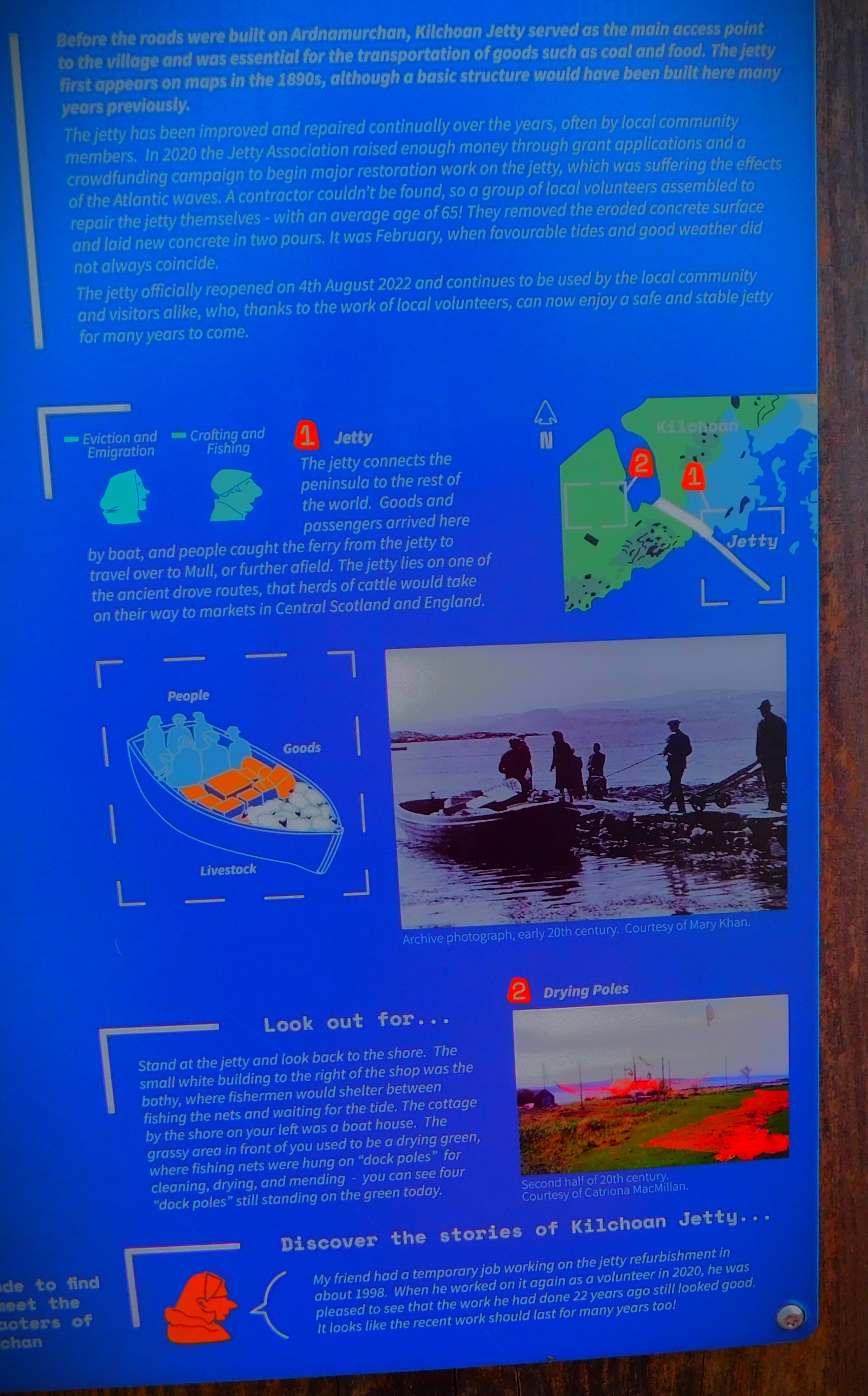
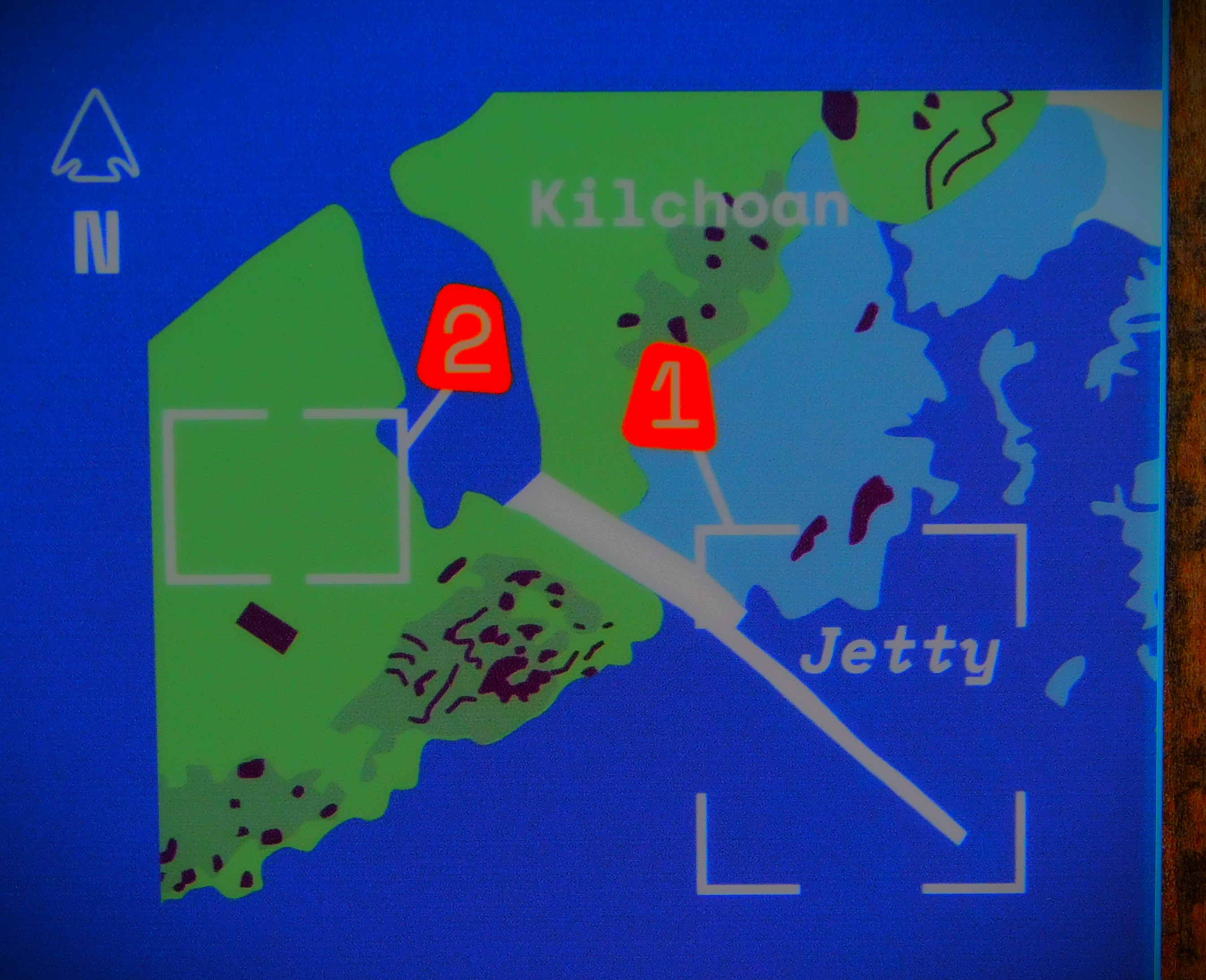
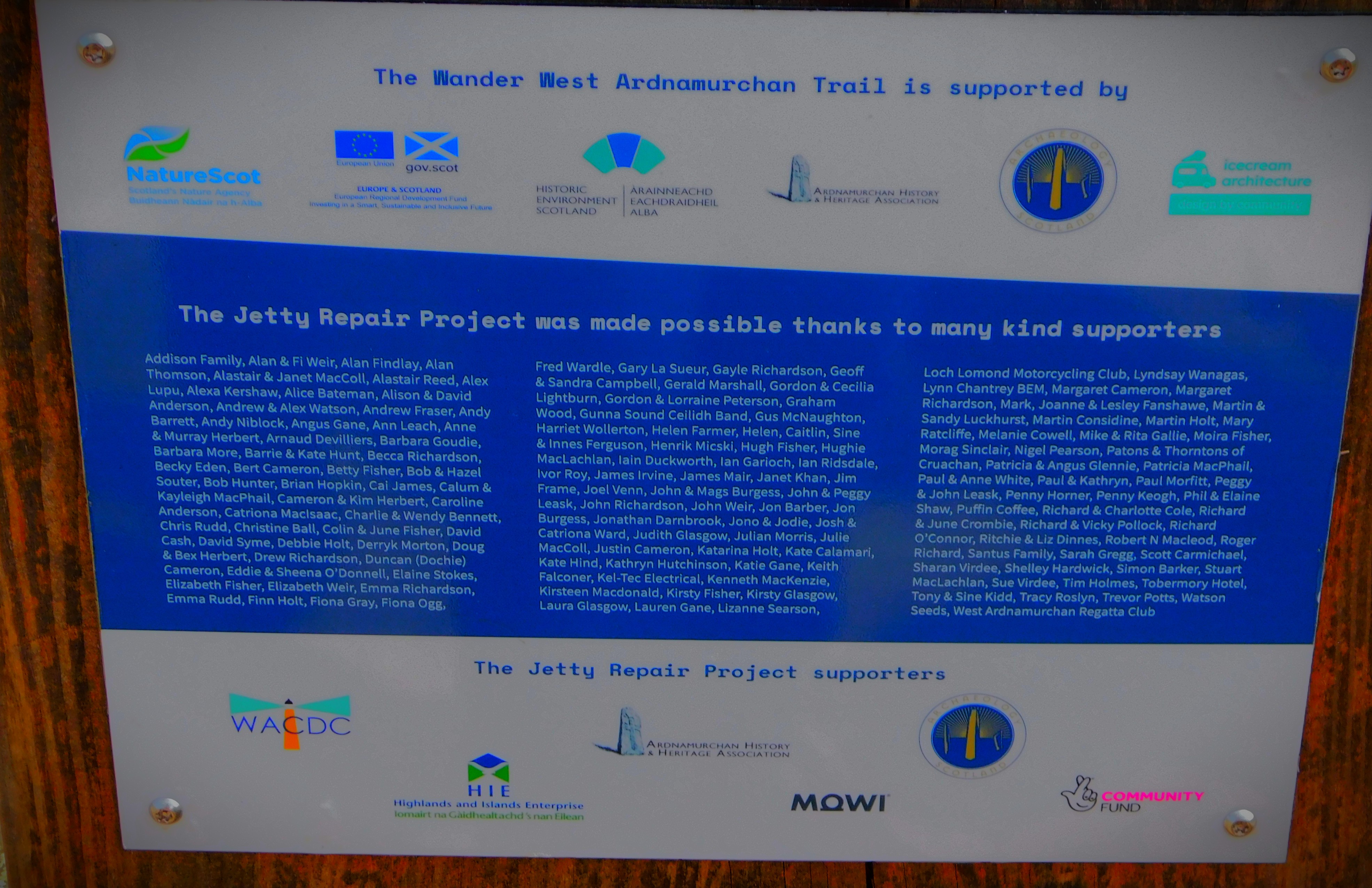
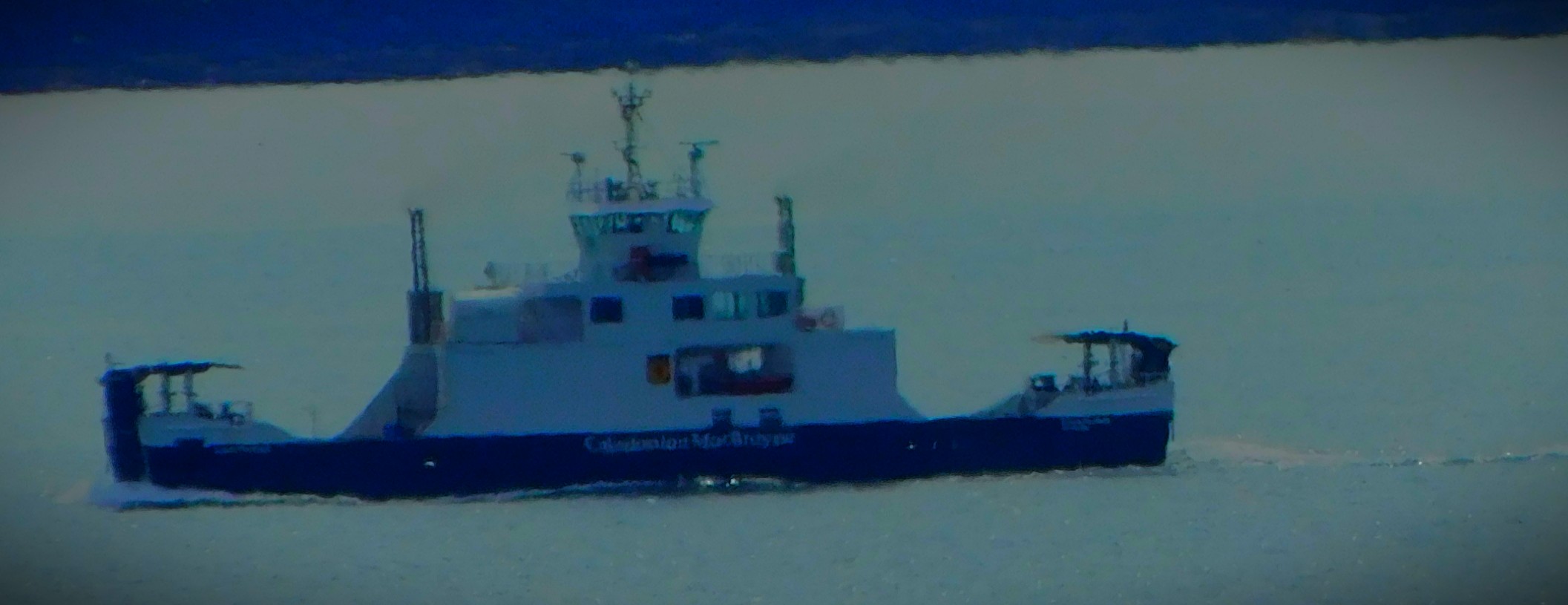
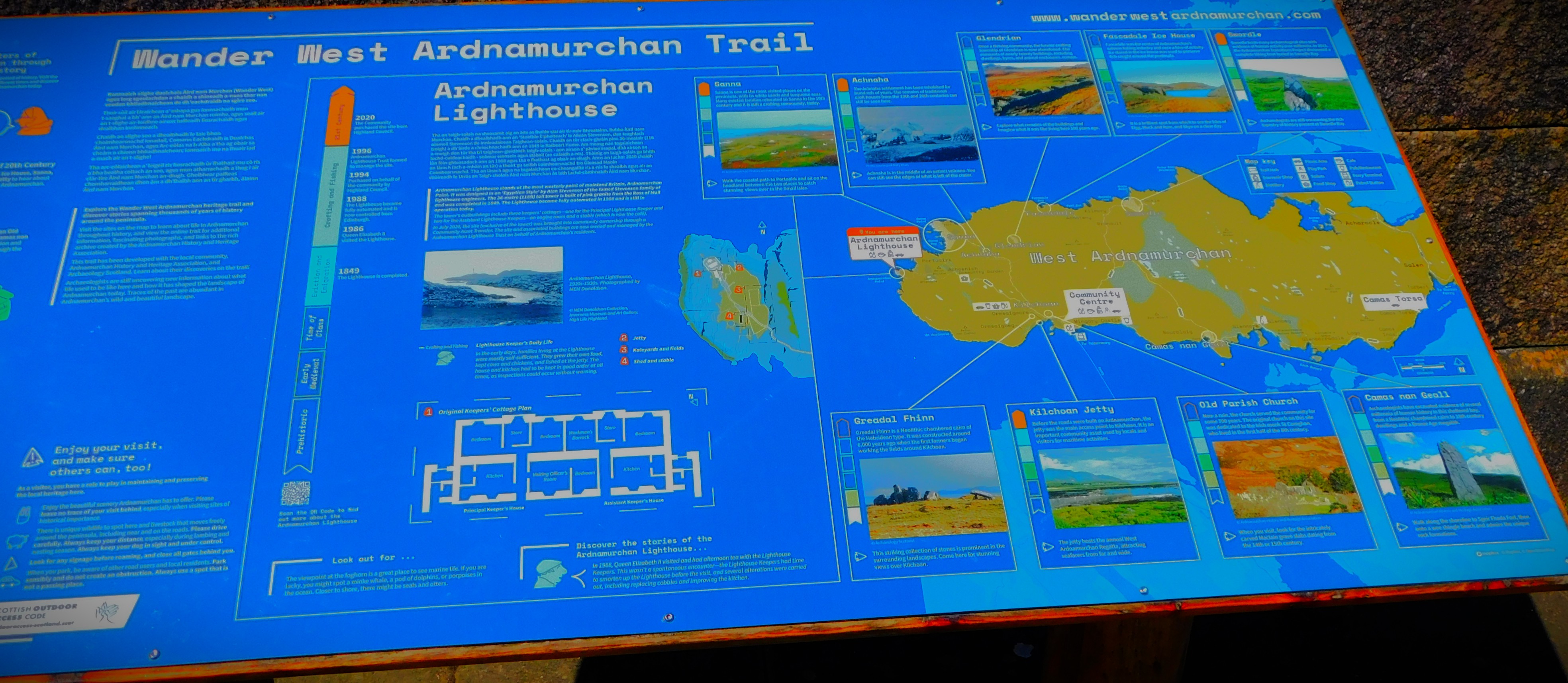
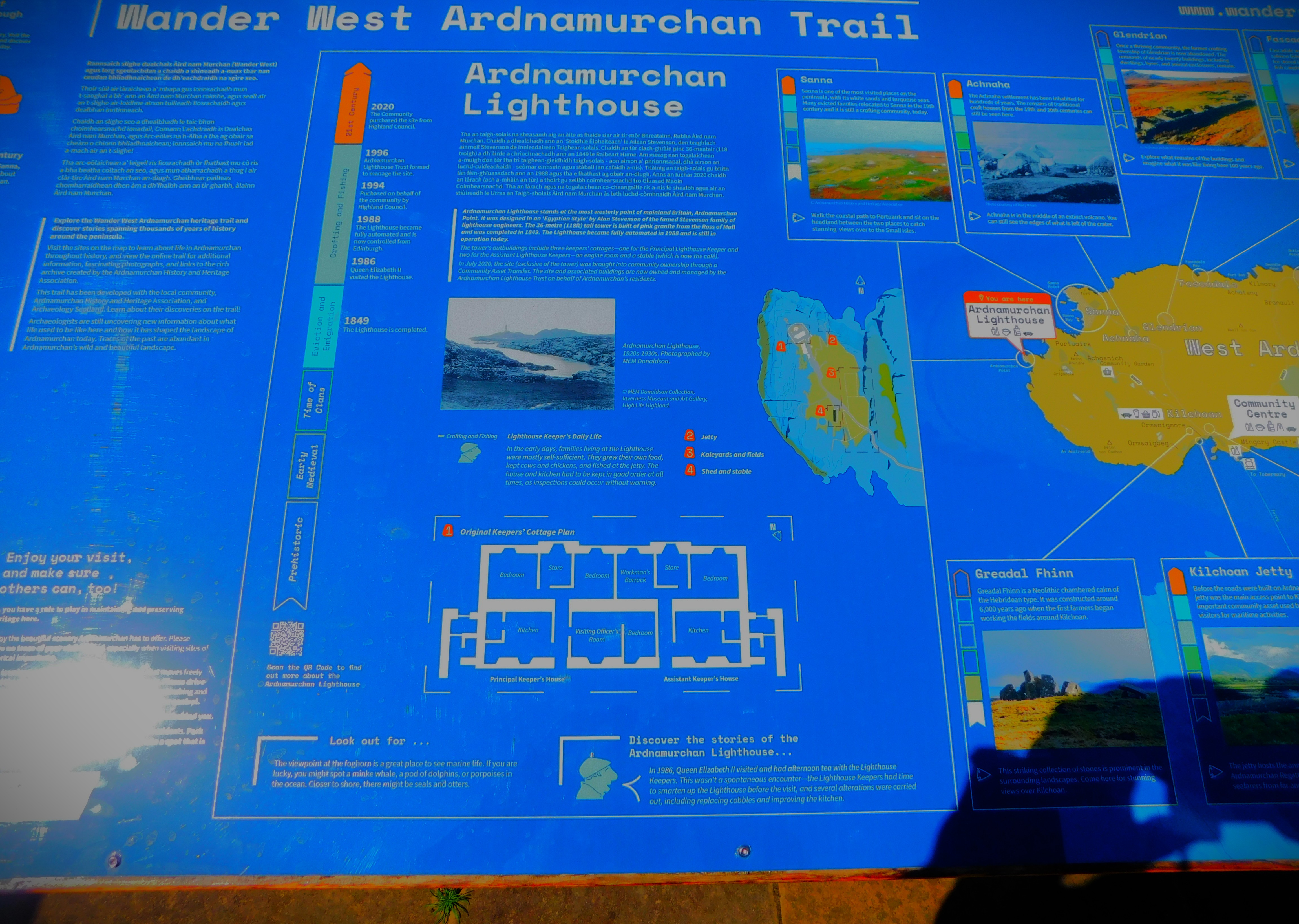
We needed to visit the shop in Kilchoan anyway, and Kilchoan Jetty is very close to the shop. We also attempted to visit an old burial site called Greadal Fhinn but that proved abortive.

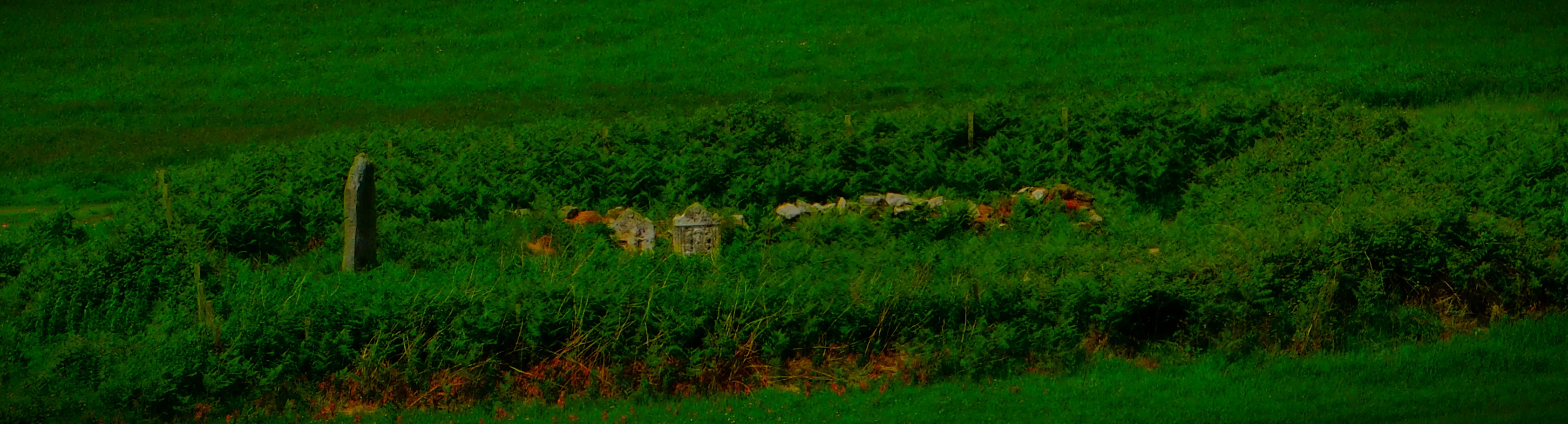
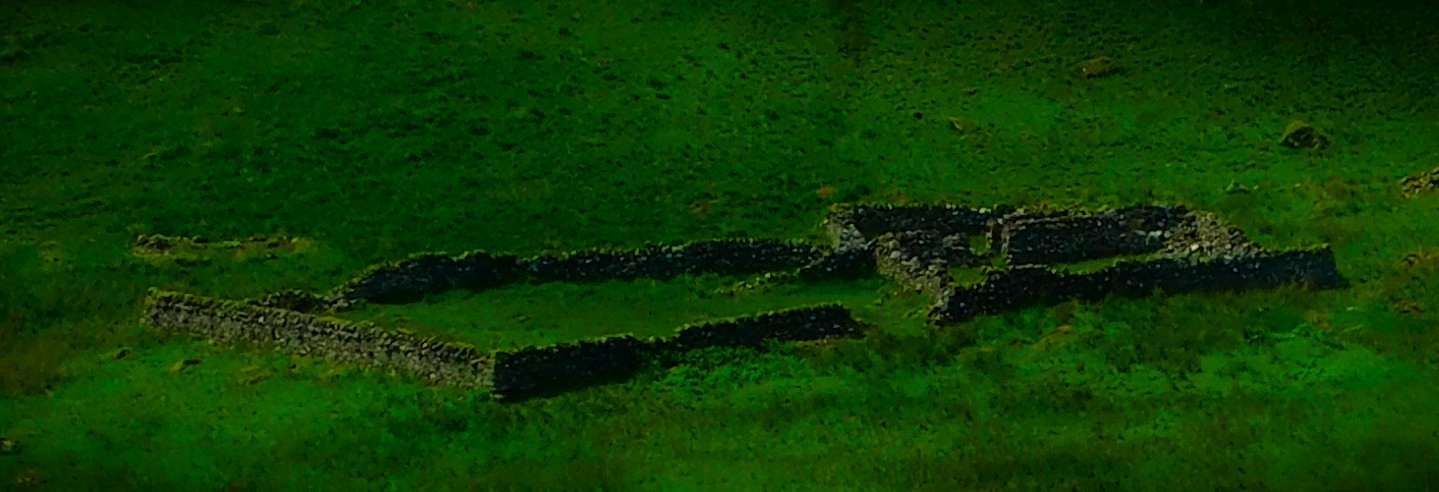
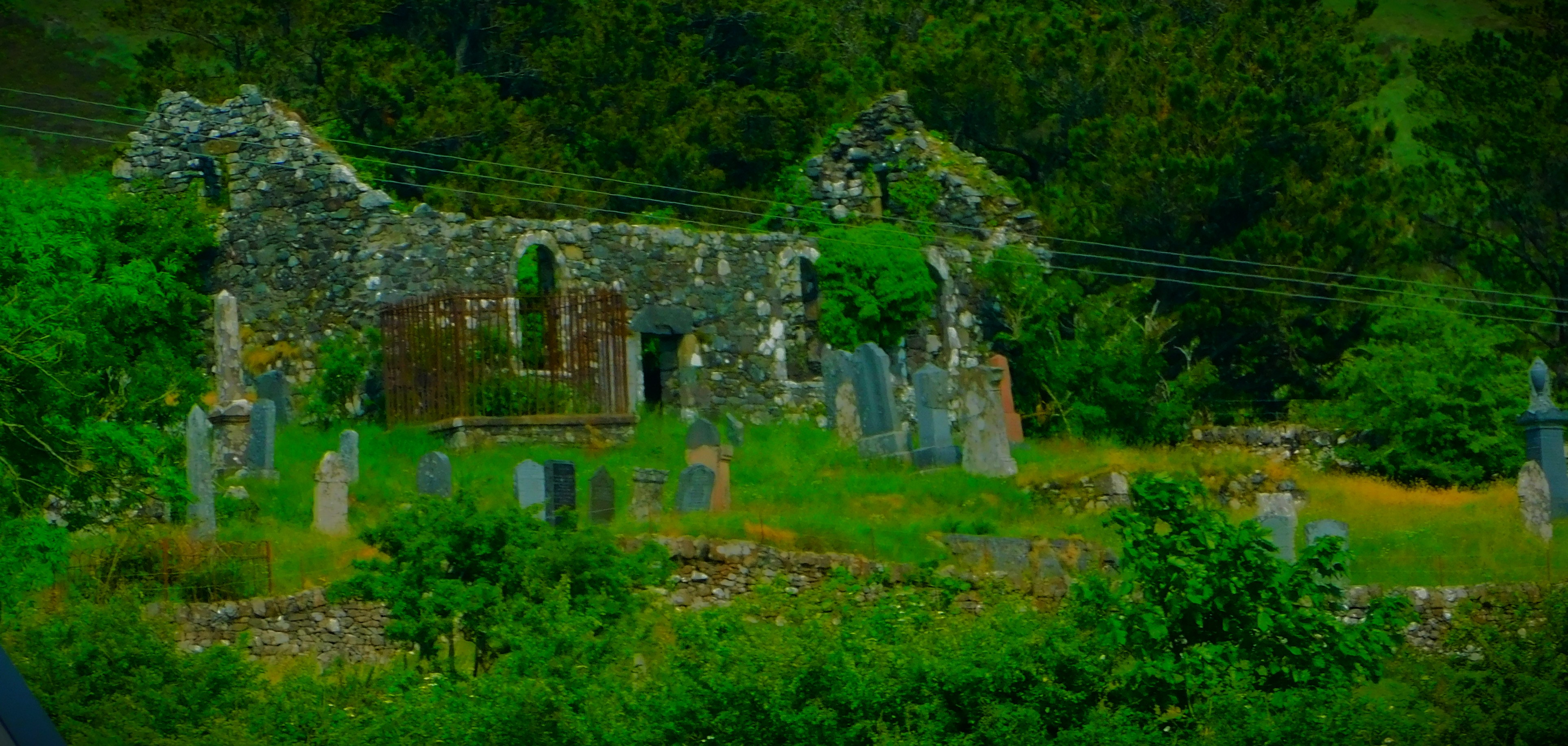
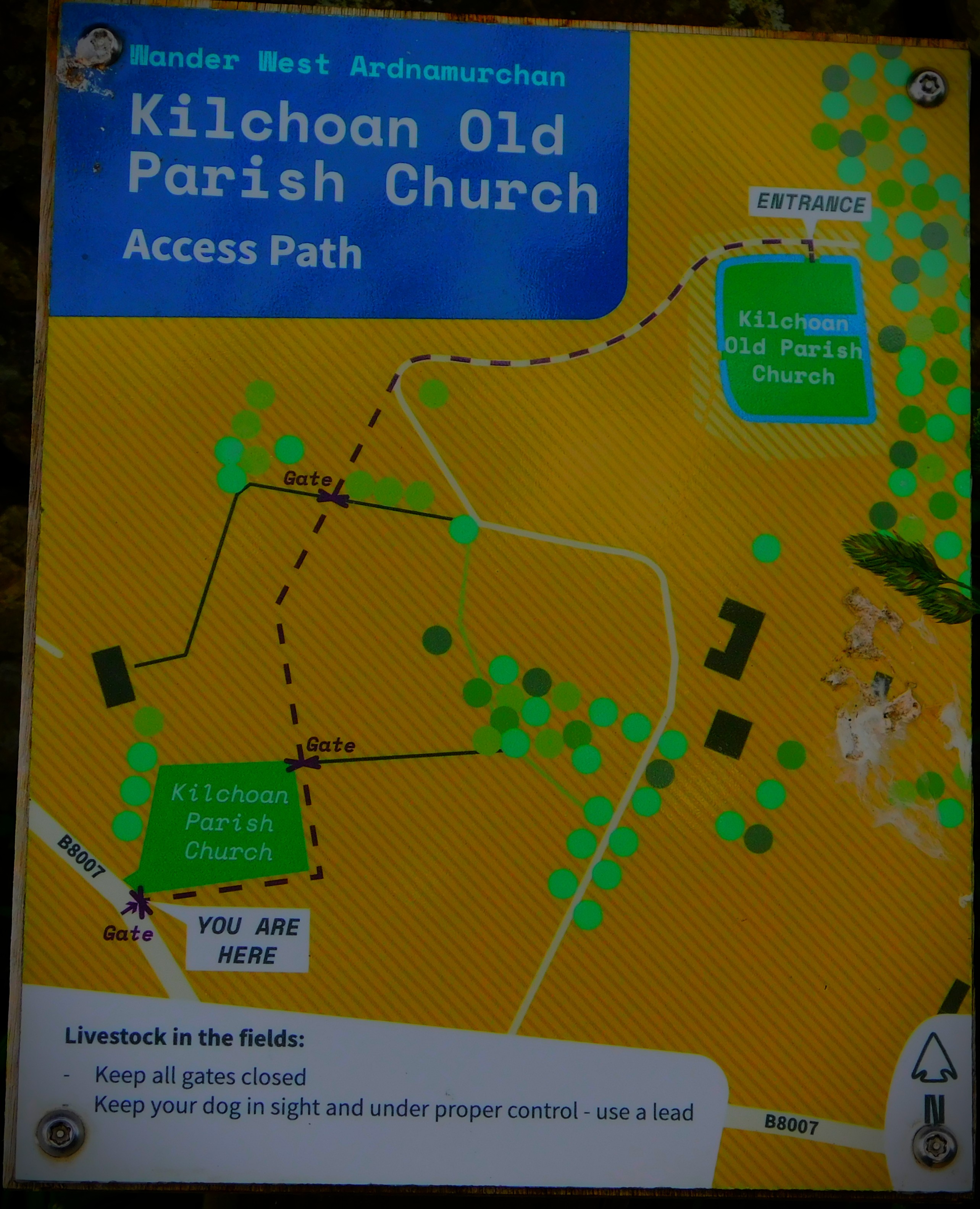
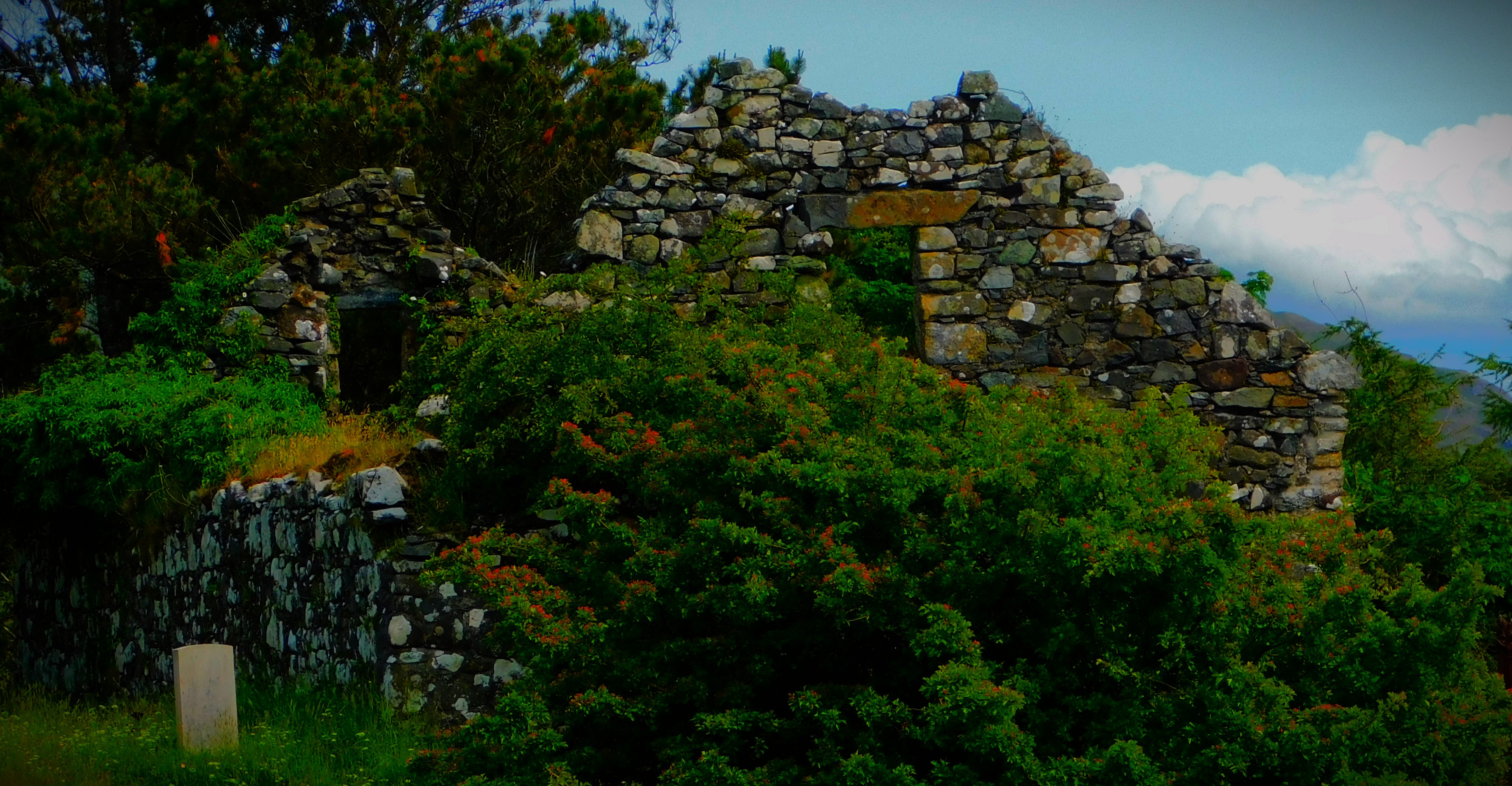
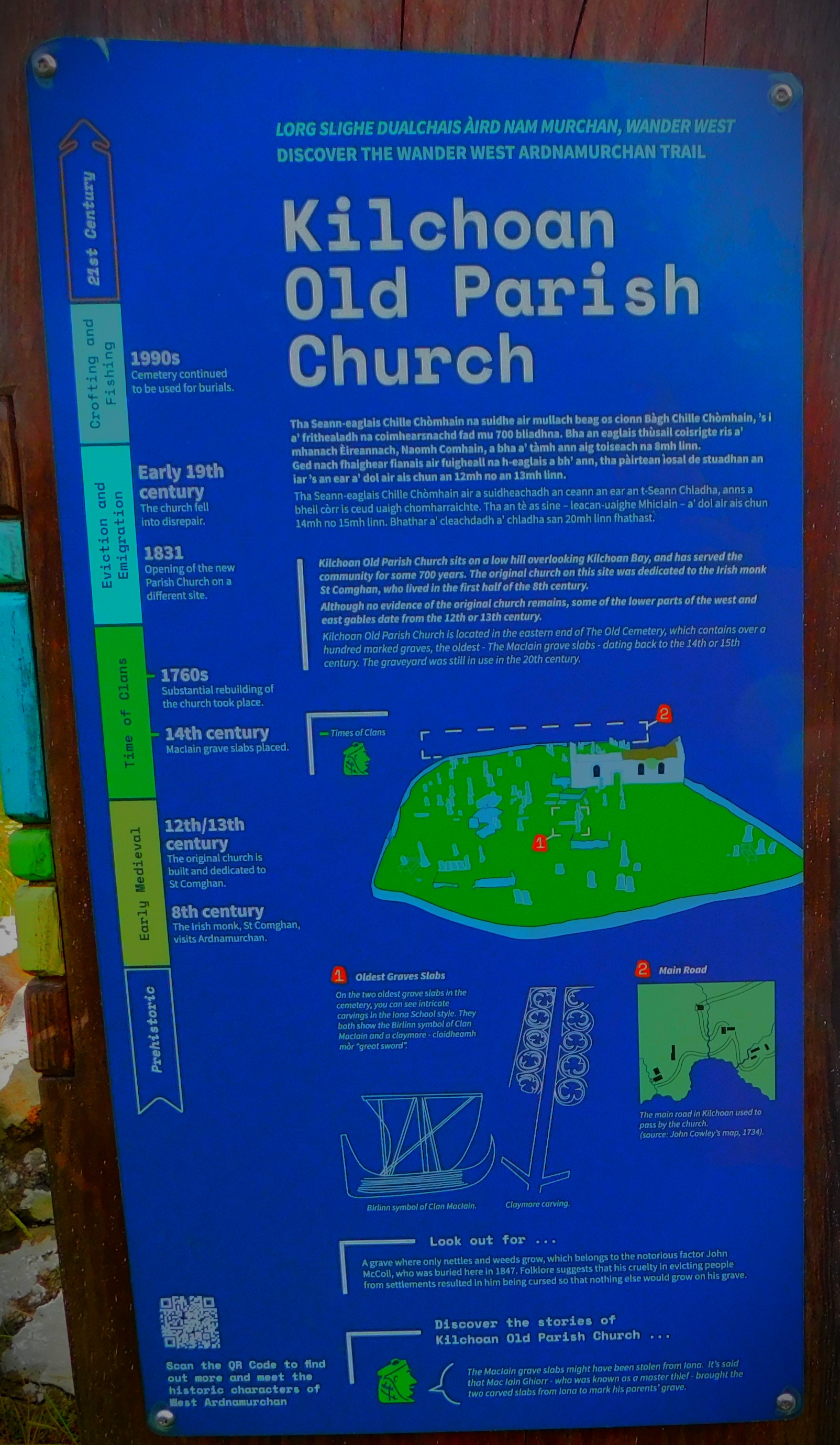
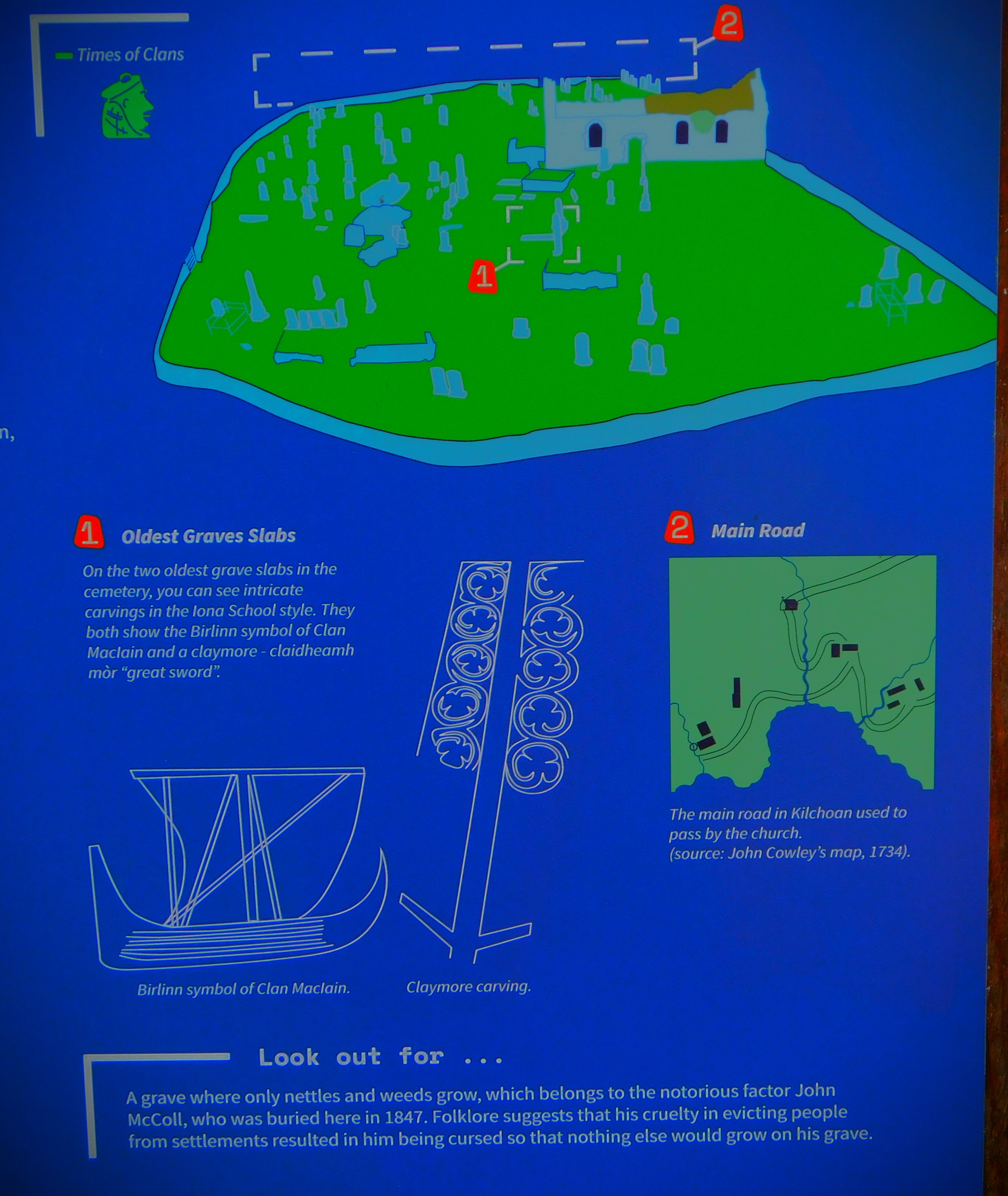
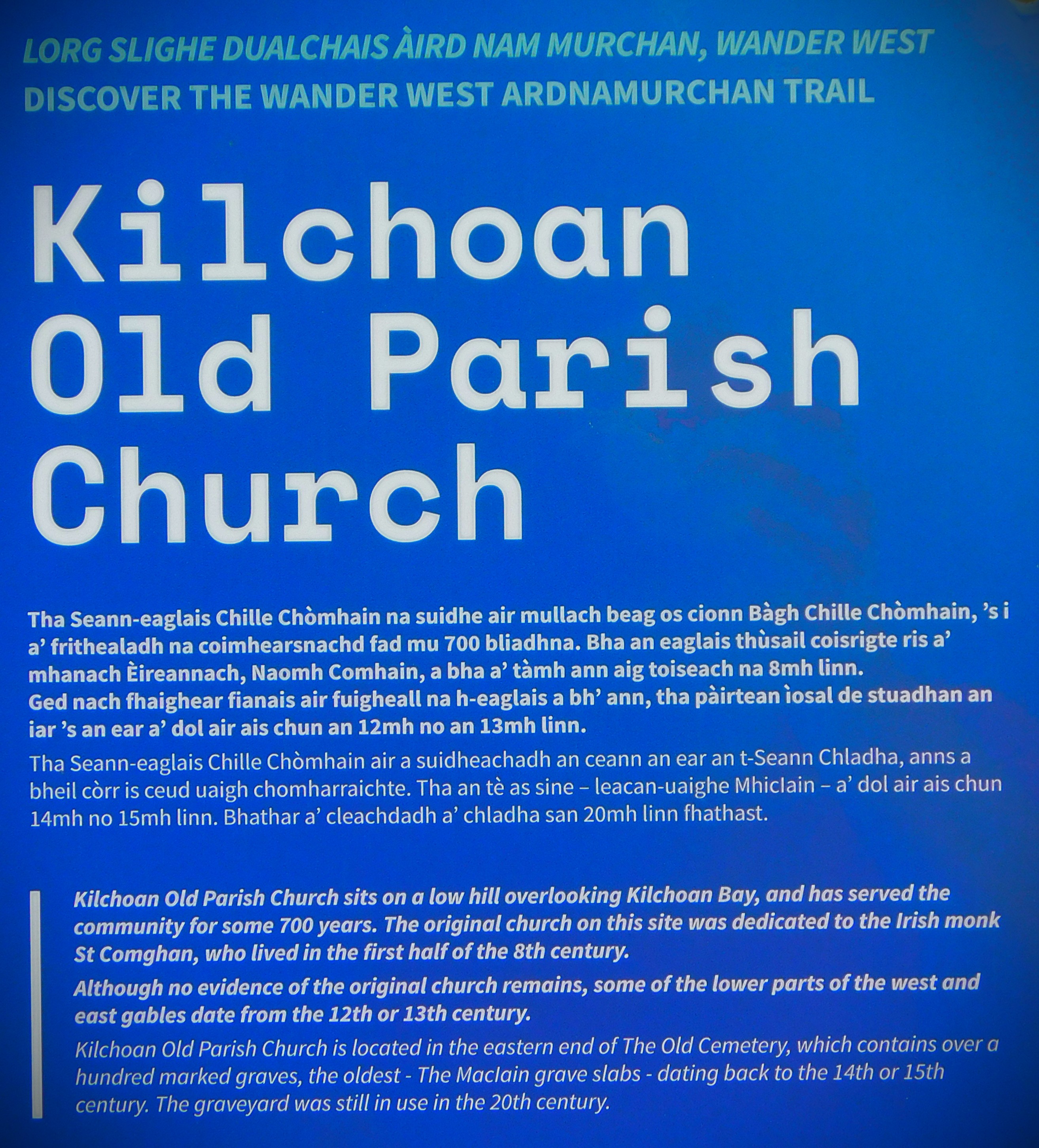
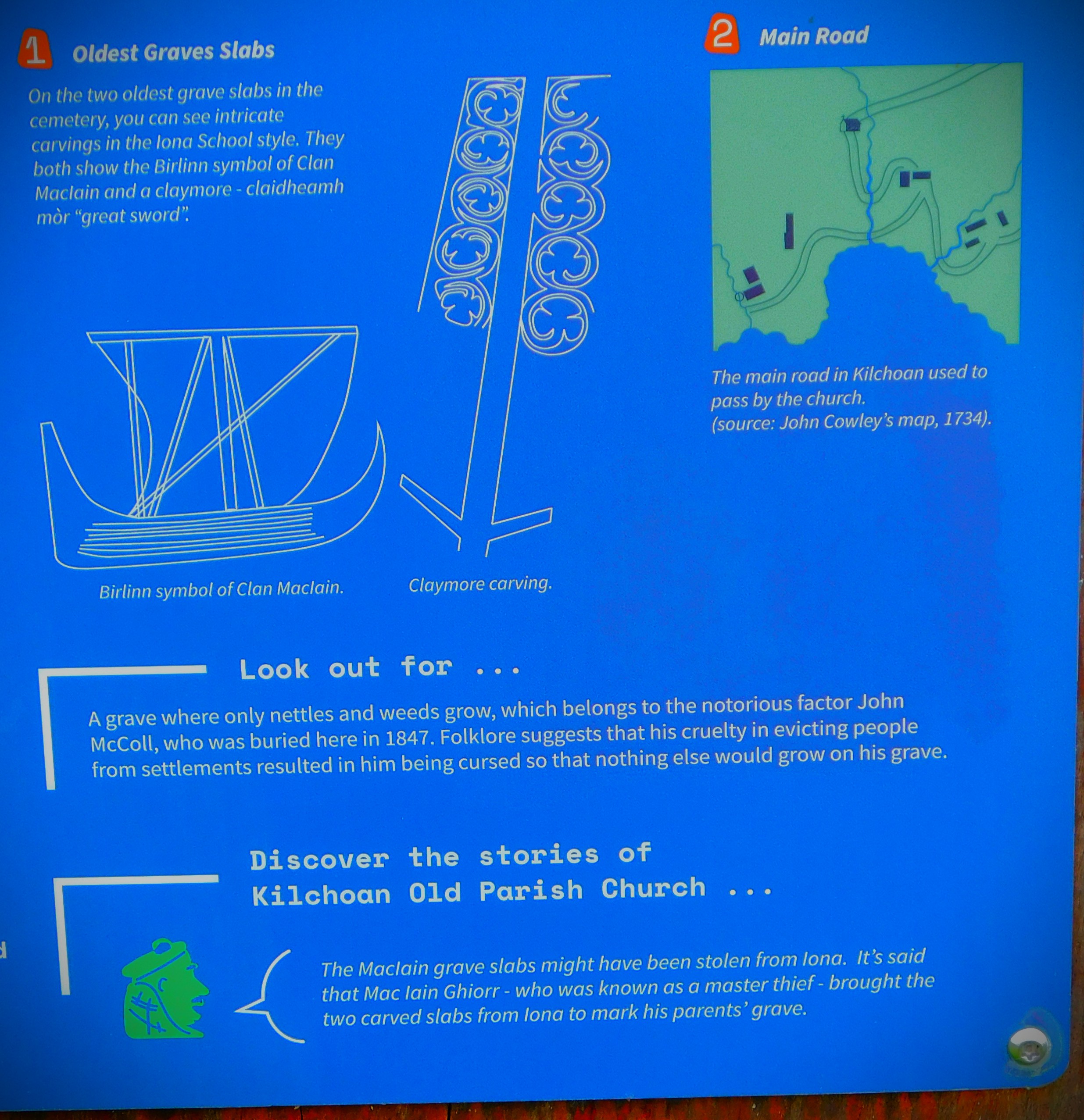
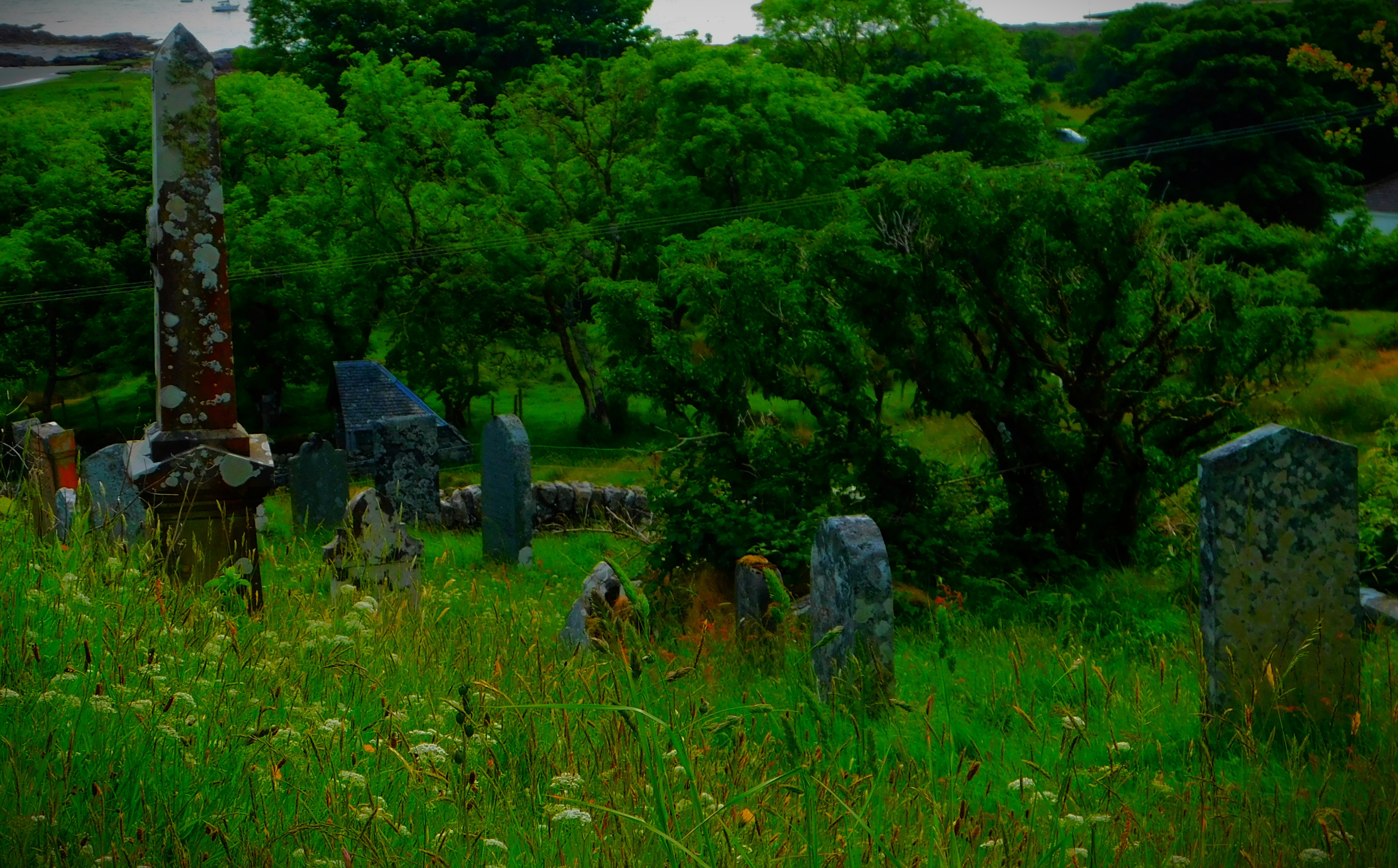
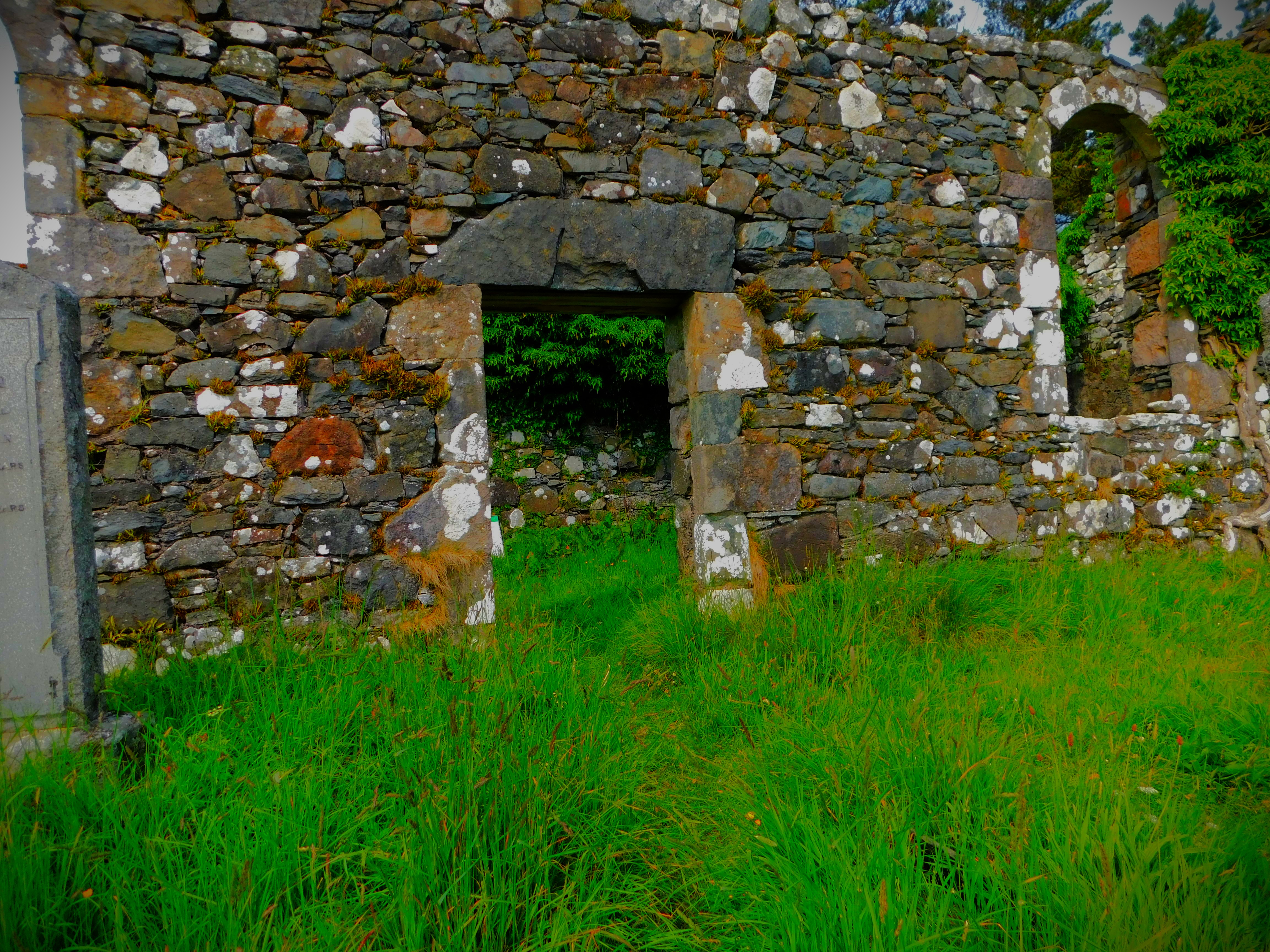
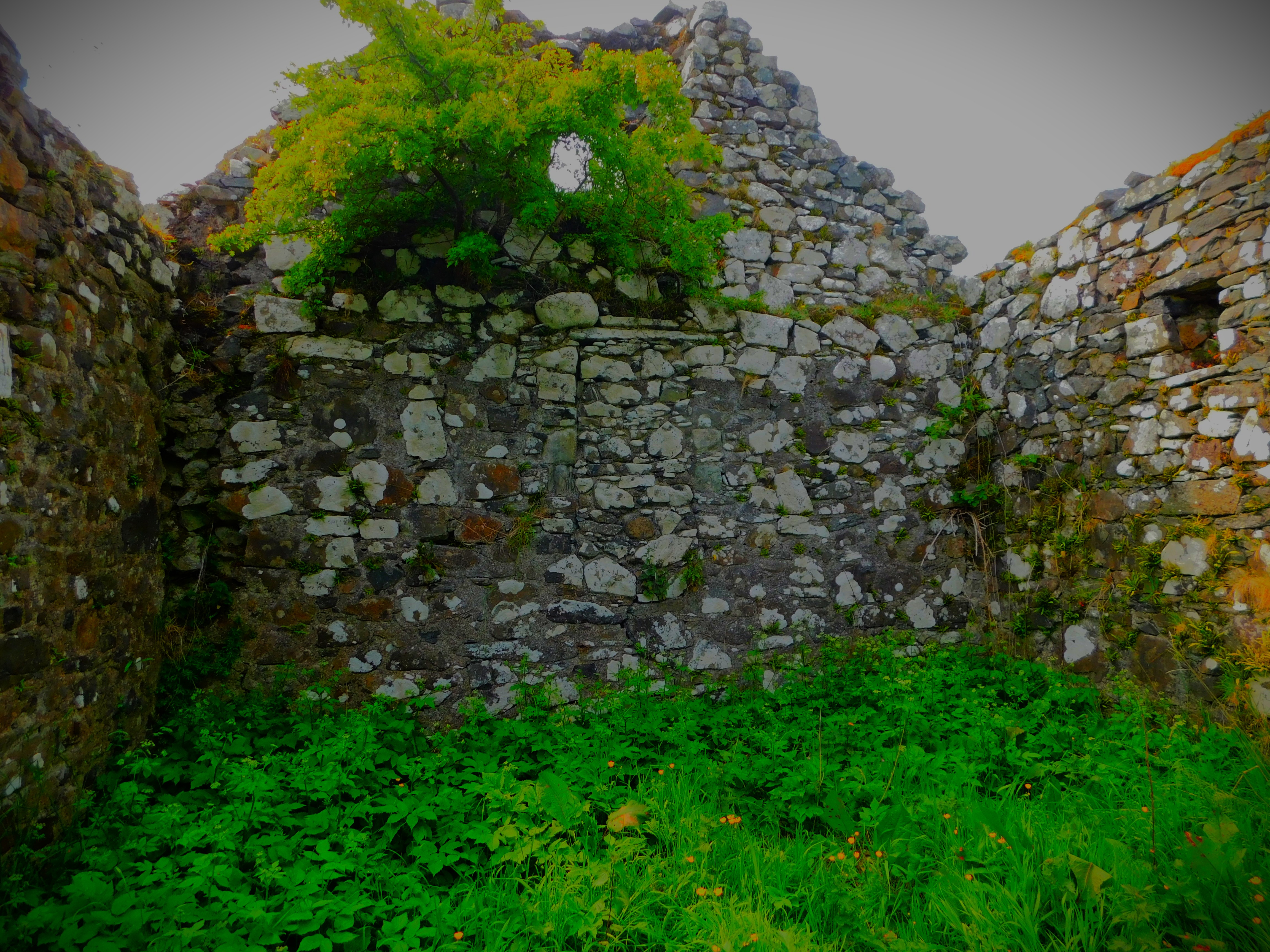
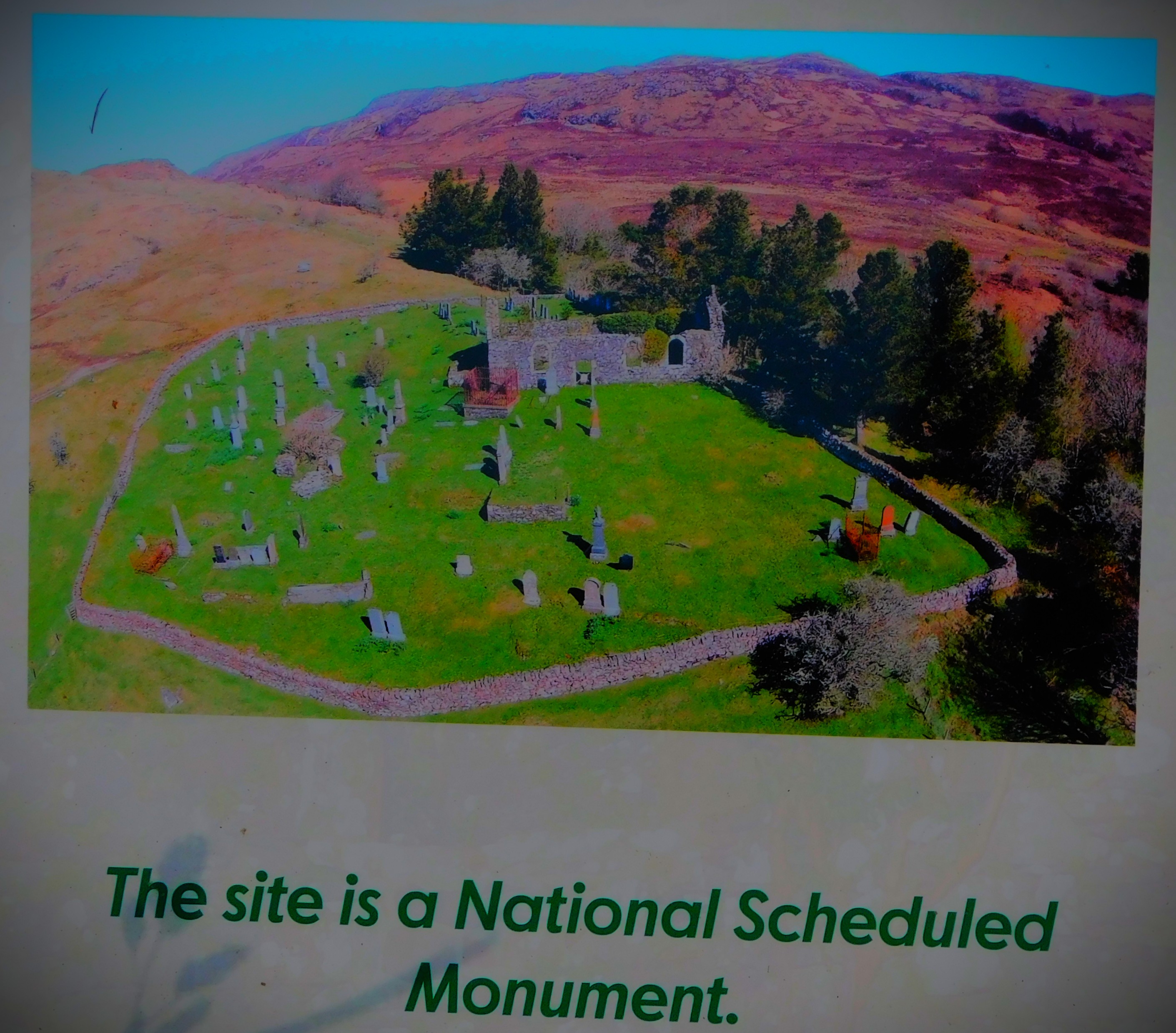
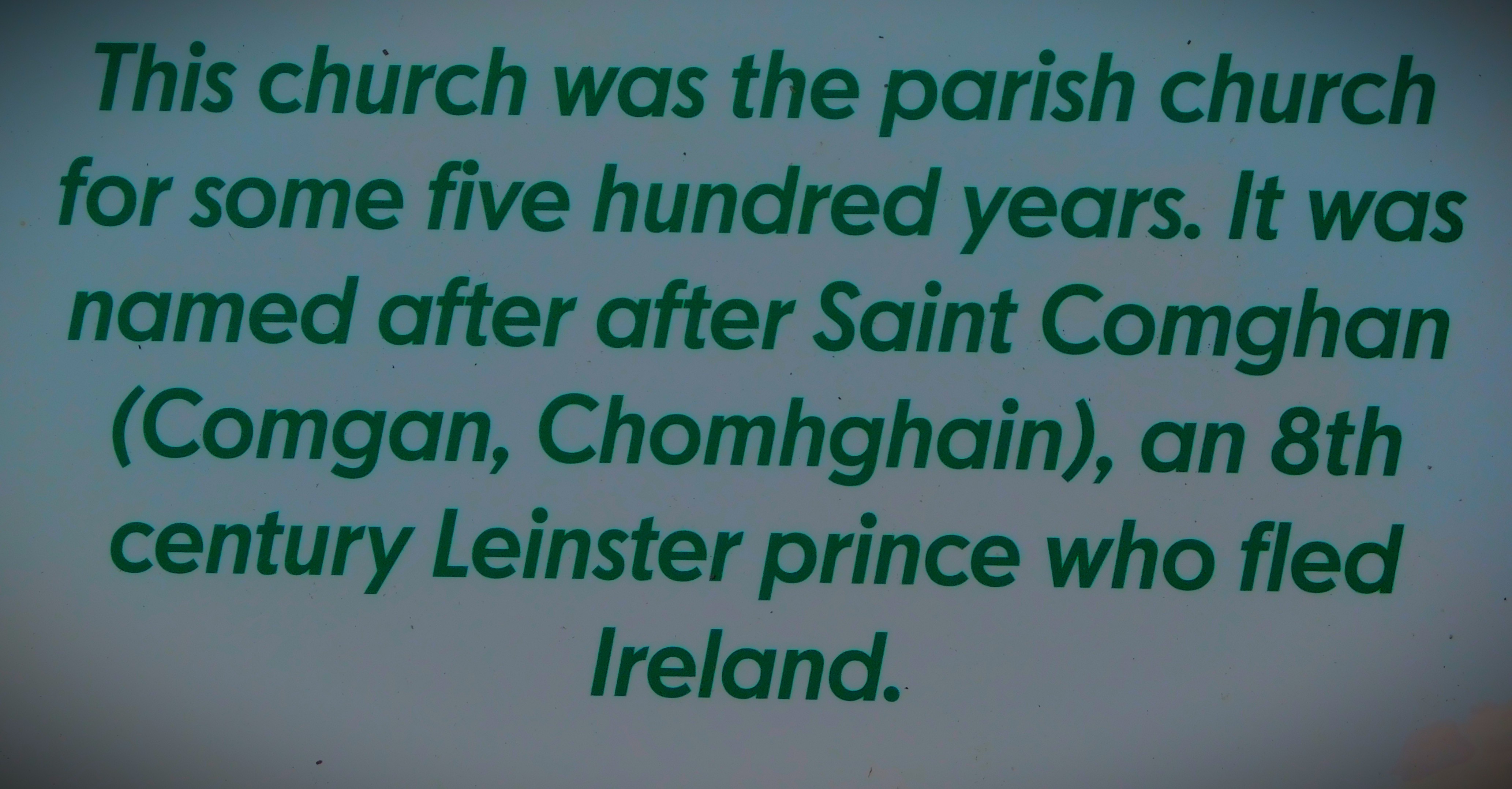
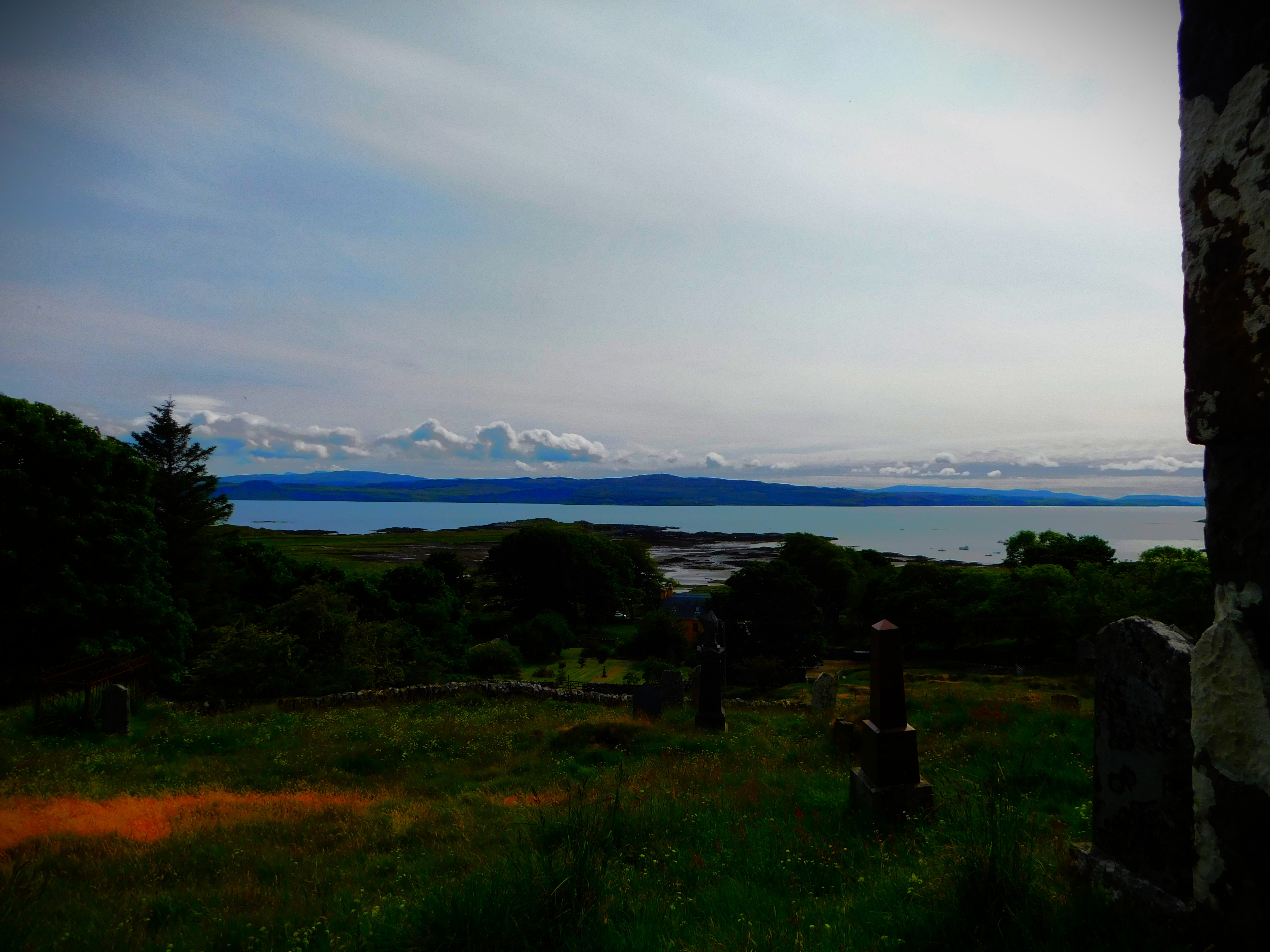
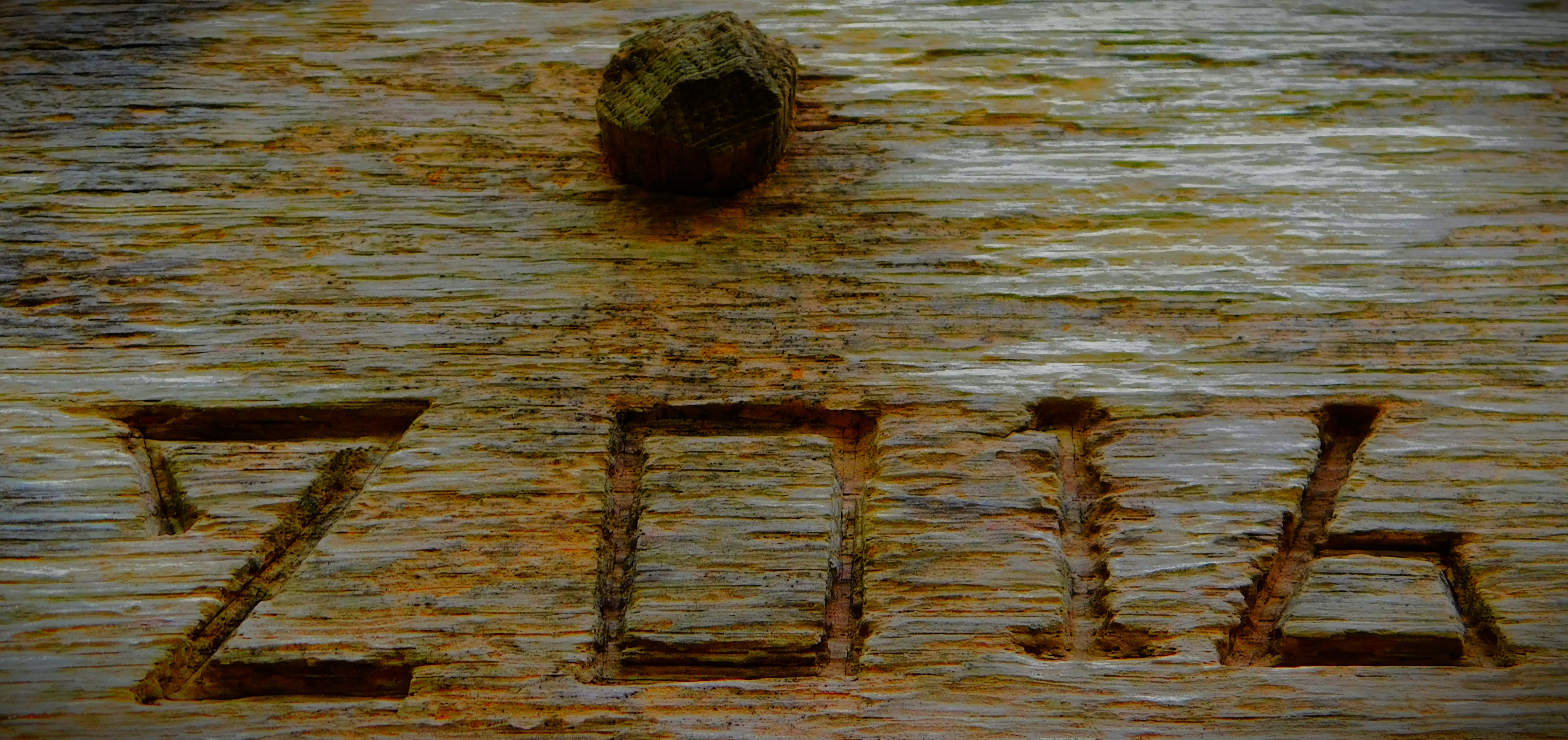
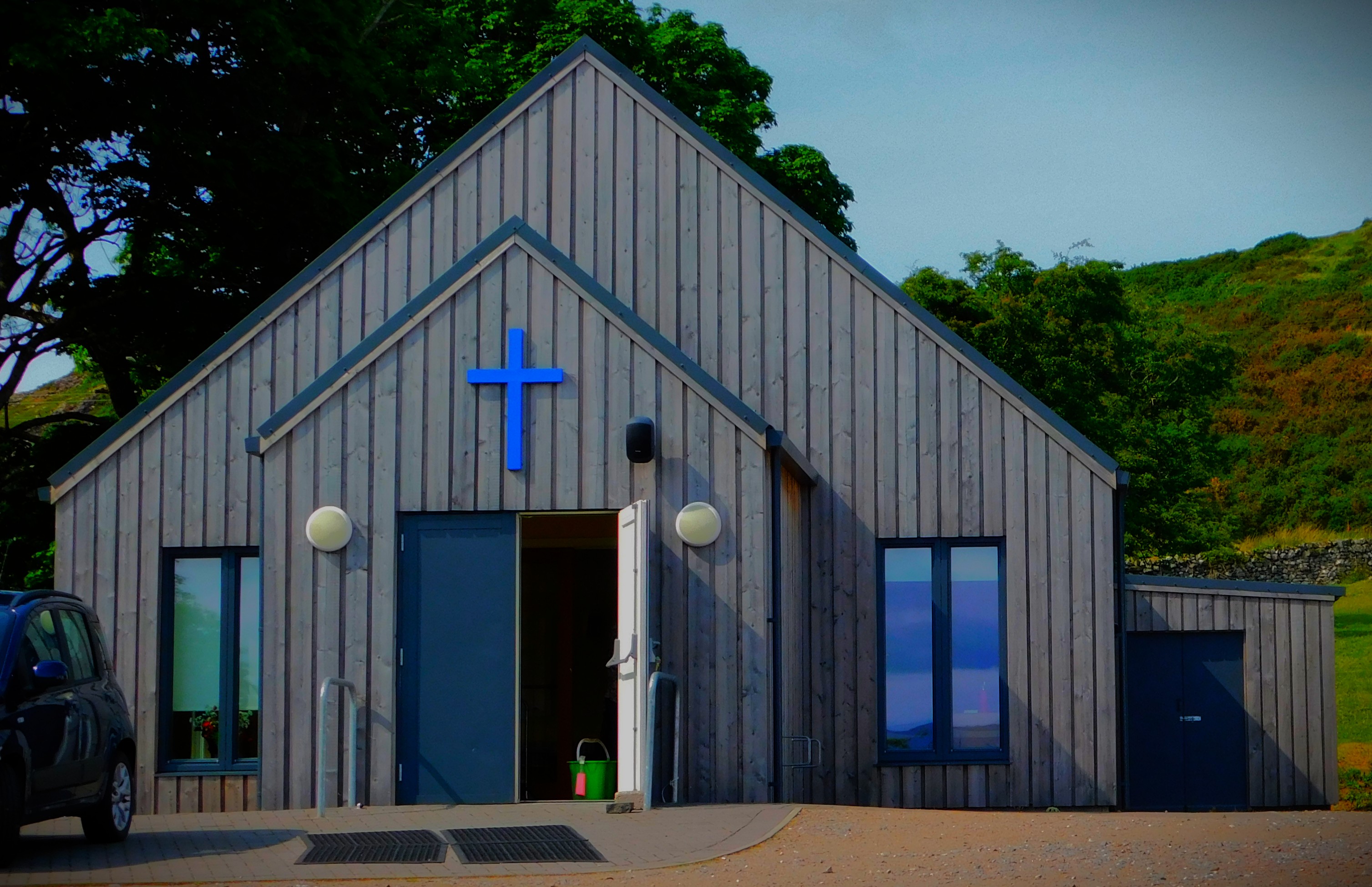
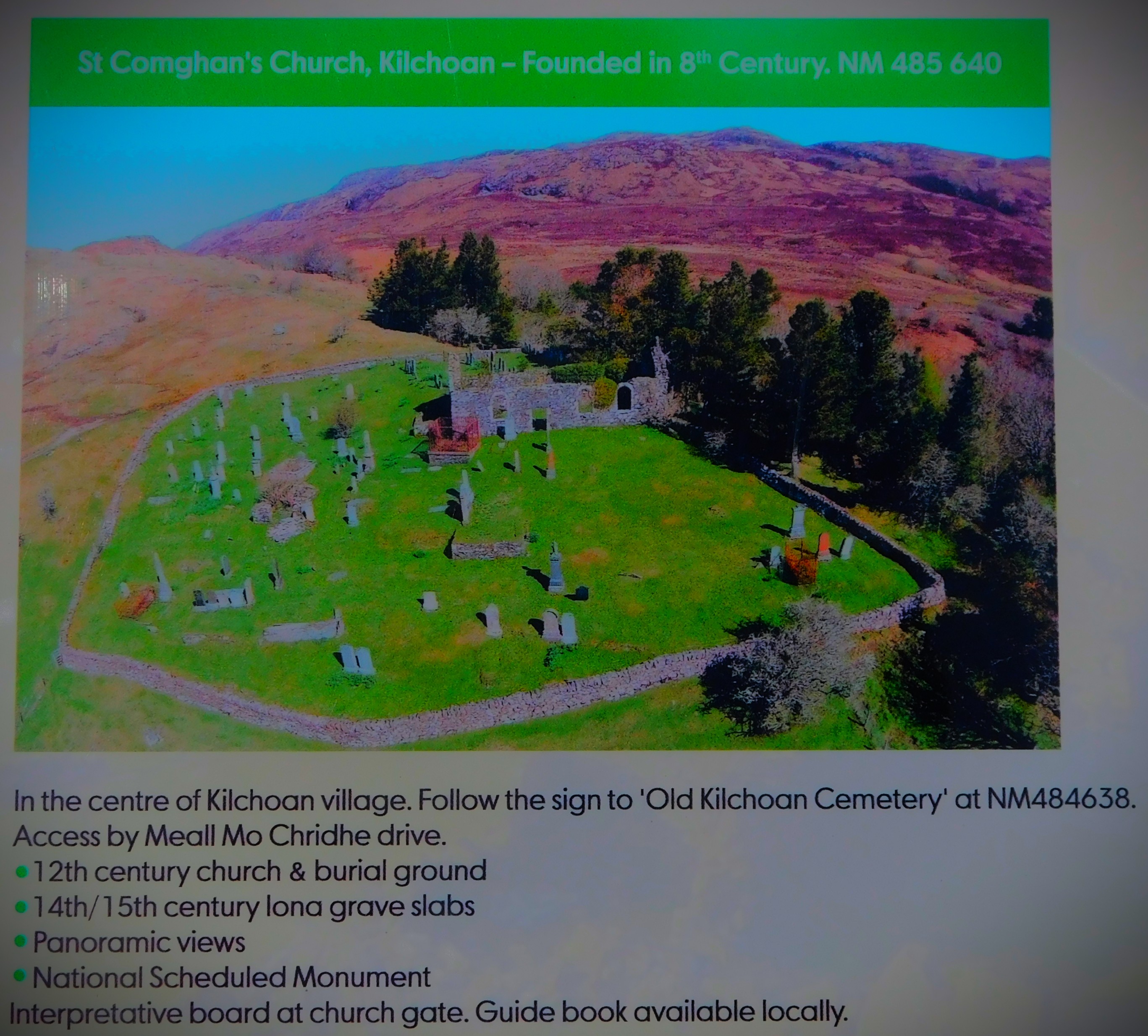
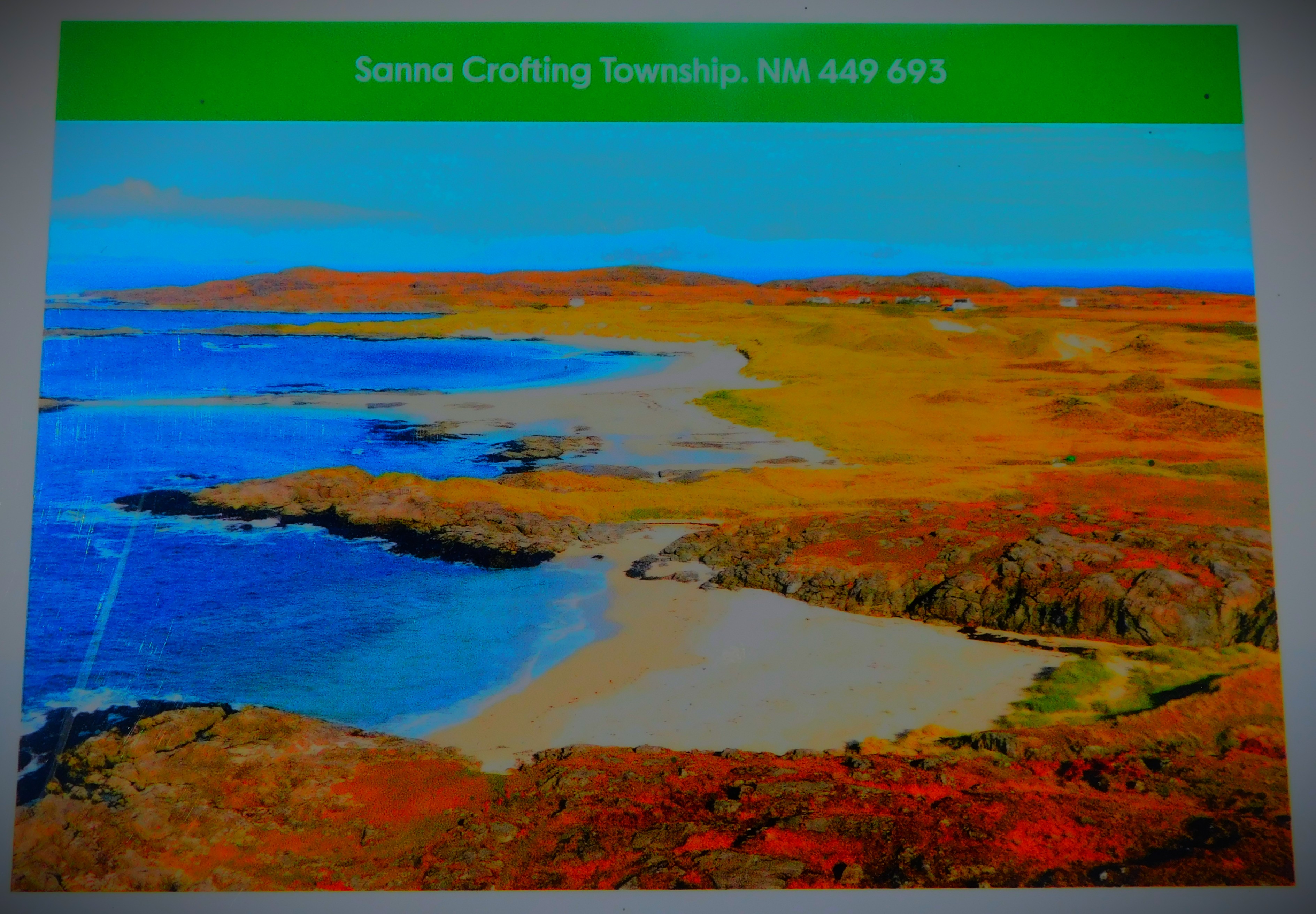
We were able, after a small amount of confusion over how to access it, to get to the old, now ruined, church of Kilchoan, dedicated to St Comghan. The new church and accompanying new manse have car parking space, and the walk up to the old church, which goes through two fields and along a stretch of what was once the old manse’s driveway. The site is very attractive and commands some splendid views. St Comghan started life as an eighth century prince of Leinster, but fled his native land and came to Scotland. The church named in his honour served Kilchoan for at least half a millennium. I end this post at this point, because our final port of call on this day, Sanna, merits a post of its own.

Here are my photographs from this part of Friday…
50th Birthday Holiday 3: Ardnamurchan Geology

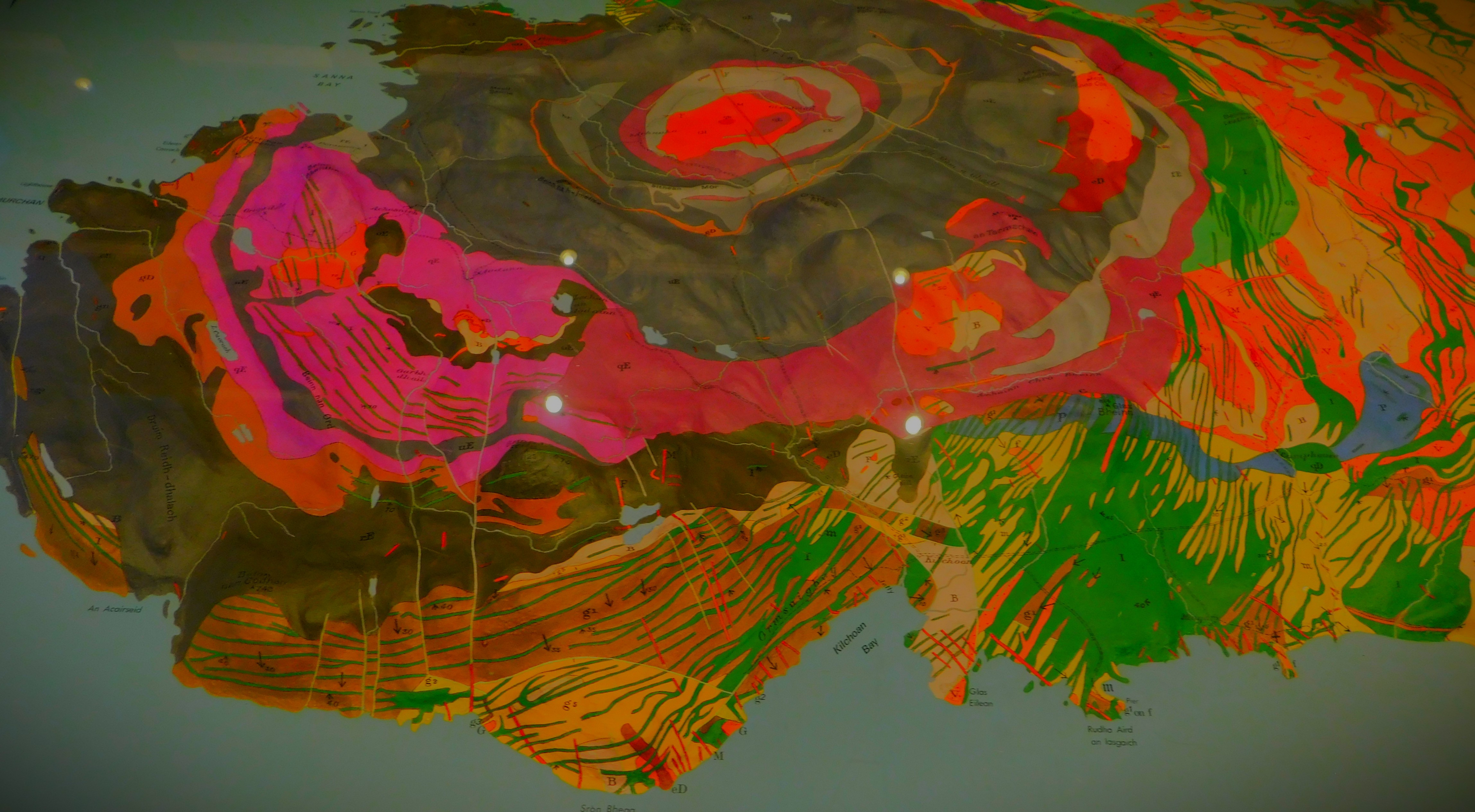
A special post about the geology of the Ardnamurchan Peninsula, prompted by a small but captivating display at the Kilchoan Community Centre.

This post is somewhat out of sequence given that most of the photographs which provide the information were taken yesterday. It is the third post in a series I am doing about a holiday I am currently on in the far west of Scotland (see here and here).

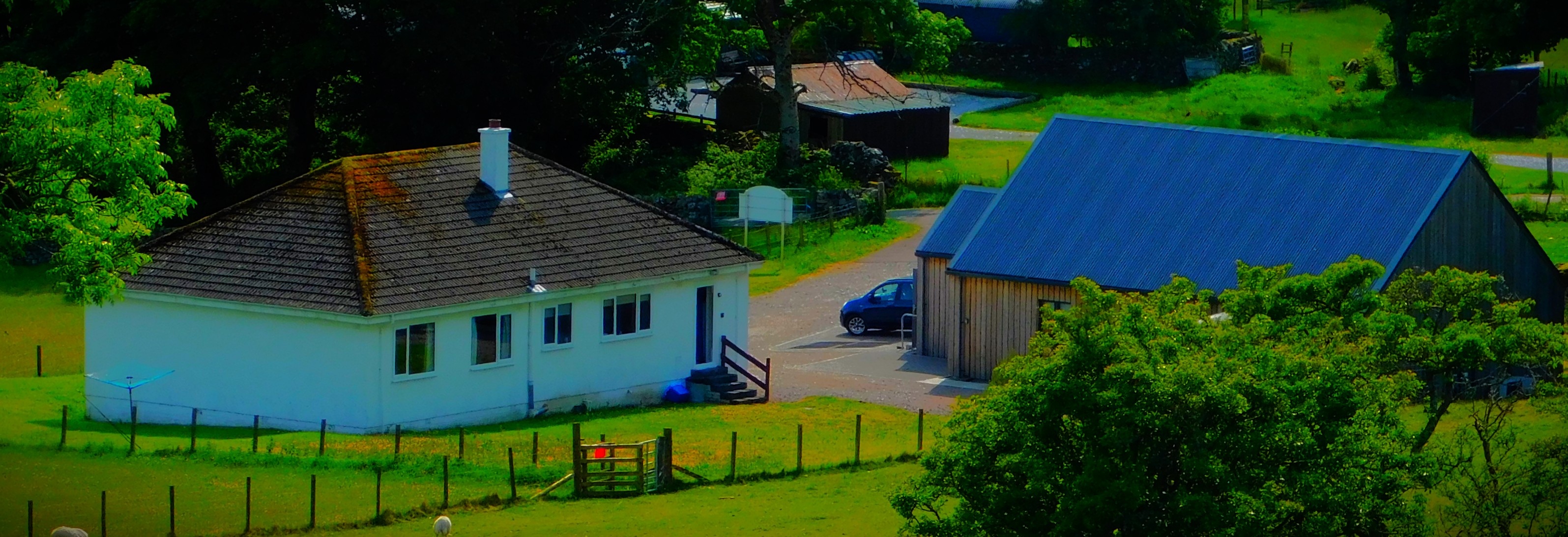
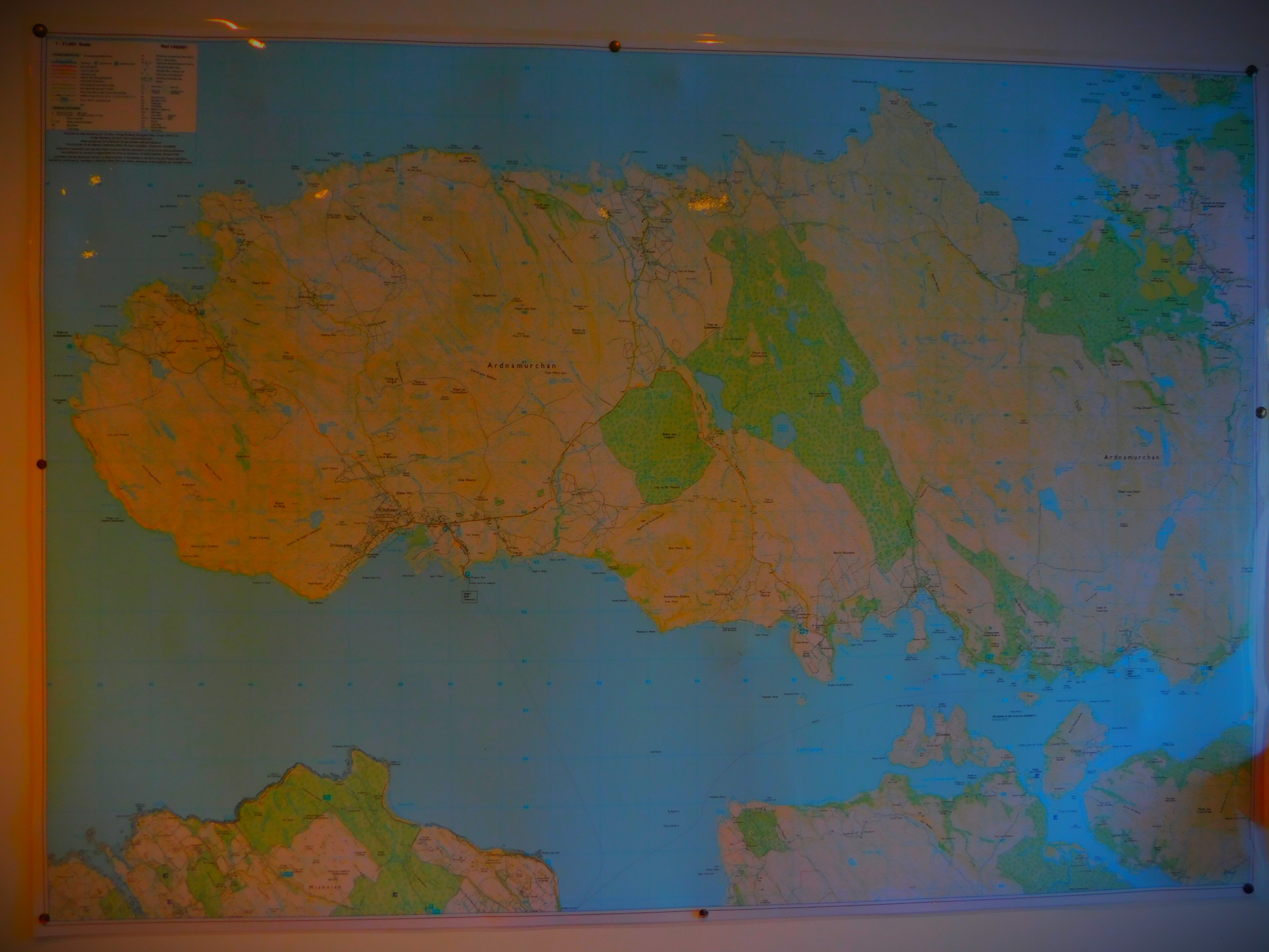
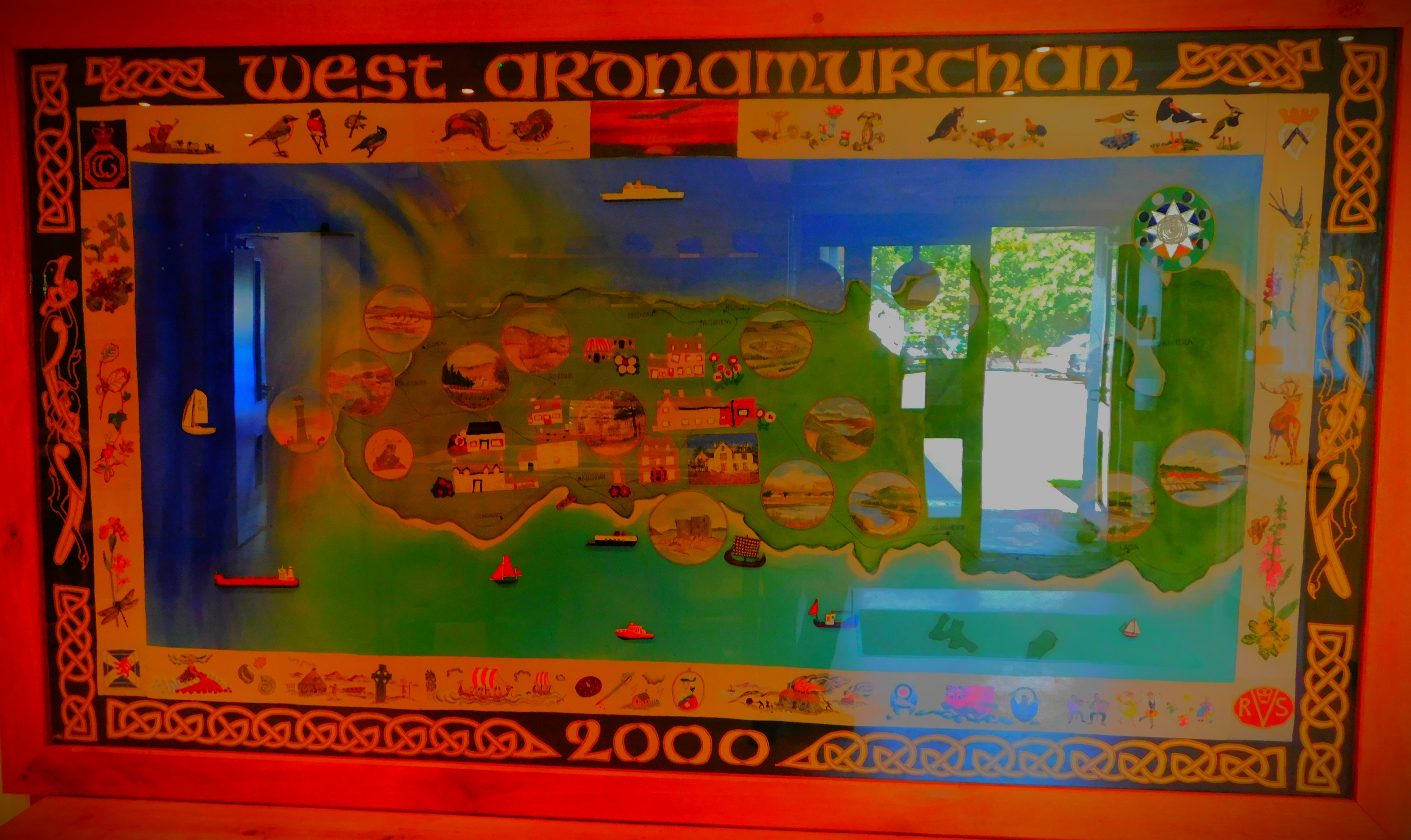
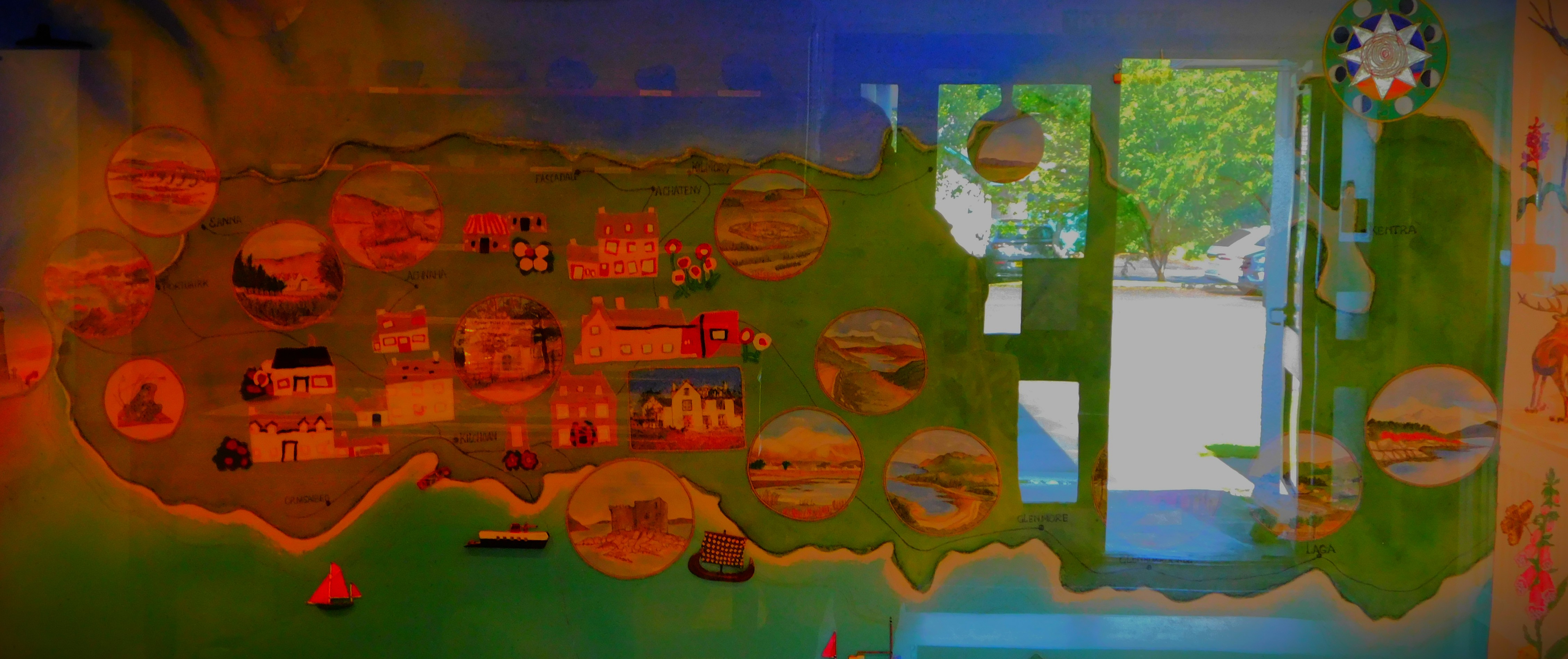
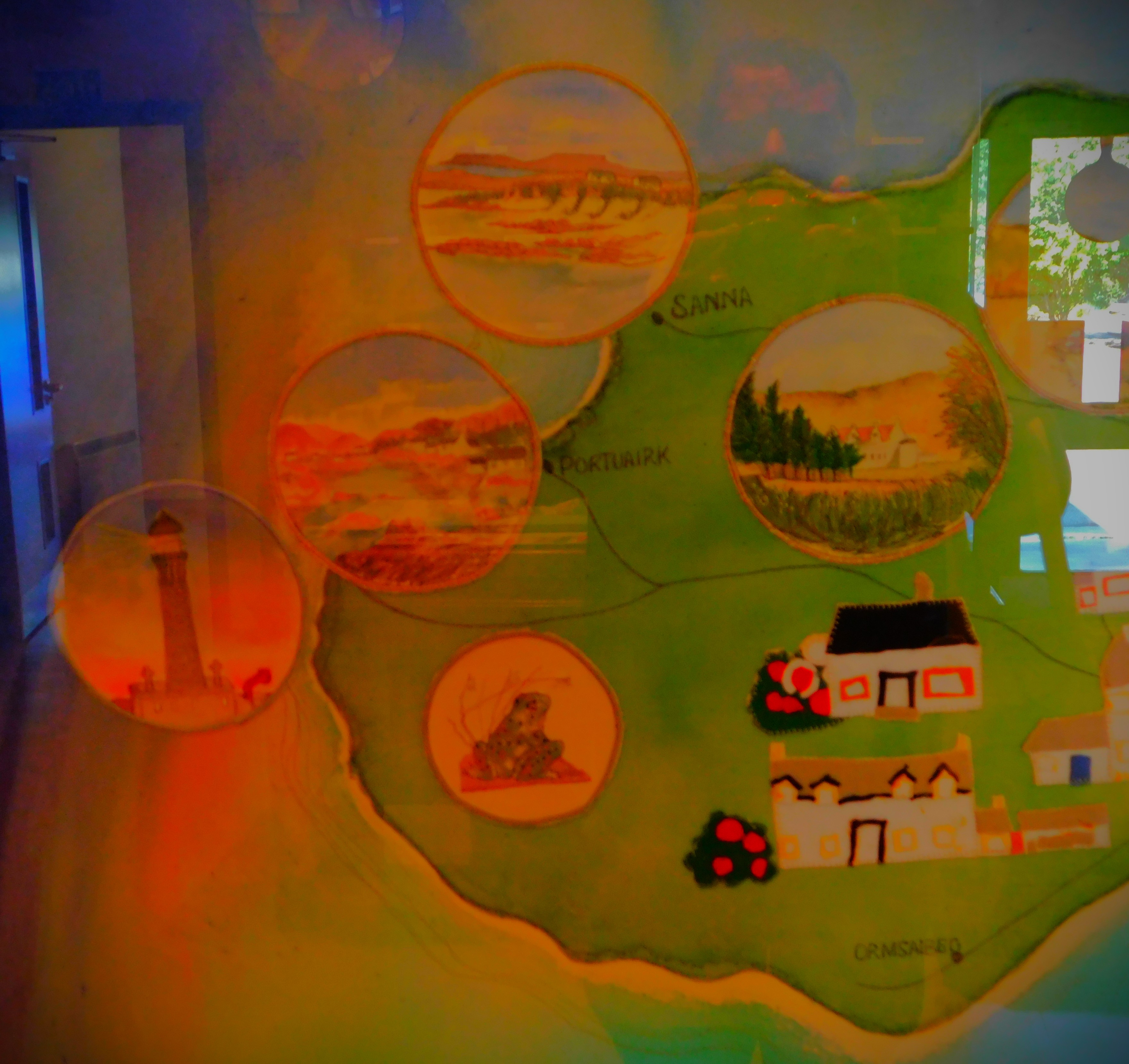
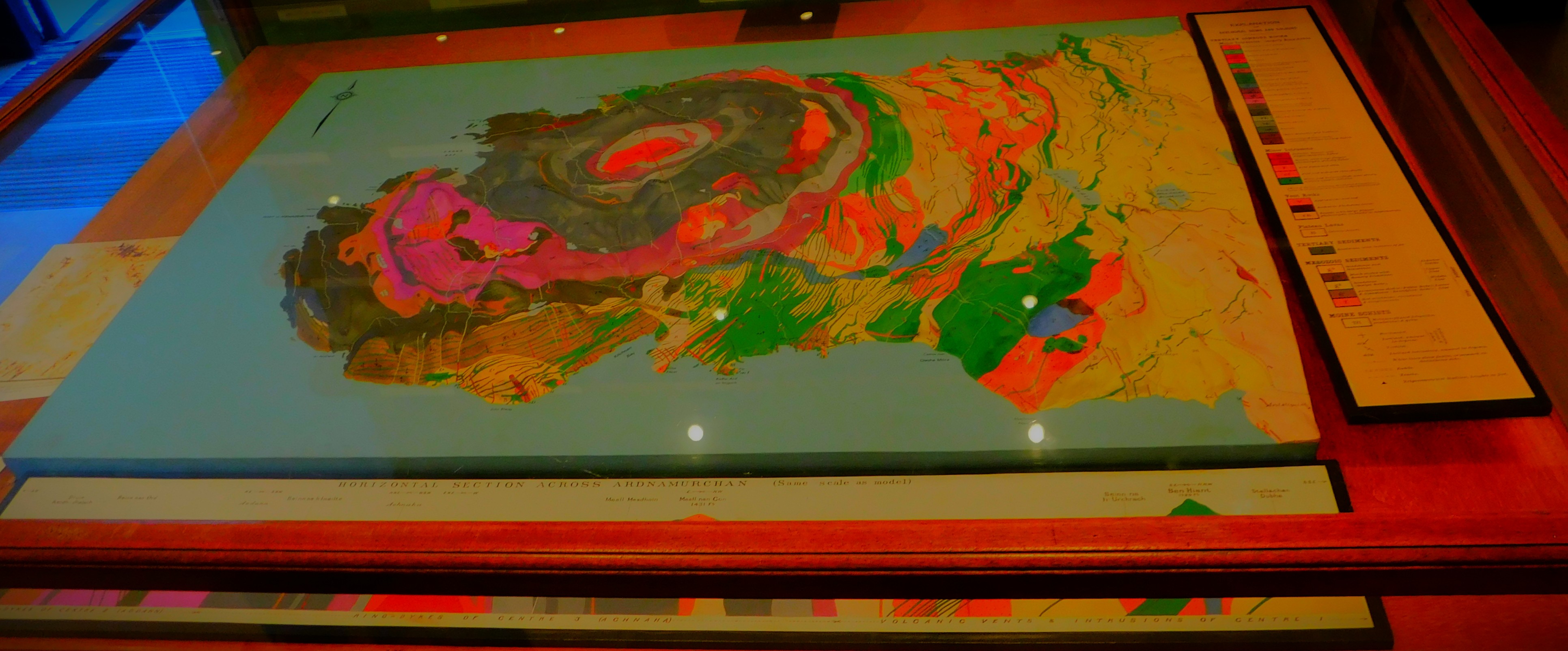
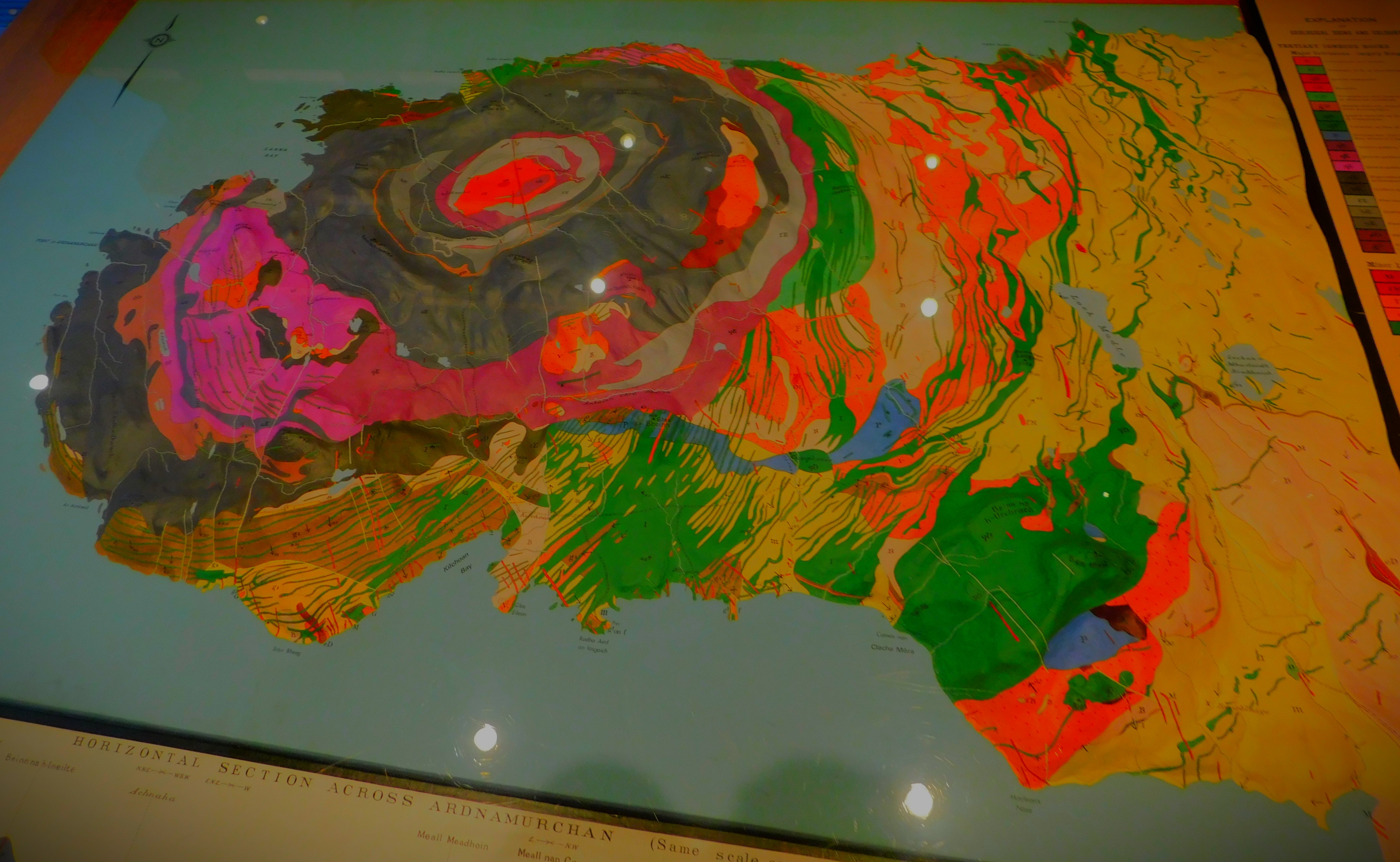
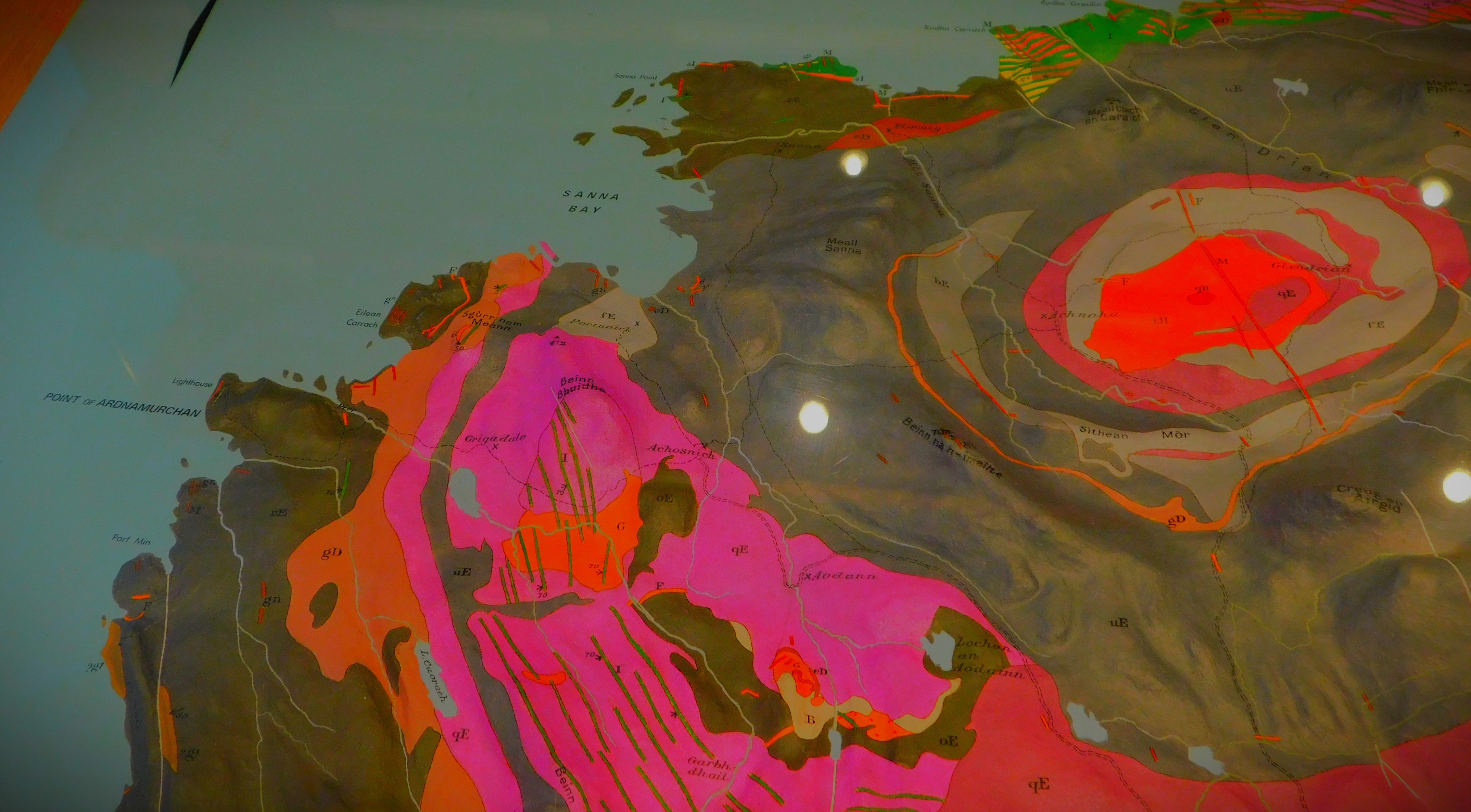
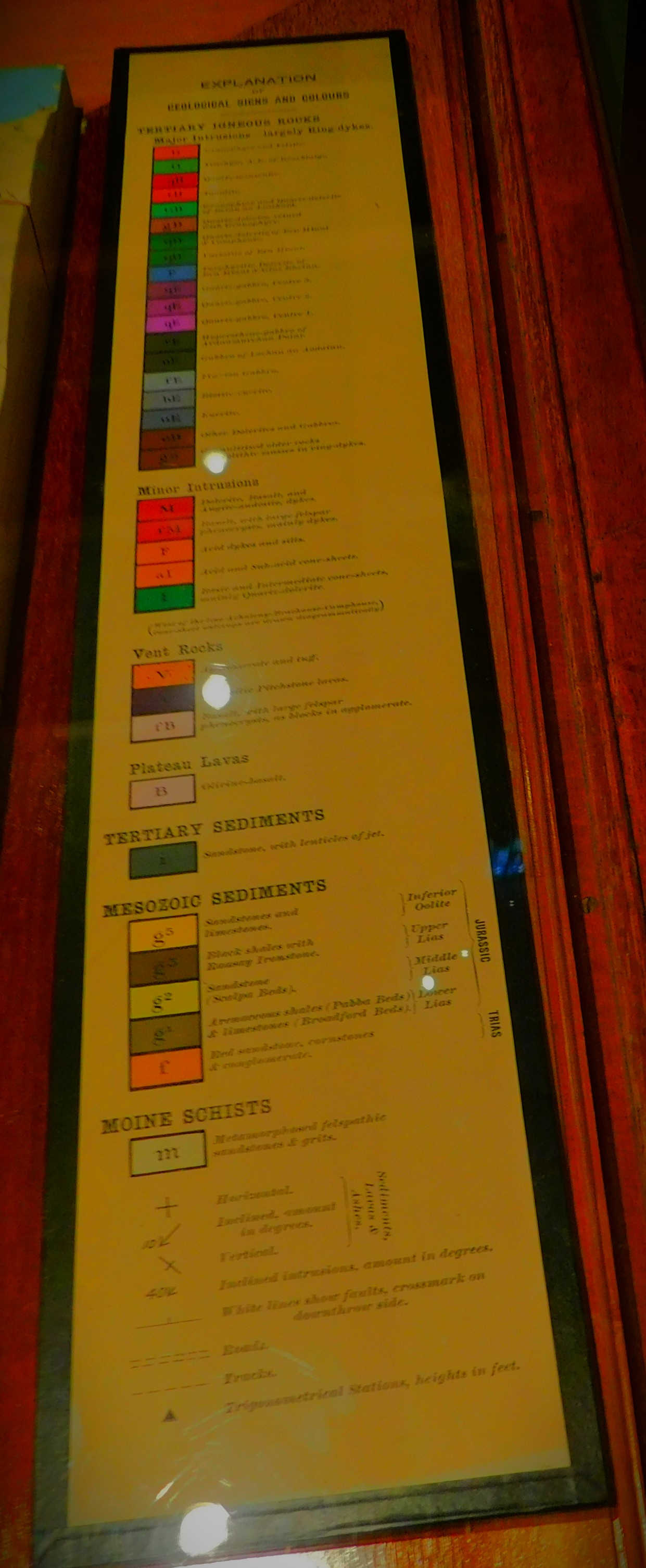
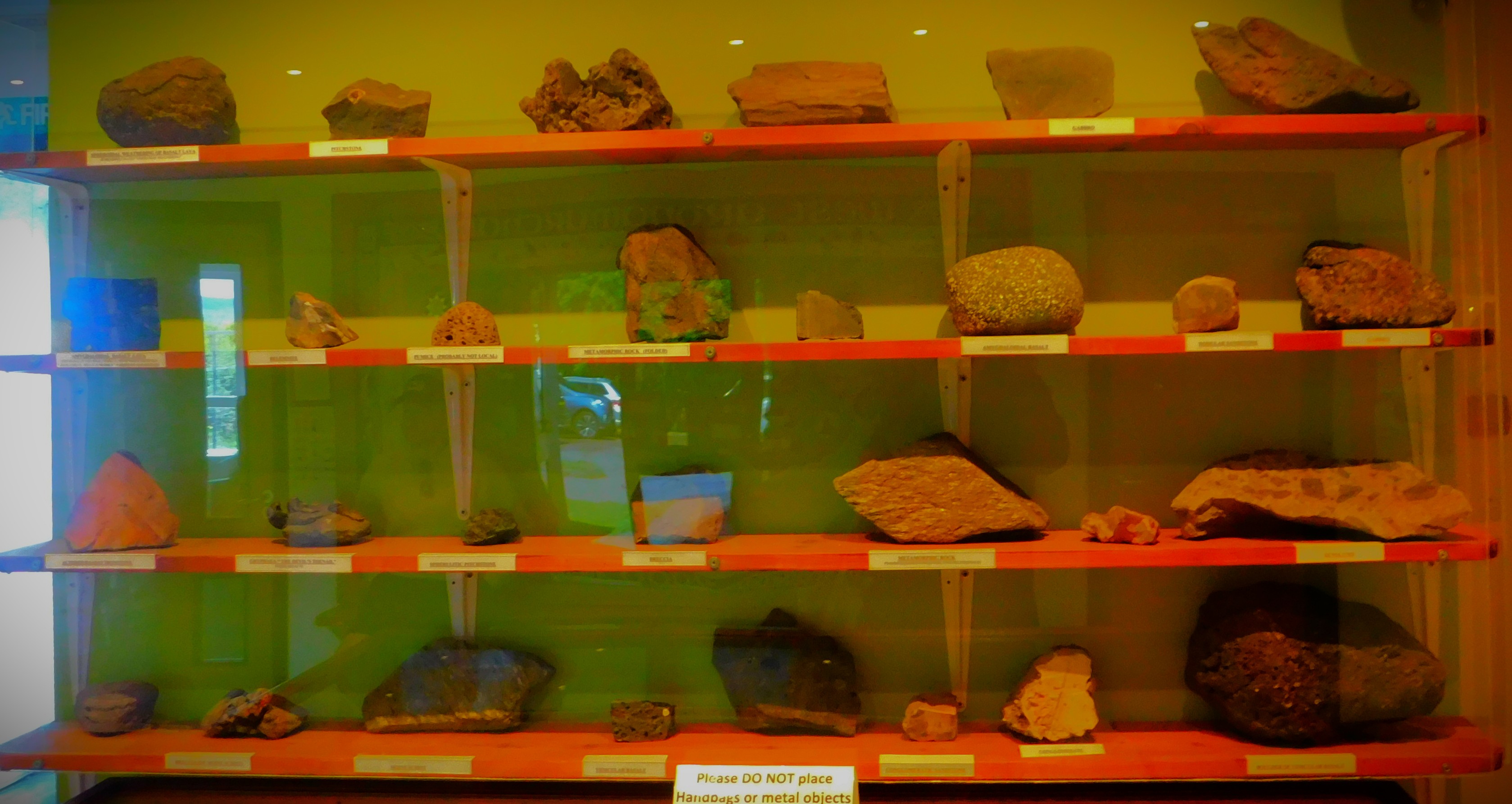
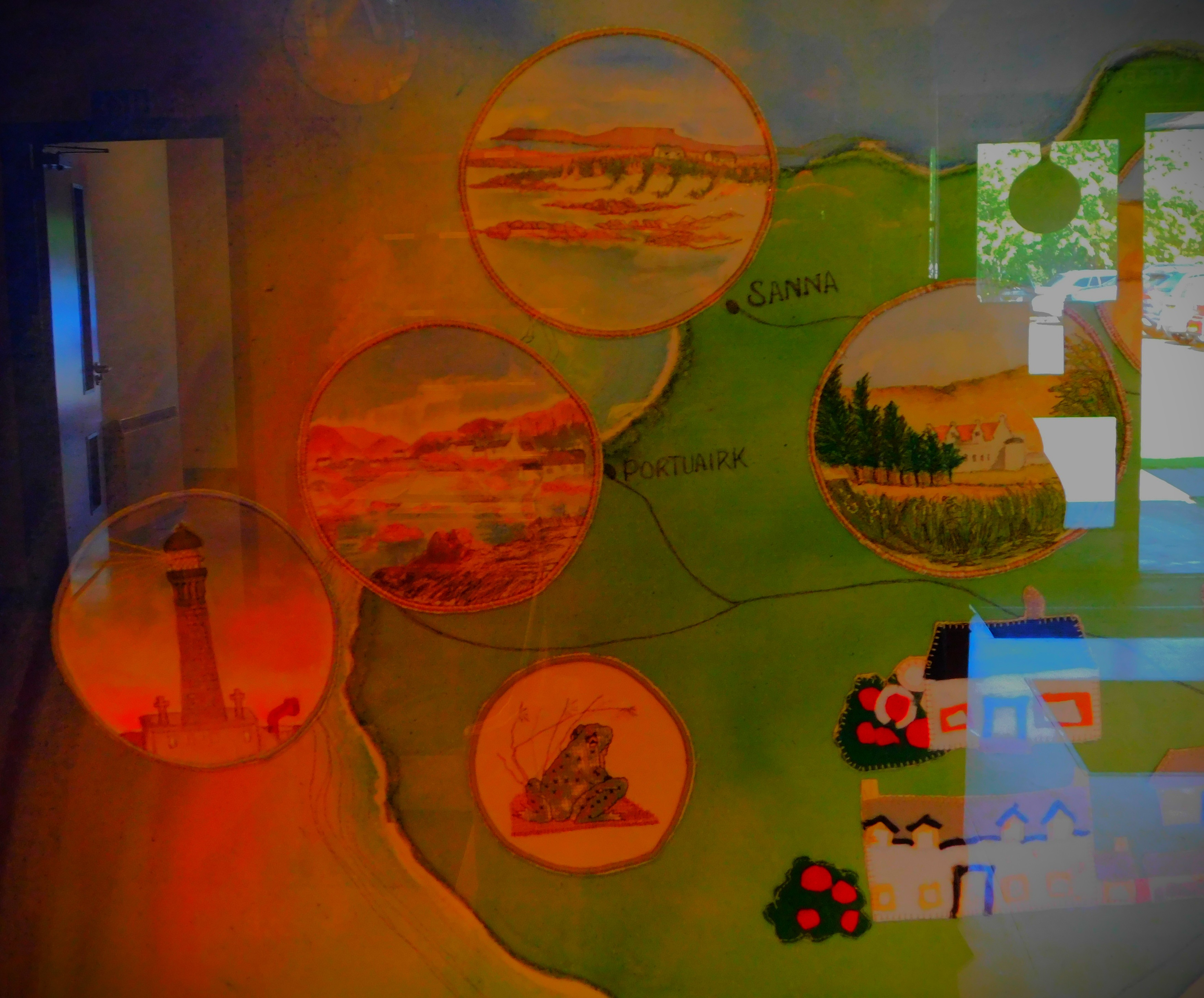
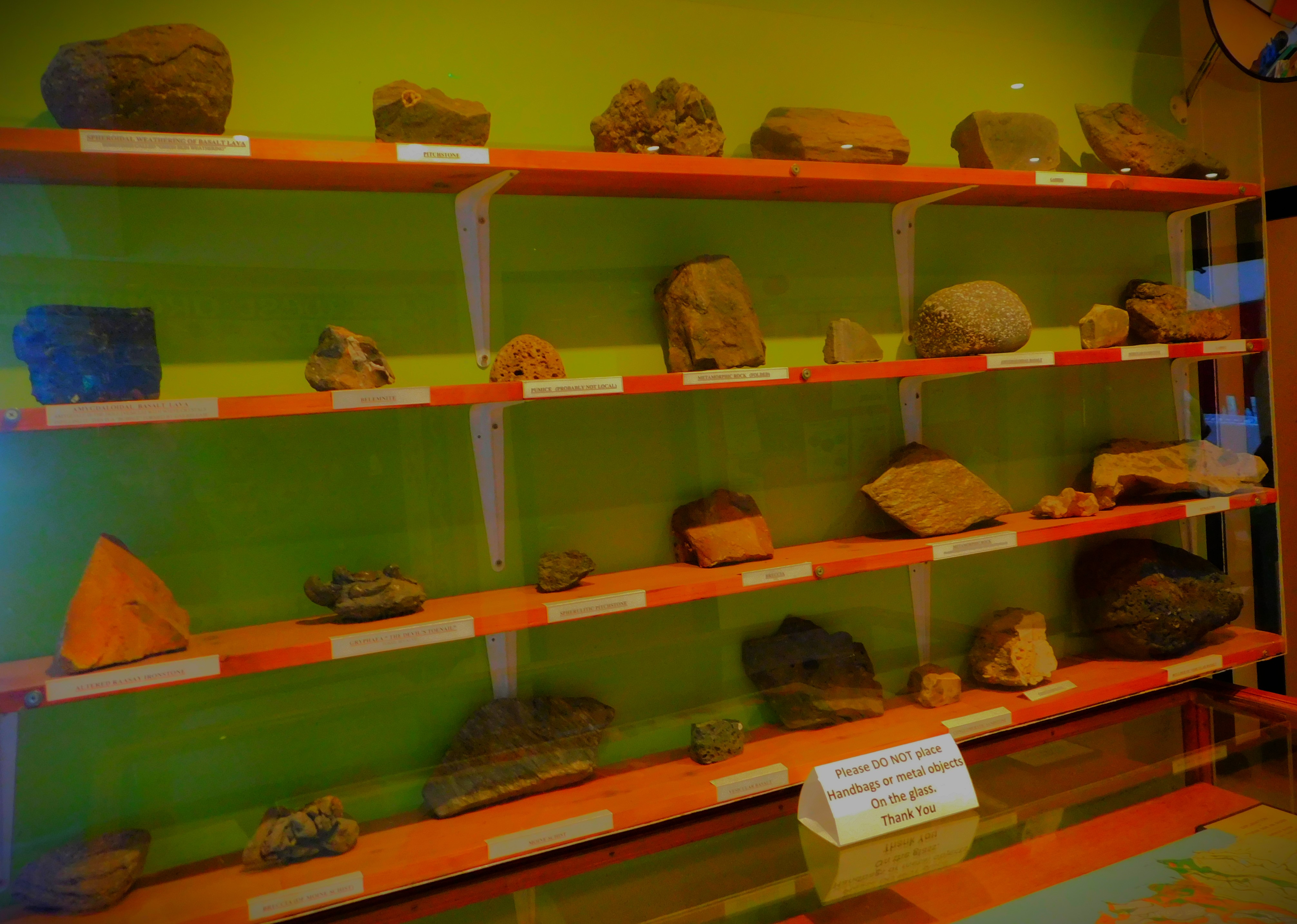
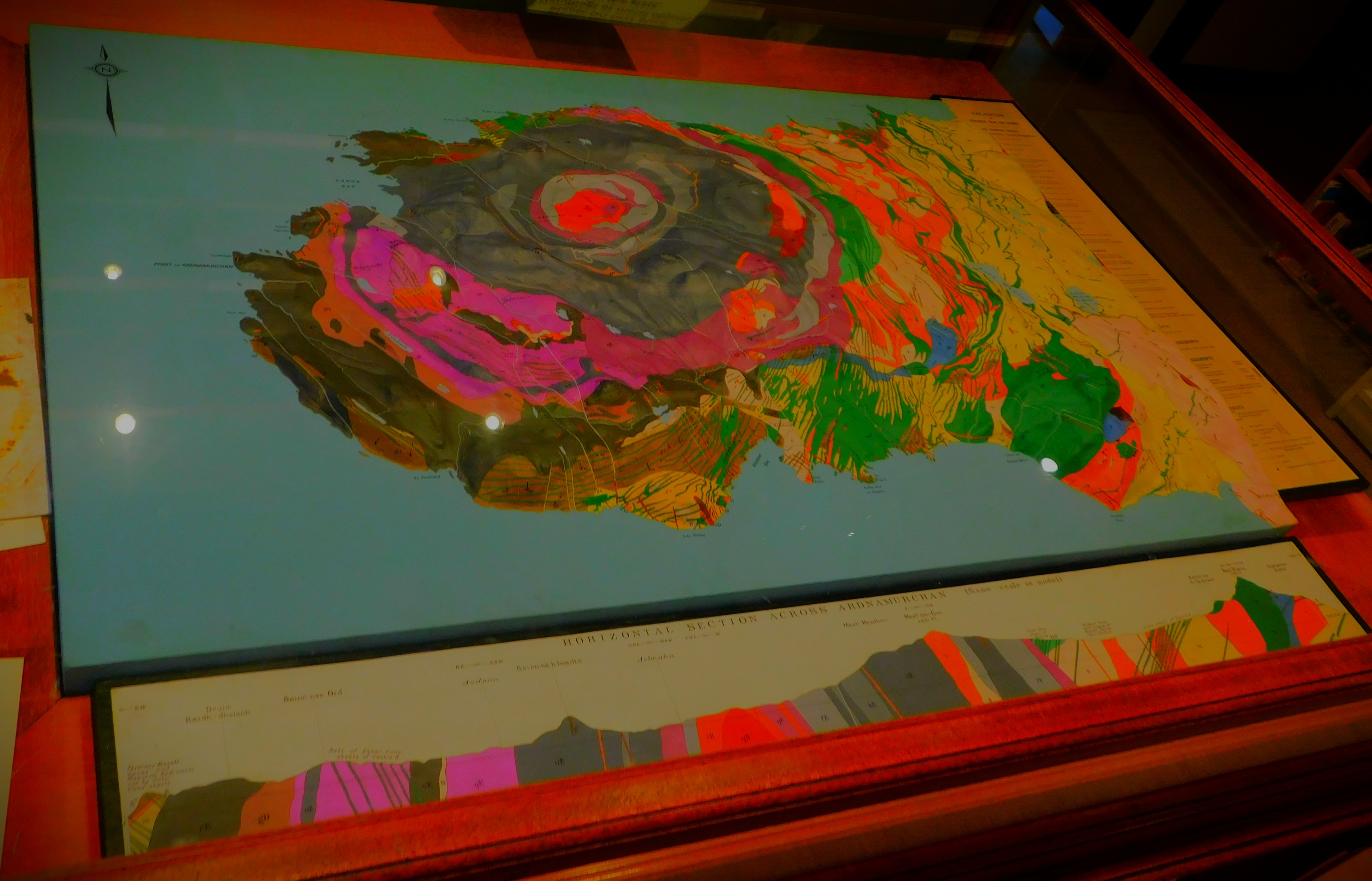
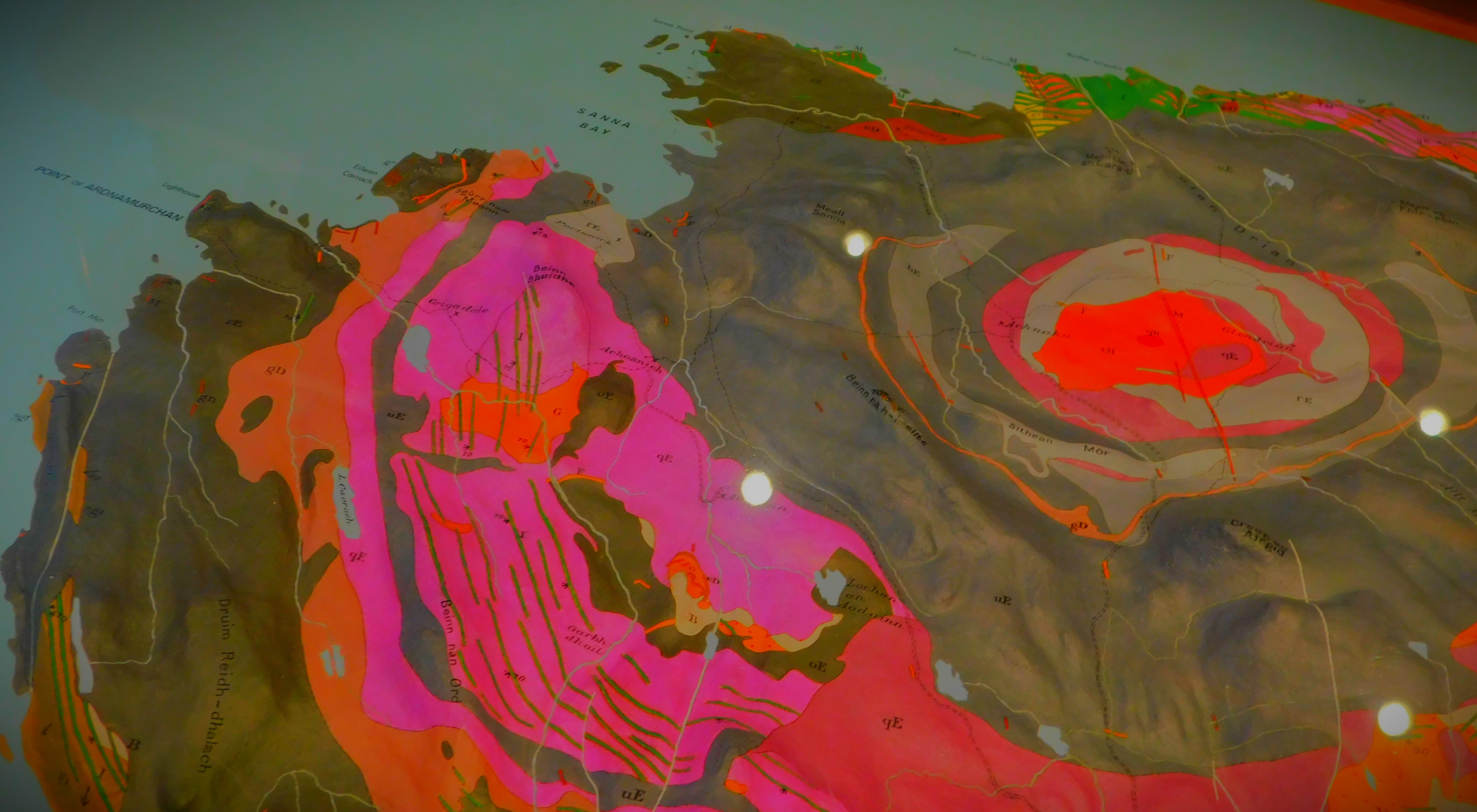
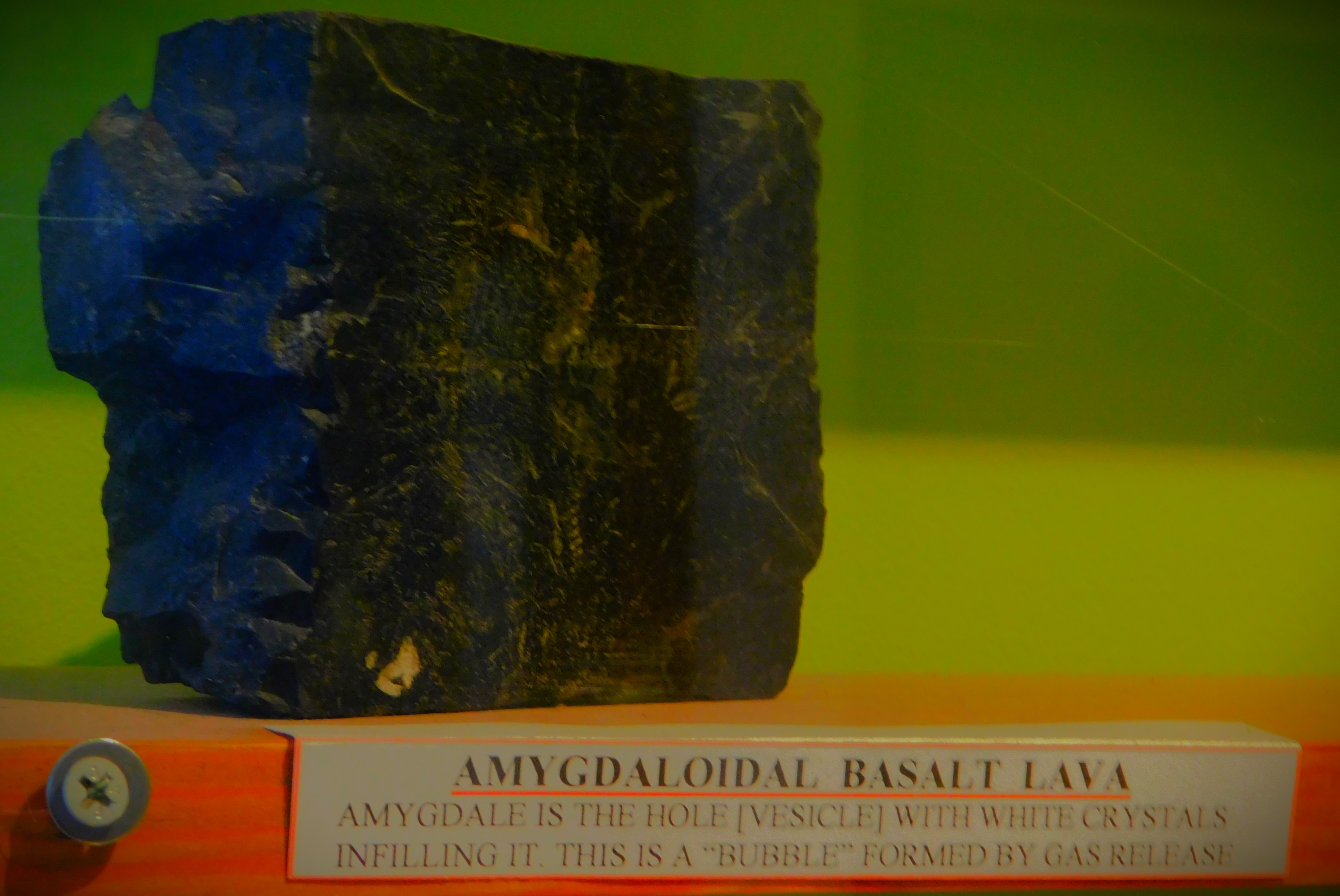
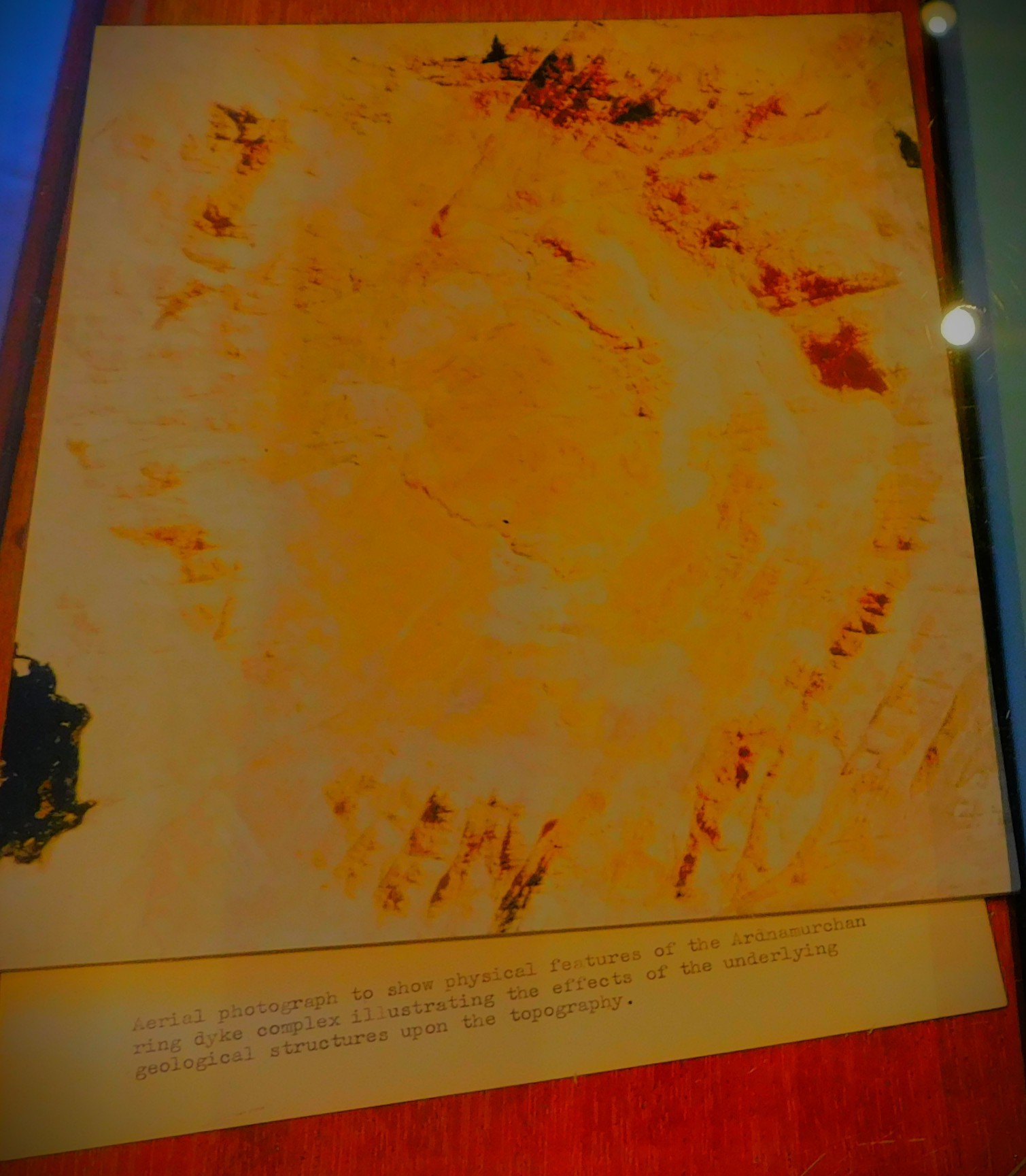
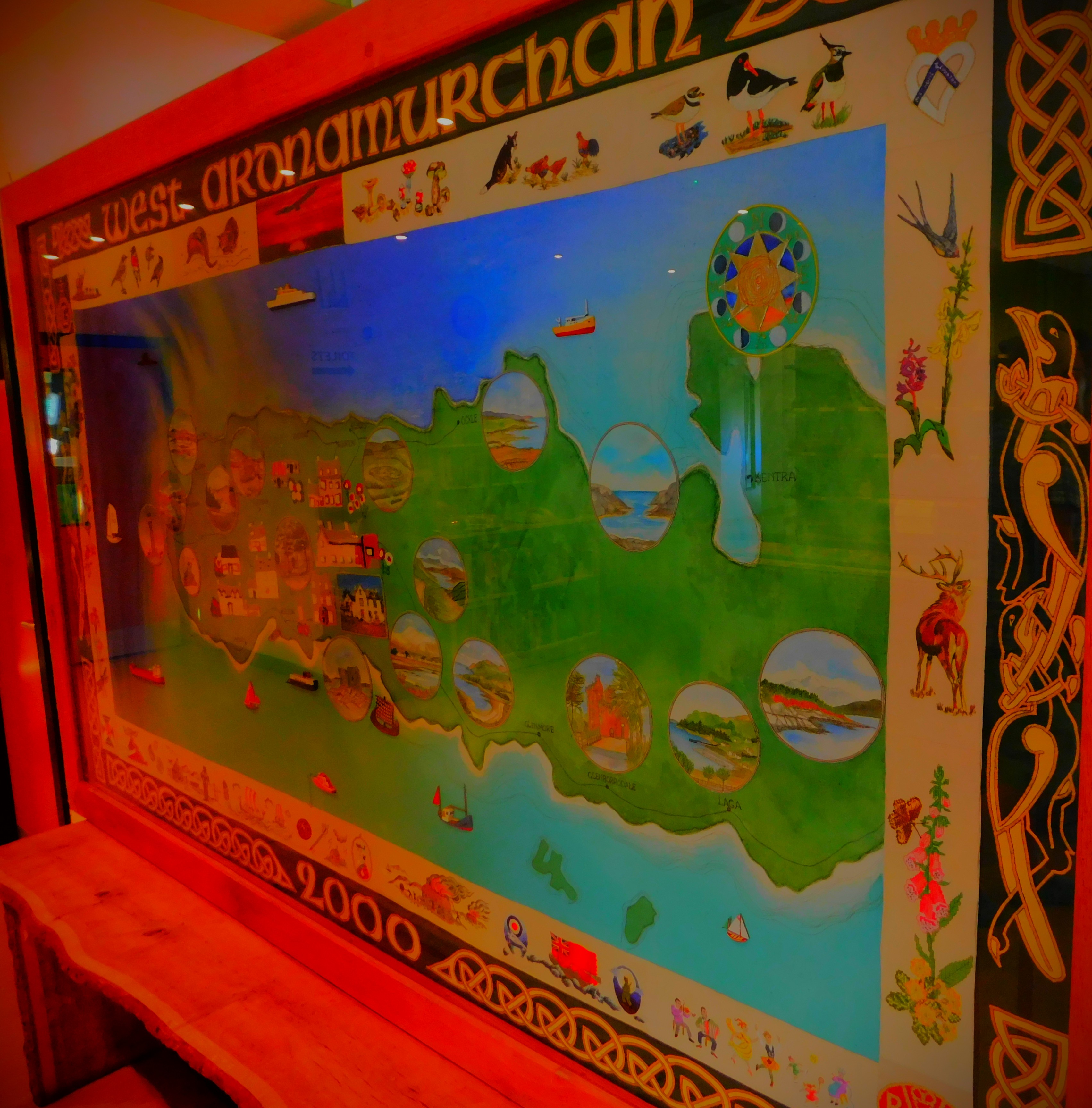
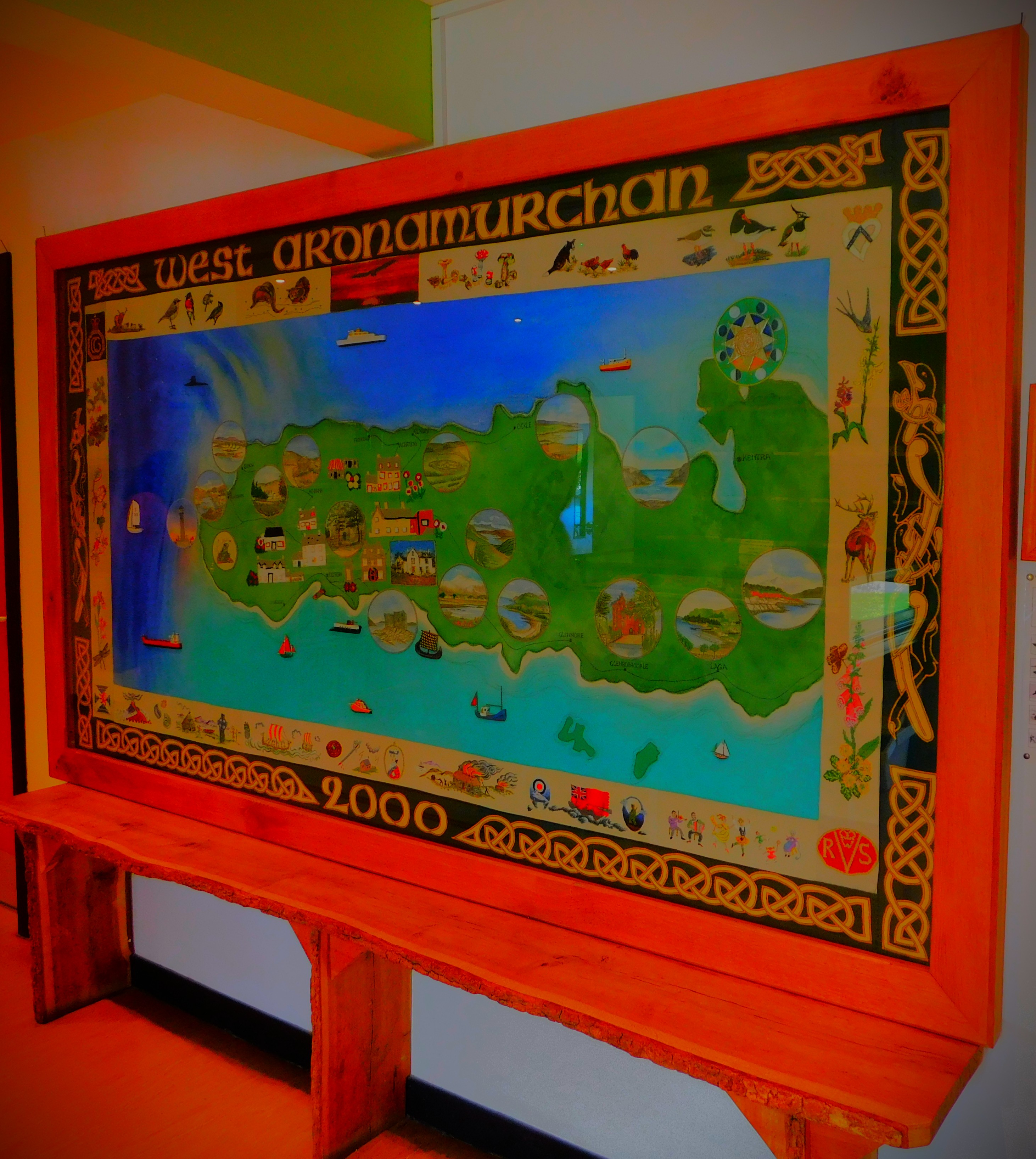
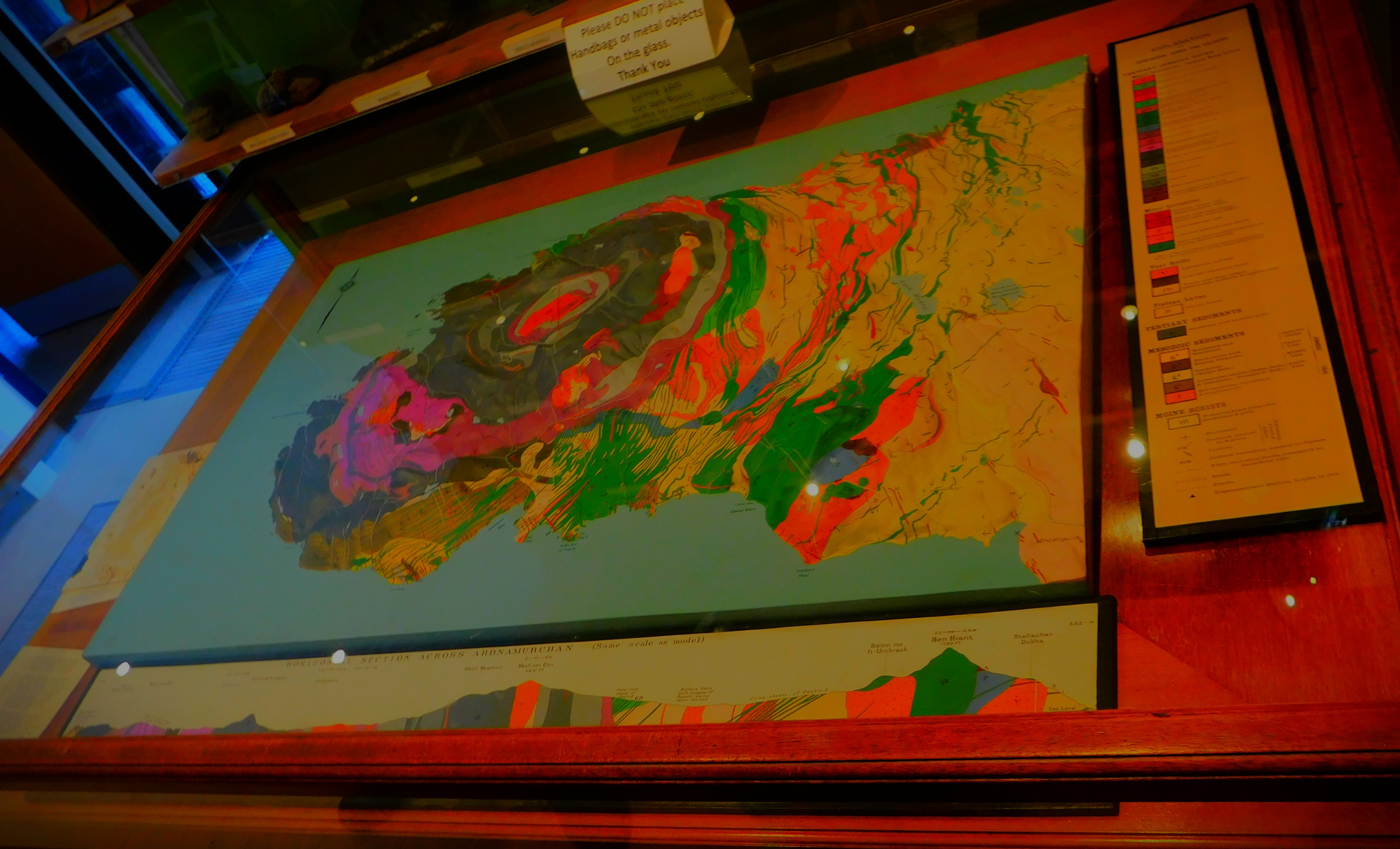
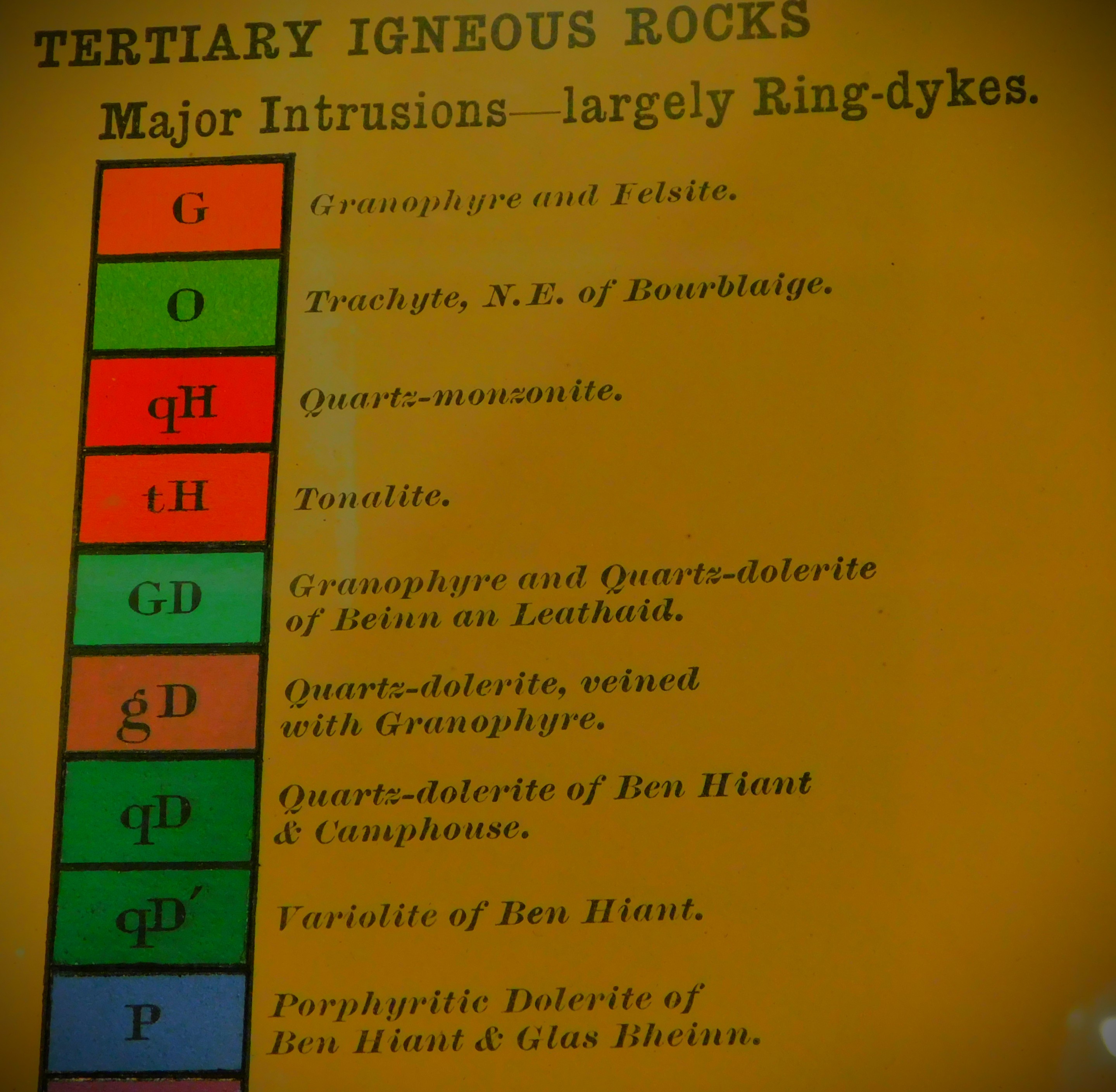
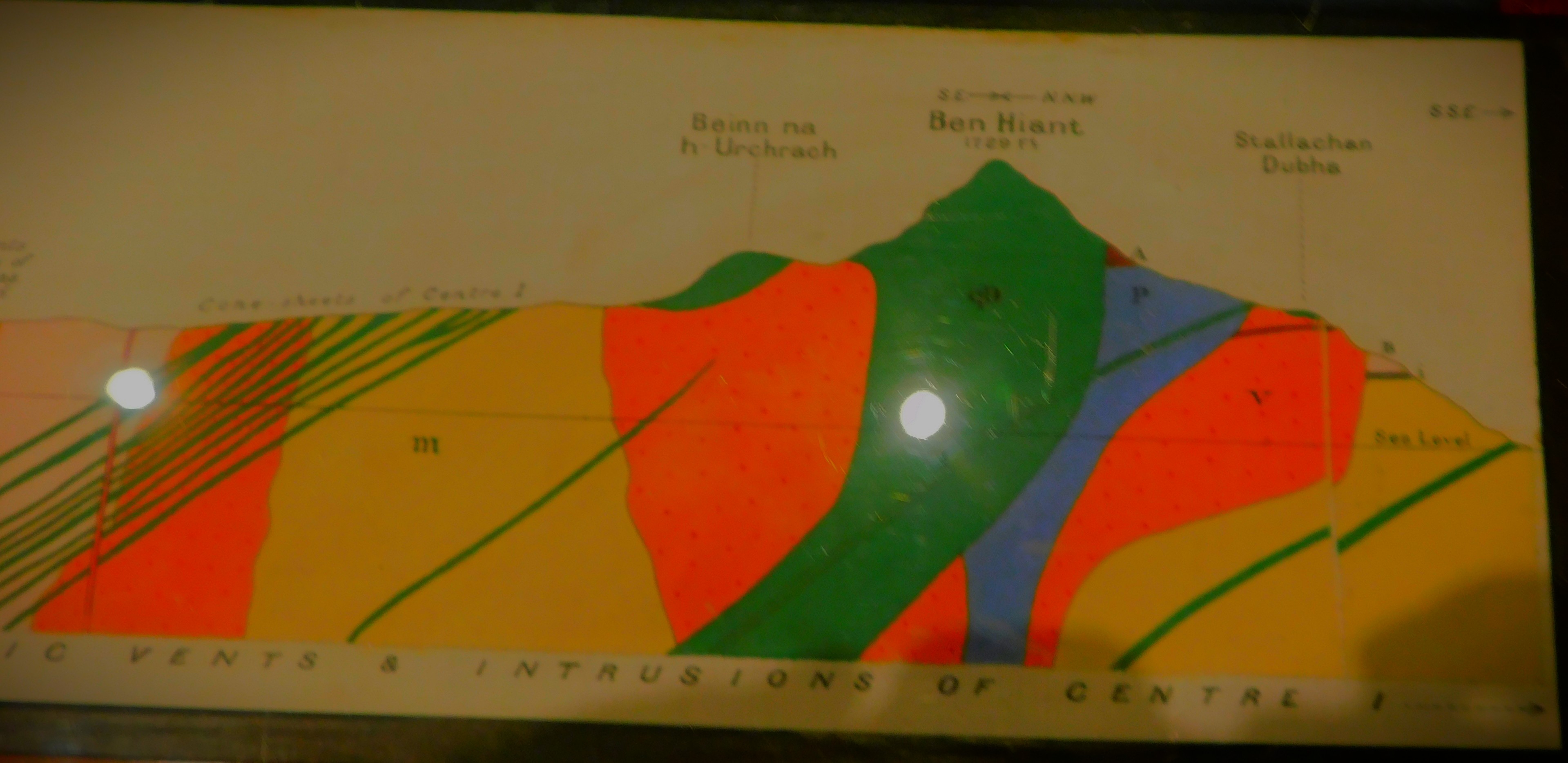
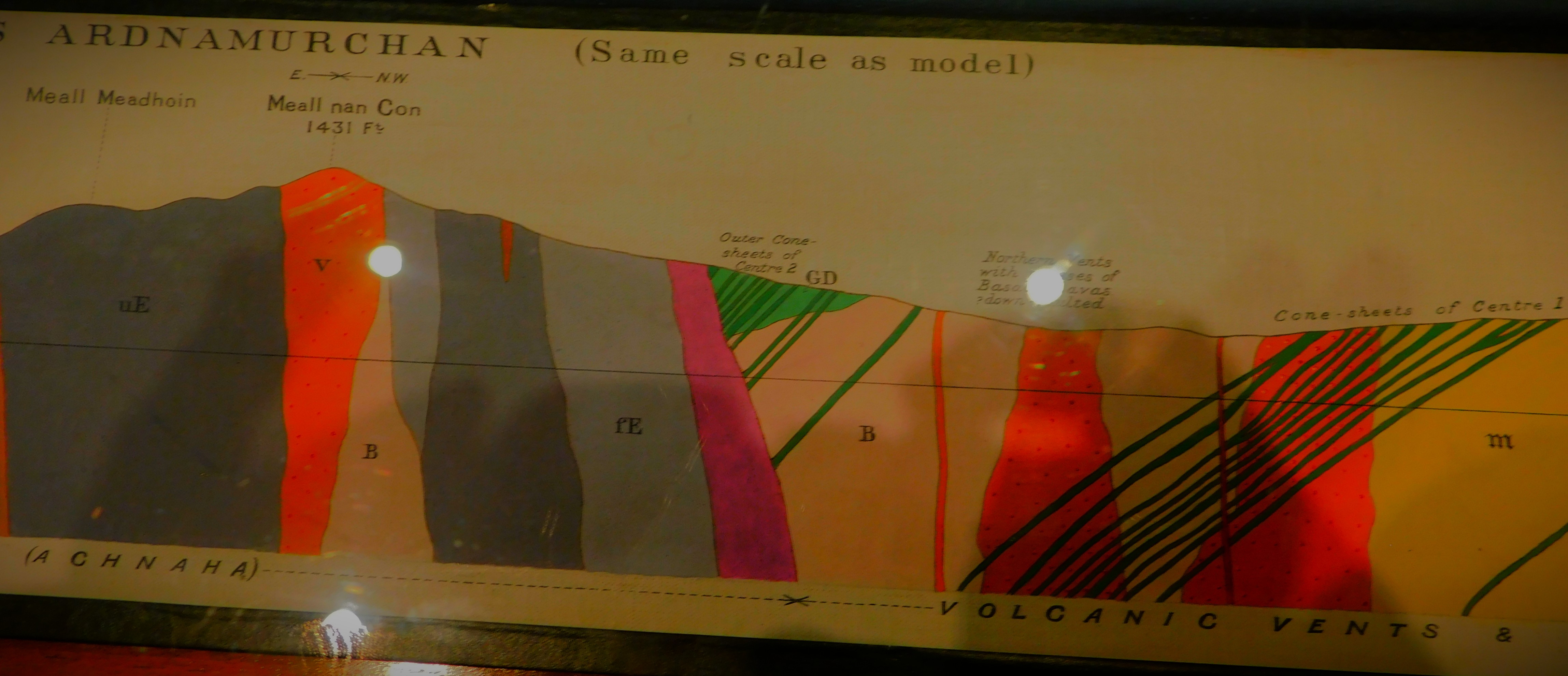
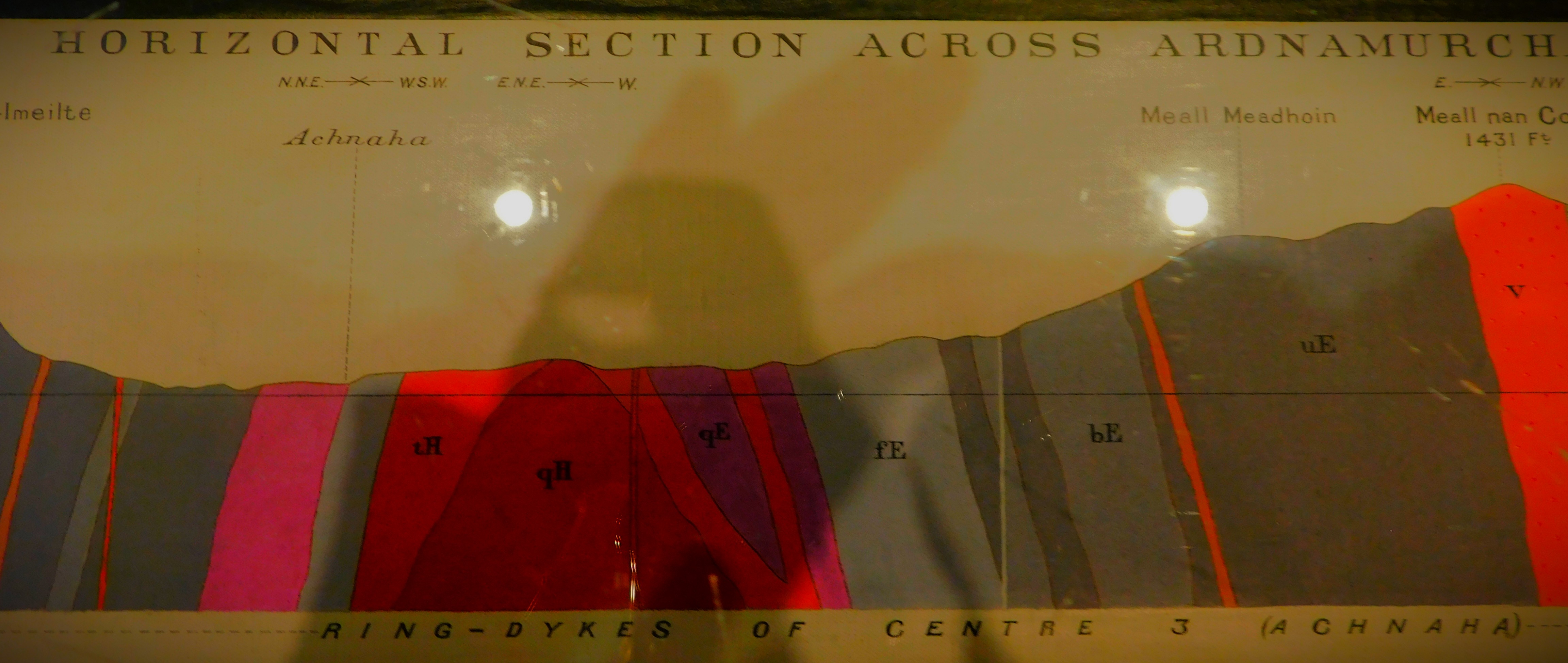
Yesterday we went to visit a craft market in Kilchoan, a very small town that serves as a ferry terminal as well. The community centre boasts a very mini museum – two maps, one an elaborate wall mounted one and the other a three dimension relief map in a glass case with accompanying key and notes, and some rock samples showing all the types of rock in the area. The market was very worthwhile in and of itself – we got some good food there, including bread of superlative quality, but I would regard the display at the community centre as worth seeing in its own right as well.

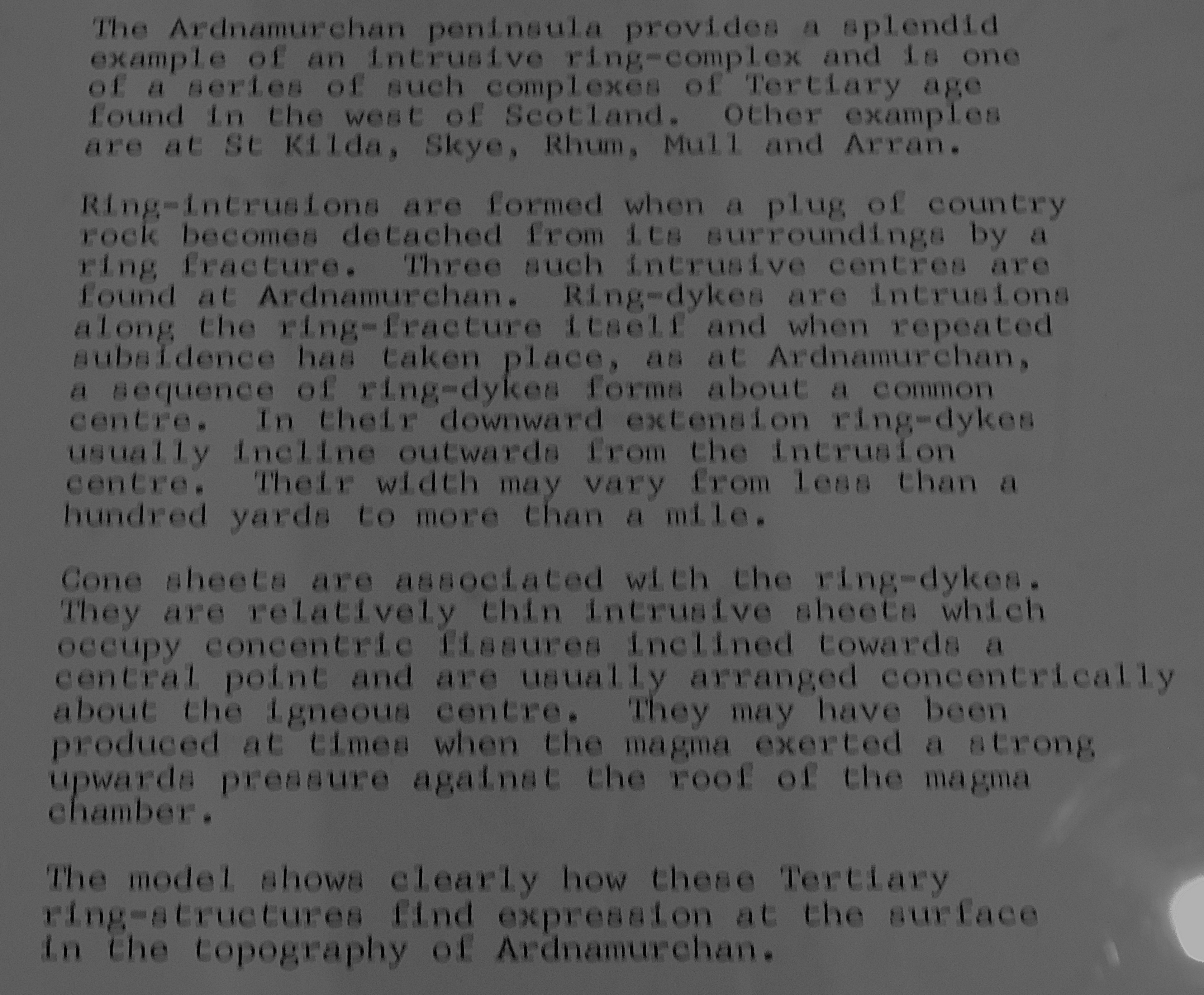
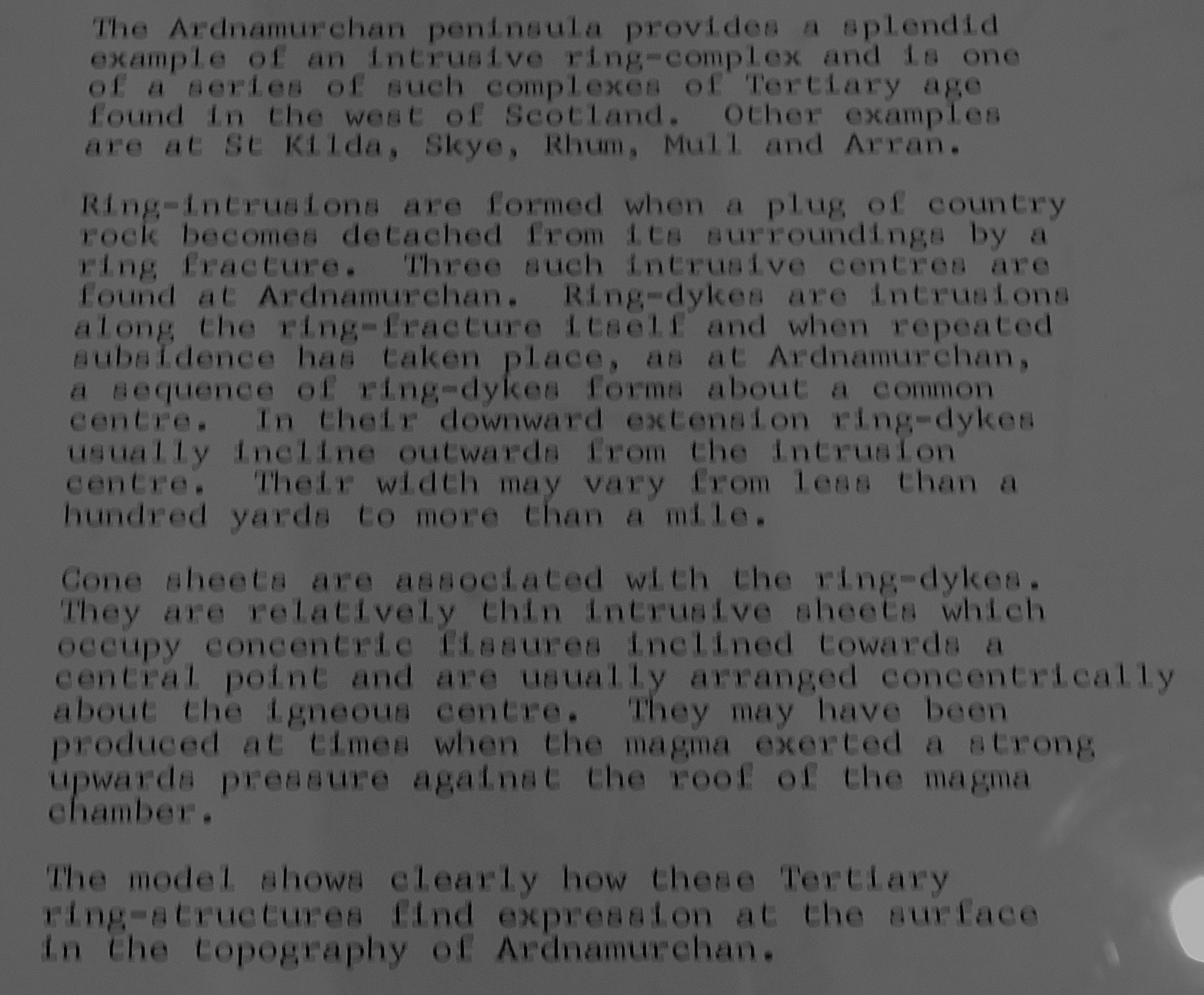
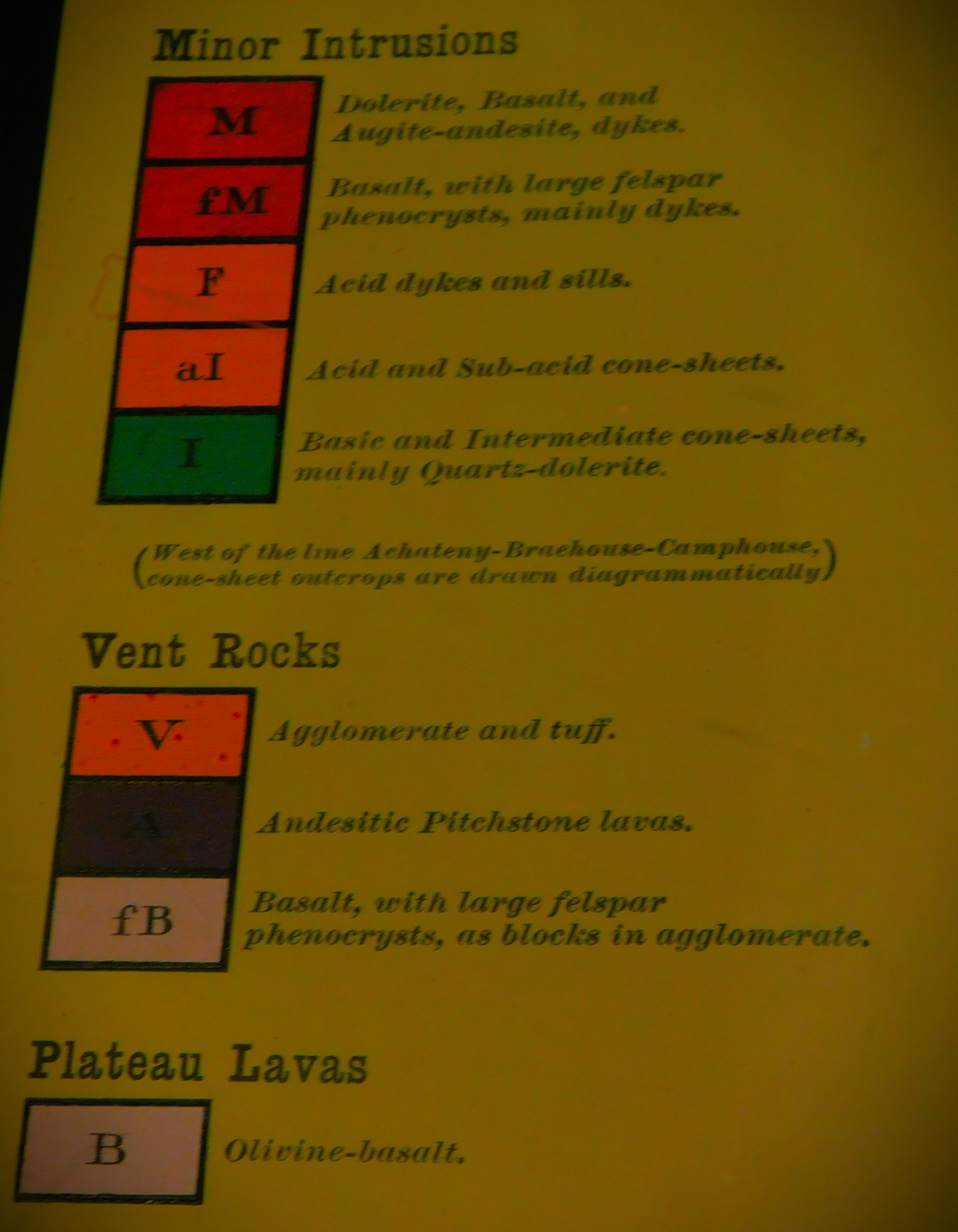
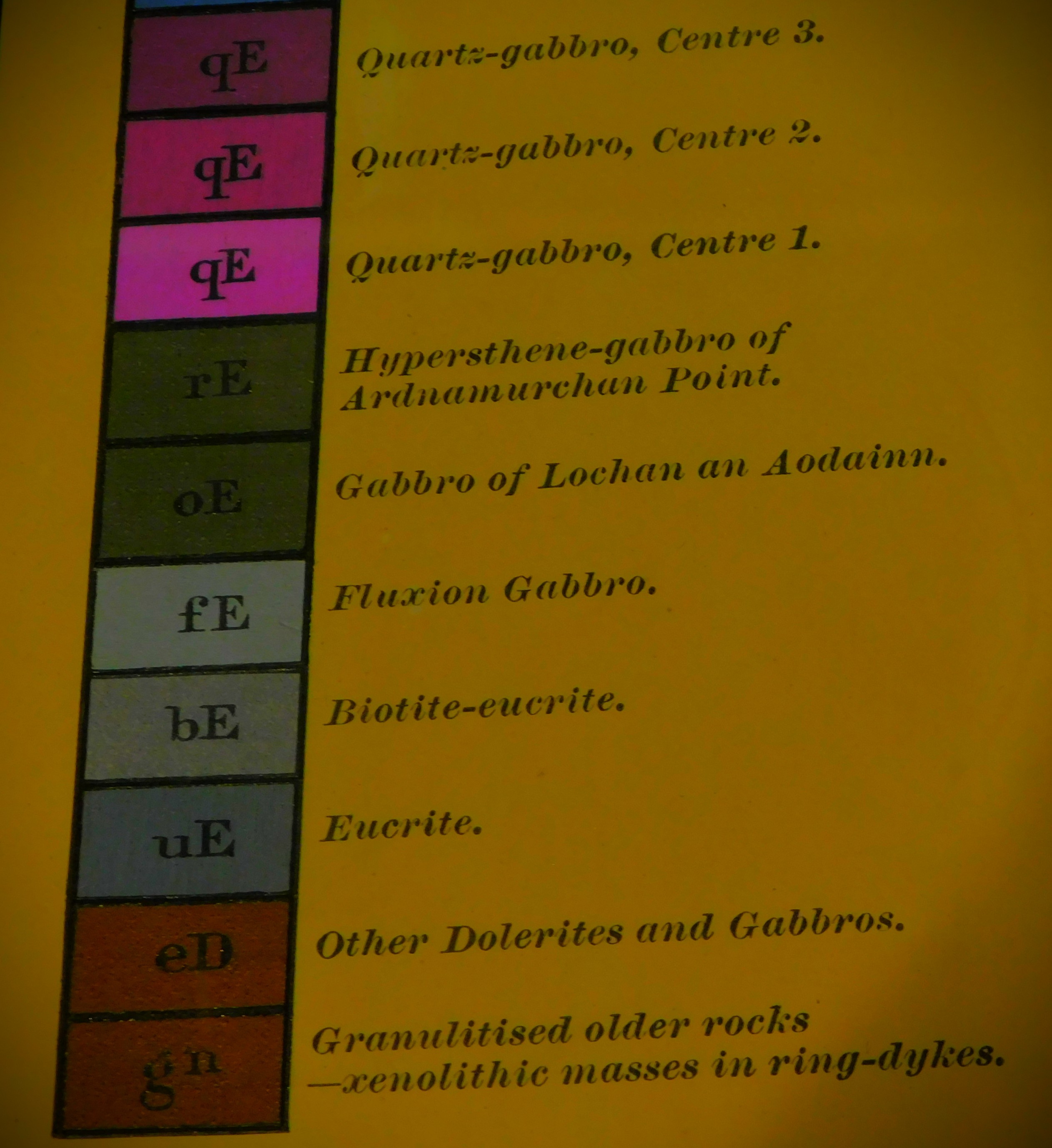
The above image contains a lot of text, and just to make sure everyone can access that text I reproduce it below:

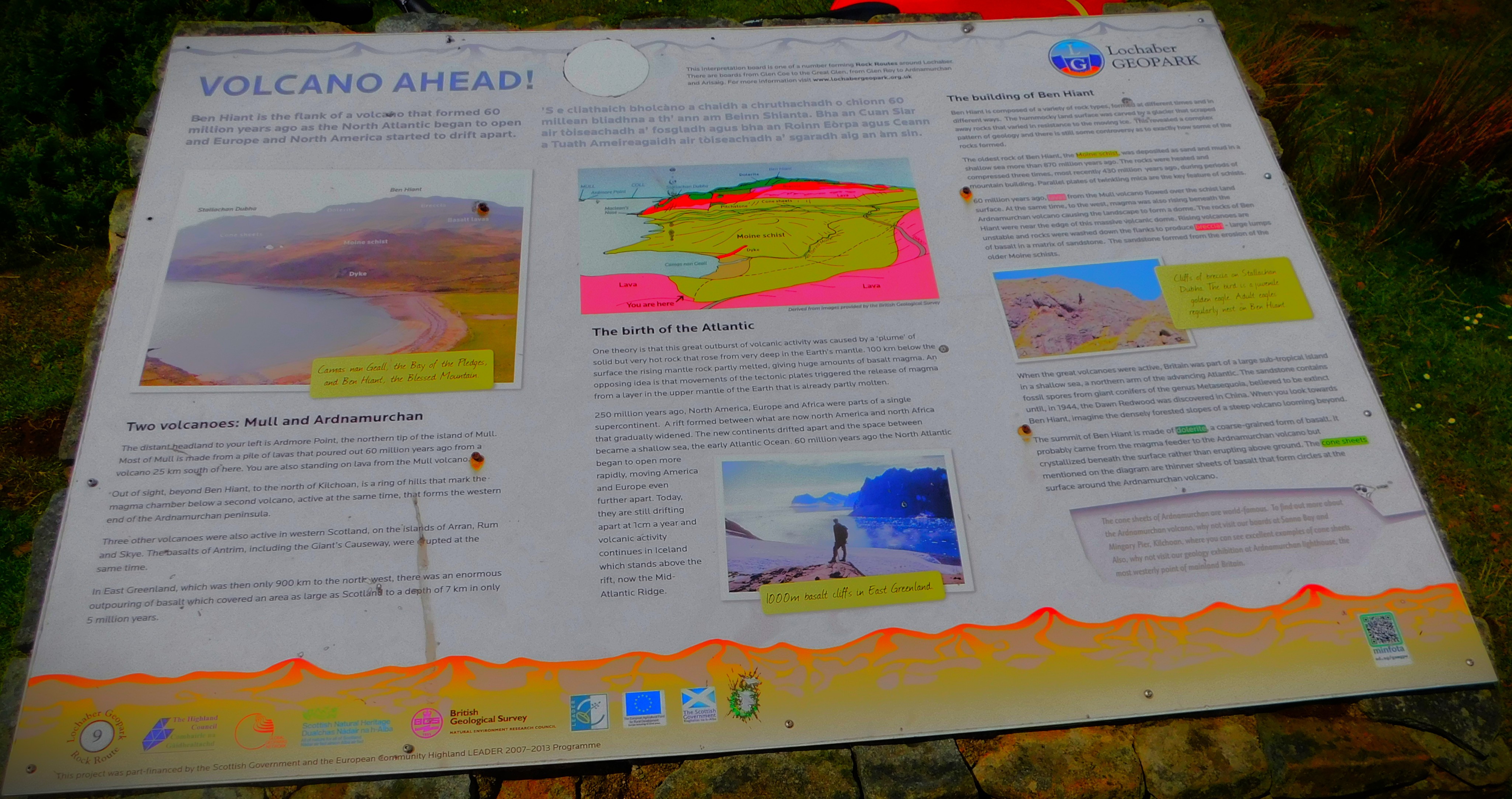
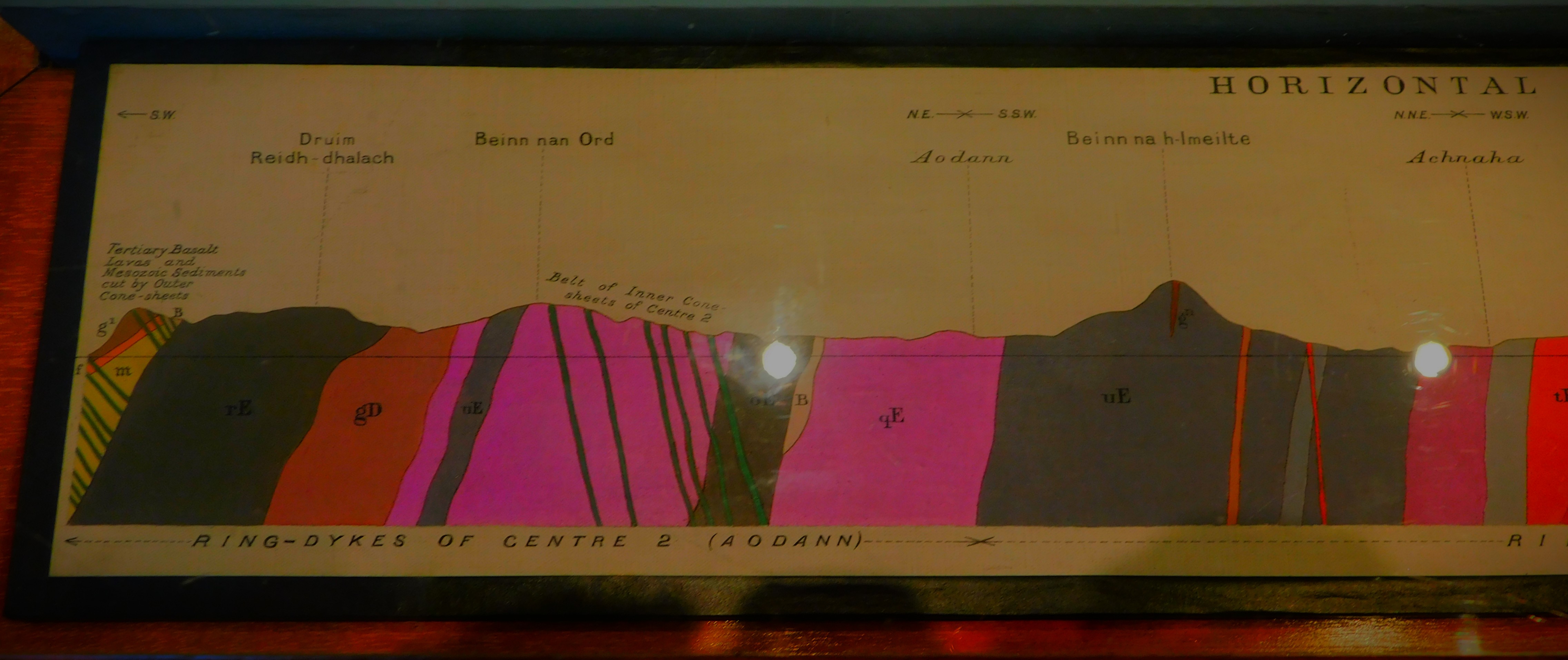
The Ardnamurchan peninsula provides a splendid example of an intrusive ring-complex and is one of a series of such complexes of Tertiary age found in the west of Scotland. Other examples are at St Kilda, Skye, Rhum, Mull and Arran.

Ring-intrusions are formed when a plug of country rock becomes detached from its surroundings by a ring fracture. Three such intrusive centres are found at Ardnamurchan. Ring-dykes are intrusions along the ring-fracture itself and when repeated subsidence has taken place, as at Ardnamurchan, a sequence of ring-dykes forms about a common centre. In their downward extension ring-dykes usually incline outwards from the intrusion centre. Their width may vary from less than a hundred yards to more than a mile.

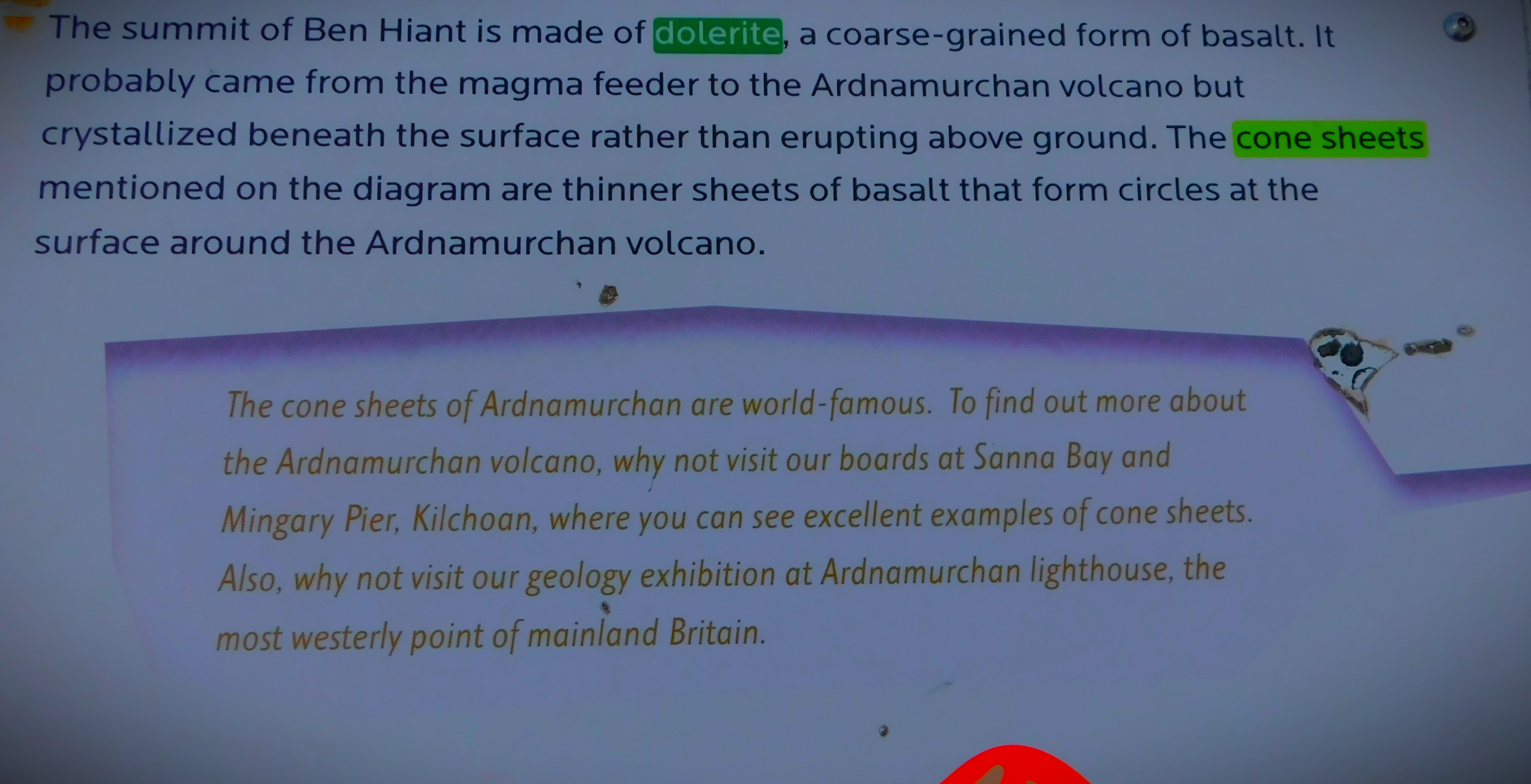
Cone sheets are associated with the ring-dykes. They are relatively thin intrusive sheets which occupy concentric fissures inclined towards a central point and are usually arranged concentrically about the igneous centre. They may have been produced at a time when the magma exerted a strong upwards pressure against the roof of the magma chamber.

The model shows clearly how these tertiary ring-structures find expression at the surface in the topography of Ardnamurchan.

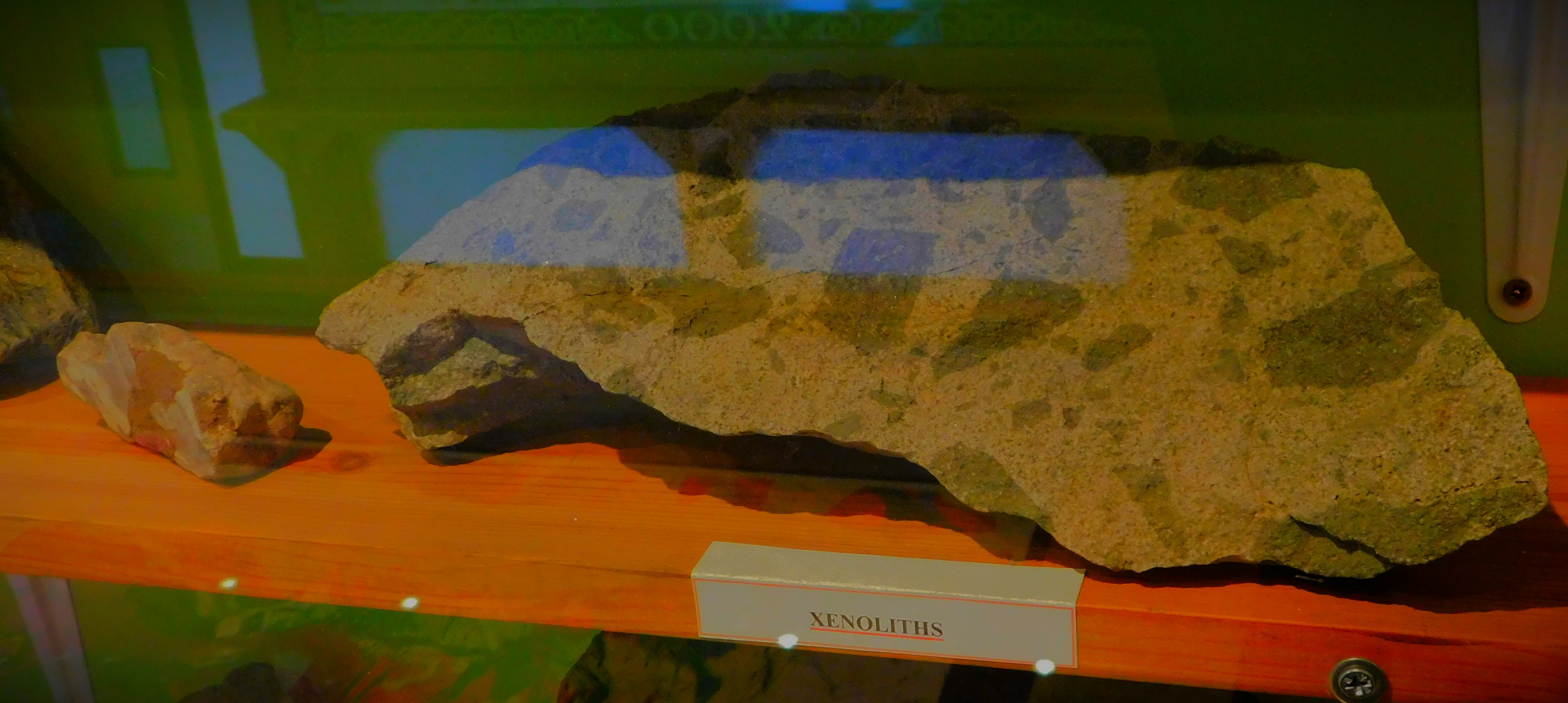
The rock samples on display include granite, basalt and xenoliths. Xenoliths (from the Greek, meaning literally ‘alien stone’) are rocks formed particularly deep within the earth, and hence not commonly seen at the surface.

My photographs relating to the above post…