A look at the first innings of the One Day Cup final and a large photo gallery.
Today is the final of the One Day Cup. The match is happening at Trent Bridge, Nottingham, and the two teams to reach the final are Hampshire and Leicestershire. This post looks at developments in the first 50 overs.
A TERRIBLE START
Leicestershire won the toss and chose to bat first. They were soon reeling at 19-4 (I missed the start, due to an event at King’s Lynn library). Although they mounted a bit of a fightback, the dismissal of Lewis Hill for 42 made it 89-6, and Leicestershire’s cause still looked hopeless…
THE FIGHTBACK
…at this hopeless looking juncture Harry Swindells joined Sam Evans. While Evans fought hard and eventually recorded 60 (84), it was Swindells who really turned the tide. He completed a century at better than run a ball, and with Tom Scriven offering support after the dismissal of Evans, he eventually finished on 117* (96), and had guided has side from the ruins of 89-6 to a defensible 267-7. The Hampshire reply is just getting under way as I type, and it is not the formality they would at one stage have been expecting.


An all time XI, an auction announcement and a large photo gallery.
I cannot claim that the XI that forms the body of this post is an absolutely stellar one, but I have a specific reason for this piece of whimsy which I will explain later in the post.
THE XI IN BATTING ORDER
Jack Brown (Yorkshire, England, right handed opening batter). A very successful opening batter for his county, and played two legendary innings in games of higher standard than county – a match and series winning 140 in the last match of the 1894-5 Ashes series and a spectacular 163 which helped the Players to chase down 501 against the Gentlemen at Lord’s in 1900.
Bill Brown (Australia, right handed opening batter). A successful opening batter after the retirements of two other Bills, Ponsford and Woodfull and before the rise of Barnes and Morris pushed him out of the side.
George Brown (Hampshire, England, right handed batter, ). A tough competitor, especially noted for his play against fast bowling.
+Ben Brown (Sussex, Hampshire, right handed batter, wicket keeper). A little high in the order, but a very fine batter and keeper at county level.
Cameron Green (Australia, right handed batter, right arm fast bowler). A splendid all rounder.
*Freddie Brown (Surrey, Northamptonshire, England, right handed batter, leg spinner, right arm medium pacer, captain). He was the youngest member of the 1932-3 Ashes tour party, and didn’t play much on that trip. His next visit to Australia came 18 years later as captain (Norman Yardley and George Mann were both unavailable for business reasons, and England weren’t quite ready for a professional captain, so Brown who had done well as skipper of Northamptonshire ended with the job, and had a respectable series as player and even in a well beaten side was acknowledged to have done a good job as captain. In first class cricket he scored over 13,000 runs and took over 1,200 wickets.
Gordon White (South Africa, right handed batter, leg spinner). His test stats look fairly ordinary, but he was an important part of the SA teams of his day, and his FC averages were the right way around – 27.70 with bat, 20.05 with ball.
Dougie Brown (Warwickshire, Scotland, right handed batter, right arm fast medium bowler). A good county all rounder, his presence at number eight gives the batting depth. His FC averages, like those of Gordon White are the right way round – 30 with the bat and 28 with the ball in his case. I have placed him below the South African because batting was easier in the 1990s than it had been nine decades earlier, which more than makes up for him having a higher batting average.
Jack ‘Farmer’ White (left arm orthodox spin bowler, right handed batter). One of Somerset’s finest cricketers, and his accuracy and stamina were crucial to England’s comprehensive triumph in the 1928-9 Ashes. At Adelaide in that series he toiled through 124 overs across the two Aussie innings and emerged with 13-256 in the match.
David ‘Butch’ White (Hampshire, England, right arm fast bowler, left handed tail end bat). The reason for this XI making its appearance. Part of a new ball pairing with Derek Shackleton which was instrumental in the winning of Hampshire’s first ever County Championship. Unplayable on his day, he took over 1,100 FC wickets at 23 a piece, though he gained only two England caps.
George Brown (Sussex, Hampshire, fast bowler, right handed tail end batter). He played in the 1820s, and his speed was the stuff of legends – one story which clearly grew in the telling was of a dog walker walking close to the boundary behind the stumps when one of Brown’s rockets beat everyone including the keeper and was racing directly towards the dog, the dog walker attempted to stop the ball with their coat and the ball burst straight through the coat and killed the dog.
This XI is undoubtedly a little light on batting, though the number of all rounders there, highlighted by Dougie Brown being at number eight, is somewhat of a mitigating factor, and the bowling attack is superb. Butch White and George Brown the bowler opening, with Dougie Brown third seamer, Cameron Green fourth seamer, and Farmer White, Gordon White and Freddie Brown spin options (I can’t think of situation in which Freddie’s seam or George Brown the batter’s occasional quick stuff could be required by this team) make this team a serious bowling force.
A SPORTING MEMORABILIA AUCTION COMING UP
On September the 26th James and Sons will be having an auction of various items of sporting memorabilia, including some very old football programmes and a range of items of cricketana. The latter includes three balls with which Butch White performed great bowling feats and which have silver plaques affixed to them detailing the feats in question. Catalogues can be viewed here or here.
A mixed bag of a post, featuring autism, public transport, cricket and photography among others.
INTRODUCTION
I have many things to share with you today about a variety of subjects. Read on and enjoy!
AUTISM
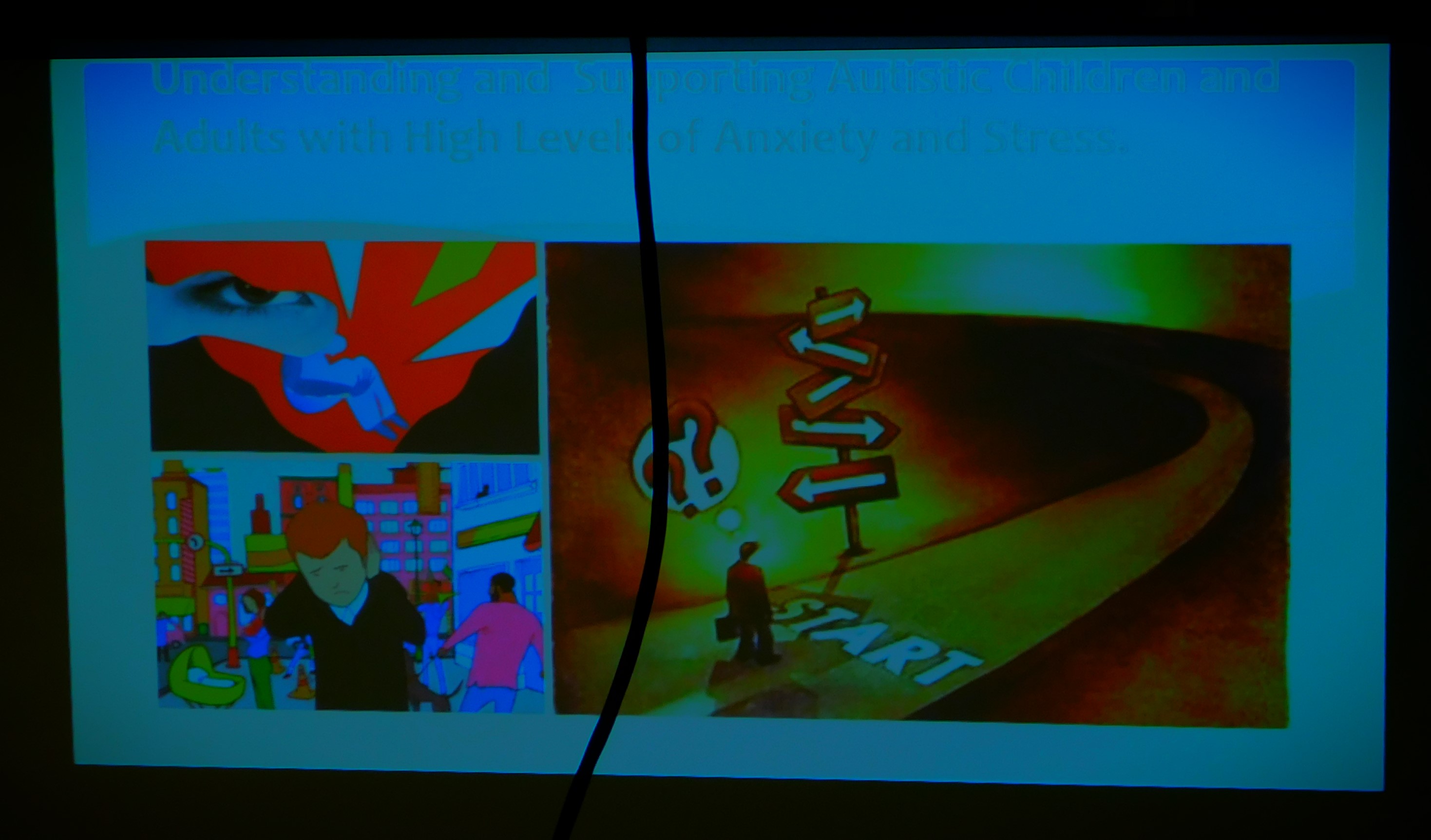
Earlier today I spotted a link on twitter to something posted on assistiveware called “5 Guidelines to Keep in Mind for Autism Acceptance Month”. I recommend you read it in full, and here to tempt you is guideline 3 in all it’s glory (this was the one the resonated most closely with me, though all 5 are on the money and very important:
Nothing about us without us.
It is not uncommon to see human interest stories about autism where parents, teachers, speech therapists, and even the school janitor all share their insights on an autistic person and what autism means for him or her. It often seems that the only person who doesn’t get a word in is the subject of the article! The problem here is that nobody is a mind-reader. I’m sure everyone reading this has experienced your parents making mistakes about your thoughts or opinions. Autism doesn’t change that.
Not every person with autism will be able to respond to interview questions. However, many who could are simply not asked. Others can speak or write, but struggle to answer questions in real time. For these people, simple accommodations like providing written interview questions ahead of time can make a huge difference!
Another common error is to assume that no autistic person will ever read an article about autism. Writers may say we are “unlike you and me,” or “just like you and me,” but only rarely are we included as part of the “us” that makes up the readership. The truth is, there is nowhere where you can safely assume that none of us are present. Autism is an extremely variable condition, where many different combinations of traits can all lead to the same diagnosis. Whatever your audience is, chances are at least a few of us are already in it.
I conclude this section with a brief mention for another twitter find, who also caught my attention by contributing something about autism, Walsingham Support, which happens to lead neatly on to my next section…
TWO NEW PIECES ON WWW.LONDONTU.BE
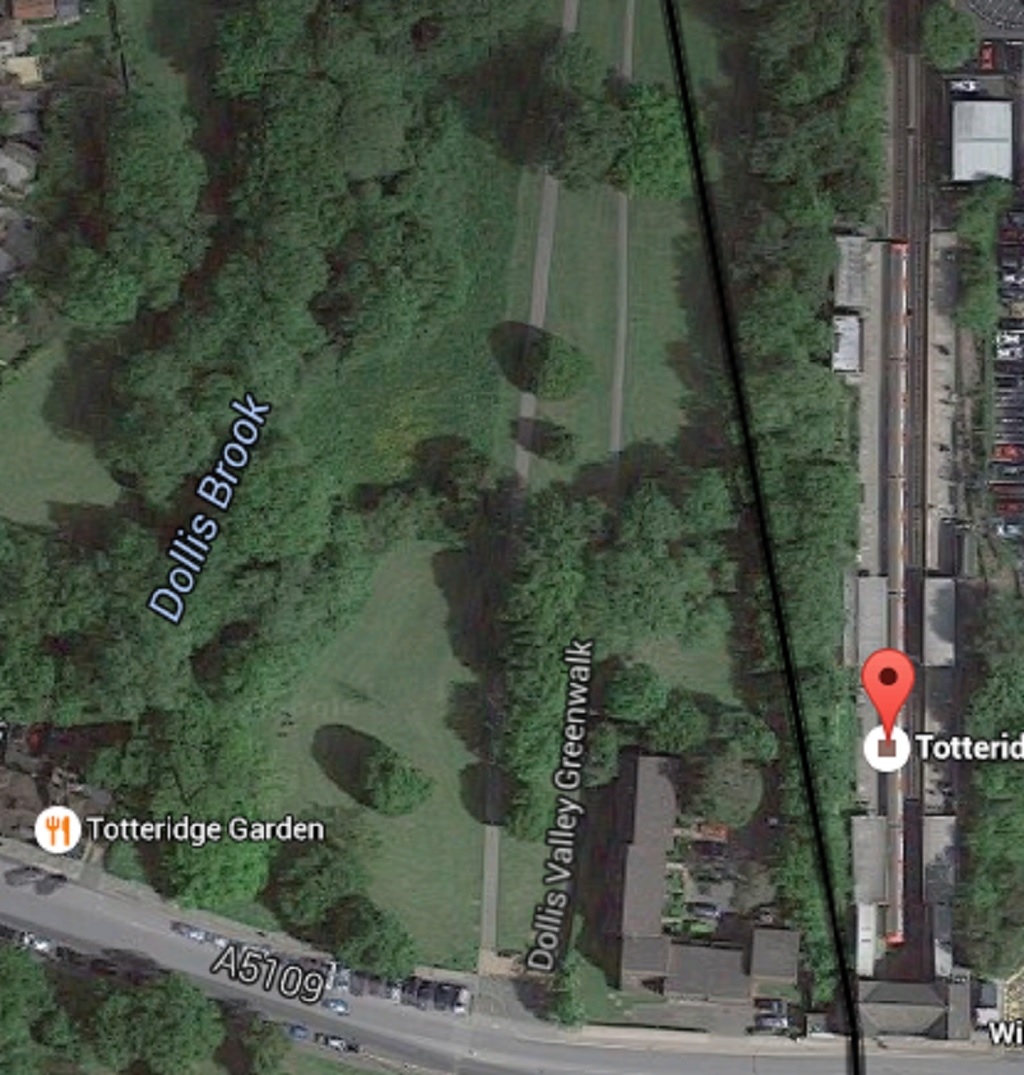
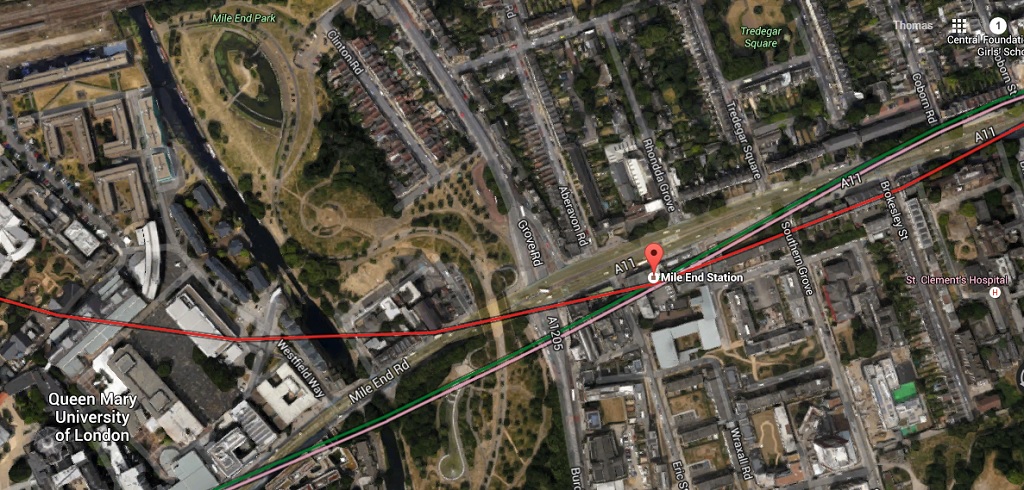
I had already decided that I was going to put up a post about Mile End on the website when I saw the tweet from Walsingham Support that piqued my interest in them. I noted their address, and guessed that this was a peg on which I might be able to hang a post about Totteridge & Whetstone, which hunch proved correct. Below are links, each accompanied by a picture, to the posts in question:
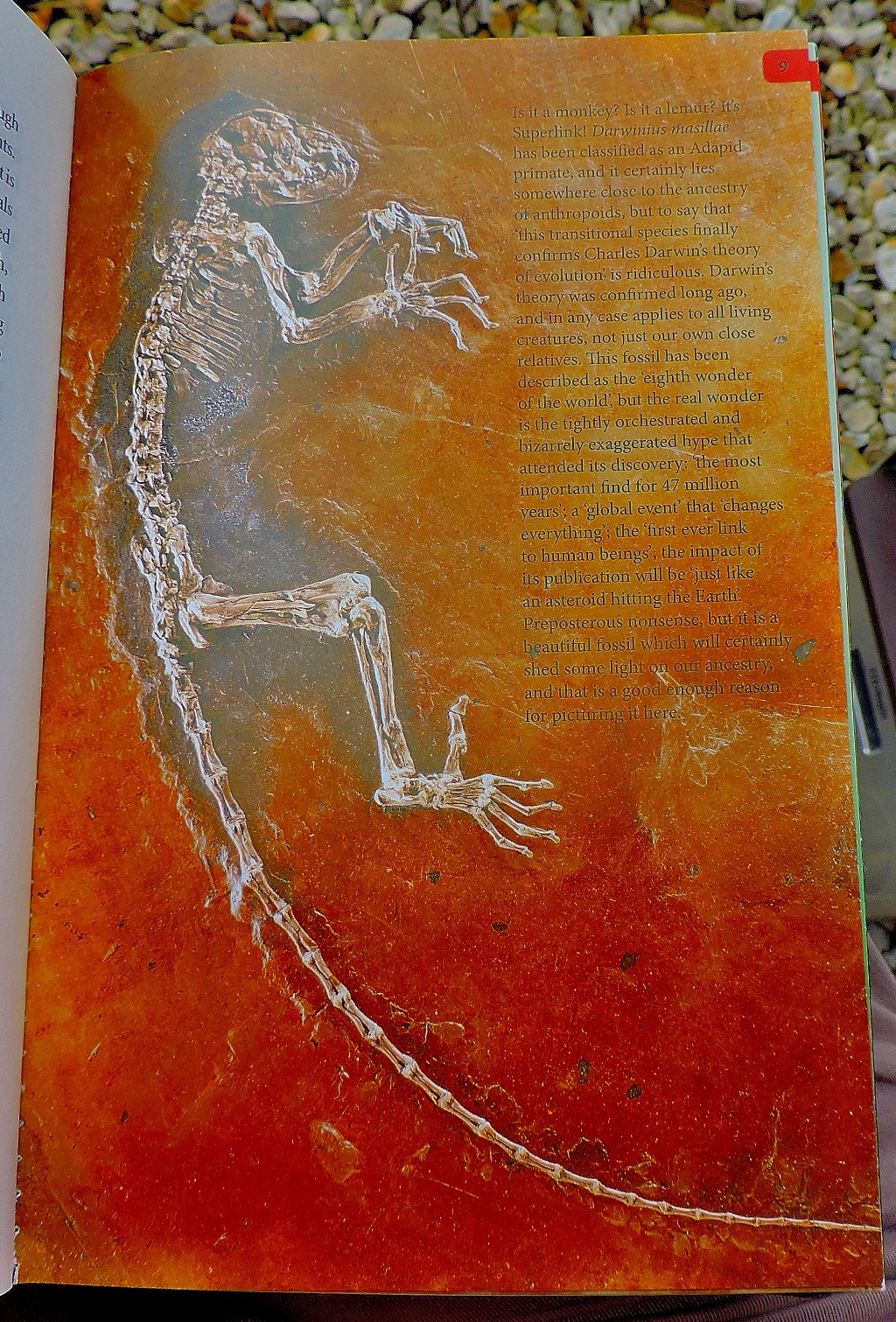
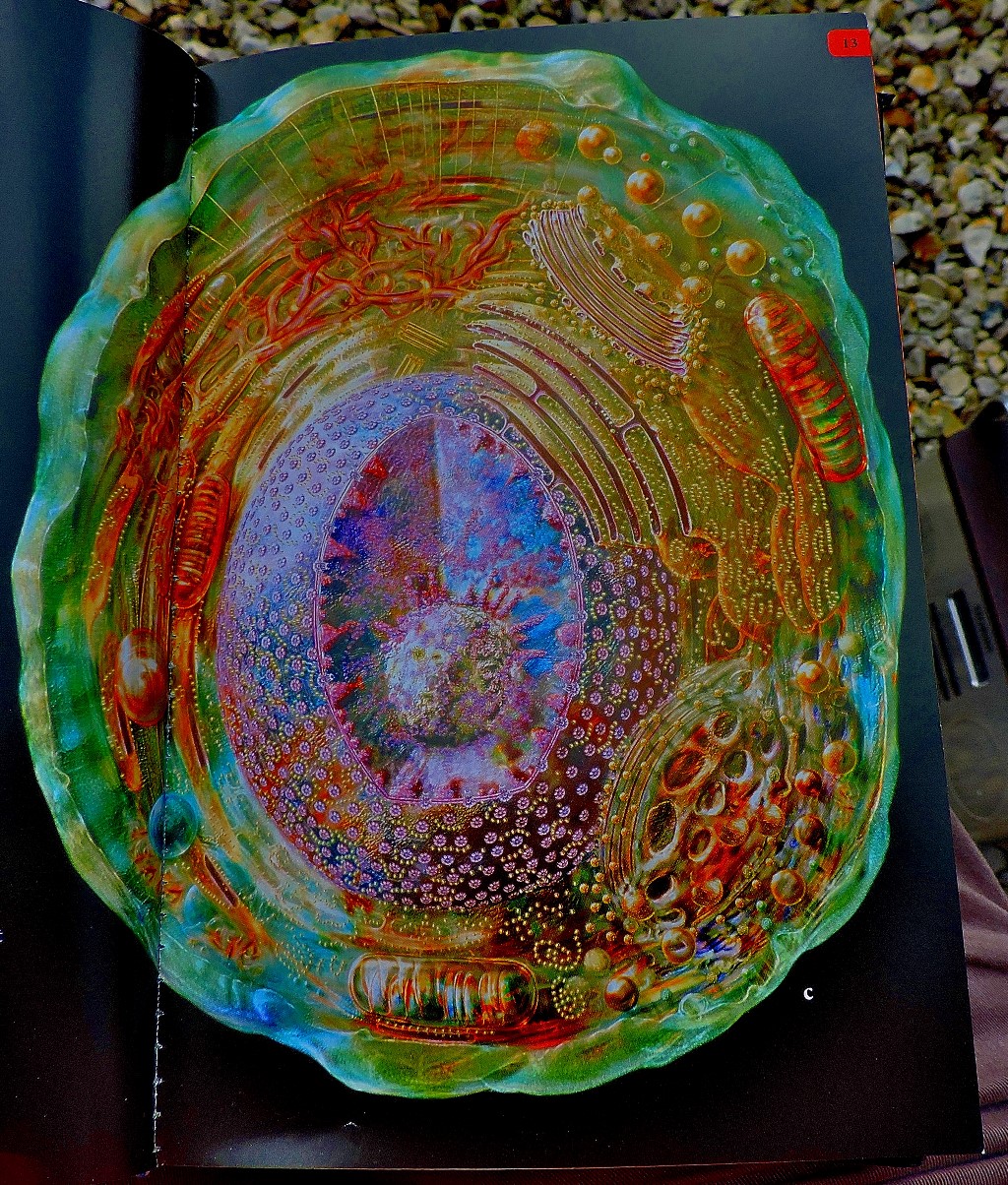
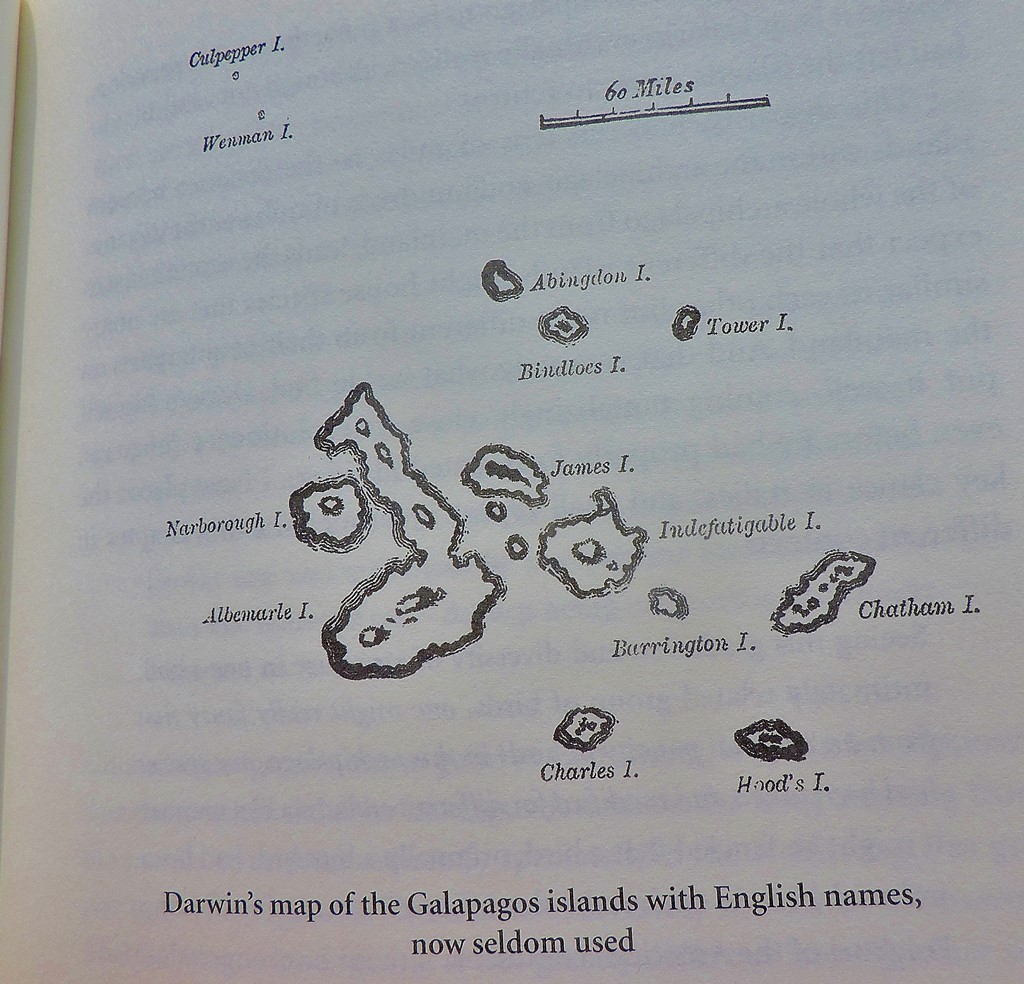
The West Indies completed a double in the World T20, the women having romped past the Aussies to take their title. The men’s match between the West Indies and England was a match of twists and turns, which looked like England had it when the West Indies need 19 from the last over. However, Carlos Brathwaite (Brath-ut if you want to pronounce that surname West Indies fashion) then hit four successive sixes off Ben Stokes to give the West Indies victory. I listened to the early stages of this match at my parent’s house after Sunday lunch, on the first day of the year that it was warm enough to sit outside, and while listening and reading a book (Dawkins’ “The Greatest Show on Earth”) I also took some…
PHOTOGRAPHS
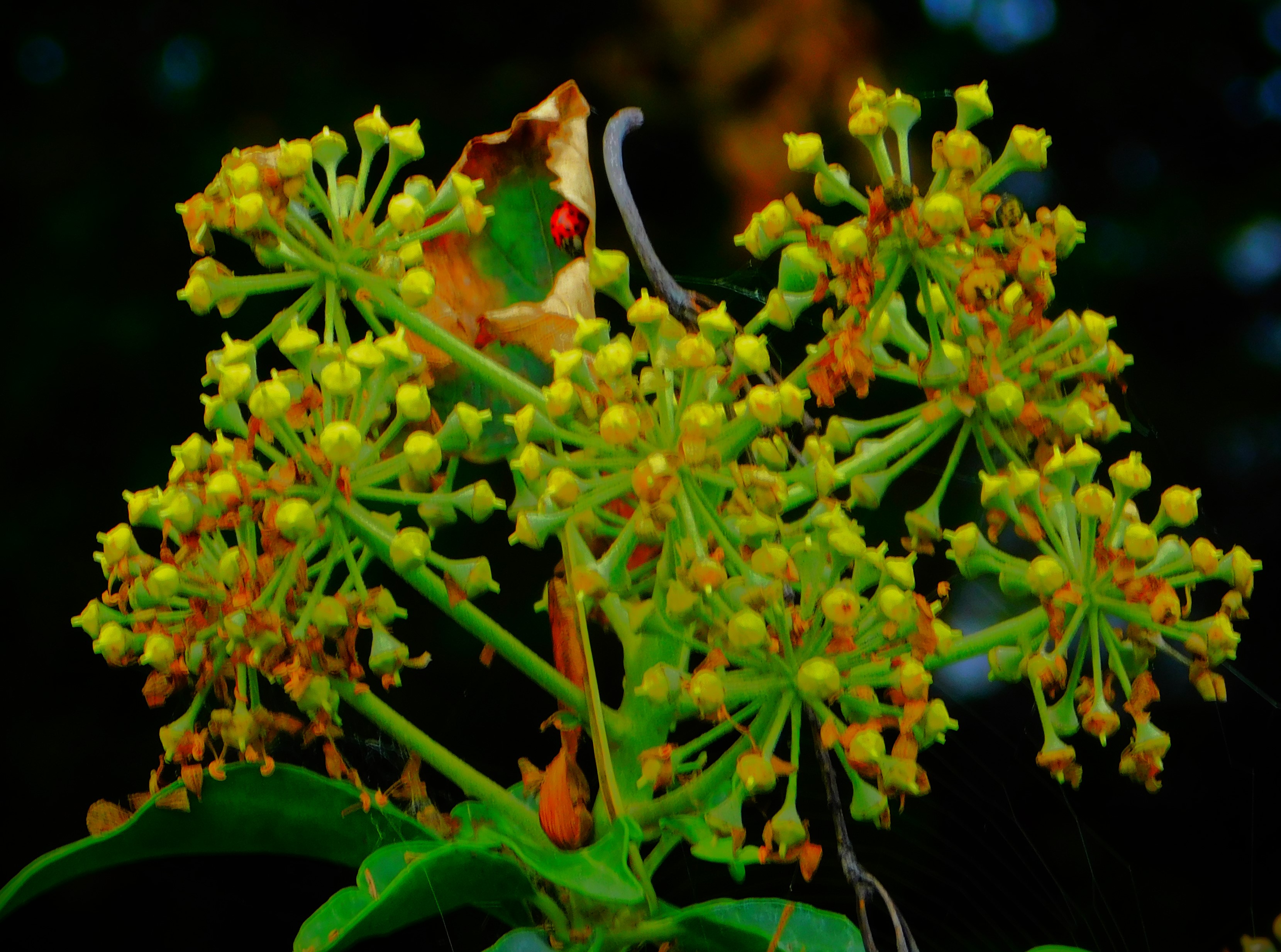
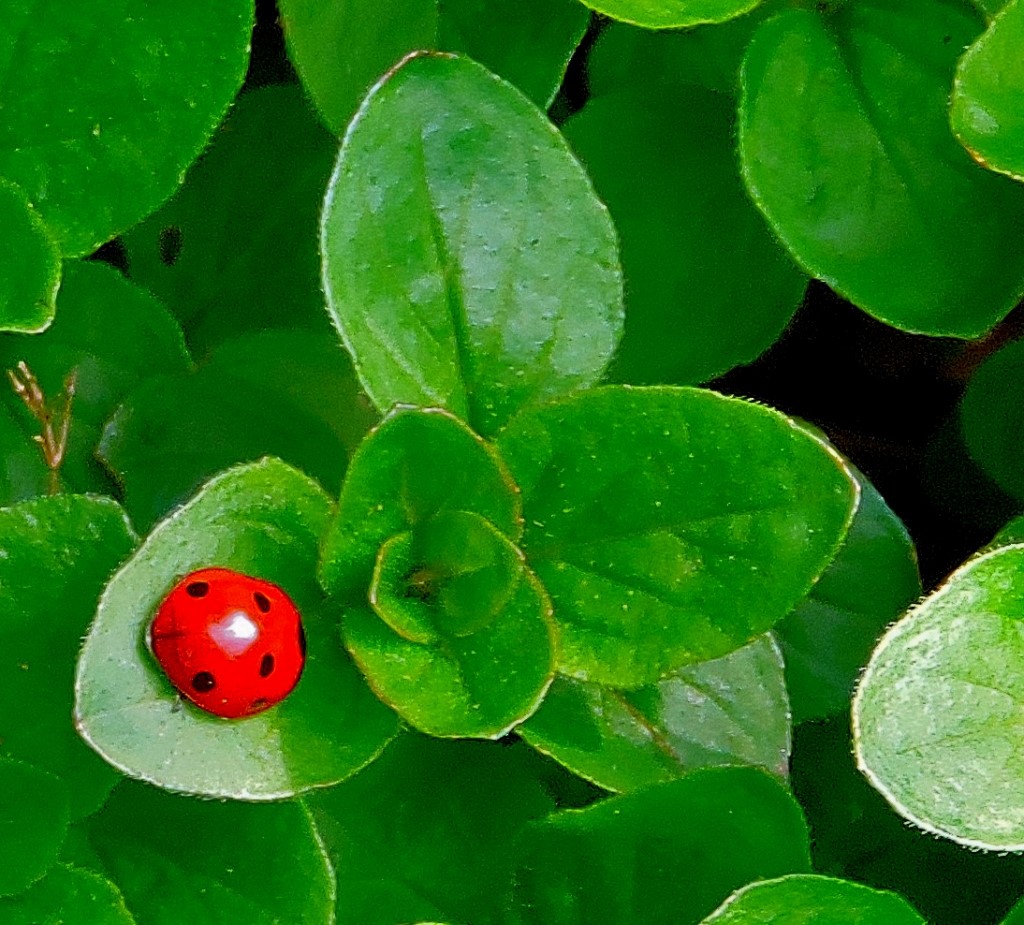
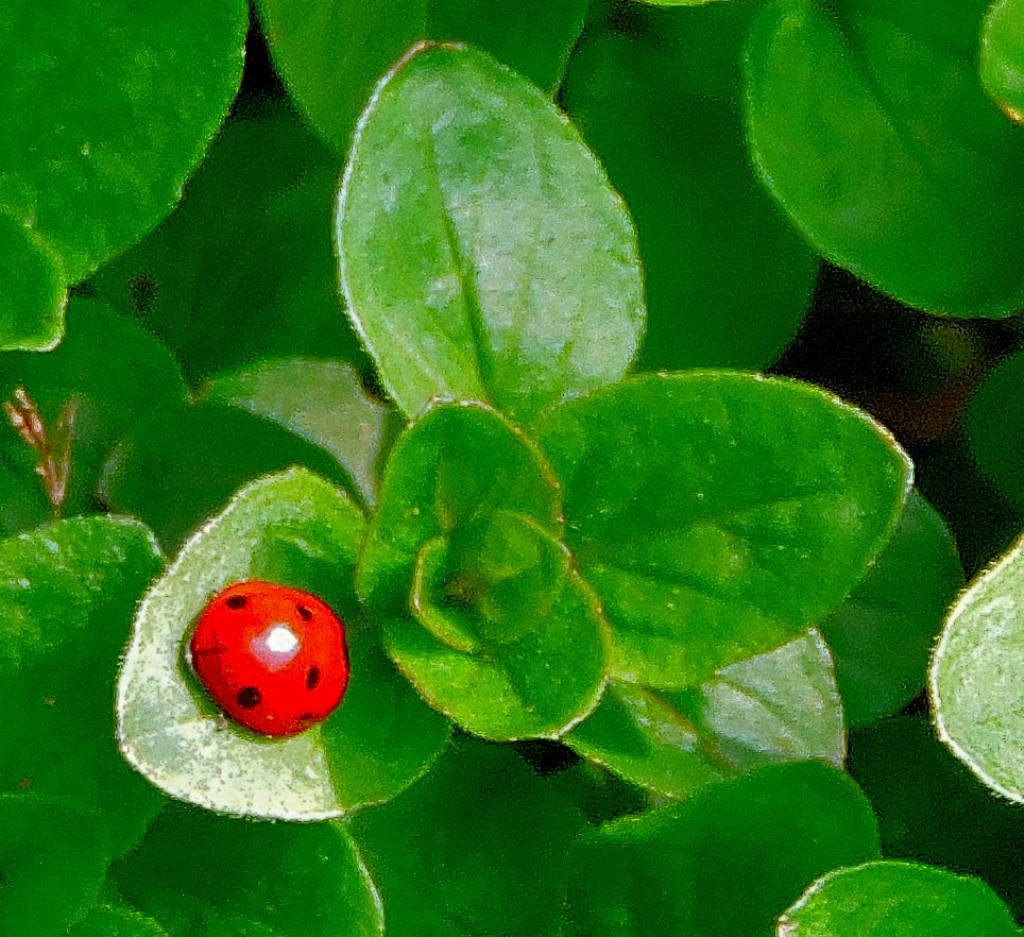
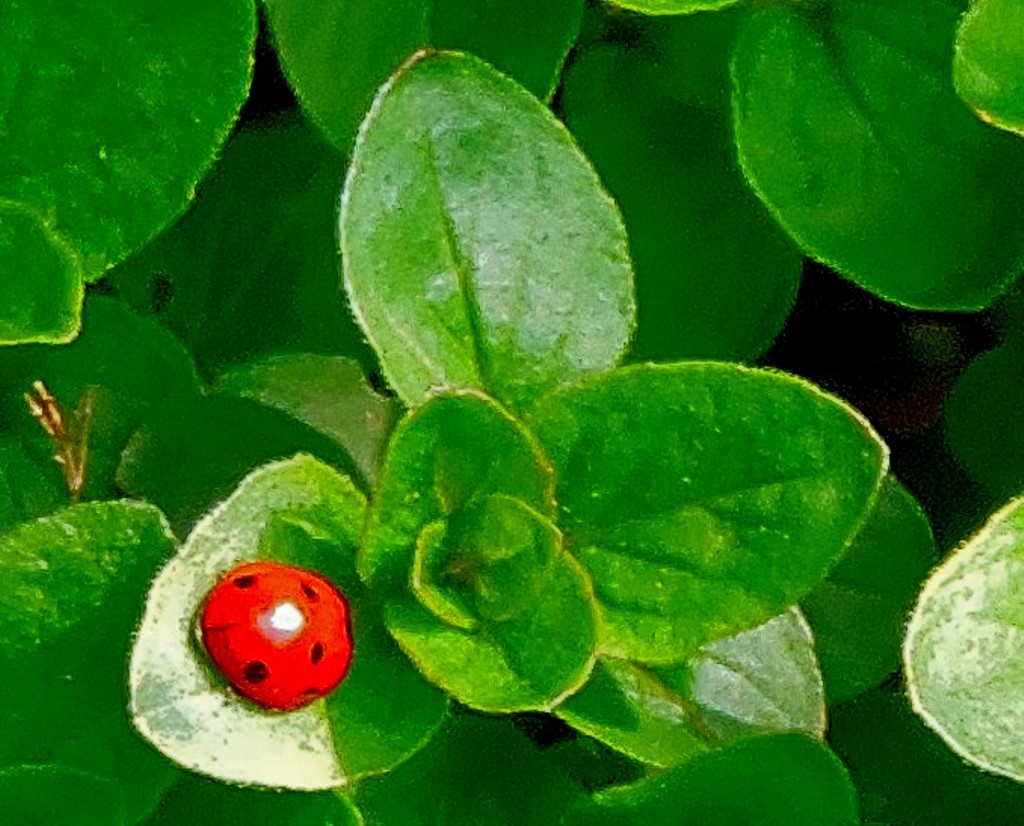
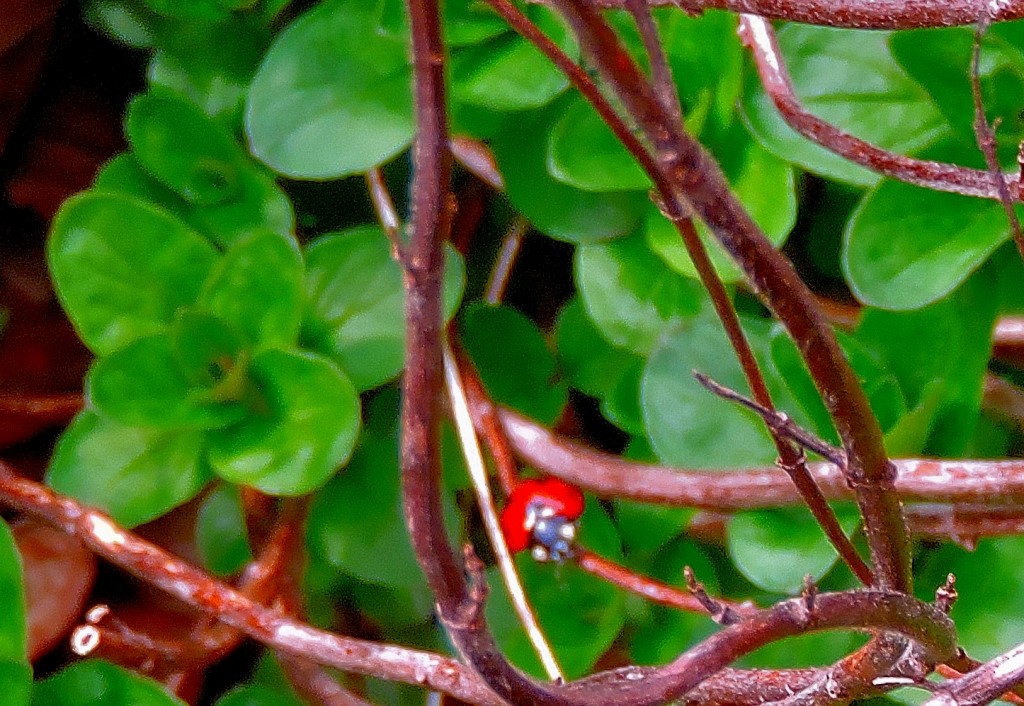
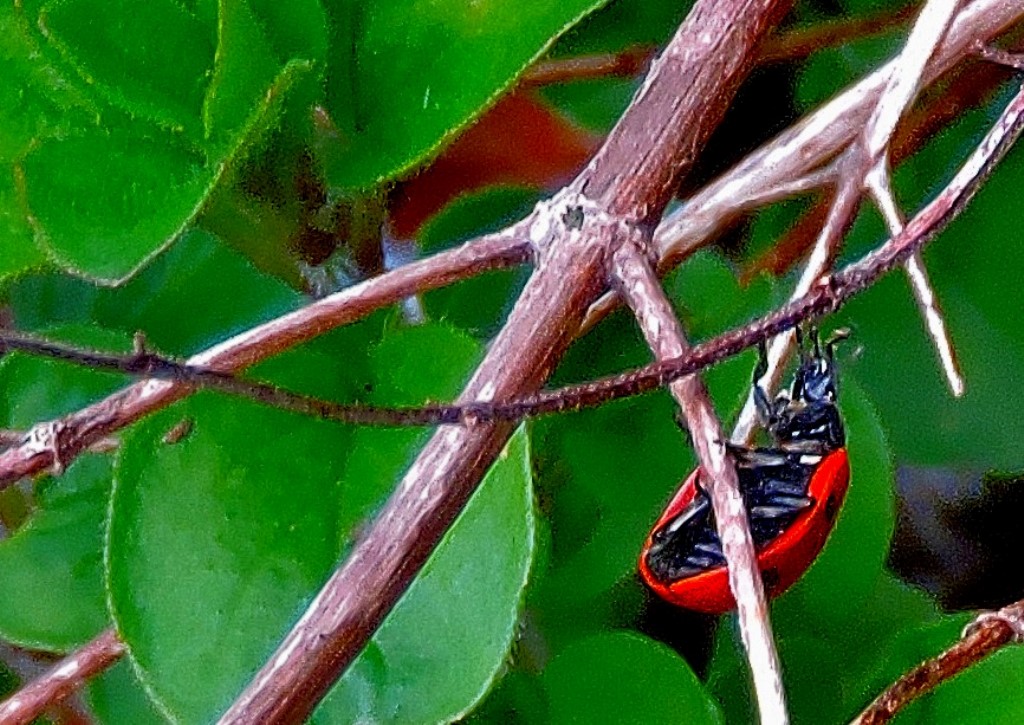
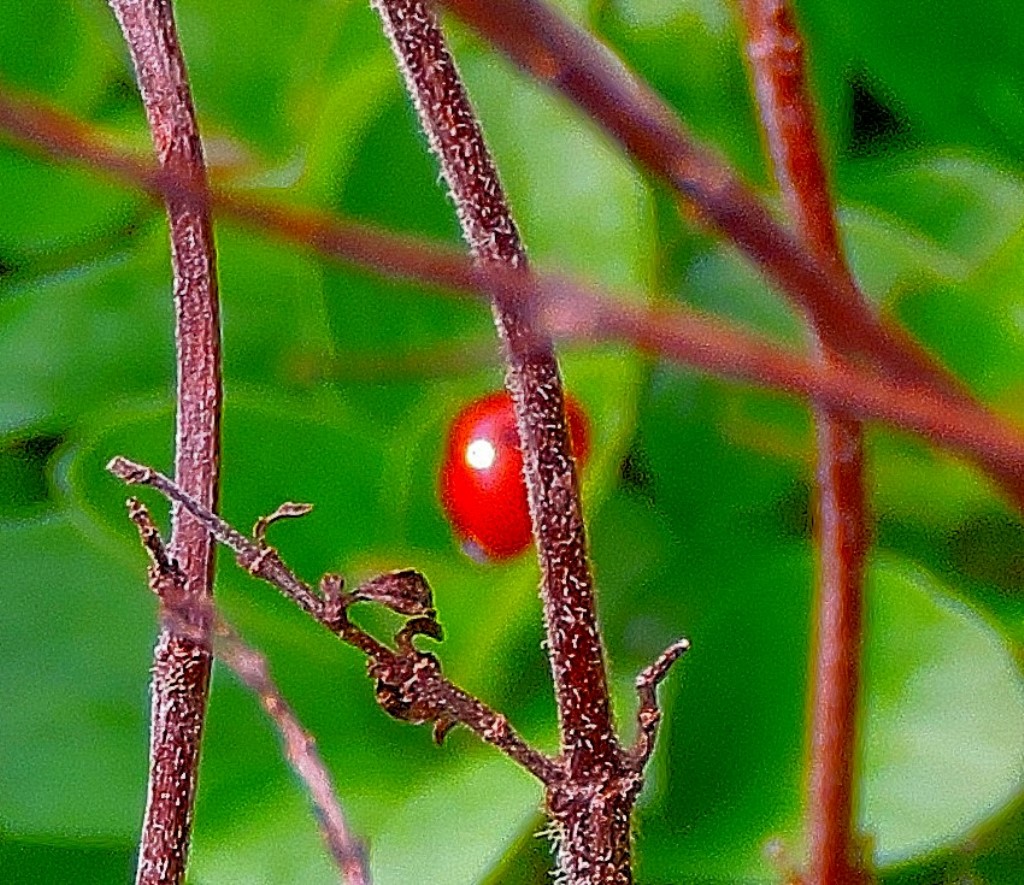
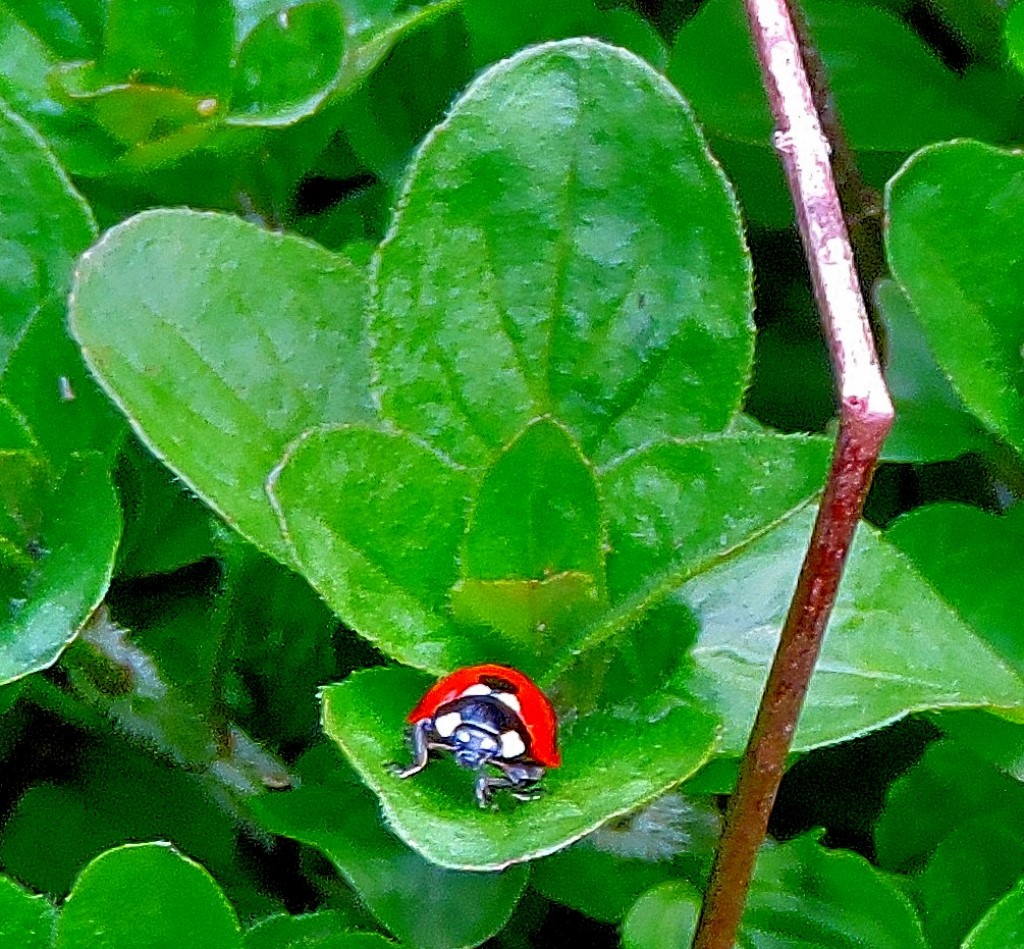
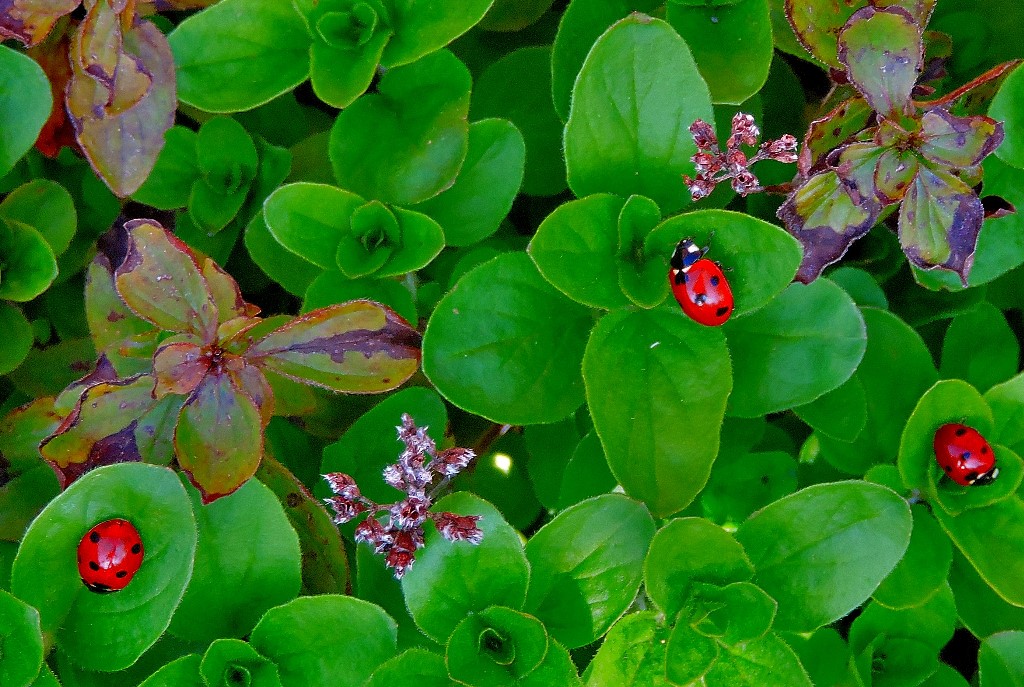
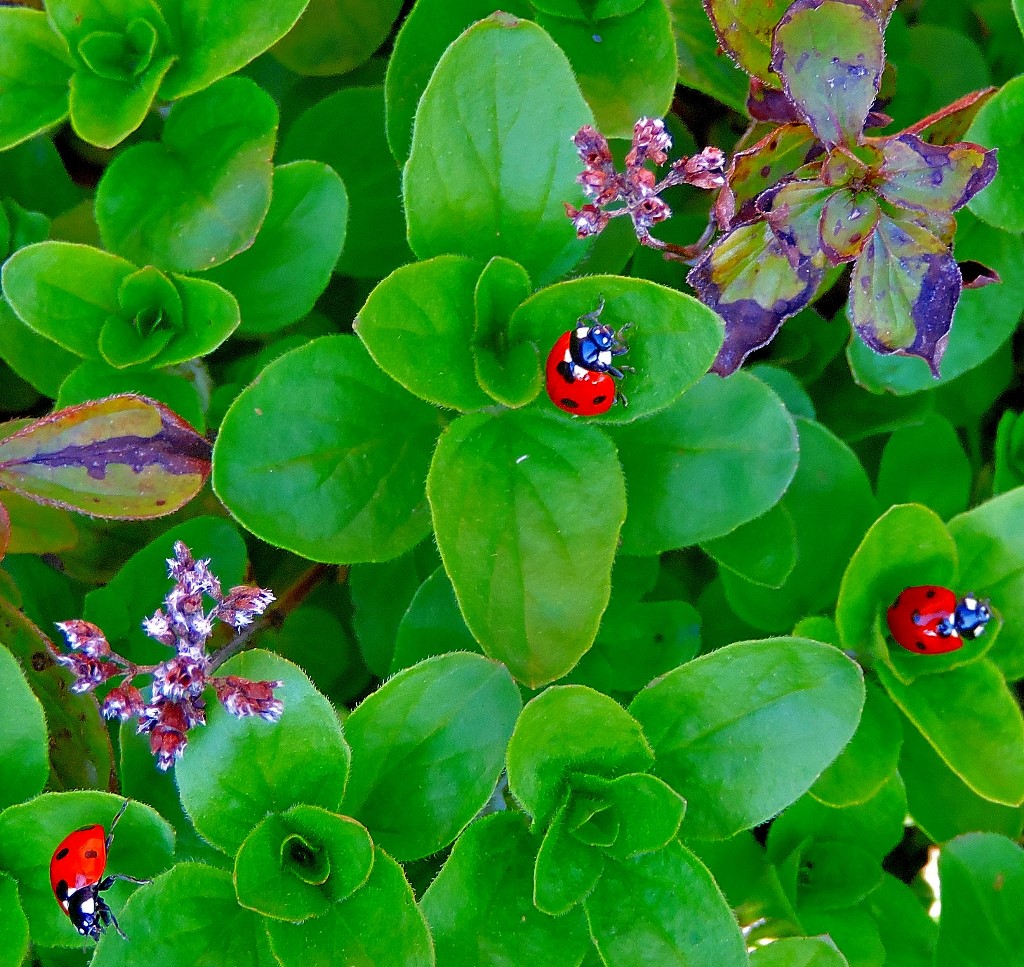
A word of warning to those who suffer peculiar phobias, this set of photographs features ladybirds.
The first nine pictures were taken in King’s Lynn yesterday morning.
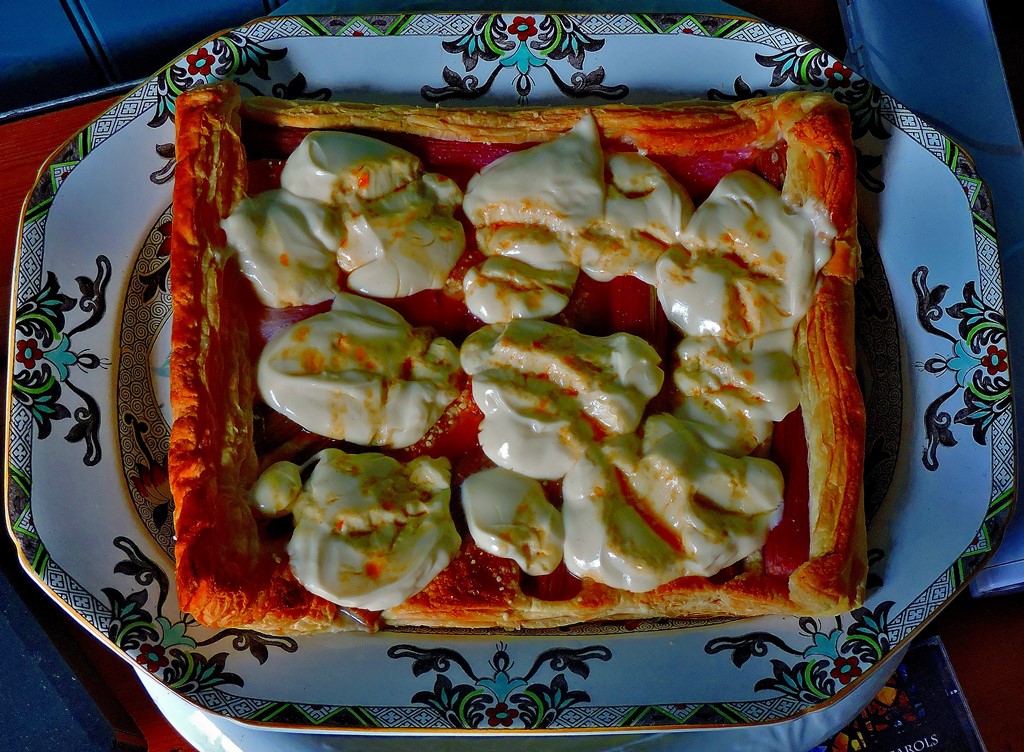
Sunday pudding – a variation on a classic theme – a rhubarb and custard tart – and it tasted at least as good as it looks in this picture!