A Successful Auction

An account of an auction that did not go to plan but was nevertheless extremely successful, and a large photo gallery.

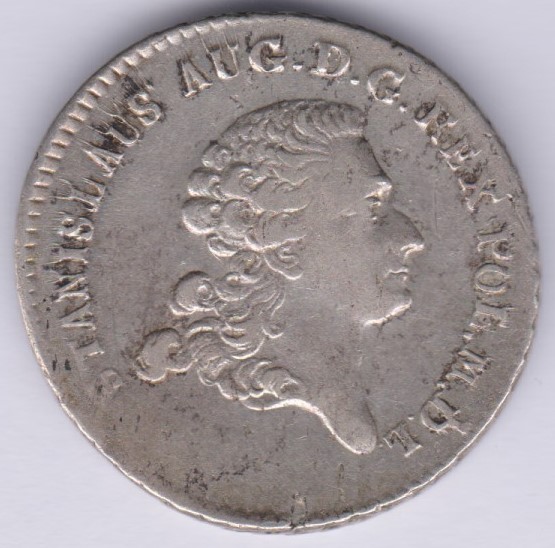
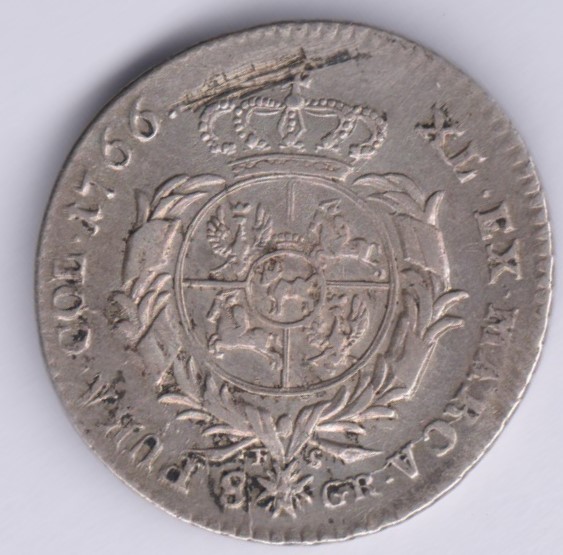
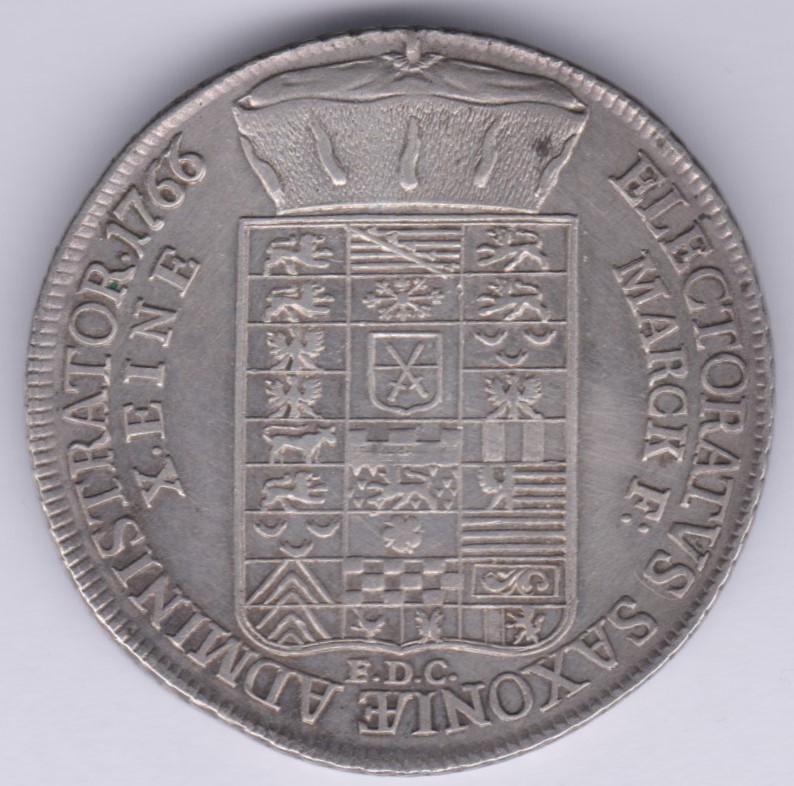
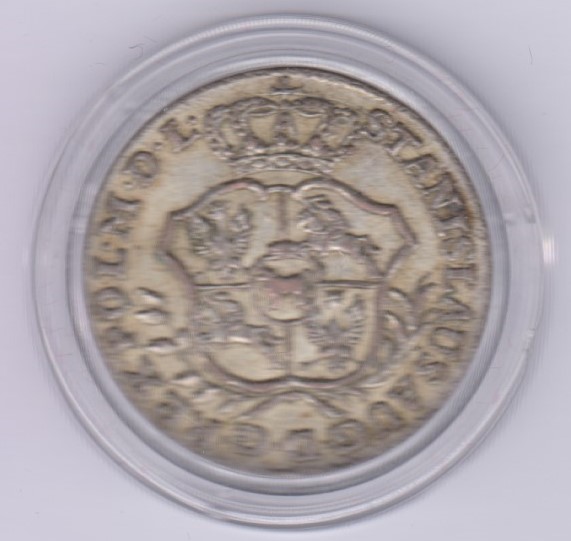
On Tuesday James and Sons had a small auction of banknotes and coins. I ran the IT side of the auction itself, having also typed all the descriptions and created most of the images. This post looks back at a day that while it certainly did not go exactly to plan was indubitably a successful for James and Sons.

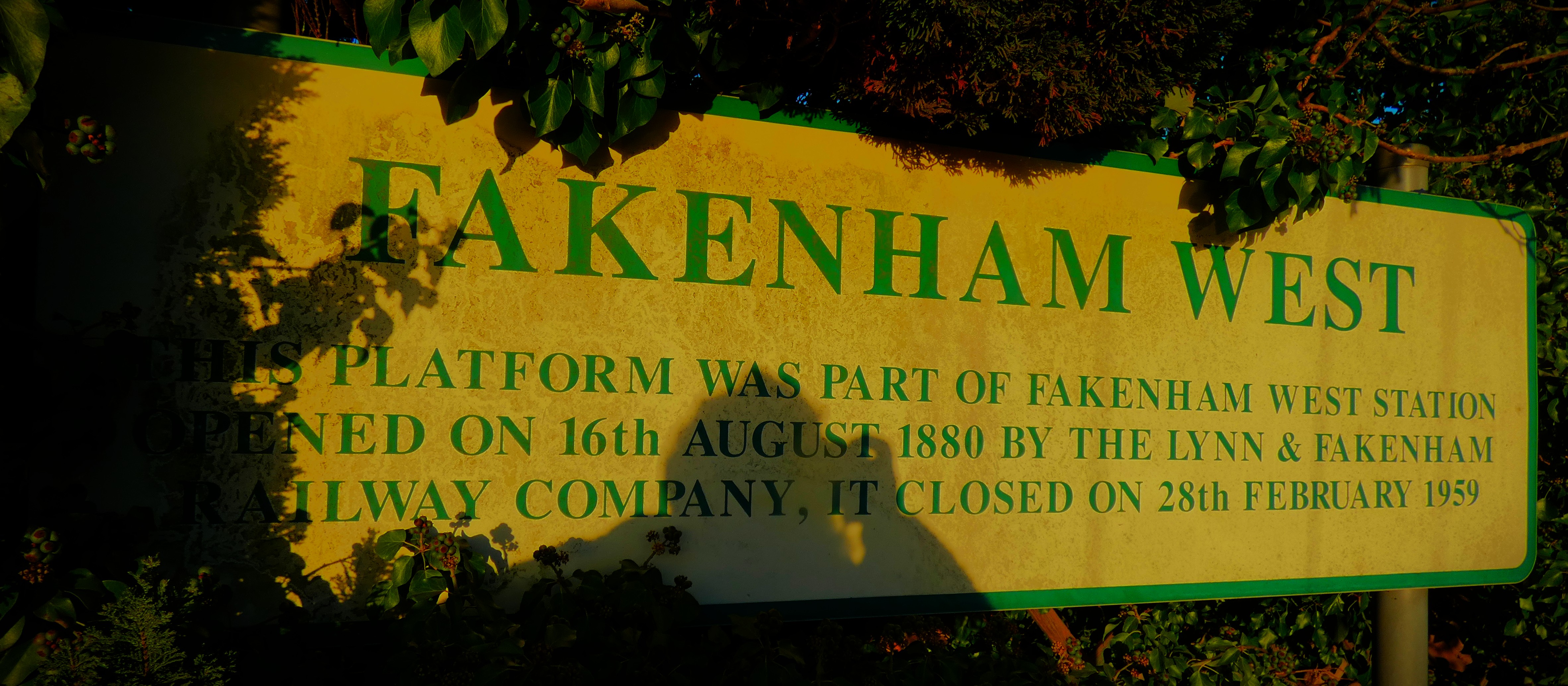
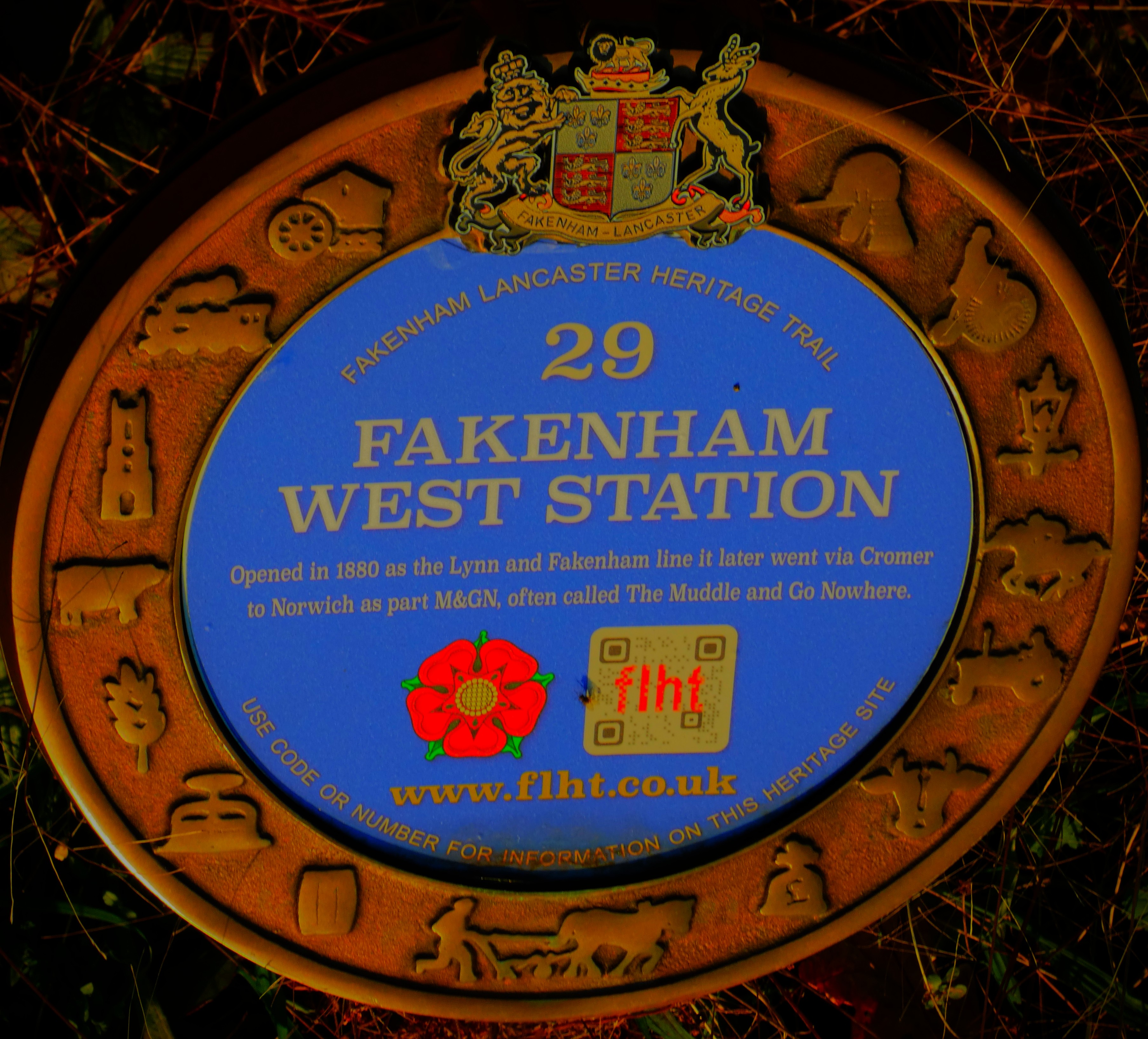
With the sale getting underway at 10AM I had to arrive early, and the only way I could do so was to catch the early morning bus, getting into Fakenham at 7:48. I had warned my employer of this detail and he promised to arrive as near that time as he could manage. I got in to Fakenham as planned, found that my employer had not arrived yet, and took myself off for a short walk to fill a little time. He arrived a little after I got back to the shop, and opened up. At 9:30 the person who had done what I was to be doing that day arrived and put me through my paces. At 10 o’clock on the dot we kicked off.

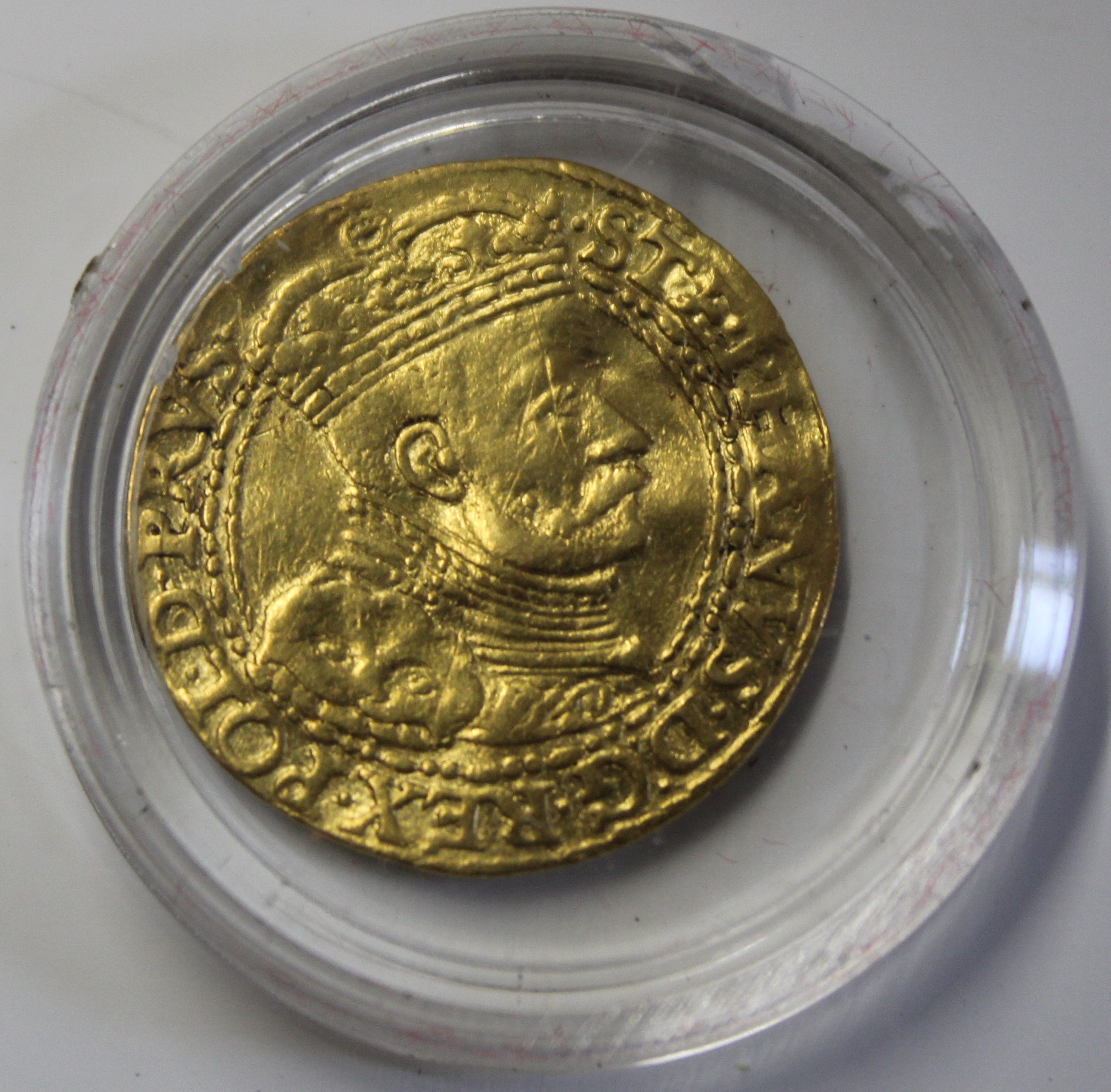
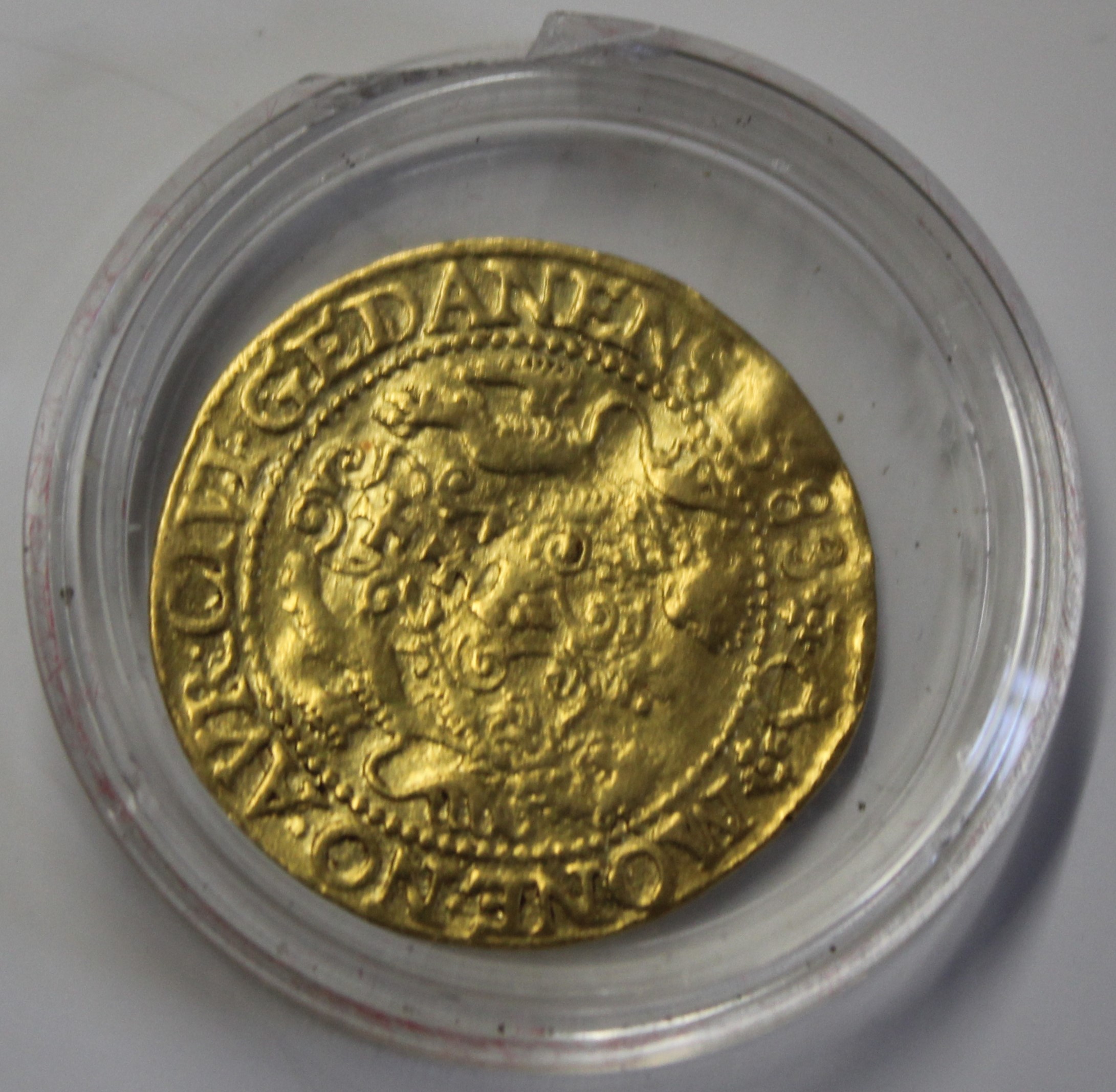
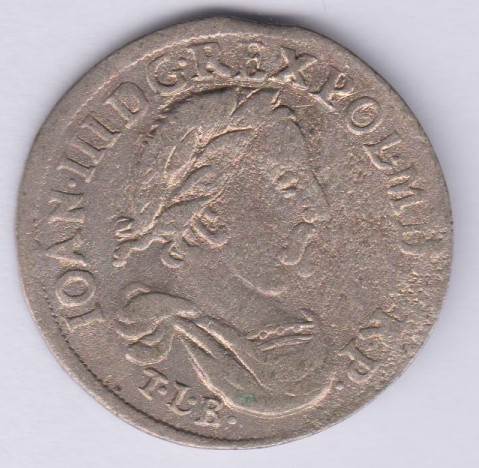
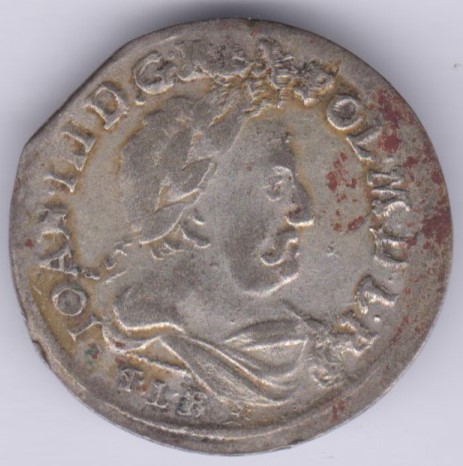
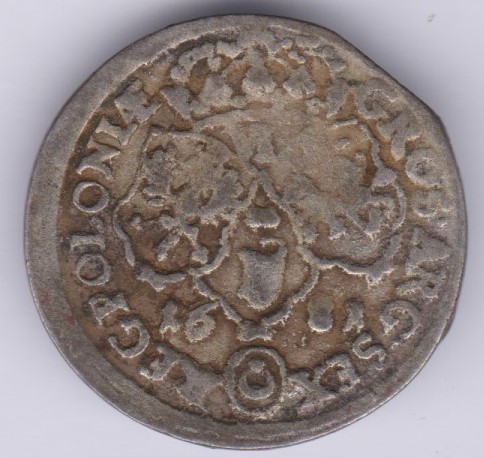
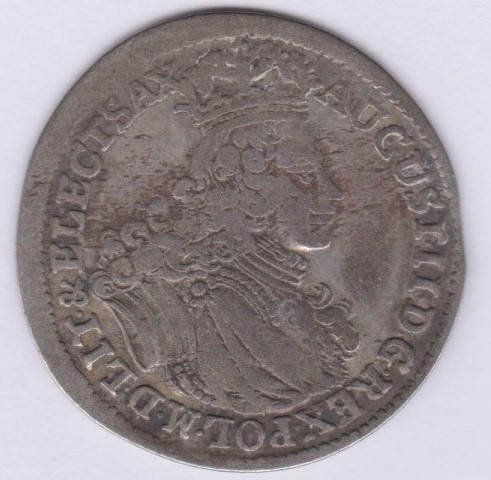
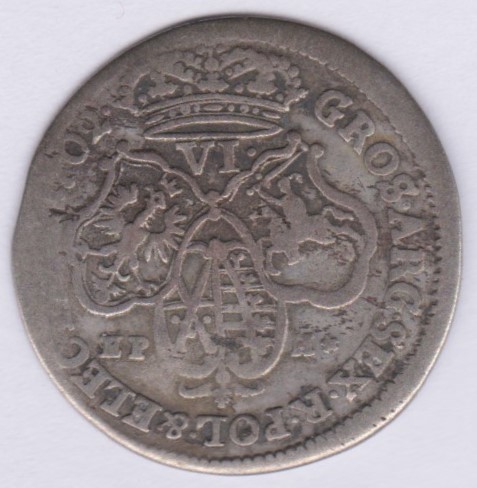
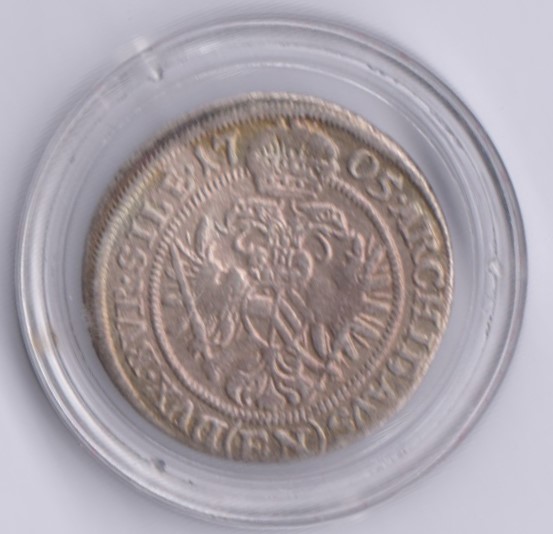
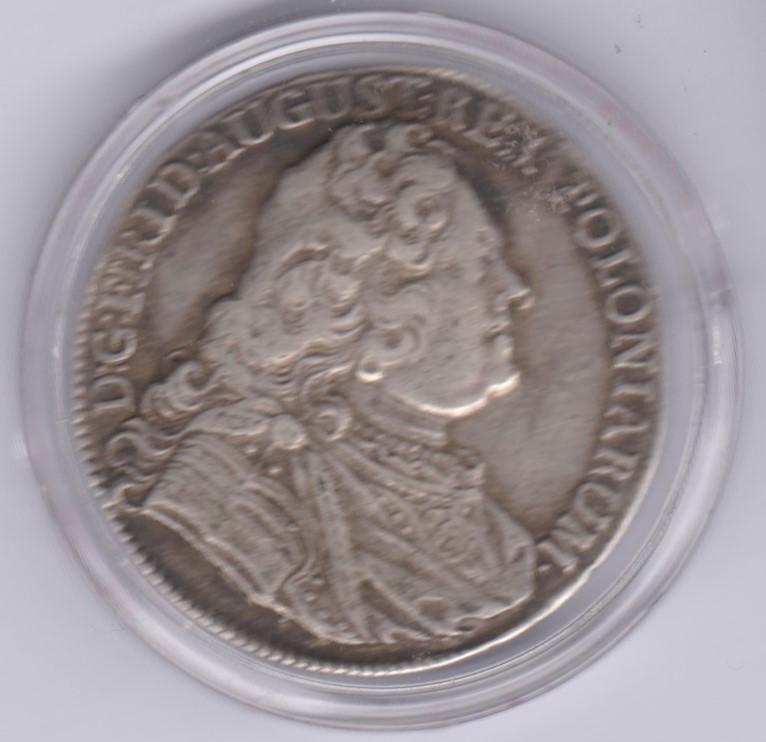
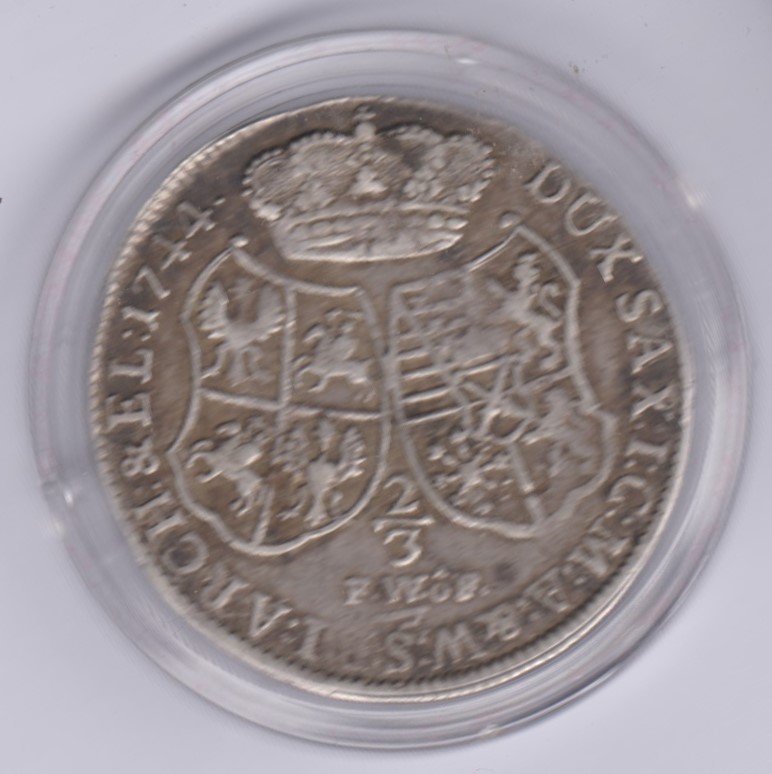
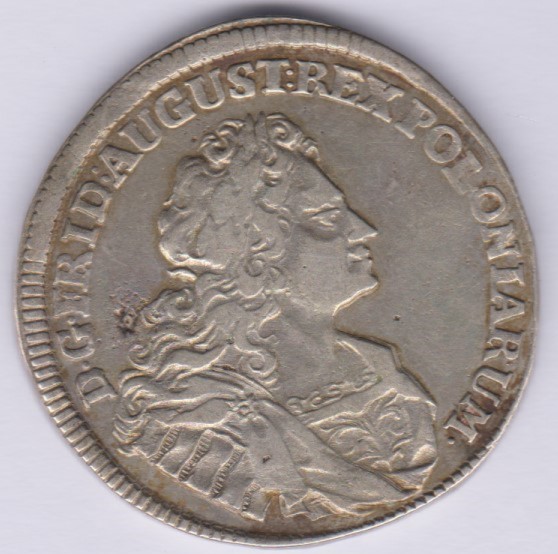
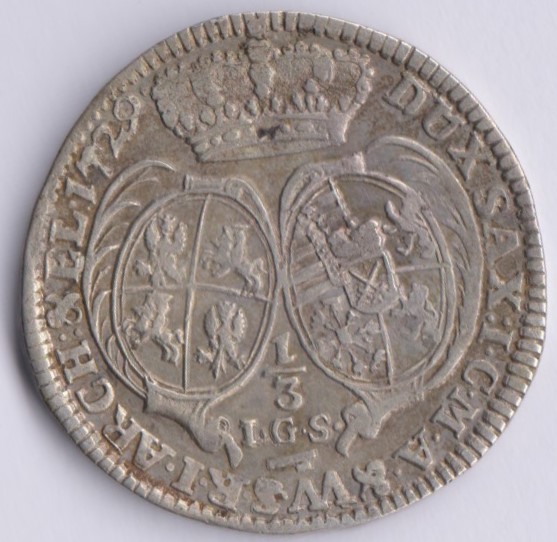
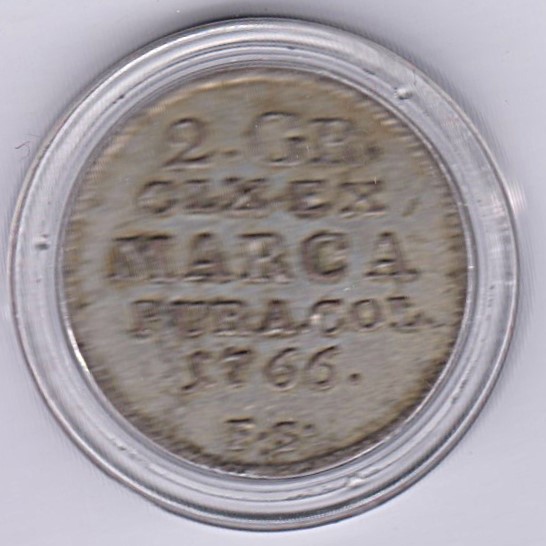
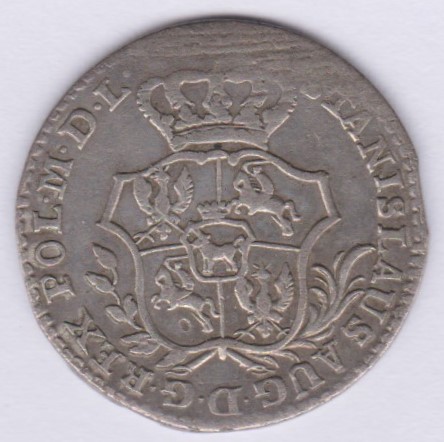
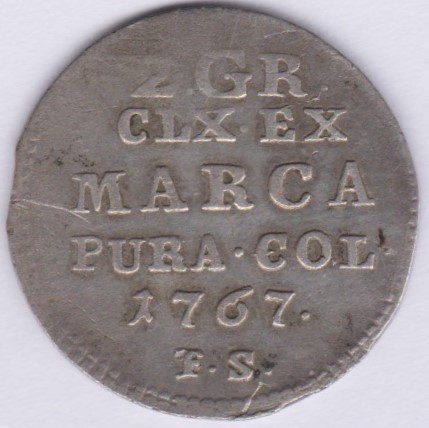
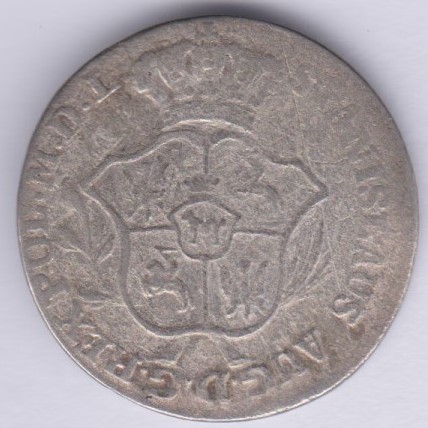
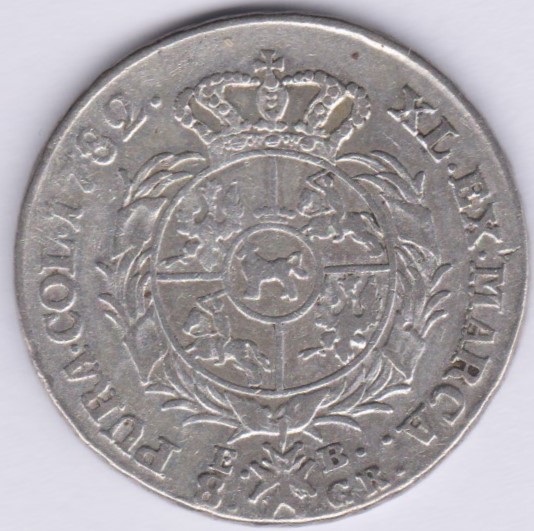
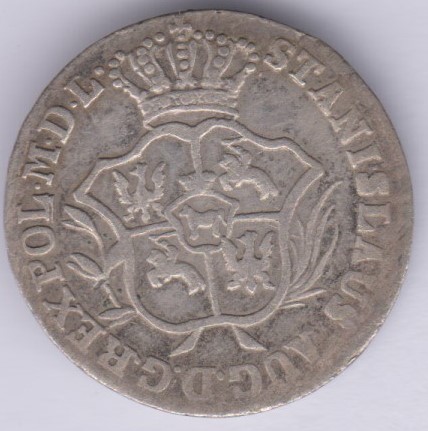
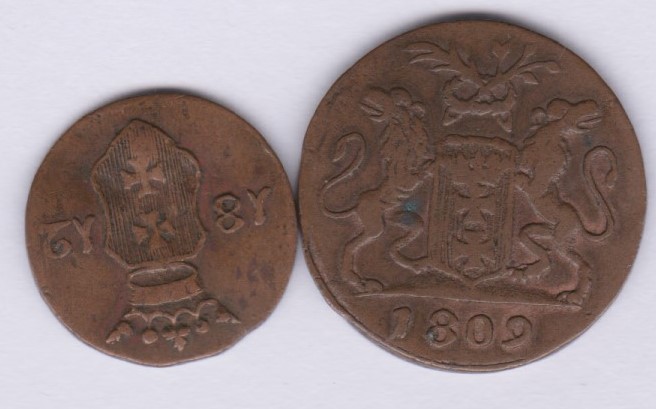
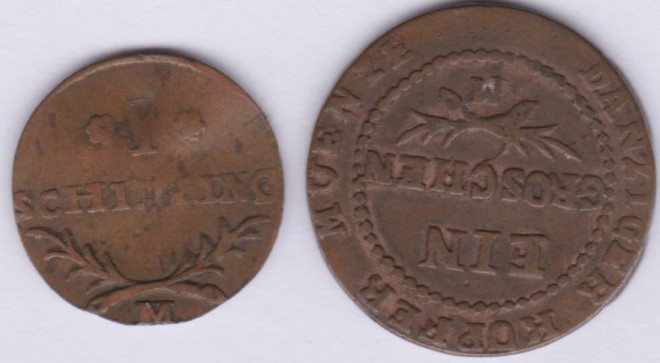
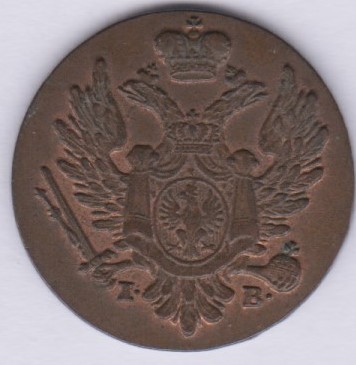
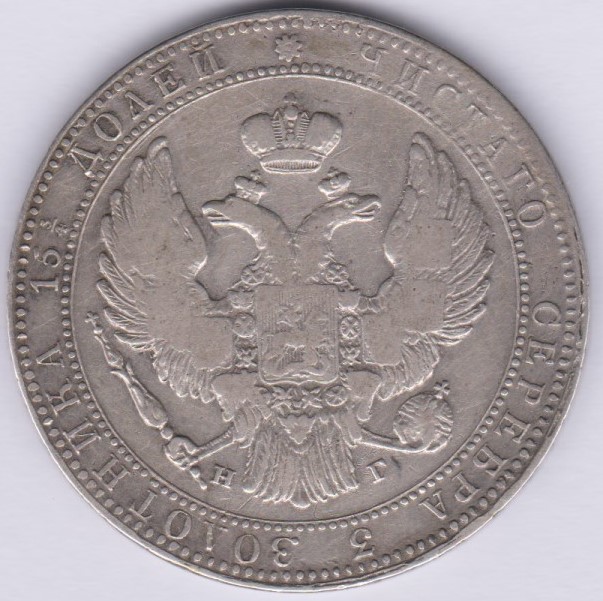
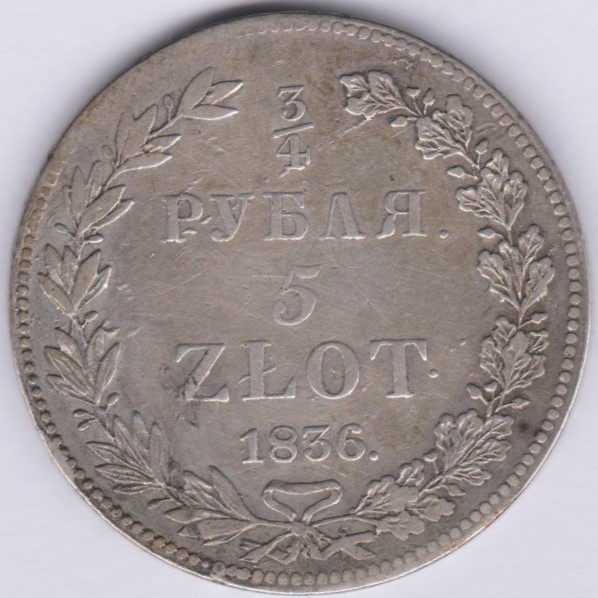
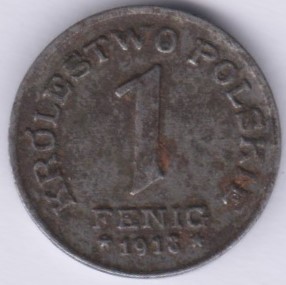
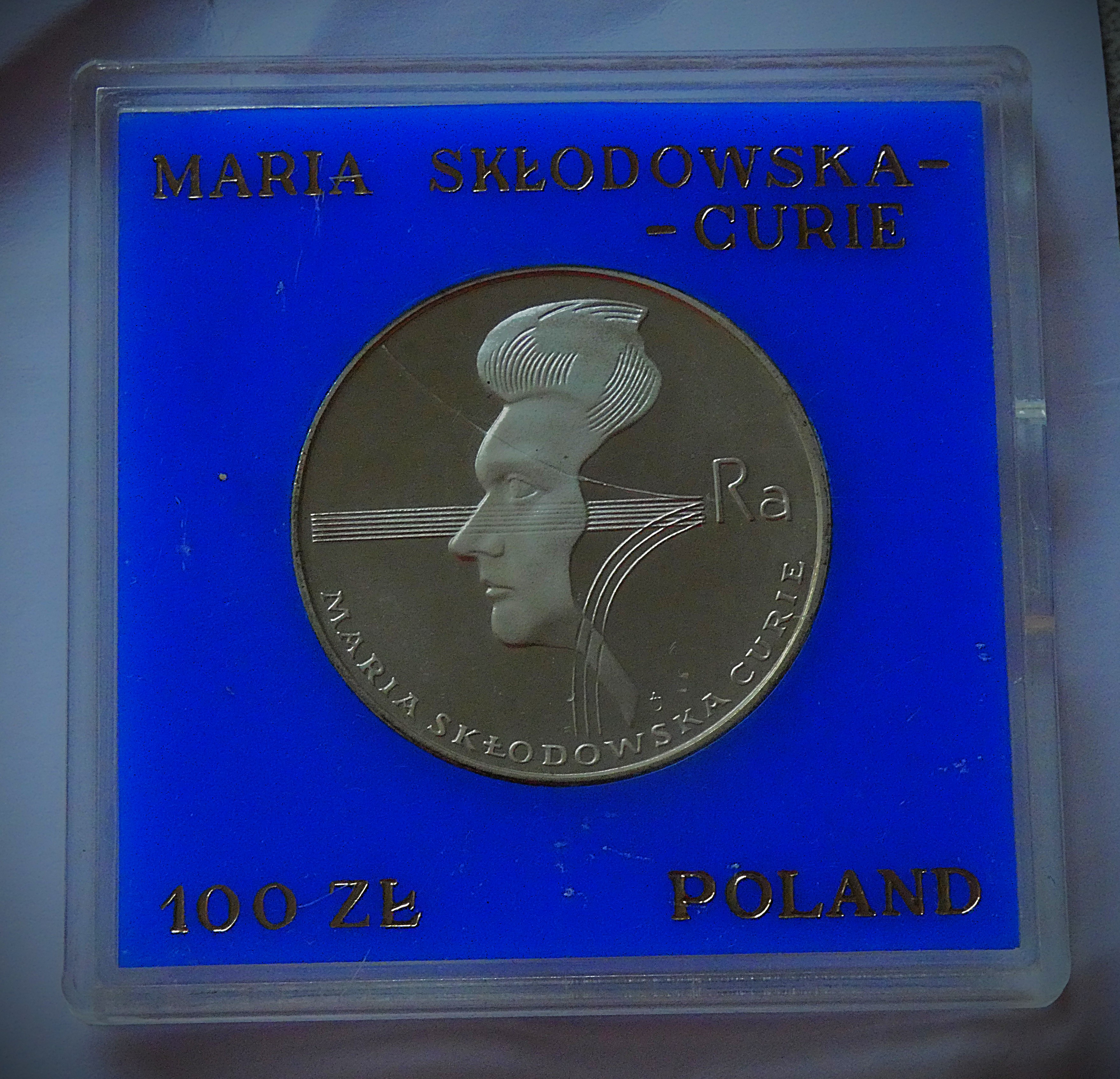
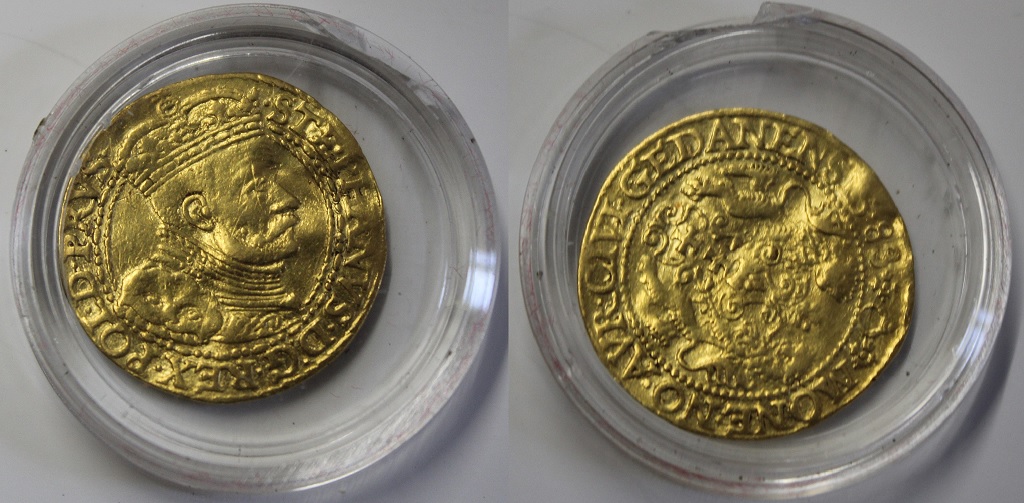
The 50 lots of banknotes with which the sale started were fairly quiet, though even one or two of those went well. The coins (lots 51-267 inclusive) fared quite superbly. The star item of the auction, a Stephan Batory 1583 gold ducat, soared to £2,300, considerably more than we had expected. While not going anything close to that kind of figure a lot of the silver coins achieved much higher prices than expected, with prices in three figures commonplace, and over £300 happening multiple times. Lots 268-277 and 281-300 were books about coins, and lots 278-280 were charity coin lots, and my employer’s voice was suffering, so he decided to end the sale at lot 267. I managed to close things down OK. Although there were no bidders in the shop we had active bidders on two online platforms (www.the-saleroom.com and www.easyliveauction.com) and we also had a telephone bidder (an old client who is a big spender, which is why it was permitted even though it meant someone had to be there with the sole purpose of handling these bids), and there were times when it was very intense. However, I enjoyed the day and was pleased overall with how it went.

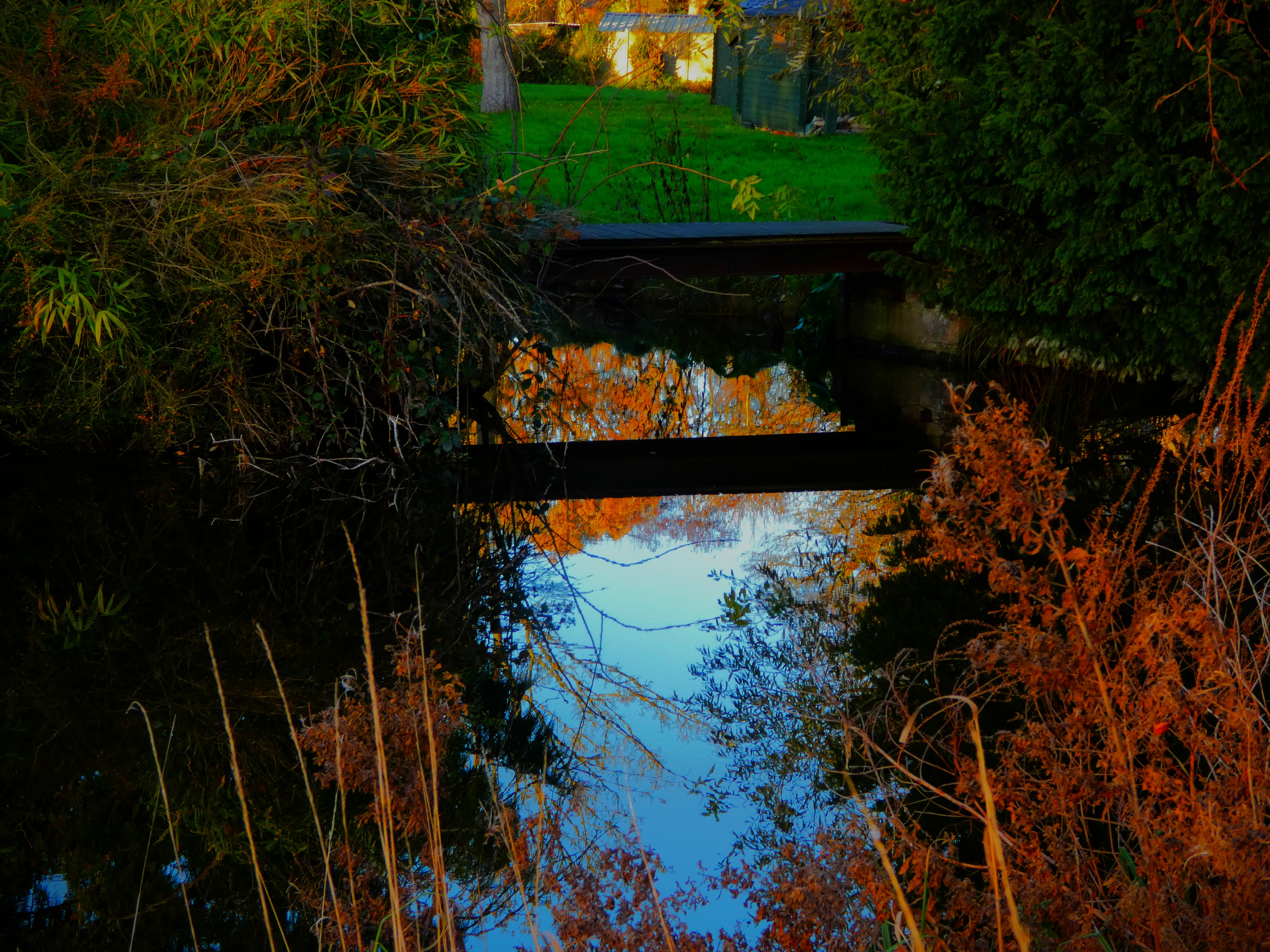
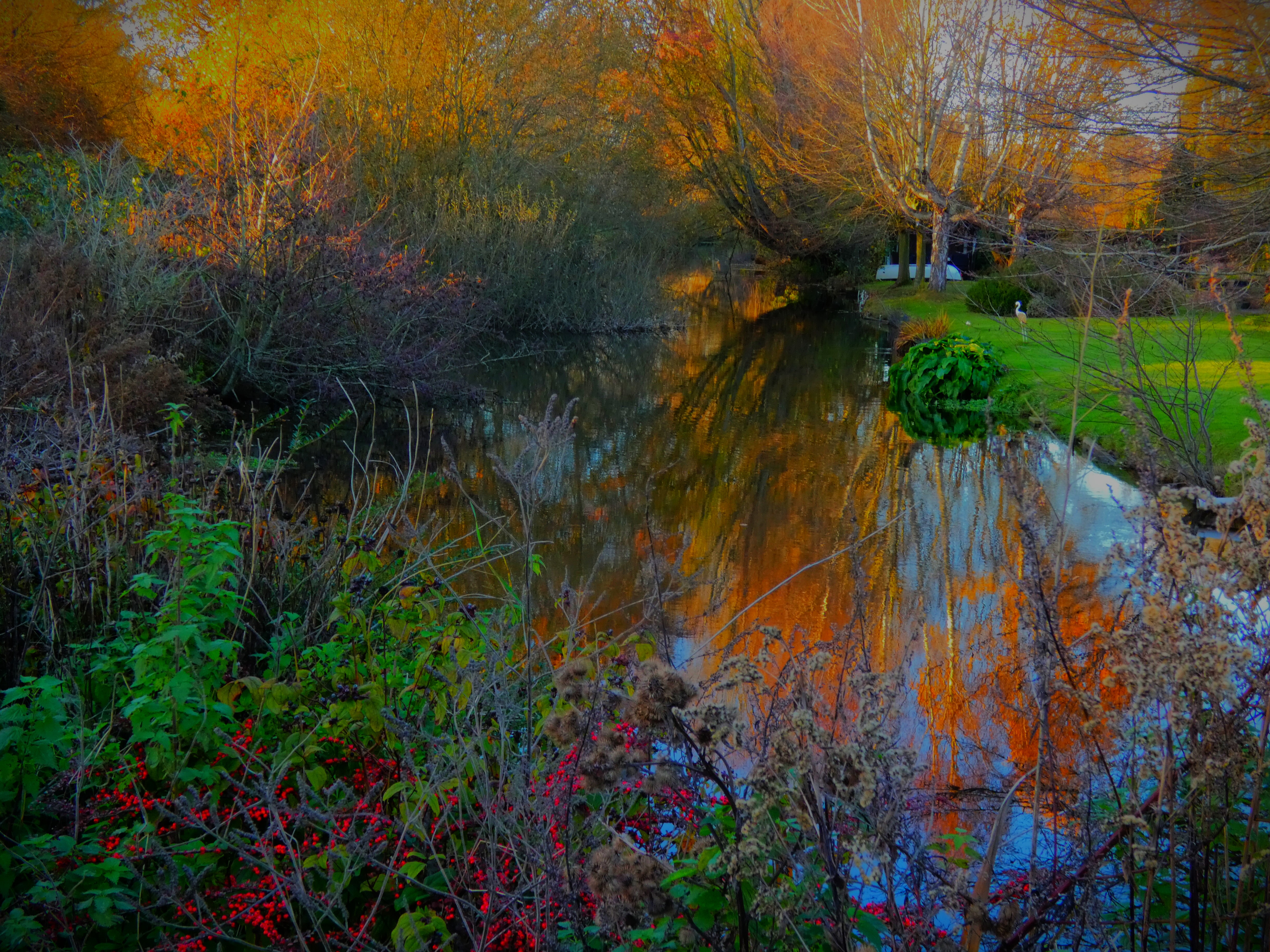
Here is my photo gallery for this post…
The Periodic Table

A post built around Dan Green’s “The Periodic Table in Minutes” and an article that brought things even further up to date.

INTRODUCTION

This is a post that has grown from two distinct roots as you will see. At the end I will be sharing some photographs and other links that have caught my eye.

A BOOK AND AN ARTICLE

I spotted a small format book about the periodic table in the library a few days ago, and duly borrowed it (I have also read and enjoyed Hugh Aldersey-Williams’ Periodic Tales). It proved to be an enjoyable and informative read.

dscn7893

While I was still working out how I might work this book and some ideas the occurred to me from my reading of it into a post I came across this article about the approval of names for the four elements which had previously had placeholder names based on the Latin for their number (113, 115, 117 and 118). This leads to my next section…
NAMES FOR ELEMENTS

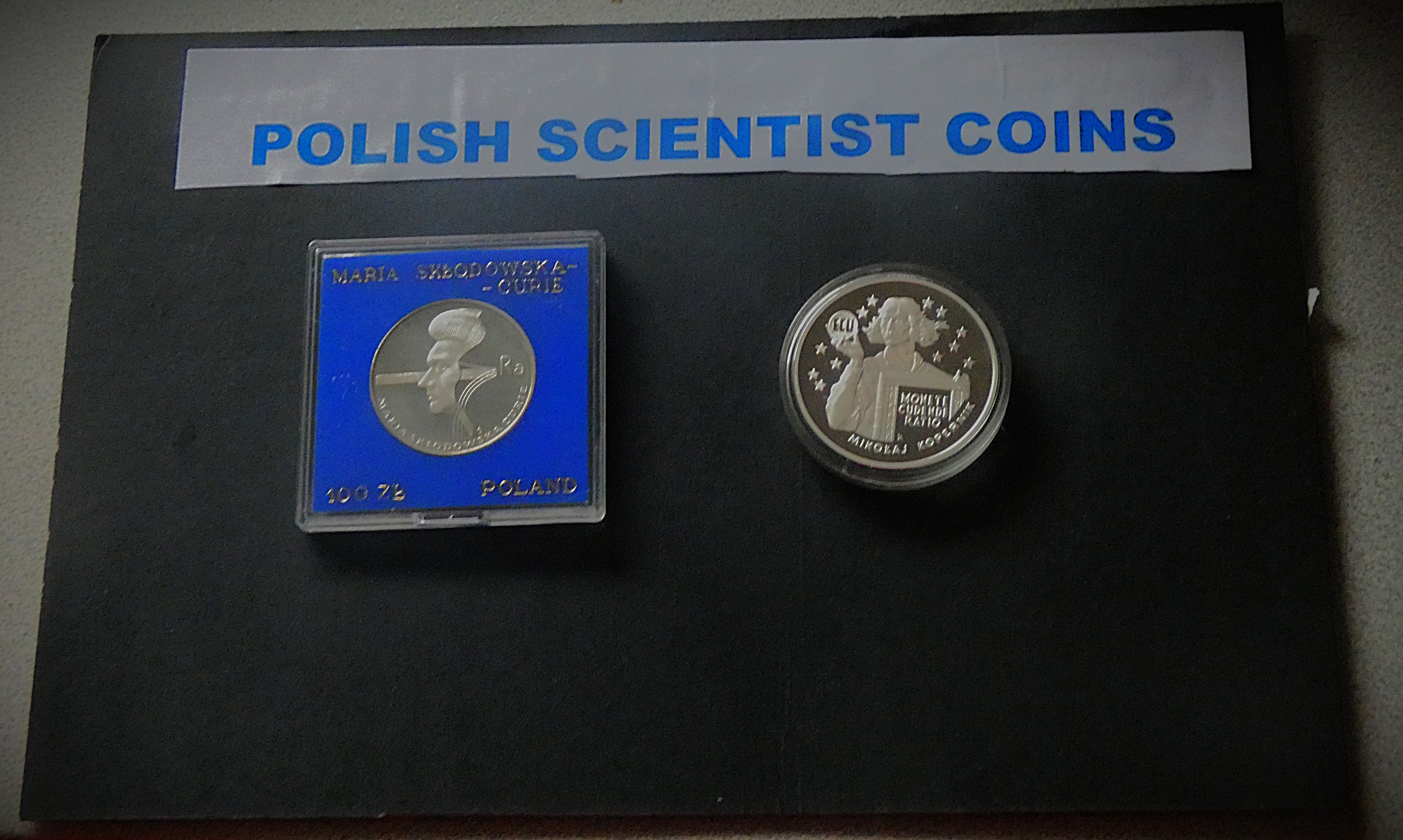
The four new names are in ascending atomic number order Nihonium (based on the Japanese name for Japan), Moscovium, Tennessine (for the state of Tennessee) and Oganesson (in honour of physicist Yuri Oganessian), this latter further tilting the list of elements named after people in favour of men. Although a few female mythological characters were honoured in earlier times the number of real life females to feature in the periodic table stands at two – Marie Curie with Curium and Lise Meitner with Meitnerium. There was nearly a third – element 102 was subject to vigorous dispute over its discovery between research teams from Sweden and Russia – the Russians were ultimately given credit for discovering it first, but by way of compensation it was given the name Nobelium chosen by the Swedes as opposed to the Russians preferred name of Joliotium (for Irene Joliot-Curie.

This paucity of females having elements named after them got me thinking about ideas for names for future use if more elements (if you have sensible suggestions in this regard please post them in the comments section) and I came with a few ideas:

  • Hypatium, in honour of the possessor of the last great brain to be nurtured in the Great Library of Alexandria.
  • Noetherium, for Emmy Noether, mathematical genius.
  • Angieron for science writer Natalie Angier.
  • Reichsine for forensic anthropologist and hugely successful novelist Kathy Reichs.

PHOTOGRAPHS

I given you a lot of text, so now here are some pictures…

dscn7856
Three pictures from the lumiere shown on Greyfriars tower.

dscn7858dscn7859dscn7860

dscn7889
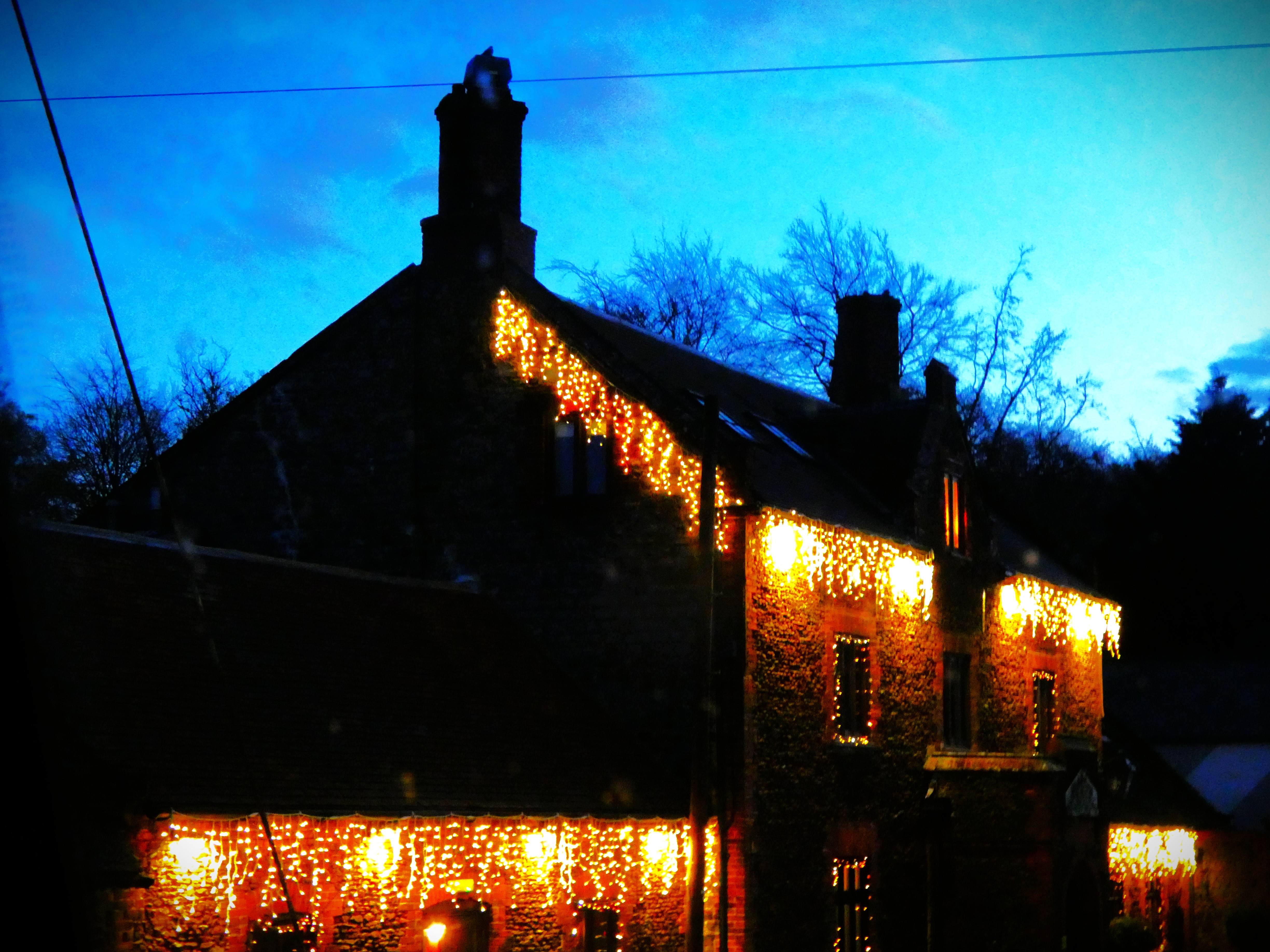
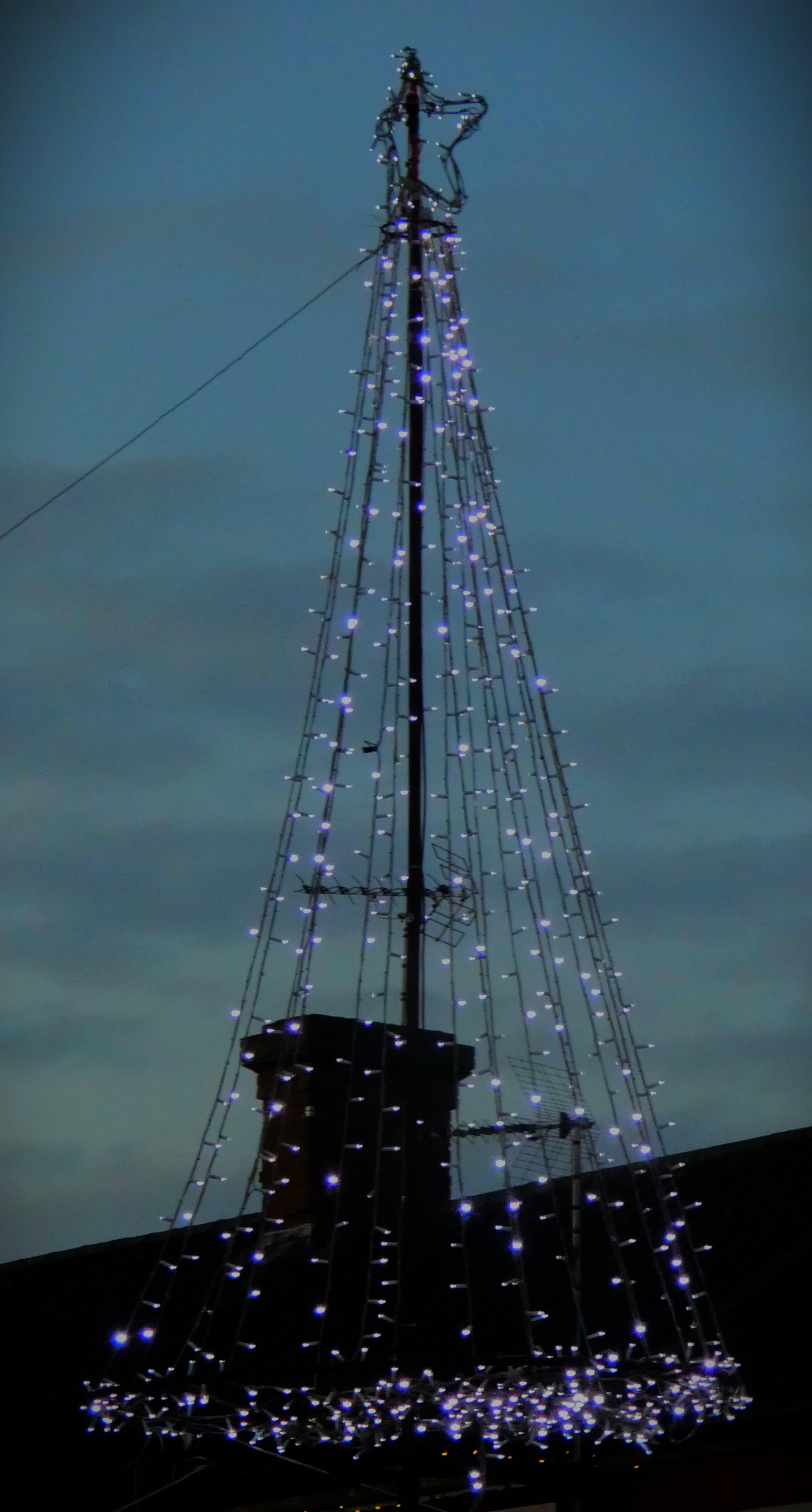
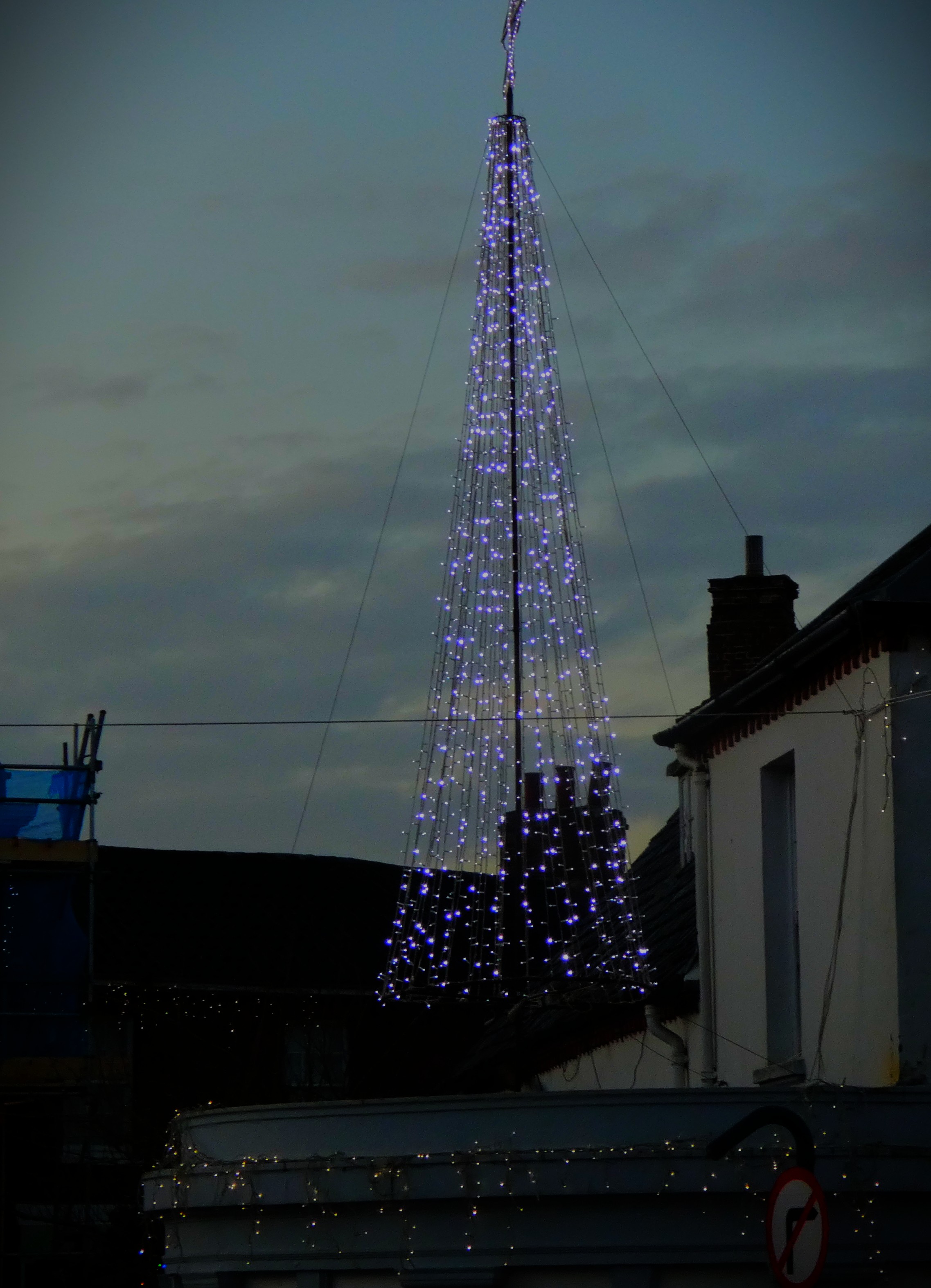
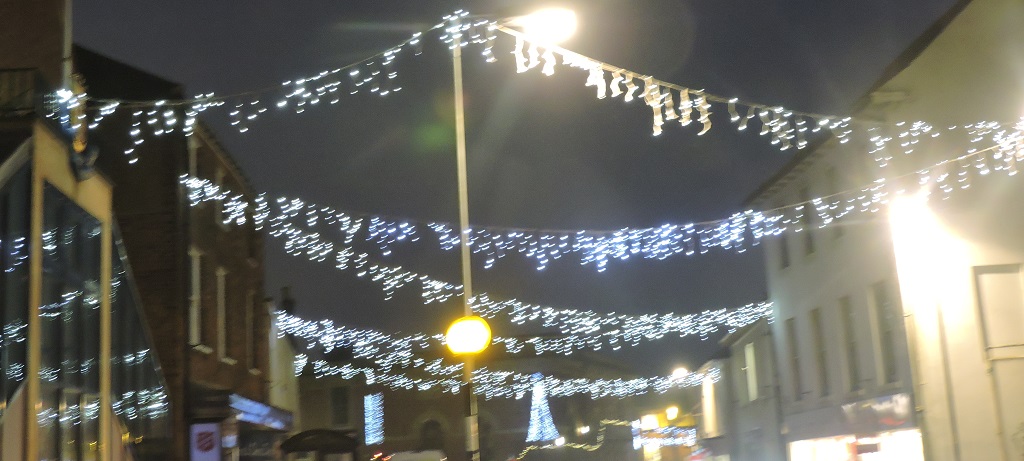
Christmas lights in Fakenham (three pictures).

dscn7891dscn7892

LINKS

My first link is to a post by Rob Gorski, who calls himself the Autism Dad. This particular post is about sorting out an issue of one of his sons being bullied.

My next two links are to posts on the blog that twitter legend Rachael Swindon has just started. The first is a challenge to Michael Dugher and Tom Watson. The second is her response to the decision by the Press Gazette to name Laura Kuenssberg political journalist of the year.

I end this section with a link to a piece on The Canary titled “The Transport Secretary just sent a massive f*ck you to exasperated rail commuters up and down the country” which leads nicely on to my final section…

PUBLIC TRANSPORT OF THE FUTURE

The text that appears below comes courtesy of Google translate, which I put to work on a piece from Spanish language website www.circuitodeprueba.com – if you can read Spanish, or would just like to see the piece in its original setting click the image that ends this post.

We are in a boom of artificial intelligence for vehicles and electricity as the main fuel, this is when IBM, a legendary computer manufacturer, wants to board the ship and for that he presented OLLI, the means of transport of the future.

Olli is a bus created solely with 3D printers that has automatic driving and is totally electric. In his brain we find the artificial intelligence system IBM Watson IA and its skeleton bears the mark of Local Motors.

The Olli Smart Bus has a capacity of 12 passengers (seated and stopped) and is currently being tested in the city of Washington DC, soon to reach other cities nearby (Miami, Las Vegas) later, specifically later this year, Begin the tests in Denmark.

IBM Olli public transport of the future 2

future-transport